2025 ANNUAL REPORT



MISSION
Flower Hill Institute is an Indigenous-led nonprofit dedicated to supporting the resilience of Tribal Nations. Since 2015, Flower Hill has worked closely with Tribal Leadership and their communities to provide complex problem-solving support and direct technical assistance on the most pressing issues facing Indigenous communities across the United States.
VISION
Flower Hill Institute envisions a future where Indigenous communities thrive— freely practicing our cultures, growing our economies, and providing for our people. By bridging tradition and innovation, we create cultural, economic, and environmental resilience in our communities.
A LETTER FROM THE Executive
Director

Dear Friends,
This year has been a powerful reminder that while we cannot control the seasons, we can choose how we weather them. For Flower Hill Institute, 2025 was a year defined by stubborn tenacity. In the face of significant headwinds in the shape of shifting political landscapes and changing cultural values, our board of directors, staff, and partners did not waver in fulfilling our mission.
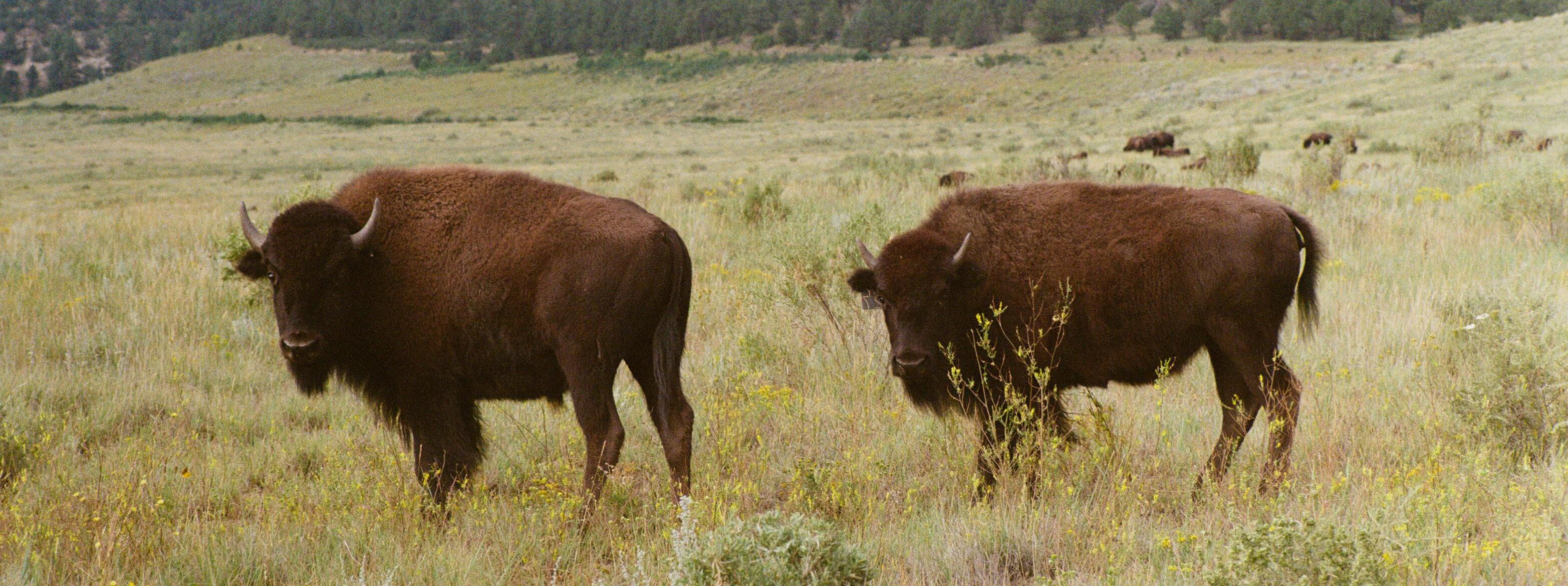
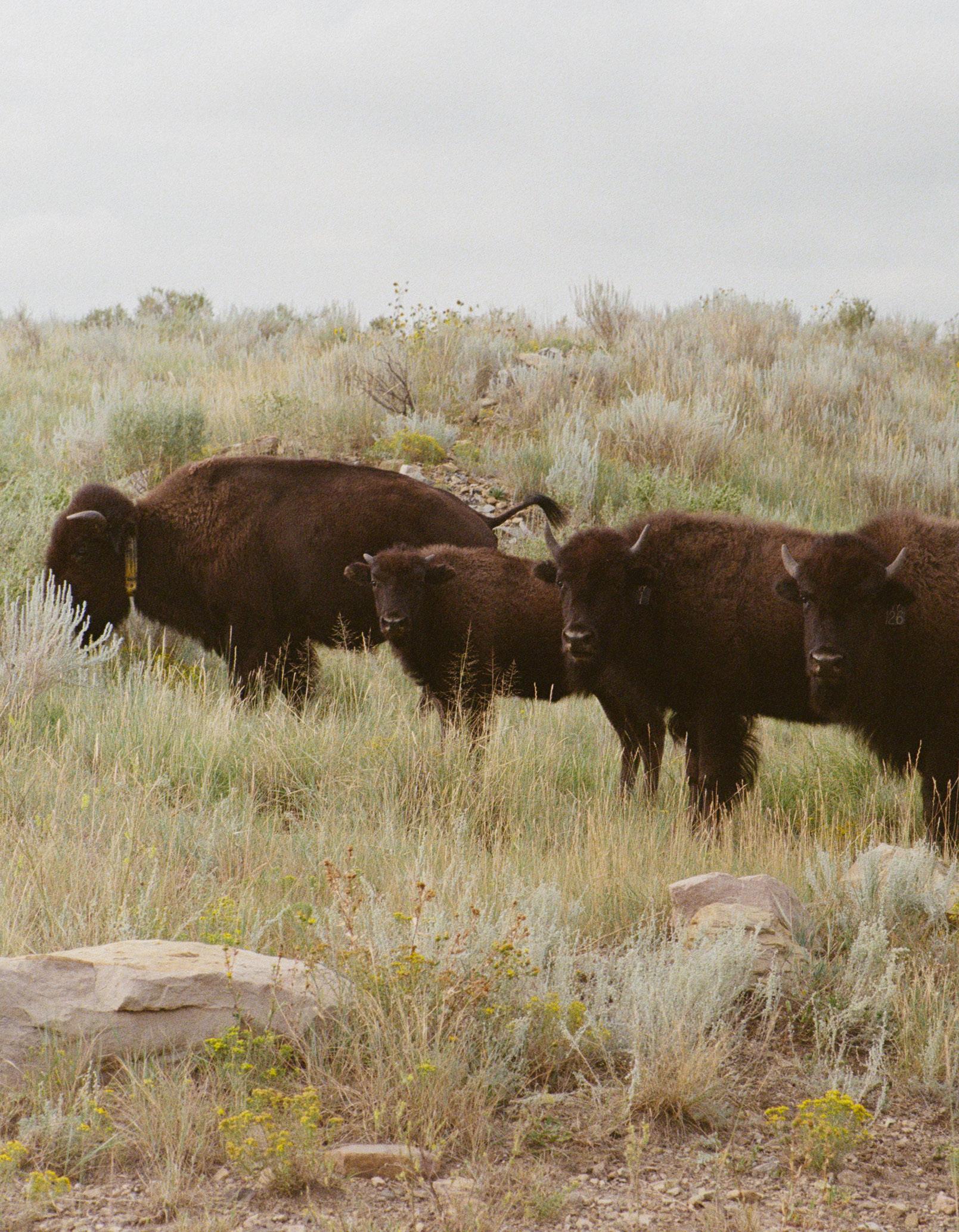
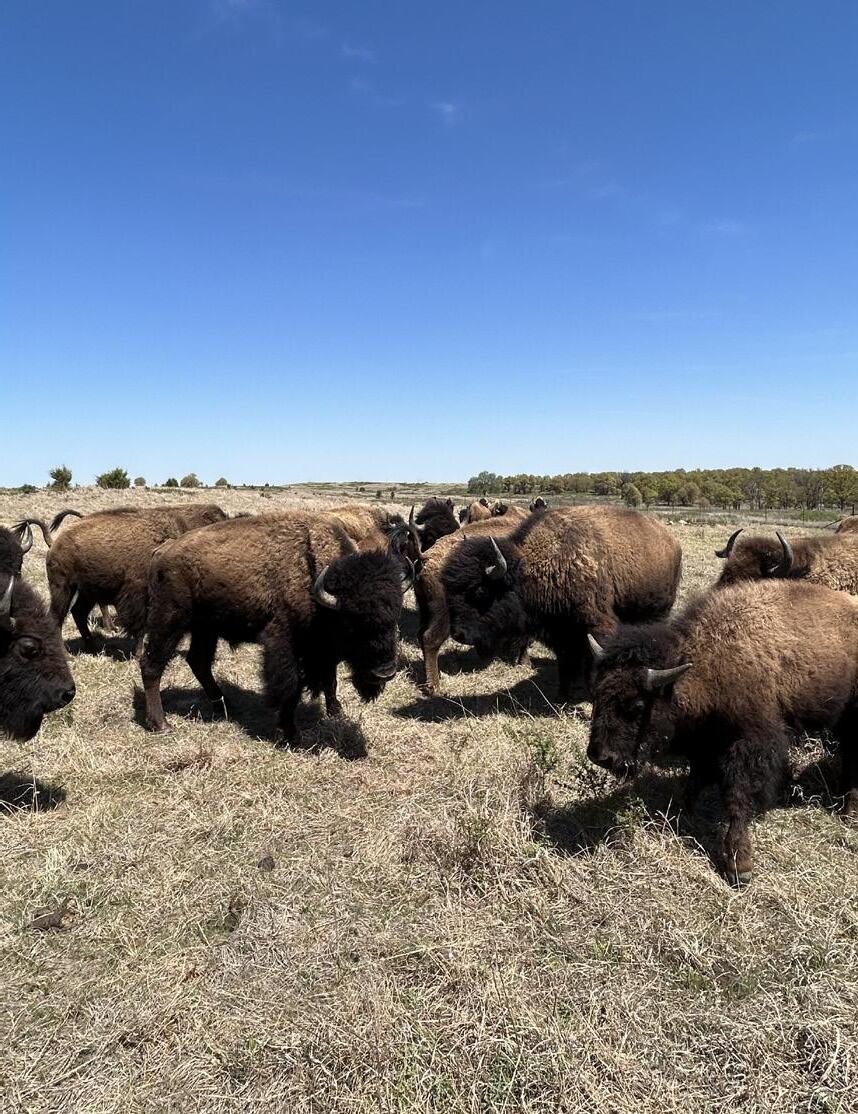
Wilma Mankiller, the first female chief of the Cherokee Nation, once observed, “Cows run away from the storm while the buffalo charges toward it—and gets through it quicker. Whenever I’m confronted with a tough challenge, I do not prolong the torment, I become the buffalo.”
This year, we too followed in the buffalo’s example. Instead of retreating when the path grew difficult, we leaned in by providing direct technical assistance to over 45 Indigenous communities and over 580 individuals, collaborating with the United Nations to ensure “rewilding” will be defined through an Indigenous lens, and launching the Indigenous Land Stewardship Institute, creating physical homes for the stewardship principles that have guided our ancestors for generations.
The progress we have made is a testament to the fact that Indigenous resilience is not passive; it is an active, creative force. While the “storm” of economic and political uncertainty remains, we have proven that our roots are deep and our resolve is firm.
Supporting Tribal communities is not just an act of service, it is an investment in a more resilient world for everyone. My deepest gratitude to those who charged ahead with us this year. Thank you for believing in the mission and the enduring strength of the Flower Hill Institute.
Respectfully,

Roger Fragua Co-Founder and Executive Director
The priorities of Flower Hill Institute evolve depending on community needs and collaboration opportunities.


RESILIENT FOOD SYSTEMS

We build resilient food systems by delivering comprehensive nationwide outreach, education, and free technical assistance to underserved farmers and ranchers. Through strategic partnerships and tailored support, Flower Hill helps individuals access essential resources, enhance their agribusiness practices, and improve their financial stability.

RESILIENT ENVIRONMENTS
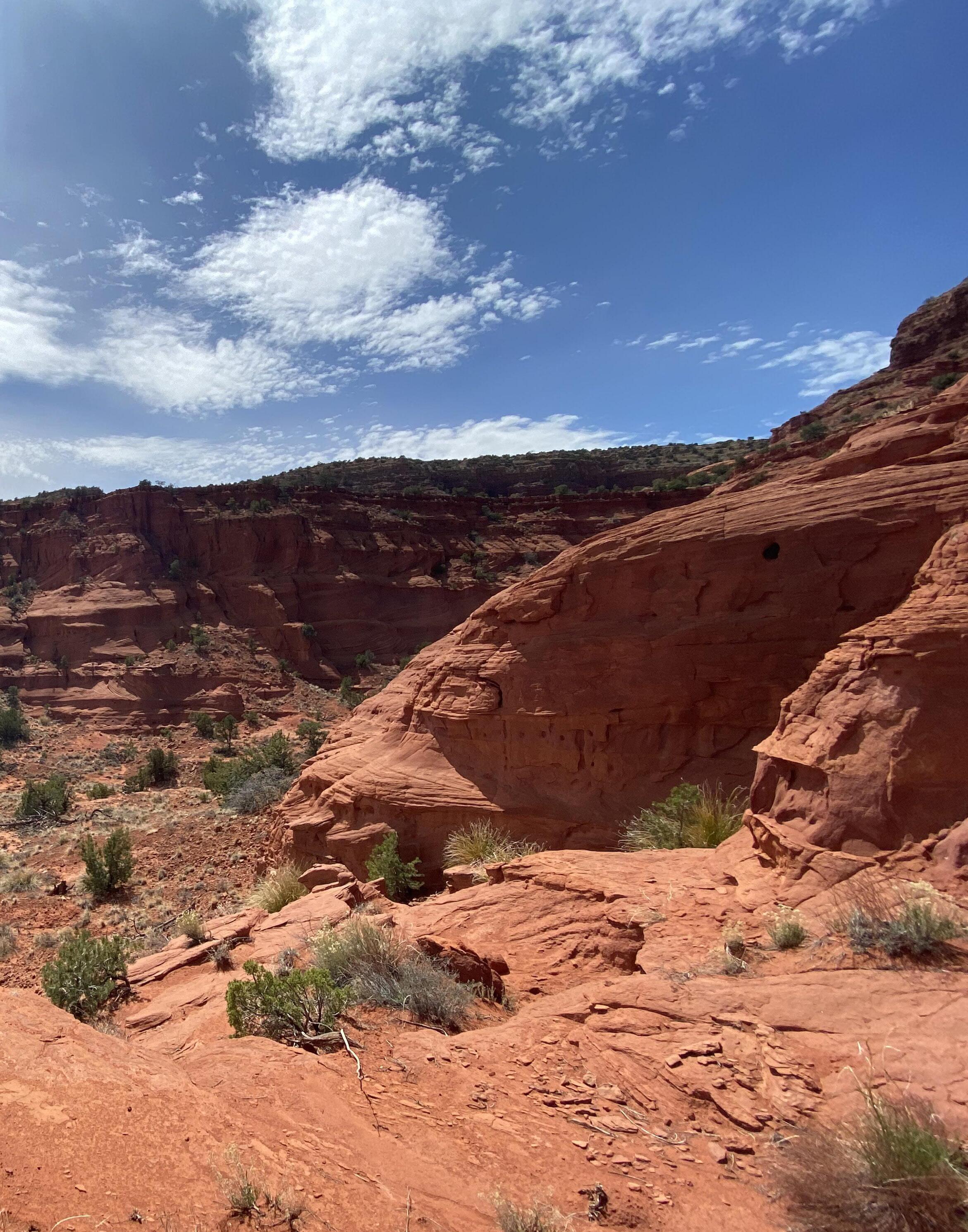
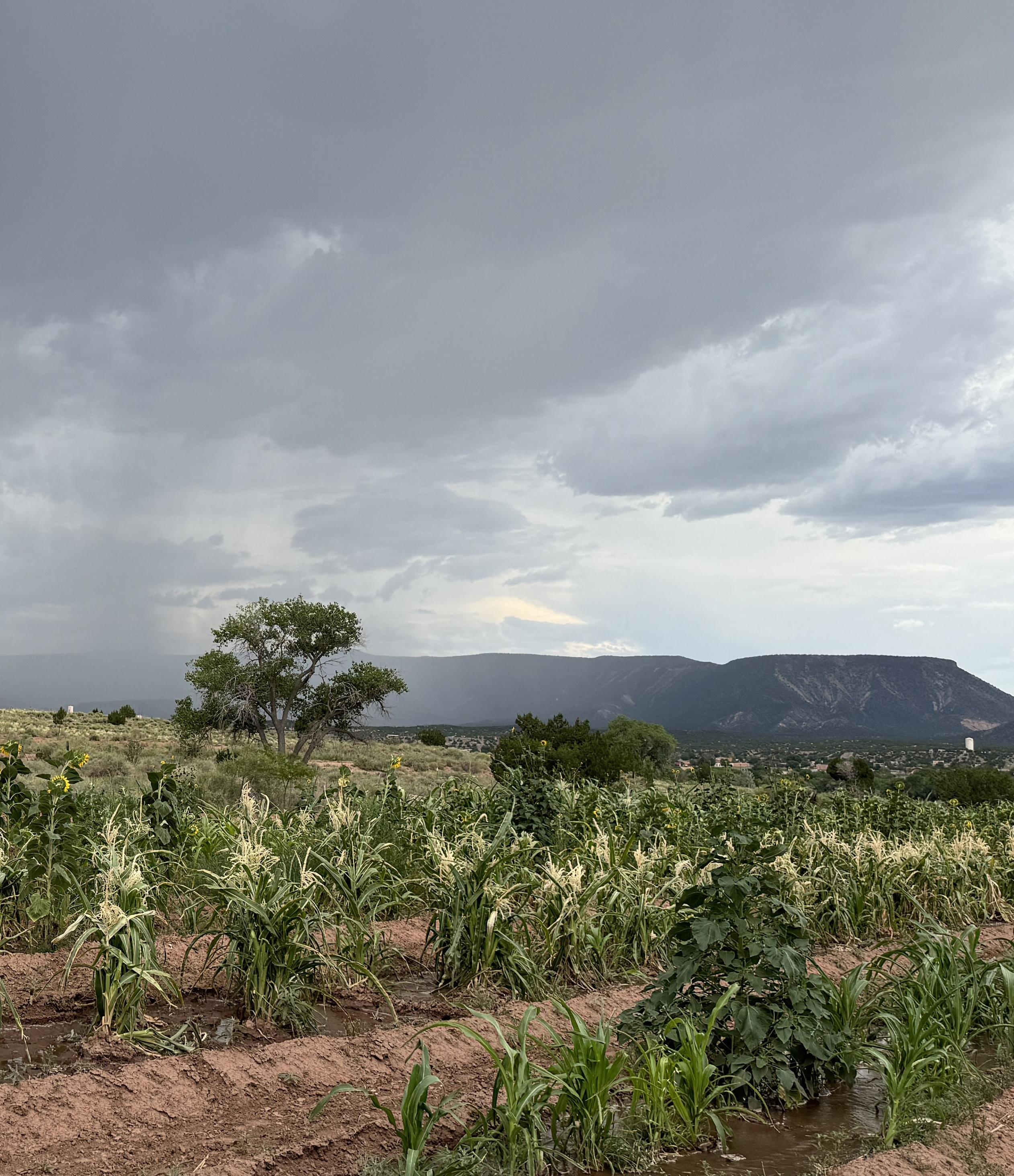
We champion resilient environments by supporting Tribes’ ability to manage and steward traditional territory, and participate in planning processes that protect their interests. By advocating for Indigenous land rights and promoting sustainable land management practices, Flower Hill contributes to the health and well-being of both the environment and Indigenous communities.

RESILIENT CULTURES
We promote resilient cultures by creating opportunities for intertribal exchange, supporting cultural preservation projects, and advocating for Indigenous rights. Flower Hill plays a vital role in ensuring that Indigenous voices are heard and their lifeways endure.
HIGHLIGHTS

Provided Direct Technical Assistance to more than 580 Individuals
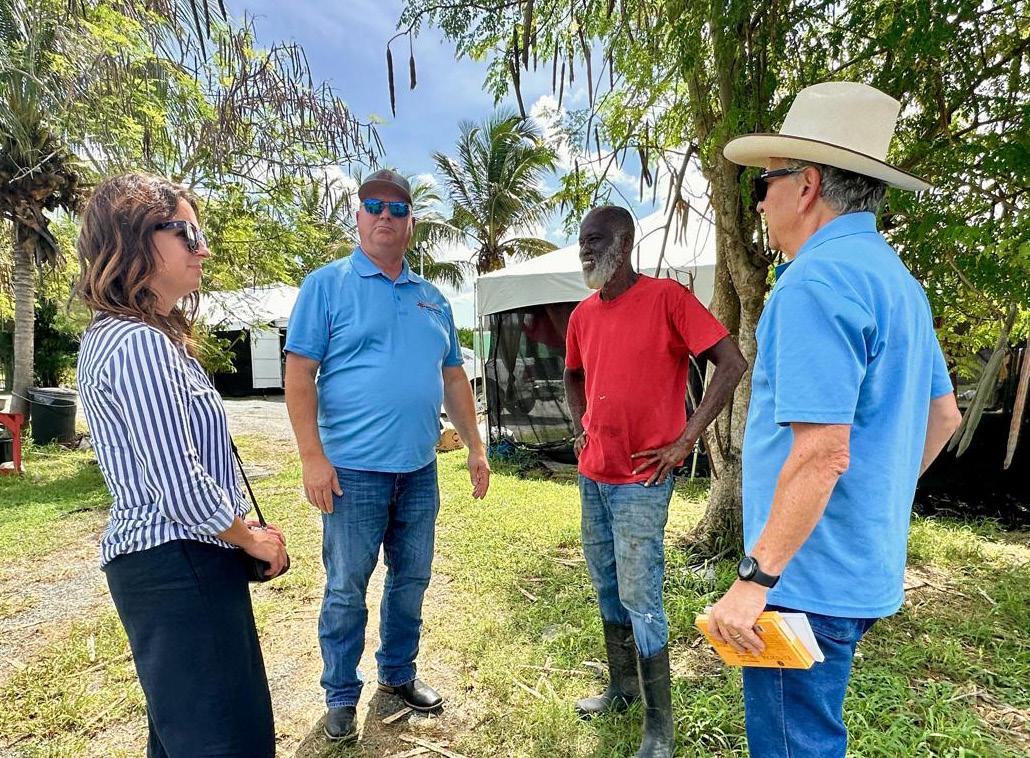
Provided direct agricultural technical assistance to over 580 individuals throughout more than 45 indigenous communities across 49 states, the District of Columbia, Puerto Rico, the Virgin Islands, and the Northern Mariana Islands.
Made History With the Pueblo Farmer Alliance
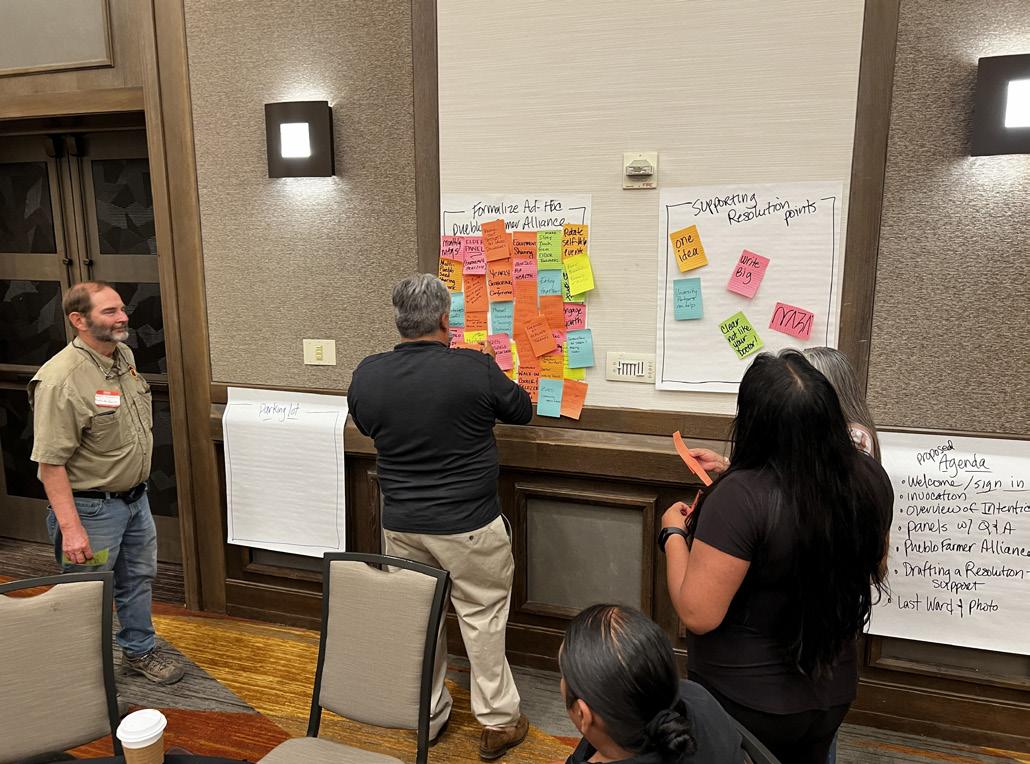
Following a groundbreaking needs assessment, the Pueblo Farmer Alliance was established to unite Pueblo and Hopi agriculturalists. After hosting an inaugural intertribal convening of over 60 farmers, the Alliance secured unanimous support through a historic resolution passed by the All Pueblo Council of Governors, representing 19 Nations in New Mexico and one in Texas.
Produced a Comprehensive Midwest Native Food Systems Needs Assessment
Flower Hill Institute’s collaboration with the Rockefeller Foundation produced a comprehensive Midwest Native Food Systems Needs Assessment, spanning 14 states including Oklahoma, and delivered strategic philanthropic recommendations to catalyze investment and strengthen Indigenous agricultural and food systems across the region.

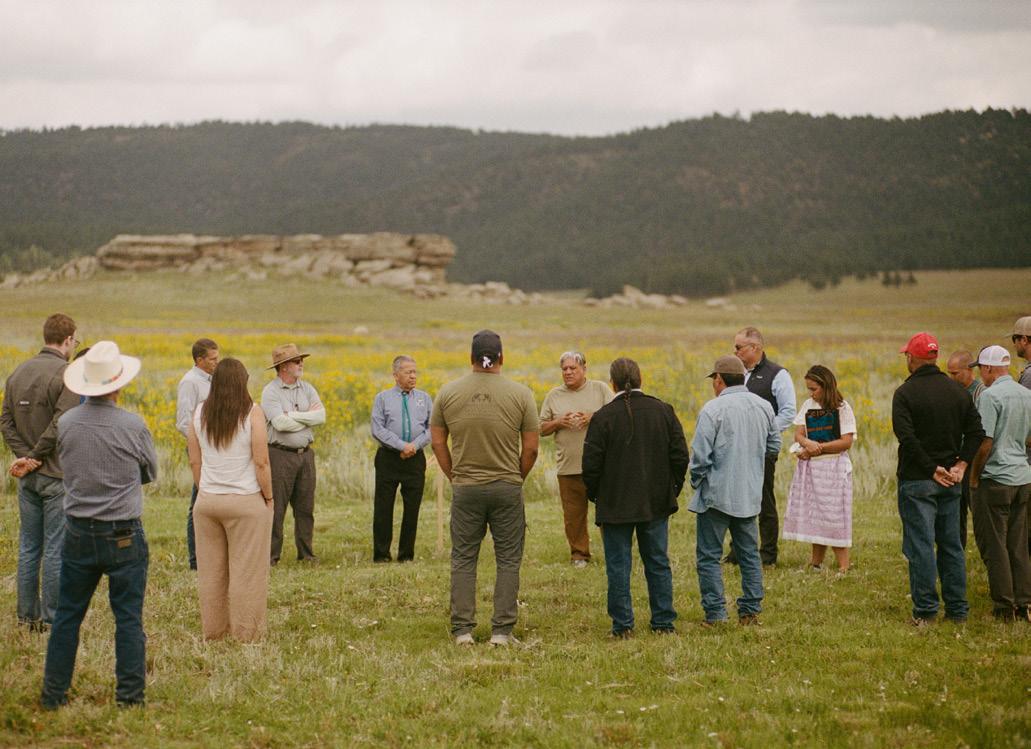

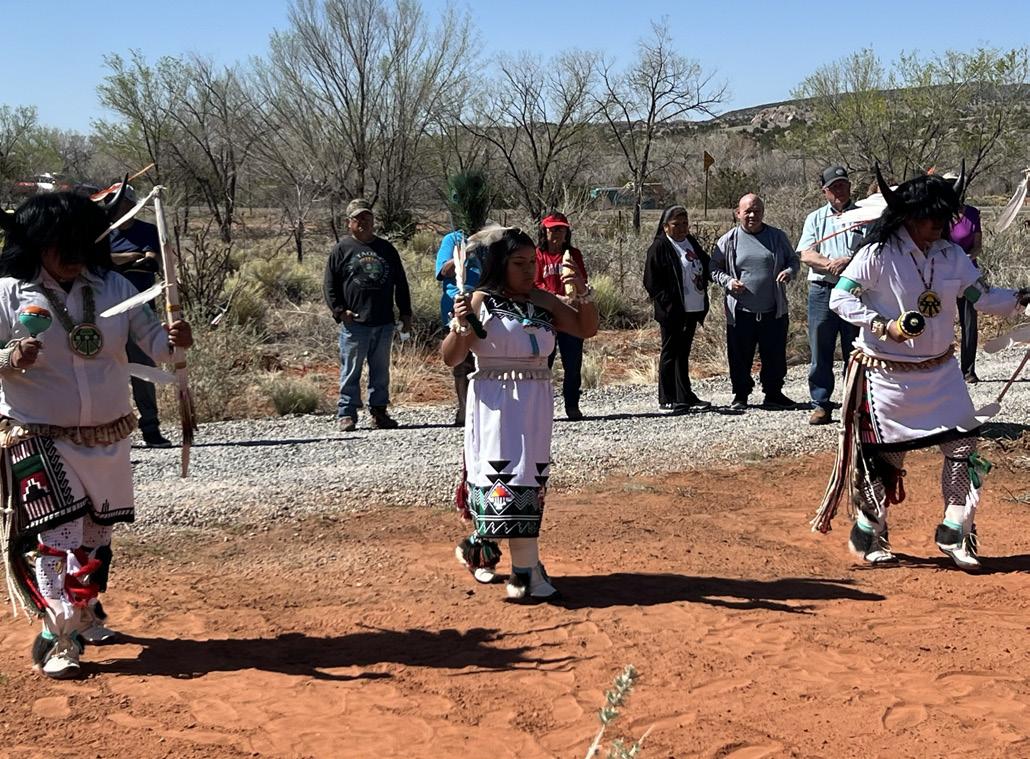
participation from nine tribal nations, who have deep historical and cultural connections to landscapes on these lands located in North Central New Mexico. Through the cultural exchange, the tribes were able to reconnect, share cultural songs, histories, and stories of their interactions
Tribal Voluntary Bison Inspection Fee Coverage Program
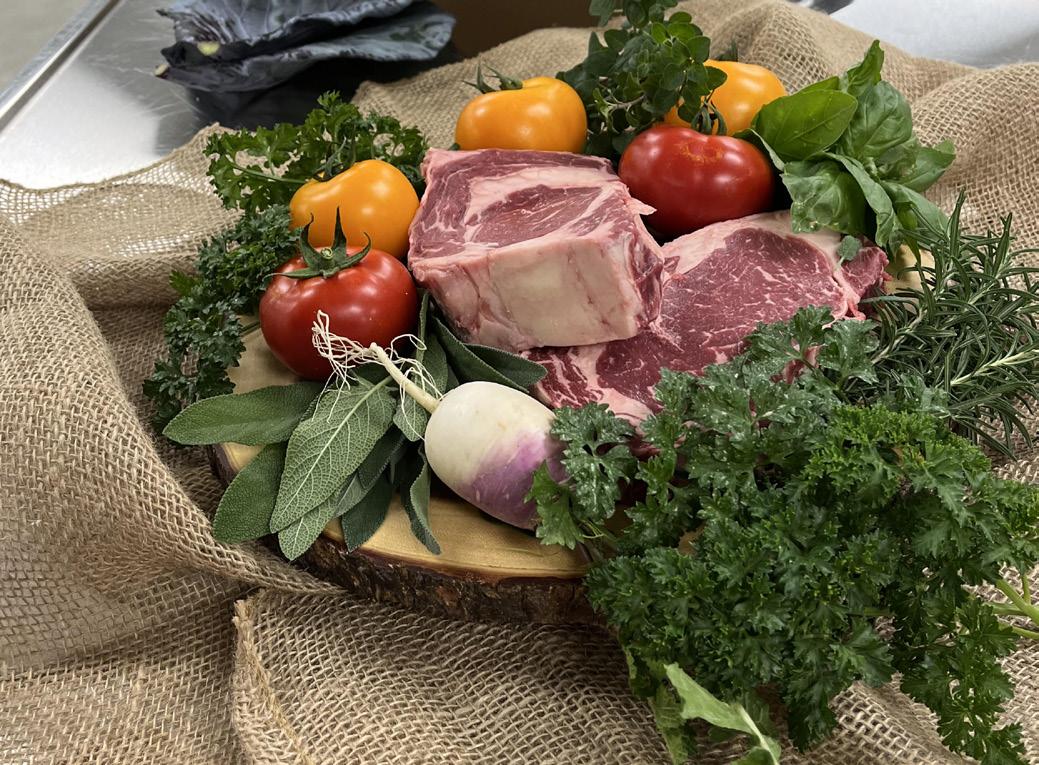
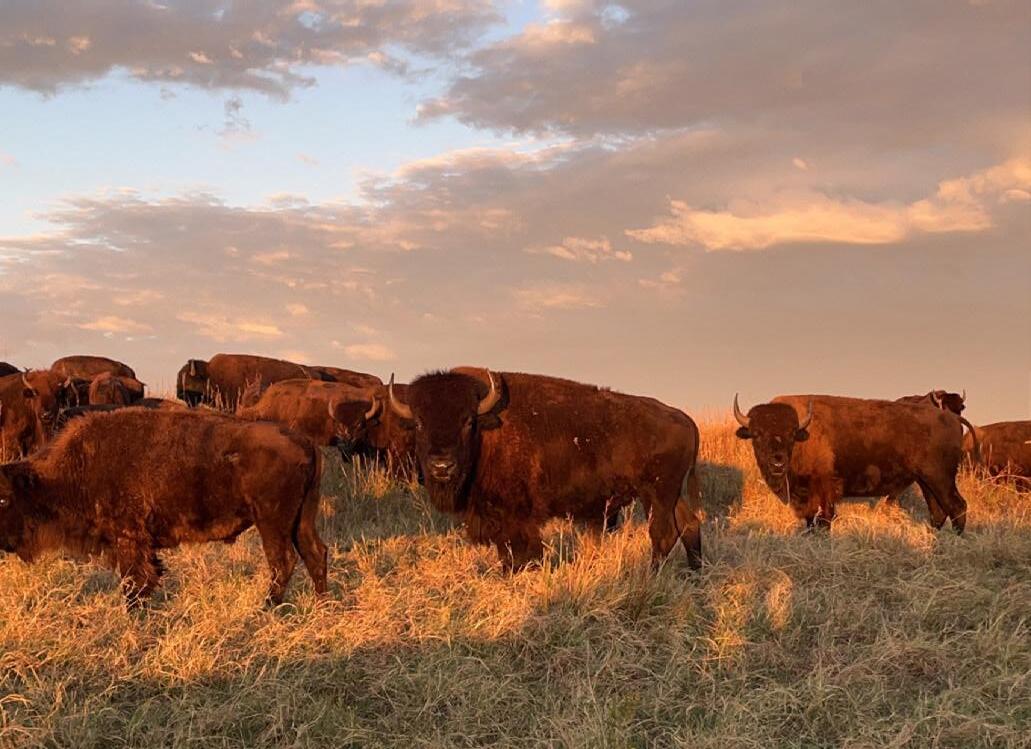
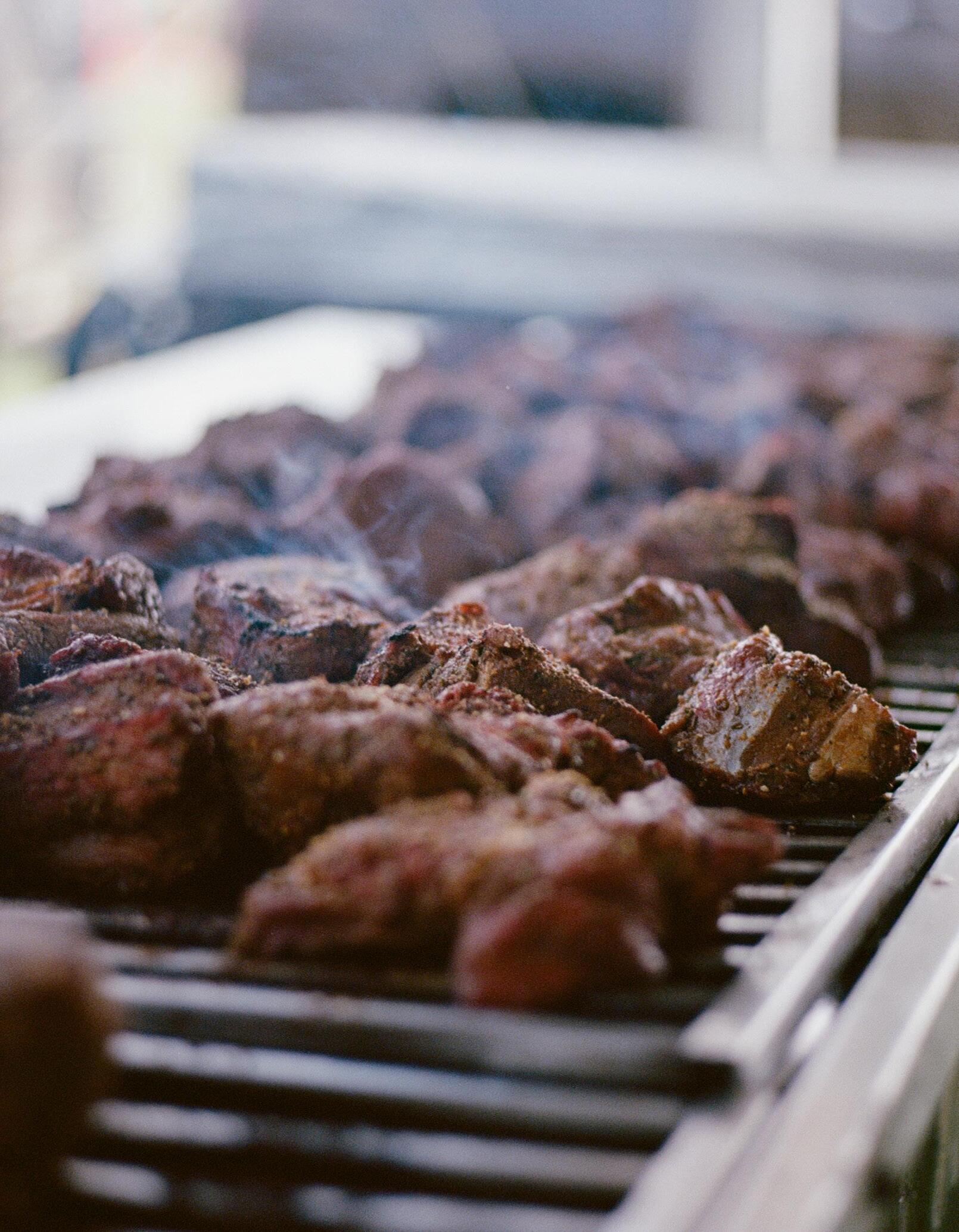
This vital program provides reimbursement of USDA voluntary bison inspection fees to Native Americanowned establishments or those operating on Tribal lands. Through the first year of the program, the initiative reimbursed 1,172,735 pounds of finished bison meat which is enough for approximately 4,690,940 meals, based on 4-ounce servings. Through this distribution, an estimated 1,868,900 families were reached, using an average household size of 2.51 people.
Intertribal Cultural Exchanges
Flower Hill Institute participated in several intertribal exchanges this year, these organically structured exchanges brought together leaders, war chiefs, and healers in conversations that bridged vast geographies and shared critical cultural practices. The results not only deepened intertribal connections but, also led to tangible outcomes. These outcomes included the sharing of ceremonial resources and cultural practices.


Meat & Poultry Processing Technical Assistance Program
Flower Hill Institute coordinates the USDA’s MPPTA program, which provides critical technical assistance to meat and poultry farmers across the country. We take pride in connecting underserved producers, including Tribal communities, with technical assistance for developing processing plants and navigating USDA grant opportunities.

• Since MPPTA’s inception in 2022 we have completed over 1,620 requests for technical assistance, we have served members from over 84 different Tribes, across 49 states, the District of Columbia, Puerto Rico, the Virgin Islands, and the Northern Mariana Islands.
• In 2025 we served 459 unique clients, averaging 76 clients per month.
“It is hard to overstate the value that Flower Hill Institute provides to the small/medium size meat processor. There is so much relevant and insightful content on their website, but it doesn’t end there. The ability to directly contact individuals well-versed in the industry for advice and the referral capacity they provide is top notch. Virtually any question one might have in the development of their business or process can quickly be addressed with a short consultation with Dave, Chris, or Roger-for free!
“
“As AgriUnity-TX enters this new year as a fully incorporated Cooperative and one on the hunt to acquire a meat processing facility, we’d like to thank you and Flower Hill Institute for journeying with us. Although we have had other support to get this far, we credit Flower Hill most with furthering our business objectives. We appreciate that you appreciate the fact that for those of us in the thick of developing businesses, it’s not academic. We need near real-time access and expert advice, and we sometimes need boots on the ground. You’ve got the expertise, you’ve always called us back, you’ve responded to our emails, and you’ve come out for site visits and meetings at opportune times. Thank you and thanks to USDA for sponsoring your service to us. We look forward to your continued support in the new year.
7 Pamela Hodge Dickinson, AgriUnity-TX
Lucas Salazar, Matanza Project
FSA Disaster Assistance
Outreach, Education, & Technical Assistance Program
Through trust-building and collaboration, Flower Hill Institute is increasing access to the USDA’s Farm Service Agency (FSA) programs for Indigenous farmers and those from other marginalized communities. By partnering with organizations such as Farmer Outreach Solutions, the Farmer Veteran Coalition, and the Latino Farmers and Ranchers International, Flower Hill Institute enhances the capacity of minority-focused nonprofits to obtain funding and broaden their outreach.

• Increased awareness on FSA programs to over 600,000 agricultural producers.
• Provided direct FSA disaster assistance and emergency relief across 18 states.
• Attended over 75 events across the United States and Puerto Rico to share FSA disaster assistance education.
“I am sure glad that I attended the meeting [Flower Hill Institute] put on, otherwise, I would never have known about this opportunity. I wish I knew this type of insurance existed years ago!
Kristi Olney, Yakama Nation Bison Project
Tribal Voluntary Bison Inspection Fee Coverage Program
The Tribal Voluntary Bison Inspection Fee Coverage Program is supported through a cooperative agreement with the USDA Office of Tribal Relations. This program aims to provide reimbursement of USDA voluntary bison inspection fees to Native American-owned establishments or those operating on Tribal lands.

• The program has reached out to over 75 Tribal enterprises, tribal members and meat processing facilities.
• The Quapaw Food Services Authority and Benson and Turner Inc. are in the program and receiving reimbursement for USDA bison harvesting inspection cost.
• This initiative has reimbursed inspection fees for more than 1,172,735 pounds of finished bison meat which is enough for approximately 4,690,940 meals.
Supporting Midwest Native Food Systems
In partnership with the Rockefeller Foundation, Flower Hill Institute worked to identify and address the pain points of Midwest Tribal agriculturalists.

• Conducted a Midwest Native Food Systems Needs Assessment, offering a detailed analysis of farming and food production practices across Illinois, Indiana, Iowa, Michigan, Minnesota, Ohio, Missouri, North Dakota, South Dakota, Nebraska, Kansas, Wisconsin, and Oklahoma.
• Co-authored a strategic recommendations for philanthropy report based on the Midwest Tribal Needs Assessment findings, underscoring that philanthropic investment can play a catalytic role in strengthening Indigenous food systems across the Midwest.

Scan the QR code, to read the full report.
Pueblo Farmer Alliance
In 2024, Flower Hill Institute partnered with the University of Arizona and the Rockefeller Foundation to conduct a Pueblo Agricultural Needs Assessment for the 19 Pueblo Tribes and the Hopi Tribe. This year, this collaboration led to the establishment of a historic intertribal alliance.

• Hosted the inaugural Pueblo Farmers Alliance meeting, bringing together more than 60 Pueblo and Hopi leadership and agriculturalists. Through presentations, shared meals, and collective reflection, the event uplifted ancestral practices and laid groundwork for future collaboration to preserve and protect Pueblo agriculture for generations to come. Scan the QR code, to view the video from the inaugural meeting.

Scan the QR code, to view the video.
• Submitted a resolution incorporating language shared during the first Pueblo Farmers Alliance meeting to encourage formal support from Pueblo and Hopi governments for the alliance. The All Pueblo Council of Governors (APCG), the InterTribal organization representing the 19 Pueblo Nations in New Mexico and 1 in Texas, passed the first Pueblo Farmers Alliance Resolution with full support from the 20 Pueblo Nations of New Mexico and Texas.
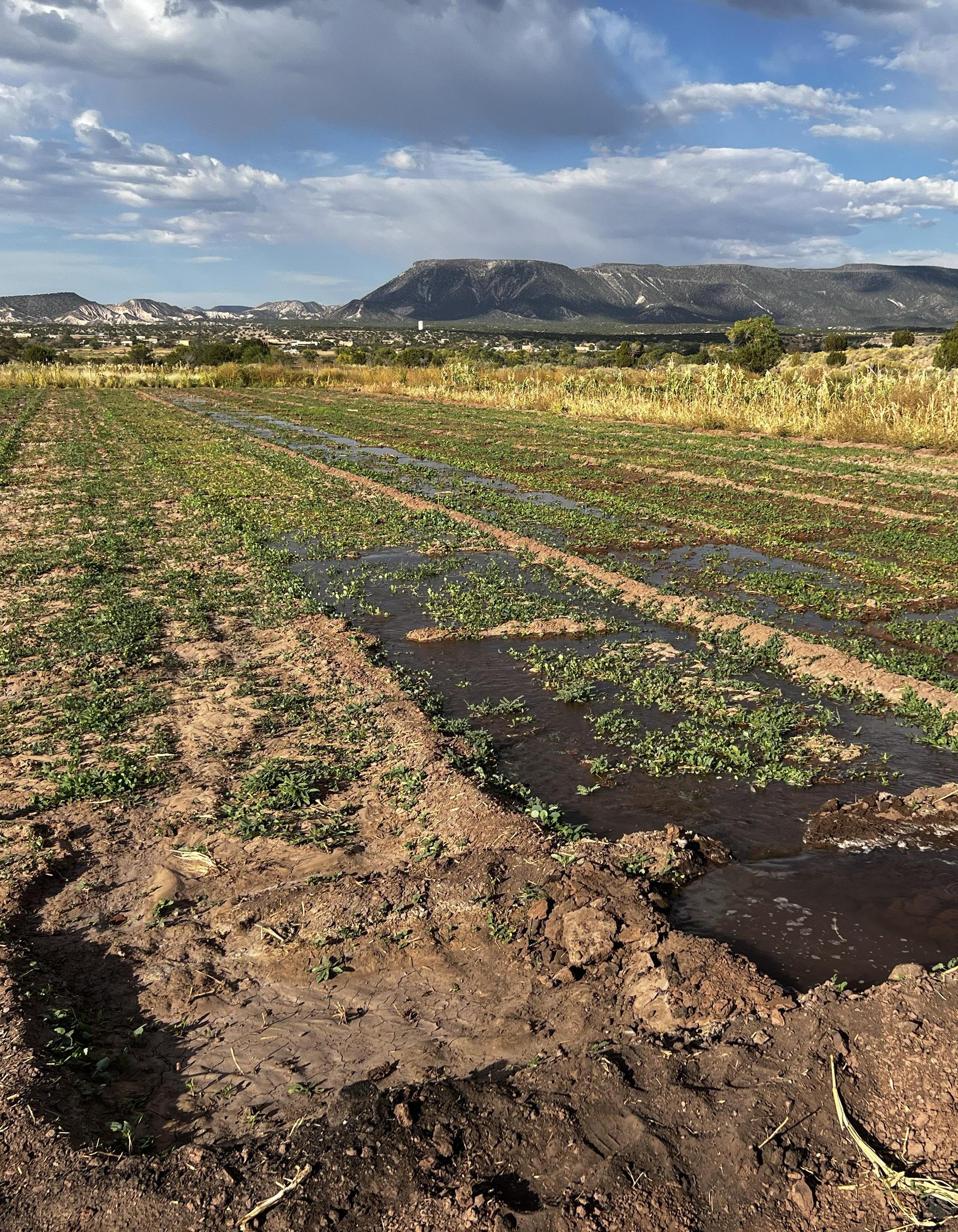
Land Lab
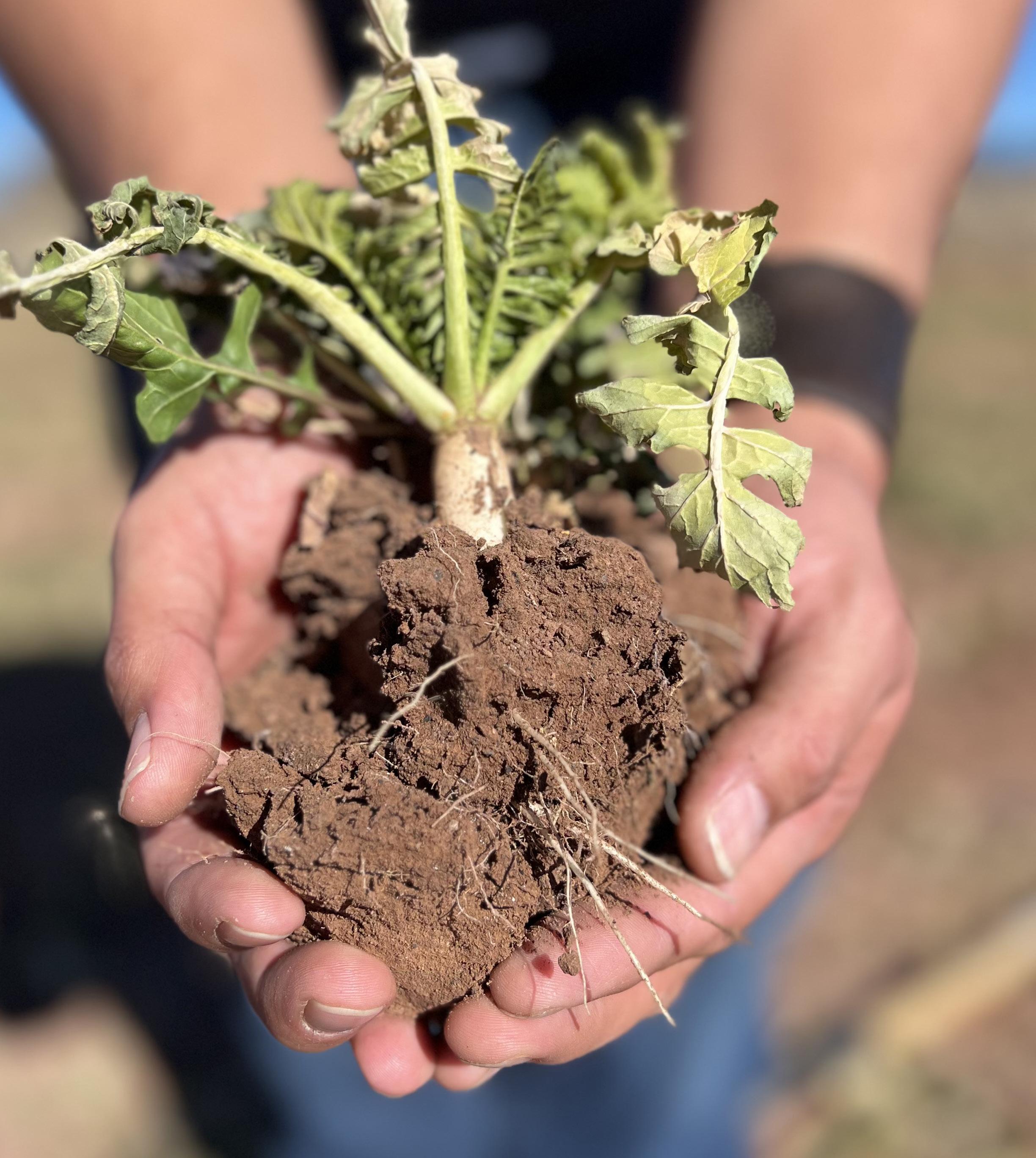
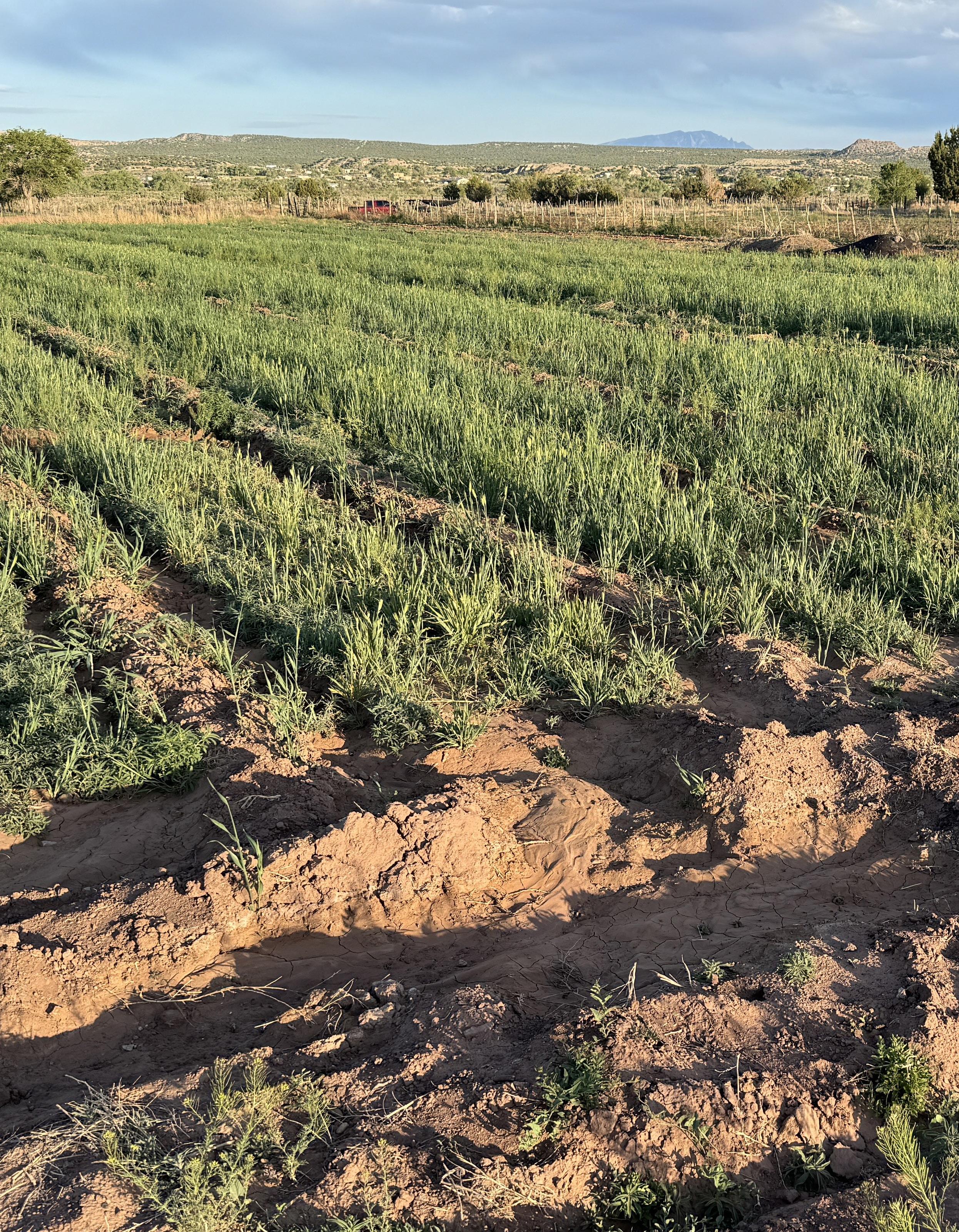
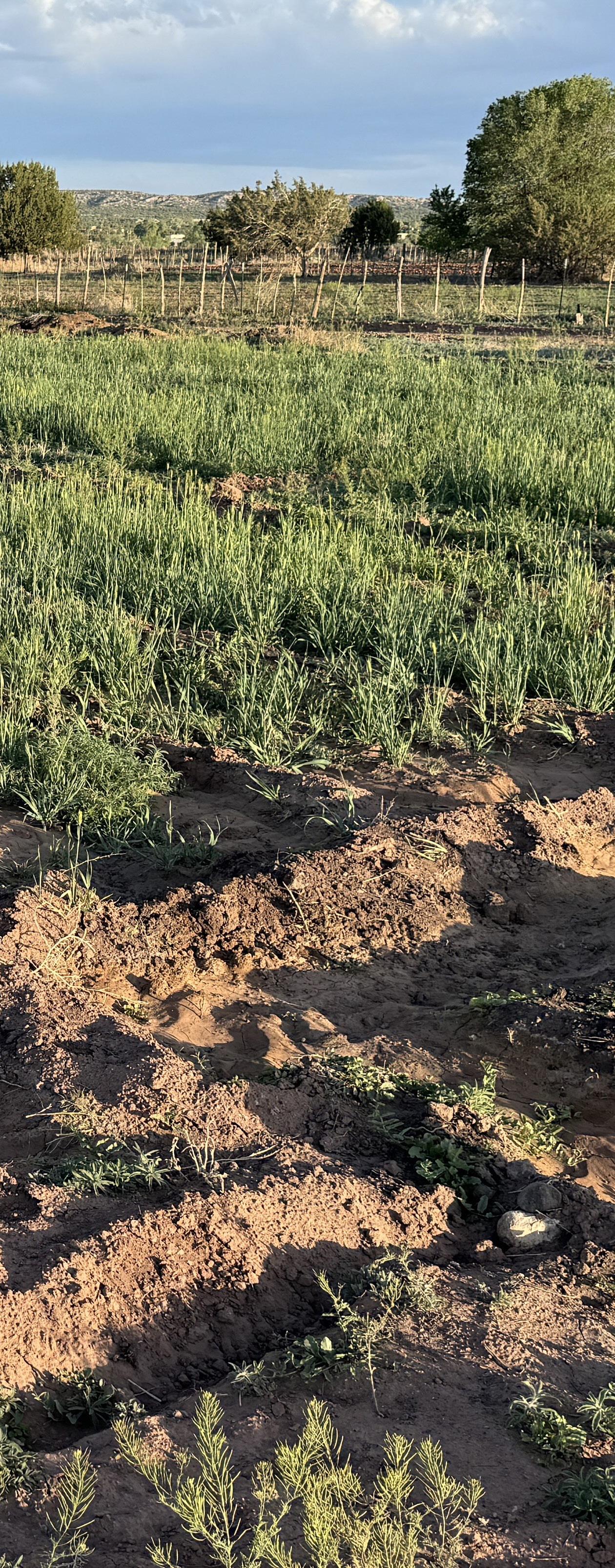
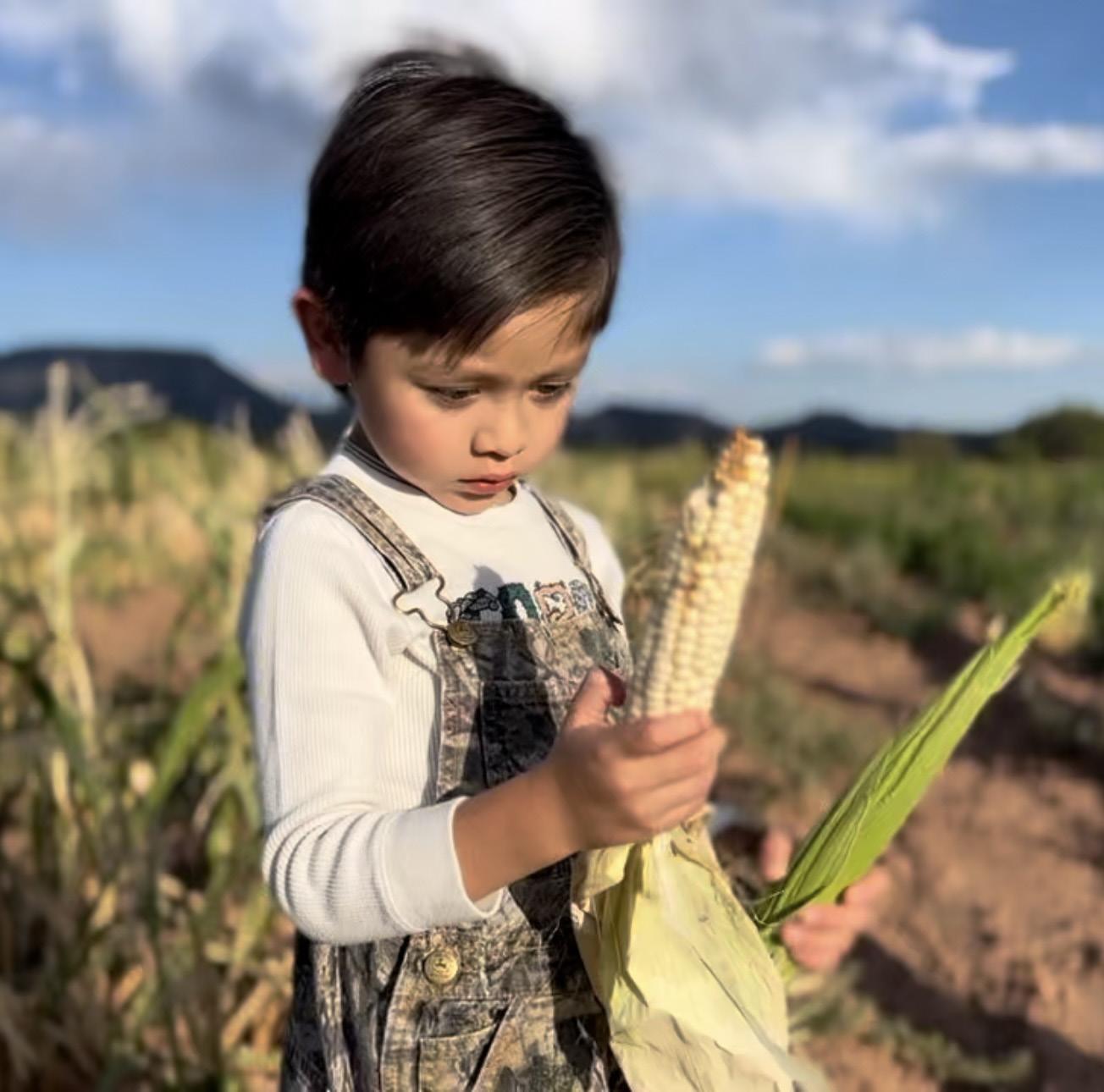
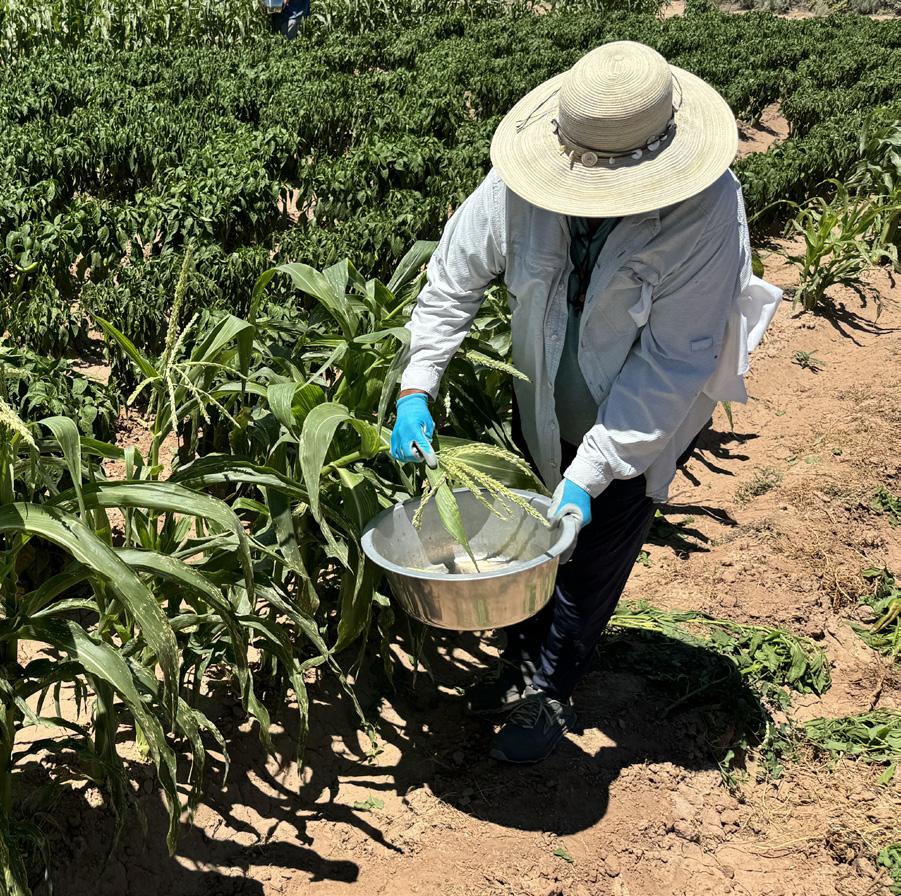
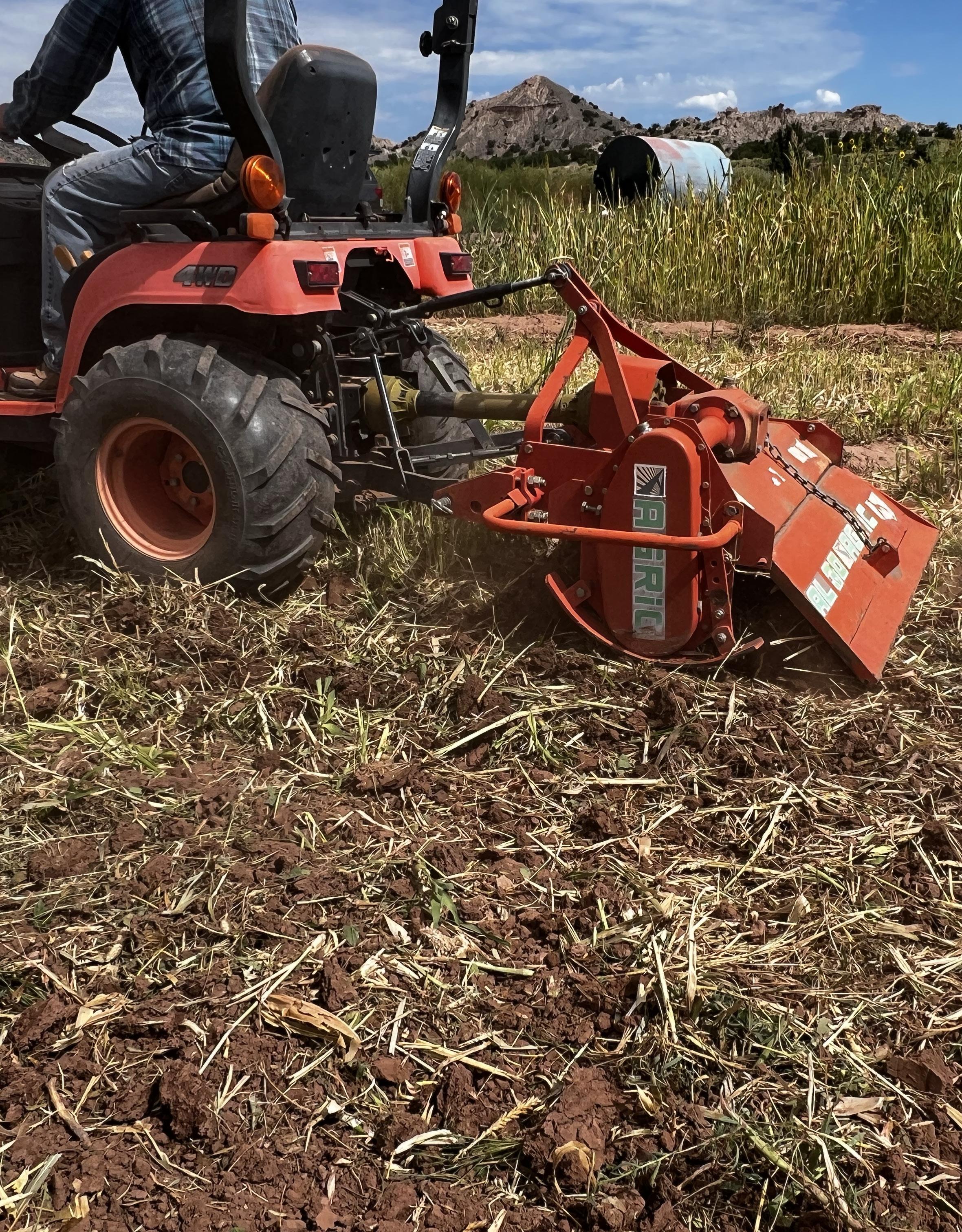
The land lab is a five-acre field in the Pueblo of Jemez where Flower Hill develops and tests new approaches for Pueblo farming to improve food production and soil management practices. The Land Lab programs work to unwind the legacy of colonial farming practices, return to traditional management and bridge to innovative new

• Advanced soil health and resource conservation research through experimentation with different management practices, utilizing moisture sensors for irrigation precision, and collecting comparative data on soil structure across crop, cover crop, and native wild plant systems. This ongoing experimentation provides a foundation of empirical evidence and technical insights to be shared across the Flower Hill Institute network.
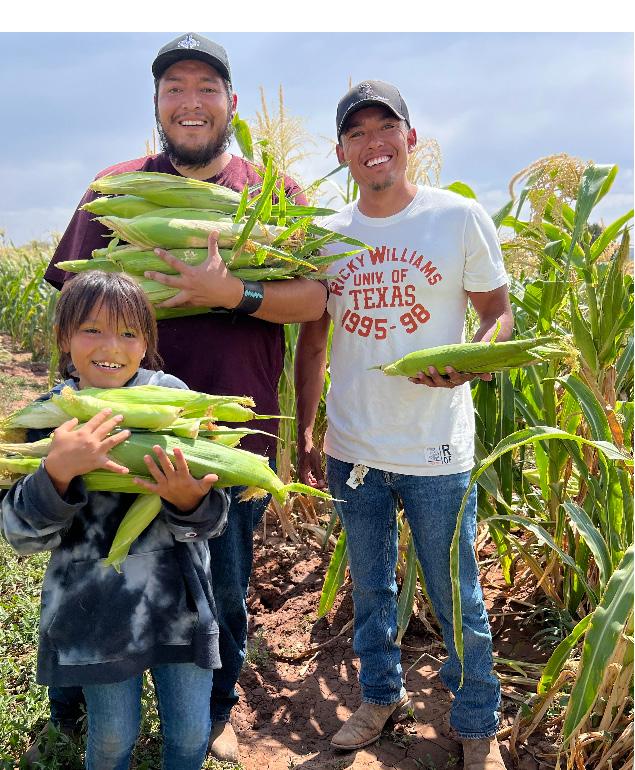
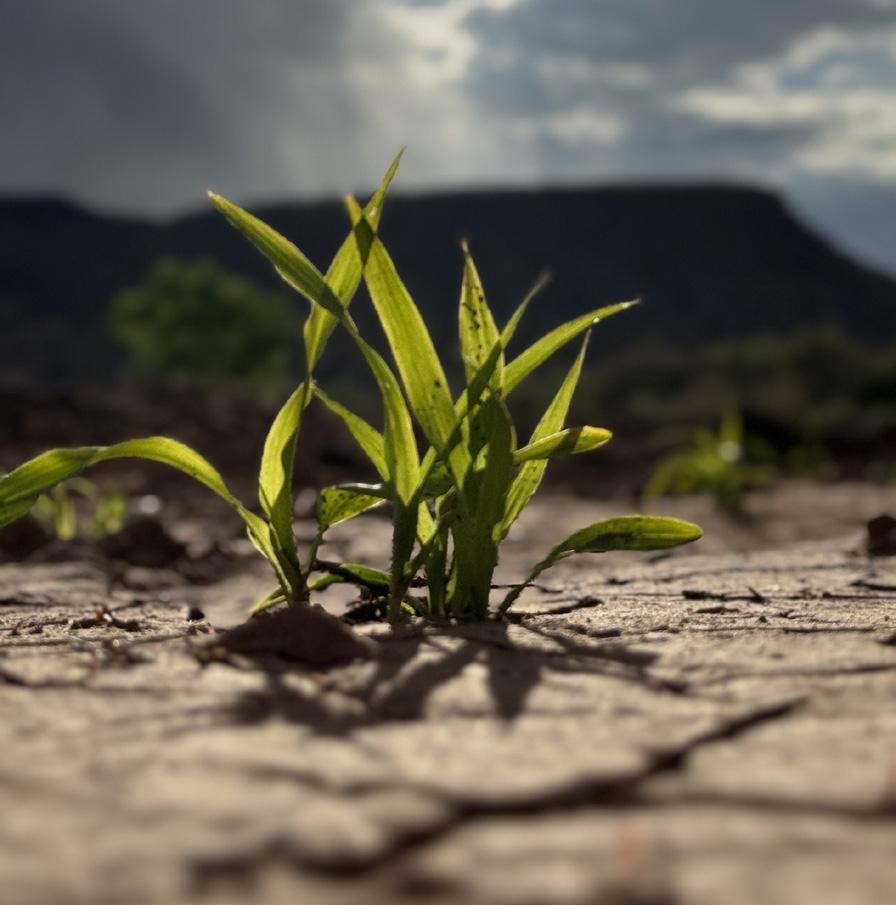
In response to firsthand evidence of shifting climate patterns, Flower Hill Institute is actively enhancing its climate resilience by implementing critical infrastructure, including a greenhouse, hoop house, and dedicated well, to mitigate the challenges posed by a

RESILIENT CULTURES

Wildland Gathering
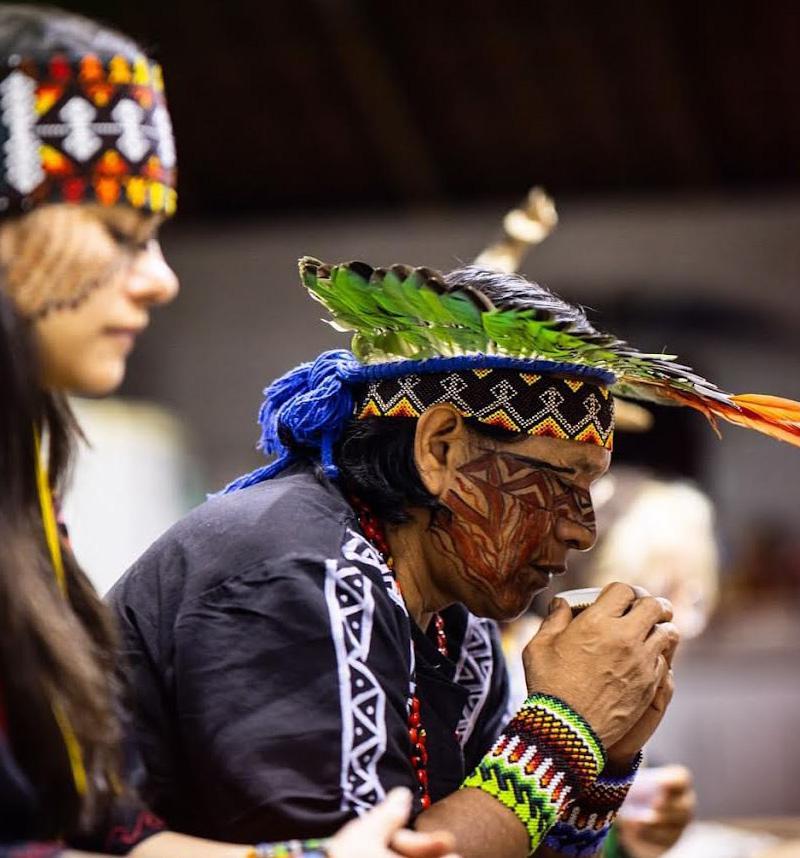
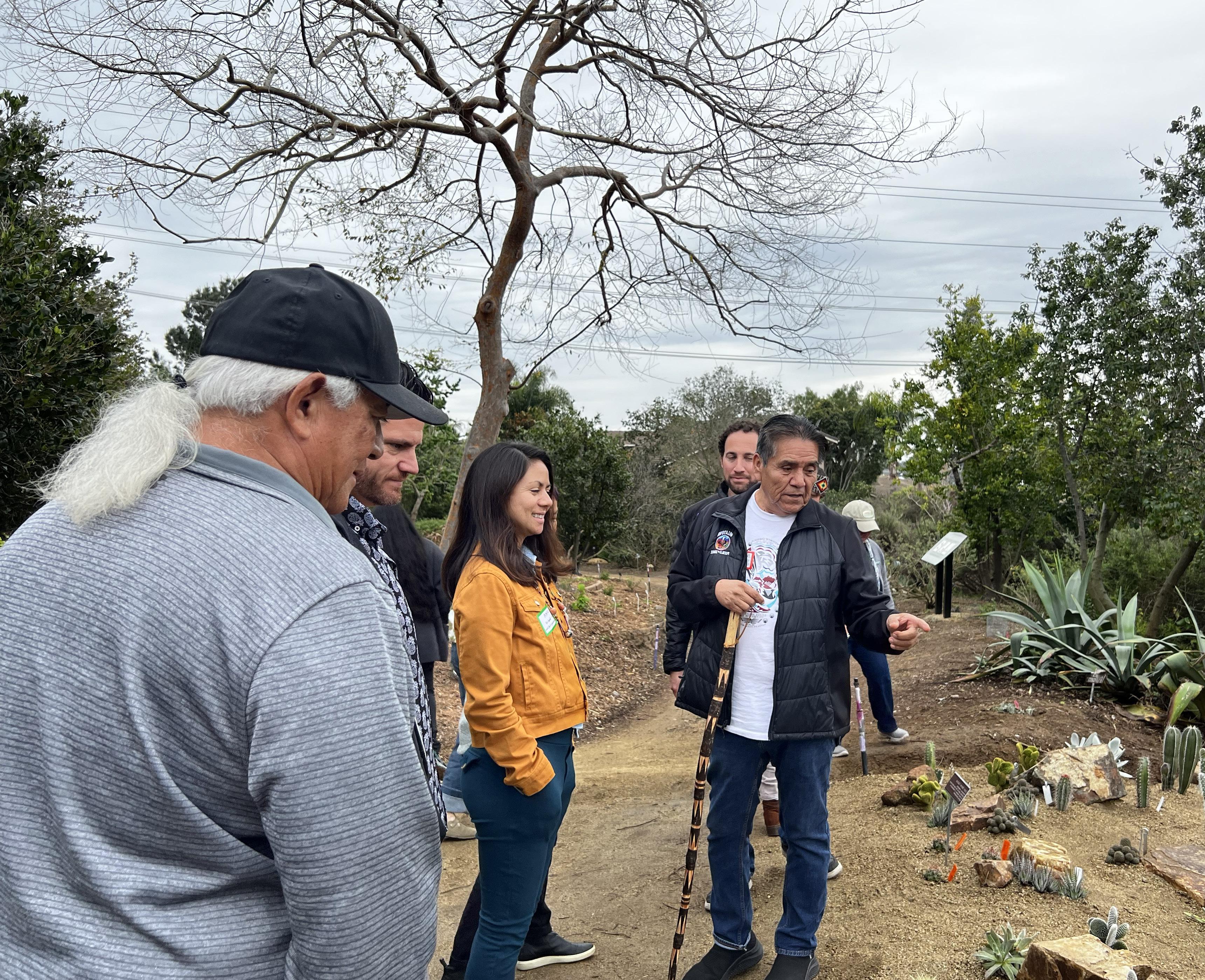
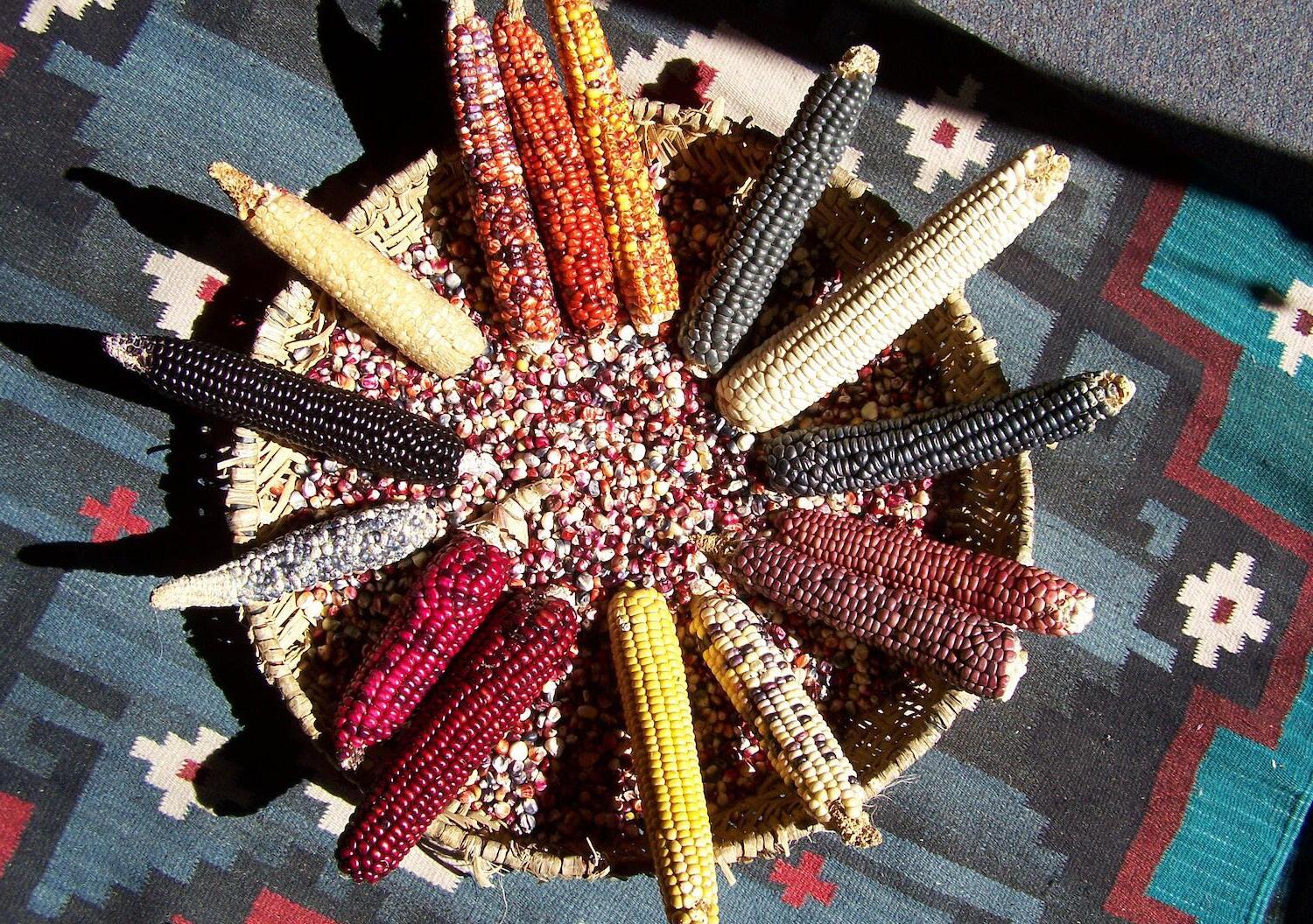
In February 2025, Flower Hill Institute gathered with the Southern California Tribal Chairmen’s Association, Pala Band of Mission Indians, San Diego Botanic Garden, Botanic Gardens Conservation International and United States Botanic Garden to strengthen the Indigenous native plant network across North America and engage in ongoing and new plant conservation efforts. The traditional knowledge keepers have created connections to continue to strengthen and sharing the Indigenous practices of using these plants for nourishment, healing and ceremony.
Flower Hill continues to work with knowledgeable individuals that have a network of people that are doing amazing things within the southwest region. Through our relationship with the New Mexico State University Chile lab we have been able to observe, innovative techniques, and practices that can be experimented with and applicable to many Native farmers and gardeners. Some of the science and methodologies are still being developed and worked out. Nonetheless, Flower Hill Institute is looking forward to experimenting and implementing some of these practices within our own land lab and sharing within our network. We have high hopes that what we are learning about will make great impacts.
Intertribal Cultural Exchanges
Flower Hill Institute is uniquely positioned to support intertribal exchanges thanks to the many decades of leadership from our executive team in this space. These organically structured exchanges brought together leaders, war chiefs, and healers in conversations that bridged vast geographies and shared critical cultural practices. The results not only deepened intertribal connections but also led to tangible outcomes, including the sharing of ceremonial resources and cultural practices.
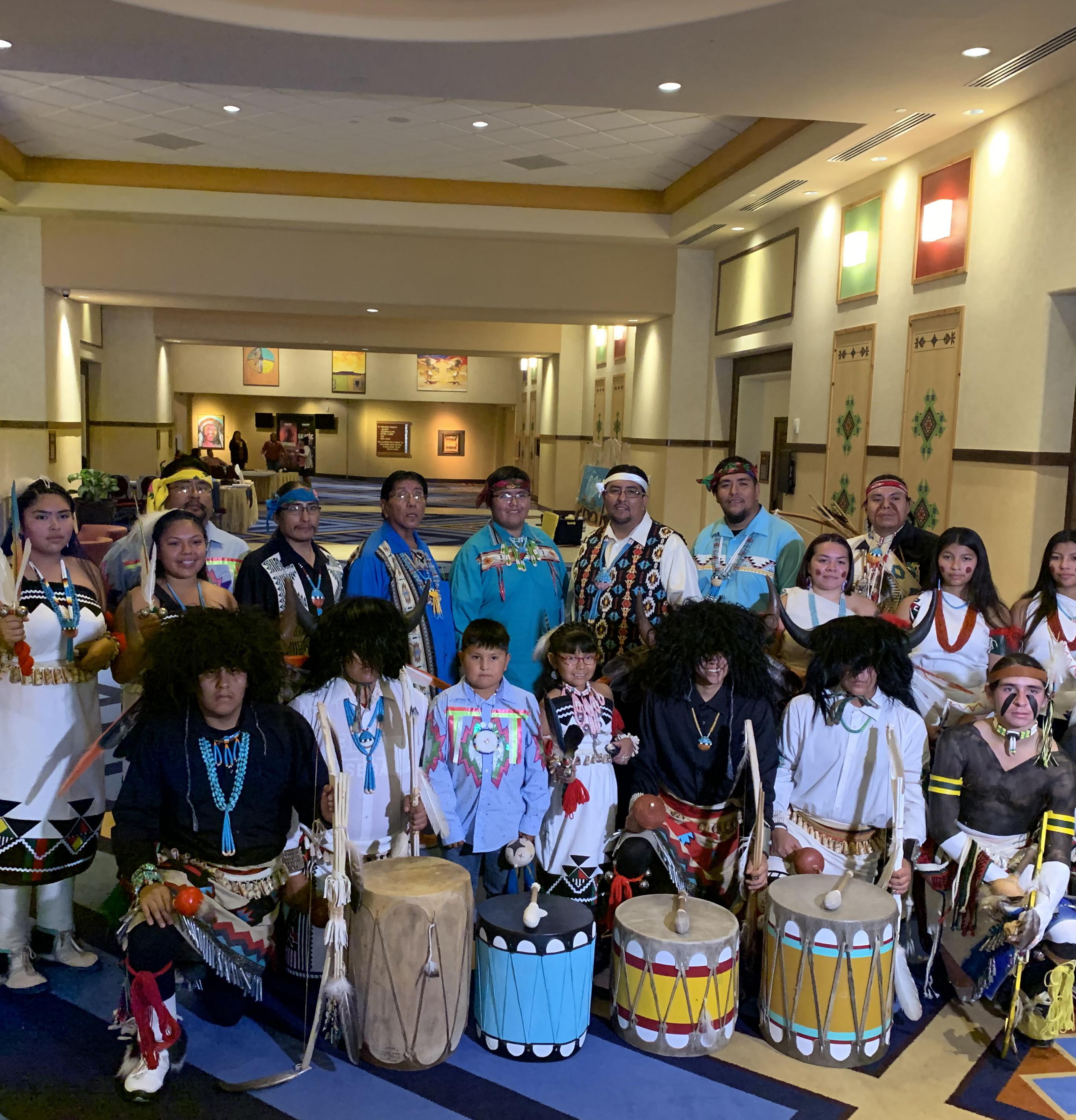

Key connections this year include:
• Strengthened relationships between Hopi and Pueblo leaders and farmers through a series of gatherings centered on shared interests. Flower Hill fostered ties between these communities by facilitating political, social, and ceremonial connections.
• Hosted an event with Pueblo Tribal leadership, Hopi leadership, tribal agricultural departments, tribal natural resource departments, grass-roots organizations, and individual farmers to discuss Puebloan farming and creating a sustainable future for their food sovereignty.
• In partnership with LightHawk, Flower Hill Institute organized flights for tribal cultural leaders to get a bird’s-eye view of significant ancestral sites, traveling paths, landscapes, waterways, drainages, and landmarks. These flights were vital to informing knowledge keepers of the environmental and geographic changes to culturally significant sites.
Nine Tribe Coalition Cultural Exchange at Vermejo Park Ranch
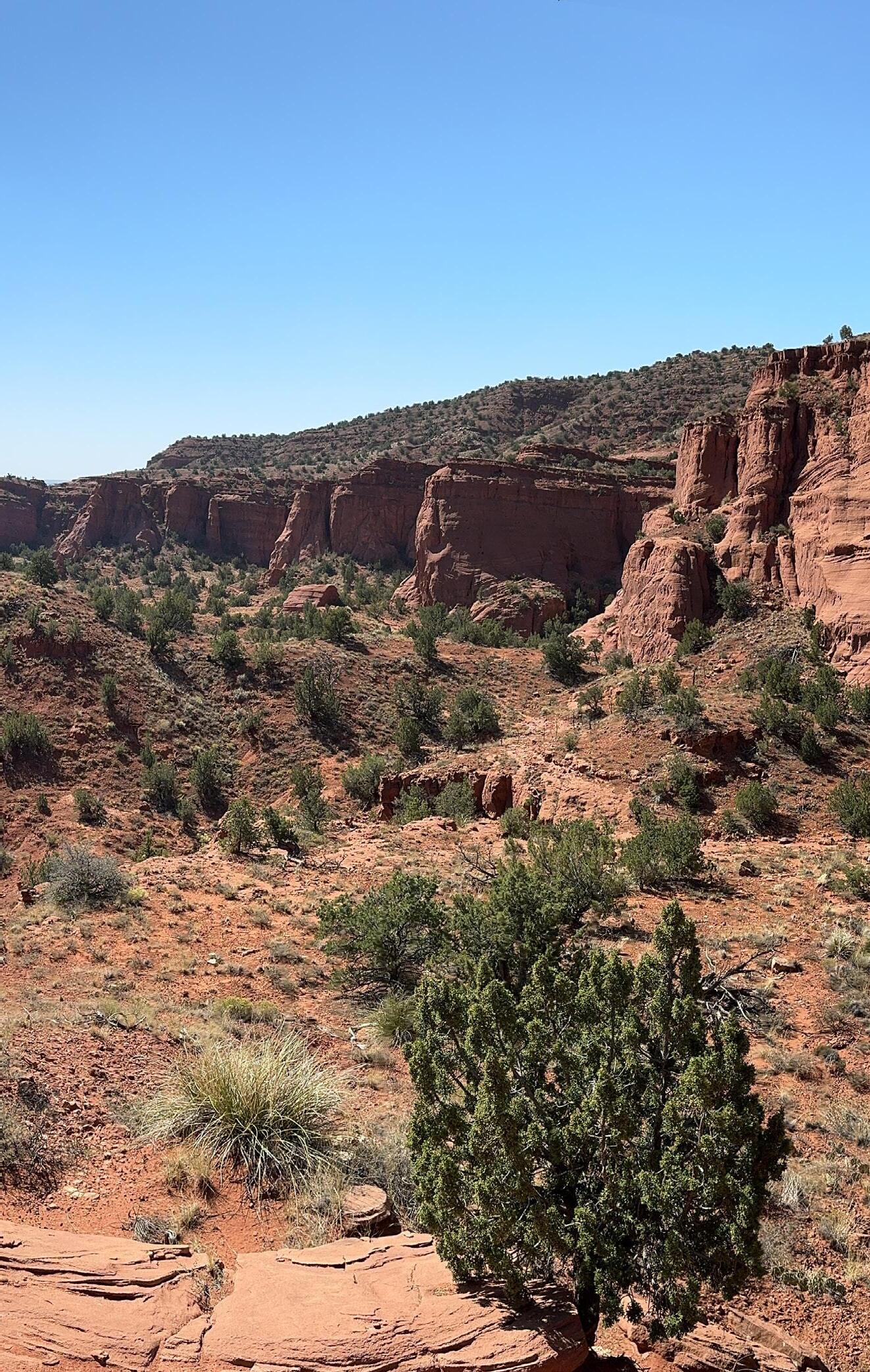
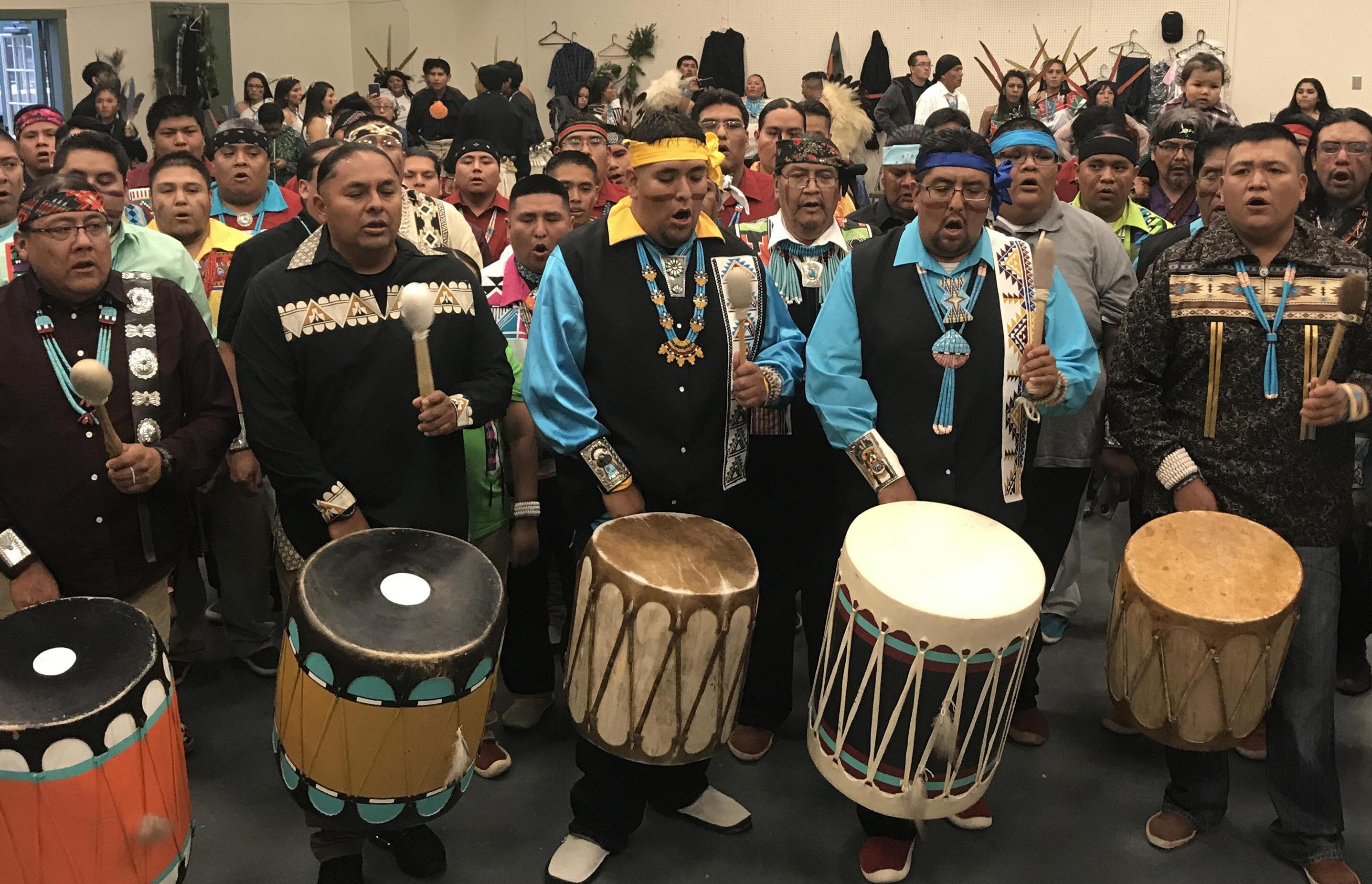
Flower Hill Institute hosted a cultural gathering and exchange at Vermejo Park Ranch, encouraging participation from nine tribal nations, the Kiowa, Comanche, Cheyenne and Arapaho, Jemez, Taos, Ute Mt. Ute, Southern Ute, Picuris and Jicarilla, all who have deep historical and cultural connections to landscapes on these lands located in North Central New Mexico. Through the cultural exchange, the tribes were able to reconnect, sharing cultural songs, histories, and stories of their interactions. Participants left eager to restore further connections, engagements, and collaborations for future events.
“We are honored to work alongside Flower Hill Institute, an Indigenous-led nonprofit based in New Mexico that is advancing cultural preservation, youth education, food sovereignty, and climate action. Their leadership continues to inspire our shared commitment to caring for land and community.
“
Opioid Youth Event
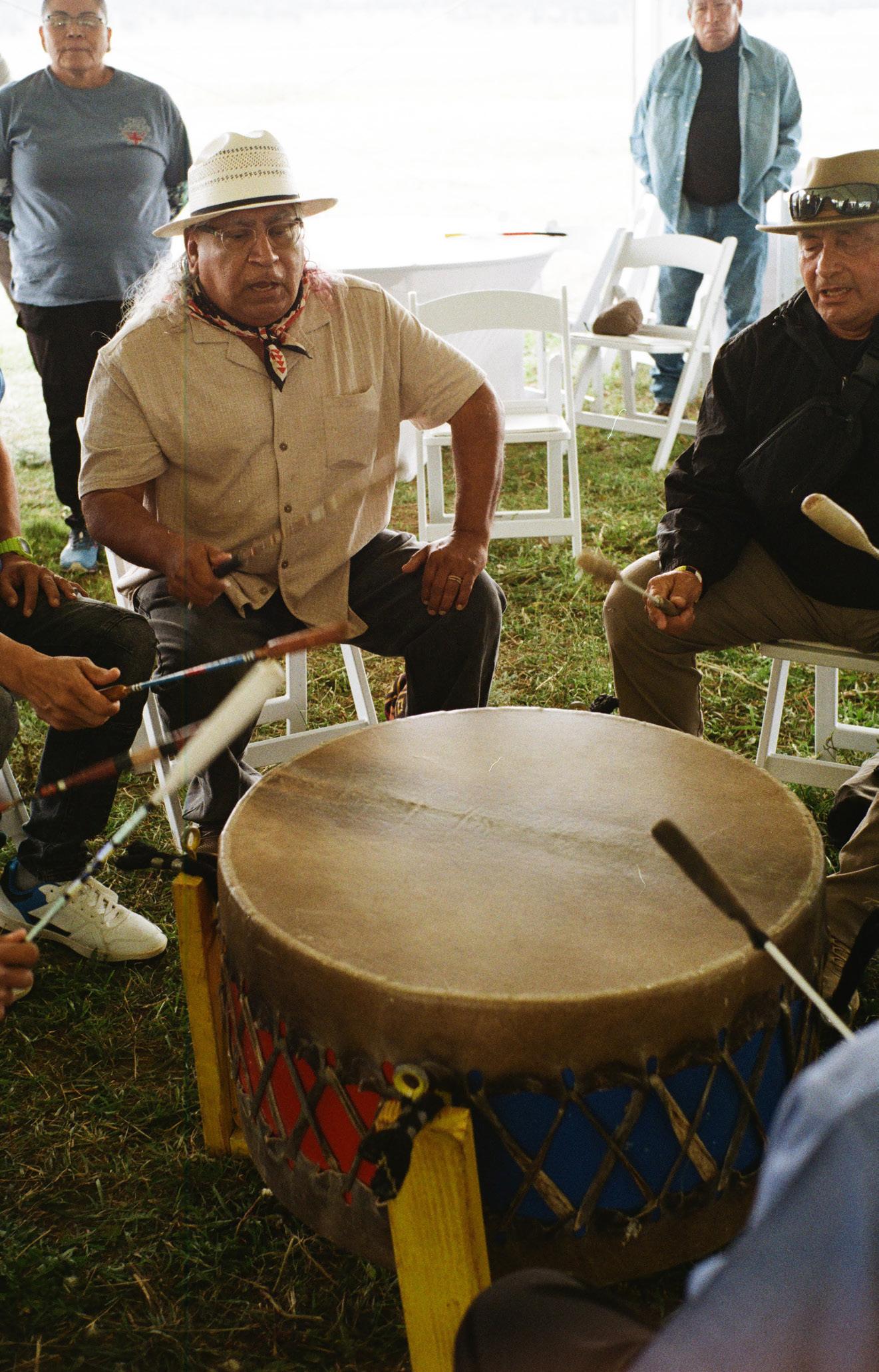
Flower Hill Institute collaborated with the Five Sandoval Indian Pueblos, Inc. on their Tribal Opioid Youth Summit. This event was directed to increase the knowledge of opioid risks and prevention within our tribal communities by bringing enhanced awareness of wellness, self-care, and community support resources through self-efficacy and healthy decision-making skills. Flower Hill Institute’s role was encouraging strengthening connection to culture and traditional teachings; sharing cultural activities such as participating in ceremonies, farming, traditional games, and other life-ways encourage cultural identity which reduces the risk of substance abuse and misuse.
Jade McBride, Ted Turner Reserves
RESILIENT ENVIRONMENTS


Farmworker Housing: Webinar Series
Farmer-worker housing continues to be one of the most pressing issues facing our Indigenous Communities. To address growing concerns, Flower Hill Institute led four in-depth conversations with leaders in farm labor housing development. The series highlighted innovative approaches, practical lessons, and community-driven models for building farmworker housing that supports the people and food systems of tribally governed territories and surrounding regions.
Refining and further implementation of the Indigenous Rewilding Network (IRN)
The Indigenous Rewilding Network (IRN) is dedicated to restoring Tribal lands and revitalizing ecosystems through landback efforts and restoration of Indigenous management. This year we worked with National Organizations an Intertribal groups to define “rewilding” from an Indigenous perspective.
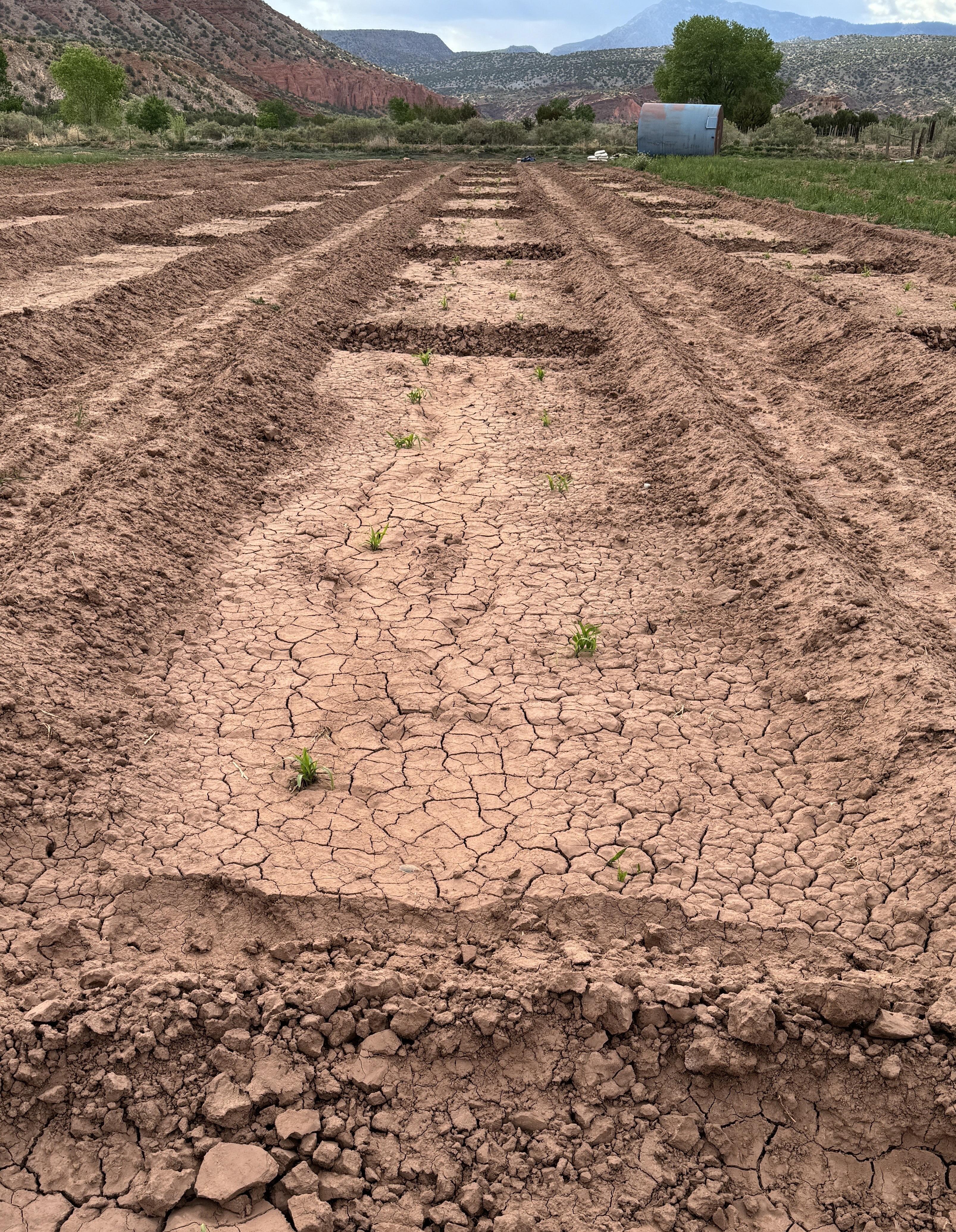
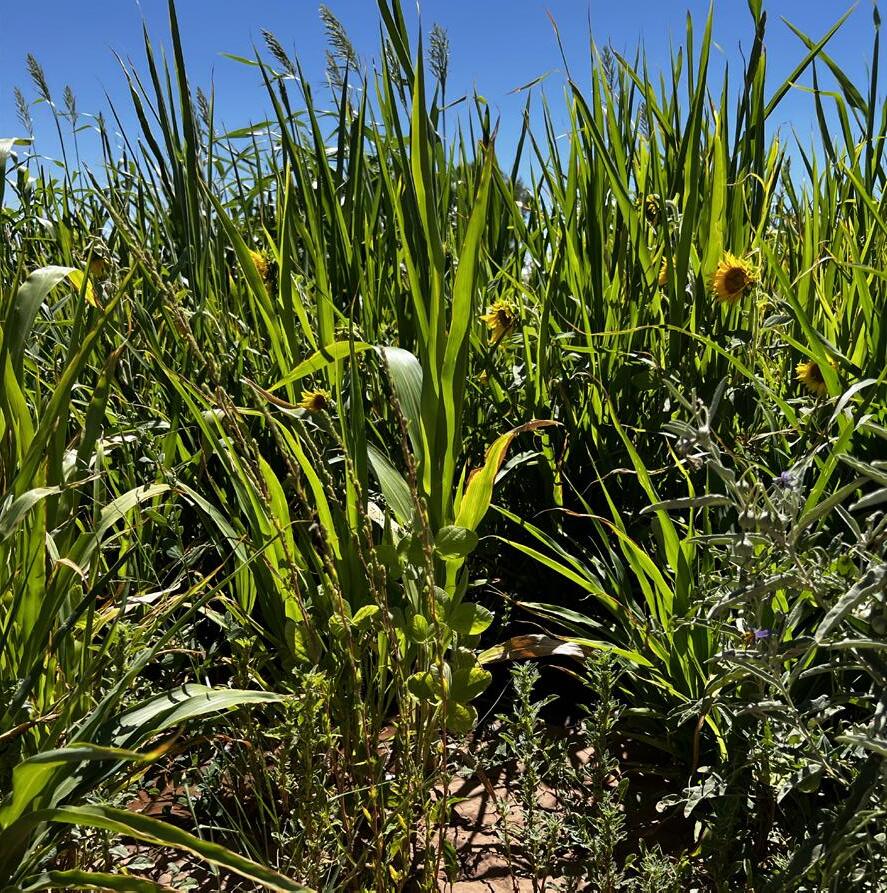
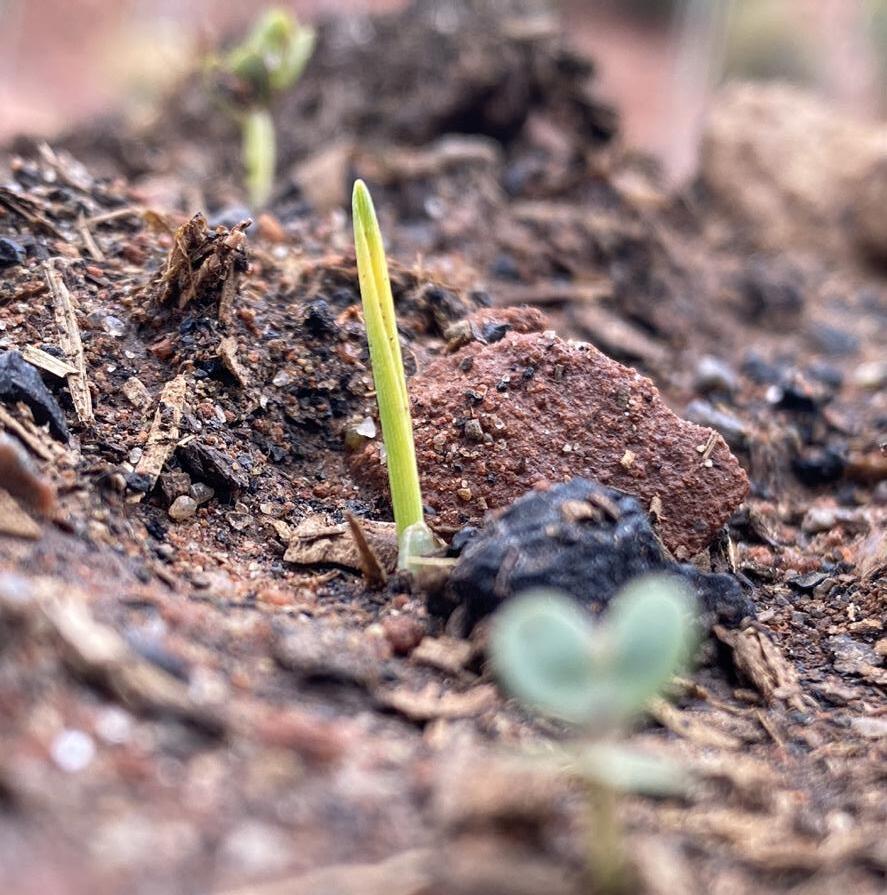
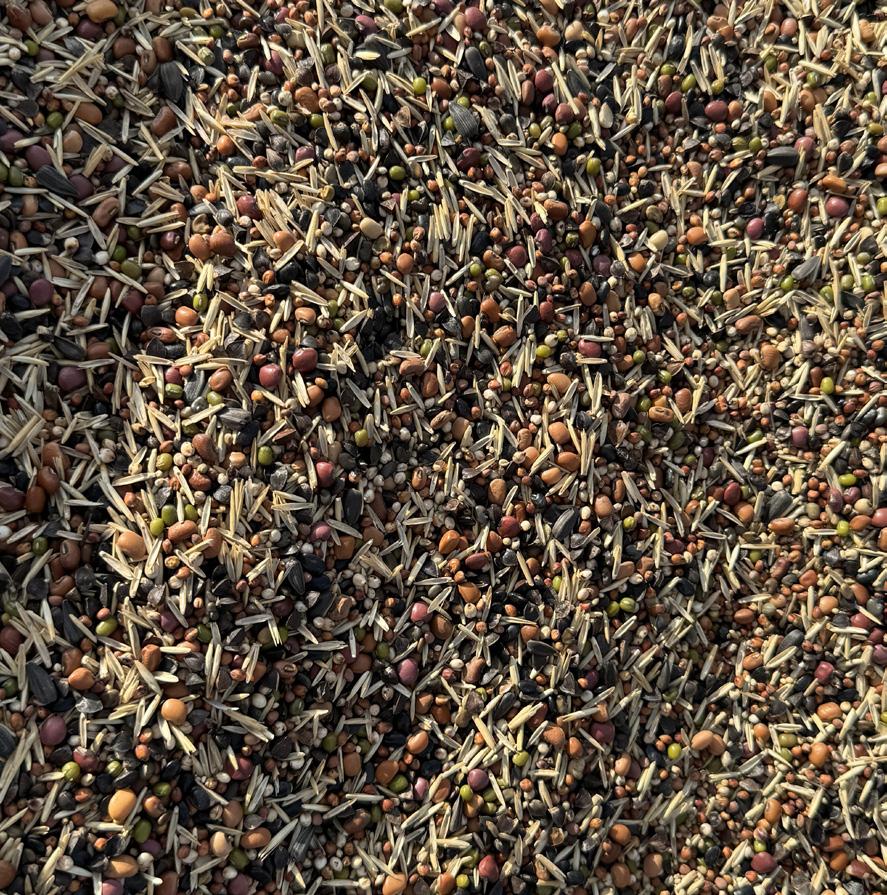
Soil Restoration Efforts in the Pueblo of Jemez
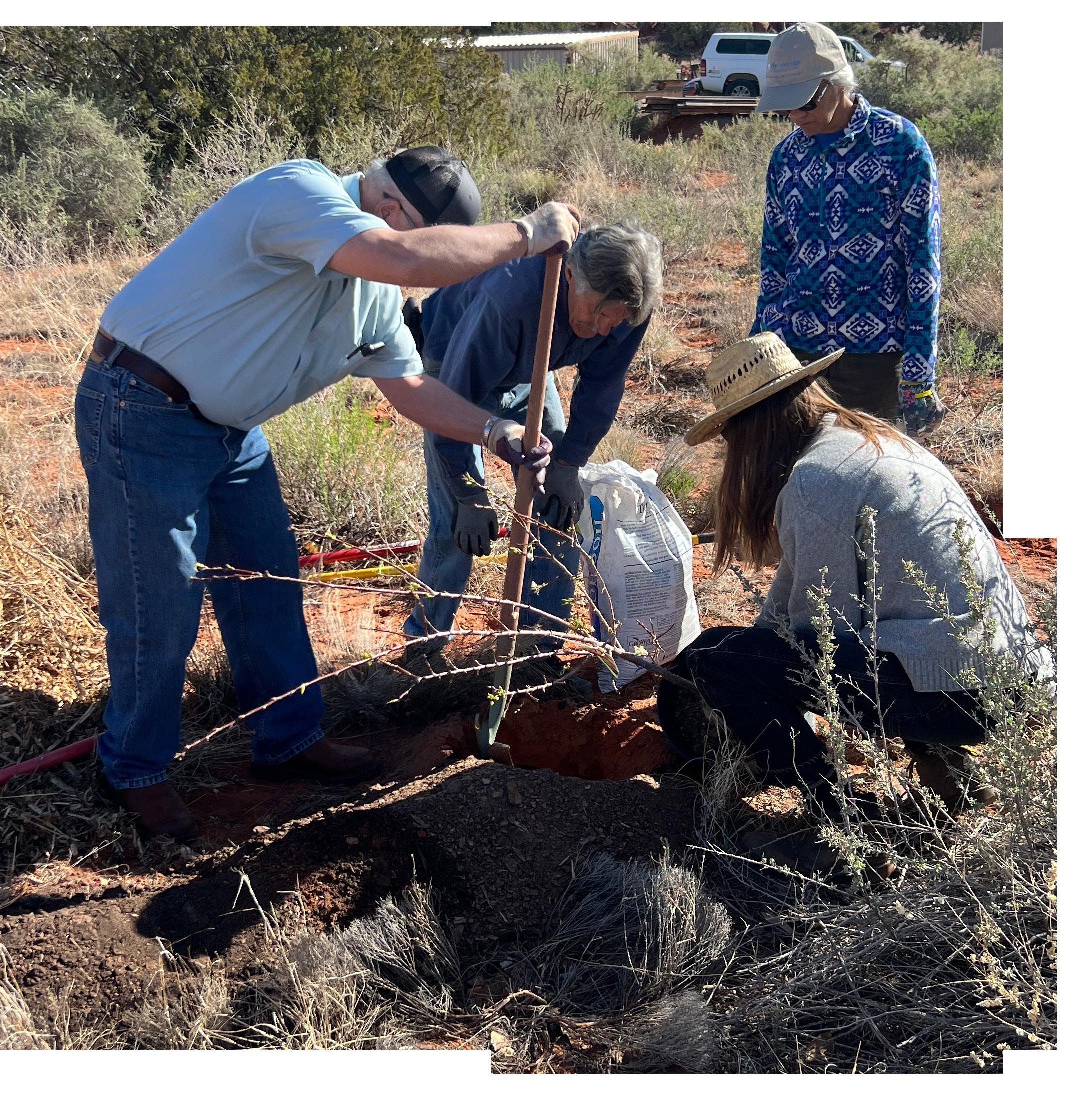
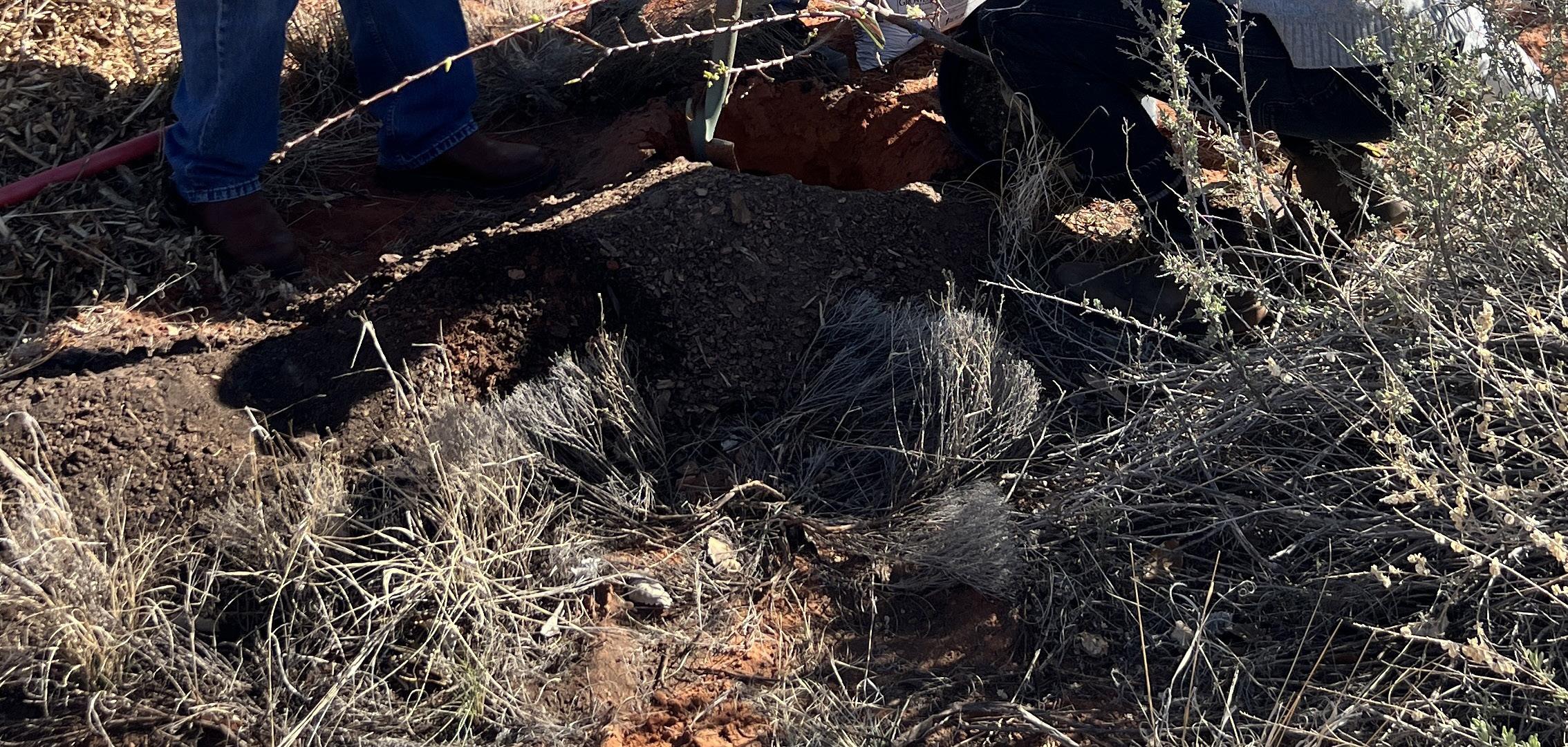
Flower Hill Institute is restoring the soil of a community field in the Pueblo, through coordination and collaboration with the tribe’s administrative, public health, natural resources, and transportation departments along with our partners at Huma. We look forward to celebrating the future impacts of healthy crop growth and education on the process for community members.
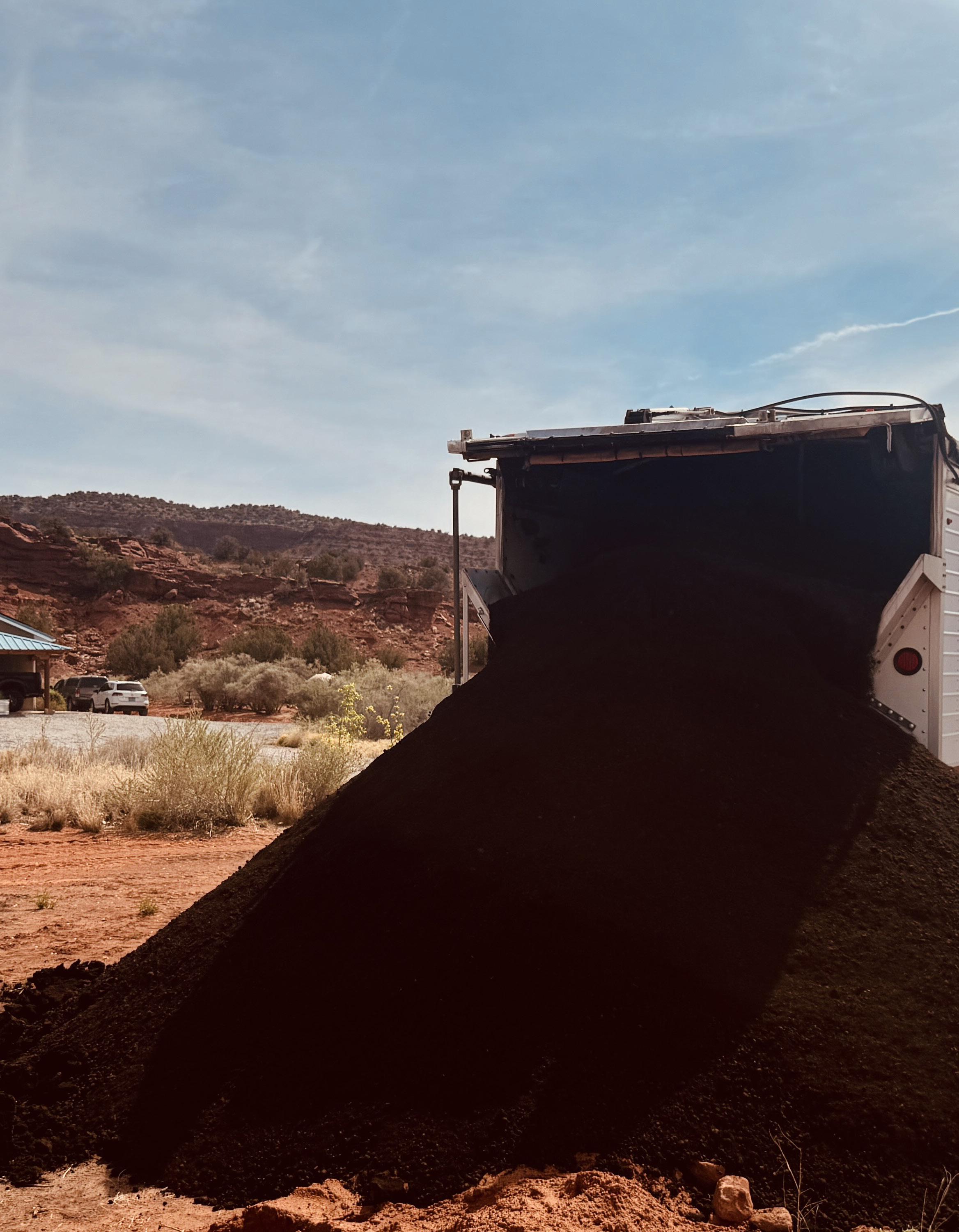
“Our field has been dormant for a few years, and with the help of Flower Hill Institute, we are excited to undergo these soil restoration efforts and bring the field back to providing for our community.
“
Jemez Pueblo Cultural Leader
2026 EMERGING WORK


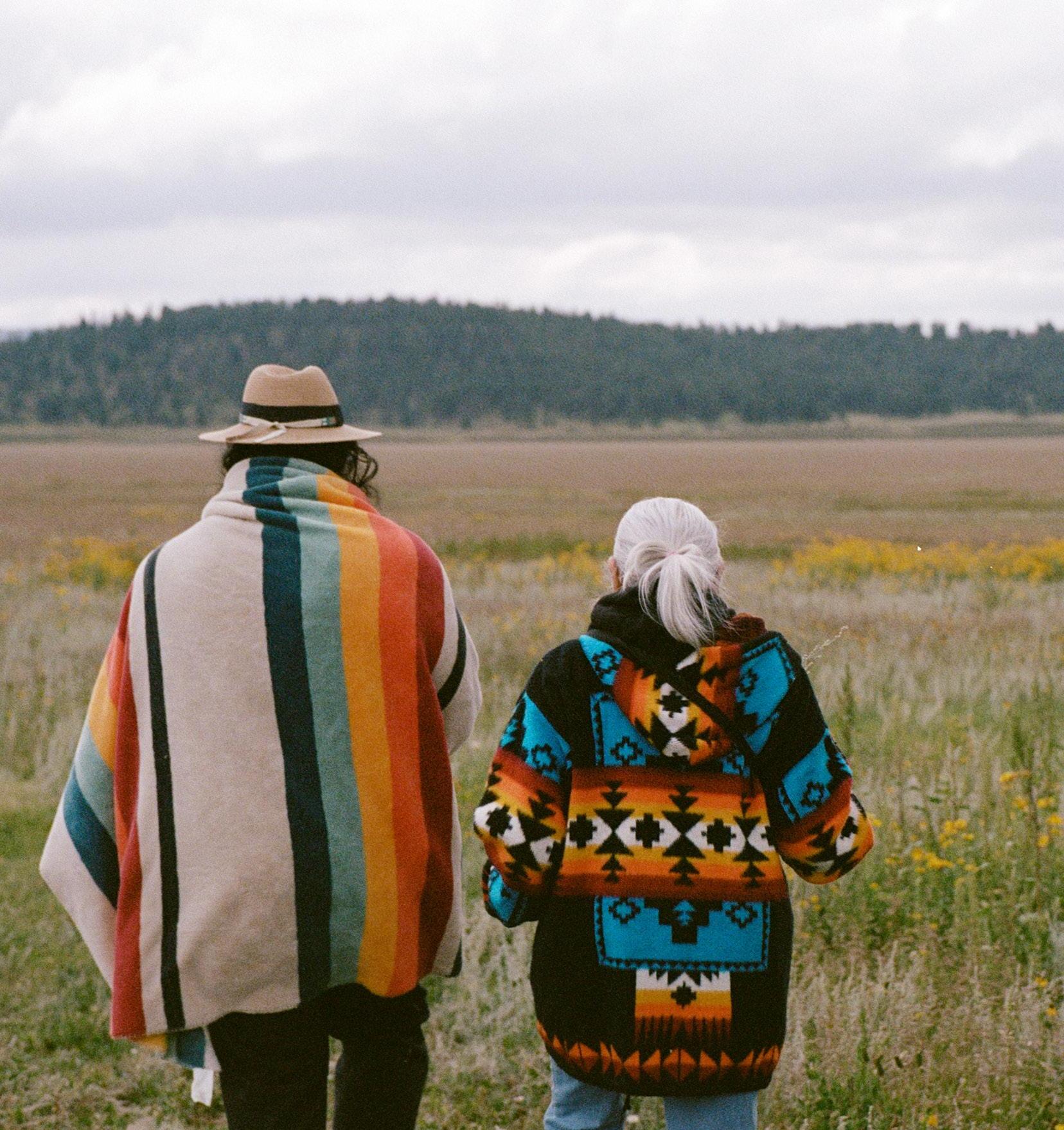
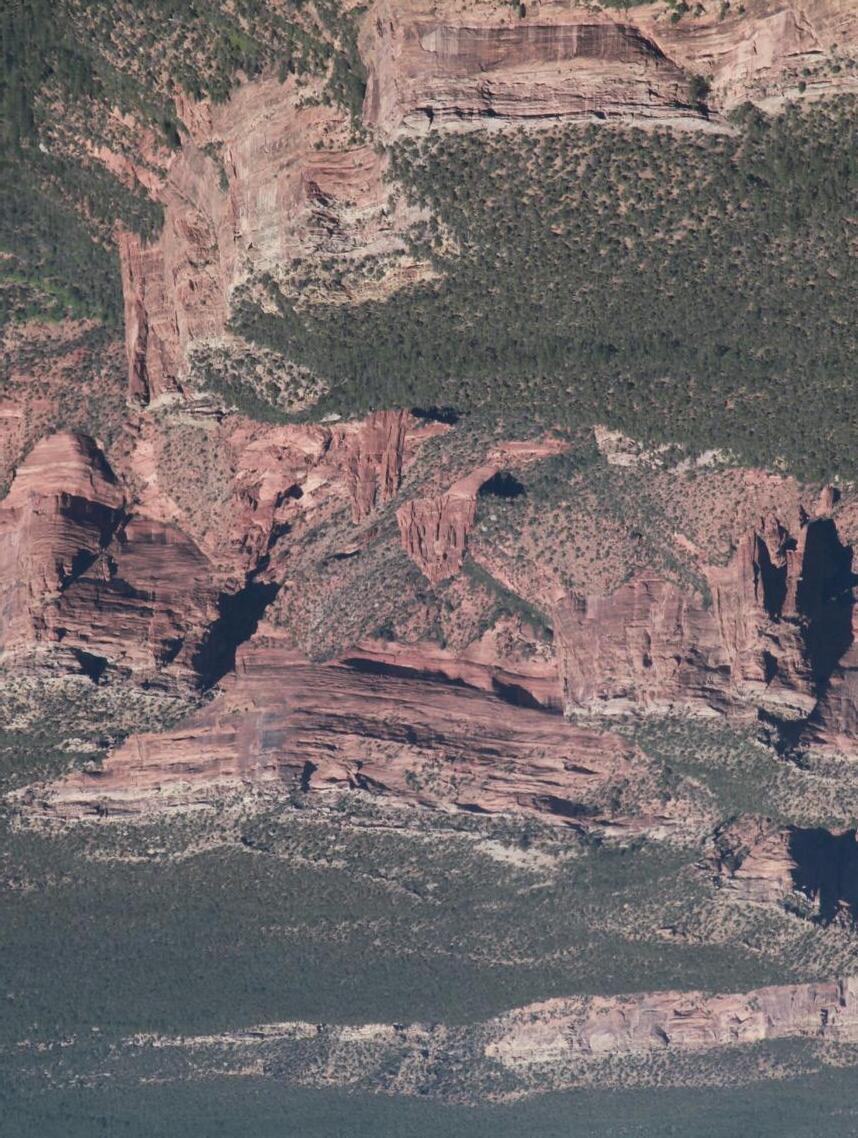
Indigenous Land Stewardship Institute
The Indigenous Land Stewardship Institute, a land-based institute whose mission is to promote indigenous cultural knowledge in future tribal leaders through cross-tribal programming in a multi-generational teaching and learning environment. By sharing distinct and diverse indigenous innovations, sciences, practices, tools, experiences, and traditional stories amongst generations, we will promote an environment conducive to developing future tribal leaders who bring indigenous knowledge as part of the skill set required to meet the challenges of tomorrow’s indigenous communities.
Bison Production & Marketing
Flower Hill Institute was awarded a national grant to advance the bison industry through economic viability, market innovation, and community partnerships. This emerging work will establish a competitive subaward program that provides business support, product innovation, and education to bison producers, Tribal governments, and industry partners nationwide. Building on Flower Hill Institute’s proven leadership in USDA-funded initiatives, the project will support value-added product development, business planning, supply chain innovation, and market expansion while ensuring transparent knowledge sharing through public webinars and a centralized resource hub. By engaging subawardees across diverse regions and requiring public dissemination of outcomes, this initiative is designed to strengthen collaboration, reduce duplication of effort, and create a more resilient, culturally grounded, and competitive bison market that benefits producers of all scales across the United States.
Naturally Native Certification
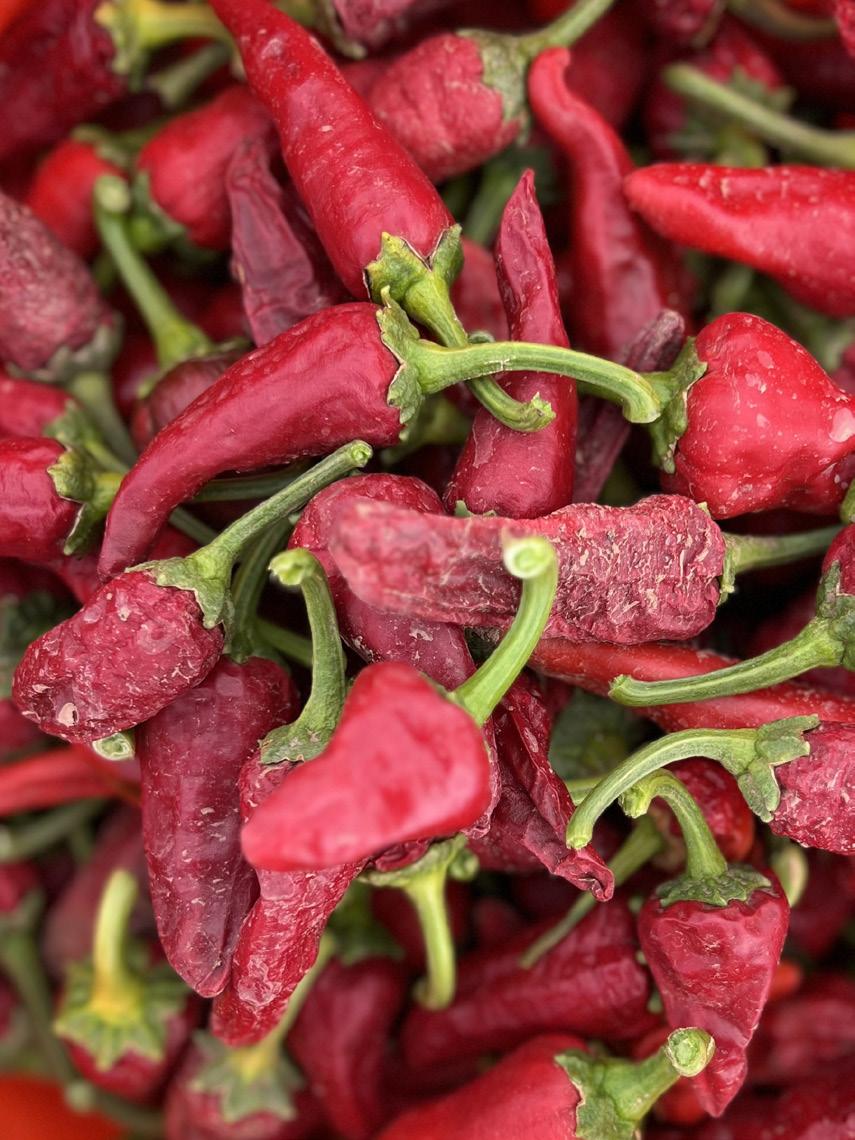
With so many amazing high-quality goods being created by our community and an increasing desire for transparency from consumers, Flower Hill has created the first certification for Native-owned food products. The Naturally Native trademark will help consumers identify and select products produced by Native businesses and help create an association with high-quality products.
Cotton Blossom Farms in New Mexico is the first user of the Naturally Native mark, with more to come in 2026.
ACKNOWLEDGEMENTS
We extend our heartfelt gratitude to the many individuals, organizations, and communities who have made our work possible in 2025. Your unwavering support, collaboration, and belief in our mission have allowed Flower Hill Institute to continue supporting Indigenous communities across the nation.
To our donors, your generosity has enabled us to launch critical programs addressing housing shortages, cultural preservation, food sovereignty, and climate resilience. To our partners, your collaboration has been instrumental in achieving milestones such as the creation of the historic Pueblo Farmer Alliance, developing the Native Midwest Food Sovereignty Report, and responding to over 1,600 requests for technical assistance.
A special thanks to the leaders and community members who continue to share their knowledge, stories, and aspirations with us. Your vision and resilience inspire everything we do.
Together, we are creating a future where Indigenous cultures, economies, and environments thrive. Thank you for being part of this journey.

DONORS
Albuquerque Community Foundation
Botanic Gardens Conservation International
Colorado Plateau Foundation
Foundation For The Carolinas
Liberated Capital Indigenous Earth Fund
National Wildlife Federation
Native American Agriculture Fund (NAAF)
Rockefeller Foundation
Rural Climate Partnership
The Nature Conservancy
The University of Arizona - Indigenous Resilience Center
USDA Agricultural Marketing Service
USDA Farm Service Agency
USDA Office of Tribal Relations
Virga Foundation
World Wildlife Fund

PARTNERS
Agriculture Utilization Research Institute (AURI)
All Pueblo Council of Governors
American Association of Meat Processors (AAMP)
American Grassfed Association
American Meat Science Association (AMSA)
American Pastured Poultry Producers Association
Arthur “Butch” Blazer
Aspen Institute
Boston University
Botanic Gardens Conservation International
Buckminster Fuller Institute
Center for Rural Affairs
Centre for Indigenous Environmental Resources (CIER)
Cheyenne and Arapaho Tribes
Chuck Havlick, New Mexico Chile Lab, NMSU
Colorado State University
Comanche Nation
Cruces Creatives
Cypress Earth
Daryl Vigil, Ten Tribe Water Coalition
Environmental Grantmakers Association
FarmAid
Farmer Veteran Coalition
Farmer’s Outreach Solutions
Five Sandoval Indian Pueblos, Inc.
Foundation for the Carolinas
Good Meat Project
Growing GRASS
Guedel Strategic Law
Hide and Leather Council of America
Hopi Tribe
Huma
Intertribal Agriculture Council (IAC)
InterTribal Buffalo Council (ITBC)
Jicarilla Apache Nation
Kiowa Nation
Latino Farmers and Ranchers International
Leather and Hide Council of America
LightHawk
MAD Agriculture
MAD Capital

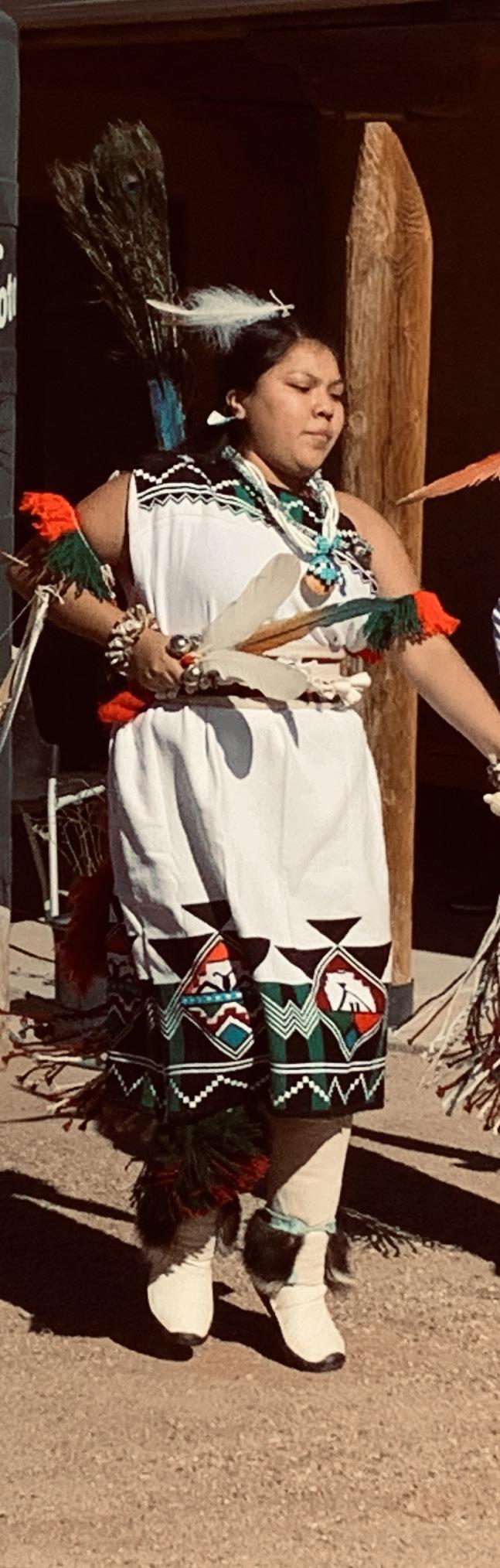
Manko & Chef Ray Naranjo
Morgan, Lewis & Bockius LLP
Morton Arboretum
Naomi Swinton
National Bison Association
National Center for Appropriate Technology (NCAT)
National Cooperative Business Association (NCBA) CLUSA
National Farmers Union
National Sustainable Agriculture Coalition (NSAC)
National Wildlife Federation
Native Agriculture Financial Services (NAFS)
Native American Development Corporation (NADC)
Niche Meat Processor Assistance Network (NMPAN)
Open Future Coalition
Pala Band of Mission Indians
Patricia Limerick
Pet Sustainability Coalition
Picuris Pueblo
Pueblo of Jemez
Pueblo of Jemez Cultural Leaders
Quivira Coalition
Rodale Institute
Rural Advancement Fund (RAFI-USA)
Rural Coalition
San Diego Botanic Garden
Southern California Tribal Chairmen’s Association
Southern Ute Tribe
State of New Mexico
Taos Pueblo
Ted Turner Reserves, Vermejo Park Ranch
The Turner Foundation
Tuskegee University
U.S. Cattlemen’s Association
UL Research Institutes
United States Botanic Garden
Ute Mountain Ute Tribe
Victoria Mora
Women in Ranching


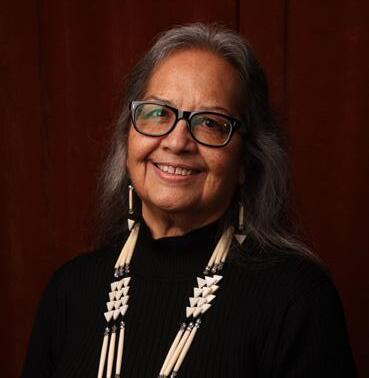
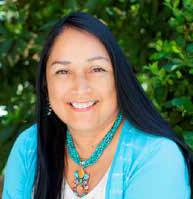
LEADERSHIP
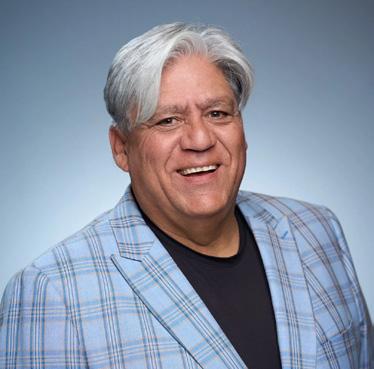
roger fragua
CO-fOunDER & EXECuTIVE DIRECTOR
JEmEz PuEBLO

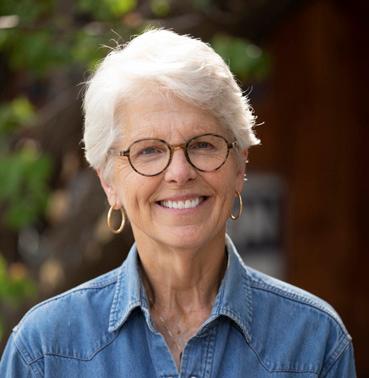
LesLie eLgood
BOARD CHAIR
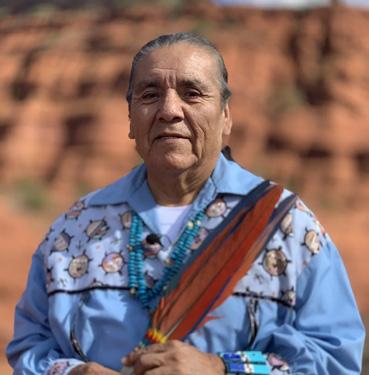
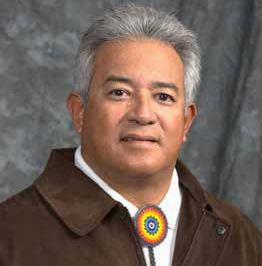
sharon edenfieLd
TREAsuRER
COnfEDERATED TRIBEs Of sILETz InDIAns Of OREgOn
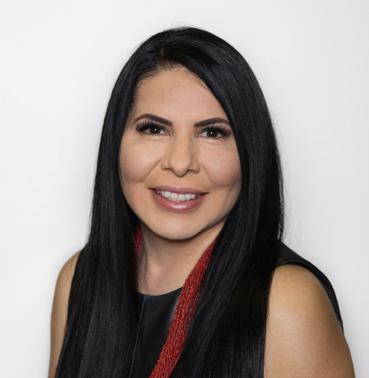
Cristina danforth
BOARD mEmBER
OnEIDA nATIOn
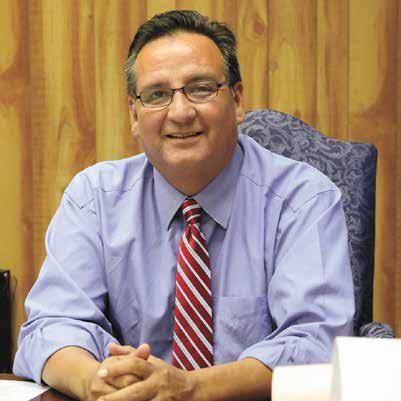
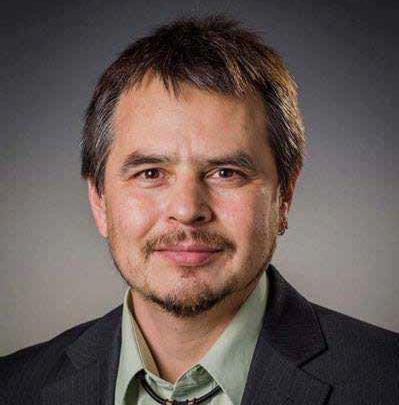
miCah mCCarty
BOARD mEmBER
mAKAH TRIBE
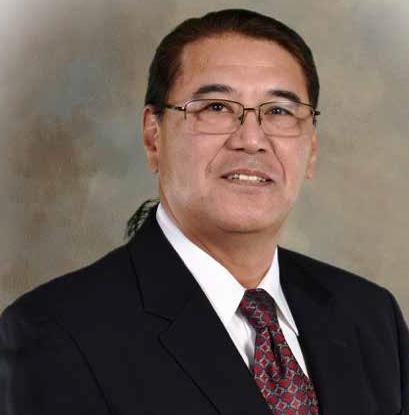
BroPhy toLedo
CO-fOunDER & CuLTuRAL ADVIsOR
JEmEz PuEBLO
Chris devers
VICE CHAIR
PAumA BAnD Of LuIsEnO InDIAns
Carmen BradLey
BOARD mEmBER
KAIBAB BAnD Of PAIuTE InDIAns
Jim gray
BOARD mEmBER
OsAgE nATIOn In MeMorIaM
Jerry PardiLLa
BOARD mEmBER
PEnOBsCOT nATIOn
To read FHI Board Bios, please scan:

ROGER FRAGUA (Jemez Pueblo), Co-Founder & Executive Director
BROPHY TOLEDO (Jemez Pueblo), Co-Founder & Cultural Advisor
ATHERTON “Atty” PHLEGER, General Counsel and Director of Special Projects
GREG GUEDEL, General Counsel
JUAN REY ABEITA (Isleta Pueblo), Manager of the Indigenous Led Initiative
NICOLE HENRIQUEZ MAST, Director of Operations
BRYN FRAGUA (Jemez Pueblo), Agricultural Tech and Tribal Coordinator
HARLEIGH MOORE-WILSON (Osage Nation), Director of Agriculture
CHRIS ROPER, Regional Technical Assistance Provider Director
DAVE CARTER, Regional Technical Assistance Provider Director
SHELBY WHITE (Cherokee Nation), Intake & Awards Manager
KELLY GUNTER, Project Coordinator
KENDAL JEFFERS (Cherokee Nation), Intake & Awards Manager
MARCOS PERERA, Outreach & Education Manager
SHAUNDIN JONES (Navajo Nation), Outreach & Education Manager
LORETTA HINTON, Technical Assistance Manager
MIKE SHELLENBERGER, Technical Assistance Manager
TERRI BIRCH, Finance Manager

$3,223,694
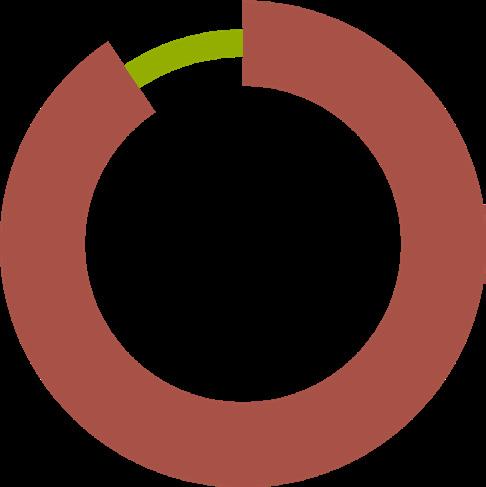
$2,919,961

$303,733
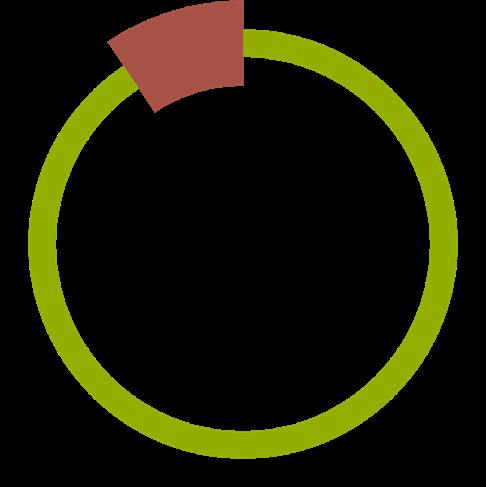
Programs & Services Agreements
Foundation Grants & Donations
$2,969,590
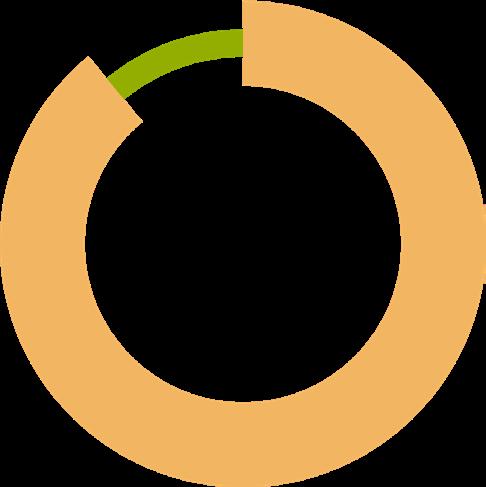
$2,643,974
$267,633
Delivery of Programs & Services
Expenses & Supplies for Programs & Services
$254,104
Total Support and Revenues
$57,983

Operational Expenses
Total Expenses
Total Change in Net Assets