
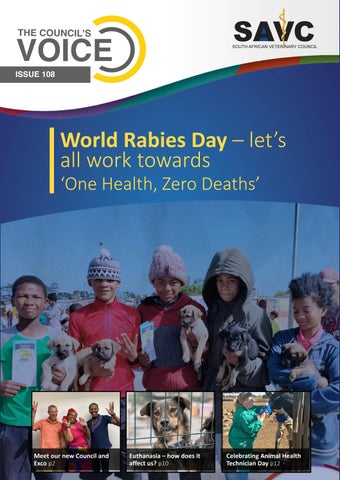
THE COUNCIL'S VOICE SOUTH AFRICAN VETERINARY COUNCIL ISSUE 108 World Rabies Day – let’s all work towards ‘One Health, Zero Deaths’ Meet our new Council and Exco p2 Euthanasia – how does it affect us? p10 Celebrating Animal Health Technician Day p12
Welcome to our newly elected Councillors and Exco!
Meet our Exco
Annual registration exams put candidates to the test
Getting down to business! Council’s inaugural meeting
Onderstepoort veterinary museum to open to the public
SA wildlife vets help make cheetah translocation possible
Missed any of our mailers? Here’s a snapshot
Euthanasia: vets speak out about making life-or-death decisions
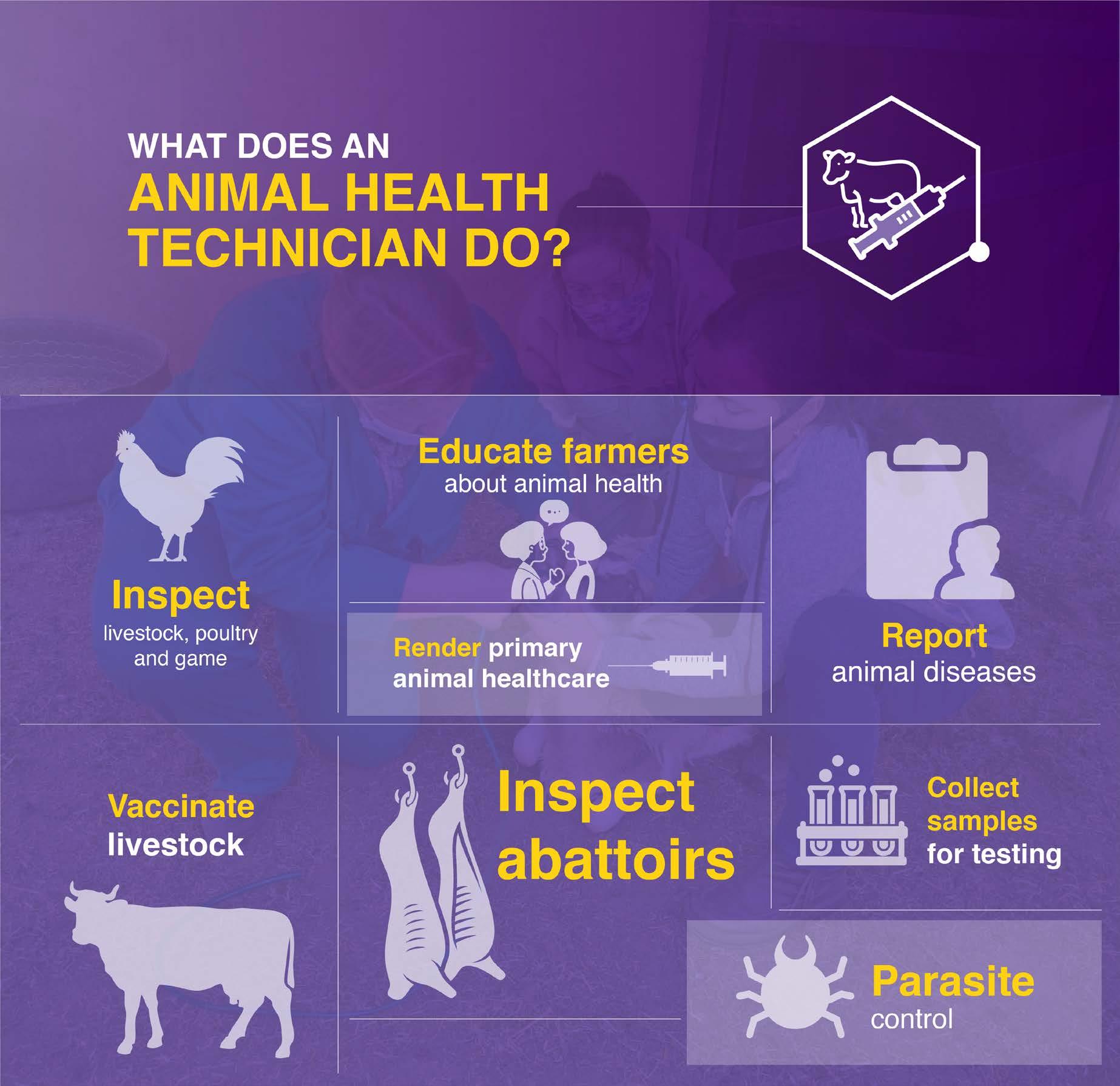
Let’s hear it for AHTs – a vital cog in the animal healthcare chain!
Profession days and special days to celebrate World Rabies Day
Take note of our upcoming webinar
Veterinary nurses: doing their bit for animal healthcare
More insights from our SAVC registree survey
memoriam
Struggling with stress and anxiety?
us
We are yet again at the beginning of another Council term. Let me take this opportunity to thank you for your continued dedication to the critical roles we play within the agricultural and related sectors.
I am humbled by the unanimous support I have received within the Council in my new role as president. I believe this signifies a new beginning and reflects the aspirations of a united veterinary and para-veterinary fraternity. I would like to commit that I will take these aspirations forward and they will be the guiding light in all our work at Council, as it is only when we stand united that we are able to achieve abundantly.
Furthermore, I would like to congratulate my fellow members of the executive, Dr Brendan Tindall and Mr Sphamandla Qwabe, as well as all the other Council members. To paraphrase one Council member on reviewing the new Councillors’ biographies: I am proud to serve with you all – such qualified and widely experienced people.

There have been many positive changes thanks to the previous Council, informed and directed by the registrees and critical stakeholders. To cite just a few of these positive changes:
• The assessment and refinement of the processes involved in investigating and considering complaints of unprofessional conduct against members of the veterinary and para-veterinary professions, to align these with best practice and to simplify the process for the professionals involved
• The review of rules for the para-veterinary professions (veterinary nurses, veterinary technologists, laboratory animal technologists and animal health technicians) and their alignment with the rules for the veterinary profession
• The implementation of an electronic voting system that ensured huge voter turnout for the new Council term
• The development of the South African Veterinary Council Service Charter that informs registrees of our turnaround times
I would like to thank the Councillors who served on the previous Council, as well as the secretariat and management, for the dedication that led to those victories. Special thanks go to Dr Nomsa Mnisi, who continues to shine a light on the veterinary and para-veterinary professions.
During this term, the new Council will work hard to be more responsive to the needs of the professions while charting a progressive and sustainable course for the organisation and the professions.

Good governance, financial prudence, an enabling legislative framework and contributing to animal health and welfare, as well as to food safety and security, all remain very important aspects of our work.
We will also continue with creating a sustainable and inclusive veterinary industry aligned to the socio-economic needs of our country.
Lastly, to the previous SAVC president, Dr Tlotlo Kgasi, thank you for serving with dedication through trying times. We will continue the race with humility and diligence.
Yours truly, Dr Nandipha Ndudane President: SAVC
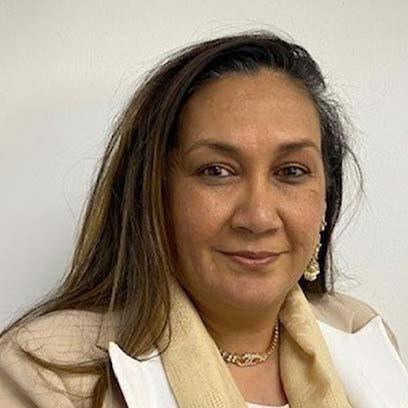
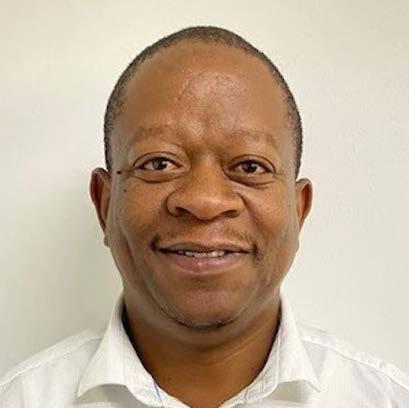
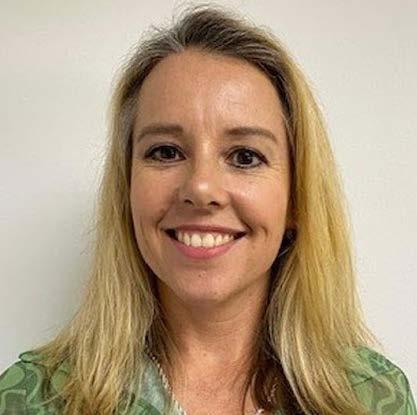
We are proud to introduce our 20 new Council members for the 2022 to 2025 term, as appointed in terms of the Veterinary and Para-Veterinary Professions Act (Act No. 19 of 1982) and published in the Government Gazette.
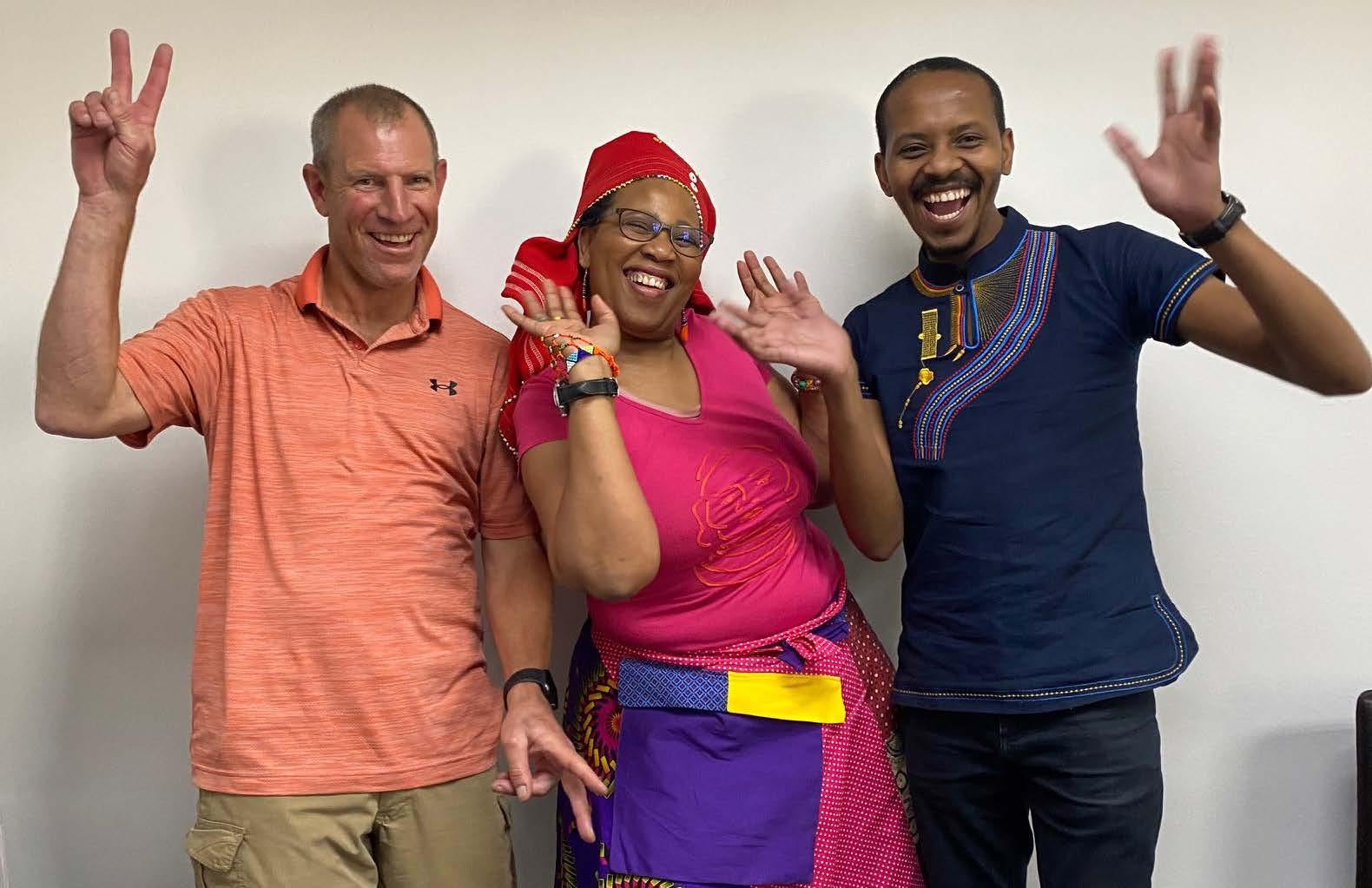
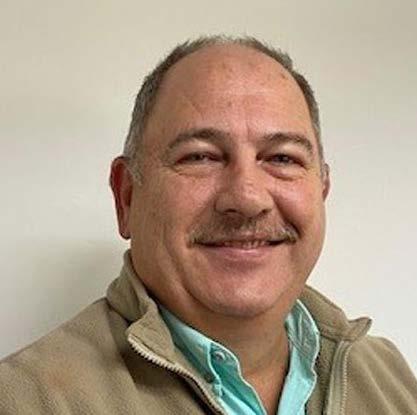
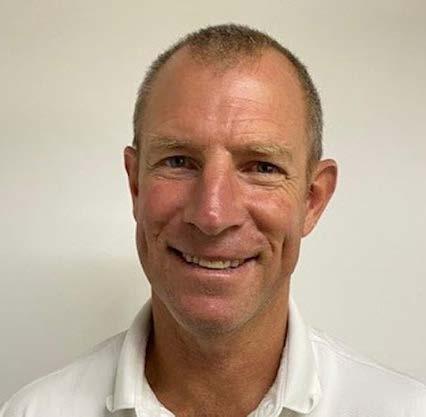
Our new executive team is Dr Nandipha Ndudane (SAVC president), Dr Brendan Tindall (SAVC vice-president) and Mr Sphamandla Qwabe (third Exco member)
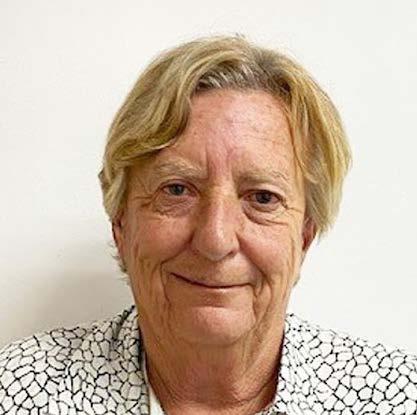
Dr Ndudane is our first-ever female president, and was elected unopposed. Congratulations on this outstanding achievement!
We wish the team all the best for their tenure, and thank them for their willingness and enthusiasm to contribute their expertise to the SAVC. We look forward to their valuable contributions in service of the animal health industry and all our professions.
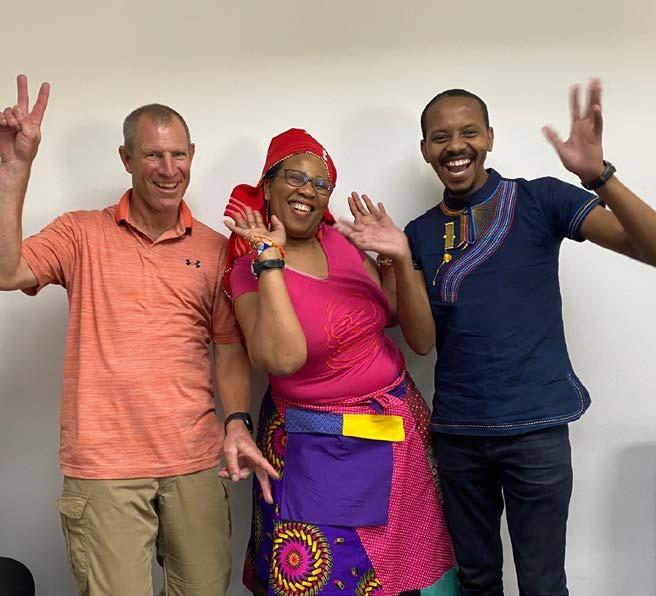
All systems go! Welcome to our new executive: Dr Brendan Tindall, Dr Nandipha Ndudane and Mr Sphamandla Qwabe.
Dr Nandipha Ndudane (SAVC president) has 15 years’ experience working in rural areas on sustainable holistic livestock development, animal health and veterinary public health, as well as contributing meaningfully to the teaching and learning agenda of the country. She is a graduate of the University of Fort Hare (BSc Agriculture in Animal Science) and the Medical University of Southern Africa (Veterinary Medicine and Surgery), and has a master’s qualification from Utrecht University in the Netherlands and a certificate in Executive Leadership Development from Nelson Mandela University.
With an agricultural background that was solidified while she was still a teen under the tutelage of her father, she has since contributed to academia while lecturing at institutions such as the University of Pretoria’s Faculty of Veterinary Science, but most of her career as an agriculturalist has been spent in the public sector.
Her current role is as the principal of the Tsolo Agriculture and Rural Development Institute – the first woman principal since this institute originated in 1904. She strives to promote agriculture, education and training of the youth in general and young women in particular. Dr Ndudane also participates in many high-priority government projects promoting awareness and education among the youth.
Dr Brendan Tindall (SAVC vice-president) qualified from the University of Pretoria in 1999, having completed a BSc Honours in Zoology and Botany and a BVSc degree. Following a short stint in the United Kingdom, he worked for the Ministry of Environment and Tourism in Namibia as a wildlife veterinarian. After returning to South Africa, he continued practising as a private wildlife veterinarian before purchasing a mixed-animal practice in Plettenberg Bay.
Since then, wildlife practice and conservation medicine have continued to form a large percentage of his work, in addition to equine practice and small-animal surgery. During Dr Tindall’s 20-plus years as a veterinarian, he has gained experience in a broad spectrum of veterinary activities and looks forward to serving the professions together with his fellow Councillors during this next term of the Council.
Mr Sphamandla Qwabe (third Exco member) hails from Newcastle in KwaZulu-Natal and studied at the Tshwane University of Technology (TUT), where he obtained his National Diploma in Veterinary Technology and his BTech in Veterinary Technology. He is currently pursuing a Master of Health Sciences degree.
Since graduating, he has worked as a veterinary technologist for the South African National Biodiversity Institute at the National Zoological Garden and the KwaZulu-Natal Department of Agriculture and Rural Development, and is currently a research technician at the Agricultural Research Council at the Onderstepoort Veterinary Institute (ARC-OVR).
Mr Qwabe has a special interest in research, development, governance and leadership development, and has served as a judge for the Eskom Expo for Young Scientists.
terms of the Act.
One person nominated by the rector of the University of Pretoria and designated by Minister of Agriculture, Land Reform and Rural Development Thoko Didiza to serve on the Council
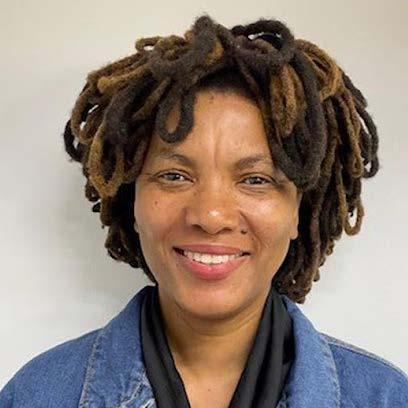

• Prof. DN Qekwana
Persons elected by the respective para-veterinary professions
• Sr E Bornman (veterinary nurse)
• Mr S Qwabe (veterinary technologist)
• Mr TP Mohlabi (animal health technician)
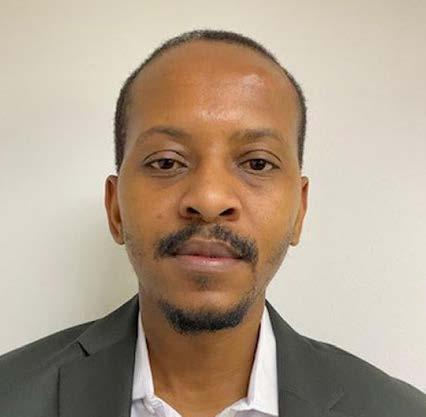
• Ms B Mogodi (laboratory animal technologist)
• Ms JPP Mousley (veterinary physiotherapist)
• Dr BW Tindall
One officer of the Department of Agriculture, Land Reform and Rural Development who is a veterinarian:
• Dr ME Machedi
One person on account of knowledge of the law:
• Ms N Maharaj
Four veterinarians or veterinary specialists:
• Dr BA Lubisi, Dr NP Moswa-Kato, Dr AT Kgasi and Dr NT Ndudane
One non-veterinarian:
• Mr IB Dladla
Dr Nandipha Ndudane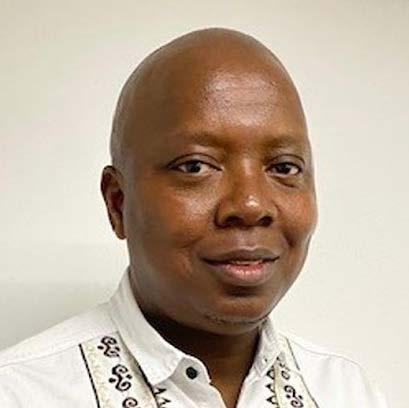
 president
Portfolio:
Dr Brendan Tindall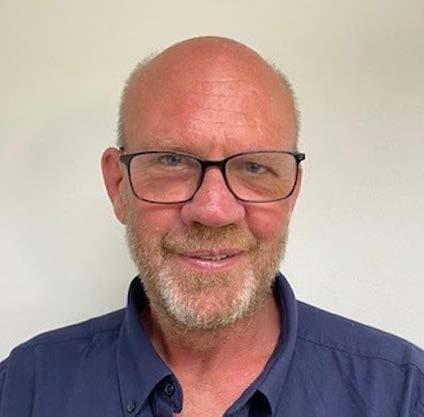
 Mr Sphamandla Qwabe SAVC Exco member
Chairperson:
:
vs non-veterinary
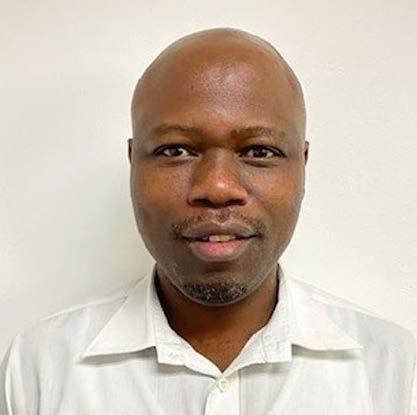
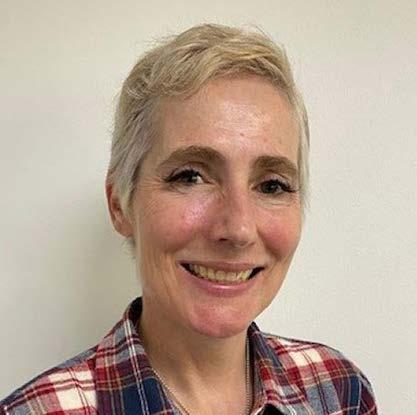
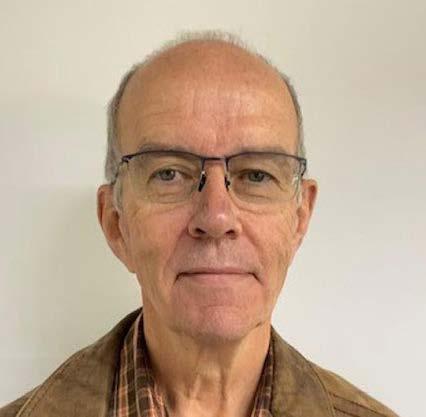
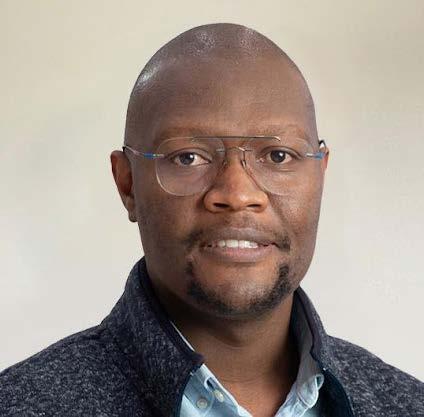
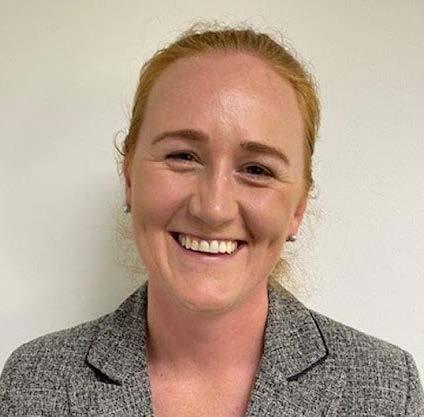


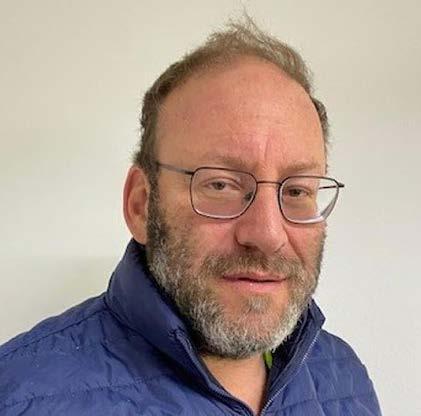
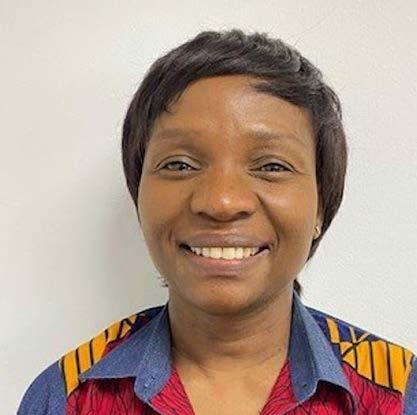
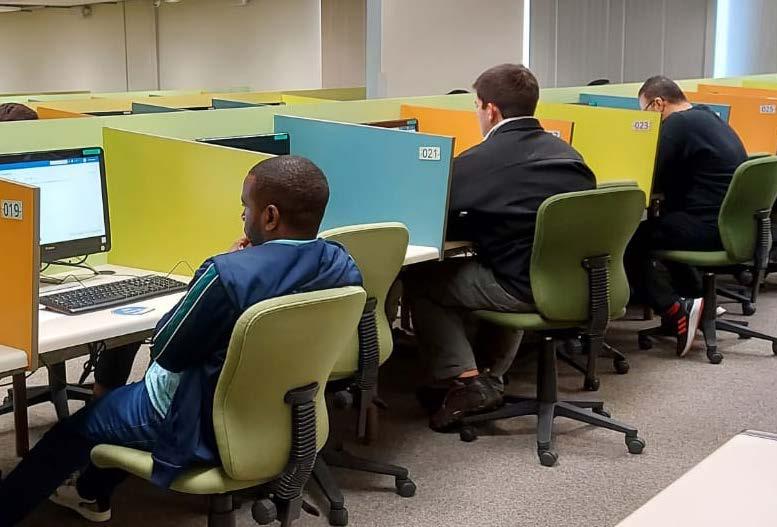
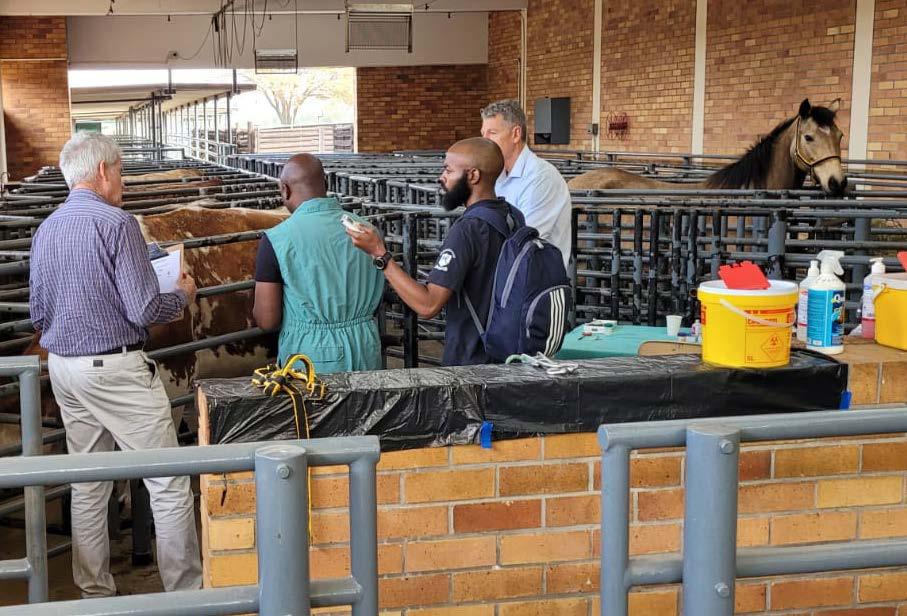
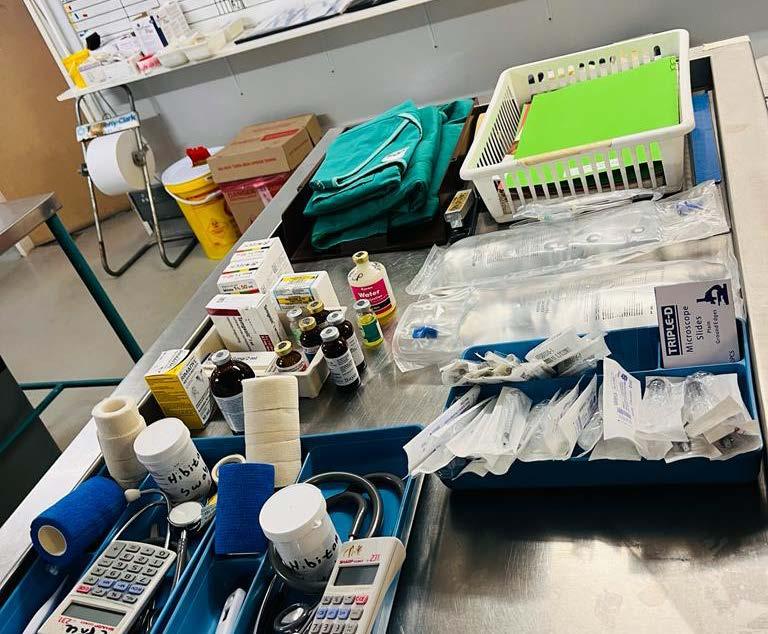
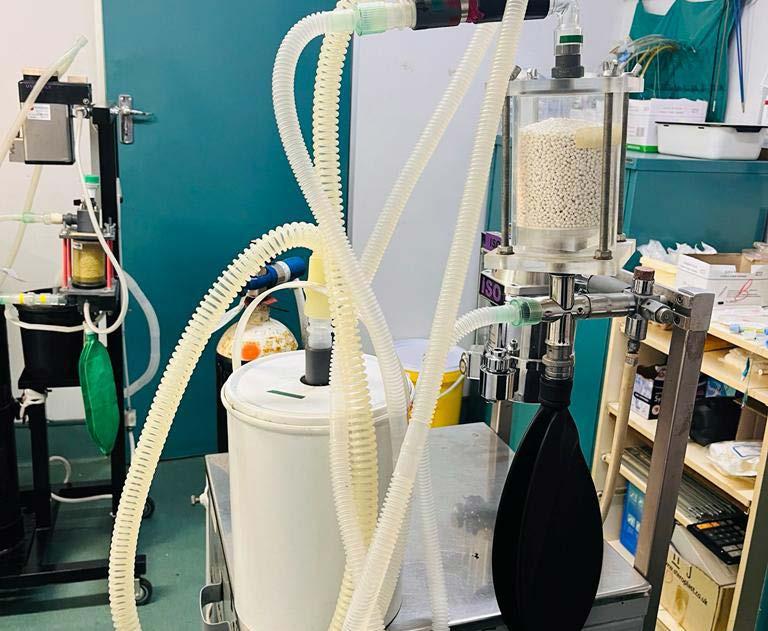
The SAVC held computer-based (left, at UP’s computer lab) and practical (right, featuring the production animal examination panel) registration examinations for the different professions during September and October.
The SAVC registration examination is held annually for holders of foreign qualifications and/or persons who have been removed from the register for more than three years.
The computer-based examination and the practical examination, consisting of three panels and eight stations, were held at the Faculty of Veterinary Science, University of Pretoria, in September.
The ovariohysterectomy component of the examination was held at the Animal Anti-Cruelty League, Johannesburg, in October.
The final results will be tabled at the next Council meeting (22 and 23 November 2022), to be ratified for release. All veterinarians who register with the SAVC for the first time are required to perform a year’s Compulsory Community Service (CCS).
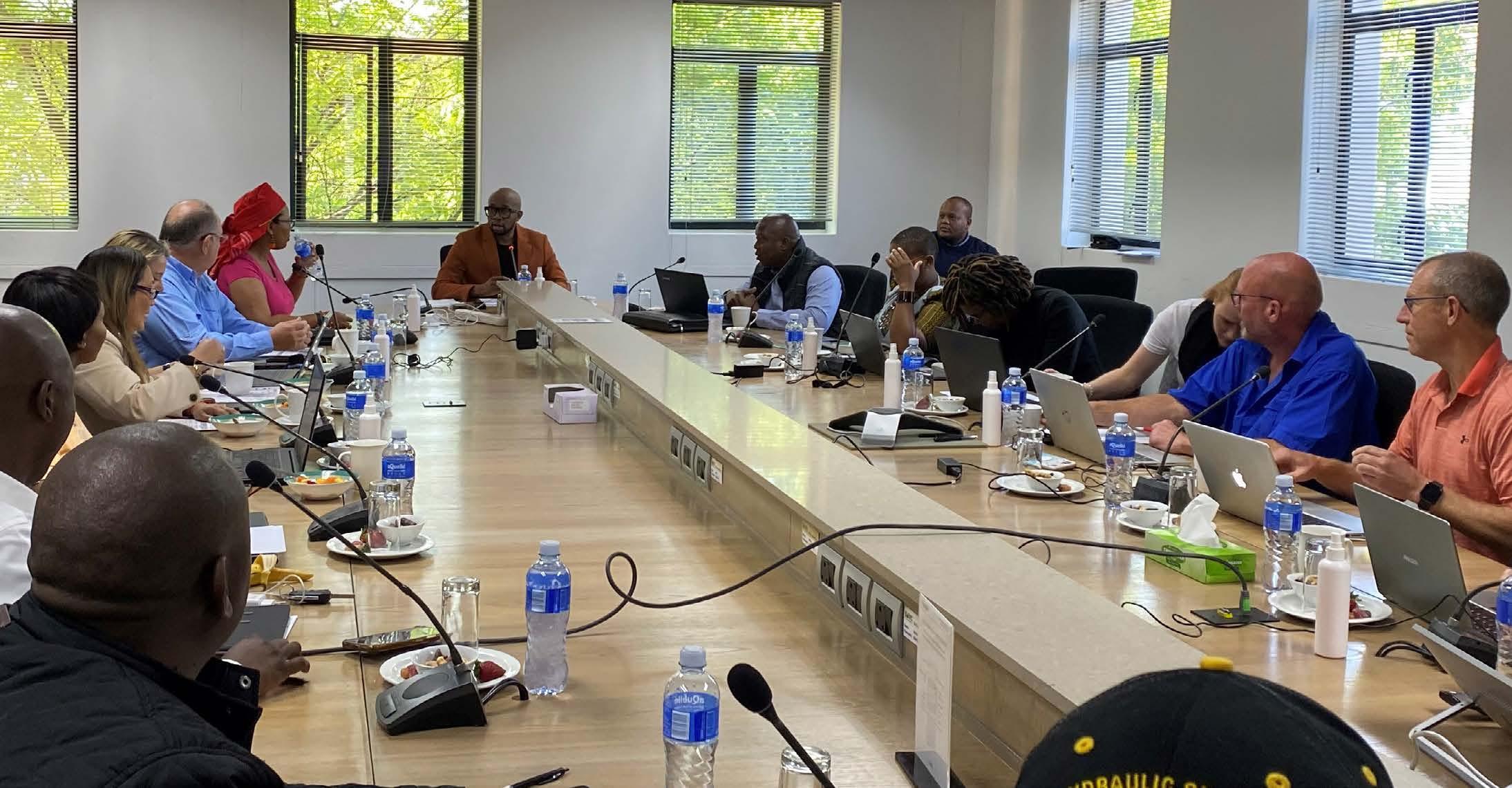
Our new Council held its inaugural meeting during September. The Registrar and the MANCO team provided valuable information before the election of the Executive and committees.
The University of Pretoria’s globally renowned veterinary museum at Onderstepoort is set to become a tourist attraction, after it opens to the public in late October.
According to Tourism Update, the museum has mainly been visited by veterinary scholars from around the world but is now seeking to expand its audience.
It showcases the history of veterinary practice in South Africa, including medical devices dating back several decades, and tracks historical figures such as Dr Jotello Festiri Soga – a black veterinarian who became the first South African of any race to receive a degree in veterinary medicine in the late 1800s.
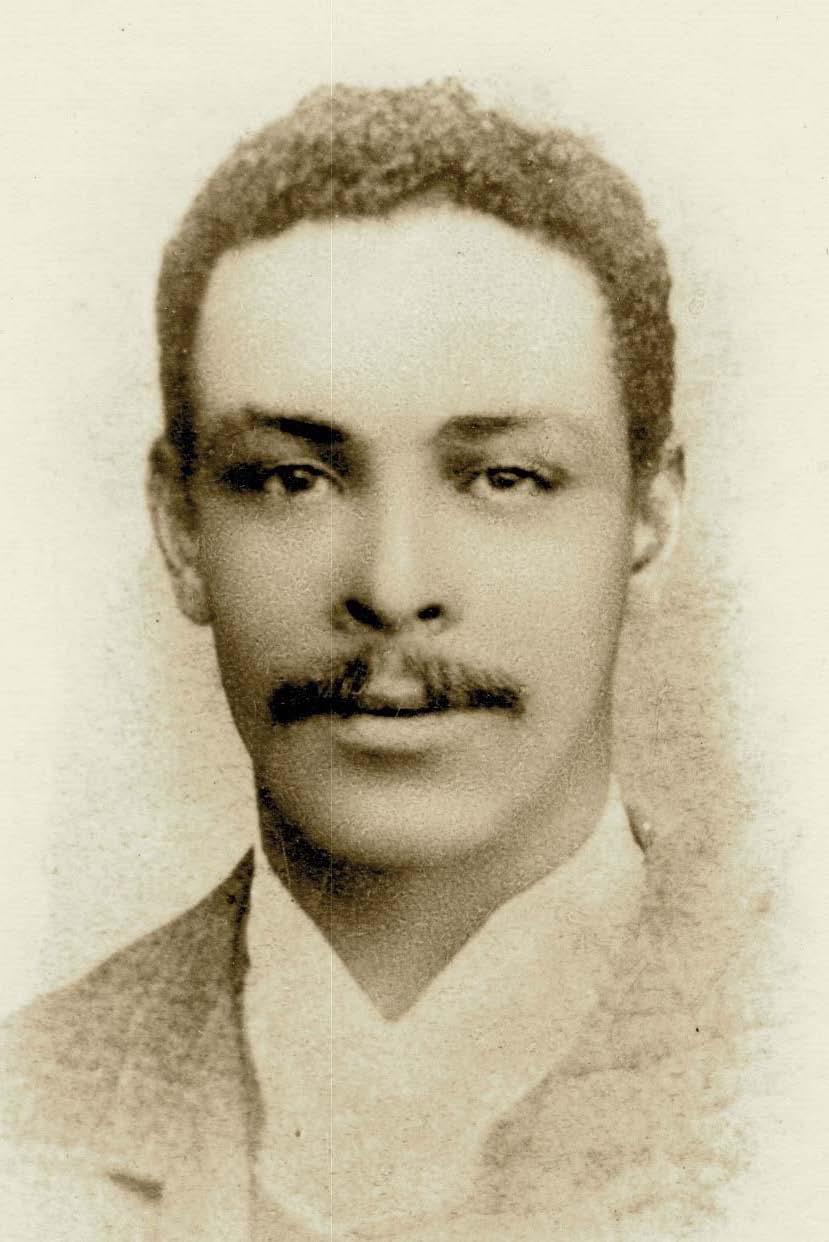
Onderstepoort veterinary museum to open to the public
Getting down to business! Council’s
South African wildlife veterinarians are at the forefront of an ambitious effort to relocate cheetahs to India and Mozambique in a bid to re-establish populations and save the species from extinction in those countries.
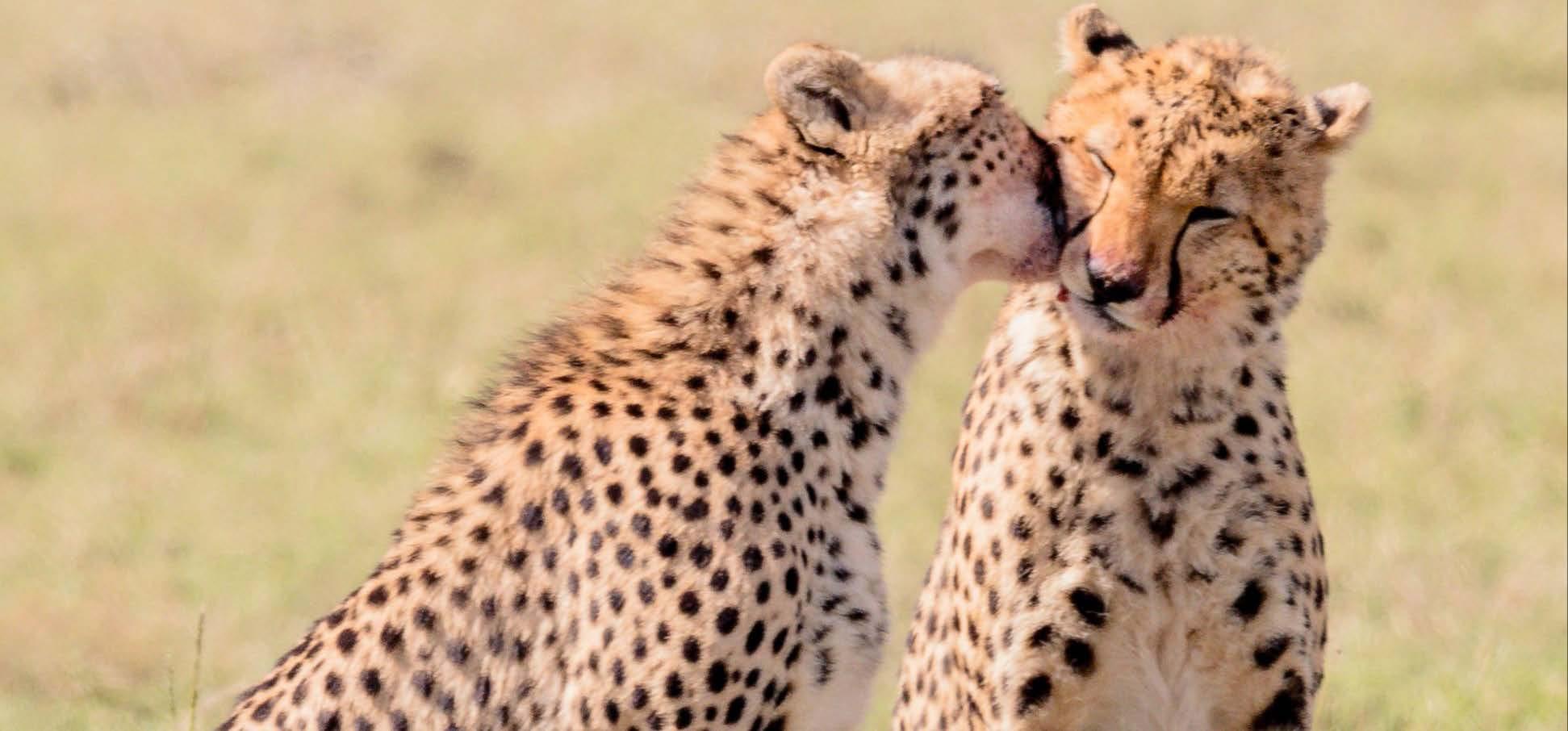
In September, the Associated Press (via The Washington Post) reported that four cheetahs (two males and two females) were flown from Limpopo to Mozambique’s Marromeu National Reserve, and that another 12 were due to be flown to India in October.
Namibia has also contributed eight cheetahs to India, marking the return of cheetahs to the subcontinent seven decades after they died out. They were welcomed and released into their enclosure by Indian Prime Minister Narendra Modi.
This is part of a long-term plan to gradually increase the populations in those two countries to viable numbers.
South African wildlife vet Andy Fraser told AP that relocations are tough for the animals, and this is one of the reasons why vets must be on hand to monitor their health and welfare throughout.
“It’s a very stressful process for the cats to be in a boma [livestock enclosure] environment because they have nowhere to go while we are darting them,” said Fraser of tranquilising the felines before loading them into special crates for the flight to Mozambique.
“We need to use our drug doses very carefully and make sure that we give them enough drugs to anaesthetise them safely,” he said. However, he added that once the cheetahs had awoken in their crates, he was satisfied that they were relaxed enough to be transported and the translocation was successfully carried out.
Fraser said the team is preparing for the larger and more challenging relocation of cheetahs to India, which will require the cats to travel a much longer distance with stops at commercial airports. Mint reported that Fraser and fellow wildlife veterinarian Professor Adrian Tordiffe will accompany the cheetahs to India in October to monitor them throughout their journey.
AP quoted Prof. Tordiffe as saying, “We cannot sit back and hope that species like the cheetah will survive on their own without our help.”
We hope you enjoy keeping up to date with the latest news via our regular email alerts. Here is a selection of the most important mailers from the past few months:
• Important update from the National Animal Health Forum about the outbreak of foot-and-mouth disease: https://mailchi.mp/savc/savc-nahf-updatereport-fmd
• We had a fantastic response to our ethics webinar, with 210 people attending! Read more about it here: https://mailchi.mp/savc/savc-webinar-how-do-iensure-that-i-practice-ethically and visit https:// savclive.co.za/ for a replay. Please remember to register for upcoming webinars

to let us know if your contact details change!
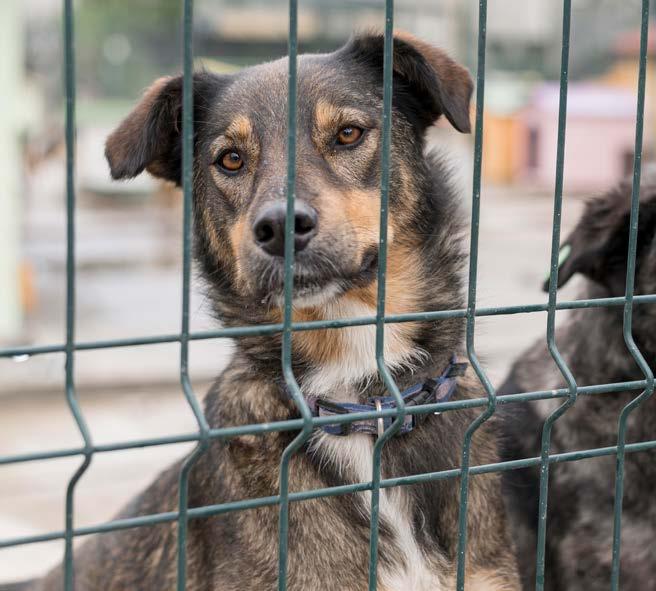
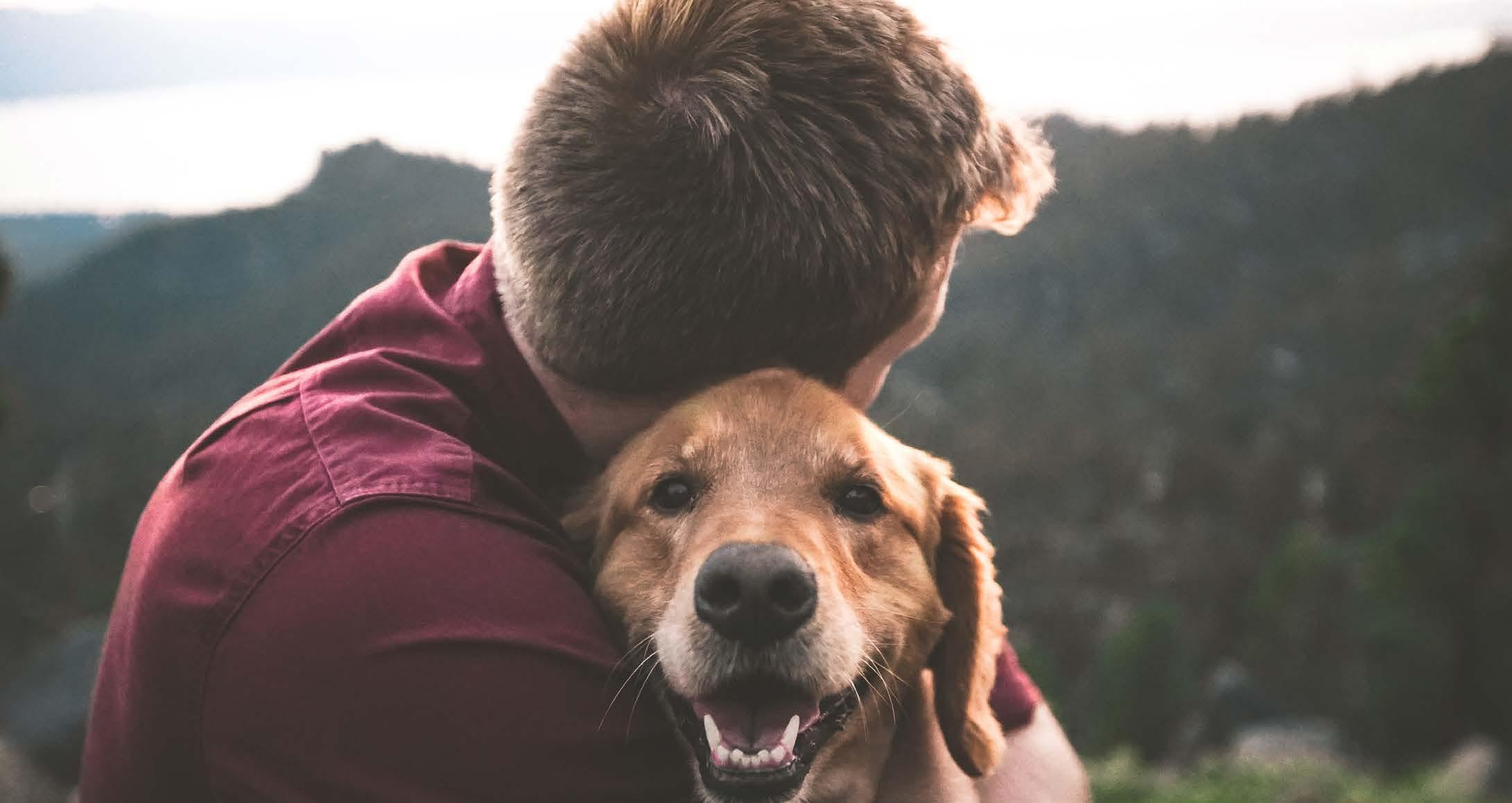
Euthanising an animal is not always a black-and-white matter, especially when it comes to complex issues such as economic viability, the ability of the owner to look after the animal, its right to be free of suffering and its prognosis after treatment.
We spoke to a number of vets about their duty to provide humane and ethical care, and why it’s sometimes hard to “switch off” and remove the emotional aspect from the job at hand.
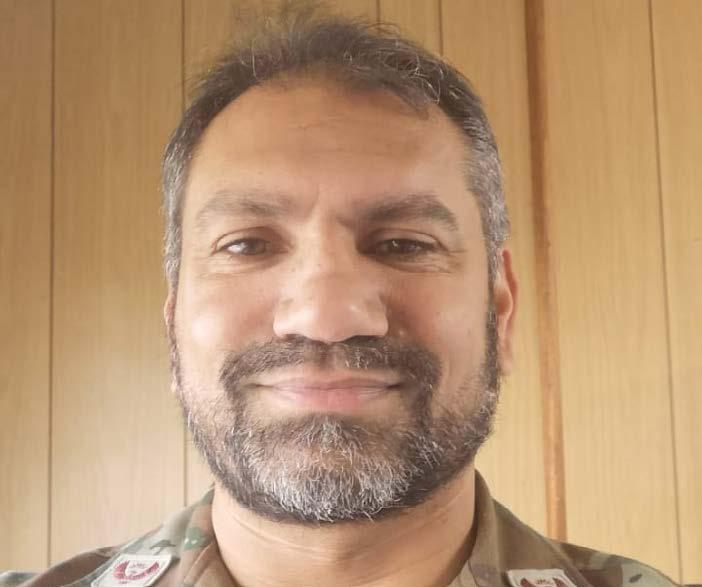
“If you truly care about life and others, it will always be personal. The request to perform euthanasia makes the concept of life and death a direct reality in the daily execution of your duties as a veterinarian.
“The last case of my life as a practising veterinarian was the euthanasia of a very old Labby who I’d treated from a puppy for nearly 14 years. He was on his last legs and yes, it was the best for him. It was such a prophetic end of a life (the Labby’s) and a career (mine) with that last injection. And then the quietness after it was done …” – Dr Jaco Jacobs, companion animal vet
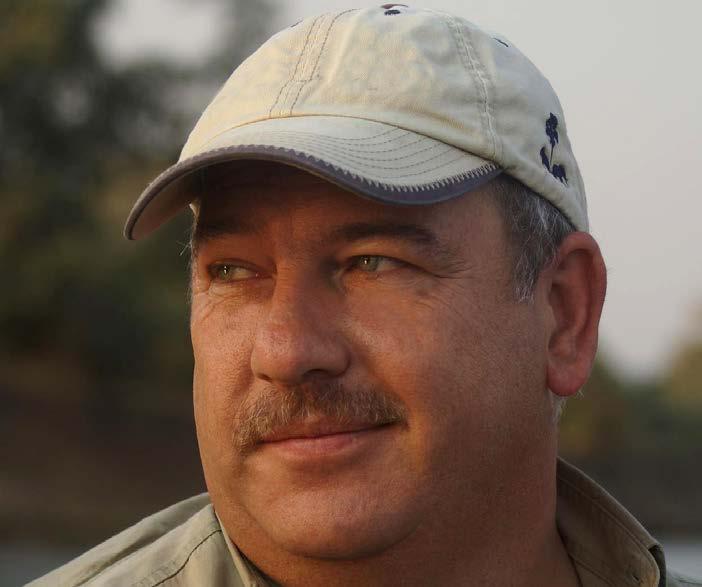
“Euthanising wildlife is fraught with practical difficulties, ethical dilemmas and other non-ethical predicaments. We as humans have a moral and ethical obligation to respect all life and therefore to act in the interests of animal welfare to provide:
• Freedom from grave pain, severe injury or terminal disease
• Freedom from hunger and thirst causing suffering
• Freedom to express normal behaviour
“In the absence of being able to provide the above, I believe it is ethically and morally correct to humanely put such an animal down.” – Dr Johan Marais, wildlife vet and SAVC Councillor
“Seeing abused and maltreated animals does take its toll, but one learns to cope – and treating such animals, even euthanising to prevent further suffering, brings a sense of relief, knowing that I was able to help ease that animal’s plight.
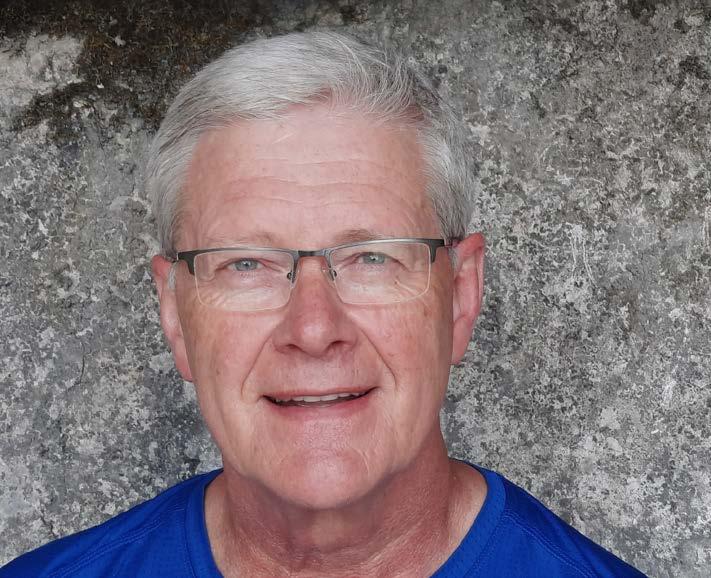
“I have a personal outlook/mantra in my professional environment where I always consider the welfare of the animal, owner and vet when dealing with any case, and my treatment options and protocol will be based on what may be best suited to all. Keeping the ‘bigger picture’ in mind is important.” –veterinarian and former SAVC Councillor Dr Ayoub Banderker
“Many people in South Africa are struggling in a post-Covid pandemic economy – pets are not a priority over family survival. Euthanising healthy animals is not a pleasant job, but if the owner cannot ensure placement of an animal into a new home that results in the best life possible, then I strongly recommend euthanasia.
“There is nothing wrong with vets feeling emotions. It is my opinion that if you are desensitised, this is an issue that needs attention.” – veterinarian and former SAVC Councillor Dr Thireshni Chetty
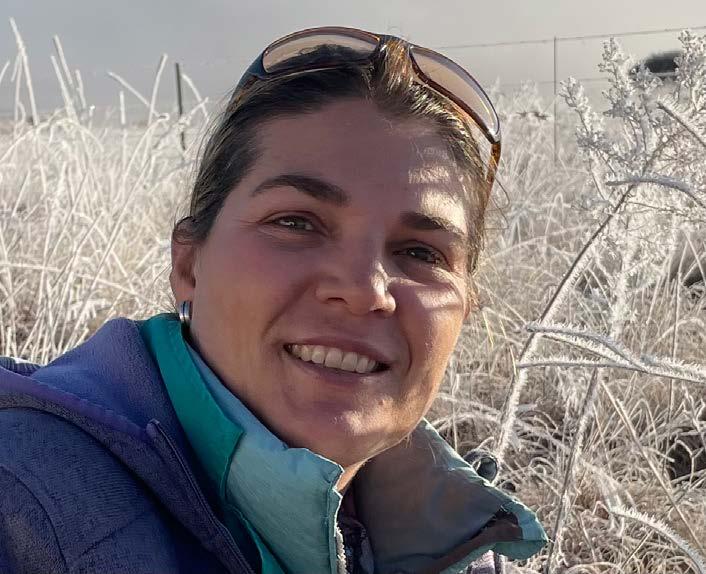
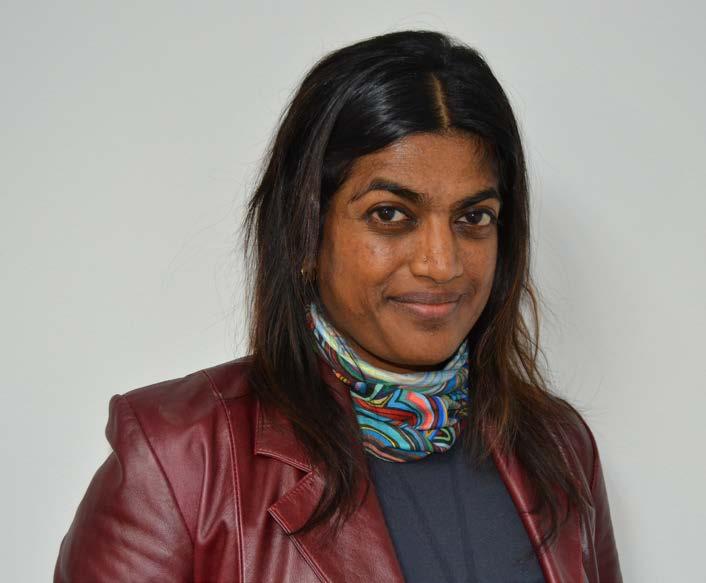
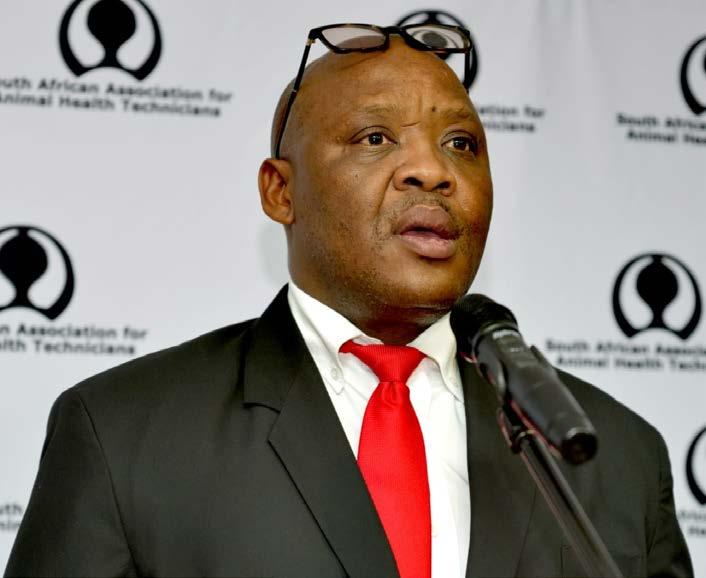
“I make sure the farmer understands the implications and economic impact of an outbreak of disease spreading, but I still sympathise with the owners. Euthanising animals is emotionally draining but sometimes it’s the only thing we can do to relieve the animal’s pain or suffering.” – animal health technician and former SAVC Councillor Oduetse Khoane
“In production animals, as part of a herd, there are fewer emotions involved. However, it’s mentally and emotionally exhausting when seemingly healthy herds have to be euthanised to prevent the spread of a disease like rabies or foot-and-mouth disease … and after veld fires, where the only thing you can do for the animals is to euthanise them, one after the other.” – production animal veterinarian Dr Marike Badenhorst
Photo by Eric Ward on Unsplash
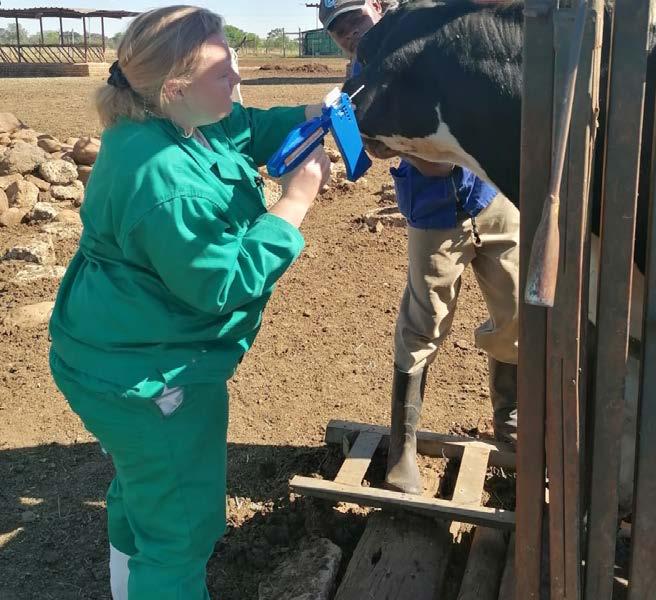
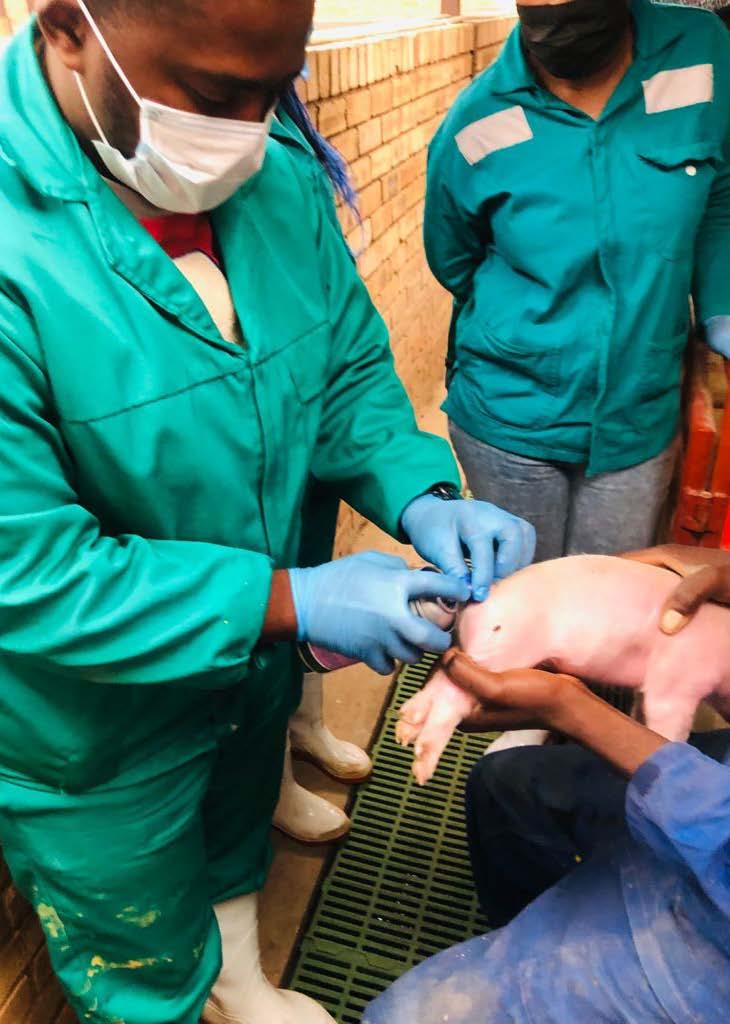
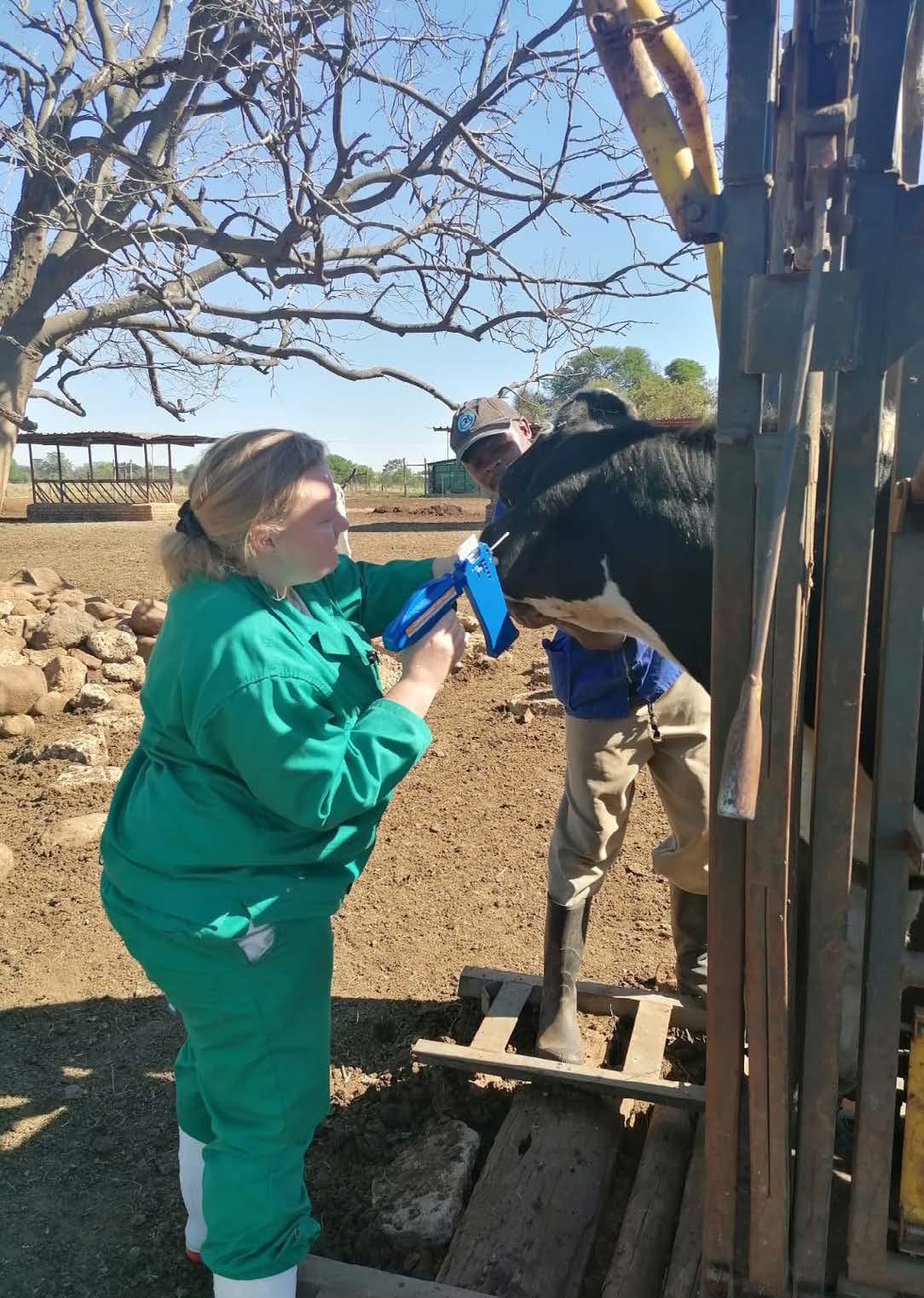
On 15 September 2022, we celebrated Animal Health Technician (AHT) Day in South Africa and shone a spotlight on the work these valuable para-veterinary professionals do.
that do not have
chain!
World Animal Day was
Laboratory Animal Technologist Day
Veterinary Technologist Day (same day as World Laboratory Day, always on 23 April)
World Veterinary Day (last Saturday of April)
Tuesday, 1 February 2022
Saturday, 23 April 2022
Saturday, 30 April 2022
Animal Health Technician Day Thursday, 15 September 2022
World Rabies Day Wednesday, 28 September 2022
World Animal Day Tuesday, 4 October 2022
Veterinary Nurse Day (same as World Veterinary Nurse Day, second Friday of October annually)
Friday, 14 October 2022
World One Health Day (annually on 3 November) Thursday, 3 November 2022
Veterinary Physiotherapist Day Friday, 4 November 2022
World Antimicrobial Awareness Week Friday, 18 to Thursday, 24 November 2022
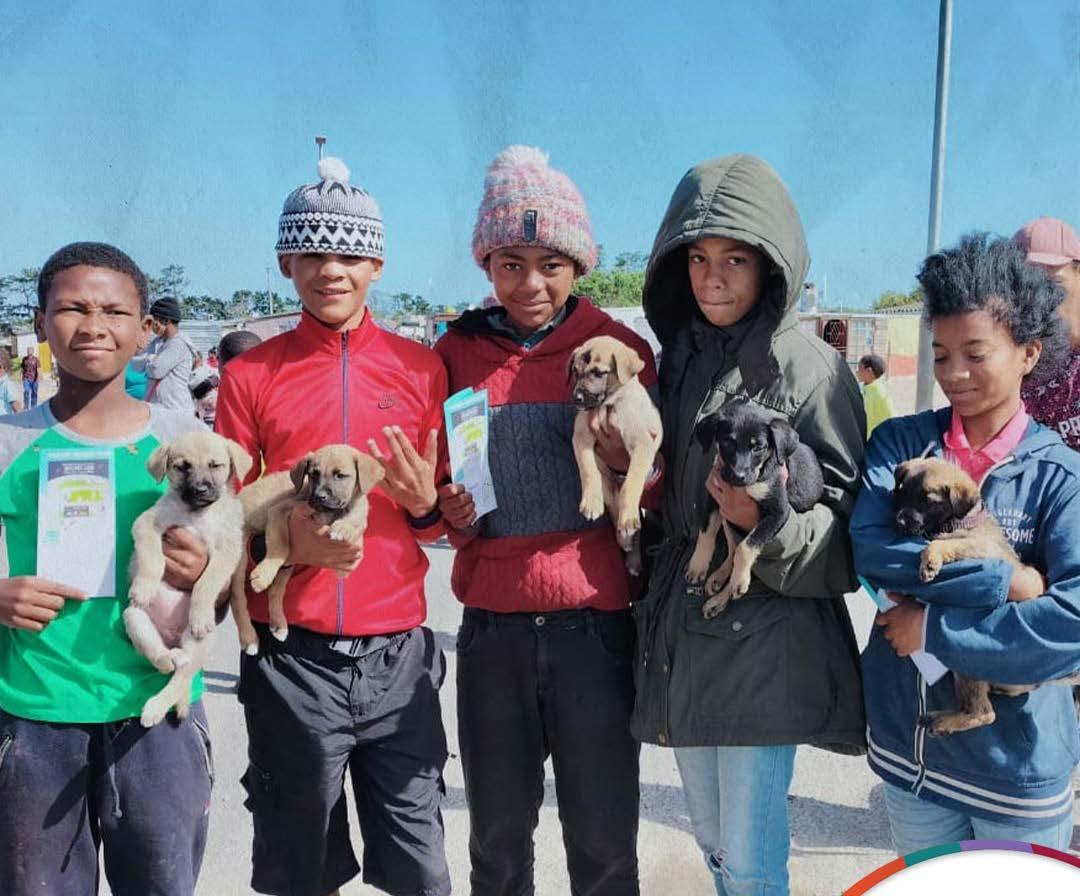
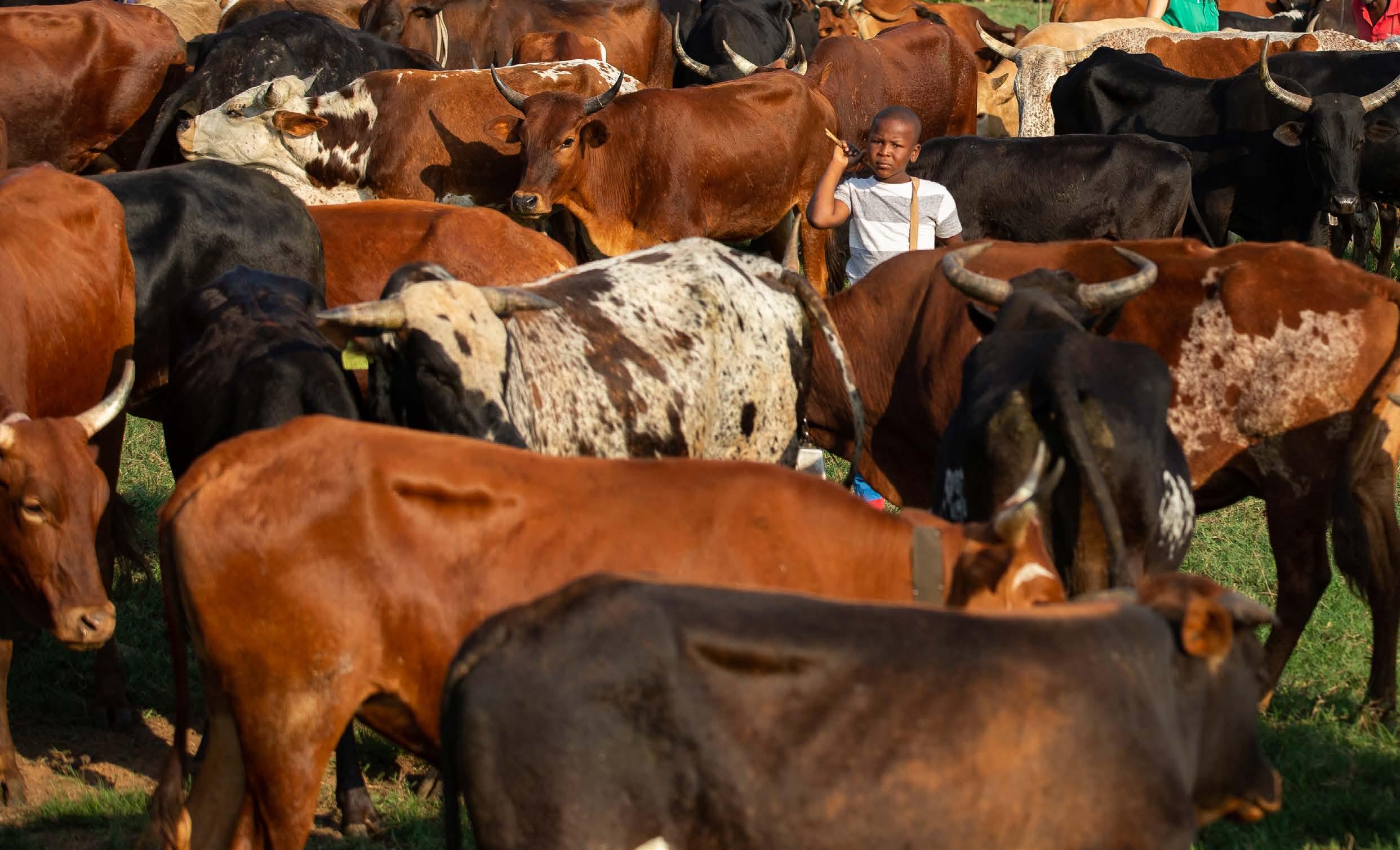
On 28 September 2022, we commemorated World Rabies Day. This was a particularly significant occasion for our broader veterinary and para-veterinary community, since this year has seen rabies outbreaks across the country and the importance of raising public awareness has never been greater.
This year’s global theme was “Rabies: One Health,
Zero Deaths”. The concept of One Health is familiar to us all, pointing to the interconnectedness of human, animal and environmental health and the need for collaboration between sectors for our planet to flourish.
“Zero deaths” refers to the fact that if humans are treated immediately and properly after being exposed to a suspected rabid animal, they can survive. The global target is “zero by 30” – to eliminate dog-mediated human rabies deaths by 2030.
Although one day a year is set aside for observing World Rabies Day, we urge the industry to continue driving home the message – 365 days a year – that it is essential to vaccinate dogs and cats to curb the spread of this deadly disease.
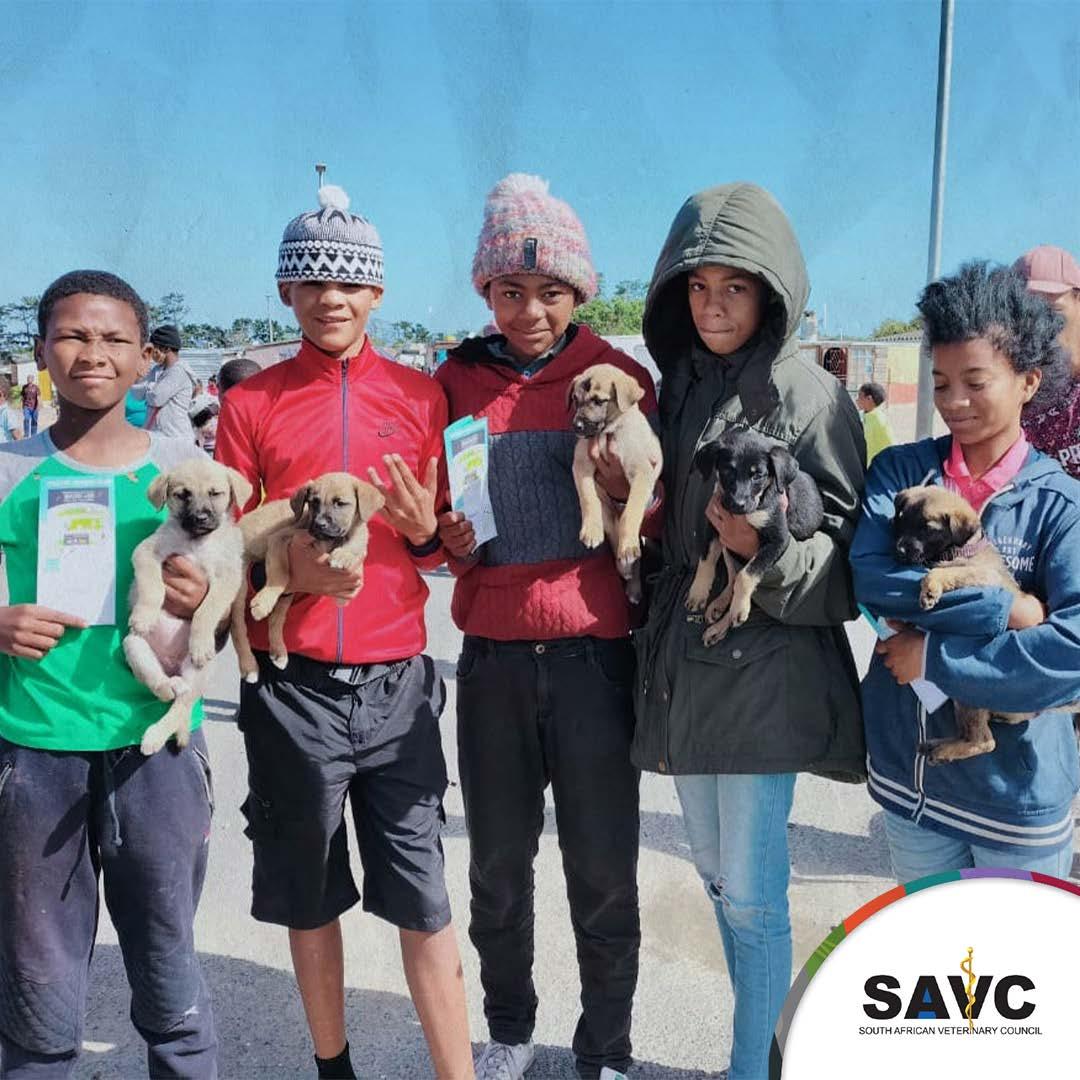
We also encourage our professionals to highlight the process for humans to follow if they are bitten, scratched or licked by a suspected rabid animal.
You can find more information, resources and posters on rabies from the Global Alliance for Rabies Control: https://rabiesalliance.org/
Do
want to learn how to use social and digital media
promote your services?
the SAVC
our next webinar,
its public relations
digital
conduct yourself
show you how to get the most out of online marketing tools –cost-effectively and ethically.
agency, Flow Communications,
out how to use Facebook, Instagram and LinkedIn
as well as how to create and maintain your Google Business Profile and use WhatsApp Business.
director of legal affairs
hand
advise what
latest
attend here:
webinar

…
October
also

On 14 October 2022, Veterinary Nurse Day, we’ll be celebrating all our veterinary nurses.
The day was introduced in South Africa by the SAVC to acknowledge the important work done by veterinary nurses.
We salute and thank all the veterinary nurses who work every day to help improve the lives of animals.
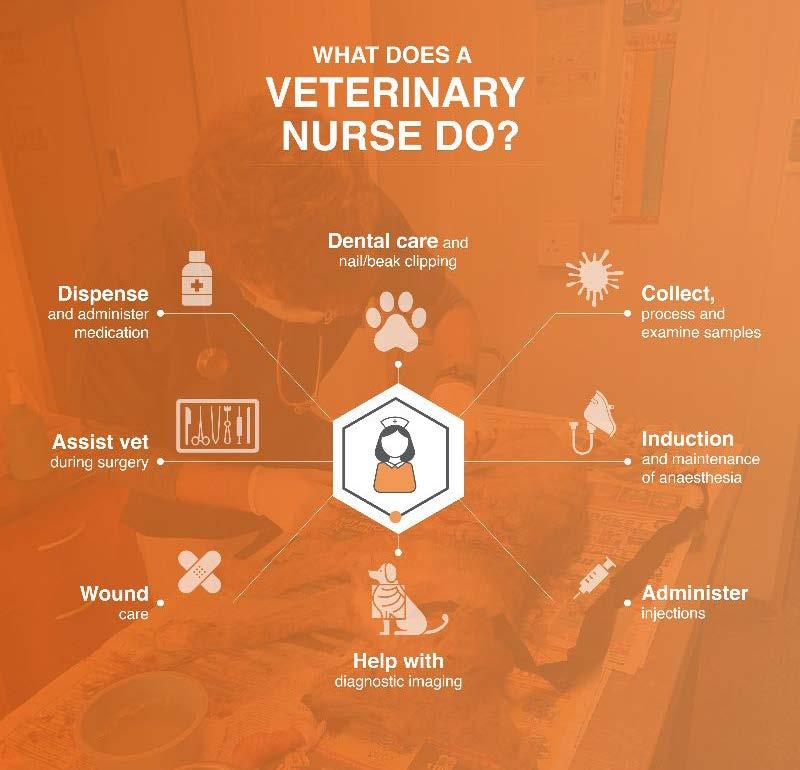
Here’s a short infographic that breaks down the roles and responsibilities of these para-veterinary professionals:

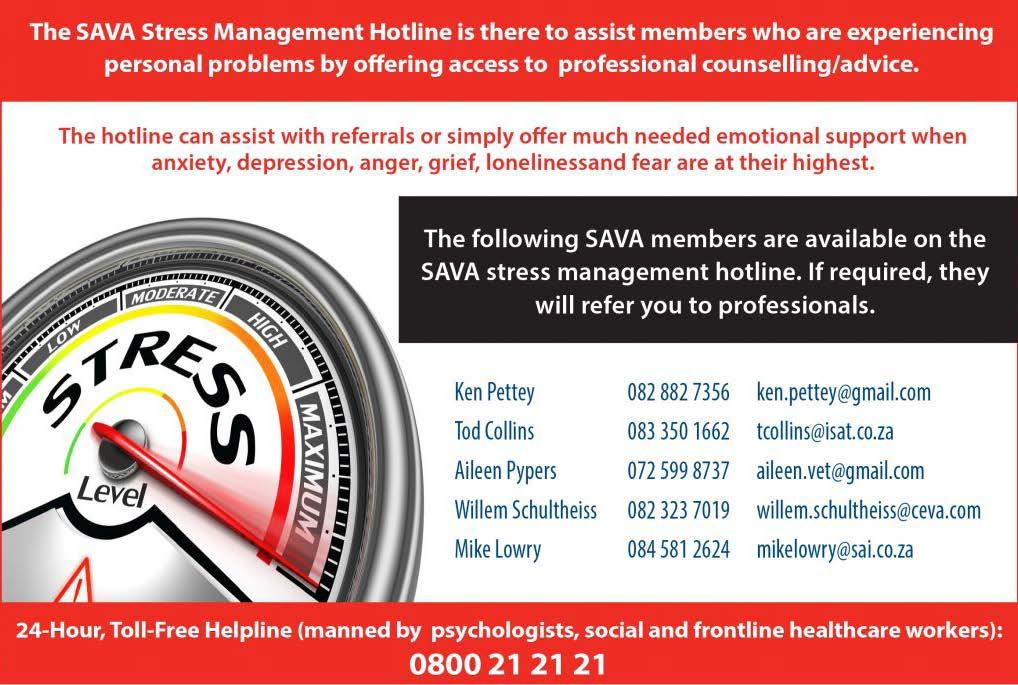
Stress, depression and burnout affect our veterinary and para-veterinary professionals at the best of times, but the added pressure of the fallout from the Covid-19 pandemic, coupled with the snowball effects of inflation and an unsteady economy, have made an already bad situation even worse for many of us.
Recently, research by the Cornell Center for Veterinary Business and Entrepreneurship in the United States estimated that workplace burnout is costing the veterinary industry $2-billion a year.
Researchers say it is critical to demonstrate the financial implications of burnout on the industry so that steps can be taken to urgently address mental health concerns among veterinary professionals.
The World Health Organization defines burnout as a syndrome resulting from chronic workplace stress that has not been successfully managed.
are
form
for assistance.
mental health distress,
at the SAVC urge you to contact
are here
listen
and help wherever we can.
Sister Erika Bornman (SAVC portfolio: Members with dependency, stress-related and other problems/difficulties) Email: erikavetnurse@gmail.com
contact the South African Depression
Anxiety Group
Tips for dealing with stress from the Centers for Disease Control:
Note: please consult the graphic below to find the correct person at the SAVC to contact for your specific query. Kindly do not “copy all”!
Systems & Design systems@savc.org.za – all queries relating to IT systems and support, technical queries on registree portal, CPD portal, annual declaration, website, newsletter, advertising, marketing and PR
Finance & Office Support debtorclerk@savc.org.za – invoices, maintenance fees, payment-related matters director.finance@savc.org.za – special dispensation, all finance-related matters meetings@savc.org.za – committee meetings, queries relating to meetings with the SAVC president, registrar, Executive Committee
Education edu.coordinator@savc.org.za – information on and applications for Council Registration Examination, applications for specialist peer review, CPD provider queries, accreditation of CPD events, individual application for allocation of CPD points director.education@savc.org.za – all education-related matters
Registration authorise@savc.org.za – authorisation matters admin@savc.org.za – facility inspections, community engagements, queries facilities@savc.org.za – registration of facilities, change of facility, principal queries registration2@savc.org.za – registrations, letters of good Standing, confirmation of registration, general queries relating to re-registration student.registration@savc.org.za – registration of students, inscriptions, critical skills letters queries cpd@savc.org.za – CPD audit & CPD cycle queries director.registrations@savc.org.za – all general queries relating to registrations, facilities, inspections and authorisation matters
legalsecretary@savc.org.za – general legal queries complaints@savc.org.za – lodging complaints, investigation matters director.legalaffairs@savc.org.za – all legal matters, legislation & policy queries
Through the Act, our mission is to serve the interest of the people and protect the animals and environment of South Africa through setting and monitoring veterinary standards.
The South African Veterinary Council (SAVC) shall not be liable for any loss due to advertisements published in its newsletters. The advertisements represent the products of the advertisers only. The SAVC does not accept liability for the information or advice contained in the advertisements or for any loss arising from the use of the products advertised. By placing the advertisements, the SAVC in no way endorses the product or content of the advertisement.
26 Victoria Link Street, Route 21 Corporate Park, Nellmapius Drive, Irene, Gauteng, South Africa Tel: 0027 (0)12 345 6360 Fax: 0027 (0)12 345 6369

vision is to be the custodian of quality veterinary standards.