SEPTEMBER/OCTOBER 2026
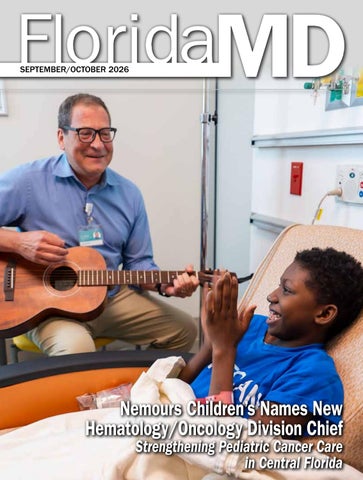
Nemours Children’s Names New Hematology/Oncology Division Chief
Strengthening Pediatric Cancer Care in Central Florida
contents 4
SEPTEMBER/ OCTOBER 2026
COVER STORY
ON THE COVER: David Dickens, MD, FAAP Division Chief, Pediatric Hematology/Oncology
16
NEUROMUSCULAR CLINIC AT NEMOURS CHILDREN’S HOSPITAL, FLORIDA – PROVIDING COMPREHENSIVE CARE FOR CHILDREN WITH NEUROMUSCULAR DISORDERS
18
HOW TO BUY MEDICAL REAL ESTATE – TWO INVESTMENTS IN ONE
20
THE BENEFITS OF PELVIC FLOOR THERAPY AND WHY IT’S IMPORTANT TO TALK TO PATIENTS ABOUT THIS SENSITIVE TOPIC
21
INNOVATIVE TREATMENT FOR CHILDREN WITH OBSTRUCTIVE SLEEP APNEA: TRANSFORMING CARE WITH DENTAL GUIDED GROWTH DEVICES
Dr. Dickens joins Nemours Children’s from the University of Iowa’s Stead Family Children’s Hospital, where he served as clinical director of pediatric oncology services and director of the pediatric hematology/oncology fellowship program. While there, he also held an endowed chair in pediatric oncology, clinical, and translational research. He completed his fellowship in pediatric hematology/oncology and stem cell transplantation at the University of Cincinnati College of Medicine and Cincinnati Children’s Hospital Medical Center, his pediatric residency at the University of Pittsburgh School of Medicine, and earned his medical degree from Upstate Medical University in Syracuse, New York. He is board certified by the American Board of Pediatrics and holds subspecialty certification in hematology/oncology, with specialized expertise in the treatment of leukemia and lymphoma.
PHOTO: PROVIDED BY NEMOURS
PHOTO: PROVIDED BY NEMOURS
Central Florida physicians now have an even stronger referral partner for children facing complex blood disorders and cancer diagnoses. Nemours Children’s Hospital, Florida, has named David Dickens, MD, FAAP, as Division Chief of Hematology/Oncology at the Nemours Children’s Center for Cancer and Blood Disorders. His arrival brings additional leadership and subspecialty expertise to a growing program serving children with complex cancer and blood disorders statewide.
DEPARTMENTS 2
FROM THE PUBLISHER
8
DERMATOLOGY
10
PULMONARY AND SLEEP DISORDERS
12
PEDIATRICS
14
CARDIOLOGY
24
MARKETING YOUR PRACTICE
FLORIDA MD - SEPTEMBER/OCTOBER 2026
1
FROM THE PUBLISHER
I
am pleased to bring you another issue of Florida MD. Human trafficking is one of the horrors in today’s society. It’s modern-day slavery and Central Florida is one of the worst places in the country. I have asked Paving The Way Foundation, an organization headquartered here in
Central Florida that helps physicians spot signs that one of their patients could be a victim. Please check out their website and help put a stop to human trafficking. Best regards,
Donald B. Rauhofer Publisher
According to Homeland Security, there are over 300,000 children a year trafficked in the United States. In fact, Florida ranks 3rd in the county for calls to the National Trafficking Hotline and right here in Central Florida, Orange county ranks 2nd in the state for child trafficking case. Sadly, the average age of entry is 11-14. Those facts can be frightening, leaving most people asking, who am I to do anything about this? More importantly, what can I do? Paving The Way Foundation was created to provide answers to those questions. We’ve educated over 13,000 youth, parents, teachers, and community leaders about human trafficking, the impact it has on families and the actions to take to prevent it. A surprising statistic is 88% of trafficking victims reported being in a medical setting for various concerns but did not feel safe enough to ask for help. We can prevent that from happening by training our frontline teams to learn the signs of trafficking, understand grooming and recruitment tactics and how to engage with patients about this silent crime to get them to safety. Here is one action you can take right now: put the National Trafficking Hotline number in your phone, 888-3737888, you can call 24 hours a day, 7 days a week. To learn more about what you can do or ways to get involved in ending human trafficking we invite you to join in the fight, please go to our website, www.pavingthewayfoundation.org click on programs for information on what’s available to educate you and your staff or download one of our tool kits. Together we can disrupt the cycle of human trafficking.
ADVERTISE IN FLORIDA MD
For more information on advertising in Florida MD, call Publisher Donald Rauhofer at (407) 417-7400, fax (407) 977-7773 or info@floridamd www.floridamd.com Email press releases and all other related information to: info@floridamd.com
PREMIUM REPRINTS
Reprints of cover articles or feature stories in Florida MD are ideal for promoting your company, practice, services and medical products. Increase your brand exposure with high quality, 4-color reprints to use as brochure inserts, promotional flyers, direct mail pieces, and trade show handouts. Call Florida MD for printing estimates.
2 FLORIDA MD - SEPTEMBER/OCTOBER 2026
Publisher: Donald Rauhofer Photographer: Donald Rauhofer / Florida MD Contributing Writers: John “Lucky” Meisenheimer, MD ,Tara Griffin, DMD Sonda Eunus, MHA, John Meisenheimer, VII, MD;B.S., Tabarak Qureshi, MD FCCP, Tara Griffin, DMD, Frank Ricci, Julie A. Tyk, JD, Jaivir S. Rathore, M.D, F.A.E.S & Idha Sood, M.B;B.S Art Director/Designer: Ana Espinosa Florida MD is published by Sea Notes Media,LLC, P.O. Box 621856, Oviedo, FL 32762. Call (407) 417-7400 for more information. Advertising rates upon request. Postmaster: Please send notices on Form 3579 to P.O. Box 621856, Oviedo, FL 32762. Although every precaution is taken to ensure accuracy of published materials, Florida MD cannot be held responsible for opinions expressed or facts expressed by its authors. Copyright 2026 Sea Notes Media All rights reserved. Reproduction in whole or in part without written permission is prohibited. Annual subscription rate $45.
JOIN US AT THE DOUBLETREE BY HILTON HOTEL AT THE ENTRANCE TO UNIVERSAL ORLANDO
Network, Learn, Grow PLAN TO ATTEND! JOIN COLLEAGUES FROM MULTIPLE SPECIALTIES!
Attend Pre-conference Hands-on Master Courses Multispecialty Plenary Sessions Presentations by Experts Scientific Papers / Videos / e-Posters Current Issues in MIS
REGISTER NOW
BECOME A MEMBER TODAY AND RECEIVE DISCOUNTS TO ATTEND MISWEEK 2026
ADDITIONAL MEMBER BENEFITS Access Conferences and Resources Tools and Opportunities to Advance Your Career Publications to Keep You at the Forefront of MIS
https://sls.org/mis2026/
Where Disciplines Meet FLORIDA MD - SEPTEMBER/OCTOBER 2026 JOIN/RENEW ONLINE AT SLS.ORG/MEMBERSHIP
3
COVER STORY
Nemours Children’s Names New Hematology/Oncology Division Chief–
Strengthening Pediatric Cancer Care in Central Florida By Staff Writer
Dr. Dickens joins Nemours Children’s from the University of Iowa’s Stead Family Children’s Hospital, where he served as clinical director of pediatric oncology services and director of the pediatric hematology/oncology fellowship program. While there, he also held an endowed chair in pediatric oncology, clinical, and translational research. He completed his fellowship in pediatric hematology/oncology and stem cell transplantation at the University of Cincinnati College of Medicine and Cincinnati Children’s Hospital Medical Center, his pediatric residency at the University of Pittsburgh School of Medicine, and earned his medical degree from Upstate Medical University in Syracuse, New York. He is board certified by the American Board of Pediatrics and holds subspecialty certification in hematology/oncology, with specialized expertise in the treatment of leukemia and lymphoma. For referring physicians throughout Orlando, Tampa, Lakeland, and the broader I-4 corridor, Dr. Dickens’ arrival is more than a leadership change. It signals continued investment in a program that has become one of the region’s most comprehensive resources
PHOTO: PROVIDED BY NEMOURS
Central Florida physicians now have an even stronger referral partner for children facing complex blood disorders and cancer diagnoses. Nemours Children’s Hospital, Florida, has named David Dickens, MD, FAAP, as Division Chief of Hematology/Oncology at the Nemours Children’s Center for Cancer and Blood Disorders. His arrival brings additional leadership and subspecialty expertise to a growing program serving children with complex cancer and blood disorders statewide.
David Dickens, MD, FAAP Division Chief, Pediatric Hematology/Oncology
for children with complex hematologic and oncologic conditions.
A PROGRAM BUILT FOR COMPLEXITY The Nemours Children’s Center for Cancer and Blood Disorders has established itself as a leading destination in Central Florida for highly specialized, multidisciplinary pediatric cancer and blood disorder care. Rather than organizing care around a single generalized model, the program is structured around disease-specific care teams.
This disease-specific approach brings together subspecialists with focused expertise in particular diagnoses, from leukemias and lymphomas to solid tumors, brain and spinal cord tumors, and rare hematologic conditions. Pediatric Dr. David Dickens connects with his patient, Avagail, during a visit at the Nemours oncologists, hematologists, surgeons, radiation Center for Cancer and Blood Disorders. oncologists, nurse navigators, social workers, and other specialists collaborate to review complex cases and coordinate individualized treatment plans with the latest evidence-based therapies.
PHOTO: PROVIDED BY NEMOURS
Patients treated within a disease-specific team have access to the latest information and treatment options specific to their type of cancer. As our research presence continues to grow, we’re working to bring more emerging treatment options to children in Central Florida. For community physicians managing a child with a new or complicated diagnosis, this means that they can refer to Nemours Children’s with confidence that their patient will receive the customized care experience they deserve. 4 FLORIDA MD - SEPTEMBER/OCTOBER 2026
COVER STORY
Nemours Children’s Hospital, Florida, is one of four specialty-licensed pediatric hospitals in the state selected to receive funding through Florida’s new Cancer Connect Collaborative Research Incubator, alongside Johns Hopkins All Children’s Hospital in St. Petersburg, Nicklaus Children’s Hospital in Miami, and Wolfson Children’s Hospital in Jacksonville. Each hospital was awarded up to $7.5 million, renewable over five years, funded through the Florida Department of Health, to expand pediatric cancer clinical trials, improve treatment protocols, and accelerate research toward new cures.
PHOTO: PROVIDED BY NEMOURS
A STATEWIDE VOTE OF CONFIDENCE IN PEDIATRIC CANCER RESEARCH
Avagail prepares for an infusion treatment as part of her care at Nemours Children’s Hospital, Florida.
The incubator’s first five-year cycle is focused specifically on pediatric cancer, an area that accounts for roughly one percent of cancer cases nationally but carries an outsized burden for the families affected and has historically received less research investment than adult cancer care. For Central Florida physicians, this funding translates into real, practical benefits: expanded access to clinical trials close to home, reducing the need for families to travel out of state for experimental or specialized therapies, and accelerated adoption of new treatment protocols as they emerge from research. As division chief, Dr. Dickens will oversee a portion of this incubator After nearly three years of treatment, Lukas rings the end-of-treatment bell to make a major milestone in his journey toward recovery.
funding for Nemours Children’s, positioning him to shape how that investment translates into clinical impact for patients across the region.
CARE BEYOND CANCER TREATMENTS Pediatric Blood Disorders Nemours Children’s provides specialized evaluation and management for children and adolescents with a broad range of hematologic conditions, from common anemias to complex and rare disorders. Our pediatric hematology specialists care for patients with anemia, bleeding and clotting disorders, thrombosis, and bone marrow failure syndromes, providing comprehensive diagnostic evaluation, individualized treatment and disease management. When appropriate, care is coordinated across hematology, genetics, immunology, transfusion medicine and other pediatric specialties to ensure that patients receive an integrated approach tailored to their specific condition.
PHOTO: PROVIDED BY NEMOURS
Comprehensive Sickle Cell Clinic While cancer care often draws the most attention, the program’s strength extends well beyond oncology. Nemours Children’s Hospital, Florida maintains an extremely robust and comprehensive sickle cell disease program. It offers the kind of longitudinal, specialized management that this chronic condition demands in the Comprehensive Sickle Cell Clinic, from routine outpatient care to management of acute complications and coordination with hematology subspecialists. This multidisciplinary approach brings these elements together to address the complex and evolving needs of each patient. Fertility Preservation The Nemours Children’s Center for Cancer and Blood Disorders is also preparing to expand its supportive care to include fertility preservation services, soon to be available to oncology patients treated at the center. This addresses a critical FLORIDA MD - SEPTEMBER/OCTOBER 2026
5
COVER STORY
PHOTO: PROVIDED BY NEMOURS
but often overlooked aspect of pediatric cancer treatment. Many therapies for childhood cancers carry a risk of impairing future fertility, and access to preservation options before treatment begins can make a meaningful difference for patients and families years down the road. Bringing this service in-house and making it available for the oncology patient population reflects the program’s broader commitment to treating the whole child, not just the immediate diagnosis.
SUPPORTING THE WHOLE CHILD Because cancer and blood disorders can affect every aspect of a child’s life, comprehensive care must address emotional and psychological well-being alongside physical health. Nemours Children’s integrates mental health support into the care of patients, with access to behavioral health professionals who understand the unique challenges associated with diagnosis, treatment, chronic disease management and survivorship. Through psychosocial assessment, counseling and collaboration with the broader care team, specialists can help identify emotional or behavioral concerns early and provide individualized support for patients and their families.
WHAT THIS MEANS FOR REFERRING PHYSICIANS The growth of the Nemours Children’s Center for Cancer and Blood Disorders means referring physicians gain access to an expanding range of pediatric hematology/oncology expertise in Central Florida. Dr. Dickens’ leadership adds specialized experience in leukemia and lymphoma to a multidisciplinary program focused on complex cancer and blood disorders, while continued investment in research and supportive services is expanding what the center can offer children and families closer to home. “Every child deserves access to the highest level of pediatric specialty care close to home,” said Dickens. “Our goal is to continue building a program that combines exceptional clinical expertise, multidisciplinary collaboration, innovative research, and compassionate family-centered care. We look forward to partnering with referring physicians across Florida to ensure children receive timely access to the specialized care they need while maintaining strong relationships with the providers who know them best.” Physicians interested in referring patients to the Nemours Children’s Center for Cancer and Blood Disorders can visit our referring provider page or contact the program directly.
HOW TO REFER Have a question? Call our Nurse Intake Coordinator Phone: 407.608.4944 Non-urgent referrals Phone: 407.650.7715
6 FLORIDA MD - SEPTEMBER/OCTOBER 2026
Luke and his nurse share a moment of comfort and connection during his hospital stay at Nemours Children’s Hospital, Florida.
CONDITIONS WE TREAT Bleeding disorders Bone marrow failure and stem cell disorders Brain and central nervous system tumors Clotting disorders Hemoglobinopathies Leukemias and lymphomas Non-malignant hematologic disorders Sickle cell disease Solid tumors Thalassemia Vascular malformations
Minutes From Home. A Lifetime of Healing.
You’re not just our patient. You’re our neighbor. For more than a century, Orlando Health Orlando Regional Medical Center has been honored to provide nationally recognized care for the Central Florida region we proudly call home. And because it’s your home, too, you deserve trusted healthcare within reach, so we can foster a partnership focused on health and wellness – together. Giving you more reasons to choose well. OrlandoHealth.com/ORMC
choose well.
FLORIDA MD - SEPTEMBER/OCTOBER 2026
7
DERMATOLOGY
Melanoma Makes Me a Real Doctor By John “Lucky” Meisenheimer, MD and John Meisenheimer, VII, MD
Melanomas come in all different shapes and sizes. They are rarely the archetypal jet black, nodular mole-like growth, in which even a first-year medical student could make the diagnosis. Melanomas may appear elevated, they can be flat, they can be multicolored, and they do not have to have pigment. Some melanomas can persist for very long periods before being discovered, such as lentigo maligna melanoma. Others can grow rapidly and deadly in a few weeks. Melanomas can develop beneath the nails, and even in non-skin areas such as the eye, oral cavity, nasal sinuses, even rectally. The best guidance for identifying melanomas for non-dermatologists is using the mnemonic ABCDEs of melanoma evaluation, Asymmetry of the lesion, Border irregularity, Color variation, Diameter greater than 6mm and Evolution. However, dermatologists rarely use the ABCDE guide, as most of us know by looking because of intuitive expertise. When a dermatologist observes a suspicious lesion, in our mind, it pops up, “that looks suspicious.” Intuitive expertise is ubiquitous throughout all specialties and comes with experience. The ER doc that walks into a patient room and immediately diagnoses congestive heart failure with only a glance is demonstrating intuitive expertise. Intuitive expertise can be confounding to medical students who need to look up everything online. Still, it is this intuitive expertise we all gain through training and experience that makes us “real” doctors. Lucky Meisenheimer, M.D. is a board-certified dermatologist specializing in Mohs Surgery. He is the director of the Meisenheimer Clinic – Dermatology and Mohs Surgery. John Meisenheimer, VII is an MD practicing in Orlando. 8 FLORIDA MD - SEPTEMBER/OCTOBER 2026
PHOTO: JOHN MEISENHEIMER, VII, MD
Lentigo maligna melanoma. PHOTO: JOHN MEISENHEIMER, VII, MD
As a Mohs surgeon, I rarely “pop” pimples anymore, not that there is anything disgraceful about helping a patient with a disfiguring skin disease that can leave them permanently scarred. As the Seinfield episode would suggest, laypeople might seem to think unless you are saving lives, you are not a “real” doctor. So, I guess in a sense, melanomas make dermatologists “real” doctors (and let’s not forget squamous cell carcinomas and basal cell carcinomas can also kill you). I know in my practice over the last 30 years, I have found hundreds of melanomas. Even to this day, when I see a melanoma, I quietly give myself a high five. When you catch melanoma in time, you have changed a person’s life for the better, even if they may not realize it. At the same time, I am also grateful that I did not miss that melanoma. There is always a degree of stress when doing a “routine skin exam” there is nothing routine about melanoma or the potential for missing a melanoma.
A superficial spreading melanoma.
Nodular melanoma.
PHOTO: JOHN MEISENHEIMER, VII, MD
Jerry was having dinner at a restaurant with his dermatologist girlfriend. Seinfield - “How’s the life-saving business? Dermatologist girlfriend - “It’s fine.” Seinfield - “It must take a really, really big zit to kill a man.” Dermatologist girlfriend - “What is with you?” Seinfield - “You called yourself lifesaver. I call you pimple popper M.D.” A restaurant patron walks up to their table and says, “Dr. Sitarides?” Dermatologist girlfriend - “Mr. Perry, how are you?” Mr. Perry - “I just want to thank you again for saving my life.” Seinfield - “She saved your life?” Jerry has a shocked look on his face. Mr. Perry - “I had skin cancer.” Seinfield - “Skin cancer, damn.” Jerry’s face twists in the agony of defeat.
PHOTO: JOHN MEISENHEIMER, VII, MD
When I was in medical school and revealed to my classmates that I wanted to be a dermatologist, they usually gave me a flabbergasted look and said, “You want to pop zits for a living?” Immediately followed by, “You don’t want to be a real doctor?” I wish the Seinfeld episode, when Jerry was dating a dermatologist, had been released so that I could refer them to it. The Seinfeld episode went something like this:
Pathology of a melanoma.
It’s not about
counting the days. It’s about making the days count.
Hospice • Palliative Care • Grief Support
Featuring specialized programs and services for children to seniors, and a proud Level 5 We Honor Veterans program provider. (866) 269-4240 I reflectionslsc.org FLORIDA MD - SEPTEMBER/OCTOBER 2026
9
PULMONARY AND SLEEP DISORDERS
Chronic Thromboembolic Pulmonary Hypertension By Daniel T. Layish, MD There are several categories of pulmonary hypertension. WHO Group I includes patients with idiopathic pulmonary hypertension, familial pulmonary hypertension, drug and toxin related (fen-phen) portopulmonary hypertension, HIV related pulmonary hypertension and pulmonary arterial hypertension associated with connective tissue disorders (such as scleroderma). WHO Group II pulmonary hypertension is often referred to as pulmonary venous hypertension. This includes patients with left ventricular systolic or diastolic dysfunction or valvular heart disease. Essentially, the WHO Group II category includes patients who have an elevated pulmonary capillary wedge pressure and/or elevated left ventricular end diastolic pressure. WHO Group III pulmonary hypertension consists of patients with COPD, interstitial lung disease, or other conditions in which hypoxia causes vasoconstriction. The remainder of this article will focus on WHO Group IV pulmonary hypertension (chronic thromboembolic pulmonary hypertension or CTEPH). Although WHO Group IV patients are relatively rare, it is crucial to identify them because this is the only type of pulmonary hypertension which is potentially surgically curable. After acute pulmonary embolism, most patients will recover and have normal pulmonary hemodynamics, gas exchange, and exercise tolerance. It is believed that 1-4% of patients with acute pulmonary embolism will go on to develop CTEPH within two years. It is not clear why some patients with acute pulmonary embolism develop CTEPH. Risk factors include hypercoagulable states, myeloproliferative syndromes, splenectomy and chronic indwelling central venous catheters. Patients with CTEPH present with dyspnea, which can have a gradual onset. Many patients with CTEPH will not have a known previous diagnosis of acute pulmonary embolism. As with other patients with pulmonary hypertension, patients with CTEPH may not show findings on physical exam until pulmonary hypertension is in the late stages. Findings include a right ventricular lift, jugular venous distention, fixed splitting of the second heart sound, hepatomegaly, ascites, and peripheral edema. Patients with CTEPH may have “flow murmurs” heard over the lung fields because of turbulent flow through partially obstructed or recanalized pulmonary arteries. These tend to be accentuated during inspiration. Acute pulmonary embolism is the trigger for CTEPH. In some patients this triggers a small vessel vasculopathy (for unclear reasons) that contributes to the extent of pulmonary hypertension. This may explain why up to 35 percent of patients who undergo succesful pulmonary thromoendarterectomy can have some degree of postoperative pulmonary hypertension. Although VQ scanning has become less commonly used for diagnosis of acute pulmonary embolism this remains the initial imaging study of choice in patients with pulmonary 10 FLORIDA MD - SEPTEMBER/OCTOBER 2026
hypertension to separate “small vessel” variants (Idiopathic pulmonary arterial hypertension) from “large vessel” disease (CTEPH) A normal VQ scan essentially excludes the diagnosis of CTEPH. A scan with one or more mismatched segmental defects is suggestive of the diagnosis. However, it is important to note that VQ scan can often understate the extent of central pulmonary vascular obstruction. Once the VQ scan is found to be abnormal then further testing should be undertaken (such as CT angiogram and/or pulmonary angiography). The angiographic findings in CTEPH are distinct from those of acute pulmonary embolism. They can include pouch defects and pulmonary artery webs. Patients with severe pulmonary hypertension have been found to tolerate performance of angiography as well as VQ scan without significant complication rate. The surgery for CTEPH is quite different from surgical intervention for an acute pulmonary embolism. Surgery for CTEPH is called a pulmonary thromboendarterectomy (PTE), which requires median sternotomy and cardiopulmonary bypass. It requires an often tedious intimal dissection of fibrotic recannalized thrombus from the native pulmonary arterial wall. IVC filter placement is usually recommended before pulmonary thromboendarterectomy. These patients can have a complicated postoperative course and this type of surgery is only done at a few specialized centers in the country. The center which is best known for this type of surgery is the University of California (San Diego). Patients who have undergone PTE are typically maintained on lifelong anticoagulation. To be a candidate for this surgery, a patients must have central, surgically accesible chronic thromboemboli. A significant postoperative complication is pulmonary artery steal, which refers to redistribution of pulmonary arterial blood flow from well-perfused segments into the newly opened segments resulting in ventilation perfusion mismatch and hypoxia. This redistribution of flow resolves over time. Approximately, 30% of PTE patients can develop reperfusion pulmonary edema. The perioperative mortality of pulmonary thromboendarterectomy can be in the range of 2-3% in experienced centers. Outcome is clearly better in high voluime centers (more than fifty PTE surgeries/year). Approximately 5000 thromboendarterectomy procedures have been performed worldwide, 3000 at UCSD alone. Surgery for CTEPH is clearly the best therapeutic option. However, there are some patients with CTEPH who are inoperable or who have persistent or recurrent pulmonary hypertension after undergoing pulmonary thromboendarterectomy. There is now a medical therapy available for these patients. Riociguat (Adempas) was approved by the FDA in October 2013. It is a member of a new class of compounds-soluble guanylate cyclase stimulators. In
PULMONARY AND SLEEP DISORDERS the multicenter study by Ghofrani et al that was published in the New England Journal of Medicine in July 2013, 261 patients were randomized prospectively to receive riociguat versus placebo. Riociguat was shown to significantly improve exercise capacity and pulmonary vascular resistance. Side effects include systemic hypotension. Prior smaller studies have also shown some benefits to medical therapy in CTEPH (inoperable or with post-operative PH) with oral agents such as bosentan and sildanefil, inhaled iloprost and subcutaneous treprostinil. Medical therapy has also been used as a “bridge” before PTE. Although relatively rare, CTEPH is an important cause of PH since it is potentially curable with pulmonary endarterectomy. This surgery should only be performed in very experienced, specialized centers. PTE surgery should always be the treatment of choice for CTEPH. However, medical therapy can have a role as a bridge to PTE,in patients who are not surgical candidates or in those who have persistent pulmonary hypertension despite undergoing PTE.
Example of chronic clots removed during pulmonary thromboendarterectomy.
I would like to express my gratitude to Dr. Peter Fedullo (University California San Diego) for his review of this manuscript and providing the photographs.
Pulmonary angiogram showing lack of blood flow to the right middle lobe and the right lower lobe from CTEPH.
Example of the large perfusion defects seen on V/Q scan in a patient with CTEPH.
Daniel Layish, MD, graduated magna cum laude from Boston University Medical School in 1990. He then completed an Internal Medicine Residency at Barnes Hospital (Washington University) in St.Louis, Missouri and a Pulmonary/Critical Care/Sleep Medicine Fellowship at Duke University in Durham, North Carolina. Since 1997, he has been a member of the Central Florida Pulmonary Group in Orlando. He serves as Co-director of the Adult Cystic Fibrosis Program in Orlando. He may be contacted at 407-841-1100 or by visiting www.cfpulmonary.com.
FLORIDA MD - SEPTEMBER/OCTOBER 2026 11
PEDIATRICS
Beyond the Tumor: The Value of a Multidisciplinary Approach to Pediatric Neuro-Oncology By Christopher Gegg, MD, FAANS, FACS, Pediatric Neurosurgeon, Nemours Children’s Health Scribe by Omar Tabara, UCF pre-med student A brain or spinal cord tumor diagnosis rarely comes with time to prepare. One week, a child may have a headache or another concerning symptom; the next, a family is sitting in an office hearing words they never expected to hear. The questions come quickly: Will my child need surgery? What treatment is best? How will this affect my child’s life? There is no single answer to those questions. Pediatric brain and spinal cord tumors are complex conditions that require careful consideration of the diagnosis, the child’s age and development, the location and characteristics of the tumor, and the potential benefits and risks of different treatment approaches. That is why pediatric neuro-oncology is inherently multidisciplinary. At Nemours Children’s Health, children with complex neurological conditions are cared for by teams that bring together pediatric neurosurgery, neuro-oncology, neurology, neuroradiology, neuropathology, radiation oncology and other specialists as needed. Children aren’t simply small adults. Their care needs to be specifically designed around their growing brains and bodies, with consideration for both their immediate treatment needs and their long-term development and quality of life.
IT TAKES A TEAM, AND NOT JUST AT THE BIG MEETINGS A pediatric brain or spinal cord tumor case usually touches neurosurgery, neuro-oncology, neurology, radiology, pathology, and often radiation oncology. Everyone reads the same scan differently, and that’s the point. A radiologist sees something in the imaging a surgeon might not weigh the same way. A pathologist’s read of the tissue can shift the entire treatment plan overnight. We have formal tumor boards, but honestly, some of our best decisions happen in a five-minute hallway conversation or a phone call between two specialists who just looked at the same MRI. Waiting for the next scheduled meeting isn’t good enough when a family is waiting on an answer. Communication among specialists throughout a patient’s care allows new information to be incorporated as decisions evolve. The goal is not simply to have multiple specialists involved. It is to have those specialists working together around a coordinated plan for the child.
A REFERRAL DOESN’T NECESSARILY MEAN SURGERY Many families understandably assume that seeing a neurosurgeon means an operation is imminent. In many cases, the 12 FLORIDA MD - SEPTEMBER/OCTOBER 2026
purpose of the consultation is simply to help determine the best care plan. Depending on the child’s diagnosis and individual circumstances, that may mean obtaining tissue to establish a diagnosis, removing a tumor when appropriate, addressing symptoms or complications, or determining that surgery is not the best initial approach. The decision depends on a number of factors, including the tumor’s location, the child’s symptoms and neurologic function, the potential benefits of intervention and the risks associated with surgery. There is no default answer for every child. For referring providers, this means a pediatric neurosurgical consultation can be valuable even when the need for surgery is uncertain. The role of the specialist is not simply to operate; it is to help determine the most appropriate next step.
PRECISION MATTERS IN A DEVELOPING BRAIN When surgery is appropriate, one of the central challenges is treating the tumor while preserving the neurologic functions that are essential to a child’s development and daily life. Depending on the location of a tumor, those considerations may include movement, speech, vision and cognitive function. The anatomy and needs of a developing child can also differ considerably from those of an adult. Advances in pediatric neurosurgery have provided surgeons with increasingly sophisticated tools to support complex procedures. Intraoperative imaging, neuronavigation and robotic-assisted technologies can help surgeons plan and perform procedures with greater precision. But technology does not replace clinical judgment. The surgeon must understand the developing brain, the individual child’s anatomy and the potential impact of intervention. The most advanced technology is only as valuable as the expertise and decision-making behind it.
THE PEDIATRIC DIFFERENCE Children are growing and developing while they are being treated. That makes pediatric-specific expertise particularly important in neuro-oncology. A treatment decision that may make sense for an adult can have very different implications for a young child. The potential effects on neurologic function, learning, development and quality of life may not become apparent immediately. A pediatric-focused multidisciplinary team can consider those
PEDIATRICS factors alongside the immediate treatment needs. Depending on the child, care may extend beyond the initial diagnosis and treatment to include neurology, rehabilitation, developmental services and other pediatric subspecialties. The goal is to think beyond the immediate intervention and consider what the treatment means for the child’s future.
SECOND OPINIONS CAN PROVIDE CLARITY For families facing a complex diagnosis, seeking a second opinion can be an important part of making an informed decision. A second opinion does not necessarily mean that the initial diagnosis or treatment recommendation was incorrect. It provides an opportunity for another team with pediatric neurooncology and neurosurgical expertise to review the child’s imaging, diagnosis and proposed treatment plan. For referring physicians, this can be particularly valuable when there is uncertainty about whether surgery is necessary, which approach may be most appropriate or how different treatment options should be considered. Sometimes the value of a second opinion is a different recommendation. Often, it is confirmation of the existing plan or simply greater clarity about what should happen next.
REFER EARLY, EVEN WHEN YOU’RE NOT SURE Children with brain or spinal cord tumors may initially present with symptoms that can resemble more common childhood complaints. Headaches, changes in behavior, clumsiness or other neurologic symptoms can have many causes. When a child’s symptoms or imaging findings raise concern, early communication with a pediatric neuro-oncology team can
help determine what evaluation is needed and what the appropriate next step should be. That next step may involve surgery. It may involve another specialty. It may involve additional diagnostic evaluation or observation. A referral does not have to mean that the diagnosis is certain or that an intervention is required. It can simply mean that a specialized team is being asked to help determine the best path forward.
PUTTING THE CHILD AT THE CENTER It is easy to describe care as “multidisciplinary” simply because several specialists have touched a patient’s chart. The real value comes from how those specialists work together. For pediatric neuro-oncology, that collaboration allows the team to consider the diagnosis, treatment options, neurologic function, development and long-term quality of life together. It also helps families navigate an incredibly difficult experience. Parents should not have to serve as the communication link between multiple specialists or try to reconcile different pieces of information on their own. A coordinated team can help ensure that specialists are communicating and that families understand how each component of care fits into the larger plan. The tumor may be the reason a family walks through our doors, but it is not the only thing we are treating. Our responsibility is to care for the whole child — bringing the right expertise together at the right time to determine the best path forward, while keeping that child’s health, development and future at the center of every decision. Learn more by visiting www.nemours.org.
FloridaMDMagazine.com Your Medical Business Resource
Practice Management Advice
FLORIDA MD - SEPTEMBER/OCTOBER 2026 13
CARDIOLOGY
The Utility of Ultra Sound Arterial Doppler of Lower Extremities to Assess Peripheral Vascular Disease
By Jesus Mendiolaza, MD, MPH, FACC, FASE, FSCMRI, FASNC, FSVU
A lower extremity arterial Doppler ultrasound is a non-invasive test used to evaluate blood flow and detect blockages or narrowing in the leg arteries. [1] Key Diagnostic Uses • Peripheral Artery Disease (PAD): Identifies plaque buildup and arterial narrowing that reduce circulation to the legs. • Arterial Occlusion: Detects complete blockages in vessels from the pelvis down to the foot. • Aneurysms and Dissections: Locates abnormal bulging or tearing in the arterial walls. • Evaluating Symptoms: Investigates unexplained leg pain during walking (claudication), rest pain, coldness, or slow-healing wounds. [1, 2, 3, 4, 5] Procedure and Evaluation • Duplex Imaging: Combines traditional ultrasound imaging with color and spectral Doppler to measure blood velocity and map vessel anatomy. [1] • Waveform Analysis: Assesses whether the pulse signal is normal (triphasic) or abnormal (monophasic/dampened), which reveals the severity and location of disease. [1, 2] • Systemic Risk Indicator: Abnormal findings often signal widespread atherosclerosis, helping guide broader cardiovascular risk management ]Jesus Mendiolaza MD, MPH, FACC, FASE, FSCMRI FASNC, FSVU: Board Certified Internal Medicine, Nuclear Cardiology, Echocardiography, Cardiac MRI, Heart Failure and Cardiovascular Disease, Certified in Cardio-Oncology, Congenital Heart Disease and Vascular Imaging by the American College of Cardiology and the Society of Vascular Ultrasound. He can be contacted by phone: (239)777-7180 or by email at jmendiolaza@gmail.com.
14 FLORIDA MD - SEPTEMBER/OCTOBER 2026
CARDIOLOGY
FLORIDA MD - SEPTEMBER/OCTOBER 2026 15
Neuromuscular Clinic at Nemours Children’s Hospital, Florida – Providing Comprehensive Care for Children with Neuromuscular Disorders By Omer Abdul Hamid, MD The neuromuscular clinic at Nemours Children’s located in beautiful Lake Nona, a thriving suburb of Orlando, is a specialty clinic supported and certified by the Muscular Dystrophy Association (MDA). Our clinic provides comprehensive medical care by a multi-disciplinary team for children who have neuromuscular disorders.
HOW NEUROMUSCULAR DISORDERS ARE IDENTIFIED Pediatricians and other healthcare providers identify an abnormality on a child’s exam that may include low muscle tone, not meeting motor milestones, changes in physical function without cause, or regression in motor milestones, prompting them to refer the child to the neuromuscular clinic. The neuromuscular neurologist and advanced registered nurse practitioner meet the families and perform detailed evaluations to determine what diagnostic tools are needed. Common diagnostic measures used to identify neuromuscular conditions are electromyography (EMG) and nerve conduction studies (NCS) to determine the presence and extent of nerve damage, muscle ultrasound which is noninvasive and provides a dynamic way of evaluating the muscles in clinic, or muscle biopsy to have a more detailed look at the muscle fibers. Additional genetic testing is also performed to identify specific gene mutations.
THE CHAMPIONS OF OUR NEMOURS NEUROMUSCULAR CARE TEAM Our neuromuscular care team is led by a pediatric neurologist and advanced registered nurse practitioner who specialize in neuromuscular conditions and aid in the diagnosis, treatment, and follow-up care for children with neuromuscular conditions. The team also consists of a physical and occupational therapist who assess patients’ strength, range of motion, coordination, mobility, self-care skills, and adaptive equipment needs to make recommendations for community therapies and assist in maximizing independent function. The therapists also complete all necessary performance testing required for medication authorizations. The registered dietitian nutritionist (RDN) provides evidence-based nutrition counseling to help children with neuromuscular disorders get the nutrients they need to provide favorable growth and nutrition balance for optimal health. Another important member of the team is the licensed clinical social worker who provides support for children and families to manage the emotional and financial challenges that come along with having or raising a child with a neuromuscular disorder. A neuromuscular program coordinator and neuromuscular RN support the team and families with coordinating care, prior authorizations, scheduling, insurance forms, and more. 16 FLORIDA MD - SEPTEMBER/OCTOBER 2026
UTILIZING A TEAM APPROACH TO MANAGEMENT OF NEUROMUSCULAR DISORDERS Neuromuscular disorders are complex conditions and can affect a child’s physical, cognitive, and emotional development. At Nemours Children’s, we recognize that to provide comprehensive care for the children in our neuromuscular clinic, the entire team must collaborate and coordinate with healthcare professionals who have considerable expertise in a variety of areas. These often include cardiologists, pulmonologists, endocrinologists, physiatrists, gastroenterologists, psychologists, psychiatrists, geneticists, and orthopedists. Multidisciplinary care is essential, so our neuromuscular clinic works diligently with the other specialists to develop and provide a comprehensive treatment plan that ensures each child is receiving the best possible care.
IMPROVING THE LIVES OF CHILDREN WITH NEUROMUSCULAR DISORDERS There is no cure for most neuromuscular disorders, but there are a variety of treatments available today that can help improve a child’s quality of life. There are medications that can be prescribed to help improve muscle strength, reduce pain, and manage other symptoms of a neuromuscular disorder. Physical, occupational and speech therapies are often recommended to assist children with their physical and cognitive functions and increase their potential to interact with the environment around them. Nutrition counseling by an RDN can help children maintain a balance with nutrient intake to promote optimal growth and wellness. In some cases, surgery may be required to correct an orthopedic deformity and improve pain, posture and overall function. In addition to traditional treatments, there is ongoing research to develop medications that can impact the root cause of some neuromuscular disorders. We are committed to conducting research and has been involved in several research trials, some of which have led to the development and FDA approval of treatments for spinal muscular atrophy and Duchenne muscular dystrophy. These treatments now offered to Nemours Children’s patients include exon skipping medications for children with Duchenne muscular dystrophy, gene transfer therapies to provide healthy copies of the SMN1 gene to children with spinal muscular atrophy (SMA), antisense oligonucleotides to reduce, restore, or modify protein expression helping produce more
SMN protein in children with SMA, and immune modulating medications to help children with myasthenia gravis and chronic inflammatory demyelinating polyneuropathy (CIDP) improve their muscle strength.
THE IMPORTANCE OF NEUROMUSCULAR CARE TEAMS As one of only of only three pediatric MDA Care Centers in the State of Florida, our clinic supports patients from the entire Southeast region of United States (Florida, Alabama, Georgia, South Carolina) to Central and South America (Ecuador, Trinidad, Puerto Rico). With over 10 years of experience as a recognized MDA clinic, we have a long-established neuromuscular program. Our team has a deep understanding and efficient processes in place to diagnose, treat, and manage care for these rare plus complex diseases. The neuromuscular clinic at Nemours Children’s is also registered with the state of Florida as a newborn screening treatment center for SMA. This allows us to diagnose and treat babies quickly to minimize loss function that occurs quickly at Major Services include: an early age.
ensure labs are completed appropriately and in a timely manner. The program coordinator has managed the prior authorizations for his expensive treatments. The social worker met with the family to offer support, asses for resource needs, provide health insurance benefit information, and offer emotional support. To learn more about our clinic, visit Nemours.org/services/ neuromuscular-disorders.
Check out our website at
www.floridamd.com!
Treating Central Florida for over 25 years
CASE STUDY One of our patients was born in Florida and had a positive newborn screening for SMA. The family decided to pursue treatment and care at Nemours Children’s Hospital, Florida in Orlando. The patient was started on Spinraza at 2 weeks of age then dosed with Zolgensma at 7 months after his titers decreased to allow treatment. Now at 9 months old, he continues to not have any observable symptoms of SMA with good vigorous movements of all his limbs, good strength throughout and normal reflexes without tongue fasciculations. The family meets regularly with our neurologist in person, via telehealth, and over the phone. The patient completes regular functional testing with our neuromuscular therapists to track his milestones, strength, and progress. He is monitored by our dietitian to ensure appropriate weight gain and nutritional intake. Our RN is in regular contact with the family to
• Allergy Injections • Allergy Testing • Asthma Therapies • Flu Shots (during Flu season) • Pulmonary Testing • Food Challenge • Drug Challenge • Exercise Challenge Helping Patients with: • Asthma • Chronic Cough • Drug, Insect and Food Allergies • Eczema • Hay Fever • Hives • Immunodeficiency • Sinus Conditions • And More!
Board Certified Allergy, Asthma & Immunology & Board Certified Pediatrics Steven Rosenberg, MD Carlos Jacinto, MD Harleen Anderson, MD Amanda Hirsch, ARNP Winter Park
407-678-4040 Altamonte Springs
407-331-6244 Dr. Phillips
Our physicians hold faculty appointments at the Florida State University School of Medicine and the University of Central Florida School of Medicine and are members of Florida Hospital Kid’s Docs
407-370-3705 Oviedo
407-986-4410 www.aaacfonline.com
FLORIDA MD - SEPTEMBER/OCTOBER 2026 17
How to Buy Medical Real Estate – Two Investments in One By Frank Ricci, Healthcare Realty & Development Services LLC When evaluating office space, physicians naturally focus on location, patient access, parking, layout, visibility and referral sources. When the decision shifts from leasing to ownership, there is another consideration: the real estate itself. Buying a medical office can be an excellent long-term investment. But remember, you are making two investments at once: one in your medical practice and one in the real estate. Those investments are connected, but they are not equal. For most physicians, the practice will generate far more income than the real estate. The property should first help the practice succeed through patient access, efficient workflow, provider productivity and room to grow. Only then should you evaluate its potential as a real estate investment.
1. PROTECT THE PRACTICE Before touring properties, determine what your practice needs today and what it is likely to need in five years. Consider the number of physicians and providers, exam and procedure rooms, equipment, staff and administrative space, and future growth. Build the property search around the practice, not the practice around the property. Location remains one of the most important decisions. Evaluate where your patients live, drive times, demographics, referral sources, competing practices, hospitals and other healthcare facilities. Visibility and signage may be critical for some specialties and relatively unimportant for others. Evaluate the property from the patient’s perspective. Consider site access, traffic flow, parking, ADA accessibility, covered dropoff areas, elevators and the distance from parking to the office. Medical practices often require more parking than conventional offices, so determine the actual parking needs of your practice and verify that the property can accommodate them. Always have an architect prepare a preliminary test fit during due diligence. Square footage alone does not tell you whether a building works. Building depth, columns, plumbing, entrances, elevators and other physical conditions can dramatically affect usable space, patient flow and staff efficiency. Confirm that the building efficiently accommodates the practice before you buy it.
2. KNOW THE REAL COST 22
Evaluate the total cost of buying and occupying the property, not simply the purchase price. A $2.5 million building requiring $1.5 million in improvements may be a worse investment than a $3 million building requiring $500,000. The second property may cost less overall and get the 18 FLORIDA MD - SEPTEMBER/OCTOBER 2026
practice operating sooner. Include the purchase and closing costs, design and professional fees, build-out, furniture and equipment, infrastructure upgrades, financing costs, working capital, contingencies and carrying costs. Medical space can require significant HVAC, electrical, plumbing, life-safety and other infrastructure improvements. Imaging, surgery and other specialized uses can add considerably more. Develop a preliminary construction budget before the duediligence period expires.
3. BUILD VALUE BEYOND DAY ONE Once the property satisfies the needs of the practice, evaluate the real estate as a separate investment. • Buy more than you need, when it makes sense. When the economics support it, I generally recommend buying more space or land than the practice currently needs. A practice requiring 7,500 square feet may benefit from purchasing a 10,000-square-foot building, leasing the excess space today and retaining it for future expansion. Additional land may provide room for expansion, another building or additional parking. Extra space can generate income. Extra land creates future opportunities. Both provide flexibility. • Do medical-specific due diligence. A standard commercial building inspection is not enough. Evaluate the roof, HVAC, electrical, plumbing, structure, utilities and deferred maintenance. Verify zoning, parking, accessibility and whether the property can legally and physically support your intended medical use. Bring the architect, contractor and other specialists into the process as needed before the duediligence period expires. • Structure ownership and financing early. Many physicians own their real estate through a separate entity and lease it to their practice. Discuss the ownership structure with your CPA, attorney and lender before closing. Consider taxes, liability, financing, succession and what happens to the property if the practice is eventually sold. Healthcare-specific lease and ownership arrangements should also be reviewed by qualified healthcare counsel. • Look beyond the purchase price. Investigate Opportunity Zones, Community Redevelopment Areas, local economicdevelopment incentives and other programs that may improve the economics of the purchase. Discuss depreciation and cost segregation with your tax adviser. Also identify special taxing districts, assessments, impact fees and other obligations that increase ownership costs.
• Plan the exit before you buy. Evaluate the property’s future marketability, ability to accommodate other healthcare users, divisibility, expansion potential and excess land. A physician may eventually sell the practice and retain the real estate as an income-producing asset. The practice and the real estate do not have to share the same life cycle.
THE TAKEAWAY For most physicians, the practice is the primary economic engine. Select the property to strengthen the practice first. Once that requirement is satisfied, evaluate the real estate for additional space or land, rental income, flexibility, tax opportunities and long-term value. Get both right, and one purchase can produce two successful investments. Frank Ricci is a Florida licensed real estate broker and building contractor and Managing Broker of Healthcare Realty & Development Services LLC in Winter Park. For more than 30 years, he has advised physicians and healthcare organizations on medical real estate, site selection, leasing and acquisitions, development, construction and project management. His combined real estate and construction background allows him to evaluate a property not only as an investment, but also for how well it can support the practice that will occupy it. Frank can be reached at FrankR@HealthcareRealtyOnline.com or (407) 900-6003.
Sea Notes Photography Donald Rauhofer – Photographer Head Shots • Brochures • Meetings Events • Portraits • Arcitectural
4O7-417-74OO Check out our website at
www.floridamd.com! FLORIDA MD - SEPTEMBER/OCTOBER 2026 19
The Benefits of Pelvic Floor Therapy and Why It’s Important to Talk to Patients about this Sensitive Topic By Tessa Ladd, OTR/L For someone experiencing pain in their knee, the journey to wellness is simple. They’d make an appointment to discuss it with their primary care provider or a specialist. They certainly wouldn’t feel uncomfortable discussing their knee with family members or in casual conversations with friends. Unfortunately, the same is not always true for women dealing with pelvic floor issues and the life challenges they create. Despite affecting about one third of all women, pelvic floor dysfunction and its symptoms often go unreported by patients. Women may feel hesitant or even be ashamed to tell their physician about urinary incontinence, urinary urgency, bowel dysfunction or pain with intimacy. Women often assume these conditions are simply a side effect of childbirth or a natural element of getting older and that there are no real solutions for the problem. Fortunately, that isn’t true. There are several treatment options available, including pelvic floor therapy, which can have a major impact. They key is understanding that the pelvic floor is a part of the core and these muscles are something that women can gain control over. Despite lingering myths and stigmas that say otherwise, pelvic floor muscles don’t stop working after childbirth or gradually with age. Pelvic floor dysfunction is a problem that can create profound changes in how patients live their day-to-day lives. Specific therapies vary based on symptoms, but pelvic floor therapists work with patients on areas such as diaphragmatic breathing, core strengthening, pelvic floor muscle recruitment, and body mechanics to help them regain more control over their lives. It’s not so much about what patients do every day but how they do it. Pelvic floor therapy teaches them to identify, engage and strengthen the muscles in their core. They also learn proper body mechanics, such as better ways to pick up a toddler, for example. Treatment starts under the supervision of a therapist, but patients will also be instructed on how to do exercises at home. Many of my patients have noticed improvements almost right away. With urinary urgency, for example, patients often report things are getting better after just one week of therapy. For most patients, 10 weeks of therapy will put them in a much better place, with little or no leakage problems. It’s difficult to overstate the value of this therapy for patients suffering from pelvic floor dysfunction. They often arrive at therapy, feeling broken or depressed. It is understandably difficult to adapt to a world where you can no longer rely on your body’s 20 FLORIDA MD - SEPTEMBER/OCTOBER 2026
ability to control urinary or bowel functions. It can threaten to take over your life. Patients end up making decisions like not drinking water in the morning because they have plans to leave the house later in the day. Or they obsess over whether they will have access to a bathroom whenever they are out. These issues have resulted in patients choosing to miss important family events like graduations or outdoor gatherings. The goal of therapy is to help patients return to a place where they can trust their bodies again. It’s easy to imagine the liberation they feel when they go about their daily lives without constantly worrying about having an accident. They can jump on a trampoline with their toddler, go jogging with friends or watch a funny movie with the family. Physicians and other medical providers may be able to help more patients address this issue by making it a more common conversation during patient visits. First, you have to find out whether your patient has any symptoms of pelvic floor dysfunction. From there, you can further identify the problem. Does leakage happen as the result of sneezing, laughing and coughing? Or is it because they can’t make it to the bathroom on time? Do they have generalized pain in the pelvic area, with or without a bowel movement? Ask if your patient needs to strain a lot to have a bowel movement. Do they feel any bulging, pressure or heaviness in the pelvic region? These can be signs and symptoms of prolapse. Also ask if they have any pain during sexual intimacy. Some women believe it’s natural for intimacy to become painful after pregnancy or as a result of aging. But in reality, this is a red flag for pelvic floor dysfunction, and it can be addressed and treated. Another issue to consider is diastasis recti, the separation of the abdominal muscles during and after pregnancy. It’s a common problem for postpartum women, though many people are unaware of it. While it’s a typical part of pregnancy progression, there are things that can be done both during pregnancy and postpartum to minimize its impact and improve the recovery phase. Asking about these topics can help uncover pelvic floor dysfunction in women. Pelvic floor therapy patients range from teenagers struggling with pain from endometriosis, to new mothers and women in their 80s. Continued on page 22
Innovative Treatment for Children with Obstructive Sleep Apnea: Transforming Care with Dental Guided Growth Devices By Tara M. Griffin, DMD, DBDSM, DASBA Pediatric obstructive sleep apnea (OSA) is a significant health concern affecting a growing number of children worldwide. As healthcare providers, it is crucial for us to stay abreast of the latest advancements in the field to ensure optimal care for our children of today. One such innovation that holds promise in the treatment of pediatric OSA is the use of dental guided growth devices. These modalities not only address the symptoms of OSA but also contribute to the growth and development of the upper and lower jaws and airway, offering a holistic approach to resolve this condition for most children.
SYMPTOMS OF PEDIATRIC SLEEP APNEA AND SLEEP DISORDERED BREATHING Identifying and diagnosing pediatric sleep apnea is essential in providing timely intervention. Children with OSA may exhibit a range of symptoms, including ADD/ADHD, loud snoring, gasping or choking during sleep, restless sleep, bedwetting, daytime fatigue, irritability, speech problems, behavioral issues and poor academic performance. When children are properly screened, 9 out of 10 children have more than one of these symptoms and may be at risk. These children are struggling to breathe at night and often have a narrow long face, small jaws, crowded teeth or lack of spacing with their primary teeth. These are often the kiddos that crawl into bed with mom and dad at night. At Sleep Solution Centers, we offer FDA approved home sleep tests as a screening tool for children 2 years old and up. It’s best to diagnose and treat this condition as early as possible because they are in their developmental stages of life. Children today are being medicated for ADD/ADHD symptoms at an alarming rate! In 2012, Dr Karen Bonuck from Einstein University performed a population based cohort study of 11,000 children and her results showed that behavior issues and sleep breathing disorders are very difficult to differentiate. At Sleep Solution Centers, our motto is “Don’t Guess, Just Test!” Before medicating anyone for ADD/ADHD or behavior issues, take a simple home sleep test to rule out a sleep breathing disorder and avoid mis-diagnosing the patient. Left untreated, OSA can lead to serious health consequences such as cardiovascular problems, neurobehavioral issues, systemic and pulmonary hypertension and growth restrictions, only to name a few conditions. Recognizing these symptoms and referring patients for further evaluation is vital in ensuring the overall wellbeing of children with OSA and sleep breathing disorders.
TREATMENT FOR PEDIATRIC SLEEP APNEA WITH DENTAL GUIDED GROWTH DEVICES Current medical guidelines developed over 25 years ago for pediatric OSA involve surgical removal of tonsils and adenoids and continuous positive airway pressure (CPAP) therapy as first and second line of treatment. While these interventions may be effective in some cases, they may not be well-tolerated by all children, they are invasive and do not address the root cause of the problem. Many parents today are looking for a root cause solution for their child’s health. Studies show that dental guided growth devices focus on a child’s developmental growth and offer a non-invasive, root cause approach for resolving OSA and sleep breathing disorders in most pediatric patients. The American Academy of Dental Sleep Medicine and other likeminded organizations are now collaborating with the FDA with recent clinical trials and with the American Academy of Pediatrics to provide new data with this innovative technology to revisit and hopefully revise these guidelines to offer better root cause, non-invasive solutions. These custom-made guided growth devices work by training the tongue to rest on the roof of the mouth, stimulating proper nasal breathing. They stabilize the jaw and tongue to prevent airway obstructions during sleep, promoting better airflow and reducing the incidence of apnea episodes. By addressing underlying anatomical issues such as narrow arches, retruded jaws, and enlarged tonsils, guided growth devices can help optimize the growth and development of the airway in children. Through the use of these custom devices, treatment aims to create more space in the oral cavity, promote nasal breathing, and enhance overall airway patency. This proactive approach not only supports the treatment of pediatric OSA but also contributes to long-term oral and systemic health benefits. Dental guided growth devices for pediatric growth and development are designed to be adjustable, allowing for optimal fit and function as a child grows. When the jaw and airway are restricted and underdeveloped, devices can be used to expand the jaw and airway and align the teeth to prevent future need for costly braces. Starting treatment at a young age such as 2 to 8 years old can save a parent many thousands of dollars. Guided growth devices focus on improving the function and structure of the upper airway to facilitate better breathing and overall health. Continued on page 22 FLORIDA MD - SEPTEMBER/OCTOBER 2026 21
While this may be obvious, it’s worth considering again the feelings of patients suffering with pelvic floor dysfunction. Whether they feel shame or embarrassment, it can be incredibly challenging for them to talk openly about it. This is where you as a provider can play a key role by initiating the subject yourself and asking basic screening questions.
were solutions.A few simple questions on a sensitive topic can be all it takes to help patients find their way to this life-altering therapy.
Women who opt for pelvic floor therapy finish their course of treatment saying they wish they had done it much sooner, or that they can’t believe how long they lived with issues for which there
passion for the postpartum population and is a Pregnancy
Tessa Ladd is an occupational therapist who specializes in pelvic floor therapy at Orlando Health. She has a and Postpartum Corrective Exercise Specialist.
Innovative Treatment for Children with Obstructive Sleep Apnea Continued from page 21 INCORPORATING GUIDED GROWTH DEVICES IN PEDIATRIC OSA TREATMENT As physicians, it is essential to collaborate with experienced dental professionals who have advanced training in the treatment of pediatric OSA with guided growth devices. By working together, we can offer comprehensive care that addresses the multifaceted nature of this condition. Through a multidisciplinary approach, we can combine medical management with dental interventions to provide personalized treatment plans tailored to each child’s unique needs. Referring our patients to experts in utilizing dental devices for pediatric growth and development can lead to improved outcomes and enhanced quality of life for children with OSA and sleep breathing disorders.
CONCLUSION At Sleep Solution Centers, we have over 14 years of experience treating children with guided growth devices. Innovative treatment modalities are reshaping the landscape of pediatric OSA and sleep disordered breathing resolution. By incorporating these therapies into our practice, we can offer our patients from birth to their last breath, effective and non-invasive solutions for addressing their sleep-related breathing disorders. Embracing a collaborative and holistic approach to pediatric OSA care can help optimize treatment outcomes and promote better overall health and well-being for children with this condition.
22 FLORIDA MD - SEPTEMBER/OCTOBER 2026
Let us continue to stay at the forefront of pediatric sleep medicine and explore the possibilities that dental guided growth devices and adjunctive therapies offer in transforming the lives of our young patients with obstructive sleep apnea and sleep disordered breathing. Remember, the key to success lies in early identification, timely intervention, and comprehensive, patientcentered care. Collaboration Cures! Tara M. Griffin, DMD, DBDSM, DASBA, graduated from Nova Southeastern University in 2006, with a doctorate in Dental Medicine. She became passionate about helping her patients breathe and sleep better and completed her Diplomate with the American Academy of Dental Sleep Medicine in 2011. In 2015, she completed her Diplomate with American Sleep and Breathing Academy. In 2016, she became a Clinical Advisor with Vivos Therapeutics to help educate and mentor doctors interested in the treatment of OSA with oral medical devices. She owned a private practice focused on sleep, TMD and general dentistry in the panhandle of Florida for 17 years before becoming the co-founder of Sleep Solution Centers in Medical City, Orlando in 2024. She may be contacted at 407-502-0110 or by visiting www. sleepsolutioncenters.com
FLORIDA MD - SEPTEMBER/OCTOBER 2026 21
MARKETING YOUR PRACTICE
Is Your Online Reputation Costing You Patients? By Sonda Eunus, MHA, CMPE What does your online reputation say about your practice? If you have a negative online reputation, you are missing out on new patients every day. Most medical practices now get the majority of their new patients through Google and other search engine queries, such as “Pediatrician in Orlando”. If your practice appears in these searches, the most common next step for a potential new patient would be to check out your reviews – what are other patients saying about your practice? It has been reported that 90% of consumers read online reviews before visiting a business and that online reviews influence 67% of purchasing decisions (Bright Local). For this reason, it is incredibly important to pay attention to the rating and reviews that your practice has on search engines, social media platforms, and local online business directories. However, despite the importance of cultivating a positive online reputation, only 33% of businesses report actively collecting and asking for reviews (1). One great process to set in place at your practice is asking for patient reviews after each patient visit. It can be as simple as training your front office staff to ask each patient how their visit went while checking them out, and if they receive favorable feedback then they can ask the patient to please leave a review on Google or Facebook about their experience. If they receive negative feedback, this feedback should be taken very seriously, and management should be notified as soon as possible so that the issue can be mitigated before the patient decides to post a negative review.
Setting up an automated text or email campaign that asks each patient for their feedback after their appointment is also a great way to improve your online reputation as well as to correct any issues that may be occurring at your practice. When you receive feedback from patients, you are then able to prompt them to leave a public review on Facebook, Google, Yelp, Healthgrades, or other applicable review platforms. However, you must be aware that legally, you are not allowed to only direct people with favorable feedback to leave reviews, which is known as review-gating – so if you are implementing an automated system like this, just make sure that you are aware of this limitation. There are online reputation management platforms which allow you to customize the messages that people see when they leave negative feedback as opposed to positive feedback, but both of those messages must still offer the option to leave a public review. However, if you create your message in such a way as to communicate to the patient who may leave negative feedback that you are working hard on resolving the issue and that someone will be in touch shortly, that may prevent them from leaving a public negative review. When you receive a public review on Google, Facebook, or other review sites, make sure that you respond to it – either by thanking them for a good review or by asking them to contact you to discuss how you can improve their experience. Do not argue or try to defend yourself online – try to speak about it with them privately, fix the issue, and ask them to remove the review if possible. When you receive great reviews, make sure to cross-share them on your various social media platforms. You should also create a “Reviews” page on your website and add all great reviews to this page. This instantly adds credibility to your website. Finally, make sure that when you look over the feedback and reviews that you receive, you are paying attention to what the negative reviews are saying – this is a great opportunity to identify current process challenges and improve your patients’ experience at your practice. Need help managing your practice’s online reputation? Visit www.lms-plus.com to see how Leading Marketing Solutions can help. Sonda Eunus is the CEO of Leading Marketing Solutions, a Marketing Agency working with Medical Practices and other Businesses to help them identify the best marketing strategies for their business, create a strong online presence, and automate their marketing processes for a better return on their Marketing budget. Learn more about Leading Marketing Solutions at www.lms-plus.com.
24 FLORIDA MD - SEPTEMBER/OCTOBER 2026
2026
EDITORIAL CALENDAR
Florida MD is a bi-monthly medical/business digital magazine for physicians. Florida MD has been serving the medical community in Florida for twenty years and is currently available as a bi-monthly digital edition emailed directly to healthcare providers in Central Florida (Orlando area), Tampa metro and Southeast Florida. Cover stories spotlight extraordinary physician practices, new hospital procedures or facilities, and other professional and healthcare related business topics. Local physician specialists and other professionals, affiliated with local businesses and organizations, write all other columns or articles about their respective specialty or profession. This local informative and interesting format is the main reason physicians take the time to read Florida MD. It is hard to be aware of everything happening in the rapidly changing medical profession and doctors want to know more about new medical developments and technology, procedures, techniques, case studies, research, etc. in the different specialties. Especially when the information comes from a local physician specialist who they can call and discuss the column with or refer a patient. They also want to read about wealth management, financial issues, healthcare law, insurance issues and real estate opportunities. Again, they prefer it when that information comes from a local professional they can call and do business with. All advertisers have the opportunity to have a column or article related to their specialty or profession.
JANUARY –
Digestive Disorders Diabetes
FEBRUARY –
Cardiology Heart Disease & Stroke
MARCH –
Orthopaedics Men’s Health
APRIL –
Surgery Scoliosis
MAY –
Women’s Health Advances in Cosmetic Surgery
JUNE –
Allergies Pulmonary & Sleep Disorders
JULY –
Neurology/Neuroscience Advances in Rehabilitation
AUGUST –
Sports Medicine Robotic Surgery
SEPTEMBER – Pediatrics & Advances in NICUs Autism OCTOBER –
Cancer Dermatology
NOVEMBER – Urology Geriatric Medicine / Glaucoma DECEMBER – Pain Management Occupational Therapy
Please call 407.417.7400 for additional materials or information. FLORIDA MD - SEPTEMBER/OCTOBER 2026 23
18