MAY/JUNE 2026

How Nemours Children’s Hospital is Shaping the Future of Pediatric Surgical Care
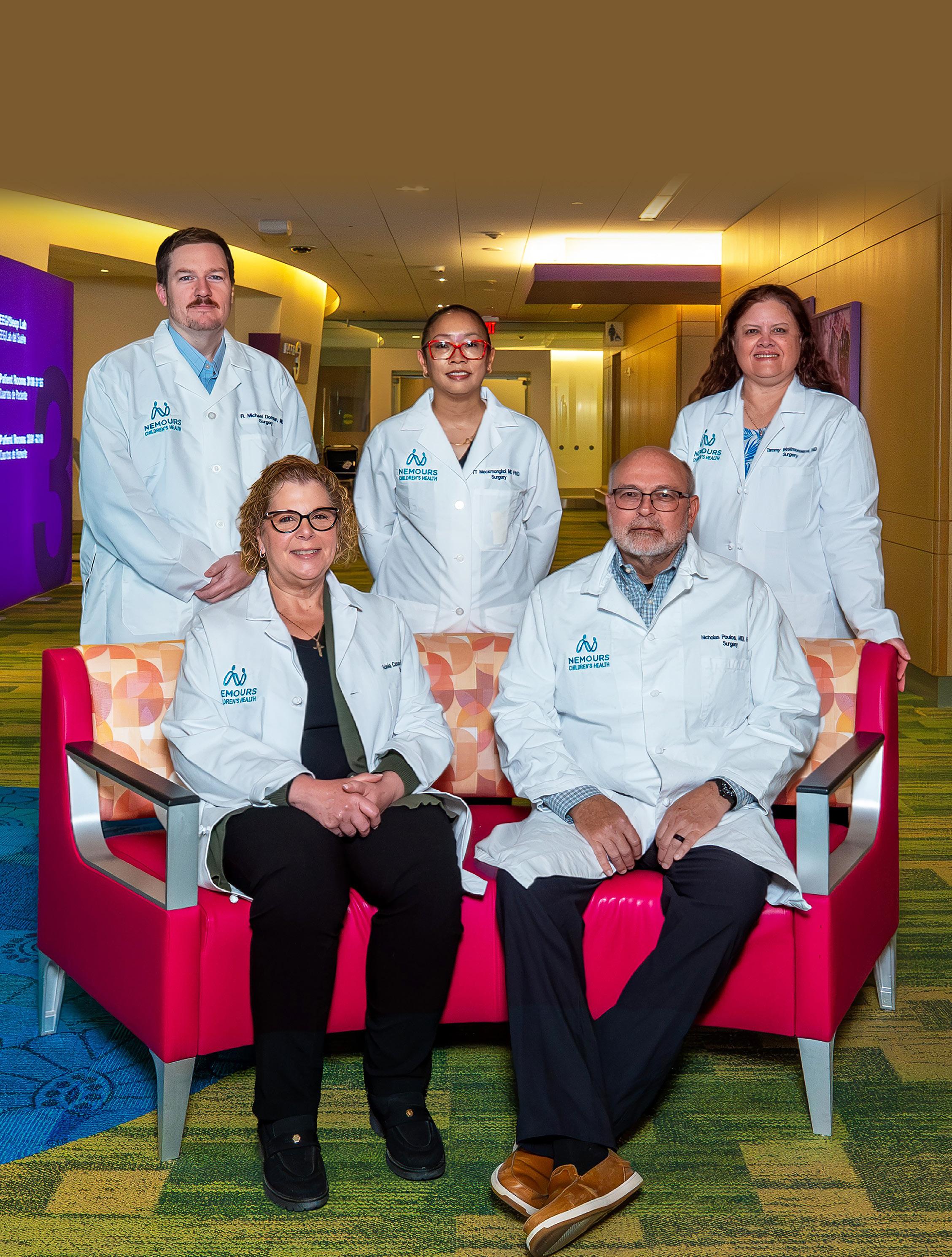
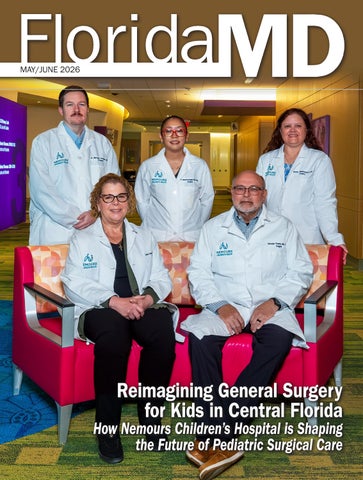
MAY/JUNE 2026
How Nemours Children’s Hospital is Shaping the Future of Pediatric Surgical Care

Your patients carry so much in their hearts. AdventHealth wants them to get back to the lives they love, faster and with easier recoveries. Through our statewide network of cardiovascular care, patients have access to advanced surgical expertise, structural heart innovations, clinical trials, and minimally invasive, robot-assisted techniques designed to support enhanced precision and recovery without sternal splitting.
As home to Florida’s highest-ranked cardiovascular program, AdventHealth offers some of the region’s most advanced treatment options, including Florida’s most comprehensive organ transplant program with heart transplant and LVAD care. We’re here to partner with physicians to help patients move forward with strength, confidence and whole-person support at every step.
Pediatric surgery is evolving. The future of surgical care will be increasingly specialized, technology driven, collaborative, and accessible.
It involves a team of multidisciplinary experts working together on integrated treatment. It’s about staying at the forefront of innovation to expand minimally invasive techniques. And it requires an infrastructure that works with referring physicians and removes barriers to care for patients.
With one of the largest and most experienced pediatric surgical teams in the state, one Central Florida hospital is leading the way in redefining what surgery looks like for babies, children, and teenagers.
The Division of Pediatric General Surgery at Nemours Children’s Hospital in Orlando is building a regional surgical destination designed around highly specialized care for colorectal, endocrine, and oncological conditions.
At the center of this effort is a clear philosophy: pediatric surgical programs must be both deeply specialized and seamlessly accessible to the patients and physicians who rely on them.
Iam pleased to bring you another issue of Florida MD. Sometimes a patient may have the opportunity to participate in a clinical trial. Sometimes a patient may need specialized treatment that is not available in Central Florida. And sometimes there’s no money for that patient to get to those places. Fortunately there is Angel Flight Southeast to get those patients where they need to go. I asked them to tell us about their organization and how you, as physicians, can help. Please join me in supporting this truly wonderful organization.
Best regards,

Donald B. Rauhofer Publisher

Everyone knows angels have wings! But did you know in Florida and many parts of the nation they have engines and tails with dedicated volunteers who donate lifesaving services every day? Leesburg, Fla.-based Angel Flight Southeast is a network of approximately 650 pilots who volunteer their time, personal airplanes and fuel to help passengers get to far-from-home medical care. A member of the national Air Charity Network, Angel Flight Southeast has been flying passengers since 1993.
Almost all of its passengers are chronic-needs patients who require multiple, sometimes 25-50 treatments. Passengers may be participating in clinical trials, may require post-transplant medical attention or are getting specialized treatment that is not available near home. Each passenger is vetted to confirm medical and financial need and is often referred to Angel Flight Southeast by medical personnel and social workers.
Angel Flight Southeast “Care Traffic Controllers” arrange flights 24 hours a day, 365 days a year. In the event of a transplant procedure, the Care Traffic Controllers have precious minutes to reach out to its list of volunteer pilots who have agreed to be prepared on a moment’s notice to fly a patient to receive his or her potentially lifesaving organ.
The organization is completely funded through donations by individuals and organizations. A typical Angel Flight Southeast pilot donates $400 to $500 in services-per-trip. In fact, Angel Flight Southeast has earned the Independent Charities of America Seal of Approval as a good steward of the funds it generates from the public. Each $1 donated generates more than $10 worth of contributed services by Angel Flight Southeast.
The charity always seeks prospective passengers, volunteer pilots and donations. For additional information, please visit https://www.angelflightse.org or call 1-888-744.8263.
For more information on advertising in Florida MD, call Publisher Donald Rauhofer at (407) 417-7400, fax (407) 977-7773 or info@floridamd www.floridamd.com
Email press releases and all other related information to: info@floridamd.com
Reprints of cover articles or feature stories in Florida MD are ideal for promoting your company, practice, services and medical products. Increase your brand exposure with high quality, 4-color reprints to use as brochure inserts, promotional flyers, direct mail pieces, and trade show handouts. Call Florida MD for printing estimates.
Publisher: Donald Rauhofer
Photographer: Donald Rauhofer / Florida MD
Contributing Writers: John “Lucky” Meisenheimer, MD ,Tara Griffin, DMD Sonda Eunus, MHA, John Meisenheimer, VII, MD;B.S.,Daniel T. Layishi, MD, FACP, FCCP, FAASM, Tara Griffin, DMD, Frank Ricci, Julie A. Tyk, JD, Claudia Taboada, DO, Bruce Levy, MD, Jesus Mendiolaza, MD, FACC, FASE
Art Director/Designer: Ana Espinosa
Florida MD is published by Sea Notes Media,LLC, P.O. Box 621856, Oviedo, FL 32762. Call (407) 417-7400 for more information. Advertising rates upon request. Postmaster: Please send notices on Form 3579 to P.O. Box 621856, Oviedo, FL 32762.
Although every precaution is taken to ensure accuracy of published materials, Florida MD cannot be held responsible for opinions expressed or facts expressed by its authors. Copyright 2026
Sea Notes Media. All rights reserved. Reproduction in whole or in part without written permission is prohibited. Annual subscription rate $45.


Plan now to attend a multispecialty conference for surgeons practicing minimally invasive and robotic surgery
Master Courses Available
Didactic and Hands-on Master Courses available
As part of our educational mission, SLS is providing FREE 2026 membership to Medical Students and Residents, and discounted membership for Fellows and Affiliated Medical Personnel.
Members receive discounts on MISWeek 2026 registration fees.
Additional Member Benefits
World Class Conferences and Resources
Tools and opportunities to advance your career
to keep you
By Staff Writer
Pediatric surgery is evolving. The future of surgical care will be increasingly specialized, technology driven, collaborative, and accessible.It involves a team of multidisciplinary experts working together on integrated treatment. It’s about staying at the forefront of innovation to expand minimally invasive techniques. And it requires an infrastructure that works with referring physicians and removes barriers to care for patients.
With one of the largest and most experienced pediatric surgical teams in the state, one Central Florida hospital is leading the way in redefining what surgery looks like for babies, children, and teenagers.
The Division of Pediatric General Surgery at Nemours Children’s Hospital in Orlando is building a regional surgical destination designed around highly specialized care for colorectal, endocrine, and oncological conditions.
At the center of this effort is a clear philosophy: pediatric surgical programs must be both deeply specialized and seamlessly accessible to the patients and physicians who rely on them.
This shift in care is happening across the country, and our home state is no different. The growth of the Central Florida region has brought with it a demand for sophisticated pediatric surgical infrastructure that’s close to home.
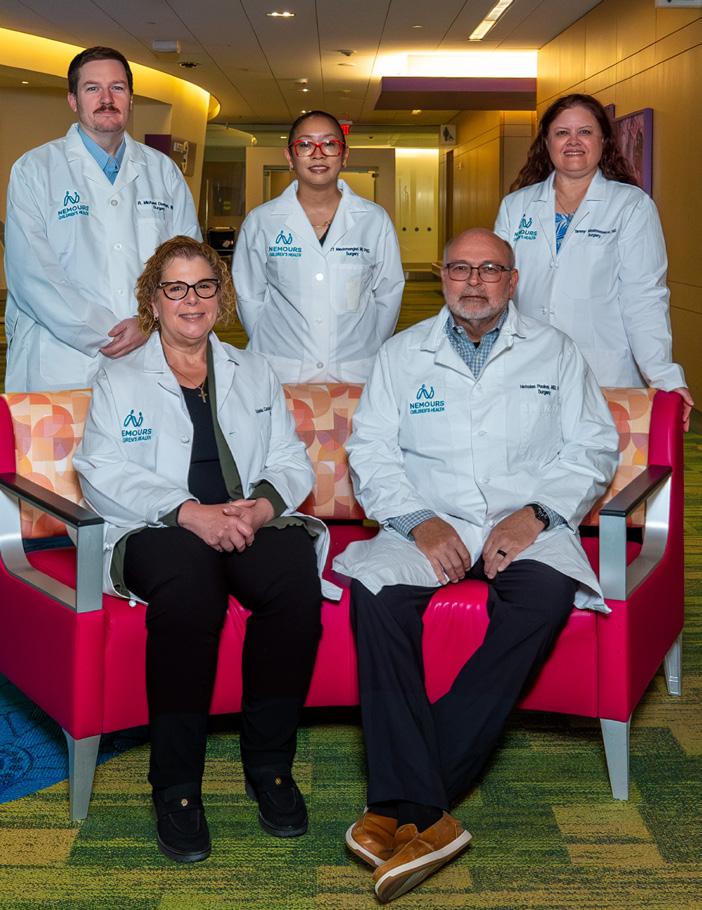
Under the leadership of Dr. Adela Casas-Melley, chair of surgery at Nemours Children’s, the hospital has focused on developing programs that address the booming population and the increasing complexity of pediatric surgical care.
“We look at areas of pediatric surgery that aren’t necessar-
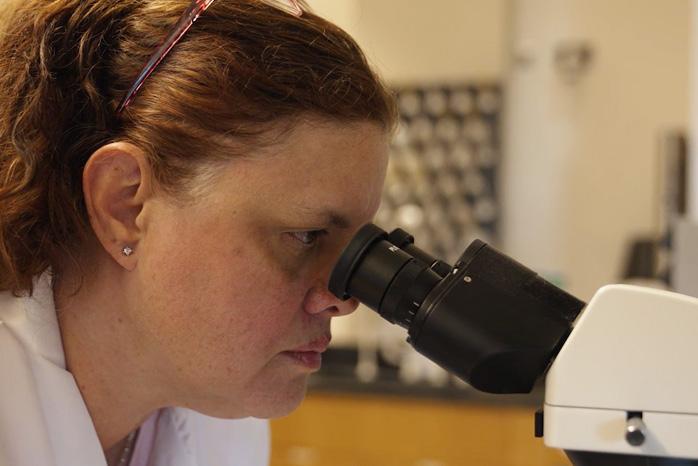
Tamarah Westmoreland, MD, PhD, FACS, FAAP, Professor of Surgery; Director Pediatric Tumor Laboratory; Co-Director of SurgicalEndocrine Program; Co-Director Pediatric Surgery PA Residency Program; Pediatric Surgeon
ily well developed in our region, then develop multidisciplinary teams that can treat these complex surgical conditions,” says Dr. Casas-Melley. “We’re focused on building advanced, minimally invasive surgical programs that use robotics and technology to decrease hospital length-of-stay and post-op recovery time.”
This vision positions Nemours as a regional referral center capable of managing high-acuity cases that may have previously required out-of-market transfer. How are they doing it? By creating individual surgical programs targeted at addressing the specific needs of different patients.
Traditionally, pediatric general surgery teams are focused on performing a wide variety of procedures, connecting patients with specialists in different disciplines for pre- and post-operative support as needed.
Nemours Children’s Hospital is redefining that model. They’ve developed focused programs within their surgical division that allow a patient to receive comprehensive, specialized care throughout their treatment for even the most complex neonatal and congenital conditions.
Each program is structured as a coordinated, multidisciplinary team, integrating general surgery with neonatology, gastroenterology, pulmonology, oncology, nutrition, rehabilitation, behavioral health, and more.
As part of perioperative planning within each program, every child benefits from access to fellowship-trained pediatric anesthesiologists, dedicated pediatric radiologists, advanced neonatal and pediatric intensive care units, and child life specialists.
This structure prevents the need for referring physicians to send their patients to various, isolated specialty silos for treatment. Instead, they’re able to connect them directly to complete, orga-
nized systems of care designed for continuity, from initial diagnosis through long-term follow-up.
Congenital Diaphragmatic Hernia (CDH) Program: The CDH program integrates prenatal consultation, neonatal stabilization, ECMO support (when needed), and long-term pulmonary followup, allowing families to remain within the region throughout their treatment.
Biliary Atresia & Hepatobiliary Program: Understanding that early diagnosis and timely surgical intervention are critical to success, the Biliary Atresia & Hepatobiliary Program includes pediatric gastroenterology and transplant specialists to optimize outcomes and preserve native liver function whenever possible.
Anorectal Malformation & Colorectal Program: In the Anorectal Malformation & Colorectal Program, a coordinated bowel management and reconstructive team supports children beyond initial surgery, recognizing the lifelong implications of these conditions.
Esophageal Atresia / Tracheoesophageal Fistula (EA/TEF) Program: With care ranging from thoracoscopic repair to feeding and airway management, the EA/TEF program emphasizes long-term multidisciplinary follow-up for better outcomes.
Chest Wall Institute: The Chest Wall Institute offers minimally invasive pectus repair, bracing protocols, cardiopulmonary evaluation, and postoperative pain innovations for kids and teens across the region.
Pediatric Surgical Oncology: Working in collaboration with oncology and interventional radiology, surgeons in the Pediatric Surgical Oncology program manage both benign and malignant tumors within a multidisciplinary tumor board structure.
Nemours Children’s Hospital was designed as a freestanding pediatric facility. That distinction is not cosmetic; it fundamentally shapes their approach in using advanced technology that’s specifically designed to achieve the best possible outcomes for a child’s still-growing body.
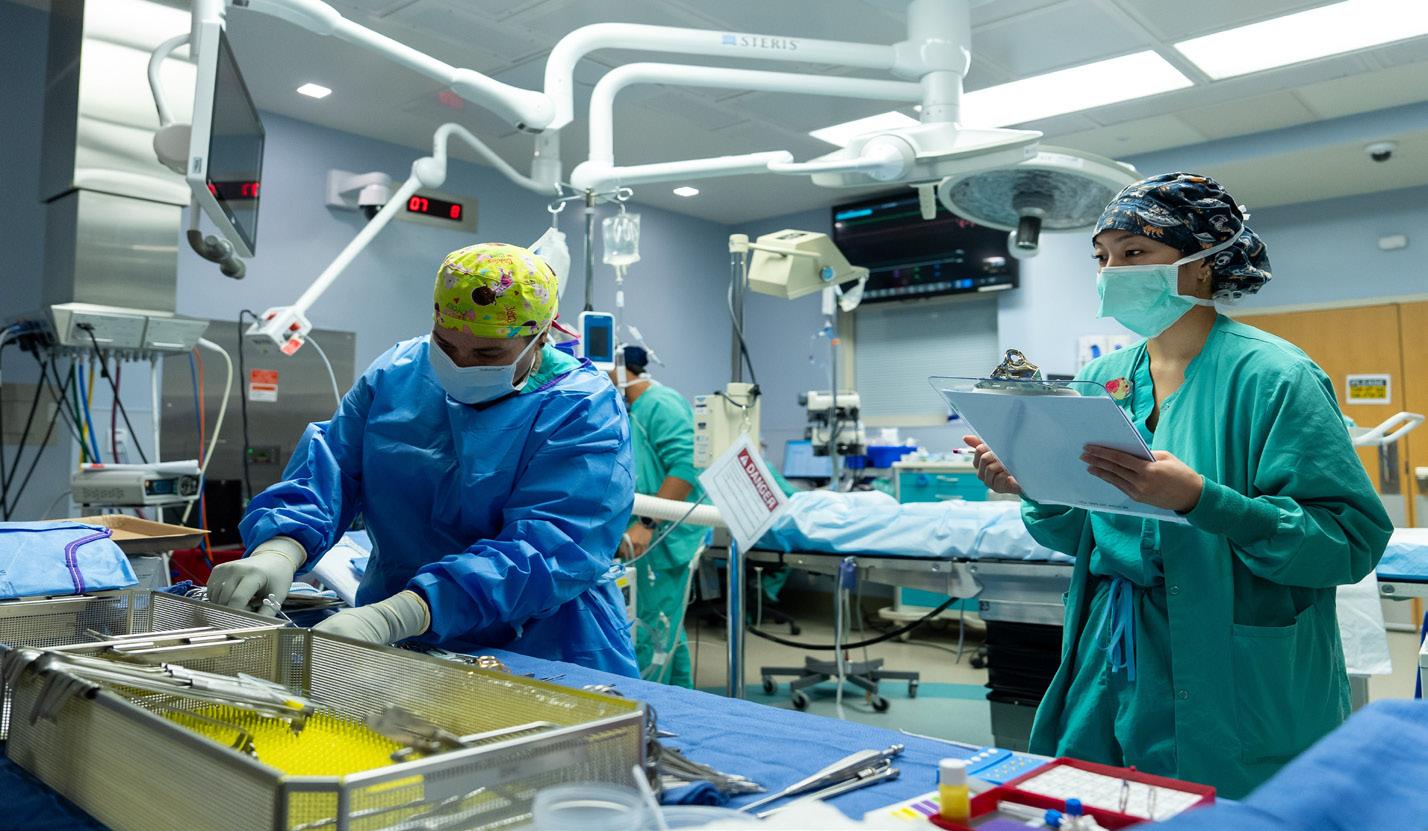
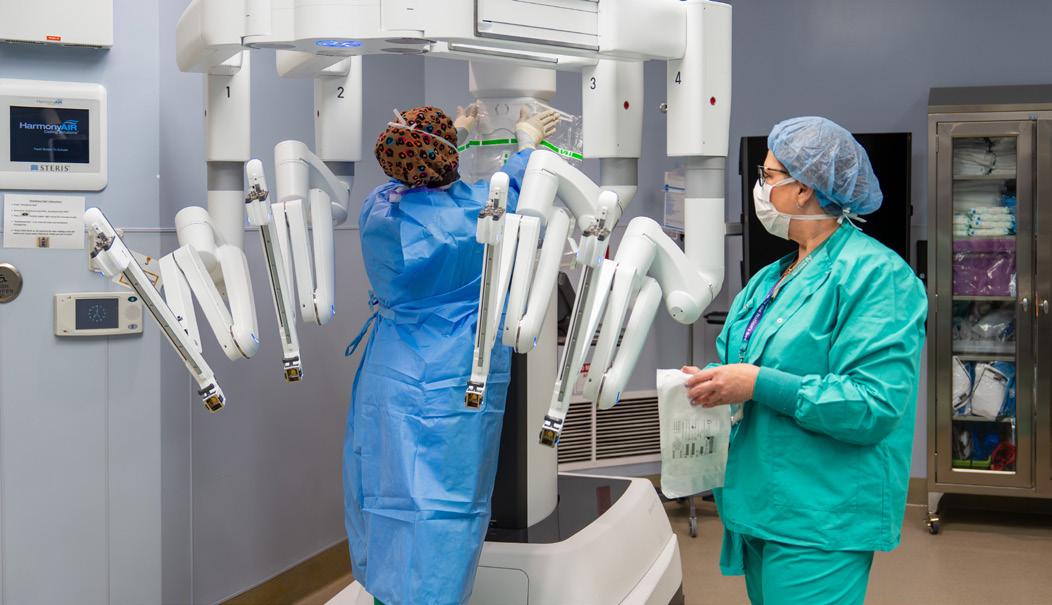
Surgeons perform minimally invasive laparoscopic and thoracoscopic procedures. When appropriate, they use robotic-assisted surgery. For chest wall repair, cryoablation techniques are utilized to optimize postoperative pain control and recovery.
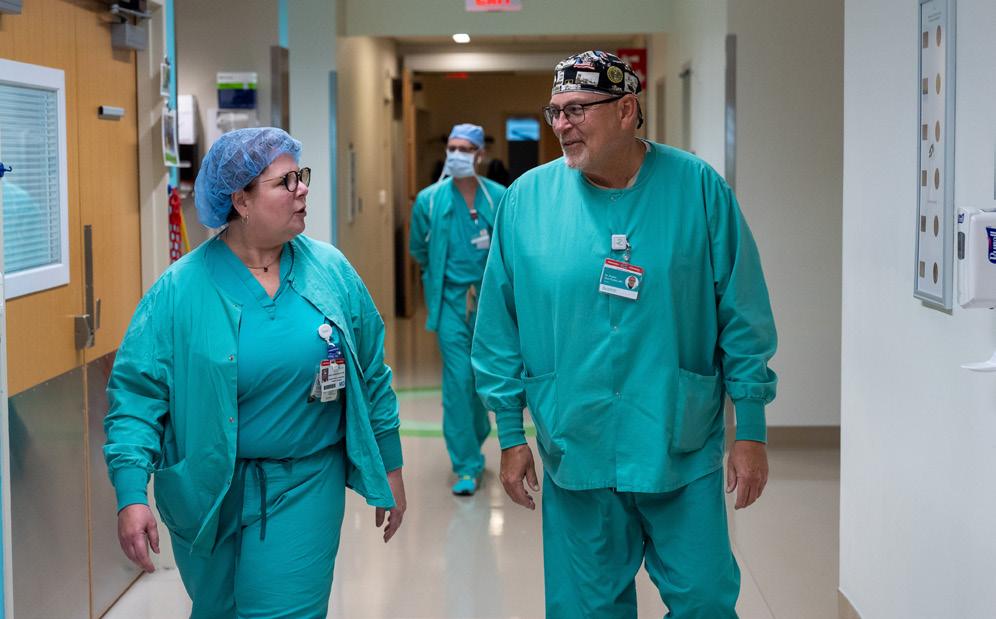
The benefits of a technology-based approach to pediatric general surgery go beyond technical precision. With smaller incisions and less discomfort, kids often reduce their risk of infection, heal faster, and, most importantly, can go home more quickly.
Partnering with Referring Physicians: In order to benefit from these types of surgical treatments, families must be able to get into the care network first. Access remains one of the most pressing challenges in pediatric health care nationwide. The mindset at Nemours is that predictability and responsiveness shouldn’t be luxuries. They are necessities.
Recognizing this, they have implemented same-day and next-day access pathways for urgent and time-sensitive referrals. For referring pediatricians and specialists, this translates to:
• Rapid consultation for suspected congenital anomalies
• Expedited evaluation of hepatobiliary disease
• Urgent assessment of masses or obstructive gastrointestinal pathology
• Direct provider-to-provider communication for all treatment
Communication is the key. As part of their commitment to providing direct updates to referring physicians, the Nemours general surgery team prioritizes timely operative reporting, coordinated transition planning, and clear delineation of followup responsibilities.
At Nemours, there’s a philosophy that referral relationships are partnerships, not transfers of responsibility. Surgical excellence should include maintaining continuity within a child’s medical home — before, during, and after a procedure.
By combining subspecialized expertise, pediatric-focused infrastructure, expanded access, and collaborative referral relationships, Nemours Children’s Hospital is demonstrating what comprehensive surgical care looks like for the next generation.
For physicians across Florida, the message is clear: complex pediatric surgical care is available here, designed to support you and the families you serve.
To refer a patient to Nemours Children’s Hospital, please call 407.650.7705.
By John “Lucky” Meisenheimer, MD and John Meisenheimer, VII, MD
Several years ago, a patient came back to my office for a return visit. She had been seen earlier that week for a small amount of intertrigo underneath her breasts. Intertrigo is a common inflammatory condition of the skin folds, and it is aggravated by heat, moisture, and friction. Occasionally a patient might get a minor secondary yeast infection in the area as well. The treatment is keeping the area dry and using a topical cream to clear the yeast and decrease the inflammation.
The patient said, “doctor, I am worse.” I asked how she was using the cream, and she responded that she had not filled her prescription. Now I have lived through this scenario before with other patients. I am always amazed when people seem surprised that their condition has not improved when they have either not filled their prescription or filled the prescription and never used the medicine.
Now, if they filled the prescription and didn’t use the medicine, I am flummoxed as I am not sure how to respond. So, I usually say “oh” and stop talking, leaving a long moment of uncomfortable silence that eventually forces the patient to speak. Then the response comes, “so you think I should use the medicine you prescribed?” I reply, “Well, yes, as we have tried not using the medicine, and that plan is not working so good.” Amazingly, the patient seems okay with this response and goes happily on his or her way. Yes, this very conversation has happened on more than one occasion.
Now, in this case, since this patient had not filled her prescription, I wanted to know why. In the past, the cream I prescribed called Alcortin sold for about $35 a tube, so I didn’t think the cost was a concern. She then told me that the pharmacist wanted to charge her $8500.00 for a tube of the cream. I laughed out loud because I knew there had been some gross misunderstanding regarding the cost, and I said there must have been a decimal put in the wrong place. I was confident she didn’t understand the pharmacist correctly.
and it wasn’t for a flatbed truck loaded with cream; it was for one lousy 60gram tube. At the time, that cream was selling for four times its weight in gold! The pharmacist had no explanation for why the medicine went up so much in price; all he knew was that was the price.
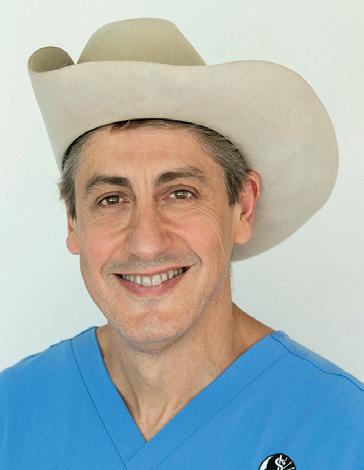
Since that bit of medical-cultural shock, other medicine prices have skyrocketed as well as everyone reading this knows. Nobody seems to know why, but I suspect this is due to our government meddling with the free market system. When the
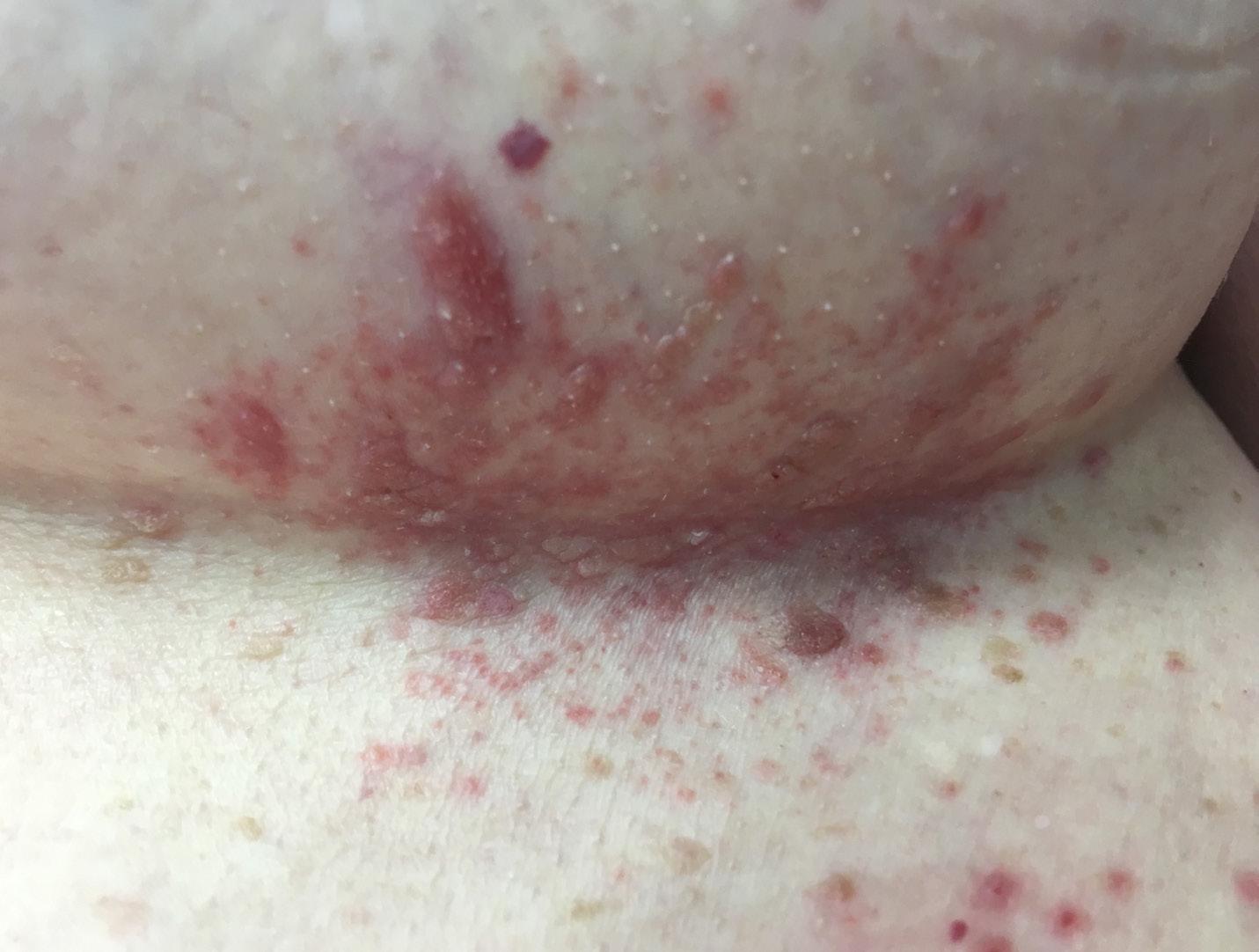
Intertrigo - Would you spend $8500.00 on a tube of cream to treat this eruption?
last big round of Medicare laws changed the way Medicare buys drugs, and this had bipartisan support I might add, this is when the chaos started. Drug companies loved the clause that they could name their price without any negotiation on price, and we are all now living the outcome.
The patient was very adamant that she had spoken with the pharmacist in person, and there was no question that the price was $8500.00. I asked her for her pharmacy, and I contacted the pharmacist myself. I started by saying, “well, I am just clearing up a misunderstanding. There is a patient here that is trying to tell me that Alcortin is $8500.00 a tube. I am sure the decimal point has been put in the wrong place, or you mistakenly thought I ordered a tractor-trailer full of the cream. There was a long pause, and the pharmacist said, “no, $8500 is correct,”
Just recently, a study showed that worldwide, when several first world countries were compared for the average cost spent on nineteen different conventional medicines, the United States was paying 300% more than the average price paid by other countries. Iceland, for example, was paying approximately 50% the average cost, which means that we are spending six times as much as the Icelanders for the same medication. So why don’t we go to Iceland and buy all our medicines straight from Iceland? The answer is the drug companies have convinced the government that reimportation should be illegal. Therefore, it is un-
Continued on page 13
By Jesus Mendiolaza, MD, MPH, FACC, FASE, FSCMRI, FASNC, FSVU
Cardiac MRI (CMR) is a non-invasive, radiation-free imaging modality crucial in modern cardiology for evaluating structural and functional heart disease, offering high-resolution tissue characterization. It serves as the gold standard for ventricular volumes, mass, and function, as well as myocardial viability (scarring) and tissue characterization (edema, fibrosis). Key applications include cardiomyopathy assessment, ischemic heart disease, myocarditis, and congenital heart disease.
KEY CLINICAL APPLICATIONS (INDICATIONS)
• Myocardial Viability & Scarring: Uses Late Gadolinium Enhancement (LGE) to distinguish between reversible (ischemic) and irreversible (infarction/scar) myocardial damage.
• Cardiomyopathies: Essential for diagnosing and differentiating types (hypertrophic, dilated, arrhythmogenic, restrictive) by characterizing myocardial tissue.
• Myocarditis & Inflammation: Tissue mapping techniques (T1/T2 mapping) identify edema and inflammation, aiding in diagnosing myocarditis.
• Cardio-Oncology: Evaluates tumor tissue, characterizing benign vs. malignant masses, and assesses myocardial invasion.
• Valvular & Congenital Heart Disease: Quantifies regurgitant fractions, shunt volumes (Qp:Qs), and evaluates complex anatomical structures.
• Ischemia Testing: Assesses myocardial perfusion (stress CMR) to detect ischemia.
ADVANTAGES IN CLINICAL PRACTICE
• No Ionizing Radiation: Safe for repeated scans (longitudinal follow-up).
• Superior Tissue Characterization: Uniquely detects fat, iron overload, and fibrosis.
• High Spatial Resolution: Allows for precise, multiplanar anatomical imaging.
• Impact on Management: Studies show CMR changes clinical management in a high percentage of cases.
LIMITATIONS AND CONSIDERATIONS
• Patient Factors: Potential for claustrophobia, long scan times, and inability to hold breath.
• Device Compatibility: While many modern pacemakers/ ICDs are safe, some older devices remain absolute contraindications.
• Contrast Limitations: Gadolinium-based contrast agents may be contraindicated in severe renal failure (risk of NSF).
• Cost/Availability: Higher cost and lower availability compared to echocardiography.
• Cine Imaging: Assesses global and regional wall motion.
• LGE (Late Gadolinium Enhancement): Defines infarcted or fibrotic tissue.

• Perfusion Imaging: Evaluates blood flow to the heart muscle.
• Flow Quantification (Phase-Contrast): Measures velocity and volume of blood flow.
Jesus Mendiolaza MD, MPH, FACC, FASE, FSCMRI FASNC, FSVU: Board Certified Internal Medicine, Nuclear Cardiology, Echocardiography, Cardiac MRI, Heart Failure and Cardiovascular Disease, Certified in CardioOncology, Congenital Heart Disease and Vascular Imaging by the American College of Cardiology and the Society of Vascular Ultrasound. He can be contacted by phone: (239)777-7180 or by email at jmendiolaza@gmail.com.
By Daniel T. Layish, MD, FACP, FCCP, FAASM
The word Halotherapy comes from the Greek word “halos” meaning salt. While the potential benefits and therapeutic nature of salt has been known for centuries, it was not until the early 1800’s that the underground salt mines throughout Eastern Europe were noted to benefit various respiratory conditions. As the workers were mining the salt in these climate-enriched chambers, dry salt particles would be inhaled into the respiratory system. The dry salt was discovered to be super absorbent, anti-bacterial and anti-inflammatory. Soon people with various conditions were spending time in these salt mines. In the mid-1900’s the Russians began working on a technology to replicate the dry salt particles in the air and developed the first halogenerator, a device that grinds pure sodium chloride into precise particles (several microns in diameter) and disperses the dry salt into a climate controlled room or chamber. This was the start of modern Halotherapy, which has been utilized for several decades throughout Eastern Europe and has begun to expand into many other countries including the United States and Canada. The small particle size is felt to be important to allow penetration deep into the lungs, since larger particles will simply be deposited in the nose, throat or large airways. The air in a halotherapy chamber is also filtered to remove contaminants and the temperature and humidity are well controlled.
As a pulmonologist, I initially became familiar with halotherapy through my care of individuals with Cystic Fibrosis. Cystic Fibrosis is a genetic disorder characterized by dehydration of the respiratory epithelial surface, resulting in impaired mucociliary clearance. In this disorder, thick tenacious secretions obstruct the lower airway and sinuses and provide an environment for chronic infection. Nebulized hypertonic saline has been shown (in well done randomized clinical trials) to improve pulmonary function and respiratory symptoms as well as reduce pulmonary exacerbation rate in individuals with cystic fibrosis. This may be referred to as “wet” salt therapy as opposed to halotherapy which is “dry” salt therapy. Nebulized hypertonic saline can sometimes cause bronchospasm, and not all patients can tolerate this therapy even when premedicated with a bronchodilator. In cystic fibrosis, halotherapy has some theoretical advantages over nebulized hypertonic saline. The prolonged duration of therapy (typically a 45-minute session) appears to be associated with a much lower incidence of bronchospasm then is seen in the setting of nebulized hypertonic saline. In addition, in the halotherapy mode of administration the salt particles are delivered to both the sinuses and the lower respiratory tract. After seeing anecdotal benefit in our patients with cystic fibrosis, we performed a clinical study, which confirmed that this therapy was well tolerated and the patients derived symptomatic benefit in terms of their sinus complaints. Other studies are planned to study this therapy further in individuals with cystic fibrosis.
The fundamental defect in cystic fibrosis is related to chloride transport and therefore there is a strong rationale for halotherapy in this particular disease. Anecdotally, I have seen patients with other respiratory diseases derive significant benefit from Halo-
therapy including bronchiectasis, chronic bronchitis, chronic sinusitis and allergic rhinitis. The hypothesis is that Halotherapy may help with respiratory illnesses by liquefaction of airway secretions thereby enhancing expectoration. There seems to be very little risk to this therapy other than the financial and time investment. There is certainly a theoretical basis for the possible benefit of halotherapy, given the known antiinflammatory and anti-infective properties of salt. Currently, halotherapy is not covered by medical insurance companies. However, it is hoped that this may change as research is planned to try to prove the benefits that many patients have reported. Many halotherapy institutions offer a monthly pass that can make therapy more affordable than purchasing individual sessions. There is also an effort to develop systems that can deliver halotherapy in the home setting, avoiding the need to travel to a salt room. This is important since many people do not live close to a halotherapy center. It is worth noting that many patients have also noticed benefits in non-respiratory conditions, particularly dermatalogic conditions such as acne and psoriasis and research is planned in this area as well.
References available upon request. I would like to thank Leo Tonkin and Ulle Pukk for reviewing this manuscript.
Daniel Layish, MD, graduated magna cum laude from Boston University Medical School in 1990. He then completed an Internal Medicine Residency at Barnes Hospital (Washington University) in St.Louis, Missouri and a Pulmonary/Critical Care/Sleep Medicine Fellowship at Duke University in Durham, North Carolina. Since 1997, he has been a member of the Central Florida Pulmonary Group in Orlando. He serves as Co-director of the Adult Cystic Fibrosis Program in Orlando. Dr. Layish serves as the medical advisor for the Just Breathe Salt Therapy Wellness Spa and also sits on the board of the Salt Therapy Association. He may be contacted at 407-841-1100 or by visiting www.cfpulmonary.com.

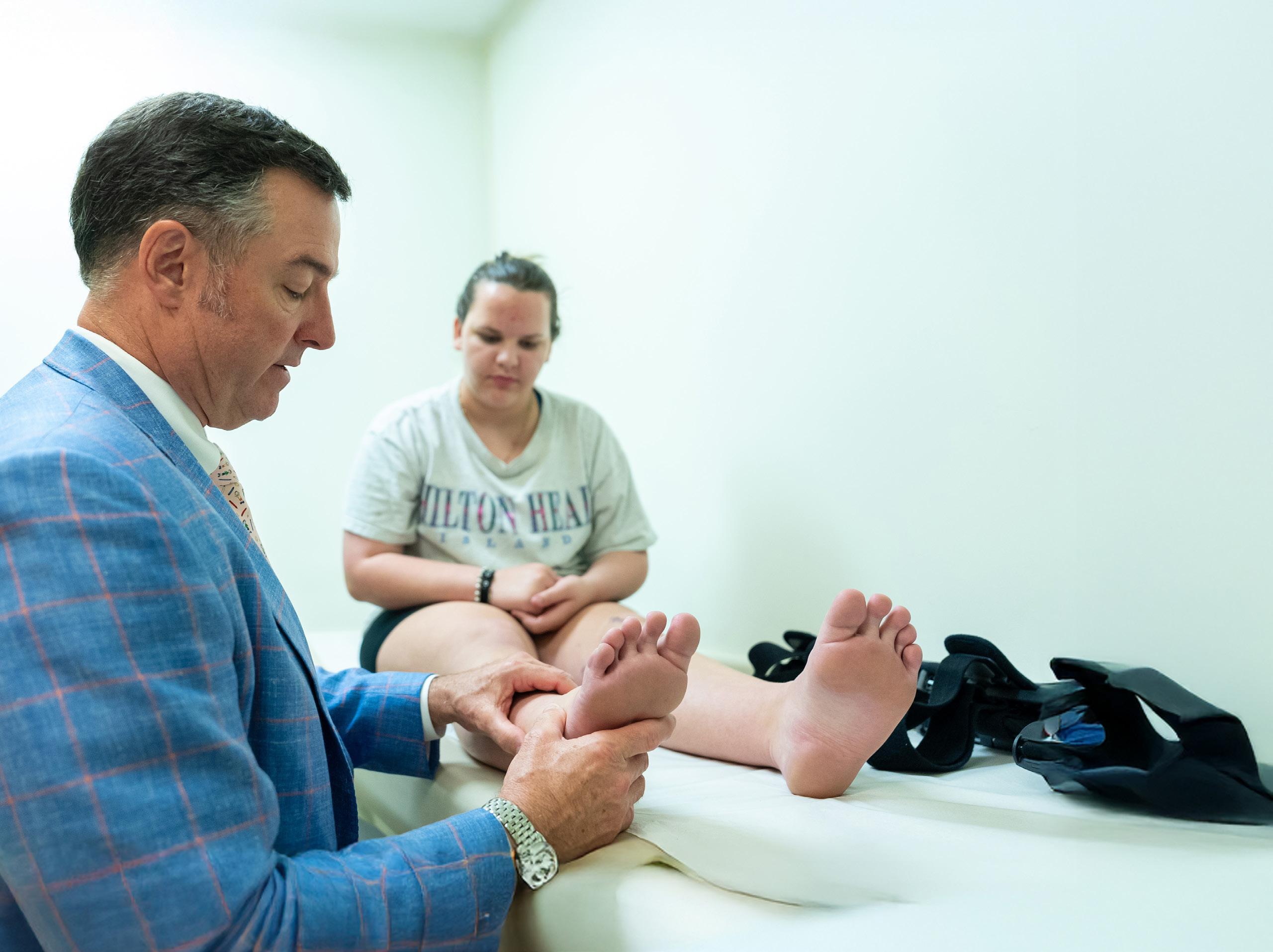
From common sports injuries to complex bone, muscle, and joint conditions, our multidisciplinary orthopedics team offers families all the care their children need.
And as the largest pediatric orthopedics program in the state, with multiple locations across Central Florida, it’s easy for them to access care. Call 407.650.7715 to refer a patient to one of our experts.
Florida’s Top-Ranked Children’s Hospital for Orthopedics
By Claudia Taboada, DO
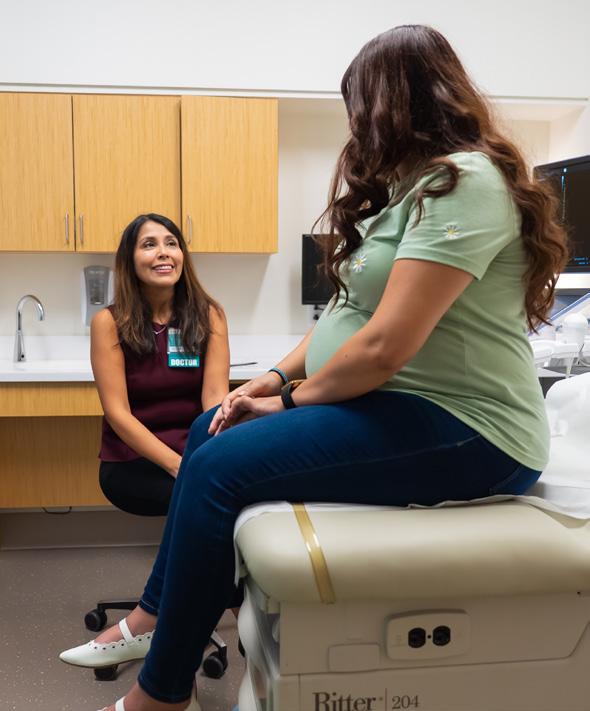
Referring to a maternal fetal medicine (MFM) specialist is a common and important component of contemporary prenatal care. While patients may initially find the referral concerning, it typically reflects proactive, collaborative management designed to optimize outcomes for both the pregnant individual and the fetus. MFM specialists bring advanced expertise in high-risk obstetrics, complex maternal conditions, fetal diagnosis, and perinatal care coordination.
This overview is designed to help physicians feel confident in their decision to refer to an MFM specialist, outlines the rationale for a MFM referral, and provides insight into common indications, and what providers and patients can expect.
MFM physicians are dual board-certified obstetricians who have completed fellowship training in maternal fetal medicine and are uniquely qualified to manage complex maternal medical conditions, obstetric complications, multiple gestations, and fetal abnormalities.
MFM care is guided by the principle that maternal and fetal health are inseparable. Optimization of fetal outcomes depends on comprehensive maternal assessment and management, and vice versa. As consultants, MFMs work closely to support primary obstetric providers with diagnostic expertise, advanced imaging, risk stratification, and evidence-based recommendations.
Referrals to an MFM specialist may occur at any stage of pregnancy—preconception, early gestation, or later in the course of care. Indications to refer a patient to MFM include maternal medical conditions, complications in prior pregnancies, pregnancy-related complications, abnormal or high risk screening results, multiple gestations, or fetal abnormalities.
Maternal Medical Conditions
• Chronic hypertension
• Preexisting diabetes mellitus (type 1 or type 2) or impaired glucose tolerance
• Cardiac disease requiring pregnancy-specific monitoring
• Chronic kidney disease
• Thyroid disorders (hypothyroidism or hyperthyroidism)
• Autoimmune disorders (e.g., systemic lupus erythematosus, antiphospholipid syndrome)
• Elevated pre-pregnancy body mass index requiring enhanced surveillance
• Moderate to severe asthma
• History of cerebrovascular accident
• Prior bariatric surgery with significant metabolic implications
• Maternal infections or infection exposure (e.g., HIV, CMV, parvovirus B19)
• Seizure disorders requiring medication management
Abnormal Findings During Pregnancy
A MFM referral is frequently prompted by complications that arise during gestation, or by abnormal screening, or diagnostic findings:
• Cholestasis of pregnancy
• Preeclampsia or other hypertensive disorders of pregnancy
• Gestational diabetes mellitus
• Suspected or confirmed preterm labor
• Hyperemesis gravidarum with nutritional or metabolic compromise
• Vaginal bleeding at any gestational age
• Conception via in vitro fertilization (IVF)
• Maternal age 35 or older at expected delivery
• Amniotic fluid abnormalities (oligohydramnios or polyhydramnios)
• Short cervical length identified on ultrasound
• Prelabor rupture of membranes
• Multifetal gestation
• Twin-to-twin transfusion syndrome or other monochorionic complications
• Fetal growth restriction
• Abnormal aneuploidy or genetic screening results (e.g., NIPT or serum screening)
• Suspected structural fetal anomalies detected on ultrasound
• Personal or family history of genetic conditions or abnormal pregnancy outcomes
Adverse Outcomes in Prior Pregnancies
A history of certain pregnancy complications substantially increases the value of MFM involvement in subsequent pregnancies, including:
• Prior preterm birth
• Previous hypertensive disorders of pregnancy
• Recurrent pregnancy loss
• Cervical insufficiency
• Prior fetus or child with a chromosomal abnormality or congenital anomaly
At the first visit, the MFM team typically assesses the patient’s understanding of the referral and reviews relevant clinical records. The MFM specialist collaborates with the referring obstetric provider to clarify the indication for consultation and establish a shared care plan.
Care coordination may include:
• Comprehensive ultrasound evaluation and longitudinal fetal surveillance
• Recommendations for laboratory testing or diagnostic procedures
• Consultation with subspecialists such as pediatric cardiology, genetics, endocrinology, or neonatology
• Risk assessment and counseling regarding pregnancy course and delivery planning
• Guidance on timing and mode of delivery based on maternal and fetal risk
Patients often benefit from structured guidance on what to discuss at their initial consultation, including:
• The specific reason for MFM involvement and associated risks
• Anticipated frequency of ultrasounds or follow-up visits
• Division of care between the primary obstetric provider and the MFM specialist
• Recommended lifestyle modifications or activity restrictions
• Symptoms that warrant urgent evaluation
Providers and MFM practices often collaborate, utilizing advanced fetal diagnostics and high-resolution imaging to help determine the best path forward for mom and baby. Tests commonly offered include:
• Detailed anatomic and growth ultrasounds
• Chorionic villus sampling (CVS), typically performed between 11–13 weeks’ gestation
• Amniocentesis, generally offered after 16 weeks’ gestation
Diagnostic testing may be recommended due to abnormal screening results, ultrasound findings, relevant family history, advanced maternal age, known parental chromosomal rearrangements, suspected fetal infection, or alloimmunization concerns. When testing is considered, patients usually first meet with a genetic counselor, followed by targeted ultrasound and physician consultation to review risks, benefits, limitations, and alternatives before proceeding.
MFM specialists serve as consultants and collaborators rather than replacement providers. In most cases, the primary obstetrician remains responsible for routine prenatal care and delivery.
The MFM specialist provides guidance on risk management, surveillance strategies, and delivery planning, ensuring care decisions are aligned and clearly communicated across the care team.
This shared-care model supports continuity while ensuring high-risk elements of the pregnancy receive specialized oversight.
Comprehensive MFM practices often provide access to a broad network of perinatal resources, including diabetes educators, nutritionists, genetic counselors, social workers, and relevant pediatric subspecialists. For pregnancies complicated by congenital anomalies, dedicated perinatal coordinators can provide longitudinal support, attend subspecialty consultations, and serve as consistent points of contact throughout the pregnancy.
Such resources help ensure coordinated, patient-centered care and prepare families and providers for anticipated neonatal needs.
Our Nemours Children’s MFM practice offers consultations with a genetic counselor, diabetic educator, a nutritionist, a social worker, and multiple subspecialists at our fingertips as needed for your patients. We also have dedicated perinatal coordinators who will follow them throughout the pregnancy for one-on-one support if their baby is diagnosed with a congenital defect. We support obstetric providers and patients in navigating complex pregnancies with clarity, coordination, and confidence.
Claudia Taboada, DO, is a board-certified maternal fetal medicine specialist at Nemours Children’s Hospital, Florida where she cares for women with high-risk pregnancies and complex medical conditions. She is an assistant professor of Obsterics and Gynecology at the UCF College of Medicine Health Sciences Campus in Lake Nona and a member of the Osceola Regional Medical Center Faculty for the Obstetrics and Gynecology Residency Program. Dr. Taboada is dedicated to compassionate, team-based care, with clinical interests that include diagnostic procedures, preterm labor, and supporting women with preexisting medical needs throughout pregnancy.

By Bruce Levy, MD
Since arriving at Orlando Health Jewett Orthopedic Institute, I have seen numerous patients referred to us who are dealing with a relatively uncommon condition: arthrofibrosis of the knee. This debilitating condition can be seen following knee ligament reconstruction, trauma fracture surgery and after knee replacements to name a few. This condition can cause significant functional limitations to a patient, resulting in extreme stiffness in the joint, decreased range of motion, and even chronic pain. Surgical treatment in the form of arthroscopic releases and removal of scar tissue can offer patients a minimally invasive approach with published successful patient reported outcomes.
The causes of arthrofibrosis vary and the susceptibility of some patients over others is not fully understood. Usually, it develops following a traumatic insult to the joint, an infection, or with surgery; for example, following anterior cruciate ligament (ACL) surgery. ACL reconstruction is one of the most common orthopedic surgeries in the United States; by some estimates there are more than 250,000 such procedures performed every year. Although complications following ACL surgery are rare, at this volume, even a small percentage can mean a significant number.
Once arthrofibrosis begins, it can initiate a cascade of proinflammatory mediators which then drives the proliferation of fibroblasts. These fibroblasts secrete Transforming Growth Factor Beta (TGF-β), a crucial cytokine, that begins a positive feedback loop that generates more fibroblasts, which then generates more TGF- β, and so on. This in turn forms an extra-cellular matrix, causing more adhesions to form inside the joint, which in turn causes bursa (the little pouches and fluid pockets in the knee) to contract. The results are pain, stiffness and decreased range of motion.
During my time at the Mayo Clinic, along with my colleagues Abhinav Lamba BS, Charles L. Holliday MD, Erick M. Marigi MD, Anna K. Reinholz MD, Ryan R. Wilbur MD, Bryant M. Song MD, Mario Hevesi MD, PhD, Aaron J. Krych MD, and Michael J. Stuart MD, we published “Arthroscopic Lysis of Adhesions for Arthrofibrosis After Anterior Cruciate Ligament Reconstruction” (https://journals.sagepub.com/doi/abs/10.1177/03 635465231195366).
We showed that with a minimally invasive arthroscopic approach combined with medications to inhibit TGF- β and physical therapy, people can have very successful outcomes with regards to pain relief, improvement to range of motion, and overall improvement of function. We had a mean follow-up of 10 years, so this was a long-term study. The protocols we developed were the result of a lot of dedicated work and study by medical students, research fellows, and lead by my orthopedic partners at Mayo Dr. Matthew Abdel and Dr. Mark Morrey. These protocols have been shown to be effective in reducing the recurrence,
at least, in people who are being treated for this disease.
The article was published in the American Journal of Sports Medicine (AJSM) and the AJSM editors followed it with an extensive podcast.
Because we saw a large number of referrals at Mayo and now at Orlando Health Jewett Orthopedic Institute, our techniques have continued to evolve. With these advancements we are now able to reach even the posterior aspects of the knee (back of the knee) joint and release the scar tissue trapped there.
Although we are encouraged by the results of these techniques, this surgery presents a number of significant risk factors, such as the potential for neurovascular injury in particular when in these posterior recesses of the knee joint. The joint spaces behind the knee in which we are making incisions to release the scar tissue tend to be very contracted and very narrow. The popliteal neurovascular structures are sometimes within millimeters of where we are operating.
To help mitigate these risks, in addition to the techniques we’ve developed, we need a team of other specialists. Earlier this spring, I took care of a young man from Pittsburgh who had already had several operations to help with his arthrofibrosis. Unfortunately, even after months of therapy he was unable to straighten his knee and walked with his knee bent the whole time. He was so scarred in the back of the knee that the popliteal artery (the main artery giving blood supply to the lower leg) was within millimeters from where we needed to work. After thoroughly discussing the risks with the patient and his family, we developed a plan that included having a vascular surgeon from Orlando Health on standby and all their necessary equipment ready to go in the operating room. It is imperative to be prepared for as many potential complications as possible.
And, of course, this is one of the advantages of having a dedicated orthopedic institute that is directly adjoined to a leading multi-disciplinary healthcare system like Orlando Health. Throughout the patient’s treatment, we are able to align a team of all of the specialists and care providers who are within steps of each other: orthopedic, vascular, neurological, anesthesia, radiology, physical therapy, and all of the support staff. Fortunately, we were able to remove all the scar tissue in his knee through our minimally invasive techniques and he is now able to fully straighten his knee and walk with a completely normal gait.
The most important thing for prospective patients to know is that there is help available. The decision to have surgery is certainly not one to be made lightly. You want to begin with all
of the non-surgical modalities first. And then only consider surgery as a last resort. That said, we have clearly shown with data from several published studies that people with arthrofibrosis after knee surgery can be successfully helped with these minimally invasive techniques, and the results appear to be sustainable overtime.
Seven of our most recent published studies on arthrofibrosis are collected by the National Library of Medicine at this link: https:// pubmed.ncbi.nlm.nih.gov/?term=levy+ba+arthrofibrosis.
Our podcast on arthroscopic lysis of adhesions for arthrofibrosis is available at this link: https://sageorthopaedics.libsyn.com/ajsmoctober-podcast-arthroscopic-lysis-of-adhesions-for-arthrofibrosis-after-anterior-cruciate-ligament-reconstruction
Bruce Levy, MD, is a board-certified orthopedic and sports medicine surgeon with Orlando Health Jewett Orthopedic Institute. He also serves as the academic chief of sports medicine and the director of the Sports Medicine Surgical Fellowship program. Previously he was a professor of orthopedics and surgeon at the Mayo Clinic in Rochester, Minnesota. He is an editorial board member for numerous medical journals and has published more than 300 scientific papers.
DERMATOLOGY Continued from page 6
lawful to reimport medicines (a bill has been passed in Florida to allow reimportation, but it still faces an uphill battle for implementation). In other words, the United States is subsidizing the healthcare of the rest of the world by paying outrageous prices, allowing other countries to continue paying bargain-basement prices. Yet, we wonder why our healthcare costs so much here in America.
So how did I resolve the problem of the $8500 cream? Well, we sent the prescription to the local compounding pharmacy and had virtually the same medicine compounded up for $75. The patient did well and saved $8425 along the way. And what happened to the company that made Alcortin and raised the price thousands of dollars? Well, they went bankrupt. What goes around comes around.
Lucky Meisenheimer, M.D. is a board-certified dermatologist specializing in Mohs Surgery. He is the director of the Meisenheimer Clinic – Dermatology and Mohs Surgery. John Meisenheimer, VII is an MD practicing in Orlando.



By Tara M. Griffin, DMD, DBDSM, DASBA
By Tara M. Griffin, DMD, DBDSM, DASBA
By Tara M. Griffin, DMD, DBDSM, DASBA
At Sleep Solution Centers, we are here to provide safe, effective alternative treatment solutions to chronic sleep breathing disorders such as obstructive sleep apnea (OSA), and other related conditions. These options are ideal for patients who can’t tolerate traditional treatment methods such as a CPAP machine with low compliance and fear of having to endure a lifetime of wearing a mask while sleeping, or those not keen on invasive surgeries such as tonsil and adenoid removal or neurostimulation implant devices. Our goal is to bring a new dawn in treatment for such disorders that is safe, convenient, and non-invasive.
At Sleep Solution Centers, we are here to provide safe, effective alternative treatment solutions to chronic sleep breathing disorders such as obstructive sleep apnea (OSA), and other related conditions. These options are ideal for patients who can’t tolerate traditional treatment methods such as a CPAP machine with low compliance and fear of having to endure a lifetime of wearing a mask while sleeping, or those not keen on invasive surgeries such as tonsil and adenoid removal or neurostimulation implant devices. Our goal is to bring a new dawn in treatment for such disorders that is safe, convenient, and non-invasive.
At Sleep Solution Centers, we are here to provide safe, effective alternative treatment solutions to chronic sleep breathing disorders such as obstructive sleep apnea (OSA), and other related conditions. These options are ideal for patients who can’t tolerate traditional treatment methods such as a CPAP machine with low compliance and fear of having to endure a lifetime of wearing a mask while sleeping, or those not keen on invasive surgeries such as tonsil and adenoid removal or neurostimulation implant devices. Our goal is to bring a new dawn in treatment for such disorders that is safe, convenient, and non-invasive.
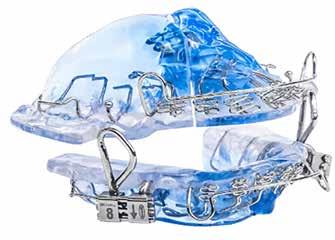
The recent FDA granting of the first-ever 510(k) clearance permitting the use of unique oral medical devices for the treatment of Severe OSA reflects an exceptional moment in the field of dentistry and medicine. It marks a grand stride towards a more integrative approach between the medical and dental communities, aiming to effectively and holistically treat OSA in patients across all severity levels.
an unprecedented breakthrough in OSA treatment! The resolution of OSA occurred when a sleep test was taken without any oral device in the patient’s mouth and the patient had an AHI < 5 with no diagnosis of OSA after treatment.
breakthrough in OSA treatment! The resolution of OSA occurred when a sleep test was taken without any oral device in the patient’s mouth and the patient had an AHI < 5 with no diagnosis of OSA after treatment.
an unprecedented breakthrough in OSA treatment! The resolution of OSA occurred when a sleep test was taken without any oral device in the patient’s mouth and the patient had an AHI < 5 with no diagnosis of OSA after treatment.
The recent FDA granting of the first-ever 510(k) clearance permitting the use of unique oral medical devices for the treatment of Severe OSA reflects an exceptional moment in the field of dentistry and medicine. It marks a grand stride towards a more integrative approach between the medical and dental communities, aiming to effectively and holistically treat OSA in patients across all severity levels.
The recent FDA granting of the first-ever 510(k) clearance permitting the use of unique oral medical devices for the treatment of Severe OSA reflects an exceptional moment in the field of dentistry and medicine. It marks a grand stride towards a more integrative approach between the medical and dental communities, aiming to effectively and holistically treat OSA in patients across all severity levels.
For over 40 years, professionals in both the medical and dental industries have eagerly envisaged this momentous development. The recent FDA clearance implies that advanced oral medical devices, such as Vivos CARE devices, can cater to OSA patients with ground-breaking success rates—a blend of innovation and convenience that perfectly aligns with our philosophy at Sleep Solution Centers.
As the medical community scales up its understanding of the complex nature of OSA, the structure and functionality of the oral vault have emerged as paramount factors to this condition. This realization helps establish why collaboration with Sleep Solution Centers and airway-centered dentistry approaches like Vivos, is evolving as a unique game-changer providing transformative therapeutic alternatives for this condition that transcends traditional CPAP treatment.
As the medical community scales up its understanding of the complex nature of OSA, the structure and functionality of the oral vault have emerged as paramount factors to this condition. This realization helps establish why collaboration with Sleep Solution Centers and airway-centered dentistry approaches like Vivos, is evolving as a unique game-changer providing transformative therapeutic alternatives for this condition that transcends traditional CPAP treatment.
As the medical community scales up its understanding of the complex nature of OSA, the structure and functionality of the oral vault have emerged as paramount factors to this condition. This realization helps establish why collaboration with Sleep Solution Centers and airway-centered dentistry approaches like Vivos, is evolving as a unique game-changer providing transformative therapeutic alternatives for this condition that transcends traditional CPAP treatment.
For over 40 years, professionals in both the medical and dental industries have eagerly envisaged this momentous development. The recent FDA clearance implies that advanced oral medical devices, such as Vivos CARE devices, can cater to OSA patients with ground-breaking success rates—a blend of innovation and convenience that perfectly aligns with our philosophy at Sleep Solution Centers.
For over 40 years, professionals in both the medical and dental industries have eagerly envisaged this momentous development. The recent FDA clearance implies that advanced oral medical devices, such as Vivos CARE devices, can cater to OSA patients with ground-breaking success rates—a blend of innovation and convenience that perfectly aligns with our philosophy at Sleep Solution Centers.
A study published in the esteemed Journal of Sleep Medicine substantiates the impressive efficacy of such oral medical devices. In the study, Vivos CARE demonstrated substantial reduction in apnea hypnopnea index (AHI) scores in a majority of OSA patients. Remarkably, 61% of the patients saw significant improvements in their OSA, with a full 26% experiencing complete resolution of their OSA symptoms and diagnosis–
A study published in the esteemed Journal of Sleep Medicine substantiates the impressive efficacy of such oral medical devices. In the study, Vivos CARE demonstrated substantial reduction in apnea hypnopnea index (AHI) scores in a majority of OSA patients. Remarkably, 61% of the patients saw significant improvements in their OSA, with a full 26% experiencing complete resolution of their OSA symptoms and diagnosis–
A study published in the esteemed Journal of Sleep Medicine substantiates the impressive efficacy of such oral medical devices. In the study, Vivos CARE demonstrated substantial reduction in apnea hypnopnea index (AHI) scores in a majority of OSA patients. Remarkably, 61% of the patients saw significant improvements in their OSA, with a full 26% experiencing complete resolution of their OSA symptoms and diagnosis–an unprecedented

The FDA’s decision to corroborate the application of oral medical devices for the treatment of mild to severe obstructive sleep apnea is surely a beacon of progress in the realm of patient care. Besides chronic OSA sufferers who have struggled to attain relief through traditional treatment methods, patients who prefer non-invasive treatments stand to benefit immensely from this development.
The FDA’s decision to corroborate the application of oral medical devices for the treatment of mild to severe obstructive sleep apnea is surely a beacon of progress in the realm of patient care. Besides chronic OSA sufferers who have struggled to attain relief through traditional treatment methods, patients who prefer non-invasive treatments stand to benefit immensely from this development.
The FDA’s decision to corroborate the application of oral medical devices for the treatment of mild to severe obstructive sleep apnea is surely a beacon of progress in the realm of patient care. Besides chronic OSA sufferers who have struggled to attain relief through traditional treatment methods, patients who prefer non-invasive treatments stand to benefit immensely from this development.
In light of this significant advancement, we urge physicians to consider these alternative treatment solutions to traditional CPAP, particularly for patients who are averse to a lifetime of continuous treatment or invasive surgeries. By referring them to specialized facilities such as Sleep Solution Centers, equipped with state-of-the-art advancements in oral appliance therapy as well as non-invasive adjunctive therapies, we can collectively contribute to a revolution in holistic and sustainable OSA management and/or resolution.
In light of this significant advancement, we urge physicians to consider these alternative treatment solutions to traditional CPAP, particularly for patients who are averse to a lifetime of continuous treatment or invasive surgeries. By referring them to specialized facilities such as Sleep Solution Centers, equipped with state-of-the-art advancements in oral appliance therapy as well as non-invasive adjunctive therapies, we can collectively contribute to a revolution in holistic and sustainable OSA management and/or resolution.
In light of this significant advancement, we urge physicians to consider these alternative treatment solutions to traditional CPAP, particularly for patients who are averse to a lifetime of continuous treatment or invasive surgeries. By referring them to specialized facilities such as Sleep Solution Centers, equipped with state-of-the-art advancements in oral appliance therapy as well as non-invasive adjunctive therapies, we can collectively contribute to a revolution in holistic and sustainable OSA management and/or resolution.
The FDA’s clearance of breakthrough oral medical devices for the treatment of mild to severe OSA marks the onset of a new
The FDA’s clearance of breakthrough oral medical devices for the treatment of mild to severe OSA marks the onset of a new
The FDA’s clearance of breakthrough oral medical devices for the treatment of mild to severe OSA marks the onset of a new
Continued on page 18
Continued on page 24
Continued on page 24
By Julie A. Tyk, JD
Last year, Alaska dentist, Seth Lookhart, made national headlines for filming a video of himself riding a hoverboard while extracting a patient’s tooth. Dr. Lookhart filmed the procedure on a sedated patient without authorization and forwarded the video to several people. A lawsuit was filed by the State of Alaska in 2017 charging Dr. Lookhart with “unlawful dental acts”, saying his patient care did not meet professional standards. The lawsuit goes on to further allege Dr. Lookhart joked that performing oral surgery on a hoverboard was a “new standard of care,” citing phone records that were obtained. Dr. Lookhart has also been charged with medical assistance fraud for billing Medicaid for procedures that were not justified, unnecessary, and theft of $25,000 or more by diverting funds from Alaska Dental Arts. On Friday, January 17, 2020, Dr. Lookhart was convicted on 46 counts of felony medical assistance fraud, scheming to defraud, misdemeanor counts of illegally practicing dentistry and reckless endangerment. Dr. Lookhart is expected to be sentenced on April 30, 2020. He faces the possibility of up to 10 years in prison.
A doctor in Rhode Island was fired from a hospital and reprimanded by the state medical board. The hospital took away her privileges to work in the emergency room for posting information online about a trauma patient. The doctor’s post did not include the patient’s name, but she wrote enough that others in the community could identify the patient, according to a board filing.
The popularity of social media has exploded in recent years. According to a recent PEW report, 70% of Americans use social media. Before jumping on the bandwagon, healthcare professionals are advised to be mindful of the possible ramifications of posting information on social media sites. There are numerous legal issues that can arise when healthcare providers use social media, including issues related to patient privacy, fraud and abuse, tax-exempt status, and physician licensing. The Federation of State Medical Boards has issued the Model Guidelines for the Appropriate Use of Social Media and Social Networking in Medical Practice, which contains the “industry standards” for cyber security, online behavior, and patient privacy. Physicians should familiarize themselves with these guidelines. Five things which physicians should never post to social media.
1. Inaccurate Medical Information: Medical professionals should avoid republishing, sharing, “liking,” or “retweeting” news stories about medical treatments unless they have completely read the story and have verified its accuracy. If a user finds inaccurate medical information through your social media channel, it can reflect very poorly upon you and your practice. Healthcare professionals also need to be careful about providing medical advice to patients using social media. If a patient receiving the medical advice from a doctor through social media is located in a state in which the doctor is not licensed, the doctor giving the advice risks liability under state licensing laws.
2. Do Not Post Anything that Violates Patient Confidentiality: Friending patients on social media sites may pose risks under Health Insurance Portability and Accountability Act (HIPAA) and state privacy laws. The fact that an individual is a patient of a healthcare provider falls within the types of health information that these laws
are designed to protect. As a rule, healthcare providers should not use social media to share any health information that could be linked to an individual patient, such as names, pictures, and physical descriptions, without the patient’s consent. The American College of Physicians recommends that doctors be especially aware of the implications for patient confidentiality when using social media. There have been cases of physicians losing their medical license after posting an image on social media that violated patient confidentiality. Always obtain permission from the patient in writing if you intend to use an image featuring any body part. Avoid talking about specific patients at all on social media unless you have permission to do so. Even if there is no chance that a patient could be identified by what you write on social media, it is considered unprofessional to discuss the specifics of their condition. Also be careful when taking photographs of yourself while in your practice. There have been cases where medical professionals have accidentally included the image of the patient behind them while taking a ‘selfie’. Make sure there are no patient health records on display when taking photos in the medical practice and no patients are included in photographs unless they want to be.
3. Your Personal Information: The American College of Physicians (ACP) and the Federation of State Medical Boards (FSMB) recommend that doctors create separate social media accounts for their professional and personal lives. They also suggest that the professional profile be more visible than any personal one.
4. Opinions on Controversial Issues: Any controversial topic or “hot button” topic should be avoided as much as possible, including anything to do with religion, politics, racism, abortion, and gun control. Moreover, healthcare providers that are exempt from taxation under Section 501(c)(3) of the Internal Revenue Code are prohibited from intervening in political campaigns and from seeking to influence legislation as a substantial part of their activities. This restriction may extend to advertising on or sponsoring social media sites that support a political candidate or particular pieces of legislation.
5. Complaints or Rants: It is unprofessional to use social media platforms to complain or rant about your professional situation. Everything you write on social media may one day come back to haunt you. A patient might realize that you were complaining about them on social media.
A medical malpractice claim can have far reaching implications. The Health Care Practice Group at Pearson Doyle Mohre and Pastis, LLP, is committed to assisting Clients in navigating and defending medical malpractice claims. For more information and assistance, please contact David Doyle and Julie Tyk at Pearson Doyle Mohre & Pastis, LLP.
Julie A. Tyk, JD, is a Partner with Pearson Doyle Mohre & Pastis, LLP. Julie concentrates her practice in medical practice defense litigation, insurance defense litigation and health care law. She has represented physicians, hospitals, ambulatory surgical centers, nurses and other health care providers across the state of Florida, and may be contacted by calling (407) 951-8523; jtyk@pdmplaw.com.
By Dipali Nemade, MD
By Dipali Nemade, MD
For years, we as neurologists and physicians have seen discouragingly consistent reporting on widespread misperceptions, misunderstandings, and complete myths when it comes to epilepsy. These misconceptions impede our ability to offer all the three million Americans who suffer from some form of seizure disorder the help they need to lead their best lives.
For years, we as neurologists and physicians have seen discouragingly consistent reporting on widespread misperceptions, misunderstandings, and complete myths when it comes to epilepsy. These misconceptions impede our ability to offer all the three million Americans who suffer from some form of seizure disorder the help they need to lead their best lives.
A recent survey conducted by Orlando Health found that seizure misperceptions are widespread and that many people don’t recognize the lesser-known signs of seizures. Even though it is, as we know, a relatively common condition that can afflict anyone, we continue to see a social stigma and lack of basic understanding about it.
A recent survey conducted by Orlando Health found that seizure misperceptions are widespread and that many people don’t recognize the lesser-known signs of seizures. Even though it is, as we know, a relatively common condition that can afflict anyone, we continue to see a social stigma and lack of basic understanding about it.
Let’s take a look at some of the most common misconceptions surrounding epilepsy and seizures that perhaps our patients and their families have brought to us:
Let’s take a look at some of the most common misconceptions surrounding epilepsy and seizures that perhaps our patients and their families have brought to us:
1. People with epilepsy have lower-than-average IQs.
1. People with epilepsy have lower-than-average IQs.
2. Epilepsy can be contagious.
2. Epilepsy can be contagious.
3. Women with epilepsy should not become pregnant.
3. Women with epilepsy should not become pregnant.

As a specialist in women with epilepsy, there is a misconception I frequently come across –and that is that people believe women with epilepsy shouldn’t become pregnant.
As a specialist in women with epilepsy, there is a misconception I frequently come across – and that is that people believe women with epilepsy shouldn’t become pregnant.
Although we know epilepsy does not discriminate by age or sex, there are some special considerations for women. Half of our total epilepsy patients – around 1.5 million – are women.
Although we know epilepsy does not discriminate by age or sex, there are some special considerations for women. Half of our total epilepsy patients – around 1.5 million – are women.
We should encourage all the reproductive age group who have epilepsy to see neurologist epileptologist before they plan to become pregnant proper pathway can be laid to ensure the safety of the baby during and after the pregnancy.
We should encourage all women in the reproductive age group who have epilepsy to see a neurologist or epileptologist before they plan to become pregnant so that a proper pathway can be laid to ensure the safety of the mother and baby during and after the pregnancy.
4. Flashing or strobing lights are a very common trigger of seizures in people with epilepsy.
4. Flashing or strobing lights are a very common trigger of seizures in people with epilepsy.
5. If someone is having an epileptic seizure, there is nothing you can do.
5. If someone is having an epileptic seizure, there is nothing you can do.
6. Epilepsy is incurable.
6. Epilepsy is incurable.
These misperceptions are largely responsible for the stigmatization that surrounds the disease, and they sometimes interfere with patients getting the treatment they need and even assistance from bystanders when they are experiencing a seizure.
These misperceptions are largely responsible for the stigmatization that surrounds the disease, and they sometimes interfere with patients getting the treatment they need and even assistance from bystanders when they are experiencing a seizure.
In light of this, I believe we as physicians need to conduct a more concerted effort to educate the public about epilepsy and seizure disorders so our patients can get the treatment they need and also decrease sudden unexpected deaths in epilepsy, or SUDEP, which claims about 3,000 lives in the U.S. each year.
In light of this, I believe we as physicians need to conduct a more concerted effort to educate the public about epilepsy and seizure disorders so our patients can get the treatment they need and also decrease sudden unexpected deaths in epilepsy, or SUDEP, which claims about 3,000 lives in the U.S. each year.
Epilepsy is the fourth most common neurological disease after migraines, stroke, and Alzheimer’s. According to a 2021 National Health Interview Survey (NHIS), it affects about 3.4 million Americans, with about 150,000 Americans diagnosed each year. Over a lifetime, 1 in 26 people in the United States will be diagnosed with epilepsy.
Epilepsy is the fourth most common neurological disease after migraines, stroke, and Alzheimer’s. According to a 2021 National Health Interview Survey (NHIS), it affects about 3.4 million Americans, with about 150,000 Americans diagnosed each year. Over a lifetime, 1 in 26 people in the United States will be diagnosed with epilepsy.
Popular movies and television programs often show what I call “cinema seizures” when depicting epilepsy – people experiencing severe convulsions, foaming at the mouth, and other dramatic displays. Many television programs carry warnings that they contain flashing light sequences that may affect some people, but we know flashing lights trigger seizures in only about three percent of people with epilepsy.
Popular movies and television programs often show what I call “cinema seizures” when depicting epilepsy – people experiencing severe convulsions, foaming at the mouth, and other dramatic displays. Many television programs carry warnings that they contain flashing light sequences that may affect some people, but we know flashing lights trigger seizures in only about three percent of people with epilepsy.
We need to have conversations with women of reproductive age groups and pregnant patients about what having epilepsy means for them during and after pregnancy. I emphasize the importance of taking anti-seizure medication before, during, and after the pregnancy for the safety of the mother and baby. With the whirlwind that comes along with being pregnant and having a baby (preparation, sleep deprivation, newborn care, etc.), I encourage my patients who are expecting to put measures in place that will ensure they do not forget to take their anti-seizure medication. One way I tell them to do this is to set a reminder or alarm on their phones to take it so it’s one less thing they have to remember on their own. I also advise them to make their obstetrician and prenatal care team aware of their epilepsy.
We need to have conversations with women of reproductive age groups and pregnant patients about what having epilepsy means for them during and after pregnancy. I emphasize the importance of taking anti-seizure medication before, during, and after the pregnancy for the safety of the mother and baby. With the whirlwind that comes along with being pregnant and having a baby (preparation, sleep deprivation, newborn care, etc.), I encourage my patients who are expecting to put measures in place that will ensure they do not forget to take their anti-seizure medication. One way I tell them to do this is to set a reminder or alarm on their phones to take it so it’s one less thing they have to remember on their own. I also advise them to make their obstetrician and prenatal care team aware of their epilepsy.
Another concern I hear from pregnant patients is about passing epilepsy to their children. After I evaluate the patient, I refer the patient to genetics testing and counseling if the genetic cause is suspected as we know certain types of epilepsy can be transmitted to children.
Another concern I hear from pregnant patients is about passing epilepsy to their children. After I evaluate the patient, I refer the patient to genetics testing and counseling if the genetic cause is suspected as we know certain types of epilepsy can be transmitted to children.
When someone appears to be having a heart attack or stroke, people around them are often quite good about rushing to help them. It should be no different with epilepsy. If our patients are having a seizure, people can help them.
When someone appears to be having a heart attack or stroke, people around them are often quite good about rushing to help them. It should be no different with epilepsy. If our patients are having a seizure, people can help them.
Educating my patients on how to speak about their condition and inform their family, friends, coworkers, and neighbors about how to help them is a critical step in my care. This is another reason why working to debunk the myths around epilepsy and spread awareness about the symptoms is so vital in helping our patients and preventing SUDEP.
Educating my patients on how to speak about their condition and inform their family, friends, coworkers, and neighbors about how to help them is a critical step in my care. This is another reason why working to debunk the myths around epilepsy and spread awareness about the symptoms is so vital in helping our patients and preventing SUDEP.
Our new Orlando Health Neuroscience Institute facility is adjacent to Orlando Health Orlando Regional Medical Center, which for over 100 years has provided the most advanced options available for surgical, medical, rehabilitative, and emergency care, including serving as Central Florida’s only Level 1 Trauma Center. Our multidisciplinary team at the Orlando Health Neuroscience Institute includes more than 45 physicians and more than 20 advanced care providers who offer next-level treatments and technology tailored to patients’ unique needs. At our institute, we are focused on collaborative care among our specialists, particularly our epileptologists.
With a new medical office building in the heart of downtown Orlando, our neurologists, neurosurgeons, and interventional spine and pain management specialists now work under one roof. This makes it easy for us to consult with each other, and for example in cases of epilepsy when neurosurgery may be needed, we can come together to determine the best course of action for our patients.
Most importantly for us, we are a level 4 epilepsy center. That means we provide more complex forms of intensive neurodiagnostic monitoring, as well as more extensive medical, neuropsychological, and psychosocial treatment. We also offer a complete evaluation for epilepsy surgery, including intracranial electrodes, cortical mapping/functional mapping, and a broad range of surgical procedures for epilepsy (resection, ablation (LITT), and neuromodu-

lation (RNS, DBS, and VNS), etc. Orlando Health ORMC houses our Epilepsy Monitoring Unit (neurodiagnostic monitoring unit), where we work with our team to observe patients’ brain activity (EEG) and record what happens before, during, and after a seizure. This greatly helps us determine the most effective treatment plan as efficiently as possible as noted before.
Dr. Dipali Nemade is a board-certified epileptologist and neurologist at the Orlando Health Neuroscience Institute.
Dr. Nemade believes in providing high-quality and individualized care with the latest advanced epilepsy treatments. Her comprehensive approach toward epilepsy management includes EEG, sEEG, and brain mapping, diagnostic neuroimaging, and collaboration with neurosurgeons, neuropsychologists, and neuroradiologists.
76 W. Underwood St., 2nd Floor • Orlando, FL 32806
Call: (321) 841-2800
Fax: (321) 843-8777
Office Hours:
Monday - Thursday, 8:00 am - 5:00 pm Friday, 8:00 am - 2:00 pm

era in OSA therapy. Our obligation is to ensure patients enjoy access to these transformative treatments and advance a sustainable and cross-disciplinary treatment outcome that holistically caters to OSA. This innovative approach bridges science and patient comfort to offer relief to patients in their long-standing battle against obstructive sleep apnea. Together, we can write a new chapter in the narrative of OSA treatment.
Sleep Solution Centers located in the heart of Medical City, Lake Nona, was co-founded by Dr’s Rupal Thakkar DMD and Tara M. Griffin DMD in March, 2024. We are both dentists by trade that have focused on treating sleep breathing disorders for the past 14 years of practice. The recent grand opening of Sleep Solution Centers marks our flagship medical center that solely treats the root cause of sleep breathing disorders and TMJ disorders for children and adults. With direct collaboration with our medical community, we aim to help revolutionize healthcare through early detection, prevention and treatment ensuring good quality sleep for a lifetime!
If you are interested in learning more about our practice, contact us at 407-502-0110 www.sleepsolutioncenters.com or info@sscln. com. References available upon request.
Tara M. Griffin, DMD, DBDSM, DASBA, graduated from Nova Southeastern University in 2006, with a doctorate in Dental Medicine. She became passionate about helping her patients breathe and sleep better and completed her Diplomate with the American Academy of Dental Sleep Medicine in 2011. In 2015, she completed her Diplomate with American Sleep and Breathing Academy. In 2016, she became a Clinical Advisor with Vivos Therapeutics to help educate and mentor doctors interested in the treatment of OSA with oral medical devices. She owned a private practice focused on sleep, TMD and general dentistry in the panhandle of Florida for 17 years before becoming the co-founder of Sleep Solution Centers in Medical City, Orlando in 2024. She may be contacted at 407-502-0110 or by visiting www.sleepsolutioncenters.com


W h e t h e r y o u l e a s e , b u y , o r s e l l , t h e o u t c o m e i s d r i v e n b y e a r l y d e c i s i o n s - s i t e
e l e c
I f y o u p l a n t o b u y i n 2 0 2 6 , s e l e c t i n g t h e r i g h t s i t e i s c r i t i c a l f o r s u c c e s s
W e h e l p y o u :
I d e n t i f y a n d s e c u r e t h e r i g h t s i t e b a s e d o n d e m o g r a p h i c s , a c c e s s , c o m p e t i t i o n , a n d
l o n g - t e r m g r o w t h
E v a l u a t e w h e t h e r a p r o p e r t y t r u l y s u p p o r t s y o u r c l i n i c a l , o p e r a t i o n a l , a n d f i n a n c i a l g o a l s
I d e n t i f y h i d d e n c o s t s , r i s k s , a n d c a p i t a l r e q u i r e m e n t s b e f o r e y o u c o m m i t
A v o i d o v e r p a y i n g t h r o u g h m a r k e t a n a l y s i s , p o s i t i o n i n g , a n d r e p l a c e m e n t c o s t
i n s i g h t
S t r u c t u r e a c q u i s i t i o n s a l i g n e d w i t h y o u r l o n g - t e r m s t r a t e g y a n d e x i t o p t i o n s
M a k e c o n f i d e n t d e c i s i o n s b a s e d o n d a t a n o t a s s u m p t i o n s
If you plan to lease new space in 2026 - how you structure your lease will impact your practice for years.
We help you navigate the exact issues outlined in this article:
Rental Rate Analysis – Know what you should actually be paying
Incentives & TI Strategy – Structure allowances that truly cover your buildout
Escalation Review – Avoid long-term cost creep
Expense Audit (CAM, Taxes, Fees) – Identify what you're really responsible for Lease Term Strategy – Align term, extensions, and exit options with your growth
Exclusivity & Expansion Rights – Protect your ability to grow
Use Restrictions Review – Ensure your services are fully permitted

g
H i g h l i g h t s t r e n g t h s t h a t m a t t e r t o h e a l t h c a r e - s p e c i f i c b u y e r s a n d t e n a n t s
R e d u c e t i m e o n m a r k e t a n d i m p r o v e d e a l c e r t a i n t y
A l i g n t i m i n g a n d s t r a t e g y t o a c h i e v e t h e b e s t p o s s i b l e o u t c o m e
B e f o r e y o u l e a s e , b u y , o r s e l l - p l a n y o u r s t r a t e g y f i r s t
C a l l F r a n k R i c c i : 4 0 7 . 9 4 7 . 5 0 7 4 L i c e n s e d R e
By Frank Ricci, Healthcare Realty & Development Services LLC
If you own the building where you practice, it may be one of your most valuable assets. Yet many physicians unknowingly reduce that value before a property ever reaches the market - not because of major structural problems, but because of small visible issues that create doubt.
Buyers and tenants form opinions quickly. Within minutes of arriving, they are assessing risk:
• Has the building been maintained?
• Are there hidden problems?
• How much money will need to be spent after closing?
When uncertainty enters the conversation, negotiations change immediately. Buyers become cautious, tenants demand concessions, appraisers note deficiencies, and transactions slow down - or fall apart altogether.
The good news is that most medical offices do not need major renovations before sale or lease. They simply need to eliminate the visible issues that raise questions.
These are the nine issues that most often influence how medical buildings are perceived, priced, and negotiated:
If the exterior feels neglected, buyers and tenants assume the same about the rest of the property. Focus on stucco repairs, rust stains, peeling paint, rotted wood, termite-damaged areas, landscaping, and clean windows. These are relatively inexpensive improvements that immediately improve perception.
CEILING TILES AND EVIDENCE OF WATER INTRUSION
This is one of the most overlooked issues in medical buildings. A stained ceiling tile rarely looks cosmetic to a buyer. It suggests leaks, deferred maintenance, and the possibility of hidden damage.
Replacing stained or mismatched tiles is inexpensive, yet it can significantly improve how the building is perceived during tours and inspections.
Nothing raises concern faster than a musty or mold-related smell.
In Florida, vacant buildings often develop humidity issues when HVAC systems are turned off or allowed to cycle improperly. Even when no serious mold issue exists, the perception alone can derail a transaction or lease negotiation.
Maintaining climate control and addressing odor at the source is critical.
I recently worked with the owner of a $6 million Florida medical office building with visible mold and a noticeable odor. The owner assumed buyers would simply discount for remediation costs.
Instead, buyer after buyer walked away.
The issue was not the repair cost - it was uncertainty. Buyers worried about liability, hidden damage, and what inspections might uncover. A problem that could have been corrected before marketing became the reason the building struggled to sell.
Roofing and HVAC systems are among the first items buyers, tenants, lenders, and appraisers evaluate.
If there is uncertainty about condition or remaining useful life, buyers often assume replacement costs that are substantially higher than the actual repair cost. Those assumptions quickly become negotiating leverage.
If systems are in good condition, provide maintenance records and service history. If visible concerns exist, address them before going to market.
Poor patching, damaged drywall, scuffed doors, and worn millwork create the impression of inconsistent maintenance. These are usually inexpensive repairs, but they carry disproportionate weight during walkthroughs because buyers begin to wonder what other issues may have been overlooked behind the walls or above the ceiling.
Worn or mismatched flooring suggests years of piecemeal maintenance. Consistent, well-maintained flooring improves perception immediately and reduces distraction during tours.
In higher-traffic areas, durable flooring materials can also signal lower future maintenance costs — an important consideration for prospective tenants evaluating occupancy expenses.
Lighting has a greater impact on perception than most owners realize.
Mismatched color temperatures, dark corridors, and uneven lighting levels can make an otherwise functional medical office feel dated and disorganized. Consistent lighting immediately improves how clean, modern, and organized a building feels.
Buyers and tenants often equate cleanliness with maintenance quality.
Mechanical rooms, storage areas, windows, corridors, and backof-house spaces all influence perception. A clean and organized building reduces perceived risk almost immediately and costs very little to correct.
Bathrooms carry more weight than most owners realize because they are one of the few areas where buyers directly associate appearance with underlying infrastructure.
Clean, well-maintained bathrooms help reinforce confidence in plumbing, ventilation, and overall building upkeep. Small improvements in these areas often have an outsized impact on perception.
Before going to market, many owners spend money in the wrong places.
The goal is not to renovate unnecessarily. The goal is to eliminate uncertainty.
Buyers and tenants frequently reconfigure medical and dental spaces to fit their own workflow. Custom cabinetry designed for one specialty often has little value to another.
These upgrades are rarely recovered at sale.
A redesigned reception area may appeal personally to the owner, but most buyers and tenants are evaluating function, condition, and infrastructure - not décor.
Unless the current space creates a negative impression, these investments usually provide limited return.
Unless equipment is visibly outdated or nonfunctional, technology upgrades rarely increase property value before sale or lease. Most users plan to implement their own systems regardless.
The principle is simple: spend money where it removes doubt, not where it simply adds cost.
Before marketing your property, walk it as though you have never seen it before. Start in the parking lot and follow the path a prospective buyer or tenant would take:
• parking area
• building entry
• reception
• corridors
• exam rooms
• restrooms
• mechanical spaces
Look for anything that feels inconsistent, unfinished, poorly maintained, or questionable.
Better yet, walk the building with someone who understands how healthcare real estate transactions are evaluated. If you notice an issue, buyers and tenants will notice it too - and they will usually assign a repair cost much higher than the actual cost to correct it.
A properly positioned medical office building does not artificially inflate value. It prevents buyers and tenants from discounting it.
For sellers, that often means:
• stronger offers
• smoother negotiations
• fewer appraisal concerns
• reduced trading during due diligence
• a higher probability of closing
For landlords, it can mean:
• shorter vacancy periods
• stronger tenant demand
• fewer concessions
• improved lease terms
Most medical and dental buildings do not need major renovations before going to market. They need to eliminate uncertainty.
Buyers and tenants are not simply evaluating the space itself - they are evaluating the risk behind it. Owners who address visible concerns before marketing their property position themselves for stronger offers, faster leasing, smoother negotiations, and a significantly higher probability of closing at full value.
Frank Ricci is one of the few healthcare real estate brokers in Florida who is also a licensed building contractor - a combination that allows him to identify and price improvement risks before they become transaction problems. With more than 30 years specializing in medical and dental facilities, he serves as Managing Broker of Healthcare Realty & Development Services and VP of HR&D Construction. Physicians considering the sale, lease, or repositioning of a medical office building can reach Frank directly at 407-947-5074.
By Sonda Eunus, MHA, CMPE
What does your online reputation say about your practice? If you have a negative online reputation, you are missing out on new patients every day. Most medical practices now get the majority of their new patients through Google and other search engine queries, such as “Pediatrician in Orlando”. If your practice appears in these searches, the most common next step for a potential new patient would be to check out your reviews – what are other patients saying about your practice? It has been reported that 90% of consumers read online reviews before visiting a business and that online reviews influence 67% of purchasing decisions (Bright Local). For this reason, it is incredibly important to pay attention to the rating and reviews that your practice has on search engines, social media platforms, and local online business directories.
However, despite the importance of cultivating a positive online reputation, only 33% of businesses report actively collecting and asking for reviews (1). One great process to set in place at your practice is asking for patient reviews after each patient visit. It can be as simple as training your front office staff to ask each patient how their visit went while checking them out, and if they receive favorable feedback then they can ask the patient to please leave a review on Google or Facebook about their experience. If they receive negative feedback, this feedback should be taken very seriously, and management should be notified as soon as possible so that the issue can be mitigated before the patient decides to post a negative review.

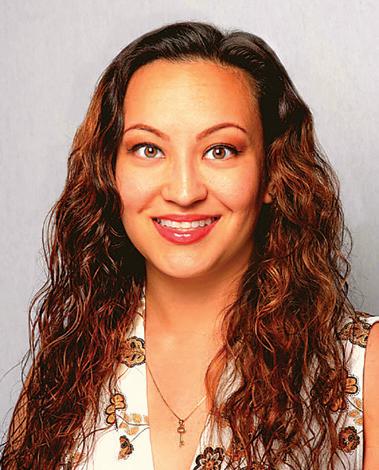
Setting up an automated text or email campaign that asks each patient for their feedback after their appointment is also a great way to improve your online reputation as well as to correct any issues that may be occurring at your practice. When you receive feedback from patients, you are then able to prompt them to leave a public review on Facebook, Google, Yelp, Healthgrades, or other applicable review platforms. However, you must be aware that legally, you are not allowed to only direct people with favorable feedback to leave reviews, which is known as review-gating – so if you are implementing an automated system like this, just make sure that you are aware of this limitation. There are online reputation management platforms which allow you to customize the messages that people see when they leave negative feedback as opposed to positive feedback, but both of those messages must still offer the option to leave a public review. However, if you create your message in such a way as to communicate to the patient who may leave negative feedback that you are working hard on resolving the issue and that someone will be in touch shortly, that may prevent them from leaving a public negative review.
When you receive a public review on Google, Facebook, or other review sites, make sure that you respond to it – either by thanking them for a good review or by asking them to contact you to discuss how you can improve their experience. Do not argue or try to defend yourself online – try to speak about it with them privately, fix the issue, and ask them to remove the review if possible. When you receive great reviews, make sure to cross-share them on your various social media platforms. You should also create a “Reviews” page on your website and add all great reviews to this page. This instantly adds credibility to your website.
Finally, make sure that when you look over the feedback and reviews that you receive, you are paying attention to what the negative reviews are saying – this is a great opportunity to identify current process challenges and improve your patients’ experience at your practice. Need help managing your practice’s online reputation? Visit www.lms-plus.com to see how Leading Marketing Solutions can help.
Sonda Eunus is the CEO of Leading Marketing Solutions, a Marketing Agency working with Medical Practices and other Businesses to help them identify the best marketing strategies for their business, create a strong online presence, and automate their marketing processes for a better return on their Marketing budget. Learn more about Leading Marketing Solutions at www.lms-plus.com.

JANUARY – Digestive Disorders
Diabetes
Florida MD is a bi-monthly medical/business digital magazine for physicians.
Florida MD has been serving the medical community in Florida for twenty years and is currently available as a bi-monthly digital edition emailed directly to healthcare providers in Central Florida (Orlando area), Tampa metro and Southeast Florida. Cover stories spotlight extraordinary physician practices, new hospital procedures or facilities, and other professional and healthcare related business topics. Local physician specialists and other professionals, affiliated with local businesses and organizations, write all other columns or articles about their respective specialty or profession. This local informative and interesting format is the main reason physicians take the time to read Florida MD.
It is hard to be aware of everything happening in the rapidly changing medical profession and doctors want to know more about new medical developments and technology, procedures, techniques, case studies, research, etc. in the different specialties. Especially when the information comes from a local physician specialist who they can call and discuss the column with or refer a patient. They also want to read about wealth management, financial issues, healthcare law, insurance issues and real estate opportunities. Again, they prefer it when that information comes from a local professional they can call and do business with. All advertisers have the opportunity to have a column or article related to their specialty or profession.
FEBRUARY – Cardiology
Heart Disease & Stroke
MARCH – Orthopaedics
Men’s Health
APRIL – Surgery
Scoliosis
MAY – Women’s Health
Advances in Cosmetic Surgery
JUNE – Allergies
Pulmonary & Sleep Disorders
JULY – Neurology/Neuroscience
Advances in Rehabilitation
AUGUST – Sports Medicine
Robotic Surgery
SEPTEMBER – Pediatrics & Advances in NICUs
Autism
OCTOBER – Cancer
Dermatology
NOVEMBER – Urology
Geriatric Medicine / Glaucoma
DECEMBER – Pain Management
Occupational Therapy

12:15pm-1:00pm
Virtual Meeting via Microsoft Teams (Click to Join) Meeting ID: 260 402 433 043 8 Passcode: 2FA2ux6p
To Dial in by Phone: +1 469-253-5858 Phone conference ID: 118 278 484#
*Please let your Physician Liaison know if you’d like the calendar invitation sent directly to your email.
Please email any questions you’d like to discuss at the meeting prior to June 15th. nchliaisons@nemours.org