
NEW
NEW EDGE ASSOCIATES EXPANDS ITS FOOTPRINT ACROSS THE FLORIDA
ASSOCIATES
KEYS
KEYS


NEW
NEW EDGE ASSOCIATES EXPANDS ITS FOOTPRINT ACROSS THE FLORIDA
ASSOCIATES
KEYS
KEYS
PUBLISHER

JANUARY/ FEBRUARY 2026 magazine magazine
NORMAN ISAZA
EDITOR - IN - CHIEF
CARLOS JARA
CONTENT DIRECTOR
YESENIA MORENO
MANAGING EDITORS
ISABELLA MENDES
MICHAEL GIRON
EVENT DIRECTOR
NICOLE ISAZA
ORLANDO A DIAZ
President of Metro Fund Inc in Miami, Florida, a leading private capital provider in South Florida
President of the Florida Association of Mortgage Professionals
SANDY FERNANDEZFORTUN
Senior Vice President, Head of Premier Banking at Intercredit Bank
LISSETTE REYES
Head of Marketing and Inside Sales
Contributing Writer
DIGITAL CONTENT COORDINATORS
JANUARY/ FEBRUARY 2026 ISSUE 10
CAROLINA IGLESIAS
JORDAN KETTINGER
JACK REED
CONTRIBUTING WRITERS
MELANIE ISAZA
ORLANDO DIAZ
NORMAN ISAZA
PHOTOGRAPHER
EDUARDO MENDEZ
OUR CONTRIBUTORS
DR CLAUDIA URIBE
Director @ Miami-Dade County Fair | Mental Health Therapist | Professor at University of Miami
ALEX SOTO
Senior Vice President, Head of Premier Banking at Grove Bank & Trust
The year has started off in truly amazing fashion for the Florida Banking Forum and I am filled with deep gratefulness for the doors it has opened not only for us, but for our partners within the forum our clients and friends and the business owners who walk this journey with us What began as a professional gathering has grown into something far more meaningful: a vibrant community where relationships are forged ideas are shared and opportunities are created This forum is more than a place to exchange information; it is a space where trust is built, collaboration is encouraged, and people feel seen and valued
At its core, the Florida Banking Forum is about partnerships and camaraderie Each meeting, event, and conversation is a chance to connect on a deeper level, to understand one another s challenges and to celebrate each other’s successes In that spirit, we have been intentional about fostering an environment where open dialogue is welcomed and where everyone banks, service providers, business owners and community leaders has a seat at the table Together we are not just growing our businesses; we are growing a stronger more resilient financial community for Florida
One of the developments I am most proud of this year is the way the forum has opened its doors to nonprofit organizations We have created a platform where nonprofits can come and share who they are what they stand for, and the mission that drives their work By giving them the time and space to tell their stories, we believe we are giving back in a meaningful way amplifying their voices, connecting them with potential partners and weaving their impact into the fabric of our forum In doing so, the Florida Banking Forum is becoming not just an industry platform, but a true catalyst for community betterment uniting finance business, and service under one shared purpose





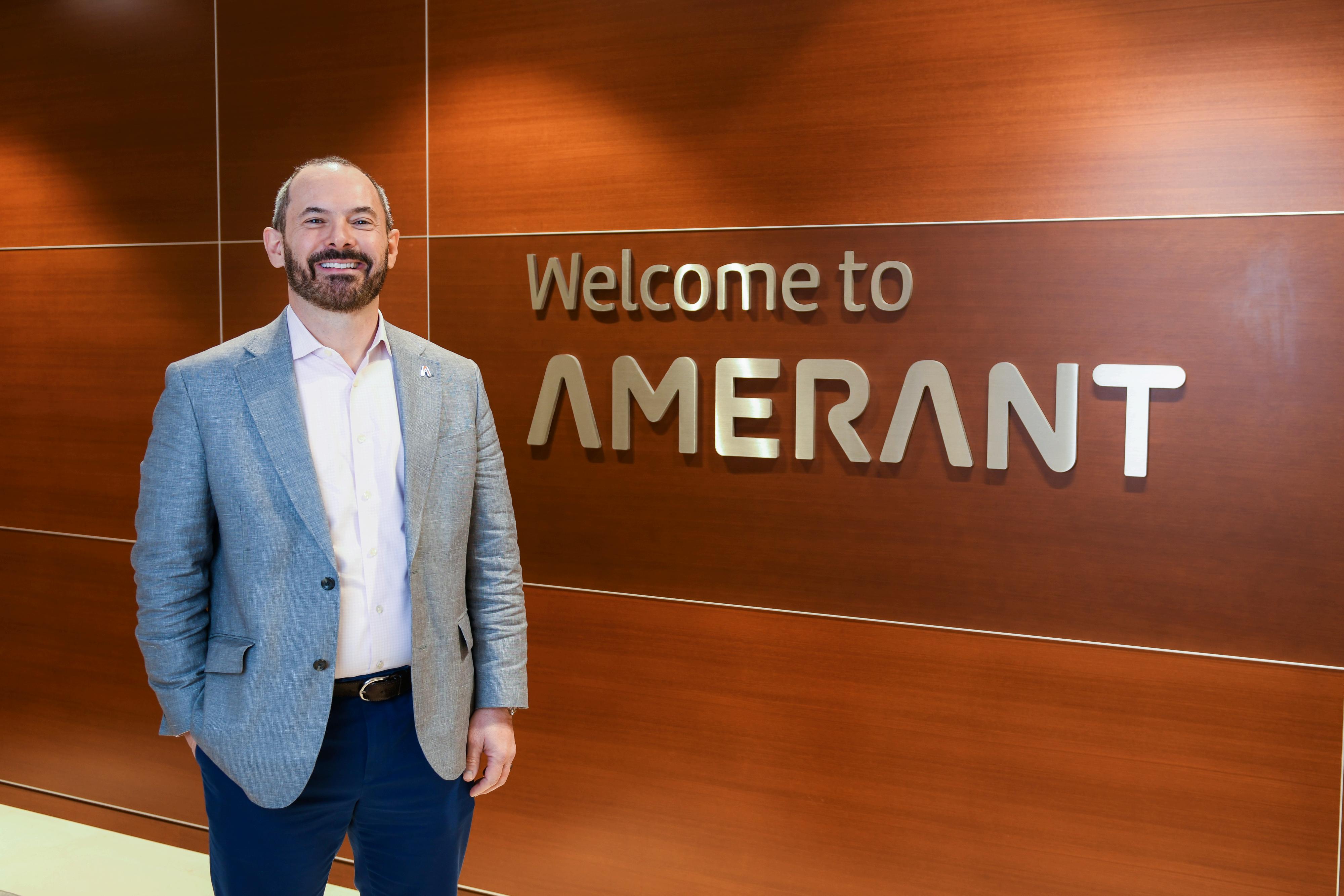
The Steady Rise of Carlos Iafigliola and the Evolution of Amerant.
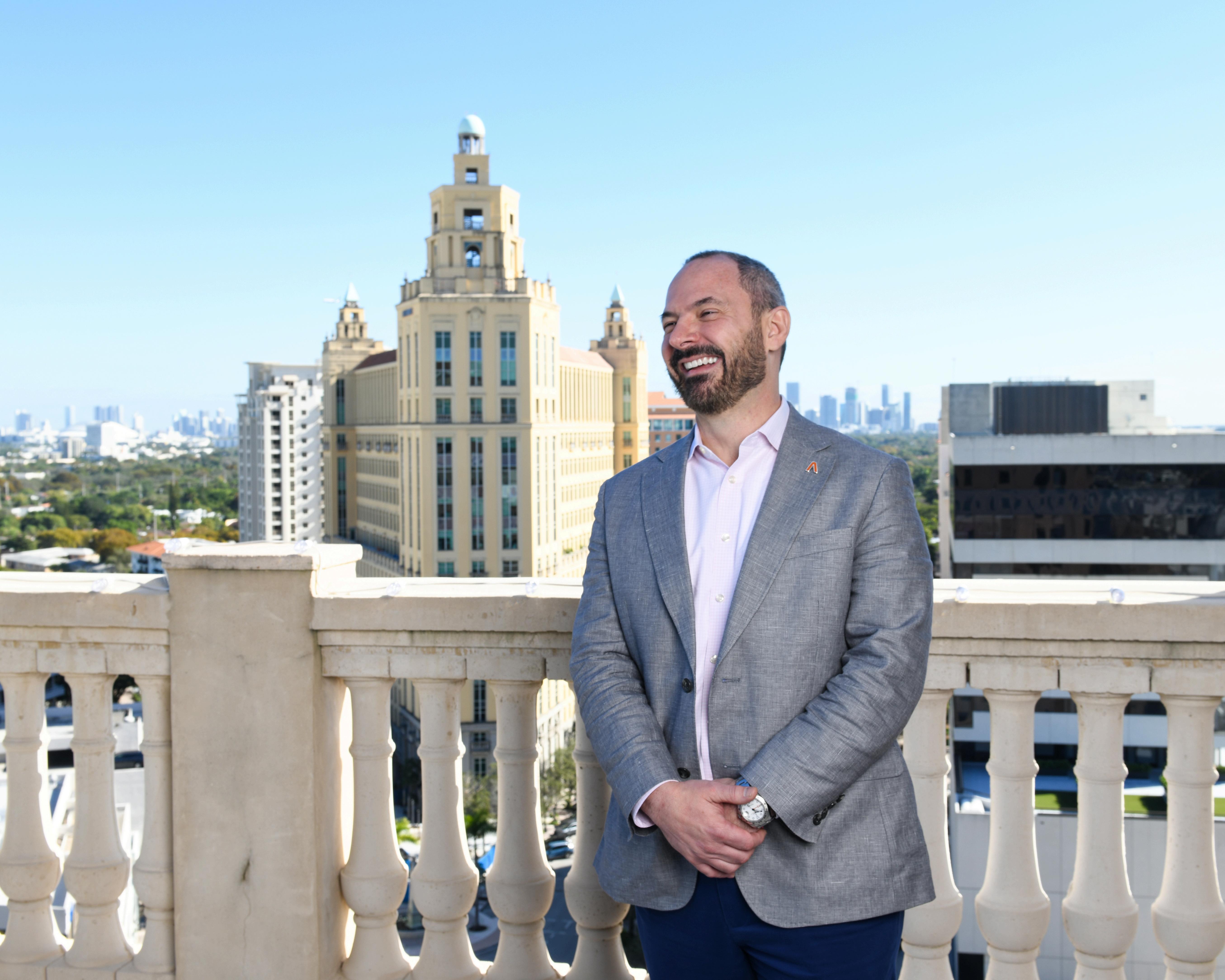
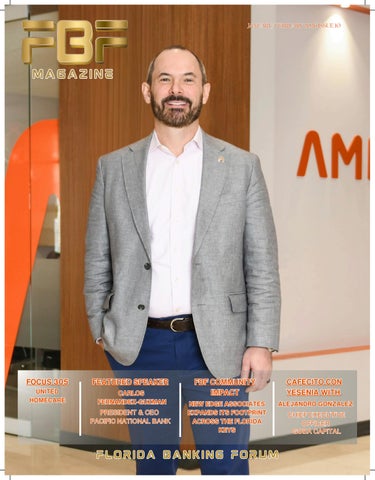
“I am honored to be named Interim CEO of Amerant to help lead the Bank through its next phase of sustainable and profitable growth,”
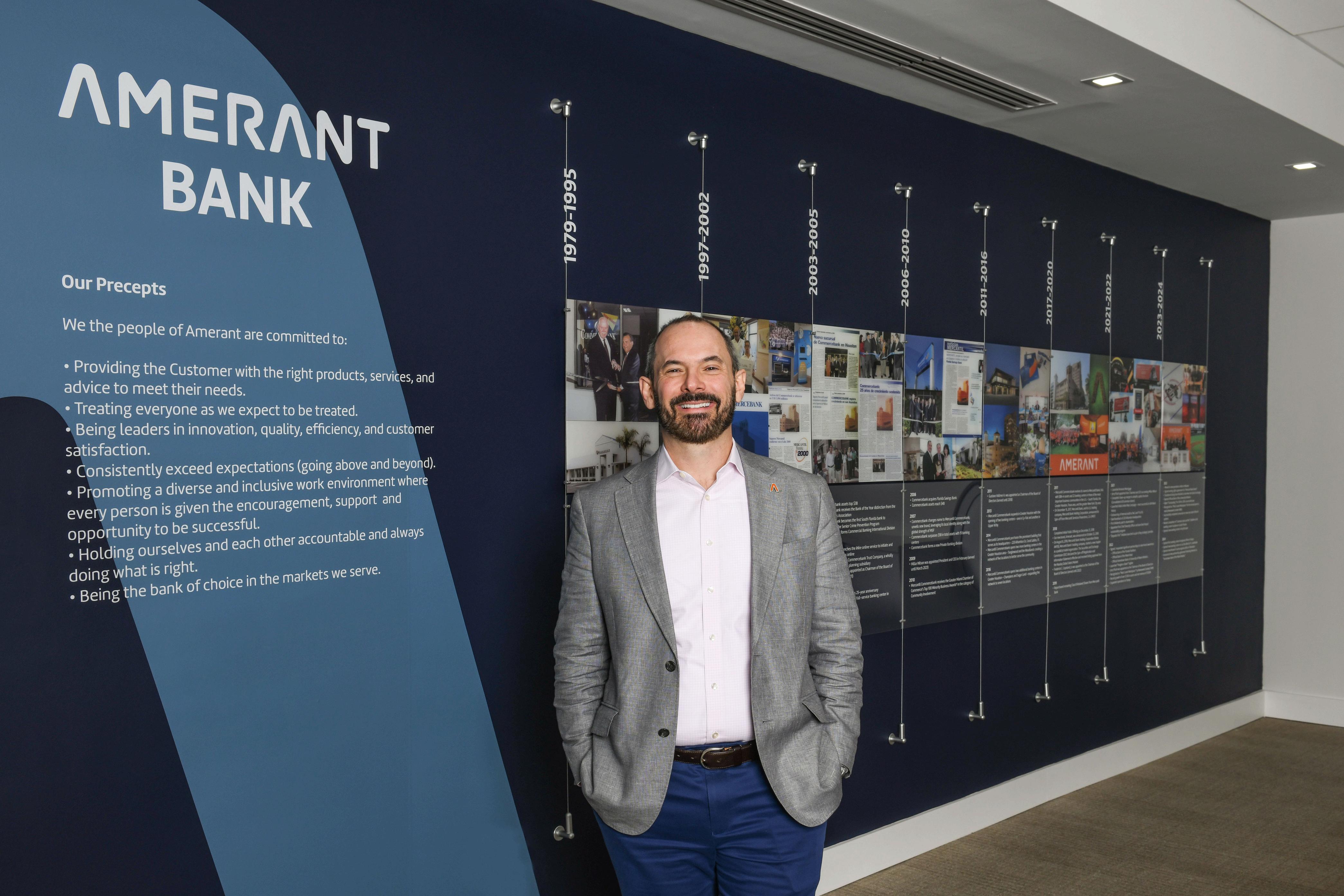

When Carlos Iafigliola stepped into the role of Interim Chief Executive Officer in November 2025, it marked more than a leadership transition It represented the culmination of more than two decades of steady growth within the same institution, a career built not on sudden leaps, but on discipline, consistency, and earned trust
Iafigliola joined Amerant in 2004, beginning in the Treasury division At the time, few could have predicted that the young executive focused on balance sheet management and liquidity strategy would one day lead the organization But those early years shaped him Working in treasury required precision and composure, overseeing investment portfolios, managing funding strategies, and maintaining relationships with regulators and financial market participants It is work that rewards patience, analytical rigor, and steady decision making

Before Amerant, Iafigliola developed his foundation in financial risk at Mercantil Servicios Financieros, where he began his career in 1998 and later served in senior market risk roles. Those formative years grounded him in the discipline of risk management, an expertise that would become central to his leadership style
His academic path mirrors that technical grounding Iafigliola earned a degree in Economics from Universidad Católica Andrés Bello in Caracas in 1998, followed by a Master’s in Finance from Instituto de Estudios Superiores de Administración in 2003 Education, for him, was never simply credentials. It was preparation for responsibility
Over time, his responsibilities at Amerant expanded By 2015, he was Senior Vice President and Treasury Manager, overseeing the
company ’ s treasury functions and balance sheet strategy In 2020, he was named Executive Vice President and Chief Financial Officer. As CFO, he guided the bank’s financial management during a period that demanded resilience and careful oversight He was responsible for treasury, financial reporting, accounting, investor relations, sustainability initiatives, internal controls, and corporate tax It was a role that required not only technical skill but clear communication and steady leadership.
In 2023, Iafigliola took on perhaps his broadest challenge yet when he became Senior Executive Vice President and Chief Operating Officer The role placed him at the center of daily operations, from loan and deposit operations to technology services, project management, procurement, facilities, and digital transformation
During his time as COO, he led one of the most complex undertakings in banking, a full core system conversion The project required coordination across departments, meticulous planning, and the ability to guide teams through change He also oversaw the sale of the bank’s Houston franchise and advanced operational modernization initiatives designed to improve efficiency and strengthen long term competitiveness.
By the time he assumed the role of Interim CEO, Iafigliola had served as Treasurer, CFO, and COO, an uncommon progression that gave him a comprehensive view of the organization. His approach to leadership reflects that breadth of experience It is measured, data driven, and focused on execution His priorities center on strengthening risk management, refining operational efficiency, and advancing strategy with discipline rather than haste

Yet the portrait of Iafigliola is not confined to financial statements and strategic plans
Outside the bank, he remains deeply engaged in the South Florida community He chairs the Board of Amerant Investments and serves on the Board of Amerant Mortgage, reinforcing his involvement across the broader enterprise He also serves on the Board of Habitat for Humanity Broward, contributing to initiatives that support affordable housing and community development. His civic involvement continues through the Orange Bowl Committee, the Investment Committee of United Way Miami, the Greater Fort Lauderdale Alliance, the Florida Council of 100, and the FIFA World Cup 2026 Miami Host Committee
These roles reveal a leader who sees his work as part of a broader regional ecosystem that connects financial institutions, nonprofit organizations, civic leaders, and community growth
Iafigliola also participated in the Miami Leadership Program’s 2011 cohort, an experience that reflects his commitment to leadership development and civic responsibility It is consistent with a career defined by long term investment in institutions, in people, and in systems
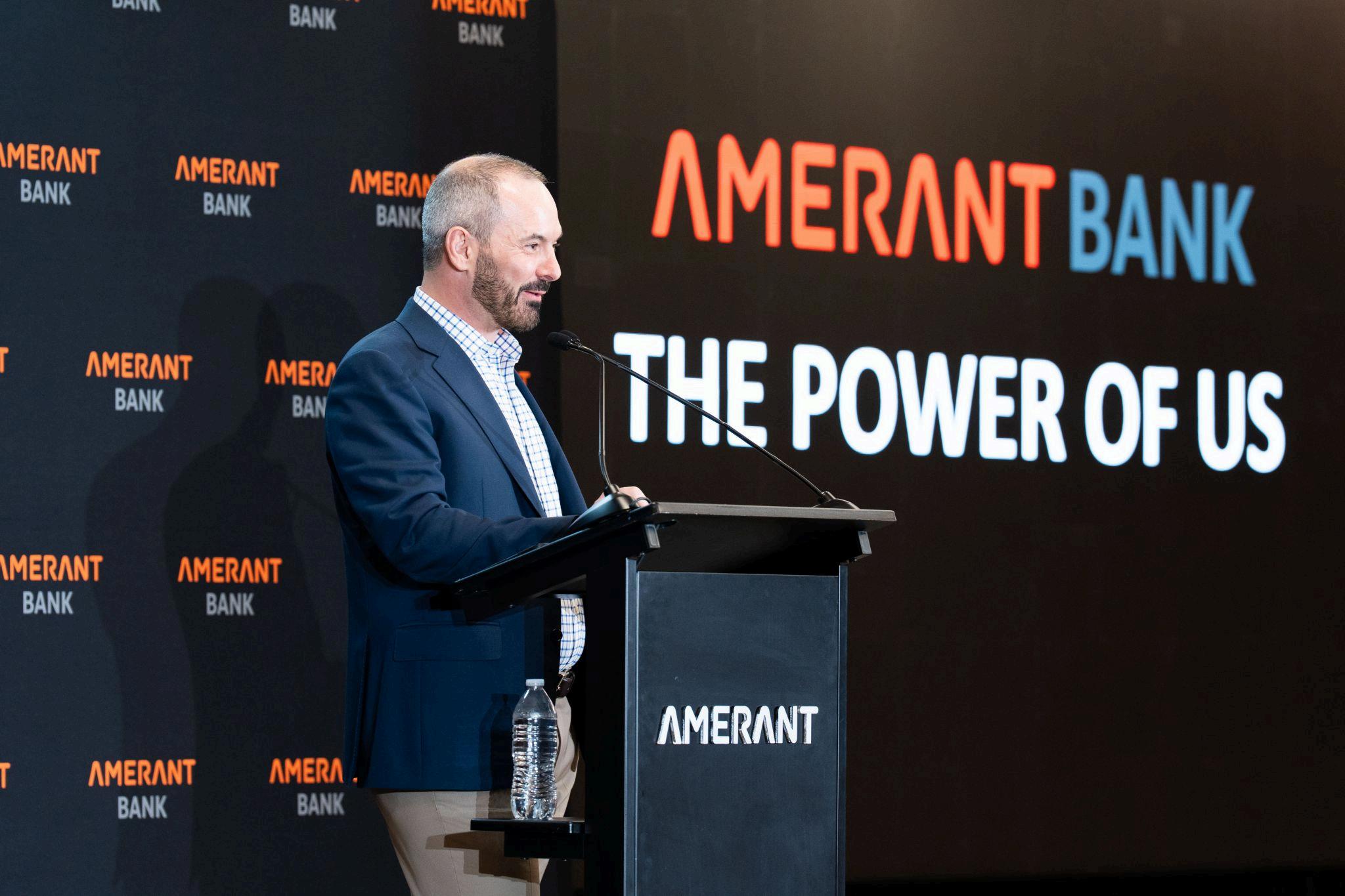
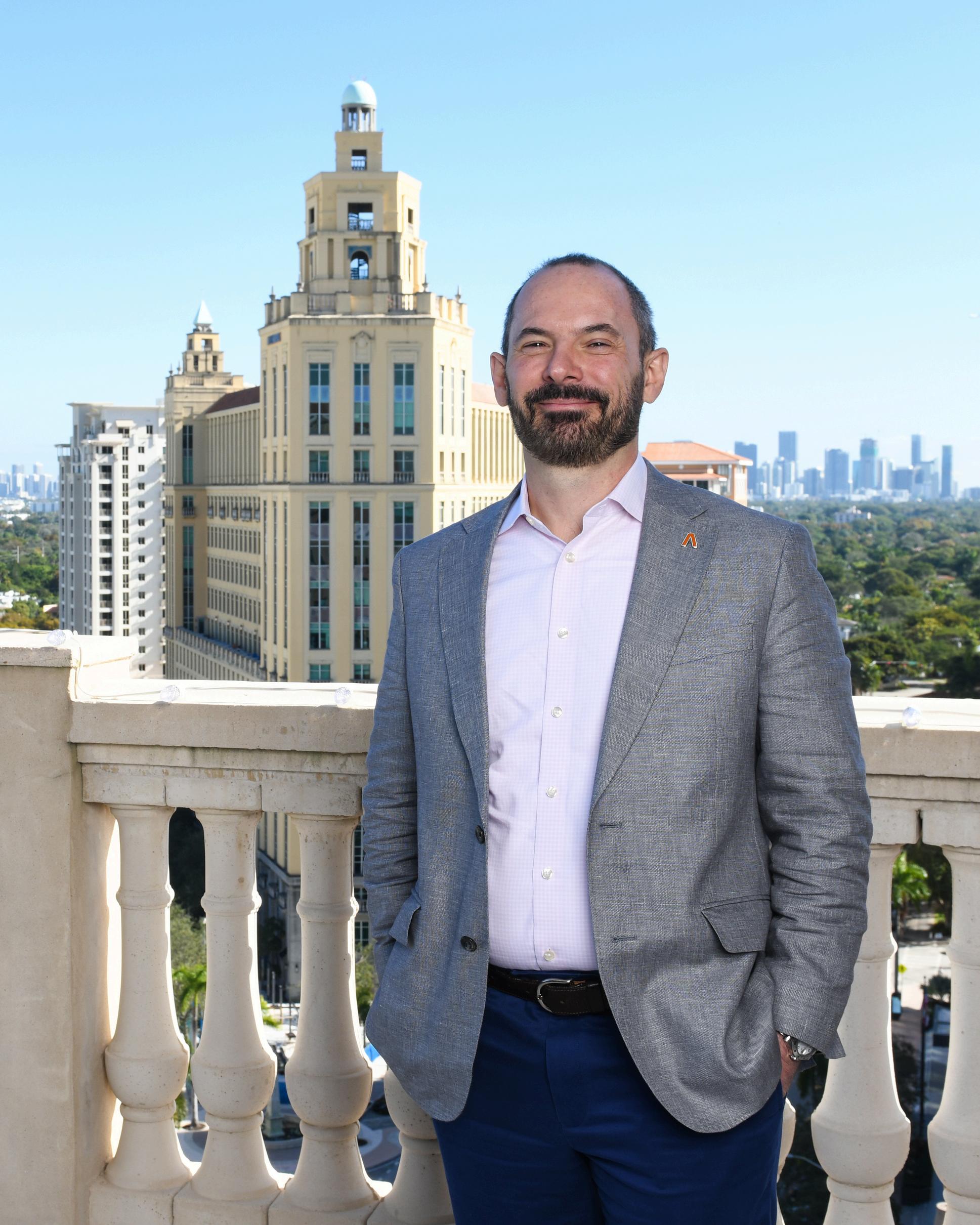
Colleagues often describe him as methodical and thoughtful, someone who listens carefully before acting and who values preparation over impulse After more than 21 years at Amerant and nearly three decades in financial services, he embodies institutional continuity at a time when leadership turnover is common across the industry
In many ways, Carlos Iafigliola’s story is one of steady evolution From treasury analyst to chief executive, his career reflects the quiet strength of experience accumulated over time His leadership is not built on dramatic gestures, but on discipline, operational understanding, and a clear sense of responsibility to the bank, to its employees, and to the community it serves
And as he guides the organization forward, that steady hand may prove to be his greatest asset



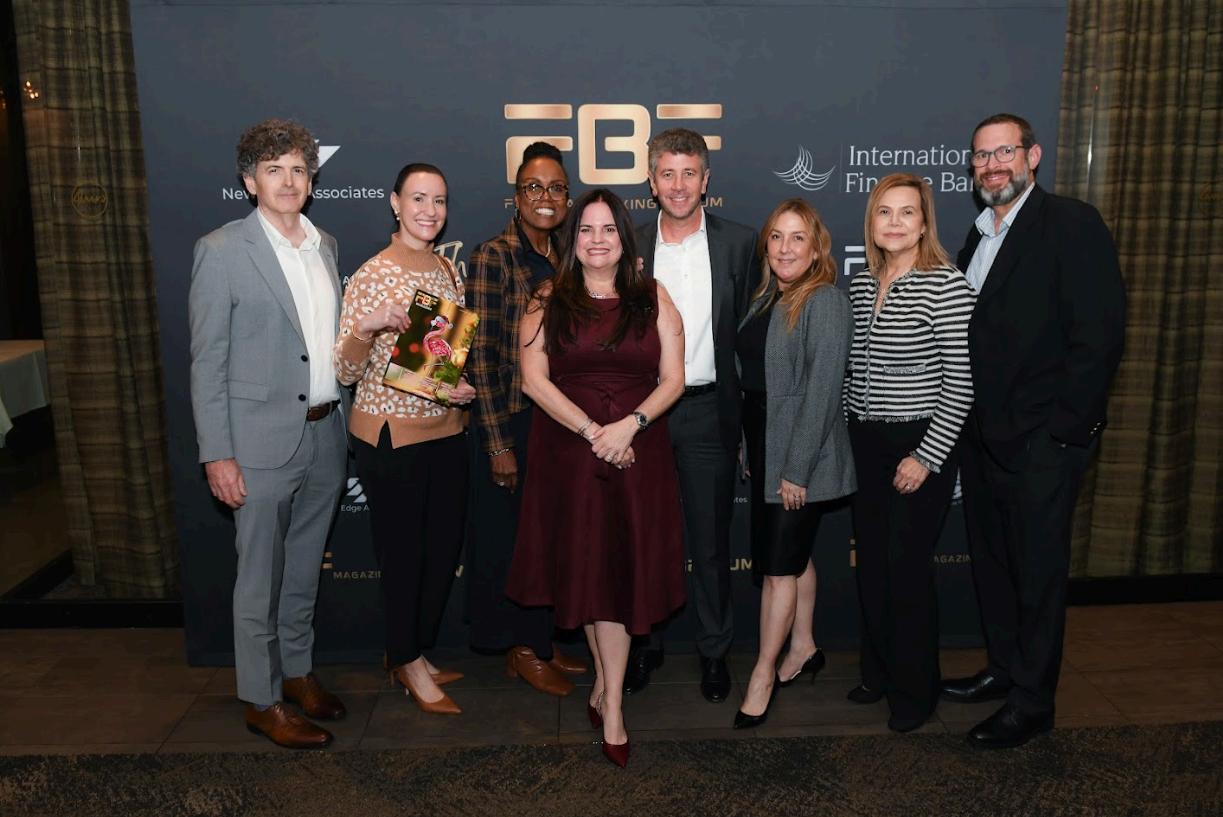
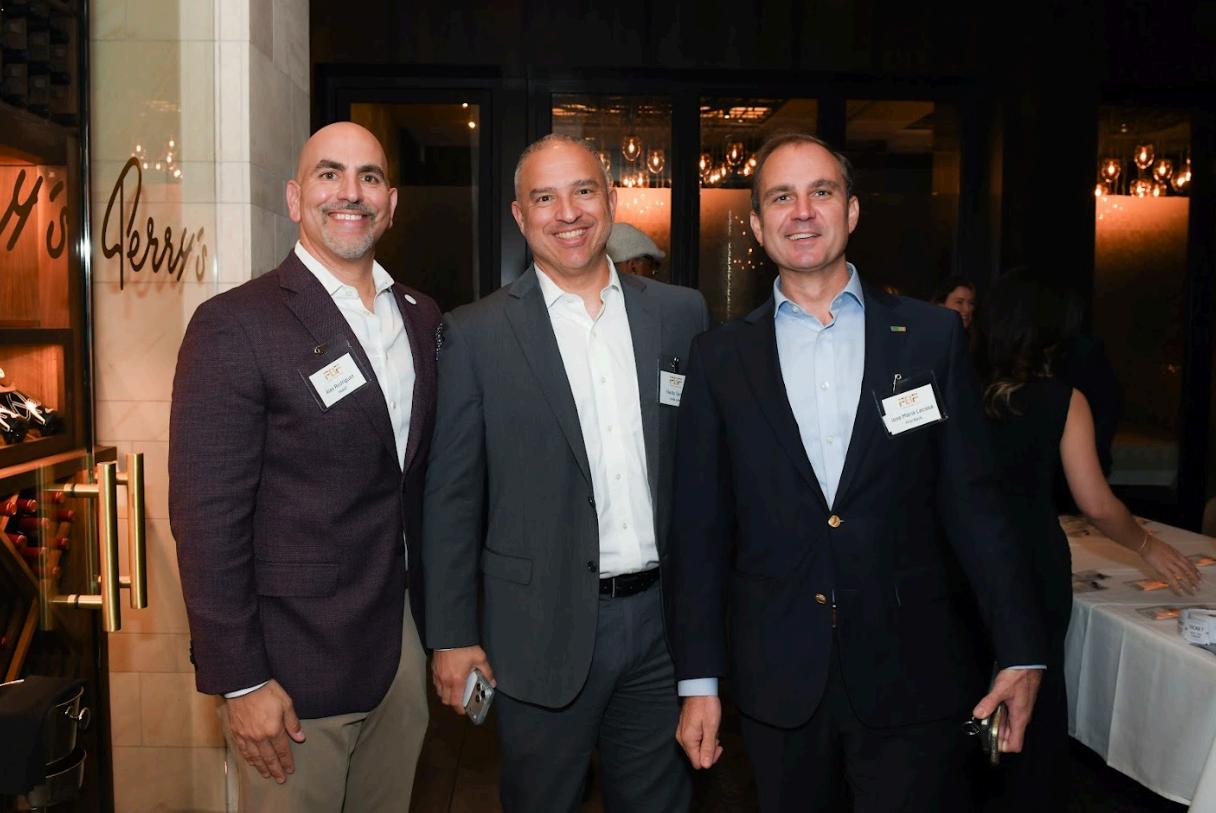
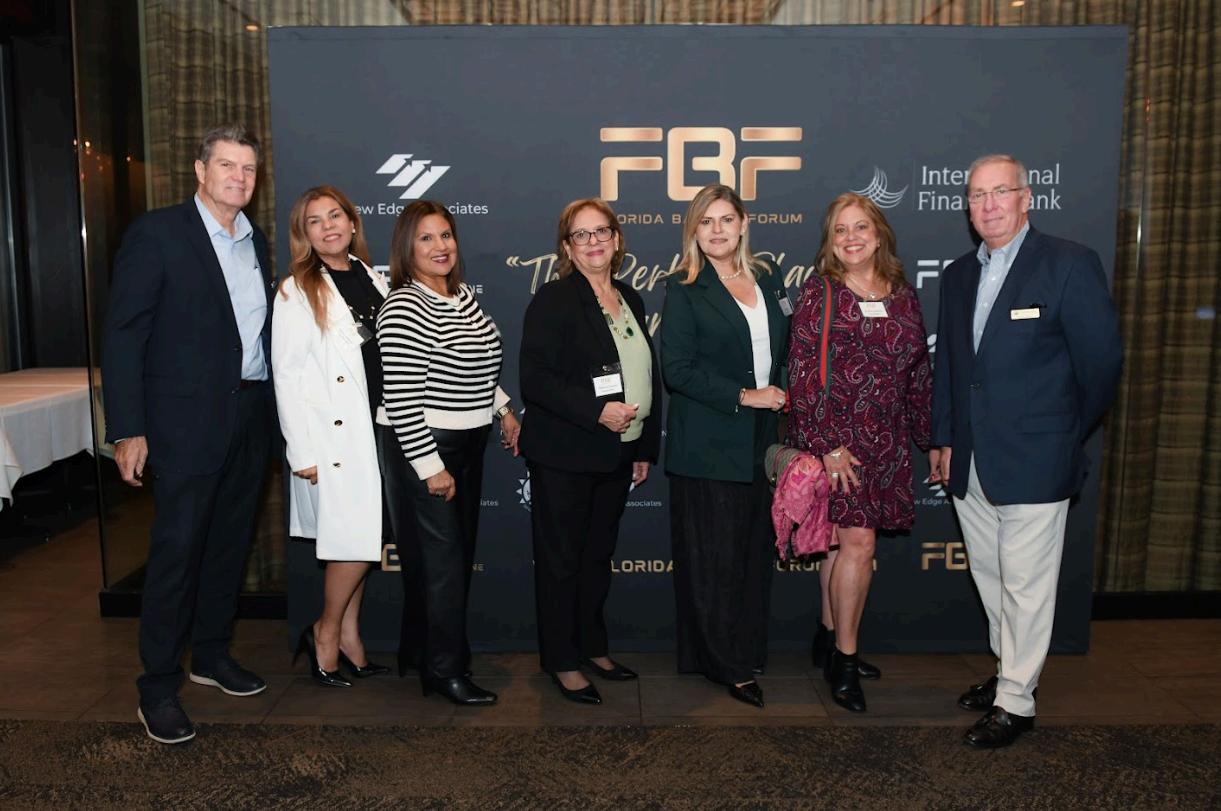


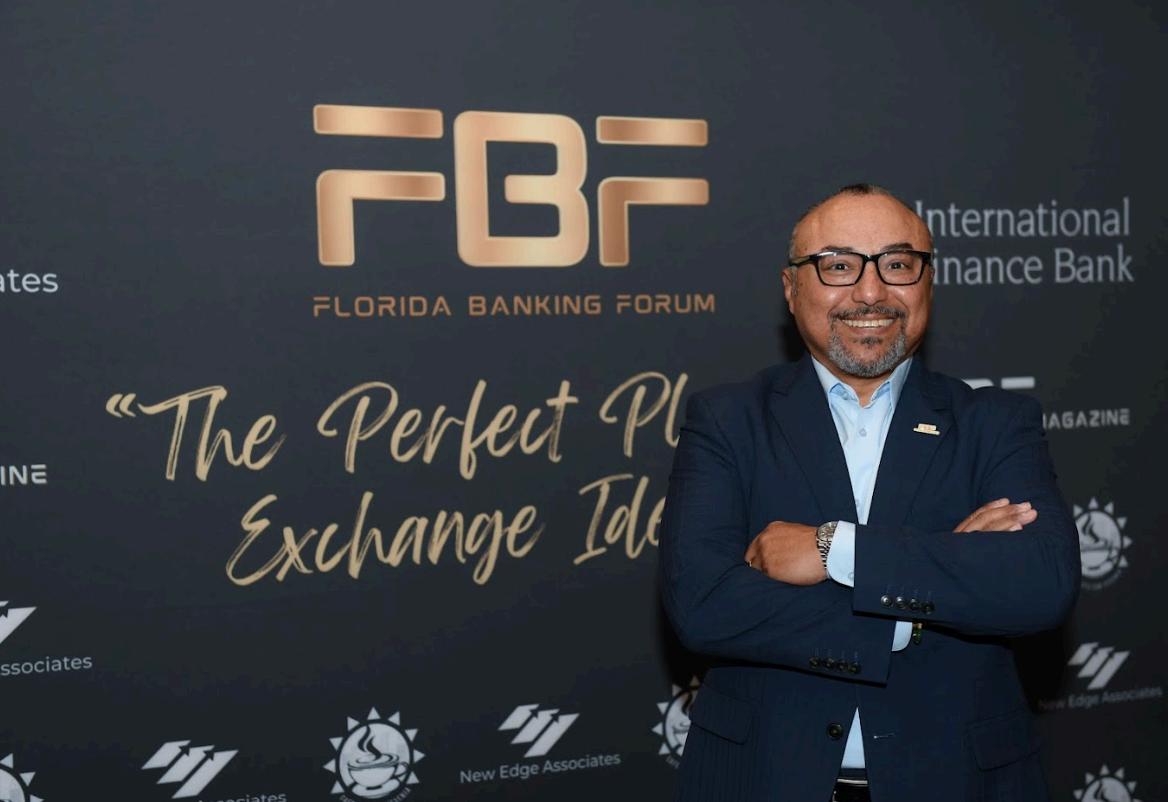
Miami is emerging as one of the most dynamic banking hubs in the United States, uniquely positioned at the intersection of global wealth, Latin American markets, and financial innovation
Miami is rising fast as a “Wall Street South,” but New York and Singapore remain more mature, globally dominant financial hubs
Miami functions as the de facto financial capital of Latin America, giving banks here direct access to fast-growing markets across the region Its international airport, seaport, and time zone align naturally with cross-border trade, capital flows, and wealth management for clients from Mexico, Brazil, the Caribbean, and beyond This role as a bridge city makes Miami central to future strategies in offshore private banking, trade finance, and crossborder payments

More than 60 international banks operate in Miami, making it the largest banking hub in the U.S. after New York City and a top center for international financial institutions The region’s private banking sector alone oversees roughly $120 billion in assets, supported by hundreds of money managers, RIAs, and family offices clustered around Brickell and downtown This institutional density creates a deep talent pool and infrastructure for complex crossborder, regulatory, and tax planning needs
New York remains the world’s top global financial centre, while Singapore ranks fourth and leads Asia with strong scores in business environment, infrastructure, and financial sector development. Miami is not yet in the top tier of global rankings but is increasingly viewed as a key regional hub for the Americas and a base for ultra high net worth individuals New York’s strength lies in its deep capital markets, dense investment banking and trading ecosystems, and unmatched professional services, whereas Singapore offers political stability, a corruption free, pro business regime, extensive free trade agreements, and strategic access to ASEAN and broader Asia. Miami’s edge comes from its tax advantages, quality of life, and role as a bridge between the U S and Latin America, which has driven significant inflows of wealthy residents and relocating financial firms With Brickell now hosting one of the largest concentrations of international banks in the U.S. outside New York and major asset managers and hedge funds moving in, Miami is rapidly strengthening its institutional base, though New York and Singapore still clearly lead in market depth, regulatory sophistication, and specialized talent, leaving Miami as a high growth challenger and complementary hub rather than a full substitute.
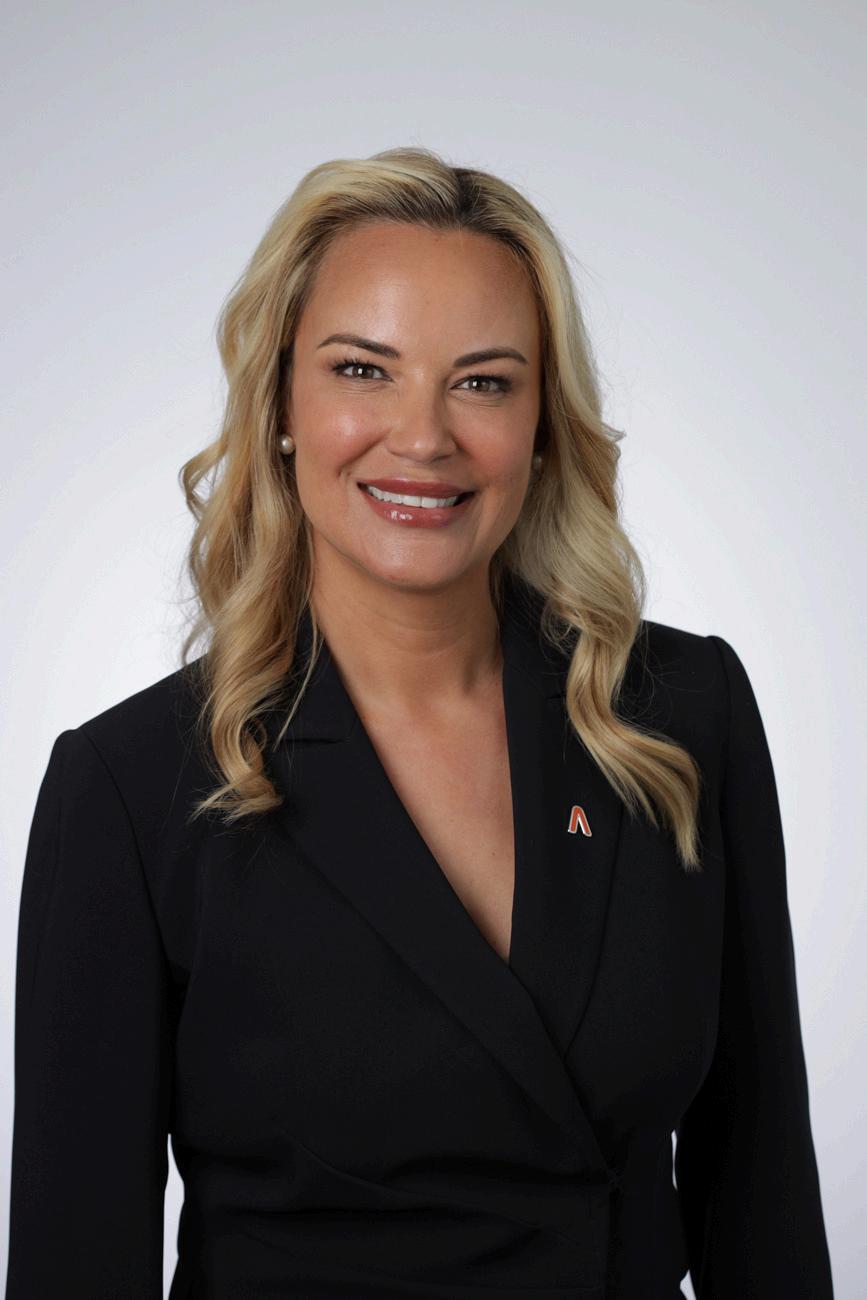
SVP, Head of Community Relations

Maria Olivera serves as Senior Vice President and Head of Community Relations at Amerant Bank, leading the bank’s community engagement strategy across South Florida and key markets She oversees strategic partnerships with nonprofit, civic, cultural, and business organizations, ensuring alignment with Amerant’s mission, brand, and corporate responsibility initiatives Olivera collaborates closely with executive leadership and cross-functional teams to maximize the impact of sponsorships, philanthropic efforts, and community investments She frequently represents the bank at high-profile civic and philanthropic events, reinforcing its commitment to meaningful community engagement and long-term relationship building Previously, Olivera served as Head of Syndications, leading syndication strategy and managing complex banking relationships She also held roles within Amerant’s commercial and middle market teams, following a 13-year tenure as Vice President at Bank Leumi USA
An active community leader, she serves on the Board of Directors of Le Jardin Community Center and Centro Mater Foundation She holds a bachelor’s degree in accounting and finance from Florida International University
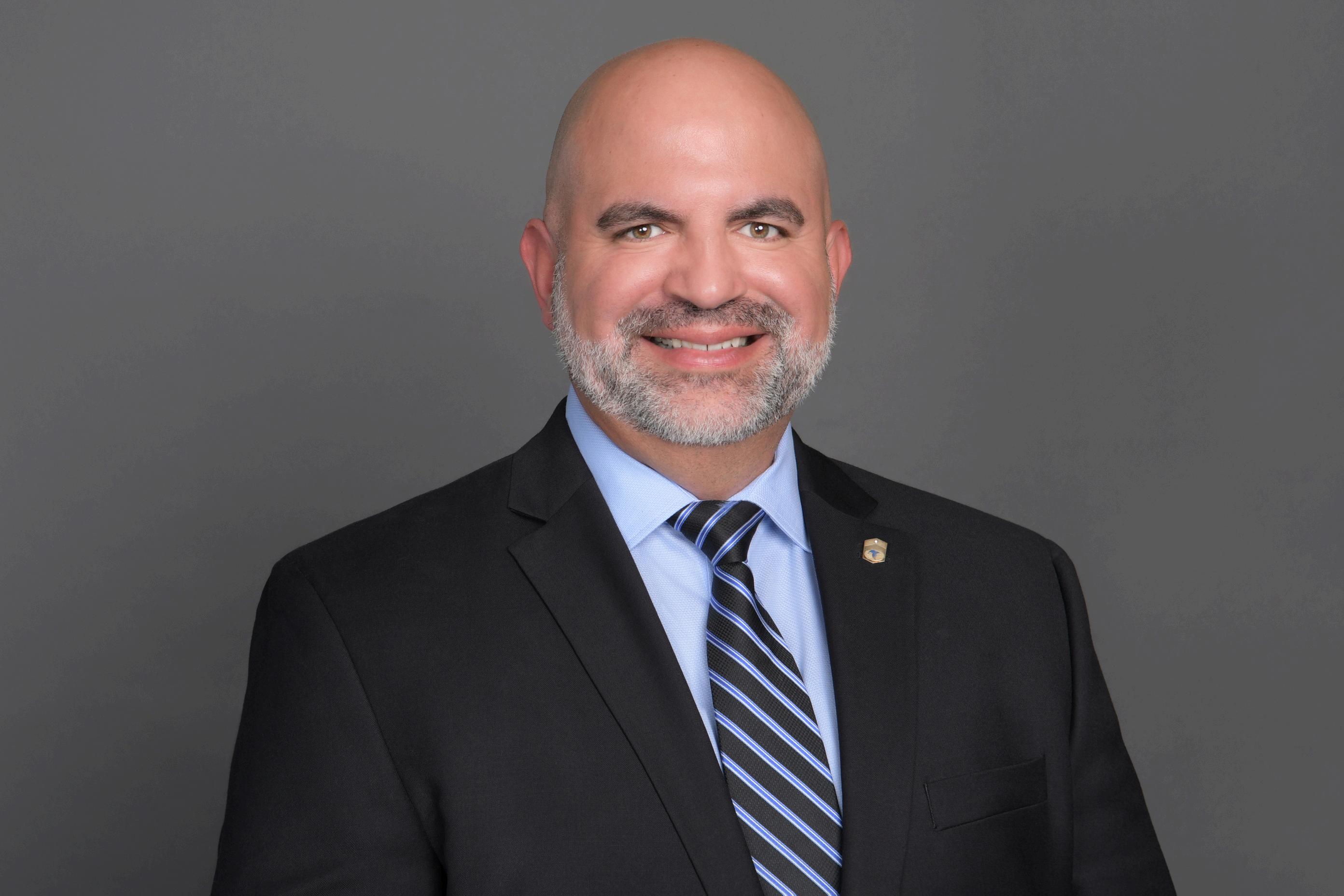

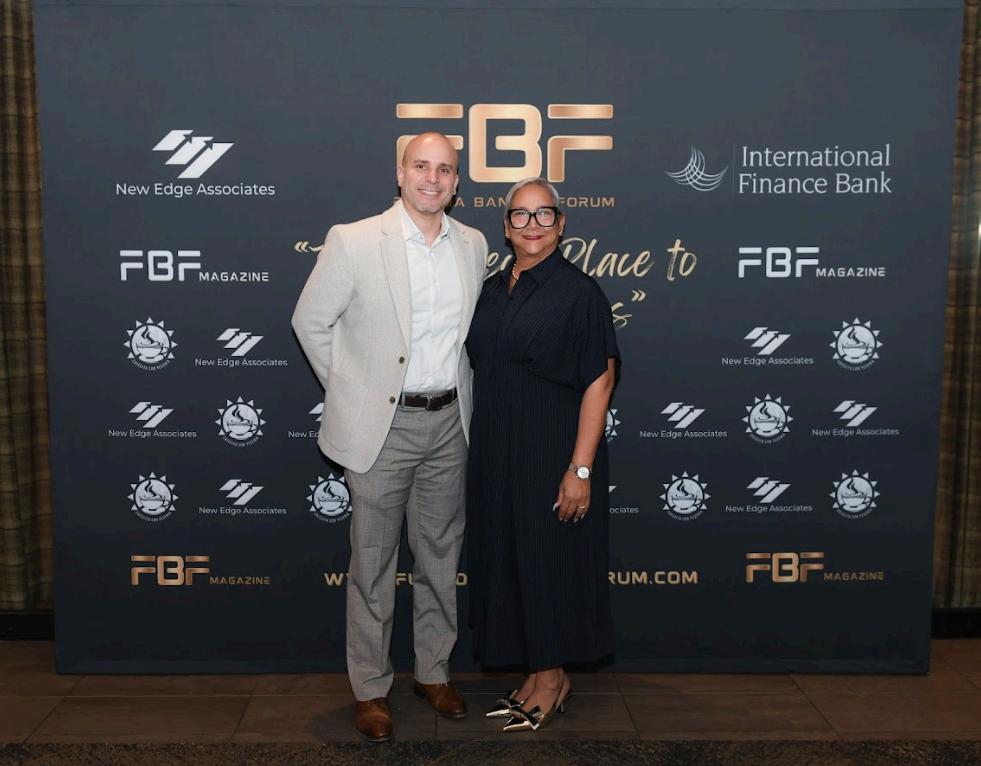
Senior Vice President Head of Domestic Preferred Banking at International Finance Bank at Amerant Bank

Didier Fabelo is a seasoned banking executive with over 25 years of experience in financial services, known for his strategic vision, sales leadership, and operational excellence Throughout his career, he has earned a reputation as an inspiring leader who drives growth, elevates team performance, and builds lasting client relationships grounded in integrity and purpose Beyond his professional achievements, Didier is deeply committed to the communities he serves He is actively involved in civic organizations, charitable initiatives, and business networks throughout South Florida, frequently representing International Finance Bank at community events Through these efforts, he helps strengthen the bank’s presence and reinforces its role as a trusted community partner Didier’s approach to banking is rooted in his belief that the industry is ultimately about people listening to their needs, understanding their goals, and creating opportunities that promote financial empowerment and meaningful community advancement
In Miami-Dade County, banking has never been transactional. In 2026, that reality is shaping one of the most deliberate staffing shifts the local industry has seen in years.
For community and regional banks across Miami-Dade County, the last several years tested every assumption about growth. Automation accelerated operations. Digital tools expanded reach. Yet many banks reached the same conclusion at roughly the same time: efficiency alone does not build loyalty, manage risk, or stabilize deposits in this market.
Now, hiring is back not broadly, not recklessly, but strategically.

Miami-Dade is unlike most U.S. banking markets.
Here, banks serve:
Miami-Dade Is a Market Where People Still Move Money
Privately held, founder-led businesses
Commercial real estate investors and developers
International and cross-border clients
High-net-worth individuals who expect direct access
In this environment, clients don’t just compare rates. They compare responsiveness, judgment, and trust. That expectation is driving how banks staff in 2026.

Few markets feel credit risk faster than Miami-Dade.
With exposure to:
Credit & Portfolio Professionals: Discipline in a Real
Commercial and mixed-use real estate
Construction and development lending
Hospitality and investor-driven projects
Banks are hiring seasoned credit professionals who can:
Apply judgment beyond models
Challenge assumptions during growth cycles
Defend decisions to regulators and boards
In 2026, experience matters more than speed.
Relationship Managers: The Deposit Anchor
In Miami-Dade, deposits are mobile and personal
Banks are expanding Relationship Manager teams because:
Deposits follow bankers, not platforms
Business owners value continuity over convenience
RM turnover often precedes balance erosion
In a county where competition sits block-by-block, this role protects revenue before it ever shows up on a report.
Miami-Dade’s international footprint changes the compliance equation.
BSA/AML & Compliance Talent: Growth Depends on It
Local banks are increasing headcount because:
Cross-border activity heightens scrutiny
Regulators expect human review, not system reliance
Compliance bottlenecks delay onboarding and lending
These roles are no longer viewed as overhead, they are gatekeepers to growth.
Miami-Dade business owners expect advice, not just accounts.
Treasury professionals are being hired to:
Strengthen commercial relationships
Improve deposit retention
Offer real-time cash and liquidity guidance
In 2026, treasury talent sits closer to revenue than ever before.

What’s changed most in Miami-Dade isn’t just who banks hire…it’s how.

Rapid growth attracts opportunity and sophisticated risk.
Banks are building out fraud teams because
AI increases detection, but humans resolve complexity
False positives damage client trust
Reputation spreads quickly in close business communities
Trust, once lost, is difficult to recover.
Miami-Dade banks embraced technology but learned its limits.
In today’s regulatory and client environment:
Accountability must be human
Judgment cannot be automated
Relationships cannot be scaled without people
Technology improves output. People protect the franchise.

Local banks are:
Moving faster on hiring decisions
Competing aggressively for proven local talent
Partnering regionally to access passive candidates
Treating vacancies as measurable risk
In this market, unfilled roles show up quickly in deposits, compliance timelines, and client confidence.
Miami-Dade County remains a relationship-driven banking market augmented by technology, but anchored in people
Banks that recognize this are positioning themselves for stability, credibility, and growth in 2026 and beyond
In a county built on trust, access, and speed, the smartest investment remains unchanged: the right people
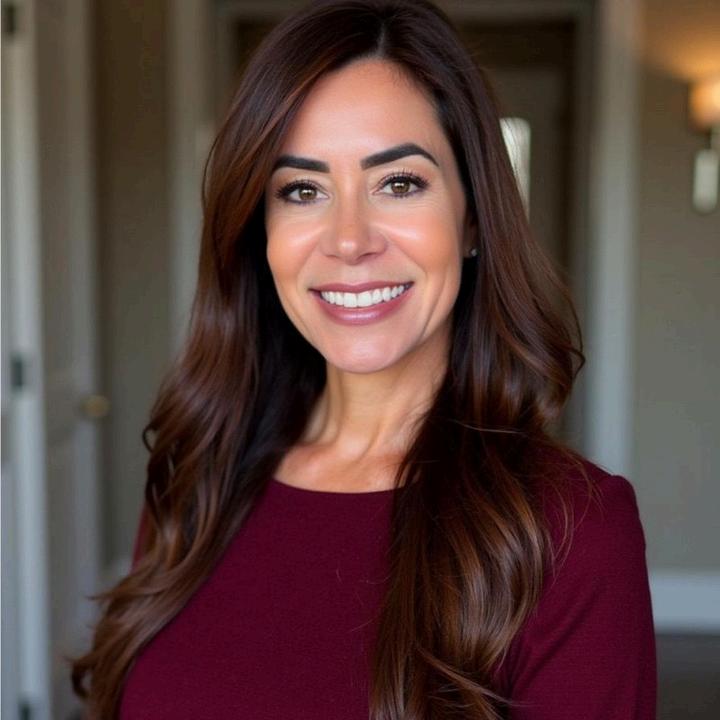




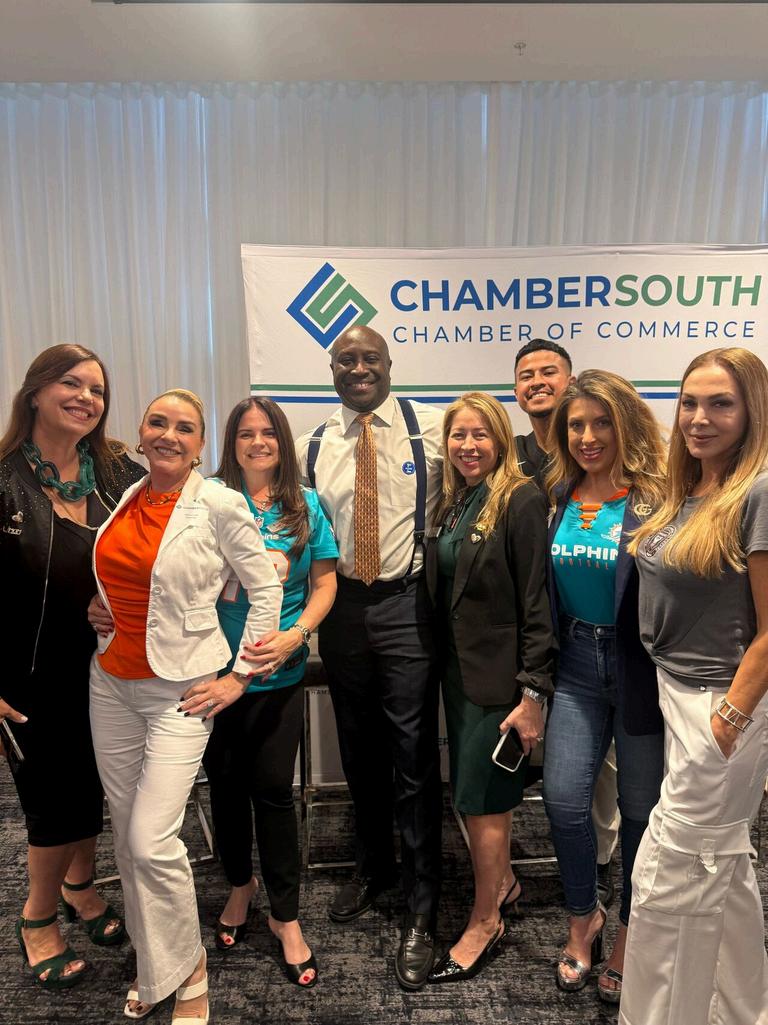

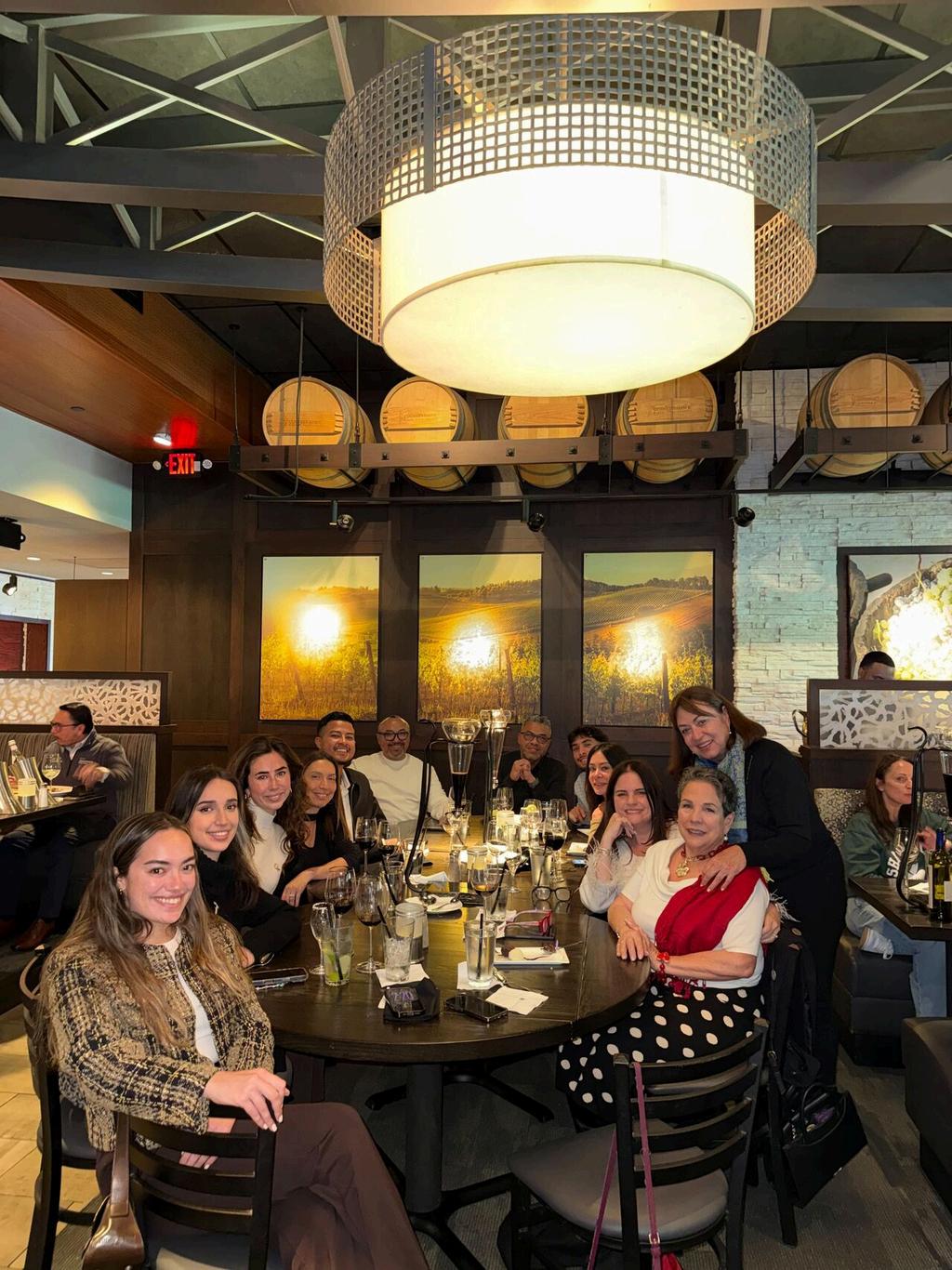
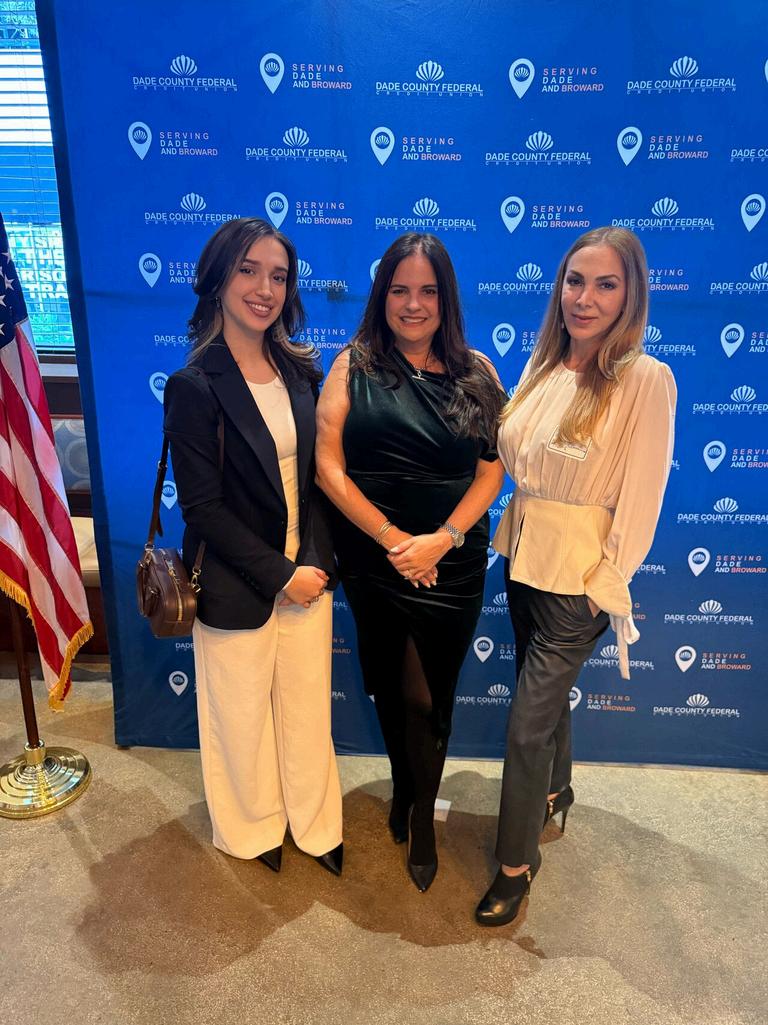
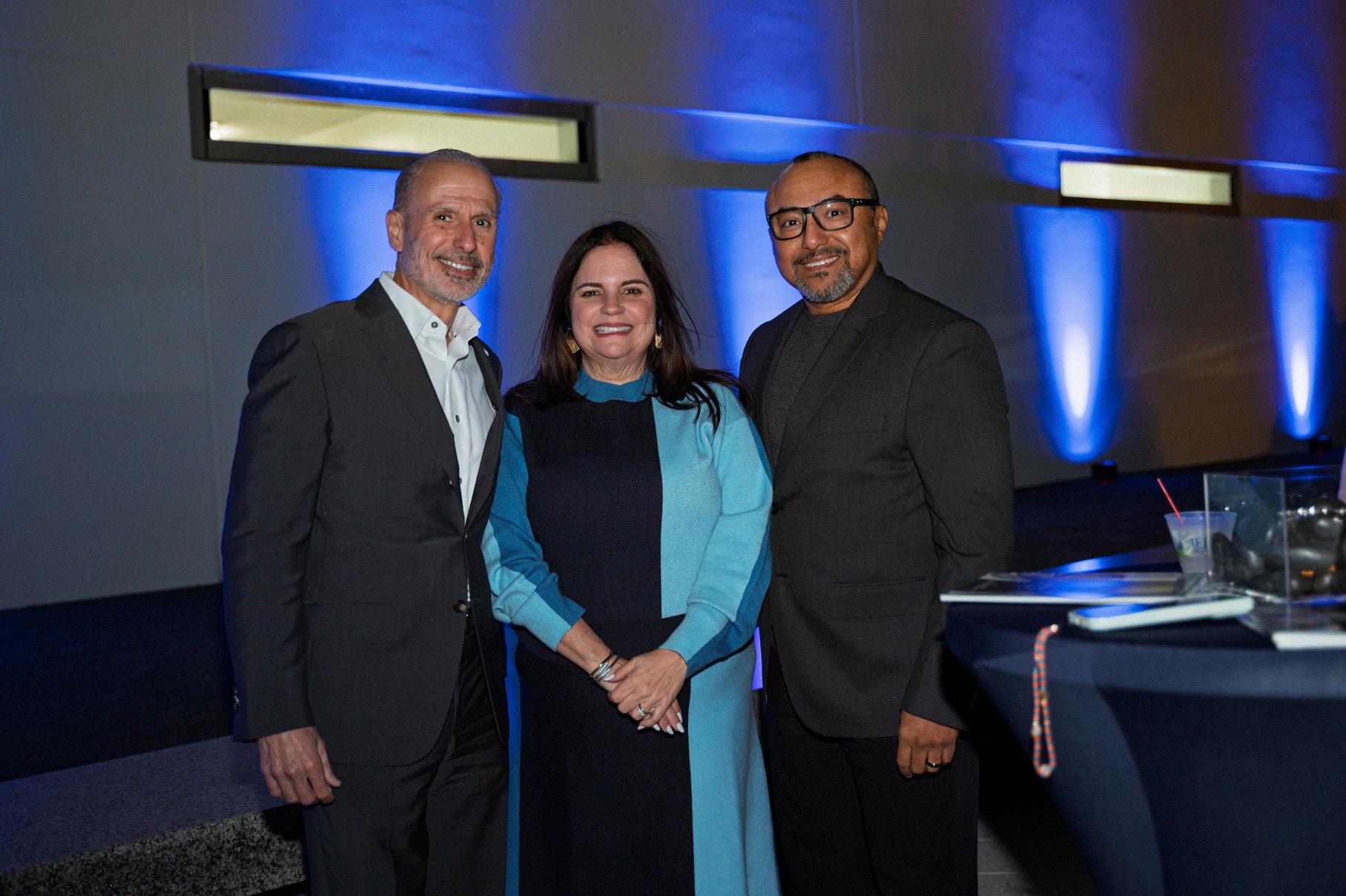



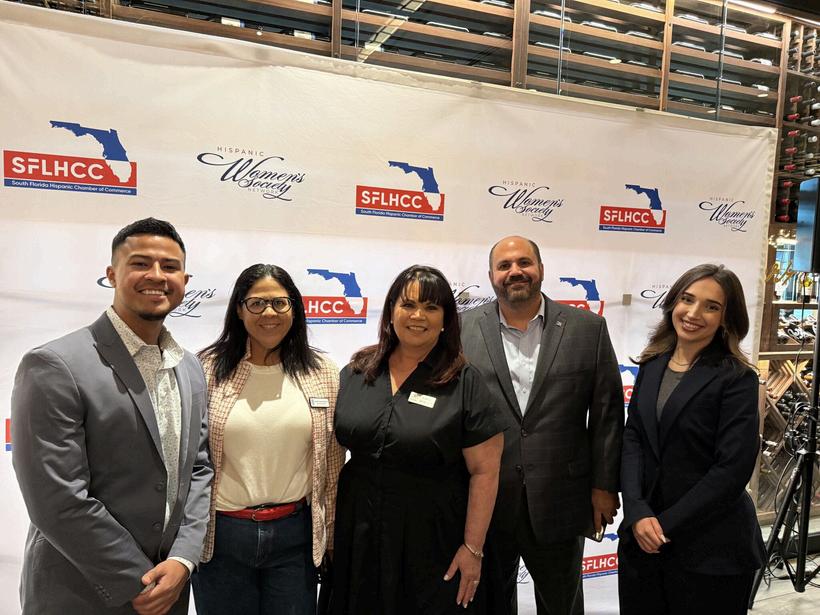
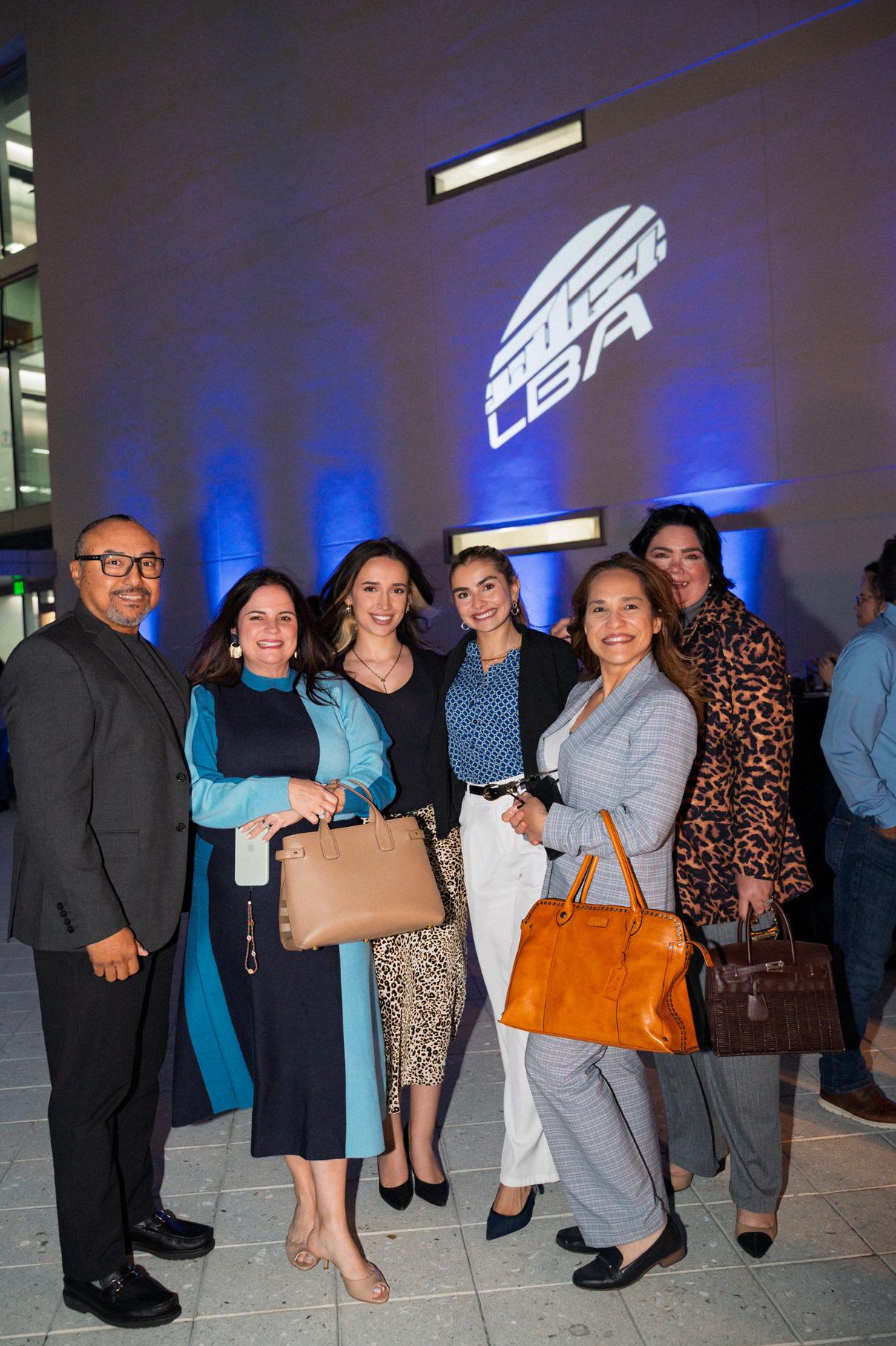
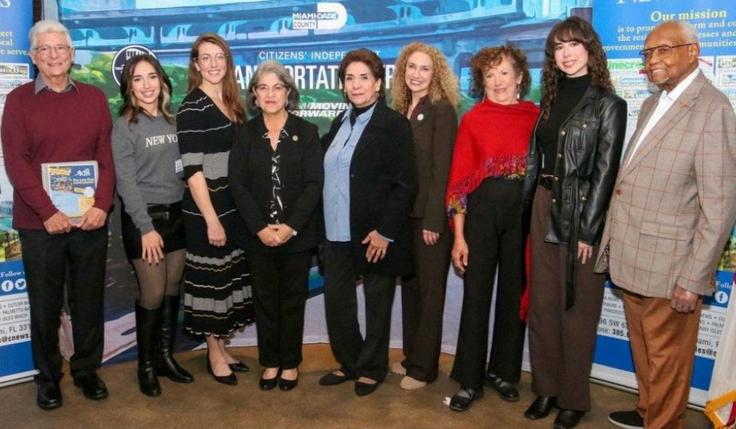
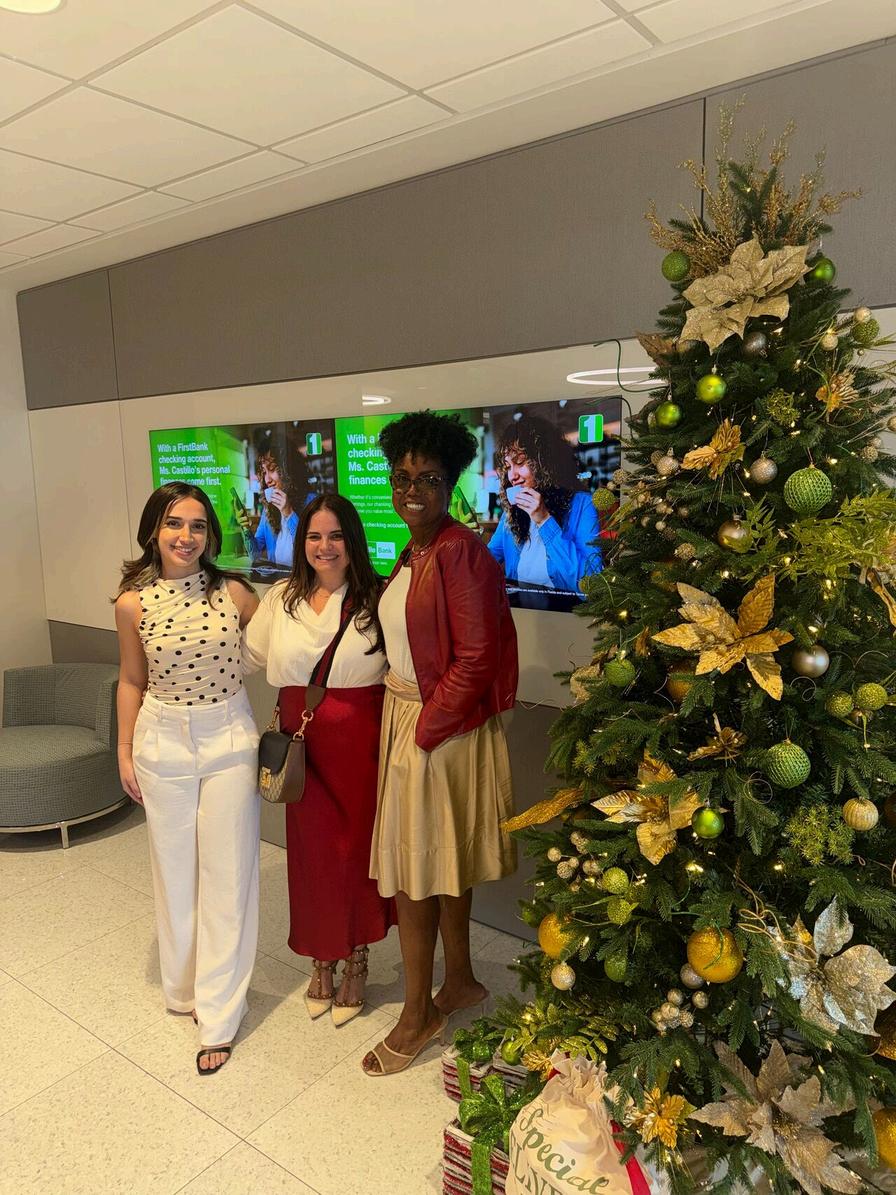


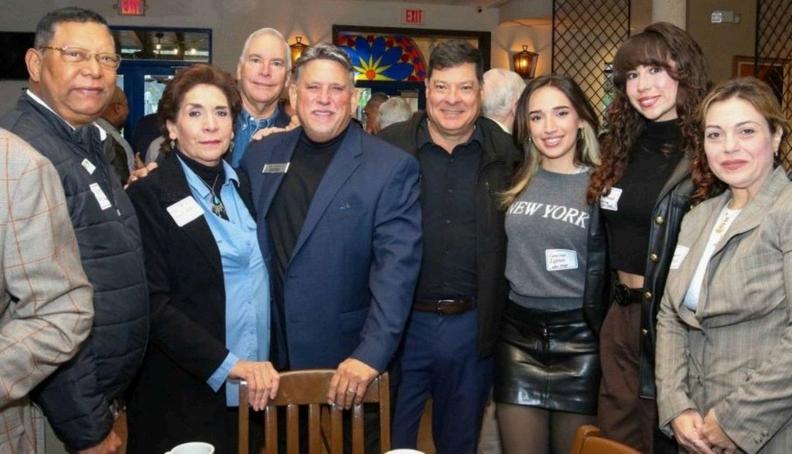
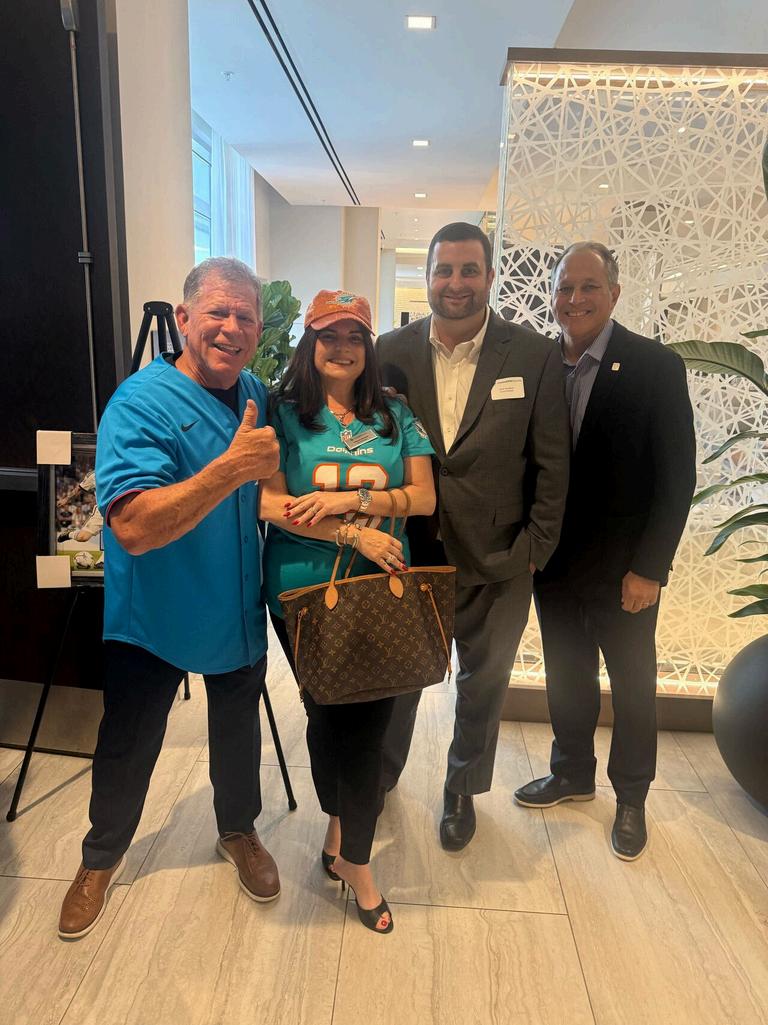
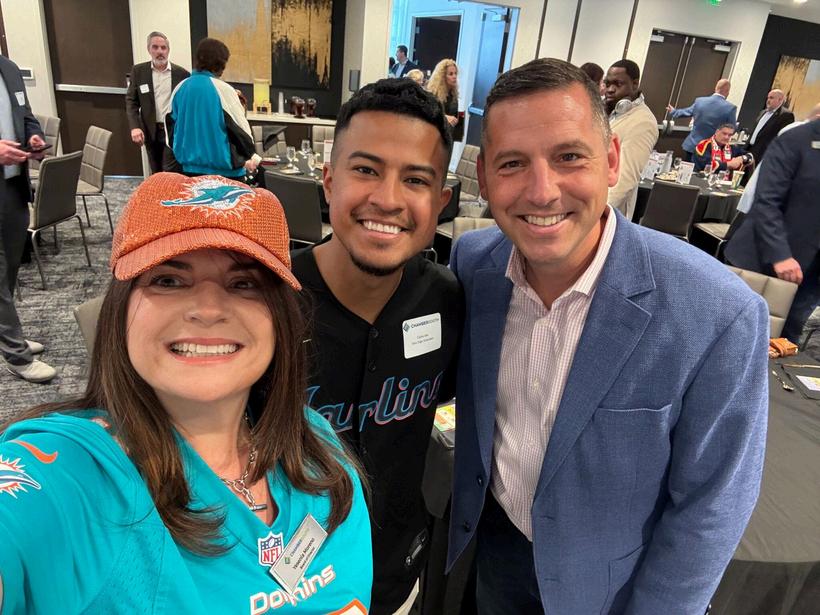
In today’s fast paced and often ego driven business world, the concept of leadership is evolving. The most effective leaders are no longer those who command from the top, but those who inspire, listen, and lead with humility. A term I am pushing and believe in deeply is Humble Leadership. It is not about diminishing influence. It is about empowering others, building trust, and creating sustainable success.
Humble leadership, in my view, is defined as:
Active listening. Truly hearing your team, understanding their perspectives, and valuing their contributions.
Empathy. Recognizing and respecting the challenges and emotions of others.
Self-awareness. Being honest about your strengths, weaknesses, and areas for growth.
Servant leadership. Prioritizing the growth and wellbeing of your team over personal recognition.
This approach does more than create a positive work culture. It drives performance, strengthens loyalty, and fuels innovation.
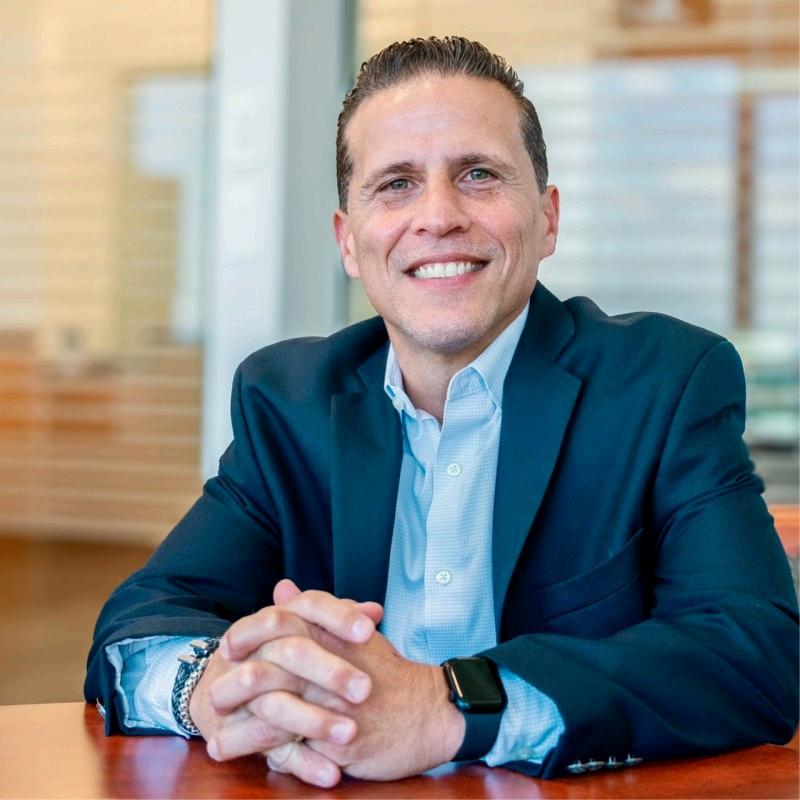
1 Sheldon Anderson, Chairman of Grove Bank and Trust: Sheldon Anderson exemplifies humble leadership through his consistent focus on people, integrity, and long-term relationships. He leads with approachability and quiet confidence. He listens, mentors, and empowers those around him, earning trust rather than demanding it.

2.Satya Nadella, CEO of Microsoft: When Satya Nadella took over Microsoft in 2014, he shifted the company culture from internal competition to collaboration and a growth mindset. Nadella openly acknowledged his own gaps in knowledge and consistently credits his team for successes. His humble approach revitalized Microsoft’s culture and contributed to its market resurgence.
3.Mary Barra, CEO of General Motors: Mary Barra is known for her transparent and approachable leadership style. During times of crisis, she communicates openly with employees and stakeholders, demonstrating accountability while encouraging collaboration. Her humility has helped General Motors navigate complex transformations while maintaining trust and credibility.
Humble leaders build organizations that thrive because:
Trust is nurtured. Teams follow leaders they respect, not fear.
Innovation flourishes. Contributions are encouraged from every level.
Resilience grows. Leaders who admit mistakes, model learning and accountability.
Employee retention improves. People stay where they feel valued and heard.
In a world where catchy titles and personal accolades often take center stage, humble leadership is quietly proving to be the most powerful approach. It inspires loyalty, fuels innovation, and creates lasting organizational impact.






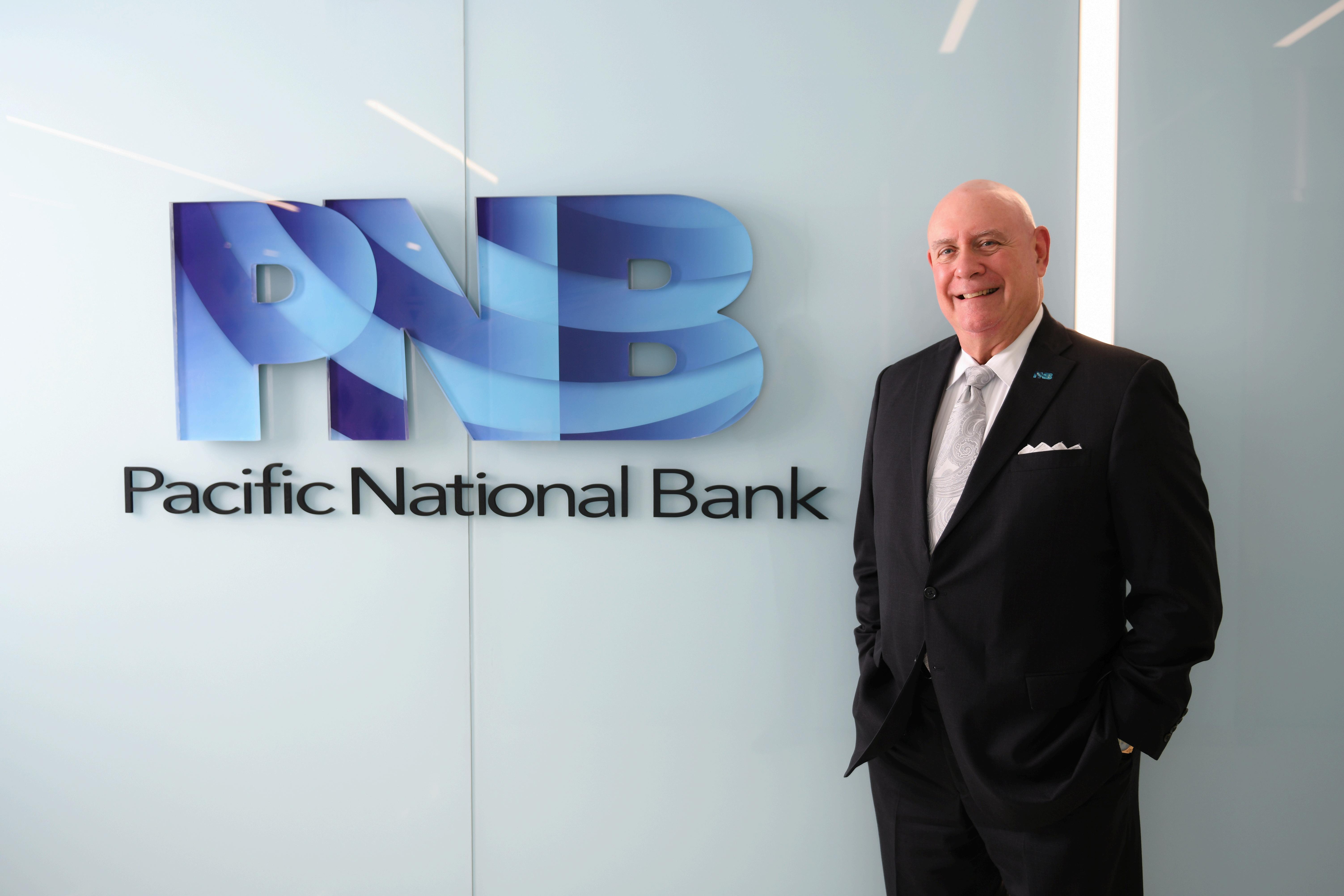

F“To be a great leader, you have to remember that people care about people who care about them.”
B FBLooking back at your career, what prepared you most for becoming CEO and President?
That’s a really interesting question, and I’m going to give you an answer you may not expect The most important thing that has prepared me for being a CEO is being a father People assume preparation comes from finance, strategy, or operations, and yes, those things matter But being a father teaches you patience when progress is slow, empathy when someone is struggling, perspective when things feel overwhelming, and humility because you quickly realize you are not in control of everything You learn that development takes time You learn that people don’t grow because you demand it, they grow because you guide it As a parent, you cannot dictate growth, you have to nurture it That translates directly into leadership A CEO is not there to command people into greatness, but to create an environment where they can become great. Leadership is really about understanding people, and nothing teaches you that better than raising children.
How intentional were you about your career path?
I’ve always looked at everything in my life as an opportunity There’s nothing new that I can’t do I don’t know how well I’ll do it, but I’ll give her my best shot That mindset allowed me to take roles others thought were insane I was never chasing titles, I was chasing growth Challenges are an opportunity and changes are an opportunity for evolution If something scared me a little, that usually meant I needed to do it You don’t become better by doing the same thing over and over. The most important element of success is not what you do, it’s what the people you bring on to help you do with you. Not for you. Don’t ever misunderstand People don’t work for you They work with you. The day you start to understand that, you’ll understand what leadership is all about There is no working for, that’s servitude. There is working with, that’s a partnership When you shift your mindset to partnership, you start investing in people differently You listen more You develop more You build trust And that’s how success really happens You achieve what you ’ ve achieved by developing the people around you that help you get there and get it done with you
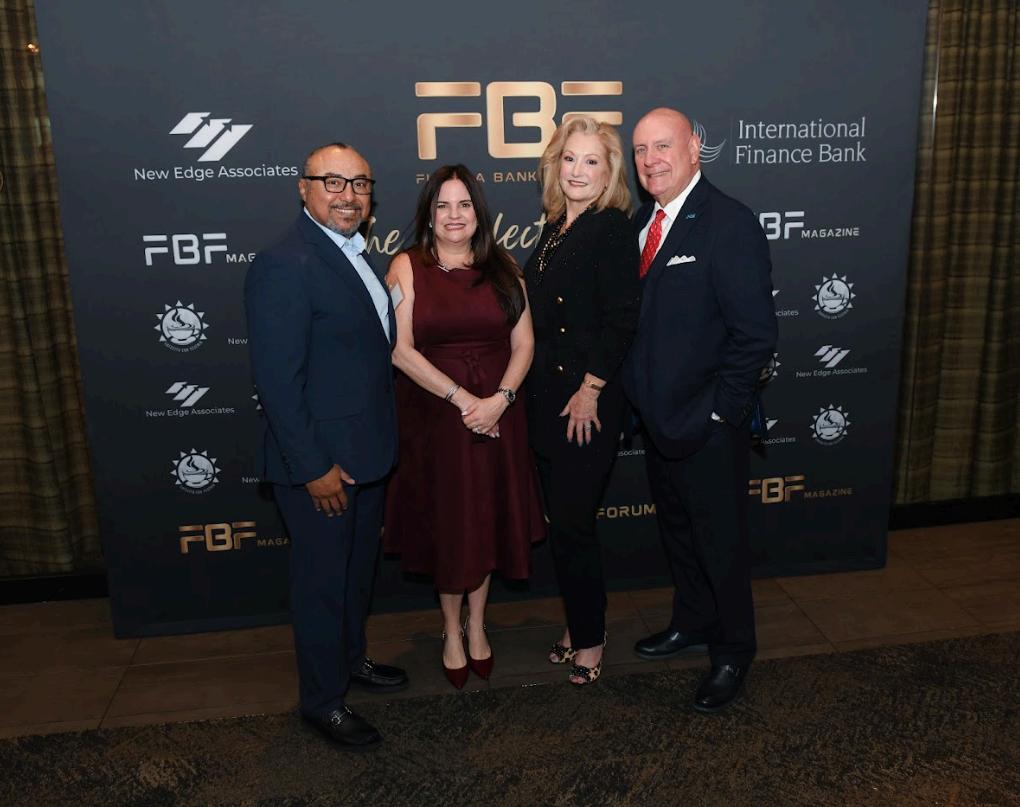
My mother She didn’t accept the concept of not trying There was no excuse She didn’t care if you fell flat on your face But you had to try That expectation built resilience Failure was not shameful, quitting was. That shaped how I lead. I don’t expect perfection, but I expect effort I’ve also learned from mentors, some exceptional, some cautionary. From one leader, I learned something powerful Sometimes, it’s really not important that people know that you are moving the pieces. You have to know you ’ re moving the pieces Leadership isn’t always loud. Sometimes it’s strategic and quiet. Influence does not always need recognition Results speak for themselves
What advice would you give someone early in their career who wants to be an executive?
It’s simple. To be a great leader, you have to remember that people care about people who care about them. If your team does not believe you genuinely care, they will never fully commit And more than that, To be a great leader, you have to motivate people You have to remove road hazards and boundaries You care about the people, and they will care about you Your job is not to be the smartest person in the room Your job is to create an environment where others can perform at their best Leadership isn’t complicated Care about your people. Everything else follows.
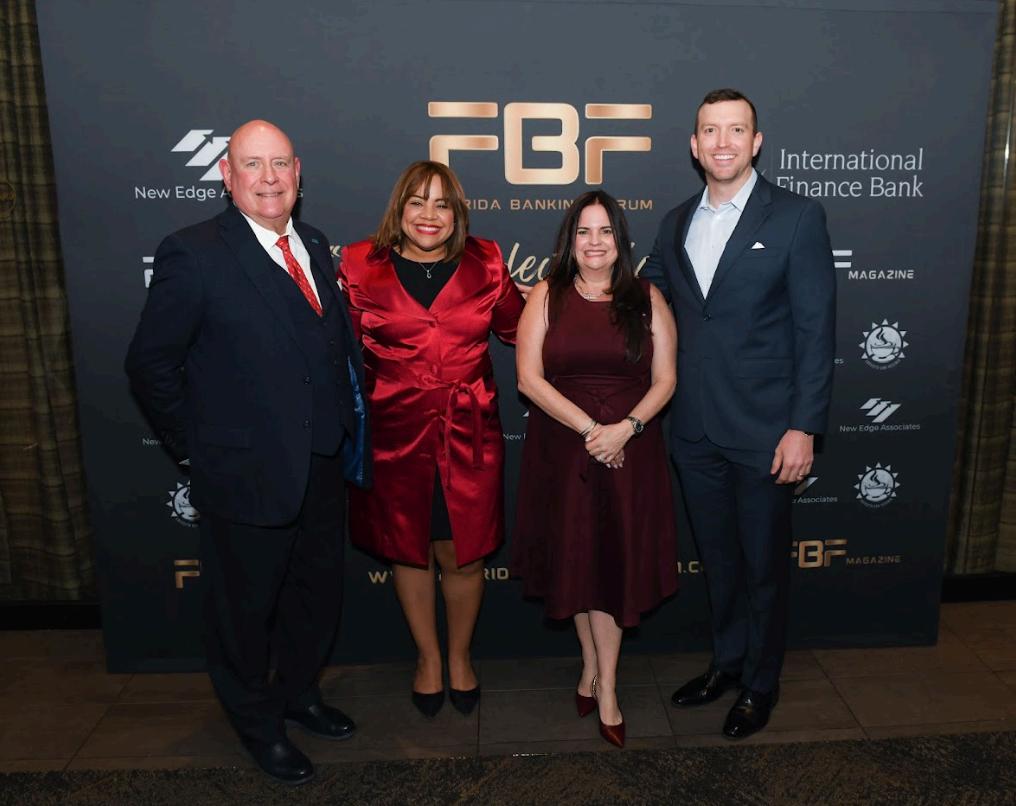
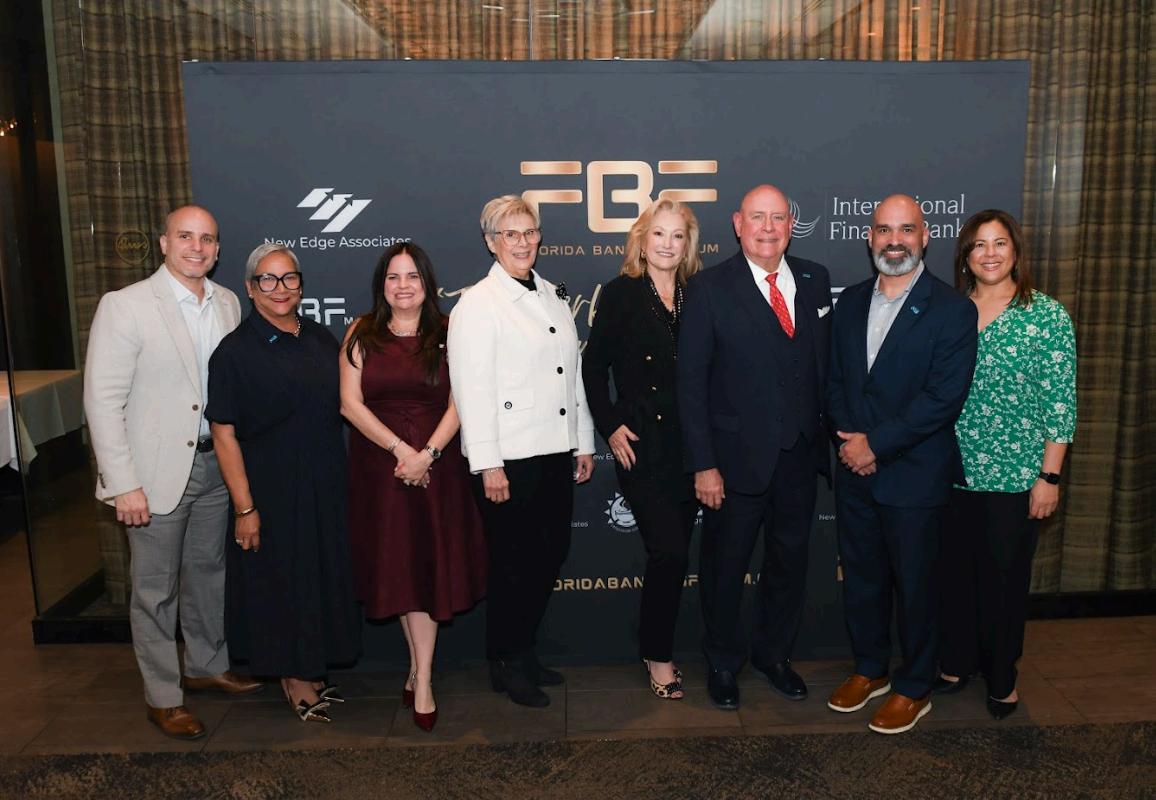
“I want to thank this lady (Yesenia) for everything she does, for the South Florida Banking community. Yesenia and Norman have really revitalized our sector when it comes to public relations and visibility, and all of the things that we need to make this an attractive career for others, right?”

“A CEO is not there to command people into greatness, but to create an environment where they can become great. Leadership is really about understanding people, and nothing teaches you that better than raising children.”
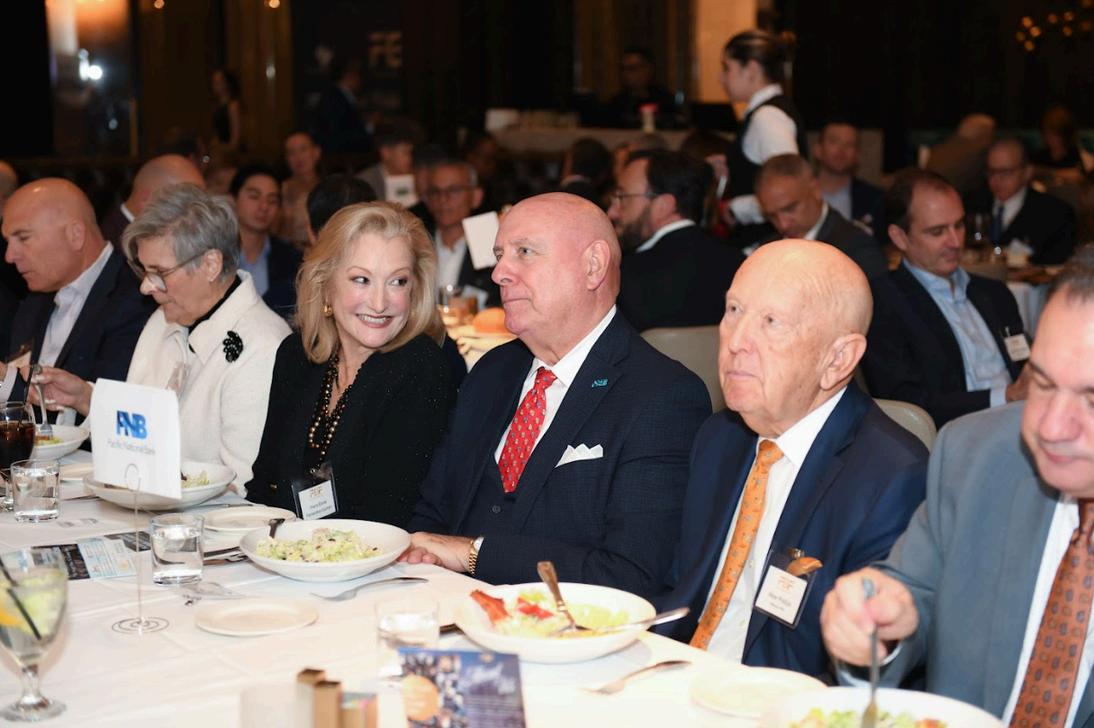
Do you see the future as growth, mentorship, governance or something else?
It’s all of it, but mentorship is at the center No one succeeds alone If you think you did, you ’ re wrong Every leader stands on the shoulders of someone who guided them For me, growth has to be disciplined Anything that grows too fast is a weed Sustainable growth requires infrastructure, talent, culture, and alignment. You push your organization, but never beyond what it can handle If you stretch people too far without support, you break them. Business is like sports. But you know what you need the most? Can anybody guess? You need whatever number of people it takes to put on the field to work together You can have a bunch of stars that can’t work together, and you will fail miserably, or you can have a bunch of folks that really work well together and complement each other, and you can win every game, every day of the week Talent matters, but chemistry matters more Teamwork beats individual talent every time
On September 11th, I was on my way to the Twin Towers and changed my meeting by coincidence That moment reframed everything for me The message I got was that God didn’t want me to finish yet There was something left to do And that was the message that I received from that experience So I believe that when you ’ re still on this earth, it’s because God still thinks you have something left to do That perspective makes you think beyond quarterly results. For me, legacy is simple. The legacy that I want to leave personally is that I did the right thing for the right reasons. That I told people what they needed to hear, not what they wanted to hear Leadership sometimes requires uncomfortable honesty. And above all, make sure you help somebody My greatest accomplishment in life is all of the young men and women that I know I’ve been able to help throughout my career Promotions fade Titles fade Impact on people does not Money was never the driver My father used to say, you know, money is really interesting If you made a lot of it, and you lose it, you know how to make it, so you’ll get it again Don’t worry about money You’ll make it That taught me to focus on value, not income So legacy, to me, is impact If I played even a small part at making Miami a better place, and I’m sitting in a rocking chair somewhere and can say, yeah, you know, a little bit, I’m good I’m good It’s all about making a difference
“My greatest accomplishment in life is all of the young men and women that I know I’ve been able to help throughout my career. Promotions fade. Titles fade. Impact on people does not.”
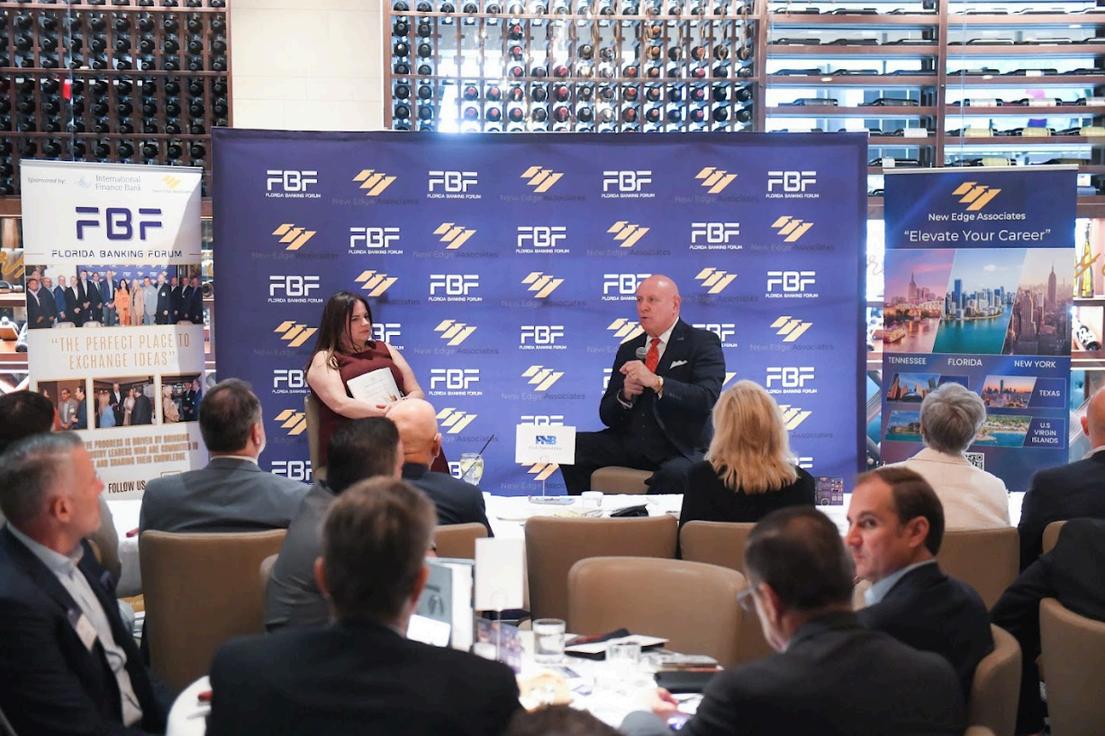
I love fixing things I’m a mechanic at heart What excites me is walking into a situation people think can’t be fixed and proving it can There’s something energizing about complexity Most of the time, the problem isn’t the people It’s that they’re in the wrong roles or the structure is misaligned So I focus on alignment Find the fit, find the passion When people are in the right place, they thrive You see their confidence change You see productivity rise And what’s even more powerful is knowing you have a team that can step off, take responsibility, own it, and deliver it That’s real leadership maturity When restructuring or improving an organization, I am a huge, huge, huge believer in work with what you got Too many leaders rush to replace people instead of developing them. Develop people. Reposition them Empower them Most organizations already have the talent they need. It just needs to be unlocked.



When it comes to your financial aspirations, there are no boundaries at PNB We believe in your potential and helping you reach new heights Our comprehensive range of banking solutions, personalized service, and cutting-edge technology is built from the ground up to help you reach your financial goals. Whether you ’ re starting a new business, expanding your portfolio, or realizing your dreams, PNB is here to provide the support and guidance you need. Elevate your financial journey with a bank that understands your ambitions and is dedicated to building your success Break boundaries, block by block, with PNB as your trusted partner BANKING NOT AS USUAL


1390 Brickell Avenue, Miami, FL 33131 305 539 7500
255 Aragon Avenue, Coral Gables, FL 33134 305 539 7570
18285 Biscayne Blvd , Aventura, FL 33160 305 539 7460
4137 North Federal Highway, Unit #7, Boca Raton, FL 33431 561 448 4541



6303 Blue Lagoon Drive Suite 438 Miami, Florida 33126 305-537-4614









For more than half a century, United HomeCare® (UHC) has been one of South Florida’s most trusted nonprofit leaders in delivering compassionate home health and community based care Rooted in the belief that “There’s just no place like home,” UHC empowers older adults, adults with disabilities, and family caregivers to live safely and independently in the place they prefer and where they feel most secure their homes
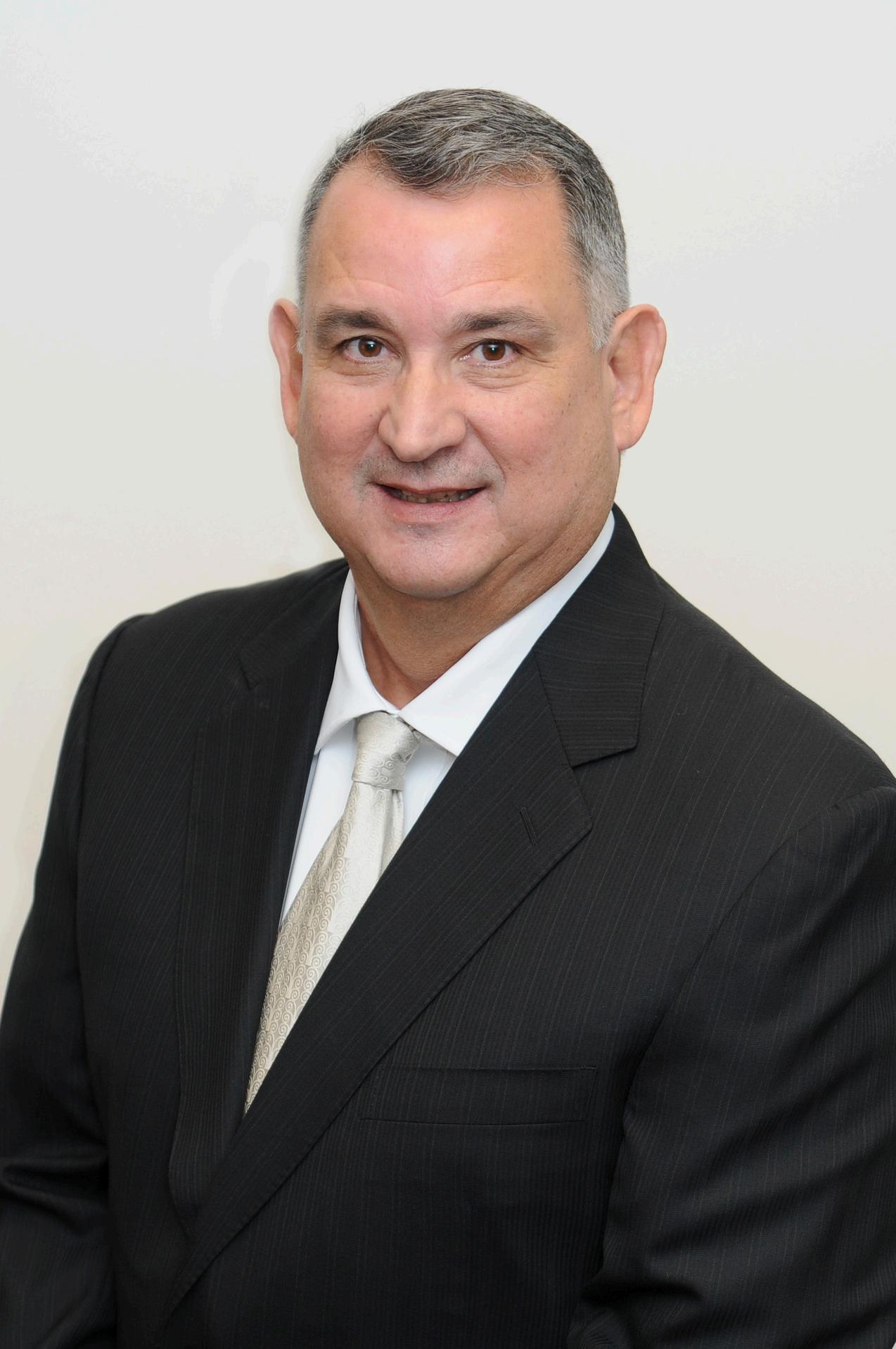
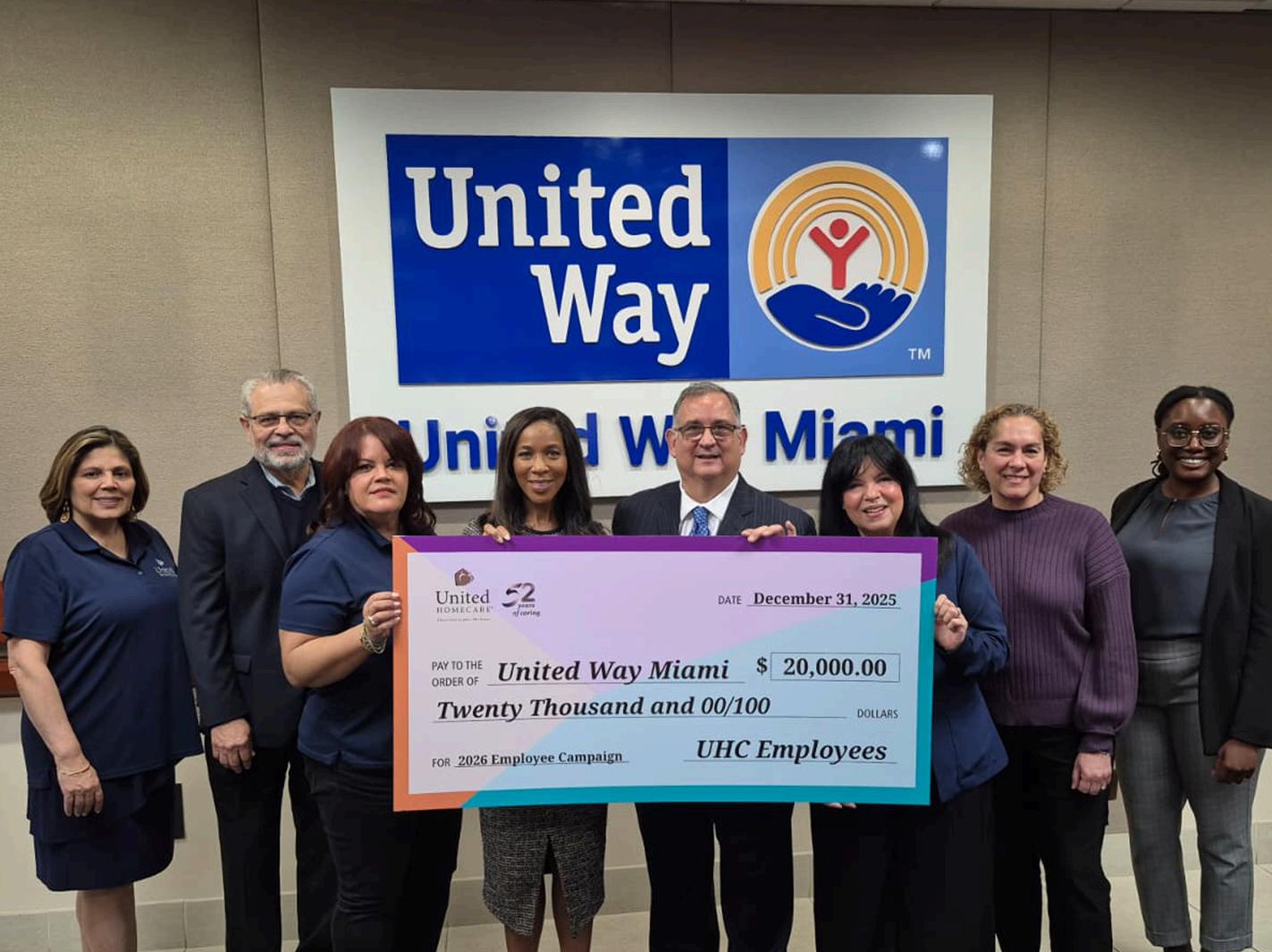
At the helm of United HomeCare is Carlos L Martinez, President and CEO, whose leadership for more than two decades, has guided and strengthened growth, innovation, and community impact A licensed CPA and distinguished graduate of St Thomas University and Miami Dade College, Mr Martinez also completed executive programs at Harvard Business School and Cornell University A recognized leader in aging policy and passionate advocate for elder care policy and community-based solutions, he serves on major boards and councils including the Florida Council on Aging, Florida Association of Service Providers, United Way Older Adults Task Force, Miami Dade State Attorney’s Elder & Vulnerable Adults Workgroup, and the Florida International University President’s Council His many honors include the Monsignor Walsh Outstanding Human Services Professional Award, the Latino Center on Aging’s Golden Age Award, and recognition as a 2026 Twelve Good Men Honoree by Ronald McDonald House Charities of South Florida.

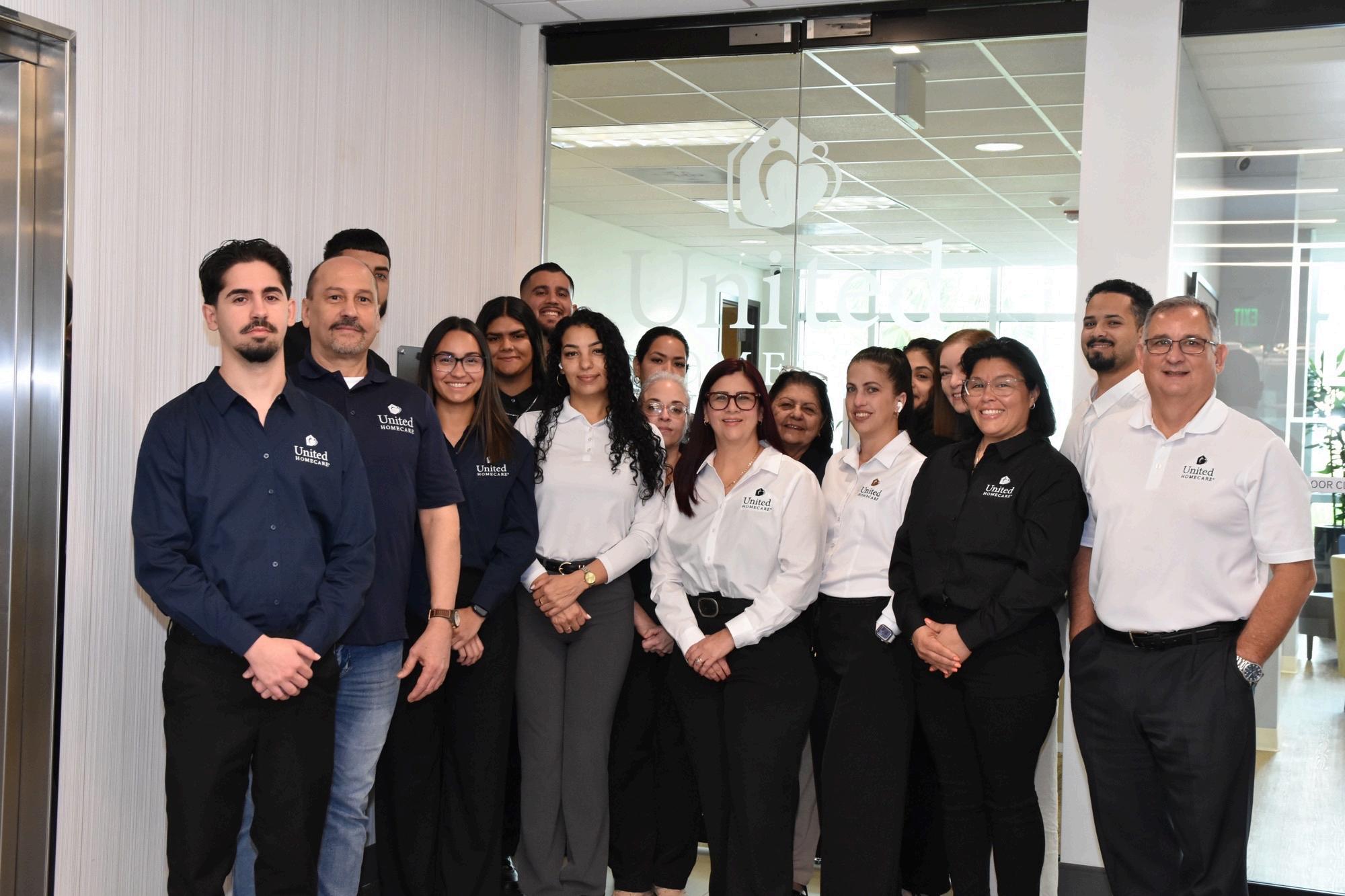
UHC’s impact is made possible by a dedicated workforce of 1,300 employees. This employee based model ensures consistent training, high standards, and continuity of care key reasons behind UHC’s longstanding reputation for reliability and excellence in Miami Dade, Broward, and Monroe counties
United HomeCare proudly holds a 5 out of 5 Star Rating from the Centers for Medicare & Medicaid Services (CMS) for both quality of care and patient satisfaction This distinguished rating reflects the organization’s commitment to rigorous clinical practices, person centered care planning, and unwavering attention to safety, compassion, and trust qualities families rely on when choosing a care partner to support their loved ones
Responding to the national shortage of direct care professionals, UHC created the Learn & Work Home Health Aide Workforce Development Program an innovative program for individuals with limited access to affordable training that provides education, documentation, hands on
experience and pathways to economic mobility for those seeking meaningful and stable employment Graduates gain in-demand skills that lead to long-term employment and career advancement across the healthcare field The program strengthens South Florida’s healthcare workforce while preparing participants to make an immediate, life changing difference for the clients they serve
United HomeCare pioneered a specialized approach to supporting older adults undergoing cancer treatment The Senior Cancer Support Services Program provides tailored in home assistance designed to enhance comfort, safety, and quality of life for cancer patients age 60+ Through strong referral partnerships with UM Sylvester Comprehensive Cancer Center, Mt Sinai Cancer Center, and Baptist Health Miami Cancer Institute, UHC provides charitable in-home personal care services including grooming and bathing assistance, light housekeeping, and meal preparation to patients undergoing chemotherapy, radiation, and immunotherapy These essential services help individuals maintain dignity, stability, and well-being throughout their treatment while strengthening each patient’s care
As a designated Alzheimer’s Disease Initiative (ADI) Agency in Miami Dade and Broward, United HomeCare provides comprehensive in home Alzheimer’s and Dementia Care Services include caregiver training and support, respite, safety interventions and personalized care tailored to each individual’s needs UHC also proudly participates in the Medicare GUIDE (Guiding an Improved Dementia Experience) Program, a CMS initiative expanding access to structured dementia care navigation for Medicare beneficiaries and their caregivers. This program enhances coordinated support and helps families better manage the challenges of memory related conditions and provides much-needed respite for family caregivers
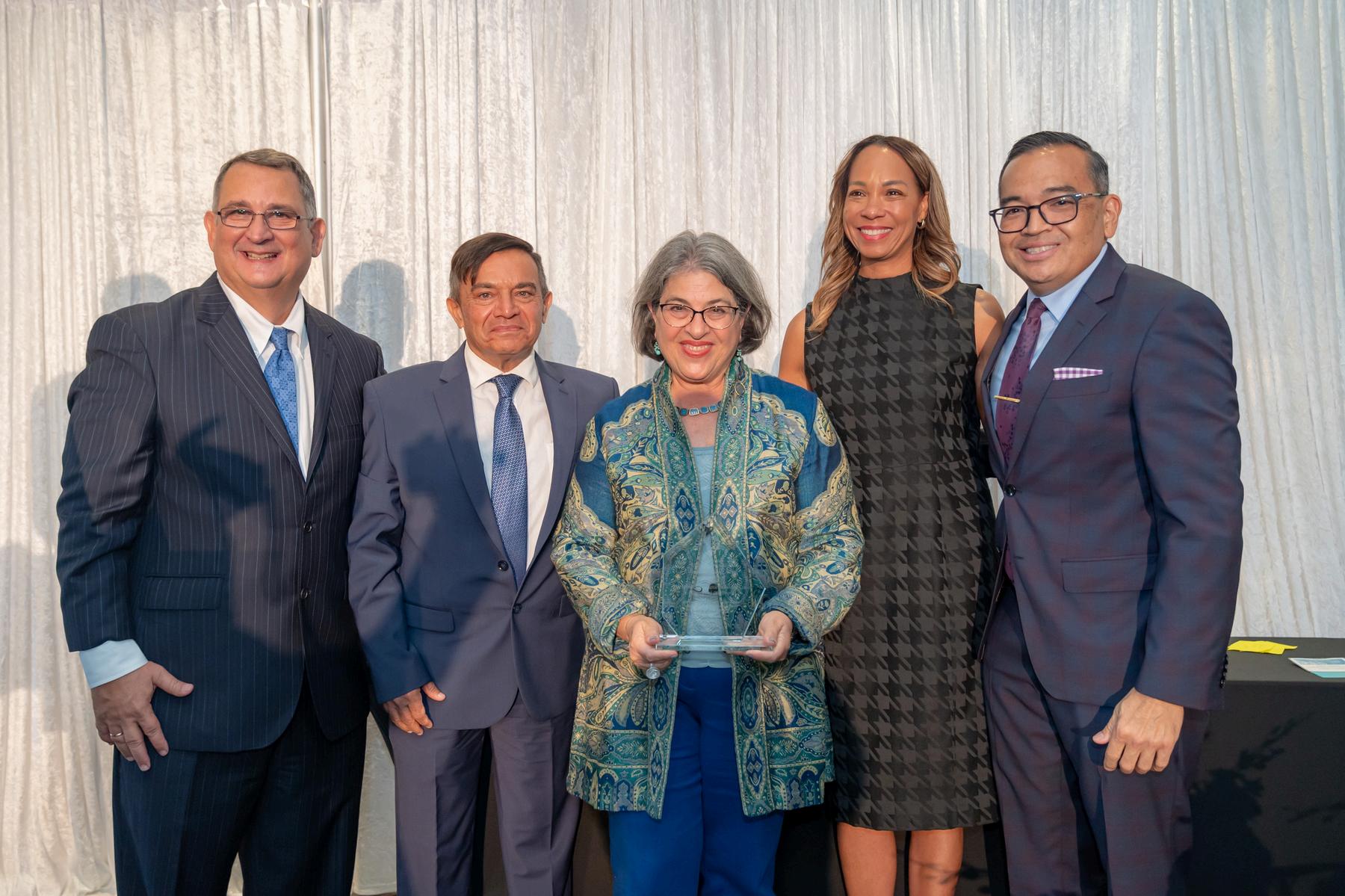
Now in its 31 year, the Annual Claude Pepper Awards will once again bring our community together on May 15 to recognize outstanding leaders who embody the legacy of the late Senator Claude Pepper a tireless champion who fought for the rights of the most frail and in need a powerful reminder of what compassionate leadership can achieve. Join us in congratulating this year’s outstanding Claude Pepper Award Honorees: Dr Rudolph Moise, DO, JD, Lifetime Achievement; The Honorable Alex Rizo, Public Service; Alonzo Mourning and Mourning Family Foundation, Thelma Gibson Community Service; The Rok Family, Community Builder; The Honorable Dariel Fernandez, Public Service; Sunshine Health Plans, Charlene Zein, Corporate Service–Healthcare; Armando Fernandez, Florida Power & Light/NextEra Energy, Philanthropic; and Miriam Singer, Jewish Community Services of South Florida, Education & Advocacy. You can support our mission of caring by contributing or attending









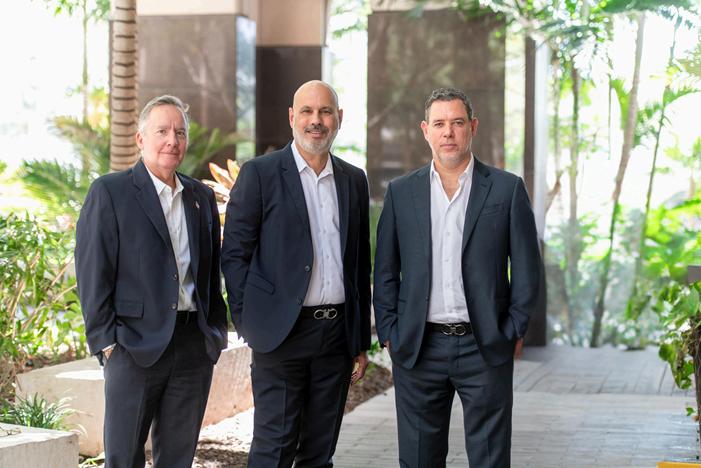
In today’s commercial real estate market, timing is everything Opportunities emerge quickly, and the ability to secure reliable capital can determine whether a transaction succeeds or slips away That’s where Sure Lending stands apart As a Florida-based family office specializing in commercial real estate bridge loans, Sure Lending combines deep experience, flexible capital, and decisive execution to meet the evolving needs of borrowers across the state
At its core, Sure Lending is built on a simple principle: move quickly, structure intelligently, and deliver with certainty.
Unlike many institutional lenders that rely on committee layers or secondary market approvals, Sure Lending operates as a true portfolio lender This distinction matters Because the firm lends its own capital, decisions are made internally, efficiently, and with a clear understanding of risk and opportunity The result is a streamlined process that prioritizes responsiveness and execution.
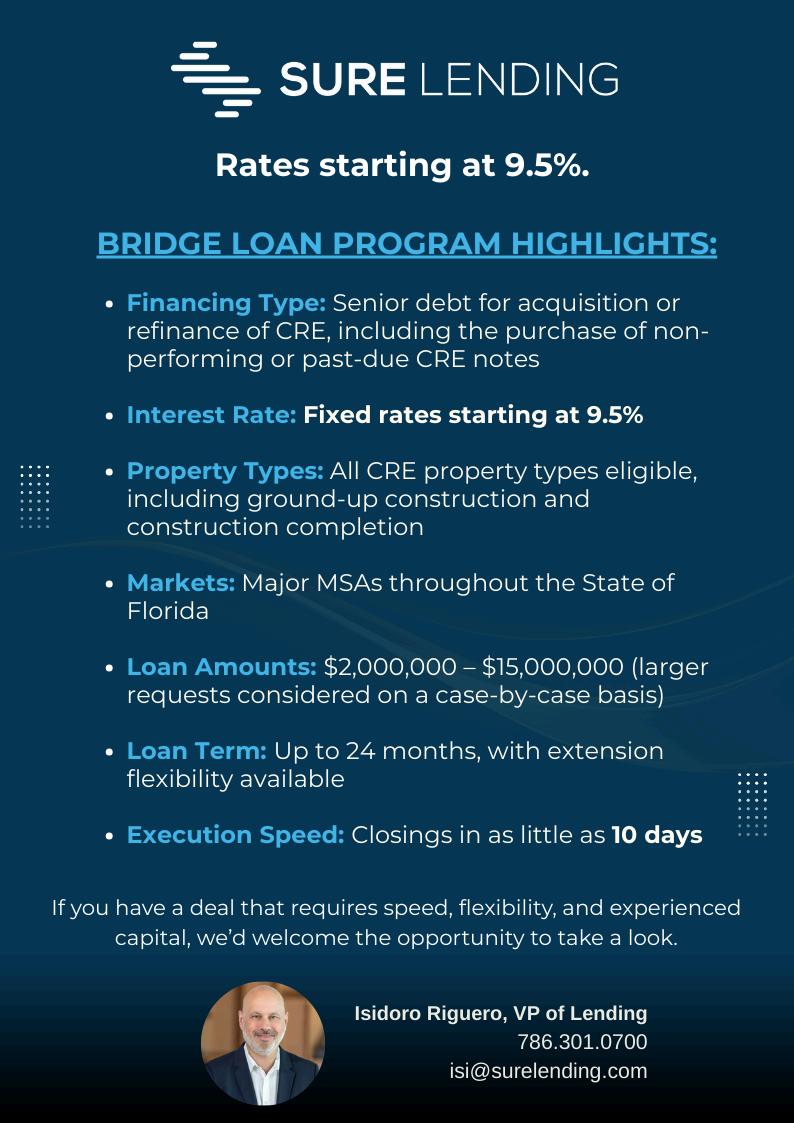
Loan sizes typically range from $2 million to $20 million positioning Sure Lending to serve mid-market sponsors and operators who require meaningful capital but value personalized attention As a family office, the firm maintains long-term investment horizons and a relationship-driven mindset Borrowers are not just transactions; they are partners navigating dynamic real estate cycles
Sure Lending specializes in senior debt for the acquisition or refinance of commercial real estate throughout Florida’s major metropolitan areas This includes financing for stabilized assets, transitional properties, and even the purchase of non-performing or past-due commercial real estate notes
Bridge loans are often misunderstood as merely short-term capital In reality, they are strategic tools Sponsors use bridge financing to reposition assets, complete renovations, resolve temporary cash flow challenges or execute value-add business plans before refinancing into long-term debt Sure Lending understands these strategies because its principals bring more than 50 years of combined experience in commercial real estate investment and lending
That experience translates into practical underwriting. Rather than relying solely on formulas, the team evaluates the story behind each deal the sponsor ’ s plan, and the pathway to stabilization This approach allows Sure Lending to navigate complex transactions and provide creative capital solutions tailored to each opportunity
In competitive markets like Florida, speed can define success. Sure Lending offers fixed rates starting at 9.5 percent, with closings in as little as 10 days when circumstances allow While not every deal requires such an accelerated timeline, the ability to move decisively provides borrowers with a critical advantage in acquisitions, restructurings, or timesensitive refinances
Loan terms extend up to 24 months, with extension flexibility available based on project progress and performance This structure provides sponsors with breathing room to execute their business plans while maintaining clarity around exit timelines
Because Sure Lending is a portfolio lender, the firm can maintain a high degree of certainty of execution Borrowers benefit from direct access to decisionmakers, transparent communication, and realistic expectations from the outset. In bridge lending, reliability is often as important as rate Sure Lending prioritizes both




Florida continues to attract capital, population growth, and business expansion Sure Lending operates throughout the state’s major MSAs, supporting projects across diverse commercial real estate sectors All commercial real estate property types are eligible, including ground-up construction and construction completion scenarios
This broad eligibility allows the firm to support investors pursuing multifamily repositioning, retail redevelopment, office recapitalizations, industrial acquisitions, and other transitional strategies. Each transaction is evaluated on its merits, with attention to market fundamentals, sponsorship strength, and execution feasibility.
With over five decades of combined experience in commercial real estate investment and lending, Sure Lending’s leadership understands the realities borrowers face. Market cycles shift. Construction timelines change. Leasing velocity fluctuates Having principals who have operated on both sides of the capital stack enables the firm to structure loans that reflect practical market dynamics
This depth of knowledge supports creative structuring when appropriate Whether navigating note acquisitions, resolving distressed situations, or bridging capital gaps between acquisition and permanent financing, Sure Lending focuses on aligning loan terms with the borrower’s strategy
The firm’s philosophy centers on partnership By taking the time to understand each sponsor ’ s objectives, capital stack, and exit plan, Sure Lending crafts financing solutions designed to support long-term success rather than shortterm fixes
As a family office, Sure Lending operates with flexibility and a long-term perspective The firm values repeat relationships and views each transaction as an opportunity to build trust This mindset fosters open communication, collaborative problem-solving, and transparency throughout the lending process
Borrowers working with Sure Lending can expect straightforward underwriting, practical feedback, and a focus on solutions The team prides itself on navigating complex transactions and delivering capital that fits the unique contours of each deal
Florida’s commercial real estate landscape continues to evolve, driven by migration trends, economic expansion, and shifting demand patterns In this environment, access to experienced, flexible bridge capital is essential
Sure Lending stands ready to meet that demand By combining family office capital, portfolio lending flexibility, and seasoned real estate expertise, the firm provides borrowers with the tools needed to act decisively and execute confidently
For sponsors seeking speed, flexibility, and experienced capital, Sure Lending offers more than financing It offers partnership, certainty, and a clear path from opportunity to execution

Fraud today is too fast, too complex, and too scalable for humans alone. AI is basically the only way to keep up. Forensic work inside banks is about finding, explaining, and proving financial wrongdoing. It sits at the crossroads of money, data, law, and human behavior. The output isn’t just “we think this looks shady” it must stand up to regulators, auditors, or courts.
What fraud looks like now (and why old methods fail); Fraud isn’t obvious anymore, It’s rarely one big shady transaction. Instead, it’s:
Thousands of small transactions
Spread across accounts, devices, countries
Designed to look almost normal
Why AI changes the game in banking fraud detection: Scale: banks process a large volume of transactions; Banks handle millions of transactions daily.
AI:
Reviews everything, not samples
Works 24/7
Doesn’t get tired or miss patterns

Unusual transaction sequences
Relationships between accounts that look unrelated

In fraud, seconds matter. AI can:
Score transactions in milliseconds
Block or step-up authentication instantly
Reduce losses before money leaves the bank
Fraud is rarely about math or systems. It’s about people. Behind every scheme, there’s a very human pattern. It’s about Pressure, Opportunity, and Rationalization.

Where forensics + AI really meet
AI doesn’t replace forensic work, it feeds it. What are the differences between AI and Forensic Investigations: AI:
Flags suspicious activity
Maps networks of accounts
Prioritizes high-risk cases
Forensic investigators:
Validate findings
Build narratives
Provide legally defensible conclusions
What investigators do:
Think of AI as the radar, and forensics as the investigator on the ground.
Reconstruct transaction histories (sometimes years back)
Follow money across accounts, entities, and jurisdictions
Compare behavior against expected patterns
Interview staff or customers (with HR/legal present)
Quantify losses and identify who benefited
Assume nothing is random
Look for intent behind transactions
Forensic mindset
Connect financial behavior to real-world activity
In the United States, consumers reported losing $12.5 billion to fraud in 2024, much of it funneled through bank-related channels like transfers and payment scams though this figure reflects consumer losses, not just bank direct losses. LexisNexis industry studies estimate that for every $1 lost to fraud, U.S. institutions incur about $5 in total costs when you include legal, investigation, and operational impacts showing that the effective economic impact is much higher than face value alone.

But the bottom line is clear: Fraud costs financial institutions and their customers hundreds of billions of dollars every year, and often much more when indirect costs are included making fraud a top operational and strategic risk for banks.
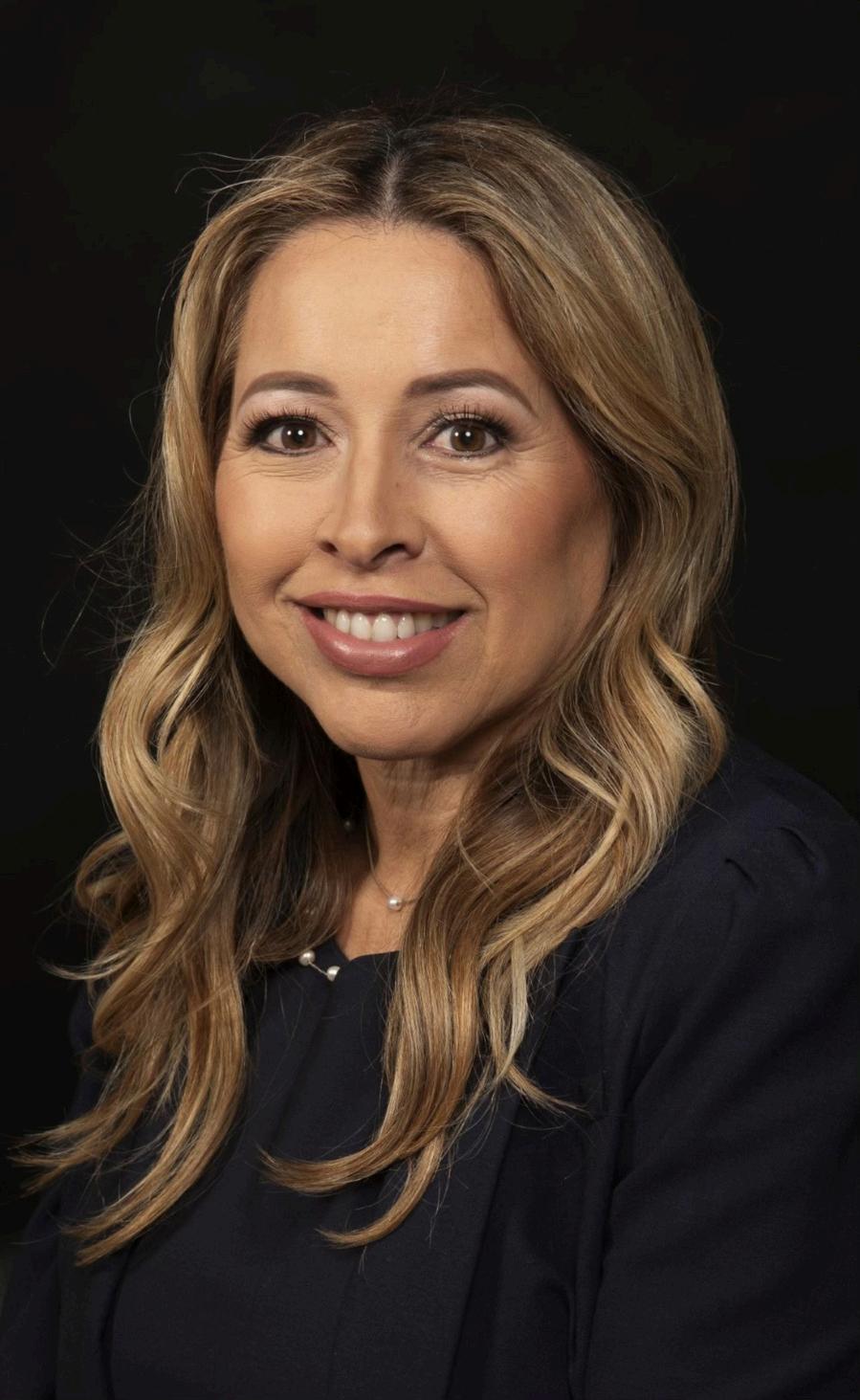
By: Dr. Claudia Uribe

Growing up in Miami in the early 1970s I remember a very different city The Miami I remember was largely made up of Cuban families, a strong Jewish community in Miami Beach and traditional American neighborhoods I remember the boom of the 1980s when the skyline in Brickell and Downtown Miami began to rise, followed by the 1990s when Miami became known as an international party destination Since then, Miami has evolved into something my parents would hardly recognize It is now a city that is vibrant multicultural and unmistakably open for business
Griffin is not alone Billionaire developer Stephen Ross, founder of Related Companies and now leading Related Ross in South Florida, has become one of the region s most vocal champions Together, Griffin and Ross have invested millions into initiatives designed to attract CEOs, founders, and financial executives to Florida positioning the state as a center for the next generation of American economic growth Their efforts have focused on highlighting Florida’s economic advantages and promoting South Florida as a place where business leaders can build and operate companies efficiently
Over the past several years Miami has undergone a remarkable transformation Once known primarily for tourism hospitality, and international trade, the city is increasingly being viewed as the financial capital of the Sun Belt a place where finance, private credit technology, banking, and wealth management intersect Today the phrase Wall Street of the South is no longer aspirational It reflects a structural shift in where capital talent and decision makers are choosing to live and work A key component of this transformation has been the evolution of South Florida s banking system, which has expanded alongside the influx of capital and corporate relocations Regional and community banks have strengthened private banking, commercial lending, and wealth advisory capabilities, allowing executives and firms relocating from traditional financial centers to maintain sophisticated financial relationships locally
At the center of this movement is a wave of high profile relocations and expansions by major financial firms and influential business leaders The most symbolic moment came in 2022 when Ken Griffin moved the headquarters of Citadel and Citadel Securities from Chicago to Miami, signaling to the financial world that South Florida could compete with traditional financial hubs The firm s relocation along with plans for a major headquarters tower in Brickell, helped solidify Miami as a legitimate financial center rather than simply a satellite market
The results are already visible Financial services firms, hedge funds, private equity managers, and wealth management divisions have expanded their presence across Miami and Palm Beach Wells Fargo’s decision to relocate its wealth management headquarters to West Palm Beach bringing senior executives and high level decision making functions with it, reflects a broader migration of financial leadership toward South Florida Technology and investment firms such as Peter Thiel s Thiel Capital have also opened offices in Miami, reinforcing the city s growing reputation as a destination for entrepreneurs and capital allocators alike
Several factors explain why this shift is happening now First and foremost is Florida’s tax environment The state s lack of a personal income tax has long been attractive to high earners entrepreneurs, and financial professionals In an era where states like California and New York have increased tax burdens, Florida s structure provides a clear economic incentive for individuals and companies to relocate That advantage may become even more pronounced as policymakers debate additional tax reforms Florida leaders are actively discussing proposals to significantly reduce or potentially eliminate certain property taxes, with the goal of placing a constitutional amendment before voters in November 2026
Beyond taxes Florida s broader business climate has played a decisive role Regulatory flexibility faster development timelines and a pro growth political environment have created conditions that appeal to capital intensive industries The migration that accelerated during the pandemic has continued as companies recognize that leadership teams can operate nationally or globally while basing themselves in business friendly environments with lower operating costs
Equally important is the continued role of banking and credit in supporting this growth South Florida s financial institutions have adapted to serve an expanding base of family offices, private investors and middle market businesses At the same time, the growth of private credit and alternative lending has strengthened Miami’s financial infrastructure As traditional banks face regulatory constraints private lenders structured credit funds and specialty finance firms have stepped in to fill capital gaps, particularly in real estate development hospitality, and entrepreneurial ventures This diversification of capital sources has made Miami more resilient and more attractive to investors seeking flexibility and speed in financing
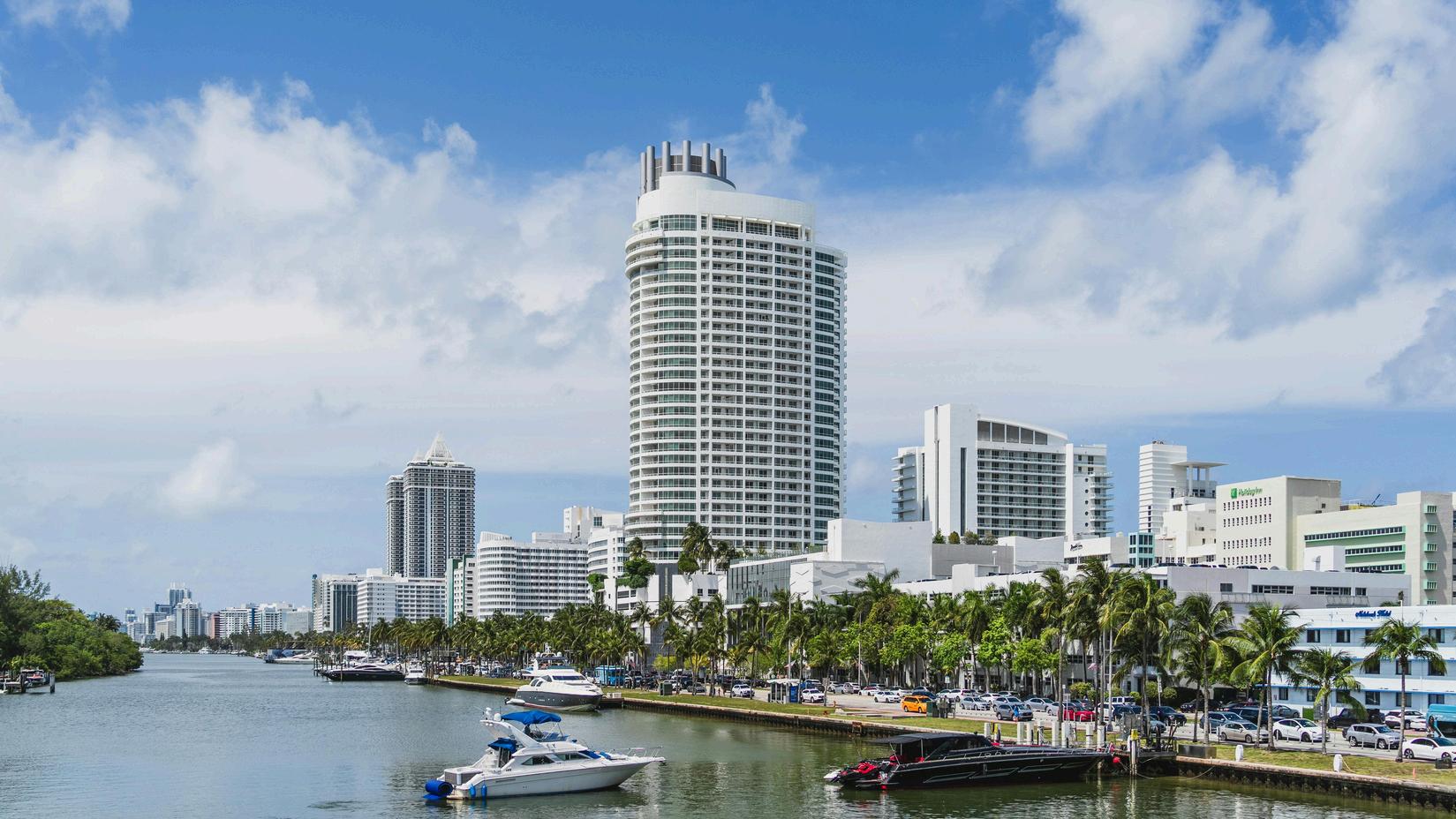

Miami’s rise as the Wall Street of the South is not without challenges Infrastructure demands, insurance costs and housing affordability remain ongoing concerns Debates around property tax reform also illustrate the balance policymakers must maintain between preserving a business friendly environment and funding essential public services
Yet the broader trajectory appears clear The convergence of capital migration favorable tax policy high profile corporate relocations and a rapidly maturing financial ecosystem has repositioned Miami within the national economic landscape What began as a pandemic era relocation trend has evolved into a long term structural shift
Geography and lifestyle also play a role Miami offers global connectivity to Latin America and Europe, a favorable climate and an increasingly dense urban financial district in areas like Brickell now home to major financial firms technology companies and multinational headquarters More than 1,400 multinational companies maintain a presence in the city many using Miami as their gateway to international markets
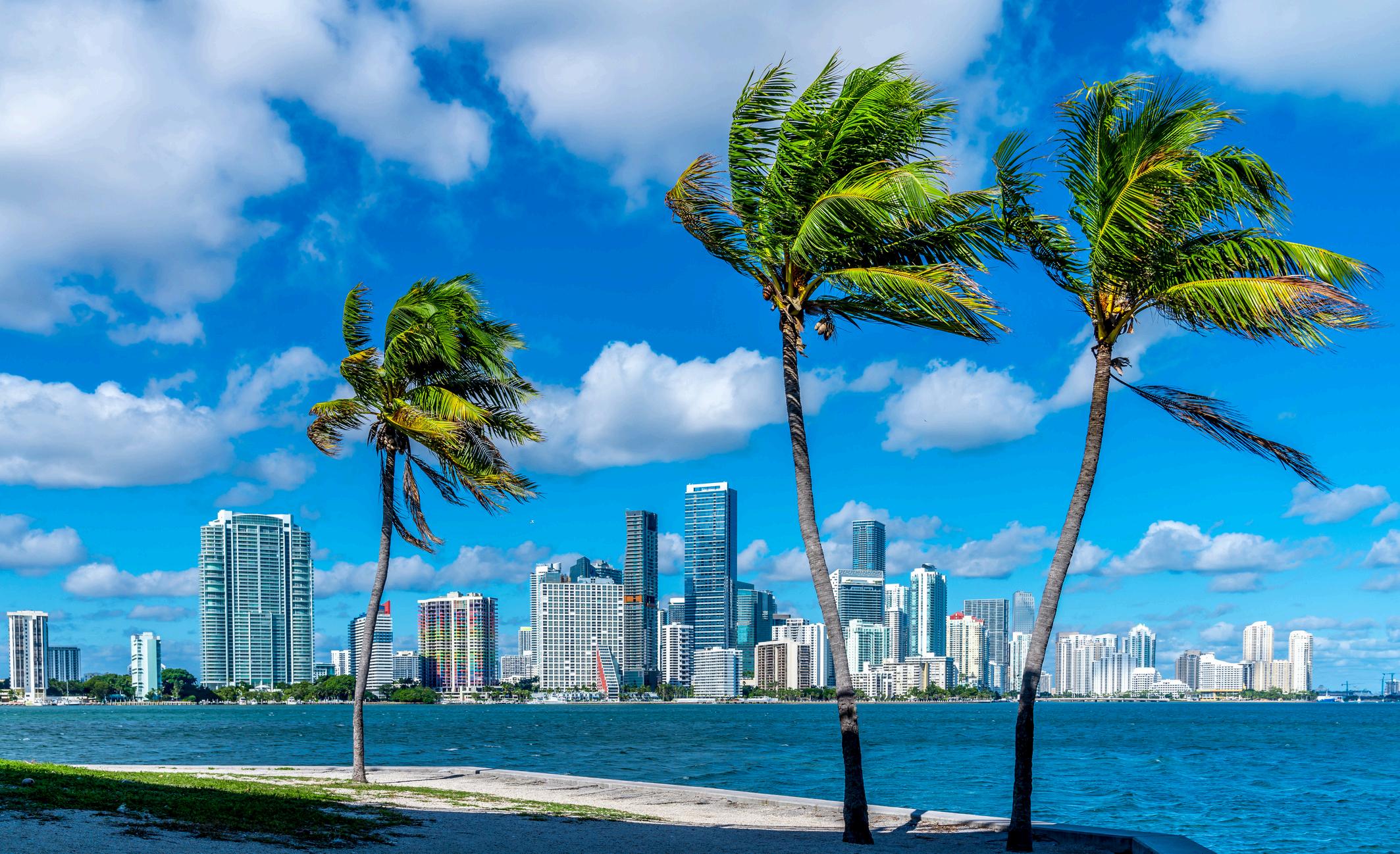
For executives and investors alike Miami is no longer simply a place to live It is increasingly a place to lead deploy capital, and build the next generation of financial institutions As influential figures like Ken Griffin and Stephen Ross continue to champion the region, the momentum behind Miami s transformation into the Wall Street of the South shows little sign of slowing
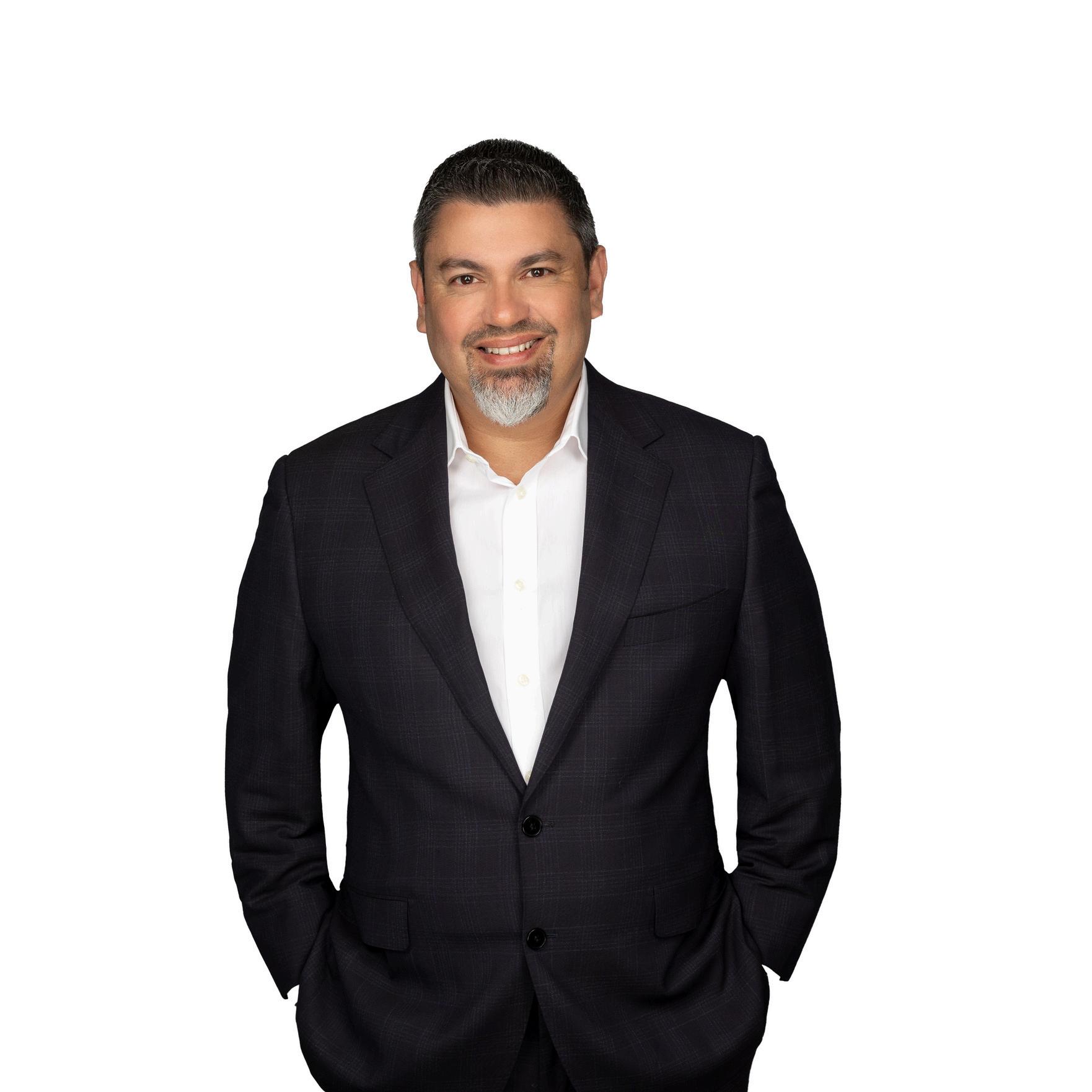
WRITTEN BY Orlando Diaz
Contributor to the Florida Banking Forum and President of Metro Fund Inc. in Miami, Florida, a leading private capital provider in South Florida. Mr. Diaz also serves as the President of the Florida Association of Mortgage Professionals.
T ' S T I M E F O R . . . IT'S TIME FOR...



Building relationships one cafecito at a time
Building relationships one cafecito at a time @ c a fe c ito c onyeseni a @cafecitoconyesenia

Con Yesenia Presents Con Yesenia Presents













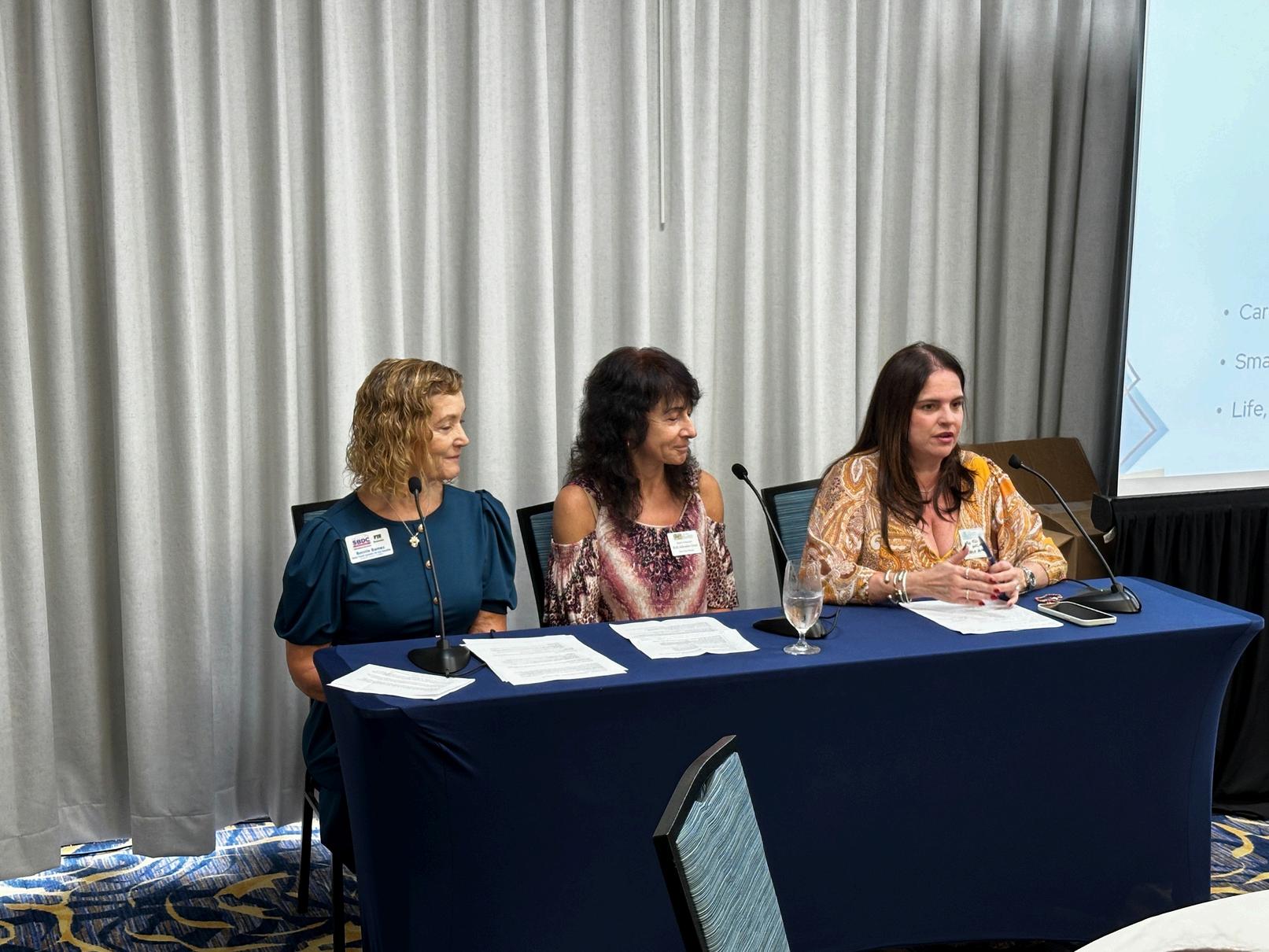
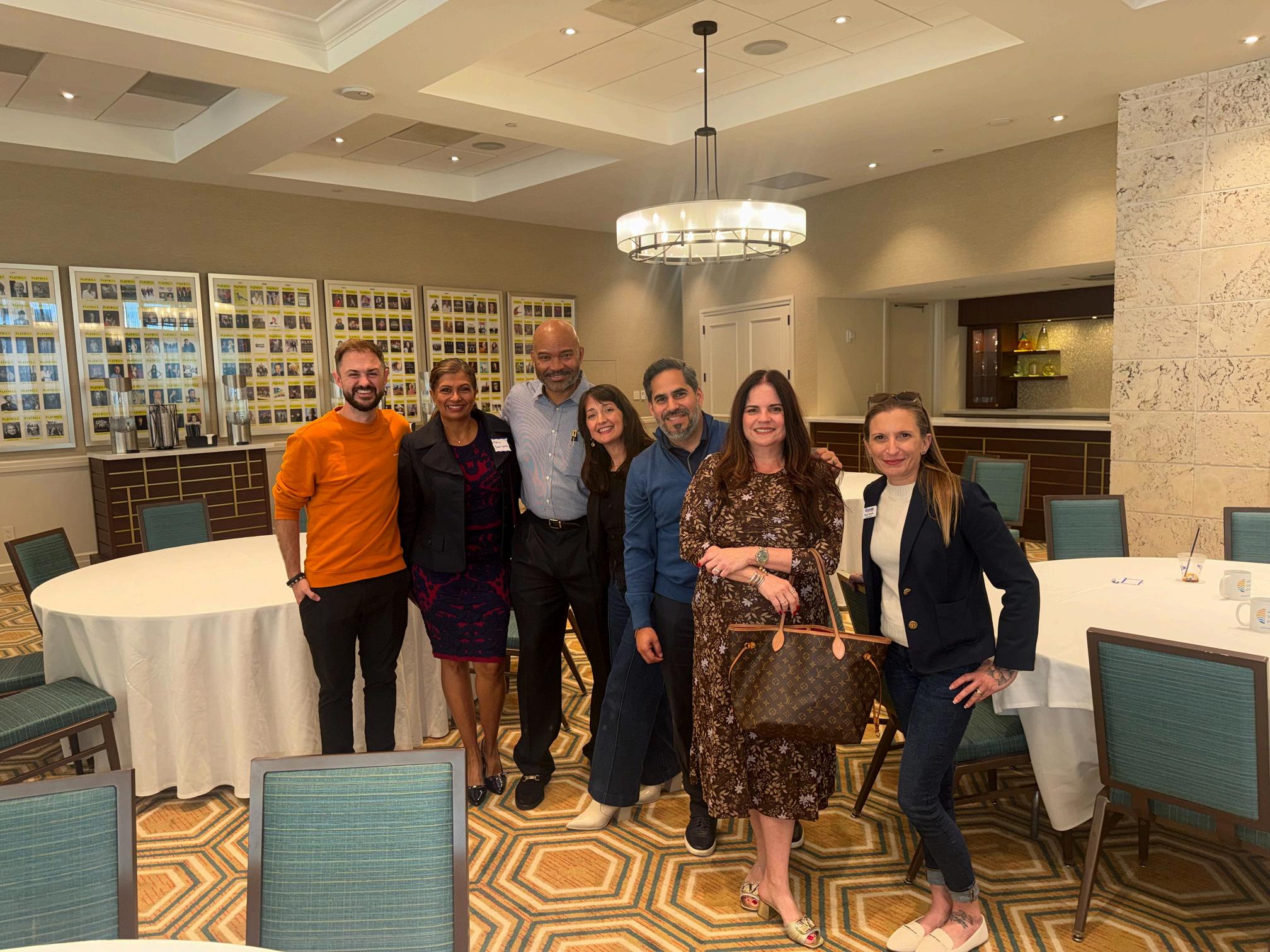
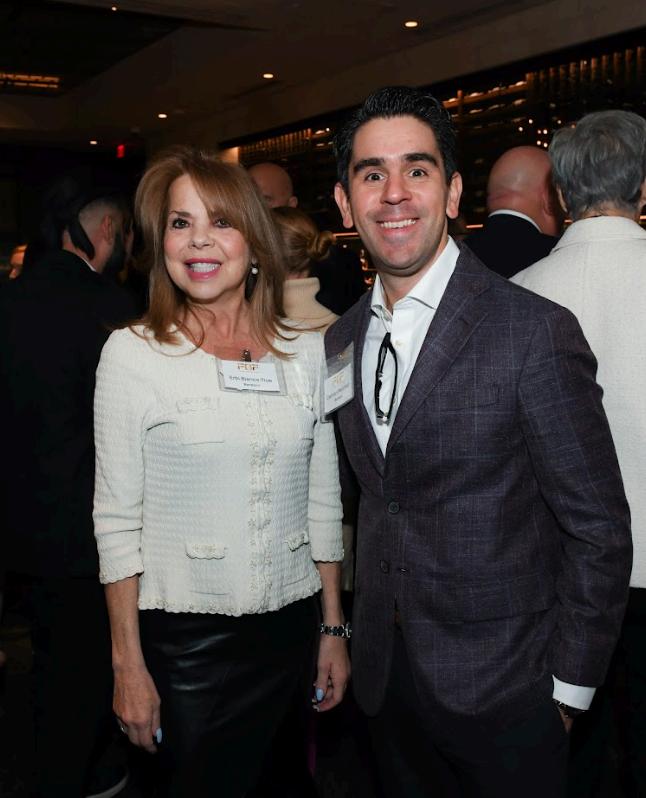
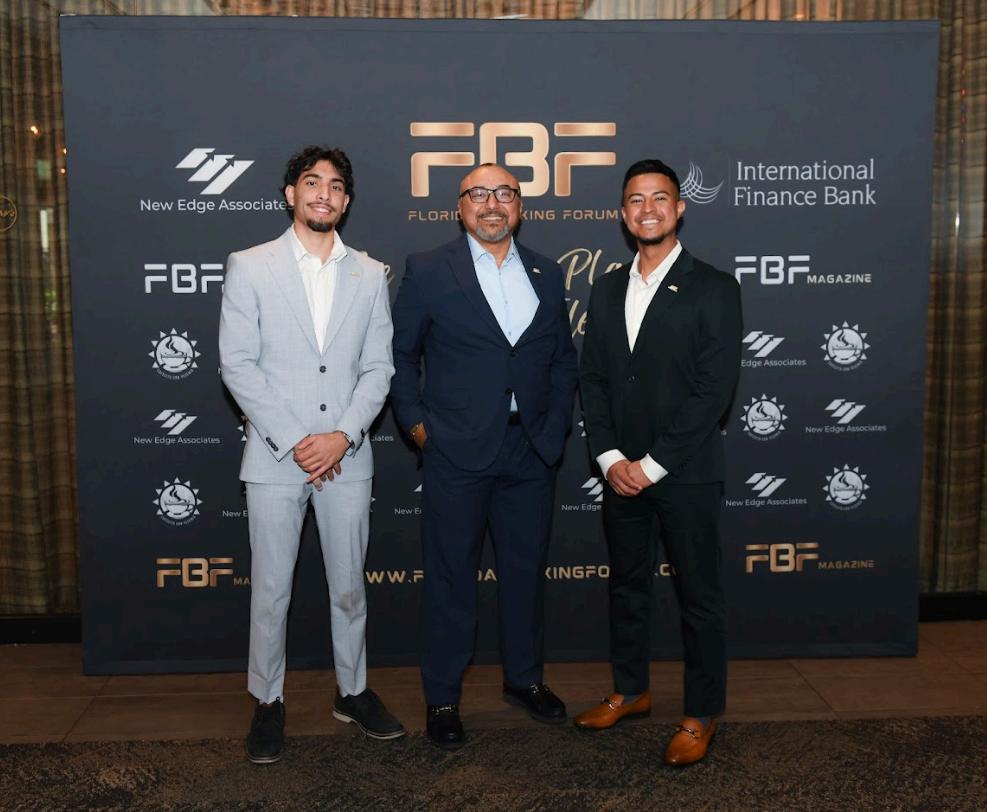
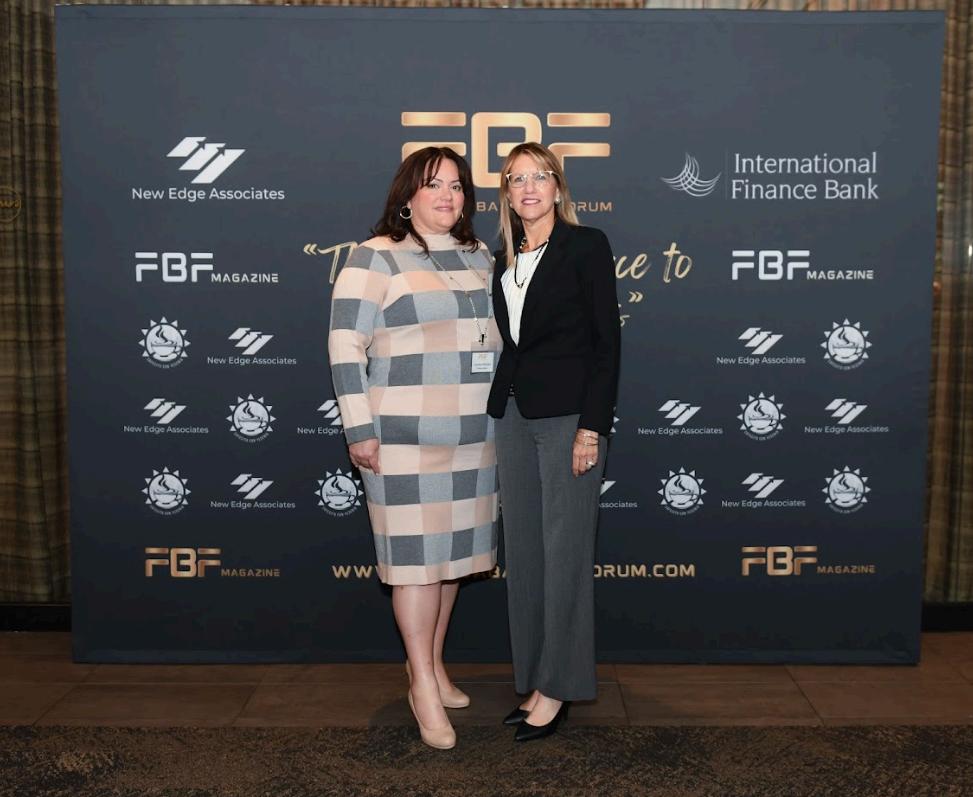
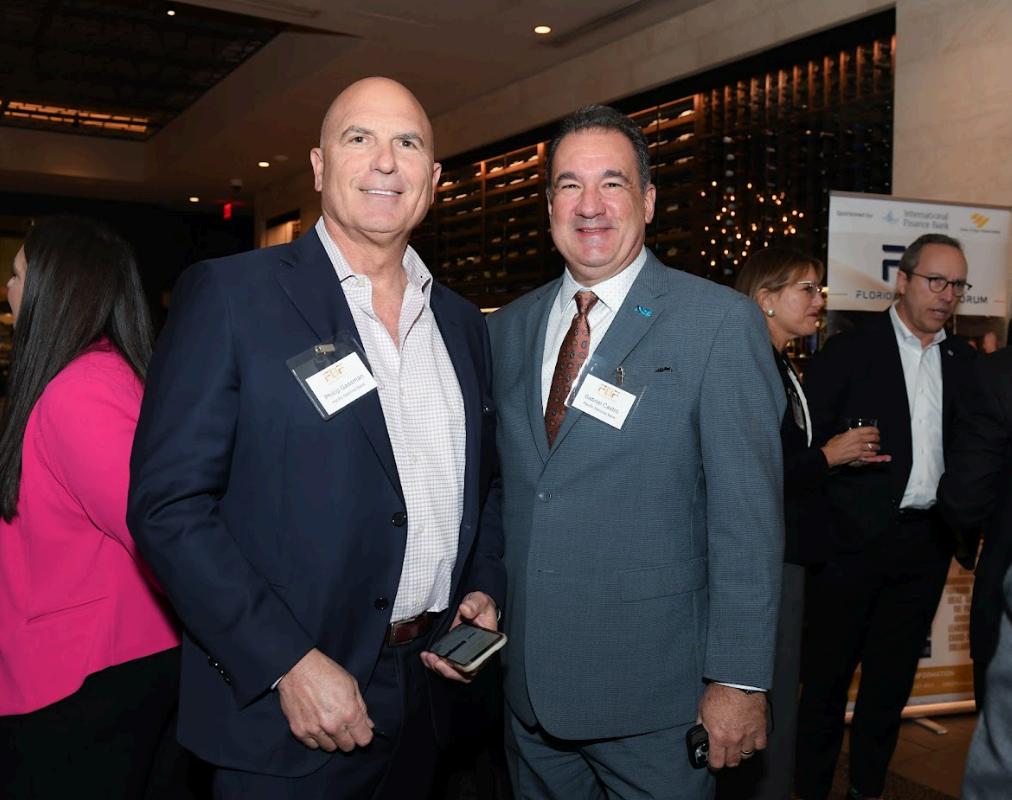
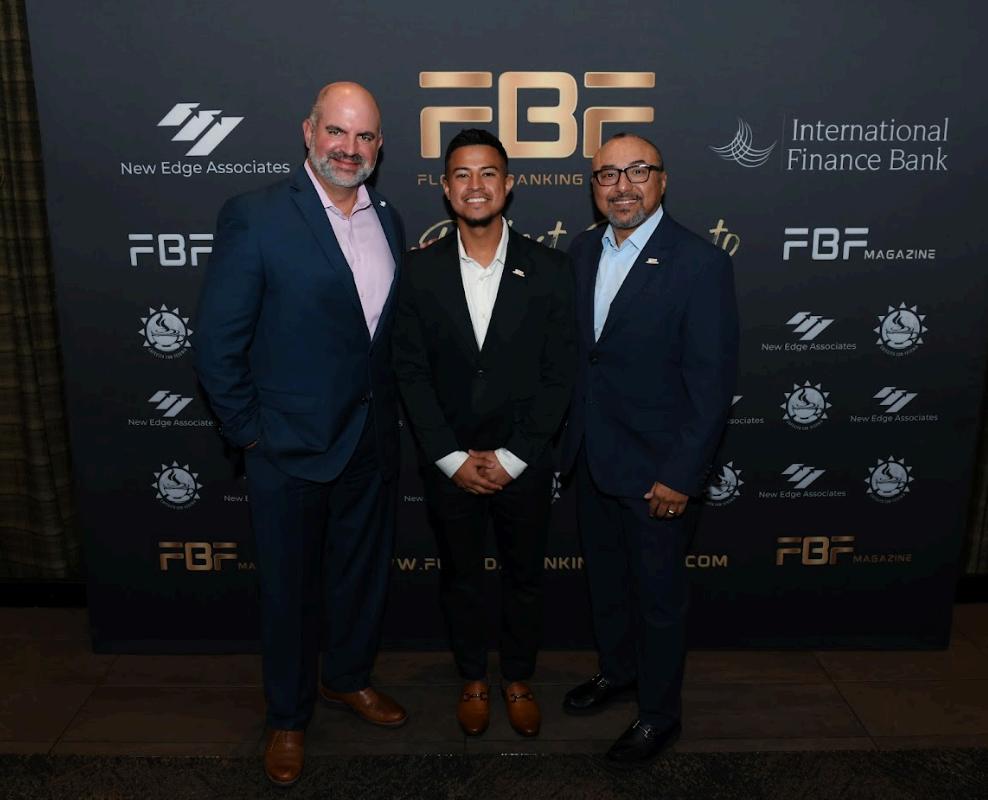
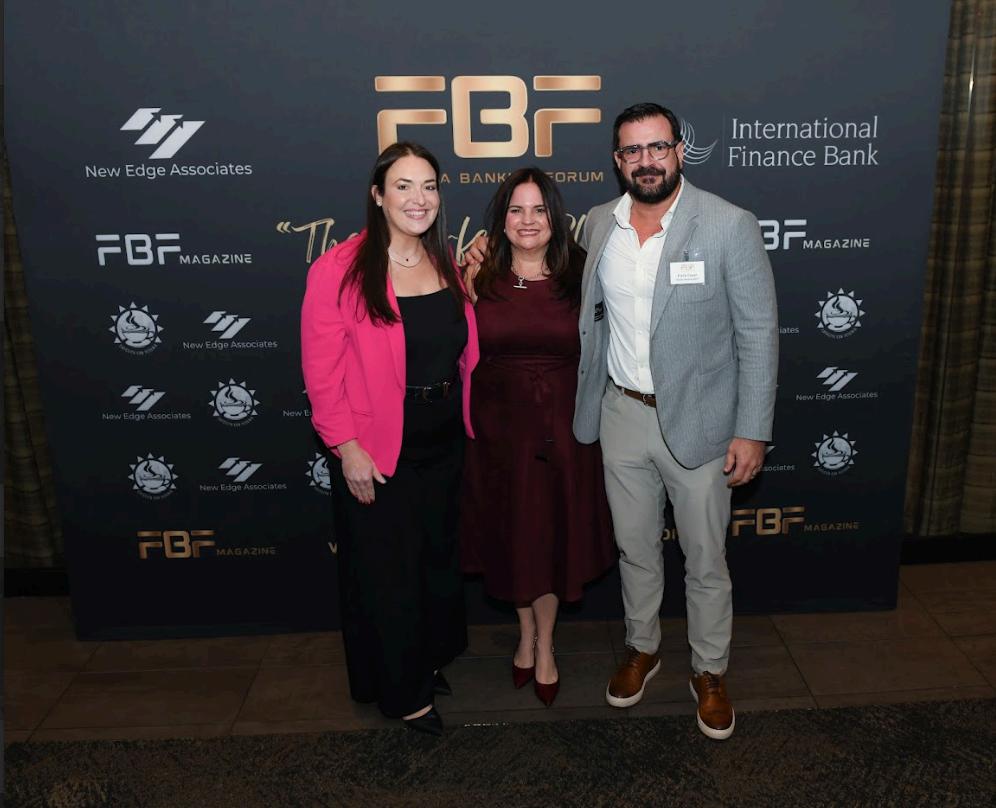
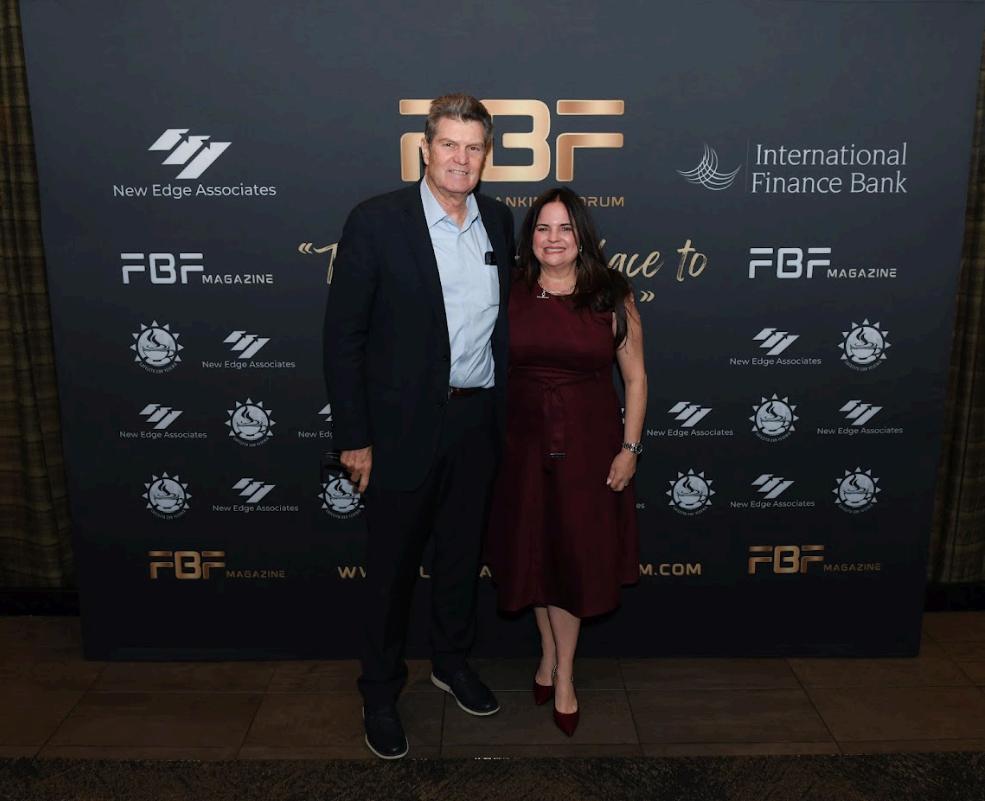
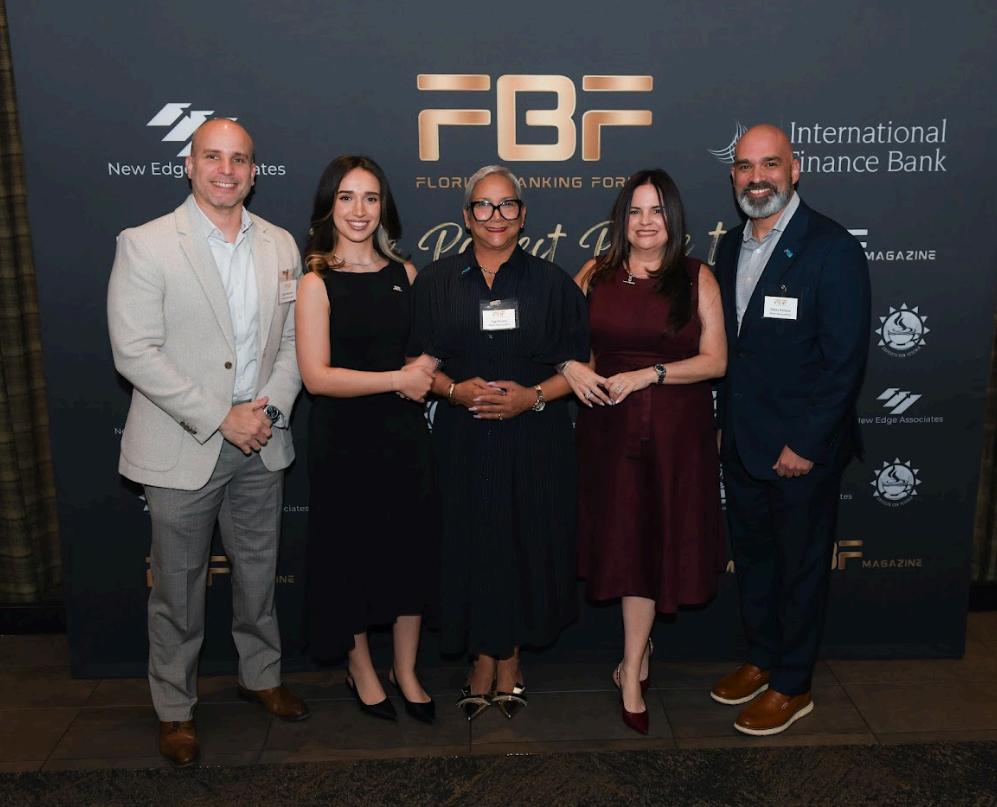
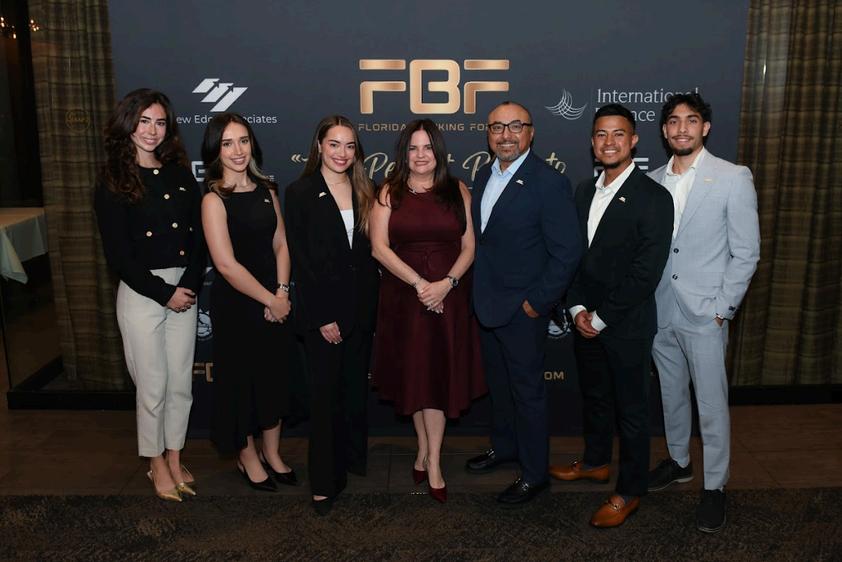
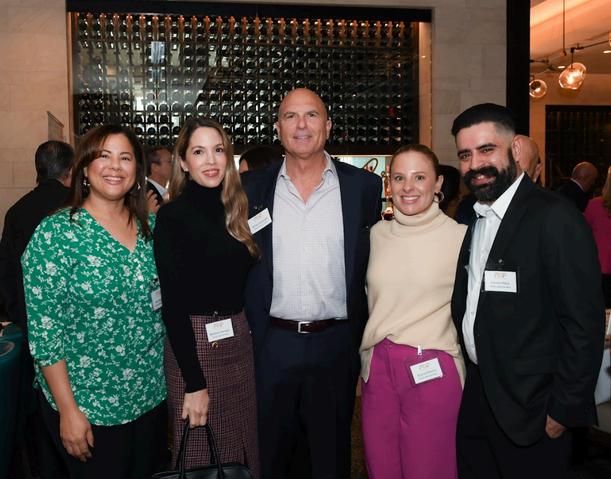
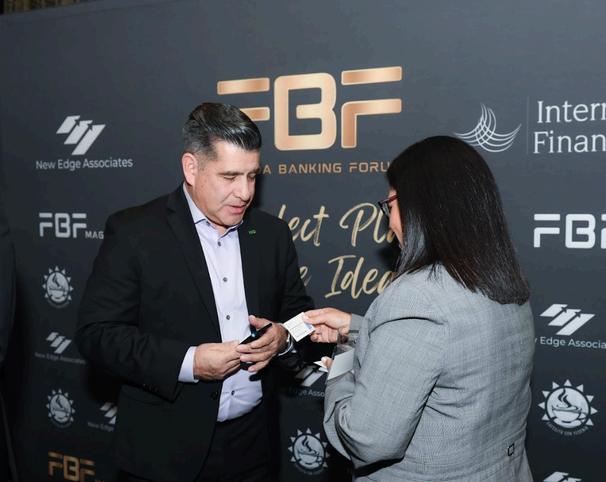
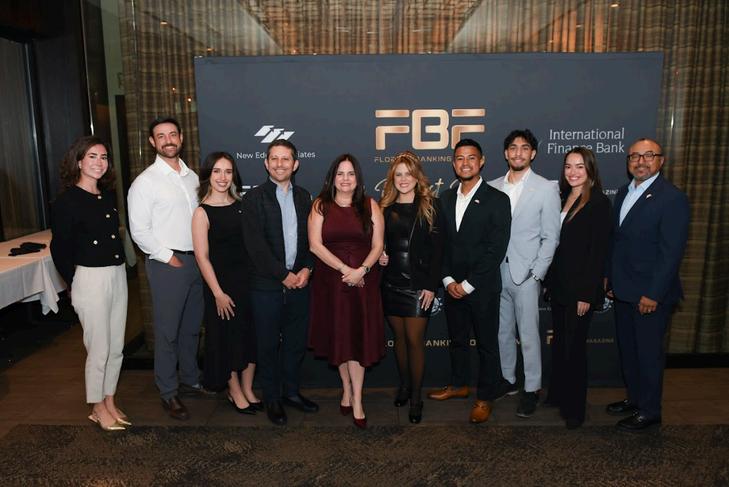
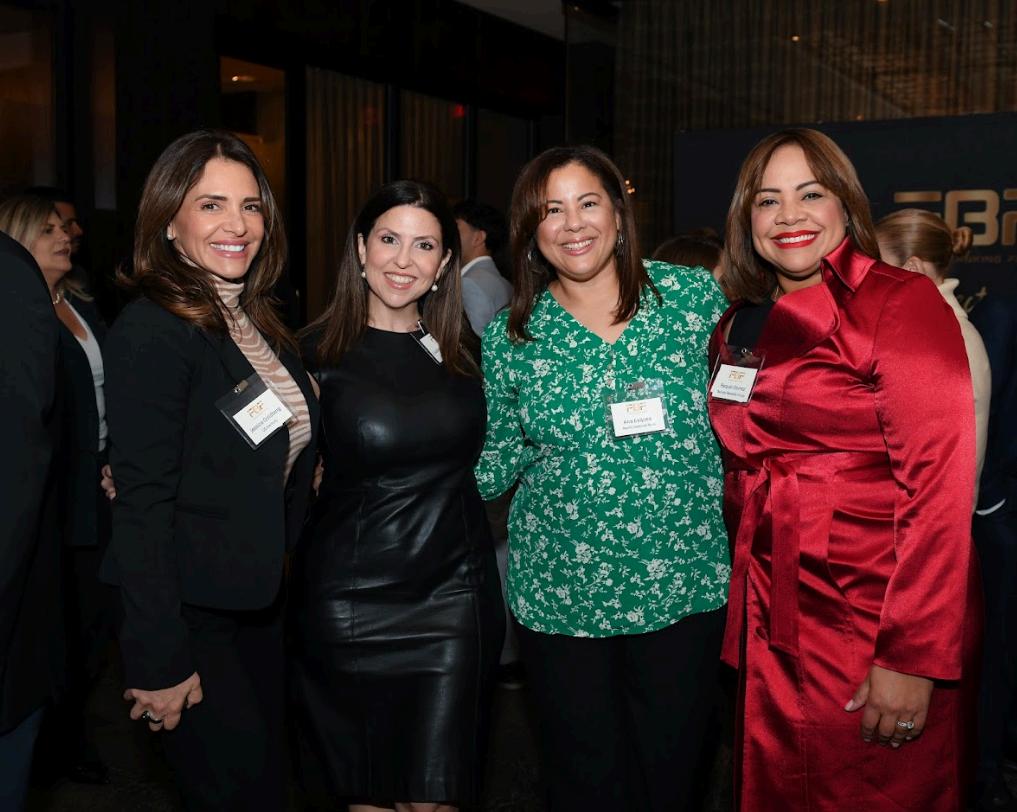
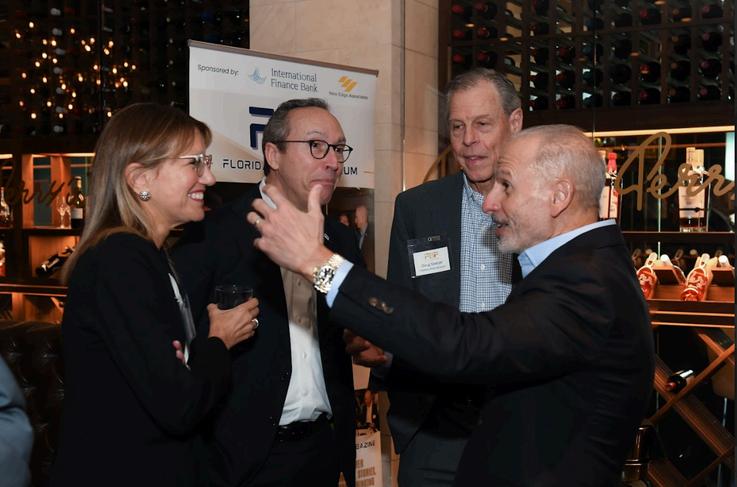
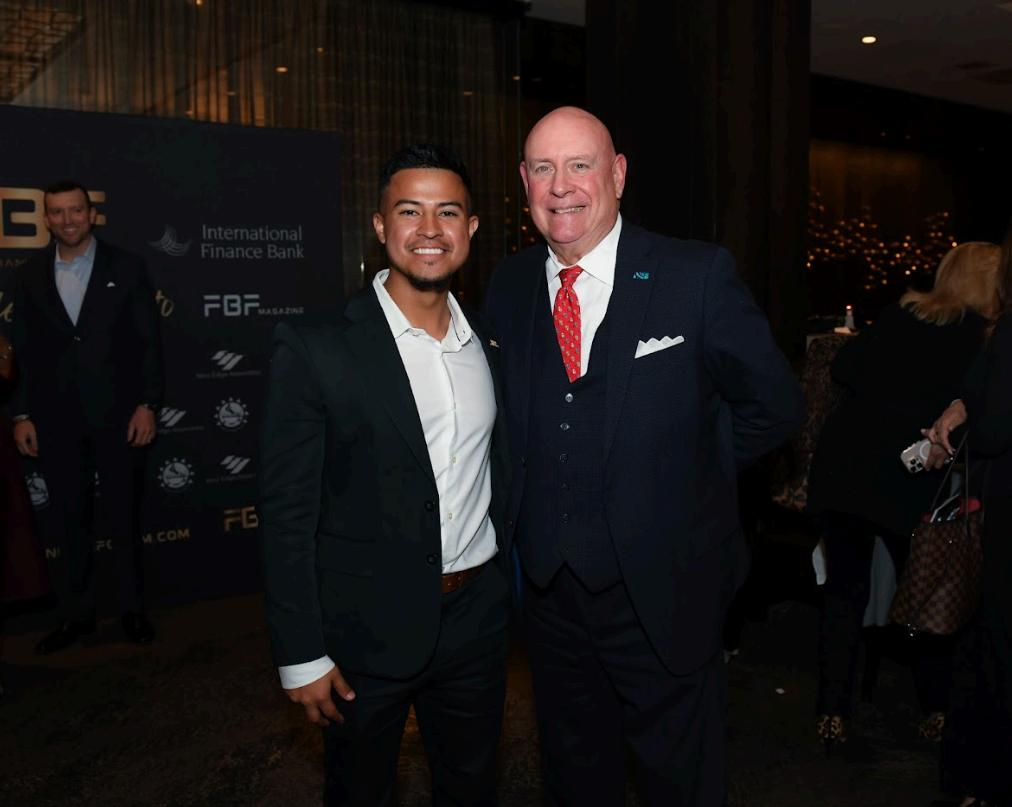
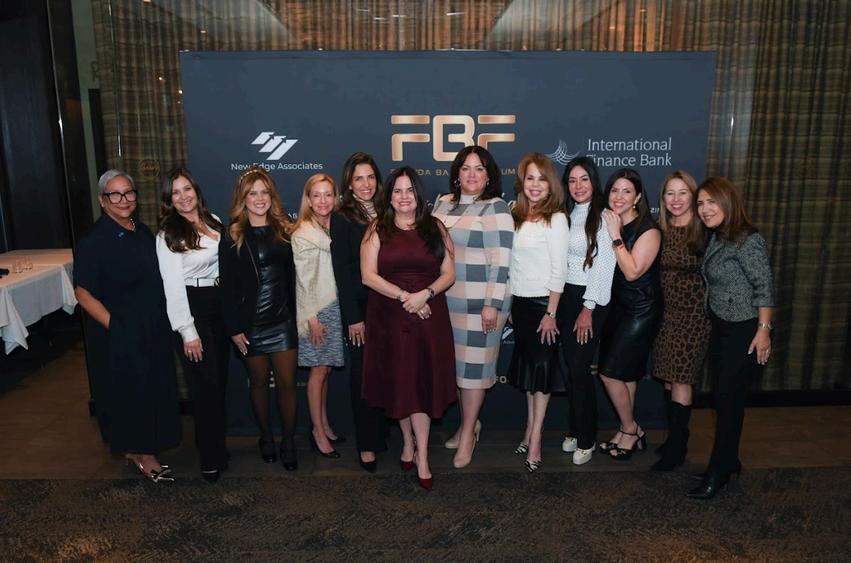
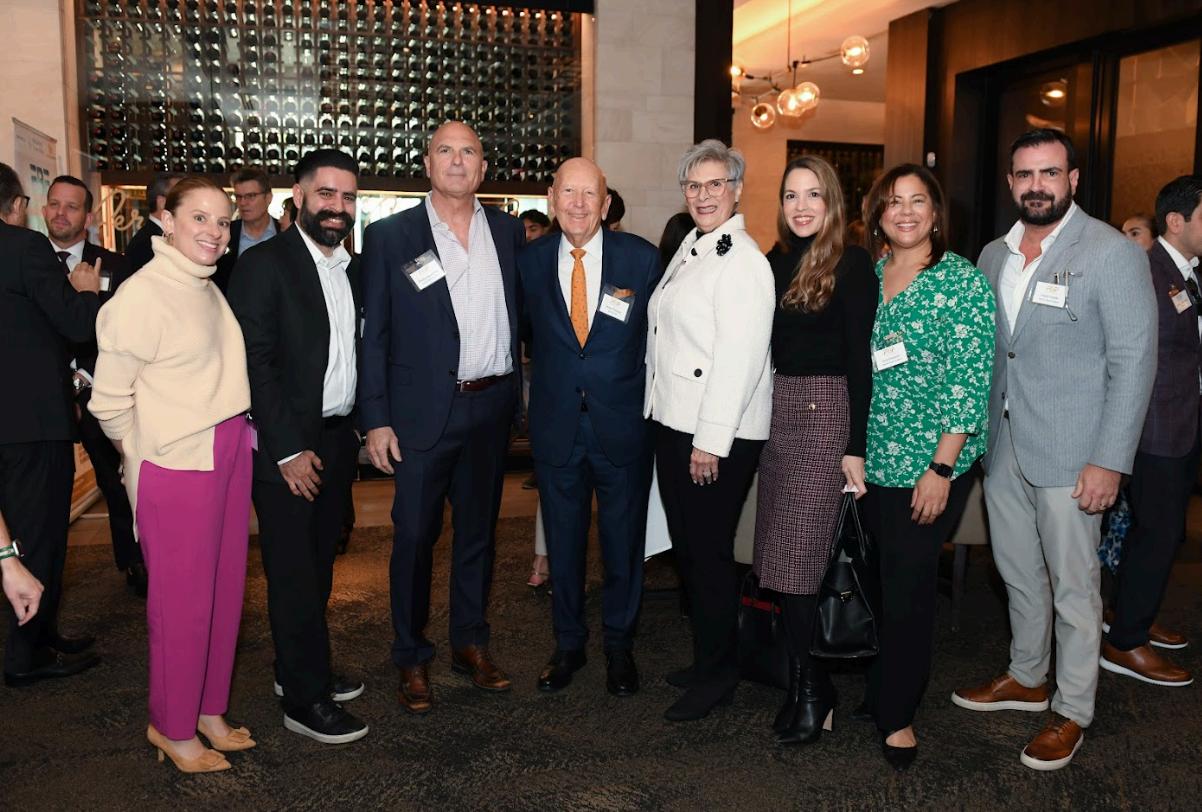
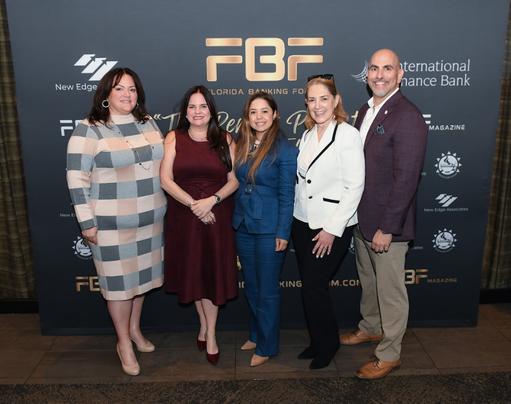
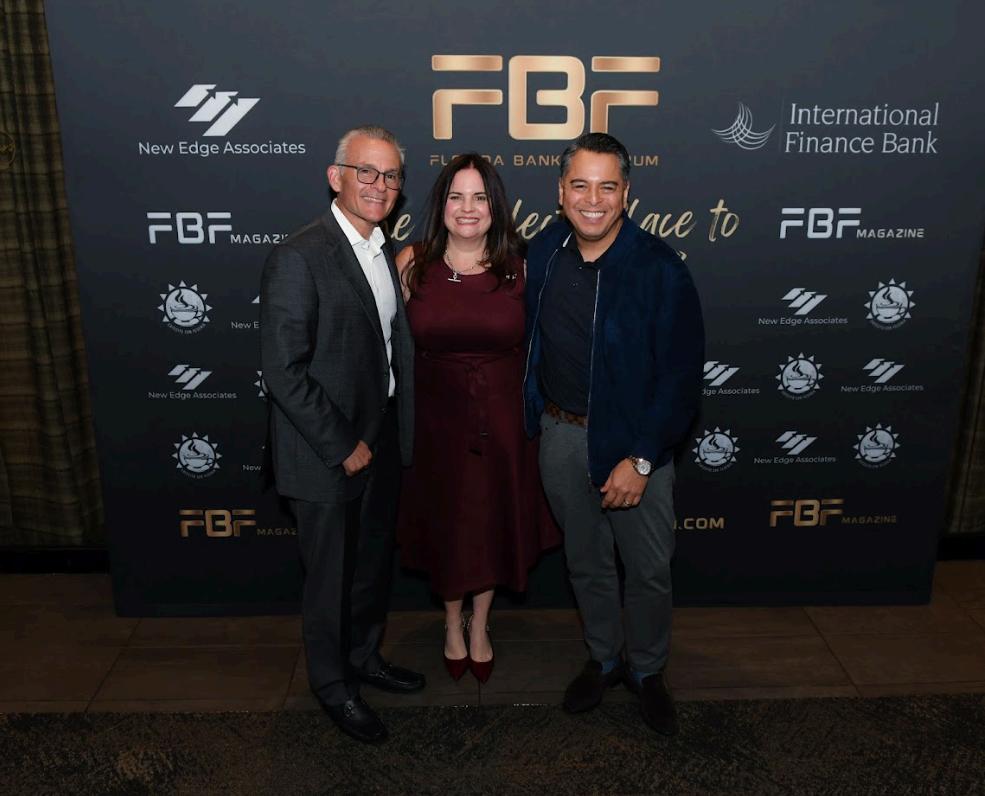
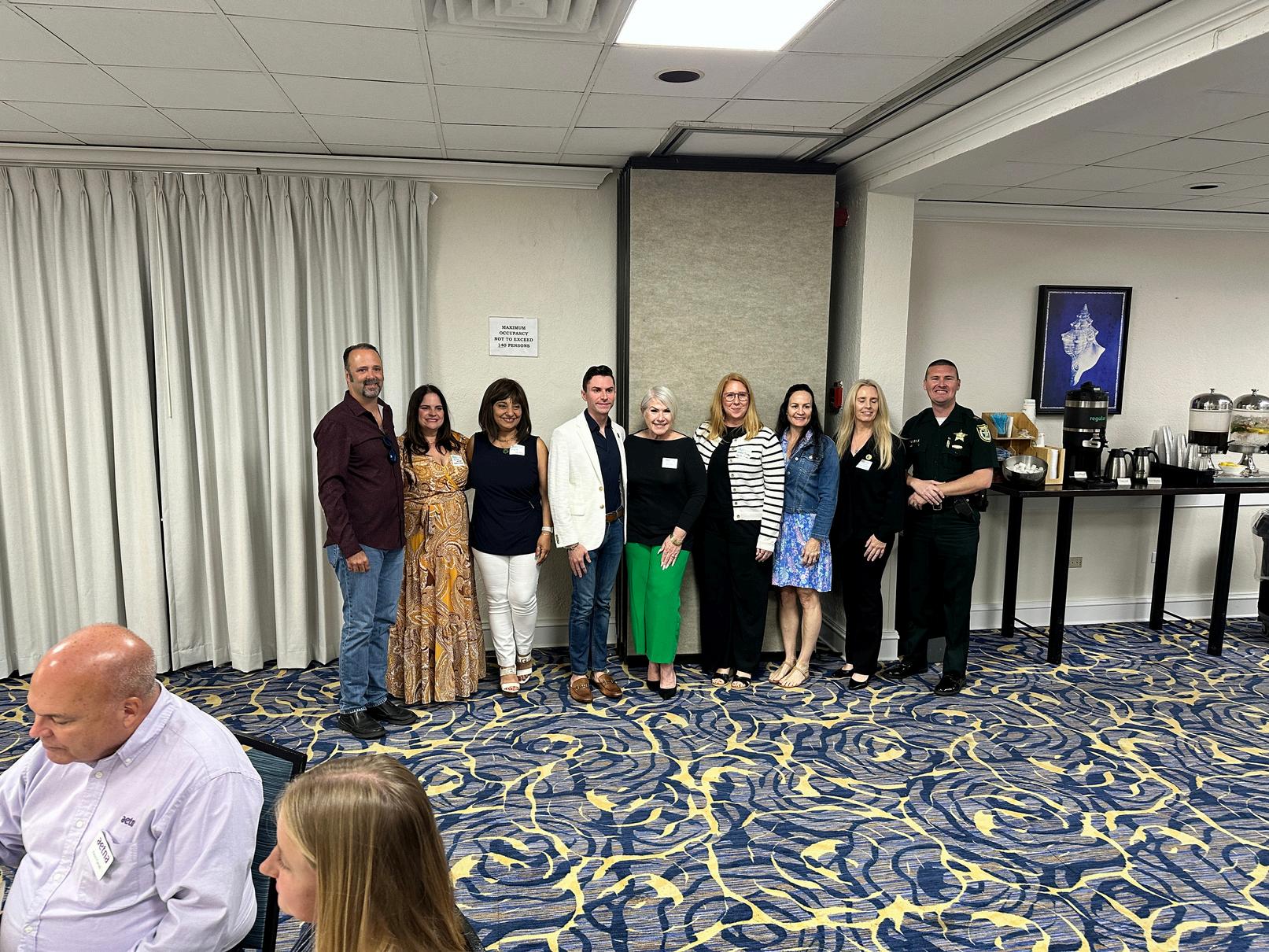
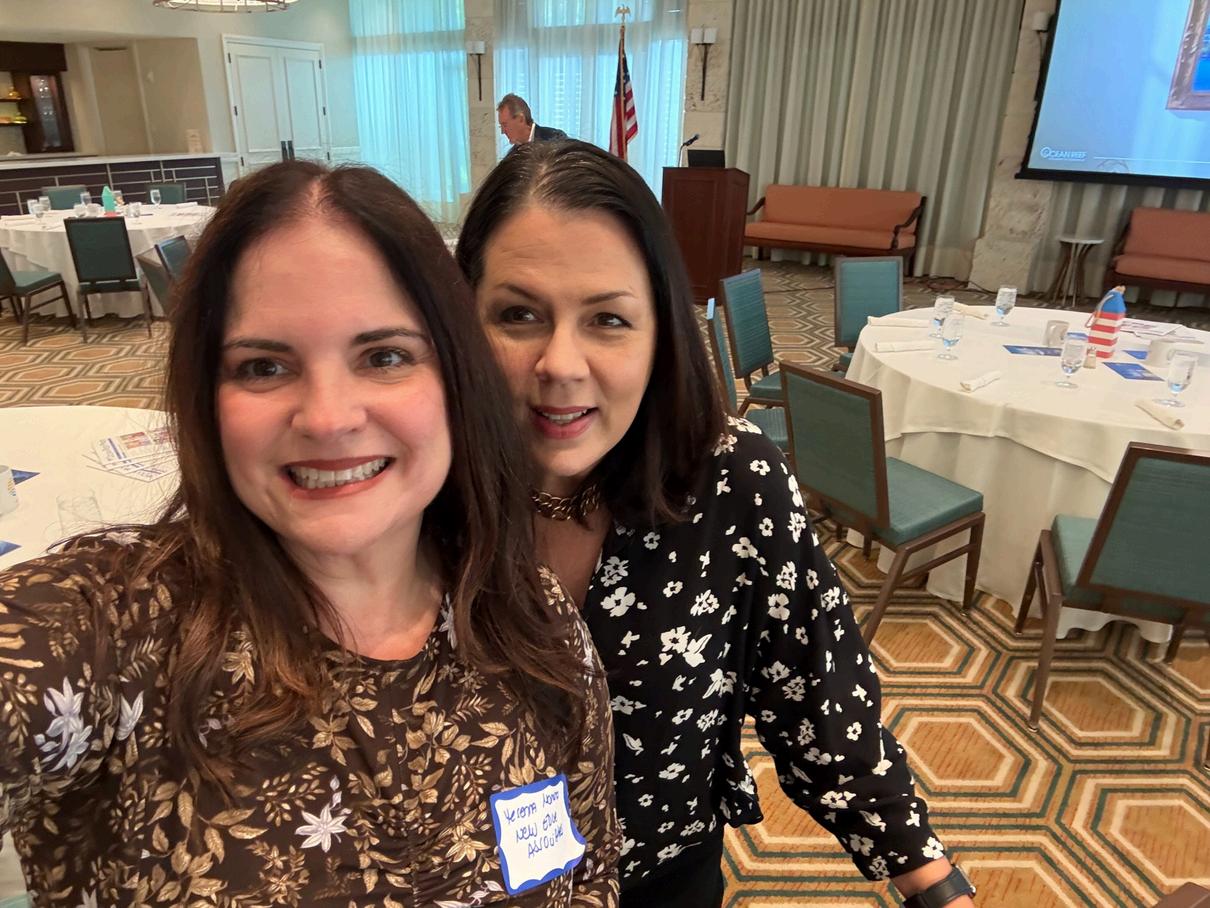
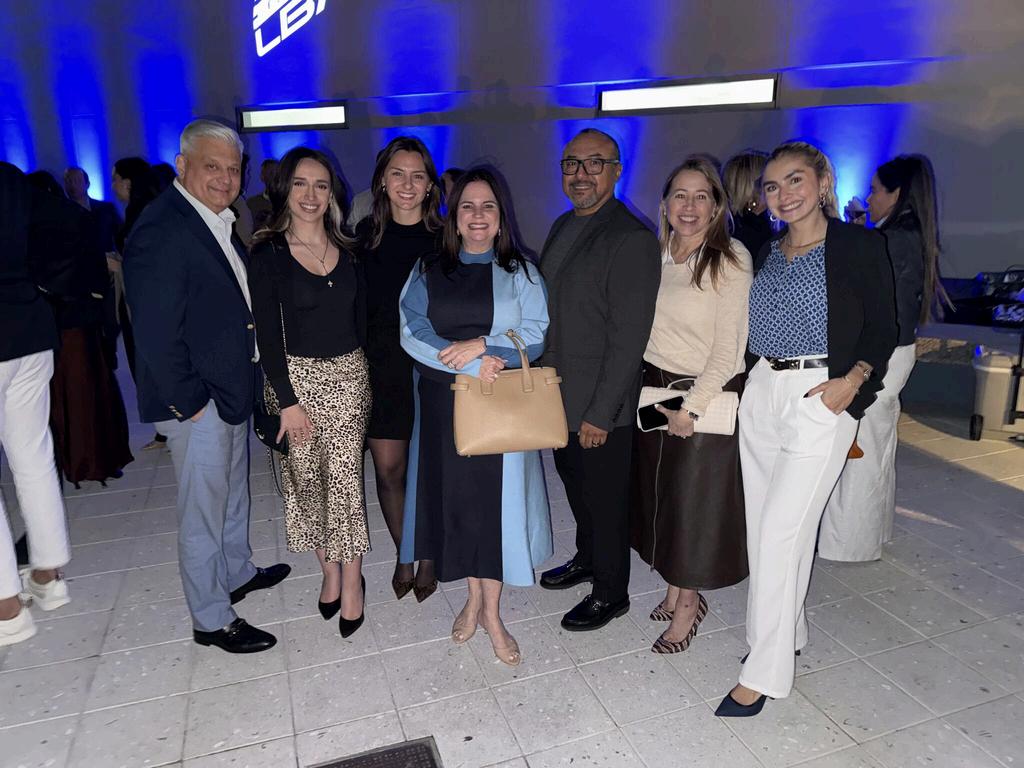
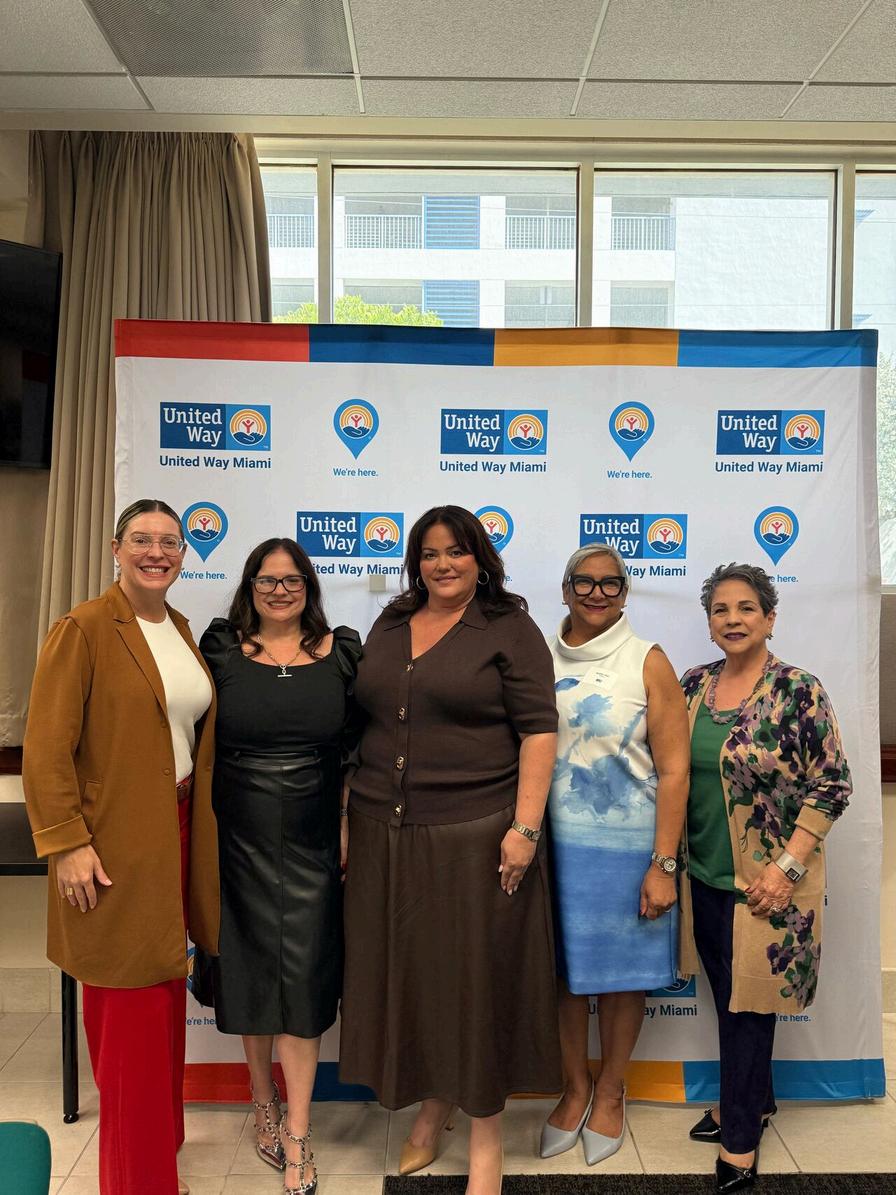
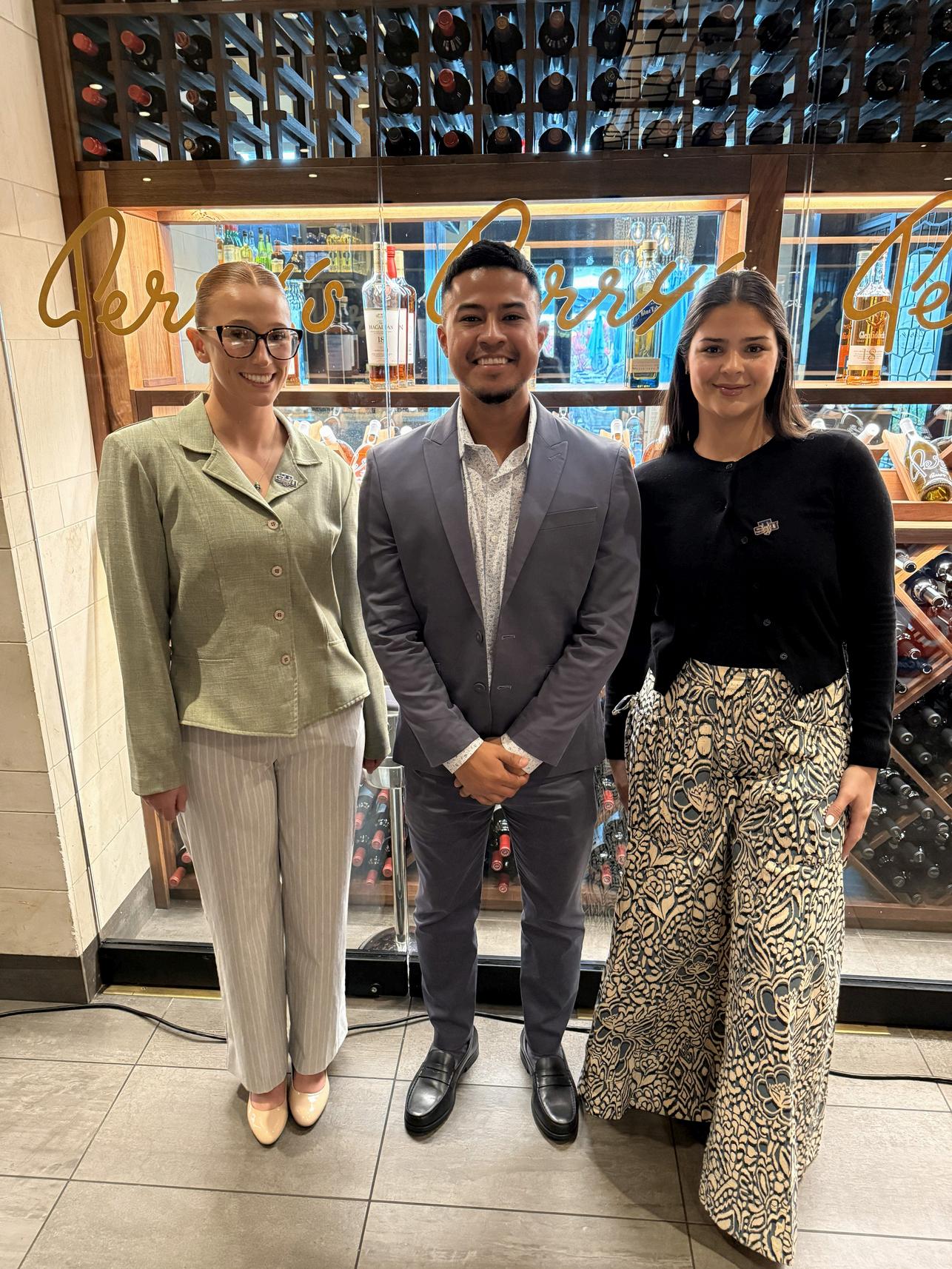
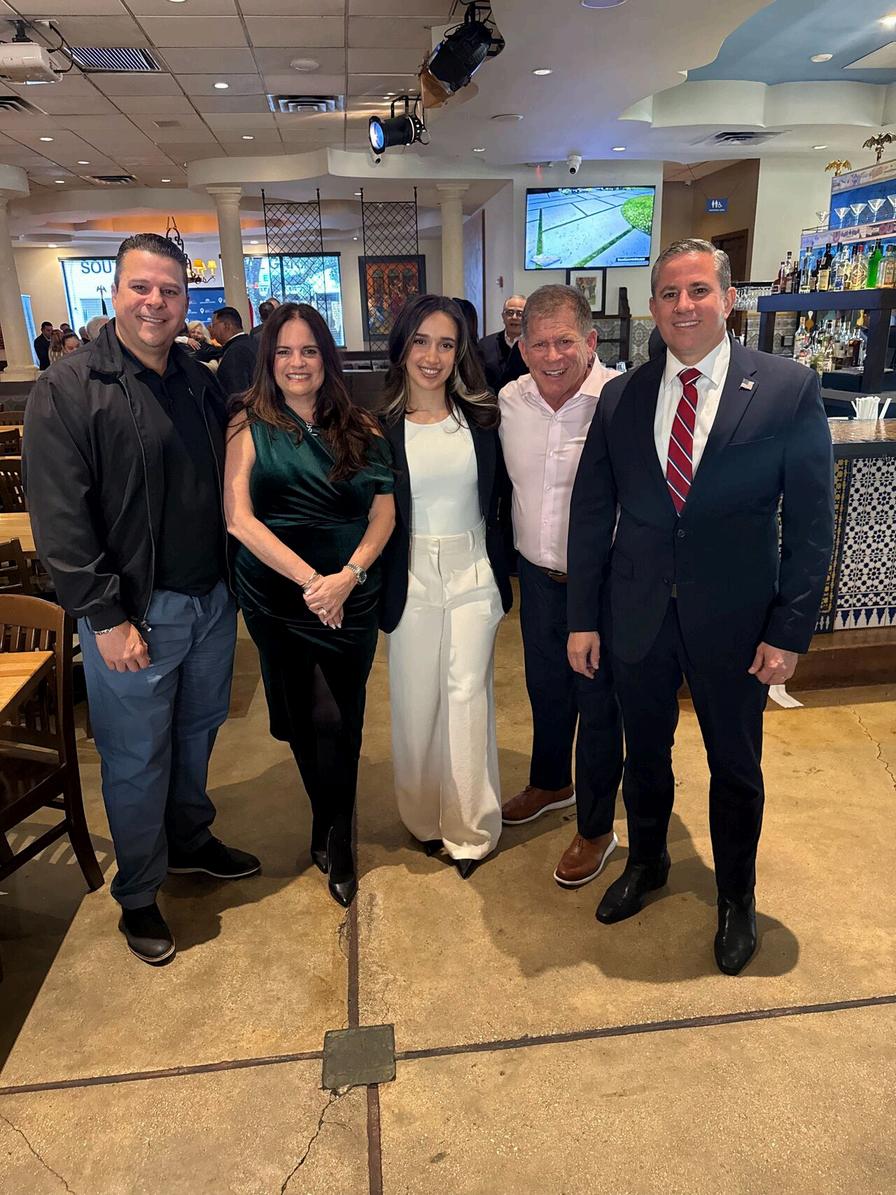
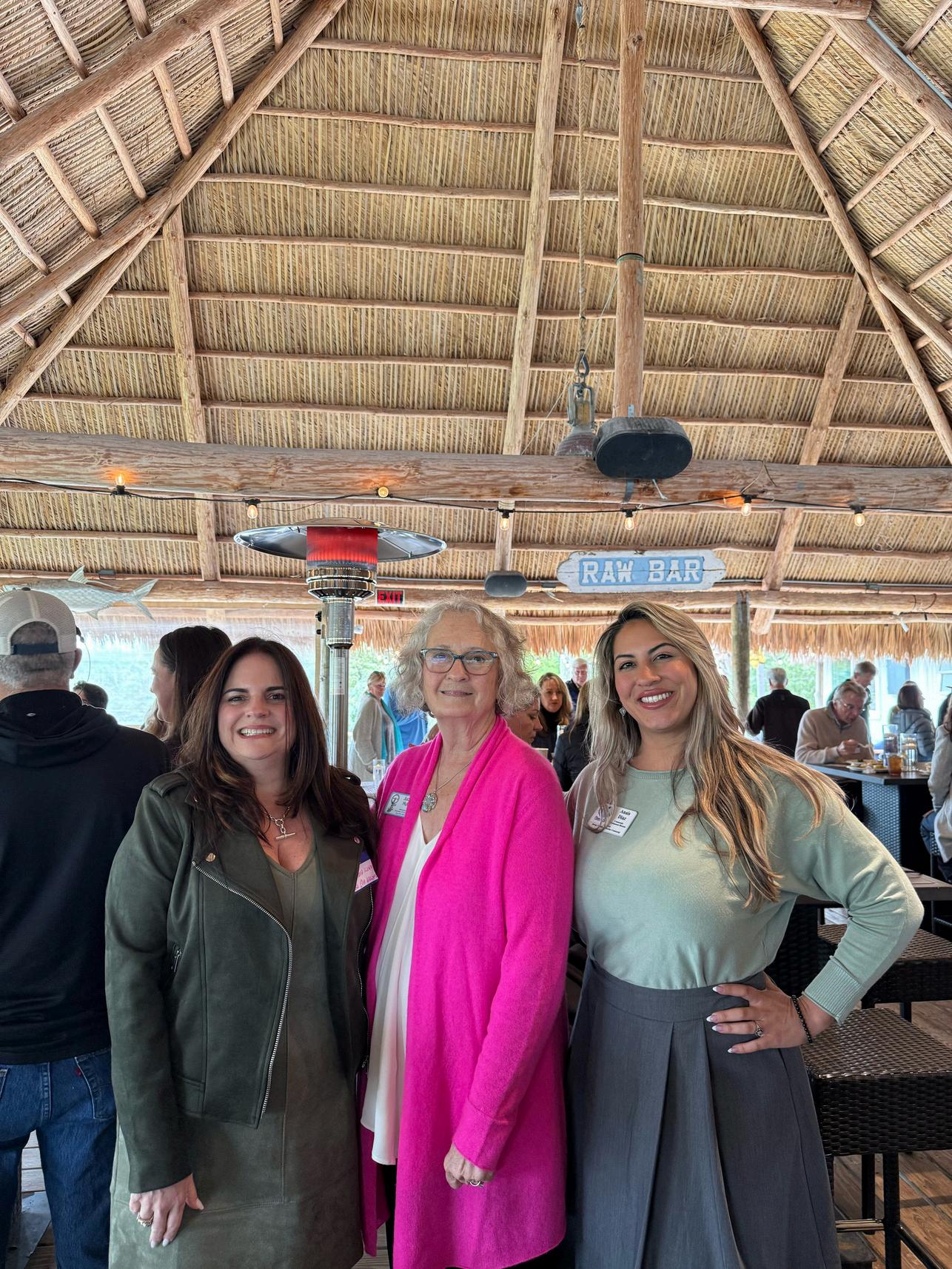
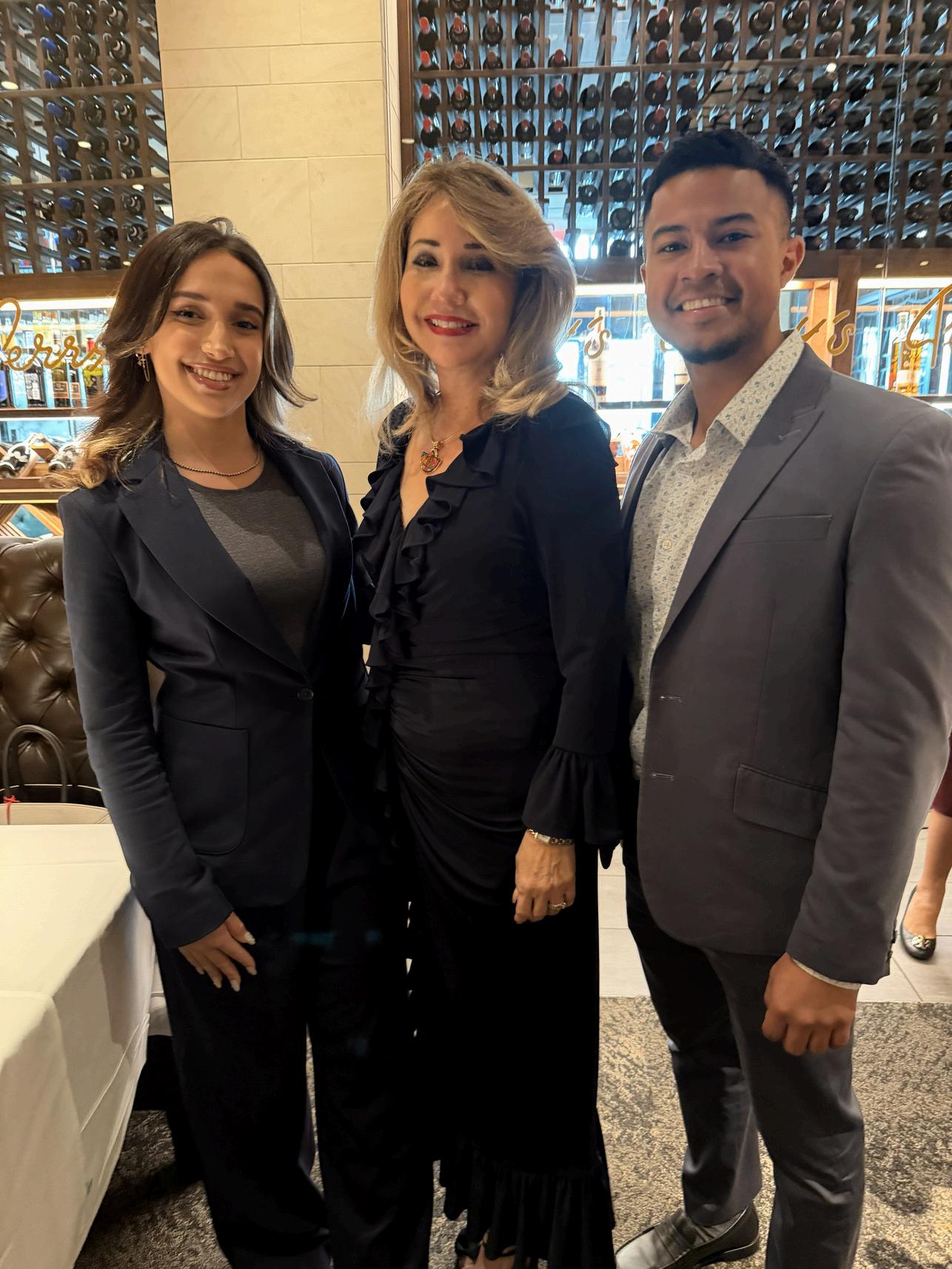
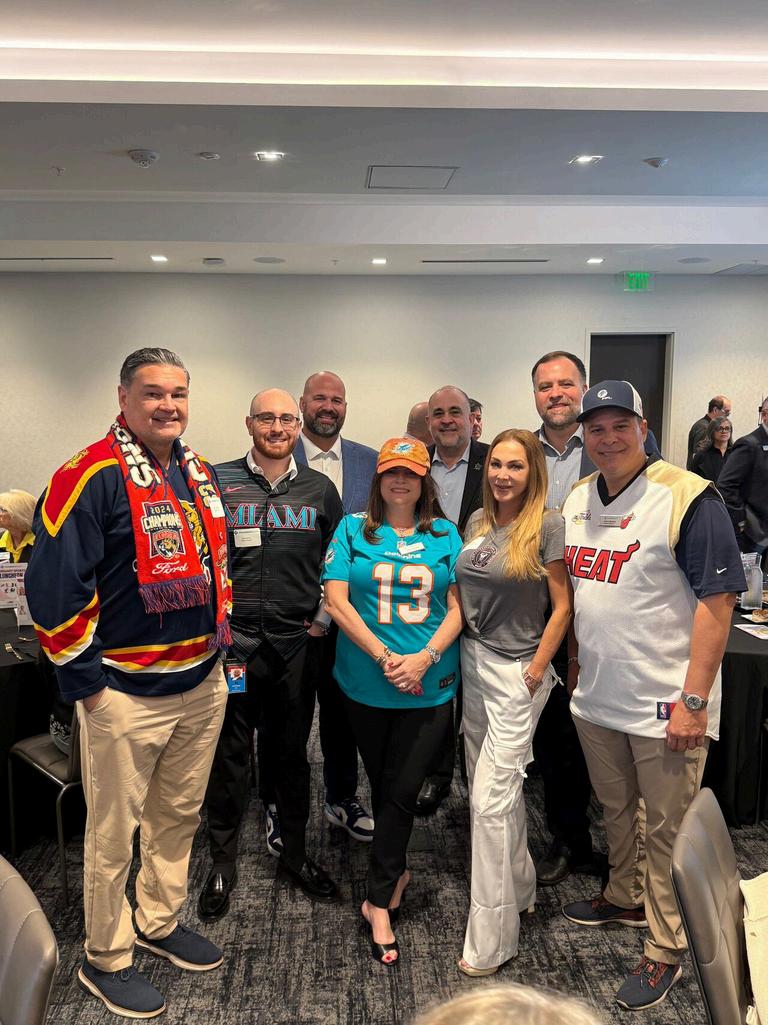
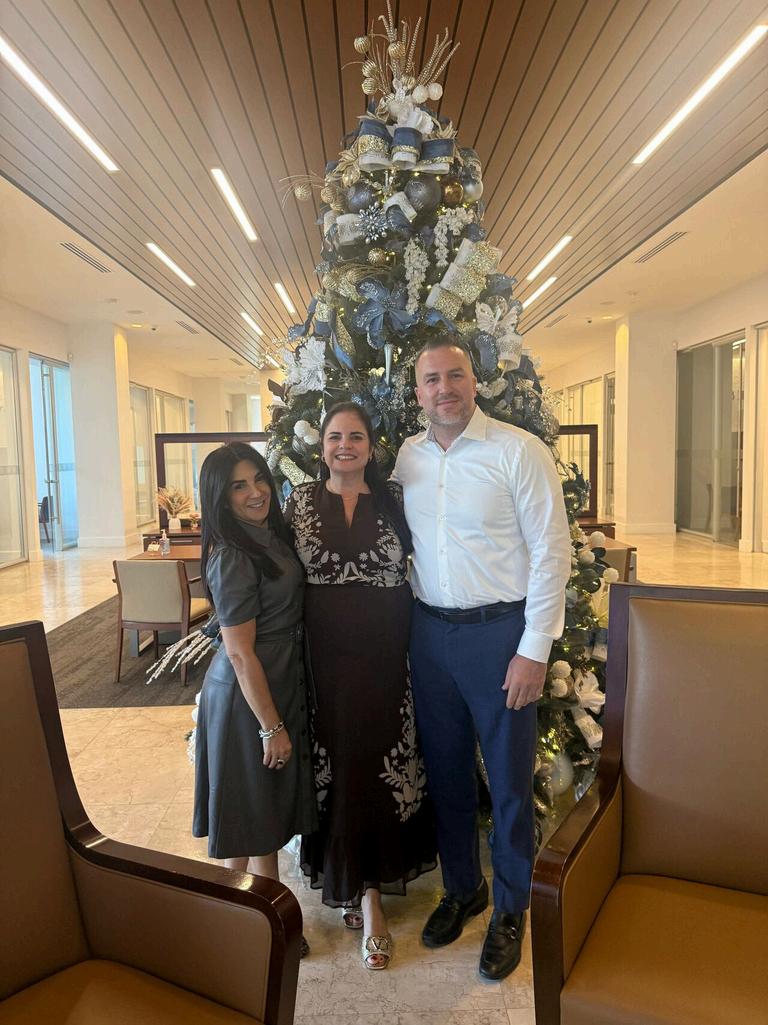
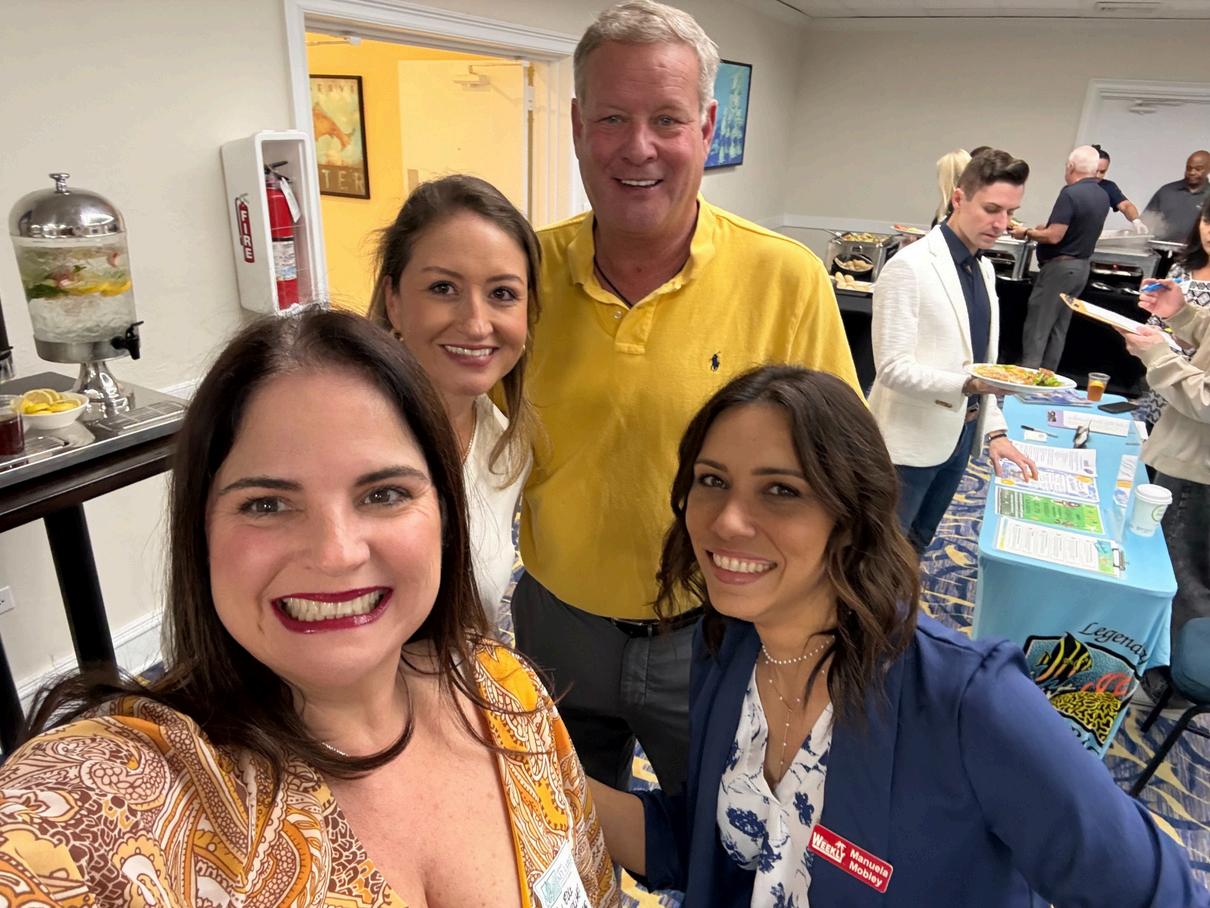
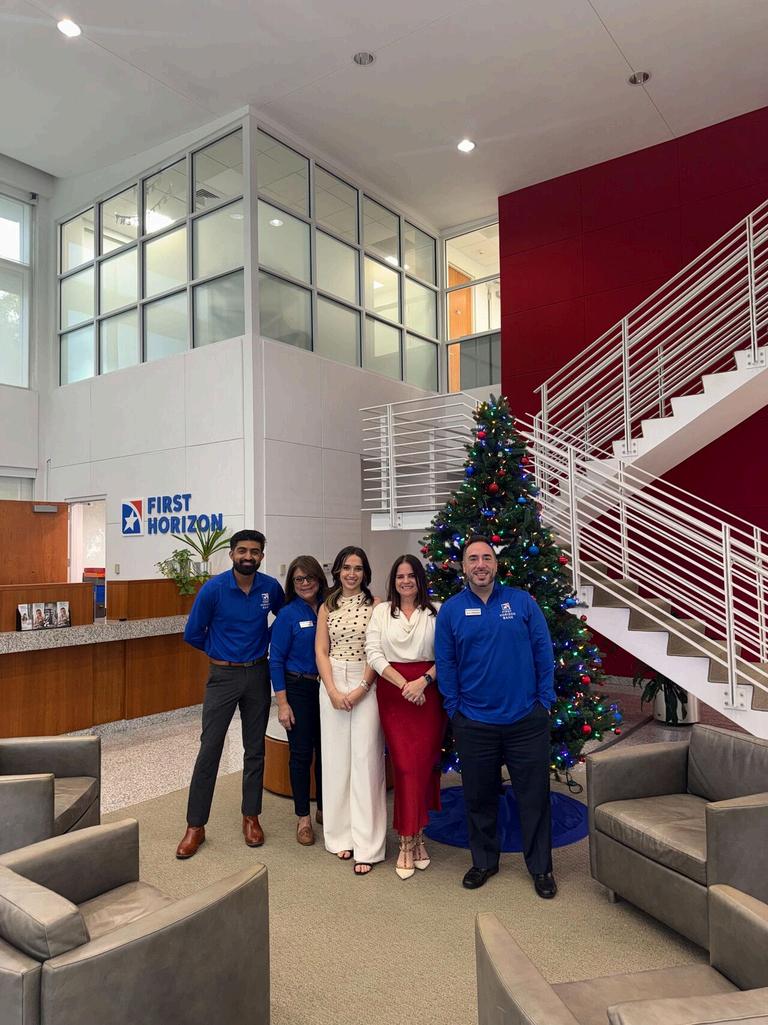
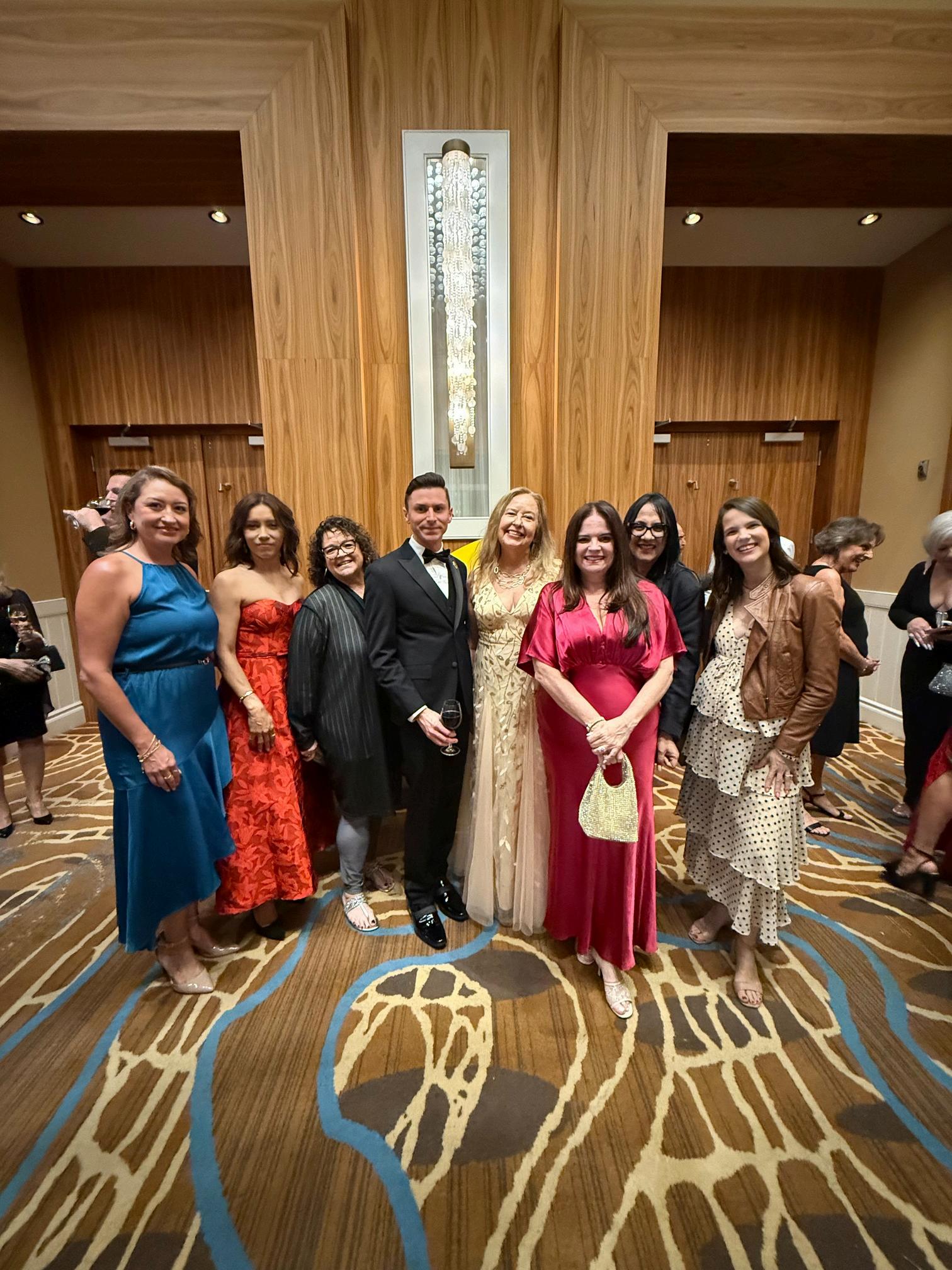
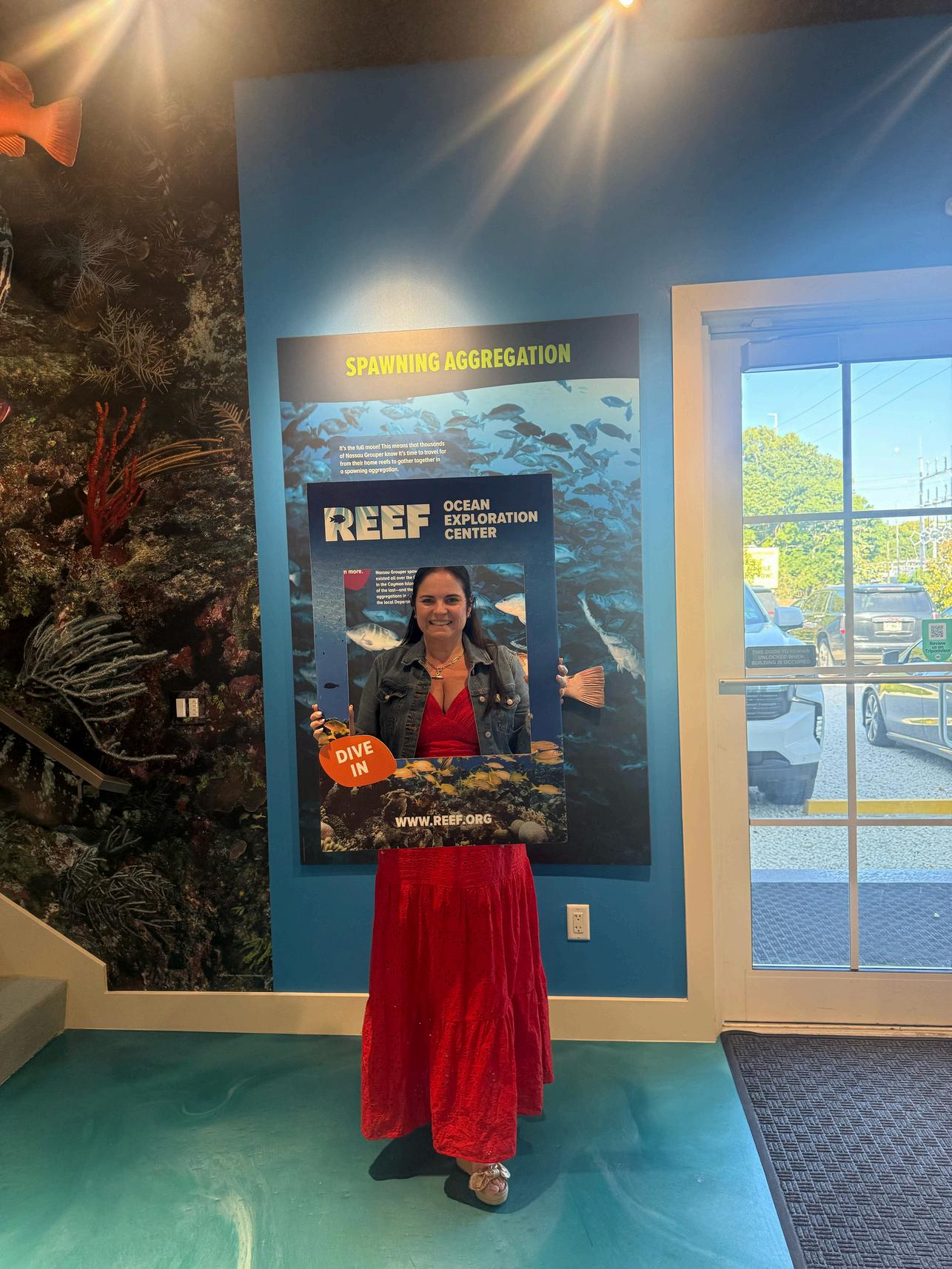
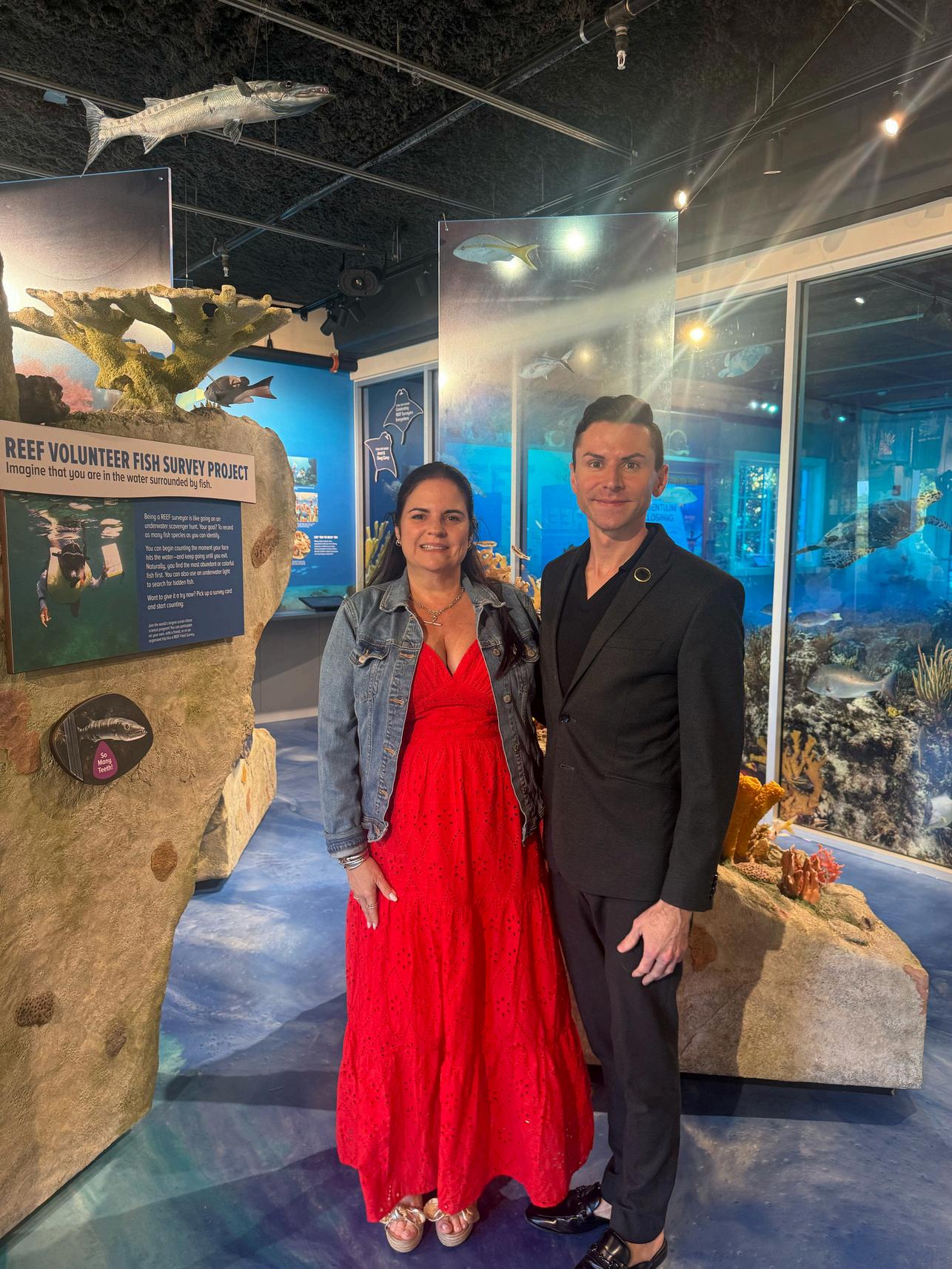
New Edge Associates (NEA) continues to strengthen its presence throughout the Florida Keys, building meaningful relationships and actively engaging with the business community from Key Largo to Ocean Reef and Islamorada. Over the past several months, NEA has proudly participated in signature events including Chairman’s Balls, luncheons, chamber meetings, and community gatherings that bring together leaders committed to growth and collaboration.
These events have been more than networking opportunities they have been


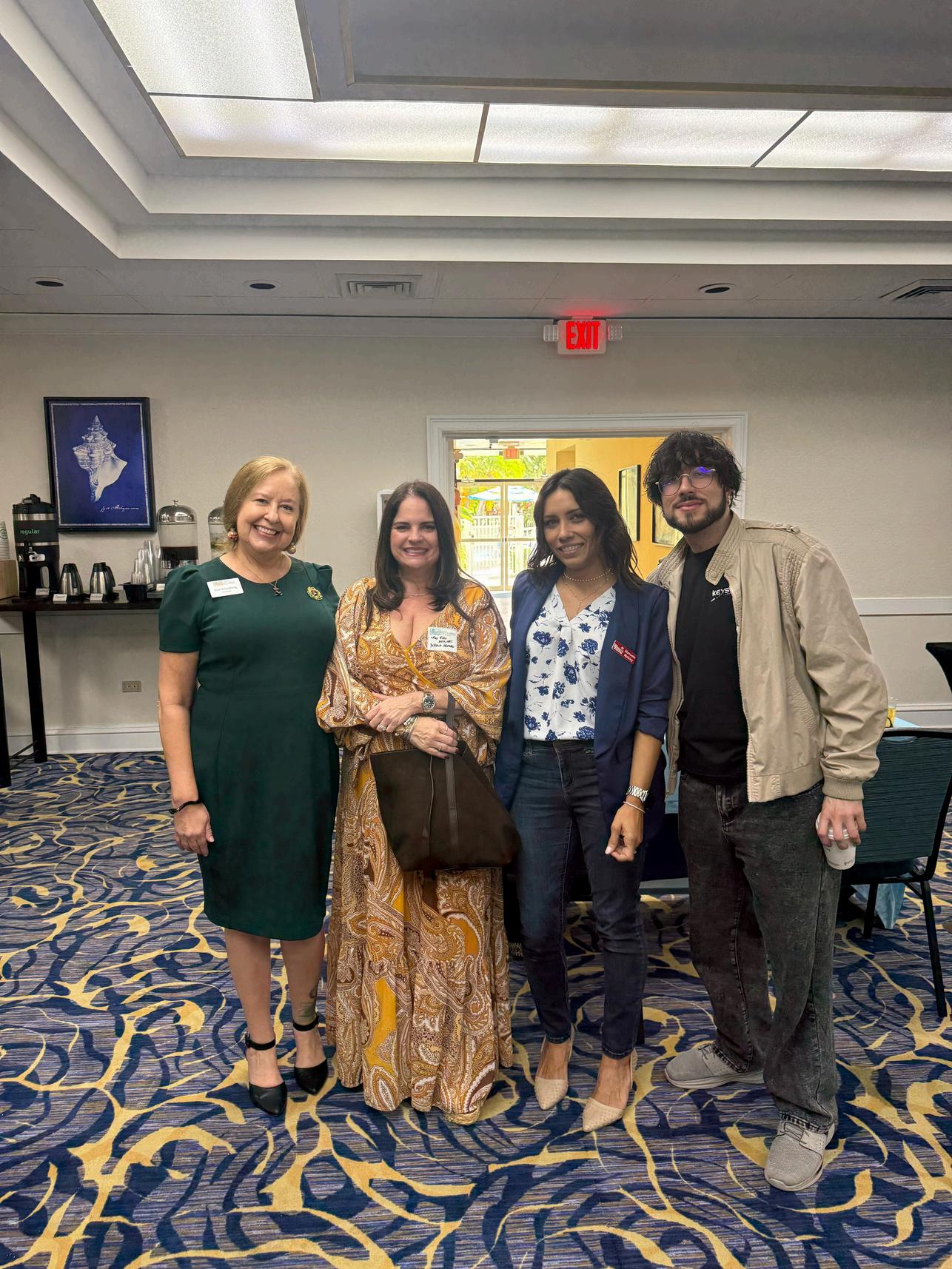
A key part of this expansion has been NEA’s involvement with the Ocean Reef Chamber of Commerce, the Legendary Key Largo Chamber of Commerce, and the Islamorada Chamber of Commerce Each organization plays a vital role in promoting strong business standards, supporting economic development, and fostering a spirit of good citizenship throughout the Upper Keys
Yesenia Moreno, Managing Partner of New Edge Associates, proudly serves with a Board of Directors badge, actively engaging with fellow board members, Chamber members, and community leaders Her involvement reflects NEA’s long-term commitment to not only doing business in the Keys, but truly becoming part of the fabric of the community
From the Ocean Reef Chamber’s emphasis on integrity, quality service, and community contribution, to the Legendary Key Largo Chamber’s decades-long commitment to supporting good business and good government, to the Islamorada Chamber’s mission of advocacy and education for local enterprises NEA is aligned with organizations that value excellence and accountability.
Since joining these Chambers, NEA has been warmly welcomed by gracious and forwardthinking professionals. The firm has built valuable friendships, expanded its footprint to better serve clients, and strengthened its presence throughout the region.
New Edge Associates is proud to continue making a positive difference across the Florida Keys supporting business, empowering clients, and investing in community relationships that will last for years to come


What We
Digital Transformation in Banking: What We
After 28 years in banking, I’ve learned that transformation sometimes announces itself as disruption. Other times it arrives quietly, through changing customer habits, rising expectations, and technologies that gradually redefine how banks serve and compete. Today’s digital transformation represents one of those defining moments, and it requires leadership that understands both where banking has been and where it is headed.
When I started in banking, we still had “banking hours.” Branches closed early and customers had to plan their lives around getting to the bank before the doors closed. Branches were full and lines were long. We had six tellers, five platform representatives, and one primary goal: moving transactions as quickly and efficiently as possible.
Of course, we had computers but mostly everything was manual. I still have a photo somewhere of a typewriter sitting on my desk. ATM cards were new, and without Visa logos. And if a teller was out of balance and missed the afternoon courier, someone physically drove proofwork to Opa-locka airport to meet a plane on the tarmac. That was banking.
This shared nostalgia speaks to those of us who have lived this evolution from the ground up, not from theory or vendor presentations, but from the branch floor
The late 1990s brought the first wave of modernization. Visa Debit cards, Bill Pay and Early automation. Then came Y2K, when fear of system failure forced banks to take technology risk seriously for the first time. We prepared for a crash that never came, but the mindset shift stuck.
Then September 11th changed everything.
For days, transactions did not clear through the Federal Reserve. Customers could not access their money. Branch teams had to explain, face to face, that we genuinely did not yet know what had posted or cleared and we couldn’t verify current balances. It was devastating for customers and deeply sobering for the industry.
Out of that disruption came structural change, including the Check 21 Act, which allowed checks to be processed electronically. With it came the US Patriot Act , and that shift quietly reshaped operations and laid the groundwork for the digital clearing and systems banks rely on today.
t Still Matters
Every major shift since then has followed the same pattern.
Technology moves forward.
Risk shows up. Banks adapt
Then in early 2010s banks began offering online account opening. It felt innovative but it also brought a sharp increase in on-line fraud. Losses rose, and controls tightened. Parameters were built.
That’s how this industry learns. Through experience, not theory.
Today in 2026, we are in the next phase of transformation driven by artificial intelligence, cloud computing, and massive data centers that power realtime decisioning, fraud detection, and personalized customer experiences. These systems require significant investment and infrastructure. They are not optional anymore.
Technology is no longer a differentiator, It is now the baseline.

Here’s the reality leaders must face. Customers are no longer coming into branches the way they once did.
They open accounts online and apply for mortgages remotely. They move money instantly and order everything from groceries to new cars without leaving the couch. The covid pandemic didn’t create this behavior. It accelerated it.
Back in the 90’s, banks couldn’t move customers out of the lobby fast enough. Today, banks are asking a very different question to the problem they created: how do we grow and stay relevant when customers don’t need to walk through the door?
While digital transformation removed friction, It also removed proximity.
If customers aren’t walking into branches, relationship management must become intentional. Business development cannot be passive and touchpoints must be designed, not assumed. Outreach, advisory conversations, and real follow-up matter more now than ever.

Digital transformation isn’t about apps or AI alone. It’s about alignment.
Banks need to ask themselves some uncomfortable questions. Are we using technology to deepen relationships or simply reduce costs? Are our teams trained to sell and advise in a digital-first environment? Are we investing in people at the same pace we invest in systems? Do customers understand why they should choose us when everything online looks the same?
Yes, technology creates access but it’s the people who create loyalty.
Despite all this change, the fundamentals of banking have remained the same.
Banks still make money on yield spread, interest income, and non-interest income. Lending margins matter, Deposits matter, Treasury services matter.
So what has changed? Pressure.
Overdraft fee regulation has reduced a significant revenue stream. Interest rates are volatile, Competition is everywhere. Customers can move money with a swipe on their phone. Loyalty is thinner because choice is endless.
The real challenge for banks is not whether to invest in digital transformation because that decision has already been made by market demand.
The challenge now is how to combine digital efficiency with human connection in a way that actually drives growth.
Artificial intelligence will continue to reshape banking, underwriting, fraud detection, compliance, and customer engagement. That is inevitable.
What is not inevitable is losing the human element.
The banks that succeed in the next chapter will be those that modernize without losing their identity. Those that use technology to support judgment, not replace it and those that understand that when customers have endless digital choices, the true differentiator is no longer convenience.
It is confidence.
The tools have changed, but Banking responsibility has not.
Today’s ideal banking customer is informed, impatient, and entitled because they know they plenty of options. They expect speed, transparency, and personalization. But they also want reassurance.
When something goes wrong, they don’t want a chatbot. They want a person who understands their situation and can help.
Digital transformation should not eliminate relationships. It should elevate them.
By: Sandy Fernandez-Fortun



Unlock a world of financial possibilities. Our Private Client suite of services redefine wealth management, ensuring your legacy stands the test of time.