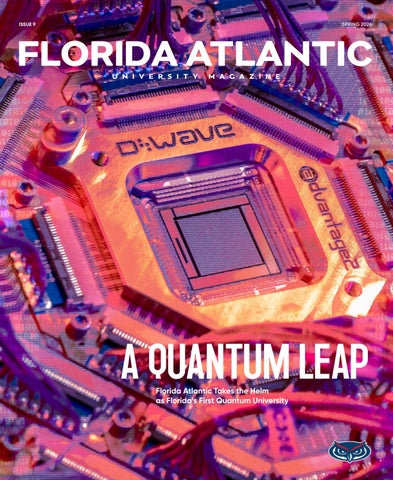
A QUANTUM LEAP
Florida Atlantic Takes the Helm as Florida’s First Quantum University
President’s Message
This past academic year at Florida Atlantic was defined by extraordinary progress and unmistakable momentum. From ranking among the nation’s Top 100 public universities by U.S. News & World Report to becoming one of only 13 institutions nationwide recognized by Carnegie as an R1 top-tier research institution, an “Opportunity University” for access and earnings, and a recipient of the Community Engagement Classification — our impact is clear and deliberate.
This year, we turn the page to another bold and exciting chapter, ushering in Florida Atlantic’s 65th anniversary and America’s 250th. This issue offers a look at how we are commemorating this important milestone in our nation’s history. As a university entrusted with several rare historical collections, showcasing them at events throughout this celebratory year reminds us of the role institutions play in both preserving history and shaping the future.
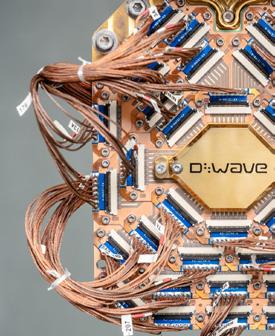
Speaking of the future, Florida Atlantic is stepping forward to lead a new frontier. Our cover story highlights a landmark partnership between FAU and D-Wave Quantum Inc., which includes bringing a quantum computer to our Boca Raton campus. Beyond its immense technological capabilities, this investment creates new opportunities for industry collaboration and workforce development while positioning the university and the region at the forefront of innovation.
Building on its leadership in neuroscience, another feature shares how Florida Atlantic is pushing the bounds of discovery with the world’s first “bench-to-bedside” MRI and focused ultrasound platform. At the university’s NeuroInnovate Center, this fully integrated technology is accelerating breakthroughs in brain research and transforming treatment options for patients suffering from Parkinson’s and Alzheimer’s diseases. This work is particularly significant in South Florida, where an aging population with high rates of neurodegenerative disease make advances in treatment increasingly urgent.
Florida Atlantic’s unique geographic location also provides a strategic vantage point for addressing environmental challenges. A feature on our School of Environmental, Coastal, and Ocean Sustainability explores how philanthropic support is empowering undergraduate students to become the next generation of environmental leaders while contributing to meaningful research today.
Together, these stories reflect the scope and trajectory of a university on the ascent. Across the Florida Atlantic community, remarkable talents, ideas and technologies are being developed at a rapid pace. I invite you to explore this issue and learn more about what drives us forward.
Owls Up!
Adam Hasner President
FLORIDA ATLANTIC MAGAZINE
Senior Managing Editor
Amy Haycock, Associate Vice President, Presidential Communications
Managing Editor Cammi Clark, Ph.D., Associate Vice President, University Communications
Writers and Editors
Amber Bonefont, Polly Burks, Amy Butler, Cammi Clark, Alyse Cooke, Sam Dean, Wells Dusenbury, Agrippina Fadel, Anne Fennimore, Angie Francalancia, Alvaro Frydman, Gisele Galoustian, Joshua Glanzer, Kristine Gobbo, Zachary Greathouse, Amy Haycock, Chelsey Matheson, Katrina McCormack, Lisa Metcalf, Gregg Sekscienski, David Smolka
Design and Graphics
Paige Arriola, Kasia Bytnar, Laurie Donahue, Craig Korn, James Weiner
Photographers/Images
Edin Abenaim, Dawn Aiello, Alex Dolce, Gina Fontana, Angie Francalancia, Gisele Galoustian, Brian Larrabee, Mauricio Paiz, Laura Pujols, Valerie Rivera, David Smolka, Ben Tate, Shane Wever/Reef Renewal USA, Cadence Whitehouse, Jack Williams
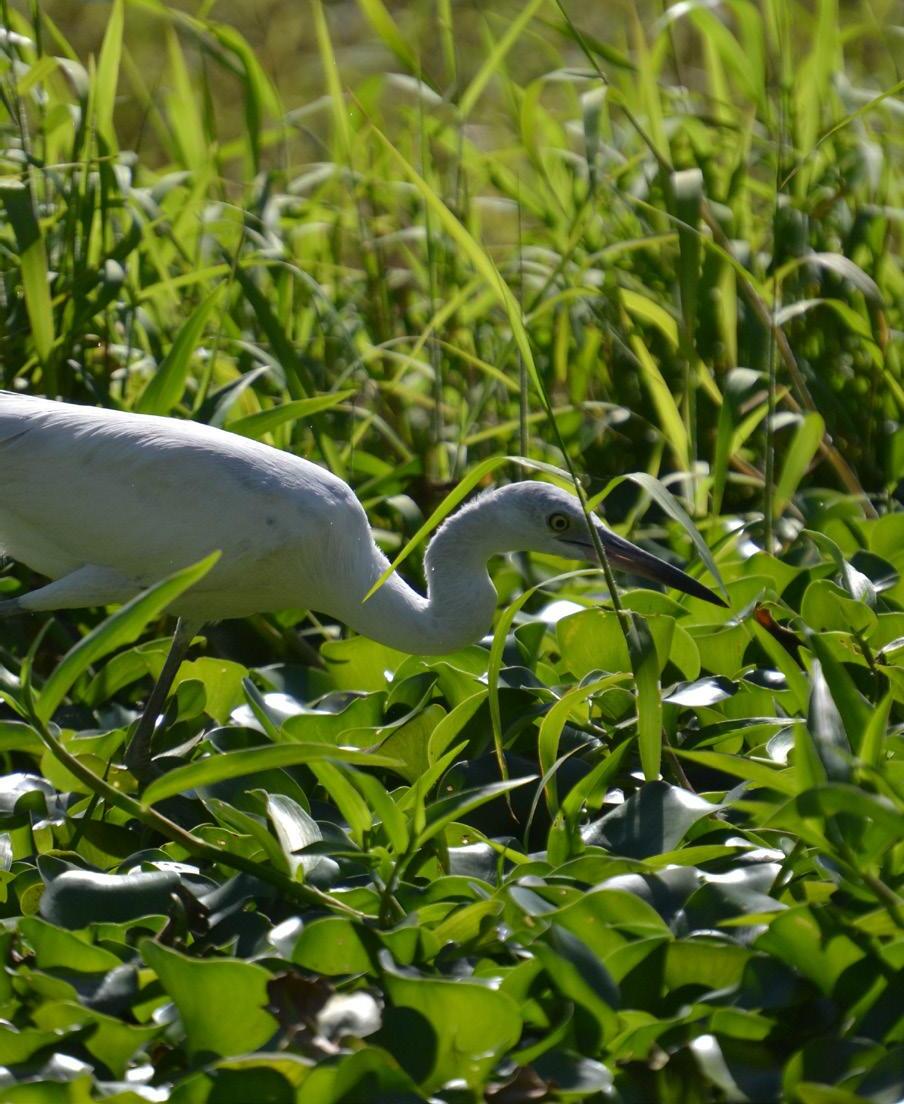
Juvenile Little Blue Heron
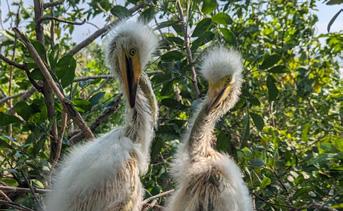
Preying for Success Project to Study Everglades
Wading Birds
Florida Atlantic’s Charles E. Schmidt College of Science recently secured a five-year, $1,427,679 grant from the United States Army Corps of Engineers (USACE) to investigate the factors affecting the survival of wading birds in the Florida Everglades during the dry season.
“This project is incredibly exciting because it allows us to quantify the link between water conditions, fish populations and wading bird nesting across the Everglades,” said Michelle L. Petersen, Ph.D., assistant research professor in the Department of Biological Sciences and director of the environmental science program in the School of Environmental, Coastal, and Ocean Sustainability. “By identifying when and where prey concentrations occur, we can better understand what drives nesting success and provide information that directly supports restoration efforts in this unique and vital ecosystem.”
The research directly supports the USACE’s Comprehensive Everglades Restoration Plan, the sweeping environmental initiative authorized in 2000 to restore South Florida’s natural water flow, part of which tracks how wildlife responds to restoration efforts and guides adaptive management. “One of the biggest questions we’re trying to answer through this project is how wading birds respond to changes in water levels, especially during the dry season when the concentration of prey can make or break their nesting success,” Petersen said.
Decades of decline in wading bird populations have been tied not just to overall fish abundance, but to whether fish and other prey form dense, accessible clusters for predators in drying wetlands. Historically, researchers struggled to measure these concentrations because monitoring often stopped once water levels became too shallow for boats. Petersen’s team is overcoming that gap using a probabilistic, multi-stage sampling framework to measure maximum prey densities across diverse habitats, including Everglades National Park, water conservation areas and canals.
By linking hydrology, prey availability and bird nesting success, the project aims to sharpen predictive models and strengthen long-term restoration strategies.
“Dr. Petersen’s work underscores the vital role university-led research plays in driving effective ecosystem restoration,” said Valery Forbes, Ph.D., dean of the Charles E. Schmidt College of Science.
Michelle L. Petersen, Ph.D.
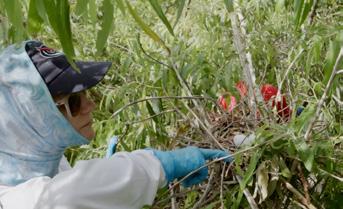
Great Egret Chicks
Successful Soirée
President’s Gala Raises $2.5M for Student-Success Initiatives
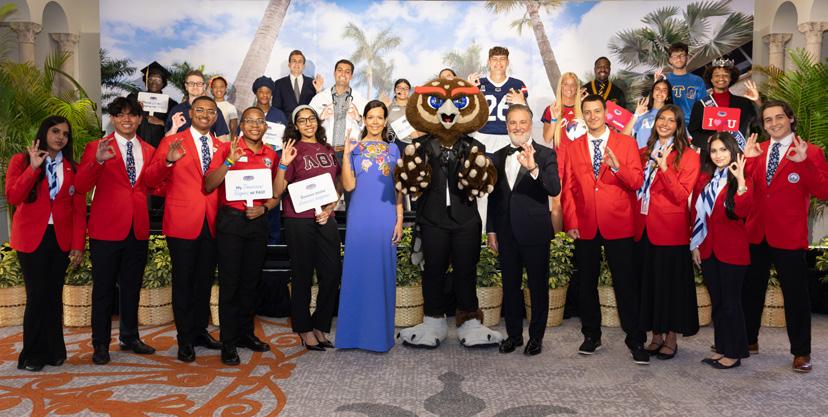
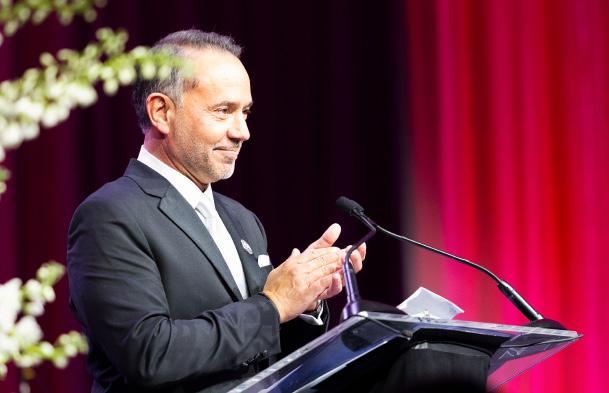
More than 1,000 friends of Florida Atlantic recently joined President Adam Hasner and First Lady Jillian Hasner at The Boca Raton for the Soirée 65 President’s Gala to celebrate the university’s 65th anniversary while raising funds for student-success initiatives. Through the gala and the Owl Access Online Auction, the university raised more than $2.5 million to fund paid government and nonprofit internships and provide housing scholarships for students who struggle with the high cost of living off campus.
“I am overwhelmed by the support of Soirée 65, not only because of the record number of attendees and the amount of funds raised, but because of the profound impact this support will have in changing lives and creating opportunities for students at Florida Atlantic,” said FAU President Adam Hasner. “We know the numbers: students who complete internships are far more likely to find employment quickly after graduation and command higher starting salaries. But behind every data point is a student navigating the second most expensive college town in America, balancing rent, tuition and the hope of a future career. Our gala sponsors make it possible for those students to focus on what matters most — finishing their degrees and stepping into successful careers that strengthen our community.”
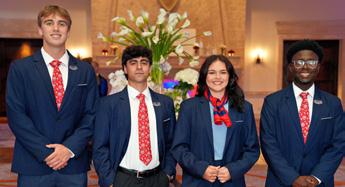
FAU President’s Internship Program for Community Impact students
More than 100 students participated in the event, including the Army ROTC Color Guard; Jazz Quintet; Marching Band; Musical Theatre Vocal Ensemble; Wind Ensemble; Woodwind Quintet; Saxophone Quartet; President’s Internship Program for Community Impact; Student Alumni Ambassadors and Red Blazer Society. Owlsley, stage performers from the Dorothy F. Schmidt College of Arts and Letters, and a guest-welcoming committee of 18 students representing academic programs and student activities across the university also entertained guests. Soirée 65 was presented by Cathy and Abdol Moabery. The gala co-chairs were Stacey Packer and Carrie Rubin.
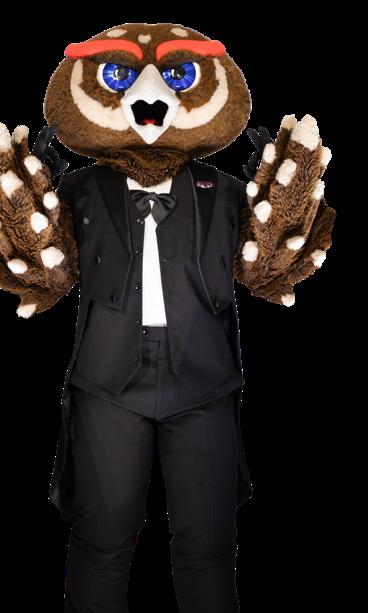
FAU First Lady Jillian Hasner, Owlsley and President Adam Hasner with student performers from the Dorothy F. Schmidt College of Arts and Letters and presidential interns in the Red Blazer Society.
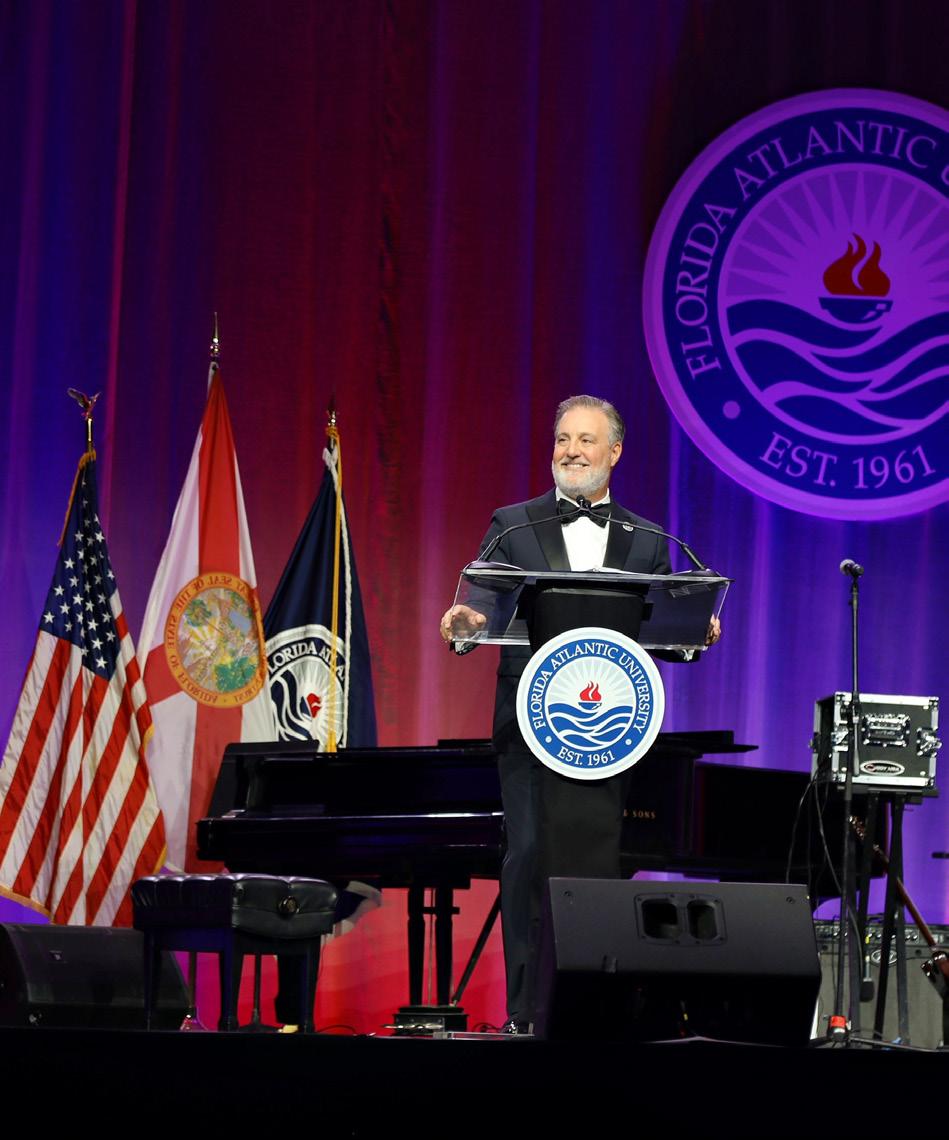
FAU President Adam Hasner
Thank You to the Soirée 65 sponsors!
Presenting Sponsor
Cathy and Abdol Moabery
President’s Circle Sponsors
D-Wave Quantum
The GEO Group Foundation
Christina and Benjamin Macfarland and Storage Rentals of America
Wayne and Lucretia Weiner
Vidal-Duart Family Foundation
Diamond Sponsors
Amy and Mike Kazma
Banyan Development and PEBB Enterprises
Platinum Sponsors
Kathy and Paul Adkins
Dr. Alan Baratz and Mrs. Raquel Baratz
Danburg Properties of Boca Raton
Christine E. Lynn, E.M. Lynn Foundation
JM Family Enterprises, Inc.
Kaufman Lynn Construction, Inc.
ModMed Moss
Evan and Stacey Packer
Related Ross
SBA Communications
Temple Development/Boca Research Park, Ltd.
John and Judith Temple
The Kurt & Marilyn Wallach Family Foundation, Inc.
Gold Sponsors
Chartwells Catering and Dining at FAU
CITY Furniture
Deloitte
DPR Construction
George Elmore & Marti LaTour
Flagler Credit Union
Florida Blue
Arthur Gutterman
David and Leslie Kantor
Mainstreet Capital Partners
Alan B. Miller Medical Center
Palm Beach State College
RAS Legal Group
Schmidt Family Foundation
Corey & Shari Schneider and Sentinel Solutions
Siemens
Mason and Daniele Slaine
Stiles
The Stilley Family/HeartCare Imaging
Tecore Networks
Verdex Construction
The Craig and Barbara Weiner Holocaust
Museum of South Florida at FAU
Craig Zinn Automotive Group
Piero Bussani, chair of the FAU Board of Trustees
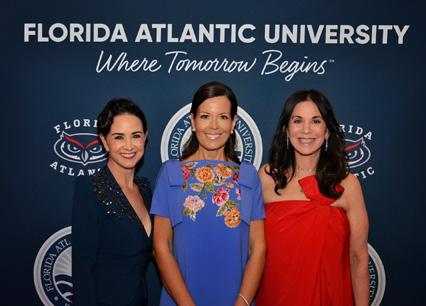
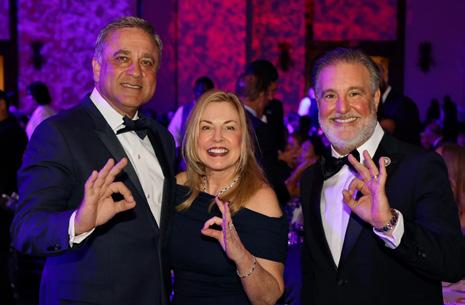
From left, Stacey Packer, gala co-chair; FAU First Lady Jillian Hasner and Carrie Rubin, gala co-chair
Silver Sponsors
Amscot
The Honorable Jeff Atwater
Becker
Renée and Kenny Blatt
Boca Raton Airport Authority
Adam and Caitlin Clampitt
Comcast
Dale Carnegie Training
Diligent Waste & Recycling
Gabor Financial Solutions
Grimes Galvano, PL
Lawson Huck Gonzalez, PLLC
Gulf Building
Van and Jane Hipp
Patti and Michael Hoffman Fund of the Jewish Community Foundation
Carol and Spencer Houldin
Kaplan
Mentor Collective
Marcia and Doug Mithun
Moses Engineering
Dr. Mark and Sherry Murphy
Maurice and Marjorie Plough
PNC Bank
PBK Architects
The Research Park at
Florida Atlantic University
Mr. Robert and Dr. Ingrid Rigal
Servpro of South Palm Beach
Dr. Russell and Linda Stoch
Terra/Frisbie Group
Toothaker.org
Joseph Trubinsky and Holli Rockwell
Trubinsky
Urban Design Studio
Edward and Bernice Wenger
Brian and Paige White
XBP Americas
Partner Sponsors
Dance Floor Sponsor
Marta and Jim Batmasian
VIP Savor the Moment Reception Sponsor
Sherri and Brian Blechman
Commemorative Gift Sponsor
Bliss Designs, Inc.
Exclusive Fashion Sponsor
Bloomingdale’s
Savor the Moment Commemorative
Photo Sponsor
Coca-Cola Beverages Florida
Bourbon Bar Sponsor
Florida Power & Light Company
Cocktail Lounge Sponsor
GL Homes
Exclusive Magazine Sponsor
Palm Beach Illustrated
Late Night Departure Nibbles Sponsor
Carrie Rubin
Performing Arts Sponsors
Berch Family Foundation
Follett Bookstores
Live Nation, represented by Brittany Flores
Egress Refresher Sponsor
Corporate Rescue Advisors
Exclusive AV Sponsor
ShowPro
Valet Sponsor
JP Morgan Chase & Co.
Registration Sponsor
Steve and Debbie Schmidt
Movie Booth Sponsor
Shiner Law Group
Photo Booth Sponsor
Dr. Richard and Mrs. Kelli Staller
Dessert Sponsor
Bonnie Halperin and Family
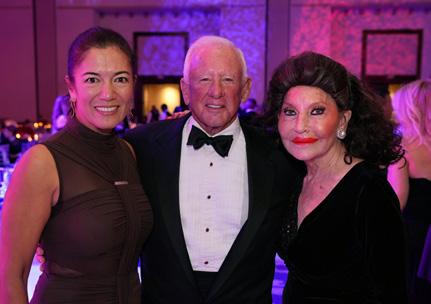
From left, Sharon Kusuke, philanthropist Dick Schmidt and philanthropist Christine E. Lynn
From left, presenting sponsors Abdol Moabery and Cathy Moabery and FAU President Adam Hasner
Building Smart-Infrastructure Research
Florida Atlantic’s College of Engineering and Computer Science is establishing the Ubicquia Innovation Center for Intelligent Infrastructure (UICII), with a $1.5 million gift from the Aaron Family Foundation and Ubicquia, Inc.
Based in Fort Lauderdale, Ubicquia is a global leader in artificial intelligencedriven sensors and software platforms.
Opening this spring, UICII will serve as an accelerator for innovation, design and the application of leading industrial sensors, large language models, AI and real-time analytics to monitor infrastructure used by the utility, municipal, commercial and industrial sectors. The center will collaborate with companies in these sectors to fast-track advancements in power quality and grid monitoring, helping to make communities more resilient, efficient and connected.
“UICII will empower our students and faculty to develop transformative solutions that serve society while building the skilled
workforce that will drive Florida’s innovation economy,” said Stella Batalama, Ph.D., dean of the College of Engineering and Computer Science.
The center will build on Florida Atlantic’s existing smart-infrastructure research and partnerships. The university is part of the multi-institutional National Science Foundation Engineering Research Center for Smart
Streetscapes and has partnered with the Florida Power & Light Company to establish the FPL Center for Intelligent Energy Technologies, where students learn and train with power system technology, earning career-building experience.

Academy for Community Inclusion Turns 10
Florida Atlantic University’s Academy for Community Inclusion (ACI) recently marked its 10th anniversary with a celebration on the John D. MacArthur Campus in Jupiter. Students, families, and members of the faculty and staff gathered to commemorate a decade of success in providing new jobs, new skills and independence for individuals with intellectual and developmental disabilities.
Launched in 2016 in the College of Education, ACI was among Florida’s first federally approved comprehensive transition programs hosted entirely at a state university. The academy offers state-approved certificates in supported employment, supported community access and supported community living, blending academic coursework, vocational training and independent-living skills. Students take classes, join clubs and participate in campus life alongside their FAU peers.
ACI’s impact reflects a broad community effort. Partnerships with local employers offer students on-the-job experience without incurring costs to their business. Faculty and staff, along with student mentors, strengthen the college experience, while donor support — including from the Taft Foundation, Elinor Siklossy Foundation and Florida Center for Students with Unique Abilities — fuels ACI’s growth.
ACI expanded to the Boca Raton campus in 2019. The program’s 66 graduates are now working in competitive environments across South Florida.
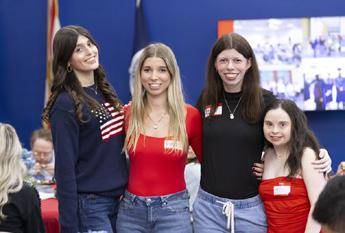
From left, Madison Grossberg, Sophia Sirianni, Keri Fitzgerald and Lily Doyle
The Blueprint for a Resilient Ocean.
Florida’s coral reefs are more than a treasure — they are a protective barrier, an economic engine and a biological wonder.
The headlines tell us our reefs are in crisis. At Florida Atlantic University, our research tells a story of hope and innovation. Our scientists are looking past the surface to understand the genetic and microbial blueprints that allow corals to thrive against unprecedented environmental challenges. By blending laboratory breakthroughs with field-based conservation, we are bridging the gap between raw data and real-world recovery.
Florida Atlantic’s interdisciplinary teams are at the forefront of marine discovery. We are biobanking the future, identifying “super corals” with natural heat resistance and pioneering restoration science that turns the tide on reef loss.
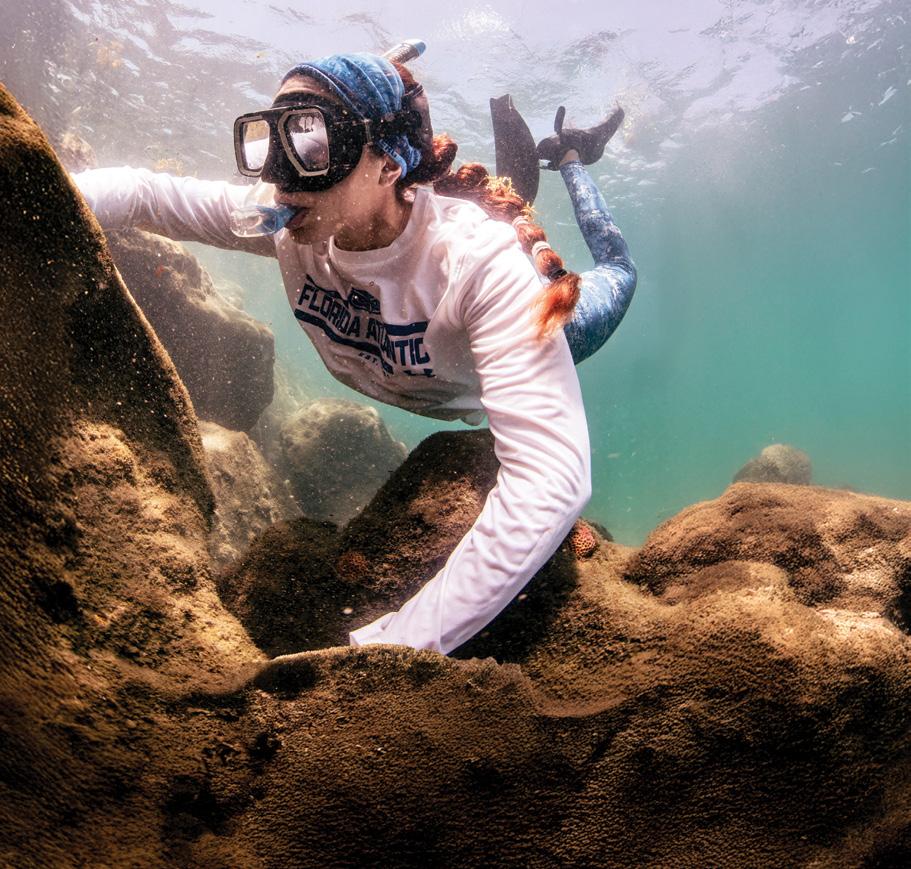
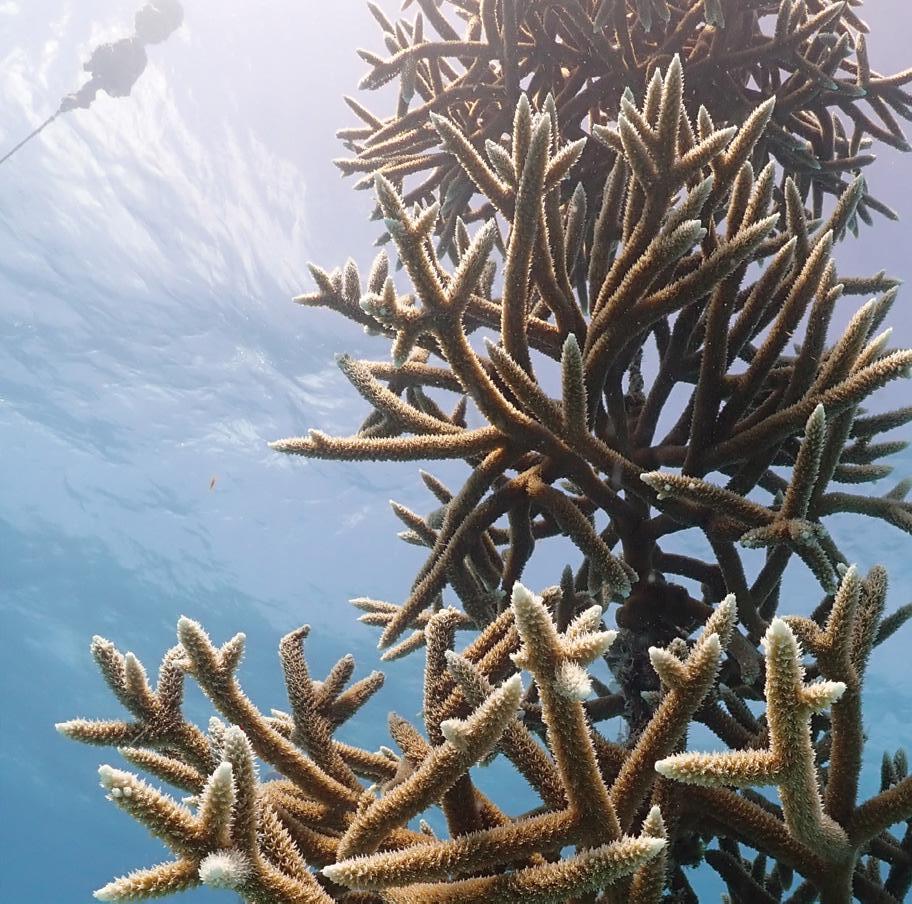
The School of Environmental, Coastal, and Ocean Sustainability (ECOS) is a partnership between the Charles E. Schmidt College of Science and Harbor Branch Oceanographic Institute that focuses on unifying the Florida Atlantic’s research, teaching and community engagement to address pressing environmental issues facing South Florida and the world. It’s a multidisciplinary approach to protecting our planet.
Photo credit: Shane Wever/Reef Renewal USA.
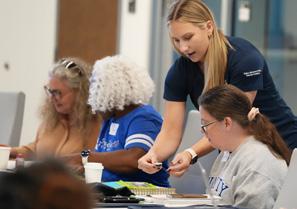
Public school teachers participating in the Inquiry as Art: Sparking Critical Thinking in PBL through Creativity workshop.

Empowering Educators
At a time when student outcomes across the United States lag behind those of global peers, a new Center for Educational Strategy and Innovation at the Florida Atlantic Laboratory Schools is redefining what public K–12 education can achieve through handson laboratory-focused learning.
Founded in response to national challenges in math, science and literacy, the center uses Florida as a model for scalable, evidence-based educational transformation to equip teachers, school leaders and districts with the tools needed to strengthen student success in STEM, research and workforce readiness.
“Public education is at a precipice, and requires new methods focused on applied teaching through research experiences,” said Joel Herbst, Ed.D., vice president, PK-12 and pre-baccalaureate programs.
The center is supported by the Florida legislature and private donors. It offers professional development through free,
interactive workshops led by national subject-matter experts, leadership development programs, STEM curriculum design, professional learning networks and research partnerships.
The center aims to empower educators to develop their own teaching blueprints — driving measurable improvements in classroom practice and student outcomes. Its work emphasizes futureready skills in science, technology, engineering and mathematics, preparing students for careers shaped by artificial intelligence, automation and innovation.
“The training is hyper-focused on applied teacher practice where students’ success is measured by the application of new and advanced subjects,” Herbst said.
During the first half of the 202526 academic year, more than 180 educators were trained through the center, impacting more than 15,000 students across 113 schools.
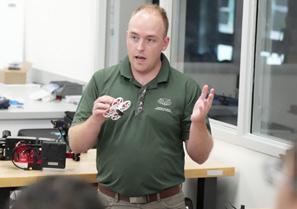
Tucker Hindle, FAU research associate and instructor, leading the Soaring into STEM: Flight, Drone Design, and High-Tech Discovery workshop.
Danielle Kline, standing, A.D. Henderson teacher, leading the Meaningful Math Instruction workshop.
Paws That Heal
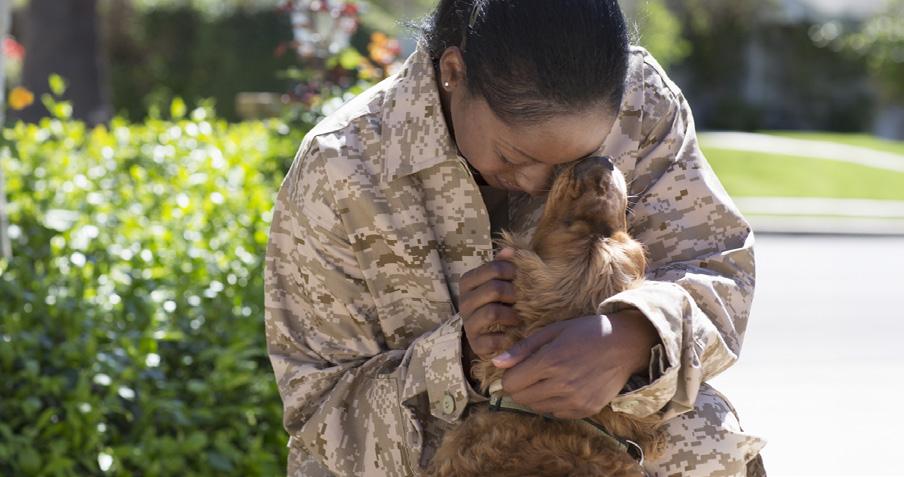
Training Service Dogs May Slow Aging in Female Veterans
Women have served in the United States military since 1948. Yet research on veterans’ health continues to focus largely on men — even though women report higher rates of post-traumatic stress disorder (PTSD).
Now, a landmark study that specifically focuses on female veterans suggests that the act of training dogs to be service animals may help slow biological aging in female veterans.
Researchers at Florida Atlantic University were part of a team that explored how training service dogs affects female veterans diagnosed with PTSD. Supported by the Eunice Kennedy Shriver National Institute of Child Health and Human Development, the study examined whether purposeful, mission-driven work could ease both psychological and biological stress.
Rather than receiving service dogs, participants volunteered to train them for fellow veterans. Over eight weeks, women aged 32 to 72 were randomly assigned to either a hands-on, dog-training group
or a comparison group that watched dog-training videos. Researchers tracked psychological stress using validated questionnaires and measured biological stress through saliva samples assessing telomere length — a marker of cellular aging — and wearable monitors that recorded heart rate variability.
The study results, published in the journal Behavioral Sciences, were striking Women who trained service dogs showed increases in telomere length, suggesting a slowing of cellular aging. In contrast, those in the control group, who only watched videos, experienced telomere shortening, a sign of accelerated aging. The effect was most pronounced among veterans with combat experience: those who trained dogs saw the greatest gains, while combat-exposed women in the control group had the sharpest declines.
“Female veterans face unique reintegration challenges that are often overlooked, and traditional PTSD treatments don’t always meet their needs,” said Cheryl Krause-
Parello, Ph.D., first author, associate vice president for research, associate executive director for FAU’s Institute for Human Health and Disease Intervention, and director of Canines Providing Assistance to Wounded Warriors.
Psychologically, both groups reported reduced PTSD symptoms, anxiety and perceived stress indicating that structured engagement alone may offer therapeutic value. However, only the dog-training group demonstrated measurable cellular benefits. Beyond emotional comfort, the study suggests that purposeful connection — with animals and with a mission — may reach all the way down to the cellular level, reshaping how we understand healing after service.
“This research underscores the power of service dog training as a meaningful, nonpharmacological intervention to support the health and healing of female veterans with PTSD. It opens the door to more personalized approaches that nurture both the mind and body,” Krause-Parello said.
Prote c ting the Gem of the Tre asure Coast

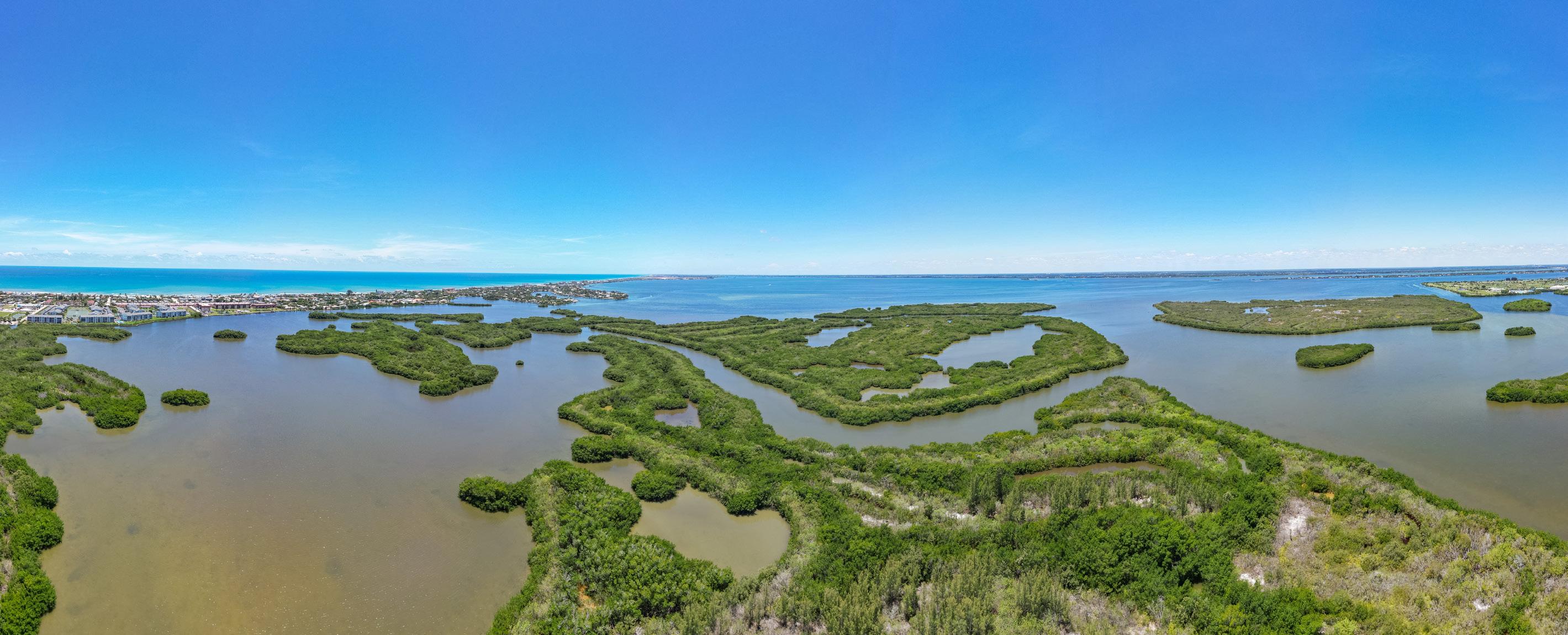
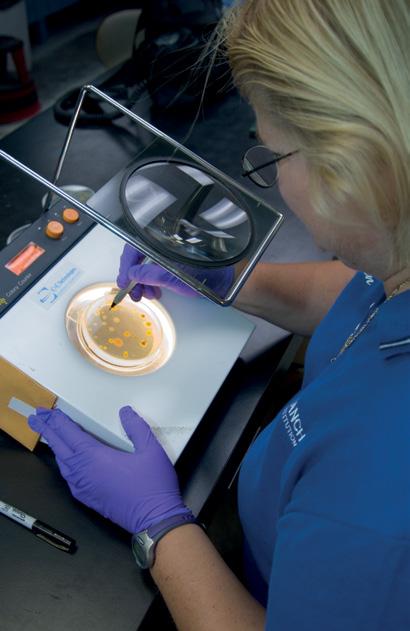
At Florida Atlantic University’s Harbor Branch Oceanographic Institute , researchers are leading e orts to preserve and restore the Indian River Lagoon . The lagoon ecosystem is one of the most biologically diverse estuaries in North America. Comprising 156 miles of coastline and impacting six counties , 45 cities and at least 1.6 million residents , the lagoon has an estimated $8 billion economic value to the State of Florida.
With a legacy of more than 50 years of groundbreaking research, education and community partnerships, and a prime location directly on the lagoon, Harbor Branch is uniquely positioned to lead e orts to ensure that the lagoon remains a treasure for generations to come.
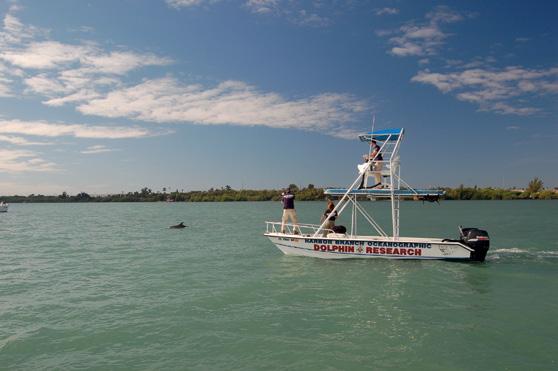
Ecosystem Monitoring and Restoration
Human Health Research
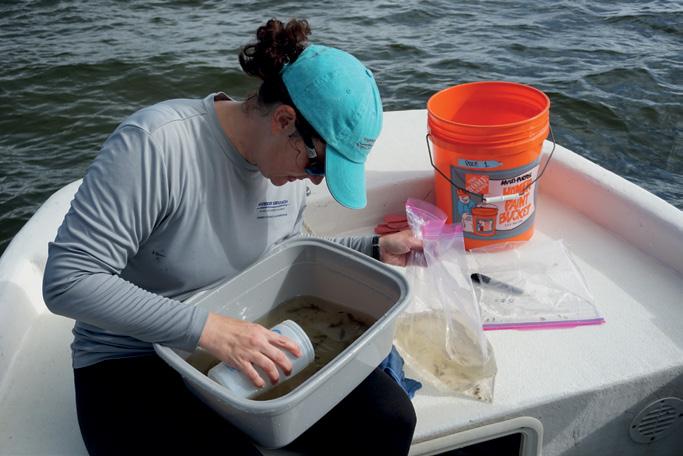
Nutrient Pollution, Toxin and Algal Bloom Studies
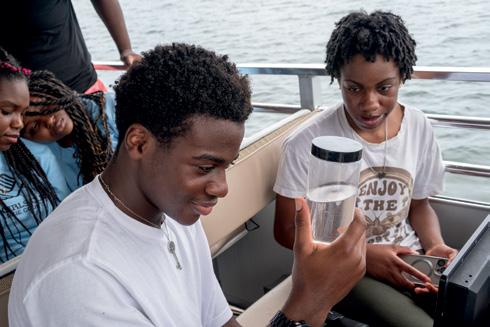
Community Engagement
Digging Discovery
Archaeology is Transforming Education
Archaeology is far more than shovels and dirt. It blends ecology, geology, chemistry, history, math and even artificial intelligence to reconstruct the human past from the materials people leave behind.
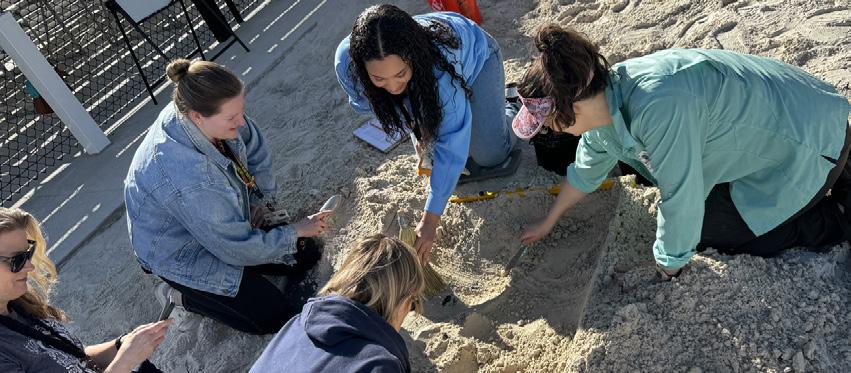
This interdisciplinary nature makes archaeology a powerful teaching tool, according to Katharine Napora, Ph.D., assistant professor in Florida Atlantic’s Department of Anthropology. That’s why the department and Florida Atlantic Laboratory Schools recently unveiled an 1,100-square-foot archaeological dig site on the Boca Raton campus geared specifically for education.
The dig site design was modeled after the Jupiter Inlet Lighthouse Outstanding Natural Area (ONA) archaeological site in Jupiter. Ongoing research and student education at the ONA is funded through a Bureau of Land Management cooperative agreement headed by the FloridaPublic Archaeology Network and FAU’s Department of Anthropology.
“Archaeology is an inherently interdisciplinary field of study, making it a great way to introduce young students to research and an ideal discipline for teachers to incorporate into existing curricula,” said Sara Ayers-
Rigsby, director for the Florida Public Archaeology Network’s Southeast/ Southwest Regions.
Creating this one-of-a-kind site required years of planning and a network of additional partners, including Lynn University, Palm Beach County’s Historic Preservation and Environmental Resources Management, and FAU Libraries’ Special Collections Department. The Seminole Tribe of Florida’s Historic Preservation Office also provided invaluable guidance to help accurately represent ancestral and historic indigenous lifeways.
At the site, students not only learn how soil layers reveal timelines, but they apply math to map excavation grids, explore ecological systems to understand ancient environments and examine how modern technologies — from chemical analysis to AI — can help archaeologists interpret artifacts.
“There’s something for everyone,” Napora said. “Whether a student loves science, storytelling, technology or art, archaeology connects those interests.”
Since the dig site opened in fall 2025, more than 460 students have participated in 38
K-12 educators at Florida Atlantic’s new educational archaeological dig site.
different curricular experiences developed by K-12 educators in partnership with Florida Atlantic Laboratory Schools’ Research Program leads Tricia Meredith, Ph.D.; Lauren Simonitis, Ph.D.; and Jamie Thompson, Ph.D. Students excavate permanent and movable structures modeled after real, ongoing excavations.
“This is not a classroom exercise, it’s research-informed experiential learning,” Meredith said.
For kindergarteners, that might mean uncovering replica artifacts and learning how objects tell stories. For middle and high school students, it involves more complex research questions, data recording and interpretation techniques that mirror professional archaeological practice.
“By giving students the tools to investigate the past, the university is cultivating critical thinking, collaboration and curiosity,” Napora said. “Because sometimes, the best way to understand history is to pick up a trowel — and start digging.”

Coming Home
New Provost Returns to Hometown University to Continue Building FAU’s World-Class Reputation
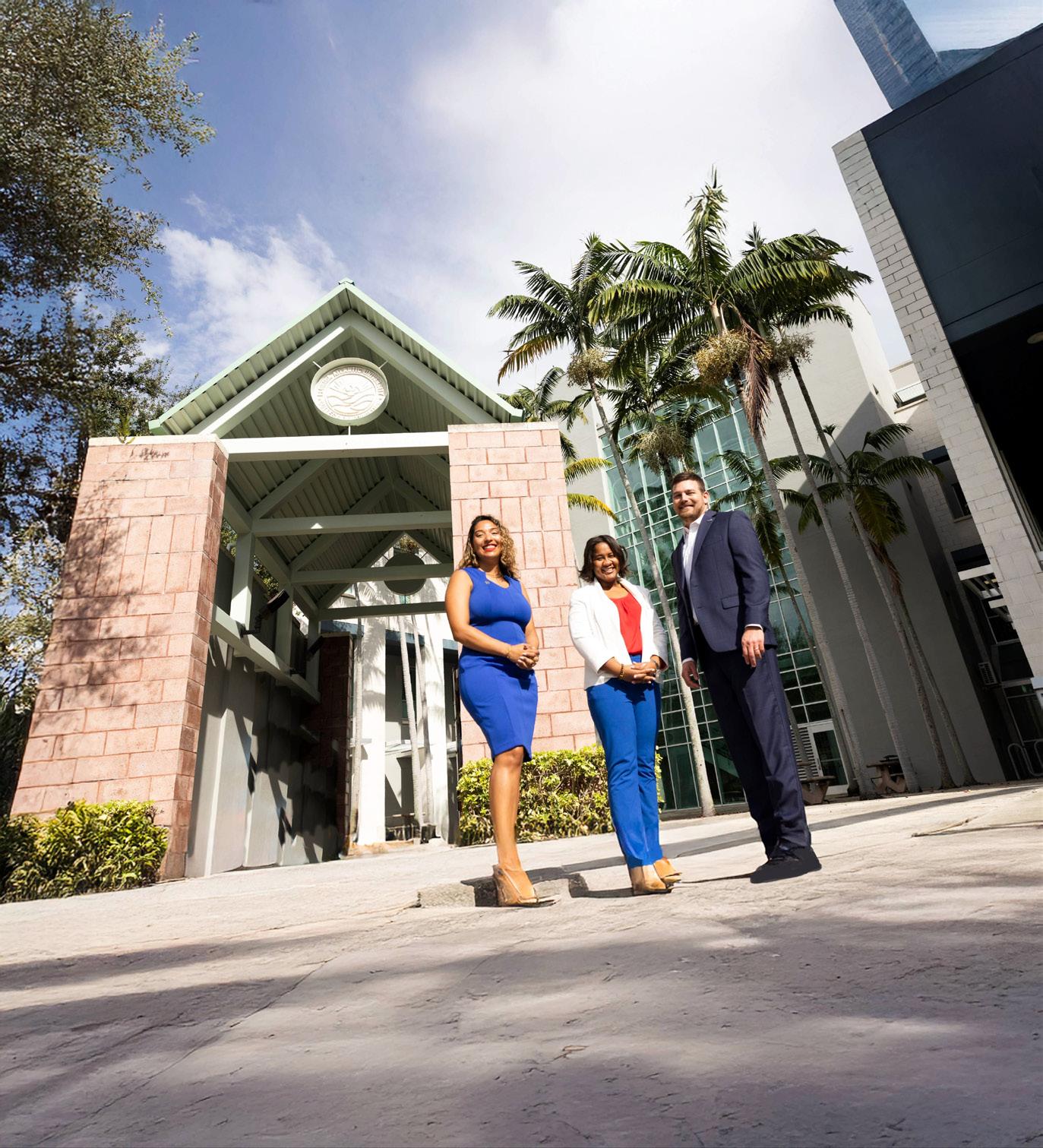
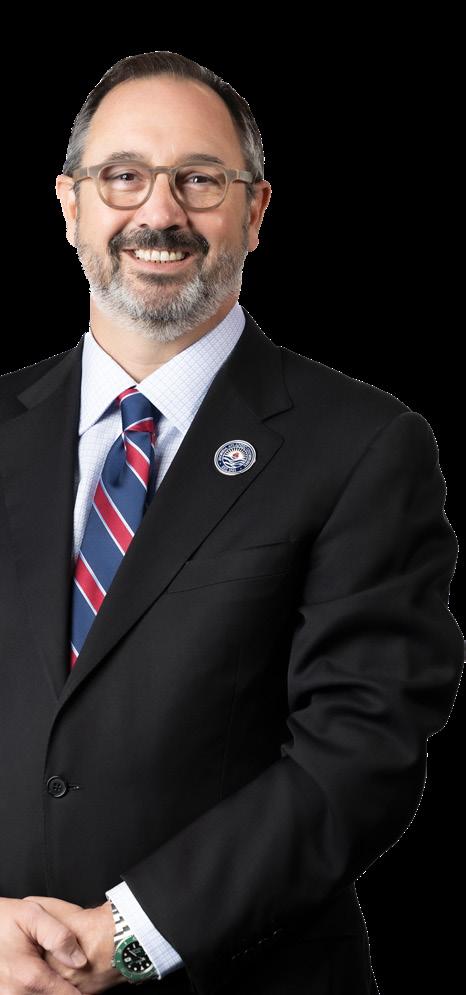
Florida Atlantic recently named Ken Dawson-Scully, Ph.D., provost and executive vice president for academic affairs. This is a homecoming for Dawson-Scully as he returns to the university he previously served, helping it continue its upward trajectory.
A Boca Raton resident since 2008, Dawson-Scully served in several leadership roles during his previous 13 years at Florida Atlantic (2008–21), including as associate vice president for strategic initiatives (2018–21). Among other achievements, he led initiatives that dramatically increased National Merit Scholar enrollment and was head of institutional partnerships at Max Planck Florida Institute for Neuroscience. Dawson-Scully also served as director of the FAU Max Planck Honors Program, associate dean of graduate studies for the Charles E. Schmidt College of Science and associate director of the FAU Brain Institute, among his many roles.
Dawson-Scully returns to lead the Division of Academic Affairs at a time when the university’s momentum is unmistakable. Florida Atlantic recently achieved three nationwide designations by the Carnegie Foundation as an R1 top-tier research institution, an Opportunity University for higher access and post-graduation earnings, and received the Elective Classification for Community Engagement, a rare combination that signals both research excellence and mission-driven impact.
“Florida Atlantic is living proof that a hometown university can build a world-class national reputation,” Dawson-Scully said. “We are big enough to shape the future and personal enough to change a student’s life. R1 is not a finish line. Opportunity is not a slogan. Community engagement is not a side project. These are commitments, and our job is to push them forward with urgency, with integrity and with results our students can feel. That is our edge, and it is why I am so excited to be home.”
Before returning to Florida Atlantic, Dawson-Scully served as the associate provost and senior vice president for research at Nova Southeastern University in Fort Lauderdale, where he led the Division of Research and Economic Development since 2021. With more than $185 million in active research funding, he directed a broad portfolio spanning federally funded projects, philanthropic initiatives, industry partnerships and regional collaborations. Under his research leadership, NSU elevated from R2 status to R1.
Dawson-Scully’s experience will be essential as the university develops its next five-year strategic plan — a plan that FAU President Adam Hasner emphasized will be built for speed, alignment and impact across the state.
“Our next strategic plan will align Florida Atlantic’s priorities with the State University System of Florida’s vision for extraordinary impact,” Hasner said. “That means elevating student success, advancing world-class talent, strengthening operational excellence, and expanding innovative research and economic development, all while telling a clear story of who we are and where we are going.”
Dawson-Scully sees the plan as the blueprint that will connect local mission to national stature.
“Our strategic plan has to read like a promise to students and a call to action for our community,” he said. “It must protect the soul of a hometown university while accelerating a world-class national reputation the university has built.”
He will focus on the fundamentals to help the university climb higher in national rankings: teaching excellence, advising and mentorship, graduate and professional pathways, and real career outcomes.
creative work in education, the humanities, social work, architecture, and the disciplines that shape culture, community and opportunity.”
He also emphasized that Florida Atlantic’s identity is strengthened by its regional presence and deep relationships with the communities of South Florida, including its three Broward campuses in Dania Beach, Davie and downtown Fort Lauderdale; its flagship campus in Boca Raton; the John D. MacArthur Campus in Jupiter; and Harbor Branch Oceanographic Institute in Fort Pierce.
“We are one Florida Atlantic, across six campuses, and our communities should feel that,” Dawson-Scully said. “Boca Raton, Broward, Jupiter, Fort Pierce — each site is a gateway to opportunity. Our job is to align programs, partnerships and pathways so students can move from aspiration to achievement without friction.”
“We will keep climbing. We will climb in student success and real outcomes. We will climb in shared governance and trust. We will climb in research impact and creative excellence. And we will climb in national reputation — while staying a true hometown university.”
KEN DAWSON-SCULLY, PH.D.
“Student success has to be measurable and practical,” Dawson-Scully said. “We will track the outcomes that matter, and we will never forget that every metric represents a real person who trusted us with their future career.”
Dawson-Scully emphasized that research excellence at Florida Atlantic will be strengthened across STEM and beyond.
“Yes, we will keep pushing forward in engineering, computing, health, neuroscience and the sciences,” he said. “And we will also elevate scholarship and
He underscored that he is stepping into this role with deep respect for Florida Atlantic’s leaders across the colleges and a clear commitment to shared governance.
“I am surrounded by the most extraordinary deans and faculty,” he said. “And I want to be direct about this: shared governance is how we make Florida Atlantic stronger. Faculty voice and expertise are essential to academic quality.”
As Dawson-Scully begins his tenure, he says the mission is clear: protect what makes Florida Atlantic personal and accelerate what makes it powerful.
“We will keep climbing,” Dawson-Scully said. “We will climb in student success and real outcomes. We will climb in shared governance and trust. We will climb in research impact and creative excellence. And we will climb in national reputation — while staying a true hometown university. If you want a place where you will be known and challenged, supported and inspired, where you can build a future that reaches far beyond South Florida, come build it with Florida Atlantic.”
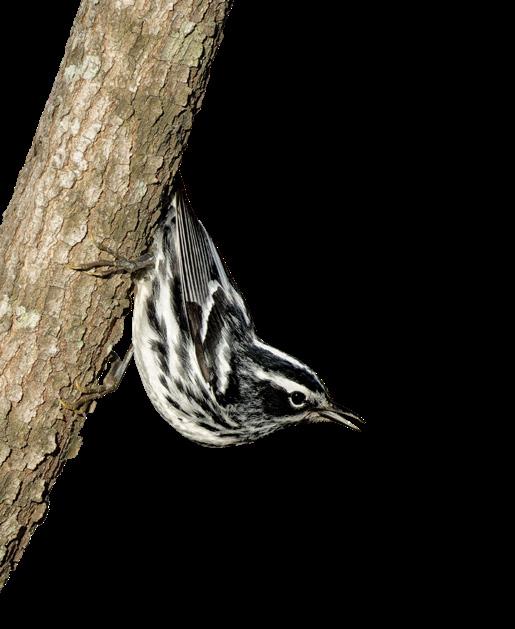
Black-andwhite warbler

Scan to report bird collision sightings on any university campus.
Not Lighting the Way
Scientists Help Birds During Peak Migration
Every spring and fall, billions of birds migrate at night, relying on stars to guide them. But when birds encounter brightly lit cities, artificial lights can disorient them, causing many to collide with unseen structures, such as buildings. These collisions kill an estimated 1 billion birds in North America each year.
“Birds play critical roles in our ecosystems, and they also delight millions of birdwatchers and naturalists alike,” said Rindy Anderson, Ph.D., associate professor of biological sciences in the Charles E. Schmidt College of Science. “I have devoted my career to studying birds, so their conservation is a priority for me. It would be sad and destructive if we lost dozens of species to extinction and even the most common birds became rare.”
Hidden Clicks, Hidden Struggles
The dark web — an encrypted corner of the internet — has long operated beyond the reach of traditional search engines. Designed to protect anonymity, it attracts users seeking privacy. But new research from Florida Atlantic University’s College of Social Work and Criminal Justice suggests it may also draw individuals facing significant mental health challenges.
In one of the first large-scale empirical comparisons of its kind, Ryan C. Meldrum, Ph.D., lead author and director of the School of Criminology and Criminal Justice, analyzed survey data from 2,000 adults. Published in the journal Cyberpsychology, Behavior, and Social Networking, the study examined five mental health indicators among dark web users and those who stick to the surface web.
The findings were striking, according to Meldrum. Dark web users reported significantly higher levels of depressive symptoms and paranoid thoughts. Individuals with suicidal ideation had nearly three times greater odds of reporting dark web use. Those engaging in non-suicidal selfinjury were nearly five times more likely to use it, while individuals who reported digital self-harm (when someone posts critical or demeaning content about themselves) were more than 19 times likelier to be dark web users.
Anderson and Kimberly Vardeman, assistant director of Florida Atlantic’s Center for Environmental Studies (CES), are spearheading efforts to make the university’s campuses safer for migrating birds. Through their grassroots “lights out” campaign, they aim to help reduce hazards during migration periods.
As part of the effort to identify the extent of the issue, Arielle Perry, a student in the environmental science master’s degree program and CES graduate research assistant, designed a survey to document bird collisions across Florida Atlantic’s campuses. The blackand-white warbler and the ovenbird are among the bird species at risk of colliding with windows in South Florida.
“It pains me to think that so many birds are harmed or killed due to collisions with buildings,” Perry said. “I wanted to provide an easy and accessible method to allow the Florida Atlantic community to actively get involved in tracking this unfortunate, but common occurrence.”

“Our findings suggest that many individuals who turn to the dark web may be doing so not just for privacy concerns, but as a
reflection of deeper mental health struggles and the possible desire to socialize and engage in information-seeking in a context free of scrutiny that might otherwise be experienced on the surface web or offline,” Meldrum said.


In the News
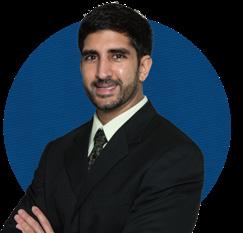
“Our findings make it clear that sexting is not rare among adolescents — it’s a common part of many young people’s digital lives. What is deeply concerning, however, is how often these experiences are tied to coercion, nonconsensual sharing and sextortion.”
Sameer Hinduja, Ph.D., professor in the College of Social Work and Criminal Justice, to Newsweek, on his study showing a surge in teen sexting and underscoring the dangers of sextortion and privacy risks.
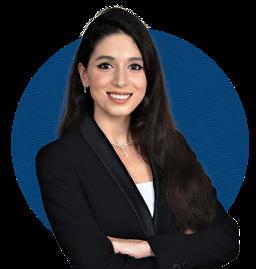
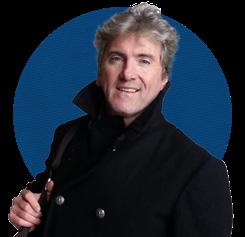
“It appears that regular mate switching may be a good way to temper the negative effects of polygamy in a small population. We must head back out into the wild and learn more about beluga whale mating systems and how they have perfected a long life among the ice floes.”
Greg O’Corry-Crowe, Ph.D., professor of wildlife evolution and behavior at Harbor Branch Oceanographic Institute and a National Geographic Explorer, to BBC Wildlife on his research, which discovered that Alaska’s beluga whales have a lot of different partners and that this “mate switching” could be vital for helping populations survive.
“Across 50 studies in our review, higher alcohol consumption consistently raised cancer risk, with risk increasing as intake grows. Heavy, daily or binge drinking is strongly linked to multiple cancers, highlighting the importance of moderation and following cancer prevention guidelines.”
Lea Sacca, Ph.D., assistant professor of population health in the Charles E. Schmidt College of Medicine, to U.S. News & World Report on her study showing that even moderate drinking may increase cancer risk.

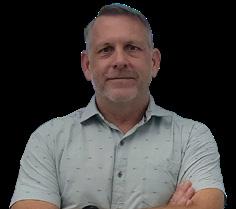
“If the parietal lobe normally turns on to give us our sense of self, what’s going to happen when it shuts down? We lose our sense of self, and we don’t see the boundary between ourselves and something that’s out there in the world.”
“What’s striking about this study is that when oleamide entered the system, that chemical communication appeared to break down. Crustacean prey reduced their predatoravoidance behaviors, even as the octopus became more exploratory and increased their interactions, especially grasps. Normally, more predator contact would heighten prey defenses. But in the presence of oleamide, that expected response simply didn’t happen.”
Michael W. McCoy, Ph.D., associate director of the School of Environmental, Coastal, and Ocean Sustainability, and professor of quantitative ecology in the Department of Biological Sciences, to Discover Magazine on his study on how chemical waste from plastic pollution may be affecting what octopuses eat and how their prey behave.
Andrew Newberg, M.D., professor of clinical neurosciences in the Charles E. Schmidt College of Medicine, to Medium on how neuroscience unveils the path to spiritual awakening and how groundbreaking research reveals the neurological foundations of transcendence, offering a scientific roadmap to deeper meaning, resilience and profound inner transformation.
“Once one shark is excited, it stimulates other sharks to be excited as well. Group reactions are common in sharks, whether that means homing in on food sources or taking flight, as blacktip sharks do when predatory hammerheads appear.”
Stephen Kajiura, Ph.D., professor of biological sciences in the Charles E. Schmidt College of Science, to Smithsonian Magazine on a case study of recent, unusual shark attacks on humans and why they go into feeding frenzies.


“Floridians believe in the American Dream, but they are paying dearly for it. The Florida promise of sun, growth and upward mobility remains alive, but it is getting expensive to hold on to.”
Monica Escaleras, Ph.D., chair and professor of the economics department in the College of Business, to The Guardian on how Florida’s real estate “gold rush” draws the super-rich as rising costs push others out.
“The South Florida economy continues to remain quite strong. And the demand for housing derives from the demand to work here. I see no evidence of an exodus from the area.”
Bryan Cutsinger, Ph.D., assistant professor of economics in the College of Business, to Homes.com on the FAU South Florida Economic Outlook Report for 2026, which shows unemployment rates in Miami-Dade, Broward and Palm Beach counties all remain below the U.S. rate of 4.15%.
“[Marijuana] treatment is often overlooked.”
Brian Graves, Ph.D., assistant professor of social work in the College of Social Work and Criminal Justice, to the Associated Press on how more people are addicted to marijuana, but fewer are seeking help. The article cited his research, which shows that the share of people who got treatment for cannabis use disorder from a nationally representative sample dropped from 19% in 2003 to 13% in 2019.
“Thanks to FADAR [Fish Acoustic Detection Algorithm Research], we processed 12 years of acoustic data in weeks — uncovering patterns that would have taken years to find. It’s a game changer for monitoring and managing reef fish like red hind.”
Laurent Chérubin, Ph.D., professor at Harbor Branch Oceanographic Institute, to Popular Science on his research, which analyzed more than 2,000 hours of ocean acoustic recordings over 12 years on grouper “grunts” and how they convey specific messages related to mating and territory. The research will help conservation efforts for threatened species.
“For such workers AR [augmented reality] offers a promising way to make sure they’re not left behind — but instead are empowered to succeed in meaningful, competitive employment. AR is a sustainable way to train since it allows people with these disabilities to work more independently, meaning employers’ resources can stretch a little further too. This benefits individuals, employers and service providers alike.”
Ayse Torres, Ph.D., associate professor in the Department of Counselor Education in the College of Education, and associate professor in the Department of Biomedical Engineering in the College of Engineering and Computer Science, to Inc. on how her study on augmented reality dramatically improves training for employees with intellectual and developmental disabilities.

“It will be anything from identifying objects, giving the names of objects, telling people to say as many words as they can that begin with the letter F in 30 seconds, or a list of objects that they’re given and then asked to repeat back the list. All of these things are testing various aspects of thinking because thinking is actually more than just memory.”
Ruth Tappen, Ed.D., the Christine E. Lynn Eminent Scholar and professor in the Christine E. Lynn College of Nursing, and a member of the FAU Stiles-Nicholson Brain Institute, to The Palm Beach Post on her Fit2Drive study designed to test an individual’s fitness or ability to drive.

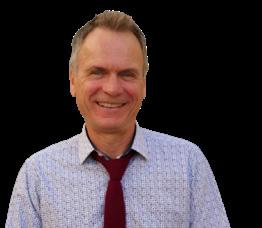
“This is the first study to put best friends and popular peers in the same model and ask, ‘Who matters more, and for what?’”
Brett Laursen, Ph.D., professor of psychology in the Charles E. Schmidt College of Science, to SheKnows on his study exploring whether best friends or popular peers have the strongest influence on teens and tweens.
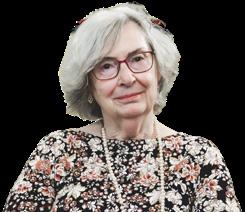

“Sleep and brain health are intertwined. Exercising is important for both. For people who want to sleep better at night, the key is to be active during the day. Pay attention to your sleep schedule. That’s key, getting up at the same time each day, going to bed about the same time each day and even maintaining that consistency through the weekends.”
Ebow T. Nketsiah, Ph.D., assistant professor of social work in the College of Social Work and Criminal Justice, to the Sun Sentinel on how nearly half of Floridians have sleep issues and how experts can help.
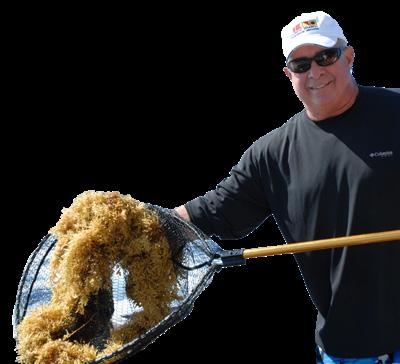
“The climate is having a very significant effect on this bloom, but there are many underlying drivers of climate change. Everything from high temperature, extreme rainfall, droughts and rainfall events, and winds.”
Brian Lapointe, Ph.D., professor at Harbor Branch Oceanographic Institute, to the on how shifting climate is altering patterns of the Atlantic’s giant seaweed blobs.
RANKINGS AND U.S.
Jayhawk Flight Simulator Lands at FAU
Grant From U.S. Air Force Powers Next-Gen AI and Autonomy Research
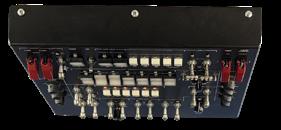
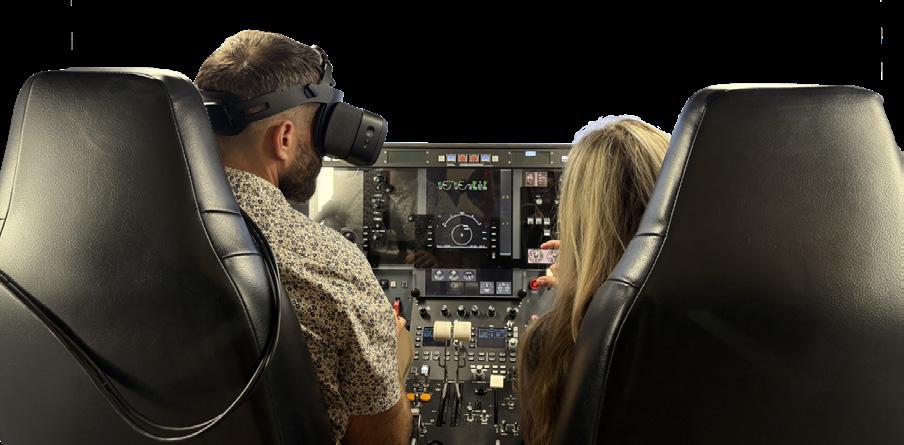
Florida Atlantic’s College of Engineering and Computer Science received a U.S. Air Force T-1A Jayhawk Mixed Reality (MR) and 3D Motion flight simulator, valued at approximately $4.5 million, through an in-kind grant from the U.S. Air Force Office of Scientific Research.
The state-of-the-art simulator replicates the cockpit, flight dynamics and operational environment of the T-1A Jayhawk, providing a highly realistic, motion-enabled MR platform for research. Its open-source software architecture allows modifications for a wide variety of experiments, and the system can safely simulate high-risk scenarios that would be difficult or costly to recreate in live aircraft. The T-1A Jayhawk is a twin-engined jet aircraft used by the U.S. Air Force for advanced pilot training.
The simulator (below) will serve as a cornerstone for aviation and interdisciplinary research at FAU’s Center for


Connected Autonomy and Artificial Intelligence. Faculty members and students will use it to study human–machine interaction, autonomous decision-making, real-time sensor fusion and cognitive performance under complex, high-stress conditions. It will also support cross-disciplinary work in neuroscience, biomedical engineering, cybersecurity, robotics and systems engineering.
“This is a milestone for our college and for FAU,” said Stella Batalama, Ph.D., dean of the College of Engineering and Computer Science. “Having access to this advanced military-grade flight simulation technology on our campus elevates our research enterprise. The Jayhawk simulator will strengthen our leadership in AI, autonomy, human performance and aerospace systems, while opening new doors for collaboration across the university and our federal and industry partners.”



Survey Finds Workers are Redefining Success
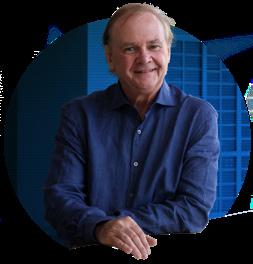
A new survey by Florida Atlantic University’s College of Business recently identified a growing trend among career professionals that challenged previously held assumptions about how people define success in their careers. According to the survey, “The Many Meanings of Career Success,” most workers are no longer measuring career success by promotions. Instead, they are defining success by financial stability and work-life balance.
“We wanted to hear directly from people about how they define success in their careers,” said Michael Harari, Ph.D., associate professor in the Department of Management in the College of Business. “We found that people really want work-life balance, more so than the typical manager might assume.”
The survey, conducted alongside dual-enrolled FAU High School student Luisa Lucigniani, revisits fundamental questions about how workers define success in their careers and whether promotions and pay increases are the primary indicators of success through 54 questions.
Financial progress or wealth was the fifth out of eight most important aspects of career success, according to those surveyed. Intrinsic interest, growth and innovation, and social contribution ranked higher on the list.


Measuring the Biology of Burnout
Research suggests that a simple daily meditation may reduce psychological strain and even influence biological markers linked to cellular aging.
“It seems there is an opportunity to replace ‘career ladders’ with ‘career bridges,’” Harari said. “The career development opportunities that employers offer need to speak to what people want. That might entail flexible work arrangements or longer employment contracts for stability. Employers can no longer assume that everyone is motivated by the promise of a promotion.”
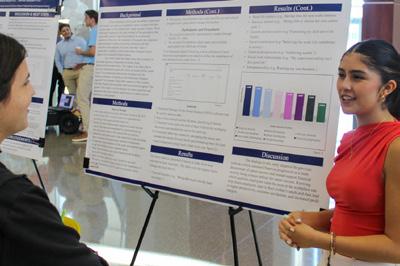
Howard Butcher, Ph.D., professor in Florida Atlantic University’s Christine E. Lynn College of Nursing, collaborated on a study of whether Transcendental Meditation (TM) could improve psychological well-being and alter telomeres activity, a biological marker of age-related cellular changes, for nurse managers, who often face relentless workplace stress.
“Chronic workplace stress, particularly among nurse managers responsible for staffing, patient care oversight and administrative leadership, has been linked to burnout and biological strain,” Butcher said.
Telomeres help protect chromosomes during cell division. Their maintenance is increasingly studied in relation to stress and aging, he said.
Thirty nurse managers participated in a four-month study. Those assigned to the meditation group received standardized instruction and practiced twice daily. Preliminary analyses show significant improvements in perceived stress and work–life balance, along with measurable changes in telomerase activity, in the nurse managers who practiced TM.
Student Luisa Lucigniani, right, showcases her research conducted on career satisfaction at the Summer Showcase with the Office of Undergraduate Research and Inquiry.
Paying It Forward
$1.5M Gift Supports Future Engineers and Scientists
For Leif and Seija Carlsson, Florida Atlantic University isn’t just a place they work or studied — it’s where they built their lives. Now, they’re giving back, with a $1.5 million estate gift to fund scholarships and handson opportunities for the next generation of ocean and mechanical engineers and biologists — students who remind them, perhaps, of themselves.
“This university has been very good for both of us,” said Leif Carlsson, Ph.D. “FAU is very vibrant with a great diversity of students, and it has been inspiring to work with them. It’s a very good feeling to make this gift.”
It’s a sentiment nearly four decades in the making. Leif Carlsson is the J.M. Rubin Foundation Professor in the Department of Ocean and Mechanical Engineering within the College of Engineering and Computer Science. He has been a professor at FAU since 1987. Seija Carlsson is an alumna who graduated from the Charles E. Schmidt College of Science with a degree in biology
in 1996. She built a career in the chemistry labs of vitamin and supplement manufacturer Rexall Sundown, Inc.
Their gift creates two named scholarship endowments: the Leif Carlsson Engineering Scholarship Endowment for ocean and mechanical engineering majors, and the Seija Carlsson Biology Scholarship Endowment for biology students. A portion will also fund student clubs and competitive teams — including Owls Racing, the Marine Robotics Club, the Human Powered Submarine Team and the Aerospace Experimental Association — giving students a chance to take what they’ve learned in the classroom and test it on the world stage.
In recognition of the gift, the Department of Ocean and Mechanical Engineering
conference room in the Engineering West building will be named the Leif Carlsson Conference Room.
“Few people embody the spirit of the Florida Atlantic community quite like the Carlssons. Dr. Carlsson has spent four decades as a dedicated faculty member, leaving a lasting mark on countless students, while Mrs. Carlsson’s connection to FAU as an alumna spans more than 30 years,” said FAU President Adam Hasner. “Their gifts — which place Dr. Carlsson among the university’s most generous faculty donors of all time — honor that deep bond and carry the Carlsson legacy forward to future generations, making an impact in the vital fields of engineering and biology at Florida Atlantic.”
Opportunities for Individuals with Autism
The Florida Atlantic University Center for Autism and Related Disabilities (CARD) recently received a two-year, $600,000 grant to support youth and adults, ages 12 to 25, with autism as they transition into adulthood.
The funding, from the Taft Foundation, expands the Building Resources for Independence through Self-Determined Growth Experiences (BRIDGE) program. CARD launched the first phase of BRIDGE to address the most significant challenges facing young individuals with autism, such as securing and maintaining employment, developing independent living and social skills and self-advocacy. These efforts led to creating a pre-vocational tool kit; adult hang-out groups, where individuals gather and build social skills; and the annual Art & Autism Expo, presented in collaboration with the City of Boynton Beach.
This next funding phase broadens the scope, reach and impact of BRIDGE activities by helping participants expand career skills, exploring community living opportunities and increasing outreach throughout the five-county service area.
“Our partnership with the Taft Foundation is making a meaningful and measurable impact on the lives of youth and young adults with autism across the region, equipping them with the essential tools, skills and supports needed to successfully navigate the transition to adulthood,” said Jennifer Percival, Ph.D., director of CARD.
Since 2014, the number of CARD participants has increased from 3,346 to 8,011.
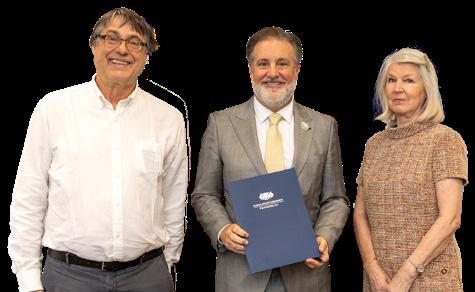
From left, Leif Carlsson, Ph.D., FAU President Adam Hasner and Seija Carlsson
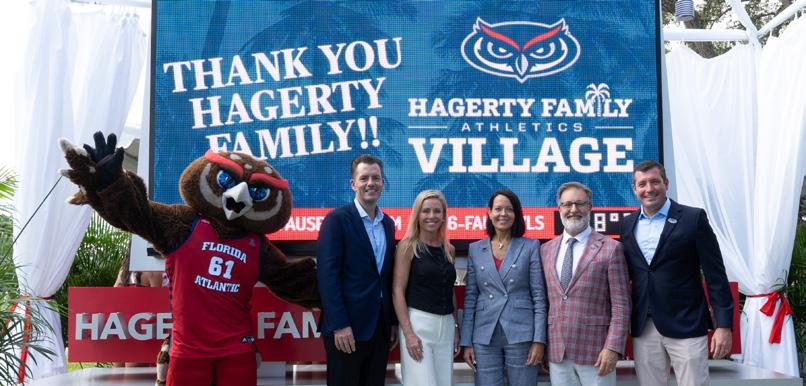
Hagerty Family Adds $2M to Legacy of Support for FAU Athletics
Donors Michelle and Michael Hagerty recently pledged $2 million to Florida Atlantic Athletics in support of scholarships for female student-athletes and the Competitive Excellence Fund. They have donated more than $12 million over the last five years.
The Hagertys’ initial gift of $2.5 million in 2021 named the head football coach position, now known as the Hagerty Family Head Football Coach. The couple followed in 2022 with a transformative gift of $5 million to create the Hagerty Family Athletics Village. They made another significant donation toward the project in December 2024.
“Michelle and Michael Hagerty are building a legacy that continues to elevate Florida Atlantic’s athletic programs,” said FAU President Adam Hasner. “We truly appreciate this generous gift and the opportunities it will create for our female studentathletes on and off the field. The Hagertys’ high level of personal engagement and unwavering support for their Hometown University are helping us win here in paradise and on the national stage.”
Florida Atlantic Athletics established the Competitive Excellence Fund last year to provide a premier student-athlete experience so that Owls can compete at the highest level and win championships. Additionally, it allows the department to be strategic in directing the funds to address the department’s priorities of greatest need.
“Florida Atlantic’s student-athletes continue to achieve remarkable success both in the classroom and in competition, made possible by the generous support of dedicated friends like Michelle and Michael Hagerty,” said Piero Bussani, chair of
the FAU Board of Trustees. “On behalf of the board, thank you, Michelle and Michael, for your ongoing commitment to athletic excellence and student success at Florida Atlantic.”
Facilities included in the Hagerty Family Athletics Village footprint are: the Hagerty Family Track and Field Complex, the Tom Oxley Athletic Center, Abessinio Court at Eleanor R. Baldwin Arena, the Kimberly V. Strauss Tennis Center, FAU Swimming Facility, FAU Softball Stadium, FAU Soccer Stadium, FAU Baseball Stadium, and FAU Beach Volleyball Complex. In commemoration of the Hagertys’ continued generosity, Florida Atlantic Athletics unveiled the Hagerty Family Athletics Village monument sign in October 2025.
“Michelle and Michael Hagerty continue to make a generational impact on the Hometown Team,” said Brian White, vice president and director of athletics. “We are all so grateful for their support of our mission and we thank them sincerely for another incredibly generous gift. Championing women’s sports has always been paramount to Michelle and Michael, and the power of this gift will be felt for many years to come.”
The couple has supported other essential projects for athletics, including generously giving to the department’s NIL initiatives.
“My support for Florida Atlantic Athletics is rooted in the belief that opportunity in sport changes lives,” said Michelle Hagerty.
“By investing in scholarships and competitive excellence, this support opens doors for students to pursue their goals academically, compete for championships and succeed at the highest levels.”
From left, Owlsley, Michael Hagerty, Michelle Hagerty, FAU First Lady Jillian Hasner, FAU President Adam Hasner, and Brian White, vice president and director of athletics.
White Coats-4-Care 16th Annual
Event Chairs: Margie and Maurice Plough
Honorary Chair: Mark Swillinger
Celebrating June Gelb’s 100th Birthday
AUGUST 20, 2026 | 6:30 P.M.
THE CLUB AT BOCA POINTE 7144 Boca Pointe Drive Boca Raton, Florida
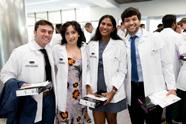
Each year, the Charles E. Schmidt College of Medicine proudly welcomes a new class of medical students.
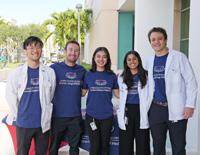
White Coats-4-Care marks this milestone while raising critical philanthropic support for student scholarships, biomedical research and innovation in medical education.
For 15 years, White Coats-4-Care has raised more than $2.7 million, helping make medical education accessible and empowering compassionate healthcare leaders who will serve our hometown and beyond.
Join us for an unforgettable evening!
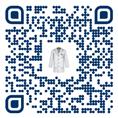
Scan the QR code to RSVP and explore sponsorship opportunities.
For any questions, please reach out to Sara Greene, Associate Director of Development 561.297.2984 or greenes@health.fau.edu
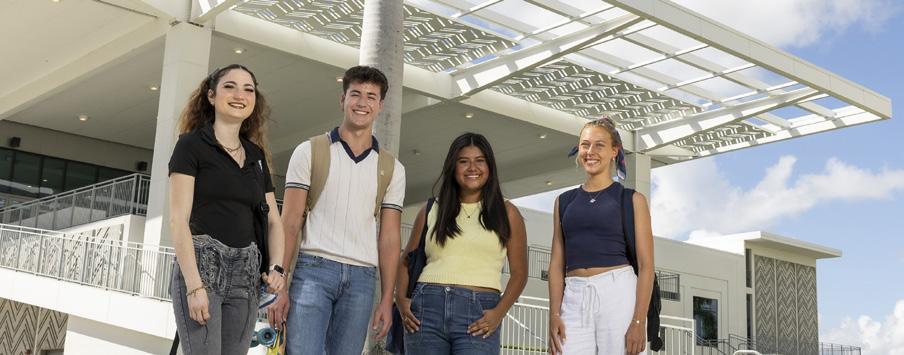
Transcend Tomorrow
Campaign Soars, Elevating Florida Atlantic’s Impact
The Transcend Tomorrow comprehensive fundraising campaign successfully concluded in December 2025, surpassing its $600 million goal. These philanthropic funds expand scholarships and student-success initiatives, increase health care research and access in the region, and help protect and improve the
environment. With this campaign, Florida Atlantic has transcended limits and expanded possibilities, making an impact throughout the region, state and beyond for generations to come.
Here’s a look at the campaign results by the numbers:
Opened the FAU Stiles-Nicholson Brain Institute on the Jupiter campus Began construction on the Kurt and Marilyn Wallach Holocaust and Jewish Studies Building, which will be a hub for Holocaust and Jewish Studies
Awards and Accolades
Faculty, staff and students go above and beyond in the workplace, community and around the world to make a difference. Their work does not go unnoticed. Here’s a look at some of the prestigious awards and accolades earned.
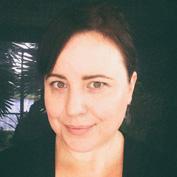
SHARON HART, M.F.A. — associate professor of visual arts and art history in the Dorothy F. Schmidt College of Arts and Letters, received the inaugural Distinguished Woman Artist’s Prize from the Cultural Council for Palm Beach County. The award recognizes established female artists in the county at pivotal points in their careers. The prize is based on nominations from regional arts professionals and reviewed competitively by an independent national and international panel.
Four FAU researchers were recently inducted into the Academy of Science, Engineering and Medicine of Florida, which honors top scholars whose innovations have significant scientific and societal impact.
KEN DAWSON-SCULLY, PH.D. — is provost and executive vice president for academic affairs, a Fellow of the National Academy of Inventors and the Royal Entomological Society, and professor of biological sciences in the Charles E. Schmidt College of Science.
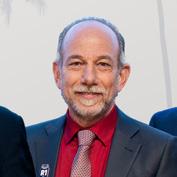
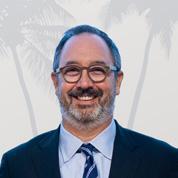
GREGG FIELDS, PH.D. — is vice president for research, professor of chemistry and biochemistry in the Charles E. Schmidt College of Science, and an internationally renowned biochemist dedicated to understanding diseases such as cancer, arthritis and neurodegenerative disorders.
RANDY D. BLAKELY, PH.D. — is executive director of the FAU StilesNicholson Brain Institute, the David J. S. Nicholson Distinguished Professor in Neuroscience, a professor of biomedical science in the Charles E. Schmidt College of Medicine and a pioneer in the field of molecular neuroscience.
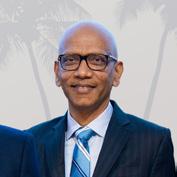
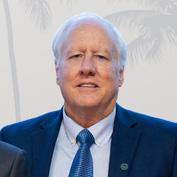
HARI KALVA, PH.D. — is professor and associate chair of the Department of Electrical Engineering and Computer Science, and a global leader in multimedia systems and video compression technologies whose innovations have shaped the way hundreds of millions of people experience digital media today.
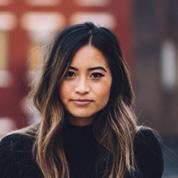
DIANA SUN, PH.D. — assistant professor in the School of Criminology and Criminal Justice, in the College of Social Work and Criminal Justice received the 2025 Outstanding Article or Book Chapter Award from the American Society of Criminology’s Division of White-Collar and Corporate Crime. The award recognizes her study on white-collar reentry, published in Justice Quarterly.
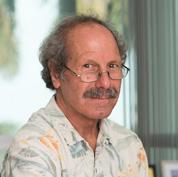
LAWRENCE TOLL, PH.D. — professor of biomedical science in the Charles E. Schmidt College of Medicine, was named a senior member of the National Academy of Inventors, joining an elite group of innovators whose innovations have produced patented technologies with the potential to improve society and drive economic progress. Toll, also a member of the FAU StilesNicholson Brain Institute, earned the recognition for his pioneering research in neuropharmacology focused on the biology of pain and drug addiction.
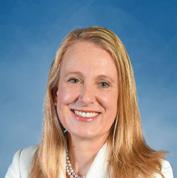
SIRI TERJESEN, PH.D. — associate dean for research and external relations in the College of Business, has been appointed to the federal National Advisory Committee on Institutional Quality and Integrity for higher education. Terjesen, who also serves as the executive director for FAU’s Madden Center for Value Creation and Phil Smith Professor of Entrepreneurship, began her sixyear appointment on March 23. She was appointed by U.S. Secretary of Education Linda McMahon.
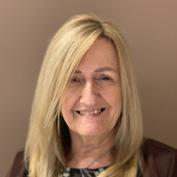
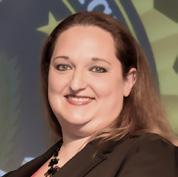
BRANDY MACALUSO, M.S.W. — adjunct professor in the School of Criminology and Criminal Justice and the Phyllis and Harvey Sandler School of Social Work received the Human Trafficking Coalition of the Palm Beaches 2026 Legacy of Hope award. The award celebrated her changemaking efforts in in the fight against human trafficking.
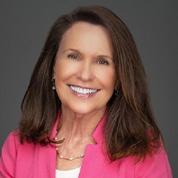
DEBORAH L. FLOYD, ED.D. — professor in the College of Education, has been named an inaugural Fellow of the Association for the Study of Higher Education (ASHE) — one of the highest honors bestowed in the field of higher education research. ASHE is the premier national research society for higher education scholars, with more than 2,000 members. ASHE Fellows represent a select group of 25 scholars nationwide whose careers exemplify integrity, advancement of knowledge, mentoring and service.
DEBRA HAIN, PH.D. — professor in the Christine E. Lynn College of Nursing, was inducted as a Fellow of the American Nephrology Nurses Association. The honor recognizes her contributions to nephrology nursing, leadership and professional advancement.
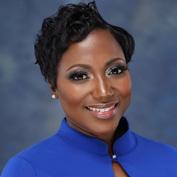
KERRY-ANN DIXON — doctoral student in the Christine E. Lynn College of Nursing, was selected as a 2026 Deborah E. Trautman Future Nurse Leader Scholar. Funded by Liaison International in partnership with the American Association of Colleges of Nursing, the national scholarship is awarded to two graduate nursing students annually who aspire to leadership roles in academic nursing.
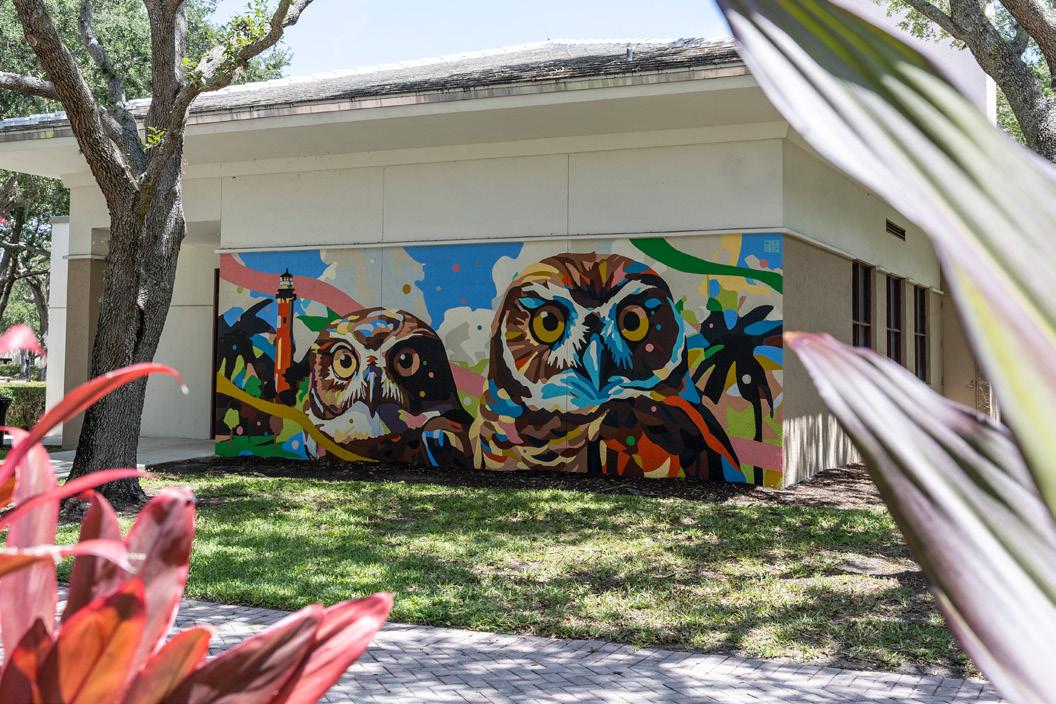
EXTRAORDINARY M t
Florida Atlantic's John D. MacArthur Campus in Jupiter is a vibrant hub for research and training where scientists are shaping a new future, defining the world for generations to come.
Researchers are turning today's science into tomorrow's solutions – and you can be a part of that excitement.
Give today to f a u f. f a u .e du ⁄ f unds ⁄ jupiter - campus


AT JOHN D. MACARTHUR CAMPUS
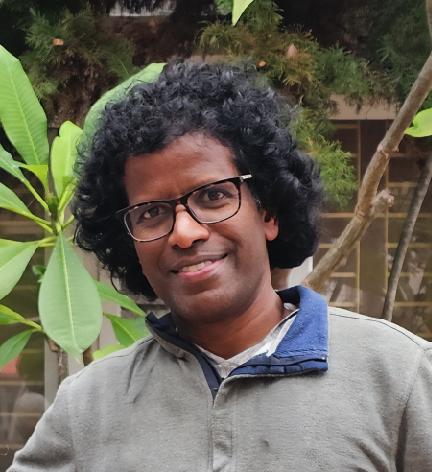
NEURONAL DYNAMICS AND COGNITIVE FUNCTIONS
ZIDAN YANG, PH.D.
MOLECULAR AND CELLULAR NEUROSCIENCE
SRINIVASA SUBRAMANIAM, PH.D.
Subramaniam has discovered key proteins involved in the loss of memory and motor control, opening pathways to new treatments for neurological disorders like Huntington’s and Parkinson’s diseases.
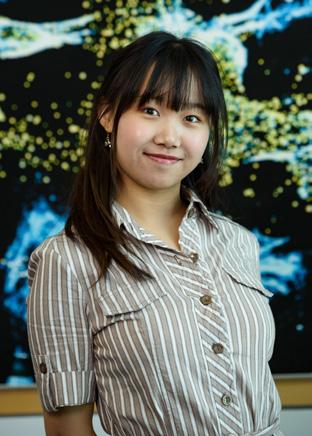
Yang is a recent graduate of the International Max Planck Research School for Synapses and Circuits, a partnership between Max Planck Florida Institute for Neuroscience and FAU. Her thesis research, which was published in Nature and earned her the prestigious Larry Katz Memorial Lecture Award, discovered how two brain areas work together like an hourglass to flexibly control the timing of movements –a key breakthrough that could be used to restore movement in neurodegenerative disorders.
NEUROPLASTICITY AND MENTAL HEALTH
SIMON PIERAUT, PH.D.
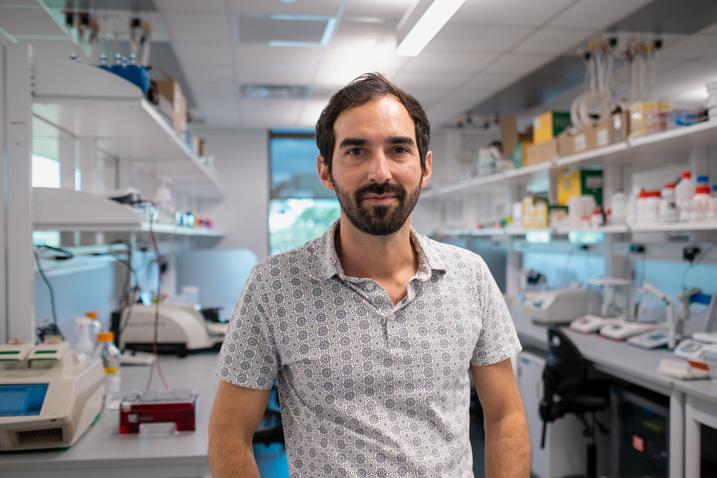
By diving into the biological mechanisms that enable the brain to rewire itself, Pieraut is working toward solutions to alleviate mental health disorders like depression and schizophrenia.
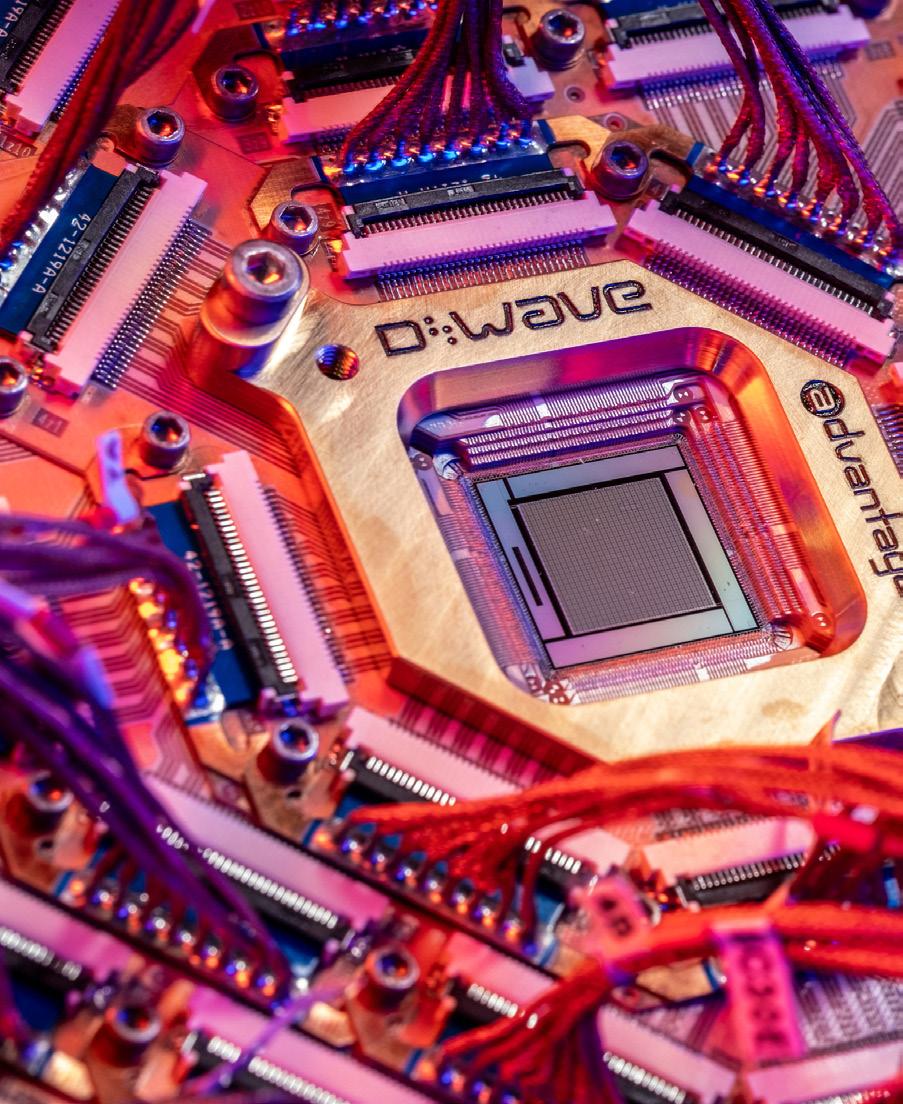
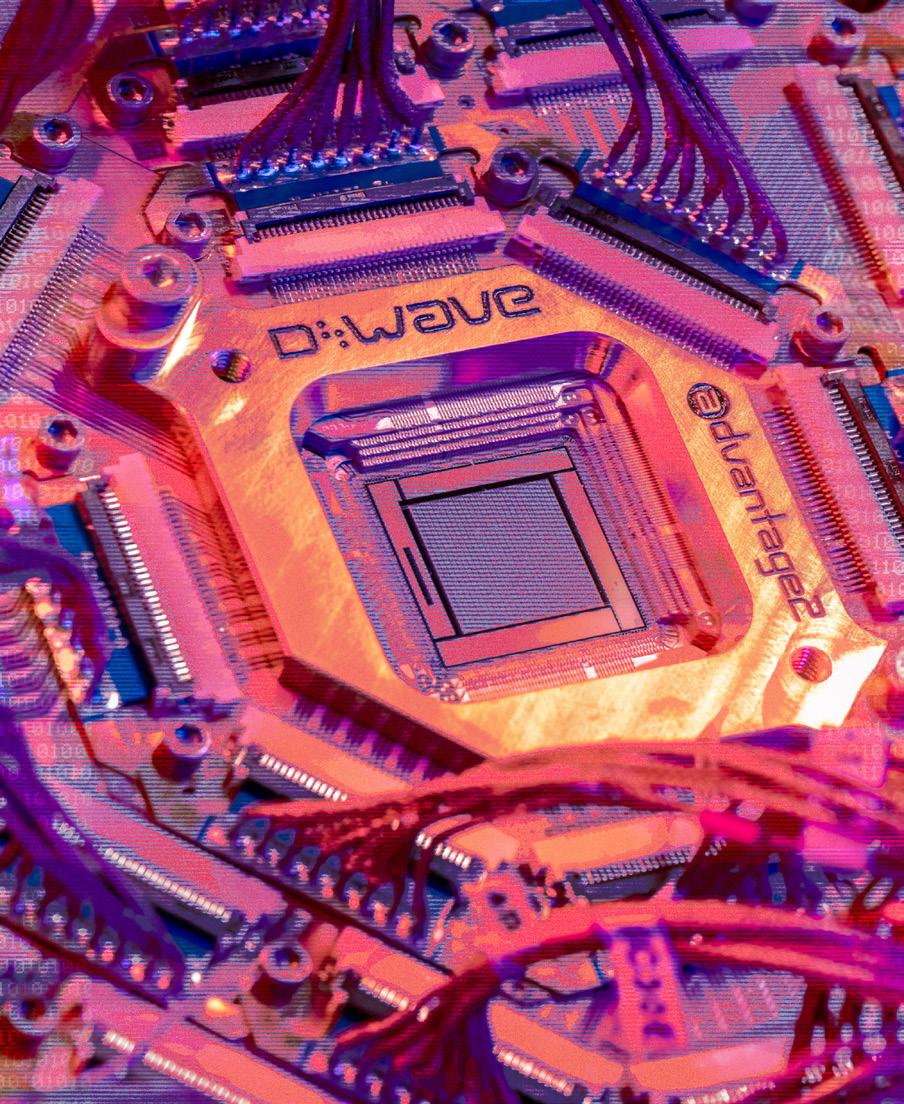
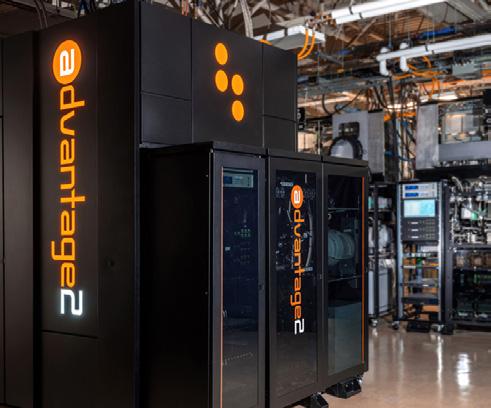
D-Wave’s Advantage2TM annealing quantum computer is a powerful and energy-efficient system capable of solving computationally complex problems in business and science.

A Q U A N TU M

Florida Atlantic Takes the Helm as Florida’s First Quantum University
By Gisele Galoustian
It sounds like science fiction: a full-scale quantum computer humming to life on a university campus, unlocking possibilities once thought impossible. But at Florida Atlantic University, the future of computing is here now.
Earlier this year, FAU announced a landmark partnership with D-Wave Quantum Inc. to bring an Advantage2TM annealing quantum computer to its Boca Raton campus. This makes it the first university in Florida to publicly host a large, dedicated quantum system, placing the state squarely at the forefront of the rapidly evolving quantum computing landscape.
A quantum computer uses the principles of quantum mechanics to process information, enabling it to solve complex problems potentially faster than classical computers. Unlike classical computers that process information sequentially, quantum computers harness the principles of quantum mechanics to more efficiently evaluate a vast number of possibilities, making them a transformative tool for solving complex problems.
D-Wave’s Advantage2 system is an engineering marvel powered by 4,400 qubits, or quantum bits. It is capable of solving computational problems beyond the reach of traditional computers and is already being applied to realworld use cases in areas such as boosting logistics, improving resource scheduling, accelerating materials discovery and enhancing artificial intelligence applications. In essence, it’s a revolutionary “problem-solving engine” that could change the way researchers, industry organizations and governments approach their most complex computational problems.
Continued on page 42
“Spearheaded by our Charles E. Schmidt College of Science and College of Engineering and Computer Science, our quantum computing system will serve as a powerful tool for tackling complex scientific and engineering challenges,” said Gregg Fields, Ph.D., FAU vice president for research. “Direct access to the hardware enables faster experimentation and deeper collaboration among researchers, while giving students and engineers hands-on experience with next-generation technology and helping to build a highly skilled workforce.”
The partnership announcement coincided with D-Wave’s leadership sharing that the company will establish its new corporate headquarters at the Boca Raton Innovation Center, a historic site where IBM engineers developed the first personal computer decades ago. The headquarters will act as a key U.S. development hub for quantum computing, further cementing South Florida’s place on the tech map.
For Boca Raton, this is a continuation of a proud technological legacy. The city is now staking a claim as the epicenter of quantum computing on the East Coast, establishing what FAU President Adam Hasner calls “Quantum Beach” — a place where innovation, research and practical applications intersect.
“This milestone marks a transformative moment for Florida Atlantic University and for the state of Florida,” said Piero Bussani, chair of the FAU Board of Trustees. “By hosting one of the most advanced quantum computers on a university campus, FAU is not only accelerating research but also preparing our students to lead in a rapidly evolving technological landscape. This partnership with D-Wave positions our university — and our region — at the forefront of quantum innovation, bridging academia, industry, and real-world solutions in ways that were unimaginable just a few years ago.”
Continued on page 44
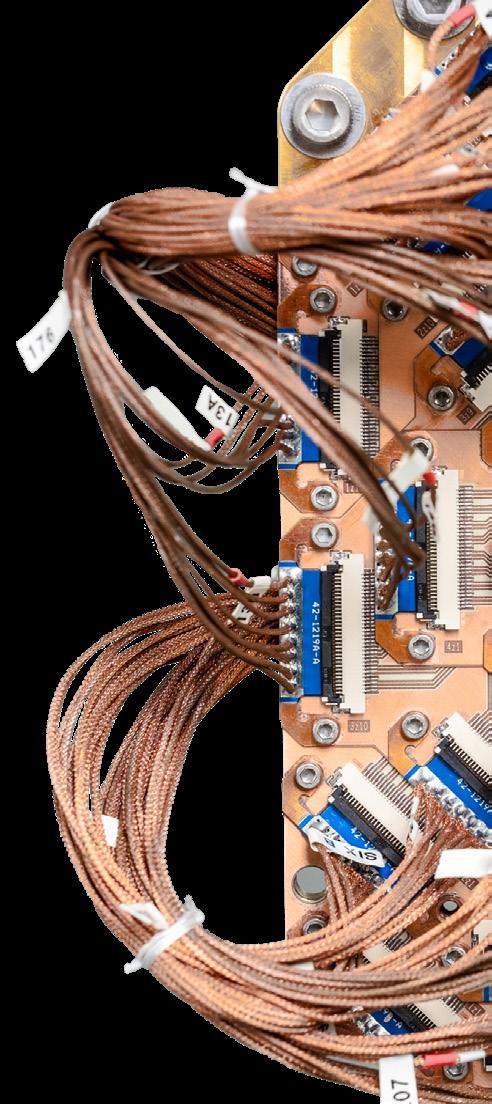
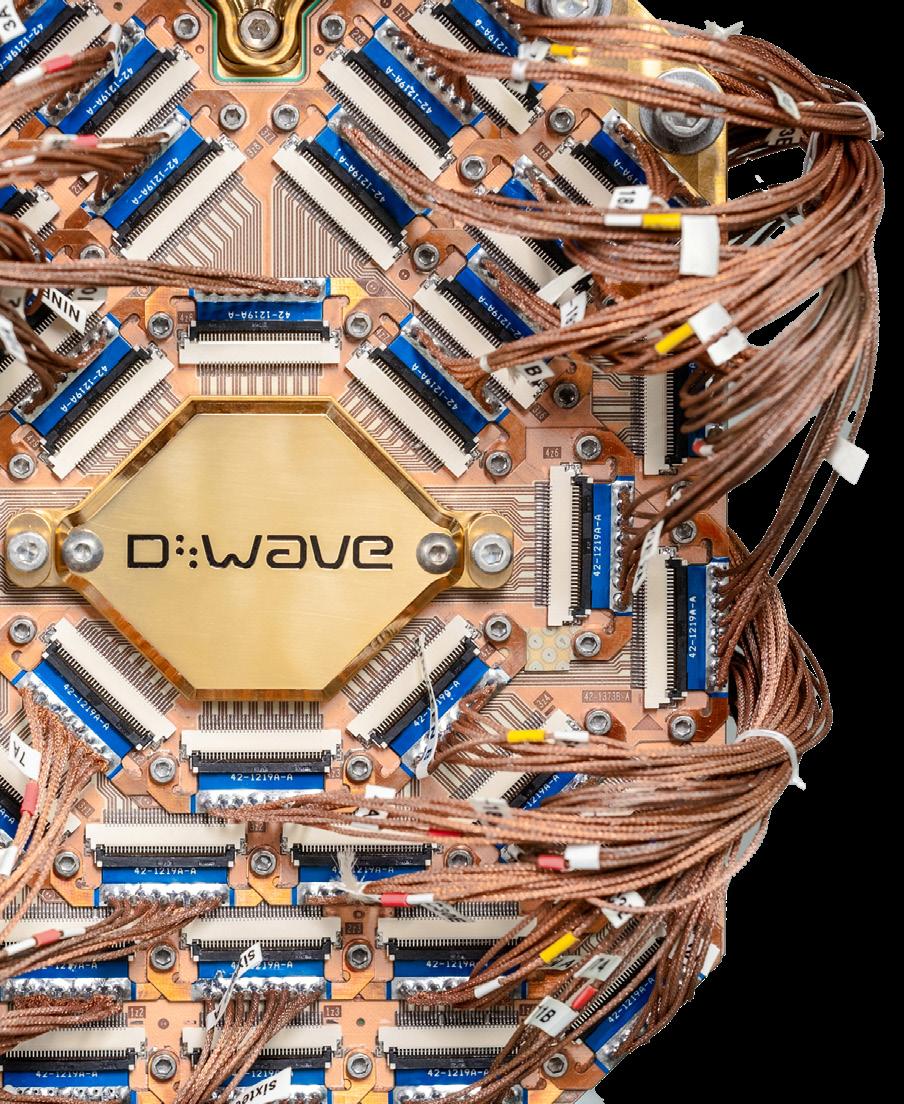
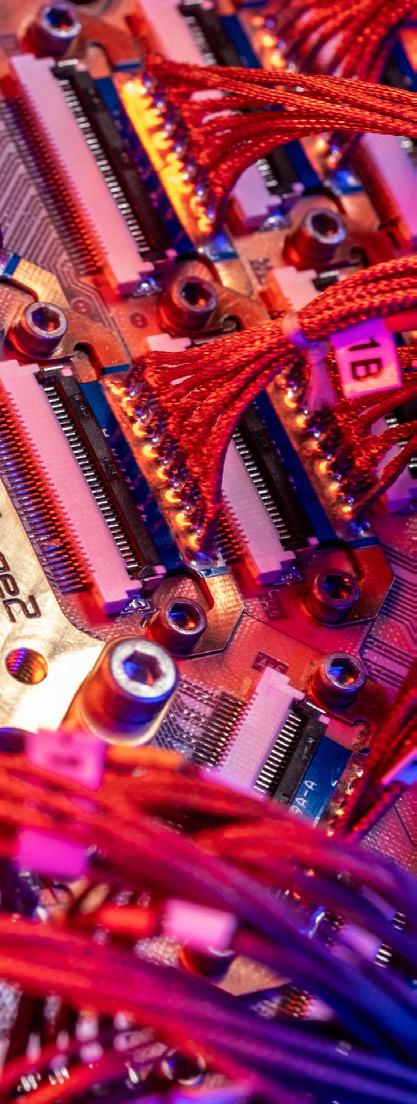
The circuitry inside D-Wave’s Advantage2TM annealing quantum computer
Powering the Future, One Qubit at
a Time
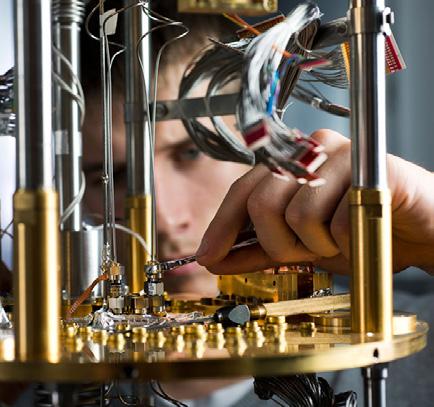
The D-Wave Advantage2 system, expected to arrive at FAU later this year, is the cornerstone of a new partnership with D-Wave, a leader in the development and delivery of quantum computing systems, software and services, and the only dual-platform quantum computing company providing both annealing and gate-model systems. More than just a powerful machine, the Advantage2 system will open new pathways for research and collaboration. Students, faculty members and industry leaders will work together to explore how quantum computing could be used to tackle a variety of challenges, from developing life-saving medications to optimizing global supply chains.
Rather than store information using bits represented by 0s or 1s as classical digital computers do, quantum computers use quantum bits, or qubits, to encode information as 0s, 1s, or both at the same time. This superposition of states — along with the other quantum mechanical phenomena of entanglement and tunneling — enables quantum computers to manipulate enormous combinations of states at once.
Possibilities
DRUG DISCOVERY: Quantum computers can model molecules at the atomic level, speeding drug discovery and even designing treatments targeted to cancer cells with pinpoint precision.
TRANSPORTATION: From delivery fleets to emergency evacuations, quantum systems can optimize complex routes in seconds instead of days.
ENERGY AND MATERIALS: Quantum computers can uncover new catalysts, stronger alloys and more efficient batteries by simulating interactions that would overwhelm classical computers.
FINANCE AND AI: By efficiently analyzing massive datasets, quantum computers can improve fraud detection, portfolio optimization and AI model training.
“ This is a big differentiator for Florida Atlantic. We are planting the FAU flag in the proverbial sand of Florida’s ‘Quantum Beach.’ Integrating the D-Wave system into our research and teaching elevates FAU into an elite group of universities that will drive the next wave of quantum science.”
FAU PRESIDENT ADAM HASNER
A close-up look at a D-Wave Advantage2TM annealing quantum processing unit
With this revolutionary technology on campus, students, faculty researchers and industry partners will have unprecedented access to a machine capable of tackling problems that classical computers struggle to solve. FAU’s D-Wave Advantage2 system isn’t just a machine; it will be a launchpad for discovery and economic growth, transforming the way the university — and Florida — engages with the quantum future.
“This is an exciting ‘quantum’ leap for Florida Atlantic University as we strengthen our position as a hub of innovation in Florida and beyond,” Hasner said.
“As an R1 research university strategically located in South Florida, we are positioned to leverage these resources to tackle challenges in logistics, finance, transportation, materials discovery, and much more. Our partnership with D-Wave will define how we approach science and innovation, and we are proud to take our place as Florida’s Quantum University. This is a big differentiator for Florida Atlantic. We are planting the FAU flag in the proverbial sand of Florida’s ‘Quantum Beach.’ Integrating the D-Wave system into our research and teaching elevates FAU into an elite group of universities that will drive the next wave of quantum science.”
Economic and Strategic Impact
FAU isn’t just building quantum technology — it’s building the people who will shape the quantum future. The establishment of the D-Wave Quantum Applications Academy at FAU will offer paid internships and hands-on training for students and local residents, preparing them for potentially high-paying, leading-edge careers in quantum computing.
With support from the state of Florida and the city of Boca Raton, FAU is cultivating a skilled local talent pool to drive long-term growth in research and applications. Housing D-Wave’s Advantage2 system on campus may also attract startups, private industry, and investment, while giving the university local control over advanced computing infrastructure — a key advantage for secure research and federal funding.
“This investment positions Florida and Florida Atlantic University at the forefront of the next generation of computing,” said Florida Secretary of Commerce J. Alex Kelly. “By bringing a quantum computer to FAU, we’re creating new opportunities for research, workforce development, and partnerships that will benefit our economy, national defense, data security, critical life sciences R&D, and transportation and logistics systems — keeping our state competitive for years to come.”
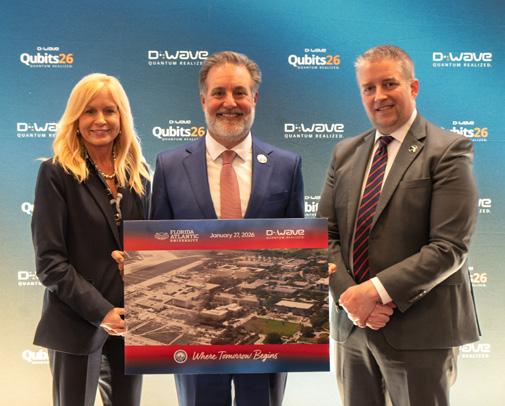
Through immersive, real-world experiences, the Quantum Applications Academy will equip the next generation of quantum scientists and engineers to turn discovery into innovation and opportunity.
“This marks a defining moment for FAU and D-Wave,” said Alan Baratz, Ph.D., CEO of D-Wave. “Deploying a D-Wave quantum computer at FAU will establish the university as a preeminent center for quantum computing education and research. It signals that the university is not just preparing for the quantum era — it is helping to shape it. For D-Wave, it signifies an important collaboration with a leading academic institution to further quantum computing experimentation and innovation.”
The Next Frontier
Investments in quantum technologies have surged over the past five years, with billions flowing into startups, public companies and government research initiatives. In 2025 alone, quantum computing generated more than $1 billion in revenue — a figure projected to soar to between $50 billion and $130 billion by 2040. The reason is simple: quantum computers can tackle problems faster, more efficiently and in ways classical machines simply cannot.
“To attract D-Wave, a global leader in quantum computing, one of the fastest-growing and most sought-after technology
sectors in the world, truly positions Palm Beach County at the forefront of innovation,” said Kelly Smallridge, president and CEO of the Business Development Board of Palm Beach County. “Their partnership with Florida Atlantic University to advance quantum research and workforce development is a gamechanger, bringing pioneering technology, top-tier talent and high-value investment to the region. This milestone doesn’t just put Palm Beach County on the global quantum map — it cements our long-term economic growth potential and signals to the world that our region is open for business at the highest level of technological innovation.”
By bringing a quantum computer to campus, FAU is putting this frontier within reach of its students and faculty researchers. Here, they can experiment, innovate and translate theory into real-world impact. From life sciences to logistics, finance to materials science, the possibilities are virtually limitless.
“FAU’s D-Wave Advantage2 system isn’t just a tool — it’s a gateway,” Hasner said. “A gateway to new discoveries, new industries and new ways of thinking. It’s a place where curiosity meets capability, where students become pioneers and where the next generation of quantum leaders will redefine what’s possible. The quantum frontier is here — and Florida Atlantic University is leading the way.”
From left, Kelly Smallridge, president and CEO of the Business Development Board of Palm Beach County; FAU President Adam Hasner and J. Alex Kelly, Florida Secretary of Commerce


JACKSONVILLE
TALLAHASSEE

Florida Atlantic is Preserving the Past and Inspiring the Future
By Alyse Cooke
America’s independence may have been earned through determination and battle, but it was proclaimed through its founding documents. The Declaration of Independence, the U.S. Constitution and other early texts formalized the establishment of a new nation and articulated the principles by which it would govern. Two and a half centuries later, those texts remain the foundation of American democracy and serve as a guiding light for understanding its ideals.
At Florida Atlantic, the celebration of America’s 250th anniversary this year offers more than a momentary appreciation for the past. It provides a renewed focus on the first principles that shaped the country, creating opportunities to engage with them in the historical and intellectual contexts in which they emerged.



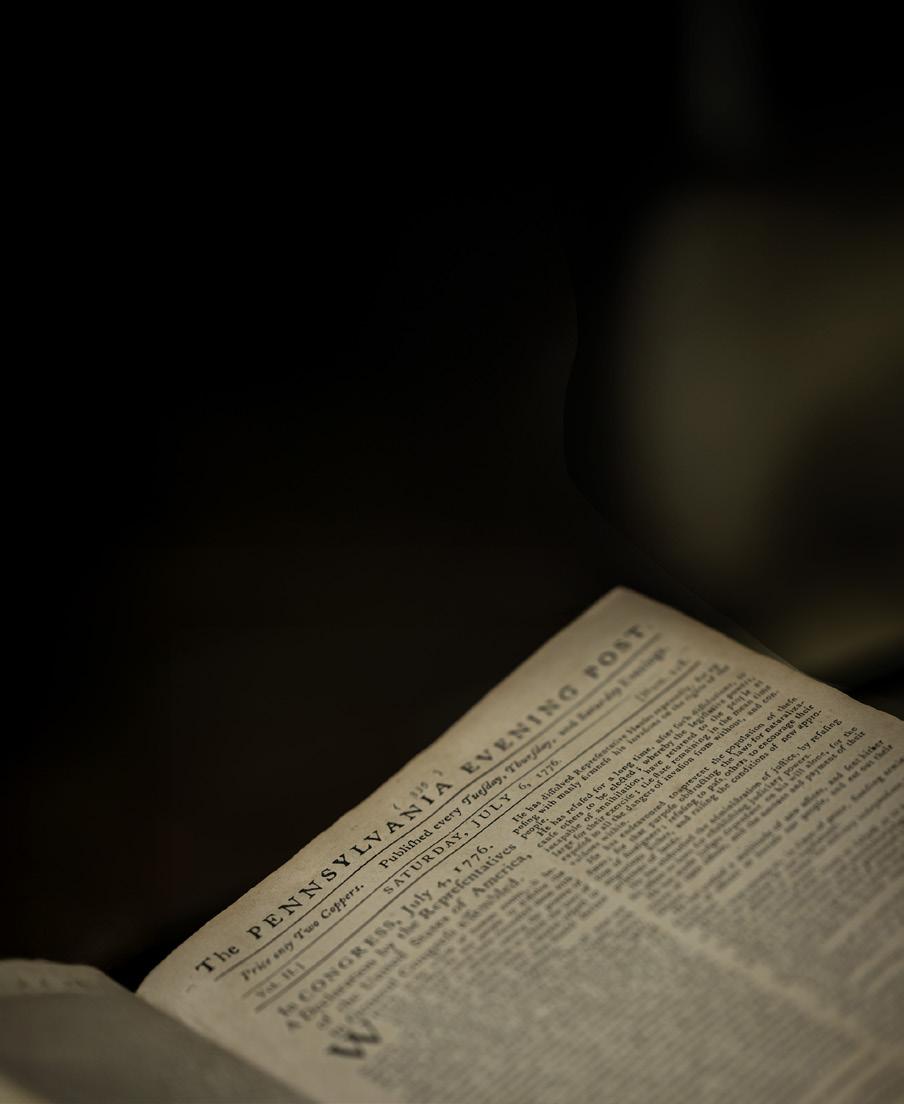
Marvin & Sybil Weiner Spirit of America Collection
Central to that effort is the Marvin & Sybil Weiner Spirit of America Collection, housed in Florida Atlantic’s S.E. Wimberly Library. It is a primary source of historical scholarship that includes original 18th-century books, newspapers, pamphlets and political writings that document the birth of a nation.
Inspired to emulate the personal libraries of Founding Fathers like Thomas Jefferson and John Adams, Marvin Weiner spent a lifetime collecting more than 13,000 works of the era. In that spirit, the collection reflects the prevailing discourse of early American thinkers, including concepts of freedom and liberty, constitutional issues in the United States and broader philosophical treatises.
Preserved together, these works reveal the founding as a period shaped by inquiry and debate. Much like academic traditions today, the ideas they explored were not fixed conclusions, but questions and arguments meant to be examined and responded to publicly.
This practice is evidenced in the holdings themselves. With the Weiner family’s recent donation of a first edition, first printing of Thomas Paine’s “Common Sense,” the collection now includes a total of eight 1776 editions of the influential pamphlet that galvanized colonial support for independence. A rare issue of the “Pennsylvania Evening Post” from July 6, 1776, contains the first published printing of the Declaration of Independence, tracing its early circulation. And a first complete edition of “The Federalist Papers” serves as a vivid reminder of the arguments raised in support of ratifying the U.S. Constitution.
Continued on page 50
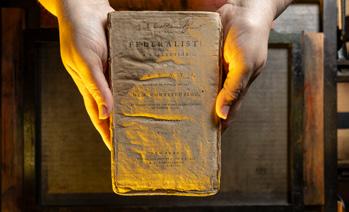
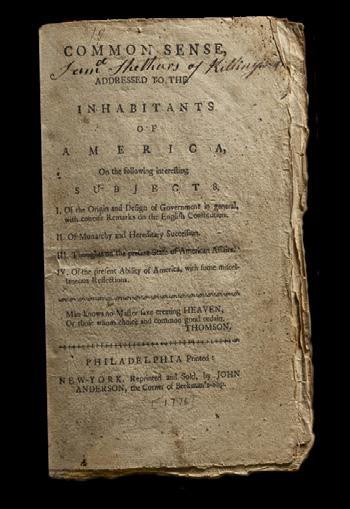
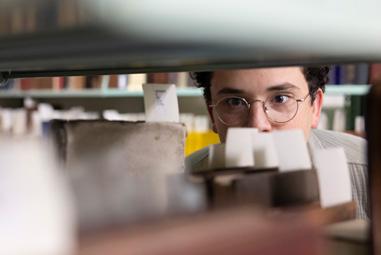
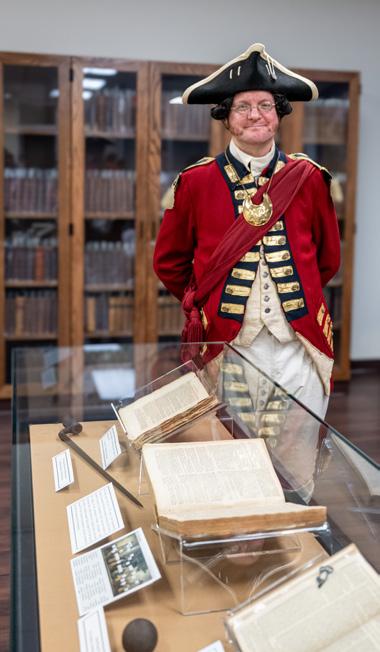
True to this early and ongoing dialectic with our nation’s founding documents, the Weiner Spirit of America Collection is designed to be studied and experienced. Marvin Weiner’s philanthropic mission was to help others develop an appreciation for American history through personal exposure, and the collection advances that aim by welcoming visitors from both the university community and the public. Whether visiting by appointment or during regular hours, access to the collection underscores the importance of physical archives and the role universities play in preserving foundational texts.
“Working with primary sources changes the way students understand the founding,” said Victoria Thur, assistant dean for special collections, archives and distinctive collections. “It is an honor to steward a collection of this significance and to share it with our students and the broader community.”
Every year, the Florida Atlantic Libraries special collections team provides formal tours and presentations to hundreds of students from universities and K-12 schools, as well as local history groups and organizations such as EverScholar, the Daughters of the American Revolution, St. George’s Society and the Society of Colonial Wars. Through the Department of History and other programs, students also routinely pursue in-depth research using the collection’s primary sources for coursework, conference presentations and published scholarship.
Advanced research is further sustained through the Florida Atlantic-Huntington Library Short-Term Collaborative Fellowship, a doctoral research program in partnership with The Huntington Library in San Marino, California.
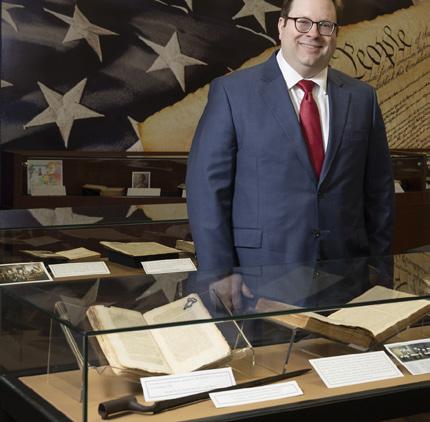
Robert Feeney, manuscript and archives assistant for FAU Libraries, wearing an American Revolutionary War British Army Uniform
The fellowship is supported by Howard Weiner, M.D., son of Marvin and Sybil Weiner, and his wife, Judith, as part of their ongoing commitment to enhancing the reach and impact of the Weiner Spirit of America Collection.
Visiting fellows present annually at the Spirit of America Research Symposium, sharing original work grounded in the collection’s primary source materials. This fall, the symposium will commemorate America’s 250th anniversary and the 20th anniversary of the collection with an expanded two-day event.
“We are thrilled with the FAU Libraries for its superb stewardship of our father’s nationally acclaimed collection,” Howard Weiner said. “It is our privilege to support FAU in perpetuity in thanks for having immensely enriched our lives.”
In the 20 years since Florida Atlantic became home to the Spirit of America Collection, the university has served as an honored steward of the nation’s history through the careful preservation, cataloging, digitizing and public access of its holdings. This longstanding task of ensuring that the founding documents are encountered as living historical discussions is a responsibility spanning decades.
“Collections like the Marvin & Sybil Weiner Spirit of America Collection are part of our nation’s civic memory,” said Linda Marie Golian-Lui, Ph.D., dean of Florida Atlantic Libraries. “Our stewardship ensures these materials are preserved with the highest standards of care, and that their wisdom is actively shared with students, faculty, researchers, and staff at Florida Atlantic University, as well as with the broader community and a global audience through our digital collections. The Florida Atlantic Libraries welcome everyone to engage with and learn from these materials during this milestone year and beyond.”
Continued on page 52
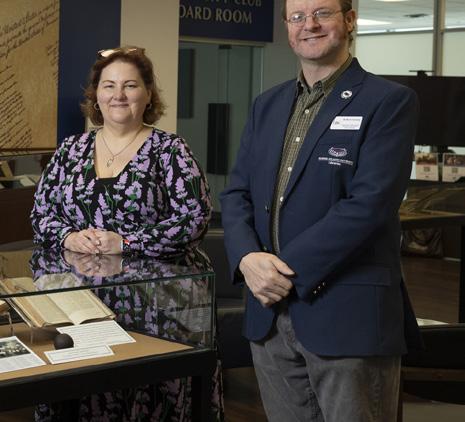

Festival for America’s 250th

The Festival for America’s 250th at Florida Atlantic, presented throughout 2026 by the family of Marvin and Sybil Weiner, brings together multidisciplinary programming for members of the community, including lectures, performances, exhibitions and conversations examining the nation’s founding ideals.
Led by the Dorothy F. Schmidt College of Arts and Letters and the Florida Atlantic Libraries, the festival is both a celebration and an exploration of America’s founding, drawing upon the university’s scholarship, collections and community partnerships.
“We hope this milestone year inspires reflection, connection and a renewed dedication to the promise of the Declaration of Independence — for our campus, our community and the generations to come,” said Michael Horswell, Ph.D., dean of the College of Arts and Letters.
Visit library.fau.edu/special-collections/ festival-americas-250th-1776-2026 or scan below to learn more.

From left, Jason Sharples, Ph.D., Victoria Thur and Robert Feeney
Jonathon
Charna Larkin, FAU President Adam Hasner, Linda GolianLui, dean of the University Libraries and Michael Horswell, dean of the Dorothy F. Schmidt College of Arts and Letters at the ribbon-cutting ceremony to open the Alan B. and Charna Larkin American Presidential Study.
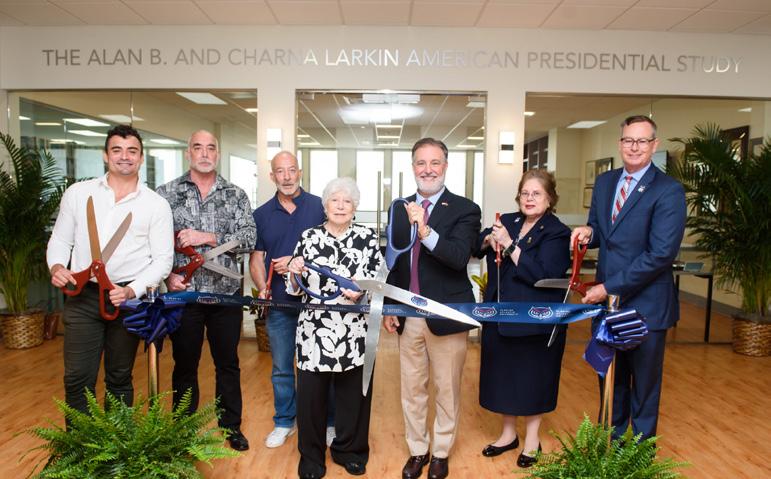
Alan B. and Charna Larkin American Presidential Study
Another special collection adding to the dialogue surrounding America’s semiquincentennial is the Alan B. and Charna Larkin American Presidential Study, also in the Wimberly Library. The collection features a rare archive of letters signed by every U.S. president since George Washington.
The 1,500-square-foot presidential study was established through the generosity of longtime Florida Atlantic benefactor Charna Larkin in memory of her late husband, Alan Larkin.
“Alan loved history, and he had compiled an amazing collection of signed presidential letters,” Larkin said. “He would love to have known that all these letters were on display at Florida Atlantic as a way to encourage students to learn more about the presidency.”
Opened in 2025, the study also serves as the archival home of the annual Alan B. and Charna Larkin Symposium on the American Presidency. For more than 20 years, the symposium has brought
renowned scholars, national leaders and presidential experts to Florida Atlantic, supporting civic engagement for students and community members alike.
“We are grateful to the Larkin family for entrusting Florida Atlantic with Alan’s legacy and collection,” said FAU President Adam Hasner. “The study and symposium provide unparalleled opportunities for students and visitors to experience history through the lens of the American presidency.”
As the United States commemorates the 250th anniversary of the signing of the Declaration of Independence, the responsibility of preserving and supporting engagement with the nation’s founding texts takes on renewed significance. In this moment of national reflection, while looking ahead to the next century, Florida Atlantic will continue to safeguard the voices of the past, keeping the first generation of Americans in conversation with those who will write its future.
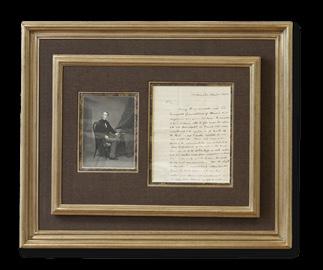
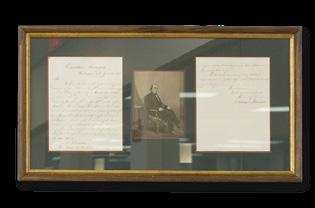
From left, Michael Larkin, A.J. Larkin,
Larkin,
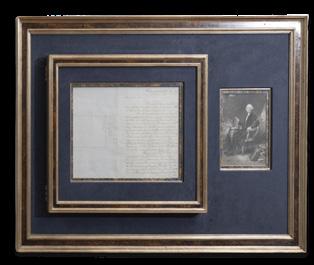
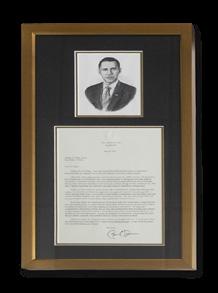
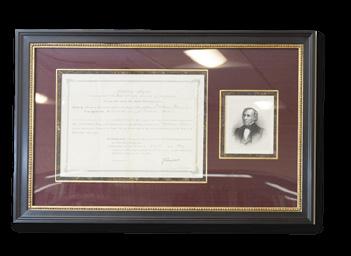
“Alan loved history, and he had compiled an amazing collection of signed presidential letters. He would love to have known that all these letters were on display at Florida Atlantic as a way to encourage students to learn more about the presidency.”
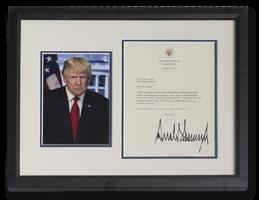
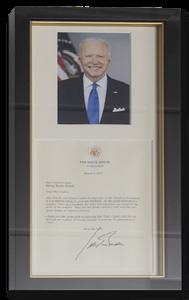
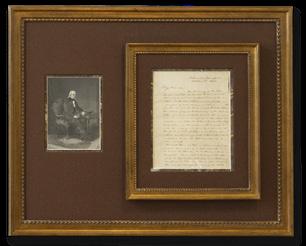
CHARNA LARKIN
1. John Tyler
Andrew Johnson
George Washington
Zachary Taylor
Joe Biden
James K. Polk
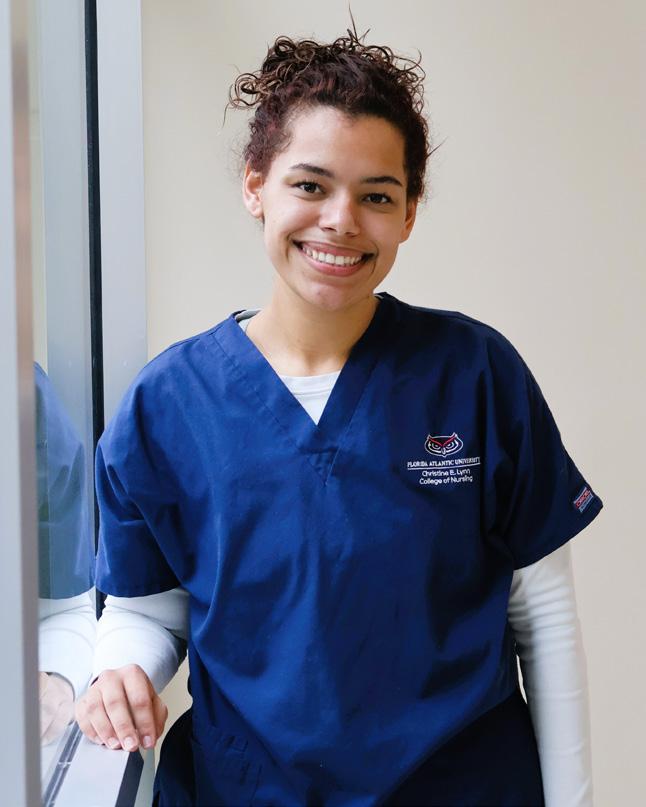
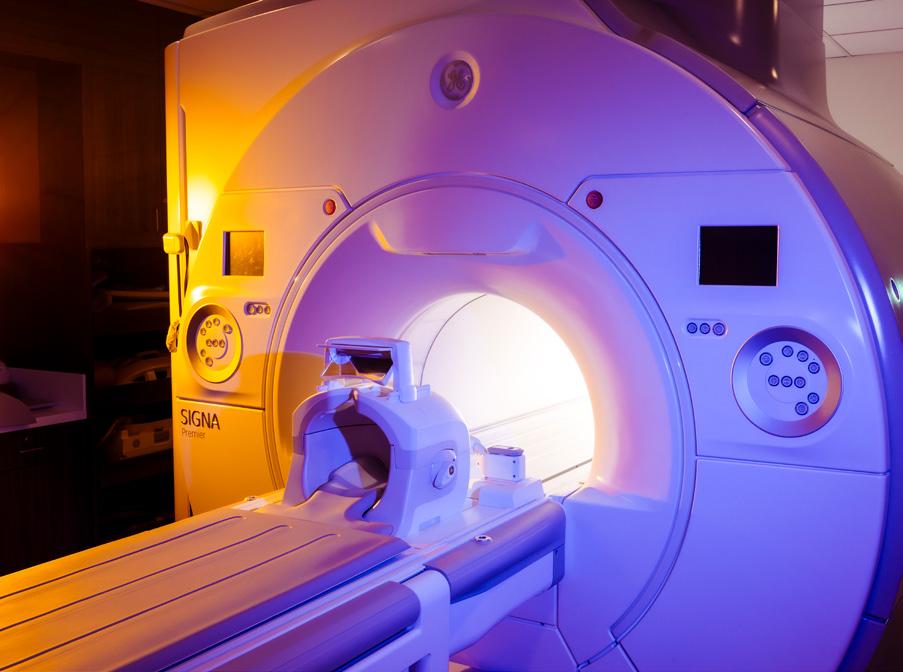
Breaking Barriers in Neuroscience
New NeuroInnovate Center Will Fast-Track Brain Disorder Breakthroughs
By Gisele Galoustian
As Alzheimer’s and Parkinson’s disease rates climb nationwide, the need for faster, more precise treatments has never been more urgent. Florida Atlantic University is at the forefront of that effort.
In 2025, Florida Atlantic launched the world’s first fully integrated “bench-to-bedside” MRI and focused ultrasound platform. The newly expanded FAU NeuroInnovate Center will further accelerate breakthroughs in brain disorders and move discoveries from the research lab “bench” to a patient’s “bedside” with unprecedented speed.
Continued on page 56
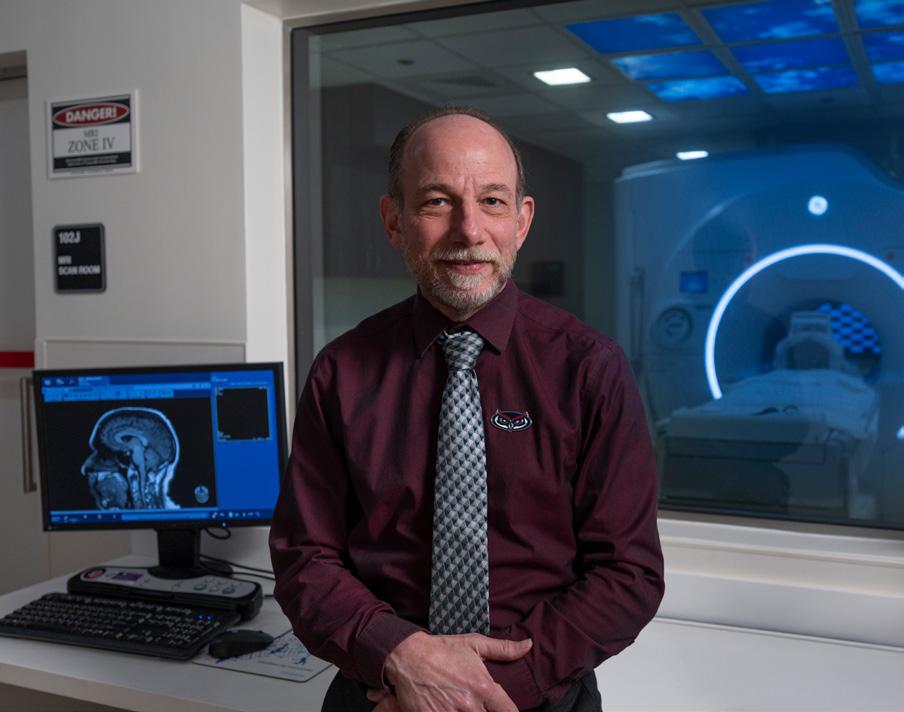
“What we’ve built is a truly integrated research platform — one that enables us to examine everything from molecular changes in clinical models to real-time treatment responses in human patients. The impact this will have on fast-tracking discoveries across disciplines is hard to overstate.”
GREGG FIELDS, PH.D.
Neurological Disorders Take a Toll
Every 65 seconds, someone in the United States develops Alzheimer’s disease. Today, an estimated 6.5 million Americans age 65 and older are living with the condition, making it the sixth leading cause of death among older adults. And the numbers are rising. Add to that the nearly 1 million Americans living with Parkinson’s disease, and the scale of the mounting neurological health emergency becomes unmistakable.
These are not abstract figures. They represent grandparents who no longer recognize their children, spouses who slowly lose shared memories and professionals diagnosed in the prime of their lives. Nearly 4% of patients with Parkinson’s are diagnosed before age 50. As the population ages, the human, emotional and economic toll continues to grow. Taken together, Alzheimer’s and Parkinson’s represent hundreds of billions of dollars in annual costs in the U.S., making them among the most economically burdensome chronic diseases. The bulk of these costs derive not only from medical care and long-term services, but from lost income, unpaid caregiving and reduced workforce participation by patients and family members.
The Challenge
For decades, scientists have worked tirelessly to develop therapies for neurodegenerative diseases. Yet one biological reality has stood in the way: the blood-brain barrier. This tightly regulated network of blood vessels protects the brain from harmful substances circulating in the bloodstream. It is an extraordinary evolutionary defense system. But it also blocks nearly all pharmaceuticals from entering the brain in meaningful concentrations.
The promise of many breakthrough drugs has been tempered by this single, stubborn problem. Even when therapies show promise in the lab, delivering them effectively to the brain proves incredibly challenging.
FAU’s NeuroInnovate Center is turning that challenge into opportunity. Using focused ultrasound, the technology temporarily opens the blood-brain barrier, allowing therapies to reach areas of the brain that were previously inaccessible.
“Never before has a single institution integrated preclinical and clinical imaging with focused ultrasound capabilities within one comprehensive, unified research environment,” said FAU President Adam Hasner. “This is far more than just a milestone for Florida Atlantic University. This groundbreaking initiative positions our region and state at the forefront of innovation in research, education and health care delivery. We are excited to lead the way in bringing revolutionary research and technologies to the frontlines of medicine.”
Precision Without Incision
At the core of this revolutionary technique is the seamless integration of advanced MRI systems with low-frequency focused ultrasound. Focused ultrasound is a non-invasive technology that uses multiple beams of sound waves precisely targeted deep in the body. The intersecting beams can heat or mechanically affect tissue with millimeter precision — all without surgery or incisions.
By directing acoustic energy so precisely through the skull, focused ultrasound can temporarily and safely open the blood-brain barrier, creating a narrow window for drugs to reach the brain. Real-time MRI guidance lets clinicians monitor and adjust treatment on the spot, ensuring unmatched precision and safety and delivering therapies that were previously impossible.
With this fully integrated system, researchers can study disease mechanisms, test treatments in real time and apply those therapies directly to patients. It begins with the preclinical MRI, which is used for research in animal models. Once a treatment shows promise, it can move seamlessly to human trials using the clinical MRI system that guides and monitors therapies in a safe, controlled setting.
Developed and commercialized by Insightec, based in Miami and Haifa, Israel, the Exablate Neuro platform is an incisionless, MRI-guided focused ultrasound system. It is FDA-approved for essential tremor and Parkinson’s, and more than 30,000 patients worldwide have been treated. It provides relief from tremors that can make everyday tasks like drinking from a glass or tying shoelaces difficult.
Focused ultrasound also is used to treat uterine fibroids, painful bone metastases, prostate tumors and certain cancers. With more than a million patients treated worldwide, the technology is rapidly becoming a cornerstone of precision, non-invasive medicine.
Building on this, FAU scientists and physicians will develop new research protocols across a broad spectrum of neurological conditions, including Alzheimer’s, Parkinson’s, brain cancers, addiction disorders and ALS.
“We are the only institution in the world where preclinical MRI and focused ultrasound operate together as a fully integrated platform,” said Gregg Fields, Ph.D., vice president for research and head of FAU’s NeuroInnovate Center. “That level of coordination is unprecedented, and it gives us the ability to train researchers and clinicians to move seamlessly between discovery and patient care. Its true promise lies in the wide-reaching potential of this technology to transform how we understand, study and treat neurological disorders.”
Continued on page 58
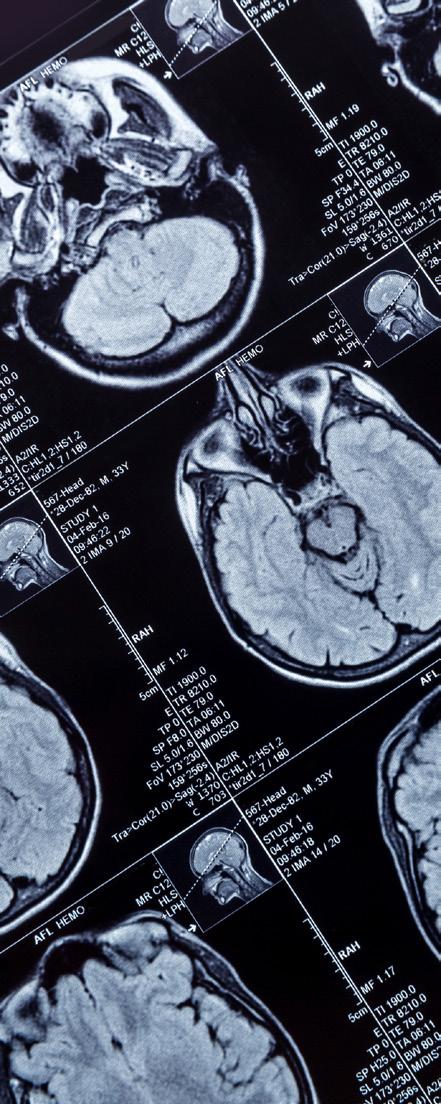
A Historic First
In 2023, Delray Medical Center, in collaboration with FAU’s Institute for Human Health and Disease Intervention and Insightec, became the first hospital in Florida to treat a patient with Alzheimer’s using the non-invasive focused ultrasound technology as part of a groundbreaking clinical trial. By directing ultrasound waves — guided in real time by MRI — at targeted regions of the brain to temporarily open the blood-brain barrier, therapeutic agents are able to reach areas of the brain affected by protein buildup, a hallmark of Alzheimer’s, potentially improving the effectiveness of treatments.
“Drug passage through the blood-brain barrier is perhaps one of the greatest challenges in neurology,” Fields said. “The treatment of the first patient in Florida with the non-invasive focused ultrasound technology represents a significant advancement for potential drug delivery and treatment of Alzheimer’s disease and other neurological disorders.”
The trial, which is FDA-approved, aims to evaluate both the safety and efficacy of this approach in Alzheimer’s. The first patient enrolled in the trial at Delray Medical Center received treatments in 2023, marking a major milestone in the use of focused ultrasound to overcome one of neurology’s most persistent barriers to drug delivery. The trial is ongoing and actively recruiting participants, with an estimated completion date of 2030.
“Delray Medical Center is proud and excited to be a leader in this effort to determine the safety and efficacy of this potentially revolutionary treatment for Alzheimer’s patients,” said Lloyd Zucker, M.D., FAANS, a board-certified neurosurgeon and medical director of neurosurgery at Delray Medical Center. “The study will help determine whether the use of this non-invasive focused ultrasound technology can lead to cognitive improvement in patients with Alzheimer’s disease.”
A Neuroscience Ecosystem
With the continuing growth of the NeuroInnovate Center, FAU now boasts an even more dynamic neuroscience ecosystem anchored by the state-of-theart FAU Stiles-Nicholson Brain Institute. Located on the John D. MacArthur Campus in Jupiter, it is a collaborative hub where researchers unite to decode the brain’s most
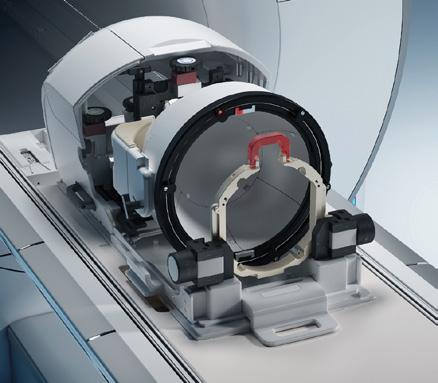
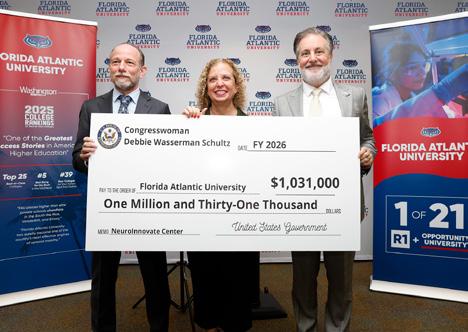
complex mysteries and translate discoveries into real-world improvements in quality of life.
The NeuroInnovate Center strengthens the university’s reputation as a Carnegie R1 top-tier research institution, building on its deep expertise and strategic investment in neuroscience. It also amplifies FAU’s existing partnerships connecting the Stiles-Nicholson Brain Institute with the Herbert Wertheim UF Scripps Institute for Biomedical Innovation & Technology and the globally renowned Max Planck Florida Institute for Neuroscience. Together, this network forms a powerhouse for brain research, education and innovation, driving breakthroughs that have the potential to transform lives.
“The FAU NeuroInnovate Center is a one-of-a-kind platform that enables us to perform preclinical research at an entirely new level,” said Randy D. Blakely, Ph.D., executive director of the FAU Stiles-Nicholson Brain Institute, the David J. S. Nicholson Distinguished Professor in Neuroscience, and professor of biomedical science in FAU’s Charles E. Schmidt College of Medicine. “By studying brain function in animal models with high-resolution functional and structural MRI, we can uncover fundamental mechanisms that underlie complex neurological and neuro-developmental conditions like ADHD, autism and Parkinson’s disease. These models are essential for building the knowledge base that drives translational breakthroughs. With this integrated benchto-bedside initiative, our discoveries in the lab can more efficiently inform the development of therapies that ultimately benefit patients.”
Training the Next Generation
The FAU NeuroInnovate Center is not just a research engine — it is an educational incubator.
In collaboration with regional hospitals and world-renowned research partners, FAU is leveraging this technology to train students, resident physicians and early-career professionals, giving them unparalleled access to advanced tools and realworld research.
“This pioneering system will serve as a cornerstone for educating the next generation of physicians, scientists and biomedical engineers,” said Lewis S. Nelson, M.D., dean and chief of health affairs of FAU’s Schmidt College of Medicine. “By offering an immersive, hands-on learning environment, it will empower future health professionals to lead with innovation and shape the future of medicine.”
The center’s suite of advanced MRI equipment and the Insightec low-frequency focused ultrasound unit creates a fully unified environment that supports everything from preclinical investigations to FDA-regulated clinical trials and patient care. Students, physician residents and faculty members gain hands-on exposure to the same tools used in innovative clinical and translational research.
Through this immersive training ecosystem, FAU is not only advancing the science of the brain but also cultivating the skills, curiosity and leadership of the professionals who will drive the next era of medical breakthroughs.
Continued on page 60
From left, Gregg Fields, Ph.D., FAU vice president for research; U.S. Rep. Debbie Wasserman Schultz, D-Fla.; and FAU President Adam Hasner
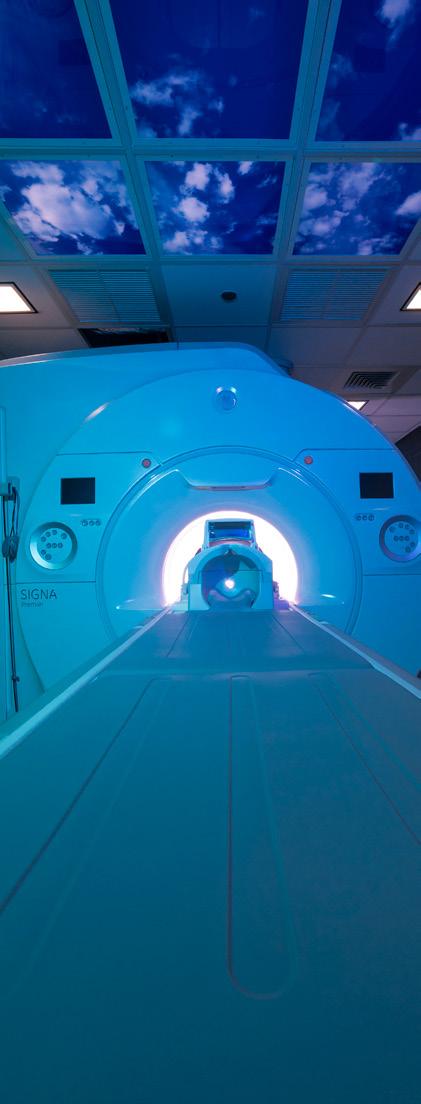
The Promise Ahead
What FAU has created is more than a technological fusion — it is a philosophical shift in how neuroscience is pursued and applied. For decades, the field has been fragmented: basic scientists working in one domain and clinicians in another, with discoveries often taking years or even decades to reach the patients who need them most.
The integrated MRI and focused ultrasound platform at FAU collapses that timeline. By combining imaging, intervention and real-time monitoring in a single system, researchers can move quickly from observation to action, accelerating the pace of discovery.
“This level of imaging and intervention opens the door to understanding and treating brain disorders in ways that were unimaginable even a decade ago,” said Michael Dobbs, M.D., chair of the Clinical Neurosciences Department and the inaugural FairfaxWood Chair of Clinical Neurosciences in the Schmidt College of Medicine. “We can assess brain structure, monitor real-time blood flow and track treatment effects — all with extraordinary precision. The implications for disorders like Alzheimer’s and Parkinson’s are profound.”
In February, the FAU NeuroInnovate Center received $1 million in federal funding, championed by U.S. Rep. Debbie Wasserman Schultz, D-Fla., providing critical support for its groundbreaking research and clinical innovation efforts to enhance diagnosis, advance treatment options and improve patient outcomes.
For the millions living with Alzheimer’s and Parkinson’s — and the millions more who will be diagnosed in the coming decades — time is of the essence. FAU’s platform is poised to turn that time into action: drugs developed in the laboratory can be tested in translational models and delivered to patients within months, not years. Parkinson’s tremors can be alleviated without incisions, Alzheimer’s plaques targeted with millimeter precision, depression treated through non-invasive neuromodulation, and brain cancers rendered more responsive to immunotherapy. What once seemed impossible is now unfolding at the FAU NeuroInnovate Center.
“What we’ve built is a truly integrated research platform — one that enables us to examine everything from molecular changes in clinical models to real-time treatment responses in human patients. The impact this will have on fasttracking discoveries across disciplines is hard to overstate,” said Fields. “This is not just the next step in medical innovation, it’s the future — and it’s happening right here at Florida Atlantic University.”
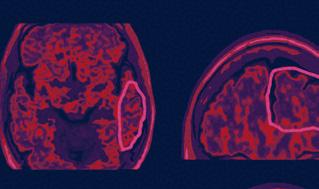
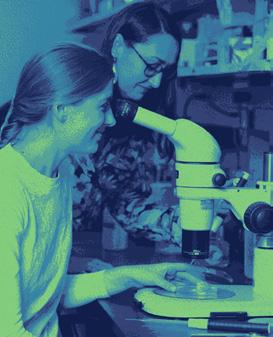
Center for the Resilient Mind
How do people learn to bend — but not break?
The Center for the Resilient Mind brings together neuroscientists, psychologists, clinicians, educators, artists and social workers to better understand the brain mechanisms and mental health practices that build resilience. The center’s work focuses on identifying and strengthening the factors that help individuals overcome challenges that might otherwise lead to diminished opportunity, chronic disease or mental illness.
Through interdisciplinary collaboration and research, the center explores how resilience develops across the lifespan — sharing evidence-based strategies that strengthen brain health and empower individuals and communities.
Learn more: fau.edu/brain/resilient-mind
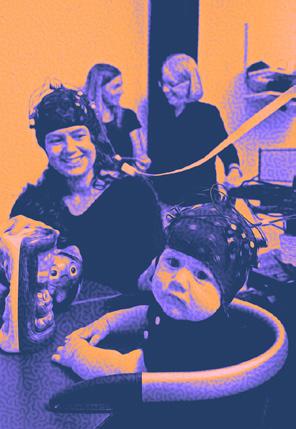
Resilient Aging
Resilient Youth
Resilient Communities
Resilient Artistry
Forging the FUTURE OF ENVIRONMENTAL SCIENCE
Funding and Fieldwork Prepare Students to Change the World
By Angie Francalancia
Kayla Mosteller arrived at Florida Atlantic University from Pennsylvania with a love of science and the outdoors, but no clear vision for her future. A single geosciences course and transformational research opportunities changed everything, she said. What started as curiosity quickly became a calling, setting her on a path toward graduate school and a career in environmental science.
“I’ve always loved science and always loved the environment, but I never really saw it as a path to a career,” Mosteller said. “It wasn’t until I took a course with Dr. Briggs. It snowballed after that. I started researching microplastics in coastal sediments like our local beaches and then had the opportunity to study microplastics in sea turtles. After graduation, I’m hopeful to start graduate school in environmental science.”
Mosteller’s mentor, Tiffany Briggs, Ph.D., is chair and associate professor of geosciences in the School of Environmental, Coastal, and Ocean Sustainability (ECOS). She has done extensive studies on coastal sediments.
“Microplastics and the contamination they cause in our environment, food, water — and even people — is an issue the scientific community is still grappling with,” Briggs said. “We are just beginning to understand how microplastics impact our coastlines and marine life along the Florida coast.”
Transformational Gift
Mosteller, now a senior, was among the first undergraduate students to receive a scholarship made possible through a visionary gift to ECOS from philanthropists Wayne and Lucretia Weiner. Their gift positions ECOS as a leading school for innovative, solution-based environmental research to attract and train the next generation of environmental scientists. Because of the Weiners’ bold investment in ECOS, FAU is building an opportunity pipeline to give students — beginning in their undergraduate years at FAU — real-world experience in environmental science.
The gift establishes undergraduate research opportunities typically found only at the largest science and technology institutes, creating new pathways for FAU students to gain experience outside the classroom. In the 2025-26 academic year, there were 150 scholarships for juniors and seniors interested in environmental science, 70 paid internships with environmental organizations in South Florida, 90 paid fellowships to conduct research in FAU faculty members’ labs, and 10 summer externships for juniors to conduct research at partner institutions across the nation.
“Because of this gift, we are removing financial barriers and broadening the availability of immersive opportunities for our students,” said Valery Forbes, Ph.D., dean of the Charles E. Schmidt College of Science. “These opportunities will be truly transformational for ECOS.”
Under Forbes’ leadership, ECOS was launched in 2023 as a partnership between the college and FAU Harbor Branch Oceanographic Institute. Steven Vollmer, Ph.D., a distinguished marine biologist who studies coral reef genomics and resilience, is director of ECOS. He said his top priority is to grow ECOS into a national leader in the environmental sciences by championing innovative research and educational programs that focus on South Florida’s unique ecosystems, environmental challenges and ocean economy.
“We want to engage with these future environmental scientists from the day they step onto campus and launch them on their scientific journey,” Vollmer said. “With scholarships, internships and even externships, students have multiple opportunities to
Continued on page 64

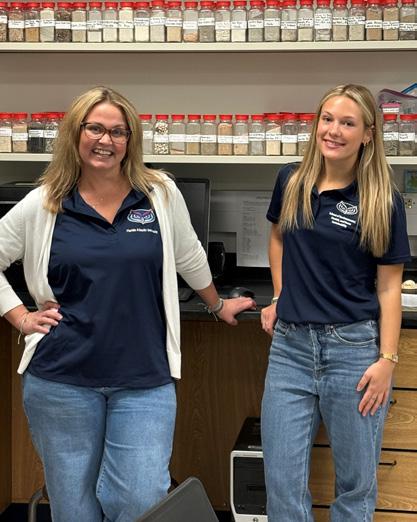
“Because of this gift, we are removing financial barriers and broadening the availability of immersive opportunities for our students.”
VALERY FORBES, PH.D.
From left, Tiffany Briggs, Ph.D. and Kayla Mosteller
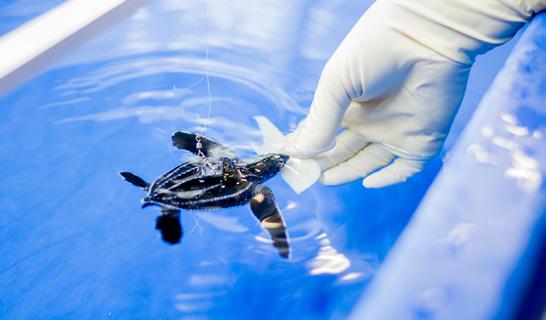
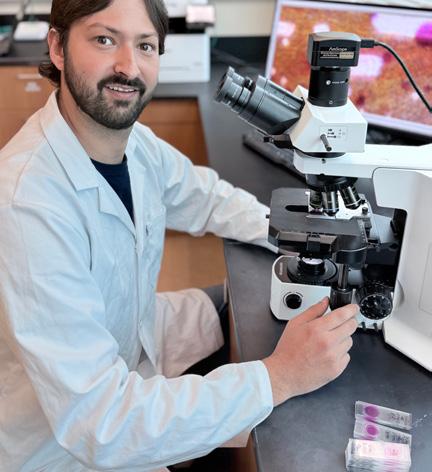
become research scientists. The gift allows students to get paid to perform research or participate in paid outside internships in the community. Students don’t have to choose between their passion for science and working an outside job just to make ends meet.”
Research in Bloom
Adam Bloom, a senior studying biology, began performing research in his first semester at FAU. Then, he applied for a research opportunity made available through ECOS.
“I jumped at the opportunity,” Bloom said. “I was working in the lab within a week or two of arriving at FAU. It really opened doors for me. It also enabled me to be eligible for the research honors track, which has been a great opportunity.”
Bloom is currently working in the lab of Jake Francis, Ph.D., assistant professor in the Schmidt College of Science. He is studying Richardia grandiflora, better known locally as “Florida snow” — the invasive weed that blankets local lawns in white flowers every winter. By looking at the microscopic crystals inside the plants, Bloom hopes to learn how they defend themselves against hungry herbivores and adapt to the changing environment.
“What makes Adam’s project exciting is that it connects plant defense, reproduction and environmental change in a very tangible way,” Francis said. “In South Florida, we’re surrounded by non-native and invasive plants that thrive in Florida’s lawns, roadsides and disturbed habitats. Adam’s research is asking why these non-natives are so successful with the hope of identifying ways to control them. This research asks a simple question, ‘Why do some plants do so well here?’ We want to understand what it takes to thrive here and how tiny, subtle traits can eventually lead to massive changes that shape the world around us.”
Bloom will be contributing a paper based on the research.
“It’s good to be getting paid for work that I really enjoy doing and that will have a positive impact for the world,” Bloom said.
Adam Bloom
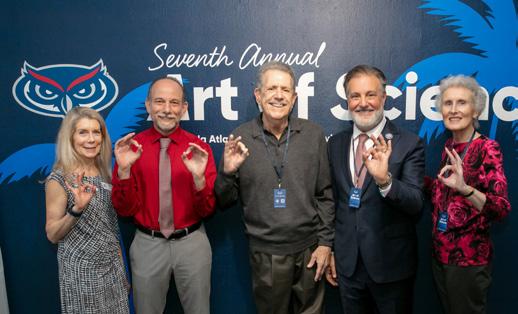
Broadening Exposure
Vollmer said he believes getting students excited about environmental science comes through exposing them to research inside and outside of Florida Atlantic’s labs. This includes the university’s renowned marine science research facility — FAU Harbor Branch Oceanographic Institute on the banks of the Indian River Lagoon in Fort Pierce.
“Most students on the Boca Raton campus may never get to Harbor Branch,” Vollmer said. “We’re now running four field trips a year to expose our students to world-class research happening at Harbor Branch. We want these students to go there as freshmen and sophomores and walk away saying, ‘I want to get involved in scientific research as an undergrad.’”
One of those research opportunities is Semester by the Sea, Harbor Branch’s spring experiential learning program. Students live onsite and work alongside research teams studying topics that are affecting not only Florida’s coast but oceans and marine species worldwide. Need-based scholarships are available for students who would like to participate in the 10-week residential program.
In addition, through the 10 summer externships, students are able to study at partner institutions, including field stations at the University of Washington’s Friday Harbor Laboratories in San Juan Island, Washington; the W.K. Kellogg Biological Station near Battle Creek, Michigan; and the Marine Biological Laboratory in Woods Hole, Massachusetts.
“Imagine a student coming to FAU, receiving four semesters of scholarships, research fellowships in our labs, outside internships with leading environmental organizations and the opportunity to do an externship in a renowned field station,” Vollmer said. “Those students are going to come out with powerful resumes. A student with a resume like this could go on to become a future leader in environmental science. In fact, they could go anywhere in the world.”
Continued on page 66
“We want to engage with these future environmental scientists from the day they step onto campus and launch them on their scientific journey.”
STEVEN VOLLMER, PH.D.
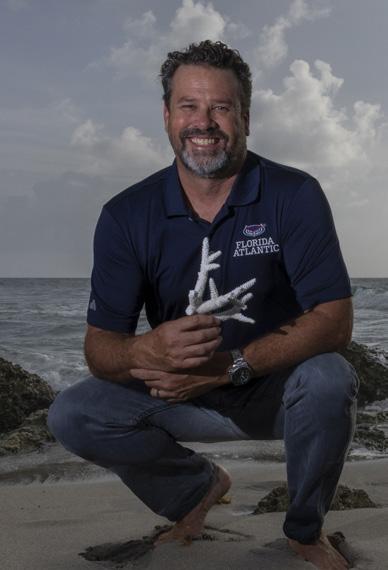
From left, Valery Forbes, Ph.D., dean of the Charles E. Schmidt College of Science; Gregg Fields, Ph.D., vice president for research; Wayne Weiner, philanthropist; FAU President Adam Hasner and Lucretia Weiner, philanthropist
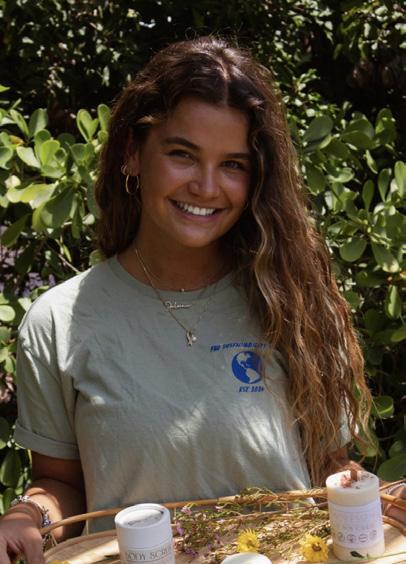
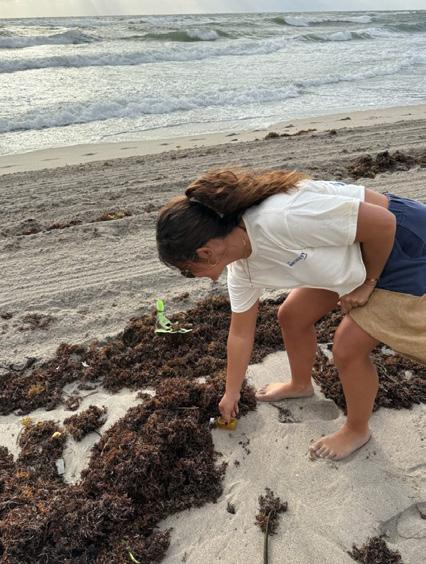
Real-World Opportunities
For Juliana Anderson, FAU offered the right location for her chosen career path. The junior who is double majoring in biology and chemistry plans on becoming a marine veterinarian. FAU’s proximity to the ocean brought her here from land-locked Nebraska, she said.
“I’ve been lucky enough to participate in two ECOS internships here,” she said. “The first one was as a research intern at Florida Oceanographic Institute, working with fish and microorganisms and seagrass and how they play a role in the environment. The second one was with the Wild Dolphin Project as a data assistant where I worked on dolphin photo identification and collaborated with their research team. That was a really awesome experience.”
Through research projects, she also has studied sea turtles and two species of lizards not native to Florida — agamas and curly tails.
“FAU definitely has a lot of opportunities for science majors, so it’s great,” she said. “I knew what I wanted to do. I just needed to get my hands dirty.”
Both Anderson and Mosteller were among the students who recently participated in the 17th annual Southeast Florida Climate Leadership Summit in West Palm Beach, which enabled them to interact with faculty and other environmental experts from across Florida. It is one of several national conferences and workshops in which students and faculty participate through ECOS support.
“It’s kind of amazing. When I talk about it, it makes me emotional,” Mosteller said. “Every experience rippled off one another. Everybody I’ve met has been equally as passionate about the environment and the work that we’re doing.”
Juliana Anderson
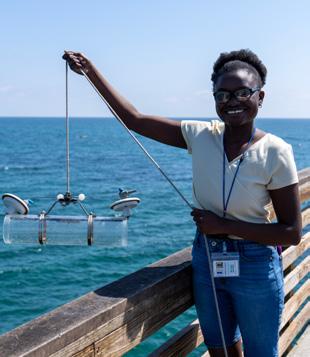
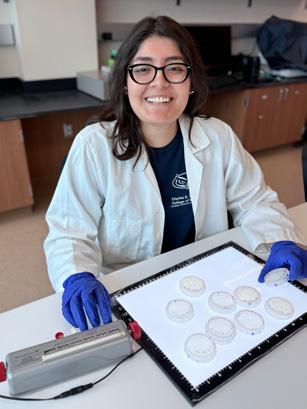
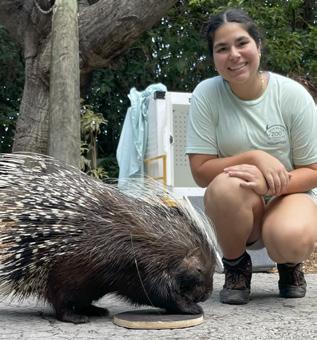
SUPPORTING STUDENT SUCCESS
Through Wayne and Lucretia Weiner’s gift, the School of Environmental, Coastal, and Ocean Sustainability (ECOS) at Florida Atlantic University goes beyond scholarships and research placements to ensure students can persist, thrive and graduate. Student-success initiatives include:
Emergency Student Support Fund to help students deal with unexpected financial hardship, like a housing crisis, loss of employment or emergency medical expenses
Faculty mentors to provide academic and career mentoring, and promote ECOS opportunities to FAU students
Academic advisors to support ECOS students, manage scholarship applications and provide at-risk students with additional guidance
ECOS student organization to develop and support environment-focused activities
From top, students Shedeline Joseph, Fiona Falvy and Ariana Sosa
ENGINEERING THE QUANTUM FUTURE NEXT GENERATION OF COMPUTING
Under the leadership of President Adam Hasner, Florida Atlantic University is advancing a bold vision for innovation — one that positions the College of Engineering and Computer Science at the forefront of next-generation computing.
D-Wave’s Advantage2TM system provides engineering and computer science students and faculty members with direct, hands-on access to quantum computing, enabling immediate engagement with complex real-word optimization challenges that engineers and computer scientists are called to address. From robotics and intelligent infrastructure to energy systems, logistics, finance, health, and emergency management, the platform expands the college’s capacity to integrate quantum capabilities into research, education, and workforce development.
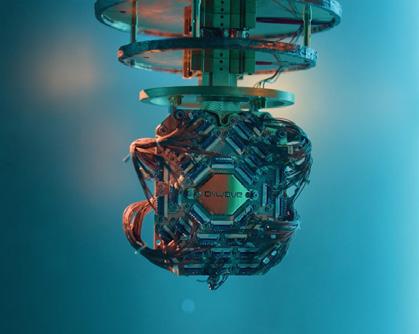
“Acquiring the D-Wave Advantage2 quantum computer allows us to build foundational infrastructure that positions the FAU College of Engineering and Computer Science to lead in the next generation of computing,” said Stella Batalama, Ph.D., dean of the College of Engineering and Computer Science. “This is part of a deliberate university strategy – investing early in transformative infrastructure across AI, autonomy, and now quantum — that elevates FAU as a national leader in research, innovation, and workforce development.”
SHAPING THE FUTURE OF HUMAN-CENTERED ROBOTICS RESEARCH
FAU’s College of Engineering and Computer Science is advancing human-centered innovation through the BioRobotics Lab, led by Erik Engeberg, Ph.D., professor in the Department of Biomedical Engineering and the Department of Ocean and Mechanical Engineering. Under his leadership, the lab brings together engineering precision, clinical insight, and intelligent systems design to address complex challenges in health and mobility.
The BioRobotics Lab develops advanced robotic and prosthetic technologies inspired by the human body, including adaptive robotic hands and next-generation neuroprosthetics. By integrating sensing, control systems, and artificial intelligence, the lab creates devices designed to restore natural movement and enhance sensory feedback — translating research into meaningful, real-world impact through interdisciplinary collaboration.
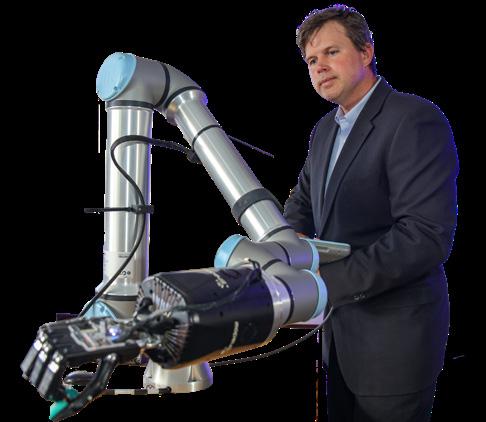
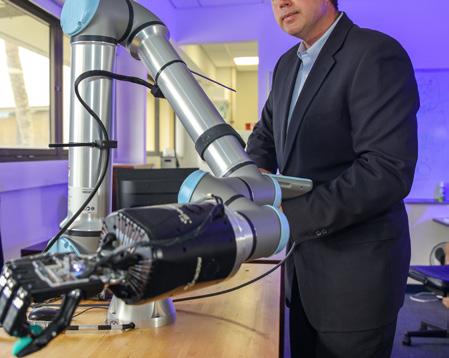
Through this work, the College of Engineering and Computer Science is preparing students to lead in fields that will redefine health, mobility, and human capability. Efforts like Engeberg’s reflect the college’s broader vision: advancing engineering solutions that improve quality of life and strengthen FAU’s leadership in transformative innovation.
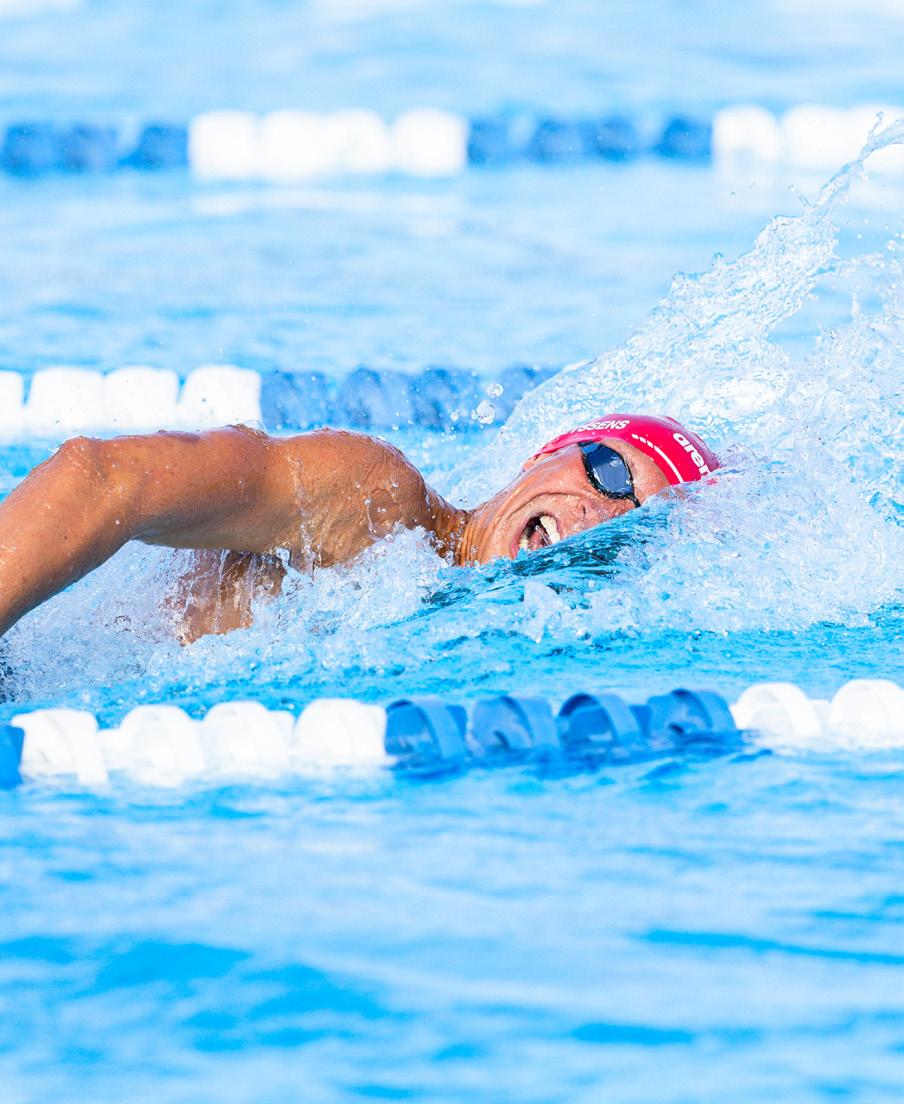
Winning Waves
Men’s Swimming and Diving Captures First Conference Title
By David Smolka
The Florida Atlantic men’s swimming and diving team captured the program’s first conference championship in February, a highly coveted accomplishment that was decades in the making.
Established in 1991, the swimming and diving program began stacking accomplishments and victories. Over the years, Owls earned individual conference titles, NCAA championship appearances, All-American honors, Olympic appearances and an individual national championship. The only accomplishment missing was a team conference title.
That changed after the 2026 Atlantic Sun Conference (ASUN) Swimming & Diving Championships, which took place in Orlando.
After a strong start on the first day, the Owls found themselves in second place. FAU had set two program records with gold medals earned by James Shevchenko in the 500-freestyle swim and Daniel Laureyssens in the 50-freestyle swim. Laureyssens’ time of 19.43 seconds qualified him for the NCAA Championships, making him the first male Owl to do so since 2006.
Over the next two days, Laureyssens punched another ticket to the NCAA Championships, in the 200 free, while overall FAU earned four more gold medals, two silvers and one bronze. At the conclusion of day three however, Florida Atlantic sat in third place, 67 points behind the leader, Queens University of Charlotte.
On the final day of competition, junior Trevor Kuhn won the gold and senior Rocco Simonelli earned the bronze in the platform diving event. With just four events remaining, Laureyssens earned his third individual gold medal at the meet in the 100 free, further closing the gap.
Continued on page 72
Daniel Laureyssens
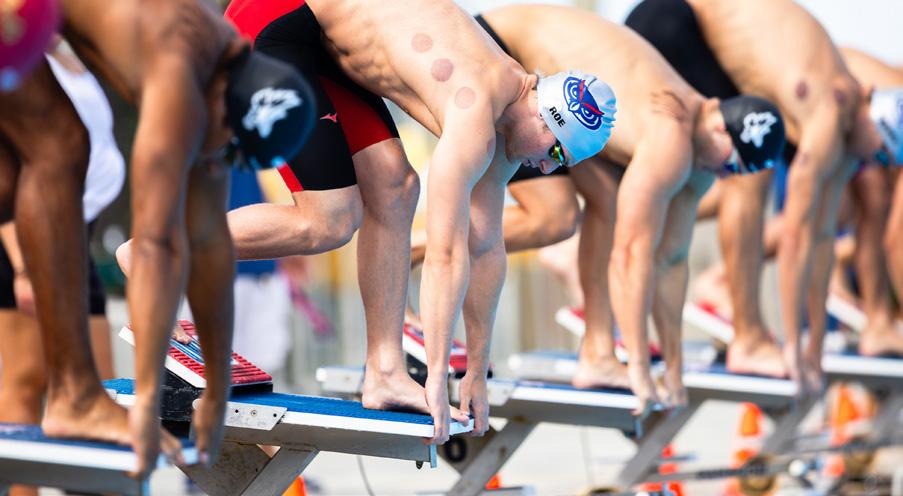
Several FAU swimmers then scored in the 200 backstroke and 200 breaststroke. With one event to go — the 400 freestyle — Florida Atlantic was in second place, 40 points behind Queens. It would take winning the event plus a Queens disqualification to earn a share of the championship. The relay team of Laureyssens, Noah Reeves, Leyton Roe and Shevchenko won the last event in a program-record time, two full seconds ahead of the rest of the field.
Officials then announced a Queens relay disqualification. Remarkably, Florida Atlantic had earned a share of the ASUN Conference Championship.
“[It was] just pure joy,” said Lara Preacco, head coach. “Just happiness that all those moments you work so hard for just finally came through.”
The Buildup
In 2014, Preacco, a Florida Atlantic Hall of Fame swimmer and Olympian, was named the program’s head coach. Preacco — who swam for FAU from 1994 to 1998 and worked for the team from 1998 to 2001 as a graduate assistant — rejoined the coaching staff as an assistant in May 2012, after earning a doctorate in counseling psychology.
As head coach, Preacco guided the men’s program’s ascension within its conference. After joining the Coastal Collegiate Sports Association conference in the 2015-16 season, Preacco
led Florida Atlantic to a runner-up finish in 2019, the best conference meet finish for the Owls since 2000. The secondplace finishes continued with three in the next four seasons.
In fall 2023, the program switched conferences again, this time to the ASUN. In 2024, its first season as an ASUN member, FAU recorded a third-place finish. The team came in second in 2025.
“I think the first few second places were a little frustrating, but after that, we always surpassed ourselves. When new teams joined the conference that were way faster than us, we kept getting closer and closer until we beat them. So, it’s just continuing to work hard to make it happen,” Preacco said.
After the second-place finish at the 2025 ASUN Championships, a meet where FAU was leading heading into the final day, the Owls could feel a win on the horizon. The team knew it required putting in hard work when the current season kicked off last September. Despite the off-season layoff, there was no rust for senior Laureyssens. The Brasschaat, Belgium native broke the program’s 11-year-old 100 freestyle record twice in the same meet — an early hint at a special season to come.
In November, the team headed to the George Mason Patriot Invitational, its annual midseason competition. With the goal of swimming fast and creating history, the team did just that. The Owls rewrote the record book, finishing the four-day meet with seven program records. Laureyssens made his mark once
Leyton Roe, center
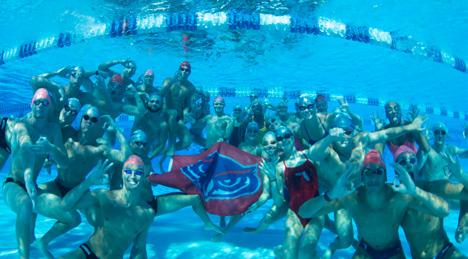
“They want to win again. Now they know this is what we want. So we’re going to keep trying, working hard, all to make it happen again and again.”
HEAD COACH LARA PREACCO
again by breaking a 29-year-old program record in the 200 free, set and held by Olympian, All-American and national champion, Bela Szabados, who swam for the Owls in the 1990s. Laureyssens’ new best time was 0.02 seconds shy of the NCAA Championship standard.
After that meet, it was clear that this Florida Atlantic team had the potential to accomplish the one goal it had yet to achieve. And in February they did it by capturing the ASUN Conference Championship.
At the end of the season, Laureyssens was recognized as ASUN Men’s Most Outstanding Swimmer and Simonelli was named ASUN Most Outstanding Diver. This is the second-consecutive year an FAU diver has won the award. Additionally, six Owls were named to the Swimming & Diving Academic All-ASUN Team, led by Laureyssens, who received the conference’s highest honor as Men’s Swimming Scholar Athlete of the Year. Kuhn, along with Gianni Carlino, Taylor Eaton, Payne Smith and Christoffer Weiss were the other Owls named to the Academic All-ASUN team.
The team will begin its 2026-27 season, focused on defending its conference title, in the fall.
“They want to win again,” Preacco said. “Now they know this is what we want. So we’re going to keep trying, working hard, all to make it happen again and again.”
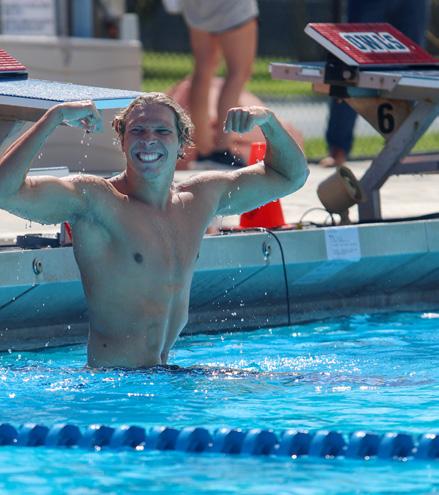
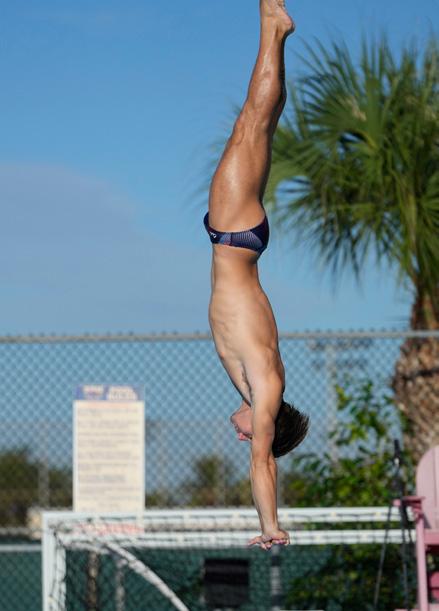
Daniel Laureyssens, above, and Rocco Simonelli, below
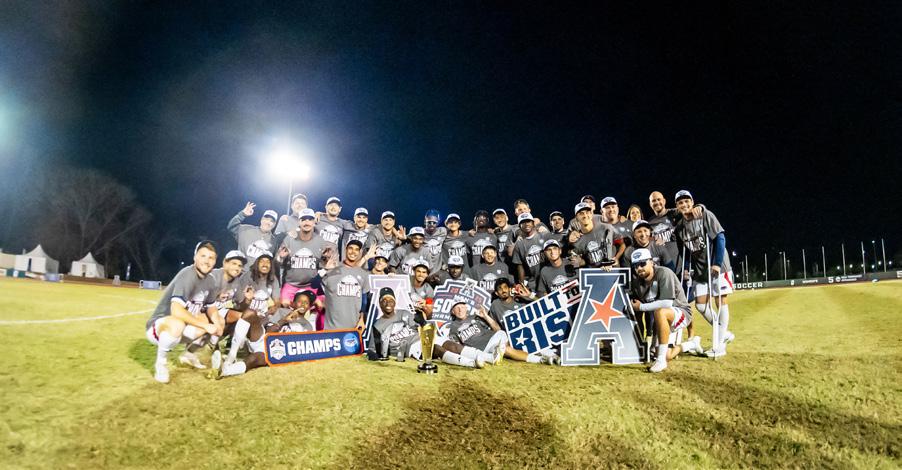
History in Boca Raton
Men’s Soccer Storms into the National Spotlight with a Championship Season
By Sam Dean
The final whistle didn’t just end a match — it marked a breakthrough.
Under the lights and with history on the line, the Florida Atlantic men’s soccer team completed a season that redefined the program. A conference double. A national ranking. A first-ever NCAA Tournament berth. What began as a long-term rebuild became a statement to the rest of the country: the Owls have arrived.
Since Head Coach Joey Worthen took the helm in 2017, the program has been on a steady ascent. The Owls won two games in each of Worthen’s first two seasons, then jumped to seven wins and reached their first conference championship game in 2019 as a member of Conference USA. The steady progress continued when the team transitioned to the American Conference in 2022.
“Coming here in 2017, I felt like I had a vision of what was possible with this program,” Worthen said. “While those first few years were dark at times, it has improved each year. We’ve continued to take these significant steps, whether it’s making the conference tournament for the first time and then reaching the conference championship for the first time. We continued to check off those boxes that showed we were heading in the right direction.”
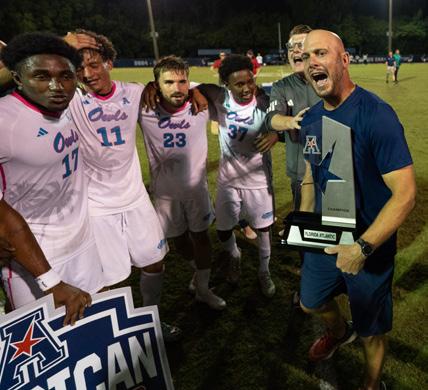
Continued on page 76
Florida Atlantic men’s soccer team with Joey Worthen, far right
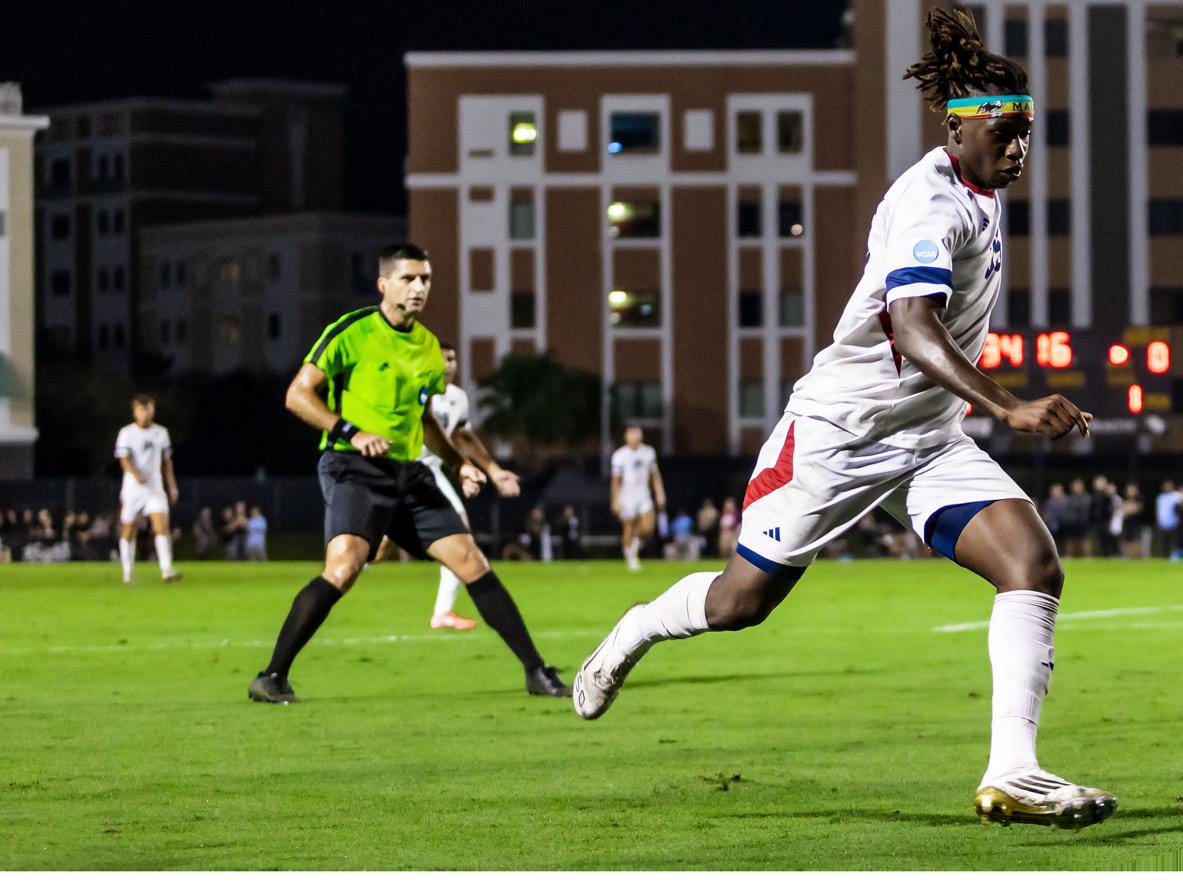
By 2024, the Owls weren’t just competitive — they were dangerous. They led the conference in nearly every offensive category, including goals, assists and shots. Five players earned all-conference honors, led by the American Conference Offensive Player of the Year, senior transfer Mamadou Diarra. Worthen and his staff said they felt like the pieces were in place to take the next step in 2025.
The foundation was set. And crucially, it stayed intact. Diarra was granted a fifth year of eligibility. Graduate senior Fabrizio Cubeddu, who began his career at Florida Atlantic in 2021 before transferring to another school, returned for a second stint in Boca Raton. Other key players, including junior Oliver Moller-Jensen and seniors Aboubacar Traore, Sebastian Zettl and Kerfalla Toure, were all healthy and primed for breakout seasons.
The Owls also struck gold in the transfer portal, adding goalkeeper Alfred Mikkelsen and forward Eli Conway,
both of whom were coming off successful seasons at their previous schools.
“Looking back now, 2024 was a bit of a turning point for us,” Worthen said. “When we joined the American Conference in 2022, we felt like we needed to adapt in order to win. We’ve been able to do that through our recruiting and finding good transfers and players who want to be a part of this legacy and help raise the program’s standards. Guys like Mamadou, Fabrizio, Aboubacar and Sebastian — that core we built in 2024, set us up for 2025.”
In 2025, everything clicked, Worthen said. The team won the American Conference regular season and postseason tournament titles and qualified for the NCAA Tournament for the first time in program history. The Owls were nationally ranked on three separate occasions, peaking at No. 19. The team’s 12 wins were the second-most in a single season in program history.
Mamadou Diarra, center, in NCAA Tournament
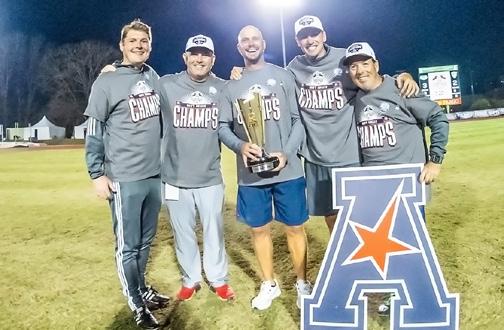
“We had guys step up from beyond that core group and score big goals, make big plays and produce winning moments.”
HEAD COACH JOEY WORTHEN
“Going into 2025, the goal, however ambitious, was to win a championship and make the NCAA Tournament and do something that’s never been done here at FAU,” Worthen said. “We had the core group who knew that goal and what it would take to get to that point. We felt like we had the makings of a really special year. It certainly wasn’t without challenges and adversity. We dropped a couple of games. We had some significant injuries that affected the season. We had guys step up from beyond that core group and score big goals, make big plays and produce winning moments. Breaking into the Top 25 and then doing the double — winning both the regular season and postseason titles — was unprecedented.”
Following the end of the regular season, Diarra was named Offensive Player of the Year again. Cubeddu, Traore and Moller-Jensen also earned all-conference honors. Worthen, associate head coach Tom Harman, and assistants Rob Tomlin and Brad Shore were collectively
recognized as the American Conference Coaching Staff of the Year.
Additionally, Diarra was named to the Division I All-Region First Team by the United Soccer Coaches Association and Cubeddu was named to the Third Team.
“I think FAU, in the men’s soccer landscape, is now a destination for top players to come and play,” Worthen said. “They know they’re going to get a great location and a great lifestyle, but they’re also going to play for a team that is going to compete for championships and do it in a playing style that players like. We’re really offensiveminded and dangerous in the attack, and it’s more fun to watch and fun to play when you create chances and score goals. So that’s a great place for us to be in when it comes to recruiting. Now it’s our job to bring in players to help this program continue to grow and make more history in the next few years.”
Joey Worthen, center, with staff
More than the Game
Turning a Career-Ending Diagnosis into a Calling to Help Students
By Katrina McCormack

The dream was within reach — college scholarships, packed stadiums and a future built on speed and strength. Then, in his senior year of high school, Terrance Tarver’s heart stopped that momentum cold.
A newly discovered heart condition forced the South Georgia football standout to confront a reality no young athlete expects: sometimes the body decides before you do. For Tarver, the game he loved was suddenly no longer the path forward. But what felt like an ending became the beginning of something far bigger.
Today, Terrance Tarver, Ph.D., is the director of mental health and performance for athletics at Florida Atlantic University, guiding more than 450 studentathletes through the pressures of competition, identity and life beyond the scoreboard. His journey from athlete to scholar to clinician mirrors the very transitions he now helps others navigate.
Raised by a teacher and a truck driver, Tarver grew up immersed in sports. Football and baseball weren’t just hobbies, they were possibilities. When his playing career was cut short, he faced a crossroads.
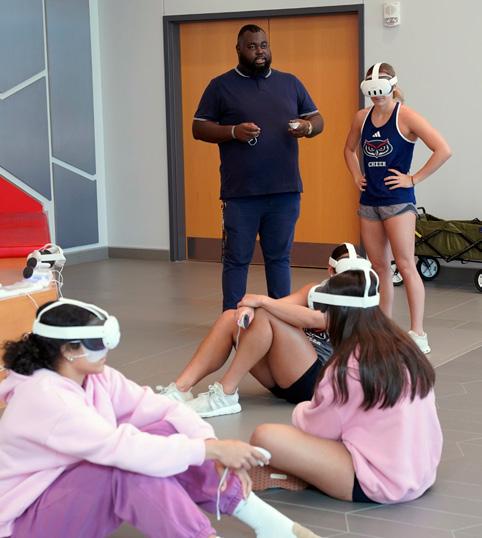
Terrance Tarver, Ph.D., center, with student-athletes participating in Powerful Minds Week
As an undergraduate at Columbus State University, he made a pivotal decision to study psychology that led to nearly a decade of post-secondary education, culminating with a doctorate degree in counseling psychology from the University of Tennessee, Knoxville. Along the way he earned two master’s degrees, one in psychology from Tennessee and another in kinesiology with a sport and exercise psychology concentration from Georgia Southern University.
Those paths led Tarver to a career that bridged the gap between what inspired him as a student — psychology — and his passion for sports. As he pursued his educational journey, an increasing number of sports organizations and athletic departments were encouraging their athletes to heal and care for their mental health as they would a twisted ankle or a torn ACL. Following graduation and a gap year, Tarver studied with Brandonn Harris, Ph.D., a professor of sport and exercise psychology at Georgia Southern, to further his education.
“I fell in love with the different things like visualization,” Tarver said. “But also how studentathletes think when they have performance anxiety. Or pre-performance and time management. It’s

struggle with focus. For example, now with NIL and revenue sharing it is the transition of power.
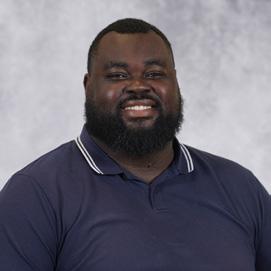
“We don’t talk about that a lot — the transition for athletes who depended on parents but now they become the primary breadwinner in families. It is also very hard for athletes who have high ability when their playing time ends. They’ve been the superstar and when it is done, they do not have that identity anymore. They are left in limbo.”
Committing Resources
While Tarver was navigating his journey, Brian White, vice president and director of athletics at Florida Atlantic, was navigating the task of meeting the ever-changing landscape of college athletics and, more importantly, the needs of the university’s 450+ student-athletes.
Continued on page 80
“I’m grateful for the training I’ve had, which allows me to blend both counseling and performance. It helps me so much with the athletes.”
TERRANCE TARVER, PH.D.
“We are thrilled to have Terrance in this incredibly important position,” White said. “As a former student-athlete himself, he has a deep understanding of the challenges and opportunities that come with competing and training at the highest levels. An absolute priority for FAU is the health and well-being of our athletes, and we appreciate the expertise and effort Terrance provides in getting the best out of the Owls. We are also profoundly grateful to Barb Schmidt, whose vision helped make this crucial position a reality.”
In 2022, thanks to a gift commitment from the Schmidt Family Foundation, the FAU Athletics Mental Health Fund and the director of mental health and performance position were created. Both are keeping the university at the forefront of providing mental-health resources to student-athletes.
“Now more than ever we are being asked to provide trusted support for our student-athletes and their mental health,” Schmidt said. “I am so grateful to the FAU Athletics Department for prioritizing this initiative and believing that inner wellness strengthens external success. The future
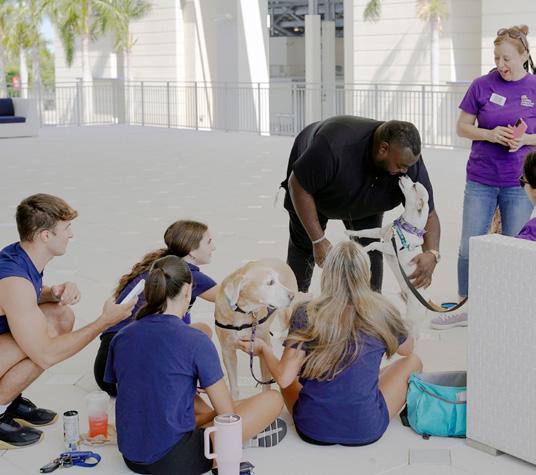
is bright for every student-athlete, knowing that programs and guidance like this exist.”
Supporting Students and Student-Athletes
In 2024, Tarver joined the Counseling and Psychological Services (CAPS) at Florida Atlantic as part of his doctoral internship. CAPS provides Florida Atlantic students with timely and effective mental health services that allow them to improve and maintain their mental well-being, in order to meet their educational, personal, emotional and psychological goals. A year later, Tarver was named the director of mental health and performance for FAU Athletics. He emphasizes forecasting goals and working on a day-to-day basis with student-athletes in the areas of therapeutic services and performance.
“I’m grateful for the training I’ve had, which allows me to blend both counseling and performance,” Tarver said. “They struggle with performance, but there’s so much more that they are dealing with — not only as student-athletes, but as siblings, as romantic partners, as friends and as
children. It’s all the different roles that they play in life. They have different things going on and it is just working with this age. These are such formative years. Every day, I come in and I know that my days will be different. We may laugh, we may cry — and everything between.”
Tarver praises his support system built first through parents, then mentors and his own mental health provider, and finally the support of Florida Atlantic’s CAPS program.
“When I came to Florida Atlantic as a doctoral student in 2024, I came thinking that I was going to do clinical work and help with sports psych as well, but I knew the majority of my caseload would be general population,” Tarver said. “I think that CAPS did a great job of finding ways for me to be able to work with some student-athletes and at times do some things with the teams. I love working with this population and I have enjoyed making relationships with some of the teams, some of the coaches and of course, the student-athletes.”
Terrance Tarver, Ph.D., right, with student-athletes in puppy playtime during Powerful Minds Week
Avron


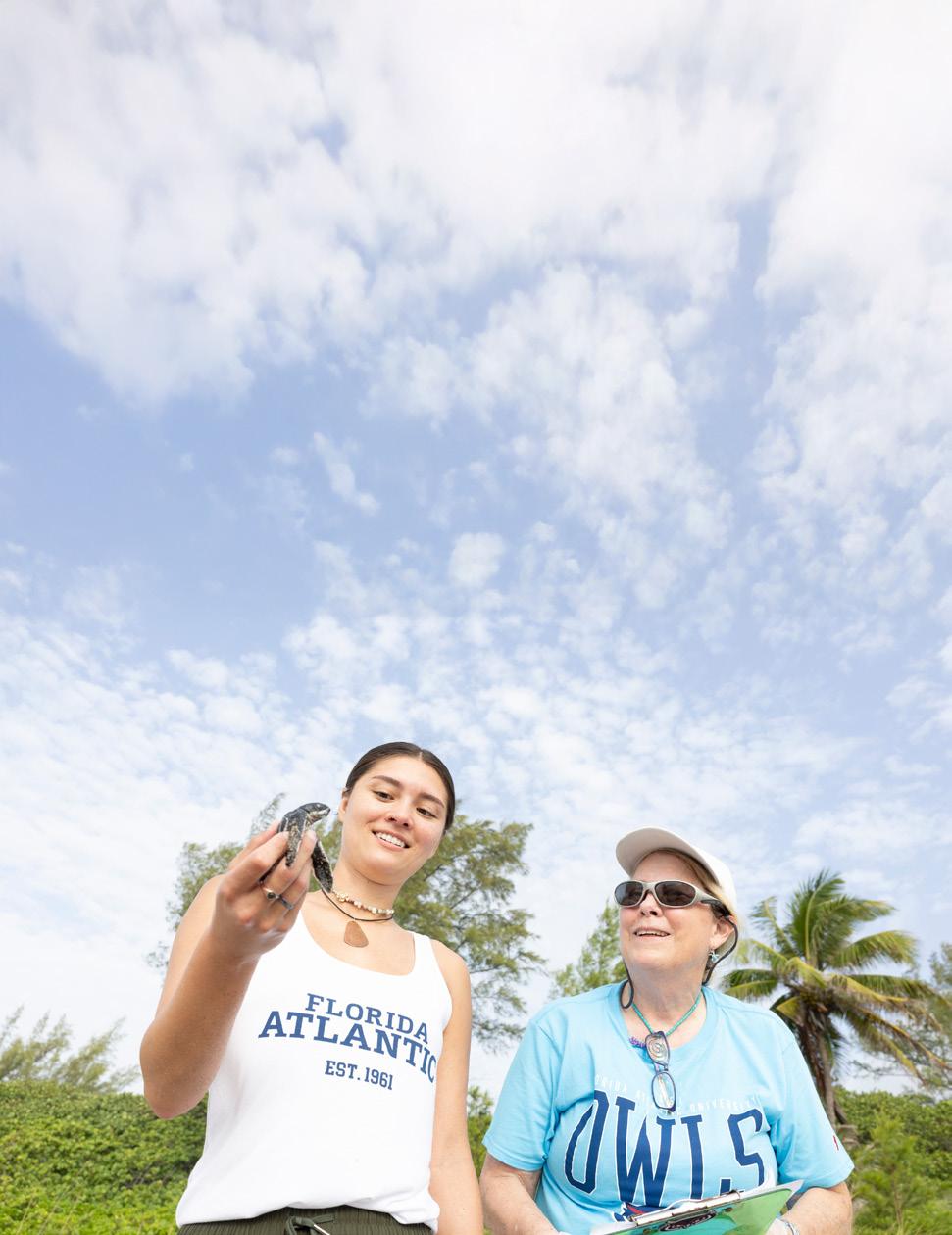
Top-Tier Research. Transformative Learning. Extraordinary Outcomes
.
Florida Atlantic is one of the nation’s top public universities and a Carnegie R1 research leader — driving innovation in health care, life sciences, artificial intelligence, quantum computing, and more.
With record-breaking applications and our strongest freshman class ever, Florida Atlantic is where ambitious students build extraordinary futures.
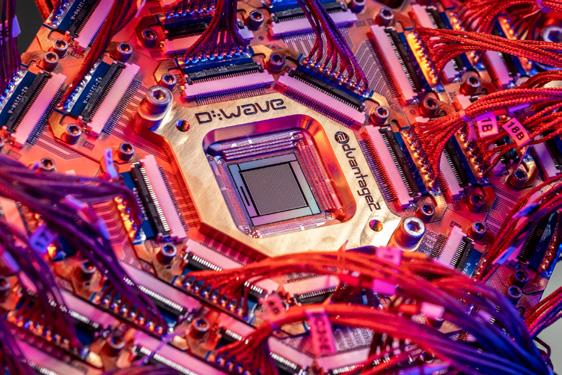
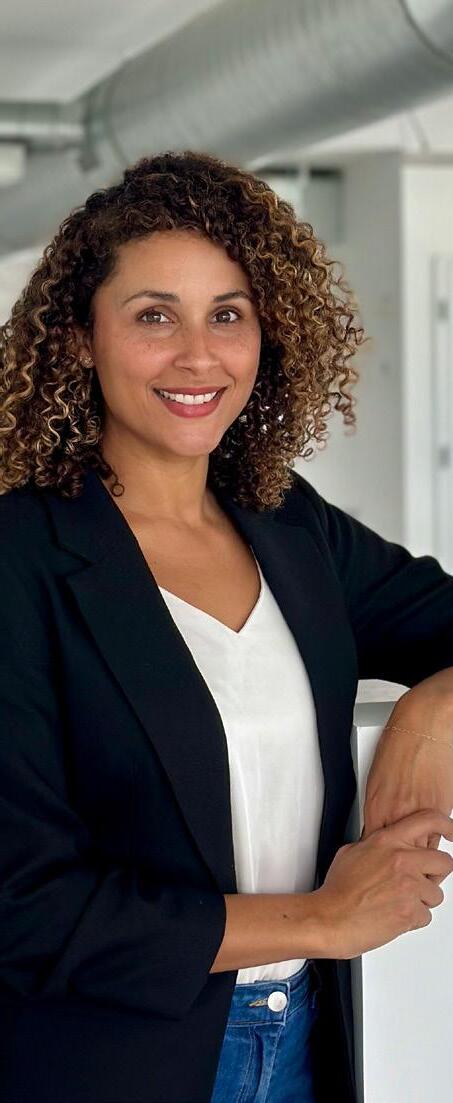
Changing Lives
Setting Students on a Path for Success
By Wells Dusenbury
Before helping thousands of Palm Beach County students earn admission to top-tier universities, Christine Sylvain was a high-achieving high school senior who hadn’t submitted a single college application. Despite her stellar academic record, mounting financial hardship at home had quietly pushed higher education from a lifelong goal to a fading possibility. By the spring of her senior year, college no longer felt attainable.
When she learned Florida Atlantic University’s Harriet L. Wilkes Honors College in Jupiter automatically considered first-year applicants for scholarships and financial aid, that changed. She soon applied and was accepted.
“I was the right type of student for the Honors College,” said Sylvain, who graduated cum laude in 2006 with a bachelor’s degree in political science. “Very nerdy and having a lot of potential in the small-school environment. The liberal arts and the interdisciplinary opportunities there appealed to me. And so, I got lucky, honestly, that I landed at the Honors College because it was just what I needed.”
Now, nearly two decades later, Sylvain is transforming her own moment of uncertainty into a mission that is changing the trajectory of an entire community. She is the founder and executive director of Path to College, a nonprofit organization based in Palm Beach County with a clear mission: help hardworking, low-income students gain admission to top-tier universities.
Sylvain’s Path
After graduating from FAU, Sylvain earned a master’s in journalism from New York University in 2010. She spent the first few years of her career as an associate producer at a production company, contributing to PBS documentaries, including the Emmy Award-winning “Hecho a Mano.”
Sylvain eventually returned to Palm Beach County, where she began teaching and led the journalism department at Inlet Grove High School in Riviera Beach. Inlet Grove is a Title I school, meaning it receives federal funding to help support its high percentage of low-income students. Sylvain said seeing the challenges the students faced every day was eye opening.
Continued on page 84
Path to College
Since launching in 2017, 100% of Path to College students have been admitted to four-year colleges.
60% EARNED SCHOLARSHIPS 75% ARE FIRST-GENERATION COLLEGE STUDENTS 60% ADVANCED TO TOP-TIER UNIVERSITIES
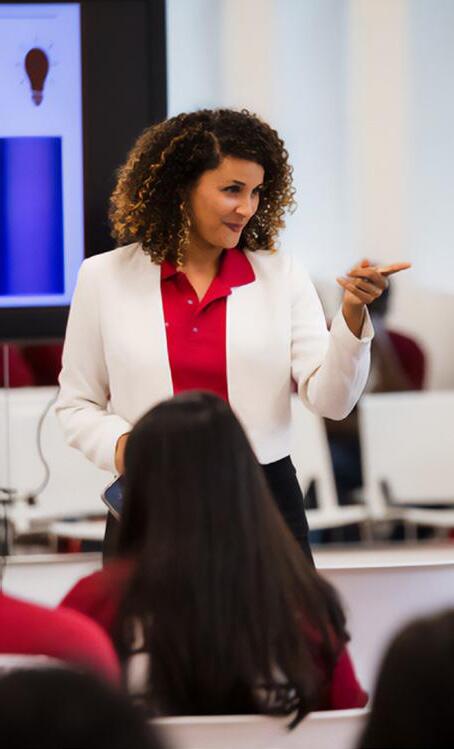
“You would see talented kids coming to school every day, putting all this work into so many things, and so often, it didn’t amount to anything,” Sylvain said. “They would graduate, but nothing would change in their lives or family’s lives because they wouldn’t necessarily go to college.”
Sylvain later worked at the Batt School, a private institution in Juno Beach, where she witnessed the stark contrast in resources and individualized support, highlighting the one-on-one counseling students received.
As someone who navigated financial hardship growing up, Sylvain said she saw her story reflected in students who didn’t have the same resources as those from wealthy backgrounds, and she decided it was time to do something about it.
“I had a fire in my belly,” Sylvain said.
Driven by this passion, Sylvain founded Path to College in 2017, starting a program that provides “wraparound services to kids who, if given the opportunity, could bring their community and family forward. And that’s what we’ve been doing ever since. We’ve helped thousands of kids,” Sylvain said.
Among its offerings, Path to College provides personalized college advising, rigorous SAT preparation, essay and resume workshops, mentoring and one-on-one counseling.
“It’s about many things,” Sylvain said. “It’s confidence building. It’s a culture of optimism and support. It’s the strategy. That’s what we do for these kids.”
Since launching, 100% of its graduates have been admitted to four-year colleges, with 60% earning full scholarships. Approximately 60% of those students have been accepted into top-tier universities and 75% are first-generation college students.
Sylvain’s leadership has been recognized across the community. She received Woman of the Year honors in 2025 by the Palm Beach North Chamber and has been named to Palm Beach Illustrated’s 100 Most Influential list for the past three years. Additionally, Sylvain, who has been a TEDx speaker, received the Palm Beach Chamber of Commerce Nonprofit Leadership Award and was honored by Florida Atlantic with the Outstanding Young Owls award in 2019. Her vision for opportunity continues to guide her work.
“We know the challenges,” Sylvain said. “They’re just the sweetest kids and life just hits them over and over. But to see a kid persist — it is life changing. They’re not going to be in debt when they graduate. They’re going to earn higherpaying jobs, and they’re going to lift their families up. It’s the most beautiful thing and the only thing that stops poverty. It’s just absolutely incredible.”


CHANGING DIRECTION
Alumnus Hamid Hashemi’s Lesson for Success
If Hamid Hashemi has learned one lesson about success, it’s this: Don’t be afraid to change direction. The Florida Atlantic University graduate planned to attend medical school, but a willingness to explore new opportunities eventually led him to build two companies that transformed the movie-going experience in the United States.
“FAU gave me a foundation — and exposed me to a lot of different disciplines,” Hashemi said. “I majored in microbiology — but ended up in something completely different, something that I love doing.”
Hashemi emigrated from Iran in 1979, just before the Iranian revolution, and began his higher education in Iowa.
“That was the time after the Islamic regime had taken the American hostages,” he said. “There was a lot of animosity towards Persian students.”
A spring break trip to South Florida changed everything.
“Nobody was looking at me sideways in South Florida,” Hashemi said. “I wasn’t the only person with dark hair and brown eyes. South Florida is a great mixing pot.”
He transferred to FAU but realized his prospects to attend medical school were beyond his financial reach, so he pivoted to business. He was especially interested in real estate.
“I took pretty much every course FAU offered in real estate and finance,” he said.
After graduating, Hashemi launched a real estate business that led to him owning a small movie theater in Coral Springs. It was thriving at the time, but it quickly faced competition from larger and better capitalized companies like Loews and General Cinema. He struggled, but he had fallen in love with the business and he liked learning a new industry.
“I then did the research that I should’ve done to begin with, figuring out how to compete with the giants of the movie theater industry,” Hashemi said. “The conclusion was to turn moviegoing into an experience, just as the forefathers of this industry did back in the 1920s and 30s — the heyday of movie theaters. Back then, theatergoing was an event. People used to get dressed up and waited in lines to get a seat to a show.
“The good thing about the theater business is that every theater gets the same movie. It is in how you present and package it that makes the difference. It’s about building a memorable experience and making it an event. It’s about building a transformational destination that makes people drive past other theaters to come to yours.”
So, he began building best-in-class, highly thematic theaters with his company, Muvico Theaters. Between the 1980s and 2005, he grew Muvico into one of the most popular and
“Broaden your knowledge base and your work experience. Don’t pigeonhole yourself.”
HAMID HASHEMI
profitable megaplex chains in the U.S. before selling to Cinemark. The theaters featured themed architecture that harkened
company of its size exciting and it was the first time he wasn’t the owner of where he was working.
“We had 750 locations around the world, in every time zone — and 250 locations under construction in 140 cities in 34 countries,” Hashemi said. “It was challenging work in the middle of the pandemic, but very gratifying.”
It paid off. The company’s valuation climbed from roughly $2 billion to $10 billion in 18 months when it went public. He left the company in 2021 and has since been working and consulting for a range of businesses in real estate, retail, health care and hospitality.
Now he’s charting a new course around what he calls “Studio Social” — a third place, beyond work and home. The concept: building communities and belonging through creativity, craftsmanship and art making.
“Loneliness is the largest unaddressed epidemic of the decade,” Hashemi said. “Today we are more connected than ever before through our phones, yet 50% of the
“Take different courses, learn as much as you can, because most likely you will end up doing something different.”
As someone who has hired thousands over his career, he looks for people who have diverse work experiences.
“Today the pace of change in business is so fast that if you don’t adapt and pivot, odds are you will be left behind,” he said. “And even more so in the future. As AI does the highly technical and specialized work, those with the diversity and a broad knowledge base will be the ones who will be able to change the world.”
His final thought is simple: “If you want to have meaning in what you do — broaden your knowledge base and your work experience. Don’t pigeonhole yourself. There’s nothing wrong with changing majors or careers.”
America’s First Undergraduate Degree in Ocean Engineering
In 1965, Florida Atlantic University launched the nation’s first undergraduate degree in ocean engineering — an audacious step that helped chart America’s course as a global maritime leader.
Today, FAU continues to propel that legacy forward through millions of dollars in sponsored research annually, much of it in partnership with the U.S. Navy.
From advancing coastal defense technologies and harnessing the Gulf Stream’s renewable energy to deploying autonomous underwater vehicles and cutting-edge sensor systems for exploration, FAU is strengthening national security and expanding humanity’s understanding of the oceans.
As America marks 250 years of innovation and independence, FAU stands at the forefront — where discovery meets defense and science serves the nation.
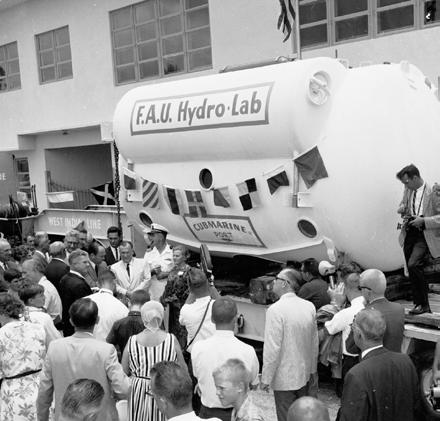
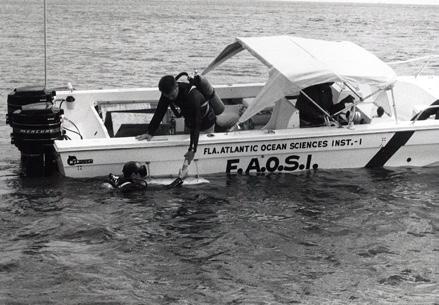
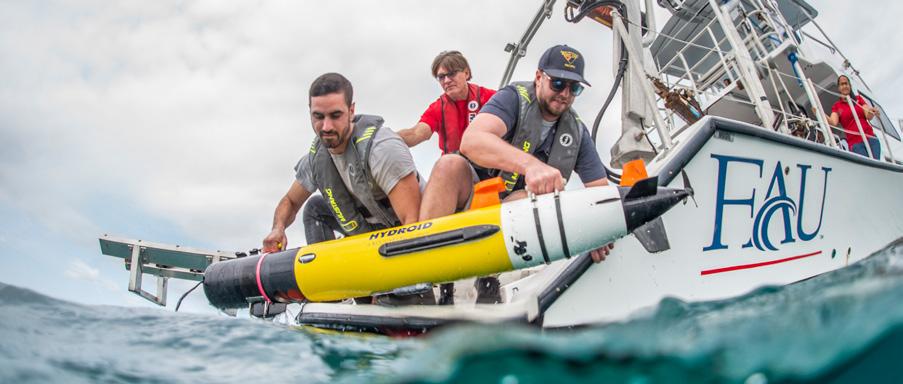
1960s
1970s
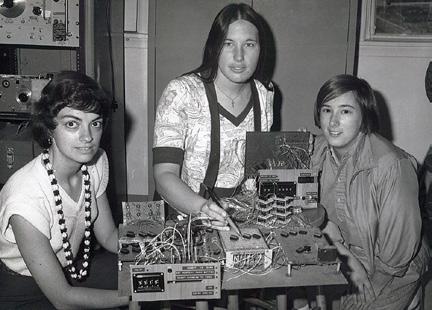
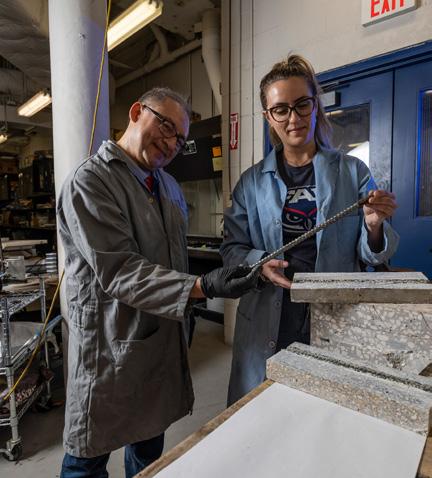
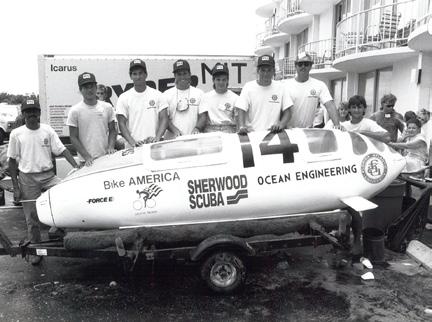
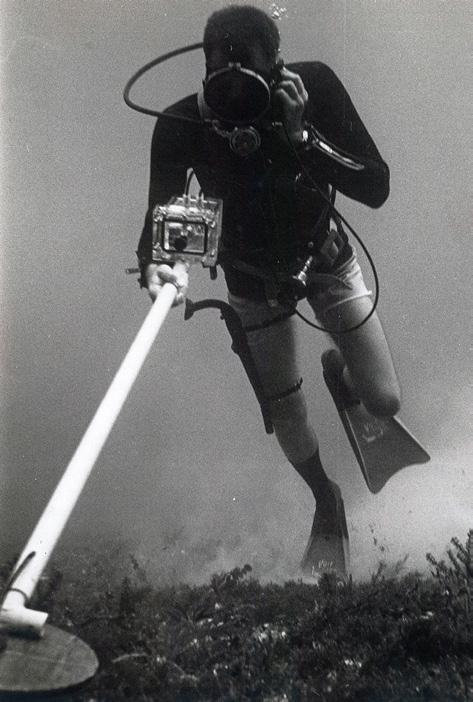
Florida Atlantic University
777 Glades Road, AD-10, Suite 101
Florida Atlantic stands among an elite group of just 13 universities nationwide designated by the Carnegie Foundation as an R1 top-tier research institution, an Opportunity University for higher access and post-graduation earnings, and a recipient of the Elective Classification for Community Engagement — creating powerful benefits for our students and driving lasting, positive impact.