Protestors demonstrate against the death penalty and the execution of Dennis Sochor, Tuesday, July 14, 2026, in front of the Florida State Prison in Raiford. Read more on pg. 6.
‘Gainesville's worst-kept secret’: Concerns rise over sex offender DJ formerly at University Club
SOME DRAG ARTISTS SAID WARNINGS ABOUT A UNIVERSITY CLUB DJ’S CRIMINAL HISTORY WENT UNANSWERED AS HE CONTINUED WORKING AT THE VENUE
By Julianna Bendeck Alligator Staff Writer
University Club said it acted immediately after learning concerns about a DJ who is a registered sex offender, but some drag performers said management had known of his background for months.
Jason Eric Catron, now 46 years old, was one of seven DJs on University Club’s weekly entertainment roster, performing during the venue’s Sunday and Tuesday night events before his public removal July 13.
Catron is a registered sex offender on the Florida Department of Law Enforcement online registry. According to the listing, Catron is on the offender registry for a 2004 conviction of lewd or lascivious battery involving a victim between the ages of 12 and 15.
According to an arrest statement from the St. Johns County Sheriff’s Office, then-23-year-old Catron was arrested in November 2003 after a 15-year-old victim said he snuck into her home while her parents were asleep to engage in sexual activity.
Catron told police he was aware of the victim’s age and had a relationship with her for nearly six weeks. He was found guilty in 2004 and sentenced to just over a year in prison followed by two years of probation.
After being released from pris-
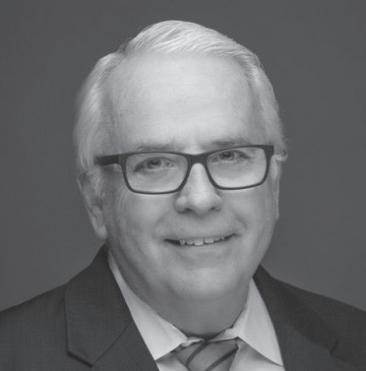
The road ahead for Stuart Bell: Experts, faculty leaders discuss expectations for UF’s 14th president
Higher education experts said he faces competing priorities from day one
By Swasthi Maharaj
Alligator Staff Writer
When Stuart Bell was voted in as UF’s 14th president, he inherited much more than one of the country’s largest public universities — he inherited years of leadership turnover, growing political scrutiny of higher education and a campus divided over what successful leadership should look like.
For now, faculty leaders and higher education experts say Bell’s upcoming time in office may be assessed by how he can rebuild institutional trust among faculty, while also navi-
SPORTS/SPECIAL/CUTOUT
Student loans
gating the political landscape around Florida’s public university system.
Bell’s confirmation was delayed as a result of a dispute between the UF Board of Trustees and the Florida Board of Governors. His fiveyear contract took effect July 1 after confirmation by the Board of Governors.
In a July 1 Board of Governors special meeting, Bell emphasized he would make it a priority to make UF one of the top public universities in the nation.
Bell’s employment agreement outlines a list of 20 expectations for his time as president. Among them are appointing a perma-
nent provost, filling interim dean and leadership positions, expanding artificial intelligence initiatives and continuing major construction projects.
The agreement also requires progress on the Hamilton School for Classical and Civic Education, oversight of post-tenure review and maintaining campus safety, especially for Jewish students.
According to his contract, completing these responsibilities will factor into Bell’s evaluation and pay.
James Finkelstein, a professor emeritus of public policy at George Mason University, said
Bell will be expected to operate within priorities established by the Board of Trustees and Board of Governors while simultaneously trying to advance his own vision for the university.
“All of those things are going to be required of him whether he thinks they're important or not,” Finkelstein said. “He doesn’t have much room for his own agenda.”
Among Bell’s greatest challenges, he said, will be recruiting and retaining top faculty while balancing Florida’s evolving higher education priorities.
“You can’t become a top-three public uni-
Campus
cats
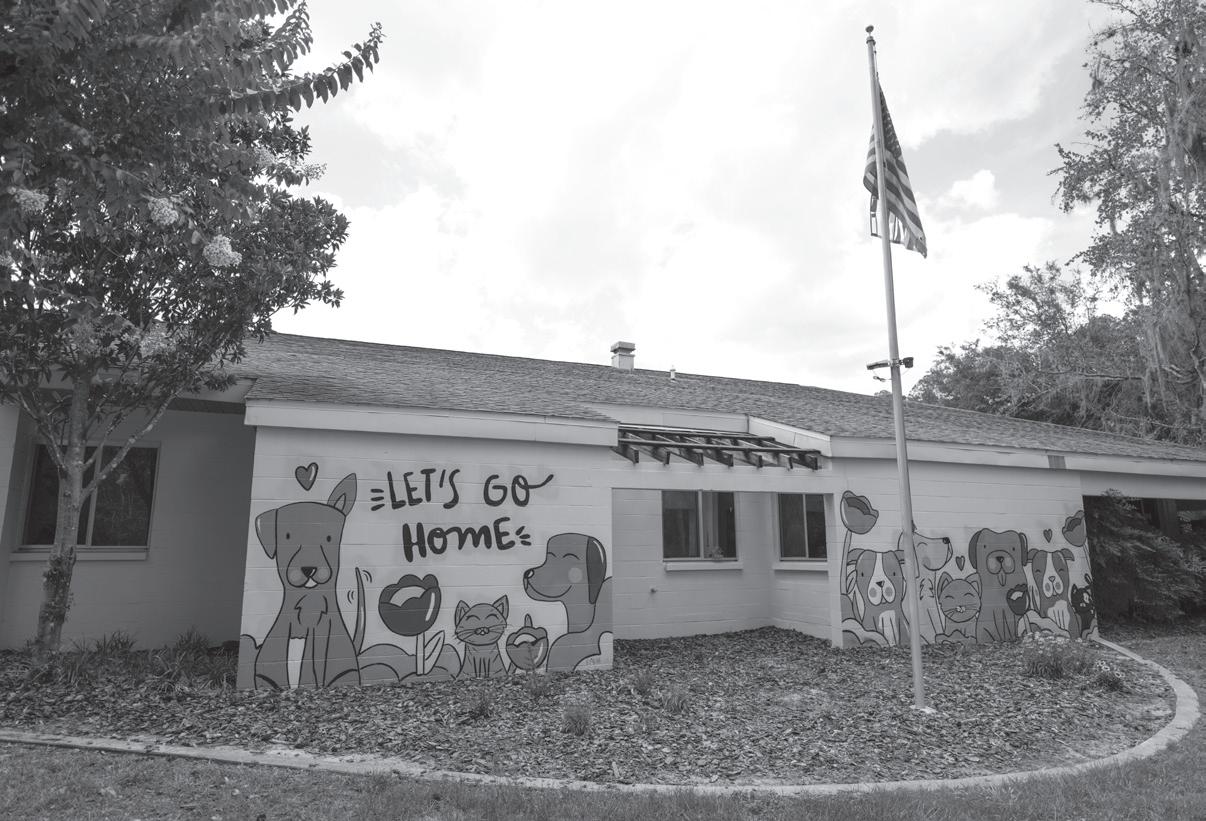
Destruction of Graham Woods could impact UF’s feline friends, pg. 5
Story description finish with comma, pg#
Cuts, reductions by One Big Beautiful Bill went into effect July 1
Read more on pg. 3.
Opinions
Did Trump ruin the World Cup?, pg. 8
Riana Morales // Alligator Staff
Alachua County concludes Animal Resources investigation, finds several claims unsubstantiated
COMMUNITY MEMBERS AND VOLUNTEERS SAID THEY’RE DISAPPOINTED BY THE INVESTIGATION’S FINDINGS
By Olivia Lofaso Alligator Staff Writer
The whistleblower investigation into the Alachua County Animal Resources shelter concluded earlier this month. The 31-page report dated July 1 found several of the initial allegations against the shelter were unsubstantiated.
The investigation was conducted independently by GrayRobinson, a Florida law firm, and was led by Stephanie Marchman, an attorney and member of The Florida Bar Board of Governors.
Marchman did not respond to several requests for comment.
The initial whistleblower email, sent in March by former ACAR employee Anthony Friedell, alleged animal neglect and raised concerns over the shelter’s euthanasia policy.
Friedell alleged several dogs were euthanized in December 2025 to accommodate incoming animals to the shelter. Seven to 10 kennels were needed, he wrote, which led to dogs being marked as “unhealthy” so they would be considered for euthanasia.
The report found this claim was unsubstantiated, stating the dogs’ euthanasia and need for kennels coincided but were unrelated. Several of the dogs were in ACAR’s care for several months to a year, which can “cause detriment to the mental wellbeing of animals,” according to the report. The report also stated several of the dogs euthanized in December were aggressive and showed signs of stress and anxiety.
Friedell’s complaint also alleged dogs weren’t let out of their kennels, the shelter had a pest and rodent problem and animals received improper medical care. He also reported sick animals were left in kennels with blood, feces and vomit.
The report substantiated claims that the shelter had ongoing struggles with pests and that it was
without a permanent director since August and an in-house veterinarian August through May.
Additonal claims included details about the kennel’s leadership under Brittney D’Azzo, Gina Peebles and Kyle Fehl, including an allegation that Peebles referred to volunteers as “lynching ladies.”
The report substantiated such claims. Peebles left her position as assistant county manager for Alachua County on July 3, two days after the report was released.
Despite substantiating the nickname, the report praised shelter leadership under D’Azzo and Peebles, stating “current ACAR staff confirmed that the workplace conditions greatly improved.”
The report states investigators concluded the whistleblower email was not authored by Friedell but rather by former ACAR Outreach Program Supervisor Sarah Gilley, who resigned with Friedell in February. According to the report, investigators based the conclusion on Gilley’s interest in creative writing, her outspokenness and Friedell’s quiet demeanor.
The report also stated Friedell did not participate in the investigation or confirm if he authored the complaint.
In text messages included in the report, Gilley wrote she had been documenting the conditions at the shelter beginning when she was employed by the county in June 2022.
In the general findings of the report, the investigator noted there was “no need for the Board of County Commissioners, county management, county employees, or members of the public to be deeply concerned about the condition or management of ACAR.”
The report included pictures of a May 6 shelter visit and contained a list of eight recommendations for the county’s consideration. Some of the recommendations included reevaluating the shelter’s “no kill” goal, offering regular training to ACAR employees and having new shelter leadership meet with community members to address concerns.
Mark Sexton, the spokesperson for the Alachua County Commis-
sion, said in an email to The Alligator the investigator found no evidence that any shelter employees violated federal or state regulations or laws.
“Additionally, the review showed no gross mismanagement, wrongdoing, waste of public funds, or neglect of duty by current county employees,” Sexton wrote. “Each county commissioner is meeting with the investigator separately, after which the county will discuss next steps as appropriate.”
Concerns about the ACAR investigation surfaced at Tuesday’s county commission meeting as commissioners responded to three public comments surrounding the report.
Commission Chair Ken Cornell said he wanted to move forward with improving conditions and animal resources in Alachua County following the investigation.
Commissioner Mary Alford joined other members of the commission in supporting a review of the investigation before moving forward.
“I will say that it is not the report that I would have written,” she said. “I’m still digging in myself on a number of issues.”
Chris Deutsch, who spoke during public comment, said she doesn’t agree with the investigation’s conclusions based on the evidence included in the report.
“It would not pass a preliminary peer review,” she said. “It was also shockingly full of vicious scapegoating and vilification of a former outreach supervisor [Gilley].”
The report included text messages Gilley sent to an undisclosed co-worker stating she was “plotting” a “nuclear option” for when she left the county.
Friends of Alachua County Animals, a Facebook page run by ACAR volunteers, published several posts criticizing the report and the county’s response to the investigation.
Melissa Wokasch, an ACAR volunteer, said she requested to be interviewed by the investigator after working at the shelter for three years.
Wokasch said investigators asked her about her experience at the shelter and gave her an opportunity to discuss concerns about its conditions. However, she said she felt as though investigators had already made their decision on the facility before speaking to her.
“I felt like the conclusions had already been drawn by the time I was interviewed,” she said.
Wokasch also said she disagreed with the conclusion Gilley wrote in the email and with the portrayal of former ACAR staff in the report.
“My strongest reaction was to the assassination of Sarah Gilley's character,” she said. “I was pretty stunned to see that the report opened up with this allegation that she wrote the email and then goes on to try to discredit her.”
at 352-376-4458 or email editor@alligator.org 352-376-4458 NEWSROOM:
Noah Lantor // Alligator Staff
The Alachua County Animal Services building is located along Northeast 53rd Avenue in Gainesville, Fla.
Student loan restrictions from One Big Beautiful Bill could reshape higher education
RECENT POLICY CHANGES WENT INTO EFFECT JULY 1, RESULTING IN SWEEPING IMPACTS
By Kendall O’Connor Alligator Staff Writer
Numerous changes to student loan policy went into effect July 1 as a part of the Trump administration’s One Big Beautiful Bill Act.
The bill amends federal funding for graduate students, professional students and parents, placing caps and unprecedented restrictions on student loans.
Federal Direct PLUS Loans previously offered graduate students and parents additional financial aid if students needed more than scholarships, grants and federal student loans to cover college expenses.
These included Parent PLUS Loans for parents with financially dependent students and Graduate PLUS Loans. Each has a maximum loan amount of the cost of attendance minus any other financial aid received by the student.
While changes to student loan policy have historically expanded programs, the One Big Beautiful Bill has done the opposite, according to Betsy Mayotte, the president and founder of The Institute of Student Loan Advisors.
The Parent PLUS program was scaled back, while the Graduate PLUS program has been fully eliminated. As of July 1, students in
graduate programs are only able to borrow $20,500 per year, with a lifetime cap of $100,000, while students in professional programs can borrow $50,000 per year and are capped overall at $200,000.
Parent PLUS borrowers are also facing significant reductions, she said.
“The amount that undergraduate dependent students can borrow under their own name isn’t changing,” Mayotte said, “but the amount their parents can borrow has been drastically reduced.”
Parent PLUS borrowers are now limited to $20,000 a year and no more than $65,000 per student.
By making less money available, Congress’ goal is to reduce the cost of higher education through a “trickle-down effect,” hoping to encourage colleges to lower costs because of the restrictions. But Mayotte worries this won’t be the case.
The bill aims to decrease overborrowing, but Mayotte worries about lower income and middle class families having less access to higher education due to financial restrictions.
Until the cost of higher education is directly addressed, loans will continue to be sought after, she said.
Many families calculated the affordability of their loans using income-based repayment plans, she added, and they now face required monthly payments.
“These people borrowed with the understanding that they’d have access to plans based on their income or interest-only plans,” Mayotte said.
Criser Hall, home to the UF Office of Student Financial Aid and Scholarships and the Office of Admissions within the Division of Enrollment Management, Wednesday, July 15, 2026.
Due to a lack of communication about the changes, many borrowers weren’t sure how to avoid losing access to the plans they signed up for, she said. Many will likely default on their loans, she added.
To some experts, the changes are the latest in the gradual shift toward unaffordability for higher education. Over time, college has changed from a publicly subsidized good to an individual financial burden, said Jillian Berman, a journalist at financial news platform MarketWatch and author of “Sunk Cost.”
“Originally when they started the program, the idea was that the government was trying to subsidize
people going to college because they thought it was good for the country for more people to go to college,” Berman said.
Now, not only have financial burdens shifted, but states have struggled to fund public institutions, making college more expensive, she said.
Although the intent behind the One Big Beautiful Bill’s student loan caps may have been to reduce the cost of higher education, Berman said, the actual result could be quite different.
“A lot of what we’ve seen is states and schools launching their own loan programs, private lenders
being really excited to capture this loan opportunity,” she said. “It’s not necessarily the case that they’re lowering the price.”
Because private loans require a credit check, people from lowincome families or disadvantaged backgrounds may struggle to obtain alternative financing.
“I think people are really worried that it’s going to mean fewer people are going to go to graduate school,” Berman said.
Jim Houser, a college advisor and the founder of Educ8Fit Consulting, said he’s also concerned the implementation of graduate loan restrictions could reduce the rate of applications and admissions to graduate programs.
“Now, that’s probably way overdue because some students were borrowing too much money, but the caps are quite low,” Houser said. “It’s just not realistic for students to be able to pay that amount and get a graduate degree.”
Students are left with few options, Houser said, either relying on private loans — which often require a cosigner — or deciding against graduate or professional school altogether.
Admissions officers have already seen these impacts on aspiring medical students, he added.
Read the rest online at alligator.org. koconnor@alligator.org
Mily Moran // Alligator Staff
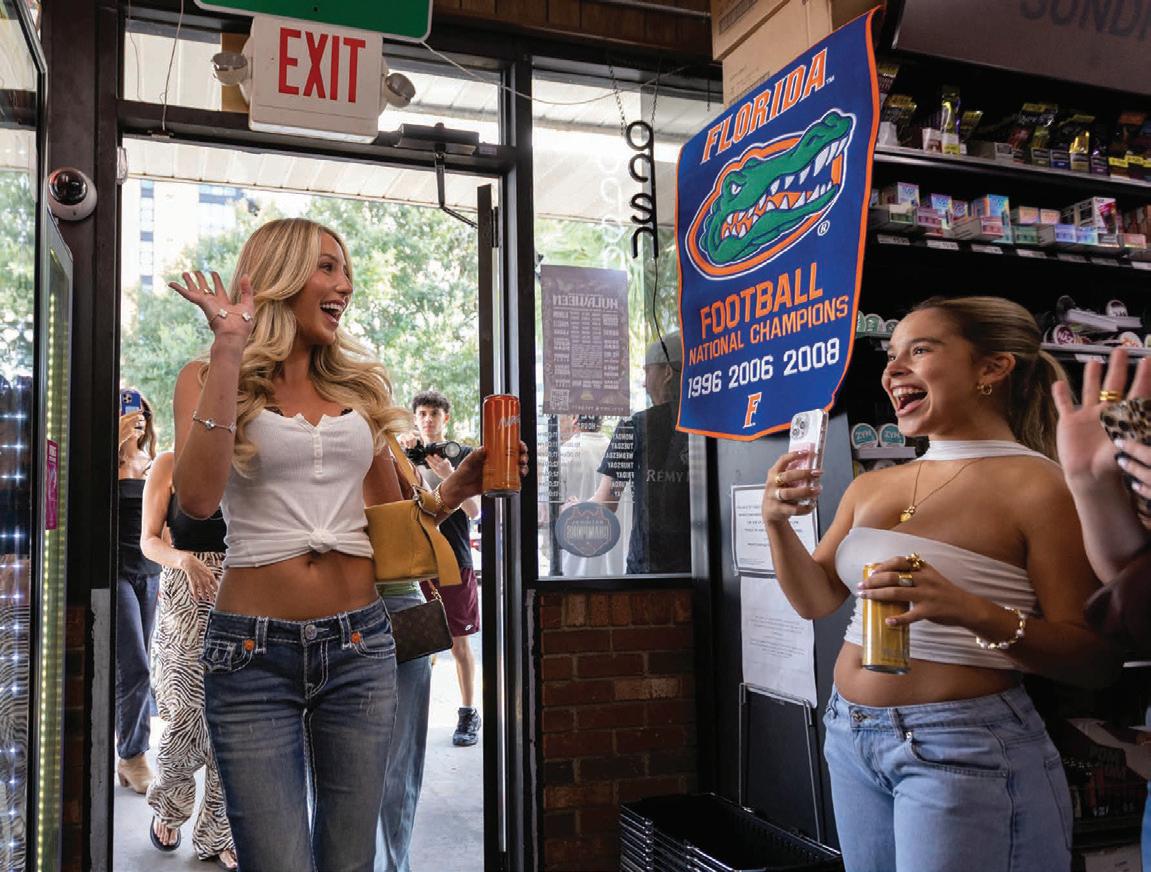
Gainesville club draws controversy over former DJ
UNIVERSITY CLUB, from pg. 1
on, Catron was arrested again in March 2005 for violating the terms of his probation.
He was also arrested in 2017 for failing to update his sex offender registry information, though the charges were dropped because of memory issues he experienced from medication he was taking at the time.
Speaking out
As Gainesville’s only LGBTQ+ nightclub, University Club has long served as a gathering place for the local drag community. Now, some performers say the club’s response to concerns about a sex offender DJ has challenged the sense of safety and trust that helped define the venue’s role in the community.
The Alligator spoke to three performers who said the University Club knew of Catron’s history for months and did not remove him.
One of those performers is Phylaxxis, a drag artist who got their start at University Club eight years ago and later founded the Mascuerade, a show highlighting drag kings and alternative performers.
Phylaxxis publicly cut ties with University Club July 13, citing Catron’s continued presence as a factor in their decision. They said another performer again raised the issue of Catron with the club owner after Phylaxxis’s departure but was directed to speak with the bar’s manager instead.
Catron’s removal from the DJ rotation was announced after Phylaxxis’s announcement.
Despite publicly criticizing the club, Phylaxxis said their goal was not to see University Club close but to encourage changes that would allow the venue to continue serving Gainesville as a LGBTQ+ safe space.
“I want the UC to survive this, and I'm really happy to see that they're making changes,” they said in reference to Catron’s removal as a DJ.
Phylaxxis moved to Georgia in 2021 and returned to Gainesville in 2024. They said Catron had already become one of the club’s DJs by the time they returned, though they are unsure exactly when he began working there.
Phylaxxis said the club’s Sunday and Tuesday drag nights, in which Catron performed, were centered around alternative drag performances and attracted a more diverse queer crowd.
“We’ve obviously had Gainesville’s worst-kept secret, this elephant in the room, hanging over us,” they said.
The alternative nights are meant to be safe and inclusive, Phylaxxis added, and Catron’s presence created “a major hurdle” to that effort.
Phylaxxis said they first became aware of Catron’s criminal history shortly after returning to Gainesville. They said the information circulated among performers after another local artist brought it to the group’s attention.
The drag king said they felt a responsibility to protect younger members of the queer community they mentor, expressing concern about Catron’s presence in a space where many young and impressionable performers gather.
According to Phylaxxis, performers had raised concerns about Catron multiple times, but those efforts were unsuccessful. They said performers suggested replacement DJs, including one willing to work for free, but the club declined to make the change because Catron was already working unpaid.
Phylaxxis said they believed communication with the owners was a larger issue, describing them as unresponsive to performers’ concerns.
“I got fed up with it,” they said. “I've produced my own shows, and I know that we can do better.”
University Club’s owners and bar manager did not respond to multiple requests for comment via text, phone call and social media message.
However, Kelly T. Kelly, the club’s en-
tertainment director, said the bar declined to comment beyond the social media statement the club posted.
Kelly clarified Catron worked as an independent contractor rather than a club employee and was not part of University Club’s staff.
“Our official comment is that the situation was immediately handled,” she wrote in a text message to The Alligator. “He was released from all duties and affiliations the INSTANT that the owner was notified people didn’t want him in the space.”
Two drag artists said concerns about Catron circulated within the drag community for years, but many people were hesitant to speak publicly because they feared back-
Expectations for new UF president
BELL, from pg. 1
versity without high-quality top faculty,” Finkelstein said. “Universities’ reputations are not established by their administrators. It’s established by their faculty.”
In a July 13 press release, Bell said one of his first priorities is to recruit outstanding faculty for the university.
“Great universities are built by great people,” he wrote.
Finkelstein said attracting nationally recognized scholars could become increasingly difficult if faculty perceive Florida’s political climate as limiting academic freedom.
“Having people review their syllabus for their course to make sure it doesn’t violate some DEI restriction, you’re going to see faculty leave,” he said. “In fact, Florida has seen a lot of faculty leave.”
According to a survey administered by faculty organizations in Texas, Florida, Georgia and North Carolina in 2023, almost 300 respon-
dents from Florida said they planned to seek employment in another state within the next year.
A report by UF’s faculty senate also found some departments, like the College of the Arts, “[struggle] to hire or retain good faculty and graduate students in the current political climate.”
If Bell happens to step over the line concerning issues politicians disagree with, Finkelstein said, his only chance of keeping his position will be to have strong faculty support.
Faculty leaders also say rebuilding confidence in the university should become Bell’s biggest priority.
Meera Sitharam, a co-president of the United Faculty of Florida at UF, wrote in an email to The Alligator that she believes Bell’s highest priority should be to quietly put an end to how UF currently manages political and corporate influence from politicians, AI donors or people with financial interests in the institution’s resources.
Michelle Nolan, UFF-UF’s other
co-president, wrote that faculty have had to battle politicized interference in curricula and cuts to research funding.
“The past several years have been exhausting and demoralizing for faculty at UF,” Nolan wrote.
She said Bell’s main challenge will be to regain the trust and confidence of the university’s faculty.
Rather than simply responding to political pressures, Nolan said the president should earnestly work to protect shared governance, academic freedom and the university’s ability to function independently.
UF College Democrats President Harper Miller wrote in a statement to The Alligator that she hopes no voice goes unheard, especially during the government’s crackdown on diversity, equity and inclusion initiatives.
In the past few years, the university has been forced to remove campus cultural engagement centers, cut DEI-focused grants and remove soci-
lash from University Club management. Ventrixx, a local performer, said those who raised concerns were warned speaking publicly about Catron could result in consequences.
“The owners were just like, ‘We’re going to continue working with him. If you guys say anything, it’s going to be considered bullying,’” Ventrixx said. “‘And you guys will be banned from the bar.’”
Alice Mizer, another performer, said that kind of response from management helped keep the issue quiet.
“That just shows how they’re just trying to protect this narrative,” Mizer said.
ology as a general education requirement, Miller said.
She’s excited to see how Bell prioritizes strategies that ensure students and faculty are able to feel safe, valued and respected in a “divisive political climate.”
Rabbi Jonah Zinn, the executive director of UF Hillel, wrote in an email statement to The Alligator the Jewish community is excited to welcome Bell as president with hopes that “Jewish students, and all students, have the opportunity to live, learn and grow in a campus community where they feel safe, supported and able to thrive.”
Bell’s employment agreement places emphasis on the safety and comfort of Jewish students.
Judith Wilde, a research professor at the Schar School of Policy and Government at George Mason University, said Bell should prioritize transparency as his tenure begins.
Because the president emerged from a confidential search process and follows so many recent leadership transitions, Wilde said Bell will need to focus on building relationships across the university.
“He will need to meet with all
jbendeck@alligator.org
his constituencies,” Wilde said. “He needs to assure [them] that he understands their needs and to build their trust.”
She added Bell would need to maintain strong communication with the Board of Trustees while carefully managing university finances, particularly after the controversies that likely contributed to former president Ben Sasse’s resignation.
In the July 13 press release, Bell said he intends to spend time listening to feedback and ideas from the UF community.
“I truly believe our best days are still ahead,” he wrote.
As Bell begins his first year as president, higher education experts and faculty voices seem to agree on one point: Before prioritizing rankings or anything else, the university’s next chapter will depend on whether the new president can restore confidence and trust in an institution that has undergone years of constant change.
@s_maharaj1611 smaharaj@alligator.org
Mily Moran // Alligator Staff University Club, a renowned LGBTQ+ nightclub in the Gainesville community, has sparked recent controversy regarding a DJ’s criminal history.
www.alligator.org/section/the-avenue
Proposed destruction of Graham Woods could unhouse family of campus cats
UF’S PROPOSED PLANS TO TEAR DOWN OVER 1,000 TREES COULD HAVE A DEVASTATING IMPACT ON THE WILDLIFE THAT CALL THE WOODS HOME
By Christopher Rodriguez Avenue Staff Writer
In February, the UF Lakes, Vegetation and Landscape Committee proposed the destruction of Graham Woods, a 7.5-acre conservation area on campus, suggesting the removal of over 200 invasive trees and more than 900 native ones, including nearly 70 heritage trees.
The plan has raised concerns about deforestation and habitat loss for local wildlife, including a colony of UF’s beloved campus cats.
The proposal’s justification centers around the woods’ stormwater drainage capabilities. According to the committee, the woods function “at 40% of what a high-quality wetland should be functioning,” and its destruction would serve an overall benefit to the greater Lake Alice watershed.
In a statement to The Alligator, UF spokesperson Cynthia Roldán wrote that UF “aims to achieve a balance between supporting the future growth of the university and the stewardship of natural resources on
COMMUNITY
campus,” and that although there is no dedicated team for the maintenance of conservation areas, “UF has a robust facilities and grounds team that is actively engaged in monitoring and maintaining UF’s campus, including natural areas.”
But this reasoning hasn’t come without criticism. Many believe there are alternatives to improve the woods’ stormwater drainage without the need to cut down any trees.
One such person is Matthew Hurst, a Gainesville native and longtime Sierra Club member. He attended UF from 1999 to 2003 and lived in Weaver Hall — right next to Graham Woods.
Hurst described the decision to cut down the trees as “bureaucracy on autopilot.” Formulas designed to optimize stormwater drainage fail to take into account the consequences of the land they destroy, Hurst said, and have led to an unjust decimation of natural land.
“I think it’s a big target for stormwater basins just because it’s there, and the stormwater engineers don’t particularly care about preserving a natural area,” Hurst said.
Rather than attempting to search for alternative solutions to improve stormwater drainage or to repair the woods’ drainage capabilities, Hurst suggested UF opted to take the path
of least resistance while disregarding the woods’ other benefits, he said.
“[The woods] are going to consume your nitrogen, your phosphorus, these other nutrients that become pollutants when they go in excess amounts into the water bodies,” Hurst said. “TI think the bigger problem with their stormwater rationale is that they’re not taking into account the existing functioning of what’s there. They treat it as if it was like a parking lot.”
Another consequence of this “parking lot” treatment is the loss of habitat for local wildlife. At least 40 unique species call the woods home. Many are migratory species that rely on the woods to nest, said Cheyenne Lukander, UF urban planning graduate student andthe founder of the Gainesville Animal Defenders and UF urban planning graduate student.
While Lukander believes the plan to tear down the woods has longterm benefits for the environment, she said it’s a response to a problem UF created itself through the construction of Heavener Football Center and the UF Student Healthcare Center.
Lukander said the woods could have been salvaged if UF planned these buildings with greater foresight.
“The Graham Woods are not
the problem,” Lukander said. “The problem is more so the development that has exceeded the stormwater capacity of what those woods could handle.” .
The woods’ destruction will inevitably lead to some wildlife death, but Lukander said there are methods to repair the woods’ stormwater drainage capability while reducing animal fatalities, like relocating the animals while gradually cutting down trees. But clear-cutting the entire forest in one sweep is the cheapest and least labor-intensive method, which may have motivated UF to choose that path, Lukander said.
In her eyes, the decision to tear down the woods shows a disregard for animal life.
“I think that if we really were prioritizing animals in this, we would consider perhaps relocation of animals, or maybe incremental changes to the landscape rather than clear cutting it all in one day,” Lukander said. “Things like that might be solutions to these things if we were to consider animals’ lives just as valuable as our own.”
To many students, feral cats are one of the more notable species to call Graham Woods home. Four campus cats live in the woods, and finding a new place to stay would be difficult for them, said UF research
coordinator Ines Aviles-Spadoni, who runs the Instagram page @campuskittiesfl.
The cats take shelter in the woods, seeking shade from the brutal Gainesville sun. Without the cover of the trees, they may be exposed to dangerous levels of heat, Aviles-Spadoni said.
Relocation won’t be easy, she added, because these cats have called Graham Woods home for most of their life. The destruction would place a large amount of stress on the felines.
“It’s definitely going to traumatize them because that’s been their home for more than six years,” Aviles-Spadoni said.
The destruction of the woods would lead to more than just an increase in stormwater drainage. It would demolish the home of Ellen, the friendly leader of the Graham cats; Mr. BB, who’s so fat his stomach swings from side to side; Diane, a shy cat with a bad eye; and Frankie, the youngest cat, who darts away at human contact.
The fate of these cats — and the rest of the Graham Woods wildlife — remains in question as plans proceed to take down over a thousand trees.
@ChrisRodri29386 crodriguez@alligator.org
Sweetwater Veterinary Clinic helps care for critters without breaking the bank
THE CLINIC’S LAST INEXPENSIVE MONTHLY PET VACCINATION EVENT WAS JULY 18 AND 19
By Mackenzie Haas Avenue Staff Writer
Gainesville is heavily populated with college students, and on a student budget, it’s difficult to properly take care of pets. Childhood pets are left behind, animals go unadopted or students surrender their pets to shelters. It’s hard to love something but not be able to afford to take care of it.
Sweetwater Veterinary Clinic’s goal is to help keep pet care affordable with monthly pet vaccinations hosted at Curia on the Drag, a coffee shop located on Northwest Sixth Street.
Julia Daggett, a 34-year-old veterinarian, created Sweetwater Veterinary Clinic for the Gainesville community. She graduated in 2021 from the UF College of Veterinary Medicine and initially focused solely on equestrian health. Then, her pet cat Zoe fell ill.
As she took care of her baby, the expenses kept adding up. Continuous visits to the vet had her rack up bills as high as $7,000. Devastatingly, Zoe died, and Daggett was left with
El Caimán
an incredibly expensive bill for just trying to save her cat.
Wondering how she’d be able to pay off her debt, she signed up to help small veterinary practices in Connecticut and New York that allowed lower-income individuals to receive help for their pets. There, she changed her focus from horses to all sorts of animals. She lived in the Northeast for four years before moving back to Florida.
When she returned, an idea sparked. Daggett wanted to provide the same help and resources to the Gainesville area. Sweetwater Veterinary Clinic was born.
“[Sweetwater] has been one of the most fulfilling things I’ve ever done,” Daggett said. “The fact that we get to help people in Gainesville take care of their pets in a way that still allows them room in their budget for housing, food [and] fun is so important to me.”
The clinic has hosted the events since November of last year, and it plans to continue indefinitely.
Prices begin at $35 for vaccinations and microchipping, $20 for preventive medications and $50 for infectious disease testing. All of these — typically priced much higher — are necessary to take care of a pet.
Pet vaccines in Florida typically cost an average of $163 per animal, according to RexVet.
Sweetwater’s vaccination events have only grown since the start, when Daggett recalled seeing only five pets at most
Immigrations and Customs Enforcement kills three civilians in a week. Read more on page 7.
the entire day.
April Williams, the 43-year-old operations manager for Curia on the Drag, enjoys hosting the events at the location. Sweetwater reached out to the venue, and the staff was excited about the opportunity.
“We just think [the clinic] is great,” Williams said. “It had a good turnout for them. It’s a good draw for us because we end up doing a little business with the people that are there having their animals seen.”
An event took place this month with talks in place for an event in August.
Ines Aviles-Spadoni, a 57-year-old research coordinator at UF and the owner of @campuskittiesfl on Instagram, shared the information about the event on her account, using her platform of over 2,300 followers to boost the event. She said she believes Sweetwater is making a difference and an impact on the community as an important resource.
“I think it’s really great because a lot of students don’t have a lot of financial resources yet,” Aviles-Spadoni said. “A lot of them want to have a pet, a dog or a cat, and that usually means that those pets will need vaccinations and veterinary care at some point in time. So, it’s just good that Sweetwater Clinic is offering these services at a reduced price.”
mhaas@alligator.org
After four decades on death row, Florida executes Dennis Sochor
HIS FINAL MOMENTS UNFOLDED AS PROTESTERS DEBATED THE STATE’S POWER TO TAKE HIS LIFE
By Julianna Bendeck Alligator Staff Writer
The state of Florida executed 74-year-old Dennis Sochor at 6:16 p.m. July 14.
Sochor, a former Army paratrooper, was convicted of the 1981 murder of Patricia Gifford in Broward County.
Witnesses of the execution said Sochor spoke too quickly for his final statement to be fully transcribed. In his remarks, he apologized to the victim’s family, thanked loved ones, made religious references and committed his spirit to Jesus.
Sochor was the 10th person executed by the state this year and the 38th since Gov. Ron DeSantis took office.
The crime
On New Year’s Eve 1981, 18-year-old Gifford was celebrating with a friend at a Broward County lounge when she encountered Sochor. When her friend became sick, Sochor and his brother, Gary, helped her friend outside to a car.
Gifford then went back inside — and never returned to her friend.
Police later found a photo from that night showing an unidentified man sitting near Gifford at the bar. After the image aired on television, the man was identified as Sochor. Investigators said his roommates told police he left abruptly after seeing himself on TV. Gary also told investigators his brother was involved.
Sochor was later indicted on first-degree murder and kidnapping charges when extradited to Florida after his arrest in Georgia on an unrelated offense in 1986. Gifford’s body was never found.
At trial, Gary testified that he saw Sochor on top of Gifford with her hands pinned down and heard her scream for help after they left the lounge for breakfast. The state also played three taped confessions in which Sochor said he became angry after Gifford rejected his sexual advances, choked her and later disposed of her body.
During a press conference, Patricia Gifford’s sister, Marilyn Gifford, said that she remem-
bered her sister as “fun with a capital F-U-N” with a bright smile, which she said “lit up every room she entered.”
Marilyn said the execution brought her family “a modicum of closure” after more than four decades, though she said they continue to grieve because her sister’s remains have never been found. She urged anyone with information about their location to contact the Broward Sheriff’s Office.
“We hope and pray that now, after tonight, when we think of Patty, it will be about the 18 years she lived and not the awful way she died,” Marilyn said.
The punishment
A jury convicted Sochor of both kidnapping and first-degree murder by a vote of 10-2 and recommended the death penalty. The trial judge sentenced Sochor to death, finding no factors weighed in favor of a lesser punishment and four favored a death sentence.
Sochor was previously convicted of a felony, and the murder occurred while he was committing another felony. The judge also decided the murder was especially heinous, cold and had no moral or legal justification.
Sochor unsuccessfully challenged his conviction and death sentence through multiple post-conviction appeals. He claimed Florida’s lethal injection protocol violated the Eighth Amendment’s prohibition on cruel and unusual punishment.
His first appeal, filed in 1995, was denied and upheld by the Florida Supreme Court in 2004. A second motion filed four years later was also denied.
On July 11, Sochor’s attorneys asked the U.S. Supreme Court to temporarily halt his execution and review their claim that Florida’s court system made it nearly impossible for death row inmates to challenge the state’s lethal injection protocol.
The petition was denied.
Day of execution
Across the prison lawn, death penalty supporter Bill Campbell stood alone with two Bluetooth speakers and a pair of earplugs, using music to drown out protesters. Campbell’s previous playlists featured artists such as Dolly Parton, but this time he added church songs to the mix.
His first selection, however, was not a hymn. Campbell opened with the Soviet Army march, saying he chose the song because he believes the protesters on the other side of the lawn are “a bunch of communists.”
“They think they’re church people?” he said. “Church people come over here [to the pro-death penalty side], too.”
Campbell said he believes religious opponents of the death penalty do not have a moral advantage over supporters of executions. Executions are a necessary response by the state, he added, describing each case as “the next one” in a process he believes must continue.
“I’m here to support the state,” Campbell said.
While Campbell came prepared with a playlist, protesters across the lawn arrived with a different message: The state should not have the power to take a life.
Roughly 50 people protested Sochor’s execution outside the Florida State Prison. The group was made up of members of Floridians for Alternatives to the Death Penalty and pa-
rishioners from Our Lady of Lourdes Catholic Church in Daytona Beach.
One protester, Joe Cinelli, said he came to the execution because he believes the state shouldn’t take a life, arguing only God has the right to do so.
“We don’t believe that the state should kill you,” Cinelli said. “When they do that, they’re doing it in our name. They’re doing it in the name of the citizens. That’s what we’re against.”
The group’s opposition was rooted in both personal beliefs and religious convictions. The Rev. Philip Egitto, a pastor with Our Lady of Lourdes Catholic Church, joined other death penalty opponents in a prayer vigil before the execution.
“None of us wants to be judged by the worst things we’ve ever done,” Egitto said. “If we don’t see that we’re killing broken people who were broken before they committed horrendous acts, what does that say about us?”
jbendeck@alligator.org
Riana Morales // Alligator Staff
Joe Cinelli walks to Floridians for Alternatives to the Death Penalty transport bus after demonstrating against the death penalty and the execution of Dennis Sochor, in front of the Florida State Prison, Tuesday, July 14, 2026, in Raiford, Fla.
El Caimán
LUNES, 20 DE JULIO DE 2026
www.alligator.org/section/spanish
Cuenta de muertes civiles de ICE sube a tres en solo una semana
TRES INMIGRANTES CIVILES MURIERON EN UNA SEMANA
TRAS OPERATIVOS DEL ICE EN TEXAS, MAINE Y FLORIDA, PROVOCANDO REACCIÓN COMUNITARIA MIENTRAS INVESTIGACIONES REVELAN CASOS DE IDENTIFICACIÓN ERRÓNEA
Por Aaron Zagal Yaji
Escritor de El Caimán
Durante la última semana, el Servicio de Inmigración y Control de Aduanas ha sido responsable de la muerte de tres civiles en Texas, Maine y Florida.
Altercado mortal del 7 de julio en Houston
La serie de incidentes mortales con civiles de esta semana comenzó el 7 de julio, cuando agentes del ICE dispararon y mataron a Lorenzo Salgado Araujo durante una parada
de tráfico en Houston.
El Departamento de Seguridad Nacional (DHS) después admitió ante periodistas que los agentes de campo habían identificado a Araujo incorrectamente. Araujo era un empresario que llevaba 35 años viviendo en Estados Unidos y que estaba a punto de obtener un permiso de trabajo.
Las autoridades federales alegaron que un agente abrió fuego en defensa propia tras el intento de Araujo de evadir el arresto e ignorar las órdenes verbales.
La investigación avanza con pruebas limitadas debido a que el agente que disparó no llevaba cámara corporal, una falta que los representantes del Congreso de Texas exigen aclarar.
En una carta conjunta dirigida a la Oficina del Inspector General del DHS, los legisladores demandaron que se realizará una investigación independiente y totalmente transparente sobre el historial de la agencia en el uso innecesario de la fuerza letal.
“Su familia, la comunidad y el público merecen un relato completo y transparente de lo sucedido,” escribieron.
Tiroteo vehicular del 13 de julio en Biddeford, Maine
Agentes del ICE dispararon y mataron a Johan Sebastián Durán Guerrero, de 25 años, durante un control vehicular el 13 de julio en Biddeford, Maine.
El secretario del DHS, Markwayne Mullin, luego confirmó que Guerrero — ciudadano colombiano con estado legal y padre de una niña de 3 años — no era la persona a la que iba dirigida la orden de expulsión migratoria.
Según agentes federales, agentes de vigilancia intentaron bloquear el automóvil de Guerrero, lo que llevó a que un oficial disparara su arma, alegando que el vehículo se estaba utilizando como arma.
Sin embargo, según informes, las imágenes de seguridad de negocios locales muestran a una camioneta policial inmovilizando un vehículo que avanzaba lentamente, antes de que los agentes sacaran a rastras el cuerpo inerte de Guerrero hacia la calle.
La Fiscalía General de Maine ha iniciado una investigación en colaboración con
ICE civilian shooting death toll rises to 3 in a week
THREE IMMIGRANT CIVILIANS DIED IN A WEEK AFTER ICE OPERATIONS IN TEXAS, MAINE AND FLORIDA, CAUSING COMMUNITY BACKLASH AS INVESTIGATIONS REVEAL
MISIDENTIFICATIONS
By Aaron Zagal Yaji Alligator Staff Writer
Throughout the last week, Immigration and Customs Enforcement has been responsible for the deaths of three civilians across Texas, Maine and Florida.
July 7’s fatal altercation in Houston
This week’s string of fatal civilian encounters began July 7, when ICE agents shot and killed Lorenzo Salgado Araujo during a targeted traffic stop in Houston.
The Department of Homeland Security later admitted to reporters that Araujo, a business owner who had lived in the U.S. for 35 years and was close to obtaining a work permit, was misidentified by field officers.
Federal officials alleged an agent opened fire in self-defense after Araujo tried to evade arrest and ignored verbal commands.
The investigation proceeds with limited evidence because the shooting officer was not wearing a body camera, a deficit
Basketball
Former Gators make a name for themselves in NBA Summer League. Read more on pg. 11.
Texas congressional representatives are demanding answers for.
In a joint letter to the DHS Office of Inspector General, lawmakers urged a fully transparent, independent investigation into the agency's history of unnecessary deadly force.
“His family, the community, and the public deserve a complete and transparent account of what happened,” they wrote.
July 13’s car shooting in Biddeford, Maine
ICE agents shot and killed 25-year-old Johan Sebastián Durán Guerrero during a July 13 vehicle stop in Biddeford, Maine.
The DHS Secretary Markwayne Mullin later confirmed Guerrero, a Colombian national with legal status and a father of a 3-year-old, was not the intended target of the immigration removal order.
According to federal officials, surveillance agents attempted to block Guerrero’s car, prompting an officer to discharge a weapon under the claim the vehicle was being weaponized. However, security footage from local businesses reportedly shows a law enforcement SUV pinning a slow-moving car before agents dragged Guerrero's limp body into the street.
The Maine Office of the Attorney General has launched an investigation alongside federal authorities, while local demonstrators have gathered outside ICE facilities to protest the killing.
las autoridades federales, mientras que manifestantes locales se han congregado frente a las instalaciones del ICE para protestar por la muerte.
Incidente del 14 de julio en St. Augustine Un ciudadano mexicano falleció el 14 de julio tras ser atropellado por un camión mientras era perseguido por agentes del ICE en St. Augustine, Florida.
El hombre, de 28 años, fue abordado por funcionarios del ICE y del DHS en el estacionamiento de una gasolinera en el condado de St. Johns, Florida. Él y los tres pasajeros abandonaron el vehículo a pie.
La víctima corrió hacia una carretera muy transitada, donde fue atropellado por un camión de carga, según informó el sargento Dylan Bryan, de la Patrulla de Caminos de Florida.
Lee el resto en línea en alligator.org/section/spanish.
@azagalyaji azagal@alligator.org
July 14’s St. Augustine incident
A Mexican national died July 14 after being run over by a semi-truck while being pursued by ICE agents in St. Augustine, Florida.
The 28-year-old man was approached by ICE and DHS officials at a gas station parking lot in St. John’s County, Florida. He and the three passengers then fled the vehicle on foot, and the man ran onto a busy road, where he was struck by a semitruck, according to Florida Highway Patrol Sgt. Dylan Bryan.
The victim was identified three days later as Juan Jairo Coronilla Durán from Guanajuato, Mexico. He is survived by his wife Yésica Alamilla López, who identified him through the Orlando-based organization Colectivo Árbol, and his two kids.
Duran’s wife said he was in the U.S. for only three weeks on a tourist visa and had been in Florida for two days.
His death marks at least the 10th ICE-related death since President Donald Trump began his mass deportation campaign and the third ICE-related civilian death in a week.
The Trump administration declared a temporary shutdown of ICE traffic stops July 14 following the deaths in Texas, Maine and Florida.
Just hours after the pause was announced, Trump publicly denounced ICE’s decision to temporarily cease traffic stops amidst ongoing investigations.
Read the rest online at alligator.org. @azagalyaji azagal@alligator.org
Síganos para actualizaciones Para obtener actualizaciones de El Caimán, síganos en línea en www.alligator.org/section/spanish.
www.alligator.org/section/opinions
Restoration, responsibility and the future of Graham Woods
Public discussion regarding the Graham Woods Stormwater Improvement Project has largely focused on one question:
How can cutting down trees be part of an environmental restoration project?
This is a fair question. However, the choice facing UF today is not between preserving Graham Woods and destroying it. Rather, this critical campus project stands to both repair failing infrastructure and restore a damaged watershed critical to the health of a landscape that holds immense value for our community and the Lake Alice ecosystem.
This project, which follows the publication of the 2024 Lake Alice Watershed Plan, has aggressive and far-reaching goals, including stabilizing eroding slopes, repairing failing stormwater management systems, reducing sediment entering the watershed, removing invasive plant species and reestablishing native vegetation.
So, how did we get here? The Lake Alice Watershed Study identified Graham Woods as a priority area for restoration because of exten-
sive erosion, failing infrastructure and public safety hazards.
Over time, increasingly concentrated stormwater flows have drastically reshaped the landscape, carving deep channels through the site, destabilizing streambanks, damaging vegetation and carrying excess sediment downstream toward Graham Pond and Lake Alice. These detrimental conditions must be addressed to stem further environmental decline and reduce the area’s current safety risks.
We have local examples where a stormwater project like this has been beneficially implemented.
Gainesville’s Sweetwater Wetlands Park is a wetland-based stormwater treatment system that also serves to restore the area’s natural hydrology. In addition, Gainesville’s Depot Park was built upon an enhanced stormwater system that reduces major pollutants while also incorporating public recreation amenities to create a beloved space in our city center.
A robust discussion surrounding the potential challenges and opportunities related to
the Graham Woods Stormwater Improvement Project has taken place with knowledgeable and engaged members of the campus community in accordance with university governance, including review by the Faculty Senate Infrastructure Council.
While tree removal is understandably one of the most visible and controversial aspects of this project, it’s only one piece of a larger story. The ecological processes degrading Graham Woods are unlikely to resolve on their own, and a growing body of research suggests restoring damaged wetland systems will improve biodiversity, water quality and habitat function.
A comprehensive landscape plan will also be incorporated, which specifies exclusively native plantings and the removal of invasive and exotic plant species. These activities, including shoreline and wetland plantings, will help filter runoff, improve water quality, reduce future erosion and strengthen wildlife habitats.
As the group charged with caring for and
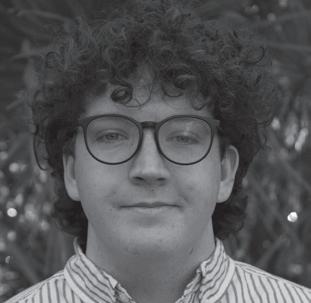
Donald Trump ruined the 2026 World Cup
At the 2026 World Cup, the United States Men’s National Team opened its home World Cup in glory. Having last hosted the tournament in 1994, expectations for this year’s cup were high. And the team didn’t disappoint. It won its first game against Paraguay with a 4-1 stunner. The second win came against Australia, where two goals helped the U.S. top its group, winning the most points it ever has (6) in a World Cup group stage.
A final game against Türkiye resulted in a 3-2 loss, but many wrote it off as a rotational squad, having kept only two players in the starting 11.
On July 1, the USA beat Bosnia and Herzegovina in a 2-0 game in the Round of 32 to win its first World Cup knockout game since 2002. In the 64th minute, USA’s striker, 25-year-old Folarin Balogun, received a red card after competing for the ball with Tarik Muharemović and accidentally stepping on the defender’s ankle. The referee’s decision was a blatant misuse of Video Assistant Referee when he looked at a still image of the tackle rather than the live video.
The Bosnian team had a one-man advantage after the red card, but a free kick conversion from Malik Tillman in the 82nd minute put the game away.
Heading into the Round of 16 match against Belgium, hopes were high. A sell-out crowd of 66,000 was expected, even with resale tickets ranging from $1,840 to $8,050.
The referee situation only increased the momentum. A red card many viewed as an unfair decision left the U.S. without its star goalscorer, and the opponents were a European nation with a much stronger history in football. The USA looked to be the disadvantaged underdog.
And Americans love being the underdogs. It’s a mainstay in American mythos, beginning with the ragtag farmers who took down the British Empire.
That whole momentum shifted when news broke on July 5 that Balogun’s suspension was reversed.
Initially, the decision brought me and many other fans pure excitement. It seemed justice had been restored. It soon became apparent, however, the reversal was an act of political corruption.
In the immediate moments after the USA’s game against Bosnia, President Donald Trump called FIFA President Gianni Infantino to request a review of the suspension. On the day of the reversal, Trump said he thought the call was terrible, even though he “didn’t know what the hell a red card was.” After touting his own athletic abilities, Trump claimed he didn’t tell Infantino what to do.
But the optics were clear.
The American president got involved, and suddenly the United States had an advantage.
I am not claiming Trump’s role itself contributed to the USMNT’s poor performance against Belgium — although recent comments by Ba-
logun may indicate otherwise.
However, his involvement did ruin the experience of supporting the USA team. It shifted audience attention from the players’ stellar performances to the president.
When the World Cup began, I was reminded of how special it can be to have an event that brings together so many countries.
At center stage in the early days of this World Cup was unity among fans from every continent, race and religion.
Americans joined in the pageantry of diverse fanbases, from Norwegians rowing in Times Square to Scotland’s “Tartan Army” drinking Boston dry.
More important, though, was the chance for those around the world to see the true beauty of the U.S., a beauty mired by the tides of war.
The world’s exposure to America over the last few years has been dismal. Now, international visitors were met with what I would optimistically say is the true America, an America that is hospitable and friendly.
For the first time in years, the “first point of contact,” the visual representation of America, was not a president or a war, but the American people.
The greatest irony of Trump’s involvement is that his support of Balogun seems ill informed.
The USA’s talisman and best player has two Nigerian parents, and he is only an American citizen through the 14th Amendment’s citizenship clause, which states that
Mark Helms opinions@alligator.org
maintaining our campus grounds, infrastructure and facilities, we deeply believe the trees in Graham Woods matter. They contribute to the character of our landscape, providing habitat and shade and creating a sense of place many community members value. Graham Woods will ultimately be enhanced by this necessary work — and it’s worth restoring precisely because it’s such a valued part of our campus.
The ultimate measure of this project’s impact will not be limited to a single metric, but whether future generations inherit a healthier Lake Alice watershed, a safer natural area and a more resilient ecosystem than we have today.
Mark Helms has served as the assistant vice president for the Facilities Services Division at UF since 2016. He can be reached at fscommunications@ad.ufl.edu.
“[a]ll persons born or naturalized in the United States … are citizens of the United States.”
In the summer of 2001, Balogun’s mother, Florence, took a vacation to New York to visit her sister while seven months pregnant. After the airline refused to let her travel home without a letter from her doctor, the Baloguns had to stay at her sisterin-law’s Brooklyn apartment, where the future World Cup star was soon born.
This is the “origin story” of the man Trump defends.
Meanwhile, Trump loathes birthright citizenship — the very means by which Balogun can play for the U.S. — and has claimed it’s “suicide for our country.”
On his first day back in office, Trump signed an executive order called “Protecting the Meaning and Value of American Citizenship.” This order contends birthright citizenship does not extend to those born in the United States when the mother was unlawfully present in the U.S., and the father was not a United States citizen or lawful permanent resident, or when that person’s mother was temporarily in the United States, such as on a Visa Waiver Program.
Just two days before Trump’s call with Infantino, where he got Balogun’s red card overturned, the Supreme Court of the United States struck down the executive order.
The court’s opinion held that children born in the United States to parents unlawfully or temporarily present are citizens at birth because they are still “subject to the jurisdiction” of the country.
Trump wants birthright citizenship to cease to exist, but he used
his position of power to reinstate a player who benefited from that very constitutional clause.
Timothy Dillehay opinions@alligator.org
The USA seemed to get its karmic retribution when Belgium beat it 4-1. The team played the weakest football of its whole tournament.
But what I remember from that day won’t be the game at all. It’ll be all the feelings before it.
Suddenly, supporting the USMNT was synonymous with supporting Trump.
The team that had been performing so well was now viewed as the team of the regime. For those outside of the U.S., to beat the USMNT was to beat everything the American government and Trump stood for.
The wars in Iran and Palestine. ICE killing Americans in broad daylight. Consistent false claims of stolen elections. It all now had a team to represent it.
Even if America had won, the win would always have an asterisk. Winning would only have been possible because of corruption.
What began as one of the best World Cups the USMNT ever played had suddenly been ruined by the corrupt actions of a man who refused to sit back and let America’s newest passion be about something other than him.
@timothydilleh tdillehay@alligator.org.
How to Place a Classified Ad:
cash for those bills 523 NW 3rd Ave 352-371-4367 8-12-13-2
● ● For Rent – 1617 NW 7th PL ● ● Sweet 3 BR/1BA house only 7 blks from UF library in quiet residential neighborhood. cent H&A, W/D, Large fenced yard, dogs OK on approval. Drive by to view - sign in yard. Call Tom Davis 352-215-4990. $2,250/ mo. 7-20-26-2-2
EYES UP. PHONE DOWN. DON'T TEXT & DRIVE.
We Buy Houses for Cash AS-IS! No repairs. No fuss. Any condition. Easy process: Call, get cash offer and get paid. Call today for your fair cash offer: 1-321-603-3026 7-20-31-5
When the heat is on and it's bucks that you need, Best Jewelry and Loan your requests we will heed. 523 NW 3rd Ave 352-371-4367 8-12-13-5
● ● Condo near UF ● ● Newly remodeled 2/2 condo off Newberry road near Regal theater. 900 sf. New appliances & LVP flooring. Quiet, secure home. $136K.Move in ready.352-574-2669 7-2026-2-5
The surf's up at "Pawn Beach". We're all making the scene. If you're in need go see Rich, Best Jewelry and Loan's got the "green" 523 NW 3rd Ave 352-371-4367 8-12-13-5
Los Angeles Times Daily Crossword Puzzle
Los Angeles Times Daily Crossword Puzzle
Edited by Patti Varol
● ● Moving Sale ● ● 24" TUMI rolling suitcase, Olympus TG 2 and TG 4 underwater cameras. Very good to like new condition. 352-240-4732 7-20-26-1-10
Oz and you need cash to get home, click your heels three times and think of Best Jewelry and Loan. 523 NW 3rd Ave 352-371-4367 8-12-13-15
Alcoholics Anonymous
24-hour hotline #352-372-8091 www.aagainesville.org No dues or fees
Trivia Test
1. ANATOMY: How many vertebrae are in the human spine?
2. U.S. CITIES: Which city is home to the Gateway Arch, known as the tallest arch in the world?
3. TELEVISION: Which 1970s sitcom introduced a neighbor named Phyllis Lindstrom?
4. HISTORY: When was the first heart transplant performed?
5. GEOGRAPHY: Where are the Cape Verde islands located?
6. MOVIES: Which 1991 film featured a villain named Max Cady?
7. MUSIC: When did Taylor Swift's second studio album ("Fearless") win the Country Music Association's Album of the Year award?
8. SCIENCE: What is nephology?
9. MEASUREMENTS: What instrument is used to measure the depth of oceans?
10. ANIMAL KINGDOM: What is a baby deer called?
2
North Florida Al-Anon Family Groups Help for the family and friends of alcoholics
2. The IX Cup is the championship game of which football league that began play in 2019?
3. Which businessman purchased the NFL's Miami Dolphins, and founded Major League Baseball's Florida Marlins and the NHL's Florida Panthers in the early 1990s?
4. Who edged David Malukas by 0.0233 seconds to win the 2026 Indianapolis 500 in the closest finish in race history?
5. Which team selected Tennessee Volunteers wide receiver Peerless Price in the second round of the 1999 NFL Draft?
6. Name the Dutch footballer who decided to miss the 1978 FIFA World Cup and retire from international competition after a 1977 kidnapping attempt against him and his family.
7. In 1989, who did the Associated Press name as its 1980s Athletes of the Decade?
1. Name the legendary jockey who rode Ferdinand to victory at the 1986 Kentucky Derby and 1987 Breeders' Cup Classic.
MONDAY, JULY 20, 2026
www.alligator.org/section/sports
MEN'S BASKETBALL
Zyon Pullin, Colin Castleton shine in NBA Summer League
PULLIN PLAYED FOR THE MINNESOTA TIMBERWOLVES, AND CASTLETON WAS WITH THE ORLANDO MAGIC
By Jeffrey Serber Sports Writer
While Florida men’s basketball prepares for the 2026-27 season, some of the program’s former players have made a name for themselves professionally this summer.
Eight former Gators across eight teams were called up to the 2026 NBA Summer League in Las Vegas.
While some of the bigger names, such as Walter Clayton Jr., Alijah Martin and Will Richard, were the focus heading into the tournament, it was Zyon Pullin and Colin Castleton who took Las Vegas by storm, playing integral roles in their teams’ performances.
Here’s a game-by-game recap of how Pullin and Castleton performed at the 2026 NBA Summer League.
Zyon Pullin - Minnesota Timberwolves
Pullin made a splash in the Summer League, averaging 21 points, 7.8 assists and 4.6 rebounds per contest across his five appearances, all of
VOLLEYBALL
which were starts.
Pullin, who averaged 15.5 points and 4.9 assists per game during the 2023-24 campaign at Florida after transferring from the University of California, Riverside, went undrafted in the 2024 NBA Draft and was later signed by the Memphis Grizzlies.
He made three appearances during the 2024-25 season for Memphis before the Grizzlies waived him on July 20.
The 6-foot-4 guard went on to sign a training camp contract with the Timberwolves on Sept. 28, and on March 1, he signed a two-way deal with Minnesota. From that point, he appeared in five games, averaging 8.6 minutes and recording 19 points and five assists against New Orleans on April 12.
Building off last season, Pullin wasted no time taking advantage of the 2026 NBA Summer League in Las Vegas to prove his worth further.
To kick off Summer League action, the Timberwolves took on the Pelicans July 9, cruising to a 105-92 victory.
Pullin led Minnesota with a 24-point, 12-assist double-double. The former Gator was a rebound shy of a triple-double and went 6-for-14 from the field. He finished the contest with a plus-9 plus/minus.
Defensively, Pullin made his
mark with two blocks and a steal. He also picked up just two fouls despite playing a team-high 31 minutes.
“It’s high energy,” he said postgame. “Everyone’s fighting for jobs out here, so everyone’s going to be giving their best effort.”
Getting off to a flying start in Las Vegas, the Timberwolves faced the Nuggets July 11. However, Denver handed Minnesota its first loss in Las Vegas, prevailing 101-82.
Pullin was still effective despite the result, finishing the game with a team-high 24 points on 8-of-16 shooting, including two 3-pointers. He also grabbed five boards and three assists.
The Timberwolves suffered their second loss in the 2026 NBA Summer League July 12, falling 111-84 to the Trail Blazers.
Once again, Pullin was effective despite the team’s performance, finishing the game with 16 points and 10 assists for his second double-double of the Summer League. He went 4-for-11 from the field and tacked on four rebounds.
“Zyon goes in, and he makes plays for others,” Minnesota Summer League head coach Nathan Bubes said postgame. “He was really doing a good job … getting out there.”
Like in Minnesota’s Summer
League opener, the former Gator was active defensively, recording two steals.
Pullin and the Timberwolves returned to the win column after a 114-98 thrashing of the Indiana Pacers July 15. Just like he’d done in the three games prior, Pullin led Minnesota in scoring again with a game-high 23 points, converting six of his 12 attempts from the field. His sole 3-pointer gave the Timberwolves a 65-53 advantage with 8:30 to go in the third quarter.
Aside from scoring, the point guard recorded six assists, two rebounds and a steal, finishing the contest with a plus-1one plus/minus.
“For me as a first-time head coach, having Zyon Pullin next to me is a gamechanger,” Bubes said postgame. “He is a true throwback point guard. I could sit probably on the bench the entire time he’s in there and would call the game probably better than I'm calling it.”
With a 2-2 record, the Timberwolves did not make the cut as a top-four team to compete for the 2026 NBA Summer League title. Instead, they played a consolation game against the Los Angeles Clippers on July 17.
Minnesota fell short 128-120 in
overtime despite erasing an 18-point deficit in the fourth quarter.
Once again, Pullin led the way for the Timberwolves with a teamhigh 18 points on 2-of-8 shooting and eight assists. He tacked on three rebounds and a steal, but the former Gator struggled to take care of the ball with a team-high five turnovers.
Overall, he finished the contest with a minus-7seven plus/minus, the best among Minnesota’s starters.
Next, Pullin will look forward to further proving himself during the Timberwolves’ preseason slate, with the schedule set to be announced in the following weeks.
Colin Castleton - Orlando Magic Fresh off signing a two-way deal, former Gator Colin Castleton played an integral role in the Orlando Magic’s run at the 2026 Summer League in Las Vegas.
Castleton spent three seasons at Florida after two years at Michigan. As a Gator, Castleton averaged 16 points, 7.7 rebounds and a schoolrecord three blocks per game during his 2022-23 graduate season.
Read the rest online at alligator.org/section/sports.
@JeffreySerber. Jserber@alligator.org
Lily Hayes secures gold, remains defensive asset for Florida volleyball
THE LIBERO HELPED TEAM USA WIN THE NORCECA WOMEN’S U21 PAN AMERICAN CUP FOR THE FOURTH CONSECUTIVE YEAR
By Nicole Scura Sports Writer
Following a standout first season with the Gators, rising sophomore libero Lily Hayes has made another memorable mark on the court.
Representing Team USA in the 2026 NORCECA Women’s U21 Pan American Cup, Hayes helped the team bring home gold.
Losing only one set across six matches, Team USA finished with a lead in kills (47-27), blocks (9-5) and aces (7-4).
The tournament is made up of eight international teams from North America, Central America and the Caribbean.
Overall, the U.S. has taken home five titles, four since 2022. The team’s latest trophy, under head coach Tama Miyashiro, came against Canada in this year’s tournament held July 7-12
in Columbus, Ohio.
With Hayes’ teammate also present this year and other players’ history, the tournament showed just how threatening Florida may be this upcoming season.
In the 2025 NORCECA Women’s U21 Pan American Cup, rising junior setter Taylor Parks played a defiant role in Team USA’s success. The team swept Chile 3-0 in the championship and remained undefeated in its five matches. Throughout those matches, Parks recorded 10 service aces and made 36 setting attempts in the final.
With Florida’s inconsistency last year, Parks’ efforts this season will be critical to combatting top competitors.
This year, rising redshirt sophomore opposite hitter Logan King represented Canada, putting UF players on opposing sides of the championship game.
In Canada’s conquest of the Dominican Republic’s team to secure a game with Team USA, King led the offense with a total of 16 points.
Hayes anchored the backcourt in the gold medal match, leading the team in digs (6) and receptions (7). She also played a key role in the 2025 Girls U19 National Team, helping Team
Follow our newsletter
USA earn a silver medal at the FIVB World Championships.
The 5-foot-9 Tampa native is the first true freshman to open a season with UF as a libero since Elyse Cusack in 2006. She’s also the first new libero the program has seen in five years, with Elli McKissock sporting the jersey from 2020-24.
Last season, she also made a strong impression by recording 391 digs, which was not only the team high but the fourth most by a freshman in program history. She averaged a teamleading 3.62 digs per set, which also ranked ninth in the SEC.
These digs prove Hayes can cover the court well, possibly turning kills into playable balls and creating more attacking opportunities for the offense.
In addition to placing third highest in assists (104) for the team last season, Hayes also demonstrated her ability to contribute offensively by recording 14 aces — the fifth highest on the team.
With her contributions, she was named to the 2025 SEC All-Freshman Team.
This year, Florida volleyball is challenged with the departure of many familiar faces and
Love alligatorSports? Stay up to date on our content by following our newsletter. Scan the QR Code to sign up.
consistent key players, including Alexis Stucky, Emily Canaan, Ella Vogel and Jaela Auguste. The loss of Canaan and Vogel will undoubtedly be a challenge for Florida’s back row. However, rising redshirt senior defensive specialist Emerson Hoyle will be back on the court after sitting out last season due to injury. She was not a major contributor in her first few seasons, but she will provide experience and a veteran presence to the back row.
Returning defensive specialist Bella Lee will also be called upon to take on a larger role in her junior campaign. She showed flashes last season but will need to be a consistent force beside Hayes. Outside hitter Kira Hutson also transitioned to the back row last season. If she stays at the position or plays all-around, she will be one of Hayes’ biggest helps in locking down Florida’s serve-receive.
However, with Hayes in mind, the backcourt seems to be in good hands. If she continues at this pace, the libero puts Florida’s defense in a desirable position for the 2026 season.
@NicoleScuraa nscura@alligator.org
Follow us for updates
For updates on UF athletics, follow us on Twitter at @alligatorSports or online at www.alligator.org/section/sports.
Florida emerges largely intact after 2026 MLB Draft
THE GATORS RETAINED KEY VETERANS AND NEARLY THEIR ENTIRE RECRUITING CLASS, SETTING THE STAGE FOR 2027
By Colton Veres Sports Writer
For most college baseball programs, the MLB Draft is defined by the players they lose.
For Florida, the biggest victory came from the players who stayed.
While seven Gators were selected during the 2026 MLB Draft, the program avoided season-derailing roster losses. Current standouts returned to Gainesville, and nearly the entire recruiting class remains intact as Florida enters the 2027 season with one of the deepest rosters in the country.
Junior starting pitcher Liam Peterson headlined the Gators' draft class after being selected No. 19 overall by the Cleveland Guardians. Redshirt sophomore outfielder Kyle Jones went No. 102 overall to the Milwaukee Brewers, while top high school signee Kevin Roberts Jr. was selected No. 110 overall by the Baltimore Orioles.
Junior right-handed pitcher Russell Sandefer was drafted No. 132 overall by the Los Angeles Dodgers, junior right-hander Luke McNeillie went No. 152 overall to the New York Mets, junior outfielder Hayden Yost was selected No. 162 overall by the Seattle Mariners and senior outfielder Blake Cyr rounded out the group at No. 548 overall to the New York Yankees.
Every drafted player is expected to sign and begin his professional career.
Among Florida's selections, Yost's name being called in the fifth round stood out the most. The junior was not ranked among MLB's Top 250 draft prospects but still came off the board at No. 162 overall.
The biggest storyline, however, wasn't who left Gainesville. It was who didn't.
Draft-eligible sophomore infielder Ethan Surowiec and redshirt sophomore two-way player Caden McDonald both went undrafted, giving Florida two cornerstone pieces returning for next season.
Surowiec not being drafted was somewhat unexpected; he ranked No. 249 in MLB's Top 250 prospects, although he had signed a new agreement with Florida's Name, Image and Likeness collective, Florida Victorious, before the draft. Signing with an NIL collective does not prevent a player from being drafted or turning professional, but it does prevent a transfer to another school.
Set for a return to Gainesville, Surowiec has the opportu-
nity to be just as disruptive a force in Florida's offense as last season.
The sophomore led the Gators in hits (78), RBIs (63), total bases (130) and at-bats (246) while starting all 62 games, splitting time between third base and first base. He batted .317 with 14 doubles and 12 home runs and paced Florida in SEC play with a .339 batting average. No other Gator hit above .300 through UF’s conference schedule.
He also played a major role in Florida's run to the SEC Tournament semifinals, going 4-for-5 with one home run, two doubles and three RBIs against Alabama on May 21.
Surowiec is projected to return as Florida's Opening Day third baseman while remaining near the top of the batting order.
Another key returnee, Caden McDonald, developed into one of the nation's premier two-way players in 2026, earning Second Team All-America honors from Baseball America, the NCBWA and Perfect Game. He hit .319 with nine doubles and nine home runs in only 103 plate appearances while posting a 3.42 ERA with 48 strikeouts across 47.1 relief innings.
His breakout performance came against eventual national champion Oklahoma on May 2. McDonald finished 4-for-5 with two doubles, two home runs and six RBIs while pitching three scoreless innings in relief. On the mound, he allowed just one hit and struck out four Sooners in his fifth career start in the lineup.
McDonald is projected to be Florida's starting designated hitter in 2027 while also serving as a high-leverage reliever for new pitching coach Rich Dorman.
Junior outfielder Jaden Bastian also went undrafted, although that result was expected after he suffered a season-ending compound fracture in his right leg during a fall scrimmage before the 2026 season. Before the injury, Bastian was projected to start after transferring from Jacksonville University, where he batted .302 with a .433 on-base percentage. He also hit 10 doubles, five triples and 11 home runs through 55 games while leading the Atlantic Sun Conference with 36 stolen bases. He had entered the season as Baseball America's No. 25 impact transfer.
Bastian is now projected to replace Kyle Jones in center field and could serve as a shifty leadoff hitter for the Gators next season. His younger brother, Kinon, who just participated in MLB's High School Home Run Derby, is also committed to Florida and was taken at No. 12 overall in MLB.com's way-tooearly 2027 mock draft.
Florida's success extended well beyond its returning veterans.
Although Roberts Jr. is unlikely to arrive in Gainesville after being drafted in the fourth round, he was the only member of
Florida's highly regarded recruiting class selected in the draft. Though many expected to hear their names called during the draft, the Gators retained five Perfect Game Top 100 prospects.
Trinity Christian outfielder Brady Harris is ranked No. 30 overall in the high school class by Perfect Game and should compete for playing time in his freshman season. The Jacksonville product has been compared to a young Dylan Crews, who played his high school ball in Florida before winning the Golden Spikes award for the LSU Tigers.
American Heritage right-handed pitcher Brady Snow is ranked No. 59 overall by Perfect Game. The North Palm Beach product has thrown up to 98 mph and proven to scouts he can maintain his velocity further into starts. His smaller build raises questions about his ability to perform as a starter long-term, but he is expected to pitch this season for the Gators, potentially as a mid-week starter.
Harrison High School left-handed pitcher Colin White is ranked No. 88 overall by Perfect Game. The Powder Springs, Georgia, native was a draft risk after a strong performance at the MLB Draft Combine raised his stock. With the Gators having minimal left-handed pitching options, it wouldn’t be shocking to see White bear some innings on the mound for the Gators in 2027.
Walker High School outfielder Braylen Montgomery is ranked No. 91 by Perfect Game. The Walker, Louisiana, native flipped from Oklahoma to Florida on July 2, not long after the Gators hired Oklahoma assistant coach Todd Butler. Montgomery is already physically imposing, standing 6-foot-4 and weighing 213 pounds, with room to grow. He also has plus speed, stealing 19 bases in his senior season. Montgomery is another Gator outfielder who could compete for playing time in 2027.
The final prepster on the Perfect Game Top 100 who went undrafted is Spring Hill shortstop Keaton Neal, who is ranked No. 96 overall. The Olathe, Kansas, native is a sound defender who can stick at short with lots of physical projection, already standing at 6-foot-3 and weighing 200 pounds. Neal will have ample time to develop and settle in as a collegiate shortstop with top prospect Brendan Lawson manning six-hole in 2027. By the time the final pick was announced, Florida had accomplished far more than simply producing another strong draft class.
The Gators retained two of their most valuable returning players and will welcome 11 of their 12 signees to Gainesville. For a program with national championship aspirations, the biggest win of draft week wasn't hearing names called — it was hearing so few of the ones Florida couldn't afford to lose.