Floréac magazine #3 2018: reinforce the spring feeling
Dear customer,
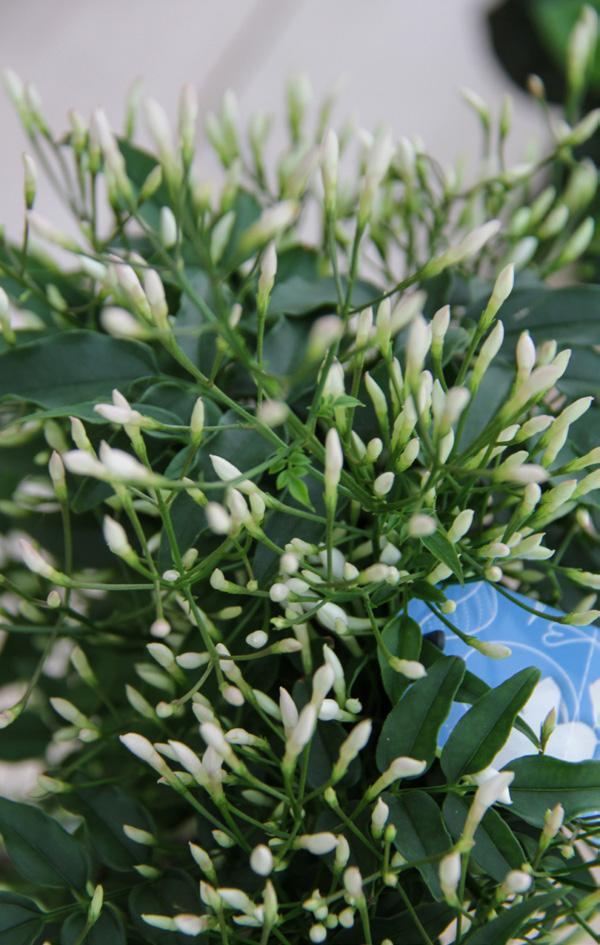
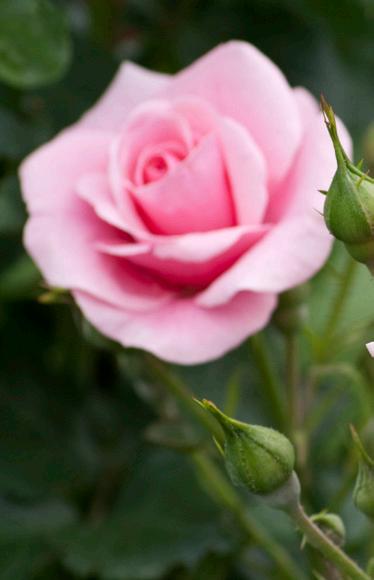
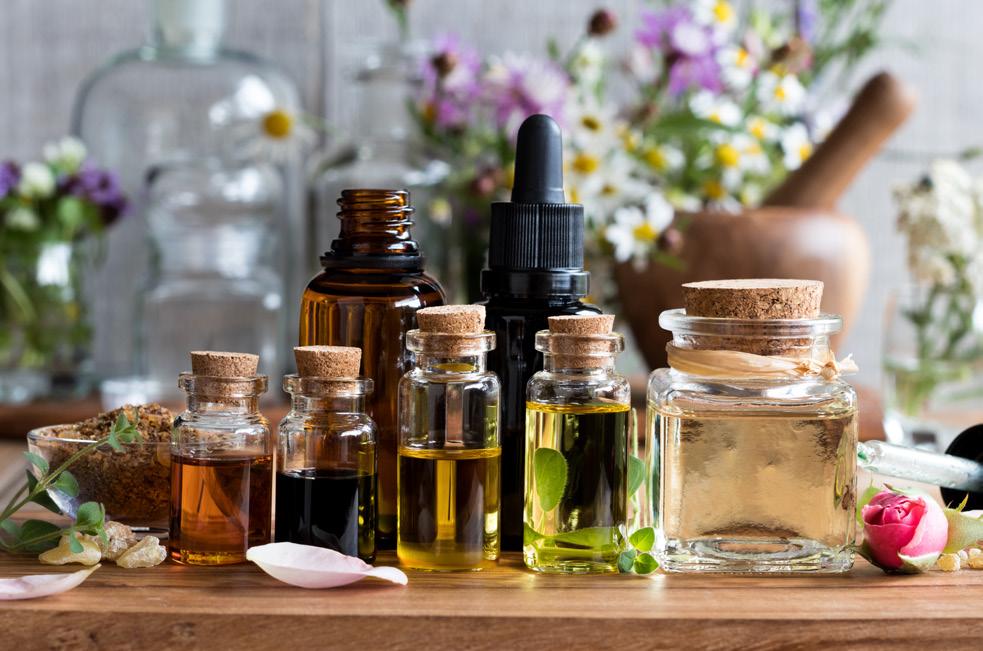
After a very long winter, people are opening their doors and windows so that they can make the most of the first rays of sunshine and those wonderful spring fragrances. By way of inspiration, in this edition we are presenting the theme ‘Fragrant Flowers’, a comprehensive range of fragrant spring flowers to reinforce the spring feeling both inside and outside.
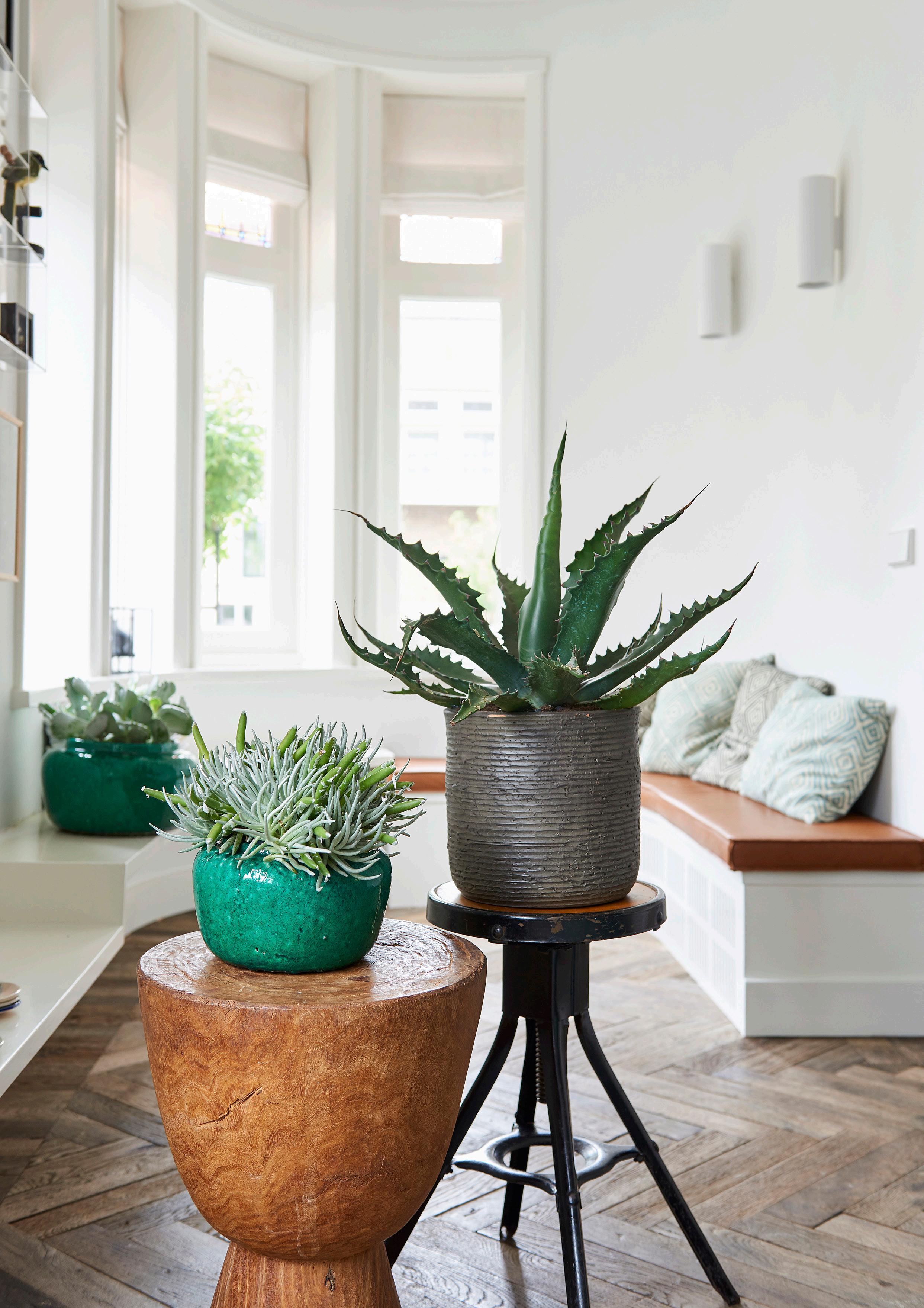
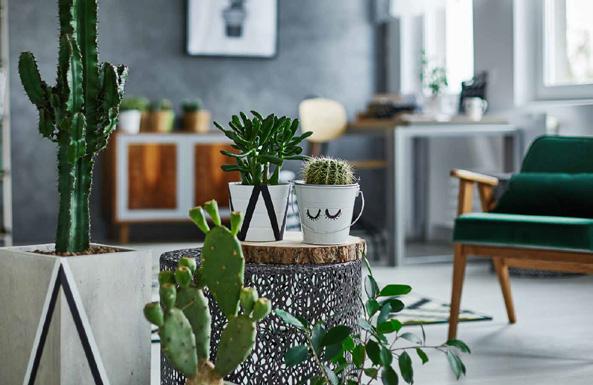
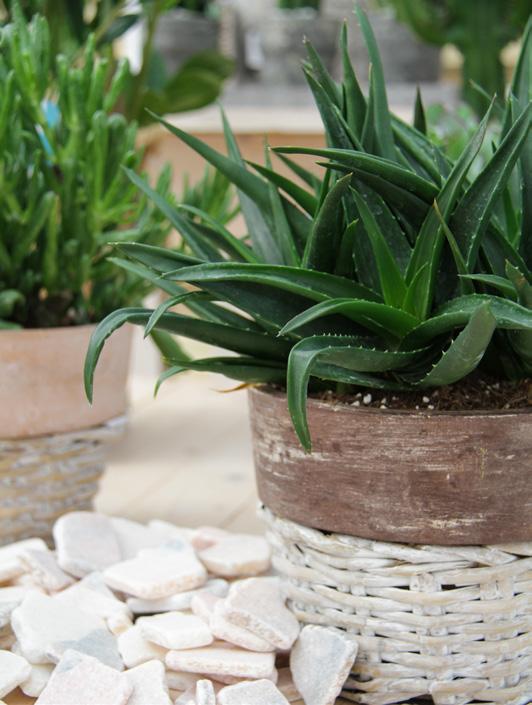
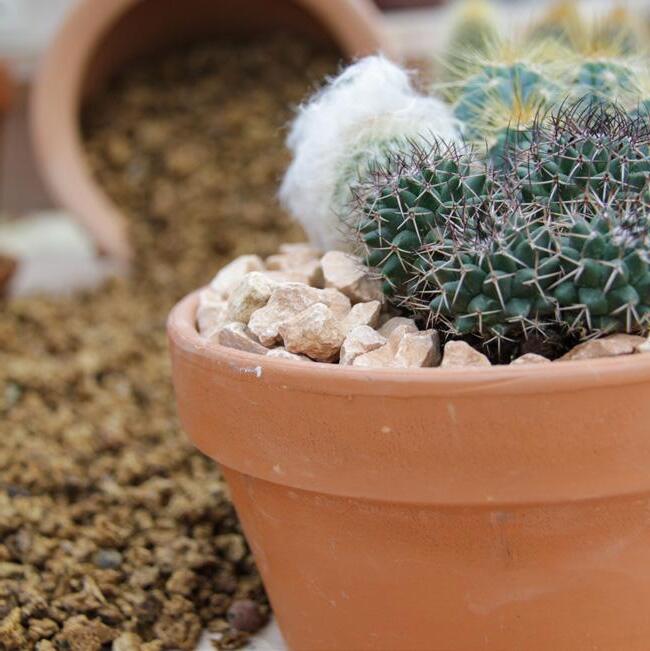
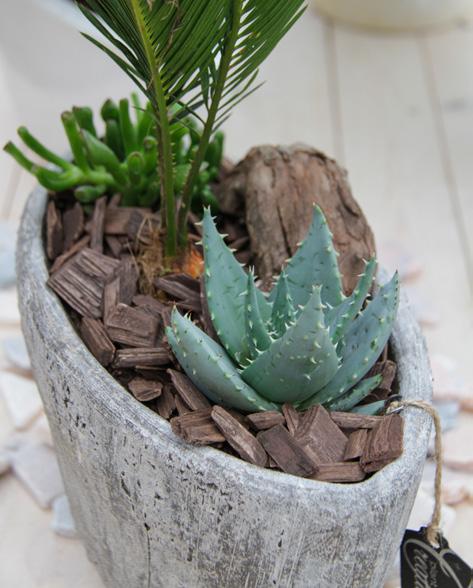
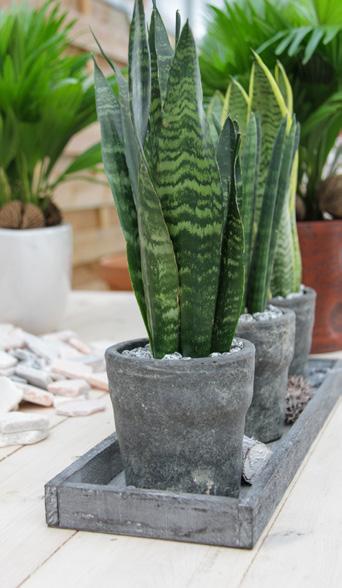
We will also be crossing the ocean in this edition with the theme ‘South American style’ with the focus on cacti and succulents, this style evokes the atmosphere of an arid desert region. However, did you know that many of our succulents are grown in Belgium?
Our partner Belgicactus lifts the lid on their success.
Phalaenopsis, flowering bedding and patio plants are one of the specialities of the nursery Bernhard in Luttelgeest (NL). The supplier gave a look behind the scenes of their ultramodern nursery.
Enjoy!
The Floréac Team
P.S. All the themes and the accompanying POS material can be found in our webshop: www.floreac.shop.
SOUTH AMERICAN STYLE
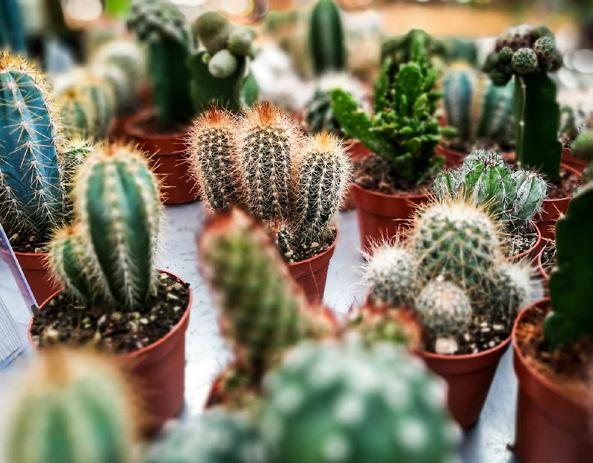
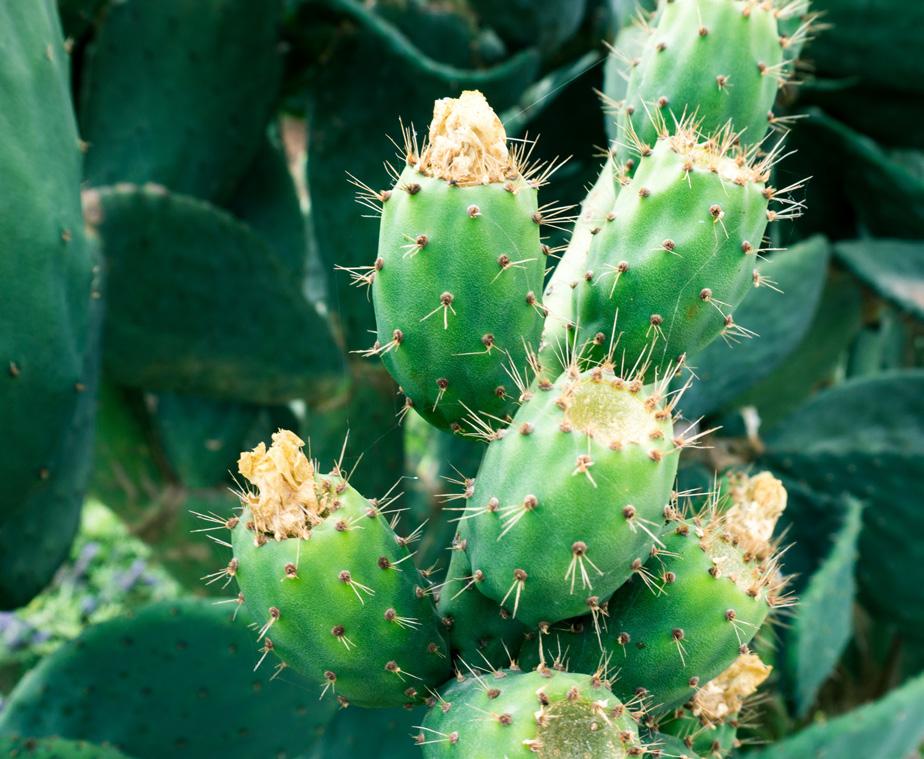
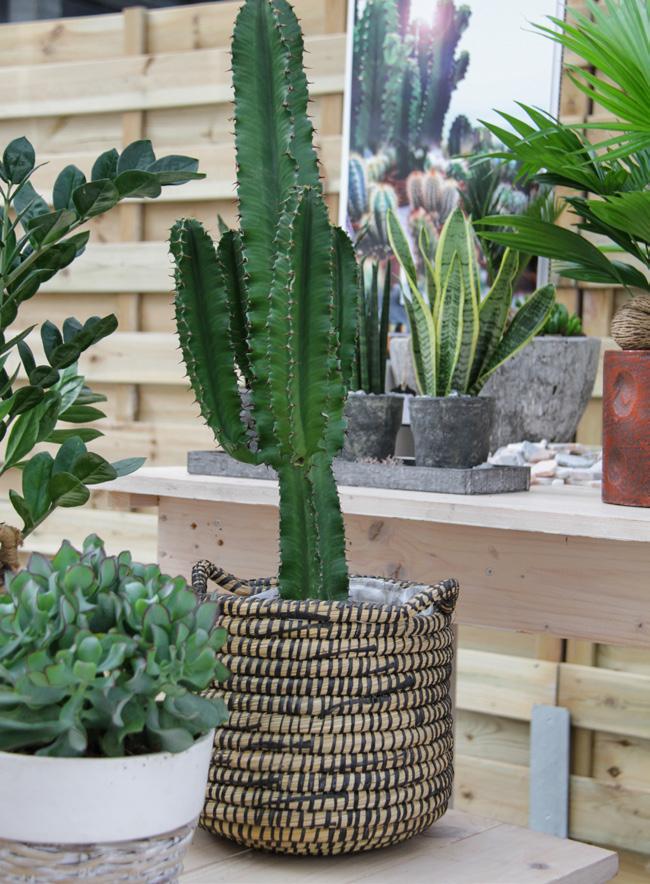
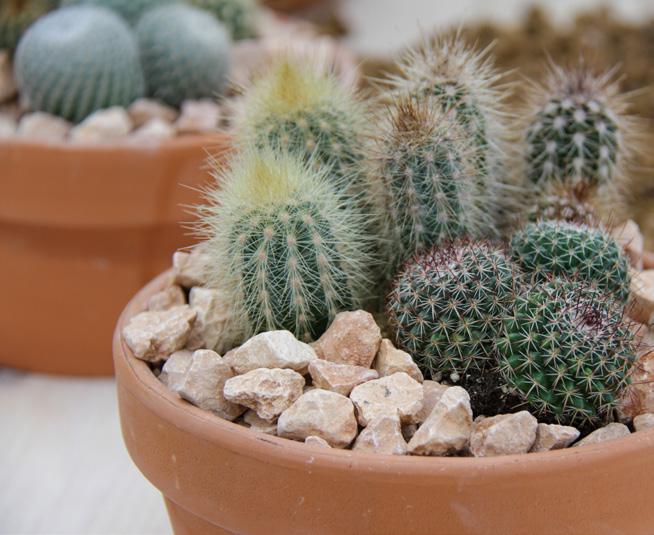
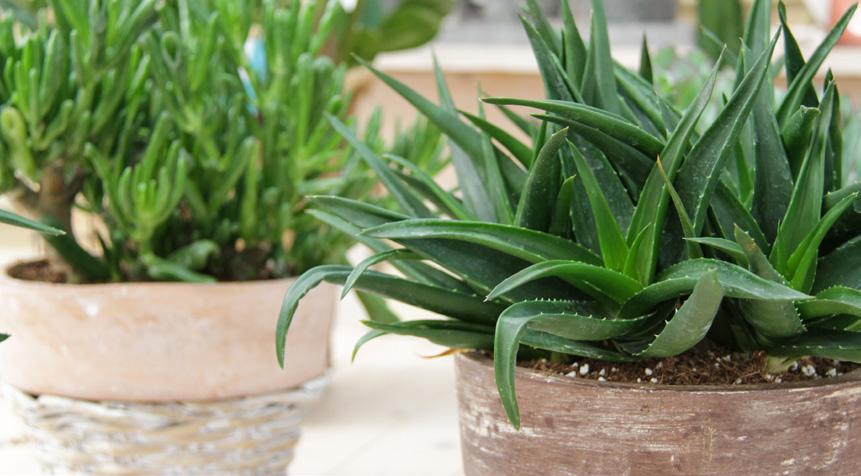
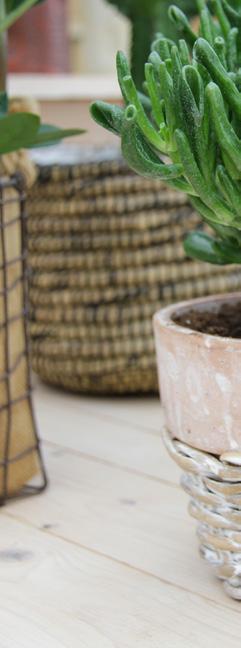
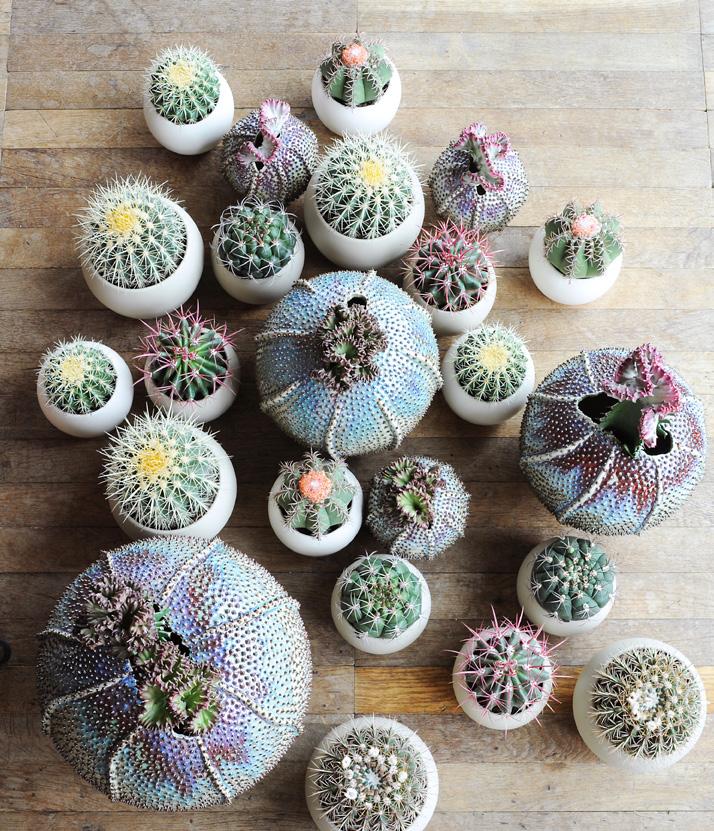
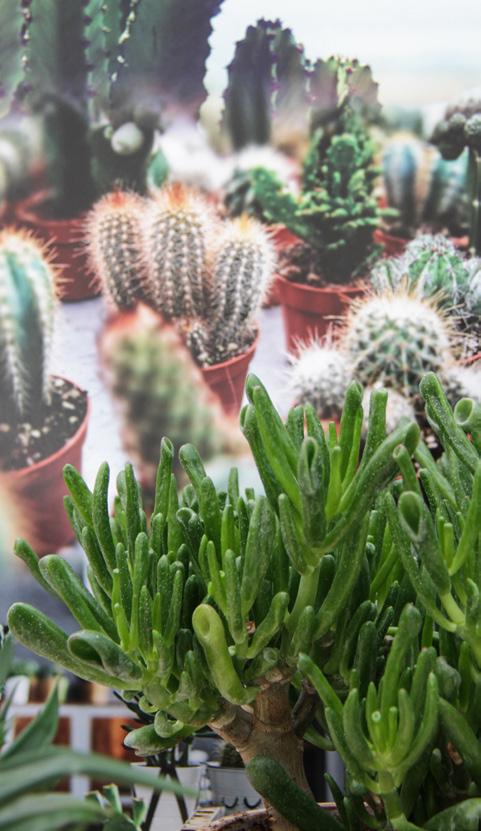
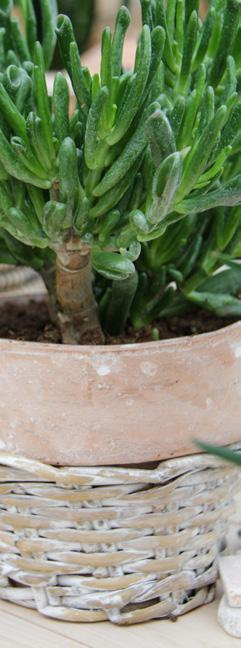
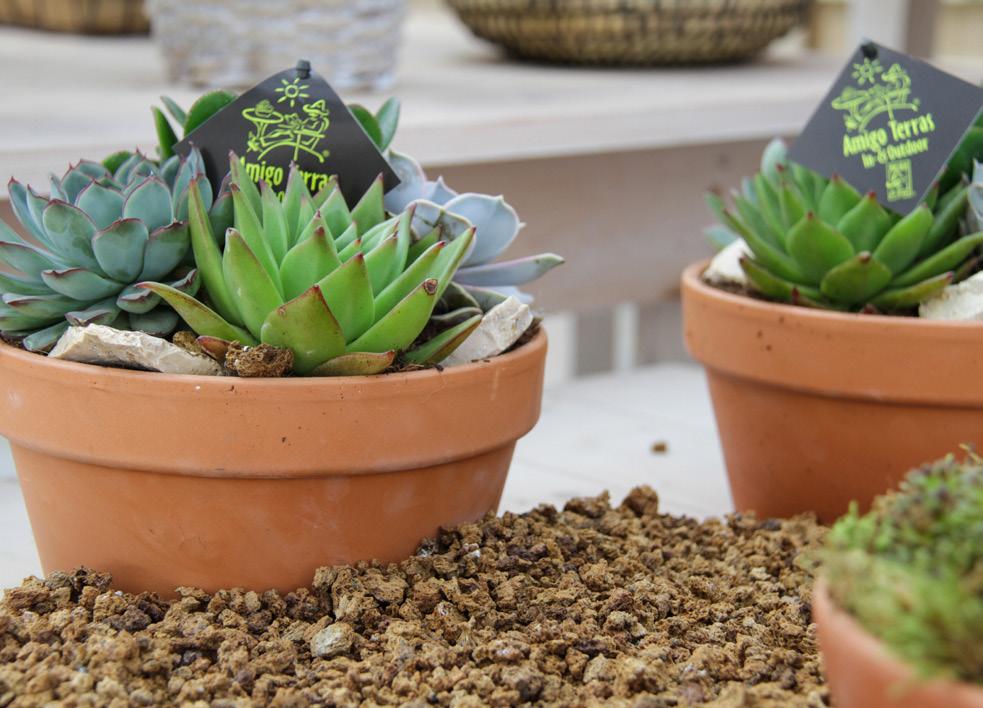
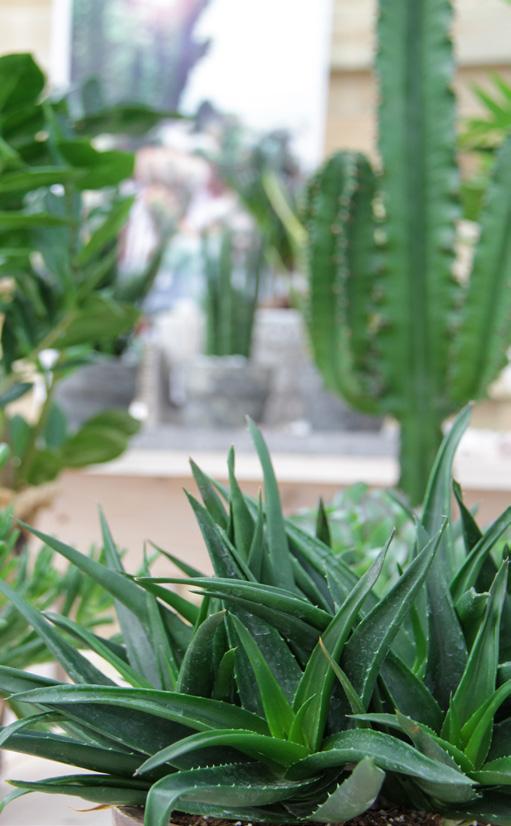
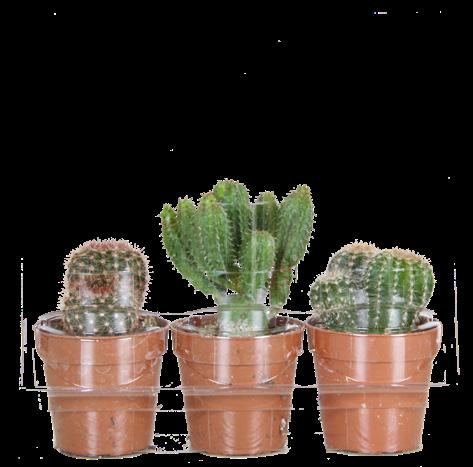
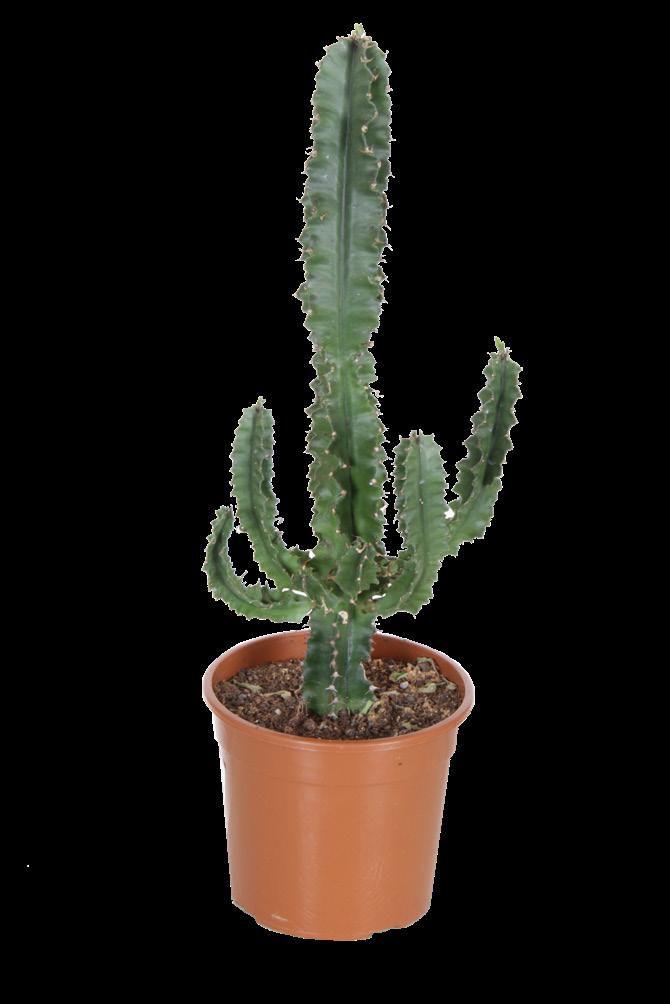
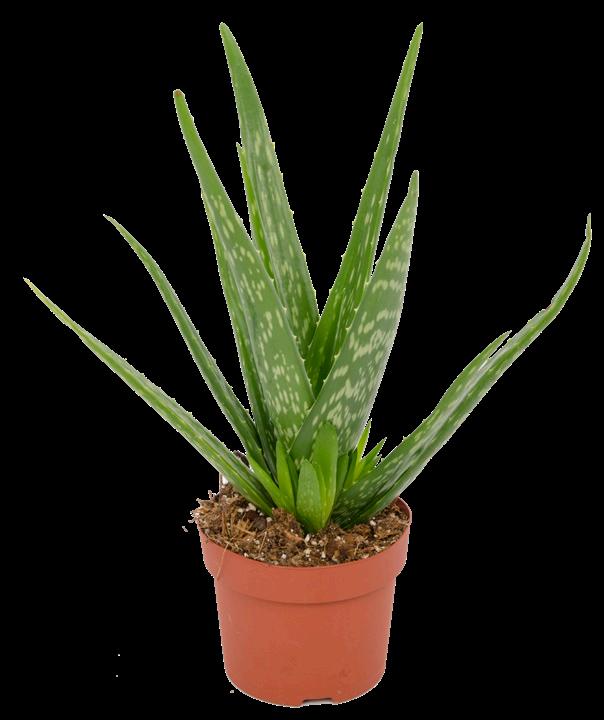
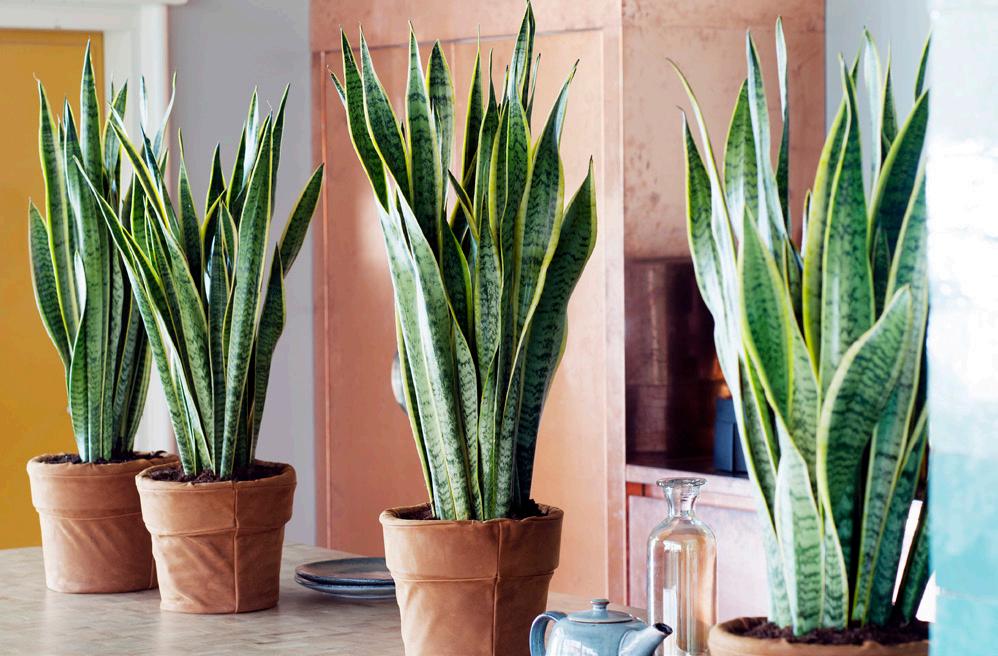
For several seasons, cacti and succulents have topped the list of must-haves for the interior. This theme combines the infinite green shades of these decorative yet mysterious plants with the soft earth shades, terracotta and rough texture pots. It feels like being whisked off to an arid desert under a shimmering blue sky. l’air
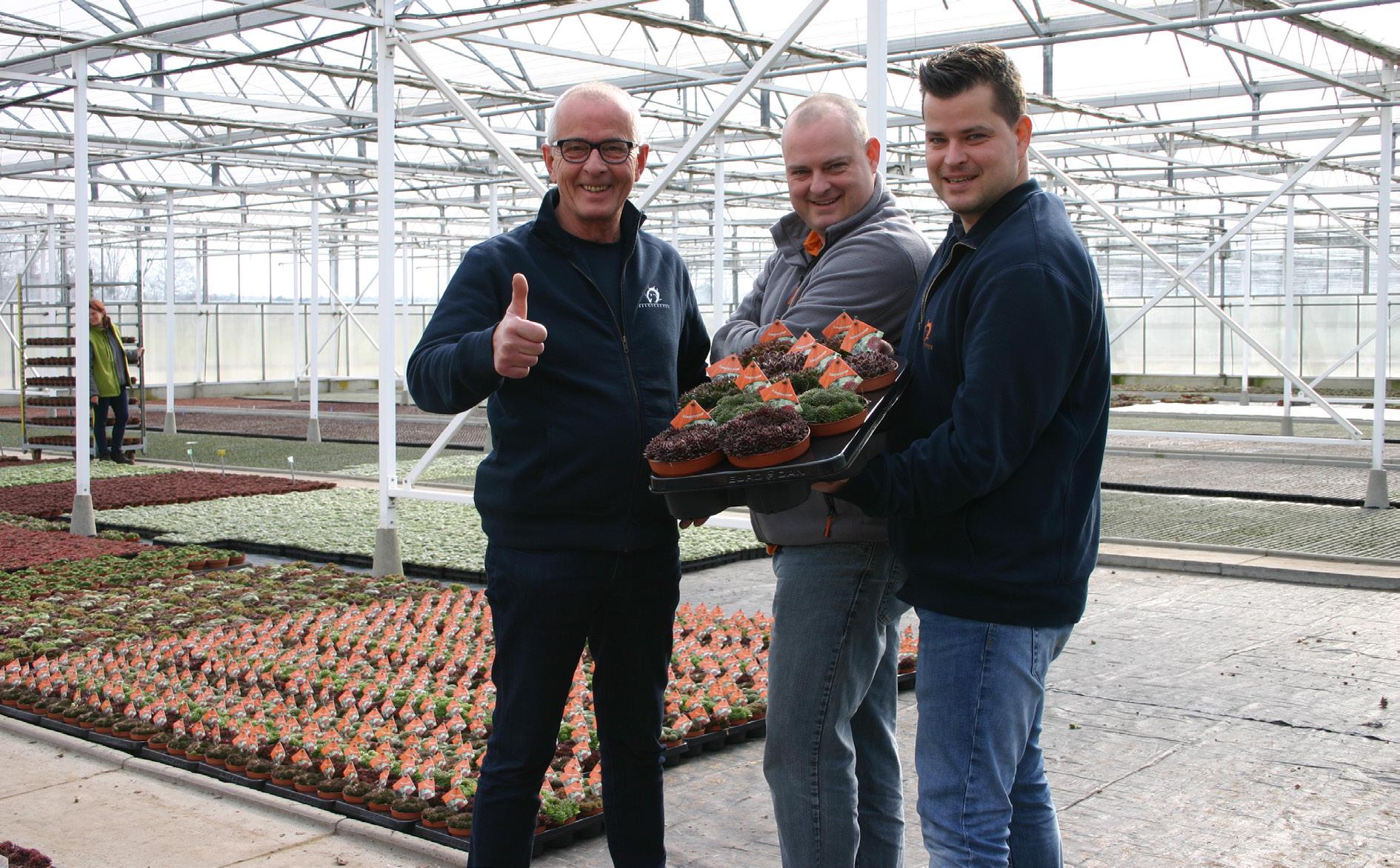
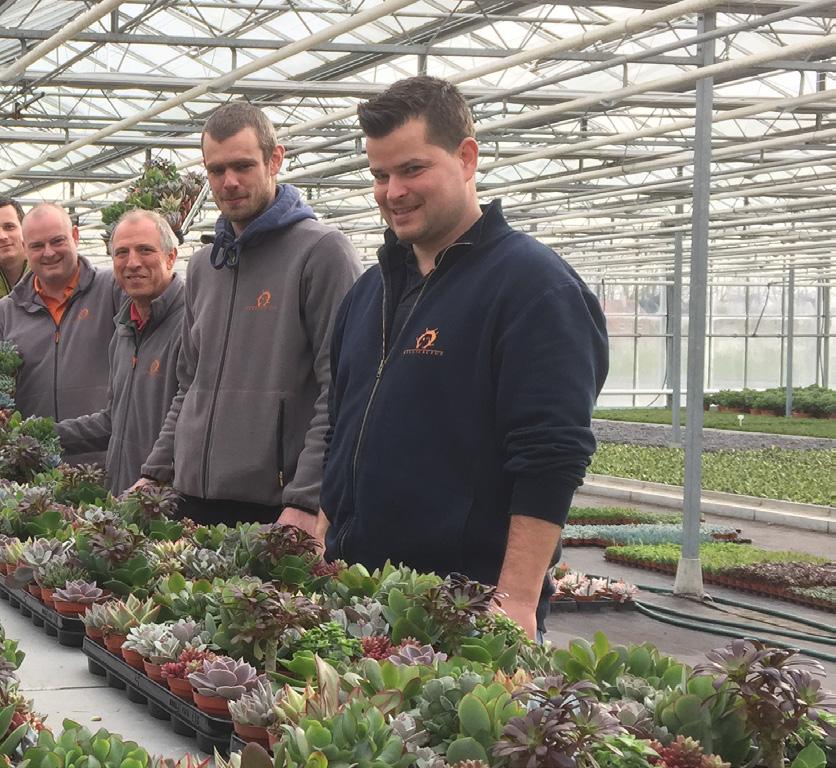
From a teenager’s hobby to a solid family company, this is the story of Westerlo-based Belgicactus in a nutshell. Founder Jef Gielis Senior passed on his passion to his sons Jan and Jef Junior. They are now jointly managing the Kempen company and are fully focused on the breeding and cultivation of succulents.
After all those years, we’re still on the same wavelength with Floréac
Succulents are hot: they pop up in design interiors, shops, trendy bars, and so on. But even though Belgicactus is enjoying this trend, the nursery founded by the Gielis family has already been a fixture for decades. Jan Gielis: “My father bred his first cacti as a teenager in his parents’ plant nursery. Belgicactus was founded about 40 years ago because of a hobby that got out of hand.”
Today, the Gielis brothers are fully focused on the cultivation of indoor and outdoor succulents. Jan Gielis: “Although our company name suggests otherwise, we’ve systematically abandoned the cacti culture in the past years. The sales market had been very limited for years. Moreover, cacti cultivation is associated with high heating costs and takes a lot of time. It takes years for a cactus to be ready for distribution in shops.”
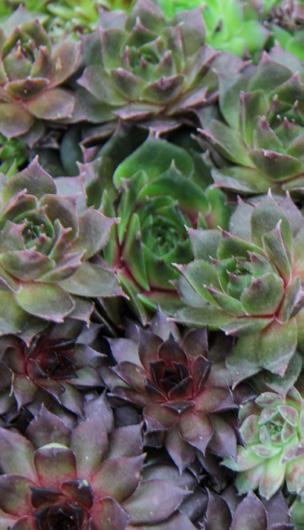
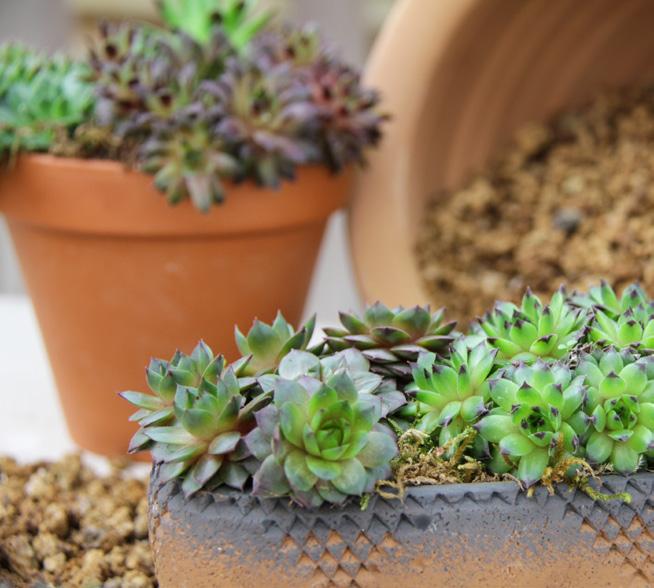
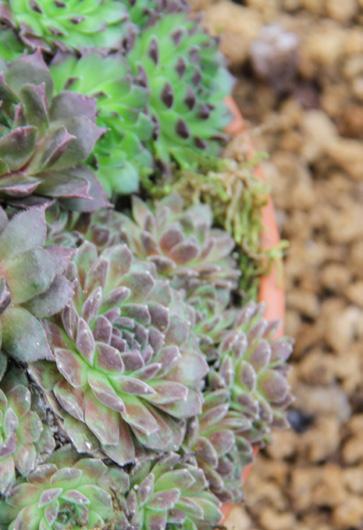
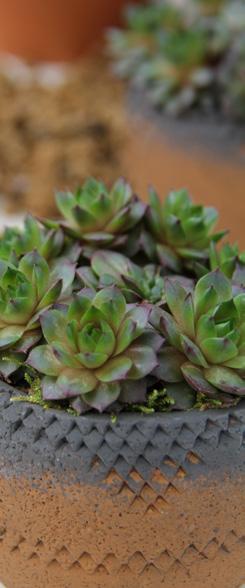
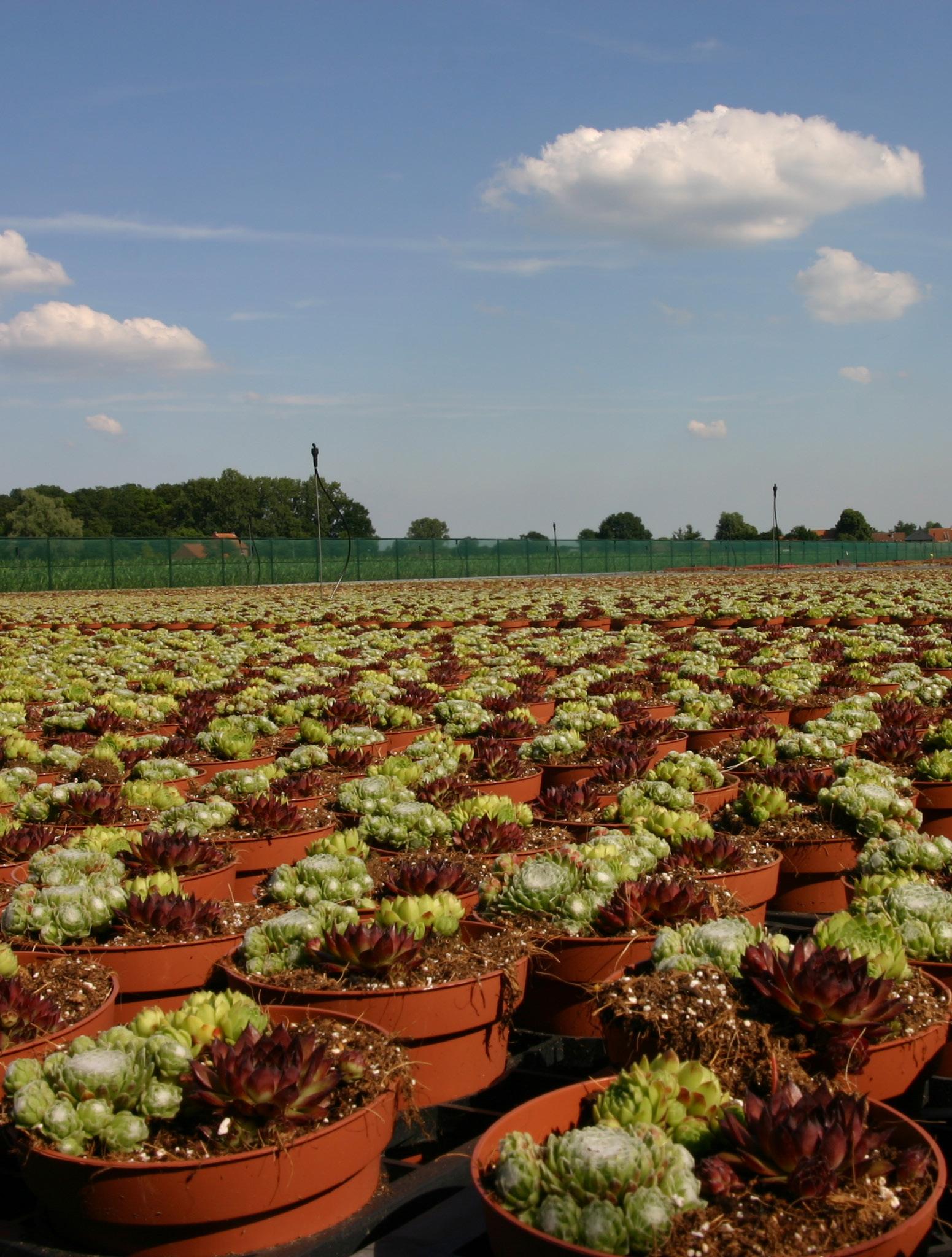
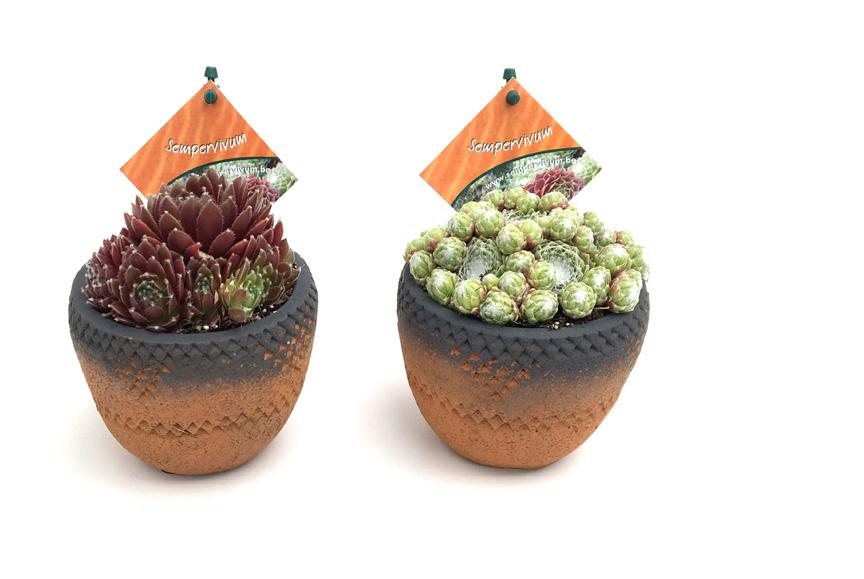
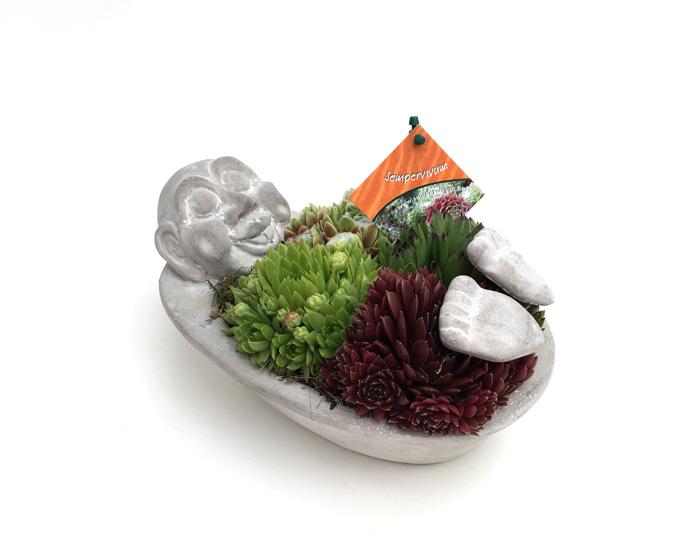
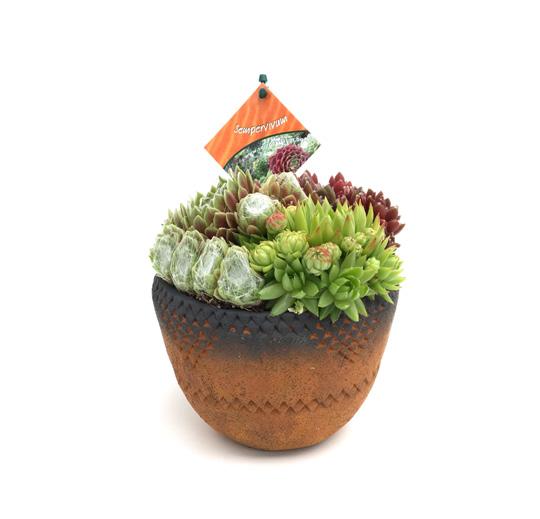
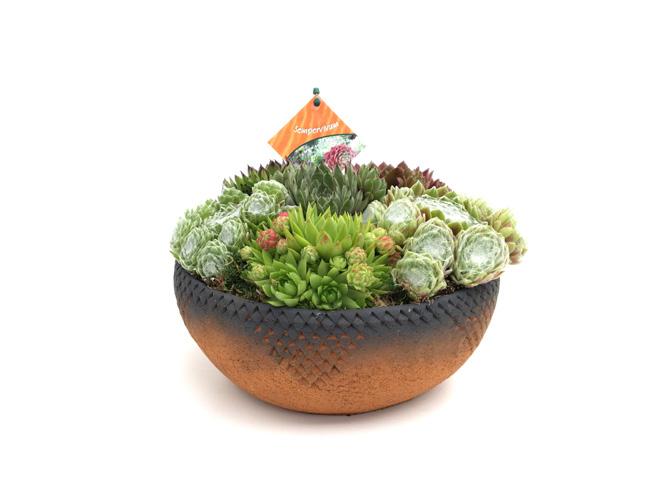
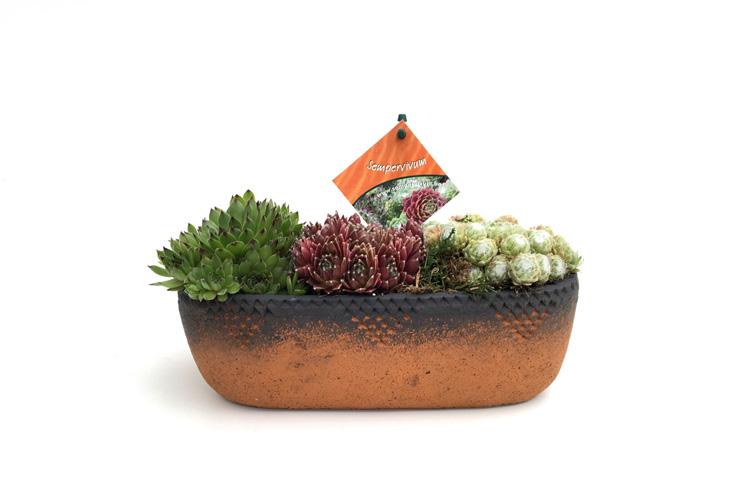
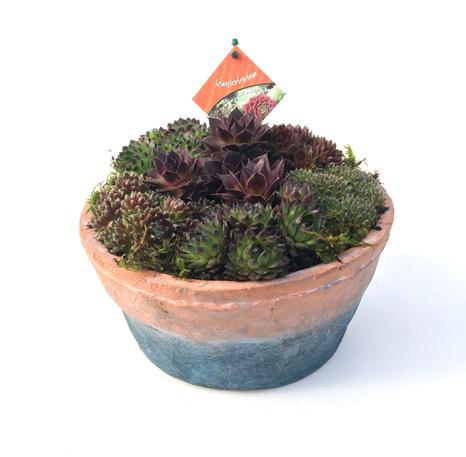
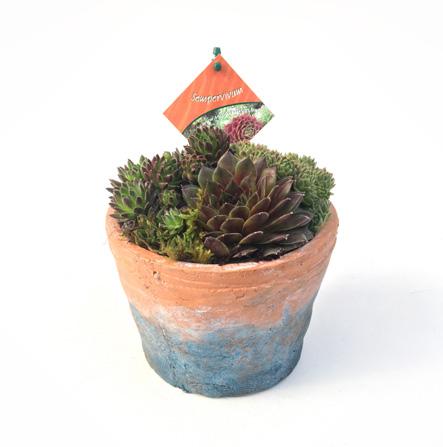
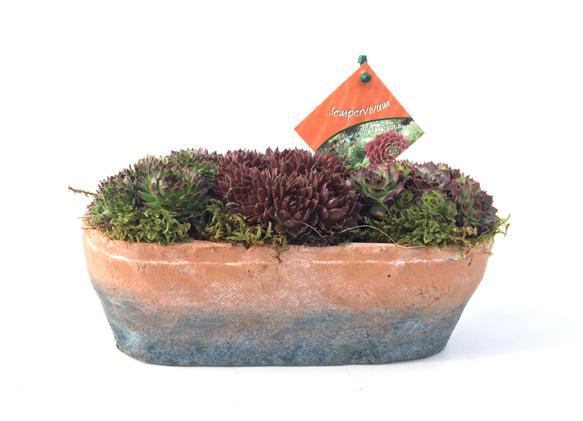
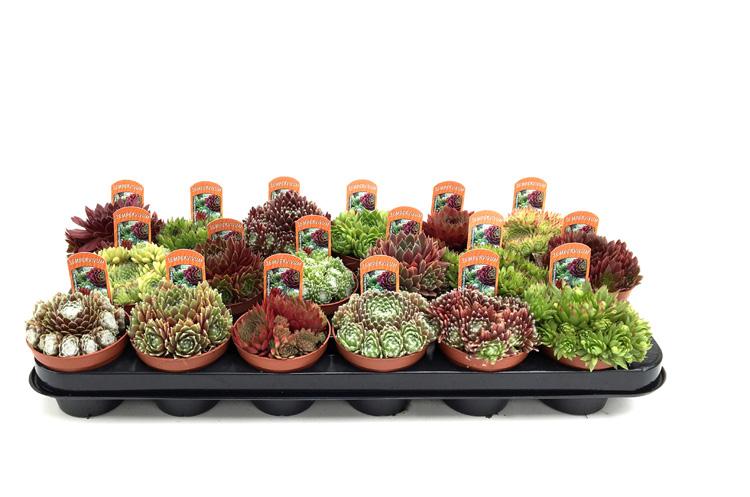
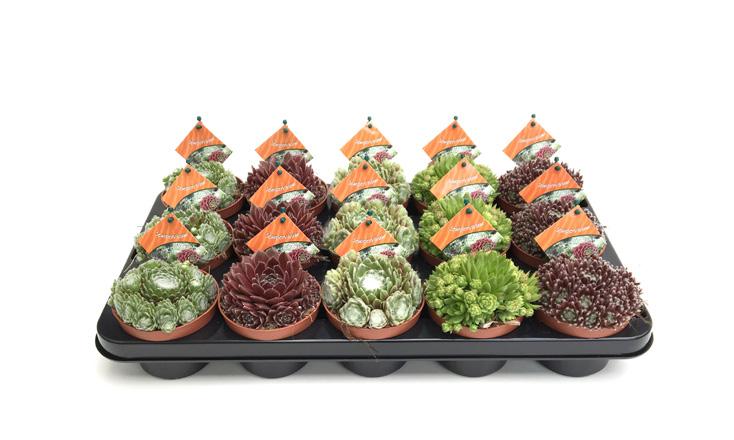
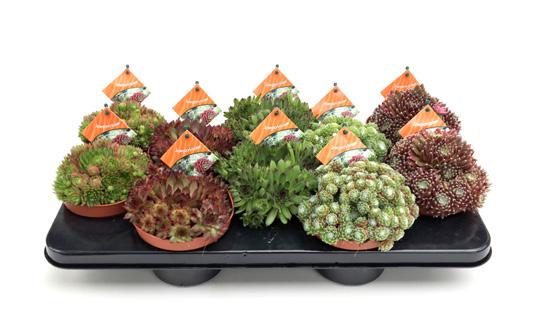
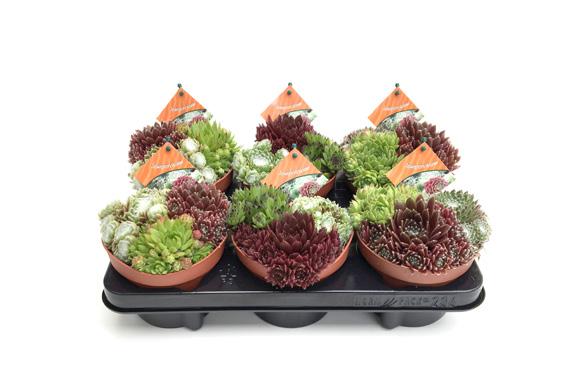
In sync with the seasons Sempervivum now is the specialty and main product of the floriculture company. Jan Gielis: “We grow the hardy succulents outdoors with the seasons, without forcing anything. As a result, they can withstand a broad range of temperatures, from freezing cold to heatwaves.”
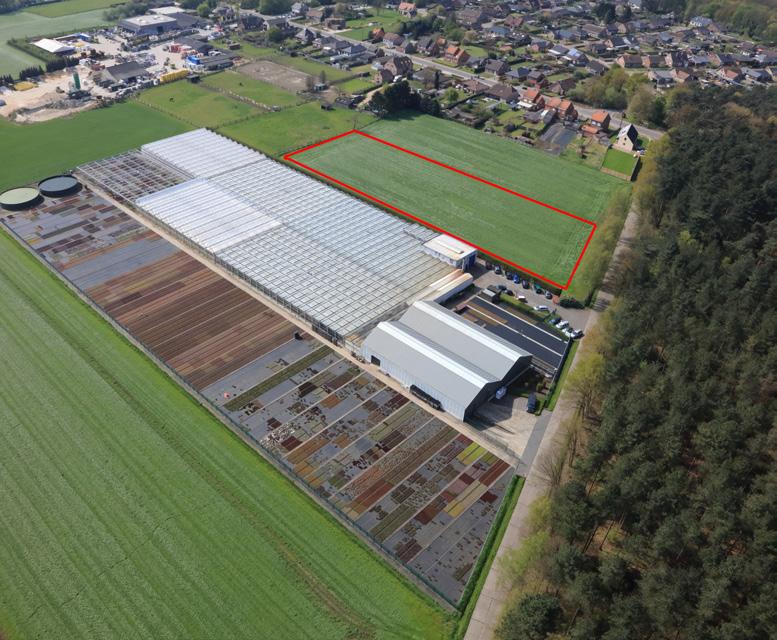
In recent years, Belgicactus invested in additional production capacity on several occasions. In addition to 10,000 m² of glasshouses, the current nursery consists of 18,000 m² of lava container fields. Jan Gielis: “These are open-air growing beds where sempervivums are grown in small pots. They are built as a closed circuit: water and fertilizers are recovered and not one drop penetrates the ground below.”
Controlling the growth process
In addition to the cultivation of over 200 species, Belgicactus has also been focusing on breeding succulents for several years. Jan Gielis: “Our breeding produces different colours and leaf shapes, disease resistance and so on. We decided to grow the young plants ourselves until they are ready for sale.
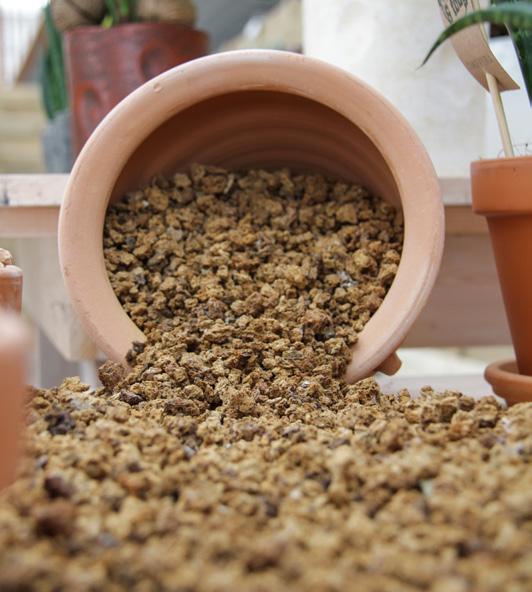
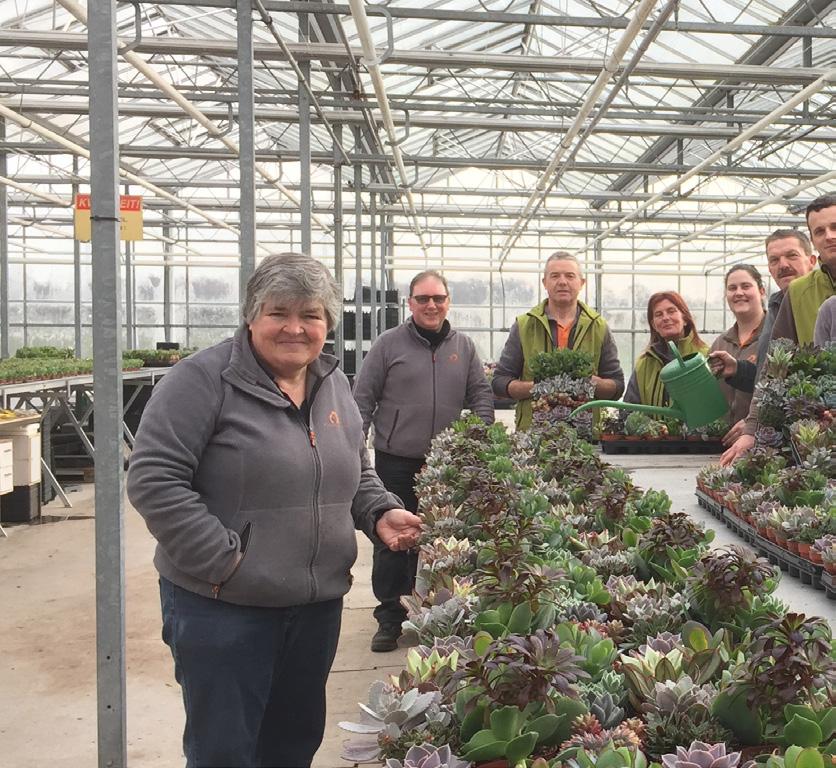
Controlling the whole growth process makes sure we can always guarantee our customers top quality across the board.” It takes about a year for a plant to reach this level of maturity and there is a lot of manual work involved. In addition to the family members, Belgicactus employs nine people, and during the propagation season, 30 temporary workers are hired to cut the offsets and re-plant them in cactus soil.
Hipper in de market
A glimpse into the early years of Belgicactus explains why they began a partnership with Floréac. Jan Gielis: “Like Floréac, we have experienced strong growth over our long history. Still, after all these years, we are still on the same wavelength. That’s because transparency has always been the common thread in our long collaboration. We value the fact that we can track the exact destination of our plants, for example. We also spontaneously exchange practices and ideas. It’s during such a brainstorming session that we developed the idea to launch our Sempervivum on the market under a separate brand name and with a
company Belgicactus
Westerlo (Belgium) surface area 10,000 m² of glasshouses and 18,000 m² of closed-circuit container field workforce 9 FTE
Althoughour company name suggestsotherwise, we’vesystematically abandoned the cacti culture
JanGielis,Belgicactus
contemporary house style. We thought it would be the ideal way to establish a distinction between our company name on the one hand and our extensive range on the other. The plan is now in full swing and our new branding will be effective by the autumn.”
SEMPMX-09A
SEMPMX-11A
SEMPER-§63A
SEMPER-§58A
SEMPER-§57A
SEMPER-§65A
SEMPER-§55A
SEMPMX-13A
SEMPER-§62A
SEMPTRIO-13A
SEMPER-§61A
FRAGRANT FLOWERS
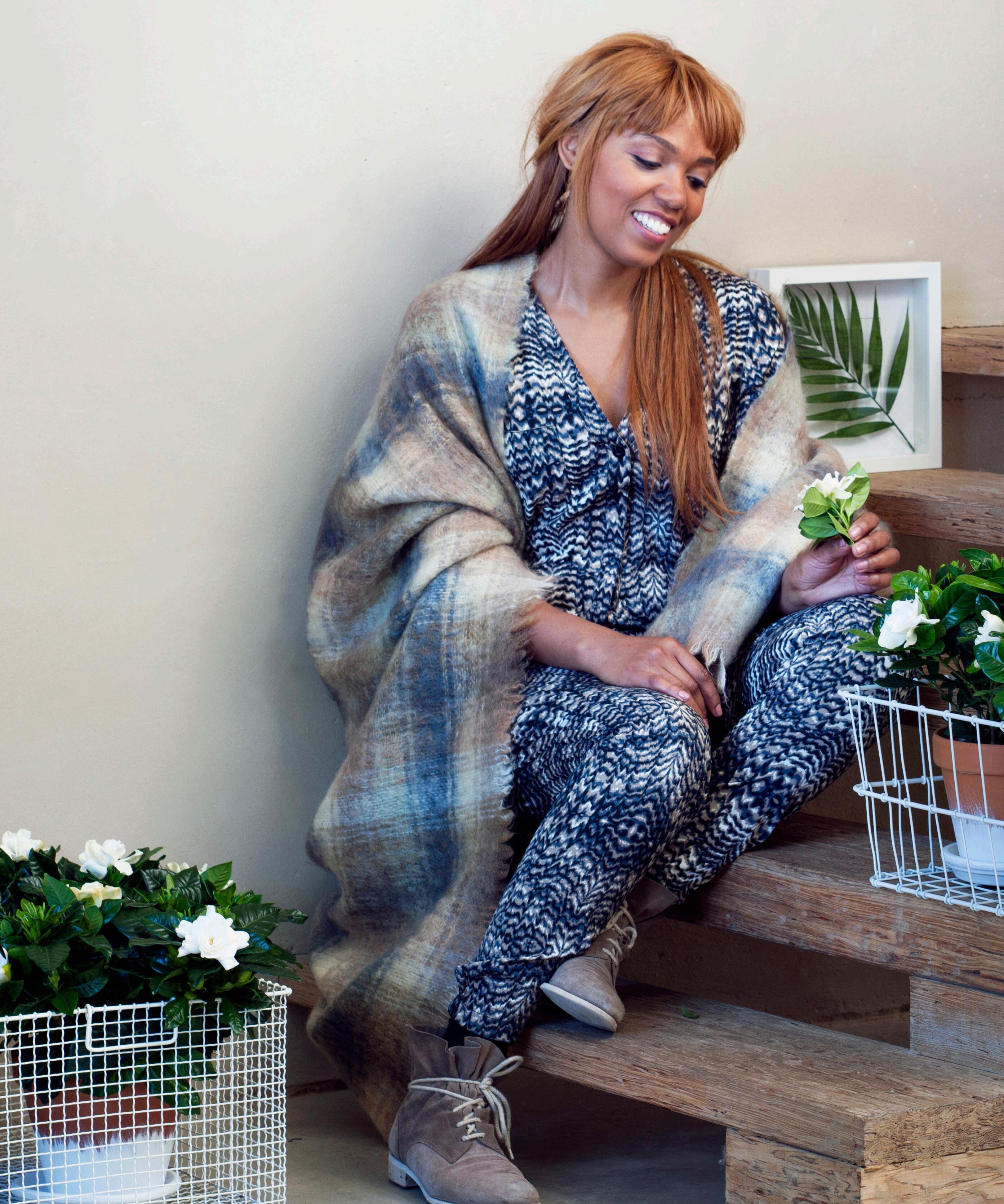
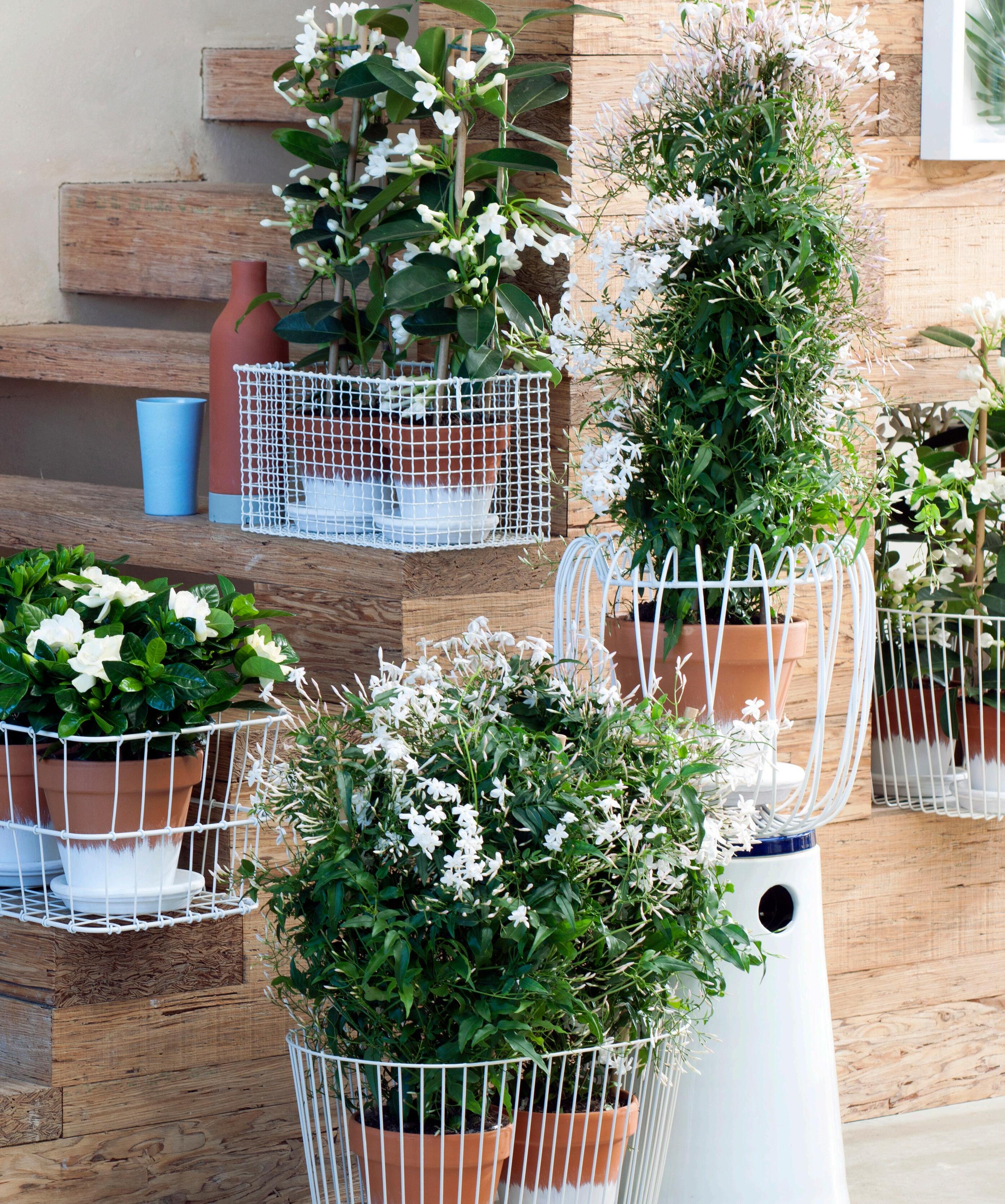
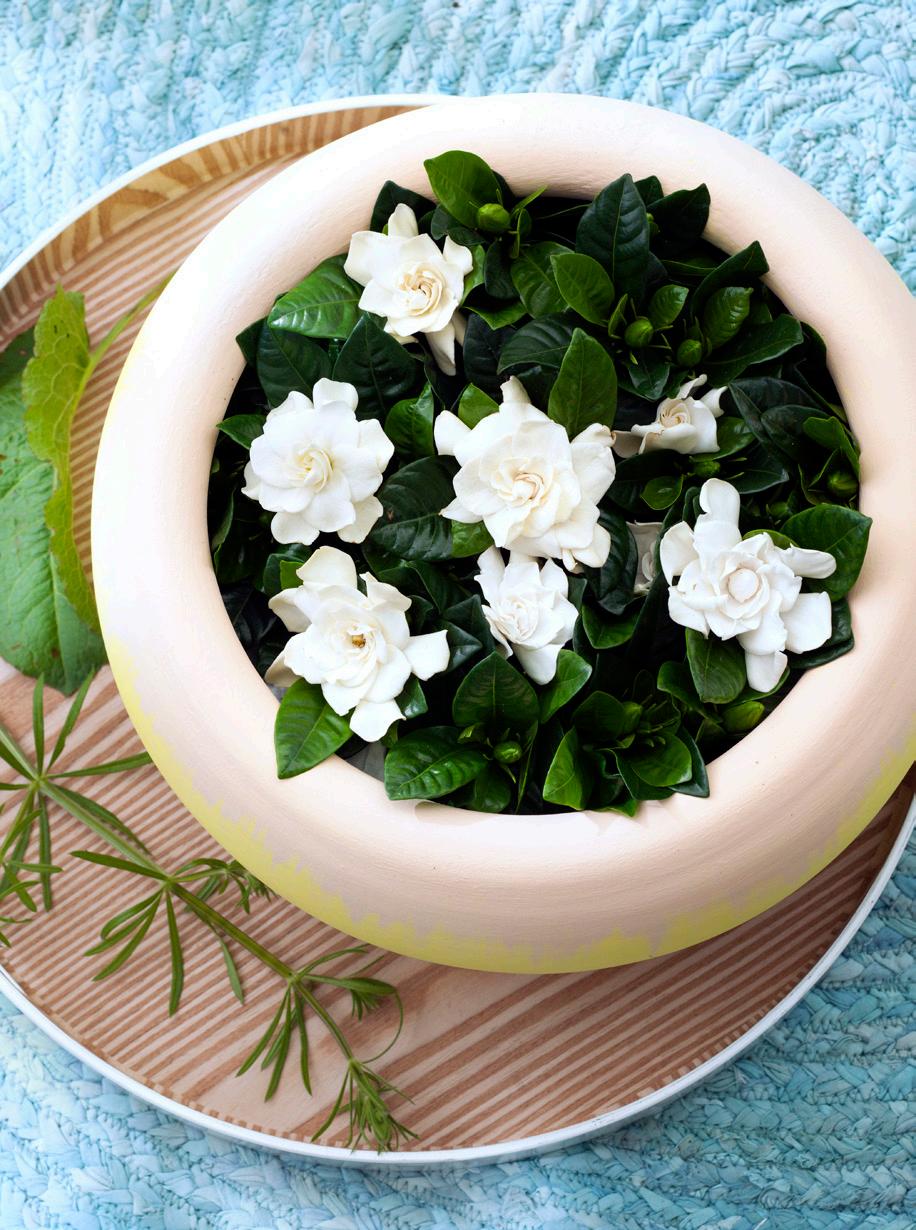
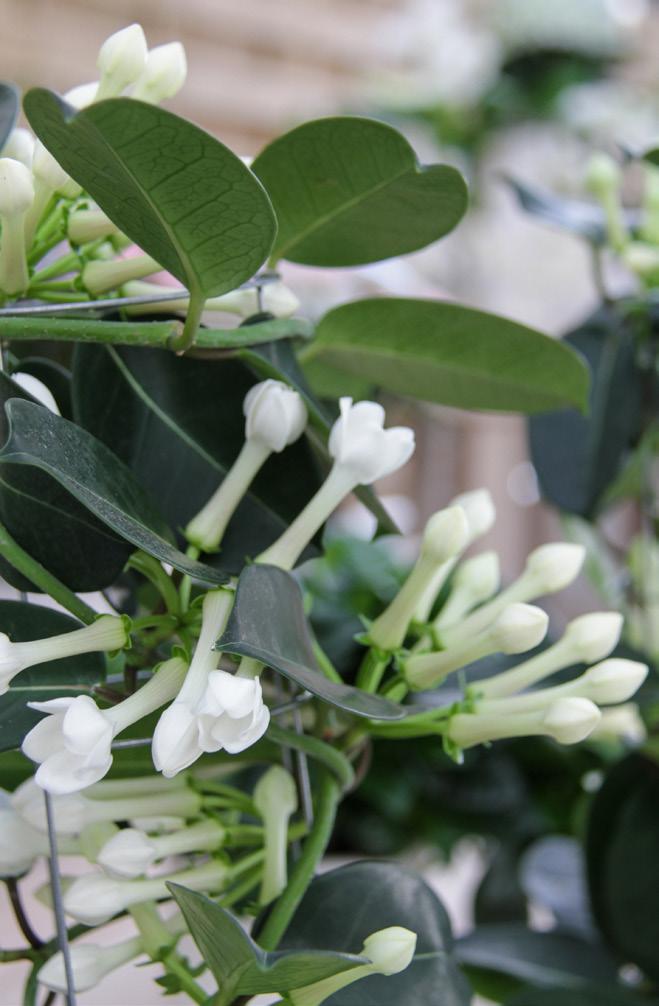
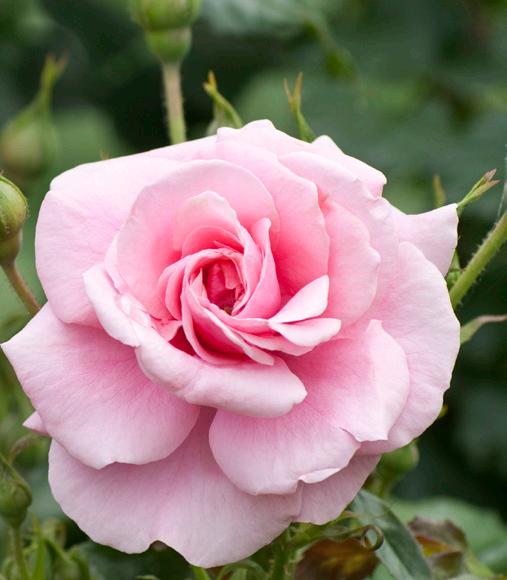
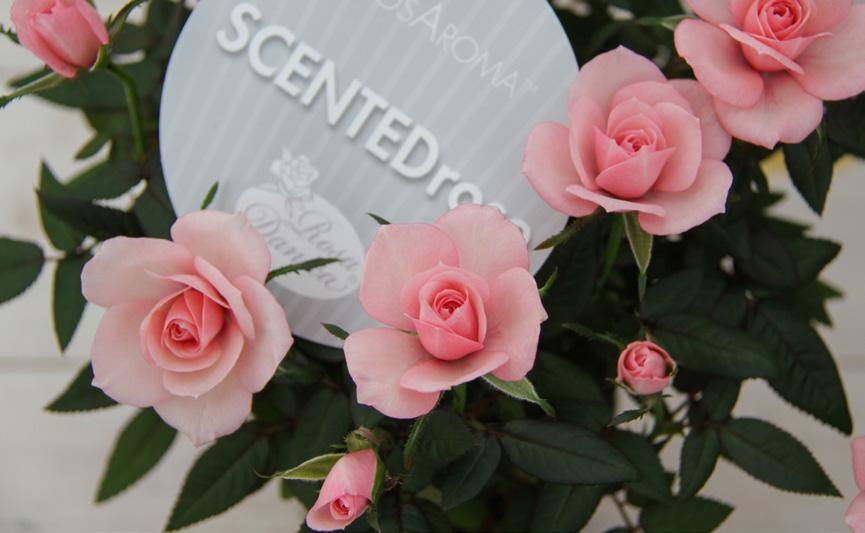
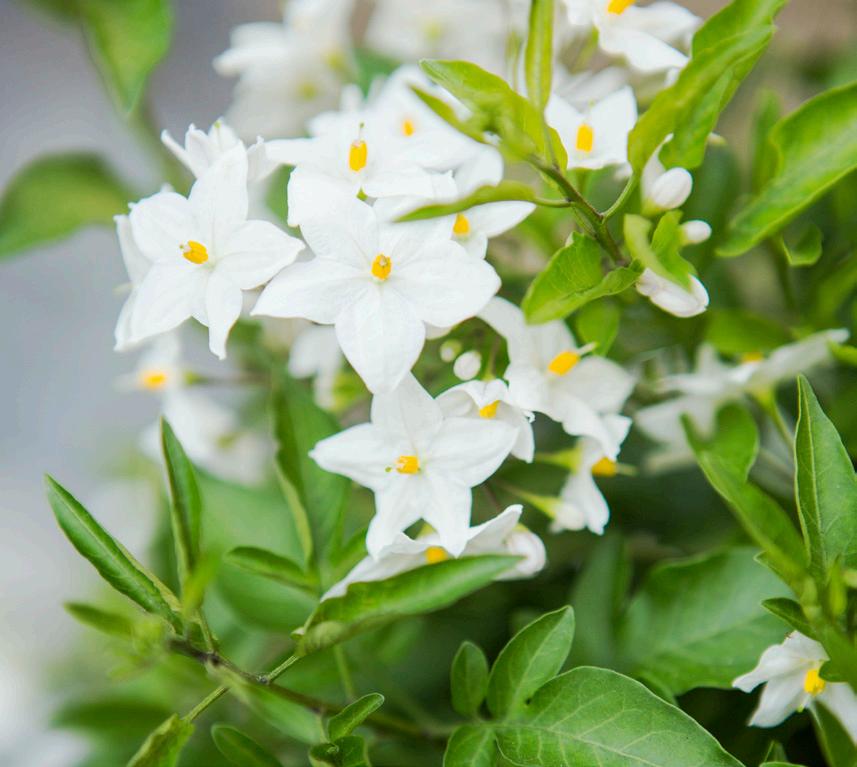
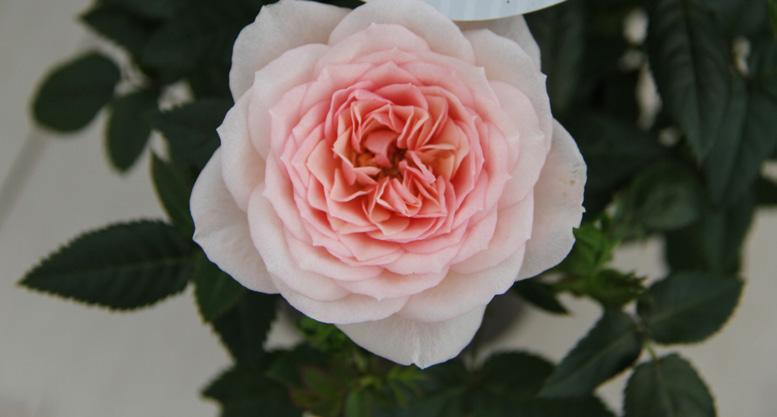
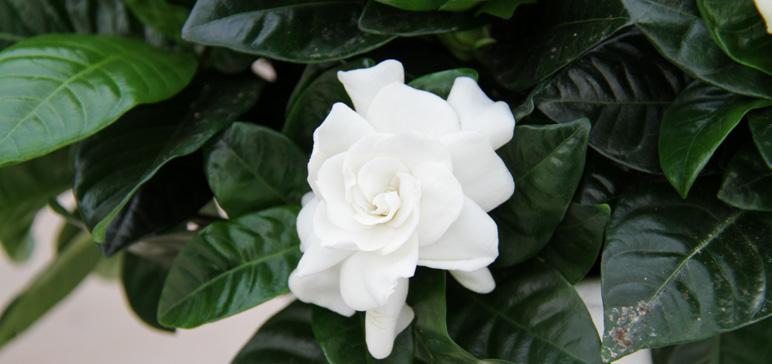
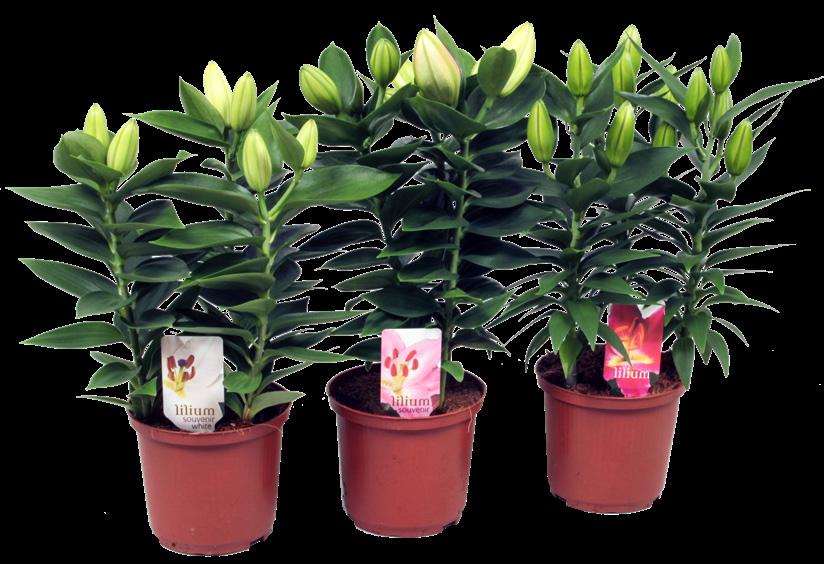
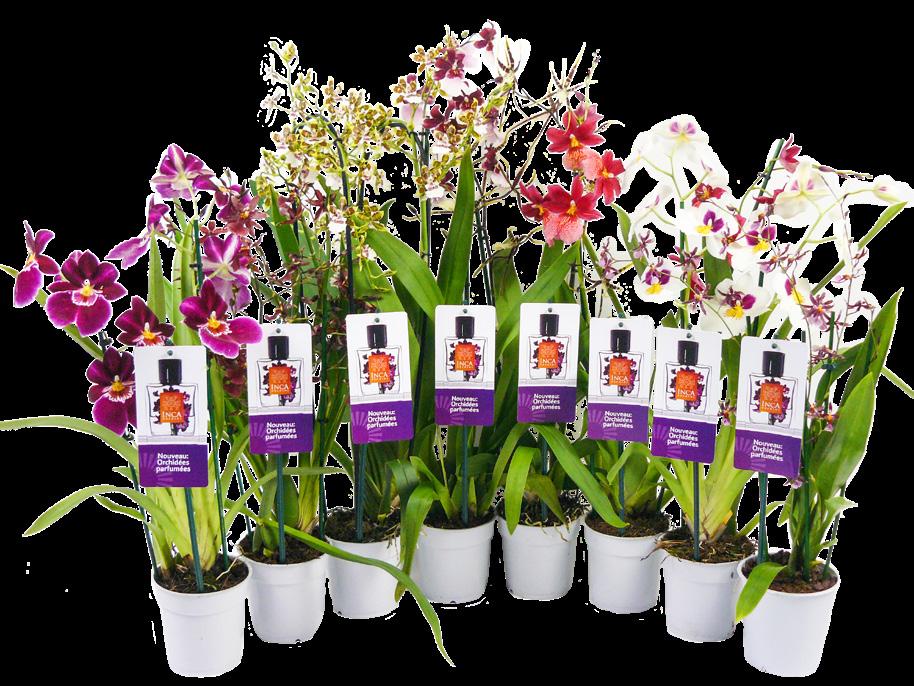
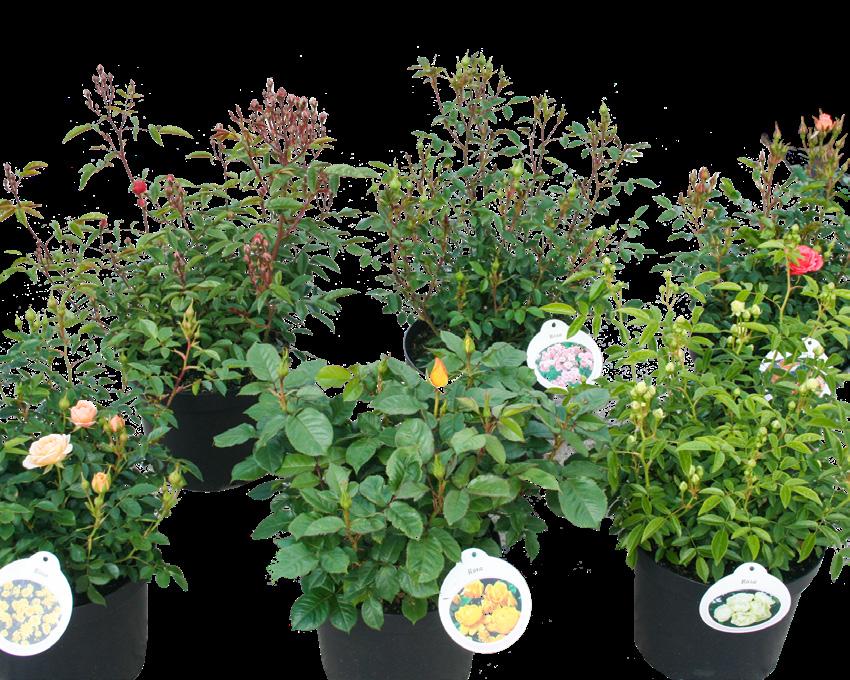
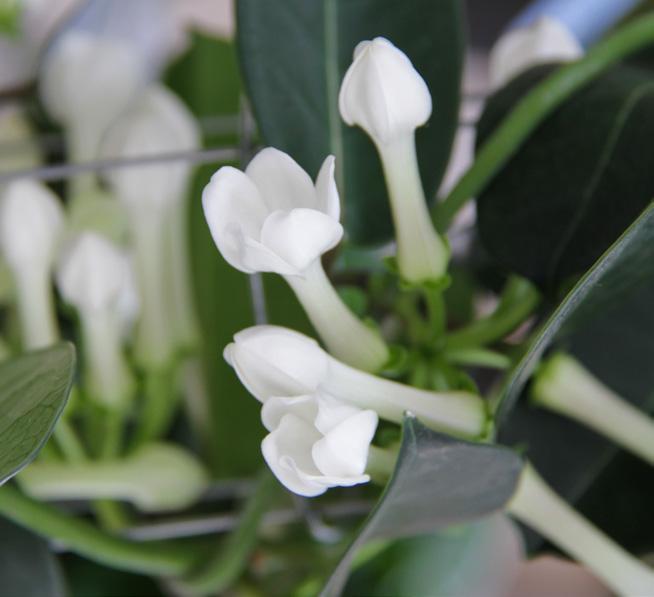
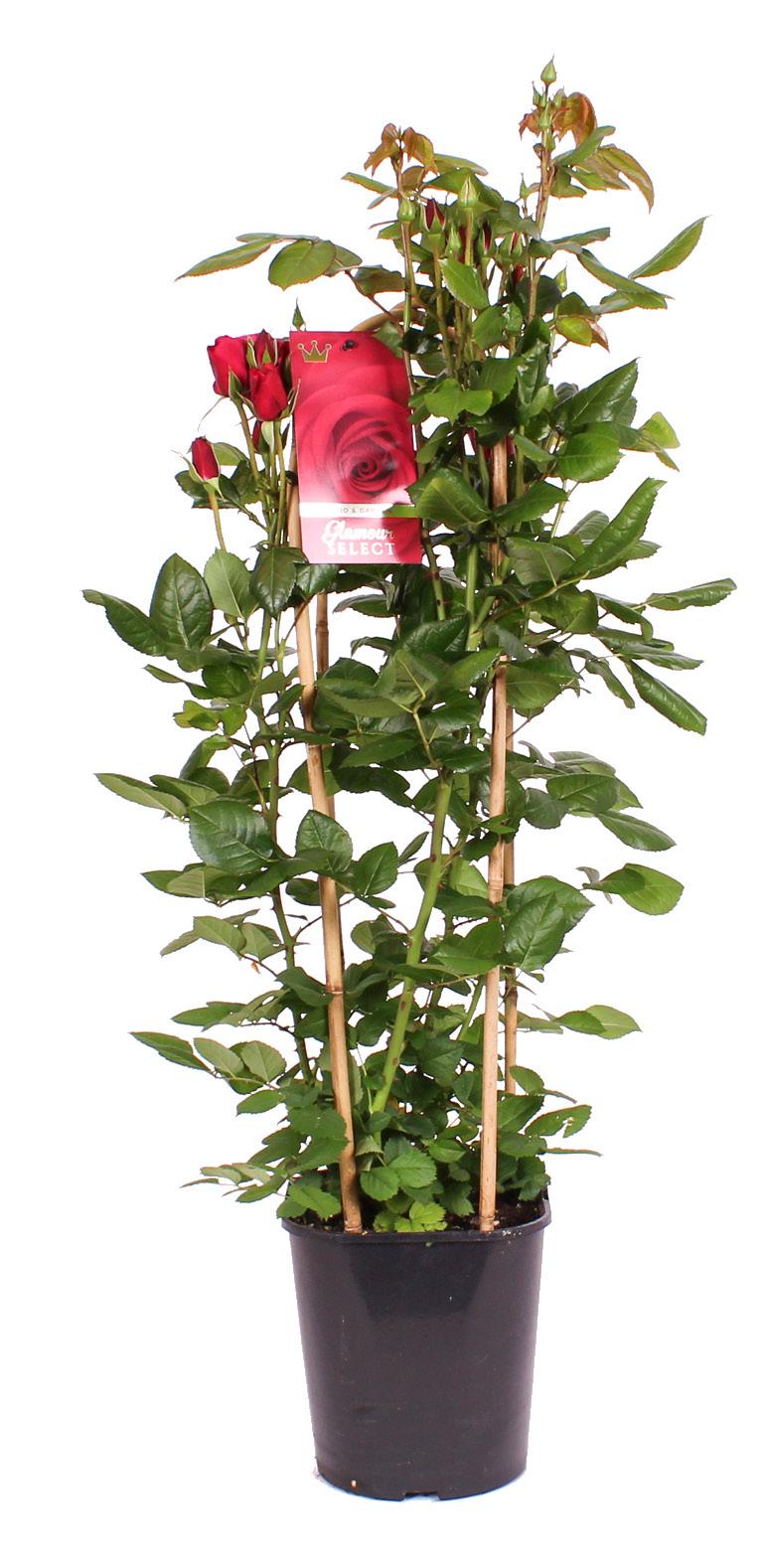
The pastel tints and fabulous fragrances of roses, lavender, lilacs, honeysuckle and other spring flowers will soon make you forget the dark days of winter. In this theme, we present a wide range of varieties which will transform your garden, terrace or living room into a fragrant oasis in no time at all.
fragrant flowers
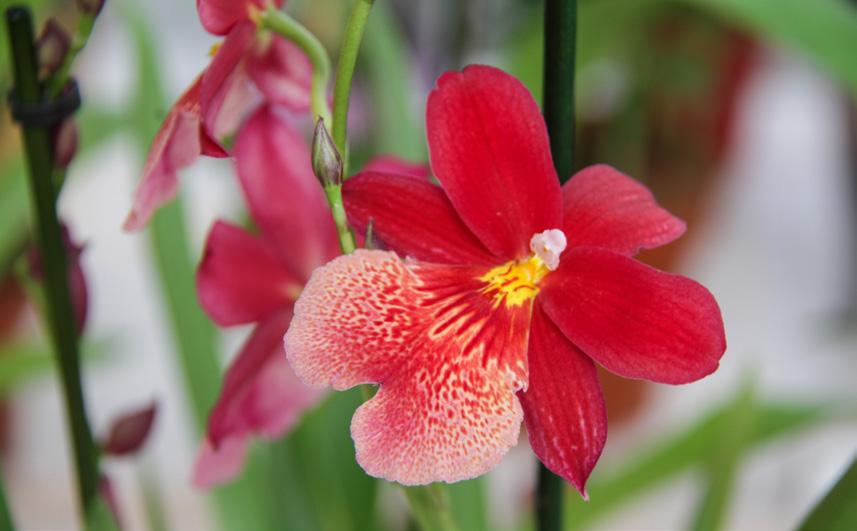
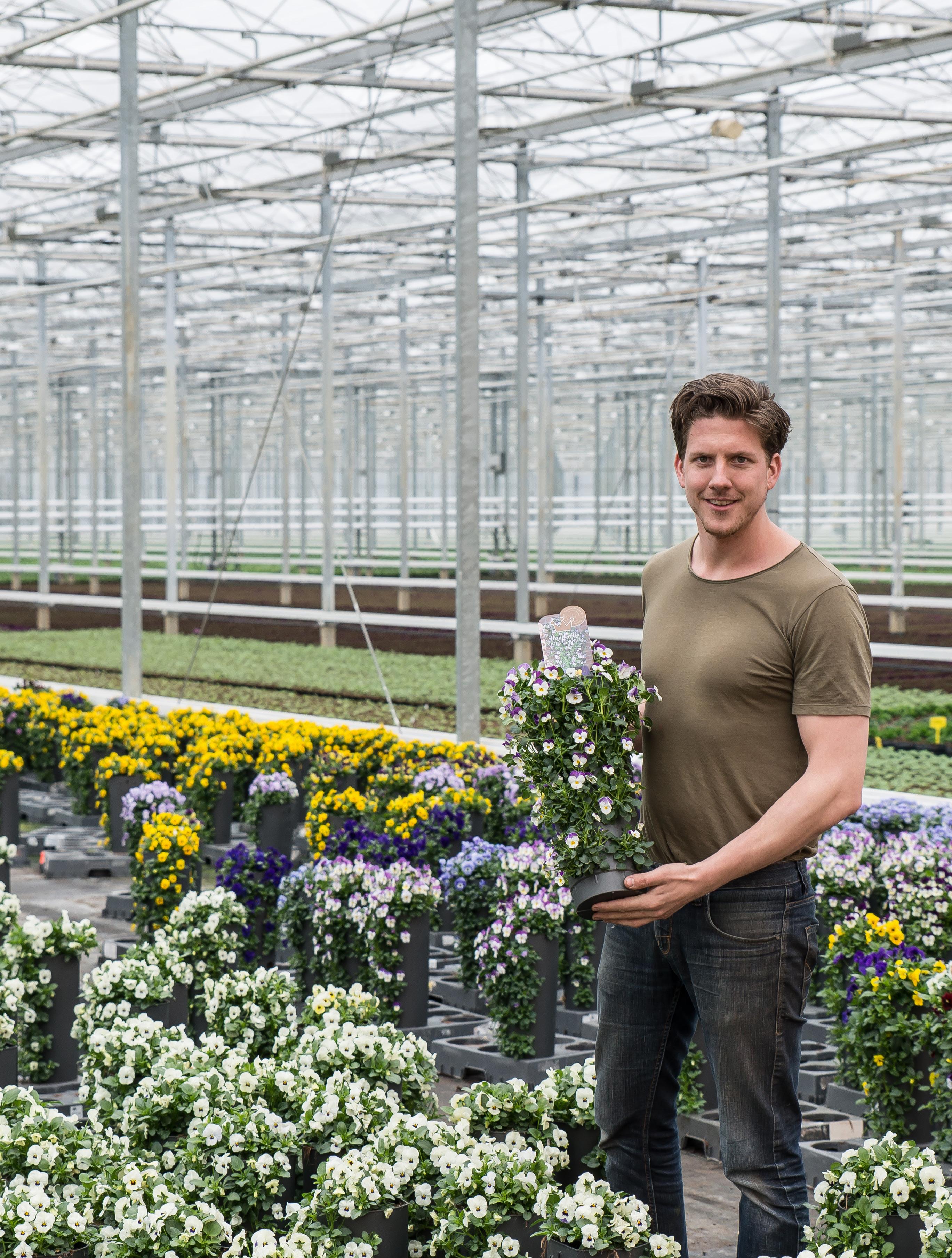
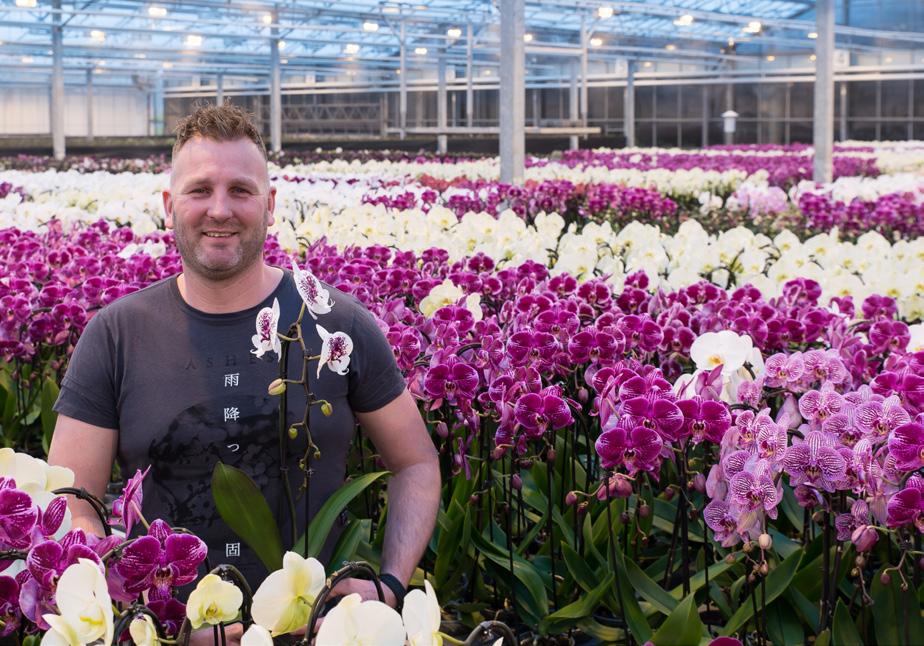
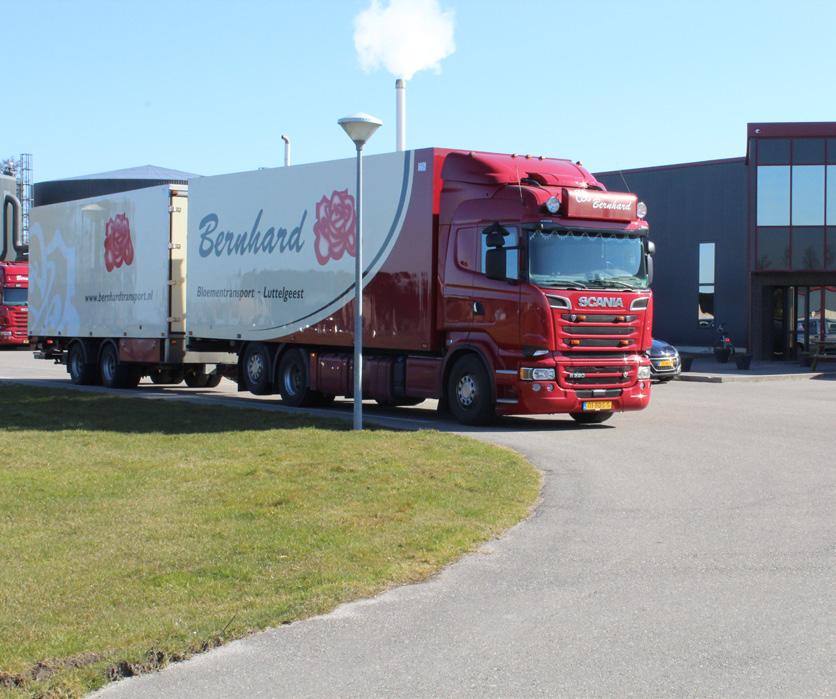
The orchids, cut roses, bedding and container plants cultivated by Kwekerij Bernhard nurseries are shipped worldwide from the Luttelgeest area in the Netherlands. In addition, the company has its own transport division to supply the auctions twice a day. The company has been working closely with Floréac for three years.
“Grandfather Bernhard founded the company more than half a century ago with a modest vegetable and cut flower nursery in Amsterdam,” says Bernhard Patio manager Dave de Olde.
“In the early 1970s, faced with a lack of space to expand the business, the family moved to the province of Flevoland, where there was plenty of land.”
The Bernhards built successively a rose and orchid nursery in Luttelgeest. Today the company is run by grand-sons Simon and Bram. They increased the production capacity even more while expanding the product range dramatically. Dave de Olde: “When land became available next door, we started the cultivation of a wide range
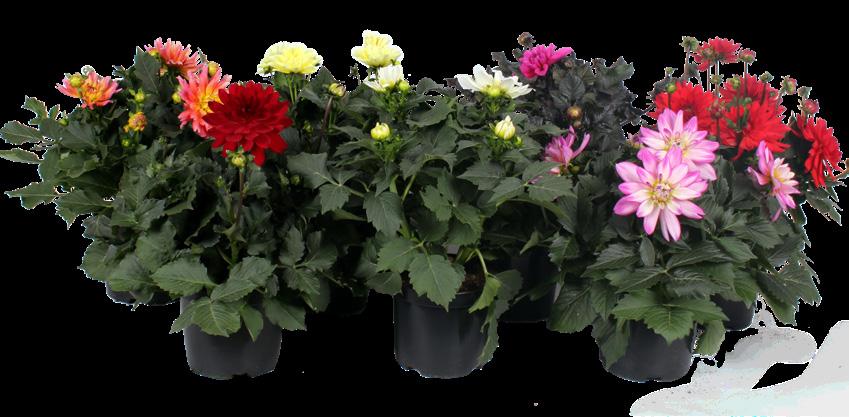
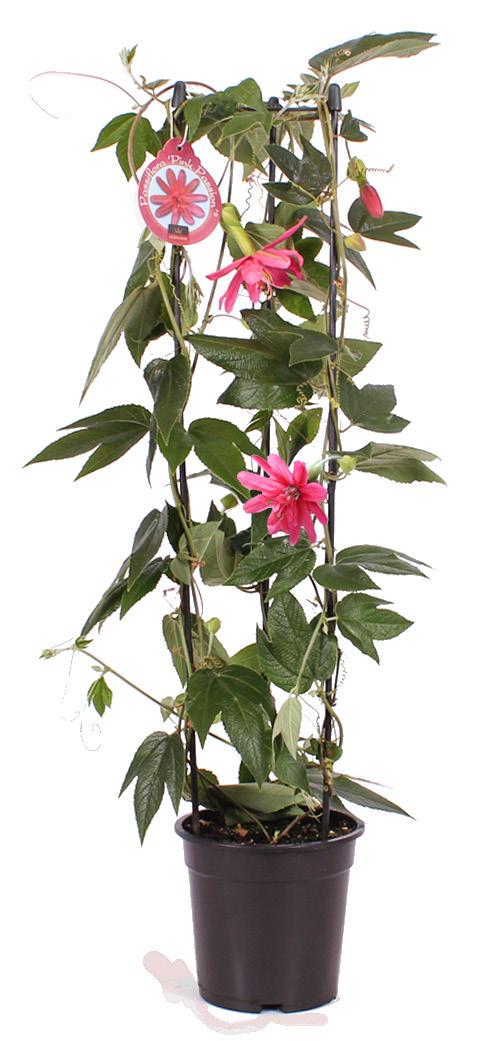
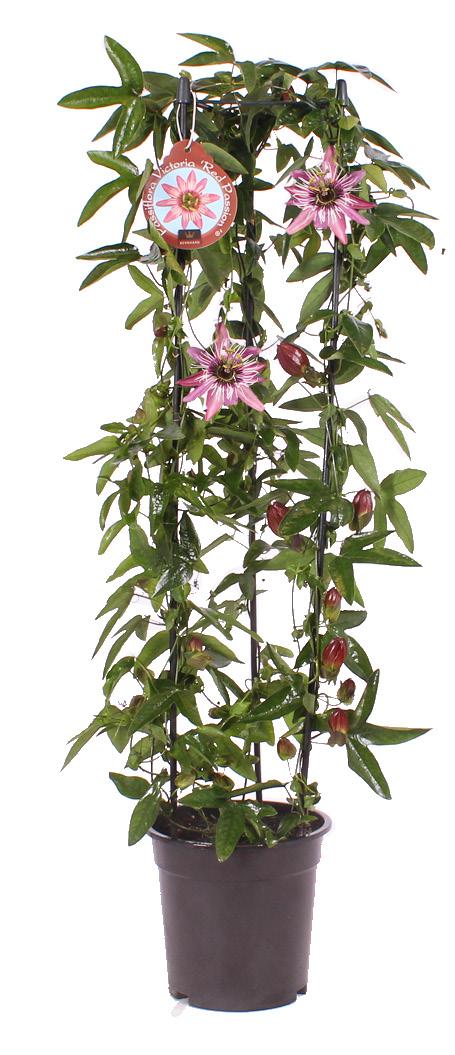
of garden and container plants, such as dipladenia, senetti, passion flower (passiflora) and chrysanthemum.”
Unique colours and shapes Bernhard has been working closely with Floréac for three years now. The Luttelgeest nursery is even one of the main suppliers of orchids and
company Kwekerij Bernhard
location Luttelgeest (the Netherlands)
surface area 25 hectares of glasshouses
number of plants 3 million orchids and 5 million various garden plants
workforce 200 FTE
operations worldwide
dipladenia. Dave de Olde: “We try to offer good value for money and Floréac is no different. Our collaboration is characterised by short communication lines, clear agreements and wellrun processes. We meet several times a year. And every time the same question comes up: how can we do even better for our customers tomorrow? We know our product range through and through, they know what the market wants. By combining this knowledge, we can work out the best strategy together.”
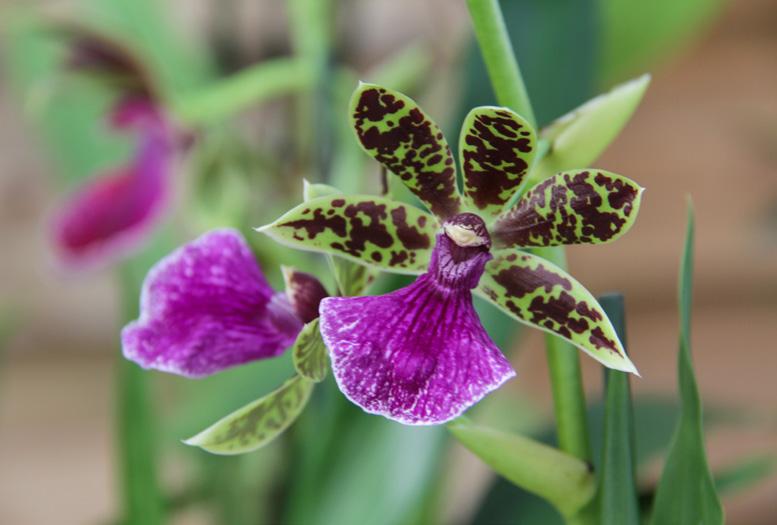
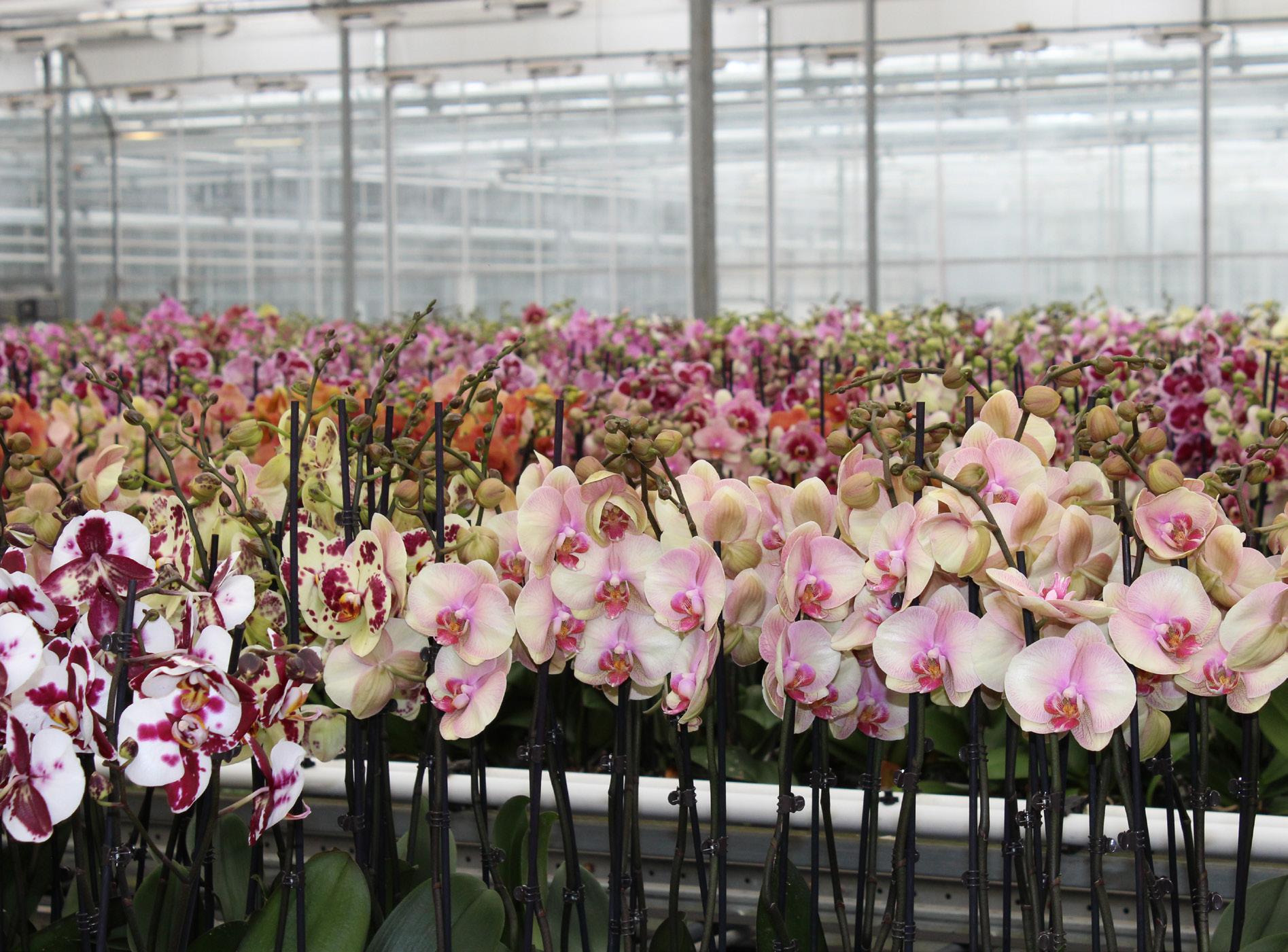
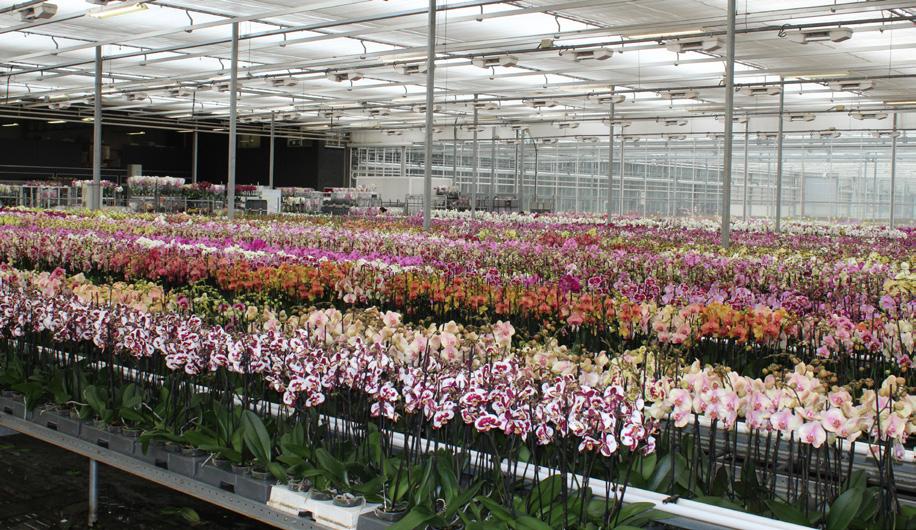
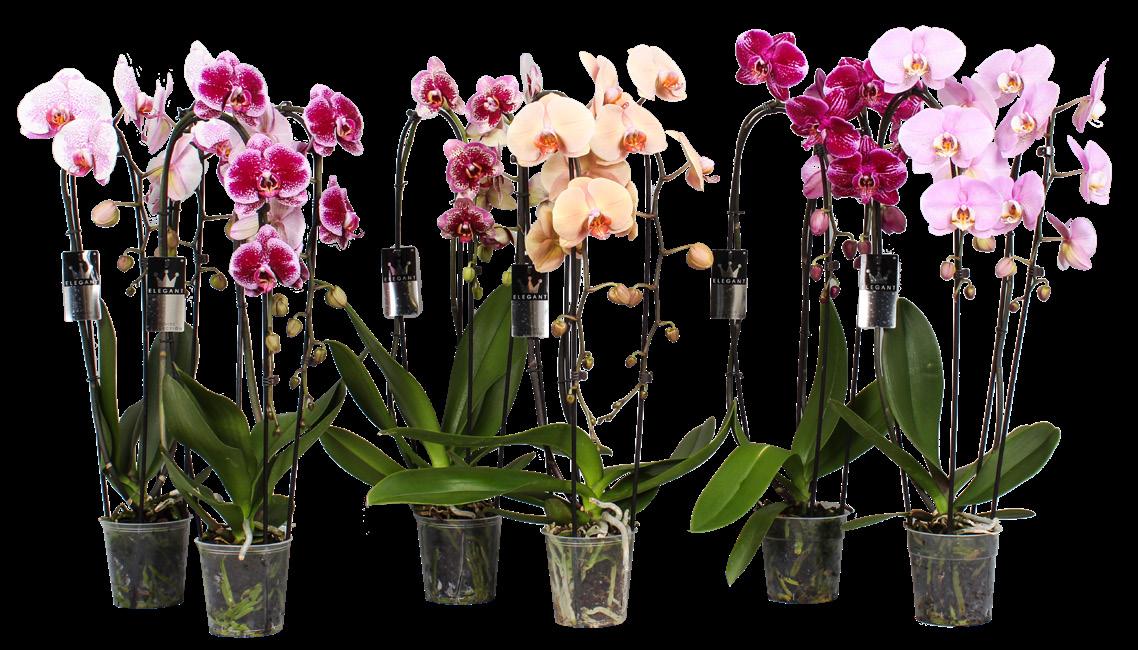
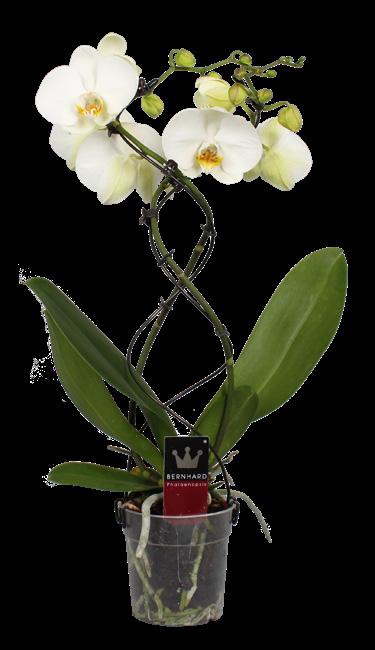
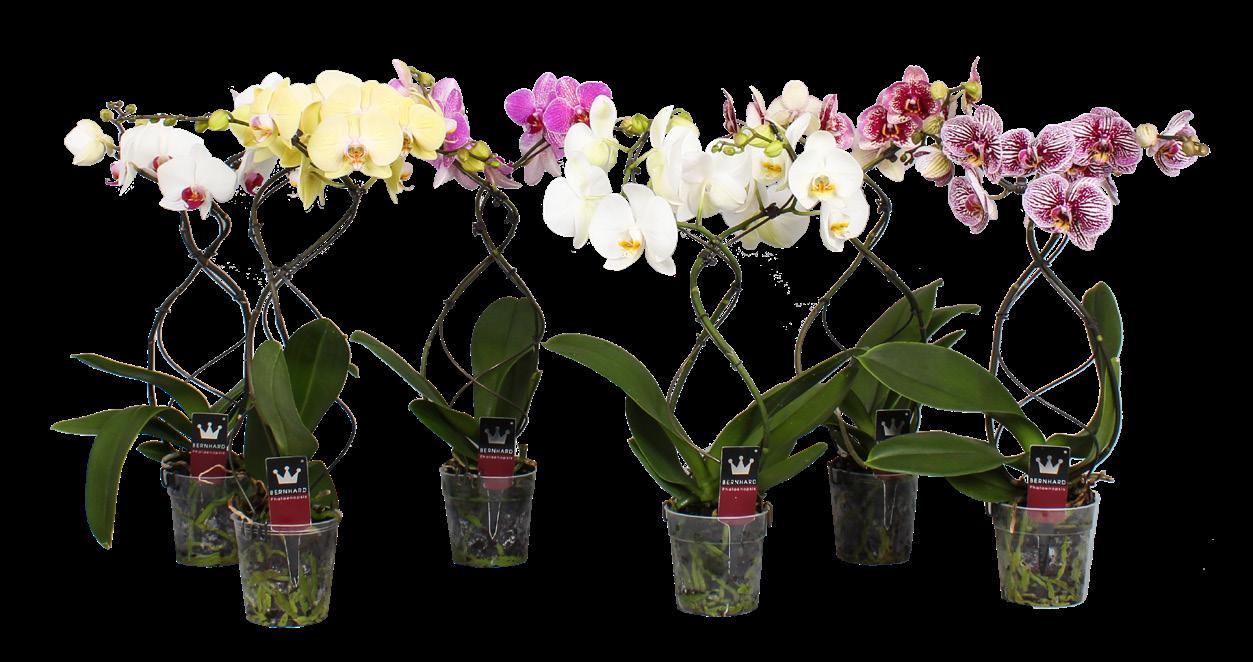
About 200 types of Phalaenopsis grow in the Bernhard greenhouses. The team spares neither
cost nor effort when it comes to expanding and renewing the range of plants. Dave de Olde: “We rely on a handful of dedicated breeders. When we need very special shapes and unique colours, however, we turn to the Far East. The green and very dark flowers, just like the cascade and umbrella shapes, come from there. This allows us to put together an offer that is entirely different from the competition’s.”
Whenweneedveryspecial shapesanduniquecolours, we turn to the Far East
DavedeOlde,BernhardPatio
Sustainable and cost-efficient
Cost-efficient production in the floriculture company is ensured by extensive process automation. Dave de Olde: “Our cut flowers are automatically sorted by a smart camera system and we work with an ingenious internal transport system. This allows us not only to minimise manual operations, but also to monitor and adjust the condition of our plants.”
The facilities required for the various crops were clustered to reduce energy costs further. Dave de Olde: “Roses mainly need a lot of CO2 and light, while orchids require a great deal of heat. By installing a heat recovery system between the rose nursery and the orchid greenhouse, we can use the excess heat and released CO2 around the clock.”