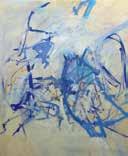
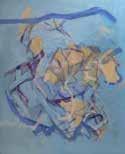
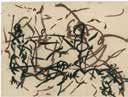
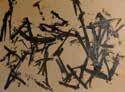
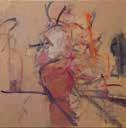
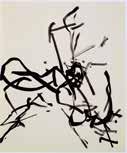
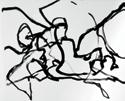
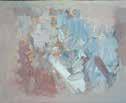
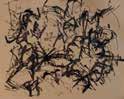
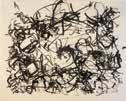
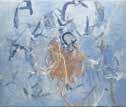
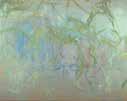
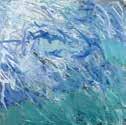
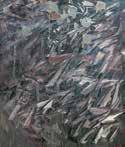
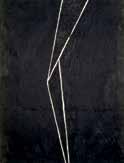
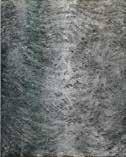
HARRY KRAMER
SELECTED WORK 2021–1970s
ISBN: 979-8-218-08725-8
Publication copyright © Harry Kramer
First printing: 2022
Cover:
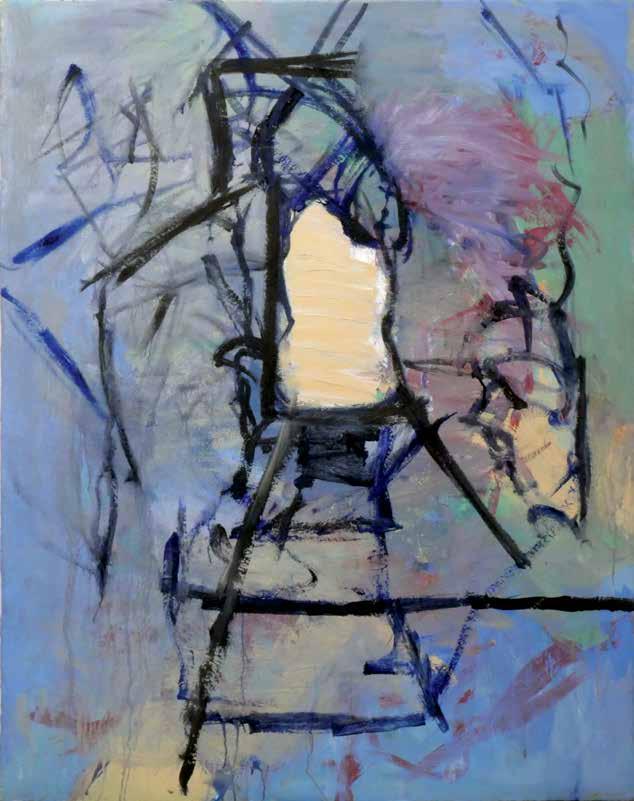
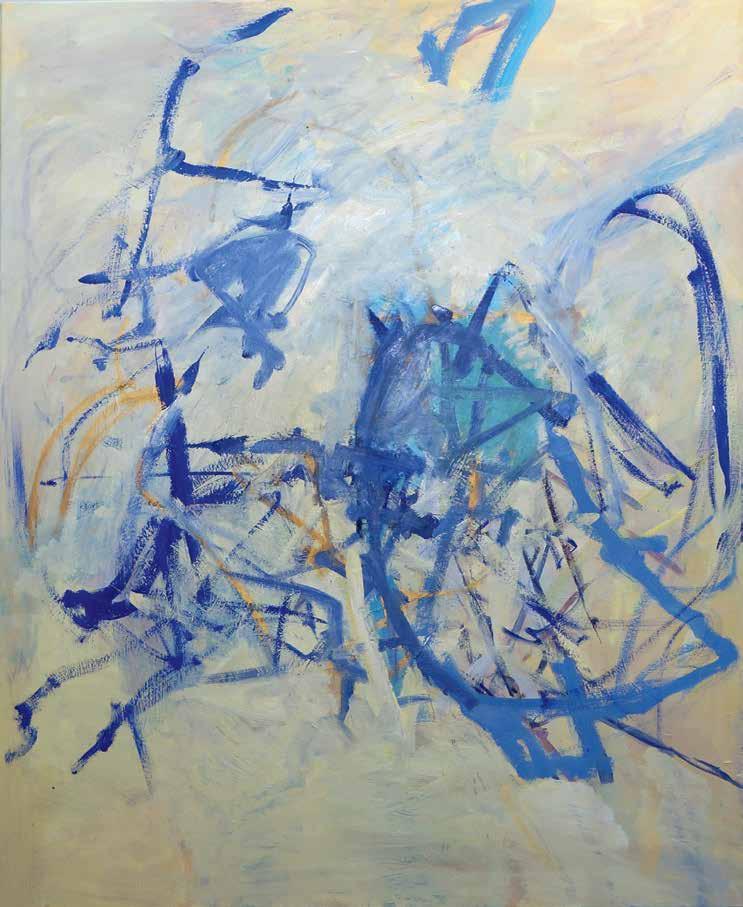
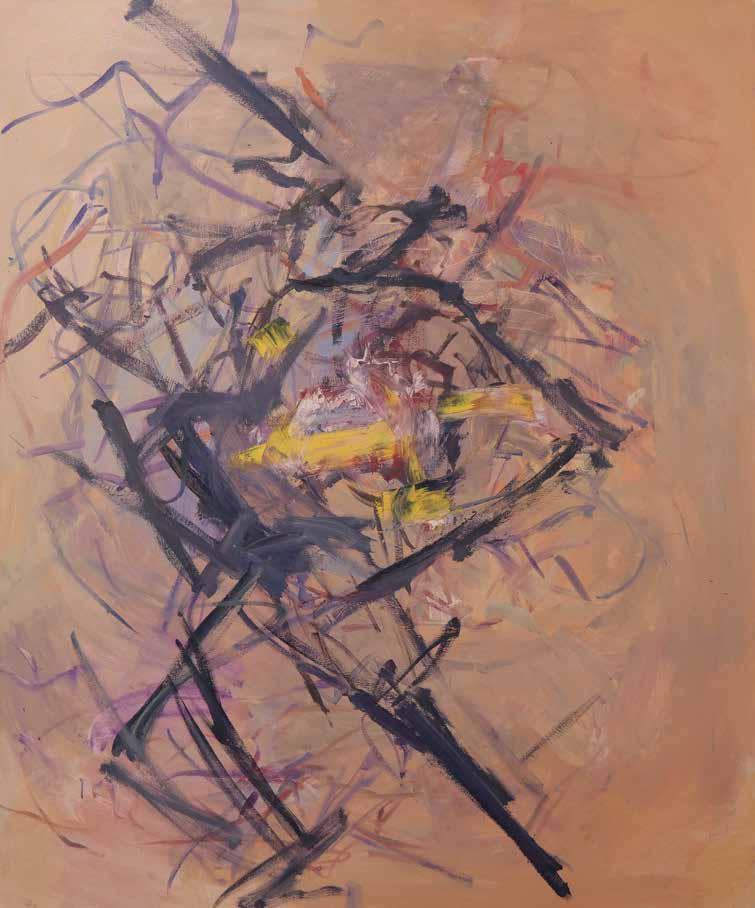
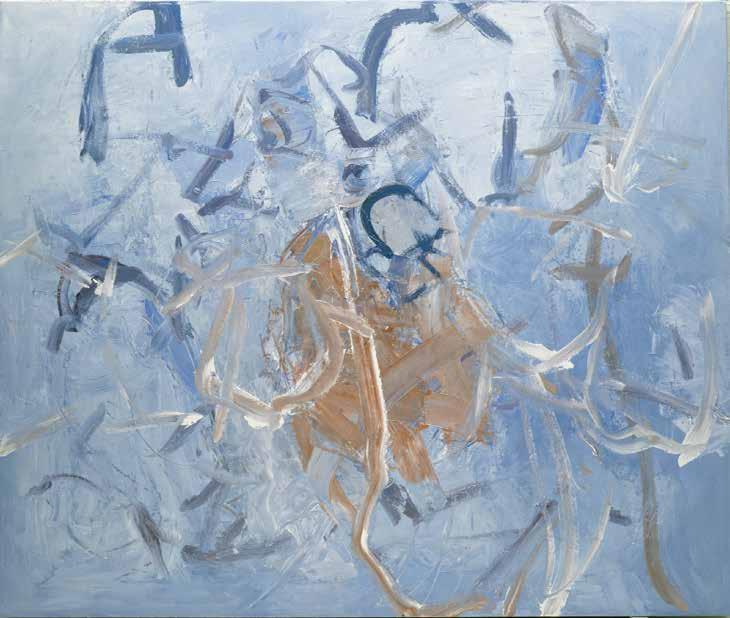
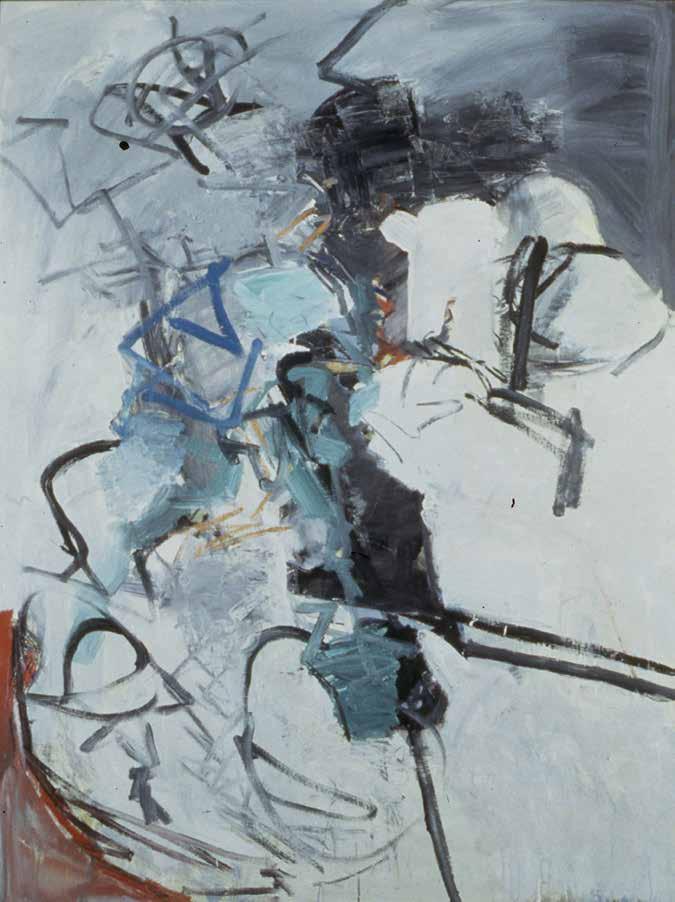
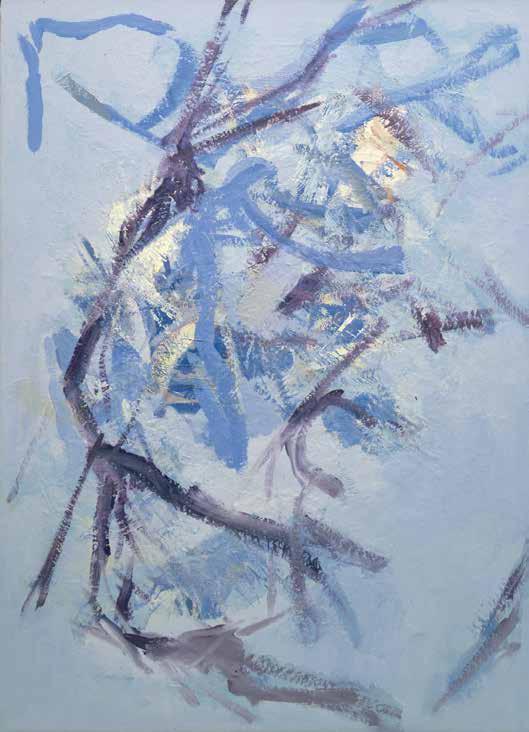
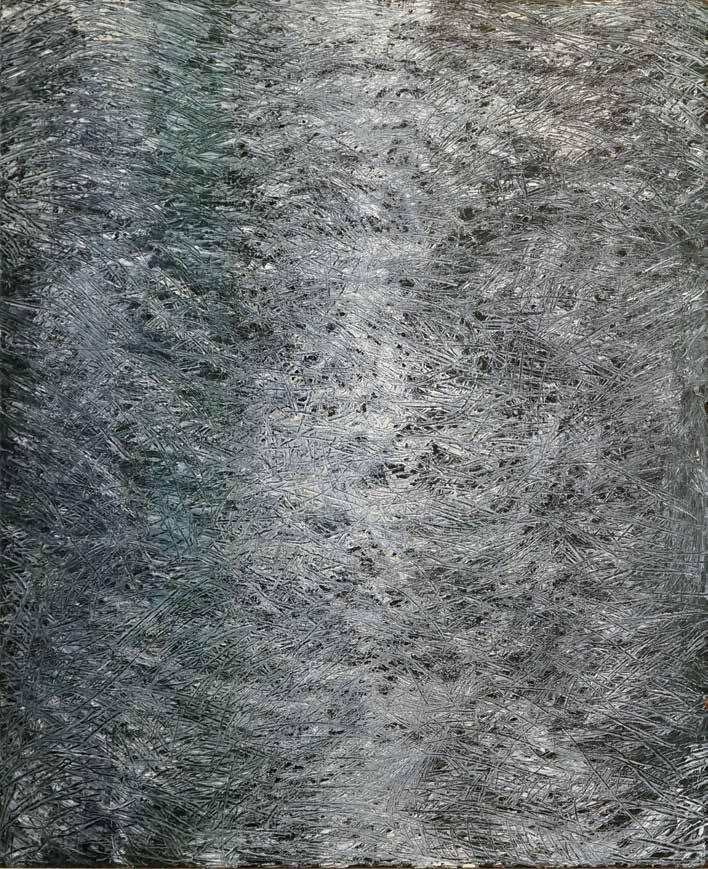
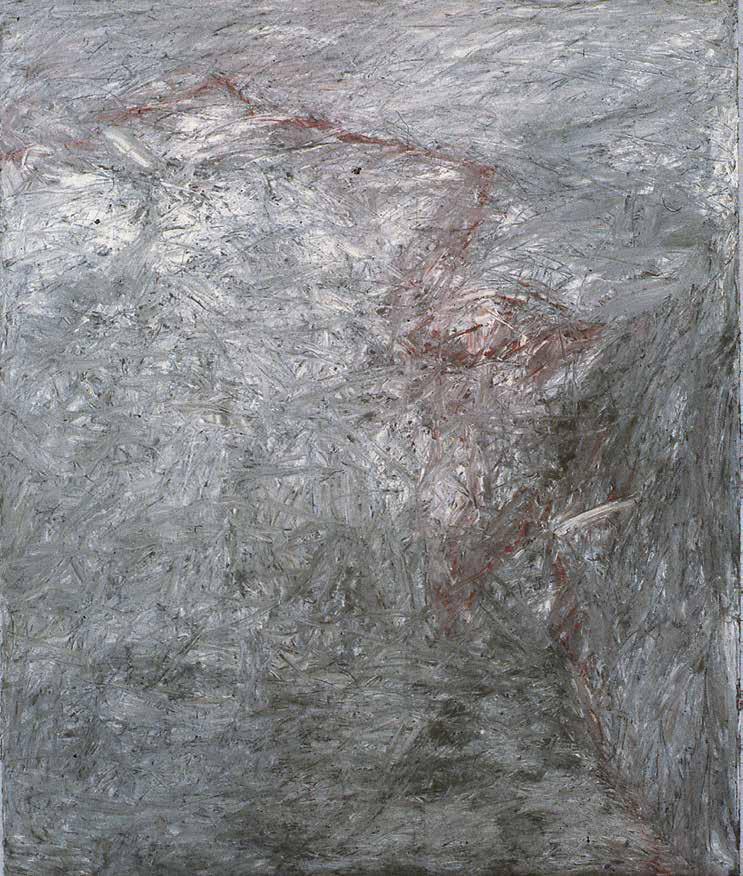
White Painting 2016, Oil on canvas, 72 x 60 inches
Private collection
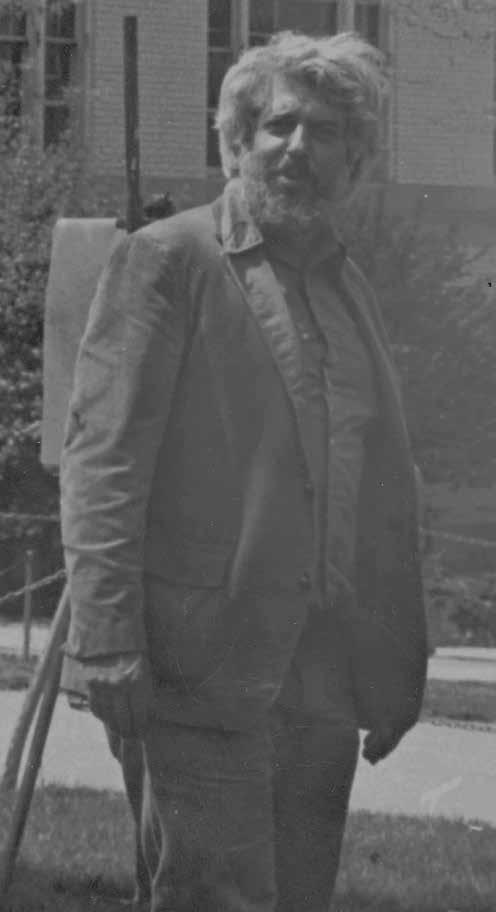
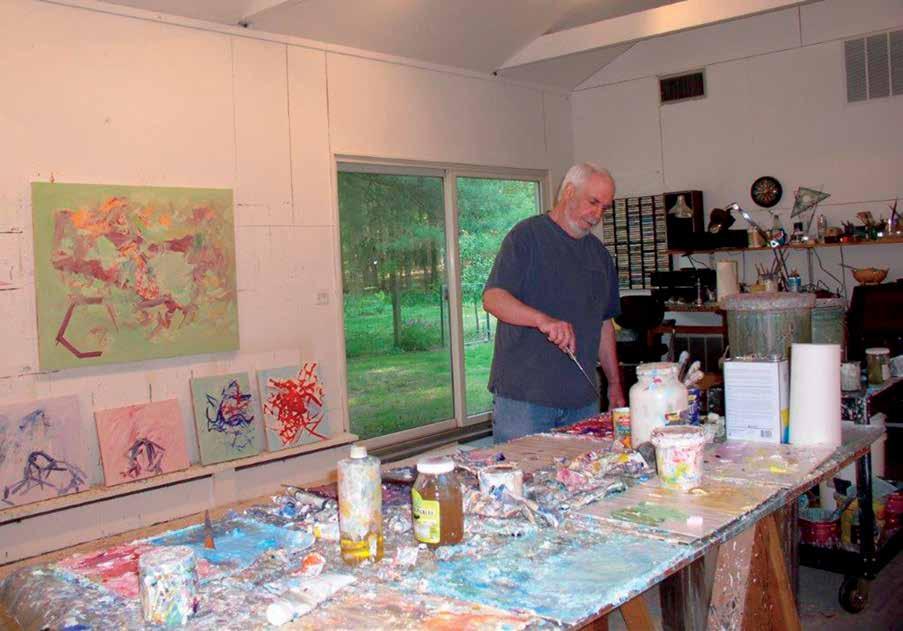
Opposite Page: Harry Kramer, ca 1980s
“Philosophy begins in wonder. And, at the end, when philosophic thought has done its best, the wonder remains.”
Alfred North Whitehead
“It’s not that I am so smart,” Albert Einstein once said. “It’s just that I stay with problems longer.”
SELECTED WORK 2021–1990
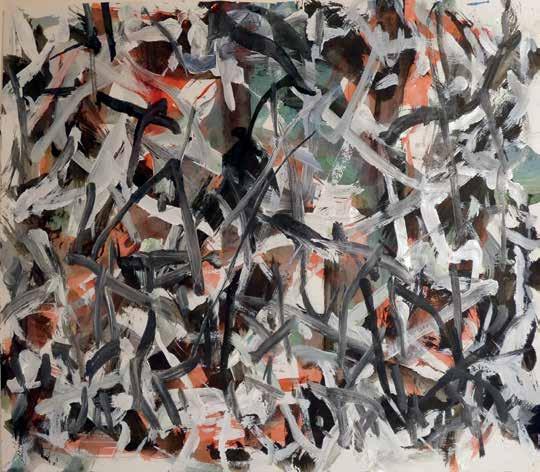
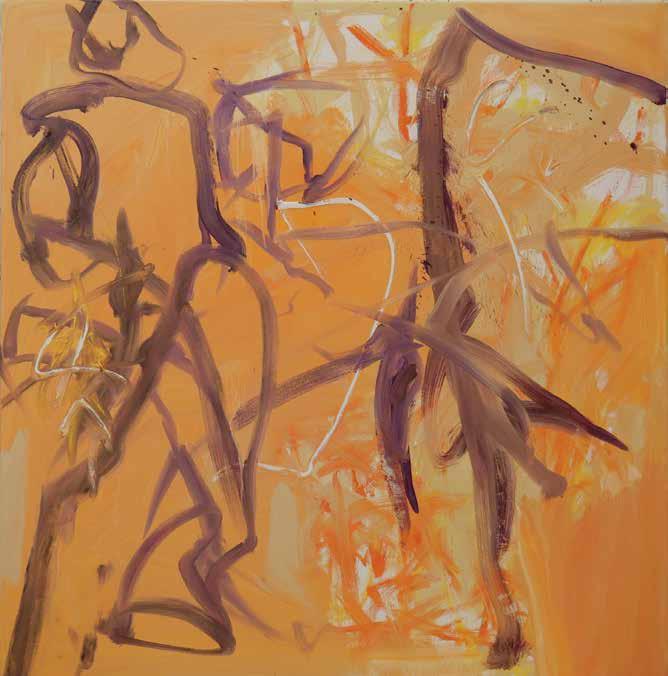
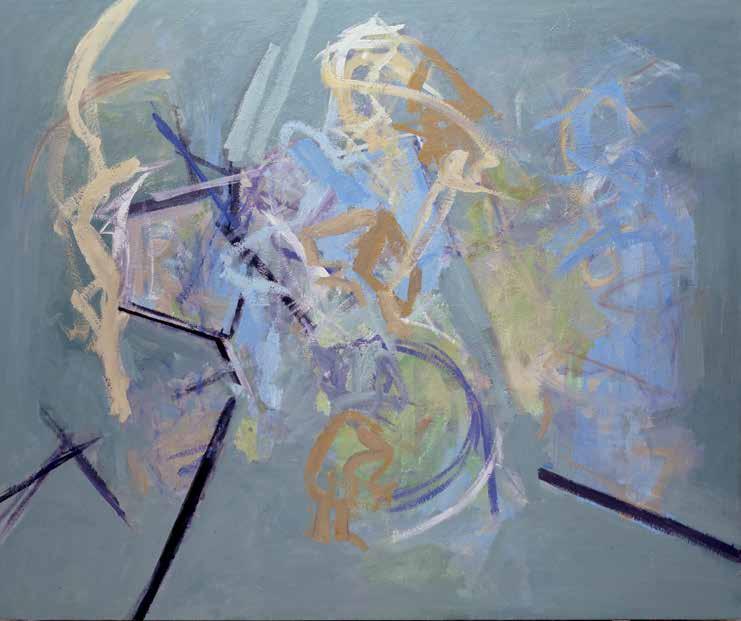
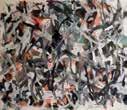
Persons Of Interest 2021, oil on canvas, 38 x 48 inches, Private collection
Mystery Theater 2021, oil on canvas, 48 x 38 inches, Private collection
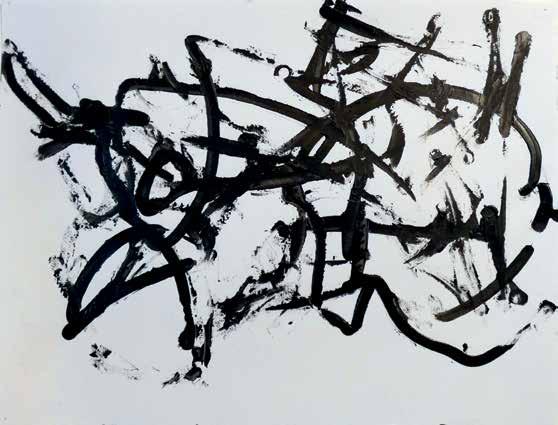
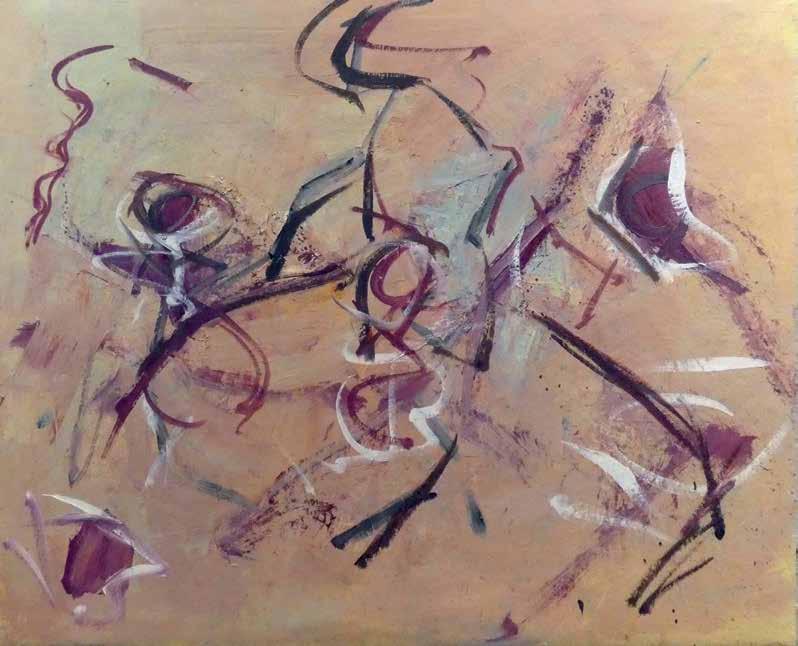
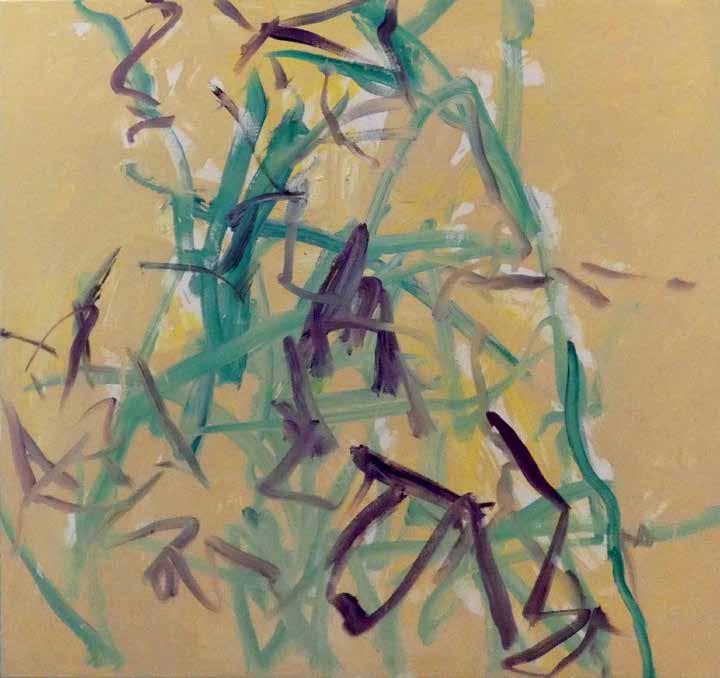
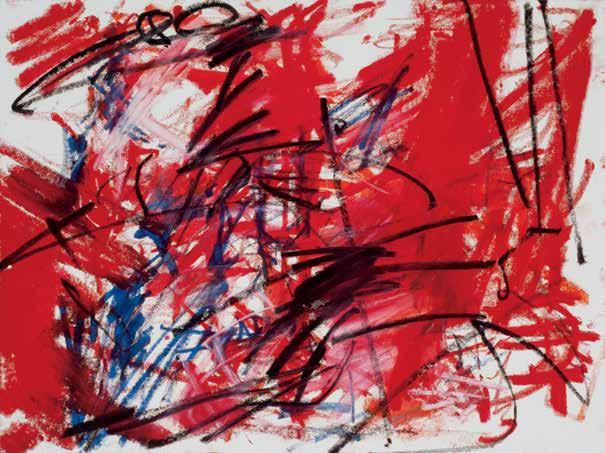
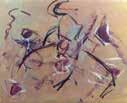
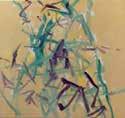
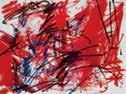
Untitled 2021, acrylic on paper, 13 x 17 inches, Private collection
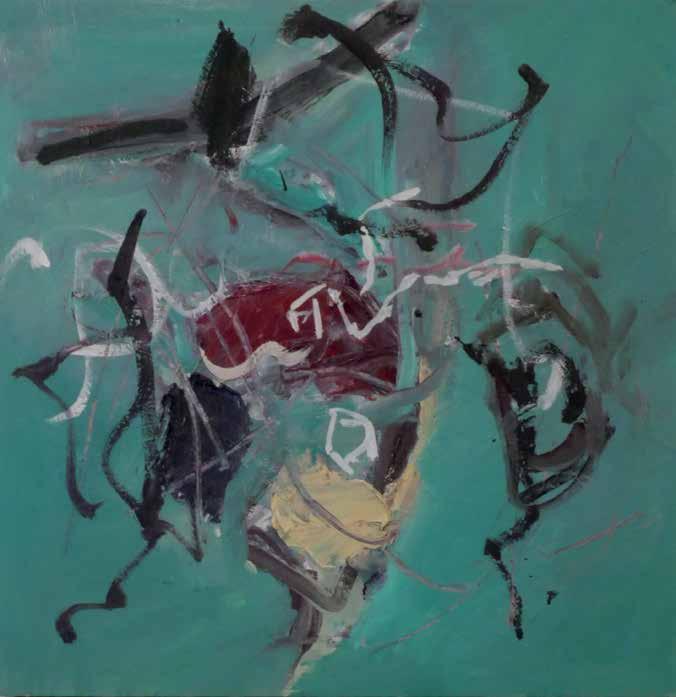
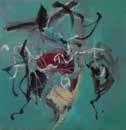
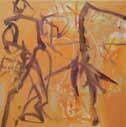
Study For Duke Of Edinburgh 2021, oil on canvas, 24 x 24 inches, Private collection
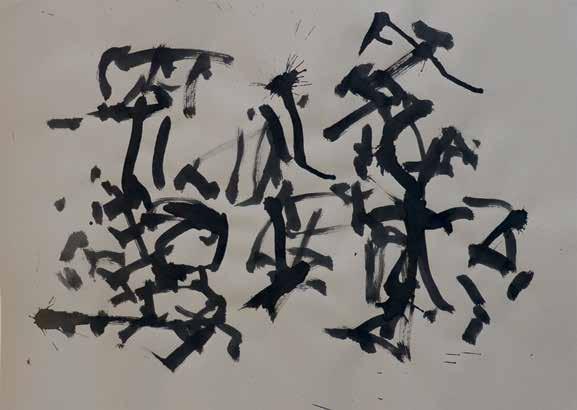
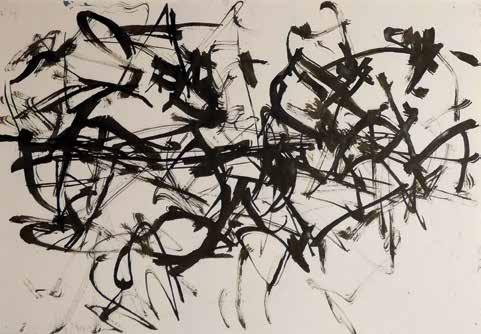
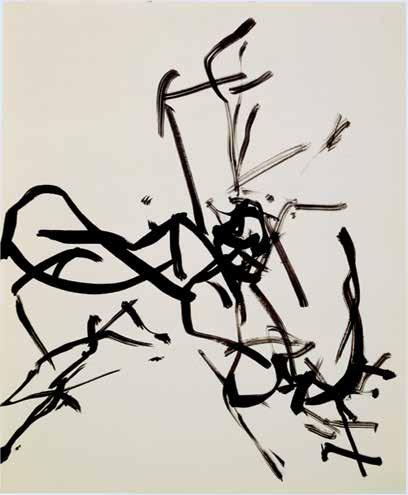
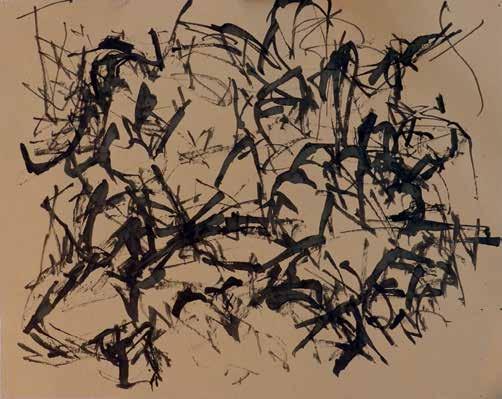
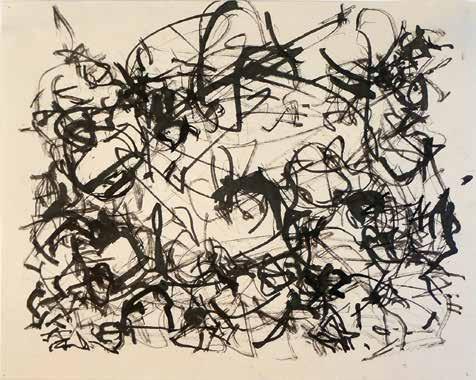
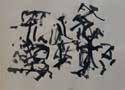
Untitled 2017, ink on paper, 12 x 18 inches, Private collection
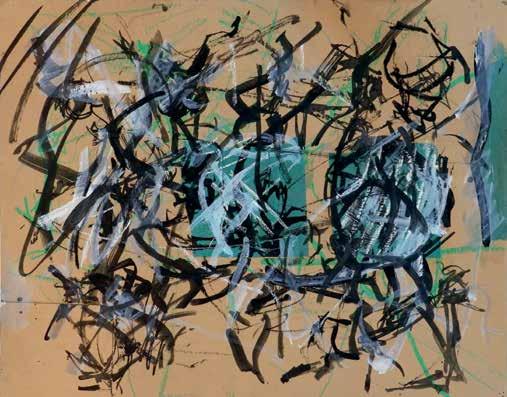
Untitled 2021, ink and acrylic on paper, 14 x 17 inches, Private collection
A Little Bit About A Lot Of Things 2021, oil on canvas, 38 x 48 inches, Private collection
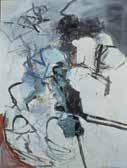
White Painting 2016, oil on canvas, 72 x 60 inches, Private collection
Tender Moments 2021, oil on canvas, 48 x 38 inches, Private collection
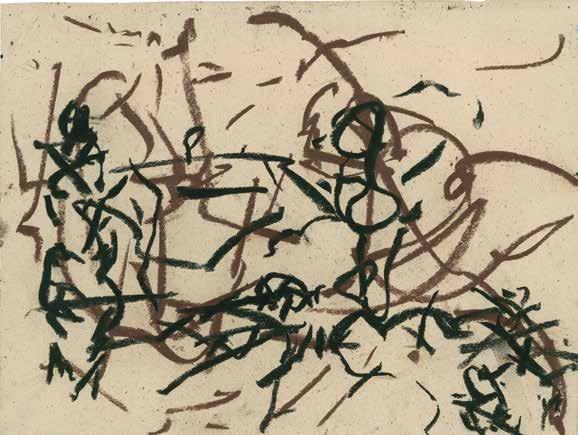
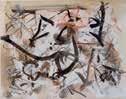
Untitled 1995, charcoal and conté crayon on paper, 8 x 11 inches, Private collection
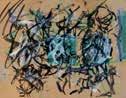
Untitled 2021, ink and acrylic on paper, 8 x 11 inches, Private collection
Queen of England 2021, oil on canvas, 72 x 60 inches, Private collection
Another Day Without Rain 2021, oil on canvas, 60 x 72 inches, Private collection
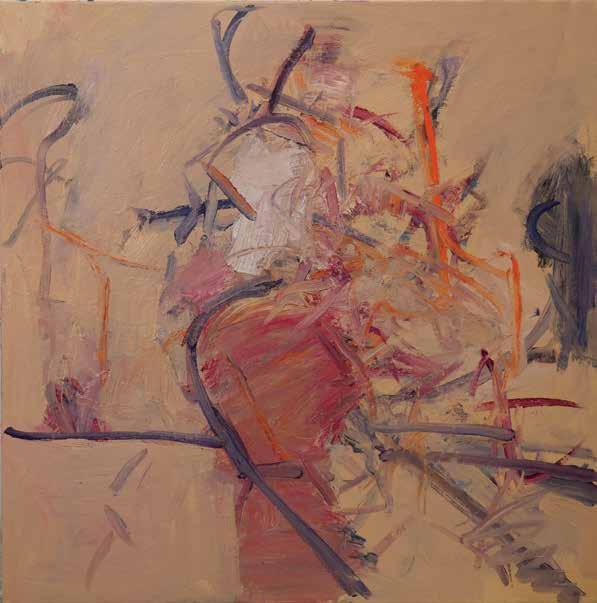
Woman 2021, oil on canvas, 40 x 40 inches, Private collection
Untitled 2021, ink on paper, 8 x 12 inches, Private collection
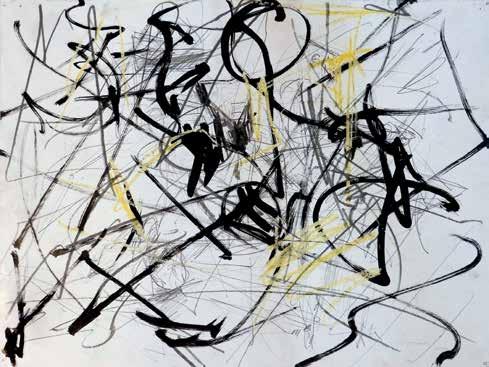
Untitled 2014, ink, pencil and crayon on paper, 10 x 14 inches, Private collection
Untitled 2014, acrylic, ink and conté crayon on paper, 11 x 14 inches, Private collection
Untitled 2003, acrylic, ink and Cray-Pas on paper, 13 x 17 inches, Private collection
I Told You That I Loved You, Now Get Out 2021, oil on canvas, 40 x 40 inches, Private collection
I’ll Buy You Pretty Things 2021, oil on canvas, 40 x 40 inches, Private collection
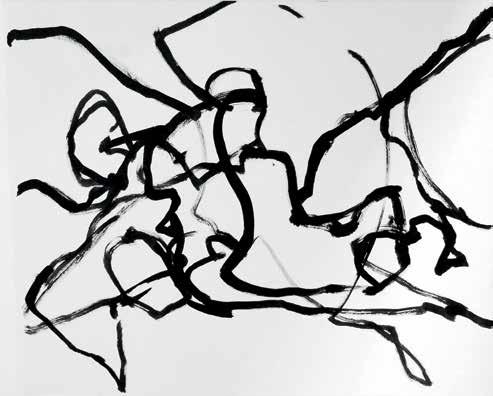
Untitled 2007, ink on paper, 17 x 14 inches, Collection of Mrs Sally Sirken Lewis
Untitled 2007, ink on paper, 14 x 17 inches, Private collection
Babalu 2003, oil on canvas, 8 x 10 inches, Private collection
Iris 2003, oil on canvas, 8 x 10 inches, Private collection
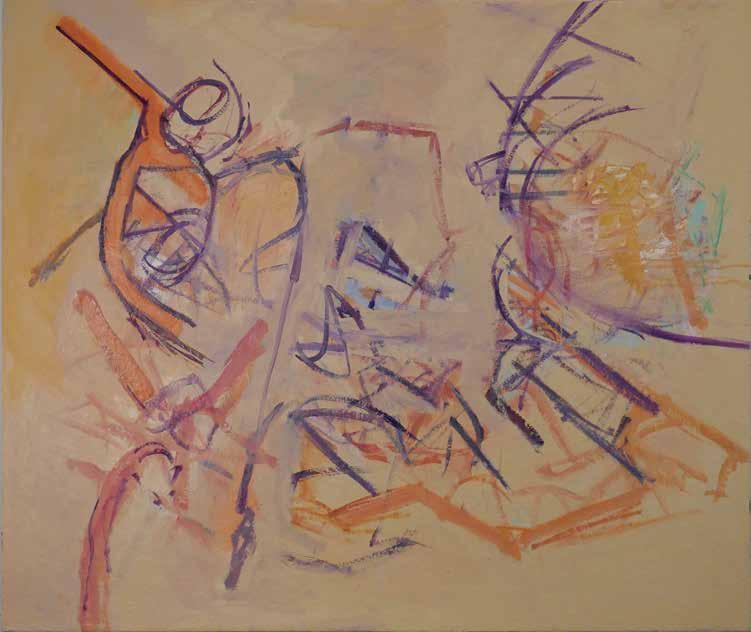
Secret Love 2005, oil on canvas, 60 x 72 inches, Private collection
Big Dog 2005, oil on canvas, 60 x 72 inches, Collection of Mrs. John D. Rockefeller IV
Untitled 2005, ink on paper, 13 x 17 inches, Private collection
Untitled 2007, ink on paper, 8 x 10 inches, Private collection
Harbor 2003, oil on canvas, 60 x 72 inches, Collection of Mathew J. Felton
A Dance Not Danced 2003, oil on canvas, 72 x 90 inches, Collection of Kenneth B. Roath
A Song Not Sung 2003, oil on canvas, 60 x 72 inches, Private collection
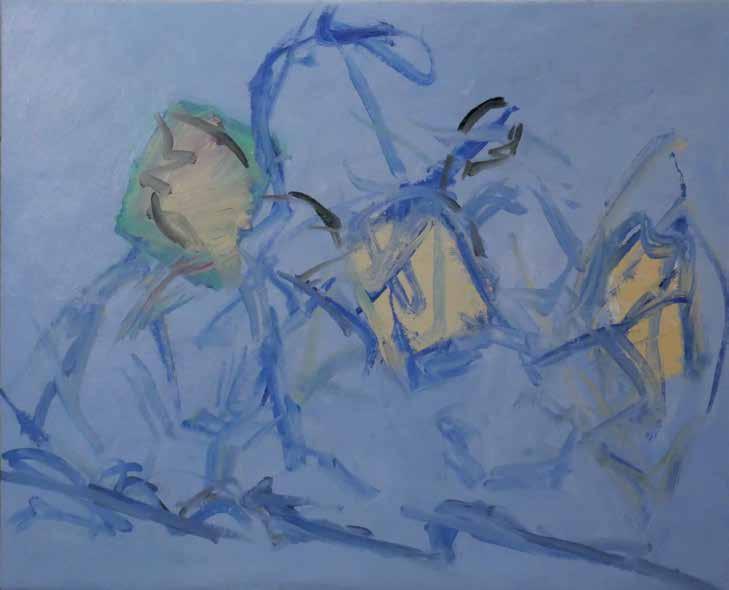
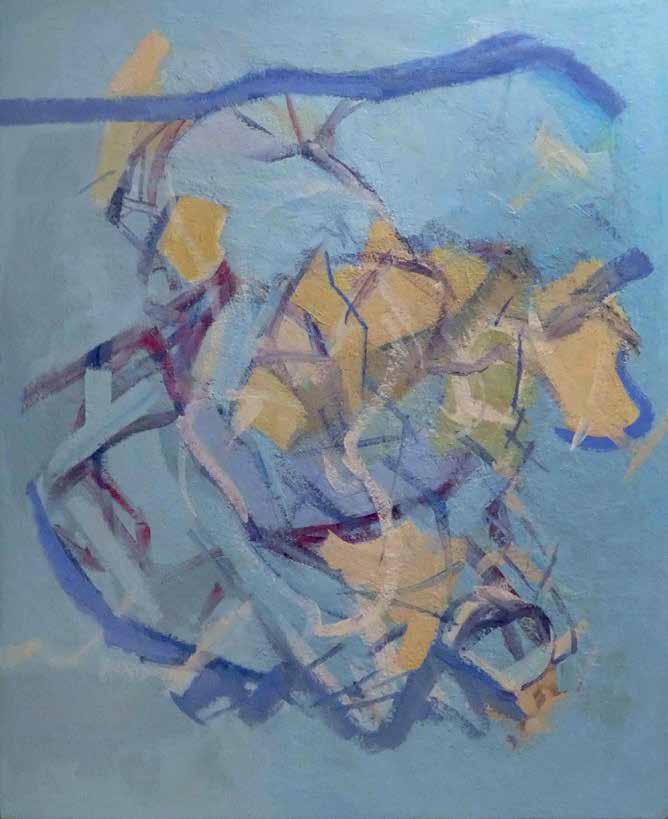
Little Green Giant 2016, oil on canvas, 48 x 38 inches, Private collection
Breaking Up Is Hard To Do 1993, oil on canvas, 72 x 80 inches, The Heckscher
Museum of Art, NY, Gift of Brauner Baron Rosenzweig & Klein, LLP
Bonze 1997, oil on canvas, 60 x 72 inches, Private collection
Wellstone 2003, oil on canvas, 72 x 90 inches, Collection of Dorothy Lichtenstein
Good Morning Sweet Toots 1993, oil on canvas, 80 x 60 inches, Private collection
My Reverie 1993, oil on canvas, 80 x 60 inches, Private collection
Patriot 1991, oil on canvas, 72 x 90 inches, Collection of The Metropolitan Museum of Art
Deacon Rides Again 1991, oil on canvas, 72 x 72 inches, Collection of the Parrish Art Museum
Sneaking Sally Through The Alley 1991, oil on canvas, 72 x 90 inches, Collection of the Parrish Art Museum
Lover Lu 1991, oil on canvas, 72 x 72 inches, Collection of Marleen B. and Eric D. Donnenfeld
Blue Prelude 2003, oil on canvas, 36 x 26 inches, Private collection
SELECTED WORK 1990–1980
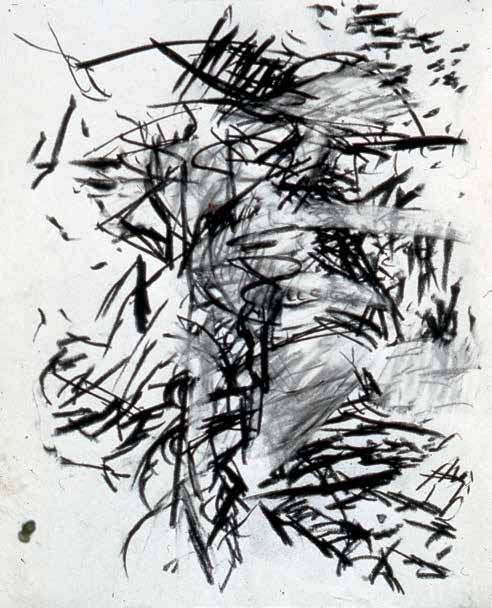
Untitled 1987, charcoal on paper, 14 x 11 inches, Collection of Paul and Myrna Davis
Belle Isle 1987, paint stick on paper, 14 x 11 inches, Collection of the Parrish Art Museum, Gift of Richard I. Adrian
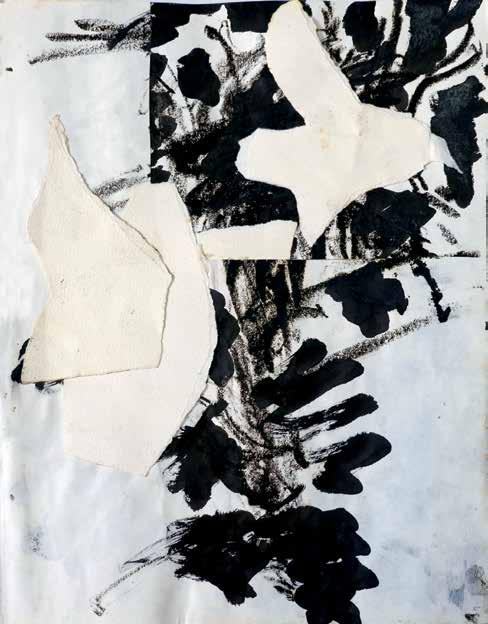
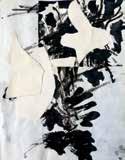
Untitled n.d., collage and acrylic on paper, 13 x 10 inches, Private collection
Night Train To New Orleans 1987, oil on canvas, 72 x 90 inches, Collection of Jeffrey Haber
Swimmers 1987, oil on canvas, 72 x 72 inches, Private collection
Gull II 1983, oil on canvas, 72 x 68 inches, Private collection
One Night With You 1981, oil on canvas, 72 x 60 inches, Private collection
Untitled 1979, oil on canvas, 72 x 60 inches, Collection of Davis Polk Wardwell, NY
SELECTED WORK 1980–1970
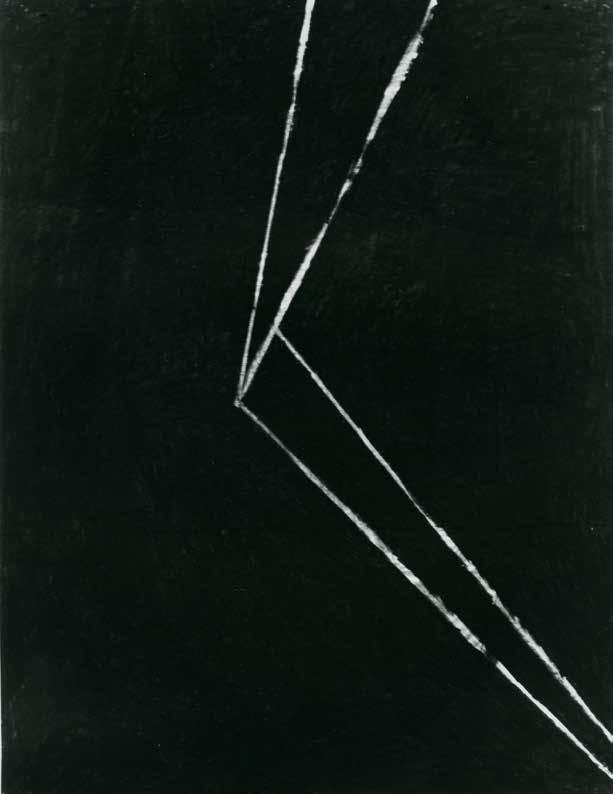
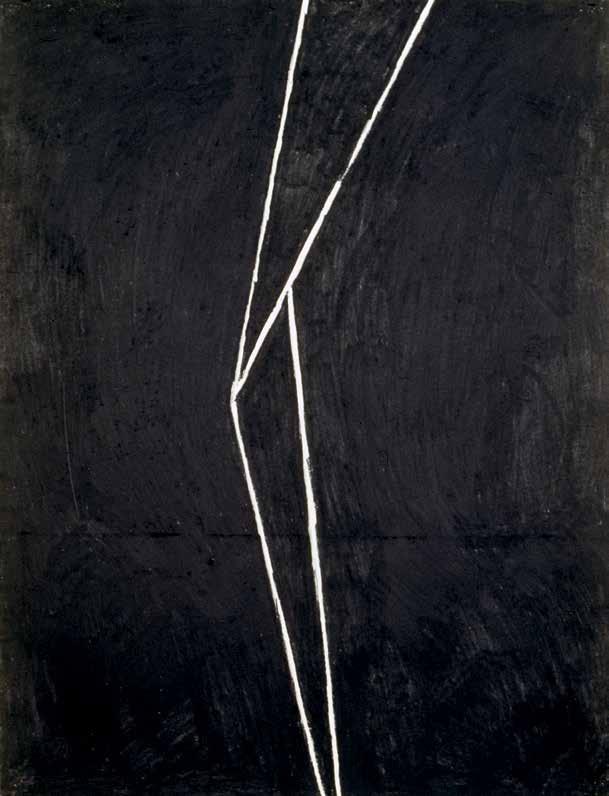
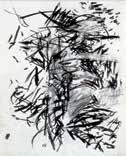
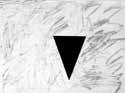
Sugar Foot Series 1976, charcoal on paper, 72 x 32 inches, Private collection
Sugar Foot Series 1976, charcoal on paper, 42 x 32 inches, Private collection
Sugar Foot Series 1976, charcoal on paper, 42 x 32 inches, Private collection
Sugar Foot Series 1976, charcoal on paper, 25 x 40 inches, Collection of Philip Morris International
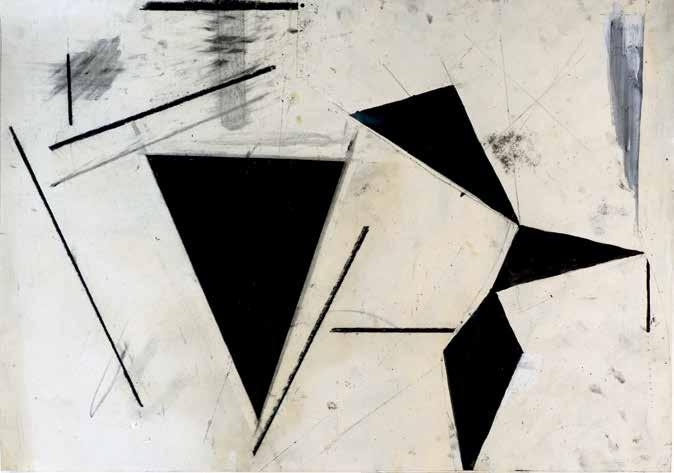
Untitled 1970s, charcoal on paper, 18 x 24 inches, Private collection
1973, charcoal on paper, 18 x 24 inches, Private collection
Untitled
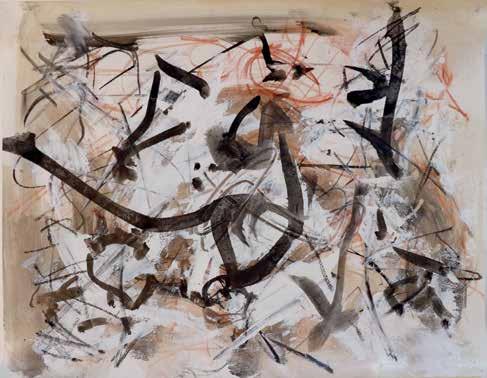
Untitled 1975, oil on gessoed paper, 28 x 39 inches, Private collection
Untitled 1973, charcoal and collage on paper, 18 x 26 inches, Collection of Jeri Coppola
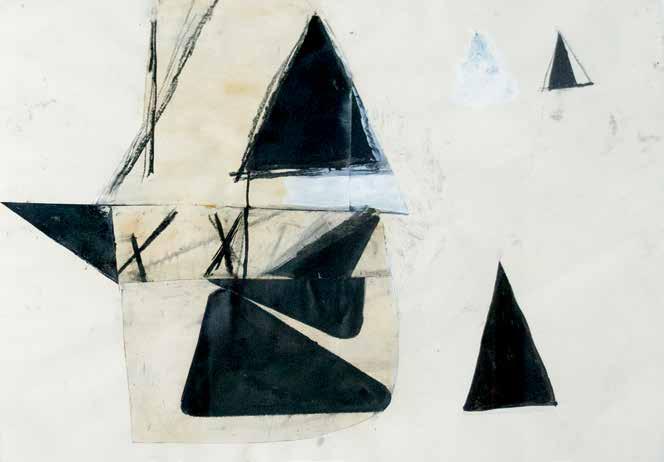
Fish’s Eddy 1970s, charcoal, graphite and collage on paper, 18 x 24 inches, Private collection
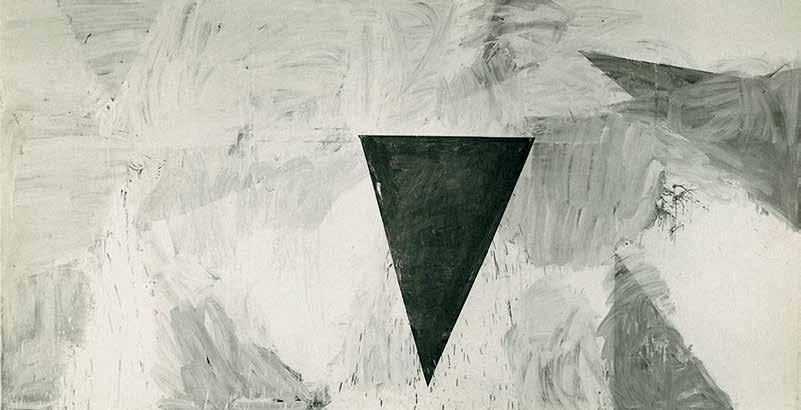
Deposit 1973, oil on canvas, 108 x 216 inches, Collection of the Detroit Institute of Arts
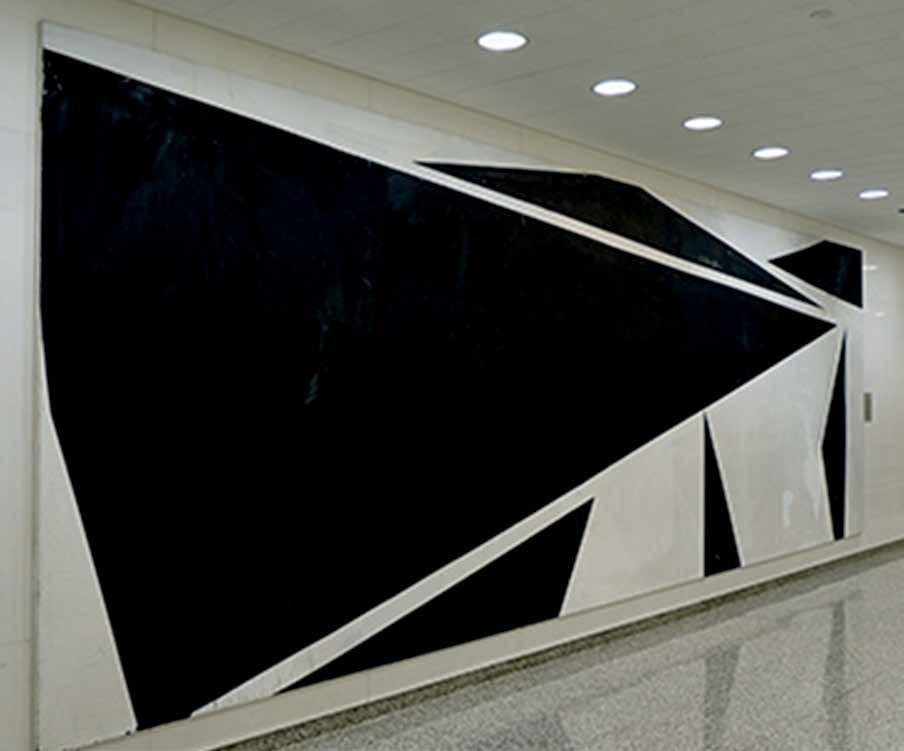
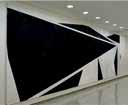
Orca 1972, oil on canvas,108 x 216 inches, North Hall, U.S. District Court, Eastern District of NY, 225 Cadman Plaza, Brooklyn, NY
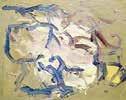
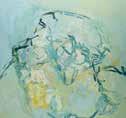
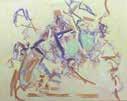
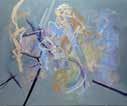
When I was a young painter, the artists I most admired were not involved with fashions or trends but were interested in something that seemed to me more substantial, more introspective and more searching. Artists such as Giacometti, Balthus and Morandi didn’t swim with the tide, but ran against it. These artists were working figuratively not because it was “in” at the time but, rather, it was what they needed to do.
When Abstract Expressionism—the movement I am most identified with—came under criticism, partially for being excessive and gratuitous, critics and curators aggressively contrasted it with minimalism and hard-edge painting. I think they threw out the baby with the bath water. These movements were for me too exclusive. Minimalism was too minimal. Hard-edge painting was too hard-edge. I didn’t feel that Abstract Expressionism in the least had been used up.
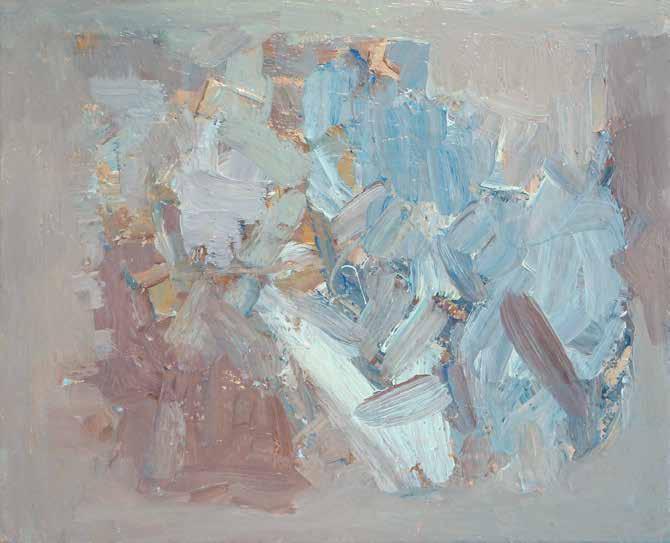
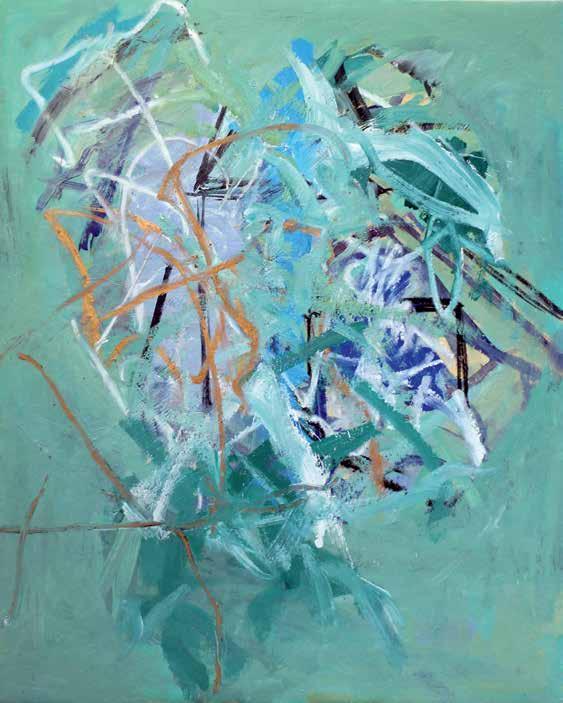
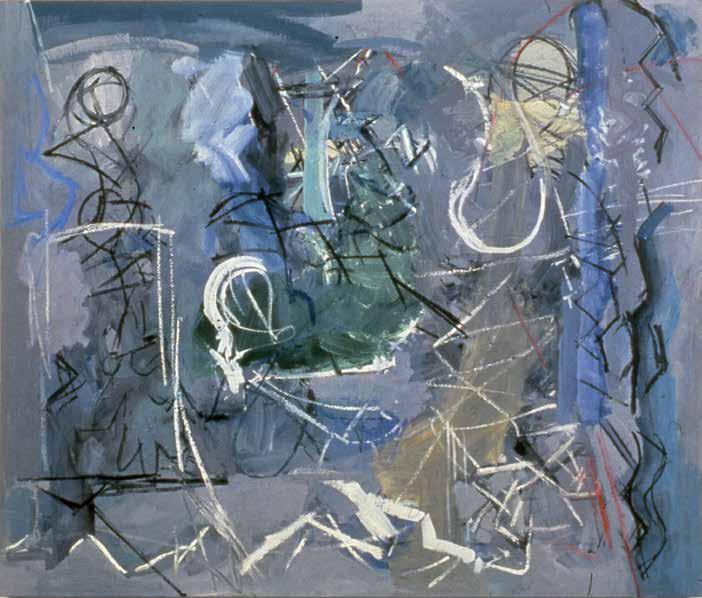
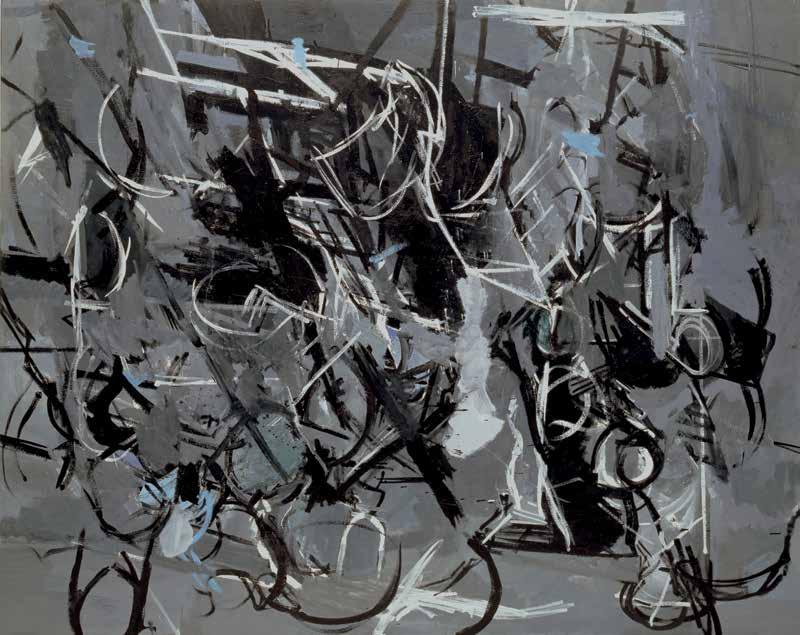
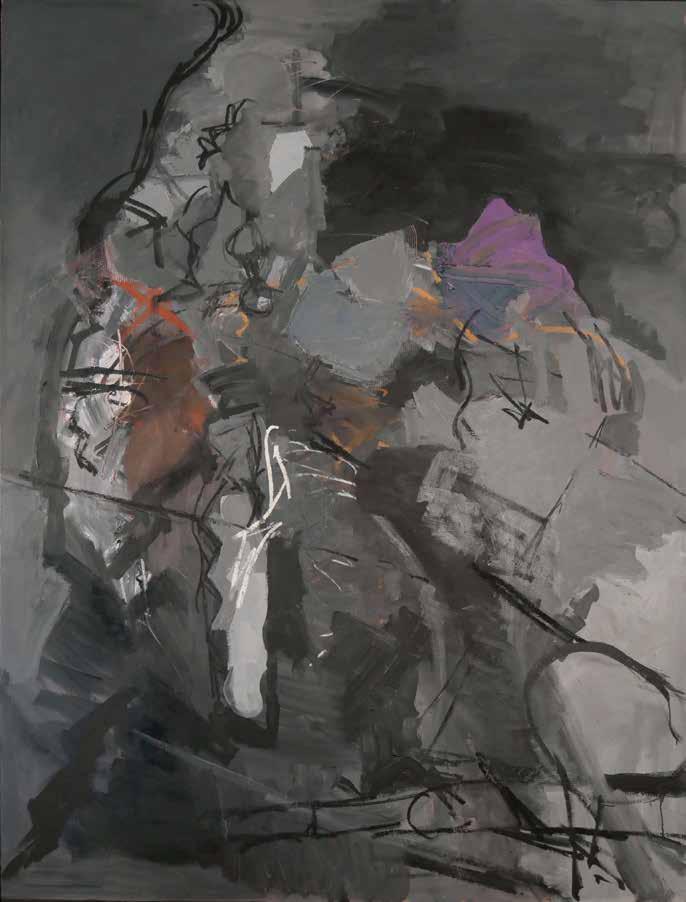
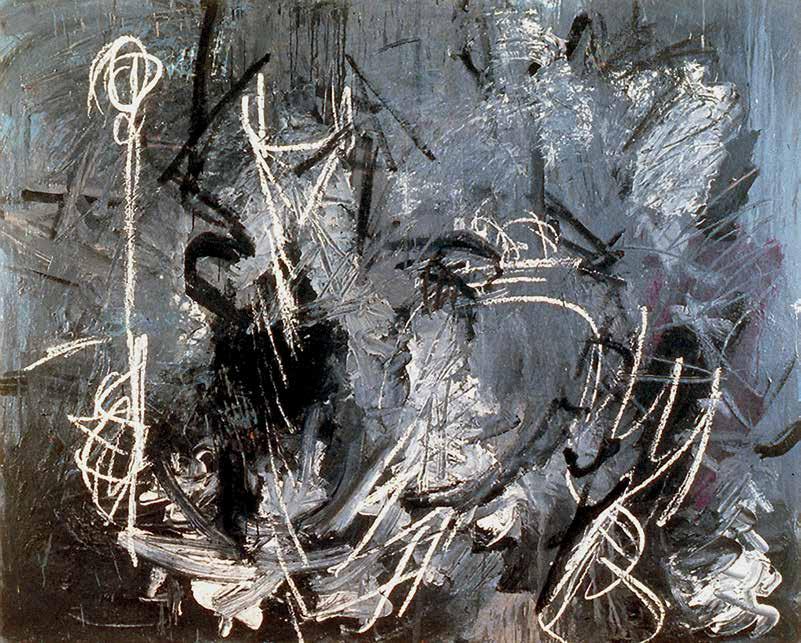
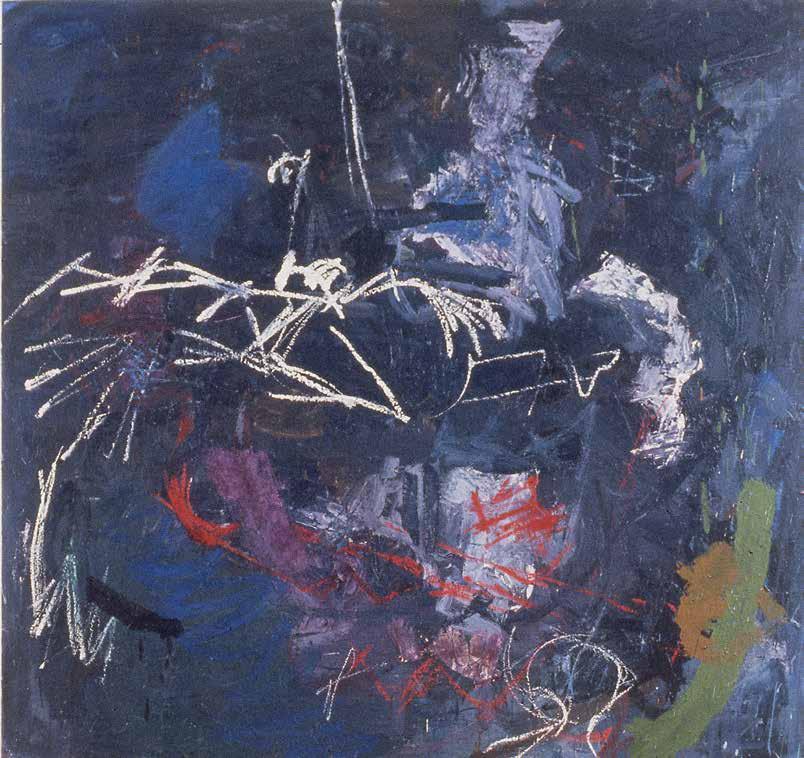
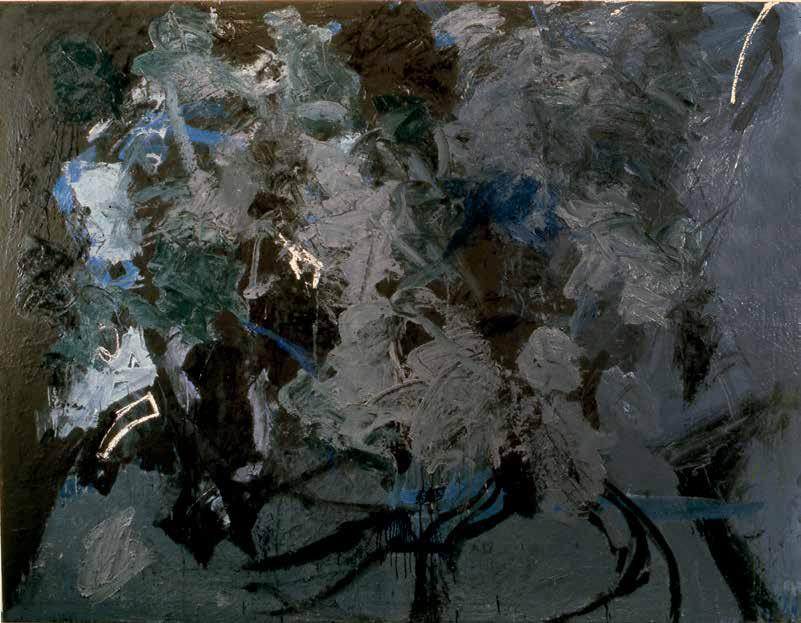
I don’t have a stance favoring abstraction or figuration, but am rather somewhere in between. To paint, you have to recognize yourself as part of nature. I don’t begin any painting with any definite thought that it is going to be about this or that. Whatever it is, it evolves through the process of putting something down, looking at it, responding to it, altering it, moving it. At some point, something will happen that talks to me and then I respond to it and it will indicate something else and I respond to that and eventually it’s there. It’s got its own identity. It is unpredictable. It has a presence and it has a physicality. Rather than being a picture of objects, the painting becomes an object itself. The image evolves through the process, though you may not know the name of it, but it’s there. When it is done, I don’t know how I even did it. It’s like I wasn’t even in the room when it got done. It’s like you connect to the universe. It’s inexplicable. And for me that’s the way a painting should be.
When I look at a painting, for instance Poussin’s The Abduction of the Sabine Women, I am not interested in the Sabines being raped as much as I am interested in the language of rhythmic relationships. When I look at a portrait by Picasso, the degree to which he exacted a resemblance of Dora Marr, a woman I don’t even know, is not what draws me to the painting, but rather the color, the composition and the quality of the paint.
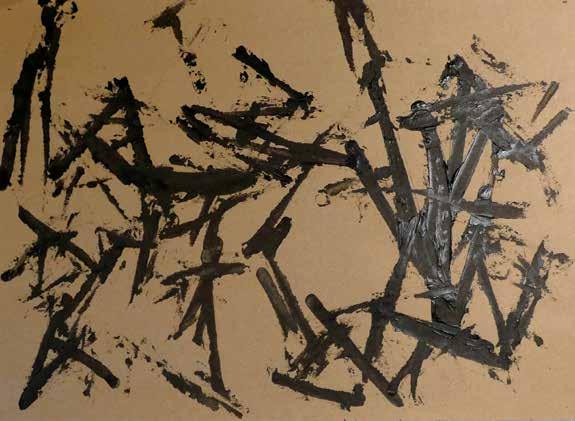
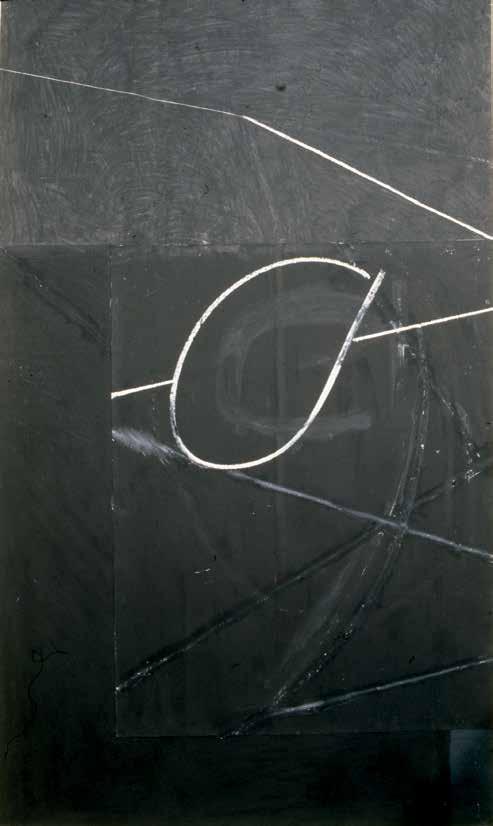
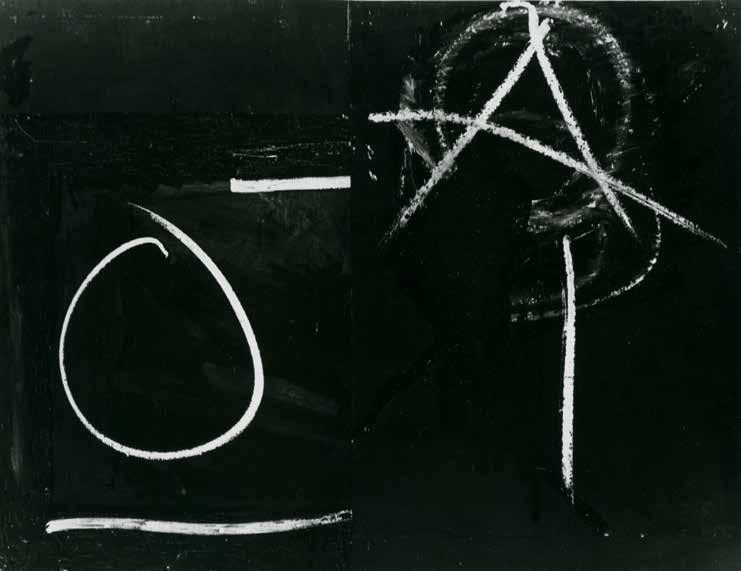
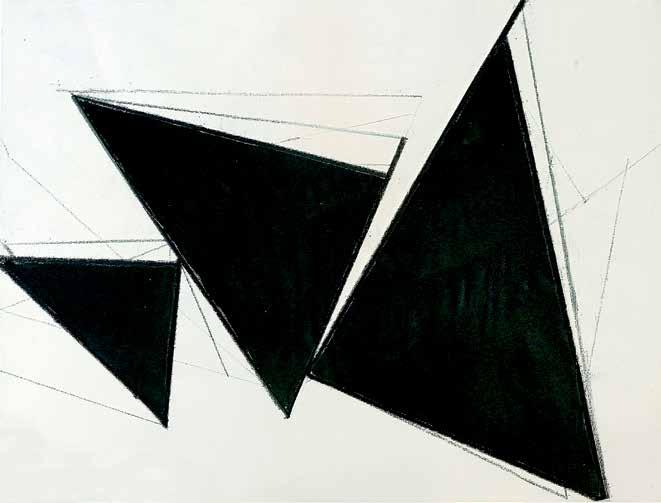
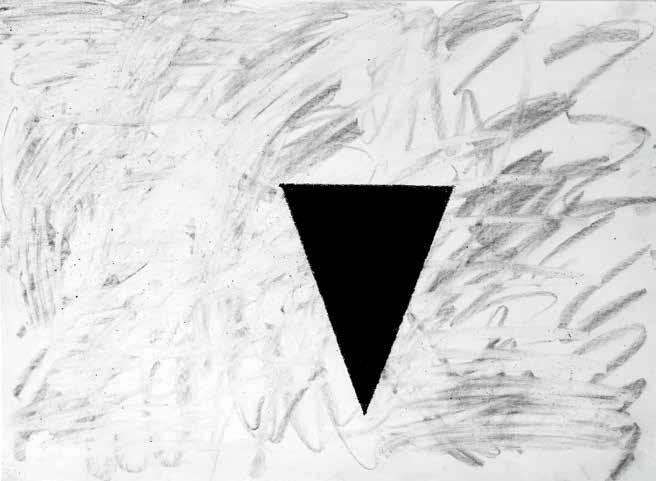
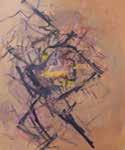
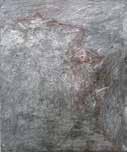
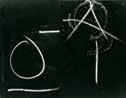
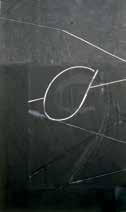
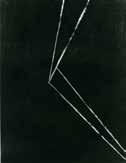
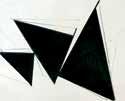
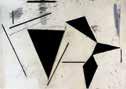
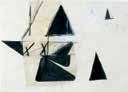
My early painting was predominantly geometric and black-and-white. The major forms were mostly triangles or right angles, and I eliminated color so as to focus more on composition. Orca was the largest painting I ever did; it is installed at the U.S. District Courthouse in Brooklyn. It is 9 feet high by 27 feet long. I wanted to see what a really big triangle would do.
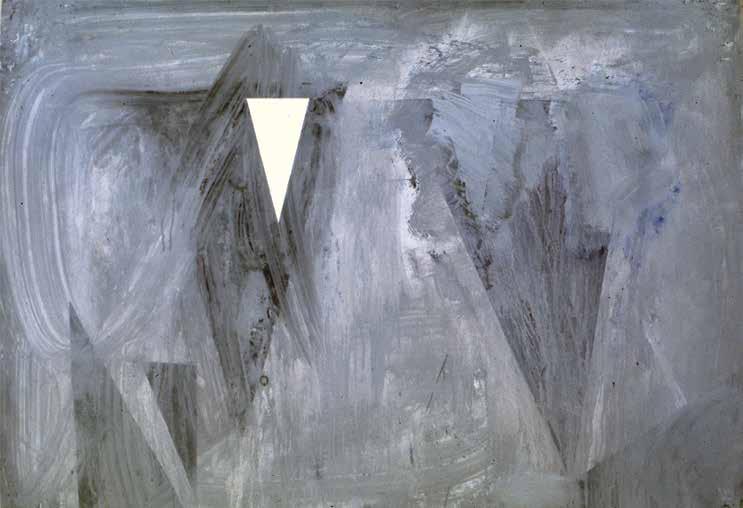
Deposit has a lot of history to it. The triangles never seemed to be in the right place so I constantly painted them out. And the more I painted them out, the more light the painting seemed to have. Eventually, in other paintings, the triangles disappeared altogether.
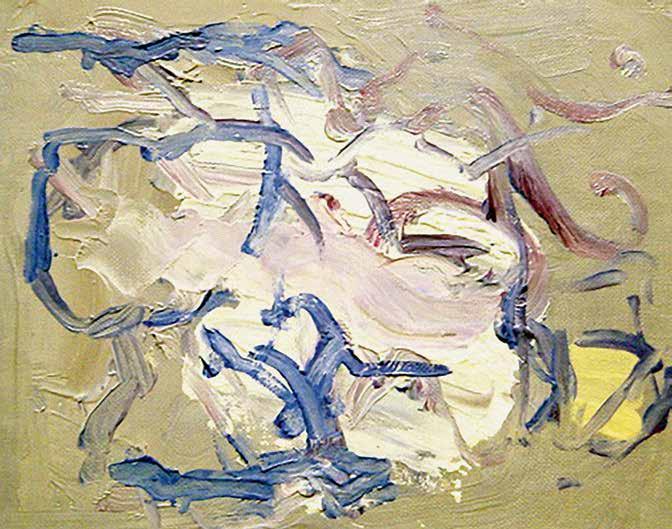
Drawing really helps me define the underlying structure of the painting, but drawing can also get in the way because if I want to have forms move into other forms, a line can stop a form from moving. Rather, it tends to delineate it. But for me painting is made out of paint. It’s not made out of line, but somehow they feed each other. I want to account for the complexity, fluidity and the unpredictability found in nature and don’t want to deny the work of the artists of the past. Painting is a continuum from the first cave painter through Giotto to the present, and I want to be part of that continuum.
HARRY KRAMER, STROKE BY STROKE
Dore Ashton
Harry Kramer’s studio is planted in a verdant setting of tall trees, luminous clearings, and pervasive silence. The sliding doors are really windows on a world of constant change. Nature, he says, is what his paintings have to do with, above all its unpredictability. His studio is, in effect, half-in and half-out of the world, as is his painting. His oblique gaze always has in view the very Cezannesque environs with their greenish ambiance and russet recesses, and the rectitude of the sentinel trees and masses of glancing lights.
The artist has fashioned this ambiance in which to unfold his process. As he says, he has read with admiration Alfred North Whitehead’s Process and Reality, but has translated it for himself: Process is reality. In this insight he draws close to the views of certain Japanese artists of the past (and who knows, perhaps of the present) who designed their studios with sliding doors and windows on different levels that drew, almost magnetically, the outer view into the interior. This impulse to allow nature to proceed into the inner sanctum has a lot to do with the light in Kramer’s paintings, as it had in the screen paintings in sixteenth-century Japan. The idea of a threshold between inner and outer space, or between private and public spaces, has engaged many artists and writers. Jorge Luis Borges lingered with the Spanish word zaguán—a kind of vestibule in older Buenos Aires houses, in which the street and the city half enter the house. Metaphorically speaking, an abstract painter is creating a zaguán: a space where his living experience (which, in this case, in the contact of seeing) is drawn into his inner life and its evocation in paint.
There is an innate romanticism in Kramer’s stance as a painter that permits him to extend a now faltering tradition—that of the Abstract Expressionists—quite calmly. There is little point in cataloguing the usages of that era retained in his work, since the painters of that period were themselves drawing upon the very foundations of modernism, and specifically, the tradition initiated by Cezanne. Still, one vital characteristic must be mentioned, and that is quite simply love of paint. In one of his great voyage poems, Baudelaire recounts the various reasons that goad the traveler, but defines the real voyagers as only those who depart for the sake of departing. Real painters, I think, are a bit like real voyagers: they paint for the sake of painting. They can do no other. It is an activity always beckoning, always offering a promise that there exists, somewhere, a perfect correspondence of feeling and made things, that is, the painted images.
When I pronounced Kramer a romantic, it reminded me of something one of the great romantic poets noticed. Shelley wrote:
We are born into the world, and there is something within us, from the instant that we live, that more and more thirsts after its likeness.
Since painters are members of families with great genealogies, lineage has meaning. Did the painters of a glass vase and a flower on the walls of Pompeii feel any different than the modern painter catching light in a skein of painted marks? Was the painter in Roman times not delighted in catching a semblance (not a re-semblance) of light and material in the same way as Cezanne, or Kramer? Can another eye, scanning the final surface of a painting, not replicate, somehow, the delight?
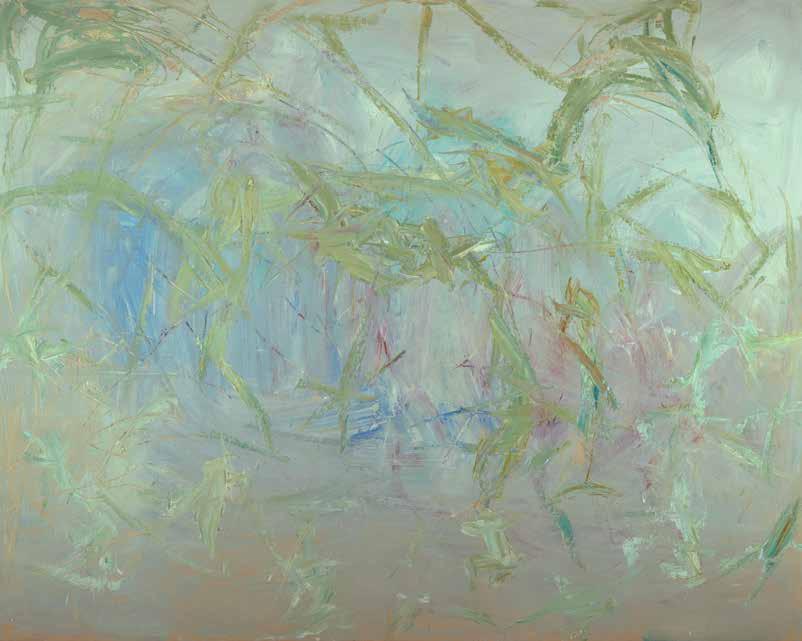
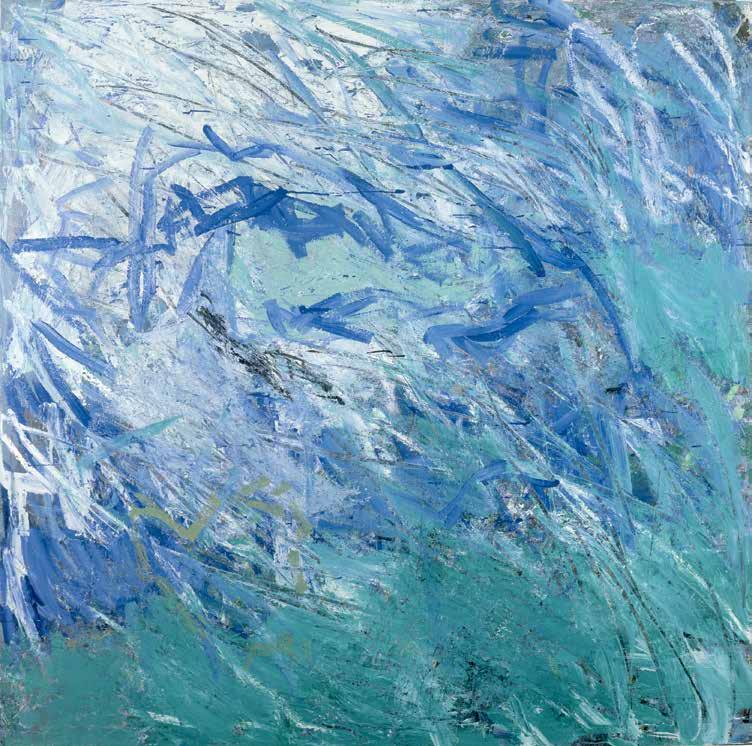
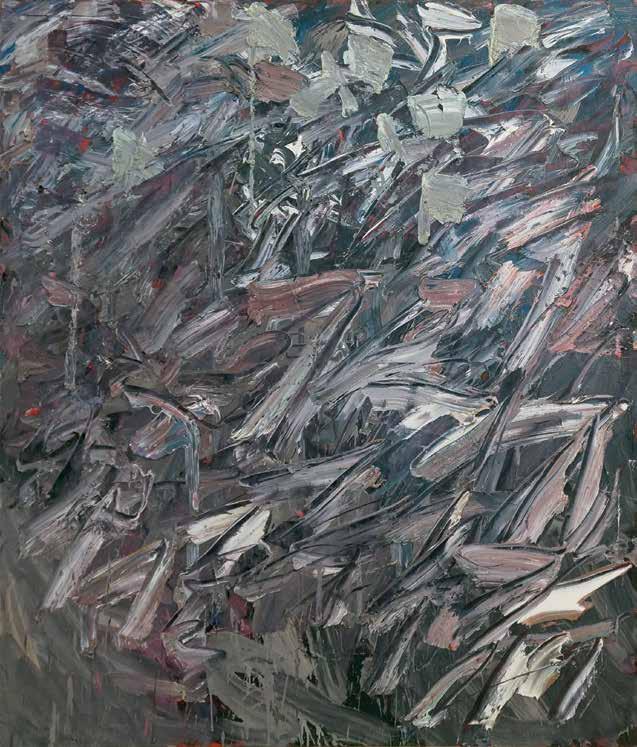
Kramer is, then, a lover of paint and a lover of nature. But it doesn’t stop there. It takes many years to get acquainted with the myriad effects available in the repertory provided by oil paint. Kramer has stayed the course and is now a mature painter thoroughly acquainted with each turn of the brush and every surface possible for the painter who knows how to build, stroke by stroke, from the ground up. His feeling for tones that suggest near or far in space, and “things” suspended in space, is sure. Over the years his work has become less and less emphatic (another way of saying it is subtle) and more and more respectful of the role of the half-tone as it grades seeing from surface to depth. Within the canvas he has assumed various points of view, painting forms as seen from above, or below, or obliquely, all within a summary final image. He has measured out, with increasing precision, the shifting winds and rustlings of his personal forest, giving form to the forces of nature.
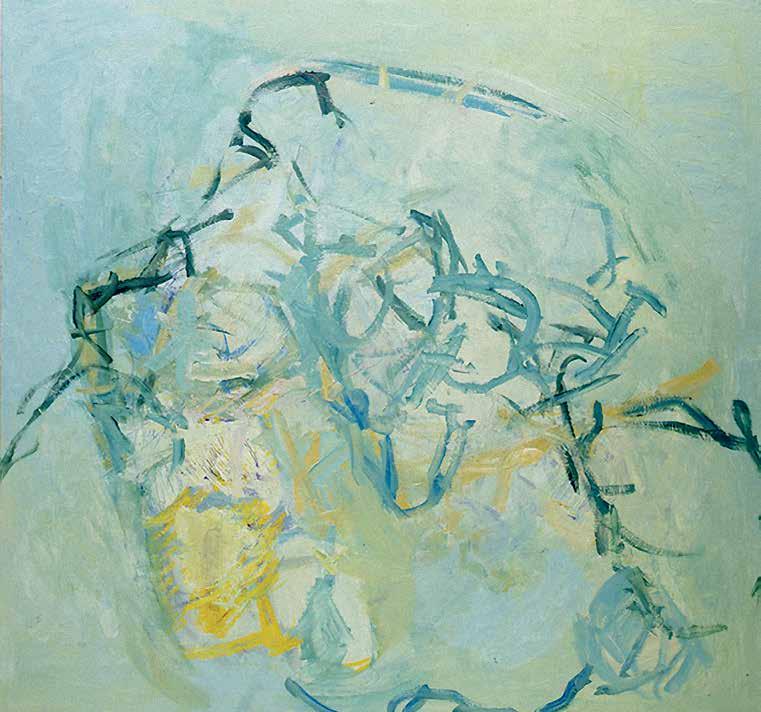
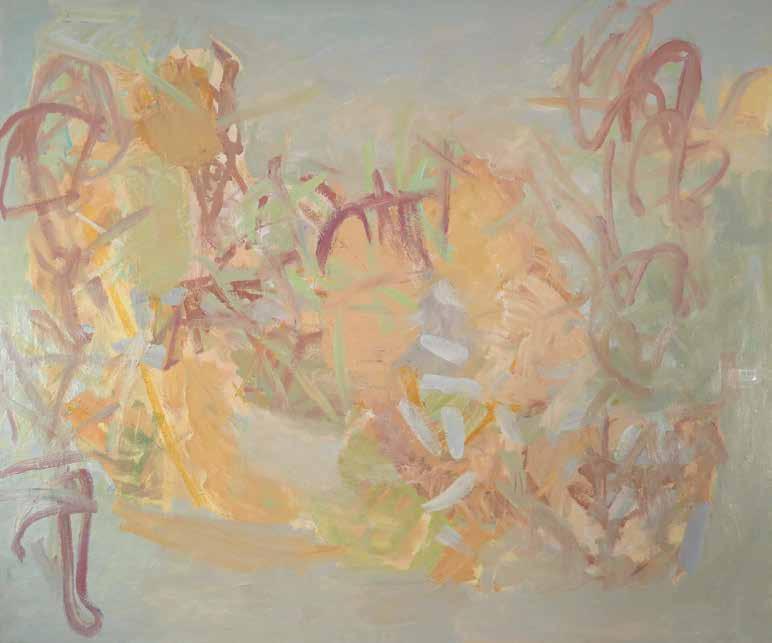
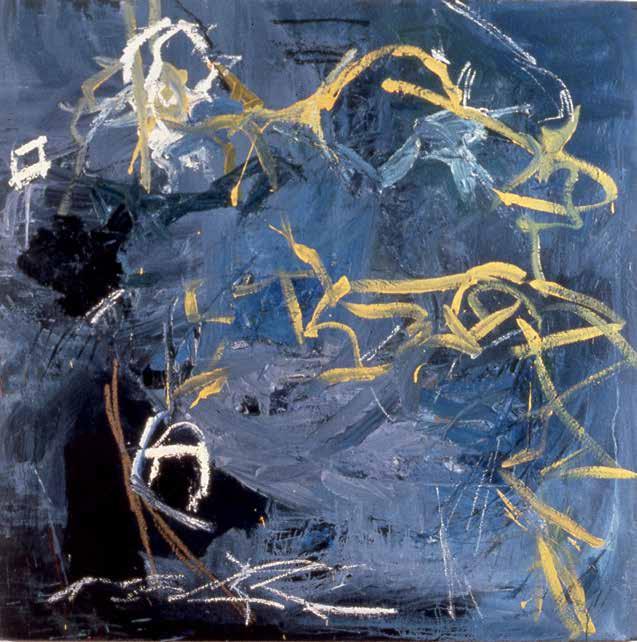
And he does it using all the means of a painter, above all, color. No one, for instance, could know the thousand hues of a single thing that the rest of us call yellow, but a seasoned painter. Kramer’s yellow range is impressive. Any painter knows how difficult it is to use yellow as a surrogate for light. Corot succeeded, and van Gogh also, but all too many others failed. I think anyone willing to explore at length two of Kramer’s recent paintings, Secret Love and Lover, When You’re Near Me, will understand how skillfully he has extended the possibilities of cadmium yellow light, setting the general tone of the painting as a kind of ground (but a ground that, as always in Kramer’s paintings, often metamorphoses into a surface), and then, acting in other roles within the ensemble of lines and forms.
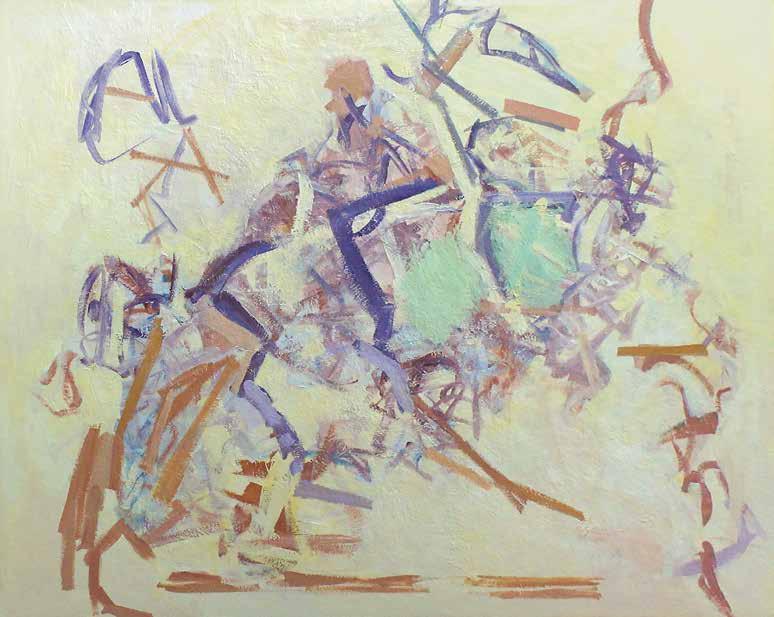
Staying with these two paintings as characteristic of Kramer’s most recent work, they advance his previous reflections on the reciprocity of line and color in a new light. Structural linear accents are far more bold—strong, straight diagonals directing the viewer’s eye to spaces beyond the canvas’s limit; chevrons of sharp linear accents overriding ambiguous interior forms; a few dense impastos on the very surfaces, shaped (hearts? shields?) and firmly established as important foci. These are clearly developments of certain early tendencies, such as a Kandinsky-like tendency to create centrifugal compositions; Tomlin-like shaped strokes that resemble signs; deStael-like blocky brush marks, and rhyming tonalities established in nests of strokes not unlike those of Joan Mitchell. But these familial references are far less apparent in the new work which, so to speak, sings different and perhaps unheard melodies in their new sweetness. (I hasten to add that the sweetness is of a lyric quality, and never becomes saccharine.)
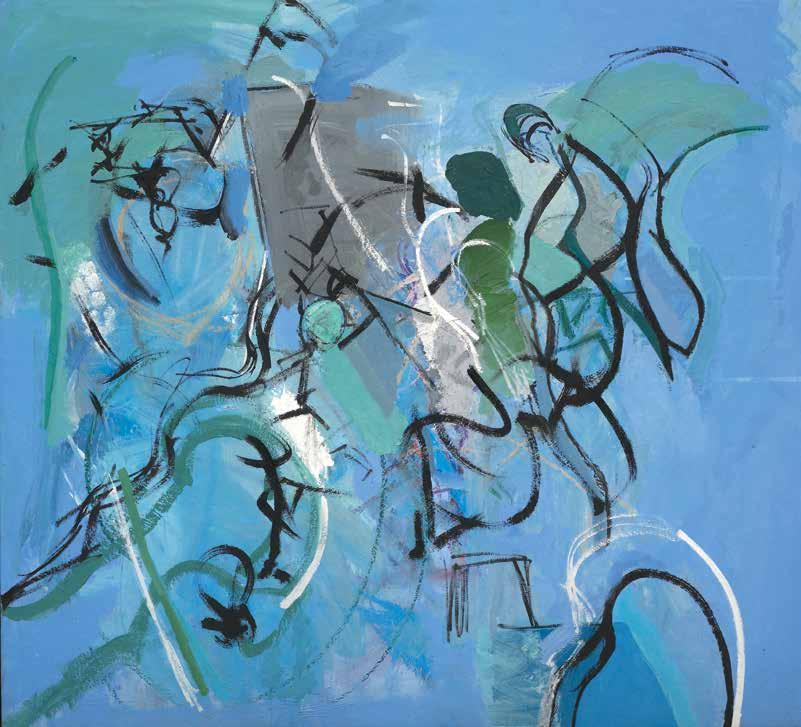
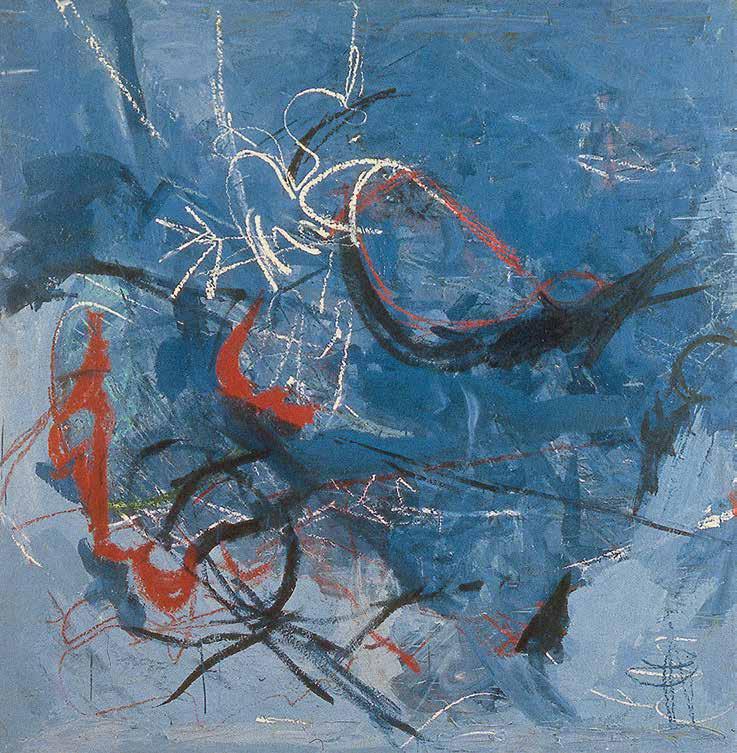
Where yellow sets the tenor of these paintings, there are others in which Kramer tackles similar situations in terms of blue—marine blues that could easily, in the wrong hands, become all too obviously illustrative. He resides near the sea after all. But What Was the Question and Big Dog are tough paintings. Inevitably the blues call up associations, from skies at dusk to mirrors; from peaceful waters to heavy seas. But Kramer’s universe is full of events—all the strange phenomena that disrupt our mental schemas. For him, the contingent palpably exists. In Big Dog, it is there in the ghostly wispy strokes overriding the stern dark guy lines holding the image in tension. In What Was the Question, there are linear echoes of tumbling, internal movements around a central axis. In these paintings as in many of the smaller canvases there is much answering: one stroke calls up another. There is also liberal use of non-descriptive line. (This is an old tradition—in Rembrandt’s drawings there are many lines that do not describe substantial things, but rather function as qualifiers of space.)
Often Kramer’s short strokes, as in Why, Why Not, collide with each other, coalesce and separate, and become, in the process, incidents. One of his forebears, Arshile Gorky, was a master at creating such incidents. They occur in deliberately ambiguous spaces. Or rather, they create a space and its echo in informal configuration. In Kramer’s paintings there is almost a reflexive elaboration of these fleeting incidents, always at the fringes of the seemingly solid heart of the matter: the opaque, thickly impastoed central form.
My point in discussing the details of Kramer’s practice is to call attention to the variety of painterly means at work. These are paintings that have to be looked at with keen attention, from the ground up, literally. If Kramer is convinced that process is reality, the viewer must engage with the process. In the old days, the notion of delectation was enfolded in esthetics. That notion has been rudely expulsed in recent years. In Kramer’s work it can be retrieved. And should be.
July 2005, East Hampton
HARRY KRAMER Michael M. Thomas
Among living artists whose work is known to me, Harry Kramer makes as good a case as I can imagine for the ongoing validity and vitality of classic abstract painting. Viewers who, like this one, were blown away by the Joan Mitchell retrospective will find in Harry someone who is very much a part of the great tradition which Mitchell in her turn inherited from Pollock and those from whom Pollock learned and drew vision.
The day Andy Warhol chanced upon his Brillo box and the lurid return to representationalism which became Pop bounded twittering onto the stage, those younger painters who carried on the tradition of the New York School seemed to many as “old-fashioned” or “retrograde.”
Well, if that’s the case, fine! And praise be to God while we’re at it—especially if the “old- fashioned” tag is hung on the work by the “trendentious” and modish sensibilities of the present day, in which artistic discourse, and the attendant mesmerization of the art-going public, is dominated by gallery publicists and release-writers, and busy young people in auction houses, and not by aesthetes and connoisseurs, as was the case when the taste of fossils like me was being formed.
We old-timers don’t ask much of objects that claim to be art. Nor are we especially stingy when it comes to bestowing that lovely three-letter encomium on objects fashioned from pigment or stone or anything else a creative talent decides to do something with. First of all, art should look good. It should please the eye, engage it, interest it. There are a million ways that can happen. Maybe it’s a color, a juxtaposition of shapes, a calligraphic rhythm, a passage with its own music—which is, after all, what the essential strain of abstractionism that has its roots in what Kandinsky aimed at, which is why Pollock listened to jazz as he cagily circled his floor-spread canvases. Art is companionable, it’s not mother-in-lawish, it can—it has to be—lived with, it has to be livablewith, whether we’re speaking of as grand a scheme as Michelangelo’s Last Judgment, which is Harry Kramer’s favorite work in the post-medieval Western canon, or a tiny Anne Ryan collage. Harry’s paintings look good, damn it! You want to be around them. You enjoy—you feel elevated—you feel better humored, enlivened, enriched—in their company. Companionable, that’s the word. Come out into a sunlit room on a bad morning after, and the Harry Kramer painting on the wall will not only not worsen your hangover, it will freshen your outlook.
There’s something else about the real thing, too. It never gives the beholder the feeling that something’s being gotten away with. Art may be our last redoubt against dishonesty and superficiality, which may be why the dishonest and the superficial can be observed to be working overtime to drape art in the heavy veil of their own speciousness.
I find Harry’s work wonderfully honest. Maybe that’s been the problem with his career. He found a formal vocabulary that seemed to suit what he wanted to say, and he set out to master it, oblivious to the market calculations that swarm and buzz like locusts above the art world. He studied at Yale with many of the great names of the present day, artists of no less nor significantly more talent, but somehow he failed to assimilate what by my reckoning has become 50 percent of the curriculum of the modish art schools: how to talk the talk, walk the walk, play the game. Harry just kept at it, trying to get it right. He has stayed the course. Now it’s time to break out the laurel.
I mean that. With this show, I believe Harry Kramer will gain the recognition that is, on qualitative grounds alone, his due. Work fully worthy of the great tradition which it continues and enriches. I find these paintings very beautiful; I find them very skillful; I’m not sure I know what they mean, any more than I know what a certain passage in a Schubert trio means, but that’s not the point. What Harry Kramer’s work indelibly possesses is the power of mood. Or maybe it’s just the old truth-beauty nexus. Looking at it, I feel good. Good for being human. Looking at it, I feel that maybe this is what it’s all about. What more am I supposed to ask of art?
February 2003
Born Philadelphia, PA, in 1939
Currently Harry Kramer works and lives in Lakeville, CT
Education
B.F.A. Philadelphia University of the Arts, 1962
M.F.A. Yale University, 1965
Teaching
New York University School of the Arts
The New York Studio School
Yale University Summer School
Queens College, City University of New York, Professor of Art
Grants
The Pollock Krasner Foundation Grant, 2013
The Robert Lehman Foundation Grant, 2013
The National Endowment for the Arts, Fellowship, 1982
Queens College, Faculty Grants, 1976, 1983, 1994, 1994, 1996
New York Foundation for the Arts, Fellowship, 1973, 1977
U.S. Steel Company Grant, 1970
Alliance Française Travel/Study Grant, 1964
Selected One-Person Exhibitions
2016 The Re Institute, Millerton, N.Y.
2005 Ameringer & Yohe Fine Art, New York, NY
2003 Ameringer & Yohe Fine Art, New York, NY
Charles Cowles Gallery, New York, NY
1998 Charles Cowles Gallery, New York, NY
1994 Charles Cowles Gallery, New York, NY
1991 Charles Cowles Gallery, New York, NY
1987 Gruenebaum Gallery, New York, NY
1985 Gruenebaum Gallery, New York, NY
Elizabeth Galasso Fine Arts, Ossining, NY
1983 Ted Greenwald Gallery, New York, NY
1981 55 Mercer Street Gallery, New York, NY
1977 Forum Gallery, Lexington, MD
1976 55 Mercer Street Gallery, New York, NY
1974 55 Mercer Street Gallery, New York, NY
1973 55 Mercer Street Gallery, New York, NY
1972 Brata Gallery, New York, NY
Selected Group Exhibitions
2013 “The Annual,” National Academy Museum, New York, NY
2012 “Couples, The Art of Attraction,” The Heckscher Museum of Art, Huntington, NY “Absorbed By Color: Art in the 20th Century” The Heckscher Museum of Art, NY
2009 “Recent Acquisitions,” Guild Hall Museum, East Hampton, NY
2007 “A Space for Dialogue,” The Hood Museum, Dartmouth College, Hanover, NH
2007 “The Annual,” National Academy of Design, New York, NY
2006 “Peace Tower,” Whitney Museum of American Art, New York, NY
2005 “The Continuous Mark, Forty Years of the New York Studio School,” New York, NY
2004 “The Artists Eye: Wolf Kahn as Curator”, National Academy of Design, New York, NY
2003 “Good Things Come in Small Packages,” Ameringer & Yohe Fine Art, New York, NY
2002 Loan Program, American Embassy, Vienna, Austria
2001 Charles Cowles Gallery, New York, NY
National Academy of Design, “The Annual,” New York, NY
1998 “Old Friends,” Elaine Benson Gallery, Bridgehampton, NY
Charles Cowles Gallery, New York, NY
1996 “The Annual,” National Academy of Design, New York, NY
Charles Cowles Gallery, New York, NY
1995 “The Annual,” National Academy of Design, New York, NY
Charles Cowles Gallery, New York, NY
1994 Collection Update, National Academy of Design, New York, NY
“Painting,” Nina Freudenheim Gallery, Buffalo, NY
1993 The Hood Museum, Dartmouth College, Hanover, NH
Elizabeth Harris Gallery, New York, NY
1991 Group Exhibition, curated by Elita T. Agee, Concordia College, Bronxville, NY
“Free Spirits,” Elaine Benson Gallery, Bridgehampton, NY
1988 “At Home with Art,” Gruenebaum Gallery, New York, NY
“The Legacy of Surrealism in Contemporary Art,” Ben Shahn Galleries, William Patterson College, Wayne, NJ
1987 “The Presence of Nature: Some American Paintings,” Barbara Krakow Gallery, Boston, MA
1985 “Exhibit A,” U.S. Courthouse and Federal Building, Brooklyn, NY
Snag Harbor Cultural Center, curated by John Perrault and Craig Mannister, Staten Island, NY
“A Collection Grows: Recent Acquisitions of the Hudson River Museum,” Yonkers, NY
“20th Year Anniversary Exhibition,” New York Studio School, New York, NY
“First Anniversary,” Elizabeth Galasso Fine Arts
Leasing, Ossining, NY
1984 “Modern Art,” curated by John Yau and Ted Greenwald Gallery, NY
“Selections,” curated by Elaine De Kooning, Bologna and Landi Gallery, East Hampton, NY
“25th Annual Invitational Exhibition: A Survey of Contemporary Art,” curated by Julian Weissman, Zoltan Buki, Gary Reynolds and Peter Homitsky, YM-YWHA, Union, NJ
1983 “Hand Thought,” Ted Greenwald Gallery, New York, NY
Yale Summer School of Music and Art, Norfolk, CT
“Six Painters,” curated by director Peter Langlykke, The Hudson River Museum, Yonkers, NY
“Arrivals,” Guild Hall Museum, East Hampton, NY
“Twelve Years, An Anniversary,” 55 Mercer Street Gallery, New York, NY
1981 “The Henry ward Ranger Fund Exhibition of Contemporary Art”, National Academy Museum, New York, NY
“46th Annual Art Exhibition,” Cooperstown, NY
“Abstract Painting, New York City 1981,” curated by Tiffany Bell, Emily Lowe Gallery, Hofstra University, NY
1978 Tyler Art Gallery, State University at Oswego, NY
Art Awareness, Lexington, NY
1977 Archer M. Huntington Gallery, University of Texas at Austin
Rochester Business Community for the Arts
1976 State University College at Alfred, NY
Detroit Institute of Arts, Detroit, MI
Fourcade, Droll, Inc., New York, NY
Lake Placid Center for the Arts, Lake Placid, NY
Olean Public Library, NY
1975 Traveling Exhibition: State University College at Plattsburgh, NY; State University College at Oswego, NY; State University College at Buffalo, NY; State University College at Albany, NY; State University College at New Paltz, NY
1974 Weatherspoon Art Gallery, University of North Carolina, Greensboro
Guild Hall Museum, East Hampton, NY
Rosa Esman, New York, NY
1973 Washington Art Association of Connecticut
1972 Brata Gallery, New York, NY
1971 Brata Gallery, New York, NY
O.K. Harris, New York, NY
1970 New York Shakespeare Public Theatre, New York, NY
1967 Benson Gallery, Bridgehampton, NY
Fine Arts Federation of Connecticut
Selected Public Collections
The Metropolitan Museum of Art, New York, NY
The Brooklyn Museum of Art, Brooklyn, NY
The Hood Museum, Dartmouth College, Hanover, NH
The Beth Rudin De Woody Collection, West Palm Beach, FL
Corcoran Gallery of Art, Washington, DC
The Detroit Institute of Arts, Detroit, MI
National Academy Museum, New York, NY
The Heckscher Museum of Art, Huntington, NY
The Hudson River Museum, Yonkers, NY
The Parrish Art Museum, Watermill, NY
Tyler Art Gallery, State University College at Oswego, NY
Weatherspoon Art Museum, University of North Carolina, Greensboro
Best and Company, Ashland, VA
Chase Manhattan Bank, New York, NY
Polk Davis Wardwell, New York, NY
Ketcham and McDougal Foundation, NJ
McCrory Corporation, New York, NY
Monroe Development Services, Rochester, NY
Phillip Morris, Inc., New York, NY
Valley National Bank, CA
Waterman Management Corporation, New York, NY
Guild Hall Museum, East Hampton, NY
Reviews
2007 The New York Times, “In the 21st Century, The Persistence of Tradition, Martha Schwendener
2006 Who’s Who in the World, 23rd Edition
2005 The New York Times, October 21
2005 Who’s Who in America
2003 The East Hampton Star, April 17, Profile, Robert Long
2002 The East Hampton Star, June 6, “From the Studio,” Rose C. S. Slivka
1998 The East Hampton Star, Oct. 22, “From the Studio,” Rose C. S. Slivka Hamptons Country, September, “Art as Possession,” Michael M. Thomas
1998 The New York Times, June 28, Phyllis Braff
The East Hampton Star, June 25, Rose C.S. Slivka
1994 Art in America, July 1994, Robert G. Edelman
1993 The East Hampton Star, September 9, Rose C.S. Slivka
The New York Observer, March 8, Michael M. Thomas
1992–98 Who’s Who in the East
1991 The New York Times, April 28, “Abstract Work in Three Materials Pushed to the Limit,”
William Zimmer
The East Hampton Star, July 25, “From the Studio”, Rose C. S. Slivka
Art and Antiques, November, “In the Galleries,” Jed Perl
1988 The New York Times, February 21, p. 18, “Ben Shahn: Surrealism’s Legacy”
The Sunday Star Ledger, February 28, Newark, NJ, “Surrealism, Offspring at WPC Show,”
Eileen Watkins
The Bergen Record, Hackensack, NJ, February 28, p. 12, “Surreal: Even in Art There’s Nothing New Under the Sun,” John Zeaman
1987 The East Hampton Star, April 30, p. 9, “Kramer Show,” Rose C. S. Slivka
1986 The New Criterion, December, p. 69, “Art at the Beginning of the Season,” Jed Perl
1985 The New York Times, June 14, p. C22, Vivian Raynor
1984 Art in America, February, p. 151–52, “Harry Kramer at Ted Greenwald,” Gerrit Henry
The East Hampton Star, July 5, p. 10, “From the Studio,” Phyllis Braff
1983 The New York Times, March 20, p. 12
The East Hampton Star, April 21, p. 6
Arts Magazine, September pp. 69–71, “Six Painters at the Hudson River Museum: To Probe and Extend the Resources of Painting,” Hearn Pardee The Sun, June, p. 7, Sag Harbor, NY
The New York Times, June 23, p. 18, “Oils Show
Bathes in Success,” William Zimmer
The New York Times, July 8, p. C14, “Six Painters at the Hudson Museum,” John Russell
1981 The New York Times, March 1, p. 19
Newsday, March 26, p. 39
Arts Magazine, September, pp. 88–89
1976 SoHo News, January 22, pp. 18, 41
Art News, March, p. 131
1974 SoHo News, February, p. 33
1973 Art News, February, p. 85
Arts Magazine, March, p. 74
ARTFORUM, April, pp. 85-86
1972 Art News, February, p. 18
ARTFORUM, April, pp. 85–86
Persons Of Interest 2021, oil on canvas, 38 x 48 inches, Private collection
Mystery Theater 2021, oil on canvas, 48 x 38 inches, Private collection
Untitled 2021, acrylic on paper, 13 x 17 inches, Private collection
Study For Duke Of Edinburgh 2021, oil on canvas, 24 x 24 inches, Private collection
Untitled 2017, ink on paper, 12 x 18 inches, Private collection
Untitled 2021, ink and acrylic on paper, 14 x 17, Private collection
A Little Bit About A Lot Of Things 2021, oil on canvas, 38 x 48 inches, Private collection
White Painting 2016, oil on canvas, 72 x 60 inches, Private collection
Tender Moments 2021, oil on canvas, 48 x 38 inches, Private collection
Untitled 1995, charcoal and conté crayon on paper, 8 x 11 inches, Private collection
Untitled 2021, ink and acrylic on paper, 8 x 11 inches, Private collection
Queen of England 2021, oil on canvas, 72 x 60 inches, Private collection
Another Day Without Rain 2021, oil on canvas, 60 x 72 inches, Private collection
Woman 2021, oil on canvas, 40 x 40 inches, Private collection
Untitled 2021, ink on paper, 8 x 12 inches, Private collection
Untitled 2014, ink, pencil and crayon on paper, 10 x 14 inches, Private collection
Untitled 2014, acrylic, ink and conté crayon on paper, 11 x 14 inches, Private collection
Untitled 2003, acrylic, ink and Cray-Pas on paper, 13 x 17 inches, Private collection
I Told You That I Loved You, Now Get Out 2021, oil on canvas, 40 x 40 inches, Private collection
I’ll Buy You Pretty Things 2021, oil on canvas, 40 x 40 inches, Private collection
Untitled 2007, ink on paper, 17 x 14 inches, Collection of Mrs. Sally Sirken Lewis
Untitled 2007, ink on paper, 17 x 14 inches, Private collection
Babalu 2003, oil on canvas, 8 x 10 inches, Private collection
Iris 2003, oil on canvas, 8 x 10 inches, Private collection
Redemption 2003, oil on canvas, 72 x 76 inches, Collection of the Shackelton Family Secret Love 2005, oil on canvas, 60 x 72 inches, Private collection
Harbor 2003, oil on canvas, 60 x 72 inches, Collection of Mathew J. Felton
Big Dog 2005, oil on canvas, 60 x 72 inches, Collection of Mrs. John D. Rockefeller IV
Untitled 2005, ink on paper, 13 x 17 inches, Private collection
A Dance Not Danced 2003, oil on canvas, 72 x 90 inches, Collection of Kenneth B. Roath
A Song Not Sung 2003, oil on canvas, 60 x 72 inches, Private collection Little Green Giant 2016, oil on canvas, 48 x 38 inches, Private collection
Good Morning Sweet Toots 1993, oil on canvas, 80 x 60 inches, Private collection
Untitled 2007, ink on paper, 8 x 10 inches, Private collection
Breaking Up Is Hard To Do 1993, oil on canvas, 72 x 80 inches, The Heckscher Museum of Art, Gift of Brauner Baron Rosenzweig & Klein, LLP
Bonze 1997, oil on canvas, 60 x 72 inches, Private collection
Wellstone 2003, oil on canvas, 72 x 90 inches, Collection of Dorothy Lichtenstein
My Reverie 1993, oil on canvas, 80 x 60 inches, Private collection
Patriot 1991, oil on canvas, 72 x 90 inches, Collection of The Metropolitan Museum of Art
Deacon Rides Again 1991, oil on canvas, 72 x 72 inches, Collection of the Parrish Art Museum Sneaking Sally Through The Alley 1991, oil on canvas, 72 x 90 inches, Collection of the Parrish Art Museum
Lover Lu 1991, oil on canvas, 72 x 72 inches, Collection of Marleen B. and Eric D. Donnenfeld
1990–1980
Blue Prelude 2003, oil on canvas, 36 x 26 inches, Private collection
Gull II 1983, oil on canvas, 72 x 68 inches, Private collection
Untitled 1987, charcoal on paper, 14 x 11 inches, Collection of Paul and Myrna Davis
Belle Isle 1987, acrylic on paper, 14 x 11 inches, Collection of the Parrish Art Museum, Gift of Richard I. Adrian
Untitled n.d., collage and acrylic on paper, 13 x 10 inches, Private collection
1980–1970
One Night With You 1981, oil on canvas, 72 x 60 inches, Private collection
Sugar Foot Series 1976, charcoal on paper, 42 x 32 inches, Private collection
Night Train To New Orleans 1987, oil on canvas, 72 x 90 inches, Collection of Jeffrey Haber
Swimmers 1987, oil on canvas, 72 x 72 inches, Private collection
Untitled 1979, oil on canvas, 72 x 60 inches, Collection of Davis Polk Wardwell, NY
Sugar Foot Series 1976, charcoal on paper, 72 x 32 inches, Private collection
Sugar Foot Series 1976, charcoal on paper, 42 x 32 inches, Private collection
Sugar Foot Series 1976, charcoal on paper, 25 x 40 inches, Collection of Philip Morris International
Untitled 1970s, charcoal on paper, 18 x 24 inches, Private collection
Untitled 1973, charcoal on paper, 18 x 24 inches, Private collection
Untitled 1975, oil on gessoed paper, 28 x 39 inches, Private collection
Untitled 1973, charcoal and collage on paper, 18 x 26 inches, Private collection
Fish’s Eddy 1970s, charcoal, graphite and collage on paper, 18 x 24 inches, Private collection
Deposit 1973, oil on canvas, 108 x 216 inches, Collection of the Detroit Institute of Arts
Orca 1972, oil on canvas, 108 x 216 inches, North Hall, U.S. District Court, Eastern District of NY, 225 Cadman Plaza, Brooklyn, NY
Acknowledgments
Dore Ashton (1928–2017), a celebrated art historian, critic and teacher, wrote some of the earliest and most insightful histories of abstract expressionism and the leading painters of the New York School, among them Philip Guston and Mark Rothko. Her books A View of Contemporary Art (1962) and The New York School: A Cultural Reckoning (1973) made the case for abstract expressionism as the preeminent postwar art movement and placed its disparate members into a coherent philosophical framework. For many years, she taught at Cooper Union and Yale University. Throughout her life she also generated a stream of articles, exhibition catalogs, monographs and biographies.
Following his studies at Yale in art history, Michael M. Thomas (1936–2021) was a curator in the European Paintings Department at the Metropolitan Museum of Art. Soon after, he moved to Lehman Brothers and quickly became a distinguished partner. After serving as an independent financial advisor, he turned to writing financial thrillers, among them Green Monday, about high finance and the art world. He was a prolific writer of articles and reviews, writing for Esquire, The New York Review of Books, the Wall Street Journal and the New York Observer. His love of art endured throughout his life, and as a trustee of the Robert Lehman Foundation he saw to supporting the work of individual artists and museum curators.
Dore Ashton, Essay, Exhibition Catalog, Harry Kramer, Ameringer Yohe Fine Art, 2005
Michael M. Thomas, Exhibition Catalog, Harry Kramer, Ameringer Yohe Fine Art and Charles Cowles Gallery, 2003
No part of this publication may be reproduced without prior written permission of the publisher and copyright holder © Harry Kramer
Design: HHA design
Photography/Planning: Jeri Coppola, registrar and photographer
Printing: Sharpco Printing Inc.
Publisher: Dip Net Press
Contact: To reach Harry Kramer, email, harry@harrykramer.net