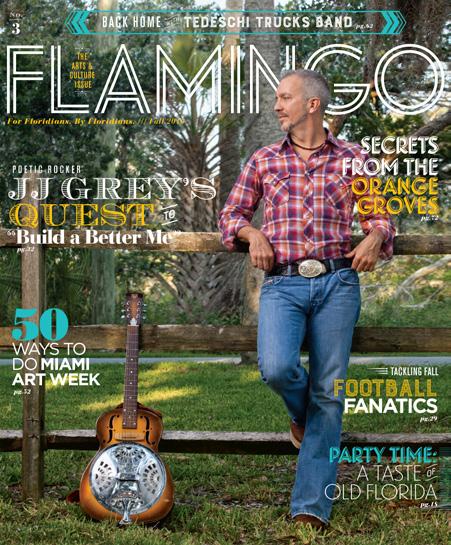
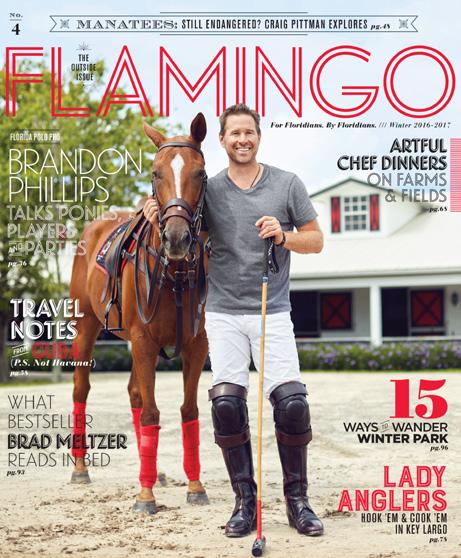
ROCCA: TAMPA’S HOTTEST TABLE A FAMILY MONSTERS MEET FLORIDA’S BIG-TRUCK BROOD SHOP, SIP & STAY SUMMER GUIDE
PICKLEBALL PRIMETIME: LUXE HOTELS & HOT COURTS WHERE ALL THE PROS GO SHOOTIN’ THE BREEZE WITH # 1 FLORIDA MAN
EXCLUSIVE CARL HIAASEN ON HIS BOOKS THE BIG SCREEN
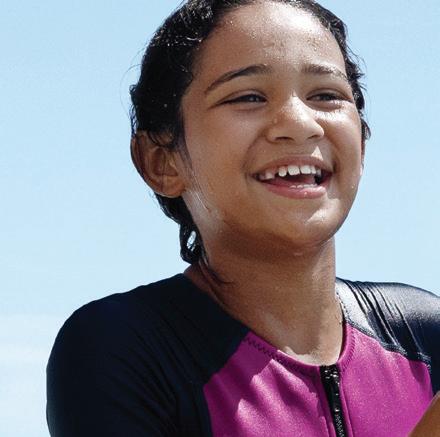
I spy with mask-covered eyes.
With everything from diving, snorkeling, kayaking and fishing to hiking, boating, art galleries and swimming with dolphins, The Florida Keys & Key West offer endless activities, fun and games. But you’ll also find countless ways to recharge and relax, from casual and upscale waterfront dining to luxury resorts and quaint B&Bs. Come see it with your own little eyes.
VisitFloridaKeys.com 1.800.fla.keys
The Keys Are Calling
Explore the reefs, wrecks and coastal icons that define The Florida Keys & Key West.
Maritime Lore >
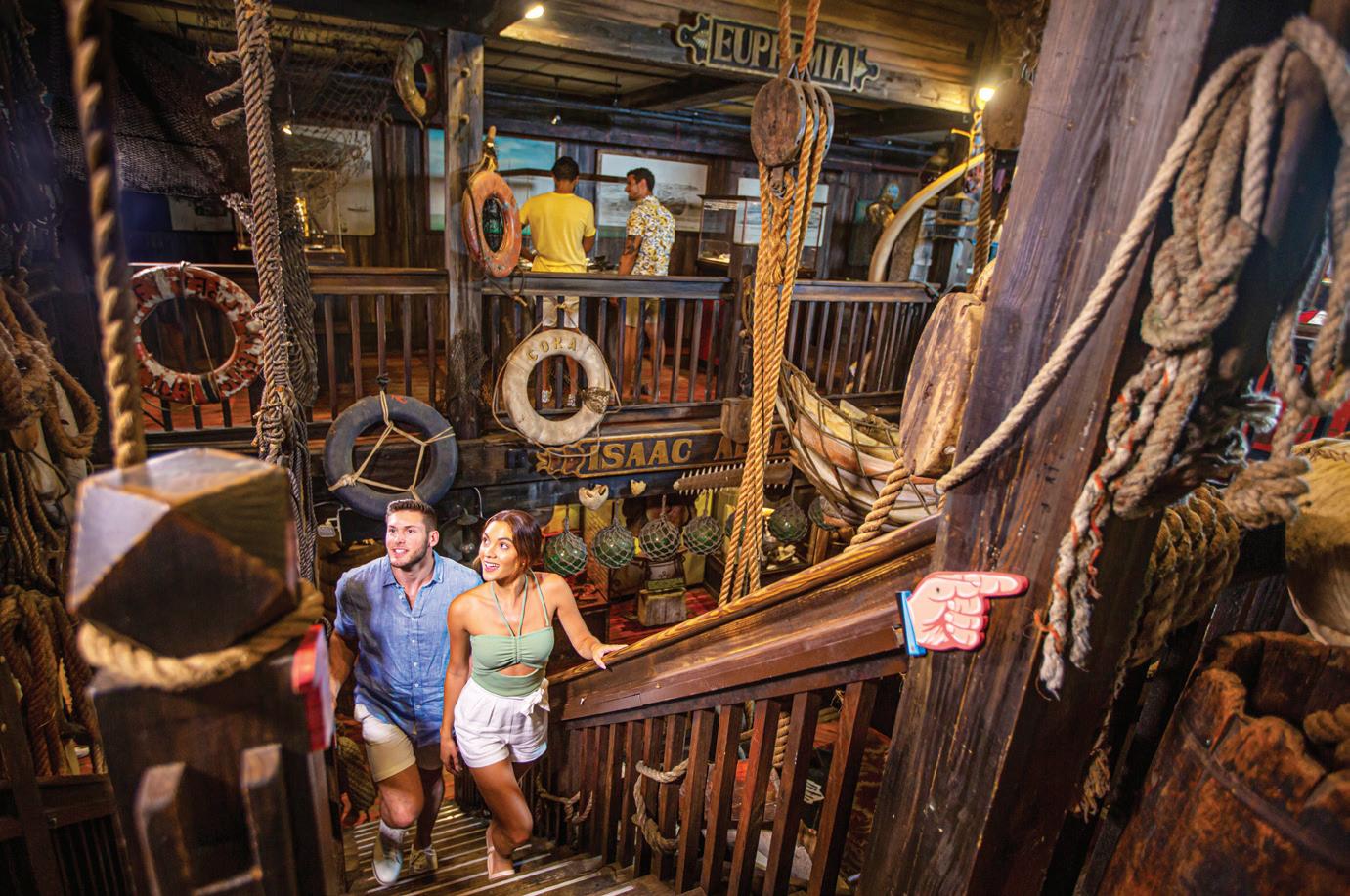
Across The Florida Keys, a constellation of intimate museums brings maritime lore into focus. From the Mel Fisher Maritime Museum, where recovered treasures tell stories of future and fate, to the Key West Shipwreck Museum, which captures the drama of wreckers, salvagers and the treacherous waters, these cultural hubs reveal a history as vivid as the surrounding sea.
Storied Sites >
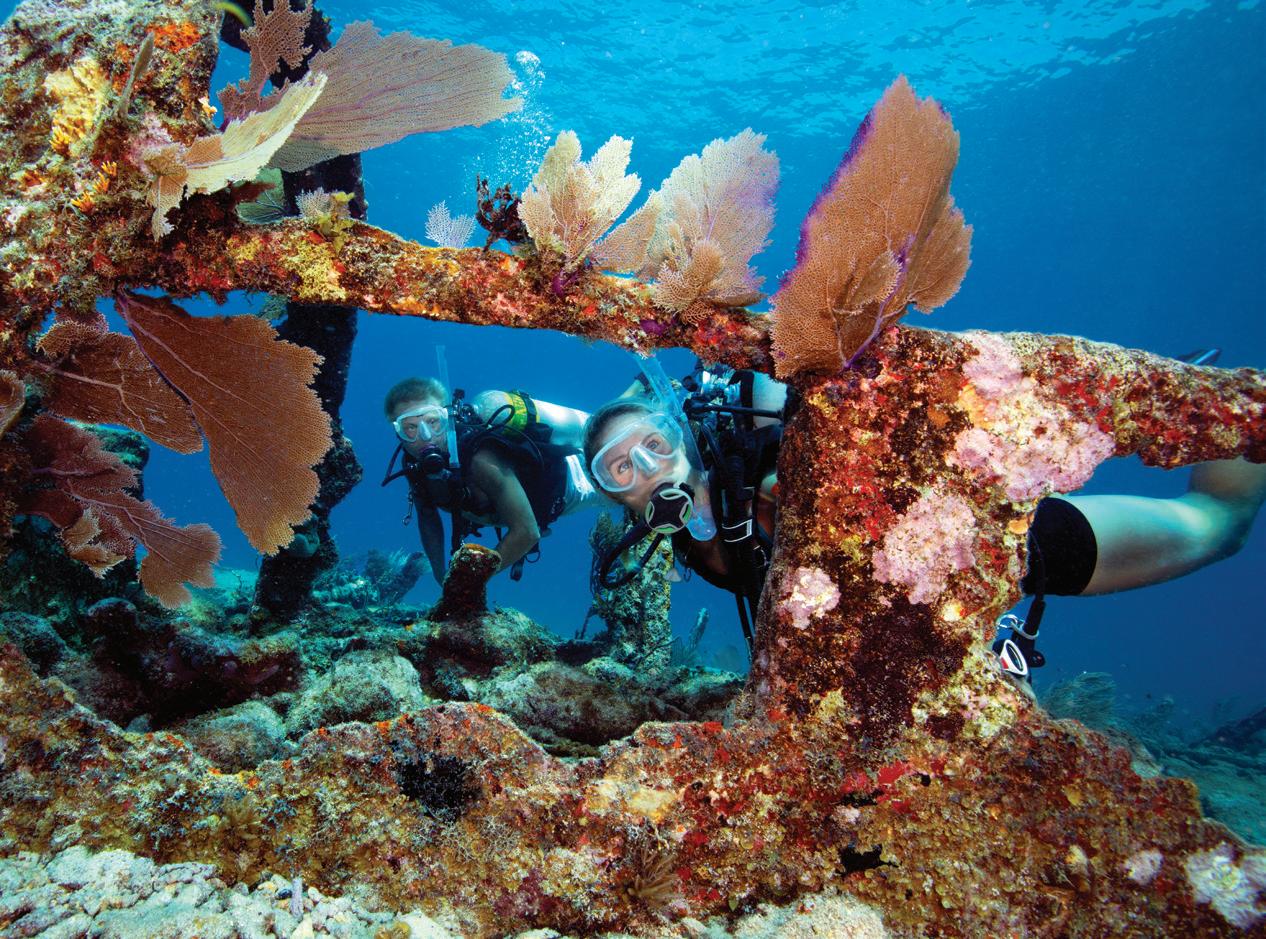
Not far beneath the surface of the sea, history rests in plain sight. Shipwrecks scattered along area coral reefs trace centuries of trade, travel, miscalculation and the critical role of the area’s lighthouses. Throughout The Florida Keys, divers can explore storied sites like the City of Washington, part of The Florida Keys National Marine Sanctuary, where coral-covered remains have transformed into thriving artificial reefs.
For more travel inspiration, go to visitfloridakeys.com.
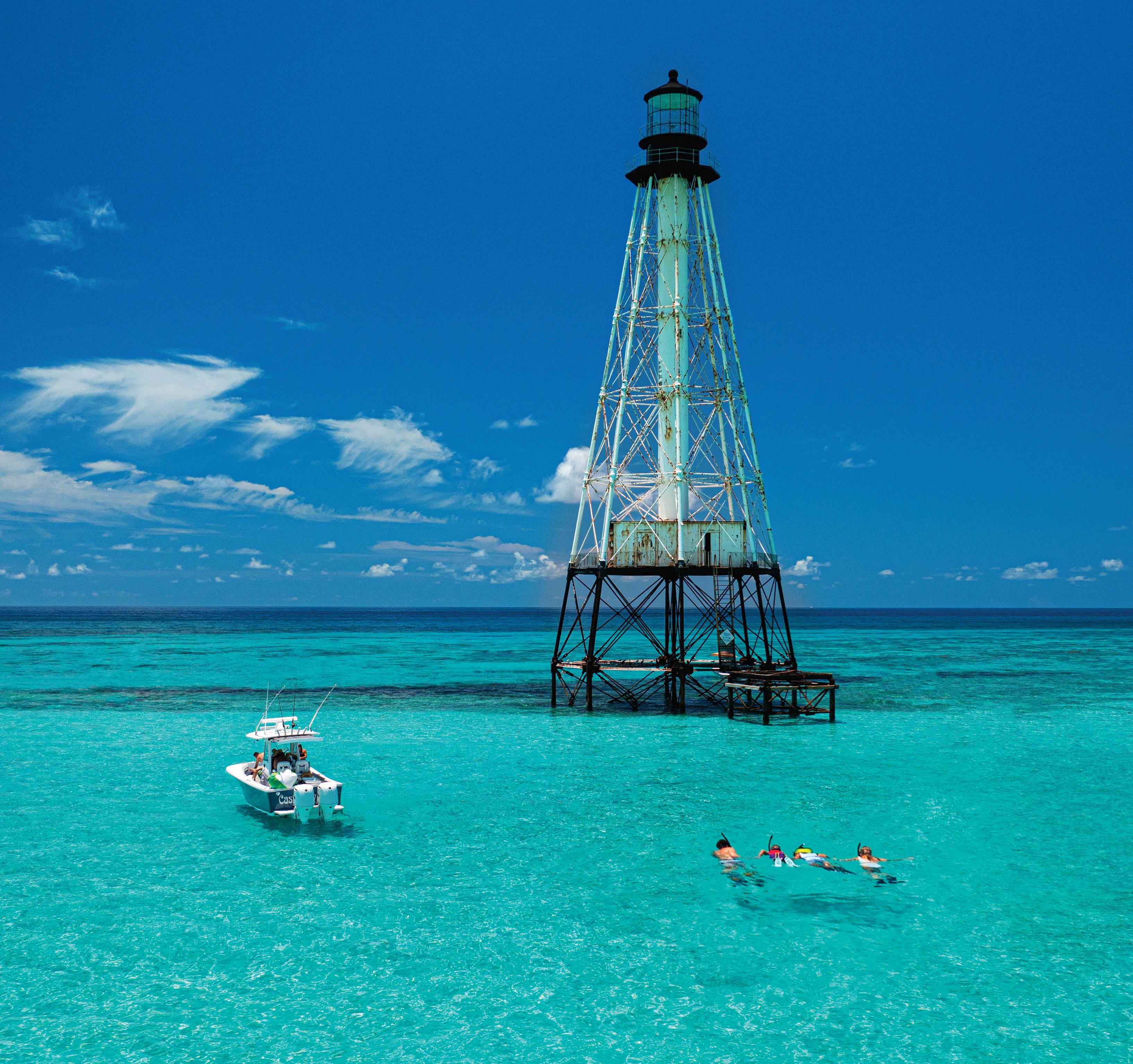
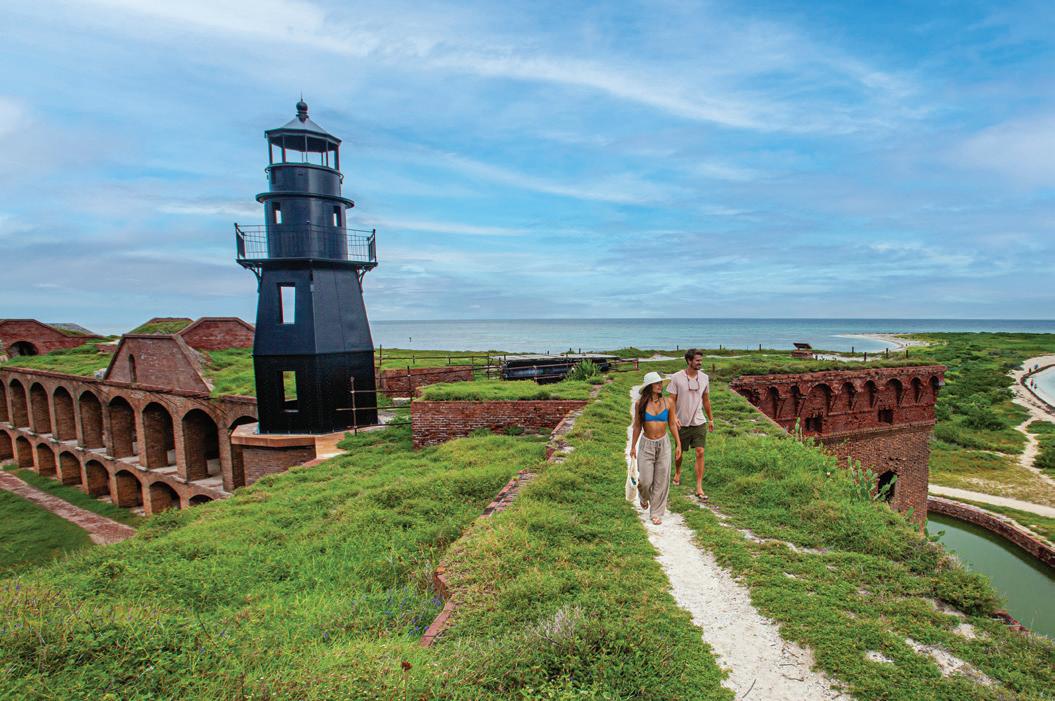
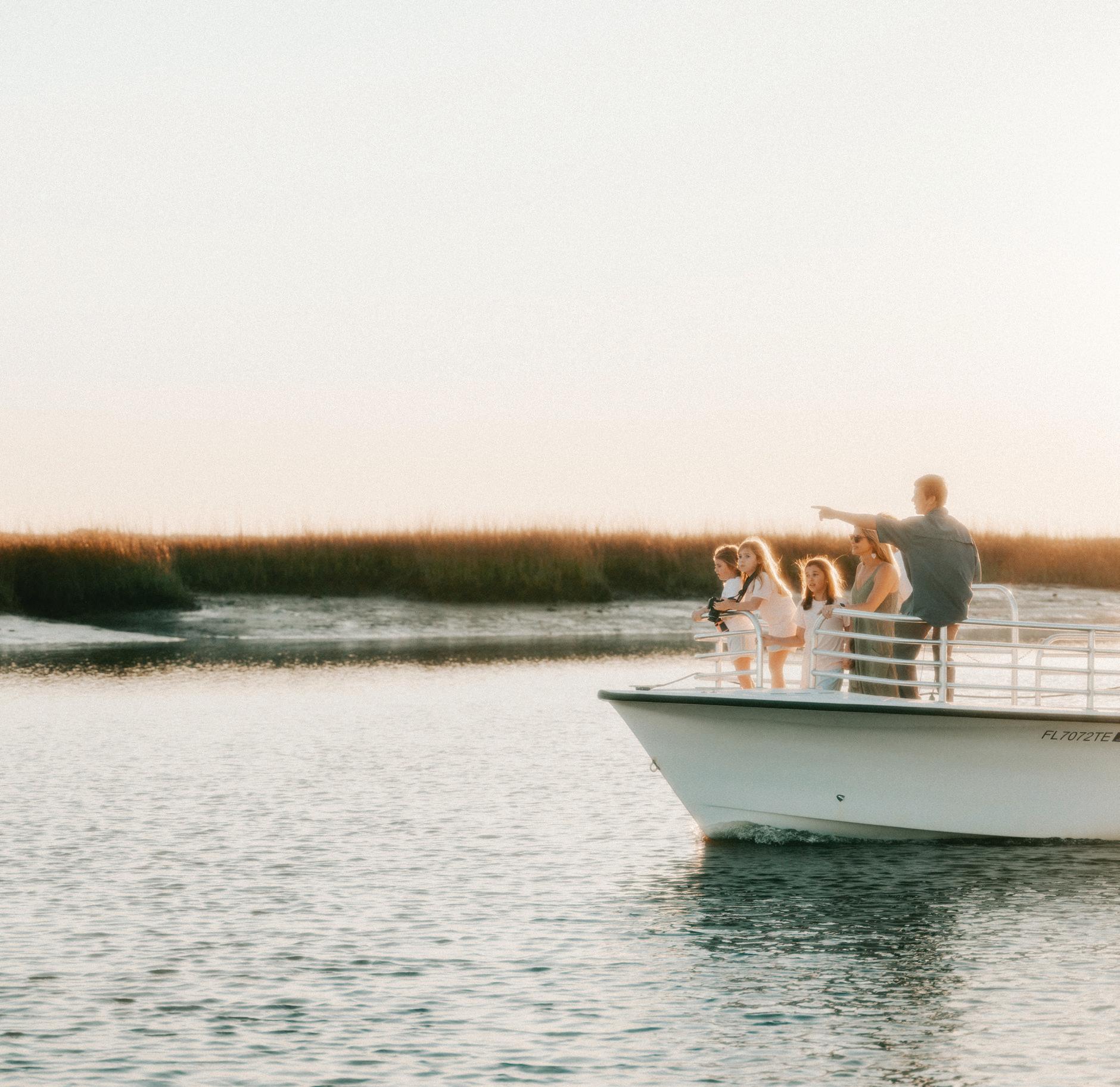
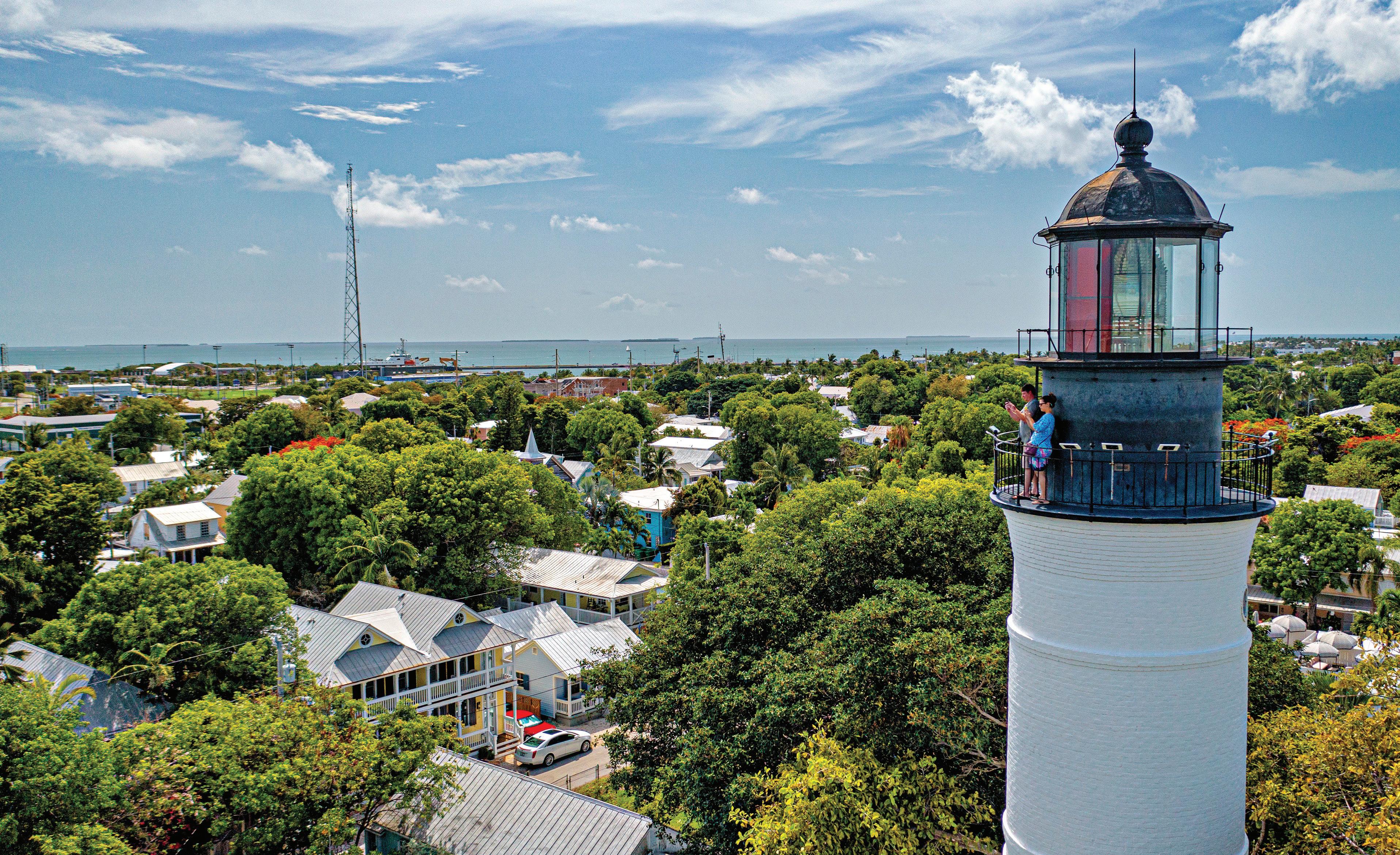
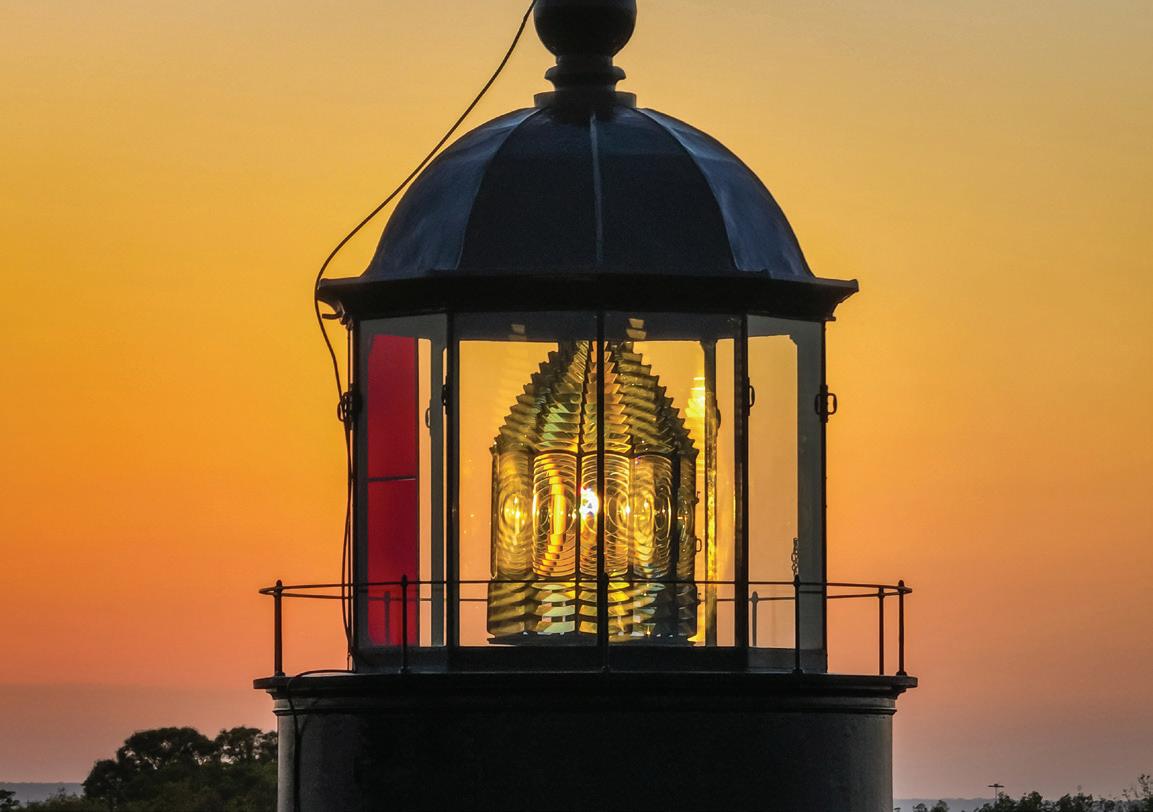
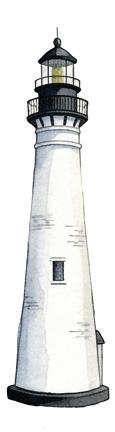
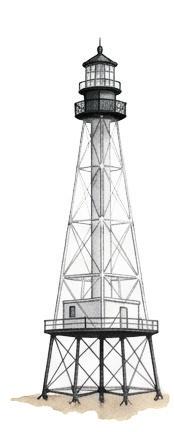
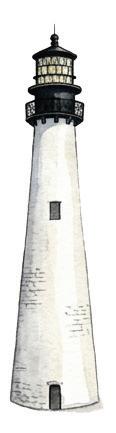
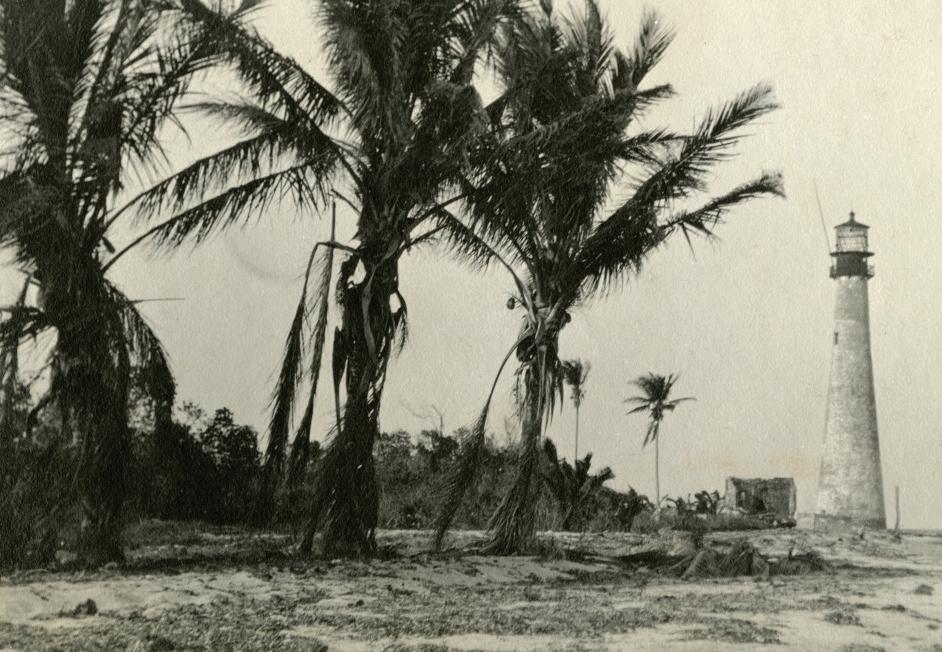
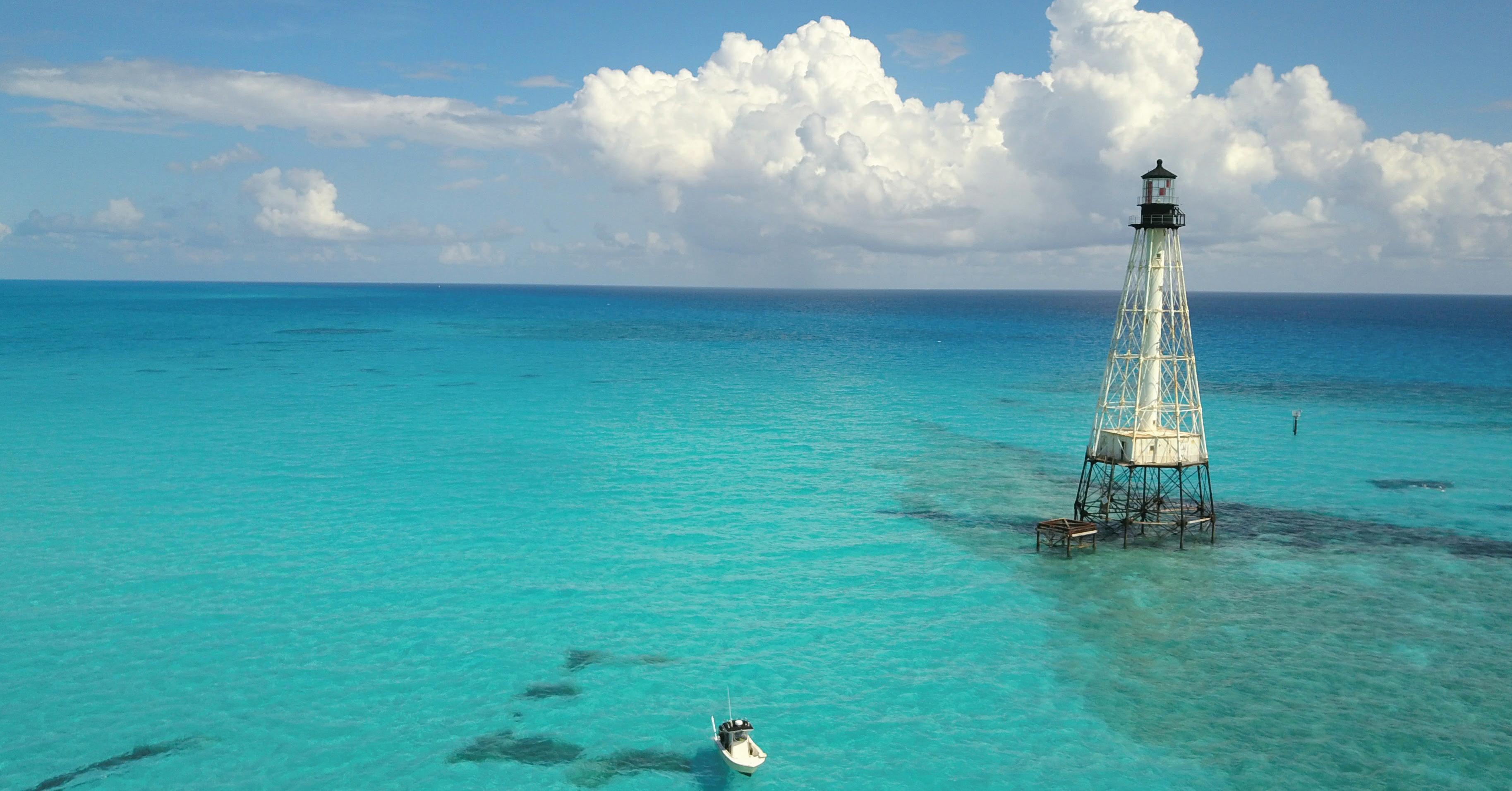
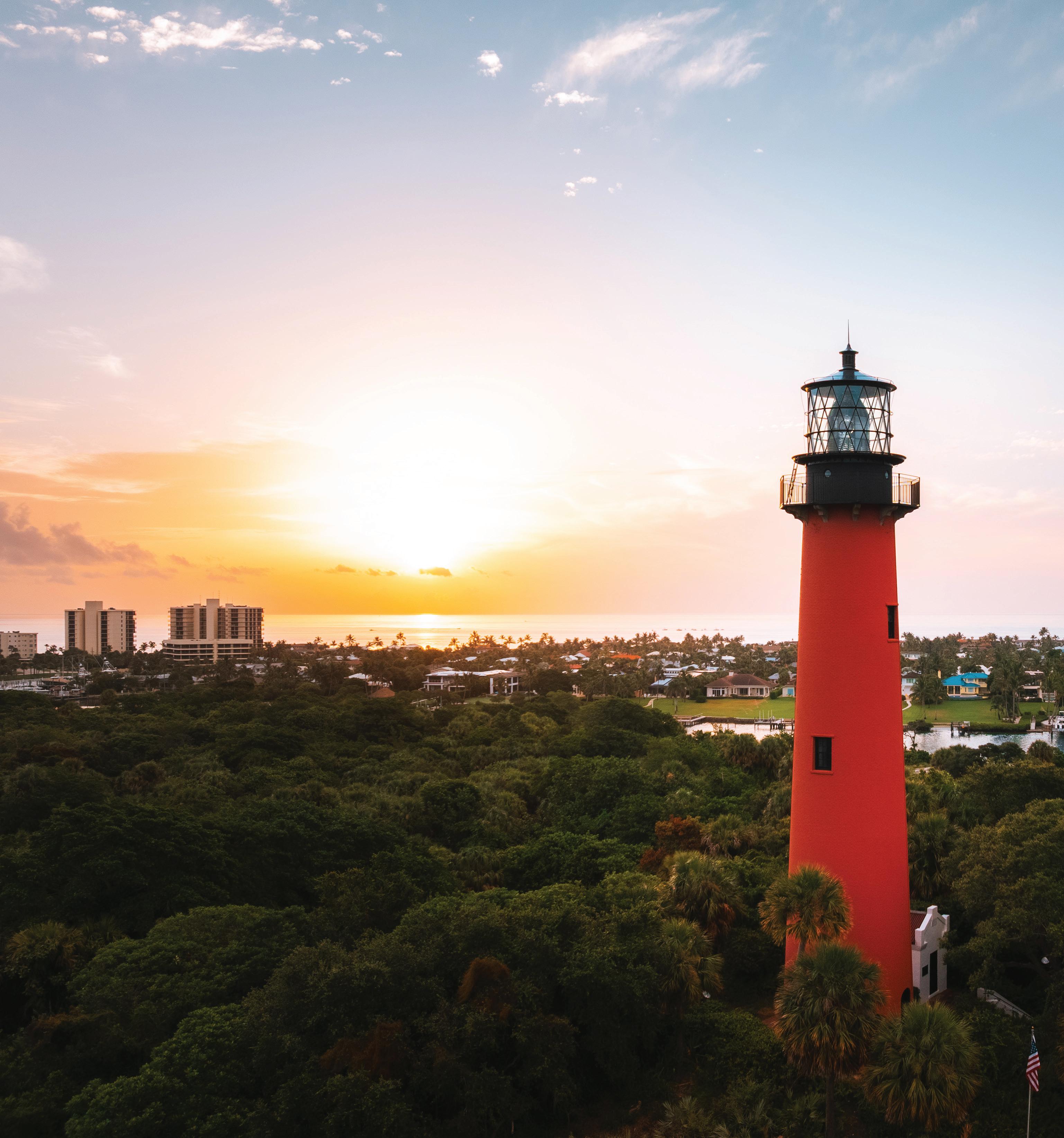
< Light the Way Long before GPS, lighthouses guided mariners through unpredictable waters. Today, 10 still stand across The Florida Keys, many perched offshore atop coral reefs. Sixty miles west of Key West, the Tortugas Harbor Lighthouse stands as a sentinel to passing ships. Accessible only by boat or seaplane, the site offers a glimpse into the lives of the keepers who once watched over one of the most strategic outposts in The Florida Keys.
Dive In
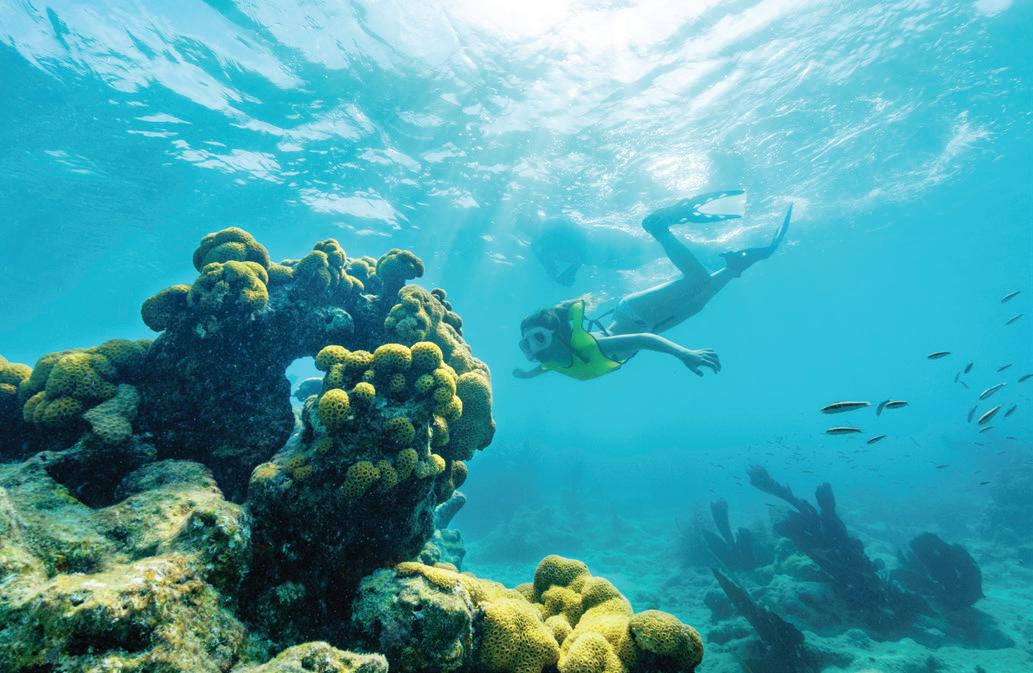
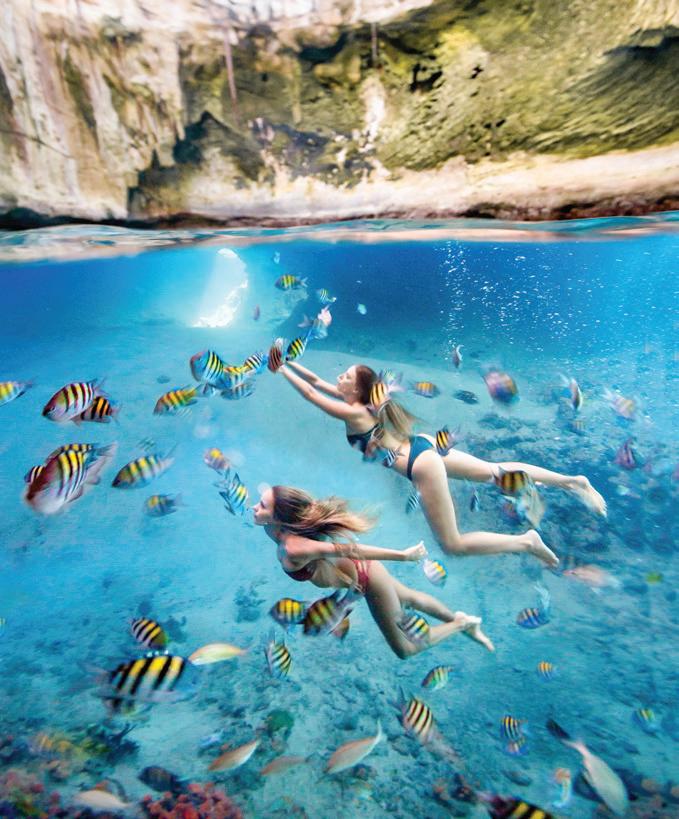
Just south of Big Pine Key, a living mosaic of sea life awaits in the clear blue below. In the Lower Keys, Looe Key Reef unfolds like an underwater gallery—coral ridges ripple through clear turquoise water as angelfish, parrotfish and sea turtles drift past. These same reefs once challenged early seafarers, shaping a maritime legacy that still defines the island chain today.
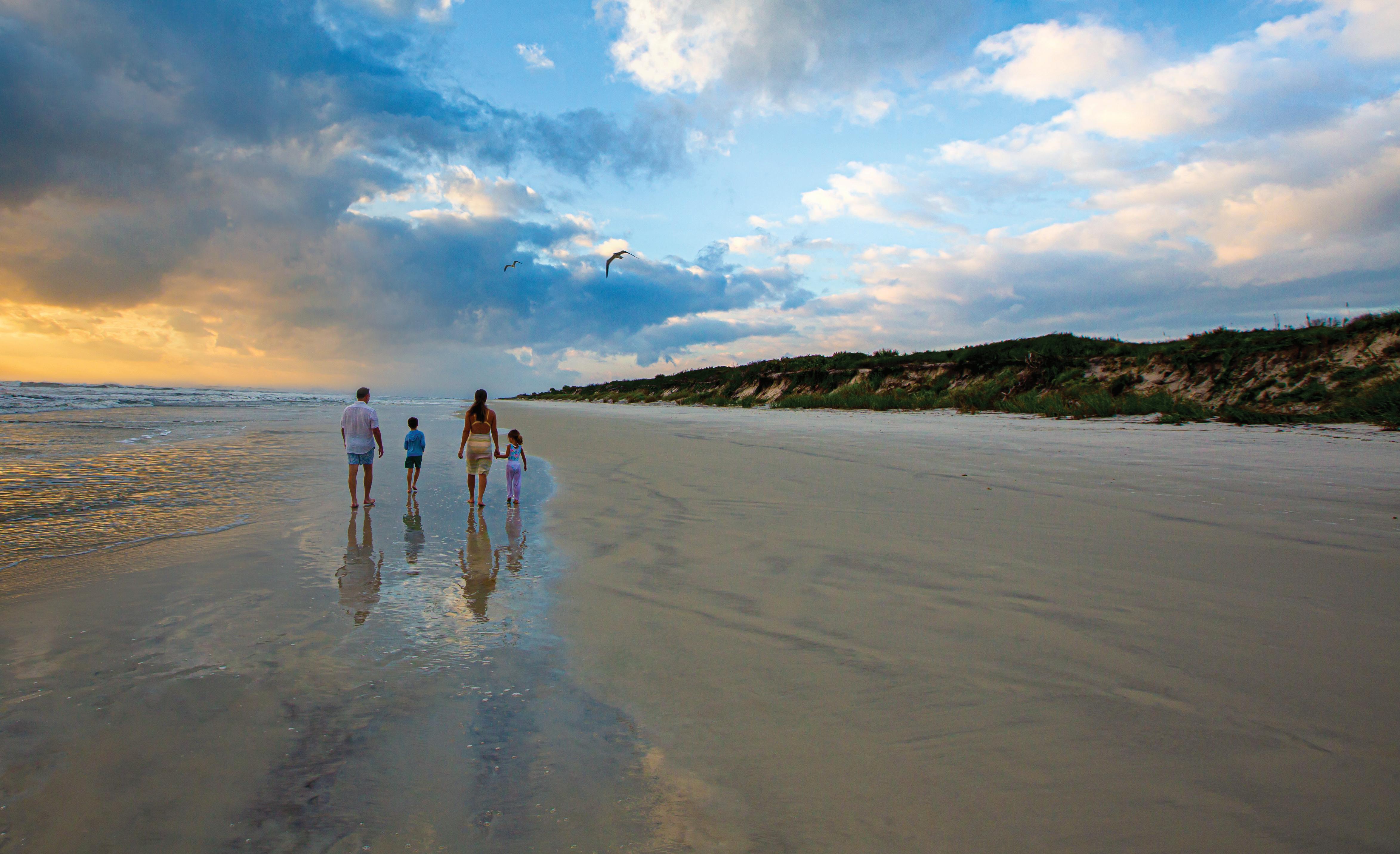
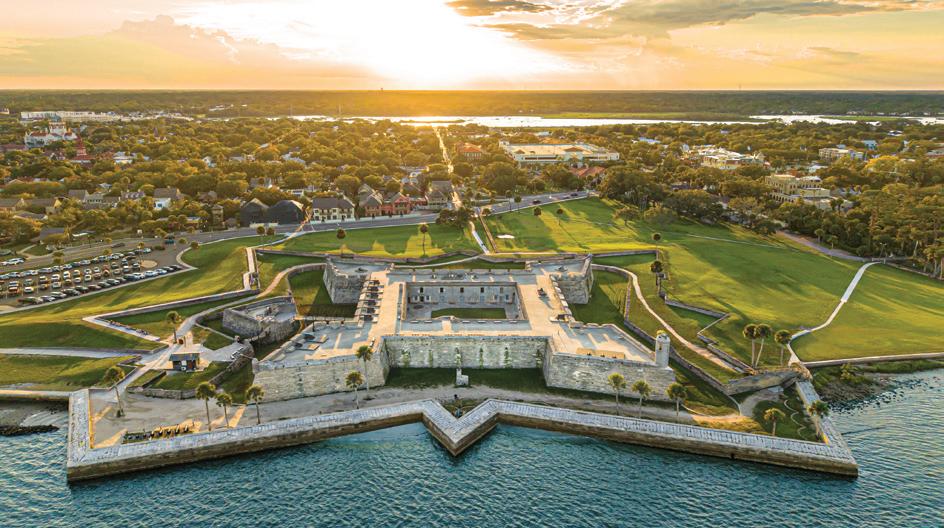
With more than 450 years of history, 42 miles of Atlantic oceanfront, and an endless array of restaurants, resorts, entertainment and attractions, a visit to Florida’s Historic Coast will be part of your family story for generations to come.
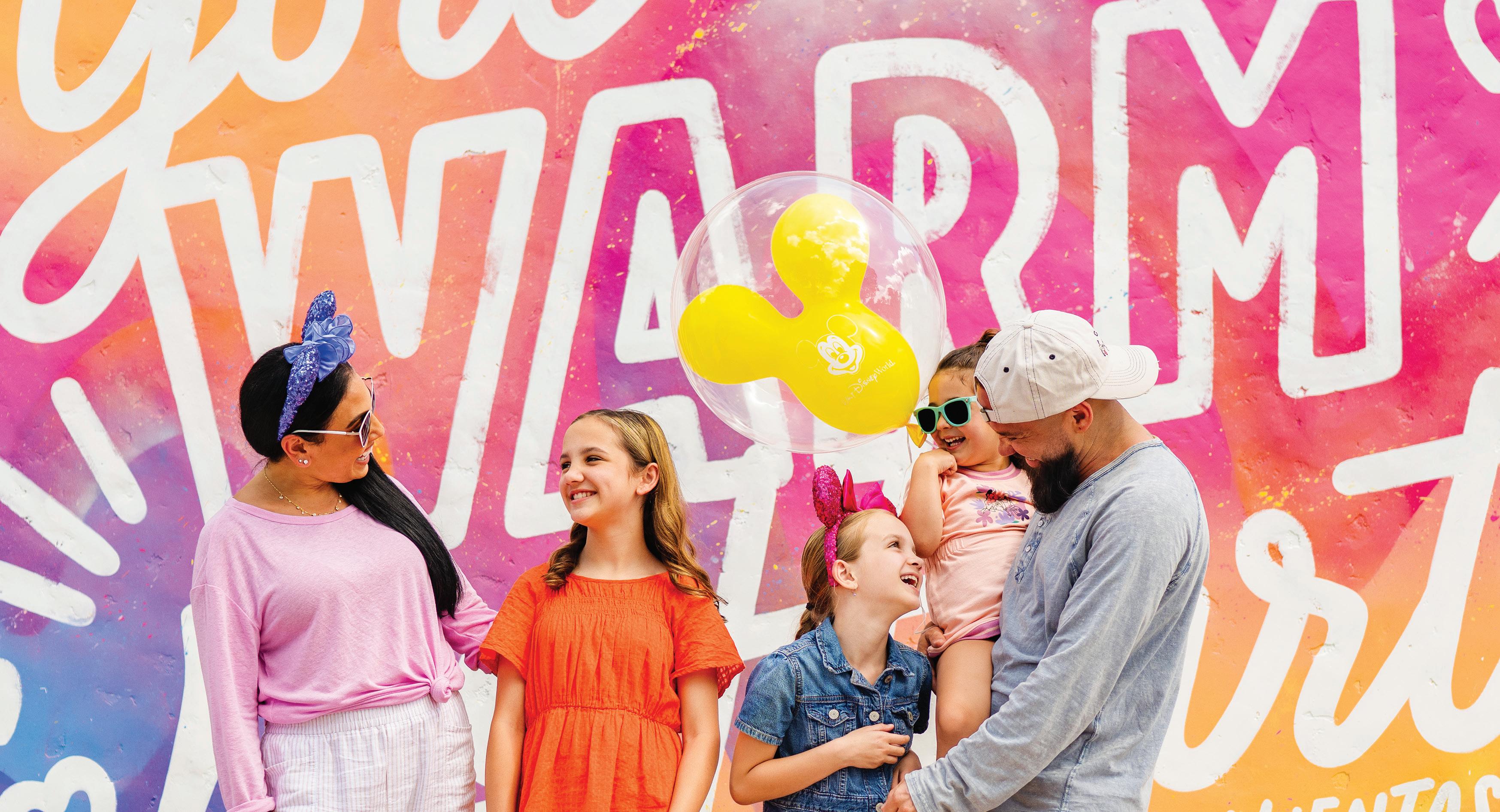
This summer Disney Springs® is bursting with bright flavors, unique shopping and one-of-a-kind discoveries. With more than 150 destinations, there’s a whole world of experiences to make your summer even more magical!
SHOP
and
DINE
SHOP...
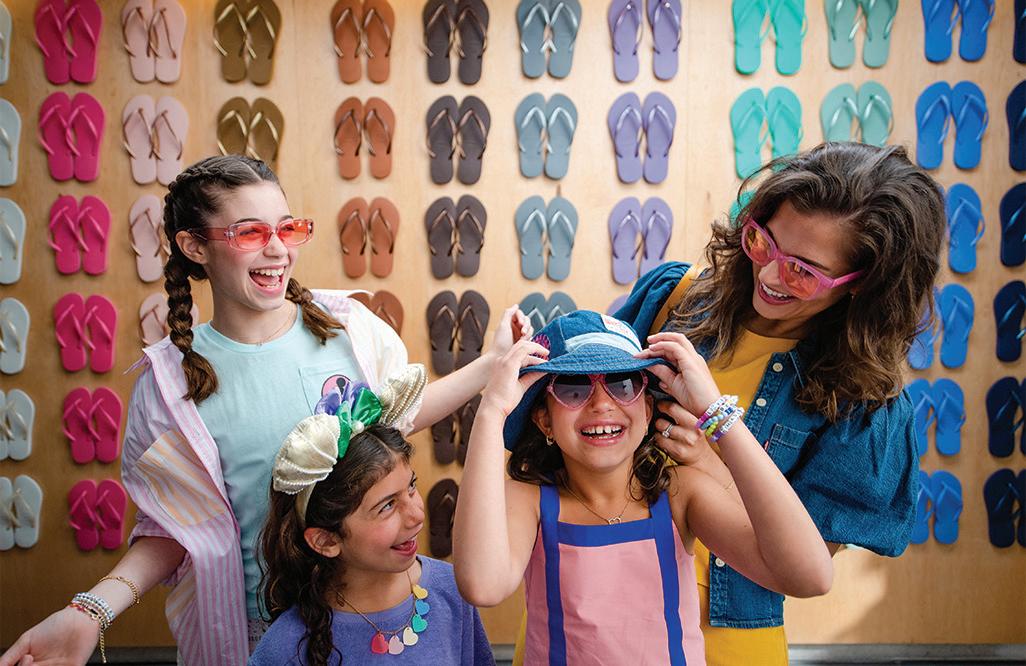
shop some more because Disney Springs® has everything from Disney-only souvenirs to unique specialty boutiques to must-have-now trends from some of the world’s most popular brands. Drop by DisneyStyle for fashions & accessories inspired by favorite Disney Characters. Slip into summer fun with colorful comfortable flip flops from havaianas®. And catch the latest upscale island apparel at Tommy Bahama®
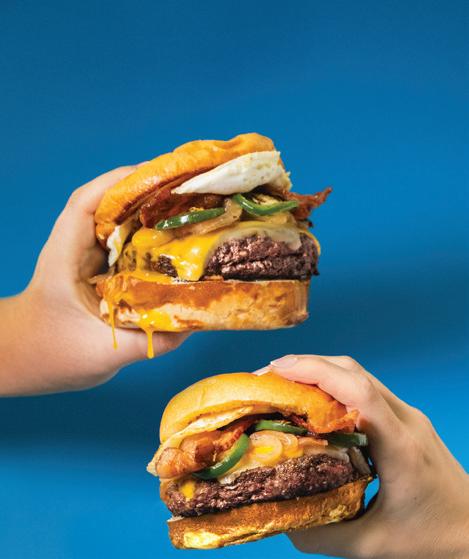
Dine on savory sumptuous flavors with family & friends at Summer House on the Lake with California-style cuisine and scenic lakeside views. Take your burger game to the next level at D-Luxe Burger with classic burgers, sides & more at this ranch-inspired eatery. And feed those summer barbecue cravings at The Polite Pig, a wood-fired barbecue spot featuring Florida-inspired cuisine.
PLAY
PLAY and enjoy family-friendly activities all across Disney Springs® Experience Drawn to Life presented by Cirque du Soleil and Disney, alive show that blends the beauty of Disney animation with the thrilling spectacle of Cirque du Soleil. Cruise the waters of Lake Buena Vista on a captainguided tour aboard a fully restored retro dream boat. Plus, dance, groove & sing along to a variety of live entertainment all across Disney Springs®
Features Contents
54
The Ultimate Florida Man
By Gregory Wakeman
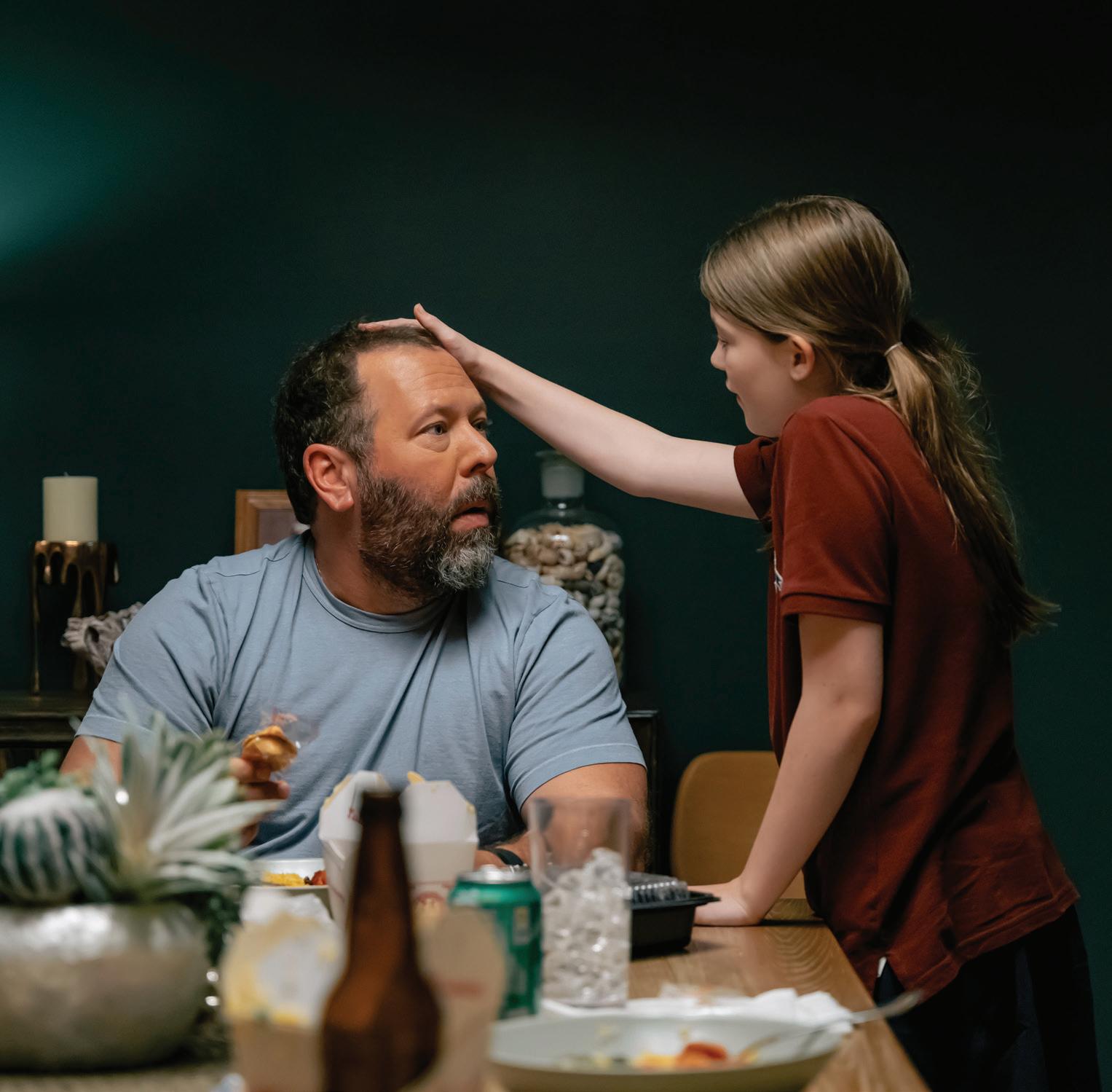
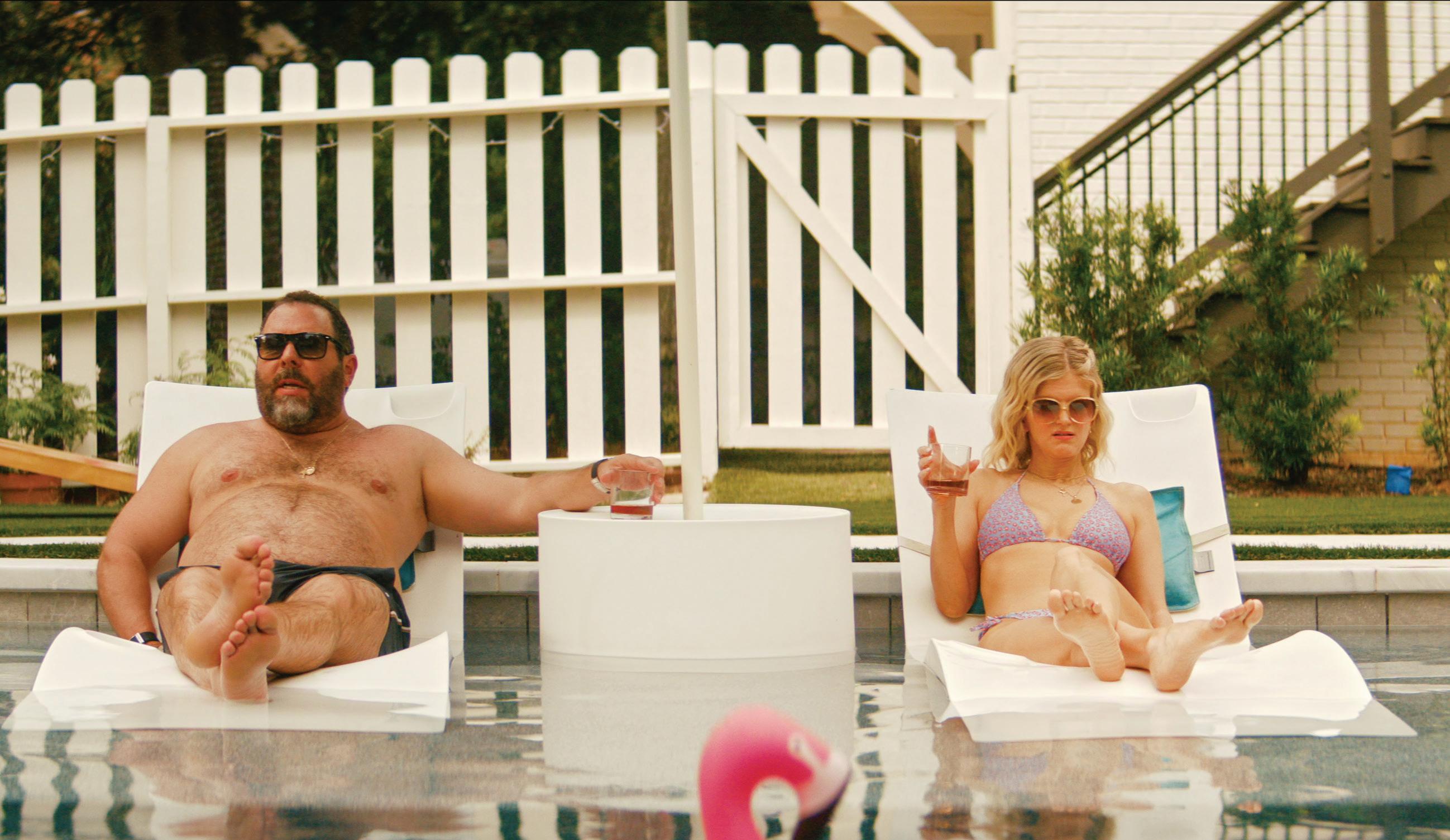
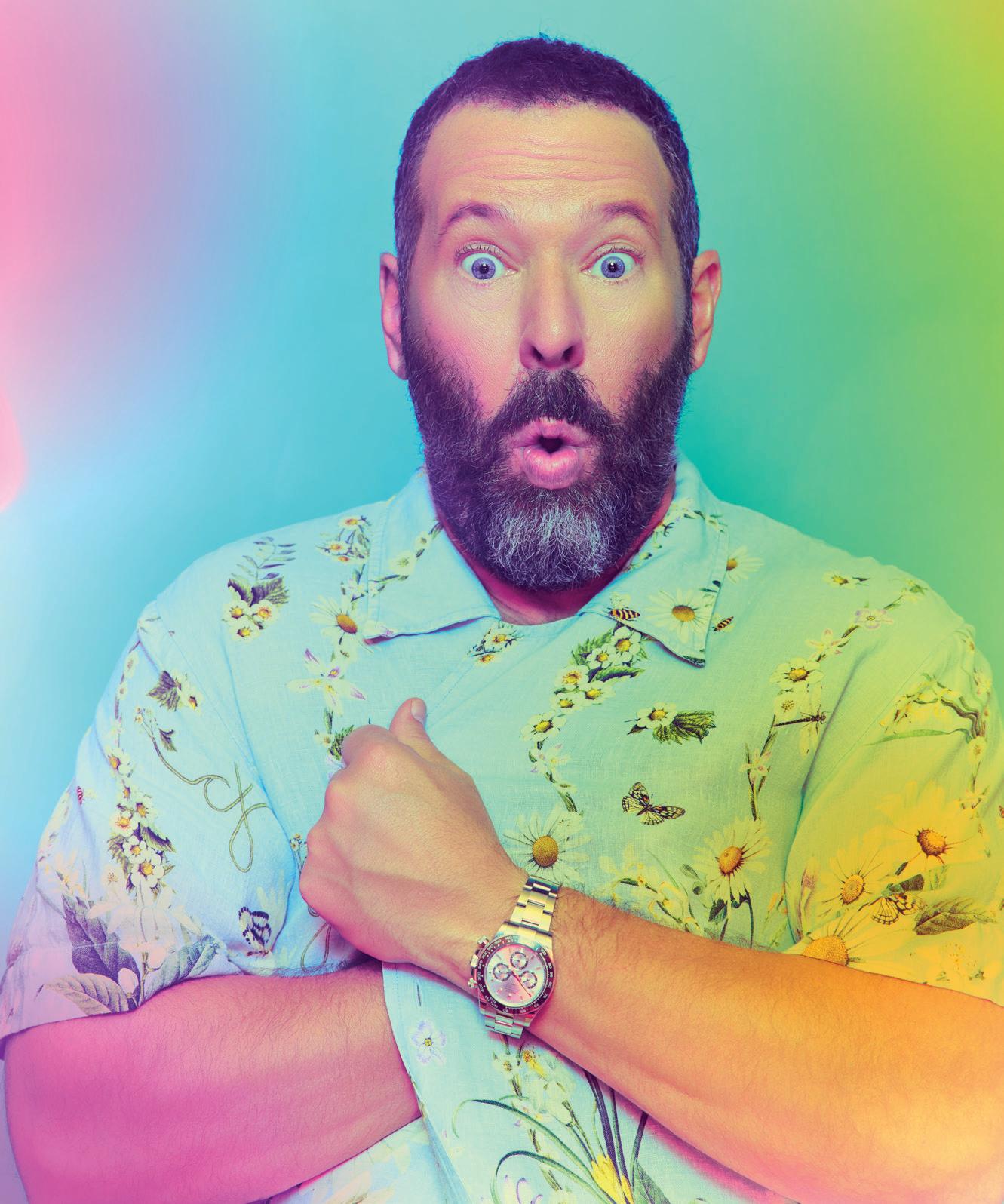
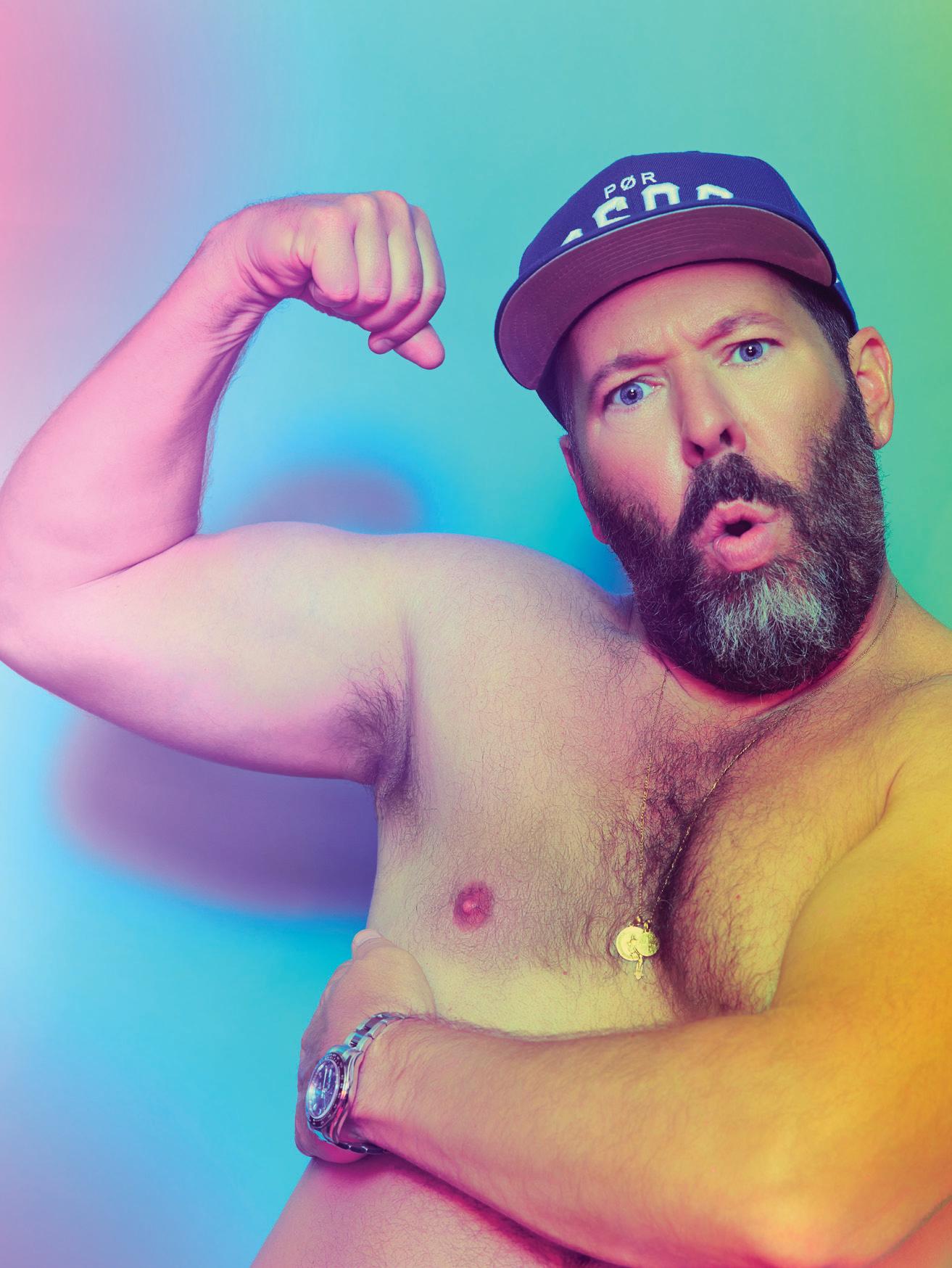
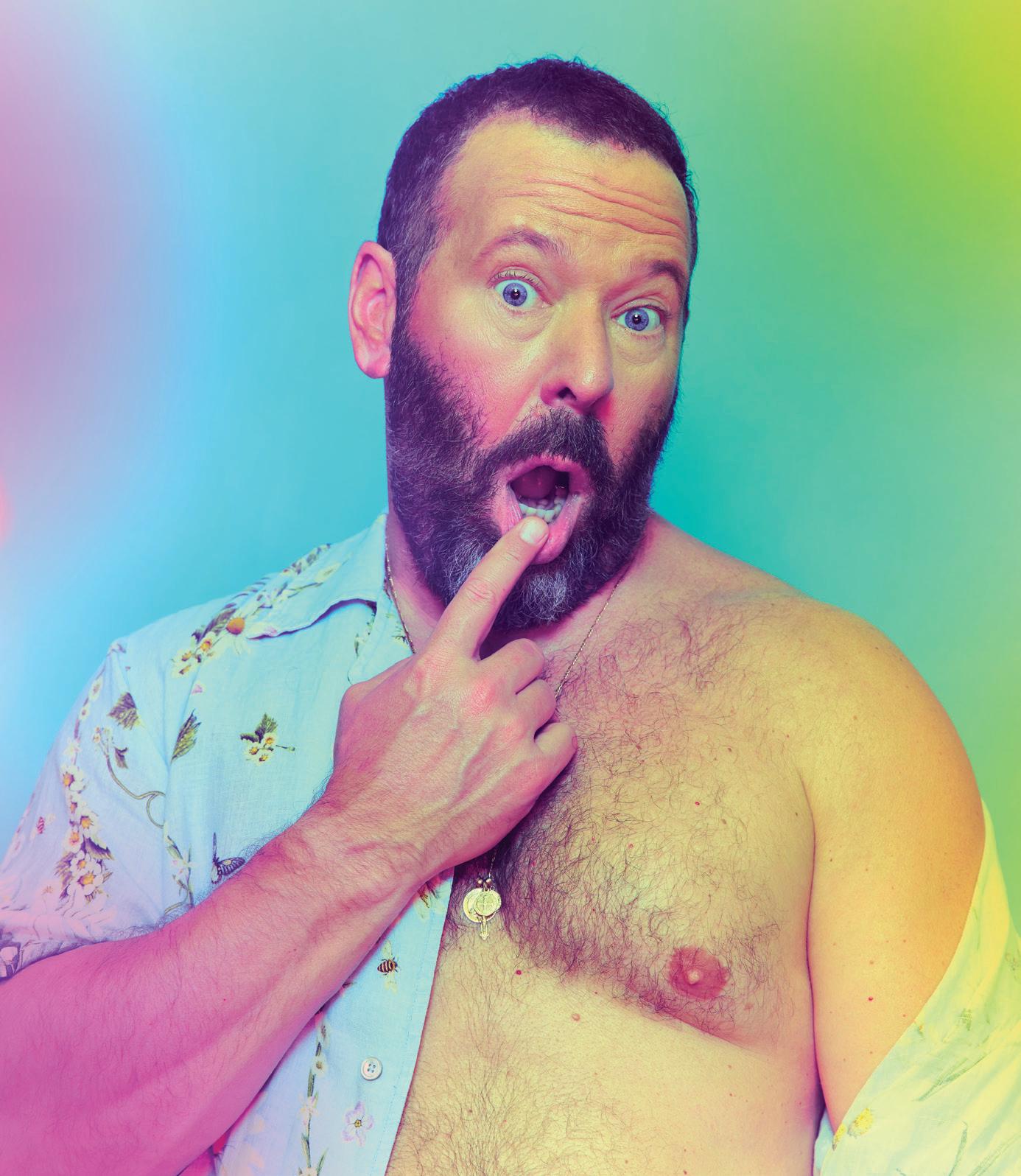
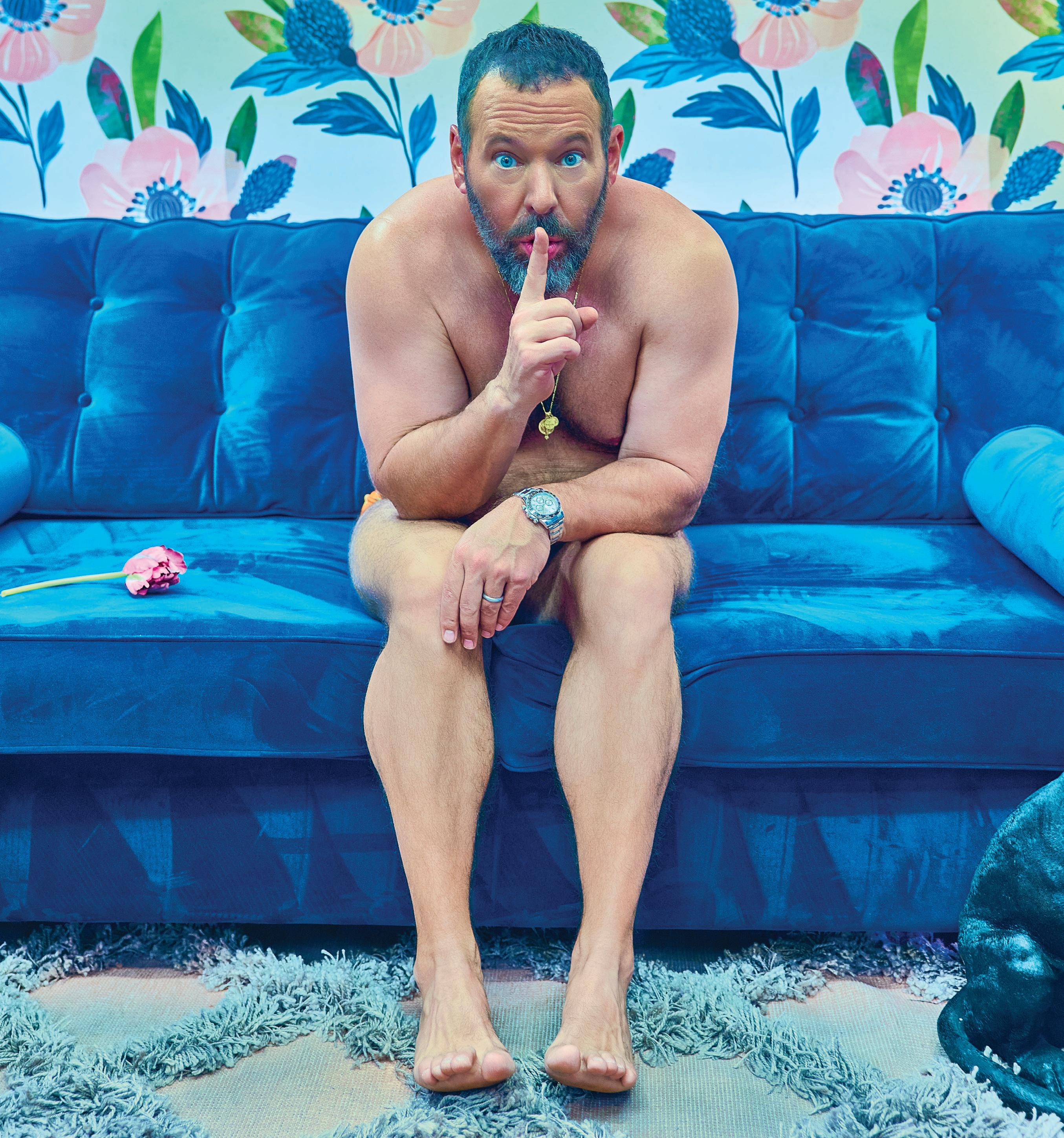
From a Florida State University fraternity house in 1997 to a Netflix sitcom in 2026, comedian Bert Kreischer has built a career out of chaos and charisma. In this cover story, we get an inside look at his rise to stardom and his favorite Florida travel spots along the way.
64
The Golden Pickle
By Eric Barton
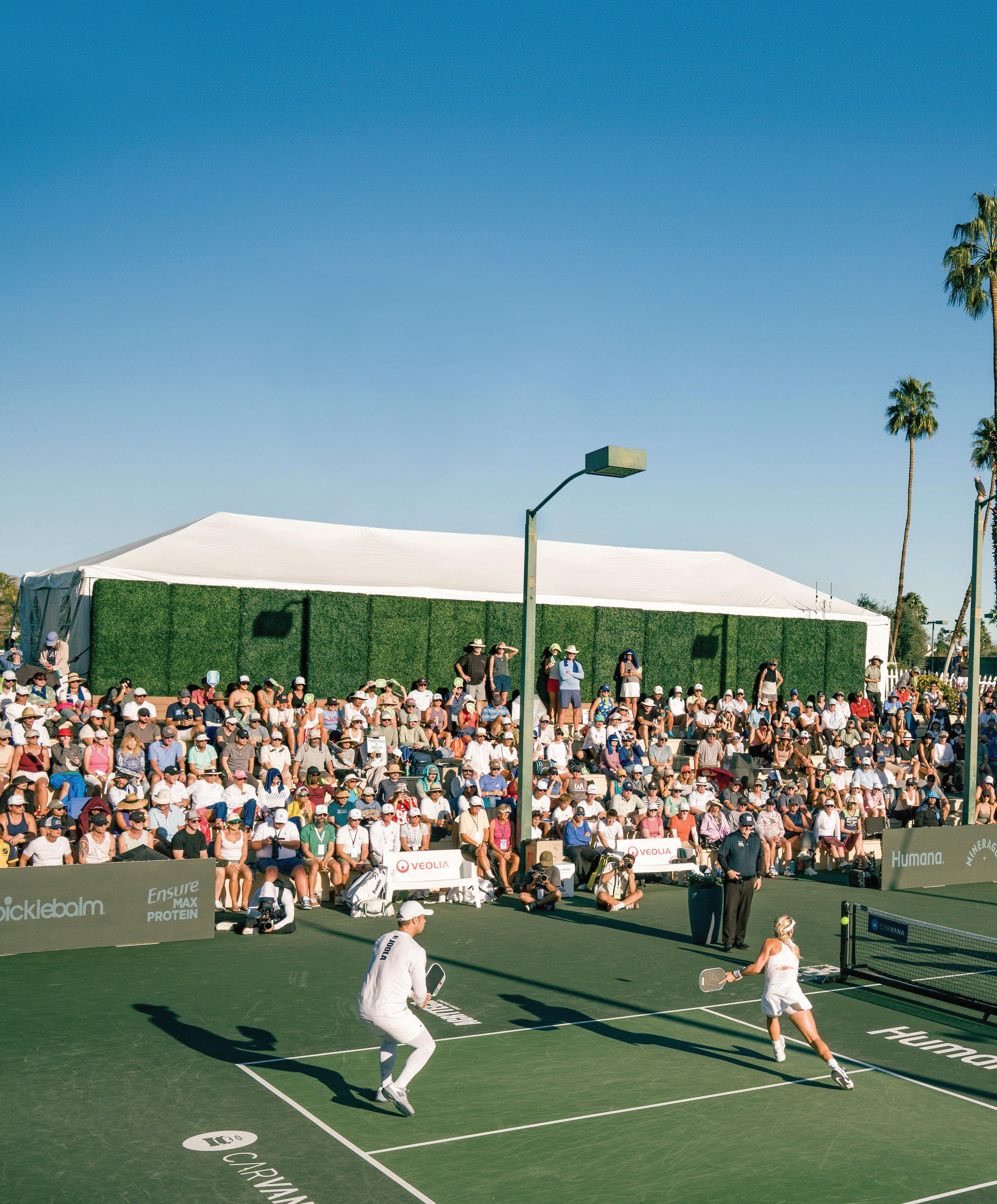
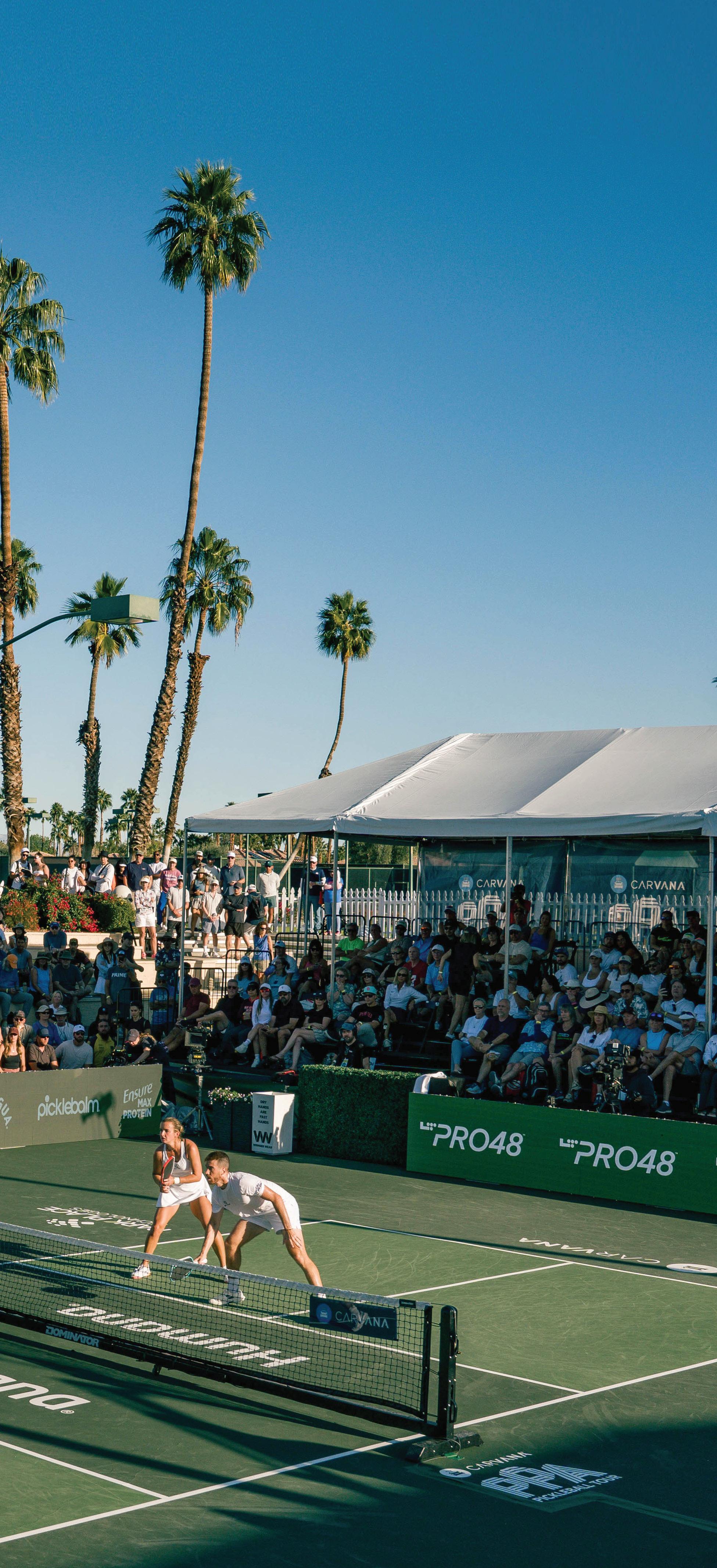
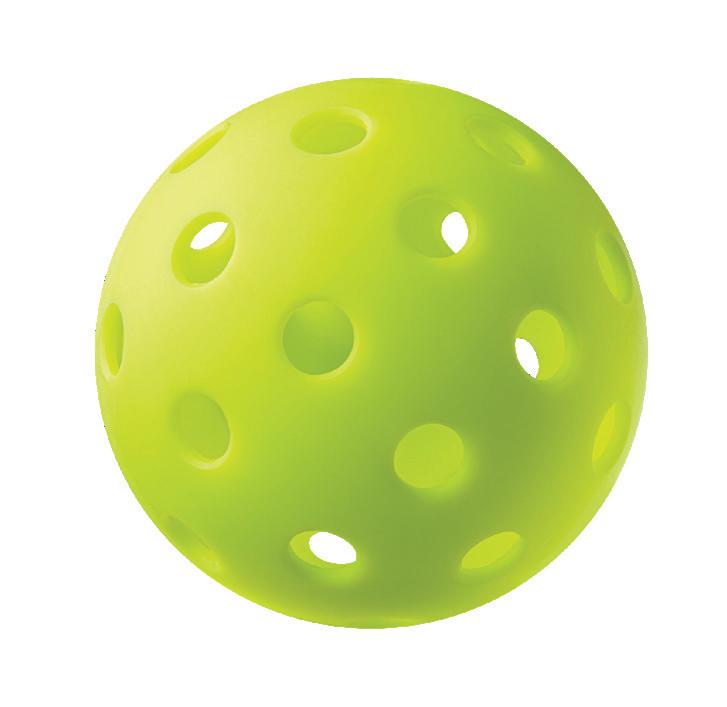
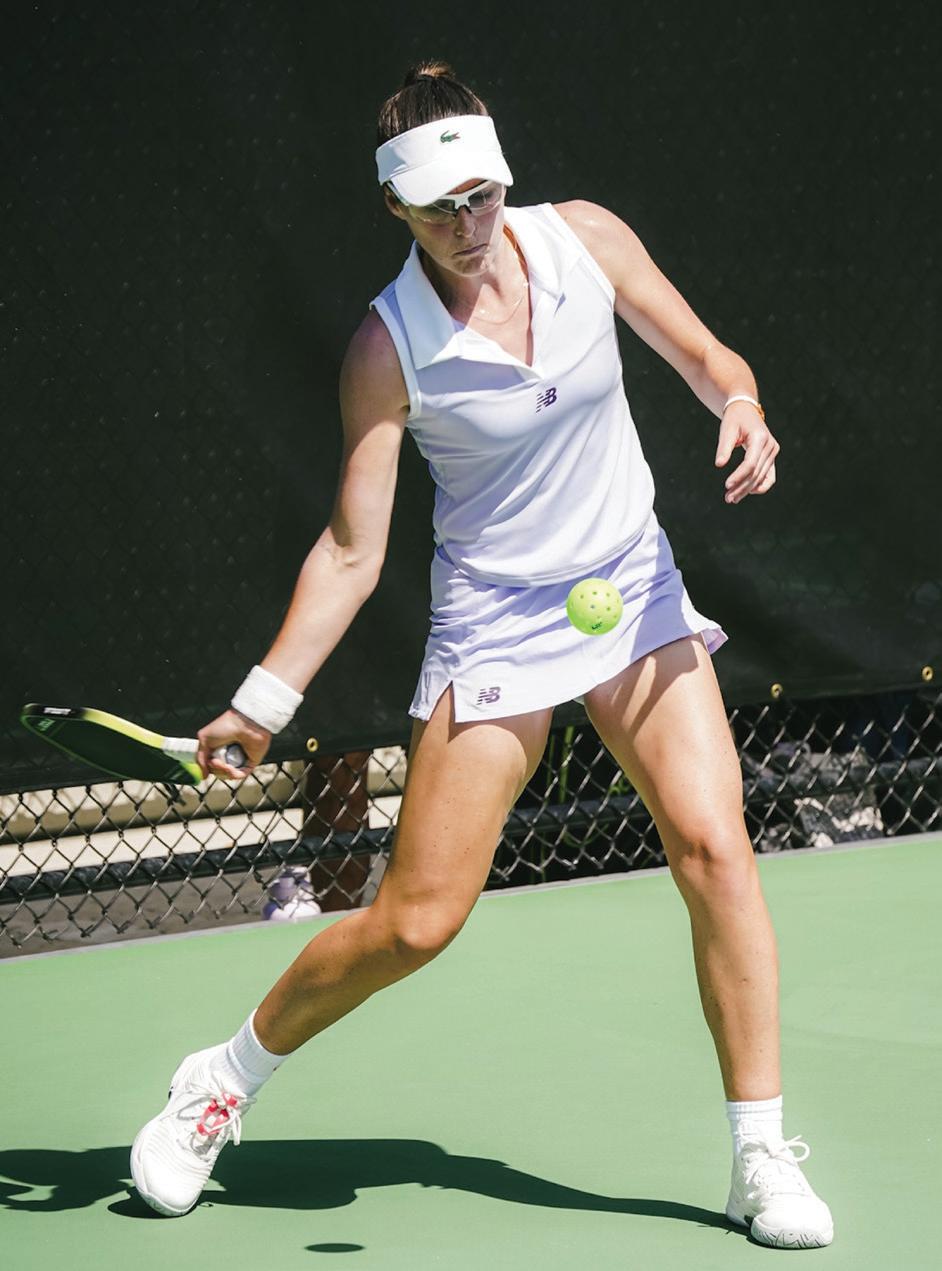
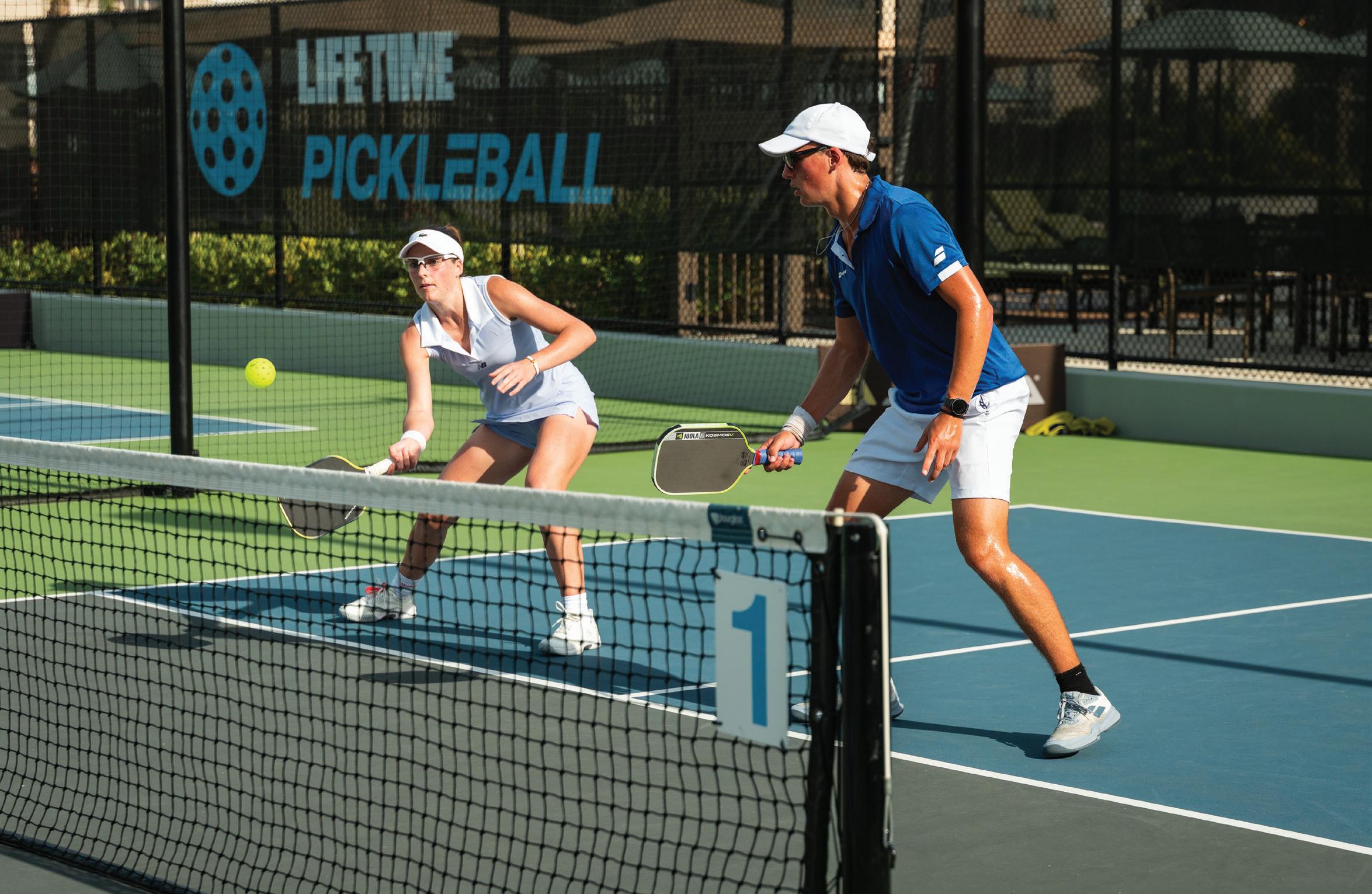
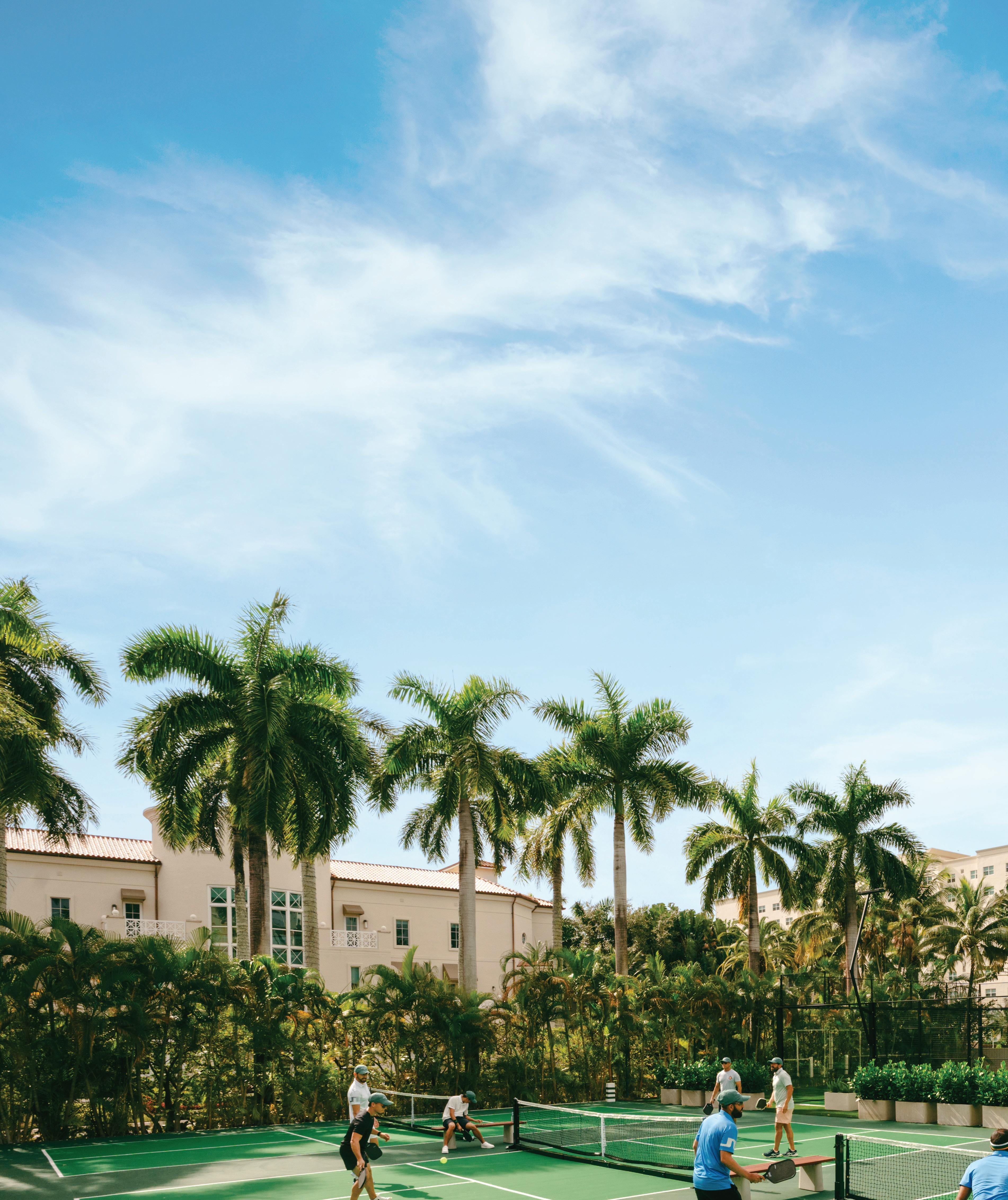
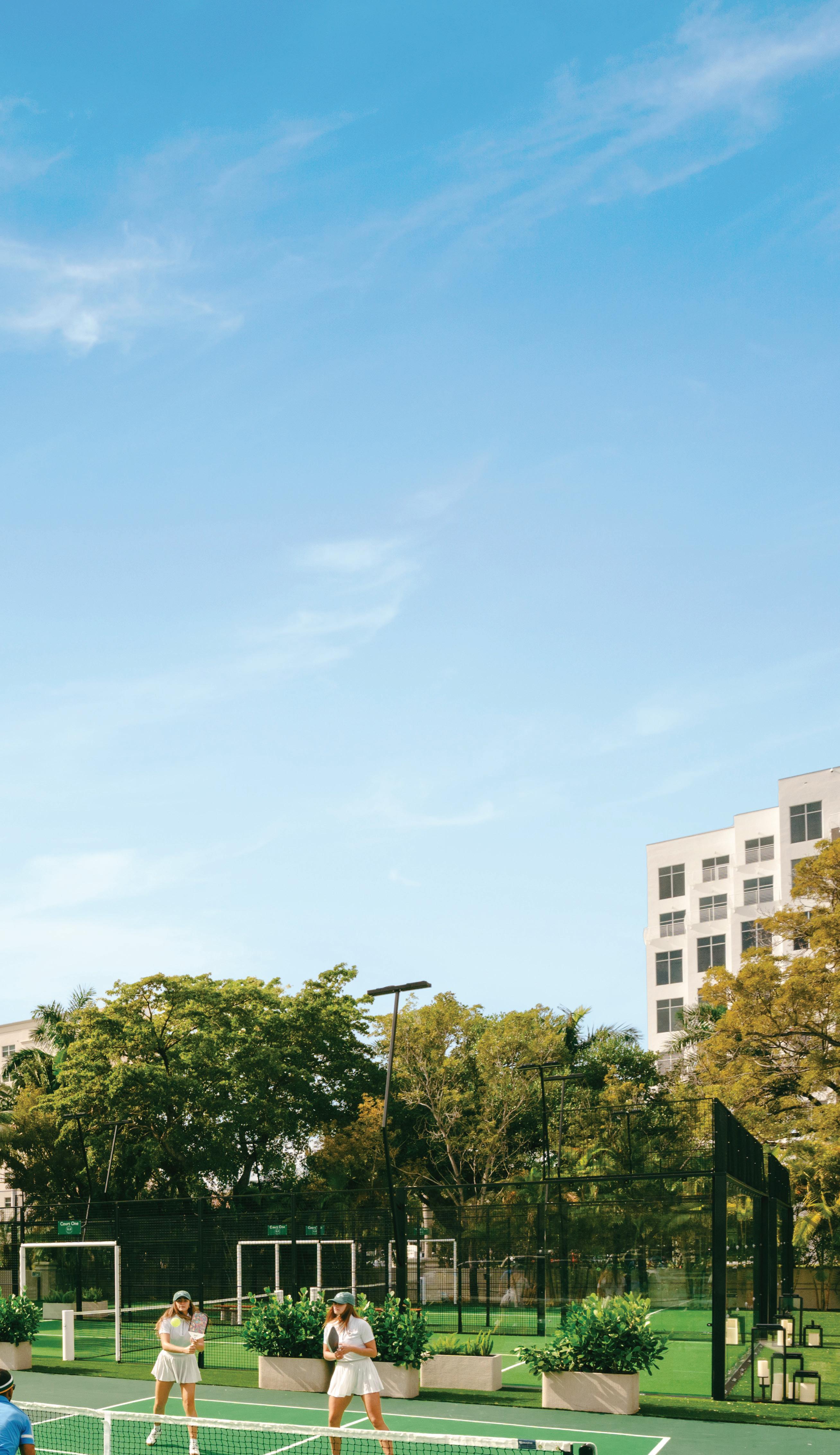
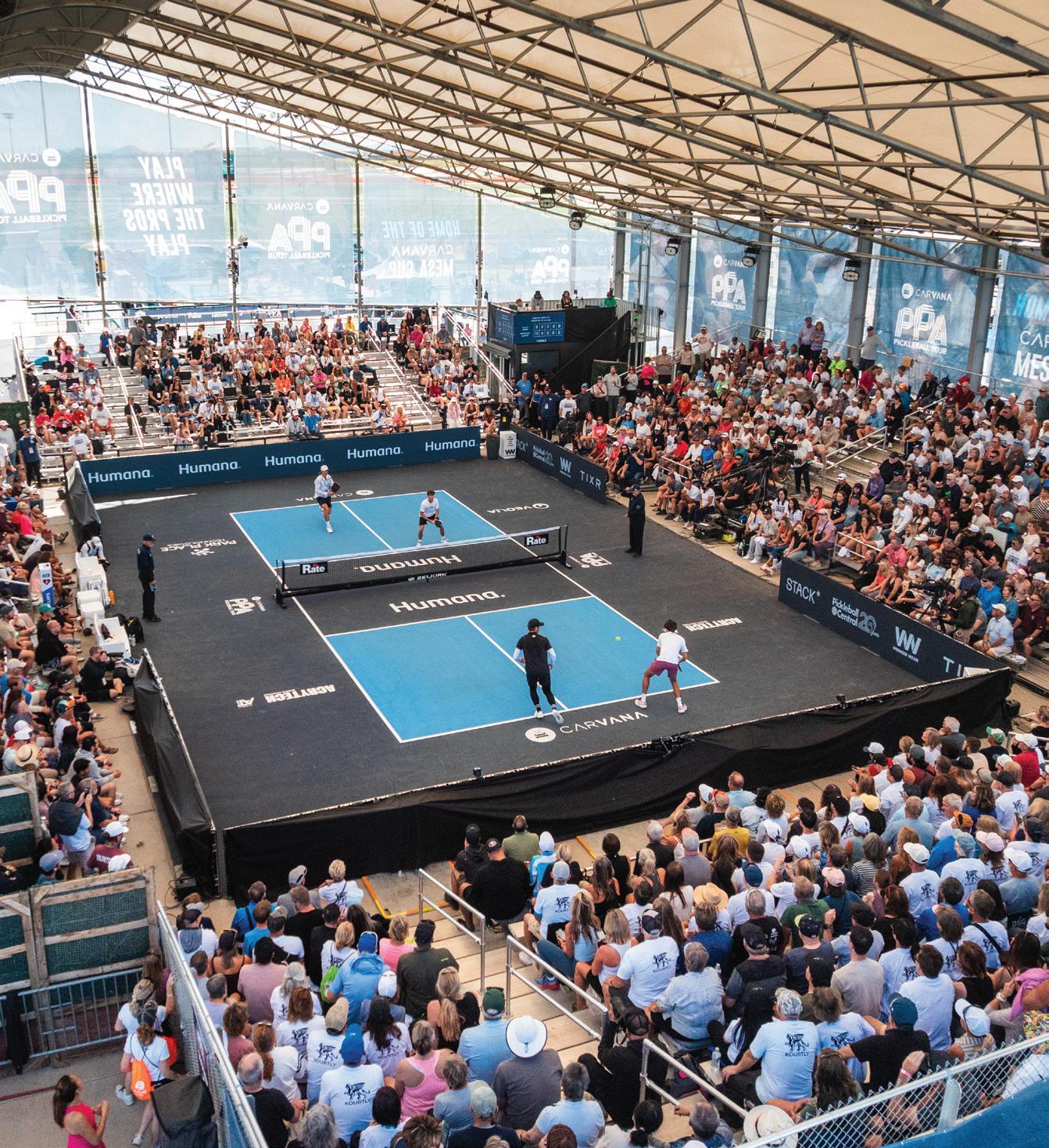
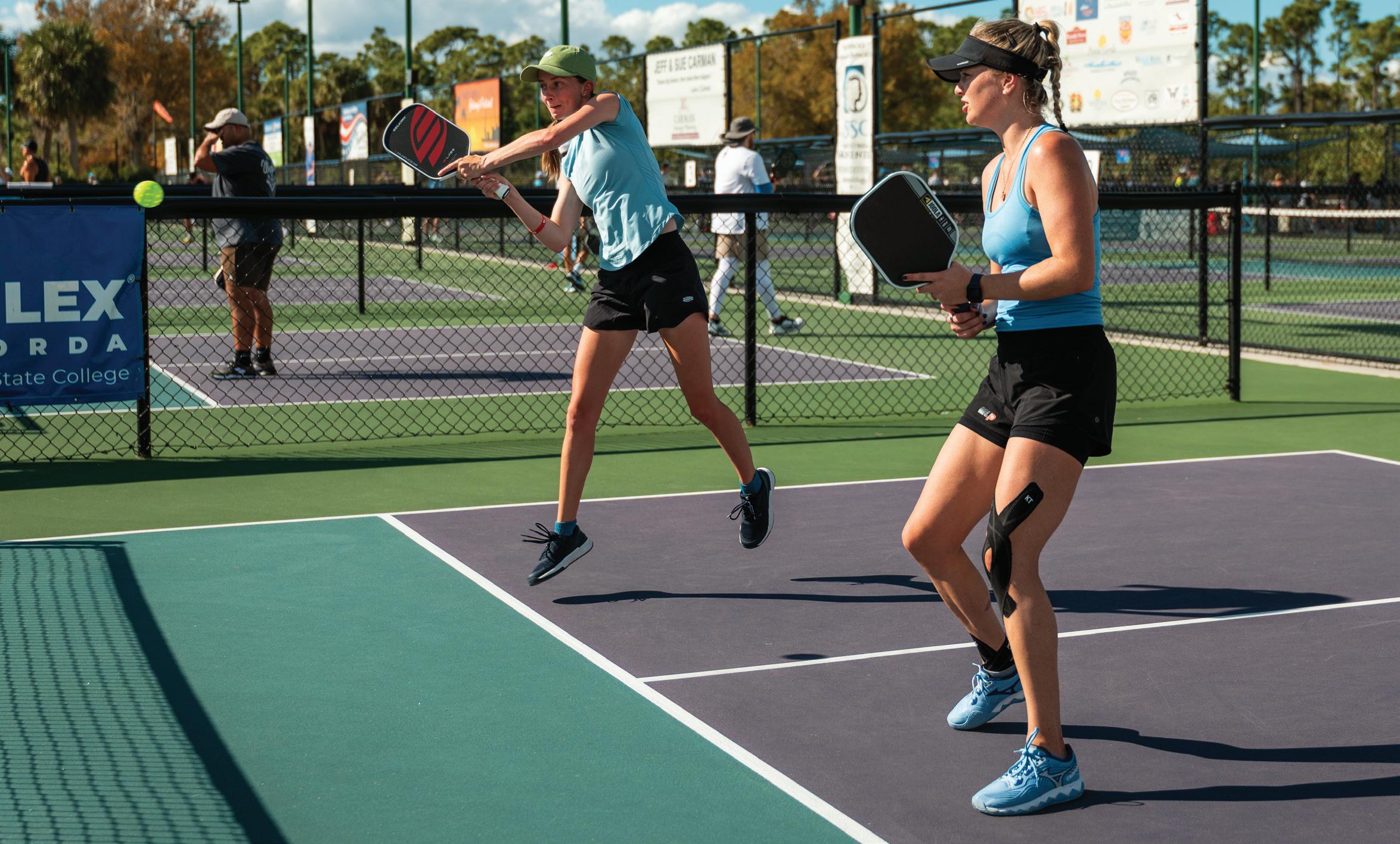
Return the serve to some of the most popular players in the Professional Pickleball Association and meet the people behind one of the nation’s fastestgrowing sports, plus a pickleball road-trip guide to the best places to stay and play across the state.
72
All in the Family
By Maddy Zollo Rusbosin
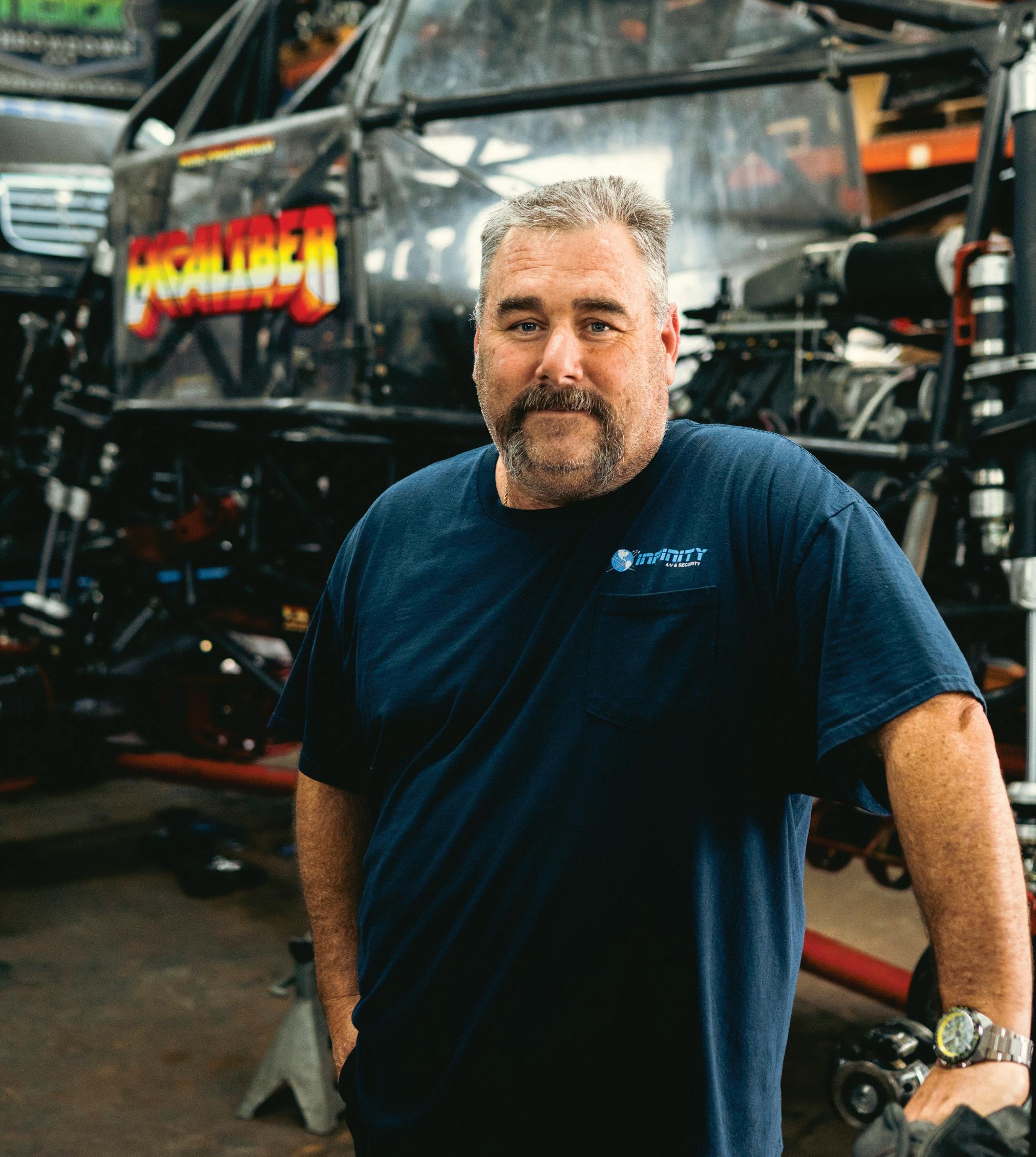
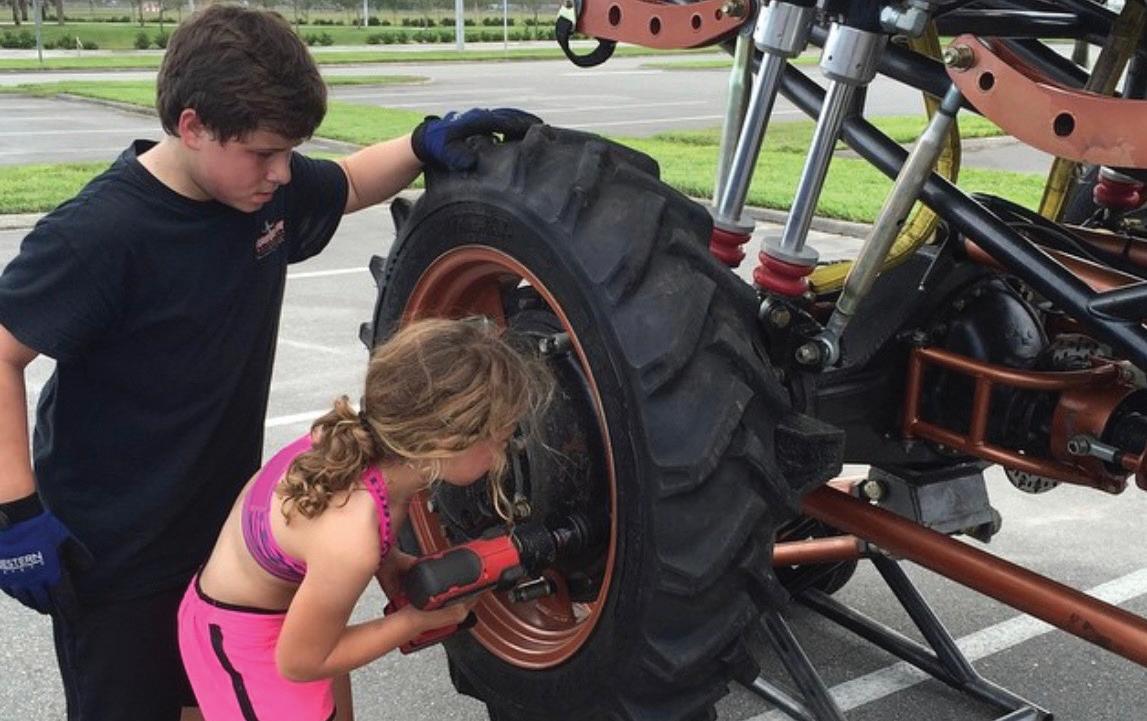
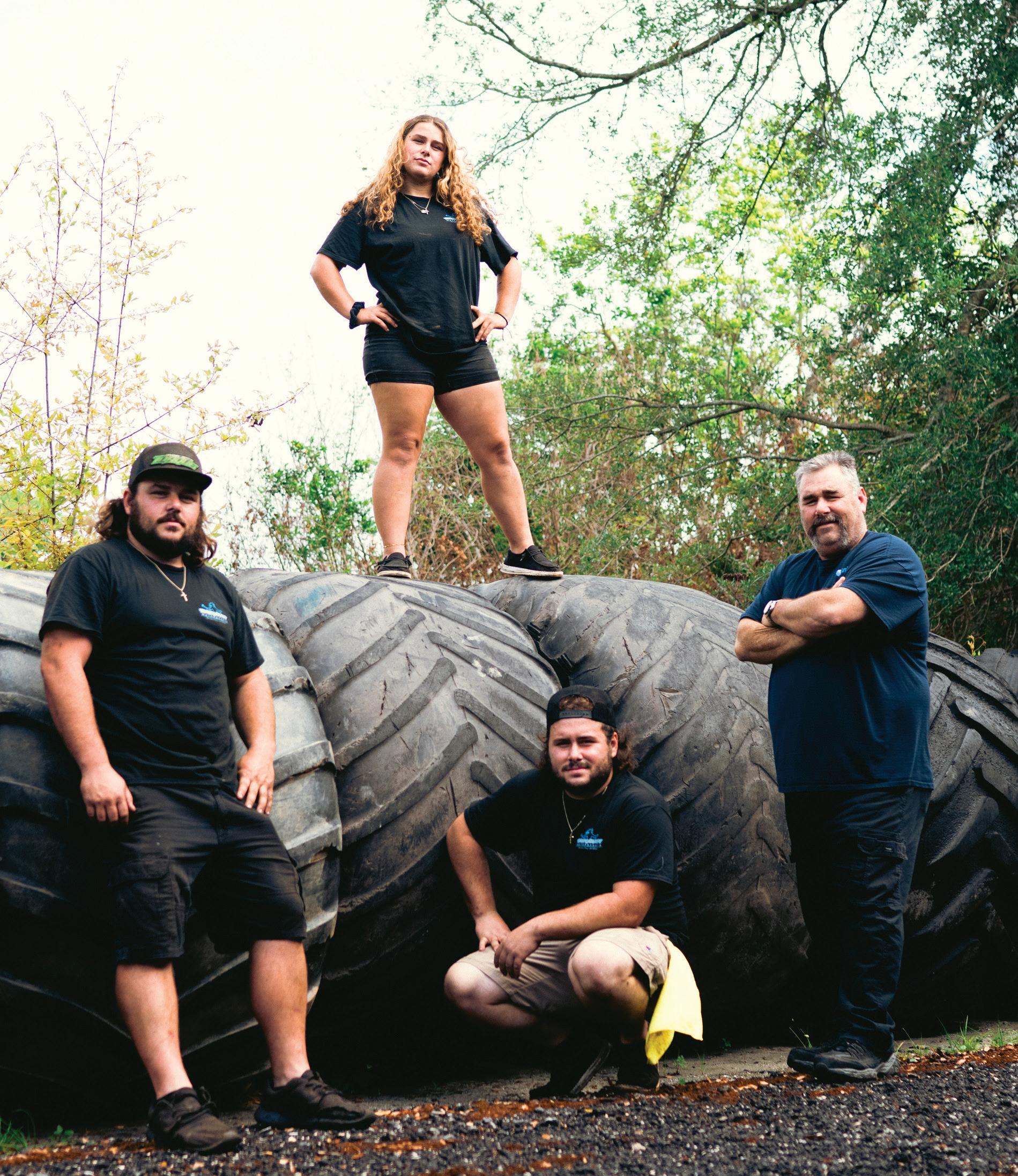
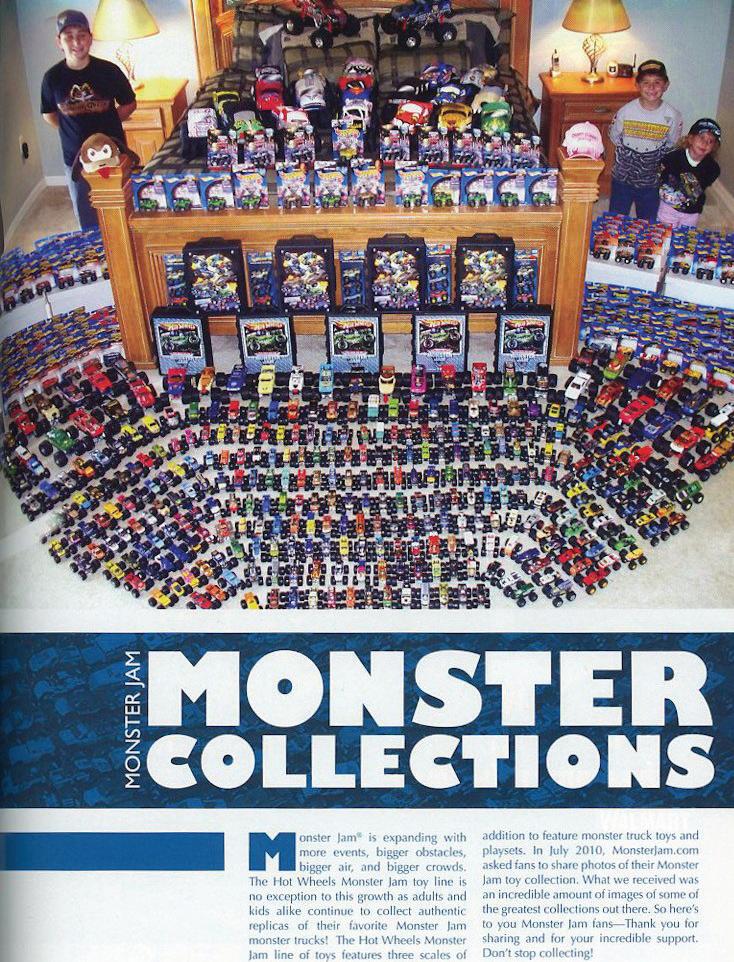
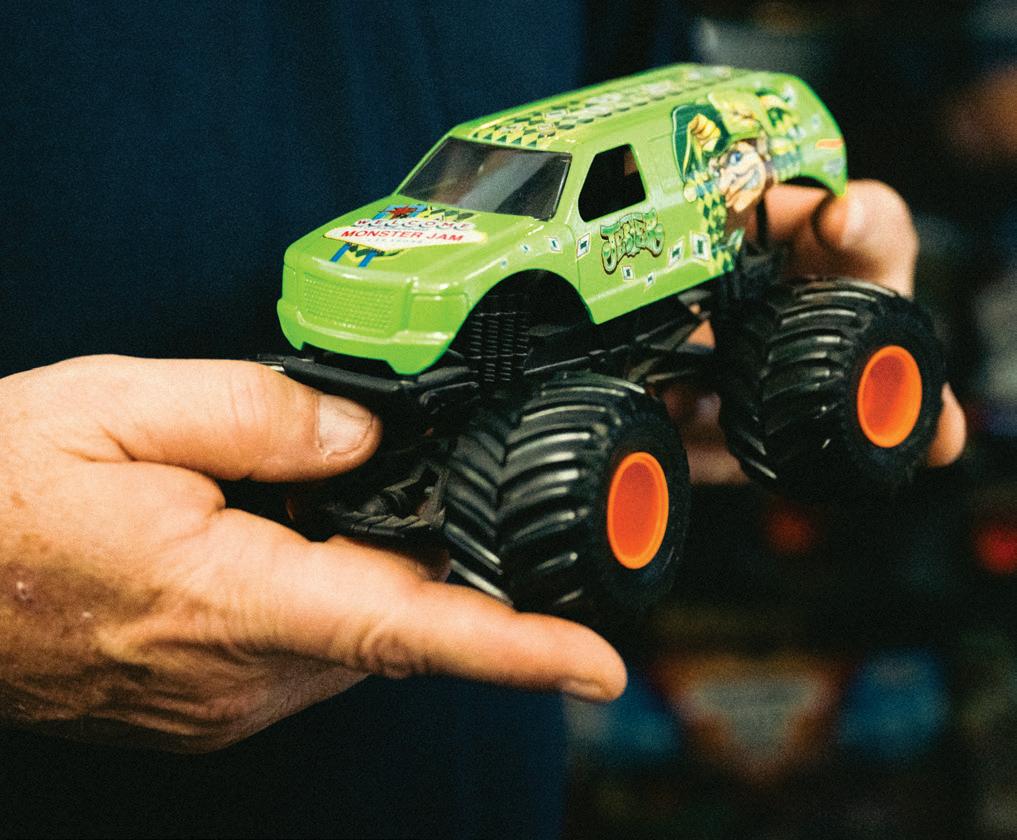
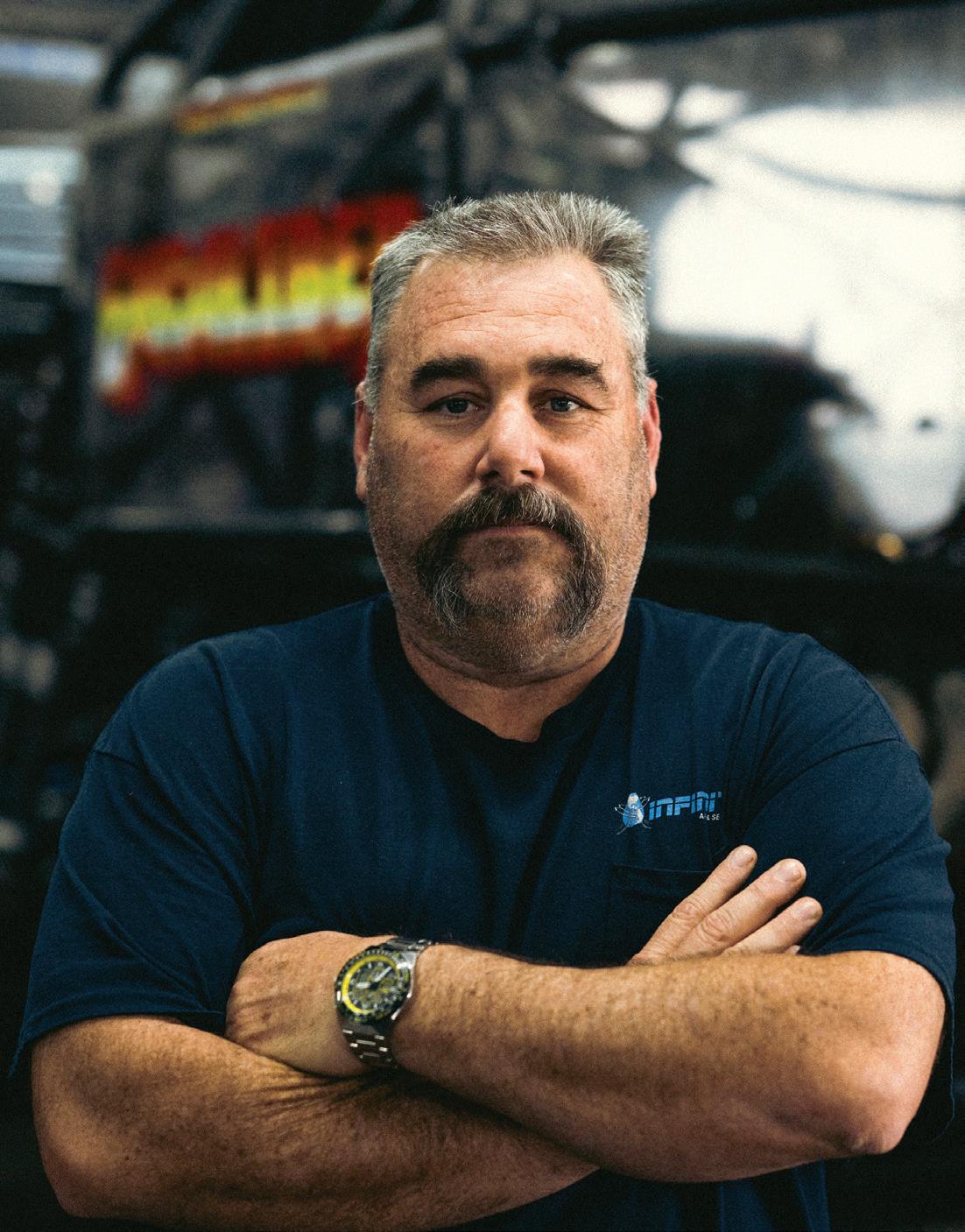
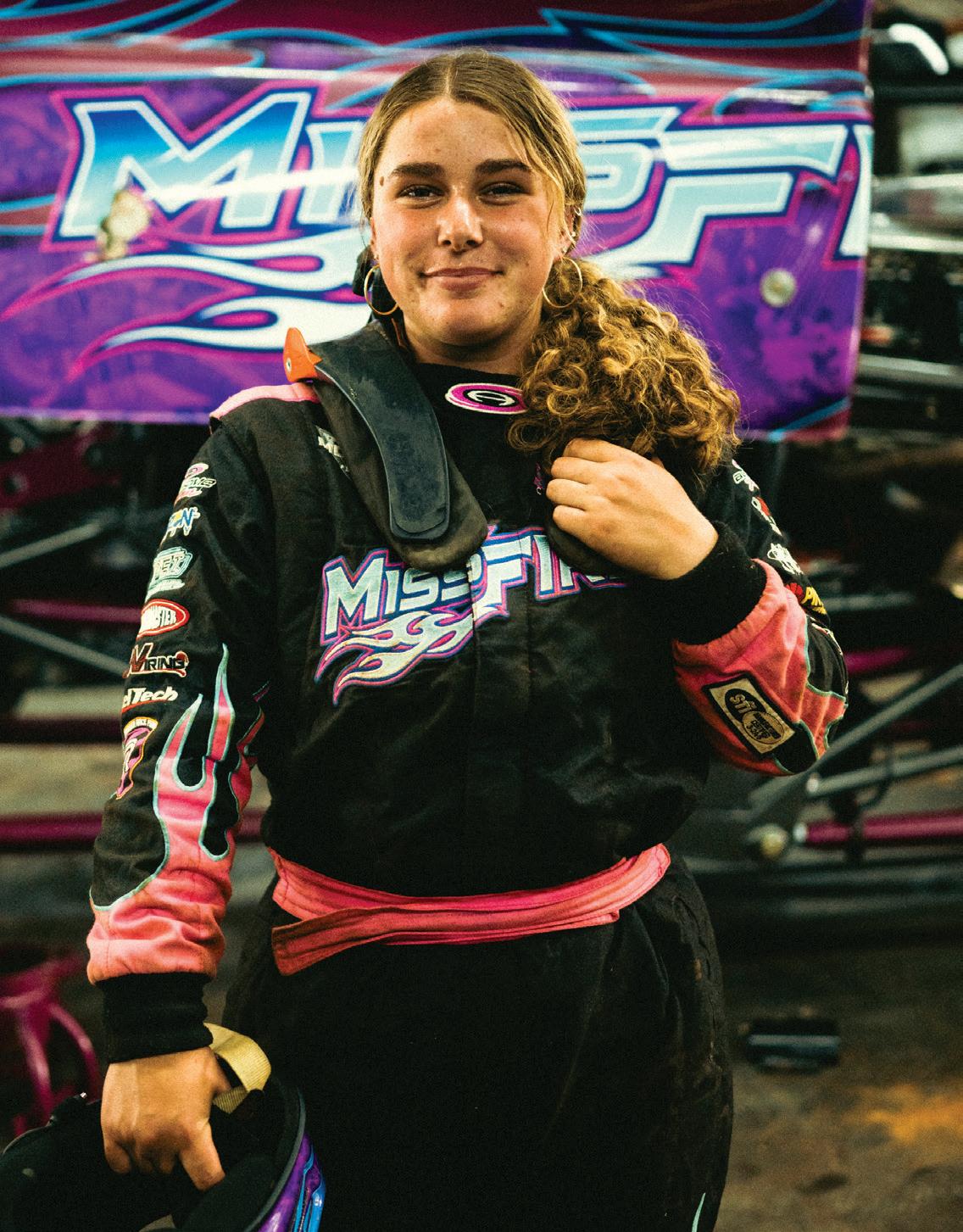
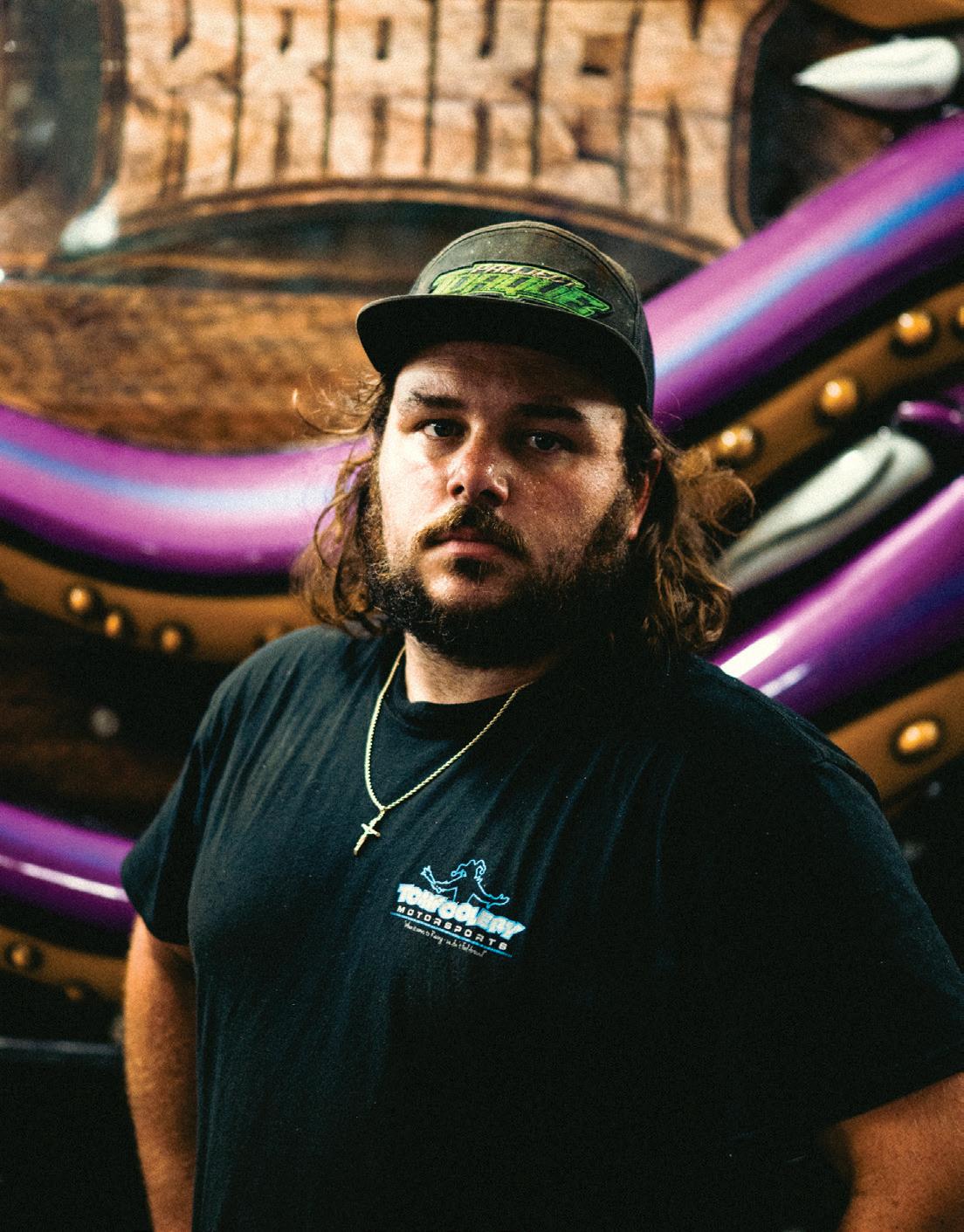
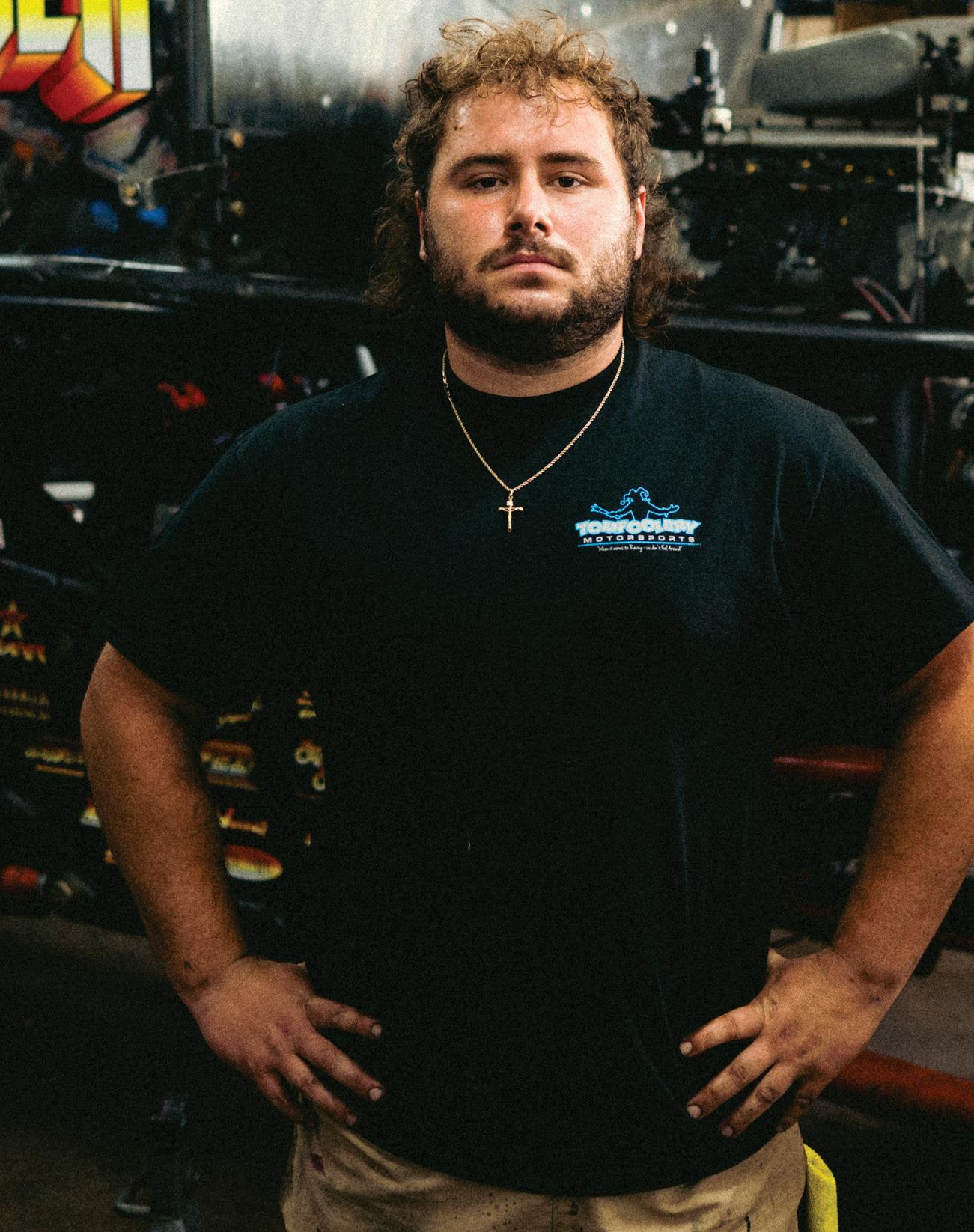
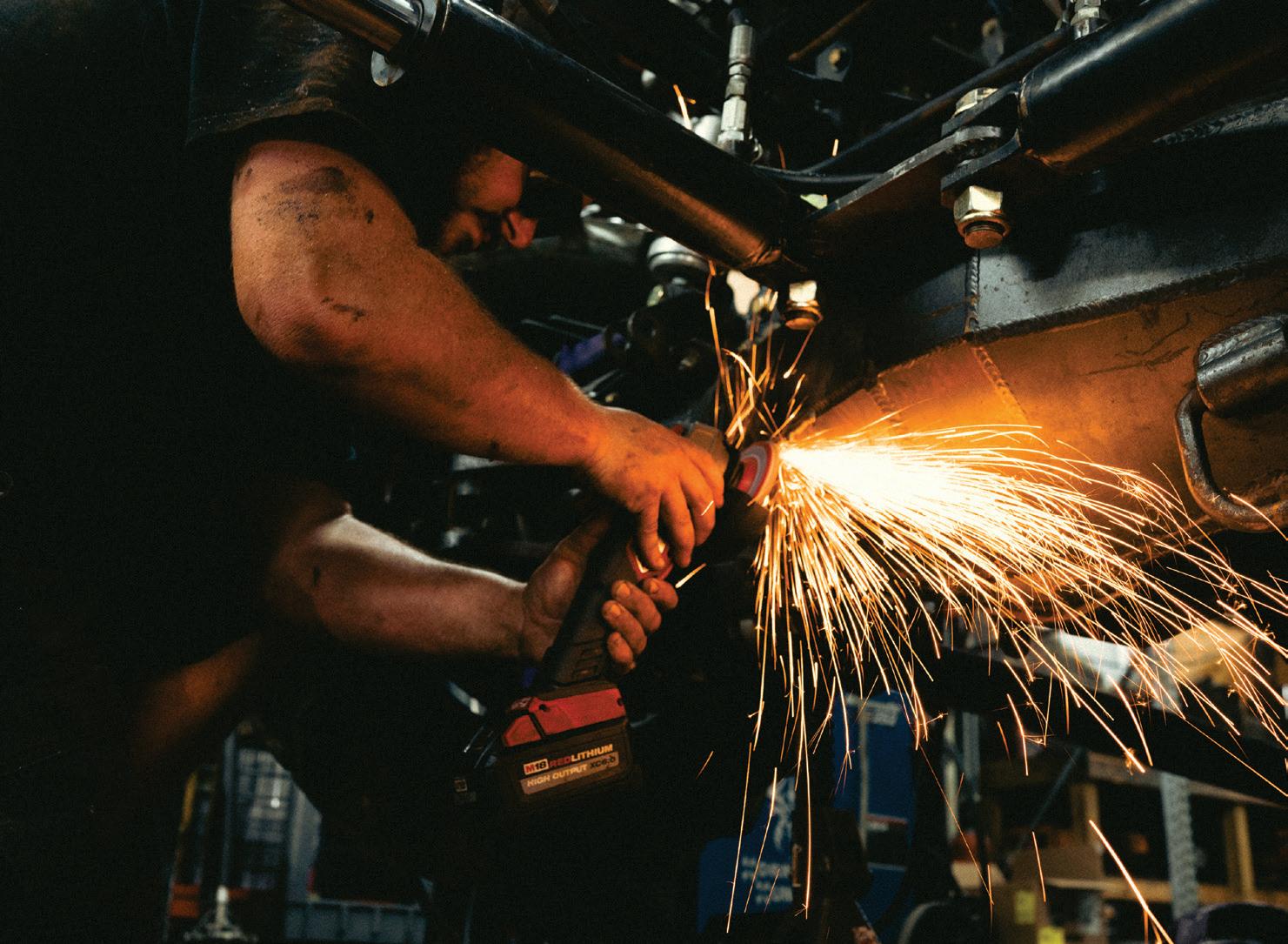
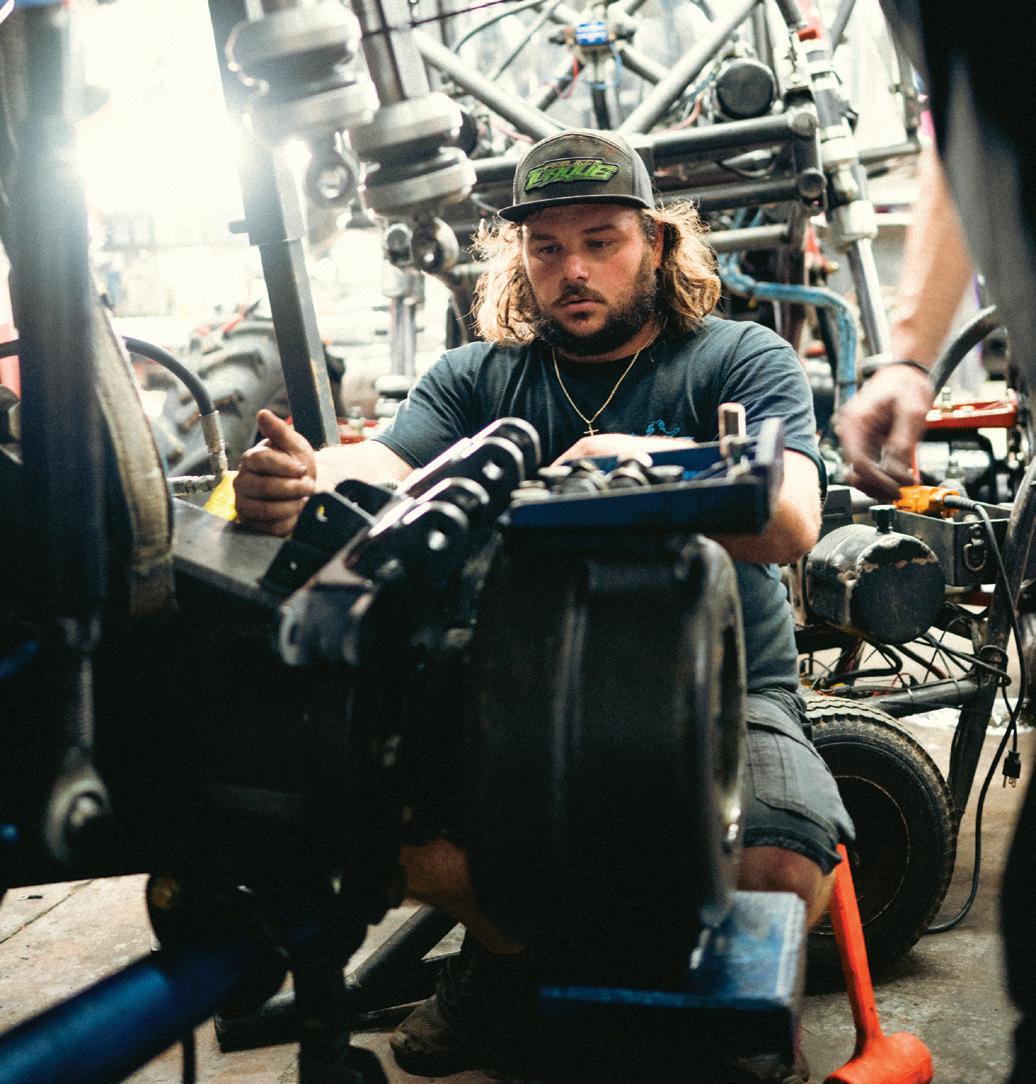
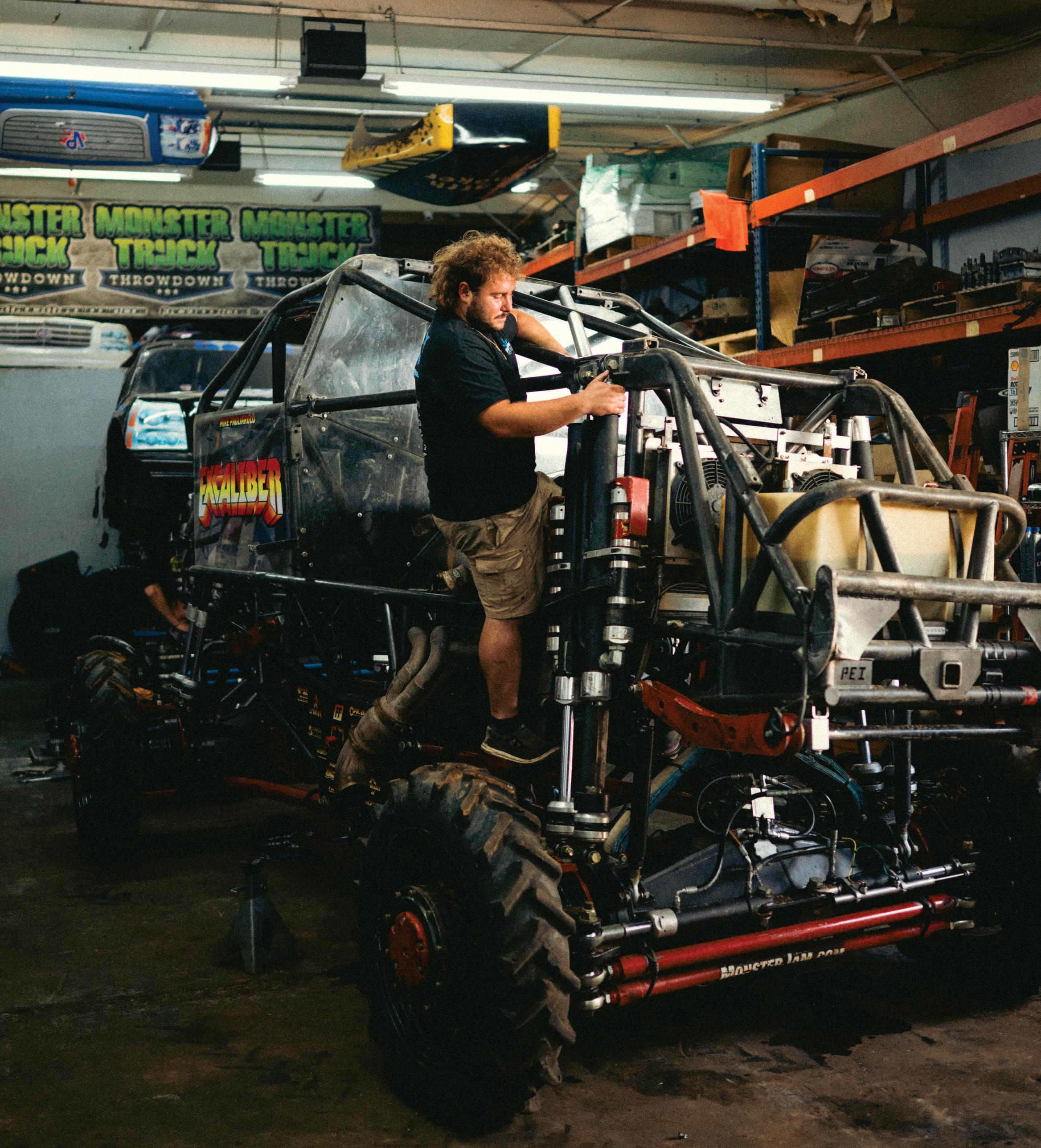
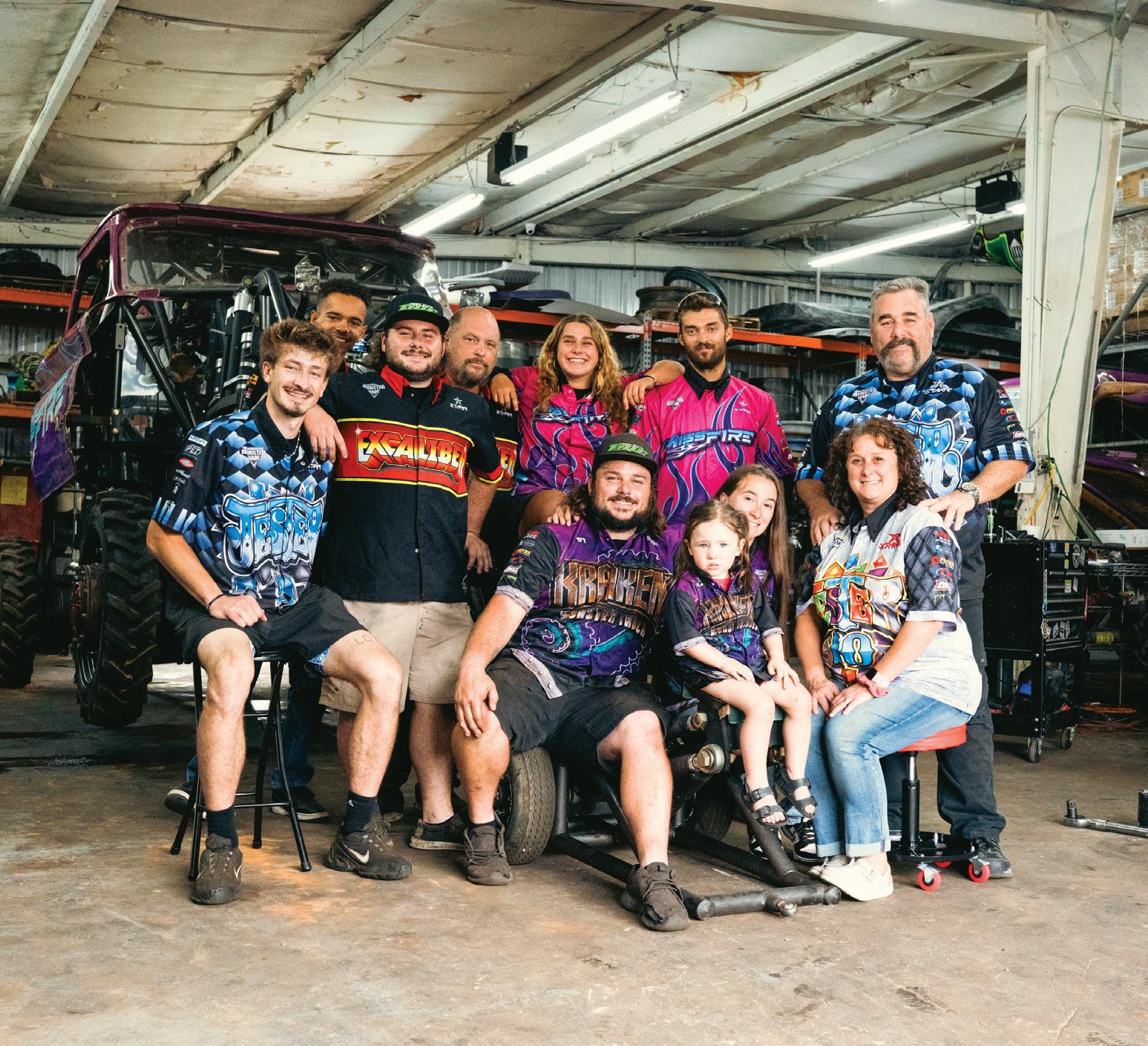
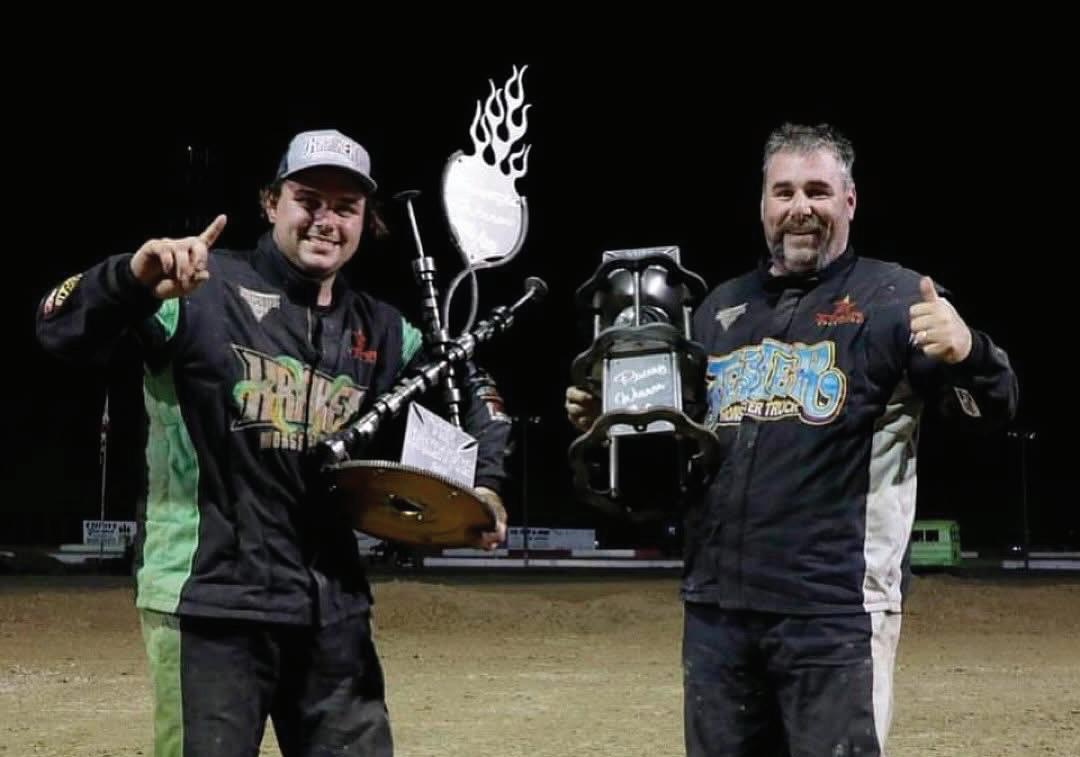
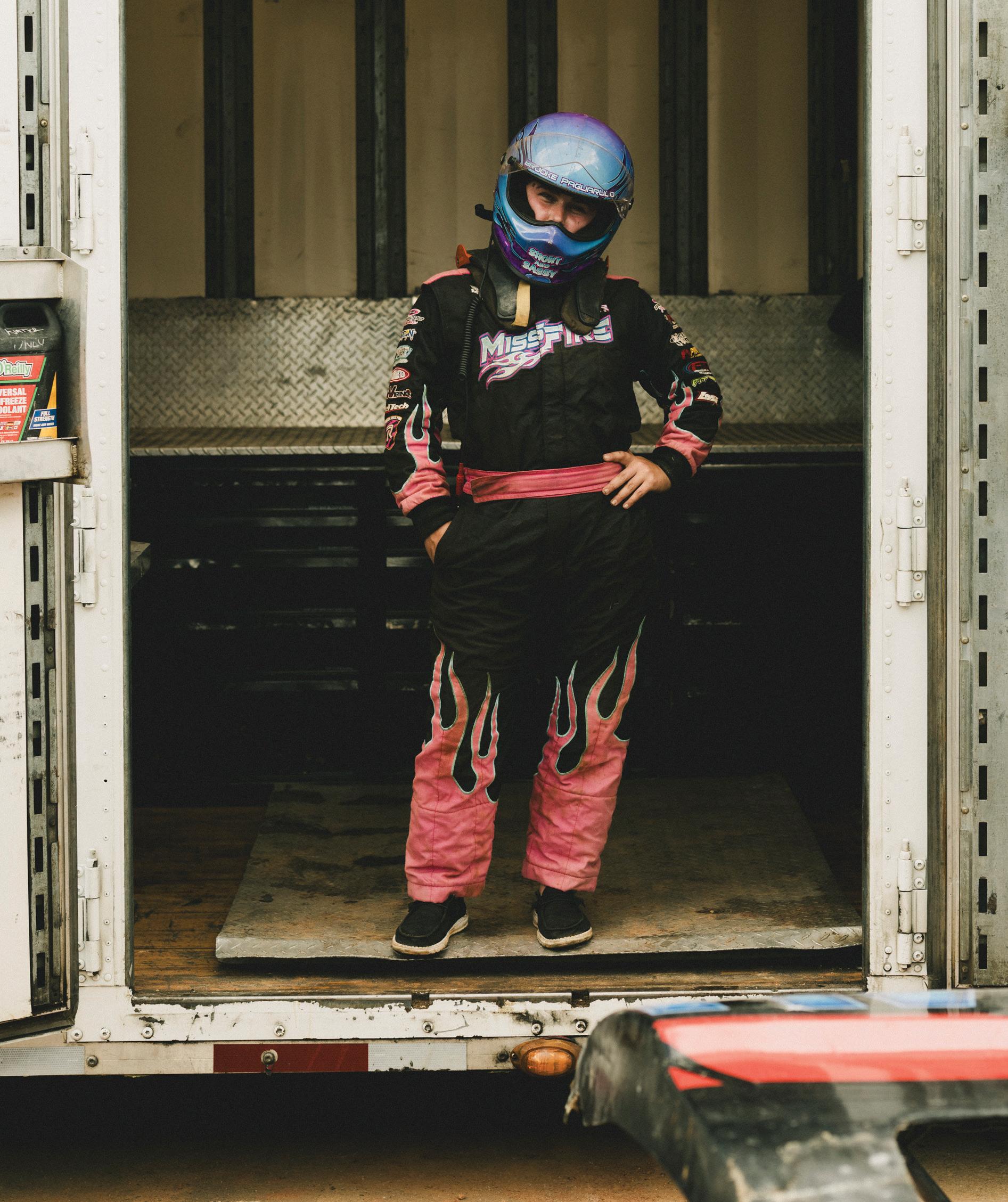
Kraken, MissFire, Excaliber and Jester are more than just monster trucks— they’re the backbone of a family business where everything is built by their own hands and legacy is passed down in the garage. For the drivers, the show is more than business— it’s personal.
84
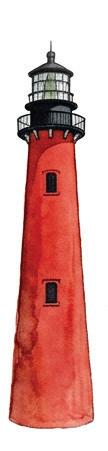
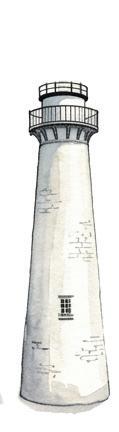
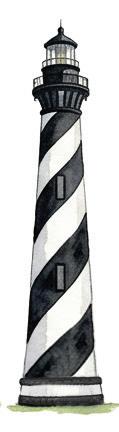
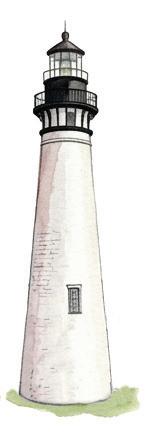
Guided by the Light
By Nila Do Simon
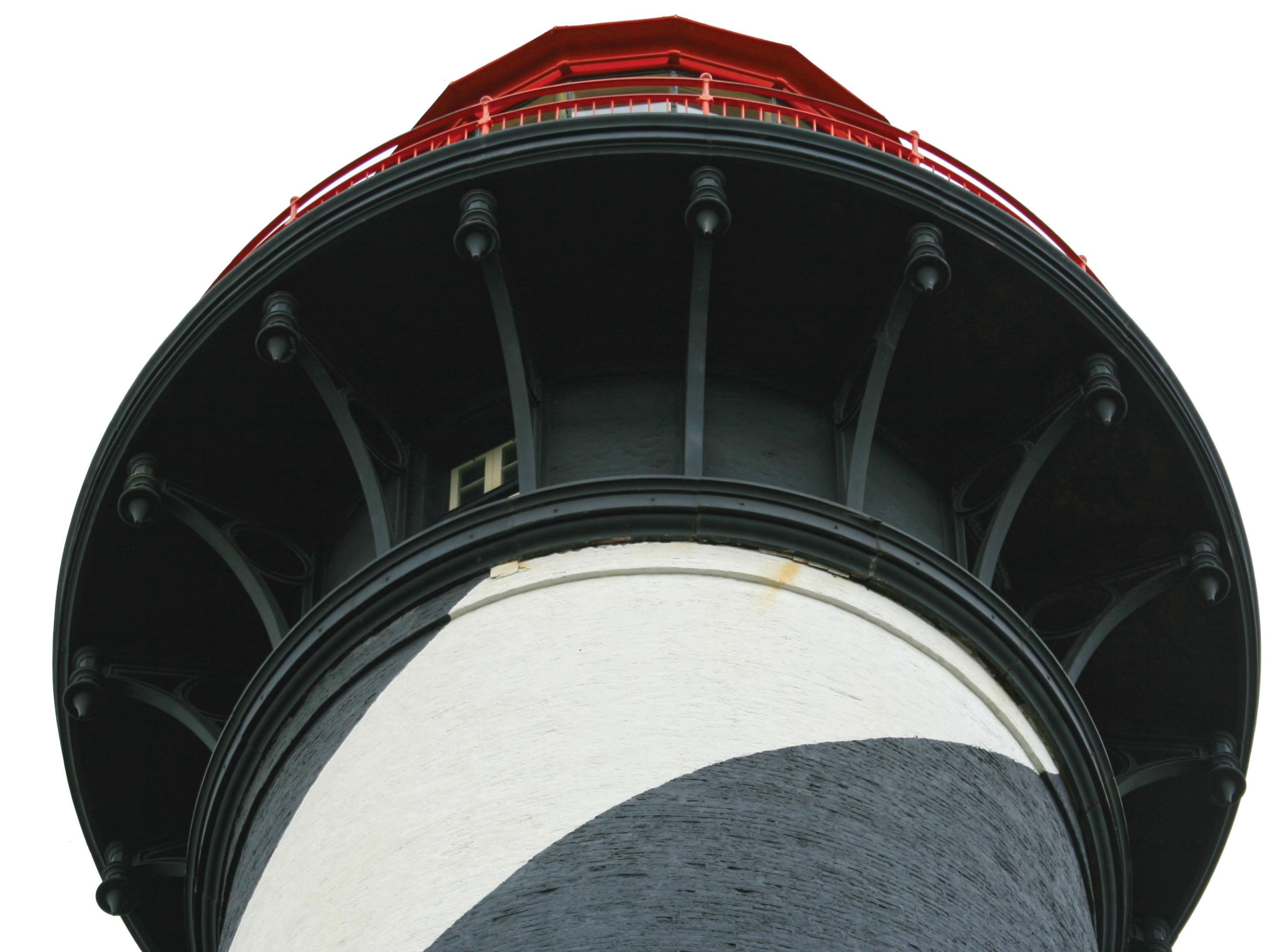
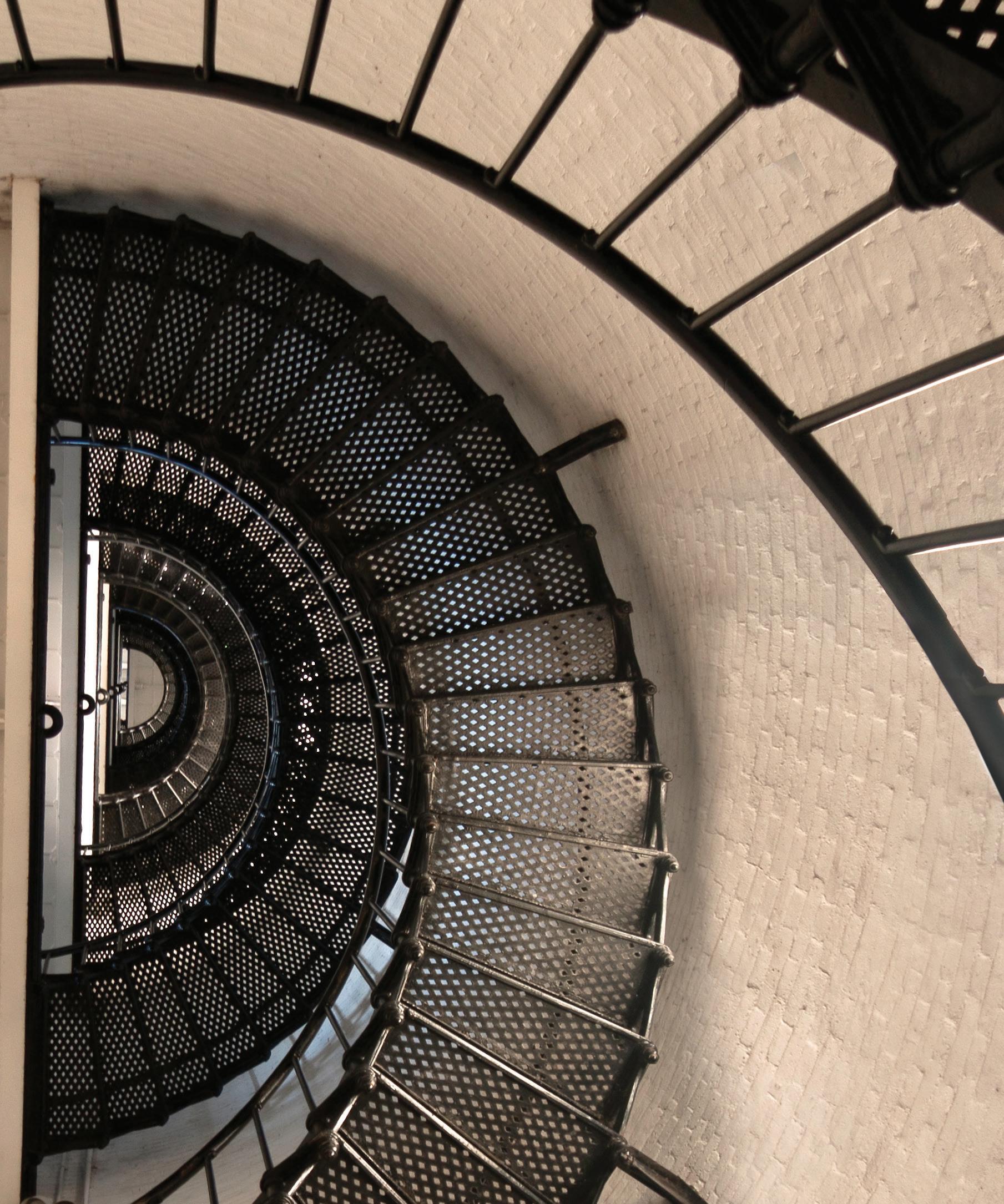
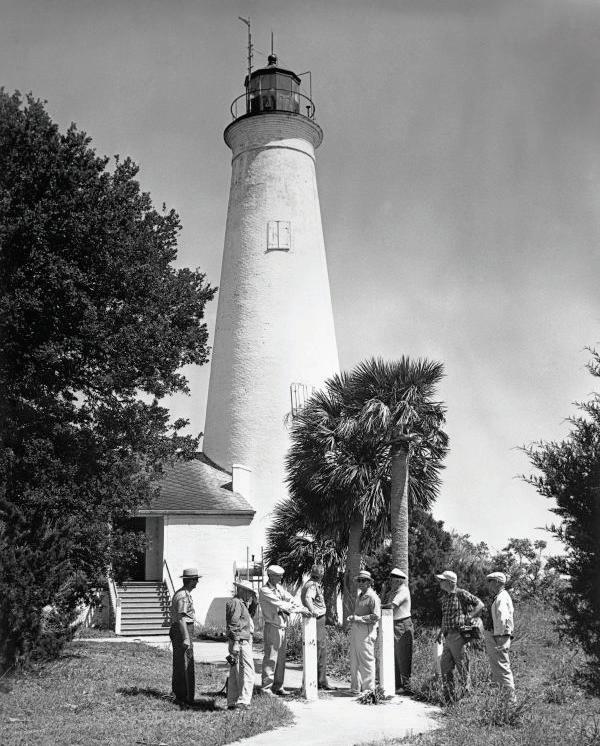
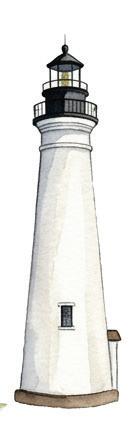
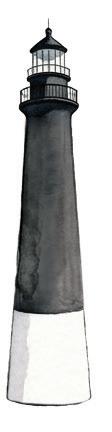
More than a century of stories unfold with every step through Florida’s lighthouses. Climb these coastal sentinels to uncover the history of the keepers who tended their beams and the vital role these icons have played in our state’s maritime history.
Departments
16 / FLOCKTAILS
Locals are buzzing about Zymarium, Orlando’s first meadery.
21 / GOOD SPORT
Head south to the Florida Keys to hook some tarpon with this lifelong fishing guide.
23 / NATIVE
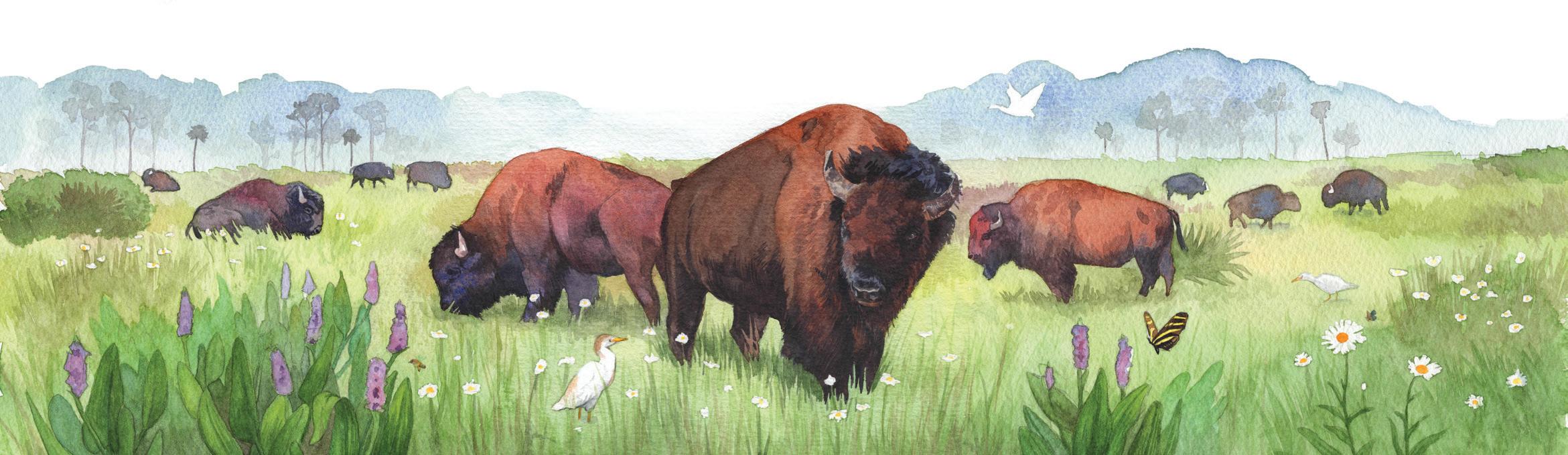
Loud bellows may not echo across Paynes Prairie, but don’t be fooled: Bison are back.
25 / MY FLORIDA
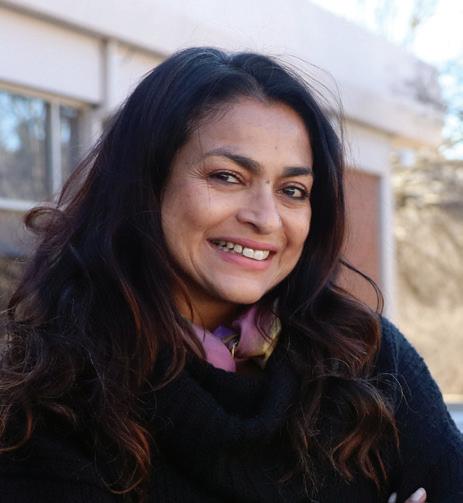
A young girl from India finds a home in 1970s Tallahassee.
30 / PLUME
Many of Carl Hiaasen’s novels have made it to the big screen. Find out which one is next.
35 / MADE IN FLA
Using Florida’s flora and fauna as inspo, this apparel brand reimagines the Hawaiian shirt.
38 / STUDIO
Artistic genius Robert Rauschenberg once called Captiva Island home.
43 / SOUNDCHECK
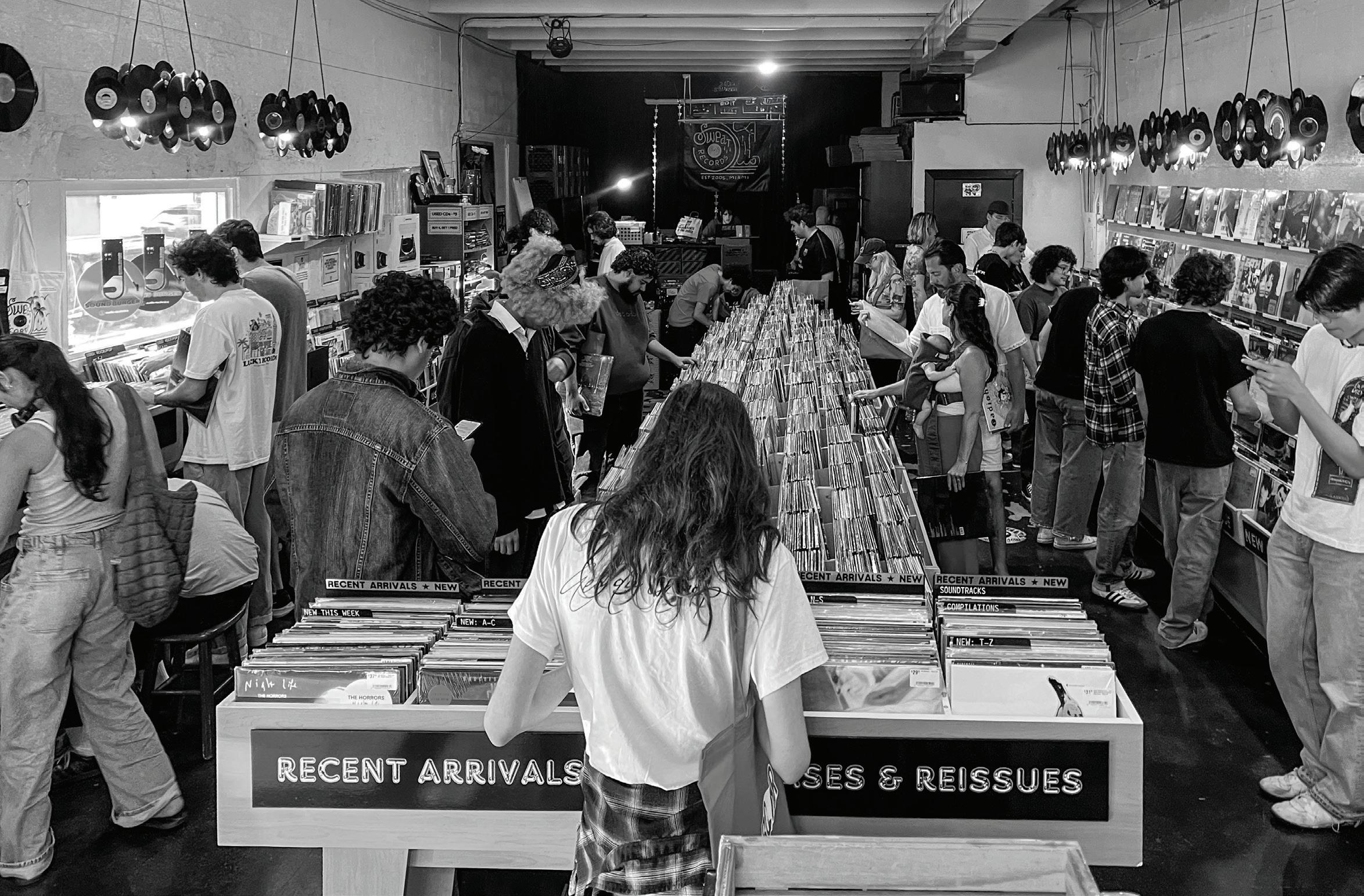
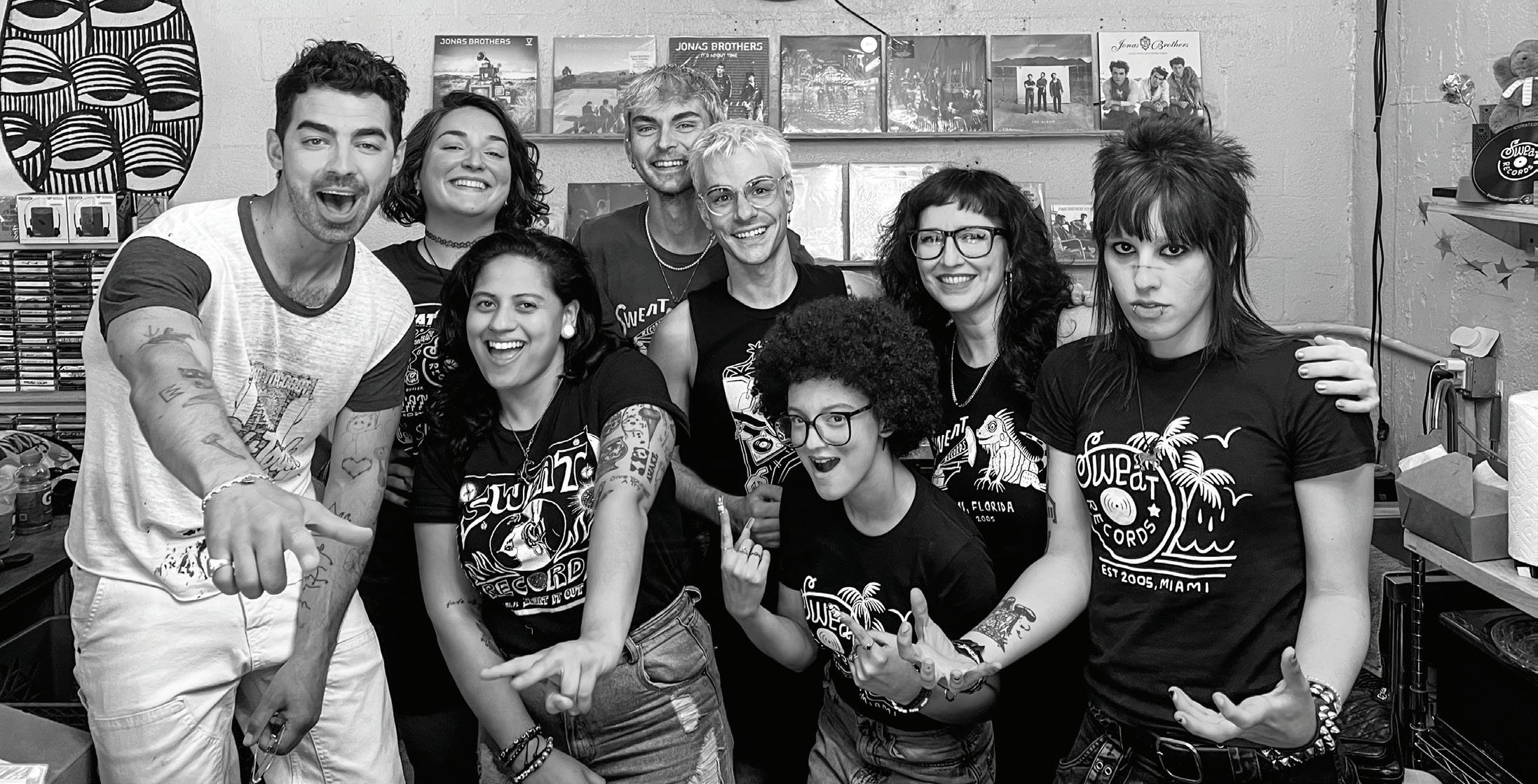
Put your records on and dig through global cuts at this eclectic Miami record shop.
47 / JUST HATCHED
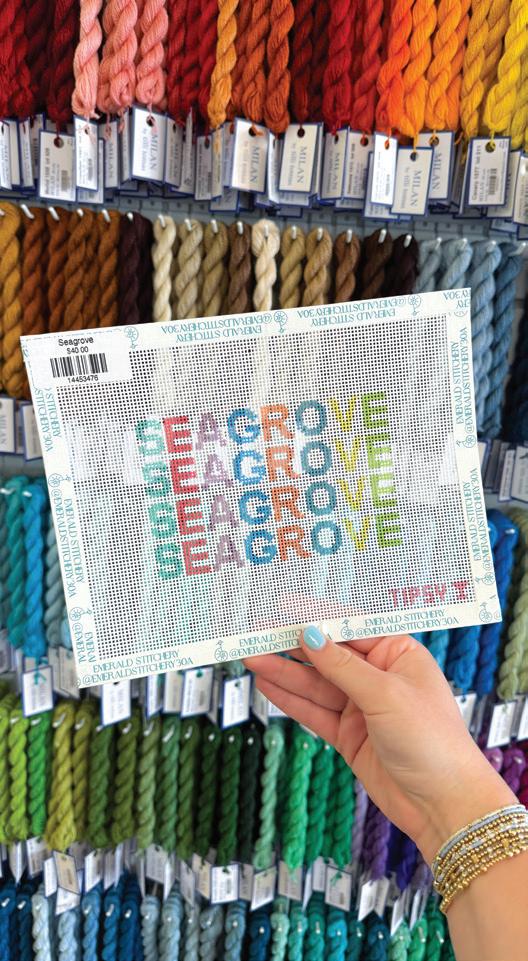
Needlepoint mania, food stalls made of shipping containers and 10 other new spots
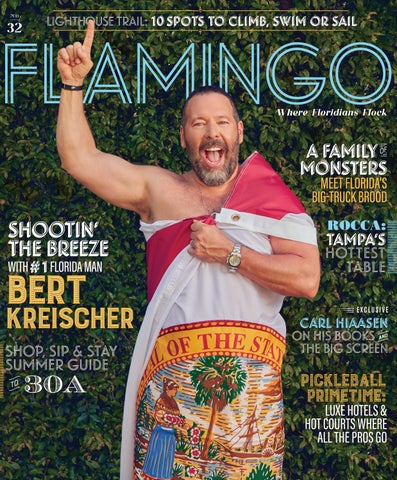
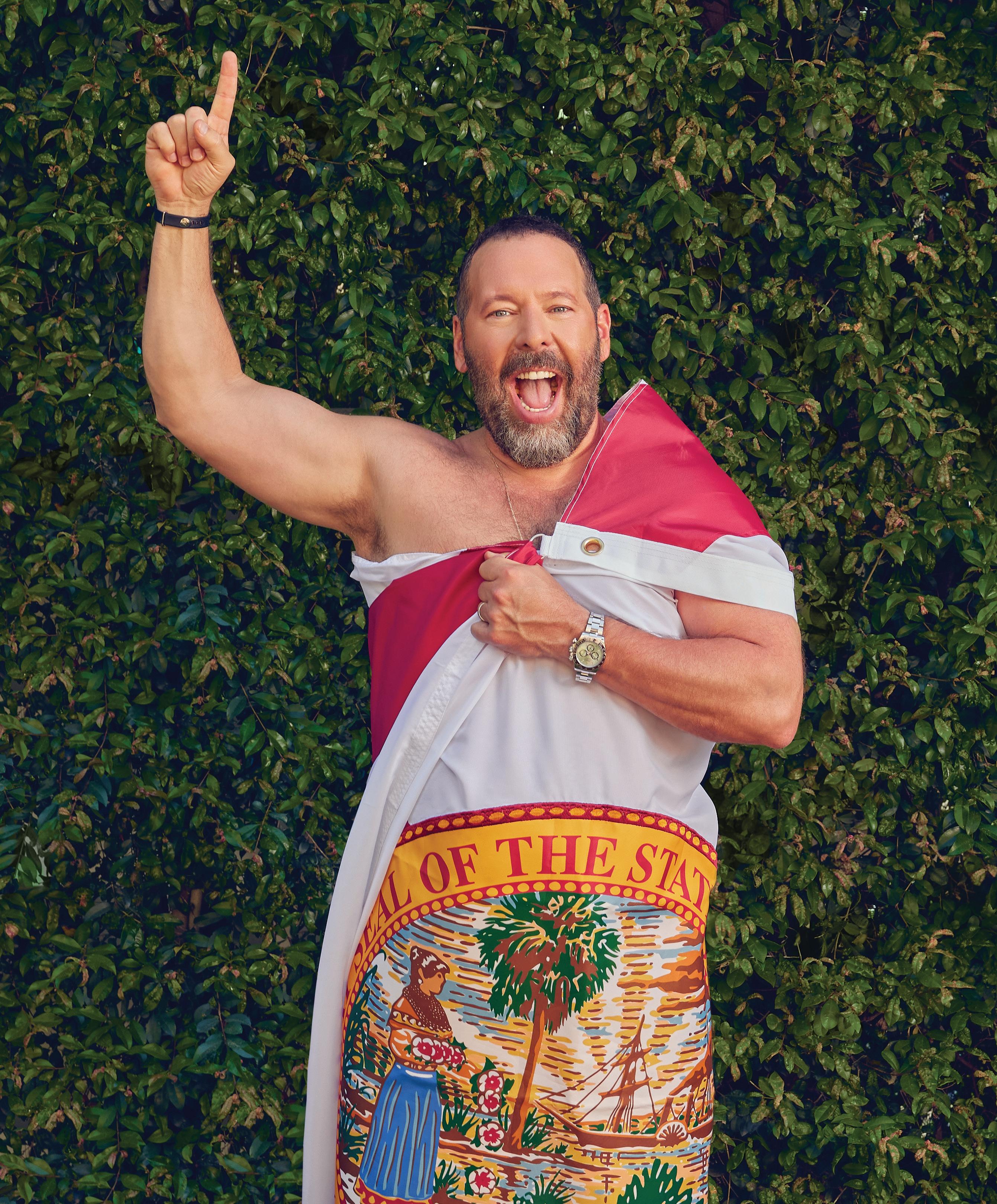
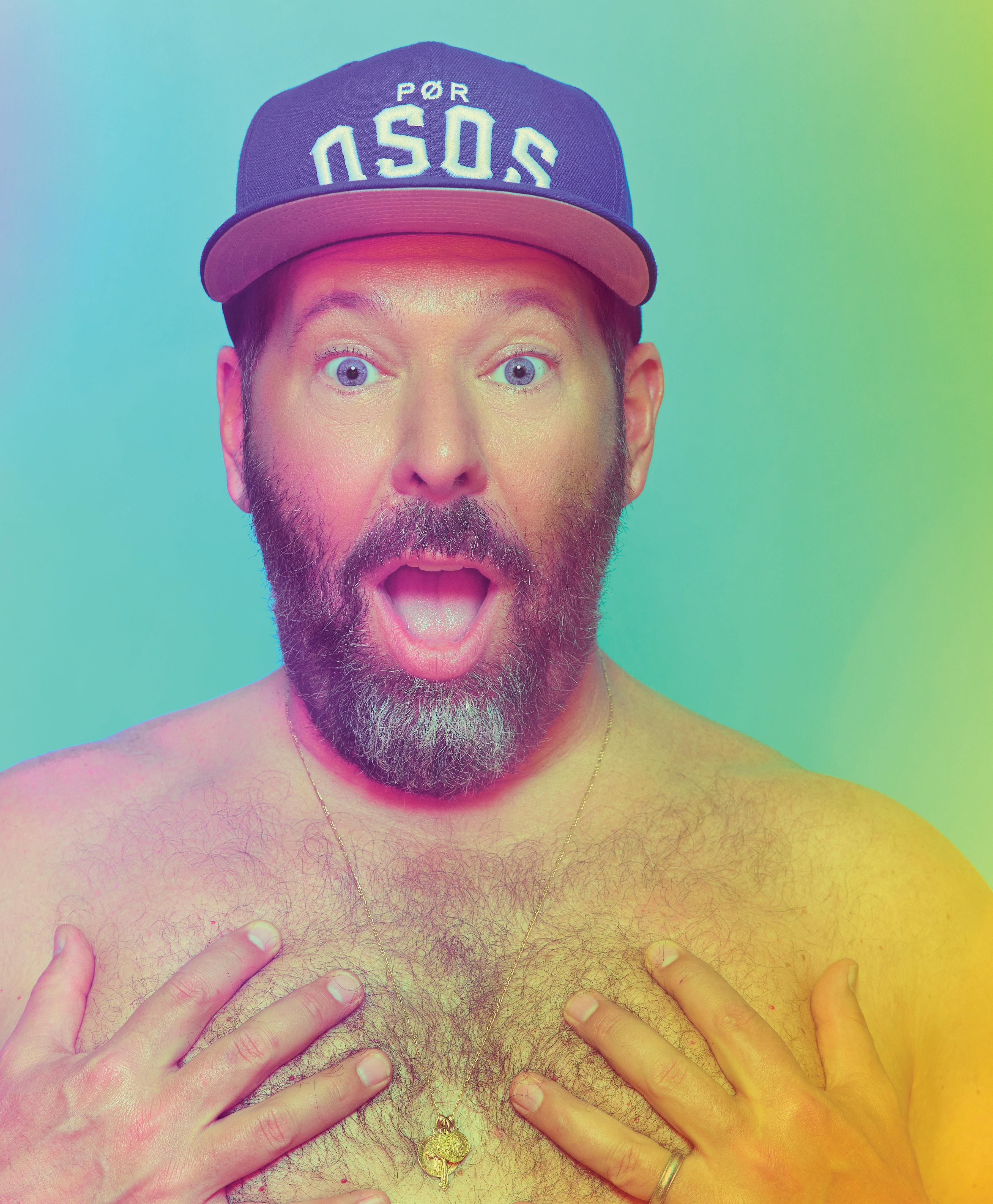
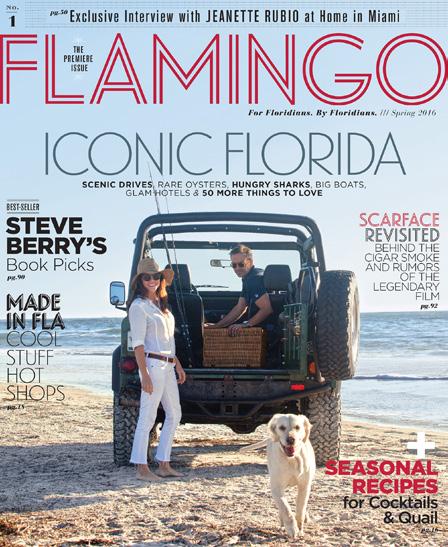
On the cover: Bert Kreischer claims the title of the
96 / GROVE STAND
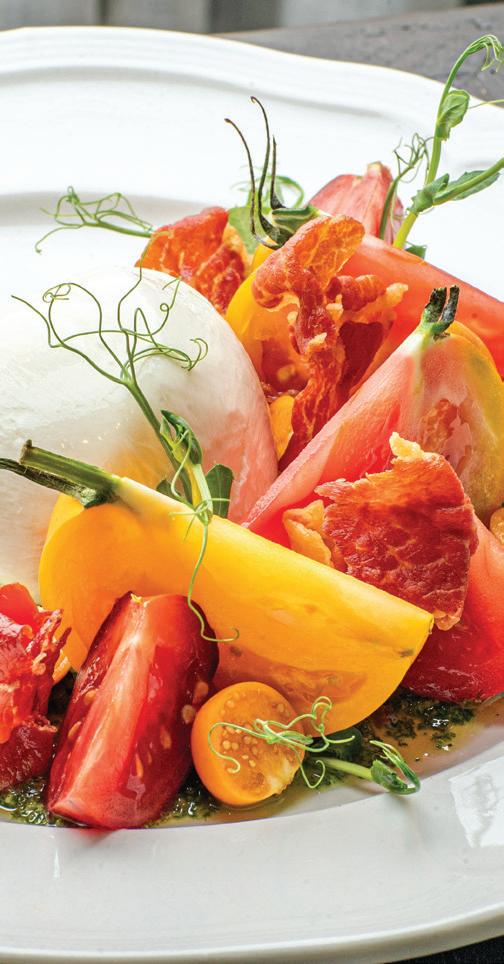
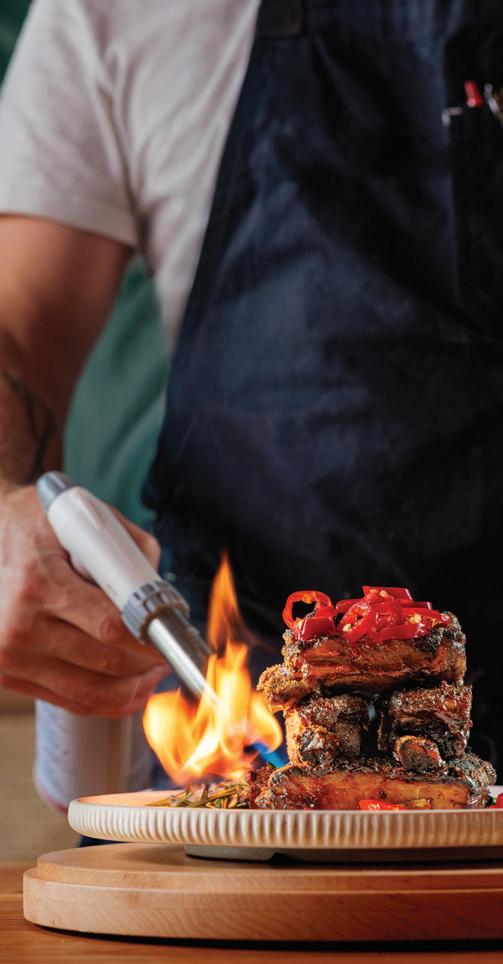
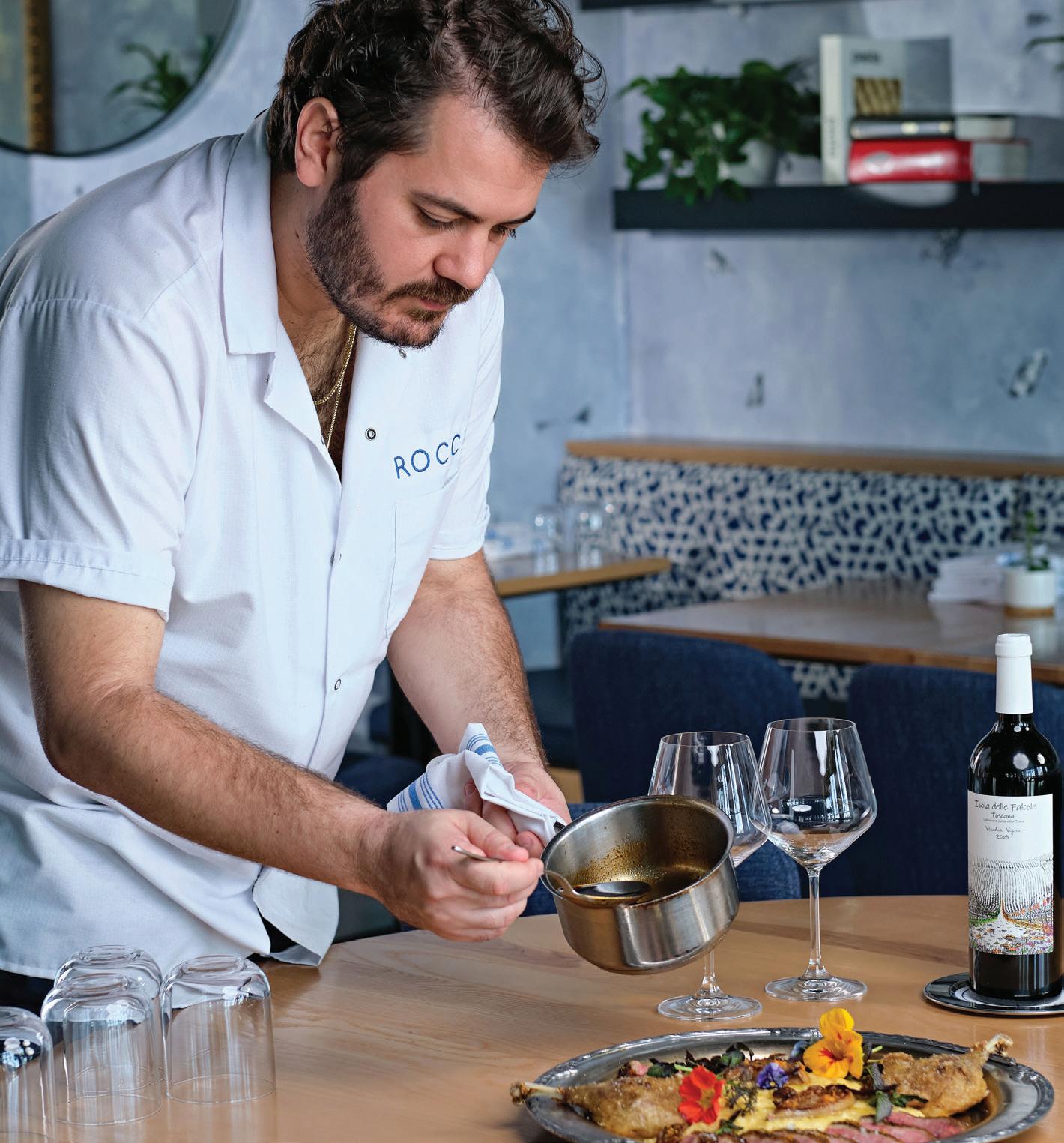
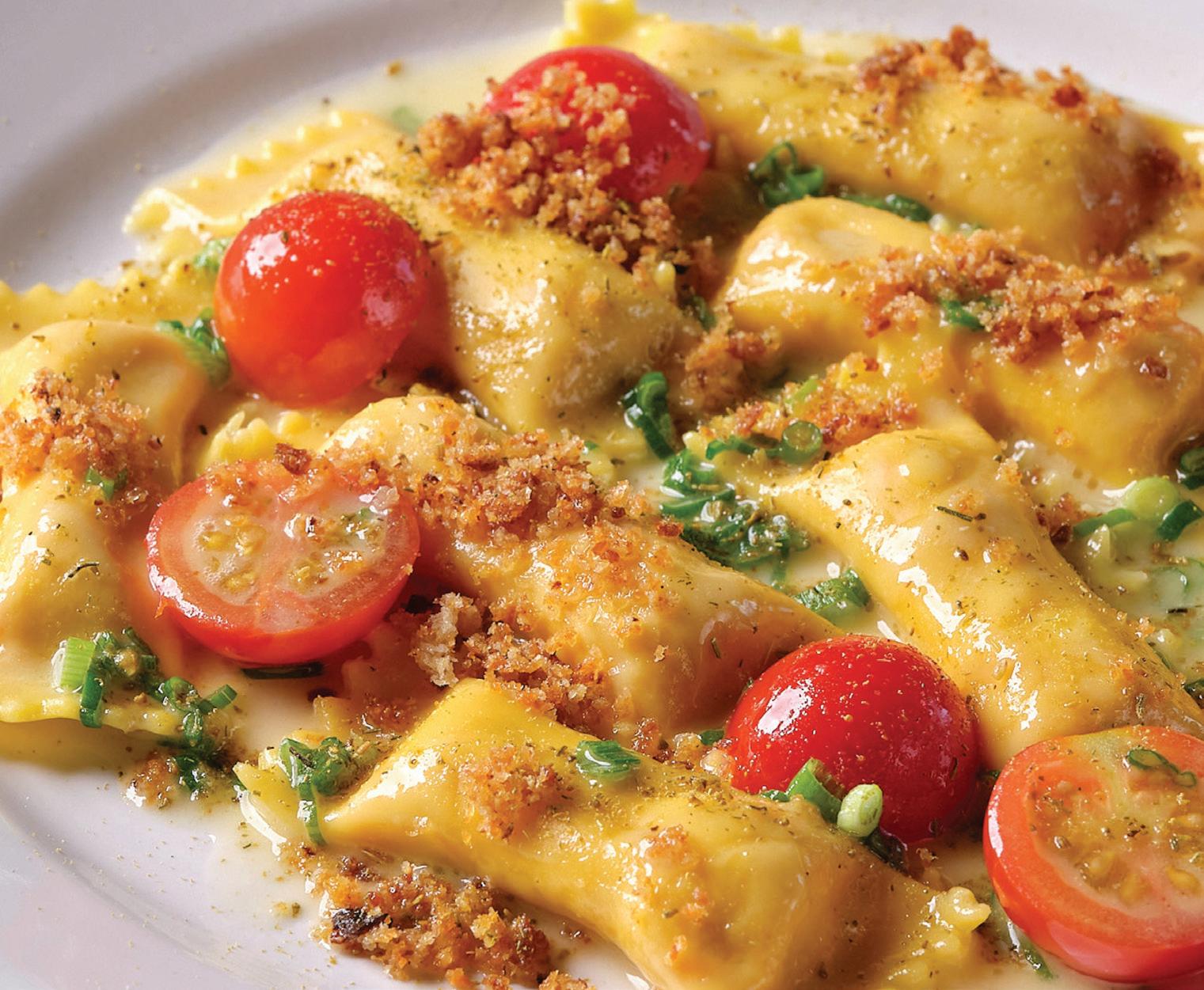
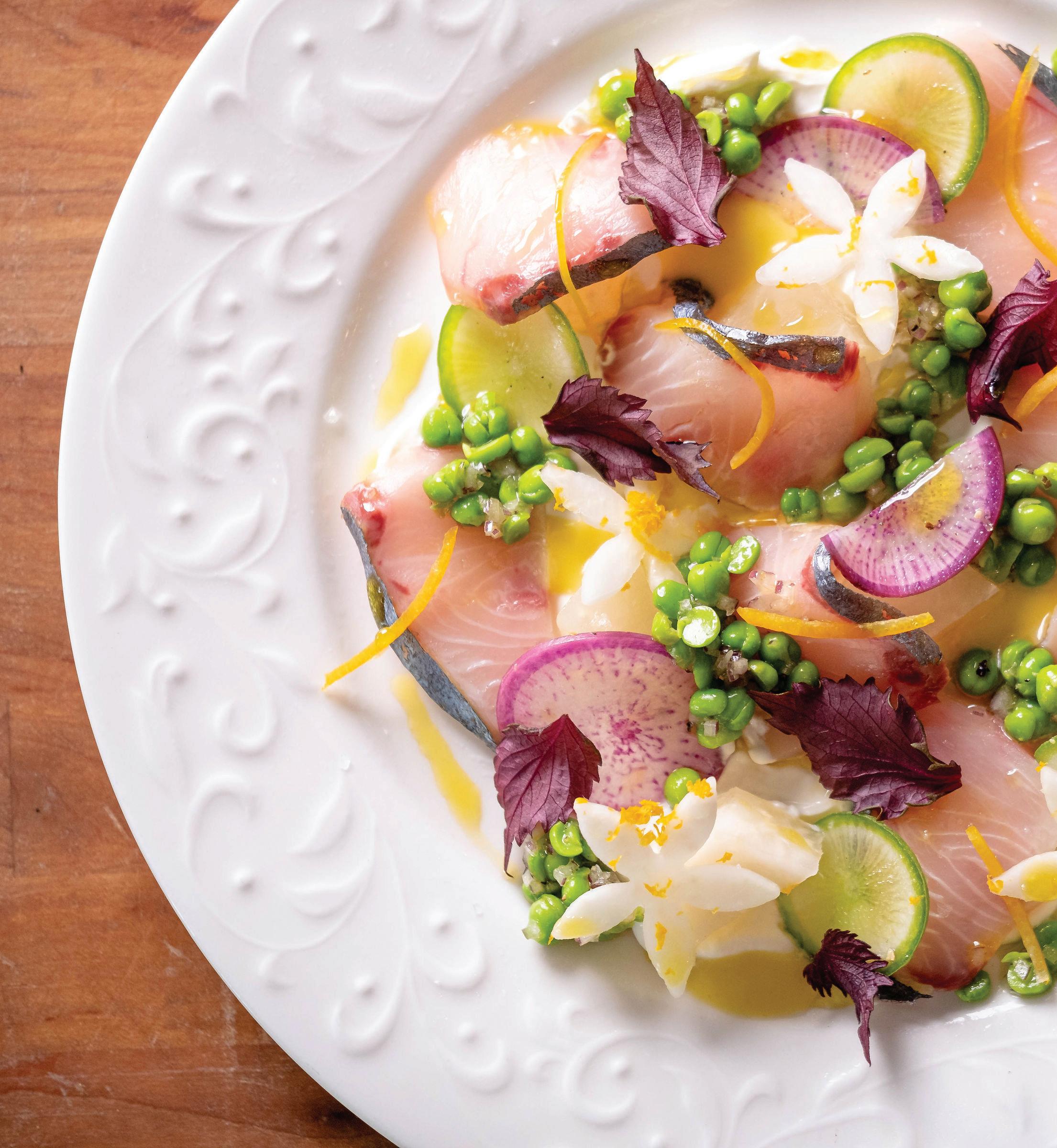
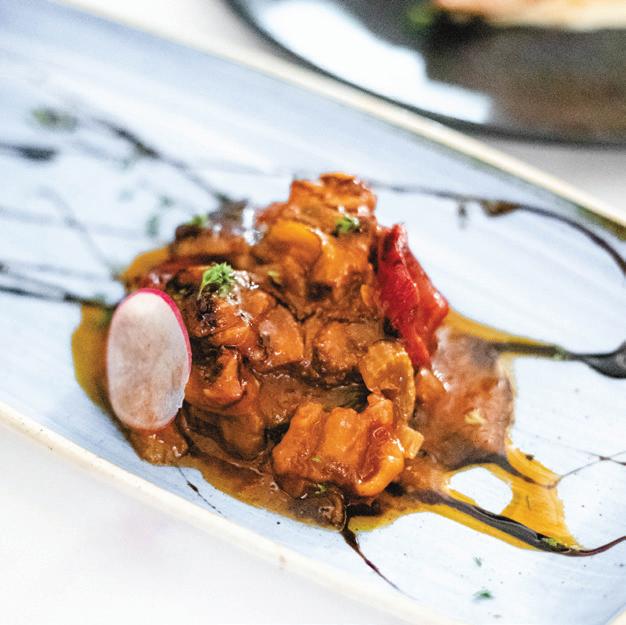
James Beard nominee Bryce Bonsack on his successful Tampa restaurant, Rocca
100 / STONE’S THROW
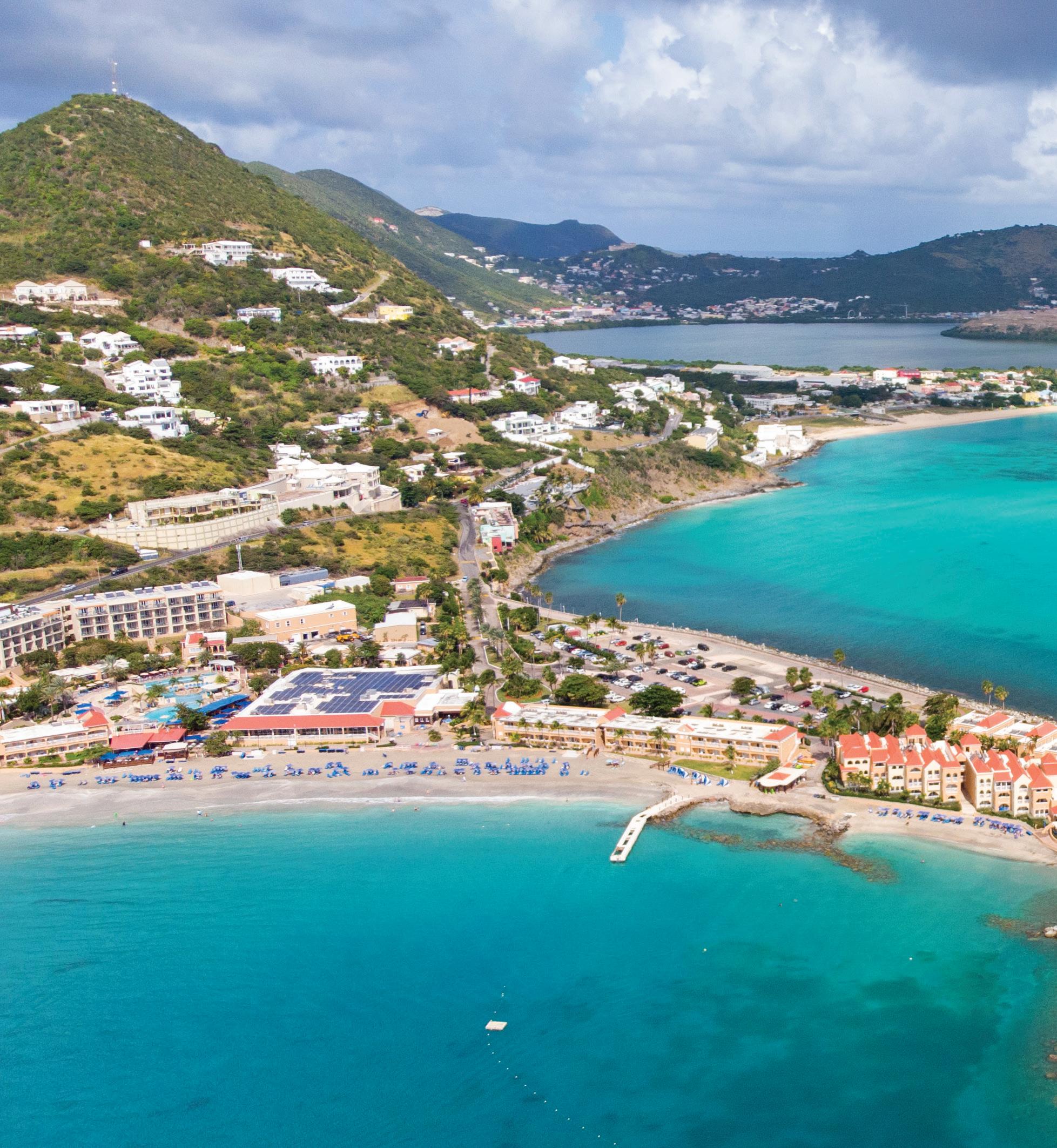
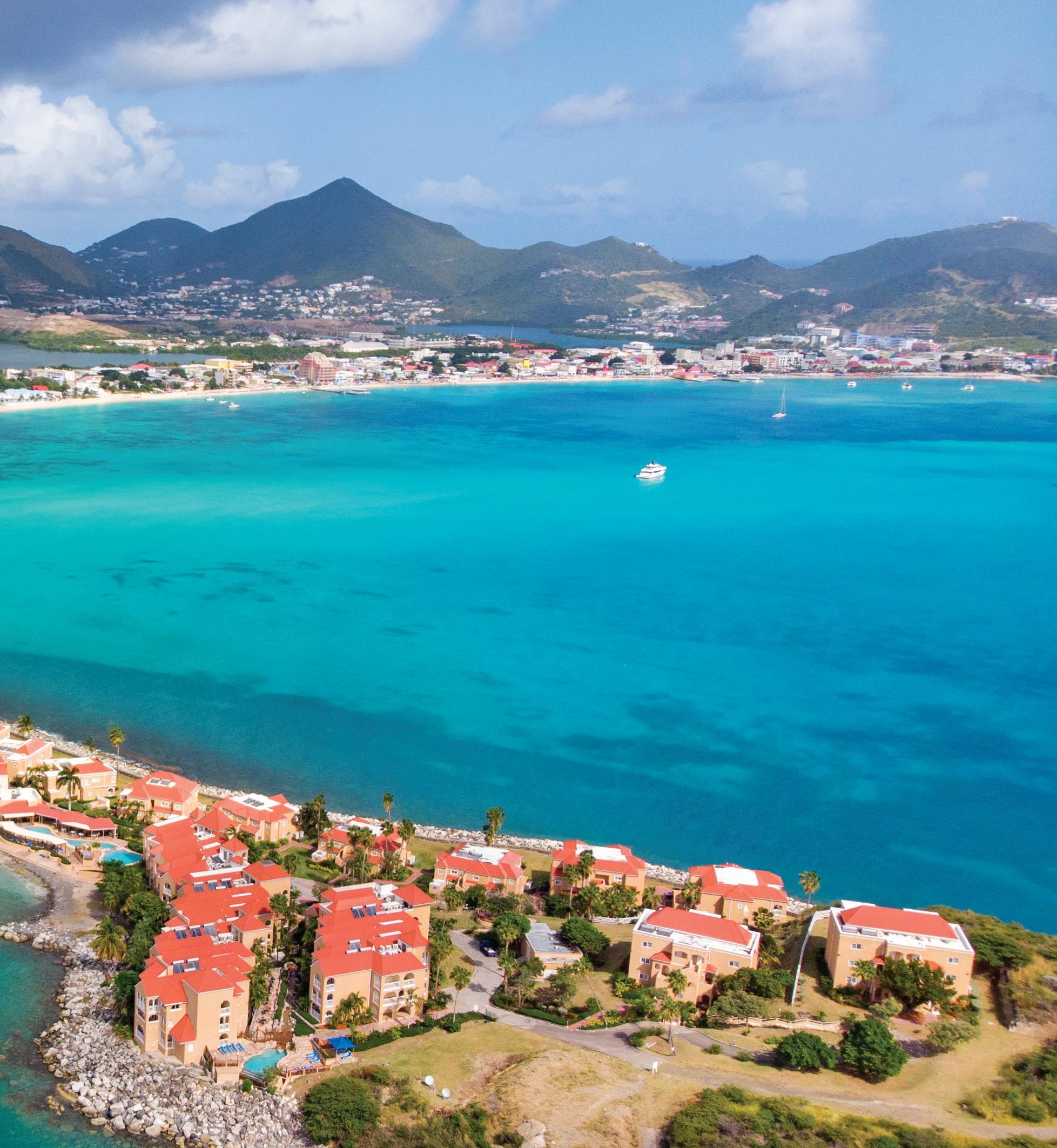
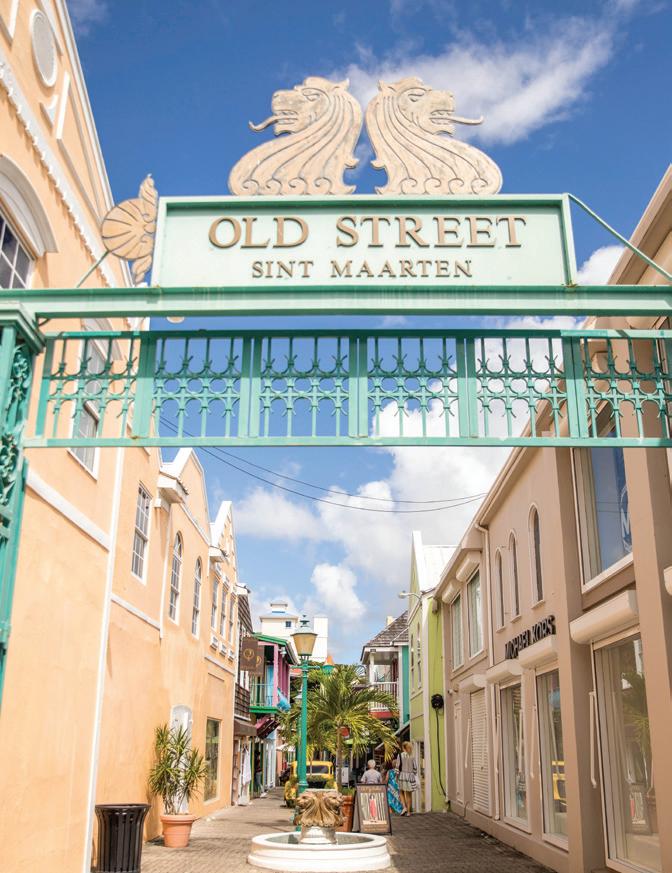
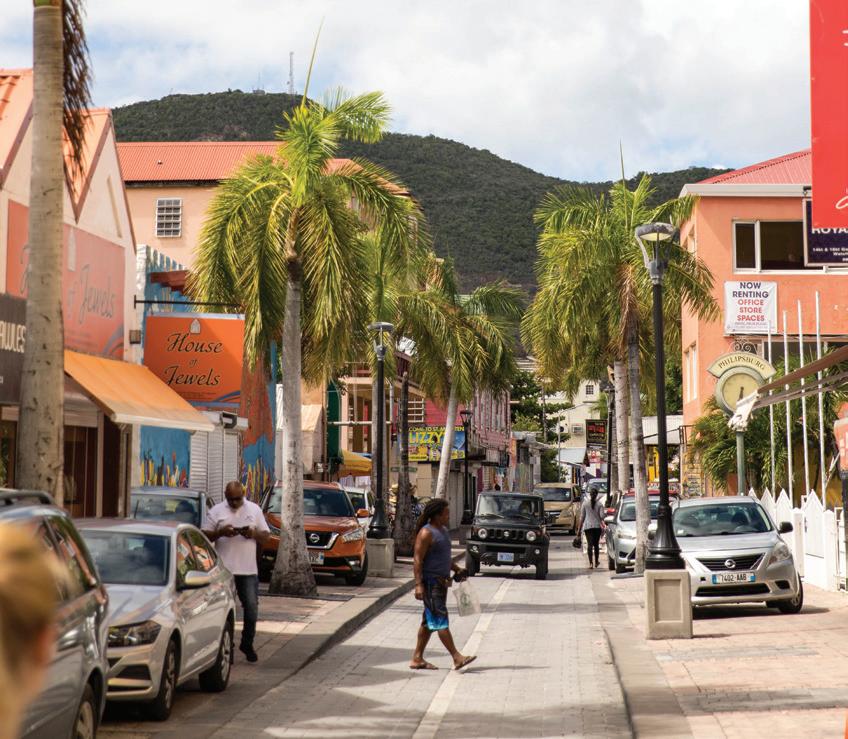
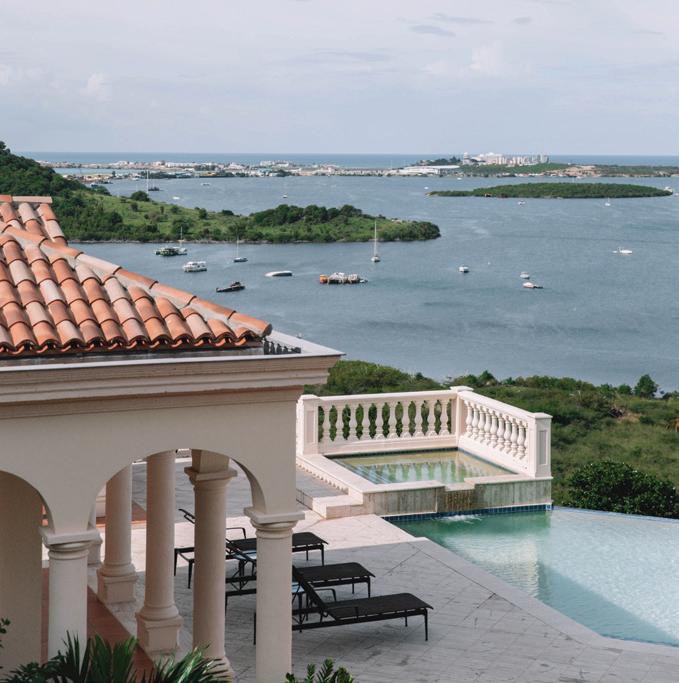
This little island in the Lesser Antilles is three destinations rolled into one.
107 / DESIGN DISTRICT
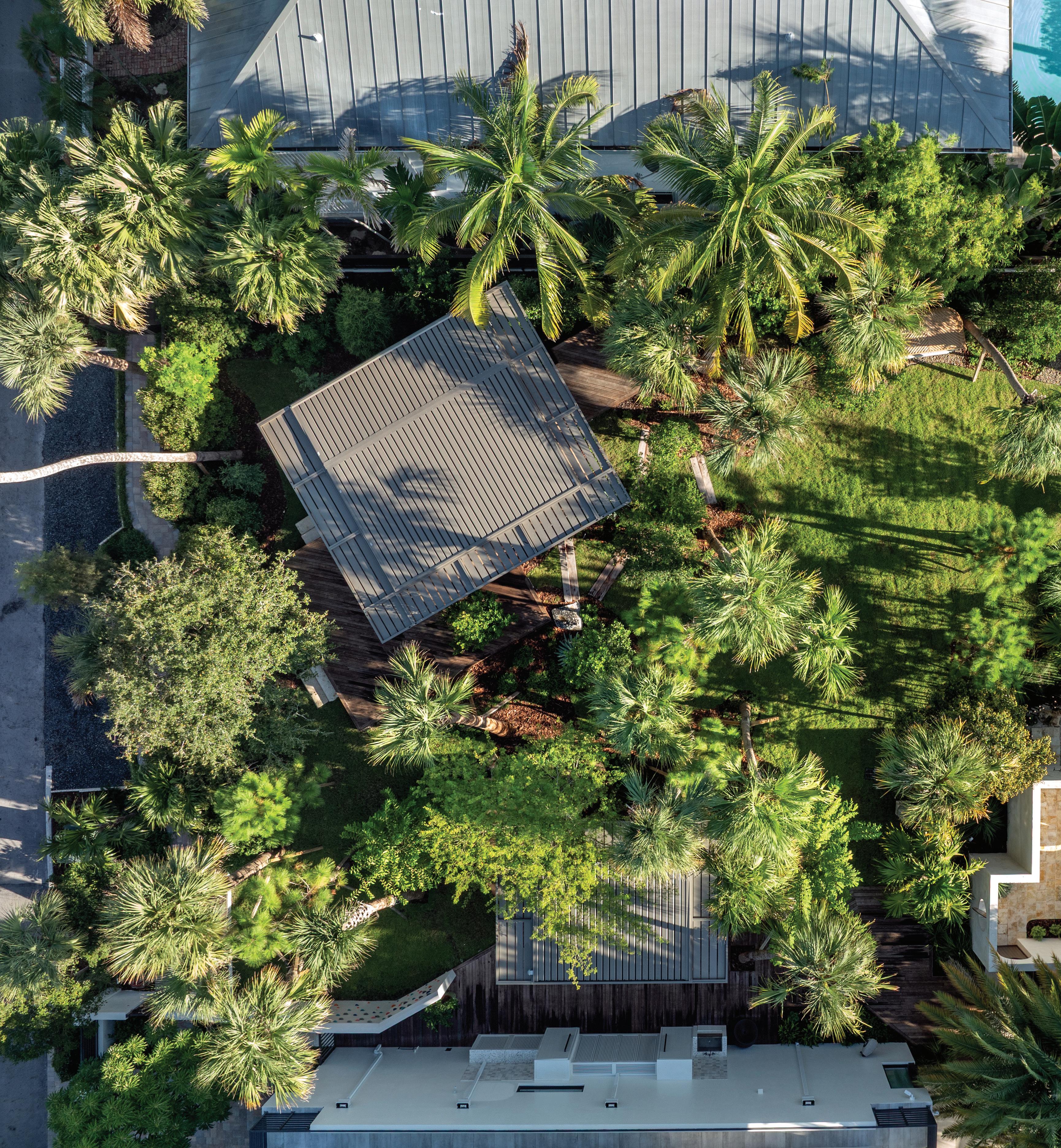
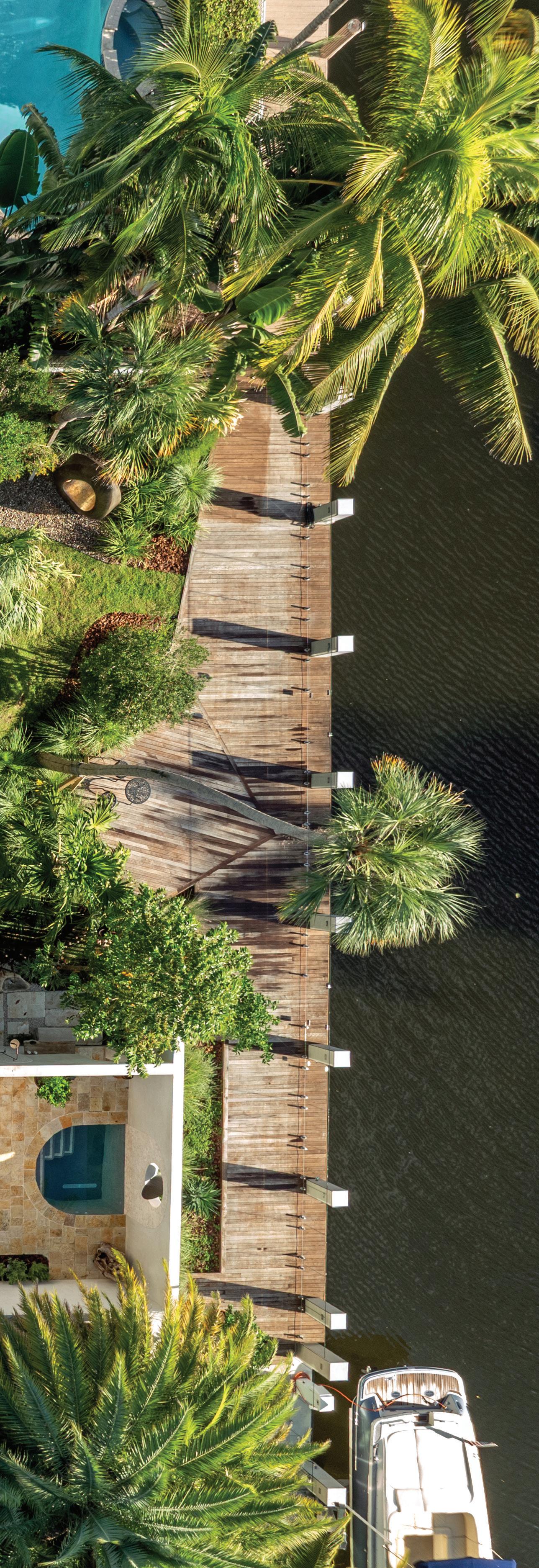
A landscape architect’s love letter to Florida
112 / BIRD’S-EYE VIEW
18 places to waste away on 30A
116 / TIDE
Celebrate America’s 250th with fireworks, footballers and foodie fests.
120 / FLORIDIANA
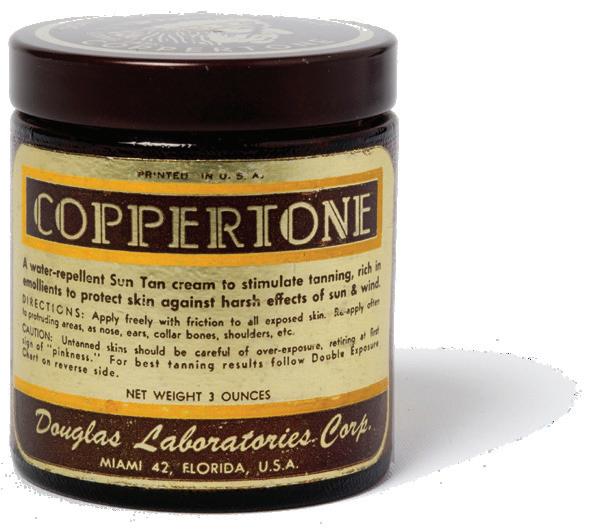
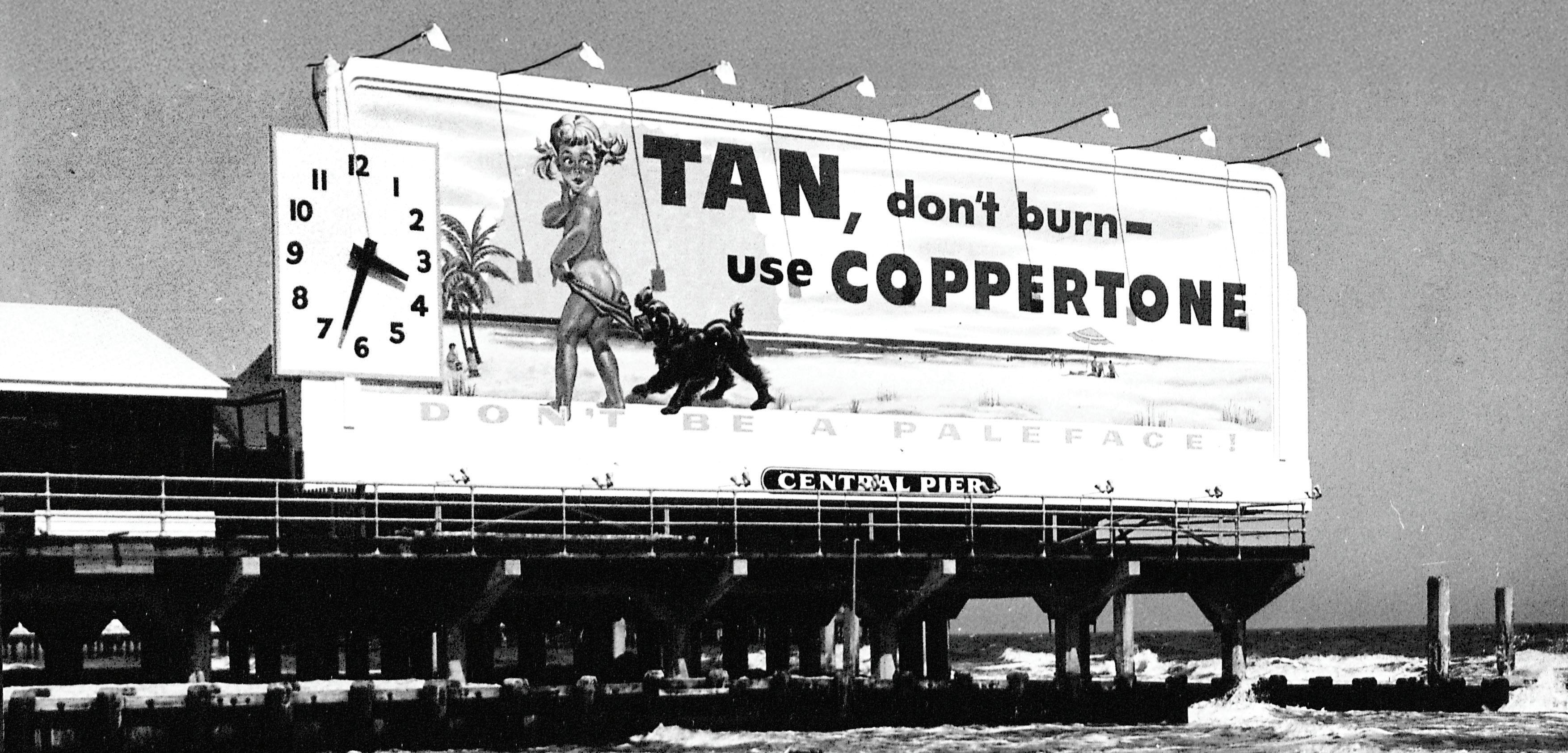
How Coppertone sunscreen went from the battlefield to the beach
Columns
51 / CAPITAL DAME
By Diane Roberts
Take a trip to Roberts’s still-Forgotten Coast.
92 / PANHANDLING
By Prissy Elrod
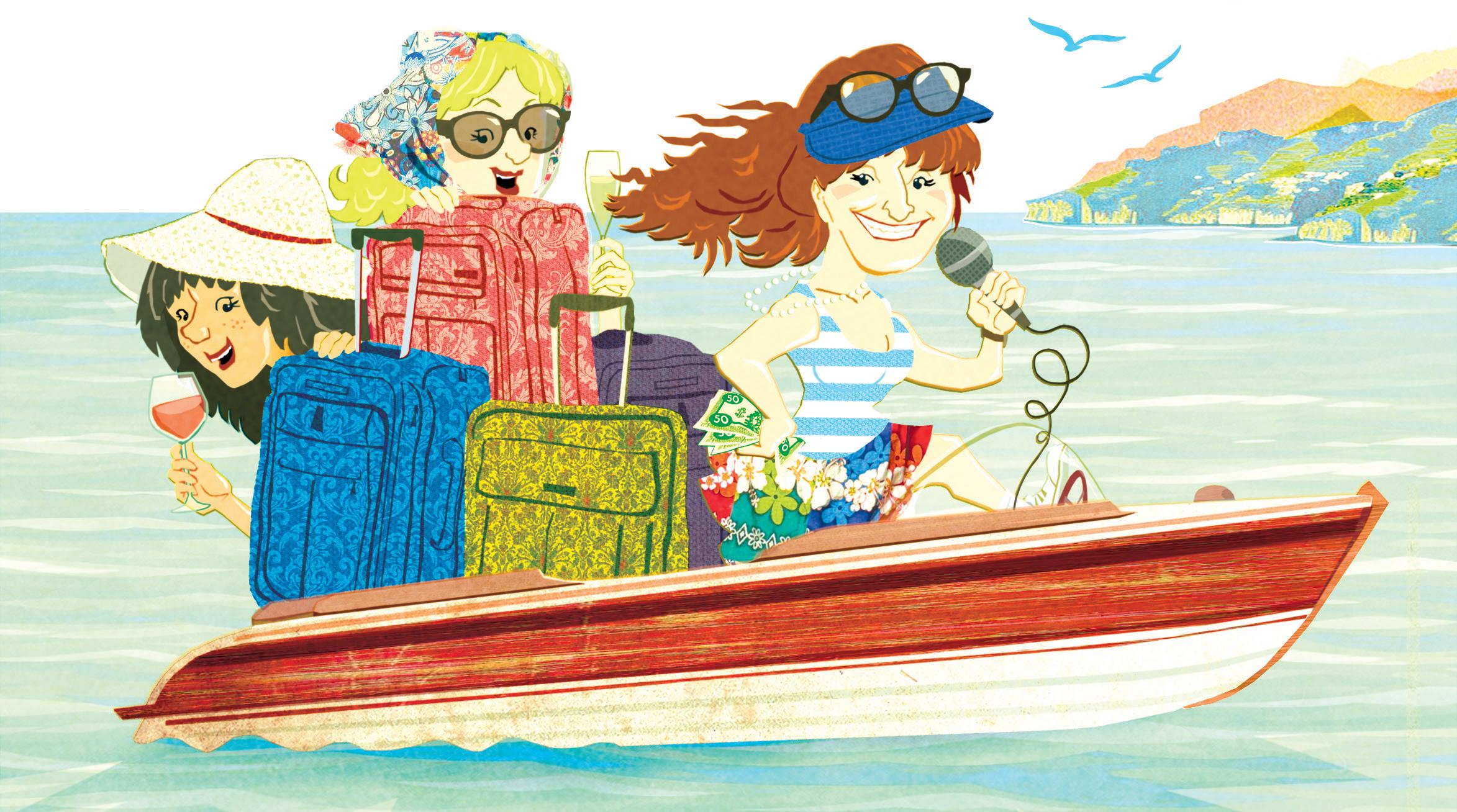
Our writer recounts her girls getaway that got away.
114 / FLORIDA WILD
By Carlton Ward Jr.
This Everglades spectator makes a ruckus.
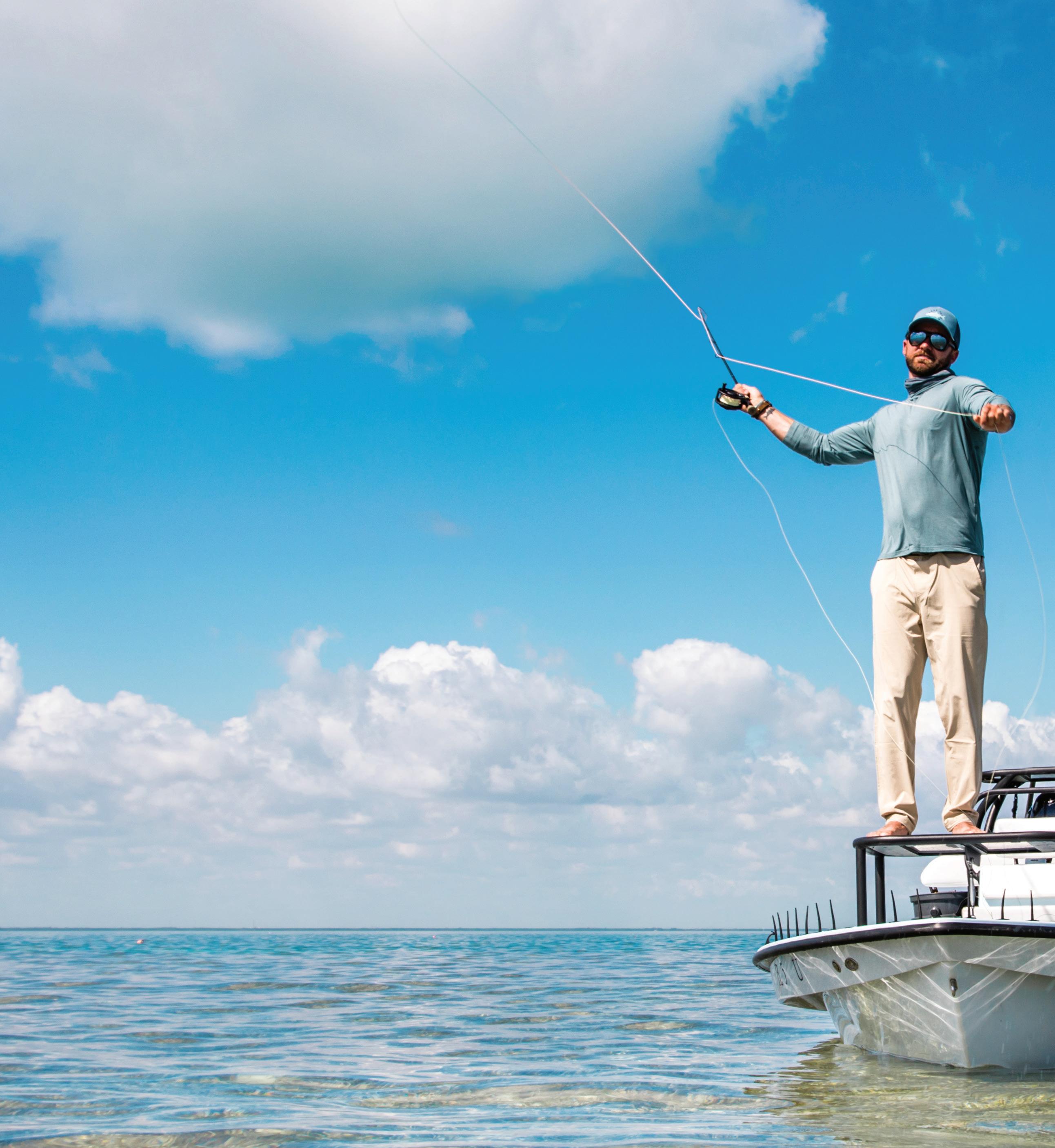
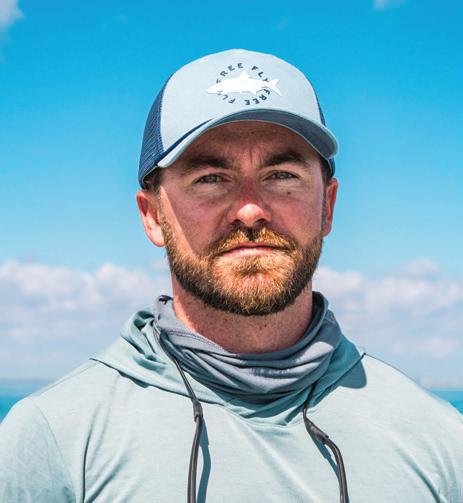
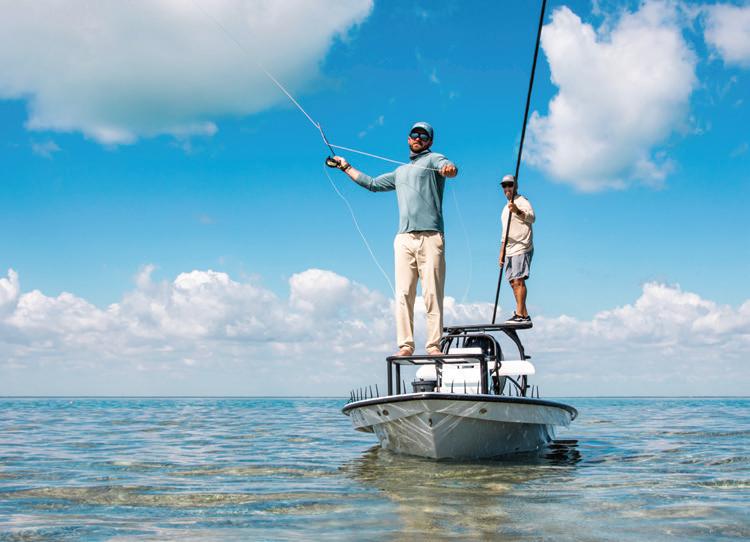
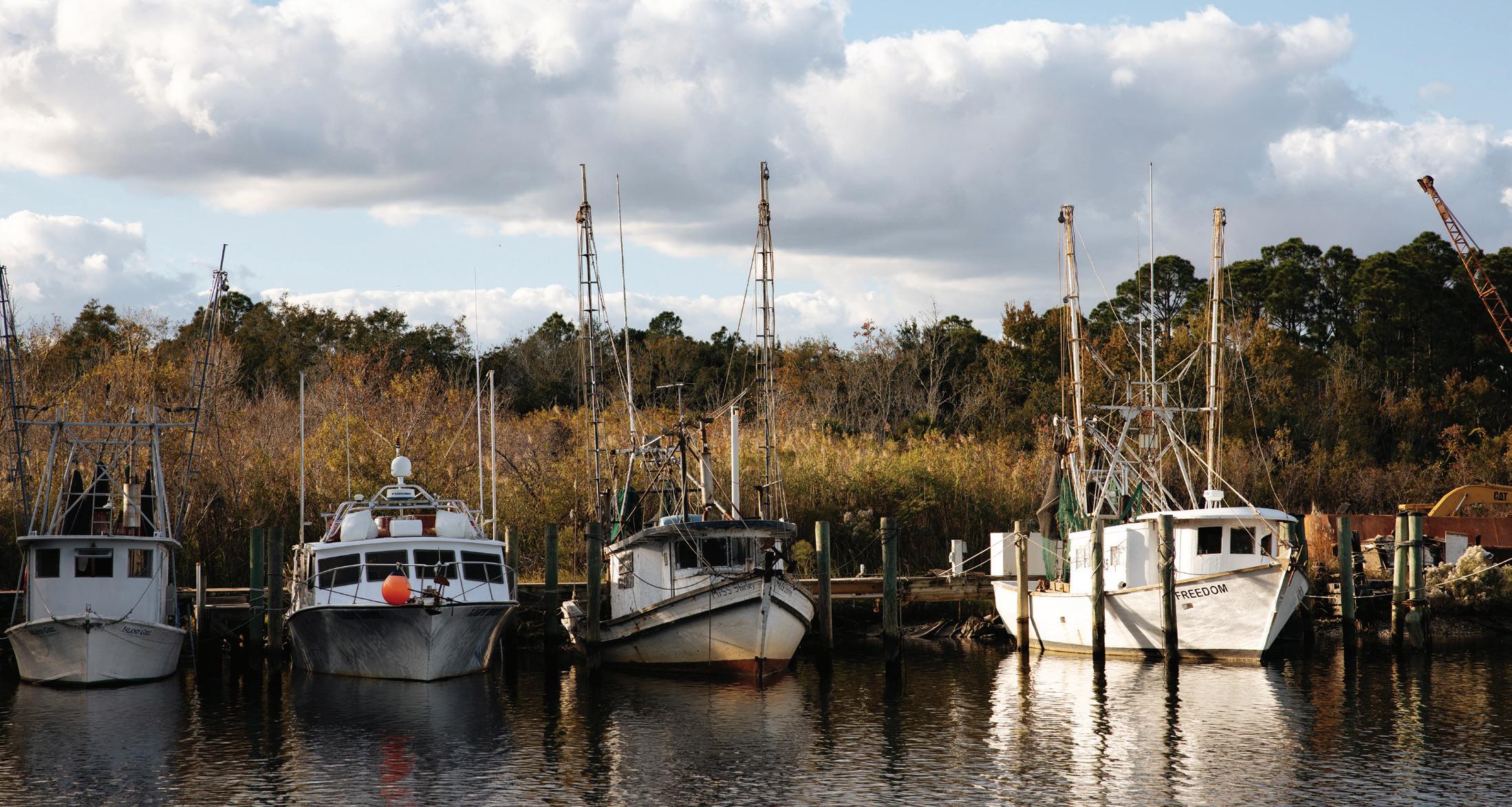
This page: Captain Brandon Cyr, fishing guide and Free Fly Apparel Ambassador, casts for tarpon in the Florida Keys
Cover Photography by MARY BETH KOETH
Ultimate Florida Man.
florida man, Rising
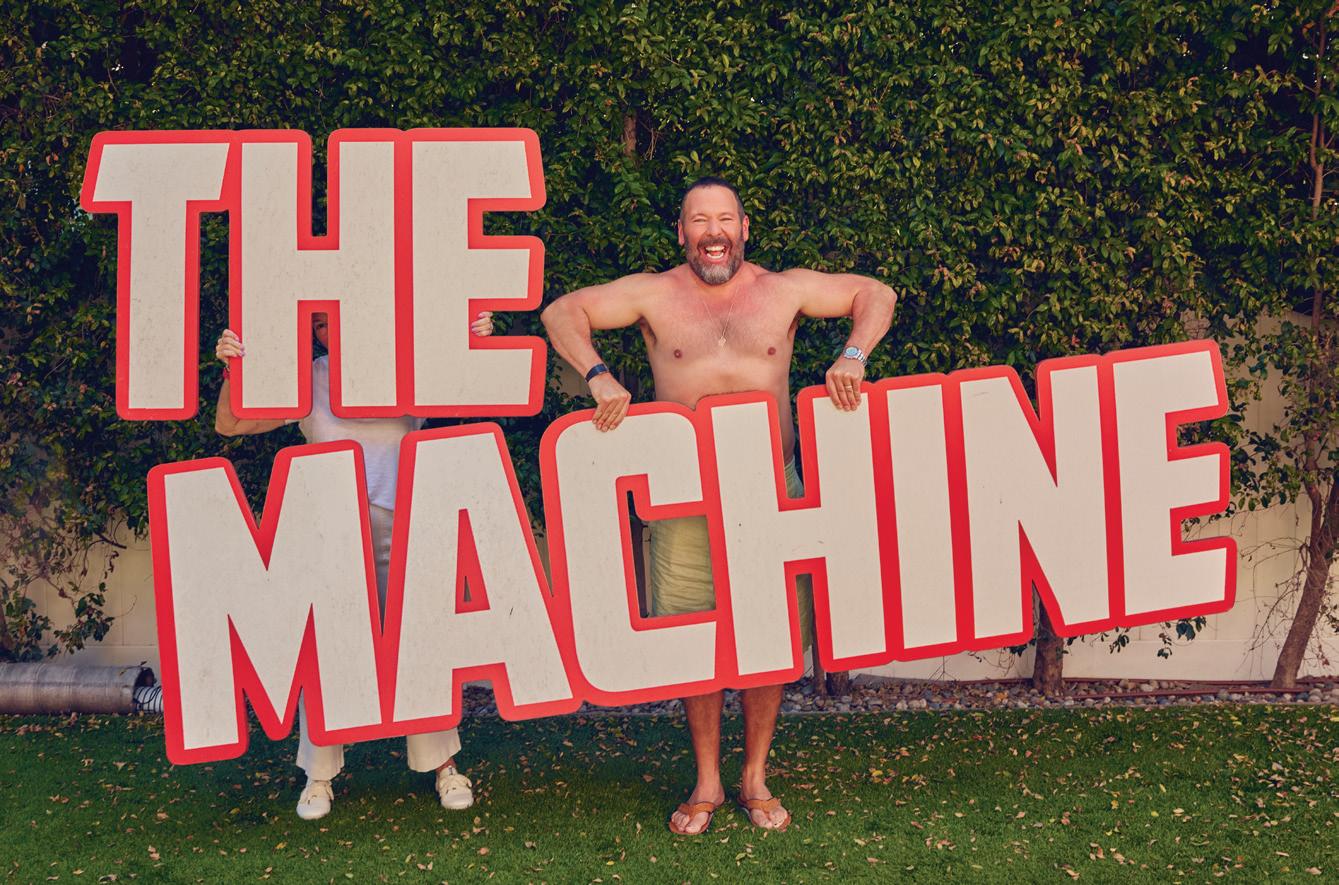
Florida Man gets a bad rap. Usually, the internet meme dominates headlines by wrestling alligators on the highway or robbing a Waffle House. But in the case of Bert Kreischer, who began his comedy career with a now-famous bit about burglarizing a train during a Florida State University study-abroad trip to Russia, the ultimate Florida Man—and our cover star— is busting out a trove of funny ventures and ascending to new heights of stardom.
The last time I spoke with Bert, in 2019, COVID wasn’t even a twinkle in our collective eye, but his career was already shining—with 1 million followers and a handful of cable TV shows and comedy specials. Fast-forward seven years, and “The Machine” is on his way to the top of the comedy food chain. With 3.5 million Instagram followers, he’s devouring audiences in his new Netflix sitcom, “Free Bert,” which just renewed for a second season, dominating the airwaves with his free-wheeling podcasts and manhandling fans on his “Permission to Party World Tour.”
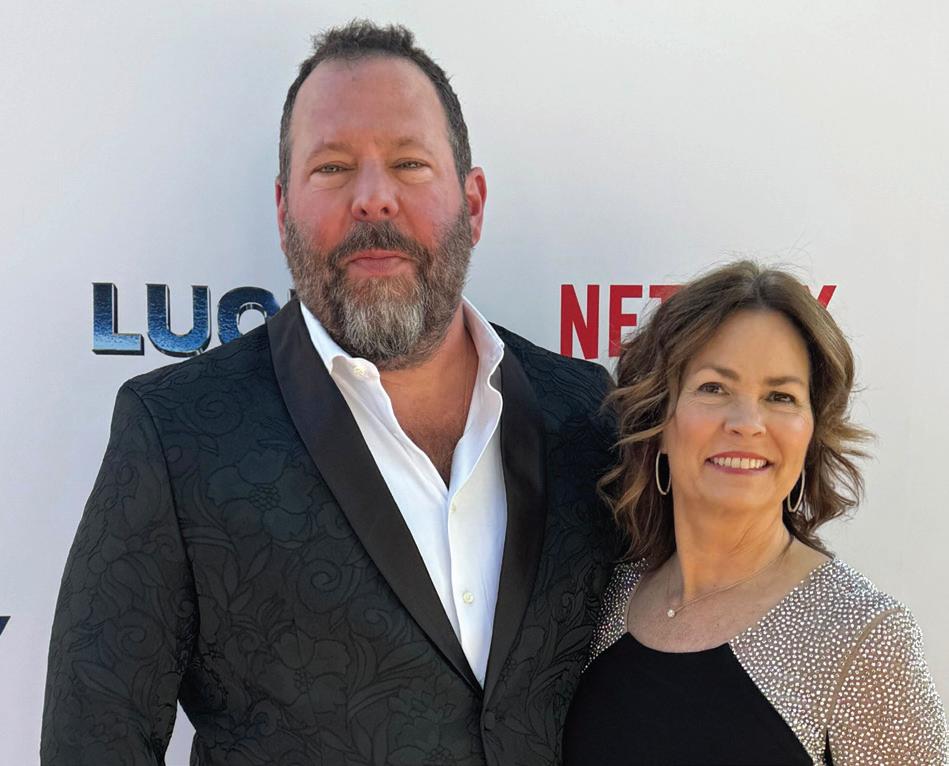
cozy home in the LA suburbs where he records his “Bertcast” and “2 Bears, 1 Cave” podcasts—Bert had just flown in the night before. Wearing only shorts and de-puffing eye pads, the Tampa native didn’t take long to start dropping Florida lore, recounting the history of Ybor City cigar factories (he’s a stogie fanatic), and bantering with his wife, LeeAnn, about moving back to his home state (“It’s way too hot,” she says).
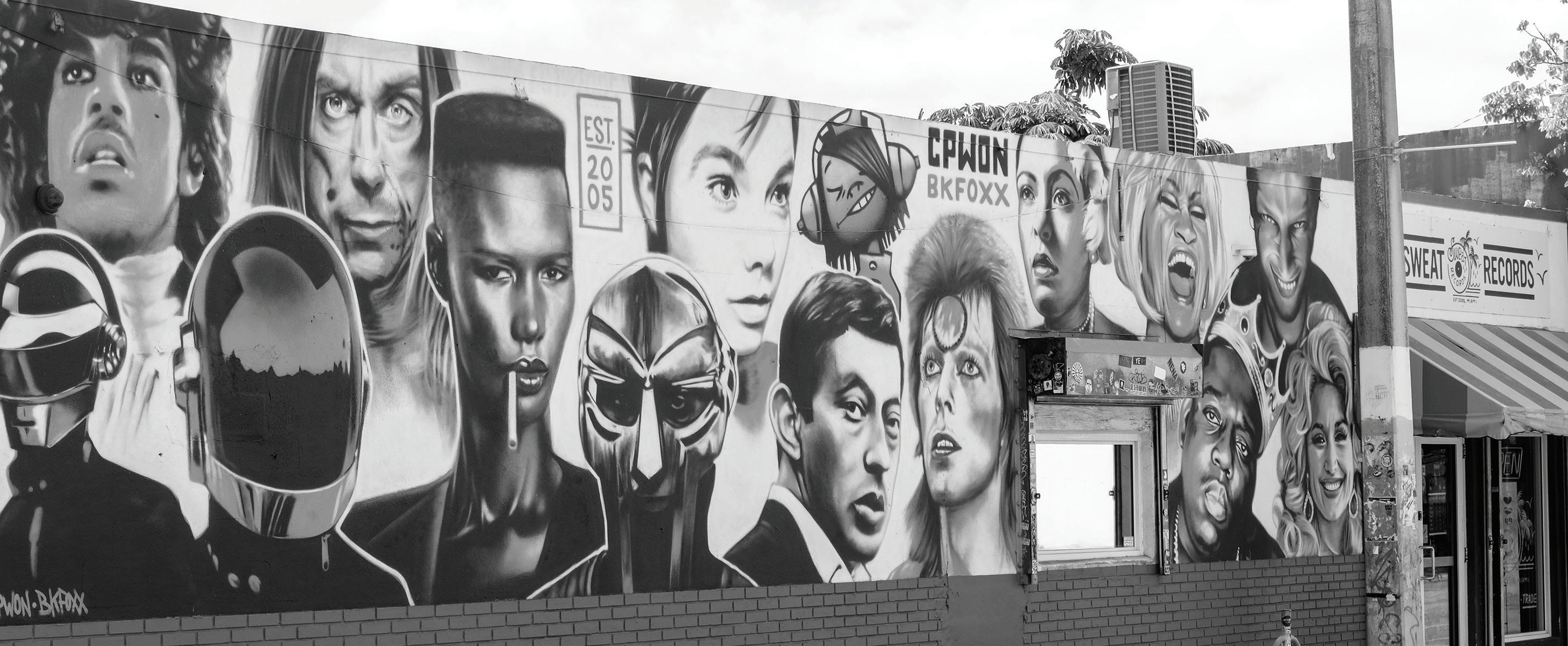
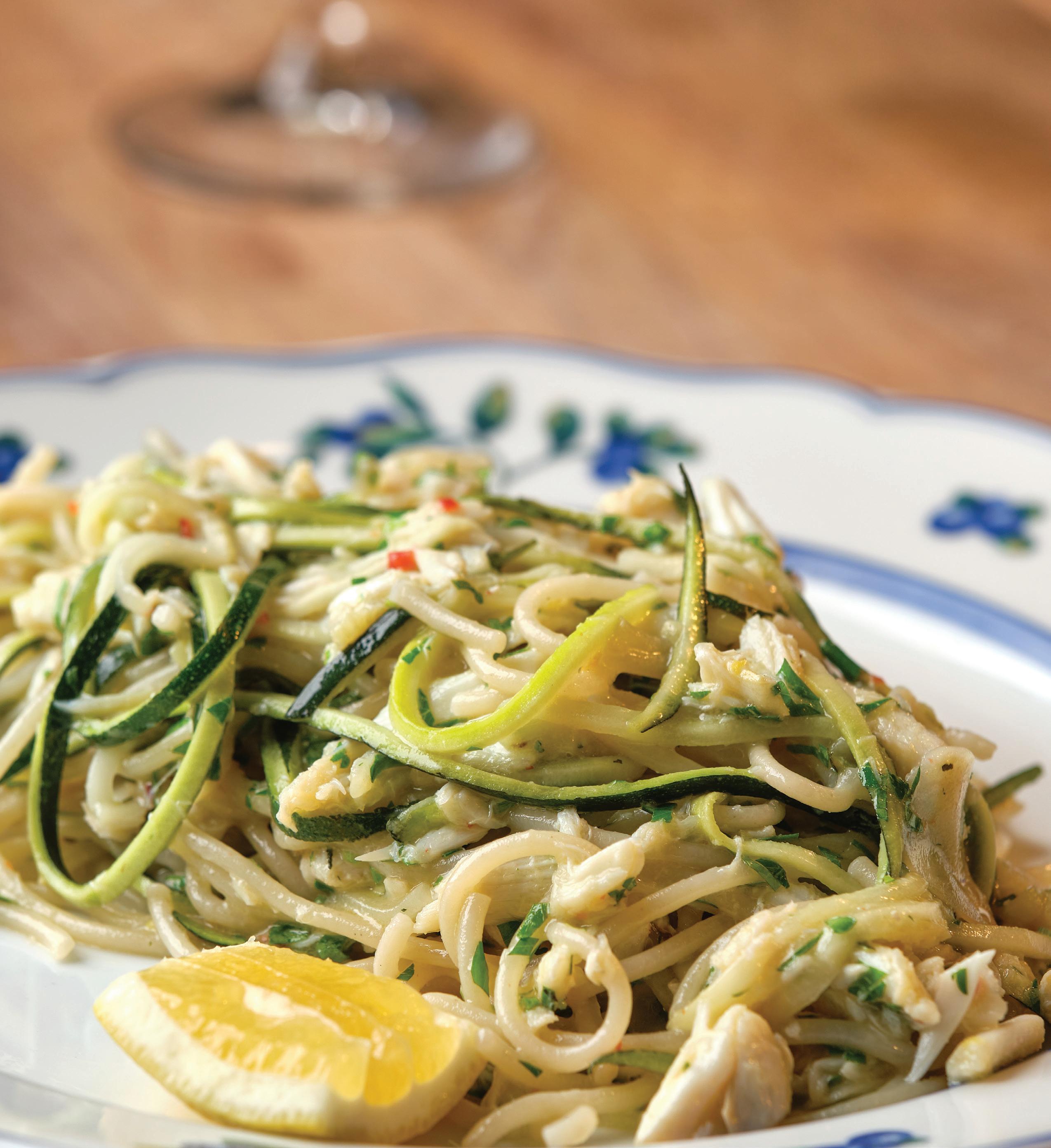
From there, we ramble on. We follow the pickleball boom, mapping out where to play, stay and compete—from luxe resorts to public courts. A night at Monster Jam leads us to the garage of the Pagliarulo family, Florida’s own monster truck dynasty. And along Florida’s coasts, we climb to the top of 10 of the state’s most storied (and haunted) lighthouses— holding on for dear life. Then we hop a plane to St. Martin, an often overlooked but contagiously vibrant Caribbean gem. For the wanderers who love art, food and music, we have an itinerary of the senses—from a spaghetti al limone by James Beard nominee Bryce Bonsack to a centennial hit parade by artist Robert Rauschenberg and the latest vinyl spinning at Miami’s Sweat Records. Along the way, there’s grazing bison, hooting owls and rolling tarpon. And, of course, we can’t forget our lineup of hotel recs, table reservations and summer soirees, curated to inspire some spontaneous road trips.
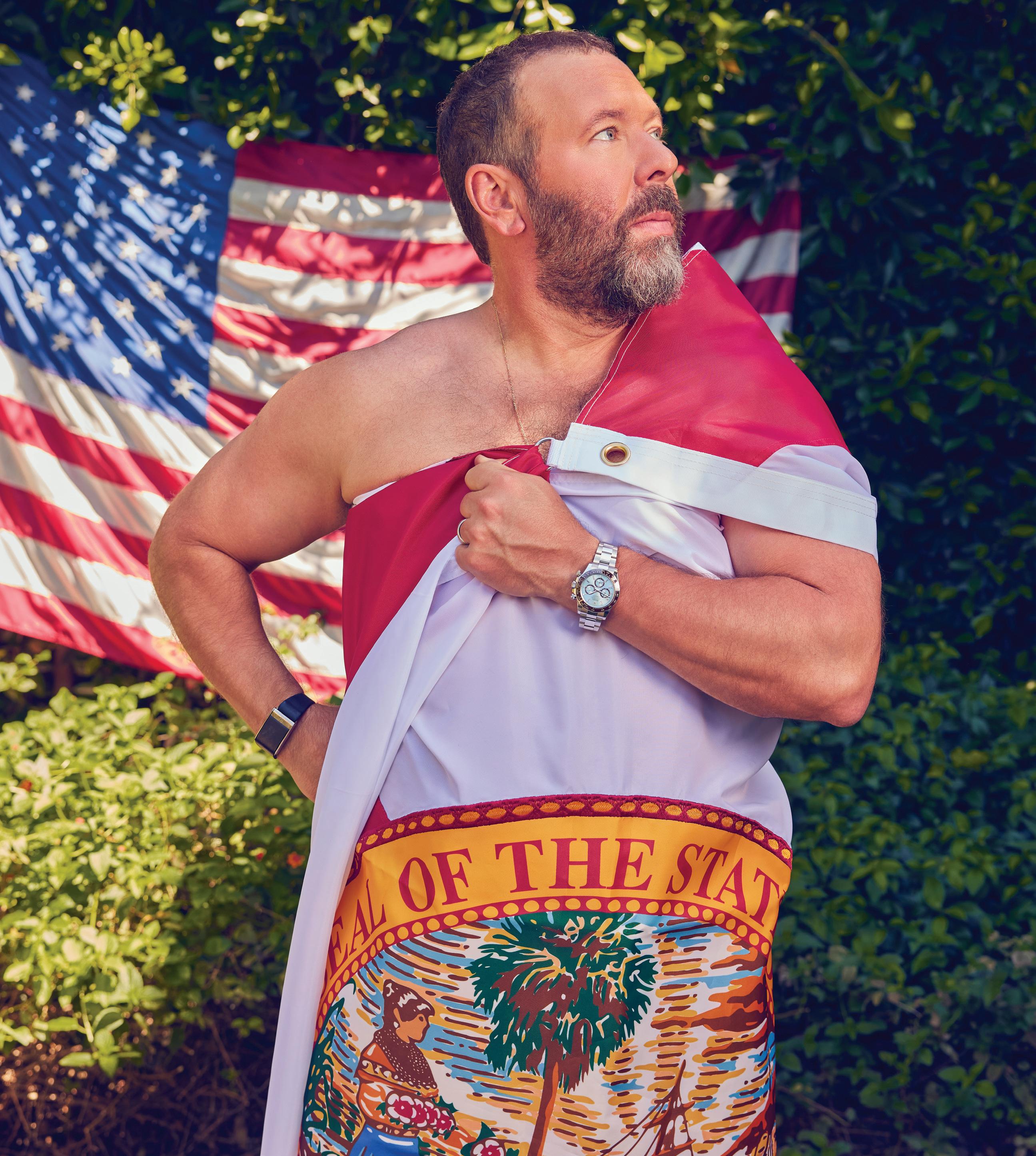
I first met Bert in 1996, when we were both students at FSU—him holding court by a bonfire behind the ATO house, me taking mental notes I didn’t know I’d one day use to write an editor’s note in my own magazine. Back then, Florida felt like a backdrop. Today, it’s a muse and the meaning behind toga-wrapping our cover model in the state flag. Which brings us here.
In this Summer Travel Issue, we explore the places and stories that make Florida more than a punchline—and Bert turns out to be a pretty good guide. In our cover story, the former travel-show host shares some of his favorite spots to visit across the state.
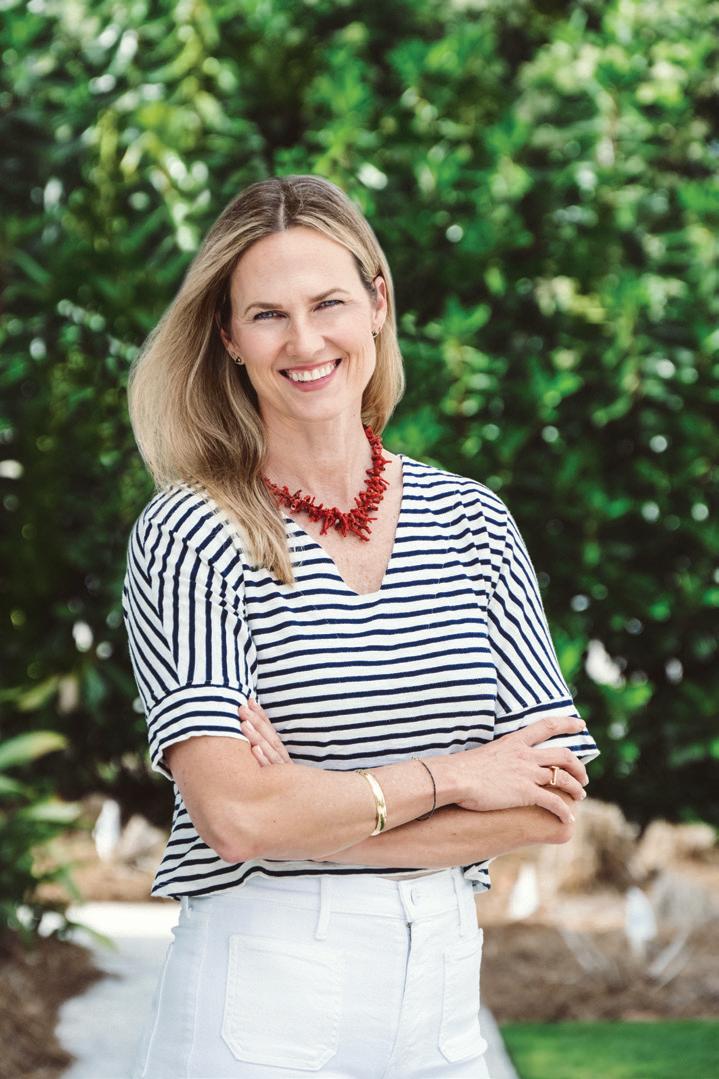
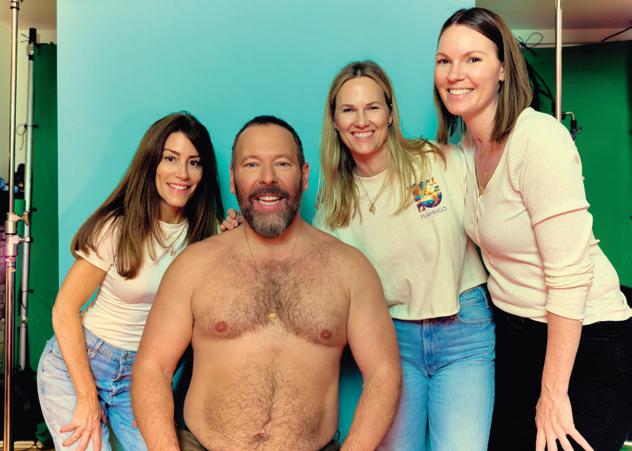
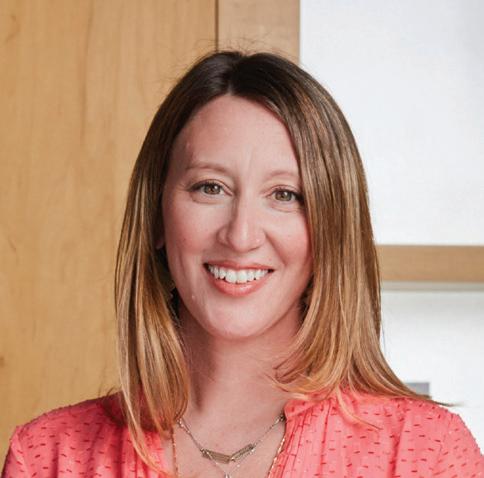
Catching the stand-up comedian between shows meant flying to Los Angeles to meet him in all his shirtless glory (he performs bare-chested). When I arrived for our photo shoot at his studio—a let us know what you think. Email me at jamie@flamingomag.com.
Back in LA, before I left Bert’s studio, I pulled out a copy of the 1997 Rolling Stone article I had kept from the first time Flamingo featured him. When I asked him to sign it, he didn’t hesitate. “This is where it all started,” he said, scribbling his name on a grainy image of him partying in FSU’s Westcott Fountain. I couldn’t help but marvel at how far we both had come since the days of jumping in those hallowed waters. So, this summer, I invite you to chase the kind of stories you don’t simply read about, but completely jump into—you never know where they might take you.
Founder & Editor in Chief
Below: Natalie Taylor, Bert Kreischer, Jamie Rich and Mary Beth Koeth on location at Bert’s studio.
ISLAND LUXURY MEETS
CULINARY MASTERY
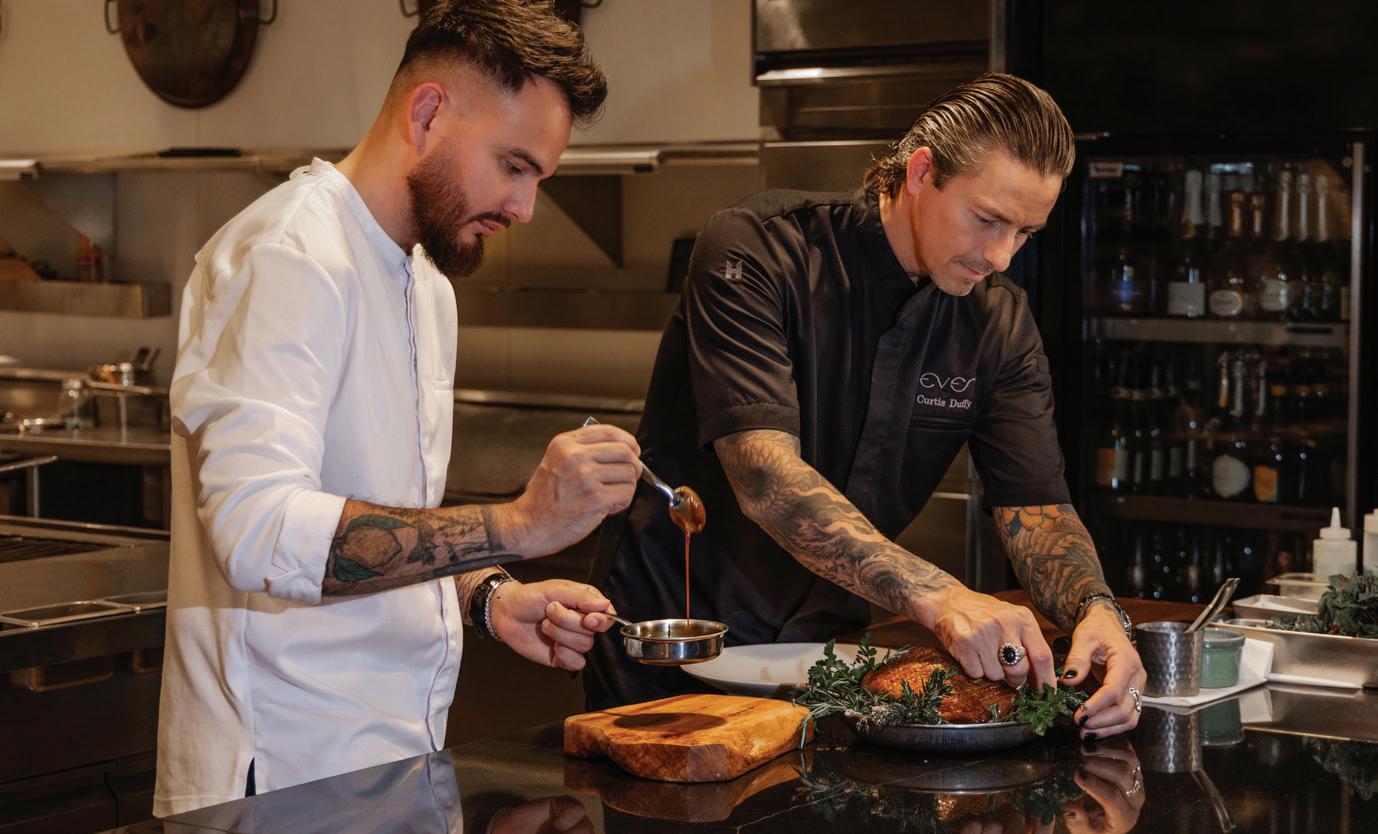
A landmark culinary partnership with acclaimed Chef Curtis Duffy and Executive Chef Rodrigo Albornoz
Did You Read That Story?
Spring 10th Anniversary Special Edition
Florida should be very thankful we have this magazine. Thank you for all the hard work and great stories. —Chad C.
Happy anniversary! Congratulations on the 10 years of brilliant Florida storytelling. —Jules O.
I just received mine in the mail and I’m planning a blissful, large space of time to sit and enjoy! The question is: with coffee in the morning or wine in the evening? —Marybeth B.
I love this publication so so much! I look forward to every issue. I do believe I read every word on every page. It is so well done. Thank you to Jamie Rich and all the contributors to this beautiful magazine.
—Kathy M.
Saving the State’s Cigar Orchid
There are still a few. And no, I won’t say where they are. —Charlie B.
I hiked a few places years ago where there were a few that were huge. I hope they are still there. There was one place I hiked that had all kinds of orchids and cacti that had been knocked down by Hurricane Donna but had grown back. —Mark I.
It is still being poached. I have seen large plants be reduced to dead plants. People are the problem— they take without any thought on what is actually being removed. —Matthew P.
Went down Loop Road years ago and saw one similar, high in a tree with bloom spikes but about two weeks away from blooming. I went back a few years later and couldn’t find it. Sadly, it was the only orchid I saw. —Bill D.
Capturing a Wild Florida Childhood
It’s a wild and wonderful place to grow up in—grieving the loss of so much but it’s worth fighting to save what is here. Your photos share this magic. —Kristin P.
I often think of growing up in Sarasota in the ’70s and ’80s. These photos are a great example of how it was. Playing in the creeks and walking through pastures. Skimboarding at Siesta Key and surfing at the jetties. —Shawn K.
So grateful to be a sixthgeneration Floridian and to experience Florida when it was great. Thank you, developers and the politicians who suck up to them, for destroying the place. Y’all have done a great job of it. —A.T.P.
I didn’t grow up here, but I’ve grown since being here—a lot of special people and places. This is the life. —Eve V.
EDITORIAL
Editor in Chief and Founder JAMIE RICH jamie@flamingomag.com
Creative Director Holly Keeperman art@flamingomag.com
Contributing Designer Ed Melnitsky edit@flamingomag.com
Art Production Manager Kerri Rak
Contributing Editors Eric Barton, Steve Dollar
Contributing Writers
Eric Barton, Moni Basu, Helen Bradshaw, Christina Cush, Brandon Cyr, Steve Dollar, Megan duBois, Prissy Elrod, Olivia Evans, L. Wayne Hicks, Tess Lopez, Alyssa Morlacci, Melissa Puppo, Diane Roberts, Maddy Zollo Rusbosin, Stefanie Schwalb, Nila Do Simon, Gregory Wakeman, Carlton Ward Jr., Cynthia S. Zimmermann
Contributing Photographers & Illustrators
Leslie Chalfont, Beth Gilbert, Kim Heise, Mary Beth Koeth, Josh Letchworth, Stephen Lomazzo, Kristen Penoyer, Carlton Ward Jr.
Copy Editors & Fact-Checkers
Helen Bradshaw, Patty Carroll, Stacy Cortigiano, Alyssa Ramos, Nick Song, Kailey Zagst
Editorial Interns Amia King, Lily Mitchell
SALES & MARKETING
Publisher JAMIE RICH jamie@flamingomag.com
Advertising Sales Director Janis Kern janis@flamingomag.com
Newsstand Distribution Tom Ferruggia tferruggia@msn.com
Contact Us JSR Media LLC 13000 Sawgrass Village Circle Bldg. 3, Suite 12 Ponte Vedra Beach, FL 32082
P: (904) 395-3272 // E: info@flamingomag.com
All content in this publication, including but not limited to text, photos and graphics, is the sole property of and copyrighted by JSR Media and Flamingo. Reproduction without permission from the publisher is prohibited. We take no responsibility for images or content provided by our advertisers.
Spacing
Moni Basu
Writer: My Florida Tallahassee
WHAT’S YOUR FAVORITE INDEPENDENCE DAY TRADITION?
I don’t have a tradition per se, but in 2008, I was naturalized as a U.S. citizen. I think of how much this country has given me. For me, every day is Independence Day.
WHAT ARE YOUR TRAVEL PLANS THIS SUMMER?
I am a journalism professor, and I’m teaching a course in Rwanda called “Reconstruction and Reconciliation After Genocide.” After the class ends, I am traveling to Uganda for a gorilla trek and then to Kenya for a week.
p. 25
Brandon Cyr
Writer: Good Sport Big Pine Key
WHAT IS YOUR FAVORITE FLORIDA HIDDEN GEM?
The hunting grounds and wildlands that are scattered across the state. Everyone thinks of Florida as beaches, but the woods here are just as incredible.
WHAT ARE YOUR TRAVEL PLANS FOR THIS SUMMER?
I’m planning a trip to Mexico’s Yucatán Peninsula to chase permit, and hopefully a road trip out west to show my family the mountains.
p. 21
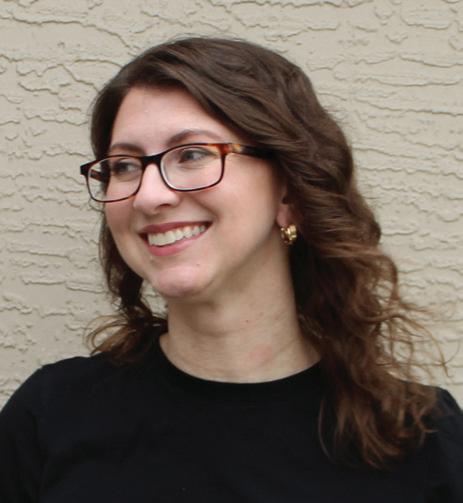
Tess Lopez
Writer: Made in Florida Naples
WHAT’S YOUR FAVORITE INDEPENDENCE DAY TRADITION?
My family and I used to set up fireworks in the driveway. We’d spend the next 30 minutes listening to them pop and squeal as they exploded.
WHAT’S YOUR FAVORITE FLORIDA HIDDEN GEM?
The Wonder Gardens in downtown Bonita Springs. It opened as a roadside attraction in the 1930s and is now a charming botanical garden and wildlife refuge that captures the heart of Old Florida. We hosted our wedding reception there, and our guests mingled with the flamingos!
p. 35
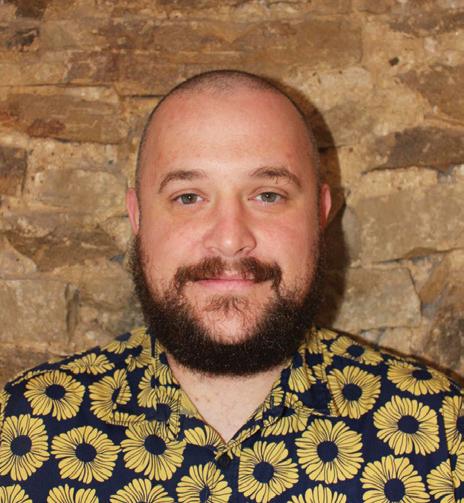
Gregory Wakeman
Writer: Cover Story Washington,
WHAT’S YOUR FAVORITE INDEPENDENCE DAY TRADITION?
Watching my local minorleague baseball team, the Chesapeake Baysox, while enjoying several cold beers and hot dogs. Then ending the night with fireworks over Prince George’s Stadium with my nieces.
WHAT ARE YOUR TRAVEL PLANS THIS SUMMER?
My wife, our dog, Zeppelin, and I are flying to Amsterdam. We’ll then go through Belgium and France to England, where we’re staying for the summer and into the fall, before deciding whether or not to come back to America, go even deeper into Europe or try a different continent.
p. 54
The Slice
ALLIGATOR POINT • ALYS BEACH • AMELIA ISLAND
APALACHICOLA • ATLANTIC BEACH • BOCA GRANDE
CAPTIVA ISLAND • DAYTONA BEACH • EVERGLADES
FORT LAUDERDALE • JACKSONVILLE • JUPITER
KEY BISCAYNE • KEY WEST • MERRITT ISLAND
MIAMI • MICANOPY • MIRAMAR • NAPLES • OCALA
ORLANDO • PALM BEACH • PANAMA CITY BEACH
PORT ST. JOE • PORT ST. LUCIE • SANFORD
SANTA ROSA BEACH • SEASIDE • ROSEMARY BEACH
ST. AUGUSTINE • ST. GEORGE ISLAND • ST. MARKS
ST. PETERSBURG • ST. TERESA • TALLAHASSEE
TAMPA • WINTER GARDEN • WINTER PARK
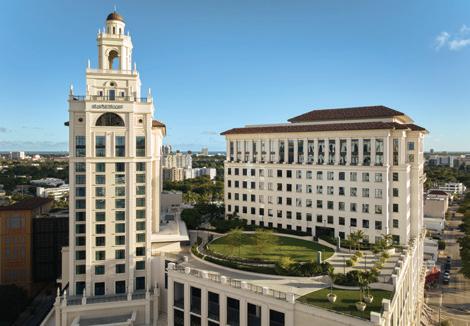
Call it Miami, but it feels like something else entirely. In Coral Gables, the pace is slower, the streets more storied and Loews Coral Gables Hotel sits at the heart of it all. Read what happened when our editor checked in. flamingomag.com/loewscg Most Visited Cities 1.
Art
AWB IN BLOOM
Visitors in 2025
143 million Contiguous Coastline
1,197
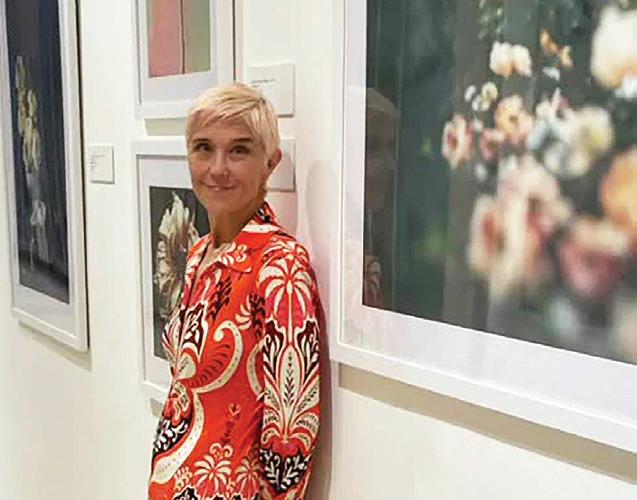
Ashley Woodson Bailey’s “What Remains,”photographic prints and grasscloth panels featuring her signature blooms, debuts at Jacksonville’s Cummer Museum of Art & Gardens, now through mid-October. @awbhome
Books CAN’T BE TAMED
Author Lisa Unger isn’t scared of Florida’s dark side. “Show me the Everglades, and I’ll just walk right in,” she says. Her latest book, “Served Him Right,” is inspired by the state’s formidable and untamed wilderness. Take notes as she spills her literary secrets in this recent interview. flamingomag.com/unger
UNDER THE SEA
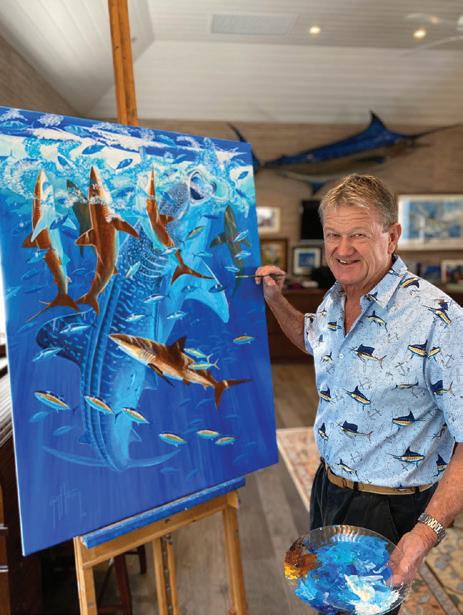
Guy Harvey’s iconic paintings of marine life aren’t just the product of a skill honed over decades, they’re creations born of experiencing Florida’s wildlife firsthand as a conservationist and marine biologist. Dive deep into Harvey’s ethos and South Florida’s role in shaping his global career in this story inspired by his latest documentary. flamingomag.com/harvey
Online Reads
BOUTIQUE BLISS
A typical Florida getaway may not be about the accommodations as much as the itinerary, but these boutique spots beg you to reconsider. In a state that’s no stranger to hotel chains, independently run stays offer a true taste of local life with no sacrifice of sanctuary. Explore Tampa’s cigar district, adventure into the state’s art deco legacy or hop from pool to Gulf and back again at these 10 boutique hotels across the state. From glamorous (and haunted) inns to intimate outposts outside the city limits, these spots immerse visitors in true Sunshine State style, while offering equal opportunity for both poolside parties and peaceful respites. flamingomag.com/boutiquehotels
State of Affairs LIFE AT THE BANDO
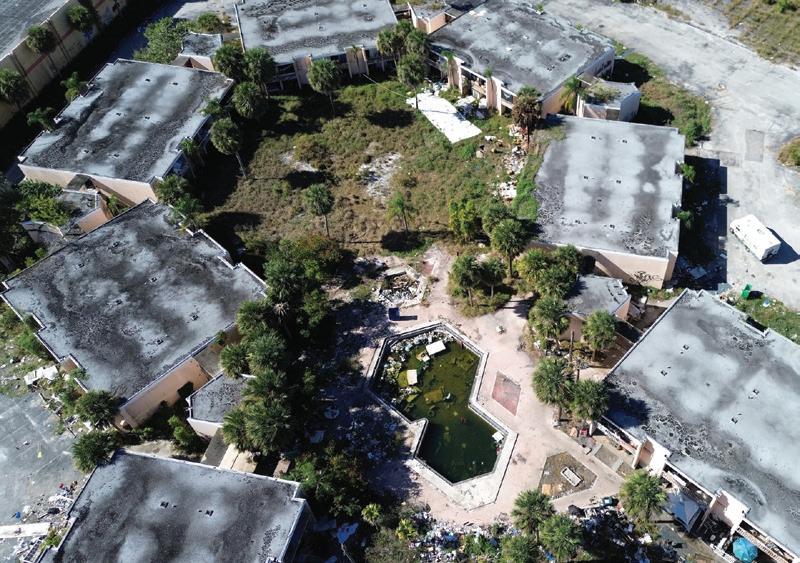
Welcome to the Bando, a community created at a forgotten hotel in Orlando. When Orlando Sun Resort first opened in 1972, it was the largest in the area. But for the last decade, it has sat abandoned by its owners, the chatter of tourists nothing more than a memory. Then a community emerged— Floridians unable to find living arrangements amidst the Central Florida housing crisis took up residence. But developers have other ideas, and the future of the Bando— and its residents—is in limbo. flamingomag.com/bando
more of Florida’s greatest stories from the Panhandle to the Keys and everywhere in between online at flamingomag.com.
Four Ways To Play
Live entertainment, sky-high views and unforgettable waterfront experiences
When you visit Walt Disney World® Resort during the summer, Theme Parks often top the itinerary. Just minutes away, however, Disney Springs® delivers a different kind of outing. The massive openair district spans roughly 120 acres along the waterfront and was designed to draw on Florida’s natural beauty and surrounding springs. Today, it’s home to more than 150 shops, restaurants and venues, from awardwinning, celebrity chef-driven dining and specialty shopping to live performances and interactive attractions that keep you engaged from day to night. Whether soaring high above the property, cruising across the water or catching a dazzling stage performance, you can easily spend a full day exploring the area. For those looking to add a little play to their Orlando getaway, here are four highlights at Disney Springs® that capture the spirit of summer fun.
A Cirque du Soleil Spectacle
Set inside a dedicated theater, Drawn to Life by Cirque du Soleil and Disney unfolds as a spectacular tribute celebrating classic Disney animation. The production blends acrobatics, choreography and storytelling in a stage performance that feels both
whimsical and technically breathtaking. The show invites audiences into a magical world where beloved animation techniques come to life onstage with performances Wednesday through Sunday. Tickets are available online or at the theater box office.
Balloon Above Disney Springs®
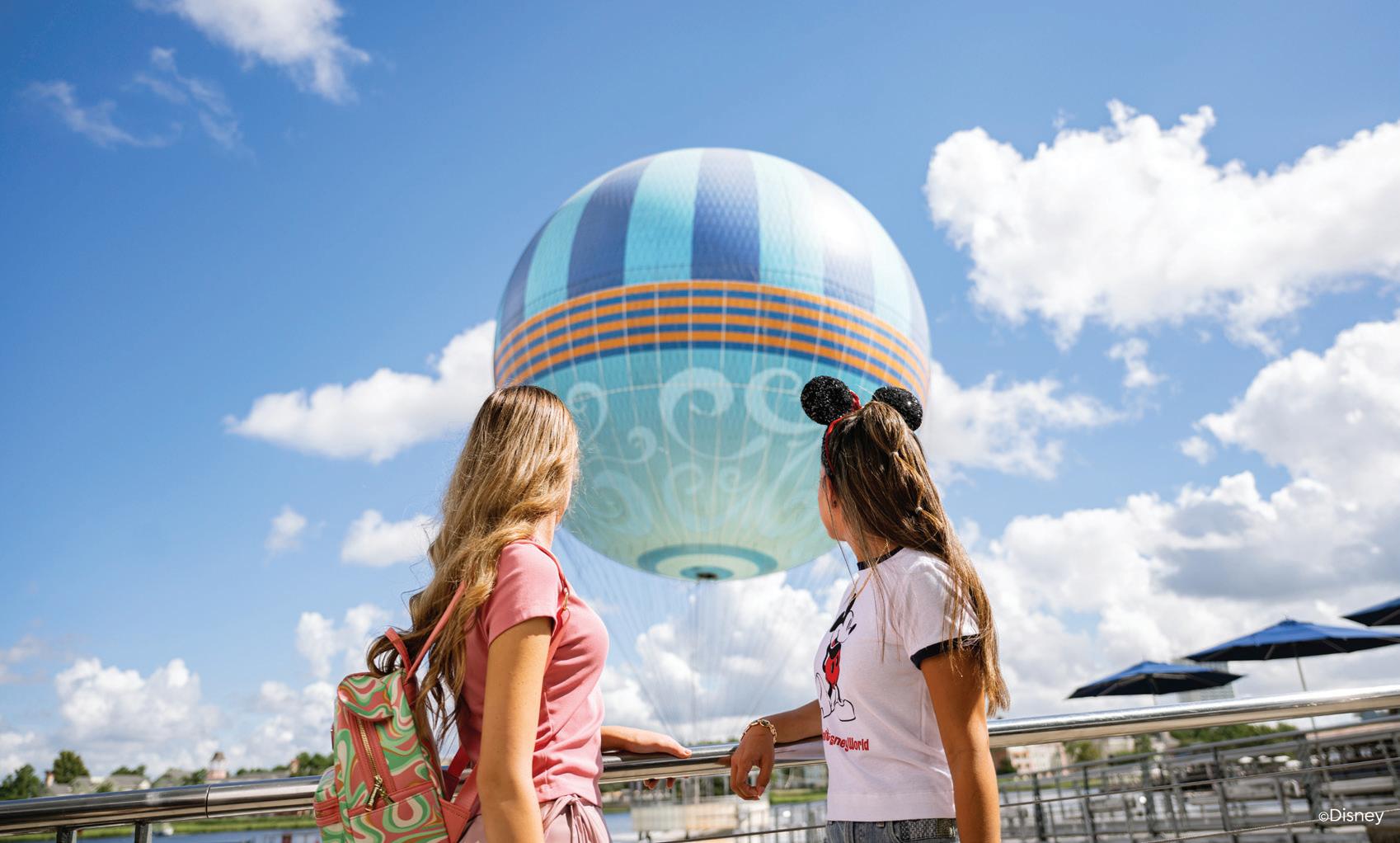
Soaring high above the waterfront, the Aerophile—the World Leader in Balloon Flight—offers one of the most memorable views in the district. The tethered helium balloon, the largest of its kind in the world, lifts you into the sky for an unforgettable eight-minute flight. Rising as high as 400 feet above Disney Springs®, it provides panoramic views of the property.
Vintage Amphicar Cruises
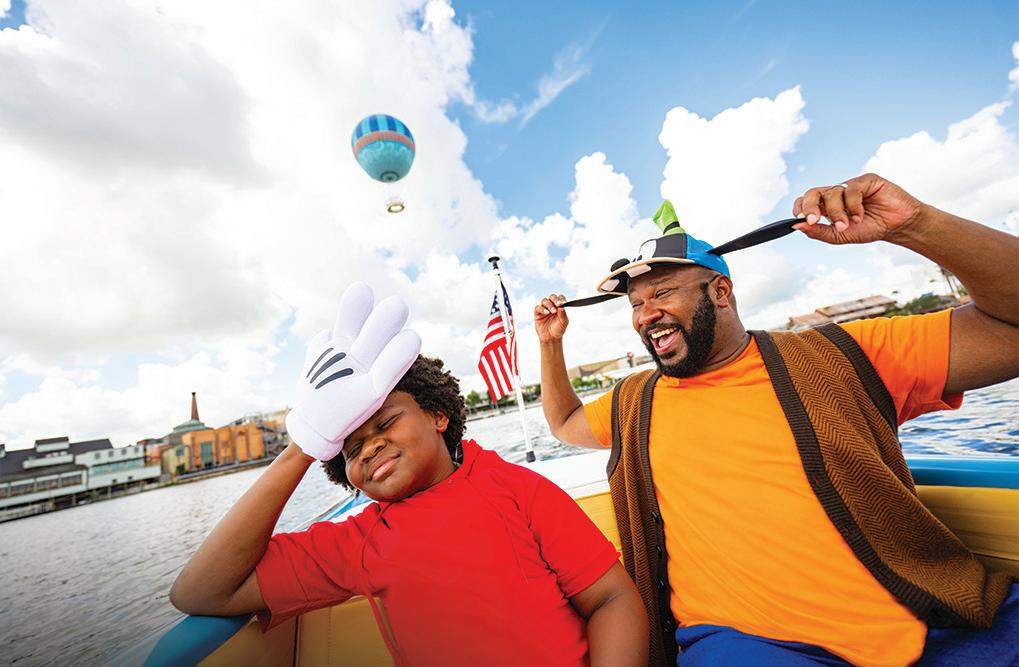
Along the shores of Lake Buena Vista, your next adventure awaits at The BOATHOUSE®, where brightly colored Amphicars provide a one-of-a-kind experience on the water. You can climb aboard a fully restored vintage Amphicar and cruise across the lake during a captain-led, 20-minute trip. These retro amphibious vehicles (part car, part boat) glide effortlessly from land into water, creating a nostalgic experience that’s as entertaining as it is scenic.
Live Music Throughout the District
Throughout the day and into the evening, live music fills the waterfront across Disney Springs®, adding to the lively atmosphere. Three major stages host musicians performing a variety of genres, while smaller acts appear at restaurants and venues across the property. Whether enjoying dinner or simply strolling between shops, you can easily find yourself pausing to listen, dance, sing or take in the energetic setting. Together, these experiences capture the playful spirit of Disney Springs®, an ever-evolving destination where you can explore, unwind and create lasting summer memories.
A Cirque du Soleil spectacle Inspired by Disney animation
Disney Springs®
FLOCKTAILS FLORIDA-FRESH BEVS By
Megan duBois
Photography by Kristen
Penoyer
Sweet Like Honey
Here’s the buzz about Orlando’s only meadery
Walking down Orlando’s artsy Mills 50 neighborhood, you might miss it—a stark black building tucked between noodle houses and strip malls. Inside, though, the scene glows. Geometric lights warm the space, while gold taps flow with a sweet
brew and regulars clink glasses and sample flights. This isn’t the typical craft beer brewery or glitzy Champagne bar Orlando is used to. It’s a meadery.
“Just like wine is made from grapes and cider is made from apples, mead is made from honey,” says Joe Leigh, a co-owner of Zymarium Meadery, which opened in 2023.
“We use all local honey, which is really cool to work with local pollinators. But just because (mead) is made with honey doesn’t mean it has to be sweet.”
Dating back to 7000 B.C. in China, mead is one of the world’s oldest fermented drinks, blending honey, water and yeast into a libation known as honey
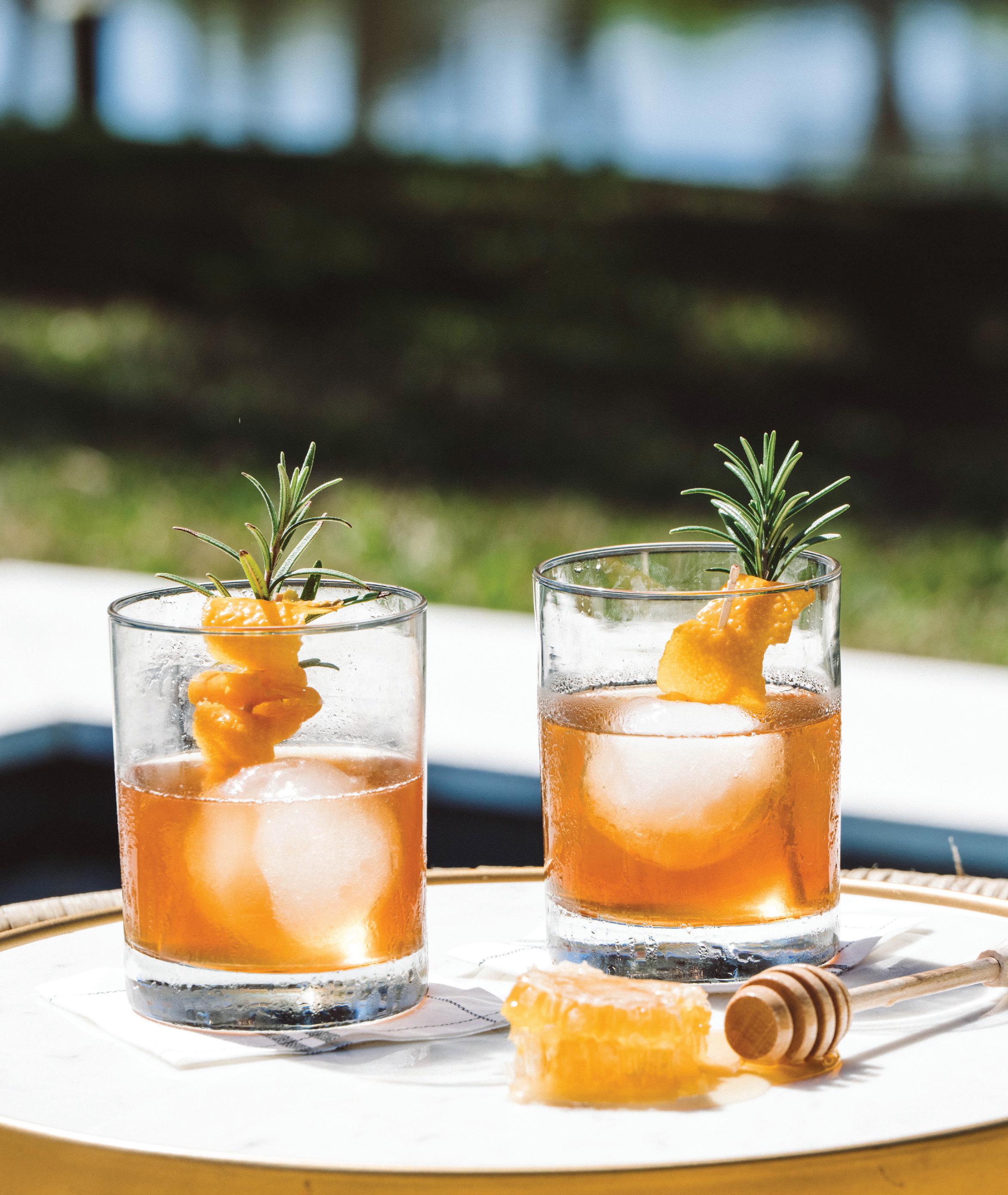
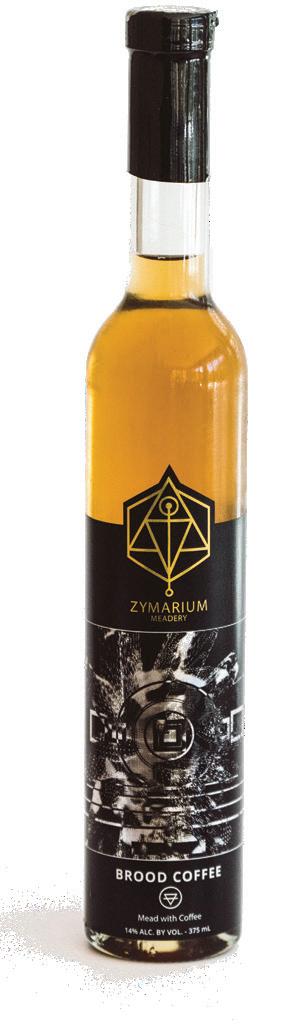
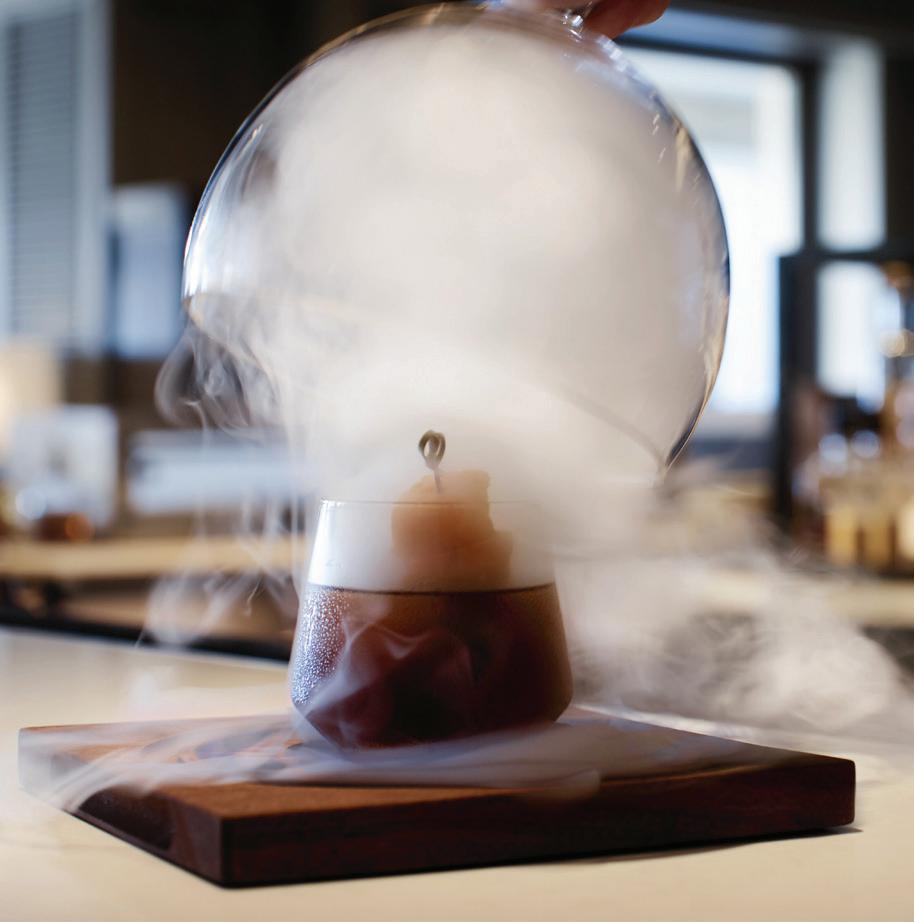
This page: Brood Old Fashioned cocktails made with Brood Coffee mead
wine. Styles range from dry and bubbly to rich, barrel-aged pours. At Zymarium, Leigh leans into that range with almost 30 different meads on draft, helping position Orlando’s first meadery at the forefront of a revival of the ancient drink.
Leigh’s hard work is earning global attention.
In 2024, Zymarium won six medals in the Mazer Cup competition—often considered the Olympics of mead—and was the only meadery in the world to do so. Its bottles are also racking up 90-plus scores in international wine competitions, where entries are judged blind by credentialed sommeliers.
“After two years, we ended up with the most 90-plus point meads in the world,” he says.
Boysenberry, blends Willamette Valley boysenberries with blackberry blossom and black gum tupelo honey. Leigh describes it as similar to a Napa dessert cabernet. “It is everything you love about red wine and honey at the same time.”
Not everything here leans bold. One of Zymarium’s most popular pours is the Florida Lychee mead, a sparkling session style with under 7% alcohol. “The floral orange blossom honey and the juicy lychees are this perfect combination, and people absolutely fall in love with it,” Leigh says.
ZYMARIUM MEADERY
While Leigh, who has been making mead since 2014 and was named one of the top 10 mead makers in the world by the American Mead Makers Association, serves as the master brewer, his co-owner and wife, Ginger, shapes the space’s atmosphere. Ginger, who also goes by Synthestruct, is a visual artist known for her light, audio and interactive installations.
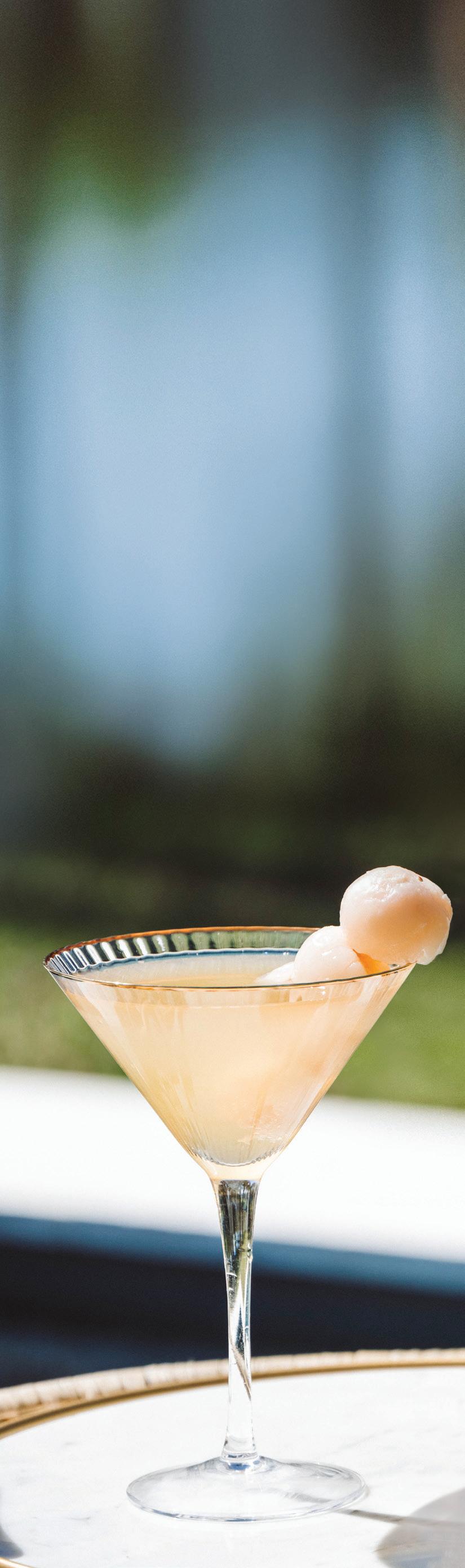
Florida Lycheetini
serves 1 COCKTAIL By Zymarium Meadery
4 ounces chilled Florida Lychee Session Mead
2 ounces citrus or floral gin or vodka
1/2 ounce dry vermouth (optional)
2 dashes orange bitters
Canned lychee for garnish
PREPARATION: Pour cold mead into a chilled martini glass. Separately, combine gin or vodka with vermouth into a shaker with ice and shake. Strain the mixture into the martini glass with the mead. Add bitters and garnish with canned lychee.
TIP: Don’t shake mead with spirits, as it’s carbonated!
But how does honey go from sweet and sticky to something drinkable?
Leigh sources honey within two hours of Orlando, then mixes it with water and yeast to induce fermentation. “The amount of honey we use determines how much alcohol it produces and how sweet it is,” he explains.
From there, Zymarium breaks tradition. “We actually specialize in what we call our Endless Meads, where we use all fruit and no water,” Leigh says. “When we do that, we’re getting 2,000 pounds of fruit and covering it in local honey and fermenting it like a big red wine style. It’s the ultimate expression of honey and fruit together.”
A recent release, Endless
“People walk in and say they feel like they’re in Berlin, or they’re somewhere else in the world,” Ginger says. But guests also say Zymarium feels like home, which is exactly what the couple wants.
Brood Old Fashioned
Serves 1 Cocktail
By Zymarium Meadery
2 ounces chilled Brood Coffee mead
1 ounce rye whiskey or bourbon
3 dashes Angostura bitters
1 large ice cube
1 lemon peel for garnish
PREPARATION: Combine all ingredients in a glass with ice and stir. Strain over large ice cube in a chilled old-fashioned glass. Garnish with orange peel.
Left: A bottle of Zymarium’s Brood Coffee mead
Silver King Obsession
A career fishing guide still eagerly anticipates the Adrenaline of hooking a tarpon
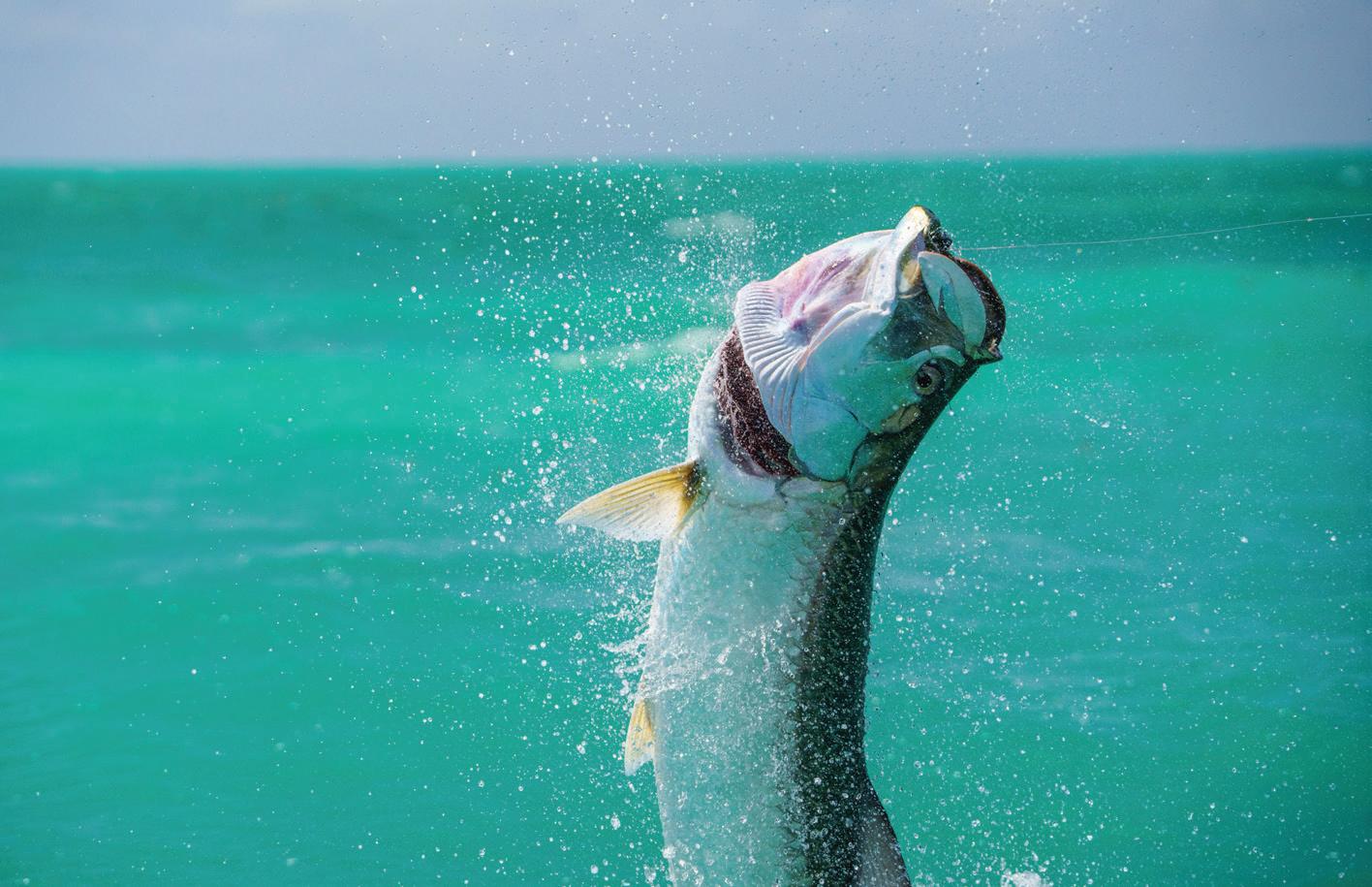
Tarpon fishing in the Florida Keys isn’t something to simply watch. As a seventhgeneration Keys native and secondgeneration fishing guide, this pursuit is deeply personal to me. It has settled in my bones, and it continues to overtake my senses every time I’m on the water. It’s been that way since I started fly-fishing here at the age of 6.
It’s no exaggeration to say that much of my life revolves around the incredible fisheries of the Florida Keys. I have been a saltwater fly-fishing guide my entire adult life. Tarpon season, in particular, doesn’t just mark a time of year in the Keys; it defines it. My family jokes that there are two seasons: tarpon season and everything else. Winter gives way to early spring, and the fishery begins to shift. Cool mornings transition into the hot, sticky calm that
signals the arrival of summer, and with it, the silver king. Early mornings, late nights and constant anticipation shape our rhythm of life.
For me, most days begin in the dark. Running the skiff across glassy water before sunrise, there’s a quiet anticipation in the air. As the first light stretches across the horizon, I hear the tarpon before I see them. The unmistakable sound of a 6-foot fish gulping air on the surface instantly fills me with possibility. Every morning feels like it could be the one.
There’s something almost spiritual about watching these fish. Tarpon have been migrating through the Keys for thousands of years. They roll softly and deliberately, metallic-hued scales flashing beneath turquoise waters, as they rise to the surface to breathe. For a moment, everything feels peaceful. A massive fish
glides through calm water, existing exactly as it was meant to.
Then it happens.
A well-placed fly lands on the water’s surface, the fish tips up, and suddenly the entire ocean erupts. A hundred pounds of silver explodes from the water, shaking its head midair and ripping fly line through my hands. The jumps are violent and acrobatic, the power nearly unmatched in any other saltwater fly-fishing. In seconds, that peaceful moment turns into pure chaos. For me, it’s that swing from stillness to adrenaline that makes tarpon fishing so addictive.
But what truly keeps an angler launching a skiff at the crack of dawn is the challenge. Tarpon can be pursued in countless ways: rolling fish at sunrise, daisy-chaining schools, fast-moving ocean strings or dark-water Everglades fish. Each demands a different approach and endless patience.
That’s what makes them unforgettable. Tarpon are everything a sport fish should be: powerful, intelligent and endlessly humbling. In the Florida Keys, they are more than just a fish. They’re a tradition, an obsession and a rite of passage.
Below: Tarpon can grow up to 8 feet long and are prized in sport fishing for their power and stamina.
Above: Captain Brandon Cyr fly-fishing for tarpon.
By Helen Bradshaw
Where the Bison Roam
The historically native species returns to Florida’s PRAIRIE
In the summertime, a signature sound echoes across America’s grasslands. It’s like something out of an alien movie—a low, resonating gargle. That’s the call of American bison bulls announcing their presence during breeding season. Hundreds of years ago, the same deep groan rippled across North Florida prairies. Today, save for the sound of cicadas and chirping frogs, the Sunshine State’s grassy expanses sit nearly silent. But don’t be fooled. Bison are back.
Paynes Prairie Preserve State Park in Alachua County is home to a herd of 30 or so female bison who, aside from soft grunts as they graze, don’t engage in the cacophony of the summer breeding season. They don’t have to. Instead, there are plans to replenish their numbers by bringing in bison from ranches across the Southeast— part of a project to return the megafauna to Floridian soil.
No one is sure quite how long bison originally lived on the
HISTORIC RANGE
Before white men came here, bison occupied all the United States.
—George DeLoach
peninsula. They likely came down when the Sunshine State wasn’t quite as hot and humid as it is today, sometime around the last ice age, says George DeLoach, president of Friends of Paynes Prairie.
“Before white men came here, bison occupied all the United States, from the Appalachian Mountains all the way out to Wyoming,” DeLoach says. “Then, as they came through, they annihilated the bison.”
Records of early Spanish colonists suggest the bison were still here when they arrived in the mid-millennium, but by the late 1700s, they were driven to local extinction. Then, about 50 years ago, there was a homecoming. A herd of bison from Oklahoma was relocated to the state
park, where they learned to once again live in Florida’s climate, and where Florida’s residents learned—and once again failed—to live with them.
“The neighbors would always call and say, ‘Come get your darn bison out of my backyard,’” DeLoach says.
After years of debate, the males were removed in 2012, and the prairie (and local homeowners’ associations) quieted down. Now, what’s left is a small herd of bison cows, who, if you’re lucky, can be spotted roaming the grassland.
It’s a sight most frequently observed from the park’s Bolen Bluff Trail, a 2.6-mile loop that opens up onto sweeping views of the prairie. There, proximity proves the female bison aren’t quite as silent as they seem. “If you get too close to bison, you’re very likely to get hurt,” DeLoach says. “If you’re close enough to hear them grunt, you’re probably too close.”
Below: A herd of reintroduced female bison resides in Paynes Prairie Preserve State Park.
Outside the Box
IHow the city a teen didn’t choose became the one she couldn’t leave behind
n 2020, at the height of the pandemic, I bought a townhouse in Tallahassee, sight unseen. At the time, I was teaching at the University of Florida in Gainesville and spotted the house on Zillow: two bedrooms, two bathrooms, a fireplace and a courtyard nestled under the shade of oversized crape myrtles. My friends called me crazy, and I admit the decision was impulsive—but it wasn’t entirely surprising. Tallahassee was hardly unknown to me. It was where my family had landed nearly half a century earlier, when I was 12 years
old, after years of moving across continents and cultures. It had once been a part of my life—long before I understood what it meant to belong.
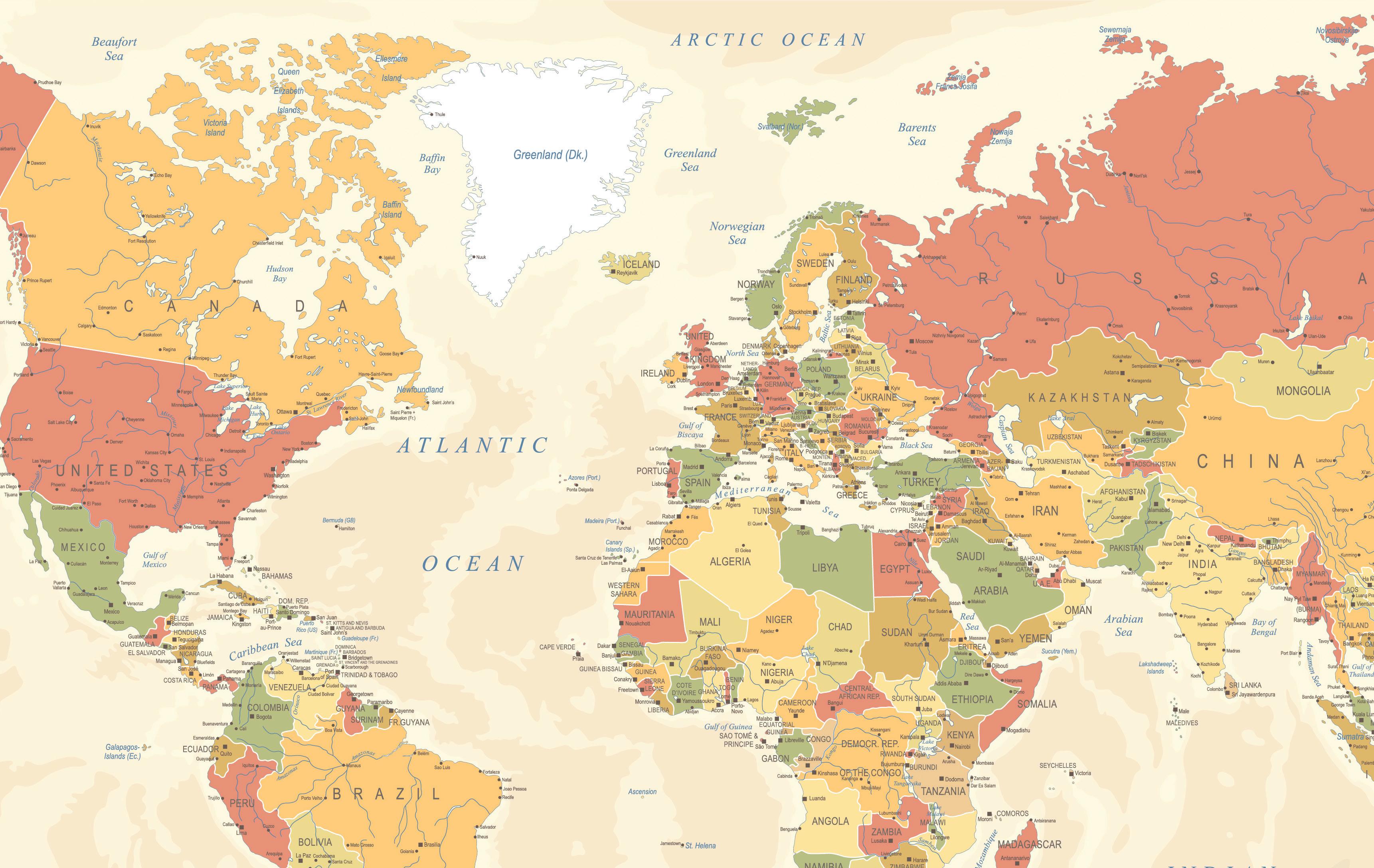
In 1975, the Vietnam War ended, Steven Spielberg’s “Jaws” filled movie theaters and Bruce Springsteen released one of my favorite albums, “Born to Run.” That same year, my family boarded planes that carried us from Australia to the Fijian islands, then to Honolulu, San Francisco and eventually to Tallahassee.
My father, renowned in his field of statistical theory, had accepted a job at
Florida State University to begin teaching in the fall quarter of 1975. My mother, brother and I did not know what to make of Baba’s choice. We had lived in a kaleidoscope of cities: Kolkata, India, where I was born; Beirut; Chicago; Albuquerque, N.M.; Manchester, England. And most recently, Perth, Australia, where we had moved a mere eight months before. Miami Beach was known the world over, but we had never heard of Tallahassee until the day my father pulled out an offer letter from his bag and informed us that we would soon be moving to Florida.
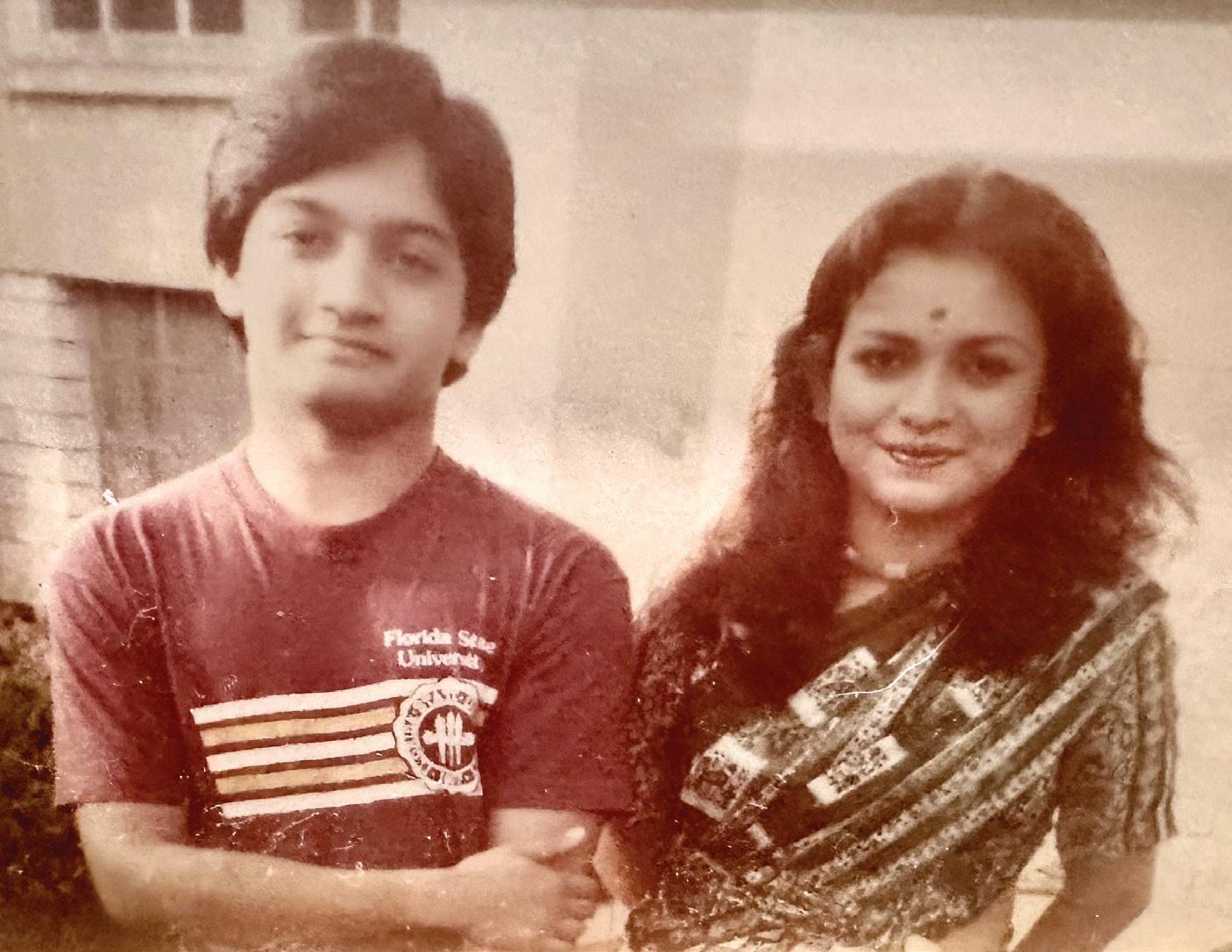
Left: Moni Basu (right) and her brother, Shantanu (left)
MY FLORIDA
In the days before the internet, it wasn’t easy to learn about Florida’s capital from afar. But I was intrigued by its name—no one in my orbit knew anything about this place that we were about to embrace as home. A few trips to a Perth public library later, I discovered that Tallahassee was loosely translated from the Muscogee language as “old fields” or “old town.” In the years ahead, I would constantly be explaining or spelling that name to my friends in far-flung places.
I imagined Tallahassee looked like the Florida I’d seen in magazines and in the movies: the Sunshine State with its turquoise waters, swaying palm trees and manicured gardens brimming with birds of paradise and orange trees. I did not know then how loblolly pines and live oaks adorned the city’s streets and parks, silvery threads of Spanish moss hanging from branches. We would be within driving distance to Disney World and the white sand beaches of the Gulf of Mexico. I did not know then that the Georgia border lay a mere 18 miles north, and that our home-to-be bore the terrible scars of Jim Crow.
White, Black or other
My father had chosen FSU for a couple of reasons. The statistics department, founded in 1959 under Ralph Bradley, had quickly climbed up the ladder of reputation and boasted well-known scholars on its faculty. It was where Jayaram Sethuraman, once a student of Baba’s at the Indian Statistical Institute, was teaching. He had been instrumental in making the arrangements for Baba’s hire. He leased us an apartment at a Tudor-style complex called Berkshire Manor and filled it with rented furniture.
Sethuraman was waiting for us when our Eastern Airlines flight from Atlanta landed at the Tallahassee
On my first day at Godby High School, I was asked:
“Which one of your parents is Black?”
—moni basu
airport late one August night. I remember thinking I had never seen such an empty airport terminal before. A handful of people waited with us at the luggage carousel. We collected our bags—our entire lives packed into four suitcases—and stepped outside into a whoosh of saunalike air. Sethuraman rushed us to a J.M. Fields department store to buy pillows and bedsheets and pots and pans. We must have stopped at a Publix or Winn-Dixie to buy groceries, though neither he nor I have any memories of that.
The next morning, when the sun blinded us through our curtainless windows, we began our new lives in Florida. I would take stock of that time only years later, long after the life I knew there ended abruptly with my mother’s illness, and long after I fled Florida in pursuit of a job. We had started anew as strangers in a strange land, only a decade after two landmark laws had reshaped America: the Civil Rights Act of 1964, which outlawed segregation, and the Immigration and Nationality Act of 1965, which vastly changed immigration laws and allowed greater numbers of Indians, like ourselves, to move to this country.
Tallahassee had yet to feel the full impact of the latter. Of the roughly 75,000 people who lived in the city at the time, three-quarters were white, one quarter were Black and only a handful were brown. While large numbers of South Asians had settled in America’s metropolitan areas, they were still a rare breed in smaller cities and towns. My family’s arrival increased their numbers
FLORIDA MEMORY, MONI BASU, RICHARD PARKS
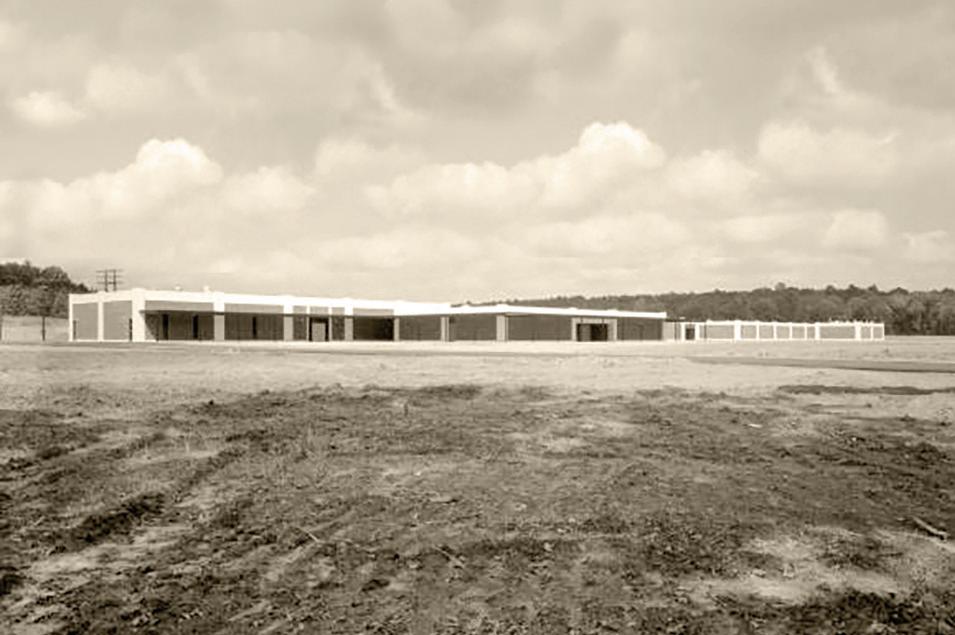
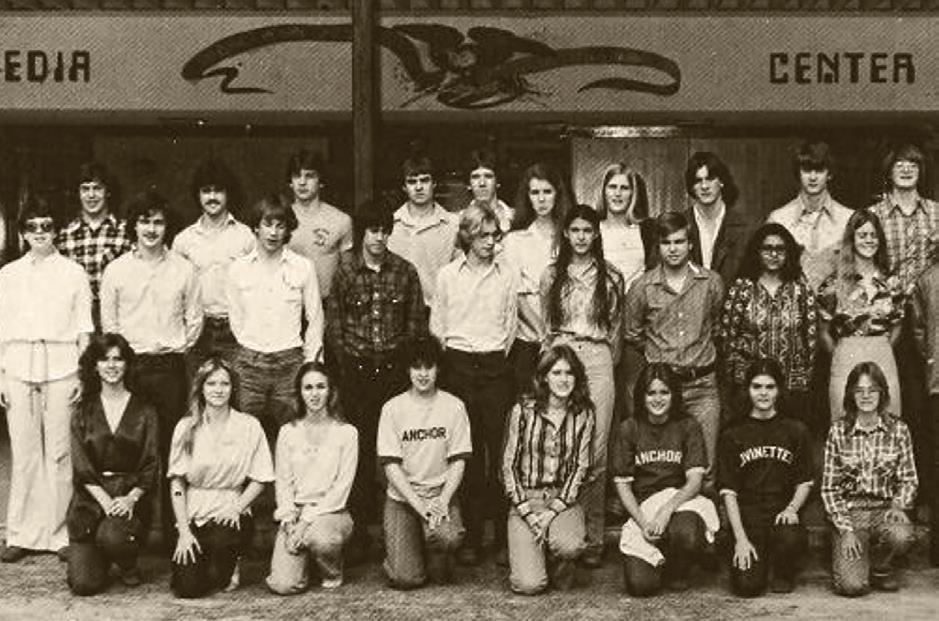
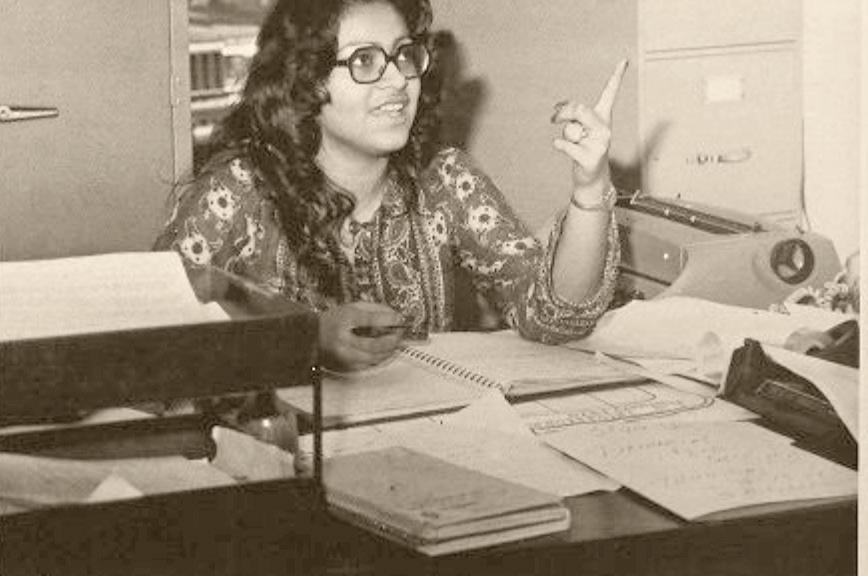
This page from top: Godby High School circa 1966; Basu and some of her high school classmates; Basu was an aide in the school’s guidance department.
exponentially in Tallahassee.
Back then, it was impossible to lunch at buffets offering all-you-can-eat tandoori chicken and chana masala. No grocery stores stocked garam masala, cumin or cilantro. No Bollywood cinemas played in theaters or on television. No shops sold sarees, and my mother, like other Indian women, frequented Hancock Fabrics to buy six yards of nylon, chiffon or georgette to make do. One of our early purchases was an electric sewing machine at the downtown Montgomery Ward’s so that Ma could turn cloth into wearable art.
It’s hard to imagine these days how isolated we were before the internet— before smartphones and WhatsApp and FaceTime suddenly shrank our world and made it feel like my loved ones were next door when they were nearly 9,000 miles away. We had little contact with our family and friends in India; a three-minute phone call could easily cost more than $300 in today’s dollars. Even a call to relatives scattered across the United States felt astronomical. Instead, we wrote letters home on pale blue foldable aerogrammes that took a month to reach their recipients. My mother forced me to write in Bengali to my aunts and cousins so that I would not forget our mother tongue.
School was the hardest. I was entering my teen years and I was desperate to find my groove.
But on my first day at Amos P. Godby High School, I was asked: “Which one of your parents is Black?”
“Neither,” I replied.
I could not foresee how devastating that answer would be. In that moment, I was hurled outside the circle and directly into a box of my own.
MY FLORIDA
pinnacle of his career and revered by his students and colleagues. He spent his days in his cinder-block office on campus, lost in statistical theorems. After macular degeneration in his eyes robbed him of a driver’s license, Baba decided to buy a house close to campus.
From then on, I did not belong. I was the only Indian kid in my class of around 400 students. No one could pronounce my full name, Monimala. My teachers and classmates called me Molly in my freshman year. When my brother, Shantanu, made
it to high school two years later, the social studies teacher renamed him Bob, much to his consternation.
My mother drew hard stares when she came to fetch me at school wearing a saree. I ordered her to not get out of the car. I wanted her to be like my friends’ cool moms who wore smart dresses and heels and painted their lips the color of raspberries. I told her not to speak with anyone at school because her heavily accented English embarrassed me.
I tried desperately at school to fit in, to not feel different, but that is what I was. Forms that demanded to know my race had only three categories: White, Black or other.
I had lived all over the world, uprooted from country to country every 12 to 18 months. I had grown accustomed to being “different.” But in Tallahassee, I came of age confronting race, struggling with identity. In Tallahassee, I learned what it felt like to be “othered.”
MAKING Tallahassee HOMe
My father occupied himself with his teaching and research. He was at the
FSU had just hired a coach named Bobby Bowden to turn around its losing football program. The former coach, Darrell Mudra, was fired, as were all his assistant coaches. One, Deek Pollard, the defensive back coach, sold his four-bedroom house on Westridge Drive to my parents. The house was nondescript in so many ways, a standard 1960s split-level ranch with olive green appliances, faux wood panels and loud linoleum floors. It was painted garnet and gold, appropriate for a football coach. My mother yearned for the day that we would have it repainted, perhaps a lemon yellow. But when it came time, my father decided it would be easier to stick to the same color scheme. It made giving directions rather easy: Go up Chapel Drive, turn left and you’ll see the FSU house on the left.
My mother ran the household and often watched “Donahue” or “I Love Lucy” reruns during the day to sharpen her English skills. She wrote down unfamiliar words in her journal and looked them up in a dictionary. Words such as meticulous and opaque and umbrage. Words that had somehow slipped by her.
Sometimes, she gathered with the few other Indian women in town to look through crudely printed catalogs distributed by grocery companies like Patel Brothers—which had just opened its doors on Chicago’s Devon Avenue in 1974—or Kalustyan’s and Sahadi’s in New York. My mother and her cabal ordered cumin and coriander and different types of dals in bulk. Weeks later, when the spices arrived, the women gathered for tea, each bringing
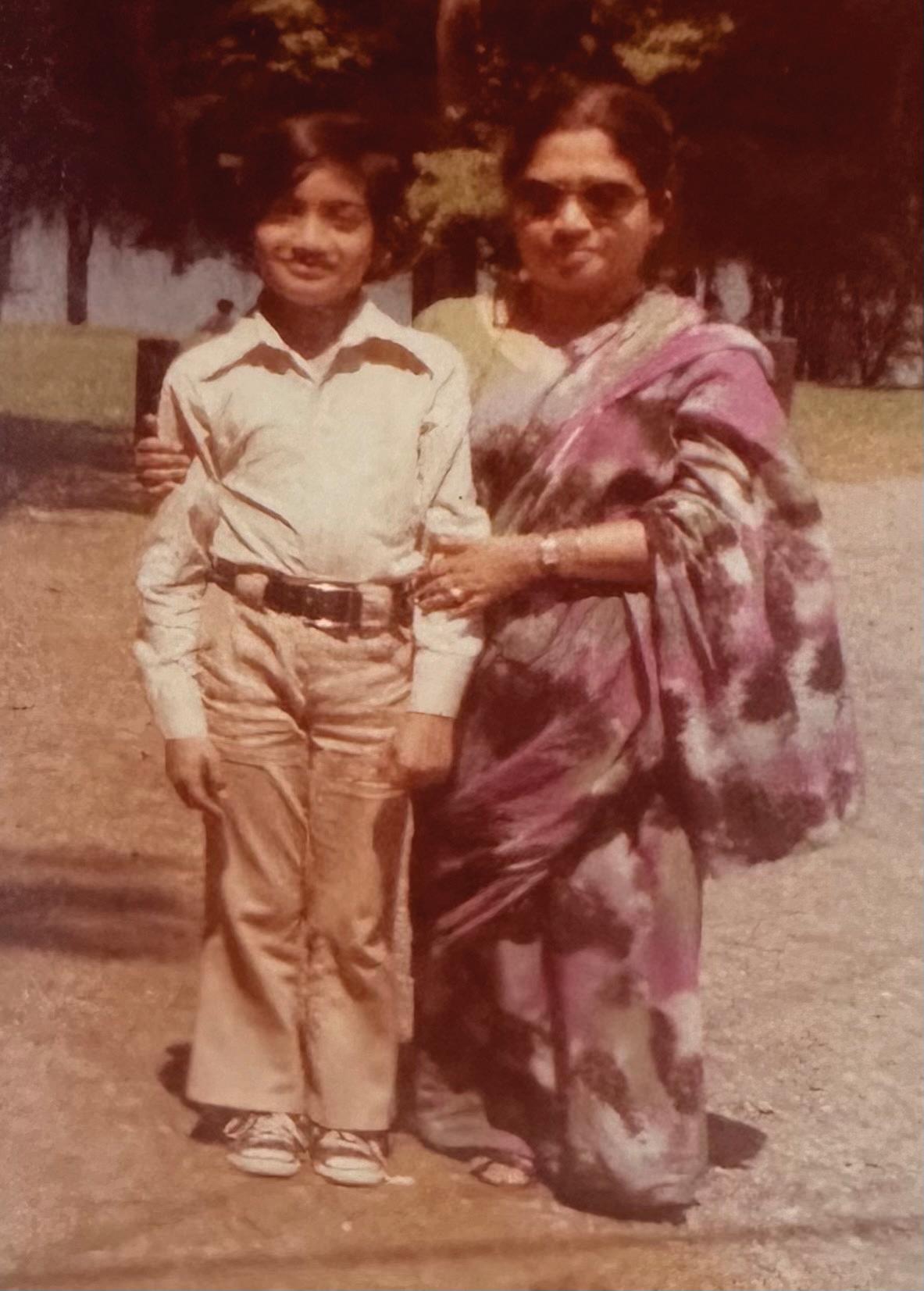
Above: Shantanu (left) and Basu’s mother (right) in Tallahassee in 1975
plastic containers to claim her share. They evenly divided the spices with a kitchen scale or measuring cup as though they were dealing in contraband. I could smell the heady aroma wafting from the spice packets even before I opened the front door.
On weekends, we almost always ended up at one of our Indian friends’ homes. Or they would come to ours. There were the Dases, the Naths, the Desais, the Ollapallys. The gatherings were formulaic. Often, the men and women sat in separate rooms. The men drank whiskey and talked politics in English. They were all staunch Democrats who admired President Jimmy Carter. The women never drank and talked in the vernacular about the accomplishments of their children in school. Or they admired one another’s sarees and exchanged intel about the latest in Indian fashion. The kids played outside or in a basement den. I was often the oldest in the room—the few Indians who had settled in Tallahassee then were professionals starting their careers and were much younger than my father. I did not have much in common with the children of my parents’ friends, but I found their presence comforting. With them, I was not an “other.” They understood. We feasted on 10-course meals
consisting of dishes we craved and could not find anywhere in Tallahassee. Biryani. Fish curry. Homemade samosas. Occasionally, someone would serve lychees and mangoes they had brought back from Miami.
After the meal came music. My mother sang the songs of Rabindranath Tagore, India’s only Nobel laureate in literature. I accompanied her on the piano. Sometimes, we attended pujas (worship services) at the homes of other Indians. My father was not enamored with religion, but he went anyway. We celebrated Indian holidays together and would stay over late into the night talking about all that we missed being so far from home.
We settled and learned to navigate life in Florida. We leaned on one another; we leaned on our Indian friends. My parents came to love Tallahassee and had intended to remain there for a good chunk of their lives. But in 1982, my mother suffered a massive stroke. Her illness upended their plans for the future, and they returned home to India, where it was easier to find caregivers for my mother. My brother also uprooted himself for graduate school in Illinois. I was the last one to leave—in 1990—for a
job at the Atlanta Constitution.
Over the years, the brown population of Tallahassee ballooned, thanks to FSU, Florida A&M and state offices. The city now boasts many Indian restaurants and groceries. Indian women no longer have to order garam masala from New York catalogs. And I am willing to wager that no high school teacher dares to change an Indian kid’s name to Molly or Bob.
I returned to Florida in 2018 to teach journalism at UF. When the pandemic erupted and loneliness took hold, I called a realtor and made an offer on a townhouse near Lake Ella.
“Are you nuts?” asked a close friend. I knew I wasn’t because I knew Tallahassee. I knew the live oaks draped in Spanish moss, the neighborhoods where our Indian friends had lived, the high school where I first learned what it meant to be an “other.”
I knew I had not erred on impulse. Because in that moment, despite it all, Tallahassee felt like home.
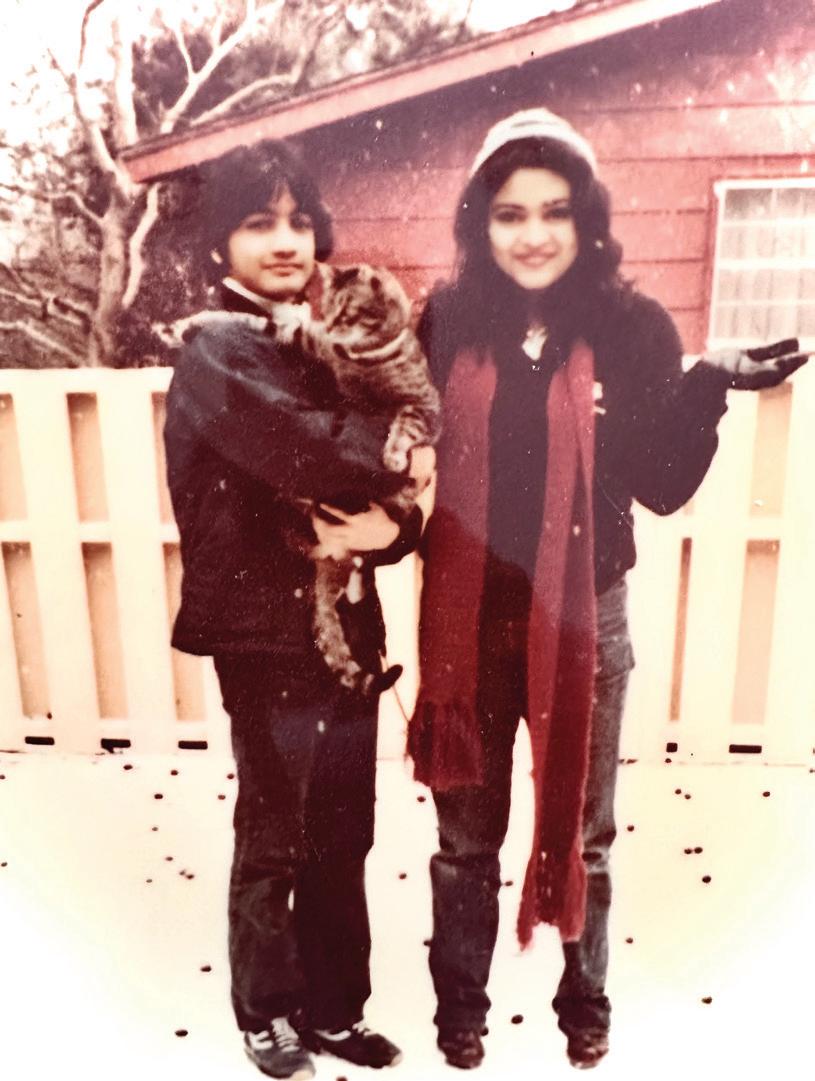
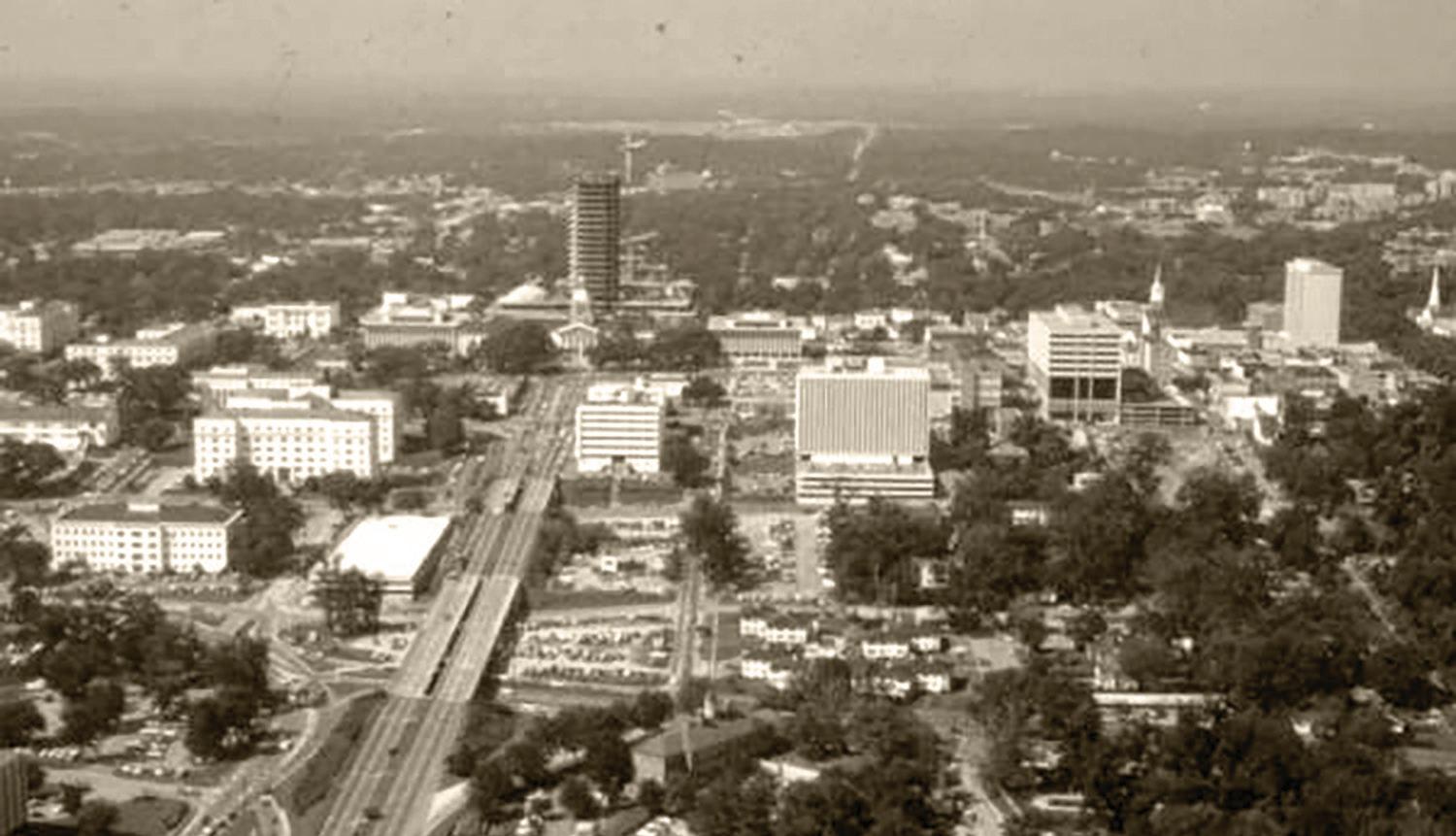
This page from top: Shantanu, Moni and their cat, Pumi, experience snow in 1977 Tallahassee; Tallahassee circa the 1970s
L. Wayne Hicks
Carl Hiaasen On Hollywood
The film industry can’t get enough of the famed Florida satirist and his bestselling stories about the Sunshine State.
For Carl Hiaasen fans, his next book can’t come fast enough. Unfortunately for them, the author doesn’t expect to have one out until the latter half of 2027, so the second-best thing will have to be an upcoming adaptation of one of his novels.
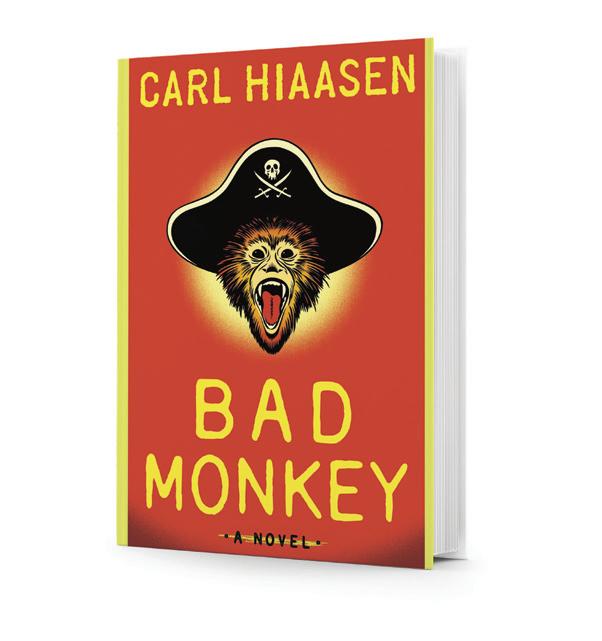
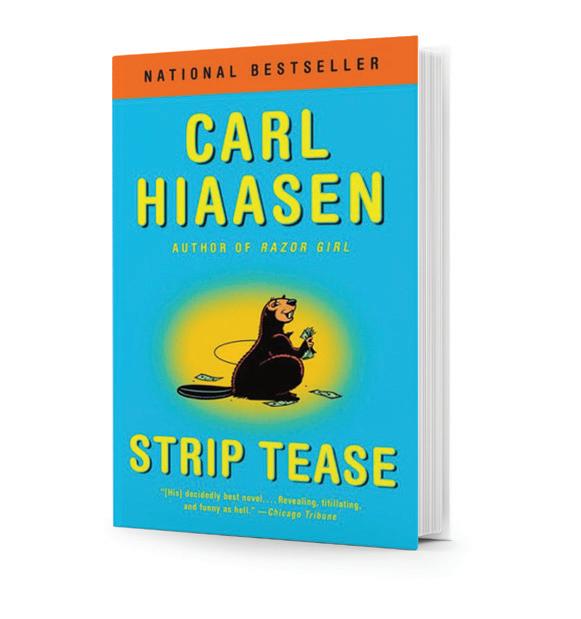
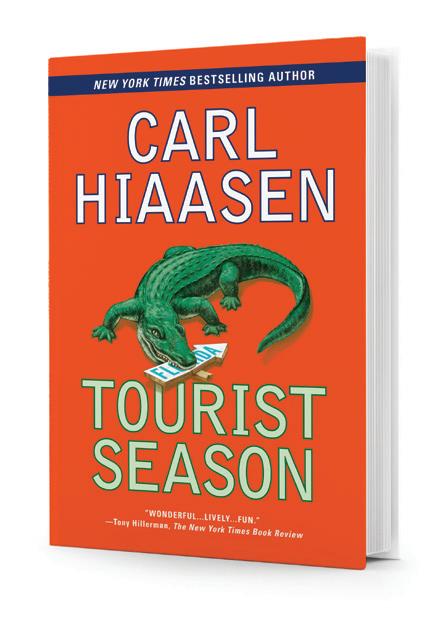
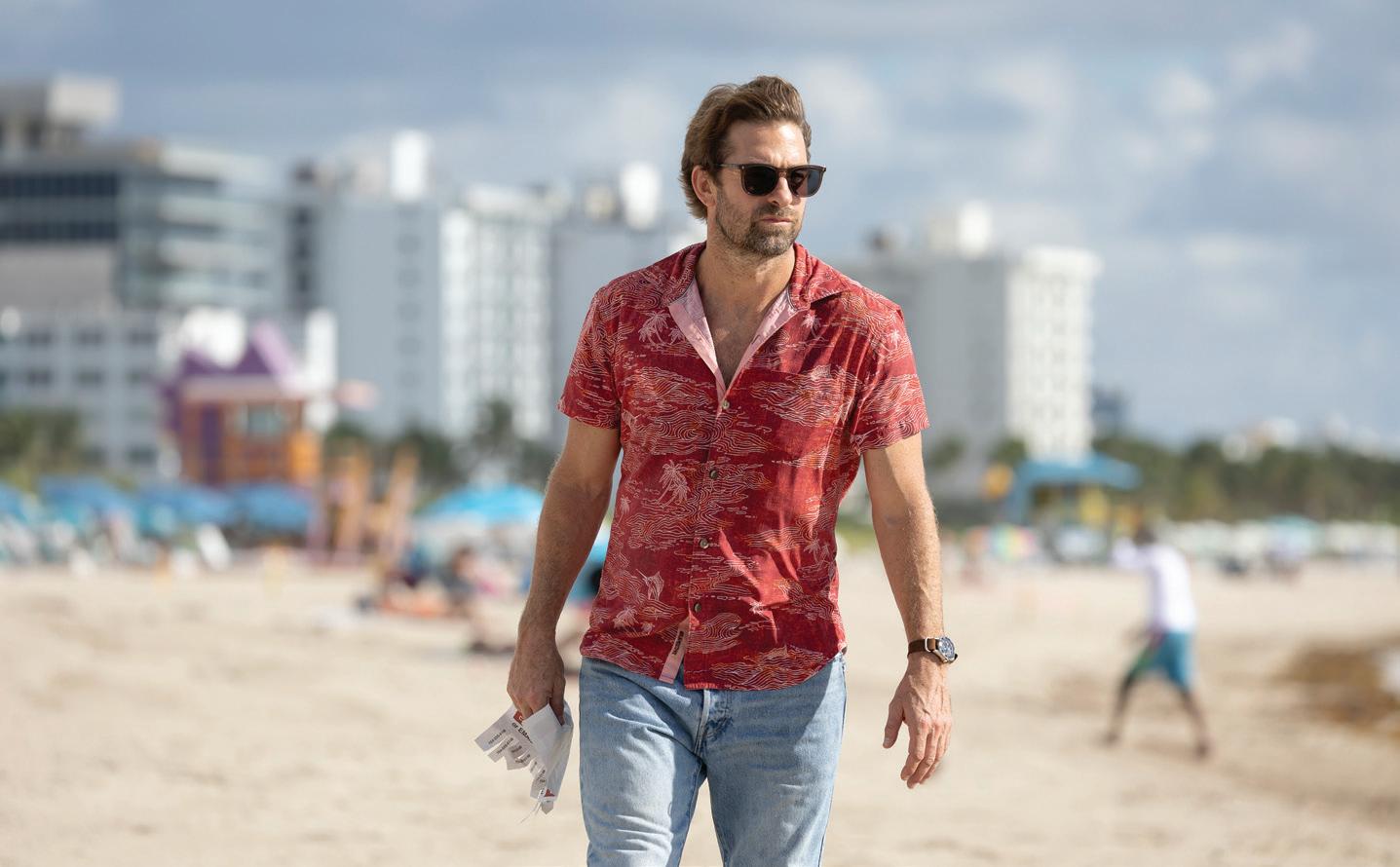
Two Hiaasen television projects are in the works, with one more having already aired this year: a second season of “Bad Monkey” on Apple TV, a series based on “Skinny Dip” on Amazon Prime and the premiere of “R.J. Decker” on ABC. The Florida native has made the state a fixture of his books for 40 years, beginning with “Tourist Season.” Hiaasen, 73, grew up outside Fort Lauderdale and briefly left the state to attend college in Atlanta before transferring to the University of Florida to study journalism. He joined the Miami Herald reporting staff 50 years ago and later became a columnist for more than three decades before retiring in 2021. He has published 23 novels, two of which have been adapted for the big screen. Flamingo recently spoke with Hiaasen about how Hollywood has come calling, what’s next, and the role he’ll play in the latest adaptations.
How involved have you been, or will you be, with these series?
Carl Hiaasen: They send me the scripts, and I’ll make notes every now and then. But these projects get a life of their own, and I try to keep a healthy distance. Bill Lawrence and his team on “Bad Monkey” have been really good about staying in touch. I get questions once in a while from the writing room about: Is this possible? Usually, if it’s about Florida, nothing is too far-fetched.
What took so long for Hollywood to come calling? They did “Hoot” and “Strip Tease” as films, but books like “Tourist Season” seem perfect for film.
CH: “Tourist Season” was optioned. Almost all the books have been optioned. I mean, that’s the funny thing. I have at least two boxes, big boxes, full of scripts that have been done over the years. I’ve always taken a position. Unless they’re just horrible, I usually just stand on the sidelines and say, “Well, good luck with that, and I hope it works out for you.” I’ve had them get to the point they hire a director. I put out a book called “Skin
Tight.” They’re ready. Within a week of when they’re going to start filming, they decided not to. The studio pulled the plug on it. It may or may not have been a merciful thing, but I just learned a long time ago that you can’t get emotionally invested in any way, because it’s Hollywood, and things can change fast. And things can turn out well, or they can turn out, you know, not so great.
How do you feel about your books being portrayed so far—in movies and a series like “Bad Monkey”?
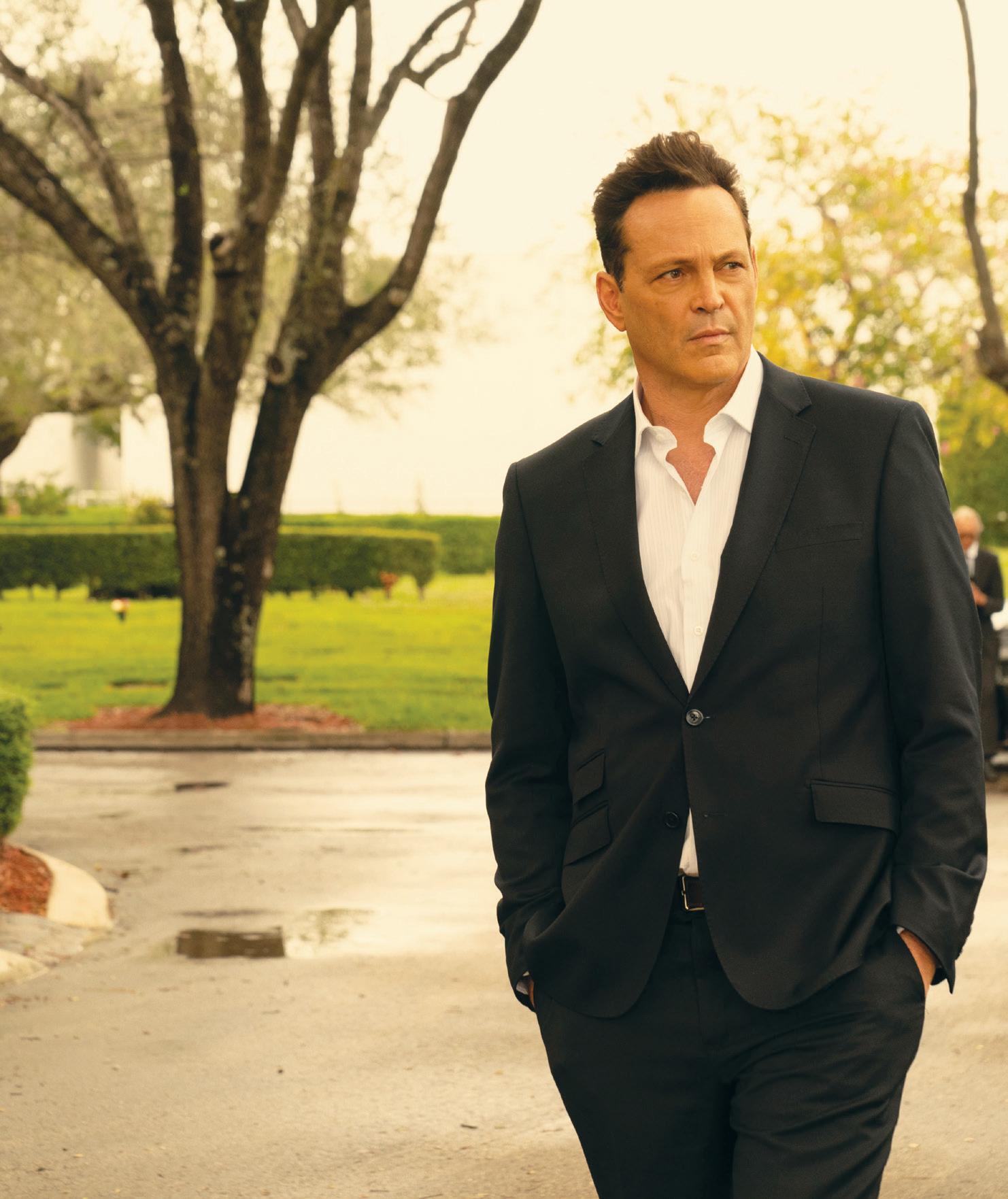
CH: I like “Bad Monkey.” I like the music. I like the tone, the comic tone. I think Vince Vaughn is perfect for that role. He’s got just the right attitude and demeanor. With “Hoot,” Jimmy Buffett got involved, and he was a good friend of mine, and director Wil Shriner, who’s basically a Fort Lauderdale kid, just like me. The three of us all had this common love of Florida and a long knowledge of Florida. But we’re dealing with two separate studios or production companies. The notes would come back from California, and
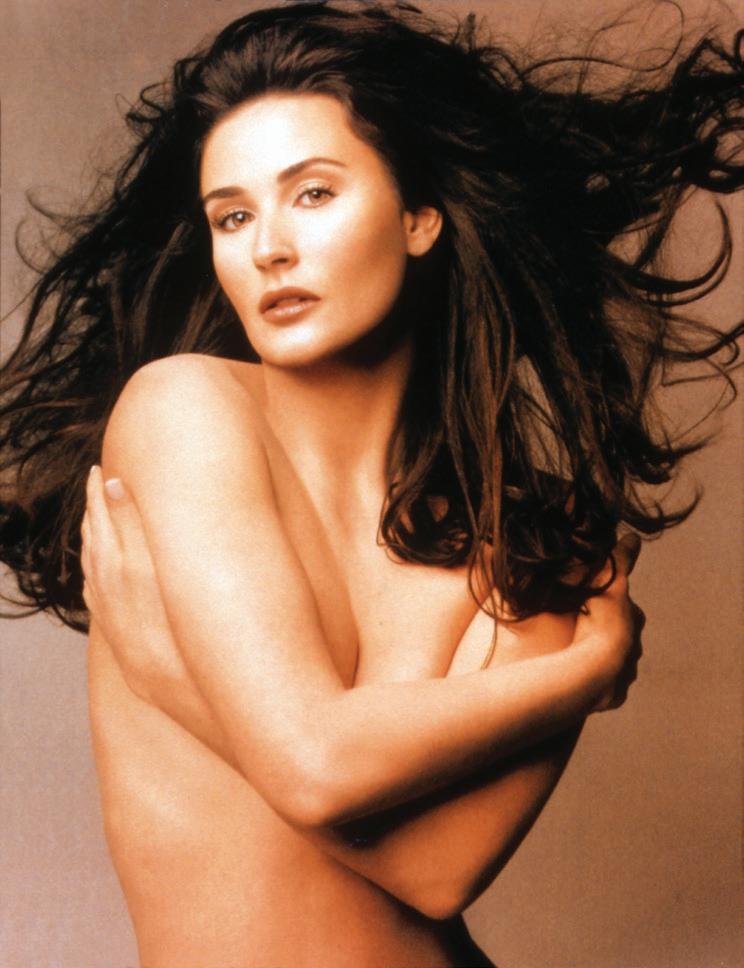
notes from one group of executives would be completely different from the other group of executives. It became a struggle, particularly with the ending of it. The thing I can say about it is the movie captured the spirit of the book. It made Florida look the way I remembered it was when I was a kid. With “Striptease,” it was fun. Again, to me, it kind of got down to the ending when the studio comes in and says to the writer, “Let’s do this, let’s do that,” and the studio has the money. I always go into this stuff with very modest expectations because I’ve had too many friends with a lot of experience in Hollywood with their novels, and so I’m probably the least optimistic person you could possibly be talking to about this.
There was talk about a “Skinny Dip” series at one point. What’s kept it going and what’s kept it from actually being made up until now?
CH: I don’t know. I wish I could tell you that I was the one that kept it going, but it wasn’t me. There were a lot of people in Hollywood that had read the book when it first came out, and one of them was the late
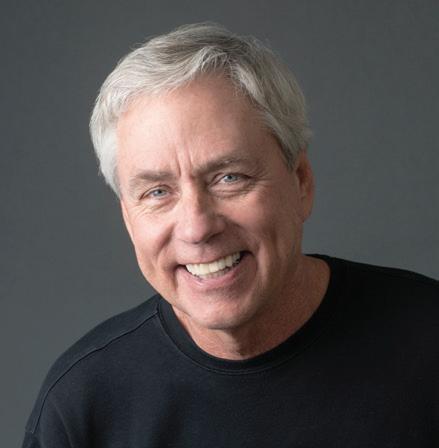
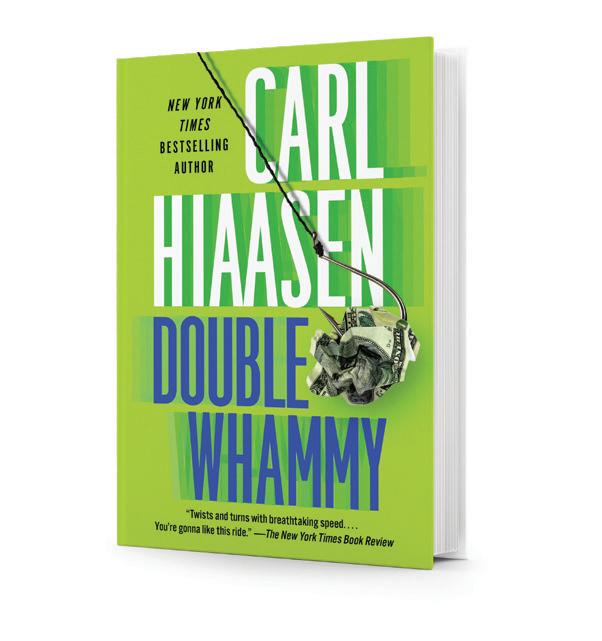
This spread from left: Carl Hiaasen; Vince Vaughn in “Bad Monkey”; Demi Moore in the adaptation of “Strip Tease”; “R.J. Decker” is based on “Double Whammy.”
Mike Nichols, and he optioned the book.
The first writer was Elaine May. She did the first script, and they had several big-name actors who all wanted to do it, and I don’t want to name names or anything like that, but it all didn’t work out for one reason: scheduling, other things. I’ve got to mention this phenomenon of streaming series (that) came along, and I think that was a big thing because in my novels in particular, you’re trying to reduce the whole novel, but how to make 300, 400 pages into a 110-page screenplay? And I’ve got so many characters going in so many directions, and not by choice. I just don’t have any control. I always lose control of the characters at some point. But (for a) streaming series, if you’re doing eight or 10 episodes, you have the ability as a writer to develop the characters and play out each of the plotlines in a way that is much more difficult in the very constricted structure of a film. I’d always felt sorry for the screenwriters trying to boil down these insane plots into that kind of framework. I was excited—this was years ago—when Bill Lawrence and I first talked about “Bad Monkey.” He saw it the same way: “This is finally a format that we can manage to adapt your books to.” I agree with him. I think
it’s been a blessing for a lot of novelists and writers. You could do a lot more with something in 10 one-hour episodes than you can in one two-hour film.
You have production titles and you’re an executive producer of “R.J. Decker” and a consulting producer of “Bad Monkey.” What’s the difference there?
CH: Oh, the difference is the paycheck. If you look at a lot of TV shows that are on, you’ll see that some of them have eight or nine executive producers. They’re all not getting together and figuring out how to produce this. In my case, it’s more of a consultant role. They’ll call me (and) send you scripts and all that, but they pay you. It’s part of what agents get paid to do for their authors to get them more invested in the project. But it’s not like I’ve been involved in line production. I’m not lining up the catering or the lighting crews or working on the cameras or anything, though.
that Florida no longer gives to production crews and studios. There’s a lot more competition now in terms of places that they can go to, and they can try to make look like Florida. That always makes me very nervous. Years ago, they did a pilot of one of my books. I won’t tell you which one. It didn’t go anywhere, thank heavens. There was supposed to be a big series of scenes on Biscayne Bay, OK? They said, “Well, we can’t really afford to shoot in Miami.” (I asked,) “Where are you shooting?” (They answered,) Lake Pontchartrain. I said, “Pontchartrain?” (They responded,) “Oh, don’t worry, they’ll make it look just like Biscayne Bay.” I saw it, and it looked pretty much like Lake Pontchartrain. Not only that, they have a big highway that crosses the lake. It goes right across the lake. They didn’t CGI it out of the shots. You want to believe that there’s a giant highway that goes all the way across Biscayne Bay. I knew that wasn’t going to end well, but they just didn’t have a budget. They didn’t have a budget for shooting in Florida. One of the things I liked about “Hoot” so much is they shot on location.
I’m going to assume that was the “Skinny Dip” unaired TV pilot.
You could be the biggest thing for the Florida film industry since “Miami Vice.”
CH: I don’t know if that’s good or bad. The climate for that, though, is different now. The “Miami Vice” production and some of the movies, they got a lot of tax breaks
CH: Possibly you’re right. But I understand. It’s expensive. They’re shooting a lot of “Bad Monkey” interior scenes (for season two) on sets that they built in California to save some money. But the exterior stuff has to be in Florida, because nothing looks like it. The beaches and the water in Florida look completely different from the beaches in LA. Again, I always wish them the best, but I know that in the first season, my wife and I went down to the set one day, in the Keys, and they had over a hundred people who were employed or worked on that show, and those that weren’t from Florida were in hotels, spending money. You know, it’s a big thing for the economy of a county like Monroe County to have productions down there. I mean, it pumps money into that, it puts people to work. That was one of my hopes: Leaving aside the issue of whether the series was good or not, a lot of people got work. And plus, the monkey got the gig.
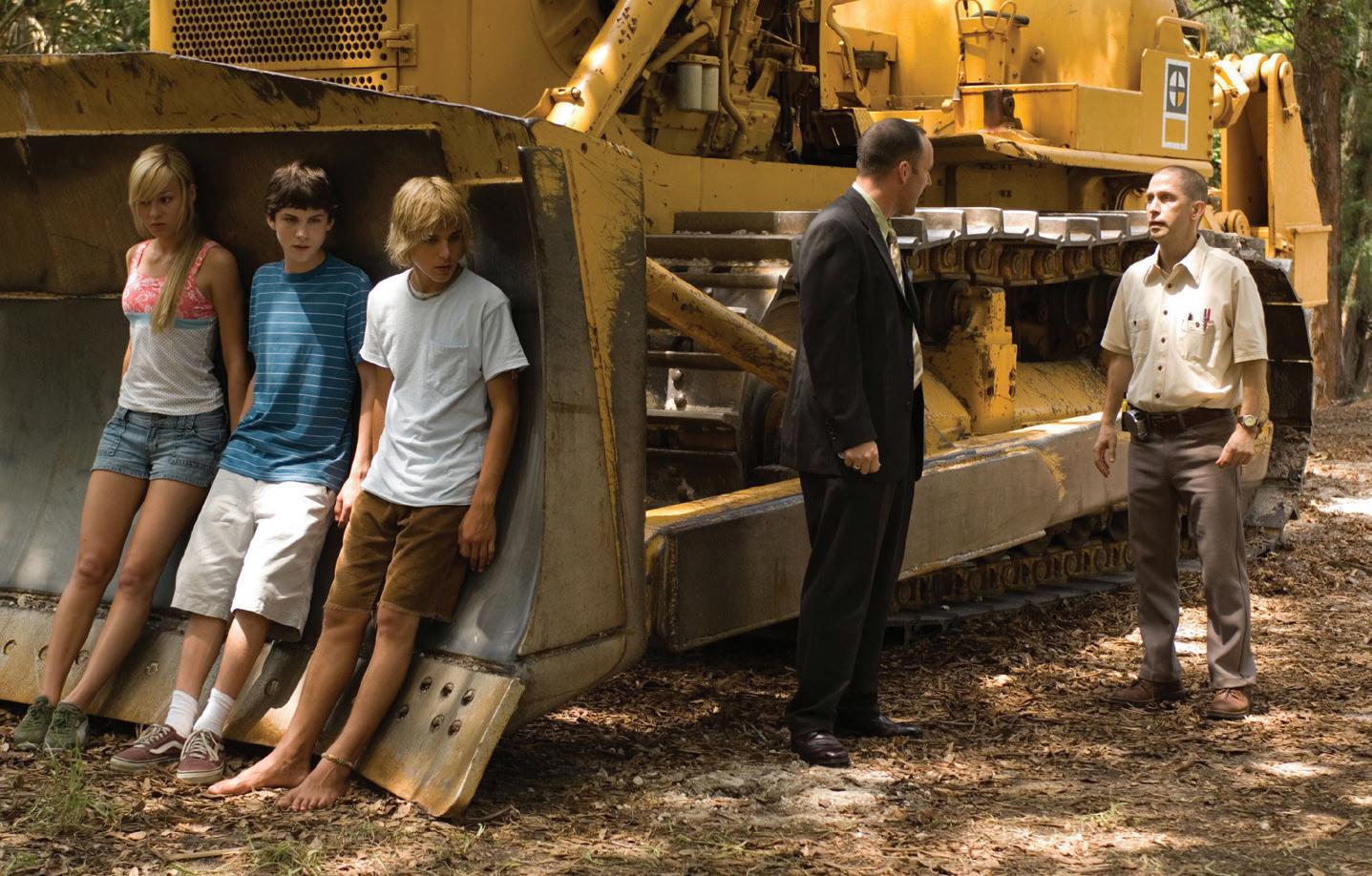
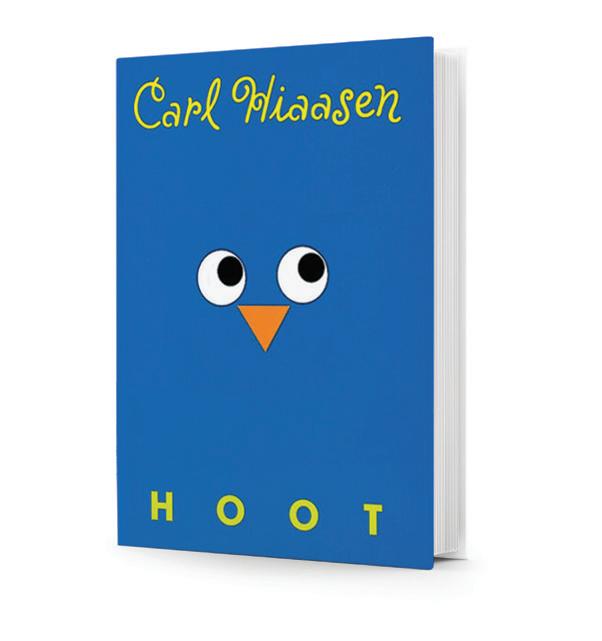
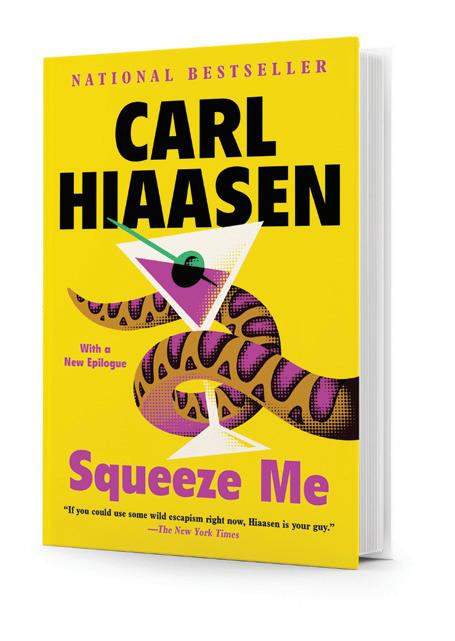
Above: The 2006 film adaptation of “Hoot” was filmed in South Florida; “Squeeze Me” was released in 2020.
Find Your Tropical Summer
At Naples Botanical Garden, free admission for kids, hands-on nature play and seasonal experiences
If your summer has started to blur into one long stretch of sand and sunscreen, you’re not alone. The beach is easy, it’s familiar, and by June, it can already start to feel a little predictable. A few miles inland at Naples Botanical Garden, there’s another way to spend the day—one with more shade, more space to roam and lush habitats that spark curiosity at every turn.
This summer, the Garden is making it especially easy to switch things up. From June 1 through Sept. 30, kids ages 4 to 17 get in free (and those 3 and under always do), which means you can say yes to a lastminute outing without overthinking it. Once you’re in, it’s less about a set plan and more about following the kids’ lead. The three Nature Play areas are a natural starting point: equal parts climbing, wandering and pausing to take in the sights and scents. Lately, that might be the sound of music drifting through the trees. New outdoor instruments like wind chimes, xylophones, maracas and drums are tucked throughout the property, turning a walk into something a little more interactive, a lot more surprising.
Three Nature Play areas are a natural starting point: equal parts climbing, wandering and pausing.
A Cool-Down, Built In
If you’re visiting Friday through Monday, there’s also a built-in backup plan when the heat kicks in. From June 5 through September 14, W.O.N.D.E.R. in the Garden unfolds inside the Kapnick Center each morning starting at 10. It’s the kind of lowlift programming that works with your day, not against it with hands-on activities, nature-focused lessons and a chance to reset in the beautiful and cool environs before heading back out.
Mark the Calendar
Later in the season, a couple of weekends are worth circling on the calendar now. Tasting the Tropics, June 27–28, leans into the Garden’s edible side with fruit tastings, demos and a plant sale that might follow you home. Come Aug. 29–30, Waterlily Weekend shifts the focus to the aquatic gardens, where hundreds of emeraldhued waterlilies are in full bloom. And let’s not forget the wow factor of getting an up-close look at the world’s largest water lilies, which can grow up to 7 feet wide. Somewhere between the shaded paths, the music you didn’t expect and the moments when no one’s asking for snacks or screentime, you start to find your tropical summer—one that feels a little less like default mode and a little more like family memories in the making.
Celebrate summer with events like Tasting the Tropics, featuring fruit tastings, demos and a plant sale, and Waterlily Weekend, where hundreds of waterlilies are in bloom.
Wild Threads
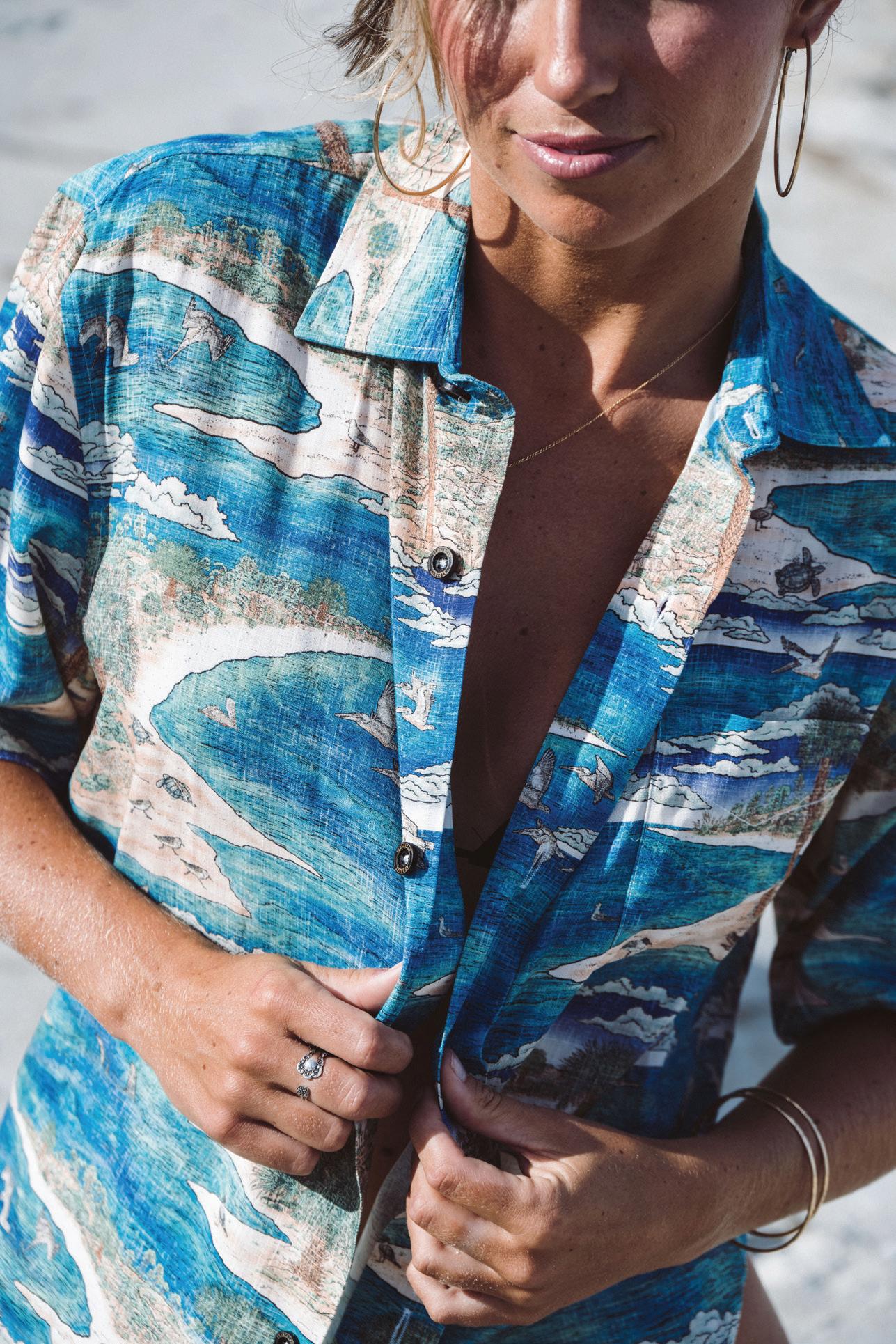
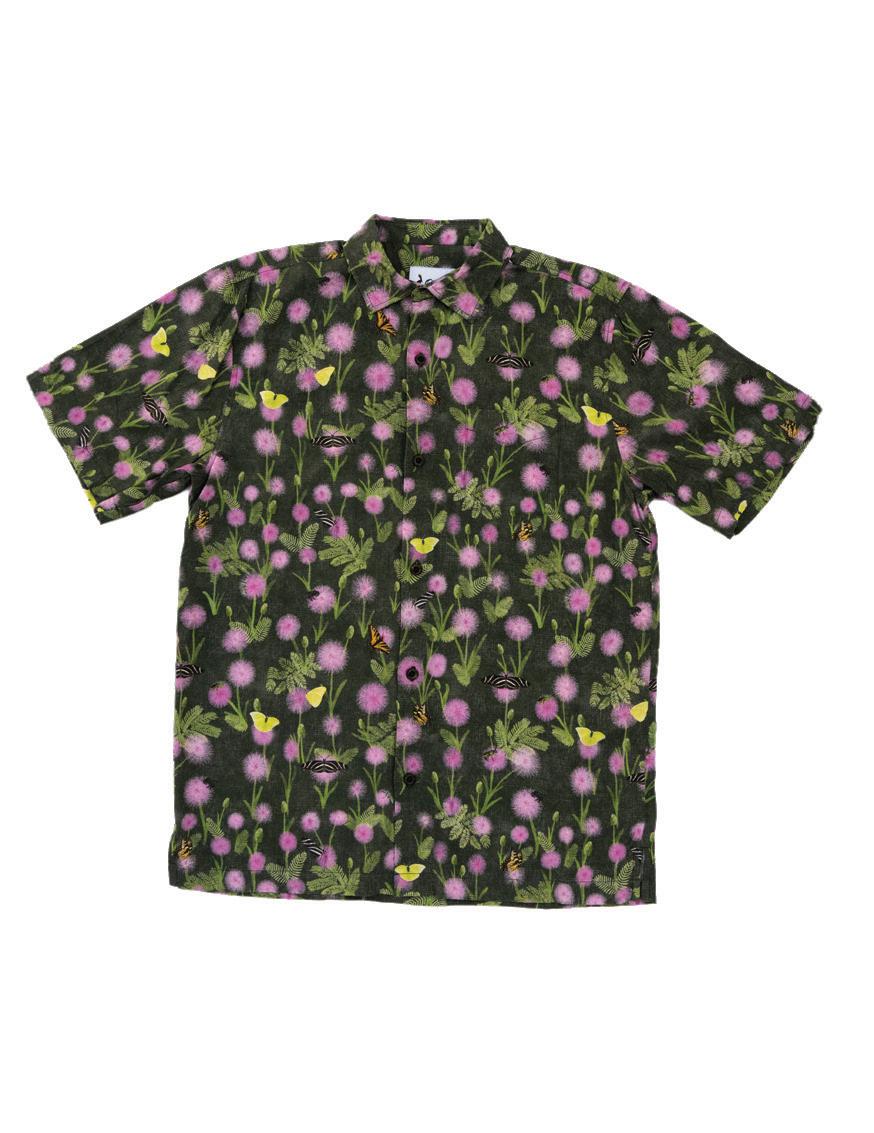
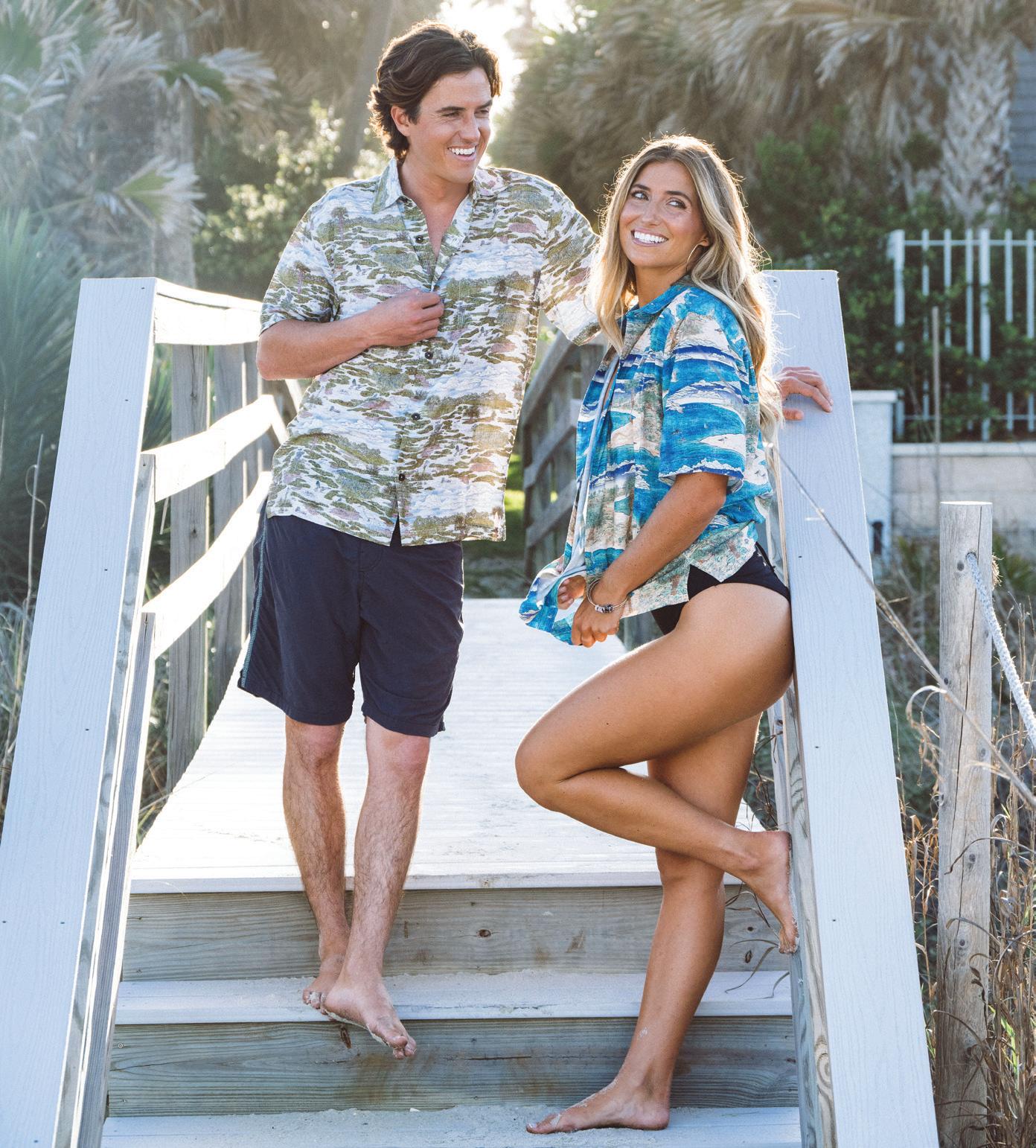
Putting a Florida spin on Hawaiian-style shirts, Okihasi champions our state’s distinct landscapes and wildlife.
Aclassic Hawaiian shirt, with its tropical motifs and breezy fabric, feels tailor-made for Florida living. But when Panama City Beach-based teacher John Mizell received one as a gift, something felt slightly off.
“I wore it. I started to love it. I was getting all these compliments, so I started
buying more,” Mizell says. “But I’ve never been to Hawaii.”
Realizing the irony of wearing a shirt peppered with the flora and fauna of a state far from home, Mizell thought, “Why not Floridian shirts?”
That simple question sparked the birth of his Florida-focused clothing line,
Okihasi. Named for the Seminole words for water (oki) and sun (hasi), Okihasi has been weaving the stories of Florida’s rich native biodiversity into its shirts since 2020—fulfilling Mizell’s vision for Alohastyle patterns with a deeper connection to the plants and wildlife they depict. Each shirt is made with viscose, a breathable
This page : Okihasi’s button-downs are a Floridian take on the iconic Hawaiian shirt, featuring native wildlife.
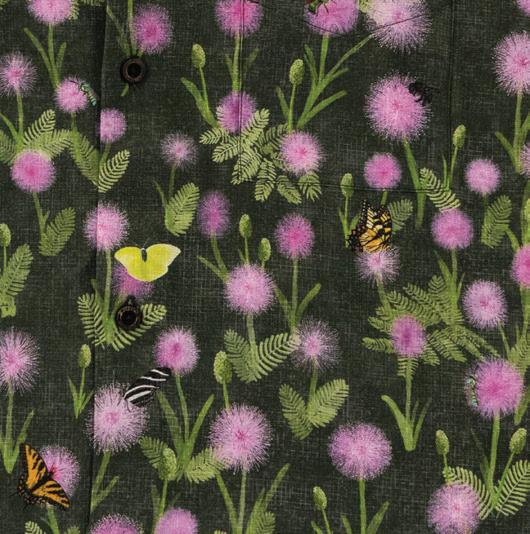
fabric formed with bamboo cellulose, and features vibrant illustrations of the state’s wild spaces: Florida scrub, pine flatwoods, sunshine mimosas, salt marshes and more.
John, a Florida native and descendant of Morgan Bonaparte “Bone” Mizell—a raucous Florida cowboy whose portrait by Western painter Frederic Remington helped define the image of a “Florida Cracker”—studied biology at the University of Central Florida in 2003. As a student, he participated in research studies everywhere from South Africa to Florida’s Kissimmee Prairie Preserve, observing the catch and release of the endangered grasshopper sparrow. His admiration for his home state’s unique ecosystems took root in the classroom, where he’s spent the last 16 years teaching high school environmental science— both in Florida and abroad.
One of the biggest lessons Mizell learned, however, took place outside of the classroom. He recalls
OKIHASI
taking over Highways 50 and 27. Now the area is unrecognizable compared to when I was a kid,” he says.
The Butterfly Effect
As population growth and sprawl continue to engulf the state, the need to protect its natural resources and native habitats becomes increasingly urgent.
“If there isn’t a regulation or some type of community agreement that we’re going to preserve a resource, then we’re going to
overuse it,” he says. “Then we might overuse it to the point where it completely degrades or we completely lose it.”
Mizell channeled his passion for conservation and education into a creative outlet alongside his wife, Tara. Drawing from her expertise in graphic design, the couple sketched patterns based on state parks they frequently visited, highlighting local animals and vegetation. As the ideas evolved, Mizell began working with a larger team of artists to transform these early
Above: Florida’s shorebirds and sandy barrier islands adorn a lightweight Okihasi shirt.
wildlife sketches into digital illustrations.
One of his early inspirations was the Atala—a tropical butterfly presumed extinct after its host plant, the coontie shrub, was overharvested. In 1979, botanist Roger Hammer discovered a small Atala colony near Miami, and as Floridians reintroduced coontie in their landscaping, the Atala population recovered. The once-rare butterfly now flutters through state parks, botanical gardens and across Okihasi’s shirts.
Over time, Mizell expanded the line’s geographic footprint, introducing landscape patterns from across the state. The Florida scrub pattern depicts gopher tortoises moseying down sandy paths and winding through saw palmettos and clusters of prickly pear cactus. The dry prairie shirt features the Florida grasshopper sparrow both resting and in flight near common blue violets and grass pink orchids. Critters like the sand skink and painted lady butterfly accent the floral vignettes. This motif came to life with the help of Hammer, also a renowned South Florida photographer and author, who offered recommendations to Mizell for the dry prairie design, even sending some photos to guide early sketches of the pattern.
Better than a Billboard
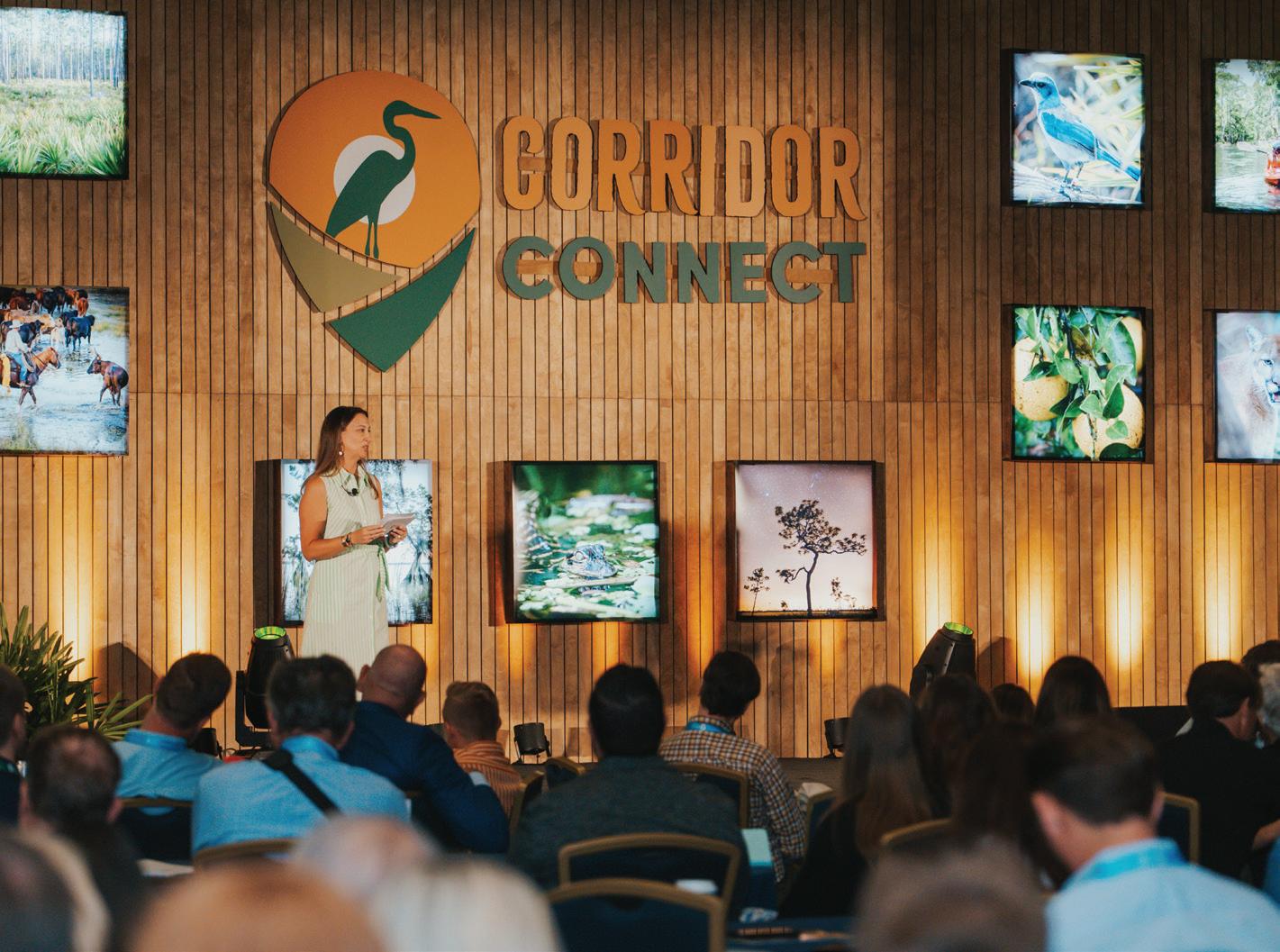
As Okihasi’s designs expanded to include landscapes across the state, they also began telling a bigger story of how Florida’s wild places are connected. That caught the attention of the Florida Wildlife Corridor Foundation, which collaborated with Okihasi to sell a new shirt design inspired by the Red Hills region—a vast swath of reddish soil and longleaf pines stretching from Tallahassee to South Georgia. The pattern will coincide with the release of the organization’s upcoming documentary on the area, set to release in the fall of 2026.
The film will follow a group of Florida’s elected officials trekking through the area, which is home to near-threatened species like the Northern bobwhite quail and the threatened Eastern indigo snake. Mizell
The development started taking over ... now the area is unrecognizable.
—JOHN MIZELL
plans to feature these key species on the shirt, as well as the trekkers’ route, to spotlight this singular ecosystem.
“All those landscapes that (Mizell) features on his shirts are literally connected through a network called the Corridor that we are trying to protect,” says Mason Gravely, the Florida Wildlife Corridor Foundation’s impact campaigns manager. “I just think what he’s doing to build that brand and bring awareness through what
we wear—almost like a billboard that you can wear on your body—is amazing.”
The collaboration will be one of the four or five new pieces Mizell rolls out annually. His most recent shirt design, released in April, spotlights the Florida springs and their hallmark species: the manatee. In addition to selling his merchwith-meaning online, Mizell hosts Okihasi pop-ups at expos around the state and farmers markets near Panama City Beach. He’s also secured retail space at an REI store in Palm Beach Gardens.
“There are organizations that are working on trying to expand the awareness of our natural areas and how limited they are,” Mizell says. “Hopefully, I’m helping with that a little bit as well.”
Below: Made with breathable fabric from bamboo, Okihasi shirts are designed for Florida’s heat.
By Steve Dollar
Rauschenberg Revelry
Centennial exhibitions honoring Robert Rauschenberg’s Career Point to the influence of Captiva island on his work.
More than any of his legendary contemporaries, Robert Rauschenberg was a creative force who aspired to be everything, everywhere, all at once—painter, collagist, sculptor, photographer, print maker and avant-garde dance performer. “In the matter of influence, he is ranked with Duchamp and Pollock,” art critic Calvin Tomkins wrote in a New Yorker profile on the artist. “The open-ended attitude toward collage materials, photographs, reproductions of other art, performance activities and various aspects of popular culture has been so thoroughly assimilated by younger artists ... that some of them might not even realize they’re quoting Rauschenberg.”
He was looking for a remote place that could be an escape.
—Jade Dellinger
Rauschenberg notably claimed South Florida as his home, making famous Captiva Island—an obscure speck of land off the coast of Fort Myers between Pine Island Sound and the Gulf of Mexico. Rauschenberg lived on the barrier island from 1970 until his death in 2008.
Throughout those decades, Rauschenberg became as symbolic of the state as alligators and oranges, and in some ways, he was just
as ubiquitous. You could come across his work in the least expected places. During my college days, I stumbled on a postersized assemblage by Rauschenberg hung in an inauspicious corner along the back wall at a Black-owned roadhouse on the outskirts of Tallahassee called Smitty’s—there to be appreciated by anyone in the know. Around that time, Rauschenberg collaborated with the Talking Heads to create a limited-edition run of the band’s 1983 album “Speaking in Tongues,” which came packaged with multiple transparent plastic discs that created a kaleidoscopic collage when overlaid on top of the spinning vinyl. They originally sold for $12.98; faded copies can be found online for less than $100.
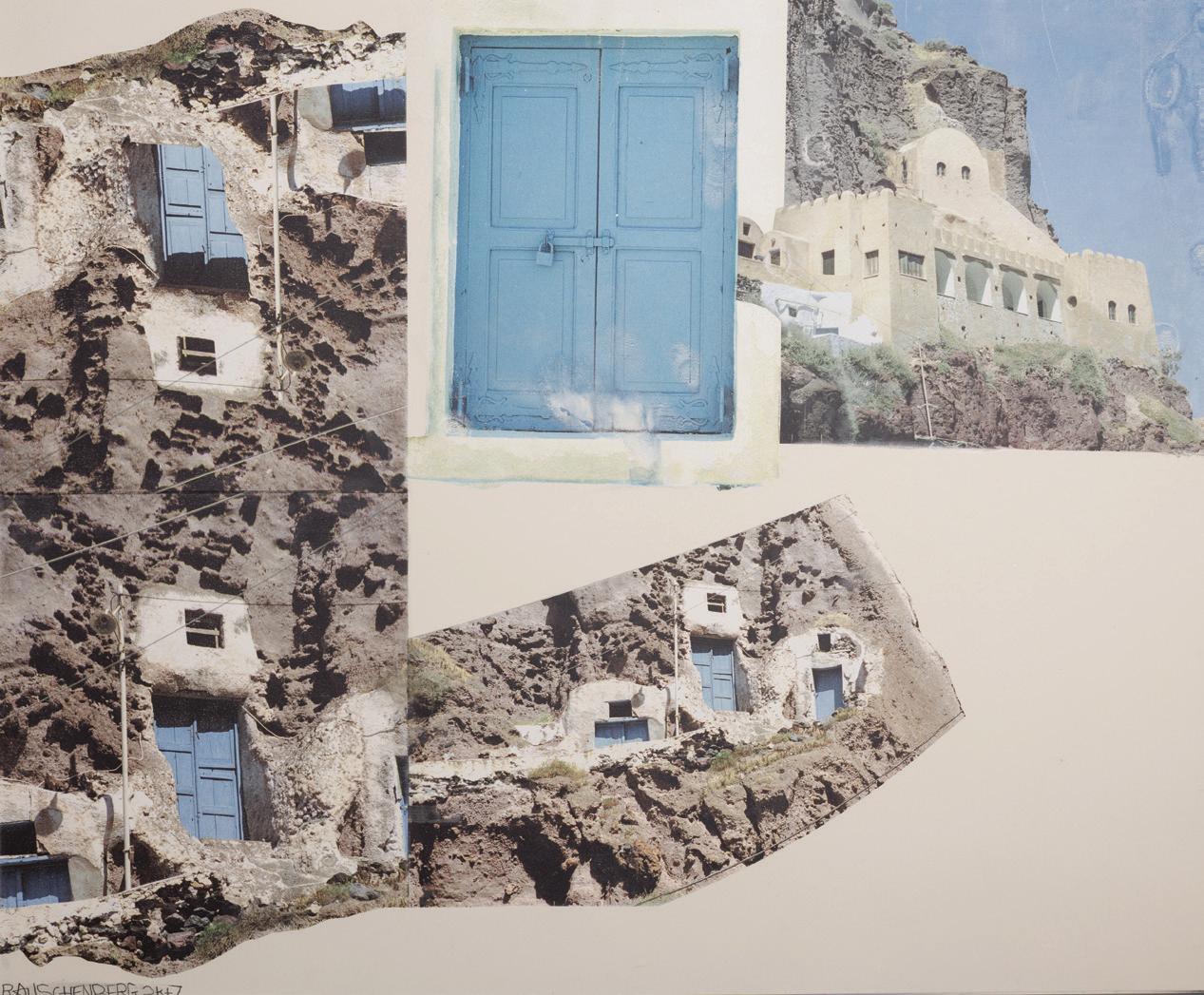
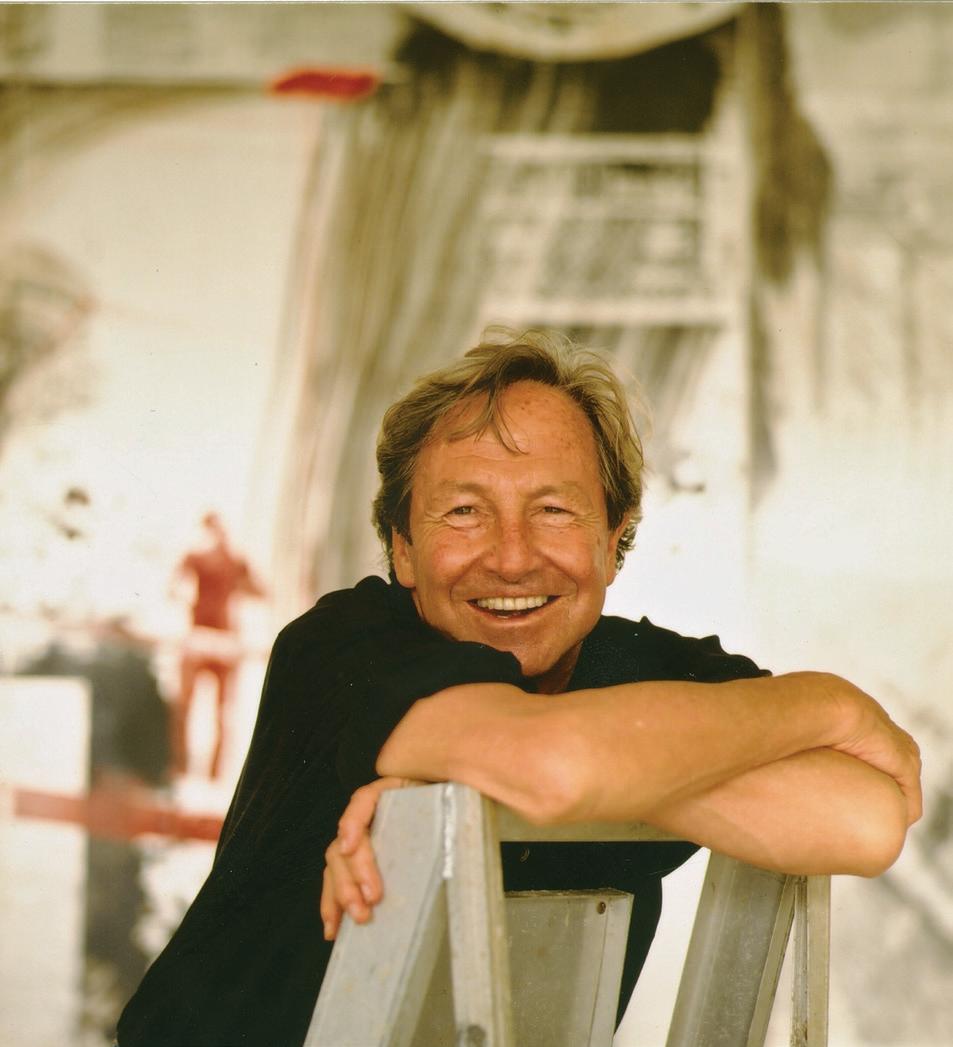
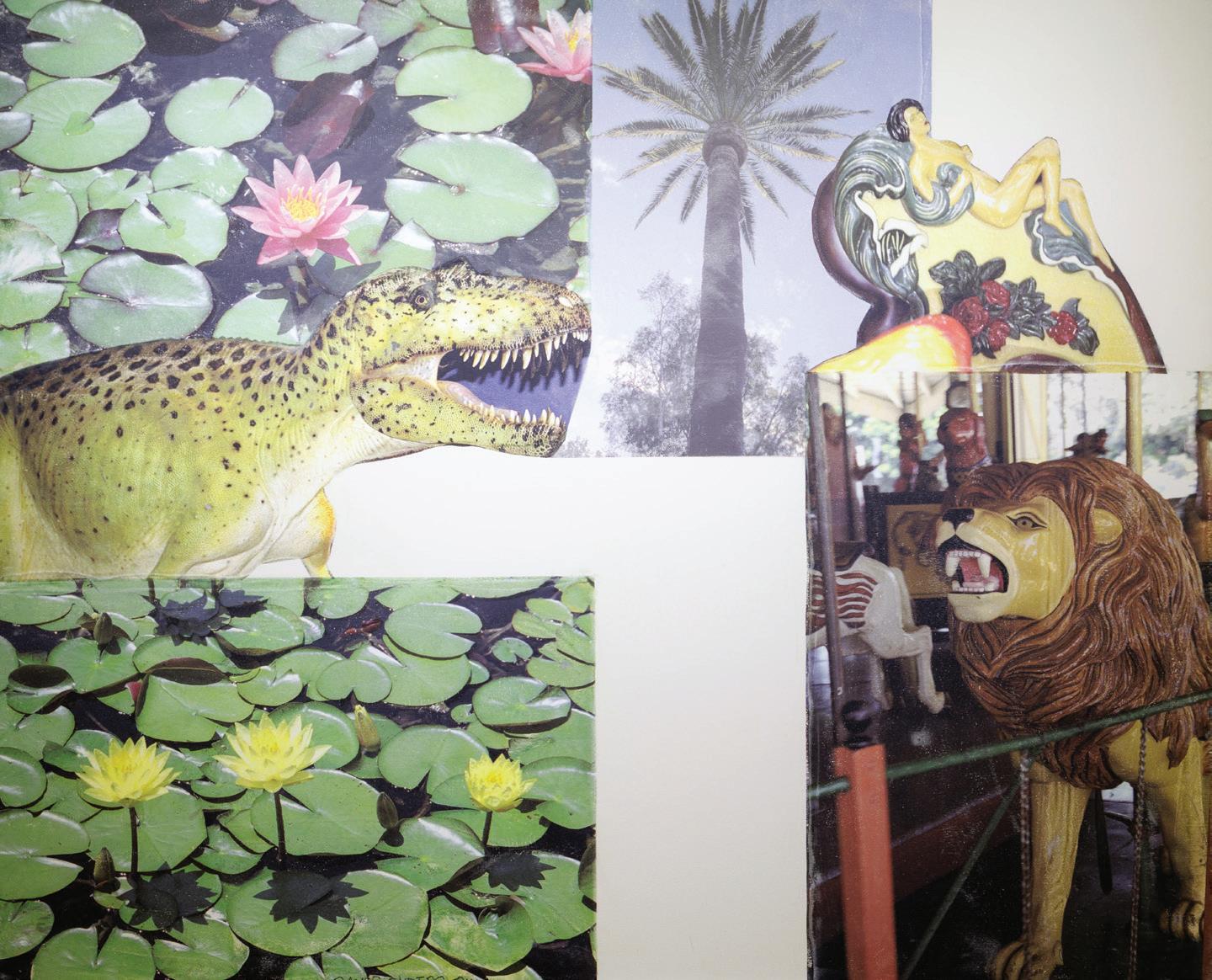
Above: Robert Rauschenberg’s Blue Door Lift (Pam’s Cruise) (Runts series), 2007, pigment transfer on polylaminate; artist Rauschenberg in 1992
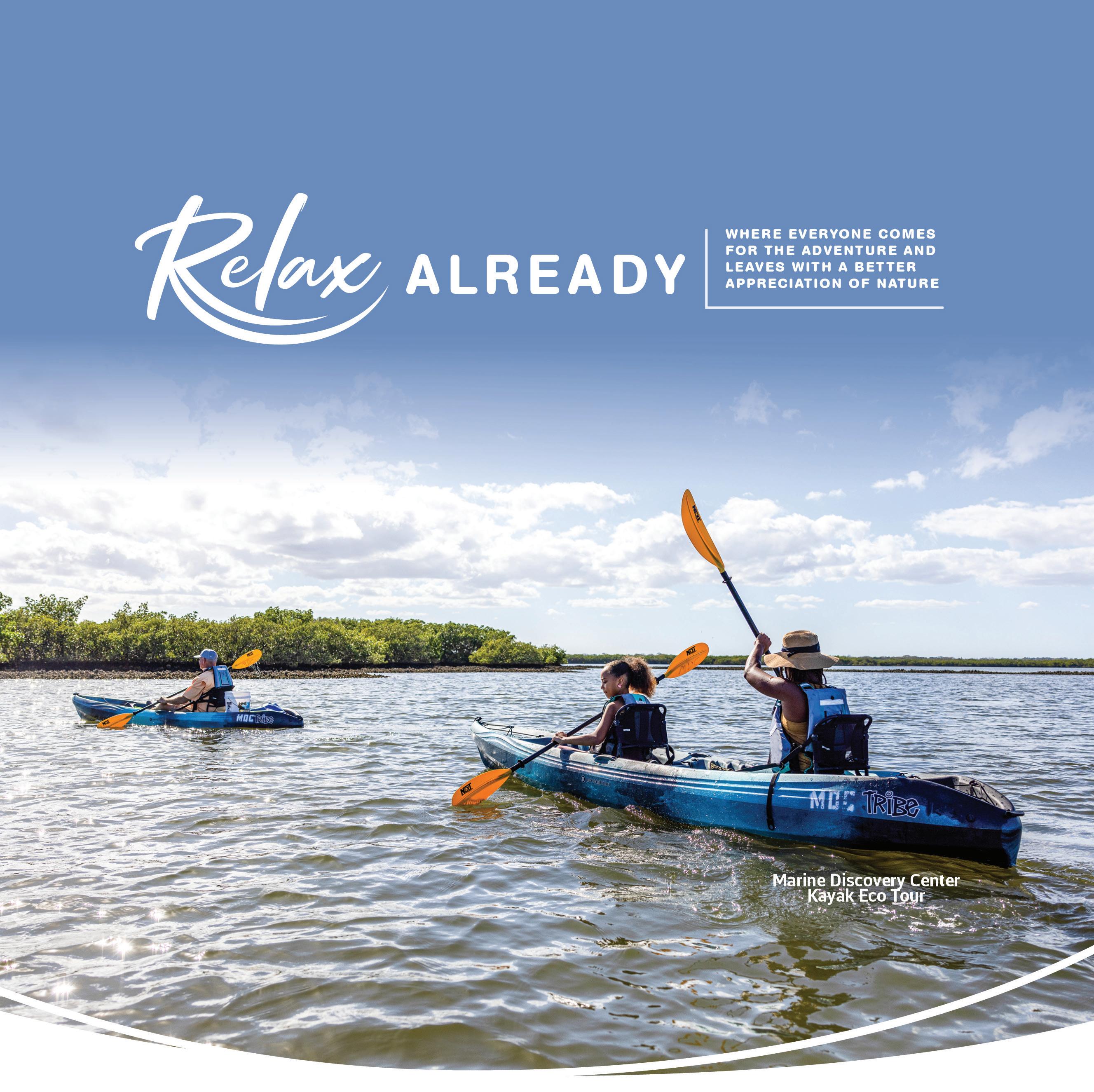
Beyond 17 miles of sun-bathed beach and relaxing places to stay, New Smyrna Beach invites you to explore its wild side. The Marine Discovery Center guides visitors by kayak or boat through one of North America’s most biodiverse ecosystems, home to more than 4,000 species of plants and animals—including the Atlantic bottlenose dolphin. Looking for adventure? Relax. You’ve found it.
STUDIO
Florida hasn’t forgotten one of its most revered adoptive sons. Born on Oct. 22, 1925, Rauschenberg is being celebrated in a year-long centennial across the state. Art institutions throughout Florida are marking the occasion with exhibitions in various cities this summer.
“He would always joke that he would say, ‘I had to go through hell to move to Florida,’” says Jade Dellinger, director of exhibitions and collections at Florida SouthWestern State College in Fort Myers, where he heads the Bob Rauschenberg Gallery, which has enjoyed a long and fruitful relationship with its namesake that began over four decades ago. The gallery hosts an expansive exhibition, “Rauschenberg at 100: As Large as the World Is,” through Aug. 1.
HIGHWAY TO HELL
One of the artist’s first excursions to the Sunshine State was in 1960. Rauschenberg had taken up the task of illustrating Dante’s “Inferno,” and while driving south off U.S. 19, he came across a fisherman’s wharf on Treasure Island, a dilapidated structure about to be torn down. Instead, the artist rented it cheaply. He spent the next few months at work on the drawings, one for each of the 34 cantos in the story, employing images of contemporary figures transferred from images on the pages of magazines like Sports Illustrated. They’re now part of the Museum of Modern Art’s permanent collection.
About a decade later, Rauschenberg bought his first home on Captiva Island, a 1.64-square-mile dot in the Gulf of Mexico, located 31 miles west of downtown Fort Myers. Rauschenberg was born in Port Arthur, Texas—the same hometown as Janis Joplin—and grew up by the Gulf. That he’d find his eventual home somewhere near those waters made sense, but required a decades-long odyssey to get there.
In New York, his career boomed after he won the grand prize at the 1964 Venice Biennale, the youngest artist (at 38) and first American to do so. But success had its price. “He was under a lot of pressure,” Dellinger says. Rauschenberg found deliverance in the form of a white Jaguar that he allegedly traded one of his paintings for. As Dellinger recounts, the artist’s road trips were mapped by a celestial guide. Zoltan Mason, the so-called “astrologer to the stars,” advised him to avoid the mountains and head for the coast, preferably the beach. “So Bob would
take his Jaguar, and he would hit every stop on the way south,” the curator says. “He was looking for a remote place that could be an escape, that could be his home. Captiva could not have been more remote. You had to take a ferry to get to the island.”
Rauschenberg eventually owned 35 acres on the island, creating a compound adjacent to a lush tropical forest that the artist purchased to spare from commercial development. The site became a popular getaway for many of Rauschenberg’s contemporaries and admirers, including Merce Cunningham, Trisha Brown, David Byrne, William Wegman, Robert Mapplethorpe and Sharon Stone. The island’s South Seas resort has purchased 22 acres of that property, including the artist’s 8,000 square-foot studio, for $45 million. The Rauschenberg Foundation has cited hurricane damage and the cost of upkeep as key factors, while the Captiva Civic Association condemned the sale
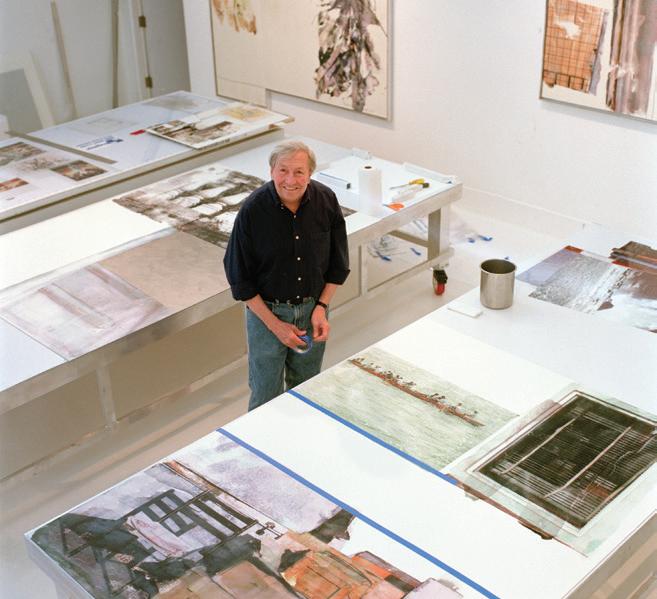
This page from top: Rauschenberg working on the Short Stories series (2000-02) in his Captiva studio; Pond Protector (Runts series), 2007, inkjet pigment transfer on polylaminate, 61” x 73.5”
as “a grievous betrayal.” The island’s Rauschenberg Residency program will close in August, after hosting more than 500 artists since 2012.
The artist found great inspiration there. “I felt a magic that was unexplainable in its power,” Rauschenberg said. Working at such a seemingly removed locale, he made a global impact, a contrast that inspired the title of Dellinger’s exhibition: “He said, ‘Fort Myers is as small as your mind is, it can be just as large as the world is.’”
MORE LIKE AMERICANA
“Rauschenberg at 100” emphasizes the global reach of the artist’s practice, rooted in his profound connection to Southwest Florida, with almost all of the pieces never previously exhibited. “Most of the loans come from the collections of his most intimate circle of friends, but most continue to reside within a 5-or-10-mile radius of our gallery,” Dellinger says.
They include one of his most unusual works: the postage-stamp-sized contribution to a group effort called “Moon Museum,” a ceramic wafer that is said to have been secretly attached to the lunar module Intrepid, which landed on the moon during the Apollo 12 mission. Collaborators included Andy Warhol and Forrest “Frosty” Myers, the project’s mastermind. It’s the tiniest work Rauschenberg ever made. The exhibit also features one of the largest works, “Autobiography” (1968), at 16½-feet tall. The piece was one of the first fine art prints made using a billboard press— presented by the gallery as a triptych.
“It’s contemporary art, it’s historic art,
but it’s also accessible, and in a funny way, it’s kind of Americana,” says Steve Keene, the Brooklyn-based artist whose factorylike production of more than 350,000 paintings over three decades has made him a New York legend and a favorite with indie-rock acts such as Pavement, the Silver Jews and the Apples in Stereo, among the many for which he has painted album covers. He sold his work for as little as $2, earning him praise from the likes of graphic designer Shepard Fairey, who hailed him as “a folk hero Warhol” in The New York Times. That’s more than enough to qualify Keene as a kindred spirit to Rauschenberg. “It feels like a news feed somehow. It’s art, but it’s also information,” Keene says.
Dellinger, who has worked with Keene since the 1990s and exhibited the artist in a 2018 tribute to Rauschenberg, invited him back to create 100 2-by-2-foot paintings to mark the centennial. “Steve KEENE: RAUSCHENBERG 100 – A Centennial Celebration” is now on display at Santa Fe College in Gainesville. The pieces draw on various sources, including scavenged images of Rauschenberg, his Captiva studio and some of his works like
“Monogram”—a so-called “Combine” made between 1955 and 1959 consisting of a taxidermied Angora goat with its head thrust through a tire, which shocked the art world.
Asked to name an influential piece, Keene mentions “Booster” from 1967. “At the time, it was the largest lithograph ever made,” he says. The artwork features a life-sized skeletal version of Rauschenberg, created by laying end-to-end a series of X-rays of his own body. Rauschenberg covered the work with a screen-printed star chart made by the artist’s astrologer, completing his innovative self-portrait. “It’s like something carved in a memorial stone in a 14th-century cathedral.”Keene characterized Rauschenberg’s influence as inspiring freedom. “He doesn’t seem to judge himself very harshly,” Keene says. Or as Rauschenberg once told critic Tomkins, “My career is unknown to me. Other people seem to understand it, but I’m not that interested. I think it’s sort of indecent to have things so worked out that they end up like you thought they should. You think I want to be what I am? You just have to expose yourself to more and see what the consequences are.”
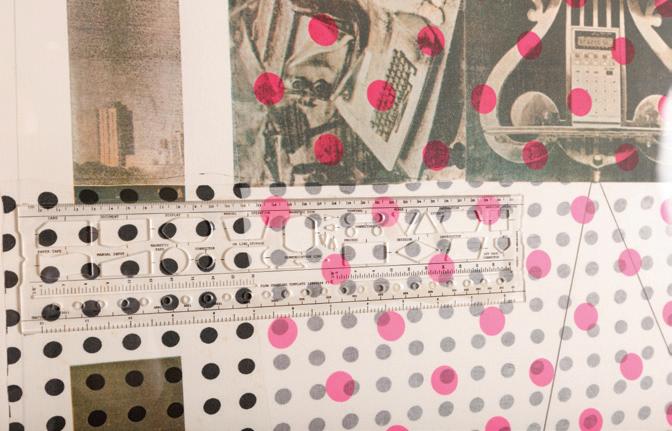
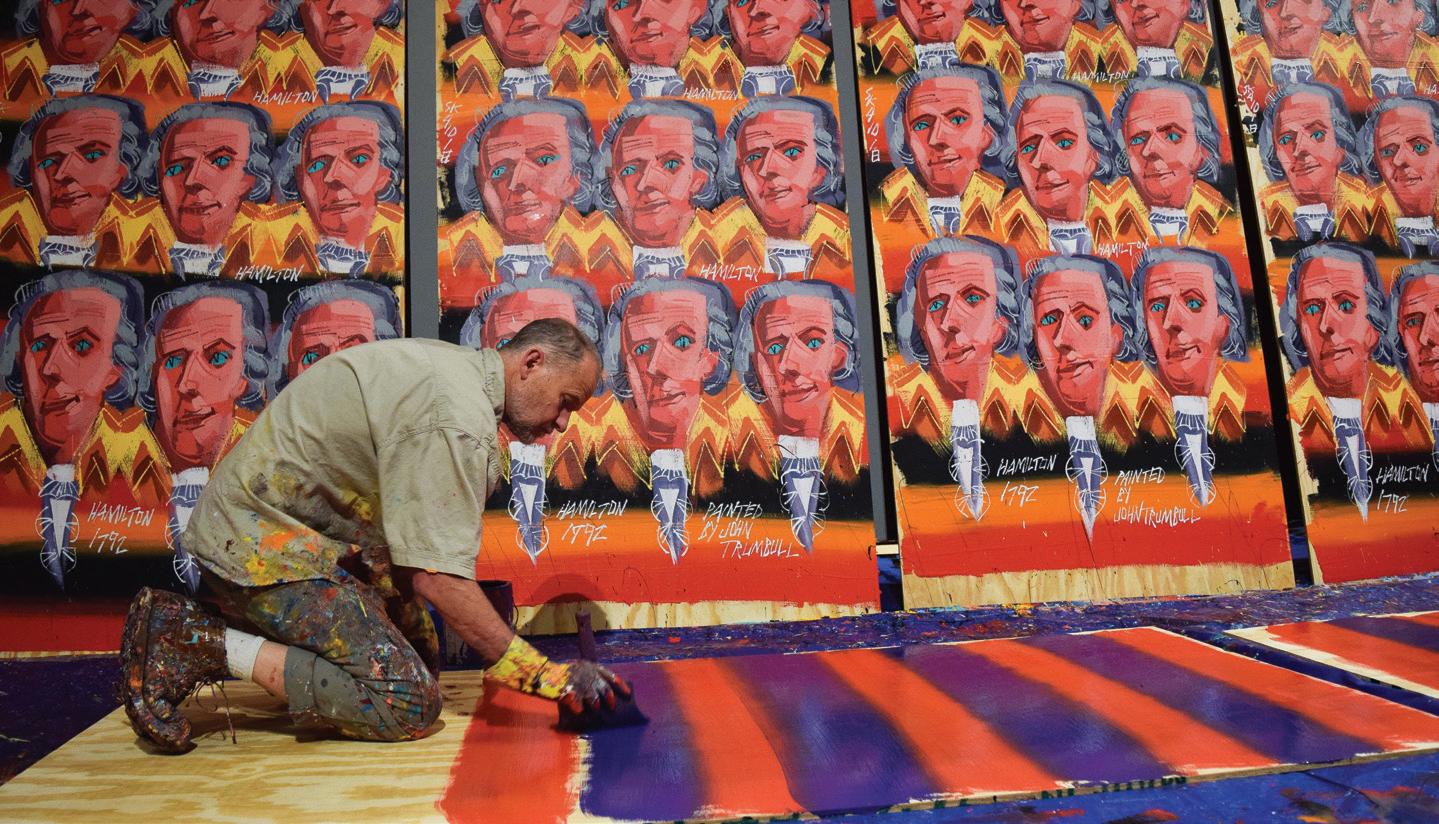
This page from top: Steve Keene painting “57 Miles or 455 Furlongs” in the Bob Rauschenberg Gallery in 2018; Rauschenberg’s “CAGE,” 1983, color silkscreen with collage and plastic ruler on wove paper
Art of the Game
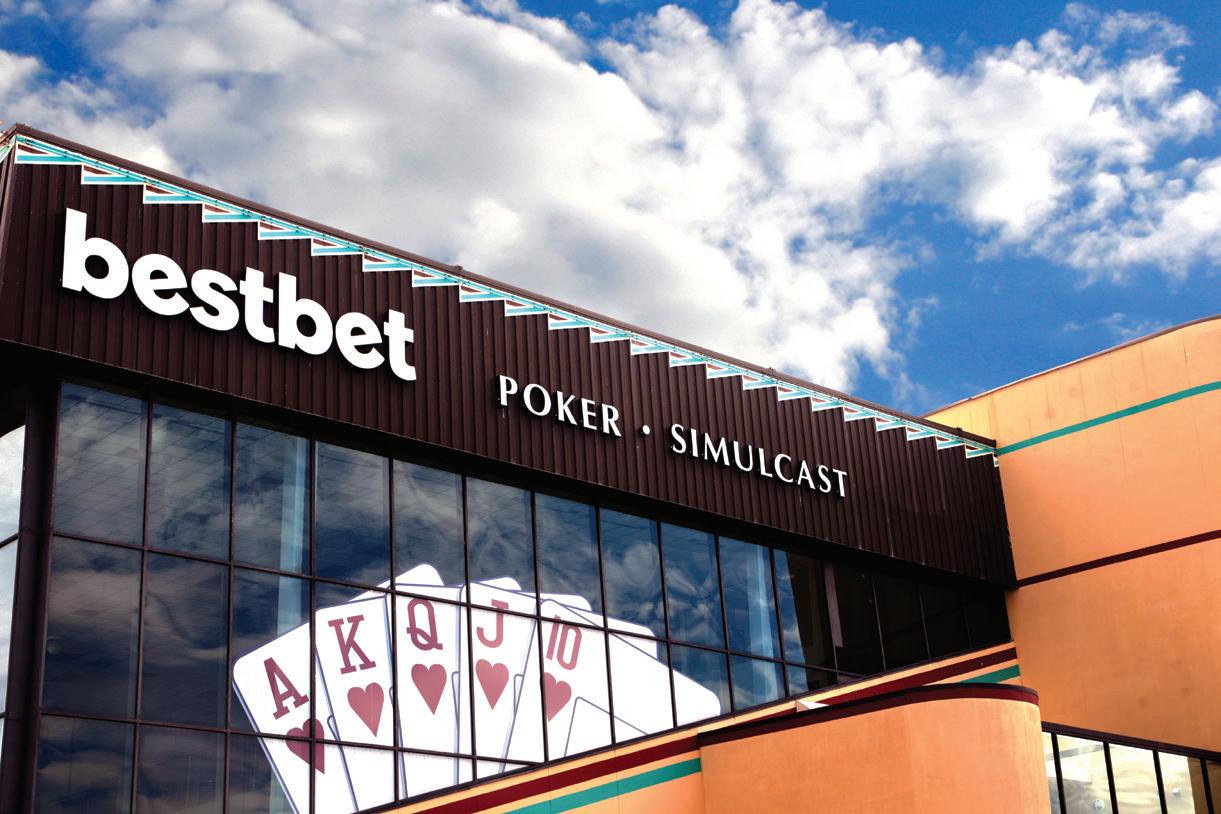
Find your seat at bestbet’s three distinct poker rooms across Northeast Florida.
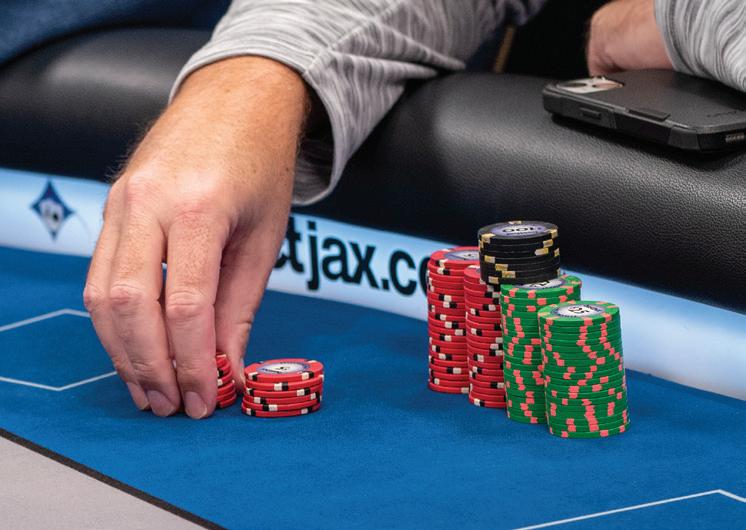
The dealer slides the cards across the felt without a word. Around the table, no one gives much away—just a glance, a pause, the quiet clink of stacking chips. It’s the kind of moment that feels pulled from a movie— high stakes, higher focus—but this isn’t Hollywood or Las Vegas. It’s bestbet, where a night out in Northeast Florida comes with just enough intrigue to keep you guessing.
A Jacksonville institution for nearly a century, bestbet deals in the art of the game. No flashing slots or spinning roulette wheels here—just cards, strategy and the subtle psychology that keeps players coming back for one more hand. Across its three poker rooms, you’ll find everything from Texas Hold’em and seven-card stud to Pai Gow and playerfavorite table games, plus simulcast wagering for marquee events like the Kentucky Derby. But each room brings its own personality to the table.
bestbet Jacksonville leans all the way in. It’s the largest poker room in Florida with a fast-paced mix of seasoned regulars,
The pace is steady, the play is sharp and the atmosphere suits those who prefer to settle in, read the table and let the night unfold.
ambitious newcomers and tournament players chasing their next big run. This is where serious players come to compete—live-streamed games, major tournaments and a floor that rarely slows down. Between hands, The Grill serves up some of the city’s best under-the-radar sushi, an unexpectedly perfect pairing after a long stretch at the table.
bestbet Orange Park offers a more measured rhythm. Set beside the historic former greyhound track, the room draws a loyal, experienced crowd and slightly quieter competition. The pace is steady, the play is sharp and the atmosphere suits those who prefer to settle in, read the table and let the night unfold. For players who like strategy and a traditional vibe, this is the move.
bestbet St. Augustine, the newest of the three, brings a lighter, more see-and-beseen energy. With its high ceilings, open layout and easygoing crowd, it’s an ideal entry point for first-timers—or anyone looking to mix poker with a night out. Aces Sports Bar keeps things lively with game-day specials, cold cocktails and just enough background buzz to remind you you’re in the heart of one of Florida’s most visited cities.
Whether you’re chasing the big prize, testing your poker face or just craving a high-stakes night on the town, bestbet makes a strong case for upping the ante.
For the Record
This Miami vinyl stoRE is the gateway to
the Americas.
Teen DJ-turned cultural curator Lolo Reskin has been building Miami’s most eclectic record shop for decades.
Now in its 21st year, Sweat Records is the rhythmic heart of Miami’s Little Haiti neighborhood, where the globally minded vinyl shop has thrived since Hurricane Wilma wiped out its original Edgewater location in 2005. Churchill’s Pub, the city’s rock’n’roll landmark,
hosted the record store for a couple of years, but eventually the business moved to a 1,200-square-foot warehouse nearby.
“Miami changes constantly, there’s no pause button,” says Reskin, who cofounded the business with best friend Sara Yousuf. “She was in law school at the time, so she had all the admin skills that
I, as a stoned, undiagnosed ADHD DJ, did not. But I did have the promotion, creative, curation, music stuff. We did it as two best friends who wanted to do something cool together.”
While Yousuf pursued a career as a public defender, Reskin stayed focused on Sweat, guiding it into an essential cultural hub where “every single day we get people in the store from minimum three continents.” Flamingo caught up with Reskin for a chat about life on the vinyl frontier.
This page: Sweat Records’ cofounder Lolo Reskin; the vinyl store is a popular shop in Miami.
WHAT’S THE SWEAT RECORDS ORIGIN STORY?
Lolo Reskin: My dad and his whole side of the family are classical musicians. Also, luckily, I grew up next door to the super cool Miami roller skating rink called Hot Wheels. Between those two influences, I was obsessed with a wide variety of music, and I always loved physical media. I had my parents’ records, I had my own tapes and then CDs. And I always loved going to different music stores and bookstores. And when I was 16, it was announced that there was going to be a Virgin Megastore opening in Miami—I was like, “I’m going to work there.” I persevered, and I worked there for six years. It was my high school work experience job. After six years at Virgin, I really wanted Miami to have a homegrown store of its own … that classic style of “Empire Records,” “High Fidelity,” right? So in March
2005, my best friend Sara and I opened Sweat Records, and we are still open.
I’M STRUCK BY SWEAT’S IMPRESSIVE ARRAY OF GLOBAL RECORDINGS, ALL KINDS OF GENRES BEYOND WHAT SOMEONE MIGHT ENCOUNTER IN MOST NEIGHBORHOOD RECORD SHOPS.
LR: If you go to our site and click on the global sounds, you can browse by continent and region, so that’s really cool for people who are only interested in Japanese records or whatever. Being in Miami, we’re the gateway to the Americas. We have friends from every country in South and Central America. So we want to have records from all those places. A lot of people come here. They always make a stop at our store because they’re going to get their records for the next year. Because where they are in Bogotá or Chile, the records cost three times as much because they’re all imports.
HOW DOES SWEAT FIT INTO THE GREATER MIAMI LANDSCAPE?
LR: We represent a different side of Miami than you usually see. We
call that the “shiny stuff.” It’s great that it exists, too. But (we) helped build a really cool scene full of awesome people who are in every artistic discipline, have every cultural background. I always feel that going out to shows down here can feel utopian, even, because it’s such an interesting, cool group of people from all over. We’ve thrown over 1,000 events because I was a DJ and club promoter before I opened Sweat and continued to do so afterward. We’re very focused on IRL experiences. We do live band shows. Almost every show we have is under $20, and most of them are between $5 and $15. We’ve also done cool workshops and talks and series like that. Last year was the centennial of the Harlem Renaissance, so we partnered with this amazing local group called Black Miami-Dade, run by my friend Nadege Green. And we did a three-part series about what was happening in Miami during the Harlem Renaissance, covering Josephine Baker being in Miami and cool things like that. Outside of the store, we partner on big shows. We just helped put on Peaches.
Above: Joe Jonas hangs out with the crew at Miami’s eclectic, globally minded vinyl shop Sweat Records.
For our anniversary last year, we brought Adrian Quesada from Black Pumas.
EVERYONE TALKS ABOUT THE “VINYL EXPLOSION,” BUT IS IT REALLY ENOUGH TO FLOAT A BUSINESS?
LR: There’s, like, 57 layers to that. 2025 was the 19th consecutive year of vinyl sales increases. A few years ago, it (retook) CDs as the dominant physical format in the country, which is wild. People younger than us, who never got to have physical music collections, feel robbed of that. It’s a really fun experience. It’s a ritual. And music is still one of the top industries in the world. We feel that vinyl is the enduring physical format of music, and fans know that their artists are getting screwed on streaming. They know that buying a record supports them better than not buying the record. It is one of the things that actually does retain its value in a lot of circumstances, more so than other things. But really, I think it’s more about the pleasure and the collection and about owning something you love. In this day and age where …
I pay whatever a year to, like, unlock my car from a remote, everything’s nickel and diming us—a record, you buy it once, it’s yours.
I HEAR YOU HAVE
A FAMOUS NEIGHBOR, IGGY POP.
SWEAT RECORDS
— LOCATION —
5505 NE 2ND AVE., MIAMI
— HOURS —
SUNDAY-TUESDAY, 12-5 P.M.
WEDNESDAY-SATURDAY, 12-7 P.M.
sweatrecordsmiami.com
LR: He’s a dear friend of the shop. We’ve been fortunate to have a relationship with him over the years—literally one of the wisest, smartest people I’ve ever met. When the documentary came out (on) him, and the (album with) Queens of the Stone Age—“Post Pop Depression”—we hosted the official screening (where) he was the guest of honor. I got to interview him for almost an hour before the show. I always say I’ve never studied harder for anything in my entire life, but I was so happy to be able to ask him some questions he hasn’t been asked 1,000 times. Our friend Ale (Campos), who worked at the store for years and still works here, she’s his touring guitarist now.
WHAT’S ON YOUR PERSONAL TURNTABLE RIGHT NOW?
LR: I’ve been working in music retail for 25 years, but there is always cool new stuff. I curate what comes in. Every week, 300 to 800ish new vinyl releases are released worldwide. I love discovering all kinds of acts. But I really love chill music, especially after work. I love the albums of Swedish piano player Sven Wunder. He has one called “Eastern Flowers” I always recommend to people who want something different. It’s slinky, jazzy, relaxing, and beautiful. Most of the stuff I’m excited about I talk about on our Instagram and TikTok videos. I love the new Gorillaz album. I love that they went in a direction of Indian sound. Anoushka Shankar is on it, and all these incredible guests. I love Rosalía’s combination of genres, her voice and her point of view. There’s so many amazing, incredible artists making real stuff. I crave it, and it’s amazing that we get to put it in so many people’s hands.
Below: At Miami’s Sweat Records, a mural by Claudio Picasso and BKFoxx honors legendary figures like Prince, Grace Jones and David Bowie.
It’s in the American spirit to explore. This summer, discover our nation’s pioneering spirit and bold mission to travel beyond our planet as Kennedy Space Center Visitor Complex honors the 250th anniversary of the United States of America.
Beginning in July, the visitor complex will host events celebrating our curiosity, courage, and innovation—at the birthplace of American space exploration, where we continue to literally shoot for the Moon.
Learn more about these and other upcoming launches and events at KennedySpaceCenter.com
FLAMINGO MAGAZINE READERS SAVE!
Scan this code to save on your admission to Kennedy Space Center Visitor Complex this summer.
NORTH FLA
/// TALLAHASSEE /// Real Cool Time Records Underground
Opened as an annex of Real Cool Time Records, this retail archive is a wonderworld of cult classic paperbacks, vintage concert tees, CDs, VHS tapes, DVD sets and posters. “It’s like the old arcade place without the arcade games,” says Matt Sampson, who launched the original used record store four years ago. But the new expansion of the shop is also a culture hub with frequent live gigs from local indie artists. “There’s a whole circuit of indie buzz bands we don’t see in town anymore,” Sampson says. “We’re trying to pick up the slack.” instagram.c om/rctrecords
/// ATLANTIC BEACH /// Dune House Hotel & Spa
A complete reboot of the old One Ocean Resort & Spa, this hotel gleams anew as a chic destination with 193 rooms. Along with coveted ocean views, the property includes a spa, beachside pool and new dining concepts coming this summer: the Coastal Farmer; Cafe Dune; the Soothsayer, a poolside tiki bar; and Sea Turtle Scoops for a cooling ice cream after a romp in the sun. The venue also boasts ample space—10,000 square feet—for events and more casual get-togethers, and a retail showcase right outside the hotel that keeps it local, with an array of popular Atlantic Beach vendors. dunehousehotelandspa.com
/// JACKSONVILLE /// The Block Jax
Jacksonville’s first-ever open-air food hall, mainly built out of repurposed shipping containers, is home to outposts of some of the city’s hottest food vendors—including James Beard nominee Chancho King, Stack’d Burgers and the Hungry Owl. The pavilion is outfitted with a 30-foot LED projection wall for sports events and movies, a kids’ play zone and a dog park. Open Wednesdays through Sundays, the hub also has an upstairs area for adults only and a stage built for live musical performances featuring local and touring acts like The Band Be Easy and Masonary. theblockjax.com
/// SANTA ROSA BEACH /// Emerald Stitchery
Aware that the Panhandle was a needlepoint retail desert, Memphis couple Shea and Kyle Taylor saw 30A as an ideal spot to launch their first brick-and-mortar store after two years of marketing solely online. The Seagrove Plaza shop is a showcase for hundreds of canvas designs featuring tongue-in-cheek sayings like “WTF: Welcome to Florida,” many of which are Shea’s own creations under her brand Threaded and Tipsy. “We have a lot of beachy canvases for sure,” Shea says. “We just love it down there.” Shop the silk, wool and cotton threads and accessories, level up your skills with classes and use the finishing services to turn a completed canvas into a pillow or ornament.
emeraldstitchery.com
Above: Atlantic Beach’s Dune House Hotel & Spa has 193 rooms and four new dining concepts coming soon.
Above: Emerald Stitchery sells a variety of threads and canvases.
CENTRAL FLA
///
WINTER
GARDEN /// Harlow Grove
Slip into a booth with a pre-dinner cocktail like the Pistache, Yo! or the Notorious F.I.G., then follow the grand staircase to an open-air terrace and share crowd favorites like the goat cheese croquettes and braised short rib under bistro lights and century-old oak branches. Inspired by The Wilder, a favorite Fort Lauderdale haunt, this two-story restaurant brings American fare just steps from the charm of Plant Street. “(Harlow Grove) is designed for conversation, for another round and for staying longer than you planned,” says Natalie Lange of Knallhart Management Group. harlowgrovewg.com
///
ST.
PETERSBURG /// Central Park St. Pete
Nearly five years in the making, St. Pete’s five-story food hall from Hi Hospitality Group finally welcomed its first guests in February. With several food stops and a few bars, this spot lets you grab a burrito from Don Ricardo’s, snag a pastrami sandwich from Palm Avenue Deli and sip a cocktail from 27° North all in one trip. “Don’t be afraid to order from three different concepts—that’s the whole point,” says Natalia Levey, founder of Hi Hospitality Group. More openings are on the way, including The Meadows, a gelato-and-sweets concept, and Bar Hana, which recently opened on the rooftop. centralparkstpete.com
/// WINTER PARK ///
Perla’s Pizza
What was once old is new again. Chef Michael Collantes has brought back the pizza joint he first opened in Ivanhoe Village five years ago, ushering a new era of the common pie right next door to his Michelin-starred, 10-seat omakase experience, Soseki. Perla’s unexpected topping combinations create inventive flavors, from a classic pepperoni pie with banana slices on top to another one, nicknamed Mikey’s Hot Double Down, that’s finished with jalapeño, basil, hot honey and dollops of lemon ricotta. The boutique pie shop, which identifies as “Florida Man pizza,” is also a vinyl record and cocktail bar. perlaspizzafl.com
/// ST. PETERSBURG /// Super Memory Niche Fragrances
Merryck Walker suggests bringing a friend and a bottle of wine to the boutique fragrance shop she opened in November—that way you can sip and sniff your way through every aroma. A former sommelier, Walker treats fragrances like fine wines that are meant to be explored slowly. She has curated shelves of varied vessels that evolve from “bright and playful” to “dark and moody.” “Every scent here has been highly vetted and chosen for a reason,” Walker says, including one of her bestsellers from local perfume house Rica Fragrance called ¡Qué Rica!, with notes of coconut cream and jasmine. supermemory.us
Above: Central Park St. Pete is a new five-story food hall that hosts a variety of restaurant stalls.
Above: Harlow Grove’s burrata salad with tomato, prosciutto and pesto
SOUTH FLA
/// MIAMI /// Altamura Trattoria
Every meal at this Doral eatery begins with Il Nostro Benvenuto, a complimentary welcome bite of chickpea flatbread with ricotta and artichokes. The small gesture is just one way the Milanborn husband-and-wife team Massimo and Elisabetta Tundo are showcasing regional Italian cuisine and hospitality. Dig into time-honored recipes, from handmade pastas like spaghetti chitarra with San Marzano sauce and stracciatella to inventive pies from the Zza’-Zza’ section of the menu. Following the success of a concept at the Miami Design District, the couple’s new restaurant captures the spirit of Northern Italy and the country’s Southern islands. altamuratrattoria.com
/// NAPLES /// Heyday Cookshop
Chef Kayla Pfeiffer didn’t want to treat music as background noise, so she created a restaurant around it, blending a chef residency with a hi-fi vinyl listening lounge.
“A dish can feel completely different depending on what’s playing,” says the 2025 James Beard semifinalist and Food Network’s 2024 “Chopped” champion. Heyday embraces Pfeiffer’s philosophy of creating an experience where guests can listen, pay attention and be present. The menu contrasts familiar favorites with a modern lens, like a Peking duck snack wrap inspired by moo shu, a Chinese stir-fry, or a duck meatloaf riffing on childhood comfort.
heydaycookshop.com
/// PALM BEACH /// The Vineta Hotel
Just off Worth Avenue, Oetker Hotels’ first U.S. outpost embraces a sense of grandeur with a playful edge, nodding to the island’s luminosity through fragrant courtyards and sunlit poolside spaces lined with bougainvillea. The reimagined Mediterranean Revival landmark has 41 guest rooms that feel airy and understated, layered in white-and-blue linens and terrazzo floors. At the retroglam pool house, light bites are served beside a mosaictiled pool, while the indooroutdoor restaurant, Coco’s, channels the South of France with dishes like sea bass and truffle-laced pastas. oetkerhotels.com
/// FORT LAUDERDALE /// Florida Room
James Beard-nominated chefs Janine Booth and Jeff McInnis have a new culinary venture inside The Fort, the world’s first pickleball stadium. “The Florida Room is our interpretation of what Florida used to feel like before everything became overdesigned and overcomplicated,” McInnis says. The menu is a love letter to Southern comfort with a coastal twist. Think crispy fried chicken and buttermilk panna cotta with fresh passion fruit. “(The goal is) flavors that feel layered, bright and intentional while still delivering the familiarity of classic Southern cooking,” he says.
floridaroomftl.com
Above: Lounge by the pool at The Vineta Hotel, a 41-room boutique stay in Palm Beach.
Above: Florida Room serves dishes based on Southern comfort.
Five miles of quiet, pristine shoreline define a stretch of the Florida panhandle called Mexico Beach. Here, vacations are about the simple things: sun, sand, and plenty of room to play. It’s the peaceful escape you’ve been looking for, where the only thing you need is sunscreen.
CAPITAL DAME UNFILTERED
By Diane Roberts
forgetabout it
This Panhandle coastline wants to stay just like it was.
Those of us who love the Forgotten Coast would prefer it stay forgotten—forgotten by condo builders, resort developers and fancy folks who want to erect beige palaces on the quiet sands of the northern Gulf; forgotten by tourists whose idea of Florida is a powdered sugar beach within shouting distance of a cocktail waiter and peacock blue water untroubled by jellyfish, stingrays and sharks.
Alligator Point, the Saints (George, James, Teresa and Vincent), Apalachicola, Carrabelle, Dog Island, Eastpoint and Lanark live mostly on the down-low, certainly compared to the orgy of bars that is Panama City Beach or the manufactured nostalgia of Seaside or the high-rises of
Destin. The Forgotten Coast is made up of working waterfronts and home to the finest bivalves on the planet. Our stretch of the Gulf of Mexico is not as jewel-pretty as it is farther west. There are few sleek hotels and no throbbing nightclubs. The Blue Parrot on St. George and Apalachicola’s nearly 120-year-old Gibson Inn are happening joints—and by “happening,” I mean they’re great places to drink a beer and down some oysters.
In the mid-19th century, cotton and timber were barged down the Apalachicola River and put on ships bound for Boston, Liverpool and New York. These days, only two of the more than 50 cotton warehouses
that once lined Apalachicola’s Water Street survive, but the fine big houses, some dating from before the Civil War, with their wide verandas and widow’s walks, testify to the big money the port once generated.
Aside from the oysters, the Forgotten Coast’s greatest gift to Florida—and the world—is Dr. John Gorrie. Born in 1803 on the Caribbean island of Nevis and trained as a physician in New York, Gorrie moved to Apalachicola in 1833. It was hot and yellow fever outbreaks were common. Gorrie invented a way to cool patients’ dangerously high temperatures by hanging an ice-filled basin over the sufferer’s bed. A grateful state eventually honored the father of air conditioning with his own museum in Apalachicola on Sixth Street.
This page: A white-sand beach at Alligator Point
CAPITAL DAME
Between heaven And Hell
My family used to spend summers at St. Teresa, a loose collection of unglamorous, perpetually sandy cottages full of furniture too good to throw out but too shabby for the Tallahassee house. St. Teresa is technically on St. James Island, a 20-mile stretch of sandhills, pines and wetlands bounded by St. George Sound and the Carrabelle, Crooked and Ochlockonee rivers. Most people drive right past St. Teresa without knowing it’s there: All you can see from Highway 98 is a tangle of trees punctuated by unpaved driveways with six or eight mailboxes fixed higgledy-piggledy to posts and wooden arrows with family names painted on them.
The Saints stay fairly quiet. St. Teresa is hidden, and St. Vincent Island, a wildlife refuge, is accessible only by ferry from Indian Pass, and much of St. James is part of the more than 187,700-acre Tate’s Hell Wildlife Management Area. According to
legend, in 1875, a farm boy marched off into the swamp with his hunting dogs and a shotgun, determined to kill the panther that had been feasting on his livestock. Things did not go well. He got lost, the panther ate his dogs and a snake— probably a water moccasin—bit him. After a week, he stumbled out somewhere near Carrabelle, where a couple of locals found him and asked what had happened. All he managed to say before he dropped dead was, “My name is Cebe Tate and I just came from hell!”
If you’ve ever done time in a North Florida swamp in the summer, you will understand what he meant by “hell.”
St. George Island, on the other hand, is often described as heaven. Its beaches regularly rank in the nation’s top five according to those whose alleged job it is to rank beaches. The area was inhabited for millennia by Native people, then owned in the late 18th century by British loyalist
traders, then used in WWII as a B-24 bombing range and amphibious training center. Pretty much nobody lived there until a new bridge connected it to the mainland in 1965. Then—as is always the way in Florida—developers swooped in. To salve their consciences and further line their pockets, they sold the state land for what would later become St. George Island State Park. You can rent yourself a mansion in a nearby gated enclave calling itself The Plantation, but camping in the park will only set you back $25 and all the glory of the island is yours. Watch the dolphins stage a ballet in the waves by day or, by night, gaze at the Milky Way stretching across the blue-black sky like a sequin-spangled scarf.
St. George remains mostly uncrowded and serene. Property sharks occasionally swim in, touting their “vision”: a proposal to, say, build a bunch of shiny new bungalows or dredge the sea bottom for a marina, but the long-term residents, affordable housing advocates, conservationists and people who make their living from the sea fight back, saying they “don’t want to be Panama City Beach,” (sorry PCB) with all the traffic and the stress on the ecosystem. It’s not that Forgotten Coasters don’t welcome visitors. They simply want their patch to be true to its noncorporate, funky and eccentric self.
This page from top: Lynn’s Quality Oysters in Eastpoint; the St. Vincent National Wildlife Refuge has miles of undeveloped shoreline.
BAY OF BIVALVES
One March day, I drove down from Tallahassee to have lunch with a couple of my cousins at Up the Creek Raw Bar on Water Street, where you can eat overlooking the Apalachicola River. Sadly, the season had ended on Feb. 28, so there were no briny, silver-white bay oysters. We made do with grouper and fat Gulf shrimp. It’s hard to believe, but wild Apalachicola Bay oysters were once plentiful and absurdly cheap. My father liked to tell how during the Great Depression, his family would buy a bushel for 20 cents and roast them over an open fire. Before the 1980s, Apalachicola supplied 10% of oysters in the U.S. and 90% of Florida’s oysters. But low freshwater flows, increased predation and overharvesting led the Fish and Wildlife Conservation Commission to close the bay in 2020 for five years to let it recover. The short season this winter seemed to be a success, and the plan is to reopen it again in October.
After lunch, we hit the street to revel in Barkus, Apalachicola’s canine Mardi Gras. Dogs paraded as pirates, princesses, mullet, cowboys and crabs. It was a pandemonium of friendly woofing and tail-wagging. A pair of French bulldogs was done up as octopuses; a dachshund sporting a velvet hot dog bun, complete with a squiggle of fake mustard, wobbled around trying to lick everybody on two and four legs.
I like a dressed-up dog party as much as the next person, but what I really wanted to do was get to Richard Bickel’s gallery on Market Street. Bickel is an Emmy Awardwinning artist and photojournalist who has captured Santeria ceremonies in Cuba, street musicians in Jodhpur, shoe sellers in Port-au-Prince and, most importantly (to me), local people: the oyster shuckers, fishermen and upriver folk. His images convey the dignity, sorrow and lightning flashes of joy: lake baptisms, mud-bogging competitions and small-town festivals. One of my favorites is of a dude in shades
holding a large and sinister-looking member of the species Ictalurus punctatus. Next to him stands a small girl in a tiara, covering her mouth in horror. The caption says, “Little Miss Blountstown Having to Kiss the Winning Catfish.”
The sun was sinking toward the western water. I needed to head back to Tallahassee. Happily, there was still time to pick up some shrimp and bay scallops at Lynn’s in Eastpoint. I drove across the river, the marshes green as a tree frog as the light began to turn the pink of a postcard sunset, hoping this part of Florida could hang on to its secret joys for a little while longer.
Diane Roberts is an eighth-generation Floridian, educated at Florida State University and Oxford University. Her work has appeared in The New York Times, The Guardian and the Tampa Bay Times. She has also authored four books, including “Dream State,” a historical memoir of Florida.
Above: Boats dock after a day on the water in Apalachicola, once known for its robust oyster population.
The famous comedian reflects on his Florida roots, Netflix show “Free Bert” and what’s next.
Ultimate Florida man
Bert Kreischer: Ultimate man
By Gregory
Wakeman • Photography by Mary Beth Koeth
ert Kreischer has long insisted he’s the luckiest guy in the world.
The comedian’s rise to stand-up superstardom is well-tread territory. In 1997, his sixth year as a student at Florida State University, Rolling Stone called the Tampa native “the top partyer at the Number One Party School in the country.”
“That’s my start into stand-up,” Bert says with a childlike excitement. Bert moved to New York around 1997 and started working the door at the Boston Comedy Club in Greenwich Village. He kept letting underage NYU students inside for free, who would then respond boisterously to his set. After noticing his legion of fans, Time Out New York wrote an article on Bert’s appeal to students, which caught the attention of Will Smith and his production company, who gave him a development deal.
Bert moved to Los Angeles in 1999 and spent the next 20 years on the stand-up circuit. During this time, he broke into TV by hosting numerous travel shows on the Travel Channel but still struggled to gain a mass following. It’s at this point in his story that Bert pauses to highlight one of the most fortuitous moments of his career.
“I mean, you want to talk about luck. My special ‘Hey Big Boy’ was released March 17, 2020.” Just two days earlier, on March 15, states had started to implement stay-at-home orders due to the COVID-19 pandemic. “Everywhere in America, people were being forced to stay inside, so they had to find something to watch.”
While Bert is happy to point out this streak of fortune, he’s not entirely modest. He tilts his head, fiddles with his gray, ever-so-slightly long but still fashionable beard and adds a caveat: “I also believe you manifest your luck by recognizing and acknowledging your luck. Even at times when you find
yourself unlucky, you need to try and find the luck in it.”
Three days before I spoke to Bert on a Zoom interview, his luck was put to the ultimate test when his tour bus went up in flames on the side of the road. After leaving Rochester, Minn., on March 14 for the next date on his “Permission to Party World Tour,” the vehicle’s tire blew out. Rather than waiting on the side of the road, they organized for replacement buses to complete their journey to Fargo, N.D. When Bert awoke the next day, he was told the bus had burned down and that the driver—the only person onboard—had miraculously escaped.
“I would have absolutely been asleep in that bus when it burned down. I would have 100% died without a doubt. Everyone would have died. I haven’t processed it yet. That was my home. I’ve lost my meds. I can’t even trim my beard because the trimmers are on that bus. It’s just crazy.”
A King of Comedy
Despite having to figure out how to get to Detroit from his Los Angeles home and how to continue the tour while crossing over into Canada twice, Bert remains surprisingly calm and determined. Sitting in his office behind a desk at his computer and surrounded by a printer, files and posters, Bert wears a baseball cap on his head. His low, deep voice goes from slow
This spread from left: Kreischer famously was discovered by Rolling Stone when he was a six-year senior at Florida State University; a scene from "Free Bert" with his on-screen daughter Ila, played by Lilou Lang; Kreischer's wife LeeAnn is played by Arden Myrin in the Netflix series "Free Bert," which was just renewed for a second season.
when considering his responses to quick when he just has to get a thought out, all while remaining upbeat and positive.
Bert’s resolutely joyous point of view goes a long way to explaining his success. Anyone who has seen his stand-up, listened to his “Bertcast” podcast episodes or simply caught a glimpse of his contagious smile and laugh will know that part of his charm is his warm, approachable, feel-good personality.
“What I liked about Bert when I first met him is that he appeared to be a meathead,” says his wife of 22 years, LeeAnn, in her thick but instantly soothing Georgia accent. “But he’s actually a deep thinker, very self-reflective and poetic in how he thinks. He’s very artistically minded.”
After providing an update on the bus blaze, the conversation turns to a more cheerful topic: Bert’s meteoric rise since Flamingo last spoke to him all the way back in September 2019. As is Bert’s wont, when he realizes how long it’s been, he uses an analogy to sum up how he’s grown during this time. “It’s like when you meet a chick and you ask her to marry you, you think you know what love is. Then you have kids. You think that’s love. Then you send them to first grade, they leave the house and your feeling of love keeps changing.” Bert stops, eager to get to his point: “The best way to describe it is, I thought I was the fucking shit when I put out ‘Secret Time,’” his first Netflix-produced comedy special that debuted
August 2018 and introduced the often-shirtless comic’s swift storytelling abilities to the streamer’s subscribers.
In the eight years since, Bert has released three more comedy specials on Netflix—“Hey Big Boy,” “Razzle Dazzle” and “Lucky”—while also taking part in “The Roast of Tom Brady.” He starred in the feature film “The Machine,” based on his breakout stand-up routine about getting involved with the Russian mafia, and began the podcast “2 Bears, 1 Cave” with his friend and comedian Tom Segura. But while Bert is immensely proud of each creation and knows that they took his writing, performances and popularity to a new echelon, he also candidly says, “I don’t think I know anything.”
Bert reached this conclusion in the wake of “Free Bert,” the Netflix sitcom released in early 2026. Based on his own life in Los Angeles with his wife and two daughters, Georgia and Ila, the show depicts Bert’s struggles to fit into Beverly Hills society as his children attend an elite private school, though LeeAnn points out that their real-life kids attended public school. After amassing millions of views, a second season of “Free Bert” was confirmed by Netflix. “In its first week, ‘Free Bert’ got five times more views than any of my specials,” declares Bert. He’s delighted by the six episodes of “Free Bert” they’ve released and is excited to see where they can take the show and story. But its success has provoked a
mini-crisis in his head, which the always open and refreshingly honest Bert immediately dives into.
“I’m now doing a new hour, and I’m trying to understand what the point is of doing stand-up. Stand-up is my passion. It’s the thing I love the most. But it’s always crazy, with the show and even stand-up, when I get the notes back, and people are like, ‘I love the heart. That’s why I’ve always loved Bert.’ I never intended it to have heart. I never intended empathy or love or family or vibes. I always just wanted to be funny. That was the number one thing. I didn’t understand what I was doing.”
Bert has always been able to watch his friends’ acts and know exactly what their vibe and points of view are. He uses Bill Burr as an example, pointing out that the Boston comic says the things that “frustrate all of us, that we think, but can’t say.” After a moment of contemplation, he admits, “I don’t know what I do. I just write to entertain myself, and then I hope that it entertains other people.”
Life of the Party
It’s clear that Bert has become more introspective over the last few years. While he’s often ranked as one of the highest-grossing
I took so many big swings at mocking myself in the way that the internet would. The whole shirtless thing, how I feel I’m seen sometimes . Bert Kreischer
comics in the country and has regularly performed for tens of thousands of fans in arenas since 2022, the increased exposure has led to an increase in critics too. He’s been accused of being too loud, self-centered and one-note. Bert, alongside the co-creators of “Free Bert,” Andrew Mogel and Jarrad Paul, addresses this head-on in the opening scenes of the sitcom. After being flown out to perform for Rob Lowe’s birthday party, Bert realizes all the “West Wing” actor wants is for him to take his shirt off. Lowe is so indifferent to his routine that Bert even takes refuge in a bathroom to call his wife LeeAnn (played by Arden Myrin) and complain.
“I took so many big swings at mocking myself in the way that the internet would. The whole shirtless thing, how I feel I’m seen sometimes, even things people have said to me or that I’ve read in the comments. I wanted to explore all that. I see the criticism. I hope people can appreciate that,” says Bert, who admits that the message of “Free Bert”—if there is one—is that people have to be themselves and not be influenced by what everyone else thinks and says.
This is a battle that Bert has been fighting ever since he started doing stand-up. While the Rolling Stone article undoubtedly gave Bert a spotlight from which he could
introduce himself, it also gave him a reputation that he then had to grapple with, accept or subvert. Over the decades, Bert has come face-to-face with many people in the industry who have tried to push him away from his persona. He remembers being praised for his storytelling abilities, only for another comic nearby to instantly interject with, “No one wants to hear storytellers.” He’s been told countless times to keep his shirt on while onstage. People have even told him what to wear and asked him not to tell certain jokes because they mess with their set. “I was like, ‘What?’ I would never tell anyone what to say onstage.”
But Bert is able to look back proudly on being his authentic self throughout his career. Like anyone in any profession, he’s taken missteps and insists he’s paid the price for people not liking him. But at 53, and with a litany of creative triumphs behind him, he declares, “I’m really comfortable with how I’ve represented myself. I approach everything with, ‘I’m going to be exactly who I am.’” That being said, there are still things in his personal life that Bert won’t touch onstage but can’t help but tease.
The day before we talked, Bert and LeeAnn took an IQ test, the results of which are still making him belly laugh.
Chuckling, Bert insists he can’t share the results, as it would almost certainly cause a fight.
When Bert first started talking about her onstage, LeeAnn made him agree that he couldn’t make her “a bitch and it had to be funny.” She adds, “I had to understand the payoff.” Bert has regularly joked about their sex life, comparing their intimacy to putting on a 25-year-old baseball glove that still fits, all while underlining his dedication to LeeAnn—whom he met in 2002 in Los Angeles after being set up by mutual friends. “We had a group of friends who were all married. They brought all their single friends bowling. We were the only couple that came out of that. It was just some kind of divine moment,” she recalls. LeeAnn—who hosts her own podcast, “Wife of the Party”— has become so accustomed to Bert talking about her onstage that she can even recognize when he’s apologizing to her through a joke. “He’s not great at apologizing. But he’ll write a joke, and I’ll go, ‘That was my apology.’ He works through a lot of stuff out loud. I think the benefit of that is that he really just shows that he’s a regular guy.”
It’s clear Bert gets as much joy writing jokes that will be performed only for him and his close friends and family as he does from crafting bits for a stadium of fans. “Trust me, I am crying laughing, writing jokes about that fucking IQ test.”
Bert’s mantra is simple: “I want to find a giggle. I try to live in it.” You can’t help but think that, if he could, he would live his entire life giggling like a schoolgirl, a la Homer Simpson. More than that, his life mission seems to be to remind people of the importance of laughter. He cracks a smile at the thought of recently reconnecting with his group of college friends at a Florida State football game, telling old stories and laughing hysterically for hours. “I think that’s lost sometimes in stand-up.” Bert knows so many comedians who never laugh. “They’ll tell jokes and just go, ‘That’ll be funny.’ Sure, it might mathematically work as a joke. But there’s no jazz or heart to it.” Bert stops briefly, realizing that this story sums up many of the issues he’s encountered with the comedy industry. “It’s so easy to overthink this business,” he says.
One of the reasons why Bert has remained so grounded over the last nine years is that he’s genuinely envious of his fans. Ahead of one of his sold-out shows in Savannah, Ga., Bert found himself down by the riverwalk, where he saw a huge group of people partying. Upon closer inspection, he realized that they were all his fans.
“I was insanely jealous. Because that’s what I like to do. I love pre-partying for a show. I was actually sad in a way. I wish I had more time to be like them.” Bert’s deep connection with his fans is unique in the comedy community. Bert remembers fellow comic Nate Bargatze saying to him, “You’re the only guy I know that feels like he’s one of his fans.”
Whenever Bert and LeeAnn get recognized in front of
This spread: Despite the success of his new Netflix series, "Free Bert," Kreischer says stand-up comedy is the thing he loves the most.
Travel FLA
Bert’s Way
Six of the comic’s favorite Sunshine State spots
1. REDNECK RIVIERA
“The Panhandle, in my opinion, has the most beautiful beaches, and if you miss out on those beaches, you’re not getting the absolute gorgeousness that the Gulf Coast has to deliver.”
2. ICHETUCKNEE SPRINGS STATE PARK
“Take mushrooms and float down the Ichetucknee. This is such a beautiful river. You have to get inner tubes, a case of beer and float down it with your friends.”
3. WEEKI WACHEE SPRINGS
“All up Highway 41, there are old-school Tampa attractions that define the state’s legacy of tourism. Weeki Wachee is the jewel in that crown. Swim with manatees. Watch mermaids and visit an old-school Florida attraction.”
4. KEY WEST
“The Keys is a legit sportsman's paradise. And you can drink in the same place that Ernest Hemingway drank, grab some Kino flip-flops, buy a cigar, get a scooter and go on a sunset cruise.”
5. FLORIDA'S EAST COAST
“The East Coast is so drastically different from the West Coast. Jacksonville, Daytona, New Smyrna, Cocoa Beach: You can walk out in waist-deep water about 100 yards off the beach and drive your car on the sand. Get up at sunrise and go for a jog!”
6. MIAMI
“This technically is not Florida in my opinion. It’s totally a European, Caribbean, South American destination like no other. It moves so much faster than the rest of Florida that it is like a vacation from the state. I’m never comfortable there, but I’m always happy.”
their daughters, Georgia and Ila, one of them invariably asks why they don’t get annoyed at the people interrupting them. “I always say it’s because we’re all part of a community,” LeeAnn explains. “It’s like growing up in a really small town where everyone knows each other.”
In recent years, Bert has looked to forge an even closer relationship with his fans. Last spring, Bert and Segura took part in the second annual 2 Bears 5K, where the two comedians ran around the Rose Bowl in Pasadena, Calif., alongside more than 7,200 of their fans. In classic Bert style, the 2 Bears 5K began as a joke. After discussing their recent surge in popularity, as well as the fact that they’d both lost weight, Bert joked to Segura,“‘In order to have a fan base, we need them to lose weight and stay alive.’ So it was to help them, and us, stay alive. It was really a joke to my friend.” At each run, though, Bert—who has lost over 50 pounds in recent months—has been touched to see how many of his fans have changed their lives through exercise. “It was like, ‘Holy shit! This is really affecting people.’ People are coming up to us and going, ‘This is the first 5K I’ve ever run!’ Then we all get to hang out together after.”
Captain Kreischer’s Calling
Socializing with fans was the main reason Bert brought his Fully Loaded Comedy Festival to the seas for Fully Loaded At Sea. In June 2022, after completing his first arena tour and after years of being snubbed by comedy festivals, Bert realized he had the popularity to start his own eight-stop tour of outdoor venues. “I was like one of those chicks that throw their own 30th birthday party,” he says. Alongside Dave Attell, Fortune Feimster, Nikki Glaser and a score of other comedians, Bert headlined the tour and watched with delight as his fans reveled at minor-league ballparks and racetracks.
Georgia and Ila, now college students, joined Bert and LeeAnn for the first time on this tour. “We all traveled for five weeks on a bus,” says LeeAnn, 55. “We had previously not really exposed the kids to his stand-up.” While the kids needed some time to adjust to certain jokes, particularly
about LeeAnn’s anatomy and their parents’ sex life, LeeAnn can’t hide her pride when breaking down how the girls grew a deep respect for Bert, his work and how he treated everyone around him. “We had a still photographer, Troy Conrad, who traveled with us. He kept capturing our kids at the side of the stage watching their dad. To see the look on their faces. They were so proud,” LeeAnn says. Watching everyone come together for Fully Loaded reminded Bert of performing on the Impractical Jokers Cruise a decade earlier. The second he made the recollection, he knew he wanted to do the same with his fans, friends and family.
He’s not great at apologizing. He’ll write a joke, and I’ll go, 'That was my apology.' He works through a lot of stuff out loud.
LeeAnn Kreischer
The first edition of Bert’s Fully Loaded At Sea cruise set sail from Miami on Friday, Oct. 27, 2023. Over the course of four nights, the Norwegian Cruise Line ship Norwegian Pearl stopped at Great Stirrup Cay and the Bahamas. The impressive array of comedians who performed on the sold-out cruise to around 2,400 passengers included Whitney Cummings, Ms. Pat and Big Jay Oakerson.
The first voyage proved to be such a hit that the second Fully Loaded At Sea will set sail this fall.
Once again leaving from Miami, the boat will head to Cozumel, Mexico.
“Cruising is who I am. I take my
This spread from left: Bert poses in LeeAnn's postcast studio, where she records "Wife of the Party"; Bert and LeeAnn have been married for 22 years; Bert had to promise not to write LeeAnn as "a bitch" in his stand-up bits, and it had to be funny.
family on cruises. I love the energy. I love gambling until two in the morning and closing down bars. I love chilling on the lido deck,” Bert says. The atmosphere and partying were so raucous on the first nautical journey that the sold-out cruise broke the long-held record for alcohol sales at sea, a number Bert aims to topple this time around.
Bellies Abroad
Much like how 2 Bears 5K improved the fitness for Bert’s fans, Fully Loaded At Sea helps broaden the minds of some of his fans who never, or barely, leave the United States. Bert isn’t judging people who don’t travel, admitting, “I don’t think I was meant to travel. I don’t think I was meant to have this life. I think I was meant to be a boat salesman in Tampa, who drives everywhere and goes to Tallahassee to see football games.” After enduring various roller coasters, water rides and other unique challenges in the United States for his 2010 Travel Channel show “Bert the Conqueror,” Bert then started traveling to places like Scotland, Vietnam, Costa Rica, Japan, South Africa and Tanzania for his follow-up series “Trip Flip,” which lasted for four seasons between 2012 and 2015.
“I think I got a real blessing by witnessing things that I never should have seen,” admits Bert, with genuine sincerity. “I think it changed a bit of my DNA. I was not supposed to go to Asia or any of those places.” Bert remembers getting into numerous remarkable scenarios, including playing soccer with kids in a favela in Brazil surrounded by tenement buildings. “I just loved getting lost in the cities. My favorite memories are actually when the episodes wrapped early, and I could just walk 15,000 steps and disappear.”
Since LeeAnn—a native of small-town Bowdon, Ga.— had never left the United States, Bert made it his mission to take her to different countries. Their first journey abroad together was to Paris, where she quickly got tired of walking around. When she started to feel guilty for not visiting the
city’s endless array of tourist spots, Bert calmed her down and reminded her that they were there to do whatever they wanted. “Part of traveling is about enjoying yourself. If you want to sleep in, sleep in. If you want to drink Champagne when you wake up, do it.” Bert already has a long list of places he wants to take Georgia and Ila. He’s currently planning a large trip to Greece for all of them, and has his eyes set on trips to the Cotswolds in England and a Swiss chalet. He wants them to keep traveling because he knows it’ll inform how they live life.
Cruising is who I am. I take my family on cruises. I love the energy. I love gambling until two in the morning and closing down bars. I love chilling on the lido deck.
Bert Kreischer
Maybe his roots in the sandy tourist mecca that is the Sunshine State subconsciously sparked his inner wanderlust and love of travel. Bert instantly pivots to praising his home state and breaks down why it’s one of the most popular destinations in the world. But he doesn’t highlight the usual cities and theme parks that people flock to. His preferences are floating down the Ichetucknee River on an inner tube and feeling the powdery white sand of Destin beneath his toes. The older Bert gets, the more civic pride he feels for Florida. He’s even been listening to podcasts about Florida history to help him fall asleep. “I realize more and more that I am Florida. I grew up in the ’80s when that Cuban influence was being introduced to Florida. I’ve got Ocala, Odessa, Thonotosassa, Tampa, redneck Florida running through my veins.”
Growing up, he didn’t think that Florida had a vibe. Now he realizes that he and his shirtless antics epitomize the Sunshine State. “Someone asked me, ‘Why are you always shirtless?’ I was like, ‘Everyone does that in Florida.’ People have no idea how comfortable we are with sweating. Florida’s vibe is being shirtless and walking barefoot. I’ve been barefoot my whole fucking life.” With Georgia and Ila now out of the house, Bert has even been trying to convince LeeAnn to move to Florida, especially because the second season of “Free Bert” will once again be shot relatively nearby in Atlanta. “I can’t see myself not in Florida. There’s so much Florida in me.”
As the conversation comes to an end, Bert acknowledges, “I’m at a really weird point in my life.” With the kids on the verge of adulthood, LeeAnn believes Bert’s creative inspiration will change, as his “art has always come from living life” and his family. On the flip side, though, Bert proclaims, “You can also look at it as a rebirth.” He’s already working on his next hour-long set, which this time might focus on his 78-year-old parents.
“My father-in-law’s hearing loss is one of the funniest things I’ve experienced in my entire life,” LeeAnn says. “That guy mishears everything, and it’s always pornographic.”
Whatever’s next, Bert’s ready to put in the work, get uncomfortable and “do some really cool shit.”
This spread from left: Bert and LeeAnn hold signs bearing his nickname "The Machine," a nod to his days in Russia; Bert at his L.A. studio togawrapped in the Florida state flag.
The Golden Pickle
For one day in Tampa, everybody has a chance to be a pickleball pro.
By Eric Barton
This page: The Masters semifinal round at the 2026 Carvana Mesa Cup PPA Tour championship in Arizona
It’s already
90 degrees at 9:30 a.m. on a March morning in Tampa, and Rachel Dockter’s first match started off shakily—hopefully not a sign of how the rest of the day will go. She’s 28 and already a two-time Major League Pickleball champion. Today, however, it’s about this match, right now.
Dockter, who competes under her maiden name, Rachel Summers, and her partner, Martina Frantova, come out strong, pulling ahead 4-0. Their opponents take a break to try to shift the momentum and they score, and then they score again and again. By the time Dockter gets the serve back, her team is up by just two, 6-4. It shouldn’t be like this. Dockter and Frantova are favored by a long shot. But they don’t give another point, and the pair pulls out the win, 11-4.
This first-round match is part of the AdventHealth PPA Challenger in Tampa in March, an event open to both pros and amateur players. Pickleball has been central to Dockter’s life since she went pro in 2022—both professionally and personally. A few years ago, she was doing drills with two friends at a court in Naples when one of them spotted a guy they knew named Luke and invited him to join. After the game, Luke and Rachel continued hanging out—both on and off the pickleball court. The couple got married earlier this year. While she’s still listed on the pro circuit under her maiden name, Rachel Summers, she’s otherwise started her second life as Rachel Dockter after taking her husband’s last name.
In the second game of their best-of-three match, Dockter and Frantova absolutely dominated, as Dockter got an ace to clinch it 11-0.
I caught up to Dockter after the win. Wearing a long-sleeve T-shirt and shorts branded by her sponsor, the paddle-maker Selkirk, Dockter tries not to smile out of respect for the two women who lost. Despite finding continued professional success on the court, this tournament could be Dockter’s last on the pickleball pro circuit—for reasons completely unrelated to her play. But on the tournament court in Tampa, there’s a twinkle in Dockter’s eyes. “That’s a golden pickle,” she says.
Even though I play almost daily, I had never heard the term before. It means they didn’t just shut out their opponent— They never lost the serve. A golden pickle.
I had come to the tournament held at the Life Time Fitness pickleball facility on Harbour Island in downtown Tampa to
get an idea of what it takes to become a pro pickleball player. You’ve probably heard friends say that it’s one of the fastest-growing sports in the United States—some might call pickleball a once-in-a-lifetime sports phenomenon, with Florida as its epicenter.
The weekend in Tampa promised a showcase featuring young hopefuls eager to demonstrate their readiness for the next stage. But for some longtime players, the tournament marked one of the final times they could call themselves pros.
The Rise of Pickleball Pros
The origins of pickleball go back to 1965, when three dads invented the paddle sport to keep their kids busy on an island off the coast of Washington State. They took different parts of sports and created a Frankenstein’s monster: ping-pong paddles, wiffle balls and a game court drawn out in lines on half a tennis court. It spread slowly for decades. “Good Morning America” did a segment on it in 2008. The first pro tour was founded in 2019, but it was the pandemic that boosted pickleball’s growth as a sport that folks could play while social distancing. Now the sport boasts 24 million pickleball players in the United States, according to the Sports & Fitness Industry Association.
In 2022, I went to Delray Beach to report a Flamingo story on a mom and daughter who were tearing up the pro
Below:
I want to put in the work and see how good I can get.
—Ava Cavataio
pickleball circuit. The mom was telling her daughter to skip college to chase pickleball dreams, and I had to hold back the urge to disagree. It’s a good thing I kept my mouth shut. The daughter, Anna Leigh Waters, is now the No. 1 female pickleball player in the world and the sport’s highest-paid athlete at just 19 years old. Throughout her career, Waters has won more than $7 million in tournament prize money (her doubles partner, Ben Johns, trails just behind her). Nike signed Waters as the company’s first pickleball professional at the beginning of the year.
Waters is now one of 160 pro pickleball players on the Carvana Professional Pickleball Association Tour. The PPA merged in 2024 with Major League Pickleball, which was founded with investments from hedge-fund manager Steve Kuhn, entrepreneur Maverick Carter and basketball stars including LeBron James and Kevin Durant. Unlike the PPA, where players compete in singles and doubles matches mirroring tennis, MLP is made up of 20 different teams that form their rosters through a league-wide draft. Four MLP teams are in the Sunshine State: the Florida Smash in Tampa Bay, the Miami Pickleball Club, the Orlando Squeeze and the newest, the Palm Beach Royals. Now, most pros end up playing in both leagues. More than a quarter of pickleball’s paid players live in Florida, the largest percentage of any state. South Florida is home to the largest cluster of players, followed by Tampa Bay, according to the PPA.
And while the top players can make millions, that’s not the case for most upstarts. A spokesman for the PPA and MLP told me they don’t release details on how much players are paid or the terms of their minimum contracts. But one aspiring pro, Tanner Wallace, who picked up the game in Fort Myers, detailed on social media how much going pro can cost, starting with $11,000 in yearly entry fees for tournaments and about $30,000 in travel costs. “It’s a harsh reality check for many aspiring athletes,” Wallace wrote.
One of the newest pro players is Ava Cavataio, a 20-year-old student at Florida Atlantic University. Cavataio drove from
Opposite page from top: Ava Cavataio playing a tournament with her mixed doubles partner, in Tampa; at the 2026 Carvana Mesa Cup, Anna Leigh Waters won gold in women’s singles and women’s doubles.
Cavataio returning a pickleball
West Palm Beach to the event in Tampa with hopes that a win there could prove she’s one of the sport’s next big stars.
Growing up in Vail, Colo., Cavataio started swinging a golf club when she was 5, and by the time she was 16, she was good enough that her parents relocated the family to South Florida so she could play more golf. But after her senior year of high school, she told her parents she didn’t know if she loved golf anymore. They asked what she wanted to do instead. Pickleball, she said.
Cavataio had been casually playing at her local clubhouse, and she was immediately good. She enrolled at FAU, where she’s the No. 1 women’s doubles college player in the nation. Pickleball remains a club activity, meaning not a sanctioned NCAA activity, but it’s growing fast enough on campuses that some universities have begun giving scholarships to players. In February, Cavataio signed a three-year contract with the PPA and won a gold medal at her first tournament as a pro that same month. Watch the videos on her Instagram feed, and you see a smiley teenager, endorsing sunscreen and offering dinking tips without ever letting up on that grin that fills her face. But then there’s the shots of her at gametime, hair in a braid and a killer expression of a pro athlete. She now has an agent. In February, the Austin pickleball team, the Texas Ranchers,
A PICKLEBALL ROAD TRIP
A multicity guide on Where to stay and play for a pickleball getaway
TAMPA BAY
WHERE TO STAY
Grand Hyatt Tampa Bay
Spread out along 35 acres of waterfront, the Grand Hyatt has a hotel tower, spacious casitas that function more like rented homes and an excellent restaurant, Oystercatchers. But it’s the pair of pickleball courts on the property that makes this feel like a destination for players; an hour of court time is free for guests and $20 for anyone else.
WHERE TO PLAY
Crescent Lake Park, St. Petersburg
This is a strong public-court option, with six pickleball courts at the HugginsStengel Sports Complex, featuring permanent pickleball lines and nets— meaning there’s no need to negotiate time between tennis matches.
McKay Park, Clearwater
McKay Park on Clearwater Beach has six pickleball courts as part of a renovation last year, making it the obvious pick for anybody wanting games within easy reach of the sand.
Rowlett Park, Tampa
A city-run spot with eight dedicated pickleball courts, Rowlett has the perks of a riverfront park, making it the choice if your travel partner would rather be in a canoe while you’re practicing dinks.
St. Pete Athletic, St. Petersburg
St. Pete Athletic has 14 indoor pickleball courts, plus a restaurant, cocktail bar and coffee bar, making it a good spot for both the serious player and anyone who wants to hold a racket in one hand and something cold in the other.
Tampa Pickleball Crew, Tampa
A good pick for the social side of the sport, this Ybor spot has 18 courts and programming that includes open play, lessons, leagues and live DJ events.
This sprawling 300-acre hotel in Aventura was already a destination for families, thanks to its waterpark, spa and on-site restaurants. But last winter, it added the Turnberry Isle Racquet Club, with three pickleball and two padel courts, plus on-site instructors. Finish a day on the courts at Chef Michael Mina’s Bourbon Steak, because there’s nothing like celebrating a W with a porterhouse.
WHERE
TO PLAY
The Fort, Fort Lauderdale
With 43 courts, both covered and outdoor, this is one of the state’s largest pickleball facilities, offering memberships and day passes. There’s skill-rated open play daily, meaning you’ll never have to guess if opponents are on your level. There’s a bar in the middle of the courts, an on-site restaurant from chefs Janine Booth and Jeff McInnis, and a stadium-style court for when your game is ready for the big-time.
CityPickle, Boca Raton
This New York export is opening a 19-pickleball-court indoor facility in Boca in fall 2026, and the renderings make it look
more like a swanky country club than your average park setup. Expect a bar and upscale lockers to get you ready for play on the climate-controlled courts. Like the Times Square and Long Island City locations, there are memberships, plus day passes for those just passing through.
Miami Beach Golf Club, Miami
There are bigger and fancier pickleball spots in Miami (like DETA Pickleball Club, with its 17 courts), but these six courts are home to many of the city’s best players. There will be top-notch pickleballers waiting right after the courts open at 7 a.m., and there might still be a line when they close at 8 p.m. The reward for the wait: testing your skills among some seriously good players, especially on the dedicated challenge court. Good luck, banger.
NAPLES
WHERE TO STAY
Naples Beach Club, A Four Seasons Resort
There are hotels closer to the courts (Hampton Inn & Suites Naples South) and even a budget option with a private court of its own (Naples Park Central Hotel). But the Four Seasons has The Sanctuary, a 30,000-square-foot wellness center with treatment rooms and recovery programs, including the Ammortal Chamber, for “human recharging” with hydrogen, vibroacoustics and multiwave frequencies—which has to help your third-shot drops, right?
WHERE TO PLAY
East Naples Community Park
Folks in Naples claim the city is the pickleball capital of the world, and East Naples Community Park is the capital’s headquarters. With 65 courts, this is said to be the largest pickleball facility in Florida. Nine courts are open to the public, and the rest are run by the USOP National Pickleball Center, which charges $10 for daily access. If being a spectator is more your pickleball speed, every April the park hosts the weeklong US Open Pickleball Championships, billed as “The Biggest Pickleball Party in the World.”
Veterans Community Park
Find 14 outdoor courts, some with lights for night games and all with permanent lines and nets. But the best part of the play here is that it’s generally divided by skill level, starting with beginner-to-intermediate play and going all the way up to banger-level competition, with player ratings ranging from 3.5 to professional.
Pelican Bay Community Park
Opened in February, 10 dedicated courts are available to the public for a $10 daily fee. The courts are divided by skill level, and events like intermediate clinics and round robin play can be booked ahead on the park’s website
drafted Cavataio, where she’ll play for the 2026 season that takes place this summer. “Rankingwise, I’m just trying to be a top 10, maybe top five player,” she says. “That’s my future goal.”
Dockter also got her big break with the MLP. It happened unbelievably quickly. Back in 2020, she was a two-time all-American tennis player heading into her senior year at the University of Mary Washington in Virginia. Then the pandemic canceled everything, and she went to her parents’ home in Naples. She started playing pickleball with her folks to stave off the sadness over losing her final year of tennis. She was good, from day one. But she just wasn’t sure if it meant anything.
“In Naples, it was a lot of older people, and I’m beating up on 60- or 70-year-old people,” Dockter says. “And I was like, ‘OK, am I actually good?’” So she signed up for some amateur tournaments, first at the 4.0 level, which translates to very good. Then 4.5, then 5.0, almost the pro level.
At the end of 2022, an MLP team from California, the Bay Area Breakers, drafted Dockter. She traveled the country with the team the next year and lost only one match. “We were cruising through matches left and right,” she remembers. She won a pair of championships with the Breakers. Overall, with her 5.2 rating, she’d be the best player at any park near you.
But if this sounds like the upward trajectory of a lifetime pro player, there’s a catch. That’s due to a deal she made off the court, one that cannot be broken, even if it means giving up her pro career.
Where the Pickleball Pro Road Ends
At the event in Tampa in March, things didn’t start well for Cavataio. On the first day of play, she got word that her partner for the women’s doubles tournament was sick, forcing the pair to withdraw. The next day, she played in the mixed doubles tournament.
Cavataio and her mixed doubles partner, Clayton Powell, performed well, advancing to the semifinals with just one more match to play for the gold. Despite finding her footing on the court, Cavataio says she was still getting used to how pro tournaments operate: from keeping track of which court she’s scheduled to play on next, to how to talk with the other pros and what to do during the long breaks in between matches.
Below: Turnberry Isle Racquet Club in Miami
“I was like the new kid at school,” she says. “I had to get to know people, how the tournaments are run, and I was asking a lot of stupid questions that people know.”
In the semifinals, Cavataio and Powell took a tough beating, falling 11-1 and then 11-3. Ultimately, the duo placed fourth in the tournament. After the loss, Cavataio traveled back to Miami before flying the following day to another PPA tournament in Texas. Partnered with George Wall in mixed doubles, the duo won their first round in mixed doubles. In the next round, Cavataio and Wall faced Anna Leigh Waters and Ben Johns, the No. 1-ranked mixed doubles pair in the world. “So,” she says with a laugh, “that was an experience. Obviously, they’re the best.” She and her partner lost but managed to score six points across both games, which Cavataio considered a partial victory, considering not just anyone can even score a single point against Waters and Johns. Cavataio left Texas with an overall 18-11 record in doubles and mixed doubles, with a 5.5 rating.
On her plane rides home, Cavataio does schoolwork—a necessity given she’s taking 12 hours of classes at FAU along with a lab. I asked Cavataio if her goal is to be the next Anna Leigh Waters. “I mean, you never know,” she says. “Of course,
you want to be that good. But I want to put in the work and see how good I can get.”
For Dockter, her tournament excellence in Tampa continued past her golden pickle in the first round. She and Frantova, in the women’s doubles bracket, won their next match in straight games and moved on to the quarterfinals, where they faced Isabella Dunlap and Mehvish Safdar in a best-of. While neither had particularly high rankings, both Dunlap and Safdar played Division I tennis.
Quickly, Dockter and Frantova fell behind 3-9. A few points later, Dockter slammed a high-bouncing ball in the kitchen—the section of the court near the net—to make the game 7-10. The final point came after Dockter’s strike sent the ball into the net. Dunlap and Safdar’s 11-7 win handed Dockter and Frantova their first loss of the day. The pair needed to win their next game, or else Dockter would finish her pro career in the quarterfinals.
Like all athletes, Dockter’s pickleball career has always had an expiration date—although her reason has nothing to do with on-court performance. Just before she got drafted into the MLP years ago, Dockter traveled to Tampa for a very different kind of event. She raised
I’m beating up on 60or 70-year-old people. And I was like, ‘OK, am I actually good? ’
—Rachel Dockter
her right hand and swore to serve in the U.S. Army. In exchange, she’d go to med school debt-free. After she graduates from medical school at Florida International University this year, Dockter will head to Walter Reed in Bethesda, Md., to begin her residency in the hospital’s dermatology department.
Yes, that’s right: Dr. Dockter.
When Rachel and her husband head up to Maryland, Dockter knows she won’t have time for much else, especially pro pickleball tournaments. But she and her husband play together as partners; he’s ranked 4.5, which is very good—just not as good as she. “I think playing with him
Below: Spectators look on at the 2026 Carvana Mesa Cup PPA Tour.
is fun because we can play at that slightly lower level,” she says. “We’ll always have that for sure.”
As for when she’s out of the Army in eight years, Dockter figures she’ll be “too old and out of shape” for pro pickleball. She imagines she may move back home to be near family. Perhaps she’ll find a job as a dermatologist in the Naples area, where she’ll regale her patients about her days in pro pickleball.
In the second game of her quarterfinals match, Dockter and Frantova fell quickly to 1-4. They called for a time-out, hoping to change the momentum. After tying it up 5-5, they got a bad call on a dink—one of those light shots that looks simple, but separates the pros from the amateurs. The game went back and forth: 7-7, then 8-8, with the match up for grabs. Anybody could win this thing.
When Dockter hit a drive into the net, I wondered about fatigue. With a feels-like temperature in the 90s, I was roasting just watching. I asked her about the heat at one point. “It’s infinity hot,” she says.
After getting the serve back, the other team went up 8-9 on an impossible-to-return shot down the middle. The opposing team scored again to go up 10-8 and get a match point while Dockter’s team was down by two. During the rally, Frantova popped up a ball over the net. Pickleball players call that candy, because it’s sweet to see a ball rising slowly in front of you. One of the opponents raised her paddle, forcing Dockter to backtrack in hopes of getting a spike at her feet that she could return. But her opponent’s slam sent the ball between Frantova and Dockter, with no way for a return.
Dockter and Frantova lost the game 11-8. Dunlap and Safdar went on to win the gold medal final in just two games. Dunlap won silver in mixed doubles the following day.
After the loss, Dockter and her partner headed to a shady spot. I asked Dockter how she was feeling. She was mad, barely able to speak from the exhaustion and disappointment. Shaking her head, Dockter blamed herself for unforced errors, something I saw her do very rarely that day.
In the aftermath of the battle on the pickleball court, Dockter looked past me. She looked past her opponents, past the tournament. Her eyes had the intensity of a doctor, of a soldier. Maybe one day Dockter will return to pickleball. But I bet that she will always, whatever she’s doing, operate at only one setting: champion.
This page from top: Rachel Dockter (nee Summers) and her doubles partner, Martina Frantova, compete at the PPA Challenger Series in Punta Gorda; pro pickleball player
Tyson McGuffin at the Carvana PPA Tour
All in the
By Maddy Zollo Rusbosin • Photography by Josh Letchworth
Meet The Pagliarulos, Central Florida’s own family of motorsports fans turned monster truck-driving dynasty.
From left: Matt Pagliarulo is the patriarch of one of Florida's top monster truck families; his son Mike drives Excaliber
The first time Matt Pagliarulo saw his name in the Monster Jam yearbook, an annual guide to all things monster trucks, it was in 2011. He was part of a story highlighting the high-octane sport’s most avid toy collectors, and there was even a snapshot of his three kids, Nick, Mike and Brooke, behind hundreds of trucks. As I sit in his office at Tomfoolery Motorsports in Sanford, it’s clear Matt’s collection has grown (he now estimates he has over 1,500), but the giant glass case filled with die-cast collectibles isn’t why I’m there. It’s Jester, the 12,000-pound truck that he built, along with the three other monsters being tuned up in the adjoining garage.
Today, Matt’s name, along with his sons, can still be found in the 2026 yearbook, but they’re no longer listed as superfans. Now, they’re official Monster Jam drivers. His journey from sitting in the stands to steering the wheel is a Cinderella story of sorts. Well, if Cinderella’s carriage had been fitted with 600-plus-pound tires and a 1,500-horsepower engine. And, like most fairy tales, it started with love at first sight back in the 1980s—for a monster truck, not a princess.
REVVING UP
“My first show was in Daytona Beach, and I was probably 12 or 13,” Matt, now 53, recalls about the first time he saw these four-wheeled beasts. “It was like, ‘Oh my God, these are amazing.’” He was there with a childhood buddy from St. Louis, Mo., also the home of Bigfoot, which is considered the first true monster truck.
My first show was in Daytona Beach, and I was probably 12 or 13. It was like, 'Oh my God, these are amazing.'
Matt Pagliarulo
Its creator, Bob Chandler, built Bigfoot to promote his shop, Midwest Four Wheel Drive Center, by switching out the regular tires on his 1974 Ford F-250 for the bigger 48-inch kind and eventually adding larger axles and a more powerful engine. Chandler and his truck began making appearances at events in the mid-’70s and even caught the eye of a film director, who featured his truck in the movie
This spread, clockwise: Matt Pagliarulo and his three kids are professional drivers; a young Brooke Pagliarulo, wearing pink, with her brother Mike working on a truck; Grave Digger is part of the Feld Entertainment Monster Jam team.
“Take This Job and Shove It ” As the story goes, an announcer at Detroit’s Pontiac Silve dome referred to Bigfoot as a “monster truck” during a show, and from that point on, the moniker became synonymous with these mammoth vehicles.
Monster trucks officially went mainstream in 1981 when Chandler released footage of Bigfoot, now equipped with 66-inch tires, crushing cars. People couldn’t get enough of it, so before long, Chandler and Bigfoot were showing up everywhere, demonstrating the carnage Bigfoot left in its wake to thousands of fans. Before long, more monster trucks began participating in car-crushing competitions and mud-bogging exhibitions. Televised programs like the TNT Motorsports Monster Truck Challenge also introduced racing, fueling the craze and creating an uptick in the kind of events Matt first attended back in Daytona Beach. What is now known as Monster Jam officially started in the early ’90s as an event sanctioned by the United States Hot Rod Association, and it became its own entity when Feld Entertainment acquired the association in 2008.
“Bigfoot was huge back in the day, so when I saw it, I was instantly hooked,” remembers Matt. “I started going to all the shows and collecting posters. While other teenagers had girls in bikinis on their walls, I had monster trucks.”
However, his wife, Laura, 54, wasn’t initially sold on the concept. She remembers when Matt took her to a show on their sixth-month anniversary in 1990. Despite being held at Daytona’s Municipal Stadium, it was one of those rare, freezing 30-degree Florida evenings, so she sat shivering as they watched Bigfoot’s oversized tires get switched out. “Oh yeah, I liked him,” she says, “but I wasn’t sure about the whole monster truck thing.”
Laura eventually came around to the sport. She’s now the office manager at Tomfoolery Motorsports and spent years serving as crew chief for her son Nick. In their early days together, the couple traveled throughout Florida to different stadiums and arenas, and eventually across the country, to watch these productions. One annual event that the Pagliarulos attended was the Monster Jam World Finals in Las Vegas. As spectators, Matt and Laura’s presence, along with that of their three kids, began to get noticed.
DAVID ALVARADO
“After we were featured in the yearbook, somebody reached out and wanted to do a story on us,” Matt explains. “They ended up coming to our house with a camera crew and surprised us by having one of the drivers, Candice Jolly, come too.”
As the family began to make connections within the Monster Jam community, they became more involved in the industry. “In 2013, there was a charity event where you could win presenting an award at the Las Vegas finals and another opportunity to ride in the parade. We did both,” Matt says. It was during that trip that Matt started seriously kicking around the idea of getting into the monster truck business themselves. “We knew some people back home based out of DeLand who had a team, so we decided maybe it’s time to dip our toes in and try to build our own truck,” he says.
MAKING A MONSTER
So how exactly does one build a monster truck? In the beginning for Bob Chandler, it was simply supersizing the wheels, but as the sport evolved— and the stakes and tricks got bigger—so did everything about the cars. In 1987, Chandler, along with fellow drivers, petitioned to start a governing body to ensure a gold standard across the board for monster truck competitions. In turn, the Monster Truck Racing Association (MTRA) was created. Beyond laying out rules, standardizing inspection sheets and determining membership categories and fees, one of the most important contributions
they made to the industry was coming up with steadfast safety guidelines that included everything from driver certification to the trucks being equipped with a remote ignition interrupter (a device that shuts down the vehicle from a remote location). Requirements continued to get more stringent when Feld Entertainment took over to ensure heightened safety for drivers and fans alike.
Left: 2026 Monster Jam Pit Party
Below: 2011 Monster Jam Yearbook; a die-cast collectible of Matt's truck, Jester
In addition to safety features, a monster truck boils down to a few key parts beyond their oversized tires. First up is the chassis, which is the foundational frame the rest of the truck is built around. The steel structure typically is made with around 700 feet of steel tubing and holds the cab (where the driver sits) inside of it. Next, there’s its supercharged engine, which consumes three gallons of methanol fuel a minute, generating enough power for the vehicle to jump and catch big air moments, as well as a two-speed transmission that enables rapid acceleration and allows the truck to reach speeds up to 70 mph. Then there are the axles that connect the behemoth wheels, along with the shocks that help cushion the impact of high leaps. Finally, there’s the fiberglass body. This is where drivers can put their signature spin on the truck by creating its own distinct persona and name. The proof? It’s hard to think of Monster Jam without the names of its star racers: Grave Digger, El Toro Loco, Megalodon and Zombie.
Clockwise: Matt, Nick, Mike and Brooke Pagliarulo all build and drive their own monster trucks professionally on the Monster Jam tour.
For Matt, the name was the easy part. “When Laura and I were first together, we said if we ever had a monster truck we’d call it Jester,” he explains. “I had a motorcycle, and her helmet had a jester hat on it with all these metallic shades. It also matches my personality. It’s very colorful.” In terms of the actual build, Matt had a background in construction management and had always enjoyed tinkering with cars, including a complete frame-off restoration of Laura’s fourwheel-drive Toyota truck, during which they removed every nut and bolt and rebuilt it from the ground up.
The first step for the Pagliarulos was getting a chassis, which usually takes months to obtain due to the ordering and constructing process. In a stroke of luck, they were able to acquire one that was already built and ready to go from legendary chassis builder and retired monster truck driver Dan Patrick in 2013. “Then, the plan was to start buying parts here and there and slowly begin to assemble it,” Matt says. At the same time, he began crewing for the DeLand monster truck team Razin Kane to learn the business side of the industry. A monster truck’s pit crew is essential in fixing and maintaining the vehicle while also making sure everything behind the scenes at the show runs smoothly. “At this point, I was 42 years old. I was learning and getting experience on how to do it, but I also was working for free,” Matt says.
All the while, Matt continued building Jester on nights and weekends at his old shop in Longwood. Laura, who had been working as a Winn-Dixie floral manager, quit her job and opened her own home day care, allowing her to be around more often to assist. After a year and a half, the truck was almost done, so Matt reached out to Monster Jam to see if they would hire him once the truck was finished and he had proven it was competition-worthy.
The answer was yes.
So we decided maybe it's time to dip our toes in and try to build our own truck.
Matt Pagliarulo
IN THE DRIVER’S SEAT
Paxton, Ill., is situated about 100 miles south of Chicago. At first glance, it looks like just another small Midwestern town. Its historic center boasts brick buildings and a white clock tower, reminiscent of a time when railroads reigned supreme. While the population is estimated at around 4,000 people, it’s also home to one quite hefty resident: Monster Jam University.
The driving school is run by Paxton native Tom Meents. Meents, a retired veteran Monster Jam driver known for helming Maximum Destruction—a spike-covered truck affectionally known to fans as Max-D—is often considered one of the GOATs of monster truck driving, thanks to his recordbreaking 14 world championships. Today, he is often referred to as “The Professor,” thanks to his knack for teaching and his expansive training facility.
This page, clockwise: Brooke crushing cars in MissFire; Nick popping up on a single tire in Kraken; Mike hitting a wheelie in Excaliber; Matt driving Jester
The property in Paxton has a practice arena as well as a stadium filled with different-sized ramps and obstacles, so it was the perfect place for Matt to see if Jester (and his driving) were up to par for a spot in Monster Jam. “I believe I was the first person to ever bring an outside truck to that facility,” Matt explains. Most drivers who train there typically operate Monster Jam-owned and -operated vehicles, rather than ones from independent garages like the Pagliarulos.
“It was at Paxton where I showed them we had a truck that could compete at the highest level and proved that I could drive and handle the truck,” he explains. “I had been watching it for 30 years. I don’t want to say you know what to do, but you’ve seen it enough to know when you’re in certain situations—like if the truck is going to roll—don’t hit the brakes, hit the throttle.”
Soon after Matt received the green light in fall 2014, Meents’s program went on to officially be known as Monster Jam University. Many top drivers have dirt doughnut-ed and wheelied their way through its rigorous program, with many coming back to master new tricks. Today, most prospective drivers attend to hone their talents, but they also learn other important skills ranging from media training to developing nutrition and exercise routines.
At the start of the 2015 Monster Jam season that January, Matt officially went from a cheering fan to a driver being cheered. He buckled into Jester’s driver seat for his debut in Miami and let it rip. “It was surreal driving out into the stadium with my own truck for the first time. It was definitely emotional,” Matt says. From that moment on, Matt and Jester have been on the Monster Jam circuit, even earning the title of Overall Champ in Tampa in 2020.
Monster trucks were always there 24/7 throughout my entire childhood. It was the coolest thing ever when my dad decided to build a truck.
Nick Pagliarulo
FAMILY MATTERS
I first caught wind of the Pagliarulos’ story earlier this year when Monster Jam came to Orlando’s Camping World Stadium. I was a first-timer there, just trying to placate my monster-truck-obsessed son. Thanks to countless toy cars and books about these giants, I was familiar with a handful of names and had a loose understanding of what I was about to witness. What I didn’t realize was what a spectacle the entire production is. On average, for a stadium show, it takes up to 16 hours to load in all the dirt and equipment, and another 20 hours to build the track. While I knew the cars got beat up, I wasn’t expecting so many to get absolutely destroyed— or do such insane stunts. I also wasn’t expecting to enjoy it as much as I did. As they barreled out for introductions, I heard the announcer give a shout-out to a father-son duo that was competing. Matt was driving Jester, and his middle child, Mike, 22, was driving Excaliber. Not only that—the announcer dropped a fun fact that Matt built his own car right here in Central Florida. Clearly, this was a sign I had to meet them.
When I drove out to Tomfoolery Motorsports, I was surprised to learn that there are four Pagliarulo drivers. The oldest child, Nick, 26, helms Kraken, a car outfitted like the iconic sea creature. Nick made his Monster Jam debut in 2019 and is currently on the 2026 All Star Monster Truck Tour, where he was recently crowned the Monster Mashers Series Champion. That tour is also where the youngest Pagliarulo, Brooke, 18, is competing professionally for the first time in MissFire, a pink truck with fiery purple flames.
“Monster trucks were always there 24/7 throughout my entire childhood,” says Nick. “It was the coolest thing ever when my dad decided to build a truck. It was shocking that we
Above: The Pagliarulos own Tomfoolery Motorsports, a garage in Sanford where the family works on their own monster trucks.
Right: Mike makes adjustments to his truck, Excaliber.
were really going to do it.” Nick had just started high school when Jester began to take shape, so he helped on weekends and eventually worked the pits, where the team provides mechanical support during the show. “The first time I drove a monster truck was for my 15th birthday,” he says. But it wasn’t until his dad decided to expand his fleet that driving one for a living became a reality. “I was pretty content working with my dad in the garage and pits, but when the opportunity came to expand, I was down.” He joined the tour circuit a week after high school graduation.
Like many hardcore Monster Jam fans, Nick always brainstormed potential truck names, dreaming of the day he’d have his own. Kraken was always his top choice. Once he sketched out his design—featuring the squid’s giant tentacles wrapping around the truck’s cab—the decision to make it Tomfoolery Motorsports’ official second truck was a no-brainer. As for Mike, it was hard not to want to join his big brother and dad on the monster truck circuit too.
Mike is currently on tour with his dad for Monster Jam’s 2026 Stadium Championship Series East, making a name for himself in Excaliber. Unlike Kraken, Excaliber isn’t a new name to the sport. It debuted in 1985 and was a popular truck for years. “I had pictures of it on my wall,” laughs Matt, so he didn’t hesitate when the opportunity to purchase the intellectual property came up. Along with it, Tomfoolery Motorsports also owns the trademarks for Wreckreation, a truck with an RV-fashioned body; Michigan Ice Monster, a silver-and-blue machine adorned with its ice monster mascot; and Freedom Flyer, a patriotic vehicle loosely inspired by the classic Radio Flyer red wagon.
Since bringing Excaliber back into the fold, Mike has reinvigorated the brand and even earned the nickname “Magic Mike” among Monster Jam fans due to his tendency to embrace Excaliber’s original no guts, no glory reputation. “I grew up watching the truck,” says Mike. “Now to be a part of it and drive that legendary name, it’s been an honor and a blessing. It’s amazing to go out there and drive as hard as I can to keep the legacy alive.” It seems to be working. Since January, Mike has won four freestyles, three overalls and two skills events, grabbing one of the victories with only three working tires. A rare feat. He’s hoping his risk-taking pays off with a trip to the World Finals this summer.
As for Brooke, the youngest of the Pagliarulo brood, she’s been wanting to drive for as long as she can remember, going to her first show around 6 months old, then making her debut at 9 behind the wheel of a mini monster (a vehicle half the scale of a regular monster truck) in small rodeo arenas or local speedways. “I drove my first full-size one at 13, so I was young as heck,” she says.
Growing up, she admired other women in the sport, like Candice Jolly, known for driving Monster Mutt Dalmatian, and Debrah “Madusa” Miceli, who drove the aptly named Madusa truck. Today, there are more women in the field than ever before; in 2024, Monster Jam introduced Sparkle Smash to the tour after its success as a die-cast toy. It’s a glittery pink, purple and blue unicorn truck with a golden horn sticking out of its
Above: The entire Pagliarulo family and team at Tomfoolery Motorsports
Below: Nick and Matt are award-winning monster truck drivers.
roof. Based on the number of little girls and grown women I saw rocking Sparkle Smash merch, appealing to a broader female audience seems to be working. “There are more women than there ever have been,” Brooke says. “There’s always been a girl-to-girl bond, and we can talk to each other about how we’re all feeling.”
But just because Brooke’s the only girl driver in her family doesn’t mean her dad or brothers go easy on her. “I mean, we would have a competition to get to the dinner table first,” Mike laughs. “We always say we’re nice to each other with the helmets off, but as soon as they are on, it’s a whole different story.” Matt agrees: “We all want to beat each other, and we all want to do well, but if I do lose, I don’t care—that’s my kid, and I’m happy they won. I think I have the best position in the world,” he explains. “But I have said this a hundred times and will say it a hundred more: I want to win to show them the old man’s still got it.”
THE SHOW MUST GO ON
According to Matt, there’s something about monster trucks that once it’s in your blood, it’s always there, so he’s not surprised his children have followed in his footsteps. Even his 2-year-old granddaughter Jadyn says she wants to drive a monster truck one day. However, the Pagliarulos aren’t the only family of drivers; there are quite a few, like the father-son duo Jim and Chris Koehler, and the brothers Triton and Montana Robbins. One of the most popular dynasties within the Monster Jam world is Dennis Anderson and his four kids, Adam, Ryan, Krysten and Weston. Anderson’s truck, Grave Digger, with its ghoulish exterior, has been a fan-favorite since its inception in 1982, partly because Anderson himself really knew how to perform. “Even if he lost in racing, he put on a show in front of his friends, in front of his fans, so he created what’s now known as freestyle 35 years ago,” Matt explains. Freestyle is now an official part of the Monster Jam competition, where drivers show off their signature flair and are scored on their execution of hair-raising stunts. Think: back flips, big-air leaps, dirt doughnuts, wheelies and basically anything that could potentially lead to the complete destruction of the truck.
“It’s really hard to watch because it feels like the umbilical’s still attached while they’re out there jumping and doing all these crazy things,” Laura admits. But it’s those crazy tricks the fans come to see—and what her family does best. “Because all of us are driving trucks and all of us have our own personalities, we try to give back to the crowd 110%,” Matt says. “I am not going out there to collect a check.
I’m going out there to burn it down every time. Our focus is the entertainment that we bring to the fan base.”
While Matt’s living out his dream and has grown Tomfoolery Motorsports into
It's amazing to go out there and drive as hard as I can to keep the legacy alive.
Mike Pagliarulo
Florida’s most reputable independent monster truck garage, it’s not without its challenges. Because they’re one of the handful of contractors remaining within the Monster Jam universe, the family must put in the work themselves and are very hands-on in every aspect of the sport. “We spend 30, 40 hours a week on our cars to drive them over a weekend for five minutes total between three events. There are times when we’ve had the highest of highs, then the lowest of lows, but we’ve mostly figured it all out now,” Matt explains. “If we weren’t passionate about monster trucks, we couldn’t do it.”
For a Florida guy who began collecting die-cast cars as a kid, to now see his own monster trucks—and his children’s—recreated in toy form (and in the collections of fans throughout the United States), it’s safe to say Matt got the storybook ending— but swapping the happily-ever-after kiss for Jester completely crushing its competition.
“I’ve heard people say that I’ve gone from a superfan to a superstar,” he continues. “But I don’t really consider myself a superstar. I’m just a guy that had an opportunity.”
Right: The only daughter and youngest child, Brooke started driving at age 9.
GUIDED BY LIgHT
Take a Timeless journey to the top of Florida’s most Storied Lighthouses.
By Nila Do Simon
This spread from left: The observation tower atop the 165-foot tall St. Augustine Lighthouse; the staircase inside the St. Augustine Lighthouse
Ibegan to feel the history under my feet around step nine, as I looked up at the seemingly neverending spiraling cast-iron steps. By step 87, my quads began to feel the burn. It was in that moment that my tour guide’s 5-minute stretching routine before our climb up the 108-foot-tall lighthouse made sense.
The reason for my trip to Jupiter Inlet Lighthouse & Museum was simple: to understand why Florida’s lighthouses continue to captivate visitors more than a century after they were first lit. What I found is that these towers are more than navigational beacons; they are anchors of the state’s maritime history, connecting shipwrecks, wars, longlost communities and the keepers who once climbed the winding stairs night after night. They inspire generations of authors, poets, filmmakers and everyday Floridians drawn to their allure.
As the sun shone on my excursion to the lighthouse off A1A in Palm Beach County, my journey up the spiral staircase began to feel more extreme—and historic. Accompanying me for each step was Josh Liller, the historian and collections manager at Jupiter Inlet Lighthouse & Museum, and one of the country’s foremost authorities on lighthouses. For the past 13 years, Liller has walked up and down the staircase stretching the entire core of the conically shaped lighthouse painted brick-red. Before I can ask how many times he’s summited the lighthouse, Liller volunteers some data: “I used to give tours three times a day, and probably 300 tours my first year here.”
Literature geeks like me may view lighthouses with a romantic undertone, part of a plotline that includes a girl falling in love with the lonely lighthouse keeper, marrying him and then living their lives eternally against a coastal backdrop. But for historians like Liller, these iconic relics have much more to tell than love stories.
Seaside Sentries
Lighthouses do a great job of tying together a lot of stories.
—Josh Liller
The Jupiter Inlet Lighthouse has helped sailors safely navigate through the powerful Gulf Stream current and avoid the nearby reef since 1860. The red tower is the oldest structure in Palm Beach County, designed by George G. Meade, who eventually became the commanding general of the Union Army who won the Battle of Gettysburg. The lighthouse stands on a 48-foot-high mound, making its total height 156 feet and creating an imposing silhouette against the blue Florida sky. It features a rare, active first-order Fresnel lens—an important advancement in lighthouse technology because the Fresnel lens outshone its much larger predecessor, producing a more intense light visible from much farther out, over 20 nautical miles in some cases. I squint at the glinting glass, imagining the beams slicing through the dark Atlantic, my legs humming from the climb.
From its first lighting, more than 200 lighthouse keepers were employed to operate and maintain the lighthouse and the surrounding area. Typical duties included refilling the light’s oil and cranking the mechanism that rotated the lens. The beacon became fully automated in 1987, making these tasks largely obsolete and thereby eliminating the need for keepers. These days, like other lighthouses in Florida, Jupiter Inlet Lighthouse is maintained by the local historical society (the Loxahatchee River Historical Society, in this case), along
with the Bureau of Land Management, which owns the land that the lighthouse sits on.
Even now, the Jupiter Inlet Lighthouse still shines brightly—something Liller looks forward to seeing on sunset drives home or on predawn commutes to the office. A purist by many accounts, Liller is steadfast in his belief that lighthouses still have great use in today’s modern world, which is heavily reliant on GPS. Though advancements in navigation tech have taken a toll on the decommissioning of lighthouses, Liller says they are still useful, serving as distinct landmarks, if not as a good backup to GPS.
“Lighthouses do a great job of tying together a lot of stories,” Liller says. “They are not happening in isolation. They are part of the local maritime history, including shipwrecks. They are part of a larger story of the community.” And a larger story of Florida, I was beginning to unearth.
What Makes a Lighthouse?
Depending on whom you ask, Florida has either 29 or 30 lighthouses. I turned to an expert on the matter: Ken Smith, the two-time president of the Florida Lighthouse Association (FLA), an organization of 534 dedicated members passionate about preserving, restoring and protecting Florida’s remaining historic lighthouses.
“So, does Florida have 29 or 30 lighthouses, Ken?” I ask.
“Yes,” he says with a laugh.
It all depends on one’s definition of a lighthouse, which, until this conversation, I had no idea was so controversial.
According to Liller, “a true lighthouse needs to be an elevated, closed structure of some kind that’s aiding navigation.” In addition, Liller says the structure should have been “built to be a manned station with an enclosed top.” This eliminates beacons like the inland Mount Dora Lighthouse,
This spread from left: The St. Marks Lighthouse in Florida's Panhandle circa 1960; visitors can climb 88 steps to the top of the Key West Lighthouse.
Lookout Legends
Our Florida Lighthouse Bucket List
KEY WEST LIGHTHOUSE
LOCATION: Key West
HEIGHT: 90.5 feet
CURRENT TOWER WAS FIRST LIT: 1895
NOTABLE EVENT: The Key Lime Pie Drop is part of the annual Key Lime Pie Festival in July and invites competitors to try and drop their pies from the top of the lighthouse without sustaining damage.
ALLIGATOR REEF LIGHTHOUSE
LOCATION: Four nautical miles off the coast of Islamorada
HEIGHT: 136 feet
CURRENT TOWER WAS FIRST LIT: 1873
NOTABLE EVENT: Swim for Alligator Lighthouse is an 8-mile openocean course from Islamorada’s Amara Cay Resort to Alligator Reef Lighthouse and back in November.
CAPE FLORIDA LIGHTHOUSE
LOCATION: Key Biscayne
HEIGHT: 100 feet
CURRENT TOWER WAS FIRST LIT: 1847
NOTABLE EVENT: The Full Moon Party in March is an after-dark celebration with live music, dancing and fire shows against a coastal backdrop and the lighthouse.
which was never manned by a keeper and was always automated, from achieving the designation of a lighthouse.
Further, he says, a beacon that’s not a lighthouse is generally something that is lighted, but the tower is open. “Sometimes there’s not even a true central staircase,” Liller says. “They were not intended to be manned directly. They were a light by itself with no attached dwelling or station.”
Taking it a step further, Smith names the St. Joseph Point Lighthouse in the Panhandle, as the one controversial beacon. Designed as a house with a lantern room on top overlooking the bay, it was sold and relocated twice. Today, the restored structure is a private home overlooking the water once again.
Technicalities aside, Florida’s lighthouses are defined less by structure than by story. Few have seen more tales unfold than the tower rising above Key Biscayne. I arrived at the base of Cape Florida Lighthouse, a vision in white at 100
JUPITER INLET LIGHTHOUSE
LOCATION: Jupiter
HEIGHT: 108 feet
CURRENT TOWER WAS FIRST LIT: 1860
NOTABLE EVENT:
The Wild & Scenic Film Festival in April is a weekend of outdoor screenings pairing environmental shorts with local food trucks and conservation groups.
EGMONT KEY LIGHTHOUSE
LOCATION: On an island at the mouth of Tampa Bay
HEIGHT: 87 feet
CURRENT TOWER WAS FIRST LIT: 1858
NOTABLE EVENT: Around Egmont Key Classic in February is a sailing race in which skippers loop around Egmont Key State Park on either a 65-nautical-mile long course or a shorter 35-nauticalmile course.
Right: The Amelia Island Lighthouse shines over Egans Creek at dusk.
feet high, by way of golf cart and a private tour offered by the nearby Ritz-Carlton Key Biscayne, Miami (which later included a picnic lunch at the resort). After I climbed the 109 steps and arrived at the wraparound gallery, winds whipping as I held on to every inch of rail for stability, I was in awe of the unimpeded views of Miami. To the east is the turquoise blue Atlantic Ocean, to the south are the overwater wooden houses of Stiltsville, to the north lies Miami Beach and to the west is Biscayne Bay.
forced removal and the encroachment of Western settlers. The lighthouse, keeper’s cottage and kitchen were set on fire. The lighthouse that we see today was built in 1847, replacing the original tower.
These were places of family, not just solitude.
—Kathy Fleming
Cape Florida Lighthouse has not always looked so pristine. Since its first lighting in 1825, the lighthouse has kept a quiet vigil over history— including a Seminole attack in 1836, launched during the Second Seminole War as tribe members pushed back against
PONCE INLET LIGHTHOUSE
LOCATION: Ponce Inlet
HEIGHT: 176.5 feet
CURRENT TOWER WAS FIRST LIT: 1887
NOTABLE EVENT:
On Independence Day, the lighthouse hosts an all-day, family-friendly event with food trucks, entertainment and historic reenactors.
Neil Hurley is widely considered a leading lighthouse historian. A soft-spoken man, Hurley served in the U.S. Coast Guard, mostly in Florida. Cape Florida Lighthouse is unique for many reasons, including what Hurley calls “spectacular views and the fact that it’s in a natural environment” of Bill Baggs Cape Florida State Park’s coastal forest and mangroves.
Before the lighthouse, this part of Key Biscayne was part of the Saltwater Railroad, where runaway slaves went to escape bondage, Hurley says. Like the Underground Railroad, this
ST. AUGUSTINE LIGHTHOUSE
LOCATION: St. Augustine
HEIGHT: 165 feet
CURRENT TOWER WAS FIRST LIT: 1874
NOTABLE EVENT:
Luminary Night in December features more than 2,000 luminaries covering the lighthouse grounds, along with live music, craft stations and seasonal decor.
AMELIA ISLAND LIGHTHOUSE
LOCATION: Fernandina Beach
HEIGHT: 67 feet
CURRENT TOWER WAS FIRST LIT: 1839
NOTABLE EVENT: Lighthouse Loop in October is a 5K foot race with a course that runs along the lighthouse grounds and through the streets of historic Fernandina Beach.
ST. MARKS LIGHTHOUSE
LOCATION: St. Marks
HEIGHT: 88 feet
CURRENT TOWER WAS FIRST LIT: 1842
NOTABLE EVENT: Monarch Butterfly festival in October celebrates the southern migration of monarch butterflies, with thousands gathering to cross the Gulf.
PENSACOLA LIGHTHOUSE
LOCATION: Within Naval Air Station (NAS) Pensacola
HEIGHT: 190.75 feet
CURRENT TOWER WAS FIRST LIT: 1859
NOTABLE EVENT: The Blue Angels Homecoming Airshow in November fills the skies near the lighthouse as spectators cheer from the Angels' hometown shoreline.
southern point provided slaves a refuge before escaping to the Bahamas and other islands under the cover of night aboard boats and canoes. But in 1825, Cape Florida Lighthouse was built, and the presence of a keeper made it a less secretive escape.
To the south, the Key West Lighthouse, a 90.5-foot-tall beacon rebuilt in 1848, stands a few blocks inland from Fort Zachary Taylor Historic State Park. Together with the Keys’ six offshore lighthouses, the structures guided ships to and around the island. Erected to guide both military and commercial ships through the hazardous, shallow reefs of the
Florida Keys, the original Key West Lighthouse was first lit in 1826. Barbara Mabrity, a female keeper, kept it lit. Mabrity, one of the rare female keepers, worked alongside her husband at the original lighthouse in Key West. Her husband died from yellow fever in 1832, and she assumed his duty and title of keeper. In 1846, the lighthouse collapsed in a hurricane equivalent to a modern-day Category-5 storm. Of the nearly 600 island homes, only an estimated eight survived. The Mabritys created a dynasty of lighthouse keepers: Their daughter Nicolosa worked at two other lighthouses alongside her husband, Captain Joseph Bethel; their granddaughter, Mary Fletcher, and her husband, John Carroll, were keepers; and their grandson William served from 1889 to 1908. When William died, his wife, Mary Elizabeth, served as keeper until 1915, with her son Merrill as assistant keeper.
The Keeper’s Keeper
South Florida artist and educator Timothy Leistner has been painting lighthouses for as long as he can remember. Born in Toledo, Ohio, he would often travel with his family to Marblehead Lighthouse on Lake Erie as a child, sparking his interest in beacons. An artist by trade, Leistner also considers himself a lighthouse keeper of sorts. “I look at it as my job as an artist to advocate for their protection through
This spread, clockwise: Cape Florida Lighthouse in 1907; the Jupiter Inlet Lighthouse stands 108 feet tall; Alligator Reef Lighthouse sits off the coast of Islamorada.
my artwork,” he says.
Leistner has photographed and painted countless lighthouses from around the world, and his works were recently on display at the Boca Raton Public Library. On the day we met, he sported a button-up short-sleeved shirt adorned with his artwork and a warm smile.
In true artist form, he tells me, “I appreciate each lighthouse for the uniqueness of them. I think that lighthouses are often like people: They have unique qualities that are beautiful, just like people do.”
The St. Augustine Lighthouse & Maritime Museum is the epitome of this, with its iconic black-and-white swirl and red cupola. Kathy Fleming, its former executive director and acting president of the United States Lighthouse Society, says if this lighthouse could talk, it would tell a deep history, especially of the keeper’s house.
Lighthouses are often like people. They have unique qualities.
There are “the sounds of life” at this lighthouse, Fleming says. “Not just the crashing waves, but the laughter of keepers’ children in the 1876 Victorian home, reminding us that these were places of family, not just solitude. There was also the shadow of war, on a somber night in 1942 when the SS Gulfamerica was torpedoed by a U-boat just off the coast. The lighthouse stood as a silent, grieving witness to the stakes of global conflict.”
As I descended Jupiter Inlet Lighthouse’s 105 steps, thankful my quads were not cursing my name yet (my guide, Liller, later told me, “You might feel it tomorrow”), I looked back at the tower. Did my perspective of it change since heading up the spiraling staircase to its tallest point and now coming back to ground level? Strangely, the answer was yes. I felt more connected to Florida’s maritime history, more appreciative of the lives that the sailors, lighthouse keepers and others must have lived. It now makes sense why author Stephen Crane, who penned the masterpiece war novel “The Red Badge of Courage,” was compelled to write the short story “The Open Boat” after Ponce Inlet Lighthouse guided him to shore when the steam tug he was riding on sank.
When I asked United States Lighthouse Society’s Kathy Fleming why lighthouses have captivated people for years—and me so suddenly—she offers a soft take on the subject. “Lighthouses remind us that history is beneath the waves as much as it is in the clouds. A lighthouse doesn’t just look out, it looks back, ensuring that the stories of those who didn’t make it home are never forgotten.”
—Timothy Leistner
By Prissy Elrod
Lomazzo
Girls Getaway Gone Wrong
A trip across Europe that went hilariously off-script
It was a cold January morning when I spotted an email from my favorite tour company: 50% off a fall culinary jaunt through Naples, the Amalfi Coast and Capri. My past trips with them— Abruzzo and the Adriatic coast—combined cooking, sightseeing and collecting new friends. I phoned my longtime friends Jane and Gayle. By noon, we were booked. Naturally, Murphy’s Law RSVP’d too. Two weeks later, I learned that your
passport should be valid for six months beyond your scheduled trip dates before entering Italy. Mine was teetering on the edge. Before booking anything, I needed to renew it. Renewal, in theory, is simple: form, fee, mail. Done. In reality, it became Act One of a travel drama I couldn’t have scripted myself.
It began in early February at a Leon County records office, where I learned passport renewals were no longer processed there. A clerk pointed me to U.S. Travel
Docs online. I followed every instruction, paid for expedited processing and mailed my application—along with my still-valid passport—the following day. Then I waited. By March 5th, my application read: “In Process.” And there it stayed. When I finally reached someone on the phone, I was told my application had been filed as routine instead of expedited, even though I’d paid for the latter.
“It’s approved,” the agent said, “but you
need to pay for expedited return shipping.” Wait. What had I already paid for? Another $80.36 was charged on my credit card. I told myself we were back on track.
Then came the April email: “Your application is on hold pending payment of $160.” I had already paid. Twice. No one could explain it. I was told to send a money order. A money order?
So I went to Publix, bought one and mailed it to Virginia, along with yet another Priority Mail fee. By then, I had spent $461.86 on what started as a single check box labeled “expedite.”
April turned into May. USPS confirmed delivery. The State Department claimed they had no record. “Expedited isn’t guaranteed,” one agent told me.
That’s when I decided I was done being polite and I called my congressman.
Within an hour, someone from the office called me back. I laid out the entire saga: dates, dollars, receipts and my thinning supply of patience. She was kind and clearly familiar with passport chaos. Twenty-four hours later, my passport was hand-delivered to my front door. Just like that.
The reimbursement? Still pending. I’m not holding my breath. As it turned out, this fiasco was only the beginning.
The Stage is Set
In the past, I’ve played travel concierge: planning and escorting groups across the United States, Europe and Asia. By June, I volunteered to organize everything: flights, trains, hotels and excursions. Jane and Gayle handed over credit cards, points and full trust. Gayle had one request she repeated often: “I need first class; I have to lie down.”
That’s how I met Norris. Who later became Beckford. Then disappeared. Let me rewind.
He was a travel concierge for a supposedly reputable company I won’t name. Norris was helpful, patient and persuasive. He suggested we fly Turkish Airlines from Atlanta to Paris via Istanbul. “You must see Istanbul before Paris,” he said. “Three nights in a five-star
hotel, compliments of me.”
Atlanta to Paris via Istanbul made no sense. So naturally, we agreed. We reviewed the itinerary, approved it and handed over our credit cards. He directed us to communicate via WhatsApp, an app often used in Europe to send text messages and make calls, and booked us with a ticketing agency named ASAP Tickets. Both were tools I wasn’t familiar with. Four weeks before departure, I emailed to confirm everything. No response.
Heads-up: Never give me a microphone inside a closed vehicle.
—Prissy elrod
I called. “Norris no longer works in that department,” the woman said. “He’s been promoted. And he now goes by Beckford.” I let that sink in for a moment. Call me crazy, but most people don’t change their name with a promotion. I called Jane, “You need to come over,” I said. “Something’s amuck.”
Within the hour, we were conducting what can only be described as a forensic investigation. The link to our itinerary? Dead. Norris’s email? “This page cannot be found.” Turkish Airlines had no record of us. No tickets. We were nowhere. With four weeks until departure, in peak travel season.
Two agents and a manager later, we were rebooked with different flights and prices, and a long layover in Istanbul. What should have been an eight-hour trip turned into a 33-hour odyssey from Tallahassee to Paris.
Norris or Beckford, whoever he was, didn’t just vanish. He took our itinerary with him, along with his free hotel.
Mic Drop
We landed in Paris at midnight, checked into an airport hotel and left early the next morning for our train to Aix-en-Provence. I dragged my 49-pound suitcase and carry-on, my handbag dangling, back to the airport, only to discover
we were at the wrong one. Our train left from Orly airport, not Charles de Gaulle. By whatever miracle, our tickets were refunded in time to rebook from where we stood, befuddled. We boarded, along with three heavy suitcases and three carry-on bags, and packed ourselves in for the four-hour train ride.
In Aix, I had chosen a small hotel tucked into the rhythm of the city—the kind of place that doesn’t announce itself but quietly gets everything right. After what it took to get there, it felt less like a reservation and more like divine intervention. We wandered the city of a hundred fountains, followed the scent of bakeries and did what the French do best: sit, sip and see.
The next day, we toured the hilltop villages of Lourmarin, Bonnieux, Roussillon and Gordes while in a van with a handsome Italian as our guide. I was carsick just looking at the van, so he put me in the front seat, practically sitting on his lap. He narrated the village histories with his microphone as we traveled the winding roads, his commentary engaging.
I, being myself, added my own commentary as he drove and talked. “Oh yes, I’ve been there…” I would say.
At one point, he handed me his microphone. “You tell the story.”
I resisted, but he insisted. So, I gave it my all. Heads-up: Never give me a microphone inside a closed vehicle.
Only later did I learn I was my own audience. He had turned the microphone off when he handed it over to me. After six hours of touring, the entire van of occupants sitting behind me had closed eyes. I gave him five stars for being funny.
The Grand Finale From Marseille, we flew to Naples. We arrived confident and organized. That ended quickly—our cab driver spoke only Italian. I handed him the Airbnb address and he nodded. Soon, we were inching down what appeared to be a pedestrian walkway lined with cafe tables. Diners sipping wine barely
looked up as our car squeezed past their appetizers. A man shouted, “Questa NON è una strada!” Our driver shouted back at him, swerving. I called the Airbnb owner and handed my phone to our driver. What followed was a full-volume Italian standoff.
“SINISTRA!”
“NON È POSSIBILE!”
They argued as he kept driving. Jane braced. Gayle went silent. An hour later, we arrived. Seven hours later, we checked out and left for the next week’s scheduled plans.
During our stay, we joined a tour where we learned to make gnocchi, Neapolitan pizza, octopus salad and Torta Caprese. We toured Pompeii and Herculaneum, standing at the base of Mount Vesuvius while we sipped wine at a vineyard.
We visited Capri and the Amalfi Coast by
boat, my least favorite mode of transportation. Both days, the sky was perfect blue, the coastline stunning and the water was rough enough to make every mile feel longer. I relied on sheer willpower on those outings, chewing my homeopathic Travel-Eze tablets like Tic Tacs. Two times we slipped away from our group for Michelin-star dinners. We were naughty but the meals were nice.
By the end of the trip, we had traveled by planes, trains, boats and vans across four countries—two airlines, five hotels, with more security checkpoints than I care to count.
On the flight home, Gayle slept flat with a smile. Jane played word games on her phone. I paced and chatted with the crew. They repeatedly offered me a cocktail, perhaps an attempt to make me sit down or sedate me.
Our “girls getaway” got away, and not
exactly in the way I planned. There’s an old Yiddish proverb: Man makes plans and God laughs. God must have been howling at us. And eventually, we did as well: not during the passport purgatory, the Norris/Beckford disappearance or the Italian taxi shouting match on what was most certainly not a road. But later, over wine, in retelling the moments like we meant for it all to happen. That’s the magic of old friends. They don’t make the trip smoother. They just make the chaos worth it.
Prissy Elrod is a professional speaker, artist and humorist, and the author of two nonfiction books: “Far Outside the Ordinary” and “Chasing Ordinary,” the sequel. She was born and raised in Lake City and now lives in Tallahassee with her husband, Dale.
SEASON’S EATINGS By
Stefanie Schwalb
• Photography by Melissa Santell
Buon Appetito,Tampa
recently nominated for The James Beard Foundation’s Best Chef: South Award, Bryce Bonsack of Rocca serves up Michelin precision with Italian tradition.
This page: Spaghetti al limone by Chef Bryce Bonsack of Rocca in Tampa
At Rocca in Tampa Heights, one of the restaurant’s most talked-about dishes is a plate of agnolotti that Chef Bryce Bonsack admits would never exist in Italy. The pasta combines Northern Italian technique with Southern flavors, an unexpected pairing that reflects both his Michelin-trained precision and the distinctly Florida story behind the restaurant.
Since opening in 2019, Rocca has become one of the region’s most celebrated dining rooms, drawing diners with handmade pastas, its signature mozzarella pulled tableside and a style of Italian cooking that feels both deeply traditional and unmistakably modern. Located just north of downtown, the restaurant sits in a historic neighborhood that has quickly emerged as one of the city’s most dynamic culinary destinations.
At the center of it all is Bonsack, 37, a North Tampa native who traveled extensively with his family at a young age. The experiences helped broaden his perspective and sparked an early interest in a wide range of cuisines. Growing up in the city further deepened Bonsack’s curiosity about food and appreciation for diverse flavors that steered him toward a career in professional kitchens.
After gaining early experience locally, he moved to New York City, where he honed his craft in acclaimed restaurants including Blanca in Brooklyn, a two-Michelin-starred
Spaghetti al Limone
Serves 2 to 4
By Bryce Bonsack of Rocca
1 tablespoon olive oil
2 cloves garlic, thinly shaved
1 teaspoon Calabrian chili, chopped
1 zucchini, julienned into thin “strings”
5-10 ounces spaghetti, fresh or dried
2 tablespoons cold butter
3 ounces fresh lump blue crab
Juice and zest of 1 lemon
Pinch of parsley, chiffonade
Salt and freshly cracked black pepper, to taste
PREPARATION: Bring a large pot of water to a boil and season well with salt (it should taste like the sea). While the water heats, warm the olive oil in a large saute pan over low heat. Add the garlic, Calabrian chili and a pinch of salt. Gently sweat until fragrant, about 1 to 2 minutes. Remove from heat, add zucchini strings and toss to soften slightly from the residual heat. Set aside.
Cook the spaghetti until very al dente, about 2 minutes less than package directions. Reserve 1/2 cup of the pasta water, then drain. Return the saute pan to medium heat and add about 1/4 cup of the pasta water. Add the spaghetti and toss vigorously to release the starch and begin forming a glossy sauce. Add the cold butter, swirling or tossing constantly until it emulsifies into a glossy sauce.
Gently fold in crab, being careful not to break up lumps. Add lemon juice, zest and parsley, tossing to combine. Finish with salt and freshly cracked black pepper and serve.
This page from top: Chef Bonsack; the dining room at Rocca
You learn how to move with purpose, refine every detail and hold yourself to an uncompromising standard.
—Bryce Bonsack
tasting counter, and Corton, a two-Michelinstarred, modern French restaurant in Manhattan’s Tribeca neighborhood. “My time in New York shaped me in ways I couldn’t have experienced anywhere else. Working in Michelin-starred kitchens instills a level of efficiency, discipline and technical precision that becomes second nature,” he says. “You learn how to move with purpose, refine every detail and hold yourself to an uncompromising standard.”
While New York refined his kitchen skills, the restaurant he would eventually open took shape elsewhere. After his time in the city, Bonsack spent a year in Monforte d’Alba in Italy’s Piedmont region, immersing himself in regional cooking and food culture. The experience, he says, changed how he thought about cooking altogether. “Spending a year in Italy was equally transformative. Immersing myself in the culture and cuisine gave me clarity and confidence in my voice,” he says. “It wasn’t just about technique; it was about philosophy. That experience helped me understand not only how to cook Italian food, but how to think about it.”
That perspective brought him back to Tampa, the city he has always considered home. Opening Rocca, the chef says, felt like the natural next step—an opportunity to build something lasting in the place where he grew up. When the restaurant debuted, the goal was not simply to recreate Italian cuisine, but to channel the spirit of the Italian dining experience itself—one that’s rooted in simplicity, craftsmanship and connection.
The dining room reflects that same balance. Rocca pairs a polished yet approachable
atmosphere with an open kitchen just steps from the tables. The space fills quickly as diners settle in, creating an energy that feels lively and not formal.
That same approach carries through to the menu. Handmade pastas anchor the experience, including dishes like spaghetti al limone, while plates such as pork arrosticini highlight the kitchen’s broader range. These are served alongside freshly baked breads made in-house daily and seasonal dishes designed for sharing. The restaurant’s wine list focuses heavily on Italian producers, encouraging guests to explore regional pairings that deepen that connection among food, place and tradition.
dogmatic at times,” he explains. “Many of our actions follow the playbook exactly, but to cook this food with integrity, you need to understand the rules before deciding when and how to bend them.”
ROCCA
At its core, Italian cooking is about using the best ingredients available and not overcomplicating them, Bonsack adds, and that philosophy translates naturally to Florida. “We’re surrounded by incredible produce and seafood,” the chef says.
“Honoring that spirit is very much in line with Italy. We prioritize working with local purveyors whenever possible. It’s a labor of love.”
At the same time, the kitchen balances culinary legacy with a modern sensibility shaped by Bonsack’s time in cutting-edge kitchens. “Italian cuisine is deeply traditional, even
In fact, Rocca works with several local purveyors, including Key West pink shrimp sourced through Versaggi Shrimp Corp. and herbs from Le Roots Premium Urban Farm, both in Tampa. The restaurant’s edible flowers
Below: Agnolotti at Rocca in Tampa
and some additional herbs come from Bonsack’s mother’s garden, a small reminder of the personal roots behind the menu.
Among the dishes that best capture Rocca’s approach, Bonsack points to the agnolotti, a pasta filled with a savory mixture of salame calabrese and ricotta that balances comfort and subtle complexity. “It’s a dish that truly reflects who we are,” he says. “Something comforting and approachable on the surface, with a subtle spice that adds character.” The nuanced flavors illustrate how the kitchen blends classical technique with a modern sensibility shaped by the chef’s experiences abroad. “It’s something that could only exist here, and to me, that balance—respect for tradition combined with thoughtful innovation—defines Rocca.”
Since opening, Rocca’s approach has resonated well beyond Tampa. The restaurant received the first—and still only—10/10 rating from Tampa Bay Times critic Helen Freund and, in 2023, earned one of the first Michelin stars awarded to the Tampa area. Rocca has held that distinction since, further cementing the restaurant’s reputation as one of the state’s most compelling dining destinations. Bonsack recently advanced to the finalist round of the 2026 James Beard Awards—an exciting milestone that speaks not only to his work but also to the city’s growing culinary scene.
While the accolades have elevated Rocca’s profile nationally, Bonsack says chasing awards was never the goal. “From day one, we’ve focused on staying true to ourselves and providing the best experience possible for our guests.” However, the recognition, Bonsack admits, does create pressure. “It brings expectations. Our team steps up daily, carrying that responsibility and executing my vision with care and consistency,” the chef continues. “Any success we’ve achieved reflects their dedication.”
Overall, Bonsack believes Rocca’s success reflects a larger trend in Tampa. “It shows we don’t need to look elsewhere for world-class dining; it can exist and thrive right here.”
This page: Shima aji crudo at Rocca
STONE’S THROW DESTINATIONS NEAR AND DEAR
By Eric Barton
This page: An aerial view of Philipsburg on the Dutch side of St. Martin
The Island Between
On St. Martin, French bakeries, Dutch harbors and Caribbean barbecues make a strong case for staying put.
As we parked under the banyan trees, a troop of nearby monkeys watched from the ledge of a wall built with field stones. Most of the creatures were munching on unripe mangoes, looking both cute and unnerving in the way only wild animals can.
The internet promised a trailhead would begin here, on a farm on the western coast of the Caribbean island of St. Martin. But “farm” doesn’t even begin to capture what my wife, Jill, and I encountered when we arrived. A restaurant was perched in the trees, zip lines stretched across the jungle and loungers and beds surrounded the pool where the
evening’s party was planned. Up ahead, we saw our destination: the tallest point on the island, Pic Paradis, looming at a 1,391-foot elevation like a bright green skyscraper into the cobalt sky.
The trail to Pic Paradis ascends quickly, nothing more at some points than piles of rock that we scrambled over using both hands and feet. We hadn’t gone far when we heard a cacophonous rustling high in the trees. Something big, maybe—more than just a person making a racket. The monkeys, perhaps, giving us a warning. I’ve done my fair share of hiking, and over the years I’ve come across bears and gators and was even charged by a full-grown buck in the Everglades. But
what are you supposed to do when approached by Caribbean monkeys? I clapped to announce our presence, and we ascended further into the unknown.
I suppose it’s always like that when we travel, that first mysterious step into something that’s new. For this trip, my wife and I came to St. Martin to decide for ourselves if this island in the Lesser Antilles is a destination of its own. It had been a stopover for many travelers in the past—the glamour of St. Bart’s just a ferry ride away, and the beaches of Anguilla easy to spot across the bay.
These days the volcanic Caribbean island bills itself as the main-event destination. In English, the island
is known as St. Martin, but it’s split down the belly between French SaintMartin and Dutch Sint Maarten. It’s the world’s smallest land mass shared by two countries. On an island not much bigger than Manhattan, two distinct European cultures meld with the locals, most of whom descended from Africans and the island’s Indigenous peoples. It’s a mix perhaps found nowhere else in the world.
French, Dutch and Entirely Its Own
The day before our hike up Pic Paradis, we arrived on a brilliantly sunny Monday. Flying in over the beach, our 737’s exhaust blasted tourists crowding below us, one of the odd signatures of this island. It reminded us of those viral videos of people standing so close below landing jets that it looks like they could reach up and touch the fuselage. After we rented a tiny Hyundai, we set out for the French capital of Marigot, a jumble of squat cinder block buildings adorned here and there with gingerbread trim and painted in the colors of sherbet. Narrow streets opened up to a harbor, with market stalls along the water. We grabbed pizza slabs
with crunchy Asiago-cheese-covered crusts at a French bakery.
We drove below the remnants of the old fort that stands guard over Marigot and took the congested ring road to the JW Marriott, crossing from the French to the Dutch side. The JW is a gleaming white-on-white resort that opened two years ago, with a big double pool surrounded by palms. It opens up to a small beach. While we were there, the ocean pounded the shore line, waves coming straight from Africa, a constant wind cooling things off. That night we ate steaks at the JW’s fine dining spot, Liguria, where we plotted the next morning’s attack of the mountain, not considering what creatures we might encounter.
with what sounded like an ancient Morse code. At the top, we were rewarded with sweeping views. Whatever we heard in the trees never showed itself, just another rustle on an island that prefers a little mystery. Below, bleached homes clutched the foothills, overlooking an amber brackish harbor, and the water beyond extended in every shade of blue.
This page, clockwise: Philipsburg’s colorful Old Street; Caribbean and European influenced cuisine; visitors relax on a beach; a frozen St. Martin treat
We made it to the top of Pic Paradis in just over an hour and a half, unscathed by whatever rustled loudly in the jungle. The thumping tweets of a yellow-chested bananaquit punctuated our journey
After a quick 30-minute trek back down, our monkey warning system had disappeared, and we got back to the car. For lunch, we stopped at Lolo’s in the French village of Grand Case. A couple dozen racks of spareribs browning on grills wafted pork-scented smoke into the air, but I splurged on lobster, negotiating the price with the chef. We settled on $45 for a half. She ran a knife down the center before cooking it shell-side-down with ample brushes of butter. It arrived with rice and beans, coleslaw and a creamy butter sauce for dipping.
Magic & Charm
The next morning, we played a quick game of pickleball on a court painted
on the top of the JW’s parking garage before heading to the Dutch capital of Philipsburg. We went to the harbor and boarded a converted speedboat for a 15-minute trip along the coast to a marine park called Under SXM, where its organizers recently installed 300 concrete statues. As we floated above, the statues revealed themselves through the silty water below, angelic and ethereal, warriors clutching spears and natives blowing conch shells, as turtles and unknown fishes swam among them.
Afterward, we wound our way on foot through Philipsburg, the largest city on the Dutch side of the island, overrun as it is these days with T-shirt and jewelry shops for the cruise ship passengers who disembark nearby. We find a food shack on the edge of the city called Cindy’s Roti, where we eat buss up shut, a roti stuffed with vegetable and chicken curry.
to make drinks and, on some days, Caribbean dishes. We made three concoctions in quick succession, taking sips from each as we went and leaving with one when the class was over. As Jill and I finished our cocktails in the lobby, a big group of Canadian tractor salesmen got ready to go to dinner.
We headed out too, driving just down the hill and around the harbor to Big Fish, a chic indoor space where Chef Leslie Martina mixes island spice with Asian ingredients into pretty dishes defined by the deeply flavorful sauces, like my red snapper in a lemongrass coconut curry.
Jill and I played one final pickleball game on the roof before we were set to leave the next morning. The sun rose across the sea as we headed toward the courts. A yoga class stretched out by the pool, and the smell of bacon drifted from the houses that hugged the cliffside above. A few raindrops fell from miniature gray clouds as they passed over us.
This spread, clockwise: JW Marriott pool; the capital of St. Martin’s Dutch side, Philipsburg; visitors ride horses along the coast; St. Martin has a combination of different cultures; a Philipsburg street.
its charm. By the time we left, the island felt less like a waypoint and more like that first stretch of trail beneath the banyan trees— alive with movement, a little mysterious and impossible to understand from a distance. The only way to know St. Martin, it turns out, is to step in and let it unfold.
That afternoon, we took a cocktailmaking class at the JW, which uses a large space near the lobby to teach people how
There will always be people who view St. Martin as a stopover to somewhere else. Then there are those, like us, who discover
Mothers of Nature
Cadence, a landscape architecture firm made up entirely of women, elevates South Florida’s natural state.
Aparticular kind of courage is required to confront South Florida—with its relentless sun, the waterlogged ground, the decades of development that have pushed nature to the margins—and try to make it whole again. Enter Cadence, a group of landscape architects who have built their
entire identity on this restorative belief. For a firm whose projects range from Key West’s Perry Hotel & Marina to private residences across the state, its unwavering guiding principle is as philosophic as it is demanding: Let the land lead.
In practice, that means every project begins not with a rendering, but with listening—like with the upcoming 600-acre racing site and residential community developed by P1 Motor Club in west Port St. Lucie. On pace to become the state’s largest motorsports project ever, P1 Motor Club is marrying
Above: Sabal palms surround a private cold plunge in Fort Lauderdale.
the thrill of the track with luxury sensibilities built to consider a life of racing and away from it. While the components of the community sound anything but natural (miles of asphalt, high-octane fuel, luxury condominiums), Cadence is working to ensure that a green approach, not a gray one, is at the forefront of the design.
P1’s ownership group, led by Florida native Molly McCoy Straus, 59, was adamant about restoring this part of South Florida to its original roots, a former citrus grove that had long been raked by modern desires. Hearing this, Cadence responded.
“We are going to bring back swaths of woodland,” says Cadence founder Rebecca Bradley. “The land was once a beautiful woodland, so we are bringing back habitats that have been lost for decades.”
Working with civil and environmental engineers, Bradley, 47, and her team are designing the outdoors to celebrate the area’s once-prevalent pineland flatwoods, scrubby pine flatwoods, hardwood hammocks and marshes—filling the land with trees like the longleaf pine, palmetto
We are bringing back habitats that have been lost for decades.
—Rebecca Bradley
and live oak, recalling the landscape that was once there.
“It’s regenerating nature,” Bradley says, a concept tailored to actively restore and enhance ecosystems. After all, “Success doesn’t have to be at the sacrifice for the other things that matter.”
For the past 16 years, what has mattered to Cadence is creating meaningful outdoor living areas and,
as its website so graciously describes, “harmonizing the built world with its environment.” In other words: connecting humans to outdoor spaces with intention.
Cadence’s office inside a mixed-use building in Fort Lauderdale’s Wilton Manors neighborhood buzzes with creative energy. Potted fiddleleaf figs, birds of paradise and evergreen palms add pops of green to the white-walled office, whose large windows give the six team members unimpeded views of urban life outside its doors. Projects on the docket include a local restaurant, a 100-year-old residential home in Boca Raton’s historic district, and, of course, P1 Motor Club. Oversized monitors share ideas as the designers meld math and science with nature and materials to create outdoor spaces worth experiencing. There’s a rhythm, a buzz, a pace to the work—there’s a cadence.
For the first time in its 16 years, Cadence is made up of an all-female staff. Admittedly, it’s by coincidence. And if you ask founder Bradley, it’s a happy accident that has truly shifted the firm’s movements.
“Women are often the nurturers and caretakers of all things,” says Bradley, whose team includes landscape architects and designers and Florida master naturalists who studied ways to promote environmental stewardship, conservation and education. “We have
Above: Cadence founder Rebecca Bradley
Left page: A 10,400-square-foot garden designed by Cadence in Fort Lauderdale
DESIGN DISTRICT
a group of women who are heavily invested in thinking about the health of our neighbors and community members, and our natural environment.”
Bradley says a consistent comment among clients is that Cadence listens. When a recent client told Cadence that she wanted to walk out of her house “into wilderness,” Cadence read between the lines. Her Fort Lauderdale home in the upscale Nurmi Isles neighborhood was transformed by a tree canopy filled with towering palms and other native plants, beckoning guests to look up from the moment they step outside. Cadence also incorporated a cold plunge secret hideaway, in a nod to the client’s travels over the past two summers to Scandinavia, Italy and France, as well as two open-air garden pavilions for their kids to play, paint and wander the property.
Nature-based solutions tend to be better than trying to engineer your way out of something.
—Rebecca bradley
At the end of the project, the client sent a thank-you note to Cadence, writing, “I never had anyone listen to me so intently. I know our home turned out the way it did because you listened.”
For Bradley, the process is as simple as it sounds. “If we’re not paying attention or listening, it would not have turned out as magical,” Bradley says of the Nurmi Isles project. “If you can stop and discern, you can produce human
designs that are so special. And we work really hard at that.”
Bradley, who grew up in rural Louisiana, says the power of movement was especially important when she was a young dancer who choreographed performances. These days, she insists being a landscape architect isn’t all that different.
“You’re choreographing and moving people around in space and giving them opportunities to interact,” Bradley says. “That is what landscape architects do. You’re creating spaces for them to walk, to sit, to see things and connect with nature and others.”
Cadence has recently worked with The Nature Conservancy and Florida Wildlife Corridor Foundation—an 18-millionacre network of connected public and private lands, spanning Florida and going up to the Georgia and Alabama state lines—to create the Corridor Compatible Communities design guidelines. Essentially guardrails for sustainable development, the guidelines focus on protecting biodiversity, enhancing ecosystem connectivity and increasing resilience against climate hazards while accommodating population growth. The concept has taken on new urgency since Florida’s post-2020 population increase. More than a million new residents are shaping the state’s landscape, according to data from the latest census.
“What we have done in our state, especially in South Florida, is really build to the max,” Bradley says. “She’s really stressed, our state.”
To combat the stress, the Cadence team often reminds their clients of what was once here, encouraging homeowners and developers to plant and design their outdoor space with things that contribute to environmental and personal health.
“Nature-based solutions tend to be better than trying to engineer your way out of something,” Bradley says. “The only thing that is resilient in our world is the natural world. It knows how to bounce back.”
This page: The Florida Wildlife Corridor Foundation brings together developers, scientists, government agencies, artists and landscape architect groups like Cadence at its annual summit.
Right page, clockwise from left: A spot to relax in the Cadence-designed Portal Garden; Cadence incorporated native plants into the landscape design of a property in Fort Lauderdale’s Nurmi Isles neighborhood; entrance to the Nurmi Isles home; at a private property in Fort Lauderdale’s Las Olas Isles area, an outdoor shower emerges from palms and grasses.
Emilee Garber
Leslie Chalfont
WASTIN’ AWAY in 30A
Bookstores, boutiQues and beautiful vistas in these panhandle beach towns
1. Seaside Post Office
Stop by for a selfie, a book of stamps or a souvenir postcard. This tiny fullservice post office sits in the center of Seaside and may be one of the most photographed of its kind in the nation.
99 Central Square
2. Old Florida Fish House
This waterfront eatery overlooking Eastern Lake has been serving crab cakes, pan-seared grouper, red snapper and snow crab claws to sunburned beachgoers since 2005.
33 Heron’s Watch Way
3. SunDog Books
What started in 1985 as a plywood shack with a cigar-box cash register now takes up the first floor of a columned house in the heart of Seaside. Browse beach reads and gifts or find your next literary obsession from the staff favorites section.
89 Central Square
4. WaterColor Inn & Resort
This 67-room inn is nestled in a 500-acre community, featuring 10 pools, a network of trails, a boathouse with rentable kayaks and paddleboards and private white sand beaches as far as the eye can see.
34 Goldenrod Circle
5. The Town Center
Tucked in the heart of Alys Beach, this whitewashed village bustles with upscale and indie boutiques. Stop by the Alys Shoppe for logoed merch or The Citizen for oysters on the half shell.
9581 E. County Hwy. 30A
6. Underwater Museum of Art
About a mile offshore of Grayton Beach State Park, 53 sculptures from the mythic to the surreal rest 58 feet below the surface—forming the nation’s first permanent underwater museum and an ever-evolving artificial reef.
357 Main Park Rd.
7. The Red Bar
If these neon light-covered walls could talk, they’d probably say this is one of the best places to wrap up a rowdy night out, as it’s one of the few that stays open until 10 p.m.
70 Hotz Ave.
8. Airstream Row
30A’s version of a food-truck court looks more like an ode to midcentury campers with this lineup of Airstream travel trailers housing restaurants such as Barefoot BBQ, Wild Bill’s Beach Dogs and Frost Bites.
2235 E. County Hwy. 30A
9. Grayton Beach State Park
This sandy refuge unfolds across 2,000 acres of Gulf Coast beach, Western Lake and wooded trails. Spend the day casting a line, hiking the 9-mile round trip trail or just lounging on the sand. Then settle into an on-site cabin and wake with the sun.
357 Main Park Rd.
10. The Pearl hotel
This 55-room boutique hotel feels lifted from a European fairytale. Guests drift between emerald private beach cabanas and yellow poolside umbrellas, with time left for the hotel’s full-service spa.
63 Main St.
11. Fonville Press
Equal parts gourmet market, cafe and bar, this gathering place is perfect for fashionable foodies who love to day drink, starting with the Flamingo Punch Bowl (meant for sharing) and ending with the signature chicken and sausage gumbo.
23 N. Somerset St.
12. Bud & Alley’s
In the ’80s, friends Dave Rauschkolb and Scott Witcoski decided to open a seafood joint in what was then an empty town. Forty years later, this OG hangout is beloved for its fresh, Gulf-to-table fare.
2236 E. County Rd. 30-A
13. Huck & Harlowe
Husband-and-wife duo Mason and Katie Blackwell opened this posh pet boutique in 2020, curating a collection of luxury goods such as hand-stitched collars and bandanas with custom embroidery.
16 S. Barrett Square, Unit C4
14. Pescado seafood GRILL & ROOFTOP BAR
One of 30A’s prime sunset perches, Pescado pairs Gulf views with a menu built on fresh seafood. Munch on bourbonbraised Duroc pork belly and a rotating fish of the day.
74 Town Hall Road, Suite 4B
15. Eden Gardens State Park
The centerpiece of this 53-acre property is the Wesley House, a white two-story columned home built in 1897. Stroll the ornamental grounds, with a heritage rose garden, for a change in the coastal scenery.
181 Eden Gardens Rd.
16. Rosemary Beach Town Hall
A favorite for beachside ceremonies, this Rosemary Beach icon is a popular place to say “I do.” Plus, its stark-white facade and Dutch West Indies parapet roof make it a must-stop photo op.
62-98 S. Barrett Square
17. Central Square Records
Perched above Sundog Books, this cultural institution stocks vinyl records—both new releases and classic hits—and CDs of all genres, along with a selection of offbeat finds such as coffee mugs, cards, ukeleles, keychains and t-shirts.
89 Central Square
18. George’s at Alys Beach
To behave or misbehave—that is the question at this restaurant where the menu is divided into sections for good and bad behavior. Savor dishes such as lobster quesadillas and warm chocolate toffee goo.
30 Castle Harbour Drive
This spread from left: Central Square Records and Sundog Books, Airstream Row, Seaside Post Office, George’s at Alys Beach, Rosemary Beach Town Hall, The Pearl Hotel
FLORIDA WILD PHOTOGRAPHS & FIELD NOTES
By Carlton Ward Jr.
This page: A barred owl peers at a camera trap meant for a panther.
Sounds the Swamp
A hidden camera trap reveals night owls in a South Florida refuge.
When I first set out to capture photographs of the Florida panther—an endangered and elusive cat that I had never seen in the wild—I knew I was going to need to use camera traps. I hide these professional cameras, protected in waterproof boxes, on wildlife trails and connect them to an invisible beam that acts as a trip wire, so that when an animal walks (or flies) by, it takes its own picture. But because panthers are most active at night, we need to add lights. In this scene, four lights flash to illuminate the foreground and background. You’re essentially building a photo studio in the woods—and then you wait.
NOTES
— LOCATION — FLORIDA PANTHER NATIONAL WILDLIFE REFUGE
— SEASON — WINTER — TIME OF DAY — 8:33 P.M.
— SUBJECT — BARRED OWL
The field studio was located on a long-abandoned logging road eroded by the swamp in the Florida Panther National Wildlife Refuge, at the northern end of the Fakahatchee Strand, about 25 miles east of Naples. My intention in selecting this site, with the cypress and sabal palms, was to hopefully portray the panther in a setting that felt like Florida. After several years of servicing the camera every two weeks with my team at Wildpath—and enduring multiple hurricanes and fires—I ultimately captured the image I had in my mind, which you can see on the cover of my book “Path of the Panther,” published by National Geographic in 2022. What I learned along the way is that a panther would come by this camera about once a month at night, but only a couple of times a year during the day, and that the swamp would fill with water for about half the year. I also witnessed the diversity of other wildlife that shared the path with the panther. There were expected suspects: bears, deer, bobcats, alligators and the occasional coyote. And there were surprises: a family of otters and this barred owl. You can see a sample of these photos in a section of my book dedicated to this camera site.
For years, I had heard the distinctive whot-whotwhot-whooo of the barred owl echoing through the swamp, and I had once seen its wide eyes quietly watching high in a cypress tree. But I did not expect to see a barred owl—named for the horizontal bars on its throat—at ground level staring into my camera (nor would it have expected the lightning strike of flashes breaking the darkness). I hope I didn’t interrupt its hunt. I learned in a college biology class that the barred owl’s hearing is so good that it can localize a scurrying rodent with remarkable precision in full darkness. So despite the interruption, I am confident the owl was fed—and I’m grateful for its addition to the list of species whose paths we share.
/// MIRAMAR BEACH ///
Emerald Coast Blue Marlin Classic
June 17–21
Gear up for Miramar Beach’s most thrilling sporting event: the pursuit of blue marlin in the Gulf. The action begins Wednesday with a captain, crew and sponsor golf scramble at The Links Golf Club in the morning and a dinner and after party at Marina Bar & Grill at night. The next morning, Vendor Village, which highlights local artists, restaurants and businesses, unfolds in Baytowne Marina and includes a hangover-helper IV tent for overserved fishermen. At noon, the gun goes off, and the crews head out into the Gulf in search of the largest catches, from tuna and blue marlin to dolphin and wahoo. Crews return sunburned and salty to weigh their catches at the Baytowne Marina, as onlookers cheer and local restaurant patrons watch on jumbotrons Friday and Saturday evening. emeraldcoastbluemarlinclassic.com
/// PORT ST. JOE ///
Florida Scallop, Music & Arts Festival
Sept. 5–6
Port St. Joe is serving up its iconic seafood delicacy Labor Day weekend. Set at Gulf County Veterans Memorial Park, this festival invites local artists, musicians and chefs to come together and share a slice of North Floridian culture. It promises seafood so fresh it “was swimming, at least the day before, if not the morning of,” says Joe Whitmer, president of Gulf County’s Chamber of Commerce. Try the conch salad from Conch City Catering’s food truck and shop for locally made goods, from teacup bird baths and stained glass to laser-engraved wood renderings of Florida’s Forgotten Coast. Whitmer suggests listening to the live performances from Florida musicians until sundown and walking to The Haughty Heron—his favorite watering hole—for a nightcap and an encore. facebook.com/flascallopfestival
NORTH FLA
/// ST. AUGUSTINE /// St. Augustine Independence Day Celebration
July 4
Toast America’s 250th birthday in the country’s oldest city. The festivities begin at 6 p.m. with a two-hour concert in Plaza de la Constitución’s gazebo, featuring Americana classics performed by the 11-time Emmywinning All-Star Orchestra. After the show, order picnic essentials to-go—like a mahi-mahi Cuban sandwich from Columbia Restaurant or oysters from The French Pantry, paired with a classic mignonette—and snag a spot along the Castillo de San Marcos’s coquina walls to enjoy fireworks over Matanzas Bay, set to a mix of rock hits and patriotic favorites. floridashistoriccoast.com
Above: Fireworks erupt over St. Augustine’s Bridge of Lions.
/// TAMPA ///
Liberty by the Bay
July 4
Tampa can’t fit 250 birthday candles on a cake, but the city more than makes up for it with festive Fourth of July celebrations along the Tampa Riverwalk. The energy kicks off at 5 p.m. with a patriotic pet show, where pumped-up pooches strut their stuff in red, white and blue costumes, quickly followed by a boat parade and physics-defying ski show on the Hillsborough River at 6 p.m. Then a few other hoorahs commence—like a kids procession from the Glazer Children’s Museum and a speech from the city’s mayor, Jane Castor—while waiting for the sun to go down. At the end of the night, turn your attention skyward to watch choreographed bursts of color dance overhead with a mix of fireworks and a 250-drone light show. tampa.gov
/// MERRITT ISLAND ///
Kennedy Space Center Aviation Weekend
Aug. 1–3
You might have missed your chance to go around the moon and back, but if you’ve ever wanted to share space with an actual astronaut, this three-day aviation immersion is packed with encounters that bring you a little closer to the stars. Highlights include daily Starfighter jet flyovers, IMAX screenings featuring never-before-seen footage of the Blue Angels and afternoon block parties with a live DJ and corn hole. But the true aviation and space enthusiasts won’t want to miss “Tales from the Flight Deck,” where NASA astronaut Chris Ferguson and former Blue Angels leader Greg Wooldridge share stories, answer questions and pose for photos. kennedyspacecenter.com
CENTRAL FLA
/// OCALA ///
Summer Series at World Equestrian Center
June 3–Aug. 9
Summer takes off at a gallop during 10 weeks of elite equestrian hunter and jumper competitions at the World Equestrian Center (WEC), a complex of indoor and outdoor arenas, hotels and restaurants set in the Horse Capital of the World. Riders of all levels mount up in pursuit of more than $3 million in prize money, with the most at stake during a weekly Saturday night Grand Prix, when top talents compete for the fastest clear rounds over the largest jumps of the show. Beyond the arena, spectators can explore The Equestrian Manor, a culinary destination within WEC that recently added two rooftop restaurants: The White Willow for Pan-Asian cuisine and Genievieve’s for refined Italian fare. worldequestriancenter.com
Above: Gonzalo Busca rides Cristiano Obolensky at the World Equestrian Center in Ocala.
SOUTH FLA
/// WEST PALM BEACH /// 4th on Flagler
July 4
Fireworks may be the finale, but this free waterfront fete begins in the afternoon and lasts well into the evening. Along the West Palm Beach shoreline, three stages buzz with live musical acts, from R&B to country, while mechanical bulls toss riders around and kids test their skills with festival games. Food vendors and icy drinks keep things cool as the energy builds toward dusk. After sunset, all eyes turn skyward and the intracoastal becomes a shimmering backdrop for an 18-minute burst of color and light in celebration of America’s 250th birthday. wpb.org
///
KEY WEST
/// Key West Lobsterfest
Aug. 5–9
It starts with the scent of butter and sea salt in the air and doesn’t stop for five days. The Conch Republic rings in spiny lobster season with an only-inthe-Keys culinary lineup that kicks off with lobster pizza and cocktail specials at Rick’s and Durty Harry’s, a sprawling seafood boil at the Porter Mansion courtyard and a Duval Street fair where the crustacean shows up in every way imaginable. Wrap the bacchanal at Southernmost Beach Resort with a farewell brunch and pool party, where local art vendors set up alongside an endless spread of shellfish fare. keywestlobsterfest.com
/// MIAMI /// FIFA World Cup
Select dates, June 15–July 18
Soccer’s biggest stars take over Miami this summer, and footie fans will feel it before they even step inside the stadium. Hard Rock Stadium will host seven matches of the global tournament, including four group stage games and the Bronze Final. Pick up tickets to watch some of the sport’s most heated rivalries under the South Florida sunshine. Or join citywide watch parties spilling out of sports bars and public venues like Bayfront Park’s FIFA Fan Festival for the first couple of matches, and the Brickell World Cup Outdoor Screening Series at Brickell City Centre Lawn, where the energy (and the party) will carry on well past the final whistle. hardrockstadium.com
Above: 2026 is the first time that Miami will host seven men’s FIFA World Cup matches.
Above: Fresh lobster at Key West Lobsterfest
FLORIDIANA ALL THINGS VINTAGE
By Cynthia S. Zimmermann
Fighting the Rays
How an iconic branD went from soldiers to sunseekers
Now and then, a scent lands us smack-dab in the middle of a memory. Growing up in 1980s Atlantic Beach, summertime was spent hightailing it on bikes to a glorious stretch of sand in front of the Sea Turtle Inn. Miles of shoreline pulsed with bronzed bodies and boom boxes, and the aroma of Coppertone suntan lotion perfumed the air. It was a carefree time in life, and that coconutty, cocoa-buttery smell instantly calls me back to those sweet summer days, when a good tan was tantamount to a good day. The sunscreen concoction was invented in 1944 by a Miami pharmacist named Benjamin Green and was first developed for WWII soldiers. Made with red veterinary petrolatum, or “red vet pet,” the thick, waterproof emollient provided a physical shield against the sun’s rays and had an
approximate SPF value of two. Green cooked up the greasy, unpleasant-smelling stuff in a coffee pot and then tested it on his bald head until he found a formula that worked. When the war ended a year later, he added cocoa butter and coconut oil for a more consumer-friendly version, and he called it Coppertone. The glass brown
bottles flew off the shelves, and five years later Green sold his company to investors.
Coppertone’s ads played on vacation vibes and tan lines, and in 1959, the brand debuted that famous little girl and puppy tugging down her swimsuit bottoms, a design created by Joyce Ballantyne Brand using her daughter as a model. Billboards sprang up along Florida’s major corridors, and there’s still a 35-foot mechanical sign in Miami. The company’s emphasis shifted from tanning to sun protection in the early ’70s, when it began to list SPF on products. Next time you’re in Miami, check out the corner of Biscayne and Northeast 73rd Street, where the Coppertone girl and her puppy still play. It’s an iconic sign that salutes to summer, nods to nostalgia and hearkens us back to days as endless as those Atlantic Ocean waves.
Above: Vintage jar of Coppertone Sun Tan cream
Below: A 1959 Coppertone billboard showcases the now-iconic “Coppertone Girl,” illustrated by Joyce Ballantyne Brand.
AN ICON, A CENTURY, A SUMMER UNLIKE ANY OTHER
Mark this centennial summer at The Biltmore Hotel, where sun-drenched days unfold beside legendary waters and evenings are defined by refined indulgence. This is more than an escape - it is a return to timeless luxury, reimagined for the season. Here, every stay becomes part of a legacy.