Preparing for The AI Ultimatum p. 4
Flinn Supporting Valley Fever Research p. 6
Sauna Studio Plans 24/7 Access p. 8
From Tortilla Lady to Tortilla Empress p. 9
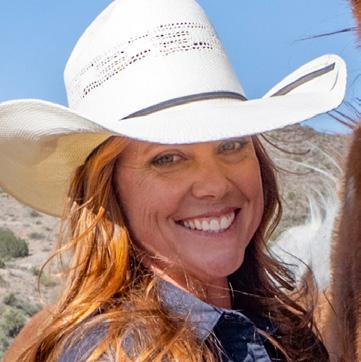
Christa Brunori Offers Horsin’ Around Adventures p. 21
Preparing for The AI Ultimatum p. 4
Flinn Supporting Valley Fever Research p. 6
Sauna Studio Plans 24/7 Access p. 8
From Tortilla Lady to Tortilla Empress p. 9
Christa Brunori Offers Horsin’ Around Adventures p. 21
Ateleva believes it can help patients recover faster from lung collapse while breathing new life into Flagstaff’s growing reputation as a medical innovation hub
By Bonnie Stevens, FBN
Using their toddler’s chalkboard to illustrate a medical problem that was puzzling them, Whitney Slightham and her husband, Dr.
Brian Cripe, a Flagstaff plastic surgeon, wondered why inflating a collapsed lung or part of a lobe was often such a slow and sometimes ineffective process that also carries the risk of injuring healthy lung tissue.
“For over 40 years, ICU physicians have attempted cumbersome, potentially risky off-label workarounds to re-expand collapsed lung segments,” said Slightham, who has more than 16 years’ experience in life sciences mar-
By Peter Corbett, FBN
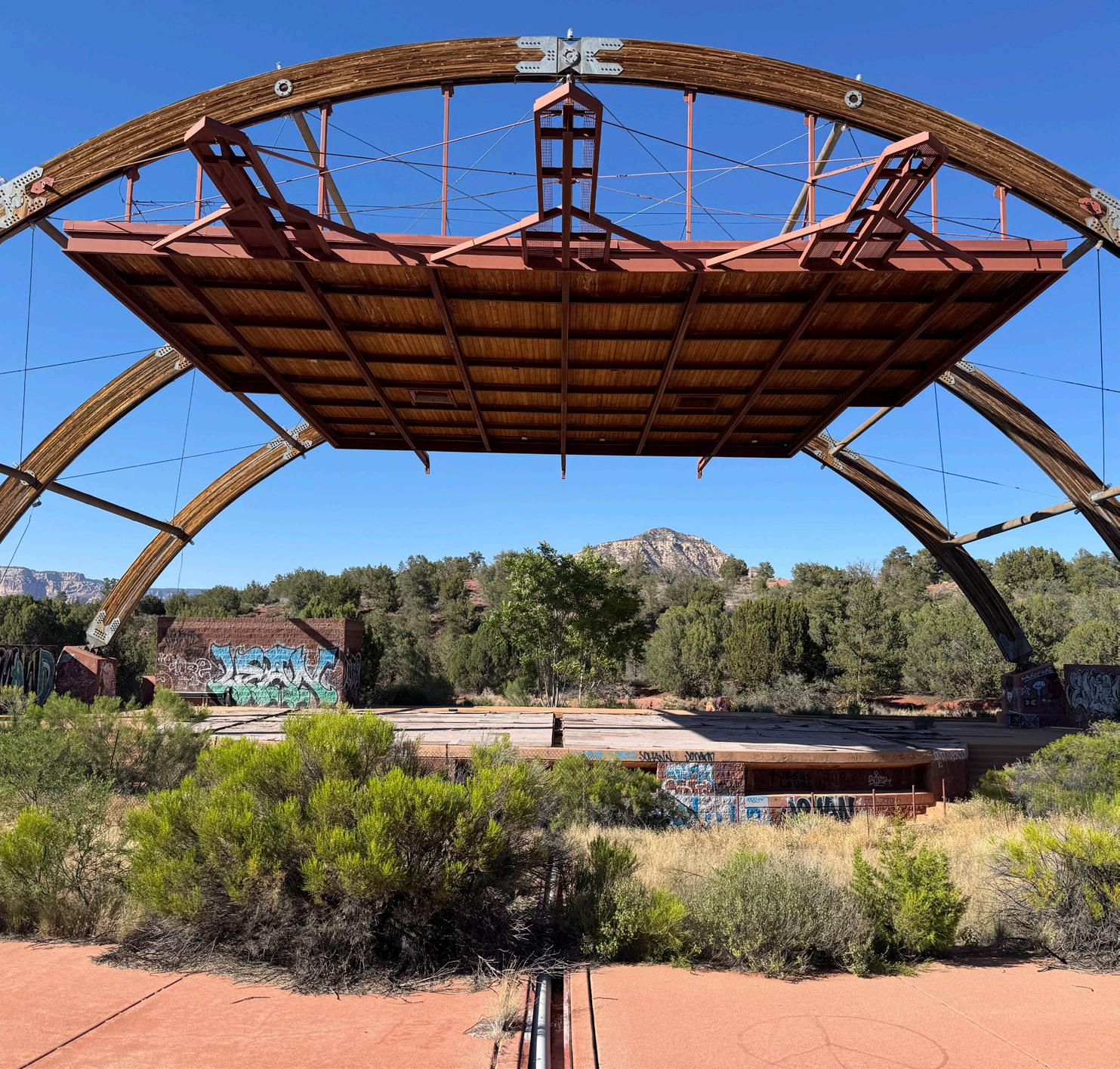
Along-closed Sedona amphitheater that mixed music with stunning red rock views could get an encore.
The Georgia Frontiere Performance Pavilion at Sedona Cultural Park staged big-name concerts for three and a half years in the early 2000s. The amphitheater hosted community events, Flagstaff and Phoenix symphony orchestras, Tony Bennett, Emmylou Harris,
Willie Nelson, Sons of the Pioneers, B.B. King, Blues Traveler, Norah Jones, Vince Gill and a Latin Jazz Festival.
Then the operator canceled shows in September 2003 and later filed for bankruptcy.
Now a local nonprofit group – Sedona Cultural Park 2.0 – hopes to revive the neglected outdoor venue that’s been idle for 23 years.
“Really, that amphitheater was before its time,” said Jennifer May, a board member of
June 2026 | Issue 6 Volume

keting. “Brian, an engineer at heart, felt that there was an obvious solution to a well-known problem he experienced firsthand during his surgical residency.”
Cripe sketched out a system involving a balloon, a bronchoscope and a pressure-regulating device. “It was so simple and intuitive,” said Slightham.
“We wondered, ‘Why hasn’t anyone thought of this before?’”




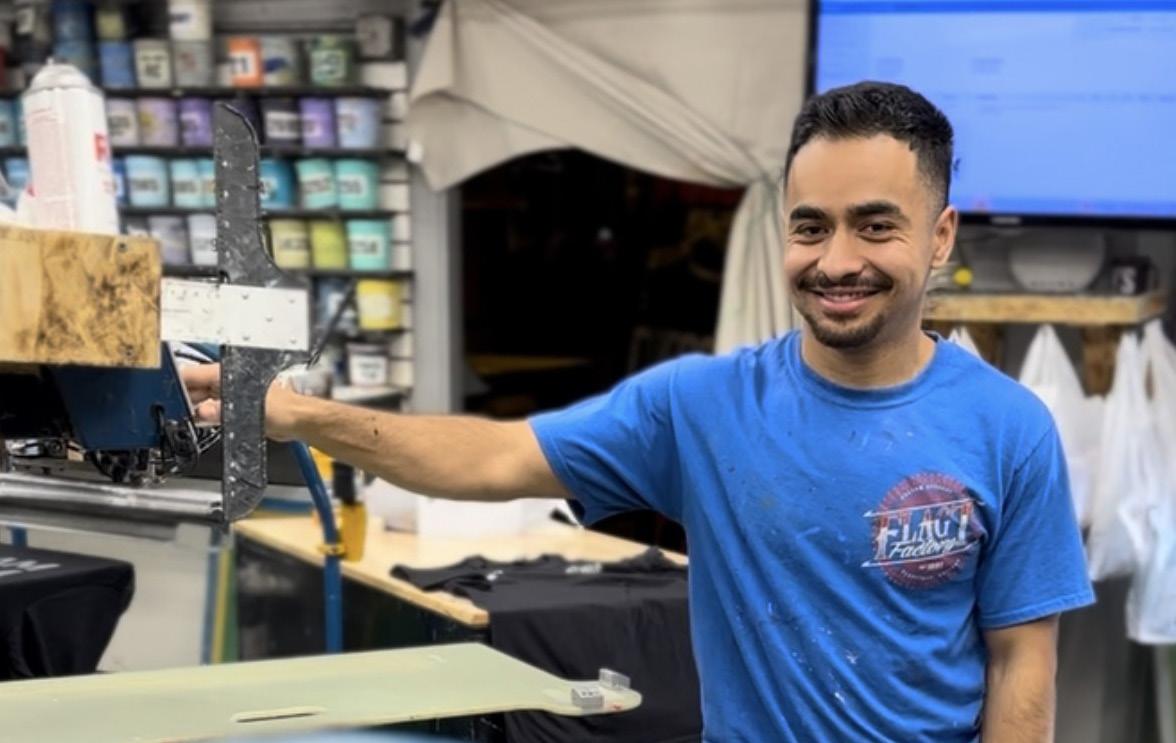
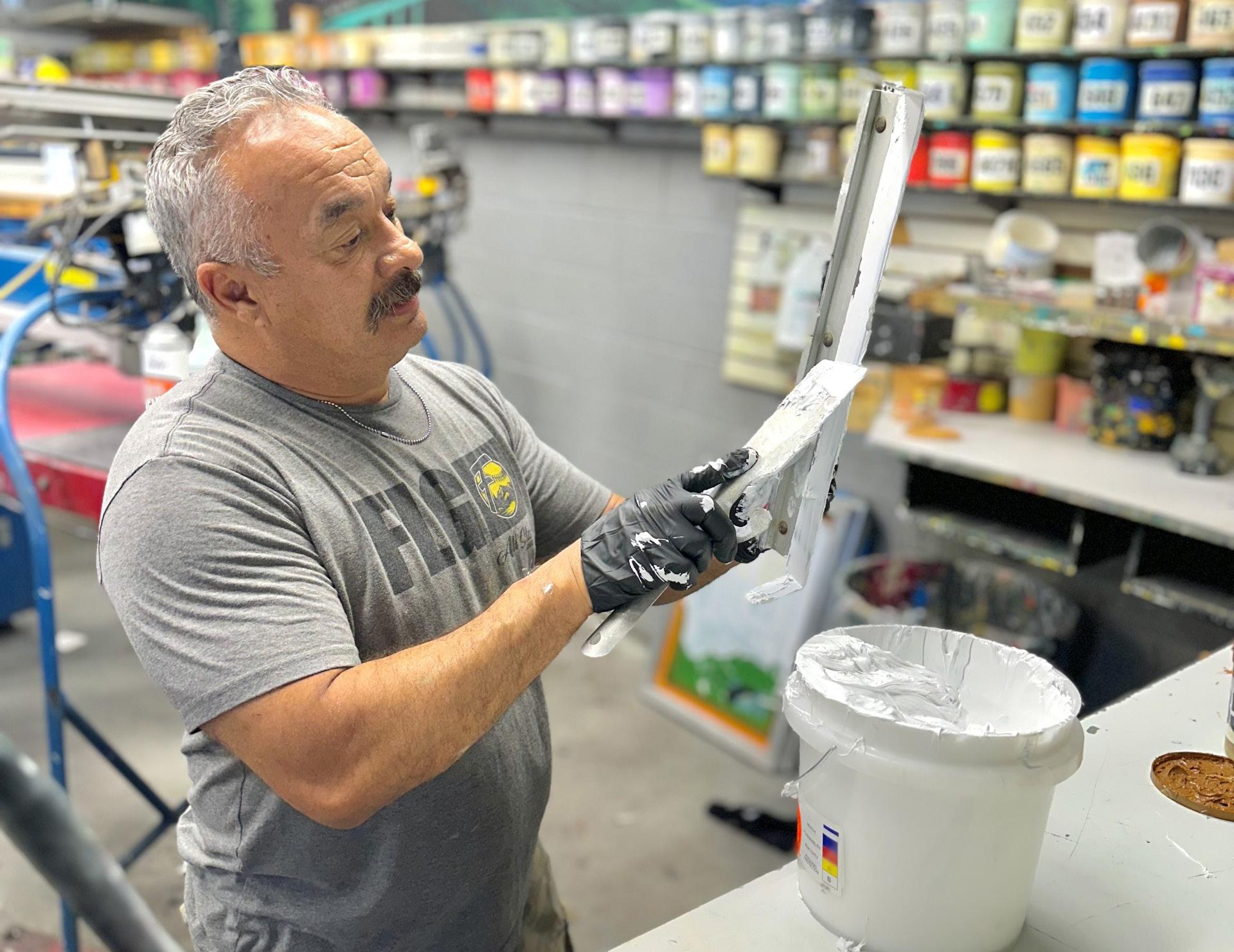
From graduation stoles and team uniforms to custom banners and business apparel, Flag Tee Factory is a go-to source
By Betsey Bruner, FBN
Things were hopping at Flag Tee Factory in mid-May as staff worked tirelessly to meet deadlines during graduation season.
The company specializes in screen printing, embroidery and promotional products, producing everything from t-shirts and hats to signs, stickers, decals and banners.
“It’s been busy!” said owner Rudy Galaviz. “We embroider student names and dates on the graduation stoles around their necks.”
At the same time, the company was embroidering personalized Pendleton blankets for gifts while filling large commercial orders and custom requests for local organizations and businesses.
“We are currently working on a large order for Flagstaff Medical Center that includes 3,000 shirts for their staff,” Galaviz said. “In addition, many of our construction clients are getting busy, so we are printing safety green shirts, safety vests and hats for their crews.”
Other recent jobs have included work for Viola’s Flower Garden, Cedar Closet Thrift Store, Tradition Homes, Flagstaff Hotshots and NiMarco’s Pizza.
The company slogan says it all: “From T-Shirts to Jackets – We’ve Got You Covered… Literally!”
“T-shirts are the more common item we do every day,” Galaviz said. But customers also

By Bonnie Stevens, FBN
What is being touted as “the most transformational time in human history” and “the best time to be alive,” is moving in fast. Right now, artificial intelligence is swiftly engineering a future that could usher in The Age of Abundance – an era where undesirable work will be offloaded to machines and the smartest minds, and the best health care and most personalized education are available to all of us.
“The next ChatGPT moment, I think, will be when you see a robot walking down the street running an errand for somebody,” said AI futurist Steve Brown, a former Google DeepMind and Intel executive, “and that’s very likely going to happen in the next three or four years, maybe less.”
According to “The AI Ultimatum: Preparing for a World of Intelligent Machines and Radical Transformation,” a new book by Brown with Paul Hill, “the waves of innovation from today’s generative AI are crashing over us in rapid succession. And organizations that fail to navigate each wave risk
being swept away entirely.”
LEARNING TO SURF
“The big waves coming our way are spatial AI, agentic AI and physical AI,” said Brown. Spatial AI allows AI to understand the physical world. Assistants will be able to be embedded in our glasses for example, to help us in the moment because they understand what’s happening around us.”
Agentic AI may be a tidal wave.
“That’s where AI stops being a tool and starts feeling more like a digital employee or digital colleague. It’s going to feel almost like a human that you’re working with. That’s going to change the way that we work.”
Physical AI is when artificial intelligence starts to interact with the physical world. “So that’s robots, self-driving cars that actually work and yes, you’re going to have a robot in your home, if you like.”
YOUR NEXT HOUSEMATE COULD BE A MACHINE
An early model human-like robot may walk into your home this year, perhaps ready to load the dishwasher after your

next holiday dinner.
“There is a robot company called 1X. It’s a joint U.S.-Norwegian company. They have a robot called NEO Gamma and they plan to launch that for $20,000, or $499 a month if you choose to lease it instead. And that will be available this year,” said Brown.
There’s a catch though. It will be a work in progress, learning as it goes.
“It’s pretty smart but it can’t do everything. When you ask it something that it doesn’t know how to do, it’s actually going to do what’s called a ‘fail over’ to a guy in a VR [virtual reality] helmet somewhere in the world who will
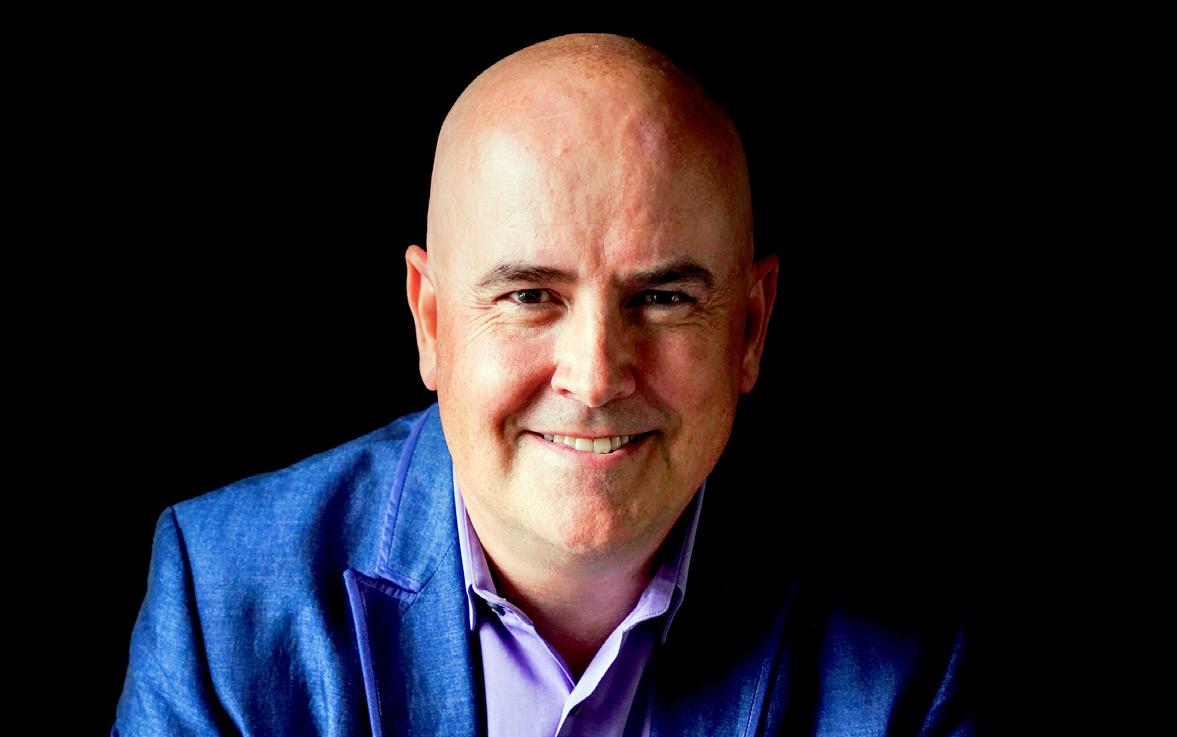
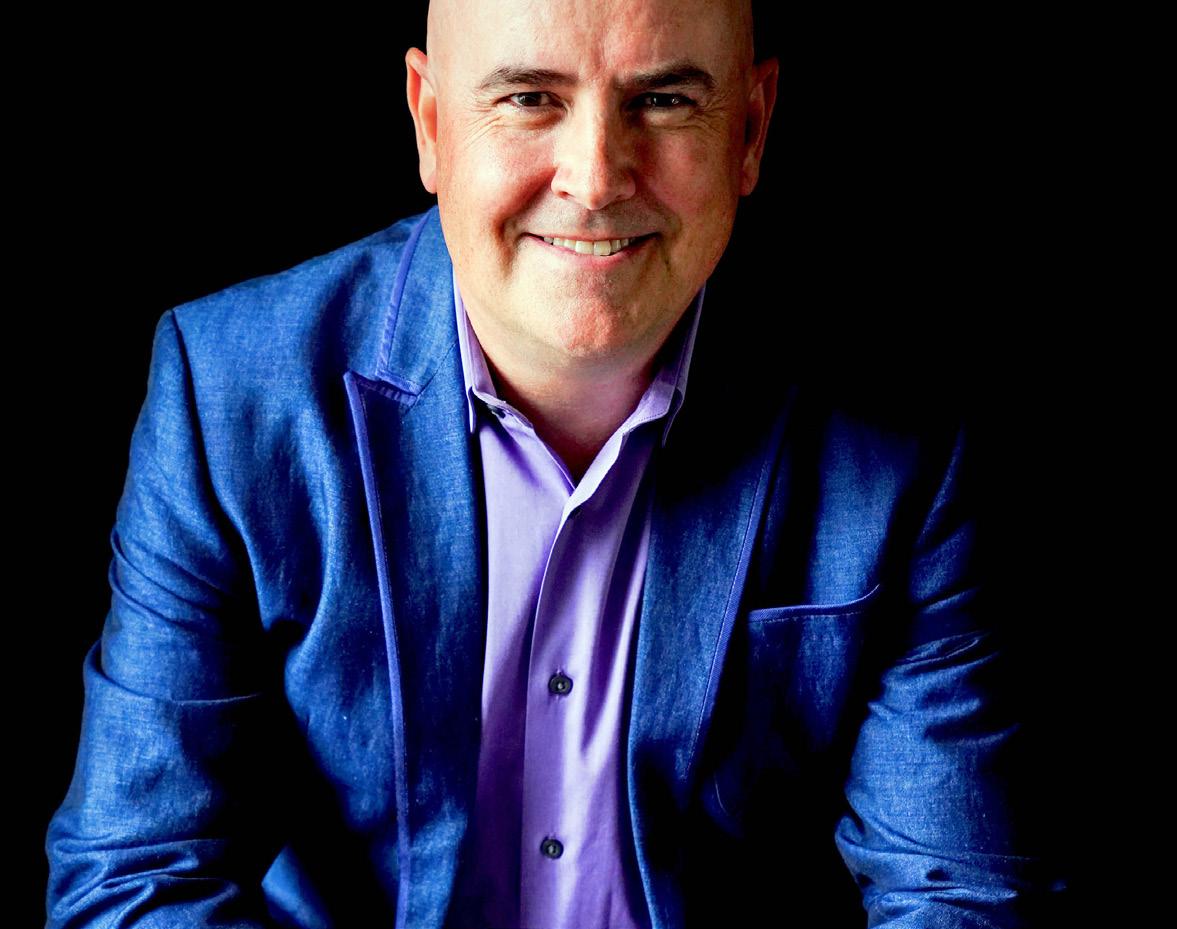
Top: Steve Brown offers a life jacket of sorts – resources on his website, stevebrown.ai, under Artificial Wisdom – for leaders who want to stay human, relevant and ahead of the artificial intelligence wave. Left: “The AI Ultimatum: Preparing for a World of Intelligent Machines and Radical Transformation” describes how AI agents and humanoid robots are reshaping the workforce and what that means for business owners and leaders. Courtesy photos
control the robot remotely to do that thing for you. So, you have to be OK with that.”
YOUR NEXT HIRE MAY BE PAID IN ELECTRONS
The AI Ultimatum suggests that this may be the last generation of an all-human workforce that leaders will oversee and that every worker should be prepared to manage a team of smart machines.
Explaining the rising levels of AI

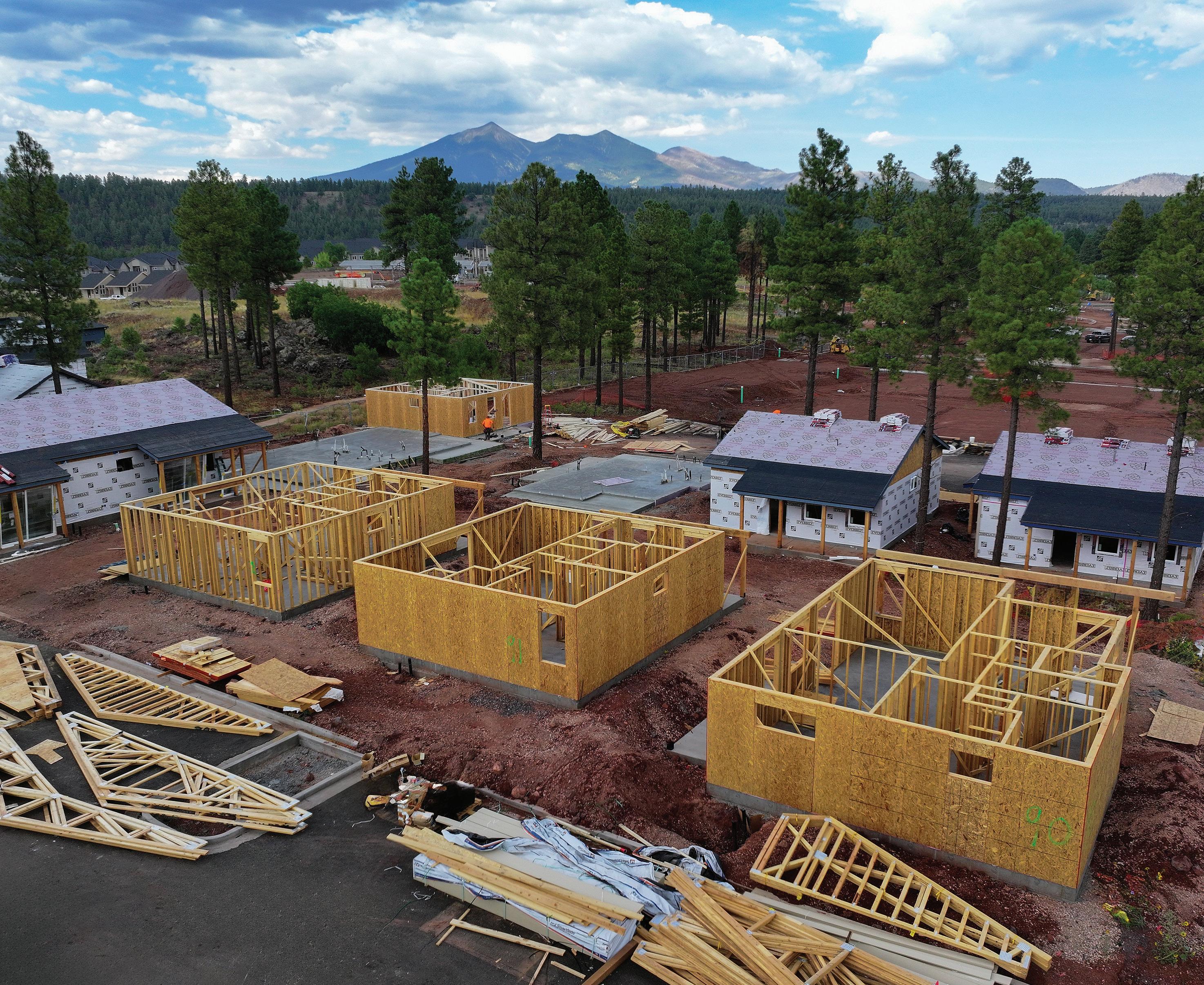
UniSource fuels the comforts of home. We warm fireplaces, heat stoves, and bring coziness to our living spaces. As steady housing demand continues in the region, we work closely with builders, developers and business partners to create welcoming neighborhoods and a stronger economy in Flagstaff.
uesaz.com
By Mary Marini Parra, FBN
Flagstaff continues to emerge as a bioscience hub, with two research teams winning $200,000 in funding from the Flinn Foundation Translational Seed Grant Program to further advance their innovations.
A research team led by Heather Mead, Ph.D., at TGen North, in conjunction with Northern Arizona University (NAU) and the University of California, Davis, received a $100,000 grant to develop a new test to more accurately diagnose Valley fever.
Arizona has the highest rate of Valley fever in the country and the illness remains underdiagnosed because of limitations of current assays, which have low sensitivity.
“A patient might have Valley fever, but the current tests can miss it and come back negative. If the patient doesn’t get treated correctly it can
increase the risk of severe disease,” said said Mead, an associate professor at TGen and principal investigator. “The better the diagnostic performs, the faster the path to treatment.”
Mead said funding from a previous National Institutes of Health grant helped her team discover five new antigens associated with Valley fever and develop a diagnostic with high sensitivity and specificity. Funding from the Flinn Foundation will now support efforts to validate and optimize the diagnostic with the goal of implementing it at clinical diagnostic facilities.
“We were so excited to receive this Flinn Foundation grant. We felt it was a perfect match for us,” she said. “We needed to keep our current momentum and this additional monetary support will help us get this test in the hands of physicians and testing facilities.”
The impact of this grant money extends beyond diagnostics. Another recipient, a researcher with NAU, received a $100,000 grant to work on a speech therapy telehealth game to help children with cleft lip and/or palate.
Cleft conditions can make certain sounds hard to pronounce, affecting a

child’s confidence and communication at home or school.
“SpokeIt is entirely driven by speech and is the only app that critically listens for speech errors,” said Jared Duval, Ph.D., principal investigator at NAU, who developed SpokeIt. “Kids talk to the device, and the app prompts them to say specific sounds and words. They receive immediate customized feedback from narrators who demonstrate proper pronunciation.”
The app can operate offline, bridging

what happens in the clinic and home.
“The speech pathologist receives data from SpokeIt, making appointment time more efficient,” said Duval.
He explained the grant money from the Flinn Foundation will help reach more families around the state, getting SpokeIt in as many hands of target users as possible.
“Once we get enough preliminary data, we aim to apply for a clinical trial. The Flinn Foundation is providing a runway to help us get to the national scale.”
SpokeIt is free to families, with the plan to make it fee-based for clinics. Mead and Duvall spearhead two of the seven winning Arizona research projects that received $100,000 grants from the Flinn Foundation. This year, almost 90 applications, a record number, were submitted. In addition to the grant money, the seven selected teams will meet quarterly, pitch for follow-on funding and participate in a new initiative to help navigate the capital requirements of commercializing. FBN
Now, it’s easier than ever with Arizona Business One Stop: a free, online digital tool to plan, start, and run your business in one convenient, connected, easy-to-use place. Registration takes minutes and businesses are instantly approved at businessonestop.az.gov.
New HOTWORX studio offers exercise options in a sauna environment
By Betsey Bruner, FBN
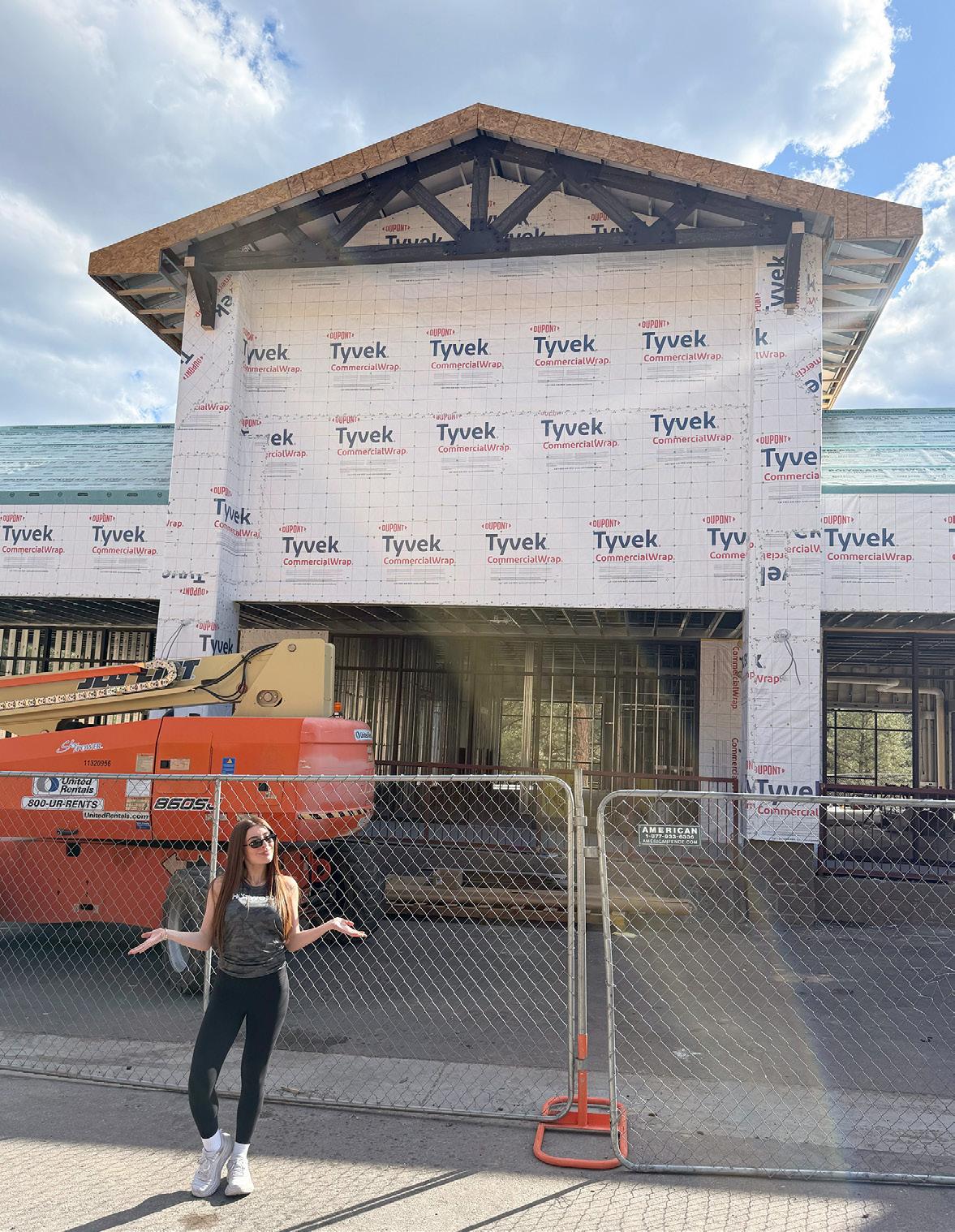
Ariana Lambert, a 2024 Northern Arizona University marketing graduate, has been very busy lately getting ready for the anticipated opening later in the summer of her first business venture, HOTWORX, a 24-hour fitness studio offering 3D training that combines heat, infrared energy and exercise in specialized saunas.
“I am so excited to be opening my first business in my hometown of Flagstaff!” said Lambert, who was born in the Valley and moved with her family to Flagstaff when she was 8. “I’ve been very lucky to call Flagstaff home. I grew up here from elementary school all the way into college. Arizona is definitely a special place and I’ve always felt especially connected to Flagstaff.”
Her mother, father and brother, an NAU student, still live in Flagstaff.
Work to complete the buildout and efforts to offer pre-sale, best membership rates are keeping her busy until the doors open. She says community response has been very positive, noting that people have appreciated that the location at North Fourth Street and Butler Avenue will be easily accessible from different parts of town.
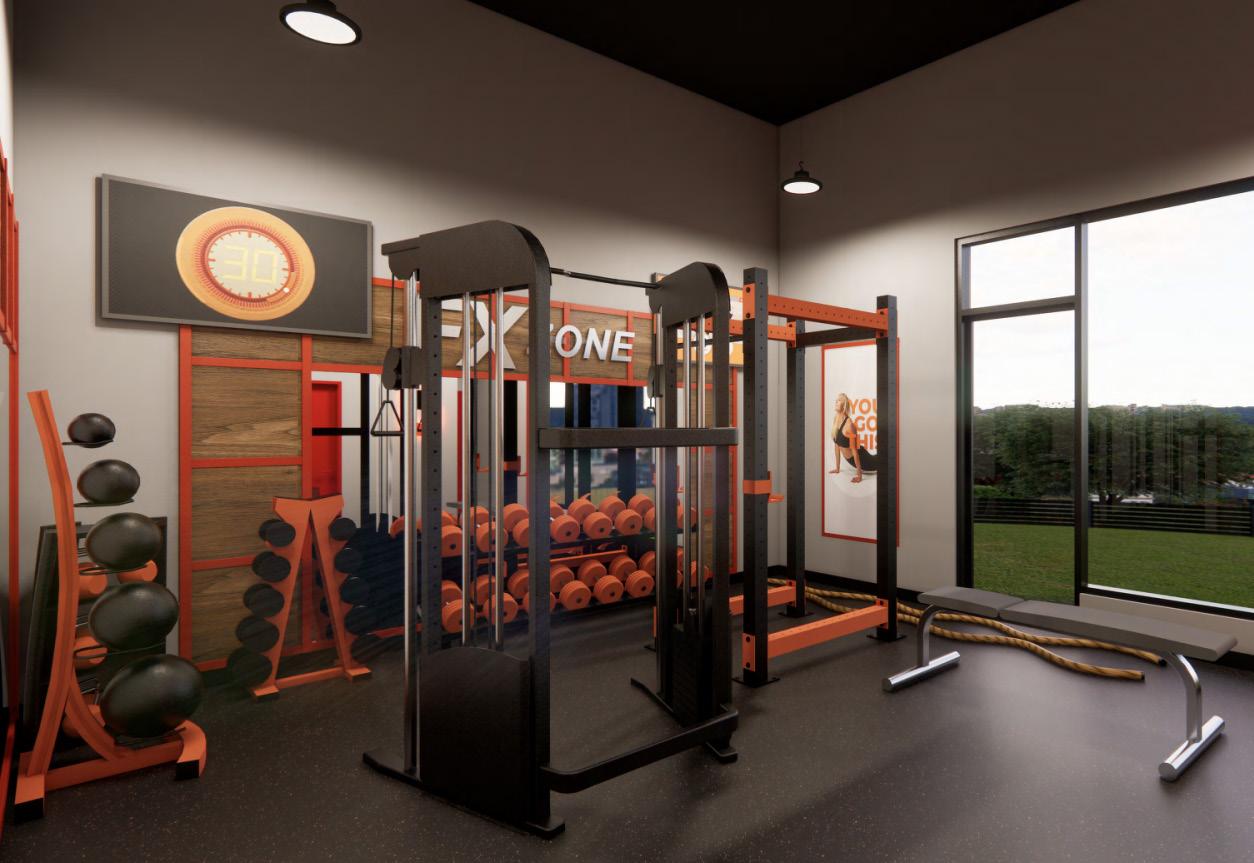
The buildout has included the creation of eight saunas offering high-heat environments with an ideal temperature of 125 degrees, but they
do go slightly higher than that. Each sauna can fit three people per session and are available 24/7.
Workouts will be ISO (isometric), holding static positions under tension or HIIT (High-Intensity Interval Training) with short bursts of maximum intensity exercise.
“Our ISO saunas will utilize a HOTWORX yoga mat and towel,” Lambert explained. “Our HIIT saunas will utilize the ‘Thunder Row’ machine (water rower), Schwinn indoor bike and Keiser Total Body Trainer.”
Also featured in the studio will be a state-of-the-art HOTWORX FX Zone, an unheated area for functional, cross-training and strength exercises.
The slogan for the HOTWORX exercise program is “Discover your Inner Warrior,” which reflects the focus on empowerment, confidence, resilience and mental self-growth. “At HOTWORX, we describe the inner warrior as a power everyone has inside, waiting to be unleashed,” Lambert said. “It represents the drive, resilience and determination to achieve more.”
Practitioners are encouraged to find the courage to push beyond what they think they’re capable of during every workout, with a strong emphasis on the mind-body connection.
Stephen P. Smith, an entrepreneur with a background in the fitness industry, founded HOTWORX in 2014, developing the concept of the efficient, infrared-heated workout and a 24-hour infrared fitness studio franchise.
Lambert’s journey with HOTWORX started while she was a student at NAU. “I always knew I wanted to start a business, specifically one that I felt good about sharing with my community,” she said. “When I tried a session at HOTWORX, I was hooked! I was so happy to find out it was a franchise and I could bring it to Flag.
During her senior year, she became a HOTWORX franchisee. After some delays, she said she found the perfect spot for her business. “I plan on being highly involved with the company and the community at HOTWORX. I decided to manage the studio myself, which is something I’m beyond excited about.”
Lambert says HOTWORX is a natural fit for Flagstaff’s active lifestyle. “It aligns with the active lifestyle that exists here, but combines heat, infrared energy and exercise to offer something different. I believe HOTWORX will fit perfectly into any fitness journey, supporting fitness fanatics as well as those who are just starting.”
By offering both ISO and HIIT, the studio will provide a variety of workouts to support different needs. “Whether people are looking for increased calorie burn, muscle recovery, stress reduction, skin rejuvenation or any of our other amazing benefits, HOTWORX truly offers something for everyone,” she said. “These are just a few of the many reasons I’m so passionate about sharing this with Flag.”
The studio offers a variety of workouts, including Hot Yoga, Hot Pilates,
Hot Stretch, Hot Barre None and Hot Cycle. “The main difference is that HOTWORX workouts take place in our patented sauna and are led by our Certified Virtual Instructors in either 15- or 30-minute sessions.”
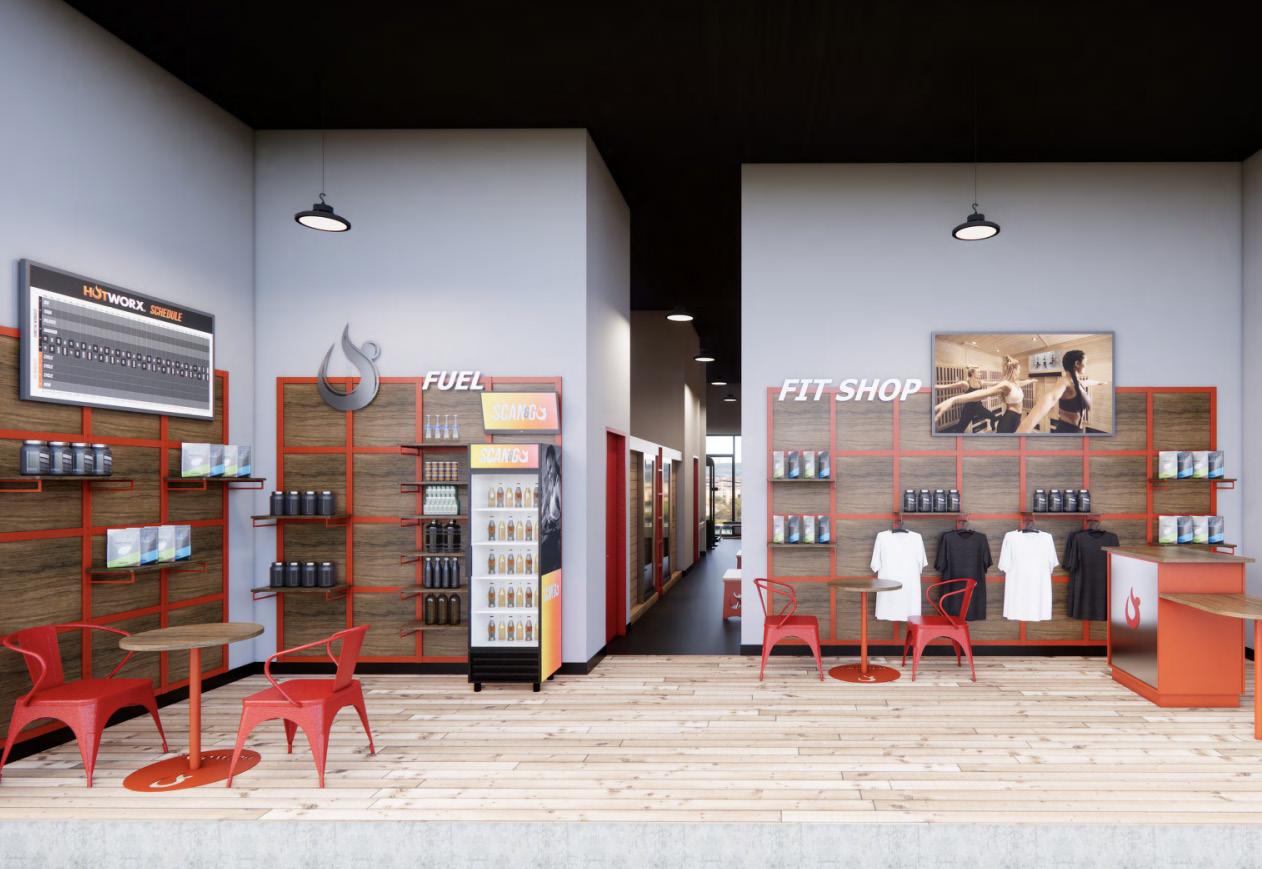
Training in this environment allows studio members to get “more workout in less time,” she said. “I knew opening this business in Flagstaff would give our town something that helps us all feel our best. The gift to me will be seeing members achieve their goals and hearing their success stories with HOTWORX Flagstaff.” FBN
V. RONNIE TIERNEY, FBN
Tortilla Lady is being rebranded as Flagstaff Sauce & Tortilla Company, with an appetite for statewide growth
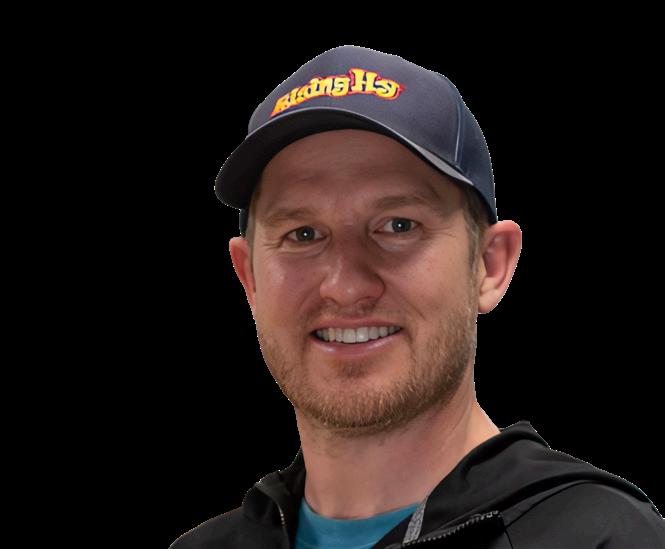
After 25 years in the hot sauce and tortilla business, Mike Konefal not only plans to keep going forward but is ramping up and rolling out a new brand with a strong connection to Flagstaff.
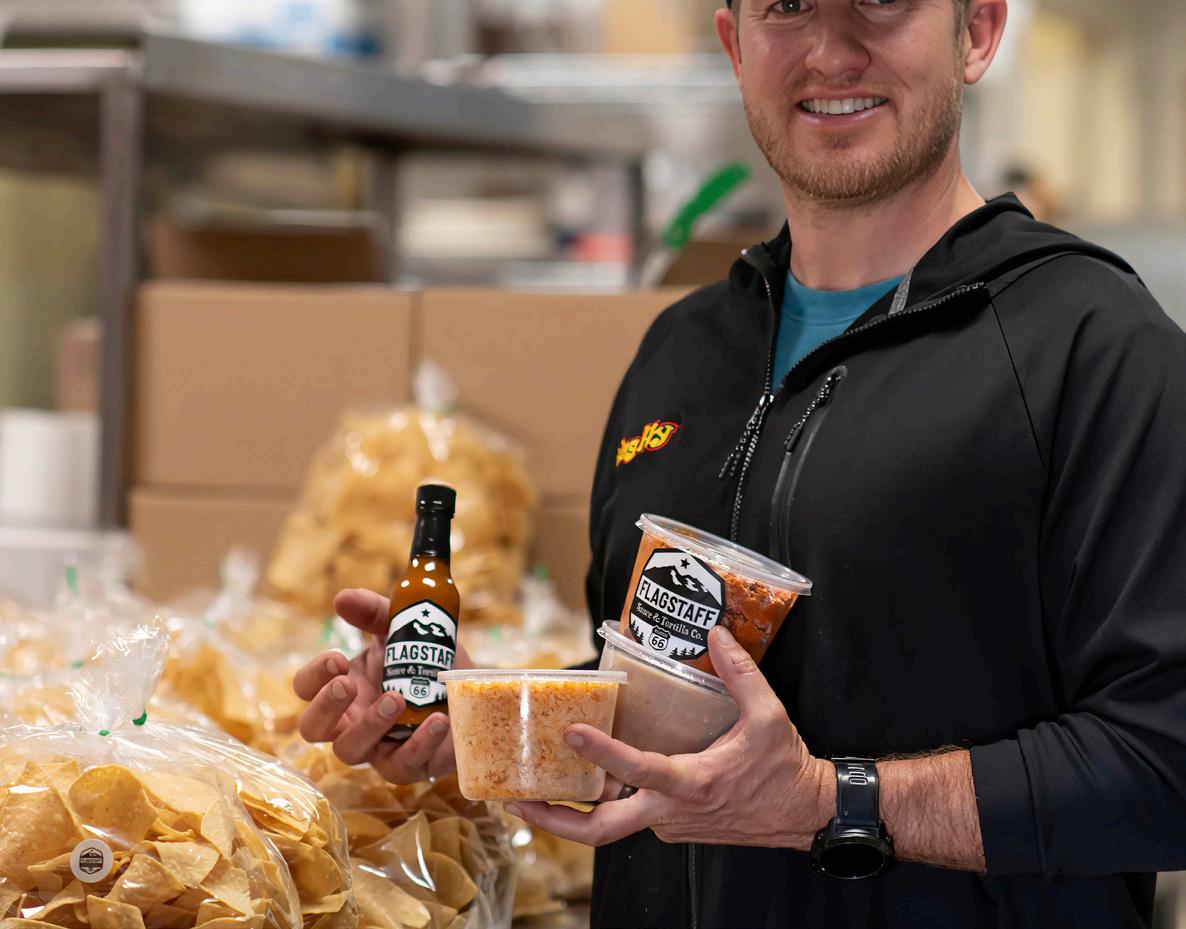
The former Tortilla Lady and RisingHy Factory is now Flagstaff Sauce & Tortilla Company. “It’s time to give Flagstaff the credit it deserves,” said Konefal, who is also a realtor with Coldwell Banker Northland.
“We are launching new distributors and plan to expand statewide and potentially nationwide with a major grocery chain, which is not set in stone yet, but it’s onward and outward from here. We are also working with NAU [Konefal’s alma mater] to bring more recognition to the university.”
Stating that his main goal is to capitalize on the local market, Konefal has expanded his menu. Along with his variety of freshly made tortillas and tamales, hot sauces, chips and
salsas, he has added a family combo dinner. This includes a pint of meat (green chili chicken or pork or red chili pork), a pint of Mexican rice, a pint of vegetarian refried beans and a pack of tortillas.
“This equates to four pounds of food for four and will be sold for those who need last-minute lunch or dinner options. Perfect for a family of four.”
He also hopes to market his hot sauces, like The GreenGo and Humphrey’s Habanero, to more Flagstaff restaurants.
“After 25 years, some people still don’t know the Tortilla Lady and our Rising Hy hot sauce name are associated with our town. Rising Hy was born and bred in Flagstaff and it’s time for tourists to know that we have a tortilla and hot sauce company exclusive to Flagstaff and Route 66. Our new logo is super clean and there’s no question about who we are and where our products are manufactured.”
Scott McClelland, who owned the Tiki Grill for the last five years, used the Tortilla Lady corn and flour tortillas for his restaurant’s top three tacos. “We feature a collection of hot sauces and Mike’s RisingHy hot sauces were always the first to run out. He offers great service and great flavor. His tamales are tasty, too. Mike is a good community guy and he’s great for Flagstaff.”
Current Tiki Grill owner Dustin Kim continues the tradition. “Mike’s products are the best and we will continue to serve them at our restaurant. We do have choices, but customers choose his every time.”
In addition to his expansion plans, Konefal continues to build local brand awareness for his Flagstaff Sauce and Tortilla Company. “We hope to have [products] in every restaurant in Flagstaff.”
Konefal is an avid skier and hiker. He and his wife, Erin, who works at NAU, have two children, ages 7 and 9.
THE PERFECT DAY I wake up early and exercise, then
cook breakfast and hang out with my kids and wife. I also love to go skiing with my kids on a fresh powder day, come home, meet up with friends and family, cook and eat something delicious. Sharing laughter with
friends and family and relaxing playing guitar or watching a movie with the kiddos is also a perfect life. Of course, getting to bed early with no stress from fatherhood and running
Continued

2321 N. Fourth St. Flagstaff, AZ 86004
(928) 526-5691
crestins.com
Commercial Broker Ryan King to our team!
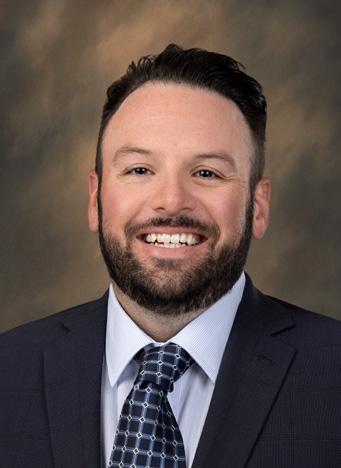
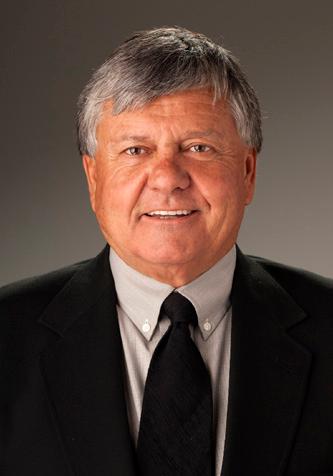
Ryan King Tom Turner
Ryan is a third generation Flagstaff native with countless ties to the community. Tom is a true insurance professional with over 40 years of experience in the industry. Along with Crest, we are set up to help with any insurance need out there.
• We specialize in Commercial Property, General Liability, Workers’ Compensation, and Commercial Auto Insurance.
• We provide access to several specialized and competitive markets.
• Our local office provides the opportunity for in-person consultations and superior customer service
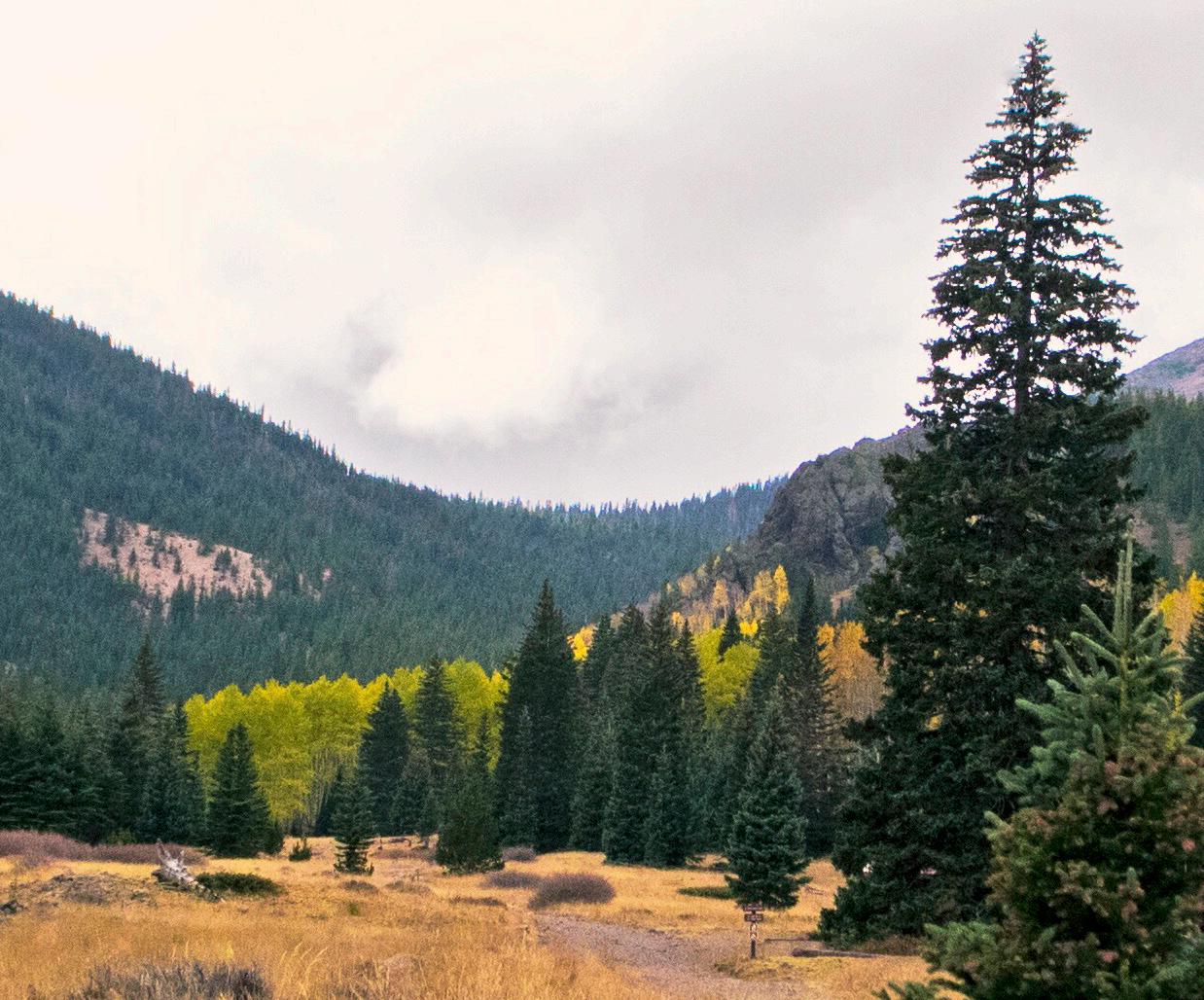
Coconino National Forest, Coconino County and City of Flagstaff are in Stage 1 Fire Restrictions
By Bonnie Stevens, FBN
Wildfire season is upon us in Northern Arizona. Although our fire-adapted ponderosa pine forest could experience a wildfire at any time, May and June are typically the driest and most fire-prone months for large, destructive wildfires, following spring’s gusting winds that strip moisture from grasses and downed logs.
National Weather Service (NWS) officials say this year, especially, we need to be particularly vigilant as winter’s snowpack was far below normal. Although last fall’s warm storms bumped up precipitation for the year with 0.93 inches above-normal rainfall, winter snowfall fell short.
Just 26.9 inches of snow landed in Flagstaff for the 2025-’26 winter season, far below the 90-inch annual average. Thus, Flagstaff is entering summer with a snowpack deficit that ranked this winter season as the fourth-lowest snowfall in Flagstaff’s recorded weather history, dating to 1899.
“Conditions can change rapidly at this time of year,” said NWS Warning Coordination Meteorologist Megan Taylor. “March was anomalously warm. It was the hottest month on record for the state of Arizona and many places recorded all-time high temperatures. Fortunately, April brought moisture and cooler temperatures to Flagstaff, which helped delay fire season.”
• Top 100 P/C Agency for 7 consecutive years
• Dedication to continuing education with changing markets and new programs
• A vast amount of insurance resources with offices in six states.
• Crest gives back to the community and we sponsor countless organizations.

www.crestins.com
In anticipation of an evacuation because of a wildfire or other emergency, the Ready, Set, Go! rules apply at all times in Coconino County. Officials say residents should always be Ready. That means everyone should have an evacuation plan in place for their household
and an emergency kit already packed. This should include food, water, medications and supplies for pets, too, as well as large animals like goats and horses and an identified place for shelter.
In addition, county officials encourage residents to harden their homes. This means making structural improvements and performing regular maintenance to make a house more resistant to catching fire from embers, direct flames or radiant heat. Hardening also includes using ignition-resistant building materials and sealing vulnerabilities to prevent fire from entering a building.
Fire officials say home hardening works hand in hand with defensible space, which is the management of vegetation, or fuel, around a home.
The Insurance Institute for Business & Home Safety (IBHS) offers the “Wildfire Prepared Home” program to empower homeowners to take proven steps to reduce wildfire risk to their home and property.
“Survivability and insurability are key,” said IBHS General Counsel Michael Newman during the county’s Wildfire-Insurance Crisis series last September.
“We can help our homes and communities better withstand the severe wildfires that we know they are going to face,” he said. “And we can help homeowners make their homes more attractive risks for the insurance industry by reducing wildfire risk.”
In April, the state of Arizona officially began recognizing certificates from the Wildfire Prepared Home program as verified proof of mitigation that homeowners can use to potentially improve insurance eligibility. For more information, visit wildfireprepared.org. FBN
June 3 – Understanding the Wildfire Insurance Crisis in the West
September 9 – An Insurer's Perspective: Insurance Availability and Affordability, Wildfire and Mitigation
September 30 – Wildfire Prepared Home Program
December 16 - Insurance Review Task Force: AZ State Forester Tom Torres
Wildfires are a growing challenge across the country, and it’s important to be prepared. If we need to shut off power for safety, you can stay informed by receiving email and text alerts. Sign in to your aps.com account now to be sure your contact information is current. For your safety, please consider keeping grass, weeds, trees and shrubs trimmed, get emergency alerts through local resources, and visit ein.az.gov to create an emergency preparedness plan.
To prepare and help prevent wildfires in Arizona, our crews:
• Maintain more than 38,000 miles of power lines.
• Create defensible space by reducing vegetation around equipment poles and inside substations.
• Implement a targeted Public Safety Power Shutoff program to be used only in certain high-risk fire conditions.
During high-risk conditions, we take extra steps to reduce the risk of wildfires. This can include taking power lines out of service so first responders can enter the area safely. We may need to take extra time to inspect lines to ensure they are not damaged before restoring power.
Thank you in advance for your patience as we work to help protect first responders, communities, wildlife, the environment and property.
To stay safe and informed during wildfire season, visit aps.com/wildfires

Latest black-footed ferret release marks decades of conservation efforts to save the near-extinct species
By Bonnie Stevens, FBN
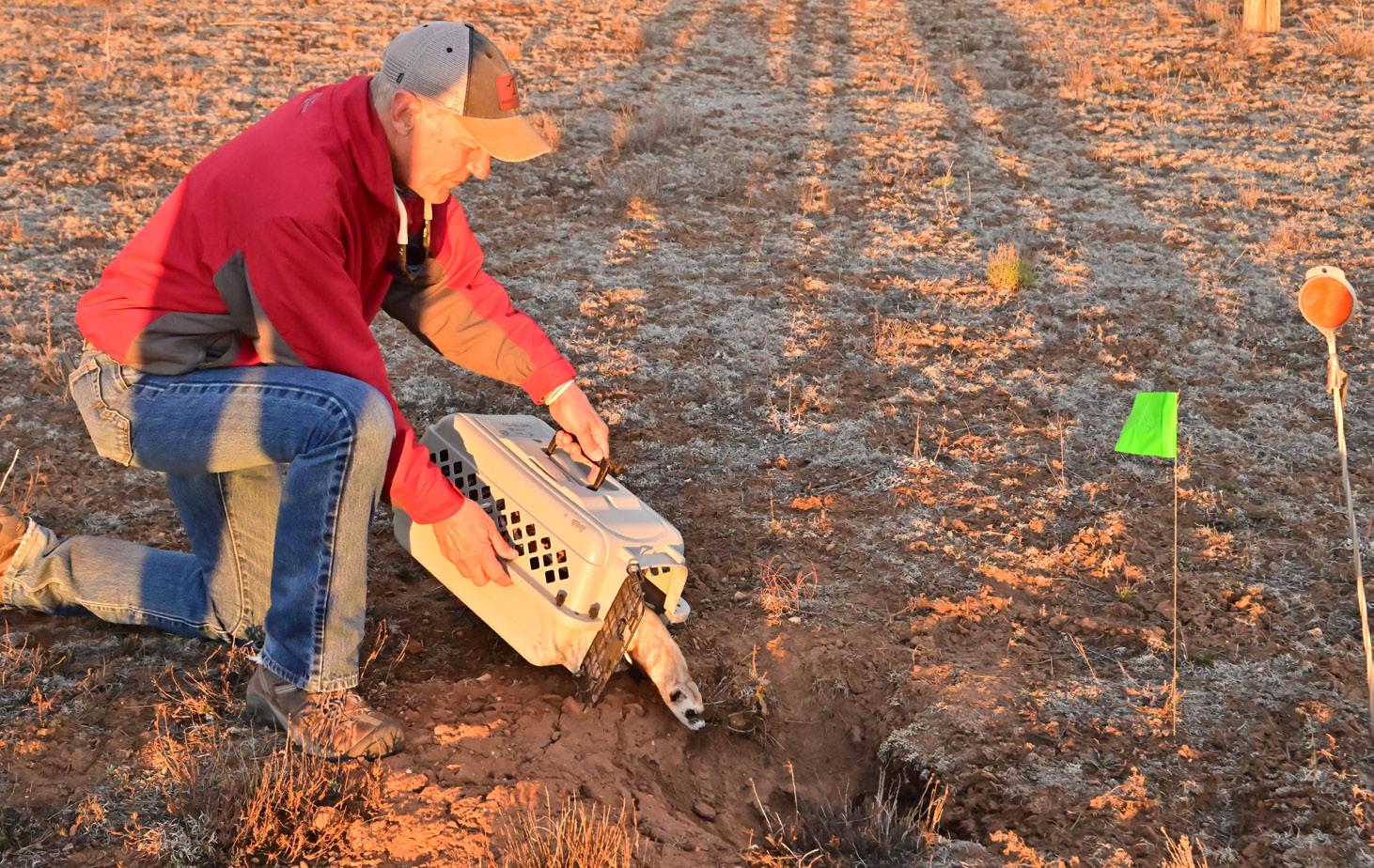
On a cool March evening in Northern Arizona, a hush settled over the grasslands of the Kaibab National Forest as 19 rare black-footed ferrets were about to be set free on lands once roamed by their ancestors.
The black-footed ferret, thought to be extinct about 50 years ago, is one of North America’s rarest mammals. The slender, weasel-like creature has a light, tan-colored body with a distinctive black “mask” across its eyes, black feet and a black-tipped tail. Its recovery has been called “epic,” as all of the estimated 300 black-footed ferrets reported to exist now in the wild are related to what were the last 18 surviving individuals.
On Tuesday, March 10, biologists and conservationists brought the ferrets to two Northern Arizona sites. Six were to be released in Garland Prairie and 13 in Aubrey Valley. The effort is part of a long-running national recovery program aimed at restoring the species to the grassland ecosystems where it once thrived.
“The bottom line is to reintroduce them back to their original habitat – grasslands with healthy prairie dog colonies,” said Arizona Game and Fish Department Region II Supervisor Larry Phoenix.
That connection is critical. Black-footed ferrets depend almost entirely on prairie dogs for food and shelter, making prairie dog populations essential to their survival. But that dependence also underscores the fragility of the species. Disease, including sylvatic plague and canine distemper, along with decades of habitat loss, nearly wiped them out.
By 1979, the lively chatter of the black-footed ferret was almost silenced forever. But captive breeding programs, science-based management strategies and coordinated releases have brought them back from the brink of extinction. Arizona remains one of the few states actively reintroducing the species into
historic habitat.
“We get ours from the National Black-Footed Ferret Conservation Center in Colorado,” said Phoenix.
The recent release was preceded by night surveys that found a male and female ferret from an earlier release. The two were examined and returned to the same spot where they were captured.
And then, the evening of March 10 brought a mix of precision and emotion. Representatives from the U.S. Fish and Wildlife Service, Kaibab National Forest, Habitat for Humanity and AZGFD worked quietly and quickly to minimize stress on the animals, opening their small cages and allowing the ferrets to disappear into nearby burrows.
“We do a lot of really cool things in the Game and Fish Department, but when you’re actually physically in contact with wildlife and releasing them to reconstitute a population that was believed to be completely gone, it’s surreal,” Phoenix said. “Everybody there felt that way.”
For the Babbitt Ranches Community, the moment carried added meaning. Espee Ranch was the site of a black-footed ferret release involving two dozen animals in 2014.
“The reintroduction of the black-footed ferret to western grasslands fits perfectly with our decision models, values, sense of responsibility and obligation to the land,” said Babbitt Ranches President and General Manager Billy Cordasco, who released one of the ferrets into a field of prairie dog burrows.
Despite the efforts of government agencies, wildlife organizations and private landowners, disease management continues to be one of the most complex hurdles. “Trying to figure out Mother Nature is the toughest challenge we have,” Phoenix said, noting that prairie dogs can carry plague without showing symptoms, complicating efforts to protect the ferrets that depend on them.










Abold new book is reshaping long-held ideas about success, resilience and leadership among women, offering an unvarnished look at what it truly takes to rise. Precipice of Power: A Woman’s Guide to High Altitude Achievement is a compelling collection of real-life stories from women who have stood at the windy edge of uncertainty, grounded themselves in purpose and forged forward across difficult terrain to claim the lives they were meant to live.
“POP is a leadership book for the 21st century, equipping women of all ages and backgrounds with an honest understanding of today’s realities – the complex intersection of life, family and career,” said co-author Ronda Beaman, Ph.D., a clinical professor of leadership at California Polytechnic University. “We can no longer afford to observe achievement from basecamp. POP is a call to action – an invitation to take the climb and to share our stories so others can find their way forward.”
From mountain towns to urban centers and coastal communities, POP brings together women from a wide range of industries – including a commercial airline pilot, angel investor, national television news anchor, beverage innovator, longevity entrepreneur and astronaut trainer. Each story traces a difficult ascent marked by adversity including self-doubt, physical and emotional barriers, failure and heartbreak – yet ultimately leads to a summit defined not just by achievement, but
by self-awareness, courage and conviction.
These narratives resonate with lived truth, encouraging readers to trust their intuition, chart their own course and persevere through extraordinary challenges – whether rooted in trauma, illness, loss or reinvention – in pursuit of a deeply personal sense of purpose and fulfillment.
One woman escapes a thought-control community to build a thriving medical spa network with little understanding of the outside world.
Another rebuilds her life after financial collapse, recalling the moment strangers carried away her family’s belongings. Another walks away from a high-powered Silicon Valley career to create a groundbreaking organic beverage brand sourced from South Africa. Still another transforms the challenges of a learning disability into a defining strength.
“Perhaps the most powerful and unexpected thread is the rope that connects these women across every landscape,” said co-author and Emmy Award-winning journalist Bonnie Stevens. “When women reach new heights, they don’t stay there alone. They turn back, extend a hand and reveal the footholds they carved along the way in their own unique fashion. That spirit of generosity wasn’t something we set out to find –but it revealed itself early and reinforced how we understand feminine leadership.”
Together, these stories present a shared truth: success is not linear, and power is not bestowed.
It is forged – through choice, resilience and the courage to continue climbing.
Early praise for the book underscores its distinct voice and editorial vision. New York Times bestselling novelist Emilia Hart writes, “It would have been easy to assemble a collection of triumph narratives, polished arcs of adversity overcome and summits reached. What gives POP its particular authority is that the authors refused that template. The stories here are described as rugged and honest accounts of recalibrating after setbacks and trusting instinct over expectation. That distinction matters enormously. Women do not need more myths of effortless ascent. They need the truth of how the climb actually feels, and this book delivers it.” FBN
Precipice of Power: A Woman’s Guide to High Altitude Achievement is available now on Amazon.com. Individuals highlighted in the chapters are available for speaking engagements. To book a speaker, contact the authors at PrecipiceofPower@gmail.com.
About the Book: Precipice of Power: A Woman’s Guide to High Altitude Achievement is a curated collection of women’s stories that challenge conventional narratives of success and illuminate the interior journey of leadership, resilience and self-claiming. Readers will meet women who did not climb because the path was smooth, but because the view from their own hardwon heights was worth every uncertain step.































Restores function, reduces pain, and improves movement through nonsurgical care.
Evaluates and treats conditions affecting muscles, joints, nerves, spine, and movement.


Advanced outpatient procedures can provide long-lasting relief with little downtime.
Helps patients stay active, avoid unnecessary surgery, and return to daily activities safely.

PM&R specialists provide nonsurgical treatment for spine, nerve, muscle, and joint pain.

Steroid Injection Injection









By Dr. Marshall Meier and Dr. Nathan Swain
When most people think about orthopaedic care, they think of surgery, repairing a torn ACL, replacing a worn-out hip or fixing a broken bone. While surgery is an important part of orthopaedics, many patients can improve their pain, mobility and quality of life without ever stepping into an operating room. That is where Physical Medicine & Rehabilitation, commonly known as PM&R, plays a critical role.
PM&R is a medical specialty focused on restoring function, reducing pain and improving movement through nonsurgical treatment options. Physicians who specialize in PM&R are trained to evaluate and treat musculoskeletal injuries and conditions affecting the muscles, joints, nerves, tendons, ligaments, neck and spine.
PM&R is often confused with physical therapy, but physiatrists are medical doctors who diagnose the root cause of pain and functional limitations while helping patients improve movement and quality of life.
One of the key goals of PM&R is helping patients avoid unnecessary surgery whenever possible. Treatment plans may include exercise programs, injections, medications, EMG and nerve studies, ultrasound-guided procedures and coordinated therapy services.
PM&R physicians commonly treat chronic back and neck pain, sports injuries, arthritis, nerve pain, sciatica, spinal stenosis and joint conditions. One of the key goals of PM&R is helping patients avoid unnecessary surgery whenever possible. Treatment plans may include exercise programs, injections, medications, EMG and nerve studies, ultrasound-guided procedures and coordinated therapy services. Additional testing, including Epidermal Nerve Fiber Density testing, can help detect small fiber neuropathy and guide more precise treatment plans.
Today, advances in minimally invasive spine and pain procedures are giving patients even more options for long-lasting relief without major surgery.
Innovative procedures now available include mild, which relieves pressure caused by spinal stenosis, Intracept, which treats vertebrogenic low back pain and Spinal Cord Stimulation (SCS), which interrupts pain signals before they reach the brain.
fractures by stabilizing the vertebra and minimally invasive SI joint fusion, designed to reduce chronic sacroiliac joint pain by stabilizing the joint. These outpatient procedures often involve little to no downtime and can provide long-lasting relief for appropriate patients.
Other minimally invasive treatments include Epidural Steroid Injections (ESIs), Peripheral Nerve Stimulation (PNS) and Radiofrequency Ablation (RFA), all designed to reduce pain and help patients stay active without surgery when possible.
For patients who require surgery, PM&R also plays an important role in recovery by helping patients regain mobility, rebuild strength and safely return to daily activities.
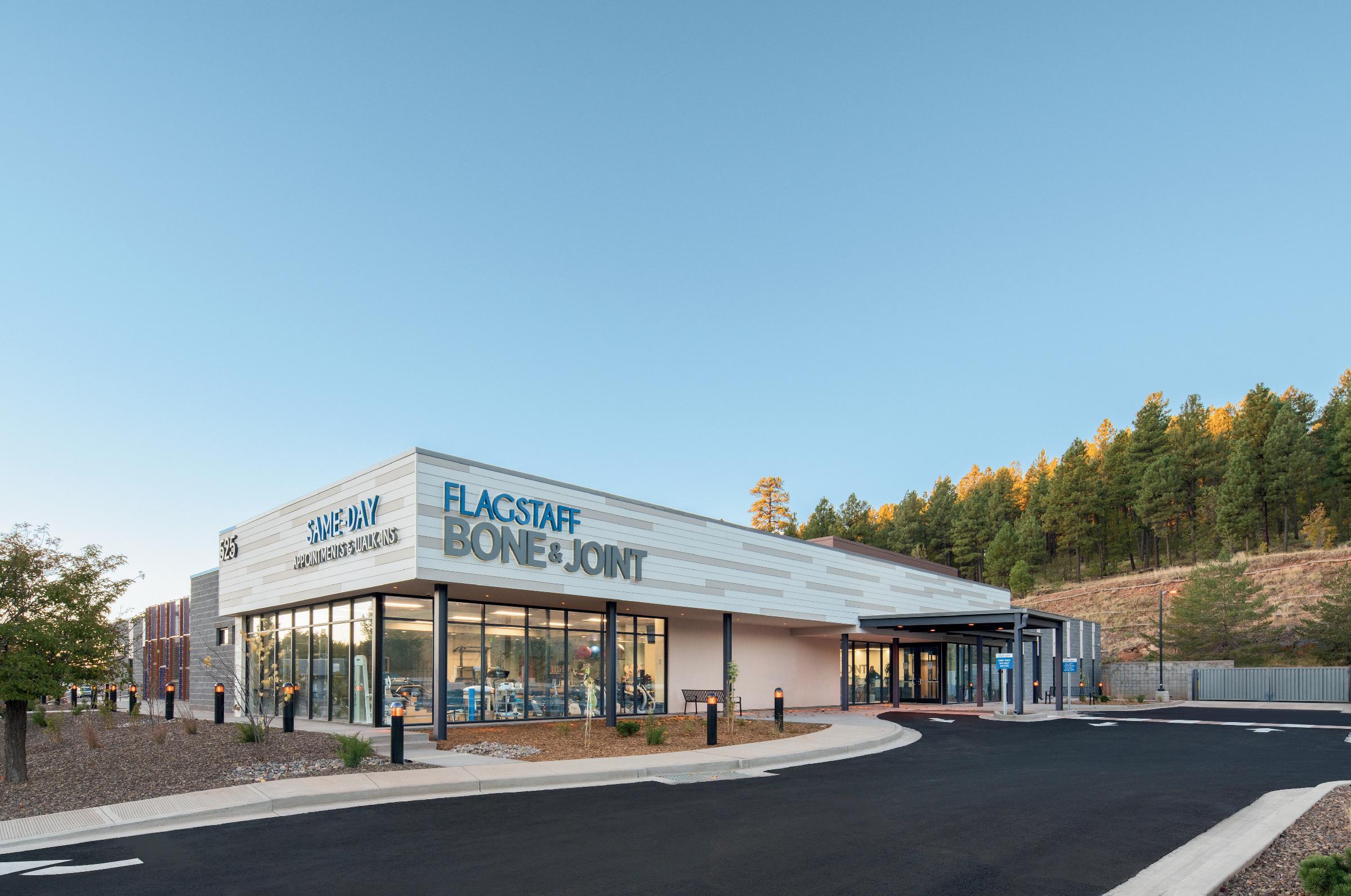
At Flagstaff Bone & Joint, PM&R is an important part of providing comprehensive orthopaedic care for patients throughout Northern Arizona.
without surgery, some conditions still require operative intervention. In those cases, patients also have access to our fellowship-trained spine surgeon Dr. Jones as part of our integrated spine team.
In active communities like Flagstaff, PM&R helps patients return to the activities they enjoy while improving long-term mobility and function.
As health care continues to evolve, this rehabilitation-focused approach is playing an increasingly important role in helping patients reduce pain, restore movement and maintain active lifestyles through personalized, nonsurgical care. FBN
Drs. Meier and Swain are recognized leaders in minimally invasive spine and pain procedures. For additional information or to schedule an appointment online with a Flagstaff Bone and Joint Specialist, schedule online www.flagstaffboneandjoint.com, call 928-773-2280, or text 928-628-6391. Flagstaff Bone and Joint: Flagstaff’s only independent orthopaedic practice. Faster access. Fewer barriers. Care focused on you. //
Additional minimally invasive procedures include kyphoplasty, which treats painful spinal compression
Flagstaff Bone & Joint is the only practice in Flagstaff performing the Intracept procedure and we have completed more of these procedures than any other provider in Arizona. While the goal is often to treat pain

By Misti Warner-Andersen
March 19 in Flagstaff was a day for the record books, and not in a good way. The daytime temperature reached 84 degrees, shattering the previous March record by a whopping 11 degrees. The news even made CNN, which noted that yes, this was because of a changing climate.
It’s also been a particularly dry year in Northern Arizona, with only about 27 inches of snow – less than half of the 89 inches our region averages each year. In fact, this past winter was one of the driest on record.
And while we are heading into what promises to be a wetter-than-average monsoon season, thanks to a super El Niño weather pattern, gardeners can’t rely on those brief, often intense rains to make up for years of drought.
What that means to gardeners is that it is more important than ever to practice waterwise and firewise gardening.
Being waterwise has many facets. It can include using drip irrigation, which maximizes water efficiency by delivering water directly to a plant’s root zone and reduces water waste by about 50% compared to sprinklers.
It can also mean taking advantage of those monsoon rains by installing a water harvesting system on your property to capture rainwater. Collecting free water from Mother Nature for future use not only helps the environment, it will also reduce your water bills.
Finally, consider populating your garden with native plants, which is essential for creating sustainable gardens that thrive in our high desert region. These plants are adapted to limited water, intense sunlight, extreme temperatures and the poor soils that are unfortunately so common in Northern Arizona. Check out the list of recommended waterwise native plants well-suited to our region.
Water isn’t the only thing on a smart gardener’s mind these days. With persistent drought conditions year after year, wildfire is an ever-present reality for those of us who call our mountain town home.
The good news is that the same thoughtful approach you bring to waterwise gardening applies here too, and many of the plants that thrive on little water are also among the most fire-resistant.
The idea behind being firewise is
simple: reduce the likelihood of your home igniting from wind-driven embers or creeping ground flames. You do this by selecting fire-resistant plants, spacing them wisely and eliminating “ladder fuels” – those flammable layers that help fire climb from ground to treetop. Creating a defensible, survivable space around your home through smart landscaping can make all the difference when fire threatens.
A plant’s moisture content is the most important factor in choosing a firewise plant, but you should also consider resin content and other factors that make plants more flammable even when well-watered. Conifers such as pine, fir, spruce, juniper and cypress, for example, tend to be more flammable because of their oil and pitch content. Deciduous plants, on the other hand, tend to be more fire-resistant because their leaves have higher moisture content.
Drought-adapted plants and plants with smaller leaves are also good choices.
In general, fire-resistant plants grow without accumulating large amounts of combustible dead branches, needles or leaves; have open branching, low resin content
and high moisture content; grow slowly and require little pruning; and tend to grow close to the ground. When laying out your garden, make sure the plants nearest your home are smaller and widely spaced. Plant in small, irregular clusters rather than large masses. You can break up plant groupings with decorative rock, gravel and stepping stones, which will slow the spread of fire across your property.
Finally, consider using a variety of plant species to support a mixed, healthy landscape. Diversity results in less disease and insect infestation and better fire resistance overall. For a full list of fire-resistant plants well-suited to our region, see the sidebar. By being smart in dealing with the impact of climate change, we can have a safer, stronger, more waterwise and fire-resilient community – without giving up the beauty of our forest home.
Happy Gardening! FBN

Misti Warner-Andersen is the manager of Warner’s Nursery & Landscape Co., located at 1101 E. Butler Ave. in Flagstaff. To contact Warner’s Nursery, call 928-774-1983.
Waterwise Native Plants for Northern Arizona
Evergreen Trees: Ponderosa Pine, Piñon Pine, One-Seed Juniper, Austrian Pine, Rocky Mountain Juniper
Deciduous Trees: Rocky Mountain Maple, Big Tooth Maple, Quaking Aspen, New Mexican Locust, Gambel Oak Shrubs: Utah Serviceberry, Prairie Sage, Big Basin Sage, Mountain Mahogany, Fernbush, Sumac varieties, Alpine Currant, Golden Currant, Woods Rose, Snowberry, Rabbitbrush, Apache Plume, Yucca
Perennials & Grasses: Western Yarrow, Agastache, Pussytoes, Columbine, Gaillardia, Penstemon, Blue Flax, Desert Marigold, Blue Grama, Sideoats Grama, Crested Wheatgrass, Buffalo Grass, Arizona Fescue, Deergrass, Switchgrass, Little Bluestem
Firewise Plants for Northern Arizona Grasses: Buffalograss, Blue Grama, Arizona Fescue, Deergrass, Spiky Muhly, Indian Ricegrass
Shrubs: Agave, Serviceberry, Saltbrush, Barberry varieties, Mountain Mahogany, Rabbitbrush, Redtwig Dogwood, Apache Plume, Honeysuckle, Prickly Pear Cactus, Ninebark, Golden Currant, Wood’s Rose, Snowberry, Lilac, Yucca varieties, Forsythia Trees: Maple varieties, Birch, Smokebush, Ash varieties, Honeylocust, Cottonwood, Aspen, Crabapple, Chokecherry
Most bedding plants (annuals, biennials and perennials) have fire-resistant characteristics. FBN
By José Luis Cruz Rivera
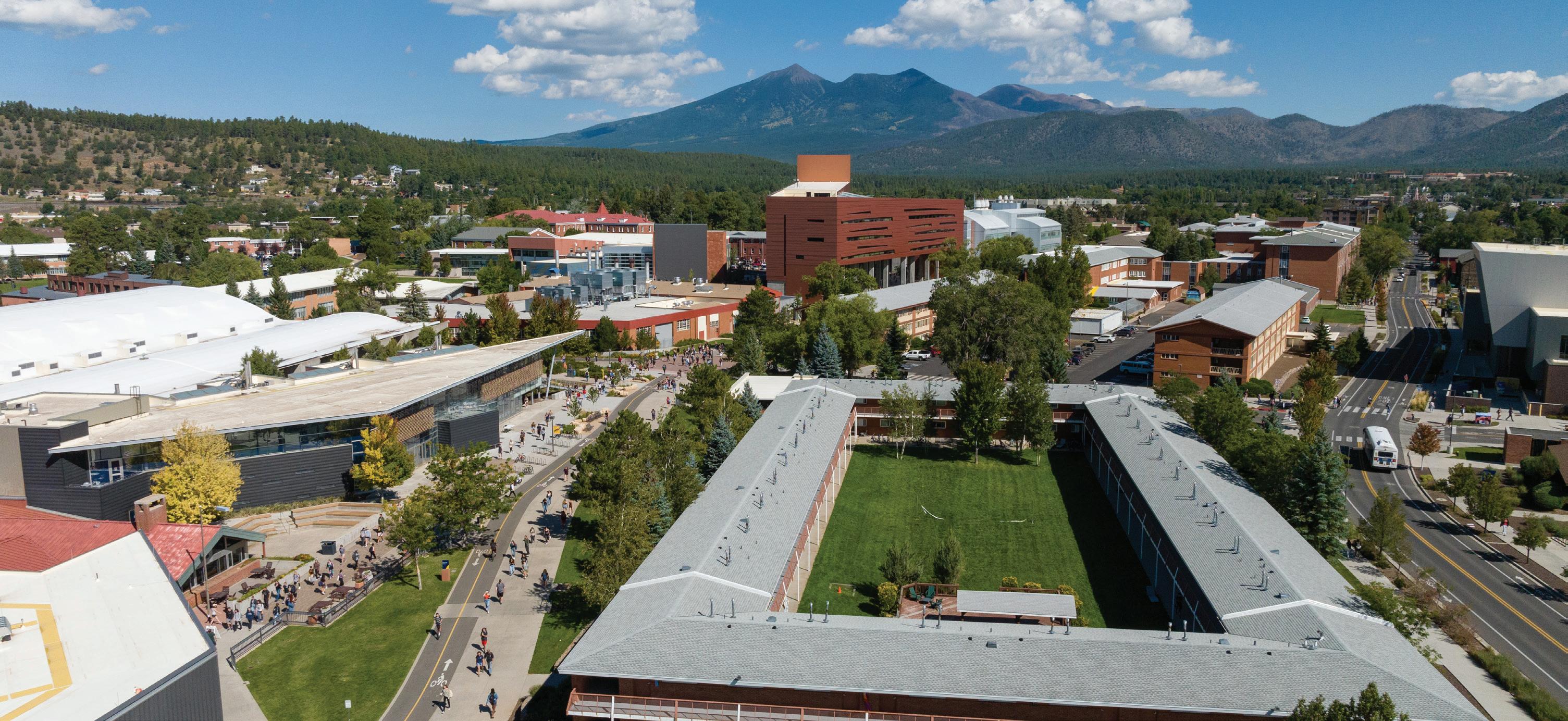
Just last month, I had the privilege of standing alongside thousands of Northern Arizona University graduates as they crossed the stage and stepped into the next chapter of their lives. What struck me most wasn’t just the sea of blue and gold, it was the feeling. A renewed desire for connection. A collective embrace of joy. And the largest attendance at all four ceremonies in my five years as president. It was heartwarming in the truest sense, and I hope those good feelings spilled into our home community of Flagstaff as well.
In my remarks, I reflected on the power of place and community, and its impact on our students. The mountain they woke up to each morning. The trails they wandered. The people who welcomed them. For four years, Flagstaff wasn’t just where they studied; it was where they grew, struggled, discovered themselves and found belonging. I reminded them that they chose this place, and this place chose them back. For that, I owe our community my deepest thanks. Your mentorship, your kindness, your patience during
move-in weekends and snowstorms, your willingness to cheer on students you may never meet again –you help shape every Lumberjack who passes through NAU.
I also teased our graduates a bit, as any good commencement speech should. I reminded them they had lived in a college town with haunted hotels, neighbors who knew their names, and trains that, without fail, waited until the least convenient moment to roll along the tracks beside historic Route 66. Their laughter told me they knew exactly what I meant.
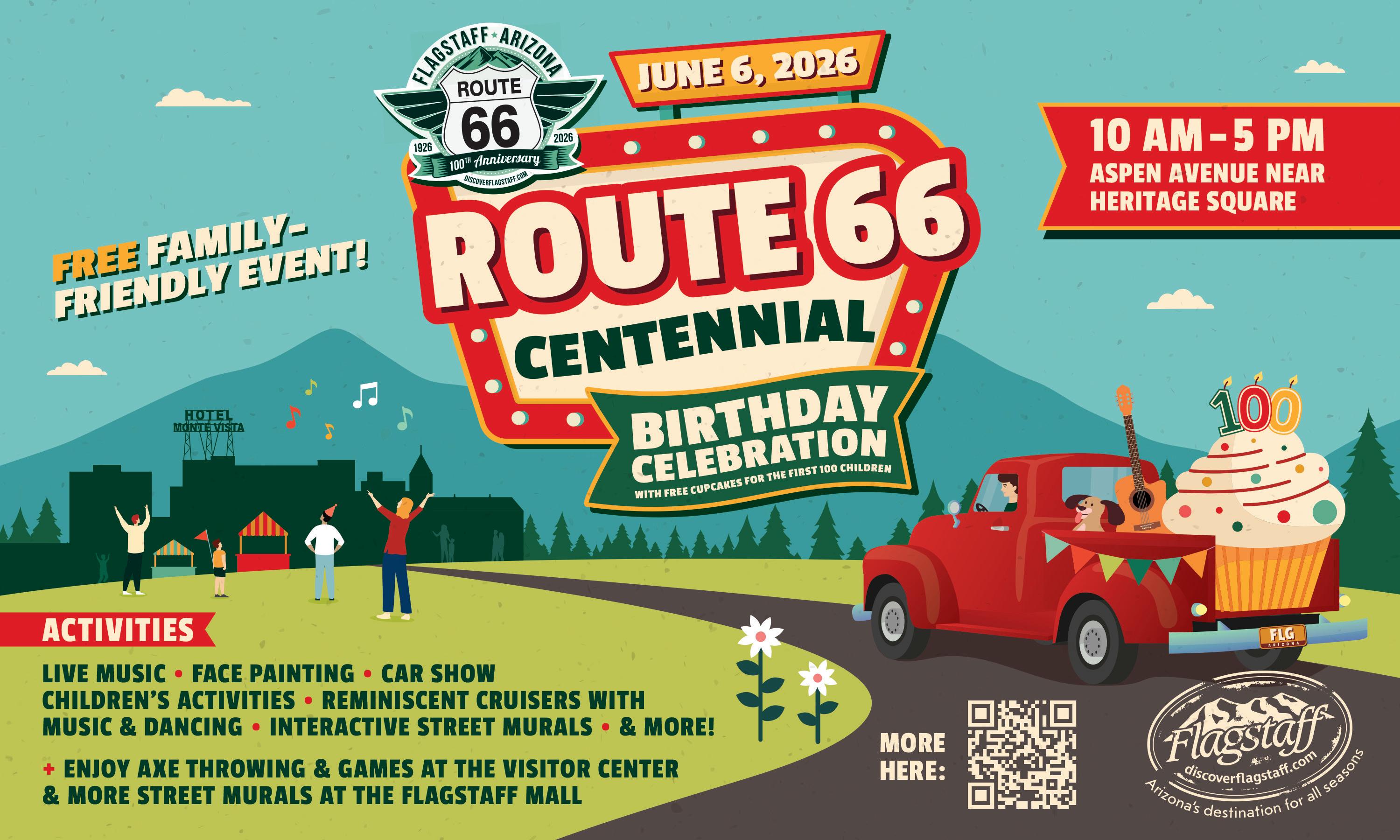
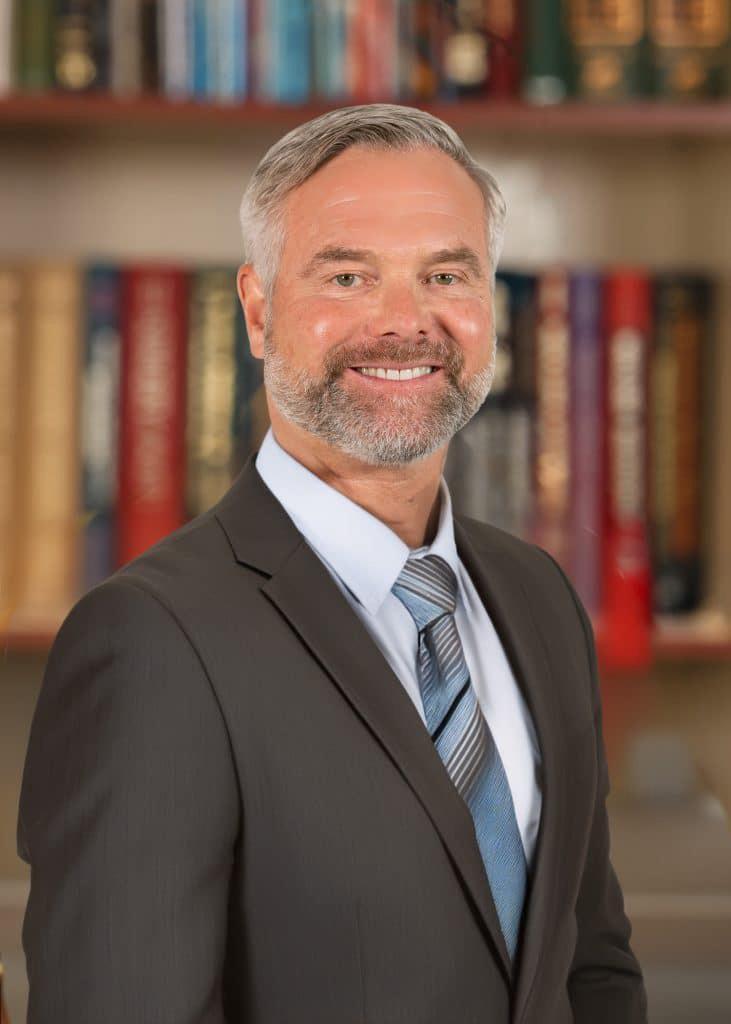
But that reference to Route 66 was more than a joke. It was a nod to a milestone worth celebrating: the 100th anniversary of the Mother Road, a road whose history is inseparable from Flagstaff’s own story.
When Route 66 opened in 1926, its path cut directly along the western edge of NAU’s campus. It connected our mountain town to a rapidly changing nation and brought travelers, dreamers, workers and families through Flagstaff. Over time, the university grew and evolved alongside the city and the road, changing names, expanding programs and deepening our commitment to the
region.
Today, even though Route 66 was officially decommissioned in 1985, its cultural heartbeat remains strong. NAU plays a meaningful role in preserving that legacy. Our Cline Library Special Collections and Archives houses photographs, oral histories, maps and documents that capture the lived experiences of those who built, traveled and depended on the Mother Road. These materials ensure that the stories – both famous and forgotten –remain accessible to scholars, residents and visitors.
That work continues through our students, as four NAU undergraduates developed an online exhibit highlighting under-represented stories from Route 66 in Arizona. Their research shines a light on the communities whose contributions shaped the road’s history but were too often overlooked. And while much has changed, the partnership between NAU, Flagstaff and Route 66 endures. It lives in our archives, in our classrooms, in our local businesses and in the shared pride we feel for this place we call home.
If you’re interested in exploring digitized Route 66 materials, I encour-
Dr. Yuri Lewicky at Northern Arizona Orthopaedics (NAO)
age you to visit the Colorado Plateau Digital Collections or reach out to our Special Collections team at Cline Library.
As we celebrate the 100th anniversary of Route 66, I extend my congratulations to the residents and businesses of Flagstaff. Thank you for shaping the lives of our
students, for embracing them as your own and for helping us carry forward the stories of this remarkable road and this remarkable community. FBN
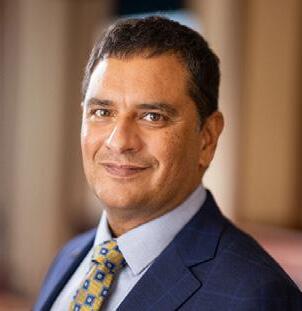
Northern Arizona Orthopaedics (NAO) and Dr. Yuri Lewicky are among a select few in the world offering an innovative all-arthroscopic shoulder reconstruction using donated bone and cartilage. This advanced procedure—Arthroscopic Distal Tibial Allograft Bone Augmentation with Cerclage Fixation—rebuilds the shoulder socket using the end of a donor shin bone, eliminating the need for metal implants or harvesting the patient’s own bone.
Ideal for patients with severe glenoid bone loss and chronic shoulder instability, this minimally invasive technique uses a tensioned suture-based fixation, preserving natural anatomy while reducing recovery time and complications.
“This groundbreaking procedure offers new hope for patients needing more than traditional surgical options,” says Dr. Lewicky, shoulder specialist at NAO.
Northern Arizona Orthopaedics
With locations in Flagstaff, Prescott Valley, and the White Mountains, NAO provides comprehensive orthopedic care with over 50 years of trusted experience.
Learn more at northazortho.com or call us at 928.226.2900
By V. Ronnie Tierney, FBN
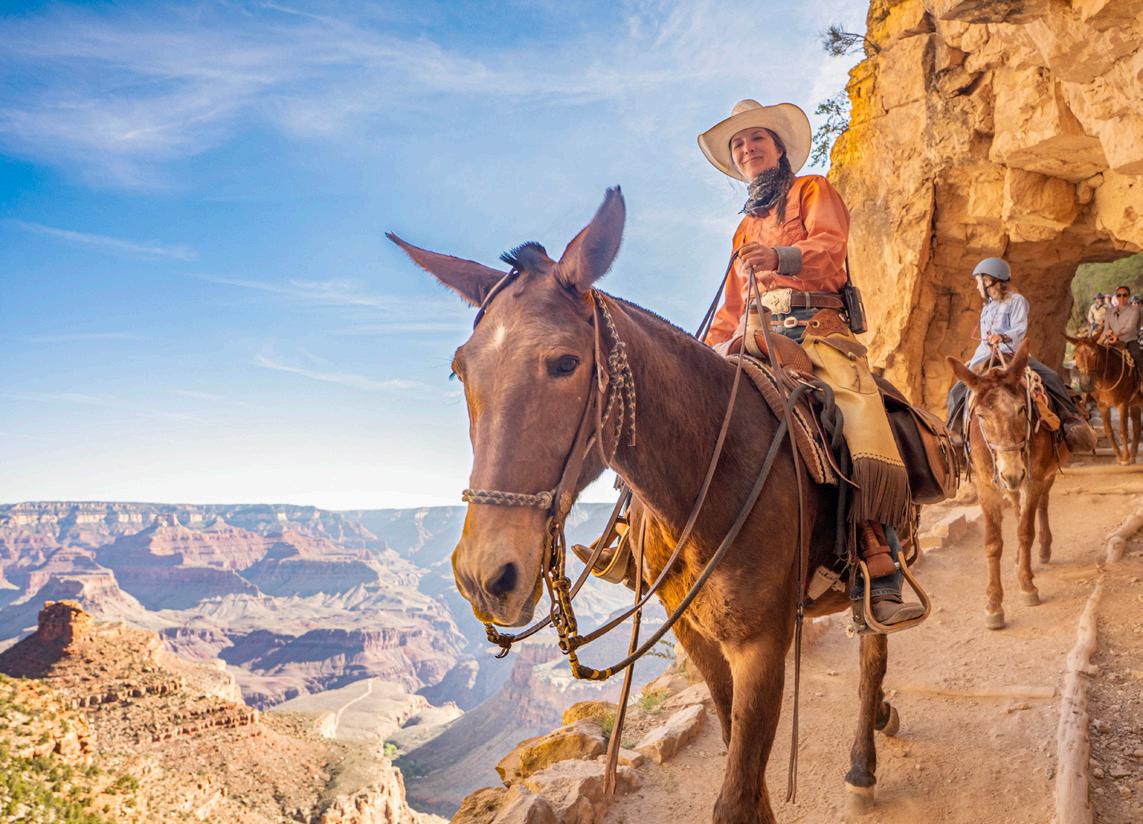
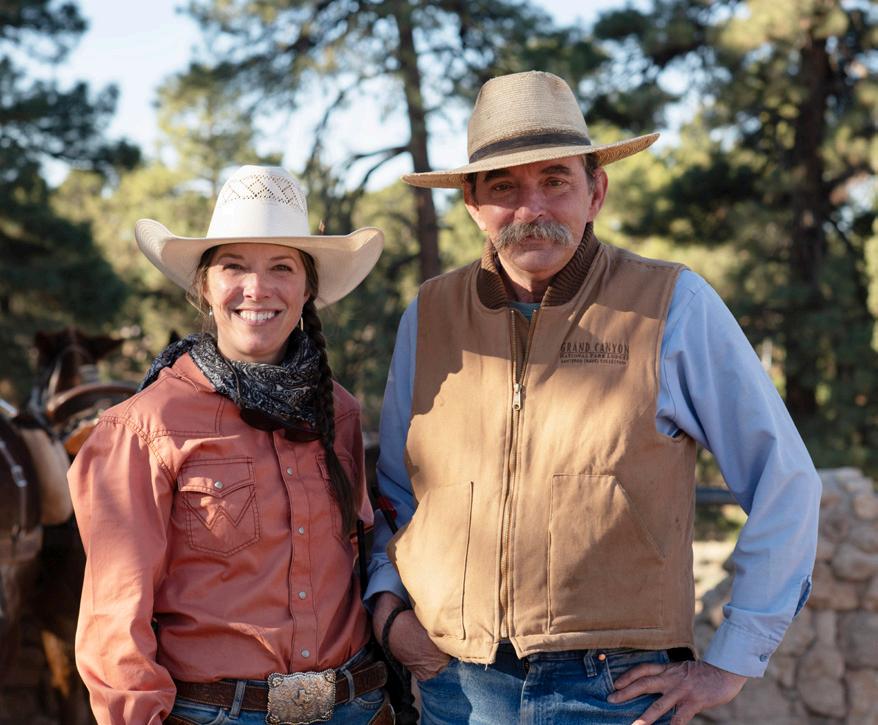
When Lisa “Tex” Parker and her partner, Jack Rinaldi, ventured down the Bright Angel trail to Phantom Ranch in 2013, it was a ride that changed her life and her destiny when Parker fell in love with the Grand Canyon and especially the mules.
Six years later, Parker decided to leave her New York job as an e-commerce project manager for Belgian designer Diane Von Furstenberg, trade in her haute couture wardrobe for Western wear and apply for a job as wrangler for the Xanterra Grand Canyon South Rim Mule Operations.
After some convincing, Parker got the job. “They were a little curious about a New York City girl working as a wrangler, but I explained that I was born in Texas, began riding horses at 5 years old and rode a quarter horse through high school. I also pointed out how I was brushing up on my guiding and riding skills at Jamaica Bay Riding Academy in Brooklyn.”
Parker also acquired a new best friend at the Grand Canyon, Ratz, the mule, who she rides whenever possible.
The world-famous mule ride
recently attracted U.S. Transportation
Secretary Sean Duffy, who is celebrating America’s 250th anniversary with The Great American Road Trip. The Grand Canyon stop included a mule ride into the canyon. Parker was one of their guides.
“Tex is right out of central casting!
She’s got the look and the real-life cowgirl experience to make you feel safe and also like you are immersed in a John Wayne Western movie,” said Duffy’s wife, Rachel Campos-Duffy. “When we first started down the trail, I was pretty nervous on my mule, but she knew exactly what to say and how to calm me down so I could take in the beauty of the canyon and truly enjoy the experience.”
Because of water pipeline construction, Xanterra South Rim Mule Operations currently is offering inner canyon day rides down the Bright Angel Trail to Havasupai Gardens and the Canyon Vista mule ride along the rim. The Havasupai Gardens ride takes about 2.5 hours down, including lunch and a time to visit. “It’s such a pretty place,” said Parker.
Former Grand Canyon wrangler and Sedona artist Mary Lois Brown met Parker in 2019. “We instantly became friends,” said Brown. “We
had a lot in common. We both started working as wranglers at 37 years old, fell in love with the mules, the magnificent Grand Canyon and the many tourists that we rode with who continue to warm our hearts.”
“Every day I feel so blessed because the canyon is a spiritual place and to be able to live here and see it daily is spiritual,” said Parker. “The lights, the shadows, weather patterns and all the moods of the Grand Canyon – I always feel like my best self here, riding the mules and meeting people from all over the world. I get to be a cowgirl and make a living at it and my co-workers (the mules) are the best part of the job.”
Parker is also an avid hiker. She has logged three rim-to-rim-to-rim hikes: from the South Rim to the North Rim and back again – a total of 46 miles.
Parker has solo hiked the Appalachian Trail, 2,190 miles and The Pacific Crest Trail, 2,655.
Rounding out the “triple crown” of long-distance trails, she hopes to conquer the Continental Divide Trail as well.
“I’ve had a variety of different jobs in my life but I feel like myself at this one. Jack supports me emotionally and takes videos most days. We’ve
been together 16 years. Xanterra is really great, too. They give me time off and always welcome me back. There are not many jobs like that. I have great bosses and they really care about us. It’s a great environment and a wonderful community here at the Grand Canyon South Rim Village.” Parker and Rinaldi also play on the local softball team representing Xanterra. “Lisa ‘Tex’ Parker has
become a beloved figure at the Grand Canyon, known for her dedication and expertise as a mule wrangler with Xanterra,” said Xanterra Grand Canyon National Park Lodges Director of Transportation David Quinn. For years, Tex has guided guests along canyon trails, ensuring both the safety and enjoyment of every rider. Co-workers and guests praise her
Continued on page 24
From rooftop tents and expedition vehicles to portable campfires and survival classes, Overland Expo West transformed Fort Tuthill into an outdoor adventure playground
By V. Ronnie Tierney, FBN
Outdoor enthusiasts, also known as “overlanders,” got an eclectic taste of camping tools and accessories at the Overland Expo West at Fort Tuthill, Friday, May 15 to Sunday, May 17 in Flagstaff. Outdoor gear, campers, trailers, off-road vehicles, travel equipment and modifications, survival equipment, recreation vehicles and so much more filled the fairgrounds.
In addition to all things camping, Overland Expo West offered a scope of classes taught by leading experts. And at Fort Tuthill, there were also 1,101 registered dogs in attendance.
Overland Expo is held in five locations across the country. Organizers consider it to be the world’s premier overlanding event.
“Overland Expo West 2026 really showed why West continues to be the original and flagship event in the series,” said Marketing and Content Director Alli Jackson. “With 28,500 attendees and 420 exhibitors, it’s still the largest
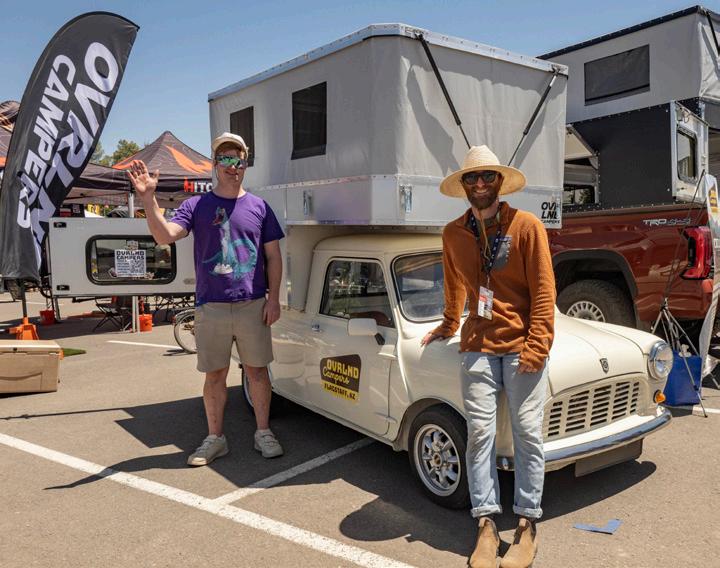
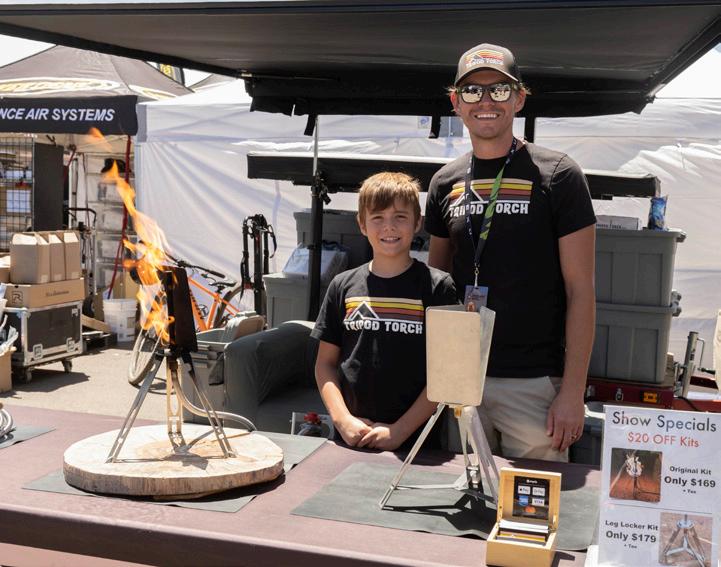
overlanding event in the world and a strong reflection of the energy and passion driving this community forward.”
Darren Wilson of Skye RV in Australia remarked that there are a lot of 4x4 shows in Australia, but he really enjoys the Flagstaff Overland Expo. “This show is great. A lot of people come from all over to be here.”
This year’s popular features included tents that fit on top of vehicles, camper shells, expedition vehicles and class C motorhomes. Vendors sold items such as portable toilets, tires, outdoor stoves, sunglasses and solar power stations. A crowd pleaser was the Leyland Mini Pup (related to the Mini Cooper) with Flagstaff OVRLND Campers on top.
“Leyland Mini Pup has been a great marketing tool for us,” said OVRLND Campers owner Jay Wellman. “This is our eighth Overland Expo, so we’ve seen the changes through the years and the ownership of it. At the same time, we’ve built our company here in Flagstaff and have also evolved and grown as well.”
The three-day expo featured 309 classes, seminars, demonstrations and activities. Topics varied from boondocking, travel tips, first aid, maintenance tips for women, storytelling and how to find campsite. Toyota sponsored a Toyota Game Night.
“This is our second show in Flagstaff,” said Lukas Santos, co-owner of Lost Road Campers of Las Vegas. “The community here at Over-
land Expo is wonderful. We’re all competitors but there’s not a sense of cutthroat. Everyone is here to support one another and we look out for each other’s booths when we’re gone. Our favorite part is camping and meeting others.”
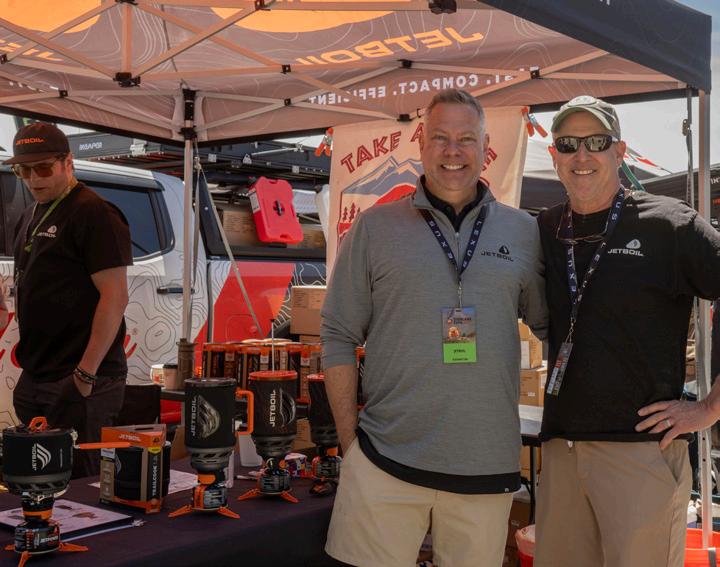
Jet Boil Director of Sales Ken Valvo shared space with Babbitt’s Backcountry Outfitters. “The users we met here are so authentic and people are really into our product.”
Gilbert inventor Jake Fuller brought his invention, the compact Tripod Torch, which he calls a portable campfire. “I think my dad’s invention is great,” said Jake’s son, Park Fuller. “I hope someday I can invent something too.” FBN For more about the Overland Expo, visit www.overlandexpo.com.

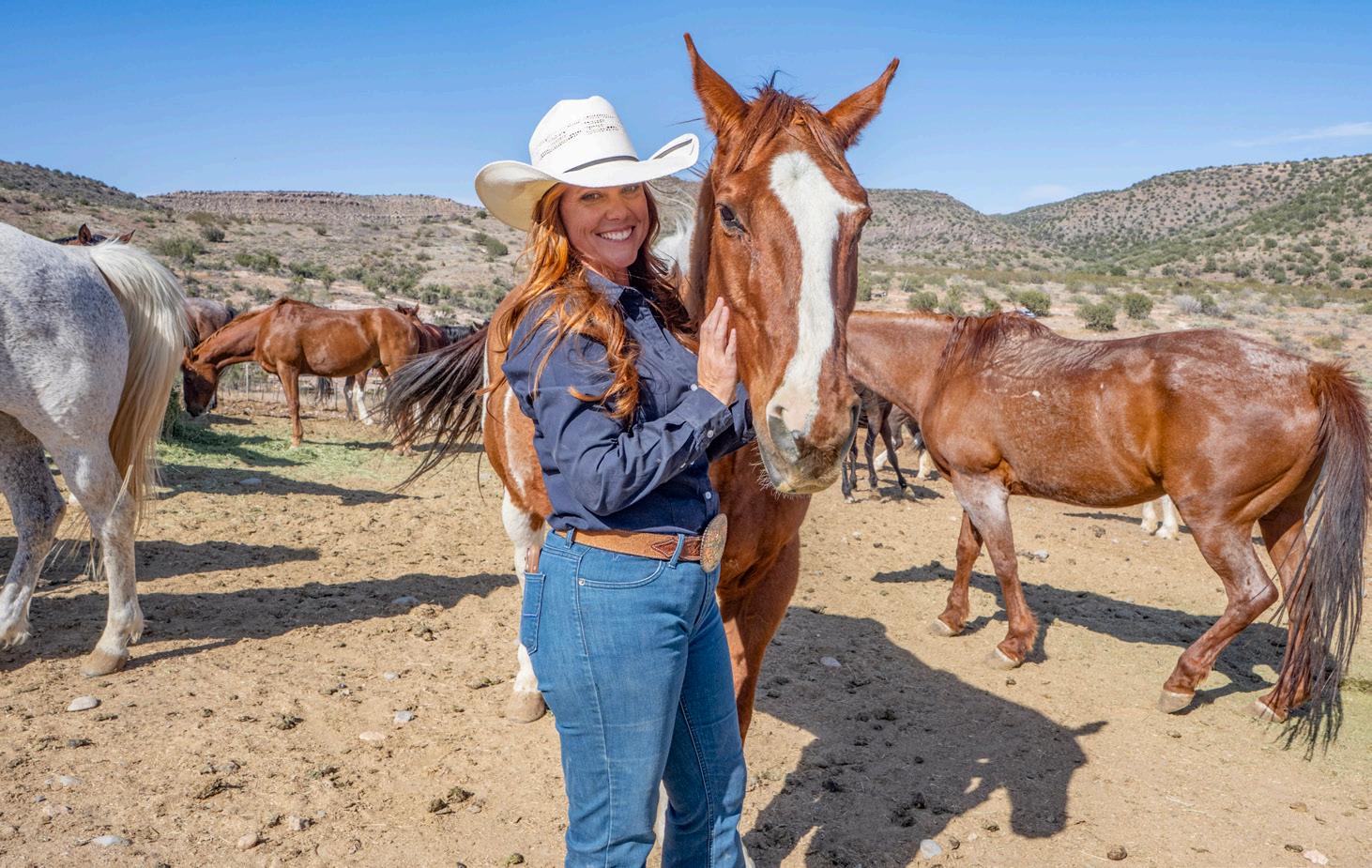
From vineyard trail rides and canyon views to confidencebuilding first-time experiences, Horsin’ Around Adventures features Western horsemanship in the Verde Valley
By V. Ronnie Tierney, FBN
Looking over the vast hills and vineyards of Page Springs, House Mountain and the back hills of Sedona, Horsin’ Around Adventures owner Christa Brunori is quick to answer when the question pops up: “Why ride a horse when you can ride a quad?”
“Look at our terrain,” she replies, referring to the gorgeous land that surrounds her 100-yearold ranch. “We offer a unique trail experience in one of. “You can’t drive a quad in these canyons. A quad can’t do what a horse can. Besides, nothing compares to the experience of seeing the West than the way it was discovered: on horseback. As the canyon walls surround you and all you can hear is the pattern of your horse’s hooves hitting the ground, you feel like you’re in an old Western film out here.”
Brunori is the real deal when it comes to an authentic adventure with horses. “We offer a unique trail experience in one of the most beautiful areas in the world. Our premier rides meander along vineyards, ride up mountains and even overlook Oak Creek and the Valley, all guided by elite wranglers.”
Brunori is well aware that some people have had a bad experience riding a horse in the past. “I love having the opportunity to turn that around and give them something remarkable to walk away with. In addition, It just warms my heart to introduce a little girl or boy to horseback riding for the first time and see their faces with such big smiles. With what we do, if I am given the privilege to introduce someone to a horse for the first time or recover from a past negative incident or face a fear and they have a remarkable experience with us, then I know I’ve left that positive impression on them forever. And who knows where that might lead them someday?”
Beyond guided horseback rides, Horsin’ Around offers a range of customized experiences. Riders can explore Western landscapes through private rides, family outings, sunset adventures and special-event experiences tailored to various skill levels.
“Our family had the most incredible experi ence with Horsin’ Around Adventures,” said Spa of Cottonwood founder Christie Folta. “I was impressed with Christa’s professionalism and her genuine commitment to safety. She has a remark able gift for matching every rider with horses that perfectly suited our personalities and sizes. My husband and two young children felt completely well-cared for as we enjoyed a stunning loop through the Verde Valley. This is a beautiful, high-quality experience that truly showcases the best of our local community.”
From her first horse at age 7, Brunori knew that her life would evolve around horses. “I was born in Florida and raised in Georgia. I was obsessed with horses, as you can imagine; many young girls are. It’s hard to explain, but there is a certain magnetism about them. It’s just a feeling and divine connection with their spirit.”
Brunori’s oldest daughter, Cora, is Horsin’ Around’s general manager. “Working for a female entrepreneur, especially when she’s your mom, can feel like living in two worlds. One minute you’re talking about dinner and the next you’re asked about deadlines or helping to solve a problem. It’s pretty special to watch someone you’re so close to build something of her own and then get to be a part of that journey.”



Taking her love of horses a bit further, Brunori qualified in breakaway roping for the 2026 Premier Women’s Rodeo Championships (PRW), the richest pay off and broadest range of disciplines of a women’s rodeo. Held in Fort Worth, Texas, she will be competing for a World Championship title. “The PWR has multiple divisions for breakaway roping and I’m honored to hold first place [at this writing] in the limited breakaway world standings, but the finals are not in yet.”
Breakaway is where the roper has to rope a calf around the neck and the tension of the rope “breaks away” from the saddle horn.

Brunori’s husband, Tanner, is a fourth-generation rancher, a world-champion team roper, fine artist and award-winning horse trainer who shares his love of horses in many ways. He’s also
By Daniela Harrison
When it comes to small ship cruising, Silversea Cruises has truly stolen my heart. Whether you’re dreaming of the wild beauty of the Galapagos, the breathtaking glaciers of Alaska or the charming rivers and coasts of Europe, Silversea makes every moment feel special. This isn’t just cruising; it’s like your own floating five-star boutique hotel with all the perks and none of the hassle.
Luxury for Silversea means effortless elegance – think country club attire rather than formal nights. Their all-inclusive experience pairs high-end service with a relaxed atmosphere where jackets and ties aren’t required. It’s refined, comfortable and personalized luxury without the fuss.
What I love most? The suites. They’re spacious and beautifully appointed, way bigger than your typical cruise cabin, with plush beds, elegant furnishings and huge windows or verandas where you can soak up those incredible views in total comfort and privacy. And talk about service
– your personal butler is always on hand, anticipating your every need, whether it’s arranging a last-minute dinner reservation or making sure your favorite cocktail is waiting when you come back from shore.
One moment that really stuck with me happened on my last Silversea cruise. We got back late from an excursion, well past lunch, and the restaurants were closed. We thought we’d just order room service, but as we stepped onto the ship, our favorite Maitre’D greeted us right at the gangway. He told us he’d kept the restaurant open late just for us – and even put in our usual sushi order ahead of time. All because we’d mentioned our outing in passing over breakfast. That’s the kind of genuine, thoughtful service Silversea offers every single day.
Silversea’s itineraries aren’t cookie-cutter either. They thoughtfully weave in unique experiences that let you dive deep into the culture and nature of each destination. Imagine watching giant tortoises amble by in the Galapagos, cruising through icy fjords in Alaska with an expert naturalist by your side or wandering
quaint European villages with the ease of unpacking once and waking up in a new city every day.
This October, we are thrilled to have Monika and Yves escorting an exclusive group on a Silversea voyage to the Galapagos. Space is limited for this exceptional experience, so if you’ve been dreaming of exploring the Galapagos in luxury, please reach out to our office as soon as possible. It’s a rare opportunity to travel with seasoned experts and enjoy the signature comforts Silversea provides.
Looking further ahead, we’ve secured immense savings on 2027 Silversea voyages that you won’t want to miss. Highlights include a February fly-cruise to Antarctica, a March sailing through the Tahitian Islands, an Alaska voyage in June, an Arctic expedition also in June, and another Antarctica fly-cruise set for February 2028. Plus, the highly anticipated 2029 World Cruise is now open for bookings, a truly once-in-a-lifetime journey.
What sets Avenues of the World Travel apart is our devotion to serving you beyond booking. Our office has a specialized cruise tracking
system that keeps a close eye on every Silversea reservation: monitoring price adjustments, itinerary updates and added amenities. Should a better deal or a new perk become available after you reserve, one of our agents will reach out proactively. It’s like having a cruise concierge dedicated to enhancing your booking long after the deposit is made.
I’m also thrilled to announce Silversea Cruises will be joining us at our 10th Annual Northern Arizona Travel Expo, happening right here in Flagstaff at the DoubleTree by Hilton, 4:30 p.m. to 8 p.m., Wednesday, August 19. As our 10th anniversary Expo, this event promises to be packed with surprises and fantastic raffle prizes for all attendees. You can look forward to live presentations, a cash bar, floating appetizers and the chance to connect directly with renowned cruise lines, hotel chains and tour operators from around the world – all under one roof.
Hosted by Avenues of the World Travel, your locally owned and operated travel agency with more than 33 years of service in
Flagstaff, this event is the perfect opportunity to discover new travel inspirations and get insider tips from seasoned experts like ourselves. We invite you to come, meet our agents and supplier partners, and explore travel options that could turn your next vacation into a truly unforgettable journey.
When you work with Avenues of the World Travel, you’re partnering with travel professionals who care deeply about your experience from the first inquiry through your triumphant return – making your journey effortless, indulgent and unforgettable. Let’s start planning your next once-in-a-lifetime vacation today. FBN
Daniela Harrison is a travel advisor and director of marketing at Avenues of the World Travel, 2100 E. Cedar Ave., Flagstaff, AZ 86004. She can be reached at 928556-0853 x201. Visit Avenues of the World Travel at www.avenuesoftheworld. com.

By Stacey Wittig, FBN
Some experiences are free and self-guided. Others are booked in advance, guided by trained staff and built around access most visitors wouldn’t have on their own. Those are the experiences that tend to shape how people plan their trips – and how long they stay.
Across the region, from Sedona’s red rocks to the Flagstaff high country, a growing share of tourism is tied to structured, paid experiences. They vary in price, pace and physical demand, but they share something important: they give visitors a reason to plan ahead –and often, to stay longer.
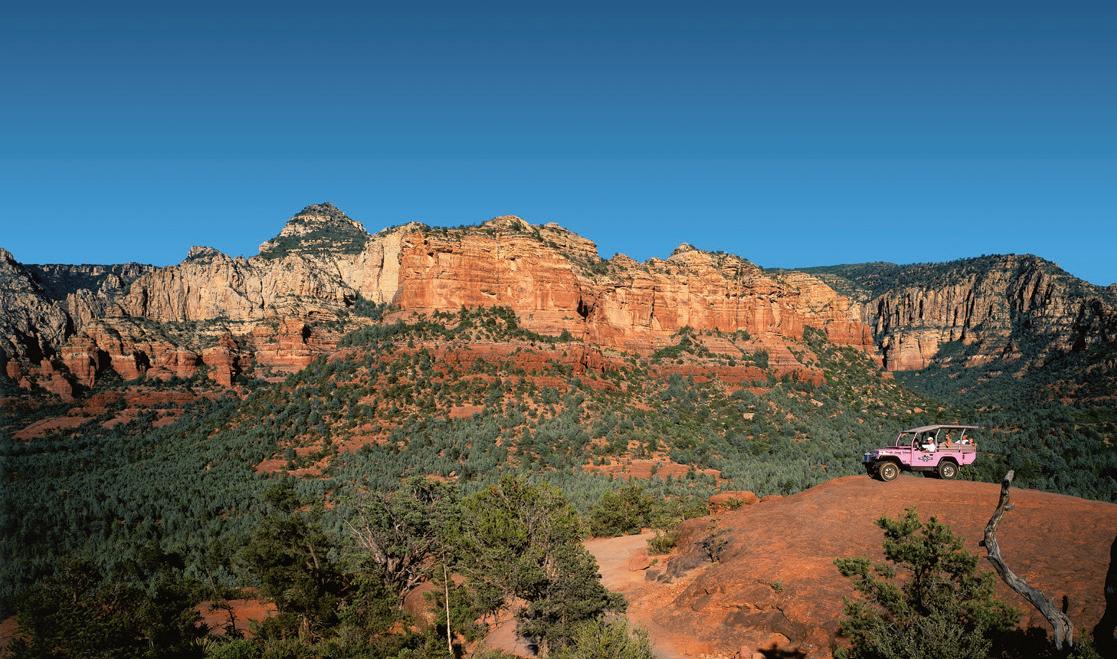
In Sedona, off-road tours have become one of the most recognizable – and repeatable – adventure experiences in the Southwest. Pink Adventure Tours traces its roots back to 1960, when what is now known as the Broken Arrow Tour first introduced visitors to the area’s rugged terrain. Decades later, it remains the company’s most popular offering.
“It won’t matter how long you’ve lived in Arizona, the locals will absolutely love the Broken Arrow Tour,” said Mike Hermen, director of sales. That kind of consistency has allowed the company to refine – and expand –its model.
“With this many years of experience, we decided to take our successful business model and expand to other popular destinations in the Southwest, including Las Vegas and Grand Canyon,” Hermen said. The company has since grown into additional markets, including the Smoky Mountains and Branson, Missouri. The concept translates: structured access to terrain most visitors wouldn’t attempt on their own.
In Sedona, jeep tours run steadily throughout the day, carrying visitors who might otherwise stay on paved roads. The experience is accessible, predictable and easy to book, qualities that make it one of the region’s most reliable tourism products.
SEDONA:
A few hours earlier – and a few hundred feet higher – the pace shifts. Hot air balloon flights over Sedona offer
a quieter, more limited experience. Flights launch at sunrise, depend on weather and carry small groups, trading volume for atmosphere.
Operators like Red Rock Balloons and Northern Light Balloon Expeditions offer flights with no fixed route and no guarantee that conditions will cooperate. For visitors, that unpredictability is part of the draw.
Ballooning carries fewer people than jeep tours but attracts travelers willing to plan their trips around it. That often means arriving early, building in extra days or adjusting schedules – all of which extend time spent in the region.
Some adventures unfold over hours. Others take days. Outfitters like Hatch River Expeditions and Arizona Raft Adventures run multi-day rafting trips through the Grand Canyon, where visitors experience the landscape from river level rather than from above.
These rafting Grand Canyon trips require planning, physical readiness and time, and for many travelers, they become the centerpiece of a visit. Guests typically arrive early to prepare
and stay afterward to recover or continue exploring. The commitment is significant, but so is the payoff – an immersive experience that can’t be replicated from an overlook and one that often shapes the rhythm of an entire trip.
Back in Flagstaff, adventure becomes more accessible. At Arizona Snowbowl, the scenic gondola offers a quick transition from forest to alpine terrain. In
winter, it serves skiers and boarders. In warmer months, it opens the mountain to a wider audience.
The ride requires little planning. Visitors can decide the day of, reach the summit within minutes, and still fit other activities into their schedules. That accessibility broadens the market. Not every visitor is looking for a strenuous or multi-day experience; many simply want to engage with the landscape before returning to town for dining, shopping or other stops.

By Kevin Schindler
The Cosmic Highways Tour at Lowell Observatory invites visitors to commemorate the 100th anniversary of Route 66 through an unexpected and fascinating lens: astronomy.
By weaving together transportation history, cultural symbolism and landmark scientific discoveries, the tour reveals how the arrival of Route 66 supported a transformative century of astronomical research in Northern Arizona and beyond.
The experience begins with an exclusive presentation that places
Route 66 within the broader scientific landscape of the early twentieth century. As the highway emerged as a crucial transportation artery across the Southwest, it became an essential link between remote observatories, universities and research centers.
Guests learn how astronomers and engineers relied on Route 66 to move people, ideas and delicate equipment during a pivotal period when astronomy was rapidly evolving from a largely observational pursuit into a data-driven science.
Special attention is given to key discoveries at Lowell Observatory that helped define 20th century as-
tronomy. One of the most significant is the evidence that the universe is expanding. In the 1910s, astronomer Vesto Slipher, working at Lowell Observatory, measured the motions of celestial bodies then known as spiral nebulae (now known to be galaxies) and discovered that most were moving away from Earth at immense speeds. These observations, made possible by improved instruments and logistical support that Route 66 helped facilitate, provided essential data later used by Edwin Hubble to demonstrate one of the most profound revelations in the history of science – that the universe
As the highway emerged as a crucial transportation artery across the Southwest, it became an essential link between remote observatories, universities and research centers. Guests learn how astronomers and engineers relied on Route 66 to move people, ideas and delicate equipment during a pivotal period when astronomy was rapidly evolving from a largely observational pursuit into a data-driven science.
is expanding.
The presentation also highlights Lowell Observatory’s role in the discovery of Pluto in 1930. Clyde Tombaugh’s painstaking photographic survey of the night sky was part of a long-standing search for a hypothesized “Planet X” begun by Observatory founder Percival Lowell in 1905.
Route 66 played a practical role in sustaining this research, enabling the transport of photographic plates, telescope components and personnel between Flagstaff and scientific partners nationwide. Pluto’s discovery captured the public imagination and cemented Lowell Observatory’s place in astronomical history.
Beyond its scientific significance, Route 66 became a cultural symbol of exploration and possibility, values that closely mirrored astronomy’s own quest to see farther and understand more about the cosmos.
The presentation explores how the romance of the open road par alleled humanity’s growing fascination with space, discovery and the unknown.
Following the presentation, guests are escorted into a behind-the-scenes
warmth, storytelling skills and deep knowledge of the mules and the landscape.
“My husband, Bob, and I had Tex as our wrangler for our 25th wedding anniversary ride to Phantom Ranch,” said Cathy Brown, a retired nurse from New Mexico. “She was a great communicator, entertaining us with the stories of the canyon, and kept us safe and happy. She has the best smile and obviously loves her job and her favorite mule, Ratzy.”
On average, Parker rides about five trips a week with up to 10 guests. The mule train has two wranglers: the lead guide and one on the tail for ensured safety. Fun stories interlaced with historical facts fill the air along with the clomping sound of mule hooves beating against the trail.
Xanterra South Rim Mule Operations also offers The Canyon Vista Mule Ride, a two-hour ride along the East Rim Trail. FBN
For information about Grand Canyon South Rim mule rides, visit www.grandcanyonlodges.com.
VERDE VALLEY: A SLOWER PACE
South of Flagstaff, the Verde Canyon Railroad offers a different kind of experience – one that trades adrenaline for immersion. Passengers board restored rail cars for a four-hour journey through canyon country, following the Verde River past cliffs, wildlife habitat and historic sites.
There’s no hiking, no gear and no physical demand. Instead, the experience opens the landscape to a broader audience, including families, couples and older travelers who may not be seeking more strenuous outdoor activities. By expanding what “adventure” can look like, experiences like the railroad draw in visitors who might otherwise opt out entirely.
At Grand Canyon Caverns in Peach Springs, adventure shifts below ground. Visitors descend 200 feet into a cavern system that has been forming for millions of years. While some tours are accessible, others – like the Wild Tour – require crawling, climbing and navigating rugged terrain for several hours. Guides lead small groups beyond the lighted passages into areas still being explored, where research continues on cave systems and microorganisms. It’s physically demanding and tightly managed, requiring training, equipment and specialized staff. The scale is smaller, but the experience is deeper – and often one of the most memorable parts of a trip.
exhibit area normally closed to the public. This exclusive space offers access to archival collections including one of the observatory’s most iconic artifacts: Percival Lowell’s beautifully restored 1911 Stevens-Duryea automobile, affectionately known as Big Red.
Big Red embodies the intersection of mobility, innovation and scientific ambition that defined the early Route 66 era. Together, the highway and the automobile expanded the physical reach of astronomy, helping scientists transport instruments, collaborate across vast distances and pursue discoveries that reshaped our understanding of the universe.
By the end of the Cosmic Highways Tour, visitors come away with a deeper appreciation for how Route 66 and modern astronomy advanced side by side, two parallel journeys driven by curiosity, exploration and a desire to push beyond known horizons. FBN
At the other end of the spectrum, some experiences are brief but hard to forget. From Page, helicopter tours operated by Papillon Helicopters climb quickly above the desert, revealing Lake Powell, Glen Canyon and the Colorado River from the air.
The Tower Butte Landing Tour sets down on a tall, remote rock mesa rising nearly a mile above sea level. With no roads or trails leading to the top, the only way up is by air. Passengers step out onto the summit for a 360-degree view – then lift off again, flying over Horseshoe Bend before returning to the airport.
The entire experience takes less than an hour, but for many visitors, it becomes the defining moment of the trip.
Across Northern Arizona, these experiences tend to complement one another rather than compete. Visitors often plan a trip around one anchor activity, then add others, spreading their time and spending across multiple destinations. Each one requires more than simply showing up. They depend on guides, equipment, scheduling and access. Taken together, they shape how visitors move through the region –and how long they stay. In Northern Arizona, adventure isn’t just something to see. It’s something people plan for, and often, return for. FBN
Stacey Wittig is based in Northern Arizona and publishes UnstoppableStaceyTravel.com. Her work explores outdoor adventure, destinations, and the role tourism plays in the regional economy.
owner of the B Cross horse brand, which raises award-winning horses and was one of the first to use “swimming therapy” for the rehabilitation of horses.
“His devotion and support for all my endeavors has been invaluable,” said Brunori. I can truly feel his equal commitment and investment to my success and he repeatedly shows that he is my biggest fan – a true partner in life.”
Gina Guccione, head of the business’s Horse Resources, says working for Brunori has been incredible. “As someone who has just gone through a major life transition, I found not only a job here but genuine understanding and support. There’s a level of empathy and intuition that comes from working for a woman-owned business, whether it’s being given flexibility to spend time with family when it matters most or simply feeling down during difficult moments. That care extends beyond the team and into the horses, creating an environment rooted in compassion, patience and respect. Being part of a woman-led operation has reminded me that strength and kindness can absolutely go hand in hand.”
Looking to the future, Brunori says she may expand into other Arizona locations such as Cave Creek or Wickenburg. FBN
Horsin’ Around Adventures is located at 2650 N. Dancing Apache Road in Cornville. For more information, visit www.horsinaroundadventures.com or call 800-403-1690.
Northern Arizona’s real estate market continues to grow across residential, commercial, and investment sectors — creating opportunity throughout the region.
The Real Estate Section connects your business with readers actively buying, selling, building, financing, investing in, and improving property. It’s the perfect fit for real estate professionals, builders, financial firms, contractors, designers, and home service providers looking to reach engaged local decision-makers.
Position your brand alongside one of Northern Arizona’s most active industries and connect with the people shaping the region’s future.
Advertising Options
Participate with a three-month commitment with a Half or Quarter page color ad. As part of this package, you also can submit a 400-600 word, non-sales, educational article on your field of expertise.


By Bonnie Stevens, FBN
Critically ill heart valve patients in the United States now have access to life-saving, minimally invasive treatment with Corvention’s KardiaPSI Balloon Catheter. The Flagstaff-based startup received FDA clearance in May, allowing interventional cardiologists and cardiac surgeons to use the innovative medical device in aortic valve interventions.
“We are very excited and looking forward to a great 2026 for patients and families,” said Corvention CEO and Co-Founder Michael Franklin.
Following this regulatory milestone, Corvention is initiating a controlled, phased market introduction. To ensure the highest standard of clinical support and physician training, Franklin says the company will focus its current efforts on establishing the necessary commercial infrastructure and strategic support
networks required for a successful national launch.
“As we enter commercialization, we are committed to a disciplined, high-touch rollout and to being responsible stewards of the clinical spaces we serve, with a focus on supporting improved and durable patient outcomes,” he said.
Corvention is part of the medical device startup network on the Moonshot Flagstaff campus. Its work is supported through a collaboration with POBA Medical, which specializes in the design and manufacturing of balloon catheters. For the KardiaPSI device, POBA and Corvention completed the entire process, from raw materials to finished medical product in Flagstaff. FBN
For more about this life-saving innovation, watch Zonie Living at StarWorldwideNetworks.com.
By Betsey Bruner, FBN
Concrete can be a complicated, expensive and demanding construction material, but a new business in Flagstaff aims to simplify the process of delivering high-quality concrete to both businesses and residences in Northern Arizona.
For more than four decades, GFT (Green Fuel Technologies) Ready Mix, a small, family-run business with headquarters in Phoenix, has served clients on time and on budget.
In an early-May press release, the company announced the acquisition of Arrow Redi-Mix, Inc., on Railroad Avenue in Flagstaff. Another Arrow Redi-Mix in Williams was acquired at the same time, adding to this expansion in Northern Arizona. In addition to Phoenix, other southern locations include Buckeye, Gold Canyon and Sun City.
The new Flagstaff facility highlights the company’s commitment to Northern Arizona, which has seen steady growth in residential development, infrastructure improvement and commercial construction.
By establishing operations in the northern part of the state, GFT Ready Mix will be positioned to meet increasing demand while contributing to the region’s economic momentum, according to the press release.
“This expansion is about more than growth – it’s about commitment,” said GFT Ready Mix CEO John Casey. “We’re investing in Northern Arizona because we believe in its future. Our goal is to provide dependable service, create local jobs and support the communities that make this region unique.”
Ready-mix concrete is said to be a handy product that saves time and money. It is concrete that is manufactured in a batch plant according to a precise, engineered and job-specific recipe, rather than being mixed on site. It combines cement (an essential binding ingredient), water and aggregates, such as sand, gravel or crushed stone, to create a consistent, high-quality product, which can be delivered directly to construction sites in specialized mixing trucks.

John Casey has lived and breathed the concrete business his whole life, having grown up with his father’s concrete company, Casey Concrete, founded in Colorado in1978. With this experience and a dream, he started GFT Ready
This expansion by GFT Ready Mix is expected to bring several advantages to the region, including local production and distribution that will help reduce delivery time and ensure consistent access to materials for projects of any size. Company officials say it will strengthen the local economy and support job creation. They company also has a track record meaningful community involvement. In Williams recently, GFT Ready Mix provided the concrete for Camp Civitan, a 15-acre wheelchair accessible facility for children and adults with developmental disabilities. FBN



By Jeff Lane, Au.D.
An age-old battle within audiology is that between hearing aid technology and aesthetics. Patients want to hear better, but in a discreet manner. Historically, they would have to compromise on one of these aspects. Devices with all the bells and whistles were more visible as all the hardware required a lot of room, increasing the size. Conversely, the small size of invisible hearing aids required the sacrifice of features such as wireless connectivity. Fortunately, Oticon has recently released the Zeal, a hearing aid which combines the best of both worlds.
The Zeal is what is referred to as an invisible-in-the-canal (IIC) hearing aid. This means that no part of the shell extends into the concha bowl. A black faceplate helps to hide it even more. It is completely inconspicuous! Don’t worry, though. Red and blue marking make it easy to identify right and left. Another nice feature is that, rather than being custom-made, the Zeal simply uses a silicone dome. This eliminates the need for taking impressions and waiting for the devices to be manufactured and mailed
back. However, a custom earpiece can be made to fit over the end if desired.

Now, it is important to note that the Zeal’s unique design means it may not be a good physical fit for everyone. Oticon estimates that about a third of patients will find the Zeal too uncomfortable to wear consistently. This is because it fits deeper in the ear than other hearing aids, putting it close to the bony portion of the ear canal. It may not necessarily cause pain, but may simply be uncomfortable. The good news is it is a pretty immediate response, so you won’t have to wait and wonder. But, again, the Zeal should feel perfectly fine for the majority of patients. Also, because of their unique design, they do require more frequent cleaning. Oticon recommends that patients change the dome and wax traps once a month.
While the Zeal possess a sleek outer layer, its internal components are just as impressive. It is powered by Oticon’s latest chip platform, ensuring state-of-the-
art performance. A deep neural network (form of AI) analyzes the environment in real time, automatically adjusting to help the wearer hear in any environment. Studies show that it is able to provide a five-decibel improvement in the signal-to-noise ratio. What does this mean? In simple terms, it makes the desired signal more audible than the undesired noise, thus improving communication in chaotic environments. Its placement deep in the ear canal also allows it to take advantage of the pinna effect, the ear’s natural filtering mechanism,
providing a more natural sound quality.
The Zeal also has a rechargeable battery, which is unique among IIC hearing aids. Usually, hearing aids of this size have a small disposable battery. Such batteries can be difficult to maneuver and need to be replaced every few days. The user also needs to ensure that the battery door is fully closed, or else the hearing aid will not turn on. Having a rechargeable battery increases the convenience and reliability of the Zeal. Rechargeable hearing aids also turn on automatically, taking that burden off the patient. The Zeal runs for 20 hours off of a single charge, ensuring all day benefit.
Perhaps the most exciting feature of the Zeal is that it finally allows for wireless connectivity in an IIC hearing aid. It can pair directly with a phone or tablet, allowing them to simultaneously function as headphones. Oticon is designed with Apple products in mind, so communication with those devices is seamless. However, the Zeal is technically compatible with more than 12,000 devices.
Some, like the Samsung, allow for direct connection, while others require an intermediary accessory. The Bluetooth component also allows for use of the Oticon Companion app. This app acts as a remote control for the hearing aids, in addition to providing access to remote programming by your provider. One caveat is that the Zeal is currently only offered in the premium technology level. This means it’ll be more expensive than other hearing aid options. It is not yet known if it will eventually be offered in lower technology levels.
For those seeking elite performance in discreet packing, this hearing aid offers a wonderful new option. As always, consult with your hearing care professional to determine which hearing aid will best suit your needs. FBN
Trinity Hearing Center is located at 1330 N. Rim Dr., Suite B in Flagstaff. For more information, visit the website at TrinityHearing. net. Jeff Lane is a doctor of audiology with a passion for improving the lives of others. Dr. Lane may be reached at 928-522-0500 or at audio@ trinityhearing.net.

By Roy DuPrez
Father’s Day often brings attention to the quiet but powerful role fathers play in their children’s lives. For young men navigating recovery from substance abuse, that influence can become even more meaningful. While recovery is ultimately a personal journey, the support, guidance, and example set by a father can help shape the path forward in lasting ways.
Substance abuse impacts far more than the individual struggling with addiction. Families often experience emotional strain, broken trust, uncertainty and isolation alongside their loved one. For young men in recovery, reconnecting with family, and
particularly with a father figure, can provide stability during one of the most vulnerable times in their lives.
One of the most important ways fathers can support recovery is by modeling healthy behavior. Young men often look to the men in their lives for examples of how to handle stress, disappointment and adversity. Fathers who demonstrate emotional resilience, accountability and healthy coping strategies can show that challenges do not have to lead to destructive choices.
There are several ways fathers can positively influence their sons throughout the recovery process:
Setting a Positive Example: Fathers who model healthy coping strategies, emotional resilience
and responsible decision-making can have a lasting impact. Demonstrating how to navigate challenges without turning to substances teaches valuable lessons about accountability and self-care.
Encouraging Open Communication: Recovery often comes with feelings of shame, fear and uncertainty. Fathers who create space for honest, judgment-free conversations can help rebuild trust and reinforce that asking for help is a sign of strength, not weakness.
Creating Healthy Outlets: Shared activities such as hiking, exercising, working on projects or spending time outdoors can help young men rediscover healthy ways to manage stress and connect with others. These experiences also provide opportunities to rebuild relationships naturally over time.
Participating in the Recovery Journey: Fathers who attend therapy sessions, family programs or recovery-focused activities show commitment not only to

their son’s sobriety, but to healing the family dynamic as a whole. Recovery is often strongest when families work together. Rebuilding trust takes time, and consistency matters. Fathers who remain present and supportive throughout the ups and downs of recovery can help reinforce stability and hope. Even small gestures like showing up, checking in or recognizing progress can have a meaningful impact.
Fathers can also support recovery by helping young men regain confidence and independence:
Celebrating Small Wins: Recovery is built step by step. Acknowledging milestones, progress and personal growth can help motivate young men to continue moving forward.
Encouraging Responsibility and Independence: While support is essential, recovery also requires ownership. Fathers can empower their sons by encouraging decision-making, accountability and personal responsibility throughout the recovery process. Supporting a loved one through


recovery is not without challenges. Fathers may experience frustration, guilt, helplessness or uncertainty along the way. Seeking support through counseling, peer groups or community resources can help fathers care for their own well-being while remaining present and effective for their sons.
As Father’s Day approaches, it is worth recognizing the impact fathers and father figures can have in the lives of young men working toward recovery. Through patience, example, support and connection, fathers can help remind their sons that recovery is not simply about overcoming addiction, it is about rebuilding a future. FBN
Roy DuPrez, M.Ed., is the CEO and founder of Back2Basics Outdoor Adventure Recovery in Flagstaff. He received his B.S. and M.Ed. from Northern Arizona University. Back2Basics helps men ages 18–35 recover from addiction through a unique combination of structured residential treatment and outdoor adventure therapy. For more information, visit www.back2basicsrecovery.com, call 928-814-2220, or email rduprez@b2badventures.com.




By Christina Kovalik NMD, Lac
Peptide therapy is an emerging therapy that has shown to improve body composition (increase muscle mass, decrease fat), enhance healing and recovery of joints, tendons, ligaments and bone. It can act as an immune system modulator, helping to reduce inflammation, reduce autoimmune reactions and chronic infections. It can improve cognition and reduce brain fog. It can optimize hormones and reduce insulin resistance. It also has some restorative effects by increasing mitochondrial function.
Peptides are short-chained amino acid “proteins” synthesized in the body. They act as selective signaling molecules and bind to specific cell surface receptors, triggering intracellular cascades given their ability to regulate physiological mechanisms. Research has increasingly focused on harnessing naturally-occurring peptides to develop new therapeutic tools and medications such as the popular GLP-1 peptides used for obesity, diabetes and weight management. Therapeutic forms come
in injectables or oral tablets given in cycles for the best benefit.
Regenerative Peptides can be helpful in treating symptoms of fatigue, low energy, slow injury recovery, poor muscle composition, inflammation, chronic infections, decreased cognition, neurological disorders, cardiovascular conditions, obesity and insulin resistance, poor sleep and premature aging (sagging, thinning and wrinkly skin). There are hundreds of peptides naturally occurring in the body and there are several that are used for medicinal purposes compounded for use by 503A or 503B pharmacies that test for purity and quality in a controlled environment.
There are a lot of peptides available and more research is needed. Here are a few commonly used peptides and benefits.
CJC 1295 stimulates your own IGF-1 growth hormone secretion which begins to decline rapidly after age 30. CJC 1295 performs better than the older growth hormone-releasing hormones (GHRH) such as Sermorelin.
BENEFITS OF CJC 1295
Enhances metabolism and energy
Decreases body fat and increases muscle mass
Helps optimize the immune system
Improves bone density
Increases protein and collagen synthesis
Speeds up recovery from injuries
Promotes slow wave deep sleep
Improves cognition and memory
Improves libido
WHAT IS IPAMORELIN?
Ipamorelin is a growth hormone releasing peptide (GHRP) that mimics ghrelin. Ghrelin is responsible for initiating the breakdown of fat for energy as well as preventing the breakdown of muscles.
BENEFITS OF IPAMORELIN
May increase athletic performance, energy and recovery
Helps reduce stubborn body fat
Preserves lean muscle mass
Enhanced flexibility and joint health
Enhances deeper sleep and feeling more restored upon waking
Magnifies results from training and nutrition
Improves cognition and memory
Stimulate collagen production
COMBINING CJC-1295 AND IPAMORELIN
The combination of CJC 1295 and Ipamorelin provides a synergistic effect that has five times the benefits of using them alone. This allows a maximized release of GH because they each have a different mechanism of action, working on different receptors. By using both peptides, this ensures a rapid onset with Ipamorelin and lasting effects with CJC-1295 because of the difference in their half-lives. Unlike other peptides, this combination does not increase cortisol, ATCH or prolactin secretion, which can increase hunger.
Known as the “healing peptide,” BPC 157 improves healing in a variety of conditions in response to tendon and ligament injury.
BPC-157 accelerates healing by increasing type 1 collagen in these tissues.
BPC-157 helps maintain the mucosal lining of the GI tract.
As an anti-inflammatory, it aids in the protection and healing of
inflamed intestinal tissues.
It also aids in tissue damage repair by increasing blood flow to damaged tissues.
Additionally, BPC 157 acts as a neuroprotective by modulating serotonin and dopamine production in the brain.
BENEFITS
Tendon, wound and bone healing, chronic or acute injuries
Decreased pain and inflammation
Increased collagen synthesis and quicker recovery post injury
Intestinal tissue repair
Protects the heart and enhanced GABA neurotransmitters
Can help to reverse opioid tolerance
43 amino acid chain that is present in many tissues in lower concentrations
TB-500 is a synthetic fraction of the TB4 protein
Essential for protection, repair and regeneration of tissue
Continued on page 38



In a region defined by innovation, discovery, a deep respect for place and an unwavering commitment to people and the environment, Flagstaff Business News celebrates Northern Arizona businesses that possess something increasingly rare: staying power. The 40 Over 40 series honors locally rooted enterprises that have operated for more than four decades, navigating economic cycles, shifting markets and generational change while continuing to serve their communities with consistency and care, and contributing to the quality of life that defines Northern Arizona. From businesses that foster connection to those that build the spaces where locals and visitors live, work and play, this yearlong series explores the values, resilience and leadership that fuel long-term success across the region.


Little America
Flagstaff maintains a legacy of hospitality, preservation and comfort
In 1934, Utah sheepherder Stephen Mack Covey was inspired by the South Pole when he was looking for a location to establish a rest spot for travelers along a remote stretch of Wyoming’s Lincoln Highway. A few years earlier, Admiral Richard Byrd had established his Antarctic research station and called it Little America, a basecamp which grew to symbolize a welcome refuge for travelers. Motivated by memories of a brutal blizzard he had been caught in as a teenager, Covey, too, was moved to create a safe and inviting place for travelers. He named it Little America after Byrd’s expedition.
Today, that remote oasis legacy from Wyoming is alive and well in Northern Arizona with the renowned Little America Hotel and an emperor penguin as its mascot.
FOUNDING STORY
General Manager Fred Reese, an NAU business and hospitality management graduate, joined the hotel in 2007. He says Earl and Carol Holding acquired the company in 1966 and expanded it into a collection of hotels and resorts throughout the West.
Little America Flagstaff was the second property the Holdings built from the ground up, starting in 1972, with Earl personally involved in preserving the site’s natural beauty.
TOP ACHIEVEMENTS
“One of our greatest accomplishments is building a legacy that has endured for more than 90 years while remaining family-owned and values-driven,” said Reese.
Little America has been Flagstaff’s only AAA Four Diamond hotel for more than five decades, a distinction Reese says reflects a consistent commitment to quality and service. The preservation of the property’s natural environment, 500 acres of ponderosa pine, also sets the hotel apart.
CORE VALUES
The hotel’s culture is rooted in attentive service, connection and appreciation for the dark skies and majestic forest.
“At Little America, hospitality is in our nature,” Reese said. “From the sincere service of our staff to the comfort of our guest rooms, we strive to meet guests in life’s little moments, whether it’s a good night’s rest at the end of an adventurous day, a made-from-scratch meal that reminds you of home or a quiet stroll through the property at sunset.”
SHIFTS IMPACTING THE BUSINESS
A three-year renovation beginning in 2016 upgraded all 247 guestrooms, the
The Flagstaff Symphony Orchestra celebrates 76 years of musical excellence
A Coconino Sun newspaper reviewer, writing in 1899, hoped it would be the precursor to many more “evenings of grand pleasure” after a group of women led by Emma Babbitt, the grand dame of the Babbitt family dynasty, sponsored a musical program in the opera house on the second floor of the Babbitt Building in downtown Flagstaff.
“They called it an orchestra, but it was actually only seven musicians,” said former FSO Executive Director Stephanie Stallings, in a 2024 presentation.
FOUNDING STORY
With a population of 7,600 in 1950, a group of prominent citizens, led by Dr. Eldon Ardrey and Dr. Jack Swartz, created the Flagstaff Symphony Orchestra
(FSO), first named the Northern Arizona Symphonette. The orchestra gave its first concert with 29 musicians in Ashurst Auditorium on the NAU Campus.
Thus began the 76-year legacy of the largest and most active performing arts organization in Northern Arizona.
TOP ACHIEVEMENTS
A recent achievement came when a 2024 City of Flagstaff Research Study on Arts, Culture and Science recognized FSO as the most inclusive arts organization for multigenerational audiences in Northern Arizona.
“Our audience numbers have continued to rise, indicating that classical music is alive and well, and our community both desires and loves these live musical experiences,” said FSO Executive Director Michelle Wachter.
CORE VALUES A belief in the enriching benefits of live orchestral music has remained a core value for the Flagstaff Symphony Orchestra from its inception.
“We believe in artistic excellence, access and innovation.”
SHIFTS IMPACTING THE ORGANIZATION
An important component of the FSO legacy is the outreach it provides to the community of the greater Flagstaff area, said Wachter. “While we are first and foremost an orchestra, we also provide extensive educational and community outreach.”
Link Up immerses elementary students in musical learning and creation. Lullaby Project pairs new parents with a songwriter to craft a personalized lullaby for their child. Arts Capacity brings interactive concerts to the Winslow Correctional Facility.
GREATEST CHALLENGES
“Whether it be funding shifts, a global pandemic or changing audience needs, FSO quickly pivots, adapts and adjusts to the ever-evolving needs of our community.”
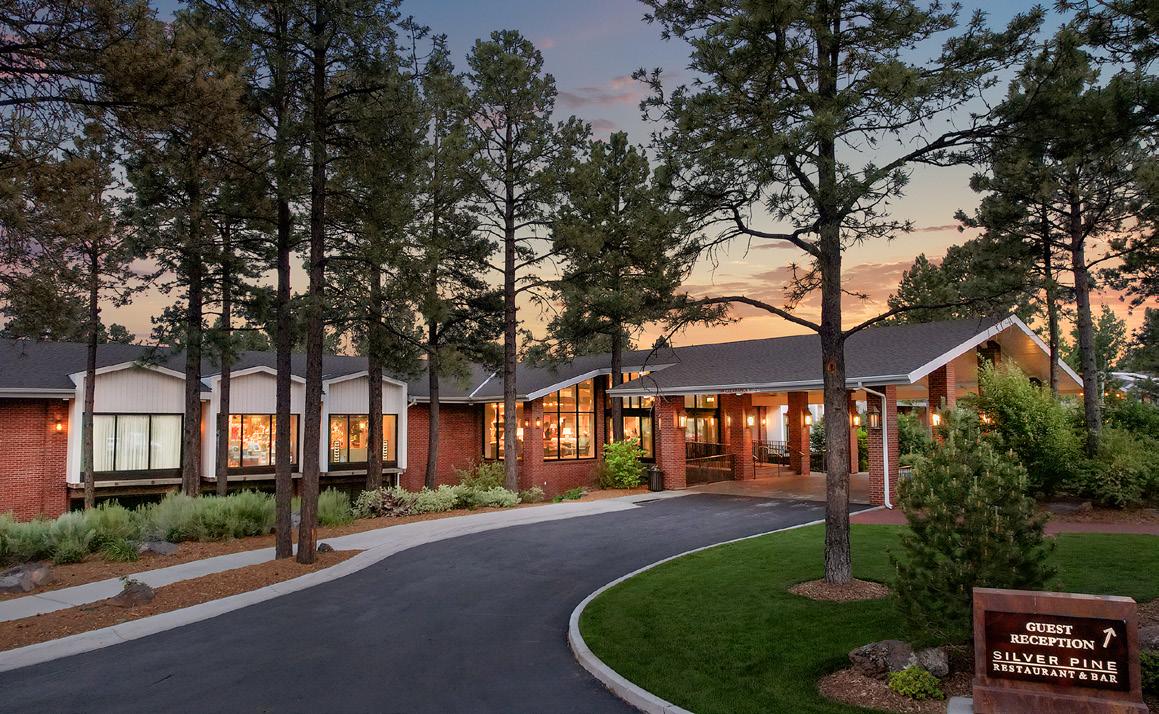
lobby, meeting spaces, gift shop and Silver Pine Restaurant and Bar. The hotel continues balancing modernization with preservation of the property’s history and natural surroundings.
The hospitality industry continues adapting to economic cycles, changing travel behavior and evolving guest expectations. Through it all, Little America maintains its warmth and character.
LOOKING AHEAD
“We see continued growth rooted in
intention rather than expansion for its own sake,” said Reese.
REASON FOR LONG-TERM SUCCESS
“It’s about the people, the culture and the intention behind every guest experience. That is what has allowed Little America to remain relevant and trusted for generations.” FBN
Little America Hotel 2515 E. Butler Ave., Flagstaff, AZ 86004 928-779-7900
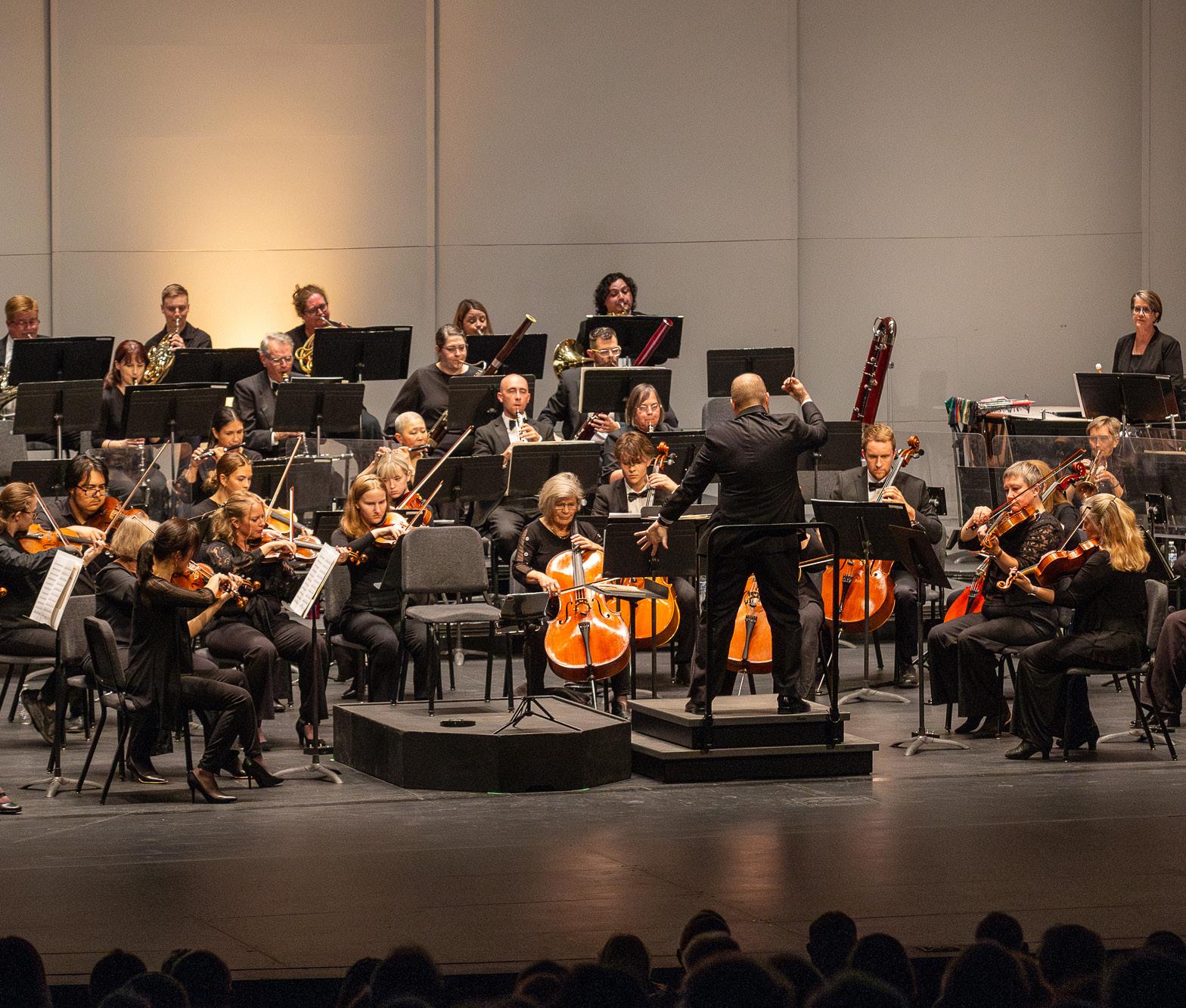
Flagstaff Symphony Orchestra remains committed to providing musical programming and expanding outreach “so all have access to the transformational power of live music,” Wachter said.
REASON FOR LONG-TERM SUCCESS
“We all – our community and
musicians – hold a shared belief in the power of music to affect change, inspire our community young and old and forge deep connections.”
FBN
Flagstaff Symphony Orchestra 113 E. Aspen Avenue A, Flagstaff 928-774-5107


Aspey, Watkins & Diesel celebrates five decades of legal excellence, community commitment and client advocacy in Flagstaff
For 50 years, Aspey, Watkins & Diesel PLLC has stood as one of Northern Arizona’s most recognized and respected law firms, representing generations of families, businesses and individuals through life’s most difficult and important moments.
Founded in 1975 by attorneys Fritz Aspey, Harold Watkins and Lou Diesel, the Flagstaff firm began with a straightforward mission: help people who need help. Half a century later, AWD LAW continues to build on that foundation
while adapting to a rapidly evolving legal landscape.
FOUNDING STORY
The firm was launched in downtown Flagstaff by three college and law school classmates who believed Northern Arizona deserved high-quality legal representation rooted in integrity, hard work and community service.
Over time, the practice expanded into one of the region’s largest full-service law firms, serving clients across a broad range of legal matters from personal injury and criminal defense to business law, estate planning, family law and civil litigation.
TOP ACHIEVEMENTS
AWD LAW points to three accomplishments that define its legacy: contributing to the community, caring for clients and celebrating its 50th anniversary in 2025.
The firm’s community involvement has included charitable giving, leadership in
Arizona’s legal community and support for future attorneys. In 2022, AWD LAW donated $50,000 to the University of Arizona James E. Rogers College of Law to help modernize courtroom training facilities for law students.
The firm says its guiding principles remain unchanged after five decades: acting with integrity, achieving excellence, fostering innovation, embracing opportunity and practicing perseverance in all aspects of the business. Those values have helped the firm maintain long-standing relationships throughout Northern Arizona while earning a reputation for trusted legal counsel and strong advocacy.
SHIFTS IMPACTING THE BUSINESS
A major transition came in 2014 when longtime managing partner Harold Watkins retired and leadership passed to Whitney Cunningham, who has guided
Historic Flagstaff bowling alley celebrates nearly seven decades of family fun, food and social connection
Turning 69 this fall, generations of Northern Arizonans have gathered beneath the glowing sign of Starlite Lanes to celebrate birthdays, graduations, weddings and simple nights out with family and friends.
Opened in November 1957 by retired Green Bay Packers player Walt McDonald, the bowling alley emerged during the peak of bowling center development in America. Flagstaff saw two bowling alleys open within a short period of time, but only one survived. Today, Starlite Lanes is
Arizona’s second-oldest bowling alley and the only bowling alley located on Historic Route 66.
FOUNDING STORY
What began as a classic mid-century bowling alley has evolved into a modern entertainment destination while maintaining its nostalgic charm.
“Our slogan is Eat, Drink, Bowl, and that’s pretty much where all our energy and capital go,” said owner Ron Getto.
“Despite our building’s age, we operate one of the most modern centers in the state and serve some of the most eclectic food in town (hail to Chef Ed!).”
The business has continued to modernize through innovations like automatic scoring systems, upgraded amenities and enhanced dining offerings, while preserving the timeless appeal of bowling itself.
Among Starlite Lanes’ proudest accomplishments is remaining family friendly and affordable while continually reinvesting in the experience. “We take pride in delivering a complete entertainment experience that combines bowling, food, drinks and social interaction under one roof,” said Getto.
At the center of its values is service to the community. “Starlite Lanes represents a platform for everything good: birthdays, charitable fundraising, graduations, weddings, even celebrations of life. Having said that, none of this would be possible without our awesome employees. When you visit, you’ll see there is very little turnover in our staff. Everyone is too busy having a good time here!”
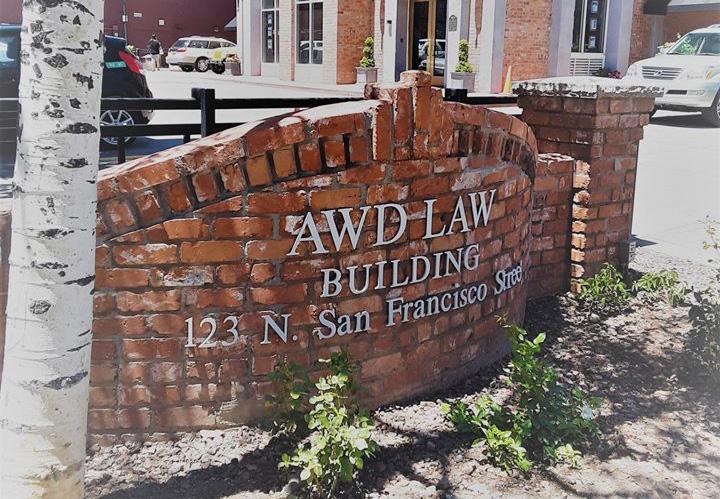
the firm through modernization and growth while preserving its original mission.
As technology, communication and client expectations have evolved, AWD LAW has adapted while continuing to emphasize personalized service and community involvement.
LOOKING AHEAD
Firm leaders say the future of law will include artificial intelligence, alternative business structures and increased access to justice. AWD LAW plans to embrace those changes while maintaining its commitment to excellence and client care.
REASON FOR LONG-TERM SUCCESS
According to the firm, its longevity comes down to “strong leadership, passionate people and hard work.”
That formula has helped AWD LAW remain a cornerstone of Northern Arizona’s legal community for 50 years and counting. FBN
Aspey, Watkins & Diesel 123 N San Francisco St, Flagstaff, AZ 86001 928-774-1478
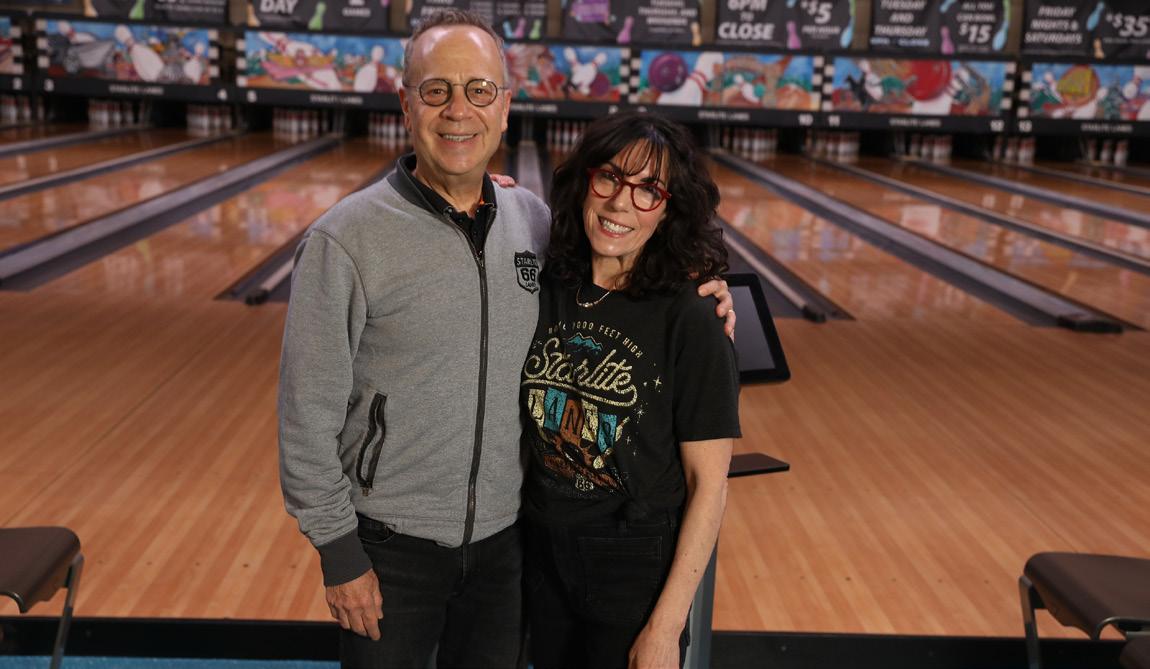
Like many entertainment venues, Starlite Lanes faced one of its toughest tests during the pandemic when the business was forced to close for nearly six months. Rather than becoming its downfall, the shutdown became a turning point.
“It proved to be the springboard to our best years ever. COVID-19 was the impetus for major capital investments and numerous labor-saving initiatives.”
Small innovations will continue to improve the experience but the core mission will remain largely unchanged:
deliver social experiences to individuals across a range of interests.
“Bowling has existed for over 5,000 years, making its first appearance in the tomb of an Egyptian child. It’s still the path to good times and nostalgic memories,” said Getto. “It comes back to the whole social aspect of going bowling. Every single one of us wants to feel connected.”
FBN
Starlite Lanes 3406 E. Route 66 Flagstaff, AZ. 86004
928-526-1138

By Luke Goettl
For me, summer in the Verde Valley has always meant long days, warm nights and memories that seem to stick with you forever. It’s kids jumping into the pool to cool off, backyard barbecues that last until the stars come out and families loading up the truck early to head out camping, fishing or just exploring everything this beautiful part of Arizona has to offer.
And yes, it’s hot. Anybody who’s lived here long enough knows that summer in the Verde Valley doesn’t mess around. But there’s something special about it, too. The heat has a way of slowing life down just enough to remind us what matters most: family, community and time spent together.
As we approach America’s 250th anniversary, I’ve found myself reflecting a lot on gratitude. Not just for this country, but for the opportunities it gives ordinary people to build something meaningful.
I’m Luke Goettl, CEO of Goettl’s High Desert Mechanical, and I’m proud to be the son of Ted Goettl, one of the founders of our company. My dad and Uncle Adam started Goettl’s High Desert Mechanical back in 1987 with a vision rooted in hard work, integrity and taking care of people the right way. But our family’s history in Arizona heating and cooling actually goes back even further; four generations, all the way to the original Goettl brothers in the 1920s.
Growing up around this business taught me lessons that had very little to do with furnaces or air conditioners. I learned that your name matters. Your word matters. And the way you treat people when nobody’s watching matters most of all.
That’s the kind of opportunity America gives families like ours.
This country allows people to start businesses from the ground up, create careers that change lives and build something worth passing down to the next generation. My dad and uncle built this company one relationship at a time. Not because anything was handed to them, but because they believed if you worked hard, treated customers honestly and stayed committed to your community, good things
would follow.
Today, my brother Hank, cousin Dustin and I get the privilege of carrying that forward alongside an incredible team of people who’ve become family, too. Some of our employees came to us looking for a job and ended up finding a career. Others found stability for their families, opportunities to grow and pride in mastering a trade that truly helps people. That’s something I never take for granted.
And honestly, that’s one of the reasons I love the Verde Valley so much. There’s still a strong sense of community here. People wave at each other. Neighbors help neighbors. Local businesses support local families. In a world that sometimes feels disconnected, this place still feels real.
As we celebrate 250 years of America, I think it’s important to remember that the strength of this country has always come from everyday people: families, workers, small business owners, tradesmen, teachers, first responders, military and neighbors who show up for each other day after day.
That spirit is alive and well here in the Verde Valley.
So, this summer, I hope you take time to enjoy what makes this place special. Get outside early before the heat kicks in. Take the kids to the river. Watch a sunset over the red rocks. Fire up the grill. Make memories. Because years from now, those are the things your family will remember most.
From my family to yours, thank you for allowing Goettl’s High Desert Mechanical to be part of this community for nearly four decades. We’re proud to call this home, proud to live the American dream every day, and proud to continue building a business rooted in trust, integrity and service.
After all, a name means something around here. And we’ll never stop working to be “A Name You Can Trust.” FBN
Luke Goettl is the CEO of Goettl’s High Desert Mechanical. //
My dad and uncle built this company one relationship at a time. Not because anything was handed to them, but because they believed if you worked hard, treated customers honestly and stayed committed to your community, good things would follow. //
By Mark Rothlisberger
When you have company coming over wouldn’t it be nice to show off a “new” kitchen?
Kitchen tune-up in Flagstaff can transform your kitchen for, in many cases, under $20,000 and in as little as just one to five days!
We know that everyone’s schedules are usually packed tight. Between keeping up with the kids, long hours at work, summer vacations, neighborhood barbeques and just overall life in general, nobody wants a construction zone taking over the house for months. Fast kitchen updates, or “Kitchen Tune-Ups” as we call them, allow homeowners to enjoy the season instead of spending it stepping around tools and dust.
A refreshed kitchen from Kitchen Tune-Up of Flagstaff can also make everyday life more enjoyable. Relaxing with a morning coffee feels better in a brighter space. Family meals become more inviting. Guests naturally gather where everyone tends to gather anyway – the kitchen.
Whether you are preparing for
summer parties, creating a better space for family time or simply ready for a change, a kitchen tune-up can deliver big results without a big price tag.
Cabinet renovations can dramatically transform the look and feel of any kitchen, providing a fresh update without the need for a complete overhaul. If you’re considering updating your cabinets to create more storage space or seeking full cabinet refacing to refresh their appearance, there are several different options available. But this approach isn’t just about looks; it’s about function.
Adding rollout shelves, drawer organizers and smart storage solutions makes your kitchen easier to use every day. It’s a practical upgrade you’ll notice immediately. For those on a budget, cabinet painting can be an effective way to breathe new life into tired or outdated cabinets with a new color. Each of these methods can work in harmony to achieve the aesthetic and functional goals of your kitchen renovation, making your cabinets not just storage solutions, but focal points of your home’s heart.
This summer, enjoy your company
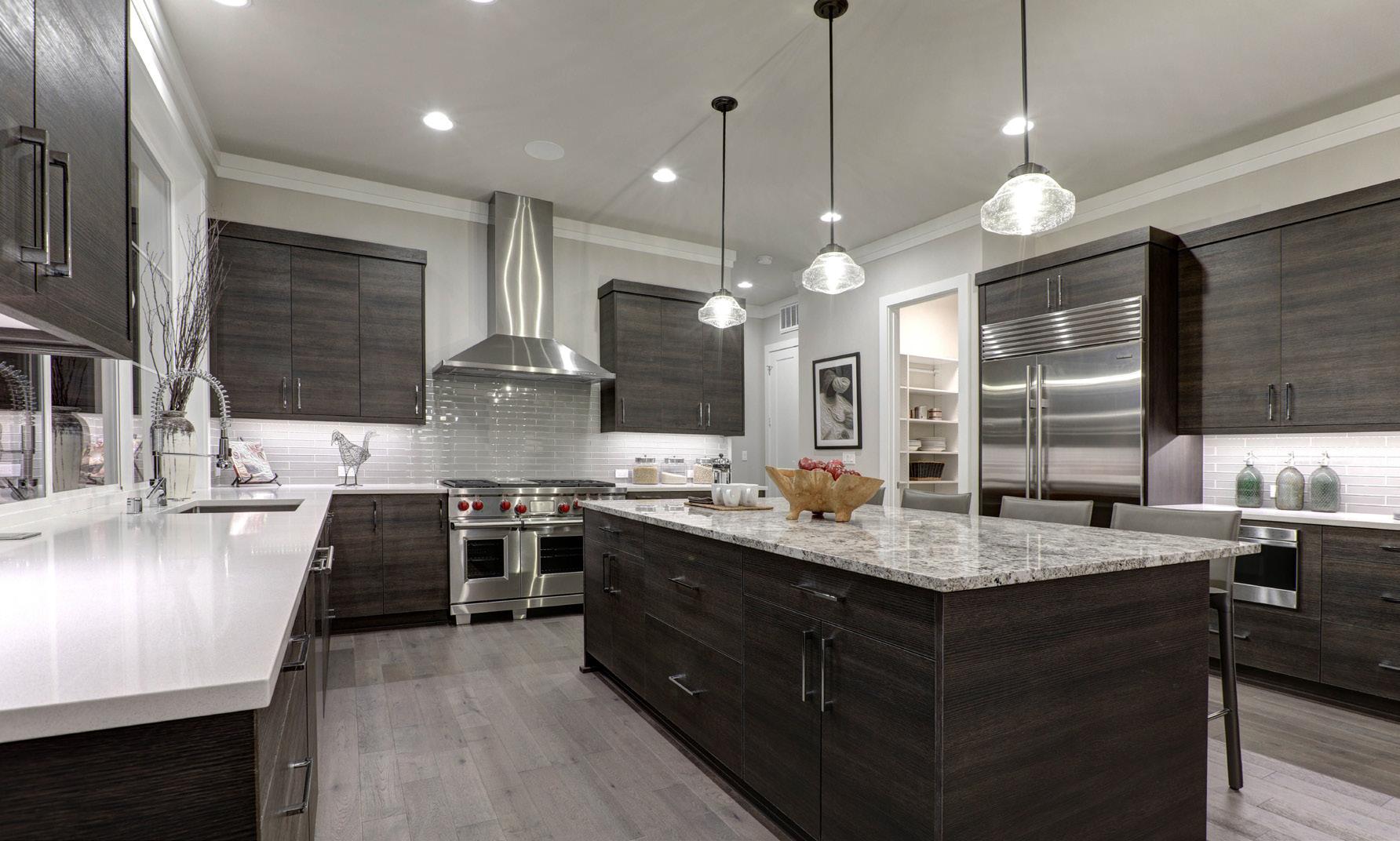
and enjoy your kitchen by transforming your kitchen quickly, affordably and beautifully with us at Kitchen Tune-Up of Flagstaff. Reach out today for a no hassle, free consolation. FBN


By Ryan Randazzo
This year marks the Route 66 Centennial and Flagstaff is ready to welcome locals, domestic and international visitors to celebrate the historic, 100-year milestone with a special event June 6.
Ahead of the centennial, Discover Flagstaff has been promoting Flagstaff as “the only 7,000-foot elevation, pine-fresh, dark-sky city on the Mother Road.”
Discover Flagstaff is planning a Route 66 Centennial Celebration on June 6 that will incorporate 3D-illusionary street art, music, dancing, classic cars and other family-friendly elements into the daylong celebration.
The illusionary street art promises to be a showstopper, with artists commissioned to create images that will give visitors the impression the street has come to life.
The free event will coincide with the annual Hullabaloo festival at Wheeler Park, making for a lively, family-friendly day of celebration.
Aspen Avenue, between Leroux and San Francisco streets, will be closed from the afternoon of Friday, June 5, through Saturday evening, June 6, allowing visitors to enjoy the
downtown area on foot. Additional special events are occurring near Gateway Plaza – the patio and walking areas between Rainbow’s End and Flagstaff Brewing Co., and at Flagstaff Mall.
Mountain Line is offering free bus service on all routes for the Route 66 Centennial celebration on June 6, so leave the car behind and tour the Mother Road in style. The Route 66 bus departs the Downtown Connection Center every hour at quarter after, and will offer a tour of the sites along Route 66 from 10 a.m.–5 p.m.
After the Route 66 Centennial celebration concludes at 5 p.m., there will be more live music on Heritage Square while the community prepares for the annual Movies on the Square. This evening will feature the Disney movie “Cars.”
The city also recently launched a new digital passport, providing locals and visitors an opportunity to “check in” at Route 66 landmarks to earn points they can redeem for prizes at the Visitor Center (1 E. Route 66).
Discover Flagstaff also offers the “Walk this Talk” Route 66 self-guided tour, which begins at the Visitor Center and guides visitors through 10 historic sites within about a half mile of the starting point.
Several local attractions also have Route 66 themed specials for the centennial:
The Museum of Northern Arizona opened the exhibition “Wagon Road to Mother Road” focusing on how Route 66 changed the region. Archeologist David Purcell conducted a dig in Petrified Forest National Park and the exhibition details the car crashes, camp sites and other activities along Route 66 in its early days.
Lowell Observatory has a new tour called “Cosmic Highways: A Centennial Tour” that offers guests a chance to see Percival Lowell’s historic 1911 Stevens-Duryea car that he drove around Flagstaff. The tour follows astronomical discoveries along Route 66 in Arizona. The tour is daily at 3 p.m. and tickets allow readmission for guests who wish to return in the evening for stargazing and telescope viewing.
Theatrikos Theatre Co. in Flagstaff is presenting a new performance to run through Nov. 11 called “Route 66 to the Grand Canyon” that uses a comedy plot to explore the lore of Route 66.
Flagstaff-based tour company Freaky Foot Tours is offering a
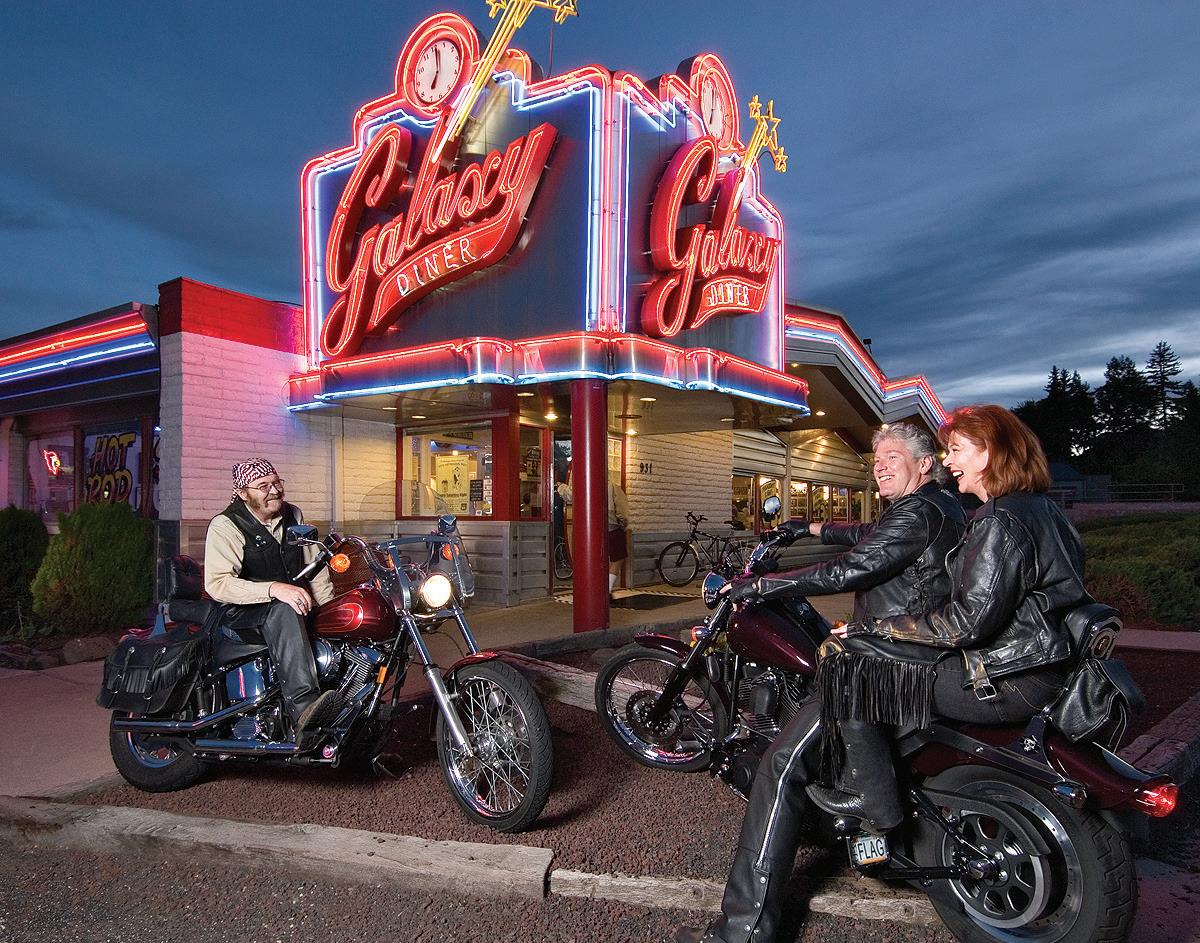
new, two-hour walking tour of the Southside neighborhood that explores both the 1926 and 1934 alignments of Route 66. The tour shares the story of how Flagstaff leaders helped bring the highway to Flagstaff rather than through southern Arizona.
The city invites you to rediscover Route 66, enjoy the many experiences and mark your calendar for the June 6 event, 10 a.m.–5 p.m. FBN
Ryan Randazzo is the Discover Flagstaff media relations and marketing project manager and Flagstaff film commissioner.
By Devon Forrest
We tend to talk about break-
ing a habit like it’s a decision. You wake up one day, you’re done with it, and that’s that.
But anyone who’s been in addiction, or close to someone who has, knows it’s seldom that simple.
Substance use doesn’t just sit off to the side. It gets woven into daily life. And after a while, it’s not just something you do, it’s something your whole life quietly starts to orbit around.
So, stepping away from it usually takes more than willpower. It takes a real shift. A change in environment, in rhythm, in what your days even look like.
That’s the idea behind the Substance Abuse Residential Rehabilitation Program (SARRP) at The Guidance Center. It’s not just about quitting. It’s about creating a new space for something different to begin.
For many people, the hardest part isn’t wanting to stop. It’s staying stopped in the same environment where everything that fed the habit is still right there.
Same stress. Same patterns. Same
easy access.
Residential treatment changes that. It gives people a real break from all of it. Not a “try harder this time” kind of break, but an actual shift in surroundings.
Life in that setting is simpler, in a good way. There’s a rhythm to the day. Meals, sleep and groups all happen on a schedule. There’s space to slow down a little, which is often something people haven’t had in a long time.
And then there’s support during the hardest stretch, those early days when everything feels loud. Cravings, emotions, physical withdrawal. Having people there who know how to help makes a difference.
But honestly, one of the biggest shifts is just not being alone in it.
Being around other people who get it tends to open things up in a way that’s hard to explain. It becomes easier to be honest. Easier to say the thing you’ve been carrying around.
One former participant put it like this:
“I couldn’t even get through a full day of not drinking on my own. There were just too many chances to fall back into it. Being somewhere alcohol wasn’t
an option for a month gave me the break I needed. It helped me get started in a way I couldn’t before. That time created enough distance from the cycle that I could actually build something different, and I’ve been able to hold onto that ever since.”
That’s really the heart of it. It’s not about forcing change through willpower. It’s about changing the conditions enough that change becomes possible.
And something people don’t always realize: this kind of comprehensive, in-patient recovery is available right here in Flagstaff. For some, that means not having to leave their community to get that level of care, which can make taking that first step feel a little more within reach.
Good treatment makes space to look at that part, as well.
Not in a heavy-handed way. More like slowly noticing patterns. What leads up to using. What keeps it going. What’s been sitting underneath it. And then, just as important, learning something new to put in its place.
Because taking something away without replacing it leaves a hole. Recovery is, in many ways, about figuring out what can actually fill that space in a

way that holds up.
Somewhere in there, another question starts to come into focus: who am I without this?
There’s no quick answer to that. But with time and the Guidance Center’s nurturing environment, things start to take shape.
At some point, people leave residential care and step back into their lives.
If residential care is about stepping out of the cycle, outpatient care is about learning how to live differently inside your actual life.
Outpatient programs offer support without pulling someone out of their day-to-day life.
People go to work. They take care of their families. They show up for real life, and at the same time, they keep showing up for recovery.
There’s still structure. Still therapy. Still group support. Still conversations about what’s working and what isn’t.
The difference is that now it’s happening in real time.
A tough day at work. A moment that could have gone sideways. A small win that actually matters. Instead of handling all of that
alone, there’s a place to bring it, talk it through, and keep adjusting.
For some people, outpatient care comes after residential treatment. For others, it’s where they begin. Either way, it plays a big role in making change last.
There’s no single path to recovery that works for everyone.
What matters is that the support is right here in Flagstaff, and it’s available when people are ready to reach for it.
The Guidance Center. We’re here to help good things happen. FBN
This article was written with input from our friend, Kathryn. She successfully completed inpatient and outpatient treatment at The Guidance Center and has been sober ever since.
The Guidance Center. 2187 N. Vickey Street, Flagstaff, AZ 86004
928-527-1899
888-681-1899 tgcaz.org
By Breeanya Hinkel
For many people, the Better Business Bureau is recognized by the familiar torch logo displayed on a website, storefront or service vehicle. But beyond the logo, BBB represents something much more meaningful: trust, accountability and confidence in the everyday decisions consumers make.
As summer settles into Northern Arizona, many residents are tackling
home improvement projects, hosting gatherings, planning events and checking off long-overdue repairs. From hiring painters, landscapers and contractors to booking caterers, photographers or wellness services, these decisions often involve inviting businesses into personal spaces and important moments. In many cases, consumers are not simply purchasing a service, they are placing trust in someone they may have never worked with before.
Better Business Bureau helps consumers make those decisions with greater confidence by providing free access to trusted business information and educational resources through BBB.org. Consumers can explore business profiles, read customer reviews, check complaint histories, verify licensing information when applicable, and see how businesses respond to concerns and feedback. //
“Our homes are our sanctuary,” said Erin Morrow, senior director of Accredited Business Experience at Better Business Bureau Serving the Pacific Southwest, Central & Inland California. “It’s where our families gather, where memories are made and where we should feel safe and comfortable. Taking a few extra moments to research a business before hiring them can make all the difference in finding someone reliable, ethical and professional.”
Better Business Bureau helps consumers make those decisions with greater confidence by providing free access to trusted business information and educational resources through BBB.org. Consumers can explore business profiles, read customer reviews, check complaint histories, verify licensing information when applicable, and see how businesses respond to concerns and feedback. Businesses that earn BBB Accreditation voluntarily commit to BBB’s Standards for Trust, which include principles such as honesty, transparency, integrity, responsiveness and safeguarding customer privacy.
Accreditation signals that a business has agreed to uphold ethical business practices and maintain a positive track record within the community.
In Northern Arizona, BBB’s presence extends beyond online resources. The BBB Prescott Campus serves as a hub for business education, community engagement, consumer awareness programming, and small business support. Through workshops, networking opportunities, scam prevention education, and partnerships with local organizations, BBB works to strengthen the relationship between businesses and the communities they serve.
Trust is built through consistent actions. Whether someone is choosing a contractor, looking for a financial service or supporting a local business, consumers deserve tools that help them feel informed and empowered throughout the process.
BBB also provides dispute resolution services when challenges arise between consumers and businesses, helping both par-
ties work toward fair, respectful, and constructive outcomes. These services are designed to encourage communication, accountability and resolution while supporting a healthier marketplace for everyone involved.
As spending and service requests increase during the busy summer season, BBB encourages consumers to slow down, ask questions, verify information and do their research before making purchasing decisions. Simple steps – such as checking a business profile, reading reviews, requesting written estimates and confirming contact information –can help consumers avoid scams and make more confident choices. FBN
To learn more, search local businesses or access consumer resources, visit bbb.org or stop by the Prescott Campus at 213 Grove Avenue in Prescott.
at breeanya.hinkel@ bbbcommunity.org or 928-7711471.
By Claire Harper
History took off on May 21 as Flagstaff Airport (FLG) welcomed its first mainline aircraft service. American Airlines introduced an Airbus A319 on its daily route to Dallas Fort Worth International Airport (DFW), marking a major upgrade from the regional CRJ700 previously used on the route.
The A319, operated directly by American Airlines rather than a regional affiliate, offers 128 seats across three cabins: First Class, 24 Main Cabin Extra seats and Main Cabin. The added capacity gives travelers more comfort, flexibility and availability during peak travel periods.
“Summer is just around the corner, and travelers have told us they want more options to visit Flagstaff,” said American’s Director of Domestic Network Planning Jordan Pack. “By adding capacity between Flagstaff and our largest hub, we’re expanding access to destinations across the country, from Miami and Washington, D.C. to New York and beyond.”
The A319 will operate daily to DFW through Oct. 31 to meet increased summer and early fall demand.
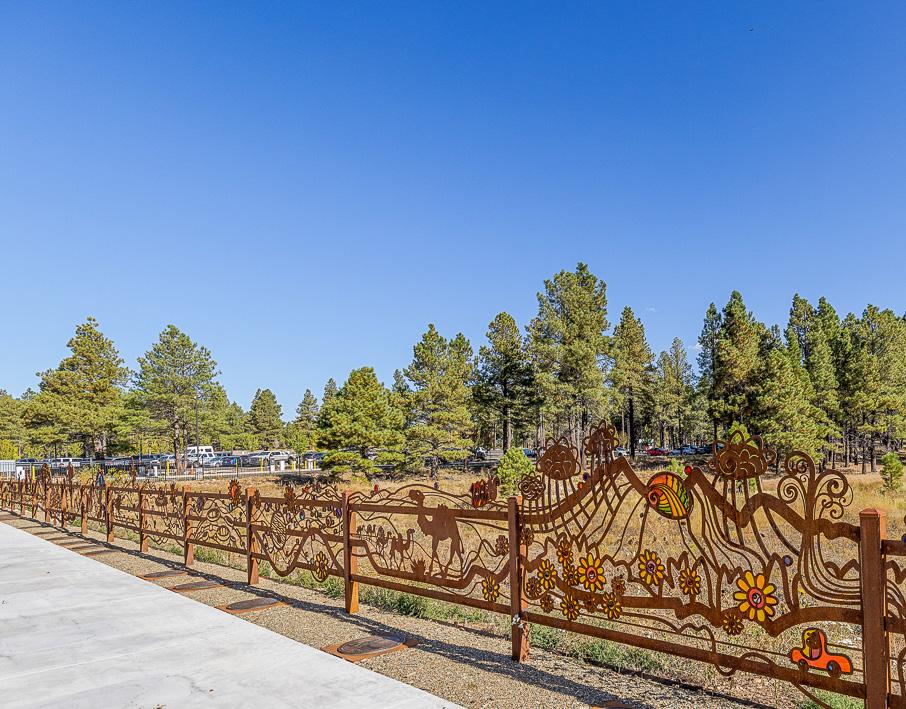
Flagstaff Airport Director Brian Gall emphasized the importance of this milestone. “The increase in seats on this route reflects the continued growth of the Northern Arizona market and the strength of our partnership with American Airlines.
We’re thrilled that FLG will welcome scheduled mainline service for the

daily DFW service on the A319.
first time. The Flagstaff community has consistently filled available seats, demonstrating strong demand. We encourage travelers to continue choosing FLG to support even more expanded service in the future.”
American Airlines will continue to operate multiple daily flights to PHX on the CRJ700, in addition to the
Beyond air service enhancements, FLG is preparing for a major terminal landscaping update. After more than 30 years, the landscaping surrounding the terminal will be replaced to improve the first and last impression for visitors. Airport staff presented a redesign proposal to the City of Flagstaff’s Beautification and Public Arts Committee, which approved the project during its annual retreat. Design work is scheduled to begin after July 1.
Meanwhile, the Coconino Scroll continues to draw attention from travelers and community members.
Created by artist team Pete Goldlust and Melanie Germond, the installation is a decorative steel fence embedded with stained glass elements
representing the region’s history, environment and cultural diversity. Its colors shift throughout the day and seasons as sunlight changes, adding movement and vibrancy to the terminal approach.
Along the adjacent sidewalk, 25 bronze medallions titled “Footnotes” provide brief stories tied to the artwork’s imagery. The installation spans 266 feet along Pulliam Drive, guiding passengers from the longterm parking area to the terminal. The Coconino Scroll and other beautification projects are funded through Bed, Board and Beverage (BBB) tax revenues dedicated to arts and beautification. FBN
is the airport communications manager for the City of Flagstaff.
BECKY DAGGETT
Why is housing in Flagstaff so expensive? There are many reasons, but I’ll name just a few. First, it’s not just Flagstaff. Communities large and small across the country are experiencing housing costs that have grown out of reach for residents. Nationwide, building hasn’t kept pace with population growth as we exited the Great Recession.
Secondly, it’s hard to save enough money for a down payment on a house when your rent is so high it eats up too much of your income. Add in high construction costs and little public funding to help an affordable project “pencil out.”
What can be done? I want to share a bit of what the City of Flagstaff is doing and to share hope that we will continue to make progress on this tough issue.
WE NEED ALL TYPES OF HOUSING
We need emergency shelter, transitional housing, permanently affordable, rental, ownership, smaller homes and homes for people to move into should they increase their income and desire to. We need single family homes, apartment buildings, duplexes, triplexes, fourplexes and condos. We won’t solve this problem using one tool or building one type of housing. When attacking this problem, we must recognize that holding on to our neighbors who have invested their lives here and continuing to make progress on this issue requires action and vocal supporters.
Housing is considered affordable when
a renter or owner pays no more than 30% of their gross monthly income on housing costs. If you make $1,000 dollars per month, your rent and utilities shouldn’t be more than $300 per month to be considered affordable.
The city’s Housing Division staff, along with the Housing Commission, developed and now administer the bond programs that were placed on the ballot and approved by voters. The $20 million bond is allowing the city to expand its homebuyer assistance program, provide incentives for developers (nonprofit and for-profit) to include affordable units in their rental projects, repurpose existing buildings into rental housing, and to redevelop city-owned housing, making them more energy efficient and creating additional affordable units.
When the city’s budget allows, General Fund dollars have been allocated to affordable projects and to the Incentive Policy for Affordable Housing. These incentives provide financial assistance and zoning flexibility, including fee reductions, density bonuses and parking reductions in exchange for affordable units being included in new developments.
City staff from multiple divisions, led by Planning and Development Services staff, have been working on the Land Availability and Suitability Study and the Code Analysis Project (LASS+CAP). First, they analyzed every parcel of land in Flagstaff: size, ownership, current use and zoning.
The second part, the CAP, seeks to understand which codes are integral to charting our community’s desired direction and which may act instead to raise housing prices and hinder forest health and fire protection. The progress of both projects have been presented to council repeatedly over the last two years and staff’s recommendations to council are scheduled to be discussed at the June 16 work session.
Federal Low Income Housing Tax Credits (LIHTC) have been invaluable for getting affordable housing built across the country, including Flagstaff. Created in 1986, the Low-Income Housing Tax Credit (LIHTC) is the most successful affordable housing program in American history. Its genius lies in its structure: rather than relying on direct government spending, LIHTC pairs federal tax credits with private investment to produce housing that the market alone would never build.
However, with construction costs running 40% above pre-COVID levels, federal tax credits alone won’t cover the financing gap for the full cost of development. Because rents in LIHTC properties are capped by design to be affordable, developers cannot pass rising costs on to tenants – creating a financing gap that must be closed for a project to move forward.
Bridging that gap typically requires layering multiple funding sources: low-cost loans, grants, local government contributions and other subsidies. Among these tools, state housing tax credits have emerged as one of the most powerful and flexible – capable of
generating meaningful private equity in the same way the federal program does. In expensive markets, especially, state credits are often the difference between a project that pencils and one that never breaks ground.
Roughly half of the nation’s state legislative bodies budget money for state Housing Tax Credit programs, unfortunately, Arizona lawmakers allowed our state’s successful program to expire at the end of last year. This made Arizona the first and only state in the nation to do so and is a loss to Arizona cities’ efforts to facilitate affordable housing projects. We have been actively working alongside fellow advocates to reestablish the program, with new legislation focused specifically on rural Arizona – where affordable housing options are scarcest and the financing gaps are greatest.
Republican Representative Teresa Martinez introduced such a bill – supported by Flagstaff’s Representatives Blackman, Peshlakai and Tsosie, and Senators Hatathalie and Rogers – and it passed out of the House. Unfortunately it stalled in the Senate so we reached out to rural mayors from every corner of the state and 32 signed on to our letter to Governor Hobbs, asking her to include money for the program in her FY27 budget.
Our request is to allocate $12M annually for 10 years for rural affordable housing, allowing us to leverage private investment by providing state tax credits that make projects financially feasible. None of
the tax credits are issued until a project is completely built and occupied by tenants. This means there is no financial impact to the State General Fund for this fiscal year, and likely the next several years.
Housing that’s affordable for residents is a complex topic deserving of open minds, curiosity, support and action. There’s no one solution and there’s no one group or organization that can solve it. If you’re not already, I urge you to become a housing advocate and help me advocate for support at the state and federal levels. As a nation, state and community, we need to treat housing as a problem in need of a long-term solution. This isn’t a partisan issue and it requires evidence-based solutions that don’t swing with elections. This means funding that’s reliable and available – and not turned on and off like a faucet. FBN
As always, I’m available to Flagstaff residents at becky.daggett@flagstaffaz. gov. You can view my weekly calendar at https://www.flagstaff.az.gov/5134/Mayor-Becky-Daggetts-Weekly-Calendar.
To read the City of Flagstaff’s Housing Division 10-year plan, find rental assistance, learn more about the Community Homebuyer Assistance Program, and much more, visit https://www.flagstaff.az.gov/4372/ Housing.

To read our letter to Governor Hobbs regarding the Rural LIHTC bill, visit https://beckydaggett. com/rural-lihtc/.
By Mike Jensen
In Northern Arizona, local businesses do more than sell products and services. They support schools, sponsor events, hire local families, donate to community causes and help shape the identity of the towns we call home. That is why local radio continues to be one of the most effective ways
for businesses to stay connected with the people they serve.
Radio works because it is personal, local and familiar. Listeners build relationships with the stations, voices and community updates they hear every day. Whether someone is driving to work in Flagstaff, running errands in Cottonwood, heading to a jobsite in Prescott or traveling through Prescott Valley, radio reaches people during real
moments in their day.
A consistent radio campaign helps build name recognition before a customer is ready to buy. Not every listener needs a new roof, dentist, vehicle, restaurant, financial advisor or home service today. But when the need does come up, the business they have heard repeatedly and trust locally often has the advantage.
Radio also helps businesses tell their
A consistent radio campaign helps build name recognition before a customer is ready to buy. Not every listener needs a new roof, dentist, vehicle, restaurant, financial advisor or home service today. But when the need does come up, the business they have heard repeatedly and trust locally often has the advantage.
story. A good radio message can explain what makes a business different, highlight a special offer, introduce a new location, promote an event or simply remind the community that the business is local and ready to help.
In smaller and mid-size markets, trust and top-of-mind awareness are powerful. People like doing business with companies they recognize, especially when those companies show up consistently in the community.
Northern Arizona businesses face plenty of competition for attention. Radio cuts through by being part of people’s daily routine. It is not just advertising. It is connection, repetition and local presence.
For businesses that want
to grow, protect market share and stay visible in the communities they serve, radio remains a smart and proven tool. FBN
Mike Jensen is the general manager at Yavapai Broadcasting in Central and Northern Arizona, overseeing stations 95.9 KKLD, 105.7 KVRD, 100.1 KVNA, 96.3 KYBC, and ESPN Radio 104.7 in Flagstaff. With more than 25 years of experience in media broadcasting and advertising across the country, Mike is passionate about helping businesses grow through impactful radio advertising and digital marketing. He focuses on delivering results, boosting brand visibility and building strong, lasting partnerships for success.
FlagShakes is presenting a second season of the Sunday Cabernet Cabaret series.
“Over the Rainbow” features a lineup of special guest artists, accompanied by Bill Haworth on piano and songs that celebrate PRIDE month, Father’s Day and the Summer Solstice, 3 p.m., Sunday, June 21.
“Beaver Street Goes Country”
showcases vocalist Stephen Edwards, returning with outlaw anthems and moving ballads from favorite artists such as Jimmy Buffett, Toby Keith, Dierks Bentley and Blake Shelton, plus his popular tribute to Johnny Cash, 3 p.m., Sunday, July 5.
“The Bard on Broadway” reveals what happens when playwright William Shakespeare collides with the Big Apple, as FlagShakes takes the audience on a cabaret tour of Shakespeare-inspired musicals, 3 p.m., Sunday September 6.
The Cabernet Cabaret series is produced, written and directed by Lynn Timmons Edwards, an Arizona writer and reviewer for Cabaret Scenes, the publication and website for the American Songbook Association based in New York City.
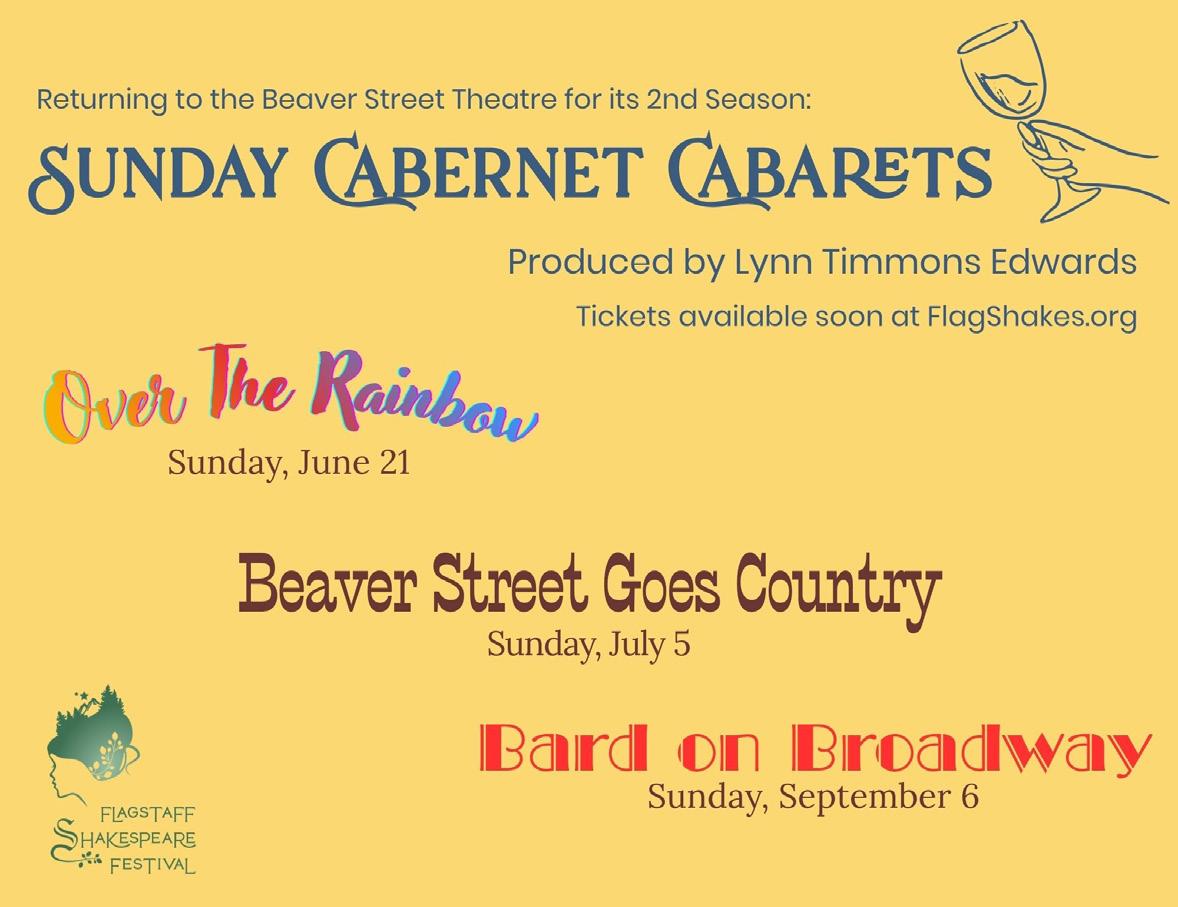
“The art of cabaret brings singers together in an intimate space where the audience can listen to every lyric and experience the story of a song from a new perspective,” she said.
“What better way to spend a summer Sunday afternoon than with musical stories and a glass of wine? FBN
Tickets for the summer cabaret series are available at www.flagshakes.org/tickets
General admission is $20. Patron tickets are $100, which includes up to four reserved seats.

PEPTIDES continued from page 29
Soft tissue repair – tendons, Ligaments, muscles – it is great for athletic injuries
Stimulates formation of blood vessels and helps cells migrate to the area of injury
Lowers production of pro-inflammatory cytokines
Repairs skin, heart, eyes and reduces scar tissue by helping stem cells mature
May improve hair regrowth
Can increase muscle tone, growth and stamina. Improves post work out soreness
There are a lot of ways that people can order peptides such as online forums or online wellness clinics, which may be more in the business for the money than caring for the patient. It is best to be educated on the risks that you take for a cheaper product. My hope is that it will be more regulated in the next coming year as the FDA finalizes the safety list of peptides. The best option when considering use of peptides is to seek out a medical professional who can evaluate your overall health, run baseline labs and is well versed in the use of peptides to help you monitor any side effects or discover if a peptide is the right one for you.
1. Use caution when ordering from online companies. They may not disclose what pharmacy they are using or if the product goes through third-party testing to make sure the product is pure without the wrong peptide sequence or contaminants.
2. Work with physicians who prescribe only FDA-approved peptides through licensed pharmacies. Get comprehensive lab testing, personalized protocols and ongoing medical oversight.
3. When prices are lower than the going market rate, this suggests lower quality, more contaminants or black-market operations. Be cautious about ordering from fitness influencers, online businesses or wellness clinics. FBN
Dr. Christina Kovalik NMD, LAc, The Vitality Doctor, is a naturopathic physician and acupuncturist specializing in hormone optimization, optimal health and vitality. She is a new Flagstaff resident, practicing since 2004, and opened her second location in Doney Park in 2020. For more information, visit thevitalitydoctor. com or call 928-863-6086.

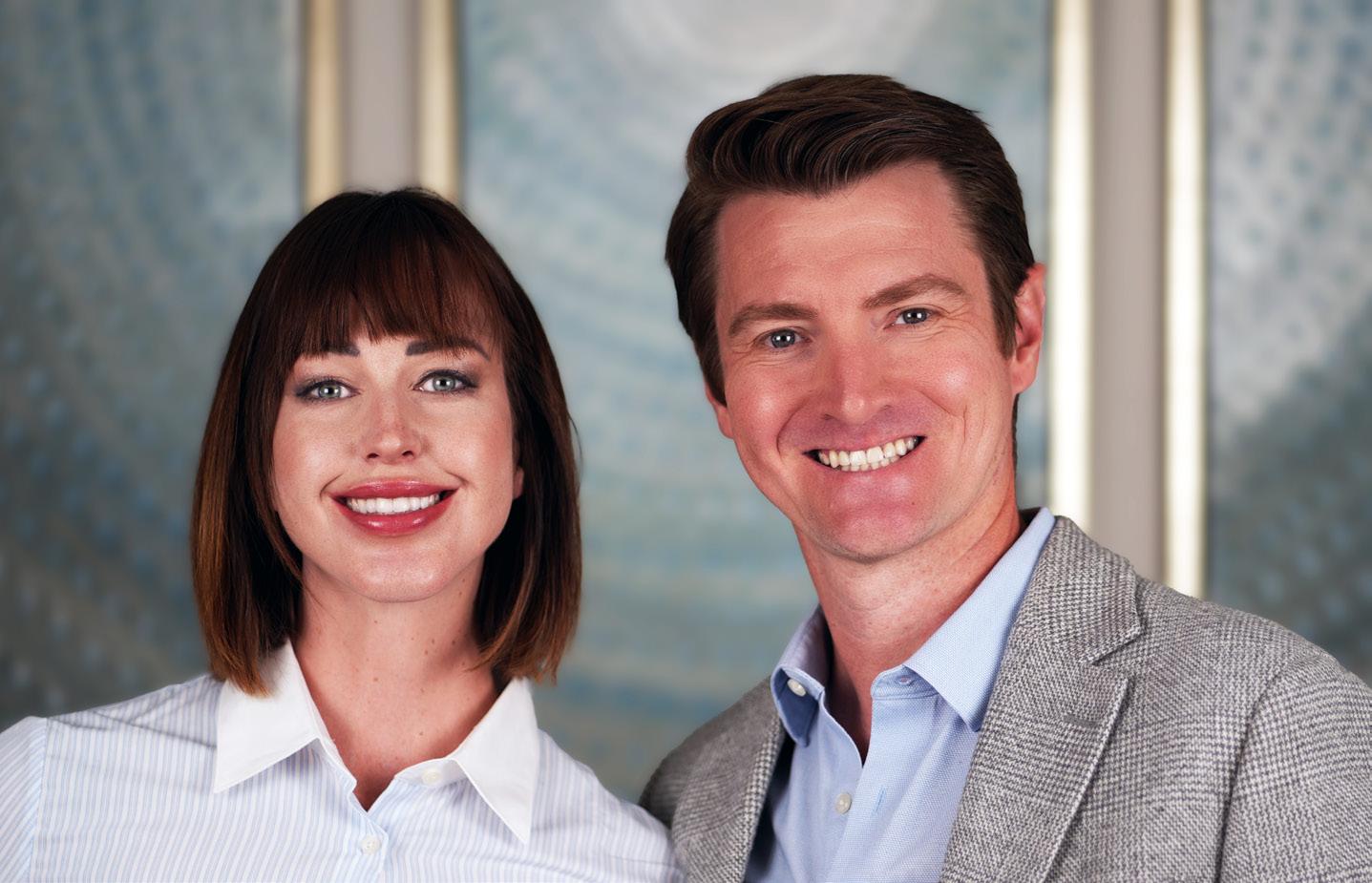
They hired a lawyer to conduct an international patent search. Finding nothing, they began to explore the need for such a tool. What they discovered was more than they could fit on their chalkboard.
Today’s treatments each carry tradeoffs, Slightham explained. “Aggressive ventilator settings can expose healthy lung tissue to up to five times normal shear force, proning a patient takes 16–18 hours a day and isn’t always possible and standard bronchoscopes can’t deliver targeted pressure to a collapsed segment.”
In addition, it’s projected that in the next 25 years, the U.S. population above age 65 will dou-
ble, requiring more intensive care in hospitals that are already resource strained. “That, coupled with a rise in respiratory disease, obesity, post-viral lung conditions, and lung cancer diagnoses, means we’re addressing a nearly $2 billion bronchoscopy market opportunity that’s growing by roughly 10% annually,” said Slightham.
With acute lung collapse one of the most common complications in critically ill and surgical patients, they couple created the medical device startup, Ateleva, developing a single-use sleeve that attaches to any standard bronchoscope and allows clinicians to isolate, treat and
Locals and visitors invited to enjoy nightthemed piano music and stargazing in Buffalo Park
By Bonnie Stevens, FBN
The saying “once in a blue moon” describes a very rare occurrence. The blue moon refers to the second full moon that appears in a month, which only happens once every 33 months. Thus, May’s blue moon is being celebrated in grand Flagstaffian style. Locals and visitors have the rare opportunity to experience “Blue Moon Rising,” a free outdoor concert featuring musician-astronomer David Koerner, Ph.D., playing a nine-foot Steinway concert grand piano under the stars in Buffalo Park, 7:30 p.m., Saturday, May 30.
“Blue Moon Rising” kicks off a summer of music and art to celebrate Flagstaff’s Silver Jubilee, marking 25 years since the city received the prestigious designation as the world’s First International Dark Sky City.
“Blue Moon Rising,” a classical performance punctuated by literary and scientific notes about the influence of moonlight, the geological history of the Moon and cultural astronomy, begins the Full Moon Summer Concert Series, sponsored by the Flagstaff Dark Skies Coalition and City of Flagstaff Beautification, Arts & Sciences Program.
“What could be more enchanting than the rising of a full moon above the horizon?” asks Koerner. “A moonrise accompanied by night-themed classical music!” he answers. “At ‘Blue Moon Rising,’ the ascending full moon will be serenaded with nocturnes by Chopin and Debussy, together with other pieces evoking moods of moonlight and a starry sky.”
Chairs will be provided; however, participants are welcome to bring their own blankets and chairs if they prefer. “The gate opens
at 7 p.m., and guests are encouraged to come early to find their spot and explore interpretive displays, which will combine cultural information about the Moon, Venus, Jupiter and several prominent stars along with some of the art and poetry they inspired,” said FDSC Executive Director Danielle Adams, Ph.D. “Telescopes will be available for stargazing following the concert.”
After attending a similar full moon-rising concert hosted by the Coalition and Koerner in May 2024, Flagstaff resident and Beautification, Arts & Sciences Program Commissioner Carla McCord suggested that the FDSC apply for a Beautification in Action Grant to create an outdoor summer concert series.
“There was just something really magical about all of the families and Flagstaff residents gathered in the park in their chairs, listening to the piano music and experiencing the outdoors as the moon came up,” she said. “One of the best parts was that it was a really kid-friendly event. You can wrap up in a blanket, drink hot cocoa and listen to the concert under the stars. Very Flagstaff.”
Beautification Arts & Sciences Program Manager Jana Weldon says the city’s Beautification in Action Grants empower community creativity and engagement, support local artists and creates vibrant public spaces.
“The Full Moon Summer Concert Series not only creates a unique and dynamic experience for all but also celebrates the dark skies so critical to the sciences and human nature,” said Weldon.
“The Beautification, Arts & Sciences Program and its citizen commission are proud to support the concert series!”
The Full Moon Summer Concert Series continues in Buffalo Park on the evenings of Monday, June 29, with the Strawberry Moon and Tuesday, July 28, with the Thunder Moon.
Also this summer, an immersive exhibition at the Coconino Center for the Arts, “NightVisions: AMBER,” will incorporate Flagstaff’s signature narrow-band amber lighting, June 27 -Sept. 26. Artwork will transform as gallery lighting shifts from white to amber, highlighting the technology that has become the gold standard
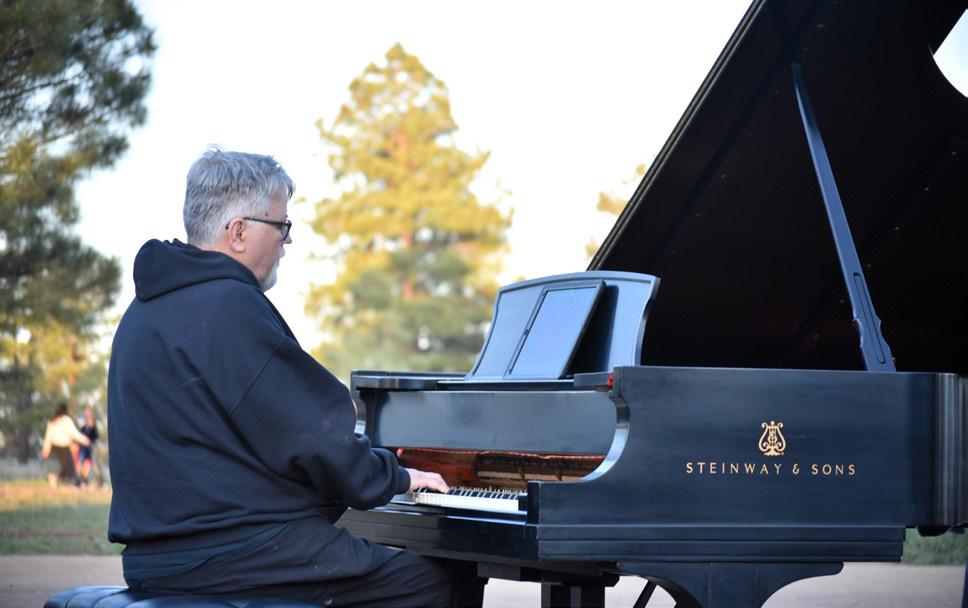
in dark-sky-friendly LEDs.
In addition, the historic Orpheum Theatre is planning a family-friendly benefit concert in support of Flagstaff’s dark skies. “Starry Skies Forever” features WinterHaven, Saturday July 11. Doors open at 6:30 p.m. Live music starts at 7 p.m. For concert tickets, visit https://wl.eventim.us/event/a-benefit-for-flagstaff-dark-skies-coalition/691596?afflky=OrpheumTheater.
A portion of the proceeds will benefit the Flagstaff Dark Skies Coalition and its mission of connecting people with the night sky through all expressions of art and inspiring the next generation to carry on the work of keeping Flagstaff’s starry skies. FBN
For more information about Flagstaff Dark Sky events, visit FlagstaffDarkSkies.org.
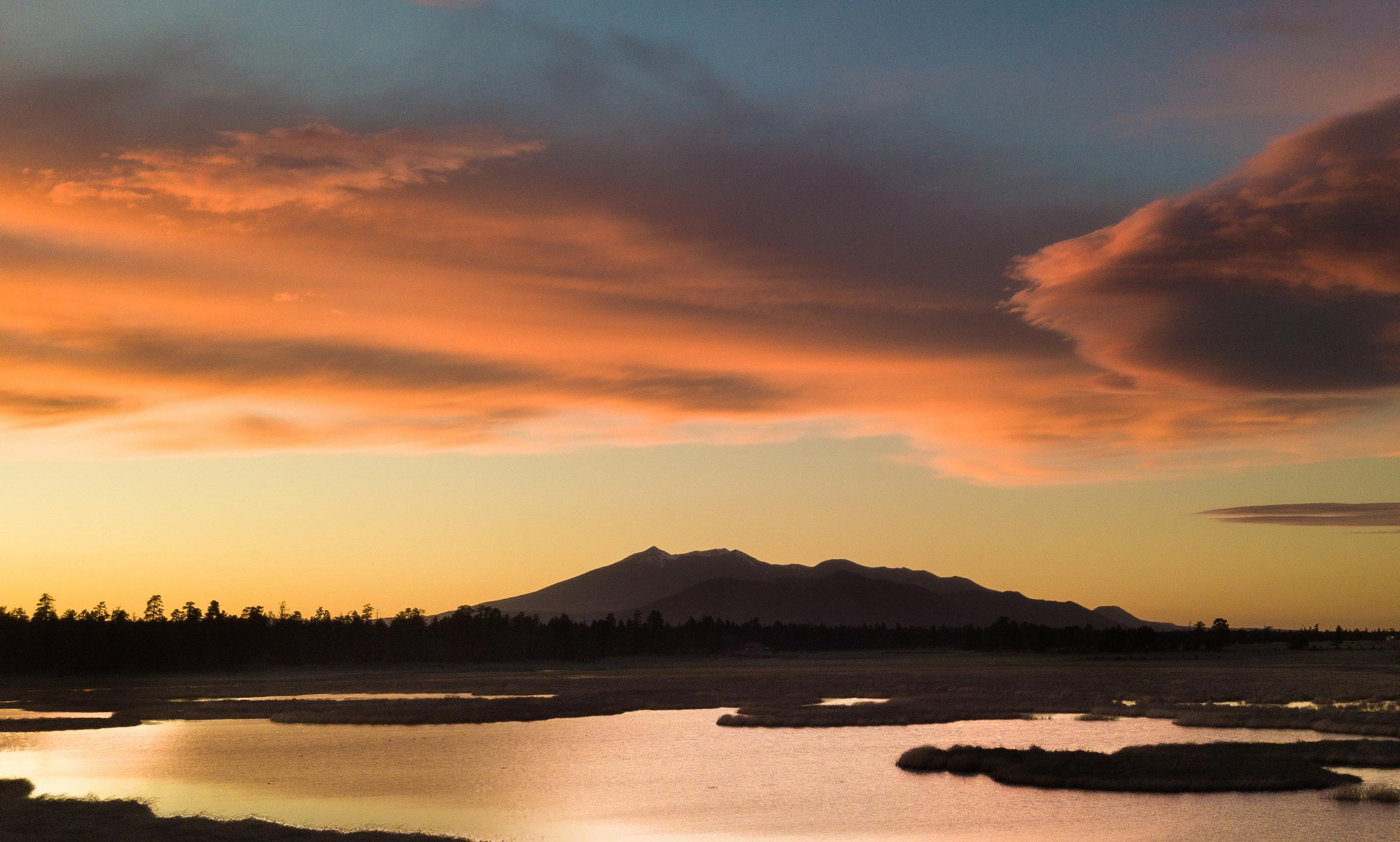
By Pamela Quigley
he Mercedes-Benz GLB
4MATIC SUV fits naturally into the rhythm of Northern Arizona summers, where crisp mountain mornings in Flagstaff turn into warm, golden afternoons under wide-open desert skies. With available 4MATIC all-wheel drive, it brings added confidence when summer monsoon storms roll through or when winding roads around the San Francisco Peaks shift from dry pavement to slick conditions in minutes. At the same time, its compact size makes it easy to move through downtown Flagstaff, grab a coffee on Route 66 or find parking after a day of exploring the mountains.
Beyond the everyday drive, the GLB 250 4MATIC SUV is built for summer exploration. Its roomy cabin and elevated stance make weekend escapes feel effortless, whether heading up to cooler pine forests, driving toward Sedona’s red rocks, or taking a longer trip out to the Grand
Canyon. The flexible cargo space easily handles hiking gear, coolers or camping setups, making spontaneous Northern Arizona adventures feel simple rather than planned.
Inside, this vehicle balances modern luxury with a relaxed, summer-ready feel. Bright natural light pours through the available panoramic roof, while the cabin stays comfortable and cool even after a long day in the sun. Whether it’s a quick run through town or a scenic drive through forest-lined highways, the interior feels like a calm retreat between stops in the summer heat.
Safety ties it all together, giving peace of mind on every drive across Northern Arizona’s changing terrain. With features like Active Brake Assist, Blind Spot Assist, lane-keeping technology and available adaptive cruise control, this SUV supports awareness on both busy streets and open highways. Combined with its stability systems, multiple airbags and available 360-degree camera, the GLB 250 4MATIC® SUV feels confident

sudden weather shifts and everything in between. FBN
Visit your local Mercedes-Benz dealership and take a GLB 250 4MATIC SUV on a test drive today!
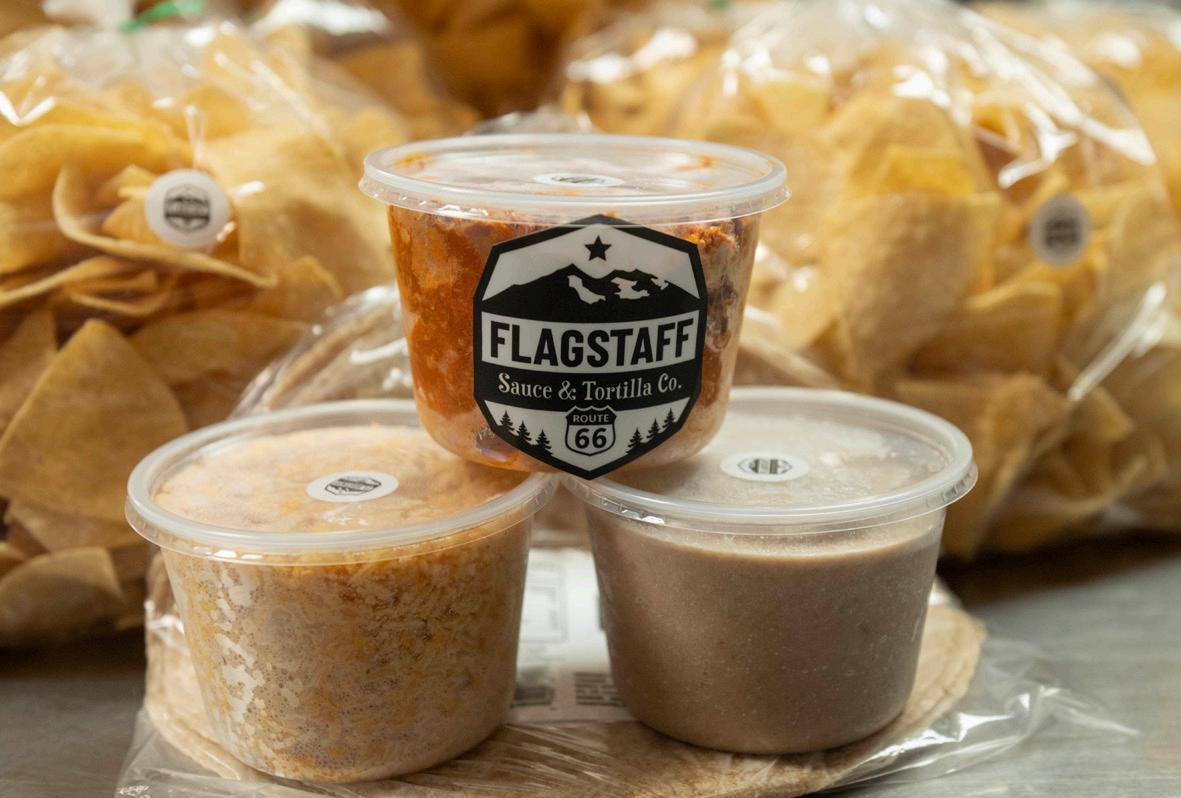
multiple businesses is great. Skiing, mountain biking or something outside is also a good day, but skiing is best.
Learn the trade, then go for it and get ready to work really hard. Don’t give up on your dream, and make it happen, because only you can make it happen. It has to come down to you putting in the time, surrounding yourself with people who are smarter than you. Finally, get ready for the adventure and roller coaster ride.
Either Telluride or Lee’s Ferry and anywhere on the beach. I either want to be skiing, mountain biking or on the beach.
KEY LIFE LESSON
Have fun. Enjoy the ride. Smile and be kind.
MY SUPERPOWER
Making people feel welcomed. FBN
For more about the Flagstaff Sauce & Tortilla Company, visit www.flagstaffsauceandtortilla.com or call 928-522-0123.
By Terry Baker
•


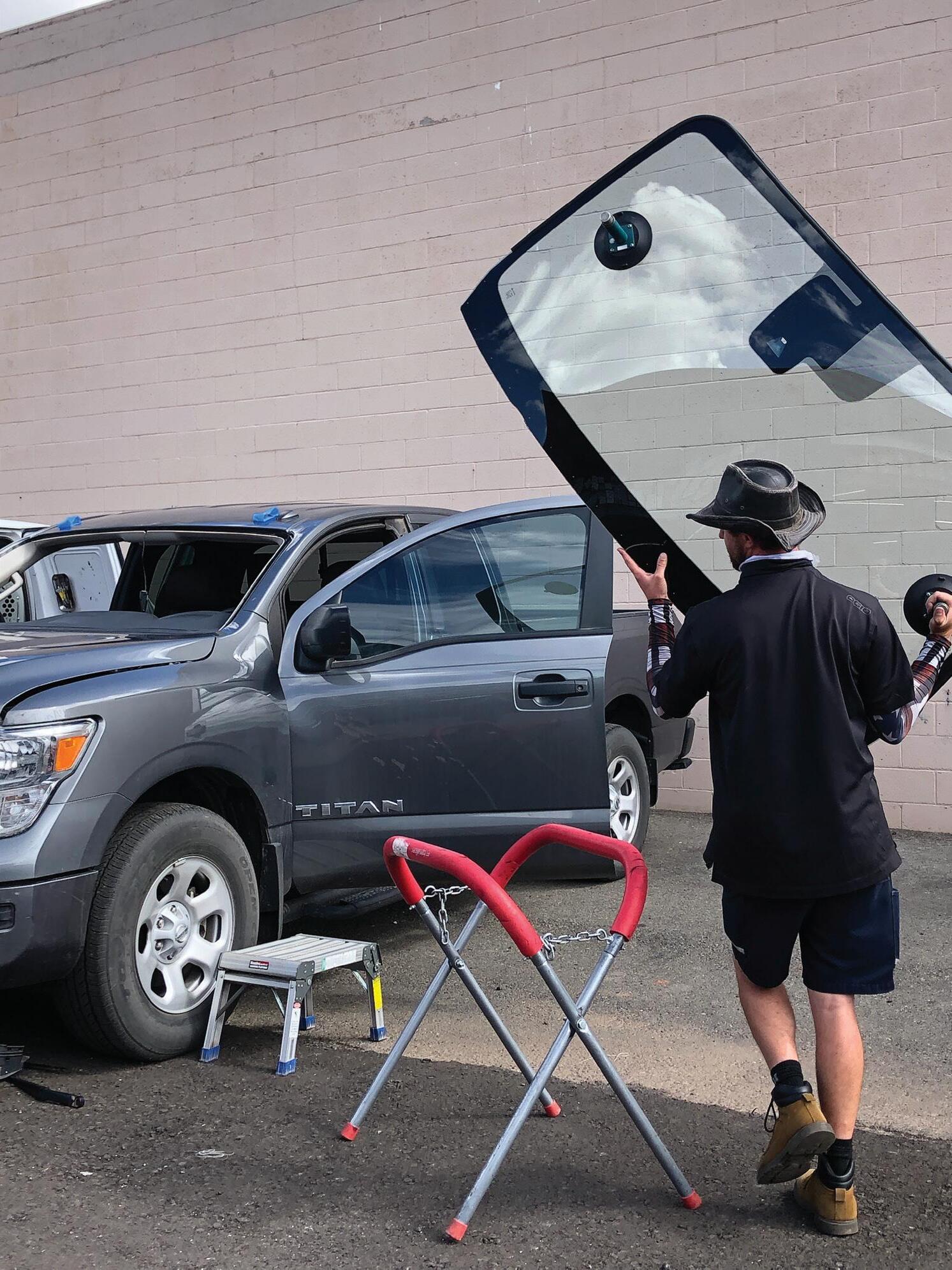





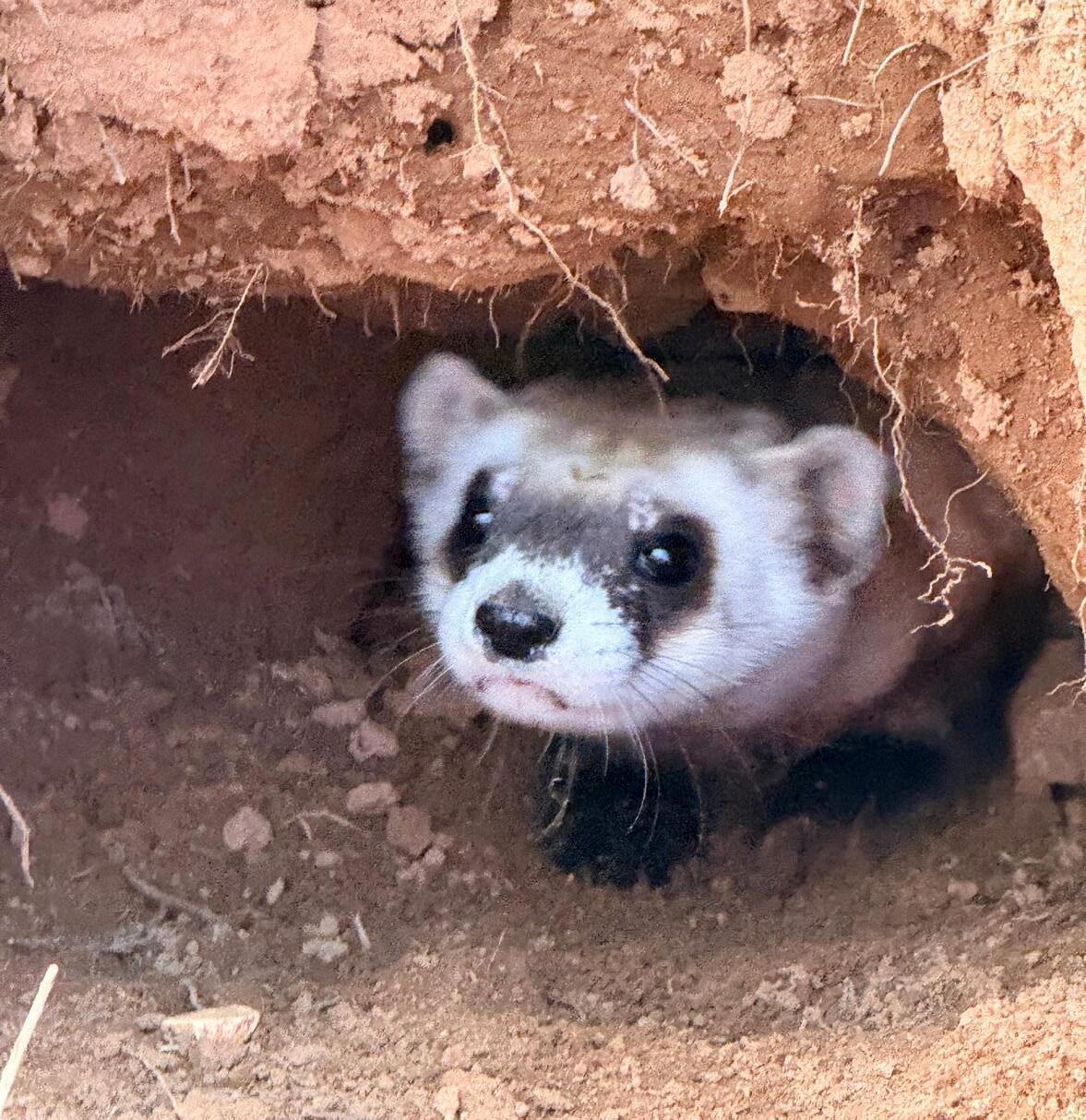
TEES continued from page 3 bring in unusual requests. “We did screen printing on sneakers for a groomsman, and a customer wanted a baseball screen printed as well.”
Rudy and Gina Galaviz purchased the business in 2008, although the company has operated in Flagstaff since the early 1990s.
The couple moved to Flagstaff from Phoenix in 1991. Prior to buying Flag Tee Factory, Rudy worked for UPS for 12 years and Gina worked at Wells Fargo for seven years.
Why make the leap into screen printing? “We took the risk and here we are!” he said.
That risk appears to have paid off. “The response from the community has been very positive over the years. Customers appreciate our customer service and the fact that we can meet deadlines, even on short notice. They say, ‘Can you get this to me,’ and I say, ‘You bet!’ My staff works hard to make it happen even before they need it.”
The family-owned business employs a staff of nine, including the couple’s youngest son, Gabriel, and his wife.
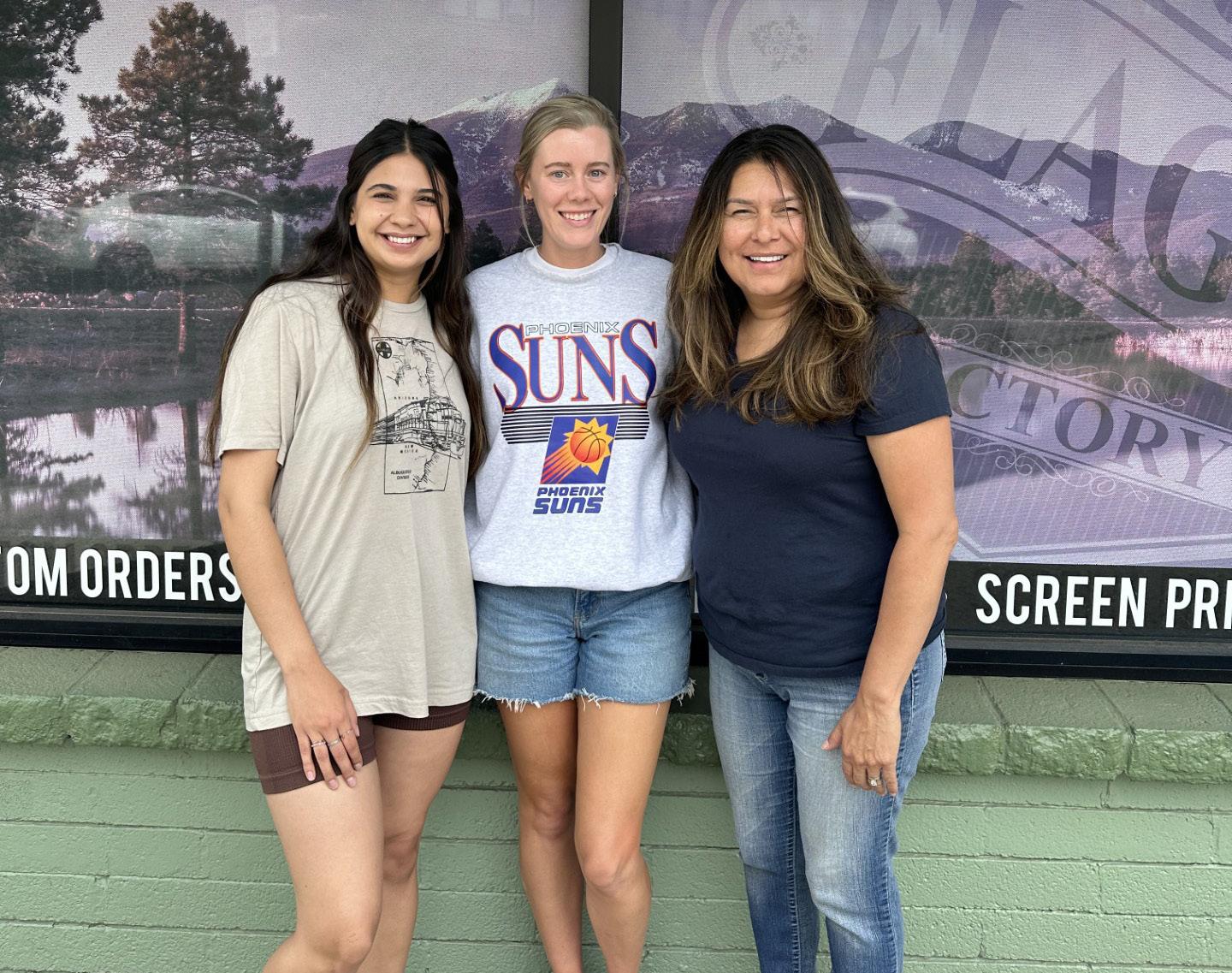
donations and promotional items. Groups they have helped include Coconino Wrestling, Little League programs, Camp Verde Wrestling and the Thomas Elementary Cheer Team.
of items for Alaska. The Alaskan fishing season has begun, and they need shirts, hats and stickers for the fishing charters.”
Even so, momentum continues to build. Additional releases are expected as conditions allow, guided by ongoing monitoring and collaboration.
“It was a wonderful honor to participate in this extraordinary opportunity,” said Cordasco. “It’s a reminder that the land can serve conservation efforts as well as business endeavors, agricultural activities and recreation, and that all of these uses can co-exist with thoughtful planning and care.” FBN
“I do more on the production side and she works on payroll and orders,” Galaviz said of the roles he and Gina play.
In addition to serving customers, the company regularly supports local schools, youth sports teams and community fundraising events through

“There are benefits to having a family-owned business,” he said. “We know things will get done if we’re here or not.”
The business also continues to adapt to industry changes, including increased automation, rising production costs and supply delays. Still, demand remains strong. “I have a lot
Despite the long hours and constant deadlines, Galaviz says the work remains rewarding.
“I love it and I don’t have a huge turnaround in employees. They stay awhile. If I ever have a job opening, I have more than 200 people apply. Holy smokes!” FBN

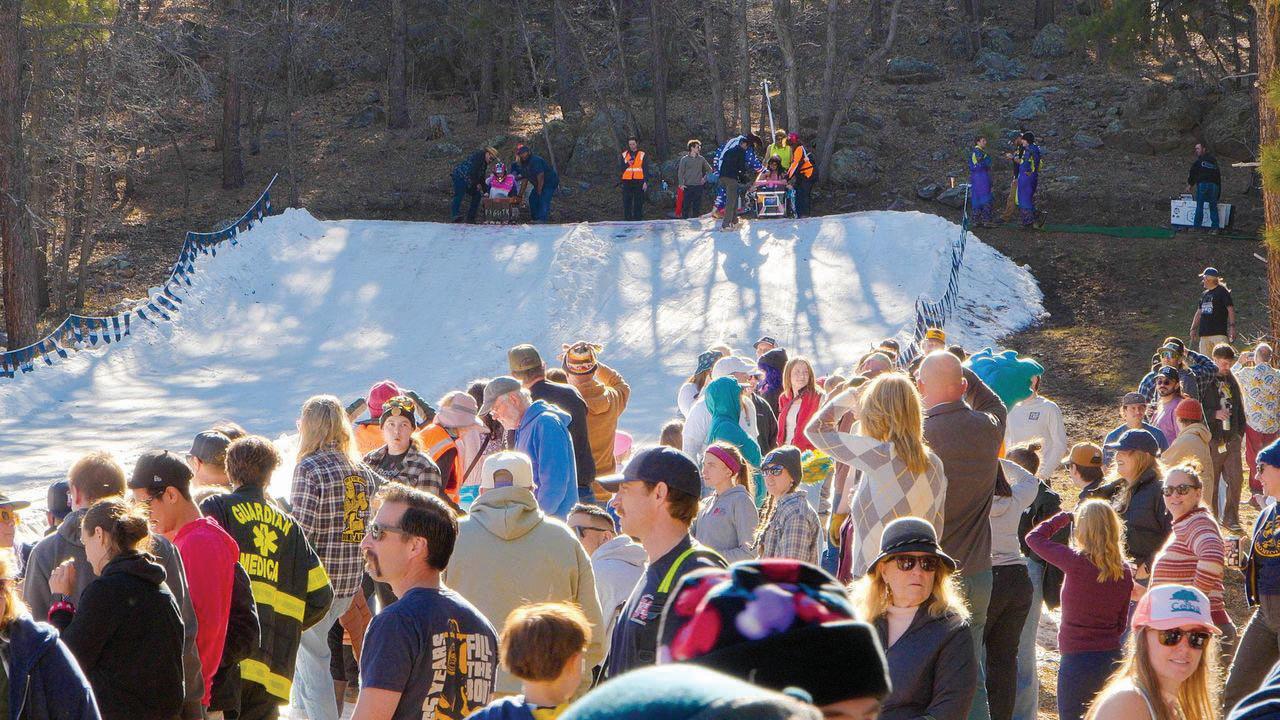
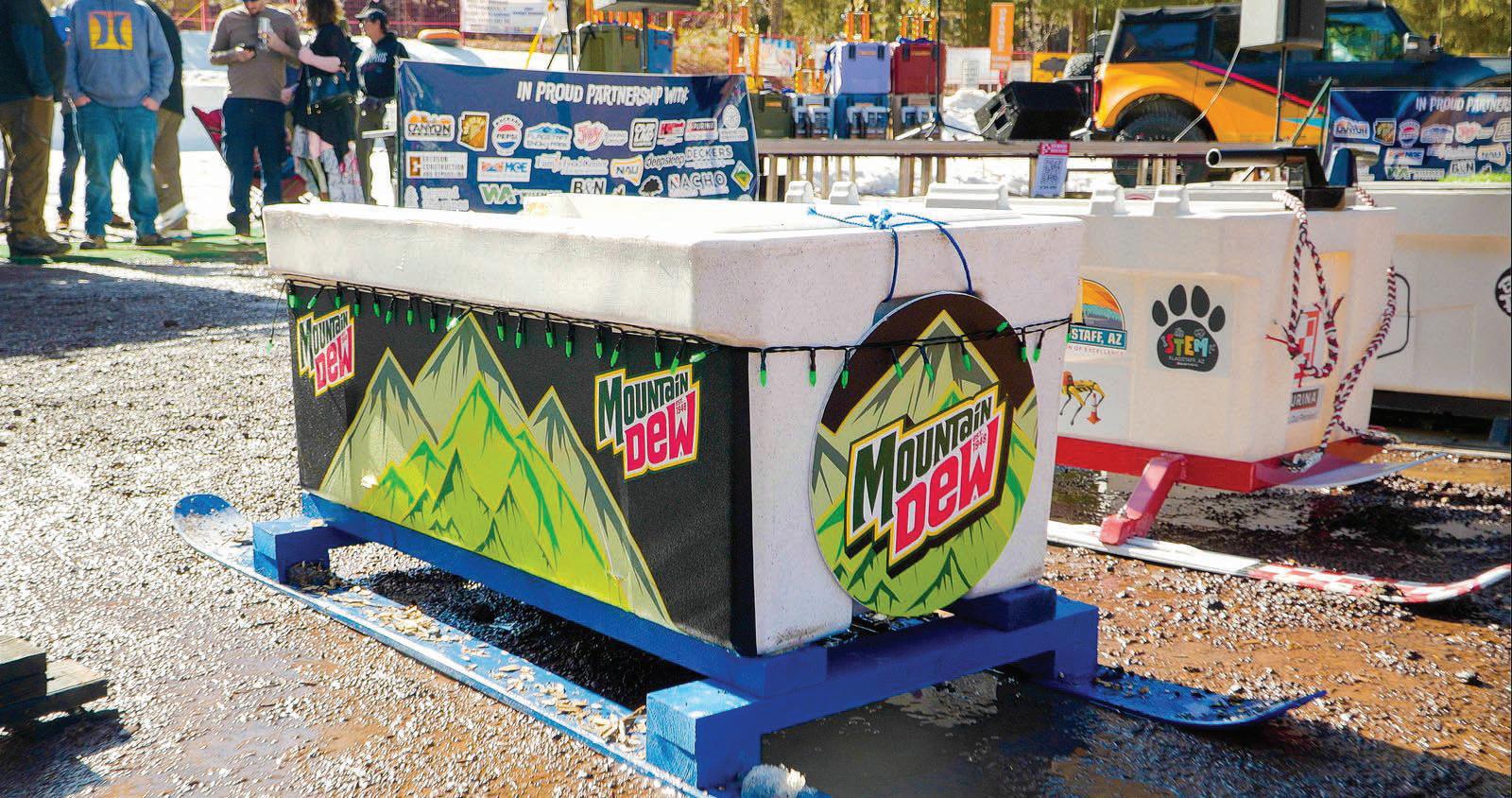
reinflate collapsed lung segments in seconds. Atelectasis is the medical term for lung collapse.
By shortening procedures that today can take hours, or fail outright, the company aims to improve outcomes for critically ill patients, free up ICU capacity and make lung cancer biopsies more efficient and reliable.
“The goal is fewer ventilator days, fewer ventilator-associated complications and – for the roughly one in five lung cancer biopsies that get abandoned because the lung collapses mid-procedure – a real shot at getting a diagnosis on the first try,” she said.
They took their idea to Moonshot last year and won the Flagstaff pitch contest. With the $2,000 prize money and a $4,000 Business Retention and Expansion Grant from the City of Flagstaff, they were encouraged to keep going.
“The Moonshot pitch was the first time I had really talked about what we were building,” said Slightham. “It was the boost in confidence we needed to keep going because it showed us that other people believed in this, too.”
The co-founders have invested more than $80,000 in personal capital to date. They began prototyping with POBA Medical in Flagstaff and Remedy Medical Manufacturing in Mesa at the end of last year. Today, Ateleva has two patents pending.
“None of this would have happened
without Moonshot because of the connections and resources they provided. We’re not just operating in a vacuum. Through the program, we have access to accounting services and legal advice and have met a lot of other startups.”
While Ateleva plans to launch into the critical care space, the company is expected to expand its path into lung cancer diagnostics and interventional pulmonology, including support for the very young.
“Supporting the critically ill, cancer patients, and children with pulmonary issues is near and dear to our hearts. Our son was in the ICU as a baby, my dad has been ventilated in the ICU and Brian’s dad had an aggressive form of cancer for many years,” said Slightham.
“When I think about the patients and the impact we can have and have it directly correlate to everyday life, the people I care about, it helps me get through the hard days knowing we are ultimately doing something good.”
The couple moved to Flagstaff four years ago when Cripe joined Plastic Surgeons of Northern Arizona. “We plan to keep Ateleva headquartered in Flagstaff. We have everything we need here to scale up.”
Ateleva is the newest startup to join Flagstaff’s growing medical device network, adding more evidence that the mountain community is becoming an emerging hub for medical innovation.
Entrepreneur Dan Kasprzyk, founder
of POBA Medical, Symple Surgical and Machine Solutions, attributes it to the job-ready talent of Northern Arizona University’s engineering graduates, the quality of life that Flagstaff offers and the collaborative medical device community.
“It’s uncommon anywhere else in the world to get that phone call-level support to solve a major issue,” he says of Flagstaff.
“The success we’ve had with medical device companies like Machine Solutions, POBA Medical and Corvention sets the foundation for why, in 50 years, I believe Flagstaff will be much more similar to Minneapolis, which is a medical alley with hundreds of medical device companies, than it is today,” Kasprzyk said on a recent Zonie Living vodcast.
“Hopefully, we’ve been here to lay the groundwork and it’s really the 20and 30-somethings who are helping push forward these technologies,” he added. “If they are rooted in Flagstaff, they’re not going to jump to Minneapolis or Orange County or San Jose. They want to be in Flagstaff for the quality of life that the rest of us are here for. It’s the collaborative community that fosters innovation and the teamwork that really helps the community think about Flagstaff as more of a medical device center than a summer destination.”
Ateleva recently recruited former
Signature Taxidermy employs some of the world’s best artisans to ensure nothing short of the best for each of our customers, and their specific, one of a kind pieces.
USDA approved facility for receiving sport hunted trophies from around the world. This also includes all deer, and turkey from Mexico.
Trophy Room Design- We can assist you in designing a trophy room display to complement your collection. We can assist with lighting, layout, murals, and dioramas. Custom pedestal and base work available.
Crating and Shipping- We crate and ship around the world, and have discounts with many major trucking companies.
Rush Orders- Rush orders are available on request for an additional fee.
Stock Taxidermy- We have an assortment of legal capes, antlers, and horns that can be mounted in a pose of your choice.

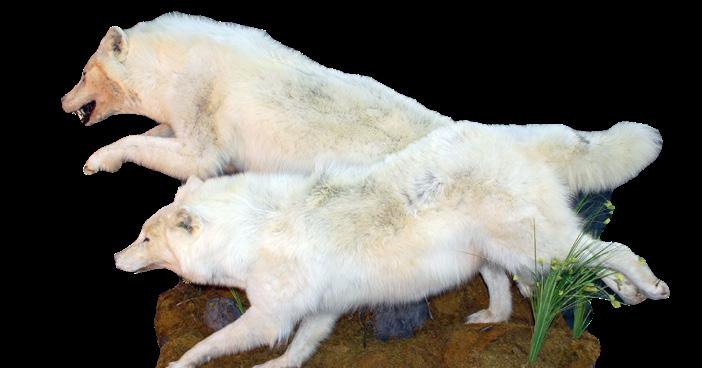

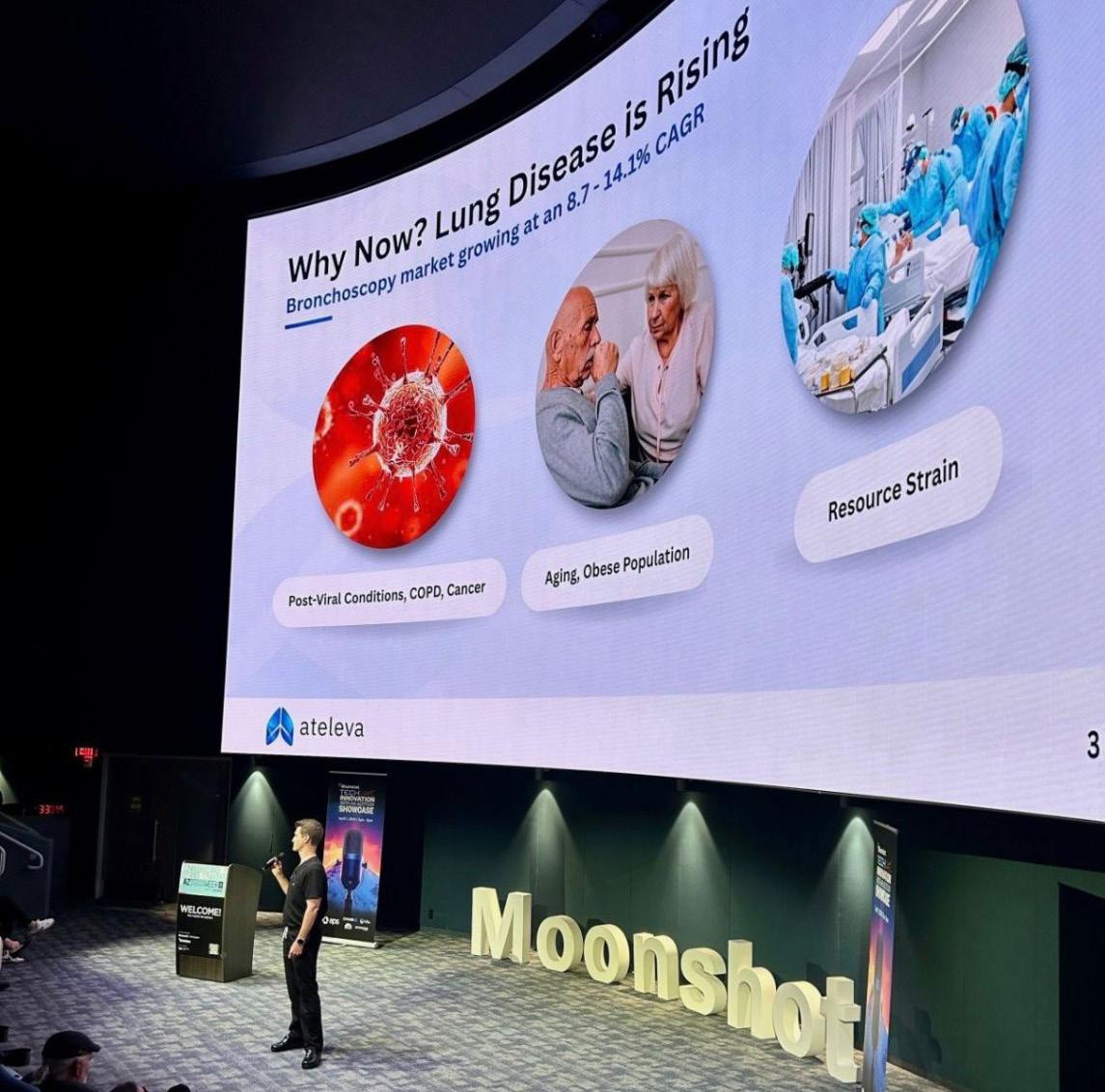
Gore medical associate Steve Alston, Ph.D., to join their team, along with advisors Stanford University interventional pulmonologist Krish Bhadra, M.D., former GT Medical Technologies president Shane Brown, and a deep bench of Arizona-based engineers, contract manufacturers and consultants.
121 E. Birch Avenue, Suite 408 Flagstaff, AZ 86001
Phone 928.864.7440 Fax 928.226.0303
Email: Troy@flagstaffbusinessnews.com www.flagstaffbusinessnews.com
Founder: Troy Bix
Publisher Troy Bix | 928-310-9662 Troy@flagstaffbusinessnews.com
Advertising Manager Linda Thein | 602-799-0583 linda@flagstaffbusinessnews.com
Account Executive Regina Salas | 928-699-4272 Regina@flagstaffbusinessnews.com
Editor
Bonnie Stevens | 928-380-4349 bonnie.stevens@gmail.com
Copy Editor
Carolyn Wendell | cwendell@gmail.com
Design & Production
Rob Ghosh Design | rob@robghosh.com
Photography V. Ronnie Tierney, Fresh Focuses Photography, Betsey Bruner, Kay Lyons
Contributing Writers
Betsey Bruner, Kevin Schindler, Bonnie Stevens, Veronica Tierney, Stacey Wittig, Peter Corbett, Mary Marini, Stan Bindell
Flagstaff Business News is a publication of Flagstaff Business News, LLC and is distributed free each month to residents of Flagstaff, Sedona, Williams and Winslow. Reproduction of any portion of the publication is strictly prohibited without expressed permission. The publisher reserves the right to refuse any advertisements submitted to the newspaper and is not responsible for the claims of its advertisers.
SCP 2.0. “Its time is actually now.”
Sedona purchased the 41-acre site on the southwestern edge of Sedona in 2022 for $23 million.
The SCP 2.0 group is counting on getting a non-binding letter of intent from the Sedona City Council to allow it to develop a business plan, fundraise and negotiate with potential operators, according to John Bradshaw, SCP 2.0 president.
The revived amphitheater would require no city investment, said Bradshaw, former Sedona vice mayor and the head of jeep tour companies.
Still, SCP 2.0 faces challenges in redeveloping the amphitheater amid competing visions for the property.
Sedona has considered building affordable housing at the cultural park. Voters will decide July 21 on a ballot measure, Proposition 403, that would prohibit the city from building housing at the cultural park or allowing overnight parking for workers living out of their cars.
The Save Sedona Committee, a separate entity, gathered close to 1,400 signatures on petitions to put Proposition 403 on the ballot, said Bill Noonan, Save Sedona treasurer.
“I guess I’m confident we will do well when it comes to a vote,” he said.
Noonan argued the cultural park is a beautiful open space that should be
AI continued from page 4
assistance, Brown says machines can do the repetitive, boring work in our life, “the dull, dirty and dangerous tasks,” including scheduling meetings or booking flights. “Humans can just offload these tasks to an AI assistant. It’s taking the suck out of your job.”
The next level elevates human performance with tools that help us do something faster and better. “It’s
preserved.
“It’s one of the most spectacular red rock views in town.”
Noonan noted that a recent city survey of registered voters did not reveal a lot of enthusiasm for building housing at the cultural park.
That same survey showed 46.9% of respondents definitely or probably supported restoring the amphitheater, while 42.5% definitely or probably opposed a revived 5,500-seat amphitheater.
Renovating the amphitheater is no simple task.
The venue and its terraces are badly overgrown with weeds, grasses and piñon pines. Geckos scurry across walkways. The stage is covered with sun damaged plywood. Walls are tagged with graffiti. Three wooden arches over the stage are weatherbeaten.
A first phase to reopen the venue would clean up the overgrown site, fix the stage and bathrooms and provide seating for up to 2,000 patrons. That would cost from $1.2 million to $2 million and would help spark fundraising, Bradshaw said.
A second phase, costing close to $10 million, would restore the full seating capacity, add VIP seating and upgrade the sound system and concession facilities, he said.
something that you could do before, but you do it faster, more creatively or at a higher quality.”
And then there’s what he calls “collaborative AI” – machines working in partnership with humans that allow us to do something that neither could have done individually before. “It extends our capability. I like to call it human multiplied by machine. You get
SCP 2.0 will also be consulting and negotiating with ticketing agencies and operators of live performance venues.
“We want to come back in a year or less to give [the City Council] our final report,” said Bradshaw, adding that Sedona could then put the cultural park restoration project out to bid.
Chris Ford, SCP 2.0 secretary, said a 5,000-seat amphitheater is large enough to accommodate A-list artists that are on tour.
The business model for musicians has flipped since the early 2000s when the Sedona amphitheater hosted shows.
“Artists make their money now by performing and going on tour, not by selling CDs as they did back then,” Ford said. He previously was business director at Pixar Animation Studios, a subsidiary of Walt Disney Co.
The live music industry in North America grossed $5.8 billion in 2025, down 6.6% from 2024, according to Pollstar, a concert industry trade publication.
Sedona Cultural Park amphitheater would join a few other large outdoor venues in Arizona. That includes Talking Stick in Phoenix, Mesa Amphitheater and Pepsi Amphitheater at Fort Tuthill in Flagstaff.
Jennifer May, SCP2.0 board
this amplification effect.”
In The AI Ultimatum, Brown describes the process of designing the bulkhead for a popular commercial passenger jet, Airbus A320. The bulkhead is the barrier between sections of the cabin that must be able to hold the plane together during turbulence and other stressors.
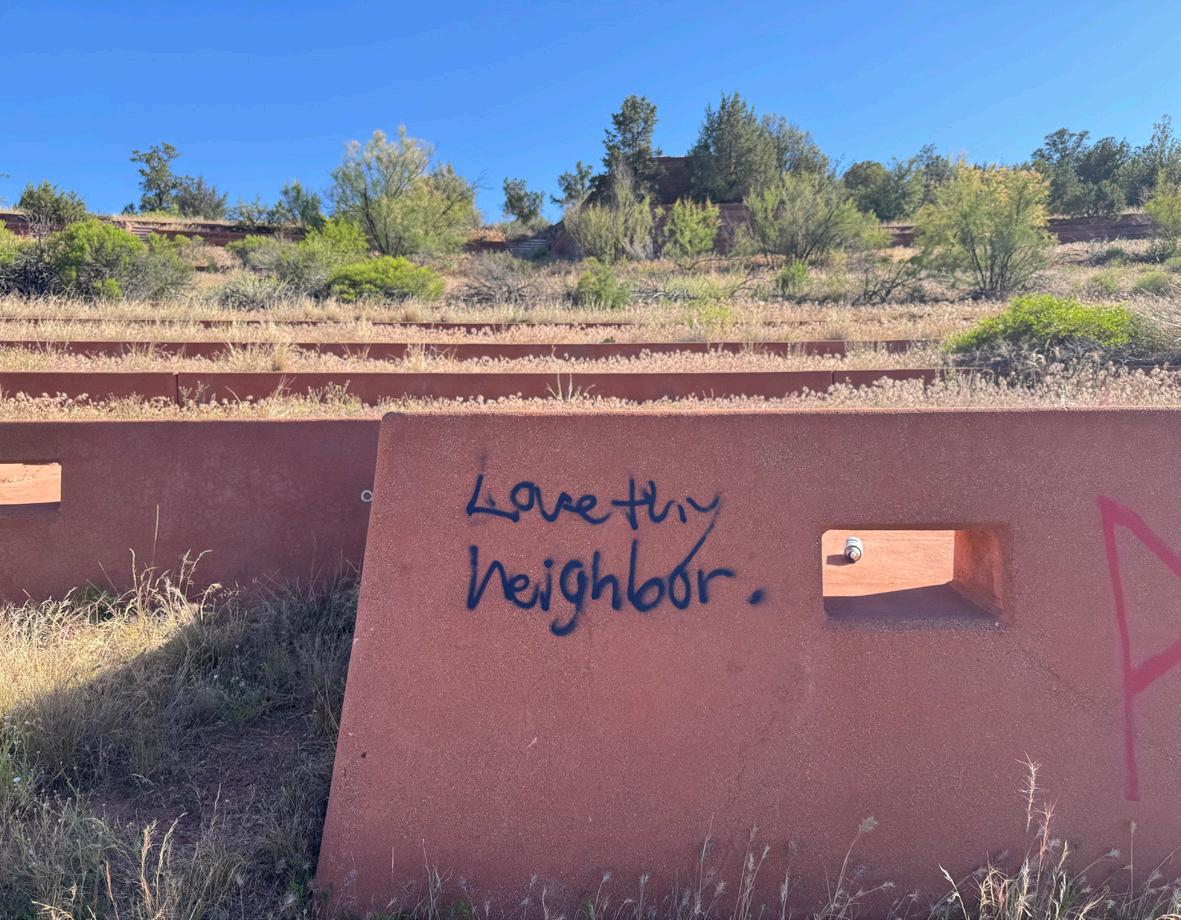
member, said the amphitheater would benefit businesses and workers in Sedona, especially during slower seasonal tourism.
“It’s not about overwhelming Sedona when it’s busy already. It’s about filling in those gaps and really supporting the workforce with the steady hours they need,” said May, a Sedona native and owner of Ambiente A Landscape Hotel.
The Georgia Frontiere Pavilion at Sedona Cultural Park opened in May
men. Don’t expect your company to do this. Everybody needs to do this. Learn how to use it to make yourself more effective. Learn AI tools. Understand what AI’s abilities are. Just try it out, get comfortable with it.”
He also recommends “doubling down on your humanity.”
2000. Frontiere, who died in 2008, was a major amphitheater benefactor and owner of the then St. Louis Rams. Frontiere told the Arizona Daily Star that opening the amphitheater in Sedona was better than winning the Super Bowl as the Rams did in January 2000. “That’s good for one year or so but this is with us forever.” It did not turn out that way. But if SCP 2.0 succeeds, the sound of music could return to the red rocks under Sedona’s starry skies. FBN
tutor who can teach us anything we want to learn.
“The first thing you can do is invest in yourself and build your own AI acumen. Don’t expect your company to do this. Everybody needs to do this. Learn how to use it to make yourself more effective. Learn AI tools. Understand what AI’s abilities are. Just try it out, get comfortable with it.” //
“It was designed by a human working in partnership with an AI. It’s a technology called generative design and it takes the initial design that the human engineer comes up with and riffs on it and comes up with different variants and tests them, and comes back and says, ‘Hey, if you tweaked it this way it has all its strength at its lowest cost and the lowest weight.’”
With fear and uncertainty swirling about, Brown advises those in the workforce and those about to enter, to prepare for the AI sea change.
“Enhance the skills that are natively and uniquely human: your creativity, good judgment, communication skills, relationship building, understanding human culture, leadership skills, intuition, persuasion skills, building trust with other human beings. These are the skills that will complement all the amazing things that AI will do.”
“Things are going to happen very quickly and it’s just so exciting what the potential is. We just need to make sure that we use AI safely, responsibly and that we do it with humans in mind – using it to amplify what humans do at work and not replace them. That’s the big danger that I want any leader to hear: You have a choice, you can either play the old game of figuring out how to use AI to reduce costs and get rid of people or you can use it to amplify the people you have and have 10 times the impact you had before for the world. If we get this right, it could be an incredible future for all of us.” FBN
The AI Ultimatum: Preparing for a World of Intelligent Machines and Radical Transformation is available on Amazon. //
“The first thing you can do is invest in yourself and build your own AI acu-
The Age of Abundance could arrive as early as the 2040s, a time when humans are living their lives in leisure as goods and services are handled by machines and work is optional. Brown imagines a world where everyone has access to low-cost, high-quality health care, the best financial advisor and a personal
To hear more from Steve Brown about how AI is shaping the future and innovations on the artificial intelligence horizon, watch Zonie Living at starworldwidenetworks.com


Since 1987, the Goettl’s family and their team at Goettl’s High Desert Mechanical have helped Arizona families stay comfortable through cold mountain mornings, high-desert heat, and everything in between. When your home needs cooling, heating, or plumbing help, choose the team that’s been setting the standard for generations.