
OBD II Codes Explained: A Beginner's Guide to Diagnosing Check Engine Light Problems
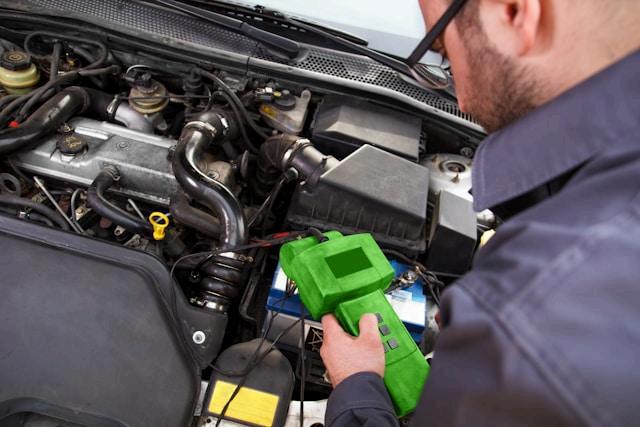
Seeing the check engine light turn on can make any driver worry, but learning about OBD II codes can make the problem easier to understand. Many drivers also read FIXD Reviews to learn how different scan tools help identify common engine issues before visiting a repair shop These codes act like messages from your vehicle, helping point to the system or part that needs attention.
OBD II stands for On Board Diagnostics, Second Generation. Every vehicle sold in the United States since 1996 uses this standard system When the engine control unit detects a problem, it stores a trouble code and often turns on the check engine light A scan tool can read these codes in just a few minutes. Each code starts with a letter and is followed by four numbers. The letter tells you which system has the issue, such as the engine, transmission, body, or network
A code does not always tell you which part to replace Instead, it gives you a starting point for diagnosis. For example, a code related to an oxygen sensor could be caused by a damaged wire, an exhaust leak, or the sensor itself That is why checking related parts and symptoms is important before buying replacement parts. Clearing a code without fixing the real problem will usually cause the warning light to come back.
Using a basic scan tool at home can save both time and money. It lets you see the stored codes, research their meaning, and decide if the repair is simple or if a professional mechanic should inspect the vehicle Many free online resources and repair manuals also explain common codes in easy language, making it easier for beginners to learn.
Understanding OBD II codes helps you become a more confident vehicle owner Instead of feeling stressed when the warning light appears, you can gather useful information before making repair decisions Learning about check engine light diagnosis can help you spot problems early, avoid bigger repairs, and keep your vehicle running safely and smoothly for years to come