UV Ballast: A Complete Guide to Understanding and Choosing the Right One
In today’s world, UV (ultraviolet) technology is being widely adopted in various applications from water and air purification to industrial and medical use One of the most critical components that powers UV lamps is the UV ballast Whether you’re a facility manager, HVAC technician, or someone setting up a UV disinfection system at home, understanding the role and importance of UV ballasts can help ensure optimal performance and longevity of your system
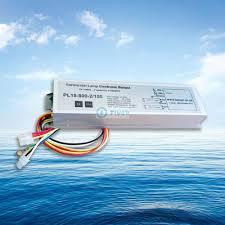
In this blog, we will cover everything you need to know about UV ballasts, including what they are, how they work, different types, benefits, applications, and tips on choosing the right one
What Is a UV Ballast?
A UV ballast is an electronic or magnetic device used to regulate the electrical current and voltage supplied to a UV lamp. UV lamps, especially those used for sterilization and disinfection, require a controlled environment to function correctly. The ballast ensures that the UV lamp receives the proper startup voltage and maintains a steady current for consistent UV output
Without a ballast, UV lamps would either not ignite or would burn out quickly due to excessive current
How Does a UV Ballast Work?
The core function of a UV ballast is similar to that of a fluorescent ballast. When a UV lamp is switched on, the ballast delivers a high voltage to initiate the arc inside the lamp Once the arc is established, it reduces the voltage and controls the current flow to maintain a consistent level of UV light output.
Here’s how it works step-by-step:
1. Ignition – Ballast provides a surge of voltage to start the lamp.
2 Regulation – Once lit, it stabilizes the current to prevent flickering or overheating
3. Protection – Prevents overcurrent or undercurrent, which can damage the UV lamp or reduce its efficiency
Types of UV Ballasts
There are several types of UV ballasts, each suited for different applications and lamp types:
1. Magnetic UV Ballasts
● Traditional type
● Uses electromagnetic induction
● More durable but heavier and less energy efficient
● Often used in industrial or commercial settings
2. Electronic UV Ballasts
● More advanced and compact
● Lightweight and energy-efficient
● Allows for instant start and longer lamp life
● Widely used in residential and light commercial systems
3. Dimmable UV Ballasts
● Allows for adjustable UV intensity
● Useful in systems where UV output needs modulation based on environmental conditions
4. Multi-lamp UV Ballasts
● Designed to power multiple UV lamps simultaneously
● Ideal for large systems like HVAC, wastewater treatment, and large-scale air purification
Applications of UV Ballasts
UV ballasts are used across a wide range of industries and applications, including:
1. Water Purification
In residential and municipal water treatment systems, UV light is used to kill bacteria, viruses, and other pathogens UV ballasts ensure that the lamps function at peak performance to provide consistent disinfection
2. Air Sterilization
HVAC systems use UV-C light to destroy airborne microorganisms. Ballasts regulate the power to these lamps for effective air quality management
3. Surface Disinfection
Hospitals, laboratories, and food processing plants use UV lamps to disinfect surfaces. Reliable ballasts ensure optimal UV exposure
4. Aquarium and Pond Filtration
UV clarifiers in aquariums and ponds prevent algae buildup and control microbial growth A high-quality ballast is essential for continuous operation.
5. Industrial & Commercial Use
From clean rooms to pharmaceutical manufacturing, UV systems powered by high-efficiency ballasts play a vital role in maintaining sterile environments.
Benefits of Using a Quality UV Ballast
Choosing a high-quality UV ballast offers numerous advantages:
● ✅ Extended Lamp Life: Proper current regulation minimizes wear and extends the lifespan of UV lamps
● ✅ Energy Efficiency: Especially with electronic ballasts, energy consumption is reduced.
● ✅ Consistent Performance: Stable UV output ensures effective sterilization or disinfection.
● ✅ Safety: Prevents over-voltage or thermal issues that could lead to failure or hazards
● ✅ Compatibility: Many ballasts are designed to work with a wide range of lamp types and brands
Signs Your UV Ballast Needs Replacement
A faulty or aging UV ballast can compromise the entire UV system. Look out for these signs:
● ⚠ Flickering UV lamps
● ⚠ Lamp not starting at all
● ⚠ Burnt smell or discoloration
● ⚠ Inconsistent UV intensity
● ⚠ Visible damage or corrosion
If you experience any of these issues, it may be time to replace the ballast to restore full functionality
How to Choose the Right UV Ballast
Choosing the right UV ballast depends on several factors:
1. Lamp Type & Wattage
Always check the compatibility of the ballast with the UV lamp (low-pressure, medium-pressure, amalgam, etc ) and wattage
2. Application
Is it for a residential UV purifier or an industrial HVAC system? The size and output needs will determine the right ballast type
3. Voltage Requirements
Ensure the ballast supports your system’s input voltage (120V, 240V, 277V, etc.).
4.
Number of Lamps
For systems with multiple lamps, look for a multi-lamp compatible ballast
5. Environment
Choose ballasts with protective features for damp, high-temperature, or outdoor environments
Top Brands for UV Ballasts
Some reputable manufacturers of high-quality UV ballasts include:
● Philips Advance
● Keystone Technologies
● Fulham
● Sylvania
● OSRAM
● GE Lighting
Always opt for original or certified OEM replacement ballasts to ensure safety and efficiency
Maintenance Tips for UV Ballasts
● �� Regularly check lamp and ballast connections
● �� Clean dust and debris from housing.
● �� Replace lamps and ballasts as per the manufacturer’s recommended cycle
● �� Ensure proper ventilation around the ballast to avoid overheating
● �� Use surge protectors to prevent electrical damage
Conclusion
A UV ballast is an unsung hero in UV lighting systems, ensuring your lamps operate efficiently, safely, and with maximum lifespan. Whether you're purifying water, disinfecting air, or sterilizing surfaces, the performance of your UV system heavily depends on a reliable ballast
Understanding how UV ballasts work and how to choose the right one can significantly impact the effectiveness of your disinfection system Make sure to select the appropriate type, monitor for signs of wear, and maintain it regularly for the best results