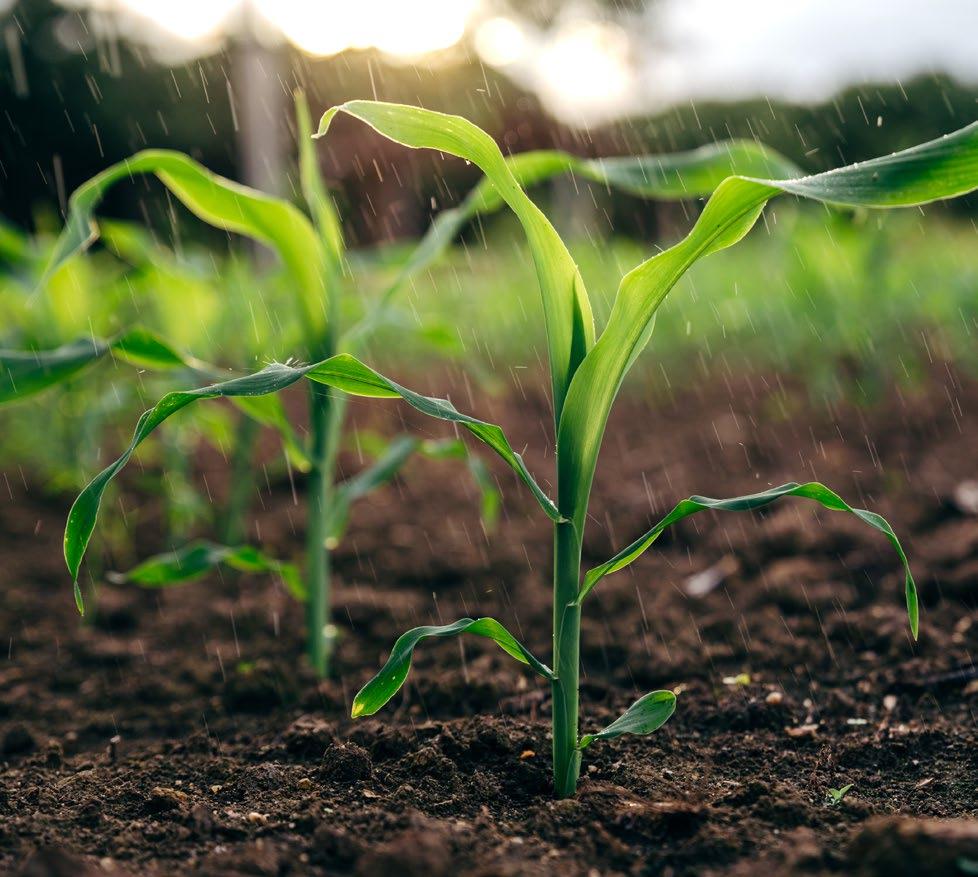
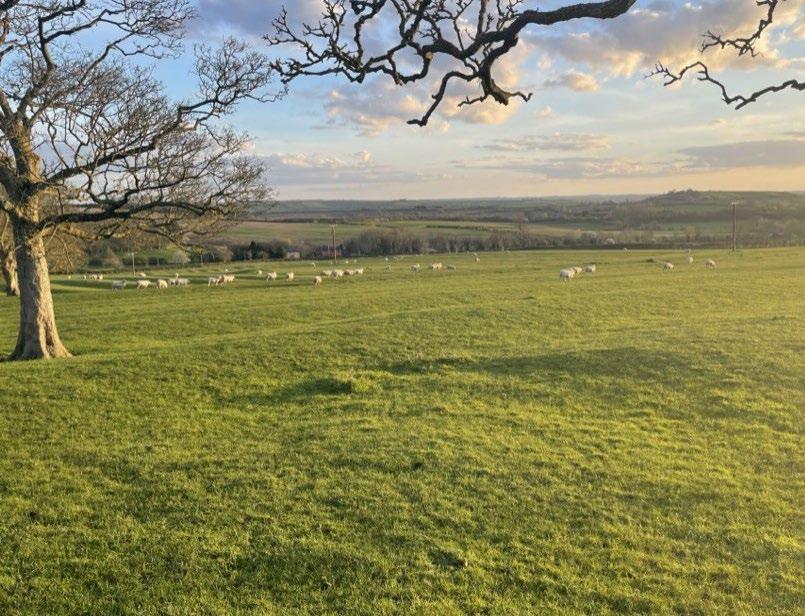
After a notably dry spring, the long-awaited rain has finally arrived, followed by welcome warm days that have brought renewed energy to growing crops and a sense of optimism for the summer ahead.
Defra is expected to open the 2026 SFI and Capital Grant schemes shortly, so early preparation will be essential. The application windows are not expected to be lengthy, so having the right supporting evidence ready will help ensure applications can be submitted smoothly and confidently. Please do get in touch if you would like support in getting prepared.
We want AgriFacts to continue being both interesting and useful, and your feedback plays an important part in shaping future editions. If there are topics you would like us to cover, whether as one-off articles or regular features, we would be delighted to hear from you. Please send your suggestions to agrifacts@ fishergerman.co.uk
Agri Facts
June 2026
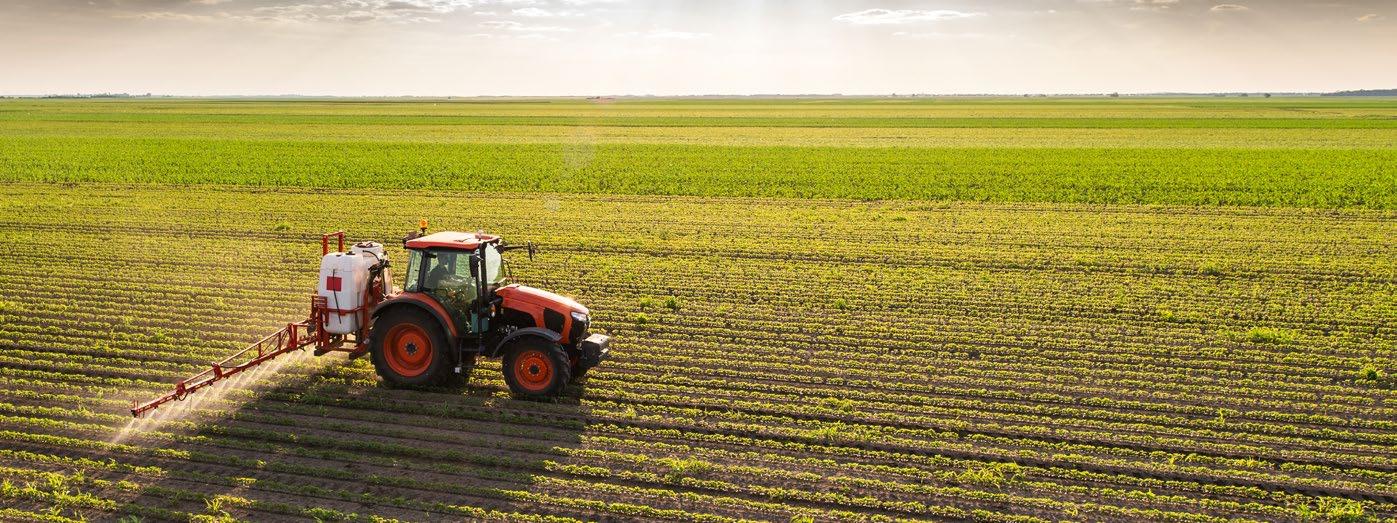
Sustainable Farming Incentive
- Scheme information published
Another edition of guidance for the Sustainable Farming Incentive 2026 offer has been published by Defra, giving eligible farmers an early opportunity to review the scheme and prepare ahead of the first application window opening later this month.
Window 1 is expected to open from 30 June 2026 for two groups: small farms and farms without an existing Environmental Land Management revenue agreement. Before the wider rollout begins, a small number of eligible farmers will be invited to apply from around 18 June as part of a controlled testing phase for the application service. The window is expected to remain open for only two months and may close earlier if the available budget is fully allocated, making early preparation critical.
The latest publication includes an updated version of the terms and conditions for SFI26 agreements, the scheme rules, action requirements and supporting guidance to help applicants prepare for and manage an agreement. Final versions are expected to be published in mid-June before applications officially open.
The SFI26 offer is intended to support sustainable food production while funding practical actions that improve soil health, protect water quality, support nature recovery and strengthen farm resilience. Much of the structure remains familiar to those who applied under the 2024 scheme, although Defra says improvements have been made to simplify and streamline the offer.
Additional information published alongside the scheme highlights the practical and financial appeal of SFI, including quarterly payments to support cashflow, greater flexibility in choosing actions that fit individual farming systems, and opportunities to improve resilience and reduce reliance on external inputs. Example actions highlighted for arable, mixed and livestock farms include hedgerow management, herbal leys, grass buffer strips, pollen and nectar mixes and lower-input grassland options. Read the full article here
June 2026 (Midlands) ex farm
Market briefing
Markets remain heavily weather-driven. Grain prices eased over the past week, but sentiment is still being shaped by crop stress, geopolitical uncertainty, energy markets and wider global supply risks.
Wheat
Wheat markets moved lower last week, with UK, European and US futures all coming under pressure from improved weather forecasts, weaker crude oil prices and expectations of comfortable global supply. However, downside risk remains limited by concerns over deteriorating crop conditions in some producing regions, including dry weather in parts of the UK and Europe, alongside ongoing geopolitical uncertainty. UK trade remains quiet, with low liquidity and limited farmer selling.
Barley
Barley markets remain relatively inactive, although weather is becoming a growing concern, particularly for spring crops. Malting barley is coming under heat and moisture stress, with reports of crop losses and aborted tillers creating uncertainty around yield potential. Feed barley is broadly unchanged, with limited old-crop trade and slow farmer selling, while new-crop values are expected to continue tracking wheat until closer to harvest.
Rapeseed / oilseeds
Rapeseed and wider oilseed markets have remained firmer than grains, supported by strength in vegetable oils, concerns over Canadian planting delays and the risk of weather-related disruption in key producing regions. However, weaker crude oil prices and ongoing geopolitical volatility have capped further upside momentum.
Oats and pulses
Oats continue to trade quietly, with subdued buyer interest and restricted grower selling, while firm feed barley values are helping to support the market. In pulses, winter beans are holding up
better than spring crops, but spring beans and peas are showing signs of stress due to limited rainfall. Trade remains cautious, with new-crop values still largely taking direction from feed wheat and wider crop prospects.
Fertiliser
Fertiliser commentary remains mixed. Urea values have eased from recent highs in some areas, but ammonia and phosphate markets remain fundamentally firm, with supply constraints and elevated input costs continuing to influence pricing. Overall, affordability remains a growing issue, even where product is available.
Key watchpoints
• Weather remains the dominant driver across all markets, particularly UK and European moisture levels
• Energy markets and Middle East developments continue to influence both grain and oilseed prices
• Global supply expectations remain broadly comfortable, although local crop stress and lower yield and quality expectations are affecting prices
Which destination has been named the cheapest for a city break right now?
A) Sarajevo
B) Bucharest
C) Lille
Capital Grants 2026 - Prepare now for July opening
Defra has published guidance for the 2026 Capital Grants offer, with applications expected to open in July. No exact opening date has yet been confirmed, but farmers and land managers in England are being urged to prepare early because demand is expected to be high and the application window may not remain open for long.
A total of £225 million will be made available through this round to support environmental improvements across England. As in previous years, Defra expects strong interest and will provide updates on The Farming Blog when 25%, 50% and 75% of the available funding has been allocated.
What the offer covers
The 2026 offer is broadly similar to last year’s scheme. Capital items will continue to be organised into six groups: boundaries, trees and orchards; improved water quality; improved air quality; improved natural flood management; assessments; and improvements.
Funding limits will continue to apply to four of these groups. Applicants can apply for up to £25,000 for each of the air quality, natural flood management and water quality groups, and up to £35,000 for the boundaries, trees and orchards group.
Only one application can be made per Single Business Identifier (SBI), but that application can include items from all six groups, subject to the relevant grant caps. This means an application could include up to £110,000 across the four capped groups, plus eligible items from the assessments and improvements groups.
This year, Defra is placing greater emphasis on supporting evidence being provided at the start of the process. Applicants
should submit evidence such as maps and supporting documents with their application, or at the latest within 10 days of applying.
Changes for 2026
There are several changes to note in this year’s offer. Agroforestry items and the Woodland Condition Assessment will not be available through Capital Grants in 2026; they are expected to be made available later this year through the Higher Tier Capital Grants offer.
TE6: Tree guard (tube and mesh) has been withdrawn and will be replaced by a new item, TE19: Tree guard (narrow weld mesh).
Defra has also said the names and specifications for tree guard items TE7 and TE8 will be updated when the Capital Grants offer opens.
Prepare now
Because the scheme is expected to be popular, applicants and advisers should use the time before July to get ready. Key steps include completing previous claims, as another capital grant cannot be applied for on a land parcel where there is an unfinished or unclaimed capital grant.
Businesses should also check that their business and land details are up to date on Rural Payments, prepare supporting maps so they can be submitted with the application, and gather financial evidence if applying for more than £50,000.
The full list of items included in the 2026 offer is available in section 5.2 of the Applicant’s Guide: Capital Grants 2026 on GOV. UK
Applicants can also use the Capital Grant finder for item-specific details and requirements.
SFI26 access for expiring ELM agreements
Farmers with SFI23, Countryside Stewardship Mid Tier, legacy Higher Tier or HLS agreements due to expire soon may be able to apply for the full SFI26 offer before their current agreement ends. Defra is developing new application functionality, expected from Window 2 in September 2026, to help avoid delays while managing compatibility and double-funding rules. Small farms eligible for Window 1 may wish to wait for confirmation before deciding when to apply.
Case study - Biodiversity partnership
Project summary
• Our client has secured a five-year extension to its biodiversity partnership with a major utility provider, unlocking continued support for established habitats and a newly created 5.12ha biodiversity net gain area
• The extended agreement provides funding to manage biodiversity outcomes through to 2030, building on the land established under the original partnership
• It secures long-term management across a diverse mix of habitats, including arable reversion, grassland buffers, low-input cropping, cover crops and woodland
Solution
• The utility provider is funding the ongoing management of 75ha of arable reversion to grassland, 12.2ha of field buffers, 60ha of low-input cereal, 60ha of cover crops and 6.75ha of woodland
AgriFunFact answer!
• Additional funding will support targeted habitat interventions within the newly baselined biodiversity net gain area, helping to enhance ecological value across the holding
• The interventions are forecast to generate a biodiversity uplift of 23.22 habitat units, alongside 0.34 hedgerow units and 0.68 watercourse units
• Over five years, the project will deliver £648,350 of income to the client while supporting practical, measurable biodiversity gains
• By securing private funding, the client can take part in a biodiversity net gainstyle project without upfront costs or delivery risk
Benefits
• Creates a long-term, diversified income stream at a time of political uncertainty and volatile agricultural markets
Key project data
Client: Private client, Leicestershire
• Provides secure funding for the continued management and enhancement of biodiversity assets through to 2030
• Gives the client valuable early experience of biodiversity net gain delivery within a low-risk commercial structure
• Enhances environmental value while retaining flexibility across the wider farming business
• Strengthens collaboration with a major utility provider through a partnership built for long-term environmental outcomes
A) The capital of Bosnia and Herzegovina is the most affordable according to Post Office
Our key agribusiness specialists
David Kinnersley Head of Agribusiness 01905 459427