SKATING 610
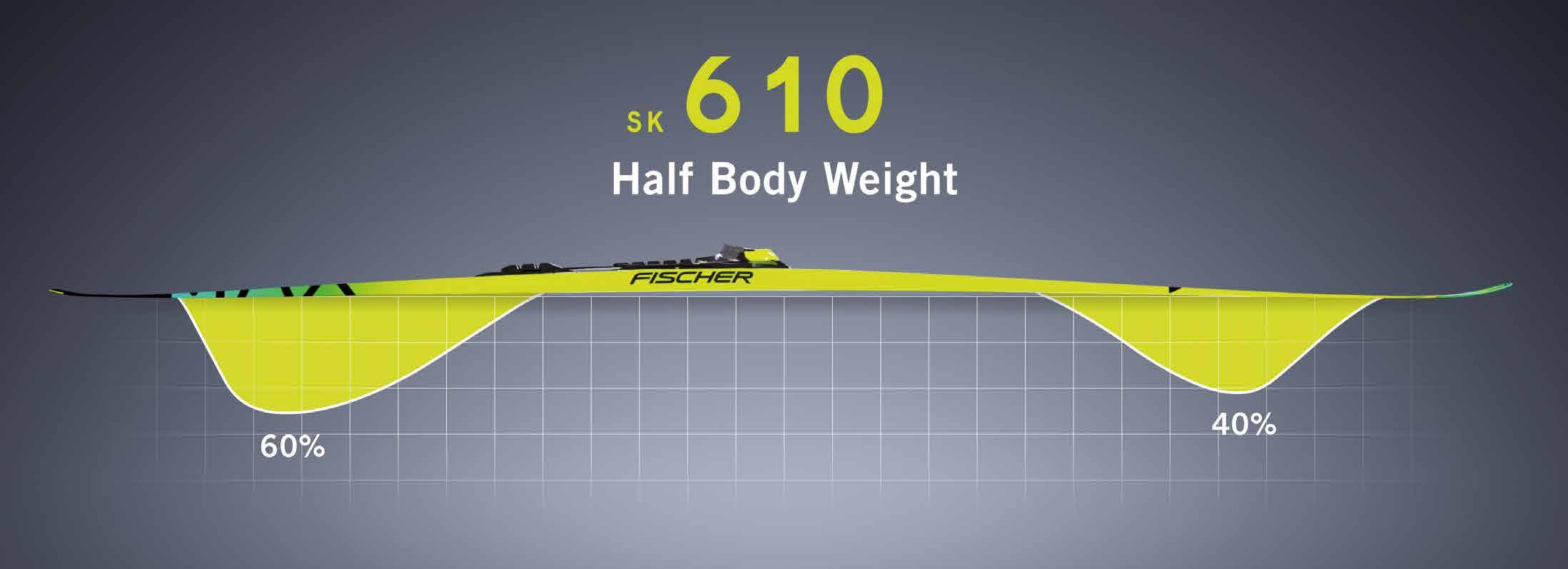
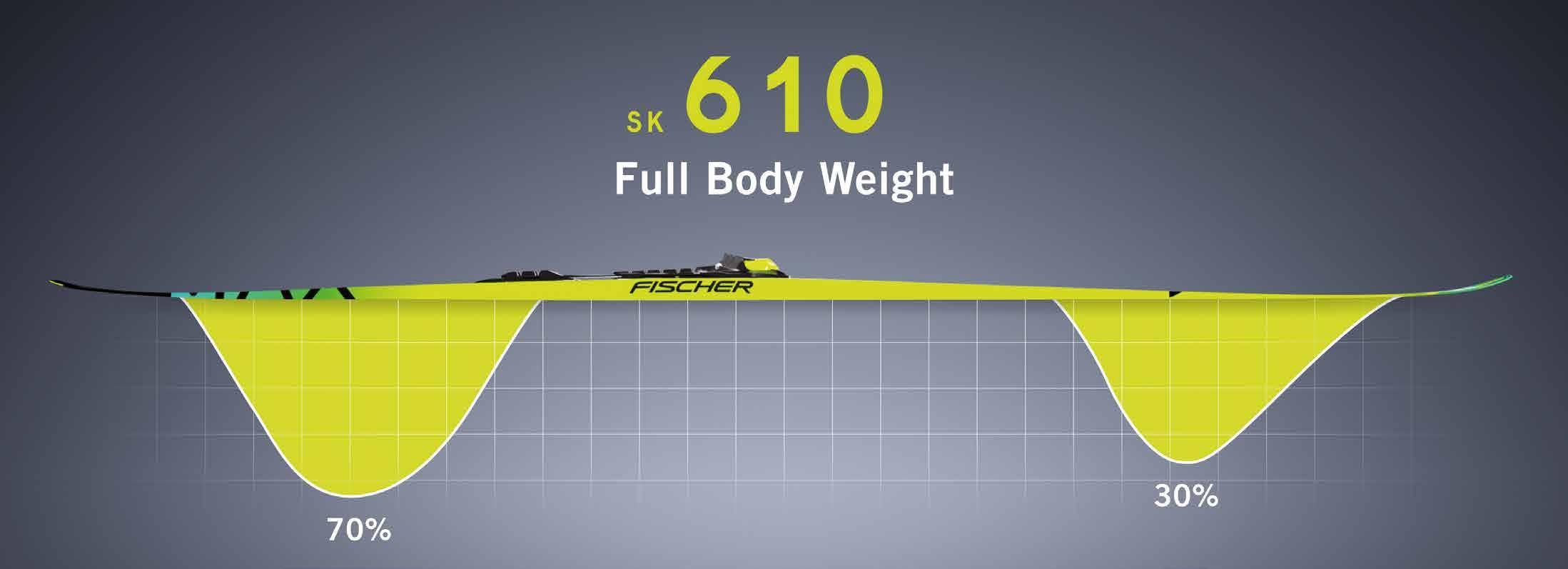
Comparison: half vs. full body weight.
The 610 skate ski construction is Fischer’s most universal and offers a very wide range of use. The front and rear of the ski open moderately under load and ensure very good gliding properties in all conditions.
The moderately spaced contact points and corresponding contact areas offer stable guidance characteristics for aggressive athletes even in compacted snow conditions (i.e. when the snow is firm but the ski track is still slightly pressed into the surface). At half body weight (gliding), 40% of the pressure is distributed to the front and 60% to the rear of the ski. With full body weight (push-off phase), the ratio changes to 30% to 70%. For good cross-country skiers who only own one pair of skis, the 610 design is the first choice to handle all conditions.
SKATING 610
Race-specific skate ski construction for maximum speed with pressure relief at the ski tip and tail. Perfect on compact to soft snow.
SKATING 61K
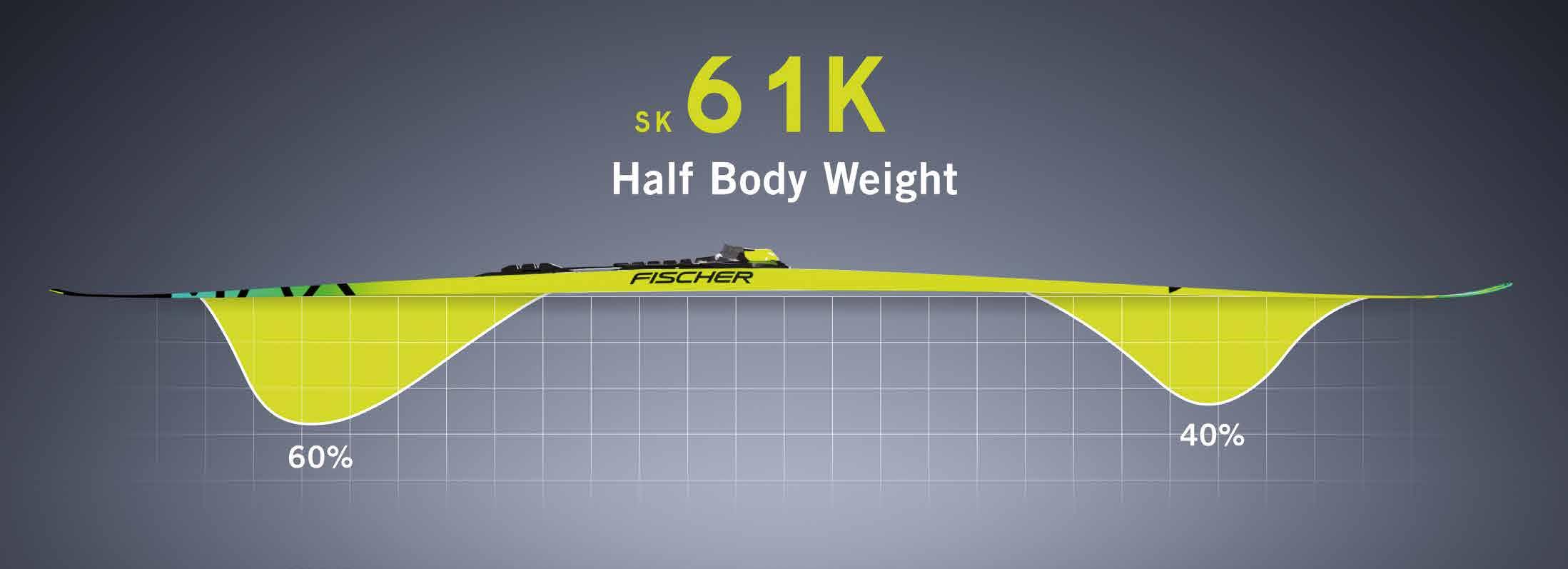
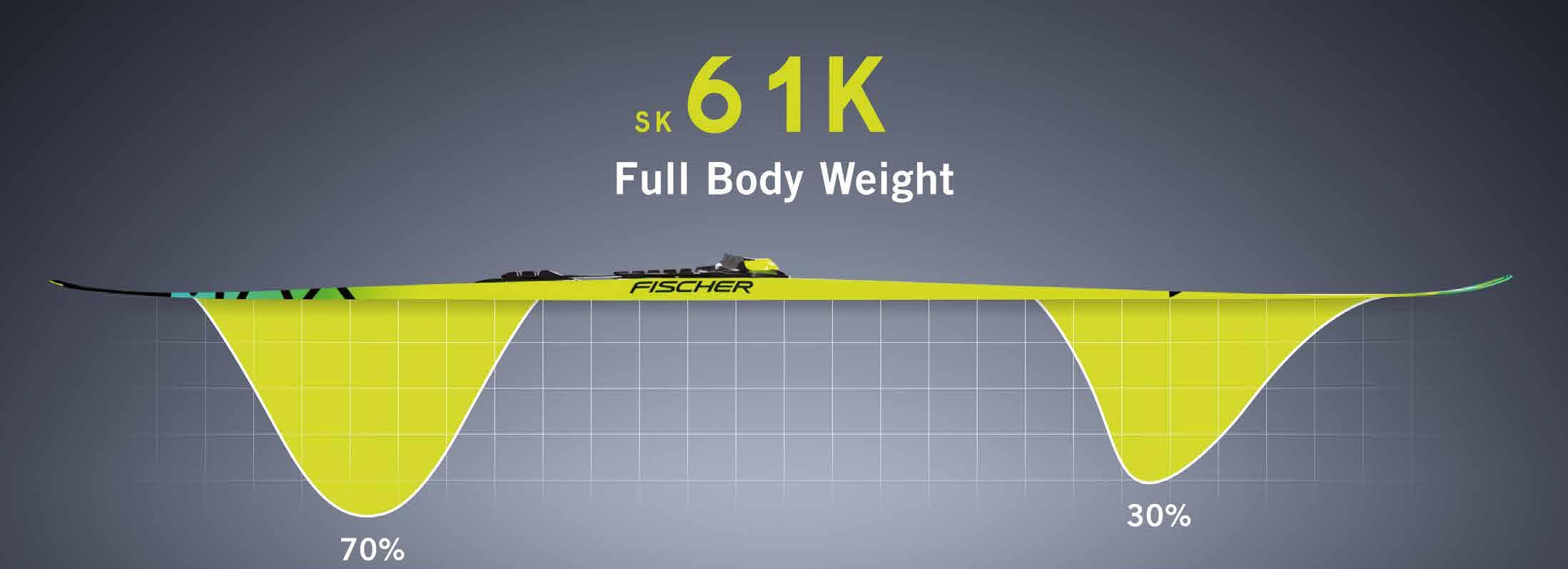
Comparison: half vs. full body weight.
The 61K skate ski construction was specifically developed for very soft snow conditions, including when the ski track is clearly pressed into the snow or the snow gives way under the ski.
This flex profile has very short contact areas and longer pressure relief zones in the front and rear of the ski. At half body weight (gliding), 40% of the pressure is distributed on the front part of the ski and 60% on the rear part. With full body weight (push-off phase), the ratio changes to 30% to 70%. The longer and slightly broader splay in the tip area ensures that the ski can glide better over the snow surface in soft snow conditions while minimizing frictional resistance. This makes the ski faster while feeling smoother and effortless on the foot. For top athletes, the 61K ski characteristic has often become their first choice, even in compact conditions. Using this ski in hard conditions requires very good technique and correct body tension to be stable and maximize speed.
SKATING 61K
Special race skate ski construction for maximum speed through increased pressure relief at the ski tip and tail. Perfect on soft snow.
SKATING 115
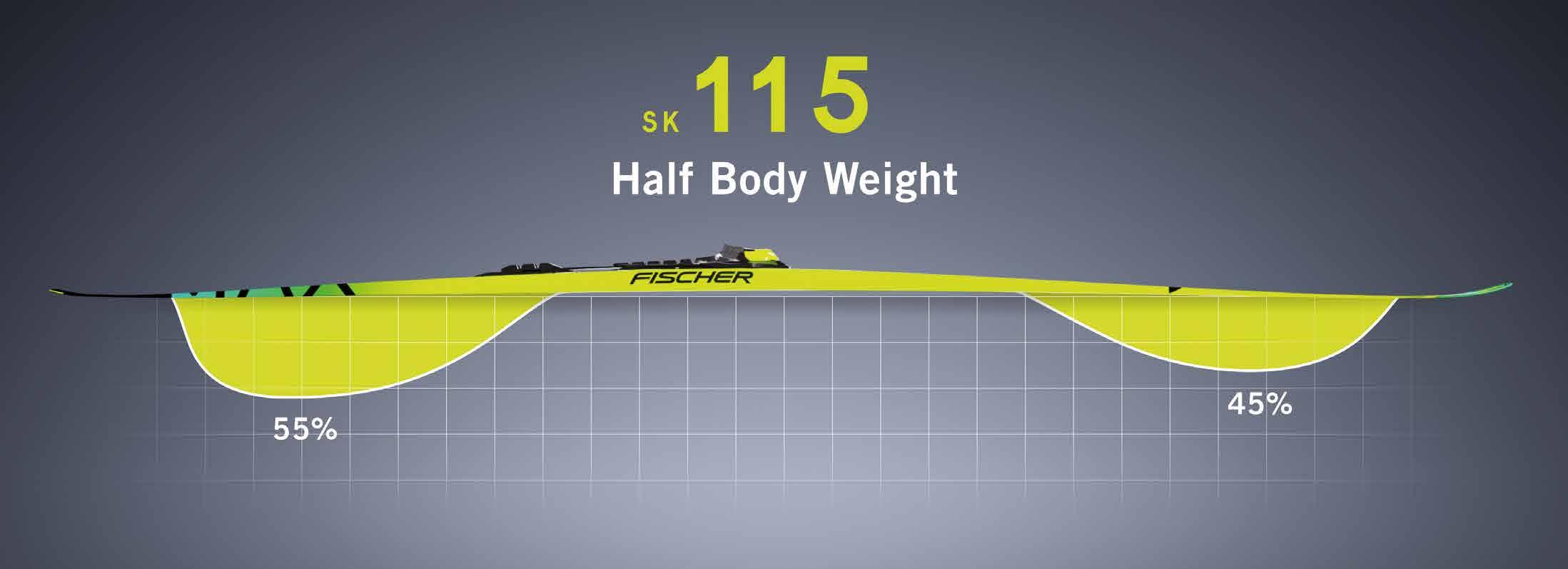
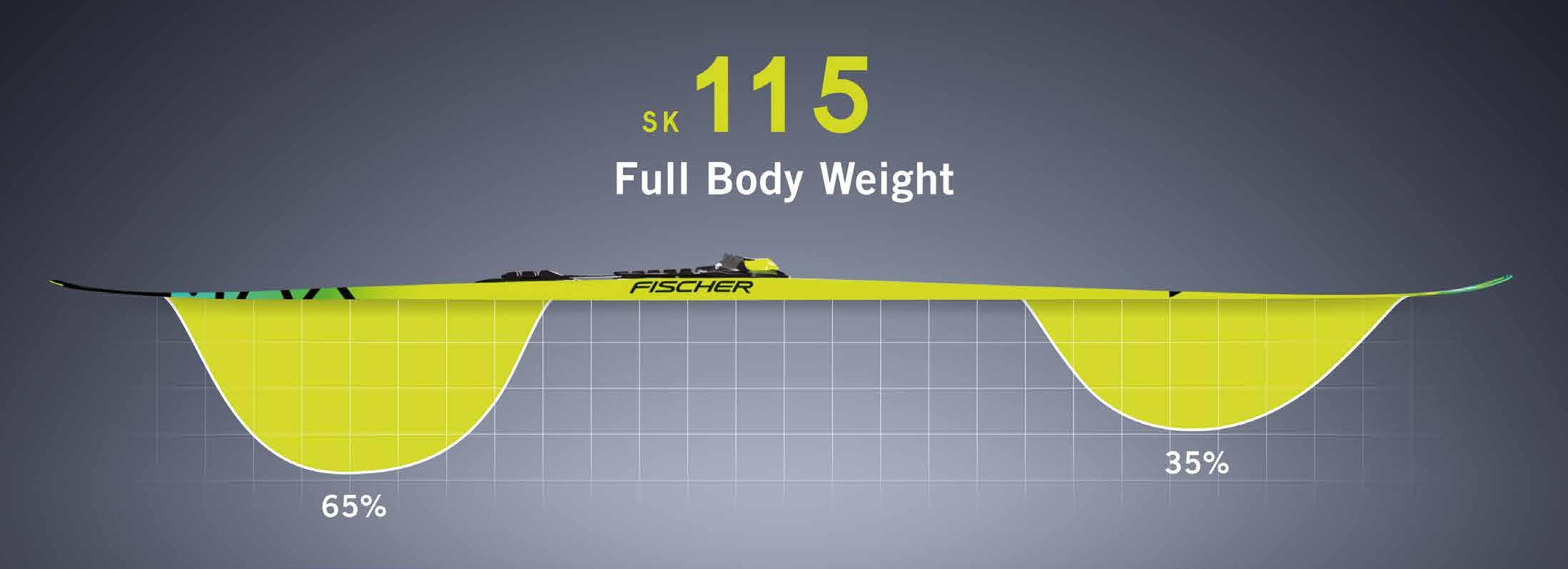
Comparison: half vs. full body weight.
The 115 skate construction offers very stable guiding properties. Thanks to long contact areas and minimal splay at the front and rear of the ski, the pressure is distributed over a larger area than with the 610 construction.
More contact with the snow surface means that the ski is stable when gliding and easier to control, which is advantageous in hard snow conditions and with imperfect technique. Even if the ski feels a little less smooth on the foot, the improved guiding properties and a more efficient kick have an energy-saving effect. At half body weight (gliding), 45% of the pressure is distributed to the front and 55% to the rear of the ski. With full body weight (push-off phase), the ratio changes to 35% to 65%.
SKATING 115
Skate ski construction with wider contact areas and minimum splay in tip and tail for increased stability and control. Ideal for hard snow conditions.
CLASSIC 902
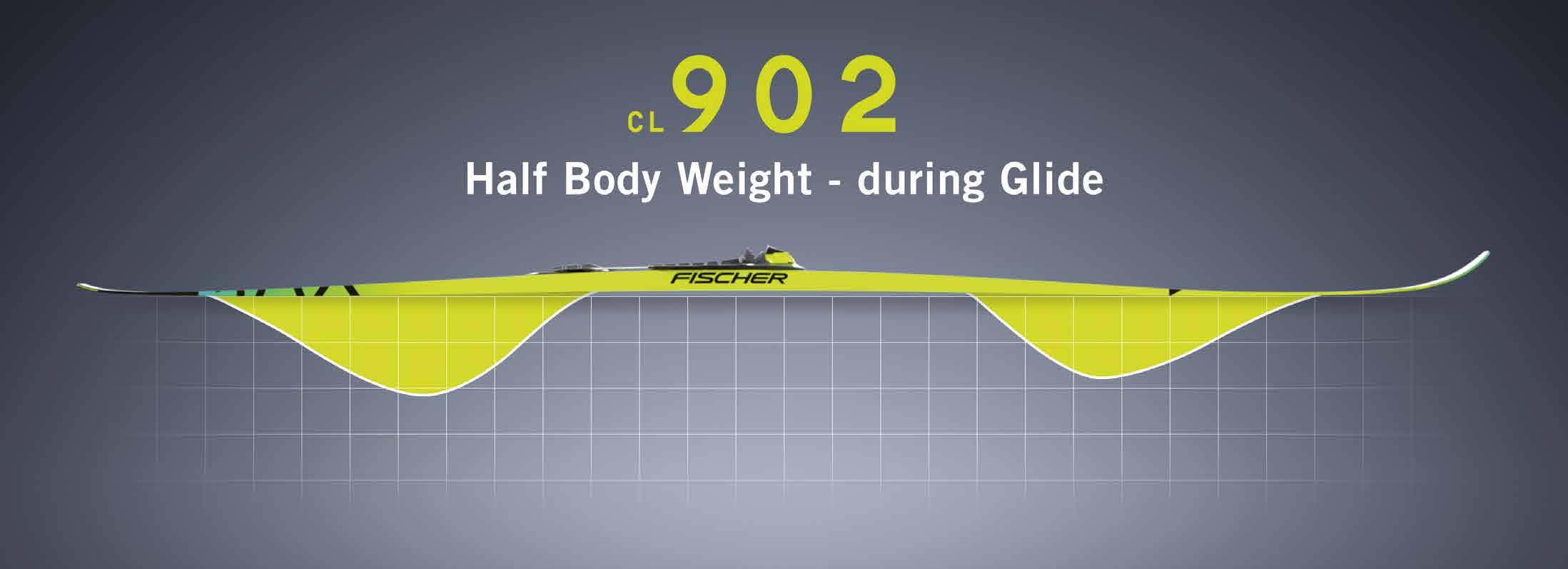
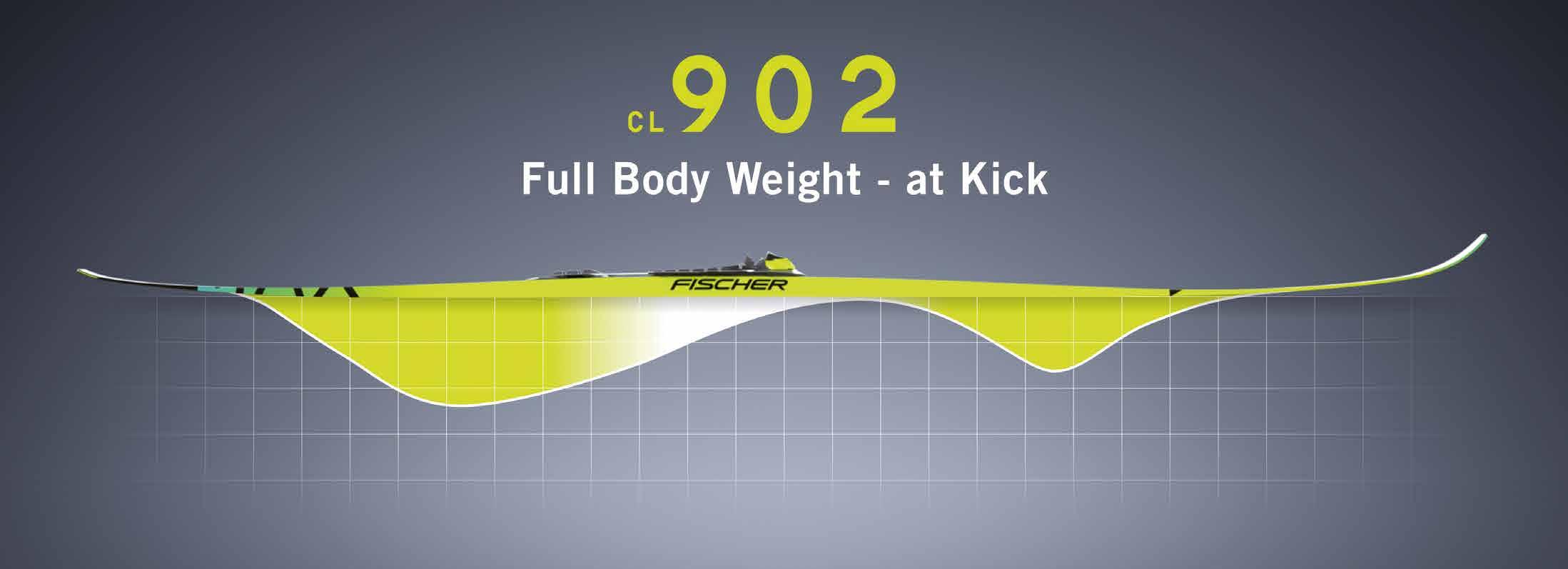
Comparison: glide vs. kick.
The 902 classic construction was developed as a special variant for klister conditions. Since then, however, it has become an absolute all-rounder, even for soft dry wax, and is the most widely used construction in competitive skiing.
The front and rear of the skis have a relatively long flex points, which ensures very good gliding properties. The longer and wider splay in the tip area ensures that the ski can glide better over the snow surface in soft and wet snow conditions while minimizing frictional resistance. The relatively high wax pocket in the front area offers highly athletic athletes the opportunity to ski with a short, precise and extremely dynamic kick. The thin layer of climbing wax required for this use is not noticeable in the gliding phase of the ski, making the ski even faster. If necessary, this construction still offers enough space to apply thicker layers of climbing wax to maintain and ensure very good climbing properties over extremely long periods of time.
CLASSIC 902
Classic race ski construction with noticeable pressure relief at the ski tip and tail for a direct, quick, and safe kick phase. Ideal for: Universal to wet conditions; klister.
CLASSIC 702
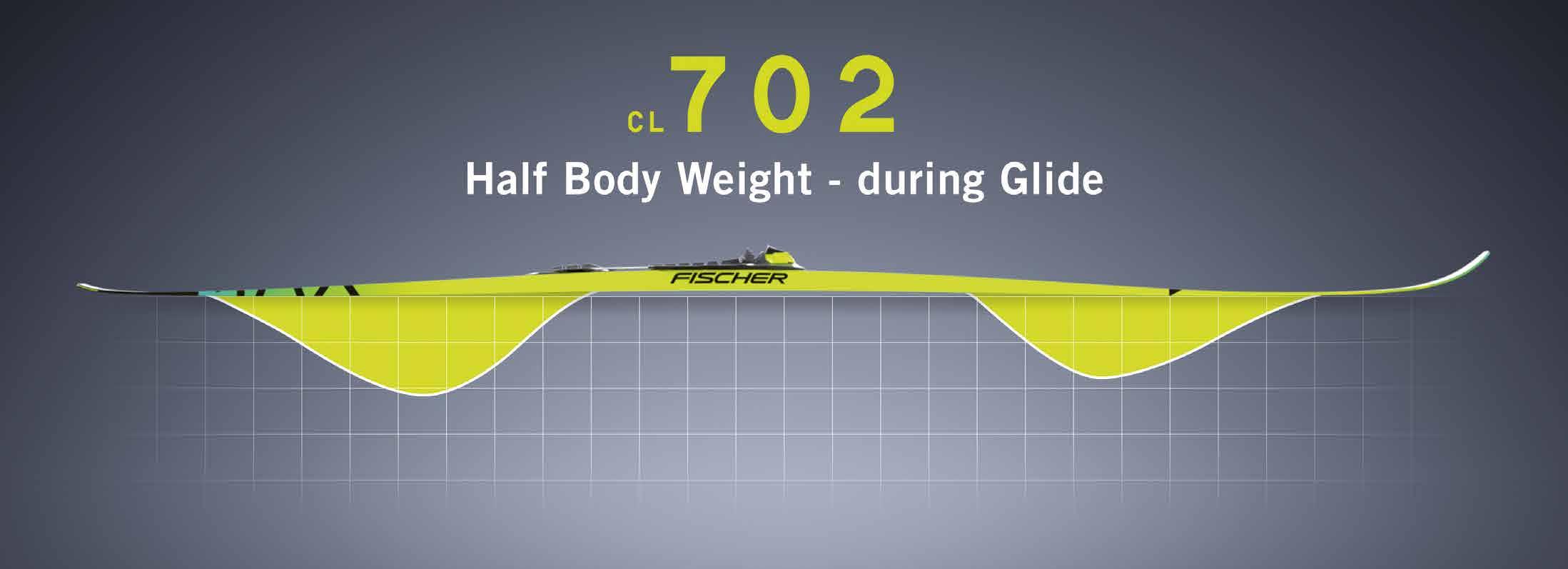
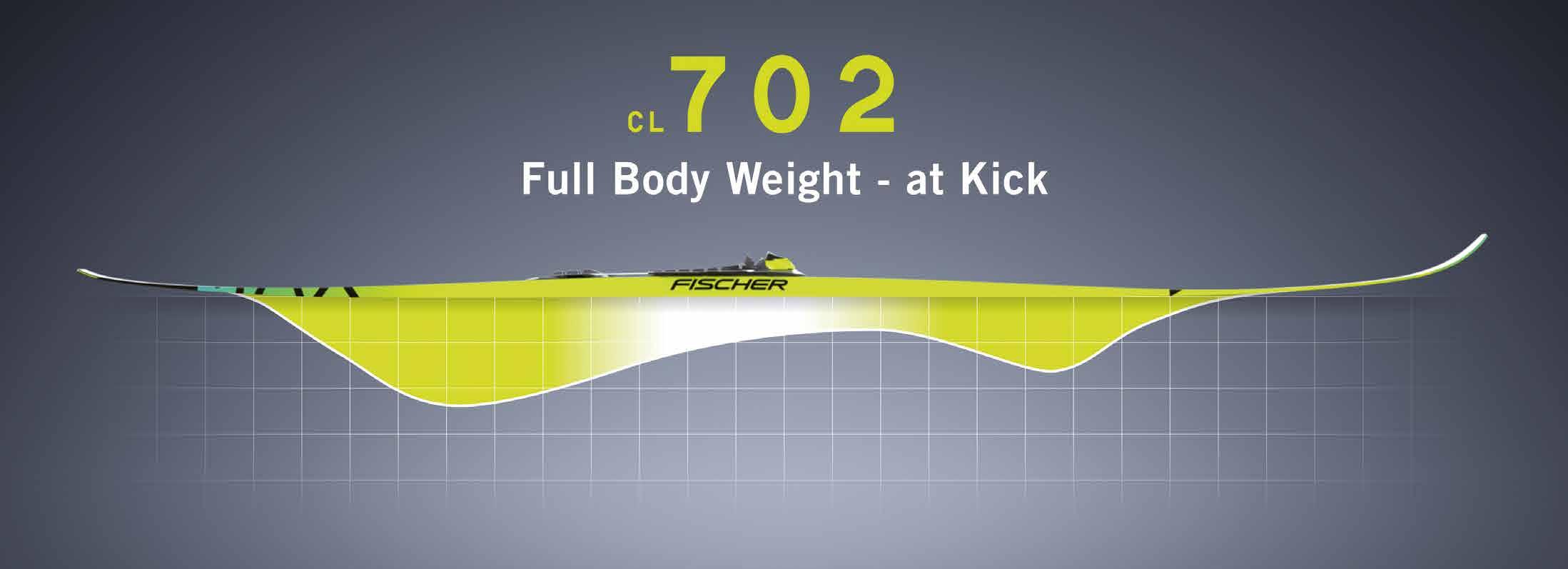
Comparison: glide vs. kick.
The 702 classic construction is a newly developed variant for dry wax conditions. It is a combination of the noticeably splaying ski tips and tails of the 902 construction with a slightly lower wax pocket (like the 812 construction).
This makes it possible to apply thin layers of dry wax to achieve the desired climbing properties in compact, cold snow conditions and at the same time ensure less frictional resistance of the gliding surfaces and generally improved gliding properties. During its first winter in top-level sport, this new construction was an instant hit and has already earned a number of successes. Now athletes at national levels and hobby athletes who place the highest demands on their equipment can also benefit and improve their performance.
CLASSIC 702
Classic race ski construction with large tip and tail splay and long, dynamic wax pocket pattern for minimum wax loss through friction. Ideal for: Cold conditions, dry wax conditions.
CLASSIC 812
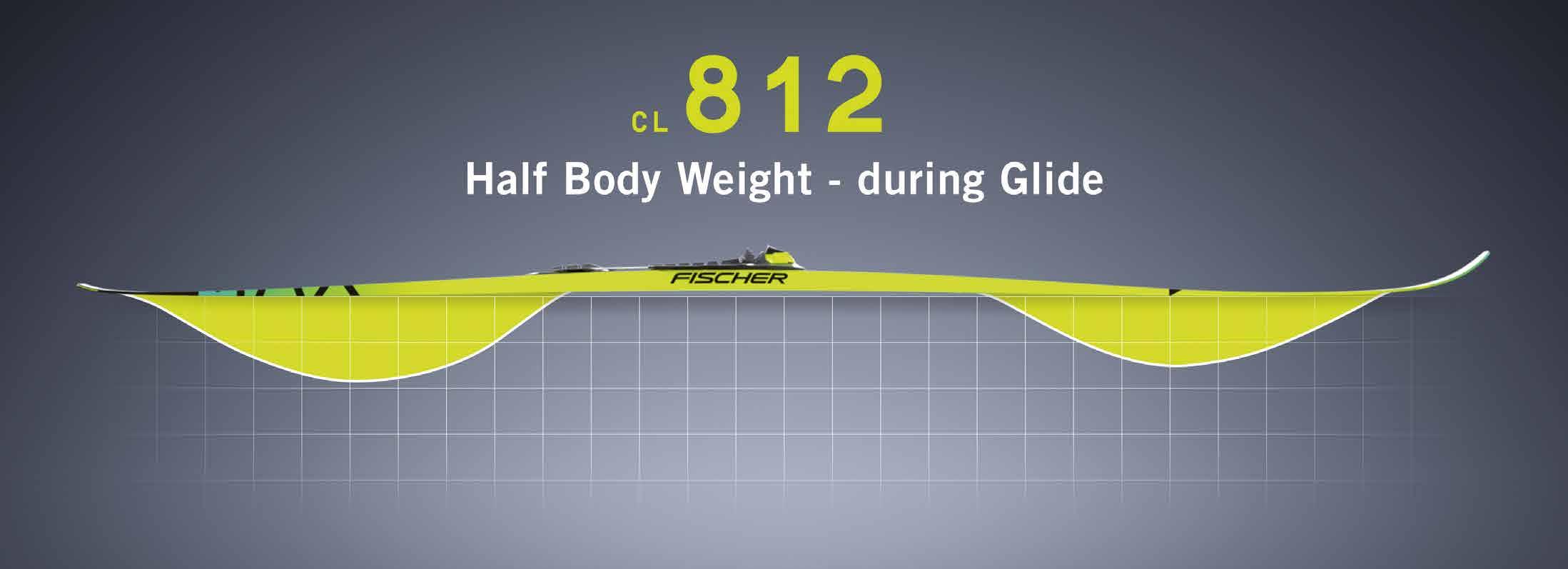
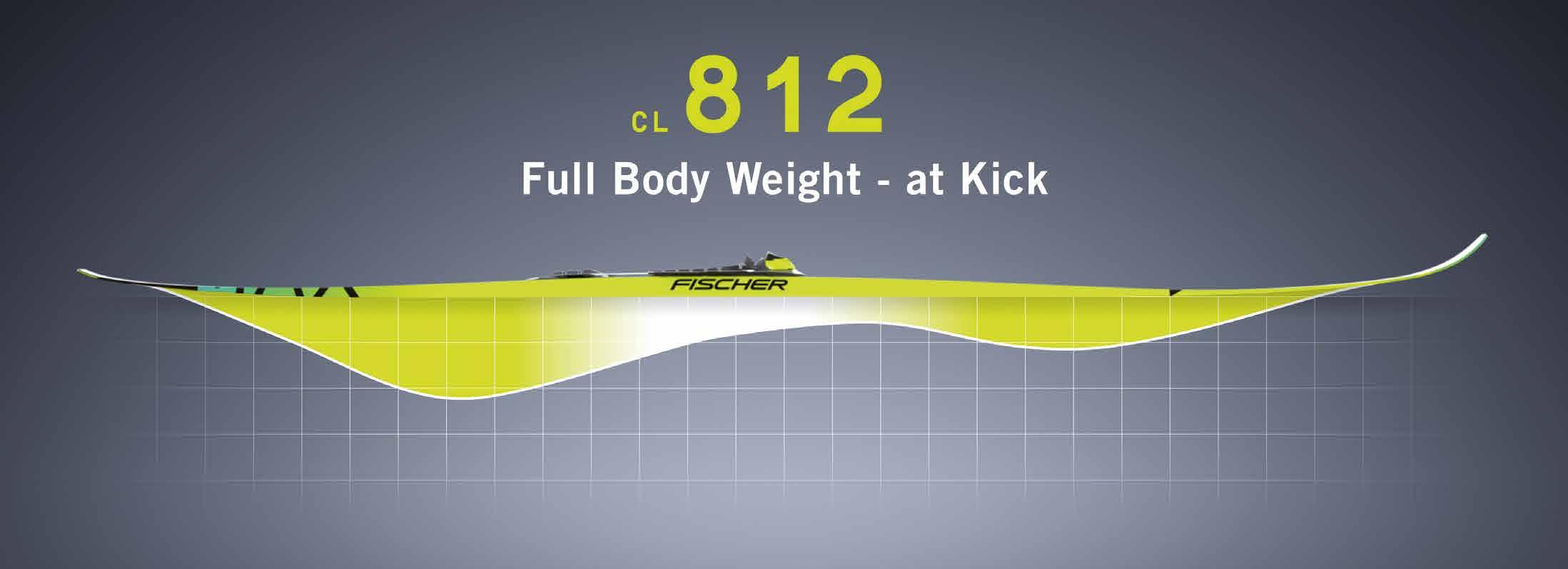
Comparison: glide vs. kick.
The 812 classic construction is the traditional profile for very cold and compact snow conditions. The opening at the tip and tail of the ski is significantly reduced, resulting in a longer contact zone for gliding in hard and cold snow conditions.
The result is increased stability and guidance properties, thus improving control during downhill sections. The low wax pocket makes it very easy to find the right grip when pushing off, even with thin layers of dry wax. A flat, homogeneous transition between the gliding and climbing areas ensures that the ski slides smoothly and the efficient kick is built up in a controlled manner.
CLASSIC 812
Classic race ski construction with long, dynamic wax pocket pattern for minimum wax loss through friction. Ideal for: Cold conditions; dry wax conditions.
DOUBLE POLING
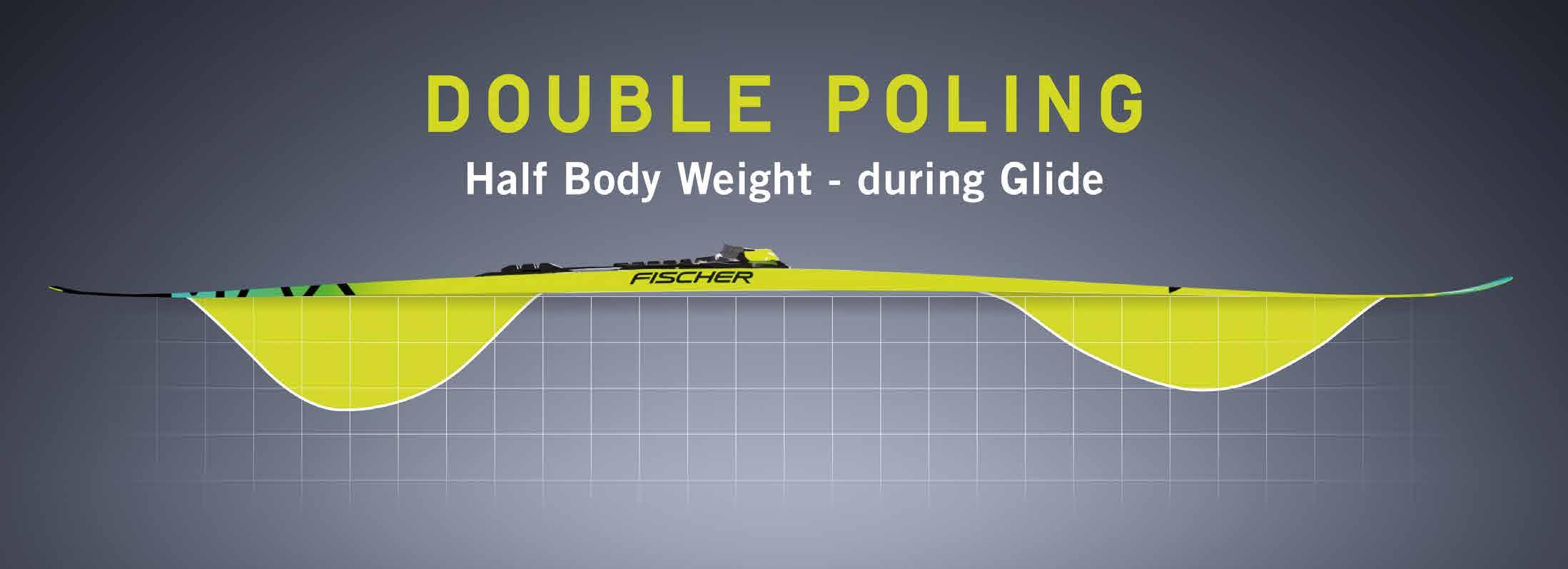
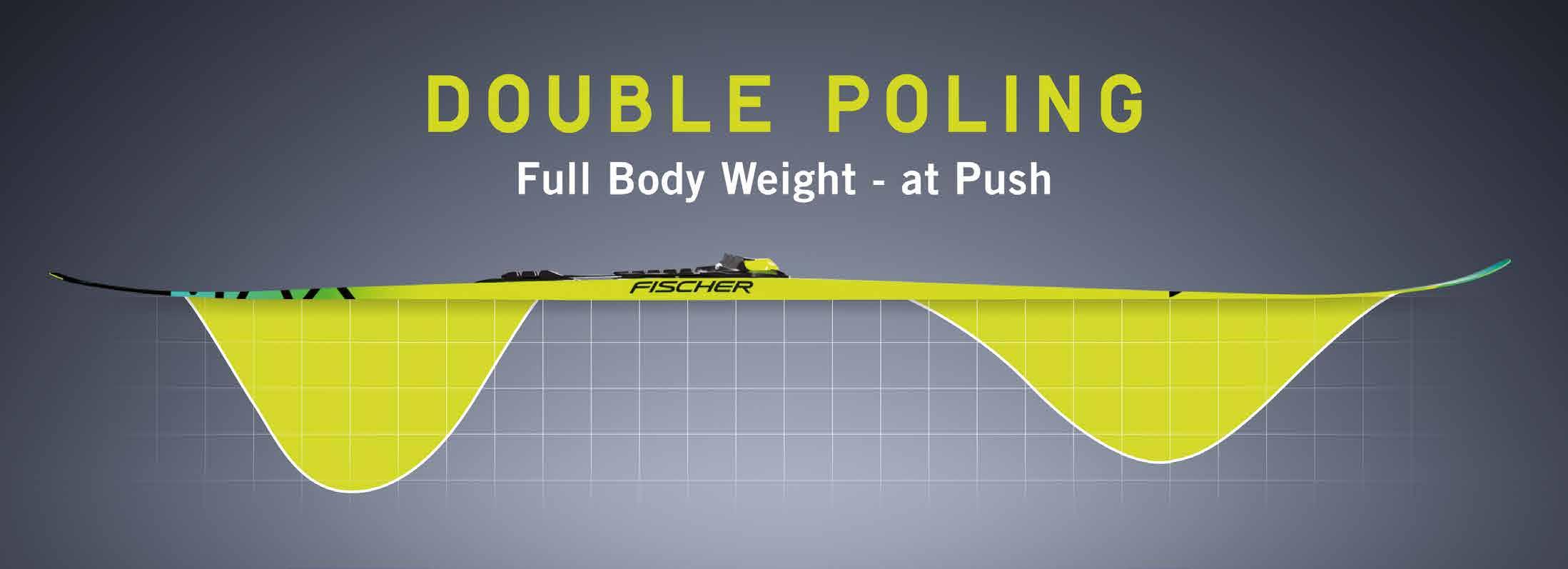
Comparison: glide vs. kick.
The Double Poling construction was specially developed for perfect power transmission and maximum speed when double poling.
The longer contact areas and reduced tip and tail splay ensure efficient power transmission and optimal gliding with every double pole push in universal to hard snow conditions without the use of climbing wax. Due to the shortness of the entire ski construction, the slipstream can be better utilized in mass starts.
DOUBLE POLING
Construction for double poling with wider contact areas and minimum splay in tip and tail for maximum speed. Ideal for universal to hard snow conditions.
DOUBLE POLING PLUS
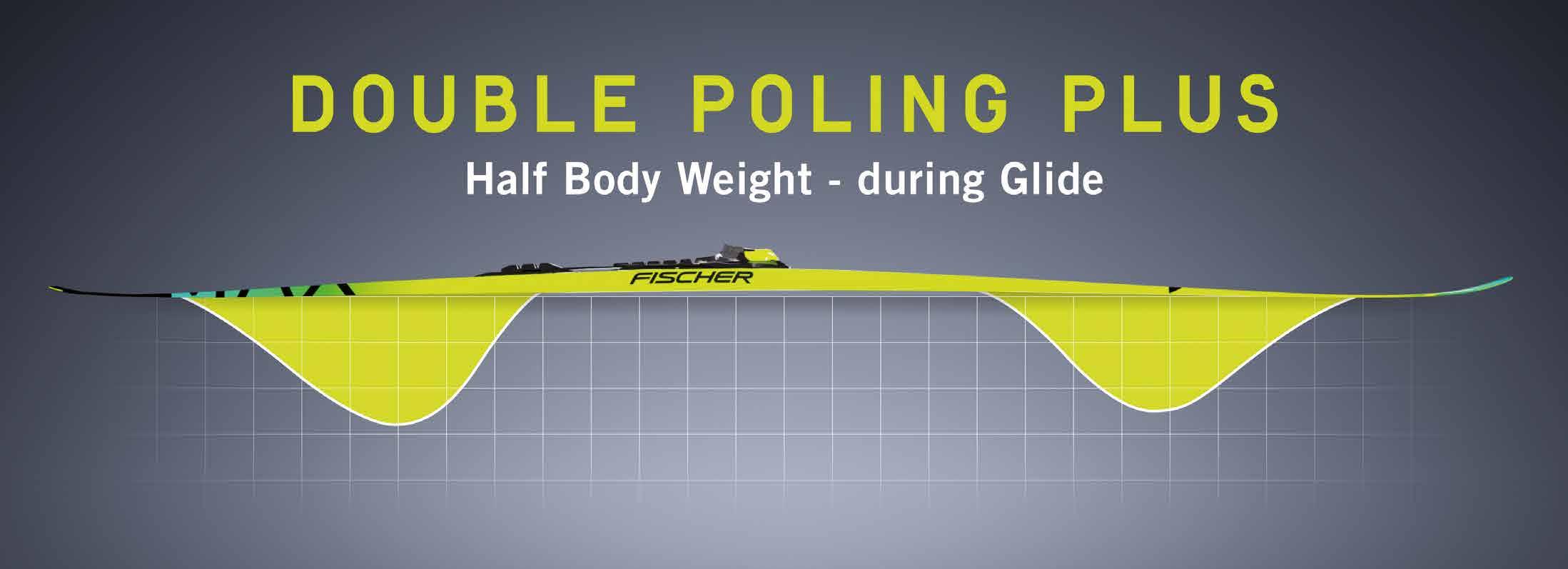
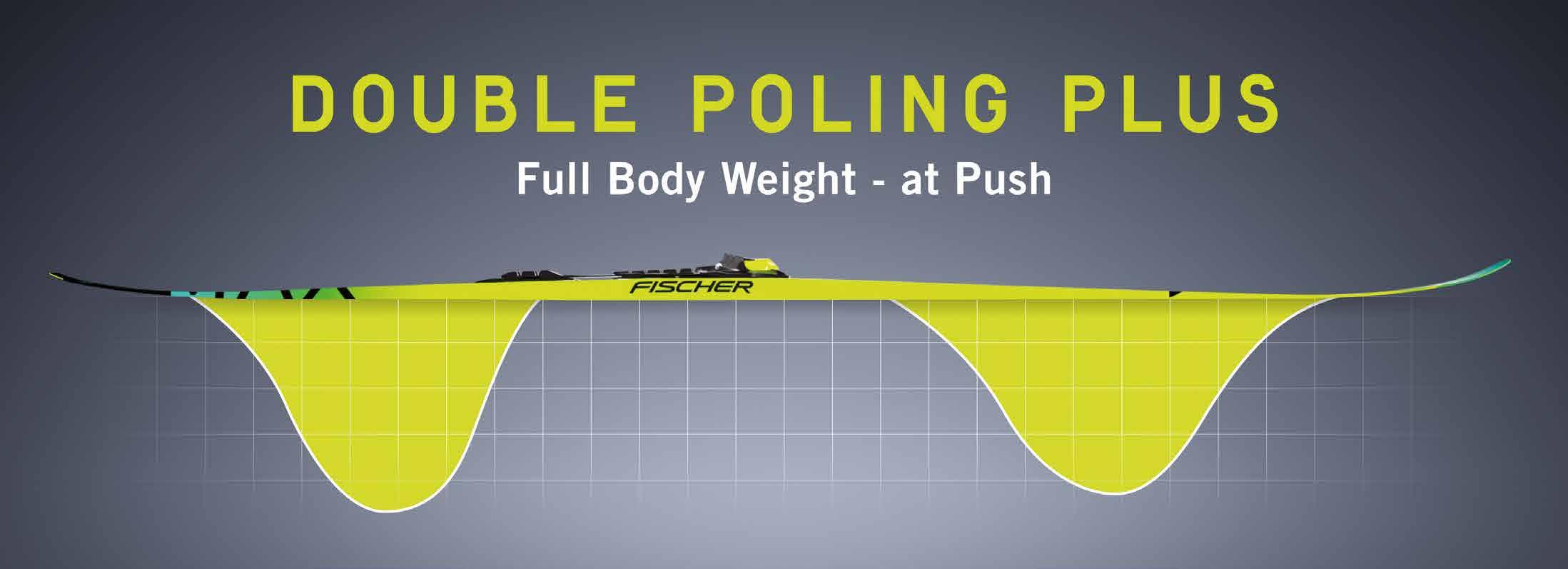
Comparison: glide vs. kick.
The Double Poling Plus construction was specially developed for perfect power transmission and maximum speed when double poling.
The shorter contact areas and the larger splay at the tip and tail of the ski ensure efficient power transmission in warm and soft snow conditions and optimal gliding with every double pole push without the use of climbing wax. The shortness of the entire ski construction means that the slipstream can be better utilized in mass starts.
DOUBLE POLING PLUS
Construction for double poling with shorter contact areas and large splay in tip and tail for maximum speed. Ideal for warm and soft snow conditions.