www.womenpreneurindia.com

www.womenpreneurindia.com
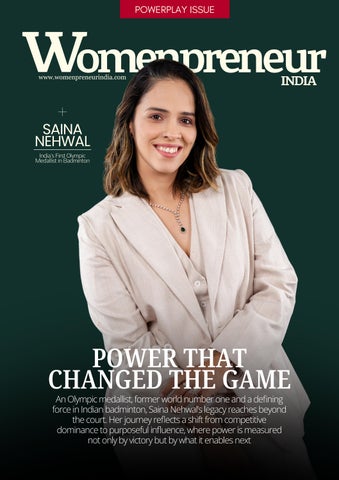
An Olympic medallist, former world number one and a defining force in Indian badminton, Saina Nehwal’s legacy reaches beyond the court. Her journey reflects a shift from competitive dominance to purposeful influence, where power is measured not only by victory but by what it enables next

FromfoundingaestheticanddentalclinicsinOslotoleadinglarge scalerefugeeaccommodationandonsitemedicalcareduring theUkrainewar,herworkreflectssustainedleadershipunder pressureandadeepunderstandingofhealthcareinequality



FIRSTREADMEDIAPRIVATELIMITED
CEO/FOUNDER
VIVEK MALIK
MANAGING DIRECTOR
DEEPAK MALIK
EDITORS
DR. SHRADDHA RUHELA, NISHA LAMBA
WRITER
AKANSHA GUPTA
VISUAL STORYTELLING & LAYOUT DESIGN
PRIYA DARSHINI, SNEHA SHUKLA
SOCIAL MEDIA
CB YADAV
SALES & MARKETING
VIKRANT, GAURAV KUNDU
LEGAL TEAM
NYAYA SHASTRA LEGAL
PUBLISHER
FIRSTREAD MEDIA PRIVATE LIMITED
EDITOR’S NOTE | THE POWERPLAY ISSUE
We tend to associate it with volume, dominance, or visibility. But real power especially in today’s world is far quieter, far more intentional It lies in choices made over time, in influence built with credibility, and in the courage to evolve without losing one’s core. That is the spirit behind The Powerplay Issue.
This edition is a celebration of women who have mastered the art of transition. Women who know when to push, when to pause, and when to reinvent. Powerplay is not just about staying in the game, it is about redefining it on your own terms Our cover story embodies this philosophy perfectly. Saina Nehwal’s journey is not limited to medals or milestones. It is about discipline that shaped a nation’s sporting mindset, resilience in the face of physical limits, and the confidence to step into new arenas with purpose. From Olympic glory to thoughtful influence and impact driven investments, her story reflects what modern power truly looks like. Not loud, not rushed, but deeply intentional.
At Womenpreneur India, we believe that power today is multidimensional. It exists at the intersection of ambition and responsibility, success and selfawareness, growth and giving back. This issue brings together voices from business, sports, wellness, leadership and culture, each redefining what influence looks like in a rapidly changing world
As you turn these pages, we hope you see reflections of your own journey. The moments where you chose persistence over comfort. The times you evolved even when it was difficult. The power you carry, often without realising it.
This is not just an issue to read. It is an invitation to rethink power, reclaim it, and play the long game with purpose
Welcome to The Powerplay Issue.
Warmly,
Nisha Lamba Editor-in-Chief Womenpreneur India
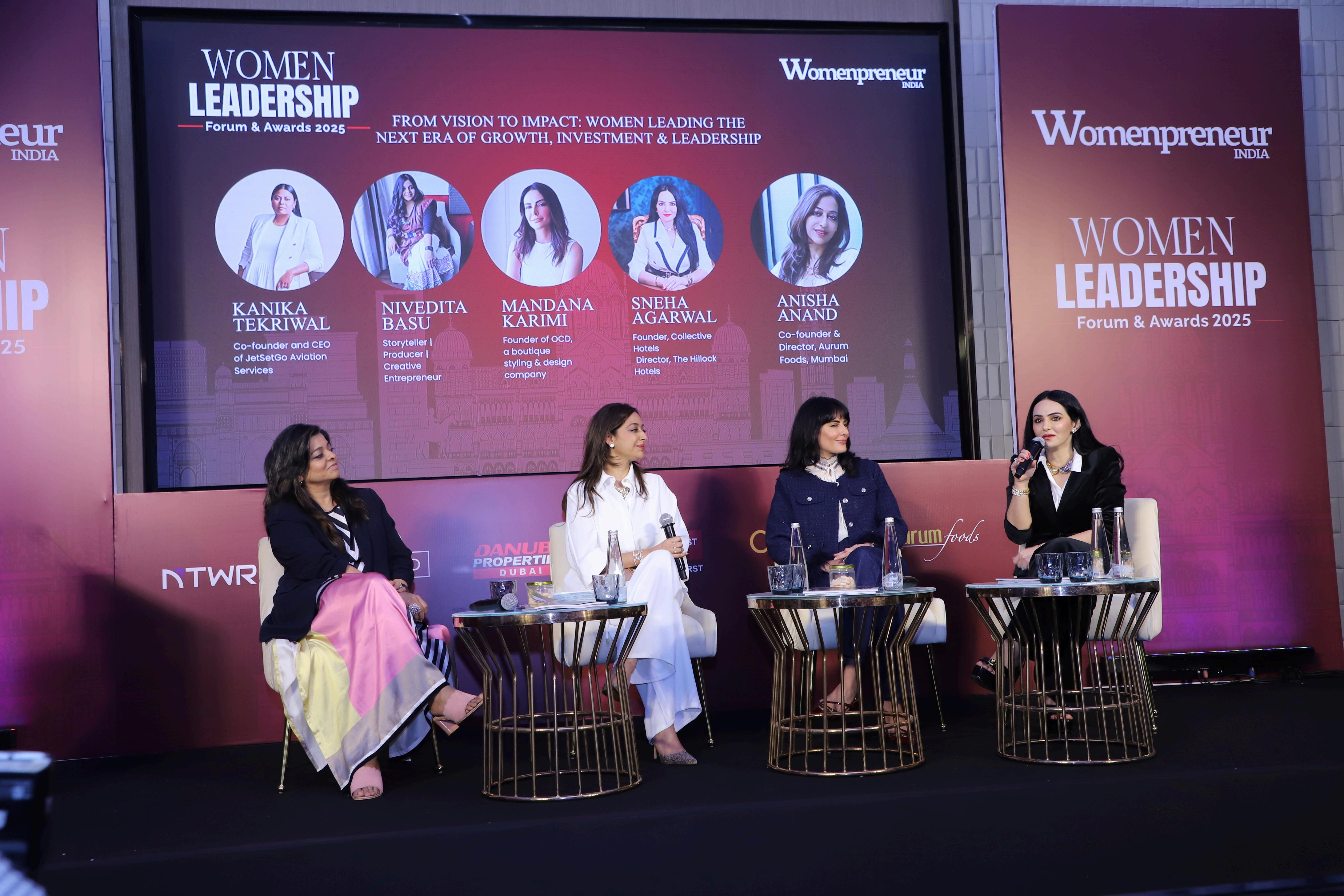
A powerful moment from our Mumbai event on December 6th 2025, where inspiring voices came together for a dynamic panel discussion on leadership, entrepreneurship, and the future of women in business.
WOMENPRENEUR: THE POWERPLAY ISSUE
THE BRIEF
Powerplay: When Women Redefine What Power Is Supposed to Look Like
IN FOCUS
The Invisible Walls Women Climb And Break
TRENDS
They Say Women Can’t Do Finance The Union Budget 2026 Tells a Different Story
WOMENPRENEUR OF THE MONTH
Dr Navnet Vir Randhawa on Medicine, Mission, and Owning Every Role
COVER STORY- SAINA NEHWAL
From Olympic Glory to Purposeful Influence and Future Play
KANIKA TEKRIWAL
Resilience is my runway. Purpose is my fuel.
SHAILY MEHROTRA
Fixderma’s Founder Shaily Mehrotra on Building Trust, Not Trends
ANKUR BATRA
Crafting Handcrafted Luxury with Heart, Purpose, and Personal Meaning
UPASNA JAIN
Founder of Cuffee Connects, and the Power of Next Door Networking
WOMENPRENEUR: THE POWERPLAY ISSUE
DR GEETA GREWAL
Confidence, Care, and Redefining Power in Aesthetic Medicine
RAMYA SINGH
Redefining Flight Paths: How Ramya Singh Is Reshaping Aviation Education
JESICAA SINGH
Founder and CEO of Stanley Communications, on Storytelling, Strategy, and Quiet Power
EKTA SAIGAL LULLA
Founder of Weddings by ESL, on Redefining Luxury Weddings With Heart and Storytelling
SNEHALATA JAIN
Redefining the Journey: Snehalata Jain on Motherhood, Meaning, and the Power of Traveling Together
CHAITI NARULA
Integrity, Influence, and Building Media on Her Own Terms
BHAVANA GOAR
The Multi Hyphenate Architect of Finance and Style
AYESHA DODEJA
Co-founder of Kitchen Studio
FITNESS PLAYGROUNDS
Strong, Fit, Ready: India’s Top Fitness and Sports Spaces for Women
WOMEN-LED CITIES
Where Women Lead: India’s Cities Driving the Rise of Women-Led Businesses
THE POWER BUILDERSRUKSHANA BI | SAKSHI GUPTA
MONEY & MUSCLE
From Capital to Control Who Really Holds Power in Today’s Economy
HOUSE OF SUPERFOODS
Rooted in the Everyday, Built for Conscious Living




POWERPLAY: WHEN WOMEN REDEFINE WHAT POWER IS SUPPOSED TO LOOK LIKE

ower has always been easy to mythologise and difficult to recognise in real time. We , are trained to spot it in raised voices, expensive gestures, and the kind of certainty that ‘ fills a room before facts do.
In India’s technology sector, the shift is both visible and structural Women today make up over 36 percent of the IT workforce, according to NASSCOM What is changing is not merely representation, but where influence actually sits Women are leading product decisions, data strategy, cybersecurity frameworks, and largescale digital transformation
Technology does not reward charisma. It rewards clarity. Authority here is earned through competence and foresight, not volume. In highstakes environments where one flawed decision can ripple across systems, the most powerful person in the room is often the one who understands the architecture best.
“Power in technology comes from credibility,” says a senior engineering leader at a multinational SaaS firm “When you know the systems better than anyone else in the room, authority follows naturally”
There is something deeply Vogue about this recalibration Power that is understated. Confidence that does not need to be explained. Leadership that is felt more than seen.
What if authority does not need to dominate to beeffective? What if it can simply exist, assured and undeniable?
A similar shift is unfolding in real estate, an industry long associated with scale, capital, and aggressive expansion According to Knight Frank India, women now account for nearly 30 per cent of real estate investors in urban markets. But the more interesting story lies beyond the numbers Women are changing the nature of the questions being asked How will this space function over time? What kind of community will it foster? How resilient is it to environmental and economic change?
“Real power is deciding what gets built and what does not,” says a Mumbai-based real estate entrepreneur managing commercial projects across several states. “When women enter this space, the focus shifts from speed to longevity.” This shift is subtle, but profound. It reframes real estate not as a transaction, but as a long-term relationship between people and place. In a world increasingly conscious of sustainability and quality of life, this perspective is no longer optional. It is essential.
Is it possible that the most powerful decision is not what to build, but what to refuse?
Business leadership tells a story that is equally nuanced. Women-led enterprises in India are growing faster than the national average and contributing significantly to employment and GDP Bain and Company estimates that women entrepreneurs could add over one trillion dollars to India’s economy by 2030 if existing barriers continue to ease
Yet numbers alone do not capture the cultural shift underway.
For decades, ambition followed a rigid template Grow faster. Scale bigger. Sacrifice everything else. Success was defined by valuation, visibility, and relentless expansion. Women leaders today are not rejecting ambition They are refining it
They negotiate flexibility with the same seriousness as funding. They ask whether growth aligns with purpose. They design businesses meant to endure, not exhaust.
“There is a myth that power requires hardness,” says a founder in the consumer goods space whose company scaled
nationally within five years. “What actually builds durable businesses is clarity. Knowing when to push and when to pause.”
This is not hesitation It is a strategy And increasingly, it is proving to be the smarter one
Research continues to affirm what lived experience suggests McKinsey studies consistently show that companies with genderdiverse leadership teams outperform their peers in profitability, resilience, and innovation. These organisations are better equipped to manage uncertainty, anticipate change, and respond with agility rather than reaction.
The advantage does not come from uniformity. It comes from differences.
Women are not succeeding because they replicate existing leadership models They are succeeding because they challenge them Because they bring alternative ways of thinking, deciding, and prioritising into rooms that were once echo chambers
What if power was never meant to be singular?
Perhaps the most defining evolution of this era is the shift from presence to design. Women are no longer content to exist within systems that were not built for them They are shaping new ones
In technology, this appears in inclusive product design and ethical approaches to artificial intelligence In real estate, it manifests in smarter urban planning and mixed-use developments that prioritise people alongside profit In business, it takes the form of growth models that are intentional rather than extractive.
Power here is not about dominance. It is about responsibility.
Who takes ownership of long-term impact? Who remains accountable when decisions ripple outward? Who stays present beyond the initial success?
Power is also changing in how it sounds
For many women leaders, the journey has involved unlearning Unlearning the need to sound authoritative in someone else’s voice
Unlearning the pressure to perform leadership instead of practising it.
“I stopped trying to sound like what leadership was supposed to sound like,” says a CFO who transitioned from corporate finance to entrepreneurship “The moment I spoke in my own voice, people listened more closely”
There is elegance in this restraint Authority that does not need to assert itself is often the most persuasive
What if leadership is less about projection and more about presence?
Power as a Daily Practice
The leaders shaping this moment understand something fundamental. Power is not a title. It is a practice. It is built through daily decisions that rarely make headlines It is reinforced through integrity rather than intimidation And it compounds through trust
This is not a celebration of exceptionality It is a recognition of momentum
Power today is not loud. It is assured. It does not ask to be seen. It simply is.

ues It views that t appears in e women are while men to roles. ss, bias edded in icy. Many experience restimated, istaken for wed as “too ent enough” ntradictions ever dership nkedIn men in continue to espite where eaves them ted, stereotyped, or not ously as their male s
PLAY: GLASS-CEILING ND BIAS DISRUPTION egins with language. In n Loden introduced the eiling, giving words to an rier women had for decades. Once barrier could be measured, and addressed. What was ssed as personal ecame a structural reality.
men leaders build on this by actively disrupting bias quietly navigating it
Business leadership tells a story that is equally nuanced. Women-led enterprises in India are growing faster than the national average and contributing significantly to employment and GDP Bain and Company estimates that women entrepreneurs could add over one trillion dollars to India’s economy by 2030 if existing barriers continue to ease
Yet numbers alone do not capture the cultural shift underway.
For decades, ambition followed a rigid template Grow faster. Scale bigger. Sacrifice everything else. Success was defined by valuation, visibility, and relentless expansion. Women leaders today are not rejecting ambition They are refining it
They negotiate flexibility with the same seriousness as funding. They ask whether growth aligns with purpose. They design businesses meant to endure, not exhaust.
“There is a myth that power requires hardness,” says a founder in the consumer goods space whose company scaled
nationally within five years. “What actually builds durable businesses is clarity. Knowing when to push and when to pause.”
This is not hesitation It is a strategy And increasingly, it is proving to be the smarter one
Research continues to affirm what lived experience suggests McKinsey studies consistently show that companies with genderdiverse leadership teams outperform their peers in profitability, resilience, and innovation. These organisations are better equipped to manage uncertainty, anticipate change, and respond with agility rather than reaction.
The advantage does not come from uniformity. It comes from differences.
Women are not succeeding because they replicate existing leadership models They are succeeding because they challenge them Because they bring alternative ways of thinking, deciding, and prioritising into rooms that were once echo chambers
What if power was never meant to be singular?
Perhaps the most defining evolution of this era is the shift from presence to design. Women are no longer content to exist within systems that were not built for them They are shaping new ones
In technology, this appears in inclusive product design and ethical approaches to artificial intelligence In real estate, it manifests in smarter urban planning and mixed-use developments that prioritise people alongside profit In business, it takes the form of growth models that are intentional rather than extractive.
Power here is not about dominance. It is about responsibility.
Who takes ownership of long-term impact? Who remains accountable when decisions ripple outward? Who stays present beyond the initial success?
Power is also changing in how it sounds
For many women leaders, the journey has involved unlearning Unlearning the need to sound authoritative in someone else’s voice
Unlearning the pressure to perform leadership instead of practising it.
“I stopped trying to sound like what leadership was supposed to sound like,” says a CFO who transitioned from corporate finance to entrepreneurship “The moment I spoke in my own voice, people listened more closely”
There is elegance in this restraint Authority that does not need to assert itself is often the most persuasive What if leadership is less about projection and more about presence?
The leaders shaping this moment understand something fundamental. Power is not a title. It is a practice. It is built through daily decisions that rarely make headlines It is reinforced through integrity rather than intimidation And it compounds through trust
This is not a celebration of exceptionality It is a recognition of momentum
Power today is not loud. It is assured. It does not ask to be seen. It simply is.
Redefining balance has taken many forms. Community-driven childcare solutions Job sharing Remote leadership frameworks
Women increasingly share practical strategies for sustaining ambition without sacrificing health or identity
Organisations that adopt these models are not offering perks They are investing in sustainability Retention improves Leadership pipelines strengthen Balance, once framed as a compromise, emerges as a strategic advantage.
LIMITED NETWORKS & MENTORSHIP: FROM ISOLATION TO STRATEGIC ALLIANCES
Advancement is rarely a solo journey. Access to mentors, sponsors, and professional networks often determines who is seen, supported, and promoted Yet many women, particularly first-generation professionals and founders, find themselves outside informal power circles
Leadership research and professional discourse repeatedly identify limited access to sponsorship as a key barrier to women’s growth Without advocates in influential rooms, even exceptional
talent remains underleveraged.
ECOSYSTEMS INSTEAD OF BREAKING ALONE
Rather than waiting for inclusion, women are building ecosystems of their own Mentorship programs, peer collaboratives, industry coalitions, and knowledge-sharing communities are emerging across sectors
Entrepreneurs like Lola Odelola, founder of Blackgirl tech, show how networks can be intentionally designed to counter exclusion. These spaces do more than exchange information. They normalize ambition, redistribute access, and accelerate confidence.
Women leaders today are not just inviting others to the table
They are designing the table, setting the agenda, and ensuring the seats remain open
UNDERREPRESENTATIO
N IN LEADERSHIP: THE COURAGE TO OCCUPY SPACE
Despite progress at entry and mid-career levels, women remain significantly underrepresented in senior leadership and boardrooms Data from LinkedIn’s Economic Graph shows that in
many industries, fewer than one-third of leadership roles are held by women
This gap is not a talent issue It reflects attrition, biased promotion practices, and leadership models that reward narrow definitions of authority
THE POWERPLAY: CHOOSING AUTHORITY BEFORE PERMISSION
Women who rise often do so by stepping into authority before it is formally granted They take on visible assignments, advocate for others, and influence decisions beyond their job descriptions. Leadership, in practice, often precedes title.
“As Forbes has noted, women who support other women do not dilute power. They multiply it.”
THE INNER POWERPLAY: REWRITING CONFIDENCE, RISK, AND SELF-BELIEF
Beyond structures and statistics lies a quieter, deeply human dimension of women’s powerplay: the internal negotiation women make every day Long before bias becomes visible externally, it is often internalized Years of subtle messaging around likability, perfection, and risk
cultivate self-doubt even among highly capable women.
Women are more likely to hesitate before applying for roles unless they meet every qualification More likely to attribute success to luck rather than skill More likely to fear failure because consequences feel amplified
FINAL THOUGHT: WHAT POWERPLAY TRULY MEANS
Powerplay is not about individual triumph alone. It is about systemic transformation. It is women turning bias into strategy, networks into movements, and imbalance into redesign.
The challenges remain real: Gender bias. Pay gaps. Funding inequity. Work-life friction. Leadership underrepresentation.
Yet so do the responses women are shaping together, across industries and geographies
Women today are not merely participating in the global economy They are redefining how power itself is exercised within it
That is not resilience alone
That is power, deliberately played.


As India prepares for the Union Budget 2026–27, the conversation moves beyond numbers to signals For women entrepreneurs, professionals, and investors, this Budget is less about announcements and more about direction, discipline, and opportunity
As India’s most significant financial event approaches, the Union Budget 2026–27, to be presented on 1 February 2026, arrives at a moment of recalibration. Economic growth remains resilient, yet global uncertainty, fiscal pressures, and structural reforms frame the choices ahead. For women navigating leadership, entrepreneurship, and wealth creation, this Budget offers insight into where India is heading and where opportunity will emerge.
Finance Minister Nirmala Sitharaman, preparing to present her ninth Budget, continues to anchor policy around fiscal discipline, tax clarity, and long-term investment. The message is clear: stability over spectacle, structure over surprise.
“This Budget is not about dramatic announcements. It is about economic direction, policy clarity, and long-term confidence.”
One of the defining themes of Union Budget 2026 is the balance between fiscal consolidation and economic support Despite slower tax collection growth and rising expenditure needs, the government remains committed to keeping the fiscal deficit close to 4.4 percent of GDP for FY27, the same benchmark set for the current year
This approach reflects a broader strategy. Rather than stimulating growth through aggressive borrowing or short-term giveaways, the government is prioritising macroeconomic stability For women entrepreneurs and investors, this discipline matters deeply Stable government finances create predictable interest rates, controlled inflation, and a healthier environment for long-term planning.
For individual taxpayers, particularly working women, self-employed professionals, and startup founders, income tax remains the most closely watched aspect of the Budget
WHAT
Why fiscal discipline matters
Predictable borrowing costs for businesses
Stable credit availability
Reduced risk of sudden tax changes
Stronger investor confidence

spending by 10 to 15 per cent over the current year.
But this is not infrastructure in the narrow sense The focus extends to freight corridors, logistics parks, urban transit systems, industrial clusters, and digital infrastructure These investments create ripple effects across manufacturing, services, and employment
For women-led enterprises in logistics, urban services, mobility solutions, sustainability, and infrastructurelinked services, these signals point to expanding opportunity.
What to prepare for Fewer exemptions, clearer rules
Easier filing and documentation
Greater predictability in tax planning
Reduced compliance
anxiety for firsttime
filers
“Expect simplicity and certainty in the tax system this year, not headline-grabbing tax cuts.”
This year, expectations are grounded Analysts do not foresee sweeping tax slab changes or dramatic relief measures Instead, the focus is on consolidation of earlier reforms and smoother implementation of the new income tax framework scheduled to take effect from April 2026
The emphasis is likely to remain on simplifying compliance, clarifying
rules under the new tax regime, and gradually encouraging taxpayers to move away from legacy systems without disruption
Capital expenditure continues to be the backbone of India’s growth strategy Budget 2026 is expected to maintain, and possibly expand, infrastructure
Industry feedback ahead of the Budget highlights a consistent concern: prolonged litigation and compliance complexity, especially in customs and indirect taxes
The government is expected to explore measures such as duty rationalisation and targeted amnesty schemes to resolve long-pending disputes
Over Rs 1 5 lakh crore remains locked in customs-related cases, tying up capital and slowing execution.
For businesses, especially those engaged in exports, manufacturing, and crossborder trade, faster dispute resolution can unlock liquidity and improve operational focus
Union Budget 2026 discussions point clearly toward a futurefacing growth strategy Several sectors stand out
Industry bodies and consultancies recommend expanding incentive frameworks like the ProductionLinked Incentive scheme into advanced technology areas such as artificial intelligence, robotics, space technology, and advanced electronics These sectors are increasingly critical to India’s competitiveness
Green hydrogen, renewable energy, and climate-aligned infrastructure are gaining policy traction Incentives and mandates are expected to accelerate adoption, particularly in energyintensive industries
Proposed incentive packages aim to strengthen domestic manufacturing capacity, reduce import dependence, and create skilled employment
Sectors such as gems and jewellery are seeking customs simplification and duty rationalisation to strengthen India’s position as a global export hub
Recent GST reforms have simplified rate structures and reduced compliance burdens, particularly for consumption-driven sectors. Budget 2026 is expected to reinforce this direction, supporting demand, MSMEs, and consumerfacing businesses
For women entrepreneurs in retail, services, lifestyle, and digital commerce, this creates a more navigable tax environment and stronger consumer sentiment
“Policy clarity and regulatory confidence now matter as much as tax rates.”
CAPEX
Logistics and supply chain services
Urban mobility and public transport
Construction and allied services
Green infrastructure and sustainability solutions
For women investors, Union Budget 2026 is less about reacting to short-term market movements and more about understanding long-term signals The Budget does not attempt to influence equity markets through headline-driven announcements Instead, it reinforces a framework of stability, predictability, and structural growth This has important implications for how women should think about investing in the year ahead.
AMNESTY SCHEMES EXPLAINED What are amnesty schemes?
One-time government initiatives allow businesses to settle old disputes by paying reduced dues, often with penalties or interest waived.
First, the government’s continued emphasis on fiscal discipline sends a strong message to capital markets
Controlled deficits and predictable borrowing requirements help keep interest rates stable and inflation expectations anchored For women investors, particularly those balancing equity investments with fixedincome instruments, this stability supports diversified portfolios that can withstand volatility without constant rebalancing
Second, sustained capital expenditure has implications beyond infrastructure companies alone. Historically, higher public investment has had a multiplier effect across sectors such as banking, capital goods, construction materials, logistics, and urban services Women investors with exposure to mutual funds, index funds, or sectoral funds should view capital expenditure not as a narrow theme, but as a broad economic enabler that strengthens earnings visibility across multiple industries
“Elevated capital spending lays the groundwork for a stronger economy, powering business growth and job creation.”
Third, the Budget’s approach to taxation reinforces the importance of longterm financial planning over tactical tax arbitrage. With fewer exemptions and greater clarity under the new tax regime, investment decisions are increasingly decoupled from tax-saving compulsions. This creates space for women investors to prioritise asset allocation, risk appetite, and time horizon over short-term deductions
Instruments such as equity mutual funds, retirement-focused products, and longduration investments become more relevant in this context
SECTORS TO WATCH CLOSELY
Artificial intelligence and deep tech
Clean energy and green hydrogen
Capital goods and advanced manufacturing
Export-led industries and global trade services
Another key signal lies in the sectors receiving policy attention.
Technology, clean energy, manufacturing, exports, and digital infrastructure are not just industrial prioritiesThey are also emerging investment themes Women investors who track
policy direction can align their portfolios with these growth areas through diversified funds rather than concentrated bets, balancing opportunity with prudence
Finally, the broader message of Budget 2026 is confidence in continuity There are no abrupt policy pivots, no sharp reversals, and no disruptive interventions For women who are firsttime investors or those returning to markets after periods of caution, this environment reduces psychological barriers. Confidence, after all, is as much a factor in investing as capital itself.
“Budget 2026 signals a shift toward innovation-led, export-driven, and sustainability-focused growth.”
TAKEAWAYS FOR WOMEN
Prioritise longterm asset allocation over taxdriven investing
View infrastructure and capital expenditure as economy-wide growth drivers
Align portfolios with future-facing sectors without overconcentration
Use policy stability to invest with confidence, not urgency
STRATEGIC TAKEAWAYS FOR WOMEN
ENTREPRENEURS AND INVESTORS
Stay disciplined, but stay alert
This is not a Budget of dramatic giveaways. It is one of the steady economic calibrations
Leverage certainty
Predictable policies reduce risk and support long-term investment decisions.
Follow sector signals
Technology, clean energy, infrastructure, and exports offer a scalable opportunity
Use tax simplicity as an advantage
Clearer rules make compliance easier and planning smarter
As Finance Minister Nirmala Sitharaman steers the Union Budget through a complex economic landscape, the message is unmistakable Stability, clarity, and futurefocused growth sit at the heart of India’s policy direction For Indian women, increasingly visible as entrepreneurs, investors, and decision-
makers, Budget 2026 offers not just information, but invitation An invitation to participate with confidence, plan with clarity, and lead with foresight
“Union Budget 2026 is not just a financial statement. It is a roadmap for women ready to lead, invest, and shape India’s economic future.”






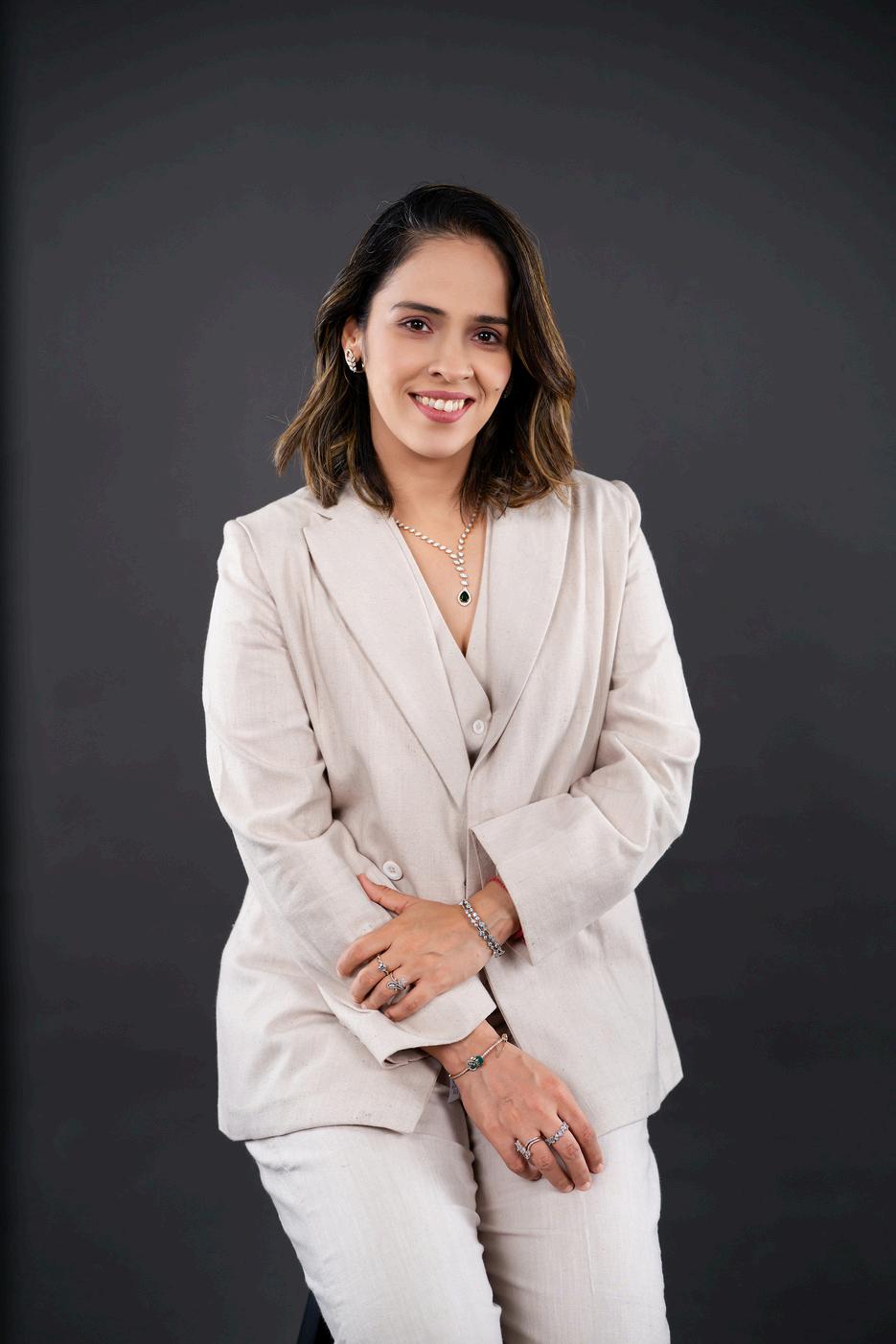
From Olympic Glory to Purposeful Influence and Future Play
“Power, perseverance, and alegacy beyond the court”
Therearestoriesthatstay with a nation not becauseof asinglemoment, but becausetheyshapethe imaginationofmillions.Saina Nehwal’sjourneyisoneof thoserarenarrativesthat continuestoreverberate acrosssport, business, cultureandsocial impact. ForagenerationofIndians whogrewupwatching her rise,sheismorethan a champion athlete.Sheisa symbolofquiet determination, a pioneerof possibilityand now, afigure blending legacywith purposebeyondthe badmintoncourt.



Therearestoriesthatstaywithanationnotbecauseofasingle moment,butbecausetheyshapetheimaginationofmillions SainaNehwal’sjourneyisoneofthoserarenarrativesthat continuestoreverberateacrosssport,business,cultureand socialimpact.ForagenerationofIndianswhogrewupwatching herrise,sheismorethanachampionathlete Sheisasymbolof quietdetermination,apioneerofpossibilityandnow,afigure blendinglegacywithpurposebeyondthebadmintoncourt
Saina’sstorybeganinanordinaryhomewithextraordinary belief Assheoncereflected,hermothersawinheranOlympic medallistwhenshewasjustachild,athoughtSainaoncetookas ajoke.Yetthatseeminglysimplebeliefbecamethefoundationof acareerthatwouldeventuallytransformIndianbadminton FromherearlydaysattheGopichandBadmintonAcademyin HyderabadtobecomingthefirstIndianshuttlertowinan Olympicmedal,herrisewasshapedbydiscipline,sacrificeand anunshakeableworkethic “Badminton will always be my first love,” shesaidinarecentconversation,acknowledgingthe sport’sdeepholdonherheartevenyearsaftersteppingaway fromcompetitiveplay. “My mind will always choose badminton.”
Herascenttoworldnumberonewasnot justapersonalachievement.Itwasa culturalshift.Herbronzemedalatthe LondonOlympicsin2012becamea definingmomentinIndiansport,bringing globalattentiontobadmintonand inspiringanentiregenerationofplayers. “The Olympic medal was more than a personal achievement,” shereflectedduring amarathoneventinKolkata. “It was India’s first in badminton and it changed everything” Theresonanceofthatachievement cannotbeoverstated Itcatalysedinterest, investmentandbeliefinIndianbadminton, pavingthewayforfuturestars,including PVSindhu,topursueexcellenceonthe worldstage
Yetaswithallathleteswhoseliveshave beenintertwinedwithintensecompetition, thephysicaltolleventuallydemanded reflection.Sainaopenlysharedherbattle witharthritis,aconditionthatsignificantly affectedhertrainingandperformance “Thekneeisnotverygood,”shesaidina candidconversationabouthercondition. “I think I will have to accept it somewhere because two hours of training is not good enough to play with the highest level of players.” Thesemomentsofvulnerability reflectadeeplyhumansideofanathlete whohasalwaysbeenseenasunstoppable, remindingfansthateventhegreatest championsfacetherealitiesofthebody andtime.
ForSaina,theendofcompetitiveplaywasmorethanacareer transition Itwasanemotionalshiftintoanewidentity “You wanttobeinthatpressure,thatzonealways,”shesaid, describinglifeafterretirement “Ihavebeeninthesportfor twentythreeyears.Iwanttobeinthatzonealways.”Herability toarticulatebothloveforthegameandacceptanceofchange offersinsightintohowsheapproacheslife’stransitions
Whilebadmintonremainscentraltoheridentity,Saina’s influencehasgrowninunexpecteddirections Thejourney beyondsportincludesbothculturalengagementandpurposeful investment InMarch2025sheannouncedastrategicpartnership withNaarica,amenstrualhygienebrand,joiningasastrategic investorandbrandambassador “I am proud to partner with Naarica as a strategic investor and brand ambassador,” shesaid atthelaunchofthecollaboration,emphasisingthatmenstrual hygieneisa “critical yet often overlooked issue” in India. “Through this collaboration, I hope to create greater awareness and provide women with access to the high quality, sustainable products they deserve.”
“I am proud to partner with Naarica as a strategic investor and brand ambassador. Menstrual hygiene is a “critical yet often overlooked issue” in India. Through this collaboration, I hope to create greater awareness and provide women with access to the high quality, sustainable products they deserve.”
TheNaaricapartnershipissignificanton multiplefronts Bysteppingintoasector thatintersectshealth,sustainabilityand socialempowerment,Sainaisusingher visibilityandcapitaltoaddresssystemic gapsinwomen’shealth Naarica’sfocuson reusable,eco-friendlymenstrualcare productsaimstoexpandaccesstopractical solutionsforwomenacrossIndiaatatime whennearlyhalfofthosewhomenstruate lackaccesstoadequatesanitaryproducts. Herinvolvementgoesbeyondendorsement Asaninvestor,shealignsher personalvalueswithherbusinesschoices, aimingtoamplifyimpactandcreate awarenessthatresonateswithdiverse communities
Thisstrategicmoveintoentrepreneurship isconsistentwithalargertrendwhere athletesevolveintopurposedriven influencersandbusinessfigures Whatsets herapartisnotonlyherabilitytoleverage herfamebutherdesiretoinvestin solutionsthathavemeasurablesocial impact “This is more than a business investment,” shesaid, “it’s a step toward empowerment and change” Inamarket withstrongprojectedgrowthanda growingconsumerawarenessaround sustainability,herengagementinNaarica alsomarksasavvyunderstandingof contemporarybusinesswheresocialgood andcommercialsuccesscancoexist

Saina’sroleasaculturalambassador extendsbeyondhealthadvocacy Shehas beeninvitedasachiefguestatbusiness excellenceawards,celebrating entrepreneurshipandinnovationacross sectors,whereshehasspokenaboutthe importanceofvisionaryleadershipand resilience InBengaluruinNovember2025 sheexpressedadmirationfor entrepreneursandwhattheycontributeto India’sgrowthstory,stating, “I truly believe that entrepreneurs are the real champions driving India’s growth story.”
Herstorytodayisnotsimplyaboutwhat shewononthecourt Itisaboutinfluence thatextendsintoculturalandeconomic spheres Shehasbecomeatranslatorof possibilityforthosewhoseesportasa gatewaytobroadersocietalimpact
Fanswhoknewherprimarilyasa sportspersonarediscoveringlayersofher personalitythatrevealcuriosity, engagementandstrategicthinking.When shejudgedtheMissUniversepageantin 2025,shespokeabouthowtheexperience allowedhertoappreciateanotherworldof disciplineandperformance,comparingit withherexperiencesinsport “From the outside, it seems easy, but the preparation and discipline are extremely tough,”she said,observingthatathletesand contestantsalikemustmanageintense pressureandexpectation
Inadditiontoherinvestorroleandcultural engagements,Sainaisdeeplycommitted tothesportsheloves InitiativeslikeThe Legends’VisionLegacyTourIndia,where shehelpedspotlightprogramssuchas “RacquetSecondLife,”emphasise grassrootsdevelopmentandaccessibility Sheexplainedthatsucheffortsareabout givingbacktotheecosystemthatnurtured her “India gave me my start,” shesaid, “to now be part of a tour that is not just about showcasing legends but about building a legacy feels like a way to give something back”
Her influence also comes through her perspective on the current generation of athletes Saina has expressed belief in the talent and potential of young Indian players, noting that strength and power can be developed with the right training and support She emphasised discipline,
resilience and trust between player and coach as foundational for success in sport
Saina’spersonallife,includingherdecision tostepawayfromcompetitionandher separationfromfellowbadmintonplayer ParupalliKashyap,hasalsobeennavigated withgraceandrespect In2025sheshared thatthechoicetopartwayswasrootedin peace,growthandhealingforbothof them,reflectingthematuritywithwhich sheapproacheslife’schallenges “Life takes us in different directions sometimes,”she wroteinherannouncement
Inanerawherefameoftenobscures meaning,SainaNehwalstandsasafigure whohascontinuallyredefinedwhat influencelookslike

Fromthebadmintoncourtsto boardroomsandsocialplatforms, sheisbuildingamultifacetedlegacy Hervoiceonwomen’shealth,her strategicinvolvementinbusinesses withpurpose,heradvocacyforsport andyouthdevelopment,andhercontinued culturalengagementsignalatransition fromchampionathletetothoughtful influencerwhoseimpactiswideanddeep
Powerplaytodayisnolongerabouta singularfieldofvictory.Itisabout sustainedinfluence,aboutsteering narrativesthatmatter,aboutliftingothers asyourise.SainaNehwalembodiesthis evolution anathletewhoselegacy continuestounfoldwithintention, curiosityandpurpose.



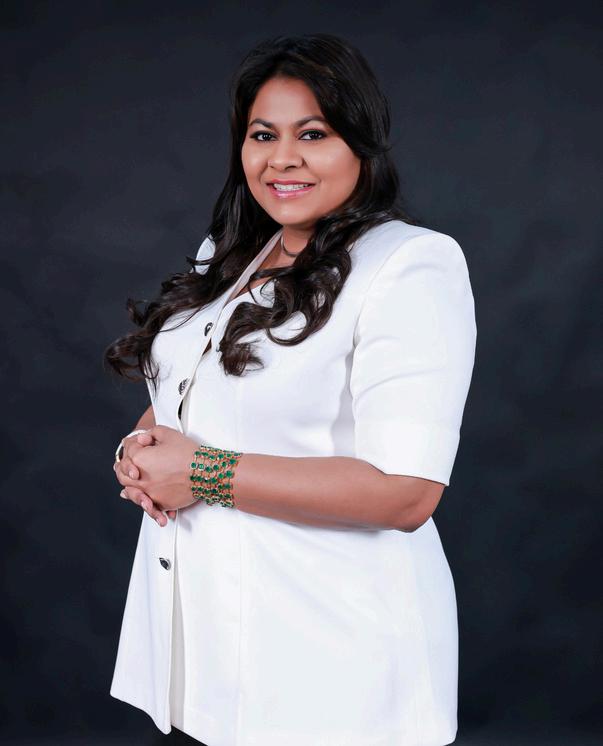
Founder and CEO, JetSetGo Aviation
For the Powerplay Issue, Kanika Tekriwal represents exactly what power looks like when it is built with intention, resilience, and quiet authority. Her journey has never followed a predictable flight path, and that is precisely what makes it so compelling.
Long before she became one of India’s most influential young entrepreneurs, Kanika learned what it meant to rebuild from the ground up. In her early twenties, she faced a life-altering cancer diagnosis It was a moment that could have slowed her ambitions or reshaped her sense of possibility Instead, it sharpened them Recovery brought with it a renewed urgency and a deeper clarity She realised that time is too precious to wait for permission to dream or act on ideas that matter
Growing up close to the aviation sector, Kanika had a frontrow view of its inefficiencies She saw a private charter ecosystem that lacked structure, transparency, and professionalism Pricing was opaque Aircraft management was fragmented. The experience felt exclusive but not elevated Where others saw a rigid, legacy-driven industry, she saw a white space waiting to be built. That belief became JetSetGo Aviation
Founded in 2012, JetSetGo transformed the private charter experience by integrating technology, customer centricity, and operational transparency into a sector that had resisted change for decades. It shifted private aviation from a closed circle into a professionally managed, service driven industry Under Kanika’s leadership, JetSetGo has grown into India’s largest private jet and helicopter charter company, setting new benchmarks for how aviation services can be delivered with efficiency and integrity
Recognition followed. She was named to the Forbes Asia 30 Under 30 list and featured globally for her innovation and impact. Yet what defines her most is not the accolades. It is her refusal to accept that something has to stay broken just because it has always been that way. That same instinct has now carried her into a new chapter of influence
Kanika Tekriwal joins Aman Gupta, Anupam Mittal, Namita Thapar, Vineeta Singh, Kunal Bahl, Mohit Yadav, and Varun Alagh as a judge on Shark Tank India Her entry into the show marks a significant moment for both aviation and entrepreneurship, bringing a sector rarely represented in mainstream business conversations into the national spotlight
Speaking about her new role, Kanika shared, “India is brimming with ambition, and a new generation of entrepreneurs are ready to lead on the global stage Having built an industry by spotting and filling white spaces, I’m eager to share insights from aviation and help founders unlock the opportunities waiting to be seized. I’m excited to be part of the upcoming season of Shark Tank India and work with the game changers shaping New India.”
Kanika’s story is not just about entrepreneurship. It is about what happens when resilience becomes a strategy, when purpose becomes a compass, and when vision is backed by execution Her leadership is not loud It is focused It is intentional. It is grounded in the belief that challenges are not obstacles but starting points
As she steps into the Shark Tank India arena, she brings with her a decade of experience, an industry she revolutionised, and a perspective that India’s next generation of entrepreneurs will benefit from
Shaily Mehrotra on BuildingTrust,
Shaily Mehrotra does not fit the stereotypical image of a beauty entrepreneur She is not a celebrity founder or a social media personality turned businesswoman She is a scientist, a formulator, and a quietly formidable entrepreneur who built one of India’s most respected dermatology driven skincare brands from the ground up. Today, as the Founder of Fixderma and a new judge on Shark Tank India, she represents a different kind of power in business. One rooted in science, consistency, and long term vision
Fixderma was born out of a deeply personal problem Shaily struggled with sensitive skin and could not find products in the Indian market that were both effective and gentle What began as a search for solutions quickly became a mission. With a background in pharmaceutical sciences and cosmetic formulation, she set out to create skincare that worked with the skin barrier, not against it In 2006, she launched Fixderma with a clear philosophy Clinical efficacy Dermatologist trust Affordable access
“At the time, the Indian skincare market was flooded with cosmetic products that made tall claims but had little scientific backing,” she has said in past interviews. “I wanted to build a brand that doctors could recommend with confidence and consumers could rely on for real results.” What started as a modest venture supplying products to dermatology clinics slowly gained momentum. Fixderma earned its reputation the hard way Through word of mouth among doctors. Through consistent formulations that delivered on their promise Through a refusal to follow fads that compromised skin health. Today, Fixderma is present in over thirty countries, with a strong footprint in the Middle East, Southeast Asia, and the United States. Its product portfolio spans sunscreens, moisturisers, acne treatments, anti aging solutions, and barrier repair formulas, many of which are staples in dermatology clinics across India Shaily’s leadership style mirrors her brand Quiet Methodical Relentlessly focused on quality She has always believed that scale without substance is meaningless “Growth should never come at the cost of trust,” she once shared “In skincare, trust is everything One wrong formulation can undo years of credibility.”
Her entry into Shark Tank India marks a significant shift in how entrepreneurship is being represented on mainstream television In a panel dominated by founders from consumer tech, e commerce, and FMCG, Shaily brings a rare scientific and healthcare lens to business. She understands regulatory complexity She understands formulation risks She understands what it takes to build a brand in a space where consumer safety is non negotiable
For aspiring founders pitching on the show, her presence is a masterclass in disciplined entrepreneurship. She is likely to ask the hard questions about product integrity, clinical validation, unit economics, and long term differentiation. She is also uniquely positioned to mentor founders who are building in wellness, beauty, health tech, and pharmaceuticals
What makes Shaily’s journey especially relevant today is that she built Fixderma long before skincare became a cultural obsession in India Before influencers Before Instagram trends Before sunscreen became cool She built when the market was indifferent, and education was the hardest part of the business.
That patience is now paying off Fixderma is no longer just a dermatology brand. It is a global Indian skincare success story
As a new Shark Tank India judge, Shaily Mehrotra is not here to chase hype. She is here to back founders who understand that real power in business comes from building something that lasts.
In a startup ecosystem often obsessed with speed, she is proof that slow, science led growth can still win the game. And win it well
Founder of House of Rayadi
Crafting Handcrafted Luxury with Heart, Purpose, and Personal Meaning
Ankur Batra’s journey into fashion did not begin with a business plan or a trend forecast. It began at home, with curiosity, creativity, and two little muses who continue to shape everything she creates. Raya and Adira are not just her daughters, they are the heart of House of Rayadi, a brand born from motherhood, imagination, and a deep love for handcrafted beauty
From the very beginning, Ankur was drawn to handmade bling. There was something personal and soulful about pieces crafted by hand, where no two designs felt exactly the same. What started as customizing handcrafted brooches slowly turned into designing her own creations With encouragement from her daughters and a growing confidence in her creative voice, that small experiment evolved into a full fledged fashion journey
House of Rayadi stands firmly for craftsmanship For Ankur, handcrafted fashion is not just about aesthetics, it is about intention Each piece carries the imprint of time, skill, and care. She values the human touch behind every design and believes that when something is made thoughtfully, it becomes more than an accessory. It becomes a story. That philosophy reflects clearly in her work, where artistry and attention to detail take precedence over fleeting trends.
Her design language is unapologetically bling yet deeply functional Ankur believes that statement pieces should still be wearable, whether it is a celebration, a casual gathering, or an everyday moment that deserves a little sparkle Rather than chasing trends, she focuses on creating intuitive, timeless designs that can live in a wardrobe for years Sustainability, craftsmanship, and detail guide every creative decision she makes
most new brands, the early days were not easy Building trust with customers took time and persistence One defining moment, however, shifted everything. When House of Rayadi was approached to dress Ananya Panday for the series Call Me Bae, it became a powerful validation of her work That opportunity gave Ankur the confidence boost she needed and reinforced her belief in the brand. Social media advertising played a crucial role during this phase, helping her reach the right audience and build credibility.
Balancing creativity, work, and family remains an ongoing practice rather than a fixed formula Ankur approaches it with structure and flexibility. Clear priorities, defined time blocks, and the willingness to adapt when life shifts allow her to stay grounded When she is not designing, she treasures quiet moments at home with her daughters, finding inspiration even in stillness Curiosity is what keeps her moving forward Learning, observing, and exploring new ideas directly influence her designs and business decisions. By drawing inspiration from diverse sources and staying open to growth, she continues to refine both form and function in her work.
Looking ahead, Ankur envisions building a stronger online presence and collaborating with like minded partners to grow House of Rayadi thoughtfully. Her advice to women starting their own brands is simple yet powerful Trust your vision. Stay persistent. Understand your audience. Most importantly, believe in your voice and embrace every setback as part of the learning curve.
Upasna Jain never planned to build a movement She was simply trying to solve a very real, very personal problem. As a small business owner running her gifting venture Memory D’zines, she realised something that felt both ironic and frustrating “It was difficult to promote yourself, reach a larger audience than your social media allows as a small business,” she recalls Even more surprising was the fact that her own neighbours had no idea what she did for a living That moment planted the seed for what would eventually become Cuffee Connects, a hyperlocal networking community that now brings entrepreneurs together at the most grassroots level “I was reaching far and wide, but not next door,” Upasna says. “That distance between me and my neighbours needed to be bridged in the form of a community. That is how Cuffee Connects was born.” She launched the platform in the middle of the pandemic, a time when most people were focused on survival, not new ventures But for Upasna, the uncertainty was exactly why she felt compelled to begin. “Uncertainty, panic, loneliness, we were all stuck,” she says “That is exactly why I started it when I did. People needed solidarity. They needed to feel like they were part of something Cuffee Connects provided that and more. ”
What makes her idea stand out is its simplicity She calls it next door networking Instead of chasing scale first, Cuffee Connects focuses on building trust and visibility within local neighbourhoods “Brands have become household names just by promoting in a community at the most local level,” she explains. “There is trust and accessibility for the neighbour, which increases word of mouth That leads to outreach, growth, and real work gratification for brands.” Over time, the platform has grown into more than just a promotional space. It has become a support system. Ask Upasna about her favourite success story and she does not point to one individual moment. “The gratitude and appreciation I receive from people for the work we do is what keeps me and my team going,” she says. “It is the entire community coming together The growth I have seen individuals and their brands make. That collective story gives me immense pride ”
Her leadership style is deeply influenced by her parents. “From my mom, I learn patience and endurance,” she shares. “From my father, I learned people before things.”
Those values have shaped how she runs her community, putting relationships and empathy at the centre of business growth
Upasna also credits one habit for changing everything for her “Showing up, ” she says simply Coming from a finance background and a family business, moving into marketing and community building felt like a leap “For the first year, simply showing up for every initiative changed everything for me ”
She has noticed a powerful pattern within Cuffee Connects. Most of the entrepreneurs are women “Women have always been powerful drivers of community,” she says. “Now we own it, flaunt it, and rock it There is a hunger in them to grow, learn, and adapt.”
Looking ahead, Upasna’s vision for Cuffee Connects is grounded in the same ideology it started with. “To give back to the community, support the little guy, and provide a platform for everyone to come together,” she says. “Affordable, accessible, and rooted in support ” What began as a personal frustration has quietly become a national movement
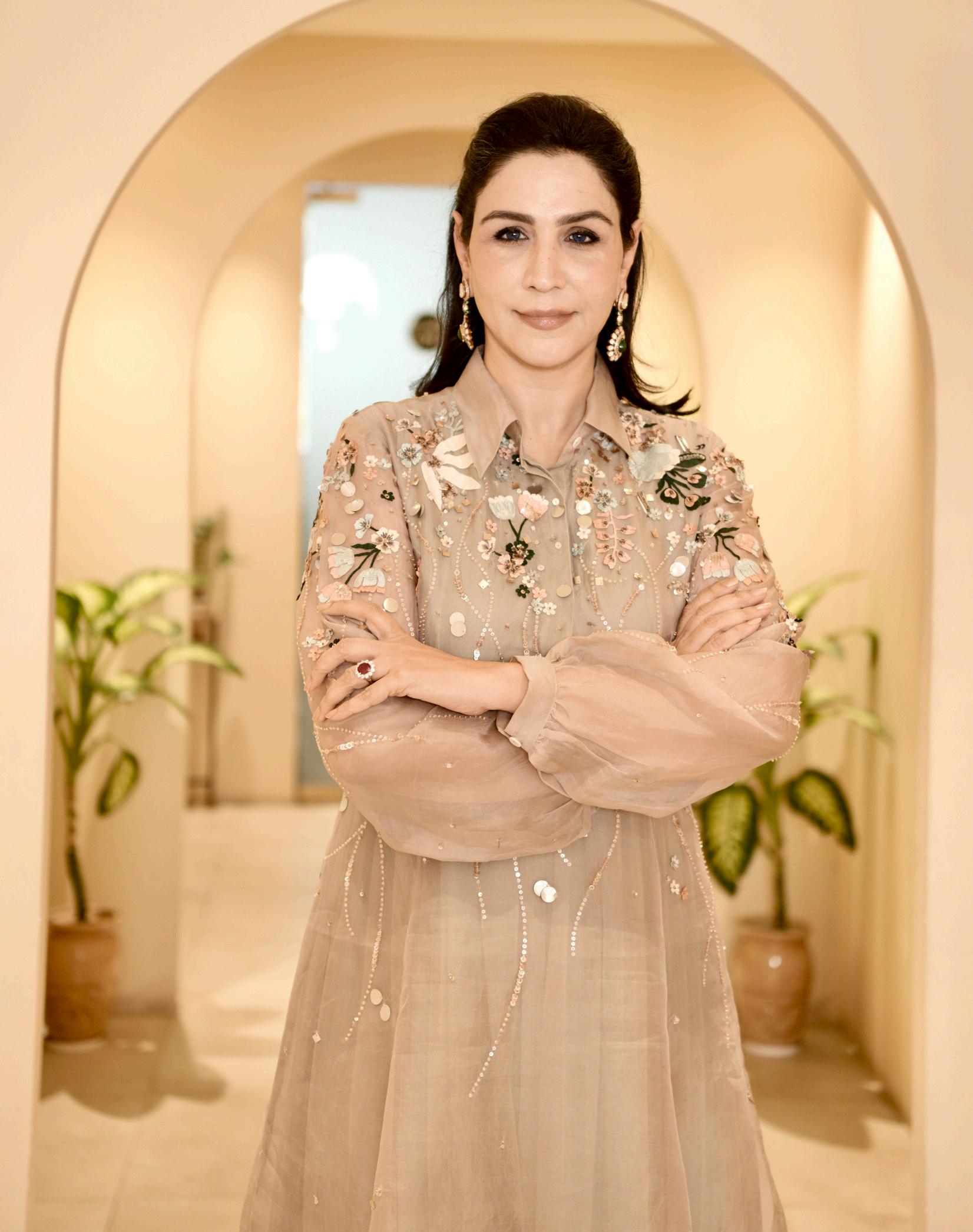
Confidence, Care, and Redefining Power in Aesthetic Medicine
When Dr Geeta Grewal speaks about her work, it is clear that aesthetic medicine, for her, is not about chasing perfection It is about helping people feel confident in their own skin. A cosmetic surgeon with decades of experience and advanced training across India and internationally, she has built a career that blends clinical expertise with empathy
“My journey as a cosmetologist has been incredibly fulfilling,” she says. “I have always been passionate about helping people feel confident in their skin ” Over the years, that passion has translated into long term relationships with her clients What she values most is not just visible transformation, but emotional change “Watching them transform not just physically, but emotionally as well is what I am most proud of Every smile and the trust they place in me fuels my passion for this work ”
Dr Grewal believes the real problem she solves goes deeper than surface level concerns “Many people struggle with their skin or hair in ways that deeply affect their self esteem,” she explains “Being able to offer solutions through personalised treatments and guidance helps my clients feel their best Knowing that I am making a positive impact on someone’s life is incredibly fulfilling for me ”
The past year has marked a significant phase of growth. She expanded her services to include advanced cosmetic treatments, allowing her to address more complex concerns “It has been an exciting challenge,” she shares “I feel proud of my growth as a professional, especially because it has allowed me to educate my clients better about skincare and self care ”
A key shift in her journey has been redefining what leadership means in her practice. “I realised that I am not just providing a service,” she says “I am empowering my clients.” For Dr Grewal, leadership is rooted in empathy Listening carefully, understanding individual needs, and creating trust have helped her build strong relationships, both with clients and within her team.
As the new year approaches, her definition of power feels grounded and purposeful. “Power means the ability to influence positive change,” she says “In business, it is about growing my practice and making a bigger impact on the community On a personal level, it is about using my skills to help others feel confident and empowered ”
Looking ahead, she is setting a bold intention for the year to come “I want to launch a comprehensive skincare line that I can recommend to my clients based on their unique needs,” she reveals “It is about addressing specific concerns while also educating people about proper skin health This is an exciting step for me as I continue to build trust with my clients ”
For women stepping into a new chapter, her advice is clear and encouraging “Trust your instincts and believe in your unique strengths,” she says. “Invest in yourself, set bold goals, and do not be afraid to take risks. Surround yourself with people who believe in your vision and push you to be your best ”
Dr Geeta Grewal’s story is one of skill, empathy, and quiet authority In a field driven by results, she continues to prove that confidence, when built on trust and care, is the most powerful transformation of all

Redefining Flight Paths: How Ramya Singh Is Reshaping Aviation Education
Ramya Singh does not fit into a single professional box and that is exactly what makes her story so compelling. A commercial pilot trained in New Zealand with an Airbus
A320 type rating completed in Vietnam, she brings a rare, global perspective to both aviation and education Today, as the Chief Learning Officer at Dreamvator, Ramya is working quietly but deliberately to change how pilot training and aviation education are structured in India and beyond. Her journey through international aviation training systems gave her more than flight hours and certifications It gave her insight “I saw first hand what works, what breaks, and where students are consistently left navigating fragmented, outdated processes, ” she shares That realization stayed with her long after she completed her training While aviation often appears seamless from the outside, Ramya saw the cracks behind the scenes, especially for students trying to find their way through complex and often uncoordinated learning pathways
That gap is what brought her to Dreamvator Founded by Prabhu Agarwal, Dreamvator is one of the first aviation focused edtech platforms built to bring clarity, structure, and accountability to pilot training. Ramya now leads the team forming the academic backbone of the platform Her role involves shaping content, building systems, and designing learning pathways that bridge the gap between theory, training, and real world airline readiness
“The vision is simple but ambitious,” she explains “To bring everything aviation education needs under one roof, from academic grounding to execution on the ground ”
It is not just about online modules or exam prep It is about building a coherent ecosystem where aspiring pilots can move from classroom learning to cockpit competence with far more confidence and far less confusion
What makes Ramya’s approach stand out is her systems first mindset She understands aviation not just as a profession, but as an interconnected set of processes that need to work together “Different lenses, same realization The ecosystem needs to evolve,” she says. “And the change does not come from the sky alone ” For her, education is as critical to aviation safety and excellence as technology and aircraft engineering
Even as she builds in edtech, Ramya remains deeply connected to her primary identity as a pilot. She looks forward to flying commercially with an airline in the near future, bringing both operational excellence and her experience in systems thinking into the cockpit For her, these two paths are not separate They inform and strengthen each other
While the work at Dreamvator is intentionally quiet, it is already in motion The platform is laying the groundwork for a more structured, transparent, and student centered approach to aviation education And this journey is not limited to India. “The goal is global,” Ramya says with quiet certainty
In a world that often celebrates loud disruption, Ramya Singh represents a different kind of leadership. Thoughtful. Grounded Precise She is not just flying planes or building platforms. She is helping redesign an ecosystem that will shape the next generation of pilots And she is just getting started.
When you speak to Jesicaa Singh, Founder and CEO of Stanley Communications, it becomes clear that her journey has never been about chasing visibility for its own sake. It has always been about intention, timing, and understanding the deeper cultural context behind every brand story. “My journey has been organic but intentional,” she says What began as a focused public relations venture has evolved into a strategic communications partner for global and Indian brands alike. “Today, Stanley Communications helps brands tell stories with clarity, timing, and cultural relevance.”
Some of those stories have unfolded on an iconic scale. From launching Galeries Lafayette in India to bringing Vivienne Westwood to the Gateway of India, Jesicaa and her team have created moments that extend far beyond headlines “What I’m most proud of isn’t just the scale,” she explains “It’s creating moments that genuinely resonate ” Equally important to her has been building a women led team that blends instinct with strategy. “It’s the people who make these stories possible ”
At the heart of her work lies a sharp understanding of what many brands struggle with. “There is a gap between visibility and understanding,” Jesicaa says “In a market like India, success isn’t just about being seen. It’s about being understood in context ” Through Stanley Communications, she helps brands translate who they are into narratives that feel relevant, intentional, and enduring “PR isn’t just amplification,” she adds. “It’s shaping perception thoughtfully Done well, it builds trust, influence, and lasting impact ”
Looking back at the past year, one achievement stands out “Leading Stanley Communications through a phase of scale while delivering some of our most high-impact, culturally relevant launches has been my biggest win,” she shares. The Vivienne Westwood showcase at the Gateway of India remains a defining moment.
“It was iconic for both the brand and India’s fashion scene.” On a more personal note, strengthening leadership within her team has been just as fulfilling. “Seeing the team take ownership and deliver with confidence felt like a real step forward.”
That growth required a shift in mindset “Leadership isn’t about doing everything yourself,” Jesicaa reflects “It’s about creating clarity, trust, and systems so others can perform at their best ” As the firm expanded, she stepped away from daily execution to focus on direction and positioning “Once I did, the work became stronger, and I grew as a leader too.”
As 2026 approaches, her definition of power feels measured and self-assured “Power is clarity,” she says “Knowing where to focus, what to say yes to, and what to let go. ” In business, it means prioritising credibility and long-term impact over quick wins. Personally, it is about trusting her instincts and backing her team “Real power is quiet, strategic, and rooted in understanding your own value.” Looking ahead, Jesicaa has set a bold intention “I want to take Stanley beyond launches and become a true strategic partner that helps brands shape culture in India,” she says From creating platforms and experiences to developing original intellectual property, the goal is to turn campaigns into long-term narratives with meaning
Her advice to women stepping into their next chapter is clear “Choose clarity over perfection and courage over comfort,” she says “Be unapologetic about your ambitions and take ownership of your story.”
Ekta believes that weddings are far more than beautifully staged events For her, they are emotional milestones, deeply personal stories, and once in a lifetime memories that deserve to be told with heart and intention As the Founder of Weddings by ESL, she is quietly redefining the art of luxury wedding planning and design, bringing together hospitality precision, creative storytelling, and a deep respect for human connection
Ekta’s journey into the world of weddings began during her days as a hotelier Working closely with families during celebrations, she witnessed the joy, anticipation, and gratitude that surround a wedding
“I saw how much meaning these moments carried for people,” she shares “It wasn’t just about décor or logistics It was about emotion, memory, and connection.” That realisation stayed with her long after she left the hotel industry, eventually inspiring her to build something of her own
That something became Weddings by ESL From the beginning, Ekta approached wedding planning as a form of storytelling Each couple, she believes, brings their own quirks, traditions, and love story into the room, and her role is to translate that into an experience that feels unmistakably theirs “For me, weddings are cherished milestones,” she says. “I take pride in turning a couple’s personality and journey into moments that feel deeply personal and unforgettable.”
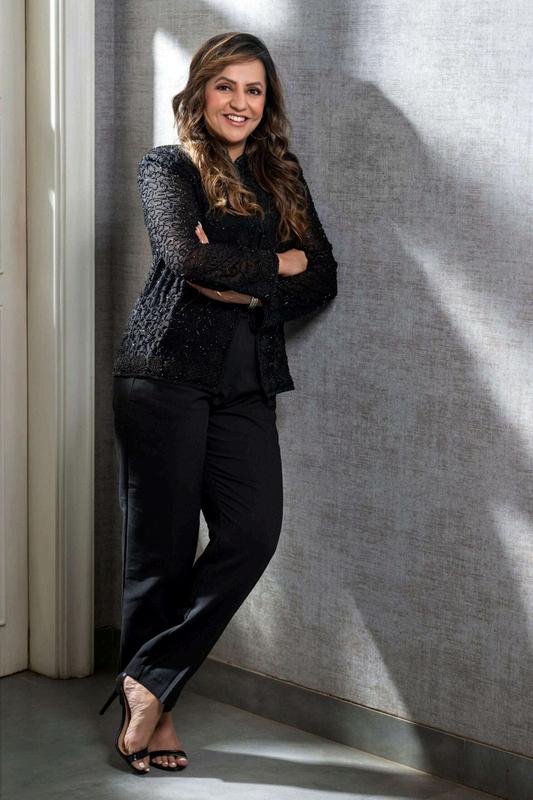
Over the years, Ekta has curated a wide range of celebrations, from intimate seaside vows to multi day cultural extravaganzas Her work has taken her across India and into international destinations like Dubai, Qatar, Muscat, and Montenegro Each location, each culture, and each couple brings new creative challenges, and she thrives on that diversity “Every wedding teaches me something new,” she reflects “No two stories are the same, and that is what keeps this work exciting ”
Her entrepreneurial journey has been marked by significant milestones Opening Weddings by ESL’s first international office in Dubai was a turning point that signalled her brand’s growing global footprint Recognition soon followed, including honours like ET Panache Women of the Year, WOW Middle East Gold for Best Intimate Wedding, and Wedding Sutra Platinum for Best Overall Wedding of the Year Yet, for Ekta, the most meaningful moments are not always tied to trophies. “Watching a couple moved to tears when they see their love story brought to life through décor, music, and thoughtful details, that is everything for me, ” she says
Like most founders, her path has not been without challenges Limited resources in the early days tested her patience and creativity The pandemic disrupted the wedding industry in ways no one had imagined But each obstacle strengthened her resilience and sharpened her instinct to innovate Inspired by her colleagues and global creative visionaries, Ekta continues to push boundaries through sustainable practices, technology integration, and trendforward design rooted in authenticity.
Looking ahead, her vision is clear. She wants Indian weddings to be celebrated not just for their grandeur, but for their creativity, innovation, and artistry. “I want Indian weddings to be firmly on the global map, while still staying true to tradition,” she says.
In Ekta Sehgal’s world, a wedding is not just an event It is a story waiting to be told, and she is making sure it is told beautifully
Redefining the Journey: Snehalata Jain on Motherhood, Meaning, and the Power of Traveling Together
Snehalata Jain never set out to build a brand In fact, her journey began far away from blogging, storytelling or family travel itineraries Trained as a microbiologist, she followed a path that looked logical on paper until curiosity nudged her elsewhere What followed was not a carefully mapped pivot, but what she calls a “beautifully unplanned” evolution. Today, she is the founder of BlogSikka, a trusted voice in the family travel space, known for its honesty, warmth and lived experiences
“I moved from being a microbiologist to being a storyteller by following curiosity and courage, ” Snehalata says That curiosity became the foundation of BlogSikka, a platform that speaks directly to families who want to explore the world together without the pressure of perfection. What she is most proud of is not just building an audience, but building trust. “BlogSikka has become a space where families find honest, practical inspiration to travel together without pretending it’s always perfect.”
At the heart of her work is a simple yet powerful idea. Travel does not have to stop once children enter the picture “I help parents who think travel must stop after kids realise that it doesn’t have to,” she explains Through real itineraries, practical tips and firsthand experiences, Snehalata simplifies family travel in a way that feels achievable rather than aspirational As a mother, the mission is deeply personal “I wanted to live fully without choosing between motherhood and my love for exploring the world You can get the best of both worlds, and I really want to set an example ”
The past year has been one of quiet strength rather than dramatic milestones. Snehalata describes her biggest win as staying consistent while remaining authentic Professionally, collaborating with meaningful tourism brands brought validation, but personally, the real victory was continuing to travel confidently with her child. “Growth doesn’t need to be loud to be powerful,” she says, a sentiment that mirrors her understated yet impactful leadership style.
A key mindset shift that shaped her journey was learning to let go of perfection “Leadership isn’t about having all the answers,” she reflects “It’s about showing up honestly, learning publicly, and trusting your instincts even when the path isn’t clear ” This openness has allowed her to build a community that relates not just to the destinations she shares, but to the realities of parenting, planning and navigating uncertainty.
As 2026 begins, Snehalata’s definition of power feels refreshingly grounded. “Power means choosing the ability to design my time, my work, and my life on my own terms,” she says, while staying anchored in values, family and purpose Looking ahead, her intention is to scale BlogSikka beyond content into deeper storytelling formats and collaborations that reshape how Indian families view travel and togetherness.
Her advice to women stepping into a new chapter is simple and reassuring “Don’t wait to feel ready Start where you are, with what you have, and trust that clarity comes from action ” In a world that often glorifies speed and spectacle, Snehalata Jain’s journey is a reminder that power can also look like patience, presence and belief in your own unfolding story
On Integrity, Influence, and Building Media on Her Own Terms
After more than two decades at the heart of India’s media ecosystem, Chaiti Narula knows exactly what it means to hold influence As a journalist and editor, she has reported across politics, business, luxury, and culture, lending her voice to some of the country’s most respected broadcast platforms, including India Today TV, CNN, News18, CNBC, and ET Now Yet today, she is writing a very different chapter, one rooted in independence, integrity, and intention
“My journey has been one of evolution,” she says “From two decades in hard editorial journalism to taking a leap of faith into entrepreneurship ” That leap led to the creation of French Press Global, a subscription-based digital media platform that refuses advertising money altogether For Chaiti, this decision was deeply personal. “It is an everyday hustle and an everyday struggle, but I have never been happier. Building my own company has proven to me that I can create something meaningful on my own terms ” Her dissatisfaction with the growing overlap between journalism and marketing became the catalyst for change
“Everyone knows what inauthentic brand building looks like,” she explains. “What is missing is organic, long-term brand architecture ” Through Maison French Press, her brand architecture and communications consultancy, she works closely with designers, jewellers, luxury resorts, wellness brands, and creative businesses to build credibility, equity, and financial viability “Credibility, craft, and storytelling deserve to be protected and elevated,” she adds
The past year has been especially defining Launching French Press Global as an esoteric editorial platform with no advertising support stands out as her biggest professional win.
“We fund it entirely through internal accruals via Maison French Press,” she says. “That allows us to protect editorial purity without external pressure Building something independent, sustainable, and values-led has been incredibly fulfilling ”
Leadership, for Chaiti, has also undergone a quiet transformation “I stopped competing and started collaborating,” she says without hesitation “Competition is for junior thinking Leadership is about collaboration and empowerment ” She speaks proudly about backing her team and trusting young talent “When my team succeeds, I succeed. Their wins are my wins.”
As 2026 approaches, her understanding of power feels grounded and purposeful “Power means responsibility,” she reflects. “Responsibility to create meaningful change, to lead ethically, and to build systems that are fair, conscious, and future facing.”
It is a philosophy that underpins everything she is building, from media to brand ecosystems.
Her bold intention for the year ahead is clear. “To launch French Press Global fully as a subscription based magazine with zero advertising money,” she says “Advertising often kills good content, and I want to serve a thinking audience that values depth, nuance, and integrity ”
For women stepping into their next chapter, her advice is simple yet striking. “Do not compete. Collaborate,” she says. “Never dim someone else’s light and never measure your journey against another’s. When you empower others, you empower yourself ”
Bhavana Goar does not fit neatly into any one box, and that is exactly what makes her story so compelling A Chartered Accountant by training and a digital influencer by choice, she represents a new generation of Indian professionals who refuse to believe that success has to follow a single straight line Her career moves fluidly between institutional finance and lifestyle storytelling, proving that ambition can be both analytical and aspirational
Her credibility was built in rooms where decisions move markets Bhavana has worked closely with elite CEOs, CFOs and fund managers, and has headed an Alternates division focused on AIF and PMS strategies In these high stakes environments, she helped guide the wealth journeys of HNIs and UHNIs, navigating capital at its most sophisticated level It gave her a rare insider view into how real wealth is built, protected and grown, and how different that reality is from the simplified narratives most people see online.
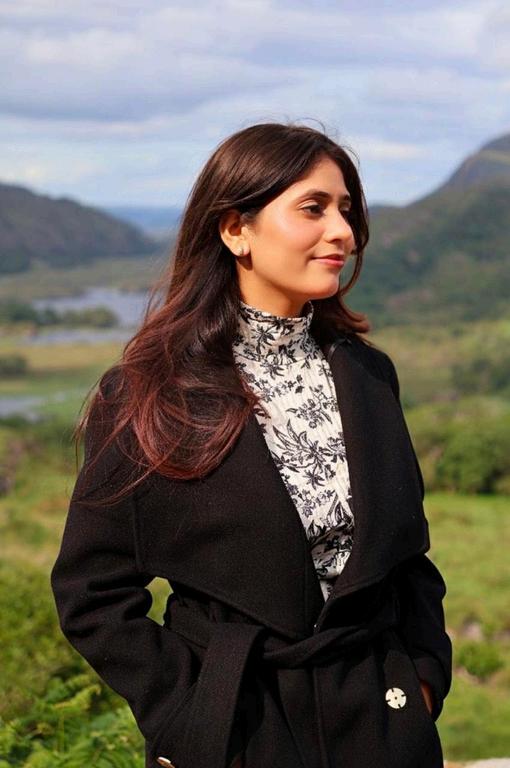
Yet Bhavana did not stop at boardrooms. She chose to translate that institutional wisdom into something far more accessible. Today, she speaks to a digital community of over fifty thousand followers, where she demystifies investing, wealth building and financial independence. What sets her apart is the way she blends high finance with high fashion For her, money is not just numbers on a spreadsheet. It is a mindset It is about access, education and the courage to live a multi dimensional life
She has pioneered a narrative that many once thought impossible That you can build a lifestyle driven personal brand while also managing sophisticated investment portfolios. That discipline and creativity are not opposites but powerful allies By teaching wealth building with the same precision she once brought to institutional finance, Bhavana is empowering a new generation to take control of their financial future without giving up their individuality or sense of style
There is something refreshingly honest about the way she approaches success. She does not pretend that wealth is built overnight She talks about consistency, long term thinking and the importance of understanding risk. At the same time, she celebrates the idea that money should support a life well lived, not just sit quietly in accounts Her content reflects that balance, mixing practical financial education with a lifestyle lens that makes ambition feel attainable rather than intimidating
In many ways, Bhavana Goar is rewriting what it means to be a finance professional in India today She is not confined by outdated archetypes or rigid career paths. Instead, she has designed a career that reflects her full self, analytical, expressive, strategic and stylish.
For women watching her journey, the message is clear. You do not have to choose between intellect and influence You do not have to shrink yourself into one role. You can build wealth, build a brand and build a life that feels true to who you are. Bhavana Goar is living proof that the future belongs to those who dare to be multi hyphenate
Co-founder of Kitchen Studio
Designing Dreams, One Kitchen at a Time
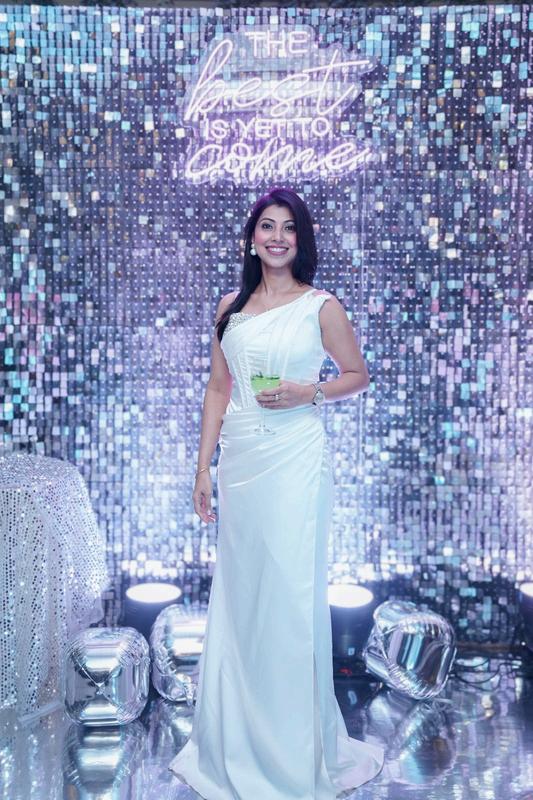
For Ayesha Dodeja, co-founder of Kitchen Studio, success has never been about shortcuts It has been about patience, process and showing up every day with purpose. Guided by the values of Simran, Sabr and Shukr, she brings a quiet resilience to both her life and her work, believing deeply that meaningful outcomes are built step by step “With dedication, discipline and consistent effort, even the most ambitious visions can be brought to life,” Ayesha shares. “Growth begins when you choose progress over comfort ” It is a philosophy that has shaped her journey through two decades in the modular kitchens and furniture industry
Kitchen Studio, which she co-founded, is today a trusted name in modular kitchens and wardrobes, known for blending elevated design with superior functionality What started as a passion for thoughtful interiors has grown into a robust business that has transformed over ten thousand spaces across Mumbai With three experience showrooms in Andheri, Worli and Mulund, a dedicated in-house design team and alliances with international brands, the company reflects Ayesha’s commitment to craftsmanship and customer satisfaction
“I believe in crawling before walking and walking before running,” she says. “Lasting results come from taking one step at a time ” This steady approach has helped her build not just beautiful kitchens but also long lasting client relationships rooted in trust and transparency
Ayesha’s journey has been marked by milestones that celebrate both innovation and impact. She has been recognised as the BIG 92 7 FM Dream Makers Mumbai Women Entrepreneur of the Year 2025 in the modular furniture category She has also been named among the Super 30 Women Business Leaders of the Year 2025 by Femme Times Magazine A special moment in her career came with a token of appreciation from architect Hafeez Contractor, marking the completion of twenty years in the modular industry.
Yet, for Ayesha, awards are only part of the story What truly motivates her is the human side of her work “I value fundamentals, thoughtful execution and patience,” she reflects “In a world that looks for quick wins, I believe in building things that last ”
Her mission remains clear To craft dream kitchens and wardrobes that seamlessly blend design with functionality, while delivering a professional experience that leaves clients feeling cared for and confident in their choices.
As she looks ahead, Ayesha continues to evolve Kitchen Studio with the same values that guided her from the beginning Trust, purpose and a belief in doing things the right way. For aspiring women entrepreneurs, her story is a reminder that success does not need to be loud to be powerful. Sometimes, it is built quietly, beautifully and one thoughtful design at a time

As fitness and sport culture continue to grow in India, women are increasingly claiming space, strength, and confidence in environments that support their physical goals and wellness journeys Reflecting the dedication and athletic mindset embodied by champions like Saina Nehwal, who became India’s first Olympic medallist in badminton and redefined elite sport for the country, fitness spaces across the nation are evolving to be safer, more inclusive, and high performing for women of all ages and ambitions
When it comes to badminton training; the sport closely tied to Saina’s legacy , one name stands above all others The Pullela Gopichand Badminton Academy in Hyderabad is renowned for its world-class training environment Founded by Indian legend Pullela Gopichand, the academy has produced Olympians and world champions Its eight indoor courts, strength and conditioning facilities, swimming pool, and expert coaching make it a top choice for women and girls aspiring to go beyond recreational play and pursue the sport with professional intent This academy has shaped the careers of stars such as Saina Nehwal and PV Sindhu, demonstrating how structured training and consistent mentorship can elevate talent to the highest levels
Beyond Hyderabad, new badminton academies are emerging to broaden access The Arundhati Arun Badminton Academy in Nagpur is built on the Gopichand model and offers professional coaching with multiple courts and gym facilities in a regional hub, making elite training more accessible outside traditional centres
For women seeking performance training, competition level coaching, and comprehensive athletic preparation, institutes like the Inspire Institute of Sport in Bellary district, Karnataka stand out While it serves athletes across disciplines, its high performance ethos nurtures strength, endurance, nutrition knowledge, and sports science support for women who want to push beyond basic fitness and train like athletes The Institute’s expansive campus and focus on long-term athlete development reflect the kind of training ecosystem national champions often rely on
Fitness is more than sport performance, and India’s urban centres offer excellent gyms and women-centric fitness studios where strength, mobility, and overall health are central In Bengaluru, Spark3Fitness has become a popular choice for women seeking structured workouts in a supportive environment With women-only zones, certified female trainers, and facilities that include strength training, yoga, Zumba, and recovery spaces, it validates that fitness is not only about athleticism but also comfort, community, and confidence
Also in Bengaluru, studios like Contours Women’s Fitness Studio and Fit Habit cater specifically to female fitness journeys with a blend of circuit training, Pilates, yoga, and personalized coaching These spaces encourage women to build strength, boost endurance, and approach fitness as a holistic lifestyle pursuit rather than a fleeting goal
In Delhi NCR, the fitness landscape is rich with options that blend traditional gym setups with group classes and performance-focused training Gold’s Gym Rajouri Garden provides ladies-only workout zones with certified trainers aimed at strength, cardio, and functional training. Body Mechanics in Noida and South Delhi has gained attention for its women ’ s bootcamps, CrossFit-style programming, and advanced nutrition plans that support overall performance goals Tough Ladies Gym and Elemention Fitness Club are additional spaces where women pursue strength training, aerobics, agility work, and confidence building in a supportive environment
For those seeking mind-body connection and holistic balance, yoga studios remain invaluable While many mainstream gyms incorporate yoga classes, dedicated spaces like The Yoga Studio in Saket, Delhi, offer curated yoga modules, meditation sessions, and wellness workshops led by experienced practitioners These studios help women focus on flexibility, breath control, posture, and inner resilience, foundational elements that complement strength and athletic training
Across India, women are also finding community through sports clubs and wellness complexes that include multidiscipline workouts, courts for various games, and recreational facilities In cities like Delhi, complexes that combine gym spaces with tennis and badminton courts or yoga and dance studios promote a balanced approach to fitness
What ties these varied spaces together is a shift in mindset Fitness is no longer a luxury or a one-size-fits-all concept It is a personal journey of empowerment Whether it is hammering out a new personal best in a gym, mastering a yoga posture, refining footwork on a badminton court, or building athletic strength in a performance centre, women across India are training with intention, confidence, and community support
In a nation where athletic icons like Saina Nehwal have shown that determination, discipline, and access to quality training can change sporting narratives, these spaces provide the infrastructure and inspiration for every woman to cultivate her own version of strength, endurance, and power
Across India there is a growing narrative that goes beyond just numbers. It is the story of cities where women-led businesses are not merely surviving, but thriving with momentum, community and institutional support These urban ecosystems are shaping economic futures while addressing the longstanding questions about access, opportunity and representation for women entrepreneurs From Bengaluru’s deep technology lanes to Delhi-NCR’s policy power and Mumbai’s market reach, a new generation of women founders is redefining the entrepreneurial landscape in India

If one city sums up the rise of women-led businesses in India, it is Bengaluru It has been at the centre of India’s startup revolution for years, but recent reports show it leading a distinct chapter in women ’ s entrepreneurship Data from the Bengaluru Innovation Report 2025 highlights that from 2010 to 2025 the city hosted around 668 women-led startups, collectively raising roughly 13 4 billion dollars in funding This figure surpasses Delhi-NCR and Mumbai in terms of capital attracted by women founders and underscores the depth of Bengaluru’s ecosystem
Several factors contribute to Bengaluru’s success It is not just the concentration of capital and talent but the presence of incubators, accelerators and community initiatives that nurture women founders. Programmes such as the Women Startup Program by NASSCOM, technology incubators at universities, and investor groups focused on inclusive funding are helping women secure early-stage support and mentorship The city’s position as the fifth largest unicorn hub globally, with dozens of high-growth startups, also gives women entrepreneurs a runway to scale their own ventures
Bengaluru’s ecosystem is complemented by cosy communities, peer groups and co working spaces where women can network and collaborate Through shared learning and informal mentorship circles, the city offers more than infrastructure, it offers belonging

The Delhi-NCR region continues to be a key hotspot for women-led enterprises, especially in technology, services and consumer products According to Tracxn data, Delhi-NCR is among the regions with the highest number of women-led tech startups in India, trailing only Bengaluru and Mumbai in sheer quantity This reflects deeper trends: access to markets, proximity to policy makers, a vast customer base and stronger investor presence
Delhi’s ecosystem benefits from national institutions, corporate partnerships and a vibrant community of accelerators and co-working spaces that focus on inclusivity. Organisations like Headstart Network Foundation host events, workshops and founder meetups that bring women entrepreneurs together with investors and service partners
Women founders in the region often point to the blend of intellectual capital and commercial opportunity as critical. With educational institutions, think tanks and industry bodies all within reach, Delhi-NCR offers a unique mix of policy relevance and business practicality that fuels growth

Mumbai may be known as India’s financial capital, but it is also becoming one of the strongest ecosystems for women builders The city’s entrepreneurial energy is deeply tied to its commercial legacy, which gives women founders access to consumer markets, media, and brand partnerships that few other cities can match.
While the number of women-led startups in Mumbai, estimated around 1,480 is fewer than Bengaluru’s count, the diversity of sectors in which women are building businesses sets it apart Many women founders here lead ventures in fashion, lifestyle, fintech, health tech,entertainment and consumer services The city’s corporate density also means a large number of accelerators, mentorship networks and investor circles that support scaling
Communities such as the Mumbai chapter of Headstart and women-focused founder groups provide platforms for mentoring, pitch preparation and investor introductions These communities help women navigate a landscape where brand visibility and strategic partnerships can amplify growth
Stepping away from the traditional tech centres, Chandigarh presents an interesting example of women-led enterprise growth, particularly in the services sector Recent data shows that a remarkable 92 percent of employed women in Chandigarh work in service industries, spanning finance, education, health and professional services
This trend reflects an urban ecosystem that supports women in professional careers and entrepreneurial pursuits The increase in women-owned micro, small and medium enterprises (MSMEs) in the city shows a rising confidence among women to start businesses that contribute meaningfully to the local economy
The story of women entrepreneurs is not limited to the conventional startup corridors. States like Uttar Pradesh have emerged as dynamic hubs for women-led ventures With around 8,000 women-led startups across Uttar Pradesh, including in cities like Noida, Greater Noida, Lucknow and Kanpur, the region reflects how policy focus on ease of doing business, single-window systems and skill development can create deep impact
Trade shows and global expos hosted in cities such as Greater Noida have also provided platforms for women founders to secure international exposure & partnerships These cities are showing that with supportive policy frameworks and improved infrastructure, women entrepreneurs can thrive beyond traditional coastal or tier one hubs
In western India, Gujarat stands out with strong state policies, innovation hubs and startup support that include women-focused initiatives The Gujarat Startup and Innovation Hub (i-Hub) has helped hundreds of startups, including many women-led ventures, by offering mentorship, workspace and networking opportunities. The WEStart initiative specifically aims to empower women entrepreneurs across the state, with plans to set up new centres in Vadodara, Surat and Rajkot
Gujarat’s emphasis on student innovation policies and startup funding further strengthens the ecosystem for women who are just beginning their entrepreneurial journey, combining traditional industry strengths with modern innovation support
Beyond individual cities, India’s network of incubators and accelerators plays a vital role in supporting women founders The Women Entrepreneurship Platform (WEP), launched under NITI Aayog and implemented through WE Hub in Telangana, provides digital and physical resources such as funding avenues, mentorship, skill building and market access These platforms aim to reduce barriers and ensure that women entrepreneurs can access the same opportunities as their male peers wherever they are based
Workshops and localized community groups from Mysuru to coastal Karnataka to Delhi and Mumbai, host events such as “How to Start a Startup” that empower women with practical tools These community events create networks that help women founders break isolation and gain visibility.
While much of the narrative has centred on top cities, the future of women-led businesses in India is expanding rapidly Tier two and three cities are producing a new wave of women entrepreneurs whose businesses are rooted in local insight and cultural authenticity The rise of rural women innovators in fields like agri value addition and sustainable crafts further underscores how entrepreneurship is spreading across geographies
Government initiatives such as Startup India and Stand Up India provide frameworks and incentives that continue to lower entry barriers for women across the country These policies, combined with private capital and community support, are helping to build ecosystems that value gender diversity as a source of innovation and economic strength
Cities like Bengaluru, Delhi, Mumbai, Ahmedabad and emerging hubs in Uttar Pradesh, Gujarat and Chandigarh are not just locations on a map They represent thriving ecosystems where women are forging businesses that can scale, impact societies and inspire the next generation The story of women entrepreneurs in India is not just about growth It is about power, presence, and possibility in motion.
This case study narrates the inspiring journey of Rukhsana Bi, a 33-year-old entrepreneur from Julwaniya, Barwani, who transformed her aspiration for self-reliance into a thriving textile business, "Ayesha Collection Cloth Shop." Her story highlights resilience, community support, and the empowering impact of economic independence
Rukhsana Bi, a woman from the backward class, spent her childhood in a financially constrained but happy family, lacking many amenities She completed her education up to the 8th grade but was unable to pursue further studies due to the prevailing societal norms and lack of encouragement for girls' education within her Muslim family, where emphasis was placed on learning household chores Before establishing her shop in November 2023, Rukhsana was primarily occupied with household duties, constantly aspiring to become selfsufficient and contribute to her family financially.
Her husband and mother-in-law have been steadfast in their support When Rukhsana expressed her desire to open a shop, they readily assisted her and expressed their joy Prior to her venture, Rukhsana had no personal income; her husband's income ranged from ₹7,000 to
₹8,000 Her inspiration to become an entrepreneur was significantly fueled by the Enterprise Facilitation Hub (EFH) Julwaniya, whose consistent engagement in self-help group meetings about employment and learning instilled confidence and a sense of possibility within Rukhsana
Rukhsana's decision to venture into the cloth business stemmed from a clear understanding of a local market gap Being a small village, Julwaniya lacked shops selling fabric by the meter, forcing residents to travel to Sendhwa or Khargone for purchases Inspired by a female relative who was already in the cloth business, Rukhsana felt confident she could succeed in selling clothes
Her initial step was to approach the EFH coordinator, expressing her interest in the cloth trade The coordinator helped her develop a business plan and secure a loan from the Gram Sangathan As her shop gained traction, she acquired an additional loan from HDFC to expand her inventory Alongside clothes, she also began selling bangles, for which Taniya Didi provided market information about Khalghat and Indore Rukhsana gradually expanded her stock, and her shop now holds goods worth approximately ₹300,000
Her business, "Ayesha Collection Cloth Shop," primarily deals in clothes and bangles During peak seasons, she also sells readymade kurtas and suits This diversification contributes to a seasonal income of ₹40,000-₹50,000, with daily earnings of ₹400-₹600, accumulating to a monthly income of roughly ₹12,000-₹15,000 Rukhsana has established her shop in a rented space near the Gayatri Temple in the market She serves approximately 200 families in Julwaniya and women and girls from surrounding villages
Before starting her shop, Rukhsana carefully considered her ability to sell the goods and manage household responsibilities She addressed her husband's initial concerns about loan interest by explaining the lower rates and the assistance offered by Julwaniya EFH A crucial part of her preparation involved creating a business plan, determining sourcing and quantity of goods, and initially selling from home before renting a shop. She found market surveys and understanding different suppliers' rates to be most important Throughout her journey, Rukhsana received constant guidance from her family (husband, mother-in-law, sister) and EFH The coordinator provided market insights, helped prepare her business file, and offered timely suggestions
Her path wasn't without difficulties Initially, she depended on her husband's availability to travel for sourcing goods, fearing missed seasonal opportunities The fear of carrying large sums of money for purchases alone and being overcharged by traders were also concerns She also struggled with expanding her shop and finding new designs These fears gradually subsided as she gained market knowledge She experienced stress from unsold stock and the occasional depletion of business capital for household expenses, sometimes leading to tears of frustration, but she has learned significantly from these challenges. Her shop's monthly expenses, including rent, water, and electricity, amount to ₹3,000 An additional ₹1,000 is incurred for sourcing goods
As mentioned, her monthly income averages ₹12,000 to ₹15,000 She has expanded her business by adding bangles and other cosmetic items Rukhsana intends to further expand her business
Rukhsana feels a significant improvement in her life, having gained self-confidence and recognition in society by her own name, and she actively contributes to her family's finances Previously, she was only consulted for household tasks, but now her mother-in-law and husband involve her in family decisions She has established her own identity in society, where people now value her, and she has built friendships with whom she shares her experiences She proudly shares that her shop has given her courage and a social identity. No longer dependent on her husband for money,
she can now spend on herself and even provide financial assistance to her maternal family She expresses joy in transforming from someone who was "nothing" to someone capable of helping her family Rukhsana considers her children, who now attend private school, her greatest achievement, as she has come to understand the importance of education and earning Her ability to earn is her personal triumph In the next ten years, Rukhsana envisions her business growing substantially She aims to transition from a rented space to owning her own shop
With a passion for fashion and an instinctive eye for individuality, Sakshi Gupta, Founder and Creative Director of Label Raasa, embarked on her entrepreneurial journey over thirteen years ago. Armed with a B Tech and an MBA, Sakshi took an unconventional path into fashion With no formal training in design, her brand stands as the culmination of instinct, persistence, and a deeply rooted love for craft
“Embracing vintage fashion with a modern edge has always felt like a nostalgic pull for me, ” she shares “As a designer, I truly believe you are your most confident self when you are comfortable Effortless elegance is key. Rather than over tailoring, I focus on styling and draping Reinvention and iconoclasm have always shaped my collections ”
The story behind Label Raasa is deeply personal Sakshi describes herself as the odd bird growing up, constantly experimenting with fashion and personal style “Fashion was never about trends for me It was about expression,” she says. That nonconformist instinct became the foundation of the brand With limited savings, no industry backing, and no formal fashion education, she began with just three machines in a narrow space in Chawri Bazaar, Delhi “What followed was built the old fashioned way by showing up every day Today, I stand proud of how far that persistence has brought me ”

Before launching her own label, Sakshi worked closely with renowned high fashion brands, specialising in heavy bridal wear Those years of hands on experience helped her hone her skills and deepen her understanding of craftsmanship In 2022, years of learning and creative evolution came together with the launch of her own label, Raasa
Defined by a vintage sensibility with a contemporary edge, Label Raasa views fashion as a powerful form of self expression Rooted in slow fashion and conscious creation, the brand values humanity as much as aesthetics Raasa crafts luxurious yet easy to wear silhouettes, blending femininity with bold prints and confident forms Each collection draws from lived experiences and is designed to transcend fleeting trends, with a philosophy of carefree living woven into every garment
What truly sets Raasa apart is its refusal to separate design from ethics From mindful sourcing to thoughtful fits, every piece is created with intention. Working closely with artisans and honouring traditional techniques, the brand reinterprets heritage for the modern woman who is independent and quietly powerful
The journey, however, has not been without challenges “Every beginning is accompanied by apprehensions,” Sakshi admits “What if it fails What if I disappoint ” Learning to live with
uncertainty became essential Balancing personal life with professional ambition remains one of her toughest lessons “There is no perfect equilibrium, only conscious choices,” she reflects. Inspired by Marcus Aurelius’ words, “The obstacle is the way, ” she began to see challenges not as setbacks but as guides
Reflecting on her journey so far, Sakshi smiles “It has been a roller coaster and I am still on the ride Raasa taught me that growth is quiet and clarity often arrives after chaos I have learned to fall in love with the process, even on days it doesn’t love me back ”
Her advice to women building their own brands is honest and empowering Start imperfectly Becoming is allowed to be awkward and unfinished Build with honesty, stay rooted in your values, and do not be afraid to take space You do not have to choose between heart and ambition You can lead with both
Looking ahead, Raasa plans to grow thoughtfully, expanding its reach while staying true to its philosophy The brand envisions deeper collaborations with artisans, wider global visibility for Indian textiles, and a community that values conscious fashion Raasa will continue to evolve, but its soul will remain unchanged, crafted with heart, led by humanity, and driven by purpose
Karigaris a heartfelt homage to the artisanswho form the soul of Indian craft Rooted in respect and reimagined forthe present, this collection brings India’s oldest textile traditions into a confident modern conversation
Crafted entirelyin khadi handspun fabric and hand dyedwith care, Karigar celebrates the beautyof slow, intentional creation. Designed forboth women and men, the collection explores modern silhouettes through crisp blazer sets,waistcoat coordinates, structured shirts, Bermuda shorts, and bold, fluid dresses Each piece is tailored to feel effortless, current, and deeplywearable The silhouettes are clean and confident, intentionallyunfussy, allowing the fabric and craftsmanship to take centre stage
What makes Karigardeeplypersonal is its surface narrative The prints are hand painted bydesignerSakshi herself, drawing inspiration directlyfrom the karkhana Brushes trace the rhythm of tools, gestures, and quiet moments from the artisan’s everydaylife Each garment becomes a canvas, celebrating not just the final piece, but the hands and stories behind its making
Karigaris not about nostalgia It is about progression Traditional fabric and time honoured processes are reinterpreted through a modern lens, creating clothing that feels relevant to todaywhile remaining rooted in heritage. Every piece reflects a deep respect forIndian artisanswhile speaking fluentlyto a global sensibility.
This collection existswith a clear purpose To take ourown fabric to the world, not as craft preserved behind glass, but as clothing meant to be lived in Confident, contemporary, and alive
Karigaris a celebration of makers, movement, and mindful fashion,where tradition and modernitymeetwith intention




For decades, power in the global economy was easy to identify Governments controlled policy, central banks managed money, and corporations responded to regulation. Today, that equation has quietly shifted Power is no longer defined only by who governs, but by who controls capital, data, platforms, and narratives In many ways, money no longer follows power Power follows money
At the centre of this shift is the unprecedented concentration of wealth. According to the World Inequality Database, the richest ten percent of the global population now own nearly seventy six percent of all private wealth
The bottom fifty percent together own just around two percent Even more striking is the fact that the top one percent alone controls close to forty five percent of global wealth This level of concentration has not been seen since the early twentieth century
Why does this matter Because wealth today is not passive It shapes markets, influences regulation, controls access to opportunity, and determines who gets heard Capital decides which technologies scale, which businesses survive, and which ideas get funded In effect, capital has become control
ndia reflects this global reality, albeit with its own unique dynamics India remains one of the fastest growing major economies,
I yet wealth distribution tells a more complex story According to Oxfam India and G20 data released in 2024, the richest one percent in India owns more than forty percent of the country’s total wealth At the same time, the bottom half of the population holds just over six percent India has added billionaires faster than almost any other country in the last decade, but broad based wealth creation has not kept pace
Corporate power plays a major role in this shift Today, a small number of global corporations influence everything from supply chains and employment to consumer behaviour and data flows Big technology firms decide how information moves Financial institutions influence access to credit Large asset managers hold significant stakes across competing companies, giving them indirect influence over entire sectors
According to the UBS Global Wealth Report 2024, institutional investors now control a growing share of equity markets worldwide, further centralising economic influence
Another critical layer of power lies in control over data In the digital economy, data is capital. Companies that own user data, algorithms, and platforms possess enormous leverage They can shape consumption patterns, influence political discourse, and redefine labour Gig work platforms, for example, decide pricing, visibility, and livelihoods through code, often without transparency or accountability
Governments still matter, but their role is increasingly constrained States compete to attract capital, investment, and talent Policy decisions are often shaped by market reactions Capital mobility allows wealth to move faster than regulation. This creates a paradox where democratically elected governments must negotiate with unelected economic actors whose decisions affect millions
The real question then is not whether capitalism works, but for whom it works When capital becomes concentrated, opportunity narrows Entrepreneurship becomes harder without access to funding Innovation risks becoming incremental rather than transformative Social mobility slows
For India, the challenge ahead is not growth alone, but inclusive control Expanding access to capital for small businesses, strengthening competition policy, regulating monopolistic behaviour, and investing in education and skill creation are not ideological choices They are economic necessities
Power in today’s economy is no longer held in parliament alone or boardrooms alone It sits at the intersection of wealth, platforms, influence, and access
Understanding this shift from capital to control is the first step toward reshaping an economy that works not just for the few who own it, but for the many who sustain it
House of Superfoods did not begin with spreadsheets, pitch decks, or a pursuit of trends It began where most meaningful food stories do, at home In a kitchen shaped by everyday Indian meals, mindful choices, and a quiet belief that nourishment does not need to be complicated to be powerful
Founder Arohi Deshpande was exploring the wellness food space when she noticed a disconnect Superfoods in India were often introduced as imported concepts or confined to packaged products that felt unfamiliar and inaccessible What was missing was an Indian lens There was no space where superfoods were thoughtfully woven into freshly prepared meals that felt rooted in our food culture and easy to adopt into daily life.
House of Superfoods was created to change that
At its core, the brand is built on a simple idea Superfoods should not feel intimidating, elitist, or distant from the way we already eat House of Superfoods brings together global superfoods and traditional Indian ingredients, integrating them into plant forward, vegetarian meals that support everyday wellness The result is food that feels familiar yet forward looking, nourishing without being restrictive
The menu reflects this philosophy clearly Acai and spirulina bowls sit alongside millet based crepes and upmas Superfood smoothies and juices are balanced with wholesome pancakes and millet meals designed for daily consumption There are thoughtfully prepared dips and spreads like basil pesto, spinach mint tzatziki, and smoky bell pepper dip, along with granola, nourishing snacks, and desserts that feel indulgent yet intentional
Every dish is prepared with care and clarity The focus is not on chasing trends, but on balance, freshness, and nourishment The food is designed to support real lives, busy days, evolving wellness needs, and a desire to eat better without overthinking every bite
What started as cooking for family and friends soon sparked organic interest Word spread quietly Conversations turned into requests A small community began to form around the food and the values behind it. Today, House of Superfoods operates as an early stage startup, growing through word of mouth, meaningful collaborations, and a shared belief in mindful nourishment
This phase of the journey is not about speed or aggressive scale It is about building trust, refining offerings, and staying deeply connected to the people who choose the brand The focus remains on listening, learning, and evolving thoughtfully
For founder Arohi Deshpande, the vision is deeply personal Based in Nagpur, Maharashtra, she brings together traditional food wisdom and modern wellness practices with an intuitive understanding of how people actually eat Her approach to wellness is grounded rather than performative She believes food should nourish without demanding perfection, and wellness should feel sustainable, not overwhelming
Looking ahead, the long term vision for House of Superfoods is clear. To build a trusted, homegrown Indian superfoods brand that grows with integrity One that remains rooted in honesty, quality, and care, even as it expands its reach
House of Superfoods is not about reinventing how India eats It is about gently reintroducing nourishment into everyday life, one thoughtful meal at a time




Al Habtoor City, Sheikh Zayed Road, Dubai, United Arab Emirates Tel: +971 4 435 5555 reservations@habtoorpalace com www habtoorpalace com @alhabtoorpalace