What We Learned
Co-Developing a
Cultural Safety Curriculum
with First Nations Communities in New Brunswick
First Nations Knowledge and Evidence: Taking Action on Systemic Racism through Cultural Safety, The Anti-�ndigenous Racism Project
Co-Developing a
with First Nations Communities in New Brunswick
First Nations Knowledge and Evidence: Taking Action on Systemic Racism through Cultural Safety, The Anti-�ndigenous Racism Project
FPWC would like to express our gratitude to the many Knowledge Carriers who participated in this project. The knowledge, experiences, and vision you shared formed the foundation of this document.
First Peoples Wellness Circle (FPWC) extends our heartfelt gratitude to the Working Group for their commitment, thoughtful guidance, and generous contributions throughout this project.
The Working Group brought together individuals carrying practice wisdom and lived experience grounded in community. Their shared insights offered vision and strategic guidance to the development of this resource.
We are especially grateful for the leadership and guidance of all Working Group members from the Wolastoqey and Oeliangitasoltigo First Nations Mental Wellness Teams of New Brunswick.
Thank you to Han Martin and Associates for their invaluable support and commitment, who played a crucial role in guiding and sustaining this work.
We also acknowledge Becky Carpenter, who authored this resource on behalf of FPWC, drawing on the collective wisdom generously shared throughout the project. This resource also reflects the dedication, knowledge and collaborative energy of the staff that supported this work at FPWC.
First Peoples Wellness Circle. 2026. What We Learned Co-Developing a Cultural Safety Curriculum. First Peoples Wellness Circle. North Bay, Ontario, Canada.

Indigenous communities across Turtle Island have strong, culturally-grounded practices and frameworks to support and advance the health and well-being of their communities yet continue to experience mental health disparities, discrimination and racism within the healthcare system (Statistics Canada 2024).
Healthcare organizations and providers urgently need cultural safety and antiIndigenous racism training to better understand First Nations practices and frameworks, as well as the history of colonialism and how it continues to impact the health of Indigenous people today. This must include understanding the lens of privilege and addressing the unconscious biases that organizations and providers carry in order to close the health gap between Indigenous and non-Indigenous populations.
The Anti-Indigenous Racism Project (the “AIR Project”) focused on co-developing a cultural safety curriculum that specifically addresses anti-Indigenous racism and a Helping Bundle to support First Nations to assess providers capacity to deliver services in First Nation communities. This work centred on listening to and gathering feedback from First Nations people, relationship building with non-Indigenous healthcare providers, organizations and associations, and working in reciprocal ways to enhance cultural safety for First Nations communities accessing mental wellness services.
The AIR Project was led in partnership between First Peoples Wellness Circle (FPWC), the Wolastoqey Nation Mental Wellness Team (MWT) and the Oeliangitasoltigo Nation (MWT) in New Brunswick from April 2023 to March 2024. It was funded through Health Canada‘s Addressing Racism and Discrimination in Canada’s Health Systems Program.
“When you respect things, other things will follow. When you respect something different than yours, all the other teachings will come together.”
Mi’kmaq Mentor, Harrison Milliea, 8 March, 2024.
Oeliangitasoltigo Mental Wellness Team

The AIR Project strives to enhance cultural safety for First Nations people who access mental wellness services and support in New Brunswick. The project is currently regionally based, with the intention that it may be adapted to other regions across Turtle Island. The AIR Project is aligned with the work of the Truth and Reconciliation Commission of Canada (TRC) and specifically Call to Action number 23 which calls for “cultural competency training for all health-care professionals” (Truth and Reconciliation Commission of Canada, 2015).
The AIR Project also helps to further implement the First Nations Mental Wellness Continuum Framework (Framework). The Framework was published in 2015 by the Assembly of First Nations, FPWC, Thunderbird Partnership Foundation and the First Nation and Inuit Health Branch (formerly part of Health Canada), now Indigenous Services Canada. It was developed through extensive consultations with over 600 First Nations community members from coast to coast to coast.
The Framework outlines mental wellness approaches that are grounded in culture and span the Indigenous social determinants of health. The Framework promotes mental wellness in First Nations communities and provides a continuum of care through all life stages, focusing on advancing policy and systems change, culturally grounded program design and service delivery. The AIR Project works from the Framework’s 5 central themes, including using Culture as Foundation as the basis for curriculum development. The training also encompasses the 4 other themes: Community Development; Ownership and Capacity Building; Quality Care System and Competent Service Delivery; Collaboration with Partners and Enhanced Flexible Funding.

Implementing the Framework is part of FPWC’s mandate, and both MWTs also implement the Framework through the provision of culturally safe, trauma-informed mental wellness services across the continuum of care. The MWTs provide these services through both member communities and in collaboration with partners.
The AIR Project has three overarching goals:
1
Build relationships with universities graduating professionals who will deliver mental health services and professionals associations whose members may deliver mental health services to First Nations people in New Brunswick;
2
Develop and pilot curriculum for nonIndigenous mental health providers to increase their ability to deliver culturally safe care through awareness of unconscious bias, privilege and systemic discrimination; and
3
3
Develop a Helping Bundle of First Nations defined standards that could be used as a tool by First Nations, professionals and organizations to assess cultural competency and safety of mental health providers and organizations.
The curriculum was rooted in the understanding that relationship building is foundational to achieving meaningful work that addresses anti-Indigenous racism, particularly in the context of mental wellness. It is through the process of building authentic connections with each other that reciprocity, accountability, commitment to meaningful engagement, and trust are established. For non-Indigenous participants, this means taking the time to build authentic relationships with First Nations partners and getting to know the local community.
The AIR Project is led in partnership between:
• FPWC: a national, Indigenous-led not-for-profit promoting wholistic health and mental wellness that prioritizes traditional knowledge and evidence through a Two-Eyed Seeing approach. FPWC’s mission is to empower communities by providing culturally grounded resources, training, and advocacy, guided by the First Nations Mental Wellness Continuum Framework. FPWC is also committed to combating systemic racism, discrimination, and oppression.
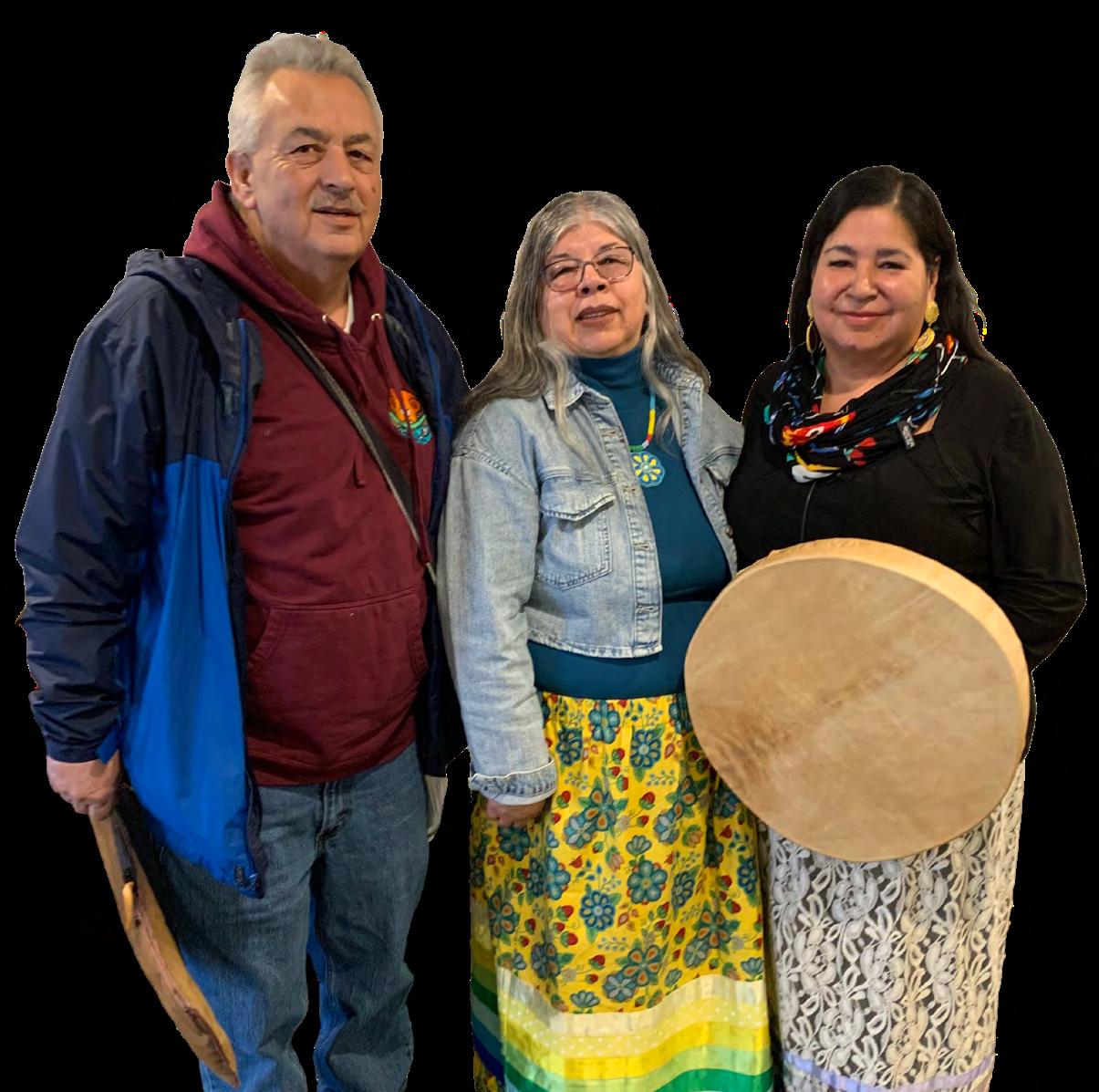
• The Oeliangitasoltigo MWT: serves 4 First Nations communities in Southeastern New Brunswick – Elsipogtog, Indian Island, Buctouche and Fort Folly.
• The Wolastoqey Nation MWT: services the 6 Wolastoqey communities in New Brunswick –Madawaska, Neqotkuk (previously known as Tobique), Woodstock, Bilijk (previously called Kingsclear), Sitansisk (St. Mary’s) and Welamukotuk (Oromocto).
Participants that contributed to this project include:
• 32 Learners completed the piloting of the curriculum and provided feedback throughout. There was a focus on recruiting non-Indigenous people working at mainstream organizations. Learners included social workers, psychologists, professional association staff, and university faculty.
• 16 Mentors were recruited to deliver the curriculum and provide mentorship to Learners. Mentors were primarily part of First Nations communities and a non-Indigenous Mentor who had extensive experience in the Indigenous communities they served. Mentors included mental wellness workers, nurses, health navigators, and Jordan’s Principle workers.
• Mental Wellness Supports included 4 Elders and 2 mental health professionals who were recruited to provide mental health and ceremonial support for Mentors and Learners throughout the training.
• A Working Group guided the AIR Project’s development and included staff from FPWC, Oeliangitasoltigo MWT and Wolastoqey Nation MWT, mental health professionals (Indigenous and non-Indigenous) working with MWTs and Elders.
• Staff support from the AIR Project was led by staff from FPWC, with support from the consultant group, Han Martin Associates.
The AIR Project was grounded in strong, pre-existing relationships between participants, partners, and communities. FPWC had previously worked with the New Brunswick MWTs, and many Working Group members had ties to local communities and service providers. The consultant group, Han Martin Associates, had pre-existing relationships with those involved in First Nations mental wellness services. Participants were recruited through these networks, and the preexisting connections formed a foundation of trust that supported meaningful engagement. Furthermore, an initial training session for Mentors provided space to build rapport, trust, review the curriculum and receive support. Elders created moments of pause throughout the training session to ensure the group felt safe and connected. Because of these existing relationships, the support of Elders and the focus on connection, participants entered the project with a strong sense of readiness.
The curriculum development and piloting process was guided by an environmental scan, literature review and wise practices. The key focus was to ensure the training was grounded in First Nations culture and values, was beneficial to communities in New Brunswick and supported actionable learning for service providers to enhance cultural safety within the healthcare system.
The process was completed in 6 main steps outlined in Figure 3. Throughout each step, involvement of First Nations community members was the priority. Throughout the development of the curriculum, 45 First Nations individuals provided input into the training.
The Training Goals of the curriculum are to
1. Increase non-Indigenous mental health providers’:
a) Awareness of First Nations peoples and communities in New Brunswick.
b) Awareness of unconscious bias, privilege and systemic racism.
c) Cultural competence in service delivery to First Nations people.
2. Nurture opportunities to break down barriers and build relationships between non-Indigenous service providers and First Nations people and communities in New Brunswick.
Findings from an environmental scan, literature review and wise practices helped shape the learning context, curriculum content and instructional approaches, guiding the development of a relational and experiential training process.
The environmental scan reviewed current research and resources on cultural safety and anti-racism training, as well as wise practices in developing cultural competency and cultural safety among mental wellness professionals. The environmental scan consisted of both a literature review and primary data collection through:
• 4 focus groups with First Nation health providers, Elders and community members (2 Wolastoqey focus groups and 2 Mi’kmaq focus groups).
• 2 focus groups with potential Learners (i.e., non-Indigenous social workers and psychologists).
• 9 key informant interviews with both Indigenous and non-Indigenous people experienced in delivering cultural competency and anti-racist training and/ or who had experience with delivering services to First Nations.
The Literature Review identified key principles for conducting respectful research with Indigenous communities and outlined the “Three R’s”, Respect, Reciprocity and Relationality (Kovach 2009), as guiding principles. The literature also stressed that research should benefit the host community, incorporate ceremony and that relationships and accountability to participants are central to the research process.
The literature also revealed 4 wise practices that emphasize the importance of centring Indigenous voices in anti-racism training. For example, Elders, Knowledge Carriers and community leaders should lead the training (with ongoing support to prevent burnout), and the curriculum should be grounded in community values and knowledge. Another wise practice is to help mainstream healthcare workers develop an understanding of intersectionality and how different factors such as racism, colonialism, poverty, sexism, inadequate housing etc., all intersect. A central aspect of anti-racism training includes inner reflection on one’s own biases, actions and beliefs. Learning should be understood as an ongoing process, with a focus on experiential and relational learning. Finally, cultural safety training should address power, bias, privilege, and equity.
Centring Indigenous voices
Including power, bias, privilege, equity in cultural competency training
Developing an understanding of intersectionality
Learning as a process
Figure 4. Overview of the wise practices that guided curriculum development and piloting.
The findings of the environmental scan and literature review helped shape the learning context, which was grounded in the following guiding concepts:
• Indigenous ways of learning which emphasize personal, wholistic, experiential, place-based, intergenerational, relational, sacred and secular ways of knowing.
• Adult Learning Theory (Knowles 1984) which includes the following principles:
• Adults benefit from being involved in the planning evaluation of their learning.
• Learning is most effective when it is experiential.
• Adults are most interested in learning that is immediately relevant to their jobs or personal lives.
• Learning should be problem-centred rather than content-oriented.
• Experiential learning which emphasizes learning through doing and reflection.
• Relational learning which centres on the importance of relationships, interactions, communication, and interconnection of people, places and things. For example, relationship building between Learners, Mentors, MWTs and community members.
• Co-creating and collaborative learning which highlights the mutual benefit of Learners and Mentors learning from and with one another.
Creating a safe, interactive, and meaningful learning experience was a priority, and was made possible though:
• Support and leadership from Mentors.
• Facilitating safe, honest dialogue.
• Learning about local history and experiencing First Nations culture through ceremony and discussions.
• “Bead Exercise” to learn about privilege.
• Community visits.
• Support from Elders.
• Appropriate facilitation, training time and materials.
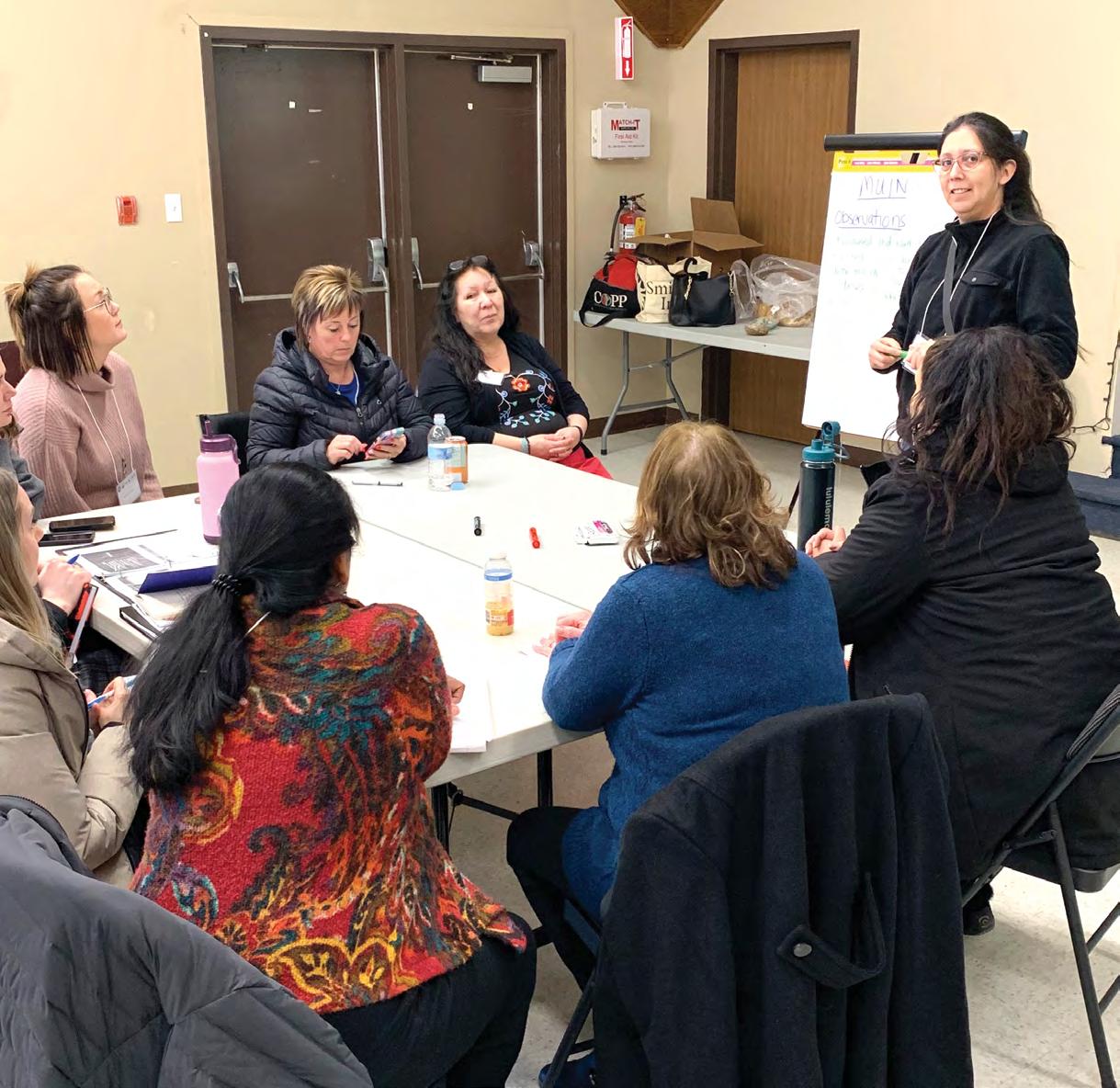
In alignment with the wise practice of Centring Indigenous Voices, instructional approaches and curriculum content was validated with the Working Group, First Nations health professionals and Elders through four Regional Sessions.
A variety of materials were created, including a Train-the-Trainer process for Mentors as well as materials for both Mentors and Learners that encompassed:
• A Facilitator Manual for Mentors and supplementary resources to support their delivery of the curriculum.
• Presentations, materials, handouts and resource lists for Learners on the various curriculum topics and to support independent learning.
Creating a Helping Bundle was an important part of the curriculum development and piloting process. The Bundle was informed by the environmental scan and literature review and was validated and cared for by the Working Group and First Nations mental wellness providers, including the Elders, Learners and Mentors who participated in the training. It is a community-based tool and a living document guided by the Framework and grounded by the Seven Grandfather Teachings.
The Helping Bundle is a written resource that offers focused questions to help guide First Nations health centres assess nonIndigenous practitioners and organizations by reflecting on their professional practice, organizational policies and development of competencies. It can also be used by professional associations to improve cultural competence in practice standards.
The questions ask about an individual or organization’s understanding of topics such as:
• First Nations history at a national and local level.
• Strength-based approaches.
• Practices to enhance cultural safety.
• Concepts of First Nations wellness.
• Incorporation of Indigenous worldviews.
• Meaningful community involvement.
• Implicit bias and personal privileges.
These questions help identify areas where individuals and organizations may need to grow and advance their learnings to support cultural safety for First Nations people in meaningful ways.
The Helping Bundle can be applied to help professional associations enhance the practice standards of their members to deliver culturally safe services to First Nations. For instance, the current practice standards are established by the professional and regulatory bodies. The professional associations in New Brunswick can do more than provide standards that guide practice. They can collaborate with First Nations to work toward ensuring that the professional competencies outlined in the Helping Bundle become requirements for professional practice in First Nation communities in New Brunswick.
“The bundle is very versatile and can be utilized in other programs designed for First Nation peoples. Examples include but are not limited to Teachers, Social Workers, Psychologists, Program Directors, numerous programs within the Health Directorate, other areas where non-Indigenous persons are hired to work on behalf of the community members. I would add that the Bundle can also be used as an evaluation tool at the end of an employee’s probation period to determine whether the employee be granted permanent status. The bundle can also be referenced for Indigenous employees to help them self-reflect whether or not they are providing a space for cultural safety or do they too have to relearn some of the competencies outlined in the bundle.”
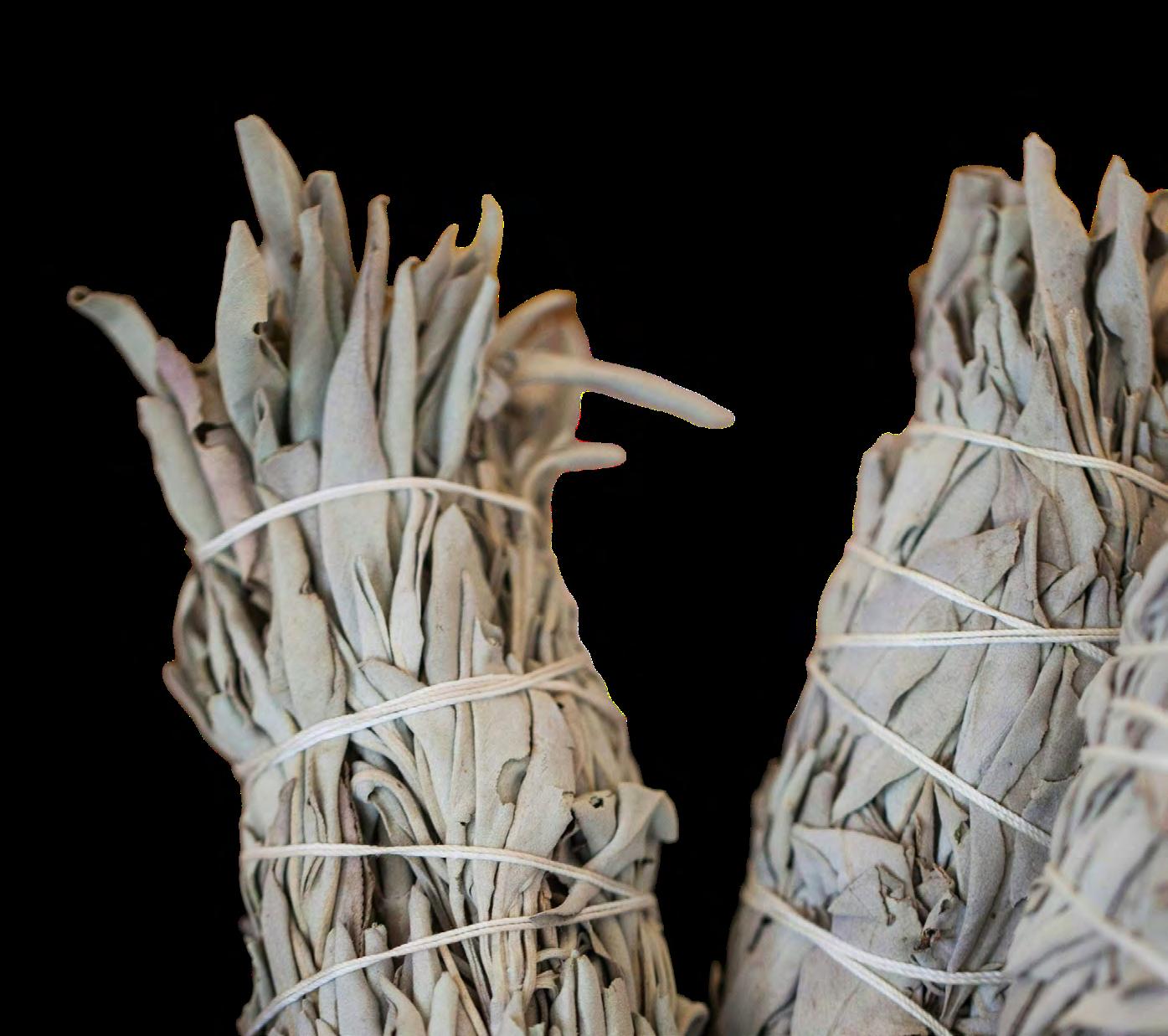
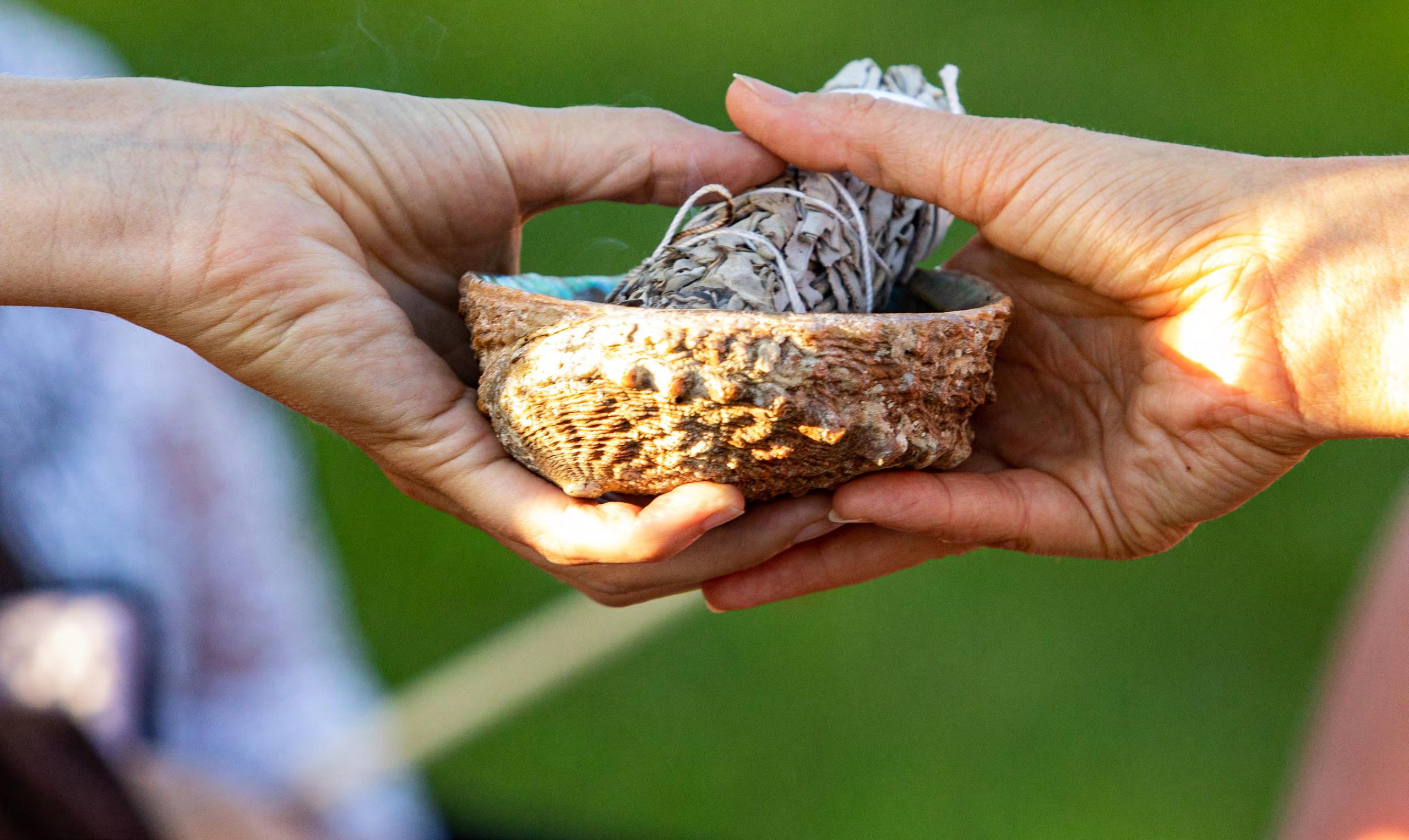
The experience of coming together as a diverse group (with both Indigenous and non-Indigenous participants) to create the Helping Bundle document was an emotionally and spiritually significant event. After the creation of the document, the Elders felt moved to create a physical Helping Bundle to honour the document, the relationships that were formed, and the experience of working together. The
physical Helping Bundle holds meaningful and significant community items and was honored by all participants in a Helping Bundle ceremony at the final in-person gathering in March, 2024 (Figure 6). As the physical Bundle is a living and sacred belonging, the Elders assigned two people to be Keepers of the Bundle who will take care and nurture it.
“The team who helped create the process and the bundle of teachings allowed us to invest and fill the Bundle with the spirit that is needed in this time for reconciliation as it was meant to be – person by person. We need this spirit to help us untangle the warped web created by the colonial systems in place.”
Sixteen Mentors were recruited to deliver the curriculum and to provide mentorship to 6 cohorts of Learners. Training was provided to prepare Mentors to deliver the curriculum and to prepare them emotionally and spiritually, recognizing that aspects of the content and the delivery could be triggering. Mentors were intentionally paired together for support so they could rely on each other’s strengths and knowledge during delivery of presentations and content, as well as with supporting Learners throughout the training.
“The Helping Bundle is a physical representation of protecting community members from harm so that people who work with First Nations will do no harm.”
Mi’kmaq Elder Genevieve Sanipass.
Thirty-two learners were identified (with a focus on recruiting non-Indigenous people working at mainstream organizations) and 6 learning cohorts were established. The 6 cohorts were identified through the Wabanaki Clan System and the geographic proximity of Mentors and Learners (Figure 7). Each Clan was supported by 4 Mentors:
• 2 Mentors for each Clan supported psychological safety and preparedness.
• 2 Mentors who were MWT leaders facilitated the training process.
Many Learners expressed that the Clan circles were where much of the learning occurred, along with interactions with Elders. They identified that the Clan structure was an effective way to facilitate learning and fostered a strong sense of identity and belonging.

“[the Clans] allowed us to build relationships and security to embark further.”
Learner
Between December 2023 and March 2024, the curriculum was piloted through a virtual training session, in-person gatherings, and community visits. Learners began with a virtual introductory session and provided advanced readings. The first inperson session focused on discussions and reflections about First Nations communities in New Brunswick, the Framework, MWTs and First Nations service delivery. Next, Learners participated in community visits organized and facilitated by Mentors. A following in-person session focused on anti-racism discussions on topics such as bias, privilege, cultural safety and trauma. The training concluded with a final gathering where Learners reflected on their learning journey and how to apply the learnings to their work and relationships (please see Table 1 for a full schedule of the Pilot Training).
“I liked that there was time to break into small groups for further guided discussion and then come back as a whole group. This provided more time to process and reflect on the materials.”
Learner
December 8, 2023
Learners were introduced to the structure and approach of the course, provided readings prior to the first training session, and briefed on the logistics for the inperson training sessions and community visits.
January 29 & January 30, 2024
Held in Miramichi and Natoaganeg First Nation, New Brunswick.
The training session included large group instruction, followed by reflections in small groups with guided questions.
Topics:
• History of New Brunswick First Nations
• First Nations Mental Wellness Continuum Framework and First Nations concepts of Wellness
• Overview of MWTs and service delivery jurisdiction
February 2024 (Various Days)
Mentors organized community visits to support Learners’ understanding of First Nations culture, to build relationships with community members and learn about local services. This session also included self-study and reflections in small groups with guided questions.
February 28, 2024
Held in Maqiyahtimok Centre, St. Marys, New Brunswick. The training session included large group instruction, followed by reflections in small groups with guided questions.
Topics:
• Privilege
• Cultural safety
• Indigenous trauma and ethnostress
• Best practices/ harmful practices for working with clients
• Where do we go from here? (Sensemaking)
March 20 & 21, 2024
Held at the Crowne Plaza, Fredericton, New Brunswick.
The training included reflections on the learning journey as well as action planning at both personal and organizational levels, to support the delivery of culturally safe mental wellness services.
Topics:
• Reflect on AIR
• Project journey (evaluation)
• Discuss next steps in New Brunswick
• Continue relationship building
The evaluation process for the AIR Project focused on gathering feedback from participants on an ongoing basis, and helped to inform the project’s successes and learnings.
Specific evaluation objectives were to:
1. Assess the extent to which project activities were carried out as intended.
2. Determine successes and challenges experienced during project implementation.
3. Assess the extent to which the project’s intended outcomes were achieved.
4. Identify potential improvements and considerations for future deliveries of the curriculum.
5. Identify potential considerations for future deliveries of a similar project in other regions in Canada.
Feedback was collected through online surveys, debriefing sessions and reflection circles with strong participation – 91% of participants were engaged in evaluation activities. The evaluation component not only measured learning outcomes but also examined the underlying processes that contributed to the project’s success and learnings, which are explored below.
“I really enjoyed the bead activity. I enjoyed that it was a hands-on activity that provided a powerful visual once the Indigenous and non-Indigenous participants held up their finished outcome.”
Learner
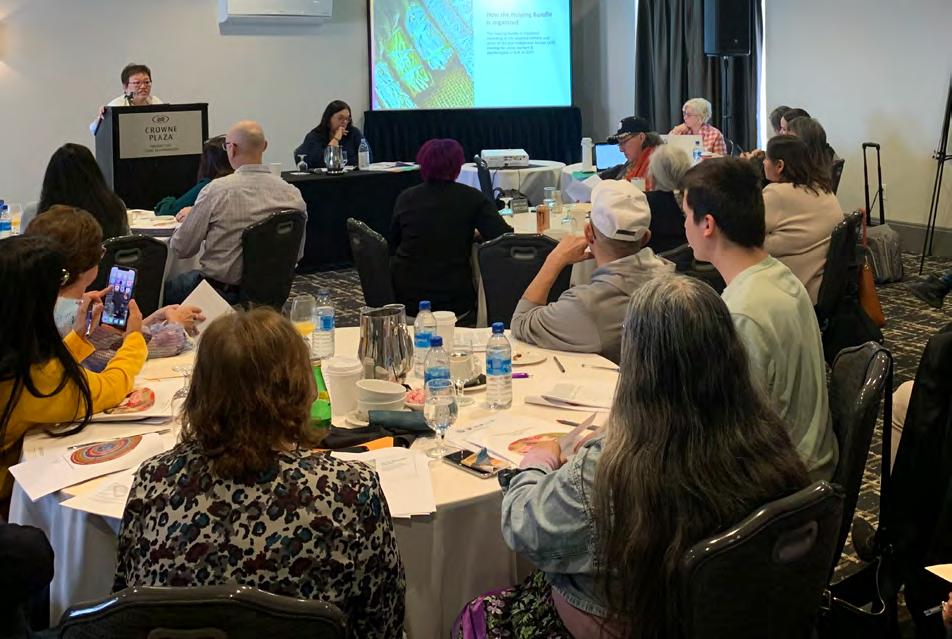
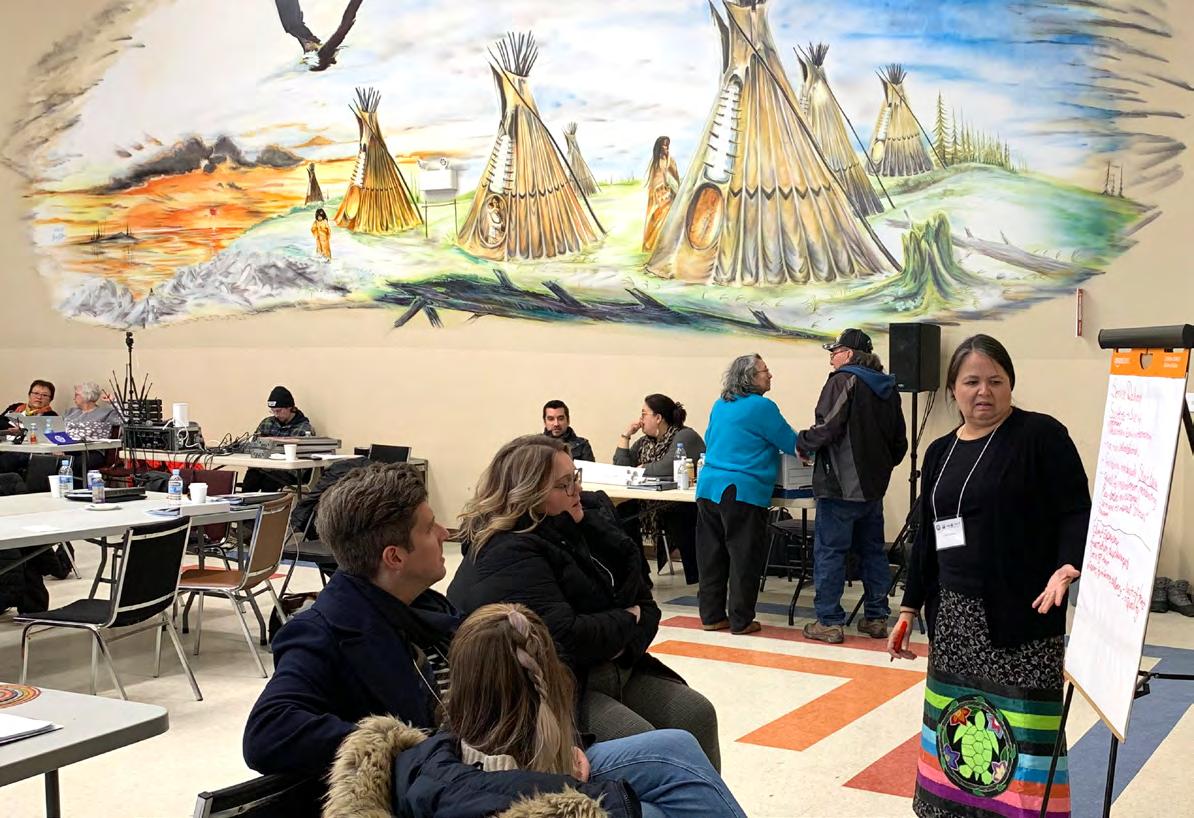
One of the project’s important successes was a commitment to the wise practice of Centring Indigenous Voices. First Nations people co-led all aspects of curriculum development, as well as the creation of the Helping Bundle, piloting the training, evaluation and reporting. A post-training survey indicated that both Working Group members and First Nations community members felt they had meaningful opportunities to contribute to the curriculum and that their voices were heard. Additionally, Mentors identified that they felt empowered and recognized for their knowledge and experience.
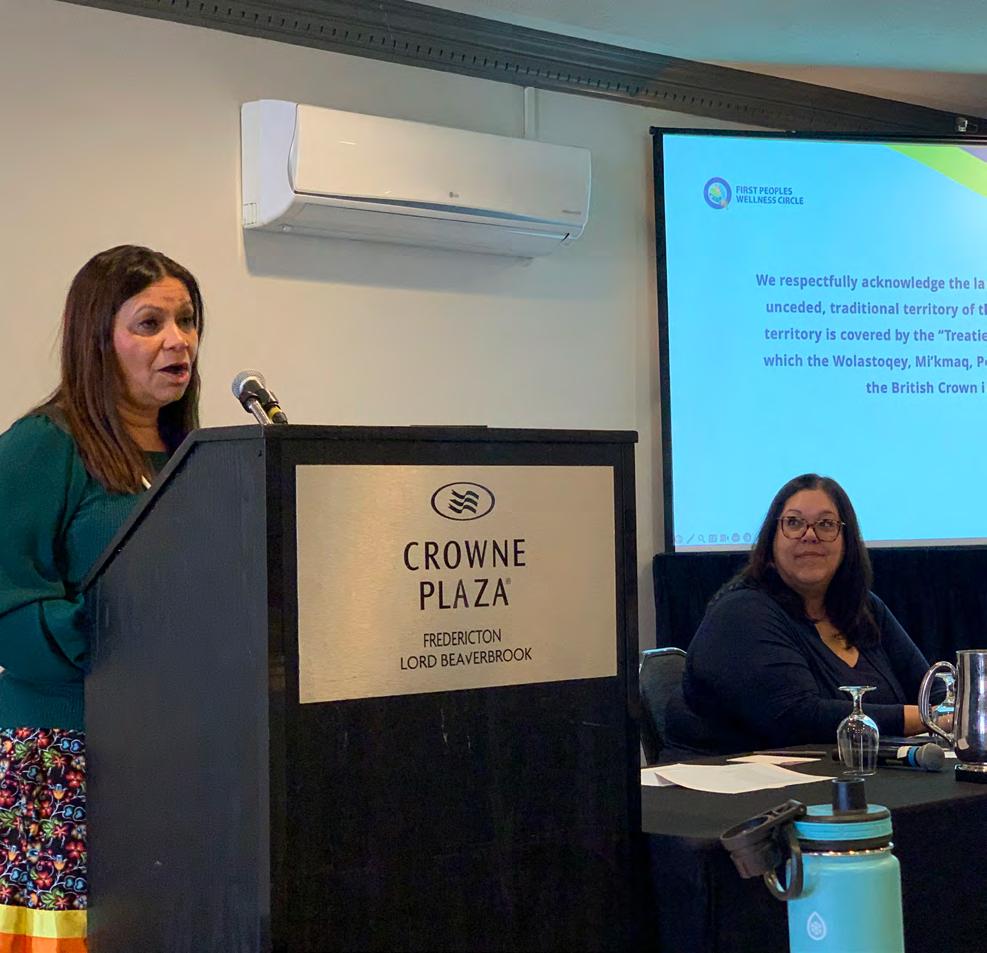
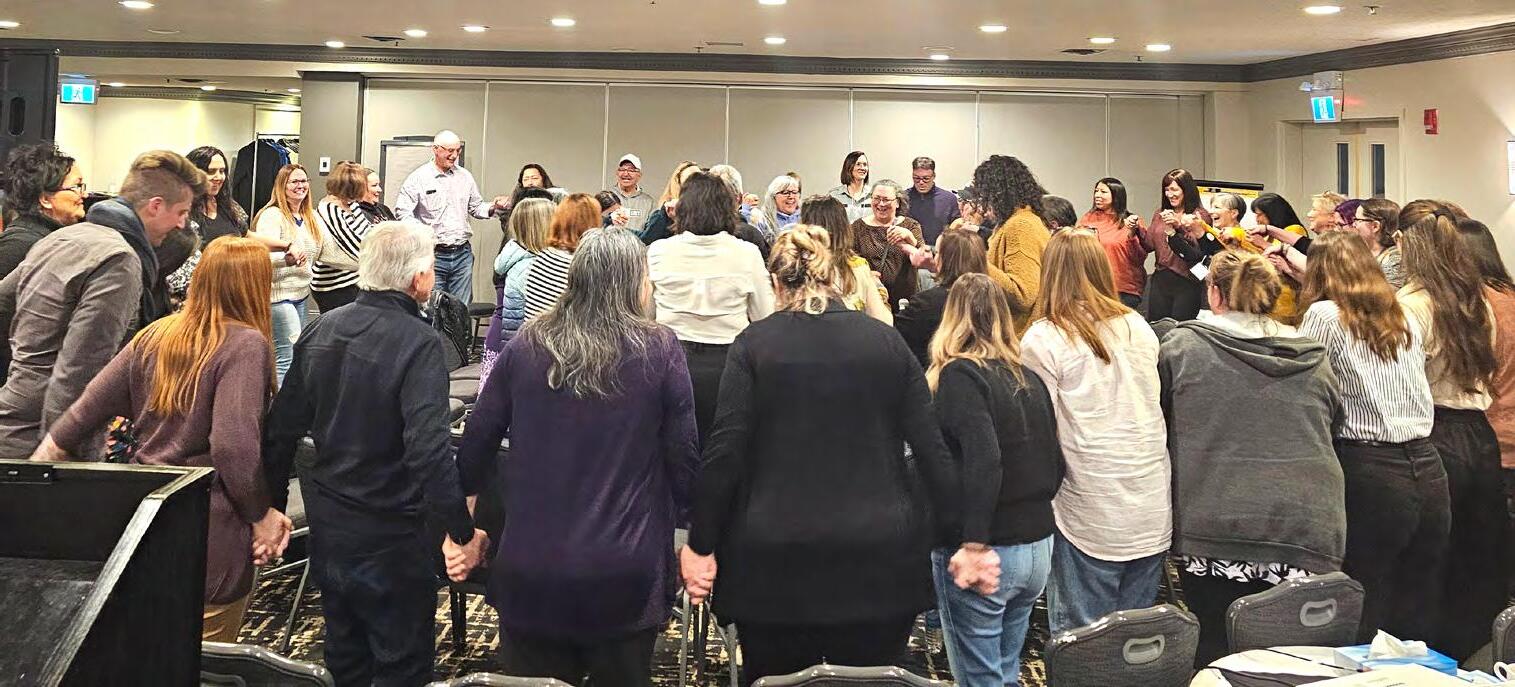
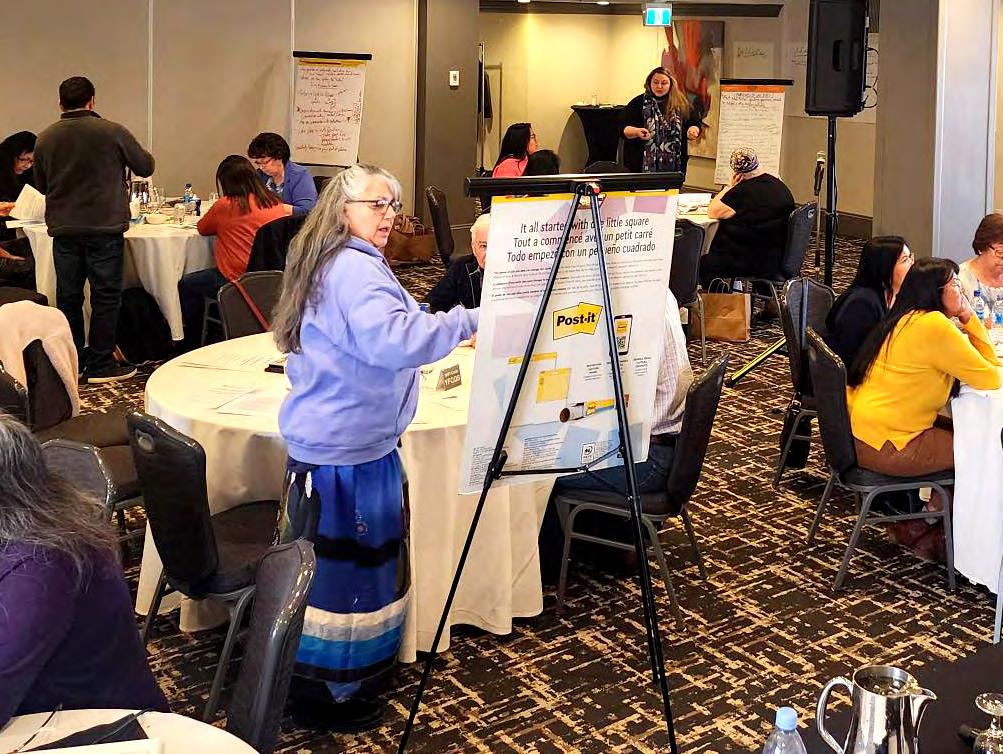
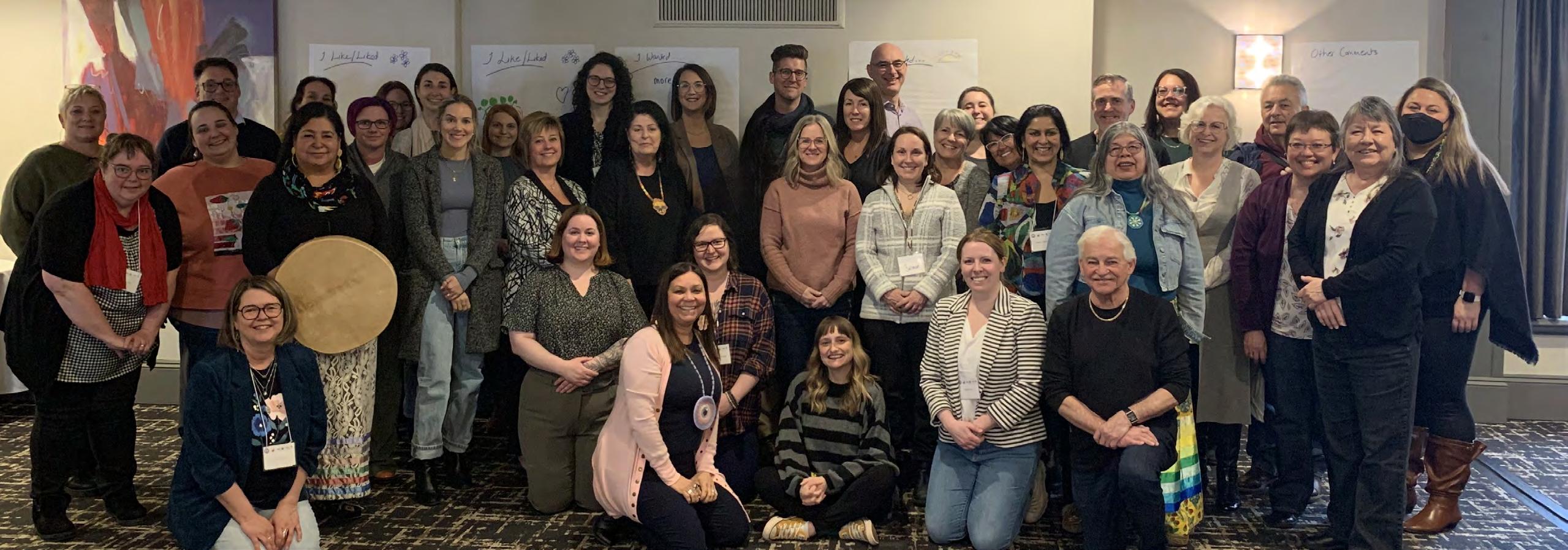
Figures 8, 9 & 10.
In-person training sessions
One example of the impact of Mentor knowledge and experience were adjustments made to the curriculum prior to training sessions. In one example, instead of asking participants to stand up and respond to questions on white privilege, Mentors suggested providing beads and a cord for this exercise. This came to be known as “the bead exercise.” This exercise used a selection of Dina GilioWhitaker’s (2018) questions to increase awareness of settler privilege and asked Mentors and Learners to put a wooden bead on a string each time they could answer “no” to a question. In all cases, Learners had more beads than their Mentors.
Every Learner (100%) who completed the evaluation survey shared that they found this exercise impactful and that it helped them learn about their own privilege and unconscious biases.
Learners’ expectations for the training were consistently exceeded. All Learner survey respondents (100%) said they would recommend the training to their colleagues. The majority of respondents
(96%) shared they plan to continue using the training materials in their future work. Survey responses also highlighted strong relationship-building between Learners, Mentors, Elders and communities with many expressing a desire to stay connected and to continue learning together beyond the project timelines.
In terms of learning outcomes, all Learners (100%) who completed the evaluation survey identified that the training provided them with new knowledge and skills to improve their ability to offer culturally safe care to First Nations people. Specifically, all respondents reported an increase of awareness of cultural safety, personal biases and privileges, as well as First Nations culture and the role of culture in mental wellness of First Nations people.
“As a result of discussions in the room about change and intentions, as well as plans for change, humility was a bigger part of my learning at the second session. It’s important to carry that lesson forward. In general, I am finding the sessions helpful, instructive, and particularly in relation to the community visit, very restorative and revitalizing.”
Learner
“The notion of creating a “safe space” really shifted for me, namely that I can’t choose what safety means for others. The redefinition of “vulnerable people” (people we oppress through policy choices and discourses of racial inferiority) also was eye opening and a game changer for me. I plan to keep these ideas in mind (as well as explore my unconscious biases) and apply them to my daily work, and share them with my colleagues and superiors (because the way we use our power and privilege matters).”
Learner
Mentors identified that one of the most valuable aspects of the training was the opportunity for the Mentors to come together as a team and know they could rely on each other as the group had a wide range of experience and knowledge. The majority of Mentors (90%) who completed the evaluation survey stated that the Facilitator Manual and training resources were useful.
Another key success was the community visits. Survey results showed that all Learner survey respondents (100%) expressed that time invested in the community visits was worthwhile, and they would recommend a community visit to their colleagues.
“My personal learning goals were advanced by being able to visit a First Nation Community, hearing from survivors, and participating in several ceremonies including completing the blanket exercise; all these learning opportunities really enhanced my knowledge and awareness around First Nations’ history and culture.”-
Learner
“I have a better understanding now of what is available to the clients that I work with from that community and surrounding First Nation communities so I can know when and where to connect people to services that might be helpful to them.

Beyond gaining an understanding of cultural safety, putting the teachings into practice is a critical step towards addressing anti-Indigenous racism within the healthcare system. 87.5% of Learner survey respondents indicated they would apply what they learned at work in the following ways:
• Creating culturally relevant and safe physical spaces.
• Changing ways of providing services.
• Sharing with colleagues.
• Evaluating policy.
• Advocating on behalf of Indigenous peoples.
• Teaching.
• Continuing learning, critical reflection and cultural humility.
After the Helping Bundle session, all respondents (100%) said that they felt the Helping Bundle will be a useful tool for First Nations and that the session enhanced their understanding about cultural competencies for mental health service providers
“I own a private practice and I want to have discussions with my staff regarding information shared and how we can improve being allies. It will also be greatly important for me to continue learning and get my staff to learn more as we are supporting a lot of youth that are Indigenous.”
Learner
“We felt surrounded by a spirit and light that the Elders brought by sharing their knowledge and wisdom.”
The participation of and support from Elders throughout the training was recognized by all AIR Project participants. Both Mentors and Learners expressed that the Elders provided a safe space to learn and explore difficult topics
Throughout the project, key learnings were gathered through the evaluation process. These learnings helped identify important considerations for completing a curriculum of this size and scope, which was resource-intensive and required significant commitment from all participants. These learning should be taken into account with future work with expanding on or delivering the training.
The work of the AIR Project was completed within tight timelines that were identified by the funder. Relationship-building takes time, and these types of time constraints can limit that process. An advantage for the AIR Project was that relationships between Mentors, Learners, Working Group members, and other participants were already established. This significantly reduced the time needed to build trust and connections compared to a group that is meeting or working together for the first time. Ensuring appropriate time for establishing new relationships as well as growing and nurturing existing relationships is a foundational aspect for delivering the training in the future.
The AIR Project benefited from the readiness of Learners who were highly motivated to engage with difficult topics, including examining and addressing their own biases and privileges. This level of readiness is not always present. NonIndigenous organizations and staff may need preparation to understand the commitment and learning required before training. They may also need significant time and support during the training to help them engage with and reflect on difficult topics, particularly those related to bias and privilege.
Another key learning was that the administration work and staffing demands to complete the AIR Project were extensive, even with the support of consultants. The project required a large staff with a wide range of skills, including strong administration and coordination capacities, subject matter expertise, and effective relationship building skills – while working under tight timelines. Ensuring adequate staff capacity – at least 20 people – was essential for the completion of the curriculum as well as the evaluation and reporting components. Any future training initiative should be aware of the staffing demands and have adequate staffing support.
Staff also needed to ensure that support for Elders and Mentor was built into the training, including being active members of the working group in developing the content of the training, so that their involvement was not transactional or extractive. Elders and Mentors were highly attuned to Learners and played an essential role in creating safe spaces for discussion, reflection, and providing emotional care. However, the heaviness of the work required time and space for Mentors and Elders to rest and reflect. Therefore, how reciprocity (taking care of each other) will be carried out must be clearly communicated, understood and upheld throughout the training The care of Elders and Mentors needs to be carefully and thoughtfully laid out in any future sessions.
Recognizing the heaviness and complexity of the topics of anti-racism training, access to Elders and mental health professionals (Indigenous and non-Indigenous) were critical and useful to ensure safety for all when discussing emotionally charged topics of racism, discrimination and privilege. It was also important to ensure Mentors had sufficient preparation time before delivering sessions. As part of the evaluation, Mentors provided the feedback that preparing for and leading community visits was time intensive. Engaging the appropriate community service providers required extra preparation time, which should be a key consideration in future planning.
The following recommendations focus on key learnings, participant feedback and next steps:
and Instructional Methods
• Participants stated that the majority of the curriculum could be portable to other jurisdictions. For next steps, components of the training would need to be uniquely developed so the content focuses on local Indigenous history and local MWTs and mental wellness services. Adapting the training to local communities should also, when possible, work to incorporate regional languages.
• While expanding the training to other jurisdictions is desirable, there needs to be considerations for staff capacity, particularly if regional changes to the existing curriculum need to be made. Delivering the curriculum is resourceintensive and requires experience in administration, coordination, evaluation, reporting and relationship building.
• Portability of the curriculum, particularly relationship building between First Nations and nonIndigenous service providers, needs to extend to remote communities. Whether mental wellness services are provided through telehealth or in the community, ensuring that non-Indigenous mental wellness service providers are culturally competent and incorporate traditional Indigenous teachings and healing strategies is important for services to be safe and effective.
• Specific changes to the training process to help support Mentors in preparing for and delivering the training could include:
• Increase Mentor Training to 2 sessions, each lasting 2 days, spaced at least two weeks apart to allow Mentors more discussion and reflection time to prepare for their roles and experience a practice delivery during the second session.
• During the Mentor Training, include a discussion on the degree of flexibility Mentors have to deviate from the curriculum materials while still ensuring that all content in the curriculum is delivered.
• Schedule sessions, including the community sessions, well in advance and prior to recruiting Learners so participants can better accommodate training days.
• Training sessions should be scheduled approximately monthly over 4 to 5 months.
• Learners who completed the pilot had a high degree of readiness, and were prepared to self-reflect. However, additional support and time to reflect on complex topics such as unconscious bias, privilege, systemic racism, trauma, and culturally safe methods of delivering mental health services would be beneficial:
• These topics require deep reflection on oneself, the intergenerational experiences of First Nations people and systemic oppression. The topics also require reflection and exploration on how to change one’s practice (perceptions and intervention methods) and physical environments (e.g., counselling practice offices, communitybased settings, etc.).
• Methods to further support this reflection, could include more time spent on these topics in discussion, guided journaling, additional reflection prompts and ongoing mentorship.
• The curriculum and Helping Bundle can help support and clarify Indigenous cultural competency standards for professionals. Next steps could include working to obtain training accreditation and pursuing additional relationships with provincial and national professional regulatory associations:
• Recognition of the training would enhance accessibility for members who are required to obtain ongoing professional education credits.
• Professional associations can promote, support and facilitate their members’ cultural competency training.
• In addition to the Canadian Psychological Association, there are other associations where relationships should or could be nurtured, such as:
• College of Psychologists of New Brunswick and the New Brunswick Association of Social Workers
• Mi’kmaq Wolastooqiyik Association of Social Workers
• Canadian Association of Social Workers
• College of Counselling Therapists of New Brunswick
• Canadian Counselling and Psychotherapy Association
• Canadian Federation of Mental Health Nurses
• Registered Psychiatric Nurse Regulators of Canada
• Canadian Psychiatric Association
• The training is resource-intensive and requires support and funding to be expanded and effectively delivered on an ongoing basis. Helping to ensure sustainability of the training could include:
• Transitional year of funding to build on networks and resources for the future (in progress).
• Dedicated, multi-year funding provided federally, provincially and/or by regional health authorities.
• Making the training mandatory for professionals providing services to First Nations.
• Identifying a host organization to deliver the training for a profit or costrecovery venture.
• Organizations or individuals who would like to receive the training could pay the organization delivering it.
• Collaborating with other parties for ongoing delivery (e.g., Mi’kmaq Wolastooqiyik Association of Social Workers).
Figures 11. In-person training session.
• To build on the successes of the AIR Project, and with the proper funding and support, the training could also be expanded in the following capacities:
• Modify the curriculum for other regions in Canada.
• Test and further develop the Helping Bundle of First Nations standards for culturally safe mental wellness service delivery.
• Provide additional opportunities for Mentors in New Brunswick to enhance their readiness and skills to deliver the curriculum.
• Achieve accreditation and ongoing relationship building with professional associations and universities.
• Develop a community of practice for Indigenous and non-Indigenous professionals providing mental health services.
• Continue to work with other sectors beyond mental health providers and healthcare (e.g., justice, emergency management sectors).
The AIR Project worked to enhance cultural safety and address racism and discrimination within New Brunswick’s healthcare system. It was guided by an environmental scan, literature review, and wise practices to help ensure meaningful learning and working in respectful and accountable ways with Indigenous communities. The curriculum development and piloting process focused on having Indigenous voices, experiences and knowledge guide the work. Evaluation of the training, with a specific focus on examining the process and participant feedback showed that it was successful in increasing Learners’ knowledge of local First Nations history, culture and services and increasing awareness of unconscious bias, privilege and systemic racism. The project also helped cultivate relationships between First Nations service providers, First Nations communities and non-Indigenous mental health providers. Participants identified they continued to nurture and grow these relationships following the training.
The creation of the Helping Bundle document was a meaningful and impactful experience for all participants. The document offers reflection questions, helping individuals and organizations assess their understanding of key concepts related to First Nations history, wellness, cultural safety and culturally grounded practices. It is also a tool for professional associations to help enhance their members’ practice standards in delivering culturally relevant services to First Nations and to enhance meaningful collaboration with First Nations communities. The Elders’ inspiration to create a physical Helping Bundle reflects how emotionally and spiritually significant the process to create this document was, and the importance of the relationships that were cultivated and nurtured along the way.
Another key aspect of the curriculum was that participants identified how the training had high portability to other regions. For next steps, the curriculum could be adapted for other regions, which will help ensure relationships with non-Indigenous workers, organizations, associations and universities continue to be cultivated across Turtle Island. While the evaluation showed the training to be effective, it was also resourceintensive and required extensive staff support and a significant commitment from all participants including Elders, Mentors, and Learners. This needs to be taken into consideration for any future training initiatives.
The AIR Project was a successful collaborative effort, led by and for First Nations people. The final curriculum helps address the Truth and Reconciliation Calls to Action and supports further implementation of the Framework. The curriculum is grounded in First Nations knowledge, using culture as a foundation for learning and connection, and can help ensure a safer healthcare system for First Nations people across Turtle Island.
“The success of the pilot was due to a number of different factors – too many for me to identify at this point. It was the right combination of the Working Group individuals who oversaw the process, the contractors who worked on developing the Helping Bundle, the Elders who assisted the process, the Mentors who applied and were accepted and the Learners who took part. Despite the challenges of time being compressed, it was the right time and the right process for the Helping Bundle to come into being and it was appropriate that it started here in the east [where the sun rises and the Sacred Hoop [was first broken].”
Mentor
1. Assembly of First Nations, First Peoples Wellness Circle, Thunderbird Partnership Foundation & Health Canada. (2015). First Nations Mental Wellness Continuum Framework. First Nations Mental Wellness Continuum Framework
2. Gilio-Whitaker, D. (2018, November 8). Unpacking the Invisible Knapsack of Settler Privilege. Retrieved from https://radicaldiscipleship.net/2018/11/13/unpacking-theinvisible-knapsack-of-settler-privilege/
3. Knowles, M. S. (1984). Andragogy in Action. Applying Modern Principles of Adult Education. San Francisco, CA: Jossey Bass.
4. Kovach, M. (2009). Indigenous Methodologies. Characteristics, Conversations, and Contexts. Toronto, ON: University of Toronto Press.
5. Statistics Canada. (2024). Health Care Access and Experiences Among Indigenous People, 2024. https://www150.statcan.gc.ca/n1/daily-quotidien/241104/ dq241104a-eng.htm
6. Truth and Reconciliation Commission of Canada. (2015). Truth and Reconciliation Commission of Canada: Calls to Action. Retrieved from https://ehprnh2mwo3. exactdn.com/wp-content/uploads/2021/01/Calls_to_Action_English2.pdf