Collective Voices, Shared Wellness
Collaboration and Growth in Action
It is my honour to present this year’s Annual Report on behalf of the Board of Directors.
Over the past year, First Peoples Wellness Circle (FPWC), has continued to demonstrate resilience, commitment, and a deep sense of purpose in serving our stakeholders, the Indigenous Mental Wellness Workforce and the Indigenous communities we have served. Guided by our Purpose and Hope, we have worked collectively to strengthen our programs, respond to emerging needs, and build meaningful relationships grounded in trust and respect.
This year brought both opportunities and challenges. Through it all, we remained focused on accountability, transparency, and good governance. The Board has prioritized establishing a good governance framework related to strategic oversight, financial stewardship, and support for our leadership team to ensure the long-term sustainability of our organization. The Board explored necessary competencies for current and new board members, seeking to identify competencies that are grounded in Indigenous knowledge and practices. It is our intention to use these competencies for recruitment and evaluation of the Board in fulfilling its responsibilities.
We continue to recruit individuals with similar values and experience working in Indigenous mental wellness to join FPWC Board of Directors. I’m so pleased to welcome our newest board member Dr. Quintina Bearchief-Adolpho
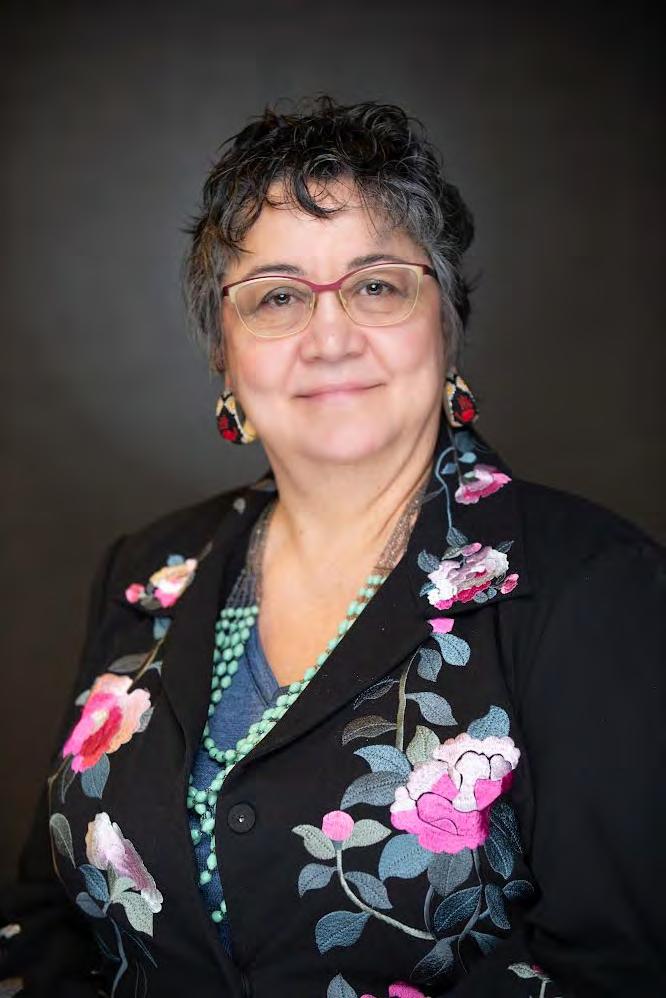
(Naatoyaimoniisaakii) to the Board. She is a member of Siksika Nation in Alberta. She brings a wealth of knowledge in the area of child, youth and school mental health and working with Mental Wellness Teams. I’d also like to thank Brent Bisaillon for his commitment and work with FPWC’s Board over the last couple of years. I would also like to welcome Albert McLeod as the newest Thought Leader to our Board. He is a well-respected Knowledge Carrier from Nisichawayasihk Cree Nation and the Métis community of Norway House in Manitoba who has worked tirelessly for the rights of
2S-LGBTQIA+ people. He has also worked in the area of HIV education, Indian Residential Schools (IRS) programs, cultural reclamation and language workshops.
Our theme of ‘Collective Voices and Shared Wellness: Collaboration and Growth in Action’ is demonstrated through our daily work. We are especially proud of the progress made in advancing our strategic priority of Growth as we seek to provide a variety of training opportunities that are now certified by the Indigenous Certification Board of Canada (ICBOC) and build the competencies of the workforce. I’m eager for our members to explore resources through our newly curated Knowledge Exchange and Resource Sharing Hub, especially those we’ve created in child and youth mental wellness and dementia. We’ve also advanced our strategic priority of Collective Intelligence as we continue to build tools for the use of the Place Based Evaluation and Monitoring Tool, advance processes to address anti-Indigenous racism and contribute to community based research.
These accomplishments would not have been possible without the dedication of our staff, partners, and stakeholder relatives.
On behalf of the Board, I extend sincere gratitude to our CEO and FPWC staff for their leadership and unwavering commitment. We also acknowledge our funders and partners whose support continues to make this work possible.
As we look ahead, we remain committed to strengthening our impact and continuing to walk alongside the communities we serve with humility, respect, and shared purpose.
Maarsii Denise McCuaig
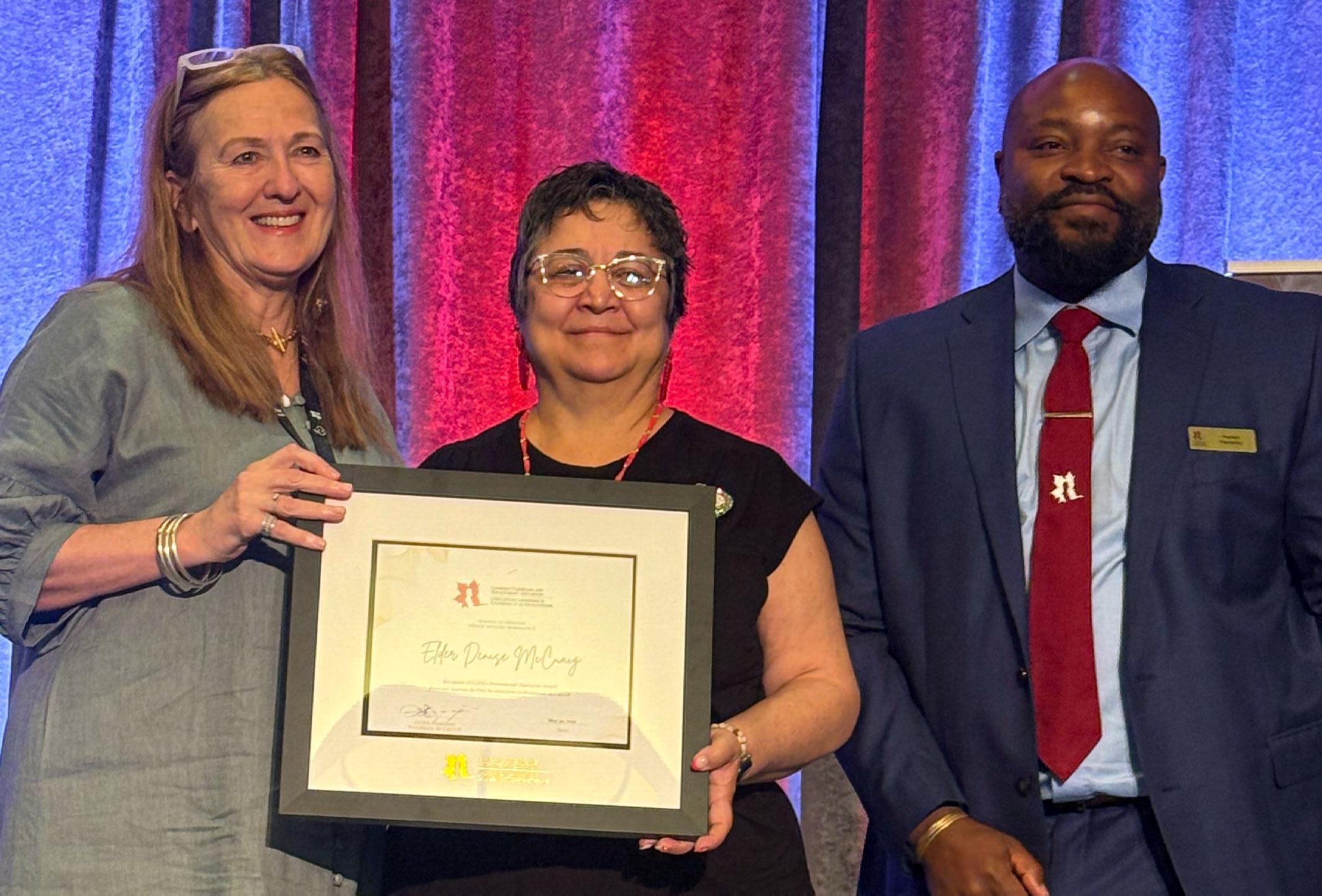
We congratulate our Chairperson, Denise McCuaig, on receiving the 2025 Professional Champion Award from the Canadian Counselling and Psychotherapy Association in May 2025. This honour recognizes her dedication to advancing mental health and the counselling and psychotherapy profession in Canada. A proud Métis woman and respected Elder, Denise’s leadership has shaped Indigenous health equity and culturally safe care for First Nations, Inuit, and Métis communities.
It is a privilege to share this Annual Report and reflect on the work we have accomplished together over the past year.
Our theme this year is Collective Voices, Shared Wellness: Collaboration and Growth in Action which has been characterized by one of growth, learning, and continued commitment to the people and communities we serve. In a time of evolving needs and opportunities, our organization has remained grounded in our Purpose by working alongside our stakeholder relatives, the Indigenous Mental Wellness Workforce to bring forward their collective intelligence in work that focuses on healing, peace making and living a good life.
We have made meaningful progress across our key priorities, including the launch of our Knowledge Exchange and Resource Sharing Hub which provides those working in mental wellness access to a large repository of curated resources that are grounded in Indigenous Knowledge. We’ve expanded our access to training with new learning opportunities related to child and youth mental wellness and intergenerational healing. We also introduced new curricula and resources for those working with children, youth, and those supporting individuals living with dementia. We are proud to have continued to advance work on the Workforce Wellness Strategy with the release of the Wellness Worker Self-Assessment Toolkit.
We strive to ensure the voice, experience and priorities of the workforce are woven throughout all of our work. This year we’ve engaged our National Advisory Circle (NAC), in the design of our projects, heard about their experience in Health Emergency Management, sought out their needs in supporting relatives living with dementia and the successes and needs of Mental Wellness Teams. We’re so proud of the recent launch of our newest podcast, Rekindling the Fire: Supporting Workforce Wellness Together, which raises the voices of our workforce and is intended to support their wellness. Our research work across child and youth mental wellness, workforce equity, health emergency management and healing are further efforts to share collective intelligence that is in action across First Nations and other Indigenous communities.
All of these efforts reflect the dedication and passion of our staff, whose work continues to make a difference every day.
Looking forward, we are excited about our opportunity to renew and update the First Nations Mental Wellness Continuum Framework (the Framework) in the coming year. This will be an opportunity to review successes and how we can continue to advance First Nations mental wellness in all programs and policies. We will also be extending our work in child and youth mental wellness to create resources and programs for Indigenous students and wellness in schools.
FPWC is so proud to announce that we will be co-hosting the 10th International Gathering, Healing Our Spirit Worldwide (HOSW), in 2028 with our Sister Organizations: Thunderbird Partnership Foundation, First Nation Health Managers Association, and Youth Solvent Addiction Committee. We will be working closely with our Gathering Coordinator, who will lead the planning to ensure a successful gathering. We’re grateful for the support of Indigenous Services Canada as we plan for HOSW 2028.
At the heart of our success is relationships— relationships with community, with partners, and with one another. We recognize that true impact is built on trust, collaboration, and a deep respect for the knowledge and strengths that exist within the communities we serve.
I want to express my sincere gratitude to our Board of Directors for their leadership and guidance, as well as to our funders and partners for their ongoing support. Most importantly, I acknowledge our staff and the Indigenous Mental Wellness Workforce whose voices, experiences, and commitment shape our work in meaningful ways.
As we look ahead, we remain focused on meeting our Purpose—continuing to grow, strengthen our impact, and walk forward together in a good way.
Miigwech
Dr. Brenda Restoule
Growth focuses on building capacity that empowers First Nations, Inuit, and Métis.

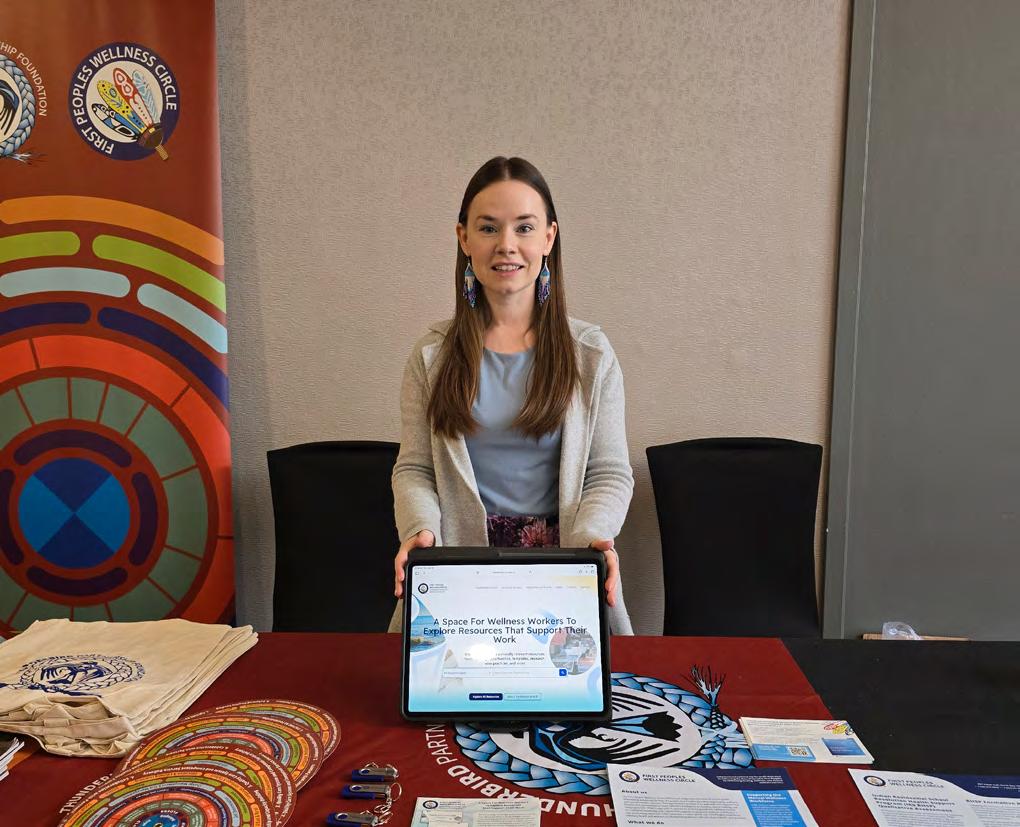
The launch of the Knowledge Exchange and Resource Sharing Hub (Resource Hub) in 2025 was a meaningful step in supporting the work of the Mental Wellness Workforce. This centralized online space holds a diverse range of culturally relevant resources, practical tools, and wise practices, which are all essential for our Mental Wellness Workforce. Shared broadly across the workforce, it provides an accessible and welcoming hub to explore and find resources that directly support their daily work.
The Resource Hub is interactive and features hundreds of carefully gathered resources. Finding resources is intuitive, as they can be searched by keyword, filtered by type and topic, and accessed through specialized Resource Bundles on curated themes. This Collective Intelligence, built on shared knowledge and experiences, is another foundational piece for addressing broader wellness challenges and strengthening the workforce as a whole.
The Resource Hub is a reflection of people, compassion, and countless pieces of knowledge that support the well-being of individuals, families, and communities. It supports the growth of our workforce and advances collective intelligence, builds workforce capacity, and addresses wellness challenges.
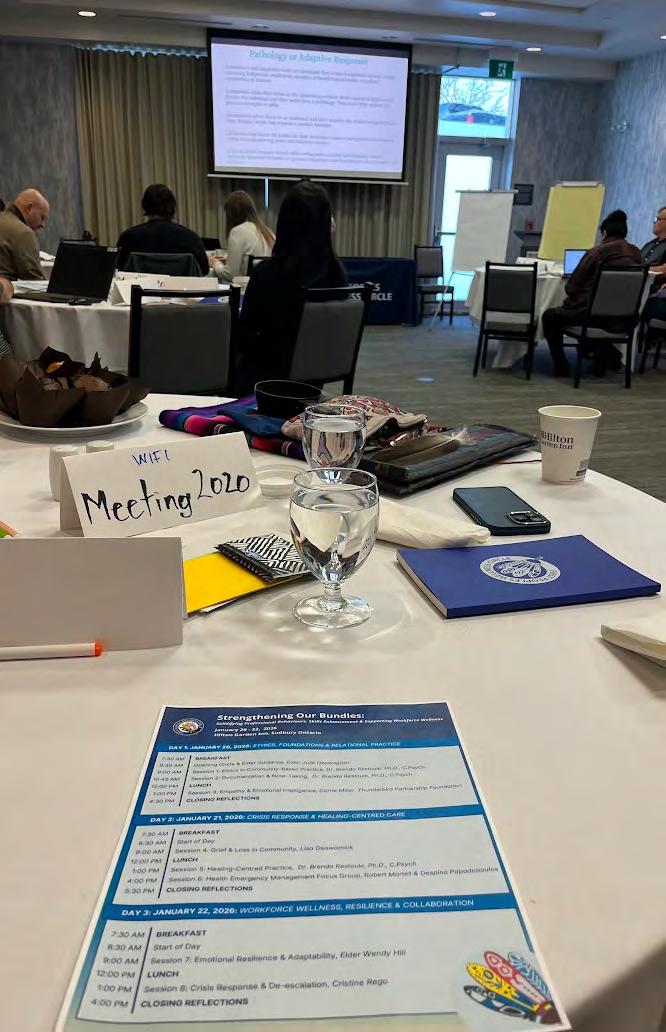
From January 20-22, 2026, FPWC hosted a regional training in Sudbury, Ontario titled Strengthening Our Bundles: Solidifying Professional Behaviours, Skills Enhancement & Supporting Workforce Wellness.
Sixteen workforce members from across Ontario participated in the training, including members of Mental Wellness Teams, Crisis Response Teams, Indian Residential School Resolution Health Support Program workers, and Cultural Support providers. Informed by findings from the Ontario Mental Wellness Teams: Current State Analysis report, participants received training on a range of topics, including Ethics in Community-Based Practice, Documentation & Note-Taking, Empathy & Emotional Intelligence, Grief & Loss in Community, Healing-Centred Practice, Emotional Resilience & Adaptability, and Crisis Response & De-escalation.
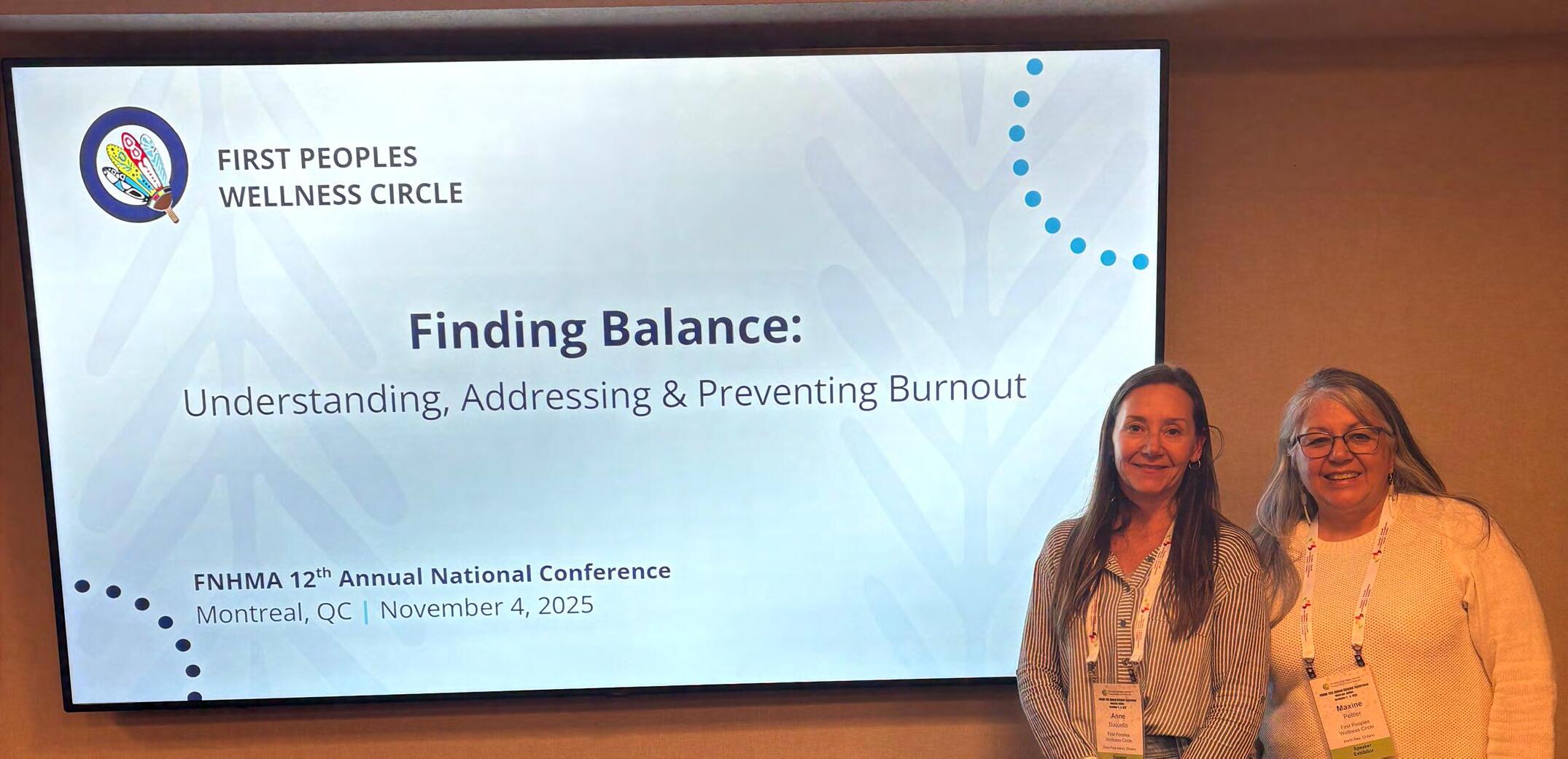
On November 4, 2025, FPWC delivered a full-day pre-conference, workshop on Understanding, Addressing & Preventing Burnout at the First Nations Health Managers Association (FNHMA) National Conference in Montréal, Québec.
This workshop brought together 30 health managers and leaders working in First Nations communities to focus on understanding and addressing burnout, which is an urgent challenge. Through roundtable discussions, reflection exercises, and collaborative solution sharing, participants explored roots, signs,
symptoms, and impacts of burnout at the individual, organizational, and systemic levels. The workshop also created a space to share wise practices and lived experiences while building connections with other health professionals committed to sustaining wellness in care-based roles.
This workshop emphasized the importance of shared responsibility among managers and supervisors to lead with awareness, empathy, and accountability, urging them to recognize and address burnout in themselves and within their teams.
The 2025–26 Learning Circle series offered sessions grounded in Indigenous Knowledge and community defined approaches to wellness. Participants were welcomed into learning spaces that emphasized wholistic wellness, intergenerational healing and respectful relational dialogue, including a blend of Indigenous and Western perspectives. Each circle encouraged reflection, storytelling, and practical skill development.
The series highlighted the essential role of Knowledge Carriers, specifically in nurturing resilience, restoring balance, and strengthening relationships, while offering tools to help the workforce navigate trauma, healing, and hope in culturally rooted ways. In total, 14 Learning Circles were held, and they were led by Knowledge Carriers and professionals from diverse Nations. Over 350 participants attended the sessions, which were guided by Hope, Belonging, Meaning, and Purpose.
• Total number of Learning Circles facilitated: 14
• 76% of respondents reported an increase in knowledge.
• Total number of participants this fiscal year for all Learning Circles: 357
Session topics included:
• Guided by Spirit: The Life and Teachings of Geraldine Wahianoron Standup
• Miikaans Teachings
• The Power of Belonging: Inviting in Our Kin
• Building our Bundles & Working with Spirit
• The Power of Hope
• Honouring your Spirit, Knowing your Limits
• Trauma‑informed Communication
• Creating Safer Spaces: LGBTQ2SA+
• Crisis De‑escalation with Children and Youth
• Healing from Family Violence
• The Power of Prayer and Sacred Connection
• Baby’s First Bundle
• Integrating EMDR into Personal & Community Healing
• Understanding Dementia
The Learning Circles received positive and meaningful feedback:
96% of respondents reported that the subject matter of the Learning Circle was extremely valuable to their work.
“The
me
knowledge I gained will help
to support clientele and my staff seeking traditional support.”
- Guided by Spirit: The Life and Teachings of Geraldine Wahianoron Standup
“Helps me understand my clients needs and what life path they are walking”
- Miikaans Teachings, with John Rice
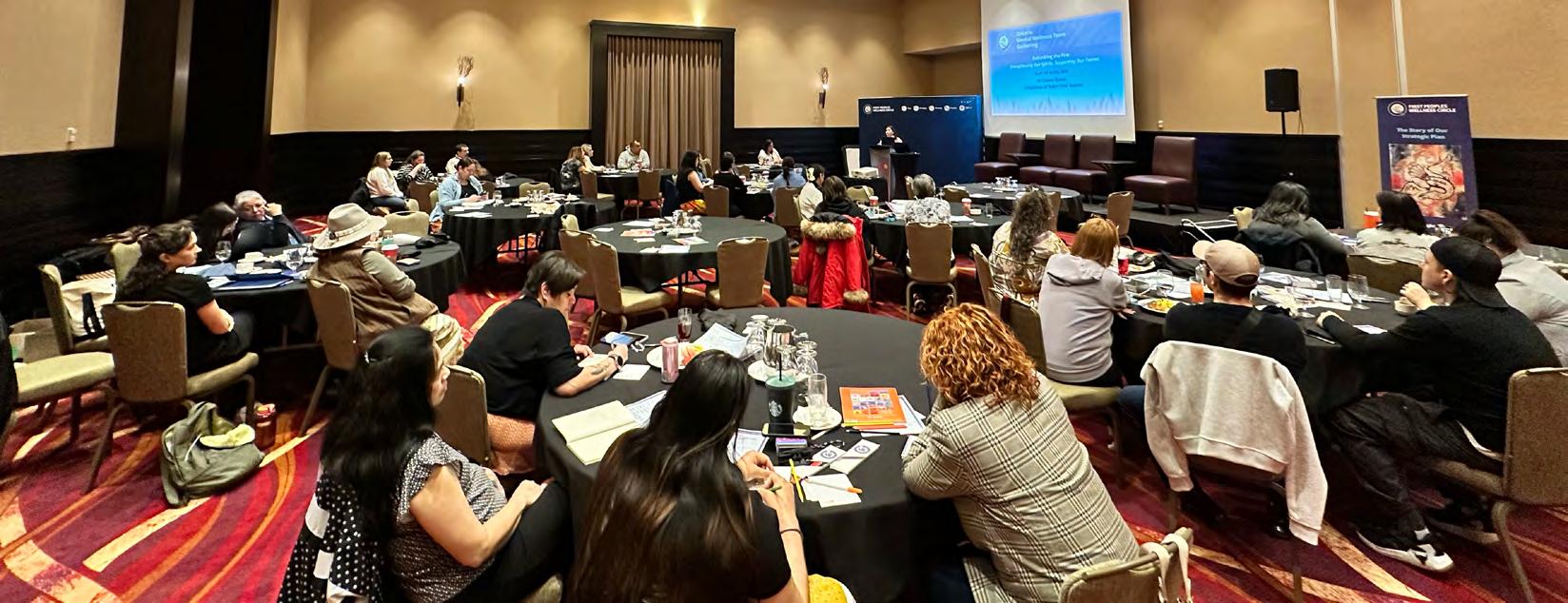
From April 7-9, 2025, in Rama First Nation, 34 participants representing 13 Ontario Mental Wellness Teams gathered to reflect on their shared experiences and to formally receive the findings of the Ontario Mental Wellness Teams: Current State Analysis.
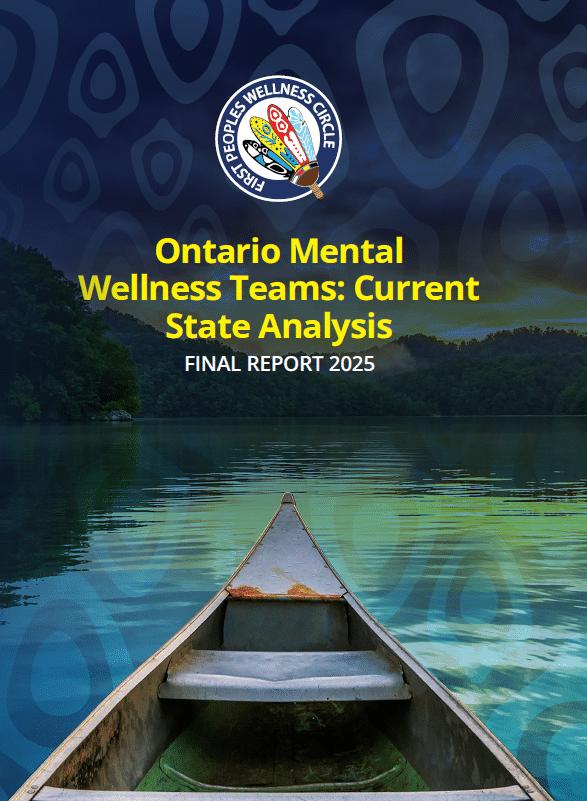
Now available in both English and French, the final report reflects extensive engagement with teams across the province and documents the realities of delivering mental wellness services in First Nations communities. It captures workforce strengths, service pressures, structural challenges, and system-level considerations grounded in the lived experiences of Mental Wellness Teams.
Grounded in the First Nations Mental Wellness Continuum Framework (the Framework), the gathering created space to share the findings in a relational way. Rather than simply presenting results, the report was introduced and shared with the teams by whom it was shaped. Participants were invited to reflect on what resonated, validate the findings, and identify priority areas requiring attention to strengthen sustainability.
Over three days, participants advanced:
• Strengthened crisis response capacity through the pilot and validation of the Indigenous Crisis Debriefing Model.
• Built practical skills through workshops on trauma-informed care, compassion fatigue, coordinated models of care, and workforce wellness.
• Engaged with and validated the Ontario Mental Wellness Teams: Current State Analysis in alignment with the Framework.
• Reinforced culturally grounded, community-based approaches to service delivery.
Relationships
• Deepened peer connections across Ontario Mental Wellness Teams.
• Shared wise practices and lessons learned to strengthen collaboration and mutual support.
• Identified shared challenges impacting retention, capacity, and service delivery.
• Generated peer-informed strategies to address workforce wellness, data collection, coordination, and funding systems.
• Confirmed priority areas requiring coordinated and sustainable system investment.
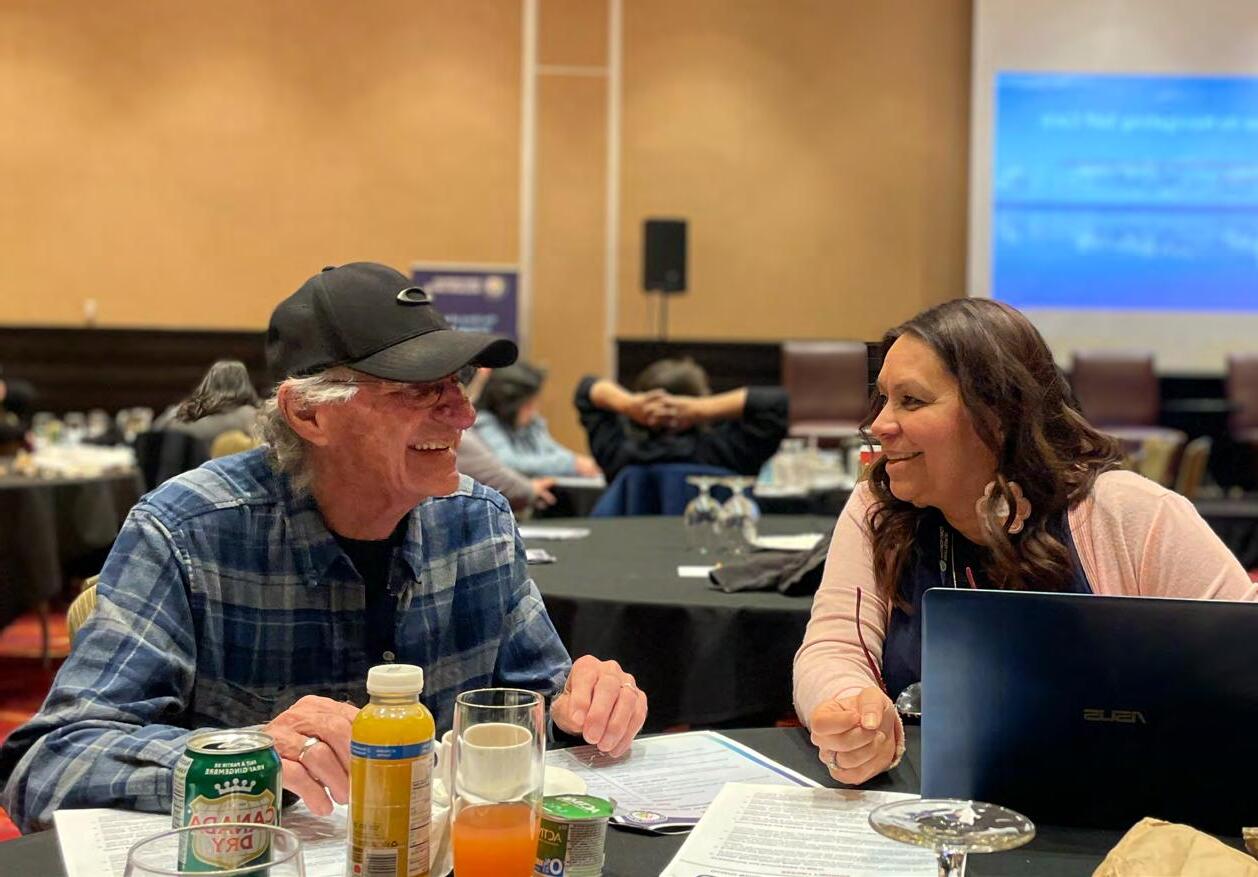
Elder Danny Manitowabi and Dr. Brenda Restoule sharing stories and laughter.
By pairing the release of the report with inperson dialogue and shared learning, the gathering ensured the findings became a living tool, one that informs planning, strengthens relationships, and supports coordinated action.
Together, the three days reaffirmed a shared commitment to sustaining Ontario’s Mental Wellness Teams and advancing culturally grounded mental wellness services across the province.
The Workforce Wellness Strategy (WWS) continues to guide and strengthen our support to the Mental Wellness Workforce. Intentionally designed based on lived experience and the realities of frontline work, the WWS outlines practical actions across three interconnected levels: Individual, Organizational & Environmental, and Systemic.
This year, we advanced implementation of the WWS through the development of new tools and resources, which will be released to the workforce in 2026.
This planning tool supports the physical, mental, emotional, and spiritual well-being of those working in the Mental Wellness Workforce. It provides a structured yet flexible approach for individuals and teams to reflect on values, set intentions, and identify areas of strength and growth.
A key milestone was the translation of the WWS into French, strengthening equitable access and supporting national engagement by Francophone teams.

Using a wholistic approach, the Wellness Worker Self-Assessment Toolkit is being developed with the view to help support workers in self-analysis and identifying their personal well-being. The aim is to guide individuals to distinguish acute areas of needed attention, while connecting them to relevant tools and support. It is being intentionally designed to help prioritize personal and workplace wellness.
In collaboration with the Martin Family Initiative (MFI), we completed a film project featuring 15 Indigenous experts. These videos highlight workforce voices, experiences, and strengths, and will support training, dialogue, and ongoing implementation of the WWS in the coming year.
Together, these initiatives move the WWS from vision to practical application, equipping the workforce with culturally grounded tools and shared learning to build and preserve their work and well-being.
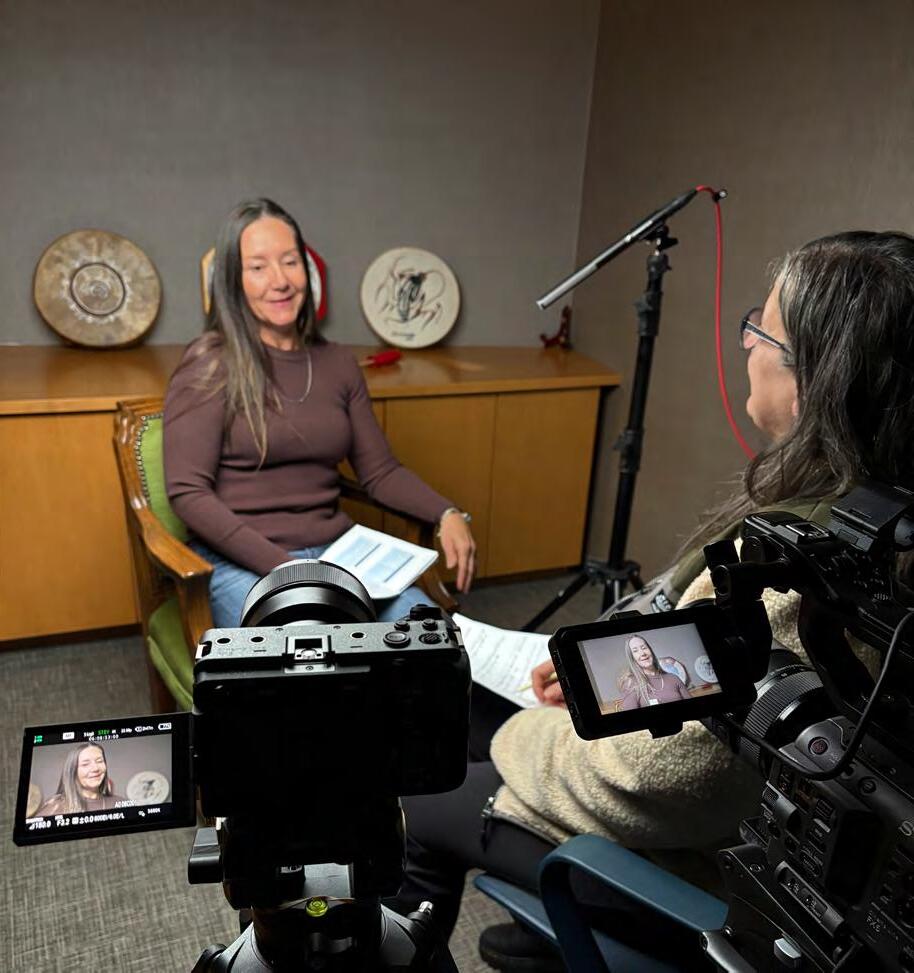
FPWC is excited to have launched a new podcast series. Rekindling the Fire: Supporting Workforce Wellness Together. This series honours the strengths and spirit of the Indigenous Mental Wellness Workforce. Participants include frontline helpers, cultural workers, health directors, and crisis responders — those who are among the most influential and dedicated to healing in our communities.
In each episode, the host, Rachel Robinson, speaks with Indigenous experts in mental wellness to explore Cultural Knowledge, lived experience, and practical tools that support balance and connection, as well as what it means to sustain wellness. Grounded in the Framework and guided by the WWS, topics include reclaiming language, ancestral Knowledge, respecting boundaries, peer support, burnout recovery, and the policies that shape their work. This series centres on the individuals and practices that keep care rooted in culture, relationships, and connection.
This series launched in March 2026 with the first three episodes released. Additional episodes will continue to be released through the fall, creating ongoing opportunities for connection, reflection, and shared learning.
Total Listens: 521 (from January launch until end of April 2026)
Top 2 Countries: Canada and USA
In 2025, FPWC submitted a successful accreditation application for our Learning Circles to the Indigenous Certification Board of Canada (ICBOC). In early 2026, we hosted our first accredited session, which marked an important step in formally recognizing the quality and cultural integrity of FPWC Learning Circles.
Through alignment with ICBOC standards, we are advancing a pathway for these sessions to be recognized by the professional associations to which wellness workers belong. This supports workforce professional development by allowing participants to receive accredited learning hours that contribute to their professional growth and ongoing competency requirements.
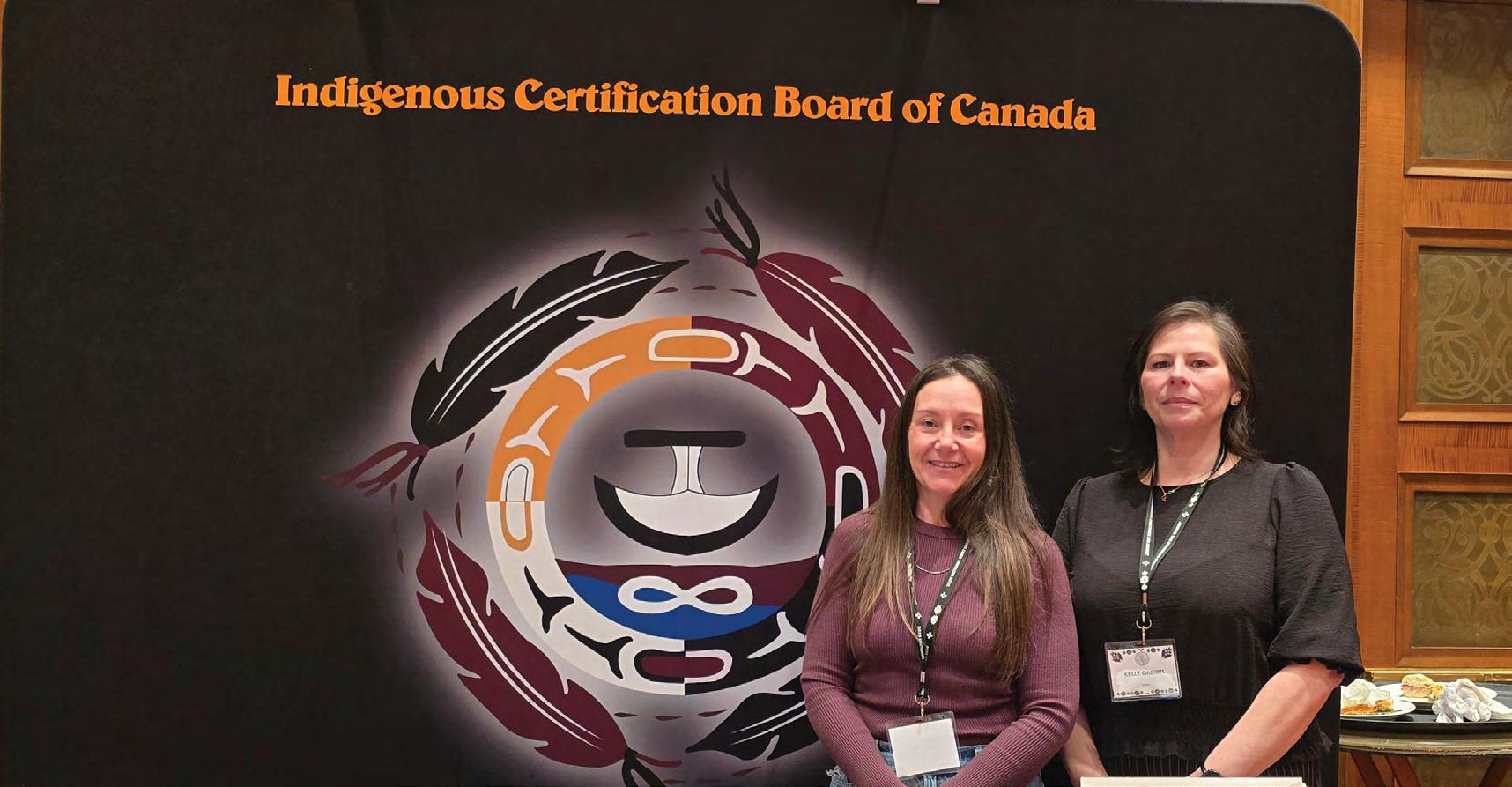
FPWC and ICBOC representatives Anne Duquette and Kelly Gabriel celebrate the formal signing of the successful Learning Circles accreditation application.
Beyond formal recognition, accreditation is a powerful affirmation of the knowledge being shared and honours the wise practices included in these sessions. Significantly, the formal accreditation highlights the value and equity of Traditional Knowledge alongside mainstream understandings.
We look forward to expanding our accredited offerings by continuing to strengthen accessible, high-quality learning opportunities for the workforce.
Through ongoing engagement with Mental Wellness Teams, one clear message emerged: workforce members are increasingly supporting children and youth with complex developmental, behavioural, and mental wellness needs, yet many have not received formal training specific to neurodevelopment or early intervention. As community demographics and service demands shift, targeted capacity building is essential to ensure safe, inclusive, and culturally grounded care.
In response, we advanced two strategic initiatives to strengthen workforce readiness: Curriculum Development and a Virtual Learning Series.
In 2026, we were excited to partner with experienced clinicians to develop a culturally grounded neurodiversity curriculum for the Mental Wellness Workforce. Drawing on strong clinical expertise in neuroscience, assessment, and treatment, the curriculum balances brain-based knowledge with lived experience and the realities of community-based practice. Developed through a Two-Eyed Seeing approach, it weaves Indigenous Knowledge and cultural considerations with navigation of federally and provincially mandated systems.
The curriculum will explore foundational learning on neurodiversity with focused modules on Autism, ADHD, and Learning Disabilities. In addition, learning will encompass early identification across developmental stages, as well as practical guidance for creating circles of support with families, schools, and community services. Content is neuro-affirming, strength-based, traumainformed, and designed in plain language with interactive components that can be adapted across communities.
We look forward to offering the training throughout 2026 and into the future to further strengthen inclusive support for neurodivergent children and youth.

We also delivered a virtual learning series titled From Risk to Resilience: Early Interventions for Childhood Mental Wellness. It was designed to strengthen the Indigenous Mental Wellness Workforce’s ability to recognize, respond to, and reduce risks affecting children and youth. Grounded in strengths-based, culturally relevant, and trauma-informed approaches, the series explored anxiety, depression, trauma, and how distress may present differently across developmental stages.
Across five learning circles, the series focused on Adverse Childhood and Community Experiences (ACEs and ACEs-2), early identification, culturally rooted strategies, and cross-sector collaboration. Each learning circle centred Indigenous Knowledge and emphasized protective factors that foster connection, identity, and resilience over time.
This series contributed to a shared understanding across the workforce of how early, relational supports can uphold the vision of the Framework, ensuring children and youth are supported in ways that foster Hope, Belonging, Meaning and Purpose.


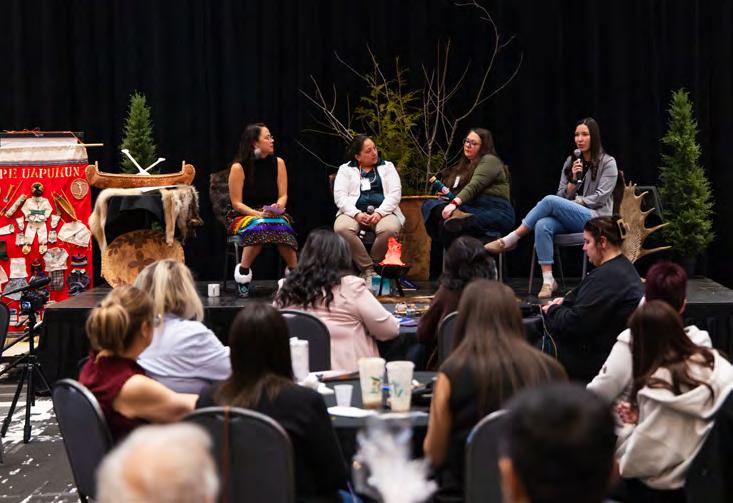
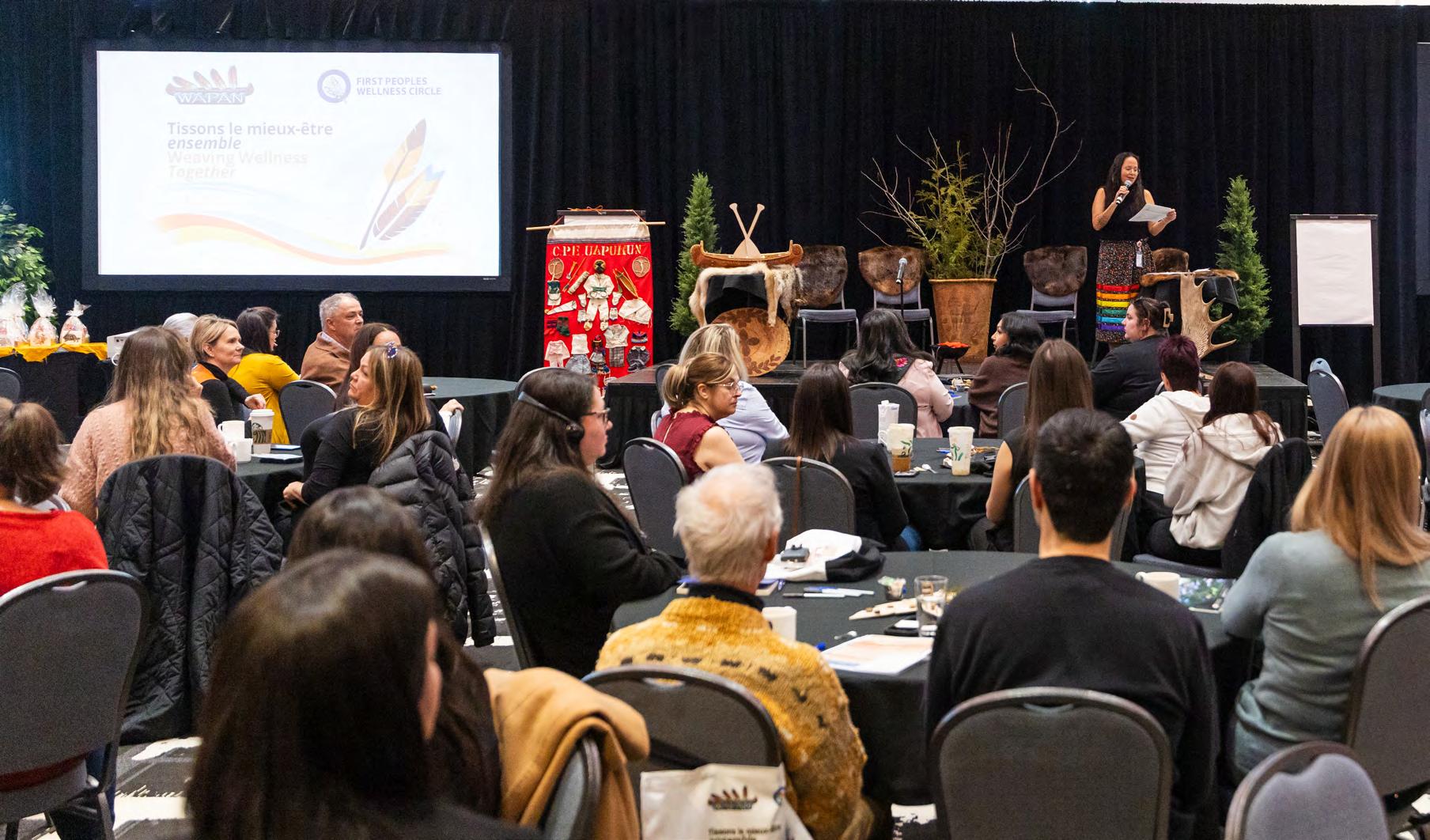
Bringing together nearly 100 participants from across Québec, FPWC and the Wapan Centre co-hosted the Weaving Wellness Together: A Regional Gathering on Mental Wellness and Addictions regional gathering in February 2026. Guided by a shared commitment to Indigenous mental wellness and healing, the gathering in Trois-Rivières brought together 97 participants, including members of Mental Wellness Teams, Treatment Centres, Indian Residential School Resolution Health Support Program, Cultural Support providers, and community partners from throughout the region.
Rooted in relationship-building and collective care, this gathering created space to honour the vital work of the workforce, while strengthening collaboration across communities.
Through presentations and meaningful conversations, participants shared wise practices, reflected on front-line realities, and explored community-led approaches to healing and recovery. With 89% of participants being French-speaking, this presented an excellent opportunity for FPWC to promote and distribute our most recently translated French resources.


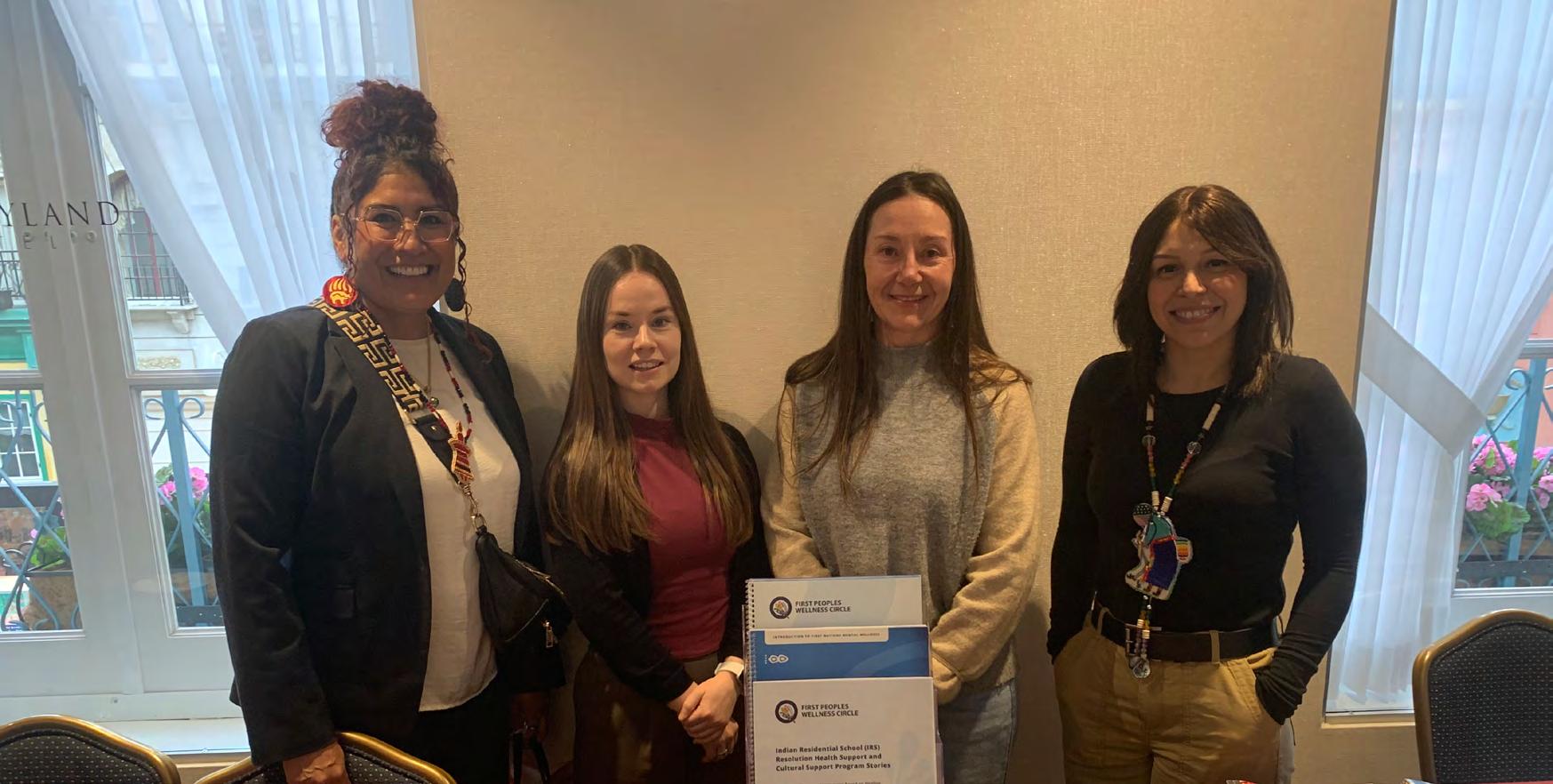
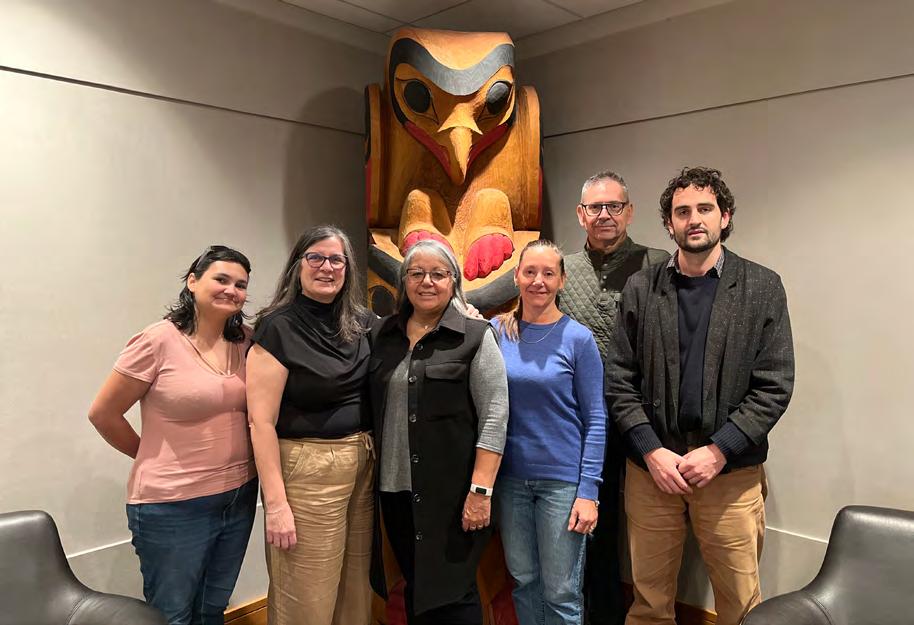
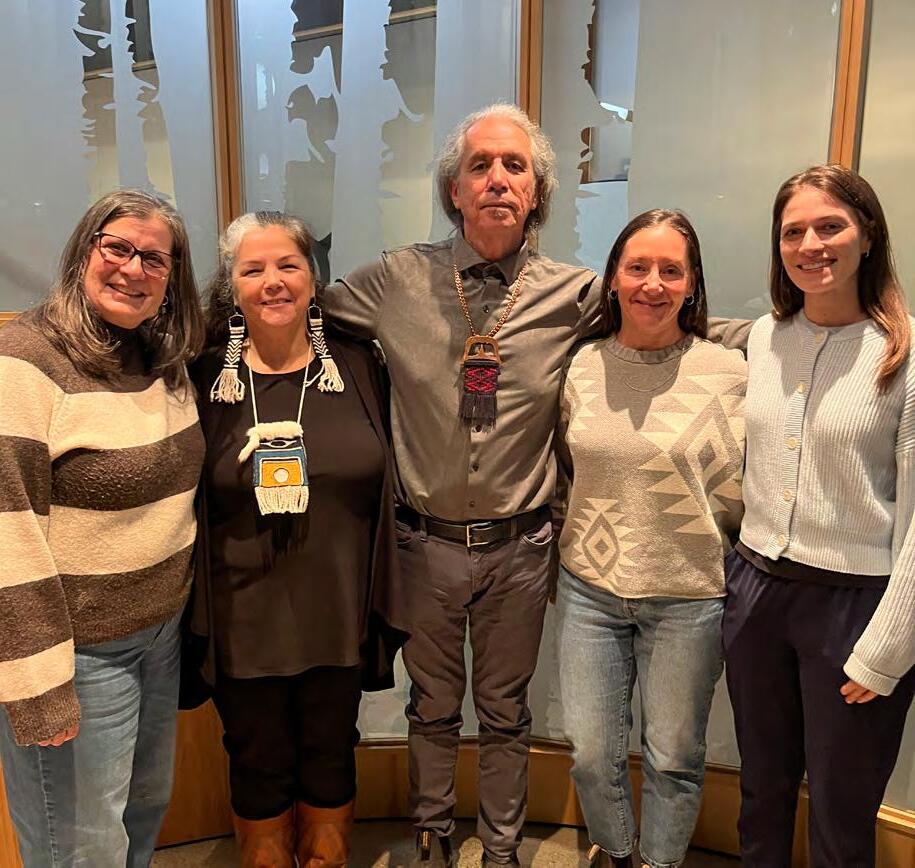
From left: Board member Dr. Quintina Bearchief-Adolpho (Naatoyaimoniisaakii); Jaisy Coles, FPWC staff member; Anne Duquette, FPWC Program Manager, Mental Wellness Team Supports; and Andrea Deleeuw, Thunderbird Partnership Foundation Alberta Regional Coordinator.
On March 19-21st, 2026, FPWC supported Maskwacis Ambulance Authority in co-hosting Supporting Wellness, Strengthening Capacity: Alberta Mental Wellness Crisis Response Team Gathering in Edmonton, Alberta. The gathering brought together over 100 Mental Wellness Crisis Response Team (MWCRT) members from across Treaties 6, 7, and 8 for shared learning, professional development, and relationship-building.
Focused on strengthening workforce capacity and supporting workforce wellness, the gathering offered skill enhancement opportunities alongside cultural and wellness-focused workshops. Participants engaged in meaningful discussions, connected with peers, and shared experiences and knowledge that supported effective and culturally grounded crisis response.
In advance of the gathering, a survey was distributed to MWCRT members to ensure frontline perspectives informed both the March gathering and the development of future training opportunities. This feedback helped shape responsive, relevant learning experiences that reflected the realities and needs of those providing crisis response services across Alberta.
FPWC continues to work on the Walking Together project. In collaboration with School of Mental Health Ontario, FPWC developed a series of resources, including toolkits, one-pagers, and on-demand webinars to support families and schools in walking alongside and supporting Indigenous students on their wellness journey.
Each of the one-pagers have been translated into seven languages: Michif, Mohawk, Ojibwe, Oji-Cree, South Baffin, Swampy Cree, and French. In preparing to finalize the resources, FPWC continued consultations with Inuit and Métis groups to validate resource content, dissemination methods, and translations.
The team also finalized on-demand webinars that speak to each of the five key themes.
1. Building Mental Wellness Habits with My Child
2. Supporting My Child’s Mental Wellness by Partnering with School and Community
3. Culture as Medicine
4. Recognizing Early Warning Signs and Supporting Mental Health Challenges
5. Resources for Professionals to Support Indigenous Children and Youth
Each of the one-pagers and on-demand webinars are linked to the larger Indigenous Student Wellness Toolkits developed for educators, school administrators, parents, and caregivers. Upon launch, all of these resources will be available through FPWC’s website and Resource Hub.
Guided by Elders and Knowledge Carriers, as well as First Nations and Métis leaders in mental wellness and crisis response, FPWC developed a culturally relevant approach to debriefing frontline workers. This approach is intended to support the workforce and mitigate risk of vicarious trauma and burnout immediately after responding to a crisis in the community. It incorporates the importance of being grounded in place and is built on cultural strengths as well as an understanding of spiritual wellness.
In 2025, FPWC hosted the first pilot of the draft curriculum. During this session, frontline workers had the opportunity to participate in the curriculum and provide feedback via roundtable discussions with the project team and their peers. Based on the feedback, revisions have been made and a secondary pilot session is in development.
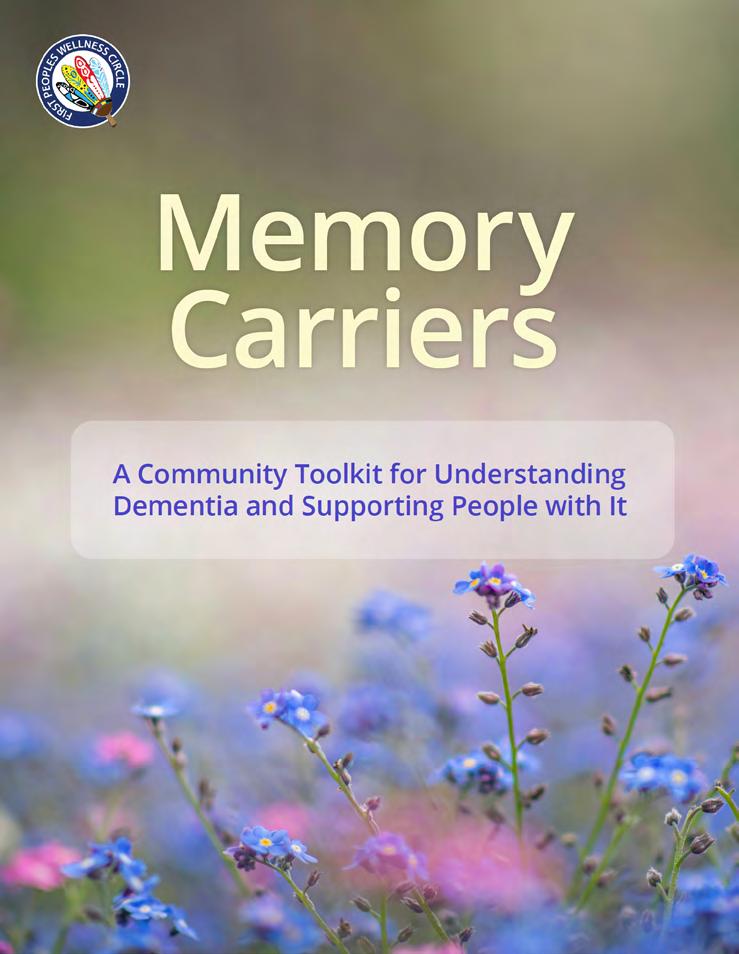
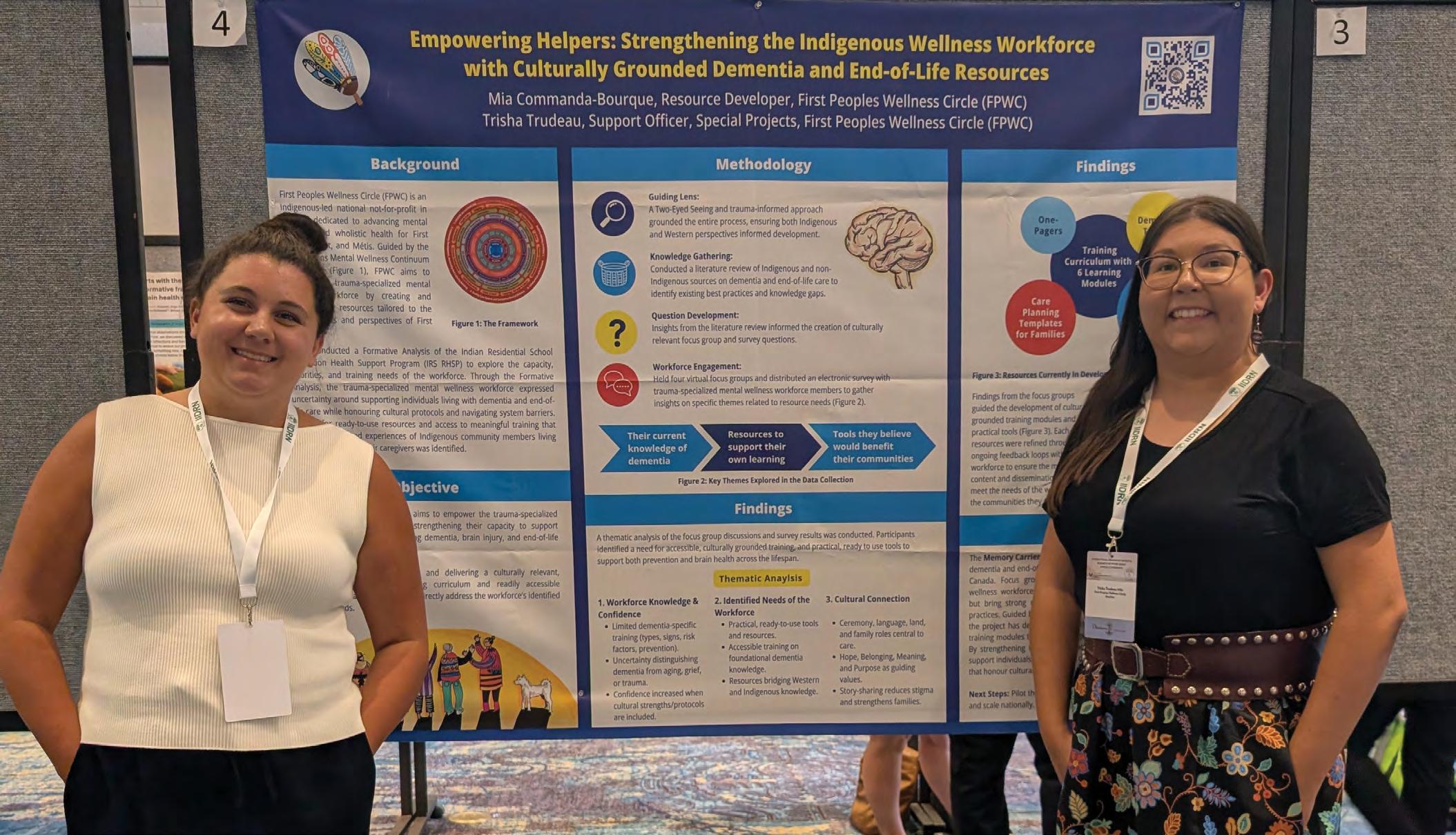
The Memory Carriers Project was shaped by stories shared by the Indigenous Mental Wellness Workforce. This includes stories of families and communities navigating dementia, caregiving, and end-of-life decisions without culturally grounded supports to guide them. These conversations highlight that memory loss is not only medical, but deeply relational and connected to identity, family, community, and care.
The project began with a literature review and environmental scan, followed by conversations with the workforce about what they needed to feel prepared, supported, and less overwhelmed when responding to these complex situations. From this foundation, FPWC began developing two comprehensive toolkits: one focused on dementia and one on Medical Assistance in Dying (MAiD), as well as a complementary training curriculum centred on dementia. Together, these resources were designed to support families and communities, while strengthening workforce confidence, knowledge, and capacity.
Validation with the workforce remained central throughout this work, ensuring the tools and training reflected lived realities and practical community contexts.
The Memory Carriers Project reflects FPWC’s commitment to culturally grounded, responsive care by prioritizing relationships, lived experience, and practical supports that help workers, families, and communities navigate complex care journeys with clarity, respect, and compassion.
FPWC began work on a Peer Learning Network (the Network) for the Indigenous Trauma-Informed Health and Cultural Support Workforce. The intention of the Network is to assist in assembling a stronger workforce as well as to support retention, and facilitate mentorship opportunities from coast to coast to coast.
In 2025, FPWC completed an environmental scan and literature review to identify peer learning methods and understand how to build an infrastructure within the workforce to promote knowledge exchange. To guide the development of the Network, we hosted a series of Virtual Lunch and Learns in early 2026. These sessions featured built-in roundtable discussions with the workforce. These sessions invited frontline workers to provide feedback and insights on the best approaches to introduce and implement the Network.
FPWC has been analyzing the literature review, environmental scan, and feedback from these sessions to develop a workplan that will support the Network’s implementation.
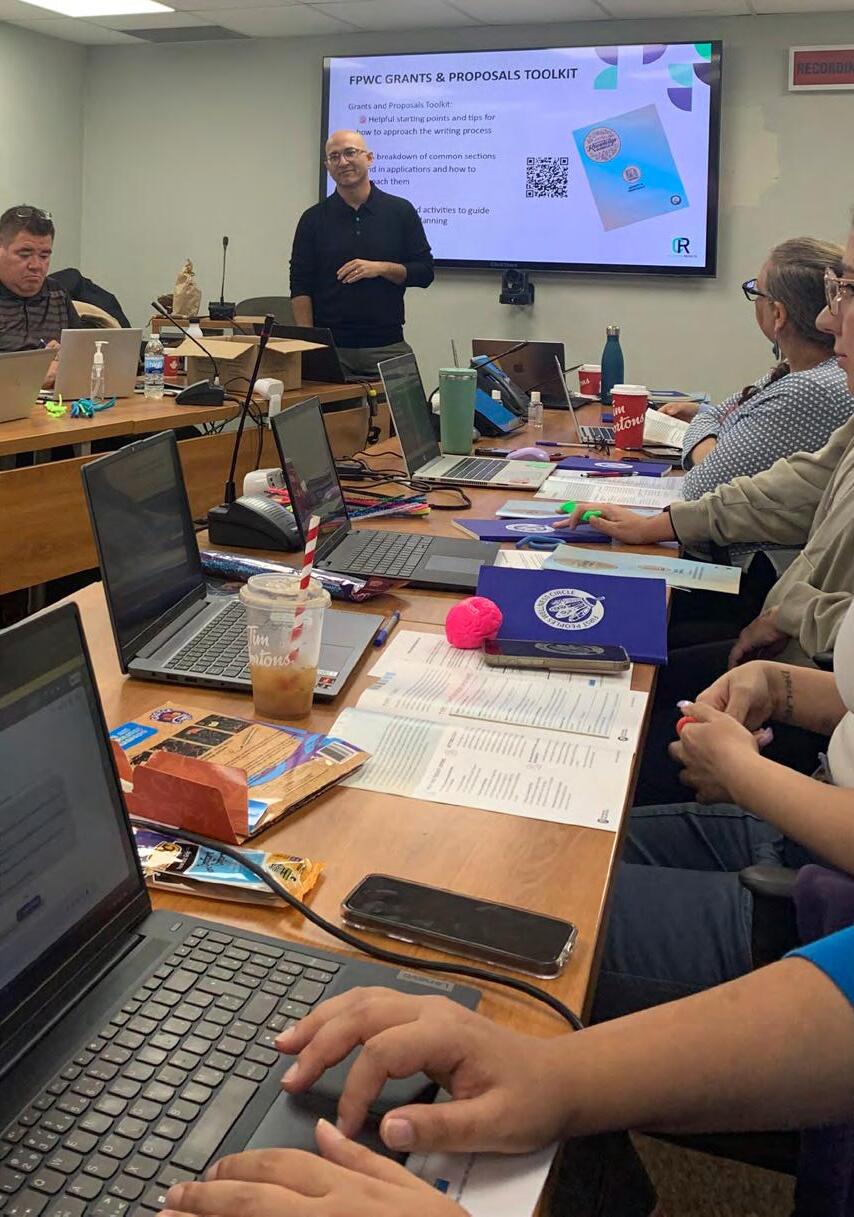
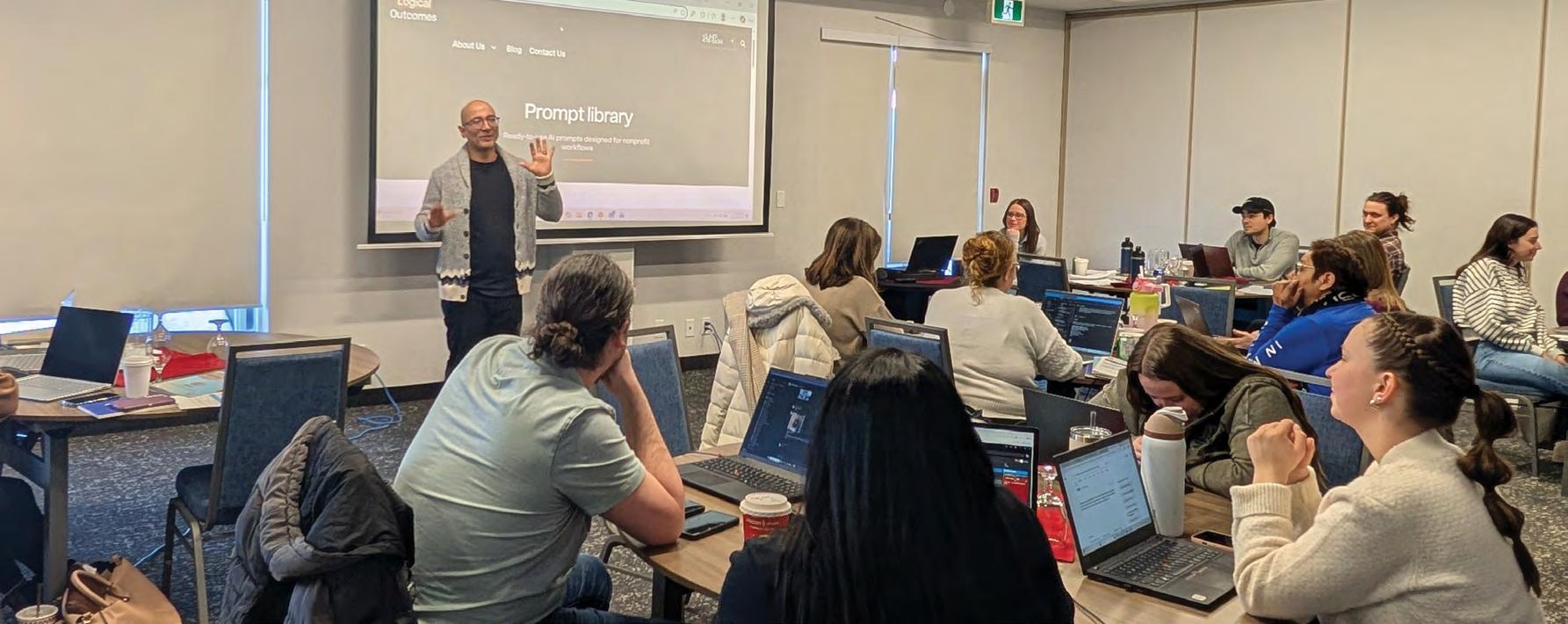
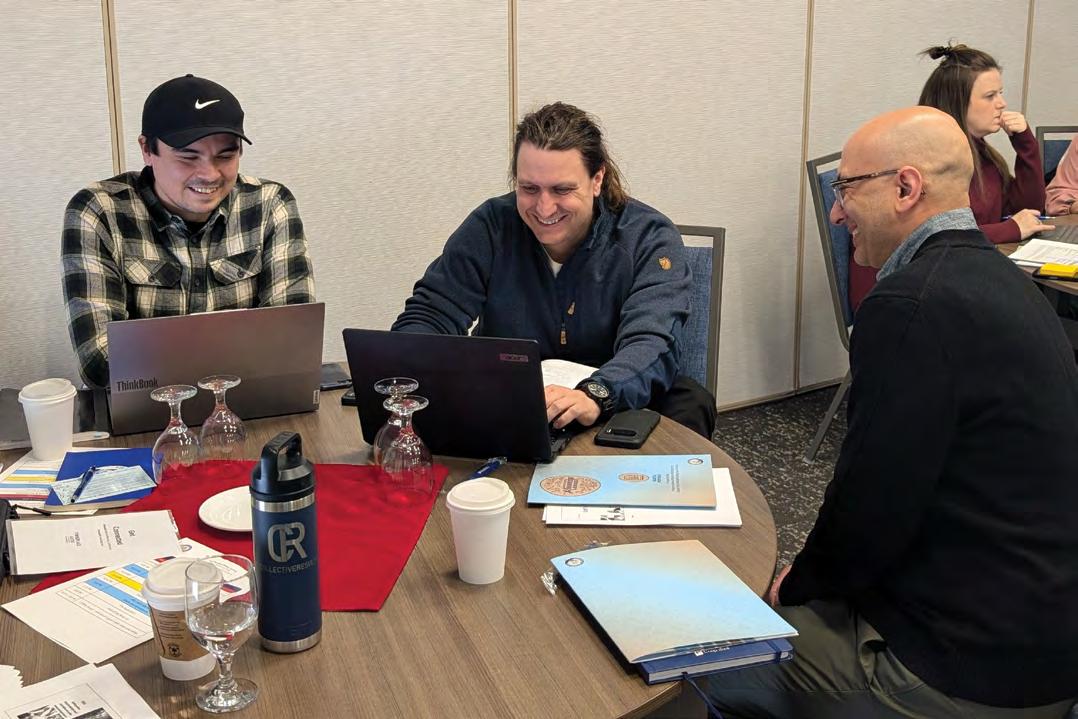
Two in-person Grant Writing training sessions were delivered to members of the Indigenous Mental Wellness Workforce. Developed in collaboration with Collective Results, this training was based on FPWC’s Grants and Proposals Bundle and supported capacity building across the sector.
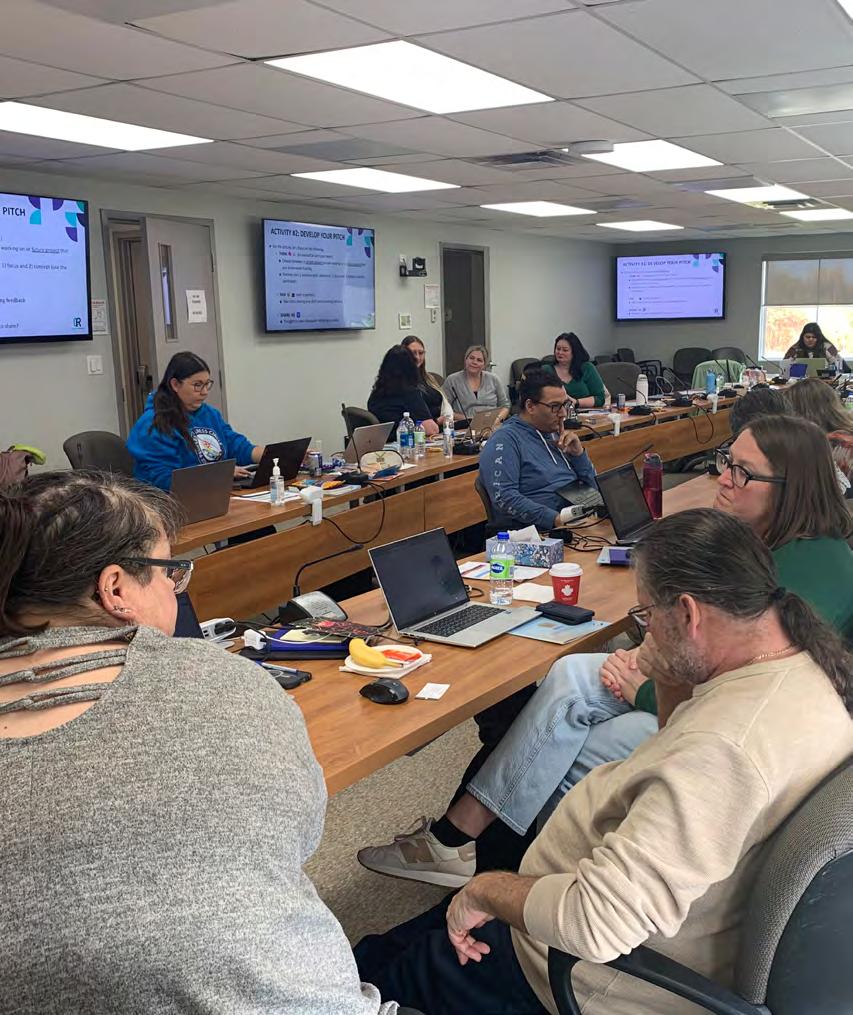
The first in-person session was hosted in collaboration with the Atlantic Policy Congress of First Nations Chiefs Secretariat in Dartmouth, Nova Scotia. Twenty-four frontline workers from across the Atlantic Region were gathered to network and learn together. The second in-person session was held in Sudbury, Ontario, where 16 frontline workers also gathered from across Ontario to network and learn together.
Facilitated by Collective Results, participants developed skills to identify, evaluate, and secure grant opportunities that align with their organization’s mission. Participants also established skills in navigating the application process, building relationships with funders, and integrating AI tools to enhance proposal development.
Of the participants that completed post-participation surveys:
• 100% of respondents agreed that the workshop was a valuable use of their time.
• All respondents either strongly agreed (97.2%) or somewhat agreed (2.8%) that the workshop provided an opportunity to gain new knowledge and skills that could be applied in their current job.
The RISE to the Challenge Project is a multi-year initiative designed to strengthen Indigenous student wellness in Ontario schools. The project advances Indigenous-specific mental wellness promotion, prevention, and early intervention programming, while also addressing the broader school conditions needed to disrupt colonial impacts and ensure Indigenous students feel safe, supported, and valued each day. This work includes identifying enablers and barriers to effective implementation in order to guide future scale-up across the province.
Grounded in culture, collectivism, and student voices, the project aims to deliver immediate benefits while laying the foundation for long-term systemic change.
This fiscal year, the primary focus has been Phase One, which included building the infrastructure needed to support the initiative. This phase centred on engagement with boards and communities, staff recruitment, the definition of team roles, the establishment of partnership agreements, and student safety protocols. These foundational elements will prepare the way for training, piloting, and full implementation in later phases, engaging provincial school boards and First Nations secondary schools in a sustainable, culturally grounded approach to Indigenous student mental wellness.


FPWC continues to implement the Framework both internally and externally by highlighting the five key themes of the Framework throughout programs, services and resources. Our work is guided by First Nations culture and wise practices and further recognizes the Indigenous Social Determinants of Health (ISDoH) as being foundational to advancing mental wellness for First Nations and other Indigenous groups.
Guided by a wholistic perspective that builds from the Framework’s theme of Quality Care System and Competent Service Delivery, our work is driven to support and advocate for the Indigenous Mental Wellness Workforce. Internally, FPWC has designed many resources, toolkits and documents to support the workforce. These initiatives are described throughout the Annual Report.
The Framework Implementation Team promotes mental wellness in First Nations communities through the continued implementation of the Framework, with support from the Secretariat. FPWC continues to serve as one of the Implementations Team’s four Co-Chairs. Membership includes representation from Indigenous youth-led organizations, Elders, First Nations regional representatives, and leaders from various federal departments.
Under the 2025–2029 work plan, the Implementation Team is guided by 10 themes:
1. First Nations Response to Substance Use from a Wholistic Perspective Inclusive of Multiple Substances and Root Determinants
2. Children, Youth, Family, Community Mental Wellness
3. ISC Mental Wellness Program Evaluation
4. Emergency Management and Community Safety Planning
5. Communications Plan and Resourcing
6. Initiatives Addressing Anti-Indigenous Racism
7. Workforce Development, Knowledge Sharing and Data Sovereignty
8. First Nations Wellness in all Policies
9. Engagement Strategy
10. Working Groups
Three working groups lead some initiatives identified in the work plan, they are:
• First Nations Mental Wellness Data Working Group
• The Framework Evaluation Model Working Group
• Youth Working Group
In June and July 2025, the Implementation Team hosted a virtual meeting to gather feedback on enhancing implementation of the Framework across regions, National Indigenous organizations, and government partners. Presentations and discussions focused on updates from the working groups, orientation of the Framework for government partners, exploring collaborative and flexible funding models, updates on the Honouring Our Strengths: A Renewed Framework to Address Substance Use Issues Among First Nations People in Canada, and examining the current status of the IRS Resolution Health Support Program. A discussion that focused on youth priorities was also led by Indigenous Youth Roots and We Matter. Discussions during the virtual meeting allowed the Implementation Team an opportunity to continue to anticipate, identify, and plan for ways to strengthen the Framework.
Throughout the fiscal year, FPWC has either led or supported initiatives to advance implementation of the Framework, as outlined in the 2025–2029 work plan. This included initiating new work in child and youth mental wellness training, preliminary work on the creation of a communication strategy, as well as a strategy to update the Framework.
Over the course of the year, the Secretariat discussed how to navigate the Federal government’s economic priorities and its impact on First Nations mental wellness programs and services. In the coming fiscal year, the Secretariat and Implementation Team will explore how First Nations mental wellness and health in all policies can ensure continued implementation of the Framework.
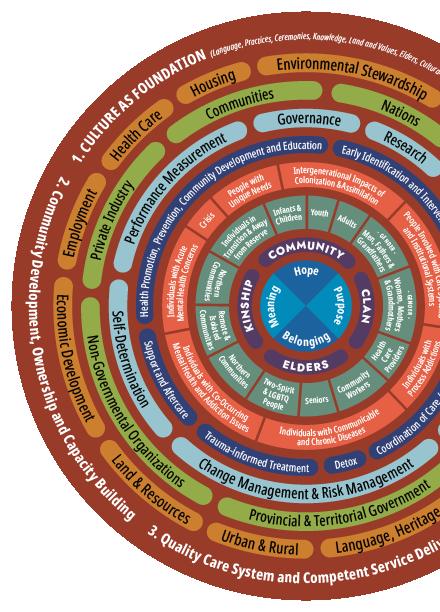
Relationships stress the importance of fostering reciprocal relationships.
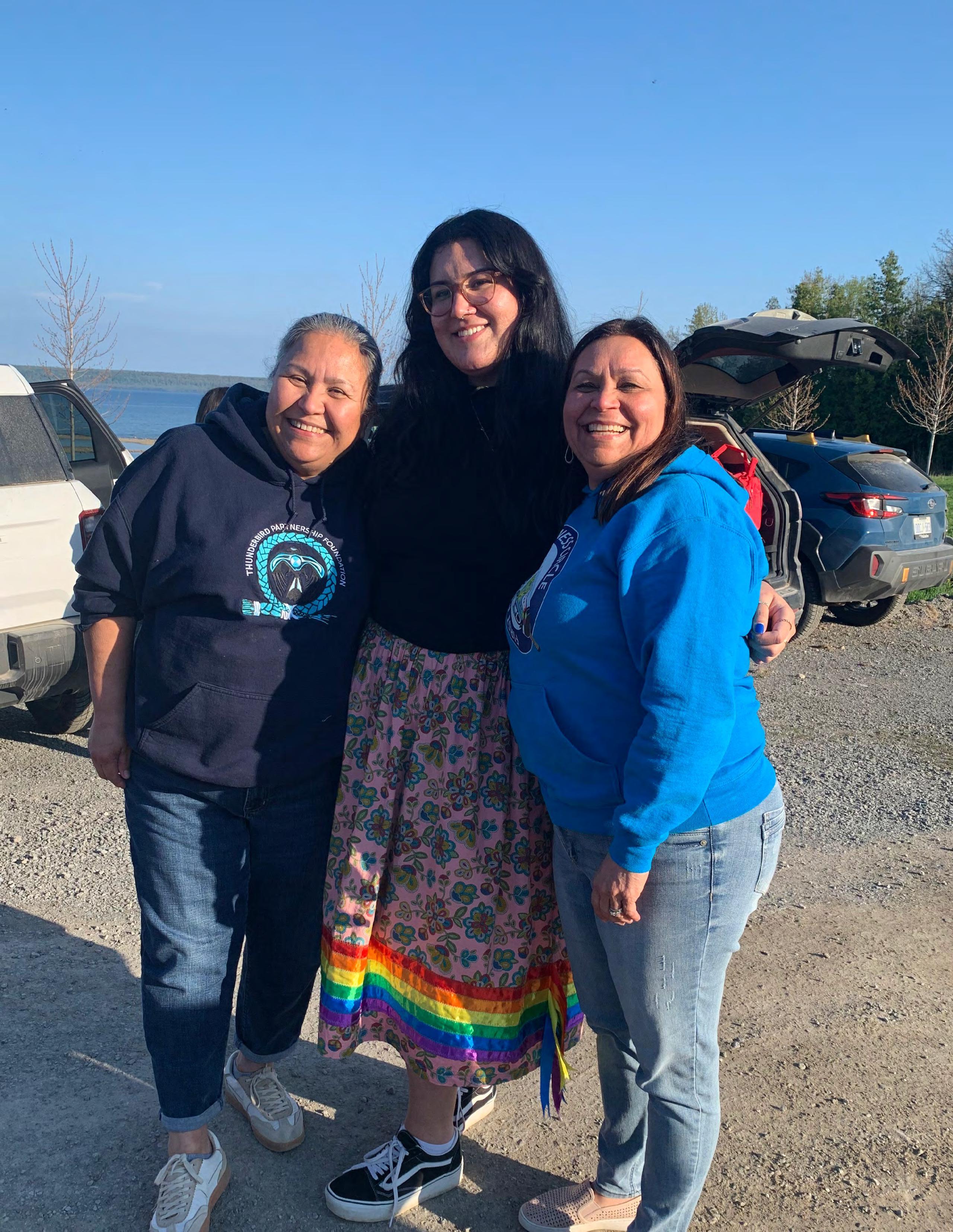
FPWC aims to cultivate reciprocal relationships that reinforce and strengthen our commitment and support for Indigenous mental wellness with and across Indigenous organizations and communities dedicated to supporting and promoting Indigenous pathways to mental wellness. We also continue to enhance existing reciprocal relationships with sister organizations to learn from and strengthen our collective intelligence.
In collaboration with our Sister Organizations we continue to advance our collective vision of wellness for First Nations communities and supporting the workforces we work alongside. Regular meetings to discuss shared initiatives, plans to strengthen the work of our organizations, and identifying opportunities to shape policy are key activities of this work.
We also strive to foster meaningful relationships with non-Indigenous organizations. We meet annually with Healthcare Excellence Canada (HEC) to identify shared priorities to advance the Framework’s five key themes. FPWC also signed a collaboration agreement with the Martin Family Initiative, that emphasizes the importance of working in reciprocal ways that honours and highlights the workforce’s Indigenous voices and knowledge.
Working alongside many of our research partners; University of Toronto, Waakabiness Institute for Indigenous Health, Western University, Lakehead University, McGill University, University of Saskatchewan, and University of British Columbia Okanagan, FPWC has been working to highlight First Nations mental wellness practices and Knowledge. We engage in meaningful research that highlights First Nations and workforce priorities, champions wise practices and seeks to create policy and systems change that ensure Indigenous mental wellness is delivered with equity.
“The IYS Network ensures we are centring Indigenous youth voice, Indigenous youth priorities, and Indigenous youth needs... it has been important to ensure we have young people at the table guiding all the conversations.”
– Dr� Brenda Restoule
Continuing to build strong and reciprocal relationships is central to FPWC’s work. We continue to work in collaboration and reciprocity with Sister Organizations, Elders, youth, academic institutions, researchers as well as First Nations and government partners to implement the Framework in communities and within the broader mental wellness and healthcare systems. Fundamental to FPWC’s work and one of FPWC’s four Strategic Plan objectives, FPWC is working to expand relationships with Indigenous and non-Indigenous groups. To support this work, we have explored ways to enhance engagement with diverse groups and will continue to work with partners to develop and deliver culturally grounded training and tools to support First Nations and the First Nations Mental Wellness Workforce from coast to coast to coast. We recognize that these meaningful relationships and partnerships are instrumental in honouring Indigenous Knowledge and supporting FPWC through wellness, healing, and peace making.
FPWC and Thunderbird Partnership Foundation (Thunderbird) continue to jointly support the Ways of the Heart Youth Council (WHYC). This diverse group of First Nations, Inuit, and Métis youth representatives from coast to coast to coast lead various initiatives and projects regarding First Nations, Inuit, and Métis mental wellness and continue to provide invaluable guidance to FPWC and Thunderbird.
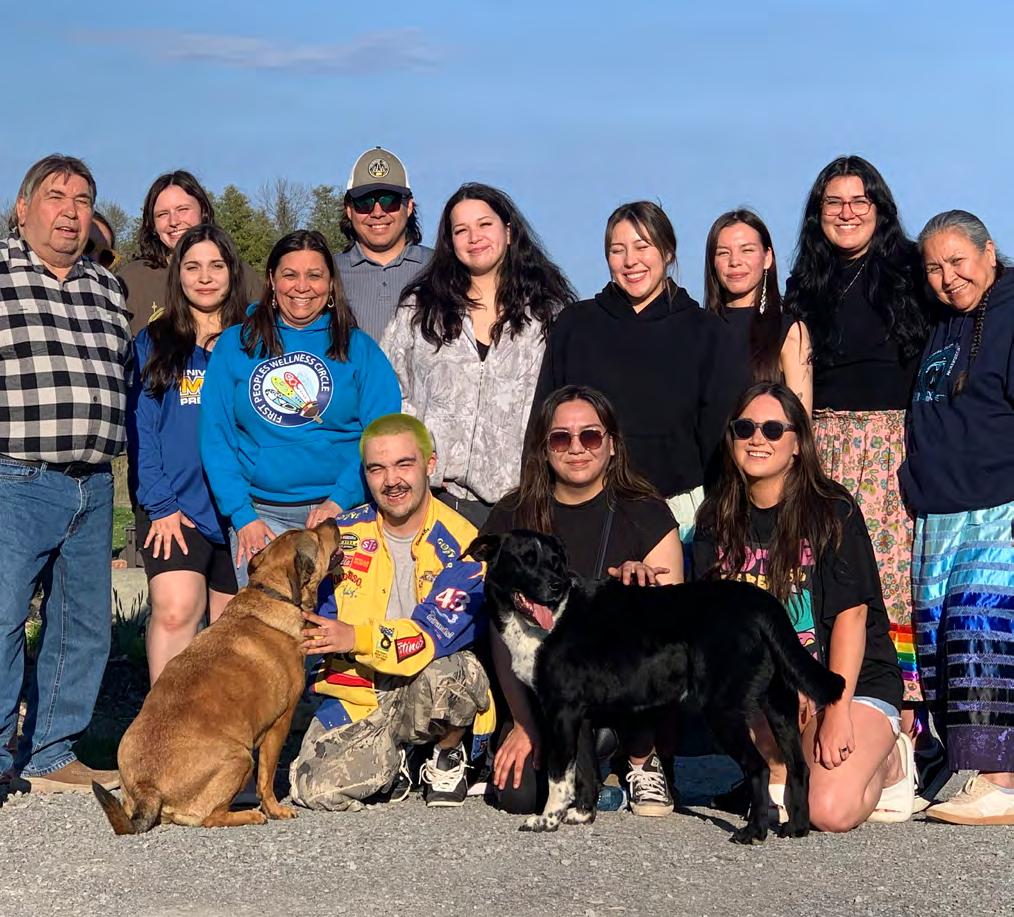
The WHYC had a very eventful year in which they participated in various youth mental wellness initiatives. In May 2025, the WHYC hosted a two-day in-person meeting in Wikwemikoong where they finalized their Terms of Reference and work plan. Together, they also received teachings from local Elders and learned about Gwekwadziwin Miikan, a land-based Mental Health and Addictions Program located on Manitoulin Island, ON.
• Attended and led discussions in various events including the Land‑Based Indigenous Learning Project and We Matter’s Buffalo Camp in Alberta.
• Presented at the Ontario Native Education Counselling Association (ONECA) Engagement Session.
• Participated in the 2‑Spirit Symposium in Montréal.
• Attended an event for the Assembly of First Nations Mental Wellness Community (Edmonton) that focused on health and support programs.
• Participated in Culture Camps in Thunder Bay and Kettle Point.
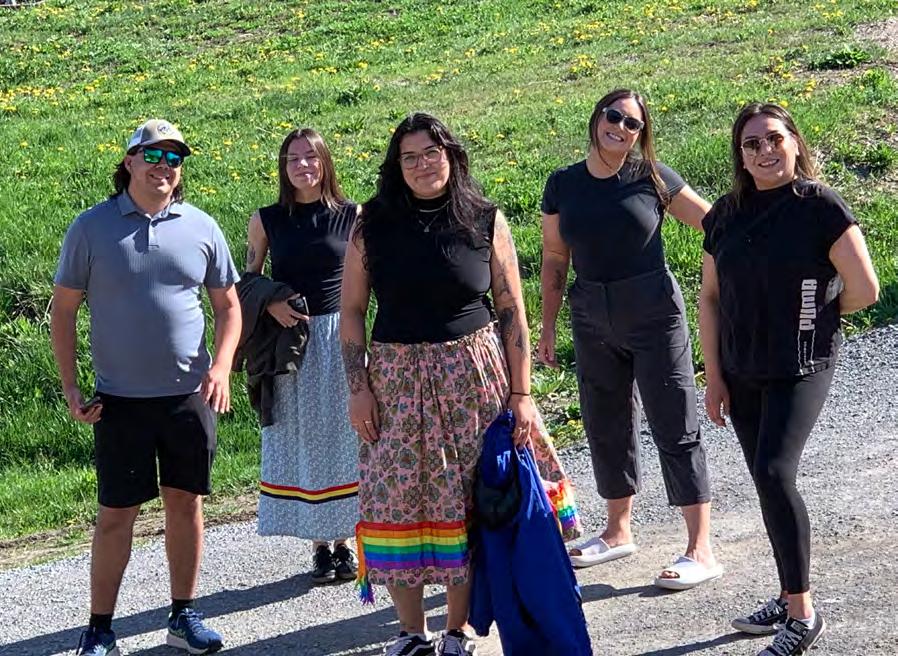
WHYC members were also involved in a variety of initiatives. This included developing a LandBased Indigenous Learning Toolkit and facilitator guide, contributing to the launch of the Soaring Together youth mental wellness website, as well as updating Thunderbird's Life Promotion Toolkit. They are currently working on a variety of projects including a 2-Spirit Supports and Resource Toolkit, and a Reconnection Pathways resource for displaced Indigenous youth resource using Hope, Belonging, Meaning, and Purpose as a framework.
WHYC have also strengthened governance through their participation in Thunderbird and FPWC Boards and being members of FPWC National Advisory Council (NAC). Recruitment is ongoing to fill vacancies in: Prince Edward Island, Nunavut, Northwest Territories, Yukon, Québec, Saskatchewan, Alberta, British Columbia.
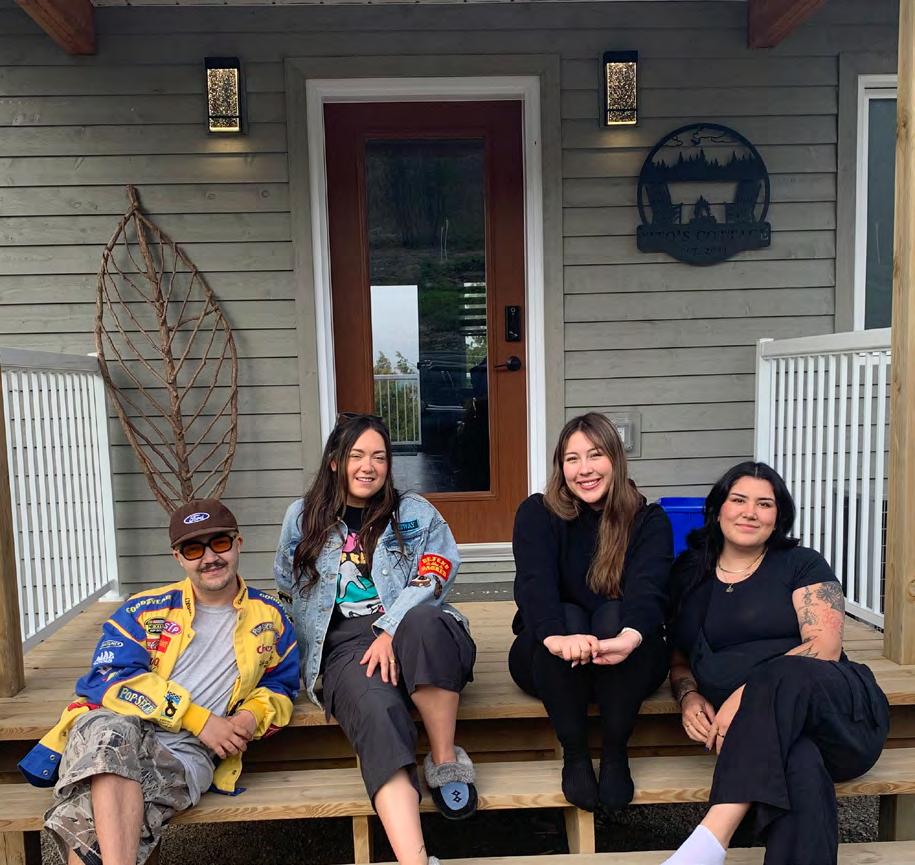
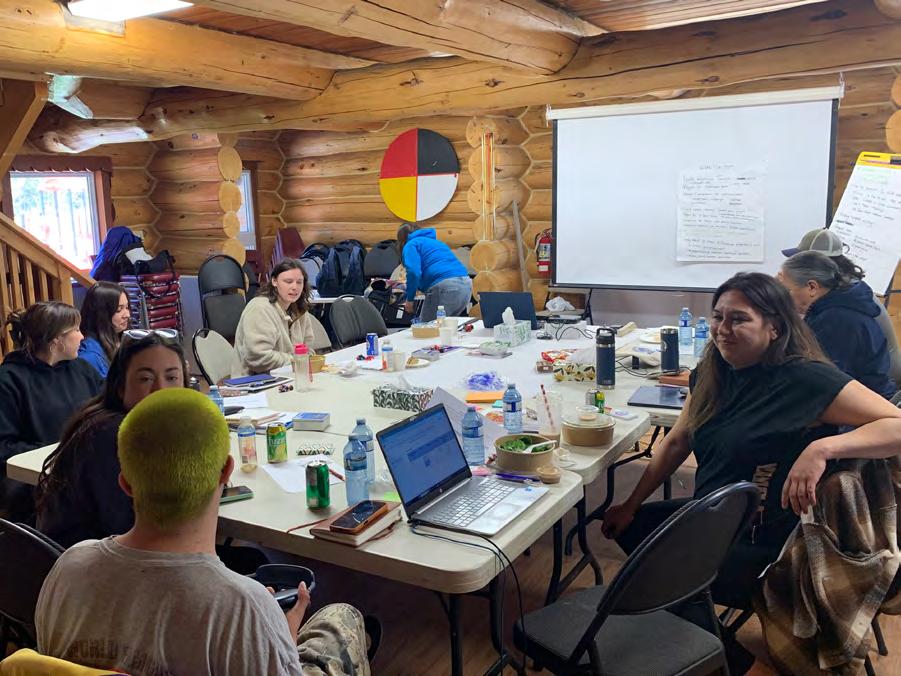
FPWC continues to be supported and guided by the National Advisory Circle (NAC). Established in 2024, the NAC guides the operations and growth of FPWC. The NAC includes 11 mental wellness leaders, including two Elders and two Youth Representatives. They have knowledge and experience in complementary areas of expertise such as Mental Wellness Teams (MWTs), Indian Residential Schools (IRS), research, evaluation, policy, and youth mental wellness. The NAC held three meetings over the spring, fall, and winter, providing invaluable insight that helped guide activities in FPWC’s 2025–26 work plan. Many NAC members participated in working groups and supported various programs and projects across FPWC. We feel extremely fortunate to have an incredibly diverse group and FPWC programming and staff have benefited from their knowledge, wisdom, and expertise. We look forward to continuing these relationships and working together.
• Imelda Perley (Elder)
• Ed Perley (Elder)
• Nelson Alisappi (Policy and Empowerment)
• Dr. Jeffrey Ansloos (Research and Evaluation)
• Kim Fisher (MWT)
• Eva Wilson Fontaine (IRS)
• Connor Lafortune (Youth and Co‑chair)
• Barb Martin (MWT)
• Lorraine Naziel (IRS)
• Dr. Cindy Peltier (Research and Evaluation)
• Alyssa Trick (Youth and WHYC member)
Once again, FPWC worked with the Assembly of First Nations (AFN) and other partners to prepare a Pre-Budget Submission that advocates for the continued funding of the Indian Residential School Health and Cultural Support Program. Submitted in August 2025, FPWC highlighted the positive impacts of the IRS program in First Nations communities and families to enhance healing using culturalbased interventions. We collectively recommended that this program receive ongoing, sustained funding to secure First Nations well-being.
FPWC highlighted the positive impacts of the IRS program in First Nations communities and families to enhance healing using culturalbased interventions.

FPWC participates in several advisory committees and planning tables that work towards improving access to services. FPWC’s role at these provincial and national tables is to ensure that First Nations priorities and needs are represented. FPWC remains an active member of the following tables:
• Assembly of First Nations’ (AFN) Mental Wellness Committee – Our role at this table ensures we work collaboratively with all members to advance implementation of the Framework.
• 988 Indigenous Advisory Committee –Our role is to review data on the use of 988 and provide guidance on access to culturally safe and relevant suicide prevention services for First Nations.
• Canadian School Mental Health Leadership Network – participant and Indigenous resource.
In June 2026, Canada will be hosting the international gathering of the Global Leadership Exchange (GLE) that welcomes leaders in mental health and disability sectors. FPWC participated in GLE’s planning committee to organize the event. During the GLE, FPWC will co-host a match alongside Thunderbird and FNHMA on anti-Indigenous racism policy as well as a meeting of the Indigenous mental health leaders known as Wharerātā. FPWC remains an active member of Wharerātā, which brings together Indigenous leaders from across the globe to discuss and create action to address priorities in Indigenous mental wellness.
• First Nations Information Governance Centre’s Data Planning Table – As a participant, FPWC is able to learn more about data collection from government departments, its application in First Nations communities and defining the data needs of FPWC and the workforce.
• PHAC’s Hub Resource Collaborative –participant and Indigenous resource.
• Ontario’s Provincial Indigenous Committee Advisory Table that provides advice on depression and anxiety programs – participant.
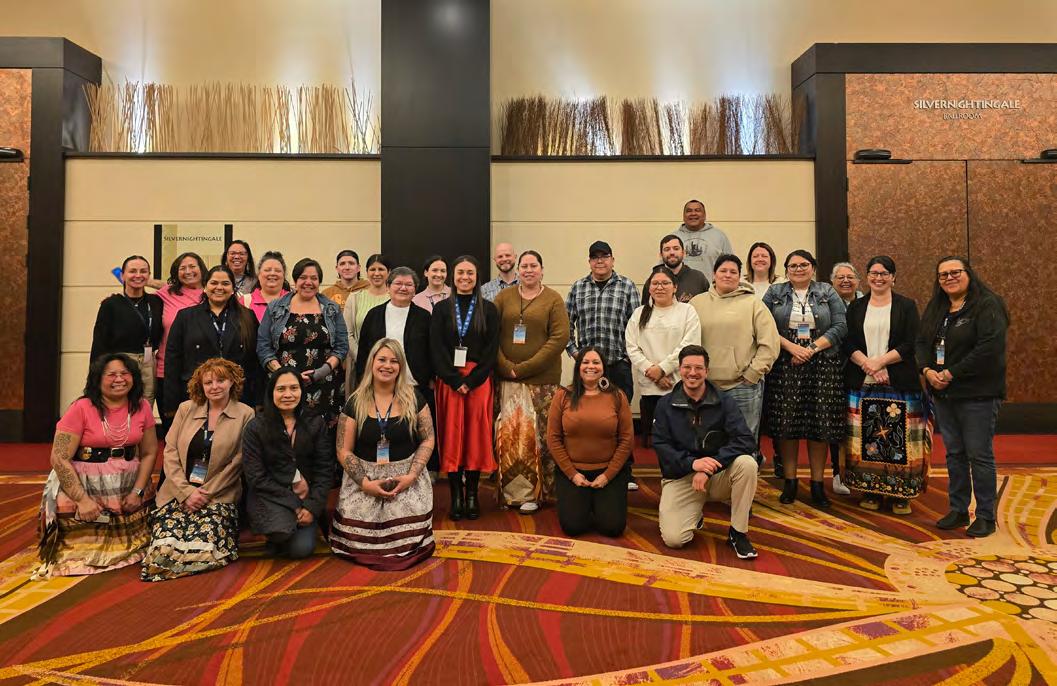
Members of the Ontario Mental Wellness Team workforce gathered in April for the Ontario regional gathering.


Collective intelligence supports sharing collective and collaborative knowledge to support future wellness.
FPWC’s comprehensive Research Agenda has continued to focus on community-driven priorities and research activities. Research and reporting have included environmental scans, literature reviews, reports, and other materials on topics including, among others, Health Emergency Management, wise practices, antiindigenous Racism in healthcare, youth mental wellness, and culturally-based wellness care. FPWC has focused on working collaboratively and reciprocally with sister and partner organizations, as well as conducting independent and impactful research.
A central research priority is Health Emergency Management, particularly the psychosocial impact of human-made and natural disasters. In addition, work on the exploration and promotion of wise practices has been broadened and enhanced.
In addition, FPWC has continued its collaborative work with partners from the Arthur Labatt Family School of Nursing, Western University on the First Nations Mental Wellness Workforce: A Realist Review-Informed Approach project. This included submission of a journal article, several presentations, and a CIHR Catalyst Grant proposal. In addition to this grant, FPWC was also a collaborator on a CIHR funding proposal for the Advancing 2S/LGBTQI+ Health Through Research Organization Grant competition. FPWC has also continued to be an active member of the Network Environments for Indigenous Health Research (NEIHR) in Ontario, including participation in research, advocacy for policy change and recording Season 2 of the pihtikwê podcast. Moreover, work with the Indigenous Integrated Youth Services Network is ongoing, as FPWC has been serving as a contributing and participative member.
FPWC continues to highly value OCAP and include these principles in all research activities. OCAP is understood as foundational to respectful community engagement and research. It will continue to be central to the FPWC Research Agenda.

During this fiscal year, FPWC continued to partner with the New Brunswick mental wellness teams to address anti-Indigenous racism in the province. The main focus of work was to engage non-Indigenous organizations, such as post-secondary institutions, professional associations, and health organizations to identify actions to address anti-Indigenous racism. Partners met with non-Indigenous organizations over six full day meetings to review documents and discuss how to advance the work within organizations and across the province. This work explored provincial engagement of relevant departments, including the creation of a Terms of Reference for a partner working group. Work also included recommending policies, training, funding and sponsorship opportunities, and the design of an evaluation strategy. Moving forward, work will prioritize those working in the mental wellness system while navigating increased interest by other health and social systems within New Brunswick. The New Brunswick partners also communicate with local First Nations leadership about the work on anti-Indigenous racism so it can be included within their health transformation agenda. FPWC will continue to provide support for this important work in New Brunswick.
FPWC has joined other Indigenous organizations and leaders to support work at the Canadian Institute for Health Information (CIHI) on the Cultural Safety Measurement Collaborative. Over the last year and a half this collaborative has grounded their work in ceremony and Indigenous Knowledge to diligently identify indicators for cultural safety in the healthcare system. Engagement efforts with Indigenous wellness leaders, as well as provincial and territorial organizations, were undertaken by the CIHI team to share work on the indicators and receive feedback. The intention of the collaborative moving forward will be to use storytelling as a way to gather data and assess racism in the healthcare system.

In keeping with its ongoing commitment to transparency and accountability to its funders, the Indigenous Mental Wellness Workforce, and to First Nations, FPWC has continued its efforts to strengthen its infrastructure through the ongoing implementation of its operational plan. This has included refinement of the organization’s work plan and indicator dashboard, as well as the training of staff in the development of logic models, and the application of the Sharing Our Stories, Celebrating Our Successes Model for Place-Based Monitoring and Evaluation.
In late 2024, FPWC received funding from Indigenous Services Canada (ISC) to establish a virtual community of practice for evaluation. This innovative platform supports the implementation of the Sharing our Stories, Celebrating our Successes Model for Place-Based Monitoring and Evaluation project, which was designed to enhance collaboration and knowledge sharing among program managers and staff working across a variety of sectors. It also includes a resource hub, as well as facilitated and self-directed learning modules tailored to meet diverse learning needs. Additionally, the community of practice will offer opportunities for engagement and peer support. After significant work and engagement, it is expected to be launched in 2026.
Since receiving funding in 2024, FPWC has been working collaboratively to conduct a baseline study on mental wellness. This study explores the gaps between First Nations and non-Indigenous communities regarding built infrastructure, governance, and program services. The project is led by Dr. Amy Bombay of Carleton University and in partnership with FPWC, the First Nations Information Governance Centre (FNIGC), First Nations Health Managers Association (FNHMA), and Thunderbird. Preliminary results will be released after the launch of the survey in 2026.
FPWC has reached a significant milestone in being confirmed as co-host of the 10th international gathering of Healing Our Spirit Worldwide (HOSW), further strengthening its leadership in Indigenous wellness.
HOSW will be held in Ottawa, Ontario, in May 2028 at the Rogers Centre, and collaboration is underway with the City of Ottawa and Destination Ottawa. As of the end of the 2025–26 fiscal year, a governance committee and a dedicated steering committee have been established to guide the vision, governance, and cultural integrity of the gathering. They will be further supported by newly formed working groups to assist key operational areas necessary for the gathering’s successful implementation.
Additional milestones include hiring a Gathering Coordinator, developing a draft business plan, and establishing a governance framework to support clear roles, shared decision-making, and accountability across partners. Early sponsor engagement conversations have also begun to ensure financial sustainability and strong community partnerships.
FPWC is positioning itself, alongside co-hosts, as a global leader in Indigenous wellness.
Through these foundational steps, FPWC is positioning itself, alongside co-hosts, as a global leader in Indigenous wellness. Hosting this gathering will facilitate vital worldwide knowledge exchange, bringing together Indigenous leaders, practitioners, Elders, youth, and allies to share ceremony, innovation, and culturally-grounded approaches to wellness that strengthen communities across generations and borders.
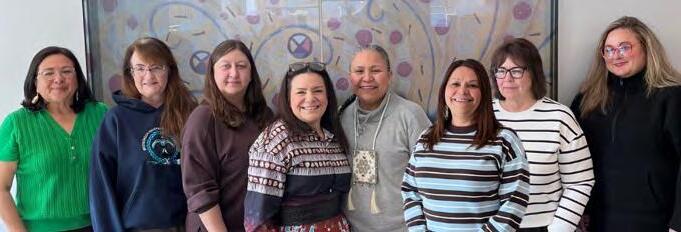
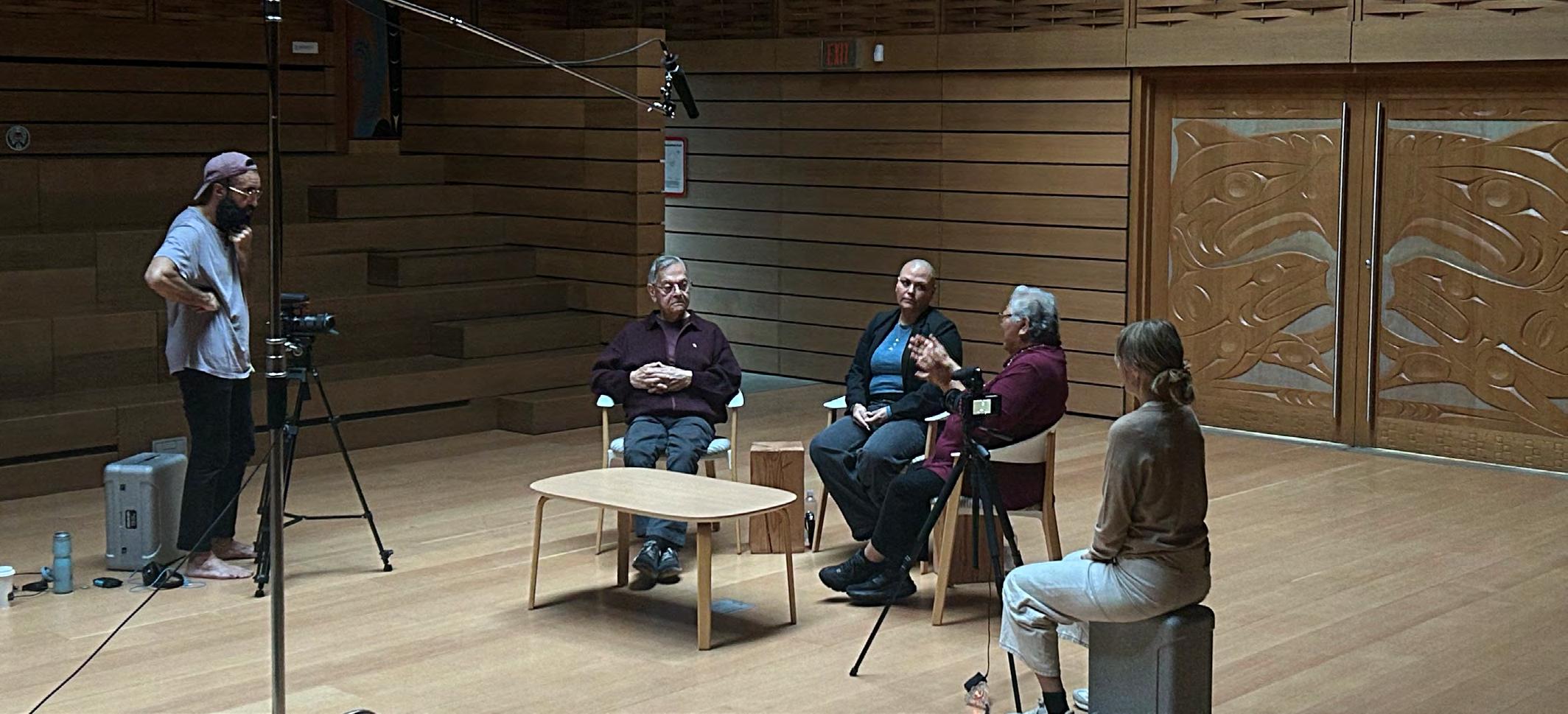
In early 2026, FPWC received funding from ISC to develop a video series documenting the Indian Residential School Resolution Health Support Program (IRS RHSP). The IRS RHSP Legacy Video Project will capture the history, impact, and legacy of the program through the voices of Indigenous families and frontline workers from coast to coast to coast. By sharing real stories from communities, the series will honour the individuals who shaped and sustained the program, while illustrating how the IRS RHSP supported healing-centred care, cultural reclamation, and the strengthening of identity. In addition to documenting this important legacy, the video series will include practical training resources for new frontline staff, supporting onboarding, knowledge transfer, and capacity building for the next generation of workers. Early relationship development, preparing for staff recruitment and designing the project work plan were key initial activities in the last quarter of 2025-2026. Videos will be produced in the 2026-2027 fiscal year with launch in 2027.


In July 2025, FPWC published Introduction to First Nations Mental Wellness, a cultural awareness resource to support the Indigenous Mental Wellness Workforce. Guided by the Framework, this resource provides accessible and foundational information and reflection tools to assist teams in sharing knowledge with local, provincial, and federal partners. By integrating lived experience and community expertise, the resource encourages lifelong learning and strengthens the capacity of those supporting wellness in First Nations communities.
FPWC also launched the Gathering Our Knowledge Bundles project resources in both English and French. Expanding these materials into French marks an important step toward inclusivity, ensuring that bilingual members of the Trauma-Informed Workforce have equitable access to tools that support their learning, practice, and well-being. All resources are now available through the Resource Hub and the FPWC website.
What we Learned: Co-Developing a Cultural Safety Curriculum with First Nations Communities in New Brunswick – the final report was also launched in English and in French on the Anti-Indigenous Racism (AIR) Project. Led in partnership with FPWC, the Wolastoqey First Nation Mental Wellness Team, and the Oeliangitasoltigo Mental Wellness Team, the AIR Project focused on First Nations voices, knowledge, and lived experiences to co-develop a cultural safety curriculum and Helping Bundle to support meaningful, respectful care in First Nations communities.
In addition to producing a comprehensive final report, the AIR Project also established and launched policy recommendations for scholarly institutions and training programs, titled Recommendations on Anti-Indigenous Racism in Mental Health Training.
FPWC also launched, in both English and French, What Justice Looks Like: Understanding Inuit and Indigenous Scholars’ Experience – an addendum to the original 2024 What Justice Looks Like report. This addendum explores the experiences of Inuit peoples and Indigenous scholars as they train and work in mental wellness care. This work increased awareness of the impact of colonial history, systemic racism, and privilege.


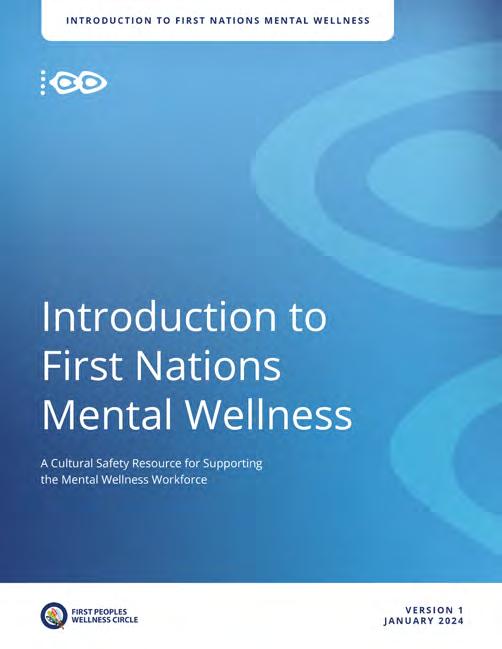
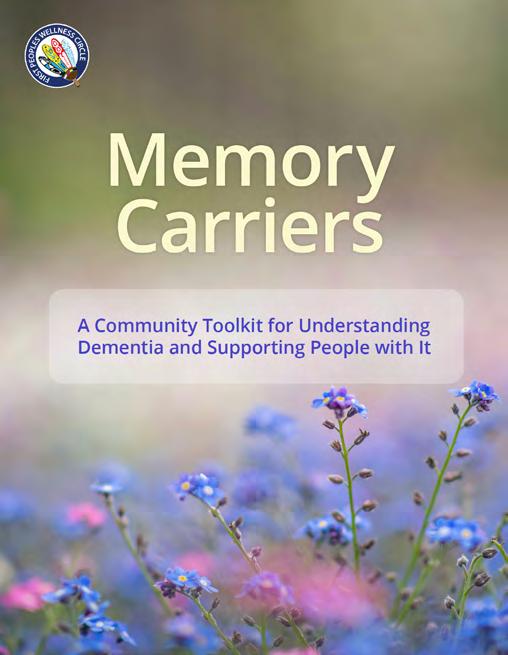












To support bilingual accessibility, all Gathering Our Knowledge Bundles resources are available in both English and French. Explore these new releases and more on the FPWC Resource Hub.
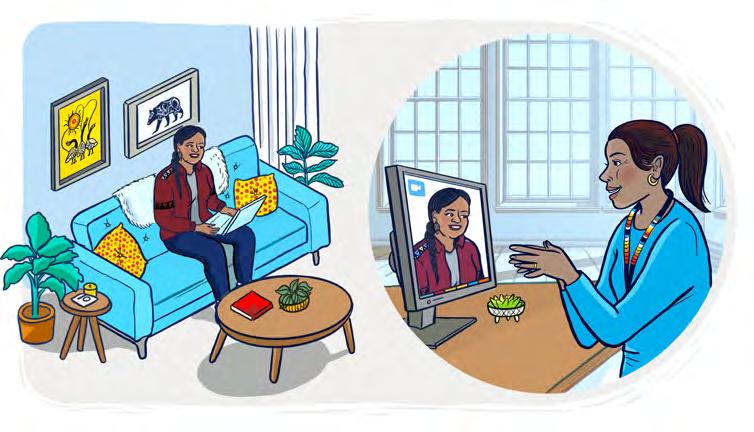
RASSEMBLER NOS TROUSSES DE Connaissances SOINS VIRTUELS Trousse D’outils


RASSEMBLER NOS TROUSSES DE Connaissances
RASSEMBLER NOS TROUSSES DE Connaissances Fiche-conseil pour les intervenant·e·s en mieux-être mental autochtone
TERMINOLOGIE 2S-LGBTQIA+

RASSEMBLER NOS TROUSSES DE Connaissances
D’ÉVÉNEMENTS COMMUNAUTAIRES

The financial health and stability of FPWC is supported by our main funder Indigenous Services Canada (ISC). Their contributions have continued to enable us to deliver tools, resources, knowledge exchange/translation events as well as produce reports and documents that support wellness and are tailored to the needs of First Nations, Inuit, and Métis communities. Over the past year, we have carefully managed our resources to maximize our impact and advance our Strategic Plan and priorities. We remain committed to transparency and accountability and are grateful for the continued support of our funding partners.
FPWC’s largest funder remains Indigenous Services Canada (ISC) providing core funding to work with the mental wellness workforce as well as funding our work with the Indian Residential School Resolution Health Support Program (IRS RHSP) workforce. ISC is also providing financial support of HOSW and completion of the Current State Analysis of Mental Wellness Teams for First Nations in Ontario. All of these streams of funding by ISC are intended to assist with supporting the mental wellness and trauma informed workforces to build skills and knowledge and gain access to tools and resources to enhance mental wellness services.
Additional smaller revenue streams have been received from our partners such as Thunderbird Partnership Foundation, School Mental Health Ontario, and Ontario Network Environment Indigenous Health Research on collaborative projects as well as our self-generating funds from memberships, speaking engagements, and consultation fees from our CEO.

The majority of FPWC expenses are directed to staffing, project activities, and deliverables as well as travel, including meetings, gatherings, events and working groups that are spread across our various projects and initiatives.
FPWC aims to make our resources accessible, provide knowledge transfer activities about our projects, and to network with the stakeholder workforce and like-minded organizations working on mental wellness. FPWC also engages other professionals in a fee for service arrangement such as graphic designers and translation services to promote our projects as well as professionals who provide organizational support, including IT, legal, and financial support services.
FPWC has re-engaged Freeland Caldwell Reilly (FCR) who will be conducting the annual audit for all financial transactions between April 1, 2025, and March 31, 2026. It is expected that the audited financial statements will be presented to the Board of Directors and General Membership at the Annual General Meeting scheduled for July 29, 2026. For those interested in FPWC’s audit financial statements, please direct your inquiries to finance@fpwc.ca.
FPWC has 3 years remaining in our funding agreement where we will continue to meet the ongoing needs of our stakeholders, the First Nations mental wellness workforce. FPWC will continue to look for financial efficiencies to improve financial management and reduce financial risks. In the next 3 years FPWC will continue to explore multi-year funding opportunities, seek to diversify revenue streams, strengthen organizational capacity and demonstrate measurable impacts to the efficacy of the workforce. FPWC continues to work with our Sister Organizations, Thunderbird Partnership Foundation and First Nation Health Managers Association, to create financial efficiencies through a shared service model as a measure of addressing increased operational costs.


Over the 2025–26 year, FPWC’s Communications work continued to expand its reach, strengthen engagement, and support knowledge sharing across communities. We saw a 21% increase in our online following, reflecting growing awareness of FPWC’s work and sustained interest in Indigenous led approaches to mental wellness. Our email communications also experienced significant growth, with a 54% year-over-year increase in subscribers, strengthening FPWC’s ability to share timely updates, resources, and opportunities with partners and community members.
2025–26 also marked major milestones in content development, with the launch of new resources and toolkits supporting the Indigenous Mental Wellness Workforce. These materials were designed to be practical, accessible, and community-informed, supporting Mental Wellness Teams and organizations in their ongoing work.
Through strategic communications, digital growth, and resource development, FPWC has continued to amplify First Nations, and Métis Knowledge, strengthening connections, and supporting collective efforts towards wholistic mental wellness.

FPWC extends sincere appreciation to all those who contributed to the work and accomplishments reflected in this 2025–2026 Annual Report.
We are grateful to our Board of Directors for their leadership and commitment to guiding the organization with integrity, accountability, and vision. We also recognize the dedication of our CEO and staff whose care, expertise, and daily efforts continue to move this work forward in meaningful ways.
We offer deep appreciation to our National Advisory Circle, Thought Leaders, Knowledge Carriers, partners, funders, and collaborators who have walked alongside us throughout the year. Your insight, support, and shared commitment to Indigenous mental wellness have strengthened our work and helped ensure it remains grounded in community, relationship, and Purpose.
Most importantly, we honour the Indigenous Mental Wellness Workforce and the communities we serve. Your voices, experiences, and leadership continue to shape our priorities, inform our work, and guide the development of resources, training, and initiatives that support healing and wellness.
As we reflect on this year, we do so with gratitude, pride, and hope for what lies ahead. The progress shared throughout this report is the result of collective voices, strong relationships, and a shared commitment to advancing Indigenous mental wellness in ways that are culturally grounded, collaborative, and responsive. We look ahead with renewed energy and commitment, ready to continue this work together in a good way.

May 29–30, 2025.
Calgary, AB.
Canadian Counselling and Psychotherapy Association annual gathering.
Facilitated a pre‑conference workshop on the First Nations Mental Wellness Continuum Framework and keynote address. (Attended)
June 10–11, 2025. King City, ON. Mental Health and Addictions Centre of Excellence in Ontario gathering. (Attended)
June 17, 2025.
North Bay, ON.
Dementia gathering hosted by Rare Dementia Support Canada. Presentation on work at FPWC. (Attended)
April 7–9, 2025. Rama, ON.
Ontario MWT Regional Gathering. (Hosted by FPWC)
April 23–24, 2025.
Vancouver, BC. Métis Nation British Columbia (MNBC). (Co‑hosted with MNBC)
June 26–27, and July 2, 2025. Virtual event.
First Nations Mental Wellness Continuum Framework Implementation Team gathering. (Co hosted)
August 13, 2025.
Winnipeg, MB.
FWPC Annual General Meeting. (Hosted)
September 10, 2025.
Fort Frances, ON. Grand Council Treaty 3 Drug Task Force.
Facilitated a presentation. (Attended virtually)
October 15–16, 2025.
Calgary, AB.
Canadian Consortium on Neurodegeneration in Aging Annual Conference. (Attended)
October 20–23, 2025. Honolulu, HI.
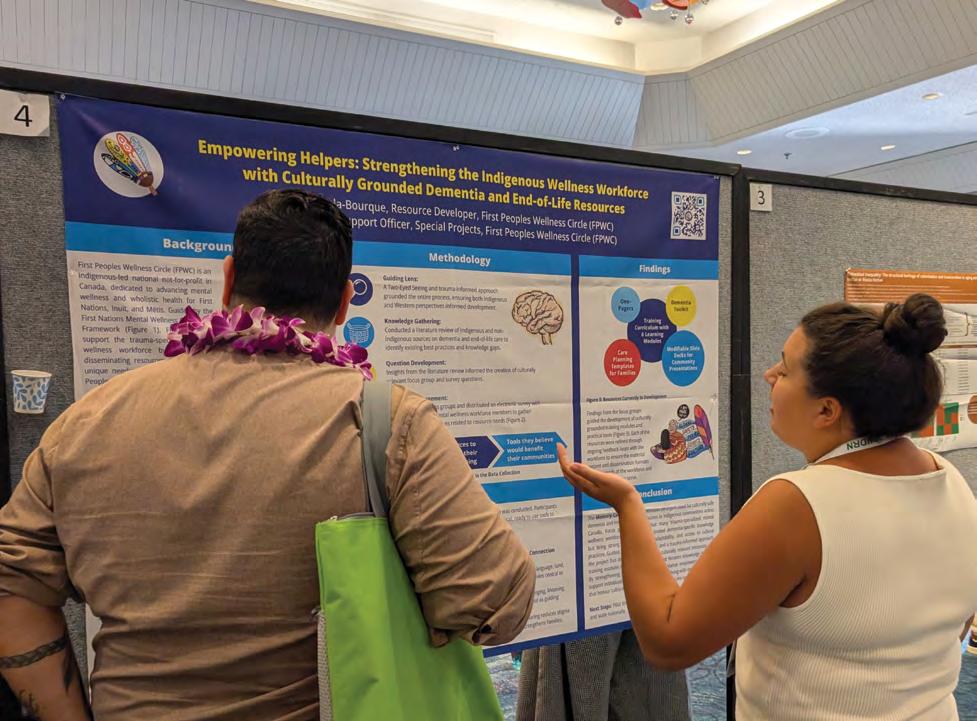
International Indigenous Dementia Research Network Annual Conference. (Attended, FPWC delivered poster presentation)
October 28, 2025.
Sudbury, ON.
Greater Sudbury Police Services. Facilitated a training presentation on working with Indigenous people with trauma. (Attended)
October 29–30, 2025.
Dartmouth, NS.
Grant Proposal Writing Workshop. (Co hosted with Collective Results and Atlantic Policy Congress of First Nations Chiefs Secretariat)
October 30–31, 2025.
Thunder Bay, ON.
Access Open Minds Indigenous Youth Mental Health and Wellness Network Advisory Circle Meeting. (Attended)
November 4–6, 2025.
Montréal, QC.
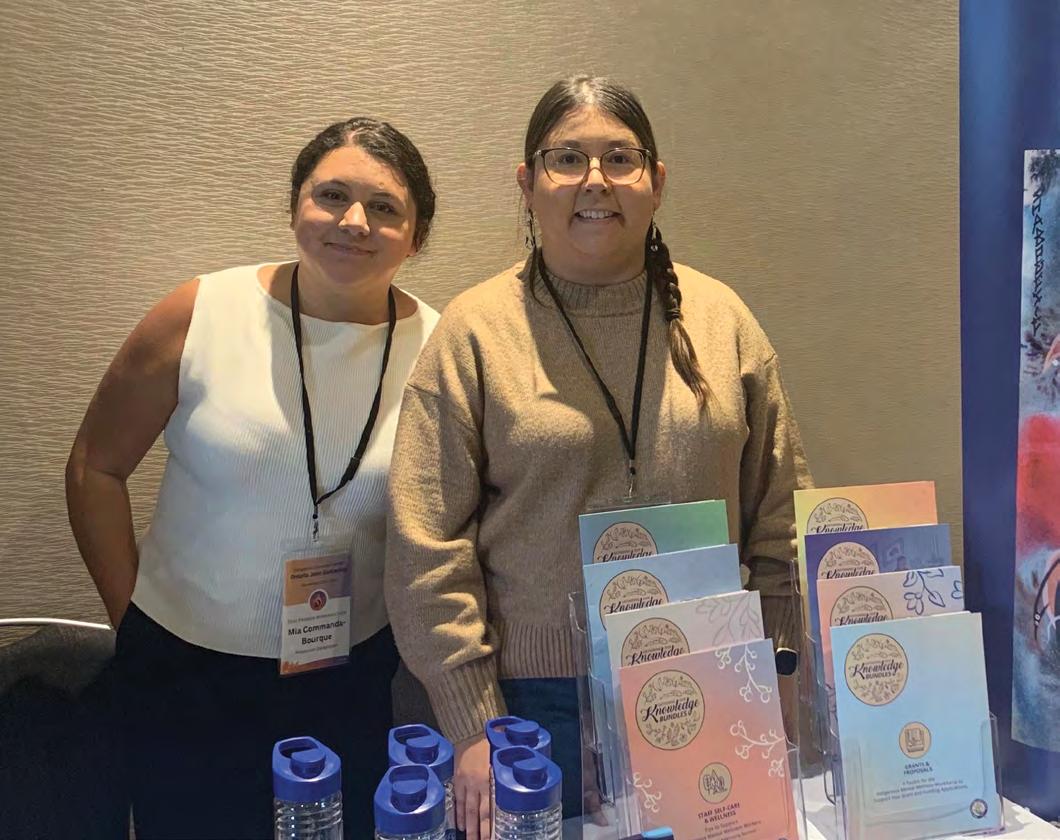
First Nations Health Managers Association Annual National Conference. (Hosted a booth)
November 4, 2025.
Sault Ste Marie, ON.
Ontario Native Education Counselling Association annual gathering. Keynote and workshop. (Attended)
November 6, 2025. Virtual event.
Virtual learning series hosted by ISC Environmental Public Health Officers. Workshop on Indigenous mental wellness and health emergency management. (Attended)
November 20, 2025. Toronto, ON.
Network Environments for Indigenous Health Research (NEIHR) Ontario Pop Up Research‑To‑Policy Forum. (Hosted a booth)
November 25–26, 2025. Toronto, ON.
Indigenous Services Canada Ontario Joint Gathering. (Hosted a booth)
November 25–26, 2025.
Edmonton, AB.
AFN’s Mental Wellness Committee annual strategy planning meeting. (Attended)
December 2–3, 2025. Toronto, ON.
National Indigenous Data Sovereignty and Governance gathering hosted by CAMH’s Shkaabe Makwa. (Attended)
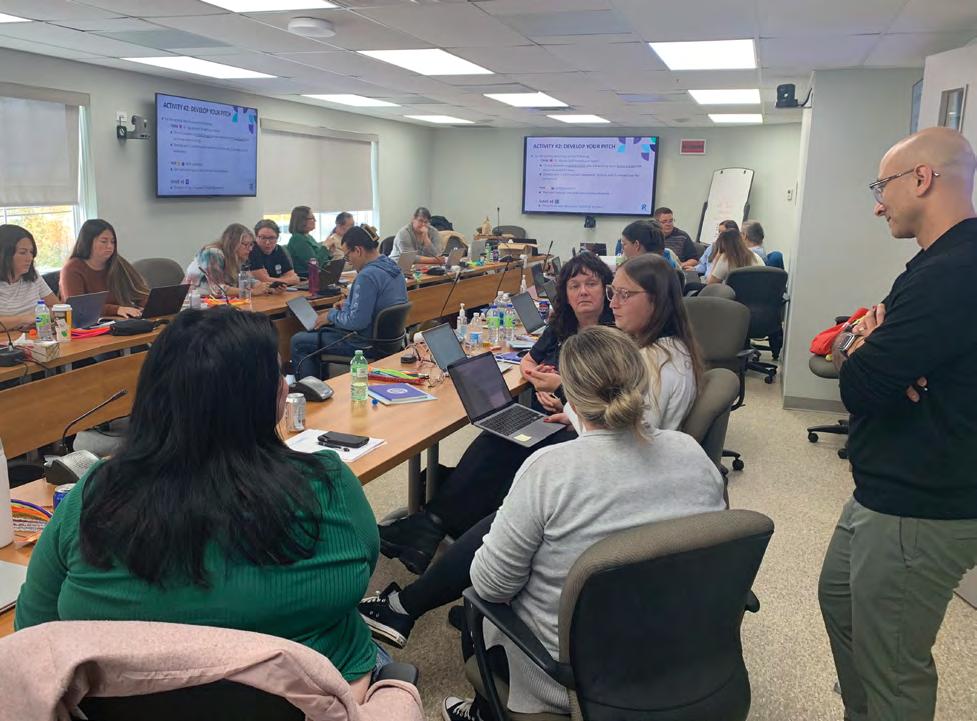
January 20–22, 2026. Sudbury, ON.
Ontario Regional Skills Training. (Hosted by FPWC)
February 3–4, 2026. Blue Mountains, ON.
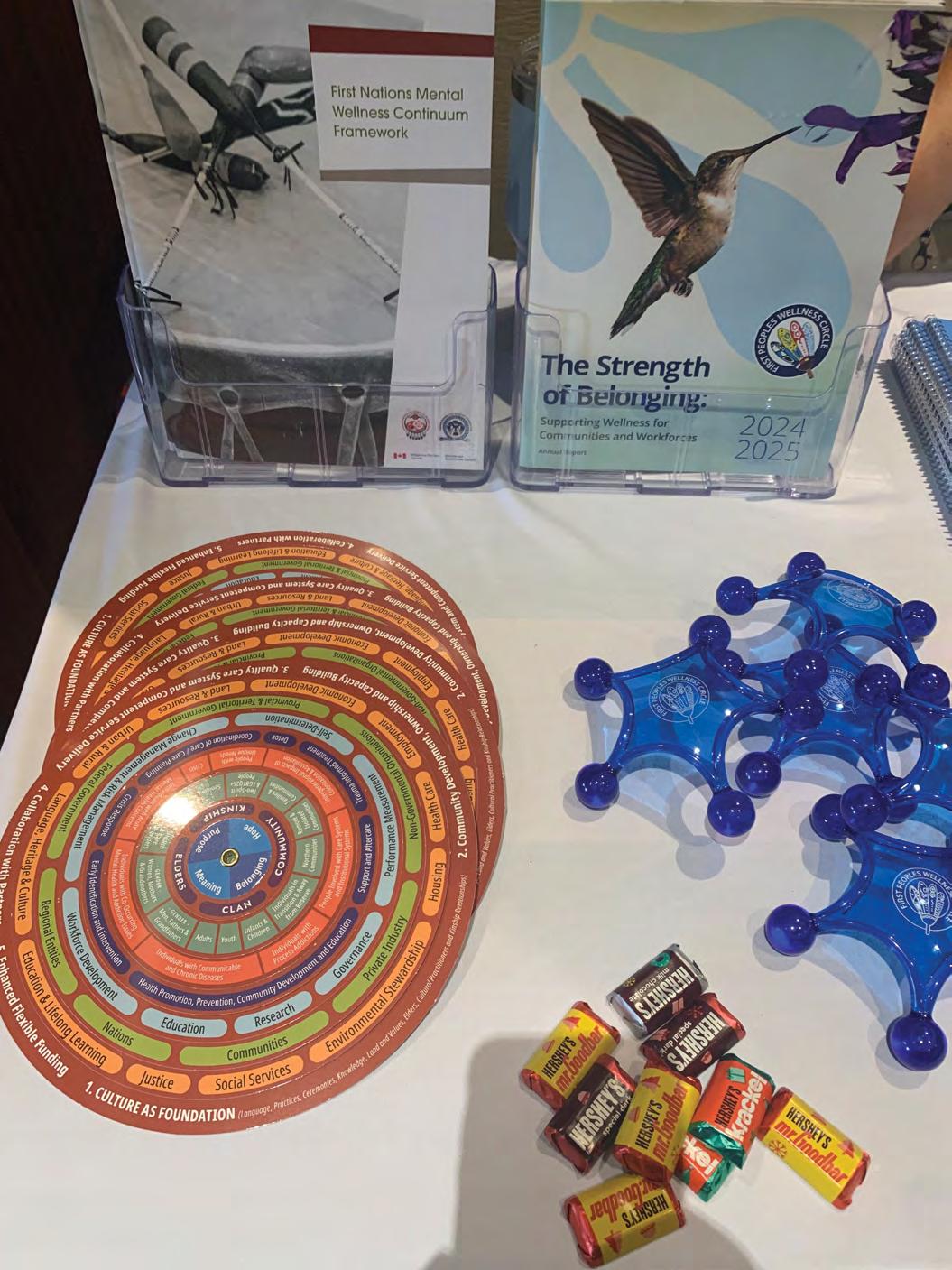
Anishinabek Nation 3rd Mental Health, Addiction, and Opioid Conference. (Hosted a booth)
February 3, 2026. Moncton, NB.
Anti‑Indigenous Racism in New Brunswick partner session #4. (Co‑hosted with Mental Wellness Teams of NB)
February 7, 2026. Ottawa, ON.
Ottawa Inuit Celebration. (Hosted a booth)
February 11–12, 2026. Toronto, ON.
Chiefs of Ontario Health Forum. (Hosted a booth)
February 16–18, 2026. Trois-Rivières, QC.
Weaving Wellness Together. (Co hosted with Centre Wapan)
February 24–26, 2026. Ottawa, ON.
First Nations Substance Use Summit. Workshop presentation. (Attended and FPWC hosted a booth)
February 26, 2026.
Vancouver, BC.
First Nations Health Authority Trauma Informed Health and Cultural Support Gathering. (Attended)
March 3–4, 2026. Sudbury, ON.
Grants and Proposals Training. (Hosted by FPWC)
March 19–21, 2026.
Edmonton, AB.
Alberta MWT Gathering. (Hosted a shared booth with Thunderbird and co hosted event with Maskwacis Ambulance Authority)
March 26–27, 2026.
Winnipeg, MB.
NNADAP/NYSAP Gathering (Hosted a shared booth with Thunderbird)