
YOUNG DRIVER FOCUS 2026 REPORT


WELCOME
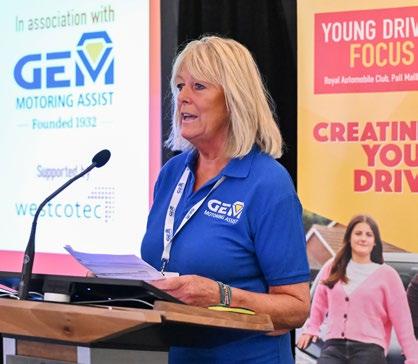
GILL STARKIE
Trustee, GEM Motoring Assist
I am pleased to welcome you to the Young Driver Focus 2026 report, reflecting on another impactful and thought-provoking event that brought together a wide range of expertise, insight and shared commitment to improving young driver safety.
The continued strength of this event lies in its ability to connect research, policy and practice in a way that supports meaningful progress. Now well established in its second decade, Young Driver Focus continues to demonstrate the value of collaboration across sectors. This year’s discussions once again highlighted both the scale of the challenge and the opportunities for innovation, particularly in supporting behaviour change, improving knowledge, and embedding evidence-based interventions.
Importantly, much of what was explored aligns closely with the ambitions set out in the developing National Road Safety Strategy, reinforcing the role that coordinated, system-wide action must play in reducing risk among young drivers.
GEM Motoring Assist is proud to continue its sponsorship of this event. As a road safety and breakdown organisation, we are committed to supporting initiatives that deliver practical improvements and long-term impact. Through our partnerships and ongoing work, we aim to contribute to safer

outcomes for all road users, particularly those at greatest risk.
The GEM Road Safety Charity, established in 1985, remains central to this mission. Its purpose – to reduce the number of people killed or seriously injured on the UK’s roads – continues to guide our efforts. In our most recent funding round, we have supported South Yorkshire Fire and Rescue’s innovative young driver engagement programme, as well as another project for the Older Drivers Forum, whose work promotes continued mobility and safety for drivers of all ages.
I believe the collective responsibility to create a safer road environment remains a key theme running through both the event and this report. I hope you find it both informative and inspiring, and that it supports your own work in improving safety outcomes for young drivers.
In association with Supported by Organised by



GOVERNMENT POLICY UPDATE
LILIAN GREENWOOD MP, Minister For Local Transport

HOW DVSA IS HELPING TO IMPROVE YOUNG DRIVER SAFETY
JACQUI GRIFFITHS, Head of Driver Policy, DVSA
HOW THINK! IS REACHING YOUNG DRIVERS IN 2026
MAX MALAGONI, Marketing Team Lead, Department for Transport
YOUNG
DRIVER DATA: A YEAR IN REVIEW
RUBY MARTIN, Data Analyst, RAC Foundation



ARE YOU ENGAGING YOUNG DRIVERS WITH SOCIAL CONTENT?
SOPHIE TUCKER, Data Specialist, and EVE MILLER, PR and Outreach Specialist, Maze Media

TREADING CAREFULLY: THE HIDDEN DANGERS PUTTING YOUNG DRIVERS AT RISK
EMMA BURLEY, Communications Lead, TyreSafe

DRIVING CULTURE: HOW EMPLOYERS SHAPE YOUNG DRIVERS’ FUTURES
SIMON TURNER, Engagement Manager, Driving for Better Business

DRIVER2020 –A REAL-WORLD TRIAL OF FIVE INTERVENTIONS TO IMPROVE SAFETY FOR NOVICE DRIVERS DR SHAUN HELMAN, Chief Scientist, and DR JILL WEEKLEY, Principal Evaluation Consultant, TRL


YOUNG DRIVERS AND THE SAFE SYSTEM WORKSHOP
DAN CAMPSALL, Chairman, and DR ÖZGÜN ÖZKAN, Senior Consultant, Agilysis
GoDrive: THE ROAD AHEAD
CHERYL EVANS, Senior Road Safety Officer, West Berkshire Council


“5 IN 5”: A NEW VIRTUAL REALITY FILM FOR YOUNG DRIVERS
KATE GARRIGAN, Watch Manager Community Safety, Leicestershire Fire & Rescue, and MATT HYLAND, Prevention Manager, Bedfordshire Fire & Rescue
DR ELIZABETH BOX, Director, ECM Research Solutions


KATE MONK, CEO, and NEALE KINNEAR, Chief Behavioural Scientist,


YOUNG DRIVER PANEL DISCUSSION
KEANAN LLOYD-ADAMS, Actor and TikTok Presenter for FirstCar, RIA FRANCIS, Presenter and Events Planner, ELIOT WHYTE, Apprentice Vehicle Technician, Stellantis, ANASTASIIA HUCHOK, Actress,
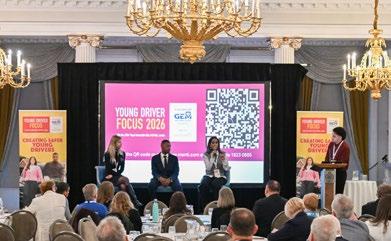





GOVERNMENT POLICY UPDATE
LILIAN GREENWOOD, MP, MINISTER FOR LOCAL
TRANSPORT
“I'm sorry I couldn't be with you in person, but I'm pleased to thank you for your continued dedication to making our roads safer.
“In 1935, just down the road from this event, a man from Kensington became the first person in Britain to pass a driving test, setting new expectations for generations of drivers to come.
“Britain now has some of the safest roads in the world, partly thanks to people like you, but it's a different story for too many young people. You'll know the numbers. As the minister responsible for road safety, I find them unacceptable.
“That's why our road safety strategy sets ambitious targets to cut deaths and serious injuries on our roads by 65% by 2035.
“We've also proposed the biggest change to the learning to drive journey since the dawn of the driving test over 90 years ago. We want new drivers to have more time to gain experience, more time to build proficiency, and more time to reduce the risk to
themselves and other drivers. So, we have asked for views on introducing a minimum learning period before our drivers sit their practical test and a minimum number of supervised hours on the road as well as more formal learning through a structured syllabus.

“I know that passing the practical test is more than just a milestone for a young person. It's a leap towards independence, but we must balance the risks and the rewards.
“Not only are we continuing to reach young people through THINK!, our flagship road safety campaign, we've also sought views on tougher action against drink, drug and dangerous driving and introducing greater powers to combat behaviours that put people at risk, and on a lower blood alcohol limit for novice drivers in England and Wales. We've also proposed new rules for safer
vehicles and asked for views on the mandatory fitting of 18 proven technologies in new trucks, cars and vans.
“Our consultations have closed, and my officials are busy analysing responses. I'm incredibly grateful to all those who took the time to share their insights and ideas. By working together, we can meet the demands of 21st century roads, 21st century vehicles, and 21st century people.
“That milestone driving test in 1935 helped set the standards for safe road travel across the last century. This government is picking up the baton for a lifetime of safe driving for younger drivers and for everyone.”
CLICK HERE for the full presentation...
HOW DVSA IS HELPING TO IMPROVE YOUNG DRIVER SAFETY
JACQUI GRIFFITHS, HEAD OF DRIVER POLICY, DVSA
BRIEFING NOTES
❍ Changes to the driving test to reflect real-world risks
❍ Minimum learning period under consideration following consultation
❍ Ready to Pass campaign promotes a holistic approach to road safety
❍ Test booking process reforms to prevent reselling by third parties
Jacqui Griffiths, Head of Driver Policy at the Driver and Vehicle Standards Agency (DVSA), outlined the range of initiatives her organisation is undertaking to improve road safety for young and new drivers. Having joined DVSA in the autumn of 2025, she shared updates across several key areas: changes to the practical driving test, the Ready to Pass campaign, test booking reforms,
learning resources, and industry partnerships.
CHANGES TO THE PRACTICAL DRIVING TEST
A central focus of the presentation was recent changes to the practical driving test, designed to better reflect the real-world risks facing young drivers. Griffiths highlighted that between 2019 and 2023, nearly half of all collisions involving young drivers that resulted in a fatality or serious injury took place on rural roads — yet these roads have historically been difficult to incorporate into the driving test. To address this, DVSA conducted a five-month trial before making permanent changes.
The key adjustment is that learner drivers will now spend more time on higher speed and rural roads during their test, wherever the local geography allows. This serves a dual purpose:
it more accurately assesses a learner's ability to handle challenging road conditions, and it also shapes where learners choose to practise, since learners tend to focus on the types of roads they expect during the test.
To enable more flexible test routes, DVSA reduced the number of set stops from four to three and cut the frequency of emergency stop exercises from one in every three tests to one in every seven. The independent driving segment of the test has also been made more flexible – it can now use a sat nav, road signs, or a combination of both, and can extend from twenty minutes up to the full duration of the test. These adjustments free up test routes from the need to find slower, more urban roads and allow examiners to get learners out onto the kinds of roads that pose the greatest risk.
Griffiths also briefly mentioned the ongoing consultation on a minimum learning period, noting that DVSA is working closely with the Department for Transport to support any resulting changes.
READY TO PASS
Griffiths spoke about DVSA's Ready to Pass campaign, which aims to prepare learner drivers not just for their test but for a lifetime of safe driving. The campaign outlines 27 skills, from basic manoeuvres to fully independent driving. It also includes guidance on managing nerves — both for the test itself and for the new situations drivers will face after passing, such as unfamiliar cities, complex roundabouts, or country roads at night.
Awareness of the campaign is growing, with around 40% of 17–24-yearolds now familiar with it, just over half of those
We are committed to supporting young drivers with our guidance and through the Safe Driving for Life website
using its resources, and approximately threequarters saying they would recommend it to other learners. However, Griffiths acknowledged there is still progress to be made. DVSA plans to promote the campaign more actively at the theory test stage and earlier, to embed good habits from the start of the learning journey. Paid media activity on platforms such as Snapchat and TikTok is already underway to reach young people.
She also highlighted that a third of young drivers currently sit their theory test without any practical driving experience and argued strongly for a more holistic approach — taking practical lessons alongside theory study so that road rules become meaningful in context.
REFORMS TO TEST BOOKING
Griffiths addressed the widely reported issue of third parties exploiting learner drivers by bulkbuying and reselling test slots at inflated prices. Following a call for evidence and formal consultation, DVSA has introduced a series of reforms.
From 31 March, the number of changes a learner can make to their test booking has been reduced from six to two.
Now only the learner themselves can book or manage their own test — driving instructors and third-party resellers are no longer permitted to do so, and learners must confirm their identity and agree to new terms and conditions when booking. From 9 June 2026, further restrictions limit the test centres to which a booked test can be moved, preventing the practice of booking at low-demand centres with the intention of later transferring to high-demand areas.
RESOURCES AND PARTNERSHIPS
DVSA continues to develop its Safe Driving for Life website, which offers e-learning modules and official guidance for both the theory and practical tests. Griffiths highlighted The Official DVSA Guide to Better Driving as a recommended resource for drivers of all ages. She closed by emphasising the importance of collaboration, highlighting DVSA's car driver training and testing forum, its work with organisations such as TyreSafe, and partnerships with other government departments. ◆













What is the ICE Hub?




The Immersive Community Education (ICE) Hub is a platform for sharing virtual reality experiences and 360 film for the benefit of road and community safety. Founded by FirstCar and Leicestershire Fire & Rescue Service following their production of the very first road safety VR film in 2015, the ICE Hub has now grown to contain almost two dozen films with a combined total production value of over £750,000.
Virtual reality lends itself perfectly to many safety awareness and education messages, by immersing viewers in a lifelike environment and presenting hazards,
risks and insight that would be too costly, impractical or dangerous to engineer in a live setting. Not only is VR a great media to get messages across, because the technology is relatively new, people are keen to engage with it and enjoy participating using either a headset or handheld device.
ICE Hub members have perpetual access to the whole library of film as it grows. To obtain membership you can either work with us to produce a VR film and contribute it to the Hub or make a financial contribution towards the cost of an existing VR production.


Over 50 members, including:




Mature driver education
Working alongside the Older Driver Forum, this collaboratively funded film was designed to provide members with an intervention for mature drivers. Focusing on issues such as reduced physical mobility, impaired vision, hazard perception and the ability to judge speed, virtual reality provided the perfect medium to prompt discussion. Independent evaluation has since shown statistically significant results against all the objectives, proving that VR shouldn’t just be considered a medium for the young.


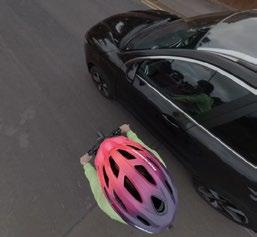


Cycling UK Too Close for Comfort
This short film was produced for cyclists and drivers, to demonstrate both unsafe and safe overtaking manoeuvres. Shot from a combination of cyclist and driver perspectives, we can feel the vulnerability of the cyclist and understand from the in-car view, what a safe overtake looks like. This film carries the theme of sharing the road and is narrated with actionable tips by both the driver and cyclist. It is non-preachy and to the point.
FirstCar Awards 2019Partnership Scheme Winner



HOW THINK! IS REACHING YOUNG DRIVERS IN 2026
CLICK HERE for the full presentation...
MAX MALAGONI, MARKETING TEAM LEAD, DEPARTMENT FOR TRANSPORT
BRIEFING NOTES
❍ THINK! focuses on areas most likely to cause death or serious injury among young drivers
❍ Young males are targeted, since they are disproportionately at risk
❍ Strategy has evolved to reflect improved understanding of the audience
❍ Commercial partnerships have been successful
❍ Resources open to free non-commercial use
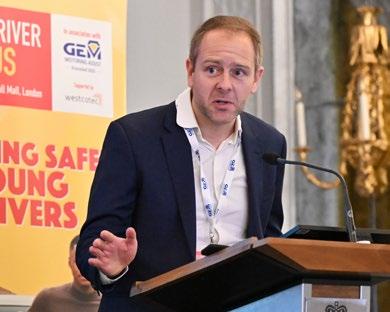
Max Malagoni, Marketing Team Lead at the Department for Transport, delivered an update on the government's long-running THINK! road safety campaign. He outlined the campaign's strategic evolution, recent activities, and plans for the year ahead.
BACKGROUND AND FOCUS
THINK! is one of the UK government's most recognised and trusted advertising campaigns, and Malagoni expressed pride in being one of its current custodians. THINK! focuses its efforts on the behaviours most likely to cause death or serious injury among young drivers. Young male drivers remain disproportionately at risk compared to all other groups, and the three behaviours consistently identified as the leading causes of young road deaths – speeding, drink driving, and drug driving –accounted for 74% of all young road fatalities in 2024. These remain the campaign's priorities.
UNDERSTANDING THE AUDIENCE
A significant part of THINK!'s work involves understanding the world of young drivers. Research
consistently shows that young men are prone to overconfidence and optimism bias, leading them to underestimate the risks they take on the road. Focus groups frequently produce responses reflecting a sense of invincibility and pride in driving ability – a mindset the campaign must find ways to cut through.
Malagoni also referenced a recent state of the nation report from the Department for Culture, Media and Sport, which highlighted how young people – having grown up through COVID and in an increasingly virtual world – often feel disconnected from broader society, leading to tight-knit social circles. The car, in this context, is much more than a means of transport: it represents freedom, status, and a social space. THINK! deliberately reflects this understanding in how it designs its campaigns.
EVOLVING CAMPAIGN STRATEGY
The speaker traced the evolution of THINK!'s approach over recent years. The original Mates Matter strategy, launched in 2019, reframed peer intervention as an act of loyalty rather than weakness, and did successfully increase intentions among young men to intervene when friends were at risk of driving dangerously. However, it had limited impact on how young men assessed personal risk.
From 2023, the campaign shifted towards directly challenging the "it won't happen to me" mindset, using loss aversion to make the consequences of risky driving feel more tangible and personally relevant. Rather than relying on shock tactics – which tend to make this audience defensive and disengaged –the approach ladders up consequences from the immediate and relatable (losing a licence, social fallout) to the more serious (collisions, imprisonment).
Testing of three distinct creative territories led to the current core message: small choices can lead to big consequences. This concept resonated strongly in focus groups, as it made everyday decisions feel credible and personally meaningful. One young driver's response
captured it well: one small risk could derail an entire set of life plans.
RECENT CAMPAIGNS
Several recent campaigns were highlighted. The Think! 0% platform, targeting drink driving, has proven particularly successful by partnering with major alcohol brands such as Heineken and Diageo to promote 0% alcohol options in venues and through influencer activity.
THINK! has also been experimenting with content creators and influencers. A long-form 47-minute video produced over the Christmas period – in which two influencers were dropped in a field to illustrate the consequences of losing a driving licence –attracted strong viewership and positive sentiment, demonstrating that young audiences will engage with longer content when it is compelling and well-crafted.
A drug driving campaign, the first of its kind in nearly a decade, was also launched over the Christmas period. It took a creative approach and achieved strong recognition and awareness scores. Crucially, even among those who admitted to regularly taking drugs, the campaign produced a measurable shift in stated intentions not to drive after
drug use, as well as a 5% increase in those who reported changing their behaviour – for example, choosing alternative transport when attending events where drugs might be present.
PLANS FOR THE YEAR AHEAD
Over the summer, THINK! will partner with the football app OneFootball during the World Cup to send in-themoment nudges promoting 0% alcohol choices. The drug driving campaign will be rerun in July and August, reflecting the summer peak in drug-related casualties. A new speed awareness campaign is planned for autumn, and further drink and drug driving messaging is expected around the December period.
A CALL TO COLLABORATE
Malagoni closed with an appeal for partnership, noting that THINK!'s materials are freely available for noncommercial use. He encouraged attendees to get in touch to explore how organisations can work alongside the campaign to extend its reach and offered support to those with local budgets to make the most of THINK!'s resources. ◆

YOUNG DRIVER DATA: A YEAR IN REVIEW
RUBY MARTIN, DATA ANALYST, RAC FOUNDATION
BRIEFING NOTES
❍ Small cars have become far safer over the past 30 years
❍ There have been long-term reductions in deaths and serious injuries
❍ While the number of vehicles has grown, casualties per billion vehicle miles have dropped
❍ Younger generation is drinking less, whether driving or not
❍ Financial constraints put young drivers behind the wheel of older, less safe cars
While most presenters at Young Driver Focus passed their driving test decades ago, Ruby Martin is a young driver herself. She is a Data Analyst at the RAC Foundation and delivered a presentation which drew on both data and her own
CLICK HERE for the full presentation...
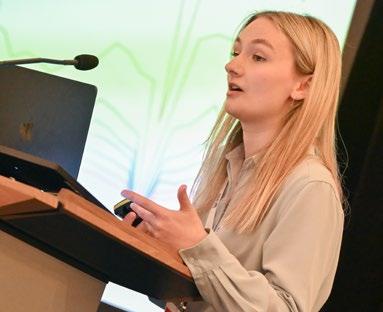
experience. Martin offered a review of key trends in road safety, driving test data, and vehicle technology over roughly the past three decades – framed through the lens of her own lifetime.
Vehicle safety: how far technology has come Martin opened with an engaging comparison of car safety across the generations, using Euro NCAP ratings as her benchmark. The most common car currently on UK roads, according to Department for Transport and DVLA data, is a 2015 Ford Fiesta. This vehicle comes equipped with speed and lane assist, seat belt reminders, and a comprehensive array of airbags – driver, passenger, side head, chest, and side pelvic – making it a reasonably safe car by modern standards.
She contrasted this with a
1996 Nissan Micra – the kind of car her mother drove around the time she was born – and with the mid1990s Ford Fiesta, one of the first cars ever tested under the Euro NCAP system. That earlier Fiesta achieved three out of five stars, had a driver's airbag and effective seat belts, but only offered anti-lock brakes at extra cost and displayed serious structural weaknesses, with crash test dummies experiencing severe force. The comparison illustrated just how dramatically vehicle safety has improved within a single generation.
Driving test trends
Martin then turned to driving test data, presenting figures on the number of tests passed by age group over time. In absolute terms, the number of tests passed has remained relatively stable across age groups over the years, and pass rate


percentages have also stayed broadly consistent throughout her lifetime.
She highlighted two notable historical milestones: the introduction of the written theory test in 1996, and the addition of the hazard perception segment in 2002. On the latter, she observed that while it has had some positive effects, many learners tend to give it less attention in their preparation since it requires understanding the format rather than memorising content.
The data showed a dramatic dip in tests passed in 2020, which Martin attributed to the COVID-19 pandemic. She also noted a corresponding spike in 18-year-olds passing their test in 2021, which she suggested likely reflected the cohort of 17-year-olds from 2020 whose tests had been cancelled and who therefore took them a year later. Her own test was among those disrupted by the pandemic.
Road safety improvements
Turning to the broader road safety picture, Martin presented data showing a significant long-term reduction in road deaths and serious injuries. Between 2002 and 2024,
killed or seriously injured casualties among young drivers fell by 61%, compared to a 37% reduction across all other driver groups over the same period. She noted that 2020 saw the lowest recorded number of road deaths –though she was quick to point out this was not zero, and was partly attributable to the reduction in traffic during lockdowns.
Perhaps most strikingly, she highlighted that the number of licensed vehicles on UK roads has increased by nearly ten million during her lifetime, yet fatalities have continued to fall. Casualty rates measured per billion vehicle miles have also decreased consistently. Martin was emphatic that this progress deserves more recognition, describing it as a major achievement for the road safety community and crediting the sustained advocacy and policy work that has driven it.
The challenge: young drivers and older cars
Martin referred to the gap between vehicle safety advances and the reality of young drivers' experience. While cars are undeniably safer than they have ever been, young drivers –constrained by the cost of purchasing vehicles and the high price of insurance –
tend to buy older, cheaper cars that lack the modern safety features of newer models. Learner drivers are typically taught in relatively new, well-equipped instructor vehicles, then must transition to older, less safe cars once they pass their test. Martin spoke from personal experience, describing her first car – a 1999 Peugeot 106 – as something she was often genuinely nervous to drive.
A generational shift on drink driving
She closed with a positive note on changing attitudes among young people towards alcohol. Citing data from the Drinkaware charity, she noted that 26% of 16–24-year-olds reported not drinking at all in the past twelve months in 2022, up from 19% in 2011. She attributed this shift to a combination of financial pressures, greater health awareness, and the influence of social media. She suggested it is likely contributing to a reduction in drink driving among her generation.
Martin concluded that road safety has improved considerably within her lifetime, but that young drivers do not always fully benefit – primarily due to the financial barriers that leave them driving older and less safe vehicles. ◆


SCREAMING INTO THE VOID: ARE YOU ENGAGING YOUNG DRIVERS WITH SOCIAL CONTENT?
CLICK HERE for the full presentation...
SOPHIE TUCKER AND EVE MILLER, MAZE MEDIA
BRIEFING NOTES
❍ TikTok and YouTube are key social channels
❍ Young people are using social media rather than traditional search engines
❍ Organisations should create content that the audience enjoys
❍ Hook viewers immediately or lose them
❍ Allow analytics to guide decision making
Road safety organisations can reach young drivers through social media, but only by using the right social platforms in the right way. Sophie Tucker and Eve Miller, a Data Specialist and PR and Outreach Specialist respectively at marketing agency Maze Media, delivered a presentation on how to engage with young drivers via their favourite social media apps.

SOCIAL MEDIA MATTERS
The presentation opened with a clear challenge to the audience: if you are not already present on Gen Z's side of social media, you need to be. Gen Z – currently aged between 14 and 29, encompassing the core young driver demographic – are almost universally active on social media, with 98% using it regularly.
Crucially, over two in five use social media as their primary source of news and information, ahead of traditional outlets such as news apps. TikTok ranks first overall, particularly among females, while YouTube dominates for young male users. For road safety communicators, this makes TikTok and YouTube essential front-line channels.
A key insight was that Gen Z is shifting away from traditional search engines, with 41% now preferring to search via social media first.
This means platforms like TikTok and YouTube are not merely entertainment spaces – they are where young people actively go to find answers to questions, about learning to drive and staying safe on the road.
MAKING CONTENT FOR TIKTOK
With 16,000 videos uploaded to TikTok every single minute, standing out requires a strategic approach. The presenters argued that the most important foundation is search engine optimisation (SEO) – the same principle that applies to Google, adapted for TikTok.
The key steps include thorough keyword research based on what the target audience is searching for, incorporating those keywords naturally into descriptions, captions, and on-screen text, and using TikTok's own text tools
rather than external editing software. This improves the chances of appearing in search results. Captions –functioning like subtitles –were highlighted as particularly valuable, with data showing they increase the chance of impressions by 56%.
Hashtags remain useful but should be specific and limited to around three per post.
UNDERSTANDING THE TIKTOK ALGORITHM
The presentation addressed a common misconception: that success on TikTok requires tricking the algorithm. Tucker and Miller explained that the algorithm rewards content that people genuinely enjoy. When a video is posted, TikTok shows it to a small group of a few hundred people. If it performs well through likes, comments, and shares, it is shown to larger audiences, potentially reaching viral status. The process can take days or even weeks, so patience is essential.
The critical window, however, is the first two to five seconds of a video, during which content must hook the viewer before they scroll away. Three types of hook were outlined: a visual hook (something bold, sudden, or unexpected on screen from the very first frame), a verbal hook (an
opening line that provokes curiosity or challenges an assumption), and an audible hook (a trending sound or jarring audio that breaks the monotony of the feed). Organisations were strongly advised to employ at least one of these – and ideally all three – immediately.
USING ANALYTICS
The presenters walked through TikTok's built-in analytics tools as an underused but invaluable resource. The overview tab provides basic performance data including profile views, engagement metrics, and traffic sources – showing whether viewers are finding content through the For You page, search, or follows. The content tab identifies top-performing posts, while the viewer tab reveals demographics and when followers are most active. A particularly powerful feature is the Creation Inspiration section, which shows trending topics, what other videos your followers are watching, and even shows what your followers are actively searching for within the TikTok app. Conducting A/B testing can be beneficial to find what works for your viewers too.
PRACTICAL TIPS
Other recommendations were offered: include real people in videos, as content
featuring faces generates 38% more engagement; post daily if possible, or at minimum weekly; repost or re-edit underperforming content with a revised caption, as this can significantly increase views; and frame content around questions, since this aligns with how young people are searching. The presenters also highlighted TikTok's new localisation feature, which allows content to be targeted to users within a specific geographic area.
YouTube was acknowledged as a strong second platform, especially for longer-form content or utilising the YouTube Shorts feature, which is similar to TikTok but can be used to promote longer content.
CONCLUSION
Reaching Gen Z on social media is less about budget and high production values and more about strategy, authenticity, and a willingness to experiment. By treating TikTok as a search engine, mastering SEO basics, using strong hooks, and letting analytics guide content decisions, organisations can build genuine engagement with young drivers and most importantly, answer their safe driving questions. ◆
BRIEFING NOTES
❍ Tyre safety is a bigger issue for young drivers than many realise
❍ Young drivers underestimate the legal consequences of worn or defective tyres
❍ Education partnerships can embed safer habits
❍ ACT – Air pressure, Condition, and Tread – is a simple but memorable road safety tool
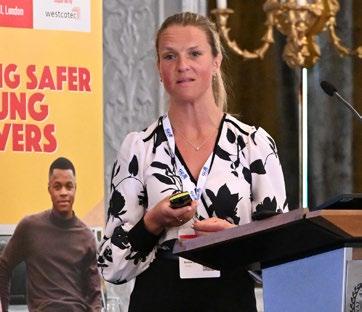
TyreSafe, the UK’s only dedicated tyre safety charity, is celebrating its twentieth anniversary this year. Emma Burley, TyreSafe’s Communications Lead, delivered a presentation on a critical but often overlooked road safety issue: the danger that poorly maintained tyres pose to young drivers. With around 250 partners across the tyre industry and road safety community, TyreSafe
TREAD CAREFULLY: THE HIDDEN DANGERS PUTTING YOUNG DRIVERS AT RISK
EMMA BURLEY, COMMUNICATIONS LEAD, TYRESAFE
sits at the intersection of both worlds, and Burley made a compelling case for embedding tyre safety into young driver education.
A PERSONAL START
Burley explained that her 17-year-old son Roman received a tread depth gauge and a pressure gauge in his Christmas stocking. He does not use either of them. This, she suggested, neatly encapsulates the challenge: even young people with direct access to safety knowledge and equipment can fall prey to the classic teenage belief that crashes happen to other people and that vehicle maintenance is someone else's responsibility.
THE PROBLEM
The statistics Burley presented paint a serious picture. In 2023, 190 people were killed or seriously injured in incidents linked to
defective tyres – a 29% increase on the previous year and the highest figure since 2018. Strikingly, this number is comparable to those killed or seriously injured as a result of mobile phone use while driving, yet tyre safety receives a fraction of the public attention. Drawing on data from the National Highways fatal crash database –covering vehicles forensically examined after fatal or serious collisions – Burley highlighted that in 75% of cases where tyre defects were a contributing factor, those defects could have been prevented through basic maintenance. In other words, people are dying because they are not checking their tyres.
Among young drivers specifically, the picture is particularly concerning. TyreSafe's own research found that one in three drivers aged 18 to 25 has
never checked their tyre tread. Beyond that, 52% of 17–24-year-olds did not realise they are legally responsible for the condition of their tyres, regardless of whether they own the vehicle. Only half understood that penalty points are applied per illegal tyre rather than as a single fixed penalty. A quarter did not understand how wet roads and worn tyres combine to affect stopping distances. Among those who did check their tyres, most did so only every three months rather than the recommended monthly interval, and 47% did not know how to check either pressure or tread. One in five had never been shown how to change a tyre.
THE LEGAL CONSEQUENCES
Burley underlined a point she felt was widely misunderstood among young drivers: the legal jeopardy that illegal tyres create during the probationary period. For drivers in their first two years after passing their test, just six penalty points result in losing their licence. Given that each illegal tyre carries a fine of up to £2500 and three penalty points, two illegal tyres are enough to send a young driver back to L-plates – yet this consequence remains
largely unknown to the group most at risk from it.
WHY TYRES MATTER FOR YOUNG DRIVERS
Burley made a compelling case for why tyre condition is especially critical for this age group. Total stopping distance comprises both thinking distance and braking distance, which is heavily influenced by tyre tread depth, tyre pressure, and road conditions. Research conducted by Halfords and Cardiff University found that at 70mph, worn tyres increase total stopping distance by 27 metres (28%), equivalent to three bus lengths. In wet conditions at the same speed, worn tyres had seven times more impact on stopping distance than alcohol.
Compounding this is the neuroscience of adolescent development. The prefrontal cortex, which governs impulse control and attention, does not fully develop until the age of 25. Young drivers are therefore physiologically more prone to distraction and slower reaction times – making the braking phase of stopping even more critical, and tyre performance even more important as a last line of defence. TyreSafe's simple campaign acronym – ACT, standing for Air pressure, Condition, and Tread – is
designed to give young drivers a framework for regular checks.
A CALL TO ACTION
In 2024, TyreSafe launched a dedicated young driver campaign in conjunction with Operation Spotlight, focusing on legal consequences and behaviour change rather than shock tactics, which research suggests alienates this audience. In 2025, the initiative was supported by the Department for Transport's THINK! campaign and developed in partnership with DVSA. All campaign materials are freely available to download from the TyreSafe website. Burley closed by urging parents to treat tyre checks as a routine safety habit, driving instructors to embed vehicle maintenance within the learning journey, colleges to include tyre safety in life skills education, and industry partners to continue reinforcing the message. Just as children are taught to look both ways before crossing the road, checking tyres should become an instinctive lifelong habit. The knowledge gap is not insurmountable – but closing it requires a collective effort. ◆
DRIVING CULTURE: HOW EMPLOYERS SHAPE YOUNG DRIVERS’ FUTURES
CLICK HERE for the full presentation...
SIMON TURNER, ENGAGEMENT MANAGER, DRIVING FOR BETTER BUSINESS
BRIEFING NOTES
❍ Inexperience and work pressures amplify risk
❍ Workplace culture can influence driver behaviour
❍ Better training and mentoring of young drivers reduce collision rates
❍ Employer objections can be overcome
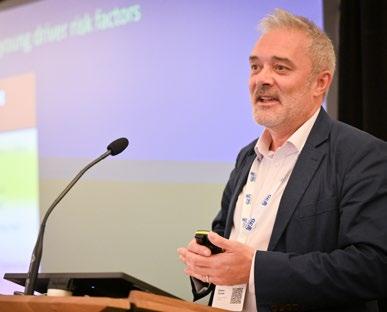
Driving for Better Business was set up by the Department for Transport nearly 20 years ago to raise awareness of employers' responsibilities towards driver safety. Simon Turner, the programme’s Engagement Manager, delivered a presentation on how businesses can better manage the risks posed by young drivers in the workplace. Turner outlined a practical framework for reducing young driver collisions in fleet settings.
TAKING YOUNG DRIVER RISK SERIOUSLY
Employers are increasingly recognising that the at-risk young driver group extends up to the age of 24, encompassing apprentices, graduates who passed their test before university and then went years without driving, and young sales staff taking on company cars for the first time. Young male drivers are four times more likely to be killed or seriously injured on the road, a statistic that is beginning to show up in company crash data.
THREE KEY RISK FACTORS
Through work with two utilities companies – SP Electricity North West and Northern Power Grid –Driving for Better Business identified three principal risk factors for young drivers in the workplace. The first is experience variability. Two apprentices
of the same age holding the same licence can have vastly different levels of realworld driving experience.
The second is neurological development. The brain continues developing into the midtwenties, affecting impulse control and risk perception. Young drivers are also subject to different circadian rhythms, often going to bed and waking later – a particular issue in industries that require early starts or night shifts.
The third is behavioural risk patterns. Risk-taking habits formed in young drivers' private lives can carry over into their working driving, and phone distraction was identified as a consistently common factor in the collisions these companies experienced.
THE CAR-TO-VAN TRANSITION
The presentation addressed
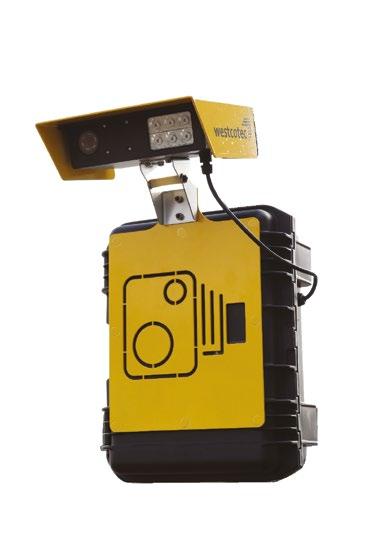
Westcotecandthe FutureofSpeedWatch
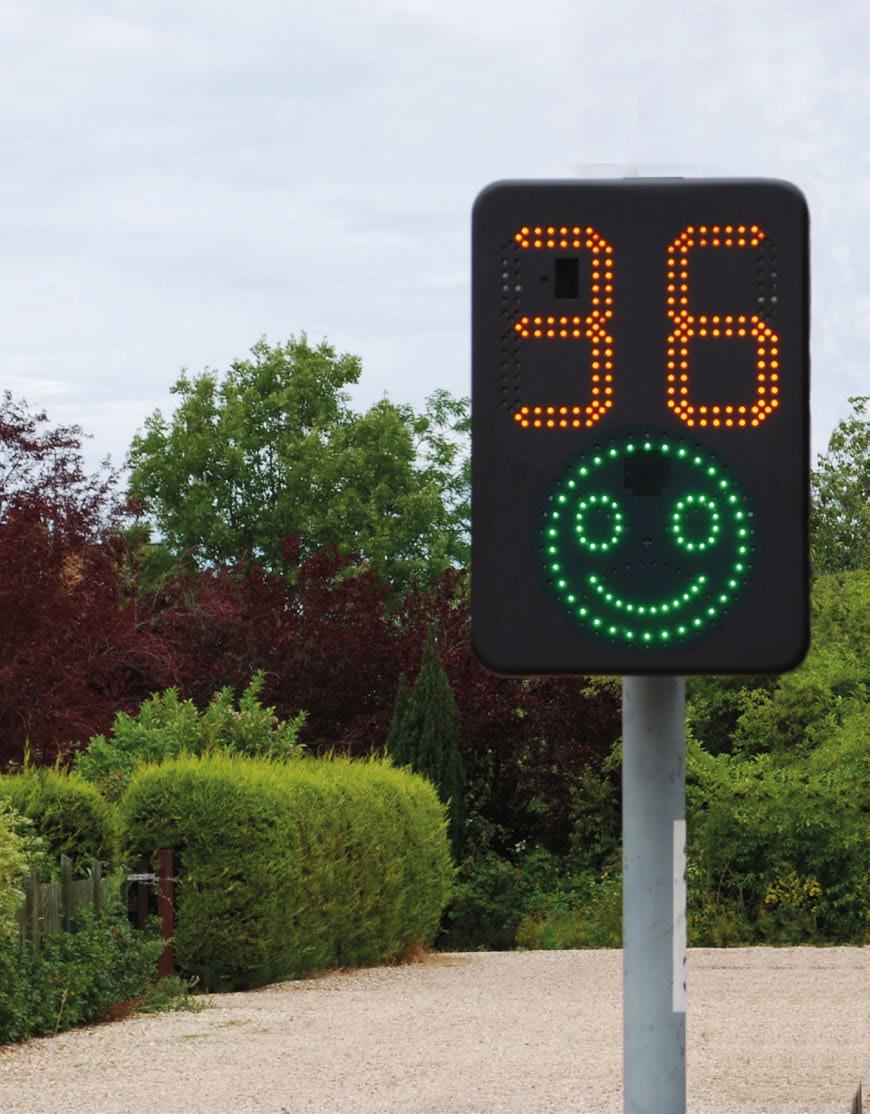
AutomaticSpeedWatchCamera (ASWC)specificallydesignedforthe automationoftraditionalSpeedWatch sessionscarriedoutbyvolunteerswithin thecommunity.
TheASWCdesignedandmanufactured byWestcotecinNorfolk,isaMadein Britainaccreditedunitthatisportable batterypoweredandtripodmountedto allowforrapiddeploymentand relocation.
Thedeviceitselfincludinglicensefree softwarewasdesignedincollaboration withPoliceforcesacrosstheUKto ensureitsusabilityandsuitability.
Oncedeployed,asimplesetupprocessusingaWindows laptopallowsforfastrecordingofoverspeedvehicles registrationdetails,togetherwithdate×tamp, speed,andbyusingaDVLAplugin,themake,modeland colouroftheoffendingvehicle.
WestcotecarepleasedtobeworkingalongsidePolice Forces,SpeedWatchGroupsandParishCouncilstosupply thisequipmentwiththeaimtoreducevehiclespeedsand ultimatelythechanceoffatalitiesduetospeedingonthe roadnetwork.

DRIVING CULTURE: HOW EMPLOYERS SHAPE YOUNG DRIVERS’ FUTURES
the underappreciated challenge of transitioning from car to van, which many employers handle inadequately. Vans have larger blind spots, no rear-view mirror, restricted manoeuvrability, and handling characteristics that change depending on whether the vehicle is loaded or empty. Speed perception is also different from an elevated driving position. Vans are subject to different speed limits from cars on certain roads, and many young drivers are simply unaware of this.
THE CONFIDENCECOMPETENCE GAP
Turner highlighted a phenomenon he described as the confidencecompetence gap – arguably the most dangerous phase of a young driver's early working life. Confidence grows quickly in the first few weeks of driving a new vehicle, but genuine competence develops more slowly. In the gap between the two, behaviour worsens.
A THREE-TIER FRAMEWORK
Turner outlined a three-tier framework developed with the two case study companies. Tier one covers the basic minimum controls:
a comprehensive vehicle induction, initial driver assessment, a driving for work policy reviewed in detail with the driver, and basic telematics monitoring. Tier two adds a formal permit-to-drive system, a structured training programme, a mentoring arrangement over a minimum of six weeks, and regular coaching conversations informed by telematics data. For drivers under 25, a third tier extends training using a distributed model – spreading learning across four to six weeks rather than condensing it into an intensive two-day block – continues mentoring to up to six months, prohibits solo driving within that period, and includes refresher training.
The distributed model was the most impactful change, improving information retention and reinforcing messages at a sustainable pace.
CASE STUDY RESULTS
The outcomes from both companies were striking. SP Electricity North West, which had been experiencing three young driver collisions per month, recorded zero collisions over the eleven months following the introduction of its revised programme. Northern Power Grid, a larger organisation,
implemented a six-month mentoring programme, a minimum two-year licence requirement for its permitto-drive system, and automatic exclusion for drivers with more than seven points or offences involving drink, drugs, or mobile phones. The improvements in collision rates extended across the entire fleet, not just among younger drivers.
ADDRESSING COMMON OBJECTIONS
In closing, Turner tackled four frequently cited objections from employers. On time, he argued that companies cannot afford not to invest in extended training given the cost of collisions. On resistance from experienced drivers, he suggested reframing the programme as professional development. On the cost of telematics, he noted that at approximately £30 per vehicle per month, a single saved wing mirror covers nearly three years of monitoring. On the burden placed on mentors, he proposed rewarding the role as a means of retaining valued senior drivers.
The new best practice guide summarising all these recommendations was published the day before the event and is available at drivingforbetterbusiness. com/support. ◆

BRIEFING NOTES
❍ Young drivers remain at high risk
❍ Voluntary measures alone are unlikely to be enough to address this
❍ Training and technology can support stronger licensing measures
❍ Graduated Licensing remains the strongest evidence-based approach
DRIVER2020 –A REAL-WORLD TRIAL OF FIVE INTERVENTIONS TO IMPROVE SAFETY FOR NOVICE DRIVERS
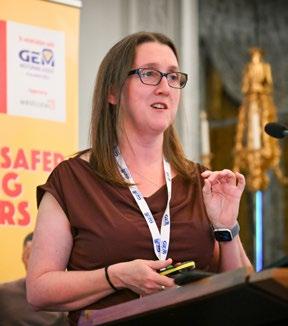
DR SHAUN HELMAN, CHIEF SCIENTIST, AND DR JILL WEEKLEY, PRINCIPAL EVALUATION CONSULTANT, TRL
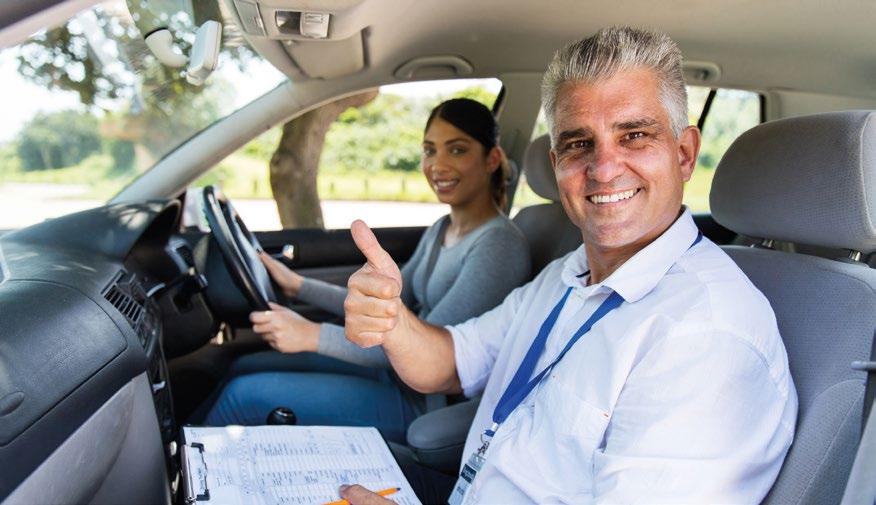
This session shared the long-awaited findings of Driver2020, a large-scale real-world trial commissioned by the Department for Transport (DfT) following the 2015 Road Safety Statement. The study evaluated five interventions designed to improve safety among young and novice drivers, with a specific focus on non-legislative approaches – meaning no changes to the licensing process itself.
THE TRIAL DESIGN
The trial was structured around two groups: learner drivers and novice drivers (those in their first year after passing their test). Three interventions targeted learners, and two were aimed at novices.
The five interventions:
❍ Logbook – an app-based tool to encourage more varied and extensive
on-road practice before the driving test.
❍ Hazard perception training – three online skills-based modules delivered at different points during the learning process.
❍ Education – a one-day course covering road safety topics, initially face-to-face but moved online during COVID.
❍ Mentoring agreement – web-based materials for new drivers designed to reduce exposure to high-risk situations, particularly night driving and carrying peer-age passengers.
❍ Telematics app – an app providing new drivers with feedback on their driving behaviour, similar to insurancelinked telematics.
The trial began with around 28,000 recruited participants, although
numbers dropped –particularly on the learner side – due to COVID-19 causing test cancellations. Participants completed surveys upon passing their test and at three, six, and 12 months afterwards.
KEY QUESTIONS
The primary question was whether these interventions, offered voluntarily without artificial incentives, reduced self-reported collisions at 12 months post-test. A secondary question examined the effect on surrogate safety measures – behaviours known to be associated with collision risk.
FINDINGS: COLLISIONS
None of the five interventions had any measurable effect on collision rates. The most likely explanation is straightforward –engagement levels across all interventions were very low. Even a highly effective intervention cannot reduce collisions if the target population does not use it. This was acknowledged as the most significant and sobering finding of the trial.
FINDINGS: BEHAVIOUR CHANGE AMONG ENGAGERS
Looking specifically at participants who did engage
with the interventions, a more encouraging, if mixed, picture emerged.
Mentoring agreement stood out as the strongest performer. Participants who used the materials were significantly more likely to voluntarily set limits on night driving and driving with peer-age passengers in their first six months. Crucially, this translated into actual behaviour: those participants reported a lower proportion of driving in the dark during months four to six after passing, a genuinely high-risk period for new drivers.
Hazard perception training also produced positive results. Engagers reported lower rates of speeding in their first three months of driving compared to the control group (11.4% vs 14.3%), and they needed fewer attempts to pass the theory test – both indicators of improved hazard perception skill.
Telematics produced a mixed picture. On the positive side, engagers reported driving less in the dark during months seven to 12. However, they also self-reported a riskier driving style overall – a finding the researchers could not fully explain, though one possibility is that the app gave drivers more self-awareness of their behaviour. This potential
safety disbenefit was flagged as a concern, warranting further research.
The logbook and education interventions showed some statistically significant behavioural changes, but none that the team felt confident would translate into genuine safety benefits.
CONCLUSIONS
Despite finding no measurable effect on collisions, the researchers emphasised that the value of the study lies in the confidence it provides. Good science should give reliable answers, not just welcome ones.
Voluntary, behaviourbased interventions –however well-designed –appear unable to move the needle on overall safety in the way that systemic licensing reform could. This has already influenced thinking around the Road Safety Strategy, where a consultation on minimum learning periods has been launched as one element of graduated licensing.
The most promising interventions – mentoring and hazard perception training – are worthwhile additions to the safety tool kit. The next step is to make them widely available. ◆

YOUNG DRIVERS AND THE SAFE SYSTEM WORKSHOP
DANCAMPSALL, CHAIRMAN, AND DR ÖZGÜN ÖZKAN, SENIOR CONSULTANT, AGILYSIS
BRIEFING NOTES
❍ Understanding risk through a Safe System perspective
❍ Learning to apply international practice in local settings
❍ How system elements can interact to enhance safety
❍ Practical ideas that support improvements
This interactive workshop session explored the risks facing young and novice drivers and examined how the Safe System framework can be used to address them. The session combined short presentations with structured group exercises designed to draw on the expertise of attendees.
UNDERSTANDING RISKS
The session opened by establishing why young driver safety remains a
pressing concern. Younger drivers continue to be disproportionately represented in serious collisions, and the harm extends beyond the drivers themselves to passengers and other road users. Attendees were invited to identify the key factors influencing young driver risk. Themes emerging included optimism bias, overconfidence, peer pressure and social norms, lack of experience, distractions (including music and mobile phones), emotional state and life events, and learned behaviours from parents. The absence of graduated licensing was also raised as a structural gap. These contributions were then grouped into three broad categories:
❍ Age and developmental factors – including cognitive development and decision-making

under pressure
❍ Experience-related factors – such as hazard perception, scanning, anticipation, and managing complex traffic situations
❍ Situational and contextual factors –including peer influence, alcohol and drugs, distraction, fatigue, seatbelt use, and night driving
It was noted that learners with conditions such as ADHD, ASD, or developmental coordination disorder may face additional challenges around processing multiple sources of information, managing fatigue and sensory overload, and following instructions.
EVALUATING EVIDENCE
The second exercise asked participants to RAG-rate (red, amber, green) a list of
commonly cited interventions for young drivers based on their confidence in the supporting evidence. The presenters then showed a synthesis of international evidence drawn from the SafetyCube online evidence tool and a World Bank Global Road Safety Facility publication.
The strongest evidence was found for:
❍ Graduated driver licensing (GDL)
❍ Extensive supervised on-road practice
❍ Minimum learning periods
❍ Hazard perception training and testing
❍ Enforcement and penalties, and education campaigns linked to enforcement
The evidence was more mixed or contextdependent for telematics and mentoring/parental agreements — consistent with the Driver2020 findings presented earlier in the day.
A recent Brake report showing strong public support for GDL was highlighted – making the political and policy case for its adoption compelling.
THE SAFE SYSTEM FRAMEWORK
The presenters then introduced the Safe System
approach, which has been embedded in the UK's new Road Safety Strategy. Its central premise is that humans are imperfect operators who will inevitably make mistakes – and the system must be designed to ensure those mistakes do not result in death or serious injury.
For young drivers specifically, this matters because developmental factors (including incomplete prefrontal cortex development) and limited experience make mistakes more likely and misjudgements of risk more common. The Safe System shifts responsibility away from the individual road user alone and places it on those who design, manage, and regulate the system.
The five domains of the Safe System were outlined: safe roads, safe speeds, safe users, safe vehicles, and post-crash response.
APPLYING THE FRAMEWORK
The final exercise asked delegates to apply a Safe System lens to a realistic scenario: a single-vehicle collision at night on a poorly lit rural road.
Participants were asked to populate a matrix mapping Safe System domains against enabling pillars. Contributions from the room included:
❍ Leadership and coordination – political will to implement licensing reform
❍ Legislation and regulation – a default 50mph limit on rural roads
❍ Standards and training
– longer pre-test training with greater exposure to rural roads
❍ Investment and innovation – solar road studs to better delineate bends
❍ Design and engineering
– autonomous vehicle technology to remove driver decision-making
❍ Education and communication –awareness of how road surface conditions change after dry spells
❍ Compliance and enforcement – vehicleactivated signs and average speed cameras
❍ Research and evaluation – systematic learning to proactively identify similar risk sites
The session closed with a clear takeaway: many common interventions for young drivers have weak evidence bases. The direction of travel must be towards systemic reform –particularly graduated licensing. ◆
BRIEFING NOTES
❍ GoDrive is building on the foundations of the pilot programme
❍ Some 41,000 young drivers reached in the first year of delivery
❍ Film-led approach, supported by structured activities and discussion
❍ GoDrive continues to evolve to more effectively reach young drivers
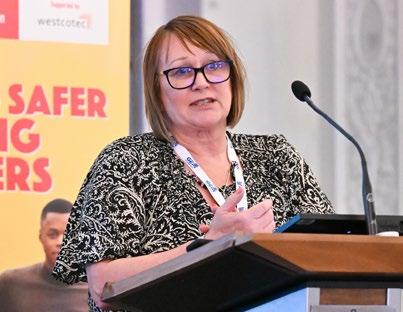
This session outlined the development, delivery, and future direction of GoDrive – a road safety education programme that reached 41,000 young drivers in its first year of full delivery.
BACKGROUND
GoDrive emerged from a combination of pressures familiar to many road safety practitioners: the disruption caused by COVID-19, the
GODRIVE: THE ROAD AHEAD
CHERYL EVANS, SENIOR ROAD SAFETY OFFICER, WEST BERKSHIRE COUNCIL
inability to deliver in-person sessions in schools, lessons learned from evaluating earlier pre-driver interventions, and ongoing financial constraints. These challenges shaped a programme designed to be flexible and cost-effective, without compromising on quality.
The Thames Valley and Hampshire partnership was central to its development.
WHAT IS GODRIVE?
At its core, GoDrive is a film-led programme focused on the key risks young drivers face after passing their test. Each session runs for fifty minutes and combines high-quality film content with approximately 25 minutes of structured activities and discussion. The emphasis on interaction is deliberate – young drivers are not passive viewers but are actively encouraged to talk through real situations,
consider their choices, and explore consequences in their peer groups.
The programme is built around 10 core tips covering the most significant risk areas identified in research: hazard perception, speed, stopping distances, impairment, fitness to drive, seat belt use, and vehicle choice. An earlier version included more topics, but this was reduced to keep the content focused.
Beyond the in-session delivery, GoDrive extends its reach through follow-up emails on core topics and a microsite, making resources available on demand.
DELIVERY FLEXIBILITY
A key design principle of GoDrive is its adaptability to different educational settings. Recognising that road safety teams are often small – sometimes a single officer – and that schools operate under tight
curriculum pressures, the programme was built with the school day in mind.
Delivery takes several forms. Road safety professionals can use it to cover specific topics or address the needs of particular cohorts. Teachers can act as facilitators themselves, with the film providing all the core road safety content and requiring no specialist knowledge to run. For groups outside of mainstream school settings a more modular delivery format allows the programme to be adapted to suit different setups.
Supporting all of this is a centrally held gated online resource bank, accessible to GoDrive partners. This includes task support sheets, SEND resources, communications templates, evaluation and feedback materials, presentation templates for school leadership meetings, and promotional materials such as newsletters and flyers. Partners can both draw on existing resources and contribute their own.
GROWTH AND REACH
What began as a Thames Valley and Hampshire initiative has expanded considerably. Delivery is now also carried out by partners in Bedfordshire, Cambridgeshire, Derbyshire, Dorset and Wiltshire, East
Sussex, and North Yorkshire — broadening the pool of experience and expertise feeding back into the programme's development. Full delivery began in September 2025, and by June 2026 the programme had recorded engagement with over 294 organisations across education, community groups, and apprenticeship providers.
EVALUATION
GoDrive has been independently evaluated twice, with the most recent evaluation completed by Dr Elizabeth Box. This identified five statistically significant improvements across the measures assessed. As with many road safety education programmes, topics such as speeding and mobile phone use showed limited movement – although this was partly attributed to participants already having a reasonable baseline understanding of those risks before the session. Teacher confidence and post-pilot feedback have been identified as areas to address and will inform future development.
GODRIVE 3: WHAT'S NEXT
GoDrive is evolving. The next version – GoDrive 3, planned for launch in September 2026 – aims to make the film content more
dynamic and immersive, incorporating on-road footage, drone perspectives, and a visual style that places young drivers closer to real driving scenarios. The goal is to help participants better understand the consequences of their decisions.
Crucially, what will not change is the underlying educational framework. Film combined with facilitated activities remains the core approach, providing continuity for educators and partners while refreshing the experience for participants. A structural change is also planned. GoDrive 3 will move to a membership model through the Vision Zero Toolbox, securing a more sustainable funding base. This will allow the programme to continue evaluating its impact, improving its resources, and maintaining quality – while being responsive to the GoDrive community.
The session closed with a statement of intent: road safety education only works if it feels relevant to the people it is trying to reach, and GoDrive's ongoing development reflects a genuine commitment to keeping pace with the young drivers it serves. ◆
“5 IN 5”: A NEW VIRTUAL REALITY FILM FOR YOUNG DRIVERS
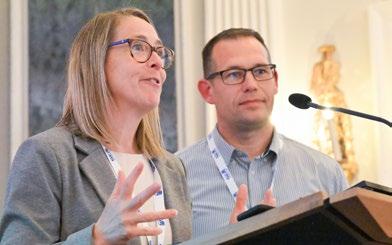
KATE GARRIGAN, WATCH MANAGER COMMUNITY SAFETY, LEICESTERSHIRE FIRE & RESCUE, AND MATT HYLAND, PREVENTION MANAGER, BEDFORDSHIRE FIRE & RESCUE
BRIEFING NOTES
❍ Road safety interventions are moving beyond fear-led approaches
❍ VR is valuable for engaging young drivers
❍ “5 in 5” uses humour and peer-to-peer delivery to boost engagement
❍ Evaluation of the film is underway
“5 in 5” is a new virtual reality road safety film developed through a collaborative project between Leicestershire and Bedfordshire Fire and Rescue Services, aimed at young and novice drivers.
BACKGROUND
Leicestershire Fire and Rescue Service launched its first VR road safety experience – The Virtual Insanity Experience – nearly five years ago. The concept
centres on a specially equipped vehicle in which viewers watch a VR film while seated on a movable platform that physically responds to the on-screen action, creating a genuinely immersive experience. In March 2024, Bedfordshire Fire and Rescue Service became the second organisation to adopt this approach, and the two services subsequently joined forces to develop new content together.
The catalyst for producing a new film was straightforward: the original crash film was 10 years old. Beyond its age, the evidence base had moved on significantly. Research from road safety practitioners had led to a clearer understanding of what works in young driver education, pointing firmly away from shock tactics.
The evidence now supports positive emotional
appeals that model safe driving behaviours and demonstrate the benefits of good decisions, incorporating elements of humour, empathy, and peer-to-peer role modelling. The new film was designed to reflect this approach.
THE FIVE RISKS
The film takes its name from its structure: five key risks, each addressed in turn. Rather than simply mapping onto the established Fatal Four or Fatal Five frameworks, the team chose to focus on emerging and particularly relevant risks for young drivers.
The five topics are:
❍ Distraction (particularly carrying passengers)
❍ Fatigue
❍ Speeding
❍ Mobile phone use
❍ Not wearing a seat belt
Each risk is explored through scenarios filmed
primarily from a first-person driver's perspective, with some scenes shot from an observer's viewpoint to offer a different angle on the same situations. Euro NCAP crash test footage is also incorporated for the seat belt section.
BREAKING DOWN RISKS
The section on distraction focuses on the wellevidenced link between carrying passengers and increased crash risk — a risk that grows exponentially with each additional passenger. The film addresses peer pressure directly and encourages young drivers to self-impose a form of graduated licensing by setting their own rules, such as limiting passengers and ensuring all occupants wear seat belts. The message is framed positively: my car, my rules.
Fatigue is a frequently overlooked but serious risk. The segment uses the movable seats creatively to shift perspective and is delivered in a deliberately lighthearted way despite the seriousness of the subject. A key practical takeaway is the caffeine nap – pulling over safely, consuming a caffeinated drink, and sleeping for twenty minutes – a coping mechanism increasingly supported by research.
Speeding is particularly
prevalent among young male drivers, especially when passengers are present and the temptation to show off is high. The section also highlights how gaining confidence without an instructor can lead to misjudgements about ability and how vehicle handling changes in different weather conditions. A stunt driver was used during filming to make the most of the seats' motion capabilities in the cornering sequences.
Mobile phone use reinforces the legal and practical risks – including the quadrupling of crash risk and the six penalty points that a single offence carries, enough to revoke a new driver's licence immediately. The film appeals to young drivers' investment in obtaining their licence and offers the simple coping mechanism of using do not disturb mode or placing the phone in the glove box.
The section on seat belts uses Euro NCAP crash test footage to demonstrate the physics of an impact at 40mph – a speed that feels unremarkable but produces devastating forces on unbelted occupants. Humour was deliberately woven into this section, with one presenter wearing a crash test dummy suit during filming, generating
some memorable reactions from passers-by. The message is clear: seat belts are not a personal choice but a responsibility.
PRODUCTION AND CASTING
A deliberate casting process was used to ensure the two presenters – both of the target age group – were relatable to the audience. The aim was peer-to-peer delivery rather than the feeling of being lectured by an authority figure.
EVALUATION
A full independent evaluation has been commissioned. Data collection completes in June, with the report expected by September 2026. The intention is that the evaluation will provide the evidence base needed to support other organisations in adopting the film with confidence.
The session ended with an implicit invitation: as VR road safety delivery continues to grow across fire and rescue services, “5 in 5” offers a researchinformed, emotionally engaging, and practically accessible tool for reaching young drivers at one of the most vulnerable stages of their driving lives. ◆
FirstCar is celebrating over two decades working to reduce death and serious injury on our roads. Here are just some of the ways we’re helping road safety professionals, like you.

Young Driver Focus
Hosted for over a decade at the Royal Automobile Club, this is the annual young driver event for road safety professionals.
The Honest Truth
Helping over 1,000 driving instructors deliver coaching around the most prevalent young driver risks, all within normal driving lessons.


Sharing £750,000 of road safety virtual reality film and a network of practitioners sharing knowledge and best practice.


The ICE HUB & ICE Live Collaborative TikTok








FirstCar Theory & Practical Editions
Handed out with theory and driving test results, these magazines reach every new driver at a key moment.


Award winning








This young driver channel under the @firstcaruk handle is funded and managed by a collaboration of over 20 road safety teams.
























Please get in touch to explore ways we can help support your work.


















DriveOn


















Young Driver’s & Parent’s guide














FirstBike

The aim of this magazine is to help mature road users drive safely for longer, but also know when it’s time to hang up their keys.
























Whether commuting, riding for work or for leisure, this magazine is aimed at older riders on more powerful bikes.





First published 20 years ago, this 132 page award winning magazine guides new drivers from prelearner to post-test and beyond. Since 2026, this title incorporates the Parent’s Guide, helping parents are carers give new drivers the best support to stay safe on the roads, including private practice and buying a first car.




Aimed at first time riders on PTWs, this magazine o ers advice about PPE,










prelearner to post-test post-CBT training, road positioning and other new drivers the best




























Information and advice for riders of any age and experience, although very much aimed at the nonenthusiast.


BRIEFING NOTES
❍ Teacher-led pre-driver training can be embedded in PSHE
❍ Students found DriveFit 2.0 credible and engaging
❍ Positive findings on reaching young men as a high-risk group
❍ There is a trade off between scalability and intervention impact
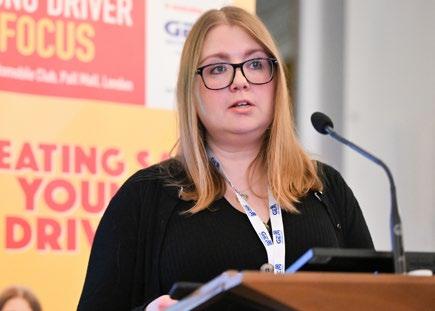
This session focused on DriveFit 2.0 – a revised version of the original DriveFit pre-driver education programme, developed to test whether an effective intervention could be delivered at greater scale through teacher-led delivery in schools.
THE CHALLENGE
Dr Box opened by acknowledging one of the day’s recurring themes:
DRIVEFIT 2.0: SCALING PRE-DRIVER EDUCATION
DR ELIZABETH BOX, DIRECTOR, ECM RESEARCH SOLUTIONS
education is one of the most commonly deployed responses to young driver risk, yet it frequently sits in the amber or red category when rated for evidence of effectiveness. It is easy to deliver but in practice it often produces limited behaviour change.
The central question this project set out to answer was not simply whether an intervention works, but how an intervention that has already been shown to work can be scaled effectively without losing what makes it effective in the first place.
DRIVEFIT 1.0
The starting point was the original DriveFit programme, developed and trialled around 2020 – a challenging period given that much of the delivery and evaluation had to move online due to COVID-19 restrictions. The programme was film-based, covering
topics including fatigue and speed through expert interviews and discussionbased content. Crucially, it was grounded in behavioural science, and its defining feature was a facilitated session delivered by a professional facilitator approximately two weeks after young people had watched the 50-minute film. This follow-up session was structured around specific questions and interactive activities designed to help participants examine their own intentions and form concrete plans about their future driving behaviour. The original programme's results were published in a peer-reviewed academic paper. DriveFit showed statistically significant improvements in attitudes and behavioural intentions among those who completed it, compared to a control group.
WHY DRIVEFIT 2.0?
The limitation of the original programme was one of resource. Bringing a professional facilitator into schools is time-consuming and costly, creating a significant barrier to scaling the programme more widely. DriveFit 2.0 asked a straightforward question: could the programme be redesigned so that teachers could deliver it themselves, maintaining the quality and effectiveness of the content while removing the dependency on external facilitation?
The 2.0 version was developed with input from a PSHE specialist and structured as three lessons delivered over a six-week period within the PSHE timetable. This modular approach was considered important – consistent with wider evidence about spaced learning – and the behavioural science framework from the original programme was retained as a core design principle. All materials, including guidance notes and presentations, are available at drivefit.info and will also be accessible on Road Safety GB.
WHAT THE TRIAL FOUND
The trial involved four schools delivering DriveFit 2.0 to Year 12 students, with pre- and post-
intervention evaluation using a control group.
On process outcomes, the results were encouraging. Teachers reported that the programme was feasible to deliver, and students showed good levels of engagement. Notably, the sample included a high proportion of young males – not by design, but a welcome finding given that this group is often harder to engage meaningfully in educational interventions.
On impact outcomes, the picture was more nuanced. The only statistically significant effect was an increased perception of risk among participants. There were no statistically significant changes in attitudes or behavioural intentions – outcomes that the original facilitator-led version had achieved.
WHAT THIS MEANS
Dr Box emphasised that the outcomes provided valuable insights for future intervention design. Several important points were drawn out.
First, the programme was shown to be feasible, acceptable, and scalable – it can be delivered in schools without specialist external input, which has real practical value. Second, there was variability in how teachers delivered it –differences in confidence,
qualifications, and approach that are difficult to control at scale – and this is likely to have diluted the effects compared to consistent professional facilitation. Third, and perhaps most importantly, the programme showed no evidence of harm and produced some small positive benefits.
An effective intervention delivered in a different way cannot be assumed to achieve the same outcomes. A logical next step would be a three-arm trial comparing professional facilitation, teacher delivery, and a control group.
IMPLICATIONS
The findings point towards a hybrid delivery model as the most promising direction – one that does not rely solely on teachers but also does not always demand the resource intensity of full professional facilitation. Experiential learning, better teacher support tools, and stronger engagement mechanisms are identified as complementary approaches worth pursuing.
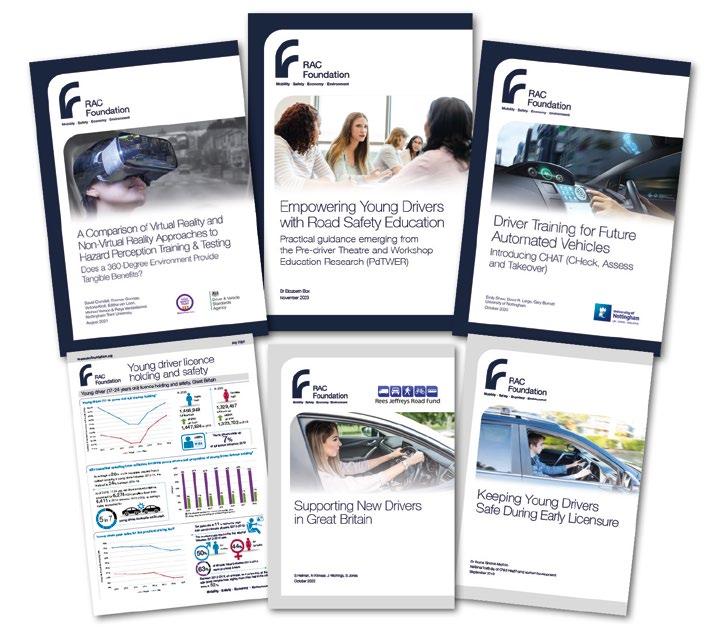
The full report is available on the RAC Foundation website, and the programme materials remain freely accessible for practitioners. ◆











A NEW APPROACH TO BUILDING SKILLS IN LEARNER DRIVERS
CLICK HERE for the full presentation...
KATE MONK, CEO, AND NEALE KINNEAR, CHIEF BEHAVIOURAL SCIENTIST, MY LEARNER DRIVER
BRIEFING NOTES
❍ My Learner Driver is already award-winning
❍ The online course and app help parents better support learner drivers
❍ A full launch is planned for this summer
❍ Families are encouraged to consider a homemade graduated driving licence approach
This joint presentation was delivered by Kate Monk, an experienced driving instructor and founder and CEO of My Learner Driver, and Neale Kinnear, an internationally recognised behavioural scientist who has collaborated with her on the project. Together, they outlined the development and ambition of My Learner Driver – an online course and soon-tobe app designed to equip parents with the tools,
knowledge, and confidence to play an active and structured role as their child learns to drive.
THE PROBLEM
Monk mentioned that she had presented on My Learner Driver at YDF 2025 when the project was still at an early stage. In the intervening 12 months, the course has become awardwinning and is expected to launch formally in the summer. The core problem it addresses is straightforward but significant: parents are among the most influential figures in a young driver's development, yet they are given almost no guidance on how to fulfil that role effectively. Private practice – the driving a learner does outside of formal lessons – is a vital part of building competence and confidence, but without structure or coaching skills,

the parent may be doing little more than watching.
WHAT THE COURSE DOES
My Learner Driver is an easy-to-use online course, structured as a step-by-step guide to private practice. Its design reflects a key insight from driving instruction: moving a car and reading the road are two entirely separate skills, and learners benefit from developing them independently before combining them.
Rather than waiting until a learner is behind the wheel to teach hazard perception, the course encourages parents to take their child into the passenger seat first and use that time to build awareness of the road ahead, anticipate hazards, and form a plan of response, all without the added pressure of controlling the vehicle. Once those perceptual skills are more developed, the learner can
then focus on the physical mechanics of driving with their instructor, and the two skill sets can be brought together more effectively.
The course covers a wide range of practical scenarios that often fall between the gaps of formal lessons. These include supporting navigational skills outside of lessons, reading road signs, driving in the dark, managing distractions, and dealing with varied weather and traffic conditions. It provides parents with approaches to use in difficult conversations about risk so that discussions feel natural and constructive rather than confrontational.
A notable feature is its vision of a family-led graduated driving licence. While a formal graduated licensing system has long been advocated by road safety researchers but is not yet government policy, Monk and Kinnear argue that nothing prevents families from implementing their own version.
The course guides parents through a set of targeted questions to help each family identify the safeguards appropriate to their own circumstances, acknowledging that every learner, parent, and relationship is different. The goal is not a one-size-fits-all checklist but a personalised
framework for building readiness. The course also aligns with DVSA's Ready to Pass campaign, encouraging parents to understand not just what passing the test looks like but what genuine readiness for independent driving means.
The tool is designed to serve driving instructors as well as families. Instructors can use it to set structured homework, improve communication with parents between lessons, and support the graduated approach to skill development. It also aims to manage parental expectations, discouraging the pressure to push for a quick test pass in favour of more thorough preparation.
THE BEHAVIOURAL SCIENCE PERSPECTIVE
Kinnear explained his involvement through both professional conviction and personal motivation. Having championed the evidence base for graduated driver licensing since 2006 and seen limited policy progress, he was drawn to My Learner Driver as a practical intervention that could make a real difference now, without waiting for legislative change. He has also met parents who have lost children in road crashes and who came to realise that more knowledge or different support might
have changed the outcome.
The research evidence underpinning the project is clear: a young person's driving style is shaped from a much earlier age than 17, and there is a wellestablished relationship between how parents drive and how their children later drive. Parents are not peripheral to the learning process – they are active moderators of it, and they can play a critical role particularly in three phases: during the learner period, at the point of transition to independent driving, and crucially in the first six months after passing the test. Kinnear described this period as the point at which support is most needed but most often withdrawn.
The principles shaping the tool's development reflect this evidence base: supporting both parent and learner rather than the learner alone and prioritising quality of practice over quantity.
Planned developments include diversity trackers, digital driving agreements, and integration with telematics data to provide objective feedback. This will directly connect parental support with evidence of how the young driver is performing on the road. ◆
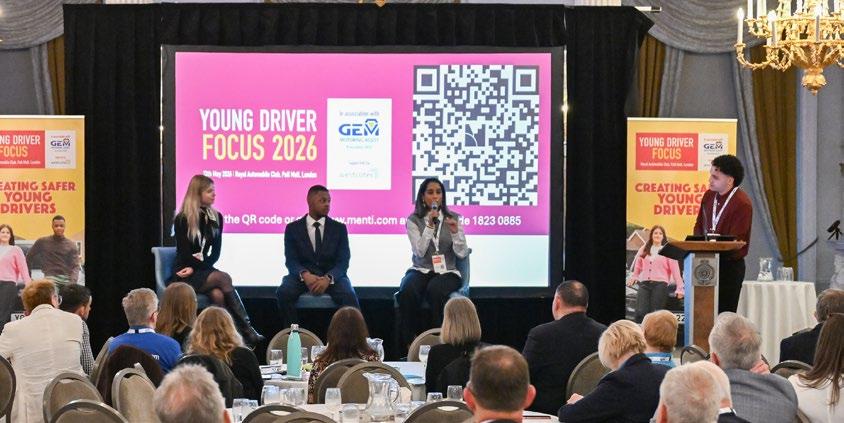
YOUNG DRIVER PANEL DISCUSSION
❍ KEANAN LLOYD-ADAMS, Actor and TikTok Presenter for FirstCar
❍ RIA FRANCIS, Presenter and Events Planner
❍ ELIOT WHYTE, Apprentice Vehicle Technician, Stellantis
❍ ANASTASIIA HUCHOK, Actress
In a first for the Young Driver Focus event, three young people at different stages of their driving journey were invited to share their experiences, perspectives, and opinions on a range of road safety issues discussed throughout the day.
The panel was hosted by Keanan Lloyd-Adams, a presenter for FirstCar. It also featured Ria, 23, who has
been driving for five years; Eliot, 20, who passed his test around a year ago; and Anastasia, 25, originally from Ukraine, who is still learning and has her test booked for July.
LEARNING TO DRIVE: DIFFERENT JOURNEYS
Each panellist's experience of learning to drive was notably different. Ria went through five driving instructors before passing and found the process long and stressful, particularly given the post-COVID backlog of tests. She described a test slot at that time as "gold" and rented a dual-control car for two hours on the morning of her test just to settle her nerves – a proactive step that reflected how much
pressure she felt. Eliot, who accumulated around seventy hours of lessons, had an unusual advantage: he had spent years practising on a realistic driving simulator as a child, complete with a gear stick, clutch, and traffic scenarios. He felt this prepared him well enough that when he got on the road, he could focus on safety rather than on the mechanics of the car.
Anastasiia began learning in Ukraine with her father, an experience she described as stressful for both of them – partly because she did not want to fail in front of him. She has since changed instructor several times in the UK, finding that a calm instructor helps improve her confidence.
CAR MAINTENANCE: A CLEAR KNOWLEDGE GAP
When asked about their confidence around car maintenance – particularly tyre safety – the responses were striking.
Ria admitted she had no idea how to check tyre tread or pressure, or how to change a tyre, and said that the earlier TyreSafe presentation had been genuinely revelatory. She had previously assumed that a flat tyre simply meant calling a garage.
Anastasia acknowledged a similar gap, noting that she would turn to YouTube if something went wrong. Eliot, who works as a mechanic, was the exception – but he was clear that his knowledge came from his profession rather than from his driving education, and argued strongly that basic maintenance should be taught more widely.
LIFE AFTER PASSING
Both Ria and Eliot got their own cars within about a month of passing. For both, one of the biggest adjustments was the absence of an instructor –the loss of the safety net of someone who could take over if needed, and the voice guiding them through every decision.
Eliot found motorways particularly daunting. Ria
found herself having to adapt to a different car from the one she had learned in, needing to build confidence not just in solo driving but in an unfamiliar vehicle. Both described the transition as more demanding than they had anticipated.
When asked what was missing from their driving journey, the answers were telling. Eliot pointed to the sudden removal of support after passing. Ria highlighted the lack of guidance for real-world emergencies, describing a moment when a friend's brakes failed and she realised she would have had no idea what to do in that situation. Anastasiia wished for more patience from other road users towards learners, noting that being beeped at or pressured by other drivers added significantly to her anxiety.
GRADUATED DRIVER LICENSING
An audience member posed a question about graduated driver licensing –specifically, whether the panel would view restrictions in the first six months after passing as punitive or protective.
All panellists responded positively. Ria said she would welcome such restrictions, noting that six months is roughly the time it takes to build genuine
confidence anyway, and added that she felt there was almost no support for new drivers after they passed. Eliot agreed, drawing on his own experience of having a black box that already restricted his late-night driving, and observed that peer influence is one of the biggest risk factors.
Anastasiia said she personally intended to continue driving only with experienced passengers until she felt truly confident.
PRESSURE TO PASS VERSUS SAFE DRIVING
The final question asked whether the pressure to pass the test had led the panel to focus on passing rather than on developing genuinely safe habits.
Both Eliot and Ria answered yes without hesitation. Eliot said he was focused entirely on the procedural steps his instructor had taught him. Ria said she had spent hours watching test videos on YouTube, replicating what she saw rather than thinking about safety. It was perhaps the most sobering exchange of the session, and a fitting note on which to close a day focused on how the system can better serve the young drivers it is designed to protect. ◆