YOUNG DRIVER FOCUS 2022 REPORT
WELCOME

Neil Worth
Chief Executive, GEM Motoring Assist
Welcome to the Young Driver Focus 2022 Report. I’m sure you will agree the conference was very enjoyable and informative, as well as a great opportunity to catch up with colleagues and friends.
This report summarises the key points from the event’s many fascinating presentations. It should serve as a handy reminder of the excellent research in the field of young driver safety.
GEM Motoring Assist is delighted to sponsor the event and this report as part of our 90th anniversary celebrations. As a road safety and breakdown organisation, we wholeheartedly support the emphasis on the part technology can play in reducing risk. We have a proud history of working with partners to support initiatives that can improve safety for young drivers.
Organised
by

In particular we look with pride at the ‘Blue Light Aware’ resource we revised in 2020 to offer straightforward information on what to do (and what not to do) when making way for an emergency vehicle. The revision followed extensive consultation with the emergency services, and led to the production of 10 short video animations to illustrate specific situations where drivers could be confused or at higher risk. We have now coordinated a number of social media campaigns using the new videos with excellent levels of engagement.
Since 1932 GEM has been an advocate for road safety. Our commitment is the same today, and we are thrilled to be headline sponsors of Young Driver Focus 2022. I hope this report makes useful and interesting reading.

Supported
by


CONTENTS
KEY SPEAKER
YOUNG DRIVER INTERVENTION RESEARCH
Challenges and opportunities intervening with young drivers: The Drivingly Program
Baroness Vere of Norbiton
Parliamentary Under Secretary of State, Department for Transport
Loveday Ryder
Chief Executive, Driver & Vehicle Standards Agency
Dr Jessica Hafetz Mirman
Lecturer in Applied Psychology and Public Health, The University of Edinburgh
Dr Jill Weekley
Discipline Lead, Data and Statistics, TRL & Dr Shaun Helman Chief scientist, TRL
YOUNG DRIVER POLICY & TRAINING
DVSA Update: A lifetime of safe driving
Driver2020: Findings from novice driver interventions
Pre-driver theatre & workshop education research
TEACHING AND TRAINING IN VIRTUAL REALITY
Teaching and training in virtual reality
Differences
Elizabeth Box
Research Director, RAC Foundation
Professor Gary Burnett
Chair of Transport Human Factors, University of Nottingham
Dr Devon Allcoat
Assistant Professor, University of Warwick
Dr Victoria Kroll CEO, Esitu Solutions
TECHNOLOGY: HOW TECH IS HELPING SAVE LIVES
Driver training for future vehicles
Hazard awareness training in virtual reality
Young Driver and Passenger Course
Jorrit Kuipers
Chief Technical Officer, Green Dino
Chris Lewis
Policy and Development Lead for Road Safety, Warwickshire Office of the Police and Crime Commissioner
Lorna Smith
Road Safety Officer, Kent County Council
Sharron Huddleston
Road safety campaigner & Edmund King OBE President, AA
YOUNG DRIVER INITIATIVES AND MARKETING CAMPAIGNS
Influencing young drivers in Warwickshire
The dangers of rural roads to new drivers
Jay Richards
Co-founder, Imagen Insights
KEYNOTE SPEAKER
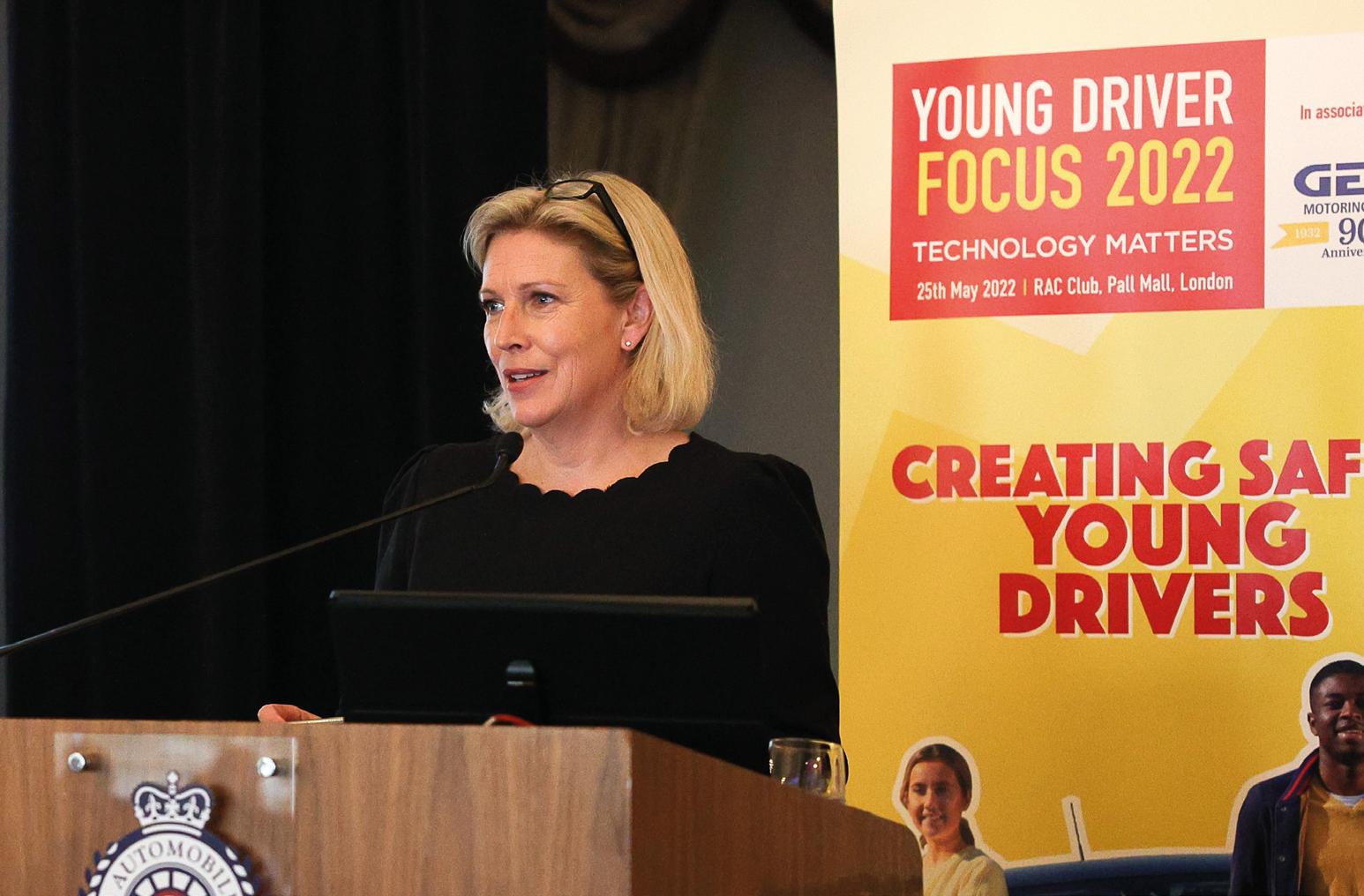
Baroness Vere of Norbiton
Parliamentary Under Secretary of State, Department for Transport
“It’s always wonderful to be at the RAC, and amazing to think how far we have come since the Club started in 1897.”
“The days of pinning the blame solely on the driver have gone – we have to think more broadly.”
“I remain proud that we have some of the safest roads in the world, but we can’t be complacent. We absolutely have to improve.”
“We know that younger drivers are more prone to take risks. They are more inexperienced. So it’s no surprise that 17 to 24-year olds are involved in more collisions than older drivers.”
“My first duty is the safety of people on our roads, and I take that responsibility very seriously.”
Summary:
● Results of Driver2020 likely to be published early next year.
● Pledge to maintain the standard of the driving tests.
● The minister expressed disappointment that the practical test pass rate isn’t higher.
● The minister was supportive of DVSA efforts to make sure test candidates are as well prepared as possible.
● Focus on Road Safety Strategic Framework, and the Road Safety Statement of 2019.
● Coming soon: call for evidence on offences under the Road Traffic Act.
● Coming soon: results of consultation on the formation of a Road Collision Investigation Branch.
YOUNG DRIVER POLICY AND TRAINING
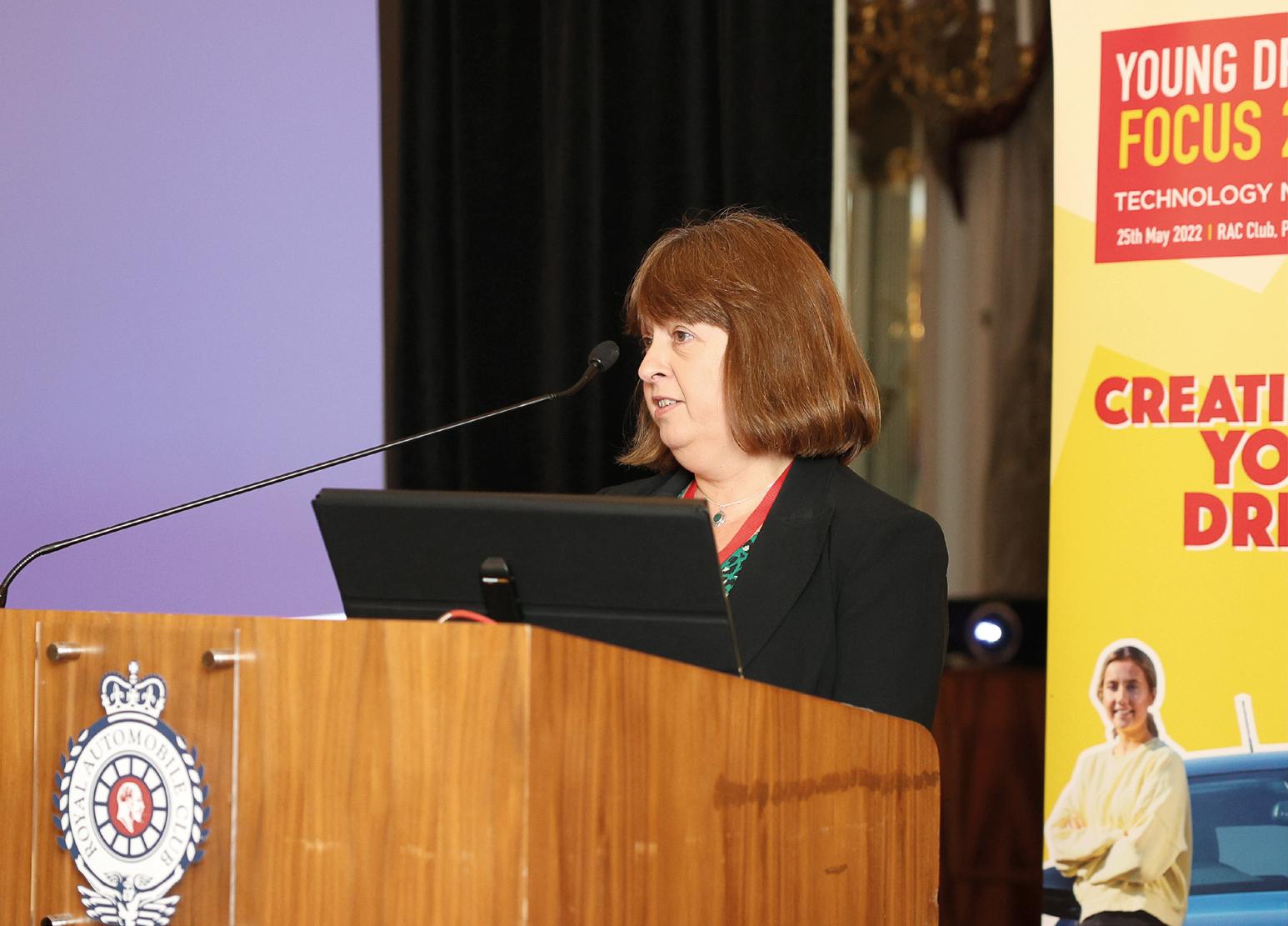
DVSA Update: A lifetime of safe driving
Loveday Ryder
Chief Executive, Driver & Vehicle Standards Agency
“Young car drivers aged 17-24 are statistically over-represented in crash statistics.”
“The Covid-19 pandemic has caused unprecedented waiting times. There is a 14.4-week average wait to get a test appointment.”
“Clearly we need to focus on getting waiting times down, but we’ve got a good few months’ work to get them down where we want them to be.”
“We need to prepare young people not just for the test, but for a lifetime of safe driving.”
Summary:
● 53% of learners say they don’t feel properly prepared for the practical test.
● DVSA has had 21,000 responses to consultation on improving test availability and processes.
● Results of consultation to be published in due course.
● It’s important that learners drive on different types of roads in a variety of weather conditions.
● Mock tests are important in preparing young drivers and helping them cope with test-day nerves.
● Improving the standard of young drivers is a team effort.
● Awareness campaign coming this summer.
YOUNG DRIVER INTERVENTION RESEARCH
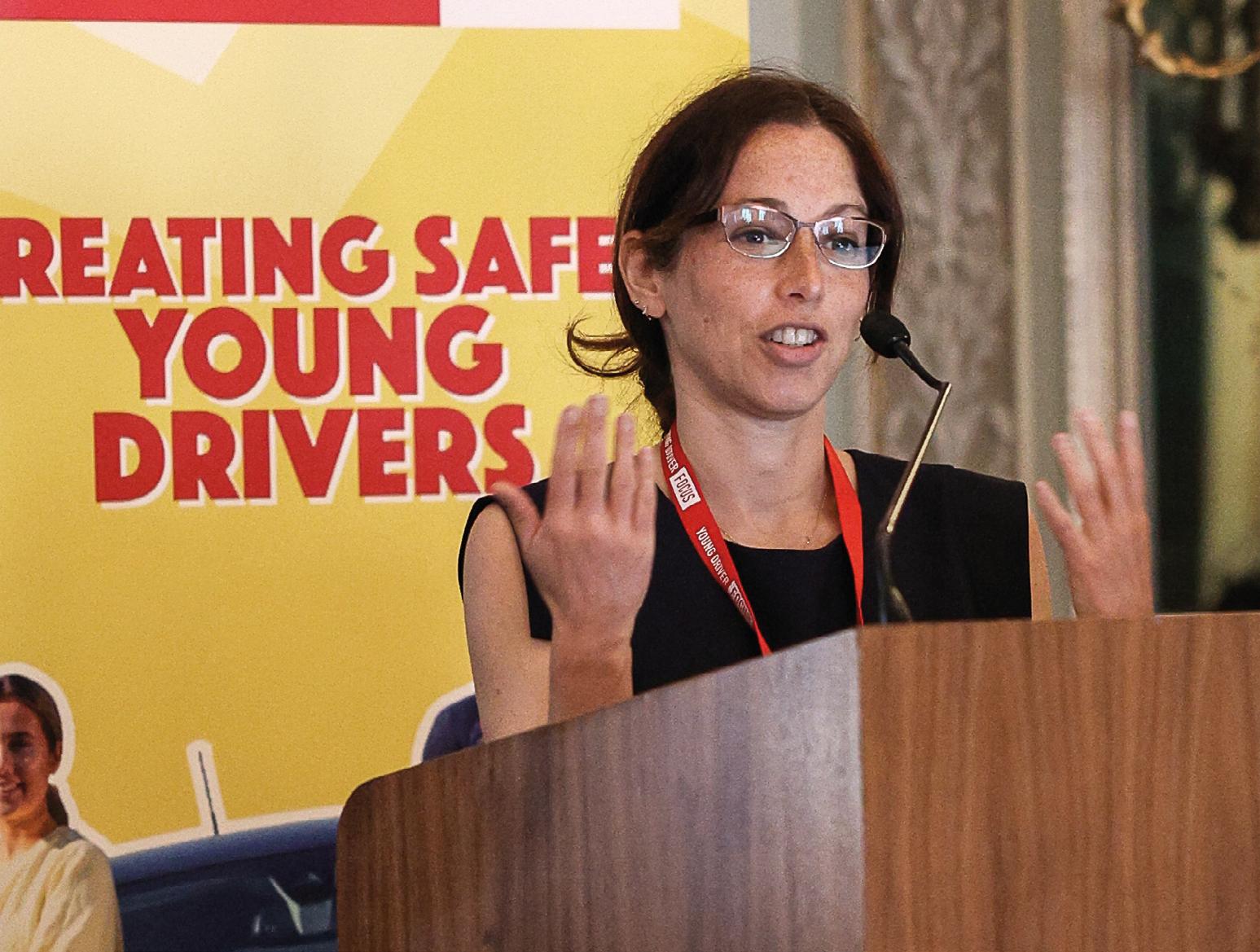
Challenges and opportunities intervening with young drivers: The Drivingly Program
Dr Jessica Hafetz Mirman
Lecturer in Applied Psychology and Public Health, The University of Edinburgh
“It’s very difficult to design effective interventions.”
“Whenever we design an intervention, we need to make sure it’s evidence based.”
“Every component of the interaction maps to the conceptual model.”
“Young people vary considerably in their risk portfolio.”
Summary:
● The Drivingly Program promotes safe driving in adolescents.
● The conceptual model includes parent-teen communication and quality, quantity, and diversity in practice driving.
● Trial running in US.
● Key outcome is police-reported motor vehicle crashes (MVC).
● Exposure to on-road driver assessment resulted in 53% relative reduction in MVC risk.
● Beginning of permit: a 15-minute parent session and an induction.
● Four months later: hazard training.
● End of permit: second parent session and teen driving assessed.
● Students taught ‘CAR’: Communicate, Anticipate, Regulate.
Driver2020: Findings from novice driver interventions
Dr Jill Weekley
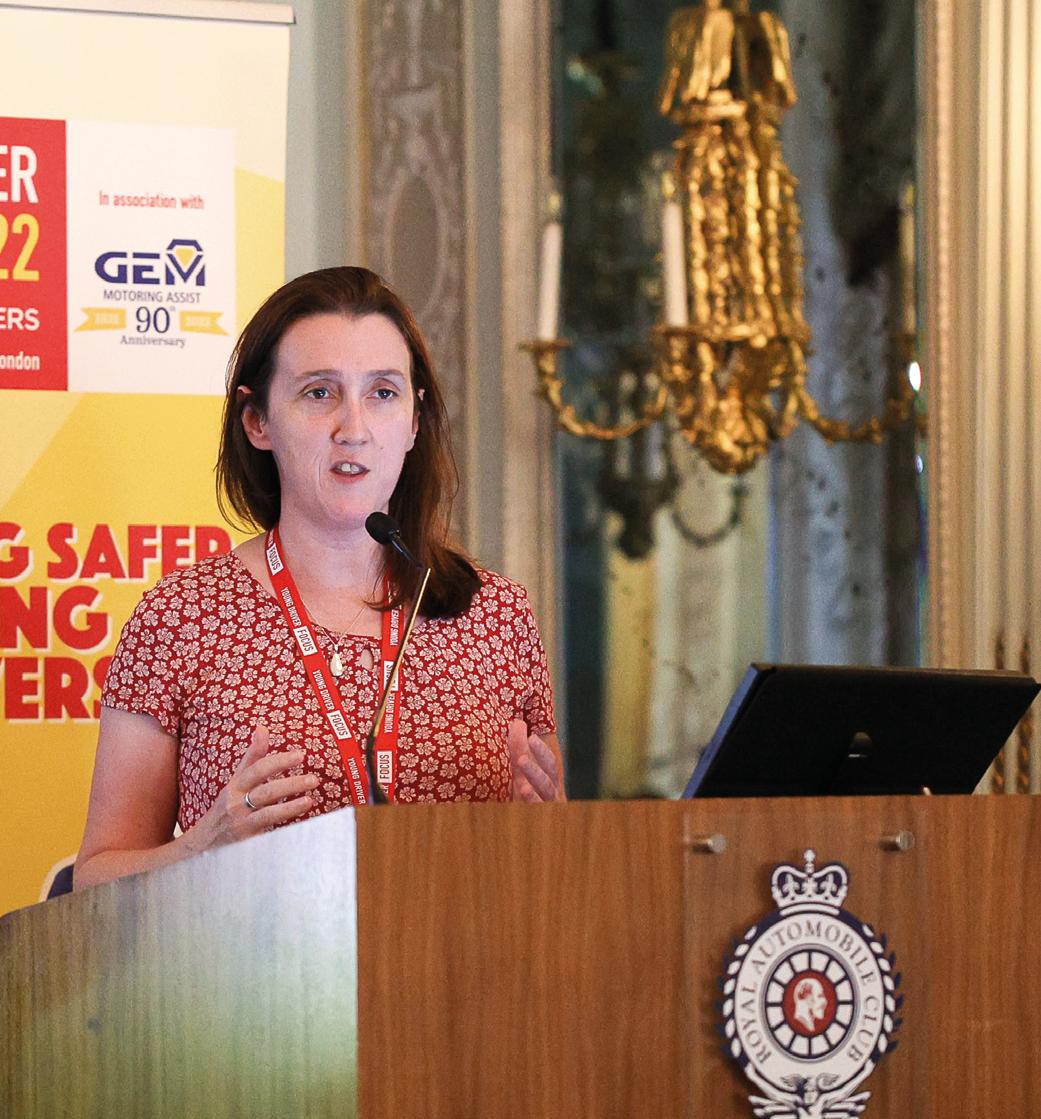
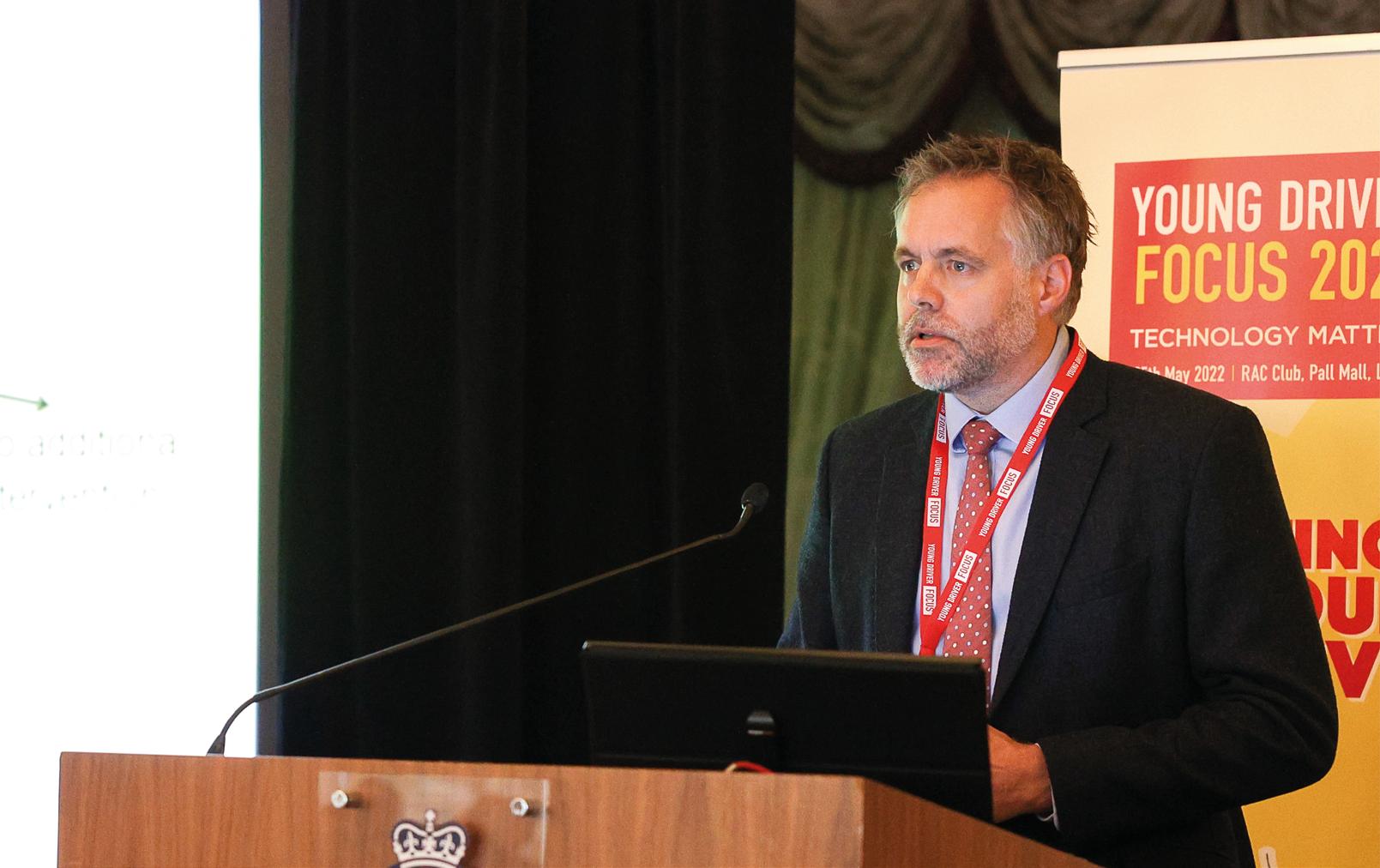
Dr Shaun Helman Principal Evaluation
Consultant, TRL Chief Scientist: Behavioural
Sciences, TRL
“The trial looks at novice drivers. The learner arm is still ongoing.”
“The cancellation of driving tests due to Covid put a pause on recruitment.”
“We confirmed that as people accumulate on-road experience they get safer.”
Summary:
● Driver2020 is a randomised control trial.
● Uses randomised encouragement design.
● Three groups: mentoring agreement, telematics, and control.
● Recruited over 12,000 novice drivers. Just under 7,000 completed every stage of the study.
● Drivers completed a test-pass survey, then further surveys at three, six, and 12 months post test.
● Covid reduced participants’ exposure to driving.
● Method used allows estimate of how effective an intervention would be at population level.
● Survey respondents averaged close to 75 hours of learner driving (43.8 hours with ADI, and an additional 29.7 hours with another supervising driver).
● In this sample, people predominantly learned to drive on residential roads. Post-test, motorway driving increases slightly.
● Every extra mile driven exposes drivers to extra risk, but slightly less risk than the previous mile, as drivers learn to be safer over time.
● In this data set, being male did not make a driver riskier than being female.
● Drivers who passed before the pandemic were more likely to have a crash in the first 12 months of driving than those who passed after the pandemic started. Working hypothesis: drivers who passed after the pandemic had their test delayed.
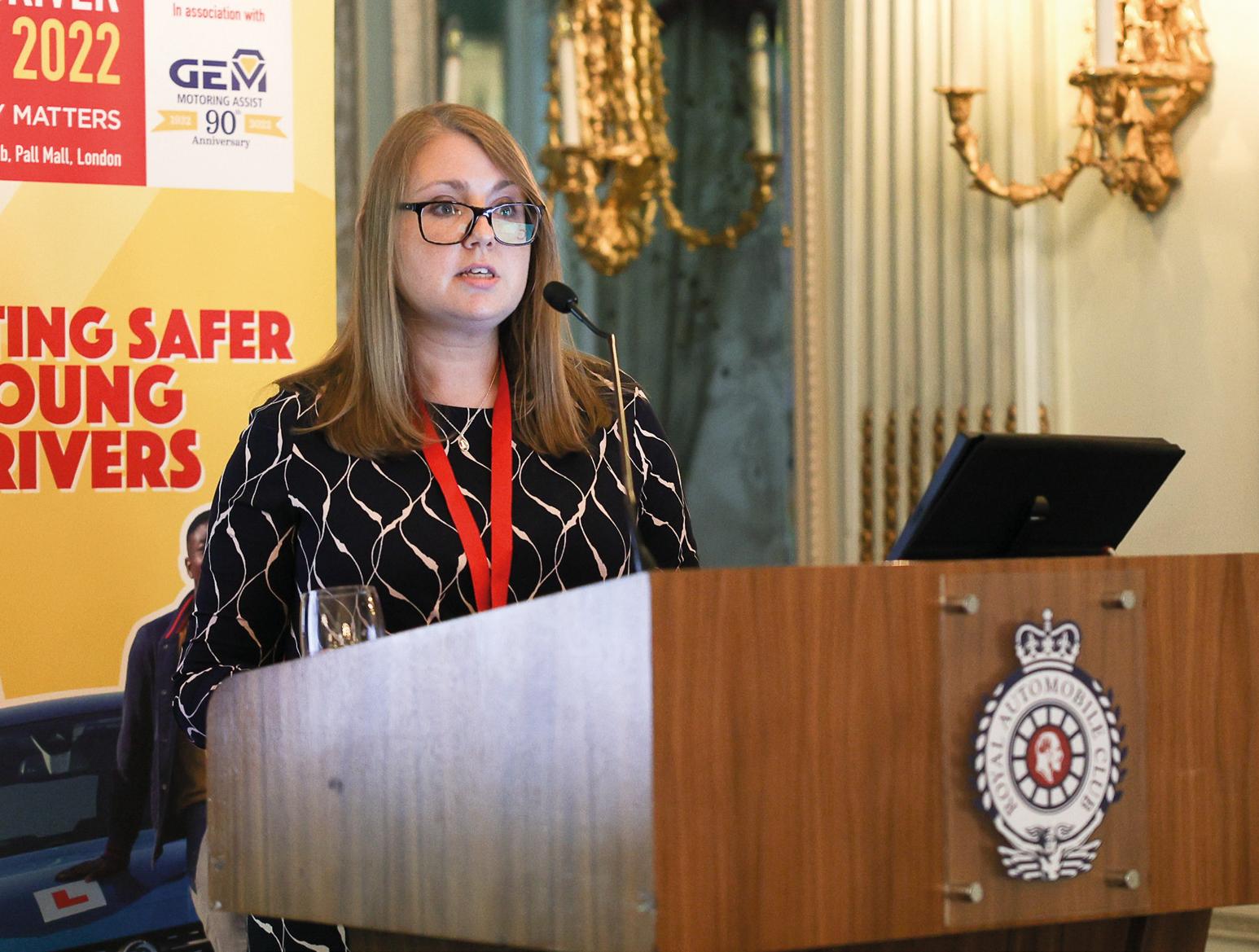
Pre-driver theatre & workshop education research
Elizabeth Box
Research Director, RAC Foundation
“How effective are testimonial-type performances?”
“We need to go back to first principles and design something based on psychological theory.”
“People start off pretty safe. Can you make them safer?”
Summary:
● New programme called DriveFit, delivery supported by Devon & Somerset Fire & Rescue Service.
● Delivered in 24 schools/ colleges.
● The intervention group received an online film and workshop.
● Comparison between DriveFit (a positively framed talk show-style performance) and Safe Drive Stay Alive (more hardhitting in style).
● A control group also completed an evaluation survey.
● Data collected prior to intervention,immediately after and 10-12 weeks later.
● Additionally six schools in Surrey watched the Safe Drive Stay Alive film.
● Primary outcome: intentions relating to mobile phones, drink driving, fatigue and speeding.
● Secondary outcome: attitudes to the above.
● No signicant difference in the cognitive value of the films.
● Female students rated DriveFit more positively than males.
● Analysis is ongoing.
● DriveFit resources will be made available to the road safety community in due course (www.drivefit.info).
TECHNOLOGY: HOW TECH IS HELPING SAVE LIVES

Driver training for future vehicles
Professor Gary Burnett
Chair of Transport Human Factors, University of Nottingham
“As we progress from level 2 to level 3 automated vehicles, we will be allowed to do non-driving-related tasks.”
“With level 2, you’re still very much in the loop, but it’s easy to be distracted. With level 3, you’re effectively out of the loop by design.”
“The driver will need to smoothly transition between control loops.”
Summary:
● Study involved 52 participants, 16 of whom were under 25.
● Drivers made a virtual commute in the simulator for five consecutive days.
● Study showed rapid performance improvement over the week.
● Participants spent more time looking at their phones than any other non-driving-related task.
● Younger drivers had higher levels of trust in the technology from the start.
● Older drivers took longer to build trust.
● Younger drivers continued with nondriving-related tasks for longer than older drivers when warned that they would have to resume control.
● Further study compared the benefits of operational and behavioural instruction.
● Behavioural group made more mirror checks than the operational group, and were more more likely to notice a tailgating car.
● Further work needed to assess the benefits of CHAT approach (Check, Assess, Takeover).
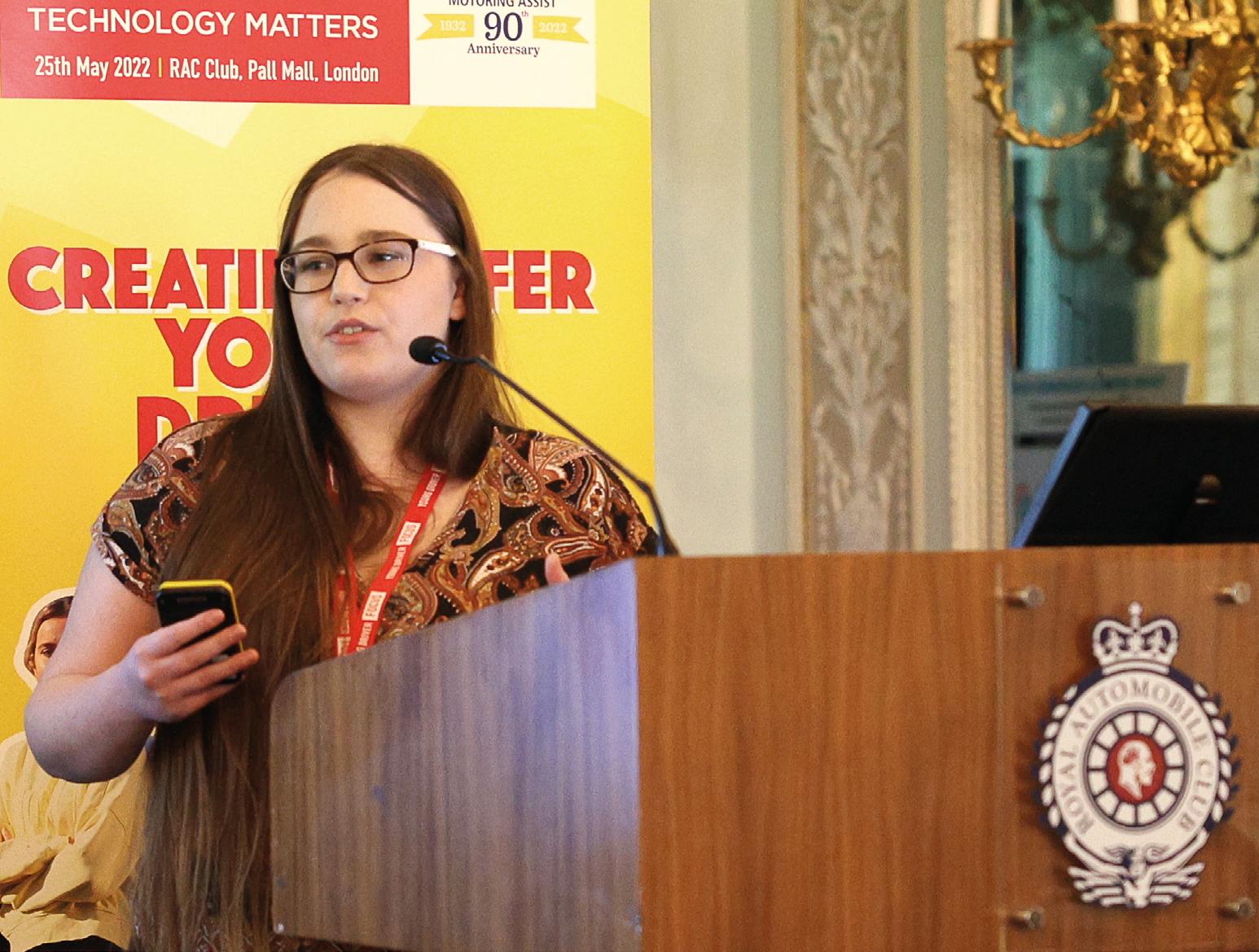
Teaching and training in virtual reality
Dr Devon Allcoat
Assistant Professor, University of Warwick
“I don’t just want to look at how we should use this technology, but why.”
“Active learners are more engaged, motivated, and show better learning than passive learners.”
Summary:
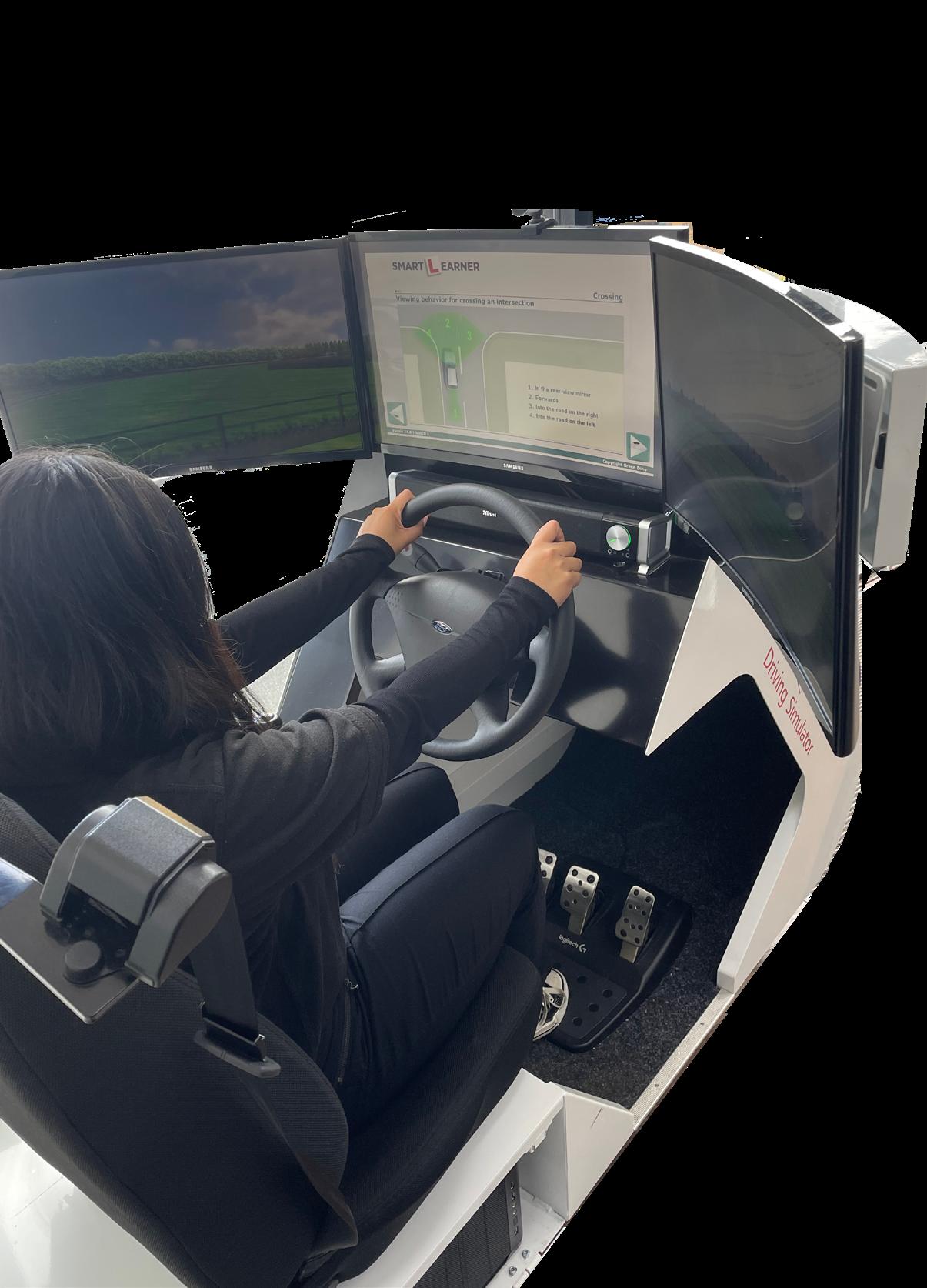
● “Virtual Reality” (VR) creates a digital environment that replaces the user’s real-world environment.
● “Augmented Reality” (AR) overlays digitally created content into the user’s real-world environment.
● “Mixed Reality” (MR) is an experience that seamlessly blends the user’s real-world environment and digitally created content, where both environments can coexist and interact with each other.
● A study with 99 participants compared
traditional (textbookstyle), video, and VR.
● VR scored highest for mood and engagement.
● VR was similar for learning outcome, with a slight improvement.
● A study with 75 participants compared traditional (lecture slides, VR, and MR.
● Significant increase in positive emotions for virtual learning.
● Reasons to use VR: it’s safe, it’s active learning, it’s engaging, it’s accessible, it’s becoming more affordable.
Hazard awareness training in virtual reality
Dr Victoria Kroll
CEO, Esitu Solutions
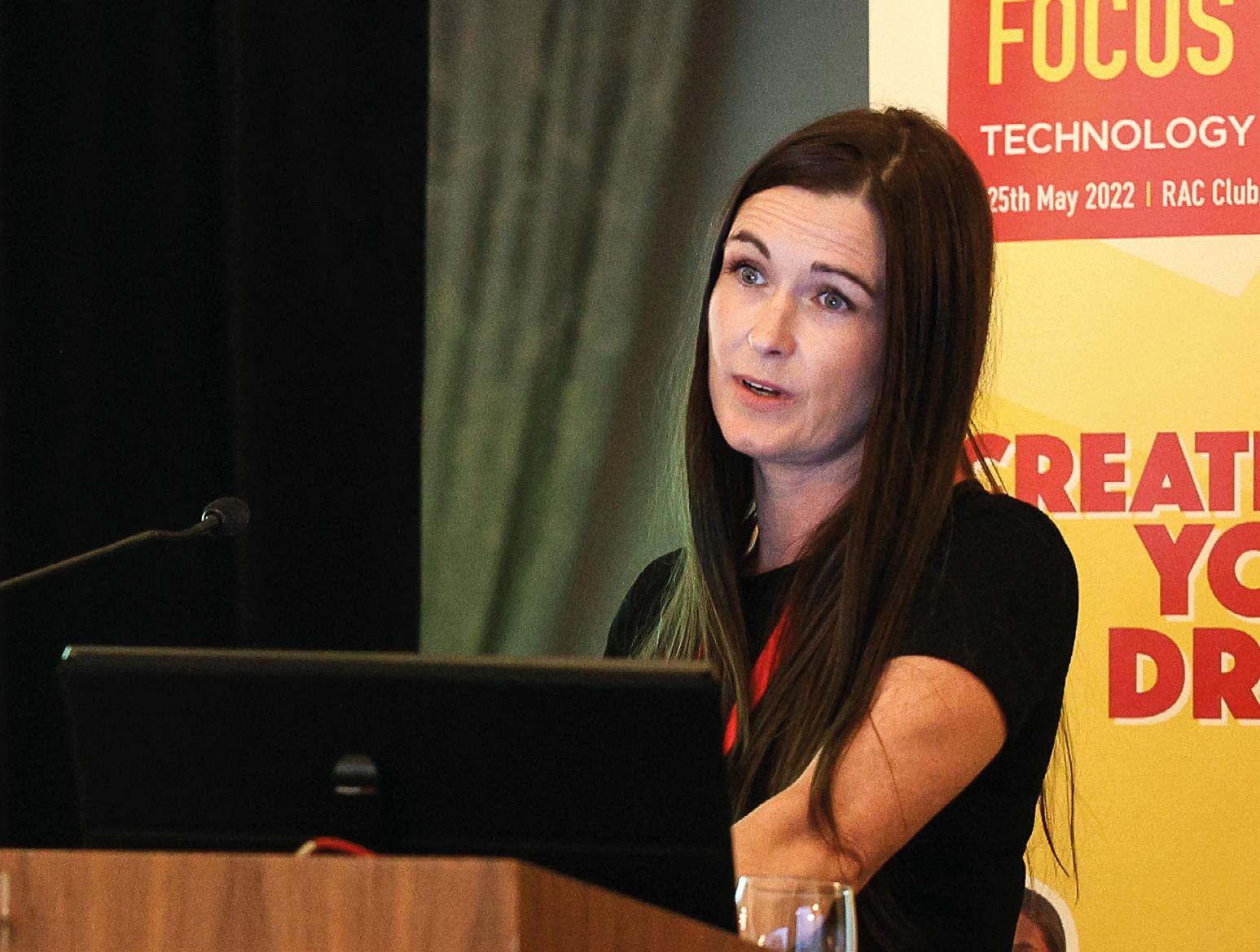
“The hazard awareness test has had a very positive impact.”
“We’re going to be looking at virtual reality. Is the hype justified? This is one of the big reasons we wanted to do this.”
“VR is a supplement. It should never be used instead of in situ training.”
Summary:
● Immersion is one of the commonly reported advantages of VR.
● The research project lasted 24 months and developed 360-degree hazard tests and training tools.
● Project assessed their benefits compared to traditional testing and training tools.
● There was a non-significant trend for VR-trained drivers to have fewer collisions in a driving simulator.
● VR-trained drivers had lower speeds.
● VR-trained drivers had smoother driving paths.
● VR-trained drivers had higher hazard prediction accuracy than those trained on a single screen or the control group, though this difference did not reach the threshold of significance.
● Research is ongoing to refine and improve VR training and testing.
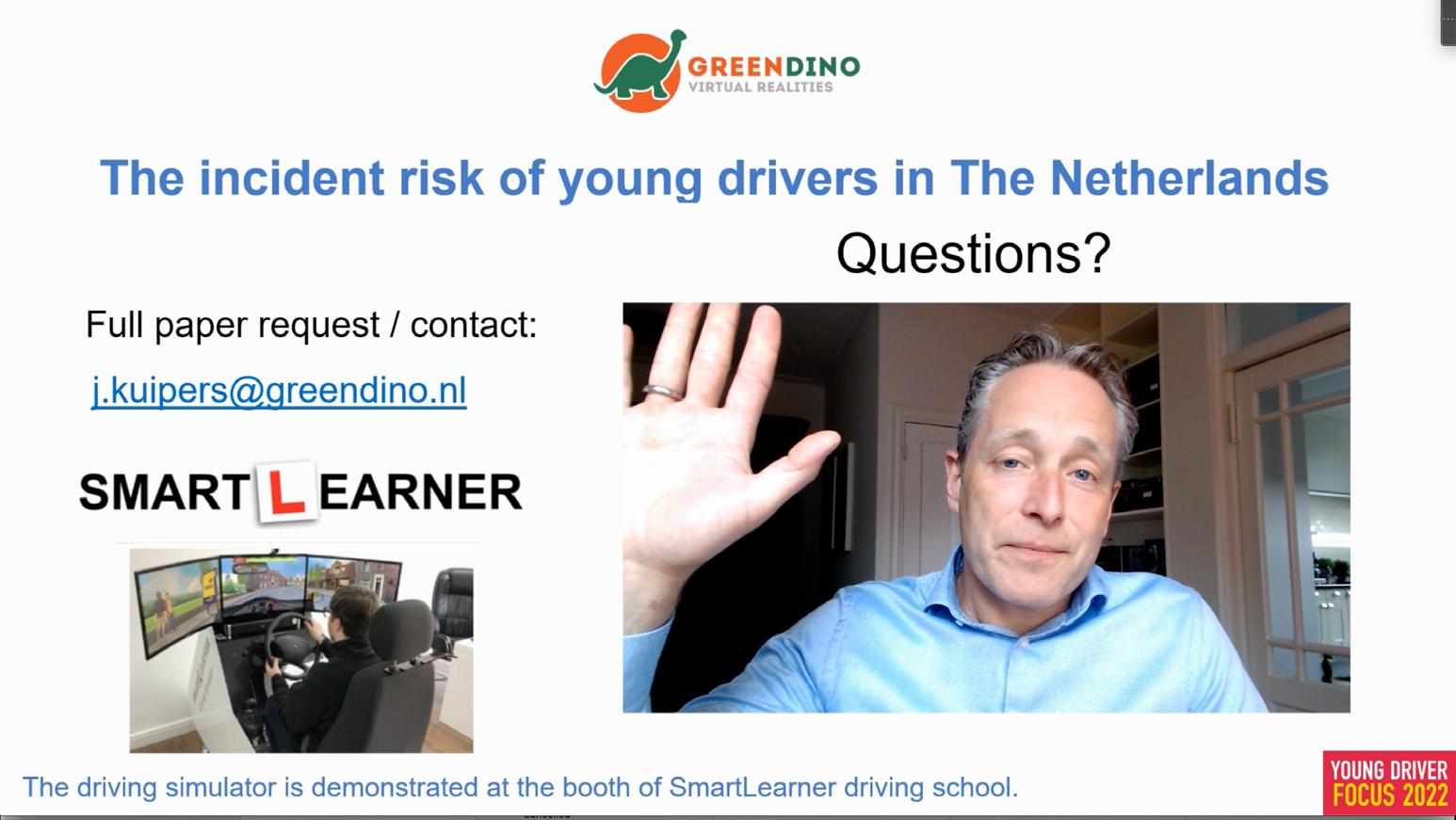
Differences in collision involvement of regular and simulator trained novice drivers
Jorrit Kuipers
Chief Technical Officer, Green Dino
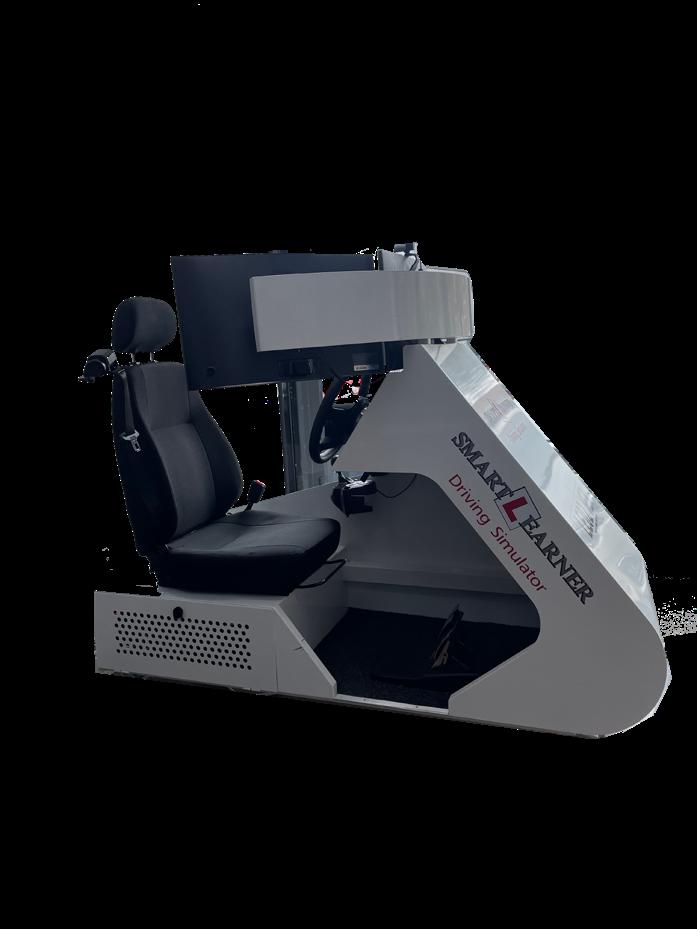
“Our car simulator is used in the first lessons for the training of young drivers.”
“The overrepresentation of young drivers in road incidents is a global problem.”
“Due to a focus on dangerous incidents during driving examinations, accident-prone drivers can too easily pass the test.”
Summary:
● Green Dino carried out a cohort study in the Netherlands to investigate whether driving simulators with automated instruction and assessment influenced incidents with bodywork damage and incidents with hospitalisation after licensing.
● The effect of simulator training on incident risk among young drivers was also assessed.
● Investigated 2,439 drivers from 2008 to 2015.
● Simulator training lowered the number of lessons needed to obtain a driving licence.
● It increased the rate of first-time passes.
● It reduced most drivers’ incident involvement and incident risk.
● Field-of-view and hazard perception training increased the passing rate and decreased the incident risk for both genders.
● Rule of thumb: incident risk drops by approximately 10% for every 1,000km driven.
YOUNG DRIVER INITIATIVES AND MARKETING CAMPAIGNS
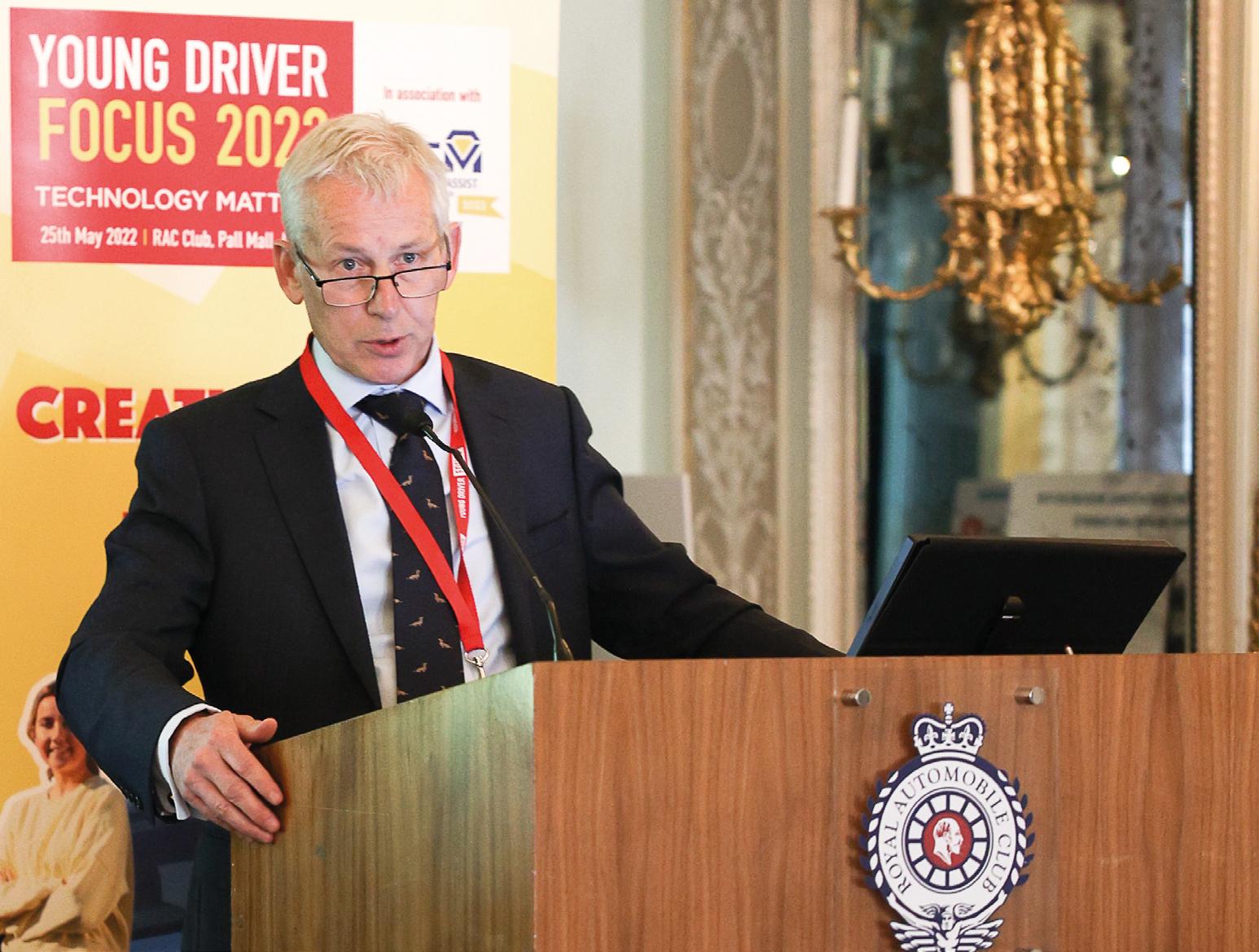
Influencing young drivers in Warwickshire
Chris Lewis
Policy and Partnerships Lead for Road Safety, Warwickshire Office of the Police and Crime Commissioner
“If you’re not engaging with your local PCC, it’s time.”
“We’re going to reduce death and injury on Warwickshire’s roads, and we’re serious about it.”
“Get involved, because if you don’t ask you don’t get.”
Summary:
● PCCs are democratically elected and are required to hold the Chief Constable to account.
● PCCs have access to funding streams.
● They have a growing influence and a broadening remit.
● Challenges include geographical and political alignment and competing priorities.
● Be specific with the ask – deliver outputs and outcomes.
● In Warwickshire safety camera revenue has been used to help rejuvenate the Warwickshire Road Safety Partnership.
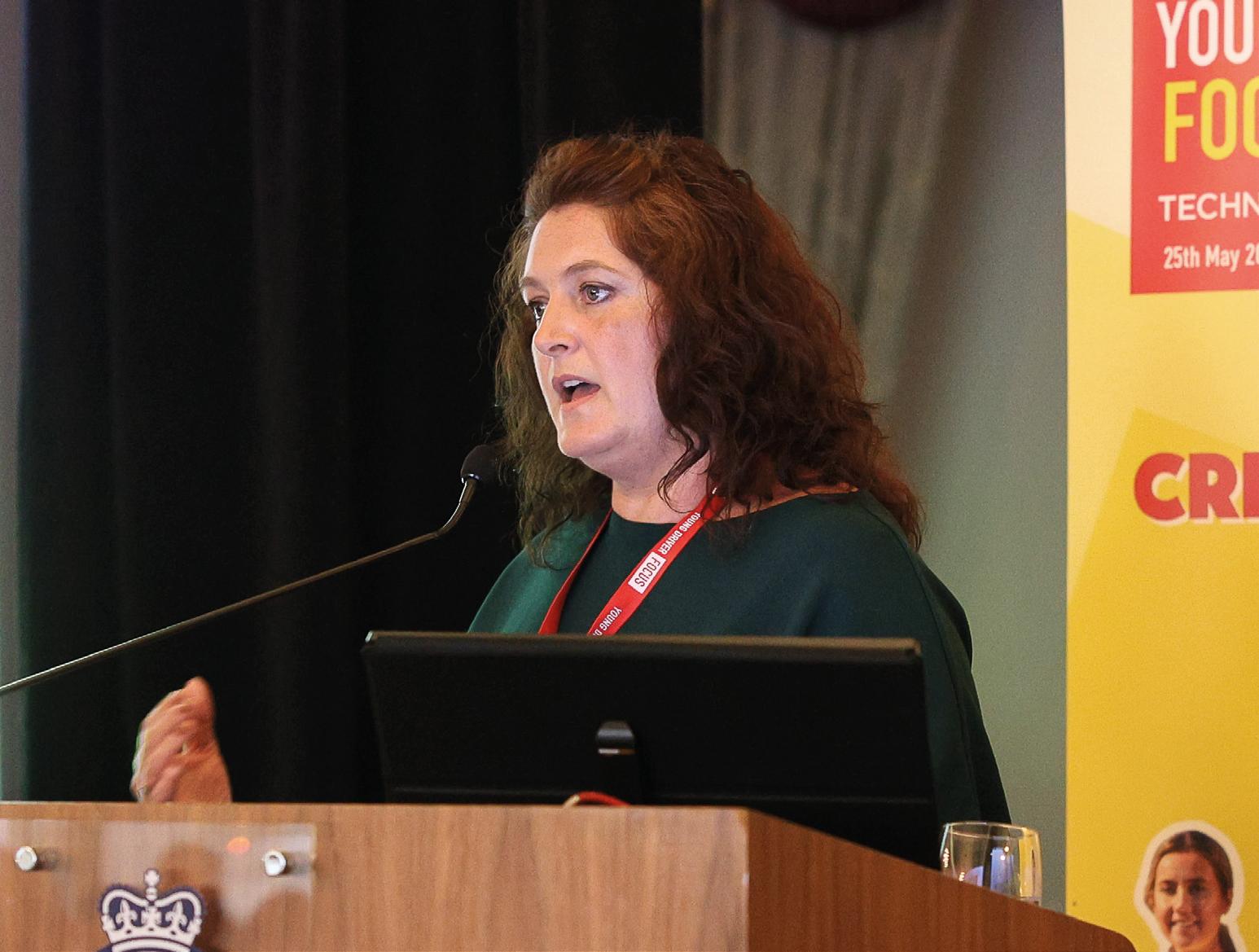
Young Driver and Passenger Course
Lorna Smith
Road Safety Officer, Kent County Council
“Up until 2019, we ran a live show in Kent. I saw people leaving the show distressed.”
“As well-meaning as emotionally charged witness testimonies are, we must question whether they achieve the desired outcome.”
“I met someone who had decided not to learn to drive having seen Licence to Kill.”
Summary:
● New intervention designed to be flexible for schools and aligned to PSHE curriculum.
● Forms part of behavioural change model.
● Accessible to all pupils.
● Complementary to Life Long Learning and Speak Out campaigns.
● Course content covers driving and seeing, speed and force, impairment, impulse and control.
● Reach: 2,518 from January to July 2021, and 6,000+ from September 2021 to July 2022.
● Evaluation found improvement in participants’ awareness of the impact of impulsivity on risk-taking behaviours, attitudes towards driving legislation, and the need to wear a seatbelt.
● 85% of pupils agreed with the statement ‘The Young Driver Course will help people like me to make safer choices when in a car.’
● A second round of evaluation will take place in summer 2022.
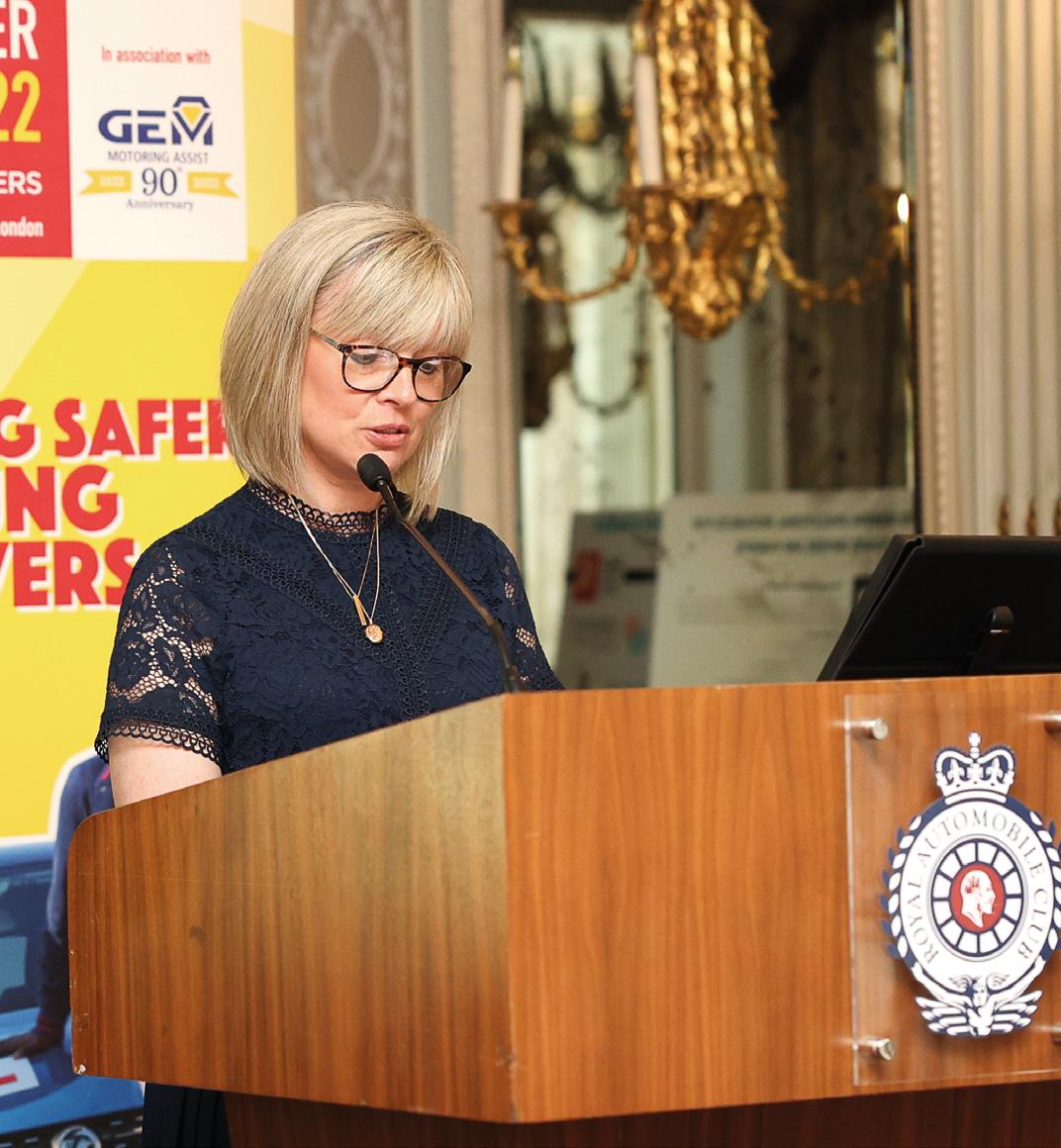
The dangers of rural roads to new drivers
Sharron Huddleston
Road safety campaigner
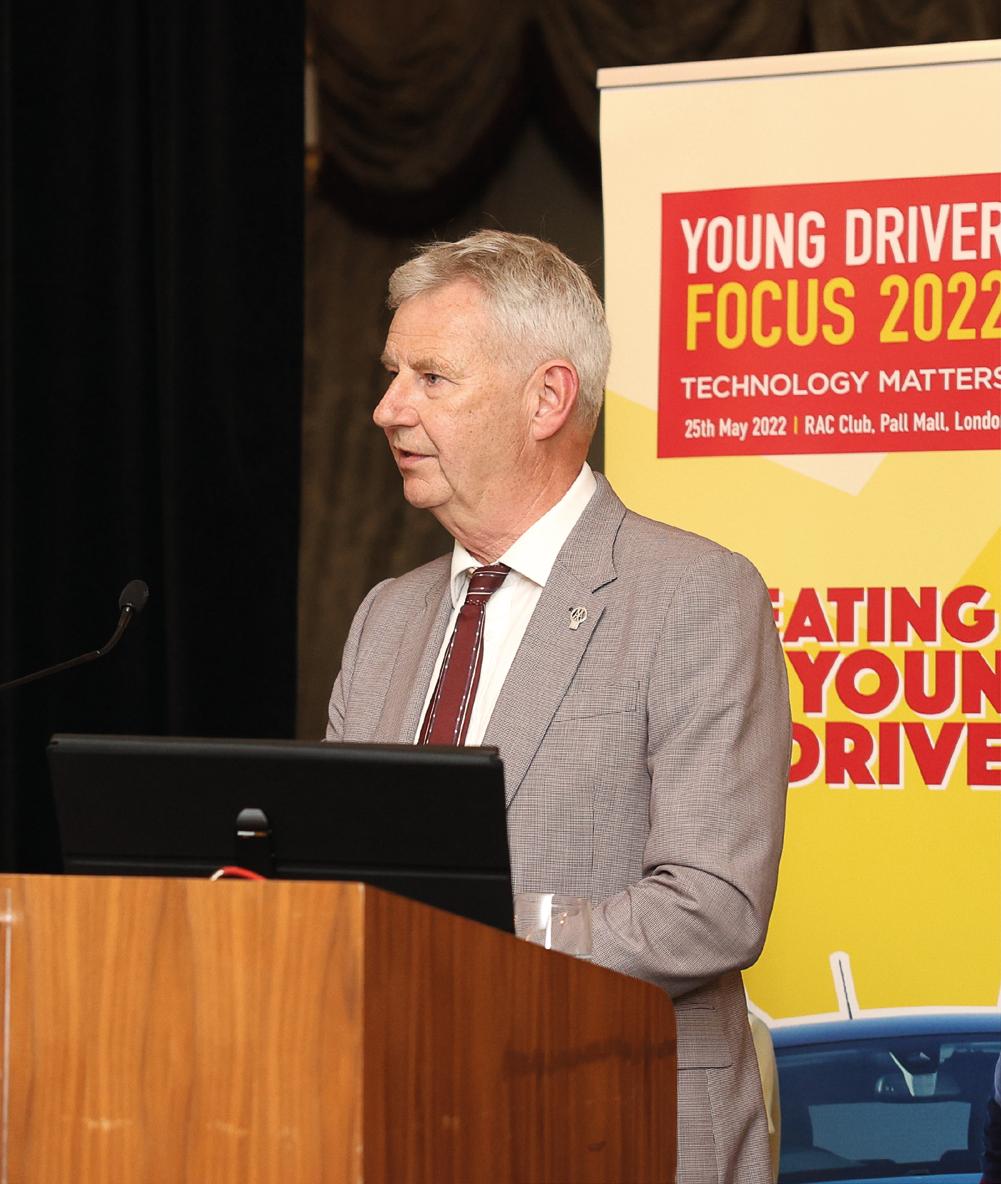
Edmund King OBE
President, AA
“71% of fatal crashes involving young drivers take place on rural roads.”
“Rural drivers are more likely to be involved in a single-vehicle accident.”
“Analysts at Agilysis and the Road Safety Foundation studied 74,919 young drivers involved in crashes of all injury severities on a rural road. This made us understand the problem a little bit more, but the challenge was – what can we do about it?”
Summary:
● Caitlin’s Hour: an awareness campaign that informs young drivers about dangers specifically posed in rural areas through a late-night radio show.
● The AA has worked to inform young drivers, driving instructors and parents in identified ‘hotspots’ about the dangers facing young drivers in those areas – and how they can mitigate them.
● The AA has also sought to raise awareness of the dangers or rural roads amongst the general driving population.
● The Caitlin’s Hour campaign attracted widespread media coverage, including 525 items of broadcast coverage across 173 stations.
● Caitlin's Message is now being communicated to new drivers and their parents via First Car and a targeted email campaign.
HOW MARKETING IS EVOLVING TO CONNECT WITH NEW DRIVERS
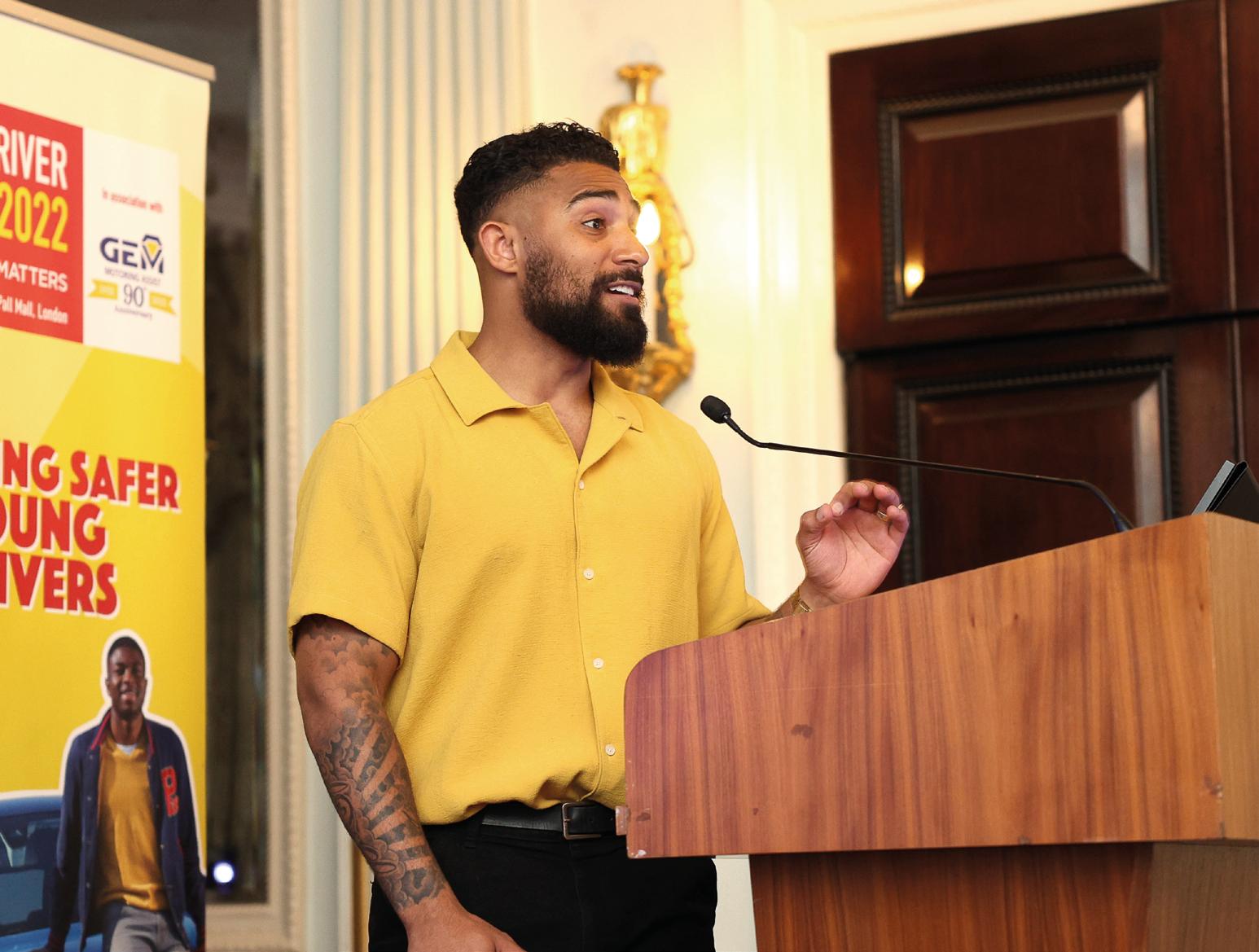
“Our mission is to help Gen Z shape their future.”
“We enable agencies and brands to crowdsource qualitative and quantitative feedback.”
“We have our own community so we can get brutally honest insight about pretty much anything that you would like to know.”
Summary:
● Imagen Insights has a community of almost 25,000 from 111 countries.
● Feedback can be provided within 72 hours.
● Community members are paid for the insights they provide.
● Gen Z are 8 to 26 years old.
● Gen Z are activists, co-creators and digital natives.
● Imagen Insights has surveyed its community for The Brutally Honest Gen Z Report for 2022.
Gen Z on the future of motoring
Jay Richards
Co-founder, Imagen Insights
● This found that more than half (57%) will commute to work by public transport.
● Less than one-in-five (18%) will drive to work.
● Only 3% prioritise spending on cars.
● 72% would rather take public transport than own their own vehicle.
● Yet 56% are likely to buy a car in the next three years.