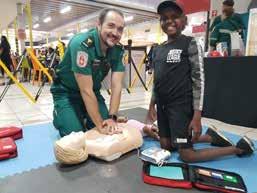
Thank you from the bottom of our hearts for embracing our new magazine FIRST by CAA.
We were excited to bring you FIRST and were overwhelmed by your feedback and positive comments. The magazine has gone global, with readers across Australia, New Zealand, Europe, North and South America and Asia. We are extremely grateful for your support and are committed to making future issues exciting and read-worthy.
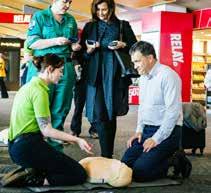
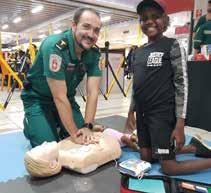
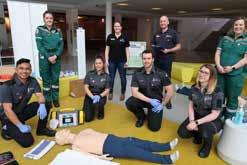
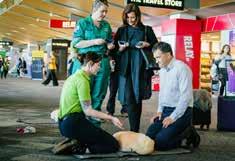
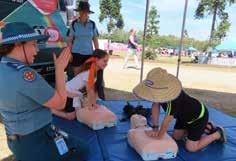
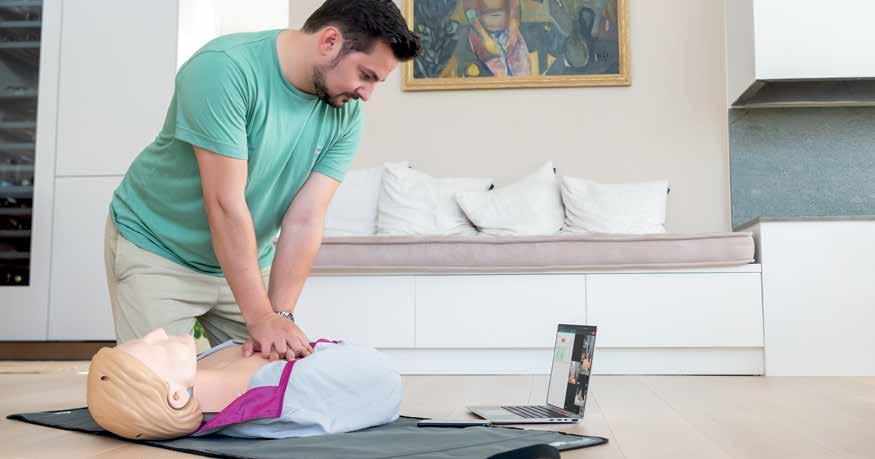
In this issue we dive into out-of-hospital cardiac arrest and Restart a Heart Day which was created to raise awareness around cardiac arrest, the importance of learning CPR and knowing how to use AEDs.
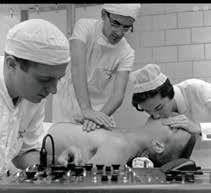
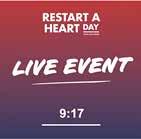
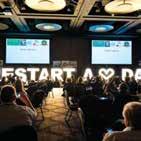
We look back to celebrate 60 years of modern CPR and look toward the future at how changes in recent years are making big advances in saving lives. If you missed the CAA Restart a Heart Day Live Streamed Event we give you the full breakdown and happily report that despite COVID restrictions, together with our services and partners we were able to deliver a great event filled with survivor stories, interviews with experts and training videos to get the public inspired to learn CPR and how to use AEDs to help save a life.
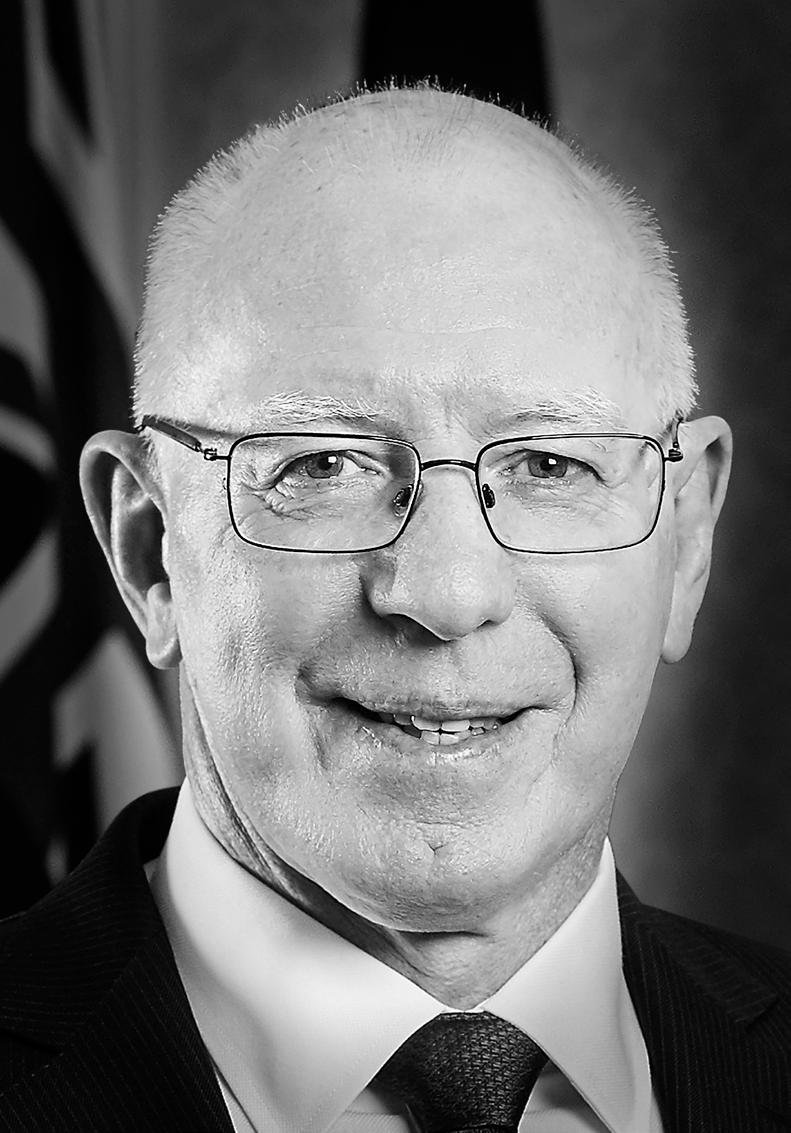
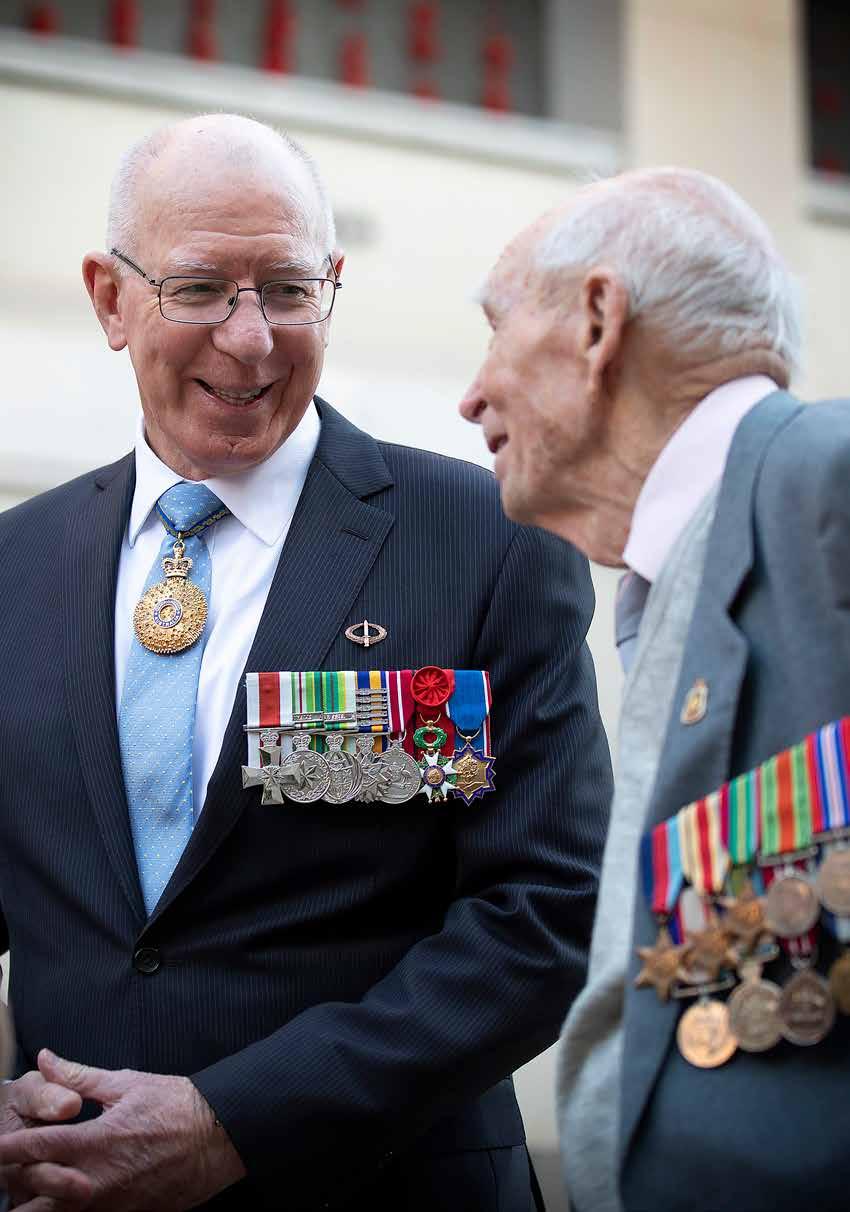
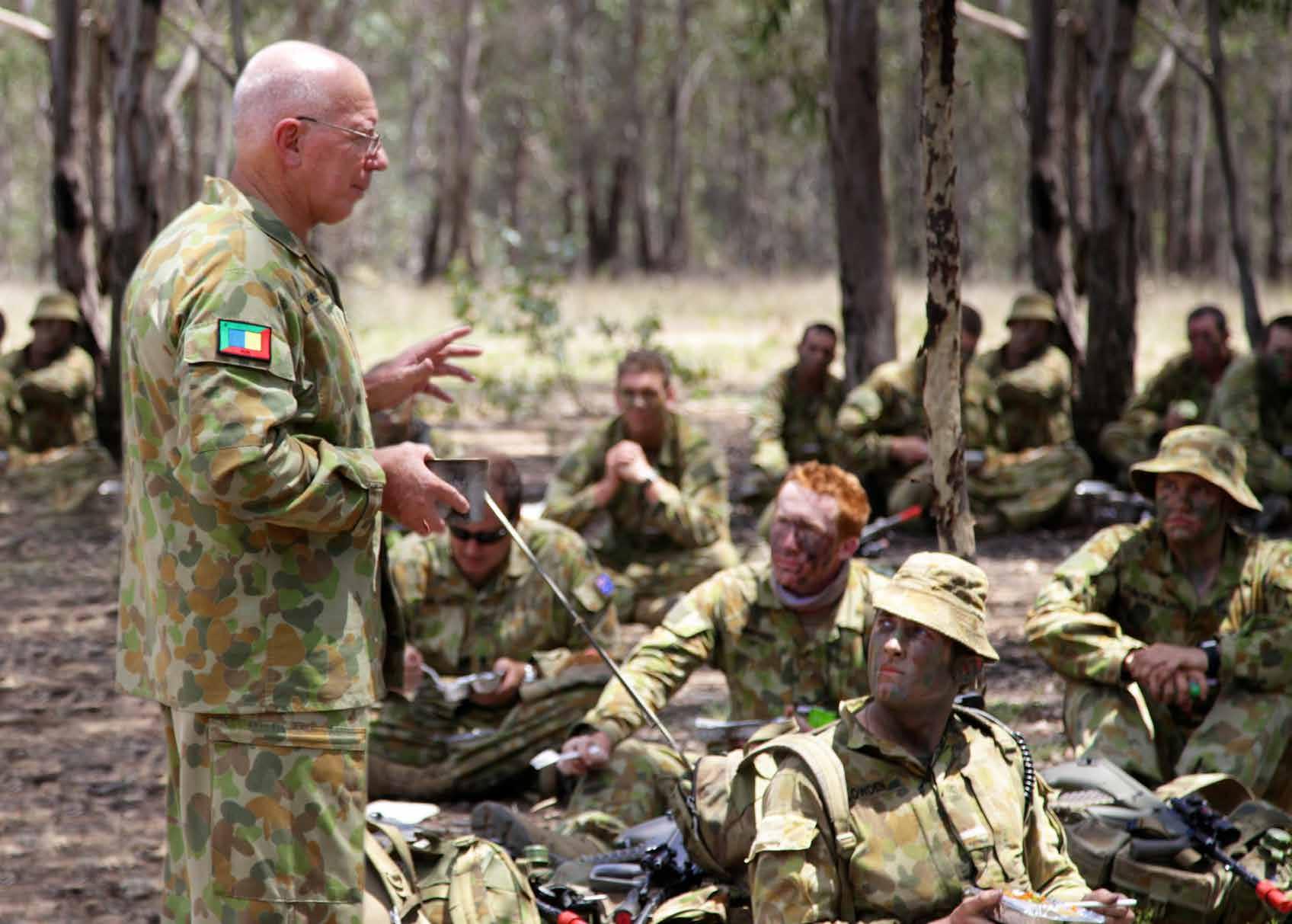
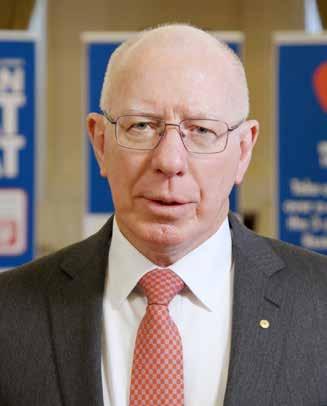
We speak to the inspiring Australian Governor-General, His Excellency General the Honourable David Hurley AC DSC (Retd), about his incredible military career and his years as the NSW Governor and now Australian Governor-General. He shares his tips for emerging managers, how to look after their teams and be good and effective leaders.
You will find a range of wonderful stories and latest research from our member services, we speak to 2019 CAA Star Award winners and continue to bring you the happenings across the Australasian ambulance sector.
Grab your copy, lean back and relax with a good read.
Mojca xx
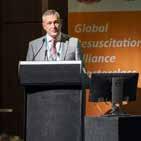
Global Resuscitation Alliance and Restart a Heart Day highlights. 08 Industry First
Latest news from around the ambulance sector. 11 CAA First
A look back at the last quarter and how the world around us has changed.
Ambulance services throughout Australasia continue to receive high satisfaction rates.
Focus First
Director of Emergency Management at Ambulance Victoria, Justin Dunlop shares his opinion on why planning for disasters is crucial.
32 Services First
Showcasing the latest ground-breaking projects from across CAA member services.
39 Awards First
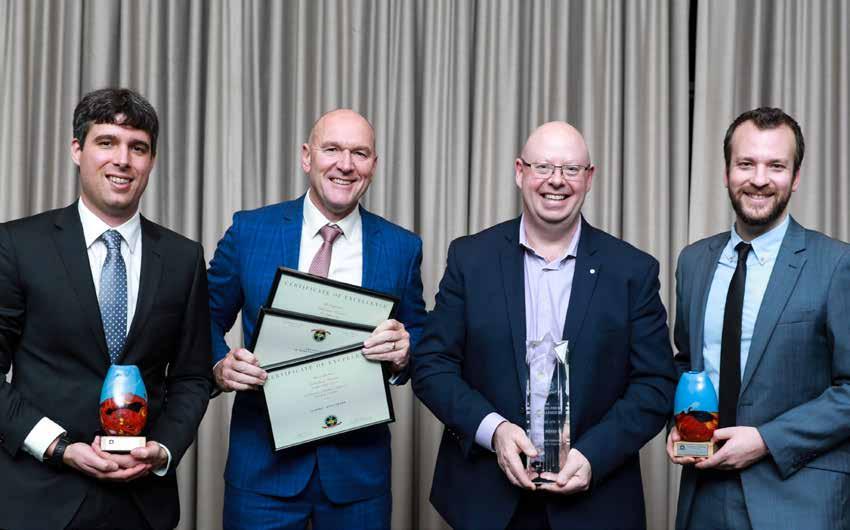
Featuring the 2019 CAA Awards for Excellence Star Award Winner – Ambulance Victoria.
42 Feature First
Exploring the importance of CPR and AEDs around the world featuring articles from GoodSAM and the Michael Hughes Foundation. 30 Opinion First
15 minutes with the Australian Governor General, David Hurley AC, DSC (Rtd).
49 Events First
Recap of 2020 Restart a Heart Day events.
54 Partners First
Meet our partners: First Aid Council & The Paramedic Chiefs of Canada.
56 Research First
Sharing the latest innovative research projects from around the ambulance world. 64
60 Years of CPR
Teghan Mear from the New Zealand Resuscitation Council takes us through the history of CPR.
70 Sustainability
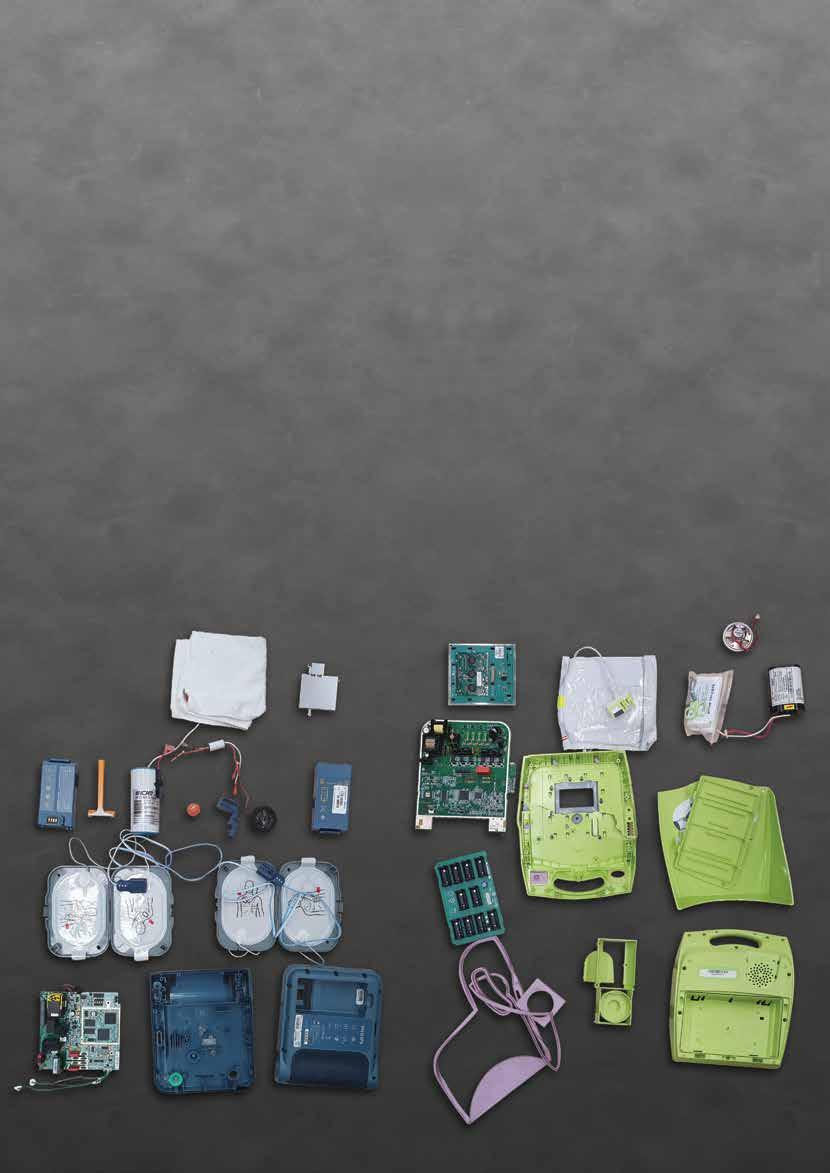
Did you know just how much of an AED can be recycled? 72 People First
Meet the wonderful people that make up the Australasian ambulance services.
74 The Directory
76 Wellness First
How to start a healthy lifestyle with our resident columnist Mitch Mullooly.
THE TEAM
Editor: Mojca Bizjak-Mikic
Relationship and Content Manager: Stephanie Hartley
Graphic Designer: Dylan Read
PUBLISHED BY:
The Council Of Ambulance Authorities
283 – 287 Sir Donald Bradman Drive Brooklyn Park SA 5032 Australia
admin@caa.net.au
CAA Milestones
2016
CAA Members commit to implementing the 10-step program
All 10 CAA member services sign up to the 10step Global Resuscitation Alliance program, developed by the King’s County and Seattle teams in US. The program is designed to guide services toward improving outof-hospital cardiac arrest survival rates. Steps include high-performance CPR, telephone CPR, setting up cardiac arrest registries, mandatory CPR etc.
2017
CAA
GRA working group established
The CAA Global Resuscitation Alliance Working Group is established as part of CAA committee structure, with representation by 10 member services with the aim to support services in implementing the GRA 10-steps and facilitating exchange of ideas and knowledge between members.
16 October 2020
Restart a Heart Day going virtual
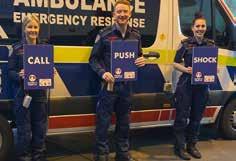
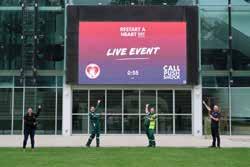
Due to COVID-19 restrictions 2020 Restart a Heart Day took a new look. The CAA ran a virtual event streamed through a number of platforms bringing together members services and partners to deliver the key messages of the campaign. CALL PUSH SHOCK. The event went viral and over 2000 people viewed it, helping us educate in excess of 100,000 people.
2017
Australasian and Global GRA Secretariats established
GRA establishes Global Secretariats including the Australasian GRA Secretariat chaired by the CAA.
August 2017
Global Resuscitation Alliance Masterclass, Adelaide SA
The first GRA Masterclass facilitated by CAA was held as part of the CAA 2017 Congress in Adelaide. Masterclasses are designed for sharing knowledge and learnings and running live demonstrations on high-performance CPR.
16 October 2019
Restart a Heart Day
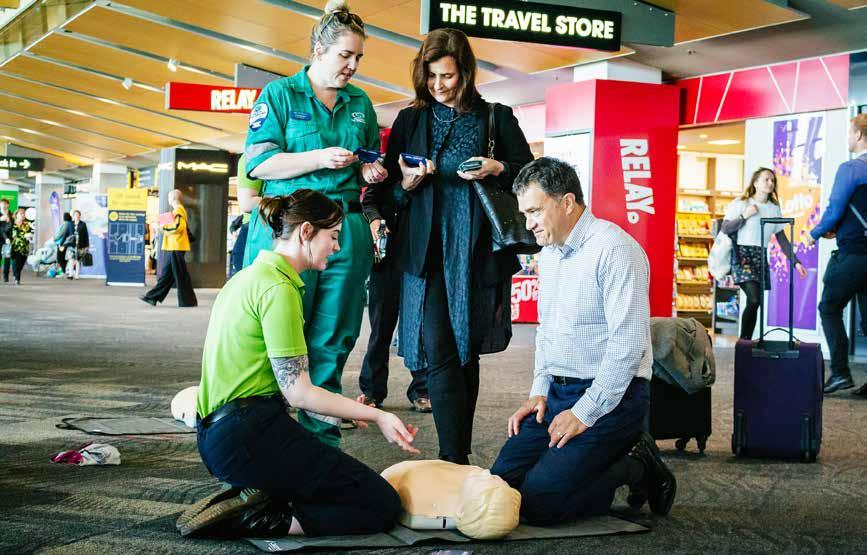
A myriad of events took place on and around 2019 Restart a Heart Day with services educating the public in CPR and AED at airports, schools, beaches, ambulance stations and even the NZ Parliament. Together the CAA and member ambulance services educated 25,000 people in lifesaving skills.
October 2019
Government House Open Day with Australian Governor-General, Hon David Hurley, Canberra
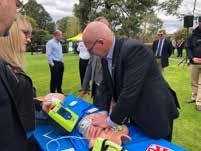
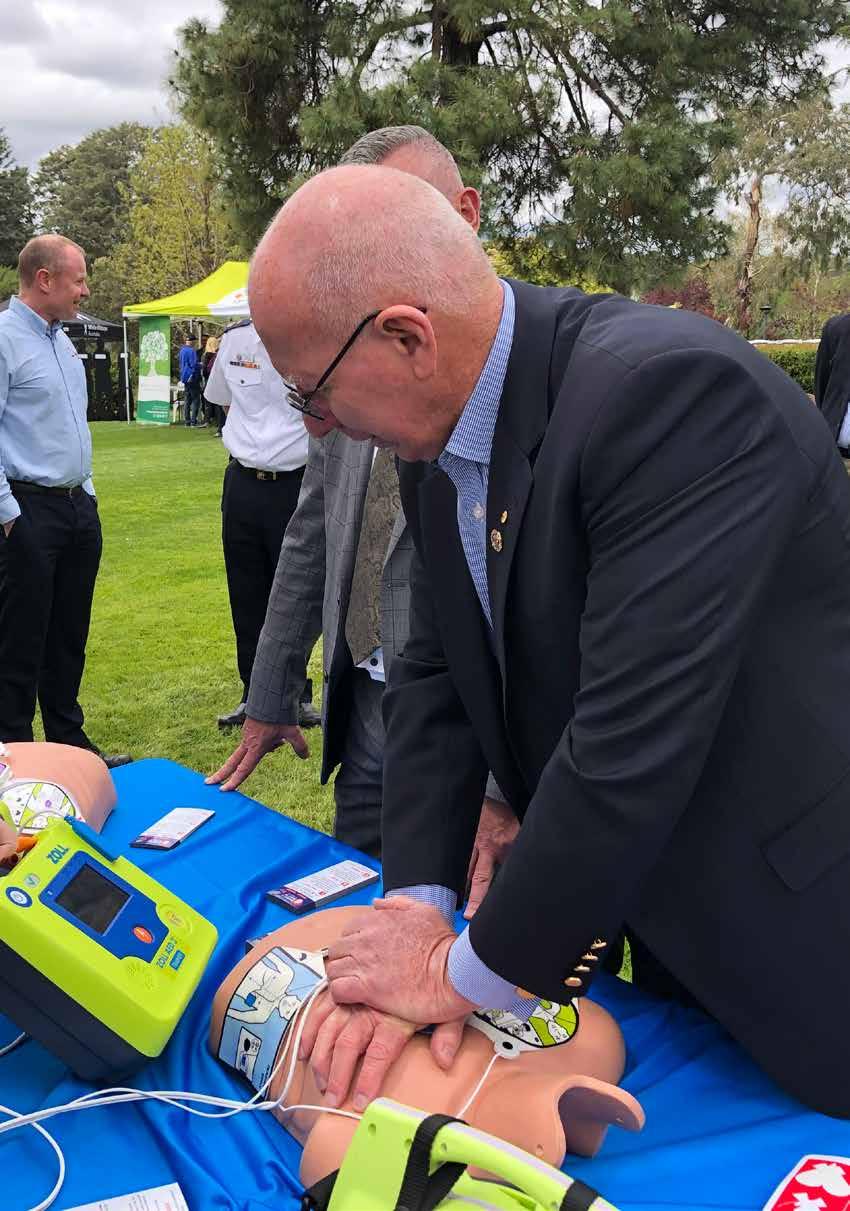
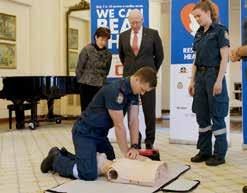
2019 Restart a Heart Day campaign was launched on the lawns of Australian Government House by Australian Governor-General Hon David Hurley, who is the patron of CAA and Restart a Heart Day and a very passionate supporter of the cause.
16 October 2017
CAA launches first Restart a Heart Day
CAA launches Restart a Heart Day campaign for Australia and New Zealand with support by member services and partners, sharing this important event to raise awareness around cardiac arrest and the importance of learning CPR and being able to use an AED.
August 2018
T-CPR Workshops, Auckland NZ and Melbourne VIC
2018 saw the first specialised GRA masterclasses facilitated by CAA. Telephone CPR classes were held in Auckland NZ as part of the CAA 2018 Congress and a separate class was held in Melbourne VIC.
August 2018
Resuscitation Academy,
Auckland NZ
GRA’s Resuscitation Academy is created to train trainers in highperformance CPR and other tools from 10-steps who are then able to pass the knowledge and train members of other services. CAA and members invested in training a core team of trainers to work as part of the Australasian GRA Secretariat.
August 2019
Asia Pacific Ambulance Officers GRA Workshop Perth WA
CAA hosted the Asia Pacific Ambulance Officers for a GRA Workshop passing on knowledge and experiences from implementing the 10-step program across CAA members.
July 2019
High-Performance CPR University, Sydney
NSW & August 2019
Global Resuscitation Alliance Masterclass, Perth WA
2019 saw continued masterclasses and workshops educating ambulance staff in high-performance CPR, sharing outcomes and results, in continued effort to implement the 10-step GRA program.
16 October 2018
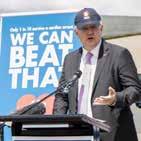
Restart a Heart Day National Launch with Australian Prime Minister Scott Morrison, Canberra
CAA was grateful to the Australian Prime Minister Scott Morrison for officially launching the 2018 Restart a Heart Day campaign kicking of a range of events across CAA members services and in turn educate 25,000 people across Australia and New Zealand.
Industry News
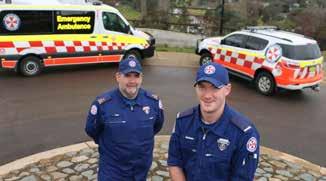
NSW Ambulance celebrates 125 years
In April 2020 NSW Ambulance celebrated 125 years of providing ambulance services on Australia’s east coast. Reaching this significant milestone allows NSW Ambulance to continue to drive for innovation and high-quality care and to build strong foundations of ambulance services already in place. NSW Ambulance is Australia’s biggest ambulance service and one of the worlds largest and busiest ambulance services, employing over 5,500 staff (FTE) and volunteers and responding to almost 1 million incidents and patients per year.
Australian Disaster Resilience Handbook – Emergency Planning
The Australian Institute for Disaster Resilience has updated the Emergency Planning Handbook. The handbook assists groups and organisations to develop tailored emergency management plans for their specific circumstances. The Council of Ambulance Authorities Emergency Management Forum assisted with the development of the handbook as part of a multi-agency, multi-jurisdictional working group. It is available for free download from the Australian Institute for Disaster Resilience website https://knowledge.aidr.org.au/ resources/emergency-planning-handbook/.
Radio stars pay tribute to emergency services with ‘Triple Zero Hero’ segment
Kyle and Jackie O of Kiis 1065 Radio Station orchestrated a segment on their show in Australia where callers can share their stories of emergency service workers and the incredible work they do. Stories have ranged from kids calling the emergency service line in response to finding a parent unconscious or suffering a seizure to baby deliveries on the side of a busy freeway. Visit their website to read or listen to these stories. https://www. kiis1065.com.au/tag/triple-zero-hero/.
CAA 2020 Patient Experience Survey
The Council of Ambulance Authorities have released the 2020 Patient Experience Survey report. In the past decade, patient satisfaction in Australia and New Zealand has been extremely high, with an average of 97-98% patients satisfied or very satisfied with our members’ services. This year is the first year Papua New Guinea has joined the Patient Experience Survey and received a wonderful 94% satisfaction rate from their patients. To view the full report https://www.caa.net.au/patientexperience-survey.
International Control Room Week
This year’s International Control Room Week was held between 19th – 25th October 2020. 2020’s International Control Room Week shined a light on the critical role control centre teams performed, particularly during the COVID-19 pandemic. Control centre teams across the globe are key workers and have continued to work throughout the pandemic, taking significantly more calls than usual while continuing to serve and protect the public and deal with serious and distressing incidents on a daily basis.
St John New Zealand - New Chancellor and Chair of Board
St John New Zealand has appointed their new Chancellor and Chair of their National Priory Board for a three-year term. John Whitehead took over the role of Chancellor and Chair from Dr Steve Evans (KStJ) who served for a six-year term. Mr Whitehead has an extensive background in governance, business, and finance, and is perfectly positioned to guide the organisation through a significant reset and new direction.
St John New Zealand
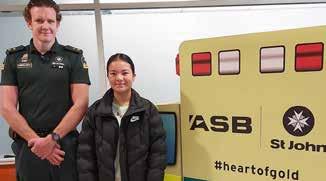
Ambulance Services rely on the goodwill of the public and volunteers. There is a very special girl in New Zealand who has donated nearly $6000 to St John NZ since her 6th birthday. 13 year old Louise asked her friends and family to donate to St John NZ instead of receiving presents for her birthday.
Wellington Free Ambulance –Annual Onesie Day
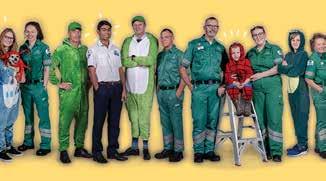
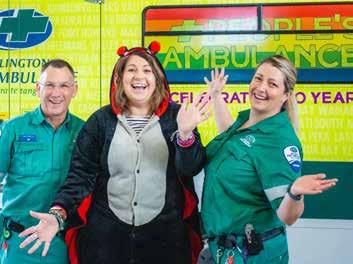
September 4th was Wellington Free Ambulance’s Annual Onesie Day Appeal. At the time of printing they had raised $122,000. This money supports WFA and assists with keeping their emergency ambulance service free. Participants were encouraged to wear a onesie to work, school or with friends and family, on the bus, to a meeting or walking the dog. For more information visit https://www.onesieday.co.nz/.
The New Normal
By Mojca Bizjak-Mikic
It’s hard to believe we are less than two months away from Christmas and I’m sure many of you will share my excitement to see
the back
of this crazy year. While
not everything
was doom and gloom, the year has definitely thrown many challenges our way and looking ahead towards summer and Christmas fills me with a little happiness.
CAA continued to be the busy beehive with our major annual campaign Restart a Heart Day wrapped up, completing the Patient Experience Survey and running our first Women in Leadership survey. Second part of the year we see national and Trans-Tasman reporting, with CAA running point for the Australian ambulance sector’s report on Government services among others.
And as part of our data work we are excited again to see great results from CAA’s annual Patient Experience Survey. It is always wonderful seeing great feedback from patients and carers, with Australian services having a 98% overall satisfaction rate and New Zealand services 97%.
This year we were thrilled to welcome St John Papua New Guinea to the Patient Experience Survey who also received great feedback resulting in an overall 94% satisfaction rate. Safe to say that patients across Australia, New Zealand and Papua New Guinea feel very reassured in the hands of our wonderful paramedics and communication staff.
This year marked another first for CAA and our members. A Women in Leadership survey aimed to get the pulse on the ground from our female team members and how they see their careers, challenges and opportunities as they rise towards leadership roles. Results were not too surprising, showing some common challenges, like the inability to get managerial positions after returning from maternity leave and as part-time roles, the unconscious bias that still runs through the once very male dominated services. The CAA Women in Leadership working group will be working on analysing the results with aim to identify future steps and actions.
New Zealand, the Australian bushfires and the global pandemic COVID-19, sadly marking the year.
The second part of 2020 is seeing our teams back to business as usual, at least to the new normal, with a myriad of committee, forum and working group meetings being held over September, October and November.
While COVID-19 is still ever present and services are getting ready for the next wave, most of our services have been lucky and life is returning to normality. We have seen loads of work getting done in preparation for the next similar event and summer planning commencing ready for bushfire season, heatwaves, floods and all other natural phenomenons that the Australian and New Zealand landscape throws at us.
It is always wonderful seeing great feedback from patients and carers, with Australian services having a 98% overall satisfaction rate and New Zealand services 97%.
The CAA launched the new webinar series with great success, kicking off with a wonderful webinar from Prof Richard Lyons on Traumatic Cardiac Arrest with support from Philips. We had to run a webinar on COVID-19 and we gathered our experts to address the main topics in combination with the CAA x Trapeze Ideas Board: Infection Control, Mental Health, Strategy & Management, Technology.
CAA Webinars will continue to be held for the rest of 2020 and in 2021, on the last Tuesday of the month, so keep your eye on the CAA website and socials for the latest speakers.
The CAA Annual Report was released in August and is a great record of all the work CAA and our working groups have done in the last financial year 2019-20. A busy year that saw some incredible heartbreaks from the Whakaari / White Island volcanic eruption in
And of course, we can’t speak about CAA’s work without mentioning the 2020 Restart a Heart Day, which in light of COVID-19 restrictions took a rather new approach and went viral. The CAA held a successful virtual live streaming event sharing survivor stories, interviews with CEOs and experts, education sessions and even a kids’ corner, all with the aim to raise the publics’ awareness on the importance of knowing how to act in the case of a cardiac arrest. For a more detailed overview of the 2020 Restart a Heart Day events see page 49.
overall satisfaction+ 98%
found the caller taker helpful & reassuring+ 94%
overall satisfaction+ 97% found the caller taker helpful & reassuring+ 92% rated the level of care they received good or very good+ 97%
overall satisfaction+ 94% found the caller taker helpful & reassuring+ 89%
Toyota’s Adelaide dealership at 152 West Terrace, Adelaide.
CMI
For more than 50 years, CMI Toyota has been South Australia’s home of Toyota.
Offering the full range of new Toyota vehicles plus SA’s largest range of Toyota Certified pre-owned cars, CMI Toyota employs an experienced and friendly team who are dedicated to ensuring your next vehicle purchase is a memorable one, for all the right reasons.
With three dealerships located across metropolitan Adelaide, plus a boutique service centre at Stepney, CMI Toyota has all your motoring needs covered.
cmitoyota.com.au
has literally changed the world CPR
In the last 60 years of modern CPR it is estimated that over 2 million people globally have been saved due to the use of CPR. That is 2 million mothers and fathers, brothers and sisters, aunties, uncles, granddads and grandmas, sons, daughters and friends. The change for those patients’ families is immeasurable and the extra memories they got to create with their loved ones are simply miraculous.
This time of the year we focus on out-of-hospital cardiac arrest and how important it is for all of us as a community to raise awareness on this important topic.
Restart a Heart Day, held annually on 16th October gives us the opportunity to celebrate the successes, the saved lives, the incredible efforts of bystanders and our ambulance teams, the researchers and the technical innovators that work tirelessly to better the chances of surviving a cardiac arrest.
We look back at the last 60 years of modern CPR and the inspiring advances made by the medical professions and by the impacted communities. We meet a couple
of survivors and share their stories that show how important each link in the chain of survival really is. We also look to the future, to the technology that is enabling and connecting the community within the medical sector in an effort to save more lives.
To everyone past, present and future that commits their lives and careers to this lifesaving cause, we thank you. We salute your sacrifices and are grateful for your ongoing drive to making cardiac arrest a more survivable event.
Tackling COVID-19 with technology
Provided by GoodSAM
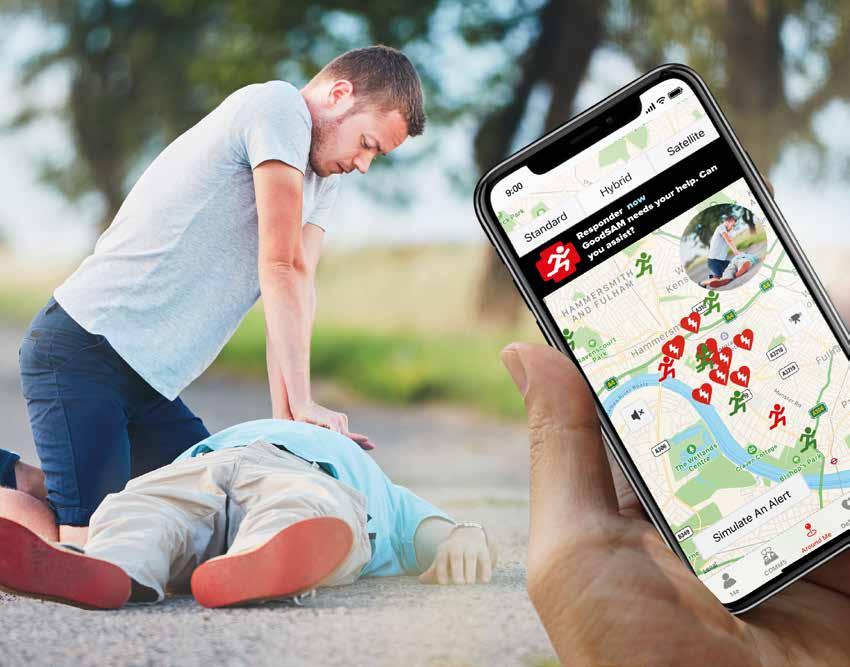
GoodSAM’s systems are revolutionising video triage, team communication and volunteering. GoodSAM is probably best known as the system that crowd sources resuscitation in the event of a cardiac arrest. More about that at the end, but for the last three years, GoodSAM has been pioneering a wealth of other technologies which, with the COVID-19 pandemic, have come to the fore and are revolutionising pre-hospital and urgent care.
750,000 COVID-19 volunteers:
GoodSAM was always about geolocating and matching those in need (traditionally in cardiac arrest) with those who can help (those who know CPR). In the UK, the NHS asked GoodSAM to expand this platform to recruit 750,000 volunteers to help the two million vulnerable people isolating during the COVID-19 pandemic. The platform expanded to recruit these people (at a maximum rate of 4,000 volunteers per second) and then absorb the requests from GPs, hospitals, pharmacies and councils for those requiring support. These roles vary from check-in and chat (phone calls to those who are lonely) through to the delivery of medications and food and transport to hospital. As the UK heads into winter, the platform will provide for a range of other nonclinical supporting roles – from clearing snow to helping in flu vaccination centres. The platform is deploying many more volunteers than Uber has drivers and it really has revolutionised micro-volunteering, bringing technology to a sector which had otherwise been left a little behind. To date over a million tasks have been completed to help the most vulnerable.
Video Assessment – Instant Location and Instant-On-Scene:
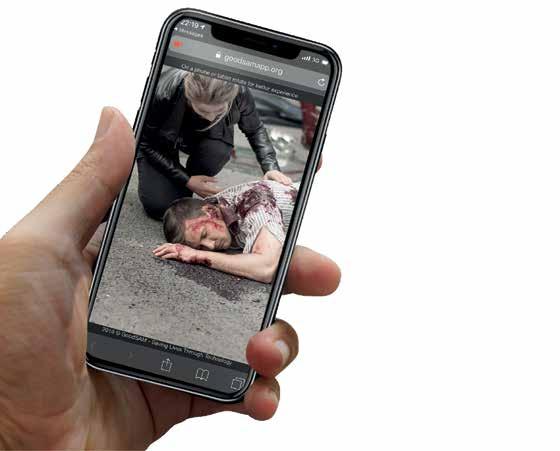
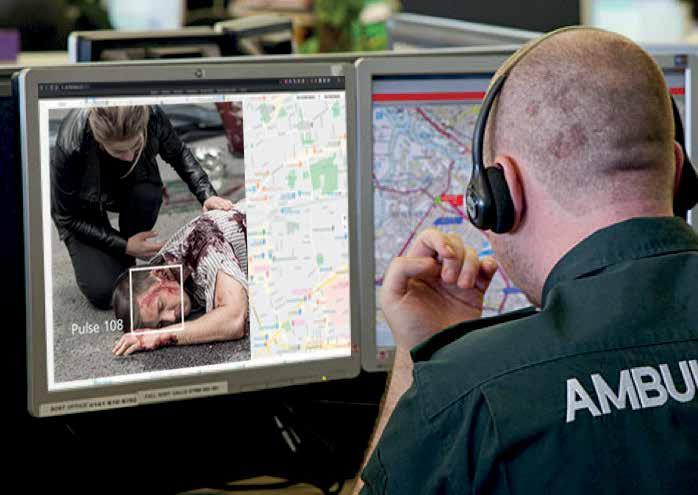
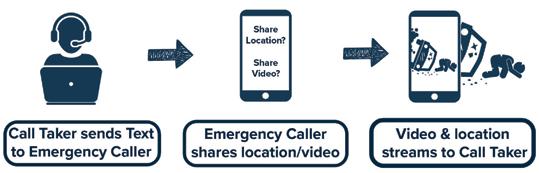
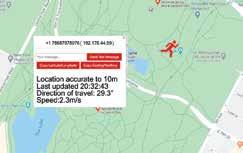
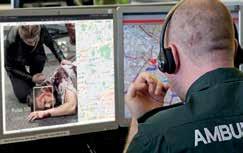
GoodSAM pioneered Apples’ Video (no downloads required) with the unique ability to open a 000 callers mobile phone camera while concurrently maintaining the 000 call. The system also instantly locates the caller (again with no download required). The ability to be able to see the patient and the scene has revolutionised triage, and many emergency and urgent care services now using it routinely. With the COVID-19 pandemic,
this has significantly reduced the number of face to face consultations required1, ambulances deployed1 hospital admissions2 and is enabling better care at home with “virtual wards” where the clinical staff can “drop in” and check in on patients.
GoodSAM video also enables other parties to be pulled into the video, for example, the next of kin who lives elsewhere, a translator or the patient’s GP. This means rapid multidisciplinary team meetings can be performed, recommending care at home for those who should not come to hospital and getting those that do need to be in hospital to the right place for their needs.
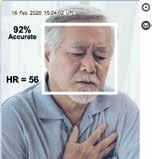
The platform has built in artificial intelligence providing Vital Sign pulse rate measurement directly from the video. Our volunteer network is currently delivering 310,000 pulse oximeters to provide even further remote monitoring at home.
There is also a transcribe (for the hard of hearing) and translate function, which automatically converts speech into text or other languages.
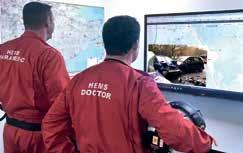
Video can be triggered by crews on scene (directly from the GoodSAM Responder App) whilst feeds from drones, CCTV and body cameras can also be passed and analysed. This is providing a plethora of uses for police and other services, from instantly visualising crimes (and storing the video as evidence) through to checking the location of people on bail.
Team Communication
The GoodSAM Platform allows members of an organisation to find and communicate with each other
through the “Buzz” radio function. This has considerable uses in major incidents as well as day to day responses. Additionally, the system enables direct video referral to a Clinical Hub, other services (e.g. police, fire), the on duty senior clinician or on call staff in the hospital. This is creating the rapid and seamless care required to provide instant expert opinions and avoid admissions to hospital.
Cardiac Arrest and beyond
COVID-19 has seen a dramatic fall in out of hospital cardiac arrest survival around the world3. There are many reasons, but fear of COVID-19 probably reduces confidence for bystander CPR whilst delays in donning PPE, probably loses vital minutes. It is critical to demonstrate that when following guidelines, it is safe to do CPR and the risks are incredibly low compared to
References
1. 1 NHS Digital GoodSAM assessment - https://www.goodsamapp.org/NHSD
2. 2 BBC Scotland – https://www.bbc.co.uk/news/uk-scotland-53681625
the inevitability of not surviving without it. It is more vital than ever that those with the skills to perform CPR, such as healthcare workers, the police, fire and other emergency services are on GoodSAM so that they can provide this critical early support while the ambulance is en route.
While GoodSAM alerts volunteers to cardiac arrests, the platform also dispatches on duty staff and CFRs to all other emergencies.
The GoodSAM platform has created a wealth of technologies to revolutionise urgent and emergency care. These have considerable potential to help reduce patient contact and COVID-19 transmission, and also provide faster and optimised care at the same time. Such technology was always going to improve care, COVID-19 has resulted in faster adoption.
GoodSAM video opens any callers mobile phone camera with no App / download required It also maintains the 000 call concurrently - designed for emergency use.
Two & Multi Way Video
Instantly locate and track caller (no download needed) + Instantly translate into 104 Languages
Video Forwarding
To other services (eg air ambulance) Multiple storage options
Free Call: +61 3907 10007 Instant Location
GoodSAM also provides a wealth of other features:
- Cardiac Arrest Resuscitation Crowd Sourcing
- Team / Staff Dispatch, Tracking and Communications
- Incident Management
- AED Mapping
- Volunteer Networks
- Virtual Wards
- Video handling e.g. of body cams and drones.... and so much more...
For a free trial or to find out more: Visit: www.goodsamapp.org
Email: info@goodsamapp.org
There is now extensive evidence GoodSAM video provides faster & better triage, less Face to Face consultations and admissionscall or email us for details.
Commitment to safety saves employee’s life
Provided by ZOLL
Ricki Avery is no stranger to managing crisis. As a supply chain professional in the supermarket fresh foods industry, he works hard every day to ensure the freshest meat is delivered to the stores’ shelves. Having been recruited by his employer from the U.K. about five years previously for his supply chain expertise, Ricki regularly handles challenging situations with confidence and grace, keeping both his employer and its customers happy and satisfied.
But none of that crisis management experience could have prepared Ricki for the morning of 18 July 2019, when he suffered sudden cardiac arrest (SCA) at work. Fortunately, his employer, Coles Group, was prepared.
When Ricki stepped off his bike after his spin class that morning, he felt a little light-headed. “I remember I didn’t feel well after my class, but I shrugged it off, knowing I had a lot to take care of at the office,” says Ricki. He went upstairs to his desk at the Coles Store Support Centre (SSC) just outside of Melbourne, Australia.
Ricki was meeting with his colleague, Erick Salgado, in the busy balcony area when he felt a sudden pain in his chest and collapsed. Given Ricki’s jovial personality, Erick at first thought he was kidding around, but Ricki’s lack of responsiveness quickly made it clear that he was in serious danger. Ricki’s colleagues immediately sprang into action, calling the paramedics and starting chest compressions.
began until I woke up as the medics were carrying me into the ambulance,” Ricki recalls. “It took them about 20 minutes to resuscitate me and restart my heart. I’m thankful that I didn’t suffer long-term brain damage.”
Connecting the dots
Fortunately, Coles had installed several ZOLL® automated external defibrillators (AEDs), which both Ricki and the paramedics credit for saving his life. “I don’t remember anything from when the chest pain
“I had chest pains and went to the hospital back when I lived in the U.K., but the doctors couldn’t figure out what was wrong,” he says. While Ricki was at the hospital in Melbourne following his collapse, he suffered two additional SCA incidents. This led doctors to a diagnosis of cardiac arrhythmia, a condition in which the heart beats irregularly, either too slowly or too fast. They did surgery to implant a pacemaker that regulates his heartbeat, and he hasn’t had any issues since.
Ricki, his wife, Lisa, and his grown children, Alannah and Harry, are all immensely grateful that he not only survived the SCA but has fully recovered. He’s back to working full time, but his doctors are recommending light exercise, such as walking, rather than the rigorous spin classes he used to do.
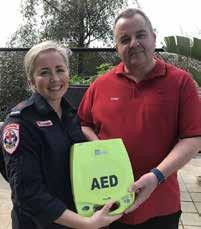
SCA survivor Ricki Avery and Ambulance Victoria community capability and response coordinator Danielle Saxton
“Now that I’m in my 50s, I understand the importance of taking care of myself and my health in the right way, including exercising and eating well,” says Ricki.
“Having the defibrillator available and the actions of my Coles colleagues when I passed out are the reasons I survived my cardiac arrest,” he adds. “Their support was amazing, and it makes me feel part of the Coles family.”
A new outlook
Prior to Ricki’s SCA, Lisa had been diagnosed with ovarian cancer. During that stressful time, he promised himself that he would exercise and get healthy so he could take care of her during her treatment. The combination of his wife’s illness and Ricki’s SCA have changed his outlook on life.
“You can’t take life for granted,” he says. “I’ve learned that my family is the most important thing in my life, and I’m drawing closer to them. About six months after my cardiac arrest, I went back to the U.K. to see my family for the first time in several years. My mother isn’t doing well, and I was so happy to see my family and my wife’s familythey warmly embraced me. This makes me realize how important we are to each other and how much our relationships matter.”
He is grateful to the first responders from the Metropolitan Fire Brigade (MFB) for their efforts. MFB firefighter Thomas Farrelly told a local TV news station, “It’s really satisfying to see him up and about and so healthy. His colleagues saved his life.”
Ricki also feels immense gratitude toward Coles –by having the ZOLL AED Plus® available when he most needed it, providing financial support for his wife while he was in the hospital, and supporting him upon his return to work – and toward his coworker, who had the courage to step in and provide CPR before the ambulance arrived.
“Coles has installed defibrillators in all supermarkets, and they are regularly used in an emergency,” Ricki reports. “I am very proud to work for Coles, as they really stepped up to support me and my family and continue to support the people in our local communities by having defibrillators in every store.”
Having the defibrillator available and the actions of my Coles colleagues when I passed out are the reasons I survived my cardiac arrest.
Ricki Avery, Coles employee
Melrose Park is one of Sydney’s biggest urban renewal projects, including 6000 apartments, parks and public facilities and a new town centre known as Melrose Park Central. This property is located within the City of Parramatta Local Government Area in Western Sydney.
The vision for Melrose Park North is a thriving, happy and healthy community. This also means a responsive community, able to react in an emergency. The Michael Hughes Foundation, an Australian Social Enterprise with a mission to Turn Bystanders into First Responders, is partnering with leading property companies
PAYCE and Sekisui House Australia to establish a ‘HeartSafe Community’ at their ground-breaking Melrose Park project.
Key to saving lives is to develop responsive and coordinated communities that can recognise cardiac arrest and can act quickly. Communities of all sizes must be empowered to enhance
their available resources and to strengthen the link to emergency services.
PAYCE and Sekisui House are the first developers in Australia adopting ‘HeartSafe’ action plans at the development stage of the property and overlaying health as a priority issue – aligning it with both technology and their Smart City initiatives.
As part of the blueprint, up to 30 defibrillators will be installed throughout the Melrose Park Master Plan area.
As part of the blueprint, up to 30 defibrillators will be installed
throughout the Melrose Park Master Plan area. Six defibrillators have already been deployed in the first stage of Melrose Park North due to open to residents in November 2020.
In addition to the placement of lifesaving equipment, the program looks to increase the confidence and abilities of residents to respond. CPR training will be offered to all new residents, with the aim to foster a responsive community where all residents know the locations of these life-saving devices and how to use them.
In addition to calling 000, residents themselves can be designated first responders, supported with an app which notifies key people in the event of a cardiac event. By increasing communication
channels on site, reducing time barriers to commence CPR and use a defibrillator, and providing best practice support to bystanders, the survival and health outcomes of a cardiac arrest patient become much higher – in some cases raising survival from less than 9% to more than 60% - 70%.
Further initiatives are also being developed to increase education, enhance communication, collaborate with local emergency services, and integrate the defibrillator program into the building management emergency plan.
PAYCE and Sekisui House Australia must be congratulated for creating
not only a world-leading and beautiful residential community but for having the heart to think about the full needs of residents and all those that will use this new precinct. This investment is a huge step in supporting meaningful change within New South Wales that will surely save lives.
About the Michael Hughes Foundation
were treated last year by an ambulance officer for an out-of-hospital cardiac arrest
are treated by Australian ambulance services for an out-of-hospital cardiac arrest
Every
More than 9 patients per day a patient is in cardiac arrest and not receiving CPR or an AED shock, minute the chance of survival drops by 10%
More than 30 patients per day are treated by New Zealand ambulance services for an out-of-hospital cardiac arrest
It’s still safe
to perform CPR, just remove breaths, unless performing on a family member
It is generally agreed that there is an increase in the frequency and intensity of disasters linked to climate. The economic cost of disaster to Australian communities in the last 10 years to 2016 has averaged $18.2 billion per year. Since 2019 alone, the Australian Institute for Disaster Resilience (AIDR) has recorded six cyclones, seven major bushfires, five major storms and a major flood.
The heat, fire and smoke of the 2019-20 summer impacted on a large portion of the Australian community and the effects continue to be felt by many. The current COVID-19 pandemic has impacted on everyone’s lives. It has disrupted individual lives, families, schooling, employment, business and even Parliamentary process.
But in the contemporary world, it is not enough to have emergency and business resilience plans that focus just on planning and preparation for you to respond and recover (but we need to have those too). It is time to turn our thinking about broader risk mitigation and prevention.
Why should we plan for disasters?
Emergency preparedness, disaster and business resilience have never been more important.
The Australian Bureau of Meteorology (BOM) have now also officially raised the La Niña status to Active Event. As you may have heard at recent briefings, the last active La Niña event was in 2010-2012. During that time Australia felt Cyclone Yasi and Cyclone Grant. AIDR recorded 10 major floods. Australia still saw three major bushfires including the Margaret River fire. New Zealand also suffered the Christchurch Earthquake. All were characterised by damage to properties, people impacted, large scale evacuations, and significant financial losses.
While the BOM advise that the La Niña signal is not as strong as that seen prior to the 2010-2012 period, some jurisdictions are already experiencing severe weather. If for some reason you have not got your emergency and business resilience plans reviewed, updated and in place yet, this is yet another signal that it is time you do.
During the COVID-19 pandemic many of our services have found themselves undertaking activities they probably didn’t plan for. Transporting otherwise well people who have returned a positive COVID-19 test to a hotel; conducting community swab testing; or even providing personnel for contact tracing. These are all great examples of mitigation activities, which if done quickly and early, will prevent, or at least lessen, the consequences of a subsequent outbreak.
Similarly, the Council of Ambulance Authorities Sustainability Strategy is all about limiting our industry’s impact on the environment. It is an excellent example of long-term risk mitigation to lessen the consequences of the future emergencies we will be called to respond to.
Are your Emergency Management and business resilience plans up to date? Are they truly comprehensive and include how you can contribute to risk mitigation?
Juston Dunlop Director of Emergency Management, Ambulance Victoria
Justin has worked in emergency management for over 15 years and has undertaken senior operational roles including that of State Health Commander for most of Victoria’s major emergencies during that period.
Accident that’s every mothers worst nightmare
From Wellington Free Ambulance
April 1, 2020 is a day Mandy will not forget for a long time. She was at home with her two sons, six year old Toby and five year old Troy, when they needed our help during the second week of COVID-19
Alert Level 4.
It was a lovely day on the family farm in Carterton, so Mandy, Toby and Troy decided to break up the isolation by feeding the horses; everyone was excited to get out of the house.
As Mandy began to unload the hay, Troy let out a loud scream. Mandy turned around to see Troy on the ground clutching his face. He’d been kicked by one of the horses.
“I ran to Troy and got him out of the paddock. I yelled for Toby get help some help and then dialled 111. I was immediately transferred through to a call taker, but I was unable to hear them as Troy was crying loudly. At this stage there was a lot of blood and I think we were both in shock,” she says.
Toby managed to find their neighbour, James, who was able to take the phone off Mandy and arrange directions for the ambulance. He’d also brought some towels for Mandy to hold against Troy’s face and stop the bleeding.
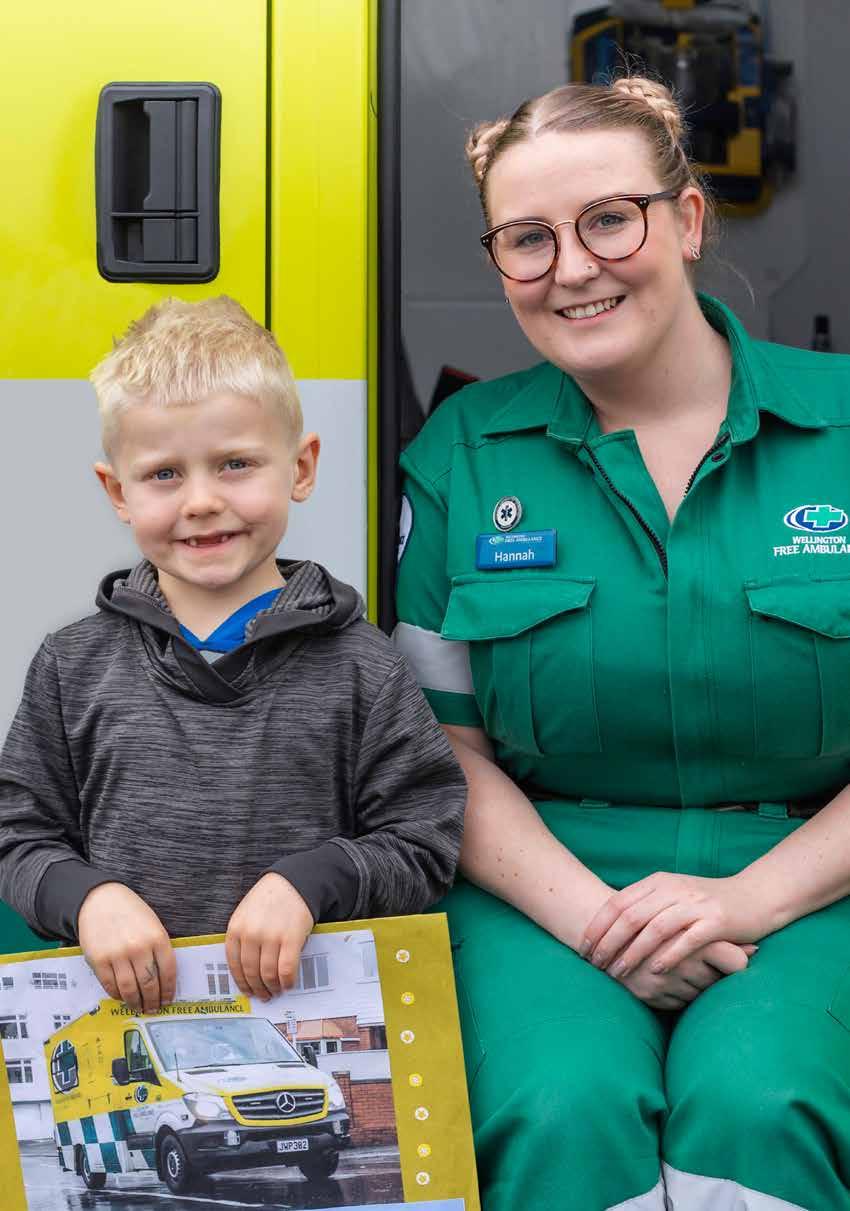
Mandy was filled with a sense of relief when she saw Paramedics Allan and Hannah arrive.
“It was a horrific day for our family, but I really felt like everything was going to be ok when the paramedics arrived; they had the situation under control,” Mandy says.
Allan and Hannah got Troy into the ambulance so they could have a better look at his injury. He had
quite a severe laceration to his cheek and he needed to get to hospital as soon as possible.
“Being sent to a child in distress is especially hard. They don’t understand what is going on or what is going to happen to them and are scared. Fortunately, Mandy remained calm which meant so was Troy; he was such a brave young man,” Paramedic Allan says.
“It was a horrific day for our family, but I really felt like everything was going to be ok when the paramedics arrived; they had the situation under control,”
“We are lucky that there are many jobs where we can make a difference and be there for the patient and their whanau; these are the jobs that keep us going,” he adds.
Both Allan and Hannah made the decision to take Troy straight to Hutt Hospital to get the specialist care he needed. They knew that Hutt Hospital had the best options for treating Troy, despite it being over 65km away. Right from the beginning they were ready to go the extra mile for Troy.
Once at hospital, Troy was seen by the specialists immediately. They
made sure he got an X-ray, CT scan, and was operated on within hours.
Troy ended up losing eight baby teeth because they were damaged; he also had a number of stitches to his mouth and cheek, and had a small jaw fracture.
With his injury healing well, Troy is back to his normal self again and Mandy is thankful that Wellington Free Ambulance was there for her family’s emergency.
“I have had to call 111 for an ambulance in the past but this time there was so many emotions involved. I just can’t thank Wellington Free enough for everything they did for Troy.
“I would never have been able to drive Troy to the hospital in the state I was in; your reassurance that everything was going to be ok was invaluable to me as a mum.
“Thank you for being a vital resource for our community. We are so lucky to have you,” Mandy says.
At Wellington Free Ambulance, we work hard to make sure everyone gets the best care they need.
A big part of this obviously involves the expert level of patient care we provide. Though Troy’s injury was not life-threatening, Troy got the help he needed because of the quick and responsive action of our paramedics.
Selfless couple recognised for unwavering service and commitment
From QAS Insight magazine
Photos: QAS Media
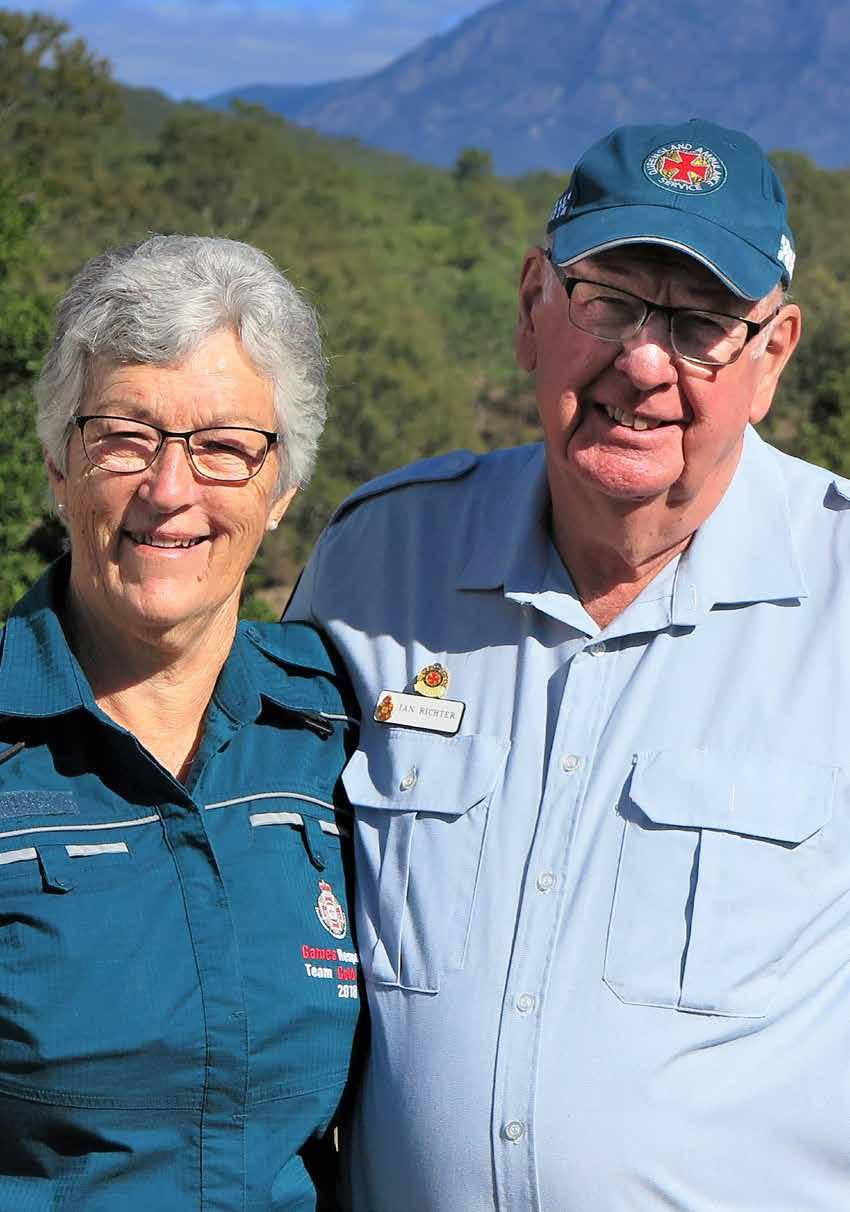
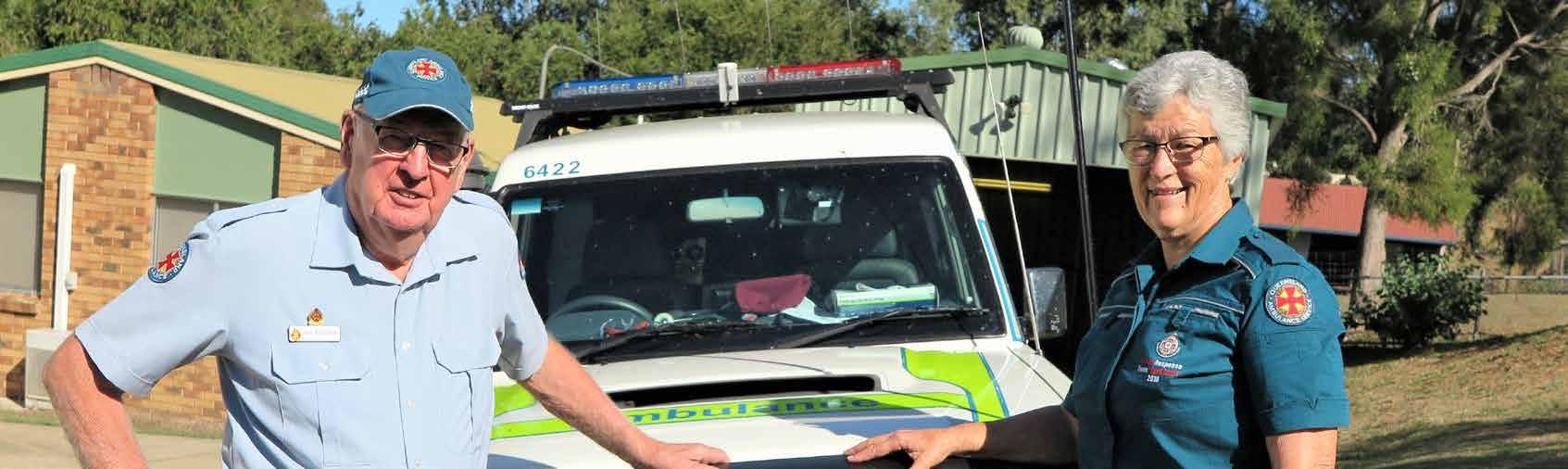
Well-respected Honorary Ambulance Officers Lyn and Ian Richter have been going above and beyond to assist people in their time of need for more than 30 years. Insight editor Jo Hales reports on this selfless Rathdowney couple who were both announced as Ambulance Service Medal (ASM) recipients in the Queen’s Birthday 2020 Honours List on 8 June.
Despite the unwavering volunteer work they have been providing to their community and the QAS over the last three decades, Lyn, 70, and Ian, 71, were humbled and ‘surprised’ to be announced as ASM recipients.
“We were blown away when we found out, we definitely weren’t expecting it,” Lyn said.
“We just love being able to give back to our community and what we get back from our roles is personal satisfaction.”
The couple’s association with the ambulance service stems back to 1988 when they lobbied for bicentennial funding to establish a community centre at Rathdowney to base a doctor and an ambulance.
“A local teacher named Peter Chettle started the fundraiser, but he was sadly killed in a tragic accident, so we wanted to continue in his honour,’’ Lyn said.
“When the community room, now known as the Peter Chettle Memorial Casualty Centre, was established, people needed to be trained as Honorary Ambulance Officers and that’s when Ian and I put up our hands and joined the service.
“We really just fell into it, but we love what we do.”
At the time, the busy couple was running their service station mechanical repair business and bringing up two young children.
However, their fundraising efforts were far from over as the ambulance did not fit into the garage at the
community centre. They applied for a separate grant to build a shed out the back and the garage was converted into a training room.
A fully equipped QAS 4WD Ambulance is now housed in the shed, while the centre has been upgraded recently with QAS assistance and input to comply with new procedures and potential future community needs.
Since becoming Honorary Ambulance Officers with the former Queensland Ambulance Transport Brigade on 3 June 1988, Lyn and Ian have both been volunteer first responders, which has resulted in them providing assistance and care to patients at medical incidents and jobs such as road and farming accidents and mountain falls until paramedics can attend or medical assistance can be provided.
In addition, Ian is a member of the Beaudesert Local Ambulance Committee (LAC), joining the committee on 8 February 1999. Meanwhile, Lyn regularly provides cardiopulmonary resuscitation awareness (CPRA) sessions and first aid classes to the local community.
Lyn said as they live in a rural area, they can be kept very busy responding to incidents. Just recently she responded to four jobs in one night.
“We are 30 minutes under lights and sirens from the nearest medical assistance. We are also a big rural community with an ageing population, so we do attend many jobs including residents with breathing difficulties and chest pain,’’ Lyn said.
Ian, who has a long history with the Auxiliary fire service, has spent decades undertaking both his QAS and fire roles. He served in the fire service for 37 years. For 32 of those years, he was the captain of the Auxiliary branch. Ian was also a member of the Rural Fire Brigade for six years, four of which he served as first officer.
Amazingly, Lyn, who has amassed a wealth of skills and knowledge from assessing and treating patients over the years, said when she was a young mum, she could not stand the sight of blood.
over the years, but one thing is for sure, there are many which have left lasting impressions.
“One of the incidents which had an impact on me was a serious crash
We just love being able to give back to our community and what we get back from our roles is personal satisfaction.
Lyn Richter, QAS Honorary Ambulance O cer QAS
“Our son, Malcolm was really accident prone as a kid. There was one occasion when he had a fall and needed to be stitched up, well, I was a mess, despite him being fine, but that’s when my mum said, ‘right Lyn you have to learn to deal with this’,” Lyn said.
“I started learning first aid and haven’t looked back.”
Lyn said she has lost count of the number of jobs they have attended
involving a male motorcyclist in his early 20s,” Lyn said.
“The young man had come off his bike and gone under a fence. He needed to be airlifted out.
“He was not in a good way and when the flight doctor examined him, he told the man there was a strong chance he was going to be a
paraplegic because of the way he fell off the bike.
“All the young man could say to me was ‘how is mum going to take this?’
“I just wanted to cry because despite having life-threatening injuries and the distinct possibility of not being able to walk again, all he was worried about was how his injuries would affect his mother.”
In addition, living in a rural town means when they are attending serious jobs, especially where death is involved, they often know the patient.
Ian said one night there were three jobs they attended involving people who died from natural causes – the couple knew all three patients.
“This is the hard part of community work. We know the people, we live and interact in the community with them,’’ Ian said.
“While we have attended some very confronting jobs over the years, we
deal with them through community support and Priority One.”
Thankfully, Lyn said there are plenty of rewarding jobs that make up for the tough ones such as a ‘dear little boy’ who had a compound arm fracture.
“He was so brave, and he just said, ‘can you please give me a Mickey Mouse band aid?’,” she said.
“I was amazed...it was just the mere fact that he trusted me to give him a band aid.”
And while Ian and Lyn have spent most of their lives dedicated to helping people, especially in their darkest hours, the couple has not been immune to their own grief, with daughter Kirstyn sadly losing her brave battle with breast cancer at the end of 2017.
Kirstyn hung in for five years, despite doctors initially giving the then 35-year-old less than 12 months to live when she was diagnosed with breast cancer in 2012.
“Kirstyn’s dream was to see her son Cooper graduate from the Royal Australian Naval College in Jervis Bay. She managed to do that and passed away shortly afterwards. She was only 40 when she died,’’ Lyn said.
The couple said Kirstyn’s memory is kept alive by 21-year-old Cooper, who is now a mechanical engineer in the navy.
“Cooper is a great, sensible young man who has many of Kirstyn’s qualities,’’ Lyn said.
“He wanted to give up the navy to care for his mum, but she wouldn’t let him. She would be so proud of his accomplishments.”
Lyn said the outpouring of community support following Kirstyn’s death, helped them when they were experiencing their own devastating loss.
“The community support we received was overwhelming. People could not do enough for us,’’ Lyn said.
“The amount of food, flowers and cards we received was amazing. People just wanted to give us a hug and let us know they were thinking about us. It was very heart-warming.”
Likewise, the community was also quick to respond when Lyn and Ian were announced as ASM recipients in June, with many congratulating the couple on social media and adding how deserving they were of the honours.
Meanwhile, one Rathdowney local summed up the sentiment of those who have been assisted by the couple over the years posting ‘whether it be for an accident, sickness or dressing a wound, one or both are there. All of Rathdowney hold their breath when Lyn and Ian go tripping’.
With comments such as this, it is easy to see why this remarkable husband and wife, who will celebrate their 50th wedding anniversary in 2021, have been announced as ASM recipients.
CAA Awards for Excellence
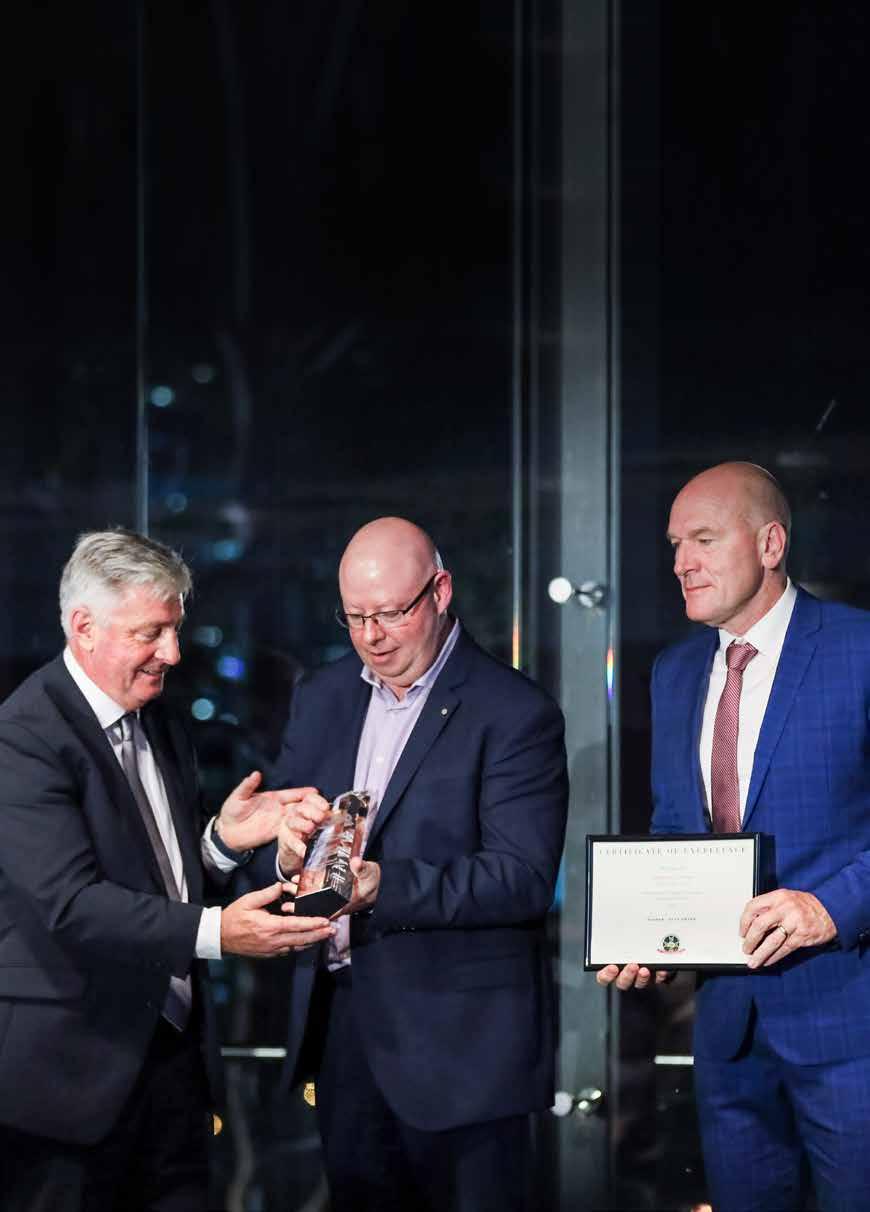
2019 Star Award Winner – Ambulance Victoria
CAA Awards for Excellence form an important part in recognising and featuring ambulance projects and programs in the Australasian ambulance industry and beyond. The winners regularly include some of the best and most innovative projects that change the way the industry works. CAA awards have been going for almost 15 years and the CAA awards trophies are proudly displayed across our service members.
While we have not been in a position to run the 2020 CAA Awards for Excellence due to COVID-19 impact on our community, the awards platform is getting ready and will be open for entries for the 2021 CAA Awards for Excellence start of December this year.
Today we feature our current Star Award winner, the Analytics Uplift Project from Ambulance Victoria. The competition for the 2019 Star Award was very tough and mere points came between first spots.
Our judges were very impressed with all the entries and especially category winners, making their job in selecting the Star Award winner difficult. In the end Ambulance Victoria’s Analytics Uplift Project took out the gold (star), with a combination of impressive ways of tackling a problem that has seen great deliverables and outcomes that are making life easier for AV teams.
The project
The Analytics Uplift Project was created to develop a sustainable end-to-end analytics process, starting with understanding the requisite data and finishing with a sustainable change in business operations.
Gap analysis of reporting functions identified a number of operational reporting and analytics requirements could not be delivered and there were issues with sourcing and connecting the right data to generate meaningful insights.
The project was an ambitious chapter in the digital transformation at AV with the aim of;
• transforming the analytical landscape,
• providing meaningful and timely insights,
• delivering interactive dashboards and analysis,
• maximising the benefit of data by disseminating it with a wider audience,
• keeping pace with the analytical industry,
• promoting consistency and trust,
• sharing data with health care partners,
• deploying predictive and prescriptive analysis to solve complex operational and business challenges,
• building the capability to adapt to the challenges of the future.
AV now has capability to tackle rapidly changing business challenges with the revolution in data and analytics.
Our judges were very impressed with all the entries and especially category winners, making their job in selecting the Star Award winner difficult.
Operational managers found it difficult and time consuming to access information while data and analysis teams were constrained by siloed structures and an outdated operational reporting environment.
Known data quality issues limited the ability to confidently rely on this source to inform decision making.
AV has achieved the goal of ensuring a legacy of increased in-house analytical capability and business knowledge. A suite of dashboards and reports to support operational managers has created a more informed workforce, introducing data collection with more granularity and providing paramedics with access to individual performance data.
The AV workforce also has a better understanding of KPIs and how individuals contribute to AV’s overall performance, encouraging accountability and ownership of personal performance.
This was not Ambulance Victoria’s first win and we wanted to get some inside information from AV’s CEO Tony Walker as to how and why their award submissions are so successful.
F: Ambulance Victoria has a strong history of success in the CAA Awards for Excellence. Why do you continue to enter the CAA Awards?
At Ambulance Victoria (AV) we are committed to continuous improvement, strong leadership, and innovation. Project work, performance improvement, and quality assurance are all incorporated throughout our organisation and our strategic plans, and our drive for significant achievements and progress enable us to evolve and adapt to the changing demand.
The CAA Awards provide us with an opportunity to showcase and celebrate these achievements. Our staff can be recognised for the important work they do within Ambulance Victoria. As an industry platform, the CAA Awards provide an opportunity for learning, inspiration, and collaboration.
F: Do you have any tips on how Ambulance Victoria prepares for the CAA Awards?
We engage our Executive team to look at which AV activities and programs would be a good fit for the award categories. Our Strategic Communication and Engagement team coordinates the entries to nominate an exceptional project, quality or performance from all areas of the organisation.
The CAA Women in Ambulance nominations, for instance, were sought from our Executive Directors and their teams by sharing the CAA brief, discussing the entries and reviewing all nominees.
F: We know that AV enters a number of different awards, and we would love to know what you like about the CAA Awards?
We like the fact that the CAA industry-based awards invite evidence-based projects in areas of contemporary relevance to AV which have the potential to transfer results and learnings across the ambulance sector.
Participation in these awards support recognition of excellence in our people and provides collaboration across Australasian ambulance services. We appreciate the support that the CAA Awards provide to member ambulance services and our work in the pre-hospital setting.
15 minutes with David Hurley AC, DSC (Rtd)
His Excellency, The Governor-General of the Commonwealth of Australia and the Patron of CAA and Restart a Heart Day.
We spoke to the Governor-General on how he has transitioned from a military career to being the Governor of NSW and now Australian Governor-General and get some leadership tips for our emerging leaders in the ambulance community.
F. Governor-General, you have had a long and distinguished career in the military, you must have seen some incredible experiences over your 42 years of service. If you had to pick a couple of your favourite events/memories, what would they include?
The men and women of the Australian Defence Force serve and represent our nation with pride and professionalism. Serving alongside them in the Australian Army and in the ADF was a great privilege.
It is hard to pick individual moments – each posting and role brought different challenges, unique experiences and memories. I had the opportunity to learn while at the Royal Military College Duntroon and then, as a young Officer, from some exceptionally experienced senior enlisted personnel and Officers.
This training held me, I believe, in good stead in my own career. I am particularly proud of the contribution we made in Somalia as part of Operation SOLACE.
F. We suspect military is a very tightknit community and the bonds of colleagues working side by side during operations would form long-lasting friendships. Is there anything you miss from your military days?
There is a camaraderie and unbreakable bond that comes with service. I still enjoy catching up with colleagues – from those that I went through Duntroon with 45 years ago to those that I served with at the end of my military career.
As Governor-General I enjoy the opportunity to stay connected with both serving personnel and our veteran community. I host Physical Training (PT) sessions on the lawns of Government House, regularly attend military events as Commanderin-Chief, and serve as Patron of several veterans groups. All of these activities help me stay connected – something that is vitally important for all veterans and all those who serve our community.
F. As a leader, what would be some top tips for our ambulance sector leaders, current and emerging? What advice would you offer in growing their careers but also looking after their teams?
I’ve often said that you need an ego to lead but if you lead for your ego you’re doing it for the wrong reasons.
By that I mean two things: leadership can be hard –you have to make decisions that have consequences for other people. You need to have a confidence in
yourself to do that. It takes an ego – the confidence and ability to analyse decisions, take responsibility, but also to learn from mistakes, rather than beating yourself into the ground over them.
Secondly, leadership also takes empathy. If you’re leading for your own advancement and lose sight of those you lead, that is, leading for your ego, you’re not a leader or not leading well.
F. As Governor-General (and previously as the Governor of NSW), both these positions would be quite different to your army years, what do you enjoy most, what are the challenges these roles bring?
One of the most important and enjoyable parts of my job as Governor-General is that I meet many Australians, shake their hand, hear their story and get to know them.
Sometimes these conversations are not easy. Our primary focus over the last 12 months has been spending time in communities devastated by bushfires and other natural disasters. These situations are very raw – people who have lost everything, unsure of the future and struggling to rebuild their lives. Yet, wherever Linda and I have gone we’ve been struck by the strength of the community, by the way people reach out to those around them, support and help each other.
We live in a remarkable country full of remarkable people. I’m not just saying that – day-in-day-out I meet people from all walks of life who, in ways big and small, do good things. It is easy to lose sight of that with everything going on in the world, but I am absolutely certain that is who we are and that we should take great comfort from it as we look to the future.
F. We are very grateful for your support and patronage of the Restart a Heart Day for last two years. Is there anything you would you like to share with the ambulance community and the public?
To the ambulance community, on behalf of all Australians, thank you for what you do. For most of us, you are there in the most exceptional of circumstances – the worst of times. For you, those moments may come multiple times in one shift. What you do, the support you give and the care you provide is invaluable and we are all grateful.
For the community, Restart a Heart Day is an annual reminder that, while we hope it is never us, many Australians will find themselves in a situation where they have to help someone experiencing an out of hospital cardiac arrest. In that situation, seconds matter. Learn what to do and be ready. Doing so could save a life.
Restart a Heart Day 2020
The 16th of October marks an important date on the CAA calendar, a day to raise awareness about out-of-hospital cardiac arrest, the importance of learning CPR and knowing how to use an AED in case of a cardiac arrest.
Every year approximately 34,000 Australians and New Zealanders suffer from an out-of-hospital cardiac arrest and only 1 in 10 survive. While the ambulance services have been working extremely hard in improving survival rates by committing to the 10 step Cardiac Arrest Strategy, it is becoming more and more obvious that the public’s response in first minutes is critical and lifesaving.
For the last 4 years CAA has coordinated the Restart a Heart Day campaign across Australia, New Zealand and PNG with great
success. The first three years included a number of live events held by member services designed to engage the public and share CPR and AED skills. In the past we saw our members educate the public at airports, universities, parks, schools, beaches, ambulance stations, showgrounds, town centres, shopping malls and through social media, which reached a combined 50,000 people.
In 2018 we were proud to have the Australian Prime Minister Scott Morrison launch the Restart a Heart Day campaign, and in 2019 the
Australian Governor-General, Hon David Hurley joined as the Restart a Heart Day patron, hosting the CAA/ ACT Ambulance Service team at the Government House.
2020 was always going to be a bit different, ‘bigger and wider reach’ was the plan that sadly got a forced downsizing due to COVID-19, much as most of our year and plans. But even a pandemic won’t stop a great cause and our team looked to the digital platforms to see how we can deliver a great Restart a Heart Day campaign in the current situation.
And so, the idea for a live stream online event was born that would share inspiring survivor stories, interviews with experts, new technological advances, kids’ corner and a suite of educational videos on cardiac arrest, CPR and AED use.
On 16th October 2020 from 10.30am – 1.30pm AEDT the CAA Restart a Heart Day live event kicked off with a welcome from our CEO, David Waters and quickly jumped to the first survivor stories, 22 year old Tarran who suffered a cardiac arrest while playing in-door soccer with his friends in Canberra. Safe to say without the quick actions of his friends and the sport centre’s AED this story might not have had a happy ending.
Judith Barker, CEO of St John NT shared a very personal story of why Restart a Heart Day is important to her, after losing her 65-year-old aunt to cardiac arrest because the pharmacy and shopping centre her aunt was visiting didn’t know CPR or own an AED.
Ambulance Victoria guided us through a CPR and AED education session and the Michael Hughes Foundation videos shared with us real people’s experiences who were called to perform CPR on friends and family. They helped shine light on what performing CPR might feel and look like, and what you can expect despite some not so comfortable reactions, keep on doing CPR as you might help save a life.
Dan Rose from St John WA educated us on the important difference between a heart attack and cardiac arrest. Sadly too many of us think these are one and the same and that a cardiac arrest is an older persons disease, where now we know a cardiac arrest can happen to anyone from a myriad of different reasons, medical or otherwise.
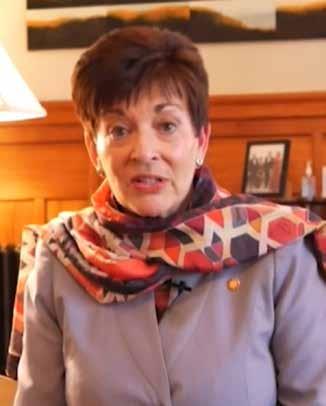
We shared messages from Australian Governor-General, Hon David Hurley and New Zealand Governor-General, Dame Patsy Reddy, who both spoke about the importance of Restart a Heart Day and knowing what to do in a case of a cardiac arrest.
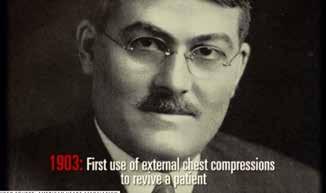
We looked back on the last 60 years of modern CPR. Where we started back in the 1800s and how progress
and commitment from a number of incredible people lead to modern CPR that has since its inception in the 1960s saved an estimated 2 million people worldwide.
More CPR and AED education was shared by our members services, Wellington Free Ambulance, SA Ambulance Service, St John NZ and our partners at ZOLL, followed by a technological advances update from Mark Wilson at GoodSAM.
A dedicated Kids’ Corner was kicked off by the new CPR song from Greg Page, the original Yellow Wiggle and a cardiac arrest survivor himself. This segment was inspired by the many infants, kids and teenagers who are alive today due to quick actions of their loved ones and our ambulance crews and also by the many who sadly are not with us.
Every year approximately 34,000 Australians and New Zealanders suffer from an out-ofhospital cardiac arrest and only 1 in 10 survive.
It was important for us to share that children as young as a few months old can indeed suffer from a cardiac arrest, and while thankful these occurrences are rare, parents and families need to be prepared for if a cardiac arrest happens. Our brave young survivors Noah (8 yrs) and Liam (19 yrs) shared their stories.
Tony Hucker from Queensland Ambulance Service took us through what causes can induce a cardiac arrest in kids and how CPR and AED is different (and same) for infants and kids. Our friends at Laerdal shared what a Baby CPR class might look like and Wellington Free Ambulance demonstrated infant and kids’ CPR and AED use.
We heard from St John PNG and how they deal with out-ofhospital cardiac arrest and what their priorities are for community education, followed by the last round of CPR and AED education from Ambulance Victoria and our friends from Philips encouraging businesses to invest in AEDs.
We finished the event by looking at the Heart Safe Communities program ran by Ambulance Victoria and Melrose Park, a heart safe community currently being built in Sydney and supported by Michael Hughes Foundation. Both programs were created with the aim to engage the health and response of the community to help increase survival rates from cardiac arrests.
The online event, together with a limited number of live events by our members, was able to generate incredible reach for the Restart a Heart Day campaign. Sharing our stories and the importance of knowing what do to in case of a cardiac arrest managed to reach over 100,000 people across Australia, New Zealand and Papua New Guinea making it our biggest campaign to date.
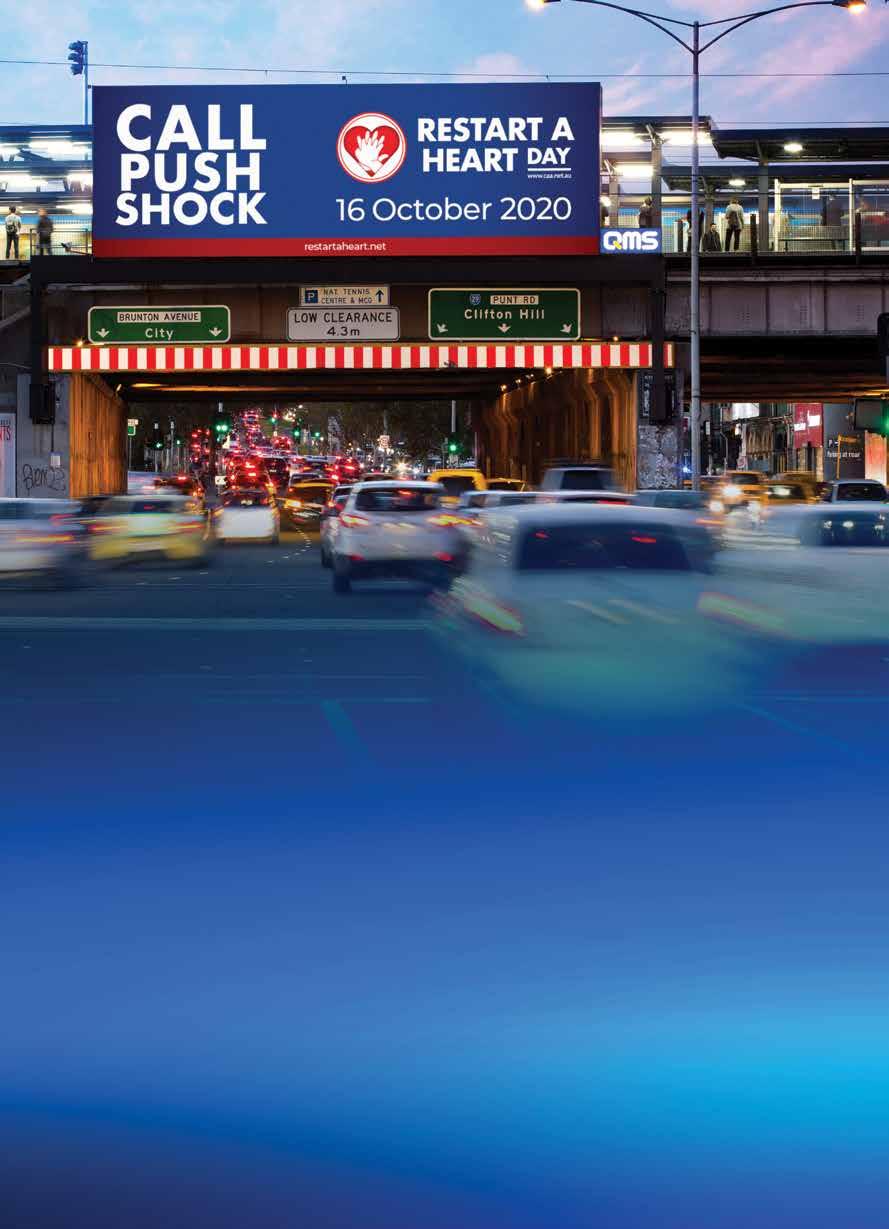
Thanks to the wonderful support from our partners QMS and DanCorp Offices, Adelaide and Melbourne commuters got 2 weeks of outdoors digital signage with bespoke Restart a Heart Day messaging. Between Adelaide and Melbourne sites, the campaign got a further to 5 million contacts/ impressions (1.7 million contacts in Adelaide, 3.2 million contacts in Melbourne).
Thank you to all our wonderful ambulance member services for their hard work and commitment and for helping us pull together a great campaign this year. Thank you to all our partners and supporters who supported this year’s Restart a Heart Day campaign, we are incredibly grateful for your support.
For anyone that missed the CAA Restart a Heart Day online event, video of the event is still available on the CAA Facebook page and individual videos will be made available on the CAA YouTube channel over next few weeks.
for Thanksupporting you
Partners First
The First Aid Council
The First Aid Council (FAC) was founded in 2014. It came about because of the need for a body that could look at the subject of First Aid holistically and also because of the growing disconnect between the needs of First Aid and VET regulation.
The Council represents the major employers of First Aid workers (professional and volunteer), yet as training providers these were excluded from input into how the VET system operates.
The first Chair of the FAC was Peter LeCornu, then CEO of St John Ambulance Australia.
While the First Aid Council is a relatively young organisation and their members and participations is voluntary, they have been engaging and providing input on a number of topics relevant to first aid training. Some highlights from their work are listed here:
Oct 2015 – FAC met with the Assistant Minister for Vocational Education, the Hon Luke Hartsuyker to discuss the formation of an Industry Reference Committee for First Aid and data reporting requirements for short courses.
2016 – FAC was involved in the ‘VET Reform’ process, including meeting with ASQA in January and liaising with contacts in the Department of Education on the impacts for First Aid training of TVA reporting and introduction of the USI.
2017 – FAC members collaborated on submissions to the review of
the National Code of Practice for Providers of Education to Overseas Students and achieved explicit reference to its application to full time qualifications. Though the ESOS Act itself remained problematic for First Aid, FAC continued discussions on USI and TVA reporting, and also covered the issue of fake First Aid certificates.
2018 – FAC examined the threats and opportunities of changes in the way businesses use first aid training and services. The rise in non-accredited training was noted, including such things as mental health awareness. The FAC developed a Code of Ethics and Professional Standards for teaching first aid that training organisations may find useful in developing their own policies.
November 2018 - FAC contacted Safe Work Australia (SWA) in relation to the information on training in their newly published code of practice First Aid in the Workplace. In December, FAC contacted the Minister for Jobs and Industrial Relations, the Hon Kelly O’Dwyer to encourage revision.
2019 – FAC consulted with SWA on a revised code of practice. Contacted relevant state ministers who had adopted the SWA model code to alert them to the situation. Also looked at the review of the model WHS laws, in particular the recommendations significant for First Aid. Requested that ARC review guideline 9.4.5 in light of research to show application of vinegar increases venom load from discharged nematocysts. FAC approached by Worksafe Victoria to assist with review on the Victorian code of practice information on first aid kits.
2020 – FAC provided feedback to the National Asthma Council Australia on First Aid Charts for asthma and written asthma action plans (WAAPs). Feedback to steering committee for development of new anaphylaxis course re inclusion of storage requirements for adrenaline. Corresponded with federal ministers (and informed relevant state ministers) on continuing issues with the ESOS Act and provision of First Aid training to overseas students. Recently provided response to the Department of Education’s consultation on this matter.
The Paramedic Chiefs of Canada
Led by its Board of Directors, the Paramedic Chiefs of Canada (PCC), empowers members and leaders to make changes nationally in the Paramedic profession. The PCC provides a platform for sharing of information and encourages changes to policy where possible.
The membership is comprised of Paramedic leaders across Canada, with over 325 Paramedic Chiefs, managers, and Paramedics coast to coast. The mission of the PCC is to advance and align Paramedic leadership across Canada. They are the national voice advocating for Paramedic Services in Canada.
The Paramedic Chiefs of Canada Board of Directors has identified the need for a continued focus of strategies to advance the priorities of the PCC over the next 12-24 months. While the White Paper Version 2.0 will provide clear direction for the provision of Paramedicine in Canada, it will also become a roadmap for the PCC to continue to be the lead organization in achieving national success.
To ensure the PCC is positioned to provide this national leadership, it
was vital that the PCC identify key priorities for the advancement of the Association and develop a strategic approach to success.
To realize this vision, the PCC has identified four areas of strategic focus; government relations, strategic partnerships, organizational sustainability and releasing version 2.0 of our White Paper, focusing on the future of Paramedicine in Canada.
As many will know the first EMS White Paper was published in 2006 and was instrumental in helping to guide our profession. However, it was recognized that Paramedicine today has advanced significantly since then, and that the healthcare context now and in the future presents both challenges and opportunities that are being carefully examined and, in some
instances, only beginning to understand. PCC is looking forward to sharing more information on this key document with you in the ear future.
The PCC has enjoyed a longstanding partnership with the Council of Ambulance Authorities (CAA), and look forward to continuing our collaboration through the Global Paramedic Leadership Alliance (GPLA) focusing on shared priorities that impact the Paramedic Community around the globe.
PCC welcomes all CAA members to attend the PCC Annual Leadership Summit which occurs June 22nd -24th, 2021 in beautiful Kelowna, B.C. The PCC will also be the host of the third Global Paramedic Leadership Summit adjacent to our Summit June 25th and 26th.
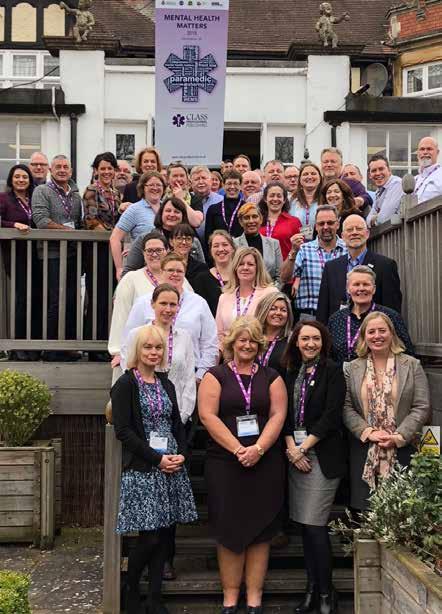
ABOVE: 2019 GPLA meeting in the UK.
New life-saving technology bridging links in Chain of Survival
From QAS Insight magazine
Photos: QAS Media
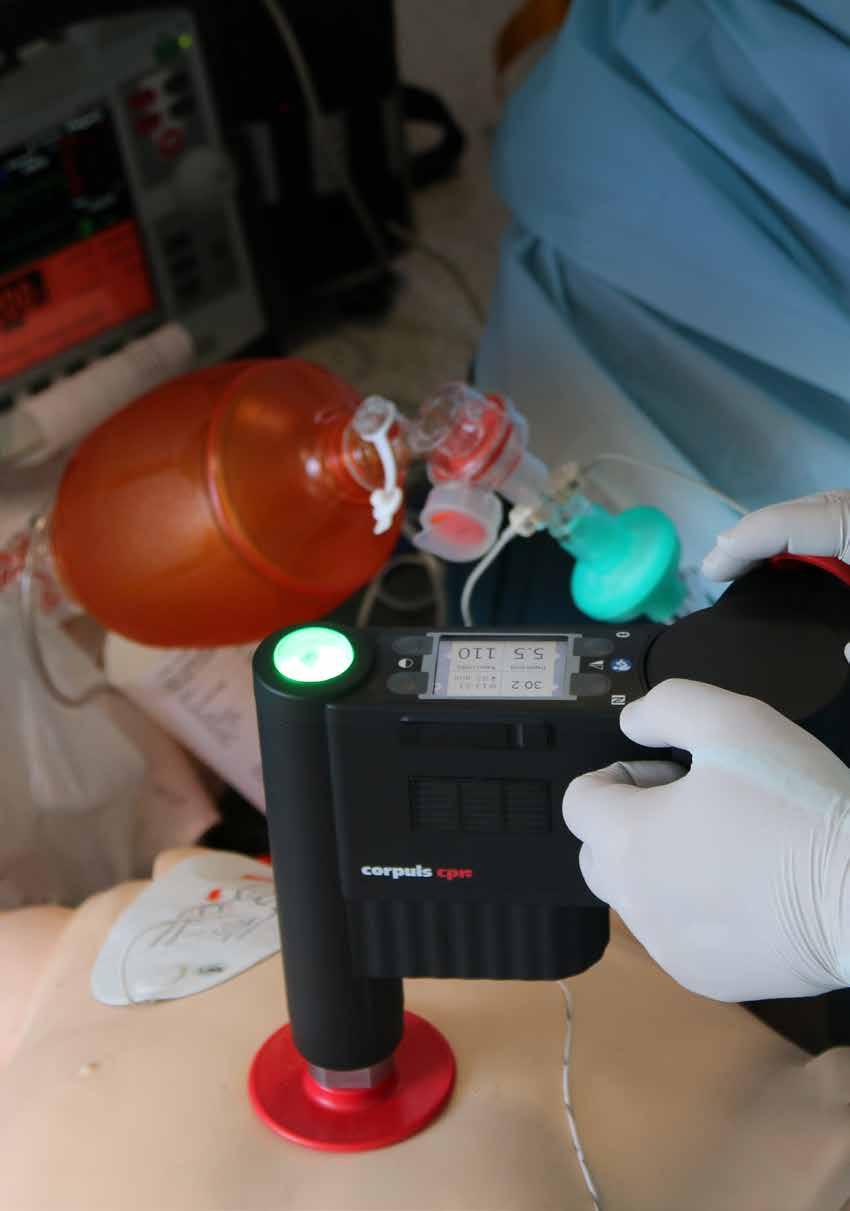
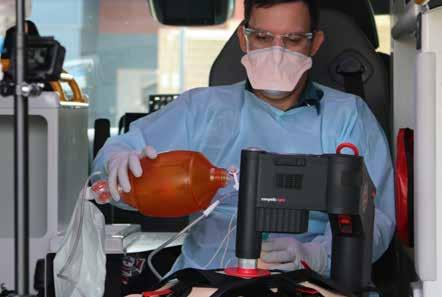
ABOVE: The mechanical chest compression device can improve survivability for an important group of cardiac arrest patients.
RIGHT: MCCDs can provide uninterrupted high-quality chest compressions from the scene and during transport into specialist definitive care.
The Innovation Report showcases the ground-breaking prehospital care being delivered by the QAS. This report introduces the new state-of-the-art Corpuls Mechanical Chest Compression Device (MCCD) which can improve survivability for an important group of cardiac arrest patients. Statewide Reperfusion Coordinator Brett Rogers reports.
Over the past 20 years, the valued efforts of QAS paramedics in treating patients for out of hospital cardiac arrest (OHCA) have been compiled to form a detailed and comprehensive collection. The gathered information provides important insights into patient outcomes and survival trends, showcasing the quality of prehospital care provided by QAS clinicians. OHCA survival rates reported by the QAS already compare very favourably with other national and international ambulance services.1,2 The management provided to cardiac arrest patients has evolved considerably over the past two decades, resulting in increased survival rates. However, there is still scope for improvement and we are committed to continuously evaluating the management provided to identify opportunities to further improve the care and outcomes for our patients.
All links in the “Chain of Survival” - early access, early CPR, early defibrillation, early advanced life support, and early post resuscitation care - remain fundamental to survival. Central to our current practice is the delivery of high-performance CPR, early defibrillation, high quality compressions, minimisation of interruptions and the reduction of hands-off chest time. QAS paramedics have focussed on high performance CPR through “CPR Masterclass” workshops, and it is vital that these concepts remain a cornerstone of our care.
However, there are circumstances that present significant challenges to the delivery of quality manual chest compressions. So, with increased availability of portable mechanical chest compression devices, the QAS has identified an opportunity to enhance the care we provide for a subset of potentially salvageable OHCA patients who present early with an identified reversible cause of cardiac arrest. MCCDs can provide uninterrupted high-quality chest compressions in situations where it is unlikely that chest compressions could otherwise be provided manually (e.g. during patient relocation or during transport to specialist definitive care). The use of MCCDs in combination with access to Percutaneous Coronary Intervention (PCI) and emergency Extracorporeal Membrane Oxygenation (ECMO) will, for certain patients, increase salvageability within an integrated, high performance health care system such as in Queensland.
The QAS is preparing initial installation of 21 state-of-the-art
References
Corpuls MCCDs, purpose built for the prehospital environment and selected following a rigorous evaluation process. The devices will firstly be rolled out in South East Queensland on selected Critical Care Paramedic (CCP) units that are in the catchment areas of the tertiary hospitals able to provide this extended care. Subsequently, an additional 19 devices will be deployed to support areas with access to primary PCI but not ECMO. Consideration for a wider deployment will depend upon the performance of the MCCDs and an evaluation of our outcomes.
Currently, the literature does not support the widespread use of MCCDs. Within the QAS, they will only be used to provide a bridge for sophisticated in hospital care, where that is available.
A pilot training program has been developed in collaboration with Device Technologies Australia. From July 2020, CCP operators will undertake a one-day face-to-face workshop to gain authorisation to use the devices in the field.
1. Queensland Ambulance Service. Out of hospital cardiac arrest in Queensland 2018 annual report.
Importantly, relevant on-line educational material will also be made available to ensure all QAS personnel are familiar with the device. Additionally, the introduction of innovative adjuncts such as MCCDs must be viewed as prompt for all staff to refresh and revisit all components of care delivered during resuscitation.
The referral of patients on a MCCD to specialist definitive care offers a potential survival benefit, with positive neurological outcomes, for appropriately selected patients when combined with a comprehensive definitive care plan.3 The introduction of innovative interventions such as MCCDs is yet another example of how our health care system can work collaboratively to give patients the best likelihood of survival. These devices will facilitate continuity of care from the scene, throughout transport and in to hospital; supporting ongoing improvements to the management and survival from OHCA in Queensland.
2. Queensland Ambulance Service. Survival trends out of hospital cardiac arrest in Queensland 2000-2016.
3. Bartos J, et al. Surviving refractory out-of-hospital ventricular fibrillation cardiac arrest: Critical care and extracorporeal membrane oxygenation management. Resuscitation. 2018; 132: 47-55.
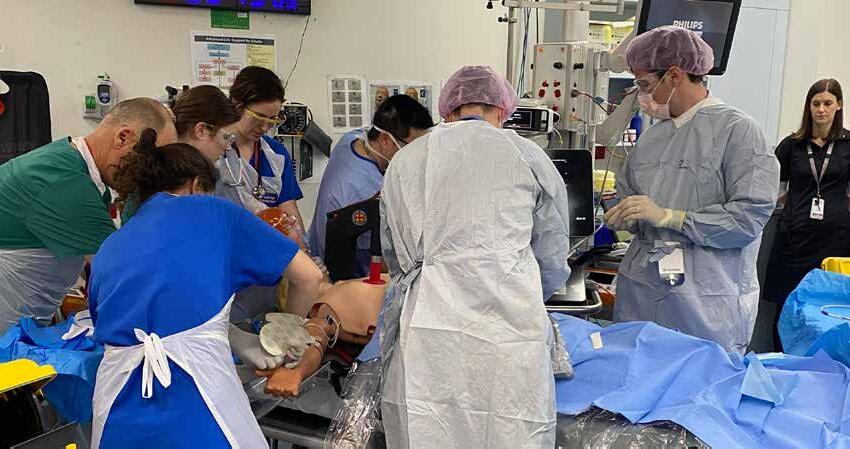
ABOVE: The Corpuls CPR will initially be rolled out where major public hospitals are evolving their emergency department care for patients suffering cardiac arrest.
Can lidocaine have a role in the management of patients with ST-elevation myocardial infarction?
TDr Himawan Fernando MBBS Cardiologist, Study Coordinator Monash University
Ms Catherine Milne MPHTM Study Coordinator Ambulance Victoria
he AVOID-2 trial is a collaboration between Ambulance Victoria, Monash University and Alfred Health, to explore the use of lidocaine in the management of patients with suspected ST-elevation myocardial infarction (STEMI) compared to conventional opioids in the pre-hospital setting. Chief Investigators are A/Prof Dion Stub, and Prof Karen Smith.
For over a century, first line therapy for patients with Acute Coronary Syndromes (ACS) has been analgesia with opioids. The relief of pain is thought to reduce myocardial oxygen demand through a decrease in sympathetic response, resulting in decreased systemic vascular resistance and heart rate. However, despite the widespread use of opioids in ACS, there is limited evidence of clinical benefit.
More recently, an interaction has been reported between opioids and oral P2Y12 inhibitors which are first line therapy for ACS (see figure 1). Biochemical studies suggest that opioids impair and delay the gastrointestinal absorption of all oral P2Y12 inhibitors delaying the onset of antiplatelet activity1,2. The latter is of significant importance to the many ACS patients undergoing percutaneous coronary intervention (PCI), in whom it may lead to serious early complications such as stent thrombosis. Retrospective analysis of the CRUSADE registry suggests this interaction is associated with a higher rate of myocardial infarction and death3 The newer antiplatelet agents ticagrelor and prasugrel, which now constitute first line treatment in ACS, also appear to be affected by this interaction4,5. In addition, a dose dependent increase in myocardial infarct size in patients with STEMI was identified during a retrospective analysis of the AVOID randomised controlled trial6
Intravenous lidocaine has been shown to be effective and safe for acute pain7,8, however it has not been used as an analgesic in the setting of ACS and further research is needed to evaluate its efficacy and safety in treating chest pain in ACS. There are no known interactions with antiplatelet agents associated with lidocaine, and it may even enhance platelet inhibition9,10 In addition, pro-peristaltic effects have been described for lidocaine8
What is AVOID-2?
AVOID-2 is phase II multi-centre randomised clinical trial to determine whether lidocaine is an effective and safe alternative analgesic agent compared to conventional opioid therapy in patients with suspected STEMI in the pre-hospital setting. The study also aims to evaluate whether lidocaine use reduces myocardial infarct size. A cardiac magnetic resonance imaging (MRI) substudy for confirmed STEMI patients seeks to further determine the impact of lidocaine use on infarct size. Eligible patients with suspected STEMI will be enrolled to the trial by Advanced Life Support (ALS) and Mobile Intensive Care Ambulance (MICA) paramedics in Melbourne. Following clinical and 12-lead ECG assessment, if paramedic teams identify the patient is suffering a suspected STEMI, they will randomise the patient to receive either IV lidocaine or IV fentanyl
analgesia, in addition to standard pre-hospital ACS care. Patients are transported to the closest PCI facility, at which point the intervention treatment is ceased and standard hospital care provided. No change to hospital protocol is required. Figure 2 provides a summary of the study.
Patients with in-hospital coronary angiographic confirmation of STEMI will be offered cardiac magnetic resonance imaging (MRI). The substudy aims to evaluate the impact of lidocaine use on myocardial infarct size.
Figure 1: The OpioidP2Y12 Inhibitor Interaction
The blue arrows represent the process by which ingested P2Y12 inhibitors lead to inhibition of platelet activation. After ingestion, P2Y12 inhibitors undergo intestinal absorption and hepatic metabolism. Active metabolites and ticagrelor itself bind to and inhibit the P2Y12 receptor on platelets preventing ADP (green) binding. This leads to downstream inhibition of platelet aggregation (denoted by the blue cross between platelets). The red arrows represent the mechanisms by which opioids impair P2Y12 inhibitor bioavailability.
The AVOID-2 trial requires 300 patient enrolments and has planned for an enrolment period of 12 months within the Melbourne metropolitan region. Enrolments began on 1st October 2020, so we are still in the early days of the study. However, the enrolment rate so far has been very positive. One of the unique aspects to the study is the involvement, not just of the MICA paramedics, but also the ALS paramedics as well. Based on feedback so far, the study has been well received in the field, and straightforward to undertake from a protocol perspective. Paramedic teams have been keen to be involved, and potentially influence and change clinical practice.
Figure 2: AVOID-2 study summary
Inclusion Criteria
• Adults ≥ 18 years
• Chest pain ≥5/10 (NRS)
• Transfer to a primary PCI centre in metropolitan Melbourne, Australia
• 12-lead ECG consistent with STEMI
Exclusion Criteria
• Regular opioid use or administration prior to randomisation
• Allergy to opioids or lidoocaine
• Heart rate < 50
• Out of hospital cardiac arrest (CPR or defibrillation) or cardiogenic shock (SBP <90mmHg)
• Past history of epilepsy, renal or liver failure or patients dependent on others for activities of daily living
Randomisation
Lidocaine arm
• Lidocaine IV – 50mg over 2 minutes (slow push) if <70kg, or 100mg over 2 minutes (slow push) if over ≥70kg
• Additional dosing every 15 minutes (maximum 150mg or 300mg total dose weight dependent)
• Opiate analgesia avoided unless uncontrolled pain after 30 minutes
Fentanyl
arm
• Fentanyl IV – up to 50mcg every 5 minutes
Outcomes
Co-Primary endpoints
• Pre-hospital pain reduction based on a verbal numerical reporting scale (NRS)
• Adverse events related to study drugs requiring intervention Cardiac MRI substudy (106 patients)
• Myocardial infarct size at 30 days
• Left ventricular function and geometry
References
1. Giannopoulos G, Deftereos S, Kolokathis F, et al. P2Y12 Receptor Antagonists and Morphine: A Dangerous Liaison? Circulation: Cardiovascular Interventions 2016;9:1–8. doi:10.1161/ CIRCINTERVENTIONS.116.004229
2. Fernando H, Shaw JA, Myles PS, et al. The opioid-P2Y12 inhibitor interaction: Potential strategies to mitigate the interaction and consideration of alternative analgesic agents in myocardial infarction. Pharmacology & Therapeutics 2020;:107665. doi:10.1016/j. pharmthera.2020.107665
3. Meine TJ, Roe MT, Chen AY, et al. Association of intravenous morphine use and outcomes in acute coronary syndromes: Results from the CRUSADE Quality Improvement Initiative. American Heart Journal 2005;149:1043–9. doi:10.1016/j.ahj.2005.02.010
4. Hobl EL, Reiter B, Schoergenhofer C, et al. Morphine interaction with prasugrel: a double-blind, cross-over trial in healthy volunteers. Clinical Research in Cardiology 2016;105:349–55. doi:10.1007/ s00392-015-0927-z
5. Hobl EL, Reiter B, Schoergenhofer C, et al. Morphine decreases ticagrelor concentrations but not its antiplatelet effects: A randomized trial in healthy volunteers. European Journal of Clinical Investigation 2016;46. doi:10.1111/eci.12550
Secondary endpoints in subgroup with confirmed STEMI on CA
• Infarct size based on peak cTnI
• Survival to hospital discharge
• Pre-PCI TIMI flow
• MACE at 30 days
• All adverse events related to study drug administration
6. Fernando H, Nehme Z, Peter K, et al. Prehospital opioid dose and myocardial injury in patients with ST elevation myocardial infarction. Open Heart 2020;7:e001307. doi:10.1136/ openhrt-2020-001307
7. Fitzpatrick BM, Mullins ME. Intravenous lidocaine for the treatment of acute pain in the emergency department. Clinical and Experimental Emergency Medicine 2016;3:105. doi:10.15441/ CEEM.15.103
8. Eipe N, Gupta S, Penning J. Intravenous lidocaine for acute pain: an evidence-based clinical update. BJA Education 2016;16:292–8. doi:10.1093/bjaed/mkw008
9. Weinberg L. Pharmacokinetics and pharmacodynamics of lignocaine: A review. World Journal of Anesthesiology 2015;4:17. doi:10.5313/wja.v4.i2.17
10. Tobias MD, Jobes DR, Pilla A, et al. Lidocaine Inhibits Blood Coagulation: Implications for Epidural Blood Patch. Anesthesia & Analgesia 1996;82:766–9.
On the 16th of September 2020 we celebrated the 60th anniversary of the combined research of Kouwenhoven, Knickerbocker, Jude and Safar saved millions of lives through the creation of Cardiopulmonary Resuscitation (CPR).
From flagellation to burying in snow, the science and techniques to save lives has evolved throughout time, many of these techniques using either chest compressions or ventilation. However, it was not until the late 1950s when two groups of researchers in the city of Baltimore, Maryland combined their findings that the foundations for modern CPR were made.
Peter Safar was born in Vienna, Austria in 1924 to a family of physicians, his father an ophthalmologist and his mother a paediatrician. During the political turmoil of the 1930s and the eventual Nazi occupation, Safar because of his non “Aryan” heritage was sent to a labour camp in Bavaria and would’ve been drafted if it was not for his tenacity. Safar found that if he rubbed tuberculin cream into his eczema sores they would become inflamed and noticed by army physicians. Once he successfully avoided being drafted, he began medical school in Vienna and in 1949 was awarded a surgical fellowship at Yale University. Instead, Safar completed an Anaesthesiology residency at the University of Pennsylvania after the realisation that “surgery would not advance without better life support and you learn life support in anaesthesiology.”
60 YEARS OF CPR
By Teghan Mear New Zealand Resuscitation Council
Did you know a dog in cardiac arrest and an unreliable elevator helped discover how to “slow down the dying process” in the 1950s?
ABOVE: Resuscitation for life saving work, Auckland 1935
In 1956 Safar met James Elam who had determined in his research that expired air ventilation was capable of maintaining normal blood gases in patients. This meeting trigged a series of studies which informed Safar’s now famous paper on mouth-to-mouth resuscitation in the Journal of the American Medical Association in 1958. Safar’s experiment determined that mouthto-mouth ventilation was superior to the manual Holger-Nielson. During a presentation at the Scandinavian Society of Anaesthetists meeting in Norway, Safar met Bjorn Lind who knew Asmund Laerdal – a Norwegian toy-maker. A collaboration began after Lind told Laerdal about this new resuscitation technique which resulted in the development and production of “Resusci Anne” in 1960.
During this same time period in the 1950s a team of electrical engineers at John Hopkins University in Maryland, were working under William Kouwenhoven. The engineers were trying to improve the external defibrillator, which Kouwenhoven had developed for both internal and external defibrillation in 1933. One day Guy Knickerbocker, a 29-year-old graduate was working in the lab and one of the animal model dogs went into cardiac arrest.
Normally when this happened, they would use a defibrillator to shock the dog’s heart back into rhythm - but that day they were in the lab on the 12th floor and the equipment was on the fifth floor. The notoriously slow elevators in the building meant they would never get the defibrillator to the dog in time, the team began chest compressions. It was noted that adequate circulation could be
September 1960, when Safar, Jude, and Kouwenhoven presented their findings at the Maryland Medical Society and published their research that year on twenty cases of inhospital cardiac arrest in the Journal of the American Medical Association. In this presentation of Closed chest cardiac massage, Safar stressed the importance of combining artificial respiration and artificial circulation, stating that the two techniques of mouth to mouth ventilation and external chest compression “cannot be considered any longer as separate units, but as parts of a whole and complete approach to resuscitation”. The presentation was clear, chest compression buys time until the external defibrillator arrives on the scene “Anyone, anywhere, can now initiate cardiac resuscitative procedures. All that is needed is two hands.”
Mass training of CPR became the next challenge for the researchers, tragically Dr Safar’s interest became personal after the death of his 12 year old daughter from a severe asthma attack. In 1968 the
Pulse of Life Video educating and demonstrating the ABC’s and CPR is produced by Dr. James Elam, Dr. Peter Safar and Archer Gordon using a Resusci Anne.
In Australia and New Zealand we were early adopters of using CPR especially in Surf Lifesaving. Millions of people have been equipped with the life skills of CPR and millions have been saved because of this innovation. In the 60 Years since CPR was created research and scientific consensus is continually updated by the International Liaison Committee on Resuscitation (ILCOR). The New Zealand Resuscitation Council and The Australian Resuscitation proudly collaborate as the Australian and New Zealand Committee on Resuscitation (ANZCOR) and we work with our colleagues and resuscitation councils from around the world providing guidelines to improve health outcomes around the earth. On World Restart a Heart a Day we join with our global community to celebrate the last 60 years of empowerment to save lives.
maintained for up to thirty minutes by pressing on the dogs chest wall. The dog and the slow elevator led to the re-discovery of the chest compression; which had been originally discovered in 1878, however internal cardiac massage was preferred until the Johns Hopkins discovery. Shortly after this finding, thoracic surgeon James Jude began clinical human trials which supported the concept of external cardiac compressions.
The two research groups then joined together when Safar combined the techniques of establishing airway, applying mouth-to-mouth ventilation and external cardiac compression. This led to the “ABC’s of Cardiopulmonary Resuscitation” (airway, breathing and circulation).
The formal combination of chest compressions and mouth to mouth resuscitation took place on 16
TOP: Guy Knickerbocker (left) and colleagues performing chest compressions and mouth-to-mouth resuscitation 1960. Photo: Johns Hopkins
BOTTOM: Professor Julie ConsidineAustralian Resuscitation Council, Guy Knickerbocker, Kevin Nation - Chief Executive, New Zealand Resuscitation Council. (2015)
ABOVE: Dr Peter Safar (Right) and
1950s
Lifesaving techniques date back to the middle ages with a number of inventive methods being used to save a life.
EARLY AGES - FLAGELLATION METHOD
Rescuers whipped the person with stinging nettles or struck with their hands or wet cloth to stimulate a response.
EARLY AGES - HEAT METHOD
Warm ashes, hot water, burning dried animal excreta - anything hot - applied to abdomen of the person was thought to restore heat and life to cold body.
1530 - BELLOWS METHOD
Fireplace bellows first used by the Swiss physician Paracelsus to introduce air into lungs. Variations used in Europe for 300 years.
1770 - INVERSION METHOD
Lowering body expelled air from lungs. Inspiration resulted when pressure removed by lifting the person. Used in England, Europe and America with success in drowning cases.
1773 - BARREL METHOD
Barrel movement back caused compression of the chest for expiration. Barrel movement forward released pressure for inspiration. Used before 1767; may still be seen along waterfronts.
1803 - RUSSIAN METHOD
Successful resuscitation by burial in snow. Modification was burying person upright with head and chest exposed, water dashed on face.
Professional development without leaving the lounge!
Join our series of 1 hour webinars to fill the knowledge gap. Access an incredible line up of speakers, discussing thought provoking and stimulating topics that directly affect Paramedicine of today and tomorrow.
24 November 2020
Women In Leadership
Michelle Fyfe CEO St John Ambulance WA
28 January 2021
15 December 2020
Singapore’s response to COVID-19
Adj. Asst. Prof. Ng Yih Yng Consultant, Emergency Physician Lead, Digital and Smart Health Office, TTSH and Central Health
One year on, Whakaari/White Island
Dr Tony Smith Medical Director, St John New Zealand
23 March 2021
23 February 2021
Cyber Security
Daniel Weis Lead Penetration Tester and Head of Security, Kiandra IT
Women in Leadership Panel
For
Sustainability
Overall around of an AED can be diverted away from landfill.
AED Covers
Hard plastic gets shredded to 20 cent piece size get, where they can get processed and turned into face masks, toys and eye glasses.
Circuit boards
Circuit Boards are shredded and smelted to recover their precious metals – primarily gold, silver and copper.
Soft plastic
Bags can be cleaned and made into outdoor furniture and new packaging
Batteries
Materials such as lead, cadmium, mercury, lithium, uranium, manganese, nickel and zinc are used to make batteries. These materials are all non-renewable, can be recycled an indefinite number of times and have a commercial value.
#ThankAFirstResponder
Our community
Wellington Free Ambulance Onesie Day
Thanks to the support received from individuals, businesses, schools, and community groups; Wellington Free Ambulance raised a huge $122,000 on Onesie Day.
St John WA Emergency Service Blood Challenge
St John WA has won the Emergency Services Blood Challenge in WA three years in a row! With a total of 596 donations, their staff, volunteers, and friends helped save over 4,000 lives.
#ThankAFirstResponder #ThankAFirstResponder
The NZ PM visits St John NZ
New Zealand Prime Minister Jacinda Ardern visited St John ambulance officers in Whakatane to thank them for their exceptional response to the Whakaari/White Island eruption.
QAS – CEO Challenge Darkness to Daylight (D2D)
The QAS had staff all around the state who participated in the CEO Challenge Darkness to Daylight. This year the symbolic 110km walkingrunning event was held as a virtual challenge throughout October, each kilometre represented - on average - a life lost to domestic and family violence in Australia each year.
QAS
Smile for the Camel-ra!
– Newest Graduates
QAS Mount Isa’s newest graduates, Jayme and Lilly, couldn’t help but get a quick snap with locals, Humphrey and friends. Congratulations Jayme and Lilly and may you have a
NSW Celebrate International Control Centre Week
Western Control Centre in NSW got into the spirit of International Control Centre Week. A massive shout out to all the amazing dispatchers, call takers and control room staff for all the hard work they put in.
QAS – National Ride to Work Day
Bicycle Response Teams in Brisbane and the Gold Coast spend every day on two wheels but National Ride to Work Day was a great opportunity to further highlight the health benefits of cycling and the importance of sharing the road and staying safe aboard your trusty bike.
Restart a Heart Day
On October 16 Restart a Heart Day, services from across Australasia spent time educating the public on CPR and how to use an AED.
www.astrazeneca.com.au
www.dancorp.com.au
www.babcock.com.au
www.ferno.com.au
www.interdev.ca
www.laerdal.com/au
www.cmv.com.au/cmv-group/ cmv-foundations/
www.goodsamapp.org
www.caa.net.au/ les/the directory by caa media kit 2020.pdf
www.mhf.life
DIAMOND TIER
Our all-inclusive tier will give you advertising opportunities across all CAA platforms, including FIRST by CAA, newsle ers, social media and website.
*These companies have been included in The Directory as they supported 2020 Restart a Heart Day or they have advertised in this issue of FIRST by CAA.
www.philips.com.au
www.www.revlonanz.com
www.qmsmedia.com
www.stryker.com/au
www.www.vyaire.com
www.wella.com/professional/ en-AU/home
www.rappaustralia.com.au
www.tellusholdings.com
www.zoll.com/au
www.2crisk.com.au
RUBY TIER
This intermediate tier o ers great value capturing a varied assortment of advertising opportunities across the majority of CAA platforms.
ONYX
The CAA entry level Directory tier covers all the basics.
1
Start small
What you really need is to change your habits, and how you feel and look will change on their own. The moment you concentrate on the action is when you truly transform, inside and out. Start with small changes in your nutrition and exercise habits, start by eating better and adding a few bodyweight exercises, like squats or planks into your daily routine. It is important that you stick to the small things first, before you demand anything more radical from yourself. The harder you push from the start the harder it will be to stay on track.
4 Shop in advance, and shop smart
What you eat is just as important as what you do exercise wise. Most of us know how easy it is to fall off track when you get hungry after a workout and you start thinking ‘well I deserve a treat since I worked for it’. Unfortunately, we usually overestimate just how much we actually worked and treat ourselves just a little bit too much, which completely cancels out all of our hard work. To avoid snap food related decisions, make sure you know what to eat in advance and have a clear plan for every meal.
5 Go slow
2 Find the right activity for you
If you push yourself into something you absolutely hate doing, your commitment - however strong to begin with, will very soon wear off. You need to try and find the right thing for you, an activity you will love or can learn to love. Perhaps running will be the thing for you, or boxing or strength training – you won’t know for sure until you actually give it a go. So, go for that run, do a martial arts session, try a weights routine or yoga session online until you stumble upon the right thing for you. The more you try, the higher the chances of finding one that is perfect!
3 Choose a reasonable nutrition plan
All you need is a guide, something you can easily follow without constantly checking on an extensive list of forbidden foods and special instructions each time you want to have a meal. Calorie counting will only stress you out and make you feel miserable every time you bite into anything edible. What you want is something you can maintain for life, not just for the short-term. Eating reasonably and mindfully will very soon become the norm if the terms are minimal. Real food is the way to go, with the fewest ingredients possible, homemade, and fresh is where you want to head.
The slower you go the further you’ll get in your health and fitness journey. Fast results may be very tempting, but every shortcut comes at a price you won’t be willing to pay. The faster your body changes, whether it is weight loss or muscle gain, the more of a shock it is to your system. And although you may like what you see short term, in the long run your body will try and get back to what it knows, the comfortable weight and shape it had and it will do it in the blink of an eye the moment you get back to the lifestyle you used to have. With committing to a healthy lifestyle there should be no end date, you make it part of who you are, the kind of thing you do as consistently as brushing your teeth. So slow and steady is the best kind of speed when it comes to body transformation.
7 Get your tribe on board
Working out together is the ideal scenario and it’s something that can be a huge help in staying committed, and accountable, so check to see if someone else from your immediate circle would like to join you. Show them your plan and organise a schedule everyone involved is aware of. If your family isn’t participating, it’s important that you let them know when and what you’ll be doing so they know that you won’t be available at those times. It’s very easy for us to make excuses if others don’t know what we’re up to.
L6 Have a strategy
It’ll be hard enough to stick to any kind of routine if you are not used to exercise and dietary changes, so you shouldn’t make it harder on yourself by wondering what’s next. Have a strategy. Ideally you want something that’ll give you clear and concise instructions, as the more vague the instructions the more likely you are to stray and give up. Make it easy for yourself to continue on the program you chose, and you’ll have higher chances of showing up and getting the results you desire.
eading a healthy lifestyle is a true mind game, you get results always - when you show up and take the action. That is how you stick with it and stay on track. You keep on reminding yourself why you are doing this and keep on reminding yourself to get to it and do something today, tomorrow and the day after and when you look back you’ll realise what an amazing journey you have just walked, one day at a time, and how far you’ve come. Here’s to a truly healthy life!
15-17 July 2021
Sydney International Convention Centre
Australasia’s premier paramedicine event bringing together pre-eminent thought leaders from across the pre-hospital sector.
We will explore what the future ‘New Normal’ entails for our ambulance services and what is being done to adapt to these new realities.
The four main topic areas are:
CounterTerrorism
Clinical Practice Demographics of Emergency Management Cyber Security
Follow CAA social media channels for Congress updates
Provide CPR training from anywhere
COVID-19 has changed the way CPR training is delivered. Anniewhere is a web solution that enables instructors to teach CPR skills remotely (online / virtually) and in classrooms with realtime objective feedback.