WE SEE YOU UP FOR THE CHALLENGE
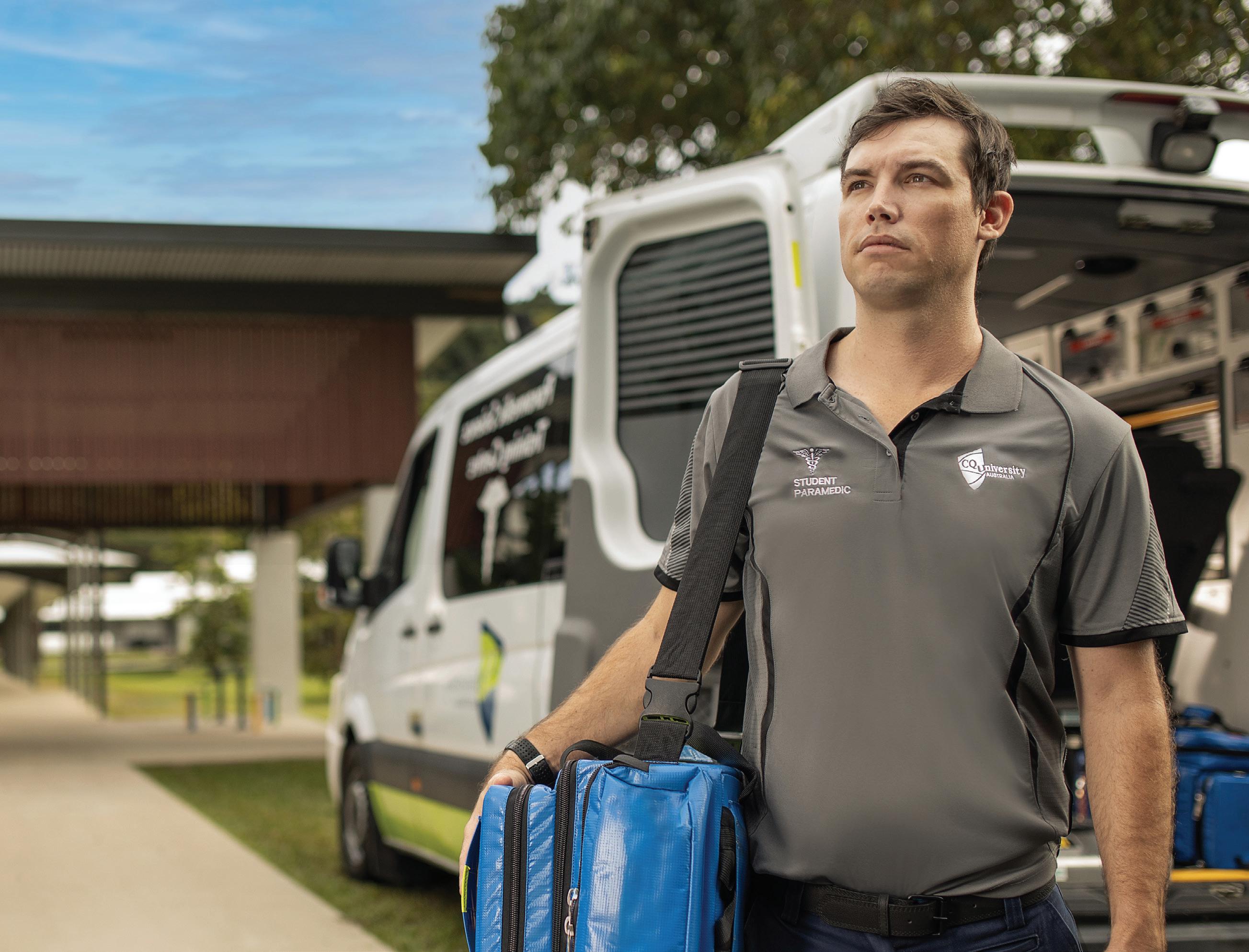
EXPAND YOUR SKILLS WITH POSTGRAD PARAMEDIC SCIENCE
Further your clinical skills with the Graduate Diploma of Paramedic Science (Critical Care), or deepen your knowledge in critical care paramedic practice preparing you for clinical leadership opportunities with the Master of Paramedic Science (Critical Care Practice).
Or, study the Master of Paramedic Science (Primary Healthcare Practice) which has been designed in response to industry and qualify yourself to provide essential services in the non-emergency, out-of-hospital, low acuity or primary healthcare settings.
APPLY NOW TO START IN MARCH
ONLINE, FLEXIBLE STUDY
40+ years distance education experience, plus access to facilities and support at more than 20 national locations.
TOP 10 NATIONALLY*
We’re among the best for postgraduate skills development, starting salary and full-time employment.
* The Good Universities Guide 2022
Dear friends and colleagues,
Summer, gosh it feels good to start enjoying all the little things only summer brings. I have to say, be it because of the pandemic or because it feels we had the longest winter ever, I am so excited to move into summer. Warm summer nights, Christmas around the corner, and yes just maybe some normal travel on the cards and spending time with families and friends like we used to. Remember…
Our summer issue is a celebration on many fronts. We highlight the winners of the 2021 CAA Awards for Excellence. We are excited to share with you the inspirational projects which will be changing our services in the future.
Congratulations to Queensland Ambulance Service for winning the 2021 CAA Star Award for their program Stroke Prehospital Informed Decision-making using EEG Recordings. And congratulations to all our category winners, finalists and all entries.
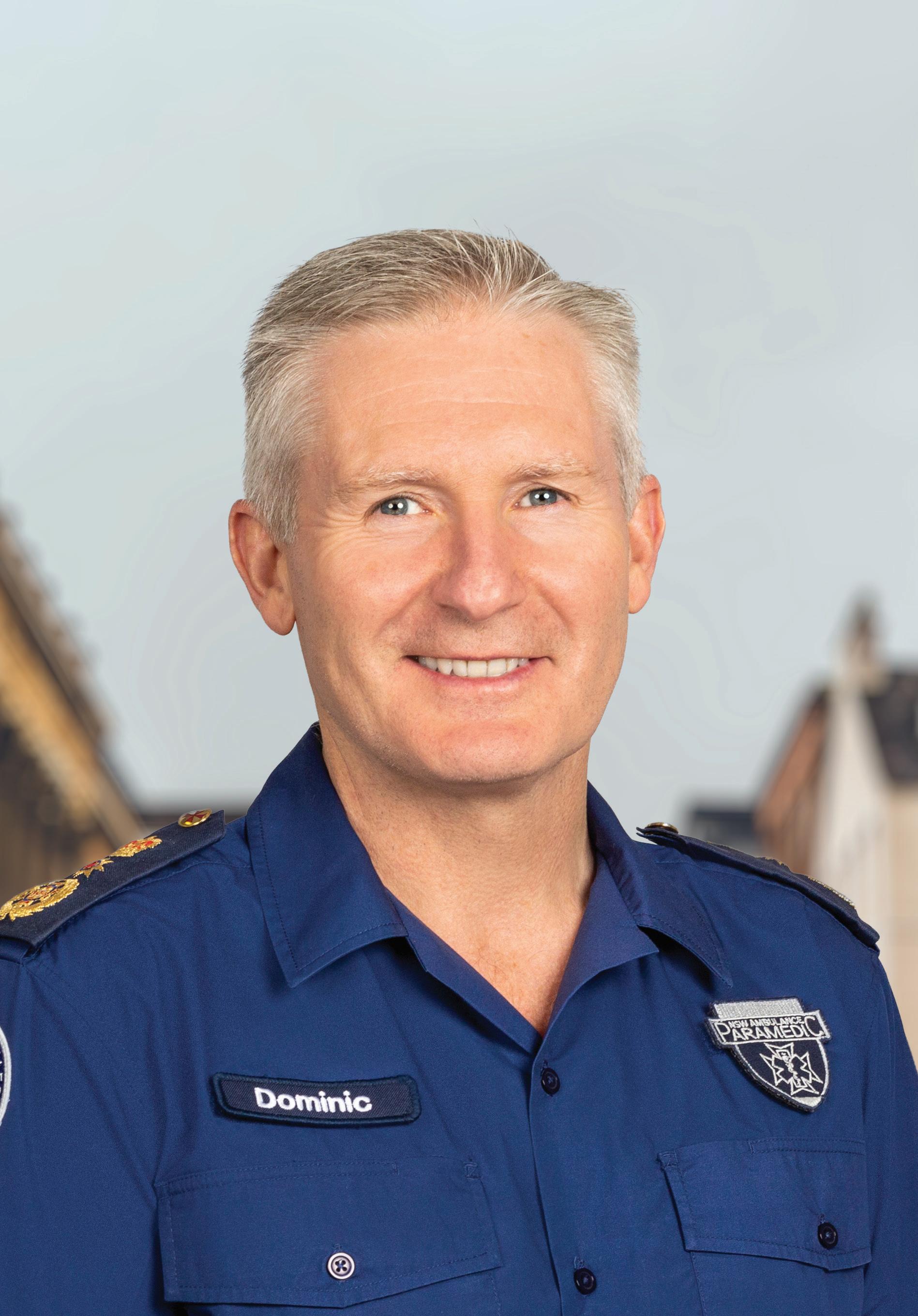
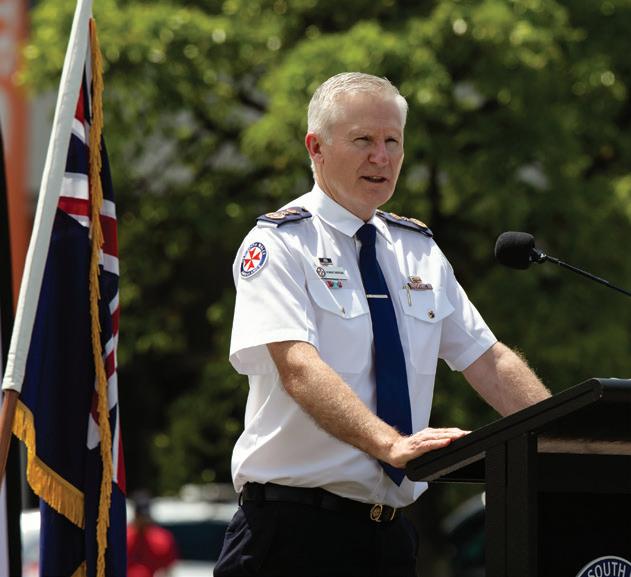
In this issue we speak to Dr Dominic Morgan, CEO and Commissioner of NSW Ambulance, who has been an integral part of the CAA’s Board for the last decade, first as the Ambulance Tasmania CEO and now as the NSW Ambulance CEO and Commissioner. Dr Morgan spent the last four years as the CAA Chair and deputy-Chair, and we talk to him about his views of CAA and the opportunities it brings to services and the ambulance sector.
We look back at this year's Restart a Heart Day campaign and share stories and events from a very successful campaign that this year launched Heartly, the Restart a Heart Day Bear, the #9for9 social media challenge and saw a reach of over 180k across social media, multiple traditional media segments and CALL.PUSH.SHOCK messages posted right across our states and territories.
As always you will find the magazine filled with happenings from across the ambulance sector, latest research and people news, as well as our two regular columns on Wellbeing and Sustainability.
Hopefully you might be reading this on a sun lounge with a glass of something cold and are enjoying the start of summer.
Breathe, relax, and enjoy…


Mojca xx
CAA Awards for Excellence: Star Award Winners. 08 Industry First
Latest news from around the ambulance sector. 10 CAA First
Catch up on the latest from The Council of Ambulance Authorities. 15 Focus First
CAA 2021 Awards for Excellence Winners. 24 Services First
Showcasing the latest ground-breaking projects from across CAA member services.
32 Feature First
FIRST interviews Dr Dominic Morgan, CEO and Commissioner of NSW Ambulance.
38 Events First
A wrap up of our 2021 CAA campaigns and events.
44 Partners First
The World Stroke Organisation Taskforce for Prehospital Care & an introduction to The Australasian Council of Paramedicine Deans.
50 A Holistic Approach to Career Transition
The Fortem Transition & Employment Program.
54 Sustainability
COP26 Climate Change and Health Care.
THE TEAM
Editor: Mojca Bizjak-Mikic
Relationship and Content Manager: Stephanie Hartley
Editorial Team: Chantelle Kaesler & Savannah Stouraitis
Graphic Design: Alpha State

56 People First
Meet the wonderful people that make up the Australasian ambulance services.
60 The Directory
62 What's Draining your Energy?
Find our what's causing your mental and physical wellbeing harm, and how you can make a change.
PUBLISHED BY:
The Council Of Ambulance Authorities 2/141 Sir Donald Bradman Drive Hilton SA 5033 Australia admin@caa.net.au
Magazine published from paper that is sustainably sourced.
CAA Awards for Excellence Star Award Winners
Category: Operations Performance Service: SA Ambulance Service
Project: An integrated approach to the safe transport of ‘detained’ mental health patients
2008

Category: Technical Capability Service: Ambulance Tasmania
Project: TAS Volunteer Getaway Project
Category: Clinical Capacity Service: NSW Ambulance
Project: Prehospital Thrombolysis
Category: Clinical Capacity Service: Wellington Free Ambulance
Project: Fast Track for Stroke
2009
2010
2011
2021
Category: Clinical Practice Service: Queensland Ambulance Service
Project: Stroke Prehospital Informed Decision-Making using EEG Recordings
2019
Category: Technology Service: Ambulance Victoria
Project: Analytics Uplift Project
2018
Category: Clinical Capacity Service: Ambulance Victoria
Project: Ambulance
Clinical Triage for Acute Stroke
Treatment – ACTFAST paramedic triage algorithm for endovascular thrombectomy
Category: Technical Capability Service:
St John New Zealand
Project: Joined up Data

Category: Clinical Capacity Service: St John Ambulance WA
Project: Ambulance Surge Capacity Unit (ASCU)
Category: Management Practice
Service: SA Ambulance Service, Ambulance Tasmania, ACT Ambulance Service, St John Ambulance Australia NT
Project: Expanded Scope of Practice –Extended Care Paramedics
2012 2013 2014
2015 2016 2017
Category: Management Practice
Service: Ambulance Victoria
Project: Revised Clinical Response Model
Category: Management Practice Service: Queensland Ambulance Service
Project: Indigenous Paramedic Program
Category: Technical Capability Service: SA Ambulance Service
Project: CADlink
Industry News
New Chopper Takes to Skies
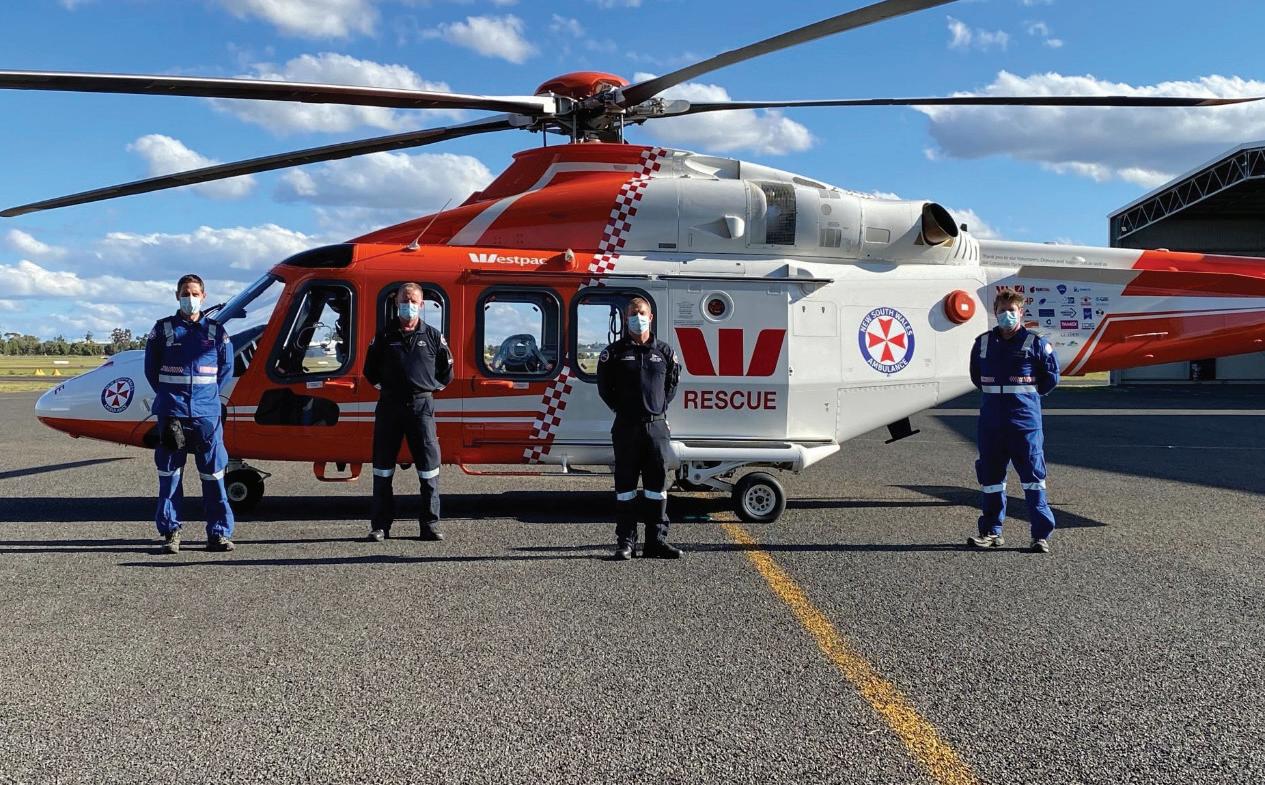
Funded by the NSW Government and operated by the Westpac Rescue Helicopter Service, an additional aircraft is being added to the NSW Ambulance fleet for the next two and a half months to assist paramedics as they continue to provide first-class care to patients across regional and rural NSW during the outbreak. The helicopter will initially be based in the Dubbo area which means it is ideally situated to respond to anticipated inter-facility transfer demand from remote regional communities in the state.
St John WA Donate Ambulance
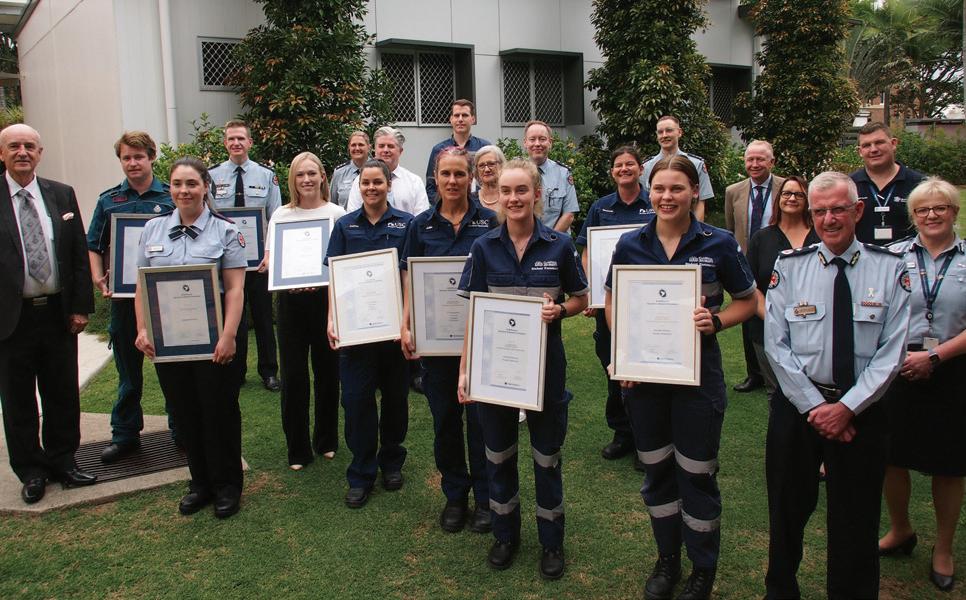
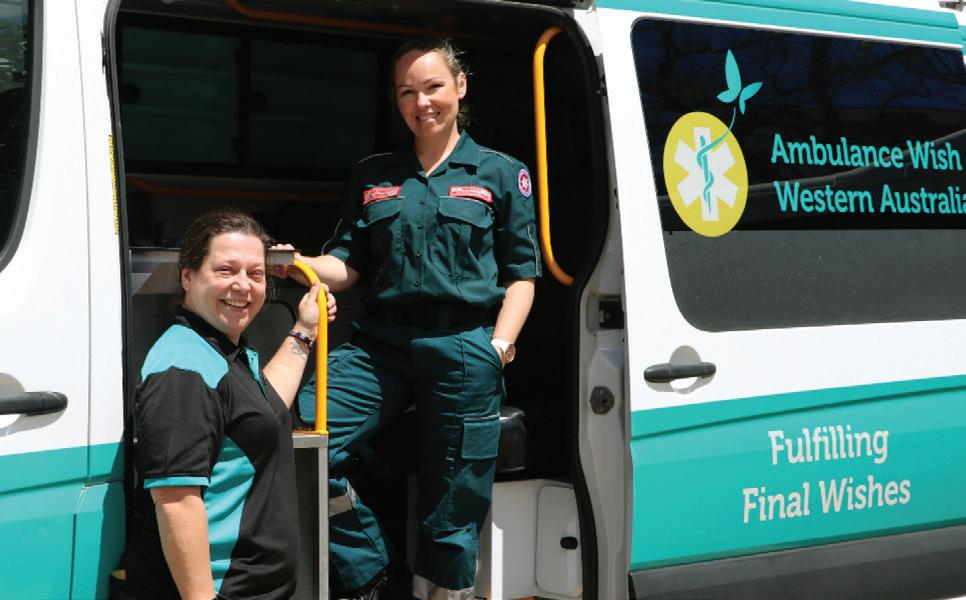
St John WA have donated one of their decommissioned ambulances to the Ambulance Wish Western Australia charity allowing them to commence offering meaningful end of life experiences.
Ambulance Wish is a new charity fulfilling the last wish of terminally ill patients by providing safe and accessible transport to get immobile patients to their wish destination.
QAS KJM Foundation Grants
Kenneth James (Jim) McPherson is a Queensland Ambulance Service officer who lost his life in an air ambulance crash in Bundaberg in 1987. The KJM Foundation was set up in his honour and is a notfor-profit entity dedicated to improving patient care by providing research and professional development opportunities for operational personnel. The resulting research contributes to quality patient outcomes by improving clinical practice and response systems through research.
Jacinda Ardern Supports Vaccine Event
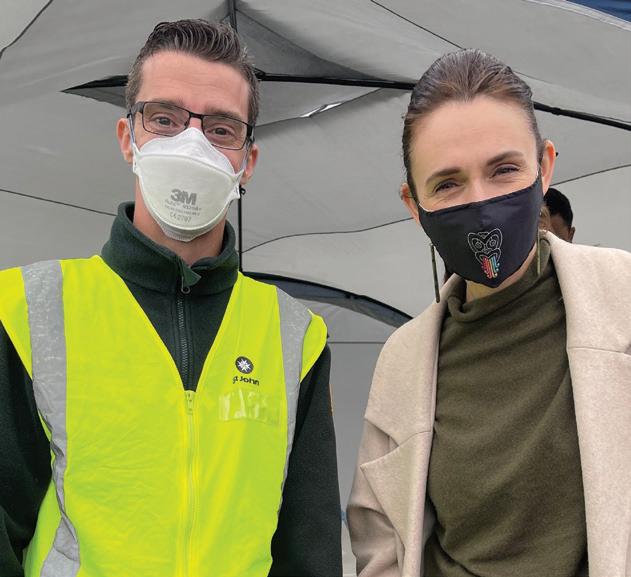
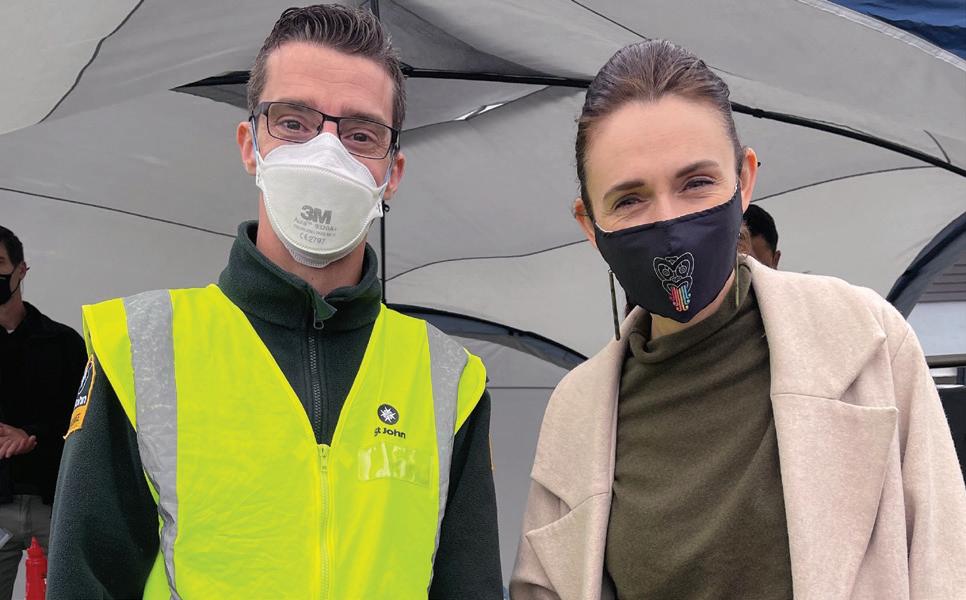
The team at St John New Zealand and PM Jacinda Ardern showed up to support the COVID-19 vaccination event hosted by e Rûnanga O Ngâti Manawa in Murapara.
St John provided medical support at the event by assisting with the observation period, providing hauora (wellbeing) support and increasing awareness and education.
South East Coast Ambulance Service
NHS Foundation Trust
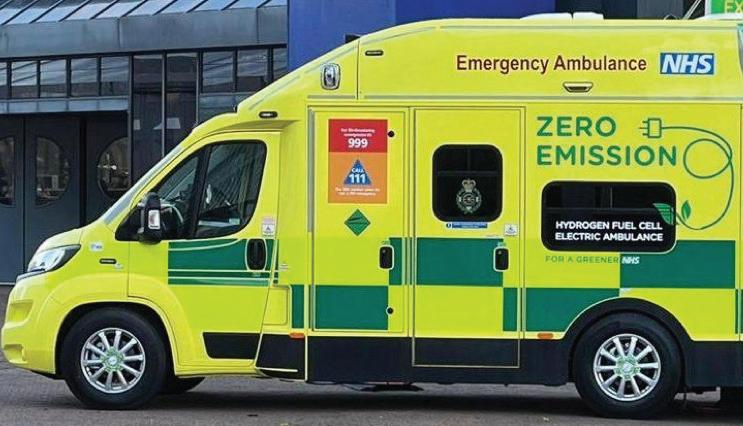
NHS England unveiled at #COP26 the world’s first zero emission ambulance capable of travelling 300 miles before re-charging. It is the first ambulance to integrate electric vehicle technology with a hydrogen fuel cellallowing it to travel further and service both urban and rural areas.
This marks a major milestone in the drive to build a greener ambulance service and save lives by tackling climate change at the source.
St John WA First Aid Focus Program Hits New Milestone
St John WA First Aid Focus program has hit a new milestone! All 580 students at Meadow Springs Primary School are now fully equipped with the skills to assess and respond in a health emergency. With one child per month calling Triple Zero (000) for a sick parent or caregiver, it is important they learn first aid as early as possible.
Congratulations St John WA for achieving this incredible milestone.
QAS Russell Bowles Features on Podcast
Mr Russell Bowles, the outgoing commissioner of Queensland Ambulance Service, has appeared on the Queensland Clinical Senate Podcast “Interviews from the Frontline.” As Commissioner, Russell oversaw the QAS during its move from an emergency service into the health system as an emergency health service and has been at the helm during the COVID-19 pandemic.
Russell discusses his four decades in the service and life as the outgoing commissioner. Listen now here: shorturl.at/yV024

New Zealand Police Roll Out AEDs in Vehicles
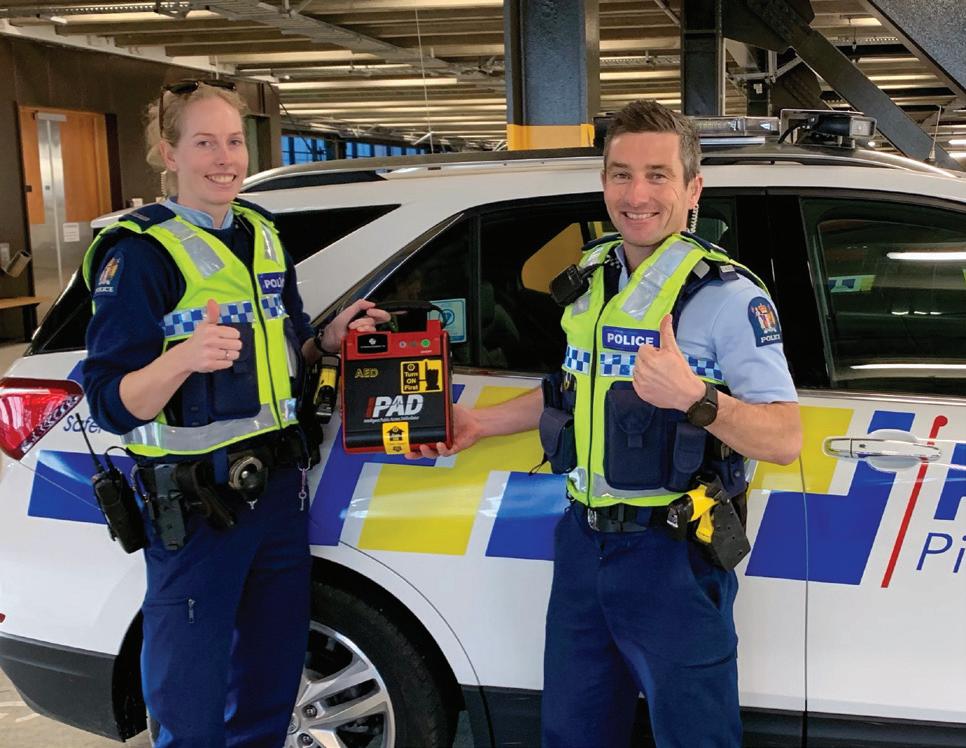
New Zealand Highway Patrol, Strategic Traffic Unit and Commercial Vehicle Safety Team vehicles now have an Automated External Defibrillator (AED) to help save lives. Commercial Vehicle Safety Team (CVST) National Manager Mike Brooklands says, “Having the AED in the vehicles ensures an ever-wider coverage across the network especially in the remote rural areas. We can support families in critical times of need by decreasing the response time of other emergency services and potentially save a life.”
AEDs have been rolled out in 368 vehicles across the country as part of New Zealand Police’s commitment to safe homes, safe roads, and safe communities.


Another year is almost done and looking back, it’s been a busy one for CAA, working across our committees and working groups and on the many activations including a successful 2021 Restart a Heart Day campaign.
It is wonderful that we get to bring the year to a close with celebrating the best projects across CAA services with the announcements of the CAA 2021 Awards for Excellence winners.
Biggest congratulations to Queensland Ambulance Service for their Star Award win and to all our category winners and finalists. Thank you to everyone who entered their projects, the judges agreed that this year saw a great variety of high quality and innovative programs that will no doubt be shaping our service delivery in the coming years.
This year was marked by work in the field of stroke and it’s appropriate that the 2021 Star Award winner is in this field. CAA is part of the Australian Stoke Alliance that was the recipient of a federal government grant that will go towards big developments in the pre-hospital stroke care space.
The year was by no means a difficult one with the COVID pandemic continuing to wreak havoc globally and putting ambulance services and the whole health sector under immense pressure. CAA continued to work with our members on sharing experience and knowledge on how our services handled the situations, insight that our members find invaluable.
As we head into pandemic restrictions being lifted and Australia’s internal and international borders slowly opening, we know that our services are working double hard to ensure they are ready for anything that gets thrown their way. While the thought of celebrating the holidays with our loved ones from wherever in Australia sounds delightful, the pressure our teams have been working under, with ever growing demand and the prospect of that demand growing even further with COVID spreading to all corners of Australia and New Zealand is surely a daunting thought.
Demand growth, ramping and delays in responding to our patients has been at the forefront of everyone’s work this year. Our services are across the board reporting unprecedented demand growth and with a clogged-up hospital system most of our working groups have been discussing what options are available and what solutions are in place to tackle these challenges. As always, the collegiality of our members in sharing programs and ideas helps everyone navigate this tricky space.
Whilst we are all hoping that the pandemic will soon ease, we also know that summer brings with it the potential for severe weather, heat waves, cyclones, floods and fires - just a few events services are working to plan for. Emergency management teams including the CAA Emergency Management Forum are working on getting ready for whatever is next to come.
In light of the hard work over the past two years, it was timely when CAA was contacted by the Royal Australian Mint with the proposal to create an ambulance coin as a thank you to all the hardworking staff of our ambulance services. We were honoured to work with the Royal Australian Mint in creating a coin that represents our members commitment and dedication through the toughest of times to look after the people of Australia. The ambulance coin is third in the emergency services series by the Royal Australian Mint to be released alongside our fellow police and fire services.
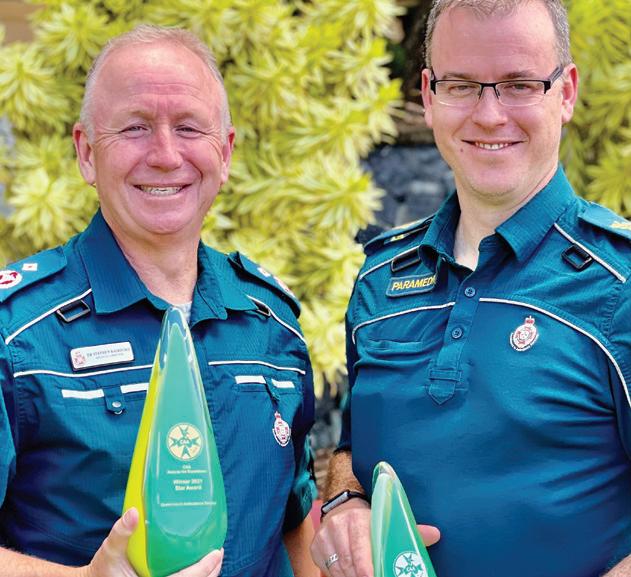
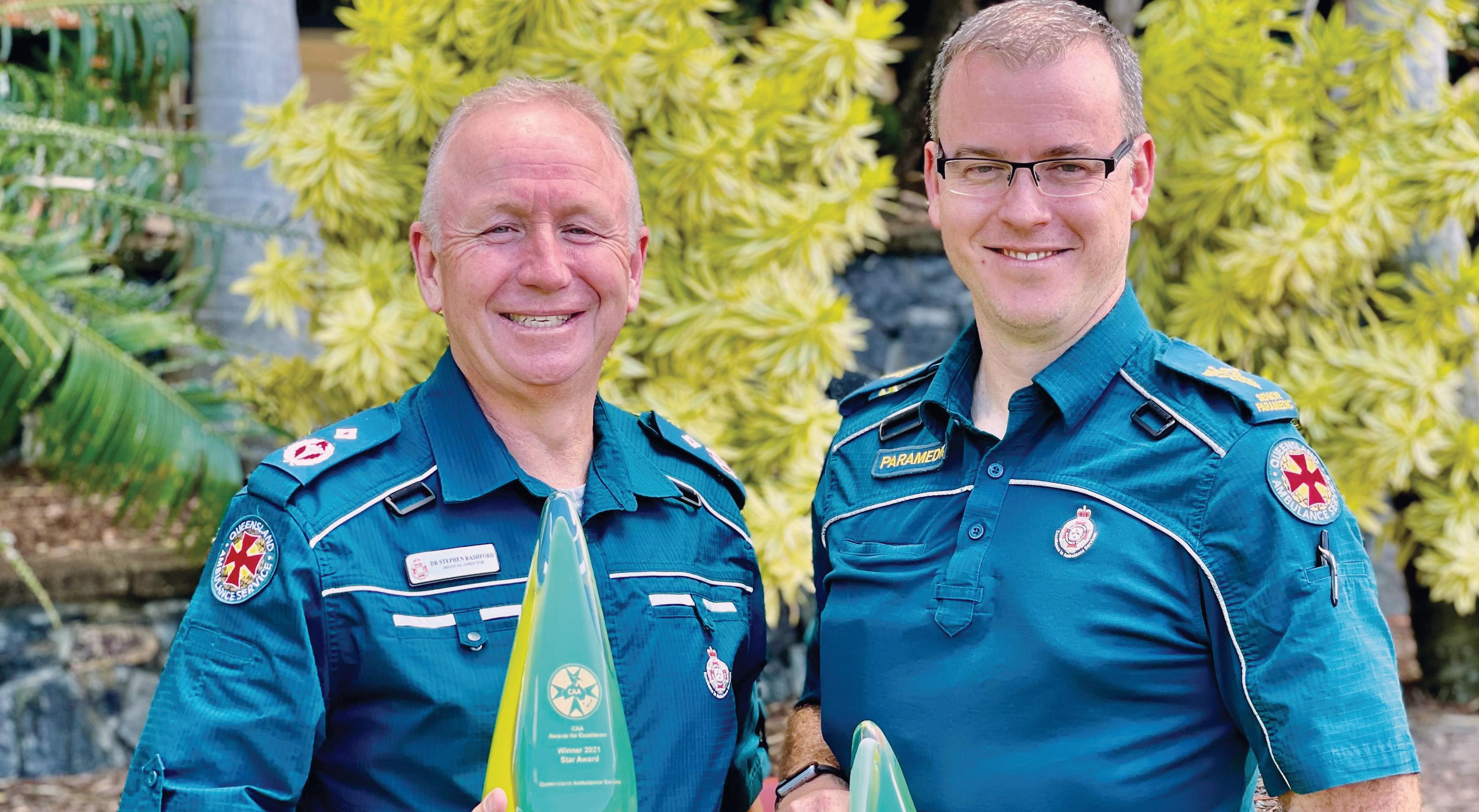
Dr Steven Rashford (left) and Wayne Loudon (right) holding CAA Awards for Excellence Category and Star Award trophies
CAA Board, working group and committee meetings have wrapped up for the year with all of them already planning their workload for next year with hopes we can meet in person again.
Looking back at 2021, the challenges we faced, the ongoing pandemic, unprecedent growth in demand, fires that ravaged majority of Australia, we have to take a second and say thank you to our incredible paramedic, ambulance officers, communication centre teams, management, volunteers and corporate staff. The dedication and resilience of our ambulance teams is nothing short of inspirational and humbling. Thank you!”
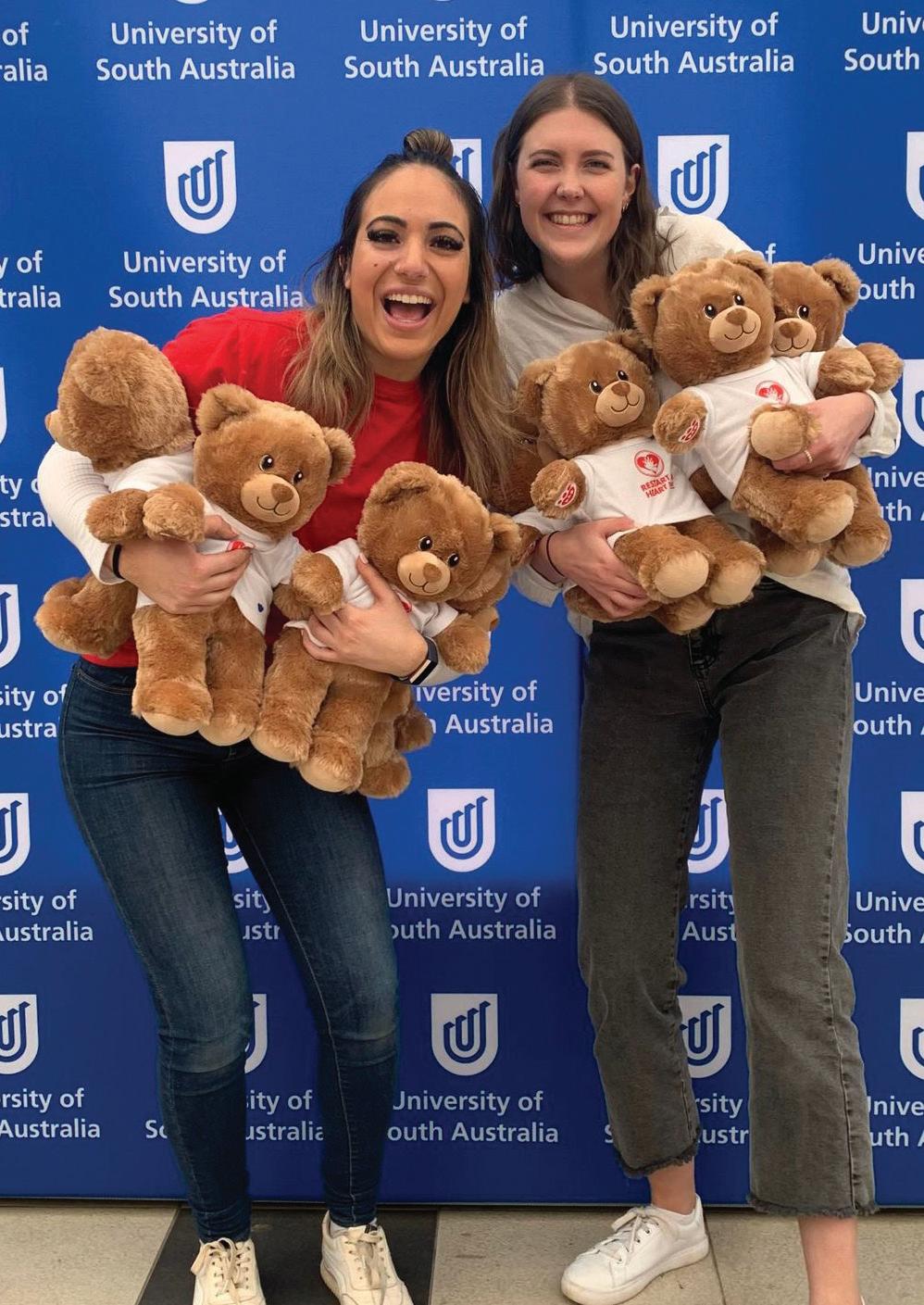
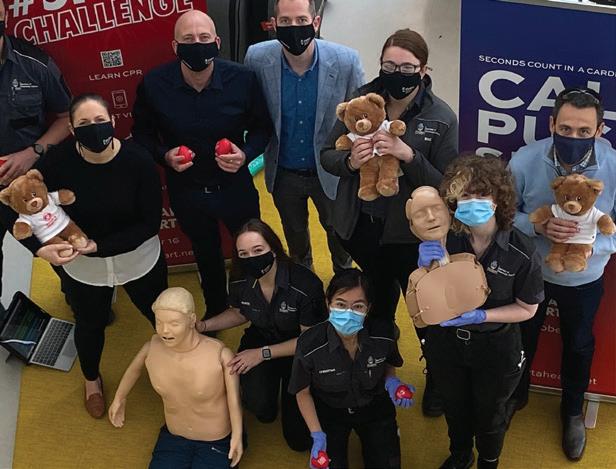
2021 Restart a Heart Day (RAHD) was successful in sharing the core messages CALL.PUSH.SHOCK with the wider public, raising awareness about out-of-hospital cardiac arrest and the importance of knowing CPR and being able to use an AED. This year the campaign added a couple of new activations, our partnership with BuildA-Bear who designed a bespoke RAHD bear Heartly, and the #9for9 social media challenge asking the public to perform nine compressions in memory of the nine out of ten people who don’t survive a cardiac arrest, and share the video on their social media platforms. Both activations were met with a great response and we look forward to growing their reach next year. For all the information on this years Restart a Heart Day campaign flip the magazine for our RAHD special section.
The CAA Secretariat is busy getting ready for 2022 and all the exciting events, campaigns, and meetings we are hoping to deliver in person in the new year. Some of the things to look forward to for next year are:
• Webinar Series
• Women in Ambulance Awards
• Take Five for Hand Hygiene
• CAA Congress
• Restart a Heart Day
• CAA 60th Anniversary Gala
• Women in Ambulance Survey
• Patient Experience Survey
• Awards for Excellence
• Sustainable Ambulance
• Me First
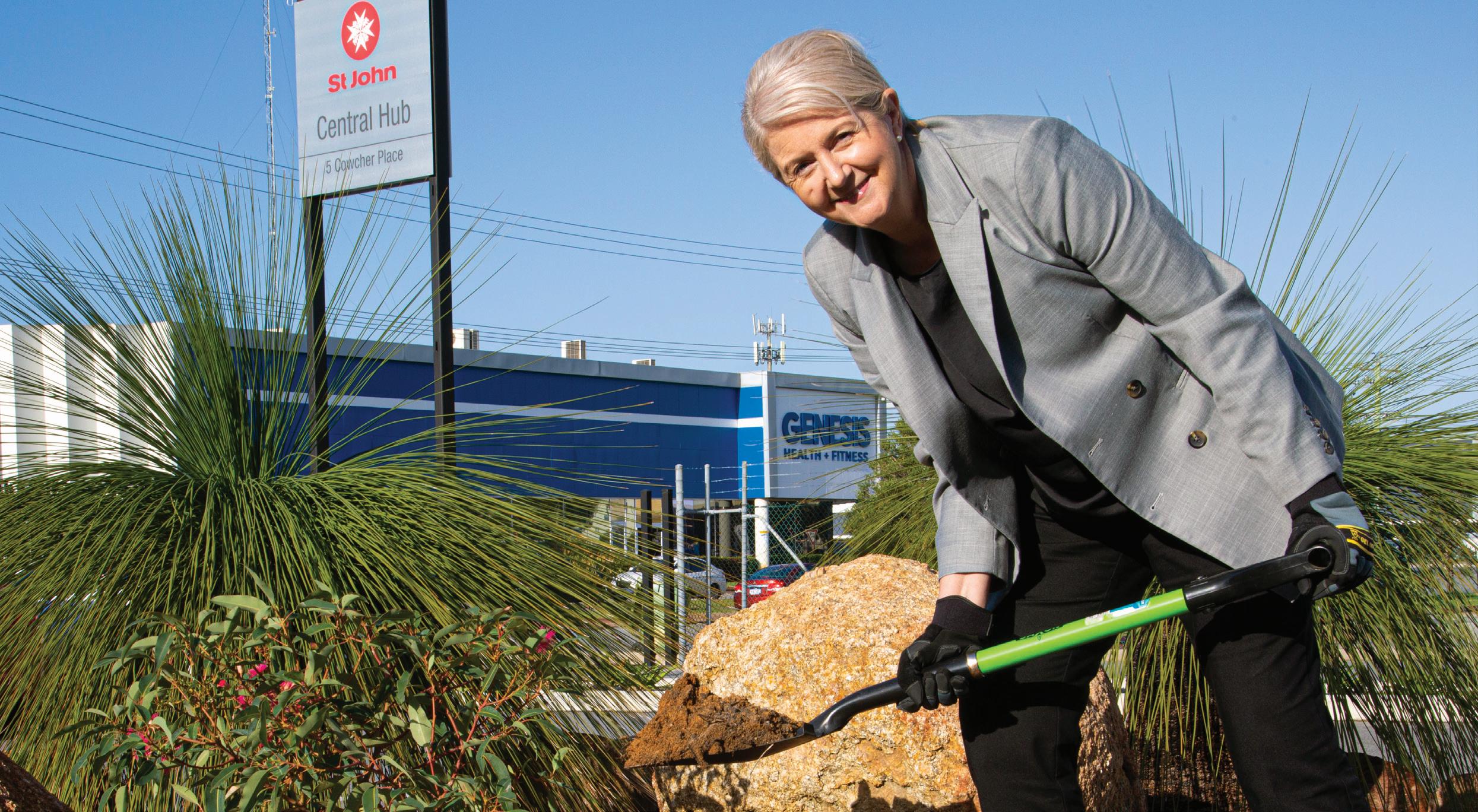
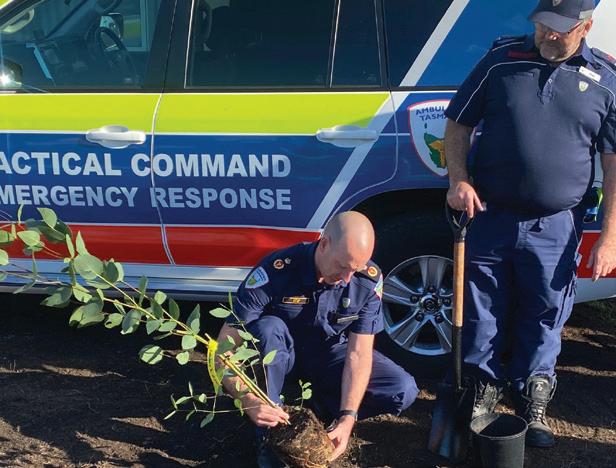
Michelle Fyfe, CEO of St John WA planting a tree for World Environment Day







CAA2021
Awards for Excellence
Highlighting innovation in our industry
The Australasian Ambulance Awards for Excellence have been run by the Council of Ambulance Authorities for over 10 years with the aim to recognise the hard and innovative work of member ambulance services from Australia, New Zealand and Papua New Guinea.
The awards are designed to encourage innovation and to enable services to share their work and learn from each other. The awards are independently judged by a panel of industry-respected judges from across the globe. The awards are divided into six categories; technology, clinical practice, staff development, patient care, leadership, and our new 2021 category; mental health and wellbeing. A Star Award is then presented to the overall winner.
The Awards for Excellence are proudly supported by SDSI
Winner: Excellence in Technology Using Machine Learning to inform helicopter dispatch St John New Zealand
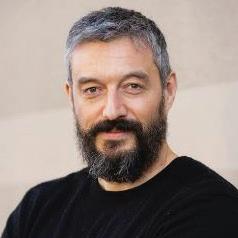
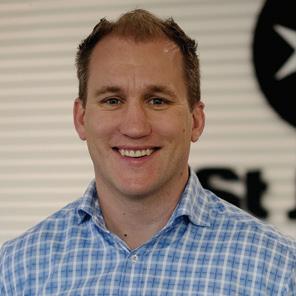
Team: Dave Richards, Jeannette Perez Mawyin, Dr Michel de Lange, Benoit Auvray, Greg Peyroux, Alesha Smith and Shenghuan Zhang
F. What is your project about?
Identifying incidents that may benefit from an air dispatch is a manual and time-consuming process. To improve this and support the Air Desk, we developed a machine learning model using gradient boosting. The work showed some of the key indicators for requiring a helicopter and using this data, machine learning can accurately determine and recommend which incidents require a helicopter with a high degree of accuracy.
F. How did the idea for your project come about?
I met Benoit, Greg and Alesha, who have great machine learning experience, at a Health Informatics conference. I suggested a number of problems that I felt machine learning could assist with and we agreed that using a machine learning to support helicopter dispatch looked the most promising. In 2020, we collaborated to apply for a Spark Health Digital Innovation Programme grant and were successful.
F. Why did you want to enter the CAA Awards for Excellence?
Jeanette and I want St John NZ to be a leader in business intelligence and operational effectiveness within ambulance services and these awards provide a chance to see how we stack up against other ambulance services.
F. Why did you believe your project could be a CAA Awards for Excellence winner?
Machine learning has been around for a while but is growing in its use and ambulance services are only just dabbling in it. Our submission takes a great problem and shows how machine learning can be used to better patient outcomes. I believe this is a world first in using machine learning for helicopter dispatch.
F. How proud are you to have won a category award at the CAA2021 Awards for Excellence?
The CAA Awards for Excellence are the premier awards for ambulance services in Australasia and Australasia boasts some of the best ambulance services in the world. So to win the technology category means a lot and is always a goal of ours. It is great to pit ourselves against some of the best teams in the world and see how we stack up.
At St John NZ we continue to innovate to use our finite resources to maximum effect and are proud that our work has been reflected in winning this award.
Supported by




Winner: Excellence in Staff Development St John New Zealand ‘OnDemand’ online learning platform
St John New Zealand
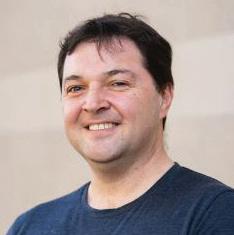
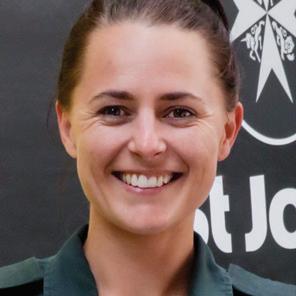
Team: Hannah MacLeod and Paul O'Connell
F. What is your project about?
The OnDemand online learning platform was developed by St John New Zealand (SJNZ) to provide thousands of hours of contemporary, targeted, fit-for-purpose, and varied (in topic, design, and duration) learning opportunities for paramedics, regardless of learning style, geographical location, and clinical practice level. OnDemand works seamlessly with the individual’s electronic portfolio of evidence, providing easy tracking of CPD. It can be accessed via any browser and device, reducing the ‘equity of access’ gap for paramedics in rural/remote areas, and enabling flexibility for those with busy and mobile lives. The result is an intuitive, responsive, and dynamic platform which provides flexible and wide-ranging learning opportunities to all paramedics in SJNZ.
F. How did the idea for your project come about?
Paramedics desire autonomy and flexibility with selection of CPD opportunities, to include learning style/preference, lifestyle, and available topics. Provision of an accessible and easily navigated platform, with intuitive search/ browsing functionality, thousands of hours of learning opportunities, and varied resources is crucial to this. Through evaluation of external third-party learning management systems, we found no viable option that offered the ease, flexibility, and customisable user experience that our paramedics deserve. So, we created our own platform that met all these needs.

F. Why did you want to enter the CAA Awards for Excellence?
These awards are designed to encourage innovation and enable services to share their work and learn from each other, and we thought that OnDemand fit the bill. We were motivated to share what we have created for our paramedics and sought to inspire, in the same way we have been inspired by other CAA award winners and finalists.
F. Why did you believe your project could be a CAA Awards for Excellence winner?
We are exceptionally proud of OnDemand because not only is it intuitive, responsive, and dynamic, but because it has been designed specifically for Paramedics, with their needs and desires in mind. We felt that this, combined with our ability to enhance, expand, and alter the platform in response to direct feedback, made for a strong and unique submission for this award.
F. How proud are you to have won a category award at the CAA2021 Awards for Excellence?
Extremely proud! We were up against very strong finalists in this category, and to have OnDemand recognised at the category award winner is very humbling. We have worked hard to develop OnDemand and are excited to see where it is going to take us in the future.
Supported by
Winner: Excellence in Mental Health & Wellbeing SAAS Mental Health Co-Response (MH CORE)
SA Ambulance Service
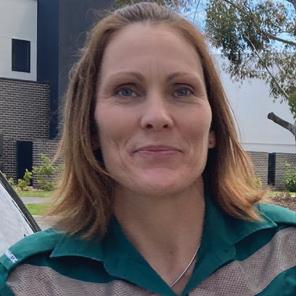
Team: Nicola Medlycott
F. What is your project about?
Mental Health Co-Response (MH CORE) is helping South Australians achieve sustainable long-term recovery from a mental health crisis by connecting them to community-based mental health services instead of taking them to hospital emergency departments.
MH CORE crews consist of a paramedic and a mental health clinician, and are tasked by SA Ambulance Service to respond to low-medium acuity mental health calls to Triple Zero (000).
Three-quarters of people attended by MH CORE have been able to avoid an ED presentation, where previously almost all would have been taken to an ED.
MH CORE is a collaboration between SAAS and major Adelaide local health networks.
F. How did the idea for your project come about?
Mental health calls to Triple Zero (000) have been rising steadily over recent years and SAAS currently receives over 1100 calls a month from people experiencing a mental health crisis.
Data from the Australian Institute of Health and Welfare also shows that people presenting to EDs for mental health matters are twice as likely to arrive by ambulance, compared to ED patients in general.
F. Why did you want to enter the CAA Awards for Excellence?
All ambulance services are grappling with the same pressures including a continuing growth in mental health emergencies, and entering the CAA Awards is a way to share what SAAS has learned from MH CORE.
F. Why did you believe your project could be a CAA Awards for Excellence winner?
The outstanding success story of MH CORE is that three-quarters of patients have been managed in the community rather than hospital but the benefits go far beyond ED avoidance. More importantly, MH CORE has improved consumers’ prospects of sustainable long-term recovery by improving their access to specialised mental health care, ongoing care and support from community-based services and helping them stay in familiar surroundings of home and community
F. How proud are you to have won a category award at the CAA2021 Awards for Excellence?
This award recognises the perseverance of many people in SAAS and the community mental health teams of the Central, Southern and Northern Adelaide Local Health Networks who have worked together to create a new model of mental health care in SA. It also recognises their commitment to helping people experiencing a mental health crisis.
Winner: Excellence in Leadership
Social and Environmental Responsibility (Framework & Action Plan)
Ambulance Victoria
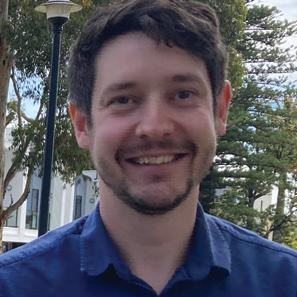
Team: Catherine O’Shea, Sally Mangan
F. What is your project about?
Ambulance Victoria’s approach to sustainability is unique, ambitious and a leader in Australasia in our field. We are into our second year of our five-year Social and Environmental Responsibility Framework and Action Plan, which sees us embedding sustainability into everything we do by delivering 20 key commitments across four areas of focus –our people, community, environment and supply chain.
F. How did the idea for your project come about? Our focus on sustainability is driven by our people, community, strategy and environment, including regulatory guidelines and staff expectations.
After seeing the environmental impact of our organisation grow over the four years between 2015 and 2019 (including an 11 per cent increase in emissions), AV committed to sustainability as a priority in our strategic and annual plans. Our goal is to identify opportunities to collaborate, innovate and reduce cost and environmental impact.
F. Why did you want to enter the CAA Awards for Excellence?
Ambulance Victoria is the first ambulance service in Australasia to commit to a net zero emissions strategy (by 2045) and 100 per cent renewables vision by 2025. These are ambitious targets, but we are on track, having achieved a 10 per cent reduction in emissions by the close of the 2021 financial year, ahead of our target of 7 per cent.
We want to recognise and celebrate the actions and contribution of our staff in helping achieve this goal, and to share our plan and learnings with the sector to encourage others to act on climate change as a key healthcare issue that will positively impact outcomes for our communities and the planet.
F. Why did you believe your project could be a CAA Awards for Excellence winner?
Ambulance Victoria is leading the industry in this field, in Australia and Asia. We are making significant progress towards our own deliverables and are supporting other services to start and continue their journey towards more sustainable operations, for instance, by assisting them in CAA’s environmental data collection benchmarking exercise.
F. How proud are you to have won a category award at the CAA2021 Awards for Excellence?
We’re so proud to be recognised as a leader in healthcare sustainability. We hope that this will inspire others and demonstrate what is possible. We look forward to working together and sharing knowledge to build more environmentally sustainable pre-hospital services throughout our sector.
Winner: Excellence in Patient Care TelePROMPT Ambulance Victoria
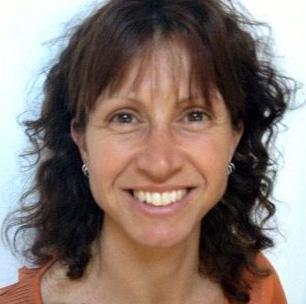
Team: Nicola Reinders, Lindsay Mackay, and Diana Zimmermann
F. What is your project about?
TelePROMPT is an innovative care pathway connecting patients experiencing mental health issues with the right care. TelePROMPT was designed through AV’s Patient Care Academy, bringing together consumer, clinician and system perspectives to redesign care pathways to deliver the Best Care experience that is high quality, patientcentred and safe. In partnership with Eastern Health and the Victorian Department of Health, TelePROMPT provides AV paramedics with 24/7 access to mental health clinicians via telehealth. On scene, paramedics can call TelePROMPT to speak to a Mental Health Nurse who completes a rapid mental health assessment and connects patients with alternative care options that best meet their needs.
F. How did the idea for your project come about?
AV is often a safety net for patients experiencing mental health issues, particularly after hours when community-based services aren’t available. Emergency departments become the default destination and we recognised the growing need for alternative mental health care options and worked closely with lived experience consumers, clinicians and systems partners to design an alternative pathway that better meets their needs.


F. Why did you want to enter the CAA Awards for Excellence?
We wanted to recognise the enormous contribution from all involved, and to raise awareness of the service, at a time when more people are experiencing mental health conditions and hospitals are under increasing strain. Since TelePROMPT started, we have seen the positive impact it has had for our patients, paramedics and the wider healthcare system. We hope TelePROMPT can pave the way of the future for improving mental health care for our patients.
F. Why did you believe your project could be a CAA Awards for Excellence winner?
TelePROMPT is unique as it provides benefits to the patient by connecting them to the care that they need, to paramedics by improving their confidence to care for patients with mental health issues, and to the wider health system by reducing avoidable demand. The co-design of this care pathway has contributed to its success, as we’ve seen through high uptake amongst paramedics and the positive experience for patients.
F. How proud are you to have won a category award at the CAA2021 Awards for Excellence?
To be recognised amongst peers for an innovative, new approach to supporting better mental health care in the ambulance setting is very special. We proudly share this with all who contributed to making TelePROMPT an everyday realityour lived experience consumers, clinicians, and healthcare partners.

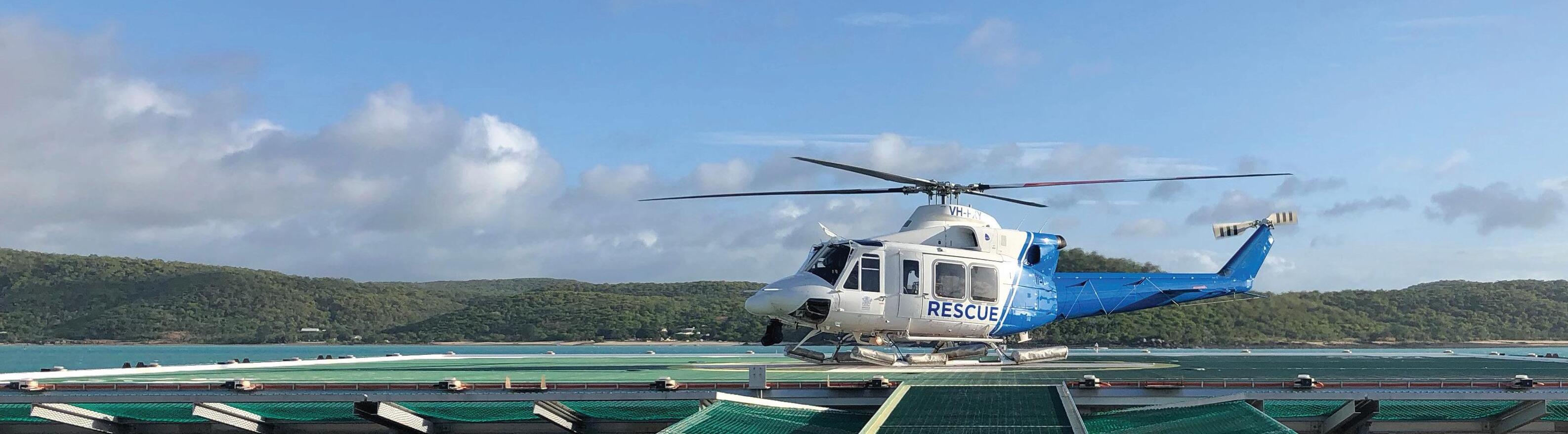
Delivering HEMS to the Torres Strait
Between the northernmost tip of Queensland and the southern shores of Papua New Guinea lies the Torres Strait – a 151 kilometre-wide strait comprising 274 islands, 17 of which are inhabited and have limited access to emergency medical care.
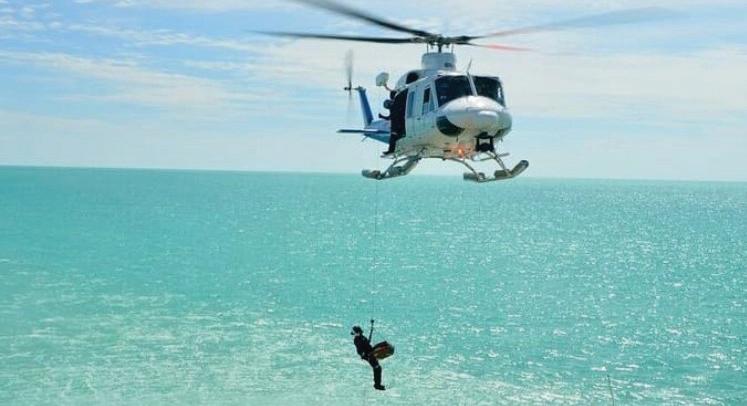
Thursday Island is the heart of the region’s administrative centre and emergency medical services, and just a stone’s throw away is its entrepôt, Horn Island. From a purposebuilt facility at Horn Island Airport, Babcock Australasia provides Helicopter Emergency Medical Services (HEMS) to the Torres Strait and Northern Peninsula regions on behalf of Queensland Health, as well as Civil Maritime Surveillance Services on behalf of the Commonwealth Government’s Australian Border Force (ABF).
Babcock delivers aerial support for emergency medical services (EMS), including hospital transfers, primary medical evacuation and search and rescue (SAR). With transportation to medical facilities in the area being limited, and the nearest hospital located on Thursday Island, Babcock ensures ongoing access to EMS for some of the hardest-to-reach communities.
“Babcock has operated in the Torres Strait and Northern Peninsula regions for more than 26 years, and has more than 30 personnel employed and trained to meet the high standards required for these mission-critical services,” said Darren Moncrieff, Babcock Australasia’s Managing Director – Aviation & Critical Services. “Each year we perform more than 500 life-saving missions, transfer more than 600 patients to hospital, and complete hundreds of surveillance and logistics missions for ABF.”
Central to these operations are Babcock’s highly-skilled pilots, aircrew and engineers, who work as an integrated team with the client’s personnel. This inter-agency collaboration is critical when conducting operations at
short notice, day and night, often in challenging weather conditions and involving traumatic circumstances.
Working on the frontline is Babcock Australasia’s Senior Base Pilot, Craig Peters, who holds more than 20 years of local experience.
“In the Torres Strait we experience wide and varied weather, including thunderstorms, rain and cyclones. As a result, weather planning, flying around storms, and limited visibility are some of our biggest challenges,” said Peters. “The area is made up of a cluster of small islands, therefore most of our operations are over water with limited support from ground assets. We provide specialist aeromedical training to the customer’s paramedics, enabling them to conduct downthe-wire water winch rescue operations in addition to their medical duties.”
The challenges of operating across the Torres Strait extend beyond those posed by the weather and environment. The remote location of Horn Island places heightened emphasis on teamwork, communication, and safety.
“Operating in uncontrolled airspace means there is often limited access to information,” said Peters. “The knowledge and experience of our team in the region ensures the flight routes are planned and conducted safely and efficiently.”
Babcock’s on-site engineering support carry out scheduled, reactive and preventative maintenance to maximise aircraft availability. “Whether it’s an EMS, SAR or surveillance mission, time is of the essence but safety remains our number one priority,” said Peters.
No day is the same for Peters and the Babcock team. “Each task is different and comes with its own unique challenges, but there is great satisfaction to see a job well done,” said Peters. “To safely transport individuals from the outer islands and bring them into the healthcare system is really rewarding and it’s motivating to return to base and know your team has made a difference in the local community.”
Babcock’s expertise, commitment, and focus on safe practices in the most challenging of environments continues to save lives and deliver benefit to those living in the remote islands of the Torres Strait.
“The successful delivery of these services would not be possible without the dedication and professionalism of our staff,” said Moncrieff. “Babcock has the right people to deliver these technically-complex, long-term contracts, and this is evident in the continued positive feedback we receive from our clients.”

Star Award
The Star Award is presented to the overall winner selected from CAA awards category winners. The winner of this award is identified as having, or proceeding to have, successfully developed, implemented and evaluated a project that is considered the most valuable for adoption by all CAA members.
Excellence in Clinical Practice Stroke Prehospital Informed decision-making using EEG Recordings Queensland Ambulance Service
Team: Andrew Wong, Simon Finnigan, Wayne Loudon and Vivienne Tippett

F. What is your project about?
The SPIDER project aimed to pilot the use of quantitative electroencephalography (qEEG) to help identify the presence of ischaemic stroke. Past studies have demonstrated that qEEG can provide a simple numerical value that identifies the presence of ischaemia and is therefore useable with minimal training. Such a technology would assist in separating true stroke cases from mimics and could also be used to identify those patients who have a stroke caused by an occlusion of a large cerebral vessel. Both applications would be of great value to prehospital clinicians when determining the best transport destination for patients.

F. Why did you want to enter the CAA Awards for Excellence?
The awards program is an opportunity to demonstrate the work being done nationally by prehospital clinicians. Such awards can drive innovation and foster creativity. Furthermore, it recognises the significant amount of work and organisational support required to deliver projects like this.
F. How did the idea for your project come about?
A/Professor Wong and Dr. Finnigan had previously published work using the technique in hospital and I was completing a PhD with Dr. Wong as my supervisor. It was becoming increasingly apparent at the time that paramedics would need to identify, with greater accuracy, specific stroke subtypes but there was a need for some prehospital technology to assist in the decision making since clinical assessment has limitations. With the success of the previous in-hospital studies it seemed to be the next logical step to see if it could be used reliably outside hospital.



F. Why did you believe your project could be a CAA Awards for Excellence winner?
This was a unique body of work and highlighted the benefits of interprofessional collaborations in medical research. It was important to demonstrate that research like this could also offer other benefits such as staff engagement and learning. We knew at the start that any research project will have collateral effects on staff but also on public awareness. Through the interest the project gathered we were able to deliver some focussed stroke education to paramedics as well as public awareness via media interest.
F. How proud are you to have won a category award at the CAA2021 Awards for Excellence?
It is an honour to have received this award given the high calibre of other submissions. Often work like this is done by groups behind the scenes but this award highlights what collaboration can achieve and I hope would encourage other clinicians to develop projects that improve the patient care we deliver.

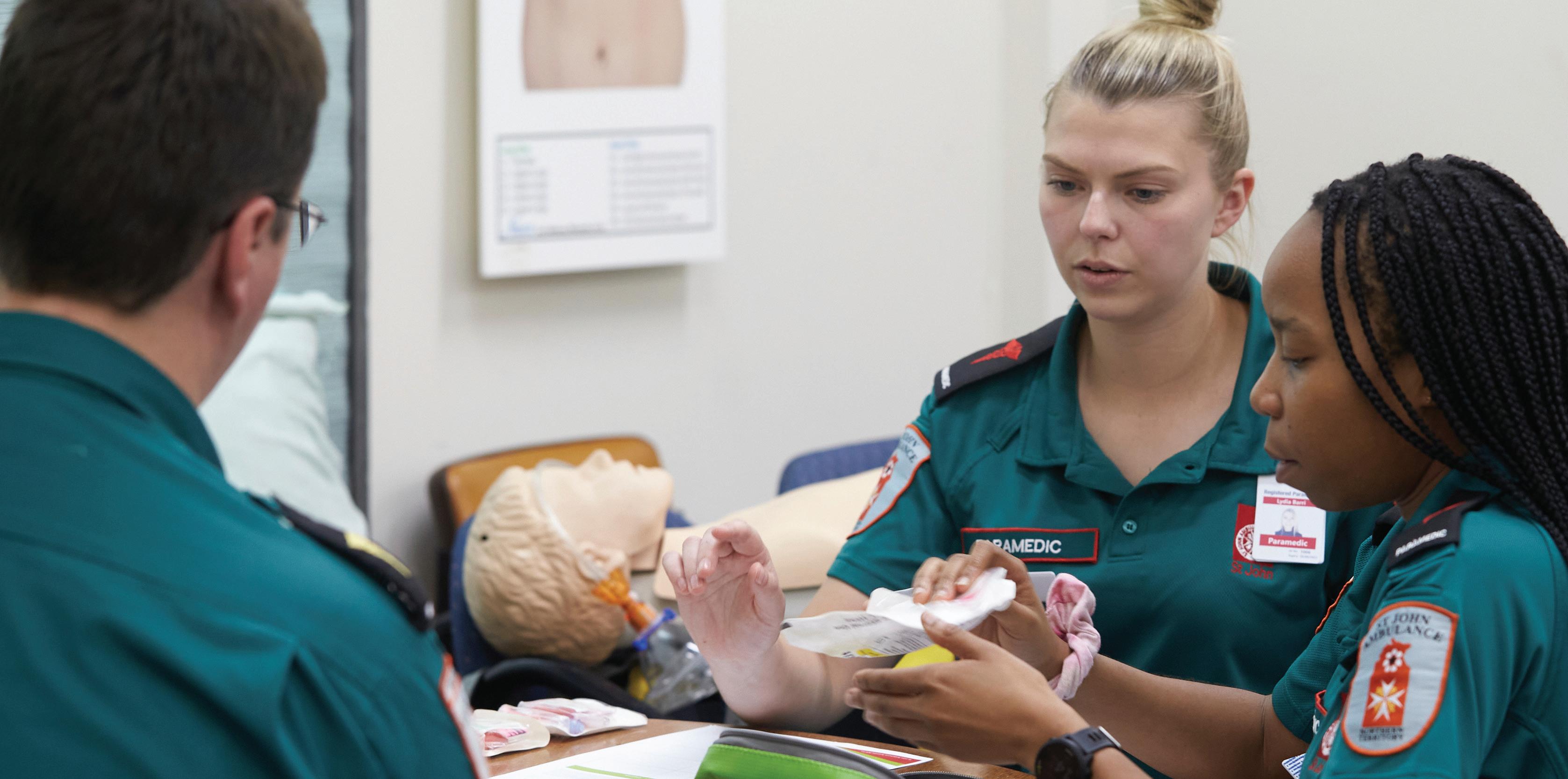
St John NT putting theory into practice
From St John NT
When a team of St John NT paramedics and patient transport officers gathered in Alice Springs for clinical training recently, little did they know that the scenarios practiced in the classroom would play out for real only days later.
The training was the first of 16 two-day training sessions to introduce the Northern Territory clinicians to St John NT’s new Clinical Practice Manual, aka the CPM.
Developed over 14 months, the manual and accompanying education program provides up to date clinical practice guidelines and drug therapy protocols for all clinical levels from Advanced Responder through to Intensive Care Paramedic. Development of its content involved reviewing the clinical practice and management guidelines of many of the services represented by the Council of Ambulance Authorities, thus leveraging off the research and development of those services.
St John NT Director Ambulance Services, Andrew Thomas sees the implementation of the new guidelines as an exciting step forward in paramedicine in the NT.
“The CPM sets a new standard in the provision of clinical care as a paramedic in the Northern Territory,” he said.
“This is a single source of procedures, guidance and medication therapies supported by an education program for all clinical staff, enhancing our clinician practice and
professionalism and setting in place a process of continuous improvement, through feedback and annual updates.”
The CPM consists of clinical procedures, clinical practice guidelines and drug therapy guidelines. It is supported initially by seven online training modules and face-toface practical sessions held over two intensive days of training. The training provides an opportunity for staff to discuss key principles and then apply them, areas covered include medication safety, traumatic cardiac arrest, the introduction of high-performance CPR and revisiting some of the things that they don't typically face on a daily basis, such as obstetric emergencies.
St John NT’s previous version of the CPM was released in 2013 with some minor updates to Drug Therapy Protocols during 2017.
Which takes us back to the Alice Springs team just days after finishing their training. St John NT Southern Regional Manager Paul Bellman explained that the team responded to reports of a 66-year-old female collapsed on the lawns of the convention centre.
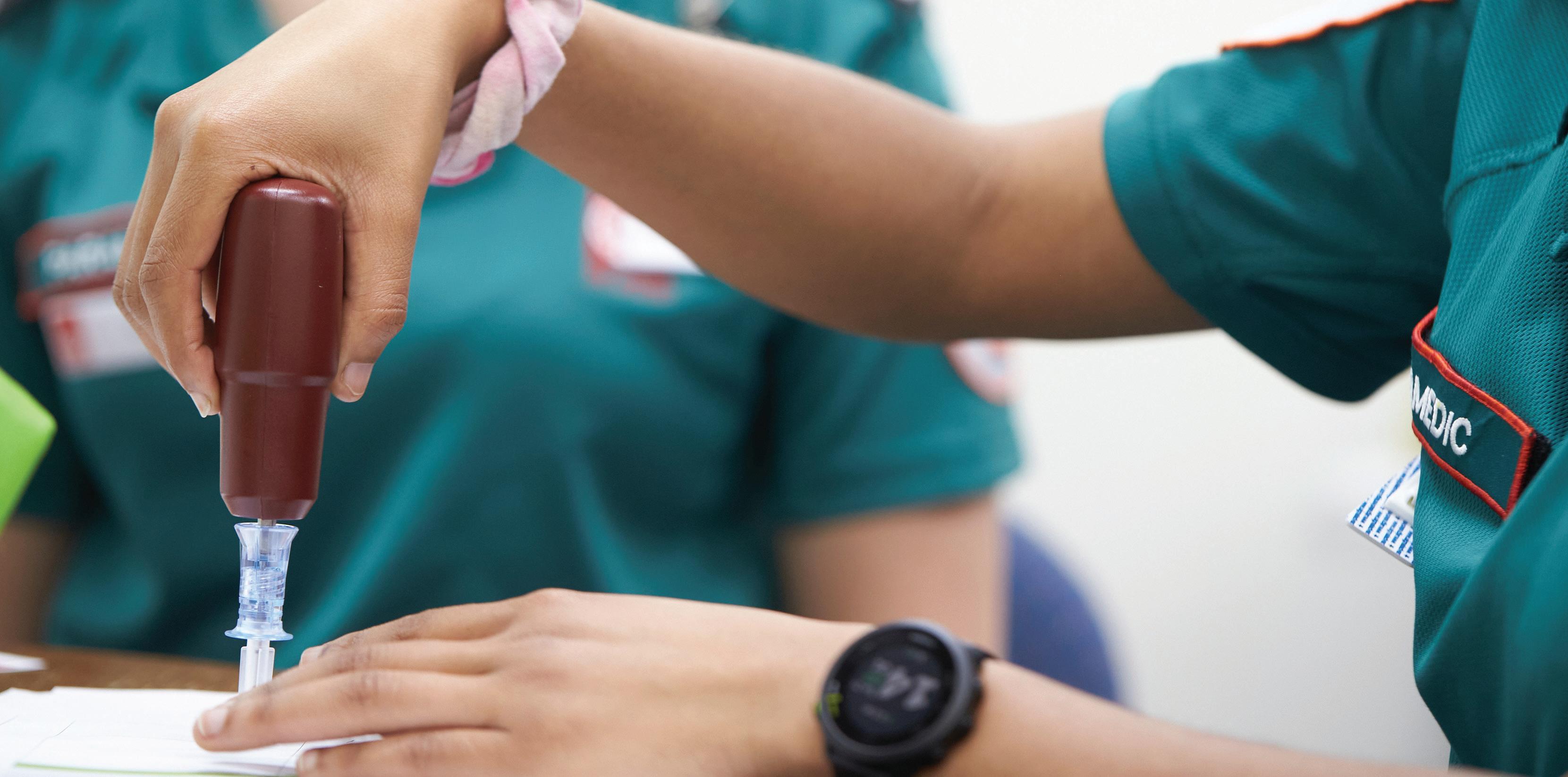
The first crew on scene were patient transport officers who were in the area, they immediately commenced CPR and placed the defibrillator pads on the patient as per the new modified approach. Shortly after, a paramedic crew and intensive care paramedic arrived and initiated highperformance CPR, following the new procedures.
With the assistance of NT Police members the patient had uninterrupted CPR, during basic arrest management intravenous medications were administered and an advanced airway was placed during compressions. The patient was not indicated for defibrillation during the arrest, and at 15 minutes into the cardiac arrest the patient had a sustained cardiac output. The patient was loaded into the ambulance soon after and transported to hospital.
Everyone at the scene commented on how well the scene ran, the integration of all the training into practice, the effectiveness of the new approach and the calm and structured nature of the case”
Paul Bellman Southern Regional Manager, St John NT
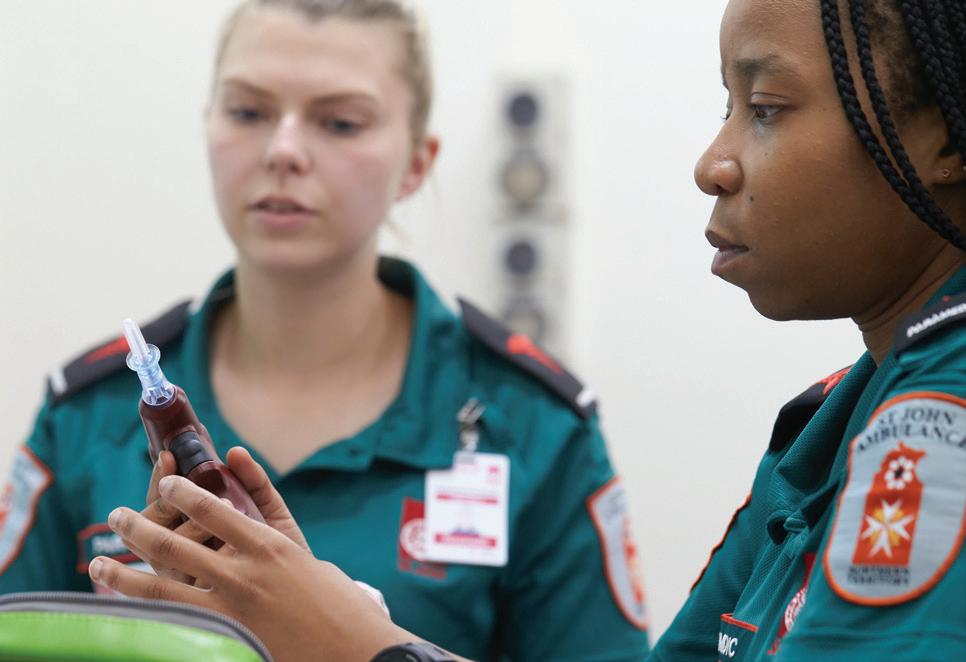
“Everyone at the scene commented on how well the scene ran, the integration of all the training into practice, the effectiveness of the new approach and the calm and structured nature of the case,” Mr Bellman said.
St John NT plans to continue the roll out of the CPM across all clinical staff and St John NT volunteers in the Northern Territory, ensuring that everyone will be working with the same approach, improving patient safety and communication across the teams.
The two-day training will run yearly for all clinical staff to ensure clinical skills are kept up to date with advancements in clinical practice.
“The first edition of the CPM marks a starting point in our continuous learning and development,” Mr Thomas said.
“Demonstrating our commitment to the provision of high-quality care for our community in the Northern Territory.”
The St John NT Clinical Practice Manual has been produced in printed and electronic copies, and can be downloaded from the St John NT website: www.stjohnnt.org.au/ambulance/ambulance-services
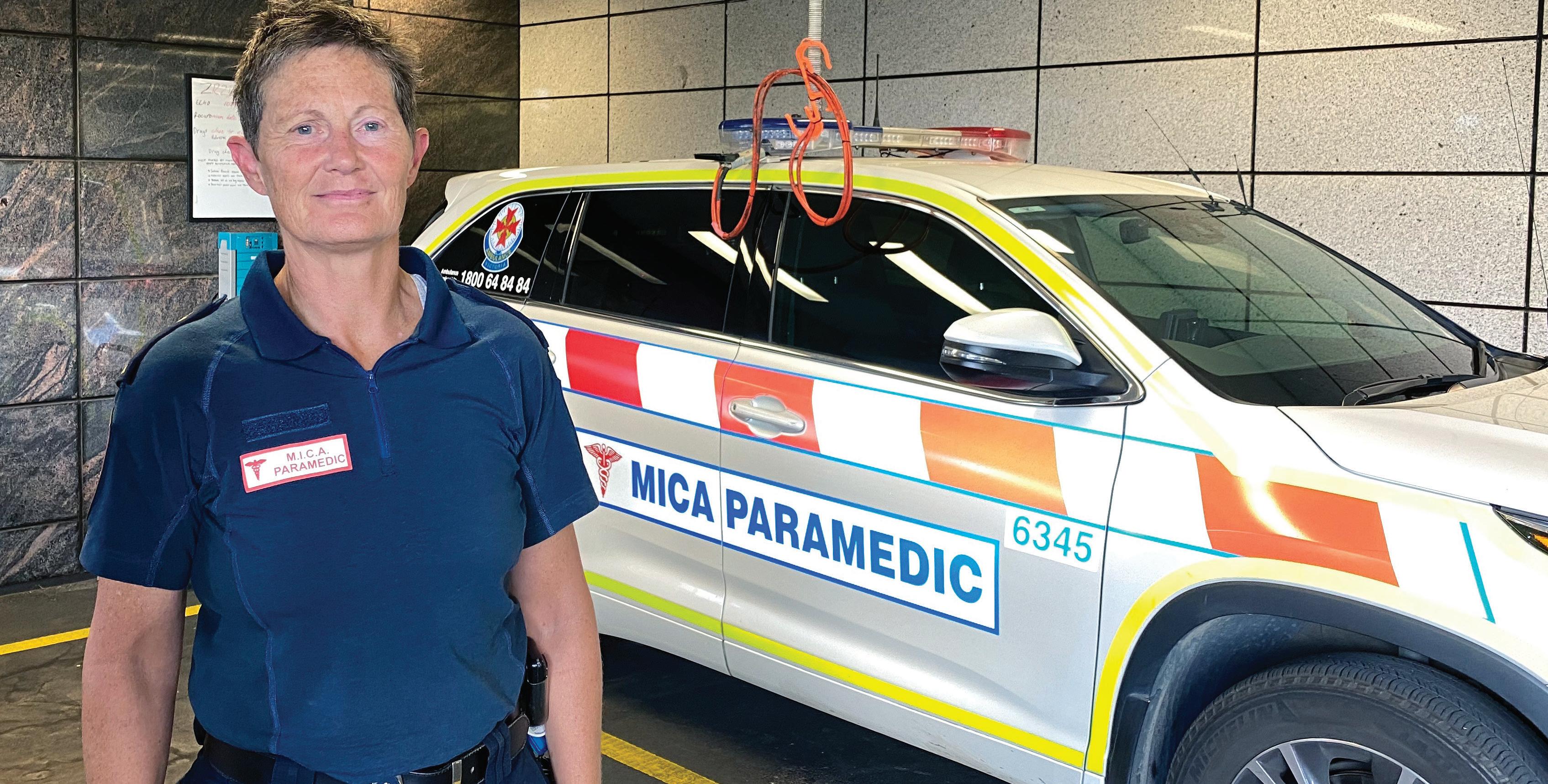
Celebrating 50 years of world-class MICA service for Victorians
From Ambulance Victoria
Ambulance Victoria is celebrating the 50th anniversary of Mobile Intensive Care Ambulance (MICA) – a revolution which paved the way for the world-class pre-hospital care Victorians have today.
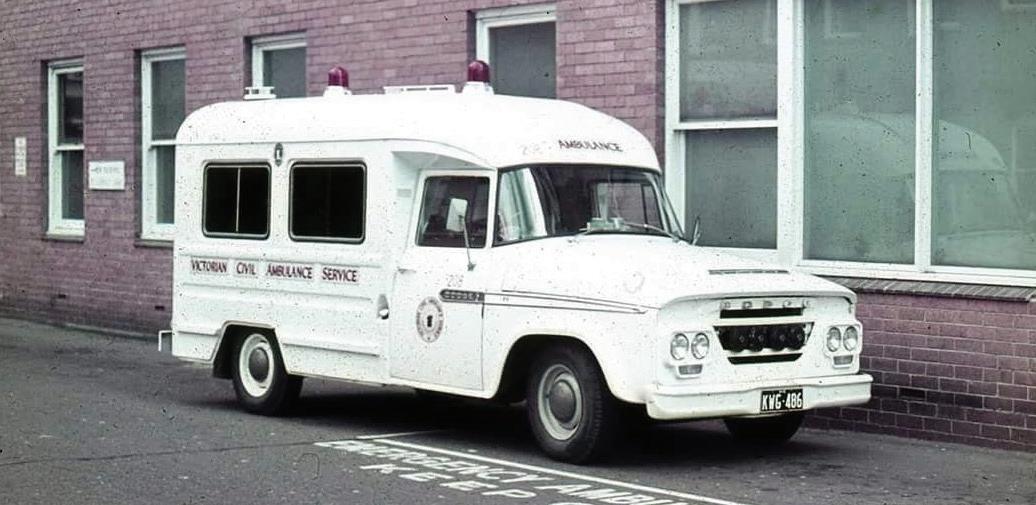
Australia’s first MICA service, and only the third in the world, commenced operations in a converted mid-70s Dodge vehicle known as Car 208, on 9 September 1971.
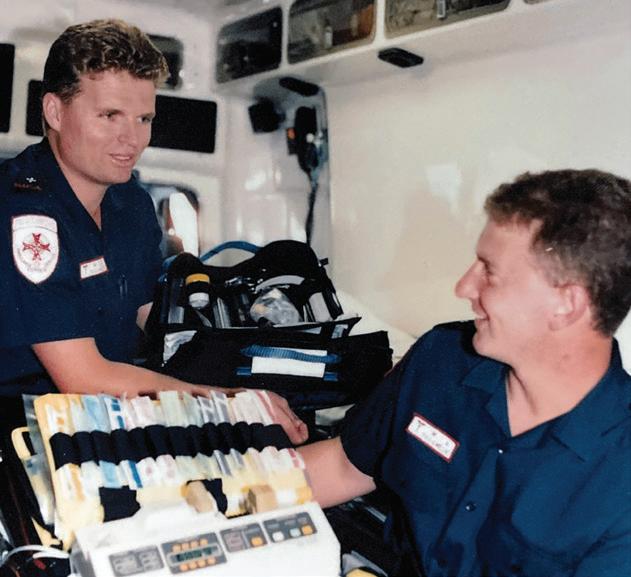
The father of MICA was Dr Graeme Sloman, and ambulance officers Wally Byrne and Wally Ross became the first of many MICA brothers and sisters.
During a three-month pilot with doctors and ambulance officers, the crew responded to 93 cases, mainly coronary care and road trauma patients. The first MICA case was a man who collapsed on a roof in Ascot Vale.
Before long the MICA unit was responding without doctors on board and, within a few years, was attending 250 cases a month. Three other MICA units were soon established at Frankston Hospital, the Alfred Hospital, and the Western General Hospital.
Today, there are 600 MICA paramedics in metropolitan and rural regions, and in our air ambulance response, providing an internationally recognised advanced level of lifesaving and life changing care.
Ambulance Victoria CEO Professor Tony Walker said MICA was established in collaboration with the medical fraternity – a key factor behind the evolution of the paramedic profession in Victoria and our state-wide system of care that continues to this day.
“The advent of MICA brought coronary care and intensive care into the streets, homes and workplaces of Victorians who needed urgent medical help,” said Professor Walker, who is also a MICA paramedic.
“Rather than rushing patients to hospital, MICA brought hospital level care to them with ambulance officers able to provide ground-breaking treatment such as defibrillation for patients in cardiac arrest.”
“The skills, training and clinical expertise of all Victorian paramedics, including Advanced Life Support (ALS) paramedics, had their foundations in the early days of MICA.”
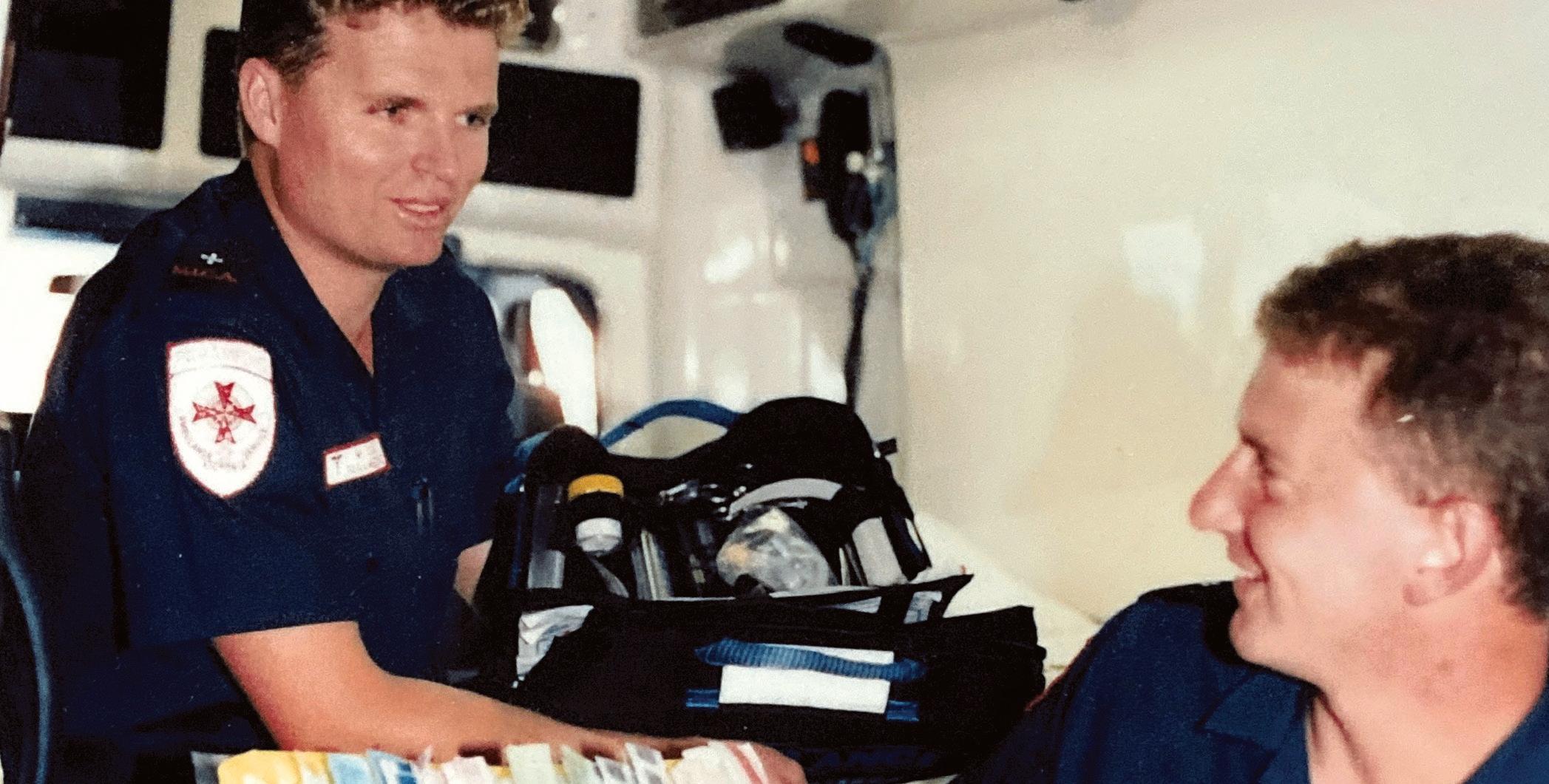
Professor Walker said 50 years on the MICA service continues to evolve to meet the different needs of the community. Women now make up 20 per cent of the MICA paramedic workforce and more than 50 per cent of all qualified and graduate paramedics.
“Today’s MICA paramedics are highly skilled clinicians who perform treatments such as advanced airway management, manage complex head injuries and cardiac conditions and treat life-threatening chest injuries,” Professor Walker said.
“Year on year MICA has continued to deliver even better care to the community. It has saved the lives of countless patients across the state and touched the lives of many more.”
“There are people alive today because our MICA paramedics did extraordinary things in extraordinary circumstances to deliver fantastic care.”
“As we celebrate 50 years of MICA, we thank the pioneering ambulance officers, doctors and administrators for their vision, dedication and determination.”
“We truly stand on the shoulders of giants.”
Ambulance Victoria has more than 4,800 paramedics (including MICA and Advanced Life Support (ALS) paramedics), another 1,300 first responders, 100 doctors and approximately 500 corporate employees.
As a trusted member of the state’s co-ordinated healthcare system, Ambulance Victoria is the first step in many care pathways, and as Victoria’s largest healthcare provider, Ambulance Victoria services over 6.5 million Victorians.
The advent of MICA brought coronary care and intensive care into the streets, homes and workplaces of Victorians who needed urgent medical help,”
Professor Tony Walker CEO Ambulance Victoria
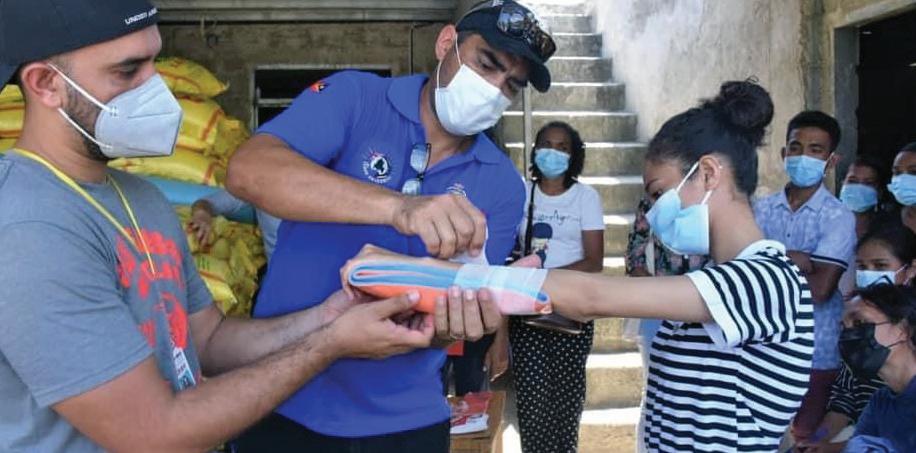
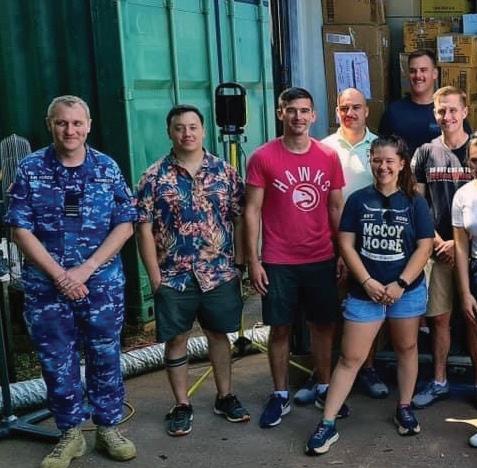
Paramedic Mark provides support in Timor-Leste
From
Queensland Ambulance Service
QAS paramedic Mark Herewini left relative safety behind to travel to natural disaster-hit Timor-Leste (TL) in April this year to help stem its growing public health crisis.
Cyclone Seroja hit Timor-Leste over Easter, bringing torrential rain causing widespread flash floods and mudslides, with its capital Dili and its surrounding low-lying areas being the worst affected.
Dili was declared a “state of calamity” on 8 April at a time when communities had been living with strict COVID-19 lockdown measures. But 46 people had died (10 missing presumed dead), 4,384 homes were badly damaged or destroyed, and 12,378 people were temporarily displaced.
The knock-on health problems meant increasing reports of epidemic diarrhoea, vomiting and fevers from water and vector borne disease, epidermal infection, cellulitis and sepsis from poor hygiene and contaminated water supplies. Poor food security saw rising malnutrition rates.
Mark said he got involved when former colleague, retired Australian Army Major and Brisbane-based Honorary Consul of the Democratic Republic of Timor-Leste Queensland, Michael Stone decided to form a humanitarian crisis assistance program and emailed veterans inviting expressions of interest about being involved.
“I put my hand up because firstly, my long relationship with TL, having spent a fair bit of time working there since 1999 serving as a Section Commander in the Australian Army and later returned with a group of INTERFET veterans in 2019,” Mark said.
“Secondly, I’d worked with Michael supporting him while serving there during civil unrest in 2007, and finally, because my current skillset as a QAS Advanced Care Paramedic meant I could provide medical support and advice to the mission.
“This time our mission was to provide immediate relief aid, raise awareness of this disaster in Australia to increase support, and to gather on-site information to help the Timor-Leste and Australian Governments plan their responses to help the affected communities,” Mark said.
A mission GoFundMe page raised more than $72,000 and private donations included a charter flight from Darwin to Dili to get the team and supplies to their destination.
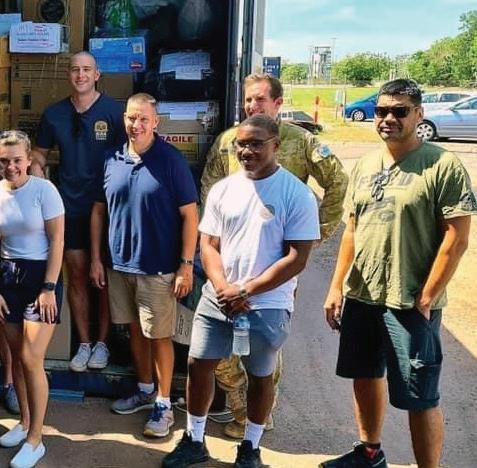
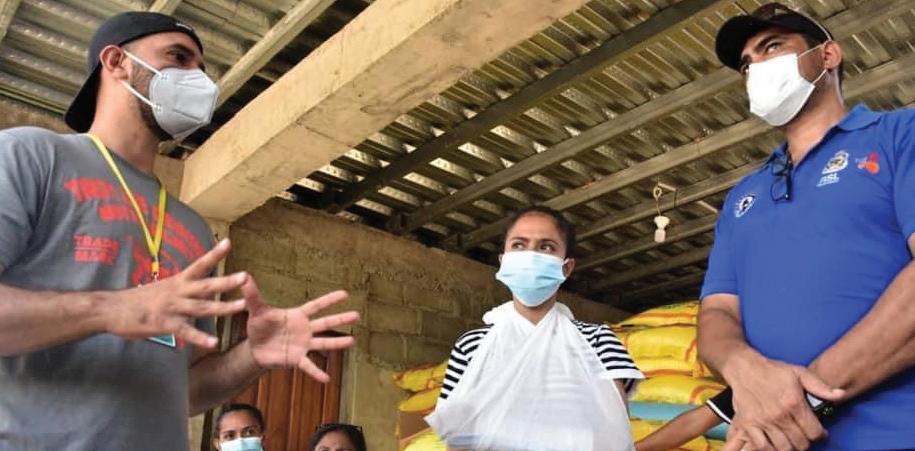
“All donations went directly to relief aid and all administration costs including transport, accommodation, meals etc were either self-funded or provided by sympathetic business owners like the Veterans Care Association and the North Gold Coast RSL Sub-Branch,” he said.
“The funds raised paid for 700kg of medical supplies, OTC medication, bedding and temporary shelters, forming the first shipment of international aid to reach TL.
“The Veterans Council received US$30,000 to provide food and essential items for communities, and medical NGO Saude Ba Ema Hotu (SABEH) received US$10,000 to provide outreach medical clinics to the most vulnerable communities during the crisis.”
Unexpected minor travel delays meant Mark spent some time observing NT Ambulance’s day and night shifts at the Casuarina Station.
“I gained valuable insight into the way the NT teams face the daily challenges of servicing remote communities with limited resources and care flight services,” Mark said. “One of the most useful tools the crews have access to is patients’ previous ambulance presentations, their medical history, medications and allergies.
“This was useful when presented with patients with ALOC due to trauma, drug or alcohol intoxication or when there was an index of suspicion for functional causes to their complaints,” he said.
Michael’s Honorary Consul status meant he arrived with the provisions eight days before Mark and an AUSMAT National Critical Care and Trauma Response Centre (NCCTRC). Mark and the AUSMAT team were the first and only international people permitted to enter TL after the natural disaster.
After completing quarantine, Mark and the other team members faced a capital city which on the surface looked unaffected.
“By that stage, most of the flooding had subsided and surprisingly, in Dili it looked like business as usual –more so than the previous month particularly as it included no mask wearing,” Mark said.
The government had lifted its COVID restrictions in response to the natural disaster for 30 days, as many people were displaced and had no shelter, food, or clean water.
“It was a completely different story when we went into the out-lying areas where we started to see the real devastation,” he said.
“There’d been significant mudslides, where sections of villages had been inundated with mud and debris.
“One of the worst affected areas in Dili was Tasitolu, or “Three Waters”, where the three flooded lakes cut the community off completely and hadn’t receded after the flooding and had to be pumped out.”
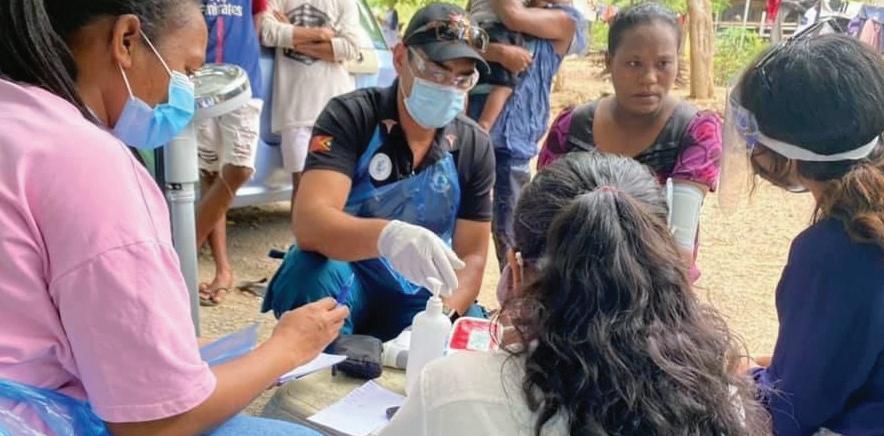
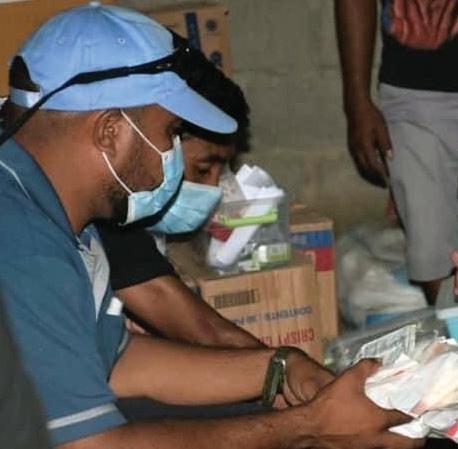
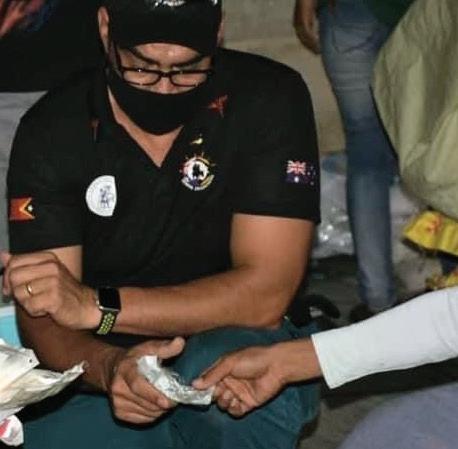
Mark said the team spent its time working initially in the community with people whose houses were inundated by landslides. Its work also included running several outreach medical clinics with volunteers from SABEH, delivering food and essential items with TL Veterans and SABEH, and providing SABEH volunteers with first aid lessons.
Mark said there was no accurate reporting of community death and illness from COVID-19 as people avoided going to hospitals or notifying officials in case they were placed in mandatory isolation.
Disease identification was also proving difficult; making it harder to predict communicable disease spread like cholera and leptospirosis.
“While officials knew the daily COVID transmission rate was increasing, it was clear the figures weren’t accurate as the only people being tested were those seeking travel permits to leave Dili.
“They estimated at least 25,000 Dili residents were COVID-positive, with few notifying officials of deaths to avoid bans on traditional ceremonies and burials,” Mark said.
“What we found was very limited laboratory testing to determine disease etiolology, respiratory or GIT infection and only severely ill people were taken to hospital,” Mark said.
“Emergency medical services had little capacity to respond to the less accessible regions and it was usually up to the SABEH volunteers to coordinate transport for the severely ill to primary healthcare facilities.
“At the outreach clinics, people were presenting with respiratory infections, diarrhoea, dermatitis and myalgia.
“Each clinic provided treatment to 80-150 patients of all ages with a professional efficiency you’d expect to see in a military triage system.
“Nursing staff triaged patients, recorded their details and noted initial vital signs before directing them to the doctors for consultation, who then wrote prescriptions for the pharmacist team to fill out. This entire process took about 15 minutes."
Meanwhile, the Veterans Council distributed the much needed supplies the team had shipped in from Darwin, while Michael purchased tools and equipment to help with building repairs and had mobilised local young people to help homeowners with the near-impossible task of clearing out mud and debris from their homes.
“One person the team helped was a Timorese veteran whose house was inundated by mudflow during a landslide, but he’d chosen instead to help others in the community (it’s a veterans’ motto –the people come first).
“Michael and the young Timorese crew worked for two weeks to get his house ready to be lived in again. He’d lost all his furnishings and personal possessions but was grateful for the assistance we’d provided making his home habitable again,” he said.
Mark and the team were able to meet with the TimorLeste Ambulance Service’s Director General who discussed the service’s structure, capabilities and future development with them.
“They have a small service comprising three stations in Dili operating four acute ambulances during the day, and two at night. The crews include a driver and an ambulance officer, both trained in Basic Life Support and at the central station they also have a doctor and a midwife on call,” he said.
“There are two doctors and two midwives in the service, and they alternate 12-hour shifts 7 days a week. The crews have limited diagnostic equipment, trauma response stores or capacity to oxygenate patients when required.
“The doctors have a limited medication supply they can administer like oral analgesia and bronchodilator metered dose inhalers. The service has two operational automated external defibrillators with the other units requiring servicing,” he said.
“While the service is in the process of developing treatment protocols and training guidelines for their officers, this will take some time to implement. We inspected one of their acute response ambulances and I’m hoping to generate some interest in a collaboration with Australian ambulance services to help them improve their service.”
Mark said the service had previously received some assistance from the Australian-funded Partnership for Human Development Health Program, but that had finished.
“As the Timorese were keen to expand their education, I was asked to conduct some lessons in first aid and basic life support,” he said. “The first lesson began as an informal lesson demonstrating how to use some of the trauma dressings brought over from Australia, but it turned into a master class on major haemorrhage control, fracture management and burns management.
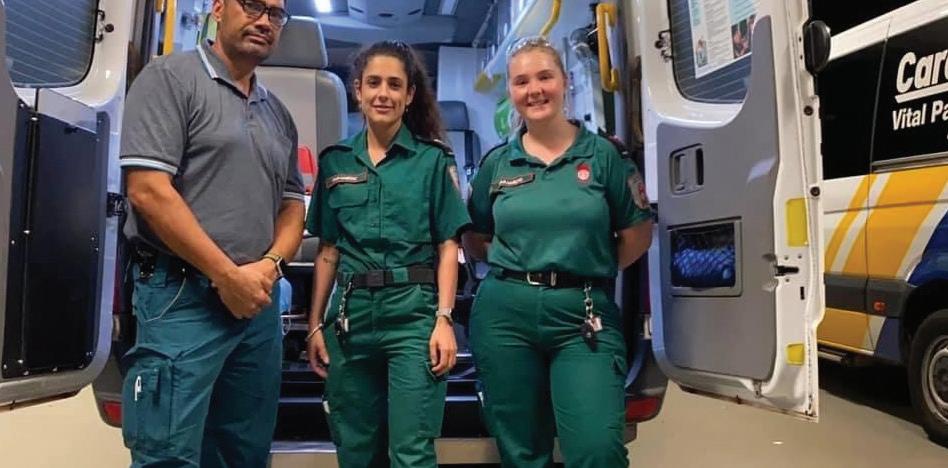
“The second lesson was a structured lesson in a classroom setting on CPR. This lesson primarily covered BLS, but, introduced some relevant ALS protocols and went into much more depth when discussing resuscitation process.
“This session also included a clinical discussion on near-drowning based on the case of a young boy the volunteers had treated at the end of their last outreach clinic who had fallen into brackish, contaminated water – thankfully he survived.
“These were excellent sessions and were really well received despite our language barriers when discussing complex medical terminology and concepts through an interpreter without a medical background.”
Mark said he has set his sights on improving his Tetum language skills to a level where he can use medical terminology.
At the end of their time in TL, the team was invited to stay at Nobel Peace Prize recipient, former Prime Minister and President of Timor-Leste, His Excellency Dr José Ramos Horta’s house.
“His Excellency was a gracious and generous host who greeted us into his home with ‘My home is your home.’ This recognition of past and present efforts to help his country far outweighs any medals, awards or accolades and I am truly thankful for his hospitality,” Mark said.
During this time, the TL government reintroduced its stay at home orders and returned to enforcing strict COVID-19 movement restrictions, its rules around wearing PPE and maintaining social distancing, as well as a campaign promoting mass COVID testing.
“This was an important response to increasing COVID-19 community transmission with 10 per cent of all those tested being positive, indicating a potential of 25,000plus positive cases in Dili alone.”
“This spike was directly linked to the flooding crisis.”
Mark returned to Australia later that month, finished his quarantine at Howard Springs and returned to South Brisbane Station before heading out to Barcaldine Station in Central West District where he’s based while studying his Masters of Rural and Remote Medicine through James Cook University.
He said despite losing time to quarantine in both countries, the mission completed its aim – to provide significant aid to help reduce people’s suffering from the crisis, and to help them get back on their feet and into the future as the nation continues to develop.
“I hope I’ll be able to continue to play a role in supporting our neighbours and friends in Timor-Leste in future,” Mark said. “The fortnight I had there served as a big reminder about just how good we’ve got it here.
“The local workers there don’t have the access to the resources we’ve got – just a whole lot of good will and they’re making the best they can out of what they’ve got.
“One thing this trip has taught me is the importance of basic human interaction – sometimes it’s not all about equipment, it can be as simple as being able to communicate with good intent – listening properly to people and being empathetic.
“It’s this positive interaction with people that can make a world of difference even if you don’t have the machines with all the bells and whistles.
“Finally, and most importantly, I’d like to thank QAS’s Assistant Commissioner Gerard Lawler and South Brisbane Station’s OICs, Jason Dutton, Mick Sweeney and Ingrid Wulfe for their advice and support for my request to join this humanitarian aid mission to TL.”
Dr Dominic Morgan
D
Dr Dominic Morgan, CEO and Commissioner of NSW Ambulance is one of those quintessential ambulance folk, who are living their paramedic life as a true lifelong profession.
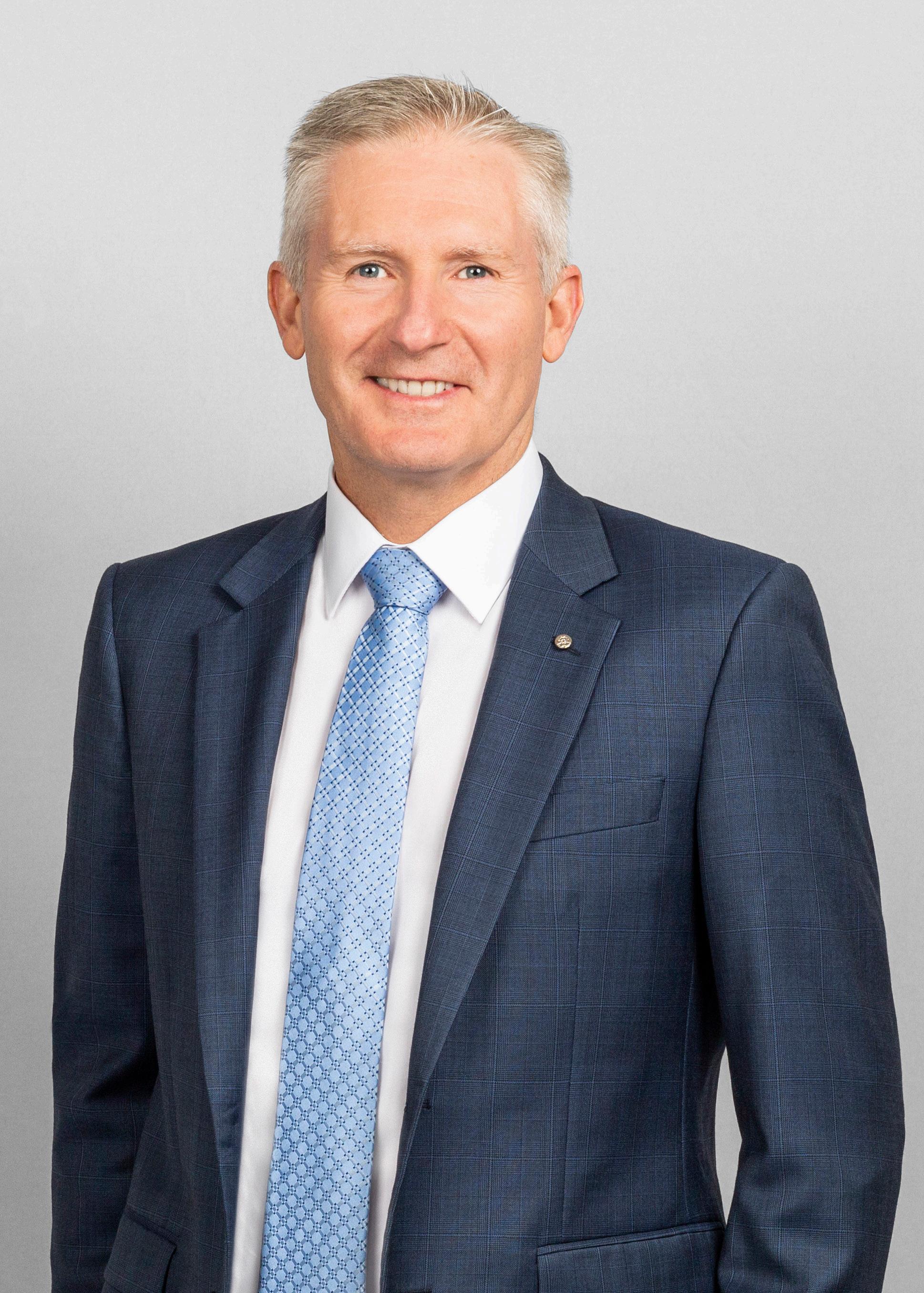
Our communities rightfully expect that care will come to them when they need it, and in a timely manner, and that it will be advanced clinical care."
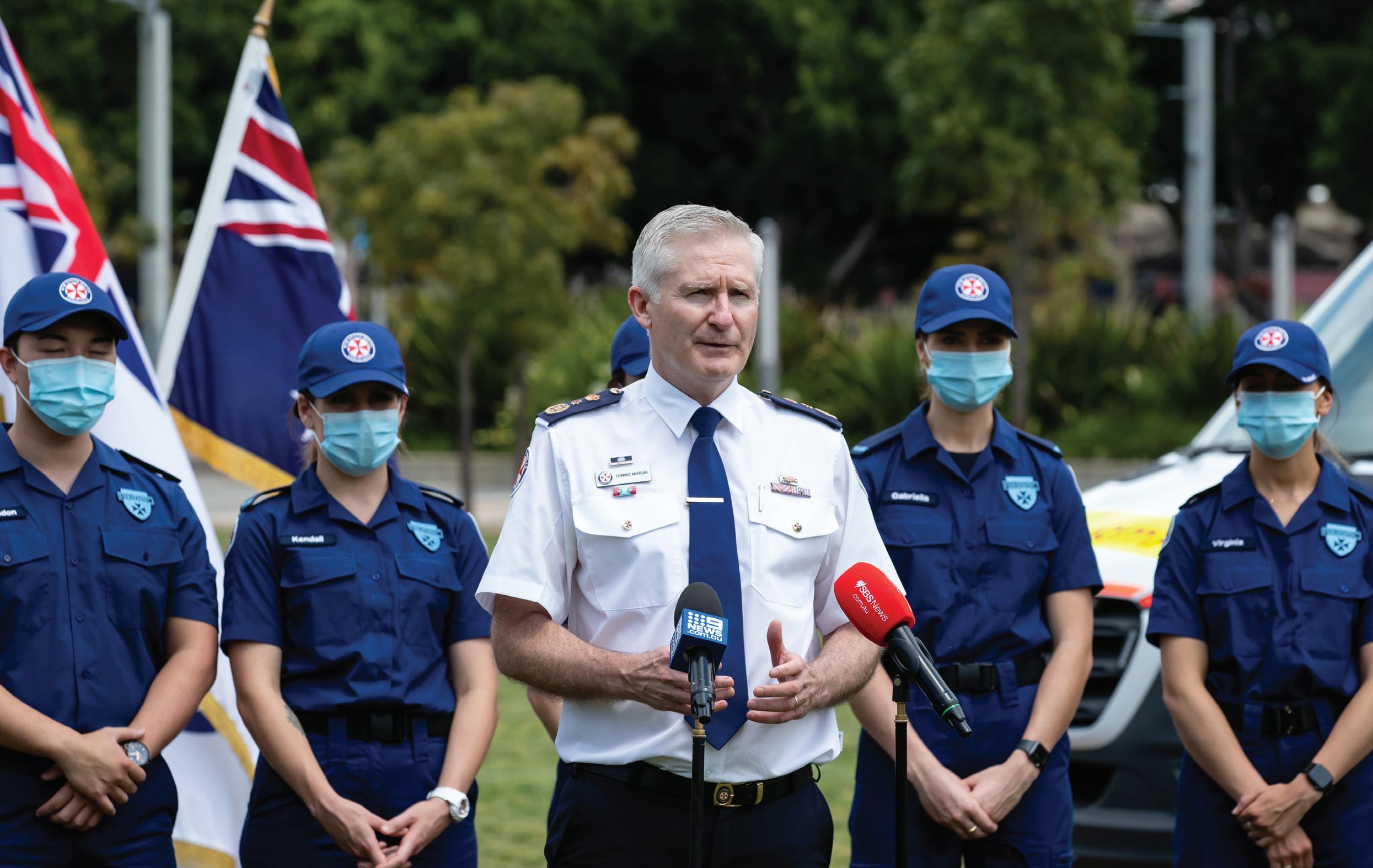
Starting as a fresh 19-year-old, Dominic joined NSW Ambulance as an ambulance officer with very little gear, and at that time very little training. This time set the fire for what is now a long and distinguished ambulance career, with no signs of stopping.
Dominic became an intensive care paramedic at 22, and quickly became a member of the NSW Ambulance Special Casualty Access team, who do all the abseiling, roping, canyoning and all that sort of stuff. Looking back now he can’t believe what an incredible operational career he has led, one he was always very serious about and knows what a privilege it was to be involved in some very memorable activities and disasters.
Dominic was a part of several major events in NSW history. This includes the Thredbo Ski Lodge collapse, and being deployed as part of NSW Ambulance response to the Tasmanian Beaconsfield mine collapse, which worked underground for eight days trying to rescue trapped miners.
After the Beaconsfield collapse, Dominic started moving into management roles and before you know it, it was 2009 and he was managing a large sector of 500 people in metropolitan Sydney. An opportunity presented itself to head to Tasmania for a CEO role with Ambulance Tasmania (AT) and the Morgan family decided to take the adventure and relocate. They ended up staying there for almost seven years.
Dominic describes his time with AT as a very enjoyable time, with a great team, in a wonderful service, in an iconic place.
Albeit comparatively small, AT still needed the same level of support and infrastructure that all the big services do.
“The staff of AT always punched above their weight, delivering great outcomes to their communities through sheer determination and commitment,” he said.
Returning to NSW Ambulance after six-and-a-half years was a great opportunity to see the organisation through fresh eyes. There was increasing evidence nationally for dedicated mental health and wellbeing programmes and NSW Ambulance were successful in securing a $30 million government investment to better support paramedics, and its program is now world-class.
Recently NSW Ambulance launched its next fiveyear Strategic Plan with a bright future that leverages off its ability to be at the coal face of health service delivery, and increasingly redirect patients away from unnecessary Emergency Department attendance and towards more appropriate care.
We spoke to Dominic about his time with CAA. For almost 13 years he has sat on the CAA Board and been a part of growing and shaping both the CAA and Australian and New Zealand ambulance sectors.
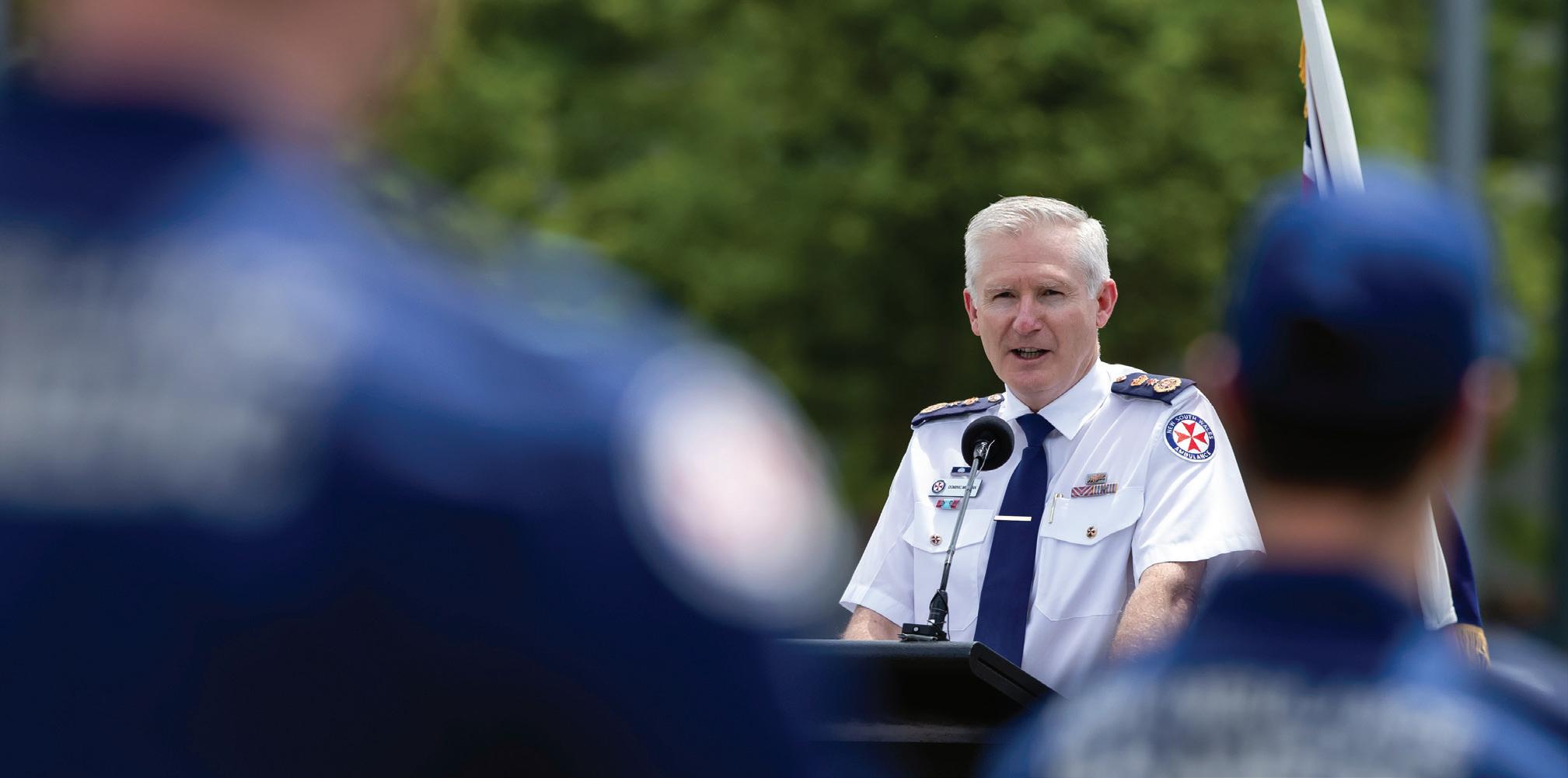

F. You have been a part of CAA for over a decade, a part of the CAA Board with your roles as the CEO of Ambulance Tasmania first and now as the Commissioner of NSW Ambulance. Can you share with us your experience of CAA and why you are still very engaged in CAA’s work?

29th June 2009 was when I went to Tasmania as the Chief. One of the things you don’t necessarily consider first is that even smaller jurisdictions need the same depth of infrastructure as the larger ones, you just don’t have the same number of people to do it. Every manager in Tassie had to wear many hats and they had a lot of responsibility. What I found was you really must rely on the relationships that you have with your colleagues across the country to deliver the same things that the bigger services do, almost without effort and seemingly endless resources.
The CAA was absolutely critical for me in being able to get access to a lot of the really rich intellectual property that all the other CAA member services have and lean into the wonderful collegiality across Australian states and territories and with our New Zealand colleagues. It was always a ‘whatever you need’ response from our partners. The CAA created a great opportunity for Tasmania to benefit from having access to a national and international organisation and all its members.
F. Now you are on the other side, you are one of the big services, do you feel like you have a bit of responsibility to give back?
I don't feel a little bit of responsibility, I feel a lot of responsibility. There have been numerous times where things have popped up and other jurisdictions have asked for assistance. The way I see it, it is the same game, just a different organisation.
I hope NSW Ambulance has a strong reputation for sharing when jurisdictions ask for help.
The other thing that is great across the ambulance sector (and it's quite unique when I talk to other sectors and other emergency services) is there is a strong level of connection, sharing and inter-cooperation that all states and territories have and that is reciprocated across the ditch in New Zealand.
F. With CAA being around for almost 60 years do you feel that CAA has contributed to this collegiality?
The CAA provides the opportunity for now three countries’ CEOs (with the re-joining of Papua New Guinea) to come together and actually speak regularly about common issues. It's this personal rapport and interaction which every chief in Australia, New Zealand and PNG really values about the CAA.
On any given day of the week, I can be corresponding with other jurisdictions, whether it would be Tony Walker as the new chair of CAA, or last week when I was talking to Judith Barker from St John NT at the same time I got an email from Peter Bradley from St John NZ. These are the connections that happen as if they're your peers in the next room not in another country.
I think this is really useful and it's a real demonstration of the maturity that CAA has developed over the years. The fact that the entire CAA leadership group really promotes collegiality, and this then gets percolated through our organisations, reflects the values of CAA which helps guide the member services as well.
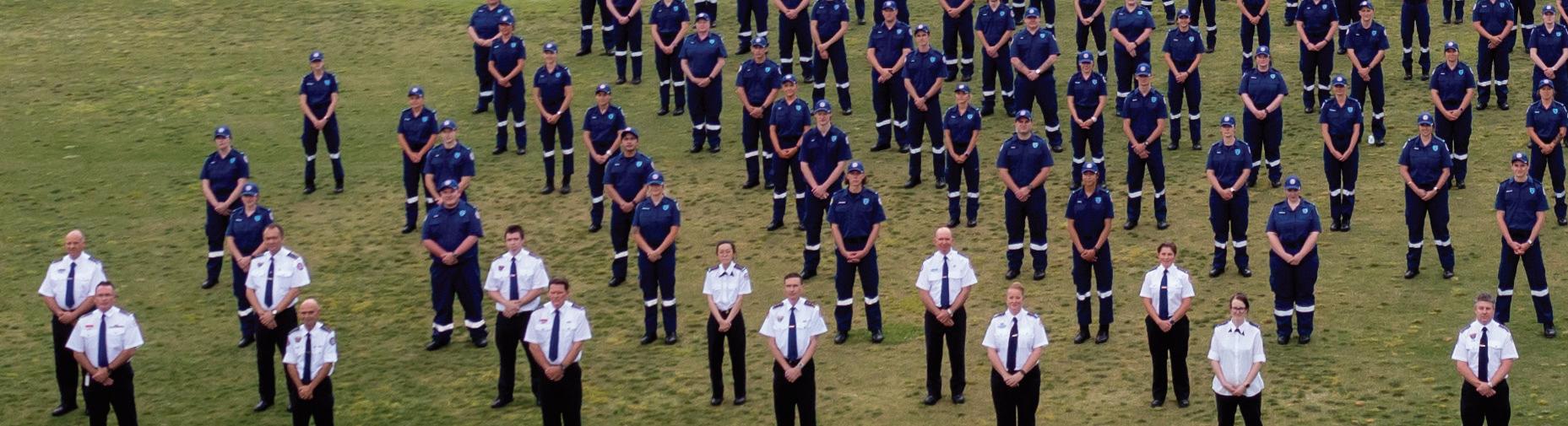
F. CAA has had great relationships with a number of EMS partners/services globally, how does that help the ambulance sector in our parts of the world?
Well look, one of the things I learned on the last trip that David Waters and I took to North America, for the Paramedics Chief of Canada conference, is that the challenges of service delivery over there are probably about five years ahead of many of the pressures that we have in Australia and New Zealand. They are doing some really clever things, but are not doing them quite on scale because of the size of many of the individual services.
Whereas in Australia our opportunity to do these initiatives on scale is unparalleled. Our new fiveyear Strategic Plan for NSW Ambulance has at its centre the NSW Virtual Clinical Care Centre and that was directly taken from the knowledge that I gained out of Canada and brought to NSW.
We know that the new Virtual Clinical Care Centre is going to be the biggest thing that we do in the next five years across NSW, and without CAA or the connections from the Paramedics Chief of Canada conference, we wouldn’t have had the opportunity to implement it.
F. You have been Deputy-Chair and then Chair of CAA for the last four years and have been involved with CAA for almost 13 years. How have you seen the change in CAA over the last decade and where do you see CAA in 5-10 years?
Back in 2009 when I first started working with CAA, it was a fabulous organisation for sharing operational knowledge and the heartbeat of our services. CAA was coming out with how we were designing vehicles, how we are setting up clinical programmes, and how to achieve national registration for paramedics. It was still a very tactical time though.
When I roll the clock forward to now and look through the CAA Strategic Plan, it is obvious that it is stepping into its true purpose as a leadership organisation that works on many social issues that go to the heart of the structure of the ambulance service and sector.
When I think about important issues like diversity and the role of women in ambulance service leadership helping to deliver community reflective services, the CAA has taken a key role in promoting and recognising the contribution of women in our organisations. While nearly every ambulance service is 50-50 when it comes to on road staff, our rates of employment of women into senior leadership roles, particularly operational management, have generally a long way to go.
When you look at our role in climate change, CAA and ambulance services are taking a lead role in sustainability. Many of the services, whether publicly announced or not, are internally working on achieving their own net zero goals. This bodes well for the future and shows strong social stewardship as a sector.
When I reflect on what the future will look like, I can see our ambulance services are evolving so rapidly. I think the notion of ambulance services as a van that drive people to hospital has long been overtaken and now it’s all about paramedicine.
Registration of paramedics and their recognition as autonomous healthcare practitioners in their own right really brings paramedicine to the forefront and shows the legitimate role of paramedicine within the broader health system.
I believe the CAA is exceptionally well placed to lead this broader conversation, not just with the state government but also with the federal government about what is the legitimate role of paramedicine within our countries.
As an industry we must get much more sophisticated in how we position ourselves as part of a health workforce to work together and complement each other and meet the needs of the community. Our role is changing all the time and I think that is where CAA can take a big step forward over the next five years; certainly, I know that is something that my successor, CAA Chair Tony Walker is very keen to work on as well.
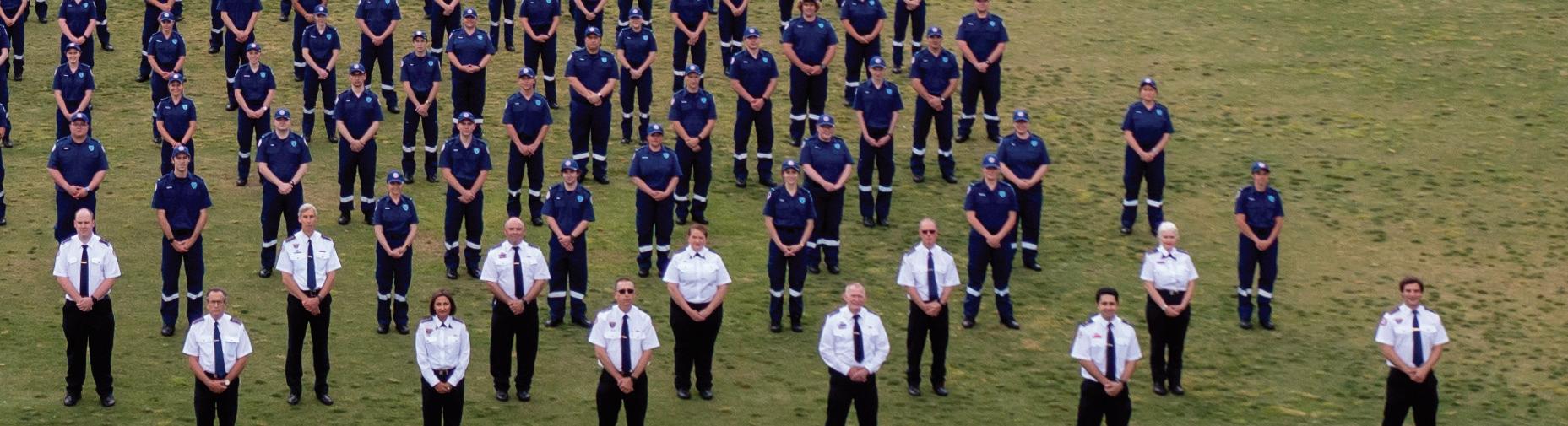
F. What challenges do you see for the ambulance sector in the coming five years?
There is no doubt, one of the biggest challenges is that people who work in ambulance services readily see the opportunities that paramedicine can deliver for the entire health system. I think the challenge is to get people who haven’t worked with ambulance services to appreciate what an important community asset paramedicine can be.
There is absolutely no doubt the ambulance sector within a broader health portfolio is comparatively small. In most jurisdictions ambulance services are still only about five per cent of the size of health systems, and so we have to work twice as hard to ensure that we get the appropriate resourcing that is necessary to run a modern EMS system. Our communities rightfully expect that care will come to them when they need it, and in a timely manner, and that it will be advanced clinical care.
The days of loading someone up and driving them to another location for care to happen there, they are gone. And it is on the ambulance leadership who need to articulate that argument and ensure appropriate resourcing for ambulance services.
F. And what opportunities and developments do you foresee?
There is fertile ground in medical innovation in the out of hospital care sector. Whether that be stroke care and clot retrieval, or research and technology moving towards things like out of hospital ECMO and mechanical CPR as a standard care bundle for treatment.
It's great seeing a lot of services now actively engaged in out of hospital research. I believe this will just grow as we establish a greater role in the research space, which will increasingly assist us in articulating the case for further funding for ambulance services to be doing even more incredible lifesaving interventions outside of the traditional hospital environment.
F. After the past two incredibly challenging years, raging fires in 2019-20 summer and now the COVID pandemic, work and life have been busy to put it mildly, what is next on the cards for you personally?
I'd love a holiday.
Yes, from November 2019 we went from drought, then the NSW bushfires, then straight into the floods and then subsequently COVID and now back into floods! We have a lot of people that worked very hard right across Australia and New Zealand, so it’s time everyone took a break if at all possible. I think that’s really important for your resilience and wellbeing.
I was thinking that for the first time in our history we have had multiple incident management teams running at the same time for the last two years consecutively. That is unprecedented in the history of ambulance services.
At some point I might like a break. I think that is the answer to your question. So a nice holiday, where I will sit back and reflect over the last two years, on the workforce and their commitment, along with decisions taken and how they worked out, before I then look forward to the next set of challenges and meeting them head-on.
Industry Events
To say that a great deal happened in 2021 is an understatement. The time has flown and looking back to January seems like a lifetime ago, especially when considering in only a few weeks we'll be celebrating the season’s greetings.
to elevate the pre-hospital sector.
CAA Congress: 11-13 August, 2022
International Convention Centre, Sydney
Tickets available February 1st Follow CAA social media channels for Congress updates
2021 has been a rollercoaster ride in more areas than just events due to the COVID-19 pandemic, with most member services sitting under various restriction levels.
As we left 2020, one of the most bizarre and challenging years for many to date, we entered 2021 with direction and precedent on how to navigate a global pandemic. CAA remained determined to facilitate a variety of events, and this year saw CAA thinking outside the box to continue to host events that would bring the pre-hospital sector together.
CAA got creative and hosted events to inspire collaboration amongst the pre-hospital sector that would continue to support and highlight ground-breaking news, milestone achievements and innovative programs. Join us as we go back to the beginning, and take a look at the exciting, didactic, and innovative CAA events that unfolded during 2021.
Women in Ambulance
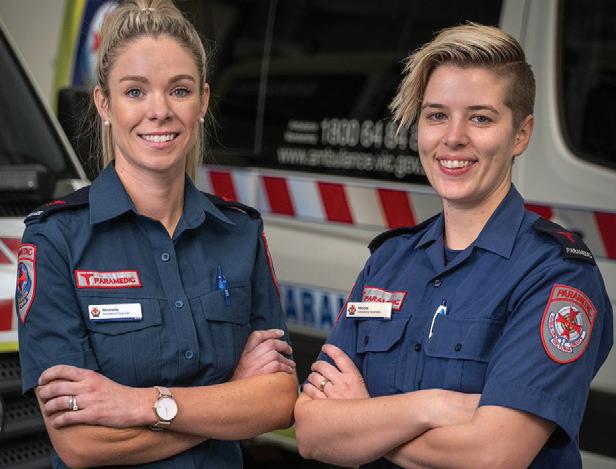
2021 saw the second year of the Council of Ambulance Authorities' much anticipated Women in Ambulance Awards. The campaign is designed to highlight successful and hardworking women in ambulance services across Australia, New Zealand and Papua New Guinea.
This year the CAA Women in Ambulance Awards recognised 60 women who have been awarded as CAA Women in Ambulance Honour Recipients for their work and career progression and are being championed as role models to the rest of the workforce.
Services held internal celebratory events where the Honour Recipients were announced and awarded their certificate, lapel pin and invitation to Women in Leadership Forum in 2022.
Take 5 for Hand Hygiene
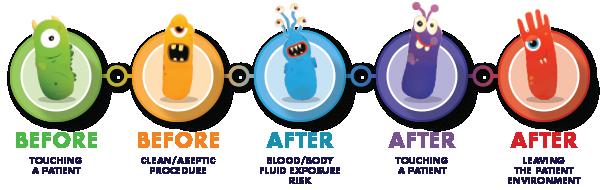
Take Five for Hand Hygiene is an annual campaign created by the Council of Ambulance Authorities to highlight the importance of hand hygiene during paramedic's time with patients. Two digital events were attached to the campaign this year.
A good practice hand hygiene video was released on CAA Youtube highlighting 5 key hand hygiene moments when dealing with patients and importantly, when compared with last year’s video, highlights the dangers of overreliance of gloves.
A special extended webinar event was also released as part of the campaign on the topic of Infection Control Post Pandemic. This webinar featured Peter Collignon, Edward Johnson and Mark Reggers and ran for 3 hours.
Sustainable Ambulance and World Environment Day
June brings a month-long focus on sustainability with the Sustainable Ambulance campaign.
The theme of World Environment Day in 2021 was ‘Reimagine. Recreate, and Restore.’ CAA launched the CEOs planting trees initiative to move in line with World Environment Day’s theme by addressing that whilst we cannot turn back time, we can grow trees and think of new and creative ways to encourage behaviour that acts to restore the environment. CAA provided each member service with a native tree to plant as a part of the initiative and photos were shared on social media.
CAA is committed to supporting the ambulance sector to work towards a more sustainable future.

Restart a Heart Day
This year, we endeavoured to reach and educate as many people on CPR and AED use than ever before. Rather than solely supplying facts, we aspired to change attitudes to CPR by increasing awareness of the seriousness of out-of-hospital cardiac arrest at a community level. We released the inaugural #9for9 Challenge, collaborated with other emergency service departments from around Australia, and had 172,235 views across social media platforms. For more information on CAA Restart a Heart Day events, flip this magazine over and check out the Restart a Heart Day special!
Me First
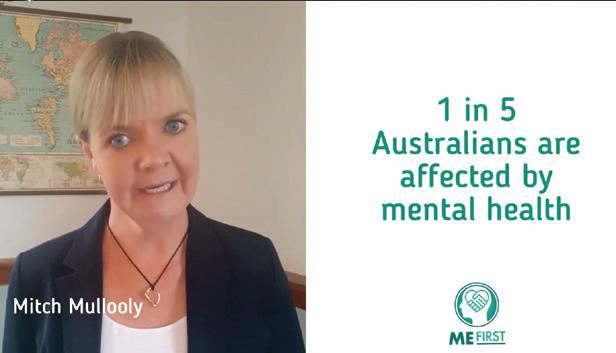
1 in 5 Australian's are affected by mental health, yet many don't seek help because of stigma. Working on the frontline and tasked with looking after our community ambulance workers can feel they need to hold strong for others and fail to look after their own mental health and wellbeing.
Me First works to break the stigma around mental health and to provide guidance and opportunities to our members to support them in looking after their teams.
As a part of this important event for 2021, CAA worked with Mitch Mullooly to produce materials on a range of topics pertaining to mental health and self-care. Social posts with various tips were posted alongside an informative video. Discussions and planning of an exciting potential podcast in the new year were also undertaken.
Virtual Expo
June 22 – 24 saw the CAA Virtual Expo bringing together our industry, sharing new innovations, technologies, programs and connecting with the sector. Enter a world-class Virtual Expo delivered on a custom-built online platform offering specialised halls with exhibition booths to explore. Ambulance services across Australia and New Zealand, various medical companies and associations all joined the Expo, sharing their latest news, developments, research, project and technology in creating a wonderful three days of networking and exploring new advances in the ambulance sector.
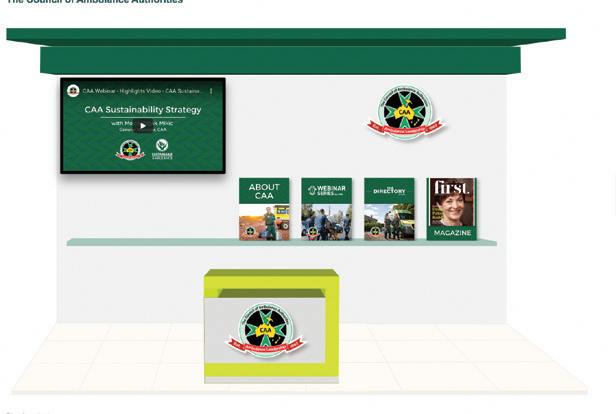
Virtual Expo showcased three halls: Education, Equipment and Technology, and Ambulance Services. The Ambulance Services Hall offered a valuable opportunity for those in the ambulance industry to come and learn more about CAA’s member services and organisations working in the pre-hospital sector.
Events First
Awards for Excellence
The Awards for Excellence have been run by the Council of Ambulance Authorities for over 10 years with the aim to recognise the hard and innovative work of member ambulance services from Australia, New Zealand and Papua New Guinea. The awards are designed to encourage innovation and to enable services to share their work and learn from each other.
This year the Awards Ceremony followed the same trajectory as many other events and was converted into a digital event for 2021. On 17 November, we invited all member services to pour a glass of bubbly, get glammed up, and celebrate with us, as we announced the CAA2021 Awards for Excellence Category Winners and Star Award Winner. The virtual event featured various persons of significance in the pre-hospital sector in black-tie attire with a glass of champagne in hand, ready to recognise excellence and achievements paramount to the pre-hospital sector. Member services truly got into the celebratory spirit of the day with mini events being held internally. The Awards Ceremony showed a true passion for collaboration globally within the pre-hospital sector.
Congratulations to Queensland Ambulance Service for walking away with the esteemed Star Award!
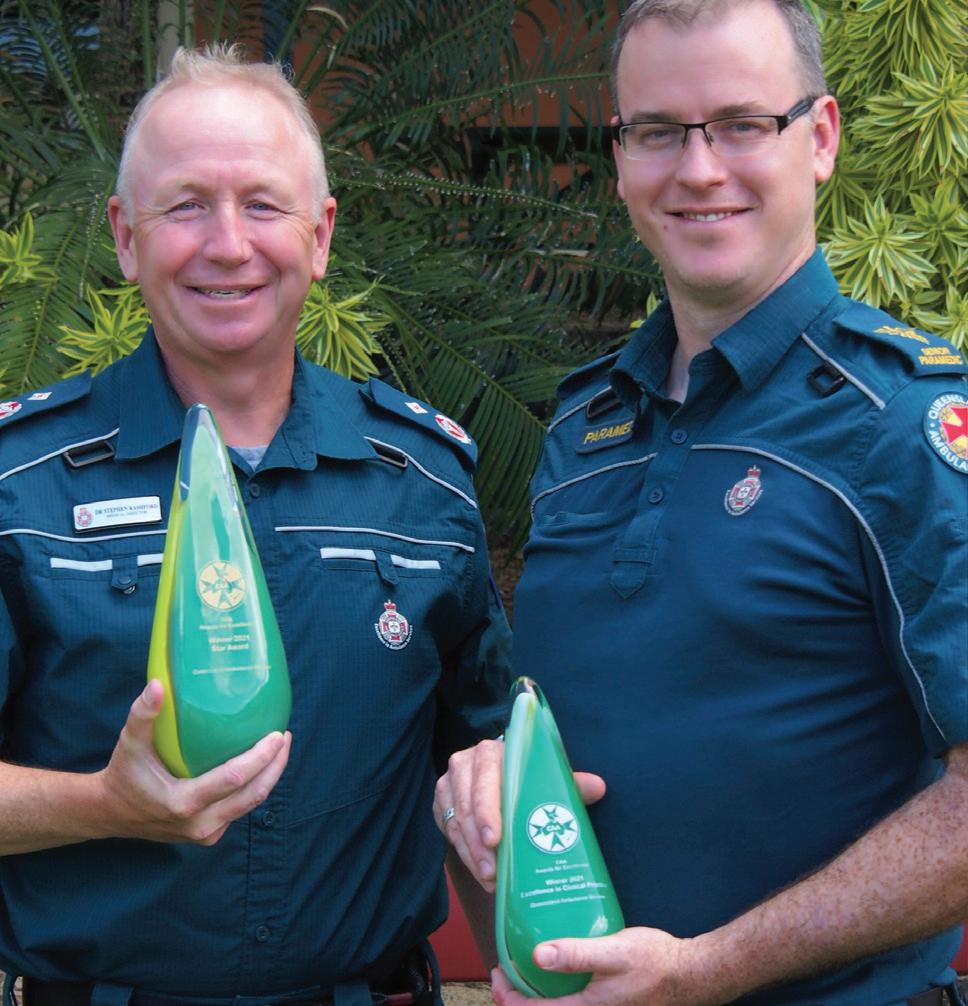
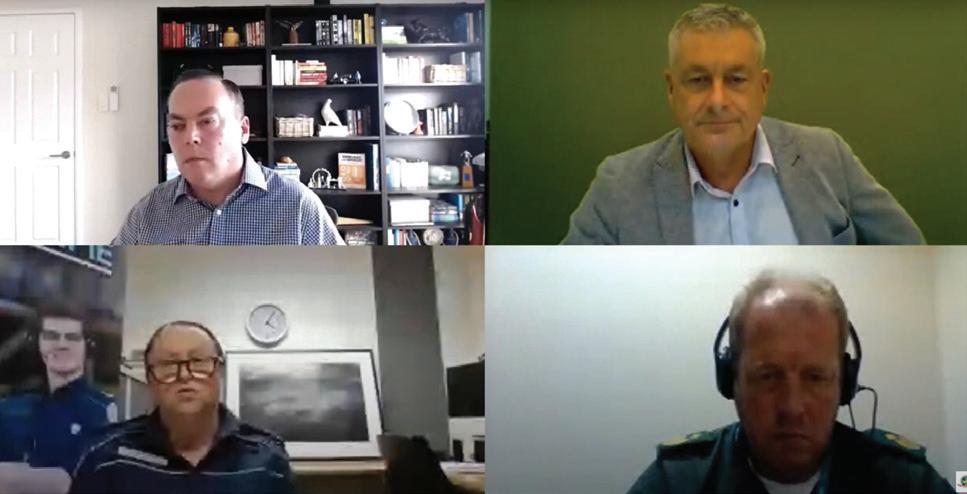
Webinars
The CAA webinars were originally devised to fill a gap caused by COVID-19 restrictions but due to their success, were made a permanent initiative of the CAA. We explored a range of topics this year, with all webinars being presented by enthusiastic and expert presenters. All Webinar recordings can be viewed through the CAA Youtube Channel:
January - One year on from the NZ Whakaari/White Island Eruption, Tony Smith
February- Cyber Security, Dan Weis
March - Women in Leadership Panel, Judith Barker, Georgeina Whelan, Shelly Coughran
April - The Future of Stroke in Pre-Hospital Care, Damien Easton
May- Special Extender Webinar: Infection Control Post Pandemic, Mark Reggers, Peter Collignon, Ed Johnson
May- Scientific & Regional Resuscitation Updates
June - Sustainable Ambulance, Alexis Percival
August - Mechanical Ventilation, Dr Muir Wallace, Dr Rosemary St. Clergy
August - Update of AHA/ERC CPR Guidelines, Dr Benjamin Abella
September - Connecting Clinicians and Data to Support Patient Outcomes, Samantha Allender, James Wetherall, Mark Ainsworth
October - Mastering Operation of Mechanical Chest Compression During CPR, Lars Wik
November - Public Access Defibrillation: Impact on Patients, Karen Smith
December - High Performance CPR- An insider Story, Mike Helbock








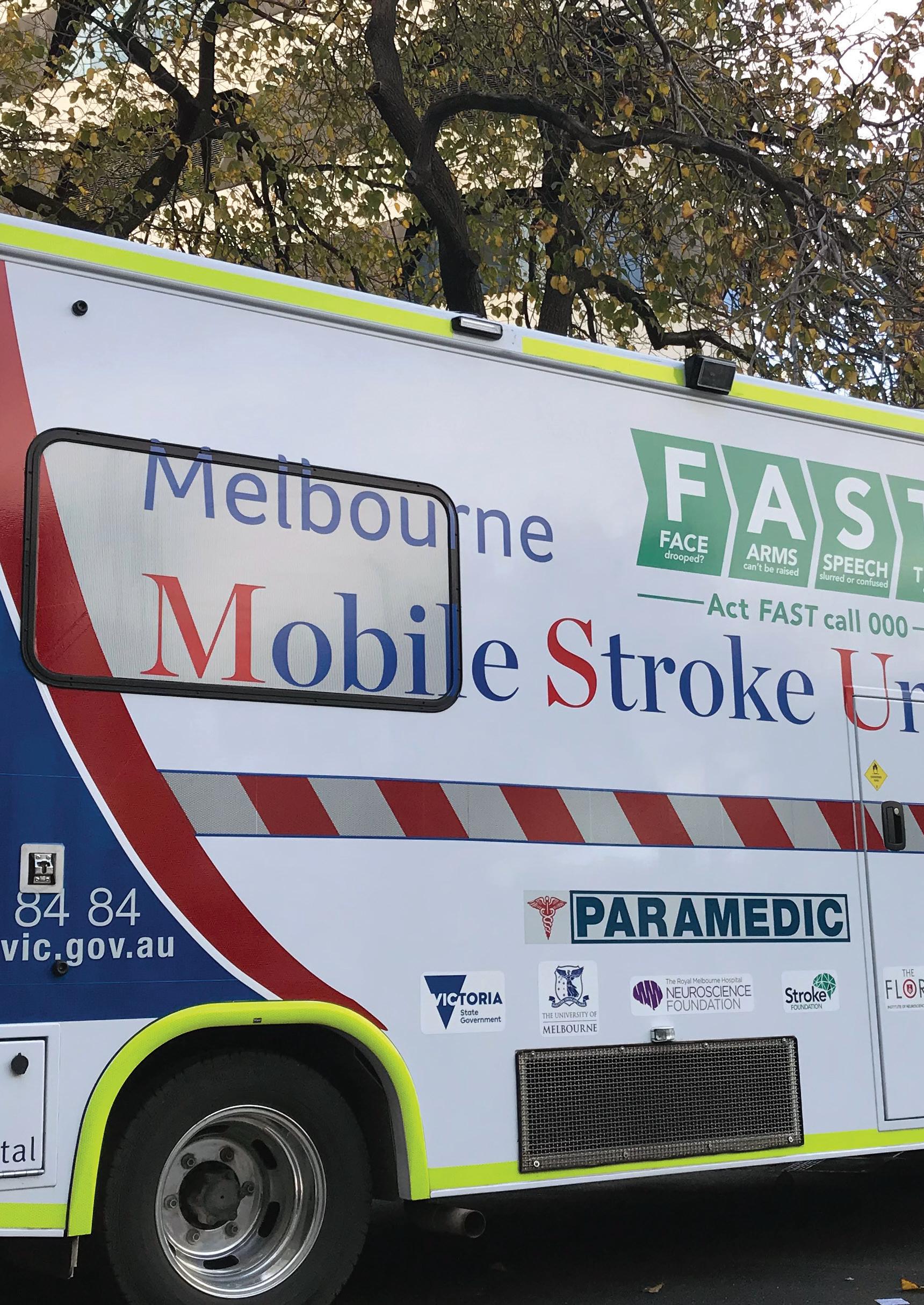
“Our mission of this group is to reduce the global burden of stroke with a special focus in prehospital stroke care”
The World Stroke Organisation Taskforce for Prehospital Care
The World Stroke Organisation Task Force for Prehospital Care (WSOPTC) aims to develop novel stroke awareness tools and provide education and educational materials and create a global network to support particularly low and middle income countries to develop better coordinated and more effective immediate stroke care.
The mission of this group is to reduce the global burden of stroke with a special focus in prehospital stroke care.
The WSOPTC work with the Coalition of Special Taskforces to improve stroke awareness on a global scale and optimize stroke prehospital care.
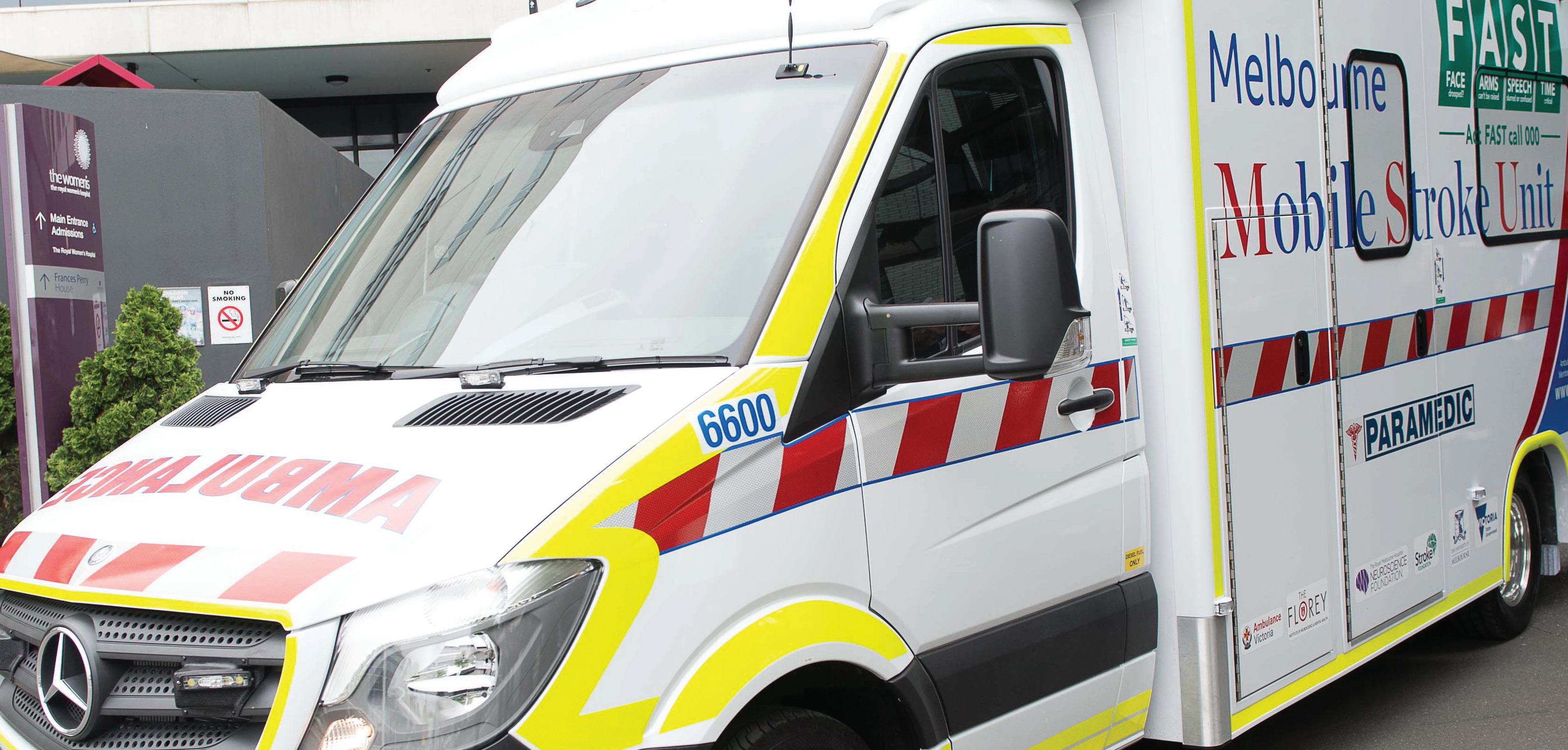
These goals are aligned with those of the overall mission of the WSO and include:
• To improve physicians’ awareness and their ability to involve in stroke prehospital care and stroke prevention.
• To enhance the education of physicians and other health care workers on how to effectively improve stroke awareness using novel tools.
• To create and enhance a research network for large, global, collaborative research projects focused on prehospital stroke care.
• To establish standard protocols for stroke prehospital care.
• To advocate for funding and to offer opportunities for improving research in the field of stroke prehospital care and stroke awareness improvement.
• To identify and support regional leaders to implement stroke awareness programs effectively.
Recent Activities and Achievements
The current board members of WSPOTC have been active in improving stroke awareness. The Taskforce’s recent activities led by key members of WSOTPC have aided in shaping the landscape of Stroke in healthcare.
The widely used stroke awareness strategy of “FAST” was created by one of the founding members. This strategy has now been adapted to stroke 120 used in China and stroke 112 to be promoted in countries and regions where 112 is used as an emergency phone number.
Two members of the board were key members of the Utstein group that developed and published a blueprint for improving internationally the management of stroke in the pre-hospital and emergency department, taking lessons from the very successful programmes designed to improve the emergency management of cardiac arrest and myocardial infarction.
The Taskforce have also played host to a number of international symposiums focusing on stroke prehospital care since 2017. They have also successfully organized a symposium on stroke prehospital care at the annual meeting of WSO in 2019. Some of the key members of the proposed WSOTPC have secured significant funding to improve stroke awareness in their region.
Key taskforce members of WSOTPC
Tony Rudd, Chair (King’s College, England)
Renyu Liu, Associate Chair (University of Pennsylvania, USA)
Zhao Jing, Associate Chair (Fudan University, China)
Gary Ford, Director (Oxford University, England)
David Waters, Director (Ambulance New Zealand, New Zealand), CEO of The Council of Ambulance Authorities (Australasia)
Marc Fisher, Director (Harvard University, USA)
Li Dou, Director (Beijing Emergency Medical Center, China)
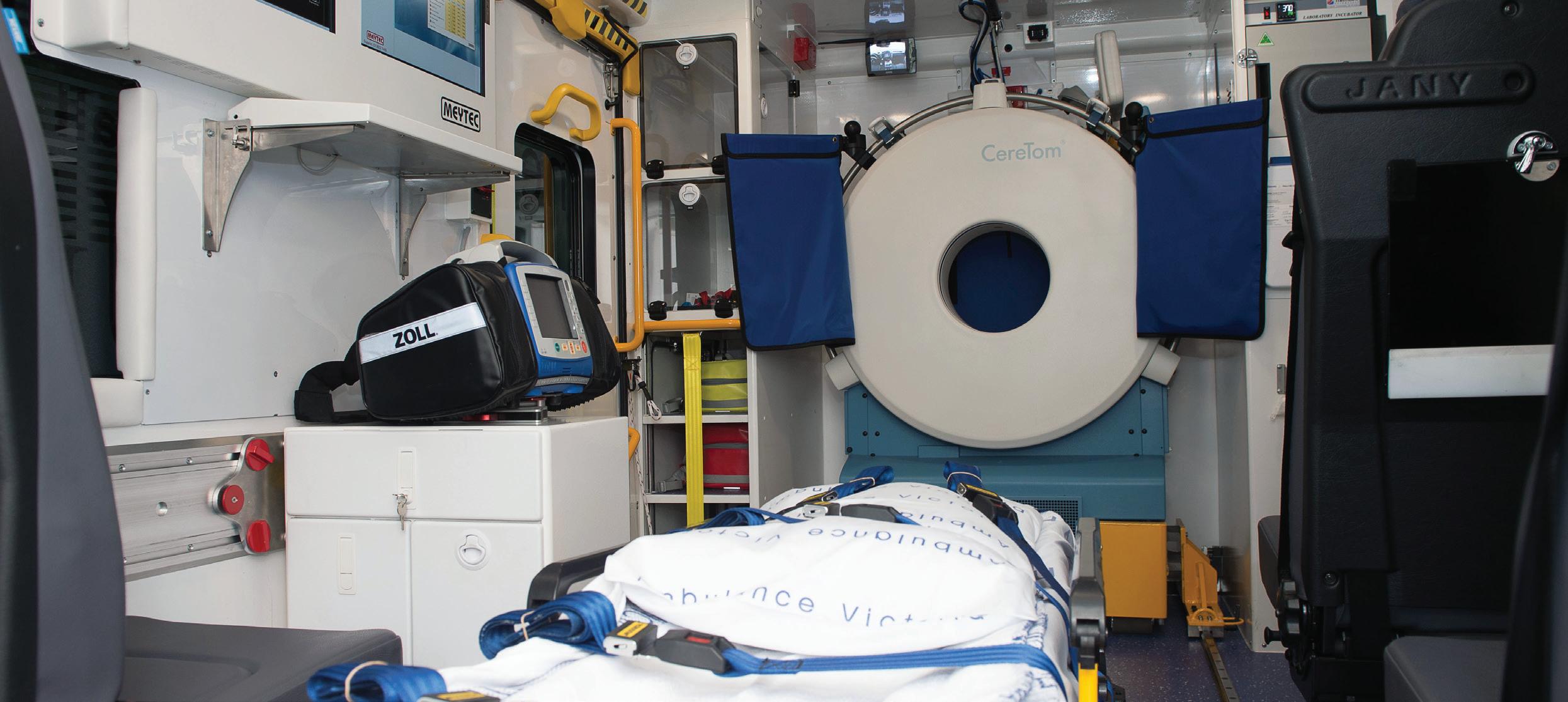
Proposed future projects
• During November 2021 WSOTPC hosted a virtual international symposium focusing on stroke prehospital care and stroke awareness improvement. This is the fifth year that they have hosted the symposium and attendance exceeded 330,000 viewers. David Waters’ presentation highlighted the Australian Stroke Alliance "Golden Hour” project and the stroke imaging innovations being developed for Australian and New Zealand ambulance services.
• WSOTPC are also producing a one-minute video based on stroke 112 strategy for Nigeria, and are translating the video into some of the most commonly used local languages (Yoruba, Igba, Hausa and Calabar) in Nigeria. They are planning to release a video on October 30, 2021 with the support from WSO by hosting the video on the official website of WSO. They will then promote the video and related strategies in Nigeria and study the impact of such effort. They have collaborators in Nigeria working in the media who will help support dissemination of the materials.
• They are developing links with the African Stroke Association and using these would like to build similar links with other countries in sub-Saharan Africa to produce and disseminate stroke awareness materials.
• They will continue our successful effort in China through the stroke 120 special task force to improve stroke awareness in China. They have more than 20,000 active members (namely stroke 120 warriors) promoting stroke awareness across country. More than 15,000 major hospitals across China have joined our efforts. The impact of the program is significant. The successful approach used in China by WSOTPC could potentially introduce to other countries and regions with proper adaptation to the culture and language there.
• Planning the infrastructure to improve the quality of specialist stroke care in the prehospital phase will be key to improving outcomes. They would work with healthcare policy experts, emergency medical services and stroke specialists to develop tools to support quality improvements.
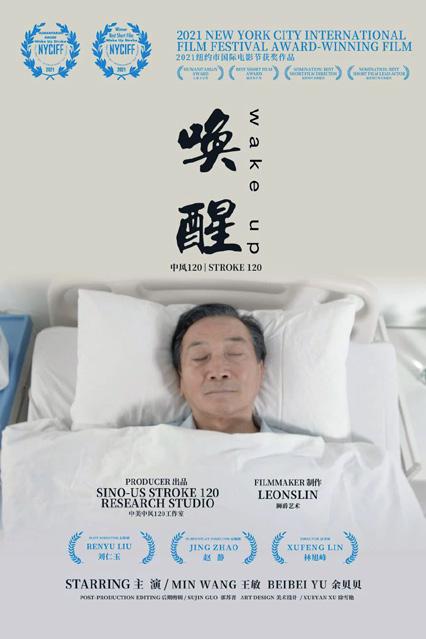
• They are also planning our documentary by telling the true story of real-life stroke to improve the world stroke and the importance of immediate action.
To improve the effectiveness of education, they also use movies and short videos to educate people in the public how to recognize stroke immediately and act immediately. As an example, Wakeup Stroke 120, their newly produced short movie, received four nominations at the 2021 New York City International Film Festival (NYCIFF). These nominations include best short film, best short film leading actor, best short film director, and humanitarian awards. They won the humanitarian award and the best short film. This triggered a wave of news reports both in China and in the United States in May 2021. Such news reports have been very useful in helping them in promoting stroke awareness. The movie poster was selected as the cover image of the CNS Neuroscience and Therapeutics along with an editorial commentary.
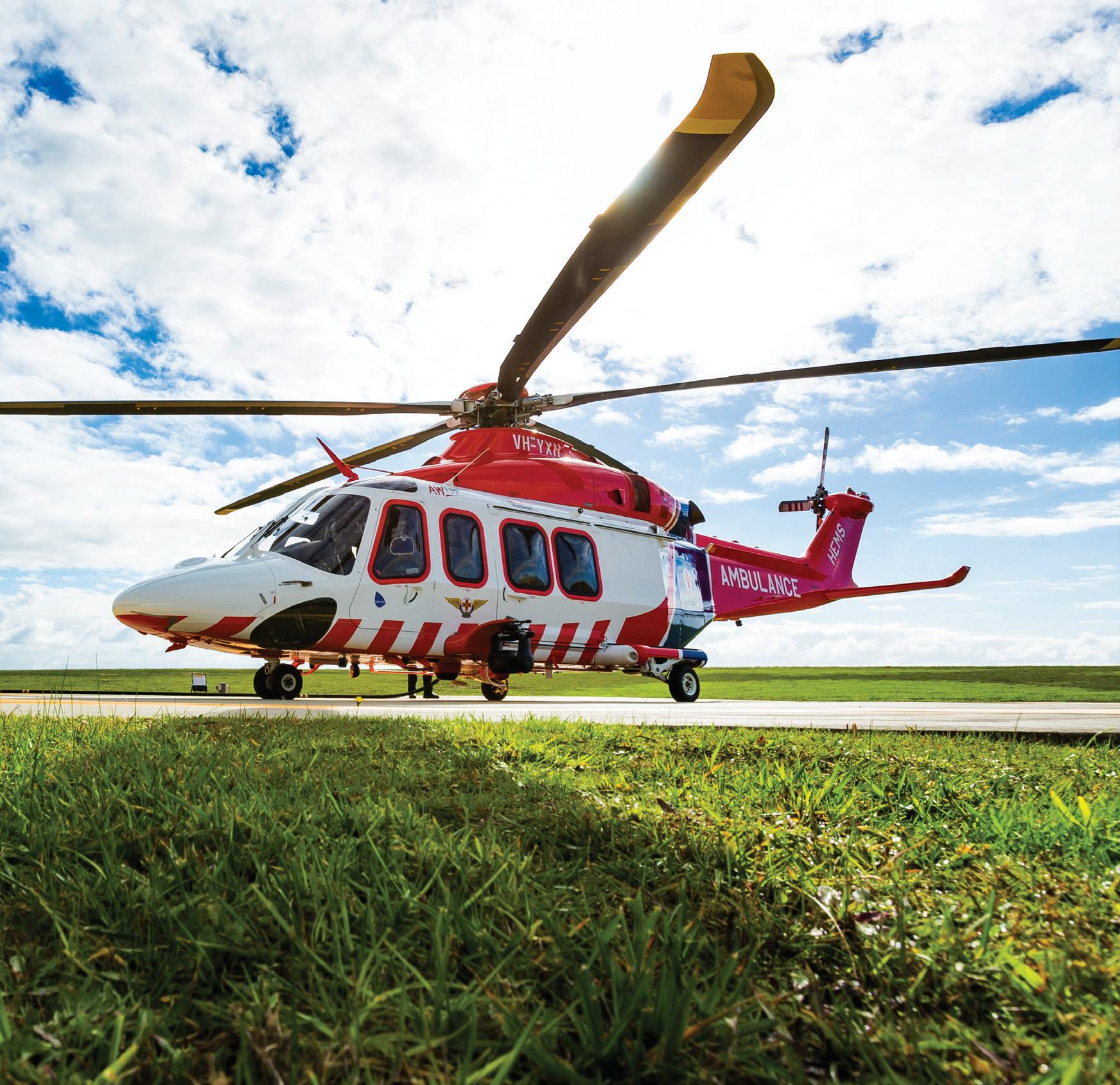
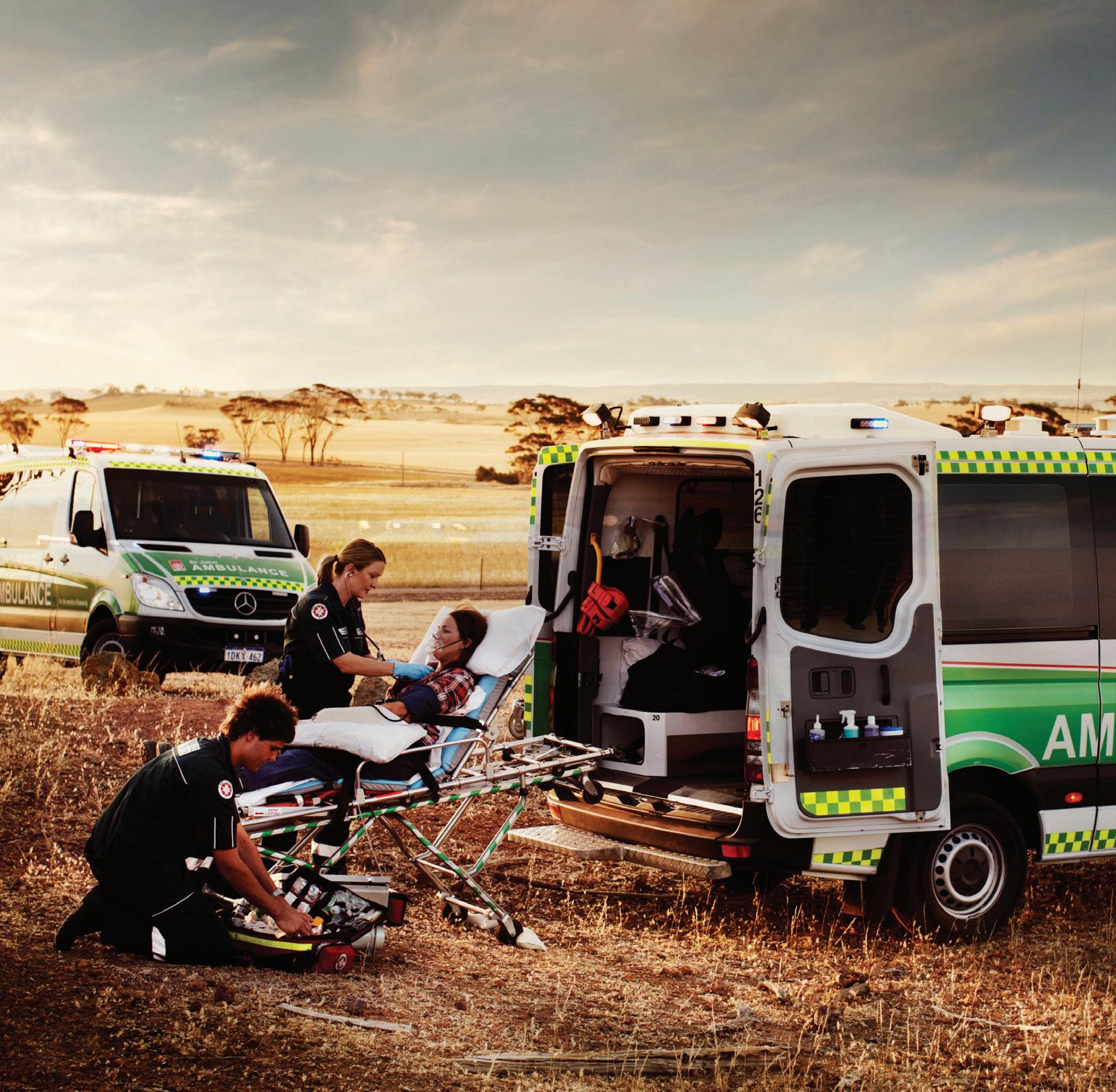
Trauma on the Border
18 March 2022 – Face-to-face & online
Twin Towns Services Club, Tweed Heads, NSW
Find out more paramedics.org/events/TotB2022
The Australasian Council of Paramedicine Deans
Chair: Dr Paul Simpson, Western Sydney University Deputy Chair: Mr David Reid, Edith Cowen University
In 2019, Australasian paramedicine celebrated 25 years since the commencement of the first tertiary paramedicine education program.
Over that quarter of a century, the tertiary sector has expanded to consist of twenty Universities offering entry-to-practice paramedicine programs at the undergraduate and postgraduate level as of 2021. Concurrent to this expansion has been the growth of research resulting in a rapidly evolving base of evidence underpinning contemporary paramedicine practice.
The Australasian Council of Paramedicine Deans (ACPD) ( https://www.paramedicinedeans.com/ ) was formed in in March 2019, a natural evolution illustrative of a maturing paramedicine tertiary sector. ACPD brings together the discipline leaders from each of the Australian and New Zealand universities and polytechnics, creating enhanced collaboration and cooperation between these institutions. As of 2021, ACPD has unanimous membership from the twenty institutions.
The purpose of the Council is to:
1. Develop and communicate to nominated stakeholders a shared vision for paramedicine higher education
2. Advance and promote higher education and research in the discipline of paramedicine
3. Advocate best practice in paramedicine higher education through consultation and engagement with relevant stakeholders and members
4. Collaborate and consult with industry to evolve the discipline of paramedicine
5. Advocate for improved patient care through the provision of evidence-based paramedicine education
Since its inception, the Council has been successful with a range of strategic endeavours including:
• Playing a central role in consultation, negotiation and advocacy in the tumultuous period following implementation of new accreditation standards and professional capabilities by AHPRA;
• Leading advocacy for paramedicine to receive its own Field of Research (FOR) code
• Releasing position statements commenting on the impact of COVID-19 on paramedicine tertiary programs, including recommendations on use of students as ‘surge workforce’ capacity;
• Implementing a pilot of a national, group-based benchmarking initiative compliant with AHPRA and TEQSA standards;
• Initiating a research project aimed at creating a sustainable paramedicine academic sector and workforce;
• Facilitating formation of broader research collaboration and partnerships, and;
• Forming a collaborative, stakeholder-informed working group in partnership with CAA and ACP to create a model for post-graduate paramedicine accreditation framework.
ACPD enjoys a fruitful partnership with the Council of Ambulance Authorities (CAA) and looks forward to successful collaboration and cooperation that will serve to continuously align the strategic goals of both organisations.

An holistic approach to career transition
By Colleen Lansdell,
Transition Engagement Officer, Fortem Australia

Aseries of life changing and heartbreaking events took me away from my 20-year emergency services career.
I was burnt out, stressed and disillusioned, and I needed answers to questions I didn’t yet know how to ask.
All I could think was: now what?
Over the years I had watched in dismay the challenges of first responders and unsworn staff as they left their long-term careers feeling overwhelmed with uncertainty, and here I was experiencing exactly that. While I wanted more in my career and life, I believed that my skillset and qualifications meant that I couldn’t work anywhere else other than emergency services. I felt stuck in the confines of the environment in which I worked.
What I could not see at the time was the multitude of opportunities before me; the potential I held, and the wealth of knowledge and experience that could translate into helping people in a way that was different but still meaningful.
Back then, there was no dedicated support network or organisation for those either sworn or unsworn to transition out of their agency. As I stepped into this new phase, albeit with some hesitation, I had two choices: I could resist this change and make it even harder for myself, or I could go with it and seek the professional support I needed.
I chose the latter.
My transition led to another career, transferring and building on skills I thought were reserved for my work in emergency services, in ways I could never have imagined.
Mine is not an uncommon story.
I now work with first responders to navigate the path of transition through my own lived experience, drawing on the collective specialist skills of the team here at Fortem Australia.
The Transition & Employment Program that’s tailored to you
The Fortem Transition & Employment Program is managed by a team of people like me, who get it.
We’ve been there: we understand and can relate to the challenges and emotions you might be experiencing as you transition out of your emergency services career. We know that members of the first responder community are effective leaders and team members who are committed and have excellent problem-solving skills, with a variety of transferable skills and a broad range of interests.
And we understand that you may need support to build your mental fitness through the transition process, which is why Fortem’s wellbeing activities and clinical supports are a cornerstone of the Transition & Employment Program.
We are committed to working side-by-side with you to achieve a successful transition to your next opportunity.
Fortem can support you to design your own transition pathway
The Fortem Transition & Employment Program is shaped around your goals and background, to provide you with a smooth, supported transition into the next meaningful chapter of your life.
Our support can include:
• One-on-one case management
• Introductions to our Pledge Partners, including career opportunities, paid internships, scholarships, start-up funding, training and volunteering options.
• Assistance to transition to your post-service lifestyle, including retirement or referral to other services.
• Ongoing employment support, such as interview coaching, resume and job application assistance, networking and mentoring.
• Wellbeing and mental fitness support for you and your family.
You can contact the program via your agency or self-referral. How can the Fortem team help you? Let’s talk: email transition@fortemaustralia.org.au or call 1300 33 95 94.
Fortem Australia exists to support the mental health and wellbeing of first responders and their families. Learn more at www.fortemaustralia.org.au


Climate Change and health care COP26
With so much hype and attention around the Glasgow Climate Change Conference (COP26, 31 October – 13 November) we have an opportunity to put the spotlight on how health care has featured in recent climate change dialogues. In Australia, the healthcare industry contributed seven per cent of the nation’s total emissions in 2015.1 Globally, health care contributes five per cent of the world’s total carbon emissions. However, the healthcare industry has long been immune to the global pressure of innovating towards more sustainable practices.2
That pressure began in earnest in 2015 at COP21 in Paris, France (Paris Climate Accords). There, Australia and 196 other countries agreed to outline and communicate the climate actions they would take to reduce the effects of global warming. In response to the latest science, the global goal was to prevent the total average warming of the earth to less than 1.5 C. Prior to COP26, the Federal Government formalised its Plan to Deliver Net Zero; The Australian Way.
Leading up to COP 26, the Intergovernmental Panel on Climate Change (IPCC) released its sixth assessment report, reassessing the science around climate change.
With this in place as a reference point, countries were expected to arrive in Glasgow for the 2021 United Nations Climate Change Conference with dramatically scaled up commitments to those they pledged in Paris in 2015.
So how are climate change and health care related? Well, the Lancet Countdown on health and climate change suggests that climate change is the greatest global health threat facing the world in the 21st century. However, it is also the greatest opportunity to redefine the social and environmental determinants of health according to Lancet’s independent researchers, who have monitored the complex health consequences of a changing climate since 2015.
The 44 indicators in its latest report, published in October 2021, expose an unabated rise in the health impacts of climate change and the current health consequences of the delayed and inconsistent response of countries around the globe. It provides a clear imperative for accelerated action that puts the health of people and the planet above all else.3
The health effects of these disruptions include increased respiratory and cardiovascular disease, injuries and premature deaths related to extreme weather events, changes in the prevalence and geographical distribution of food and waterborne illnesses and other infectious diseases, and threats to mental health. Figure 1 shows the impacts of climate change on human health.
Meanwhile, back at COP26, the conference’s Health Programme has called on governments to commit to climate resilience and low-carbon health systems. Initiatives under the programme include:
• Building climate resilient health systems.
• Developing low carbon sustainable health systems.
• Adaptation Research for Health.
• The inclusion of health priorities in Nationally Determined Contributions.
• Raising the voice of health professionals as advocates for stronger ambition on climate change.
It is in the interest of all healthcare providers to reduce emissions quickly to protect the health of vulnerable communities we serve. Health co-benefits can arise through several pathways, including reduced air pollution, increased physical activity, and dietary change.4
Catherine O’Shea
Sustainability Analyst
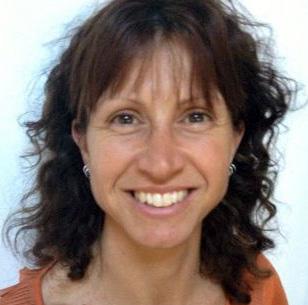
Catherine O’Shea currently works as Sustainability Analyst at Ambulance Victoria. She was a Registered Nurse for more than 20 years before completing a Master of Environment at Monash University. She is passionate about healthcare sustainability and has worked in this field now for more than 10 years.
Figure 1: The impact of climate change on human health5
Injuries, fatalitiies, mental health impacts
Michael Johnson
ALS Paramedic

Michael Johnson is a Referral Service Triage Practitioner - ALS Paramedic with Ambulance Victoria. He has recently completed a Master of Disaster, Design and Development and is completing an internship with the AV Sustainability Team. He is interested in the inclusion of sustainability metrics into the healthcare setting.
Asthma, cardiovascular disease
Severe Weather Air Pollution
Heat-related illness and death, cardiovascular failure

Forced migration, civil conflict, mental health impacts
Degredation
Allergens Water Quality Impacts Water and Food Supply Impacts
Malnutrition, diarrheal disease
Cholera, cryptosporidiosis, campylobacter, leptospirosis, harmful algal blooms
Malaria, dengue, encephalitis, hantavirus, Rift Valley fever, Lyme disease, chikungunya, West Nile virus
Respiratory allergies, asthma
1 Malik, A., Lenzen, M., McAlister, S., McGain, F. (2018) The carbon footprint of Australian health care. The Lancet. 2018; 2: e27–35
2 Richie, C. (2019). Principles of green bioethics : Sustainability in health care. ProQuest Ebook Central www.ebookcentral.proquest.com
3 Lancet website. The 2021 report of the Lancet Countdown on health and climate change at www.thelancet.com/countdown-health-climate
4 Haines A, McMichael AJ, Smith KR et al. Public health benefits of strategies to reduce greenhouse-gas emissions: overview and implications for policy makers. Lancet. 2009; 374: 2104-2114
5 Taken from Centre for Disease Control and Prevention website at www.cdc.gov/climateandhealth/effects/default.htm
Our community
Visit from The Governor-General
The Governor-General of Australia, the Hon. David Hurley and wife visited Sydney Ambulance Centre to thank NSW Ambulance clinicians and Control staff for their tireless efforts over the past two years and discuss the triumphs and challenges of responding to bushfires, floods and the ongoing COVID-19 pandemic.
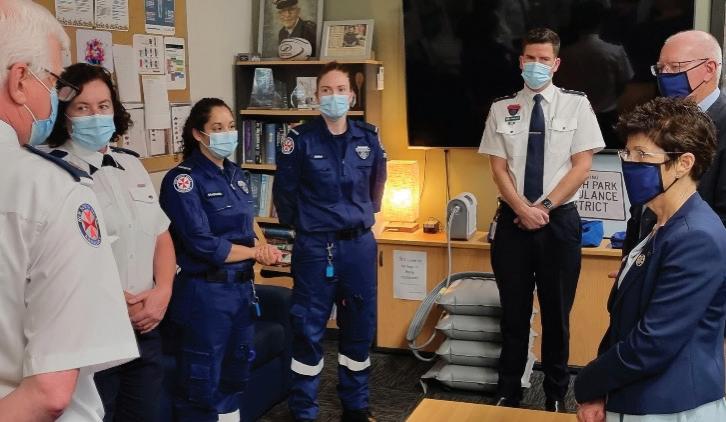
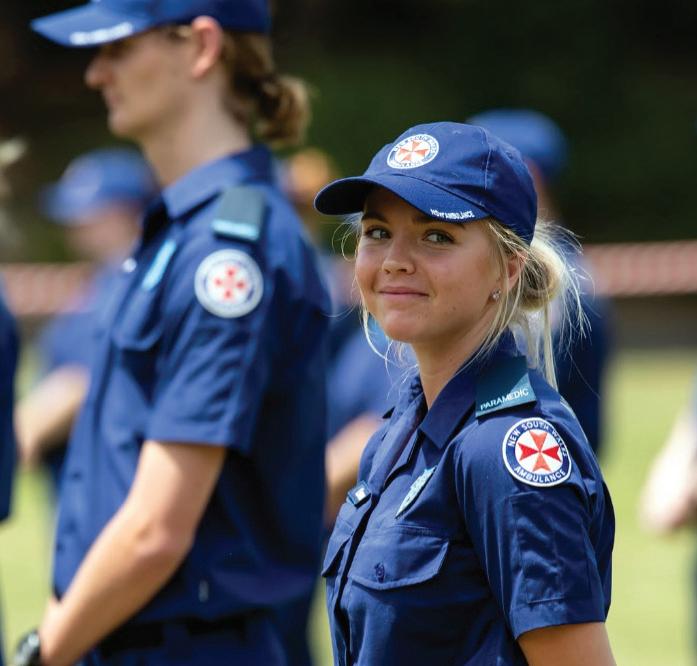
New Recruits Welcome Aboard
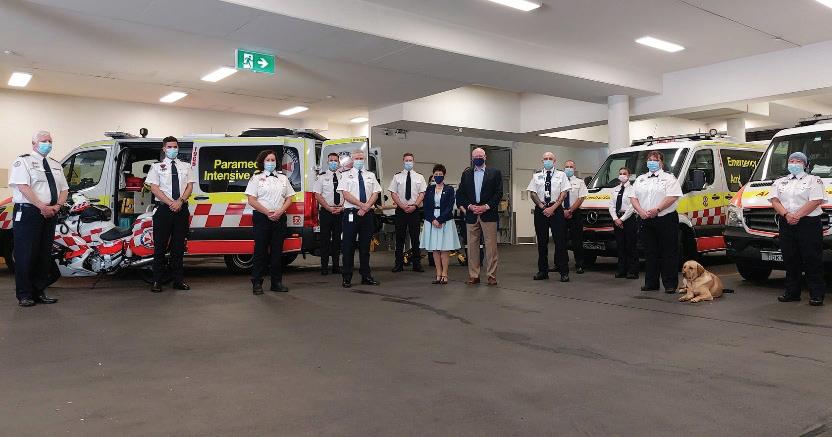
Kindergarten Visit from QAS
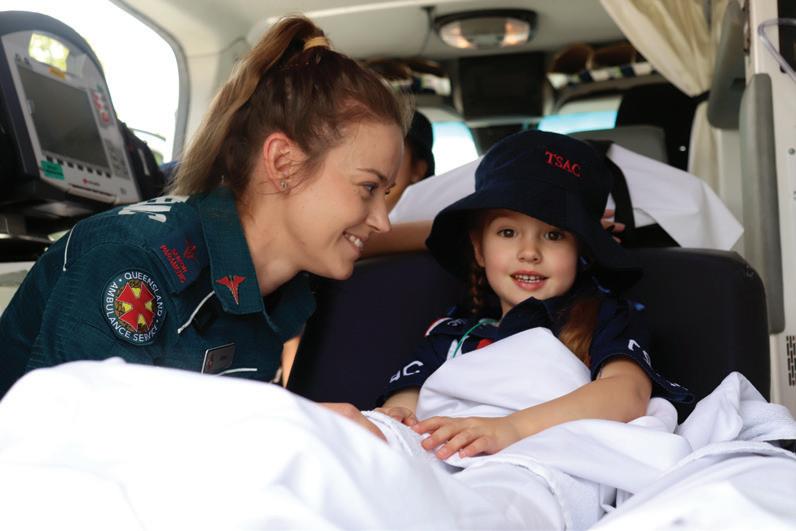
The kids enjoyed role-playing by pretending to be the patient and the paramedic, they mimicked driving the ambulance and talking on the radio as well.
It was a great opportunity for Emma to talk to the youngsters about summer safety and the importance of staying hydrated and cool in the warm state of Queensland.
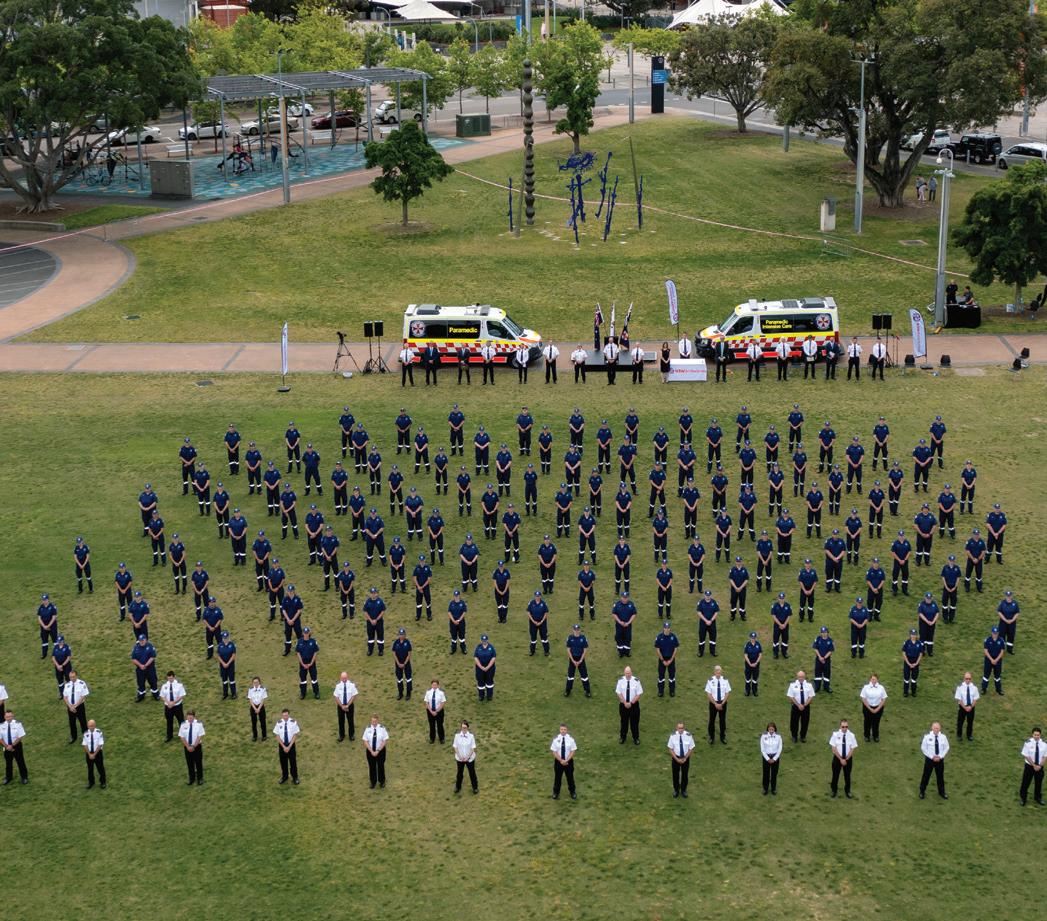
It was smiles all round at Sydney Olympic Park with nearly 130 new – and eager – NSW Ambulance paramedic interns graduating. This boost in the workforce comes as paramedics have been working tirelessly on the frontline during the COVID-19 pandemic. We wish each of them the best of luck on their new careers.
44ParamedicJackretiresafter yearsofService ofAfteralmost44yearsservingthepeople paramedicNSW,wefarewellpopularSouthCoast JackNott. stepIncredibly,Jackwasinvolvedinamajor helpedforwardforNSWAmbulancewhenhe traintheveryfirstfemaleparamedic.
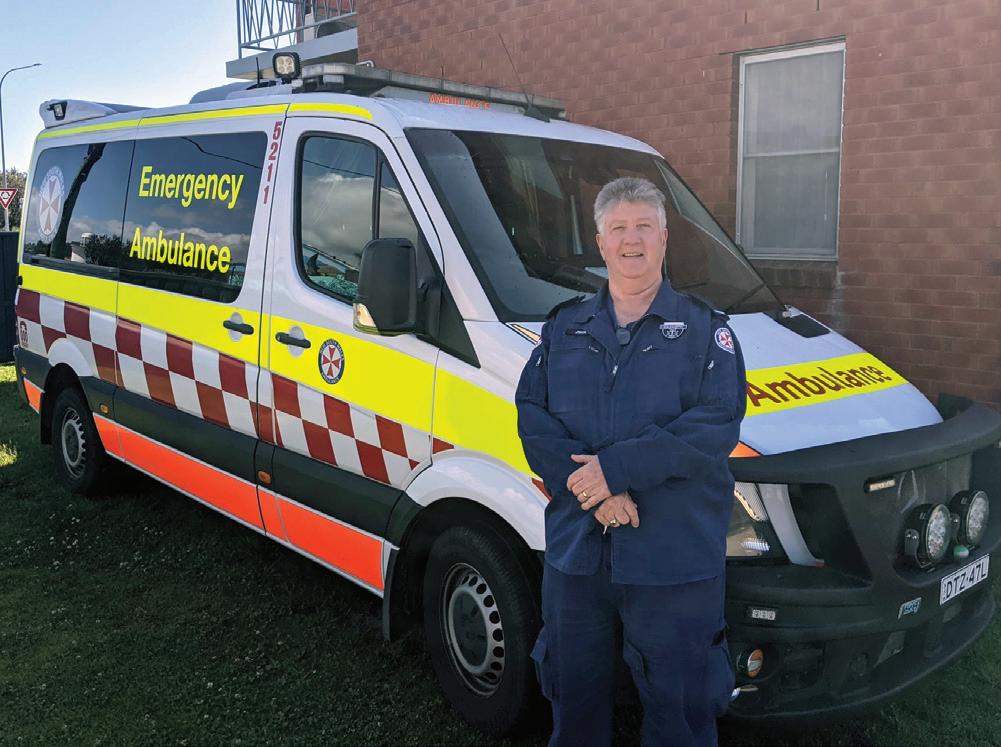
International Control Room Week
October saw our member services celebrating International Control Room Week. Wellington Free Ambulance took the opportunity to celebrate their fantastic staff who work in their Clinical Communications Centre.
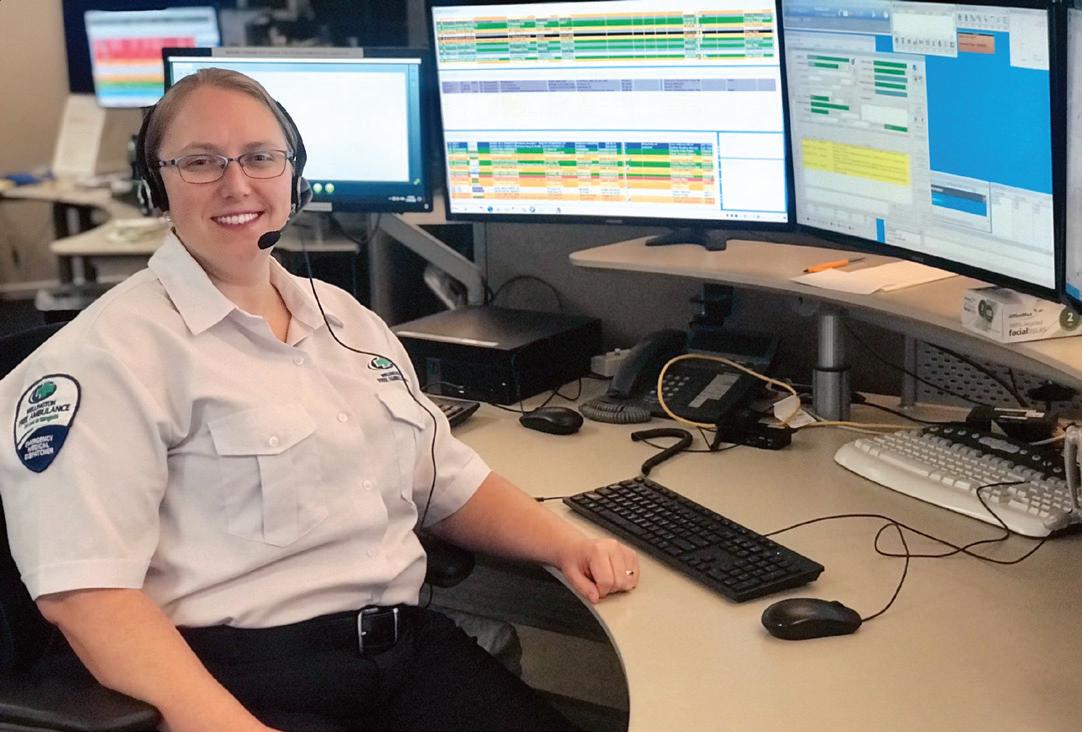
‘Manaakitanga to our Call Takers, Dispatchers and Clinical Paramedic Advisors who work tirelessly every day to keep our communities safe.’
‘Me he manawâ tîtî, me tôhona hirika.’
Paramedic Emma visited the students of The Tiny Tartan Kindergarten.

Emergency Services Expo
at Birbie Island
The blue skies were out in full at the Emergency Services Expo at Bribie Island!
The Local Ambulance Committee, paramedics and the Bicycle Response Team all put on a great display. It was great to see the locals and visitors having a great day out chatting with staff, exploring the vehicles, and refreshing their CPR skills.
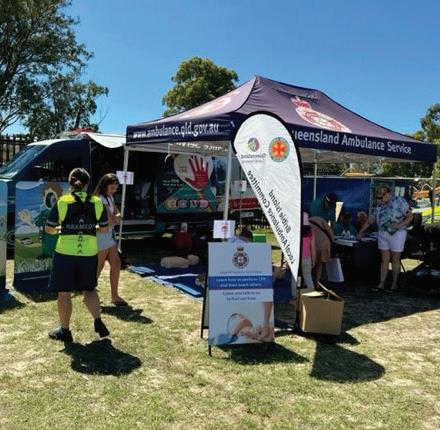
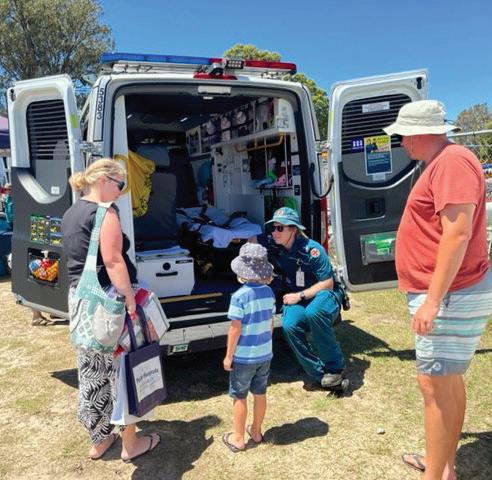
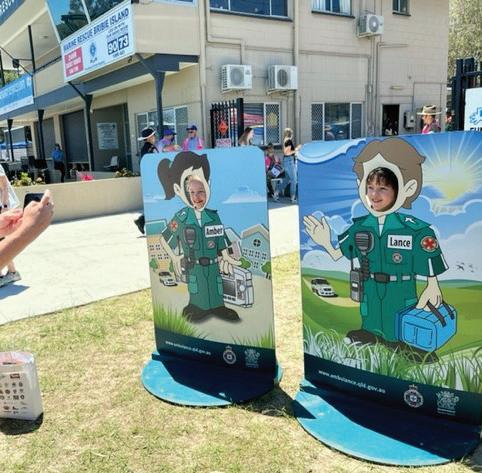
St John WA win Blood Drive
The results are in... St John WA has won the Emergency Services Blood Challenge in WA this year for the fourth time in a row. Staff, volunteers and friends helped save thousands of lives with a total of 460 blood and plasma donations over three months.
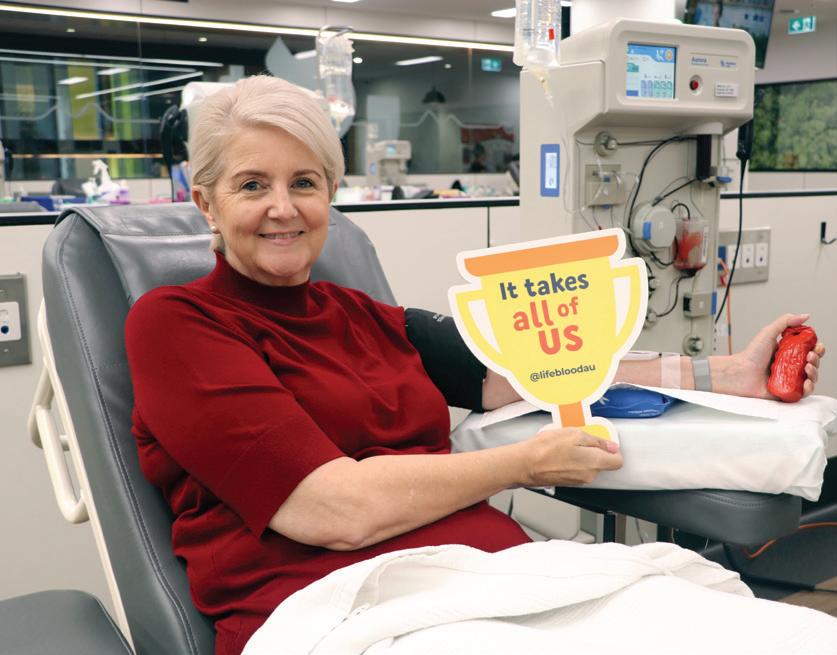
Rowing For Paramedics
Queensland’s Rowing 4 Paramedics team raced against Queensland Police Service and Queensland Fire and Emergency Services - QFES in the Head of the Brisbane rowing event.
Unfortunately, the state of the water was oar-ful and they couldn’t do their 700m dash down the Brisbane River. Instead, each rower powered through a 500m slog on the ergometer, with the whole team racing 4000m all up.
The QAS team blew it out of the water to win bronze in the end!
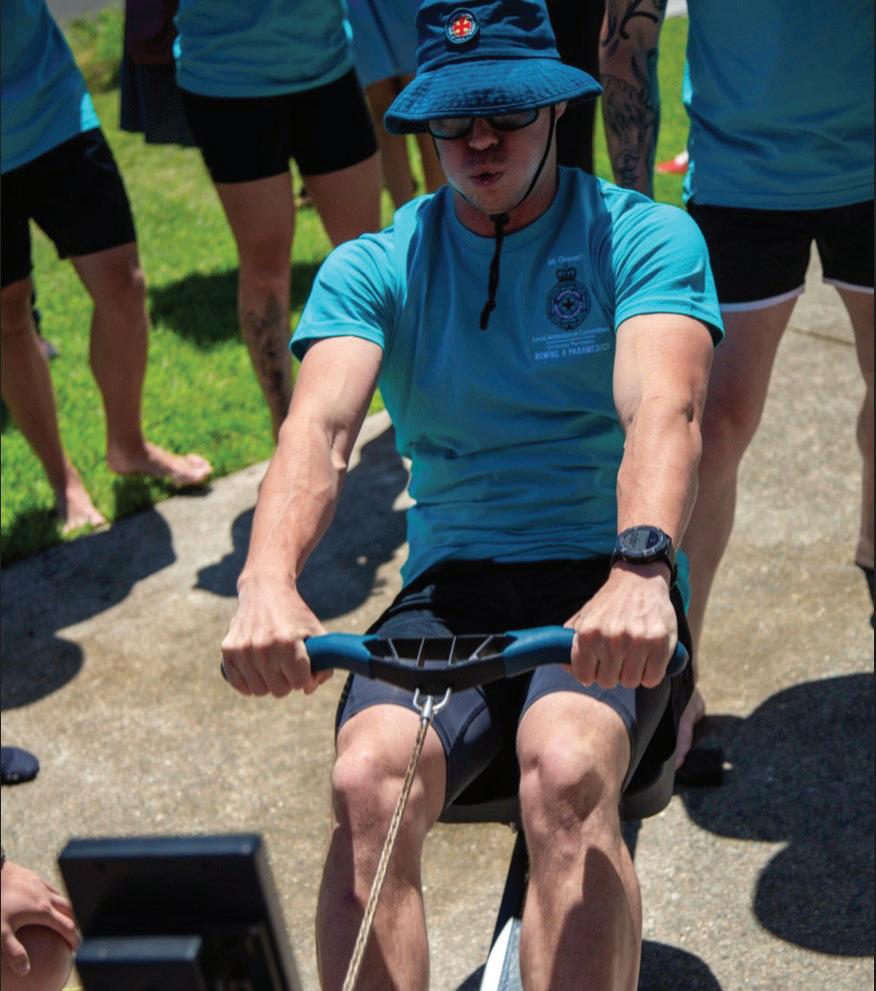
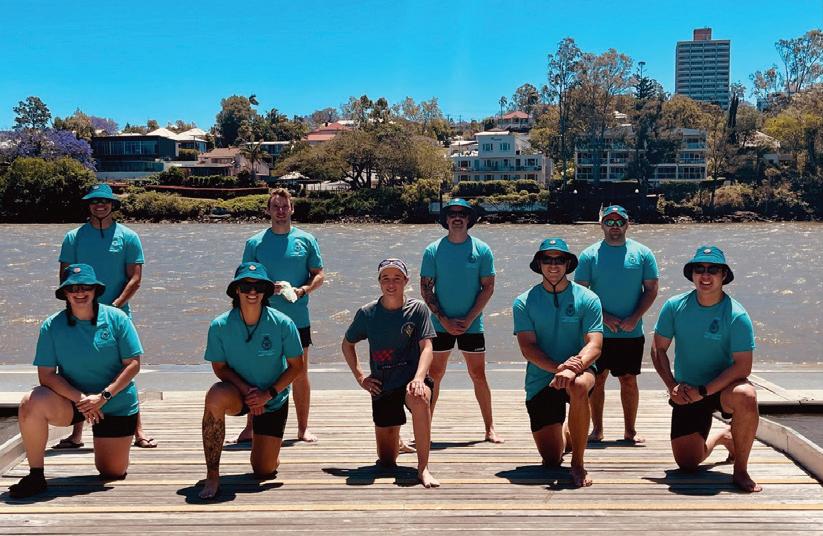
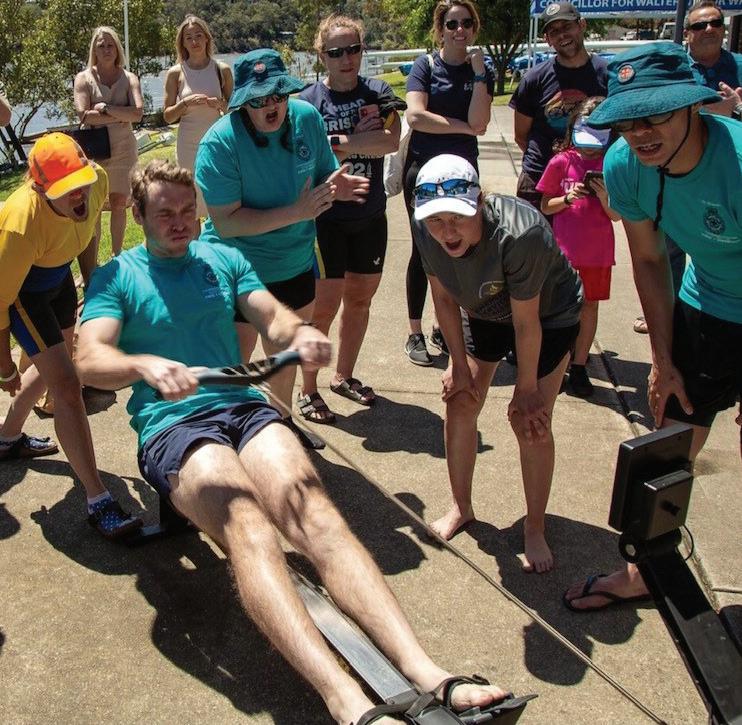
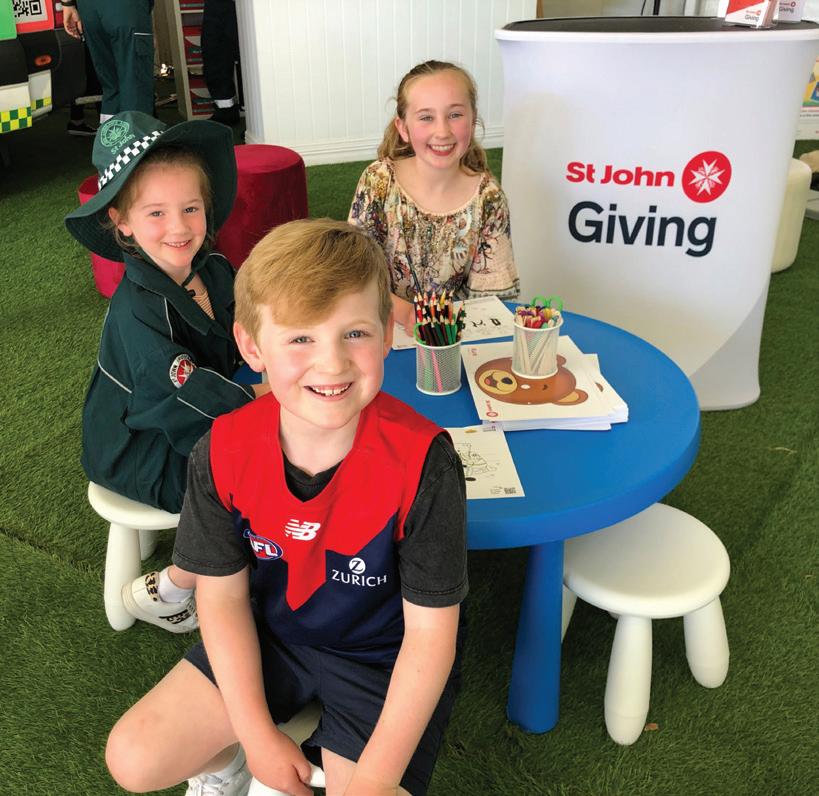
Perth Royal Show
St John WA once again supported the Perth Royal Show by providing first aid support and hosting their very own First Aid Focus stall! Attendees were able to stop by and learn about first aid and enter a colouring-in competition to meet The Wiggles.
AED Pride Donation
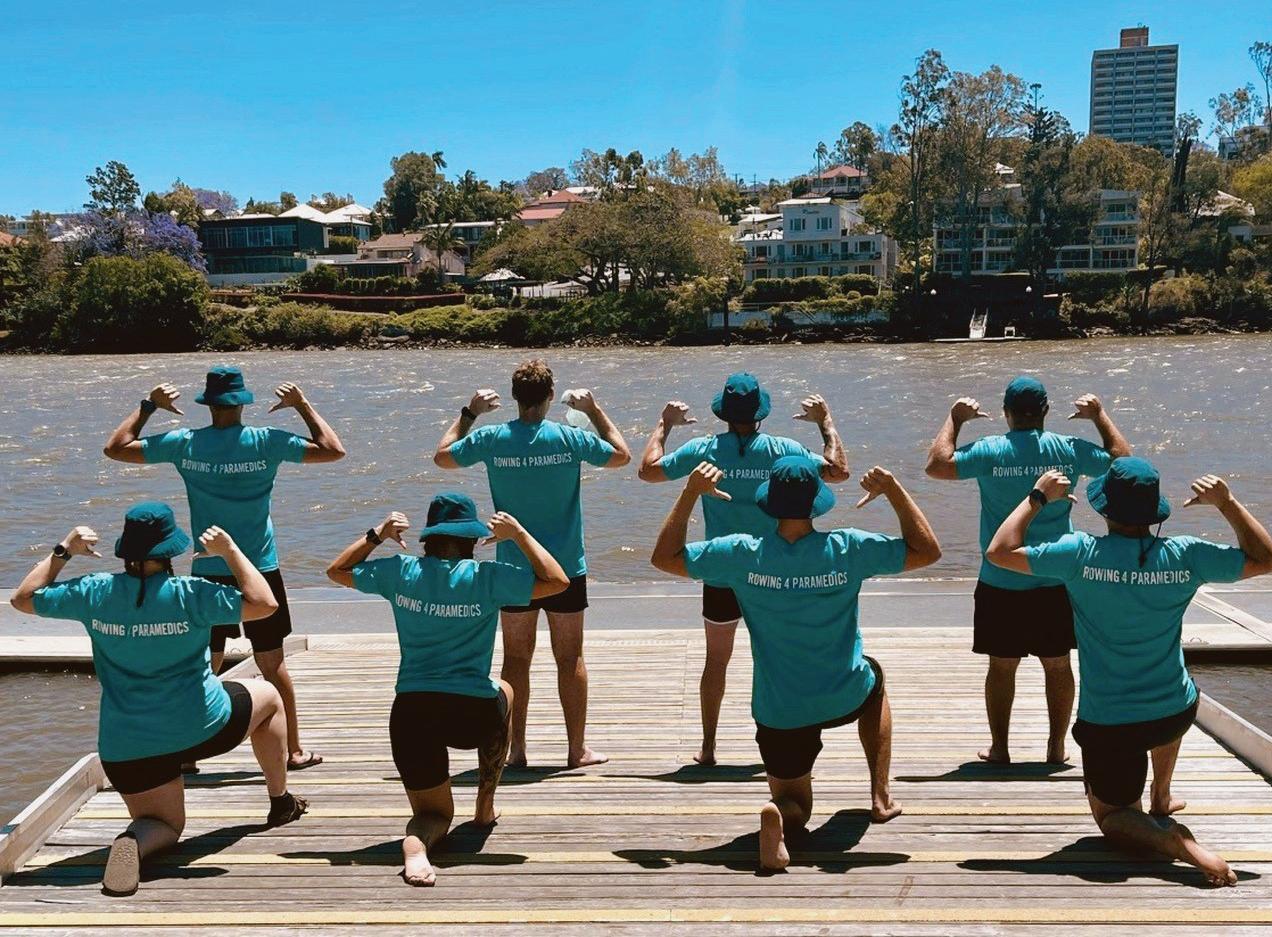
CEO Tony Walker ASM attended the Victorian Pride Centre with Senior Team
Manager Stuart Hine, who nominated the hub as part of our AED gifting program. A small piece of equipment with a huge benefit for the local community.
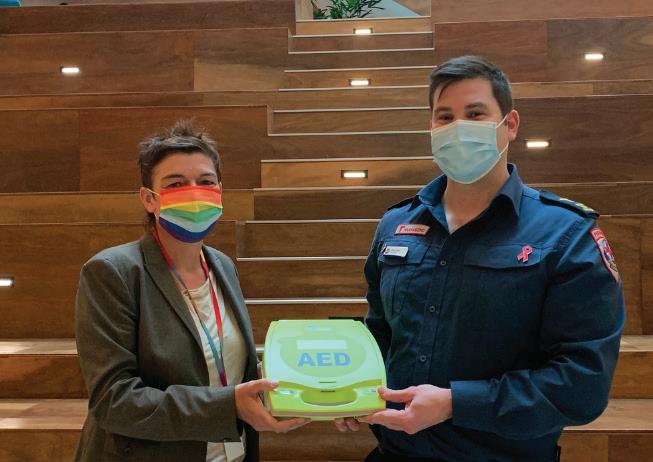
#restartaheart
#restartaheart
ENVIRONFREI
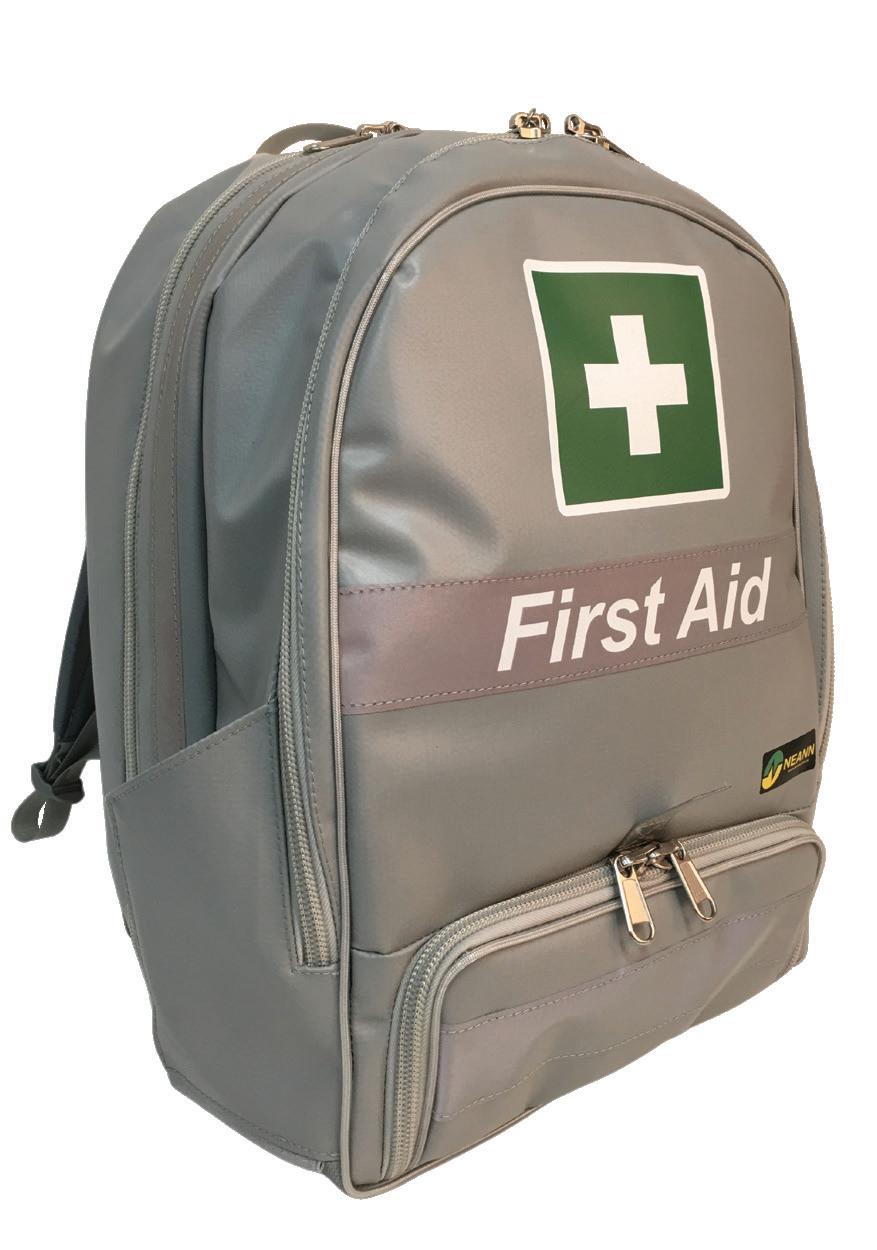
A REVOLUTIONARY MATERIAL THAT MINIMISES CROSS-CONTAMINATION
This revolutionary material is free from hazardous elements, delivers a strong fabric that minimises the chance of cross-contamination and prevents dangerous chemicals remaining on the surface.
• Improved cleanable surface
• Antimicrobial, mildew and oil resistant
• Abrasion resistant
• UV resistant
• High elasticity
• Extreme hot/cold temperature resistant
• Stylish
MEDIS

IT'S NEVER BEEN EASIER TO FIND WHAT YOU NEED AND CHECK THAT IT IS CORRECT
MEDIS - NEANN’s Medical Equipment and Drug Identification System - has enabled us to place colour coding, drug labelling and location guides throughout our kits.
• Clear and easy to read identification system
• Easy to clean
• Reduction in weight
• Removal of catch points, results in less repairs
• Customised branding/labelling available
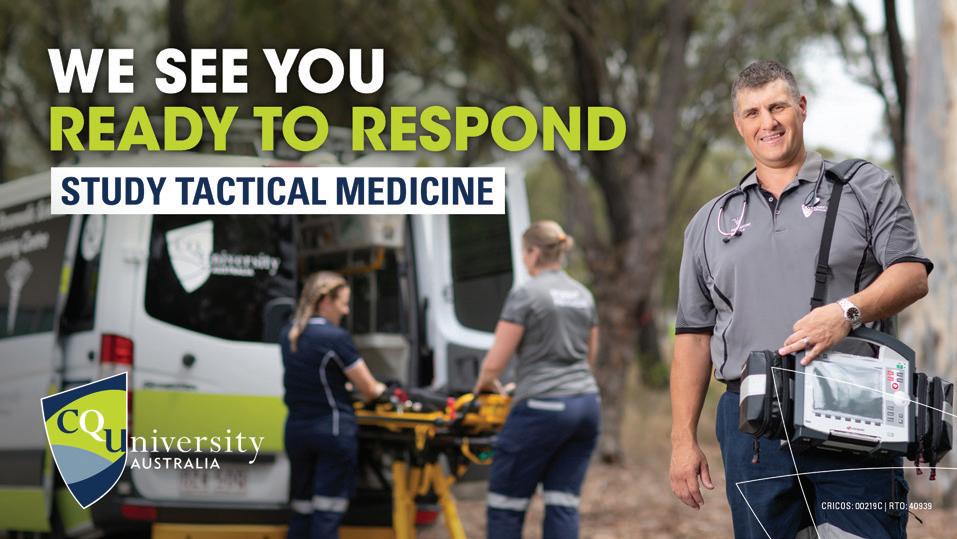
Tactical Medical Degrees
Learn to deal with acute trauma situations and be uniquely qualified to respond in resource limited, dynamic and high threat environments with a qualification in Tactical Medicine from CQUniversity. These online, highly flexible courses are ideal for paramedics and first-responders whose personal safety may be compromised. Gain the critical skills needed to assess, plan, prepare and implement strategies for successful operations and patient management within a tactical environment.
www.cqu.edu.au

Ambulance, emergency, rescue and height safety products
www.ferno.com.au
Code River Studio
High Performance Websites
www.coderiverstudio.net
Non-Emergency Patient Transport (NEPT) Planning
Known for our work for EMS providers, ORH also support NEPT providers. While there are clear parallels with EMS service planning, NEPT providers face their own unique challenges and opportunities for improved efficiency. Through a data-led consultancy and modelling approach ORH has helped NEPT providers in Australia and the UK tackle these issues.
www.orhltd.com

Real-time communication across healthcare entities
www.pulsara.com/w
Alpha State Advertising & Design Services
www.alphastate.com.au
Australasian College of Paramedicine
Peak professional body representing and supporting Paramedics
www.paramedics.org
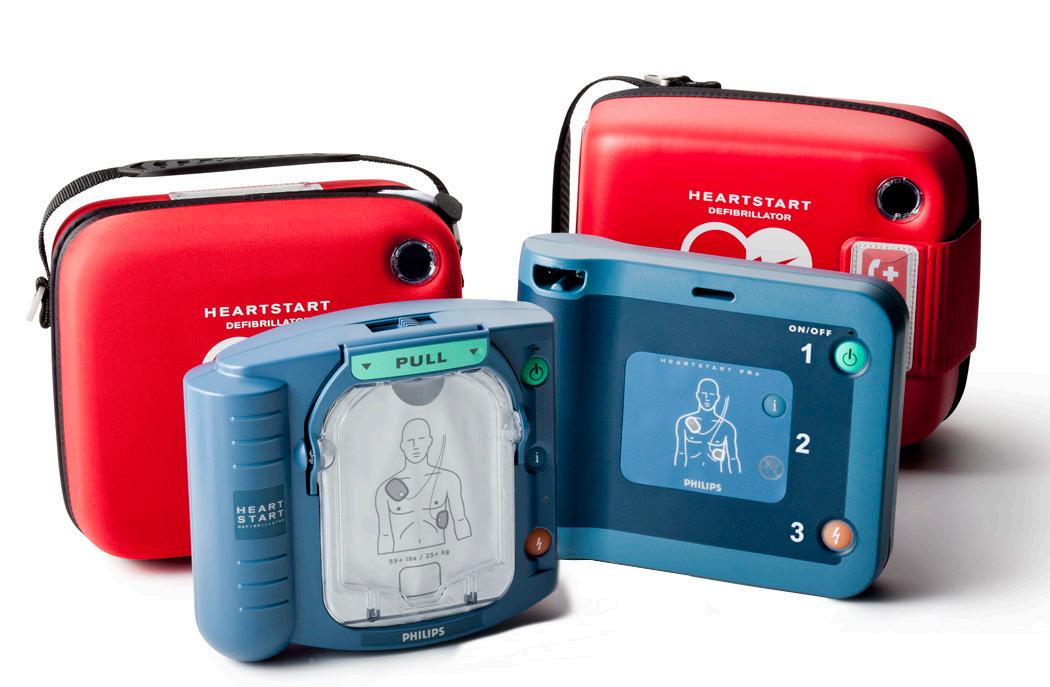
Automated External Defibrillators
With access to the right equipment and support, everyone can help save a life. Philips AED solutions with Life Guidance act as your personal coach to guide you through a cardiac emergency with a simple, step-by-step process.
https://www.philips.com.au/healthcare
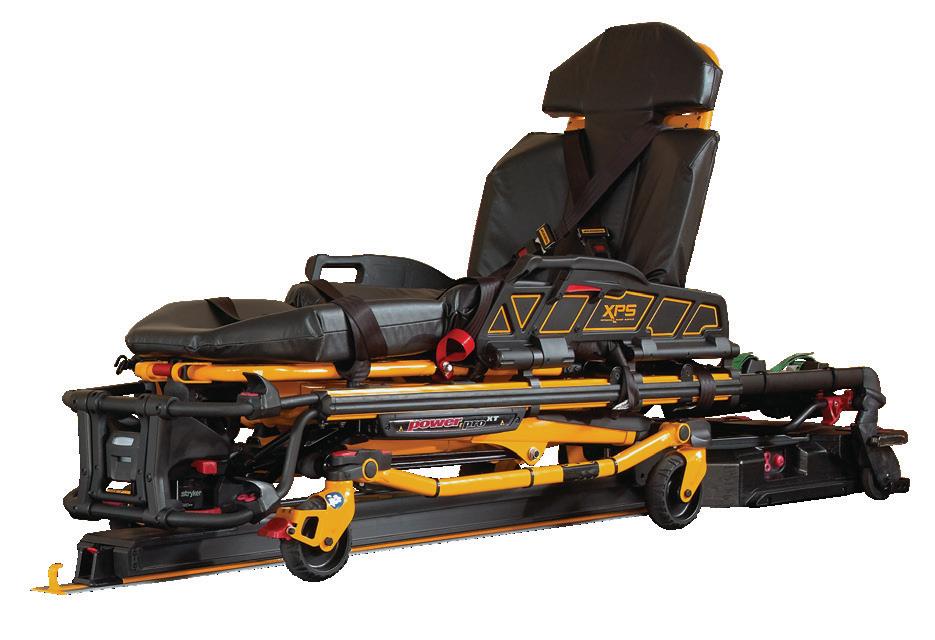
Power-PRO XT & Power-LOAD
Stryker’s Power-PRO XT powered ambulance stretcher system utilizes a battery-powered hydraulic system to effectively raise and lower patients at the touch of a button. When used with Stryker’s Power-LOAD system, it offers operator and patient safety by supporting the stretcher throughout the loading and unloading process.
https://www.stryker.com/au/en/


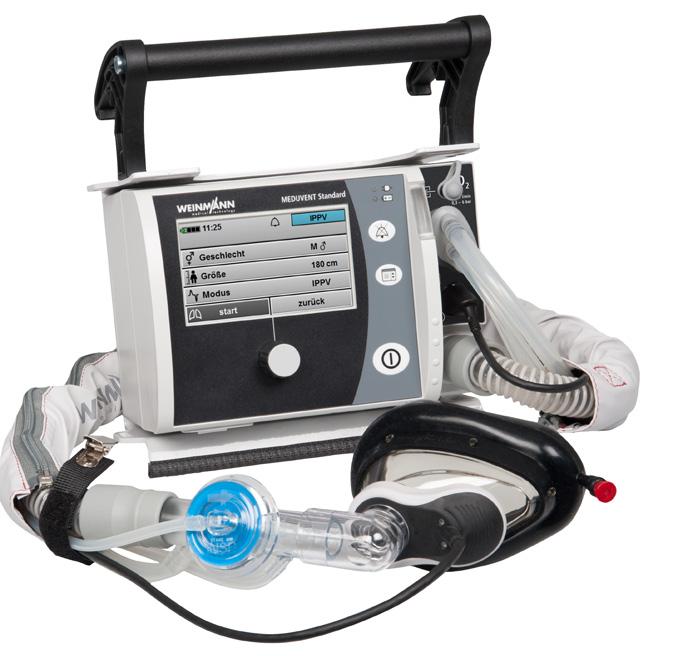
MEDUVENT Standard Emergency Transport Ventilator
WEINMANN offers the emergency transport ventilators for emergency service vehicles, helicopters, and airplanes. The functions of the devices are perfectly compatible with one another and they can be used with portable systems in almost any combination. The result is portable ventilation that is specially tailored to the respective application.
https://www.neann.com.au/

What’s draining your energy?
Find out what’s causing your mental and physical wellbeing harm, and how you can make a change.

Mitch Mullooly Health and Wellness Strategist
Specialising in the wellbeing of first responders, Mitch is the Chair of the Australasian College of Paramedicine, Aotearoa New Zealand; Council member of Te Kaunihera Manapou, New Zealand Paramedic Council; Advisory Committee member for Te Kiwi Maia, The Courageous Kiwi; and proud CAA2020 Women in Ambulance honour recipient.
Mitch is also a published author, speaker and feature columnist for several sector related magazines, blogs, webinars, and podcasts.
Lack of energy affects a lot of people! This then affects our mental wellbeing. Before the
pandemic, the number of people who said they often felt tired was around 43%, during the pandemic that number shot to over 60%.
Here are some of the things draining your energy, because the truth is, many everyday habits can actually leave you feeling tired and low.
Ten things draining your energy:
1. Not getting enough exercise. Not moving your body can make you want to move even less.
2. Eating processed and refined carbs. These might give you a quick shot of energy thanks to the blood sugar rush…but when your body sends out insulin to remove the sugar, it can make your blood sugar level plummet – leaving you tired, drained, and bad tempered.
3. Not getting enough quality sleep. The bottom line: your body needs sleep to fully rest, recover and recharge.
4. Food sensitivities.
One side effect of eating foods that your body is sensitive to includes fatigue, which also impacts your mental health. If you think that you might have sensitivities, it’s worth checking with your doctor. Common culprits include gluten, dairy, nuts, soy, and eggs.
5. Eating too little.
Not getting enough fuel (i.e., food) can make you feel tired – and so can eating a poor-quality diet without enough nutrients.

6. Not getting enough protein.
Studies show that eating protein boosts your metabolism, and scientists believe this may help prevent tiredness.
7. Drinking too little water.
Studies show that being even a little dehydrated can make it harder to stay focused and leave you feeling drained.
8. Energy drinks (including coffee).
Like refined carbs, these can send your energy up before crashing back down. Not only that but caffeine can take up to 8 hours to clear your system, making it harder to get a good night of sleep, adding to the energy drain.
9. Stress.
Feeling constantly stressed can deflate your energy, both mentally and emotionally. Just another reason it’s important to have (and follow) a plan for managing stress.
10. Being in a negative environment.
It’s possible to “catch” the moods of the people around you, but being aware of it can help lower your susceptibility, as can finding things that make you feel positive.
On that note, here are some things you can do to destress yourself:
Exercise regularly.
Study after study shows how exercise can increase your body’s “feel-good” hormones and help reduce the stresscausing hormones.
Create a daily positivity practice.
Reading or watching inspirational books and videos. This helps create a positive, resilient mindset.
Engage in hobbies or pastimes that make you feel good.
This can include anything from cooking and crafting to making music or rebuilding cars.
Volunteer or help someone.
Your body will release feel good hormones (oxytocin and endorphins) so you aren’t just helping others –you also are helping yourself.
It’s pretty incredible how a small six-letter word can do so much damage to your physical and psychological wellbeing.
Flip Book Upside Down
Learn how to save a life in three simple steps
#9FOR9
9 in 10 people won’t survive an out-of-hospital cardiac arrest.
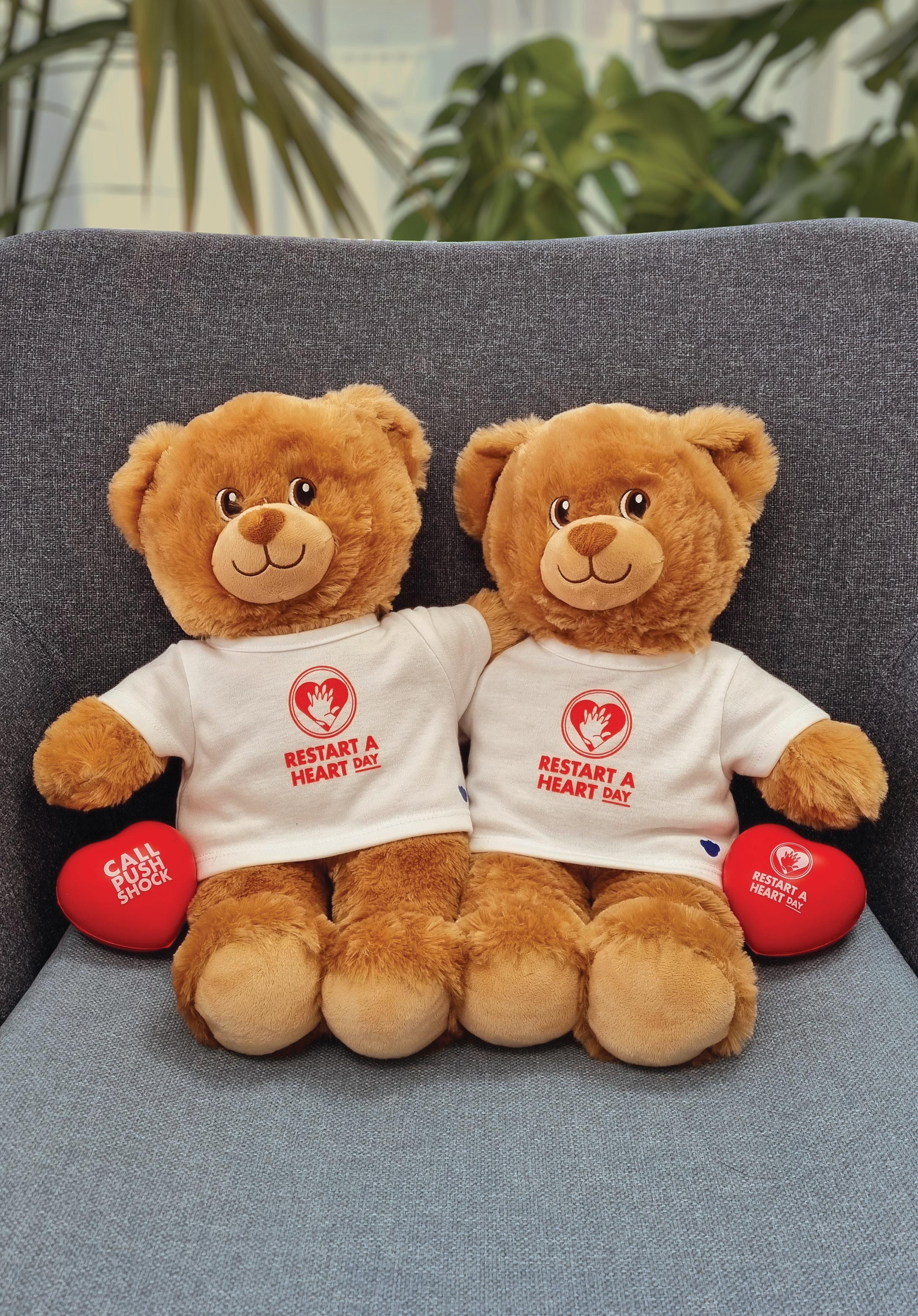
Restart a Heart Day
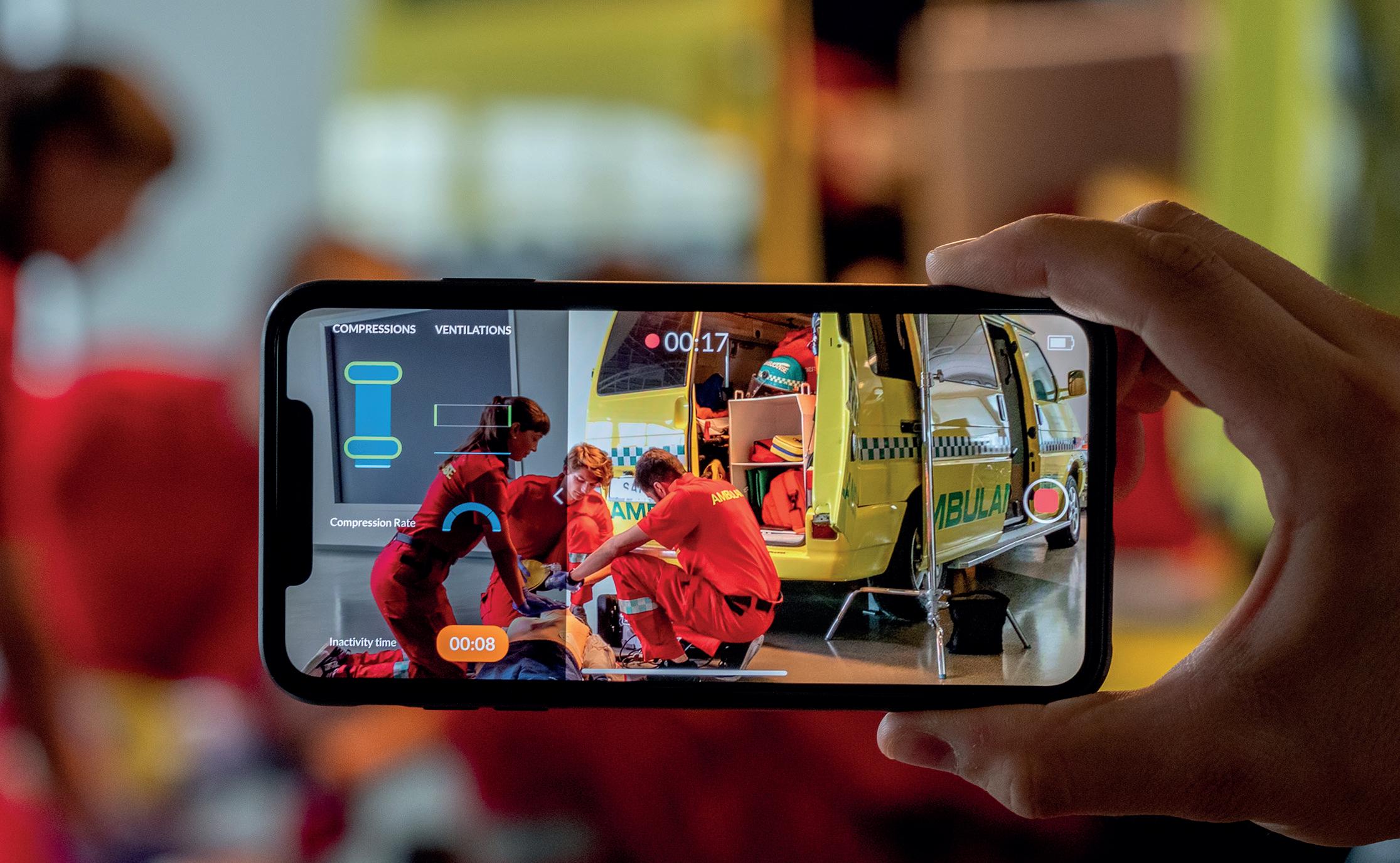
Create High-Performance CPR Teams with TeamReporter
By providing real-time CPR feedback, tips for improvement, and video-based debriefing, the TeamReporter app is your organisation’s “assistant coach” that enables you to build, train, and retrain high-performance CPR teams. Try for FREE at
Nine out of ten people do not survive an out-of-hospital cardiac arrest

9in 10 people won’t survive an out-of-hospital cardiac arrest. That is the horrifying statistic that 30,000 Australians and New Zealanders face every year.
Restart a Heart Day is designed to bring attention to this, to educate everyone on what to do if someone goes into cardiac arrest in-front of them and help save a life.
Occurring on October 16, Global Restart a Heart Day was once again a success. With a new limited edition Restart a Heart Build-a-Bear, digital tools to spread the word, and a variety of virtual and in-person events to be involved in, the day pushed to educate the masses and change attitudes.
As always, the campaign focused around the three simple steps it takes to save a life; CALL PUSH SHOCK. This is the easy process anyone can do if someone goes into cardiac arrest.
You can learn right now, simply:
CALL – Call your emergency number PUSH – Start CPR compressions
SHOCK – Find your nearest AED and follow the instructions
This year the campaign took these three steps to a new level, activating the #9for9 Challenge. The challenge encouraged individuals to record a video of themselves performing 9 CPR compressions on a pillow, stuffed toy, or one of our Restart a Heart Build-A-Bears, and upload the video online, tagging nine friends to do the same. The aim of this was to spread the word on the horrifying statistic that 9 in 10 people won’t survive an out-ofhospital cardiac arrest and encourage them to learn CPR and purchase an AED. We had great success with this activation, with individuals and organisations across Australia and New Zealand participating, gaining over 70,000 views online.
This year we produced not one but six Restart a Heart Day online virtual events. The live stream mini-series ran from October 11 – 16 with videos released daily, and topics from CPR myth busting to AED education. These short daily videos proved a great educational resource.
Turning to in-person events, whilst COVID created some restrictions on the ability to deliver these, there was still a fantastic turn out and rate of enquiry for all that sought to hold their own event. Flinders University and the University of South Australia were a standout, bringing together young people to learn that out-of-hospital cardiac arrest can affect anyone, anytime, anywhere.
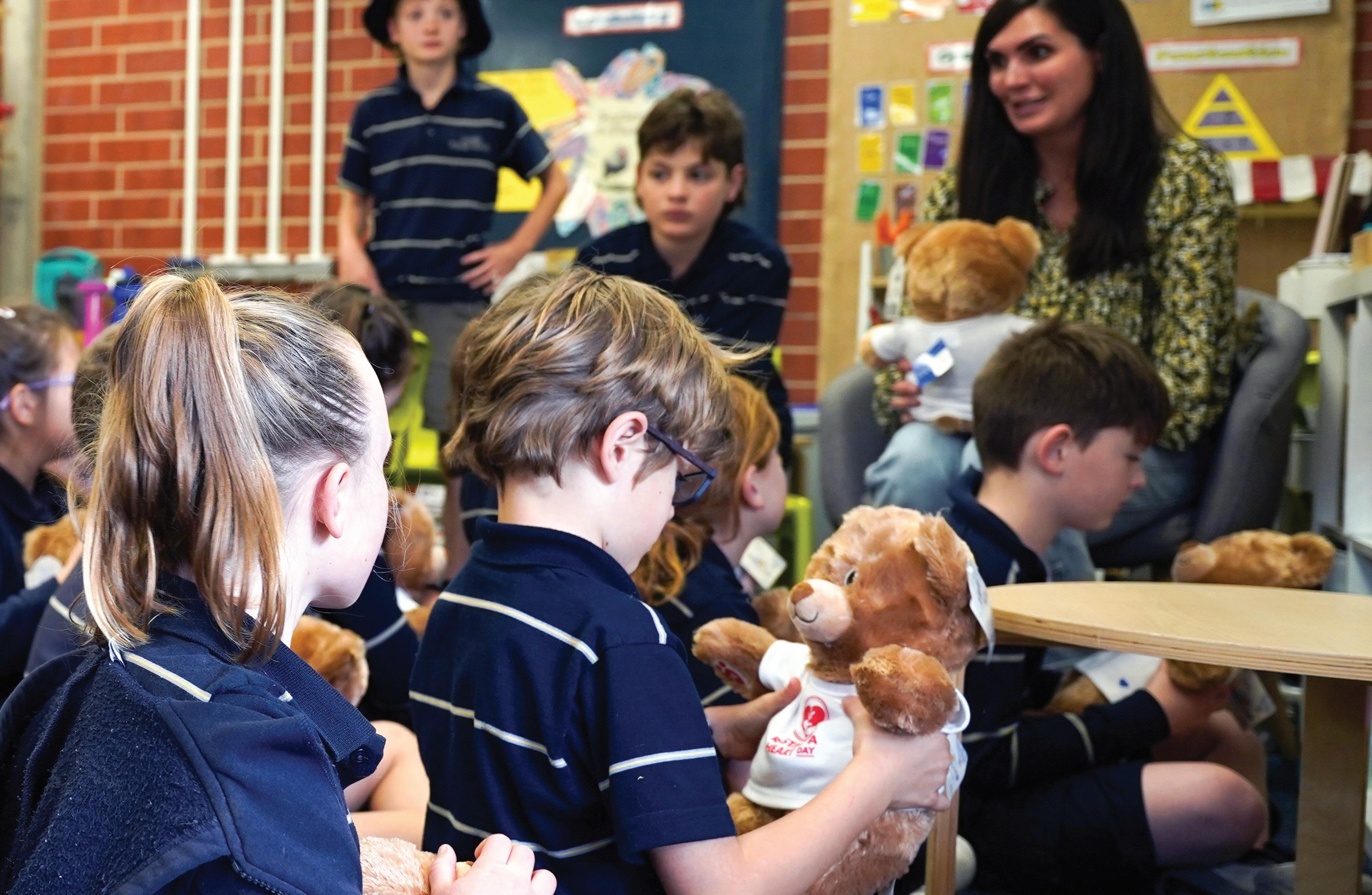
To continue to spread the word, the Ambulance Services did their part on social media to educate others. Some made use of our digital tools download kit which displayed out-of-hospital cardiac arrest statistics, shared the 3 simple steps to save a life, and informed people about the #9for9 challenge. The public also made use of these tools which are still available on our website. Outdoor media was another way we were able to raise awareness, with donated billboards for Restart a Heart day featured across all of Australia.
Switching to news media, Restart a Heart Day featured on Seven News Sydney and Nine News Brisbane. The segments focused on raising awareness and drew attention to former Rugby League Star Garry Jack, and his out-of-hospital cardiac arrest experience, breaking the stigma around who can go into cardiac arrest. A special program on Channel 9 featuring Heart of the Nation, with founder Greg Page, was also an incredible way for us to raise awareness for Restart a Heart Day. Through this program Heart of the Nation conducted The World’s Largest CPR Class.
Our partnership with Build-A-Bear caused much excitement, as we were able to launch a teddy bear that would soon become an icon in the Restart a Heart Day campaign. Heartly, as he was named, was designed with the intention to be used for the #9for9 Challenge. With a custom Restart a Heart Day t-shirt and heart that vibrates when pushed, Heartly was a huge hit, and is still available to purchase from our website.
The website also featured a CPR Education Kit for order. The kit included the tools and instructions necessary to gather friends, family, and colleagues together for a quick and easy lesson on CPR. This was seen as crucial for anyone, particularly those in rural areas as the longer someone in cardiac arrest goes without help, the smaller the chance of survival. Just 8 minutes without CPR compressions or an AED shock and the damages of cardiac arrest are almost irreversible. This made our small but mighty CPR Education Kit an excellent tool for individuals who want to learn about CALL PUSH SHOCK but may not have the access or money to attend a whole training session.
We encourage everyone to undertake a CPR training course and install an AED in their home, office, or vehicle. Because, with 9 in 10 people currently not surviving an out-of-hospital cardiac arrest, wouldn’t you want to do anything you can to help?
So, what are you waiting for? Book a CPR training class, purchase an AED, do what you can to help us save a life in three simple steps: CALL PUSH SHOCK.
Visit restartaheart.net for more information.
Myth: You can be sued for performing CPR incorrectly.
Truth: False, although unintentional injuries may occur whilst in the process of administrating CPR, Good Samaritan laws protect those who provide emergency medical assistance, even if it is unsuccessful.
Myth: You must incorporate the breaths into CPR to make it work.
Truth: False, Hands only CPR is okay. Especially during the current Covid-19 pandemic.
Myth: I could injure the cardiac arrest victim more by performing CPR.
Truth: If a person is at the point of receiving CPR, technically they are already dead. CPR can only help the casualty at this point, even if it is not performed perfectly, it is better to attempt CPR than not at all.
Myth: A cardiac arrest is the same as a heart attack.
Truth: False, a cardiac arrest is when someone is unconscious and not breathing, however it must be noted that a heart attack could, in some cases, lead to a cardiac arrest.
Scan to hear stories from the first responders of out-of-hospital cardiac arrests.
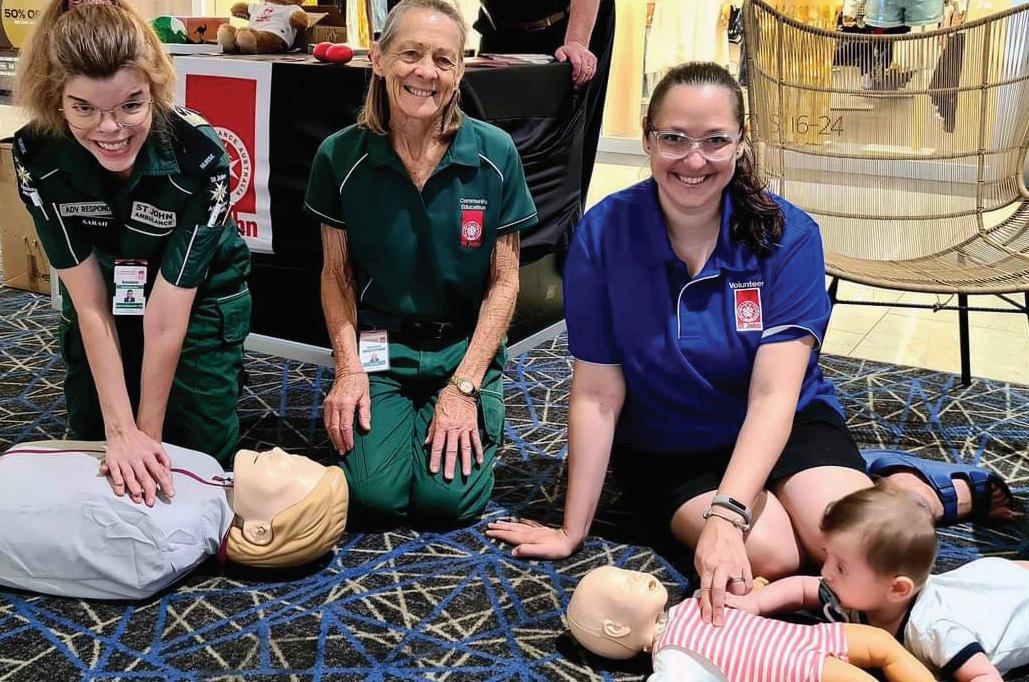
Nine
out of ten people do not survive an out-of-hospital cardiac arrest. St John NT is working to improve this terrifying statistic by participating in Restart a Heart Day, a global initiative designed to improve public awareness of the importance of knowing CPR and how to use an automatic external defibrillator.
To recognise this event, St John NT first aid trainers, volunteers and paramedics offered free CPR and AED demonstrations at Casuarina Square, Gateway and Yeperenye Shopping Centre from 11:30am-1:30pm on Friday, October 15.
“Contrary to popular belief, sudden cardiac arrest can happen at any age, and you never know who will be around if it does.” St John NT CEO Judith Barker said.
“Learning CPR and knowing where to find and how to use an AED can mean the difference between life and death, and the more we can create awareness of these skills, the more resilient our community will be.”
St John NT is working in collaboration with the Council of Ambulance Authorities (CAA) to raise awareness of Restart a Heart Day and the importance of CPR and AED skills.
St John NT teaches these lifesaving skills year-round through nationally accredited first aid training, community education, and volunteer training.
To sign up for a first aid course, or to learn more about St John NT, please visit www.stjohnnt.org.au.
Contrary to popular belief, sudden cardiac arrest can happen at any age, and you never know who will be around if it does."
Judith Barker CEO, St John NT
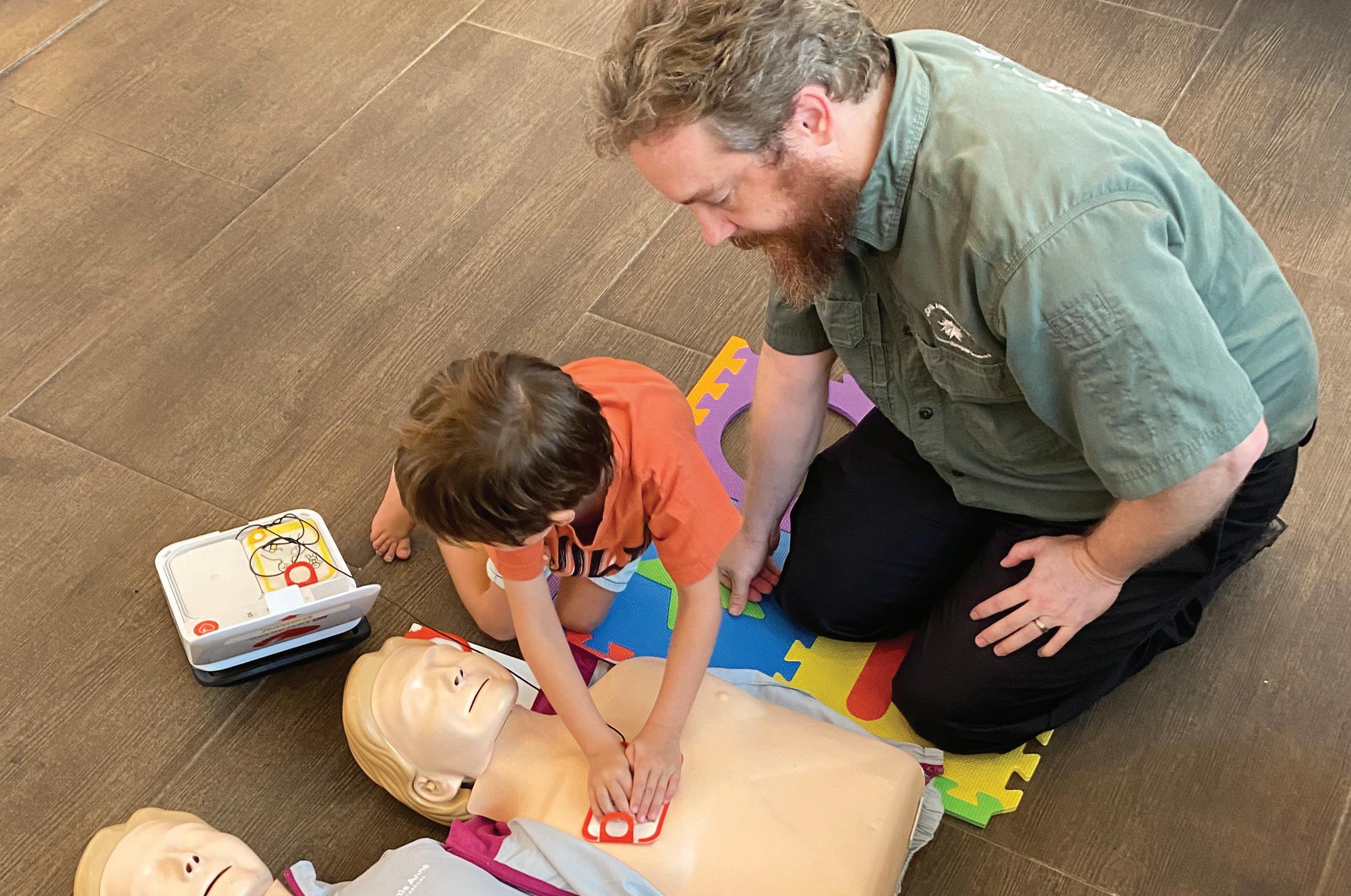
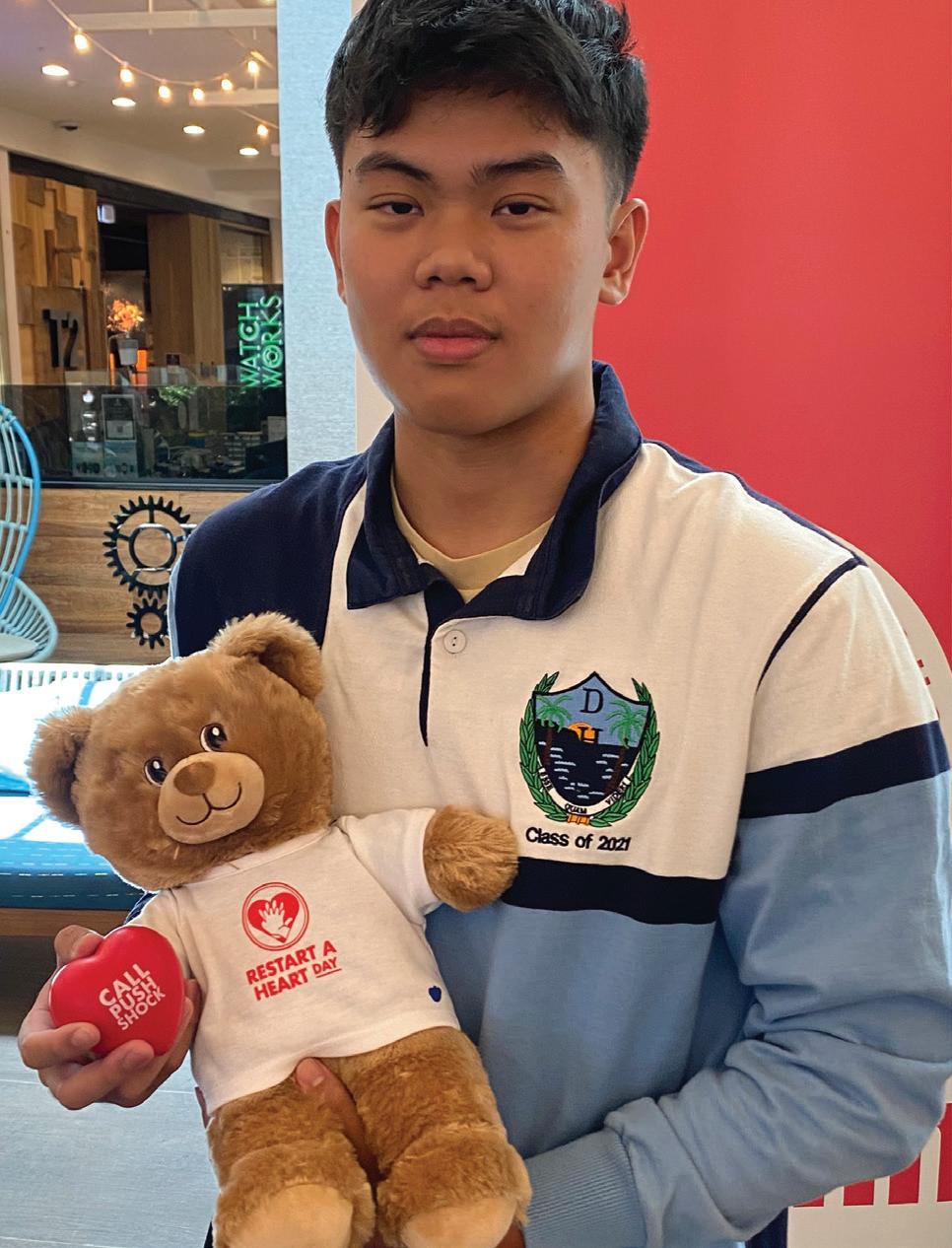
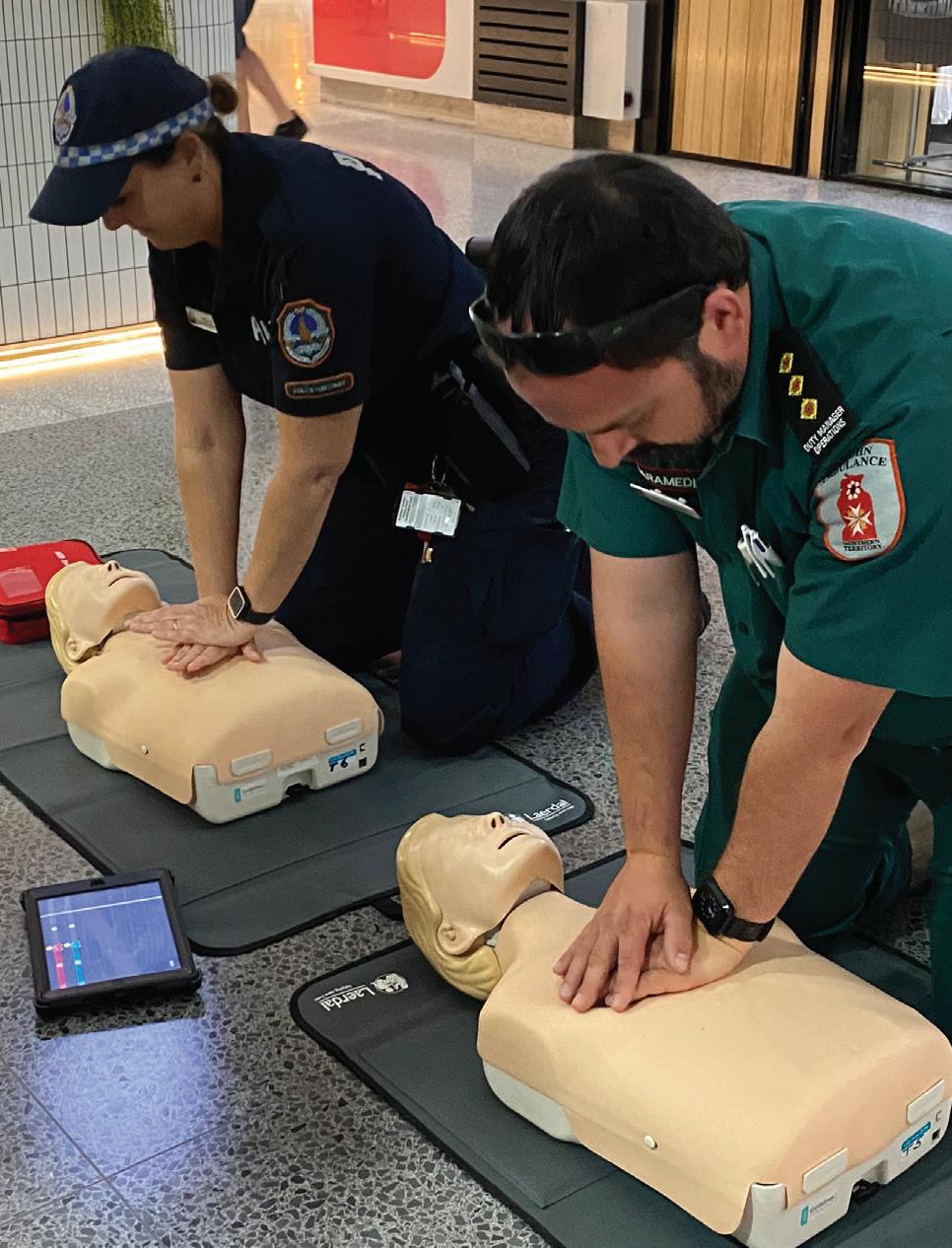
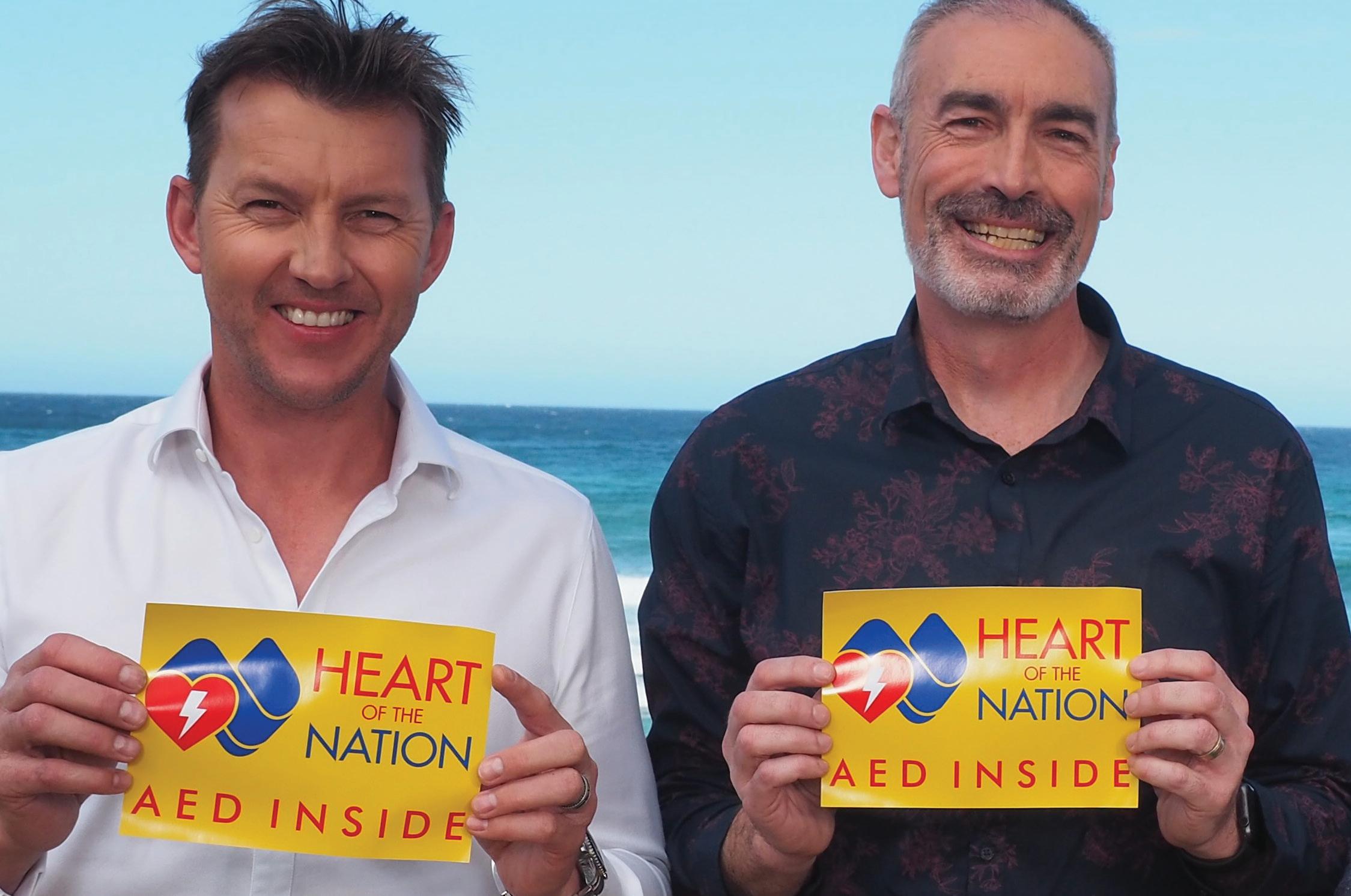
Cardiac arrest affects around 27,000 Australians each year. Shockingly, for around 50% of those people their cardiac arrest is the first clinical expression of the fact that they have something wrong that can cause them to drop dead at a moment’s notice. Sudden, it is indeed.
When someone collapses from a sudden cardiac arrest, the nearest person – a loved one, a friend, or a total stranger – becomes their doctor; required to diagnose if they are responsive, and whether or not they are breathing.
Suddenly, that bystander, or group of bystanders, becomes that person’s life support system – having to administer CPR to keep the patient’s brain oxygenated whilst they wait for paramedics to arrive.
My name is Greg Page, and I was the original Yellow Wiggle, who suffered a sudden cardiac arrest on stage with The Original Wiggles during a concert in January, 2020. My life was saved because, for me, the Chain of Survival was complete that night – I was in the right place, at the right time.
Upon being discharged from hospital, and armed with the knowledge that I was in the 10% survivor club, I realized that something had to change so that more people could have the same chance of survival as I had – I wanted to create more “right places at the right time”, so we can see an increase in survivorship from sudden cardiac arrest. I founded a charitable initiative called “Heart of the Nation” that promotes the Chain of Survival, and those who play their part in it.
Within 18 months, we have implemented several initiatives that are aimed at equipping the community with the knowledge of how to CALL, PUSH, SHOCK, as well as the skills and tools to do so.
Our main initiative, is an AED recognition program, where we ask owners of AEDs to register their AED with us, and we then send them stickers to place on the outside of their premises so that passersby know there is an AED inside their premises. We have also just released an app that allows users to find the nearest Heart of the Nation member AED to them when needed.
During October, we were very proud to work alongside the Council of Ambulance Authorities to create more awareness about this issue via a television program that aired nationally, on Channel 9 – The World’s Largest CPR Class – aimed at introducing the concept of sudden Cardiac Arrest and the CALL, PUSH, SHOCK message to as many people as possible in a one-hour program. We also worked with a group of independent service stations and convenience stores, to deliver an awareness campaign where PUMP water was used as a fundraiser for both Heart of the Nation AND Restart a Heart Day.
Our goal is to create a national database of AEDs that can be shared with State and Territory Ambulance Services and their respective apps of preference, so that Australians everywhere can have access to the same information about AED locations, regardless of where they are from, and where they happen to be. This is one way that together we can ensure that there are more “right places at the right time”, for more people. By encouraging AED owners to sign up to the Heart of the Nation network, the sticker on their front door or window is a sign to the community that they literally have their best interests at heart. We are seeing more and more Heart of the Nation stickers out in the community, and over coming months will see many more!

Armed with the knowledge that I was in the 10% survivor club, I realized that something had to change so that more people could have the same chance of survival as I had – I wanted to create more “right places at the right time”, so we can see an increase in survivorship from sudden cardiac arrest."
Greg Page
The Yellow Wiggle, and Cardiac Arrest Survivor
Out of hospital cardiac arrest traditionally has a survival rate of only 10%. One of the keys to improving survival from cardiac arrest is to recognise it has happened and commence early CPR.

Two Simple Questions that Save Lives
by ACT Ambulance Service (ACTAS)
Since 2015, ACTAS has seen sustained improvements in rates of cardiac arrest survival to hospital. These survival numbers correlate with a rise in numbers of bystanders administering CPR through the guidance of ACTAS emergency call-takers.
Following communication procedure changes made in 2015, ACTAS emergency call-takers have increased and maintained their ability to accurately identify if a patient is in cardiac arrest. These crucial question changes have allowed call-takers to increase accuracy and decrease time to recognise a patient in cardiac arrest, and commencement of CPR.
Out of hospital cardiac arrest traditionally has a survival rate of only 10%. One of the keys to improving survival from cardiac arrest is to recognise it has happened and commence early CPR. A key challenge for emergency call-centres is, recognising that the patient is in cardiac arrest and coaching the caller in performing CPR as accurately as possible.
Internationally, emergency call-centres have reported accurately identifying cardiac arrest 60-80% of the time and taking up to 4 minutes from answering the call to do so. Every minute CPR is delayed the chance of survival is decreased by 10%, with bystander CPR the chance of survival only decreases by 3-4% every minute. In 2015, ACTAS set out to improve these numbers.
Initially, the ACTAS Clinical Governance Unit (CGU) conducted an analysis of the wording used by callers to describe cardiac arrest, finding a range of words and expressions used by callers. Following this, a process was developed to be used with all emergency calls. The process requires call-takers to ask two questions of every person who calls 000 for an ambulance: “Is the patient awake and talking?” and “Is the patient breathing normally?” If the answer to both questions is “no” or “uncertain,” then the call-taker immediately commences instructing CPR.
In the first 13 months of implementation, 100% of patients in cardiac arrest were identified over the phone. A follow-up study was conducted in 2017 to determine if this improvement was sustained. On this second audit, ACTAS call-takers correctly identified 98% of patients in cardiac arrest. From the time the call was answered to initiation of telephone CPR was less than 60 seconds on 50% of cases. There were no calls where it took longer than 2 minutes from call answer to initiate telephone CPR instructions. On average, there is at least one ambulance call for assistance regarding a cardiac arrest per day in the ACT.
Since 2015, ACTAS call-takers have maintained worldleading performance in recognising cardiac arrest over the phone. This result has been due to their diligence and professionalism, as well as the efforts of the CGU. Our success has been showcased by the Global Resuscitation Alliance along with others from around the world of initiatives to improve survival from cardiac arrest. Recognising cardiac arrest and commencing CPR is a vital link in the chain of survival; these results show how lives can be saved by asking two simple questions.

Emergency Care
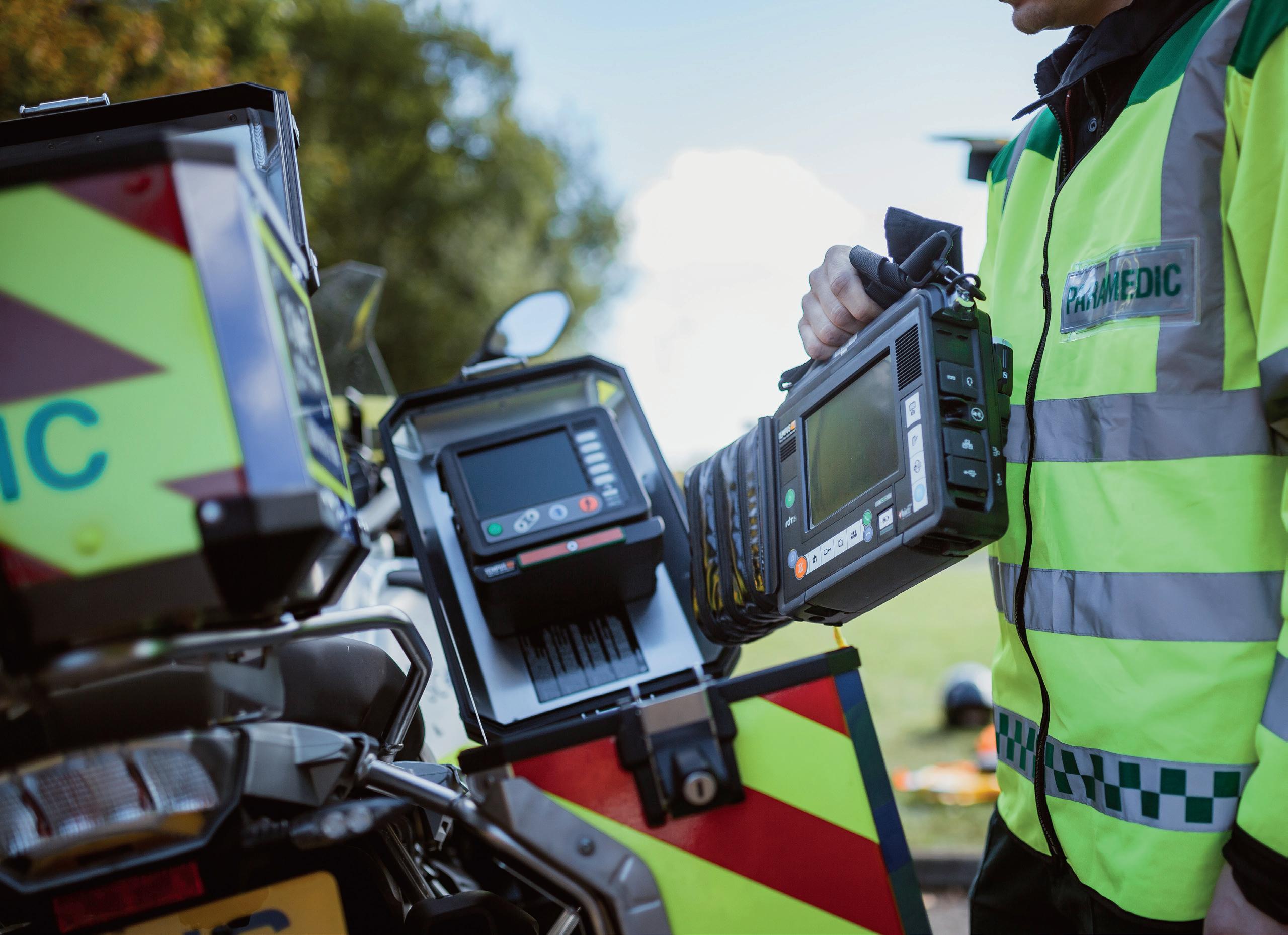
Leading the way in emergency care and resuscitation
Philips ALS Solutions are designed to be easy to use for rapid response, flexible and rugged enough for a range of environments and patients’ needs. With intuitive, twoway communication capabilities for secure data transfer, Philips ALS Solutions feature tools that enhance confident decision-making. From outside of the hospital to the hospital, from first responders to clinicians, Philips ALS Solutions provide critical connections for life. Celebrating 130 years of innovation, collaboration, and social responsibility, Philips is a trusted partner in EMS.
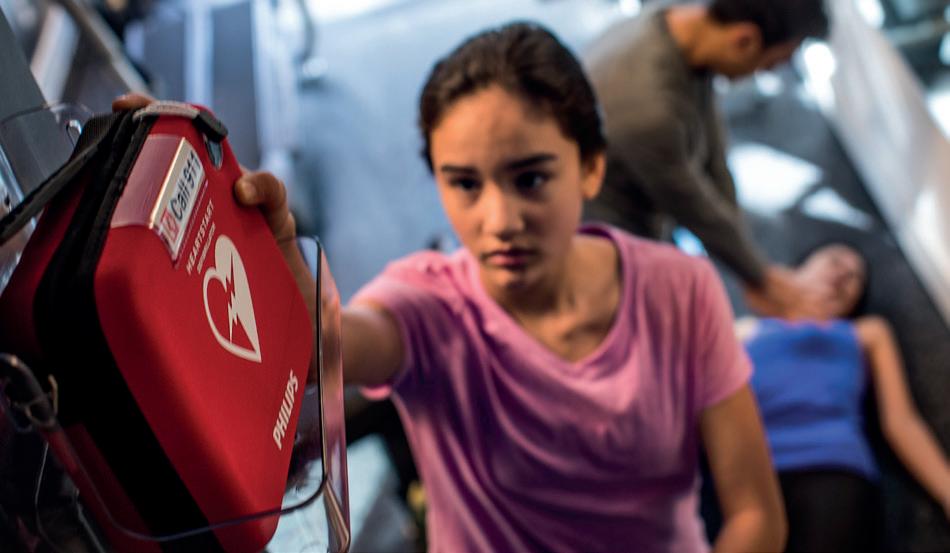
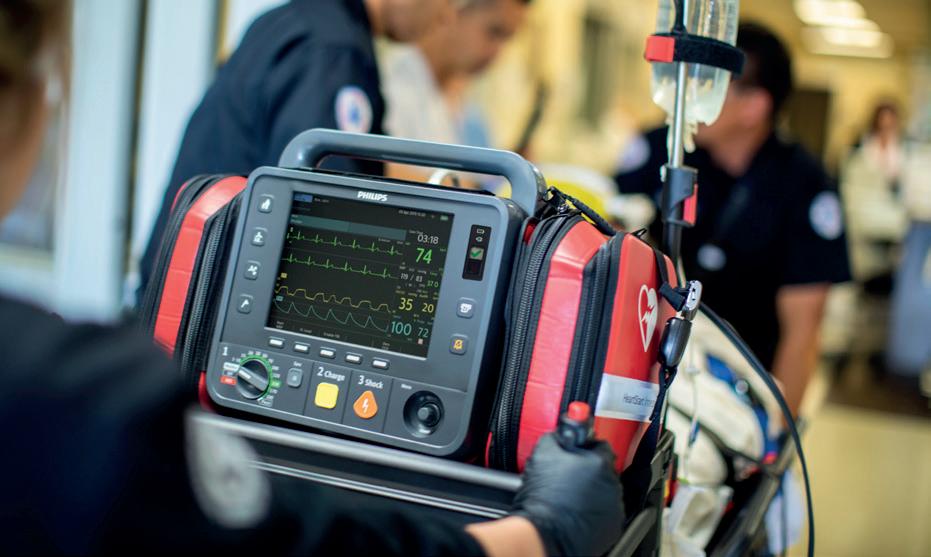
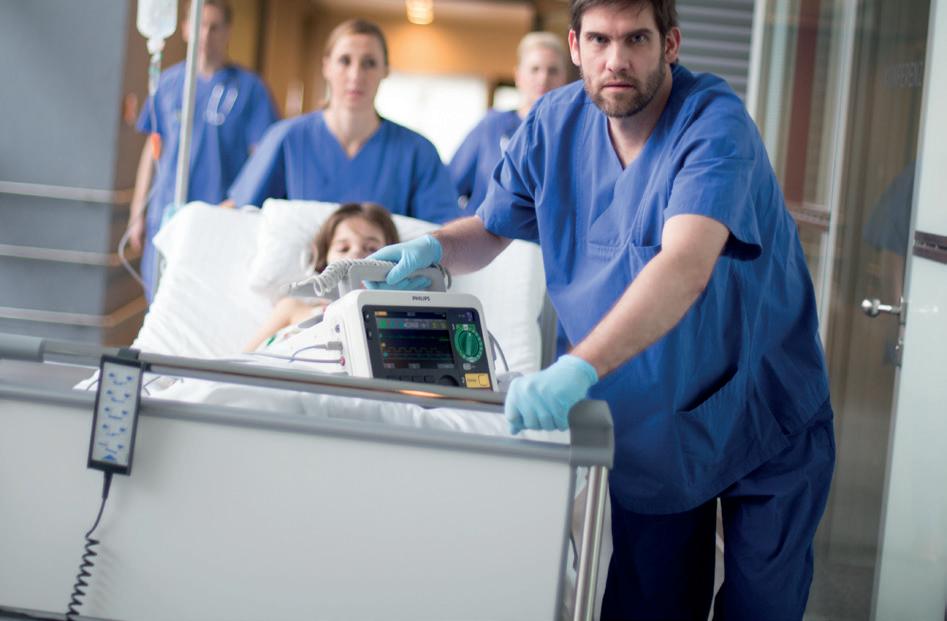

Ambulance Victoria (AV) has been a key supporter of Restart a Heart Day for the past five years, focusing primarily on face-to-face engagement with the community to increase bystander intervention in cardiac arrest and improve survival rates.
The impacts of COVID-19, however, meant AV had to shift its focus to virtual engagement, targeting the Victorian community through online resources, traditional media, social media, and key partnerships.
AV is committed to improving bystander intervention rates. If CPR is commenced early, prior to ambulance arrival, a person’s chance of surviving a cardiac arrest significantly increases. Furthermore, a critical step to improving survival rates is connecting those who know CPR to someone in need.
In 2020, Australian first research by AV revealed a significant decline in cardiac arrest survival rates, down 50 per cent during Victoria’s initial COVID-19 lockdown in March and May of 2020. While survival rates were shown to return to pre-COVID-19 levels during nonlockdown periods, a similar trend of much lower survival rates have been observed in other lockdown periods.
In response to these findings, AV launched the proactive Shocktober campaign in October 2020. In 2021, the campaign sought to encourage community members to learn the simple ‘Call Push Shock’ message and to sign up as GoodSAM Responders.
AV staff in each local government area (LGA) were asked to undertake an online ‘Call Push Shock’ or GoodSAM sign-up session within their community. Throughout the month, 71 percent of LGAs achieved this goal, with 134 online sessions delivered, reaching almost 7,000 Victorians.
AV was thrilled with the community response to this year’s campaign, signing up an additional 1,010 GoodSAM Responders. This was double the target of 500 new responders that had been set for the month. Along with online events held across the state, proactive media was a key driver for sign-ups, with at least 279 media mentions of Shocktober from September 29 through to October 31.
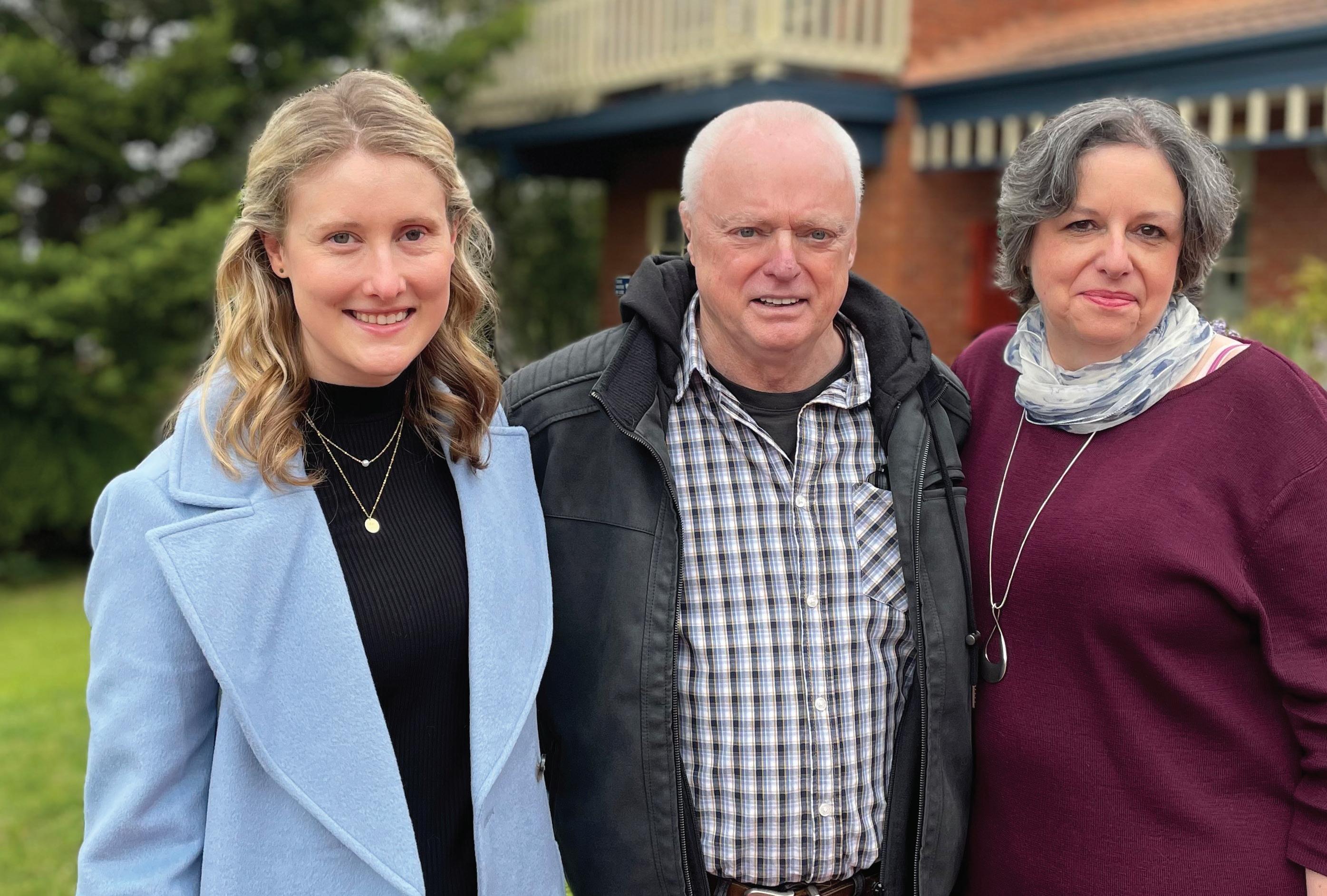
Coverage ranged from print through to national television. A key piece of media was the case study used to launch Shocktober. It featured Melbourne grandfather Paul Laister, who survived a cardiac arrest thanks to Chloe Wirth a GoodSAM Responder (Paul pictured above with Chloe - left, and his wife, Beth - right).
Throughout Shocktober, there was excellent engagement via AV’s social media channels with related posts reaching over 510,000 people. Over 3,500 Victorians tuned in on a Facebook Live event, delivered by a paramedic who gave a breif CPR course and encouraged people to sign up to GoodSAM. There was also significant interest in our industry GoodSAM information webinar, which targeted workplaces and organisations where CPR is a required skillset.
In order to reach all community members, this year’s Shocktober resources were translated into 12 different languages, ensuring our Culturally and Linguistically Diverse (CALD) community could also learn life-saving skills. Staff members from within AV’s Multicultural Employment Program were supported to utilise these resources to deliver online sessions to their communities.
The campaign was also strongly supported by AV’s partners, including St John and Red Cross, with GoodSAM awareness incorporated into training throughout the month. Health and Emergency Services partners also shared and promoted Shocktober’s key messages online, including Monash Health, Safer Care Victoria, and Royal Flying Doctors. AV also supported the CAA’s considerable community messaging on Restart a Heart Day.
While COVID-19 presented significant challenges in community engagement, Ambulance Victoria seized the opportunity to reimagine its delivery of Shocktober 2021. As a result, important life-saving messaging reached almost 7,000 Victorians and more than 1,000 new GoodSAM Responders were recruited, ready to step in and help save lives.
RESTART A HEART DAY 2021
From James Pearce FACPara, Lecturer in Paramedicine, Flinders University Registered Paramedic, SA Ambulance Service
PRestart A Heart Day was celebrated one day early at Flinders University this year, with a face-to-face event being run by the Flinders Paramedicine team on Friday, 15th October.
aramedic staff and students organised the session in the main plaza of Flinders University to support the key themes of Restart a Heart Day; Attempting CPR and applying an AED (Automated External Defibrillator.)
The organisation of the day was assisted by first year paramedicine student and Gunditjmara man, Joel. After the recent painful experience of a family member suffering a cardiac arrest, Joel wanted to help spread the Restart a Heart Day message far and wide. Indigenous representatives from the University’s Yunggorendi Student Engagement Office attended to support the event also.
The Council of Ambulance Authorities (CAA) supported the event by supplying banners, inflatable manikins, and Restart a Heart Day merchandise to give away to interested passers-by. There was excellent engagement with people as they passed by the event, with many stopping to refresh their CPR skills and practice applying an AED, or just chatting about how to do CPR or where to do a first aid course.
One of the most popular activities for the day was the #9for9 challenge, which highlights that 9 out of 10 people won’t survive an out-of-hospital cardiac arrest.
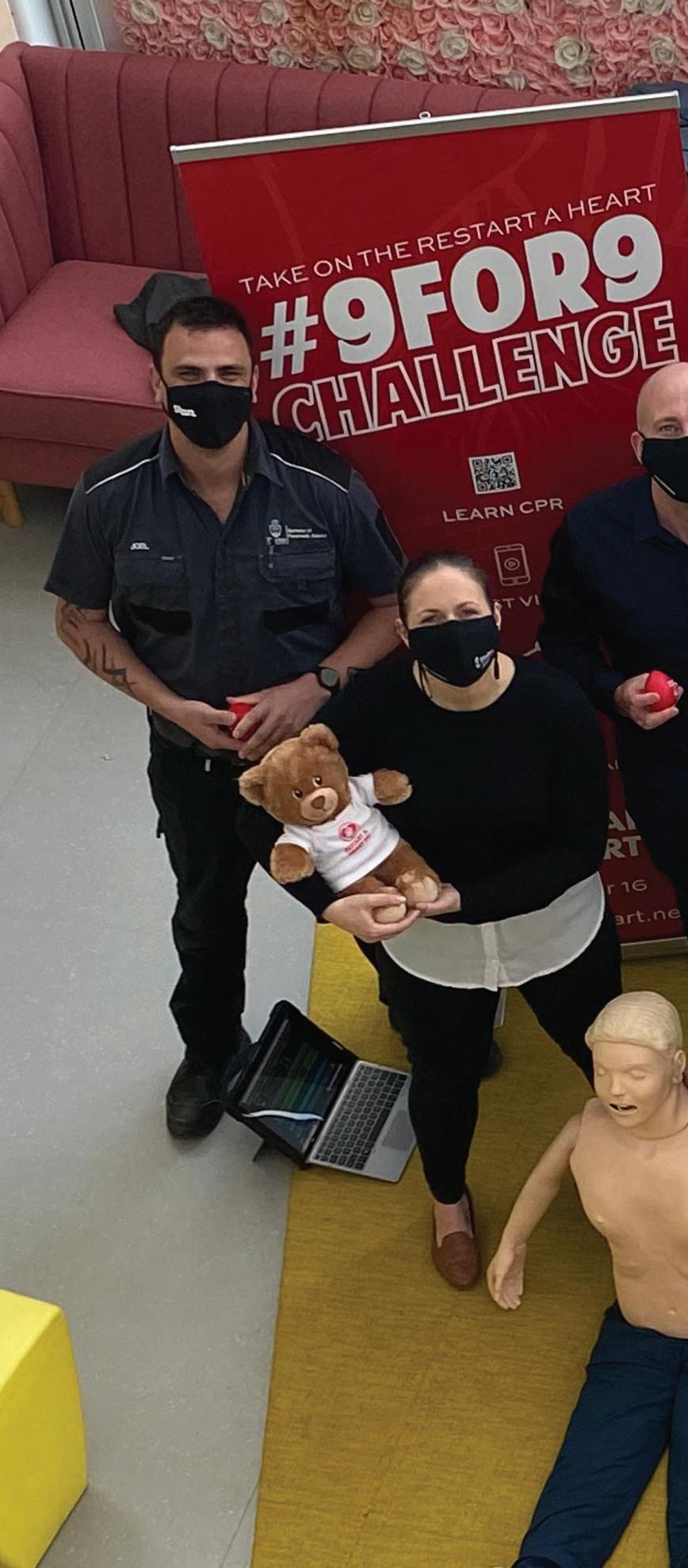
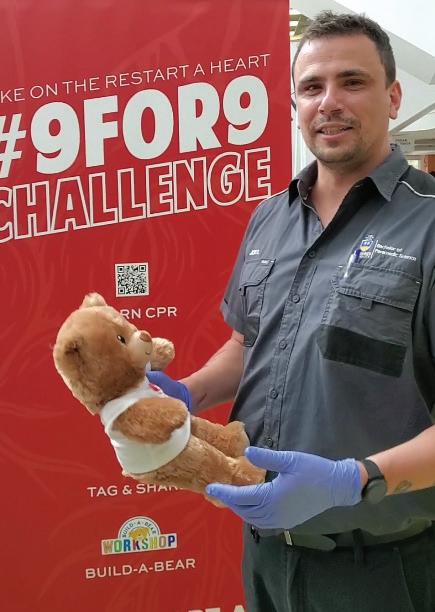
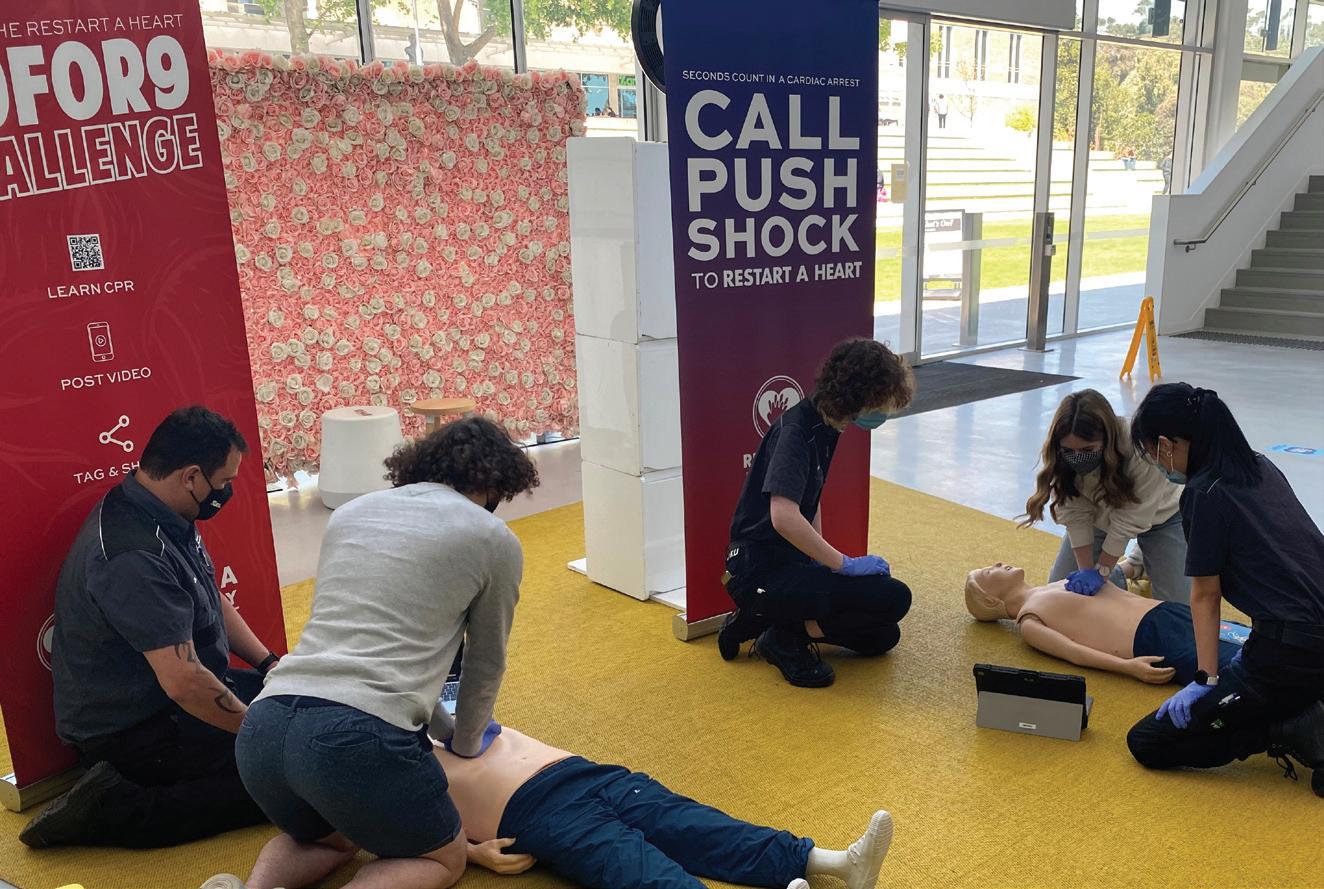
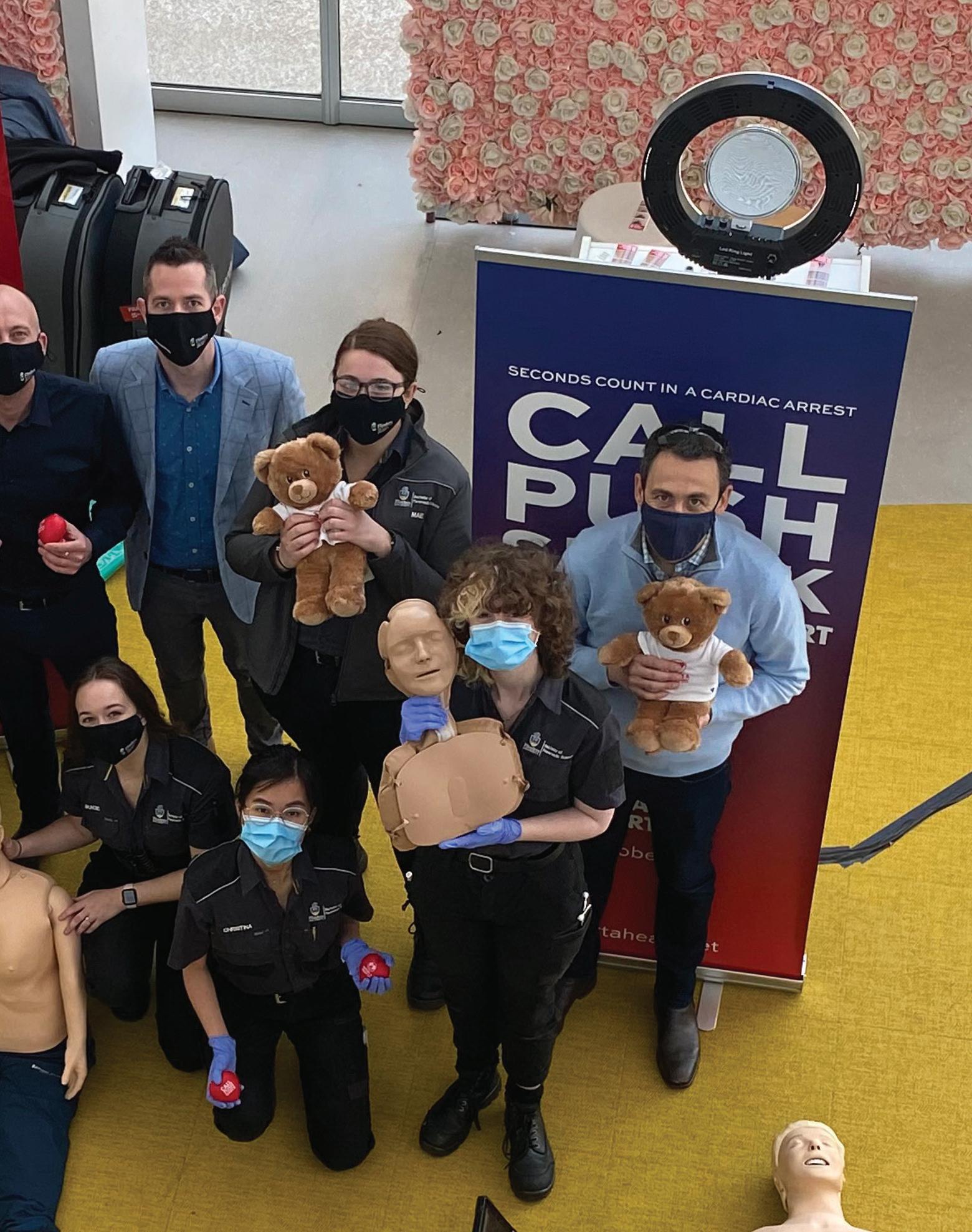
Several Flinders staff and students completed the challenge which involved recording a clip demonstrating 9 compressions, and then posted their videos on various social media sites including Twitter and Instagram, tagging 9 friends to encourage them to complete the challenge. Joel completed the #9for9 challenge, and donated his bear to a fellow first year student’s little boy, Junior, who had been unwell. Junior loves his new bear, Heartly!
Last year, Flinders University ran a Restart a Heart Day event in conjunction with SA Ambulance Service (SAAS), which was unfortunately not possible this year due to COVID-19. We hope to run a Restart a Heart Day event in 2022 with SAAS and make it bigger and better than ever to spread the vital message; CALL, PUSH, SHOCK.

Joel Brown with Heartly the RAHD Bear.
Joel Brown (left) with Abby McCormick and Christina Huang with members of the public performing CPR.
From L-R Standing: Joel Brown (student), Anthea Cayetano (staff), James Pearce (staff), Brad Mitchell (staff), Mae White (student), Abby McCormick (student), Jarad Wilkinson (staff). Squatting: Gracie Scarman (student), Christina Huang (student).
Junior with Heartly the RAHD Bear.

Restart a Heart Day is an important event on our yearly calendar.
CALL PUSH SHOCK messaging is at the core of our personal mission to turn bystanders into first responders in medical emergencies.

The Michael Hughes Foundation (MHF) is a proud partner with the Council of Ambulance Authorities’ Restart a Heart Day to promote its 3 simple messages for the actions required to respond to cardiac arrest in the general community. Our involvement is made even more special, in that October 16 is the birthday of our legacy namesake Michael Hughes.
Although a key focus of our work is encouraging bystanders to act, there are many and varied reasons why cardiac arrest can strike, and the Foundation is broadening its focus and conversations on important topics that link to this health issue. These topics include nutrition, exercise, genetics, and mental health.
Due to COVID-19 restrictions and the Sydney lockdown, the Foundation hosted a week of virtual events that reflected these topics. All events were run in collaboration with leaders in their areas of expertise.
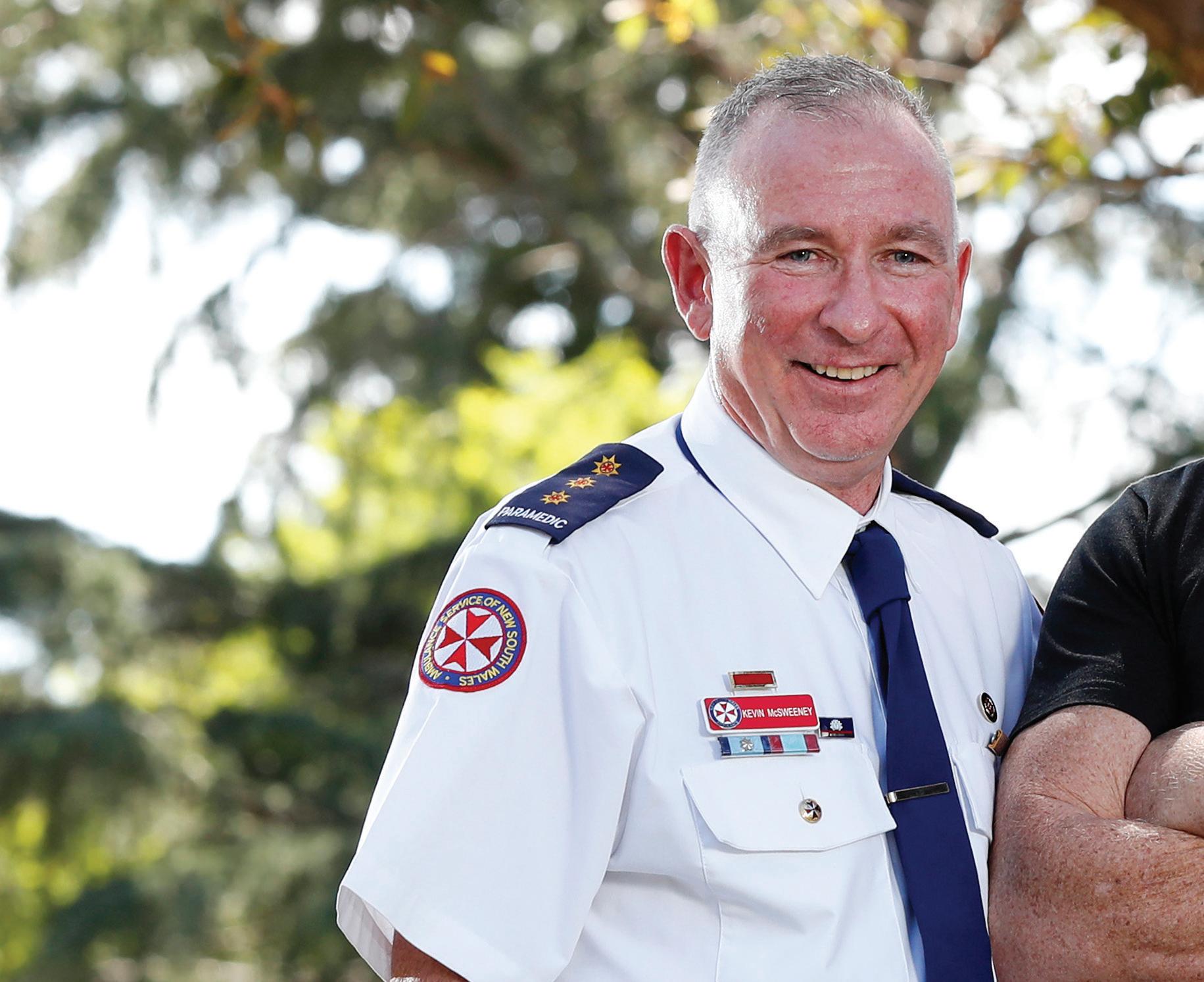
Garry Jack’s Mission for CPR Education
Our Patron Garry Jack, Balmain Tigers and Australian Rugby League Legend launched Restart a Heart Day, sharing his story of surviving a cardiac arrest earlier this year and encouraging every Australian to learn the basic skills of CPR.
Garry further hosted a special edition of The Fend, a Rugby League Podcast that he hosts with his colleague and commentator Adam Hawse, to interview survivors and first responders impacted by cardiac arrest. Garry commented “this was the first time that I had spoken to people who had been through what I did – it was personally beneficial to share these stories and hear from their perspective”.
Moulage Training with TraumaSim Group
Another special highlight of our events was hosting a Moulage session with the TraumaSim Group. Based in Western Australia, TraumaSim provides medically accurate products and services designed to simulate realistic wounds, injuries, and medical conditions.
The Moulage session led by Nola Pearce taught the basics of special effects make up to create three key injuries – bruises, cuts and burns. It was a unique and fun session for participants…. But why is this so important?
Like the Michael Hughes Foundation, the TraumaSim Group discuss the real-life aspects of dealing with medical events. In a training environment realism significantly improves student retention, improves mental resilience to major trauma events and helps to reduce the effects of Post Traumatic Stress Disorder (PTSD) on attending personnel.
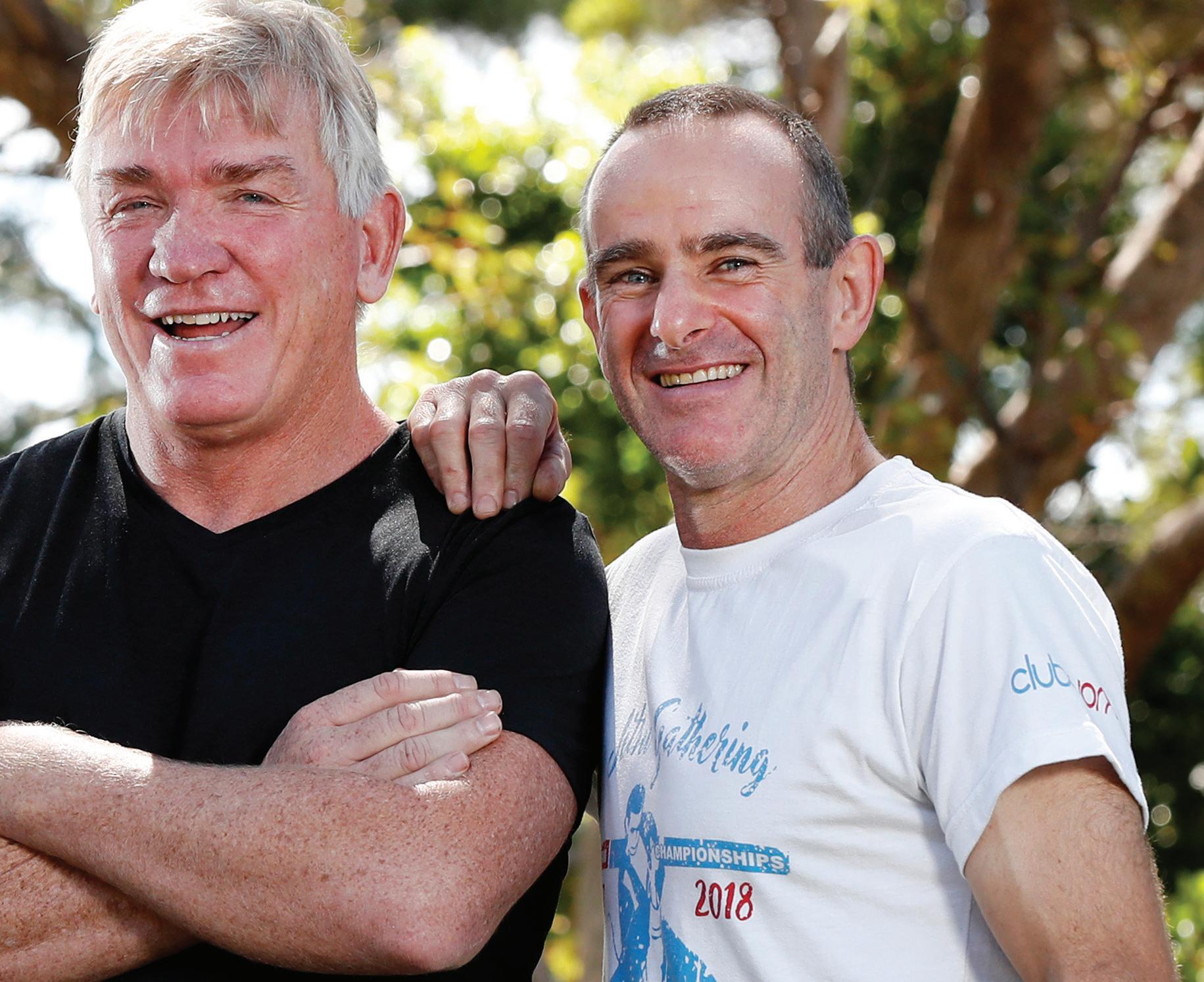
Myths & Facts of Cardiac Arrest
The MHF supported a variety of education pieces to reduce the myths and fears related to cardiac arrest. Our First Responder video series was shared on 15th October for CAA’s Live Events and we also co-created the Myth cards as part of the marketing material distributed for this special day.
The key to this messaging is regardless of how or why a cardiac arrest occurs – you must try something! With a response of CALL PUSH SHOCK, you cannot hurt the person in any way – you are only attempting to save their life.
Restart a Heart Day is very close to our heart and is an important date in our yearly calendars. We look forward to growing the reach and community interest into next year and beyond.
About the Michael Hughes Foundation
The Michael Hughes Foundation (MHF) is a purposeful Australian Social Enterprise & NFP with a primary mission to Turn Bystanders into First Responders in cardiac arrest events.
The Foundation is focussed on increasing the efficiency and community coordination of individuals when responding to cardiac arrest to reduce time. Key frameworks that underpin our mission include Cardiac Chain of Survival and HeartSafe Communities.
The Foundation is a member of the NSW Health Expert Panel for Reducing Premature Cardiac Mortality and is a research partner with the Westmead Applied Research Studies #First CPR study.
SU D DEN C ARD I A C A R R ES T (SCA) occurs when an electrical malfunction of the hear t causes it to suddenly stop beating.
H OW D O I HE L P ?
Approximately 50% of SCA victims initially require defibrillation1. All require CPR. If you perform CPR immediately and use an automated external defibrillator (AED) within minutes, you can double or quadruple a person’s chance of sur vival.1
SCA IS NOT A HEART ATTACK
A hear t attack occurs when blood flow to the hear t is impeded due to a blocked ar ter y
S T
are essential to move blood throughout the body to protect vital organs. The Australian Resuscitation Council (ANZCOR) recommends a depth of more than 5cm or one third of the depth of chest and a rate of 100-120 compressions per minute. G O O D C H E
with integrated Real CPR Help® guide rescuers with audible and visual feedback, with prompts that tell rescuers to “Push Harder” or positive reinforcements that let rescuers know they have achieved “Good Compressions.”
A reunion made possible by acting fast: how a push of a button made a difference
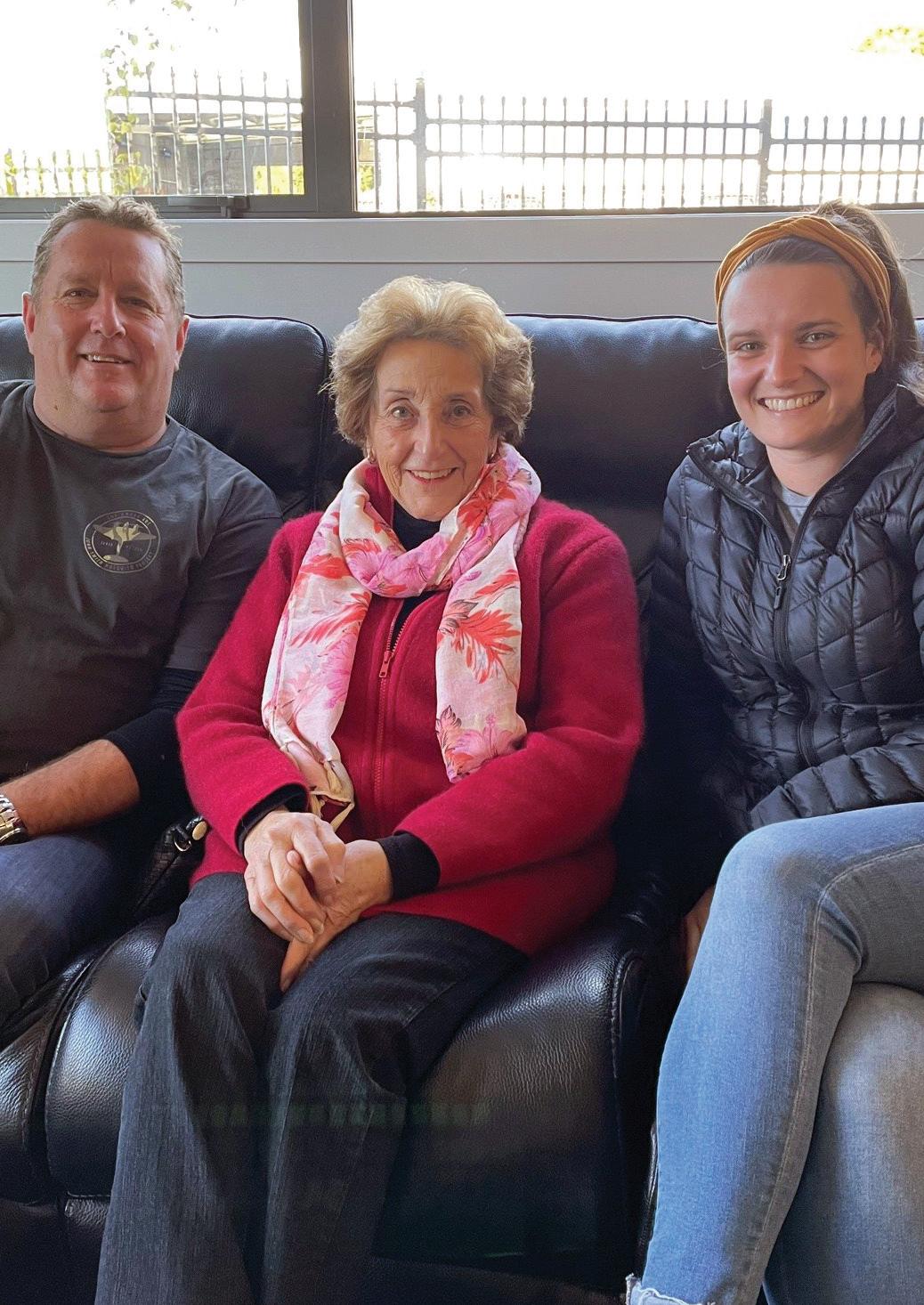
By St John NZ
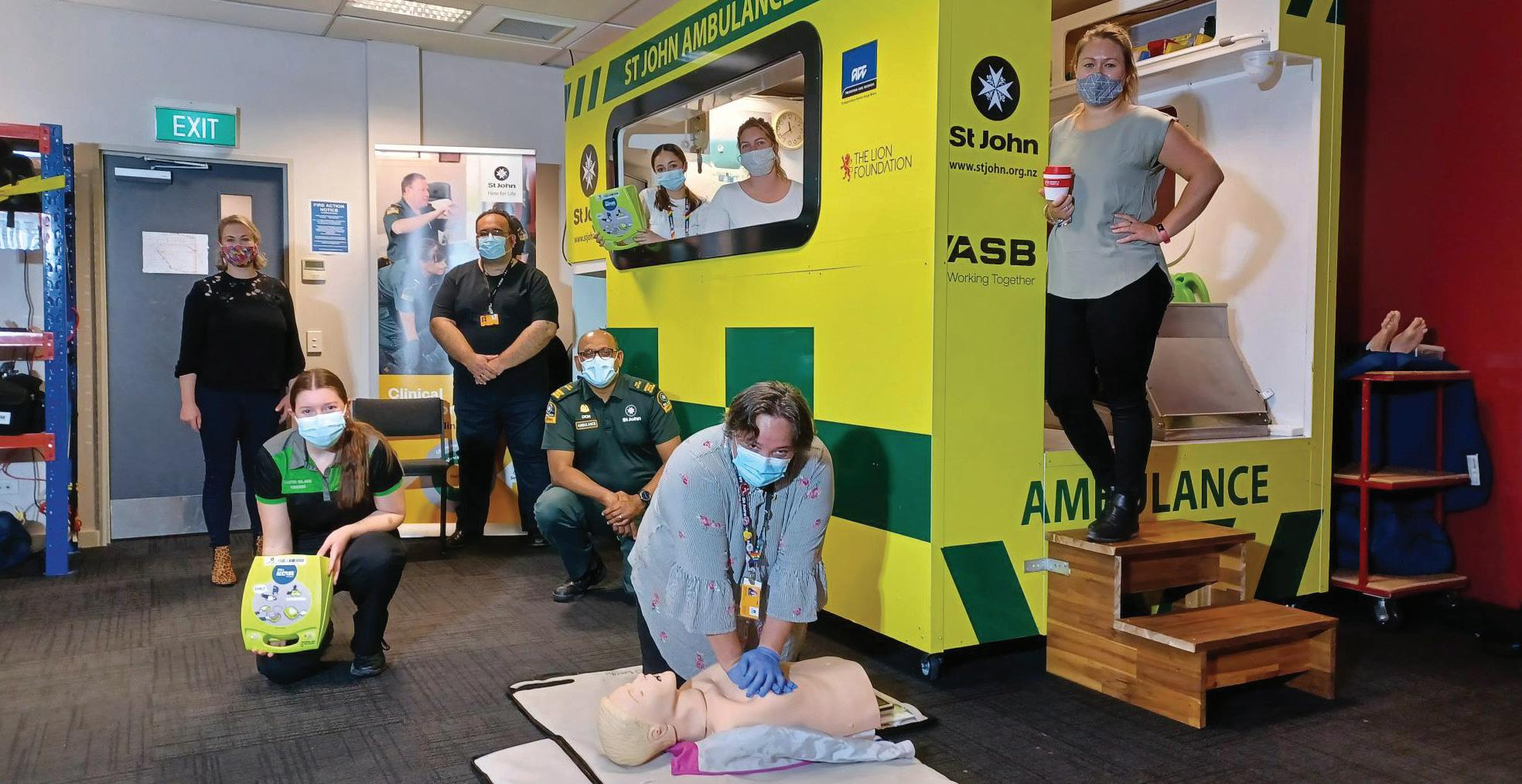
When 80-year-old Taupo resident Betty Rosanoski visited her local ambulance station for a cup of tea, St John New Zealand ambulance officers Kate Shepherd and Brendon Feck were delighted to see she was doing so well.
Merely weeks before, Betty had pressed her St John medical alarm one autumn morning. Crippled with chest pain and feeling generally unwell, Betty had an instinct to call for help and within minutes an ambulance arrived.
“I’d suffered a heart attack before, but the symptoms were very different. This time, I knew something was very wrong. Although hesitant at first, I’m so glad I thought to push my medical alarm so quickly,” says Betty.
And Betty was right. Like many other patients St John New Zealand treats every year out in the community, Betty unfortunately suffered from cardiac arrest – and time was of the essence.
Over the last year, St John New Zealand ambulance officers have responded to more than 2,000 cardiac arrests in the community, and it continues to be the country’s biggest silent killer.
Ambulance officer Brendon Feck, one of the crew who treated Betty on the day, says she went into cardiac arrest after they arrived on scene. He immediately shocked Betty using a defibrillator then started chest compressions.
“After about 20-30 seconds of compressions, Betty opened her eyes, giving me the biggest shock - this has never happened to me before. She asked what I was doing, and I explained she’d had a cardiac arrest and I had shocked her and performed CPR. She then told us she had been having the nicest dream and her chest felt a little sore,” says Brendon.
A quick response became the difference between life and death for Betty, and she was rushed in to have surgery and a stent fitted. Just a few days later she’d recovered and was doing well at home – so well that she decided to visit the Taupõ ambulance station and be reunited with the St John crew who were vital to her chain of survival.
“If it hadn’t been for them, I wouldn’t be here today, so I had to make a visit to thank them. They were delighted to see me, and we took some photos.” says Betty.
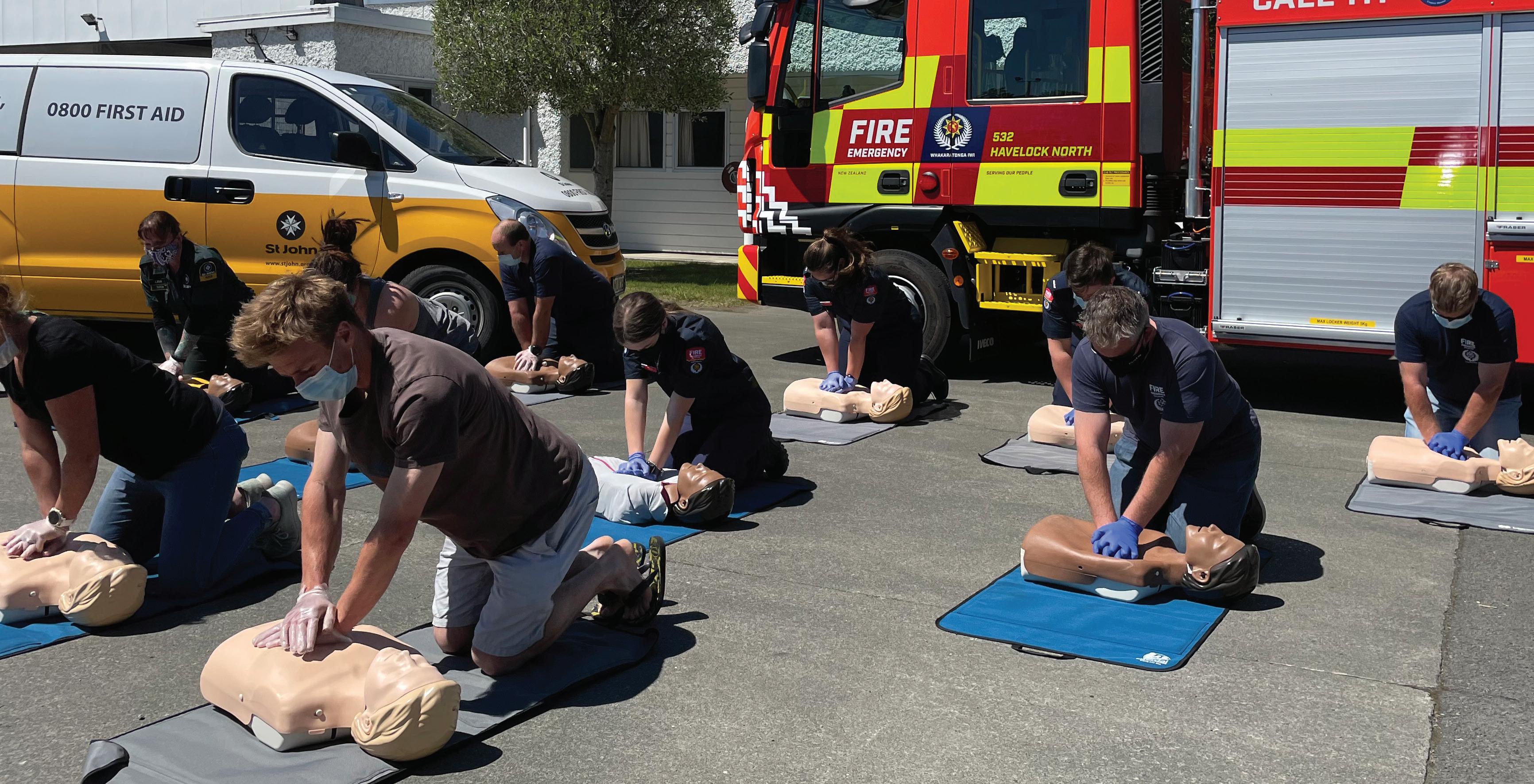
Since then, Betty has made it her mission to spread the word about the importance of knowing how to do CPR and use an AED. She’s been in touch with St John New Zealand Intensive Care Paramedic Peter Lockie, who also responded to the scene and helped treat Betty when she suffered a cardiac arrest that day.
They’ve discussed running CPR training with a local community group Betty is a part of, with Betty being the perfect advocate for the importance of knowing the three simple steps; CALL, PUSH, SHOCK, and how they can make all the difference.
“If it can help others like it did for me, then I’ll be very happy,” says Betty – who is now enjoying being active and staying busy and is very grateful she opened her eyes again that fateful morning.
For Restart a Heart Day this year, St John New Zealand was able to host CPR challenges in different parts of the country, despite some having to be cancelled due to COVID-19 restrictions, there was fantastic engagement across the board. St John New Zealand launched the free ‘3 Steps for Life’ programme five years ago – a course which teaches the vital call, push, shock steps, this has since seen incredible uptake with hundreds of New Zealanders taking advantage of the community education programme each year.
If it hadn’t been for them, I wouldn’t be here today, so I had to make a visit to thank them. They were delighted to see me, and we took some photos.”
Betty Rosanoski Cardiac Arrest Survivor
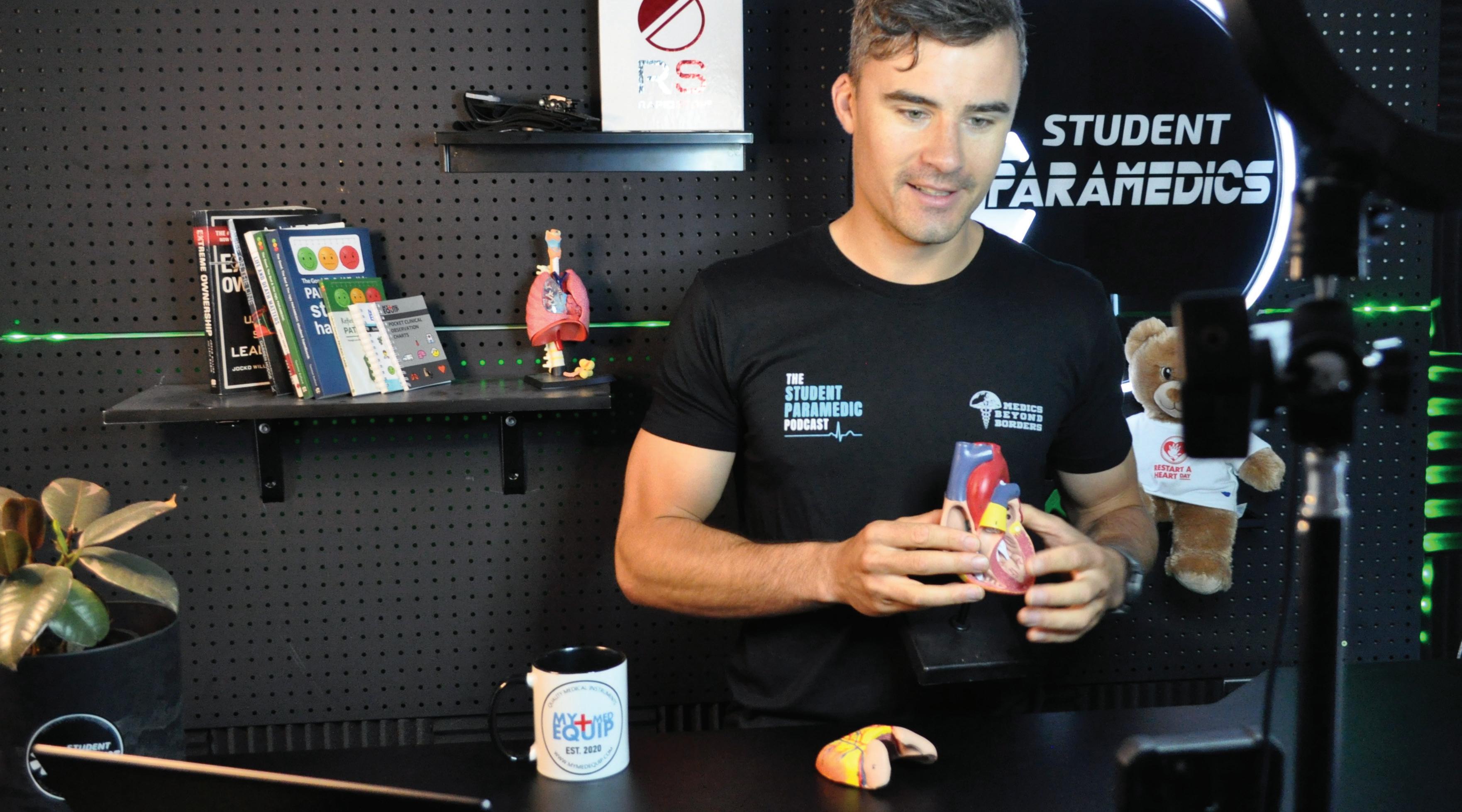
Impacts of COVID-19 on student paramedics have been diverse, affecting social and educational experiences, and causing educational institutions to seek alternative and online means of education (1, 2).
Taking COVID-19 out of the picture for a moment, most student paramedics agree that face-to-face (F2F) classes are superior to online learning (1).
However, F2F classes have been reported to have a surprisingly low attendance rate, with one large university reporting a mean attendance rate of just 49.2%, suggesting similar rates of attendance in other universities (3). Attendance to F2F classes by student clinicians is multifactorial. However, motivation along with self-efficacy have both been found important factors in overcoming barriers to learning and development (4-8).
As such, motivation and the development of self-efficacy are important areas to focus on when training student paramedics. Many students agree that online platforms improve social interaction and motivation in learning activities, with increased confidence in getting involved and asking questions (1, 9).
I started Student Paramedics before COVID-19 hit us and before a lot of the above points became as amplified as they are now in our industry.
I was a student paramedic at the time, and I wanted to create a space to encourage other students in sharing their stories and clinical development. I started posting clinical content and sharing stories from other student paramedics around the world regarding their journey. Since then, Student Paramedics has become a place that seeks to motivate student and qualified paramedics alike towards continuing professional development (CPD) through clinical discussion and audience driven content.
One area of focus has been normalising experiences within the industry surrounding mental health and providing practical steps towards positive traits such as post-traumatic growth. The team has expanded beyond solely myself, and we have some really exciting plans for what we’ll be providing in 2022 for which we feel extremely humbled and privileged.
My own experience has shown me that an engaging online community contributes not only to professional development within the industry, but also towards public awareness and support of the industry.
This was one of the strengths of Restart a Heart Day. The tremendous social media response the event produced is testimony to the power and multiplicative reach an engaging online community can have when seeking to motivate and empower individuals to learn and apply principles. I was inspired in seeing student paramedics, nurses and lay-persons alongside advanced clinicians getting involved with the #9for9 Challenge and posting content about Restart a Heart Day. Although I was working rurally in a new location on the day and hilariously could not locate the training mannequin (which ended up being right under my nose), I made do with what I had and I had a lot of fun doing so! Who knew packets of paper-towels could provide such a good CPR mannequin?
As the involvement of others did, my involvement contributed to the involvement of multiple more individuals. The reach and influence social media can provide is more relevant than ever right now as more and more student and professional CPD activities migrate away from F2F and towards online platforms. There is an ever-increasing generational uptake in social media. Modality of delivery has been demonstrated to be a key contributing factor to the motivation of paramedics to engage with CPD (10). I’m excited to see our industry continuing to have more of a positive professional presence in social media alongside more public engagement.
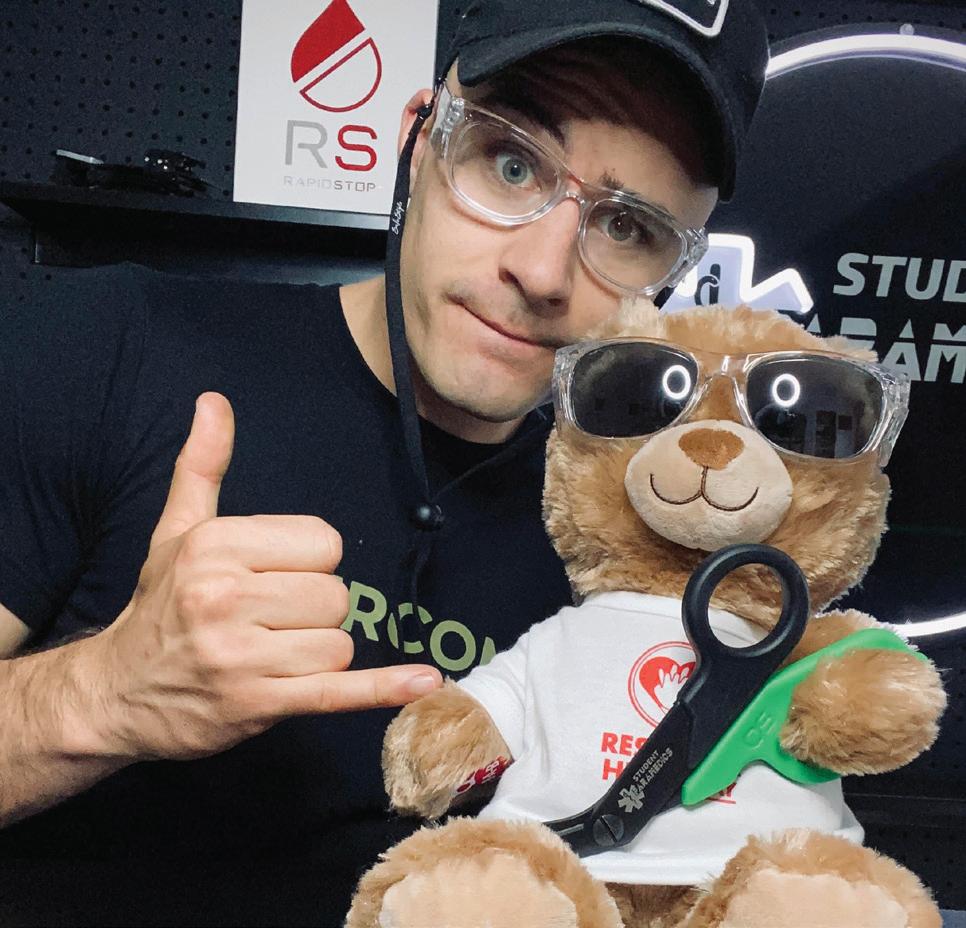
References
1. Whitfield S, Perkins A, Kelly S, Dumbleton H. Uncharted waters: the effects of COVID-19 on student paramedics. Australasian Journal of Paramedicine. 2021 Aug.
2. Fisher, John & Allred, Steve & McCarthy, Kevin. The COVID-19 Pandemic's Impact on Students in a Paramedic Study Program. Journal of Security, Intelligence, and Resilience Education. 2021 Jan 01.
3. Beovich B, Gosling C, Williams B. Lecture attendance among university paramedic students: A sequential mixed methods study. Australasian Journal of Paramedicine. 2021 Apr 27
4. Sharififard F, Asayesh H, Hosseini MH, Sepahvandi M. Motivation, self-efficacy, stress, and academic performance correlation with academic burnout among nursing students. Journal of Nursing and Midwifery Sciences. 2020 Apr 1;7(2):88.
5. Khasawneh E, Gosling C, Williams B. The effect of self-efficacy on maths anxiety among paramedic students. Australasian Journal of Paramedicine. 2021 Feb 3.
6. Cieslak R, Benight C, Schmidt N, Luszczynska A, Curtin E, Clark RA, et al. Predicting posttraumatic growth among Hurricane Katrina survivors living with HIV: The role of self-efficacy, social support, and PTSD symptoms. Anxiety, Stress Coping. 2009; 22(4):449–63.
7. Bandura A. Self-efficacy mechanism in human agency Am Psychol. 1982;37(2):122–47.
8. Sheikh AI. Posttraumatic growth in trauma survivors: Implications for practice. Couns Psychol Q. 2008;21(1):85–97.
9. Morante A, Djenidi V, Clark H, West S. Gender differences in online participation: Examining a history and a mathematics open foundation online course Australian Journal of Adult Learning. 2017 Aug;57(2):266-93.
10. Hobbs L, Devenish S, Long D, Tippett V. Facilitators, barriers and motivators of paramedic continuing professional development. Australasian Journal of Paramedicine. 2021 Jan 3
















for Thanksupporting you