


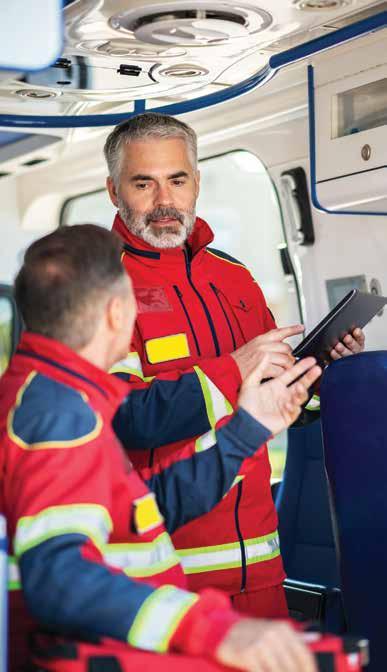
+ Real-time virtual communication using video -conferencing
+ Rapid entry case notes
+ Integration with patient records
+ AI enabled Clinical Decision Support
+ Medical Device integration
To
Dear friends and colleagues,
There’s something about this time of year that brings fresh energy — a sense of momentum and possibility that feels contagious. With that spirit in mind, I’m thrilled to welcome you to the Autumn issue of FIRST.
This edition is particularly special as we shine a light on the remarkable recipients of the CAA’s Women in Ambulance Recognition Awards. Now in its fifth year, the awards continue to celebrate women who lead with compassion, resilience, and quiet strength — qualities that help carry our sector forward in powerful ways.
In our Feature First section, the team speaks with Michelle Baxter (Ambulance Tasmania), Rebecca Lundy (ACT Ambulance Service), Karen Stewart (St John WA), and I, reflecting on the journey since our very first the CAA Women in Ambulance Forum meeting in 2018. We talk about what’s changed, what hasn’t, and what we hope is still to come for women working across our ambulance services.
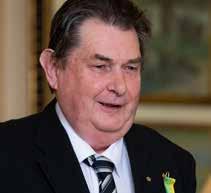
We say thank you and farewell to CAA Chair and ACT Ambulance Service Chief Officer, Howard Wren, as he steps into retirement. With a beautiful tribute from ACT Ambulance Service, we thank Howard for his dedicated service and wish him all the very best for the adventures ahead.
The tail end of 2024 was a whirlwind for our team, and one of its proudest moments was taking home a sustainability award. We caught up with Dr Shohreh Majd to talk about the work that earned CAA the Outstanding ESG/SDG/Zero Carbon Strategy Award for her work on the CAA’s Sustainability in Ambulance White Paper, a project that’s close to our hearts and core to our ongoing mission.
As always, you’ll find stories from across Australasia that highlight the heart, hustle, and humanity of those working on the ground every day. These snapshots remind us why we do what we do.
Finally, preparations are in full swing for the upcoming IRCP and CAA Congress, which we’re excited to host in our home base of Adelaide, South Australia. Keep an eye on our website and socials for updates — including keynote speaker announcements, Awards for Excellence nominees, and registration details.
As we head into autumn with its cooler nights and golden afternoons, I hope you can find a quiet moment to rug up with a warm drink — in my case, it’s always a good hot chocolate — and enjoy this issue of FIRST. It’s full of stories, updates, and moments that celebrate the incredible work happening across our sector.
On behalf of the whole CAA team, thank you for all that you do, and we look forward to connecting with you throughout the year.
Love xx

Mojca Bizjak-Mikic Editor-in-Chief FIRST magazine

How to get in touch with our member services.
Data First 2025 Ambulance Snapshot. 10 Industry First
Read the latest news from across the Australasian Ambulance and Health Sector. 12 CAA First
Updates from CAA's various committees, forums, and networking groups. We say goodbye to Howard Wren and get to know CAA's new Chair, Craig Emery.
Learn more about the Australian Institute for Disaster Resilience, how to build a health system that works, and about cybersecurity in health care. 36
Services First
Showcasing the latest projects and achievements from across CAA member services.
48 Awards First
Meet the latest award winners as we celebrate five years of Women in Ambulance Awards. 54 Feature First
FIRST speaks with some of the trailblazers of the Women in Ambulance initiatives about their remarkable journeys. 66 Events First
Mark your diaries with the upcoming events hosted by CAA and our partners.

70 Partners First
In this edition of FIRST, we share articles from the Australasian College of Paramedicine, Women and Leadership Australia, as well as the Association of Ambulance Chief Executives.
76 Research First
Sharing the latest innovative research projects from around the ambulance world.
84 Sustainability First
Sustainability in action: the team behind CAA's award-winning white paper.
THE TEAM
Editor: Mojca Bizjak-Mikic
Relationship and Content Manager: Georgie Leach
Editorial Team: Georgie Leach & Kieren Vartuli
Publication Design: Kade Marsh, Alpha State
88 People First
Meet just some of the wonderful people that make up the Australasian Ambulance services.
90 The Directory
92 Wellness First
Strength under stress: optimising health and performance for women in ambulance with Mitch Mullooly
PUBLISHED BY:
The Council Of Ambulance Authorities Inc
2/141 Sir Donald Bradman Drive Hilton SA 5033 Australia admin@caa.net.au
ACT Ambulance Service esa.act.gov.au/ambulance
ACT Emergency Services Agency
ACT Ambulance Service, ACT Emergency Services Agency
ACT_ESA
Ambulance Tasmania ambulance.tas.gov.au
Ambulance Tasmania
Ambulance Tasmania
@AmbulanceTas
Ambulance Victoria ambulance.vic.gov.au
Ambulance Victoria
Ambulance Victoria
@ambulancevic
@AmbulanceVic
AmbulanceVic
Hato Hone St John stjohn.org.nz
Hato Hone St John
Hato Hone St John
@stjohnnz
@stjohnnz
StJohnNZ
NSW Ambulance ambulance.nsw.gov.au
NSW Ambulance
NSW Ambulance
@NSWAmbulance
@NSWAmbulance
nswambulance9025
Queensland Ambulance Service ambulance.qld.gov.au
Queensland Ambulance Service (QAS)
Queensland Ambulance Service
@qldambulance
@QldAmbulance
@Queensland AmbulanceService
SA Ambulance Service saambulance.com.au
SA Ambulance Service
SA Ambulance Service
SA_Ambulanceservice
SA_Ambulance saambulanceservice1
St John WA stjohnwa.com.au
St John WA
St John WA
@stjohnwa
SA_Ambulance
@StJohnWA
St John Ambulance Australia (NT) stjohnnt.org.au
St John NT
St John NT
@stjohnnt
@Stjohnnt
@stjohnnt2691
National St John Ambulance Papua New Guinea stjohn.org.pg
National St John Ambulance Service PNG
National St John Ambulance Service Papua New Guinea
st_john_png
@StJohnAmbPNG
@SJAPNG
Wellington Free Ambulance wfa.org.nz
Wellington Free Ambulance
Wellington Free Ambulance
@wellington_free
@wellingtonfreeambulance
Council of Ambulance Authorities
caa.net.au
The Council of Ambulance Authorities
@CAAAustralasia
The Council of Ambulance Authorities Inc.
Council of Ambulance Authorities

Throughout 2024, the CAA collected data from statutory ambulance services across Australia, New Zealand, and Papua New Guinea.
This data supports benchmarking comparisons and is published across CAA platforms. The Australian data compiled by CAA contributes to the Australian Government’s Productivity Commission Report on Government Services (ROGS).
The full report is available to read at: 11 Ambulance services - Report on Government Services 2025 - Productivity Commission.
Across Australia, New Zealand, and Papua New Guinea during the 2023-24 financial year:
Ambulance Stations and locations
1,818
All Salaried Staff
Ambulances and other vehicles
8,333 Aircraft (excludes New Zealand)
90
Volunteers and First Responders
27,516
10,471

Incidents reported to ambulance service organisations
5.1 million
Responses where an ambulance was sent to an incident
6.8 million
Calls made to 000 or 111 (excludes Papua New Guinea)
4.8 million
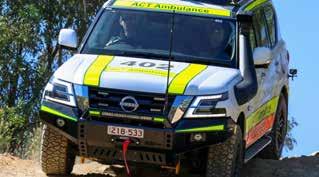
New Vehicle
ACT Ambulance Service
When patients are in tough-to-reach areas due to geographical location or extreme weather events, the specially trained ACTAS Remote Area Paramedics (RAP) are required. Outside regular parameters, the RAP team can now access areas regular fleet members cannot, as this is a specialised 4-wheel drive vehicle. According to ACTAS, this newly acquired vehicle can hold “enough medical and survival equipment to sustain paramedics and patients for up to 36 hours”.
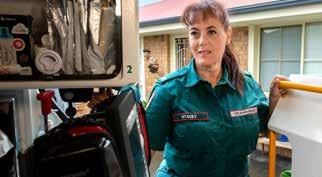
Dedalus win $23.5 million
SAAS Tender
SA Ambulance Service
An ambulance electronic patient care record (ePCR) system from Dedalus is on the way to South Australia for SA Ambulance Service (SAAS). The ePCR product will be rolled out during 2026 across South Australia and a variety of the SAAS service fleet including special operations and SAAS MedSTAR. SA Ambulance Service Chief Executive Rob Elliot believes that this will “have a significant and positive impact on the organisation”.

Hato Hone St John
Data received from the Hato Hone St John team has shown high demand throughout 2024, after responding to over 450,000 incidents across New Zealand, an increase of 2.8% on 2023. Fortunately, the Hato Hone St John call takers have seen a slight 0.6% decrease on the previous year, but a significant growth since 2019.
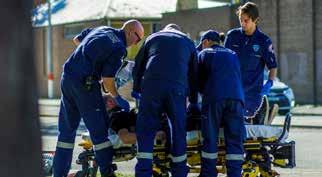
A new Glendenning Ambulance Station is one step closer after the purchase of the land for NSW Ambulance. The brand-new station will service Doonside and its surrounding communities as part of the NSW Government's $615.5 million Infrastructure Program. This program is set to assist with the delivery of 30 ambulance stations across Sydney, Central Coast, Newcastle, the Hunter and Wollongong.
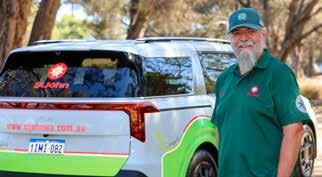
St John WA
The St John WA Community Transport vehicles have gone green with the introduction of the hybrid Kia Carnival to their service. The non-profit service is for those that require essential care but can’t use their regular form of transportation or public transport. Alongside the sustainability benefits of the hybrid vehicle, the “initiative is expected to reduce fuel consumption by 40%, while also enhancing comfort for both drivers and patients” to the framework required.
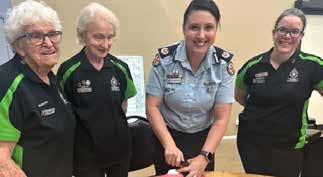
Queensland Ambulance Service
Queensland Ambulance Service have further developed their community engagement after 12 officers undertook training to educate Queensland’s most remote communities by using traditional language. The education program called STOP THE BLEED®, is a three-step strategy to prevent the critically injured bleeding to death. The state's rollout of this program began in late 2024 with the program developed in 2012 after the 2023 Sandy Hook School shooting.
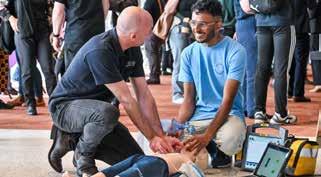
Flinders University
South Australian tertiary institution, Flinders University have recently released the Honours course for their Bachelor of Paramedicine. With the opportunity to add another year or part time equivalent onto a students’ study.

Ambulance Victoria
Ambulance Victoria have announced their new Executive Director Quality and Clinical Innovation, Dr Tegwyn McManamny. Dr McManamny has held a variety of roles with Ambulance Victoria since joining in 2010. Alongside her phenomenal career with Ambulance Victoria, Dr McManamny also has a PhD in rural health, gerontology and health education. Congratulations on the role, Dr McManamny.


Since the last edition update, the CAA has hosted multiple in-person and online meetings across various committees, forums, and networking groups.
The CAA Board convened twice during this period: first to wrap up 2024 in Sydney and then to commence 2025 Board meetings in late February in Melbourne.
The Strategic Business Committee explored key topics such as secondary triage, response rates across different codes, and referral pathways for non-urgent cases. Discussions centred on ongoing service programs addressing patient transfer of care issues, reviewing patient experience surveys, key performance indicators (KPIs), and updates to ambulance frameworks.
The Quality Standard and Accreditation Forum covered significant topics, including early warning scores, consumer feedback, consent processes, healthcareassociated infection surveillance, AHPRA registration, ambulance cleaning protocols, informed financial consent, and consumer involvement in Quality & Safety systems and incident management.
Nine participants from ambulance jurisdictions across Australia and New Zealand gathered in Adelaide for a two-day training as part of the CAA led Women in Ambulance Development Program. The program began with an opening session on personal development led by Julie Piantadosi, setting a reflective and empowering tone for the days ahead. Throughout the first day, participants engaged in a series of dynamic training sessions covering a range of topics including data management, building strong relationships and partnerships, and an introduction to health research. The opening day concluded with a discussion with the CAA General Manager, offering a space for shared insights and open dialogue.
To wrap up the evening, participants and members of the CAA Secretariat gathered for a friendly dinner.
Day two began with a refreshing beach walk along Henley Beach; a vibrant start that encouraged connection and camaraderie among participants. The morning sessions then resumed with a focus on marketing, leadership, and communication. The two-day program concluded with a study tour of the SA Ambulance Service, leaving the group full of new perspectives to take back to their ambulance services.
The Women in Ambulance Forum was held the day before the 2024 Women in Leadership Symposium. This forum gathered representatives from all member services in Sydney for a full-day session. Participants in the Women in Leadership Development Program met their peers for the first time, engaging with forum members and the CAA Secretariat. Discussions covered contemporary trends alongside presentations on workplace challenges related to menopause, preliminary results from the International Study on Menstruation and Hormonal Contraception, and sexual safety and respect in the workplace.
The Aeromedical Forum focused on the aeromedical use of drones, part-time crew currency and training requirements, aircraft cabin design, and the global demand for pilots, aircraft crew operators (ACO), and medical crew. Attendees toured a major emergency medical services hub in Australia, featuring specialised training rooms, a Helicopter Underwater Emergency Training theatre, a virtual reality training system, and a full-flight AW139 helicopter simulator.
Several CAA networking groups met in late 2024, including the Global Resuscitation Alliance (GRA), which focused on discussions from the Geneva GRA Meeting; the Infection Control and Prevention Management Group, which addressed fleet and equipment infection control strategies; the Business Intelligence Group, which explored the role of artificial intelligence in ambulance care; and the Occupational Violence Group, which concluded the year with discussions on challenges in identifying persons of interest in violent incidents.
The first meeting of 2025 was the Ambulance Sustainability Networking Group, which examined the preparation for sustainable governance reporting. The Operations Committee convened in Adelaide in late February, where members received a detailed presentation on the progress of the ATOMS (Ambulance Tasmania Online Medication System) project.
ACT Ambulance Service
After
51 years of service, we celebrate the retirement of ACT Ambulance Service (ACTAS) Chief Officer (CO), Howard Wren PSM ASM.
For over five decades, Howard Wren has dedicated his life to making positive and lasting change to ambulance care across the country. After a long and rewarding career, he has now decided to take his well-earned retirement.
Here is just a snippet into Howard’s time in the healthcare industry.

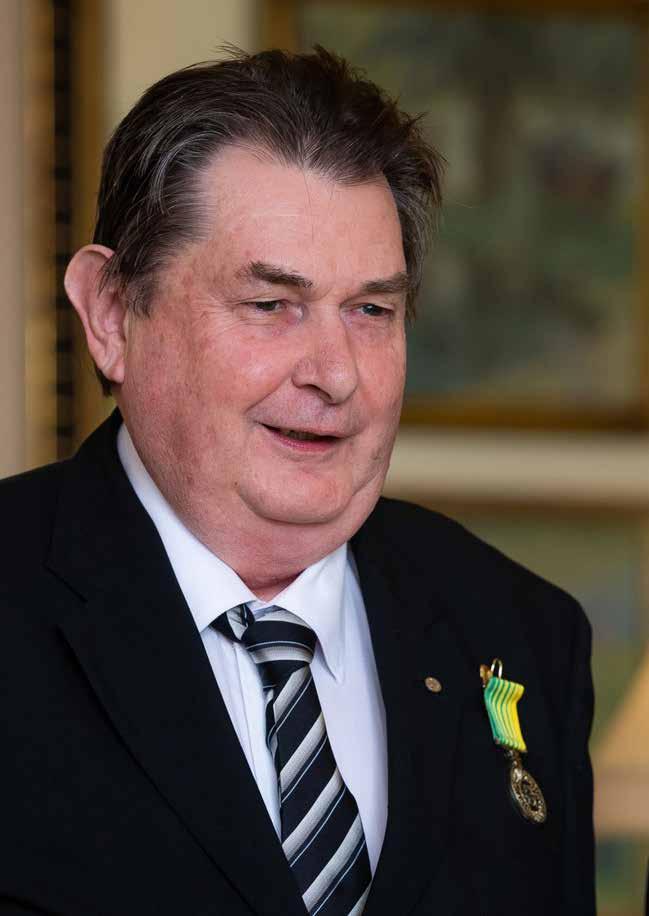
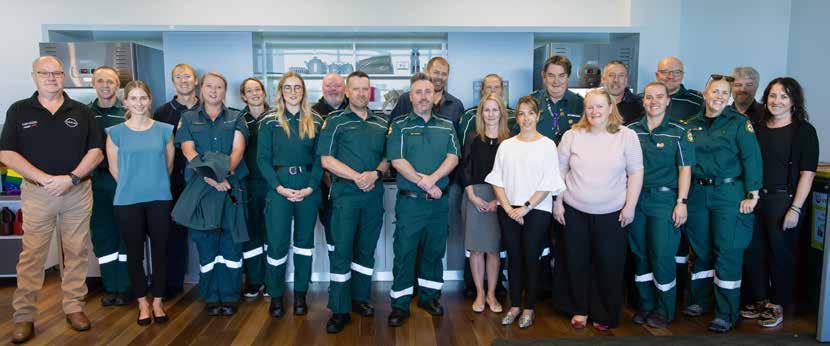
Ahighly regarded, trusted, and respected professional, CO Wren represents what it means to build from the ground up. He began as an unpaid volunteer Ambulance Officer in 1974 and completed his career in 2025 as the ACTAS CO, providing over 50 years of continuous and unwavering dedication.
Freshly 18, an unrestricted drivers’ licence, and completion of several first aid certificates were enough to start his first shift with a brief orientation at the Tumut ambulance station. With only this under his belt CO Wren attended a major motor vehicle incident and witnessed his first death all before lunchtime on his first day. This did not deter Howard; it confirmed for him how important the work was that paramedics completed. Little did CO Wren know that this was only a sneak peek into what was ahead of him in his career.
It
is safe to say that a lot has changed in the ambulance industry since Howard’s first day on Monday 11 February 1974.
After graduating from general nursing training at the old Canberra Hospital, CO Wren held many diverse roles across the NSW and ACT healthcare industries between 1978 and 2017 that enabled him to implement his passion for assisting people and teaching others along the way.
Howard joined ACTAS permanently in 1989, and held many leadership positions, including General Manager of Clinical Services and Manager of Education Services. These roles allowed CO Wren to help shape, inspire and influence many gifted paramedics serving the community today.
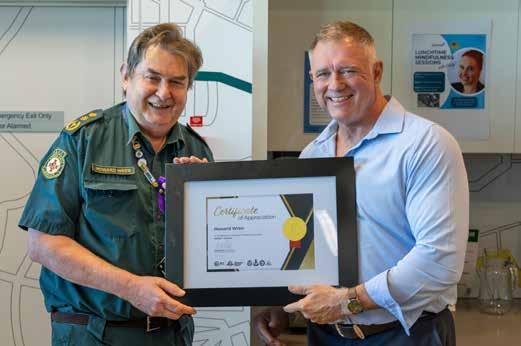
In 2017, Howard was appointed as ACTAS, Chief Officer and his experience and expertise have been instrumental in bringing positive improvements to the service.
CO Wren not only led ACTAS through the challenges of COVID-19 but also took on the role of Chair of the Council of Ambulance Authorities. This work allowed all ambulance authorities around Australia to remain consulted on COVID-19 practices and their workforce challenges.
Although CO Wren’s career has consisted of many highs, he experienced many challenging moments, right from day one.
CO Wren leaves behind a considerable legacy for current, upcoming and future paramedics, including:
• Revolutionising education and training through the Intensive Care Paramedic Program; diversifying the ambulance workforce’s skillset, ensuring the best possible outcomes for patients who require the most critical, timely and specialised medical interventions while being treated and transported to hospital.
• Introducing a second defibrillation device on every frontline ambulance.
• Effective pain relief available to patience. Patients in pain and discomfort are seen by most paramedics every day. Compared to 51 years ago, the pain relief options available are now truly remarkable.
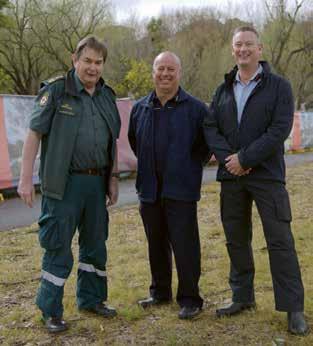
In recognition of his outstanding work, CO Wren has been awarded the Public Service Medal, Ambulance Service Medal, National Medal, ACT Emergency Medal, and the ACT Long Service Medal.
After an outstanding career of 51 years, Chief Officer Howard Wren will retire leaving behind five decades of positive and lasting change to an industry that through his work, is undeniably better than when he started.
On behalf of all those at the ACT Emergency Services Agency, we would like to sincerely thank CO Wren for his service and wish him all the best in his retirement.
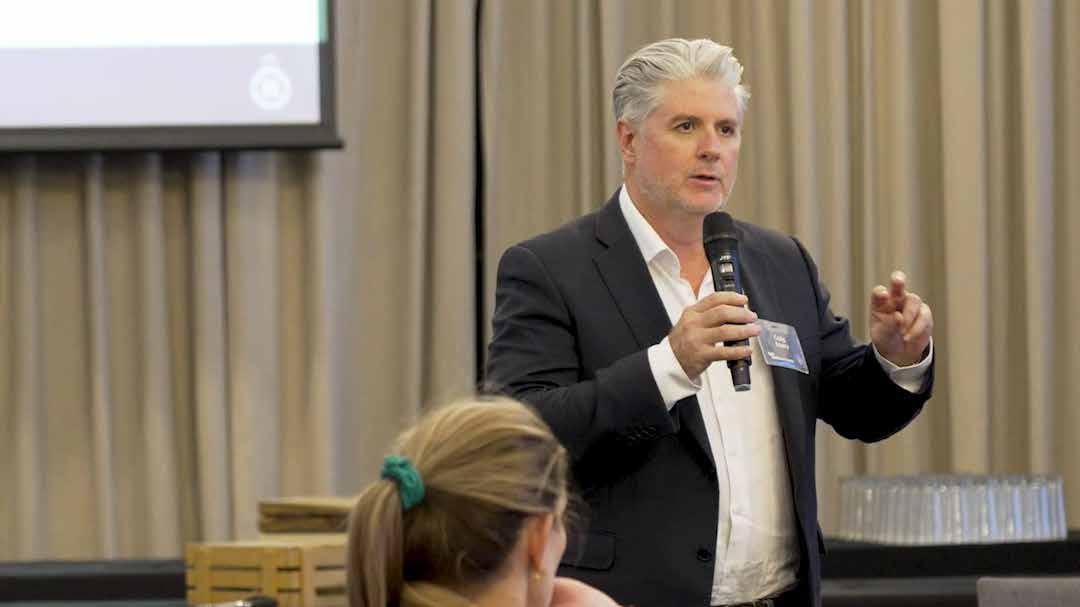
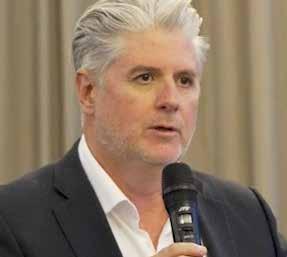
With the retirement of ACT Ambulance Service Chief Officer Howard Wren, the Council of Ambulance Authorities (CAA) is excited to announce Queensland Ambulance Service Chief Executive Craig Emery as the new CAA Chair. Additionally, Matthew Cannon, Chief Executive of National St John Ambulance Papua New Guinea, will step into the role of Deputy Chair.
We sat down with newly appointed CAA Chair, Craig Emery who is the Commissioner for Queensland Ambulance Service to discuss his new position.


Firstly, congratulations on your appointment Craig. As Chair, what are you most looking forward to, and what are your top three priorities this year?
At the outset, I would like to express how humbled and grateful I am to be the Chair of the Council of Ambulance Authorities (CAA) for the year ahead. Having worked with the CAA and its members across my career with the Queensland Ambulance Service (QAS), I understand the enormous amount of good that we can deliver to communities across Australia, New Zealand, and Papua New Guinea. This is what I am most looking forward to; working with my colleagues to continually improve the delivery of ambulance services into our communities.
In terms of my top three priorities as Chair, I believe in the value of a systemic approach to guide continual improvement, and I think that the CAA Strategy 2023-2028 provides an incredibly strong foundation to enable this.
My overarching priorities will focus on the key pillars outlined by this Strategy, being:
• Advocacy – to ensure that the CAA provides a unified voice for the Ambulance Health Sector with the aim to provide our members and the wider sector support and guidance in all matters relating to ambulance service delivery.
• Knowledge and Information Sharing – to ensure that the CAA provides the sector with ways to connect, share, exchange ideas and build strong relationships that span across borders and oceans.
• Learning, Collaboration and Development – to ensure that the CAA continues to work to create strong learning and development programs by collaborating with universities and member services, and developing CAA specific programs and tools to ensure the Australasian ambulance teams continue to have world-class education and training.

What do you see as the biggest challenges the industry faces in 2025, and how do you aim to overcome them?
In terms of the year ahead, I understand that our industry is faced with some significant challenges. Many of these we understand, as we have had the benefit of seeing them materialise over time, particularly since the advent of the COVID-19 Pandemic, while others are starting to emerge at a significant scale and pace.
I believe that the biggest challenges that we will face continue to be led by growing demand for ambulance, and broader health care across our communities.
The complexity associated with this challenge is vastly heightened, when growing demand for service is coupled with changing workplaces, changing work expectations, changing availability of labour, changing environmental factors, and rapid growth in the technology domains.
My view is that principally, the approach is less about overcoming these challenges, and more about managing their impacts through the pursuit of system sustainability, and where possible maintaining an agility to harness the opportunities that change also brings.
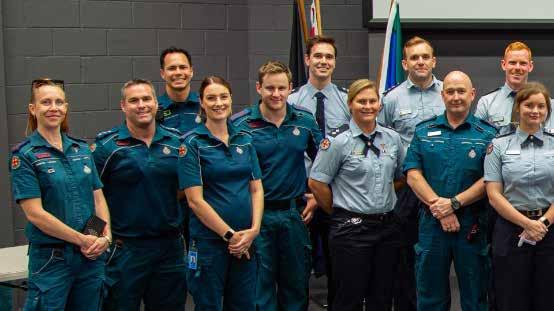
What strategies would you propose to improve career pathways and workforce retention among paramedics and other ambulance staff?
From a workforce perspective, these challenges have highlighted the need for our organisations to think differently, and to find new ways to respond and meet the changing needs of our health care consumers. The QAS has recognised that new ways of working will improve and sustain our services, build on the capability and intelligence of our workforce, and foster meaningful connections with our partners in the health care industry.
Preparing our frontline, and corporate and professional workforce to meet the challenge of providing patient care in this changing environment is critical. We understand that the health care needs of our patients and our community are complex and geographically varied.
Further, we must continue to recognise the importance of all roles within our organisations to deliver and support frontline services, or to support frontline services through the provision of critical functions through human resource, ICT, workplace health and safety, project management, and administration professionals. With this in mind, we understand that the broader corporate capabilities required to support our multi-disciplinary workforce are becoming critical, with industry shortages currently being experienced in ICT, project management, psychology, workplace health and safety, and human resources disciplines.
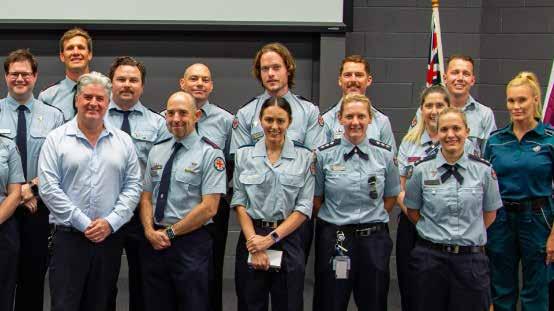
To enable this, I believe that we as leaders of our industry must foremost continue to engage with—and listen to—our people, and seek to meaningfully understand their needs. It is through this engagement that we can aim to:
• Create an environment which supports learning and growth, fosters accountability, and encourages high performance of individuals and teams;
• Focus on maintaining a work environment in which our people can remain valued, safe and well, both now and into the future;
• Ensure that our workforce is protected, to minimise impacts from psychosocial hazards and harmful behaviour; and
• Foster a work environment in which our people are appropriately supported, where workplace risks and other psychosocial hazards are managed, and where flexibility and workload balance are utilised to deliver better outcomes for our patients and health consumers.
What advice would you give future Ambulance Health Sector CEOs?
My message to future ambulance system CEOs is a simple one. Invest in, engage meaningfully with and trust your people. Focus on your capability to lead others with professionalism and optimism. Our services are delivered by people, into the community, and it is through our people that we ensure that the needs of our patients and the community can be met. To enable this, as leaders we must ensure that our people trust us and remain connected to those that deliver and enable our services.

We also had the chance to speak with CAA's new Deputy Chair, Matthew Cannon CStJ FACPara who is the Chief Executive of the National St John Ambulance Papua New Guinea.

Congratulations Matthew and thank you for joining us. What are you most looking forward to during your time as Deputy Chair at the CAA? And what are your top three jobs to accomplish this year?

I’m looking forward to continued collaboration across our member services and ensuring that the CAA continues to shape the future of ambulance services.
Some of our CAA priorities this year include:
1. Strengthening workforce sustainability –Continuing shared strategies in the areas of paramedic wellbeing and career development.
2. Advancing digital integration – Supporting technology that enhances patient care, operational efficiency, and workforce connectivity.
3. Continuing collaboration – One of the greatest strengths of the CAA is the opportunity for genuine, solution-focused discussions with leaders who have navigated similar challenges.
Through ongoing collaboration in our CAA committees and at the annual CAA Congress, ambulance services across Australia, New Zealand, and Papua New Guinea continue to share insights, learn from each other’s experiences, and drive improvements in patient care and operational excellence.
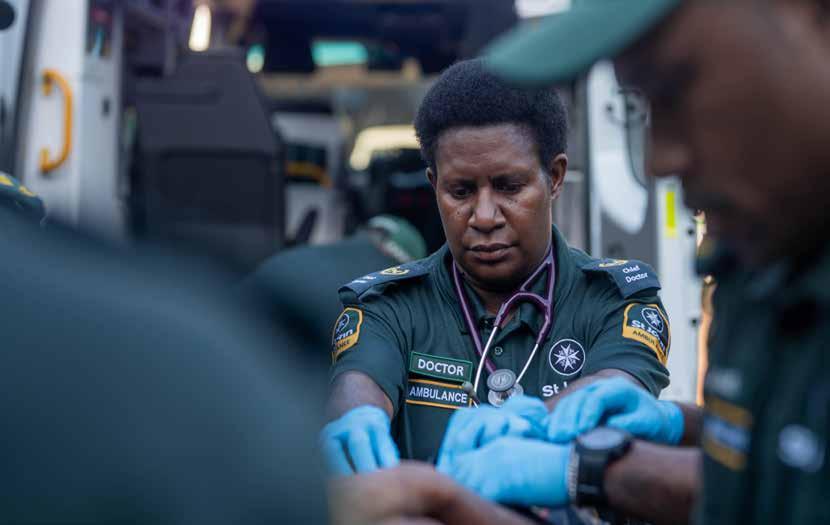
How do you stay current with industry innovations? What’s a key technology all services should embrace?
Innovation is often showcased in exhibition rooms at conferences, but some of the most valuable industry insights emerge from conversations in the hallways. I find the displays at CAA Congress particularly valuable in highlighting new advancements. Beyond that, it’s been good to see more paramedic-led and paramedic-focused content emerging on platforms like LinkedIn, and even Instagram. This content delivery offers paramedics new and more accessible ways to engage with their profession, and in areas that interest them most - from clinical care, education, leadership, to wellbeing.
As for key technology—it’s AI, without a doubt. I know, it’s becoming cliché, but it’s AI—it has serious potential to add value to paramedic care and service efficiency. Think about how much time is lost completing electronic medical records (eMRs).
Anecdotally, from my experience as a paramedic in Australia and PNG, a typical eMR takes 15–25 minutes per case. At least five to ten minutes of that is consumed entering vital signs into frustrating drop-down menus. If a paramedic attends eight incidents in a 12-hour shift, that’s 160 minutes of lost productivity per crew, per shift. In a large service with 100 crews on the road over a 24-hour period, that’s a staggering 532 hours lost per day—or 194,180 hours per year.
If we could cut that time in half, there’s potential to free up 97,090 hours per year—time that could be redirected toward patient care and more break time on shift. One emerging solution lies in AI-assisted eMRs—devices that securely capture paramedics’ interactions with patients and automatically generate structured eMR summaries before wiping the audio recording. Coupled with the potential for more open API links between leading monitor/defibrillators and eMR systems, vital signs could be autopopulated rather than manually entered. This wouldn’t just reduce frustration and recall inaccuracies—it could make documentation faster, more accurate, and enable paramedics to focus on what truly matters: caring for patients and prioritising their wellbeing.
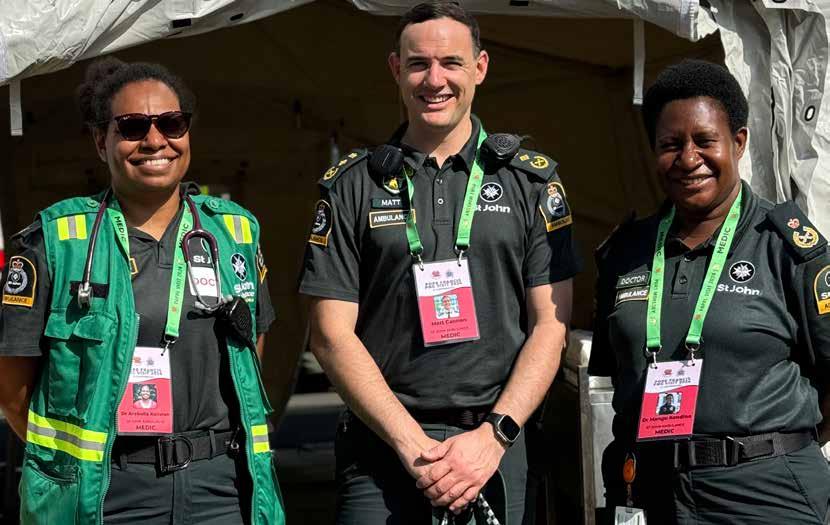
What advice would you give future Ambulance Health Sector CEOs?
Stay connected to the frontline by regularly spending time on the road in an ambulance—the very environment where most of the workforce operates. Experiencing firsthand what crews see and deal with every day gives an unfiltered perspective on their challenges and a true sense of the culture within your organisation. It also provides a real-world temperature check on how well (or not) decisions made by the executive are being translated into frontline practice. Most importantly, it keeps you connected to the core of the job—delivering quality patient care.
Where possible, encourage non-ambulance managers to do the same. Many of us have seen firsthand how fractured relationships can develop due to a lack of understanding between frontline and back-office teams. Both roles are essential, but they are fundamentally different. Decisions made in the back office have a direct impact on those on the frontline, whereas the reverse is not always true.
In our organisation, we’ve seen significant benefits from training most corporate staff as volunteer first responders, giving them the opportunity to spend a day or two on an ambulance as a third crew member. This experience not only inducts the corporate team into the emergency community, but it moulds a common culture of understanding and provides valuable insight into the operational environment and the real-world impact of their decisions, fostering a deeper understanding and stronger collaboration across the organisation.
Personally, whenever I feel stuck in the office, getting out in the field reminds me why we do this work. It keeps us focused on making the workplace better for our people and improving experiences for our patients.
What’s something fun your colleagues wouldn’t know about you?
Despite the irony that I currently live and work in hot-humid climate, I find a deep sense of peace in the snowfields. Whether in the Australia alps or overseas, there’s nothing quite like being surrounded by nature, feeling the crisp air, and carving down a mountain with only the sound of snow beneath you.
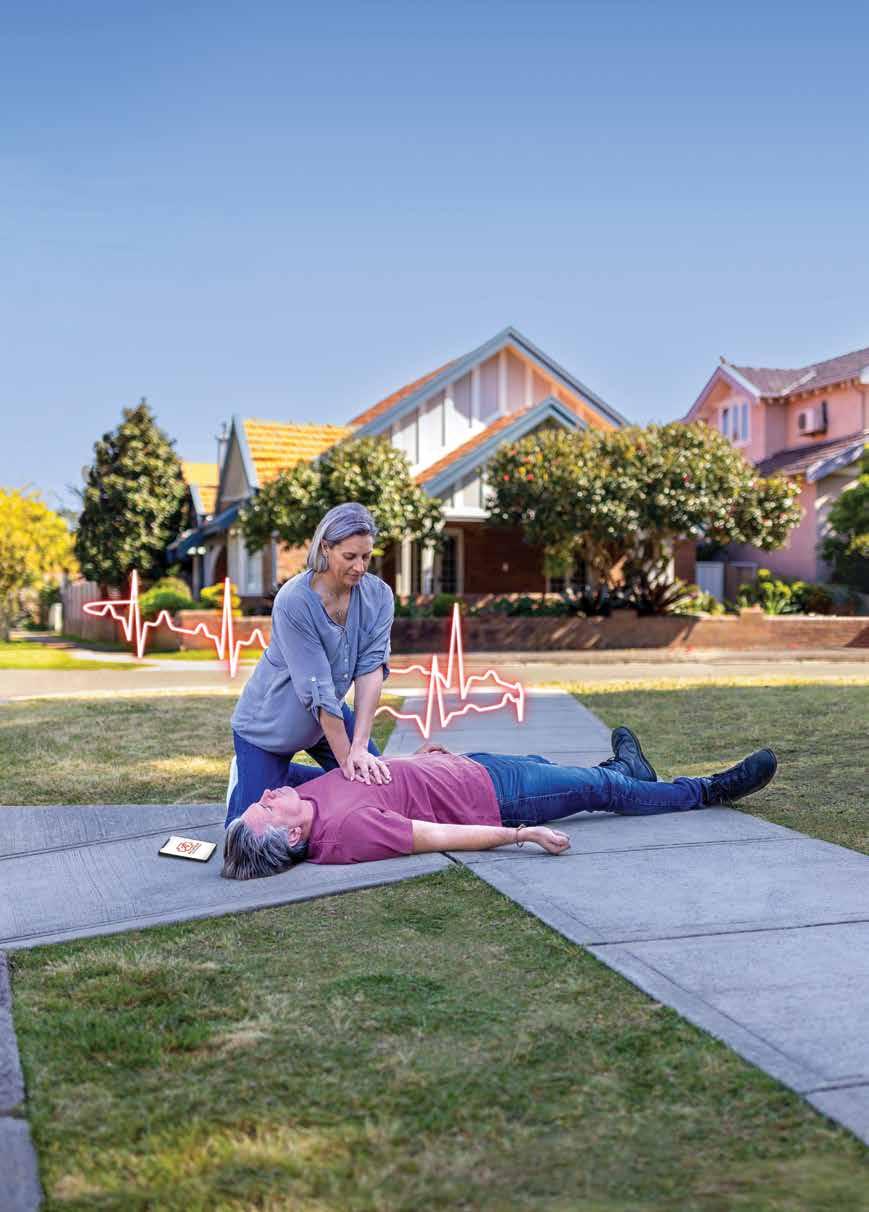


By Lisa Jaunalksnis, AIDR
TheAustralian Institute for Disaster Resilience (AIDR) is the National Institute for disaster risk reduction and resilience.
We collaborate across sectors to strengthen the resilience of Australian communities to disaster through four key strategies:
• actively supporting, growing and sustaining a range of networks across sectors and jurisdictions
• enabling those with a role in disaster risk reduction and resilience to come together to learn, develop and innovate
• collecting, developing, curating and sharing knowledge to educate and promote good practice in disaster risk reduction and resilience
• providing a central focus point for national thought leadership on disaster risk reduction and resilience.
AIDR’s program includes many activities and products that are relevant to ambulance paramedics as key players in our emergency management system.
In 2023-24, we worked with 27 sectors across nine Australian jurisdictions, engaging with over 23,000 stakeholders. These connections provide opportunities to support one another, share experiences, and shape a growing body of knowledge and good practice.
We engage with disaster resilience and risk reduction practitioners in every Australian jurisdiction through networks, events, programs, working groups and committees. This includes representatives from all levels of government, not-for-profit groups, emergency management agencies, and other sectors. We also engage internationally with the United Nations, Red Cross, European Commission, the UK’s Emergency Planning College, and the US’s Federal Emergency Management Agency.
In 2023-24, AIDR helped connect over 4,000 people from a range of sectors and jurisdictions through events, programs, and forums including the Australian Disaster Resilience Conference, Resilient Australia Awards and the AIDR masterclass program.
and adversity, and decision making under pressure. Each masterclass is delivered by leading strategic thinkers and practitioners to stimulate high levels of learning and growth.
The Resilient Australia Awards is an annual program that celebrates, shares and promotes initiatives that build community resilience to disasters and emergencies. Through the program, AIDR works collaboratively with Australian states and territories at local and national levels, to recognise initiatives that strengthen community disaster resilience.
When looking for evidence based, high-quality knowledge as the foundation for your decision making, governance, policy, and practice, AIDR’s Knowledge Hub is your first port of call. The Knowledge Hub provides freely available, informative resources to promote contemporary good practice in disaster resilience.

Lisa Jaunalksnis Australian Institute for Disaster Resilience
Resources on the Knowledge Hub include the Australian Disaster Resilience Handbook Collection, the Disaster Mapper, the Australian Emergency Management Glossary and the Australian Journal of Emergency Management.
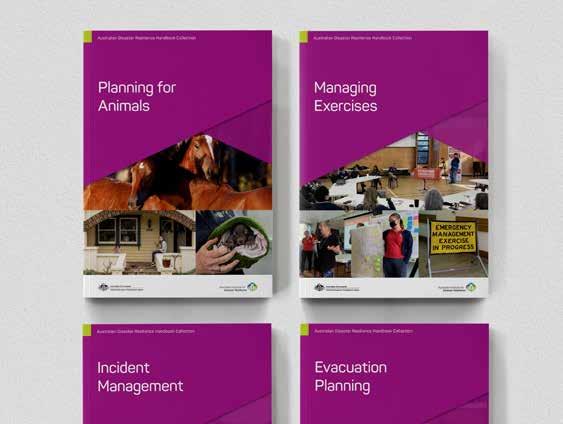
The Australian Disaster Resilience Handbook Collection is a source of knowledge about disaster resilience principles and practice in Australia. The handbooks align national disaster resilience strategy and policy with practice.
AIDR’s handbooks cover several topics associated with disaster resilience including evacuation planning, incident management, health and disaster management, and planning for animals.
Image Source: AIDR
The Australian Journal of Emergency Management (AJEM) is a quarterly journal of analysis, considered views, lessons learned and insights into current and future issues from researchers and practitioners at all levels of emergency management. Like the handbook collection, AJEM covers a diverse range of topics that explore themes of disaster resilience and emergency management. Selected AJEM articles can be accessed in themed collections on AIDR’s Knowledge Hub for individuals searching for information on specific topics such as recovery, volunteering and emergency planning.
In 2025, AIDR completes ten years of service to the emergency management system and continues to strengthen its position as a reliable, independent, and trusted source of knowledge and connection for a growing group of stakeholders.
Learn more about the work of AIDR Subscribe to the AIDR newsletter

By Kylie Woolcock, Chief Executive, AHHA
As Australia prepares for the 2025 Federal Election, healthcare remains a critical issue requiring thoughtful, evidence-based policy responses.
The Australian Healthcare and Hospitals Association (AHHA) is calling for a focus on long-term, sustainable reforms that ensure healthcare services remain accessible, effective, and centred on the needs of individuals and communities.
A well-functioning healthcare system is not defined solely by its challenges but by how effectively it evolves to meet the needs of the people it serves. While there has been progress in strengthening Medicare and healthcare services, we must continue to build a system that is integrated, sustainable, and focused on achieving the best possible health outcomes for all Australians.
The pressures on our healthcare system are undeniable. An ageing population, increasing rates of chronic disease, and a workforce stretched thin. Without strategic, well-planned reforms, these challenges risk undermining the quality and accessibility of care. Now more than ever, we need a cohesive national approach that enables smarter investments in healthcare to ensure improved patient outcomes, more efficient service delivery, and equity across urban, regional, and remote communities.

1.
High-quality, real-time data is fundamental to a responsive and efficient healthcare system. Without a coordinated national approach to health information, we are missing opportunities to improve care quality, efficiency, and safety. A national strategy that ensures meaningful data collection and sharing across services will drive improvements in patient outcomes and system performance. For ambulance services, better integration of data can support seamless coordination with hospitals and primary care providers, ensuring that patients receive timely and appropriate care. This will also enhance service planning, enabling more targeted resource allocation and response strategies.
The potential benefits extend beyond hospitals and emergency services. Preventative care, chronic disease management, and public health responses all stand to gain from a more cohesive, data-driven approach.
A strong and well-supported healthcare workforce is essential to delivering high-quality care. Addressing workforce shortages, strengthening multidisciplinary teams, and aligning workforce planning with community needs will create a system that is both sustainable and responsive. Paramedics, nurses, and allied health professionals are at the frontlines of patient care, yet they continue to face significant pressures due to increasing demand and resource constraints.
Investment in workforce training and retention strategies must be a priority. Embracing new models of care, such as team-based approaches and enhanced roles for allied health professionals, could help alleviate pressure on hospitals and emergency services while improving patient outcomes.

Healthcare solutions must be flexible and responsive to the diverse needs of Australia’s communities. Strengthening regional health innovation and enabling place-based approaches will allow local services to develop models that work best for their populations. What works in metropolitan Sydney may not be the best solution for rural Western Australia, a one-size-fits-all approach will not suffice.
Supporting innovation in rural and remote services is key to improving healthcare equity across Australia. Strengthening partnerships between ambulance services, local health networks, and primary care providers can create more streamlined pathways for patient care, reducing unnecessary hospital admissions and improving health outcomes.
Shifting funding structures to prioritise health outcomes rather than service volume will drive more effective and efficient care. Currently, much of Australia’s healthcare funding is tied to activity-based measures, counting the number of hospital visits, emergency presentations, and procedures performed. While this model has its benefits, it does not always align with the goal of keeping people healthy and out of hospital in the first place.
Funding mechanisms must support preventative care, reduce avoidable hospital admissions, and improve coordination across healthcare services. Ambulance services, in particular, can benefit from funding models that enable more proactive and integrated approaches to patient care. By incentivising early intervention and preventative care strategies, we can shift the focus from treating illness to promoting long-term wellbeing.
This shift will require a collective effort. Governments, healthcare providers, and insurers must work together to design funding models that support holistic, patient-centred care. Encouragingly, we are already seeing examples of value-based health care models emerging across Australia. Expanding and refining these models will be crucial in achieving sustainable health system reform.


Kylie Woolcock, Chief Executive, Australian Healthcare and Hospitals Association
Ensuring the long-term sustainability of Australia’s healthcare system requires collaboration and strategic reform. The challenges we face are complex, and no single policy or funding adjustment will fix everything. However, by prioritising a national health information strategy, investing in our workforce, enabling regional innovation, and shifting towards outcome-based funding, we can build a healthcare system that is stronger, more connected, and better prepared for the future.
The upcoming election provides an opportunity for meaningful discussion about how we shape our healthcare system for the long term. At the AHHA, we encourage all stakeholders, governments, healthcare providers, and communities to engage in these conversations with a shared commitment to reform.
The decisions made today will determine the future of health care in Australia. By working together, we can ensure our health system remains fair, sustainable, and capable of supporting the health and wellbeing of all Australians for generations to come.
Kylie has worked in the health sector for over 20 years, starting her career as a pharmacist, before moving her focus into health workforce development, health policy and reform. She is passionate about reorienting the health system to achieve the outcomes that matter for people and their communities.
Kylie has extensive experience in the for-purpose sector, bringing the diverse views of stakeholders together with the evidence base to influence and effect change. She has worked with a range of health professions, service providers and governments; from a range of perspectives; and from a local region, national and international focus. She has postgraduate qualifications in health economics, artificial intelligence, training and management. She is a Visiting Fellow at the Faculty of Health, Research – Public Health, Queensland University of Technology, and a member of the International Hospital Federation Governing Council.

By The Council of Ambulance Authorities
Intoday's digital age, the healthcare sector's use of technology has grown exponentially, bringing with it both significant benefits and risks.
The benefits of technology are well known – speed, accuracy, and economies of scale to name just a few, but healthcare providers – including the Ambulance Health sector – should be wise to the potential risks. This is where Cybersecurity and vigilance become paramount. The need to both protect sensitive patient data and ensure the continuity of medical services is key to further enabling technological advancements whilst maintaining patient trust.
If you plan to join us at the CAA Congress 2025, there will be more of a deeper dive into cybersecurity, risks and case studies, but in this edition of FIRST, we thought it would be interesting to set the scene.
Healthcare organisations are prime targets for cyberattacks, most likely due to the large amounts of highly sensitive data they handle.
Globally, some of the most common forms of cyberattacks documented to date are:
Data Breaches – the unauthorised access to patient data, which can lead to both identity theft and financial fraud.
Ransomware Attacks - attacks that can paralyse healthcare delivery systems, leading to delaying patient care and in some cases even potentially putting lives at risk.
Phishing Scams – like all internet users, Healthcare workers are targeted with phishing emails along the lines of ‘click here’ or ‘download this’ and can compromise entire networks. These scams can lead to data breaches and ransomware attacks as mentioned above.
– a relatively low-profile form of cyberattack, medical devices that are connected to a network can potentially be breached by external unauthorised parties. Without adequate security controls, both physical and software-related, any compromise could lead to delays in treatment and the adverse patient outcomes that could follow.
The Ambulance Health service, like other healthcare sectors, is increasingly reliant on digital systems for dispatch, patient records, and communication. Without the right controls, including training and awareness for users, this dependence makes an organisation vulnerable to cyber threats, complicating or even compromising emergency response and patient care.
To mitigate cyber threats, healthcare organisations and ambulance services should adopt a multilayered approach to cybersecurity:
Strong Network Security – the use of firewalls, intrusion detection/ prevention systems (IDS/IPS), and data encryption to monitor network traffic and prevent unauthorised access are all considered core elements of a system-based approach to cybersecurity.
Data Security Protocols –organisations that have role-based access controls and multi-factor authentication (MFA) limit the people who can access sensitive data, limiting risk exposure.
Regular Audits and Updates
- regular security audits and keeping software and systems up to date to protect against known vulnerabilities is one of the fundamentals of cybersecurity, kind of like making sure that antivirus software is up to date on a home PC.
Considering the Ambulance Health sector specifically, one notable cyberattack involved the Louisiana, USA-based Acadian Ambulance Service. In 2024 a well-known criminal syndicate called the Daixan Team were able to compromise a secure server and steal the personal and protected health information of nearly 2.9 million people, demanding US$7M in ransom for its safe return.
The beach was made possible by a combination of phishing leaks, exploiting system vulnerabilities that Daixan themselves identified and then locking down data with ransomware and encryption.
Acadian responded by undertaking a strategic shutdown of some services to limit any further exposure, as well as a post-event forensic examination of their systems and processes by an external organisation.
This case study is a good illustration of the need to have a strong cybersecurity approach that considers both the human and hardware/software elements of a system.
Training – it isn’t enough to have a platform that is secure – the users of that platform need to be mindful of threats, and cybersecurity best practices, including recognising phishing attempts and using strong passwords that are changed frequently. An environment of proactive threat reporting should also be encouraged.
Cybersecurity in healthcare is not just about protecting data; it's about safeguarding patient care and ensuring the continuity of critical medical services. By understanding the risks and implementing robust security measures, any organisation, regardless of size, location or industry, can better protect themselves against cyber threats.
If you’d like to know more, join us at the CAA 2025 Congress, where we will hear further real-world examples of risk management and case studies brought to you by leading experts in the field of cybersecurity. Full speaker details will be released shortly and will be available at caacongress.net.au
Without proper training and education, the best system in the world is vulnerable to phishing and likewise, even with great training, the system itself needs to be adequately protected including active threat monitoring, passwords and MFA.
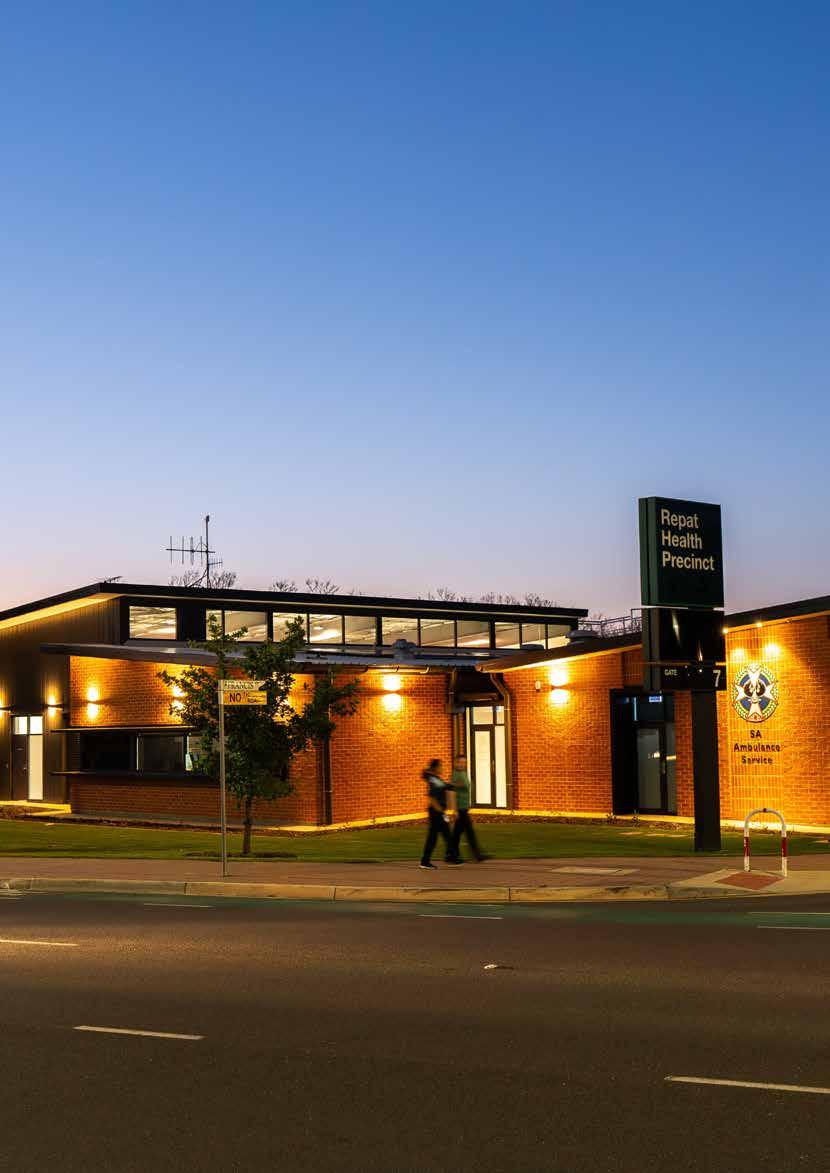
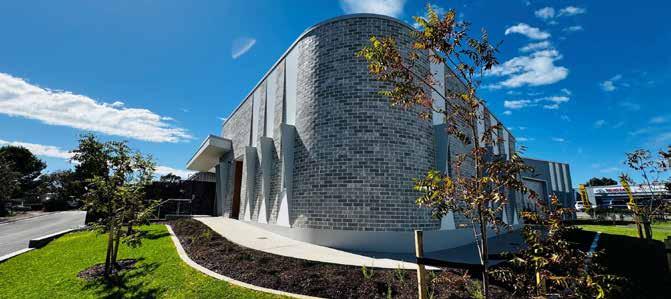
SAAmbulance Service is undertaking a major expansion, opening eight impressive new ambulance stations in the last 10 months.
The new stations are at Norwood, Woodville, Edwardstown, Golden Grove, Victor Harbor, Mount Barker, Port Augusta and Hawker. And there are more on the way with Adelaide, Campbelltown and Gawler stations already under construction.
Each of the stations has an individual style as they were designed fit in with their surroundings, but they all have a contemporary edge in the design.
“We’ve had excellent feedback about the architectural designs from local residents at community open days and also from our staff about how much they appreciate having modern comfortable facilities,” said Elke Kropf, SAAS Executive Director, Strategy, Business and Asset Services.
Meanwhile, the biggest SAAS construction project is delivering a new Emergency Operations Centre on the fringe of the Adelaide CBD at Mile End South, scheduled to commence operations in December this year.
This facility will house EOC teams and their colleagues in the SAAS Critical Operational Services directorate, along with the State Health Coordination Centre. It will be co-located with the new Adelaide ambulance station to create an emergency health care precinct.
The construction boom is part of the SAAS Operational Growth Plan which also includes the deployment of 350 additional clinical and operational staff.
Three-quarters of the extra roles have already been filled, and another 77 additional staff will join SAAS between July and November this year.
The fleet is also expanding, with 36 extra ambulances hitting the roads of South Australia. Twenty-seven of the additional ambulances are already in operation and the rest will be commissioned between July and November.
“It’s a very ambitious growth program that’s delivering benefits on many fronts. Obviously, there’s the overall expansion in capacity but the new stations have also been strategically located stations for access to transport routes or to address coverage gaps,” said Ms Kropf.
Wellington Free Ambulance
“They had come prepared with packs and tents to head up the mountain and stay the night - legends!”
Wellington Free Ambulance
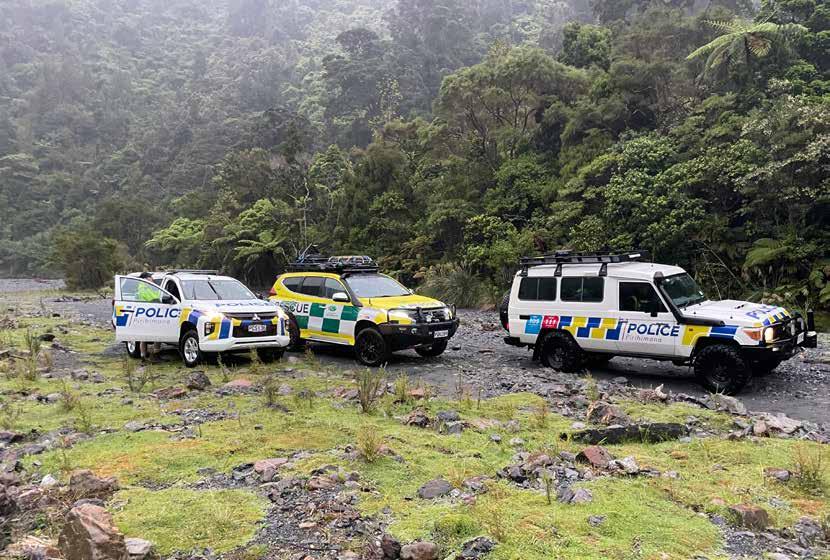
The specialist Wellington Free Ambulance Rescue Squad is tasked with getting to, treating, and extracting patients in hard-to-reach places, like the dense bush, cliff faces, and rugged coastal locations of our region.
Or, in the case of Stu, the summit of Mount Matthews, the tallest peak in the Remutaka range at 941m. With Stu in pain, high up on Mount Matthews in a hard-to-access location, the Rescue Squad 4WD was the perfect vehicle to get our specialist crew to where they needed to be.
As part of his training for the 60km Kepler Challenge Mountain Run through Fiordland National Park, Stu was running to the top of Mount Matthews, the highest peak in the rugged Remutaka Forest Park. Just 20 minutes after reaching the summit and as he ran back down, Stu explains: “I was trying to get into cruise mode when my heels lost traction and went out from under me.
With my hands clipped into my running poles, one sharp end gripped the ground, spinning me around until my face was in the dirt, my arm stretched out in a painful position.
I somehow managed to reach over, unclip my hand and roll onto my back. My left arm was barely moving, and a bulge had popped out at the front of my shoulder.”
Stu had dislocated his shoulder
He was in pain, high up on Mount Matthews in a remote and hard to access location, with developing rain and high winds – Stu describes the winds as “the-groundwas-moving-as-roots-were-being-lifted up type winds”.
Stu had taken his earphones and glasses off for parts of the trail on the run up because he felt it was “unusually windy” – as a Wellingtonian, this gives you an idea about just how windy the day was!
Stu gingerly got to his feet as his watch started beeping – it had detected a fall and was trying to notify someone. However, due to his location, Stu didn’t have any mobile phone reception.
He managed to call his wife and “somehow got through. But just after explaining I was hurt, the call dropped. So now, my wife - already flat out helping with our daughters’ end of year dance show - was wondering what to do next.”
There was no way the helicopter could get in – it was too windy for it to land.
With no people or help in sight, Stu had no choice but to make a ‘shaky descent’, trying to support his arm while keeping his footing.
After getting blown sideways off an exposed section of the track, thankfully he soon encountered Mikayla and Adam – until that very moment, two people who were complete strangers to him.

Stu explains: “They happened to be taking a breather at one of the few spots on the mountain with cell reception. They sprang into action to help this random guy. Not only did they coordinate with emergency services, but they also helped me into my survival bag, used their bodies as windbreaks, gave me constant encouragement, and put Adam’s hat on my head!”
Mikayla and Adam were able to ring 111 but there “was no way the helicopter could get in – it was too windy for it to land”.
Instead, a coordinated emergency response of police, Land Search and Rescue, and the Wellington Free Ambulance Rescue Squad was dispatched. The Rescue Squad is trained in specialist patient extraction techniques and can provide medical care in remote outdoor areas.
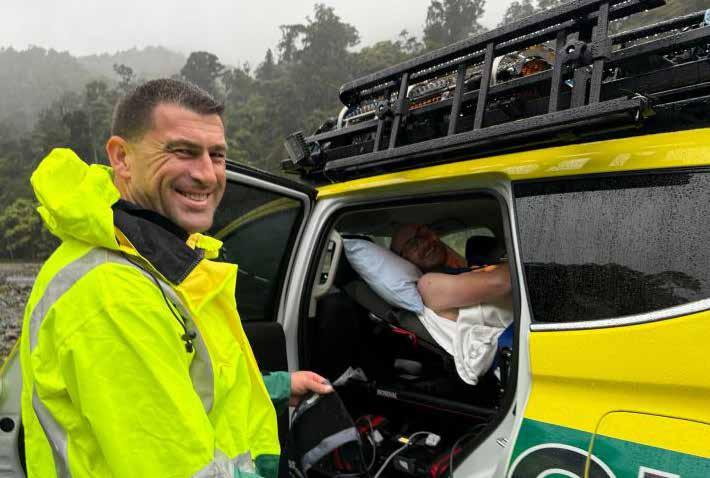
Due to Stu’s remote location, worsening weather and with the river expected to rise overnight, the emergency response required plenty of planning, including deciding the best access point, the best driving route to reach and extract Stu, and Rescue Squad members and Paramedics Kaden and Francis preparing to overnight with Stu, if needed.
By this stage, Stu “was shivering uncontrollably" when Stu later explained how he was feeling to Paramedic Kaden, Kaden said hypothermia was setting in – Stu’s core body temperature was dropping below 35 degrees Celsius and pretty uncomfortable. "I started to feel quite worried about where this was all heading, and I didn’t feel ‘with it’. The call was made to try and descend the mountain.
I’m grateful we did, as I started to warm up while walking. Mikayla and Adam were brilliant and took good care of me, keeping me company on the long way down as I tried to avoid sudden movements.”
Stu recalls how “Mikayla and Adam sacrificed their own plans and patiently stayed with me as we made our way down the steep trail. Imagine descending a mountain with someone carrying a cup of teathat’s how patient they had to be.”
Following a painstakingly slow descent, they “finally saw the headlights of the police and Wellington Free Ambulance four-wheel-drives coming to meet us” –something Stu describes as a “relief”.
Coordinating Stu's rescue was a joint effort, as Paramedic and Shift Manager Francis explains:
“We drove up the –Orongorongo Valley to the base of Mt Matthews, anticipating a challenging rescue operation. It was a relief to see Stu making his way down to the riverbed, albeit moving slowly and clearly in significant pain. Stu had an obvious dislocated shoulder, and the most appropriate treatment would be to relocate the shoulder before attempting any extraction.
Our rescue vehicle was equipped with a stretcher, which allowed us to perform the relocation procedure effectively. As darkness began to fall and the weather conditions worsened, we secured Stu onto the stretcher and navigated out of the –Orongorongo Valley to Hutt Hospital, where Stu received further assessment and treatment for his shoulder.
Throughout the entire operation, the combination of preparation, teamwork, and the right equipment ensured that we could provide Stu with the necessary care and safely transport him to the hospital despite difficult conditions.”
Following his hospital discharge, Stu is currently undergoing physiotherapy and working to regain strength and mobility in his left shoulder with the goal of attempting the 50km Tarawera Ultra-Trail in Rotorua in February 2025. He’s also recently met up with Mikayla and Adam for lunch to thank them again for their help.
Although Stu was well-prepared with his running kit, he says he’s “got a few lessons out of my experience”, including the need for strong painkillers when he’s adventuring outdoors and a new piece of communications technology that will allow him to call for help, even if he’s outside mobile phone coverage. He thinks about how Mikayla and Adam were the only other humans he saw after his accident, “the last people on the mountain”, and how things could have turned out very differently for him.
Reflecting on his experience, Stu believes “Wellington Free Ambulance, police and Land Search and Rescue were all helpful, warm, caring and professional. They had come prepared with packs and tents to head up the mountain and stay the night - legends!
You hear about the Rescue Squad and think, theoretically, that they do a great job. But until you’re the one on the receiving end of their help, you don’t realise that they do it so well. It’s a first-class service.”
For Shift Manager and Rescue Squad member Francis, “working in the WFA Rescue Squad is deeply fulfilling, offering the chance to make a significant impact on people’s lives beyond typical ambulance duties. While the complexity of incidents and physical demands can be challenging, the diverse experiences and strong sense of teamwork make the role continually appealing.”
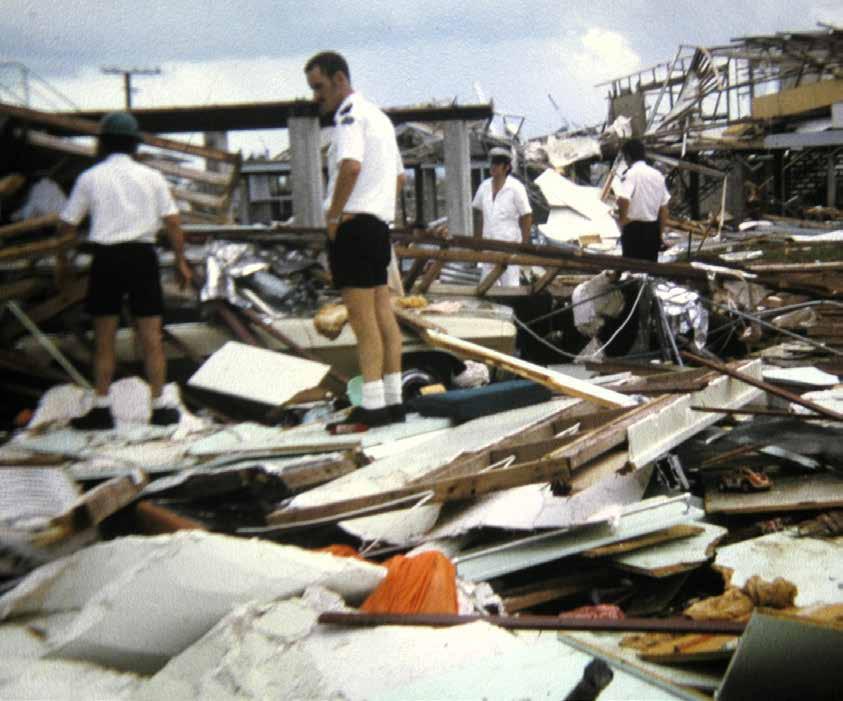
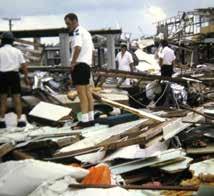
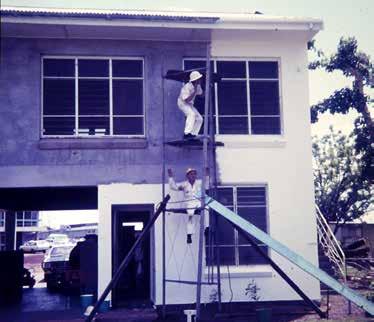
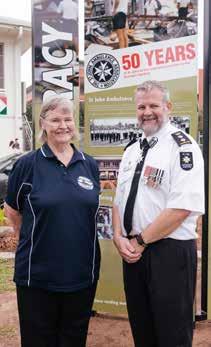
St John NT has recognised the first responders who answered the call of duty to care for the sick and injured amongst the widespread destruction and devastation in the wake of Cyclone Tracy marking a significant moment in the history of its service to the Northern Territory.
The Cyclone Tracy commemorative sign and website tells the stories of St John Volunteers and staff who worked tirelessly to deliver first aid and support the community, even when they themselves had lost so much.
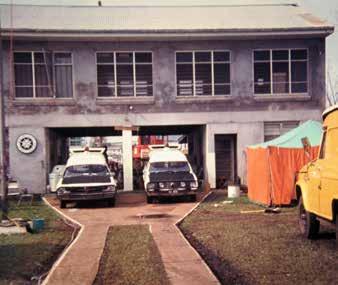
On duty the night of 24 December 1974 was a team of volunteers staffing the station and emergency communications.
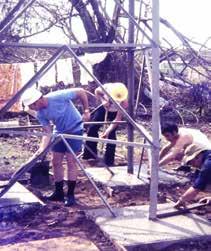
Enduring sheeting rain and a near miss after the communications tower collapsed across the staircase when they were en route to take shelter in the bottom half of the building, many of the team did not return to their own homes until days after the cyclone. For some of them, there was nothing left to return to, their homes destroyed, and possessions lost.
Emerging from the crew room downstairs at sunup the team surveyed the damage and made preparations to receive the injured and sick. That Christmas morning 25 December 1974, St John’s Northern Territory Headquarters in Parap quickly became a major first aid post staffed by St John Volunteers and their families.
St John NT CEO Andrew Tombs said that the crucial role St John played in the response to the cyclone was also significant for the service in the Northern Territory – marking a defining moment in its history.
“At the time of the cyclone, St John provided a volunteer ambulance service outside of business hours in Darwin, supporting the Darwin Hospital and operating out of the Parap Ambulance Station,” Mr Tombs said.
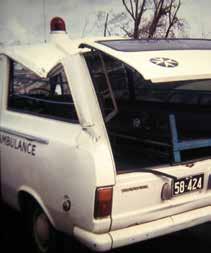
For some of them, there was nothing left to return to, their homes destroyed, and possessions lost."

“While Christmas Eve 1974 will always be remembered for the tragic impact of Cyclone Tracy on Darwin, it also presented the defining moment that St John transformed from a volunteer service to the full ambulance service provider in Darwin, as it was granted control of all ambulance services in Darwin, including ambulances belonging to the Department of Health.”
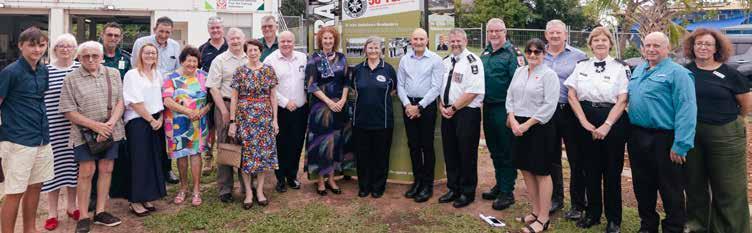
Now 50 years later St John NT continues to operate the ambulance service and remains steadfast in its mission to save lives and build community resilience.
“All of those who came together in the aftermath of Cyclone Tracy and contributed to this effort, even after losing so much are to be commended,” Mr Tombs said.
The Cyclone Tracy commemorative sign can be viewed at our Parap Station, 57 Ross Smith Ave.
A special thanks to those who have supported this project including City of Darwin, Nortruss Hardware, SECA Structural Engineering, AB Consulting and Brainium Labs, without which this project would not have been possible.
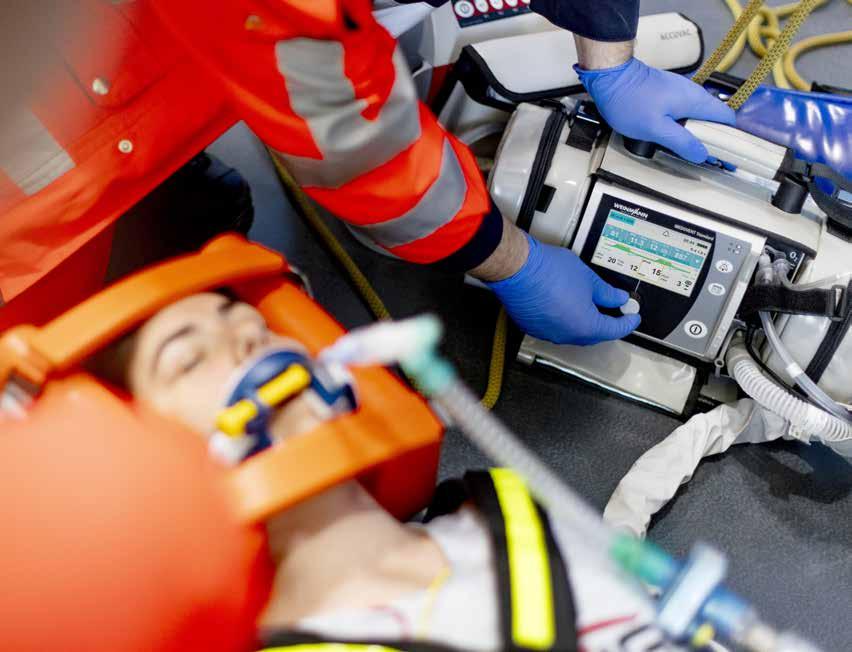
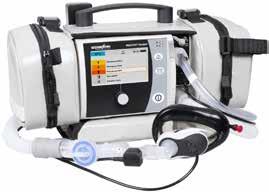
Ventilate Wherever You Go
Challenges in emergency response are part of the everyday life of rescuers. Long distances and long transport times are problematic, as the oxygen supply is limited in most cases. With MEDUVENT Standard from WEINMANN Emergency you have a ventilator that works independently of oxygen. Thanks to turbine technology, it can ventilate patients without an external gas supply. With the low-flow supply you can easily supply patients with medical oxygen or concentrator oxygen.
Ambulance Victoria
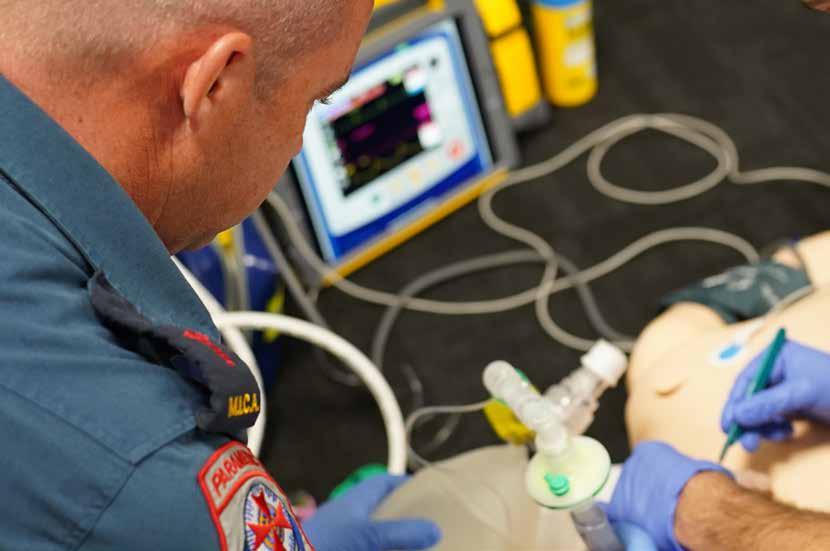
3D printing technology is enhancing how Ambulance Victoria (AV) Mobile Intensive Care Ambulance (MICA) paramedics practise a lifesaving procedure before hitting the road.
A partnership with Yarra Ranges Tech School (Box Hill Institute) has seen AV’s Operational Capability Post Graduate and Specialist Education Team receive 3D printed plastic larynx trainers known as ‘cric trainers’, which help MICA paramedics learn and practise how to perform a cricothyroidotomy.
Cricothyroidotomy is a critical procedure which involves making an incision in the patient’s neck to insert a breathing tube directly into the airway bypassing the mouth and upper airways.
It’s done when there are difficulties inserting a beathing tube into the patient’s airway after they’ve been placed in an induced coma and have stopped breathing by themselves.
During training, the cric trainer, bubble wrap, tape and a bandage imitate the patient’s neck, creating a realistic training resource.
AV Post Graduate and Specialist Education (MICA) Lead Sam Caldow said the advanced training was helping better prepare students for real world scenarios.
“These cric trainers have changed the way we review and practise our skills,” he said.
“Staff who have performed this procedure on a patient after completing the training with the 3D printed airway have commented about the similarities and fidelity of being able to do so.
“This technology ensures both MICA and MICA flight paramedics are well prepared and confident to deliver the best level of care in real-life real-time situations.”
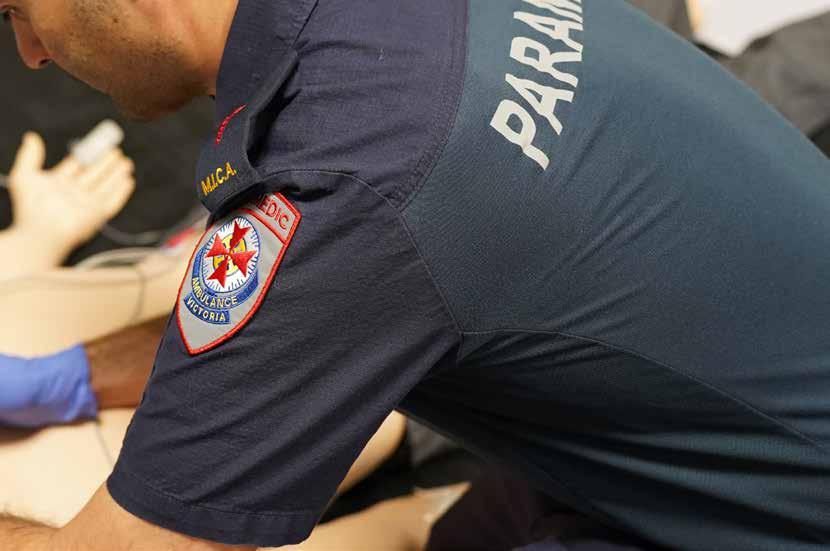
Since the partnership started in 2021, more than 170 cric trainers have been provided, being used in more than 110 training sessions.
“All participants of the most recent MICA Bridging Program received their own cric trainer to support their training both during the program and at a branch level,” Mr Caldow said.
“Since the introduction of the 3D training, we have seen an almost 95 per cent success rate in performing cricothyroidotomy.
“This highlights the value of innovative training materials that help prepare our people for all situations.”
The cric trainers are printed at Yarra Ranges Tech School using a downloadable 3D file.
Yarra Ranges Tech School
Director Travis Burroughs said the partnership with AV has created wonderful learning opportunities for students.
“Producing the cric trainers helps students learn how 3D printing can be used to solve real-world problems. Students feel a great sense of purpose, knowing their work helps AV’s paramedics to save lives,” Mr Burroughs said.
The 3D-printed customised training aids enable AV to have more choice and control over the design of specialised parts while significantly reducing costs.
AV is committed to continuous improvement and seeking more effective ways of training its highly skilled workforce, which includes the potential to employ more 3D training aids.
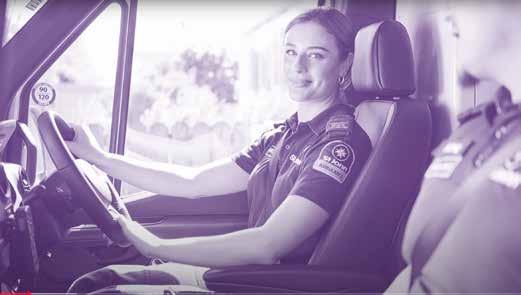
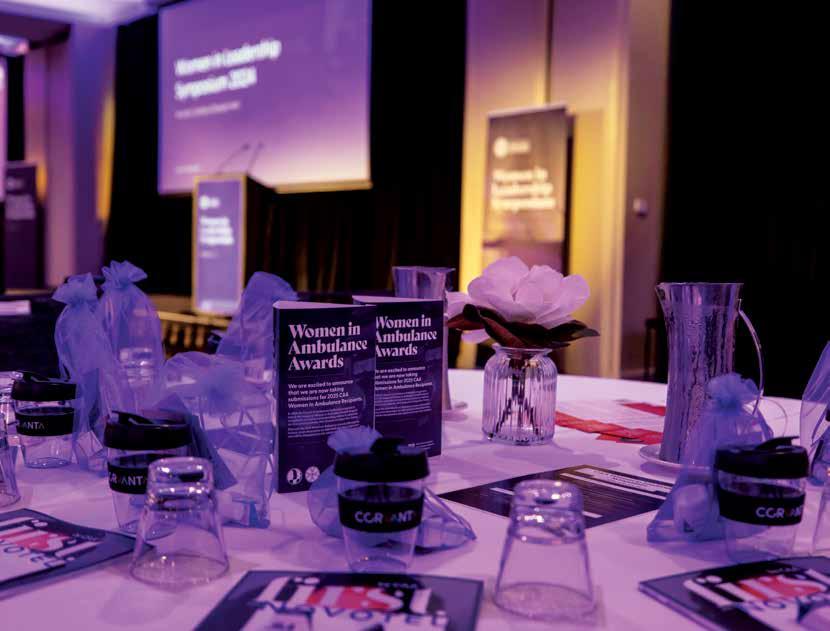
Celebrating International Women’s Day for 2025 and our continued commitment to gender equality, we are proud to announce the 5th anniversary CAA Women in Ambulance Award recipients.
This year the 2025 CAA Women in Ambulance Awards recognise 56 women across Australasia for their work and career progression and are being championed as role models to their peers. Women who lead, who inspire, who challenge the status quo — women who make an impact every single day.
The honourees of this award exemplify the #AccelerateAction International
Women’s Day theme, each making significant strides in advancing women's equality within the ambulance services.
By recognising and amplifying their contributions, we reaffirm our commitment to breaking down barriers, championing equality, and ensuring that women at every level of ambulance services have the support and opportunities they deserve.


in Ambulance Award Winners.




Immerse yourself in the latest advancements, hands-on workshops, and dynamic networking opportunities at our exciting events in 2025
15–16 May 2025
Hyatt Place Melbourne Essendon Fields, Victoria SAVE THESE DATES
BRISBANE 2025
10–12 September 2025
Hotel Grand Chancellor Brisbane, Queensland
20–21 November
Port Macquarie, New South Wales
In January this year, the prestigious award for the Ambulance Service Medal (ASM) was announced, recognising distinguished members of an Australian Ambulance Health Sector.
The Council of Ambulance Authorities congratulates the following recipients who were recognised in the 2025 Australia Day Honours list.
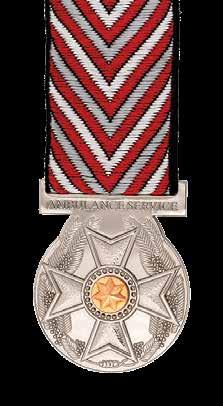
Recipients of the Ambulance Service Medal in the 2025 Australia Day Honour Roll
Ambulance Victoria
Dr David John Anderson
Ms Narelle Capp
Mrs Josephine Leah O'Doherty
Mr Stephen Thomas Ralph
Mr Edward John Wright
Mr Bartholomew Wunderlich
NSW Ambulance
Ms Ellen Majella Davies
Superintendent
Paul John Kernick
Mr Christopher Valan Wilkinson
Queensland Ambulance Service
Mr William Douglas Buchanan
Mr Vaughan Alexander Mason
SA Ambulance Service
Mr Anthony Willam Clark
Mr John Stuart Simpson
St John Ambulance
Australia (NT)
Mr Antoni John Kwiatkowski
St John WA
Mr Ralph Leslie Briggs
Mr Nicholas John Chadbourne
Mr Luke Wayne Fowles
Mr Blaise Warren Rego
This issue highlights the remarkable journey of the Women in Ambulance Program here at CAA. Learn more about the team of trailblazers like Michelle Baxter, Rebecca Lundy, and Karen Stewart as they reflect on progress, challenges, and the future of women in emergency services.

Don’t be afraid to advocate for yourself. Find those people who will cheer you on and remind you of your worth — especially in moments of doubt."
Mojca Bizjak-Mikic General Manager
The Council of Ambulance Authorities Inc
In 2018, a pivotal conversation began—one that would spark a movement across ambulance services in Australasia.
The Council of Ambulance Authorities (CAA) held its first Women in Ambulance Forum, creating a space to address challenges, share experiences, and champion change. What started as a discussion has since grown into a dynamic force for progress, driving mentorship programs, leadership initiatives, and industry-wide recognition of the invaluable contributions of women in the sector.
Yet, while much has changed, there’s still work to be done. Women in ambulance services continue to navigate systemic barriers, leadership gaps, and the ever-present challenge of balancing career ambitions with personal responsibilities. But the momentum is undeniable. Across the industry, female leaders are stepping forward—breaking stereotypes, shaping policy, and redefining what it means to thrive in this demanding yet deeply rewarding field.
The goal of the Council of Ambulance Authorities when it comes to the Women in Ambulance initiatives has always been to improve the working lives and environment for all women across our sector in Australasia.
In this feature, we speak to some of the trailblazers who are paving the way for the next generation. They share their journeys, the lessons learned, and their vision for a future where women in the Ambulance Health Sector no longer have to fight for a seat at the table—they simply take their rightful place.
We thank these four impressive female professionals for their time, Mojca Bizjak-Mikic, Michelle Baxter, Rebecca Lundy & Karen Stewart.
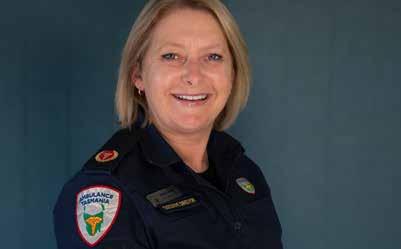
Ambulance Tasmania
Thanks for agreeing to share your experience with our readers. First up, how did you get involved in the industry, and what excites you about the future of the Ambulance Health Sector?

I initially went to university to study Nursing. Upon graduation, there were 3,000 nurses competing for just 50 jobs in NSW. I worked casually at Blacktown Hospital in the A&E, ICU, and Cardiac units. When NSW Ambulance advertised positions, I applied and was successful in securing a job with them. That was over 30 years ago. If you had asked me back then if I would still be with the ambulance service now, I would have said no. However, I have no regrets. I am very excited about the future of ambulance services. Not only are there clinical advancements, alternative pathways and treatments for our patients, and new, sophisticated equipment, but also an expansion in the pharmacological use in prehospital care and health equity for all patients regardless of location. Additionally, I am enthusiastic about the improvements in how we treat, lead, and manage our staff. The new legislations, policies, procedures, and action plans emphasise the importance of treating each other with respect and addressing issues through support, psychological wellbeing, or discipline.

We'd love to know what training or development you wish you had available earlier in your career?
Queensland Police ran a course called Q Balance, a leadership program exclusively for women. As an early female leader in Ambulance services, I attended many courses where I was often one of only two women in predominantly male classes. Q Balance had a completely different atmosphere; we were supportive of each other, extended more grace and understanding, and faced far less competition. I wish I had attended this course earlier.
Another opportunity I would have loved is having a coach when I became an executive over ten years ago. A coach could have helped me better navigate the challenges that come with executive roles.
leadership principles guide you? Do you have someone that you model your leadership style from?
It's amazing how principles and leadership styles can evolve over time, isn't it? It's great that you're open to learning and adapting your approach. Continuous growth and flexibility are key to effective leadership. The ones I come back to are Firm Friendly and fair with honesty, transparency, and authenticity. Now I add sprinkles of Compassion, Grace, Curiosity, and open mindedness. I haven't modelled myself after just one person. Instead, I've taken elements from various leaders whose styles I admire. I reflect on how their leadership made me feel—whether it boosted my confidence or made me feel safe—and incorporate those aspects into my own approach.
What advice would you give women in the ambulance community to advance their careers today?
Seize every opportunity that comes your way if possible. Apply for any job you desire, even if you don't meet all the criteria. Find a mentor you trust and keep an open mind to evolving and changing as a leader!
St John WA

Karen, your career to date has been incredibly inspiring and notable across Australasia. First question, how did you get involved in the industry, and what excites you about the future of the Ambulance Health Sector?
Funny story for me actually, my dad was a navy man and very much wanted me to be in a uniformed type of industry. I applied for the police and the ambulance service at the same time, when I was back in Scotland at the start of my career. Prior to that I’d been a dental nurse for a couple of years and got a bit complacent thinking "what else is out there for me?" so it’s as simple at that, the ambulance service recruitment was far quicker than the police so here I am over 30 years later. I sometimes wonder where I’d be if I followed the police career instead.
What I’m excited about is to see our paramedic roles develop further into primary care and being more agile in providing the right clinical care for the right patients in a timely manner, particularly in remote and rural areas of our vast state here in Western Australia.
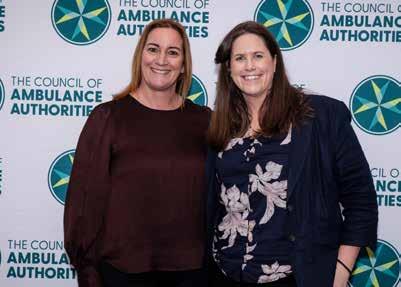
With significant focus on mateship within the ambulance sector across Australasia, how vital is career support in this industry?
So very important in my opinion. It gets lonely though once you make the leap from an on-road clinical role to being in a leadership role. People don’t always view you in the same way, which is sad, and although I have been in ambulance for over 30 years, the most significant on-road time for me was in Scotland so I didn’t have the time to foster the same camaraderie here in WA before making the leap to management. I don’t have the history with my clinical on road colleagues. So that can be hard at times, we all need to support and to lean on each other in times of need.
What are some key challenges women in the Ambulance Health Sector collectively face? How do you think we can rise above them?
I think sometimes we are a barrier to ourselves, often hesitant to go for that role, take that extra step and think; you know what I can do this! Which, stereotyping here, but men think very differently in that space and often have far more confidence. To rise above it I think forums such as this, and supporting each other, are crucial in our success, and seeing the successful career trajectories of women such as these lovely ladies in our article is what keeps me thinking I can do this!
What advice would you give women in the ambulance community to advance their careers today?
I would say always take up an opportunity that is presented to you. It can be intimidating, but the person offering it to you must have faith in you, therefore so should you. Take the leap, have confidence in yourself, find a trusted buddy/ mentor. One thing that I find with mentors is don’t always go for the traditional type, go for diversity and you will in turn become more diverse in your thinking, and keep contemporary not only clinically but in leadership too. Both are constantly evolving and you should too.
ACT Ambulance Service
Rebecca, we loved having you at the Women in Leadership Symposium last year and having the opportunity to speak more during our live Q&A webinar. How did you get involved

In a roundabout way, I was interested in nursing. But I didn’t really do my best during years 11 and 12, so I ended up not being able to go straight into nursing. Just as well, otherwise I might have never got here. My grandfather pointed out an ad in the newspaper for ambulance officers for ACTAS. You needed a Year 12 pass in English, Maths and Science and a driver’s license… which I had (just). 31 years later… it was clearly meant to be.
There are many things which interest and excite me about where ambulance can go. Innovations in equipment, monitoring, new interventions, increased pharmacological scope… things are happening so quickly. The use of technology continues to find new and different applications for pre-hospital care – especially in the communications centres and health hubs. Telehealth and virtual care are only just being explored. Finding new ways to help our patients is the thing that excites me the most.
What advice would you give women in the ambulance community to advance their careers today?
You can do more than you think… Don’t undersell yourself if you think you could do a job or a role – you can. Say SURE to all opportunities and when you get there… drive it like you stole it! Step outside your comfort zone and lean in to growth –you never know where it might lead you.
Say SURE to all opportunities and when you get there… drive it like you stole it!"
What are your three fundamentals or non-negotiables of leadership?
Be compassionate, be honest, be consistent.
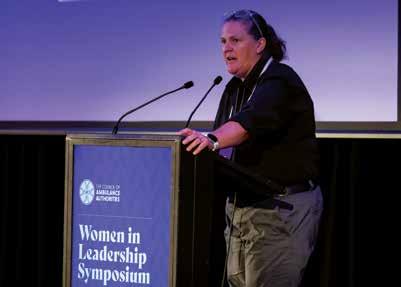
In your opinion, what further support should services provide to women in leadership roles?
Traditionally, many senior or executive leadership positions within the ambulance sector are full time roles and often women will self-select out of consideration if they have children or caring responsibilities. It would be interesting to start having conversations about how ambulance jurisdictions might support part-time or job-share senior leadership roles.
Whilst there would be complex issues like legislative delegations to work through, I wonder how many women (and men) would put themselves forward for leadership roles if they knew they would not have to sacrifice their family or personal responsibilities.
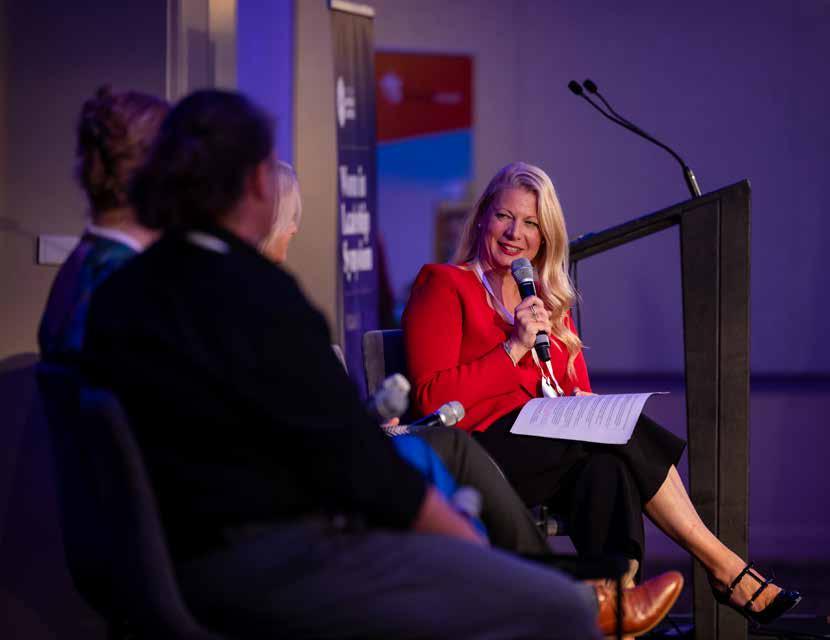
Mojca, the team at First are fortunate enough to be led by you daily at our headquarters, but we don't know how you got your Ambulance Health Sector start. Alongside this, what excites you about the future of the Ambulance Health Sector?
I’m not a paramedic or clinician by background— my degree is in political sciences, and I sort of stumbled into the ambulance sector 18 years ago when I moved from Slovenia to New Zealand and joined Hato Hone St John. It’s safe to say that the sector and its people quickly won me over. What’s kept me here is the feeling that I get to contribute to something truly meaningful.
Our ambulance people do incredible work, day in and day out, and through my role at the Council of Ambulance Authorities (CAA), I like to think we’re improving the sector and making our services stronger across the region.
So much has changed since I joined—what excites me most is how we're evolving in the way we care for and lead our people. There’s growing momentum around inclusive leadership, sustainable service delivery, and creating work environments that are just as compassionate as the care we provide to patients. It’s inspiring to see those changes taking shape and to be part of the collective energy driving them forward.
What are some of the challenges facing women leaders in the Ambulance Health Sector today?
The barriers are many—and they’re not just workplace-specific, they’re systemic. From how society still raises boys and girls, to cultural norms that shape how leadership is perceived, women face hurdles that aren’t always visible. Growing up in Slovenia, I was fortunate not to feel defined by my gender. My role models were powerful women—my bosses, my mother, the leaders I saw in everyday life. Slovenia, like much of Europe, offers structural support that helps women thrive: one-year paid maternity leave, affordable childcare, strong free public education. These things make a difference, and their absence in other places is a real barrier to career advancement.
We’ve made progress, but it’s not fast enough. Initiatives like the CAA's Scholarships and Development Programs help push things forward, and it’s encouraging to see so many male allies stepping up. But we need to be mindful too—not to replace one form of exclusion with another. Inclusion should mean everyone gets a seat at the table, not that another group is left behind.
Mentorship and sponsorship are key. Women can’t—and shouldn’t—have to do this alone. We need champions at all levels, and we need our senior women and male colleagues to help open doors and support the next generation of leaders.
With burnout being a common factor in our industry, what lifestyle habits or tips help you avoid burnout and help you be a better leader?
I’m very conscious of the different roles I play in life. I’m a mum of two young kids, a wife, a partner in a family business, and the GM of CAA. Walking that line of balance is essential— because if one part of me is suffering, all parts feel it. Mum guilt, especially as a working mum, is real. But over time I’ve learned that sometimes, it’s okay for work to come second. There are moments when I need to be a mum or a wife first.
That said, I fully recognise the privilege of flexibility in my role. Many of our frontline people working shifts don’t have that. Which is why I think we need to keep challenging what it means to provide 24/7 care in a modern world. Today’s workforce is different—they have varied interests, diverse responsibilities, and they want a career that supports rather than drains them. As leaders, we must create systems and cultures that nurture that kind of long-term engagement.
What advice would you give women in the ambulance community to advance their careers today?
Lean into who you are. Work on yourself— take the time to grow and develop. Invest in your own visibility and confidence. Find a mentor. Find a sponsor. Build a network of people who will help you climb, no matter how high you want to go. And equally, extend a hand to others. Look around—who’s struggling? Who could benefit from your support or guidance? That’s how we build a stronger, more inclusive sector.
Don’t be afraid to advocate for yourself. Find those people who will cheer you on and remind you of your worth—especially in moments of doubt. Women are often the first to talk themselves out of the next opportunity. So get yourself a couple of cheerleaders, a mentor who listens and challenges you, and start seeing yourself through their eyes.
And lastly…
Stop apologising. You belong in the room. Own it."


By Natasha Reddrop, Learning Designer, Women & Leadership Australia
In the journey of professional growth, we often hear about the importance of mentorship, coaching, and sponsorship. These three crucial relationships can significantly impact career trajectory, but understanding the nuances between them is key to leveraging their power effectively.
While often used interchangeably, these three roles serve distinct purposes.
Mentors provide invaluable support and guidance, helping individuals gain clarity about their career path, develop essential skills, and build confidence. Mentorship fosters self-reflection, encourages goal setting, and provides a safe space to discuss challenges and seek advice.
Mentoring is not about ‘imparting knowledge and wisdom’, it is about meeting the mentee where they are and partnering with them from that place. The long-term nature of the relationship allows for deeper understanding and personalised support.
MENTEE Passive receiver Active partner
MENTOR Authority Facilitator
RELATIONSHIP FOCUS Time and knowledge transfer
Topic and goal determined
LEARNING Mentor directed Mentee self-directed
Adapted from Zachary (2000)
A coach focuses on helping individuals achieve specific goals. Coaching engagements are often shorter-term and structured around a defined objective, such as improving leadership skills, enhancing communication, or navigating a career transition. A coach uses targeted questions, active listening, and proven methodologies to help the individual identify their strengths, overcome obstacles, and develop action plans to reach their desired outcomes. The coach acts as a facilitator, empowering the individual to discover their own solutions and maximise their potential.
Skill and task orientated. Relationship-oriented.
Shorter term (typically 4-10 meetings).
Coach drives the relationship.
Performance driven. Focused on behavioural transformation and achieving goals.
Focus is often on the needs of individual and the organisation.
Drawing out knowledge that resides within coachee. Enables others to work through and solve their own problems.
Relationship-oriented.
Development driven Focused on personal transformation, support and guidance.
Focus is always on the individual.
Sharing mutual knowledge and experience.
Provides connections and advice.
A sponsor is often a senior leader who actively advocates for an individual's career progression by creating opportunities, making introductions, and championing their success. Unlike mentors, who provide guidance and advice, sponsors use their influence to help individuals gain visibility and access to key roles, projects, and leadership pathways.
A workplace sponsor who can act as a sounding board, provide support, and facilitate professional growth. This relationship often involves regular check-ins, constructive feedback, and guidance rooted in leadership development frameworks. A workplace sponsor plays a critical role in helping individuals reflect on their leadership impact, refine their strategic thinking, and navigate career challenges.
While a direct manager can serve as a sponsor, this role also presents an opportunity to connect with another senior leader within an organisation, broadening the participant's perspective and professional network. By working with a sponsor, individuals gain valuable advocacy that enhances their leadership journey and career progression.
Choosing the right type of support depends on your current needs and goals:
• Seek a mentor if: You’re looking for long-term guidance and support in your overall professional development. You want to explore different career paths, develop your leadership skills, or gain insights from someone with experience in your field. You value having a trusted advisor who can provide objective feedback and support your growth over time.
• Seek a coach if: You have a specific goal you want to achieve, such as improving your communication skills, navigating a career transition, or enhancing your leadership effectiveness. You are looking for targeted support and guidance to overcome specific challenges and develop an action plan to reach your desired outcome. You value having an impartial third party who can help you identify your strengths and weaknesses and empower you to find your own solutions Coaching, when facilitated by a qualified coach, can offer a highly effective development experience that is tailored specifically to your specific needs and context.
• Seek a sponsor if: You’re ready to advance your career and are looking for someone to actively champion your progress within your organisation. You have demonstrated strong performance and are seeking opportunities to take on more challenging roles and gain visibility within senior leadership. You value having an advocate who can open doors and create opportunities for you.
Mentoring, coaching and sponsoring are valuable leadership skills that can be learned through practical learning development and hands-on application.
Practical leadership and skill development programs, like those from Women & Leadership Australia can equip leaders with the skills, knowledge, and confidence to become effective sponsors, mentors and coaches for their staff to help them navigate work challenges.
Some situations call for an outside expert – like a qualified Executive Coach - who has undertaken extensive coaching training. Executive coaches are a good solution for leaders seeking an impartial third party to help them navigate their specific challenges one-one-one rather than in a group development setting.
Mentors, coaches, and sponsors all play critical roles in career development. Understanding the distinctions between these roles and knowing when to seek each type of support is essential for maximising your potential. By actively seeking out these relationships, professionals can gain the guidance, support, and advocacy needed to navigate their career journeys successfully.
These relationships are not mutually exclusive— you can benefit from having a mentor, a coach, and a sponsor at different stages of your career, depending on your evolving needs and goals.
Investing in these connections can be a meaningful step toward long-term career growth and success.
Visit Women & Leadership Australia’s website to explore the range of development programs and executive coaches available
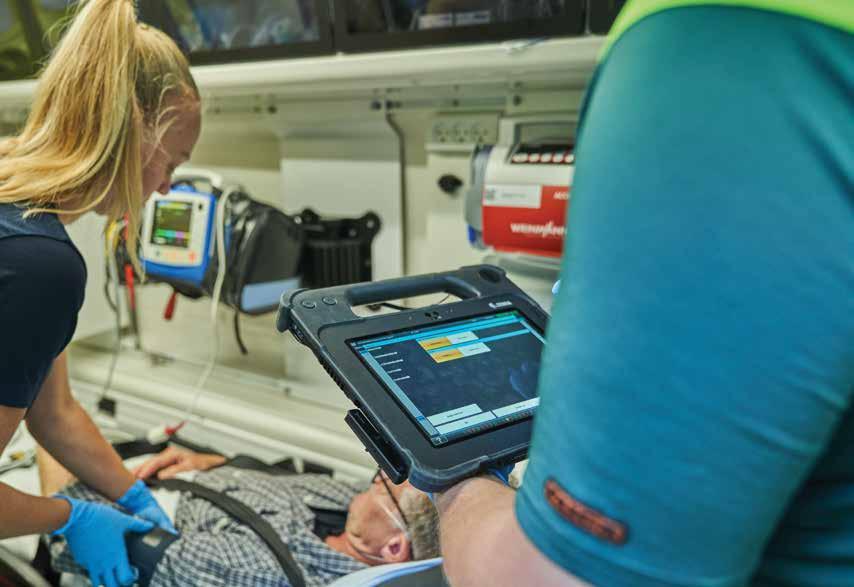
amPHI™ is a complete electronic prehospital solution that is scalable, secure, reliable, and resilient. amPHI provides an easy and efficient documenting platform, with real time information integration and sharing capabilities supporting collaborative care and powerful data mining opportunities across the entire episode.
amPHI™ is currently installed in more than 800 ambulance response units (road and air) with 15,000+ users, servicing over 9 million citizens. amPHI™ boasts a consistent uptime of more than 99.98% and is supported by 24/7 system surveillance.
EMPOWERED
Bring the expertise of the organisation into the palm of the paramedic
EFFICIENT
Save time when it matters the most
FLEXIBLE
Adaptable to fit the needs of the service
COLLABORATIVE
Seamless patient care from dispatch to hospital handover
INNOVATED
IFHIR standards interoperability, Point of care device integration, image and ECG sharing
ASSURED
Scalable, Secure, Reliable, Resilient

Keep an eye out for future editions of First Magazine
Covering the updates, insights, and achievements within the ambulance and emergency services sector across Australasia.
First Magazine Issue #19 8 AUG
First Magazine Issue #20 11 NOV
Webinar with Dr. Erica Kreismann formally of Ambulance Tasmania
Elevating Others: The Transformative Power of Mentorship.
15JUL
Webinar with Fiona Windsor
Join Mojca Bizjak-Mikic ‘In Conversation’ with our 2023 Women in Leadership
Scholarship winner, Fiona Windsor of Ambulance Victoria
18-19AUG
IRCP Conference
The International Round Table of Community Paramedicine Conferencea two day event sharing local solutions and innovations on a global stage.
Intercontinental Adelaide, South Australia
19-21AUG
CAA Congress
Discover the latest advancements and innovations in the field, keeping your finger on the pulse of emergency care.
Adelaide Convention Centre, South Australia
caacongress.net.au
CAA Awards for Excellence
Recognising the hard work and innovative solutions of our member services from Australia, New Zealand, and Papua New Guinea.
Adelaide Oval, South Australia
Judging starts 1st May
Finalists announced 20th June
Winners announced at CAA Awards for Excellence Gala dinner
Restart a Heart is a global initiative to raise awareness and educate the community about CPR and AEDs.
For more info, visit restartaheart.net
Webinar with Teneale Duncker
Join Teneale Duncker of Hato Hone
St John, and the CAA for a Q&A webinar surrounding her journey to become a senior leader, navigating children and landing her dream job while on maternity leave.
Women in Leadership Symposium
join us in Brisbane for the annual CAA Women in Leadership Symposium, which focuses on on empowering women, addressing workplace challenges, and fostering leadership in ambulance services.
Brisbane, Queensland
Women in Leadership Scholarship
Empowering women in ambulance leadership through professional development, mentorship, and career advancement opportunities.
Finalists announced in Brisbane at the Women in Leadership Symposium, 12 Nov
2026 Women in Ambulance Award nomination portal opens in Dec 2025.
Scan code for more information, and to stay up to date with all our upcoming events
See what events our partners are hosting around the globe this year.
1-2MAY
2025 Value-Based Health Care Congress
Zinc at Fed Square Melbourne, Victoria
15-16MAY
Critical Care Summit
Hyatt Place Melbourne, Essendon Fields, Victoria
2-4JUN
EMS Stockholm Stockholm Waterfront Congress Centre, Stockholm, Sweden
10-12JUN
The Paramedic Chiefs of Canada Leadership Summit 2025 Winnipeg, Manitoba, Canada
24-26AUG
AFAC25 Conference & Exhibition
Powered by INTERSCHUTZ
Perth Convention & Exhibition Centre, Perth, Western Australia
8-9OCT
Rural and Remote Health Scientific Symposium
Alice Springs, Northern Territory
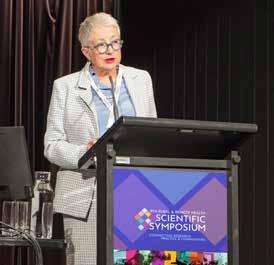
10-12SEP
ACP International Conference
Brisbane, Queensland
14-17SEP
18th National Rural Health Conference
Adelaide, South Australia
24-26SEP
AEROMED
Hotel Grand Chancellor, Hobart, Tasmania
25-26NOV
ANZPAA Police Conference PC25
Melbourne Convention Centre, Melbourne, Victoria
Scan code for more information on CAA partner events
John Bruning, CEO, Australasian College of Paramedicine
The evolving health landscape in Australia and Aotearoa New Zealand has been marked by a series of strategic initiatives and reviews over the past 12-24 months aimed at enhancing the delivery of healthcare for our communities.

These developments are crucial for addressing the growing demands on healthcare systems and provide an opportunity for paramedics to provide high-quality care in primary and urgent care settings.
Recent initiatives are refining the role of paramedics and enhancing their potential contributions to healthcare. One of the most significant advancements in Australia is the review of endorsements for advanced practice paramedics and prescribing rights marking a significant milestone, enabling paramedics to provide more comprehensive care. This development would allow paramedics to operate at an advanced level, offering specialised services that were previously beyond their scope. This shift not only enhances the accessibility and quality of care but also alleviates pressure on other healthcare providers.
The reclassification of paramedics within the health professional grouping by the Australian Bureau of Statistics and Stats New Zealand is another important development. This reclassification improves future data collection in national censuses and underscores the recognition of paramedics as essential health professionals.
The College will shortly release our clinical practice framework for paramedicine and we are finalising a Paramedics in Primary Care Toolkit, with both initiatives designed to further support the evolving role of paramedics. These tools provide structured guidance and resources to enhance paramedic practice and integration into the health system.
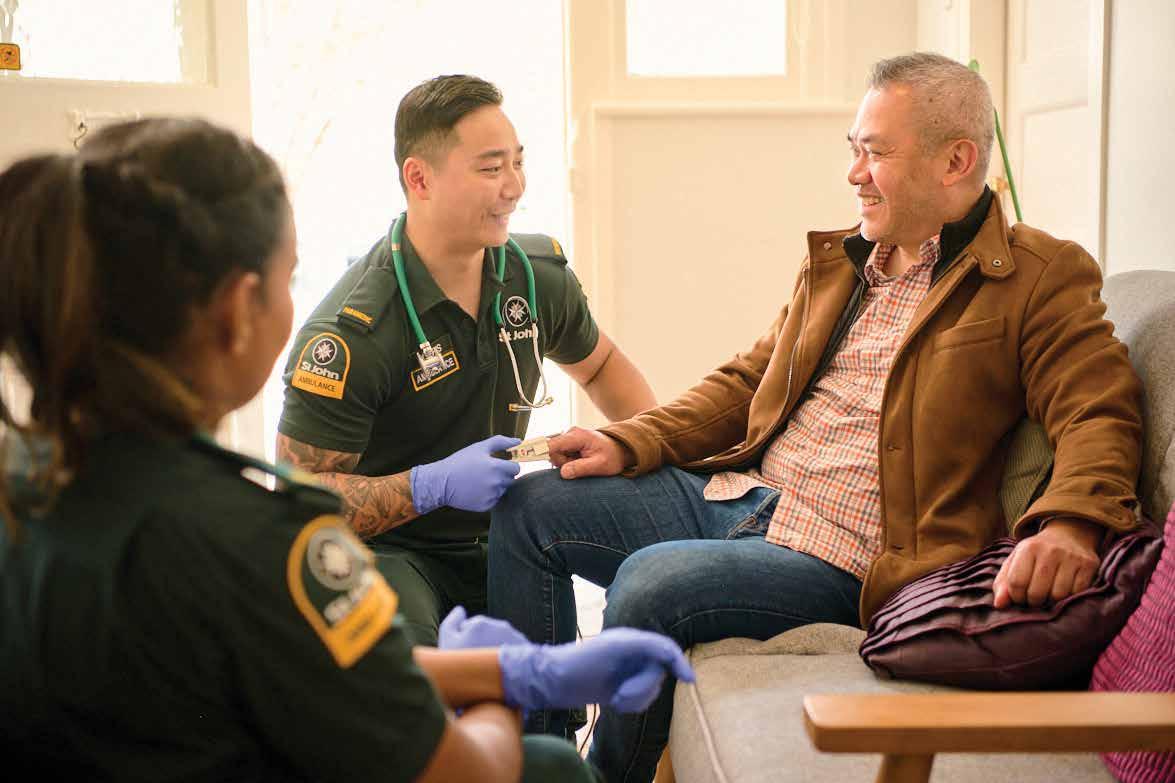
In Australia, several key strategies and reviews have been undertaken by the federal government. The "Unleashing the Potential of our Health Workforce: Scope of Practice Review" delved into the barriers and opportunities that health practitioners face in working to their full scope of practice in primary care. The final report, released in late 2024, proposes 18 recommendations across four key themes: Workforce design, development, education and planning; legislation and regulation; funding and payment policy; and enablers and other key considerations. We await the release of the first-ever "National Allied Health Workforce Strategy" in which we have been engaged in consultation, which is focused on addressing the shortage of allied health professionals, aligning workforce supply with current and future needs.
In Aotearoa New Zealand, the "Government Policy Statement on Health 2024–2027" sets the direction for the health system, incorporating the government's priorities and expectations for health entities. We envisage opportunities for paramedics in improving access and timeliness by being included in urgent and primary care as part of multidisciplinary teams. The work being undertaken by Te Kaunihera Manapou | Paramedic Council on introducing specialist paramedic practice endorsements will hopefully create greater opportunities for paramedics to utilise their unique capabilities in a wider variety of settings.
The significant impact of these strategies and reviews on the health - and paramedicine - landscape in Australia and Aotearoa New Zealand cannot be overstated. These initiatives are paving the way for a more integrated and effective healthcare system.
By understanding and embracing these changes, paramedics and other healthcare professionals can better navigate the evolving landscape and contribute to the future of healthcare. The advancements in paramedicine, supported by strategic initiatives, are not only enhancing the profession but also improving patient outcomes and overall healthcare delivery.
As paramedicine continues to evolve, it is essential for stakeholders to remain engaged and proactive in supporting these transformative efforts. The College will begin work on a Vision for Paramedicine that helps make the most of the evolving health landscape and drives the profession forward. By collaborating and creating a unified vision, we can ensure that paramedics are well-equipped to meet the challenges of tomorrow and continue to provide exceptional care to the communities they serve.

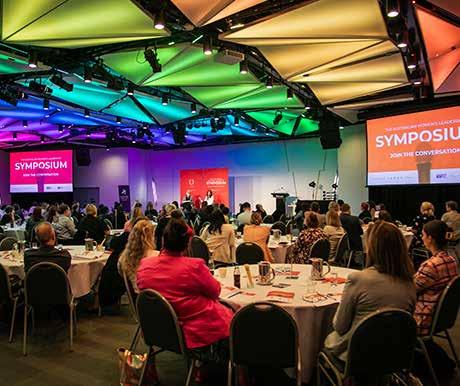
Leadership Short Courses to Strengthen Your Skills
Women & Leadership Australia
In the high-pressure world of emergency services, leadership is just as critical as clinical expertise. Whether you're managing a team, mentoring new recruits, or making split-second decisions, strong leadership skills enhance your ability to respond effectively.
Women & Leadership Australia offers a range of short courses for staff of all genders and experience levels.
These programs equip you with the confidence, resilience, and strategies needed to lead in demanding environments.
Bite-sized leadership boosters to help you thrive
Develop key leadership skills through four expert-led masterclasses focused on stress management, decision-making, team dynamics, and resilience. Enrol in one or more to suit your needs.
Mixed Gender
• 4 x 90-Minute Online Masterclasses | May 2025
Best for: Existing leaders looking for a targeted skills boost.
Sustaining leadership energy and wellbeing
Emergency services demand resilience, but burnout is a real challenge. This program helps leaders sustain motivation, manage stress, and build long-term wellbeing strategies to perform at their best.
Women Only
• 2 x Half-Day Online Sessions May 2025
Best for: Leaders looking to maintain energy and prevent burnout.
Sharpen your mentoring skills to guide future talent
Being a mentor is one of the most rewarding leadership experiences. This one-day program equips you with practical mentoring skills to support emerging leaders in your workplace and beyond.
Mixed Gender
1-Day Online Program | June 2025
• Best for: Leaders wanting to develop the skills and mindset for impactful mentoring.
Essential skills for success at work
A flexible, self-paced course designed to help aspiring and emerging leaders build critical communication and interpersonal skills—perfect for those needing development outside standard work hours.
Mixed Gender
Self-paced, delivered online
Explore all courses and enrol today: wla.edu.au/short-courses
Take the quiz for a personalised recommendation: wla.edu.au/program-quiz
The Australian Women's Leadership Symposium is back!
Join us in Adelaide, Brisbane, Sydney, Perth, Melbourne, or online for a transformative leadership experience for women leaders ready to make an impact.
Featuring:
• Inspiring speakers sharing their real stories and insights
• Leadership masterclasses led by an expert leadership coach
• Networking with women in a range of industries
Walk away feeling revitalised with actionable strategies to lead, drive inclusion, and create lasting change in your organisation.
Events start this May—don’t miss out! Group discounts available.
Best for: Aspiring and emerging leaders seeking to learn the foundational skills at their own pace. Visit the website for more information: wla.edu.au/symposium



In October 2023, England’s Chief Allied Health Professions Officer launched the national ambulance programme, 'Reducing Misogyny & Improving Sexual Safety in the Ambulance Service'. The same year the NHS England Sexual Safety Charter was launched and the NHS Staff Survey included, for the first time, questions relating to sexualised behaviours.
The results (England only) told us that rates were highest in the ambulance workforce, with more than 27% reporting sexual harassment from the public and just over 9% reporting sexual harassment from colleagues. This makes the ambulance service a concerning outlier when compared to other areas of healthcare in the UK.
The 2024 introduction of the Worker Protection Act now places a legal duty on all employers to demonstrate a preventive approach to workplace sexual misconduct.
Healthcare regulators, including the Health and Care Professions Council (HCPC), have meanwhile updated their professional standards to reflect the ever-evolving external landscape of sexual safety.
A key development has been the establishment of NASSCOP (National Ambulance Sexual Safety Community of Practice) which provides space for sharing best practice across all four UK nations and connecting members to lived experience insights.
Comprised of colleagues in key enabling roles such as human resources, safeguarding, Freedom to Speak Up, and violence prevention and reduction, the community of practice promotes learning, the development of dialectical thinking skills, a broader understanding of wider issues and the provision of peer support.
Intelligence gathered through NASSCOP is regularly reported directly to ambulance chief executive officers.

In addition to NASSCOP, AACE established the sector’s first, ‘People Professional Development Programme.’ The programme reached over 500 colleagues and sought to improve the capability and confidence of colleagues responsible for advising on sexual safety-related concerns and leading on policy reform.
Through a series of learning events facilitated by subject matter experts, the topic of sexual safety has been examined from different angles such as employment law, regulation, safeguarding, professional boundaries, online polarisation, neurodiversity and AI.
To further strengthen leadership commitment, trust board development sessions have been delivered across ambulance services. These sessions engage senior leaders in exploring the role of the board in flexing moral muscle, having collective oversight of
sexual safety as a risk and visibly championing the organisation’s direction of cultural travel.
Bron Biddle, AACE’s Programme Lead for Reducing Misogyny and Improving Sexual Safety says: “Both national and local ambulance initiatives represent a comprehensive, ongoing effort to ensure that sexual safety remains a strategic priority across UK ambulance services, against the backdrop of a politically turbulent climate that leaves ambulance service leaders faced with a rising complex challenge of protecting the sorely needed cultural maturity focus from becoming entangled in binary dialogue.
“Empirical evidence of resistance present within our sector reflects a societally influenced attitude and AACE has created a guide to support leaders navigating this inevitable barrier. There continues to be a demonstration of outstanding leadership at varying levels throughout our sector and our learning to date has informed a range of external stakeholder approaches, positioning the ambulance sector as trailblazers in this crucial area of culture change.”
"Empirical evidence of resistance present within our sector reflects a societally influenced attitude and AACE has created a guide to support leaders navigating this inevitable barrier."
For more information visit: Reducing Misogyny and Improving Sexual Safety in the Ambulance Service
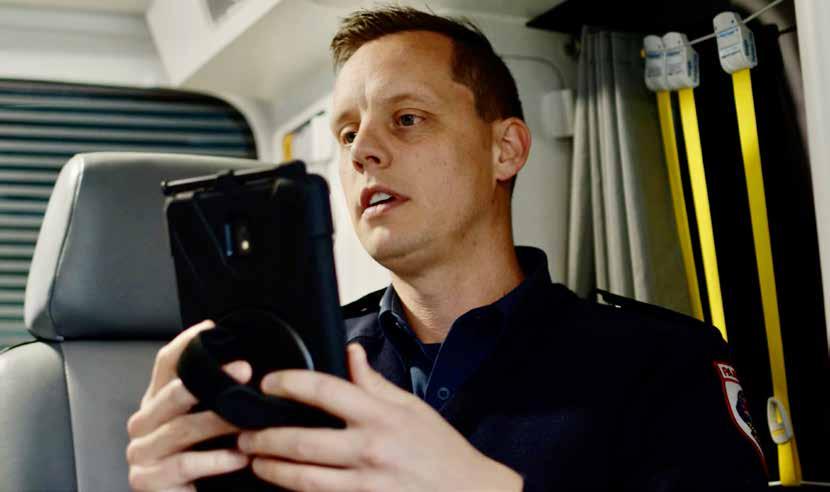
Amanda Place, Australian Stroke Alliance
New Australian Government funding will assist paramedics attending patients with suspected strokes, fast-tracking urgent stroke diagnosis at the scene. The funding comes in response to successful pilot studies conducted in the Hunter and Liverpool regions in NSW and across NW metropolitan Melbourne and Central Victoria.
The Australian Minister for Health and Aged Care, Mark Butler, has committed funding of $15 million over 12 months so the Australian Stroke Alliance can extend completed clinical trials with trained-up ‘stroke-smart paramedics’ in standard road ambulances.
The funding will allow the resurrection of successful pilot studies in NSW and Victoria, as well as introducing the protocols to trial sites in South Australian and Northern Territory. They will pave the way for a national rollout into rural and remote areas in 2027 – and for the introduction of portable brain imaging devices soon after.
According to the Hon Mark Butler MP: “The Australian Government wants to ensure people get the health care they need when they need it – and time is of the essence if you’ve had a stroke,” he says.
“Getting the right care quickly can make all the difference between a good recovery and ongoing disability. This is why we’re providing $15 million to the Australian Stroke Alliance for advanced training and equipment so paramedics and neurologists can work together with hospitals to provide rapid stroke care.”
Thanks to the successful pilot studies, tele-neurologists, based in hospitals around the country, are primed to continue on-call assistance, helping make timecritical decisions with their paramedic colleagues who will share patient data from the scene. Behind the groundbreaking impact is a telehealth platform, Zeus, developed by the Stroke Alliance with Melbournebased Titan Prehospital Innovation.
The Zeus app supports paramedic assessment and allows video consultation from within the ambulance at the scene with neurologists, who will determine the most appropriate hospital to receive the patient. Those at the hospital’s emergency department will monitor the patient’s changing clinical data and prepare for their arrival. Imaging equipment and intervention teams will be primed, ready to fast track diagnosis and treatment to efficiently remove clots in the brain (thrombolysis and thrombectomy) or offer other life-saving treatments.
A stroke is a time-critical emergency. It is essential to know if a patient has had a bleed in their brain (20 per cent) or a clot (80 per cent). The aim for every emergency crew is to treat the stroke within the Golden Hour before too many neurons die. Time critical treatment for strokes caused by clots is for thrombolysis or in the case of large vessel clots removal by thrombectomy (clot retrieval).
Of 265 regional patients arriving at Liverpool Hospital during the pilot, 65 patients bypassed their local hospital, speeding up access to thrombectomy. The median time to treatment was two hours faster compared to the catchment’s five-year median.
In Victoria, as in NSW, several patients received faster access
Regional Australians are 17 per cent more likely to experience a stroke than their metropolitan counterparts, who have less access to urgent care.
The Stroke Alliance team is determined to improve the time to access definitive care for regional Australians who are 17 per cent more likely to experience a stroke than their metropolitan counterparts, and who have less access to urgent care.
A major hurdle to fast care has been the time lost by inter-hospital transfers – with ambulance crews usually driving or flying to the closest hospital. The tele-health liaison allows the neurologist to make a crucial decision – to sometimes bypass smaller hospitals and to head for a major stroke treatment centre.
to thrombolysis and thrombectomy thanks to informed bypass decisions made possible by highly trained paramedics, access to a teleneurologist and prepped ED staff.
In the Hunter region, a workflow study also assessed whether it was safe and feasible to undertake on-board brain imaging, involving some 120 patients.
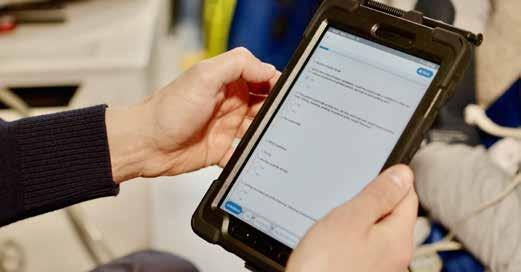
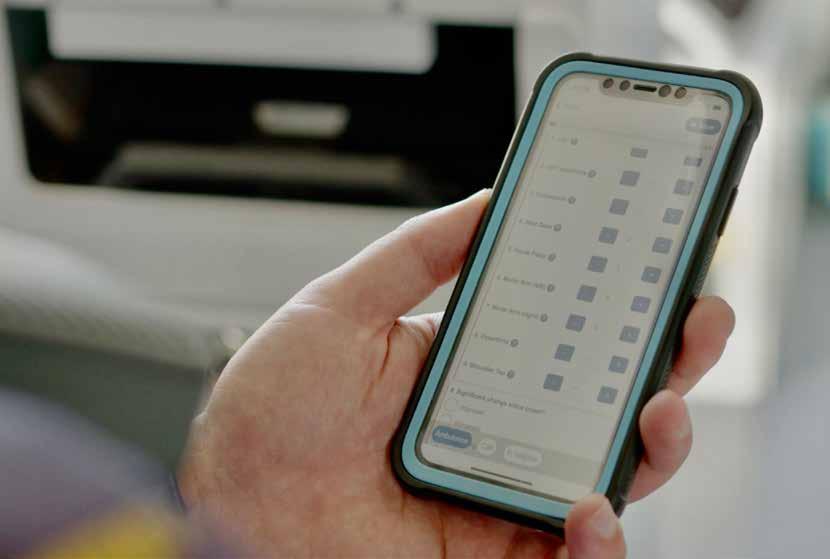
As reported in First in July 2024, in a recent case, patient Garry Tierney experienced a major stroke while driving near Nowra in NSW. Fortunately, a couple of paramedics had trained with the Stroke Alliance and knew to use the tele-health tool and to connect with a tele-neurologist. Together, they decided to race Garry to a major stroke centre at Liverpool Hospital 160km away, bypassing smaller facilities.
On arrival and thanks to tele-health advanced warning, Garry was rushed through ED to the CT scanner, fast tracking a diagnosis and allowing him to be treated within 90 minutes of the stroke occurring. This broke records at Liverpool and Garry has returned to normal life, free of disability.
As Ambulance Victoria’s improvement lead, Grant Hocking, said at the time of the trials:
“The capacity to consult with a neurologist has certainly provided paramedics with extra confidence in their diagnostic capabilities to identify stroke and large vessel occlusive strokes, and confirms any decision to transport the patient to definitive care in the first instance”.
According to Professor Stephen Davis AO, Co-chair of the Australian Stroke Alliance:
“This funding will provide rural Australians with a level of care that, until now, has been unavailable. We are determined to transform prehospital stroke retrieval so there is greater access to urgent care for people who would typically be caught up in an inefficient process due to communication obstacles, interhospital transfers and lack of neurological expertise in rural and remote locations.”
Professor Geoffrey Donnan AO, Co-chair of the Alliance agreed.
“We’ve seen the impact of this new paradigm on vulnerable, remote communities so we know it needs to be rolled out across the country. It is so encouraging that every state and territory has provided in-principle support for their ambulance services to adopt these innovative new models of care.
We are leading the world in advanced MedTech to support our paramedics and neurologists.
Our program is expected to yield substantial benefits, including $154.2 billion in cumulative savings by 2035, improved patient outcomes, and a significant reduction in the burden of disease.”

The funding will:
• provide advanced clinical training of paramedics and tele-neurologists, nurses and other health workers, providing a prehospital virtual care network;
• allow constant optimisation of the services offered and robust assessment of their performance;
• employ Aboriginal and Torres Strait Islander workers and community carers.
The new funding will prepare ambulance paramedics for the arrival of Australian-designed and built portable brain scanners being developed by the Stroke Alliance’s commercial partners, Micro-X and EMVision, for use in regular air and road ambulances. The EMVision trials are set to begin in the coming months.

Amanda Place manages government relations for the Australian Stroke Alliance. She is a former journalist specialising in the health and medical sectors, and has been a press secretary to a state health minister.
For more information, visit the Australian Stroke Alliance or email amanda.place@austrokealliance.org.au
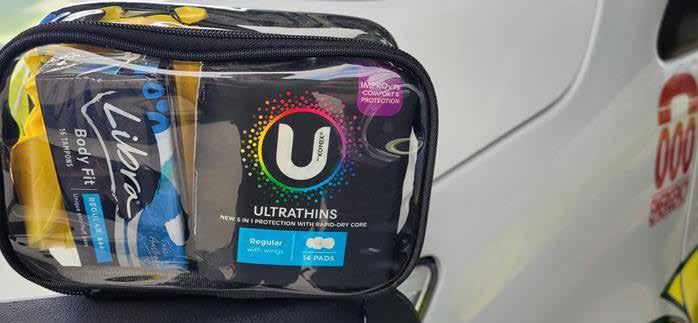
TheParamedicine profession has gone through a significant transformative change in gender parity over recent years.[1,2,3] Many Australasian Ambulance Services are approaching or surpassing gender parity, with a greater number of female-identifying personnel across services compared with their male-identifying counterparts.[4]
Given operational and resource demands, there is consistent uncertainty surrounding rest breaks whilst on shift. Employment in the ambulance environment usually requires working a rotational roster (i.e., day, afternoon and night shifts), to ensure adequate staffing can meet the operational demands of the ambulance service and the community. Research demonstrates an increased risk of incidents of stress, depression, fatigue, chronic diseases, and workplace accidents can occur when working a rotational roster that includes night shifts[5]
While paramedics are the visible front-line workers in jurisdiction state or territory ambulance services, it is important to highlight the support personnel that assist with the provision of service delivery.
For this article, the purpose of using the term ambulance personnel is to describe people employed by ambulance services, including paramedics, communications officers, patient transport officers and other support staff.
Ambulance personnel who menstruate, or are experiencing perimenopause or menopause-related symptoms, may experience significant impacts on their sense of well-being within the workplace.[3,6] This can relate to the accessibility of menstruation support items when they are required. Healthcare worker wellbeing has been a substantial focus on initiatives such as the Institute for Healthcare Improvement (IHI) Improving Joy in Work, which was used in the Victorian healthcare sector to reduce burnout by building capacity and capability.[7]

For paramedics, there is an urgent need to address burnout given the documented high workloads and bullying which has a direct impact upon workforce attrition.[8] The impact of poor worker wellbeing has been documented by measures such as intention to leave the workplace.
Recent reporting in Victoria[9,10] found that 9% of the workforce intended to leave in the next year, while a concerning 29% are considering quitting long-term, with 41% likely to seek other careers.
Low organisational support and distrust in senior management exacerbate these issues. The healthcare system risks losing experienced, skilled staff, impacting service quality and potentially patient experience.
Menstruation is a sex-specific experience that can place considerable stress on the body.[11] It can affect various aspects of health and well-being, leading to negative symptoms such as insomnia, anxiety, depression, and even suicidal ideation.[12]
People assigned female at birth, who are shift-workers are statistically more likely to suffer from adverse menstruation and reproductive conditions such as dysmenorrhea, menorrhagia, metrorrhagia, oligomenorrhea, amenorrhea, infertility, miscarriage and stillbirth because ovulation is adversely impacted by disruption to melatonin and circadian rhythms,[13,14,15,16] thus placing menstruating individuals who work rotating shifts at increased risk of adverse outcomes.
Of significance when we consider that in addition to the 50.6% of registered paramedics in Australia who identify as female,[17] the ambulance sector employs women in other roles with shiftworking elements, including, Communications Officers, Paramedic Educators, Managers, Student Paramedics and Patient Transport Officers. This is an issue of psychological safety, health and wellbeing that needs to be discussed by all stakeholders in the ambulance industry to seek opportunities to improve the people's experience.
The Australian Capital Territory Ambulance Service (ACTAS) forms one operational arm of the ACT Emergency Services Agency and operates under the wider umbrella of the Justice and Community Safety (JACS) Directorate within the ACT. As a large multi-agency organisation, JACS and the ESA recognise the importance of addressing the specific staff welfare needs within the organisation, including developing support policies and strategic welfare plans for staff within the agency. This has included the development of the ‘Menstruation and Work Policy’[18] and the ACT Government Work Health, Safety and Wellbeing Strategy,[19] that highlight the impact that menstruation, perimenopause and menopause can have on people who menstruate.

The ESA and ACTAS management have committed to providing a real-world, practical solution for ambulance personnel to navigate these challenges. ESA and ACTAS have committed to providing menstruation support kits consisting of tampons, sanitary pads and waste disposal bags on every operational ambulance vehicle and ambulance station, inclusive of ACTAS communications centre and headquarters. This staff welfare initiative aims to highlight and work towards addressing gender equity within the field of paramedicine and provides a targeted and practical staff welfare solution to paramedics on the front line so that they can operate safely and effectively within an already challenging and dynamic setting.
Research collaboration fosters evidence-based practice, shaping workplace policies, procedures, and clinical care.[20] In particular, collaboration between universities and ambulance services is mutually beneficial, with industry providing real-world challenges and data while universities offer research expertise and rigorous analysis. In this case, collaboration has driven innovation in workplace practices by advocating for menstruation-related support in paramedicine. It also highlights the broader impact of research, as traditional university metrics often emphasise publication citation counts over real-world industry change.[21]
The partnership between Australian Catholic University (ACU) and ACTAS showcases the value of the Council of Ambulance Authorities’ Women in Leadership Development Program, enhancing working conditions for paramedics who menstruate and supporting women in ambulance leadership to advocate for their colleagues. As highlighted in the Research Agenda for Australasian Paramedicine,[22] through bridging academia and practice, these initiatives strengthen emergency care systems, improving both staff well-being and patient outcomes.
Creating a safe workplace and positive people experience with improved support, equitable treatment and better communication is vital to retain paramedics and ensure a sustainable healthcare workforce. Hence, the implementation of menstruation support kits by ACTAS has the potential to support staff health and wellbeing on multiple levels.

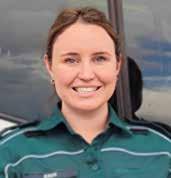


Senior Lecturer of Paramedicine and Placement Experience Coordinator, School of Nursing, Midwifery and Paramedicine
Faculty of Health, Australian Catholic University
Ambulance Paramedic, Ambulance Manager - Paramedic Clinical Educator, ACT Ambulance Service
Graduate Paramedic Intern Program Coordinator, ACT Ambulance Service
Professor of Paramedicine and Head of Discipline, School of Nursing, Midwifery and Paramedicine
Faculty of Health, Australian Catholic University
Associate Professor of Paramedicine, School of Nursing, Midwifery and Paramedicine
Faculty of Health, Australian Catholic University
1. Howie-Willis, I. A Century for Australia: St. John Ambulance in Australia, 18831983. Priory of the Order of St. John in Australia, Canberra; 1983.
2. Reynolds, Louise Colleen. "Beyond the front line: An interpretative ethnography of an ambulance service." PhD diss., 2008.
3. Hobbs L, Larsen B Westwood A, Reynolds L, and Devenish S. Breaking the Stigma: Workforce Planning Should Include (Not Just Consider) All Aspects of Being Female in Emergency Medical Services (EMS). Canadian Paramedicine 47, no. 3 (2024): 6–9. https://canadianparamedicine.ca/ special-editions Special Editions –Canadian Paramedicine [Internet]. canadianparamedicine.ca. 2024 [cited 2025 Feb 19]. Available from: canadianparamedicine.ca/specialeditions
4. Workforce & Gender Report 2022 [Internet]. The Council of Ambulance Authorities; 2022. Available from: caa. net.au/files/CAA%20Workforce%20 and%20Gender%20Report%202022.pdf
5. Khan WAA, Conduit R, Kennedy GA, Jackson ML. The Relationship between shift-work, sleep, and Mental Health among Paramedics in Australia. Sleep Health [Internet]. 2020 Mar;6(3). Available from: sciencedirect. com/science/article/abs/pii/ S2352721819302645
6. Wilson C, Prothero LS, Williams J. Celebrating International Women’s Day: where does this leave the paramedic profession? British Paramedic Journal. 2022 Mar 1;6(4):1–2. doi.org/10.29045/1 4784726.2022.03.6.4.1
7. Holmes J. Healthcare Worker Wellbeing Centre [Internet]. 2023 [cited 2025 Feb 19]. Available from: gvhealth.org.au/wpcontent/uploads/2023/09/HealthcareWorker-Wellbeing-Centre.pdf
References:
8. 11 Ambulance services - Report on Government Services 2025 [Internet]. Pc.gov.au. 2025 [cited 2025 Feb 19]. Available from: pc.gov.au/ongoing/ report-on-government-services/2025/ health/ambulance-services
9. Holland P, Vieceli J, Thynne L, Leng Tham T. Findings from the Survey on Workplace Climate and Well-being of Victorian Ambulance Workers (vol. 1) [Internet]. The Victorian Ambulance Union; 2020 Nov. Available from: drive.google.com/file/d/1qY9wUz8m_ TmwJLBRxm6262I-DjyiZSej/view
10. Holland P, Vieceli J, Thynne L, Leng Tham T. Findings from the Survey on Workplace Climate and Well-being of Victorian Ambulance Workers (vol. 2) [Internet]. The Victorian Ambulance Union; 2020 Nov. Available from: https://drive. google.com/file/d/10LOMjn7_FMt_ zKTUbBAOOHCqJpQk79Or/view
11. Phillips AK, Wilson C. Menstrual practices in operational military women. Military Medicine. 2021 Jan 1;186(Supplement_1):767-74.
12. Kullik L, Stork M, Kiel A, Kellmann M, Jakowski S. The prevalence of menstrual cycle symptoms and their association with mental health and sleep in German exercising women and athletes. Journal of science and medicine in sport. 2024 Feb 1;
13. Sak J, Michał Nowiński, FusMazurkiewicz L, Dominika Król, Mazurkiewicz W. Impact of shift work on women’s reproductive function –a review of the literature. Problemy Pielęgniarstwa. 2024 Jan 1;32(2):59–63.
14. Hu F, Wu C, Jia Y, Zhen H, Cheng H, Zhang F, et al. Shift work and menstruation: A meta-analysis study. SSM-Population Health [Internet]. 2023 Dec 1;24:101542–2. Available from: ncbi.nlm.nih.gov/pmc/articles/ PMC10632107/
15. Stock D, Knight JA, Raboud J, Cotterchio M, Strohmaier S, Willett W, et al. Rotating night shift work and menopausal age. Human Reproduction. 2019 Feb 12;34(3):539–48.
16. Albert-Sabater JA, Martínez JM, Baste V, Moen BE, Ronda-Perez E. Comparison of menstrual disorders in hospital nursing staff according to shift work pattern. Journal of Clinical Nursing. 2016 Aug 17;25(21-22):3291–9.
17. Ahpra.gov.au. 2024. Available from: ahpra.gov.au/documents/default. aspx?record=WD24%2f33854&dbid= AP&chksum=RXVvNYwnP8Gj1 RU%2bgIrb%2bQ%3d%3d&_gl=1
18. ACT Government. Menopause and Work Policy, Justice and Community Safety Directorate. 2024. Redirecting [Internet]. Sharepoint.com. 2025 [cited 2025 Feb 19]. Available from: actgovernment. sharepoint.com/sites/extranet-JACS/ Shared
19. ACT Government. Work Health, Safety and Wellbeing Strategy 2024-2026) 2024. Redirecting [Internet]. Sharepoint. com. 2025 [cited 2025 Feb 19]. Available from: actgovernment.sharepoint.com/ sites/Intranet-WHS/WHSMS/Shared
20. Simpson P. Leveraging collaboration to enhance quality in paramedicine research Paramedicine. 2024 May 22;21(4):144–6.
21. Devenish S, Simpson P. A pulse check of research activity in Australasian paramedicine academia: a sector scan through the lens of the Scopus H-index. Australasian College of Paramedicine International Conference 11–13 September, 2024; Sydney, Australia Book of PeerReviewed Research Abstracts. Paramedicine. 2025 Jan 1;22(1):39–50. doi:10.1177/27536386241231666
22. Pap R, Barr N, Hutchison A, O’Meara P, Simpson P, Reardon M, et al. Research agenda and priorities for Australian and New Zealand paramedicine: A Delphi consensus study Paramedicine. 2024 Feb 20;21(3):94–107.
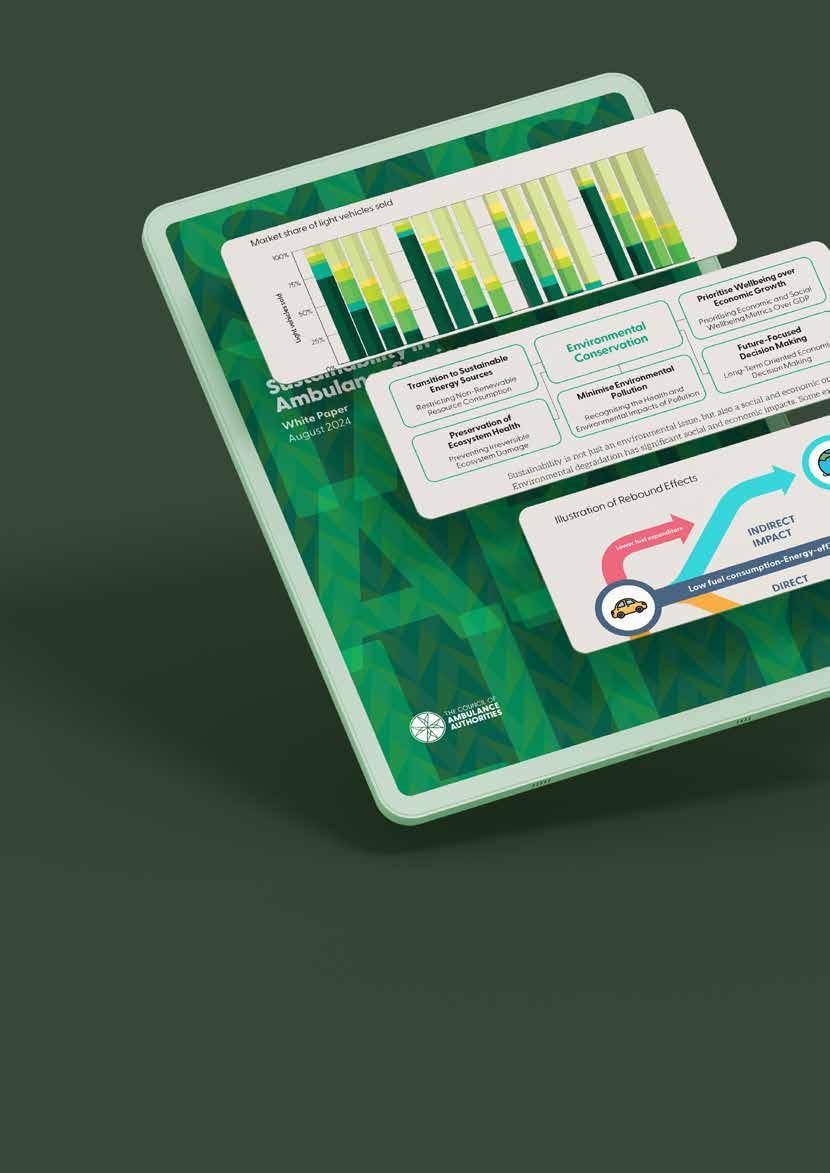

Dr. Shohreh Majd
Congratulations to Dr. Shohreh Majd and the Council of Ambulance Authorities (CAA) team on their recent recognition at the SIM-PAC Live Sustainability Awards.
This prestigious accolade highlights groundbreaking work in advancing sustainability within ambulance services, including efforts to reduce the carbon footprint of ambulance fleets, optimise operational efficiency, and integrate sustainability into healthcare decision-making.
We’ll also explore practical steps for improving sustainability, challenges that can be readily addressed, and her vision for the future of sustainable ambulance services. Dr. Majd’s and the CAA's work exemplifies how sustainability can enhance not only environmental outcomes but also patient care and operational resilience in healthcare systems.

First magazine sat down with Dr. Majd who shares insights into the innovative strategies that earned this recognition at the SIM-PAC Live Sustainability Awards.
Congratulations to you and the team on the SIM PAC-Live Sustainability Award you recently accepted. Can you share more about the work that led to winning the SIM PAC-Live Sustainability Award?
Thank you. Winning the SIM-PAC Live Sustainability Award is a significant achievement, reflecting the dedication and collaboration of the entire team at the CAA.
Our work focused on crafting a comprehensive white paper that laid out a strategic roadmap for implementing ESG (Environmental, Social, and Governance) initiatives, SDG (Sustainable Development Goals) alignment, and zero-carbon strategies within ambulance services. This included extensive research on reducing the carbon footprint of emergency services, optimising operational efficiency, and creating a framework that ties sustainability efforts to improved patient outcomes.
The white paper served as a guide for integrating sustainability into the fabric of ambulance services, ensuring that both environmental and societal impact are at the forefront of decision-making.
What are three ways our members can prioritise and improve sustainability by the end of 2025?
To improve sustainability by 2025, members can start by focusing on three key areas:
Firstly, transitioning to a green fleet is critical. Replacing traditional ambulances with electric or hybrid vehicles can significantly reduce emissions and lower operational costs in the long run. Secondly, implementing energy-efficient infrastructure in ambulance stations, including renewable energy solutions like solar power, will help reduce energy consumption.
Lastly, enhancing waste management practices by minimising medical waste and opting for recyclable or sustainable materials will contribute to broader sustainability goals. Focusing on these areas enables ambulance services to make measurable progress toward reducing their carbon footprint and environmental impact.
What does the future of sustainability in our industry look like, and what key initiatives might shape the next decade?
The future of sustainability in the ambulance sector will likely be driven by technological innovation and regulatory shifts. Over the next decade, we can expect to see a significant expansion in the use of electric and autonomous vehicles, which will not only reduce emissions but also improve the overall efficiency of emergency response systems.
Another key initiative will be the integration of telemedicine into ambulance services, allowing paramedics to provide care remotely and reduce unnecessary transportation, which will lower fuel consumption. Furthermore, as government and international bodies continue to strengthen their environmental regulations, ambulance services will need to adopt carbon neutrality targets that align with broader healthcare sustainability objectives.
What are some sustainability challenges in ambulance services that are easiest to address and overcome?
One of the easiest challenges to address is the optimisation of energy use in ambulance stations. Simple measures like upgrading lighting systems to LEDs, installing energy-efficient HVAC systems, and integrating renewable energy sources can be implemented quickly and yield significant results. Another challenge that can be overcome is waste reduction. Encouraging the use of digital records over paper, introducing more recyclable materials into daily operations, and improving medical waste segregation allows services to take immediate steps toward a more sustainable model. Additionally, engaging staff in sustainability practices and providing education can promote a culture that prioritises environmental responsibility, which can be achieved efficiently with the right training programs.

What is next for you in advancing sustainability within the sector?
Looking ahead, I plan to continue advocating for sustainabilitydriven innovations within emergency services. I’m focused on expanding the work done through the white paper into actionable programs that not only lower the sector’s carbon footprint but also improve patient care outcomes. This includes exploring how data analytics can help optimise resource allocation in emergency services to reduce unnecessary fuel consumption and emissions I am also interested in supporting the global exchange of best practices in sustainable healthcare, ensuring that ambulance services worldwide benefit from the latest advancements. Collaborating with policymakers and industry leaders to create regulatory frameworks that incentive sustainability will be another key area of focus.

AV helps struggling doggo
Generally, the team from Ambulance Victoria work with humans, although in February, museum volunteer Ralph spotted a 4-legged friend in need at the Hanging Rock Classic Vehicle Show. After what would have been a busy day looking at classic vehicles (including AV’s vintage ambulances), he appeared to be in some distress. After approaching the owners, they wanted to take their pal back to the car, but it was quite a walk for a struggling dog. Ralph proceeded to enlist some volunteers from the Country Fire Authority obtained a spine board and carried him over halfway… before he decided he didn’t want to be carried any further.
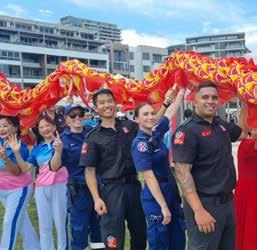
interesting visitors in WA Australia is just a phenomenal place with a wide range of animals and plants in both metropolitan and regional areas. In what was a nice little surprise to the SJWA team in Shark Bay, they had some Emus reporting for duty.
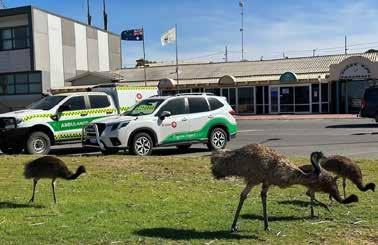
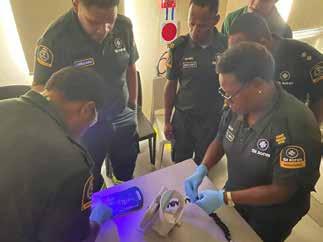
When it is time to spring into action, the team at NSW Ambulance are ready. While attending and celebrating the Lunar New Year at the Rhodes Lunar New Year Snake Carnival, alongside Fire and Rescue NSW, the team treated a patient with burns to his hand after a gas bottle explosion. The patient was then moved to Concord Hospital in a stable condition. Great work all and thank you to Inspector Dom Wong for the supplied photos to NSW Ambulance.
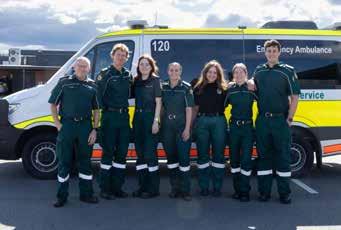
Great work from the medical board and NDOH Emergency Medicine for their support and guidance of the mandatory reaccreditation training in Papua New Guinea. Every 12 months, all NstJA ambulance officers, nurses, doctors and paramedics must be reaccredited to remain ready for their roles and have their life-saving skills on point to serve their communities.
New
ACT Ambulance Service (ACTAS) has recently welcomed some new members to the team. The paramedics pictured are not new to the industry but lateral transfers from services across the country and the globe. As part of their transfer to ACTAS, they will undertake a short induction before going to work in the Canberra communities. All the best to some of ACTAS’ finest.
Unbelievable work from first aid teacher Sue, who has officially taught over 100,000 students through Hato Hone St John’s St John in Schools program. By teaching the skills required to save a life, including CPR and First Aid, Sue has made a phenomenal impact on communities across New Zealand. See you at 200,000 Sue.


Queensland Ambulance Service reponds to Tropical Cyclone Alfred
Thank you to heroes across the QAS who worked tirelessly around the clock in Queensland during Tropical Cyclone Alfred. By rising above your own needs and requirements, many QAS staff and responders left their own safe places and braved the dangerous conditions to assist others.
The courage our ambulance services show daily as well as during natural disasters is admired across Australasian communities and an inspiration to all.
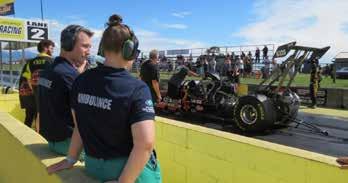
Free
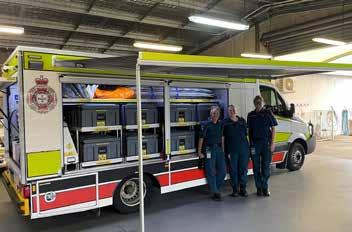
This year marks one century of St John’s impact on young Australians. Throughout 2025, St John NT will celebrate the phenomenal feat along with Darwin’s own Youth Division marking 70 years of operation. Congratulations to all St John team members and we’re excited to see your celebrations throughout the year.
It has been a very busy open to 2025 for Wellington Free Ambulance with the team being out and about at community events ranging from drag racing to canine obedience clubs. This is a wonderful reminder that our paramedic services are trained and equipped to work in a variety of environments that occur across our communities. See Wellington Free Ambulance’s best parts of 2025 so far through the QR Code.
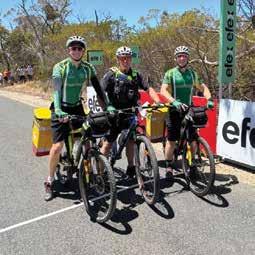
South Australia held the annual Tour Down Under and here we have featured some SA Ambulance Service (SAAS) paramedics. Along with a trailing convoy for the race, SAAS had ready paramedics on bicycles as well as motorcycles both on and off the track. Pictured are athletes, sorry, we mean paramedics, Shane and Adam with Officer Richard of SAPOL during an Adelaide Hills stage. Thank you for keeping our visiting athletes, tourists and local community safe during one of the biggest events on the Adelaide calendar.

cqu.edu.au

acu.edu.au

belgraviahc.com.au

chivaunetechnologies.com.au

emvision.com.au

harcor.com.au

sdsi.com.au

amtek.net.au

bluelightcard.com.au

deccanintl.com

flinders.edu.au

healthcaresoftware.com.au

corvanta.com
paramedics.org
www.angels-initiative.com
austrokealliance.org.au

bmw.com/en-au/home.html

dedalus.com/anz

gaam.com.au

hexagon.com
carecompany.com.au

device.com.au

goodsamapp.org

home.id.com.au
CAA helps provide an important link between the ambulance sector and businesses that provide goods and services for this industry. It’s instrumental in providing networking and partnering opportunities. Don’t hesitate to reach out to organisations of interest.

theinsgroup.com.au


jdhealthcare.com.au
mercedes-benz.com.au/vans midmed.com.au

orhltd.com

stemlogic.co

teleflex.com/anz

utas.edu.au

prioritydispatch.net/en

stryker.com/au/en

laerdal.com/au

mindray.com/au

rappaustralia.com.au

sutherlandmedical.com.au

medicalert.org.au

motorolasolutions.com
solventum.com

tacmedaustralia.com.au

titanprehospital.com

wla.edu.au
tollgroup.com
totalmobilesolutions.com.au

workweargroupuniforms.com.au zoll.com
Interested in becoming a part of The Directory? Contact admin@caa.net.au


Mitch Mullooly Health and Wellness Strategist
Specialising in the wellbeing of first responders, Mitch is a Professional Advisor for Te Kaunihera Manapou, Paramedic Council of New Zealand; Senior Advisor for Fire and Emergency New Zealand; Advisory Board member for Te Kiwi Maia, The Courageous Kiwi; and proud CAA Women in Ambulance honour recipient.
Mitch is also a published author, speaker and feature columnist for several sector related magazines, communiques, webinars, and podcasts, and the creator of Eat|Train|Be - Fit for Duty.

MITCH MULLOOLY
Having been in the emergency services for almost three decades (and yes, some days that makes me feel very old!), I’ve come to understand that trying to do things like I used to when I was younger doesn’t necessarily happen as effortlessly as it used to, and recovery doesn’t necessarily happen as easily as it did either!
As women serving in ambulance services across Australasia, we face unique physiological and psychological challenges, that I have learnt require tailored strategies to maintain health and enhance performance. In research for this article, I reached out to Women in Ambulance New Zealand, an online community, and asked our women what they wanted to know more about regarding their personal health and wellbeing.
The response was clear: we want real, practical strategies for staying strong, focused, and well, especially as our bodies and roles evolve.
To support our performance and longevity in this demanding field, here are several strategies and simple action steps that have worked well for me, and may for you, too.

Energy Availability and Macronutrient Intake
Current research emphasises the importance of maintaining adequate energy availability to support both training and hormonal health. Consuming sufficient carbohydrates is crucial for active women to prevent low energy availability and relative energy deficiency, conditions that can impair performance and overall health.
Action Steps:
• Balanced Diet: Ensure your meals include a balance of macronutrients, carbohydrates, proteins, and fats - to meet the energy demands of your role.
• Pre-Shift Nutrition: Consume a carbohydraterich snack before shifts to maintain energy levels and cognitive function.
Adequate protein consumption is vital for muscle repair and growth, especially given the physical demands of ambulance work.
Action Steps:
• Post-Shift Protein: Incorporate a protein-rich meal or supplement within 30 minutes after completing a shift to aid muscle recovery
• Leucine-rich foods: Include foods high in leucine, such as lean meats, dairy products, and legumes, to support muscle health.
Operating in high-stress, physically demanding environments, and often working irregular shifts that can disrupt natural physiological rhythms, we may need to consider specific supplementation that can further support us in our vital roles.

While not everyone needs supplements, some can support wellbeing, especially under high stress and irregular routines:
• Creatine: enhances muscle strength and recovery and supports cognitive function, brain health, mood stabilisation, and gut health.
• Vitamin D and calcium: adequate levels help prevent bone density loss and reduce the risk of fractures. Also vital for cardiovascular, muscle, and brain health, including mood, as well as its role in iron absorption.
• Omega-3s: possess antiinflammatory properties and support cardiovascular and cognitive health.
• Magnesium: plays a role in muscle relaxation, nerve function, energy production and aids in sleep quality.
• B-vitamins: essential for energy metabolism and red blood cell formation. They support cognitive function and help combat fatigue.
Always focus on food first, supplement only if your diet or bloodwork indicates a need.

Menstrual Cycle Considerations
Understanding and leveraging the menstrual cycle can enhance training outcomes. Something that I have become more aware of is phase-based training.
This is something that can be a bit of a mindset shift for us as women, but I can’t overemphasize the significance

By adjusting exercise intensity and recovery strategies according to hormonal fluctuations throughout your menstrual cycle. Listen to your body and understand what it is telling you.
Action Steps:
• Follicular Phase (Day 1-14): Focus on high-intensity training and strength development when estrogen levels are rising, promoting better muscle adaptation.
• Luteal Phase (Day 15-28): Incorporate more recovery and moderate-intensity sessions, as increased progesterone can affect endurance and heat tolerance.
of resistance and plyometric (jump) training for maintaining bone density and muscle strength, particularly as we age.
Action Steps:
• Strength Training: Incorporate resistance exercises, such as weightlifting, at least twice a week to enhance muscular strength and support joint health.
• Plyometric Exercises: Engage in plyometric movements, like jump squats or box jumps, to improve bone density and explosive power.
Quality sleep is paramount for recovery and cognitive function. As we know, shift work can disrupt circadian rhythms, making intentional sleep strategies crucial to our health and wellbeing.
Action Steps:
• Sleep Hygiene: Create a conducive sleep environment by minimising light and noise, especially after night shifts.
• Consistent Schedule: Maintain regular sleep and wake times, even on days off, to regulate your internal clock.
Post-shift nutrition plays a critical role in recovery. Consume a combination of carbohydrates and protein to replenish energy stores and facilitate muscle repair.
Action Steps:
• Recovery Meals: Plan meals that include complex carbohydrates and lean proteins after shifts to support recovery and prepare for subsequent physical demands.
The physical demands of paramedic work can impact pelvic health, especially postpartum. Consulting with women's health physiotherapists can provide targeted strategies to address issues such as incontinence or pelvic pain.
Action Steps:
• Professional Consultation: Schedule regular assessments with a women's health physiotherapist to address and prevent pelvic health concerns.
• Pelvic Floor Exercises: Incorporate pelvic floor strengthening exercises into your routine to support core stability and prevent dysfunction.

Peri-menopause, menopause, and post-menopause bring hormonal changes that can affect performance and overall well-being in so many ways. Educate yourself with sciencebacked advice on training, nutrition, and recovery strategies tailored for this life stage, and please don’t reach for the ‘quick-fixes’ or fad products.
Action Steps:
• Educate Yourself: To understand the physiological changes that you may experience during this life-stage and adapt your training and nutrition accordingly.
• Hormonal Support: Consult healthcare providers specialising in the menopause transition to explore options like menopause hormone therapy (MHT) or alternative therapies if you think you may need extra support.
By integrating some of these recommendations, targeted nutritional strategies and considering appropriate supplementation, we can adopt personalised strategies to enhance our health, performance, resilience, and career longevity in the demanding field of emergency ambulance services.
Self-care is not a luxury, it is a necessity. You can't pour from an empty cup — take care of yourself first so you can take care of others.”
Eleanor Brownn
Prioritising nutrition, tailored training, recovery, and specialised healthcare support empowers us all to thrive in our vital ambulance roles. Remember, prioritising your well-being is not a luxury, it's a necessity. Embrace these practices to thrive, to become fit for duty and fit for life!
For further insight, check out the CAA Webinar – An Open Conversation about Menopause.
18-23 AUGUST 2025, ADELAIDE SA
Join CAA and the International Round Table of Community Paramedicine in Adelaide, South Australia for a week-long, co-hosted series of events. Hear from Australasian leaders and professionals discuss the latest advancements and innovations in the field, keeping you on the pulse of emergency care.
18 AUG
IRCP International Round Table of Community Paramedicine Conference - Day 1
21 AUG CAA Congress - Day 2 - Expo Hall
19 AUG
IRCP - Day 2
CAA Board Meeting
CAA Congress - Welcome Function
22 AUG Study Tour
Australia Ambulance Service
20 AUG
CAA Congress - Day 1 - Expo Hall
Awards for Excellence - Gala Dinner
23 AUG Barossa Valley Tour



Follow us on Facebook
The Council of Ambulance Authorities
Find us on X
@CAAAustralasia
Connect with us on LinkedIn
The Council of Ambulance Authorities Inc.
Subscribe to our channel Council of Ambulance Authorities

For information on other CAA activities please visit