A N N U A L
R E P O R T
( 2 0 1 9 - 2 0 )
c o u n c i l o f a m b u l a n c e a u t h o r i t i e s
Email: admin@caa.net.au Website: www caa net au
About CAA
Message from the Chairman
Message from the Chief Executive Officer
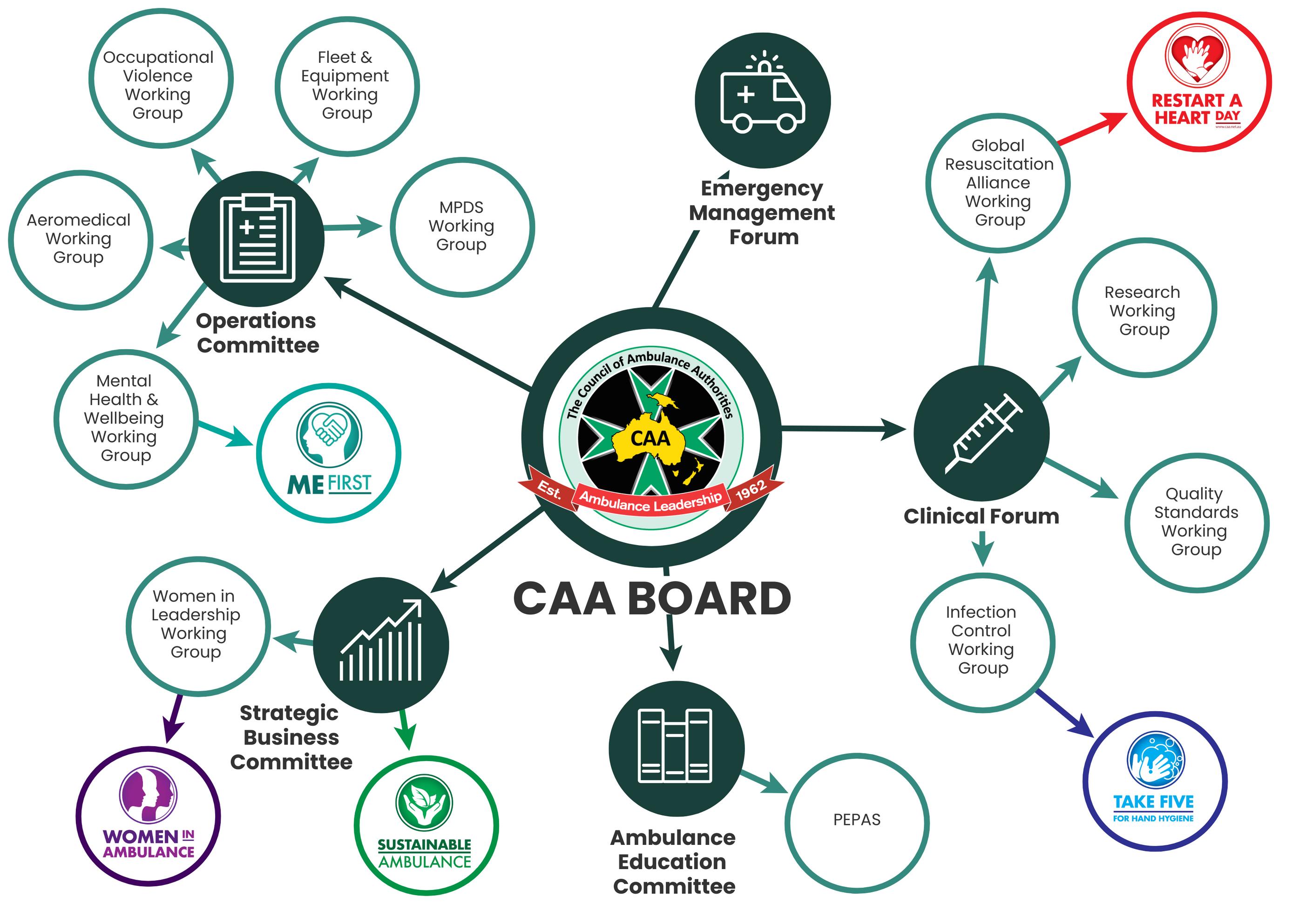
Committees, Forums & Working Groups
COVID-19
CAA Strategies
CAA Congress 2019
CAA Awards for Excellence 2019
CAA Campaigns
3
C O U N C I L O F A M B U L A N C E
A U T H O R I T I E S
The CAA is the peak industry body representing eleven stautory providers of ambulance services across Australia, New Zealand and Papua New Guinea.
CAA works to advance the mission of ambulance services to provide excellence in pre-hospital care by pursuing strategic engagement with state, territory and national governments and allied organisations in the health sector
The CAA Board comprises of chief executives from each member service Standing committees are selected from senior executives at each ambulance service according to their expertise, experience and interest
CAA provides a range of forums and working groups for CAA member services and individuals to share their ground-breaking research for the benefit of peers the

C H A I R M A N
ADJUNCT ASSOCIATE PROFESSOR
DOMINIC MORGAN ASM
"When I look back at the last 12 months, I can’t help but feel in awe of our countries’ and our peoples’ resilience."
2019-20 has been an extremely challenging year, from an unprecedented flu season in 2019 winter, to the tragedy of the NZ White Island volcanic eruption, to the devastating bushfires across most of Australia. And when we didn’t think it could get worse the COVID-19 pandemic hit Safe to say our lives have been turned upside down and life will be forever changed
When I look back at the last 12 months, I can’t help but feel in awe of our countries’ and our peoples’ resilience. I’m incredibly proud of the ambulance sector and how our teams stepped up and took care of our patients, their teams and their families under such harsh conditions.
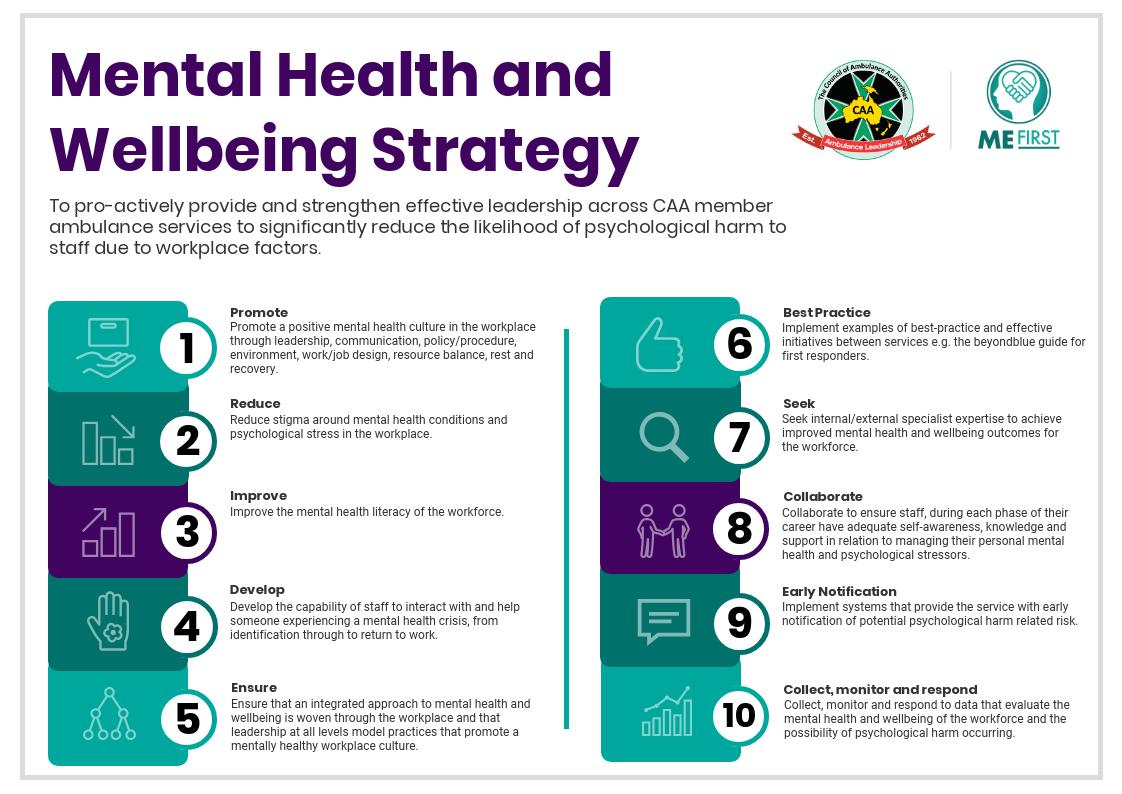
We know that while events like this bring the best out in us all, we need to focus on taking care of ourselves, our staff, our wellbeing and mental health. It was wonderful to see the work CAA commenced in 2017 with a sector-wide Mental Health and Wellbeing Strategy and how it contributed to an incredible work by our Employee Assistance teams over the last year
As we move into the next phase of the COVID-19 pandemic it will be more crucial than ever to focus on our team’s wellbeing. There is much work being done by services in this space including a CAA mental health app which is set to be launched in selected services later in 2020.
CAA continues to grow in its reach and this year we saw refreshed communications including our social media presence, new website and plans for a rebranded magazine and a new webinar series launched later in the year
The CAA this year launched new campaigns that help promote our work and our people. The Women in Ambulance campaign recognised women working in the ambulance sector and World Environment Day was observed as part of our industry's commitment towards a more sustainable future.
Work was done on bringing together a suite of policies and governance paper which will cover the legal and regulatory compliances for the company.
Throughout the pandemic period, the work CAA has been doing in supporting our members and communities, and the work our committees and forums have been doing along with progress against our strategies sees us progress the ambulance agenda, grow our capacity to look after our patients and provide our people with exciting career opportunities.

C H I E F E X E C U T I V E
O F F I
C E R
DAVID WATERS
"The CAA worked tirelessly to support our members during COVID-19 times, and across 4 months we have seen in excess of 70 videoconference meetings"
This year certainly threw a number of challenges our way, from a very intense influenza season in 2019 winter, to the tragic volcanic eruption on NZ White Island and the devastating bushfires around Australia. But nothing prepared us for the COVID-19 pandemic
The CAA worked tirelessly to support our members during COVID-19 times, and across 4 months we have seen in excess of 70 videoconference meetings addressing the situation, finding solutions and working together to spearhead the response on the ground to this unprecedented outbreak
The work our member services did to control the outbreak and to look after their teams during these hard times was incredibly inspiring and I was proud how the sector dealt with the pandemic. I know the learnings from the last six months will make us more resilient and even better prepared for the next emergency
Thankfully it wasn’t all bad news and in the midst of all the emergencies the CAA Secretariat has seen a restructure in August which lead to a refreshed workload conducted in a number of important projects and outcomes.
Our communications have had an overhaul with CAA adding Twitter and LinkedIn accounts under our portfolio. The CAA website had a refresher and later at the start of FY 2020-21 we will be launching our new magazine and first webinar series.
The 2019 CAA Congress was held in Perth and was again a wonderful success with a great panel of speakers diving into the future of the ambulance world. We heard from Bernard Salt on future demographics changes, Bruce McCabe showed us what the future technology is looking like in the health sectors and many of us were surprised by how many of these futuristic ideas are already powering ahead
Sadly, we needed to postpone our planned 2020 Congress and new dates have been set for July 15-17, 2021 at Sydney’s International Convention Centre. I know my team and I will be excited to see you join us next year.
Our Women in Leadership Strategy has been finalised and the inaugural CAA Women in Ambulance campaign was launched in March 2020 designed to recognise and acknowledge the great work women across Australia, New Zealand and Papua New Guinea do day in day out. This year we recognised 58 women who are incredible role models to the rest of the workforce
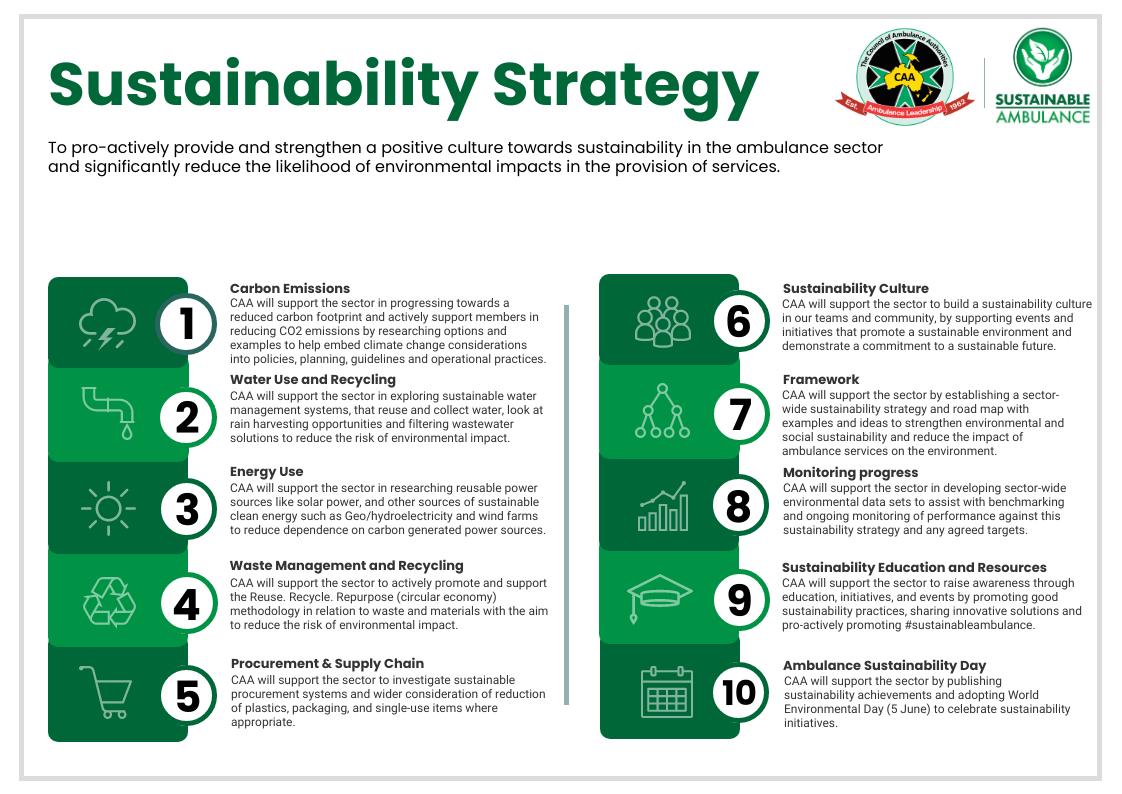
In addition to this the CAA launched a Sustainability Strategy which commits us to pro-actively provide and strengthen a positive culture towards sustainability in the ambulance sector and work on reducing our impact on the environment.
We launched the Infection Control Strategy which in light of COVID-19 brought home the importance of reducing risk of infection for our staff and our patients. As part of the strategy we created a Hand Hygiene 5 Moments of Care video showcasing how quickly bacteria spreads in the ambulance environment. Later in the year we will be launching the ‘good’ version showing how correct use of the 5 moments of care helps minimise infection risks.
We look forward to our 2020 Restart a Heart Day campaign and to welcoming you back to our 2021 Congress in July next year.
C O M M I T T E E S , F O R U M S ,
W O R K I N G G R O U P S
While the majority of CAA committees, forums and working groups have spent a large part of 2020 responding to COVID-19 and preparing for a second wave, they were still able to produce great work on a number of fronts progressing CAA work agenda.
A M B U L A N C E E D U C A T I O N
C O M M I T T E E
Following the completion of paramedic registration in December 2018 and APHRA taking over accreditation of university courses the AEC continues to look after education of our members while working hand in hand with the Paramedic Board on ensuring employer requirements are reflected in paramedic courses across Australia.
The AEC continues to work with New Zealand universities in accrediting all relevant paramedicine courses.
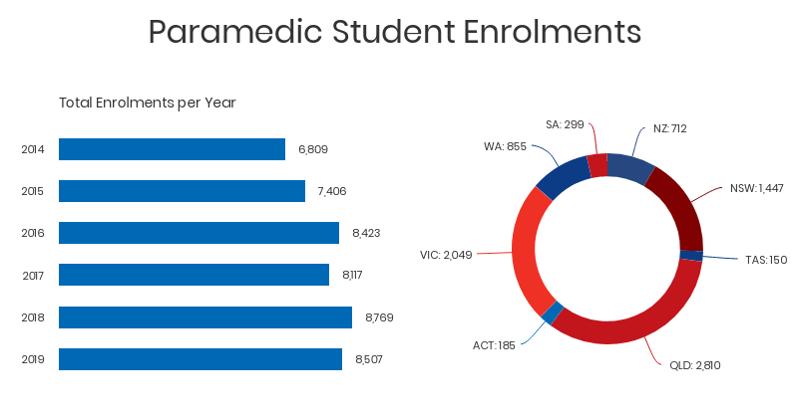
2019 saw a steady trend of enrolments in paramedic courses at accredited universities in Australia and New Zealand While there were minor fluctuations in some regions, overall enrolments have been in line with expectations ensuring there are sufficient paramedics across both countries
AEC has started looking at requirements for post-graduate courses with intent to establish a system that supports universities when preparing post-graduate degrees that are relevant to industry requirements
Due to COVID-19 restrictions most services have had to scale back clinical placements, however final year students have been utilized in various areas to assist with demand.
O P E R A T I O N S C O M M I T T E E
The Operations Committee was created to provide a forum for services to discuss issues around ambulance service delivery and 2020 certainly challenged how our members look after patients in light of the COVID-19 pandemic
March to June 2020 saw the committee join forces with the Infection Control working group, meeting weekly to provide updates on the COVID19 situation as well as sharing challenges and solutions in tackling the pandemic.
In the second part of 2019 the committee initiated the set-up of a new working group focused on occupational violence with the intent to drive research and change in this space.
The committee continues to focus on new roster solutions, ever increasing changes to the work environment as well as workforce demand, fatigue etc
A E R O M E D I C A L
W O R K I N G G R O U P
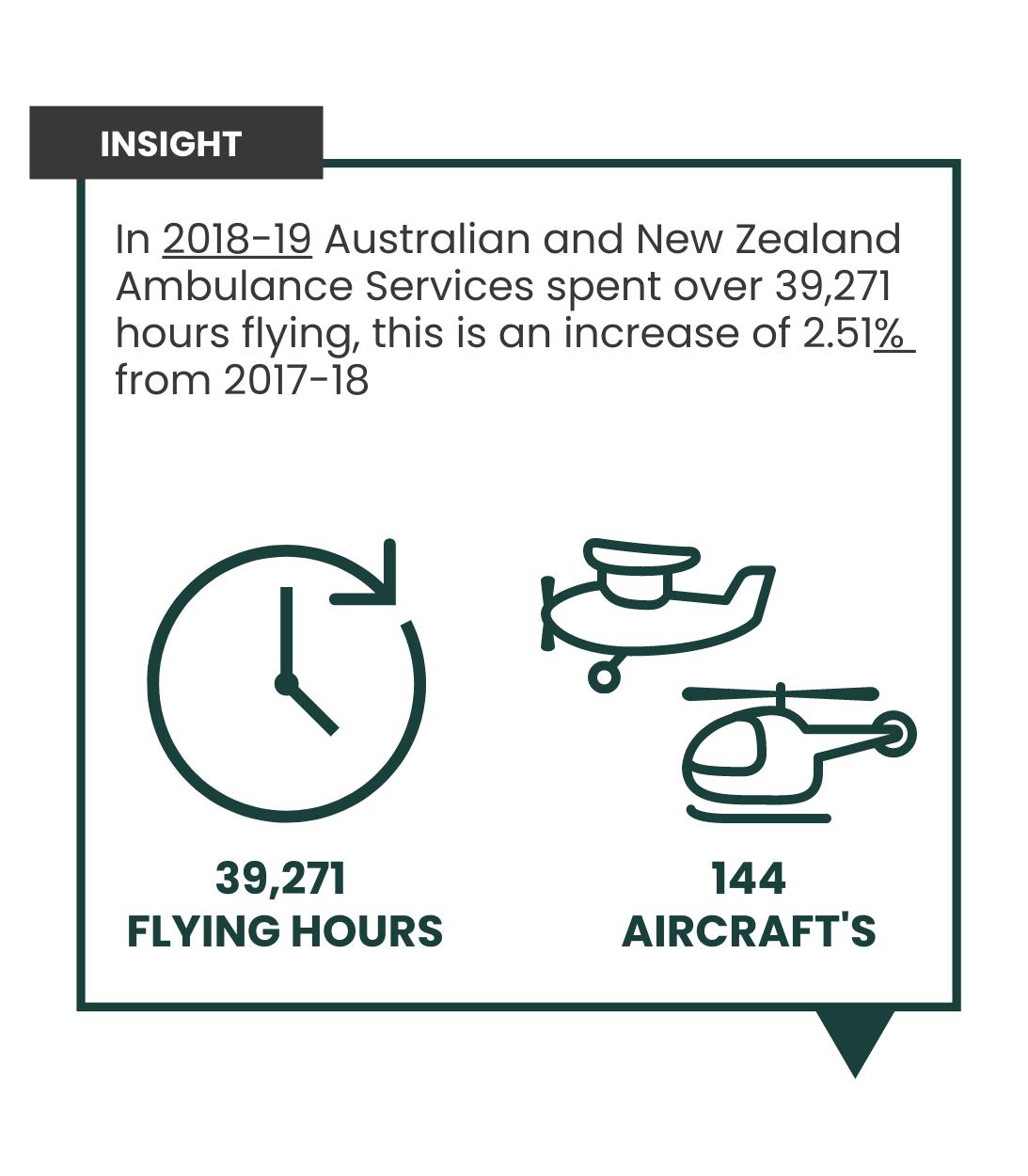
Work of the Aeromedical working group focused around the response to COVID-19 The pandemic presented considerable challenges in the aeromedical space such as PPE use that will survive in the environment, ensuring the safety of pilots and medical crew, air circulation during long trips and more.
The group continued to meet during the peak of the pandemic in weekly videocalls to share experiences and issues, working together to come up with solutions.
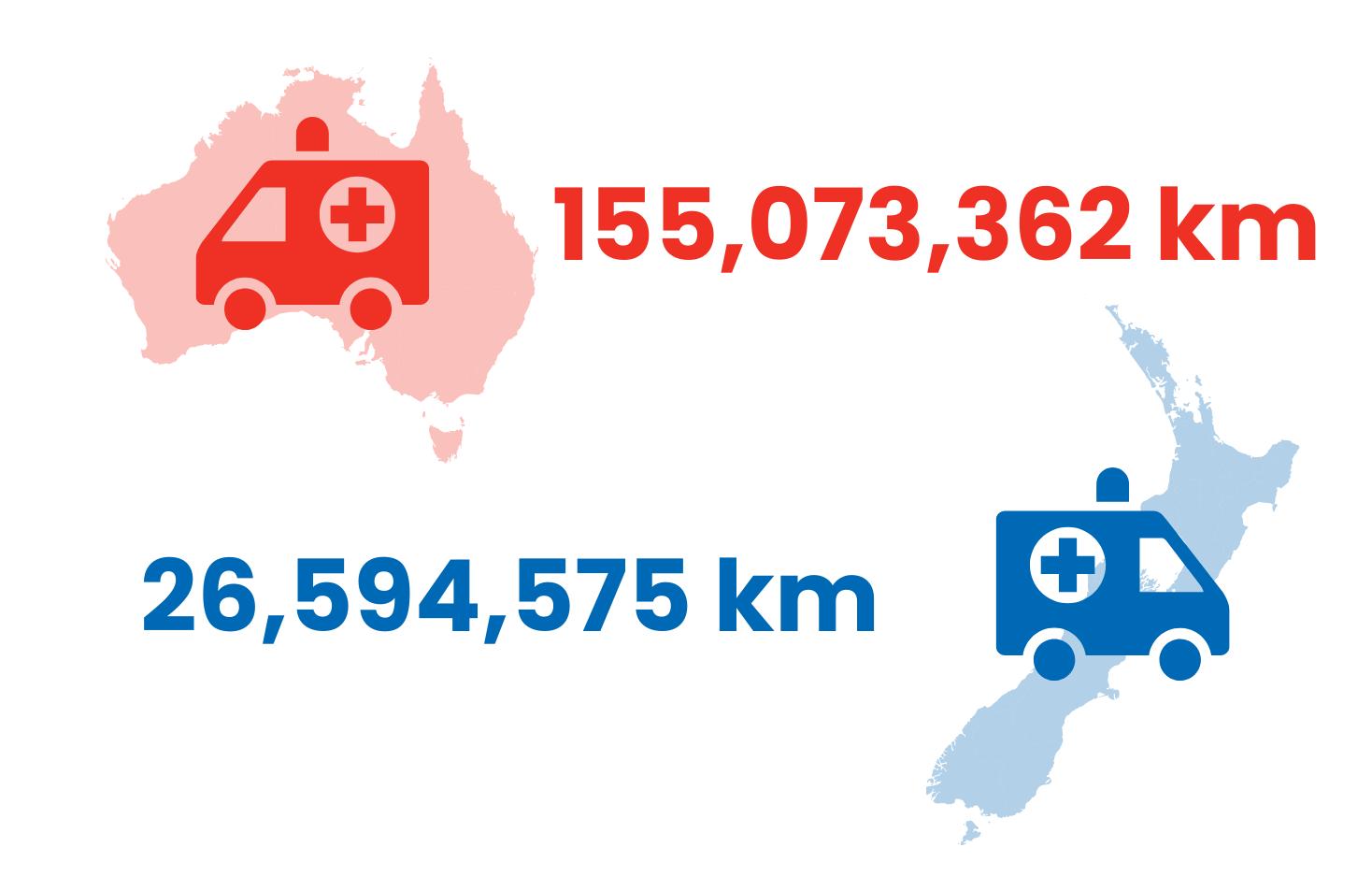
The Fleet and Equipment working group is exploring standardised ambulance vehicle design options that could save costs and provide a simpler solution to vendors and services in getting vehicles ready for on road use.
They are investigating solutions for bariatric vehicles, stroke ambulance and with the introduction of CAA’s Sustainability Strategy, eco-friendly and energy efficient solutions are also being explored.
The COVID-19 pandemic has pushed the group to consider better and more efficient infection control methods The group has been working with the Infection Control working group on this topic and has been working with the Clinical Forum on CPR of bariatric patients as part of their bariatric vehicle design solutions.
W O R K I N G G R O U P
"We spoke to Employee Wellbeing Services teams from Australian, New Zealand and PNG ambulance services to see what advice they could share with us in light of COVID-19. While the initial effects are subsiding, we sadly know there will be other similar events in the future, but we know with strong support, leadership and learnings from COVID-19 we will be better equipped to face them.”
The group continued to organise presentations on mental health programs from across various sectors and heard from Team Rubicon, AFAC, Fire and Rescue NSW and Black Dog. These meetings provide great opportunities to share knowledge, programs and learnings to assist ambulance services when looking after staff’s mental health and wellbeing.
The CAA Mental Health and Wellbeing Strategy, now in its 3rd year, is being reviewed through a service survey that will provide detail of progress made against the ten steps as well as give us the opportunity to update the strategy if required.
COVID-19 has been a challenging time for our mental health and wellbeing teams as the pandemic provided unprecedented anxiety among ambulance staff, families and the local communities. Services across the board have been working extremely hard on ensuring staff are being looked after and their concerns around COVID-19 are being explained and eased.
We are excited to see the CAA Mental Health and Wellbeing App to be launched in the second part of 2020 Five of our eleven services will be the first ones to test the app designed to give individuals a tool to monitor their wellbeing, feedback their experience and get instant access to support
M E D I C A L P R I O R I T Y D I S P A T C H S Y S T E M
W O R K I N G G R O U P
CAA and its members continue to work with the MPDS Dispatching System solution on challenges around the use of their programs in the ambulance setting.
W O R K I N G G R O U P
The Occupational Violence working group was set up as a response towards the growing number of incidents where ambulance staff are being verbally and physically abused and attacked. The issue has become a growing concern among CAA members, and it was proposed to set up a group of experts that will look at solutions to these events.
The group ’ s initial work is focused around setting up core terminology, collecting data around occupational violence incidents, looking at existing research and available reporting to be able to drive change and progress solutions.
The existing CAA Occupational Violence Statement will be reviewed to see if any updates are required.
5
S T R A T E G I C B U S I N E S S
C O M M I T T E E
The group ' s focus in 2020 has been similar to everyone else; COVID-19 and preparing services for the impact of the pandemic The group discussed and shared solutions around demand management, changes to service delivery during a pandemic, resourcing of staff, communication centre demand & staffing and other.
SBC looks after all data work under CAA’s banner and last year saw the introduction of CAA’s Online Data Portal which is used to collect data for CAA Consolidates Returns as well as Productivity Commission’s Report on Government Services. This was an exciting addition that will help improve reporting and data collections across the board.
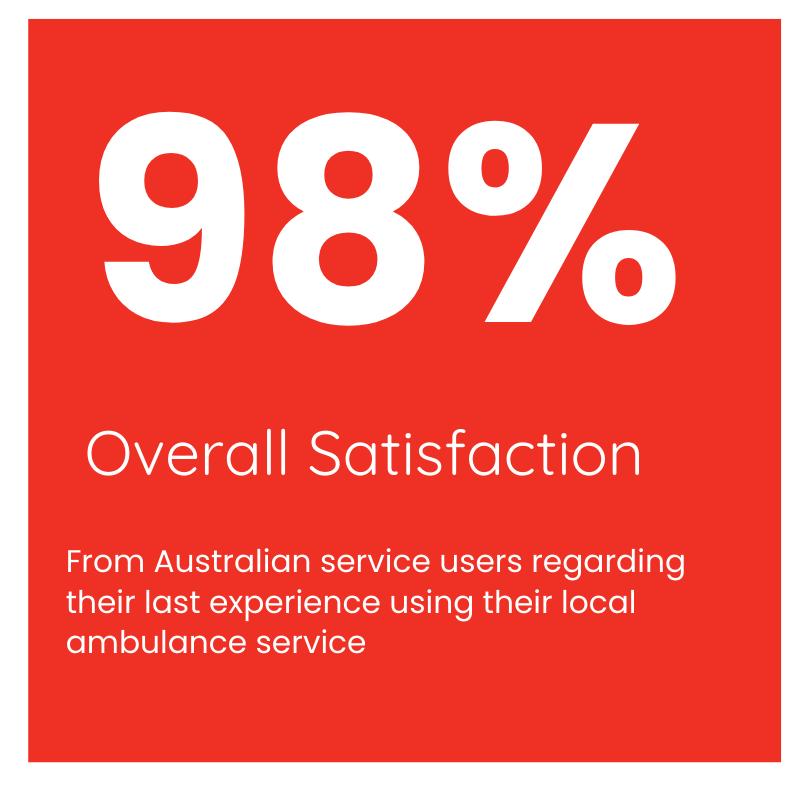
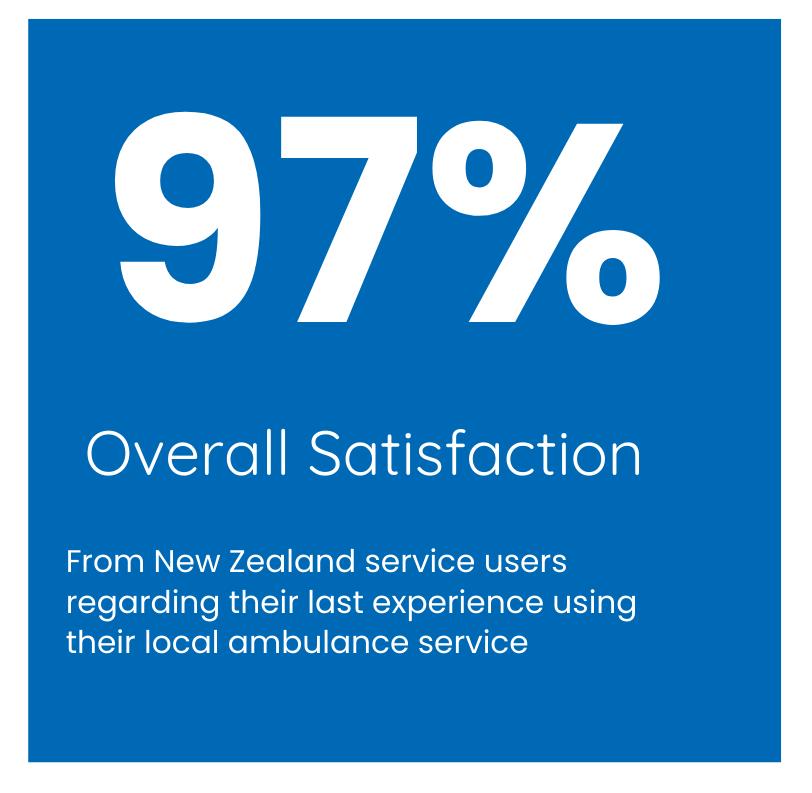
The CAA’s Patient Experience Survey again revealed excellent results, with 98% of patients surveyed in Australia and 97% of patients surveyed in NZ, satisfied or very satisfied with their ambulance experience.
The group worked on preparing the Sustainability Strategy, an industry first action plan where CAA will proactively work on supporting its members on a road to a more sustainable future
W O M E N I N L E A D E R S H I P
W O R K I N G G R O U P
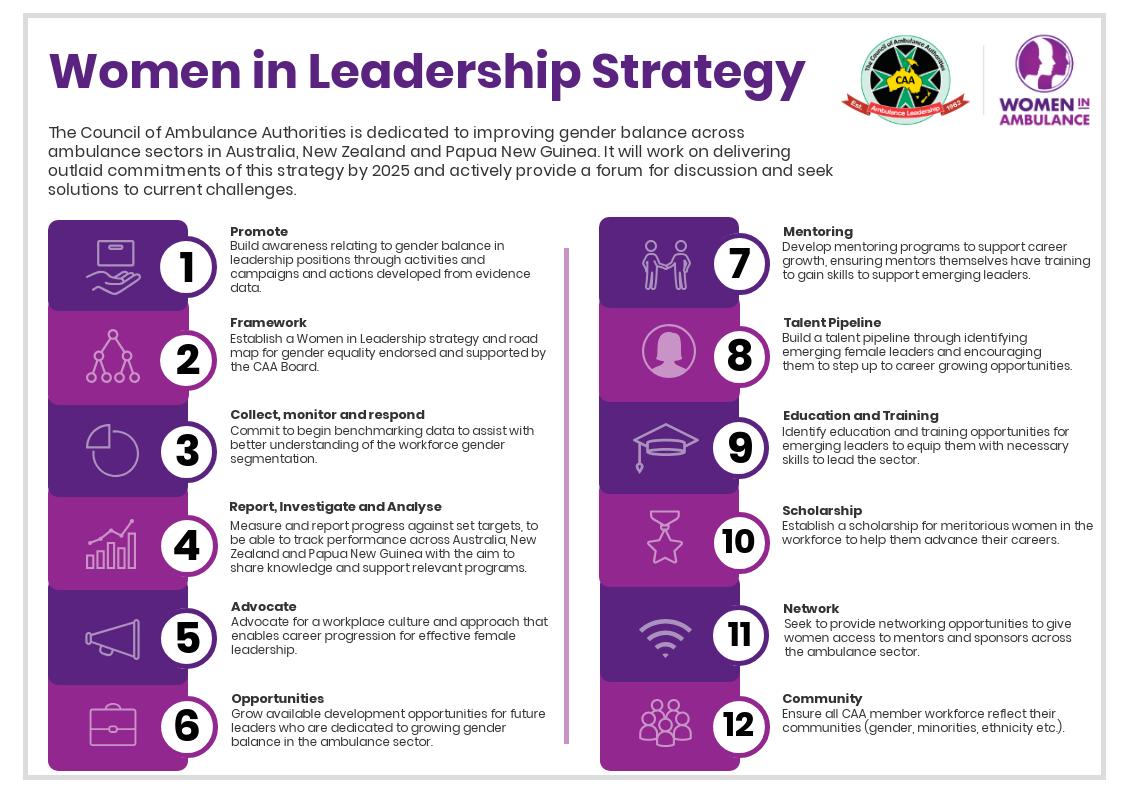
This year saw great movement in this space and with outstanding support and drive of the members sitting on the Women in Leadership working group the CAA Women in Leadership Strategy was released mid-2020.
In addition to the strategy the group progressed on compiling a gender workforce data collection, a Women in Leadership survey created to capture feedback on working in an ambulance service, the opportunities and deterrents in progressing women ’ s careers
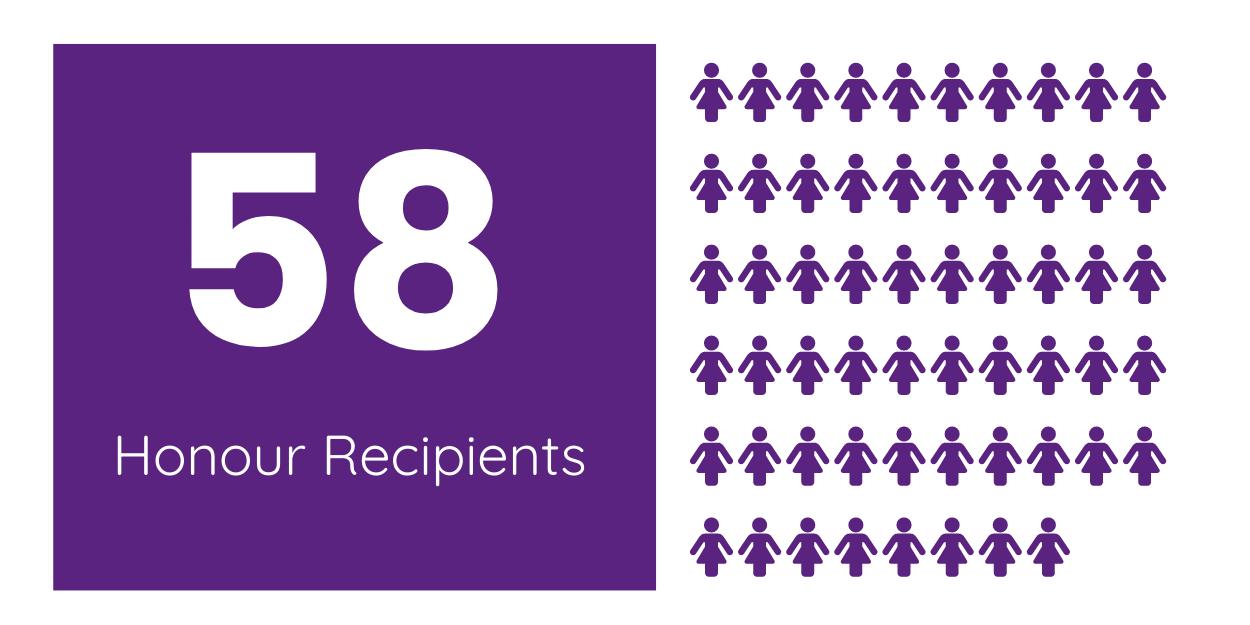
In 2020 the CAA launched the inaugural Women in Ambulance campaign designed to recognise the incredible inspirational women working across Australian, New Zealand and PNG ambulance services The 2020 WIA campaign proudly recognised 58 women, their bios and details are available on CAA website www caa net au
C L I N I C A L F O R U M
The Clinical forum is deeply involved with the ambulance response to the COVID-19 pandemic, meeting weekly in the first part of 2020 to share experiences and ideas regarding clinical impacts on service delivery, PPE standards, use of diagnostic tools and treatment options when close contact with a patient is necessary.
In addition to responding to the pandemic the group continued to progress work around clinical standards, clinical and medication matrix and sharing research and other knowledge across the sector
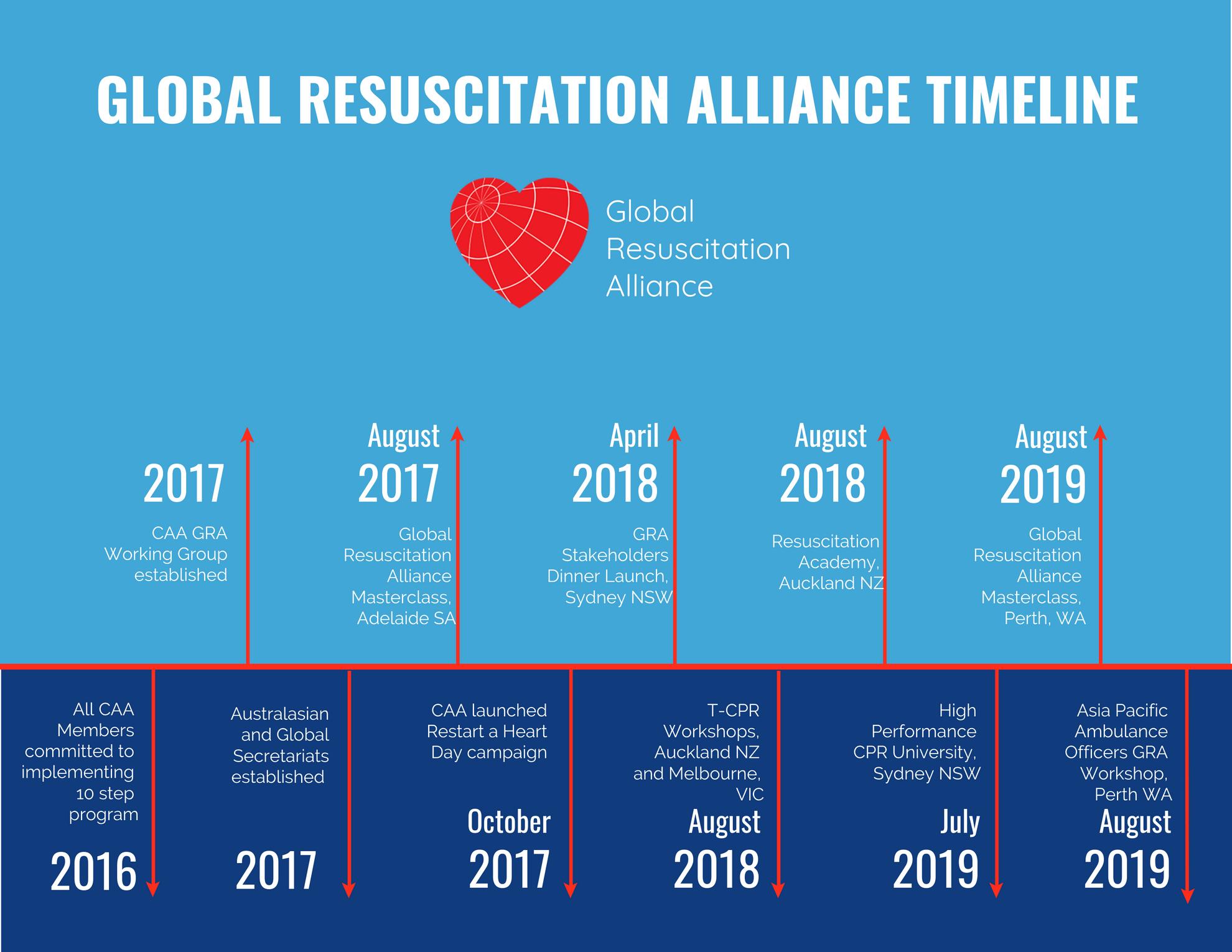
G L O B A L R E S U S C I T A T I O N A L L I A N C E W O R K I N G G R O U P
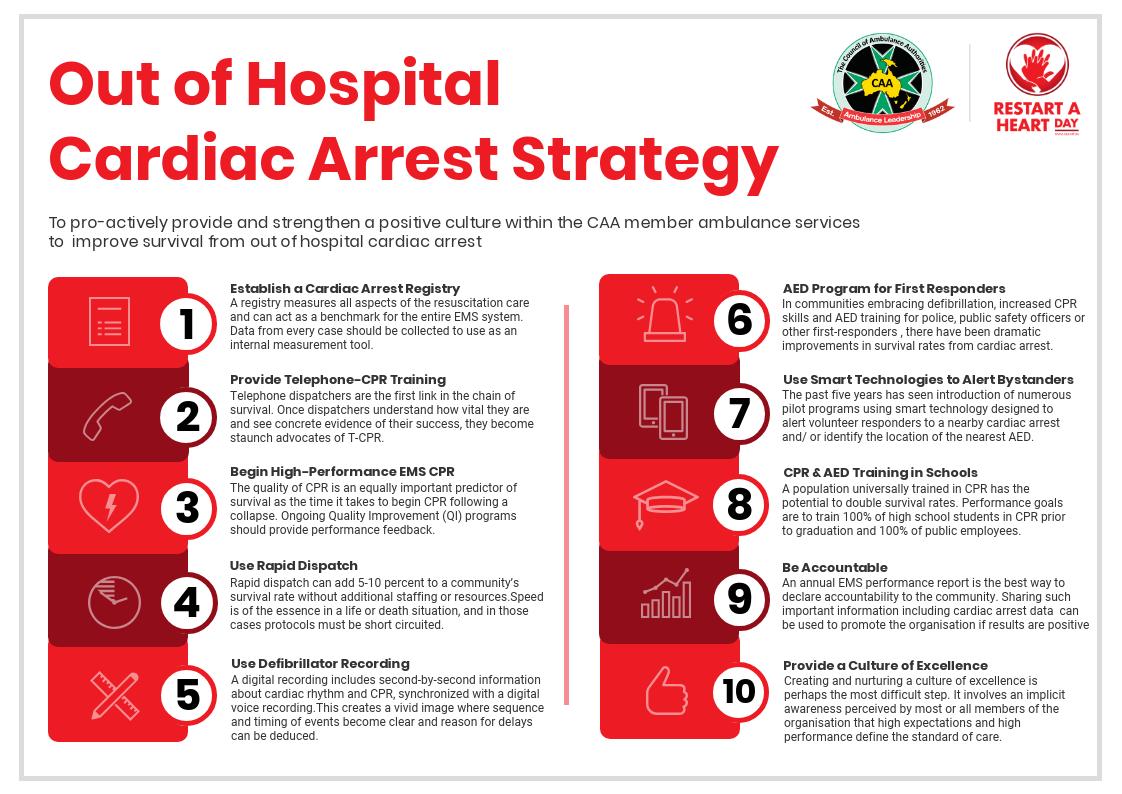
The group progressed with work against the CAA Out-of-Hospital Cardiac Arrest Strategy and it’s 10 steps for improving survival rates from cardiac arrest. A survey capturing results and progress since it's 2017 set up has been held in 2019, with a report ready for distribution.
Restart a Heart Day 2019 formed an important public facing campaign with the aim to raise awareness on this topic and educate the public in CPR and AED use. The Australian-Governor General, Honourable David Hurley became a patron of the CAA and Restart a Heart Day giving the campaign additional support and exposure
Australian and New Zealand work and progress was shared at the Global Resuscitation Alliance meeting and CPR Conference in Seattle late in 2019.
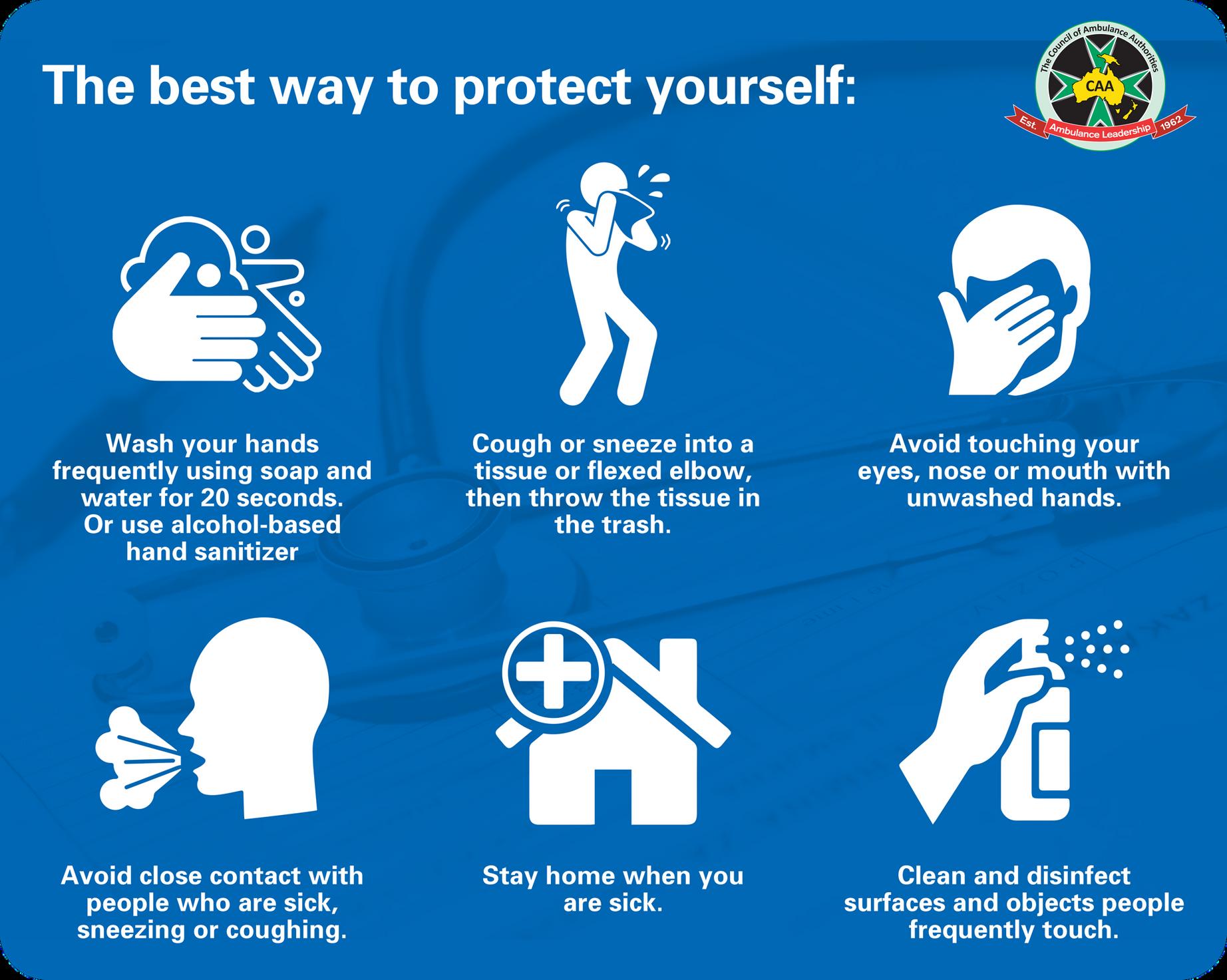
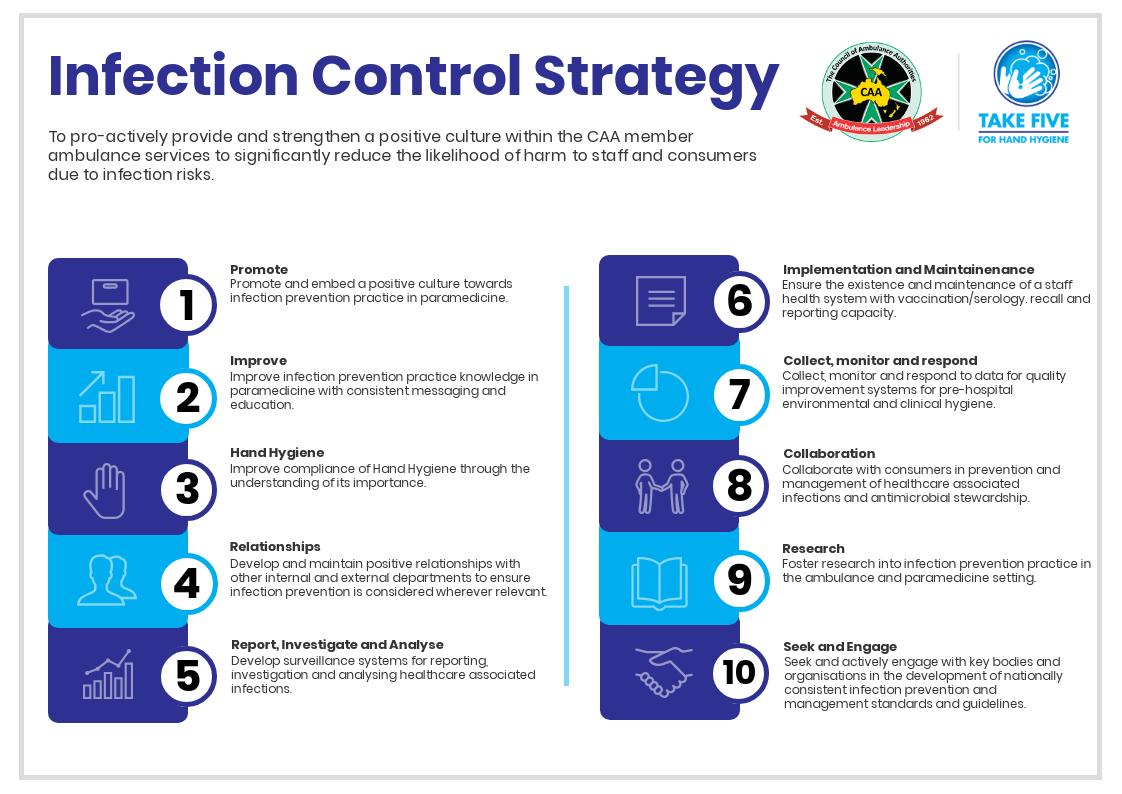
2019 saw the launch of CAA Infection Control Strategy, a tenstep program to help support services promote and advance a healthy patient environment. The group worked to set up the strategy supported by all member services in a common goal.
The group was proud to launch the CAA Hand Hygiene video showcasing how quickly bacteria can spread with lack of good hand hygiene. The 5 moments of care were never more topical that around COVID-19 and timing for the video was perfect to help spread the important message around hand hygiene
The group is central in the CAA’s and services response to COVID-19 meeting weekly in combination with Operations committee delivering guidance and advice in combating the pandemic
https://www caa net au/hand-hygiene-day-subpage
Q U A L I T Y S T A N D A R D S
W O R K I N G G R O U P
The group members continue to work on progressing accreditation against the NSQHC standards Work will commence around preparing a CAA position statement supporting accreditation.
COVID19 pandemic exposed the need to maintain standards, Standard 3 in particular - Preventing and Controlling Healthcare-Associated Infection Standard.
R E S E A R C H
W O R K I N G G R O U P
The CAA Research working group was inactive for the 2019-20 year.
The members of the forum were extremely busy during a very long and devastating fire season that transitioned straight into the management of the COVID pandemic. The forum continues to investigate opportunities to setup an AUS/NZ/PNG National Ambulance Resilience Unit, the aim to centralise aspects of emergency management training for ambulance service staff.
Forum members have been involved in key regional emergency management roles, assisting their communities and their services in their response to COVID-19 In collaboration with other CAA committees and forums, the members have provided expert guidance and national updates on the management of COVID-19 to the CAA and ambulance services.
C O V I D - 1 9

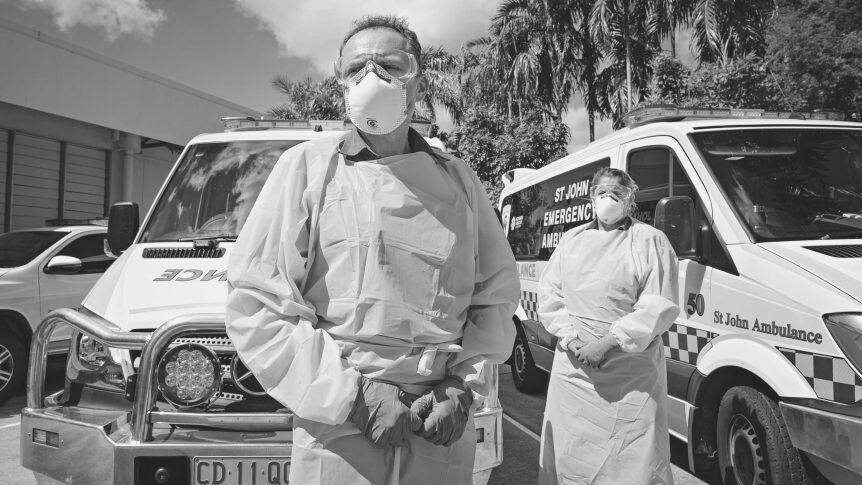
The Operations committee and Infection Control working group joined forces to share actions from the frontline response, discussing topics that included the use of Protocol 36, staff communication, demand management plans, PPE, staff resourcing (leave, absenteeism, influenza vaccinations etc.), staff mental health, recovery phase and what it looks like, etc.
The Aeromedical working group focused on fighting the pandemic in aerospace ensuring safety for their paramedic teams as well as pilots and flight crews. Challenges that presented in this space included changes to protocols, decontamination and cleaning of aircrafts, PPE challenges in confined spaces on prolonged trips, air circulation and others
Clinical forum also met weekly to discuss issues presented by the pandemic around identification of COVID-19 symptoms and comorbidity indicators, CPR and defibrillation, changes to guidelines for a number of protocols by external agencies, correct use of PPE and others.
Being able to provide an ongoing secure network to our member services during this high-pressure emergency proved invaluable. The ability to leverage off services who were on the front line of the response, like NSW Ambulance during the first wave and Ambulance Victoria in the second part of June, was incredibly helpful to other services to prepare for the oncoming threat
As always, the ambulance world pulled together and services were quick to provide assistance to the hardest hit members.
As this annual report gets produced, we are nowhere near the end of this damaging pandemic and the CAA continues to support our members with regular updates and meetings. The CAA has been sharing information thought our communication channels ensuring to support and share services messages and encourage the public to listen to recognised authorities for advice
CAA has released a number of newsletters and social media posts sharing important messages around the pandemic and CAA’s new webinar series will see COVID-19 as a topical issue
S
E G I E S
AA adopted its first sector-wide strategy, ealth and Wellbeing Strategy, which was d adopted by not only all our members ulance unions showcasing how important ur people’s mental health and wellbeing
has since been adopted by our UK and nds.
m great feedback the CAA powered ahead similar fashioned strategies and workprogress specific topics prevailing in the ctor. 2018 saw us adopt the Global Alliance’s 10 steps in improving survival t-of-hospital cardiac arrest.
services have since made wonderful nst the program and we are seeing ults in improving survival rates across New Zealand.
Last year the CAA Infection Control Strategy was prepared and with great timing as the outcomes and topics were helpful in combating the COVID-19 pandemic. The CAA Hand Hygiene video which launched in March this year showcased the importance of good hand hygiene in the patient setting.
This year we introduced the CAA Women in Leadership Strategy an important showing of the industries commitment to improving women ’ s standing in the ambulance world. The strategy works to create a better gender balanced workforce that will afford women equal opportunities to progress their career to senior management and executive levels.
June this year saw us release our latest strategy created to support our members towards a more sustainable future The CAA Sustainability Strategy will work on delivering services ideas and solutions to drive change for a more sustainable workplace and environment.
M E N T A L H E A L T H & W E L L B E I N G
C A R D I A C A R R E S T
I N F E C T I O N C O N T R O L
W O M E N I N L E A D E R S H I P
S U S T A I N A B I L I T Y
2 0 1 9 C O N G R E S S 12 - 16 AUGUST 2019 PERTH, WESTERN AUSTRALIA
"2019 CAA Congress proved to be another week-long packed series of inspirational and educational events that is quickly becoming the industry event of the year. "
1
CAA2019 Congress introduced the first Infection Control Masterclass which provided compelling insights into the threats of infection which can have their origins in far-flung locations – the 2009 Mexican flu pandemic believed to have been triggered by farming practices on a pig farm; the 2003 SARS outbreak in Canada; bird flu in China – or an ambulance used every day without proper infection protocols.
The theme for the day-long program, ‘We are all in this together’, was interesting and engaging with presentations ranging from aseptic techniques, hand hygiene, accreditation processes and flu vaccinations In hindsight and looking back to 2019 after 6-months of COVID-19 behind us, the program was a compelling examination of some of the issues that require urgent attention for the health and well-being of patients and paramedics.
The line-up of presenters included the Manager of Infection Control at NSW Ambulance, Kate Hipsley who welcomed CAA’s support in seeking to address the infection control issues in ambulance services
Kate, who job shares the first permanent Manager of Infection Control position at an Australian ambulance service with Michelle Fernandez, has a background in nursing and extensive experience in infection control, spoke on importance of policies, procedures and guidance in this space
The A/Director Strategy and Innovation at NSW Ambulance, David Morris, presented the development of the Make Ready Model for which NSW Ambulance was a joint winner of the 2018 CAA Management Award for Excellence – shared with SA Ambulance Service for their Fatigue Risk Management System.
The model involves the environmental cleaning of ambulances and a new methodology for supply chain management of consumable items. Since its introduction the model operates across nine sites in Sydney covering 120 vehicles “made ready” between call outs.
The Infection Control Masterclass provided wonderful networking opportunities and the program provided a framework for the CAA Infection Control Strategy that was released later in 2019
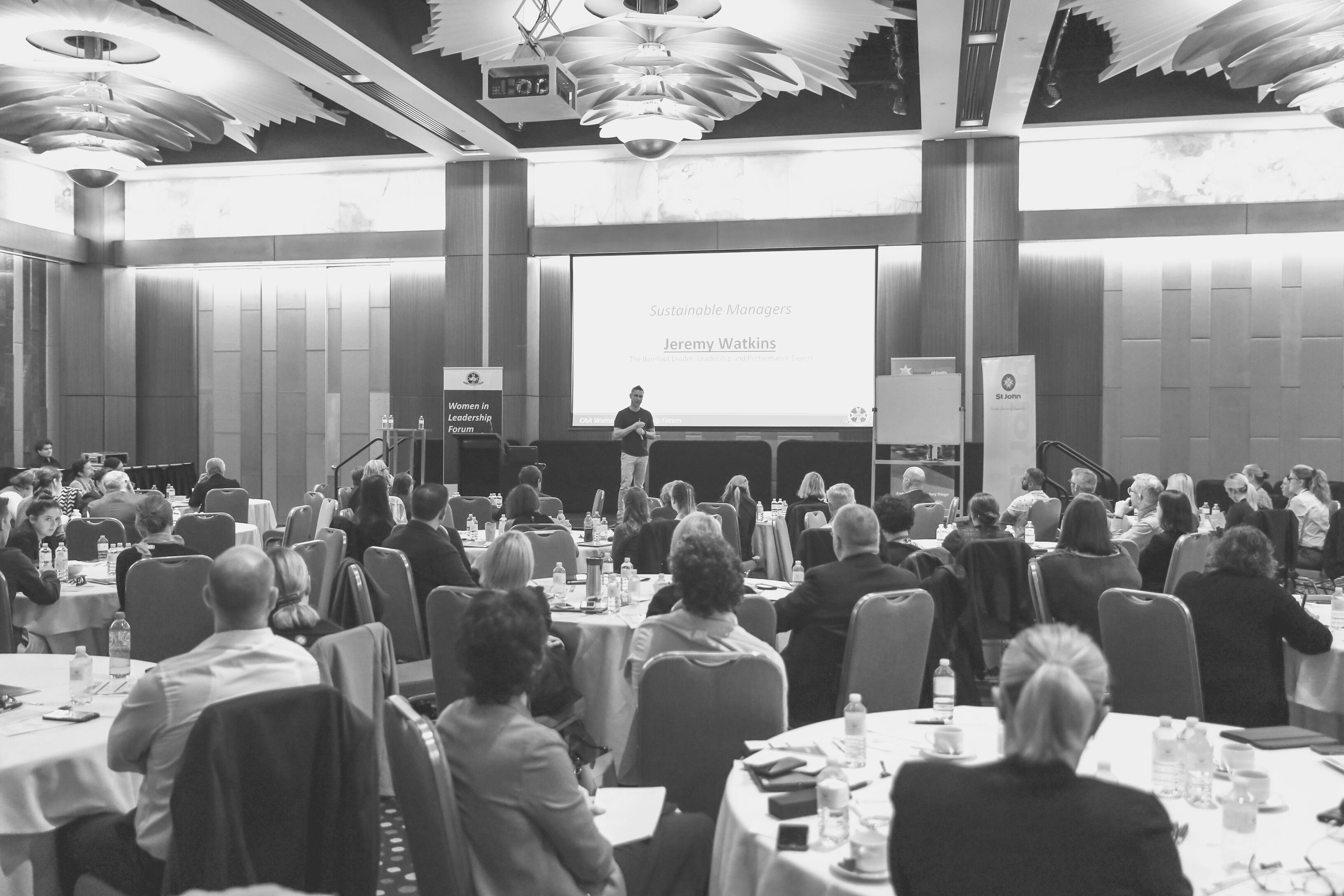
The inaugural CAA Women in Leadership forum emboldened a room full of women (and some men) to pursue roles as leaders, to take charge and acknowledge their own strengths The concepts and stories featured in the day-long program captured the imagination of 150 delegates keen to see a continuing focus on empowering women working in ambulance services.
Presenters were consistent in their commitment to a path that would enable the passing of the baton to the next generation of women leaders, and of the need to collectively support each other
St John WA Chief Executive Officer Michelle Fyfe, as one of only two female CEO’s in ambulance in Australia and New Zealand, set the tone for the day. “Success means something different for everyone. Success is rarely quick, comfortable, convenient or painless We have to embark on the journey with eyes wide open. We have to roll up our sleeves with our hearts full of courage and we have to have a vision burned into our minds ” She proudly welcomed delegates to Perth and urged each of them to remember that “ success is liking yourself, liking what you do and liking how you do it ”
A special message was beamed into the room, New Zealand Prime Minister Jacinda Ardern thanked paramedics for their dedication and their expertise and spoke about her challenges of being a female politician and leader in a very male dominated world. Her message “You can be yourself in these roles. You can demonstrate empathy and compassion and still be strong so that the next generation feel that they can do the same ” resonated through the room
CEO of the Western Australian Cricket Association Christina Matthews, Ambulance Tasmania’s Chief Executive Neil Kirby, Dr Niki Vincent, Commissioner for Equal Opportunity, Michelle Brett, St John Ambulance New Zealand and Angela Beatson, Queensland Ambulance Service and Michelle Baxter, Assistant Commissioner Queensland Ambulance Service shared their stories and views and fueled an incredibly inspirational program
Topping the day off with the CAA Board members panel who were ready to answer any and all questions about ensuring a more gender balanced workforce proved for a powerful day that the CAA is keen to bring back year after year
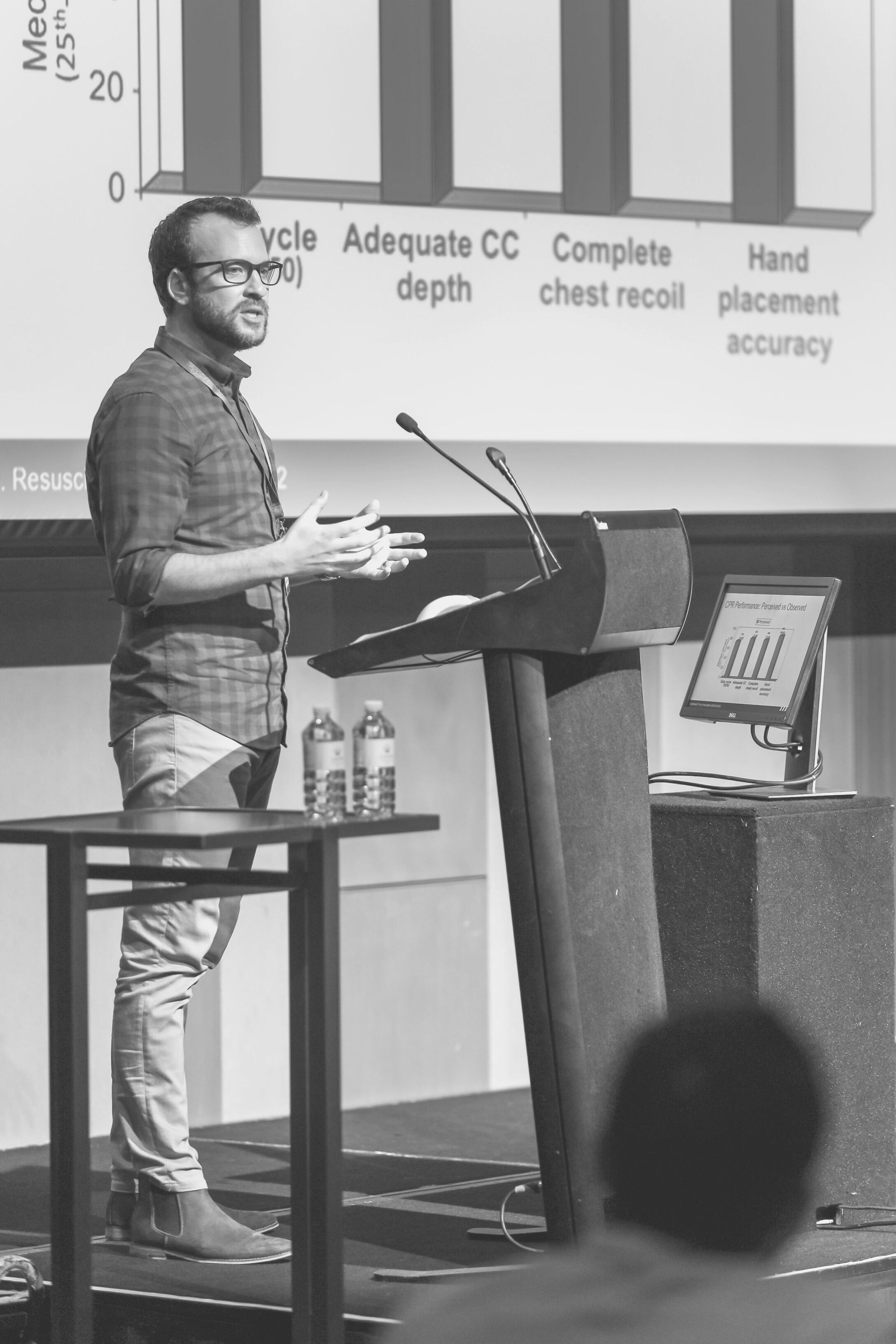
Following on from the 2017 and 2018 successful Global Resuscitation Alliance Masterclasses we were excited to not only bring back the CAA GRA Masterclass but also co-host the Asia Pacific Ambulance Officers Workshop together with the Resuscitation Council of Asia.
The Masterclass program featured presentations from Dr Freddy Lippert CEO Emergency Medical Services Denmark and Singapore’s Dr Ng Yih Yng, the Lead, Digital and Smart Health Office, Tan Tock Seng Hospital and Central Health Singapore in addition to services’ leaders in the field The high-level engagement emphasised that the race is on around the world to save more lives from out-of-hospital cardiac arrest.
Presentations by Singapore’s Dr Ng Yih Yng, the Lead, Digital and Smart Health Office, Tan Tock Seng Hospital and Central Health Singapore, gave delegates an Asian perspective on the GRA programs and lifesaving innovations in use, and on the horizon.
An impressive program of presenters at the GRA Masterclass, including Australian and New Zealand Resuscitation Academy Alumni, provided further insights into the achievements and challenges facing services as they implement the GRA’s ten steps
Setting the scene for the CAA2019 Congress ‘Building Blocks In Place For Ambulance Services In 2050’ Managing Director of the Demographics Group Bernard Salt described the composition of communities in Australia and New Zealand & anticipated priorities for ambulance services in the coming decades
More than 85 local and international speakers presented on technology, devices and procedures that are changing the way paramedics work
Futurist Bruce McCabe captivated the audience with his stories about technology already in use and the good and the bad of statistical machine learning, regenerative medicine and quantum computing.
Consultant in Emergency Medicine and Pre-hospital Care Professor Richard Lyon MBE explained how the future had arrived in many areas from biometrics and nanobots to ECMO treatment and live video streaming.
Some inventive suggestions for paramedics’ work in 2050 were captured in an interactive board set up by CAA partner Trapeze The ideas, in the 'Connected Patient Journey', were brought to life in a series of drawings. The best idea came from Heidi Little, Wellington Free Ambulance, who wished for drones to be able to transport primary care medications to New Zealand’s low socio-economic areas so they could have better access to primary health care.
A significant part of the program was devoted to the future of stroke care. Presenters included Dr Freddy K Lippert CEO, Emergency Medical Services Denmark, who explained the Utstein 10-step program for pre-hospital stroke building on the success of the GRA ten steps to increase survival rates from cardiac arrest; and Skye Coote, Nursing Coordinator Melbourne Mobile Stroke Unit, The Royal Melbourne Hospital.

5
2 0 1 9 A W A R D S F O R
E X C E L L E N C E
"Another year of CAA Awards for Excellence and another year of truly remarkable and innovative programs that continue to drive change and progress across Australasian health sectors."
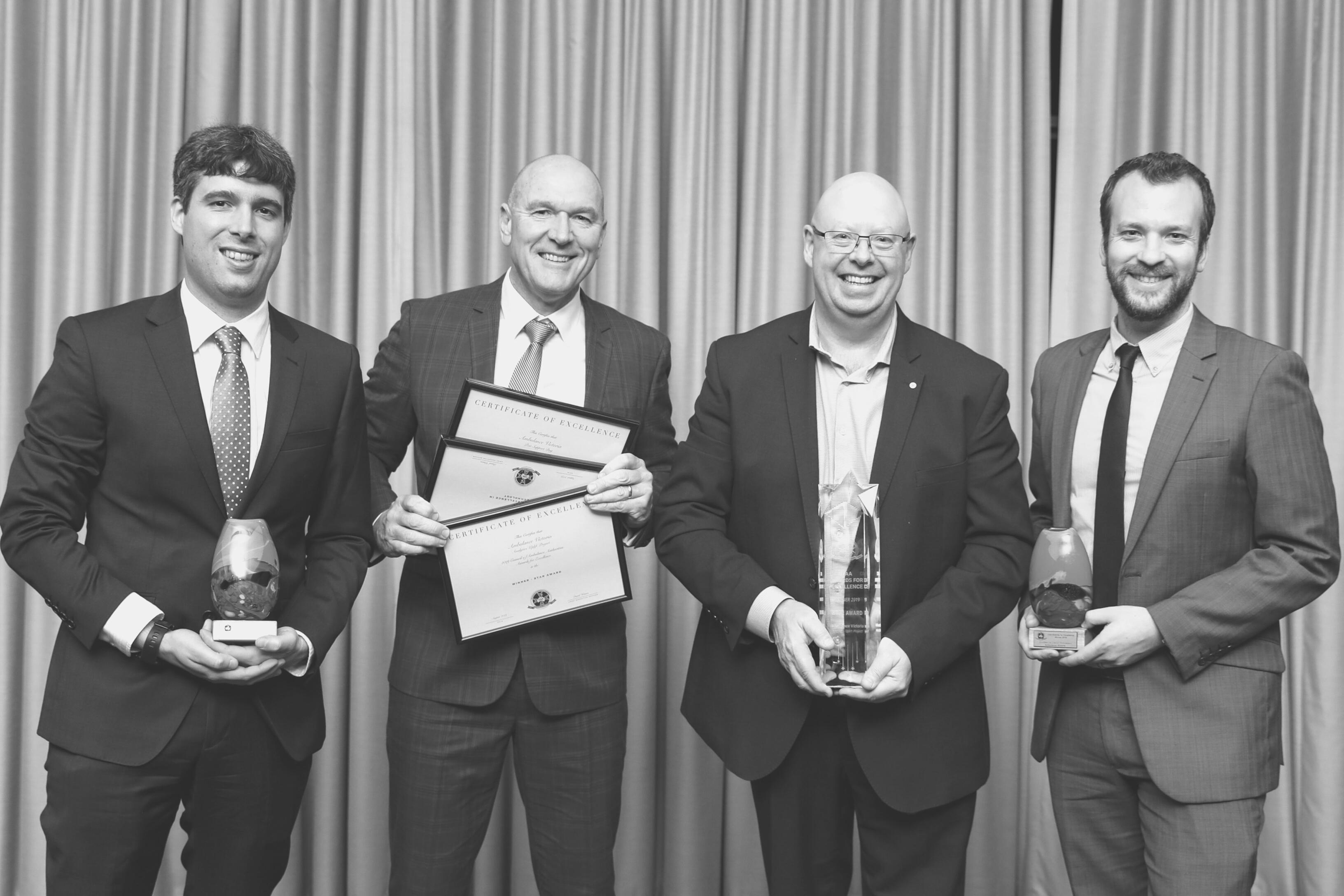
To better support operational managers in driving performance improvements, Ambulance Victoria developed a project to generate better strategic decision making. The project focused on three main areas – improving technology, up-skilling managers and analysts and delivering complex predictive and prescriptive analytics.
The project has resulted in positive outcomes including higher levels of job satisfaction, increased in- house analytics capability and the capacity to tackle rapidly changing businesses challenges.
SAAS introduced its Reconciliation Action Plan as a means to engage with Aboriginal and Torres Strait Islander peoples, increase their rate of employment in its workforce and deliver equality of healthcare.
The respect and trust developed through the program has been invaluable. It has enabled paramedics to provide early interventions in health care helping clients to avoid hospital treatments and empowering them to look after their own health care
As part of its commitment to adopting the GRA ten step program to improve out of hospital cardiac arrests, Ambulance Victoria identified two steps as most significant for patient survival in Victoria - HP-CPR with ongoing training and quality improvement – and measuring professional resuscitation using defibrillators The model included the appointment of a resuscitation officer, new cardiac arrest guidelines and HP-CPR education package.
QAS implemented the Critical Care Paramedic Leadership Program for its team of 400 critical care paramedics. The program has worked to encourage CCPs to understand their roles as clinicians and leaders – influential positions involving mentoring and the capacity to drive positive cultural change.
The learning process has been well received prompting one participant to describe the program as “by far the best professional development course I have been on ”
Ambulance Victoria partnered with UK Company GoodSAM to introduce its Smartphone app to alert community responders to suspected cardiac arrests as part of AV’s commitment to increase survival rates.
Since the start of the program more than 4,000 people have registered and the evaluated survival rate, where GoodSAM responders attended, was more than four times higher than instances where no responder was present.
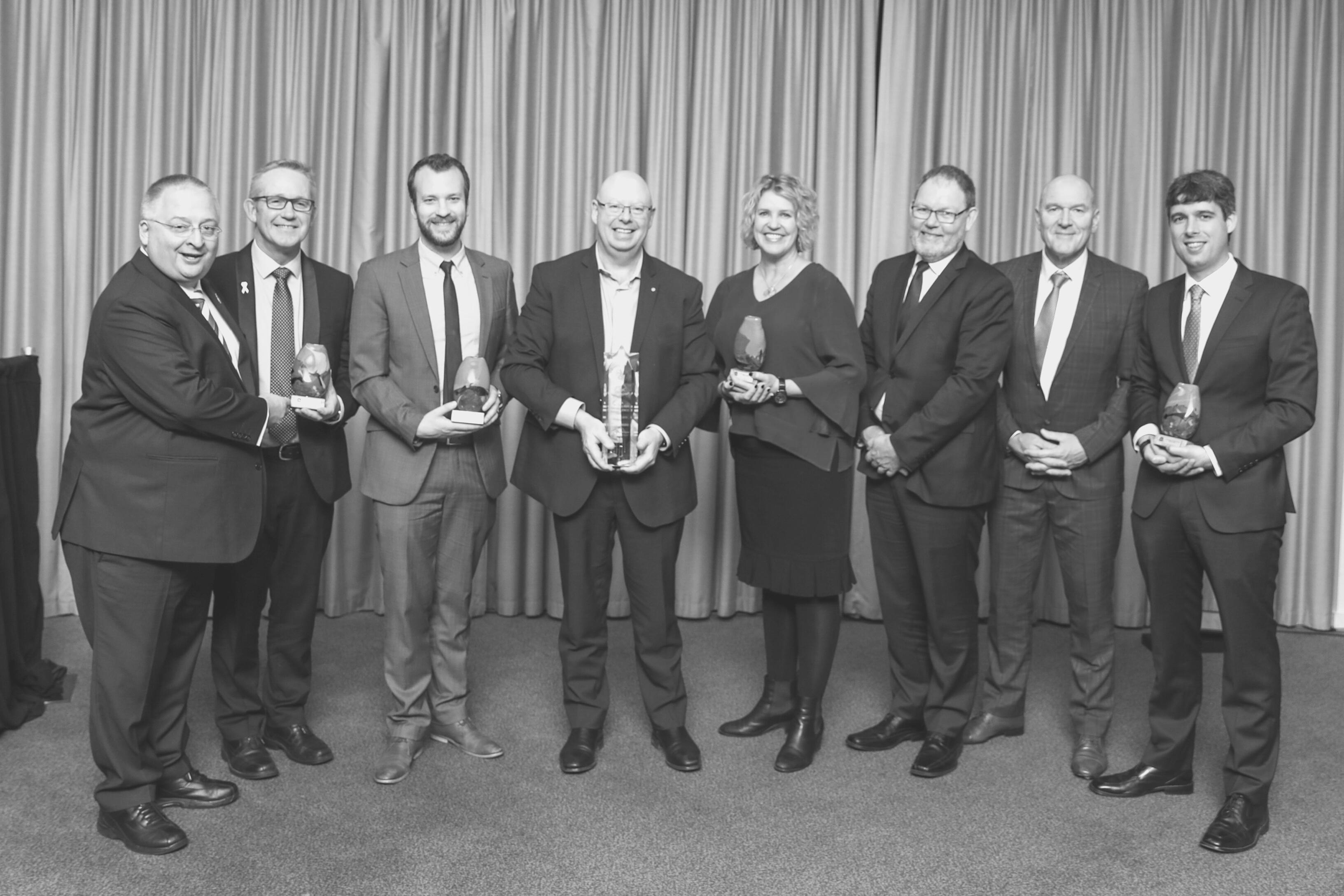
A W A R D J U D G E S



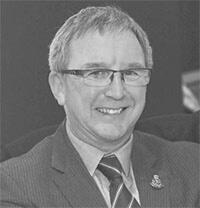
The CAA would like to thank our wonderful award judges for their time and expertise in judging 24 incredible entries to select the winners
PROF VIVIENNE TIPPETT
DIRECTOR OF RESEARCH FOR QUEENSLAND UNIVERSITY OF TECHNOLOGY’S SCHOOL OF CLINICAL SCIENCE
PROF PETER CAMERON
ACADEMIC DIRECTOR OF THE ALFRED EMERGENCY AND TRAUMA CENTRE AND PROFESSOR OF EMERGENCY AND DIVISIONAL HEAD OF HEALTH SERVICES RESEARCH AT MONASH UNIVERSITY’S SCHOOL OF PUBLIC HEALTH AND PREVENTIVE MEDICINE
TONY BLABER
RETIRED ST JOHN NZ REGIONAL CHIEF EXECUTIVE
STEVE IRVING
EXECUTIVE OFFICER AT THE ASSOCIATION OF AMBULANCE CHIEF EXECUTIVES (AACE)
C A M P A I G N S
In the last year CAA ran a number of successful campaigns designed to support and promote ambulance work and raise public awareness around topics in the ambulance sector
Following a decision to engage more on social media, re-designing the CAA website and refreshing newsletters, campaigns are gaining a wider reach and recognition that in turns fuels the CAA's and ambulance services' brand recognition.
R E S T A R T A H E A R T D A Y
Restart a Heart Day campaign was created to raise awareness around out-of-hospital cardiac arrest and help health professionals improve survival rates from out-of-hospital cardiac arrest. The campaign forms part of the CAA OHCA Strategy.
CAA has been running the RAHD campaign since 2017 and together with our ambulance member services we have managed to educate over 50,000 members of the public in CPR and AED use.
In the 2019 Restart a Heart Day campaign we saw the support of the Australian Governor-General and through good media engagement organised by our members the campaign created a great reach both across social media, digital and traditional media outlets.
The CAA Secretariat and ACT Ambulance Service promoted RAHD at the Government House Open Day which was just one of many events held around Australia and New Zealand.
Two new videos were created to assist with sharing campaign messages, both receiving great feedback and engagement
The campaign message for 2019 was CALL PUSH SHOCK which will continue into the 2020 RAHD campaign.
2
W O M E N I N A M B U L A N C E
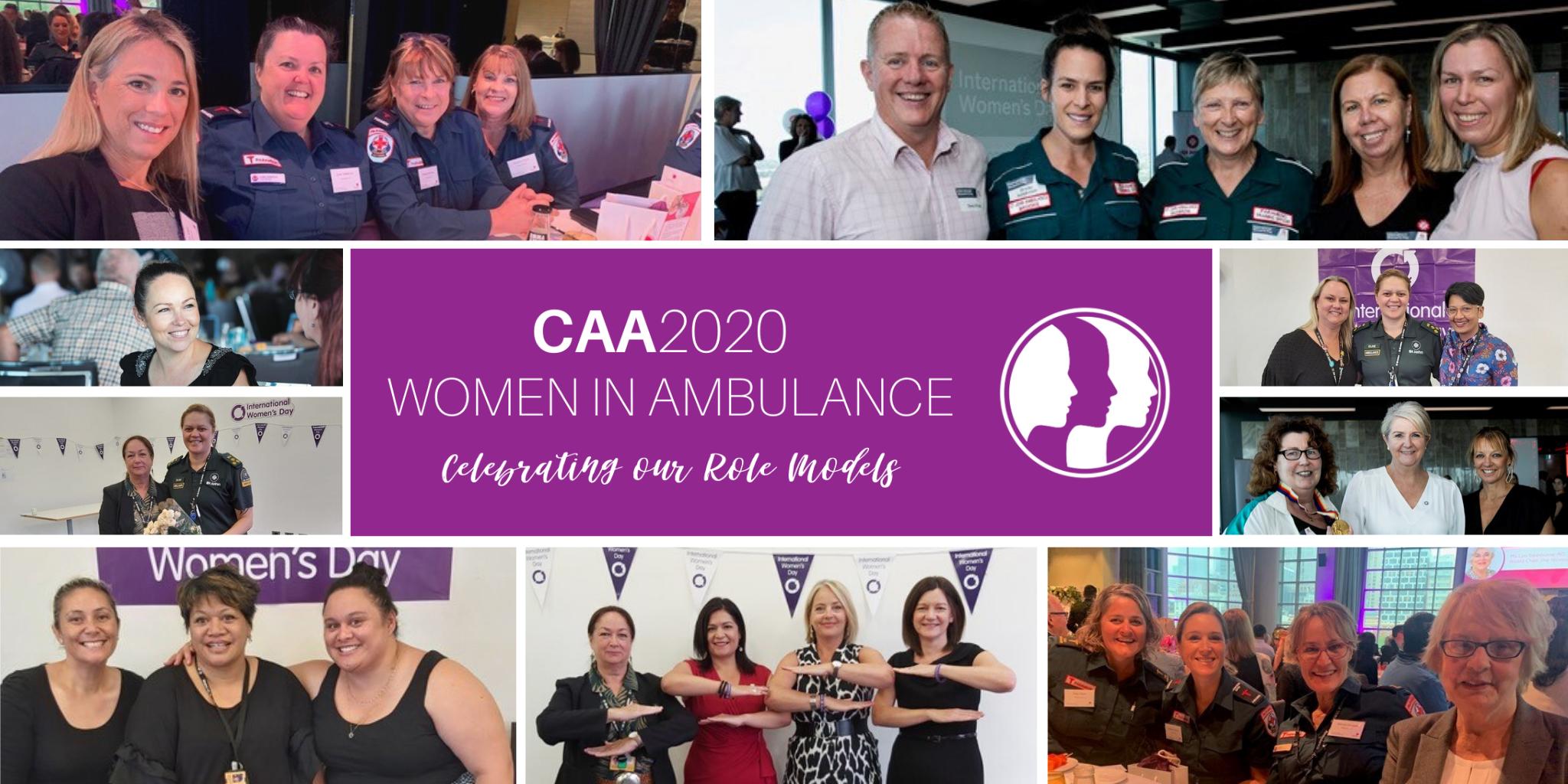
In 2020 the Council of Ambulance Authorities was proud to launch the inaugural Women in Ambulance campaign designed to highlight successful and hardworking women in ambulance services across Australia, New Zealand and Papua New Guinea.
This year the CAA Women in Ambulance campaign recognises 58 women who have been awarded the CAA Women in Ambulance honour for their work and career progression and are being championed as role models to the rest of the workforce
The CAA Women in Ambulance campaign is looking to empower and inspire future generations of women to step into ambulance careers and progress into leadership roles and management levels
H A N D H Y G I E N E D A Y

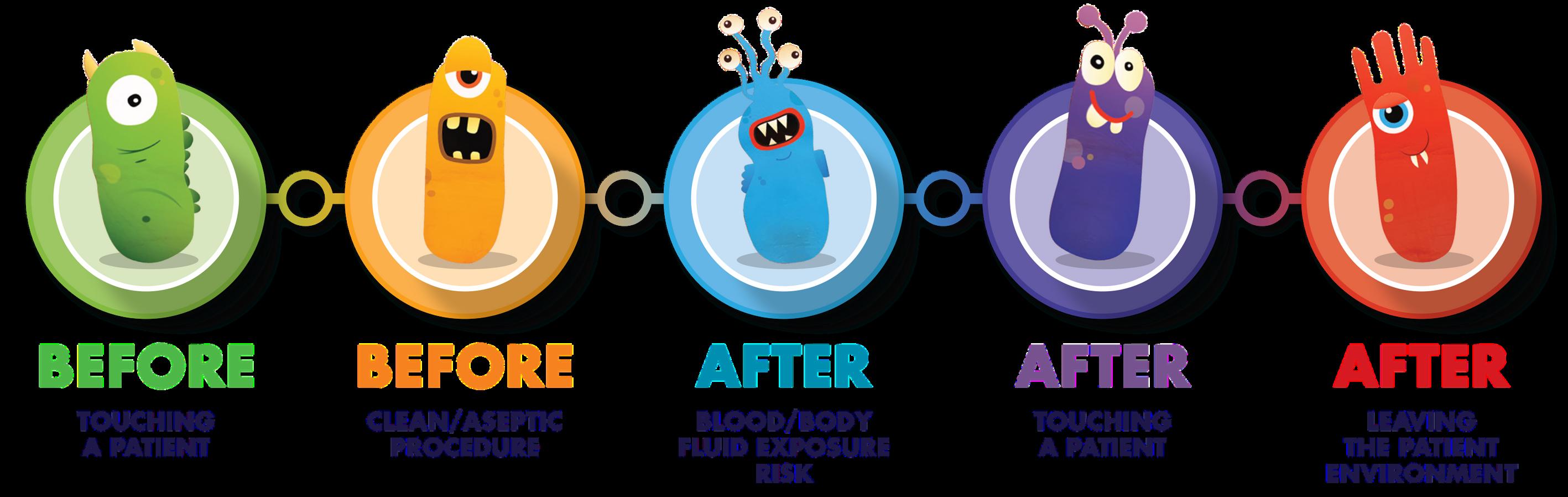
Take Five for Hand Hygiene is an annual campaign created by the Council of Ambulance Authorities to highlight the importance of hand hygiene during paramedics time with patients.
The campaign is designed to highlight 5 key moments when dealing with patients and importantly speaks about good hand hygiene and the over-reliance on wearing gloves, that when inappropriately used can assist in spreading contaminants.
In 2020 a video was created showing the spread reach of the use of a single pair of gloves
In this video, the CAA takes you through an ambulance trip from when a crew first arrives in a patient's home to where they are handed over to the hospital emergency department It shows the variety of people the crew comes in contact with and how not changing gloves aids in the spread of infection.
CAA would like to thank St John NZ for producing the video
S
U S T A I N A B L E A M B U L A N C E
The CAA is committed to supporting the ambulance sector to work towards a more sustainable future and the CAA Sustainability Strategy is the first step in our goal for #sustainableambulance.
Over the next couple of years CAA will be working to support our member services with a range of materials to help them on their way to a more sustainable ambulance service.
Later this year the CAA will work on collating best practices from around the globe, vendors and suppliers of sustainable products and solutions, marketing collateral, and ideas on how to start making long-lasting changes for a better environment.
CAA's work will not only focus on sustainable environment but will also work closely with communities to grow sustainable relationships and work with staff on creating sustainable workplaces that provide quality of life at home and work