events@caa.net.au | caa.net.au

events@caa.net.au | caa.net.au
We are excited to bring to you the entries, finalists, and winners of the CAA2021 Awards for Excellence. While we won’t be able to celebrate in person this year, we nonetheless wanted to take the opportunity to share the incredible programs and projects that have been entered into this years’ CAA Awards.
The CAA Awards for Excellence have time and time again proven to bring to the forefront ground-breaking and innovative projects from across Australia, New Zealand and Papua New Guinea, some that have gone on to change the sector and how our services are delivered, and patients have been treated.
This year we welcomed 31 entries across six categories including our newest category ‘Excellence in Mental Health and Wellbeing’. For the first time ever the winner announcements were made online at our CAA2021 Awards for Excellence Virtual Event, if you missed it head over to the CAA YouTube page or website to catch up on all the excitement.
For the first time in awards history, we also lost a year, the 2020 awards were cancelled due to the COVID-19 pandemic, taking into consideration just how busy and how much pressure the pandemic put our teams under.
In case you didn’t hear all about the winners, I will not give away any spoilers but rather invite you to look through this magazine and read about the exciting programs. Share with us in celebrating the Category winners and of course the grand Star Award winner.
As for the 2022 Awards, these will officially open for submissions on Monday, 22 November 2021, so start getting your entries ready and join us for the CAA Awards for Excellence 15th Year Anniversary in Sydney on August 12th, 2022.
Congratulations to all the 2021 winners!
David Waters CEO, The Council of Ambulance Authorities Inc
The Awards for Excellence have been run by the Council of Ambulance Authorities for 14 years with the aim to recognise the hard and innovative work of member ambulance services from Australia, New Zealand and Papua New Guinea. The awards are designed to encourage innovation and to enable services to share their work, learn from each other and contribute to bettering the ambulance sector.
The awards are independently judged by a panel of industry-respected judges from across the globe. We would like to extend our deepest gratitude to our CAA2021 Awards for Excellence judges, without their time and expertise we wouldn’t be able to put together such strong and independently judged awards.

Norma Lane Clinical Governance Lead for the New Zealand Blood and Organ Donation Service

Professor Vivienne Tippett Director of Research for Queensland University of Technology’s School of Clinical Science

Freddy Lippert MD CEO of Copenhagen Emergency Medical Services and associate professor University of Copenhagen, Denmark. Co-founder of the Global Resuscitation Alliance and the European EMS Leadership
Executive Officer at the Association of Ambulance Chief Executives UK

Academic Director of the Alfred Emergency and Trauma Centre and Professor of Emergency

Entrants
St John Ambulance
Papua New Guinea
St John WA
SA Ambulance Service
NSW Ambulance Service
NSW Ambulance Service
Finalists
St John Ambulance
Papua New Guinea
St John Ambulance
Australia NT
Winner
St John New Zealand
17 Excellence in Clinical Practice (innovation or capability)
Entrant
St John New Zealand
Finalist
St John Ambulance Australia NT
Winner
Queensland Ambulance Service
23 Excellence in Staff Development (education improvement or innovation)
Finalist
NSW Ambulance Service
Winner
St John New Zealand
27 Excellence in Patient Care (patient experience improvement or innovation)
Entrants
St John Ambulance
Australia NT
SA Ambulance Service
Ambulance Tasmania
St John WA
Finalists
Ambulance Victoria
ACT Ambulance Service
Winner
Ambulance Victoria
35 Excellence in Leadership (management practice and operational improvement and innovation)
Entrants
St John WA
St John Ambulance
Australia NT
Queensland Ambulance Service
Finalists
SA Ambulance Service
St John New Zealand
Winner
Ambulance Victoria
43 Excellence in Mental Health and Wellbeing (innovation or operational improvement)
Entrant
SA Ambulance Service
Finalists
Ambulance Victoria
NSW Ambulance Service
Winner
SA Ambulance Service
49 Star Award
Winner
Queensland Ambulance Service
This category is looking for innovation or capability in fields of equipment, communications and information systems. Previous submissions related to electronic PHCRs, demand resourcing for patient transport, integrated CAD programs and improving analytics to drive performance. Each service is encouraged to reflect on how their organisation has used technology in the past twelve months to enhance patient outcomes, staff performance or response capacity.

Team: Matthew Cannon (team leader), Jacqueline Hennessy (team leader), Lynsey Smit, Derek Welsh, Sarah Duncan and Dr Karen Hammad
As COVID-19 surged in PNG, the demands on St John Ambulance PNG (SJA) skyrocketed. In addition to the usual ambulance service, PNG were asked by the local health authority to set up care centres. In order to increase the capacity to respond, and enhance patient outcomes at the centres, an information technology solution was sought to:
- Simplify patient flow management;
- Digitise patient admission and care records;
- Provide real time situational awareness.
10 days before the first centre was due to open, it was accepted that standard IT solutions would not work and that there needed to be something customised to the situation. Working with technology partner Pointing North, amii Field Hospital was ready to be rolled out in a week.
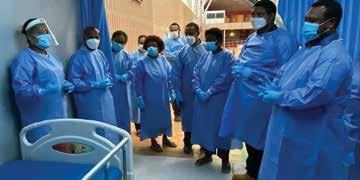
The aim of this project is to increase the capacity of SJA to respond to a surge in COVID cases and enhance patient outcomes. By reducing and simplifying record keeping, clinical staff will have more time to care for patients. More accurate and timely awareness of current demand and expected demand changes will reduce wasted resources and speed up response times. Electronic records combined with in application analytics will enable retrospective learnings


Team: Deane Coxall (team leader) and Rudi Brits
St John WA is the most geographically diverse ambulance service in the world. Servicing such a large land mass presents a unique set of challenges.
Following a review of the existing communication systems for frontline clinical practitioners in 2019, St John WA identified the need for a new system to house the most up-to-date Clinical Practice Guidelines that was fully accessible without internet connection, given the regional footprint of the organisation. It became apparent over time that the existing system was resulting in inconsistencies across the guidelines, with version control identified as a key risk. This, paired with the need for a platform that’s available offline in mobileblackspot areas, resulted in the creation of St John Clinical Resources.
St John Clinical Resources is an online webpage paired with a mirrored offline application that houses official documents including Clinical Practice Guidelines, Clinical Skills, Medication Protocols and Infection Prevention & Control (IPC) Guidelines. By culminating all existing resources into a single-source database, St John WA was able to provide its staff and volunteers with an easily accessible point-of-care reference tool that allows them to deliver patient care as efficiently and safety as possible.
St John WA is the biggest single provider of pre-hospital care by land mass in the world, covering 2.5 million squared km square across 194 service points.


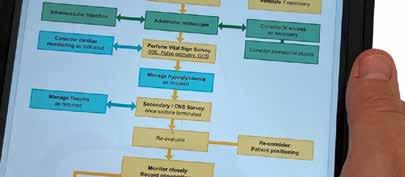
To overcome the challenges created by remote work, St John WA needed a system to deliver important information needed by the frontline workforce while out on the road.
This information needed to be fully accessibly in an offline environment given the regional footprint of the ambulance service. The key aims of the product suite were:
- To modernise and streamline the current system for housing Clinical Practice Guidelines and eliminate version control issues,
- To create a system available to the St John WA workforce without internet access given the regional footprint of the organisation,
- To enhance patient safety and improve user experience.
By compiling all existing resources into one central, digital location with the ability to be accessed offline, St John WA were able to provide staff and volunteers with a point-of-care reference tool and easy access to up-to-date Clinical Practice Guidelines and other necessary informative documents. This culminated in St John Clinical Resources - an online database paired with a smartphone application available on iOS and Android available offline.
Team: Natalie Gibson (team leader)
During 2019, SAAS deployed Microsoft Office 365, revolutionising how it communicates with its workforce and provides access to clinical information. This has particularly benefitted SAAS’ 1500 volunteers. Key deliverables included: Development of a SharePointbased intranet to become a portal for collaboration and system management.
SAASnet (the intranet) now provides collaboration sites under a hub (SAAShub) to host private and secure workspaces for groups to centrally manage workloads, and store and collaborate on documents. Establishing SA Health network access for all SAAS volunteers, inclusive of Microsoft Office 365 licensing.
Office 365 introduced significant (and previously unavailable) capabilities, including cloud-based organisational email and remote (on-demand) access to SAASnet and SAAS. Emails for SAAS volunteers, who have previously not been able to access intranet sites because their private emails did not allow sign-in to the SA Government network, were given SAAS specific email accounts that allowed access to the network. This has been a significant project, creating business improvements across the organisation, supporting people and enabling the right information to be provided at the right time so volunteers in particular can support patients.
SAAS needed to move towards a more connected workforce statewide across both staff and volunteers, and to ensure there is just one source of truth for information. In South Australian Government, SAAS was an early adopter of the Microsoft Office 365 suite of applications. The adoption was necessary to move the 1500 volunteers across the state onto an email platform that allowed access to a central intranet including clinical documents, but did not compromise on digital security.
Team: James Ogilvie (team leader), James O’Hehir, Timothy Blake and Matthew Burke
NSW Ambulance embarked upon addressing radio communication in the remote western area of NSW where limited cellular coverage and currently no Public Safety Network (PSN) formerly known as Government Radio Network (GRN) exists. NSW Ambulance designed the Far West Radio Network (FWRN) to upgrade the Broken Hill VHF analogue network to a digital UHF P25 network, allowing NSW Ambulance to standardise critical communication systems across this area.
The FWRN covers approximately 152,000 square kilometres. The network extends North to South from Tibooburra to Wentworth and from the NSW/SA boarder east to White Cliffs, Wilcannia and Ivanhoe. This remote region, covering large distances had limited access to reliable alternative communication systems. Paramedics and operational staff rely heavily on radio communication to communicate to and from the control centres across NSW to administer quality emergency care including the ability to raise a duress alarm. Quality radio communications, reliability and availability, and the ability for paramedics to access help during duress situations is paramount to staff safety and patient outcomes.
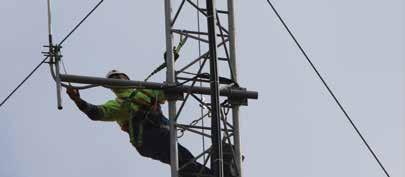
Radio telecommunication risks were identified for NSW Ambulance paramedics, patients and volunteers and were highlighted by the legislative assembly’s inquiry into violence against emergency services personnel.
NSW Ambulance identified an inherent risk of limited radio communications in the remote far west region of NSW. NSW Ambulance embarked upon a program of works, the ‘Far West Radio Network’ (FWRN), to upgrade the radio communication systems in the area.
The purpose of upgrading the FWRN was to improve reliability, resilience, and coverage to bring additional functionality to the far west area utilising the latest advanced digital radio technology and integrating into existing NSW Ambulance Control Centre environments.


Team: Timothy Blake (team leader), James O’Hehir, James Ogilvie, Eileen Clarke and John Varoutsos
NSW Ambulance Control Centres play a critical role for patients. They are the first point of contact for care. Control Centres manage a patient’s journey from the initial call, to the arrival of paramedics on the scene, and increasingly, a recovery period, where paramedics ready themselves for further responses.
NSW Ambulance Control Centres manage more than 1. 2 million calls per year for ambulance services from the public, medical officers and health care facilities. They dispatch more than 1,110,000 ambulances per year (3068 per day). Control Centres manage requests for Emergency, Medical and Non-Emergency patient transport services. NSW Ambulance Control Centres in Sydney (Sydney and Aeromedical Control), Charlestown (Northern Control), Warilla (Southern Control) and Dubbo (Western Control). These sites are viewed as critical organisational infrastructure, both in terms of operational functions supporting infrastructure (building services and ICT).
Over several years, NSW Ambulance has committed to upgrading Control Centre infrastructure, notably the recent refurbishment of the Northern Control Centre. The Northern Control Centre provides staffing towards the statewide call taking pool, and manages all ambulance movements between Hawkesbury River in the South and the Tweed/ Queensland border in the North. The Great Dividing Range forms the operational boundary to the West.


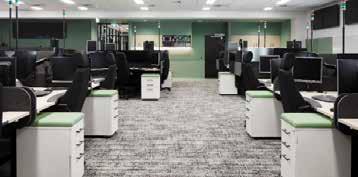
Since its construction in 1999, Northern Control Centre has experienced a significant growth of demand within its span of operational control and shared responsibly in state-wide Triple Zero (000) service management. There has been a steady increase in the staffing requirement to meet demand. However, progressive operational capability was being restricted by an aged internal building layout, lack of suitable staff amenities and, as a flow on, limited ability to provision highly available ICT services.
The Northern Control Centre was considered as the most appropriate site to undertake a full refurbishment, due to its wellplaced physical location, high availability communications infrastructure, and its reasonably modern construction. A reconfiguration of the internal fitout allowed an increase in operator consoles from 13 to 25. The project had to be delivered with minimal Control Centre down time. NSW Ambulance took the opportunity to develop and deliver a critical Control Centre that met our requirements in terms of:
• Improved facility offerings (base building, staff welfare, amenities);
• Increased operational capability (resource dispatch flexibility, call volume capacity incident management);
• Improved systems of digital and technical resilience and redundancy;
• Readiness to migrate to a new government radio network and telephony solution.
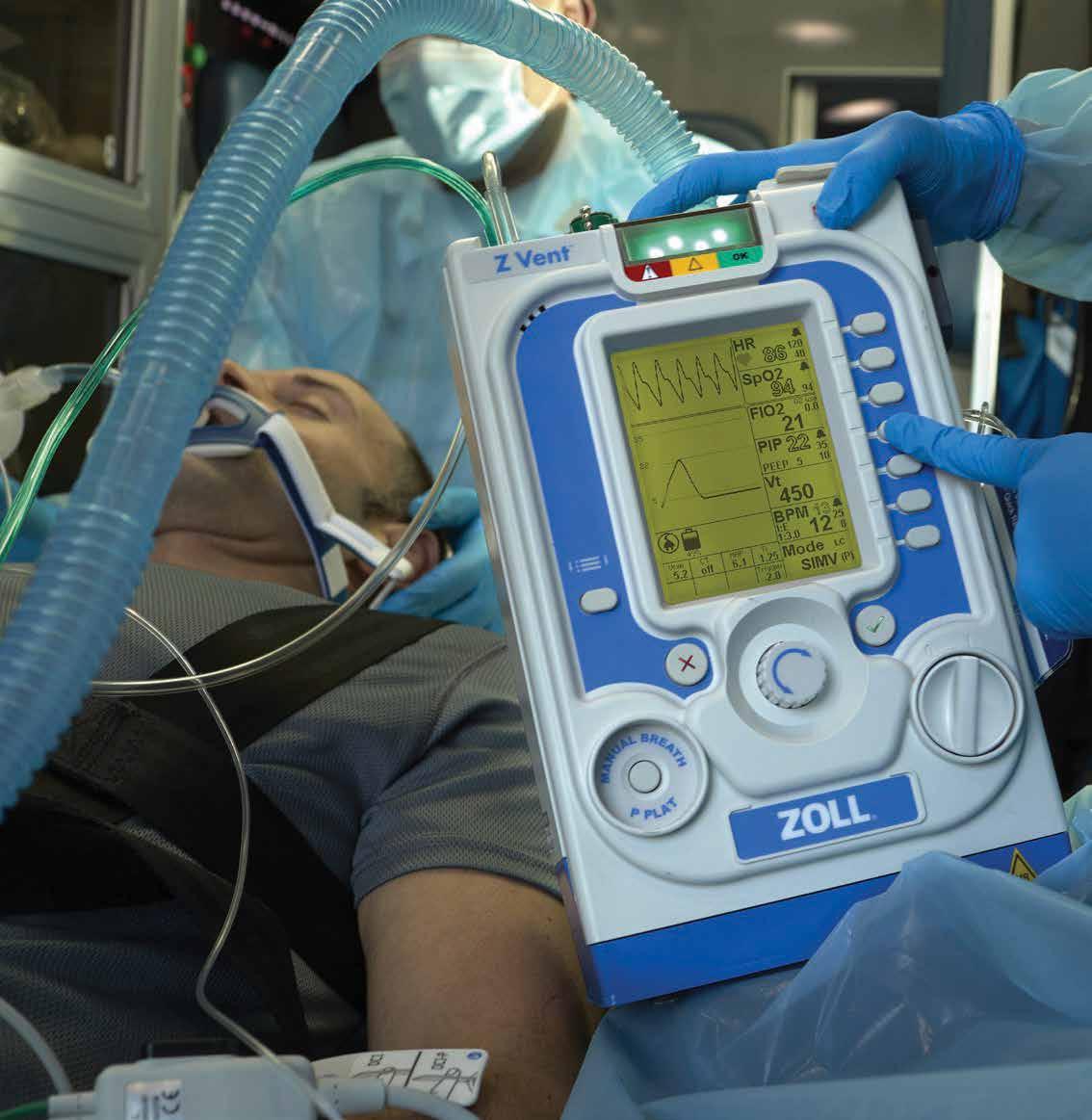
• D urabl e – designe d to surpas s mil ita r y standard s Z Vent ® is the ideal transport ventilator designed for pre-hospital and inter-hospital use:
• Easy to us e – Sm ar t Hel p wit h al ar m resolutio n
™ assist s
• P o r tabl e – lig ht and easy to car r y
Team: Jacquie Hennessy (team leader), Ryan Lovett (team leader), Matt Cannon, Tristan Mercer and Noileen Ao
Deployment of a custom, modern, responsive and fit for purpose dispatch system. Introduced for PNG’s hosting of APEC in 2018, St John PNG procured a computer aided dispatch (CAD) system to provide a central point of coordination during this busy period. Following APEC it became apparent that the system was inflexible, expensive and did not appropriately support PNG’s operations as the service expanded and demand increased.
St John PNG then partnered with Skerric, an Australian technology start-up with significant experience in CAD systems and mission critical software. The result was the implementation of Responder.One. A modern, web based, feature equivalent CAD system designed entirely within the ambulance context. Responder.One was developed with ambulance services as its primary focus and was designed to match the workflows and contemporary requirements of services in Australia and the Pacific.
St John PNG needed a CAD system that was fit for purpose, cost-effective, provided the ability to scale as their demand grew, would operate in the challenging technical and operational environment of PNG and was backed by a vendor who was flexible and responsive. PNG knew what they wanted the CAD system to do. They knew that it had to be easy to use, could be easily deployed in our EOC, from the national health command centre or equally from laptops anywhere in the country.
PNG had used or reviewed CAD systems from all of the vendors who supply existing Australian and New Zealand ambulance services but none were able or willing to meet the needs. PNG need a CAD that provided the ability to start at a modest scale and grow with us as they expanded their national footprint, that provided advanced features (some not available in current systems) and the ability for them to customise or add features quickly and easily. Skerric was the right partner for PNG and had the credibility and willingness to work with them to develop a system that perfectly met their needs, both now and into the future.




Team: George Healy (team leader) and Darryl Shaw
St John NT is the first ambulance service in Australia to apply an ergonomic safety app technology to address personal injuries in its workforce. Following an increase in musculoskeletal injuries, primarily among front line staff, St John NT conducted a trial of electronic ergonomic coaching devices designed to personalise training and improve an individual’s ergonomic safety. SoterCoach was selected as the solution for its ability to deliver real-time feedback to workers using a wearable device and provide movement and training recommendations through a mobile app.
Evidence has shown that the SoterCoach wearer improves their ergonomic safety by reducing the average number of daily hazardous movements by 30-60%, and actually reduces their risk of injury by 40% in just two weeks.
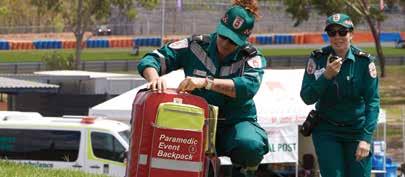
• The device has a 30-day battery life, weighs 20 grams, and fits any body type.
• Training is personalised to the individual’s actual movements and injury risk and is delivered to the worker via the app.
• The app gives bursts of relevant micro learning to enable behavioural change.
• The worker is in control of their own learning experience.
• No connectivity requirement (data downloaded once a day via blue tooth)
The implementation of SoterCoach aims to raise awareness of ergonomically hazardous movements, thus reducing manual handling injuries. By engaging paramedics to self-correct their movements, the program aims to help imprint behavioural change for long-term benefits. Any data collected by St John NT will be made available to the wider emergency response community after completing a broader range of trials.


Team: Dave Richards (team leader), Jeannette Perez Mawyin, Dr Michel de Lange, Benoit Auvray, Greg Peyroux, Alesha Smith and Shenghuan Zhang
Air Ambulance resources are an expensive but vital part of New Zealand’s ambulance network, with the potential to make a significant difference to health outcomes for injured and ill New Zealanders. This is especially true for patients needing time critical intervention in rural and remote communities. Identifying incidents that may benefit from an air dispatch is currently a manual and time-consuming process for the St John New Zealand Air Desk. To improve this and support the Air Desk, a machine learning (ML) model using gradient boosting has been developed and deployed into the St John real time reporting environment.
The ML predictive model has been incorporated into a real time report, which will be deployed onto the Air Desk screens. This report will prioritise incidents for Air Desk Clinical Support Officers (CSOs) to review, by identifying the incidents most likely to require a helicopter response. The machine learning model can predict incidents that likely require a helicopter with a high degree of accuracy. This automation will help the Air Desk quickly identify these incidents so that patients receive quicker helicopter responses and incidents which would benefit from a helicopter, receive one.
Helicopters are an expensive but vital resource to dispatch to emergency incidents. The St John New Zealand Air Desk ensures appropriateness of tasking of air ambulance assets by first reviewing incidents before they receive a helicopter response. Air Desk CSOs currently scan all incidents in the Computer Aided Dispatch (CAD) system as they enter the job queue to determine if they require a helicopter.
Identifying incidents that may benefit from an air dispatch is a manual and time-consuming process for the Air Desk and currently takes on average about 15 minutes per incident. The manual process of scanning each incident means that there can be significant delays to having a helicopter dispatched and this is represented in the 95th percentile for dispatch times being as high as 60-70 minutes.
The aim of this project is to use machine learning to develop a prediction and decision support tool for Air Desk CSOs, to help quickly identify incidents from the stack that likely require a helicopter. The tool should then enable faster decision times, to dispatch helicopters to patients that need them in a timely manner.







This category is looking at innovation or capability in fields of skills mix, pharmacology and clinical intervention. It relates to patient treatment and outcomes. Previous submissions focused on high performance CPR, cardiac arrest outcomes, stroke protocols and improvements in pain management. Each service is encouraged to reflect on how their organisation has excelled in clinical practice with breakthrough moments that saw cutting edge techniques implemented to revolutionize the world of paramedicine.
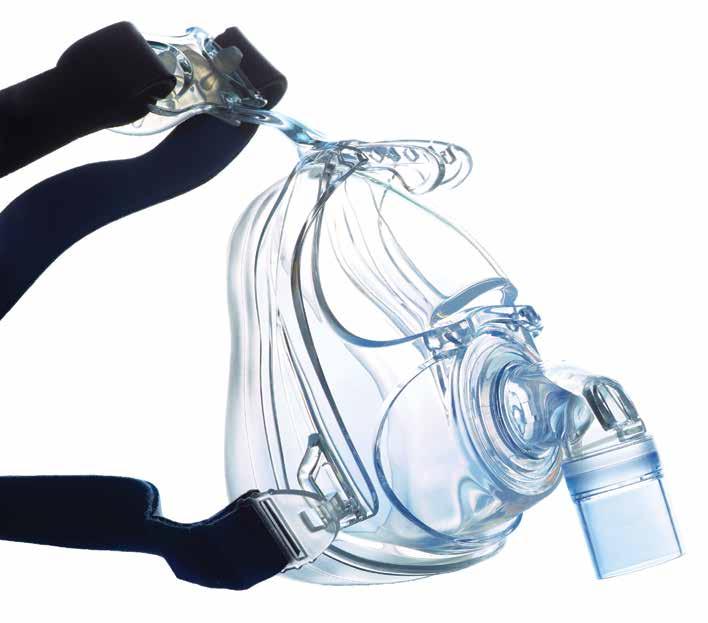
Team: Kris Gagliardi (team leader), Dr Tony Smith, Catherine Orr and Bridget Dicker
In New Zealand, approximately eight patients per day suffer a STEMI, the most life-threatening form of heart attack. Only four patients will immediately survive to treatment. As part of the New Zealand Out-of-Hospital STEMI Pathway, Paramedics administer clot-busting fibrinolytic therapy to patients who cannot reach a PCIcapable hospital within 90 minutes of diagnosis.
The target of out-of-hospital administration of fibrinolysis by Paramedics is within 30 minutes of ambulance arrival. Early administration can save up to 60 minutes compared to in-hospital administration of fibrinolytic therapy. During 1 Jan to 31 Dec 2020 fibrinolytic therapy was administered to 219 patients, potentially improving survival and long-term quality of life.
The STEMI pathway has resulted in greater than 70% of all patients being transported directly to a PCI-capable hospital from the scene, which is a lifesaver for the 30% of patients that don’t reperfuse following fibrinolytic therapy, and has reduced the requirement for interhospital transfers. For patients who can clearly reach a PCI capable hospital within 90 minutes of the diagnosis being made, ambulance staff phone an in-hospital clinician (such as a cardiologist) to directly activate the cardiac catheter lab, reducing the time it takes to open the patient’s artery in the cath lab.
The impacts of STEMI can be greatly reduced through timely interventions to unblock the occluded coronary artery and restore blood flow to the heart muscle (reperfusion).



When patients receive timely reperfusion following a STEMI, they are more likely to survive, less likely to have long-term heart failure, less likely to have complications (such as reinfarction and angina), and usually have shorter stays in hospital. Heart failure is associated with a significant reduction in the patient’s long-term health and wellbeing and higher ongoing cost to the health system.
The optimal reperfusion strategy for STEMI is Primary Percutaneous Coronary Intervention (Primary PCI) provided the patient can reach a PCI-capable hospital within 90 minutes of the STEMI diagnosis being made. However, this is not achievable for many patients in New Zealand.
By introducing out-of-hospital fibrinolysis administered by paramedics, St John sought to significantly reduce the time it takes for fibrinolysis to be administered and increase the number of patients transported directly to a PCI-capable hospital from the scene. The aim of rolling out New Zealand Out-of-Hospital STEMI Pathway is to improve patient outcomes and support the delivery of equitable healthcare to all New Zealanders, particularly for those living in rural and remote areas.

Team: Andrew Everingham (team leader)
At the onset of the COVID-19 pandemic, a service delivery gap was identified by both St John NT and the Northern Regional Medical Group (NRMG) concerning the transport of suspected COVID-19 patients to the Centre for Disease Control (CDC) for testing (swabbing) and then returned to place of residence.
It was proposed that most patients could be swabbed in their place of isolation and the swabs transported to testing centres. This would reduce the strain on resources for both St John NT and the CDC whilst improving patient experiences. Based on the length of time required to assess the suspected COVID-19 cases and the relatively simplistic nature of oronasopharyngeal swabbing it was established that ambulance staff could perform the swabs in-field. And thus, the SWAB car was born (Swab, Welfare, Assistance, Backup).
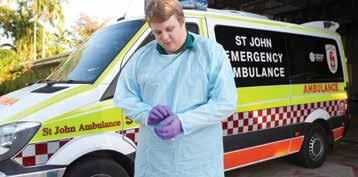
The SWAB car initiative aimed to reduce the threat of COVID-19 transmission to healthcare workers by testing patients in their isolation environment. As a result, the aim was to create a better patient experience by avoiding an unnecessary transport to hospital or the CDC, at the same time reducing the strain on ambulance operations.

Team: Andrew Wong (team leader), Simon Finnigan, Wayne Loudon and Vivienne
Tippett
Differentiation of stroke versus stroke mimic on clinical assessment alone can be challenging and therefore requires the use of imaging technologies. Out-of-hospital imaging is currently limited to mobile stroke units. These units have restrictions in terms of operational response area and cost.
A novel, accurate, user-friendly, and cost-effective technology could be used to guide transport and retrieval decisions and, in the future, could guide more targeted pre-hospital treatment. One such technology is Electroencephalography (EEG) which has a long history in the diagnosis and management of neurologic disease. Quantitative EEG (QEEG) has shown promise as a diagnostic tool for identifying the presence of ischaemia, is relatively low-cost, portable and with the use of computer aided interpretation can be used by a non-expert. A quantitative measure can be calculated (by computer algorithm) from an EEG recording thus providing an interpretation akin to a blood pressure or blood glucose level. The SPIDER study aimed to investigate the use of QEEG in the prehospital setting.
The ‘Stroke Prehospital Informed Decision-making using EEG Recordings’ (SPIDER) study aimed to take the first step toward investigating a novel technological answer to the prehospital identification of stroke.
The Objectives:
• To investigate the ability of EEG markers to enable pre-hospital distinction between ischaemic stroke cases and all other patients with neurologic symptoms.
• To investigate the ability of EEG markers to enable pre-hospital distinction between large vessel versus non-large vessel ischaemic stroke cases.
• To compare the performance of clinical assessment tools against EEG markers.
Study Hypotheses:
• EEG markers of abnormally slow brain activity will significantly differ between ischaemic stroke cases and all other patients with neurologic symptoms (the pertinent EEG marker being a global measure computed from all electrodes).
• EEG markers of abnormally slow brain activity will significantly differ between Large Vessel Occlusion (LVO) versus non-LVO, ischaemic stroke cases (the pertinent EEG marker being a measure from posterior electrodes overlying the stroke-affected hemisphere).




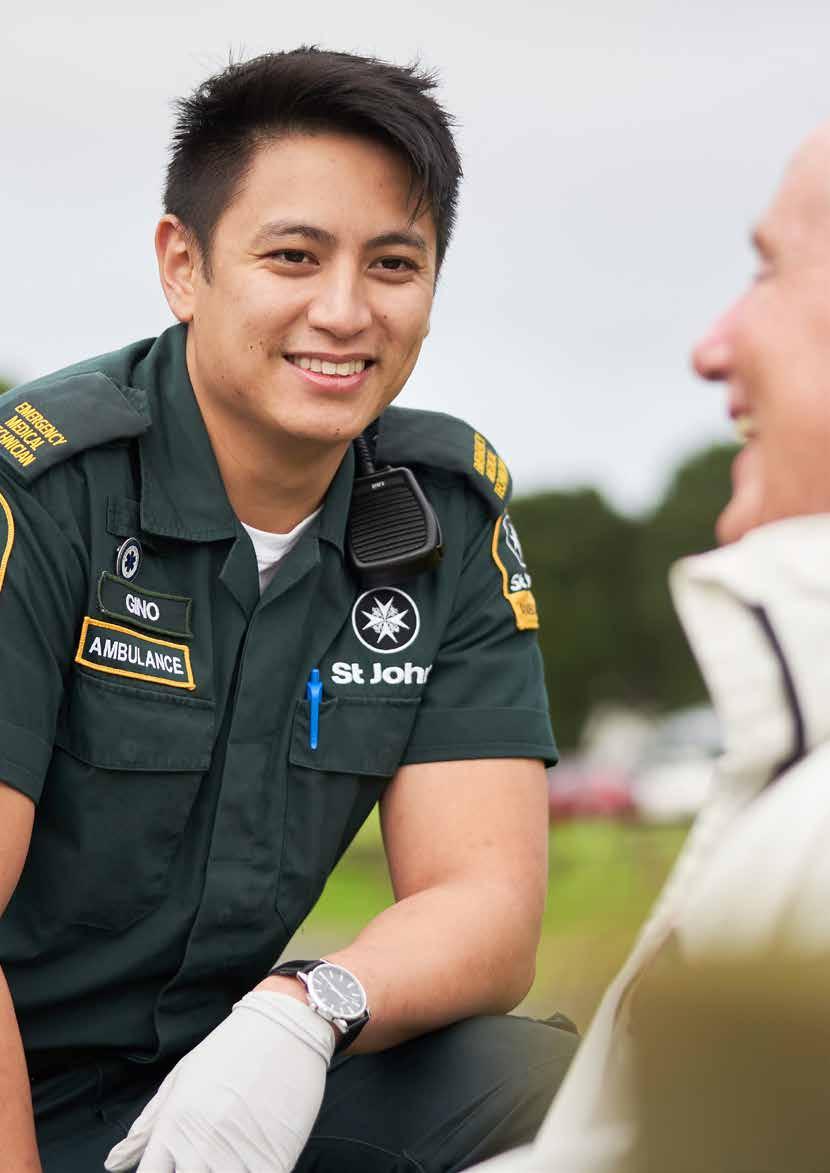
This category is looking at education improvement or innovation in fields of: Program design, delivery, assessment and accreditation; Professional development, skills maintenance and practice standards, including community education; and Research and/or innovation supporting evidence-based practice.Previous submissions looked at leadership development, programs implemented around mental health of Ambulance staff, and community education campaigns. Each service is challenged to explore areas where improvements have been made in staff development, and how these resonating changes have improved the evolution of paramedicine.
Team: Current: Philippa Furey, Mary Wayumba (Leadership Program Specialists in Learning & Development), Phil Shepherd (Active Leadership), Tricia Mawson (Manager, Learning & Development)
Developers: Toni Purnell and Julie Tippett (Leadership Program Specialists in Learning & Development) both have left NSW Ambulance
The Elevate leadership program fulfils NSW Ambulance’s strategic commitment to improve the leadership and management capability of its staff. It has been highly commended by operational middle and senior managers as the ‘refreshing’, ‘motivating’ and ‘engaging’ development experience they need to thrive as leaders in the complex, changing environment they work in. The name Elevate represents the journey participants take to build leadership capability, akin to scaling a leadership ‘mountain’. Using this metaphor, participants start with Stage 1 ‘Prepare to Hike, progress to Stage 2 ‘Basecamp’ and emerge into Stage 3 ‘Summit Club’, a Peer Assisted Learning (PAL) network.

Welcome to the ELEVATE program.
and senior managers.
NSW Ambulance’s Elevate leadership program aims to fulfil NSW Ambulance’s strategic commitments to:
This innovative NSW Ambulance leadership program is designed to enhance your capacity to not only survive but thrive as a leader in a complex, at times ambiguous and constantly changing environment, just like navigating the challenge and unpredictability of a mountain climb! There are three important stages to your journey:
The name Elevate also represents the journey of bringing the program to life, including the need to rise above obstacles the Covid-19 pandemic presented:
• Improve the capability of its people
• Ensure its staff are engaged, valued and supported
(1) Prepare to hike. No mountain climbing journey can start, or be successful, without the right gear. The first stage of the program asks you to fill your 'backpack' with some fundamental tools and equipment you need to get to the summit:
• Enable leaders to lead a diverse, capable and engaged workforce in a complex, changing environment
•Role manual/position description – read/re-familiarise
•Prepare to Hike eLearning module – complete
(1) The suspension of face-to-face training for ten months;
•Webinar series – view
•Sign off checklist - complete and upload
(2) A complete program re-design from blended to fully virtual delivery; and
(
(3) The need to minimise the time operational managers spent away from operational work while maintaining a quality learning experience.

In addition, the program has been designed to support the three leadership development focus areas specified in the NSW Ambulance Leadership Strategy:
2) Basecamp. You can see the summit in the distance, but the territory ahead is unknown. The weather may change, your equipment could fail, an avalanche might hit. To mentally prepare yourself for the path ahead, you’ll spend two virtual days learning to foster adaptation, live with discomfort, disrupt old ways of thinking, strengthen the bond with your hiking buddies and plot the path you’ll take together to the summit.
(1) Effective Leaders: Ensuring leaders are ready with the right skills at the right time, understand their roles and responsibilities as leaders and are equipped with strong foundational leadership capabilities to meet the daily challenges of their work and engage and support their people;
(3) Summit Club. You’re one ascent away from the summit. Perhaps you’re exhausted, cold or having trouble with altitude sickness. Others in your team might be doing better, or worse than you. Only self-motivation, determination and teamwork will get you to the top. Stage three invites you to continue enhancing your leadership capability through Peer Assisted Learning (PAL) conversations and activities - connecting, sharing the rich knowledge and experience you already have and learning from and with each other to ensure no climber slips or is left behind. Here's the catch: The onus is on you and your peers in this final stage of the journey to make this happen. What will you do to keep yourself and everyone in the climbing team strong, warm and moving towards the summit?
(2) Engaging Leaders: Supporting leaders to listen, be self-aware, communicate with clarity and confidence and create cultures of excellence and motivation;
(3) Compassionate Leaders: Supporting leaders to create a culture of collaboration, communication and empathy. Developing leaders who share their leadership journey with peers and develop other leaders
For navigation help at any time on your Elevate journey: Visit: Learning and Development - Elevate program Intranet page Email: AMBULANCE-CapableLeader@health.nsw.gov.au
Team: Hannah MacLeod (team leader) and Paul O’Connell (team leader)
Paramedicine has evolved significantly in recent decades (and continues to do so), from a vocational model where continuing professional development (CPD) is employer-provided, to a tertiary model in which CPD (and professional registration maintenance) is the individual’s responsibility.
The OnDemand online learning platform has been developed by St John New Zealand (SJNZ) to provide thousands of hours of contemporary, targeted, fit-forpurpose, and varied (in topic, design, and duration) learning opportunities for paramedics, regardless of learning style, geographical location, and clinical practice level. Online learning resources can be added to an individual’s (or specific cohort’s) ‘to do’ list, and any learning conducted on OnDemand auto-populates to the individual’s electronic portfolio of evidence, or ePOE (see 2018 CAA Awards for Excellence Education Award Winner), providing easy tracking of CPD for professional registration maintenance.
It can be accessed via any browser (via PC, tablet, and smartphone), reducing the ‘equity of access’ gap for paramedics in rural/remote areas, and enabling flexibility for those with busy and mobile lives. The result is an intuitive, responsive and dynamic online learning platform which provides flexible and wideranging learning opportunities to all paramedics in SJNZ, enabling our transition to an externally validated, recognised and credible health profession.


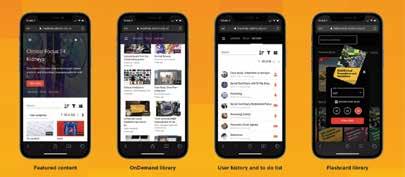
The aim of the OnDemand project is to create an intuitive, functional, dynamic, responsive online learning platform, which provides relevant, varied, and ongoing opportunities for CPD, which can be accessed 24/7 from any device. When further broken down, OnDemand aims to:
• Provide ongoing, clinically excellent, and varied online learning opportunities which meets the needs of the paramedic workforce to complete and track CPD.
• Create a high performing online learning platform that is easy to access, navigate and use, as evidenced by the ability for 2 of 6 paramedics to sign in and be experiencing immersive learning in less than three clicks on any device, and without system training required (in the same way they would access popular streaming services).
• Recognise and respond to the paramedic workforce’s increased need and desire to have access to a range of learning opportunities (in topic, duration, and style) that match their preference and lifestyle.
• Seamlessly integrate with the existing ePOE to autopopulate any learning completed in OnDemand to the individual’s learning log.
• Cater to different learning styles and preferences, through provision of a variety of effective media and delivery techniques.
• Reduce ‘equity of access’ barriers to education for those in rural and remote areas.
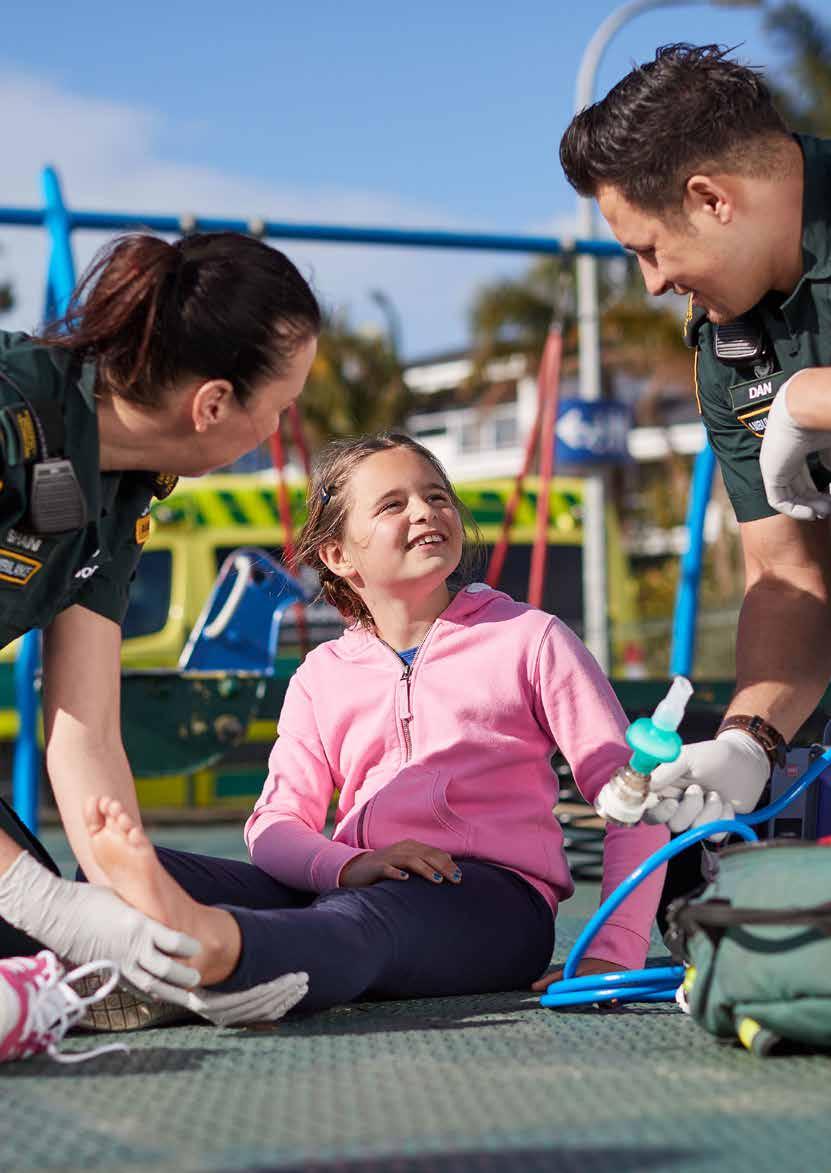
This category is looking at patient experience improvement or innovation. Previous submissions looked at mental health responses, individual patient stories, community paramedicine, and assisting high frequency 000 callers. Each service is emboldened to examine ways that their organisation has assisting specific patient cohorts where learnings were of the benefit for the field of paramedicine.
Team: Nicole Johnston (team leader)
In a first for the Northern Territory, St John NT has joined with the Northern Territory Police (NTPOL) and Top End Mental Health and Alcohol and Other Drug Services (TEMHAODS) to provide a specialised response service to acute mental health crises in Darwin and the surrounding areas.
The patient-centred model of targeted care commenced in October 2020 with acute mental health Triple Zero (000) calls responded to by the Co-Response Team; a mental health clinician, a police officer and a paramedic. The program operates Monday to Friday from midday to 8pm.
The specialist team includes four members of NTPOL, four trained paramedics from St John NT and two clinicians from TEMHAODS. The team is located at a Darwin Police Station, travels in an ambulance and calls to the service are taken and managed by St John NT in its Emergency Communication Centre (ECC).
The multidisciplinary team undertook a training program facilitated predominantly by TEMHAODS and St John NT, with the inclusion of a number of mental health and support network stakeholders across Darwin.
The Co-Response program is an early-intervention approach aimed at reducing trauma and improving experiences for members of the community during an acute mental health episode and more broadly when accessing mental health services.
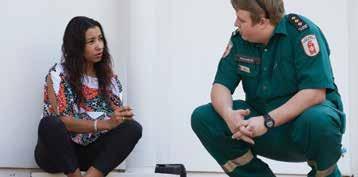
By treating patients on scene in their own environment, the program aims to reduce mental health-related emergency department admissions. Treating patients in their own environment greatly improves the patient experience by:
• Allowing them to stay where they feel comfortable
• Avoiding potentially unnecessary transport to hospital
• Avoiding hospital delays and restrictions of freedom (including avoidance of police custody)
• Reducing potential triggers of hospital-related trauma.
Interagency information sharing dramatically improves assessment and treatment options. It allows for the streamlining of healthcare pathways and improves timeframes for accessing mental health services.
As a result, the program provides optimal patient care that is tailored and specific to the patient and their family. The early-intervention approach has the longterm aim of avoiding police custody, sectioning and restrictions of freedom for mental health patients, while helping to break the cycle of hospital, homelessness and jail.

Team: Kate Clarke (team leader)
Over the last three years, SAAS has played a central role in developing new care pathways for low acuity patients. SAAS established the Clinical Hub in 2018 in response to the pressures created by growing demand from these patients. Despite ever-increasing low acuity demand, the standard ambulance response had not changed significantly, with most patients transported to a hospital ED, mainly because of a lack of alternative options in the public health system.
The goal was to recalibrate the SAAS service delivery model to navigate more patients to alternate pathways of care, but first SAAS had to help design and develop those alternative pathways. In doing so, SAAS has established itself as a trusted clinical partner in the SA Health system.
Over the last three years, the SAAS Clinical Hub has:
• Collaborated with other health services to design, develop and implement alternate pathways
• Integrated those pathways into the SAAS service delivery model
• Introduced Health Navigators to facilitate patient referrals to these pathways and support ambulance crews in navigating a variety of pathways
• Established a Clinical Telephone Assessment service, using experienced paramedics to provide secondary triage and navigate more patients to alternate care pathways, ideally without involving emergency ambulance crews
The aim of the SAAS Clinical Hub was to increase the usage of alternate pathways of care for low to medium acuity patients, diverting them away from hospital emergency departments and navigating them to more appropriate care for their needs.
Team: Samantha Allender (team leader)
Providing the Right Care in the Right Place at the Right Time The Secondary Triage Care Pathways Project was initiated in 2019 following a review of Ambulance Tasmania’s Clinical and Operational Services which found that “the utilisation of ambulance services has grown 14 times faster than Tasmania’s population,” with the caseload increasingly involving responding to unexpected primary health care needs.
Without rethinking, reform and introduction of a service delivery model to allow clinical assessment and prioritisation of patients presenting with low acuity symptoms, the emergency-focussed model would continue to direct patients towards services that exceed patient needs resulting “in inefficient utilisation of health resources” with the likelihood of poor patient experience “due to long wait times for both an ambulance, and treatment in an emergency department.”
Secondary Triage went live on 22 February 2021 with approximately 25% of calls triaged by a Secondary Triage Clinician (STC) referred to alternate care pathways. Through the implementation of Secondary Triage, Ambulance Tasmania is striving to achieve excellence in patient care and improve our service, informed by the best available evidence and is already delivering excellence in patient care with significant plans for growth and expansion in coming months.


The primary aim of the Project was to implement a Secondary Triage service that could safely provide clinical assessment to patients calling for low acuity conditions and ensure they could receive the right care, in the right place, and at the right time. Secondary Triage has a strong emphasis on improved patient experience and care through the provision of telephone clinical assessment to identify the best treatment pathway for the patient which may avoid ambulance attendance, transport and hospital admission. Other aims include:
• Ensuring patients receive the most appropriate care for their clinical presentation through the utilisation of alternate referral pathways.
• Providing a safety net for callers who are not initially identified as high acuity through primary triage processes.
• Management of frequent callers to Triple Zero using patient care plans to further improve the patient experience for this specific cohort.
• Increasing the availability of emergency ambulances to attend the highest acuity cases.
• Building strong relationships with primary and community health services to support the reengagement of patients with the healthcare system. Improving public education / awareness surrounding the use of emergency ambulances to assist Tasmanians in better accessing and navigating the wider healthcare system and improving health literacy and self-advocacy.



Team: Nik Stewart (team leader) and Grant Ledger
As Western Australia’s trusted provider of ambulance services, St John WA was required to develop innovative measures to mitigate the spread of COVID-19 during the transport and treatment of patients. The aim of the Specialised Isolation Ambulance (SIA) project was to create a dedicated fleet designed to support the care of COVID-19 patients, whilst minimising exposure risk to staff and preserving ambulance capability for community emergency response.
A comprehensive audit of the patient care journey saw three key categories identified for innovation and improvement — personal protective equipment (PPE), staff training and vehicle modification. Working closely with industry and Government bodies such as the Public Health Emergency Operations Centre (PHEOC) and State Health Incident Coordination Centre (SHICC), St John WA introduced new measures that allowed continued service to the community both in metropolitan Perth, as well as rural and country WA.
Within weeks of the project being instigated by St John WA, the team had successfully trailed and developed a strategic implementation plan for SIAs in metropolitan and regional areas, including enhanced training of staff to deliver patient care to COVID-19 patients with these resources.
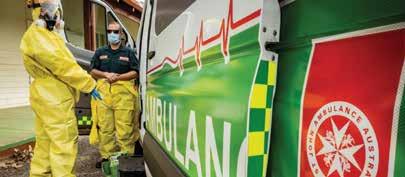
With growing concern about potential spread of COVID-19 during early 2020, WA needed to prepare for potential pandemic impact. For St John WA, this meant safeguarding the patients, community and the workforce. As Western Australia’s trusted provider of ambulance services, St John WA needed to develop new innovative measures that would stop the spread in high-risk scenarios — such as the transport of COVID-19 patients.
The aim of this project was to create a dedicated fleet of specialised isolation ambulances to support care and transport of COVID-19 patients. Implementation of this capability enabled preservation of ambulance resources for community emergency response and reduced risk of exposure to staff and the broader community.
The project needed to be able to be implemented at scale. St John WA covers the largest area of any single ambulance service in the world: 2,525,500 km squared, 33 percent of the total landmass of Australia. The changes implemented through this project needed to facilitate remote and country St John WA teams to deliver the same level of care for COVID-19 patients that they would in the Perth metropolitan area.


Team: Michael Stephenson (team leader), Shane Foster, Lindsay Bent, Peter Norbury, Dr Henry Zhao, Francesca Langenberg, Skye Coote, Dr Damian Easton, Prof Stephen Davis and Prof Geoffrey Donnan Stroke is the second leading cause of death and a leading cause of disability worldwide yet, only one third of patients reach hospital in time for critical stroke treatment in Australia. Reducing the timeframe from the onset of stroke symptoms to the delivery of definitive treatment is crucial to reduce both mortality and disability.
The Melbourne Mobile Stroke Unit (MSU) is Australia’s first pre-hospital road stroke service, starting in November 2017. The Melbourne MSU is a specialised, fully-equipped Ambulance Victoria vehicle, complete with a built-in CT scanner and on-board acute stroke personnel, dedicated to providing specialised prehospital care to acute stroke patients (both ischaemic and intracerebral haemorrhage). It is staffed by an ambulance paramedic, MICA paramedic, advanced practice stroke nurse, radiographer and a neurologist.
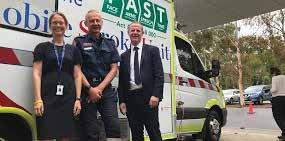
The MSU operates Monday-Friday from 8am-6pm and is dual dispatched with a standard ambulance to acute stroke calls within a 20-km radius of the Royal Melbourne Hospital (RMH). The MSU is also able to respond to requests from paramedic crews outside of this radius. Receiving an average of 6-7 calls per day, our geographical catchment allows the MSU to attend to approximately 37% of the daily code stroke ambulance calls.
The MSU aims to improve pre-hospital stroke assessment and diagnosis, reduce the time to treatment for eligible patients, improve access to comprehensive stroke centres or neurosurgical centres and provide a unique platform for world class prehospital acute stroke clinical trials.





Team: Megan Davis (team leader)
Mental health crisis experienced by ACT residents is rising. To explore ways to better address this issue, a tri-service health, ambulance, and policing project team was formed. Their initial mandate was to research domestic and international best practice in this regard. They explored various models, all with varying degrees of success. This research was then contextualised to the ACT, where a view on a path forward was agreed. Titled PACER (Police, Ambulance & Clinician Early Response), the project mandate was to develop a mental health coresponse capability.
The first tranche (Proof-of-Concept) saw the training and embedding of mental health clinicians, paramedics, and police officers into a single response team. This team would respond to and manage acute mental health related incidents within the ACT community. Data from the proof-of-concept proved the viability of the capability and resultant positive patient outcomes. This was achieved by being able to keep most patients experiencing a mental health issue safely in the community. Consequently, the ACT Government has committed to sustaining the capability into the future.
The PACER project has three primary objectives. Firstly, and most importantly, improve health outcomes and maintain the dignity for people experiencing a mental health episode. This will be achieved by utilising a health platform to deliver acute mental health services to the community.
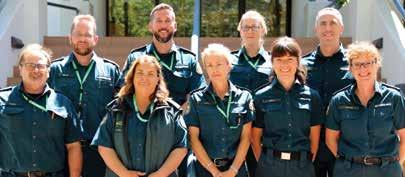
The second objective is to provide the least restrictive care, by reducing the use of restrictive measures such as emergency apprehension provisions under the ACT Mental Health Act 2015. Enabling clinical judgements earlier in the treatment cycle will result in many patients managing to safely remain within the community without transport to a hospital emergency department.
The third objective is to reduce demand on police, ambulance and emergency departments, along with acute inpatient services. This will be achieved by providing mental health assessment, treatment, care, and support through a dedicated capability within the community. Achieving these objectives expected to see a reduction in demand on frontline services of police, ambulance and health emergency services. Consequently, the number of emergency apprehension orders issued by ACT Policing and the ACT Ambulance Service would reduce. The secondary effect is an increase in the number of patients being able to remain safely in their own home with consequent positive patient outcomes.



Team: Nicola Reinders (team leader), Brittany Dyson and Diana Zimmermann
Ambulance Victoria (AV) is leading innovation to improve the experience and outcomes for people experiencing mental health emergencies. Telehealth Prehospital Response of Mental health and Paramedic Team (TelePROMPT) is a pre-hospital response partnering on-scene paramedics with a mental health clinician through telehealth, accessing state-wide mental health records for rapid specialist mental health assessment and triage of patients. After assessing the patient, on scene paramedics can use telehealth technology to rapidly connect to a TelePROMPT mental health clinician from Eastern Health co-located with AV’s Triage Services.
The mental health clinician has access to numerous information systems, including relevant mental health records. This enables us to understand the patient’s mental health care needs and options for referral. Where appropriate, the patient will be referred to alternative services that best meet their care needs, rather than transported to an emergency department, which is often not the best place for their care. TelePROMPT was designed through AV’s new Patient Care Academy, which brings together consumer, clinician, and system perspectives, to redesign care pathways for a Best Care experience that is high quality, patient-centred and safe. An agile, human-centred and co-design methodology focused on the needs and expectations of consumers, clinicians, and health care system.




Of the ~590,000 calls to Triple Zero (000) for an ambulance emergency, around 71,000 (12%) were for mental health conditions.
TelePROMPT aims to better connect mental health consumers to the right care, at the right time to improve their healthcare experience and outcomes. Benefits are also realised by upskilling paramedics as they work closely with mental health clinicians and also by hospital emergency departments through a reduction in demand pressures, particularly as mental health patient numbers have surged during the COVID-19 pandemic.
TelePROMPT builds upon the PROMPT model, where mental health patients in the Barwon region received face-to-face care from a paramedic and a mental health practitioner. Instead of a mental health clinician physically travelling with a paramedic, paramedics on scene with a patient now have the option to contact a mental health clinician located in AV’s Triage Services who can access to the patient’s mental health record where available. Together, they will perform an enhanced rapid mental health assessment of the patient and decide on the most appropriate care option.
This category is looking at management practice and operational improvement and innovation in: Management culture, open communication, accountability, management development, professional standards and diversity of workforce; and Operational protocols, work practices. (Related to how service delivery is provided). Previous submissions looked at accountability in leadership, enhancing opportunities for junior managers, taking the lead in occupational violence, and increased health outcomes for ATSI people. Each service is encouraged to analyze the programs they have implemented that pave the way in leadership for future generations of paramedics.
Team: Ryan Marshall (team leader)
Operating over 100 volunteer sub centres across Western Australia, St John WA had the ongoing challenge of ensuring consistency with its services, not only from a patient experience perspective, but operationally too. The individual sub centres have responsibility for financial oversight and administration via a volunteer run committee, with the centres using a specially built accounting and billing system to avoid the complexity of the organisations primary accounting software.
Internal audits of St John WA’s systems raised issues with the ageing functionality, and its lack of integration with the primary accounting systems causing issues with financial governance the control environment, operational efficiency and customer experience.
With the St John Board having an obligation to present a Financial Report that represents a true and fair view to its users, the issues flagged by the audits needed urgent addressing. In addition, without robust financial management and information, the board and sub centre committees were unable make well informed decisions.
St John WA needed to implement a new system to control its financial systems and operations that addressed the issues identified in the audit, but provided the simplicity required for everyday volunteer use.
The aim of this project was to address the functionality gap of the existing system, improving operational efficiency for users and the customer experience we could offer. The governance challenges flagged by internal audit would also be addressed, in particular with better integration of the system with the primary accounting system. The intent was to have a single accounting system for the organisation, with interfaces developed to reduce the complexity for volunteer centres in interacting with the system.
In addressing these issues, St John WA would continue to provide its country sub centres and its committee with the ability to control the transactions that impact their centre and continue to provide the St John Board and committee with the financial reporting capability to allow for informed decision making along with improving operational efficiency and customer aspects.

Team: Andrew Thomas (team leader), Nicole Johnston and Andrew Everingham
As the global pandemic hit Australia, one of the first responses was to cancel public events amid concerns they would become super spreader situations.
While the situation was ever-changing, the Northern Territory was fortunate to have no community transmission, allowing borders to open to interstate visitors. Discussions commenced regarding whether large public events, which were planned as part of a normal dry season events program, would proceed.
To provide medical care for these gatherings in a pandemic was a challenge and required the development of a COVID-19 Safety Plan alongside the medical plans for such events. One of the first events held was the V8 Supercars. Due to the scale of the event St John NT worked in conjunction with National Critical Care and Trauma Response Centre (NCCTRC) to provide medical services. This was the first sporting event in Australia to have a large local and interstate attendance.
St John NT produced a COVID-19 Safety Plan which was extremely successful in its implementation. It was adapted to future Territory events, including the biggest event in Australia at the time - Darwin Waterfront New Year’s Eve. Most recently it was implemented for Bass in the Grass musical festival with 14,000 attendees.
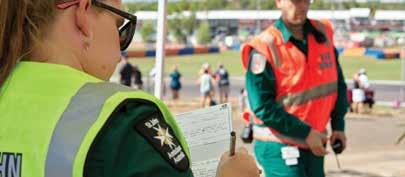
The aim of the COVID-19 Safety Plan was to supplement the existing event medical plans with safety precautions and assessment tools which had been developed for ambulance response to the pandemic.
The COVID-19 Safety Plan was designed to be used by all levels of medical personnel at events and was first utilised at the V8 Supercars, over two weekends in August 2020.
Development of the Plan contributed to the safe return of significant Territory events, and the flow on effect of social, economic and community wellbeing.


Team: Kelly-Anne McGruer (team leader), Nicola Busch, Renee Kane and Conor Fardon
In 2020, the QAS strengthened its commitment to its workforce by launching the Fair and Inclusive Practice Network (FIPN) in January, followed by the QAS RESPECT initiative in September. Both of these innovative and contemporary initiatives are overseen by the Fair and Inclusive Practice Unit (FIPU), within the Office of the Commissioner. They have been specifically designed for the QAS to drive long-term and sustainable cultural change within the frontline ambulance environment.
FIPN is a workforce led initiative with a strong focus on the fundamental principles of equity, fairness and inclusion. The Network has 46 dedicated FIPN Officers located across the state and a coordinator within the Office of the Commissioner, who supports reform within the key focus areas of flexible work, transition to retirement, parental leave, working whilst caring, respect at work, and reducing domestic and family violence. The Network functions as a local and statewide feedback mechanism and provides support for staff and managers, ensuring vision is translated into tangible outcomes for employees at every level.
The QAS goal is to foster a culture where inappropriate workplace behaviour is not accepted, where all employees model respect and where systems, structures and policies reinforce the QAS’s commitment to a flexible, fair, inclusive and respectful culture.
QAS RESPECT aims to reform the workplace culture through informing, educating and empowering the workforce to intervene and eliminate inappropriate workplace behaviour, ensuring issues are handled efficiently and professionally every time. Through the QAS RESPECT Steering Committee and QAS RESPECT Working Group, building blocks have been put in place to start long lasting, tangible change in the organisation.


SA Ambulance Service
Team: Natalie Gibson, Manager, Communications and Strategic Engagement (team leader)
SA Ambulance Service (SAAS) developed a Consumer and Community Engagement Framework in collaboration with consumers to provide a blueprint for engagement and to improve health outcomes/service delivery for all South Australians. The framework was launched in January 2020 and is already leading the way in successful consumer engagement across health services in the State.
Implementation has been over a 12-month period.
Effective partnerships exist when consumers are treated with dignity and respect, when information is shared with them, and when participation and collaboration in healthcare processes is supported and embedded across the organisation.
In short, we believe that engaging with our consumers will result in better outcomes, decisions, project, policies, programs and better (or more efficient) use of public resources.
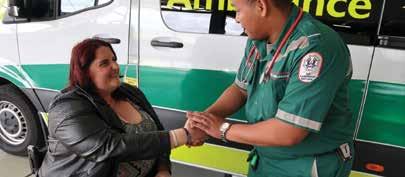
By engaging with a diverse range of consumers and communities including our ageing population, Aboriginal and Torres Strait Islander peoples, migrant communities and LGBTQIA+, and those with diverse health and mental health issues we hope to deliver culturally safe and meaningful services to all South Australians.
The framework also supports the achievement of Standard 2 of the National Safety and Quality Health Service Standards – Partnering with Consumers.
St John New Zealand
St John New Zealand maintain Major Incident (MI) caches at strategic locations across New Zealand, as well as a small vehicle infrastructure to enable deployment of major incident resources to large scale disasters. However, there had been no nationally consistent team structure, or set of competencies to ensure equitable provision of major incident support nationally. A nationally consistent platform was needed to standardise training and competencies, and uniform principles of deployment to ensure a more equitable and accessible major incident support function. In the second half of 2020, this framework was developed, and volunteer recruitment commenced for Major Incident Support Teams (MIST).
Additionally, there has been consultation and development of training guidelines, vehicle creation, layout, and content, and deployment tools to ensure effective and timely dispatch of Major Incident resources to an expanded range of incidents that would benefit from MIST attendance. This platform is being rolled out nationally over the next three years and already resulted in changing operational protocols and work practices, particularly around the service delivery of MI support and increased deployment of support to recent major incidents.
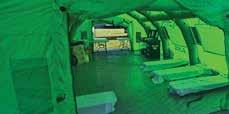
The aim of this project was to enable a volunteer workforce to deploy to major incidents, from medium scale to large scale emergencies, events, and disasters. This builds on existing infrastructure St John maintains, such as Command resources and mobile triage and treatment equipment (tents, lighting). It seeks to increase the utilisation of this equipment by supporting this with a dedicated, non-clinical team focused solely on the supporting and peripheral aspects of major incidents, rather than getting distracted with the provision of prehospital care.
A previous issue impacting major incident support equipment deployment was expertise around equipment and process being held by senior clinicians, that during the incidents, had no capacity to focus on the support process in favour of being directly involved in the treatment and transport of acute patients. The aim was to delineate clinical and support roles, and ensure consistent deployment of MIST resources unimpeded by clinical workload or current personnel availability.
Ambulance Victoria (AV) is a leader in sustainability among health services in Victoria, Australia and New Zealand, and globally. AV is also the first ambulance service in Australia and NZ to develop a sustainability action plan and establish a dedicated sustainability team, and are a founding member of a new international ambulance sustainability group.
AV’s Social and Environmental Responsibility Framework and Action Plan takes bold steps to reduce the impact of their organisational footprint and engage their people as part of a more socially and environmentally conscious organisation. AV’s commitment is in line with Government objectives and they are sharing our progress to encourage other health and ambulance services to be more sustainable. In 2020 they became the first Victorian health service, and the first ambulance service across Australia and NZ, to make a commitment to 100% renewable energy and announced their commitment to net zero, including emissions reduction targets for 2025 (39% reduction) and 2030 (60% reduction).
To better support disadvantaged groups and social enterprises in Victoria through purchasing decisions, AV developed an AV Social Procurement Framework and targets for social procurement. They are also embedding new social impact measurements for community engagement.
They developed the framework to cover both social and environment responsibility as a holistic approach as a responsible ambulance service. Their vision for social and environmental responsibility is directly linked to their Patient Care commitment to ensure Best Care is provided to every patient, every time.
AV made a commitment to 100% renewables by 2025, the first such commitment from a Victorian health service and also a first for Australia and New Zealand ambulance services. This includes a new power purchase agreement that went live in July 2020 to procure renewable energy for 14 of our larger sites, reducing AV’s emissions by 7%, and investment in on-site solar and lighting upgrades. AV have established a pilot project currently rolling out an energy resilience test site for solar and battery storage in the Grampians. AV also commenced a project to develop a net zero ambulance branch concept design to accelerate sustainability goals..

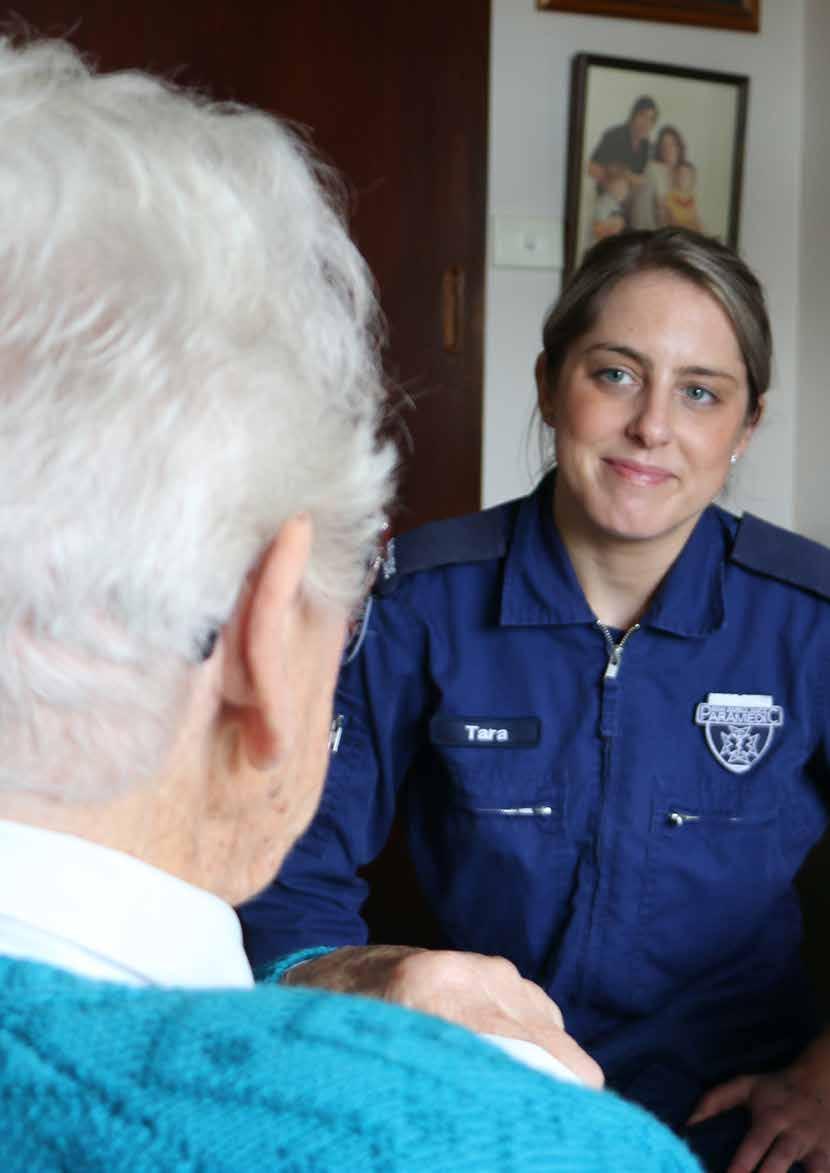
CAA welcomes the introduction of this new category in 2021. With mental health in our patients and our staff such a prominent focus in the field of paramedicine in the past decade, we are seeing exciting innovation and excellence by all. Each service is encouraged to continue to shine in this field and share with us their innovation and improvements in mental health and wellbeing.

Team: Chris Howie (team leader)
Managing the psychological health and well-being of staff is a complex and multi-faceted issue, further exacerbated during times of major incident. The unique challenges presented through both the 2019/20 bushfires and COVID-19 allowed for the refinement of SA Ambulance Service’s (SAAS) psychological support provision in major incidents, with particular focus on proactivity, accessibility and identification of staff across the entire organisation.
This enhancement of the staff wellbeing response has allowed for earlier identification of the psychological needs of the workforce, and the provision of targeted support in a timely and structured manner. Procedural development to inform and support the psychological response through major incidents further enhances these services being delivered consistently and effectively to all staff potentially or actually, impacted by such events.
The psychological support response throughout these aforementioned incidents surpassed any previous welfare response seen within SAAS, with staff engaged and supported at all levels of the organisation. This all-encompassing response ensured no member of the SAAS family, career or volunteer, operational or support staff – was left to endure these incidents alone.
Within any major incident, the potential psychological impact – both professionally and personally - upon our workforce has the capacity to be varied and widespread. SAAS needed to ensure that any response was agile and sustainable. Although staff wellbeing in time of major incident has always encompassed part of our organisational response, the focus throughout these incidents needed to be both magnified and targeted, as these incidents were potentially more likely to have a greater personal impact on multiple staff than we may have experienced previously.
The unprecedented nature of COVID-19 and the widespread devastation of the 2019-20 bushfires created the situation in which the importance of early help seeking, proactive support and the overall awareness and promotion of mental health and wellbeing was both necessary and vital information, whilst also ensuring that the importance of staff psychological wellbeing was both conveyed and experienced fairly by all across the organisation.
The SAAS Staff Wellness & Assistance team determined that a standard response would not meet the diverse needs of our workforce. These events would have a profound influence on many of our staff, immediately after the event and into the intermediate and long-term future, and our response could help shape how people recovered.
the mental health and wellbeing of first responders and their families – the people who protect and care for our community.
Every day, more than 300,000 first responders keep our communities safe. They are backed up by their families: partners, children and parents. All of them hold vital, and challenging, roles. We help them to be well, and stay well, through mental fitness and wellbeing activities and support services.
Free to first responders and their families
Family resillience
• Wellbeing activities
• Community engagement
• Care coordination
Mental fitness
• Peak Fortem
• Resources library
Clinical support
• One-on-one support
• Group programs
• Family sessions
Transition and Employment Program
• Transition support
• Employment support
• Alternative pathway support
Check our website for eligibility requirements.

Ambulance Victoria
Team: Gina Mammone, Senior Manager Peer and Pastoral Care (team leader), Jo Costa, Bernice James, Ken Whittle, Lisa Nixon, Angela Ewing, Emily Jackson, and Tracey Barling
Ambulance Victoria (AV) is committed to improving the mental health and wellbeing of its workforce. In 2018 as part of that commitment, AV trialed the incorporation of support dogs into staff wellbeing support structures, the first trial of its kind in any emergency services agency in Australia.
The first Peer Support Dog in the metropolitan led pilot was Bruce the Labrador who was introduced to AV in May 2018. During the pilot’s six-month period, the research overwhelmingly demonstrated that Bruce had a positive and meaningful impactful in how this alternate means of support provision was received by the workforce.
In 2019 due to the success of the pilot and the overwhelming positive feedback, the Peer Support Dog Pilot transformed to a Program and expanded to regional and rural Victoria. A further 11 Peer Support Dogs and their handlers were recruited from across Victoria in what is now a well-established and embedded state-wide Peer Support Dog Program.
The aim of having Peer Support Dogs in the workplace include:
• Decrease in stigma surrounding help-seeking behaviour.
• An increased awareness of mental health matters
• To increase information on, and utilisation of, wellbeing and support services on offer e.g., such as Peer Support, Pastoral Care and Psychology services.
• Improve employee satisfaction regarding the organisations commitment to improve the mental health and wellbeing of our workforce.
• Reduce the occurrence of occupational stress
• Encourage conversations around wellbeing as part of a normal workplace culture
• Provide a contemporary and innovative approach to wellbeing and support services
• Ensure equitable access to wellbeing and support services across the workforce, recognising inconsistent access aligned to length of service reflective of stigma associated issues in some parts of the organisation.
Petting a dog contributes to the healing process and helps break down barriers to seeking assistance.
The expansion of the Peer Support Dog Program has allowed the benefits of the program to reach more of our workforce across Victoria.


Team: Philippa Furey, Hale Can, Mary Wayumba, Tricia Mawson, Megan Kingham, Zoe Wooldridge, Anita Alexander, Claire Hately, Emma Ugarte, Chloe Larcombe, Richard High, Nam Le, Sam Stack, Lucas Combes, Michal Marszalek, Sally Stoyles, Paul Sinclair, Elizabeth Simeoli, and Philippa Woolf and team.
The NSW Ambulance Wellbeing Workshop is a dedicated development program designed to support the mental and physical health of all our employees. The objective of the workshop is to provide Paramedics, Call Takers, and nonoperational staff with simple yet powerful strategies and skills that may be implemented in their lives for an enhanced degree of health, safety, self-awareness, wellbeing and quality of life. Participants are encouraged to share their learnings with their families, friends and support networks as NSW Ambulance recognises the importance of these partnerships.
The Workshop is presented over three days for operational staff and one and a quarter day for nonoperational staff. The Workshop is divided into three key areas: Well at Work, Safe at Work and Protected at Work. The program was designed to deliver a cohesive package of foundational knowledge, strategies and tools for operational and nonoperational staff when managing their wellbeing; mental health and resilience, physical health, managing personal safety and risk, and occupational violence prevention.
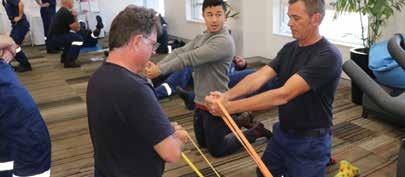
The overarching aims of the program are:
• Develop all NSW Ambulance staff to be positive and resilient, engaged and empowered by their work.
• Develop staff to find meaning and accomplishment through what they do, have strong relationships both at work and home and utilise practical tools to embed health and wellbeing in the culture of NSW Ambulance.
• Improve skills, knowledge and capabilities in health and wellbeing and to address key organisational risks associated with working in an emergency service.
• Ensure employees and their families have access to quality health and wellbeing information
• Raise awareness of NSW Ambulance support services and programs and promote positive attitudes to help seeking
• Build and foster relationships within the NSW Ambulance staff community.


Team: Nicola Medlycott, Operations Manager, Non Emergency Services (team leader)
Mental Health Co-Response (MH CORE) is a South Australian initiative that partners SA Ambulance Service paramedics with mental health professionals.
MH CORE crews consist of a paramedic and a mental health clinician, and are tasked by SAAS to respond to low-medium acuity mental health calls to Triple Zero (000). These include people experiencing self-harm, suicidal thoughts, anxiety, depression, exacerbation of a mental health issue or a situational crisis.
MH CORE is successfully helping three-quarters of patients to avoid emergency department presentations, where previously almost all of these people would have been taken to an ED.
MH CORE is:
• Improving patients’ access to mental health services that provide more appropriate care and ongoing support in the community
• Avoiding the additional mental distress of an ED presentation
• Supporting ambulance staff in managing mental health cases
• Keeping more ambulance resources available for emergencies


MH CORE is a collaboration between SAAS and major Adelaide local health networks. After a 2019 pilot and a trial in the central Adelaide catchment in 2020, MH CORE was expanded in 2021 to cover more of the metropolitan area and increased to a seven-day service with longer operating hours.
The objectives of MH CORE were to:
• Develop a more sustainable service delivery model for the ever-increasing number of mental health patients seeking help via Triple Zero (000)
• Provide mental health patients with a specialised response team allowing for both detailed mental health and medical assessments
• Improve patient outcomes by connecting them to specialised mental health services, particularly community-based services
• Reduce unnecessary ED presentations by people with low-medium acuity mental health concerns
• Keep emergency ambulances available in the community for medical response
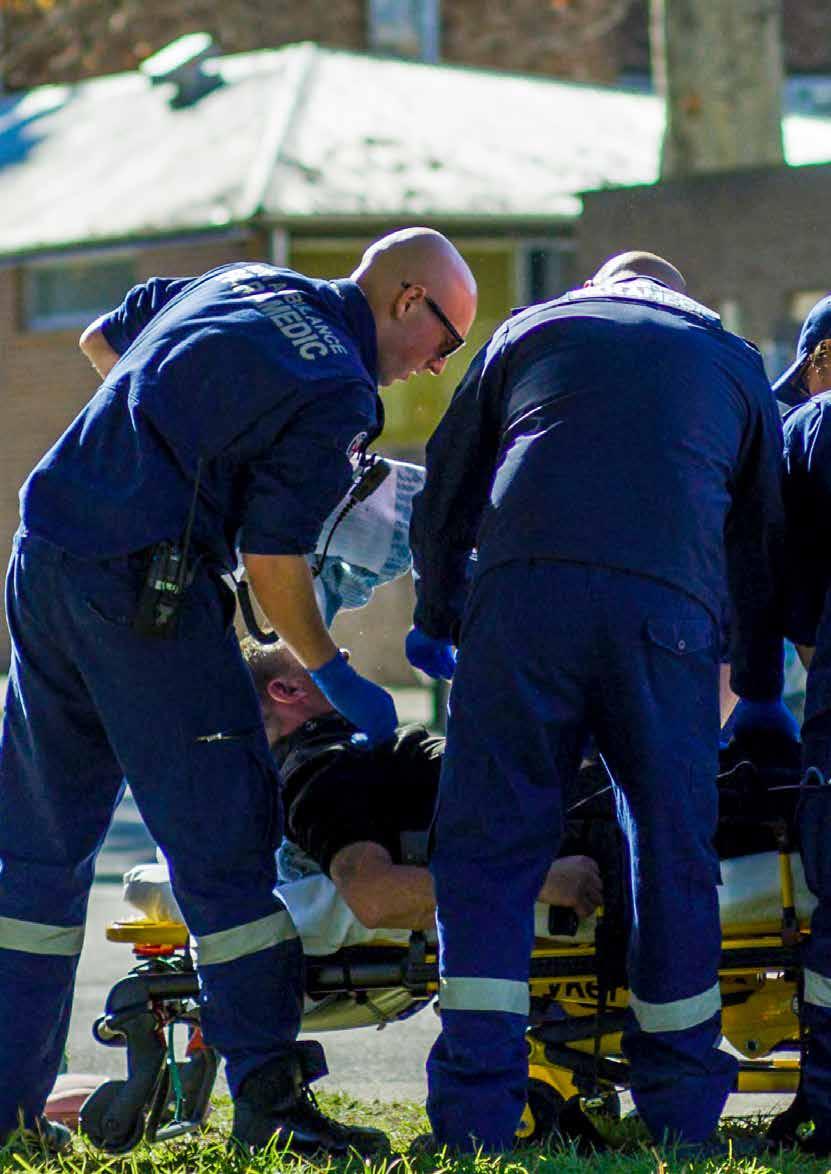
The Star Award is presented to the overall winner selected from CAA awards category winners. The winner of this award is identified as having, or proceeding to have, successfully developed, implemented and evaluated a project that is considered the most valuable for adoption by all CAA members.

Team: Andrew Wong (team leader), Simon Finnigan, Wayne Loudon and Vivienne Tippett
See page 20 for full entry

Key Dates:
Submission Portal Open
22 November 2021
Submission Portal Closes
14 April 2022
Finalists Announced
8 June 2022
Winners Announced
12 August 2022
CAA2022 Awards For Excellence Gala Dinner
Friday 12 August 2022
Dockside Darling Harbour
Award Categories:
Excellence in Technology (innovation or capability)
Excellence in Clinical Practice (innovation or capability)
Excellence in Staff Development (education improvement or innovation)
Excellence in Patient Care (patient experience improvement or innovation)
Excellence in Leadership (management practice and operational improvement and innovation)
Excellence in Mental Health and Wellbeing (innovation or operational improvement) Be inspired, think outside the box, and elevate the pre-hospital sector 11-13 August 2022 International Convention Centre, Sydney. Tickets on Sale January
events@caa.net.au | caa.net.au