perinatal
Lake County
Created to establish a foundation for the system of support surrounding perinatal mental health.
For Providers
Perinatal Mood and Anxiety Disorder Provider Resource Tool


Created to establish a foundation for the system of support surrounding perinatal mental health.
Perinatal Mood and Anxiety Disorder Provider Resource Tool
This work has been made possible through a grant from Lake County Behavioral Health Services and works previously completed by the Orange County Perinatal Mood and Anxiety Disorder Collaborative.
This toolkit was modified and updated by First 5 Lake County with guidance from Mother-Wise, Hope Rising, Lake County Public Health, Easterseals Northern California, Redwood Community Services, and Lake County Office of Education







NEARLY ONE IN TWO WOMEN LIVING IN LAKE COUNTY ARE AFFECTED BY A FORM OF DEPRESSION OR ANXIETY EITHER DURING

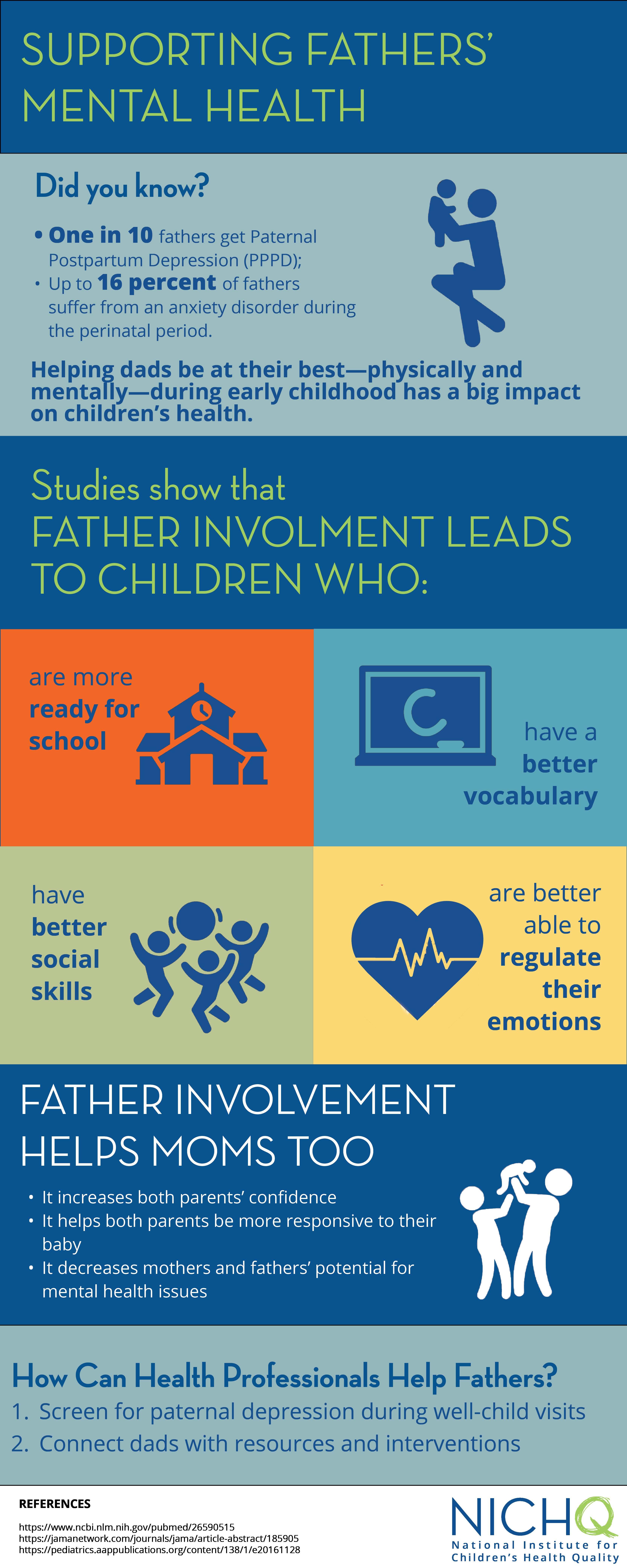
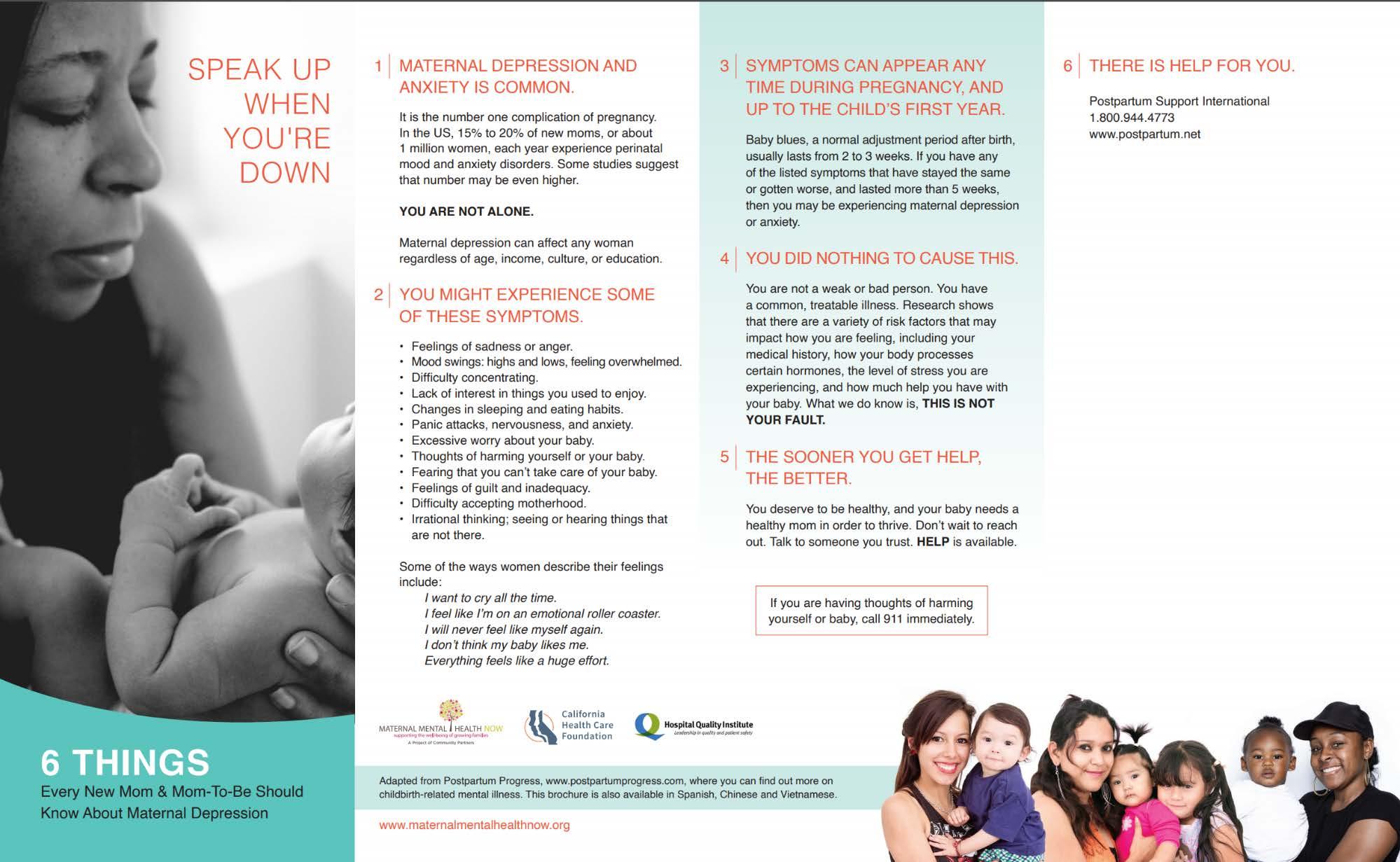
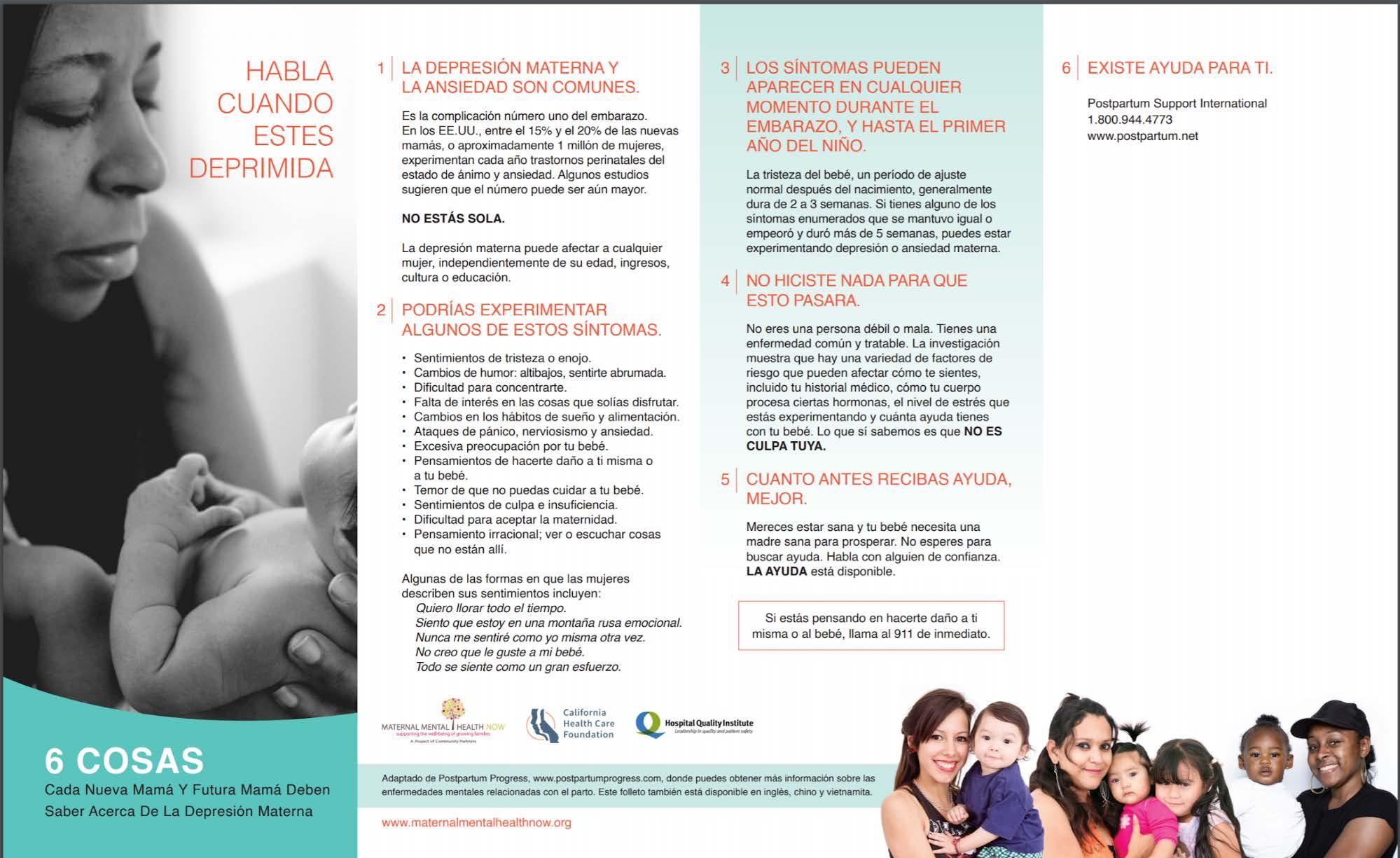
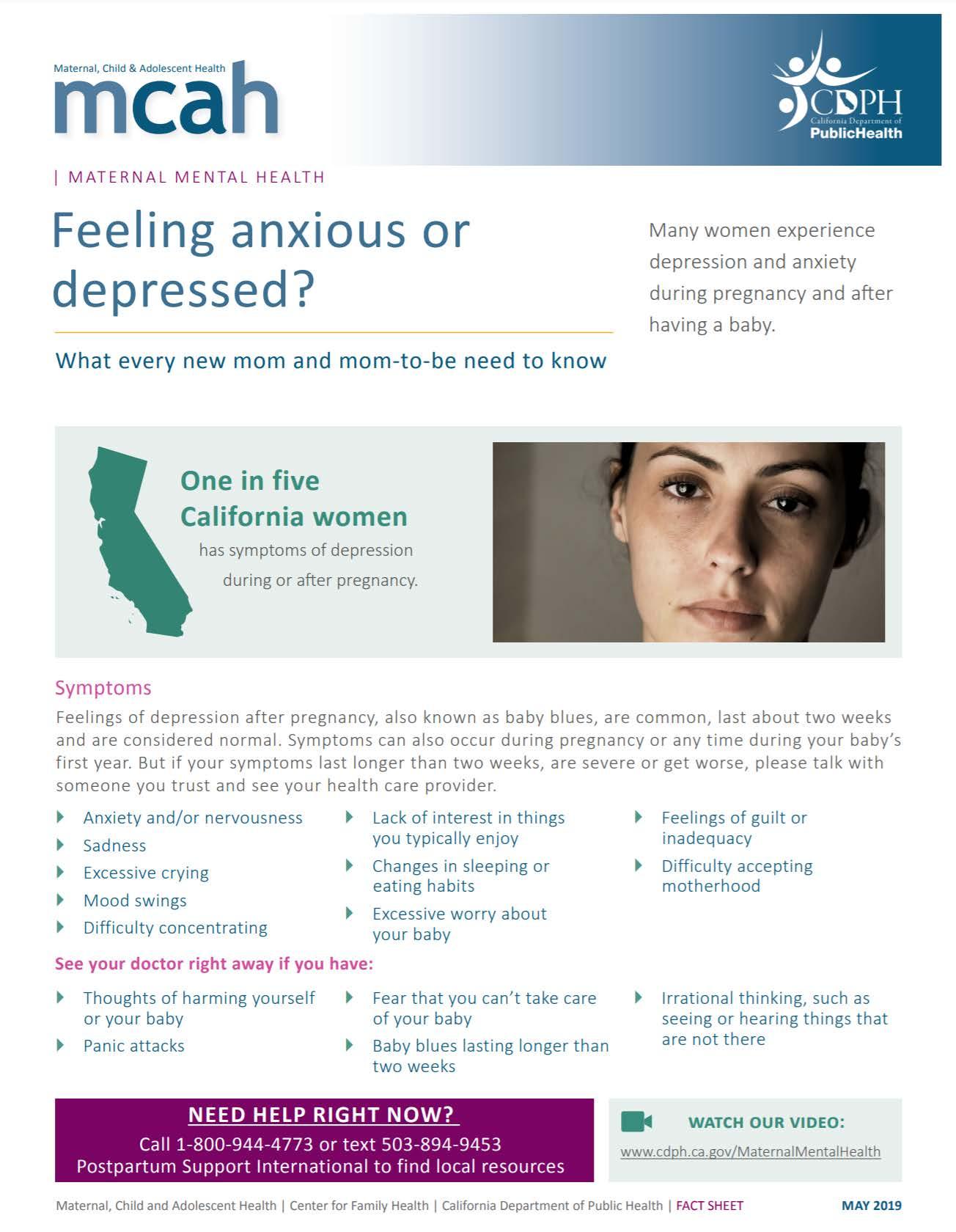
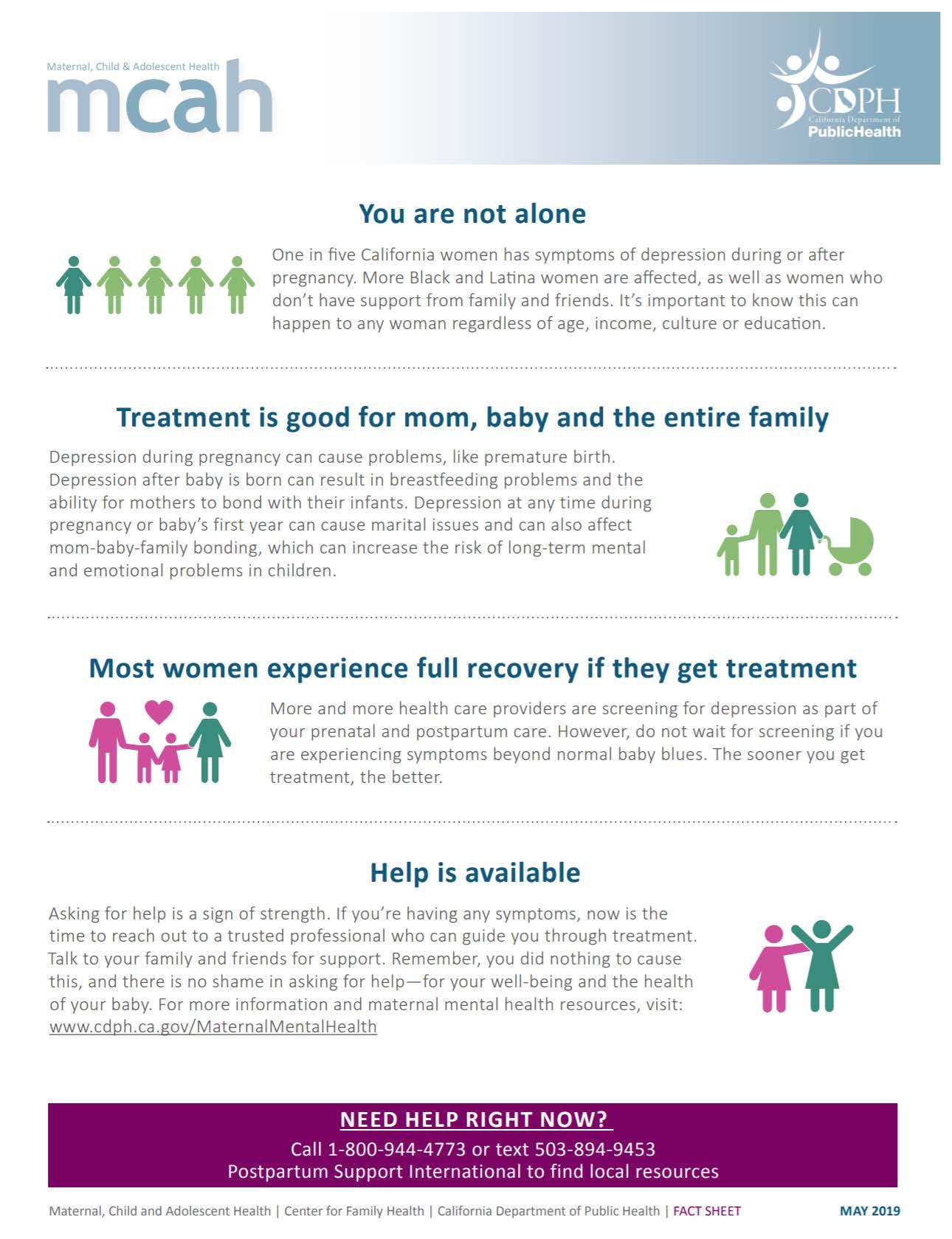
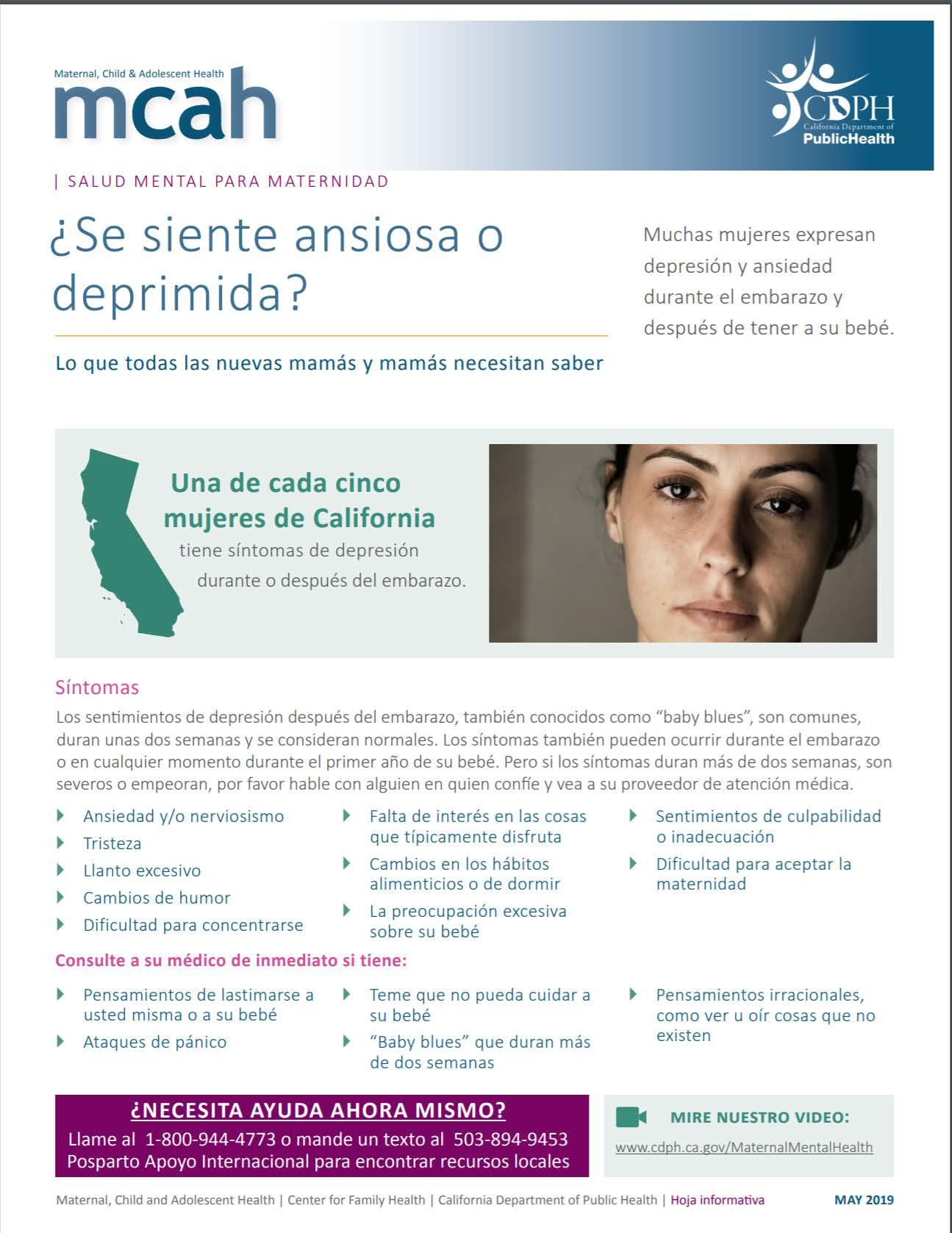
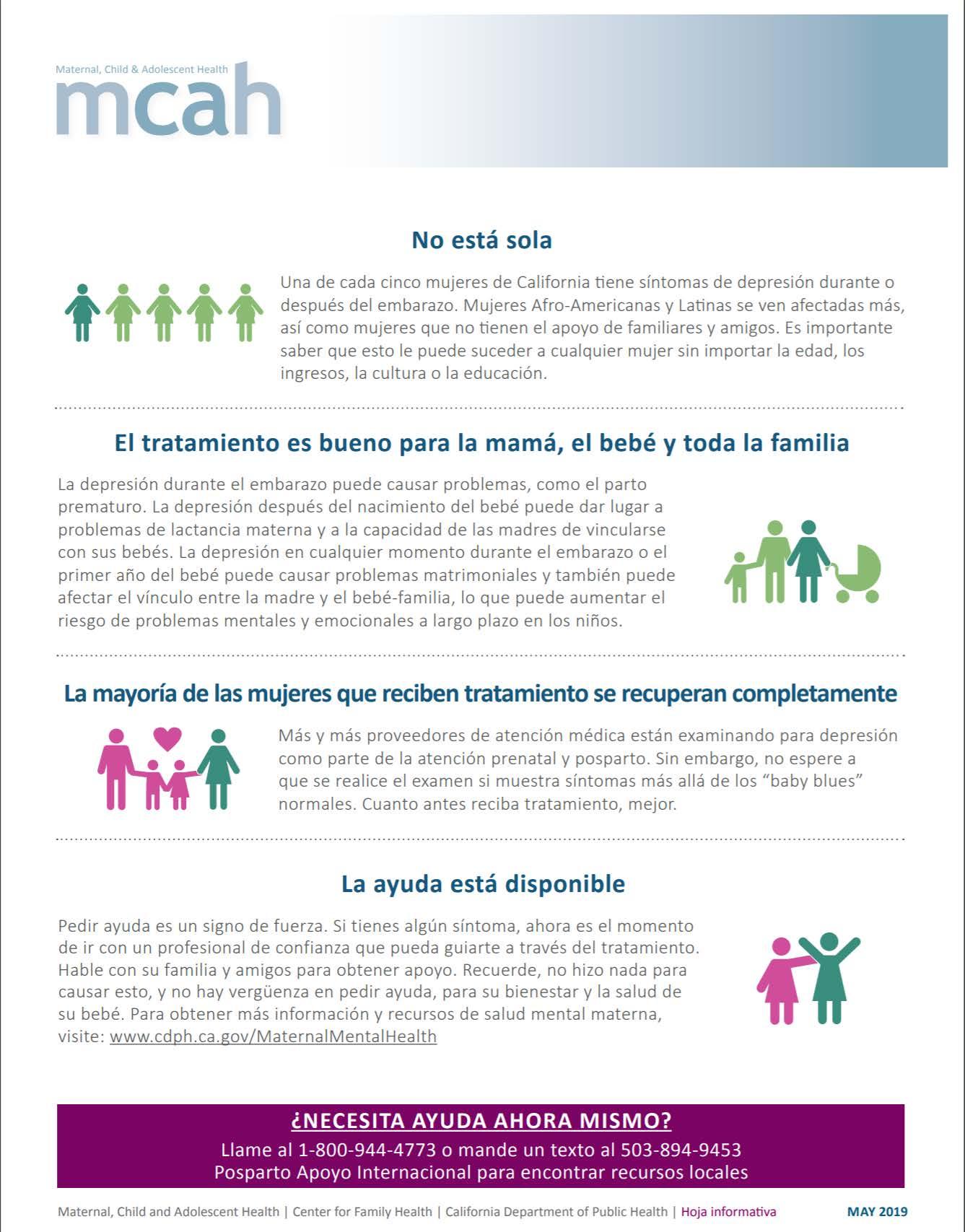
1 in 5 women living in California is affected by a form of depression or anxiety either during pregnancy, up to 12 months after birth, or both. Nationally, one in ten men is impacted as well. Referred to as Perinatal Mood and Anxiety Disorders (PMADs) the rate of these conditions increases among mothers experiencing multiple stressors, such as poverty, or adversity (ACEs) in childhood. Left untreated, maternal depression can negatively impact all aspects of a young child’s development, with the potential to increase the growing child’s risk of mental illness.
While a number of perinatal health resources exist in Lake County, access to these programs is limited due to such factors as limited awareness of the issue, available resources, and insufficient screening for PMADs.
In 2019, the Orange County Perinatal Mood and Anxiety Disorder Collaborative was formed to
address the prevalence of mental health disorders during pregnancy and facilitate access to resources that help providers identify at-risk women who may benefit from preventive, screening, and treatment services Based on the Collaboratives’ work, community partners of Lake County created a collaborative to adapt the Orange County toolkit to fit the needs and resources of our community.
We want to express our gratitude to the Orange County PMAD Collaborative for creating a toolkit and to First 5 Orange County for allowing Lake County to adapt this resource. We hope you find this toolkit useful for your practice.
For questions regarding mental health support and treatment programs, contact Lake County Behavioral Health Services at 1-800-900-2075.
California Health Care Foundation. (2021, January). Improving Maternal Mental Health Care https://www chcf org/project/improving-maternal-mental-health/ Help for Dads: Postpartum Support International (PSI). https://www.postpartum.net/get-help/help-for-dads/ LAKE

Nationally, 1 in 5 women is not asked about experiencing depression symptoms while visiting their doctor for a prenatal visit. This statistic drops even lower for postpartum visits with 1 in 8 women reporting their provider did not inquire about depression or anxiety symptoms. Statistically, 1 in 5 moms living in California suffers from depression and/or anxiety relating to pregnancy or after childbirth This means that 16% of moms suffering from Perinatal Depression or Anxiety are not being diagnosed. Perinatal Mood and Anxiety Disorders are real illnesses and should be treated and evaluated as such. While pregnancy brings on hormonal changes and stress, it is not normal to experience acute distress and debilitating anxiety. These could be signs of a serious Perinatal Mood and Anxiety Disorder and any actions that raise suspicion should require screening.
There is significant stigma around postpartum depression and Perinatal Mood and Anxiety Disorders, especially for mothers. The fear of endangering their child, having their child taken away from them, and failing to be a successful mother are often misconceptions around what suffering from a Perinatal Mood and Anxiety Disorder entails. Simply asking a patient if they are experiencing depressive symptoms or anxiety is not enough, providers must debunk the stigma and show their patients the seriousness and importance of seeking proper treatment. If a patient does not trust their provider or feel that they are in a safe environment, the rates of undiagnosed postpartum depression will continue to climb and negatively impact the mothers in our community. Bringing a child into the world is not an easy task and is paired with many changes, both emotional and physical. Establishing a relationship with the patient built on trust and genuine intentions is a critical step in decreasing the number of women that suffer from undiagnosed Perinatal Mood and Anxiety Disorders.
"Infographic: Identifying Maternal Depression " Centers for Disease Control and Prevention May 14, 2020 https://www cdc gov/reproductivehealth/vitalsigns/identifying-maternal-depression/index html
"Improving Maternal Mental Health Care " California Health Care Foundation January 26, 2021 https://www chcf org/project/improving-maternal-mentalhealth/#related-links-and-downloads

In accordance with best practice recommendations by the American College of Obstetricians and Gynecologists, the American Academy of Pediatrics, Bright Futures, as well as compliance with California Assembly Bill 2193 requiring prenatal and postpartum mental health screenings, this package is intended to support primary care providers to screen all expecting parents while providing them with up-to-date resources locally. It is recommended that all perinatal clients receive an evidence-based screening during their primary care visit, whether in the obstetric, family practice, or pediatric setting Recommendations include but are not limited to*:
Obstetric visit: At minimum once prenatally and once postpartum
Pediatric visit: At minimum during the first, second, fourth, and sixth-month wellchild visits.
Whenever index for suspicion is high
*Regulations are subject to change. Providers should always check with their governing board for the most up-to-date requirements and recommendations for screening.
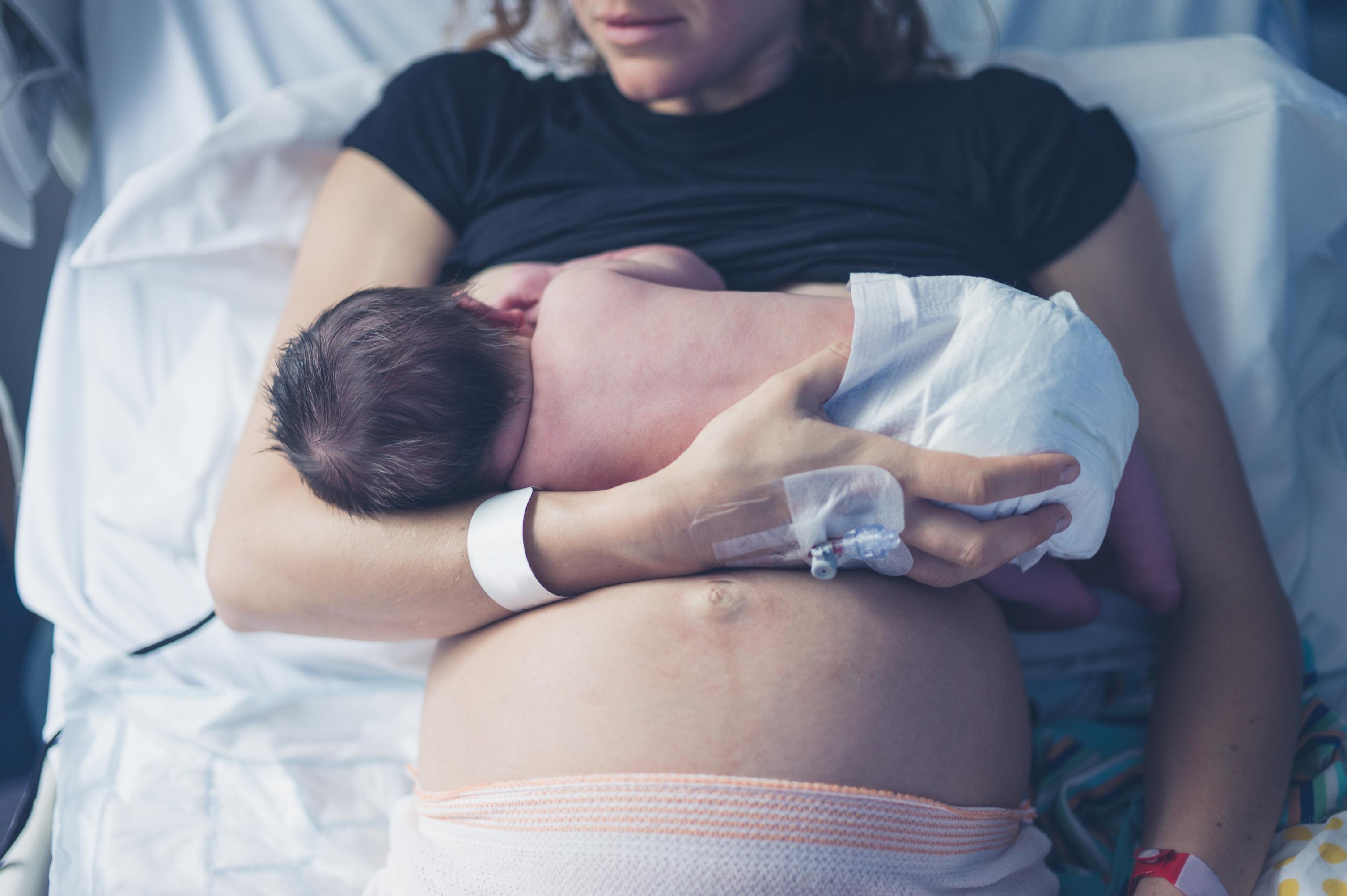
Regardless of ethnicity, level of education, socio-economic status, or other factors, perinatal mood and anxiety disorders affect all parents universally. Furthermore, additional factors known to increase the risk for psychiatric conditions include:
Personal or family history of depression,
History of physical or sexual abuse, intimate partner violence
Unplanned or unwanted pregnancy
Current stressful life events
Pregestational or gestational diabetes
Complications during pregnancy (e.g. preterm delivery or pregnancy loss)
Low socioeconomic status
Lack of social or financial support
Adolescent parenthood
The imminent short and long-term impact of the current COVID-19 pandemic on the emotional and mental well-being of parents and their young are proof in point of the importance of screening for risk and signs of distress in order to mitigate additional family hardships.
For that reason, this Resource Package begins first with preventive interventions and ends with educational resources to underscore the importance and effectiveness of education and prevention to reduce the risk of perinatal anxiety and depression on mothers, fathers, and their infants.
Implementation of preventive interventions for women at risk of developing perinatal depression, such as those with a history of depression, current depressive symptoms, or certain socioeconomic risk factors (eg, low income or young or single parenthood) was recommended by a 2019 Preventive Services Task Force publication due to evidence supporting its effectiveness in reducing the risk of postpartum depression. See the previous page for a more complete list of risk factors.
This 6-12 week individual or group-based program uses psychoeducation, attachment theory, and cognitive behavioral therapy approaches to provide new mothers with tools to help reduce the onset of depressive symptoms. Designed to be delivered prenatally, this curriculum empowers mothers by encouraging them to engage in enjoyable activities, build their social support network, and develop healthier ways of thinking. It can be offered in a clinic or communitybased settings (such as home visiting programs, WIC, or community centers) by either paraprofessionals or professionals with mental health training. Training information and curriculum are available online at https://www.mothersandbabiesprogram.org/.
This preventive intervention consists of four to five individual or group sessions using an interpersonal therapy approach to provide psycho-education, stress management, role transitions, and interpersonal conflicts. Intended to prevent postpartum depression among low-income women, the ROSE program may be offered by paraprofessionals or mental health professionals in either clinic or community-based settings. For information on free training and technical assistance as part of the ROSE Sustainment Study, visit https://www.publichealth.msu.edu/flint-research/the-rose-sustainment-study.
see page 38

While many providers may rely on conversations with expecting or new parents to detect perinatal mood or anxiety disorder, studies have shown that cases can be missed without the use of a standardized screening tool. Furthermore, routine practice of asking standardized questions will help normalize discussions around mental health and can eliminate stigma associated with the issue.
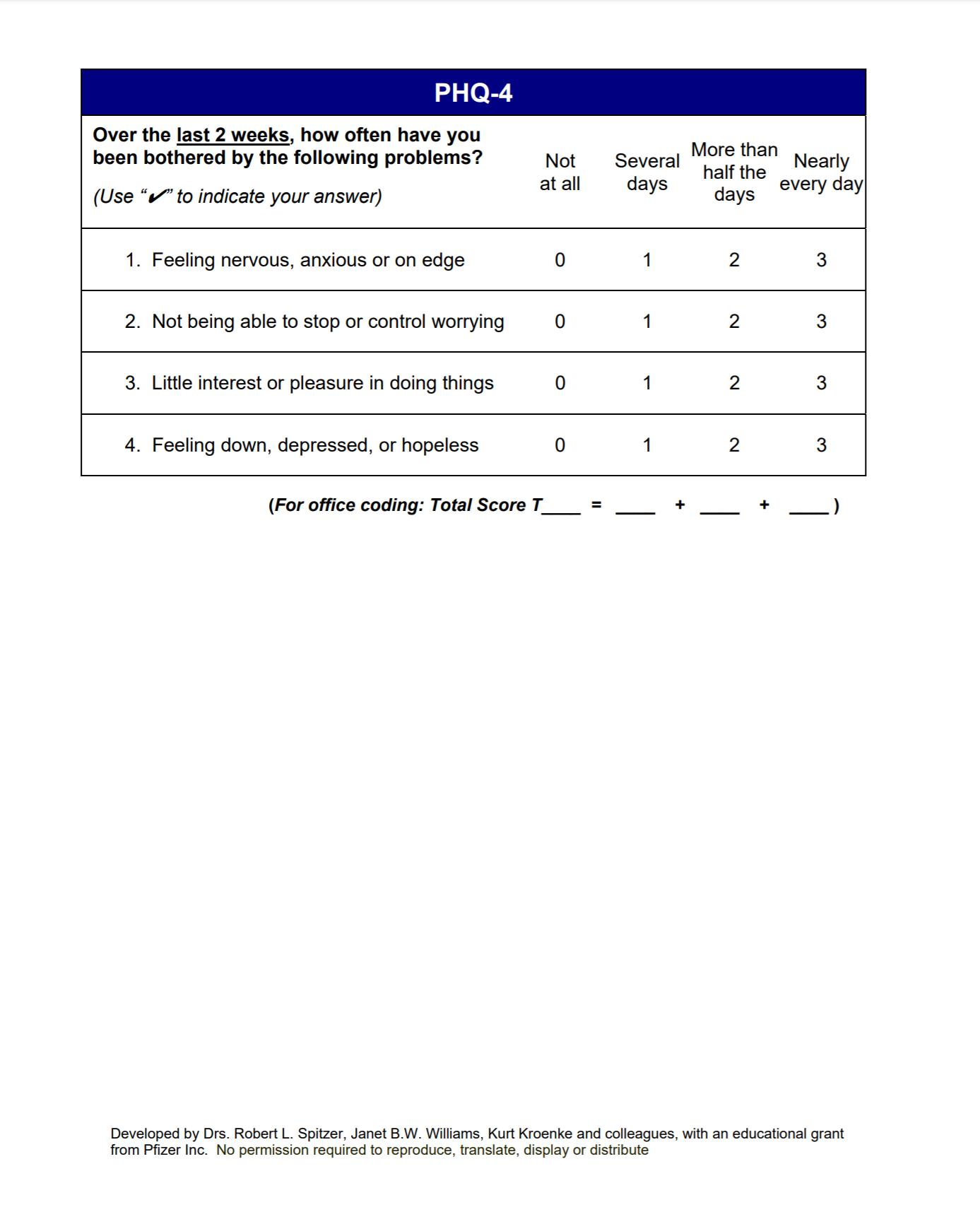
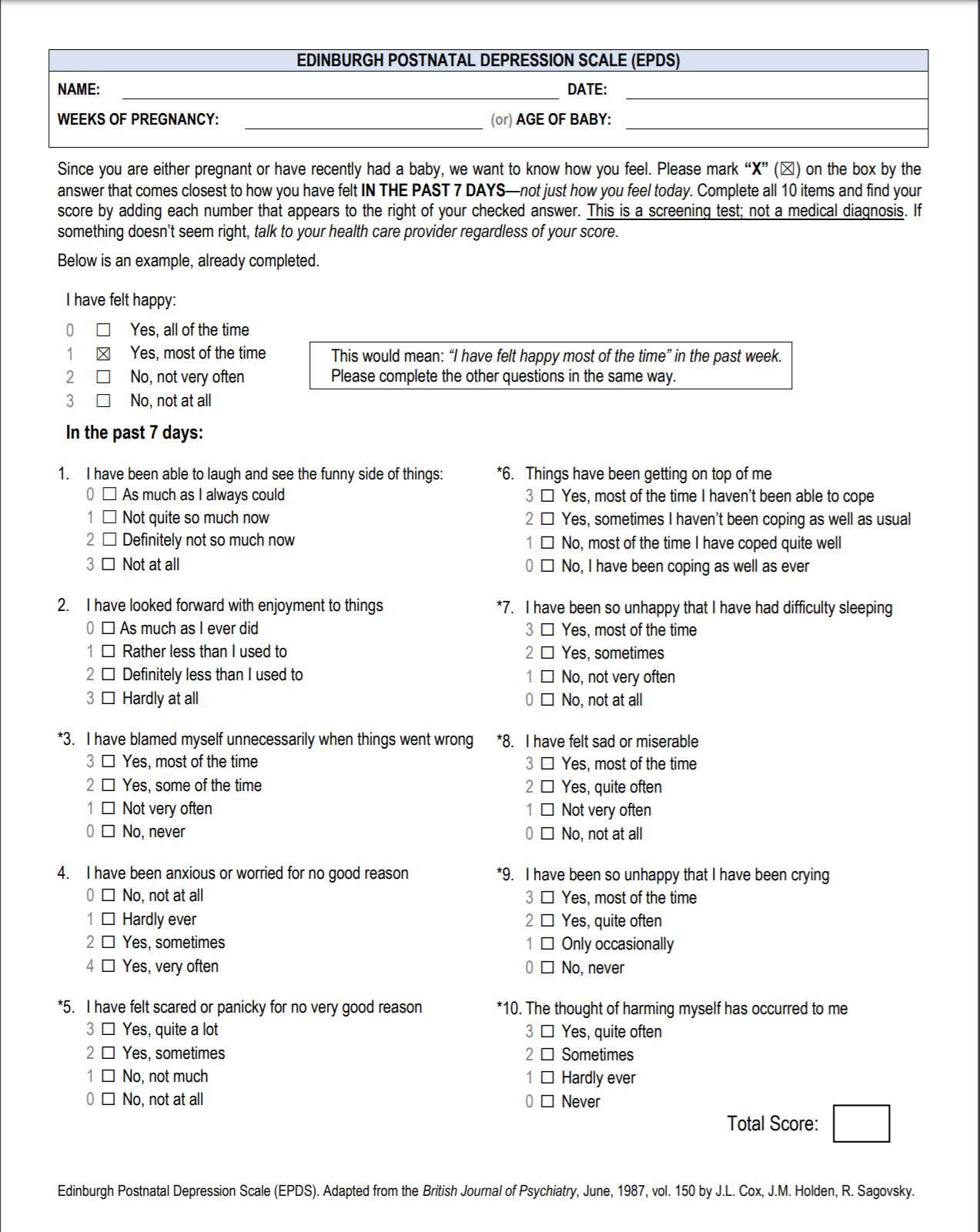
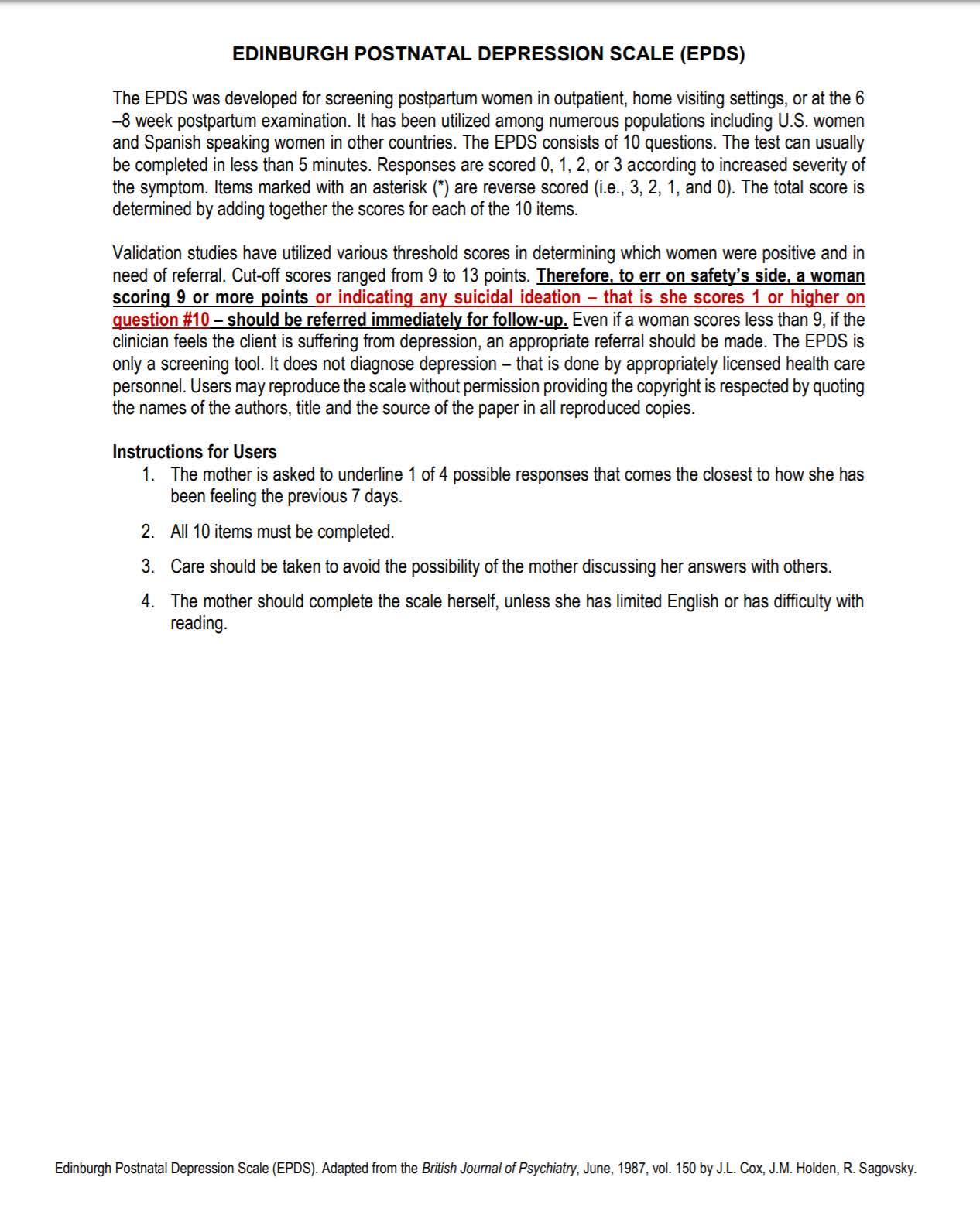
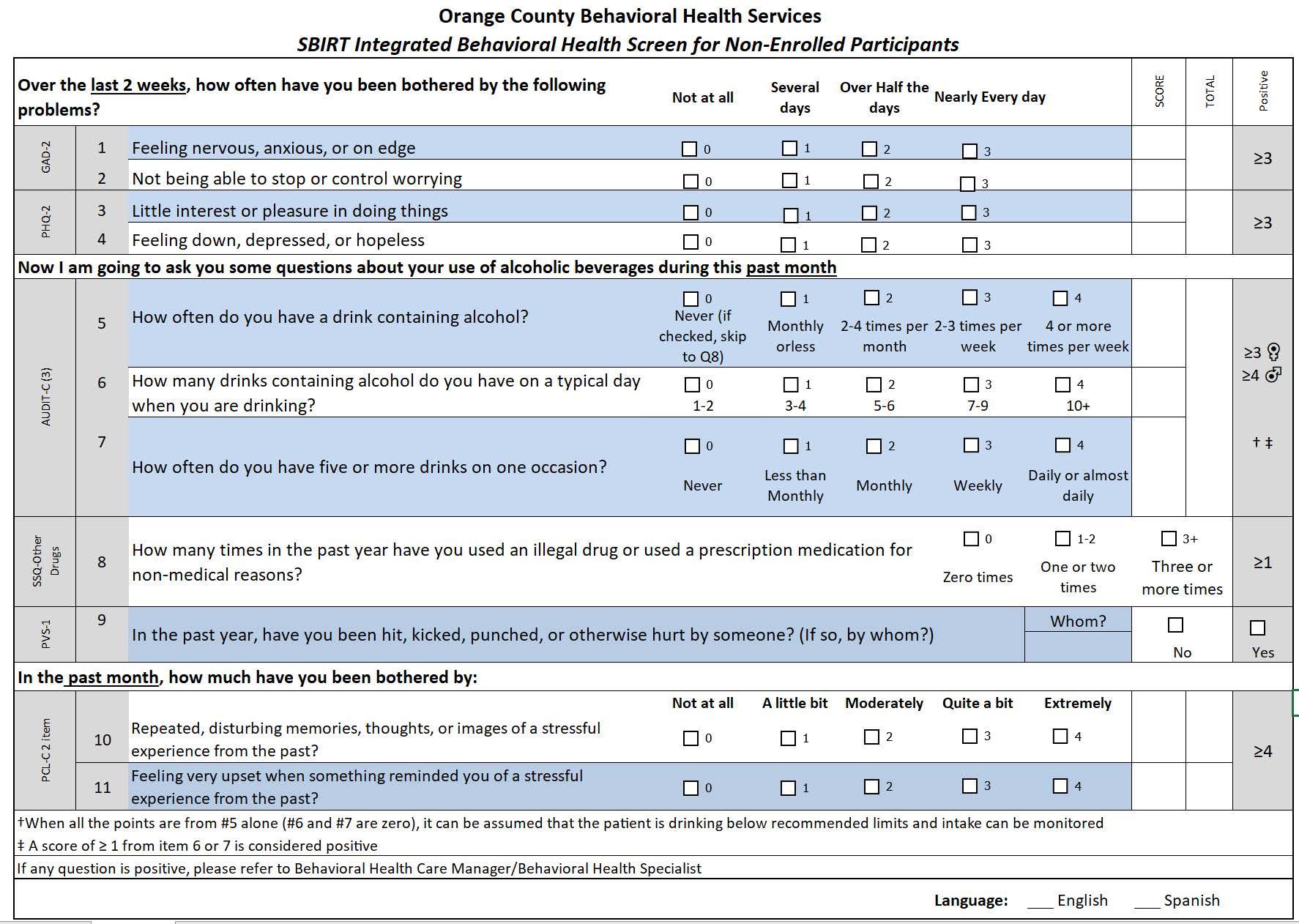
Below and through page 14 are some commonly used, evidence-based tools to screen for depression, anxiety, or both, some of which may already be included in your practice’s electronic medical record (EMR) Otherwise, patients may be able to complete surveys on a printed form or tablet, after which the score can be entered into the chart. Some practices may choose to screen all patients with an initial Patient Health Questionnaire (PHQ)-2 or PHQ-4 as part of the routine intake and follow up a positive score with the PHQ-9 or Edinburgh.
Over the last 2 weeks, how often have you been bothered by any of the following problems?
(Use “✔” to indicate your answer)
1. Little interest or pleasure in doing things
7. Trouble concentrating on things, such as reading the newspaper or watching television
8. Moving or speaking so slowly that other people could have noticed? Or the opposite — being so fidgety or restless that you have been moving around a lot more than usual
9. Thoughts
If you checked off any problems, how difficult have these problems made it for you to do your work, take care of things at home, or get along with other people?
Over the last 2 weeks, how often have you been bothered by the following problems?
(Use “✔” to indicate your answer”
If you checked off any problems, how difficult have these problems made it for you to do your work, take care of things at home, or get along with other people?
From the Primary Care Evaluation of Mental Disorders Patient Health Questionnaire (PRIME-MD PHQ). The PHQ was developed by Drs. Robert L. Spitzer, Janet B.W. Williams, Kurt Kroenke and colleagues. For research information, contact Dr. Spitzer at rls8@columbia.edu. PRIME-MD® is a
Pfizer Inc. All rights reserved. Reproduced with permission

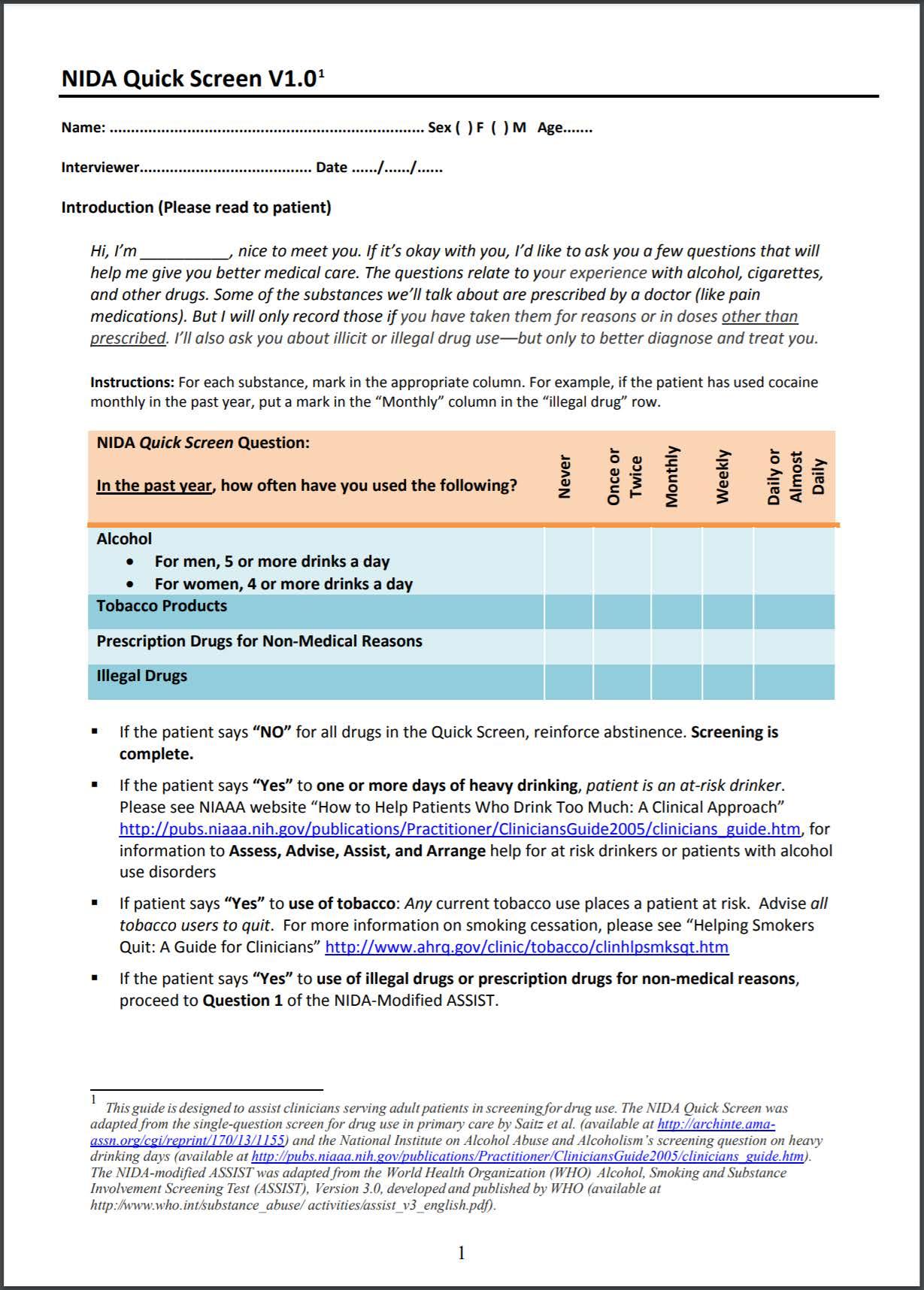
Pregnancy is an opportune time to screen and connect women to resources because of an increased motivation to change habits for the future well-being of their child Estimates of perinatal psychiatric and substance use comorbidity range from 57 to 91%, with the most common diagnoses being depression, anxiety, and post-traumatic stress disorder. For this reason, it is crucial to screen, at minimum, those with positive perinatal mood and anxiety disorder scores for substance use risk Referral and follow-up are warranted for any positive scores on any of the screening tools located on pages 18-25.
It is important to encourage women who may be reluctant to admit to substance use or to accept help. Reassure her that by enrolling in supportive services earlier, she can increase the likelihood of delivering a healthy baby and reduce the chance of having her infant removed.

The rate of prenatal substance abuse for Lake County– 96.9 per 1,000 hospitalizations of pregnant women –is ve times the state rate (19.9). #2
Lake County California
Babies exposed to drugs in utero are more likely to be stillborn and are more likely to experience developmental disorders, including impaired growth, birth defects, and altered brain development.
Percent of babies born to mothers addicted to opioids who develop withdrawal symptoms
According to an April 2018 article in the journal Pediatrics, average hospital costs were more than ve times as high for a baby in Medicaid with neonatal abstinence syndrome (NAS) then a baby without.
Across the United States, this study found, we paid $2 billion in excess costs from 2004-2014 for babies covered by Medicaid who had NAS.
The National Institute on Drug Abuse notes that every $1 invested in addiction treatment programs yields a return between $12-$16 in reduced drugrelated crime, criminal justice costs, theft and health care
12x-16x ROI
$1 invested in addiction treatment can yield a return on investment of between $12 to $16.
To be verbally administered by the clinician
Begin: “I’m going to ask you a few questions that I ask all my patients. Please be h onest. I will keep your answers confidential.”
During the PAST 12 MONTHS, on how many days did you:
1. Drink more than a few sips of beer, wine, or any drink containing alcohol? Say “0” if none.
2. Use any marijuana (cannabis, weed, oil, wax, or hash by smoking, vaping, dabbing, or in edibles) or “synthetic marijuana” (like “K2,” “Spice”)? Say “0” if none.
3. Use anything else to get high (like other illegal drugs, pills, prescription or over-the-counter medications, and things that you sniff, huff, vape, or inject)? Say “0” if none.
4. Use a vaping device* containing nicotine or flavors, or use any tobacco products†? Say “0” if none.
*Such as e-cigs, mods, pod devices like JUUL, disposable vapes like Puff Bar, vape pens, or e-hookahs. †Cigarettes, cigars, cigarillos, hookahs, chewing tobacco, snuff, snus, dissolvables, or nicotine pouches.
If the patient answered…
“0” for all questions in Part A “1” or more for Q. 1, 2, or 3 “1” or more for Q. 4
Ask 1st question only in Part B below, then STOP
Ask all 6 questions in Part B below
Ask all 10 questions in Part C on next page
Part B Circle one
C Have you ever ridden in a CAR driven by someone (including yourself) who was “high” or had been using alcohol or drugs? No Yes
R Do you ever use alcohol or drugs to RELAX, feel better about yourself, or fit in? No Yes
A Do you ever use alcohol or drugs while you are by yourself, or ALONE? No Yes
F Do you ever FORGET things you did while using alcohol or drugs? No Yes
F Do your FAMILY or FRIENDS ever tell you that you should cut down on your drinking or drug use? No Yes
T Have you ever gotten into TROUBLE while you were using alcohol or drugs? No Yes
Two or more YES answers in Part B suggests a serious problem that needs further assessment. See Page 3 for further instructions.
“The following questions ask about your use of any vaping devices containing nicotine and/or flavors, or use of any tobacco products.*” Circle one
1. Have you ever tried to QUIT using, but couldn’t? Yes No
2. Do you vape or use tobacco NOW because it is really hard to quit? Yes No
3. Have you ever felt like you were ADDICTED to vaping or tobacco? Yes No
4. Do you ever have strong CRAVINGS to vape or use tobacco? Yes No
5. Have you ever felt like you really NEEDED to vape or use tobacco?
6. Is it hard to keep from vaping or using tobacco in PLACES where you are not supposed to, like school?
7. When you HAVEN’T vaped or used tobacco in a while (or when you tried to stop using)…
Yes No
Yes No
a did you find it hard to CONCENTRATE because you couldn’t vape or use tobacco? Yes No
b. did you feel more IRRITABLE because you couldn’t vape or use tobacco? Yes No
c. did you feel a strong NEED or urge to vape or use tobacco? Yes No
d. did you feel NERVOUS, restless, or anxious because you couldn’t vape or use tobacco? Yes No
One or more YES answers in Part C suggests a serious problem with nicotine that needs further assessment. See Page 3 for further instructions.
*References: Wheeler, K. C., Fletcher, K. E., Wellman, R. J., & DiFranza, J. R. (2004). Screening adolescents for nicotine dependence: the Hooked On Nicotine Checklist. J Adolesc Health, 35(3), 225–230; McKelvey, K., Baiocchi, M., & Halpern-Felsher, B. (2018). Adolescents’ and Young Adults’ Use and Perceptions of Pod-Based Electronic Cigarettes. JAMA Network Open, 1(6), e183535.
NOTICE TO CLINIC STAFF AND MEDICAL RECORDS: The information on this page is protected by special federal confidentiality rules (42 CFR Part 2), which prohibit disclosure of this information unless authorized by specific written consent.
Probability of a DSM-5 Substance Use Disorder by CRAFFT score*


*Data source: Mitchell SG, Kelly SM, Gryczynski J, Myers CP, O’Grady KE, Kirk AS, & Schwartz RP. (2014). The CRAFFT cut-points and DSM-5 criteria for alcohol and other drugs: a reevaluation and reexamination. Substance Abuse, 35(4), 376 –80.

talking points for brief counseling.

screening results
“Can you tell me more about that?”

“As your doctor (nurse/health care provider), my recommendation is not to use any alcohol, nicotine, marijuana or other drug because they can: 1) Harm your developing brain; 2) Interfere with learning and memory, and 3) Put you in embarrassing or dangerous situations.”
sk counseling
“Motor vehicle crashes are the leading cause of death for young people. I give all my patients the Contract for Life. Please take it home and discuss it with your parents/guardians to create a plan for safe rides home.”
motivational statements
“If someone asked you why you don’t drink, vape, or use tobacco drugs, what would you say?” Users: “What would be some of the benefits of
"I believe you have what it takes to keep substance use from getting in the way of achieving your goals."
Available at www.crafft.org/contract © John R. Knight, MD, Boston Children’s Hospital, 2020. Reproduced with permission from the Center for Adolescent Behavioral Health Research (CABHRe), Boston Children’s Hospital. crafft@childrens.harvard.edu www.crafft.org
For more information and versions in other languages, see www.crafft.org.
Que deberá realizar el médico de forma oral
Comienzo: “Te voy a hacer algunas preguntas que les hago a todos los pacientes. Por favor responde sinceramente. Tus respuestas serán confidenciales”.
1. ¿Has bebido algo más que unos sorbos de cerveza, vino o alguna bebida con alcohol? Di “0” si la respuesta es ninguno.
2. ¿Has usado algún tipo de marihuana (cannabis, aceite, cera, para fumar, vaporizar, fumar dosis muy concentradas o “dabs” o en los alimentos) o “marihuana sintética” (como “K2”, “Spice”)? Di “0” si la respuesta es ninguno.
3. ¿Has usado algo más para drogarte (como otras drogas ilegales, medicamentos recetados o de venta libre, y cosas para inhalar, esnifar, vaporizar o inyectarse)? Di “0” si la respuesta es ninguno.
4. ¿Has usado un dispositivo vaporizador* que contiene nicotina o sabores, o algún producto de tabaco†? Di “0” si la respuesta es ninguno.
* Como cigarrillos electrónicos, “mods”, dispositivos “pod” como JUUL, vaporizadores descartables como Puff Bar, vaporizadores tipo bolígrafo o pipas de agua electrónicas.
† Pitillos, cigarros, cigarrillos, pipas, tabaco de mascar, tabaco rapé, “snus” o solubles.
Si el/la paciente respondió …
“0” en todas las preguntas de la Parte A “1” o más en las P. 1, 2, o 3 “1” o más en la P. 4
Solo hágale la primera pregunta de la Parte B a continuación y luego DETÉNGASE
Parte B
Hágale las 6 preguntas de la Parte B a continuación
Hágale las 10 preguntas de la Parte C en la siguiente página
Marca con un círculo
¿Alguna vez has viajado en un vehículo (CAR) conducido por alguien (incluido/a tú mismo/a) que estaba drogado o que había consumido alcohol o drogas?
¿Alguna vez consumes alcohol o drogas para relajarte (RELAX), sentirte mejor contigo mismo/a o integrarte en un grupo?
¿Alguna vez consumes alcohol o drogas cuando estás solo/a (ALONE) o sin compañía?
¿Alguna vez te olvidas (FORGET) de cosas que has hecho mientras consumías alcohol o drogas?
¿Tus familiares o amigos (FAMILY or FRIENDS) alguna vez te dicen que deberías disminuir el consumo de alcohol o drogas?
¿Alguna vez te has metido en problemas (TROUBLE) al consumir alcohol o drogas?
Dos o más respuestas afirmativas sugieren un problema grave con la que requiere continuar evaluando el caso. Para obtener más instrucciones consulte la página 3.
AVISO PARA EL PERSONAL DE LA CLÍNICA Y EXPEDIENTES MÉDICOS: La información consignada en esta página se encuentra protegida por normas federales especiales en materia de confidencialidad (Título 42 del Código de Reglamentos Federales [CFR], Parte 2), que prohíben su divulgación salvo que se autorice mediante consentimiento específico por escrito
“Las siguientes preguntas son sobre el uso de dispositivos vaporizadores que contienen nicotina o sabores, o sobre el uso de productos de tabaco .*”
Marca con un círculo
1. ¿Alguna vez has intentado DEJAR de consumir, pero no pudiste?
2. ¿ACTUALMENTE usas vaporizador o tabaco porque te resulta muy difícil dejar de consumir?
3. ¿Alguna vez has sentido que eres ADICTO/A al vaporizador o al tabaco?
4. ¿Alguna vez sientes muchas GANAS de usar vaporizador o tabaco?
5. ¿Alguna vez has sentido que realmente NECESITABAS usar vaporizador o tabaco?
6. ¿Te resulta difícil evitar usar vaporizador o tabaco en LUGARES donde supuestamente no debes hacerlo, como la escuela?
7 Cuando NO HAS USADO vaporizador o tabaco durante un tiempo (o cuando has intentado dejar de usarlo)…
a. ¿te resultó difícil CONCENTRARTE porque no podías usar vaporizador o tabaco?
Sí No
Sí No
Sí No
Sí No
Sí No
Sí No
Sí No
b. ¿te sentiste más IRRITABLE porque no podías usar vaporizador o tabaco? Sí No
c. ¿sentiste NECESIDAD o ganas intensas de usar vaporizador o tabaco? Sí No
d. ¿te sentiste NERVIOSO/A, inquieto/a o ansioso/a porque no podías usar vaporizador o tabaco?
Sí No
Una o más respuestas afirmativas en Parte C sugieren un problema grave con la nicotina que requiere continuar evaluando el caso. Para obtener más instrucciones consulte la página 3.
*Referencias:
Wheeler, K. C., Fletcher, K. E., Wellman, R. J., & DiFranza, J. R. (2004). Screening adolescents for nicotine dependence: the Hooked On Nicotine Checklist. J Adolesc Health, 35(3), 225–230; McKelvey, K., Baiocchi, M., & Halpern-Felsher, B. (2018). Adolescents’ and Young Adults’ Use and Perceptions of Pod-Based Electronic Cigarettes. JAMA Network Open, 1(6), e183535.
AVISO PARA EL PERSONAL DE LA CLÍNICA Y EXPEDIENTES MÉDICOS:
La información consignada en esta página se encuentra protegida por normas federales especiales en materia de confidencialidad (Título 42 del Código de Reglamentos Federales [CFR], Parte 2), que prohíben su divulgación salvo que se autorice mediante consentimiento específico por escrito.
Probabilidad de trastorno por consumo de sustancias según DSM-5 por puntaje de CRAFFT*
*Fuente de información: Mitchell SG, Kelly SM, Gryczynski J, Myers CP, O’Grady KE, Kirk AS, & Schwartz RP. (2014). The CRAFFT cut-points and DSM-5 criteria for alcohol and other drugs: a reevaluation and reexamination. Substance Abuse, 35(4), 376–80.
Utilice los temas de conversación de las 5 R para ofrecer consejos breves. los resultados del examen Por cada respuesta afirmativa (“sí”) “¿Puedes hablar un poco más sobre consumir
“Como médico (enfermero/proveedor de atención médica), te recomiendo no consumir nada de alcohol, nicotina, marihuana u otra droga, ya que eso podría: 1) Causar daño al cerebro en desarrollo; 2) Interferir con el aprendizaje y la memoria; y 3) Exponerte a situaciones vergonzosas o
sobre el riesgo de CONDUCIR/VIAJAR EN VEHÍCULO tránsito son la principal causa de muerte en personas Yo les entrego a todos mis pacientes el Contrato para la Vida. Llévatelo a casa y analízalo con tus padres/tutores para prever cómo puedes regresar a casa de forma segura”.
promover respuestas de motivación personal alguien te preguntara por qué no consumes alcohol, usas vaporizador o consumes tabaco o drogas, ¿qué le dirías?”.
“¿Cuáles serían algunos beneficios de no consumir?”. la autosuficiencia
Creo que tú podrías evitar que el consumo de sustancias se interponga en el camino de alcanzar tus metas”.
Entréguele al/a la paciente el Contrato para la Vida. Disponible en © John R. Knight, MD, Boston Children’s Hospital, 2020. Reproducción autorizada por el Center for Adolescent Behavioral Health Research (CABHRe), Boston Children’s Hospital. crafft@childrens.harvard.edu
Para obtener más información y versiones en otros idiomas, visite www.crafft.org
The following algorithm and referral guide will help direct practitioners to local resources available for at-risk clients as well as those with scores suggesting mild to severe symptoms.
ROUTINE VISIT:
Ask patient to complete Edinburgh Depression Scale (EPDS) or Patient Health Questionnaire (PHQ9)
Re-screen at next routine visit
or postpartum
RISK FACTORS INDICATING IMPORTANCE OF SCREENING
Currentorhistoryof
IntimatePartnerViolence
OF SCORE
Result EPDS Question #10 or PHQ9 Question #9 (Risk for self-harm or suicidal ideation
Educate on perinatal depression and treatment options & benefits Engage patient's family
Re-screen in 2-4 weeks
Stressful life events
Financial hardship Low social support NICU birth
Brestfeeding problems
Immediate danger to self or others?
Assess further for suicidality Implement Agency/Practice Guidelines Refer to emergency Services for psychiatric treatment
Affect, Coping, Social Support, Maternal-Infant Interactions, Depression/Anxiety Symptoms
Validated Depression Screening Tool: EPDS or PHQ9
Substance Abuse Screen: National Institute on Drug Abuse (NIDA) Quick Screen and NIDA-Modified Assist resources
See information on Lake County Services for Perinatal Mood and Anxiety Disorders (pages 26-31)
Provide referrals based on clinical judgment
TheAmericanCollegeofObstetriciansandGynecologistsrecommendsthatobstetrician-gynecologistsandotherobstetriccaseprovidersscreenpatientsatleastonceduringtheperinatalperiodfordepressionandanxiety symptomsusingastandardizedpostpartumvisitforeachpatient.Ifapatientisscreenedfordepressionandanxietyduringpregnancy,additionalscreeningshouldthenoccurduringthecomprehensivepostpartumvisit. Thiscarepathwaywasdesignedtoassisttheclinicianandisnotintendedtoreplacetheclinician'sjudgementorestablishaprotocolforallpatientswithaparticularcondition.Diagnosisandtreatmentshouldbeunderthe closesupervisionofaqualifiedheathprovider
Most mental health providers in the county are equipped to handle mild to moderate cases. When referring a patient to a provider, the patient must call and set up their first appointment on their own. Clinical staff is encouraged to provide the patient with all contact information and support necessary for the patient to successfully contact the referred providers. All providers listed have received training on PMADs and accept Partnership Health Plan of California*.
JACQULINE
SMYTHE, MFT
55 1st St. Suite 305 Lakeport, CA 95453
(707) 349-2586
BETTY STRACH, MFT 55 1st St. Suite D39 Lakeport, CA 95453
(707) 263-3670
Partnership, Magellan, Regional Center EAP's
GAIL DYNE, MFT
149 N. Main St, Suite 200, Lakeport, CA 95453 (707) 245-8324
MARY MICHE, MFT
200 N. Main St., Lakeport, CA 95453 (510) 845-8417
ERIN DAILEY, PSYD
149 N Main St, Suite 200 Lakeport, CA 95453
(510) 306-6410
Accepting new patients
Partnership, Sutter select & EAP, Optum EAP, united health care, Compsych, Aetna Virtual appointments available
Partnership, Blue Shield & cross, united health, Sutter select, EAPCounty employees Accepting some new patients
Partnership, EAP with school district & hospitals Will not accept Blue Shield/Cross
Partnership, Blue Cross, Blue Shield, Medi-Care, + Spanish speaking, accepting new patients, & offering virtual appointments
Adventist Health, Tribal Health, and Sutter Health offer a variety of support to expectant and new parents. All three offer Safe Sleep classes in the third trimester, which include education on prevention and early identification of Perinatal Mood & Anxiety Disorders

Bright Start Program 15630 18th Ave. Clearlake 707-995-4500

Smart Start Family Resource Navigator Program 5176 Hill Rd East, Lakeport 707-262-5000
180 N Main St, Lakeport
www.mother-wise.org (707) 349-1210
Mother-Wise offers in-person Moms’ Groups in Lakeport to help mothers meet new friends, learn about topics relevant to the first year of motherhood, ask questions and voice concerns, and in the process - build an effective network of support close to home. Babies and older children up to age five are welcome to attend with their mothers.
Mother-Wise also offers a virtual Village experience on Facebook. Mother-Wise The Village is a private Group with 1,700+ members who are all Lake County mothers. Members of the group can post questions, trade resources (clothing, swings, high chairs, etc.) and meet other mothers. No buying/selling takes place in The Village

South Shore: 7000-B South Center Dr, Clearlake; (707) 994-7090
North Shore: 6302 Thirteenth Ave, Lucerne; (707) 274-9101
LCBHS provides services to all of the Lake County population. All people are provided screening and assessment from LCBHS, however, mild-moderate cases will be referred to local counseling resources and severe cases will be seen by LCBHS staff. If a client needs support LCBHS will refer to local programs that fit the needs of the client. If the client is unable to be accommodated by local resources LCBHS is obligated to secure a spot for the client with a contracted partner outside of county limits LCBHS also hosts many peer and support groups listed below and on the next page.
154 S. Main Street, Lakeport, CA (707) 994-5486
https://www.facebook.com/redwoodcommunityservices/pos ts/the-harbor-on-main-youth-resource-centerlocated-at150-south-main-st-lakeport-ca/2565162686849699/
The Harbor hosts groups and classes for all youth age 15-24 at their Lakeport location. The Harbor provides youth access to a multitude of FREE resources and activities including Budget Baking, Wi-Fi and Computer access, Hygiene Supplies, Clothing, Bus Passes, Free food including Thursday Night Dinners, Employment Support, Take a Bite Out of Hunger.
845 Bevins St. Lakeport, CA (707) 263-4880
https://www facebook com/groups/240254363712417
The center offers outreach and engagement for the local tribal community, training for suicide prevention, several monthly talking circles, and traditional workshops and training. The staff at the center provide a welcoming culturally sensitive environment, allowing community members an opportunity to connect with their elders and begin the road to recovery.
La Esperanza Centro Latino
14585 Olympic Dr. #B Clearlake, CA (707) 994-4261
https://www facebook com/groups/1396092077257623
The center offers resources to the Latino community to improve their overall health by breaking the language barrier that often prevents people from seeking help and making referrals for mental health services when appropriate. The center offers English classes, Latina support groups, mental health support groups, and youth groups.
Center
The center offers resources to support one's overall well-being. This includes support groups for parents, grandparents raising grandchildren, young adults, and those in all walks of life. 21389 Stewart Street, Suite E, Middletown, CA (707) 987-9601
https://www facebook com/groups/714929989069101

LCTH: Human Services
925 Bevins Court, Lakeport
(707) 263-8382

631 s. Orchard Ave, Ukiah
(707) 467-2010
redwoodcommunityservices.org
NEST: Nurturing Edu & Skills Training:
Nurturing Education and Skills Training is a 15-month supportive housing program for young parents (18-24 years old) with children aged 0-5. The program teaches families life skills, positive parenting techniques, and builds confidence.
LCTHC.org
LCTHCprovidesculturallyrelevantcomprehensive servicesincludingtheincorporationoftraditional practices,adultandfamilybehavioralhealth counselingandsupport,children’streatment services,andtheComprehensivePerinatalServices Program(CPSP).UndertheCPSPprogram,all perinatalpatientshaveaccesstoahealtheducator, lactationspecialist,nutritionist,andbehavioral healthcounselors.LCTHCalsohoststhefollowing classes:
Women’s Wellness Class: Every Thursday from 5:308:30 pm, x1303
Pre-Natal Support & Counseling: Every Wednesday from 11 am-1 pm x1303
Tribal Home Visiting Program: Home visiting services for parents/caregivers with children 0-5 years old. x1302
Fatherhood is Sacred Men's Group: Every Monday 12 pm-1 pm x1305*
Early Parent & Child Development Center: Ages 2.5-5 years old, help prepare their child for public school kindergarten Every Tuesday, Wednesday, & Thursday from 10:30 am-2:30 pm x1303*
Motherhood is Sacred Women's Group: Every Tuesday 12 pm-1 pm x1306*
*Programs at Parent/Child Development Center at 1950 Parallel Dr , Lakeport
Lake County Behavioral Health Services
South Shore: 7000-B South Center Dr, Clearlake; (707) 994-7090
North Shore: 6302 Thirteenth Ave, Lucerne; (707) 274-9101
LCBHS has Substance Use Disorder counselors in both the Clearlake and Lucerne offices and also has staff members available in both locations for individuals in need of immediate assistance. All people are provided screening and assessment from LCBHS, however, mildmoderate cases may be referred to local resources The staff works closely with programs in the county and funds the program listed below.
13340 East Hwy, Suite O, Clearlake Oaks (707) 988-0310
https://www.facebook.com/groups/938910926623898
Serves as a center of learning and selfimprovement by providing support to allow personal growth, connect individuals to mental health resources, and offering a unique perspective to recovery through Peer support. Staff teaches useful daily skills, educate on substance abuse, and offer support and faith in the individual’s ability to recover.
631 s. Orchard Ave, Ukiah
(707) 467-2010
redwoodcommunityservices.org
Eight-bed family-centered treatment residential program that treats substance use disorder for the perinatal population. Women can bring their children under age 12 to live with them during their time spent at the Tule House. (Upper Lake, CA- 707-275-8776)
H.O.M.E. SLE (Sober Living Environment): Healthy Opportunities for Mothering Experiences (H.O.M.E.) Sober Living Environment (SLE) for mothers (<18 years) who are homeless or at risk of homelessness and want to live in a substance-free home with their children (<17 years).
925 Bevins Court, Lakeport
(707) 263-8382 x1309
LCTHC.org
LCTHC provides a variety of alcohol and other drug recovery services including relapse prevention, treatment planning, wellness participation options, and after-care services for patients who are seeking wellness through recovery. LCTHC provides personalized counseling, assessments, treatment activities, talking circles and clinical process groups.
Behavioral Health Services
15230 Lakeshore Dr., Suite 102, Clearlake
(886) 202-2016
Offers treatment for substance use, depression and anxiety, grief and loss, family and couples counseling, PTSD, and more. Their team of professionals at Live Well outpatient facility includes psychiatrists, psychologists, LCSW, FNP-BC, and PMHNP. The facility is connected with Adventist Health Vallejo for children, adolescents, and adult inpatient treatment, adult partial hospitalization, and intensive outpatient care.

420 2nd St, Lakeport
Provides support to victims of crime through all aspects of the criminal justice system and in appropriate civil matters such as domestic violence and elder/dependent adult abuse restraining orders. Acts as the victim's liaison to law enforcement and the prosecutor (707) 262-4282

(707) 279-0563
lakefrc.org
Lake FRC Early Head Start is a federally funded program that provides many services and resources to low-income families with children ages 0-3 and expectant mothers. The comprehensive child development program includes prenatal education, links to birthing classes, parent involvement activities, parent leadership opportunities, comprehensive family services that can often be provided as inhome services.
Rape Crisis Center
Assistance for sexual assault survivors both recent and past through counseling, therapeutic services, hospital, and court accompaniment, advocacy, restraining order assistance, temporary emergency shelter.
CHAT- Child Abuse Treatment Center
This program helps children under the age of 18 who have experienced trauma in their life such as abuse, neglect, bullying, or being victimized by crime. Services include assisting abused children in healing from their trauma, strength-based models, assistance with crime victim compensation and court preparation and criminal proceedings, information and referrals, and case management.
This organization offers an in-depth Perinatal Mental Health Certification Training for continuing education credits that discusses assessment, evidence-based psychotherapy and pharmacology, PSI cultural consideration, the impact on fathers, and resources for families and communities https://www.postpartum.net/professionals/certificate-trainings/
Earn CME credits for taking these brief, self-paced professional 1-2 hour courses on screening and counseling patients struggling with mental health https://www.maternalmentalhealthnow.org/providers/ #online-training
This is a free recording of the symposium that discusses first-hand experiences of two mothers with perinatal anxiety and psychosis and an overview of PMADs and treatment by a reproductive psychiatrist.
https://www.youtube.com/watch?v=E-GEf8R6s2U
This portal is open to physicians in Lake County for free and offers providers support through consults with psychiatrists, training and education, and other resources. Physicians have the option to be enrolled and complete an orientation to have access to the Child Psychiatry consultations.
https://capp.ucsf.edu/
Call the number or complete the form online to schedule an appointment within 24 hours for a consult with a reproductive psychiatrist regarding a perinatal patient.
Phone #: 1-877-499-4773
https://www.postpartum.net/professionals/certificate-trainings/
Offers trainings, toolkits, implementation guides, and other resources for obstetric and other clinicians working to integrate perinatal mental health care into their practice.
Phone #: 508-856-8455
Email: Lifeline4Moms@umassmed.edu
https://www.umassmed.edu/lifeline4moms/

Free monthly virtual consultation groups facilitated by licensed clinical training faculty provide opportunities for additional learning, clinical insight, and troubleshooting for complex cases.
https://www.maternalmentalhealthnow.org/providers/#consultation -group

While it is rare for a mom experiencing PMADs to put herself or her family in severe danger, it can happen, especially in the rare case of Perinatal Psychosis. As a healthcare professional, if abuse, neglect, or maltreatment is suspected, it is required by law that a report be made immediately to Child Welfare Services. After the report has been received by Child Welfare Services, the agency investigates the allegations and meets with the family to ensure that the proper help is offered and received by the family members.
WARNING SIGNS OF ABUSE & NEGLECT:
Frequent injuries, bruising, welts, or cuts often with patterns- finger marks, belts, etc.
The child is always on alert
Shy to touch, often flinches at sudden movements
Wears inappropriate clothes as a means to hide injuries, like long-sleeved shirts on hot days
Dirty, inappropriate for the weather, ill-fitting clothes
Frequent poor hygiene
Left unsupervised frequently or is allowed in unsafe environments
Untreated illnesses or injuries

Referral Date:_________ PCP Name:___________________________________ PCP Phone #:
Referring Provider:
Member Name:

Member ID #: DOB: _______
Member’s Preferred Language:___ Member Phone #:___________________________(home)
☐ Please check to confirm member eligibility was verified (cell)
TO RECEIVE A CONFIRMATION OF THIS REFERRAL’S OUTCOME, PLEASE CHECK THE BOX BELOW NOTING YOUR PREFERRED METHOD AND CONTACT DETAILS.
☐ Email Address:
☐ FAX Number:
Requested Referral (please use separate forms for multiple referrals)
☐ PCP Decision Support: Request a phone call (curbside consult) with a Beacon psychiatrist for member diagnostic or prescribing support **Include med list and 2 PCP progress notes for psychiatrist review before phone call
Please note preferred date/time for consult:_____________ _(date)________ _______(time)
Best phone number to directly call PCP:____________________
Fax form to: 866.422.3413 OR secure email: medi-cal.referral@beaconhealthoptions.com
☐ Outpatient Behavioral Health Services: Refer members interested in therapy or medication management via Beacon’s network when needs are outside PCP scope. Beacon coordinates with county mental health.
Fax form to: 866.422.3413 OR secure email: medi-cal.referral@beaconhealthoptions.com
☐ Referral for Local Care Management: Local behavioral health care coordination services to help link members to mental health providers, support their transition between levels of care, or engage members with history of noncompliance and link them to community support services.
** For exchange of information include signed member Consent to Release Information Fax: 855-371-2279 OR email: MediCal_PHP@beaconhealthoptions.com
Request Reason (check all that apply):
Symptoms:
☐Depression/Anxiety
☐Poor self-care due to mental health
☐Psychosis (auditory/visual hallucinations, delusional)
☐PTSD/Trauma
☐Violence/Aggressive Behavior
☐Substance use type: __________________________
☐Abuse/CPS
☐Suicidal Ideation
☐Homicidal Ideation
☐Chronic Pain
☐Other BH symptoms: ________________________________________________________________________
Impairments:
☐Difficult/Unable to complete ADLs
☐Difficult/Unable to go to work/school
☐Other:
☐Difficulties maintaining relationships
☐Legal/CPS
Medications (list below or send medication list with this form):
ReferralInformation:
ReferringAgency:__________________________________ ContactPerson/#:________________________
Mom’sName:_____________________________________________ Age/DOB:______________________
Town/City:__________________________ Phone:______________________ Okaytoleavemessage?Y/N
Ethnicity:_________________________________ PrimaryLanguage:_______________________________
EstimatedDueDate(IfPregnant):_______________ DeliveryDate:____________ EdinburghScore:______
TypeofDelivery?________________________
Pregnancy/DeliveryComplications:_____________________
PurposeofReferral:
☐ GeneralProgramInformation
☐ DiagnosedwithMaternal
☐ MomsGroup(ComingJuly2021) MentalHealthComplication(s)
☐ SpanishSpeakingMomsGroup(ComingJuly2021)
☐ Mom-to-MomClosetRequest
☐ TheVillageFacebookGroup ☐ Needs: ____________________________
☐ HistoryofMood/AnxietyDisorder
AnyAdditionalInformationRegardingMom’sCurrent Situation&NeedforReferral:
Providers of well-child and episodic care for infants may submit claims for a maternal depression screening up to four times during the infant’s first year of life. Bright Futures recommends screening for maternal depression at the infant’s one-month, two-month, fourmonth and six-month visits, with referral to the appropriate provider for further care if indicated. Screens that are positive for depression must be billed using HCPCS code G8431 and modifier HD. Screens that are negative for depression must be billed using HCPCS code G8510 and modifier HD. When a postpartum depression screening is provided at the infant’s medical visit, the screening must be billed using the infant’s Medi-Cal ID The only exception to this policy is that the mother’s Medi-Cal ID may be used during the first two months of life if the infant’s Medi-Cal eligibility has not yet been established Records for maternal depression screenings must be maintained in a separate medical record to document the mother’s screening results and any recommendations/referrals that were given The American Academy of Pediatrics and the Centers for Medicare & Medicaid Services recommend that treatment of postpartum depression include a parenting component.

Medi-CalUpdate:PsychologicalServices
Depression Screenings for Select Recipients Are Now Reimbursable. Effective for dates of service on or after December 1, 2018, depression screening is reimbursable under Medi-Cal as an
outpatient service. Screening should be implemented with adequate systems in place to ensure accurate diagnosis, effective treatment options including referral to mental health specialists, and appropriate follow-up.
The chart below lists procedure codes that must be used when billing for depression screening:
Recipient
Pregnant or Postpartum G8431 modifier HD G8510 modifier HD
Modifier 95 must be used for Medi-Cal covered benefits or services delivered via synchronous telecommunications systems. Only the portion(s) of the telehealth service rendered at the distant site is billed with modifier 95. The use of modifier 95 does not alter reimbursement for the CPT or HCPCS code.
Medi-Cal requires the use of a validated depression screening tool such as PHQ-9, Edinburgh, or the Beck Depression Inventory.
Providers of prenatal care and postpartum care may submit claims twice per year per pregnant or postpartum recipient: once when the recipient is pregnant and once when she is postpartum Screens that are positive for depression must be billed using HCPCS code G8431 (screening for depression is documented as being positive and a follow-up plan is documented) and modifier HD. Screens that are negative for depression must be billed using HCPCS code G8510 (screening for depression is documented as negative, a follow-up plan is not required) and modifier HD.

If a physician is providing the global obstetrical service (and reporting a global code), the payer may consider screening for depression as part of the global service and not reimburse additionally for the service. This is particularly true if the physician screens every patient for depression as routine. However, some payers may reimburse for this service. Physicians should check with their specific payers.
If the patient has signs and/or symptoms of depression (reported with an appropriate diagnosis code), then those services are reported separately from the global service and may potentially be reimbursed.
Mental, behavioral and neurodevelopmental disorder codes are found in Chapter 5, Mental, Behavioral, and Neurodevelopmental Disorders, code block, (F01-F99), of ICD-10-CM. Note that many payers will only reimburse a psychiatrist or psychologist for services linked to a diagnosis in the mental disorders chapter.
The possible ICD-10-CM diagnosis codes are as follows:
F05 Delirium due to known physiological condition
F30.-- Manic episode
F34.1 Dysthymic disorder
F32.9 Major depressive disorder, single episode, unspecified
Other diagnoses that may be reported may be found in the signs and symptoms and nervous system chapters. Symptoms, Signs and Abnormal Clinical and Laboratory Findings, Not Elsewhere Classified, code block, (R00-R99), are found in Chapter 18 of ICD-10-CM. Sleep disorders are found in Chapter 6, Diseases of the Nervous System, code block, (G00-G99), sub code section, G40-G47: Episodic and paroxysmal disorders.
Additional possible ICD-10-CM codes are as follows:
G47.9 Sleep disorder, unspecified
R53.81 Other malaise
R53.83 Other fatigue
R45.- Symptoms and signs involving emotional state
The correct Evaluation and Management (E/M) code will depend on whether the encounter was for screening or treatment of depression.
If the encounter was for screening for a patient without symptoms, report a preventive medicine code. These codes are selected according to the time spent in face-to-face counseling with the patient. Whether or not these codes will be reimbursed by the payer will vary. Possible procedure codes are:
99401-99404
Preventive medicine, individual counseling
99411-99412 Preventive medicine, group counseling
If the encounter was for treatment for a patient with a diagnosis of depression or documented symptoms of depression, report an office or other outpatient E/M code. These codes list a “typical time” in the code descriptions. Time spent face to face
Coding for Perinatal Depression (Revised February 6, 2017)
counseling the patient must be documented in the medical record. The record must document that either all of the encounter or more than 50% of the total time was spent counseling the patient. Possible procedure codes are:
99201-99205
99211-99215
New patient, office or other outpatient visit
Established patient, office or other outpatient visit
Coding for Perinatal Depression (Revised February 6, 2017)

Providers play a key role in normalizing discussions on mental health. We recommend routinely offering information on perinatal mental health to all clients in the same way that other health practices, such as diet and exercise, are discussed This page contains proven resources that can benefit both providers and parents. The "Educational Materials" section of this toolkit, page 43, contains printable handouts on perinatal mental health and local resources for new parents and families. Make it part of your practice to normalize discussion about mental health with all caregivers, not just mothers. We encourage you to print and hand out the multi-lingual written materials to all expecting and new parents.

www.postpartum.net
www.maternalmentalhealthnow.org
www.womensmentalhealth.org
Free web-based app that helps expecting or new moms and their support systems become informed about perinatal depression and anxiety and prepare to successfully manage these conditions if needed.
https://mycare.mmhnow.org/
This can be used as a stand-alone education and self-care tool, or to supplement professional mental health care. The user is able to save their favorite coping tools, track their mental health over time, and set reminders to track progress towards their customized goals.
www ptsd va gov/appvid/mobile/COVID coach app asp
Infant Risk Center: www.infantrisk.com
LactMed Drugs and Lactation Database: www.ncbi.nlm.nih.gov/books/NBK501922/

Lake County Behavioral Health Services
Clearlake: 707-994-7090 Lucerne: 707-274-9101
24-Hour Hotline: 1-800-900-2075
Lake Family Resource Center: Hotline 888-485-7733
During times of crisis, parents need access to immediate resources. Sharing resources that can help meet their immediate needs can help prevent and reduce the impact of depression or anxiety on themselves and their children North Bay Suicide Prevention Hotline 885-587-6373