

MAROONDAH





By Joe Lam










COLUMNIST CONTRIBUTORS

|














COPYWRITER / ACRREDITED EDITOR
Are you our next Copywriter? ?


Are you our next Wedding Planner? ? ? ?
Are you our next Life Coach?
WEDDING PLANNER
Are you our next Architectural Interior Design?


BOOKKEEPING
Are you our next Bookkeeper? ?
Fitness Trainer
Are you our next Fitness Trainer? ?
CLUB SPONSORS



joanna srtybosch erryn langley
ETHAN STRYBOSCH
JODIE MOORE
DEAN BOSMAN
About the Find Maroondah
By Warren Strybosch
The Find Maroondah is a community paper that aims to support all things Maroondah. We want to provide a place where all Not-For-Profits (NFP), schools, sporting groups and other like organisations can share their news in one place. For instance, submitting up-andcoming events in the Find Maroondah for Free.
We do not proclaim to be another newspaper and we will not be aiming to compete with other news outlets. You can obtain your news from other sources. We feel you get enough of this already. We will keep our news topics to a minimum and only provide what we feel is most relevant topics to you each month.
We invite local council and the current council members to participate by submitting information each month so as to keep us informed of any changes that may be of relevance to us, their local constituents.

We will also try and showcase different organisations throughout the year so you, the reader, can learn more about what is on offer in your local area.
To help support the paper, we invite local business owners to sponsor the paper and in return we will provide exclusive advertising and opportunities to submit articles about their businesses. As a community we encourage you to support these businesses/columnists. Without their support, we would not be able to provide this community paper to you.
Lastly, we want to ask you, the local community, to support the fundraising initiatives that we will be developing

The

and rolling out over the coming years. Our aim is to help as many NFP and other like organisations to raise much needed funds to help them to keep operating. Our fundraising initiatives will never simply ask for money from you. We will also aim to provide something of worth to you before you part with your hard-earned money. The first initiative is the Find Cards and Find Coupons – similar to the Entertainment Book but cheaper and more localised. Any NFP and similar organisations e.g., schools, sporting clubs, can participate.
Follow us on facebook (https://www. facebook.com/findmaroondah) so you keep up to date with what we are doing.
We value your support,
The Find Maroondah Team.
Maroondah
EDITORIAL ENQUIRES: Warren Strybosch | 1300 88 38 30 editor@findmaroondah.com.au
PUBLISHER: Issuu Pty Ltd
POSTAL ADDRESS: 248 Wonga Road, Warranwood VIC 3134
ADVERTISING AND ACCOUNTS: editor@findmaroondah.com.au
GENERAL ENQUIRIES: 1300 88 38 30
EMAIL SUPPORT: editor@findmaroondah.com.au
WEBSITE: www.findmaroondah.com.au
OUR NEWSPAPER
The Find Maroondah was established in 2019 and is owned by the Find Foundation, a Not-For-Profit organisation with a core focus of helping other Not-For-Profits, schools, clubs and other similar organisations in the local community - to bring everyone together in one place and to support each other. We provide the above organisations FREE advertising in the community paper to promote themselves as well as to make the community more aware of the services these organisations can offer. The Find Maroondah has a strong editorial focus and is supported via local grants and financed predominantly by local business owners.
ALL THINGS MAROONDAH
The City of Maroondah is a local government area in Victoria, Australia, in the eastern suburbs of Melbourne. Maroondah had a population of approximately 118,000 as of the 2019 report, comprising 9,000 businesses and nearly 46,000 households. The City of Maroondah was created through the amalgamation of the former cities of Ringwood and Croydon in December 1994.
ACKNOWLEDGEMENT
The Find Maroondah acknowledge the Traditional Owners of the lands where Maroondah now stands, the Wurundjeri people of the Kulin nation, and pays respect to their Elders - past, present and emerging - and acknowledges the important role Aboriginal and Torres Strait Islander people continue to play within our community.
DISCLAIMER
Readers are advised that the Find Maroondah accepts no responsibility for financial, health or other claims published in advertising or
EOFY 2025-2026: Why Victorians Should Prepare Early This Financial Year
By Joe Lam
As the End of the Financial Year (EOFY) approaches, workers, families, sole traders, and businesses across Victoria are preparing for tax time. With the Australian financial year ending on 30 June 2026, early preparation is more important than ever. This year brings significant reforms from the Australian Taxation Office (ATO) and new cost of living measures in Victoria, making it crucial to stay organised and informed.
National
Reforms Taking Effect in FY2026–27
Payday Super
From 1 July 2026, employers must pay superannuation contributions at the same time as wages, rather than quarterly. Payments must reach the employee’s super fund within seven business days. Late payments will trigger the Superannuation Guarantee Charge (SGC), now calculated daily with stricter penalties. Payroll systems must be updated to handle Qualifying Earnings (QE) reporting via Single Touch Payroll (STP) at each pay event.
Paid Parental Leave Expansion
The government funded Paid Parental Leave scheme will extend to 26 weeks from 1 July 2026, paid at the National Minimum Wage. This applies to births and adoptions from that date, giving families greater flexibility and support.
Tax Cuts
From 1 July 2026, the personal income tax rate of 16% drops to 15%, with a further cut to 14% scheduled for 2027. Updated PAYG withholding tables will apply, and thresholds for the Seniors and Pensioners Tax Offset (SAPTO) will adjust accordingly.
Wages and Superannuation
The Fair Work Commission’s Annual Wage Review will set new National Minimum Wage and award rates effective from the first full pay period after 1 July 2026. The Superannuation Guarantee rate remains at 12%, but employers must ensure contracts correctly reflect whether super is inclusive or exclusive of base pay.
Business Support
Small businesses will benefit from the $20,000 instant asset write off and loss carry back provisions, helping improve cash flow and resilience in the new financial year.
Small businesses will benefit from the $20,000 instant asset write off and loss carry back provisions, helping improve cash flow and resilience in the new financial year.
Victorian State Budget 2026–27 Highlights
The Victorian Government has announced several initiatives to ease financial pressure and strengthen services:
• Cost of Living Relief: Free public transport until May 2026, half price fares until year end, and 20% off car registration.

• Health & Education: $1 billion allocated to hospital operations and $718.9 million for schools and early childhood services, alongside major infrastructure upgrades.
• Housing & Community: Nearly $500 million directed to housing and community services.
• Jobs & Skills: $353.9 million to support employment, training, and industry programs.
Why Early Preparation Matters
Getting organised before June can make a significant difference. Experts recommend:
• Gathering receipts, invoices, and BAS records early.
• Reviewing deductions carefully for workers.
• Monitoring cash flow and super contributions for sole traders and business owners.
• Updating payroll systems to comply with Payday Super and STP changes.
• Budgeting for tax obligations to avoid late payment interest or unnecessary debt.
Reliable accounting software can reduce reporting errors, while consulting a registered tax agent ensures deductions are maximised and compliance is maintained.
Final Takeaway
EOFY 2026 marks one of the most significant compliance shifts in decades. With Payday Super, extended Paid Parental Leave, tax cuts, and Victorian cost of living relief all taking effect, preparation is key. By acting now—updating payroll, budgeting for tax changes, and leveraging new schemes— Victorians can avoid penalties and enter FY2026–27 with confidence.
Don’t wait until the last minute. Start organising your finances today, seek expert advice, and take advantage of new reforms before the EOFY rush begins.


DOWNSIZING YOUR HOME? WHAT YOU NEED
TO KNOW ABOUT THE SUPERANNUATION OPPORTUNITY
Understanding the Proposed Capital Gains Tax and Negative Gearing Changes

ACCOUNTANT
Warren Strybosch
The Federal Government has introduced proposed tax law changes through the Treasury Laws Amendment (Tax Reform No. 1) Bill 2026. These reforms mainly affect capital gains tax (CGT) and negative gearing rules for investment properties.
If passed, many of these changes will start from 1 July 2027.
Below we hope to help explain the proposed changes in simple terms and provide an example to help investors understand how the reforms may work in practice.
Capital Gains Tax (CGT) Changes
What is Capital Gains Tax?
Capital gains tax applies when an asset such as an investment property, shares, or other investments is sold for more than it originally cost.
Currently, individuals and trusts that hold an asset for more than 12 months generally receive a 50% CGT discount. This means only half of the profit is taxed.
What is changing?
From 1 July 2027, the Government proposes to remove the standard 50% CGT discount for most assets and replace it with a system called “cost base indexation”.
Cost base indexation increases the original purchase price of an asset to account for inflation. This means tax is only paid on the “real” gain above inflation.
The Government also proposes a minimum 30% tax on capital gains for many taxpayers. This is designed to reduce the benefit of delaying the sale of assets until retirement or lower-income years.
How will the new rules apply?
The changes are proposed to apply to:
• Assets bought before or after 1 July 2027
• Capital gains that arise after 1 July 2027
• Pre-1985 assets, but only for gains that occur after 1 July 2027
Importantly, gains accumulated before 1 July 2027 may still qualify for the current rules and concessions.
The small business CGT concessions are not changing.
Special treatment for housing
To encourage investment in housing supply:
• Investors in new residential properties may choose between the existing 50% discount or the new indexed method.
• Affordable housing investors may still access discounts of up to 60%.
Example of the Proposed CGT Changes
Sarah purchased an investment property in Melbourne in 2018 for $600,000.
By July 2027, the property is worth $850,000. Sarah later sells the property in 2030 for $950,000.
Under the current rules, Sarah may have been able to apply the 50% CGT discount to the full capital gain.
Under the proposed rules, the gain up to 1 July 2027 may still receive the old treatment, while the growth after 1 July 2027 may instead use indexed cost base calculations.
For example, if inflation increased the indexed cost base from $850,000 to $900,000 between 2027 and 2030, Sarah may only pay tax on the $50,000 increase above inflation rather than the full $100,000 growth during that period.
However, the proposed minimum 30% tax rate may still apply to the taxable gain.
This means the calculations may become more complex and professional advice may become increasingly important.
Negative Gearing Changes
What is negative gearing?
Negative gearing occurs when the costs of owning an investment property — such as loan interest, maintenance, rates, and depreciation — are greater than the rental income received.
Currently, many investors can use these losses to reduce tax on their salary or other income.
What is changing?
Under the proposed reforms, losses from residential investment properties will generally no longer be able to reduce salary or other unrelated income.
Instead, these losses will be “quarantined”. This means the losses can only be used against:
• Future rental income from residential properties
• Future profits from selling residential properties
Who is exempt?
The proposed quarantining rules will not apply to:
• Newly built residential properties
• Properties purchased before 12 May 2026
• Certain businesses or activities determined by the Government
• Superannuation funds and some large trusts
This appears designed to encourage investment in new housing while reducing tax benefits for existing residential properties.
Example of Negative Gearing Changes
John owns an investment property that earns $25,000 in rent each year. His expenses, including loan interest and maintenance, total $35,000.
This creates a $10,000 rental loss. Under the current rules, John may reduce his taxable salary income by $10,000, lowering his overall tax bill.
Under the proposed rules, if the property was purchased after 12 May 2026 and is not a new build, John may no longer be able to offset this loss against his salary.
Instead, the $10,000 loss would be carried forward and used against future rental profits or future capital gains from property sales.
Final Thoughts
These proposed reforms represent one of the largest changes to investment taxation in decades. While the Government argues the changes will improve housing affordability and fairness in the tax system, investors may face more complicated tax calculations and reduced after-tax investment returns.
Importantly, these measures are still proposed legislation and may change as they move through Parliament.
Anyone with investment properties, shares, trusts, or long-term investment plans should consider seeking professional financial and tax advice before making decisions based on the proposed reforms.
The Power of Volunteering
For more than 30 years, Candlebark Community Nursery has been powered by volunteers. Today, over 125 people generously give their time, knowledge, energy and care to help protect and restore our natural environment, increase biodiversity, and support the ongoing growth of the nursery.
We often hear about the benefits of volunteering: stronger communities, improved well-being, reduced isolation, and greater connection and purpose. At Candlebark, we see these benefits come to life every day.
During National Volunteer Week (18–24 May 2026), we celebrated the incredible people who make Candlebark possible. From long-standing volunteers to those just beginning their journey, every contribution matters.
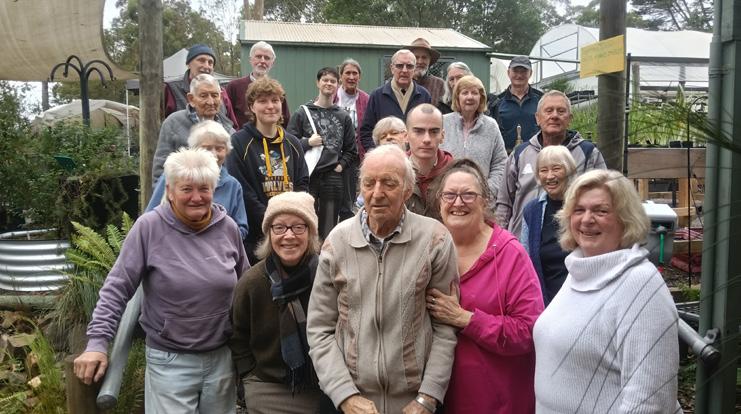

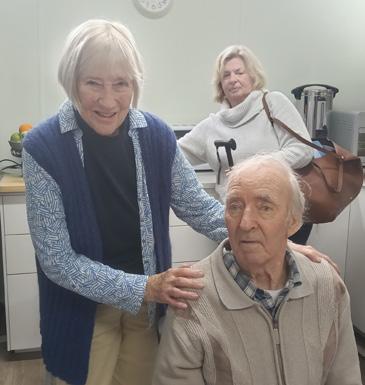
Volunteers are at the heart of everything we do: propagating indigenous plants, supporting customers and community groups, sharing knowledge, maintaining the nursery, assisting with administration, and helping to create a welcoming space where people can connect, learn, be valued and belong.
Recently registered as a charity, Candlebark continues to grow thanks to the passion and dedication of our volunteers and supporters. As we look ahead, we’re excited to welcome new people into the Candlebark community.
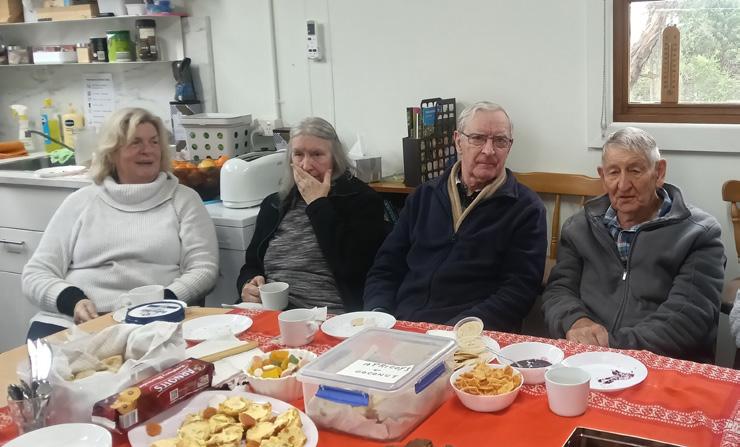

For many, volunteering is more than lending a hand. It’s a chance to build friendships, learn new skills, stay active, and feel connected to both community and nature. Volunteers often speak of the strong sense of purpose and belonging they find at Candlebark.
The theme for National Volunteer Week 2026 was “Your Year To Volunteer”.
If you’ve ever thought about volunteering, now is the perfect time to get involved. Whether you can spare a few hours a week or simply want to meet like-minded people and contribute to something positive, there’s a place for you at Candlebark.
Across Australia, volunteering is recognised as a powerful way to build healthy, connected and resilient communities. These photos, taken at Candlebark in May, beautifully capture the heart of volunteering: friendships built over years of shared cups of tea, conversations, laughter and knowledge exchanged alongside the work of growing plants and community together.
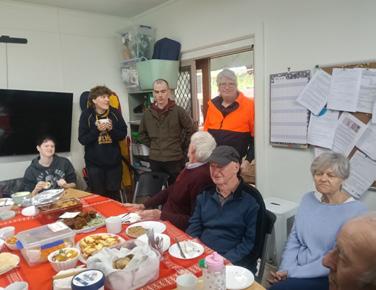
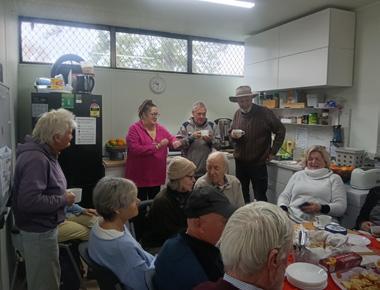
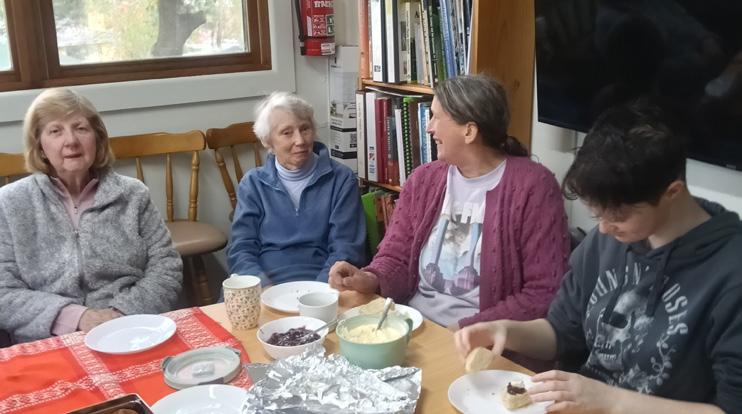
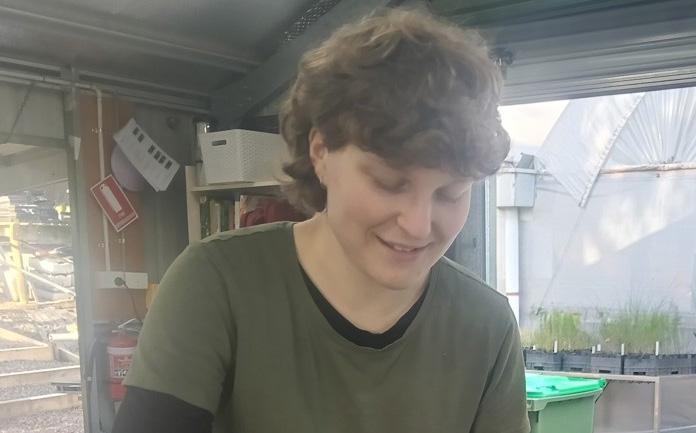





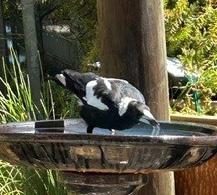


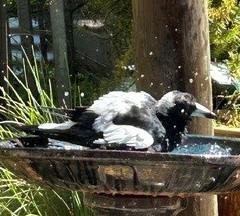
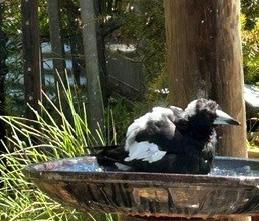
To all our volunteers — thank you! Candlebark exists because of your care, commitment and generosity. Every plant grown, visitor welcomed, and project completed is possible because of you. We are deeply grateful and proud to share this community with you.

Photos credit: Kimberly Cassidy and CCNI
Photo Credit Amazed by the Wild
Photo Credit Amazed by the Wild
5 Fundraising Campaigns That Actually Work (And How to Make Them Thrive)
DIGITAL MARKETING
By ETHAN STRYBOSCH
What if your next fundraising campaign didn’t just meet expectations—but shattered them? If you’re aiming to boost donations, expand your reach, or build lasting donor relationships, it’s not about working harder—it’s about working smarter. These five powerful campaigns aren’t just ideas—they’re proven strategies that inspire action and deliver real, measurable results.
Peer-to-Peer Fundraising: Empower Your Supporters
Peer-to-peer (P2P) fundraising remains one of the most effective ways to organically grow your nonprofit’s donor base. It empowers supporters to fundraise on your behalf, tapping into personal networks to spread your mission. In 2025, the top 30 U.S. peer-to-peer programs raised $1.17 billion, with participation climbing to 2.63 million individuals.
The key to success is equipping fundraisers with social media templates, email scripts, and easy-to-use donation pages. Recognising top fundraisers with shoutouts or rewards keeps motivation high.
Success Story: Movember’s global campaign has raised over $1 billion worldwide, proving the power of personal stories and community-driven fundraising.
Seasonal Giving Campaigns: Capitalise on Key Moments
Seasonal campaigns align with highgiving periods like GivingTuesday, EOFY appeals, and the holidays. GivingTuesday 2025 broke records with $4.0 billion donated in the U.S. by 38.1 million participants—a 13% increase from 2024. December remains the most generous month, with nearly 30% of annual donations occurring then.
Urgency tactics—like countdowns, donation matches, and specific goals— can significantly boost results.
Success Story: The Salvation Army’s Red Kettle Campaign raises over $100 million annually during the holidays, combining physical kettles with online giving.

Social Media Campaigns: Harness Storytelling
Social media thrives on authentic storytelling. Short, emotional videos on TikTok, Instagram, and Facebook perform especially well. Encourage followers to share their own stories and use hashtags to expand reach.
Success Story: Charity: Water’s #WhyWater campaign has helped over 15 million people by turning personal stories into a global movement.
Recurring Giving Campaigns: Build Long-Term Support
Recurring giving creates reliable income streams. Monthly donors give 42% more than one-time donors and have retention rates up to 90%, compared to just 42.9% overall donor retention.
Highlighting convenience and impact, plus offering exclusive updates, can turn casual supporters into lifelong advocates.
Success Story: World Vision’s Child Sponsorship Program fosters emotional connections through regular updates, sustaining donor relationships for years.
Event-Based Fundraising: Create Memorable Experiences
Events—both in-person and virtual— remain powerful. Fundraising events accounted for significant growth in 2025, with fitness and sports events alone raising over £200 million via JustGiving. Virtual formats continue to expand reach, increasing participation by about 30%.
Combining ticket sales with raffles, auctions, or donation challenges maximises revenue while strengthening community ties.
Success Story: The Global Citizen Festival blends entertainment with activism, driving donations, awareness, and even policy changes.
Key Takeaways for Campaign Success
• Personal Connections Matter: Authentic stories resonate more than generic appeals.
• Urgency Drives Action: Timesensitive goals and matches boost results.
• Diversify Channels: Use email, social media, events, and paid ads together.
• Consistency Builds Trust: Regular communication strengthens donor relationships.
Ready to Elevate Your Next Fundraising Campaign?
If you’re looking to launch campaigns that drive donations and build lasting donor relationships, we’re here to help.

Top 10 Foods to Calm Digestion
NATUROPATHY
By Kathryn Messenger
If bloating, discomfort, or sluggish digestion is a regular concern, what you eat can make a big difference. Some foods actively soothe the gut, support liver function, stabilise blood sugar, and even help regulate hormones, all of which play a role in digestion.
Here are my top 10 foods to calm digestion and support overall gut health:
1. Oats
Oats are a gentle, soluble-fibre-rich food that feeds good gut bacteria and helps maintain smooth bowel movements. They also help stabilise blood sugar, which reduces digestive stress after meals. Overnight oats or porridge with chia seeds and almond butter is a simple, nourishing option.
2. Ginger
Ginger has natural anti-inflammatory properties and stimulates digestion. It can help to relieve bloating, nausea, and sluggish motility. Freshly grated in teas, broths, or lightly sautéed in vegetables is ideal for ginger consumption.
3. Peppermint
Peppermint is calming for the digestive tract and can ease spasms and bloating. Peppermint tea after meals or in small doses throughout the day can provide gentle relief. People with acid reflux should avoid peppermint, as it can sometimes worsen symptoms.
4. Leafy Greens
Bitter greens such as kale, rocket, and dandelion leaves stimulate bile flow, supporting fat digestion and liver function. They are also rich in fibre and micronutrients, helping maintain energy and hormonal balance. Lightly sauté or include them in salads.
5. Papaya
Papaya contains an enzyme called papain, which aids protein digestion and reduces gas and bloating. It’s a great addition to breakfast, smoothies, or as a naturally sweet dessert.

6. Fennel
Fennel seeds or lightly cooked fennel can reduce bloating and gas. Fennel supports gentle digestion and has calming effects on the gut nervous system. Try fennel tea after meals or roasted fennel with dinner.
7. Bone Broth
Rich in gelatine and minerals, bone broth supports the gut lining and overall digestive health. It is particularly helpful if digestion feels fragile or if you are dealing with occasional gut inflammation.
8. Fermented Foods
Probiotic-rich foods like kefir, Greek yoghurt, sauerkraut, and kimchi are key to restoring microbiome balance. It is important to start slowly, as too much at once can create gas in particularly sensitive individuals. Fermented foods also support immune and metabolic health.
9. Pumpkin and Sweet Potato
These are gentle, fibre-rich starches that provide soluble fibre to nourish the gut without causing excessive gas. Pumpkin and sweet potato also support steady blood sugar, which reduces digestive stress.
10. Turmeric
Turmeric contains curcumin, a natural anti-inflammatory compound that can help calm an irritated digestive system. Add this spice to soups, stews, or golden milk. Additionally, pairing turmeric with a little black pepper will improve absorption.
Practical Tips for Including These Foods
Combine fibre, protein, and healthy fats at each meal to support digestion and blood sugar.
Focus on whole, minimally processed foods, they are easier on your liver and hormones.
Drink water consistently, but not with a meal, as it can dilute digestive enzyme.

EOFY PREPARATIONS
BOOKKEEPING
By JODIE MOORE
As the end of the financial year rolls around, it’s easy to feel a bit overwhelmed. Whether you’re a sole trader, running a small business, or managing the books for a growing operation, EOFY (end of financial year) is crunch time. The good news? With a bit of organisation and a clear plan, preparing your books for tax time doesn’t have to be stressful.
First things first get your records in order. This means making sure all your income and expenses are accurately recorded and up to date. If you’ve been keeping on top of your bookkeeping throughout the year, you’re already ahead. If not, now’s the time to catch up. Go through your bank statements, invoices, receipts, and any other financial documents to ensure nothing is missing. It’s much easier to deal with discrepancies now than when your accountant is chasing you for answers.
Next, reconcile your accounts. This is a crucial step that often gets overlooked. Reconciling means checking that your bookkeeping records match your bank accounts, credit cards, and other financial statements. It helps catch errors like duplicate entries, missed transactions, or incorrect amounts. While it might feel tedious, it’s one of the best ways to ensure your numbers are accurate before lodging your tax return.
Don’t forget to review your expenses. EOFY is the perfect time to categorise everything correctly and make sure you’re claiming all allowable deductions. Think about things like office supplies, software subscriptions, vehicle expenses, and even a portion of your home office costs if you work from home. Just make sure you’ve got the documentation to back it all up—receipts are your best friend here.
Another important step is checking your accounts receivable and payable. In simple terms, who owes you money, and who do you owe? Chase up any outstanding invoices so you can bring in as much income as possible before the books close. At the same time, consider whether you want to pay any outstanding bills before the end of the financial year, as this may impact your deductions.

If you’ve got employees, there are a few extra things to tick off. Make sure your payroll is up to date, including wages, superannuation contributions, and any leave balances. Super payments need to be processed on time if you want to claim a deduction this financial year, so don’t leave that to the last minute.
It’s also a good idea to review your asset register. If you’ve purchased equipment, vehicles, or other assets during the year, ensure they’re recorded correctly. Depending on the value, you may be able to claim an immediate deduction or depreciate the asset over time. This is one area where a quick chat with your accountant can really pay off.
Speaking of accountants, don’t wait until the last minute to get them involved. A quick check-in before EOFY can help you identify any last-minute opportunities to minimise your tax bill or tidy up your records. They can also flag any compliance issues before they become a bigger problem.
Will you be claiming vehicle expenses in your tax return? Ensure you have a valid logbook so you can claim all related expenses. A logbook must run for 84 full days.
You need to enter every single trip whether it be for business or personal and label each trip as such. This means you might have 5 trips recorded in one day! The logbook also needs to record the date, start and end odometer reading for each trip, what the trip was for and the location (ie visit client for meeting - Croydon or school pickupRingwood). A logbook can be valid for 5 years provided the type of travel and the usage doesn’t change. If you change vehicles, you can usually continue using the same logbook. If you use two cars for work, you need to do a logbook for both cars for the 84 days at the same time.
Finally, back everything up. Whether you’re using cloud-based software or spreadsheets, make sure your financial data is securely stored and easily accessible. Losing your records right before tax time is a headache you definitely don’t need.
At the end of the day, EOFY bookkeeping is all about preparation. Staying organised, reviewing your numbers, and asking for help when you need it can make the whole process far smoother. And once it’s all done, you can breathe a sigh of relief—and maybe even enjoy a well-earned break.
Menopause at Work: Why We Can’t Keep Avoiding the Conversation

She closes her laptop at the end of the meeting and pauses, just for a moment.
Ten minutes earlier, she had lost her train of thought mid-sentence—something that never used to happen. She laughed it off, blamed a “busy week,” and kept going. No one questioned it. Why would they? On paper, she’s at the height of her career: experienced, capable, leading teams and making decisions that matter. What no one sees is that she slept three hours the night before. Or that her heart sometimes races for no clear reason. Or that the sudden wave of heat rising during a presentation isn’t anxiety—but it feels like it could be.
Across workplaces, women in their 40s and 50s are navigating a transition that remains largely invisible. Perimenopause and menopause are not new—but the conversation around them, especially at work, still is.
Perimenopause can begin in the 40s, bringing hormonal changes that affect sleep, concentration, mood, and physical comfort. Menopause marks the end of menstrual cycles, but it is often the
years leading up to it that present the greatest challenges. For many Australian women, this stage of life unfolds during some of the most demanding years of their careers.
Women in midlife are often in leadership roles, managing teams, making decisions, and balancing responsibilities at work and at home. At the same time, they may be dealing with fatigue after restless nights, difficulty concentrating in meetings, anxiety, or sudden waves of heat in professional settings. These experiences are common, but rarely spoken about.
Because the symptoms are often invisible, they can be misunderstood. A lapse in memory may be seen as a lack of focus. Exhaustion may be mistaken for disengagement. In workplaces that value constant productivity, it can feel risky to speak openly about what is really going on. As a result, many women push through quietly, adapting without support.
This silence comes at a cost. Some women reduce their hours, step back from leadership opportunities, or leave the workforce earlier than planned.
Over time, this affects financial security, retirement savings, and the presence of experienced women in leadership.
Yet this is not simply a personal health issue—it is a workplace and community issue. When organisations fail to recognise and support women through this stage of life, they risk losing valuable skills, knowledge, and leadership.
Small changes can make a meaningful difference. Flexible work options, greater awareness, and open, respectful conversations can help create environments where women feel supported rather than sidelined.
Menopause is not the end of contribution—it is a transition. With the right understanding, Australian workplaces have an opportunity to better support women to continue thriving, leading, and participating fully at every stage of life.
The question is not whether this is happening.
It already is.
The question is whether workplaces are ready to see it.
JAN MABELLE PANASE

Friends of Parkwood Planting Day
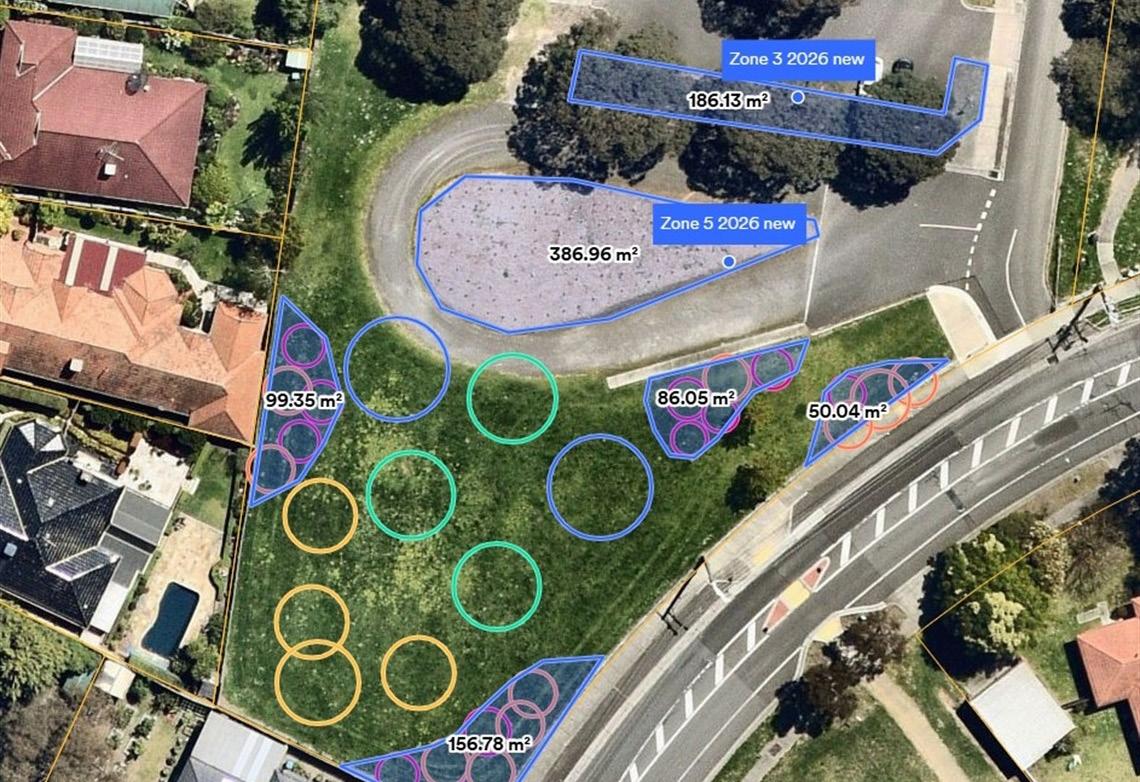
We are working to improve the biodiversity, amenity and usability of Parkwood Reserve, and value all community help and input.
Come along to our first planting day for 2026. This is a great activity for all ages and a good opportunity to meet like-minded community members. Come for the working bee, stay for the morning tea and community catch-up.
There's plenty of space for kids to play, or they can get involved in the planting.
Come alone or bring a friend. We hope to see you there.
Event details
• Date: Saturday 20 June 2026
• Time: 9.30am to 11.30am
• Location: Parkwood Reserve, 35-39 Tortice Drive, Ringwood North 3134
• Morning tea provided
• Toilet available onsite
What to wear
• Weather appropriate clothing
• Closed toe shoes
What to bring
• Gardening gloves
• Water bottle
When Saturday, 20 June 2026 | 09:30 AM - 11:30 AM

Indigenous Literacy Foundation Display
Come and view a display of books and artwork developed by the Indigenous Literacy Foundation (ILF), a national charity of the Australian Book Industry, working with remote Aboriginal and Torres Strait Islander Communities across Australia.
As a Community-led organisation, ILF responds to requests from remote communities for culturally relevant books, including early learning board books, resources and programs to support communities to create and publish their stories in languages of their choice.
The ILF display and accompanying storytimes offer a way for children to engage with First Peoples Languages and
storytelling, reflecting themes in the exhibition 50 Years of Deadly: NAIDOC Week Posters 1976-2026, currently on show in ArtSpace at Realm.
The display will be formally opened by Mayor of Maroondah, Councillor Linda Hancock as part of Maroondah’s Reconciliation Week celebrations in Ringwood Town Square during Mullum Market at 11am on Thursday 28 May. Display details
• Date: available to view from 25 May to 26 July
• Time: open during Realm opening hours
• Venue: Realm, 179 Maroondah Highway, Ringwood, 3134
Maroondah Council News JUNE 2026
Beginners Photography Course

This class is perfect for photographers at a beginner level and also those looking to refresh their camera skills.
Join Croydon Camera House as we explore the basics of photography and show you how to use the functions of your DSLR or mirrorless camera.
Over two evenings you will delve into all the functions of your DSLR camera, through a combination of practical and theoretical learning. You will get hands on experience,
allowing you to become confident shooting off automatic mode. With our help, you can make the most out of your camera and achieve the photos you want.
Please note: this class is aimed at participants with DSLR and mirrorless systems (i.e. cameras with interchangeable lenses).
Class details
• The class runs monthly over two consecutive Tuesday evenings. Time: 7pm to 9:30pm
• Venue: Croydon Camera House, Level 1, 125-129 Main Street, Croydon Victoria 3136
• Cost: $179 for the two nights (includes printed materials to take home). If the camera was purchased at Croydon or Ringwood Camera House you will receive a discounted price of $129 for the two nights.
• Class sizes are limited to eight participants.
Register online
For further information, please contact Croydon Camera House on (03) 9725 3816.
Further classes
Croydon Camera House also offer one-on-one classes. We teach you how to navigate your camera in the easiest, most efficient manner possible. Our tutors teach at your pace, all skill levels welcome.
Define your brand as an artist with Renee Mitchell

Want to boost your creative profile and promote your personal brand as an artist?
Join Maroondah-based artist Renee Mitchell for a practical weekend workshop that covers finding and expressing your brand, marketing yourself effectively and pricing your work to sell with confidence.
Renee will share real-life case studies, including her own personal brand story and highlight artists who are honing the craft of communicating with their audiences.
Get practical tips on pricing your artwork, building your brand and connecting with buyers. This workshop is perfect for artists at any stage. Come ready to learn, share, and develop as a creative person!
About the artist
Renée Mitchell, often known as the scribbler, is a self-taught artist with a passion for freedom and movement. Working mostly in pen, Renee sometimes integrates acrylic painting into her works and has been widely collected. Renee has been successful through her entries in art shows and live painting competitions. Find out more about Renee and her practice on her website and LinkedIn.
Event details
• Date: Saturday 20 June
• Time: 10am to 12.30pm
• Venue: Studio One, Wyreena Community Arts Centre, 1323 Hull Road, Croydon
• Cost: $10 Full I $5 Concession I $0 Hardship
• Registrations are essential.





















































NOT-FOR-PROFIT FOR THE
Bridging the Generations Through




In a world where many families are busier than ever and older Australians are increasingly vulnerable to loneliness and isolation, one Melbourne charity is creating something beautifully simple: genuine connection between the very young and the very old.
Big Little Buddies is a Melbourne-based registered charity running intergenerational music programs inside aged-care homes, bringing preschool children, parents, volunteers and elderly residents together each week for singing, movement, stories, laughter and friendship.
What began as a small idea born from a powerful observation has quickly grown into a much-loved community initiative changing lives across Melbourne’s eastern suburbs.
Founder Monique Waterhouse launched Big Little Buddies in 2021 after witnessing first-hand the impact children could have in aged-care settings.
With a background in psychology and education, Monique had spent years working as a wellbeing coordinator in a primary school. During visits to a local aged-care home with students, she noticed something remarkable happening.
“The residents’ faces just lit up upon the children’s arrival,” she explains on the organisation’s website. “I had kids chasing me down in the playground asking if it was their week to visit the centre.” She realised these interactions were not simply “cute moments” - they were deeply meaningful for both generations. “Big Little Buddies was founded to bring that magic to the lives of more elderly aged-care residents, many of whom experience significant isolation and loneliness, especially post pandemic,” Monique says.
Today, the charity runs weekly intergenerational music programs during school terms at multiple aged-care centres, including current preschooler & caregiver attended programs at Chirnside Views, Estia Health and Mooroolbark Manor Care Community as well as kinder-group attended programs at Warrandyte Gardens, Caladenia Dementia care and soon Croydon Care Community.
Each session follows a familiar, engaging format designed to encourage participation from everyone in the room. Families and residents sing songs together, wave scarves and ribbons, listen to stories, play percussion instruments, move with parachutes and bubbles, all centred around encouraging many small moments of shared connection.
The programs are intentionally relaxed and 0–6 and the varied needs of aged-care residents. purpose is connection - and the impact is
Research around intergenerational programs showing significant benefits for both older Buddies, participation can help improve empathy, and pro-social behaviours in children, while their connection to older generations.
For older adults, the benefits can be equally social isolation, improved mood and wellbeing, renewed sense of purpose and dignity.
But beyond the research, it is the stories from of the program. One parent attendee shared:
“My 3-year-old asks me if we have BLB today of this - helping other people, learning new enjoy with parents and older people.” Another caregiver described the sessions her week, saying she wished the program facilities across Melbourne.
For aged-care staff, the weekly visits have lifestyle coordinator praised the program
“My residents always arrive early on a Thursday for the fun to start. The smiles on my residents’ with the children are priceless.”
She described the sessions as “so much recommending them to all aged-care homes and joy among residents.
That joy is often found in the smallest moments: resident, a minimally verbal residents singing shy child gaining confidence week by week older attendees.
In many ways, Big Little Buddies is helping gradually lost - regular, meaningful intergenerational
For many young families, opportunities for children or older adults are becoming less common changing family structures. At the same time, profound loneliness, particularly after the social Big Little Buddies creates a space where those
The sessions are also intentionally affordable organisation describes its programs as “low-cost make participation accessible while relying volunteers and community partnerships to
Support from organisations including Commonwealth Bank, Australia Post, Maroondah City Council the charity continue growing and reaching region.
THE MONTH OF JUNE 2026

Through Song, Smiles and Connection
and welcoming, catering to children aged residents. While music is the vehicle, the real is becoming increasingly clear.
programs continues to grow, with evidence adults and children. According to Big Little empathy, confidence, communication skills while reducing ageism and strengthening
equally profound: decreased loneliness and wellbeing, increased physical activity, and a
from participants that truly capture the heart shared: today every day. My children get so much out new songs, and having something different to
as “one of the most wholesome hours” of could expand to even more families and
become highlights on the calendar. One for the joy it brings to residents:
Thursday morning to secure their seat to wait residents’ faces and the interactions they have
much fun and laughter and happiness,” homes looking to foster inclusion, engagement
moments: a toddler handing a shaker to a singing a nursery rhyme from memory, or a week through warm encouragement from
rebuild something modern society has intergenerational connection.
children to spend time with grandparents common due to distance, busy lifestyles or time, many aged-care residents experience social disruptions of recent years. those worlds can meet naturally.
affordable and community-focused. The “low-cost and high-reward,” aiming to relying heavily on grants, donations, continue operating.
Volunteers also play an important role, helping facilitate activities and nurture the welcoming environment the organisation has become known for. Big Little Buddies is always seeking volunteers to help support sessions and foster the warm, welcoming environment the programs are known for. One volunteer shared “Every week I look forward to helping at BLB. The anticipation and joy on the residents’ faces as the children arrive is infectious. I get to witness beautiful relationships form between the generations. My contribution is small, but the rewards are big!”
The charity also welcomes tax-deductible donations from individuals and businesses to help expand programs and reach more aged-care residents and families across Melbourne.
Looking ahead, Big Little Buddies hopes to continue expanding into more agedcare homes as funding and partnerships allow. Interest from families and centres continues to grow, with waitlists already operating for future programs.
For Monique, the mission remains beautifully simple. “When you bring generations together and allow them to enjoy what each other has to offer, beautiful connections are formed, and a heap of fun and joy is had,” she says.
At a time when loneliness is increasingly recognised as a major social issue, Big Little Buddies offers a reminder that meaningful community connection does not always require grand solutions. Sometimes it begins with a song, a smile, a shared story - and the willingness of two generations to spend time together.
Families interested in enrolling, or anyone wanting to volunteer, partner or donate, can find more information at www.biglittlebuddies.org.au.


Commonwealth Bank, Mooroolbark Community Council and Yarra Ranges Council has helped reaching more aged-care residents throughout the
For our current programs, you can enrol in these venues:
• Estia Health Aged Care Ringwood
• Mooroolbark Manor Care Community


• Chirnside Views Residential Aged Care





Looking for an affordable activity with BIG benefits for your preschooler? Come join an INTERGENERATIONAL MUSIC PROGRAM

Weekly sessions led by experienced facilitators
Builds confidence, social skills, self-esteem, emotional intelligence, empathy & kindness
Be the highlight of an aged-care resident’s day
An affordable way to enrich your child’s week
More info & enrolments via QR to website or email info@biglittlebuddies.org.au









NOT-FOR-PROFIT EVENT ADVERTISEMENT


Welcome to pre-season training!

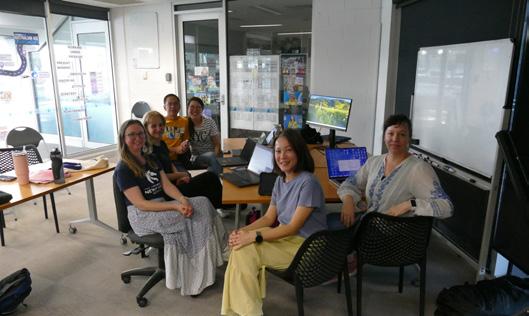
Throughout Term 2, the club’s focus has been on:
building strength, stamina, and overall fitness in preparation for the new season developing routine and competition skills in our Competition Preparation classes, including teamwork in hybrid sequences, refining dives for pool entry, and other technical elements finalising programs and planning for the new financial year
It has been fantastic to see our swimmers working hard, supporting one another, and continuing to grow both in and out of the water.
Term 2 has been exciting for a number of reasons. Most notably, this term is the first time we have offered a regular Wednesday night class at Aquahub!
We have been continuing our Splash & Dance for swimmers with an intellectual disability, and introduced Eastern Social Sync, a social adult artistic swimming class.
We are excited to continue growing these programs and creating more opportunities for participation within our community.
Splash & Dance is supported by the Maroondah City Council’s Community Grants Funding Program.
Eastern Social Sync is supported by the Change Our Game grant program.

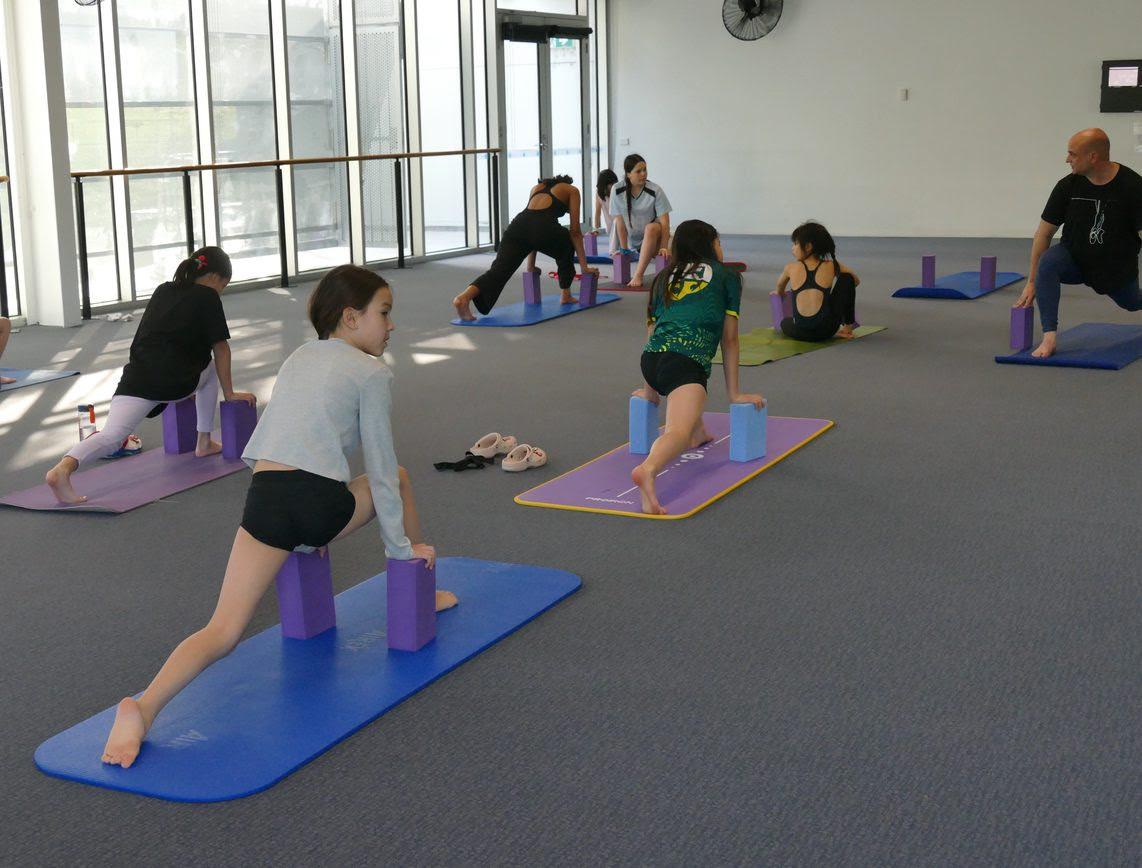
In May, we held the first of three flexibility workshops with Andrew, one of our Masters swimmers and a rhythmic gymnastics/calisthenics coach.
It has been fantastic to bring in external expertise to support our swimmers on their flexibility journey. Andrew shared valuable knowledge on effective stretching techniques and how to properly activate muscles to improve flexibility and performance in the water.
Don’t miss the next two workshops coming up in June!

ATHLETE PROFILE
Anya was one of our very first adult swimmers to join the program at Eastern Sirens.
From childhood synchro memories to becoming a medal winning masters athlete, Anya’s synchro journey has come full circle. Read more about her journey here.


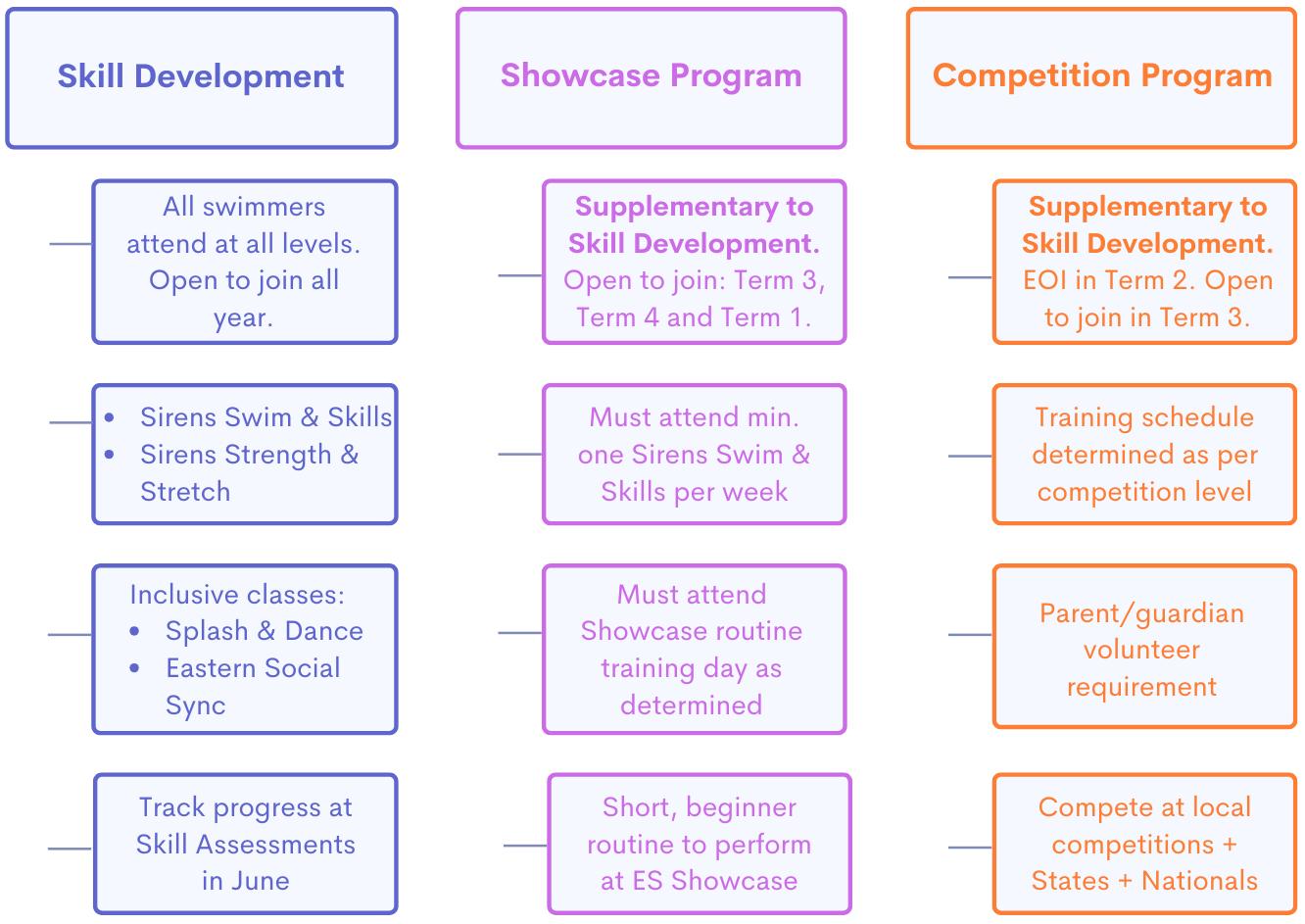
We’ve enjoyed speaking with parents and swimmers about their goals for the upcoming season and look forward to supporting everyone throughout the coming season. Please see above regarding opportunities available to swimmers.
If you haven’t yet had a chance to speak with Prateeti (Head Coach), please feel free to get in touch via email at easternsirenssynchro@ gmail.com










Proposed Trust and Capital Gains Tax Changes: What Retirees Need to Know

RETIREMENT
By Warren Strybosch
The Federal Government’s proposed tax reforms could significantly change the way many retirees structure their investments and receive income in retirement.
For decades, discretionary family trusts have been a popular investment vehicle for Australians approaching retirement. Combined with the existing capital gains tax (CGT) discount rules, trusts have provided a flexible and tax-effective way to distribute investment income to family members and retirees with little or no taxable income.
However, the proposed reforms announced in the 2026–27 Federal Budget may alter many of these long-established strategies.
The End of Tax-Free Trust Distributions?
Under the proposed legislation, distributions from trusts to adult beneficiaries will generally be subject to a minimum tax rate of 30%, regardless of the beneficiary’s personal marginal tax rate.
Historically, trust income distributed to beneficiaries was taxed at the beneficiary’s own tax rates. This meant that retirees with little other income could often receive trust distributions taxfree or at very low tax rates.
For example, a retired couple may have owned a portfolio of shares and investment properties through a family trust. If the trust generated $30,000 of income each year and the couple had little other taxable income, they may have paid very little tax on those distributions.
Under the proposed changes, that same trust income could potentially be subject to a minimum 30% tax rate before reaching the beneficiaries.
For retirees who deliberately structured their affairs to generate modest levels of tax-effective income in retirement, this could represent a substantial increase in annual tax liabilities.
Impact on Retirement Planning
Many Australians have spent decades building wealth outside of superannuation through family trusts.
In some cases, business owners sold their businesses and invested the proceeds through trusts. Others accumulated share portfolios, managed funds, or investment properties within family trust structures.
The attraction was often flexibility. Trust income could be distributed among family members according to changing circumstances and individual tax rates.
If a 30% minimum tax applies to trust distributions, much of that flexibility may disappear.
Retirees who were expecting to draw income from trust investments while remaining within the tax-free threshold may find themselves paying significantly more tax than anticipated.
This could force some retirees to reconsider how they fund retirement and whether existing structures remain appropriate.
The New Minimum 30% Tax on Capital Gains
The proposed reforms also introduce a minimum 30% tax on capital gains.
Currently, individuals and trusts that hold assets for more than twelve months generally receive a 50% CGT discount. As a result, only half of the gain is included in taxable income.
This concession has long been an important retirement planning tool.
Many retirees intentionally delayed selling investments until retirement when their taxable income was lower. By combining the 50% discount with low marginal tax rates, they could often realise substantial gains while paying relatively modest amounts of tax.
The Government’s proposal seeks to reduce this benefit by introducing a minimum 30% tax on capital gains.
As a result, even retirees with little or no other income may no longer be able to access the low effective tax rates that have historically applied to long-term investments.
A Practical Example
Consider John and Susan, both retired and aged 70.
They own a family trust holding a share portfolio worth $1.5 million. The trust earns $40,000 of dividend income each year and they also intend to sell investments periodically to supplement their retirement income.
Under the previous rules, the trust could distribute income to them and, depending on their overall taxable income, much of that income may have been taxed at low rates.
If the trust distributions become subject to a minimum 30% tax, their annual tax bill could increase significantly.
Suppose they also sell shares and realise a $200,000 capital gain. Under the existing rules, the 50% CGT discount may have reduced the taxable gain to $100,000 before applying their personal tax rates.
Under the proposed system, a minimum 30% tax on the gain could result in a substantially higher tax liability, regardless of their retirement status.
What Should Retirees Do?
At this stage, the legislation remains proposed and may be amended as it passes through Parliament.
However, retirees and pre-retirees who rely on family trusts, investment portfolios, or future capital gains should begin reviewing their structures and long-term plans.
The proposed changes could have significant implications for retirement income, estate planning, investment strategies, and intergenerational wealth transfer.
While it is too early to make major decisions solely based on proposed legislation, understanding the potential impact now may help retirees prepare for a very different tax landscape from 1 July 2027 onwards.
Warren Strybosch Award Winning Financial Adviser

Part of the Find Group of Companies
Financial Planning, SMSF, Super, Insurance, Pre-Retirement & Retirement Planning (Financial Planning) are offered via Find Wealth Pty Ltd ACN 140 585 075 t/a Find Wealth, Find Insurance and Find Retirement. Find Wealth Pty Ltd is a Corporate Authorised Representative (No 468091) of Alliance Wealth Pty Ltd ABN 93 161 647 007 (AFSL No. 449221). Part of the
Centrepoint Alliance group (www.centrepointalliance.com.au/fsg/aw).
Warren Strybosch
Authorised Representative (No. 468091) of Alliance Wealth Pty Ltd.
This information has been provided as general advice. We have not considered your financial circumstances, needs or objectives.You should consider the appropriateness of the advice. You should obtain and consider the relevant Product Disclosure Statement (PDS) and seek the assistance of an authorised financial adviser before making any decision regarding any products or strategies mentioned in this communication.
Whilst all care has been taken in the preparation of this material,it is based on our understanding of current regulatory requirements and laws at the publication date. As these laws are subject to change you should talk to an authorised adviser for the most up-to-date information. No warranty is given in respect of the information provided and accordingly neither Alliance Wealth nor its related entities, employees or representatives accepts responsibility for any loss suffered by any person arising from reliance on this information.

Centrelink

Understanding Support at Home: Why Planning for Care Costs Has Never Been More Important

By Warren Strybosch
The introduction of the Support at Home program represents one of the most significant reforms to Australia’s aged care system in decades. Introduced as part of the broader Aged Care Act 2024 reforms, the program commenced on 1 November 2025 and replaced the former Home Care Package Program.
The objective of Support at Home is straightforward: help older Australians remain living independently in their own homes for longer while receiving the care and support they need. While most Australians support the concept of ageing at home, many are unaware of the costs involved or the financial contribution they may be required to make.
For financial advisers, accountants and retirees, understanding how the new system works is becoming an increasingly important component of retirement planning.
What is Support at Home?
Support at Home provides government-funded assistance for older Australians who require support to continue living safely at home.
Services can include:
• Personal care
• Nursing services
• Physiotherapy and allied health services
• Domestic assistance
• Transport
• Social support
• Home modifications
• Assistive technology
• End-of-life care support
Unlike the previous Home Care Package system, Support at Home offers eight funding classifications, providing greater flexibility and allowing support to better reflect an individual’s changing needs over time.
How to Access Support at Home
Accessing Support at Home generally involves five key steps.
Step 1: Register with My Aged Care
The process begins by contacting My Aged Care online or by telephone.
Step 2: Complete an Aged Care Assessment
An assessor evaluates the person’s:
• Health
• Mobility
• Independence
• Living arrangements
• Care requirements
The outcome of this assessment determines eligibility and the appropriate funding classification.
Step 3: Receive Funding Approval
Once approved, participants are allocated a funding classification based on their care needs.
Step 4: Select a Registered Provider
The participant chooses an approved Support at Home provider who will coordinate and deliver services.
Step 5: Develop a Care Plan
The provider works with the participant and their family to establish a care plan that aligns with their assessed needs and available funding.
Support at Home Funding Classifications
The annual funding amounts currently available under Support at Home are:
In addition, separate funding pools may be available for home modifications, assistive technology, restorative care and end-of-life support.
Meet John
To understand how the system works in practice, consider John.
John is a 78-year-old self-funded retiree with the following assets:
Looking Beyond Care Costs
Support at Home contributions are only one component of John’s annual spending.
At first glance, John appears financially comfortable. However, like many retirees, most of his wealth is tied up in his family home.
Following a decline in mobility and a recent hospital admission, John undergoes an aged care assessment and qualifies for Support at Home Classification 4, providing annual government funding of approximately $29,696.
Understanding Client Contributions
One of the biggest changes under Support at Home is the introduction of co-contributions.
Not all services are treated equally.
Under the current framework:
Clinical care generally remains fully government funded, while services such as cleaning, gardening and meal preparation require significant client contributions.
Assume John also incurs: Although John receives government support, he is still required to contribute approximately $14,400 annually
This demonstrates a key challenge facing many retirees.
While John has assets approaching $1.5 million, he only has $25,000 in cash reserves. Ongoing care costs may require him to draw down investments, increase pension withdrawals or consider accessing home equity.
What Happens If Care Needs Increase?
As John ages, his care requirements may increase significantly.
Assume he progresses to a higher funding classification and receives services costing approximately $50,000 annually.
His
Over a ten-year period, these contributions alone could exceed $220,000 before allowing for inflation, increasing care needs or additional home modifications.
As John’s mobility declines, additional costs may arise, including:
While government assistance may be available, many retirees still need to fund part of these expenses themselves.
Why Early Planning Matters
Historically, aged care planning was often viewed as something that occurred late in life after a health event.
The Support at Home reforms change that approach.
Many Australians may spend years receiving home-based care before ever entering residential aged care. During this period, they may face:
• Ongoing co-contributions
• Home maintenance expenses
• Assistive technology costs
• Home modification costs
• Increased health-related expenditure
For self-funded retirees like John, the challenge is often not whether they have sufficient wealth, but whether they have sufficient liquidity and cash flow to sustain care costs over an extended period.
This is why aged care planning is increasingly becoming a core component of retirement planning. By considering future care costs early, retirees can make informed decisions regarding investments, superannuation, estate planning and the family home, ensuring they maintain both quality of life and financial security throughout retirement.
Sources
Australian Government Department of Health and Aged Care
Warren Strybosch Award winning Financial Adviser
Part of the Find Group of Companies
Financial Planning, SMSF, Super, Insurance, Pre-Retirement & Retirement Planning (Financial Planning) are offered via Find Wealth Pty Ltd ACN 140 585 075 t/a Find Wealth, Find Insurance and Find Retirement. Find Wealth Pty Ltd is a Corporate Authorised Representative (No 468091) of Alliance Wealth Pty Ltd ABN 93 161 647 007 (AFSL No. 449221). Part of the
Centrepoint Alliance group (www.centrepointalliance.com.au/fsg/aw).
Warren Strybosch
Authorised Representative (No. 468091) of Alliance Wealth Pty Ltd.
This information has been provided as general advice. We have not considered your financial circumstances, needs or objectives. You should consider the appropriateness of the advice. You should obtain and consider the relevant Product Disclosure Statement (PDS) and seek the assistance of an authorised financial adviser before making any decision regarding any products or strategies mentioned in this communication.
Whilst all care has been taken in the preparation of this material,itisbasedonourunderstandingofcurrentregulatory requirements and laws at the publication date. As these laws are subject to change you should talk to an authorised adviser for the most up-to-date information. No warranty is given in respect of the information provided and accordingly neither Alliance Wealth nor its related entities, employees or representatives accepts responsibility for any loss suffered by any person arising from reliance on this information.




•


Special Tax Return Offer
$99 Returns - PAYG Only
We
Here are the steps involved:
1. Email to info@findaccountant.com.au requesting your PAYG return to be completed. Provide us with your full name, D.O.B and address
2. A Tax engagement letter will be emailed to you for signing via your mobile (no
3. You will be then sent a tax checklist to complete online. Takes less than 5 minutes.
4. We will then require you to upload your documents to our secure portal.
5. Once we have received all your documentation, we will complete the return.
6. We will email you the completed return with our invoices. Once you sign the return and pay the invoice we will lodge the return on your behalf.
1300 88 38 30

•
•





We specialise in the following:
• Biz Pack Insurance
• Landlord Insurance
• Public Liability Insurance
• Professional Indemnity Insurance.
DO NOT provide advice or quotes for the following (you need to go direct and save):
• Car Insurance
• Home & Contents
• Caravan
• eBikes
We work with only the most reputable insurers to bring you a range of insurance options for you to choose from:







HELPING TO PROTECT YOU AND YOUR FAMILY
At Find we can help you find the ‘right’ personal insurance. Our aim is to help you obtain and retain the personal insurances that are appropriate for you and at cost that you can afford.
• Income Protection (IP)
• Life Insurances or Death Cover
• Total and Permanent Disability (TPD) Personal Insurances Include:
When your insurance are in place, our services do not stop there. We will provide you with an after care service that includes policy notifications, insurance report, help desk, reviews and help at claim time. We provide ourselves in providing honest advice that you can rely on.

warren@findinsurance.com.au

www.findinsurance.com.au


•



Best Kept Parenting Secret



















INDEX
PROFESSIONAL SERVICES
• Lactation Consultant ----------- 35
• Swen Pouches ---------------------- 00
• Hair Dresser --------------------------- 00
• Chiropractor ------------------------- 00
• Beauty Therapy -------------------- 00
• Gym --------------------------------------- 00
• Massage Therapy ---------------- 00

DR JOANNA STRYBOSCH

|
OSTEOPATHY
Osteopathy in Australia is a government registered, allied health profession. Osteopaths focus on improving the function of the neuro-musculoskeletal system (bones, muscles, nerves and connective tissues) to optimise health and well-being.
Joanna is highly qualified and experienced in the osteopathic assessment and treatment of babies and infants.
She can assist with the following assessments:
• Gross motor development (milestones)
• Primitive reflexes
• Tongue function and it’s relation to sucking skills
• Biomechanics of the jaw and mouth
• Help increase or decrease milk supply ADVANCED PAEDIATRIC OSTEOPATH & LACTATION CONSULTANT PROVIDING PERSONAL & CARING SUPPORT FOR YOU & YOUR BABY
LACTATION CONSULTING
IBCLC lactation consultants are recognised around the world as the experts in lactation care. They provide evidencebased knowledge to assist mothers to establish and maintain breastfeeding. As professionals, they are charged with promoting, protecting and supporting breastfeeding.
Joanna can help with a broad range of lactation consulting services, including:
• Teaching a new mum how to hold and position her baby to breastfeed
• Assess the suck, swallow and breathing of an infant
• Assess for tongue function and determine any evidence of restriction (tongue tie)
• Pre and post-frenectomy breastfeeding support


Classic Fresh Roll Bundle
What’s Inside:
3 Signature Fresh Rolls & a Roll'd Iced Tea.
All for just $15.
Whether you're grabbing a seat or hitting the road, it’s the ultimate fresh, fast, and affordable combo.
Discover more

Give your snacks the bird
Avoid the afternoon slump for less than $10 with flamegrilled protein packed snacks.
Give the chips, protein bars and arvo coffee the flaming bird. Get snacks that pack heat for under $10. Nando’s - fire it up.
Discover more

Gotcha Eastland Daily Offer!
Grab your favourite drink, bring a friend, and make it a daily thing!
Your Week = Sorted May 18 – June 29 2026
Monday
Buy One Get One Free : Matcha Series (Large size)
Tuesday
2 for $12 : Top 10 Drinks (Large size)
Wednesday
$5 Watermelon Passionfruit Jasmine Tea (Large size)
Thursday
Buy One Get One Free : Signature Pearl Milk Tea (Large size)
Friday
$5 Black Sugar Fresh Milk (Large size)
*T&Cs apply *Offers available while stocks last.
Terms and conditions





In-Kind Sponsorship with Find Maroondah Community Paper
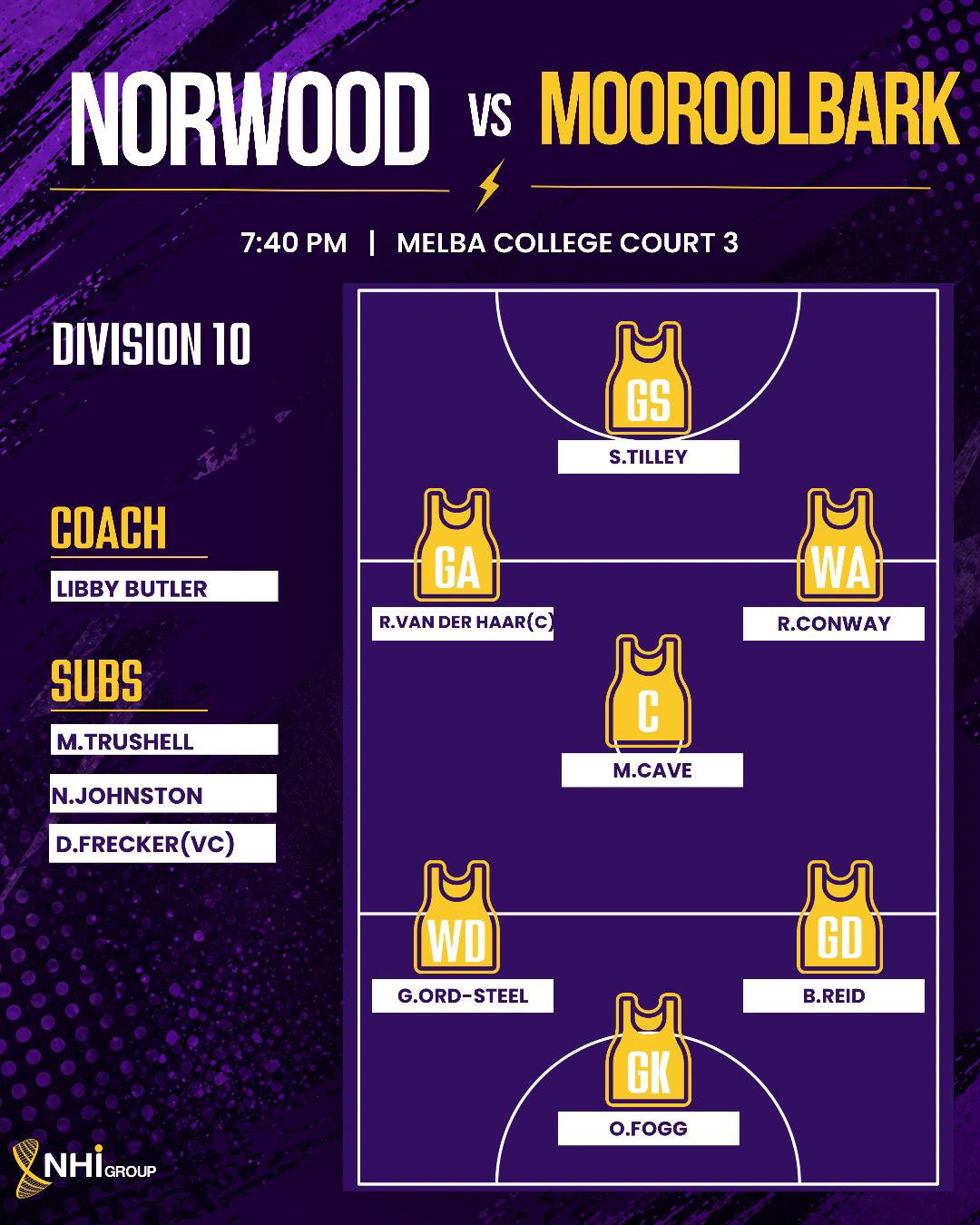
We invite a representative from each sporting club to submit team selections, results and any interesting stories relating to your club/sports.
For more information contact: Warren on 1300 88 38 30 or Email: editor@findmaroondah.com.au


Norwood Football Netball Club


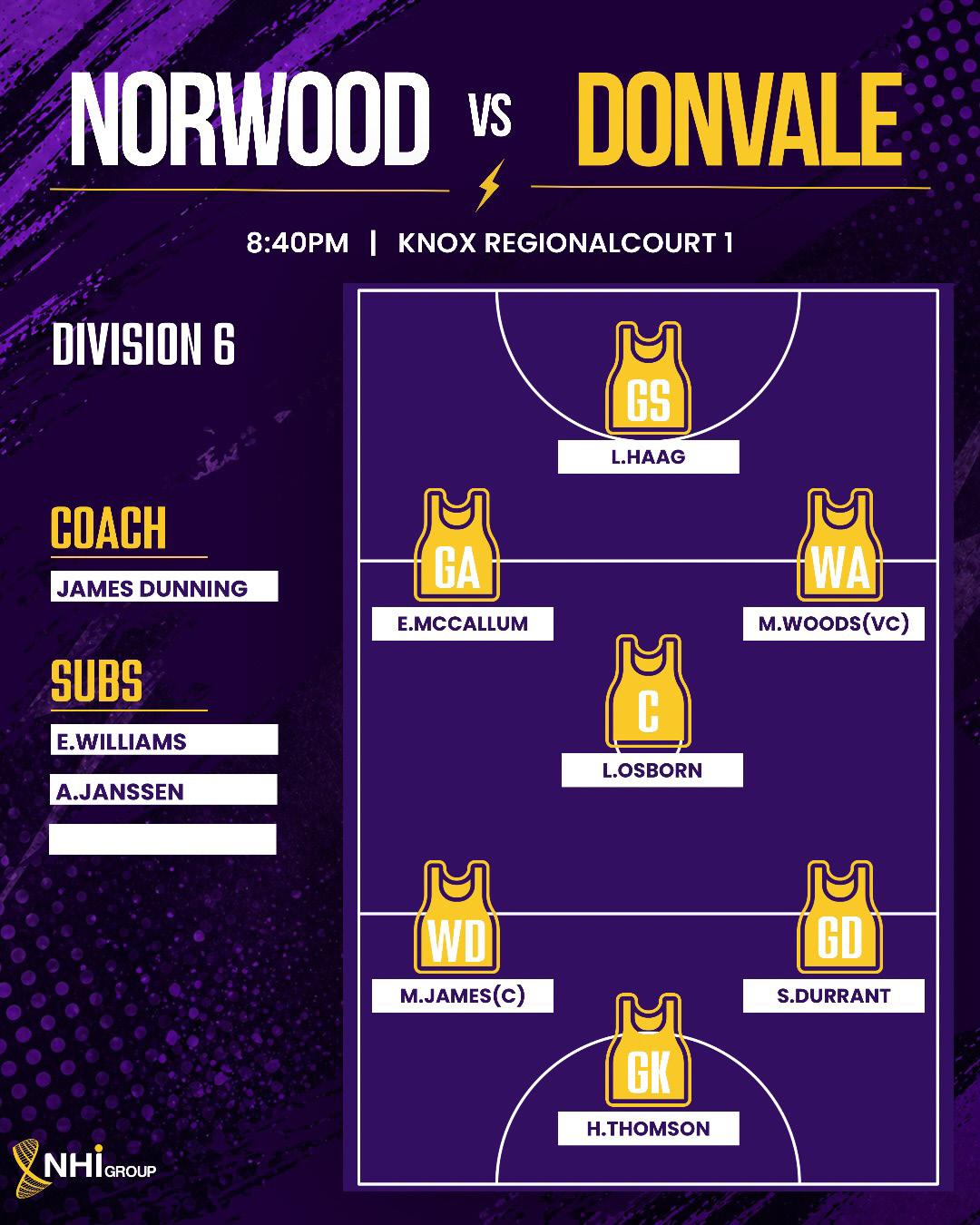
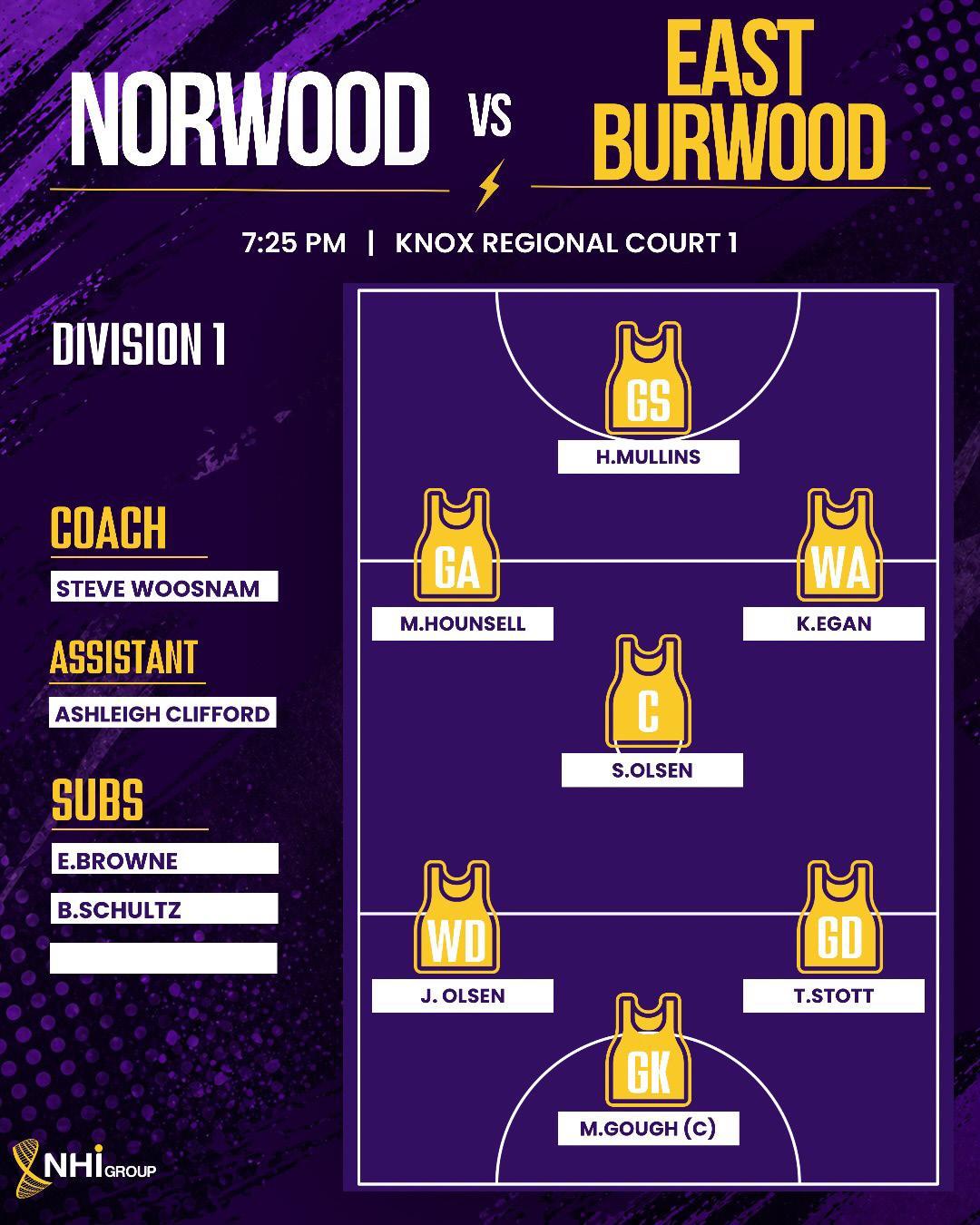
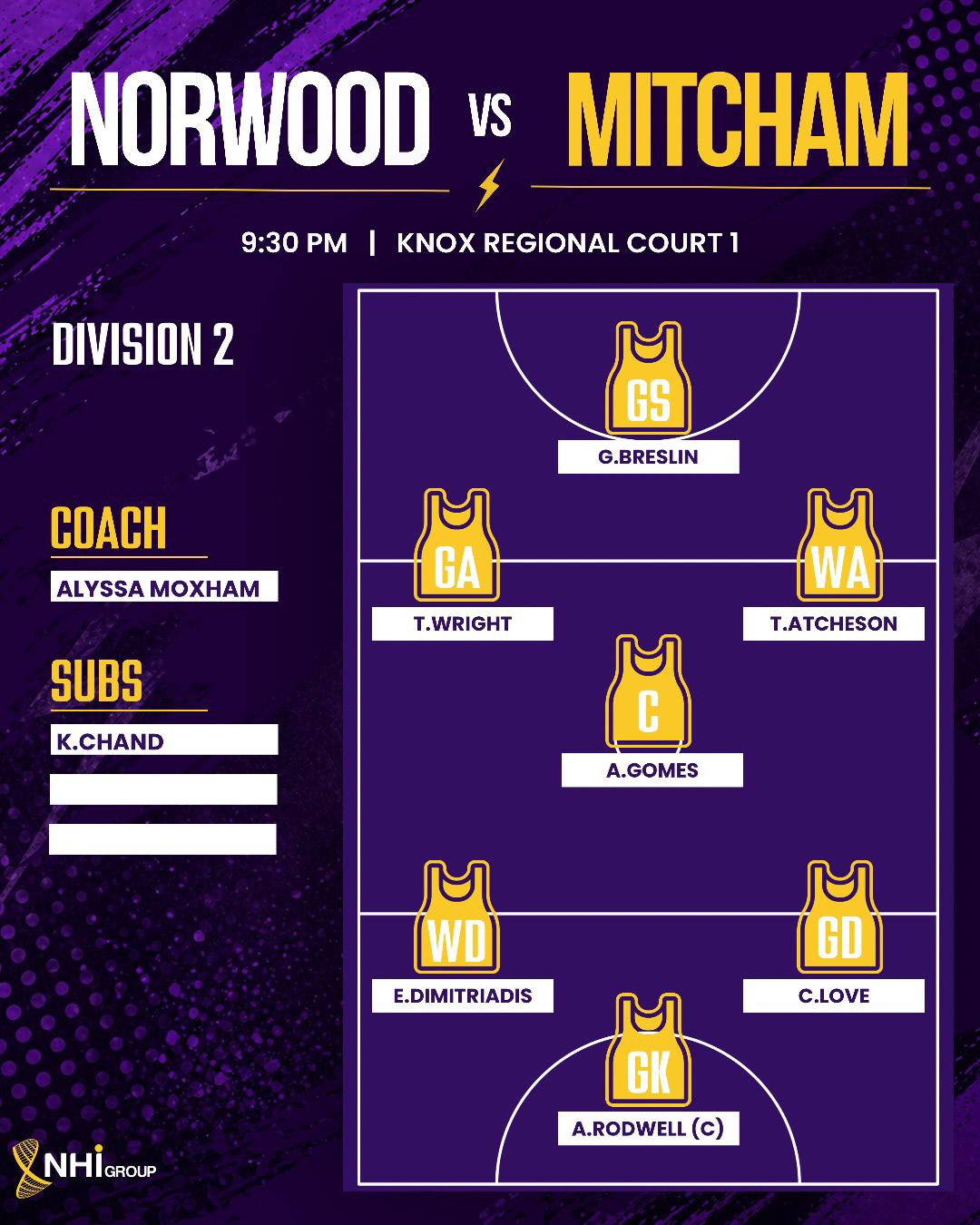
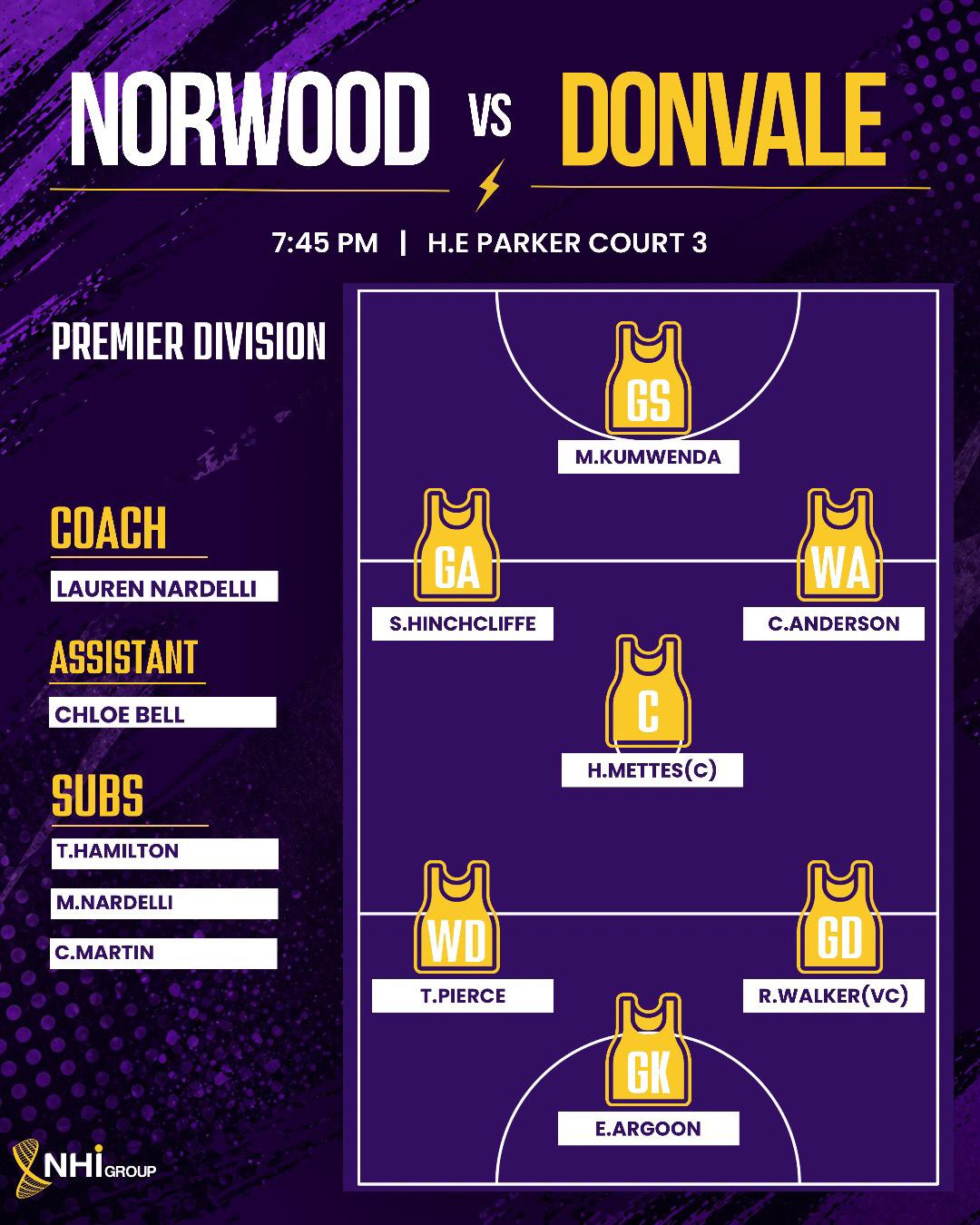
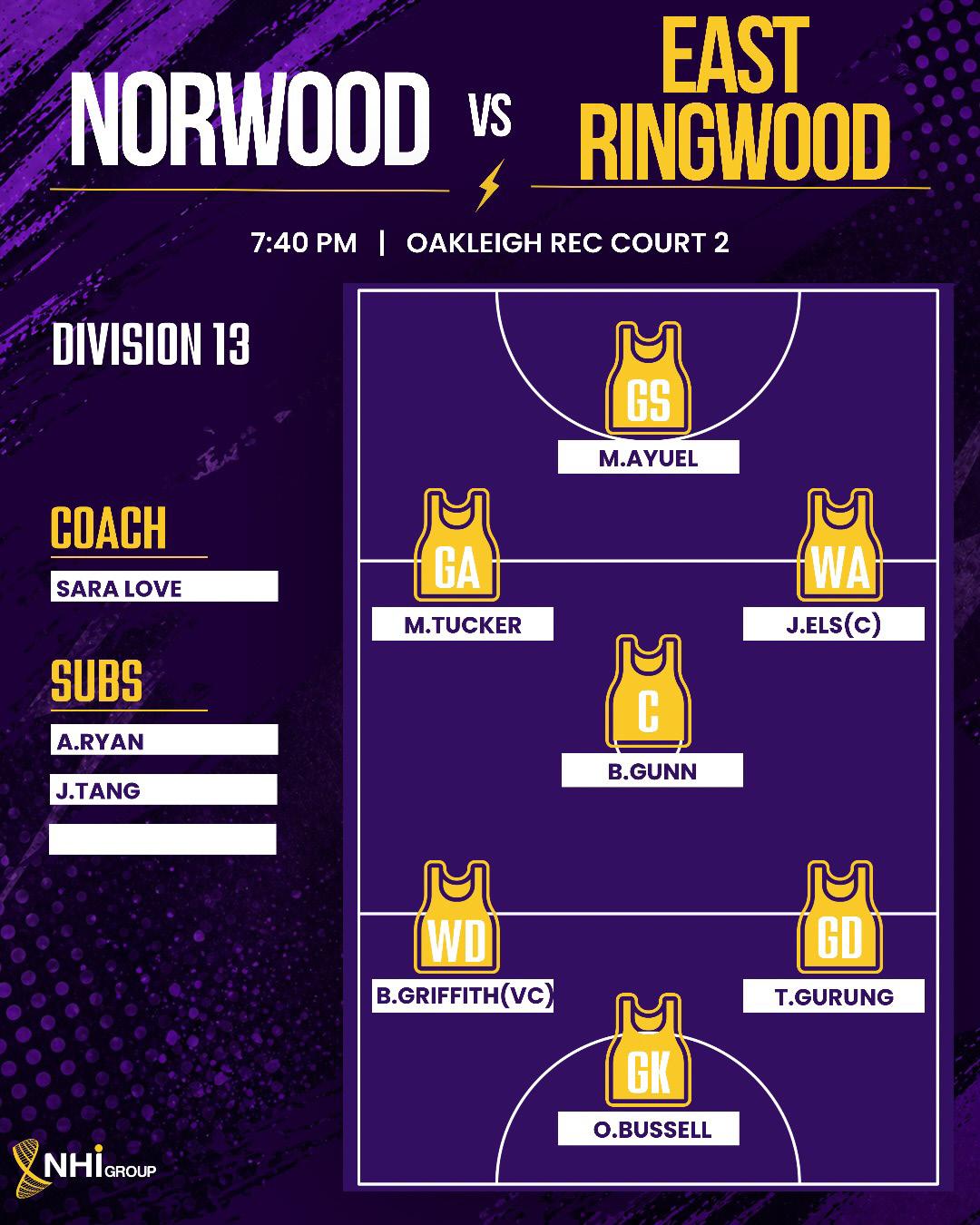


COACHING ANNOUNCEMENT
We are excited to announce than Ben Anderson has signed on for the next 2 seasons extending his commitment at the nest!
Since joining Ben has made a massive impact at the club on and off the field and we can’t wait to see where the next 2 seasons take us with Ben at the helm
Ringwood Bowls Club Inc.
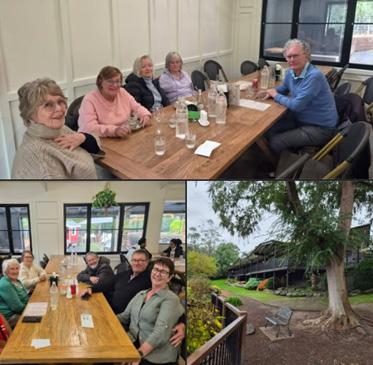
A pleasant way to spend a Sunday afternoon. Lunch at #WarrenglenNursery. Members and friends enjoyed a lovely lunch and shopping in the beautiful gift shop.

We are excited to welcome Lachlan Smith to the nest this season!
Lach is a top order bat who is super excited to get right back into cricket after living in the UK for the last 5 years.
Whilst being a classy left handed bat, he also covers some serious ground in slips without even having to dive. Best of all as you would expect at 6 foot 7, he bowls left arm tweakers. Join us in welcoming Lach to the club this season!


Eastfield Cricket Club




Do you have an upcoming events? Place your EVENT AD here for FREE in our community online paper.
SEND US YOUR NEWS!
Simply upload your ad at www.findmaroondah.com.au/nfp-free-advertising or you can email the ad to the editor@findmaroondah.com.au and we will do the rest for you.
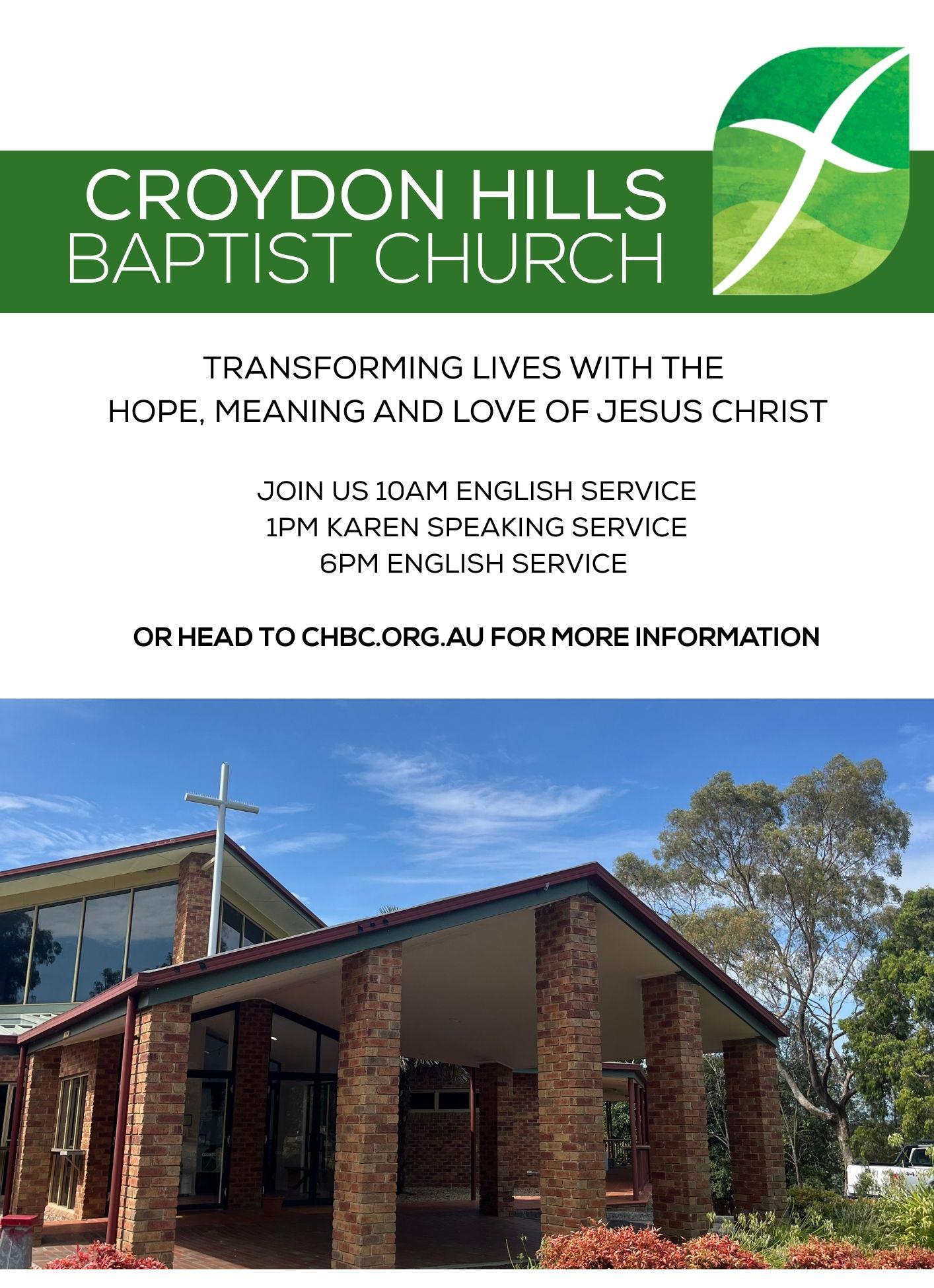
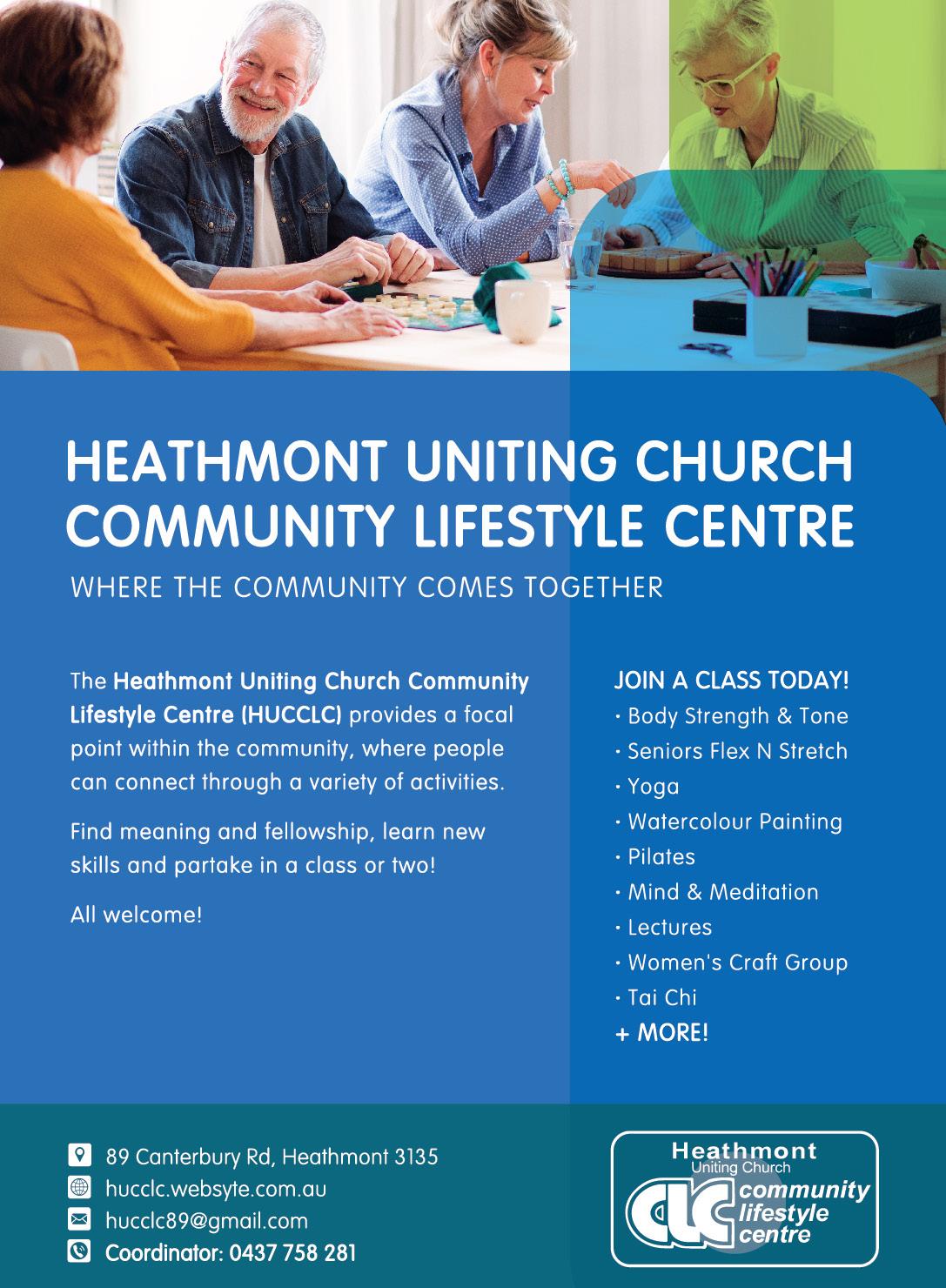


Hope City is a community partnering with Jesus to see His Church grow and to see people encounter God’s presence and be transformed by His Spirit and Word. We look to empower every believer in God’s purpose for their life so that the 7 Mountains of society will be impacted by God’s kingdom. We see a Church where every person experiences the goodness of God in their lives through energetic praise and intimate worship.



Religious Groups and Churches











find cards DIGITAL MEMBERSHIP

MOST POPULAR CATEGORIES