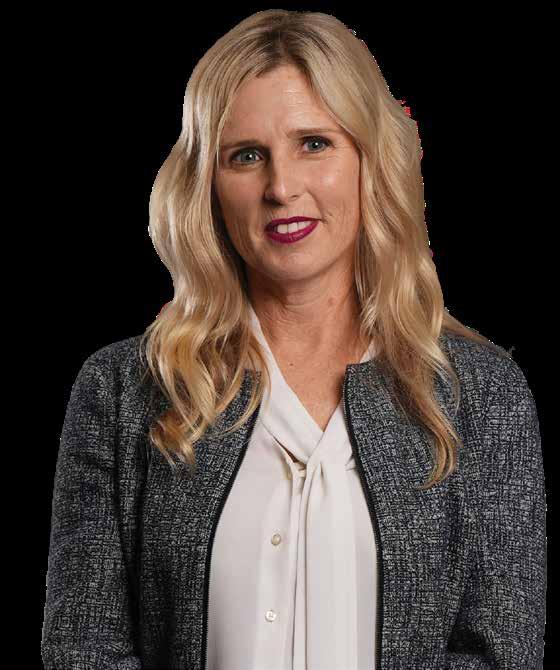
The self-managed superannuation fund (SMSF) sector is grappling with suggestions it help fund the shortfall in the Compensation Scheme of Last Resort (CSLR) by contributing to the special levy.
Treasury recently released the consultation paper Compensation Scheme of Last Resort – reform options to support ongoing sustainability to address the contentious issue of who should be funding the CSLR and how. It comes as the industry stares down a $47.3 million shortfall in funding, with the total levy for FY26 exceeding $75 million, a figure expected to grow in the years to come.
Currently, only advised SMSFs are covered by the CSLR. Around 87% of financial advicerelated misconduct that has been referred to the CSLR involves investment advice to SMSFs. Further, 93% of all claims, amounting to $113 million in possible compensation, have been lodged by SMSF trustees.
“[SMSF trustees] are not the perpetrators of the misconduct that has led to many of these compensation claims. They are, in many cases, the victim,” SMSF Assocation chief executive Peter Burgess says.
However, while noting the importance of SMSFs as an investment vehicle for Australians, CSLR chief executive David Berry says it is important to differentiate the small number of players causing harm.
“We’re dealing with a small percentage of advisers that have done the wrong thing. It’s no different with self-managed super funds. We’re dealing with a proportionately small number of self-managed super funds that have advicerelated misconduct,” he said.
“That said, when it goes wrong, it’s quite a substantial impact on the victims. So, we would want to make sure that there’s the appropriate consumer protections there for those people.”
The government has proposed two options: include a subset of SMSFs in the CSLR special levy framework under an opt-in or opt-out model or exclude SMSFs from the scheme entirely. The levy under the first option would be capped at $40 million annually.
Under the second option, trustees would still have access to Australian Financial Complaints Authority (AFCA) determinations but would lose eligibility for compensation under the CSLR.
Burgess says it is morally wrong to tell SMSF trustees to either commit to paying a levy or forfeit the right to ever make a claim under the scheme. Instead, the focus should be on targeting the root cause of the issue which remains inappropriate advice.
“We absolutely agree that the funding of this scheme is not working. It’s in urgent need of reform,” Burgess says, acknowledging that it’s also unfair the financial advice sector foots a disproportionate share of the CSLR bill.
“No other investor in any other type of investment product will be put in that position and will be asked to make that decision.
“If you suffer loss as a result of the misconduct of others, you have a right to be compensated, and that shouldn’t matter whether you’re a member of an SMSF or a member of a large fund or any other investment product.”
Treasury said SMSFs have significant control over their investment decisions compared to those in APRA-regulated products.
While some SMSFs may include higher-risk arrangements with fewer institutional safeguards, Treasury said individuals take on these risks along with a wide range of regulatory responsibilities when they establish an SMSF.
“One [question] is, should they be getting advice? And if they should be getting advice, why aren’t they getting advice? It’s more of a question to understand what’s driving current practices,” Berry says.
Burgess suggests some of the penalties collected by ASIC in successful prosecutions of financial misconduct should be redirected into the CSLR. ASIC secured $350 million in civil penalties in the second half of 2025 for financial misconduct.
Sonas Wealth managing director Liam Shorte says he is already paying the levy for his clients so charging them would mean they would be hit twice.
“If the SMSF is not advised then yes maybe it should have to pay a levy but there has to be some acknowledgement that those paying an adviser are already contributing,” Shorte says, adding that if clients choose to opt out of paying then he would be hit for a scheme that will not cover some of his clients.
“Government will need to make those hard decisions balancing the interests of victims and the industry that’s aligned with the misconduct,” Berry says. fs
Executive
HESTA picks chief executive
HESTA has appointed Robbie Campo as its new chief executive, set to take the reins from the outgoing Debby Blakey in August.
Campo has served as chief executive of ESSSuper for around four years. Prior to that she led Cbus’ brand, engagement, advocacy and product arm for five years. She has also served as the deputy chief executive of Industry Super Australia for a period of five years.
She is chair of Women in Super, has served as a non-executive director of Victoria Legal Aid and as a director at Industry Fund Services.
HESTA chair Nicola Roxon said Campo’s 26-year career in superannuation made her a standout choice for the position.
“Robbie brings extensive experience across executive and chief executive roles, leading organisations, big and small, through complex regulatory, operational and investment environments to deliver better outcomes for members,” Roxon said.
Campo said she feels privileged to be
Continued on page 4
‘Not much’ RBA can
do: Hauser
Eliza Bavin
Reserve Bank of Australia (RBA) deputy governor Andrew Hauser said the central bank is focused on getting inflation back in line over the medium to long term while acknowledging the short-term outlook remains bleak.
Speaking at an event in New York, Hauser said there isn’t much the RBA can do about current conditions and the focus must be on the future.
“It’s obvious that inflation is going up in the short term, and people are very conscious of that. We can see that in consumer surveys. There’s not much monetary policy can do about that, other than prevent it from getting into long-term inflation expectations,” Hauser said.
“The big question for us is what it’s going to do to activity, and therefore what that’s going to do to inflation over the medium term. Those are the numbers we’re crunching through at the moment.”
Hauser said the ongoing conflict in the Middle East has put Australia’s economy in a unique position.
Continued on page 4
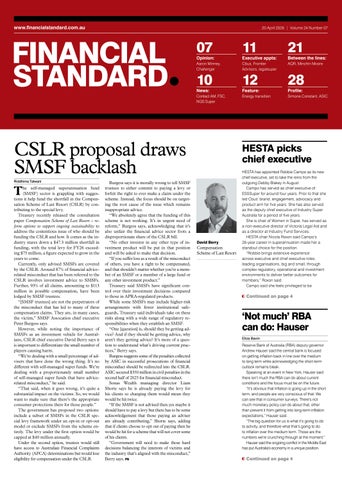
David Berry Compensation Scheme of Last Resort
By Jamie Williamson jamie.williamson@
A problem becomes more problematic
Should self-managed superannuation funds (SMSFs) be allowed to benefit from a compensation scheme they don’t want to contribute funding to?
That’s the debate that is currently underway within the industry thanks to Treasury’s recent consultation on ensuring the sustainability of the Compensation Scheme of Last Resort (CSLR).
Presenting several scenarios for feedback, the most controversial has been a proposed move to strip SMSFs from eligibility to claim on the scheme in cases of financial misconduct unless they’ve agreed to help support it. As it stands, it is only those SMSFs that receive personal financial advice, and their AFCA determinations go unpaid, that can access the CSLR.
At its most basic, and at first glance, such a suggestion seems perfectly fair; only those subsectors footing the bill for the scheme should be able to benefit from it.
Further, if the industry superannuation sector is to start paying towards it from this financial year, then why shouldn’t SMSFs? Some 93%
Director of Media & Publishing
Michelle Baltazar
Editorial
Jamie Williamson
Karren Vergara
Eliza Bavin
Matthew Wai
Riddhima Talwani
Research
David Gallagher
Pooja Antil
Sanjesh Pinnapola
Advertising
Media Sales
Client Services & Subscriptions
Matthew Martusewicz
Design & Production
Shauna Milani
Mary-Clare Perez
Doris Molina
Managing Director
Alison Mintzer
+61 2 8234 7530
+61 2 8234 7562
of all paid and pending CSLR cases involve SMSFs currently, representing close to $155 million in possible compensation. Something else to consider is that, while CSLR payments are capped at $150,000, the average payment made to an SMSF complainant is far greater than non-SMSFs at $130,000 versus $76,000.
However, the other side of the argument makes a similar amount of sense. Given it is only those SMSFs that receive personal financial advice that can make a claim, why should they be asked to contribute? Under those settings, the SMSF themselves is not at fault when it comes to any form of financial misconduct; they are, in fact, the victim.
In all, according to the Australian Taxation Office, there is over 660,000 active SMSFs holding more than $1.1 trillion of the nation’s total $4.5 trillion retirement savings pool.
With the average SMSF balance sitting at about $1.63 million as at June 2024, and only being able to access $150,000 in compensation under the scheme, you can see why SMSF trustees don’t necessarily feel like contributing. However,
newly established SMSFs may be more likely to opt in – their average starting balance in FY25 was $469,000, according to Class.
That said, under the current settings, many SMSFs are currently not covered by the CSLR because they are not advised. And this is a trend that appears to be growing, too – Class’ most recent analysis found SMSFs are being established at historically high levels, and that four out of five new SMSFs have no financial adviser behind them. The likelihood of them accessing financial advice in the future is also slim, with fewer advisers offering SMSF advice and the cost of advice skyrocketing, in part because advisers have been forced to fund the CSLR regardless of their own conduct. It seems no matter which way you look at it, there is no option that proves fair for everyone. With industry super funds being asked to contribute, you have millions of Aussies helping to fund a scheme from which they cannot benefit, just as you have all advisers footing the bill for a handful of dodgy colleagues. At least SMSFs are being given the choice to opt in or out. fs
alison.mintzer@issgovernance.com
Unit pricing errors hit Mercer funds
Karren Vergara
Investors in Mercer’s Passive Global Listed Property Fund and Cash Fund have been hit with unit pricing errors.
The Passive Global Listed Property Fund reported incorrect unit prices between 8 December 2025 to 5 February 2026 and 10 February 2026 to 5 March 2026.
Mercer Investments Australia, as the responsible entity, said in a notice “unit prices for these periods will not be reissued because we have compensated the fund as well as the investors who have been negatively impacted.”
“We have undertaken a detailed review of transactions during this period to identify investors who have been disadvantaged as a result of this error,” the notice read, dated March 31.
Affected investors have been compensated by having additional units issued to them. The fund has also been compensated “to ensure that remaining investors have not been disadvantaged.”
Mercer declined to comment on what caused the unit pricing error and what the compensation amounted to.
The fund passively invests in global listed property shares using a single investment manager. It has about $906 million in assets under management and returned 7.4% annually, according to Morningstar.
Mercer told investors the Mercer Cash Fund has also been reporting the wrong unit prices.
This specifically affected the cash units between 11 December 2025 to 20 January 2026 and term deposit units for the period 24 November 2025 to 20 January 2026.
After undertaking a detailed review of transactions during the periods to identify investors who were disadvantaged, Mercer said affected investors have been compensated by having additional units issued to them, where the value exceeded $1.
“The fund has also been compensated to ensure that remaining investors have not been disadvantaged. Therefore, the unit prices for these periods will not be reissued,” the notice read. Mercer also declined to comment on the unit pricing errors related to the Cash Fund. fs
Venture Egg adviser cops ban
Aristotle Papapavlou is permanently banned from any involvement in the financial services sector.
Papapavlou was authorised by Interprac Financial Planning as of September 2021 and worked for Venture Egg from October 2021 to July 2023. After leaving Venture Egg, he went on to be authorised by Hejaz Financial Advisers.
The regulator said Papapavlou was actively involved in Venture Egg’s high volume advice process, in which third party referrers undertook the client fact finds, and was complicit in a process in which he knew other advisers were signing his name, and the names of others, on their SOAs. The SOAs were then presented to clients Papapavlou and the other advisers had never even met.
Typically, this process resulted in the client being told to roll their super over into Shield and First Guardian. fs
01: Phil Anderson general manager, policy, advocacy and standards
Financial Advice
Association Australia
SMSF Adviser Network shuts its doors
Matthew Wai
SMSF Adviser Network (SAN) has closed its doors, with only about half of its advisers popping up somewhere else.
The quote
There were warning signs that the limited licence space was contracting…
SAN’s representatives were predominantly accountants who operated under a limited licence to provide advice on SMSF establishments and classes of product, but not specific products, under authorisation provided by the National Tax & Accountants’ Association’s (NTAA) Australian financial services licence (AFSL).
According to Padua WealthData, there was a net decline of 88 advisers in the first week of April, 85 of which had been tied to SAN. Of them, only 47 moved to NTAA’s less restrictive licence, Advice Assist Australia.
NTAA executive president Jack Stuk confirmed to Financial Standard the SAN business has been deregistered but declined to comment further.
SAN had seen a drastic reduction of adviser numbers over recent years, dwindling to 90 after the deadline of the education standard passed at the beginning of the year.
Speaking to Financial Standard , Financial Advice Association Australia (FAAA) general manager of policy, advocacy and standard Phil Anderson 01 said the limited advice licence model has significantly shrunk in recent years
for several reasons, including the educational requirements and a lack of recruitment.
He explained that even those operating under the limited licence were still caught by the exam and education requirements.
“SMSF Adviser Network was at one point the largest licensee as many accountants have jumped onto this limited licensing option, but they were impacted by the exam and education requirement,” Anderson said.
“We’ve seen a significant reduction in advisers who operate on such an option. There are very few options now for people who want to operate on a limited licence mode, and those that still do have a limited licence are not particularly interested in recruiting additional advisers.”
He thinks the model has become “uneconomical” for businesses to continue to operate, which will subsequently impact the SMSF advice sector.
“There were warning signs that the limited licence space was contracting… I can’t talk for the specific factors that influenced this [SAN’s] decision, but you could conclude that the continuation to operate with a lack of scale becomes very difficult,” Anderson said.
“At an aggregate level, there will be less people providing SMSF advice as a result of the decline, more broadly, of limited licenses and this particular closure.” fs
Div 296 requires fixing before finalisation: Industry
Industry bodies have raised concerns over the drafted Division 296 regulations, warning the current design could create unnecessary complexity, higher compliance costs and unfair outcomes.
The bill passed the Parliament last month, and was followed by a consultation to seek feedback on the taxation regulation for Division 296.
Contributing to the consultation, the Institute of Financial Professionals Australia (IFPA) said it is concerned about the treatment of deceased estates, the lack of clarity around actuarial certification, and the attribution formula for small super funds where reserves exist.
IFPA said the proposed deceased estate rules are “impractical” and may delay estate administration, causing a deceased member’s final Division 296 position to remain unfinalised longer after death, subsequently encouraging executors to keep estates open for longer and delay final distributions to beneficiaries due to the delayed assessment.
Hence, it is recommending replacing the current “single final assessment” approach with an annual assessment model for post-death periods to allow the Div 296 liability to be assessed progressively.
Meanwhile, the regulations failed to clearly state whether the actuary is expected to certify a final dollar amount, a percentage, or an attribution methodology, IFPA said, advising Treasury should clarify that the actuary may certify an apportionment percentage or methodology once the fund’s
Division 296 fund earnings are known for more consistent actuarial processes.
In addition, IFPA warns the small fund attribution formula may produce distorted outcomes where reserves exist, because reserves do not have a total super balance (TSB) value but may still contribute to fund earnings.
“For example, where a fund has one member and a reserve, the reserve may contribute to fund earnings but not to the denominator, because it is not itself a superannuation interest with a TSB value,” the submission explained.
“This could result in the member being attributed earnings economically associated with the reserve, even though the member may have no entitlement to it.
“That is an unfair outcome.”
IFPA senior technical services specialist Stuart Sheary said the current form of the regulation raises several practical and fairness concerns.
“Treasury should revisit these rules, so the tax outcome is more timely, workable and aligned with the person who ultimately receives the benefit,” Sheary said.
“Our submission outlines sensible amendments that would improve fairness, reduce compliance friction and make the regime more workable in practice.
“In our view, the proposed rules dealing with deceased members, actuarial certification and small fund attribution risk creating unnecessary complexity, higher compliance costs and inequitable outcomes.” fs
Jamie Williamson
HESTA picks chief executive
Continued from page 1
appointed to lead a super fund where 80% of its members as women and predominantly working in health and community services.
“I am thrilled to be appointed as HESTA’s chief executive, a role which will allow me to continue my passion for improving the economic security of Australians and, in particular, improving retirement outcomes for women,” Campo said.
Campo noted HESTA’s history of advocacy, global leadership in responsible investment and a strong track record of supporting its members.
“I look forward to building on the fund’s very strong foundations, and to receiving the baton from such a high-impact leader as Debby,” Campo added.
Blakey welcomed the board’s decision to appoint Campo.
“I’ve had the opportunity of working with Robbie over many years on improving the super system for women and working Australians,” Blakey said.
“I am thrilled I will have the privilege of handing over to Robbie as the incoming chief executive in August and feel confident she will lead the fund from strength to strength.”
ESSSuper board president Pam Rebecca said Campo’s appointment at HESTA is recognition of her impeccable character, leadership skills and expertise.
“It is with a great deal of pride for Robbie that we make this announcement. We were the first organisation to have the benefit of Robbie’s leadership as chief executive,” Rebecca said.
“Her focus on delivering strong member outcomes has been done with her characteristic warm, collaborative and engaging style. She has built a strong, capable and outcomes focused team.” fs
‘Not much’ RBA can do: Hauser
Continued from page 1
“The energy intensity has some good news and bad news. We are a net energy exporter: that coal, liquid natural gas, is quite a good earner at the moment, but we are almost wholly reliant on imports for oil, and we are the highest user of diesel per capita in the world,” he said.
“So, this is a big real income shock for Australia, even if national income and the fiscal coffers may benefit from that net export position.”
Hauser added that while the short-term economic effects of the Middle East conflict are doing damage, there is reason to believe things may calm down.
“You don’t want inflation expectations in the medium to long term picking up. That, of course, is a central banker’s nightmare and we’re very alert to that. Long-term inflation expectations have not picked up, if you look at markets. But of course, that’s partly endogenous of expectations about policy,” Hauser said.
“But we do need to take account of activity. We do need to take account of the possibility that that will close the output gap for ourselves. Of course, the trickiness there is we know it affects demand, but we probably think it affects supply as well. So, our economists are being kept very, very busy trying to work out that trade off.” fs
01: Daniel Mulino minister for financial services
THREE LINE HEAD
Treasury proposes lead generator, switching reforms
Karren Vergara
Treasury is proposing a barrage of reforms that will curb dubious lead generator and superannuation switching activities and make platforms more accountable for the products they offer members.
The quote
Limiting the platform trustee’s compensation obligation to ‘eligible losses’ would help clarify that the obligation is not intended to eliminate ordinary investment risk for members.
The Enhancing member protections in the superannuation system consultation covers four key issues: making switching superannuation safer, strengthening trustee governance, limiting or better protecting advice fee deductions from super and requiring platforms to compensate members for some investment failures on their platforms.
Treasury proposes applying a waiting period to all inter-fund superannuation switches. Members will be required to confirm the switch request for a mandatory period. If confirmation of a rollover request is not received by the transferring fund after the yet-to-be-designated period, the request will lapse after a further three business days.
Treasury also wants to limit fee deductions for switching-related financial advice and introduce codification obligations for receiving super funds to review advice fee deductions.
For platform trustees, Treasury is planning potential changes that include imposing mandatory holding limits for certain investment options and tougher due diligence when onboarding a financial product to the platform.
Treasury also wants platform trustees to compensate members for eligible losses incurred on their platform. It defines losses as “financial losses arising from external fraud or theft that result in the collapse of an investment product and would exclude losses attributable to ordinary investment performance or market volatility.”
“Limiting the platform trustee’s compensation obligation to ‘eligible losses’ would help clarify that the obligation is not intended to eliminate ordinary investment risk for members. Instead, it would draw a clearer boundary between losses attributable to the actions of bad actors, and losses that arise from normal market volatility or product underperformance,” Treasury said.
Lead generation
Treasury proposes several areas of reforms under the Curbing lead generation activity consultation: making lead generators more accountable for their conduct, strengthening the rules on unsolicited selling, addressing conflicted payment structures and disrupting harmful or misleading advertising.
Part of the changes include imposing ongoing regulatory supervision over lead generation conduct and remuneration flows.
Treasury would also target specific actions of lead generators that are problematic, being the advertising to attract consumers and cold calling of consumers.
At present, Treasury believes there is some uncertainty about whether lead generation ac-
tivities constitute “dealing or financial product advice” and this is dependent on the facts and circumstances of the individual case.
Lead generation activities that occur at the early stages of consumer engagement, such as ones related to superannuation, may not be captured by protections where the activity does not clearly amount to dealing in a financial product or financial product advice or does not otherwise fit within the definition of financial services.
The government, therefore, wants feedback on prescribing certain lead generation activities as a type of financial service, where those activities influence consumer decision making in relation to financial products or services.
Ultimately, this will require lead generators to hold an AFSL and comply with the additional regulatory obligations under the licensing regime.
Treasury is now considering a broad-based ban on non-consumer initiated real-time contact and to “tighten the conditions that must be met for a consumer to consent to contact, and to add additional protections to ensure the consumer is aware of what they are consenting to”.
It also wants to limit the scope of the financial advice exemption so that hawking cannot be “cleansed through subsequent financial advice.”
This could be done via removing the personal advice exemption, restricting the exemption so that it only applies for advisers where they are offering products to existing clients or products other than superannuation products.
Furthermore, changes to capture lead generators under conflicted remuneration ban is up for consideration. These are typically third-party lead generators and their representatives that are not licensees providing financial advice or product issuers/seller whose actions could reasonably influence advice that is ultimately given to a retail client.
“This option seeks to explicitly capture lead generators in the conflicted remuneration framework, alongside the other obligations of licensees,” Treasury explained.
“However, potential ambiguities around the scope of benefits captured by the conflicted remuneration provisions may still be exploited to circumvent these protections, when lead generators provide intangible non-monetary benefits to advisers.”
Minister for financial services Daniel Mulino 01 has subsequently released the three consultations to give consumers greater protection and realised “the need for a comprehensive reform package which responds to the ecosystem of alleged misconduct surrounding these failures.”
“The Albanese Government will consider the outcomes of these consultations and progress a series of targeted, proportionate reforms which appropriately balance consumer protection, the risk of future collapses and the right of individuals to exercise choice in the superannuation system,” he said. fs
01: Sarah Abood chief executive Financial Advice Association Australia
Treasury has opened its long-awaited consultation on the sustainability of the Compensation Scheme of Last Resort (CSLR) and the best way for the industry to fund it.
Minister for financial services Daniel Mulino is seeking options on how the CSLR can remain sustainable and effective, floating reforms that will potentially change its structure and how it is funded.
“The proposals are intended to improve the predictability and structure of funding arrangements, better align the scheme with its role as a mechanism of last resort, mitigate unnecessary cross-subsidisation and enhance recoveries,” the newly published Reform options to support ongoing sustainability paper shows.
To address the incessant funding shortfall, Treasury is asking for stakeholder feedback on implementing “a rules-based special levy ‘waterfall’ framework to respond more predictably to large-scale, investment-related losses arising from personal financial advice misconduct where costs exceed the annual subsector levy caps.”
This means that any funding shortfall would be allocated sequentially across up to three tiers, reflecting the relative connection of sub-sectors to the underlying losses.
The three tiers comprise the primary subsector or the first payer, a sub-sector whose annual levy cap has been exceeded and pays up to $20 million in special levies on top of the annual levy.
The connected sub-sector or second payer whose products and/or services are identified as being connected to the losses and pays up to $40 million per sub-sector in special levies.
The retail facing sub-sectors or final payers are the remaining sub-sectors that operate as a defined backstop if any shortfall remains and can pay up to $30 million per sub-sector in special levies.
The financial advice industry is expected to pay the $126.9 million CSLR levy for FY27. This amount does not account for First Guardian and Shield. The total amount for the wider industry, however, comes to $137.5 million.
The levy has jumped from an estimated $75.7 million, including $67.3 million attributable to the personal financial advice sub-sector, in FY26.
Mulino said the three tier waterfall would provide a consistent and repeatable mechanism for allocating funding shortfalls.
“It would support the sustainability of CSLR funding and improve certainty for levy payers by providing clearer expectations about how
future shortfalls would be managed, while continuing to support the timely payment of compensation,” he said.
The proposed special levy caps, he added, are designed to provide clear limits on potential levy liability and support a sustainable and repeatable funding response that does not undermine subsector viability, while still ensuring the CSLR can raise sufficient funds in a timely manner to provide redress to consumers suffering from misconduct.
Other proposed reforms included enabling the CSLR to deduct payments from compensation and for SMSFs to potentially be included as a subset within the CSLR special levy framework as a connected sub-sector.
The other option is to exclude SMSFs from CSLR eligibility entirely but still be able to make a complaint with the Australian Financial Complaints Authority (AFCA).
Concerns raised
In response, Super Consumers Australia called for the government to focus on reforms that will actually protect people, warning against ineffective measures and those that will harm victims.
It raised concerns over the proposal to remove the ‘but for test’ from the CSLR, calling it ‘deeply unfair’.
Super Consumers Australia chief executive Xavier O’Halloran said reforms need to focus on preventing harm before it occurs.
Treasury proposes revising the treatment of counterfactual loss for CSLR-eligible financial advice complaints. AFCA generally determines loss in financial advice complaints using a counterfactual (‘but for’) approach, comparing the consumer’s actual position following the breach with the position they would reasonably have been in had the misconduct not occurred.
“The use of a counterfactual methodology can materially affect the amount ultimately payable by the CSLR,” Treasury said.
“Depending on the nature of the investment, the relevant time horizon and the way the counterfactual is constructed, compensation may exceed capital loss alone, including where losses are assessed across individual products rather than by reference to the consumer’s overall portfolio position.”
Treasury poses a key policy question of if the ‘but for’ approach needs to be changed and if so, how to balance fair compensation for consumers with the longer-term sustainability and affordability of the scheme.
“The proposal to remove the ‘but for test’ is deeply unfair and undermines a basic tenet that
The quote
Unregulated lead generators, aggressive sales tactics, and conflicted financial advice have caused real consumer harm.
people should be compensated for losses that flow from misconduct,” O’Halloran said.
“The right way to address sustainability is to stop harm from occurring in the first place and make it easier to ensure those responsible pay. Cutting off compensation to victims who have seen their retirement savings destroyed is a counterproductive policy outcome.”
While welcoming the proposals, Super Consumers Australia cautioned that not all measures will deliver the same level of protection.
“We’ll engage constructively through the consultation, but it’s important to be clear some of these proposals will make a real difference, and some risk taking us backwards,” O’Halloran said.
“This is a critical opportunity to reset the system. Getting this right means shutting down predatory practices for good and rebuilding trust in super for millions of Australians.”
Financial Advice Association Australia (FAAA) chief executive Sarah Abood 01 welcomed the consultation papers and said the FAAA will carefully review the proposals in coming weeks and will engage with members on their responses.
“In the current system, a declining number of financial advisers are paying the largest share of the CSLR levy despite having nothing to do with the misconduct that gave rise to the need for consumer compensation,” Abood said.
“Bi-partisan support for proportionate, effective reforms that help victims, prevent misconduct, and hold those responsible accountable, is crucial for investor confidence and market efficiency.”
The Association of Superannuation Funds of Australia (ASFA) said the recommendations will go a long way in reducing CSLR claims in the first place.
“Unregulated lead generators, aggressive sales tactics, and conflicted financial advice have caused real consumer harm. Better licensing, more time for funds to check the safety of transactions, and stronger advertising frameworks will be much-needed guardrails,” ASFA chief executive Mary Delahunty said.
“The vast majority of Australians have their super savings in a safe, tightly regulated system. But today’s announcements address activity on the edges of this safety zone.”
ASFA also welcomed the government’s step to review CSLR’s funding arrangements.
“ASFA welcomes this as a step towards a fairer outcome for the millions of super fund members who contribute to the scheme but cannot claim from it,” it said. fs
MFG, Barrenjoey now approved
Magellan Financial shareholders have approved the takeover by Barrenjoey at an implied valuation of $1.6 billion.
Magellan first announced the merger in early March, noting Brian Benari will become the group chief executive under the new entity. Sophia Rahmani will continue as chief executive of Magellan Investment Partners.
Magellan chair Andrew Formica said the investment manager has been focused on evolving the firm into a more diversified financial services group.
“This strategy has been guided by a clear objective: to build a business that is more resilient, less dependent on any single revenue stream, and better positioned to generate sustainable returns through market cycles,” Formica said.
“Our partnership with Barrenjoey has been central to this evolution.”
Magellan’s existing investment management business operations will remain stand alone and unchanged. There will be no change to the investment decision-making, philosophy and process as a result of the merger, Formica said.
Magellan was a founding investor in Barrenjoey back in 2020. It currently owns 46% of the advisory firm, with 46.4% economic interest and a 5% voting interest.
“We have seen first-hand the calibre of its people, the strength of its culture, and the breadth and depth of its client relationships,” he said.
“We believe that the proposed merger represents the natural next step in this partnership. It enables Magellan shareholders to move from partial economic participation in Barrenjoey to full ownership, allowing us to fully participate in any future growth and value creation.” fs
CFS awards $370m mandate
Colonial First State (CFS) awarded a $370 million mandate to New Zealand-based infrastructure manager Morrison to tap its global private markets strategy.
CFS has already made commitments to Morrison’s value-add strategy across fund and discretionary co-investments. These investments included Polaris, Morrison’s Asia-Pacific cold storage platform it acquired in February by via a takeover of SuperFreeze and US pharmacy logistics platform Fillex.
Morrison’s assets have grown to US$30 billion, investing across North America, Europe and Asia-Pacific.
“This partnership with Morrison aligns with our objective of building a resilient, diversified infrastructure portfolio. It reflects our continued focus on high-quality, actively managed investments that deliver strong risk-adjusted returns for our members,” said CFS chief investment officer Jonathan Armitage.
Morrison chief executive Paul Newfield said: “We appreciate Colonial First State’s commitment to Morrison’s value-add infrastructure capabilities, which reflects the growing demand we’re seeing globally for high-quality, mid-market infrastructure investments.” fs
01: Raphael Arndt chief executive Future Fund
Future Fund targets $15m in savings, reviews staffing
Riddhima Talwani
Future Fund will cut costs by $10 to $15 million in FY27, in a bid to ensure costs and staffing levels remain appropriate for the years ahead.
It expects further savings in subsequent years.
The quote ... the agency’s costs and staffing levels are appropriate for the scale and complexity or our investment objectives, but we need to make sure that remains the case.
Australia’s sovereign wealth fund said it will achieve the goal by maximising the benefits of improved data and technology systems it has developed internally over the years, as well as renegotiating externally provided services.
It will also review 10 roles across investment and non-investment teams to ensure staffing continues to reflect business needs and priorities. Future Fund said in all cases appropriate consultation with relevant staff is being undertaken before decisions about roles are made.
“Overall, the agency’s costs and staffing levels are appropriate for the scale and complexity or our investment objectives, but we need to make sure that remains the case,” Future Fund chief executive Raphael Arndt 01 said.
“We are now ‘baking in’ the benefits of the capabilities we have developed and maximising
the efficiencies and new insights they deliver while making sure roles remain aligned with business needs.”
Arndt said Future Fund has invested heavily in its data, technology, people, processes, and culture in the last five years. It said this has helped generate powerful insights into the investment markets, the risks and opportunities on offer and how it can position portfolios to navigate them.
“Our investment in data and technology and in the systems and ability to use them has been critical to investment performance. We have significantly strengthened the resilience of the investment portfolios to help navigate the volatile investment environment that we expect to endure,” Arndt said.
Future Fund has grown by over $96 billion over the last five years, while the total value of funds invested has grown to $335 billion from $218 billion.
“We will continue to assess the resources needed to generate strong-risk adjusted returns in a complex investment environment, making changes where it is prudent to do so,” he said. fs
Proposed foreign resident CGT rules up for consultation
Karren Vergara
Treasury is tightening the rules around capital gains tax (CGT) rules to ensure foreign residents pay their fair share of tax in Australia.
The draft law broadens and clarifies the definition of Taxable Australian Real Property (TARP) and introduces a definition of real property into the Income Tax Assessment Act 1997 that forms part of the definition of TARP.
The government currently broadly puts taxable Australian property into five categories of CGT assets.
Two of these categories are the subject of these amendments: Taxable Australian real property (TARP) and indirect Australian real property interests (IARPIs). IARPIs are defined as membership interests in entities, the underlying value of which is principally derived from TARP.
Under the new laws, CGT assets under TARP will be clarified and broadened to include assets that have a close economic connection to Australian land and/or natural resources.
TARP currently includes mining, quarrying and prospecting rights. It may soon include water entitlements in relation to a water resource situated in Australia, and an option or right to acquire a CGT asset over TARP assets.
“Real property is defined inclusively (that is, building from the ordinary meaning) and captures rights and interests over land (regardless of how a
state law or territory law treats the interest), things fixed or installed on land, whether or not they are treated another way under state and territory law or general law, and leases and licences over such assets,” the Strengthening the Foreign Resident CGT Regime explanatory documents state.
IARPI is set to be defined to be as a nonportfolio membership interest held by an entity in another entity that passes the principal asset test (PAT) at the point-in-time of testing or at any time during the preceding 365 days. The PAT requires mining information to be included in the calculation of TARP assets for the purposes of ascertaining whether the interest is an IARPI.
Finally, where a foreign resident disposes nonIARPI membership interests valued at $50 million or more, they may notify the Australian Taxation Office in the approved form and provide a vendor declaration to the purchaser confirming that they are exempt from withholding obligations.
“This makes clear that foreign resident CGT applies to assets that derive their economic value from the use of Australia’s land and natural resources,” Treasury said.
“Capturing assets with a close economic connection to Australia is consistent with principles outlined in the OECD Model Tax Convention, which guides international tax practice.”
The consultation will take submissions until April 24. fs
The best practice principles for retirement income
Treasury recently released its highly anticipated guidelines on best practice principles for superannuation retirement income solutions (BPPs). While aimed at super funds, the guidelines provide a valuable resource for advisers helping clients navigate retirement planning.
With 2.5 million Australians set to retire in the coming decade, retirement income is firmly in the spotlight with the industry tasked to address core concerns, such as managing longevity and sequencing risk.
Within the guidelines’ 19 principles, Know, Build, Guide, were identified as crucial pillars, foundational to delivering best practice retirement solutions for super members. These pillars will be well-known to advisers, with the need for better member retirement outcomes overlapping closely with client best interest duties.
The core challenge is that funds have to deliver retirement income advice, product, and innovation at scale, to meet the needs of thousands of members at the same time. The guidelines have spotlighted the value of advice, but also highlighted some of the key challenges, such as scale and accessibility.
Addressing these challenges will require a whole of industry approach. The guidelines showcase four key learnings to ensure advisers align with retirement income best practice while embracing the opportunity to help more Australians secure confidence, comfort, and certainty in retirement.
1. Know your members / clients
One challenge for super funds is to know enough about their member base. It is one of the reasons why many Australians approaching retirement seek personalised advice.
Advisers have an advantage here. They deeply understand their client, gathering information through fact findings to determine best options and deliver a tailored Statement of Advice (SOA).
While funds don’t need this level of detail for each member, they do need to collectively understand key differences in member cohorts.
The ability of advisers to fully understand their clients will enable them to add greater value to conversations around retirement income. Funds will provide a starting point that might work for some members in a cohort, but the optimal solution is likely to require the deeper understanding of the client that comes with an advice relationship.
2. Build appropriate options
Super funds need to provide members with access to a range of products that will meet
their needs in retirement. At the minimum, the BPPs require that super funds provide their members with access to (Principle 5): i. A lifetime income product that is not the Age Pension ii. An account-based pension
iii. Lump sums
These three components can be used by the fund to create mixes that deliver better options for members in retirement. Additional principles provide guidance on drawdown rates (above the minimum) to convert savings to income. Funds also need to construct a solution that will meet the needs of the ‘cohort’.
Advisers will appreciate that most people are not average, so the cohort solution won’t necessarily be ideal for a particular client. The ability to tailor solutions to the client’s individual preferences can generate value for the client.
The BPPs provide good guidance in the type of product that can be used. Combining the flexibility of an account-based pension with the security provided by a lifetime income stream can deliver the best of both worlds to clients.
To deliver the best outcomes for clients in retirement, advisers need access to a range of income solutions that can be tailored to the clients’ needs. Advisers will need to build beyond the base that a super fund can provide to a cohort of members, including a range of options that can be combined in a personalised solution.
3. Guide members to an appropriate solution
Working with a financial adviser is likely to deliver clients to their best solution. Advisers can utilise all the product options available (from a variety of funds if necessary) to tailor a bespoke solution for the client. There is a scale challenge for funds to provide this level of support to members.
While access to advice is highlighted (Principle 15), the requirement is for funds to provide guidance at scale. In effect, funds should provide a good solution to everyone, even if it might not be the best one for a particular member based on their individual circumstances.
The growing number of Australians reaching retirement will all need some assistance to generate their income in retirement. It won’t be possible for everyone to see a full-service financial adviser, but there will be scope and benefits for advisers that can help with guidance at scale, while leveraging the opportunities for personal advice that follow.
The quote
Advisers will need to build beyond the base that a super fund can provide to a cohort of members, including a range of options that can be combined in a personalised solution.
4. Improving retirement discussions
Many Australians approach retirement without much of an idea of what they need to do. It’s a confusing, complex, and emotional time. The result is many discussions explaining the basics before an adviser can really help the client.
With improved engagement from the funds, clients will be better prepared for a retirement conversation with the adviser. They might even have a fund-designed cohort solution as a starting point.
For some clients, it might be hard to beat this average solution, but the ability to tailor something that meets the client’s specific needs will enable advisers to demonstrate their value add. Super platforms will be motivated to actively work with advisers to ensure members secure the best retirement outcomes.
Australia’s $4.5 trillion superannuation system is entering a critical phase, with an urgent need to convert Australia’s hard-earned savings to safe, reliable income that lasts. These reforms focus on strengthening the system to deliver the best results for every Australian in retirement. It’s pleasing to see both government and industry now recognise this as a priority.
To deliver better retirement outcomes, we need to embrace advice in all its forms - from tailored, professional advice to scalable digital solutions - alongside innovation in product design. With funds tasked to engage members in the retirement stage of super, we anticipate positive flow on effects for the advice sector, driving more demand and greater recognition of the value of professional advice.
The roadmap is clear, but we must work together to achieve it. With a record number of Australians stepping into retirement, there is no time to waste. fs
01: Aaron Minney head of retirement income research Challenger
Charter Hall wins $1.2bn mandate
Charter Hall has secured a $1.2 billion diversified property mandate with an existing institutional client.
“Charter Hall is pleased to be appointed to manage this $1.2 billion diversified direct property mandate,” Charter Hall chief executive David Harrison said.
“The mandate continues the momentum in funds under management growth and equity flows announced during FY26 and demonstrates Charter Hall’s cross-sector expertise and scale across Australia’s core real estate sectors.”
While the details of the portfolio are confidential, Charter Hall has several large institutional clients, including super funds.
In December 2024, Hostplus and Charter Hall teamed up to launch a takeover offer for Hotel Property Investments (HPI), and after a hostile bidding process Charter Hall and Hostplus took over HPI in early 2025 for around $760 million.
In June last year Charter Hall received a $2.1 billion mandate from Challenger Life to manage its direct Australian property assets.
The group also has some major security holders including HSBC, J P Morgan, Citi, BNP Paribas, First Sentier, Commonwealth Bank and State Street, according to its annual report to 29 July 2025.
Charter Hall currently has around $92.2 billion in funds under management, 1609 properties across four sectors and $17.9 billion in the development pipeline.
According to a Fund Manager Survey by industry associations ANREV, INREV, and NCREIF last year, Charter Hall was Australia’s largest real estate fund manager, followed by Dexus and Lendlease. fs
70% pass latest adviser exam
Matthew Wai
The pass rate has surpassed 70% in the 32nd Financial Advisers Exam cycle for the first time in a year.
In the March exam cycle, 292 sat the exam and 209, or 71.6%, passed the exam. Some 227 (77.7%) sat the exam for the first time.
Unsuccessful candidates will receive general feedback on areas they underperformed, ASIC said.
The pass rate has improved from the previous seatings in November 2025 (68%) and August 2025 (69%). At the same time last year, 73.4% have passed the exam out of the 241 candidates who attended.
The next exam will be held on 4 June 2026. The booking period for this exam opens 24 April 2026 and will close on 15 May 2026.
To date, 22,611 individuals have sat the exam and 92% (20,963) have passed, ASIC said. This comes after the Financial Advice Association of Australia (FAAA) made a submission to the Jobs and Skills Australia (JSA) consultation urging the inclusion of financial advisers on the occupational shortage list.
FAAA chief executive Sarah Abood said there is “substantial evidence” of the skills shortage in financial advice, which has “plagued our profession since 2019”, and the decline is nott being offset by new entrants. fs
01: Joe Longo chair ASIC
ASX is ‘compromised’ and ‘lacks aspiration’: Final report
Eliza Bavin
The ASX Inquiry Panel has released a damning final report into the ASX, focusing on governance, capability and risk management frameworks and practices across the group.
The market and the Australian public need resilient and reliable market infrastructure.
The key observations of the Final Report were consistent with the Interim report, and include that resilience of critical market infrastructure has been compromised to deliver high shareholder returns; governance arrangements fail to provide the necessary focus on critical market infrastructure; the ASX lacks the aspiration to be a steward of critical market infrastructure; and capability and cultural barriers are hindering transformational change.
In addition to the Interim Report’s findings, the panel also observed that ASX’s risk management and compliance practices need to mature to become fit-for-purpose and embedded in business processes.
The report determined this contributed to ASX being overly reactive and tactical in its response to incidents and identified gaps.
It added an area that requires more reflection is the execution of ASX’s own market supervision responsibilities to monitor, supervise and enforce compliance with Operating and Listing Rules by participants and listed entities.
The report comes after ASIC took the unprecedented step in June 2025 of commissioning the Inquiry into ASX after years of persistent issues and operational failings.
ASIC chair Joe Longo 01 said the ASX In -
quiry’s Final Report reinforced the strategic package of reforms ASIC announced in December was the urgent reset required.
“This report confirms that ASIC’s decision to commission this unprecedented Inquiry was the right call,” Longo said.
“The further evidence and key observations in this Final Report support the scale of transformational change required at ASX to deliver on its stewardship of critical market infrastructure.”
Longo thanked the Inquiry Panel for its work, which he said provided a circuit breaker for ASX and “a clear path forward to rebuilding trust and confidence in this operator of critical markets infrastructure.”
In December 2025, ASX made commitments to ASIC on a package of reforms, and in February 2026 submitted its Commitments Plan outlining how it would deliver those reforms.
ASIC said it will continue to work closely with ASX on its delivery of the plan.
As part of ASX’s transformation, ASIC also noted its progress on leadership as ASX transitions to its new chief executive after Helen Lofthouse announced she would step down in May.
“The market and the Australian public need resilient and reliable market infrastructure,” Longo said.
“It is now firmly for ASX to ensure its transformation is successful and enduring. This will take time and will require sustained focus on leadership, accountability, investment and stewardship to deliver.” fs
Genetic testing laws pass parliament
New laws that ban the ability to discriminate based on adverse predictive genetic test results in life insurance underwriting have passed parliament.
Minister for financial services Daniel Mulino said Australians should not feel discouraged from undertaking genetic testing out of fear it may have an impact on their ability to get insurance or make that insurance unaffordable.
“The ban will not prevent individuals from volunteering genetic test results with written consent, and the use of these volunteered results in underwriting where this would not adversely impact the insurance offer or policy terms, or limit the existing ability to access and use certain information for underwriting life insurance including the existence of signs, symptoms or diagnosed diseases,” he said.
“There are civil penalties and criminal offences for non compliance which will be regulated by the Australian Securities and Investments Commission. This legislation will make a meaningful difference to people’s lives.”
Australian life insurers welcomed the passage, saying the new law will give Australians more confidence about getting a genetic test, knowing it can’t be used in insurance underwriting.
The legislation bans the use of predictive genetic test results when assessing a person’s application for cover.
The Council of Australian Life Insurers (CALI) said it has long supported the responsible use of genetic test results to empower people to better manage their health in a preventative way.
“Our industry is incredibly proud to play such an important role in giving Australians certainty about their future,” CALI chief executive Christine Cupitt said.
“For years, we have been clear that no one should be deterred from taking a genetic test that gives them more information about their overall health. As life insurers, we want people to access the information they need to make informed choices about their health and to manage it proactively.”
CALI added that in 2019 the life insurance industry took voluntary action to introduce a mandatory standard to restrict the use of predictive genetic test results in underwriting.
CALI said the rapid evolution of genetic science has since made the legislative action both timely and necessary. CALI also welcomed the inclusion of a five-year review of the legislation, which it said will be essential to ensure the law keeps up to date with the ever-evolving predictive genetic testing landscape. fs
The quote
Voting open until 8 May 2026
Recognise industry leaders and innovators across marketing, advertising and sales by voting for them in the 2026 MAX Awards.
The annual MAX Awards celebrate the best financial services marketing campaigns and agencies, as well as the individuals setting new standards and driving innovation and growth.
Hyatt Regency 161 Sussex St, Sydney NSW Thursday, June 11
6:00pm until late
Scan the QR code to vote now
www.financialstandard.com.au/max
Contact AM shuts down only fund
Jamie Williamson
Contact Asset Management is closing its only fund, but the boutique isn’t going anywhere, continuing as manager of BKI Investment Company.
Contact Asset Management began winding up its Australian Ex-50 Fund following a review of the strategy. After looking at its scale and future growth prospects, the manager determined the fund had not achieved sufficient scale to effectively implement its strategy as intended.
The fund sought to invest in tomorrow’s leaders, backing mid and small cap companies that sit outside the S&P/ASX 50 Index.
“The closure decision has not been taken lightly. It follows a thorough assessment of the fund, market demand and expected growth opportunities. We have determined terminating the fund is in the best interests of all unitholders after considering all available options,” the fund manager said.
In a statement to Financial Standard, Contact director Will Culbert confirmed the decision to wind up is specific to the fund and not indicative of a broader wind-down of the boutique.
Culbert added that the decision did not relate to performance, with the firm saying the latest unaudited unit price data shows the fund achieved a return of 18.6% over the past year “which compares favourably to a blended S&P/ASX Midcap 50 & S&P/ASX Small Ordinaries Accumulation Index which has returned 8.7% over the same period.” Over three and five years it slightly underperformed the same blended index.
Contact will focus on managing the portfolio of BKI Investment Company, which it was named manager of in 2016.
“Contact is a profitable asset manager and is very well positioned to continue in its role as investment manager of BKI Investment Company,” Culbert said. fs
NGS Super awards mandate
NGS Super named Milliman Financial Risk Management (FRM) as implementation manager.
NGS Super senior portfolio manager for alternatives Carson Drummond said the partnership improves flexibility and efficiency in the fund’s internal tactical asset allocation program, as well as duration and currency hedging.
“When markets move quickly, having a trade execution partner that is flexible on timing, instruments, and trading venues helps us deliver better outcomes for members,” Drummond said.
“The capability Milliman brings aligns with NGS Super’s focus on being nimble enough to navigate and capitalise on cross-asset volatility.”
In Australia, Milliman FRM provides fullservice implementation manager services for superannuation funds.
Milliman Australia’s practice leader Victor Huang said: “We’re leveraging our existing infrastructure and robust operating model to deliver an implementation manager service that’s focused on providing unbiased guidance along with efficient and around-the-clock trade execution readiness from our seasoned traders sitting across Sydney, London and Chicago.” fs
01: Blake Briggs chief executive Financial Services Council
Digital advice spurring demand for personal advice
Karren Vergara
New research from the Financial Services Council (FSC) reveals digital advice is activating the demand for full personal advice and presents the opportunity for the industry to finally provide regulated digital advice at scale.
The quote
Delay will not preserve the status quo, but it will expand the gap between consumer behaviour and regulated advice capability.
The role and value of digital advice in Australia paper, compiled in conjunction with CoreData and Borromean Consulting, highlights the urgency to act on several, strong foundations that will pave the way for digital advice to reach more people.
This includes the fact that “digital capability is proven and operational”, governance frameworks are more robust than a decade ago and strengthened adviser professional standards.
“If regulated participants move too slowly, consumers will normalise the use of unregulated digital and AI-based tools before institutional confidence catches up. Rebuilding trust after that shift will be materially harder,” the report warned.
“Delay will not preserve the status quo, but it will expand the gap between consumer behaviour and regulated advice capability. What remains is coordinated intent across the sector and the confidence to implement solutions at scale.”
Among superannuation funds, the research found a high uptake of digital advice among pre-retirees and repeat usage from members in general.
In essence, digital advice must now be considered “core system infrastructure” for super funds as it allows for scaled access to help and
earlier activation of engagement and lower cost-to-serve.
Most digital tool users indicated they are likely to seek full professional advice about retirement adequacy and investments in the future. Among pre-retirees aged 55 to 59, digital users are more than three times more likely to seek financial advice in the next 12 months compared to non-users.
FSC chief executive Blake Briggs 01 said digital advice is complementing traditional advice by meeting Australians where they are – providing simple, accessible guidance that can scale with their needs over time.
“In an environment where many are seeking financial peace of mind and turning to unregulated ‘finfluencers’ and artificial intelligence for information, digital tools from trusted providers offer a more reliable pathway to informed decision-making and greater confidence,” he said
The paper recommended what is now needed is “coordinated execution”.
For super funds, this means embedding digital advice within endorsed advice strategies rather than treating it as an adjunct tool.
For technology providers, it means demonstrating “ecosystem fit, governance maturity and clarity of operating philosophy, not simply technical sophistication”.
Advice businesses, meanwhile, can identify where digital can extend reach and improve economics without undermining trust or professional standards. fs
Calls for guaranteed super for domestic workers
Eliza Bavin
The Super Members Council (SMC) has called on the government to scrap laws which deny domestic workers in private homes – cleaners, housekeepers and nannies –guaranteed superannuation.
SMC said these workers are primarily women and the laws are “outdated and discriminatory”.
Under current laws, domestic workers employed in private homes who work less than 30 hours a week for the same employer would continue to be excluded from guaranteed super. SMC said this was “an omission that can no longer be justified”.
The Senate Economics Legislation Committee is inquiring into the law which gives rise to the exclusion of part-time domestic workers. SMC has urged government to remove the exclusion.
SMC analysis found 37,000 domestic workers would be affected by the exclusion in 2026-27, with roughly 86% of the workforce being women.
SMC estimates on average, each worker misses out on almost $4000 a year in super contributions, amounting to nearly $150 million nationwide, with women missing out on about $126 million in that single year alone.
“The exclusion entrenches the gender super gap and
undermines the universality that underpins Australia’s retirement system,” SMC said.
“The outdated exclusion was originally made to prevent fees eroding low-balance super accounts, but that reason no longer stacks up now there are fee protections on small super balances.”
SMC has recommended the government amend the regulations to remove the exclusion for domestic cleaners, housekeepers and nannies who work fewer than 30 hours a week, ensuring domestic work is treated the same as other forms of employment.
Previous SMC modelling found removing the exclusion could mean a typical part time domestic cleaner retiring with more than $130,000 extra in super, increasing retirement income by around $4500 a year, while also reducing reliance on the Age Pension.
SMC said axing the 30-hour threshold would help close the gender super gap.
“Cleaners, housekeepers and nannies are doing essential, paid work, yet the law still treats them as second class citizens when it comes to super – and that burden falls overwhelmingly on women,” SMC chief executive Misha Schubert said.
“When something is outdated, you fix it. Fixing these outdated laws would help close the gender super gap and boost the retirement savings of thousands of hardworking Australians.” fs
Executive appointments
Two fresh faces join legalsuper board
Moira Saville and Joel Tucker01 have joined the board of legalsuper, effective April 1.
They replace Mary Macken and Richard Flitcroft, who stepped down at the end of March.
Saville was nominated by the Law Society of New South Wales, while Tucker represents the United Services Union.
Saville is currently a partner at Mallesons, previously King & Wood Mallesons. She has worked there for about 15 years.
Meanwhile, Tucker works for the United Services Union as industrial officer and on special projects. He has previously worked for Slater and Gordon and Shine Lawyers.
“Richard and Mary served as legalsuper directors for a combined 11 years and we thank them for their dedication and contribution during that time,” legalsuper chair Kirsten Mander said.
“On behalf of the board, we welcome Moira and Joel to legalsuper and look forward to their contribution as we continue our focus on delivering strong, sustainable outcomes for members across the important metrics of investment performance, member satisfaction and service delivery excellence.”
GESB loses another key executive
GESB’s chief corporate services officer has left the fund after just one year in the role.
Anthony Cribb joined GESB last year in the newly created executive position, tasked with overseeing the GESB corporate services business unit, including legal, secretariat and governance functions, information security, records and data management, risk and compliance, IT services, and people and culture.
He had been brought on to support the fund’s new strategy following changes to Western Australia’s State Superannuation Act 2000, which enabled GESB to accept superannuation guarantee payments from non-public sector employers.
“While he was not looking for alternative employment and was focused on helping us deliver our runway of initiatives, he was presented with an opportunity at Hancock Energy that he accepted,” a GESB spokesperson said.
The fund is currently recruiting for his replacement and said it hopes to make an announcement soon.
In the meantime, chief financial officer Melissa Haddleton has taken on the role on an interim basis. Acting as chief financial officer during this time will be manager, tax David Cagorski, the spokesperson confirmed.
Regal Partners appoints chair-elect
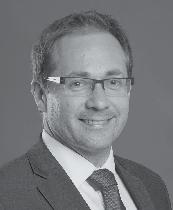
Regal Partners has appointed Peter Yates 02 as the chair-elect and independent non-executive director of the board.
Yates will still stand for election at Regal Partners’ annual general meeting (AGM) on May 28, in a bid to assume the role of the chair.
Yates is currently chair of AIA Australia, one of Australia’s largest life insurers, having served on
the board in various committees since 2010. He is also a director of Mutual Trust and the Australian Japan Business Co-operation Committee (AJBCC), chair of the Australian Science Media Centre and the Shared Value Project, and a member of the advisory board of the Australian Leadership Dialogue (AALD).
“Regal Partners has established itself as a leading alternative investment manager in Australia, with a diversified platform and impressive investment track record, underpinned by a strong culture of collaboration, discipline and alignment with investors,” Yates said.
“I am pleased to be joining the board and look forward to working closely with management to support the delivery of long-term value for shareholders.”
Regal Partners’ current chair Michael Cole, who has served in the role since June 2022, will retire from the board in June following the AGM.
AMP pensions exec departs
AMP head of corporate pensions Chris Jansen has retired after just shy of four decades with the wealth manager.
Jansen held several roles throughout his tenure, mostly relating to AMP’s superannuation offerings, including head of product - superannuation, director stronger super products and prudential standards, and most recently head of corporate pensions.
AMP chief executive Blair Vernon told Financial Standard Jansen made significant contributions to the company.
“Chris joined AMP in 1986 and has made an absolutely stellar contribution over four decades, guiding teams through significant transformation and regulatory change, always with a strong focus on customers, our people and disciplined execution,” Vernon said.
“Most recently, as head of corporate pensions, Chris has played a pivotal role in supporting AMP’s strategic partnerships in China. We thank Chris for his outstanding service, commitment and the lasting impact he’s made across the organisation.”
Five promoted at Frontier Advisors
Five consultants at Frontier Advisors have been recognised in its mid-year promotions.
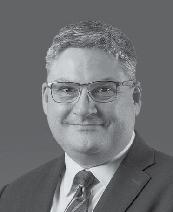
Head of investment governance Sarah Cornelius 03 has been promoted to principal consultant.
She has over 15 years’ experience at Frontier,
having joined in 2010 as an administration assistant. She has worked her way up the ranks and took on the lead investment governance role in 2024 after serving as deputy head of investment governance for seven months.
Alexandra Veroude was also promoted to principal consultant.
Veroude works in the capital markets and asset allocation team and joined Frontier in 2024 from STX Group in Amsterdam. She’s also previously held roles at the Reserve Bank of Australia, Bank of America Merrill Lynch, Bloomberg, and J.P. Morgan. Anthony Luxford and Dan Manser are now senior consultants.
Luxford previously worked in financial advice, including as a paraplanner, before joining Frontier as an associate in 2021. He works in the emerging institutional investor team. Meantime, Manser has been with Frontier for two years and previously worked as an investment analyst at Aviva. He works on Frontier’s portfolio holdings disclosure insights.
Kiryll Prakapenka is now a consultant. He is a former financial content writer, podcaster and analyst who joined Frontier in 2024.
Cbus names chief technology officer
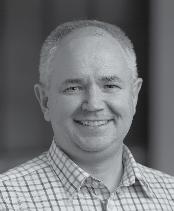
Cbus has appointed Amanda Hagan 04 as its chief technology officer, having not had one since 2024.
Cbus chief executive Kristian Fok said the appointment is a pivotal one as the fund looks to modernise its systems and processes.
“We’re living in a period of really rapid technological advancement, and it’s critically important for Cbus to adapt,” he said.
“Amanda is the right person to lead and execute our technology strategy as we position the fund for long-term sustainable growth.”
In the role, Hagan will lead the business unit responsible for technology, digital services and cyber security, as well as supporting strategic execution, innovation and member-focused experiences.
Prior to joining Cbus, Hagan was executive director of retail markets at Alinta Energy where she led a major re-platforming of the retail business. Before that she spent 15 years with Australian Unity as chief executive, healthcare and group executive of customer, digital and technology.
Hagan also has previously spent more than a decade spent with Perpetual Limited and the ASX. fs
Amanda Hagan 03: Sarah Cornelius 02: Peter Yates
01: Joel Tucker
As the conflict in the Middle East wreaks havoc with traditional energy supplies, the case for renewables and an orderly transition has never been stronger. That said, progress is moving at a much slower pace than needed, and major investors are changing tact to ensure their dollars are doing good. Matthew Wai writes.
There’s no doubt Australia has ambitious plans when it comes to the energy transition. That said, historically the country has lagged other OECD nations due to policy uncertainty, lack of infrastructure, and its reliance on coal and growing use of natural gas.
In addition to the big one – net zero emissions by 2050 – a key goal of Australia’s plan is to have 82% of our power generated by renewable energy come 2030.
According to the Climate Council, Australia currently ranks 12th in terms of share of wind and solar in our main grid. This is despite being one of the sunniest and windiest countries in the world.
As it stands, current penetration sits at about 40%, or half of the target. This puts us behind the likes of Denmark (88%), Portugal (75%), Lithuania (60%), Luxembourg (60%), and even the tiny Djibouti (67%). Some nations – like Albania, Costa Rica, Ethiopia, Iceland and Norway – are already, or are extremely close to being, 100% powered by renewables.
As for what’s required for Australia to meet its 2030 target, estimates vary significantly. In 2023, the Grattan Institute predicted more than $100 billion was needed for generation, transmission and storage infrastructure, while others suggest much more is needed – and fast. In December 2025, Net Zero Australia found it’s unlikely the goal can even be met, with the government facing up to a decade-long delay in reaching its target due to building constraints and lags in approvals.
Investment and deployment is simply moving too slowly, Net Zero Australia said, noting that much of the investment has so far come from the government. But it’s also traditionally been the realm of institutional investors, with their involvement in the transition ramping up alongside their interest in private markets.
However, Australian Ethical head of private markets Adam Roberts 01 says the lowest hanging fruit has already been picked, and new channels must be considered to fund the transition.
“There are many ways to support the energy transition. You can do it through debt, equity, climate solutions or private equity. It is important to incorporate decarbonisation across a portfolio,” Roberts says.
And wholesale investors are increasingly looking to get involved, too.
Recognising the opportunity here, Australian Ethical recently launched the Growth Opportunities Fund, providing wholesale investors access to assets previously exclusive to institutional investors, spanning renewable energy, infrastructure, natural capital and climate tech. The fund was supported by the Clean Energy Finance Corporation, providing a cornerstone investment of about $125 million.
It’s an offering Roberts says can provide diversification without having to commit and tie-up large amounts of capital in a single private equity or venture capital investment.
“... people will have different investment strategies within private markets, but I'd say within that space, there is a huge amount of capital that's trying to find decarbonisation solutions or being thoughtful around their decarbonisation exposure into the future,” he says.
Instos change tact
While wholesale investors are just getting started, much of the momentum behind climate investing has been driven by institutional investors in recent years.
Northern Trust Asset Management head of international and responsible investing Pedro Guazo 02 says institutional investors, including some Australian superannuation funds, are well-positioned to lead the transition –but it depends on their individual agendas.
Feature | Energy transition
01: Adam Roberts head of private markets Australian Ethical
He says super funds will go “to the extreme” to be at the forefront of climate and environmental targets, “particularly in climate, but also in nature and biodiversity, and social issues, for example child labour or modern slavery and, of course, governance.”
He categorises institutional investors into three buckets: the first two support the transition at different levels, while the third group completely disregards it. Super funds sit in the first group, he says, having seen a fluid integration of ESG across investment approach, operations, and management; they are some of the more advanced investors in the world, driven by voluntary conviction, he notes.
One of the drivers of success is their reach, approach, and network resources, Guazo says, noting that scale matters when it comes to gathering accurate data in support of investment decisions; super funds can leverage the data to revitalise their approach to responsible and sustainable investments, having evolved into a vital tool for them.
As data quality improves, investors’ methodologies will change, he says.
“At the beginning of credit ratings some 30 years ago, when data was first available, they were very different. Once we standardise the information available to all participants, we will see models evolve in different ways, one step at a time. There will be convergence because we will need time to comprehend the information,” Guazo says.
“You don’t need perfect data to get closer to the right scenario, but if you wait until you have the most accurate and fulfilled data, it’s going to be too late.”
MSCI global head of sustainability and climate index Sebastien Lieblich 03 agrees data quality is one of the biggest challenges for incorporating climate considerations in portfolios.
“Many investors say the most difficult aspect is the data, the data, and the data. It really relies a lot on the companies making public all those metrics, all those numbers that are required to build indexes as an input, and when those inputs are not available then we are relying on estimation models,” he explains.
He also echoes Guazo’s comment that climate investments among institutional investors have remained “front and centre”, as they must stand by their commitments.
However, Lieblich notes that some of them realised they have been making ‘paper decarbonisation’ efforts – a term he uses to describe those decarbonising their investment portfolios but failing to contribute any material progress towards the transition.
Now, they have become much more focused on “financing the transition”, which includes investing into companies, even heavy emitters, to provide capital to better align their operations, including production processes, to the transition.
“We’ve seen many investors adopt a much more holistic approach to investing in the en -
02: Pedro Guazo head of international and responsible investing Northern Trust Asset Management
03: Sebastien Lieblich global head of sustainability and climate index MSCI
You don’t need perfect data to get closer to the
right
scenario, but if you wait until you have the most accurate and fulfilled data, it’s going to be too late.
Pedro Guazo
tire investment opportunity, while tilting the exposure or investments in companies with higher weights in those companies that are better positioned in the transition to a low-carbon economy, moving away from exclusions that would just simply exclude companies from getting the capital they drastically need to do the same,” he says.
The reasons behind the engagement, Lieblich explains, are the ability to finance effectively, but more importantly, getting the “seat at the table” which provides the opportunity to influence a company to make better decisions around climate investments.
Ontario Teachers’ Pension Plan is a prime example of this variation among institutional investors. Earlier this year it announced a new climate strategy, substituting its 2030 emissions target to double its holdings in climatealigned private markets to $72 billion.
The new target, just as Lieblich describes, includes investments in companies decarbonising their operations and enabling the global transition under two core pillars focusing on investing in climate solutions and accelerating credible transition planning.
Closer to home, Lieblich recently worked with Aware Super, which has committed more than $50 billion to a transition-based climate benchmark and moved away from the exclusion-based approach.
“Aware Super was quite innovative in the way they were looking at the transition. Rather than looking at backward metrics to build the index, they were looking at forward metrics, like whether companies have targets and how they are executing on those targets. This drastically changes the picture because, rather than assessing the company in the context of how much they emitted in the past, it’s around how much are they expected to emit in the future,” he explains.
He says a couple of other asset owners around the world take a similar approach, but Aware Super is different because of just how much it committed, saying it’s one of the largest commitments an asset owner has made so far.
As to why many have chosen to shrink their climate commitments and targets from decades ahead to only the next five to seven years, Lieblich says climate investing and the science behind it is constantly evolving; a methodology that’s valid today may not be suitable in a few years’ time.
Politics not the only threat
One factor that has stood in the way of the energy transition and its progress is political pushback, both at home and abroad. Another is the broader geopolitical climate, particularly because of the Middle East conflict, as the realisation of how far away renewable energy at scale is drives some to call for greater investment in local fossil fuels.
Often said to be led by US President Donald Trump, the anti-ESG sentiment that has attempted to undermine the sector is also being pushed locally by political parties like The Nationals, which last year dumped any and all net zero ambitions.
Despite this, and despite some having appeared to do so, Guazo says investors who support the transition won’t back down.
“I think that if there's a different policy, there won’t be a big shift in the current scenario because those that have been consistent and have deployed capital responsibly… have a long-term perspective and see this as a risk and also a source of potential revenue,” he explains.
Osmosis Investment Management chief executive Ben Dear 04 agrees, saying institutional investors, many of whom have a mandate to invest for the long term, will continue on the same path.
“The investment opportunities in the area that are available today will yield benefits in five to 25 years. In fact, most investors are fortunately not politicians – they are not looking at it with a short-term view,” Dear says.
Energy transition | Feature
“We can’t forecast the future, but if the political landscape eases, maybe through the [US] House elections in November, we can certainly see the collective gasp of relief from investors that there'll be more certainty about the direction of travel, rather than this volatility we're seeing at the moment.”
For Dear, what we’ve seen is merely a “breakdown of common sense”.
“What we’re seeing is a whole suite of challenges which make it much more complex for investors because they want to invest for the medium to long term; you need certainty of policy moving forward in order to achieve that,” he says.
“And the political landscape is providing little support – confusion and complexity is the enemy of long term investors. Meanwhile, a media too often fixated on the catastrophe of the day has, in many cases, already sown enough doubt to delay planned investment.
“But against all of that, the science remains true, and the climate is getting worse... The science hasn’t changed because the political rhetoric has.” However, investors’ concerns lie beyond political issues.
Lieblich notices many asset owners have come to the realisation that some climate initiatives, including the Paris Agreement, may not be met by the deadline. As such, they’re turning their attention to managing the physical risks caused by climate change.
“Unfortunately, there is a realisation that an orderly transition might not actually happen... Hence, there is an increased focused on climate physical risks as a complement to the transition,” Lieblich says.
“I’m not saying that asset owners are ignoring the transition, but they want to complement their approach with physical risk consideration.”
is a global initiative, and influential economies, including those in the Americas and Europe, need to move the needle as a collective, rather than individuals, to make a meaningful impact.
From a geographic perspective, Shaw says about 85% of the world’s population lives in emerging economies, and the lack of movement on net zero in those areas will ultimately shut down the transition globally.
“Geography is a very important factor, but it's the big influence of emitters that are key to the success of the transition,” Shaw says.
“China is using nuclear, and the rest of the world might not see that as sustainable, but from a pure energy standpoint, the ability and willingness to do nuclear brings a positive effect to the transition.
“In places like India and Indonesia, where heavy coal-fired generation is the prime energy source, we're certainly not moving towards net zero in those environments at the moment.”
Dear believes another challenge lies in whether it’s the ‘E’, ‘S’, or ‘G’ that people care about most, saying the ‘S’ and ‘G’ have taken up a lot of investors’ capital in recent times.
“In all parts of the world, some investors might lean more into certain social issues than others within portfolio modelling. It is how you address climate, the first and foremost externality risk, that can be most definitely priced to the balance sheet,” Dear says.
“We don’t disagree with the social and governance aspects, although those externalities are slightly harder to link back to a company’s balance sheet, and indeed, we do create portfolios addressing some of those issues. But if we don’t get the environmental aspect right at this very moment... we’re not going to meet the 2030 or the 2050 target.”
We need to invest for future generations, but we can’t forget the existing generations.We’ve got to do it gradually to limit the impacts of affordability, quality of living, and the availability of power. You can’t
just give up gas and/ or nuclear because no one will have access to power then.
Sarah Shaw
Many of these investors own or are invested in companies with assets like factories and logistic hubs in sensitive, at-risk areas, so they’re seeking solutions and tools that can mitigate that risk and provide downside protection in an unorderly transition environment, he adds.
A global effort
4D Infrastructure chief investment officer
Sarah Shaw05 says, despite Australia’s efforts to achieve its net zero goals, the energy transition
What investors need to do is to disaggregate the ‘E’, the ‘S’ and the ‘G’.
“[I’m] not saying there's any less relevance to any of them but placing them in their individual buckets and then examining them for global relevance [is key],” he says.
He acknowledges that many investors are under strain, with oil prices where they are and disrupted supply chains, fearing their investments may be negatively impacted in the short term. However, this will also have an ad -
ditional effect on inflation across economies.
Asset owners are providing similar feedback to Lieblich, who says the energy supply chain and the potential refocus on renewable energies to try and curb the overdependence on oil and gas from the Middle East is at the forefront of a lot of conversations he’s having with clients.
He acknowledges that, as an immediate stopgap, it makes sense some may think the opposite should occur – that we should be looking to secure energy sources wherever and however we can, even if it means increasing reliance on fossil fuels.
“That’s a short-term solution, if you could call it that… But for the longer term, there’s some arguments which are being made that there might be more intervention from governments to push renewable energies,” he says.
Like Lieblich, Dear is observing populist political parties respond to the volatility of fossil fuel reliance with more fossil fuels.
But Dear stresses you simply cannot provide a solution that will incur more problems to solve.
“I’m finding it hard to comprehend how a solution to a problem is more of a problem... you have to think where that message is being articulated from,” Dear says.
“The message articulated from that would allow or enable the political populace amongst us to seize upon it, and that's where vested interests come into play - the power of the fossil fuel lobby.
“If you can find me an example where a problem has been solved by adding to it, then I'll take back my argument... but I can't think of a single instance – in life or business - where the way out is to make things 10 times worse.”
And during the back and forth over those solutions, the compounding risks continue to grow, Dear says, including the fact that one in 23 Australian households are becoming effectively uninsurable due to climate change.
“That’s a problem today. Not a problem sometime down the line,” he says.
Shaw agrees but emphasises that the transition will take time and must be conducted gradually to ensure it is socially responsible.
This has become more important as she reflects on the ongoing Ukraine-Russia conflict and how it has impacted those nations in energy distribution and consumption during the winter season – where in Australia it may be possible to live without electricity due to the habitable cold temperature, it is a completely different scenario in those locations.
“We need to invest for future generations, but we can’t forget the existing generations,” she says.
“We’ve got to do it gradually to limit the impacts of affordability, quality of living, and the availability of power. You can’t just give up gas and/or nuclear because no one will have access to power then.
“I don't think we can stop the emerging world evolving. And I don't think we can stop the low socioeconomic classes from existing.” fs
04: Ben Dear chief executive Osmosis Investment Management 05: Sarah Shaw chief investment officer 4D Infrastructure
Aussies ‘positive’ about retirement
Despite a slight improvement in retirement sentiment, Challenger believes better access of financial education among older Australians, particularly regarding lifetime income stream strategies, will be beneficial to retirees.
The third annual Challenger Retirement Happiness Index, which surveyed over 2000 Australians aged 60 and over, found overall happiness remains strong, with this year’s index (69.5) climbing a little higher since last year (68.9). But the rising cost of living continues to impact lifestyle, financial security, and confidence in whether money will last.
The top priority for close to half (44%) is to have enough money to enjoy retirement, with nearly four in five (76%) saying they would be much happier if they had a guaranteed income for life in retirement.
Yet Challenger identified a clear knowledge gap persisting, with more than half of them (59%) no knowing about, or having not heard of, lifetime income streams as a financial strategy for retirement.
This comes as one in three Australians (30%) say they would be happier in retirement with greater financial education, with 39% wanting paid education provided by a financial adviser to building financial knowledge and boosting retirement happiness.
Challenger chief executive, customer Mandy Mannix said the findings reinforce that the shift to decumulation requires comprehensive support.
“After decades of savings, we are asking retirees to do something that feels completely counterintuitive – to start spending. That change requires financial guidance and support,” Mannix said.
“Older Australians want a guaranteed regular income in retirement to help manage day-to-day expenses that can provide financial security for life, but access and awareness remain key barriers.” fs
KC Low nabs role full-time at VFMC
Riddhima Talwani
Victorian Funds Management Corporation (VFMC) has appointed KC Low as its head of portfolio strategy and asset allocation on a permanent basis.
Low took over the role for an interim term in July last year following the departure of VFMC’s head of portfolio strategy and asset allocation Leanne Taylor. He has been working as a senior portfolio manager at VFMC since April 2024.
“Very grateful to all the support and guidance from within VFMC and beyond. I look forward to continuing to contribute positively to VFMC’s investment performance,” Low said in a LinkedIn post.
Prior to joining VFMC, KC had a 12-year career at Frontier Advisors, where he most recently held the position of principal consultant in the capital markets and asset allocation team.
His responsibilities at Frontier included providing analytical support to clients, asset allocation advice, and investment research.
Prior to Frontier Advisors, he was with Fairfax Media conducting research and valuation of asset classes and high-net-worth individuals. fs
01: Garry Crole managing director Sequoia Financial Group
Sale of Interprac raises eyebrows at ASIC
Jamie Williamson
ASIC wants the Federal Court to appoint a receiver to investigate the fire sale of Interprac Financial Planning to Conquest Investment Partners, saying it has concerns over what it may mean for the advice group’s creditors.
The regulator has applied to the Federal Court to have Sarah Seeckts and Gayle Dickinson of KPMG appointed to investigate the proposed sale of Interprac Financial Planning.
The numbers
$50k
How much Interprac was sold for.
The sale was announced on March 23, with Sequoia Financial Group offloading the licensee for just $50,000 to Sydney-based private equity outfit Conquest Investment Partners.
ASIC said it is concerned the sale could adversely affect Interprac’s creditors, including its liabilities in relation to complaints sitting with the Australian Financial Complaints Authority (AFCA) regarding the collapse of the Shield and First Guardian Master Funds.
There are currently more than 900 open complaints with AFCA in relation to advice provided by Interprac representatives, and the complaints body has published two lead determinations that would influence their outcomes.
About $677 million is owed to investors who were advised by Interprac representatives to invest in the failed funds.
ASIC said a receiver must be appointed to investigate and report on whether the deal made between Sequoia and Conquest is “bona fide, fair and reasonable”, and report on Interprac’s financial position and solvency.
In 2022, Sequoia Financial, Sequoia Wealth and Interprac entered a Deed of Cross Guarantee under which each of the entities guarantees the debts of the other. If the receivers deem the sale to be legitimate, then all other signatories to the deed are released from their obligations.
When Sequoia announced the sale of Interprac, it said if the sale were to go through, the new owner “may elect to withdraw or accelerate the AFCA determinations and seek to mediate with ASIC regarding its separate actions as Sequoia had planned to do.”
In response, Sequoia said ASIC’s concerns were “unfounded”.
“Interprac will remain a party to the ASIC Deed of Cross Guarantee immediately following the sale of Interprac to Conquest... [and] can only cease to apply to Interprac as a result of the sale to Conquest if the directors of Sequoia certify that the sale is a bona fide sale and the consideration for the sale is for a fair and reasonable consideration. The court action by ASIC prevents such a certificate from being given,” it said. fs
Advice book valuations stagnate despite demand
Matthew Wai
Depending on the type of business they want to do, financial advisers looking to inorganically grow their client base will have to pay slightly more for a book now, but valuations have stalled overall, according to Radar Results.
In its latest price guide, Radar Results said demand for financial planning businesses continues to be strong, though there’s been little change on the valuations front.
Its analysis shows a book of super and investment clients aged up to 64 has increased in value to a multiple of between 2.6x and 3.3x. This is up from the previous 2.5x to 3.2x.
For a book of clients aged 80 and over, the multiples have increased from between 0.90x and 1.1x to 1.0x and 1.5x.
And the multiples payable for clients aged between 65 and 79 also grew slightly to 2.3x to 2.8x, compared to 2.2x to 2.75x previously.
There are variables that impact the valuations though, Radar Results noted, like the location of the clients, funds under management or administration, and the investment products recommended.
There were no changes to valuations for risk clients or those charging SMSF administration fees. The highest multiples are attached to risk books with clients under 55 years of age, at up to 3.2x, while the lowest is for those under 61 years old at 1.8x at most.
Meanwhile, the report also indicated a shift in how larger financial planning businesses are being valued.
Radar Results said historically, most financial planning businesses were valued on a multiple of recurring revenue,
and while this approach remains common for smaller client registers, larger practices are increasingly being assessed on profitability, scalability, and operational efficiency.
“EBIT-based valuations focus on a business’s true earnings after expenses, providing a clearer picture of its financial strength. Buyers are looking closely at cost structures, adviser productivity, and the ability to generate consistent profits,” Radar Results said.
“As a result, well-run businesses with strong margins and efficient operations are achieving premium valuations.”
The firm said in the current market, EBIT multiples for related entities typically range from around 5.5x to 8.75x, with higher multiples achievable for “larger, well-structured or corporatised” practices.
“This shift reflects a maturing market, where buyers are not just acquiring a client base, but a sustainable, profitable business. For owners considering a sale, the focus is now firmly on building profitability and demonstrating a well-managed operation – not just on growing top-line revenue,” it said.
Radar Results also highlighted increased demand for AFSLs over the past year, leading to an increase in prices.
Now, the sale price for an AFSL ranges across $20,000 to $100,000 or more depending on the authorisations attached.
It also noted that some buyers are insisting the Responsible Manager (RM) of the AFSL remain in place after settlement for up to three months. If it is required long-term by the new owner, the RM can request a nominal payment of up to $50,000 per annum to cover costs and time, it said. fs
New WA fund manager launches
Perth-based Affinity Capital Group has launched Affinity Funds Management, selecting Ben Palmer to spearhead its ambitions to become Western Australia’s leading fund manager.
Palmer recently called time on over a decade at GESB, most of which he spent as chief executive. He also worked in its investment team, overseeing the global portfolio and private equity investments.
Earlier in his career, Palmer worked for Schroders, including as head of portfolio management in the UK private wealth business.
Affinity plans to target opportunities across infrastructure, natural resources, energy transition, food and water security, and Indigenous engagement.
“He brings an exceptional track record, unmatched depth of institutional investment experience, and importantly, a genuine personal commitment to the values that underpin everything we do at Affinity,” Affinity Capital Group founder and managing director Adam Santa Maria said of Palmer.
“Ben shares Affinity’s vision: to build a funds management business that is deeply Western Australian in character, genuinely excellent in its investment approach, and built on relationships of trust with investors and partners alike.
“We are delighted to welcome Ben to the Affinity Group.”
For his part, Palmer said: “Affinity has built something genuinely distinctive - a platform with a compelling investment philosophy, strong deal flow across infrastructure, sovereign capability, natural resources and the energy transition, and with a unique partnership approach to Indigenous engagement. Its reputation in the WA market is second to none.” fs
ASIC acts against FSGA adviser
Shane Monte Silva failed to act in certain clients’ best interests when he told them to switch their super so they could invest in Shield and First Guardian, ASIC said.
While working at AS Financial Planning, Monte Silva was an authorised representative of Financial Services Group Australia and, between July and August 2023, he recommended five clients roll their super over to invest in specific managed investment schemes, including Shield and First Guardian.
ASIC said an adviser of Monte Silva’s experience should have been aware he was not acting in the clients’ best interests when he provided Statements of Advice that included misleading statements and recommended placing entire superannuation balances into high-risk products.
It said this was particularly the case where the fact find had been done by an unlicensed third party, the SOA was prepared by a paraplanner, and where he had only met the client once during a meeting between them and the third party referrer.
After leaving Financial Services Group Australia, Monte Silva was running his own firm Gem Wealth Advisory, licensed through Centrepoint Alliance, from March to December of 2025. He still works here as a mortgage broker. fs
01: Raamy Shahien chief executive Viridian Financial Group
Viridian Financial targets double-digit growth
Eliza Bavin
Viridian Financial chief executive Raamy
Shahien 01 told Financial Standard he is focused on continuing to grow the business through hires and more mergers and acquisitions (M&A), targeting a double-digit growth rate.
“We’ve always been clear that growth is an objective of ours. And if you look historically, we’ve delivered a growth rate not far off 20% year on year,” Shahien said.
The quote
We’re seeing increasing demand from advisers for businesses to take greater responsibility for investment outcomes...
“Naturally as a business grows, it becomes more challenging to grow at those sorts of rates without M&A, but we’re not shying away from having a huge internal, organic opportunity.”
Shahien said while the firm is still actively chasing the right M&A opportunities, the focus has also shifted to adding advisers, with around 13 advisers already having joined this year, eight of which were external hires.
“From an adviser size point we’ll go from 96 to 109 this year. So that’s giving an indication in terms of our seriousness around the growth story. We don’t see that just being an M&A piece. We do think we can continue to deliver double digit growth rates purely just from our organic growth, let alone what the M&A opportunity looks like,” he said.
Shahien said Viridian’s investment offering through Infinity will also continue to expand.
It now has more than $6 billion in funds under management.
“We’re seeing increasing demand from advisers for businesses to take greater responsibility for investment outcomes, particularly as the industry responds to recent disruption and a sharper focus on governance and accountability,” Shahien said.
Shahien said as the advice sector faces scrutiny, now is the time for advisers to be proactive.
“The industry has had lots of different evolutions in terms of being bashed and being really successful, right? It’s been quite a roller coaster. I think the public is becoming more attuned to the fact that there are concentrated issues as opposed to being industry-wide,” he said.
“But we still have a responsibility to do something about that, and so our focus, or the best way to we see that happening, is actually enabling our advisers more effectively from a tech perspective, or simplifying processes to try to make the client experience not as complex as what it is today.”
He said it’s also important for the advice industry to shift mindset and move from being a reactive relationship to a proactive relationship.
“I think that’s the biggest change that we can all make as an industry that will impact people’s confidence in the execution delivery of advice,” he said. fs
CSC to increase TPD premiums for PSSap members by 43.5%
Jamie Williamson
Members of Commonwealth Super Corporation’s Public Sector Superannuation Accumulation Plan (PSSap) are about to be hit with insurance premium increases of more than 40%.
A recent review of the PSSap lifePLUS offering, underwritten by AIA Australia, found insurance premiums needed to be adjusted to reflect the rising cost of providing cover, Commonwealth Superannuation Corporation (CSC) told PSSap members.
From May 1, the premiums for Total and Permanent Disablement (TPD) cover are rising a whopping 43.5%.
In a statement to Financial Standard, a CSC spokesperson said the superannuation sector as a whole is seeing an increase in TPD claims, driven by a rise in mental health conditions.
“In response to this, working with our insurer, AIA, CSC has implemented a mix of premium changes which includes an increase to TPD and five-year income protection premiums,” the spokesperson said.
The spokesperson also stated that the rises in mental health conditions are being seen across all member cohorts.
At the end of 2025, PSSap had about 175,000 members. According to APRA data, in FY25 PSSap members paid about $124 million in total premiums and had about $56 million paid out in claims. Of these, 162 were TPD claims amounting to $32.5 million.
In the previous year, 143 TPD claims were accepted and $25.2 million was paid out to members.
Meanwhile, CSC’s spokesperson also noted that premiums for some other cover types are reducing from May 1, which should offset some of the impact of the increase.
“We’ve also reduced death and two-year income protection premiums… These changes have been informed by our claims experience over recent years,” the spokesperson added.
Death cover premiums will drop 16.4%, while two-year income protection cover will reduce by 25%.
Premiums for members who hold five-year income protection cover but are under 62 years of age will rise by 20.8%. Those over 62 years of age with the same cover will either see a 36% decrease in premiums payable or a 3% increase, depending on their individual waiting periods.
The hike in TPD premiums for PSSap members comes around the same time as a similar increase is to be rolled out for AustralianSuper’s insured members.
On average, members within the AustralianSuper plan, Super Options and Personal Plan will pay 40% more for TPD cover from June 1.
In FY25, AustralianSuper paid out $272.3 million across 2821 TPD claims. The year before, it paid 2690 claims to the tune of $276.8 million.
The nation’s largest super fund is also increasing the cost of Death cover by 20%, and income protection by up to 38%. fs
Merchant hires country head, MDs
Merchant Australia, a subsidiary of Merchant Investment Management (MIM), has welcomed two executives to focus on its growth domestically, with both joining chief operating officer and principal Rebecca Wells.
Jamie Melville has joined as managing director and head of Merchant Australia, while Eli Glotzer was appointed managing director.
Merchant said the appointments reflect its focus on supporting the ongoing regulatory reform, succession pressures and operating complexity across the advice industry.
Melville brings more than 30 years’ experience across wealth management, financial advice, and banking. He spent over 20 years at Macquarie Group, most recently leading the virtual adviser network within wealth solutions.
“The advice industry is at an important point in its development, with firms focused on sustainability, succession and long-term alignment,” Melville said.
“Merchant’s role is to support firms that want to grow with intention and keep what they’ve built.”
Meanwhile, Glotzer brings more than 20 years’ experience across business banking, structured lending and professional services, which includes senior roles at Macquarie Bank overseeing national portfolios between different industries.
In his new role, he will focus on structured capital solutions, partner firm lending, and deepening relationships across the Merchant Australia ecosystem, Merchant said.
MIM managing partner Matt Brinker said the appointments strengthen the firm’s position in Australia.
“Australia is a critical market for Merchant. Jamie and Eli bring the depth of experience and alignment that firms need as the sector enters its next phase,” Brinker said. fs
Prime Super tweaks fees
Riddhima Talwani
The super fund is introducing an administration cost of 0.015% per annum of super fund assets. This cost, it said, will be paid from the fund’s assets and not deducted from member accounts.
“As part of our continuous review of our operations, Prime Super is reducing its administration fees and costs for members. In making these decisions, the trustee believes it is acting in the best financial interests of Prime Super members,” it said.
The accumulation and pension account members will pay $1 per week from June 1, down from the current rate of $1.50 per week. Member accounts will also be charged 0.25% of their account balance per annum, a drop from the current rate of 0.33%.
Prime Super is also raising its estimated investment fees and costs from June 1.
The MySuper/Balanced, Managed Growth, Alternatives, Conservative and Income Focused options will see a rise of two percentage points. Australian Shares, International Shares, Property and Cash will see a rise of one percentage point. All investment options will see a drop in fees relative to current rates. fs
01: Scott Hartley chief executive Insignia Financial
Insignia shareholdersFinancialapprove takeover
Eliza Bavin
Insignia Financial shareholders have voted in favour of the proposed acquisition by CC Capital Partners by an overwhelming majority of 98.65%.
Insignia chair Allan Griffiths said he is pleased with the strong level of shareholder support for the Scheme of Arrangement.
The numbers
98.65%
The proportion of shareholders that voted in favour of the takeover.
“The board’s focus throughout this process has been to ensure shareholders had the information they needed to make an informed decision. The level of engagement and support today reflects the importance of that decision,” Griffiths said.
“The board agreed that the Scheme delivers compelling and certain value for shareholders, and we thank them for their support.”
The Scheme remains subject to approval by the court, as at time of publishing.
Should all conditions be satisfied or waived prior to the hearing, Insignia said it proposed to lodge the order of the court with ASIC on April 17.
Following that, Insignia shares will be suspended from trading on the ASX from market
close on the date the Scheme becomes legally effective and on April 28 the Scheme will be implemented with shareholders receiving $4.80 cash per share, valuing the company at $3.3 billion.
“Our focus remains on continuing to deliver for clients and members and supporting a smooth transition through to completion of the transaction,” Insignia chief executive Scott Hartley01 said.
The decision to vote in favour of the Scheme comes after what became a bidding war for the wealth manager which resulted in it receiving eight non-binding indicative proposals from CC Capital, Bain Capital and Brookfield Capital Partners.
Bain Capital initially placed a takeover bid to acquire all of Insignia's shares at $4 cash per share in late 2024; the offer was subsequently rejected.
At the beginning of 2025, CC Capital expressed interest in the takeover by offering a higher sum for the shares.
Following much back-and-forth between the two, Insignia granted both companies more time to finalise debt funding and associate due diligence in April. fs
Digital assets framework bill passes
Matthew Wai
Digital assets providers will be required to obtain an Australian financial services licence (AFSL) under new legislation.
The Corporations Amendment (Digital Assets Framework) Bill 2025, which amends the Corporations Act 2001 and the Australian Securities and Investments Commission Act 2001, passed the Senate.
It requires digital asset platforms (DAPs) and tokenised custody platforms (TCPs) to acquire AFSL and oblige with consumer protection requirements.
The government proposed the law in September last year, arguing that the legislation in this measure will close the regulatory gap, improve consumer protection, and ensure businesses meet standards like those in the broader financial system.
This move was welcomed by the industry.
Under the amendment, ASIC is also granted enforcement power over related DAPs and TCPs, and any breaches may attract civil penalties, it said.
Businesses are also given an 18-month period to comply with the new licensing and operational standards.
However, Digital Economy Council of Australia chair Paul Derham told Financial Standard said while the DAP authorisation is “pretty well” understood, the authorisation for TCP may require greater clarity with the mechanics around the tokenisation of real-world assets.
“A TCP authorisation introduces a legal framework for Australian licensed businesses to tokenise real-world asset. This new AFSL authorisation is a big deal – providing a framework for businesses to unlock liquidity across an unimaginably wide range of real-world assets,” Derham said.
Regardless, Derham believes the new standard sets a “clear
pathway” to a digital economy for both businesses and consumers.
“It lifts the sector into a regulated environment, which it has been calling for, for a long time. It is also likely to have a positive impact on the sector’s ability to access normal banking rails,” Derham said.
He said the council will continuously work with its members, Treasury and ASIC to develop rules and guidelines that are appropriate and fit-for-purpose.
Coinbase Australia managing director APAC John O’Loghlen echoed Derham’s sentiment, stating that the passage is a recognition of digital assets’ increasing roles in the domestic financial system.
“For years, Australia has needed clear rules to support innovation, protect consumers, and attract long-term investment in the sector,” O’Loghlen said.
“This legislation and the foundational regulatory framework it creates is an important step, holding digital asset exchanges to the same operating standards as other financial services providers and giving consumers greater confidence to buy, hold, and sell crypto assets.
“While this strengthens Australia's standing in the global digital economy, we urge the government to prioritise the development of its broader reforms for digital assets and tokenisation, especially the development of the stablecoin framework.”
CloudTech Group also supports the Bill, which it said focuses on regulating platforms and custodians rather than the underlying technology, supporting not only consumers but institutional investors and financial advisers that are keen to participate.
“This approach helps ensure that businesses are accountable for their actions, while keeping consumer protection front and centre,” CloudTech Group chief financial officer Mandy Jiang said. fs
REGIONAL JULY-AUGUST 2026
The Advisers Big Day Out provides financial advisers with leading presentations, networking and professional development opportunities over a one-day event.
Taking place across multiple locations, advisers can connect with specialist fund managers and hear the latest strategies and trends across a variety of asset classes.
After attending the Advisers Big Day Out, advisers will be equipped with additional market projections, insights and product knowledge, while earning legislated CPD hours for a full-day’s attendance
EVENT DATES
Cairns
Sunshine Coast
Tuesday, July 21
Thursday, July 23
Gold Coast Friday, July 24
Hobart
Tuesday, July 28
Geelong Thursday, July 30
Frankston Friday, July 31
Canberra
Tuesday, August 4
Wollongong Wednesday, August 5
Central Coast
Thursday, August 6
Newcastle Friday, August 7
Spheria launches active ETF
Spheria Asset Management’s Spheria Australian Smaller Companies Fund – Active ETF (ASX: SPHX) debuted amid strong momentum shown across the broader ETF market despite volatility from the Middle East.
Spheria said SPHX was launched in response to demand from investors, brokers and financial advisers for access to the fund’s strategy, which will be available as an unlisted fund, active ETF, and LIC (ASX: SEC).
The unlisted fund has returned 3.2% over the past 12 months as at March 31, which underperformed the S&P/ASX Small Ordinaries Accumulation Index (13.7%) by over 10%.
However, over a decade horizon the fund returned 8.5% per annum (after fees), outperforming the index by 2.2% over the same period.
The portfolio typically consists of about 50 ASX smaller companies that generate “predictable free cash flows”, constructed with the firm’s bottom-up fundamental analysis.
Commenting, Spheria co-founder and co-portfolio manager Marcus Burns described the appeal of the asset class.
“Small caps can be the most lucrative part of the Australian share market, but it’s also where capital can be quickly destroyed if investors try to pick winners without thorough fundamental analysis and industry research,” Burns said.
“A portfolio of small caps with strong fundamentals, managed by a specialist investment team, is a sensible way to capture the potential upside of this part of the market, while ensuring capital is well protected.” fs
Rhys Reilly banned for 10 years
Former financial adviser Rhys Reilly has been banned from working in financial services for 10 years for “serious misconduct” in which he flogged the First Guardian Master Fund in return for conflicted remuneration.
ASIC’s investigation into Reilly, which remains ongoing, found he accepted $100,000 in conflicted remuneration while recommending clients invest most, or all, of their superannuation into First Guardian. He failed to disclose such payments to clients.
Reilly made false or misleading representations in certain Statements of Advice (SoA) by stating that no benefits capable of influencing his advice had been received, when that was not the case, ASIC said, adding that he was “not a fit and proper person, was not competent to provide financial services, and was likely to contravene financial services laws in the future.”
Reilly was an authorised representative of InterPrac Financial Plannaing under the corporate authorised representative of Rhys Reilly Pty Ltd from 29 March 2017 to 20 May 2025.
Between 21 May 2025 to 15 August 2025, he was authorised directly by InterPrac. On 5 March 2024, he became a director of Conexus Group. fs
01: Blair Vernon chief executive AMP
New AMP boss outlines future vision
Karren Vergara
At his first annual general meeting (AGM) at the helm, AMP chief executive Blair Vernon 01 told shareholders the unprecedented volatility in share price movements of many ASX companies has been exacerbated by a range of factors not entirely related to company performance.
The quote ... the board considers on-market share buybacks to be the most efficient method of capital management – and increasing shareholder value.
AMP’s share price, since the release of its full-year results in mid-February, drastically dropped by 24% from about $1.76 to the current trading price of $1.33.
Vernon expressed a disconnect, given that in the full year to December 2025 AMP reported underlying NPAT of $285 million, an increase of 21% year on year.
Underlying NPAT for the platforms unit went up 9.3%, while the superannuation and investments unit reported a 15% rise to $62 million.
“This has been disappointing for all stakeholders, and, in the board’s view, does not reflect the strong growth in financial performance that has been achieved over the last few years. Of course, share price movements reflect a wide range of factors, including sentiment, expectations of future performance and broader macro and geopolitical conditions,” Vernon said.
On the external factors, Vernon blamed the rise and influence of high frequency trading, passive investing and the increased emphasis on investment managers’ quarterly performance that are “currently having an outsized impact on market prices – beyond company fundamentals.”
“Nevertheless, at AMP we remain focused on
those things we can control: effectively executing our strategy, driving growth in our wealth businesses, carefully managing capital and delivering sustainable long-term value,” he said.
The firm is now undertaking a $150 million on-market share buyback to improve earnings per share.
Vernon said while the top priority is to grow earnings organically, the board is cognisant that with AMP’s low franking credit balance, there is limited benefit to domestic shareholders in seeking to increase the dividend materially at the present time.
“Instead, the board considers on-market share buybacks to be the most efficient method of capital management – and increasing shareholder value,” he said.
Vernon also outlined his broader vision for AMP at the AGM: to grow the wealth businesses, embrace artificial intelligence (AI), and improve capital allocation and organisational efficiency. To drive organic growth, Vernon said this will be done via a “relentless focus on customer acquisition and retention, and importantly, by growing and deepening our adviser partnerships.”
He plans to ramp up the use of AI across the business, such as contact centres and corporate functions.
“At the same time, we will continue to identify how we mitigate and minimise AI risks. That includes responding to how AI may disrupt the wealth sector and the tight regulatory frameworks that help to mitigate that risk for AMP,” he said. fs
Australia is ‘laissez-faire’ on eligibility for semiliquid investments: Morningstar
Matthew Wai
While investors in the US are becoming increasingly acquainted with semi-liquid structures, the story is vastly different here in Australia due to its regulatory landscape, Morningstar said.
Morningstar’s Demystifying Semiliquid Fund Structures - An Asia-Pacific Perspective report compared the semi-liquid dynamics in economies across the region and found Australia is notably more lenient when it comes to investor eligibility than other jurisdictions like Hong Kong and Singapore.
It said Australia is notably “laissez-faire” on investor eligibility, and while there are income and asset tests, such as the wholesale investor test, to distinguish between retail and sophisticated investors, access to private asset products is easily available to individual retail investors via vehicles such as evergreen funds and listed investment vehicles (LIVs).
Typically, open to all investors and mainly exclusive to Australia, listed investment trusts (LITs) or companies (LICs) are the closedended cousins of ETFs.
“… while ETFs are open-ended and can use market makers to help steer pricing close to net asset value (NAV), LIV prices are
driven by supply and demand; they can trade at big discounts or premiums to NAV,” the report said.
And this vehicle is gaining traction in Australia for private credit, where LITs are particularly differentiated in how they enable liquidity.
Due to the closed-ended structure, once launched, the manager is no longer involved in facilitating applications or redemptions; in short, LITs are liquid and cannot be gated.
“A positive of these structures is that, in poor market conditions, managers are not forced sellers of underlying assets to meet redemptions. Similarly, they are not forced to deploy new investor inflows, potentially bidding up asset prices,” Morningstar said.
“While these structures offer ample liquidity, it comes with a catch for investors – they can exhibit meaningful price volatility and trade at market prices significantly below underlying NAV –something we cover in the next section on valuations.”
Further, private credit managers may earn “generous origination fees” from their borrowers, which are often fully passed on to investors, the report noted. fs
AQR partners with SG Hiscock
Quantitative investor AQR Capital Management has appointed SG Hiscock & Company (SGH) as its distribution partner.
SGH has begun rolling out the AQR Wholesale Managed Futures Fund to sophisticated investors.
The actively managed fund invests in futures contracts and derivatives across commodities, currencies, fixed income, equities and alternative markets. It seeks to produce attractive riskadjusted returns while targeting a low long-term average correlation to traditional markets.
AQR managing director and head of Australia and New Zealand Simon Wills said: “AQR offers a wide range of investment strategies, spanning traditional global equity and liquid alternative strategies, and we will actively seek to expand our fund offerings in the coming period. In the meantime, our focus will be on communicating the benefits of managed futures, a diversifying strategy that may help bolster investor portfolios – especially in times of market volatility.”
The fund returned 28% p.a. in the last year versus the Bloomberg AusBond Bank Bill Index’s 3.8% p.a.
Over a 10-year period, it made 4.6% p.a. in net returns against the benchmark’s 2.1% p.a.
The fund had more than $1 billion in assets under management at the end of February.
Some of the fund’s investments include fixed income Eurodollar futures and the Norwegian 2 Yr Interest Rate Swap, as well as commodities futures in coffee, gas and gold.
SG Hiscock head of distribution Anthony Cochran commented the collaboration with AQR will allow SG Hiscock to broaden its offerings to its clients, and to complement the strategies it currently has available to provide a well-rounded offering to clients seeking diversified portfolio construction. fs
Minchin Moore, Edney Ryan merge
Edney Ryan Wealth Management, the advice arm of Edney Ryan Group, will merge with Minchin Moore Private Wealth, operating under the latter’s Australian financial services licence.
Both firms are headquartered in Mosman, NSW, and will maintain a close working relationship, providing clients with access to a broader range of services and advice across Sydney, Melbourne, Brisbane, Adelaide and regional NSW.
Edney Ryan Group will remain a separate business specialising in accounting, legal and mortgage services, it said.
Notably, the announcement follows Minchin Moore’s merger with Queensland-based Brand Financial in August 2024.
Minchin Moore managing partner Mark Minchin said the combination reflects a natural alignment between the two teams, with similar values, advice philosophies and client relationships at the core of each business.
“This is about bringing together two businesses that already think in very similar ways about advice and client relationships,” he said.
“We’ve each built firms we’re proud of, with a strong focus on doing the right thing for clients over the long term. By coming together, we can build on that foundation and continue to deliver consistent, high-quality advice for the families and organisations we serve. fs
01: Chesne Stafford chief growth officer AZ NGA
AZ NGA plots regional NSW advice hub
Matthew Wai
AZ NGA is expanding its footprint in regional New South Wales, partnering with integrated financial planning, accounting and mortgage broking business Back to Back Financial Planners in Young, NSW.
It is the first major move following the appointment of Nathan Jacobsen as chief operating officer in February this year.
The quote
We’re setting the business up for its next phase of growth and creating an opportunity for future leaders to step up...
The partnership supports AZ NGA’s plans for a financial advice hub in the area to service key locations like Young, Wagga Wagga and Orange, where many individuals and families have complex advice and succession planning needs but are underserved, it said.
The announcement follows the acquisition of a partial stake in Oreon Partners in Adelaide and the partnership with Sydney Financial Planning late last year, as the firm continues to expand its network.
Established in 1990, Back to Back is led by financial adviser Justine Back, with 24 employees including three other advisers. The business has a strong referral network in Sydney and across the greater NSW region and primarily looks after retirees and pre-retirees, professionals, small business owners and farmers.
Commenting, AZ NGA chief growth officer
Chesne Stafford 01 commended Back to Back’s consistent performance since its inception.
“Back to Back is an exceptional business with a robust operating model, solid financial performance and consistently strong growth, and we are excited to partner with Justine and the team to continue delivering quality advice,” Stafford said.
“Over the past 35 years, the business has earned a reputation in their community, and beyond, for trusted advice. We see an opportunity to build on Back to Back’s reputation and infrastructure to establish a regional hub that connects with other key areas.”
Meanwhile, Back said the group’s motivation for partnering with AZ NGA was for growth and to support the development of the next generation of advisers in the practice.
“AZ NGA stood out because we like their people and philosophy and share their views on where the financial advice profession is going,” Back said.
“We’re setting the business up for its next phase of growth and creating an opportunity for future leaders to step up and assist us in continuing to expand the business.
“I’m passionate about my work and taking care of my clients and this partnership allows our team to continue to grow well into the future.” fs
Challenger injects $3.7bn in BOQ, bolsters private credit book
Karren Vergara
Challenger has injected Bank of Queensland (BOQ) with $3.7 billion of capital via a whole-of-loan sale as its ramps up its private credit push.
The $3.7 billion will be used to reduce BOQ’s debt funding by about $3.4 billion and return $300 million to its shareholders.
BOQ said it will use the money to originate and service equipment finance facilities, while underlying direct credit risk exposure will be held by Challenger for facilities originated through the partnership.
“This off-balance sheet capital partnership will enable BOQ to scale its equipment finance business and support more customers. There will be no impact on existing customers from the partnership, and all new customer relationships will be managed by BOQ,” the bank said.
In its 2026 half-year results, Challenger flagged it would scale its private credit origination capabilities, establishing a platform to help originate and service large scalable pools of whole loans for Challenger Life and institutional investors.
“Whole loans, encompassing mortgages, personal loans and asset finance, represent a substantial and growing asset class in Australia and globally,” Challenger said.
“Investment-grade private credit is emerging as a compelling alternative to public fixed income, offering enhanced yields and access to high-quality cash flows outside traditional
bond markets. Challenger Investment Management continues to expand its capabilities, partnering with high-quality counterparties to deliver tailored funding solutions.”
Last December, Challenger helped finance ASX-listed Spark New Zealand’s NZ$240 million of interest-free payment receivables, extending its presence in the country following the acquisition of a NZ$560 million residential mortgage portfolio from Bluestone in December 2024.
Challenger’s bid to acquire ASX-listed non-bank lender Pepper Money fell through on March 25.
Pepper Money rejected the “best and final” takeover offer of $2.25 per share after Challenger slashed the offer price from $2.60.
On the new deal, Challenger Group chief investment officer Damian Graham said: “The transaction establishes a strategic partnership with BOQ and provides Challenger with access to a high-quality, seasoned and highly diversified loan portfolio that will deliver attractive risk-adjusted returns for Challenger and institutional investors.”
“It also reflects Challenger’s continued expansion in whole loan investing, as we partner with leading counterparties to provide tailored funding solutions and further position whole loan investments as a core pillar of our portfolio strategy.”
The bank announced last August that it was exploring a whole-of-loan sale process for up to $3.8 billion of its equipment finance portfolio. fs
Managed funds
Gresham House buys forestry asset
Eliza Bavin
Specialist alternative asset manager Gresham House has made an agreement to acquire a majority interest in US-based Molpus Woodlands Group, creating one of the world’s largest timberland investment managers with around $11.5 billion of forestry assets under management.
Gresham House and Molpus Woodlands Group will together form the third largest timberland investment manager by AUM globally, with operations in the UK, Ireland, US, Australia and New Zealand, managing more than 2.2 million acres.
“The acquisition of Molpus Woodlands Group will significantly expand our global client offering and deepen our investment and operational capabilities. The combined business will provide an exciting opportunity for our investors to gain exposure to the US market in key areas like timberland, afforestation, reforestation, carbon credits and land optimisation,” Gresham House chief executive Tony Dalwood said.
“The Molpus team brings outstanding on-theground forestry expertise, a demonstrated track record, and deep client relationships in their local markets, which are a key area of growth for us. As natural capital increasingly becomes a component of global asset allocation, we seek to continue to build a differentiated, global platform with the necessary scale, capability and ambition to support our clients’ evolving needs.”
Molpus’ existing team will continue to lead operations in the US. They will also join the Gresham House global executive management team and investment committees for the enlarged forestry platform.
The combined business will remain privately owned, aligning employee incentives with client outcomes. Financial terms were not disclosed, and the transaction remains subject to customary closing conditions, including regulatory approvals. fs
Pension fund backs NEXTDC
NEXTDC has launched a $1 billion wholesale offer of subordinated hybrid securities, supported by a binding commitment from La Caisse, the Quebecbased pension provider.
The hybrid notes will have a non-call period of five years and a maturity of 100 years.
NEXTDC intends to continue pursuing subordinated notes issue in the Australian wholesale debt market to strengthen its long-term capital position and diversify the pool of funding.
It operates 17 data centres and reported capital expenditure of around $1.3 billion in the first half of the financial year in the development of centres across Sydney, Melbourne and Kuala Lumpur.
NEXTDC said backing by La Caisse reflected the confidence on its strategically located asset base, development pipeline and delivery capabilities.
It added the hybrid securities will provide it with flexible, long-term capital to support development of key data centre assets and advancing future capacity expansions.
NEXTDC chief executive Craig Scroggie said the commitment will help it to deliver its contracted forward order book across FY29 and make further investments across new projects. fs
01: Jamie Dimon chief executive JPMorgan Chase
Dimon warns private credit crisis will hurt retail investors
Karren Vergara
JPMorgan Chase chair and chief executive Jamie Dimon 01 says while the current private credit crisis does not pose a systemic risk, retail investors will be among the worst affected should ‘anything go wrong’.
The quote ... actual losses right now are already a little higher than they should be, relative to the environment.
In his annual letter to shareholders, Dimon pitted the size of the US$1.8 trillion private credit market in the US against the US$1.5 trillion US high-yield bond market, and the bank syndicated leveraged loan market of US$1.7 trillion.
“Taking a wider view, the total market size of investment-grade bonds is US$13 trillion. And the total market value of all residential mortgage securities and loans is also US$13 trillion. In the great scheme of things, private credit probably does not present a systemic risk,” he wrote.
Dimon pointed out it will be retail investors exposed to private credit that will likely be hit harder than institutional investors.
While they would have been told about the risks, retail investors will seek remedy in the courts “if anything ever goes wrong.”
“Additionally, anything that gets sold to retail investors as opposed to institutional investors requires greater transparency, higher standards and fewer potential conflicts,” he said.
However, Dimon argued the private credit sector tends not to have great transparency or rigorous valuation marks of their loans, thus increasing the chance investors will sell if they think the environment will get worse
– even if actual realised losses barely change.
“Additionally, actual losses right now are already a little higher than they should be, relative to the environment,” he said.
If interest rates or credit spreads ever go up, he said, the companies that borrowed will have to borrow at even higher rates, putting them under even greater stress.
“However this plays out, it should be expected that at some point insurance regulators will insist on more rigorous ratings or markdowns, which will likely lead to demands for more capital,” Dimon said.
He warned asset management firms to abide by their fiduciary responsibility to make sure the loans are suitable for that specific fund.
“Those who do not do this properly are likely to get into trouble,” he said.
Dimon added that it “has always been true that not everyone providing credit is necessarily good at it.”
“There are many players who are late to this game, and it should be expected that some credit providers will do a far worse job than others. We have not had a credit recession in a long time, and it seems that some people assume it will never happen,” he said.
In his annual letter to investors, BlackRock chief executive Larry Fink doubled down on private markets opportunities, saying the fund manager aims to raise US$400 billion from infrastructure, private credit and alternatives by 2030. fs
Macquarie gives $191m to UK social housing
Riddhima Talwani
Macquarie Asset Management has financed one of the UK’s largest social housing providers, Places for People, with a £100 million ($191m) debt facility.
Places for People is a not-for-profit housing association, owning and managing around 262,000 homes across England and Scotland.
The transaction comprises of an eight year unsecured private placement bond, issued under Places for People’s Euro Medium Term Note programme.
Proceeds from the issuance of the notes will be applied towards refinancing, helping the group’s balance sheet flexibility and extending its debt maturity profile.
Macquarie Asset Management head of secure income in EMEA Gareth Edwards said: “In a volatile market environment, we were pleased to work closely with the team to deliver an expeditious refinancing solution, providing certainty and flexibility within their wider funding programme.”
“This supports Places for People’s ability to continue investing in existing homes and to deliver more high quality, affordable housing over time, and we look forward to building on our relationship in the future.”
While 78,000 are regulated social and affordable homes run by Places for People, around 185,000 are non-social housing assets, such as market rent homes, leased properties, managed services and purpose-built student accommodation.
“We’d like to thank the wider Macquarie Asset Management team for their support throughout this process. In a challenging market, working with a new investor is crucial, allowing us to form partnerships that sustain our continued investment in communities,” Places for People head of treasury Baljit Singh said.
“The funding further strengthens the resilience of our financing programme and reinforces our commitment to investing in our existing homes, enhancing services for our customers, and delivering much needed, high quality affordable housing across our communities.”
Edwards noted Places for People’s deep expertise in social housing, strong reputation in the sector, and close links with the communities it serves.
Singh said he looks forward to building a relationship with Macquarie to achieve its long-term mission of supporting housing in the UK. fs
Calm urged amid unstable markets
Global markets have endured a rollercoaster ride as the conflict in the Middle East rages on, stoked by strong rhetoric from US President Donald Trump.
The state of affairs have experts questioning whether markets can rely on the TACO principle –the concept that “Trump Always Chickens Out”.
deVere group chief executive Nigel Green said the fixation on whether “TACO” materialises misses the broader danger building beneath the surface.
“Traders are debating whether there will be a tactical pause or escalation, but positioning around that binary outcome is creating instability,” he said.
“Either scenario carries risk, and both can trigger aggressive repricing. The right question is not whether there’s a last-minute climbdown. It should be: what happens to markets if the risk of disruption to the Strait of Hormuz is now permanently higher?”
Roughly a fifth of global oil supply passes through the Strait of Hormuz, making it one of the most sensitive pressure points in the global economy.
VanEck Asia Pacific chief executive Arian Neiron said investors are becoming increasingly concerned about the border effects of the conflict on the global economy.
“Global markets are beginning to look more like a game of Jenga, with the tower increasingly unstable as more supports are removed rather than reinforced. The era of low inflation, strong growth and abundant conviction is behind us, at least for now,” Neiron said.
“What is emerging instead is a far less comfortable regime, where inflation remains sticky, growth is uneven. Stagflation appears as the base case, a Goldilocks scenario of low inflation and high growth is not on the cards, with the best case being an awkward middle in which growth is uneven and conviction is low.
Neiron said the longer the Iran conflict drags on, the greater the risk that central banks are forced to react negative supply shocks with “few good options available”.
“No central bank wants to relive the stagflation of the 1970s, yet that risk is becoming harder to dismiss. At the same time, the US faces a growing fiscal burden, with debt servicing becoming materially more expensive as older debt is refinanced at higher rates,” he said.
“That leaves developed markets looking increasingly vulnerable to a prolonged period of weaker growth, persistent inflation and rising funding pressure.”
Meanwhile, HESTA chief executive Debby Blakey has urged its members to stay focused on their long-term retirement goals as global markets reel from the ongoing volatility.
Following the start of the Iran conflict, the super fund said it has seen a rise in average daily investment switching activity, while the number of visits to HESTA’s investment pages have also risen sharply.
HESTA said switching activity peaked on March 9 when oil prices jumped through US$110 per barrel and the ASX200 fell 2.8% in its worst day since US trade tariffs were announced in April 2025.
Daily switching numbers have since eased, the super fund said but remain above typical levels. Members who switched investments options predominantly moved their retirement savings into very defensive options, such as Cash and Term Deposits. fs
01: Anthony Albanese Prime Minister
Albanese stresses need for ‘economic sovereignty’
Eliza Bavin
As the conflict in the Middle East continues, Prime Minister Anthony Albanese 01 has said the government is focused on creating stability and security for the nation but said this will not happen “standing still while the world changes around us”.
The quote
We have to invest in it, build it and create it for ourselves. We can, we must – and we will.
“It means anticipating and creating change, true to Australian values and in Australia’s interests. Because if people feel like the economy is not working for them, if they’re putting in the effort but not seeing the reward, if planning for the future feels like a luxury, then government cannot provide stability, just by keeping things as they are,” he said.
“There is no security in maintaining a status quo that doesn’t work for people. Economic reform that drives growth, boosts productivity, tackles inflation and lifts living standards is always necessary.
“And in times of uncertainty such as this, it is urgent. We all know the mindset that left Australia exposed to this global shock.”
Albanese laid blame on previous governments for cutting TAFE training, pressuring manufacturing and industry to go offshore, and putting multinational firms ahead of Australian gas users. Albanese accused former governments of thinking “Australia could get away with this, because there would always be someone else, somewhere else, who would sell us what we needed cheaper than we could make it ourselves.”
He said this put Australia in a position of vulnerability and “will not take us out of it.”
“We were investing in Australia’s economic resilience well before this crisis began. And for our government, international uncertainty is not an excuse to delay or hold back reform – it is the reason we must press ahead,” Albanese said.
“Because we will not generate the same prosperity or create the same opportunities, if we continue to rely on an economic model designed in a different time and built for a more predictable world. Nor can we go back to those days.
“And any party or leader who promises otherwise, anyone who pretends that the solution to housing or jobs or wages or health is to somehow to recreate the 1950s or 60s, or whatever time they imagine everything was hunky dory, is simply not being fair dinkum.”
Albanese said Australia will not be able to “find our future security in the past”, or by copying the approaches other nations.
“We have to invest in it, build it and create it for ourselves. We can, we must – and we will,” he said.
“And even as we plan and build for this stronger, more resilient future, our number one priority remains helping people with the cost of living. That is the balance we will strike in next month’s Budget. It is our government’s most important Budget to date – and it will be our most ambitious. It has to be.” fs
Recession a ‘real possibility’: UniSuper
Riddhima
Talwani
UniSuper head of fixed interest David Colosimo said that while a global recession is not assured, it remains a real possibility given the size of Middle East conflict.
“The market is now priced for a meaningful hit to growth and weaker earnings, but I don’t think it’s priced for recession,” he said.
“There’s plenty of room for even more adverse scenarios to play out. It does take time for oil shortages to make their way through the system.”
Colosimo noted the disruption in oil supply is more than just price increases. It is about quantity and if there is enough fuel to keep the economy ticking along.
“If not, how do we decide who misses out? How much impact does that have on economic growth?” he questioned.
He said Australia remains as much at risk as any other country in the world due to the supply shock.
“Australia is particularly vulnerable here because we don’t have a lot of inventory to begin with. We’re very dependent on Middle Eastern oil that comes via refineries in Asia. Not only are we dependent on the oil coming through the strait, we depend on the
refiners agreeing to send it to us when they might be facing shortages themselves,” Colosimo said.
While the Australian markets were down 8% in March, the US was down 5%. Europe fell by 8%, while Japan and India were down by more than 11%.
“I think a big part of it is the market’s differentiating between winners and losers from higher oil prices. Over the last decade, the US has become a big energy exporter, so yes, consumers will suffer with higher prices, but the energy companies themselves benefit,” Colosimo said.
“If you look at Europe and countries like Japan and India, they are energy importers, so they’re seen as the biggest losers.”
While Colosimo thinks the oil prices have been relatively well behaved despite all the tensions, he was surprised by the markets’ reaction to bond yields and gold.
Historically big oil price shocks would mean a fall in bond yields, he said, showing an increased demand for safe-haven assets.
“Instead, markets have been more focused on the risk of inflation from higher oil prices. Bond yields have actually surged between 0.3% and 0.4% across the world over the month,” Colosimo said. fs
Opinion
The revised focus on the $3.2tn wealth transfer
Naomi Holmes, head of strategic relationships, Ensombl
Over the next decade, women are expected to become the primary beneficiaries of Australia’s intergenerational wealth transfer. Industry projections suggest around 65% of this wealth will be controlled or inherited by women, equating to roughly $3.2 trillion in assets. For advisers, this represents a structural shift in who controls capital, and crucially, who advice models must effectively serve.
Historically, advice relationships have often focused on the male partner as the primary decision-maker. As wealth increasingly flows to women, this approach risks leaving a growing segment of clients underserved. The challenge is amplified by a persistent gender gap in financial capability: research from Iress and Deloitte’s The Big Lift shows women score 8.9% lower in overall financial capability and 5.1% lower in financial literacy than men. Financial capability matters because it drives engagement: Australians who are confident in managing money are twice as likely to seek advice and twice as likely to act on retirement and estate planning. Yet when women inherit wealth, they often reassess existing advice relationships, with roughly 70% of widows leaving their financial adviser within 12 months of their spouse’s death. Put together, the data show a clear chain: women will control $3.2 trillion many have lower financial confidence engagement with advisers is at risk advisers who adapt their model now can turn this shift into a significant growth opportunity. Engaging female clients is not about ticking an inclusion box, it’s about safeguarding relationships, capturing growth, and future-proofing advice practices. Advisers who proactively engage female clients stand to benefit in multiple ways:
Stronger multi-generational access
Women often drive legacy conversations, children’s financial education, gifting, and family governance. Meaningful engagement with women opens earlier access to the next generation, building long-term client relationships.
Faster referral growth
Confident, well-supported women are strong advocates. Research shows they’re more likely than men to recommend trusted advisers, accelerating referraldriven growth.
Higher advice uptake
Financial confidence drives engagement. Advisers who focus on education, clarity, and empowerment - not just portfolios - see stronger loyalty and higher implementation success. Advisers have the chance to redefine the advice experience for women - not by offering different products, but by offering different engagement. Small changes in how clients are involved, informed, and empowered can have a disproportionate impact on loyalty, growth, and influence. Some strategies to consider include:
• Review your engagement model: Review how your engagement model supports female clients - from the tools and calculators you use to the language and education you provide. Planning tools should feel intuitive and accessible to all clients, and more interactive or visual approaches can help build confidence.
• Involving both partners in strategic conversations: Avoid defaulting to male clients. Invite women into discussions from the outset, particularly around retirement, estate, and legacy planning.
Financial Standard economics
• Avoid assumptions about financial roles: Even if one partner “handles” day-to-day finances, that doesn’t mean the other isn’t interested in or capable of making strategic decisions.
• Prioritise education alongside implementation: Build confidence through clear, jargon-free explanations. Walk clients through not just the “what” but the “why” behind strategies.
• Integrate longevity, aged care, inheritance, and transition planning: These topics are often highly relevant to female clients but overlooked in traditional advice models. Making them part of core conversations signals that advisers understand their priorities.
• Prepare clients for life events before they occur: Widowhood, divorce, and inheritance are events that are inevitable for many clients. Advisers who proactively discuss scenarios and contingencies position themselves as trusted guides rather than reactive service providers.
The long-term payoff
The wealth will transfer, and the advice relationships advisers build now - particularly with women - will determine whether they capture it. Advisers who fail to adapt risk losing clients at a critical life stage, missing opportunities to access the next generation, and leaving growth on the table. Those who can successfully engage female clients intentionally stand to retain assets more effectively during life transitions, build multi-generational client relationships, and increase referrals and advice uptake through empowerment and education. fs
Transforming professional development for financial advisers
• Available for individual and corporate subscribers
• Individual users can start viewing content immediately
• Administrators can upload exams and build training plans
• Access to hundreds of hours of accredited content
• Content from Australian and international thought leaders
• Claim CPD from events and other external activities
• Track your progress via the live dashboard
• Device-friendly user interface, with mobile compatibility
• Access to whitepapers, video, audio and event content
• Access to FS Tech Zone, your technical resource library
• Ongoing support from our dedicated client success team
INVISIBLE STRING
Simone Constant has been a commissioner at the Australian Securities and Investments Commission (ASIC) for two years. In that time she has achieved a great deal, but she’s also just getting started. Eliza Bavin writes.
Simone Constant has spent most of her career working in financial services, with a particular focus on risk management. After studying law and economics at the University of Sydney, this seemed almost an inevitability.
“It’s unsurprising that when you go through my career, and you look at what I studied, that I ended up as an ASIC commissioner,” she jokes.
After graduating, Constant completed short stints in London, New York and San Francisco, holding various roles in law and investments, always “with a domestic anchor”.
When she returned to Australian shores, she expanded her experience to working within government, taking on the role of deputy secretary in the NSW Department of Finance, then moving into NSW Treasury where she started really sinking her teeth into financial risk management.
Then, NAB came calling and with it chief risk officer roles across the corporate and institutional bank and consumer bank. This would set her up for the chief risk officer role at Commonwealth Bank for institutional banking and markets and treasury, where she stayed for about three years.
Constant says these past experiences have taught her many key skills, but particularly structured thinking; the ability to look at a situation and consider what is a fair outcome, how it comes together in the system and how to achieve it.
It was the experience across the financial services system that made her feel as though she was ready to take on the role of commissioner at ASIC when the opportunity arose.
“In all the different jobs, I’ve never done one as fast and as interesting, and where I think we can do something as significant and important for Australians,” she says.
“And it’s important we do it well in terms of getting that access and participation in the Australian financial services industry.”
However, there is one role on Constant’s CV that isn’t like the others – in 2020 she took a four month secondment from NAB to join the NSW Department of Education, tasked with leading a COVID-19 taskforce.
“I spent some time in the education department as a deputy secretary because I deeply believe in the importance of offering education, certainly in Australia, she says.
“Access and participation are a common thread for me, having access, making use of access, and giving people access and participation to the good things about Australia.”
In a sense, it’s as though Constant was fated to end up at ASIC. She says the regulator’s mandate, to promote confident and informed participation in the financial services system and to strive towards its constant improvement, is an “extraordinary opportunity”.
“It’s an extraordinary mandate for an organisation and in order to fulfill that, I think where I sit on the commission alongside the other four commissioners who just bring such excellent experience, it’s actually like the combination of those
different threads of experience I’ve had,” she says.
“To draw on all of that and then learn something every single time we have an ASIC Commission meeting… because we have such a broad remit, is so important.”
She admits that when she first saw the role at ASIC come up, her initial thought was, ‘someone should do that’. But the joke was very quickly followed by a serious, ‘I will do that’.
“I was so delighted [to get the job] and actually surprised at myself. Getting the opportunity is quite something, and the job has never disappointed,” she says.
Constant stops short of saying she is proud of what she has achieved thus far, because “humility and not being complacent are important”, but she has certainly felt fulfilled.
“We have been very busy, but it’s been targeted. We have five core priorities right now ranging from improving consumer outcomes and financial products, right through to ensuring transparency and consistency in their outcomes across both public and private markets,” she says.
“The way the commission has been working together, leveraging diverse skillsets, and the energy of the organisation to be delivering on so many fronts right from our thematic review work through to our crunchiest enforcement cases across the spectrum. I think we have been really putting in constructive energy, not just busy [energy].”
For instance, Constant is “quite pleased” with how the regulator’s work concerning private markets is progressing.
“We put out some clear principles last year, we did very detailed surveillance and did a lot of expert work, and we do have some problems,” she says.
“Private credit done well is great for those wanting to invest and great for those wanting capital, but it has not been consistently done well. If it’s going to play such a big part from a system level and from an individual investor opportunity level, then it needs to be done well.
“So, [I’m] quite pleased with how that work is progressing, but every day we have to keep going because there is much more to be done.”
The regulator is also determined not to just “let problems happen and creep up on us”, with Constant saying there is a huge focus on data to understand market dynamics and where attention needs to be paid.
“We look to call things out in the moment, as well as going on with the work that might see us using our full enforcement toolkit,” she says.
ASIC’s work on death benefits and private credit are examples of this.
“We come forward when we see these things and say, ‘this is what we’ve seen that’s concerning us, you’ll hear more from us later’. But we’re expecting them to go and look at their own practices and see if they’re meeting the grade,” she says.
This approach is intended to encourage organisations to take responsibility
In all the different jobs, I’ve never done one as fast and as interesting, and where I think we can do something as significant and important for Australians.
Simone Constant
for their own actions and serve as a warning that enforcement action will be coming.
“We have a broad remit, but we can’t just let problems continue. We need to hold them to account for how they’re meeting their obligations through to their end investor, their end member, their end customer, as we work our way through things,” she says.
“So, that’s one part of us being so busy, just making sure, at the right points, we are communicating and opening ourselves up about what’s really on our minds.”
But it doesn’t come without scrutiny. In fact, Constant says it is expected and, in some instances, quite welcome.
“If you’re in a role that matters and has impact you are going to be subject to scrutiny, whether from a board, a regulator, parliament, the public – and rightly so – or the media,” Constant says.
“You always hear it. And sometimes it’s okay to say, ‘Actually, you’ve got a point, we need to listen’, and learn what can be done differently.”
She recalls the regulator being criticised last year for being part of ‘flatlining’ public markets.
“So, we opened a consultation and 100 folks wrote in to share what was going on. We have to do that because otherwise we’ll stop representing the broader spectrum,” she explains.
“We do need to focus and prioritise, that’s why we have our core priorities… but we have always been open to hearing that feedback and triangulating it.” fs