Vitafoods Europe Startup Challenge 2026:
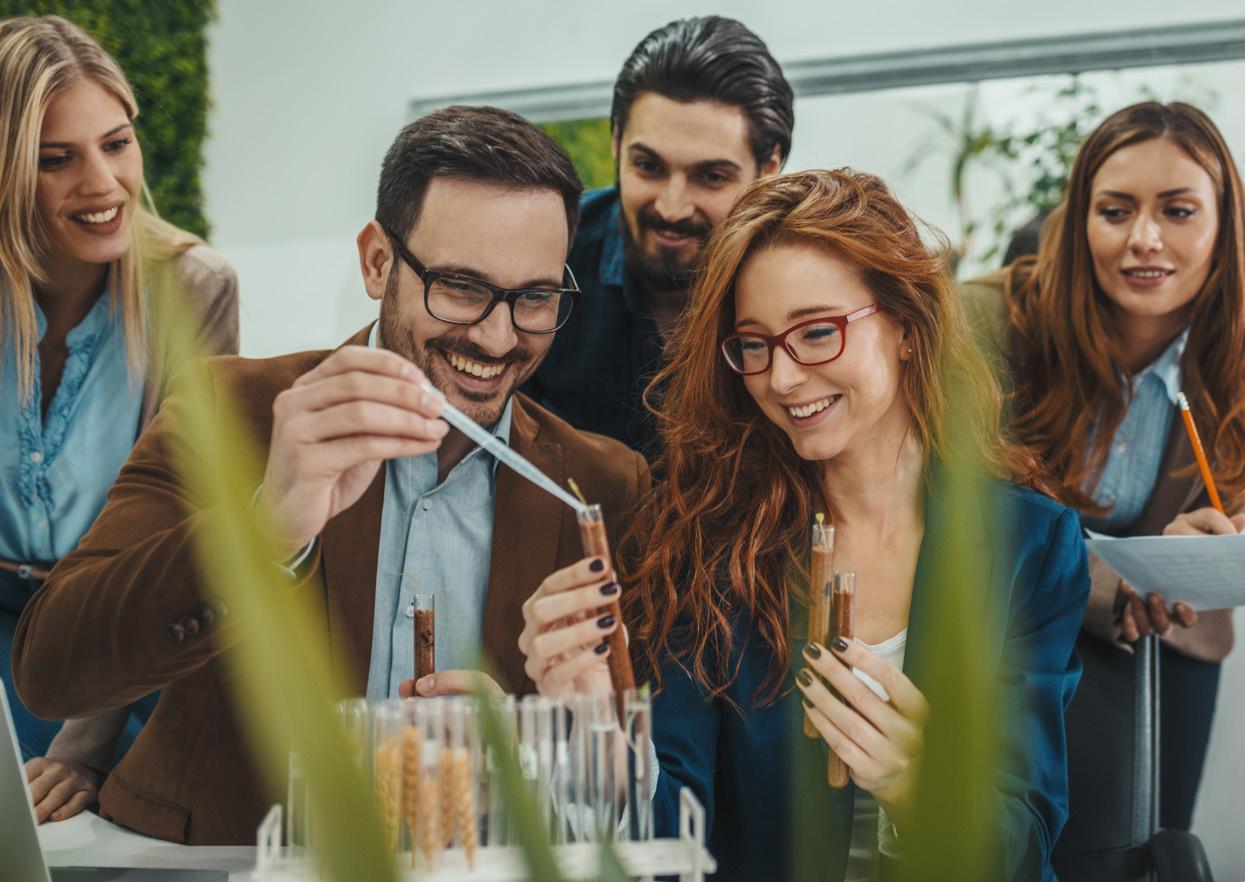
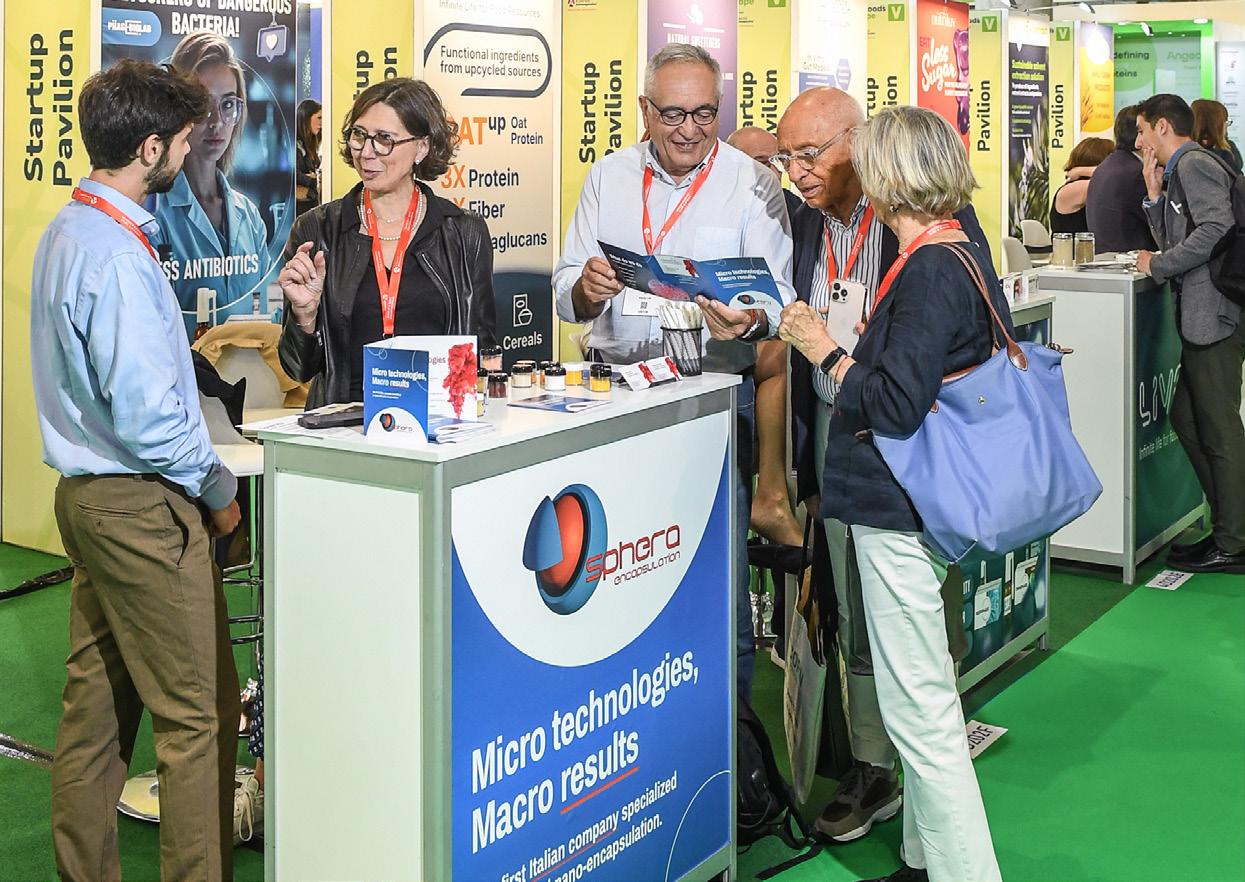
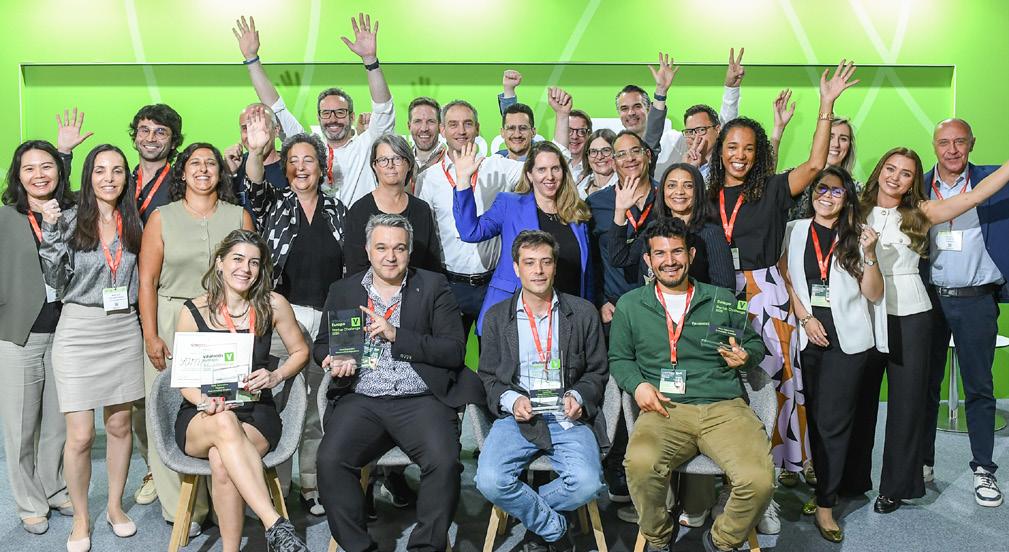
Held during the Vitafoods Europe exhibition, which will take place in Barcelona, Spain from 5 – 7 May 2026, the Vitafoods Europe Startup Challenge is a unique competition for innovative startups offering ingredients, products, services, or digital solutions for the nutraceutical industry
Attracting applications from all around the world, it shines a spotlight on innovation across supplements, functional food and drink, digital services, sustainability, and more
The fact that the Challenge takes place during Vitafoods Europe, one of the world’s largest nutraceutical trade shows where over 1,600 exhibiting companies and over 30,000 industry stakeholders are expected to gather in 2026, helps connect startups with potential commercial partners from the nutraceutical industry
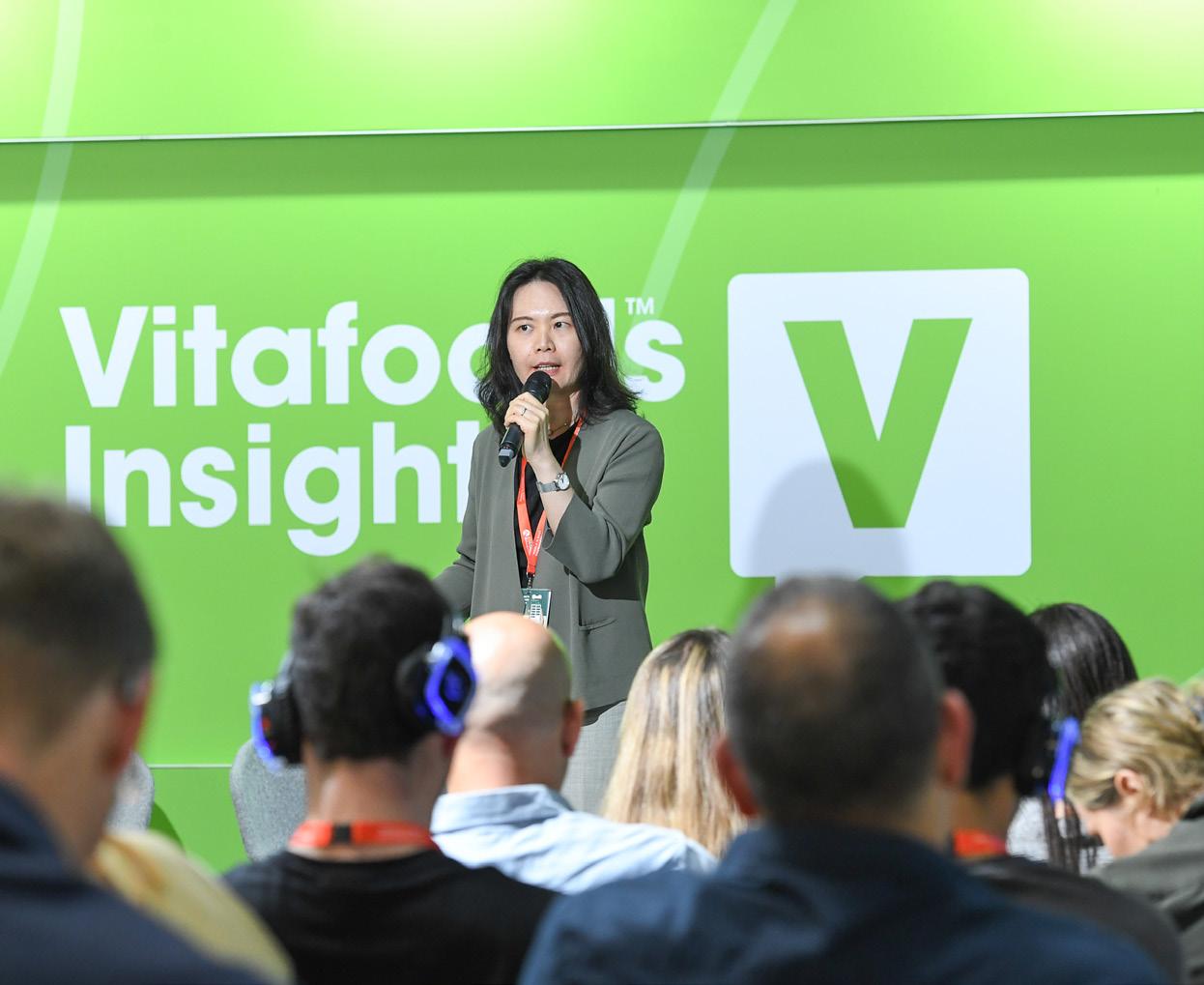
All finalists pitch to a panel of expert judges behind closed doors on Monday 4 May and then on stage before the Vitafoods Europe audience at the Insights Theatre on Tuesday 5 May
Previous participants have noted how pitching before the panel of judges are an excellent opportunity for expert advice and feedback while the live pitches on stage provide the startups with invaluable visibility before an industry audience
In 2026, startups can submit an entry for the following categories:
This category covers finished nutraceutical products offering innovation in ingredient composition, consumer focus, or delivery format
This category covers innovative ingredients for nutraceuticals, supplements, or functional food and beverages that can offer scientific substantiation of their efficacy.
This category covers innovations that support improvements in ingredients sourcing and production, food safety and quality, traceability, transparency, smart packaging, supply chain management, personalisation services, and/or digital and AI solutions supporting the nutraceutical industry
This special prize will be awarded to the startup with the most sustainable innovation Startups cannot apply for this Jury’s choice award but all startup finalists across the three categories can be considered for this award, with the winners being decided by the expert jury.
The startup’s overall sustainability efforts will be considered, including efforts to reduce resource usage, minimize waste, and enhance both environmental and societal impact
Winners can pick from a host of high-value prizes including:
● Hours of one-to-one mentoring and consulting advice with a jury member of your choice
● A stand at Vitafoods Europe 2027
● A customised digital marketing package from Smartcore worth €10,500
● Intellectual property (IP) advice worth over €1,000 and a discount off any new draft patent application
Click here to apply for the 2026 Startup Challenge before 20 february!

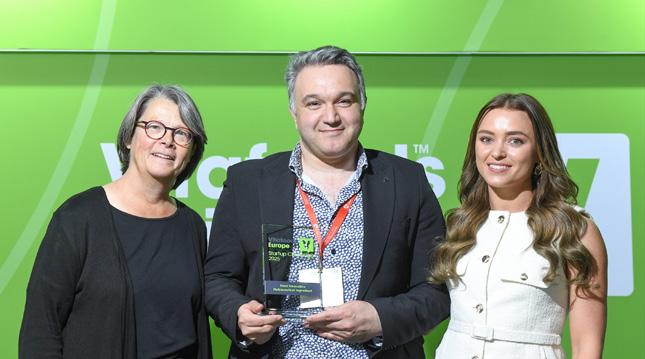
Ali Osman is CEO and co-founder of PFx Biotech, which won the Most Innovative Nutraceutical Ingredient category in 2025
Osman said: “I really like the fact that [the Startup Challenge] brought different innovative startups to the stage [As they shared] their experiences and their products, I discovered a lot of complementary skills that we can benefit from. It is really great for visibility, and a great part of the trade fair itself ”
“It’s really not about winning or not winning It’s about being here, being visible, and proud of your innovative product and show[ing] it to the public If it’s the right one at the right time, it’s going to kick off for sure ”
Sandra Einerhand, Ali Osman, Francesca Berry
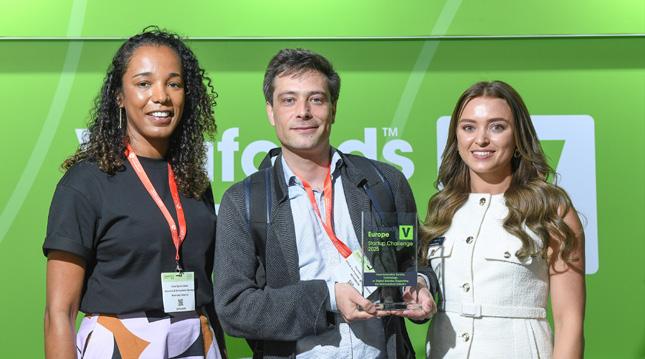
Paris-based Revobiom was named Most Innovative Service, Technology, or Digital Solution Supporting the Nutraceutical Industry in 2025 for its Microbial Evolution Machine (MEM)
Thomas Bibette, CEO and co-founder, said competitions such as the Vitafoods Europe Startup Challenge were important for visibility
“I would say that it’s a prerequisite to participate in as many innovation contests and competition that you can You don’t win every time, but it’s important at least to get out there and participate ”
Aline Santa Izabel, Thomas Bibette, Francesca Berry
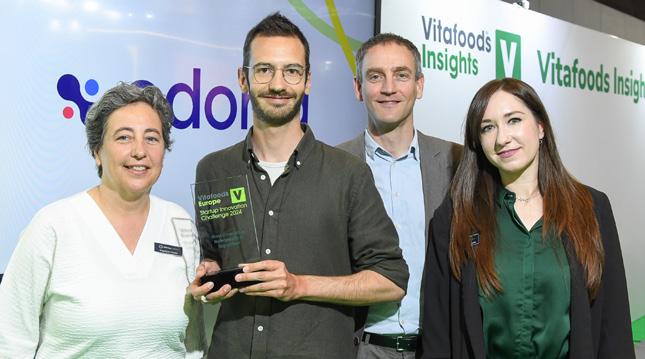
French microalgae startup Edonia won first prize as Most Innovative Nutraceutical Ingredient in 2024 Edonia’s founder, Hugo Valentin, said: “It’s great to have this kind of visibility and this recognition [...] especially because the company is quite new. I created it just one year ago, so this is [an] amazing recognition to win this prize
“The competition was hard and there were a lot of great innovative startups so I’m very proud Thank you to the jury for that!”




Monica Gispert Sararols is a senior professional in the consumer health and food supplement industry She currently serves as public affairs and corporate communication director at Barcelona-headquartered Uriach She mentors and speaks across industry forums, and was elected president of the Spanish Food Supplement Association (AFEPADI), where she advances sector visibility and regulatory dialogue in Spain and Europe
Adam M Adamek, PhD, is the founder and CEO of Food Edge, a business-intelligence platform for founders, investors, and corporates Previously at EIT Food, he held senior C-level and director roles and led work impacting over 500 startups across 15 countries His career also includes senior innovation and R&D leadership at Mars/foodspring, and leadership roles at Merck, Mondelēz, and Danone.
Pedro Álvarez is an entrepreneur, venture builder, agrifoodtech expert, and a jury member of the EIC Accelerator since 2018 With a background in marketing and innovation consulting, he co-founded Ivoro Food Innovation Hub in 2016 and later Ivoro Ventures, a venture builder focused on technology transfer in agrifood, nutrition, and biotech
Michael Stott is a chartered UK and European patent attorney who has worked in the patent profession since 2008 He has significant experience of drafting and prosecuting patent applications in the UK and Europe, managing international patent portfolios, and conducting freedom-to-operate opinions. He has particular expertise with handling subjectmatter in the nutraceutical and food sectors, and routinely advises clients on how to get the most value from their IP assets

Launching 22-23 September 2026, Dubai
The Middle East & Africa is home to a rapidly growing network of nutraceutical brands, businesses, experts and consumers. Valued at $11 billion and growing at pace, the region is set to become one of the world’s most influential health and wellness markets.
Vitafoods Middle East & Africa arrives at a defining moment. Here to accelerate this growth by creating a regional hub where people from across the entire nutraceutical supply chain can come together, share ideas, combine knowledge and achieve a range of health, wellness and business goals.
Discover more
Read our in-depth interviews with some of 2025’s winning startups to find out just what it was that impressed the Vitafoods Europe Startup Challenge panel of judges…
Crispy yoghurt: Meet the startup thinking outside of the pot
Most Innovative Finished Nutraceutical Product 2025
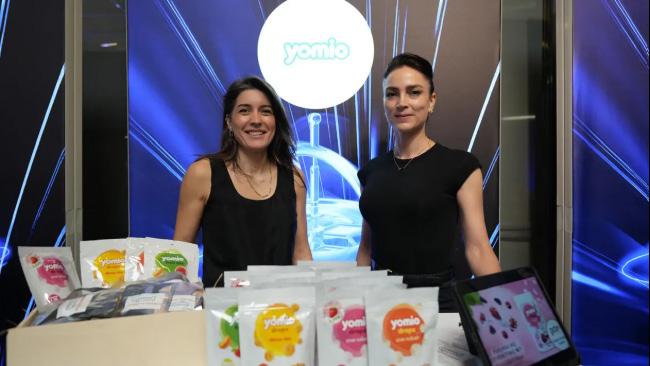
Istanbul-based startup Yomio has blended science and nature to transform yoghurt into a crispy, convenient, consumer-friendly snack
Yoghurt’s origins are thought to be in Turkey and the Middle East, where the warm climate causes milk to ferment quickly Indeed, the word “yoghurt” is borrowed from the Turkish verb “yogurmak”, which means “to thicken”, “to coagulate”, or “to curdle”
It follows that yoghurt is a dietary staple in Turkey A good source of nutrients and probiotic bacteria, yoghurt is fed to babies from the age of six months
However, as children grow up, their enthusiasm for the format often wanes and they seek out other snacks instead
This was what prompted Şenay Akça and Ahu Bayoğlu to reinvent yoghurt in a child-friendly snacking format
“We were two mothers struggling to find healthy snacks for our children,” recalled Akça.
Drawing on their studies in chemical and materials engineering, Akça and Bayoğlu hit on the idea of using freeze-drying technology to create a shelf-stable, probiotic fruit and yogurt snack
Freeze-drying is a common method for preserving a variety of foods It involves freezing the product and then removing the water content under vacuum conditions
It is particularly suitable for probiotics, as it generally results in higher survival rates, and for fruits and vegetables, as it maintains their nutritional integrity
“With freeze-drying, you can protect all of the nutritional properties of foods It takes the moisture out of the product so no bacteria can grow; it seemed to us that this was the ideal way of creating a healthy fruit and yogurt snack,” explained Akça.
It took two years of experimentation before the engineers perfected the crispy yogurt product that is now marketed as Yomio Drops
“First, we tried simply freeze-drying the yoghurt in very small quantities in our university labs,” said Akça. “That provided proof of concept. After that, we tested different strains of bacteria; there are a lot of bacteria for yoghurtmaking and they all have a different influence on taste and texture ”
She said that choosing the bacteria was the biggest challenge they had to overcome during development
“[Choosing a strain] took almost seven months,” she explained. “The difficulty is that when you change the bacteria, you alter the taste and texture Some generate a creamy texture, whilst others result in a jelly-like consistency.”
Next, the pair tried adding fruit to the formulation, testing various fruit in different concentrations and with different moisture levels, said Akça, noting that they also added prebiotic chicory fibre to the formulation to create a symbiotic effect
The final outcome was a crispy, no-added sugar yoghurt snack that can be stored at room temperature for up to two years It contains live bacteria and has a 70% yoghurt content The bite-sized chunks can be eaten directly from the bag or rehydrated into liquid form
While freeze-drying is a fairly common processing method, the technique used to achieve a crispy texture is, according to Akça, a “commercial secret” that Yomio is not willing to share
Four years on from the initial product development, Akça said that the challenges faced by the business had shifted from being of a technical nature to a commercial one
“Now it is a different challenge; it is about sales, branding strategy, and messaging Explaining a new product to the market is a big challenge for a foodtech startup,” she said
Yomio’s initial focus is selling direct to consumers via markets around Istanbul; Akça reported that the reception has been positive
“Kids love eating Yomio, and parents are happy because they understand that it is yogurt with live bacteria,” she said
Currently Yomio is selling on average 2,000 to 3,000 packs per month, although demand fluctuates throughout the year.
“We sell more in winter because school is open, and parents are looking for healthy lunchbox snacks,” Akça said. “In summer they go to the coast ”
In future, the duo would like to take the brand into the functional snack arena, developing formulations with strains that target specific health areas, such as mental health and immunity
To this end, Yomio is working on a project with a professor at Istanbul Technical University
“We will definitely develop more products in the future, but maybe it will take one or two years,” said Akça.
“We want to focus on functional snacks that can help support people’s health We believe that delicious snacks are the ideal vehicle for this functionality, as they are what the brain wants to eat ”
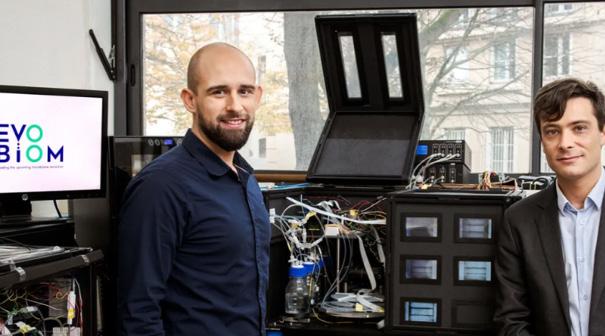
A proprietary R&D tool that enables the evolution of stable consortia of bacteria offers industry a platform for advancing microbiomefocused NPD, a startup says
In nature, bacteria rarely act in isolation They act as consortia, creating complex ecosystems whose performance cannot be matched by single strains
However, reproducing these consortia in a stable format and at a scale that allows manufacturers of foods, nutraceuticals, and supplements to harness their power is a challenge that has long confounded the industry
This was the starting point for the development of Revobiom’s MEM (Microbial Evolution Machine) “The idea for our technology came about simply by observing nature,” Thomas Bibette, CEO and co-founder, told Vitafoods Insights.
Most Innovative Service, Technology, or Digital Solution Supporting the Nutraceutical Industry 2025
“Microbiomes are the chemical factories of mother nature They accomplish great transformations, and they never do it via single strains alone – they always do it in complex ecosystems with stabilising interactions
“So instead of trying to boost single strains through genetic engineering, we set out to find a way of building stable yet complex communities of strains ”
French research institute ESPCI has a Colloids and Divided Materials Laboratory that specialises in fluid physics and has a track record in building millifluidic, high-throughput devices for microbiology
Fifteen years of research with ESPCI led to the first-ever prototype of a MEM being built in 2018, an achievement that allowed for both academic and industrial proof of concept, and marked the start of a commercial venture: Revobiom
So, what exactly can this device do?
The MEM performs screening and selection far more quickly than other available technologies, according to the startup
“First of all, we carry out high throughput screening on any media For example, we can take a sample of soil and identify both single strains and consortia or microbiomes that are present in this environment,” Bibette explained
In the second phase, the strains are placed in a proprietary droplet train, which is where the physics comes into play
“Here we have a conveyor of millimetrical-sized bioreactors, alternated with gas or air bubbles in an oil carrier. It is the fluid physics and the surface tension between the different elements that guarantees there is no cross-contamination between bioreactors,” he said
The droplet trains containing the bioreactors circulate in front of fluorescent optical sensors that record data such as growth, pH value, and metabolite production, informing data-driven decisions
Only the bioreactors that meet the specified performance parameters will be allowed to progress from the incubated droplet train via a microfluidic transfer canal to a clean droplet train where they can reproduce This cycle is then repeated over many generations – a process that Revobiom likens to Darwinian evolution
“The advantage of reproducing a natural process, Darwinian selection, is that we can access a level of complexity comparable to that found in nature It is from this complexity that the power of consortia derives, a complexity that genetic engineering does not allow us to access today,” said Bibette
He added that another strength of the technology is its exhaustive use of evolutionary paths
“The number of bioreactors we have enables us to study possible evolutionary pathways while determining their potential at very high speed,” he said
Rather than selling the MEM or licensing the technology, Revobiom is offering a consortia evolution service to the industry
“Customers come to us with their single strains of interest and ask us to co-evolve them into a consortia. The benefits us working with us are that we can do this more efficiently and economically and can improve the functionality of the strains,” said Bibette
“If you have to use four different tanks to produce four different strains it is going to cost a lot more than if you use just one tank to produce a stable community ”
As well as integrating strains of interest, Revobiom can use its natural screening and selection process to boost single strains of interest, correcting defects and enhancing performance
Revobiom is already working with some big names, including Eurogerm, Lallemand, and Danone For the latter, its work has included co-evolving four strains in a consortium with a fluorescent readout to assess metabolic production
Revobiom is currently raising a seed round of €5 million, most of which will be invested in building a data farm This will allow the startup to leverage the evolution data it collates to create the first predictive AI algorithms over metabolic pathways
“Currently, no one is using predictive AI in microbiology,” said Bibette “They encode known metabolic pathways into software, so they are only deterministic algorithms There is no predictive element because for that you need precise and in-depth historical data, and for that you need the MEM ”
The use of AI will also open up further applications for the technology as a “microbiome healer”, he said – in other words, in rebalancing unbalanced microbiomes
“If a company has a microbiome consortium that represents an unbalanced skin or gut microbiota, with AI, we will be able to find a ‘cocktail’ of strains that can rebalance this imbalance,” he said
In the meantime, Revobiom is in the process of scaling up its first industrial consortium with Eurogerm
Cool beans: Why brown is the new green for guacamole
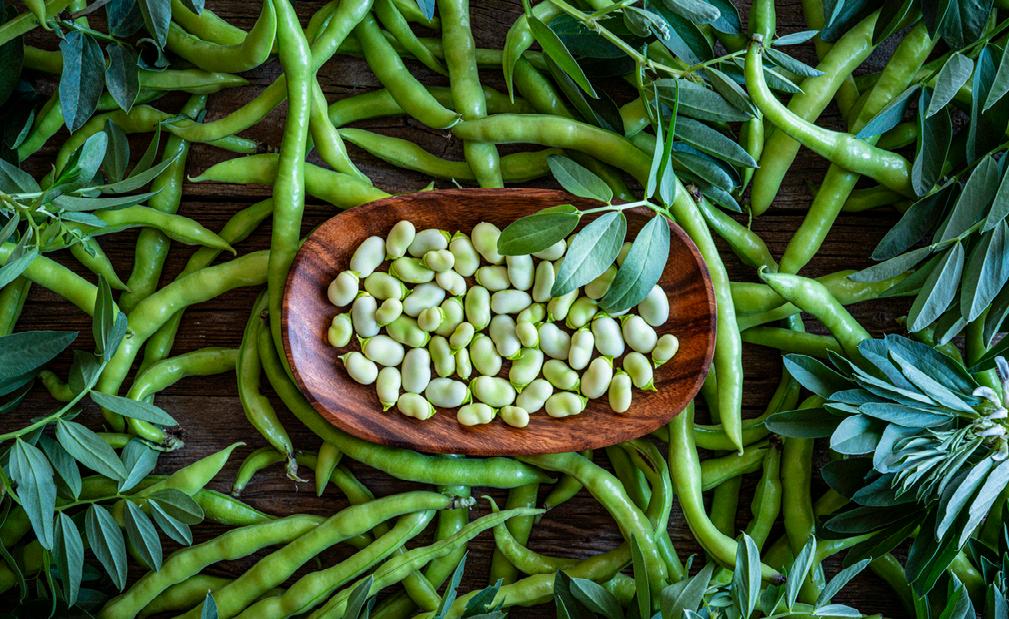
An Amsterdam startup is driving systemic change with a business model that respects the interconnectivity between human and planetary health
People often assume that Favamole founder Andres Jara dislikes avocados, when in fact, the opposite is true
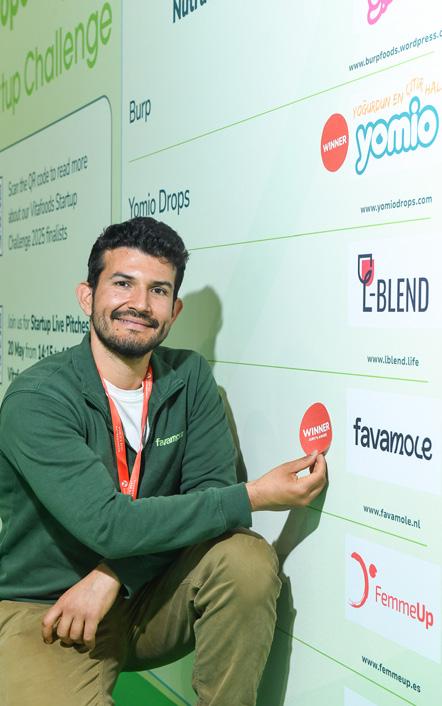
The Colombian-born entrepreneur says he created a fava bean-based guacamole alternative out of his love for the creamy green fruit that is a dietary staple in his home country
“A lot of people mistake my enthusiasm for making a guacamole from fava beans as meaning that I don’t like avocados – that I’m trashing them They’ve got it super wrong I love them so much, but I don’t love the impacts of avocado overconsumption,” he told Vitafoods Insights.
Special jury’s prize for Most Innovative Sustainable Solution 2025
The impacts he is referring to include deforestation, water consumption, and mafiastyle organised crime – all driven by Europe’s seemingly insatiable appetite for avocados Data from the 2023/24 season, shared by the World Avocado Organisation, showed that the UK, France, Germany, and Italy all posted notable increases in per capita consumption
“Consumers don’t always see the other side of production I have seen it happening with my own eyes,” said Java “Demand from one side of the planet [Europe] is killing the other side of the planet I’m not saying people shouldn’t eat avocado – just not every day.”
Jara described the launch of Favamole as an attempt to “localise guacamole production” and “bring balance” to this situation
The idea for making guacamole from fava beans came to him when he was working as a chef at an agriturismo (or farm stay) in Italy, making Mexican and South American foods from local ingredients
One of the guests requested guacamole but, given that the closest shop selling avocados was 40 minutes away, Jara decided to improvise with an ingredient that was available locally: fava beans
“The guests found it hard to believe the guacamole didn’t contain any avocado because it tasted the same and was presented like guacamole,” he recalled
After reading up on fava beans, Jara realised that incorporating them into food products could be beneficial on multiple levels.
“I could see the power of fava beans in the sense of how good they are for people and the environment, and how these two elements combined could bring about positive change in our food system,” he explained
Not only are the beans rich in protein, fibre, and micronutrients – they are more resource efficient than water-intensive avocados, and they improve soil health by fixing atmospheric nitrogen into the soil. This in turn benefits crop nutrient density, and ultimately, human health
“Legumes like fava beans are climate heroes, naturally fixing nitrogen, improving soil structure, and offering protein-rich alternatives that support Europe’s shift toward regenerative, plant-forward diets Favamole is more than a dip; it’s a celebration of what legumes can do for people and the planet,” said Jara
Favamole’s mission also aligns with the EU’s policy of encouraging plant protein production and innovation This enabled the startup to access €50,000 of funding through a Dutch project called Van Kool tot Kimchi – meaning “from cabbage to kimchi” in English – to launch its fava bean dip
“That gave us money to hire a product developer who helped us scale up the recipe,” said Jara “We are now able to produce in onetonne batches and have partnered the biggest guacamole producer in Europe for production
“Regardless of whether the guacamole is made from avocados or fava beans, it uses the same equipment The only difference between the two processes is that the beans have to be cooked ”
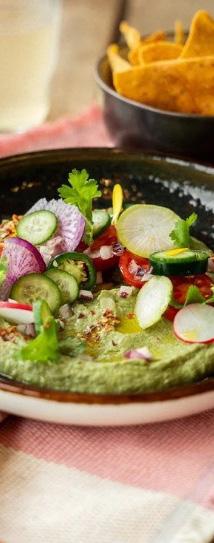
Scaling up the cooking of the beans was a challenge for the startup, as it found that some of the protein was transferring into the cooking water
“This isn’t such a problem when you are cooking 20kg of beans, as you can use the water in the product, but when you are cooking on a larger scale – say, 200kg – there is a lot of water,” Jara explained
The startup overcame this issue by steaming the beans so that all the protein stays within the product
Colour has been an ongoing challenge, as consumers associate guacamole with a certain shade of green Originally, Favamole used spinach to give the dip a green colour, but it has now switched to chlorella, a nutrient-rich algae While this results in a deeper green than traditional guacamole, the company embraces the unique hue as part of its bold, honest identity
“During scale-up there have been plenty of points where we could have taken the opportunity to cut corners and take shortcuts, but we haven’t because we want to be a business with integrity,” said Jara
“We’d rather choose the tough – or the honest – path, because we want to showcase that it is possible to create a product that does good for the environment, good for the people, tastes delicious, and is profitable.”
As for the ingredients it uses, Favamole’s policy is to keep it simple and natural
“There is a lot of hype around adding socalled ‘healthy ingredients’ to make products better, but actually what we need to remember is that if we do agriculture right, following regenerative-organic principles, we won’t need to add anything else,” said Java
“Healthy soils will yield nutrient-dense crops, and we will get everything we need ”
To this end, Favamole has partnered with regenerative farmers in the Netherlands to grow food-grade fava beans (as these are mainly grown for animal feed at present), supporting local agriculture and soil regeneration
“We are working with four regenerative farmers in the Netherlands and are in conversations with farmers in Germany and Denmark,” Jara confirmed.
“WE WANT TO SHOWCASE THAT IT IS POSSIBLE TO CREATE A PRODUCT THAT DOES GOOD FOR THE ENVIRONMENT, GOOD FOR THE PEOPLE, TASTES DELICIOUS, AND IS PROFITABLE.”

5-7 May 2026, Fira Barcelona
Vitafoods Europe returns for its biggest event to date. With an expanded show floor, there are more opportunities than ever to discover what’s next in nutraceuticals.
Join us in Barcelona Book now
30,000+ expected attendees
Connect with thousands of global nutraceutical buyers, suppliers and experts
Discover new products, innovations and insights
More networking opportunities across the entire nutraceutical supply chain
2-4 September 2026, QSNC, Bangkok
Be the first to know when registration opens!
Register your interest
16,000+ industry professionals ready to connect
650+ leading exhibitors showcasing breakthrough solutions
9 international pavilions bringing global perspectives


Click here to book your ticket