The Fi Europe Startup Challenge offers a unique platform for startups to showcase their ingredient innovations and amplify their products to an audience of potential partners and investors.
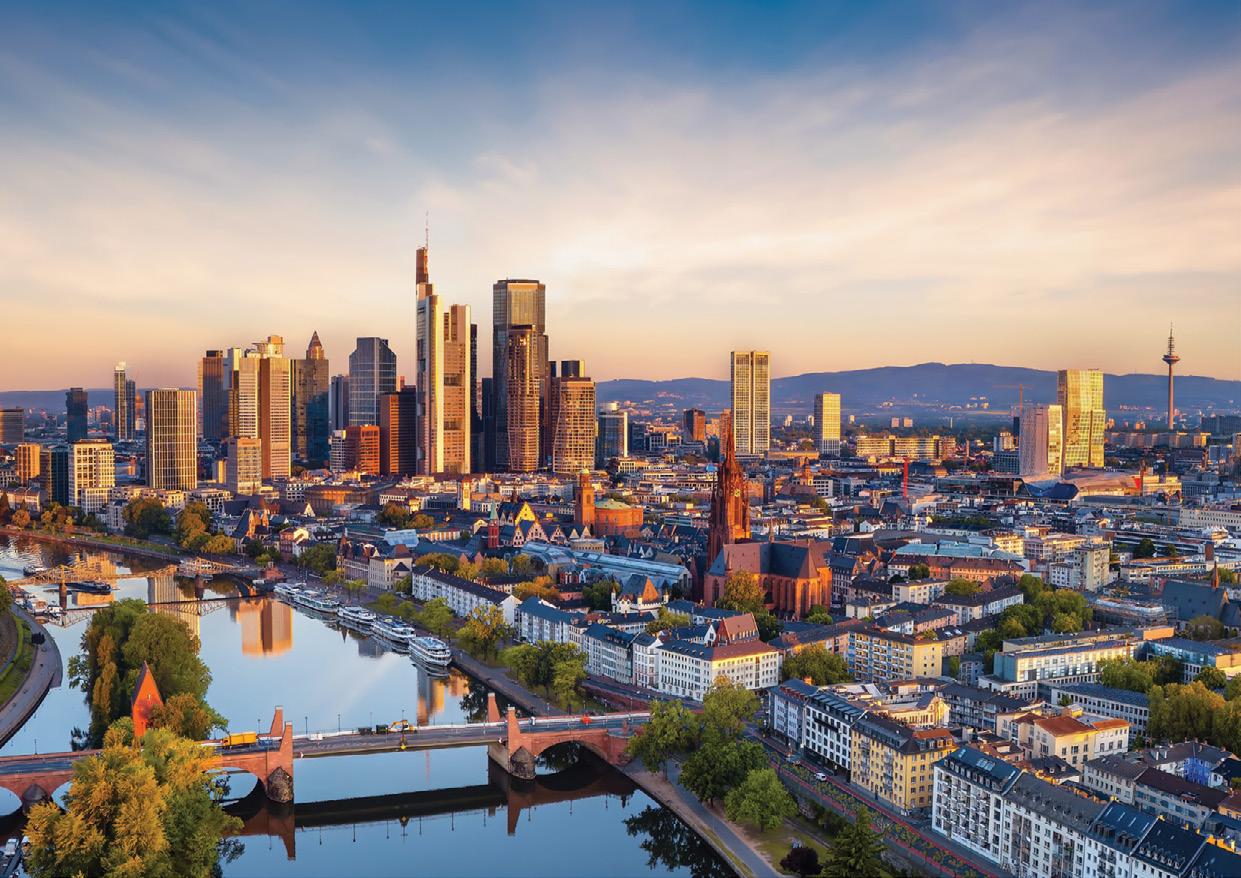
Held each year at Fi Europe, the annual global meeting of thousands of food ingredient industry stakeholders, the Challenge will return to Frankfurt in 2026. Interested startups have until 21 August to send their applications.
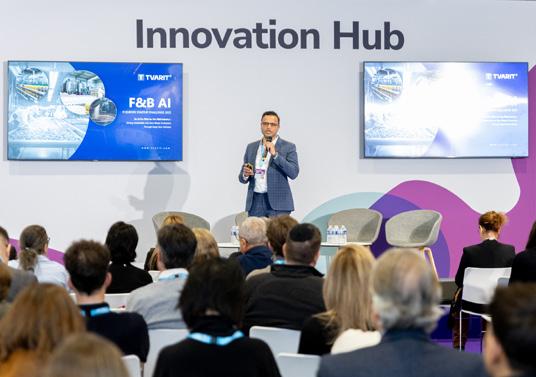
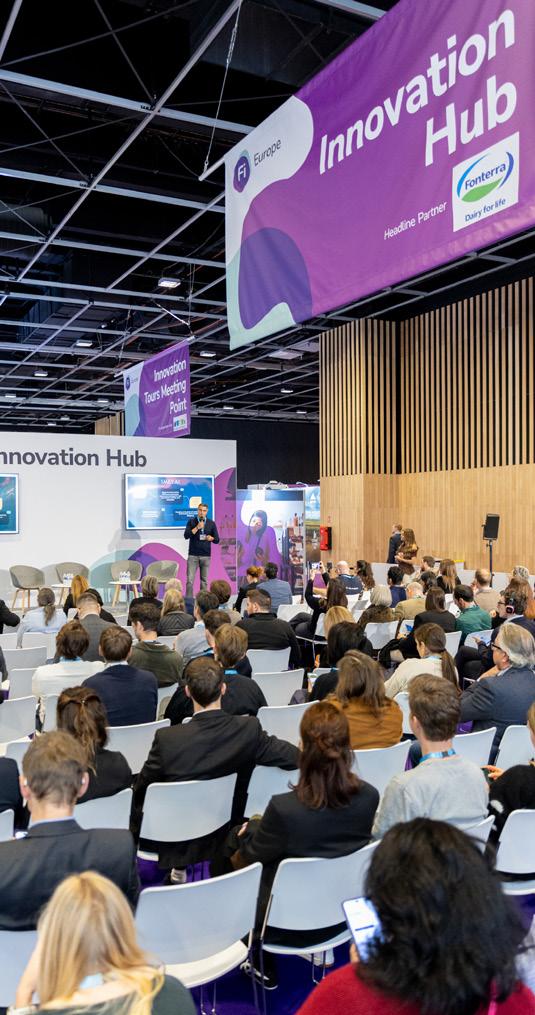
Pitches will first take place behind closed doors before a panel of expert jury members on 16 November, and then the following day in front of the Fi Europe audience on stage at the Innovation Hub.
By pitching their concepts at Europe’s leading food and beverage ingredient trade show, networking with key stakeholders across the industry, and connecting with potential collaborators, all the finalists – and not just the winners – can win big.
“The Startup Challenge is one of the most exciting parts of Fi Europe,” said Francesca Berry, head of content programming at Fi Europe. “It is where you get to see the future of the food and drink ingredient industry in action – companies that are pushing boundaries and redefining what’s possible with their innovative products, services, and ingredients.
“For the startups, it’s a golden opportunity to step into the spotlight at a leading industry event, pitch their ideas to a panel of experts, and get real-time feedback that could shape their journey.
“For those watching at the event in November, it’s an unmissable chance to experience the energy and creativity of the next generation of industry leaders. These are the challengers, the disruptors, the ones to watch, and seeing them pitch live is nothing short of inspiring. If you’re passionate about innovation, this is the moment you don’t want to miss.”
It is free to apply for the Fi Europe Startup Challenge and startups active for five years or less can submit applications to as many of the three categories that are relevant to them before the 21 August deadline.
This category covers innovations related to food and beverage ingredients or additives from animal and non-animal/plantbased/alternative sources. These innovations can be related to improvements in taste, texture, appearance, or nutritional value/ health benefits.
CATEGORY
Most Innovative Service or Digital Solution in Food and Beverage
This category covers innovations in digital services and solutions such as AI, machine learning, blockchain, IoT, digital platforms, or data analytics that support improvements in ingredients sourcing and production, food formulation, food safety and quality, traceability, transparency, smart packaging, and/or supply chain management.
CATEGORY
Most Innovative FoodTech Solution
This category covers innovations related to food processing or bioprocessing technologies, solutions, or services that enhance either operational efficiency or the nutritional/health value of food.
CATEGORY
Most Innovative Sustainable Solution –JURY’S CHOICE AWARD
This special prize will be awarded to the startup with the most sustainable innovation. All finalists across all categories can be considered for this award, with the winners being decided by the expert jury.
The startup’s overall sustainability efforts will be considered including efforts to reduce resource usage, minimise waste, and enhance both environmental and societal impact, ensuring the innovation contributes to a more sustainable and resilient food system.
Win big: What prizes are up for grabs?
Winning startups can choose from one of 14 high-value prizes:
A fully equipped stand at Fi Europe 2027 to bring your ingredient innovation to thousands of food industry buyers!
Or
A personalised prize offered by one of the 13 jury members. This typically includes around 10 hours of coaching and one-on-one consulting on topics such as strategic planning, business development, go-to-market strategy, and regulatory advice.
In addition, each finalist will be interviewed by Fi Global Insights for an article to be included in our weekly newsletter, which goes out to more than 30,000 global subscribers.
Why apply? Previous winners share their testimonials!
Thanks to its unique audience made up of thousands of international food industry professionals, the Fi Europe Startup Challenge has been instrumental in propelling many companies to success – as previous winners have testified.
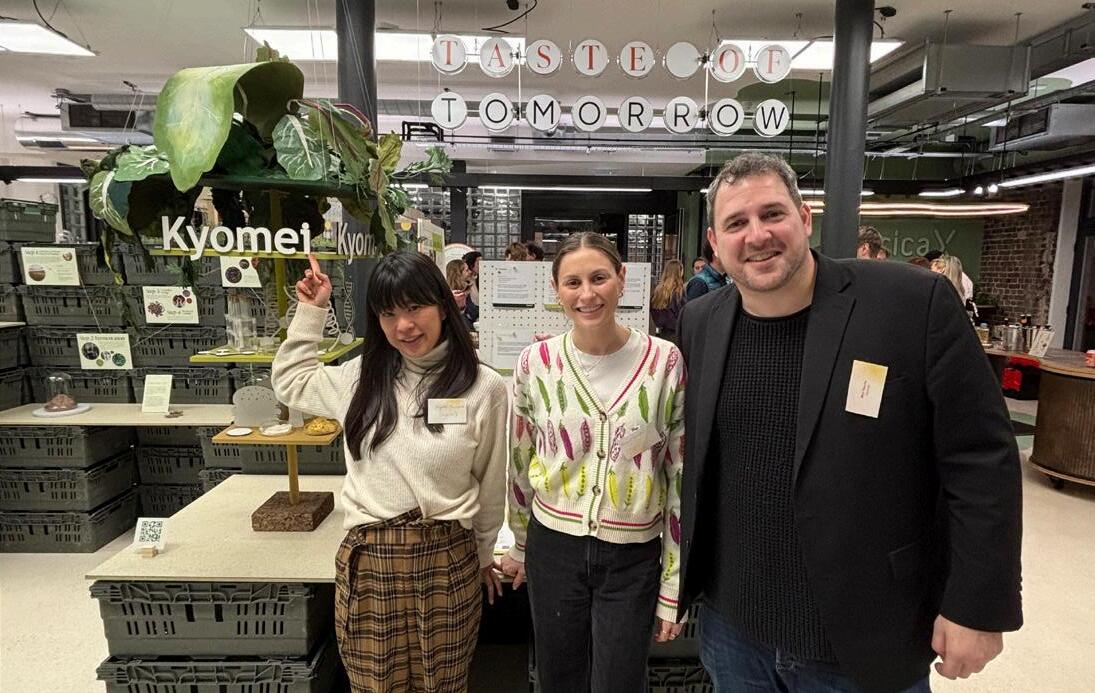
Susanne Robinson, Chief Operating Officer, Kyomei
“Fi Europe is such a huge global and important industry event. To be in this sort of community makes it even more valuable. I’ve enjoyed it and liked the quality of the questions, the people I’ve met, and being among so many people who are interested in the future of food.”
Sebastian Zaera, CEO and co-founder, BioBlends
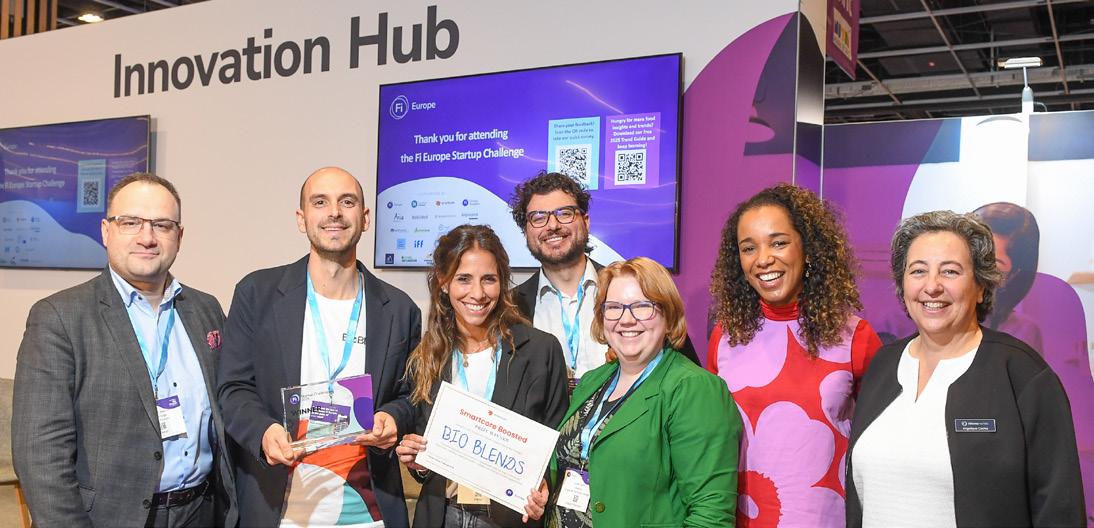
“We are super happy with this award. For us, it’s fundamental for gaining the visibility we need for both corporates and investors to take our company and technology to the next level. Being accepted as a finalist was already a big honour – and now we have won, we are really grateful.”
Adi Yehezkeli, CEO and co-founder, Fabumin
“Everybody is here – all the stakeholders, manufacturers, and creators. I’m getting such great attention and traction here because I met so many people that we can do business with. And this is what Fi Europe is for me: oceans of opportunities.”
Register your interest for
Fi Europe 2026
Don’t miss your chance to connect with global leaders and shape the future of food innovation.
Stay tuned for updates!
Register interest
Join the tastemakers in other events:
Fi Vietnam
13-15 May 2026
Ho Chi Minh City
Hi Korea
25-27 August 2026
Seoul
Fi Europe 17-19 November 2026
Frankfurt
Fi Africa 2-4 June 2026
Cairo, Egypt
Fi India 26-28 August 2026
Mumbai
Fi Asia Thailand 1-3 September 2027
Bangkok
Hi Fi Asia China 15-17 June 2026
Shanghai
Fi Asia Indonesia 16-18 September 2026
Jakarta
Fi South America 4-6 August 2026
São Paulo, Brazil
Hi Japan 14-16 October 2026
Tokyo
Meet the jury members
No fewer than 13 food ingredient and innovation experts make up the jury panel for the Fi Europe Startup Challenge this year and it is they who, after many hours of careful and intense deliberation following the startups’ live pitches, will decide which companies deserve first prize.
Spotlight on three jury members
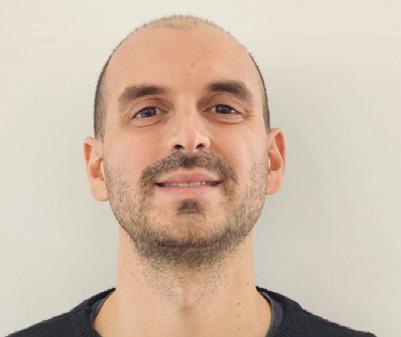
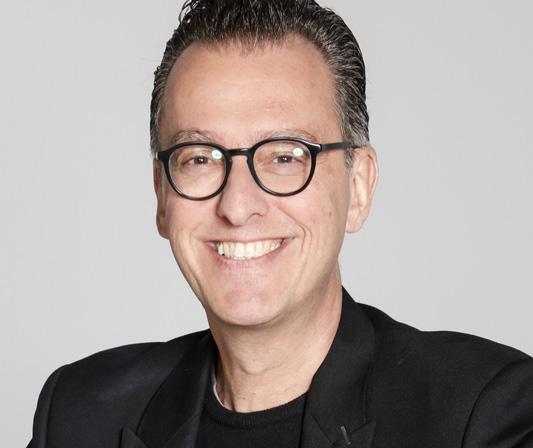
Adam M Adamek
Adam M Adamek PhD is an innovation architect and venture creator focused on food biotech, foodtech, and personalised nutrition. He has held senior roles at Merck, Danone, Mondelez, and foodspring, and now leads Impact Brussels and Food Edge, advising founders, corporates, and investors.
Adamek specialises in turning scientific capabilities into scalable products, smarter business models, and resilient go-to-market strategies. He works across Europe with startups, corporates, and EU programmes to connect R&D, commercial strategy, and AI, with a focus on sustainable agrifood systems. As jury member and mentor, he brings over 20 years of experience in innovation management, portfolio strategy, and founder coaching to help teams sharpen their value proposition and accelerate real-world impact.
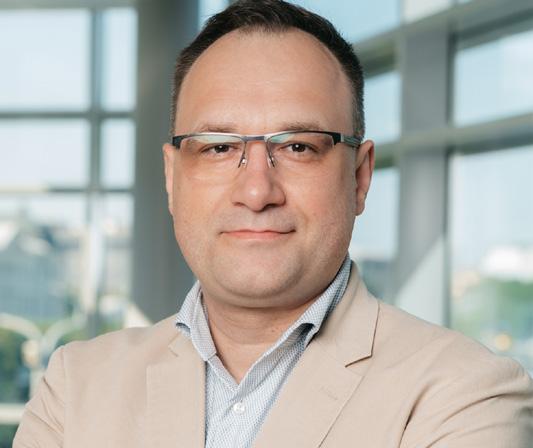
Dr Markus Pfeiffer is the founder and CEO of Bloom Partners, a growth firm that builds and scales sustainability-focused companies. He is also one of the leading experts in digital transformation in food and beverage industry and venture building in Europe.
Prior to founding Bloom Partners, he played a key role in the growth of the Vivaldi Group in Europe and was co-founder of Scoreloop AG, which was acquired by BlackBerry. In addition, Pfeiffer is active as an angel investor in food tech, an author, and an honorary professor at the University of Cologne.
Dr Markus Pfeiffer
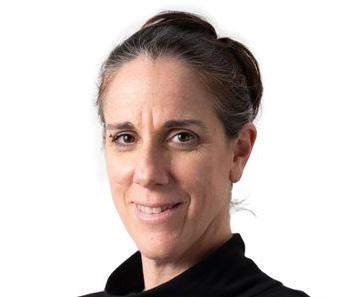
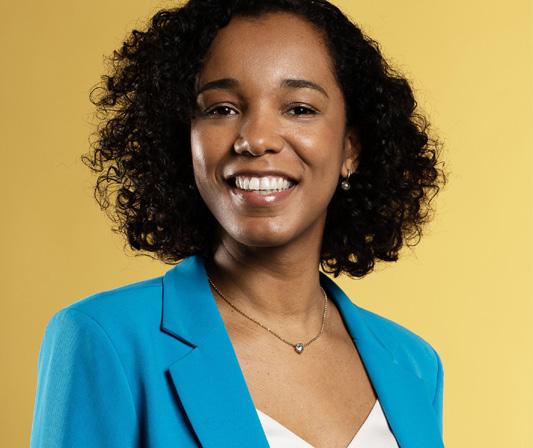
Aline Santa Izabel
Aline Santa Izabel is an innovation ecosystem leader and biosciences specialist working at the intersection of science, entrepreneurship, and technology. With extensive experience across European innovation ecosystems, she supports startups and scaleups, translating emerging technologies into real-world impact.
She serves as an expert advisor to the European Commission’s European Innovation Council (EIC) and Women EU Tech, contributing to the growth of deeptech ventures. Santa Izabel also lectures at KTH Royal Institute of Technology and works as networks and ecosystems manager at the City of Helsinki, where she advances AI-driven innovation aligned with sustainable urban development.
The full jury panel for this year’s Fi Europe Startup Challenge is: Christiaan Kalk, founder and senior consultant at Life Science-Based Innovations; Marie Breysse, head of innovation at Shakeup Factory; Matthieu Vincent, founder and partner at DigitalFoodLab; Ariane Voyatzakis, general secretary of the French trade association Chambre Syndicale Française de la Levure; Thomas van den Boezem, partner at venture capital PeakBridge; Nard Clabbers, founder of NCNC Nutrition Consultancy; Jorien Hattink, corporate partnership manager at StartLife; Dr Markus Pfeiffer, CEO of Bloom Partners; Sonia Huppert, global innovation business development lead at IFF; Aline Santa Izabel, networks and ecosystems manager at Business Helsinki; Fabio Ziemssen, partner at ZINTINUS; Adam M Adamek, founder and CEO of Food Edge; and Leonardo Nunes Ricucci, investment manager at ProVeg Incubator.
Meet the Fi Europe Startup Challenge Jury
Who scooped first prize in 2025?
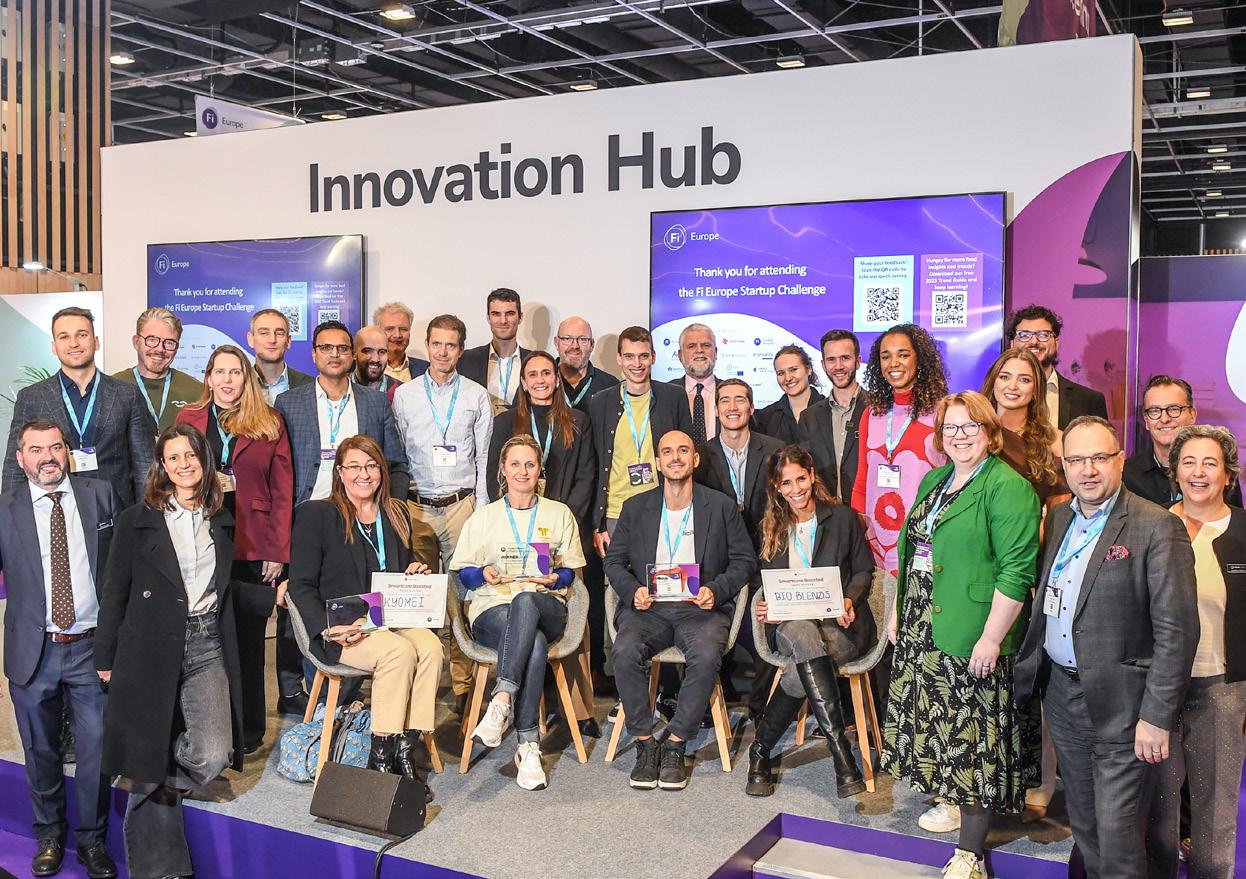
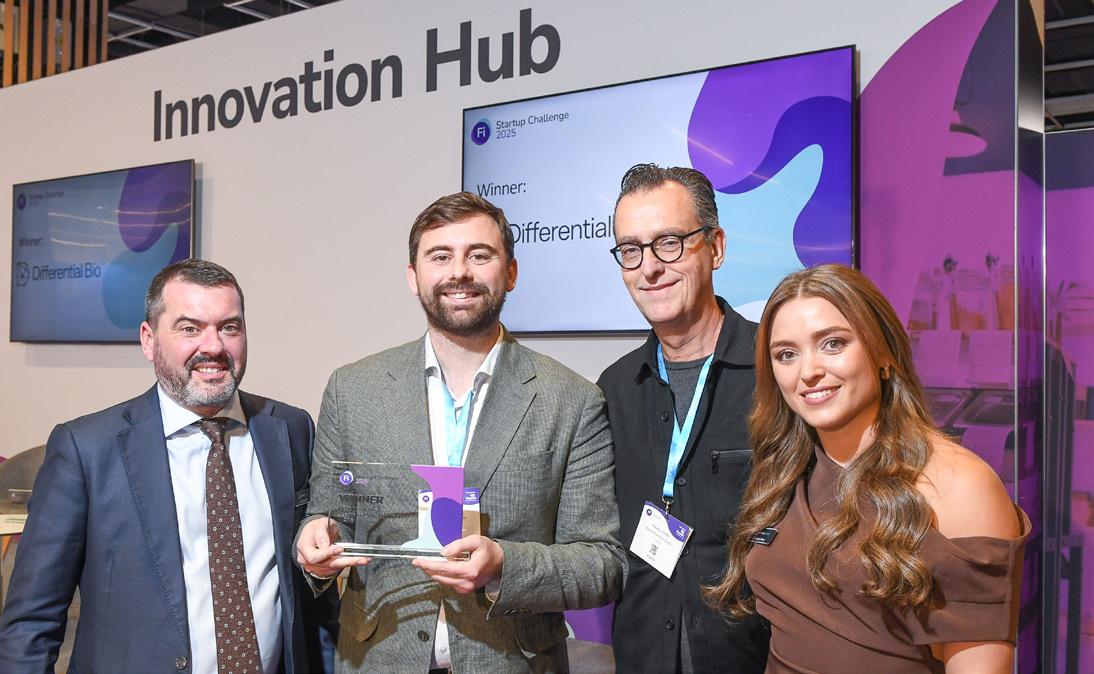
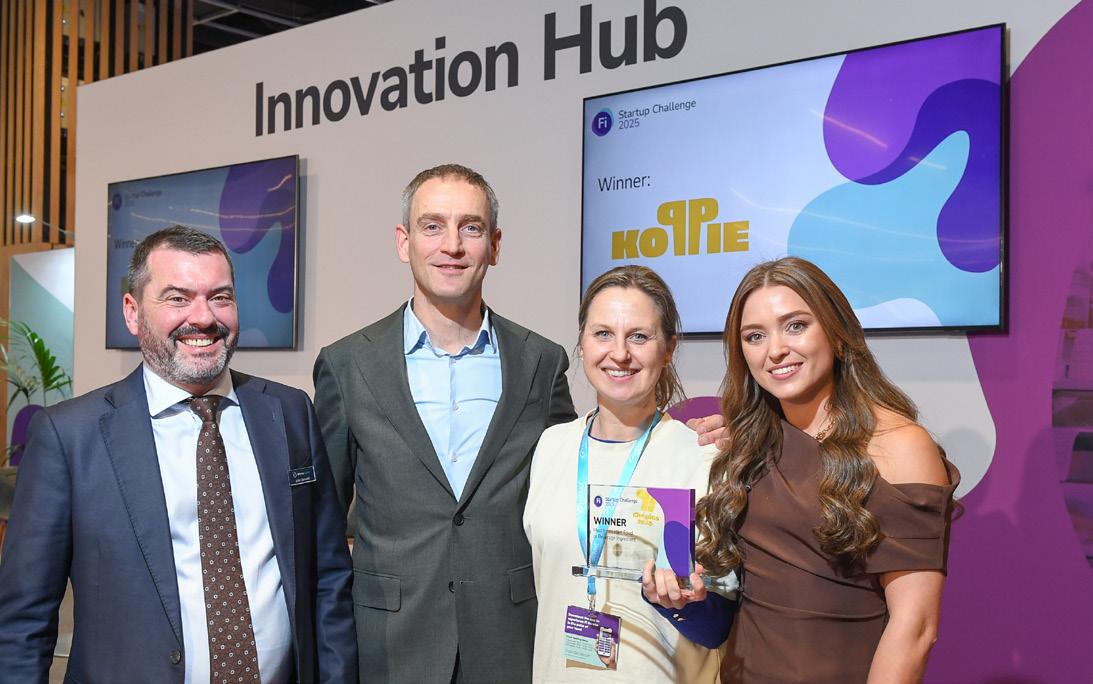
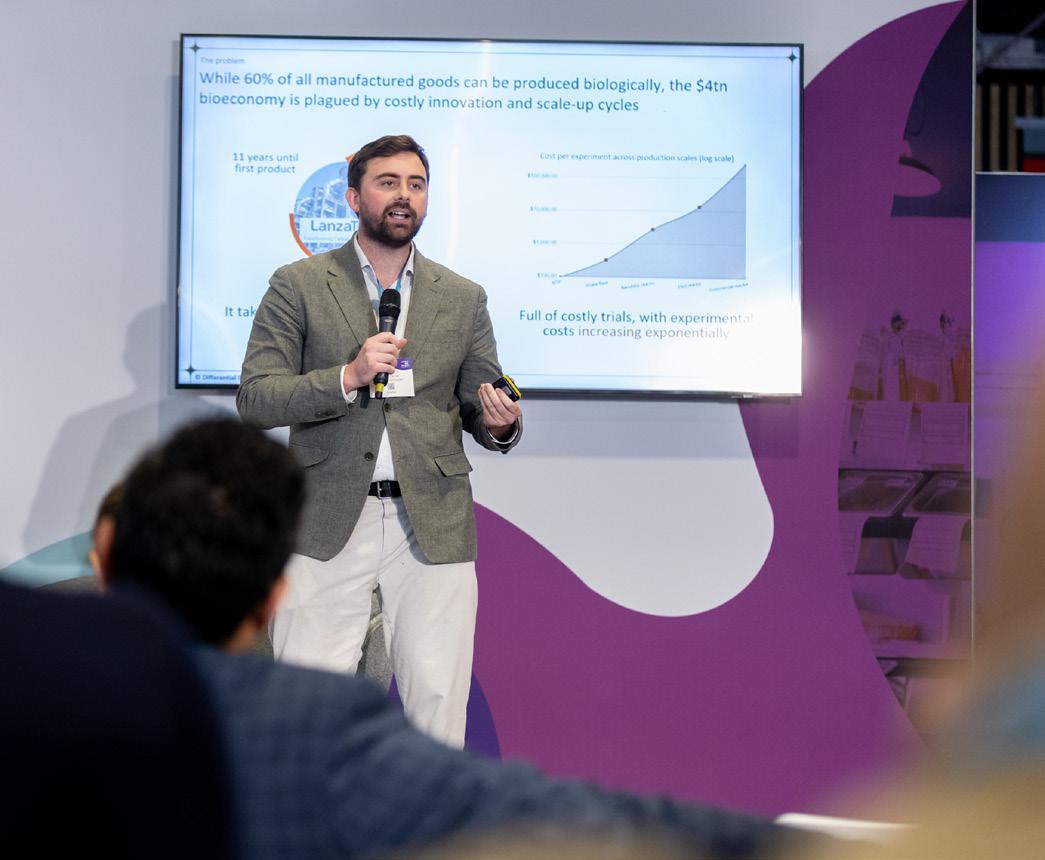
BioBlends, Kyomei, Koppie, and Differential Bio – hailing from Argentina, the UK, Belgium, and Germany respectively – each won first prize at the Fi Europe Startup Challenge 2025 in Paris.
Read on to find out more about the innovations that impressed the judges…
Winner, Most Innovative FoodTech Solution, Fi Europe Startup Challenge 2025
Battle of the bacteria: Biology-derived preservatives win out
A startup is capturing the volatile organic compounds that are the products of bacterial fermentation and, with the help of bioinformatics, turning them into shelf life-extending bio-preservatives.
Cross-industry innovation is very much in evidence in the food sector, with companies increasingly looking beyond the industry’s borders and leveraging pharmaceutical, agricultural and even space tech to inspire innovation. One company doing exactly this is BioBlends, an Argentinian startup making bio-preservatives – a solution that was originally conceived for crop protection.
“The technology started as a discovery led by one of my co-founders – a biology PhD,” CEO Sebastián Zaera told Fi Global Insights.
“She and her colleagues were isolating bacteria from agricultural environments – so crops like sugar cane, soy, maize, etc – and they found that the bacteria were producing metabolites that had two functions: to promote the growth of the crops and to help the crops naturally defend themselves against pathogens.”
Lab tests showed that the volatile compounds produced by the bacteria were also effective against microorganisms that are found in food, pointing to a potential application for the metabolites as preservatives.
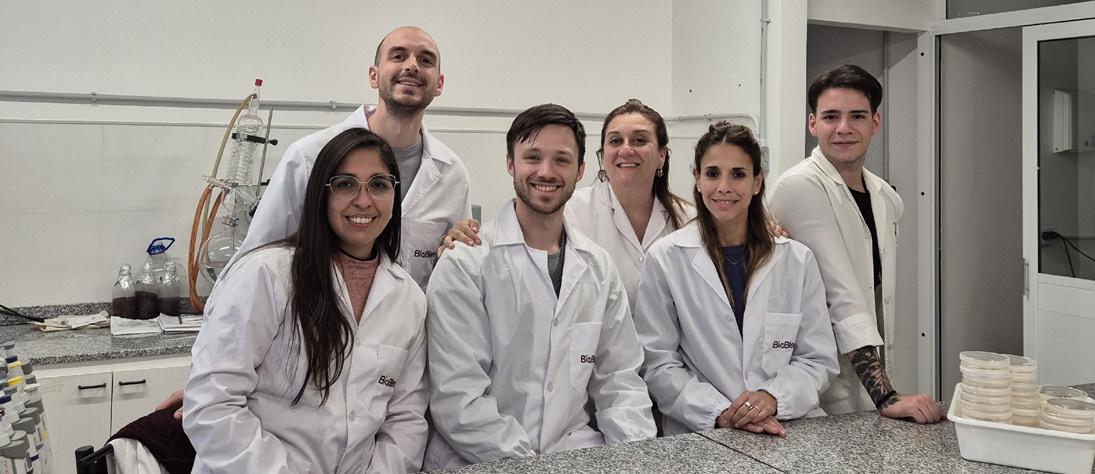
BioBlends team members
A programme with GRIDX, a deeptech VC and the largest biotech company builder in Latin America, connected the scientists – Dr Pía Di Peto, Dr Nadia Regina Chalfoun, and Dr María Laura Tortora – with Zaera. Together, they started to explore food industry opportunities for the bio-preservatives.
“When we started talking to people in the food industry, we realised there was huge demand for innovation in preservation,” said Zaera.
There are two main drivers behind this demand, he explained.
“Consumers are increasingly aware of what they are eating, scrutinising labels and avoiding additives,” he said. “Another driver for innovation is that mould has developed resistance to many existing preservatives.
“Microorganisms have existed for millions of years and they are very adept at adapting to different environments and thereby building resistance to some of the industry’s methods.”
The entrepreneurs recognised that the biologyderived technology they had been working on for the agricultural space could be extremely useful to the food industry as it addressed both of these pain points.
Countering microbial contamination in baked goods
BioBlends chose the bakery sector as its first target vertical due to the specific challenges bakeries face with mould control.
This resulted in the development of a bio-preservative that can prevent the formation of mould and extend the shelf life of bread.
The startup claims this approach offers three clear advantages over existing solutions: efficacy, cost, and ease of use.
“In tests, we’ve been able to keep bread mould-free for more than two months, which is a gamechanger for many applications. For example, adding only five days onto a product’s shelf life may open up new markets,” said Zaera.
On the subject of cost, he said estimations at scale indicate that BioBlends will be able to produce the bio-preservative at a cost that is competitive with other commercially available solutions.
The startup’s solution is easy to use because it can be integrated into existing processes without capex or operational changes, and without altering the sensory profile or necessitating any reformulation of the product in question, Zaera explained.
Gas-based bio-preservatives
BioBlends’ preservatives are volatile organic compounds (VOCs), which means they are in liquid-gas equilibrium.
“Bacteria produce the compounds as both liquids and gases. We use the liquid phase for production, but then when we apply them, they volatilise and we use the gas phase, which is when they are most active and therefore best at controlling mould,” said Zaera.
The company says it is leveraging bioinformatics in combination with a proprietary bank of bacterial strains to develop its solutions.
“Bioinformatics basically helps us to accelerate the development times of our solutions,” Zaera said.
“First of all, we use bioinformatics to create correlations between our products and how they affect the different microorganisms. So, we are building databases that enable us to make faster predictions about how our products will respond to new microorganisms we haven’t tested yet.”
He added: “Once we have an active principle that we know is effective, we can go back and trace which of our bacteria (we have 250 strains in our library) should be able to produce it. In the past, that was just trial and error.”
In this way, BioBlends has developed several blends, but Zaera said it is prioritising blends made from molecules already in use by the food industry to accelerate the regulatory pathway.
Transforming waste crop leaves into valuable plant proteins
A biotech startup is converting agricultural waste – specifically, crop leaves –into valuable food ingredients, including the in-demand plant protein rubisco.
It is an uncomfortable fact that crop residues, such as leaves, stalks, peels, tops, and tubers, can account for nearly the same – and sometimes even a larger – volume of biomass than the parts of the crops that are harvested for food.
According to one academic study, less than one-third of biomass harvested from crops is finally consumed by humans.
In the light of current and future food security and climate change challenges, there is an urgent need to make better use of parts of the harvest that have historically been discarded as waste.
While conversion of this waste into fuel pellets, fertilisers, animal feeds, and advanced materials is preferable to doing nothing, the holy grail is to valorise it into nutritious ingredients that can be consumed by humans.
One company that has come up with a way of doing exactly this is British biotech startup Kyomei.
The company’s biotechnology, which was initiated at the University of Oxford by Meir Wachs and Dr Kyoko Morimoto, transforms crop leaves into bio-manufacturing platforms for creating high-value food ingredients.
“Our idea was that rather than just making use of the actual crop itself, we could express proteins in the biomass and turn these into ingredients. The basic premise is that we are underutilising plants and can use them in a more effective and powerful manner,” Wachs told Fi Global Insights
Molecular farming – the use of genetically engineered plants as biofactories to produce high-value recombinant proteins – is a core part of Kyomei’s proposition.
However, what makes the startup different to others in the field is that its platform integrates genetically enhanced protein expression with extraction.
“There are two elements to our platform. We started off with the upstream but now we are leading with the downstream,” said Wachs.
By “upstream”, he is referring to the patented biomolecular technology Kyomei has developed for protein expression; and by “downstream”, he means the biochemical extraction process that removes chlorophyll, vegetal flavours, and bitterness from the plant biomass while retaining the functionality of the native leaf protein known as rubisco.
“One platform is for the separation of the proteins from the biomass, while the other is focused on optimising the value of the biomass as a production platform,” he explained.
“Ordinarily it would just be the natural proteins that are in the plant, but we also have the capacity to introduce powerful foreign proteins inside the biomass and to coextract them alongside naturally existing proteins.
“For example, we can plant certain proteins in the biomass and then genetically edit the DNA of those plants to increase the expression of those proteins. Then, using our downstream technology, we can pull that protein out of the plant.
“That’s the idea of genetics – to maximise the value you can extract from a plant rather than just extracting what’s there.”
He added: “I think we’re unique in that we combine both the biomolecular technology and the downstream extraction. Most companies will focus on one or the other.”
Co-extraction of multiple proteins
Wachs said that by integrating the two platforms, it is possible to co-extract multiple proteins – expressed proteins alongside native proteins – thereby unlocking fuller crop valorisation.
For example, Kyomei has succeeded in expressing brazzein – a zero-calorie sweet protein that can be used to replace sugar and sweeteners – alongside rubisco.
As well as giving the startup a USP, this two-tier approach is smart because while the EU deliberates over how to regulate proteins produced using new genomic techniques, Kyomei is busy forging ahead with the extraction of rubisco from existing crop leaves, working closely with farmers in the UK and EU.
Present in every photosynthetic organism, rubisco has many food uses, making it a highly sought-after ingredient – if only the industry can find economic ways of extracting it.
“Rubisco is similar in functionality to whey protein. It binds, it emulsifies, it gels, it foams, and its PDCAAS [Protein Digestibility Corrected Amino Acid Score] score of one is similar to meat,” said Wachs.
“Many in the food industry are aware of the utility and power of rubisco – the challenge has always been around establishing a supply chain rather than establishing efficacy.”
There are companies that are producing rubisco from duckweed and building their own supply chains, but Kyomei’s use of leaf waste brings an added benefit to farmers.
Furthermore, the company believes its process can overcome the major commercialisation hurdles facing rubisco, including efficient protein separation and high purity, said Wachs.
“With our technology, the industry has a way of extracting rubisco from plants in a cost-effective, efficient manner that could change the way we deal with these kinds of proteins,” he added.
Kyomei has just moved into a new 80,000sq ft campus in the east of England, which will enable it to start producing rubisco on a pilot scale.
Longer term, its plan is to licence the technology to biomass producers so that they can valorise their own waste, said Wachs.
Cool beans: Fermenting peas
for a more sustainable cup of coffee
Koppie’s single-ingredient coffee bean alternative is the result of dogged determination and a proprietary fermentation process.
When former Alpro marketing lead Daan Raemdonck read that coffee has one of the largest carbon footprints per kilogram of any food, with only beef, dark chocolate, and lamb ranking higher, he was shocked.
“My first thought was: how the hell is this possible? How have I never heard about this statistic before? I drink coffee all the time and work in dairy alternatives – an industry that cares a lot about sustainability,” the Koppie founder told Fi Global Insights.
But rather than just moving on from this revelation, he dug deeper.
“I decided to try and figure out what was going on, and the more I found out about this issue, the more I realised how complex it is – 80% of emissions are linked to the way coffee is grown, which means coffee itself is the ‘problem’,” he said.
Coffee: A category in need of innovation
Undeterred, and due to his love for the black liquid, Raemdonck resolved to find a solution. His first stop was a visit to his local organic store to see what coffee alternatives were available.
“They all looked exactly like the ones I remember my mum drinking when I was younger, and when I took them home and tried them, none of them did it for me – taste is personal. They were all quite bland and most of them were instant. This made me think there could be an opportunity for innovation,” he said.
Raemdonck hired two bioengineers to help him develop a coffee bean alternative.
“Initially it was just a big screening exercise as we tried to figure out the best carrier. Was it nuts? Seeds? Pods? Roots? Veg? And how could we process it to get closer to that coffee taste than anything that already exists?” he said.
These questions led them to yellow pea, a raw material that ticked lots of boxes.
“It’s a fairly cheap input material, it grows locally, it’s allergen free, and emissions-wise, it is a great crop –it doesn’t really require pesticides or fertiliser and it even binds CO2 into the soil,” said Raemdonck.
And when it came to processing, yellow pea was able to maintain its integrity.
“We did some trials with other carriers, and they just disintegrated during the fermentation process,” he said. “It was crucial to us that our ‘bean’ could withstand this, as our strategy was to use fermentation to build boldness from within, rather than simply relying on the roasting step to create flavour, while seeking to offer a real bean alternative.”
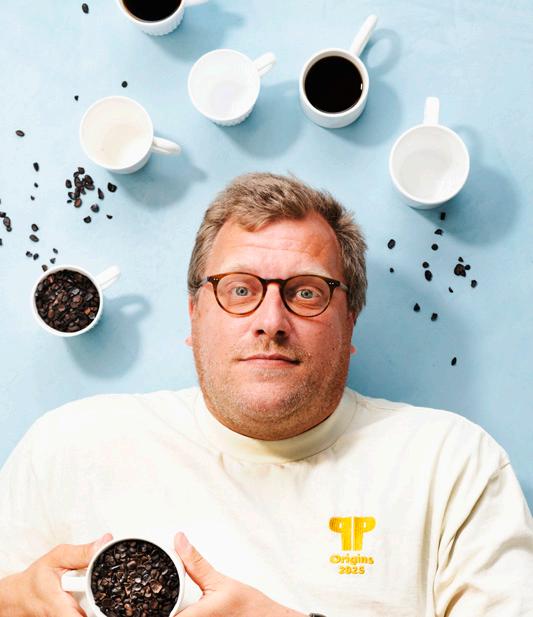
Pascal Mertens, Co-Founder, Koppie
Proprietary, not precision fermentation
Of the company’s technology, Raemdonck said: “Without giving too much away, our fermentation process is all about creating the right pre-cursors, so that when we apply heat through roasting, the right reactions are able to occur.”
He was keen to emphasise that the process, although patent-pending, involves no gene editing, precision fermentation, or other technologies that would necessitate novel foods authorisation.
“We’re using existing processes and techniques, but in a way that has never been done before, and we are very particular about that because we wanted to avoid falling within the novel foods framework,” he said.
By applying this fermentation technique to yellow peas, Raemdonck succeeded in creating a caffeine-free bean that can be roasted and brewed like a coffee bean.
In 2024, he met his co-founder, Dr Pascal Mertens, a bioscience engineer who brought patent and food and beverage creation experience to the venture, which they named Koppie.
Q Graders (coffee sommeliers) rated Koppie’s prototype at 70/100, on a par with many commercial-grade arabicas, giving the entrepreneurs a compelling case to present to potential investors.
They were also able to draw on data from a lifecycle analysis (LCA) that indicated that Koppie beans significantly reduce emissions, land use, and water use versus coffee.
Securing €1.4 million in a pre-seed round in April 2025 enabled them to refine the technology and conduct their first industrial trials, and Raemdonck said they expect to be in a position to scale up to 1,000 tonnes before this year is through.
Now the challenge is finding customers, and in this respect, the startup’s strategy is primarily B2B: selling to other coffee companies, retailers, and ingredient companies who are involved in creating coffee flavouring solutions.
Potential lies in powering blends
Raemdonck sees huge potential in combining Koppie beans with conventional coffee in caffeine-optional blends to enable brands to reduce their carbon footprints and future-proof their businesses against supply chain challenges without compromising on the consumer taste experience.
“If you were to have a cup of coffee and a cup of Koppie next to each other, you would be able to tell the difference, because although they are virtually identical in terms of mouthfeel and flavour, real coffee contains more of the volatile elements that contribute to aroma formation,” he said.
“However, if I were to offer you a 50/50 blend of Koppie and coffee, you probably wouldn’t be able to detect that it wasn’t 100% coffee because the blend would take on the aroma of the real coffee.
“This is huge progress from where we were with coffee alternatives when I embarked on this project three years ago and it makes me really proud to say that we can now match an overall coffee experience.”
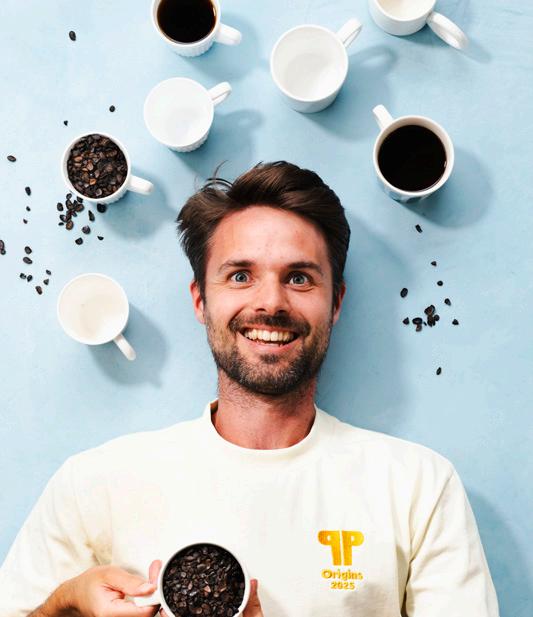
Daan Raemdonck, Co-Founder, Koppie
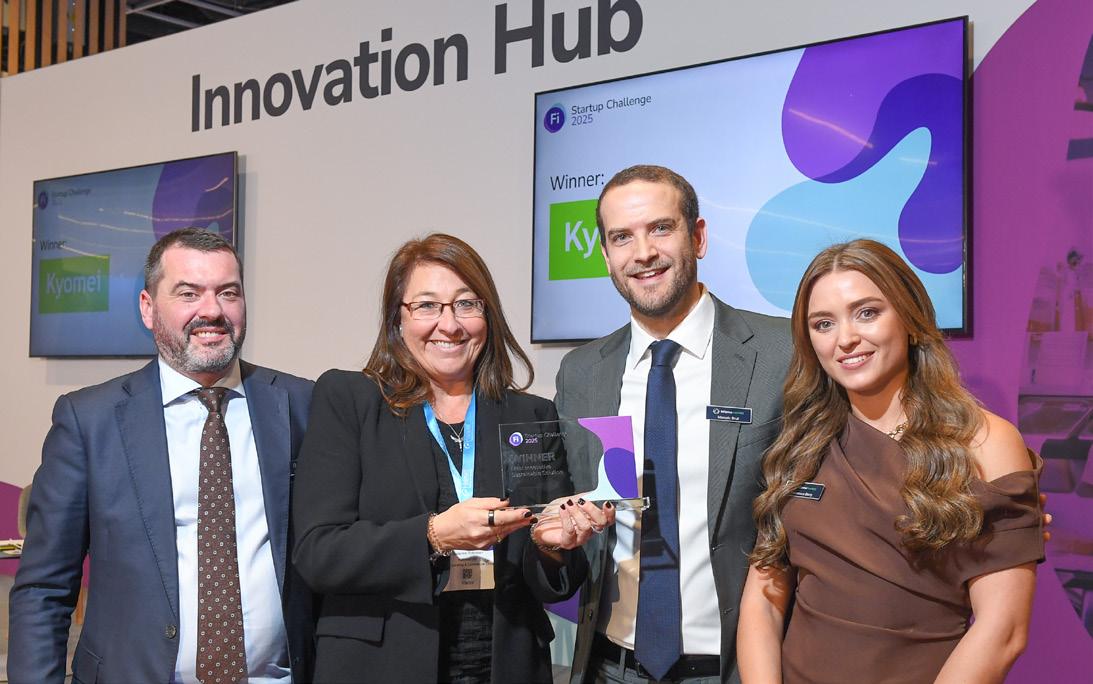
Kyomei, winner, Most Innovative Sustainable Solution, Fi Europe
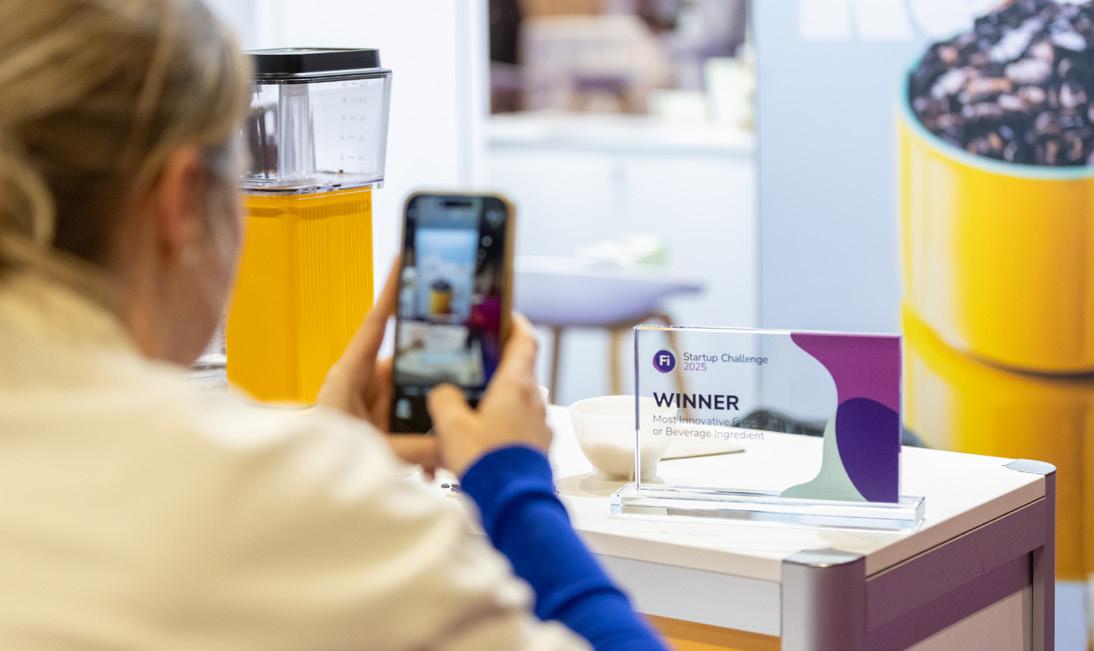
Koppie, winner, Most Innovative Food or Beverage Ingredient, Fi Europe Startup Challenge 2025