


New study programs, research projects and international collaborations shaped the University of Applied Sciences Technikum Wien in 2024/25. This was made possible, in part, by targeted staff growth. Strategic priorities were set in sustainability, digitalisation and human resources development.
With the launch of several new degree programs – from hydrogen and building technology to quantum engineering to new specialisations in life sciences – we have expanded our technological focus and strengthened our contribution in relevant future fields. In research, this breadth is reflected in projects in energy technology, bioengineering, quantum hardware, drone technology and the circular economy.
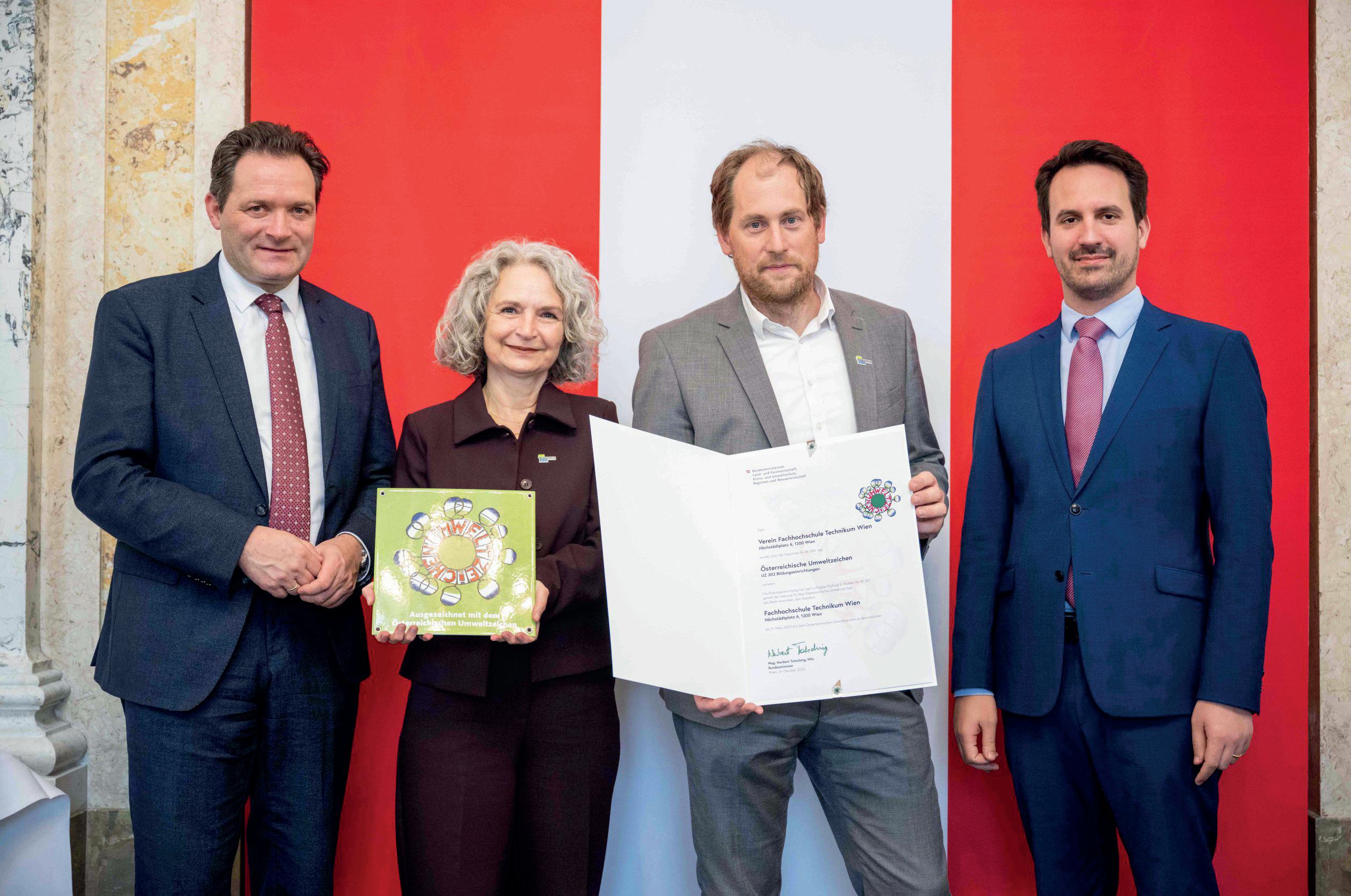
Another milestone saw UAS Technikum Wien become the first educational institution of its kind to receive the Austrian Ecolabel. This award confirms the anchoring of sustainability in teaching, operations and culture and is an incentive for continued work.
New partnerships, exchange programs, the successes of our students and alumni, and our active role in the Austrian start-up ecosystem also shaped the year.
This annual report provides an insight into these developments and shows how we are working together to shape technology responsibly.
Vienna, December 2025
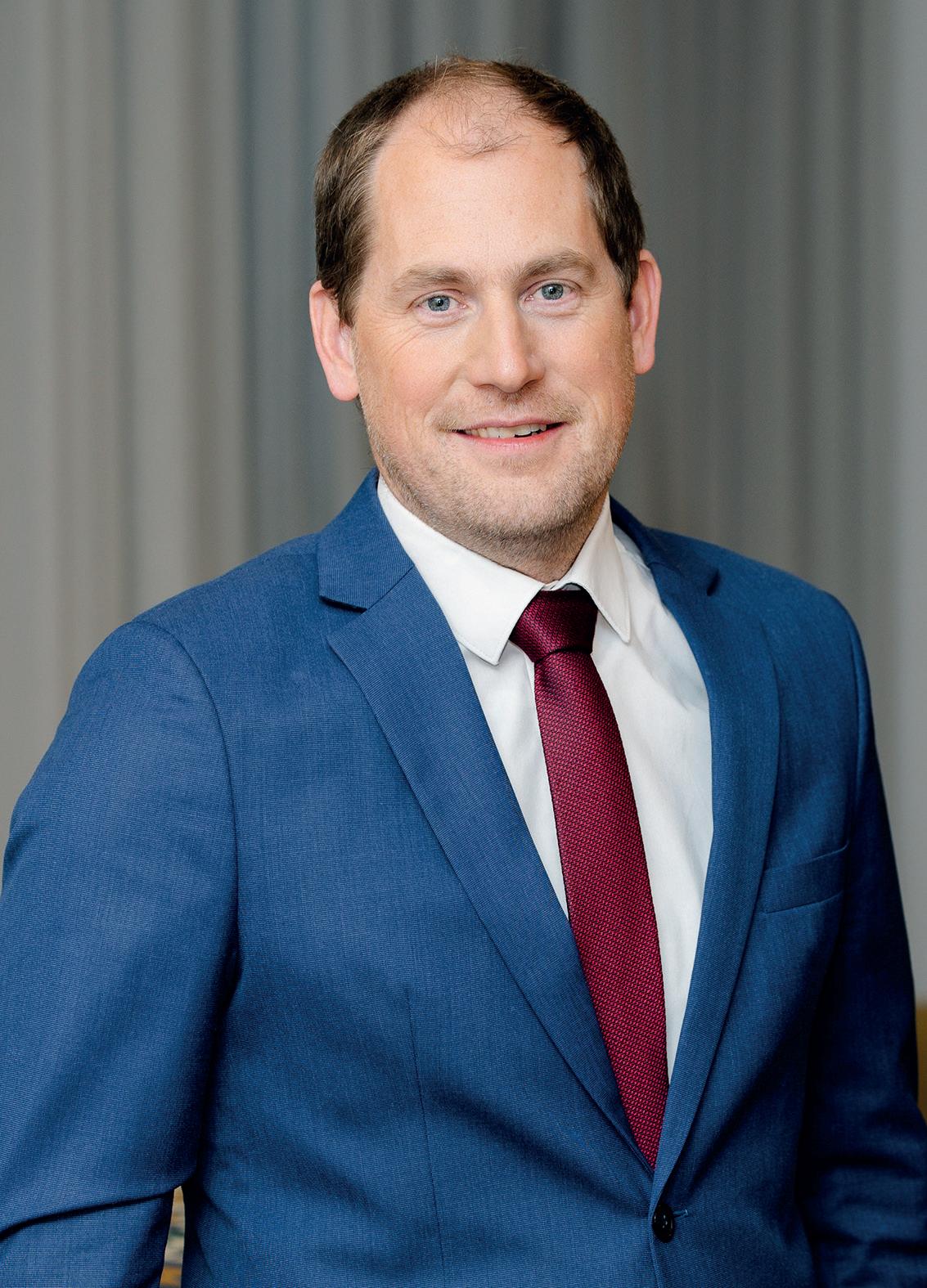
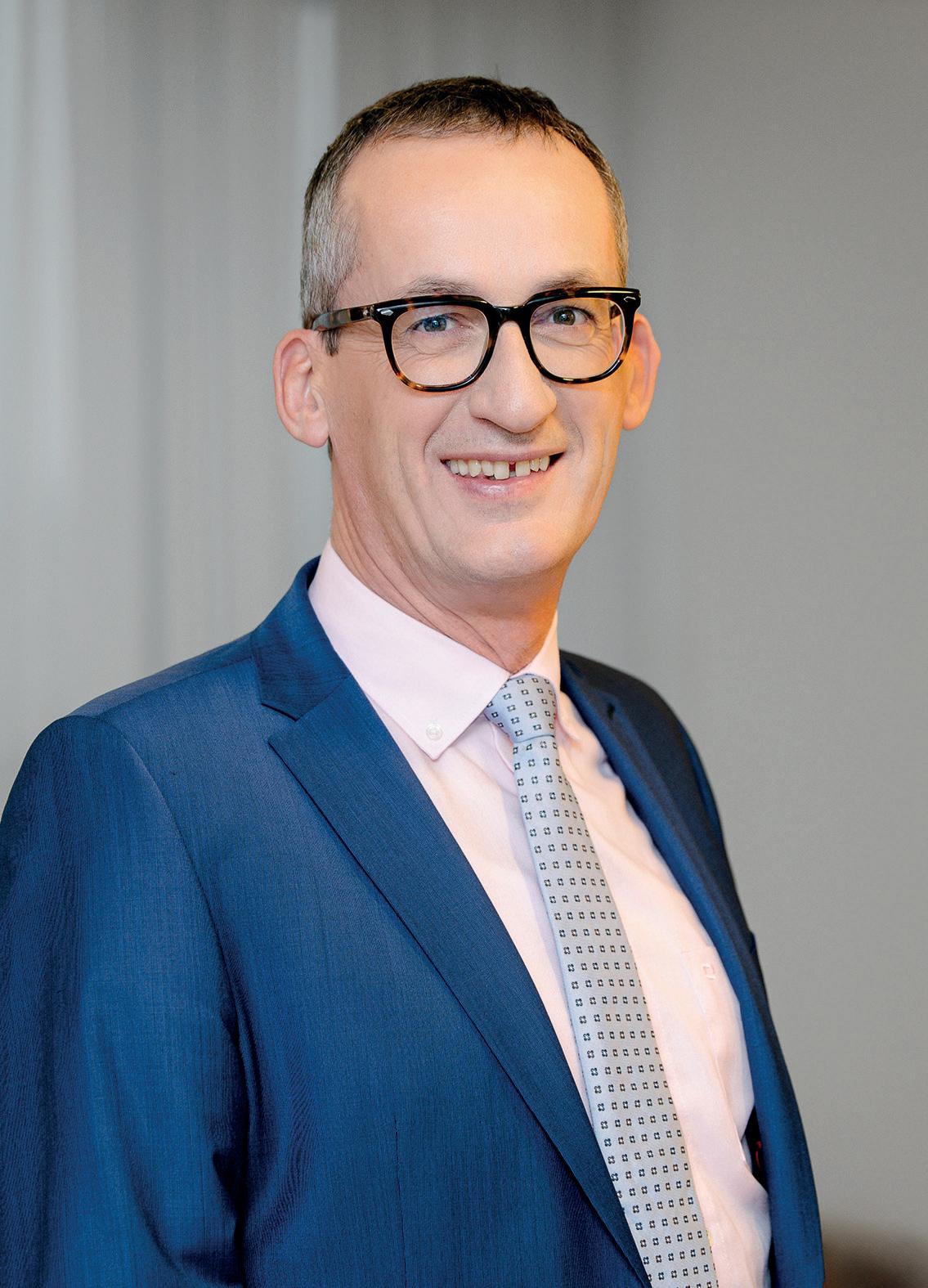
Florian Eckkrammer, Managing Director
Horst Rode, Managing Director

AI AND THE UNIVERSITY.
How the University of Applied Sciences Technikum Wien teaches, learns and develops with artificial intelligence.
Ten years ago, Isabel Dregely regularly attended conferences on medical imaging. She noticed how a certain topic was gaining momentum in these circles: “Artificial intelligence was being discussed more and more. At the time, some claimed that radiologists would soon no longer be needed. A counter-opinion was that : only those who do not work with AI would be replaced.” Much of the discussion surrounding AI today remains within this spectrum – augmentation versus autonomy. However, the dimensions have expanded dramatically. From the university’s perspective, the AI debate also centers around people –which is why we commissioned illustrator Nadine Hentrich to explore the content of the article in the form of three (man-made) collages.
This also had an impact on Dregely’s own career. She originally researched the physics of data acquisition in magnetic resonance imaging to ensure optimal imaging of tumours in oncology, as well as the computer-assisted analysis of this data with the aim of providing diagnoses tailored to individual patients. Today, she is an expert in AI and heads the Artificial Intelligence & Data Analytics competence center at UAS Technikum Wien.
In the 2024/25 academic year, lecturers, students and the entire organisation were in the midst of a journey triggered by
technological innovation. This journey had begun before 2022 – the year technologies previously used only in niche areas and on a small scale began reaching a wider audience. AI had already played a significant role in education and research before this time, but progress accelerated in 2022. As this rapid development continues, the next stages and ultimate destination will become clear.
AI and the university: One positive aspect of this topic is the fact that UAS Technikum Wien is a modern educational institution with a technical focus. As with other technological innovations, it also trains specialists in AI – from bachelor’s to doctoral level. It demonstrates and expands its expertise in the form of application-oriented research. But it would be untrue
to claim that AI does not also pose major challenges for a technical university. This is the other aspect of the journey that we need to examine: How will knowledge be imparted today and in the future if students always have AI as a companion at their side? What skills will actually be needed in the future?
Large AI models have found their way into the curriculum of the Bachelor’s degree program in Computer Science. The response to increased enquiries along the lines of “How do I integrate LLM-based applications into my company?” has been swift. This ranges from chatbots to company-specific knowledge – known as retrieval augmented systems or RAGs – to the automation and optimisation of processes. The newly designed course “Building applications with foundation model” deals precisely with these highly topical issues in companies.
In the Faculty of Computer Science, the Master’s degree program in Artificial Intelligence & Data Science therefore focuses primarily on in-depth fundamental understanding, but also on current topics in AI. Both are essential for sustainably anchoring AI in companies. In degree programs in other faculties, on the other hand, artificial intelligence plays a role in their application to the respective domains. Master’s and Bachelor’s theses form an interface with what companies want: The diverse AI-related topics of the theses provide insight into the growing demand for AI.
AI competence center lead Isabel Dregely emphasises the application-oriented approach: “We don’t react to hype, but to real needs. Many Master’s thesis topics come directly from companies. Companies want their own ChatGPT-like
We place great emphasis on creating experts, not just tool users.
ISABEL
DREGELY, Head of Competence Center Artificial Intelligence & Data Analytics
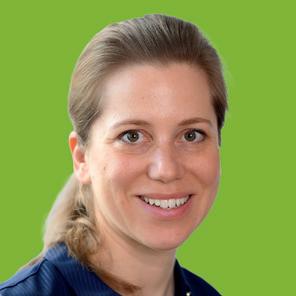
systems, but ones that comply with data protection regulations and are adapted to their data. That is the new standard.”
Research and application are intertwined. The new CONGLIOMERATE doctoral program with MedUni Vienna – starting in 2025 and funded by the FWF – combines medical data with AI-supported glioma diagnostics. This is interdisciplinary work par excellence: UAS Technikum Wien brings the algorithmic perspective, while MedUni supplements this with the clinical perspective, the data and its own domain-specific AI expertise. “AI and data analytics are already key areas of expertise at our university,” says Rector Sylvia Geyer. “The doctoral program is an important step in further expanding our application-oriented know-how.” The first doctoral students at the UAS Technikum Wien have already begun their journey.
Parallel projects include FAIR AI (FFG), which deals with trustworthy AI in cooperation with Siemens and other companies, and ADSIM (FFG), which analyses noise emissions in the railway sector using machine learning. medAI Smart Annotate (FFG) is developing more efficient and precise 3D annotation tools for head,

neck and lung CT scans. The TLA project (City of Vienna) uses AI-supported learning and teaching analytics to visualise student behaviour in digital self-learning phases. The completed Smart Maintenance project (City of Vienna) used predictive maintenance for public transport. In addition, there are collaborations with start-ups and EU consortia to create skills academies for AI.
The practice-oriented approach at UAS Technikum Wien was also evident years earlier in the AIAV project funded by the City of Vienna. Here, a knowledge hub for
the use of AI in small and medium-sized enterprises was established.
However, there are other types of challenges that all universities and — looking into classrooms — all educational institutions must face.
“I mainly use AI to break down complex topics and explain them in simple terms,” says student Daniel Zamiatala. “Afterwards, I read through the topic again anyway. For summaries, definitions of terms and comparisons of different topics, which I still double-check myself afterwards.” Students have gained a very powerful companion on their educational journey. It can help them learn more and better – but it also offers convenient shortcuts. Seminar papers and even entire computer programs can be created based on simple prompts. How does the university maintain control here?
“Students use chatbots, code assistants and text generators in almost all phases of their work. That’s a fact, not a guess,” says Dregely. “The questions we ask ourselves are: How do we teach with this in mind? And what do we teach? What exactly are the skills that prepare graduates for a working world with AI as co-intelligence? Added to this is the responsible use of AI.” What can AI do, where are its technical limitations, what is it allowed to do, what is it not allowed to do?
UAS Technikum Wien has introduced clear rules: an AI policy, transparency requirements in courses where use is permitted or prohibited. And it has reformed its final theses. Instead of long theoretical sections, the student’s own contribution now counts for more. Bachelor’s theses are closely supervised, with mandatory discussions and code reviews. It is less about evaluating what someone has produced with AI, i.e. seeing how the person works. The focus is broadening to include the process that led to a particular result. But change comes at a price. Systematic literature analysis, for example, can hardly be reliably verified

anymore – a loss that weighs heavily on scientific practice. “We have to accept that skills are changing. The question is how we redefine them.”
The form of examination is also changing. Oral examinations are becoming more important because they allow for clear monitoring of individual performance. Closed digital examination environments ensure fairness. However, both forms of examination are comparatively expensive and time-consuming. Cheating is one thing. Another problem is what is known as cognitive offloading – outsourcing thinking to machines. Dregely: “You can see that as a negative thing, but it means we are moving away from pure reproduction and towards application. That suits us as a university of applied sciences. We attach great importance to producing experts, not just tool users.”
That sounds pragmatic, but behind it lies a paradigm shift. Anyone working with AI today must be able to evaluate the responsible use of AI on the one hand and critically examine AI-generated results on the other – a skill that is at least as demanding as programing itself. This also requires a deep understanding of the technical, ethical and legal boundaries of AI.
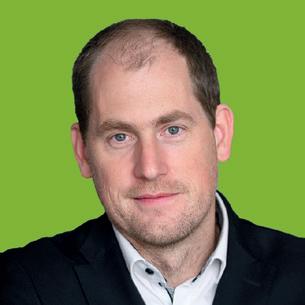
“Only through clear rules, awareness and further training can AI become a factor for success,” says Florian Eckkrammer,
Only through clear rules, awareness and further training can AI become a factor for success.
FLORIAN ECKKRAMMER, Managing Director
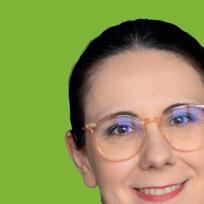
AI and data analytics are key areas of expertise at our university.
SYLVIA GEYER, Rector


Managing Director of UAS Technikum Wien. “Since spring 2025, we have had our own Academic AI instance for all employees.” This was made possible by a joint project involving over 40 universities, coordinated by ACO-market GmbH. In addition, there was internal AI training –legally compliant, AI Act-compliant and mandatory before use. The training is now also available to external organisations via the Technikum Wien Academy.
At the same time, a university-wide working group – the AG AI – is working on guidelines for teaching, research and administration. In addition, there are training courses, coffee sessions and webinars that bring these topics into the organisation. The new GAIN project is developing its own AI tool for internal use. The goal: GDPR-compliant use, fair conditions between lecturers and students, and, in the long term, a functioning balance between humans and machines.
Daniel Zamiatala knows what this transformation feels like in teaching. He is studying for a Master’s degree in AI engineering and is convinced of the application-oriented nature of the program. “I believe that, especially in programing,
you should understand and be able to apply the basics before letting AI take over.” Like many others, the student believes that some developer positions will disappear in the future. The hypothesis: AI will take over routine tasks, reducing the scope of work for junior developers. Seniors who can check code and systems will become all the more important. But where will they come from? One way is through project-based learning based on an application-oriented rather than a knowledge-oriented approach using real-world problems instead of textbook exercises.
“Personally, I find programing more exciting today than when I started out,” says Dregely. “You can work much more creatively, which also motivates students.” How exactly programing works is currently undergoing change.
There are no ready-made answers to many of the challenges yet. What is certain is that the university has reacted quickly, but it is still needed to find systematic answers still need to be found. UAS Technikum Wien experiments, corrects and learns – just like its students. The journey continues.
HIGHLIGHTS 2024/25.
Some highlights from twelve months of university life.
SEPTEMBER ’ 24
STEFAN
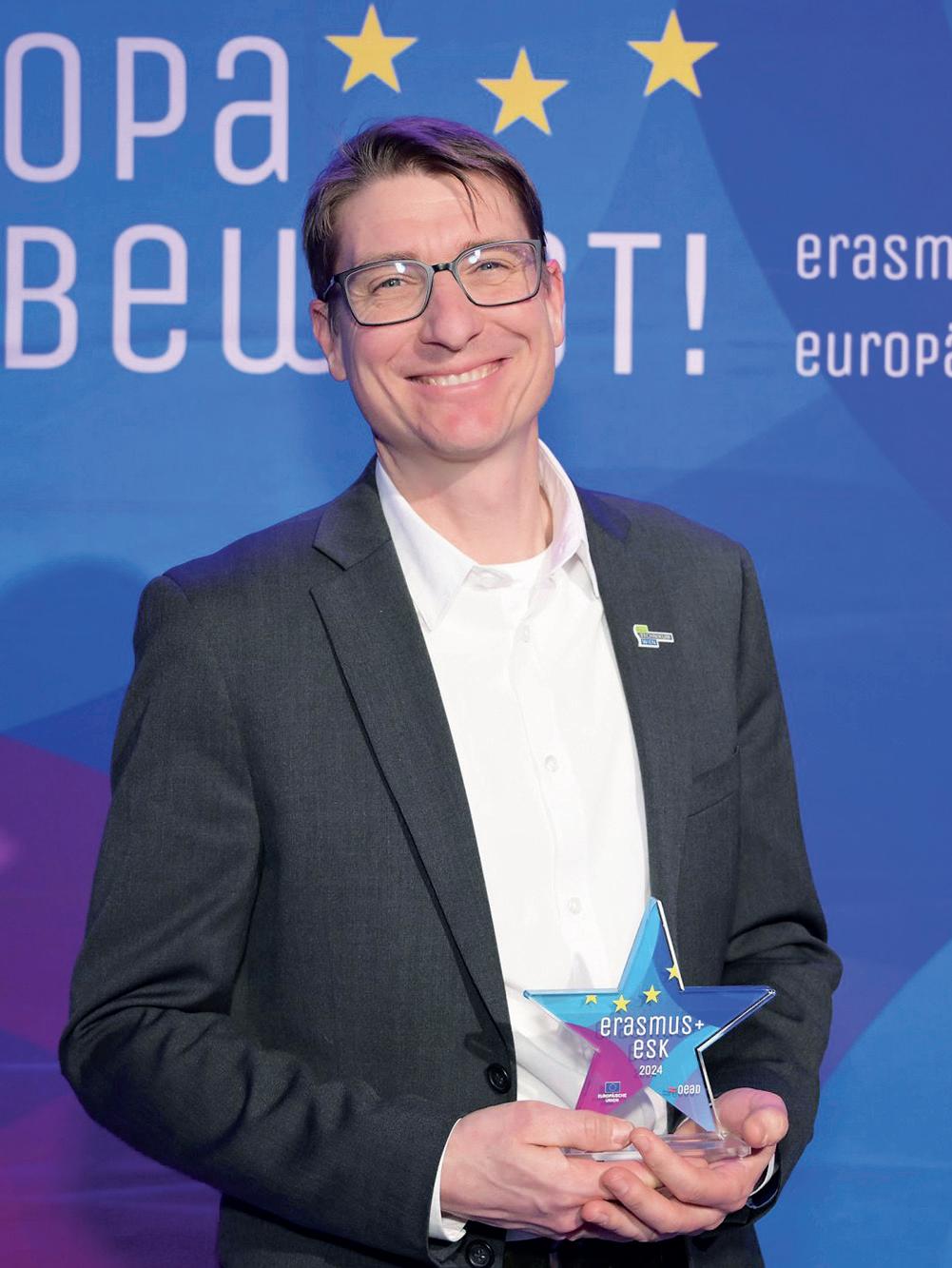
LITZENBERGER IS NATIONAL ERASMUS+ AMBASSADOR
The program director from the field of sports technology prevailed among numerous applicants – his wide-ranging international commitment was highlighted.
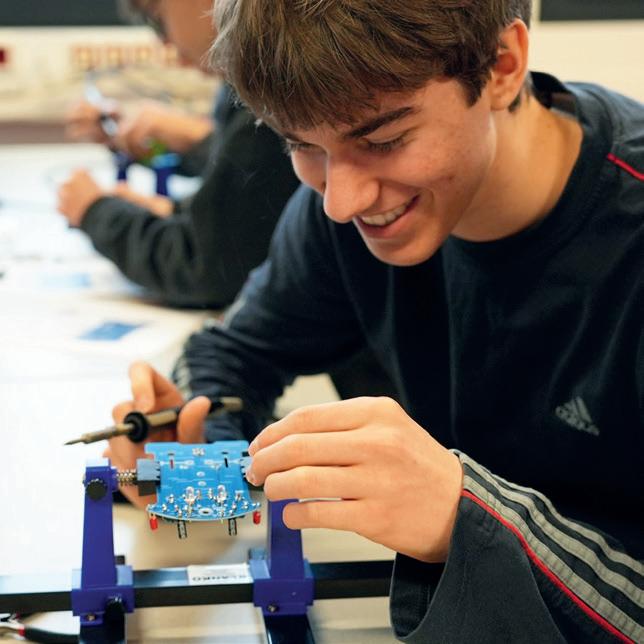
FOUR NEW STUDY PROGRAMS LAUNCHED
The new academic year saw the launch of Bachelor’s degree programs in Sustainable Environmental and Bioprocess Engineering and Hydrogen Technology (dual), as well as Master’s degree programs in Climate-Conscious Building Technology and Quantum Engineering

’ 25
“BEST UNIVERSITY OF APPLIED SCIENCES” SECOND TIME IN A ROW
In the ranking by “Industriemagazin” – based on a survey of managing directors and HR professionals – UAS Technikum Wien took first place among all domestic universities of applied sciences for the second time in a row.
JANNUARY ’ 25
ROBOTICS AND ENERGY DAY INSPIRE STUDENTS
Several hundred students attended the events of the established (Robotics Day) and brand-new (Energy Day) workshop days.
AUSTRIAN UAS TO RECEIVE ECOLABEL
The University of Applied Sciences Technikum Wien is the first and so far only university in the country to receive the Austrian Ecolabel for educational institutions.
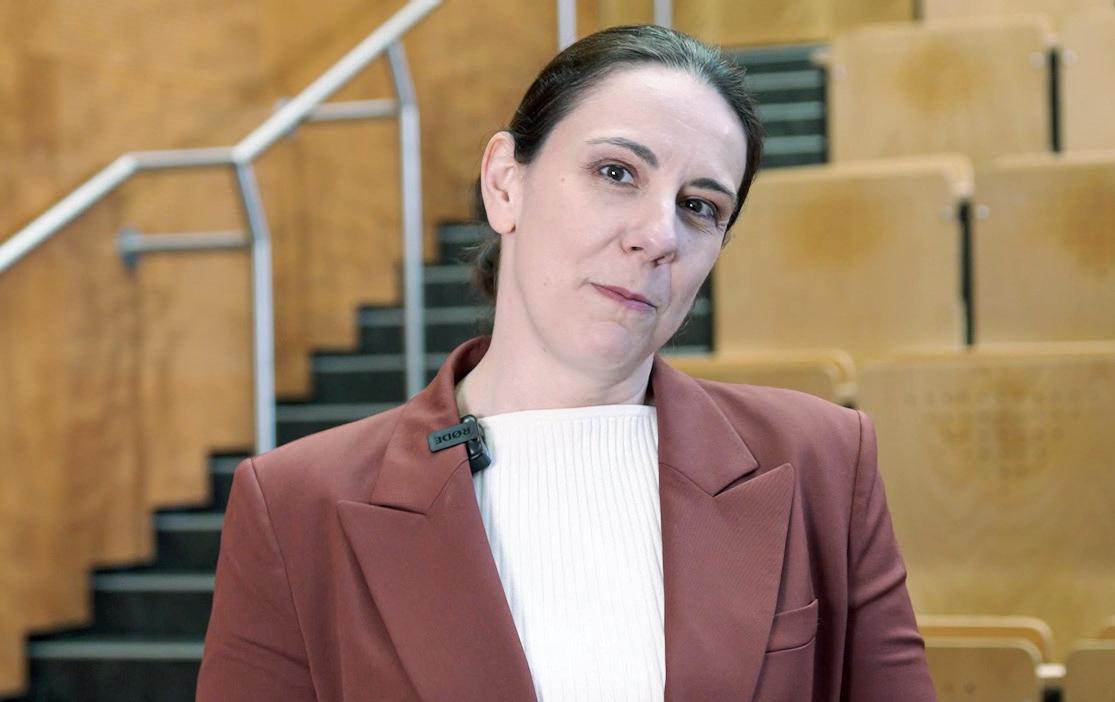
MESSAGE FROM RECTOR ON INTERNATIONAL WOMEN’S DAY
“Don’t be afraid to leave your comfort zone,” says Sylvia Geyer in her video message to all girls and women on 8 March.


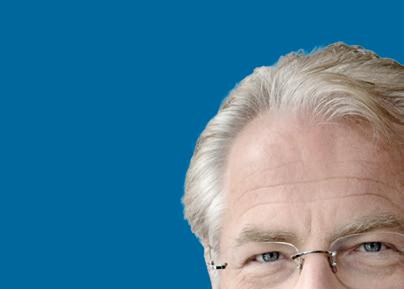
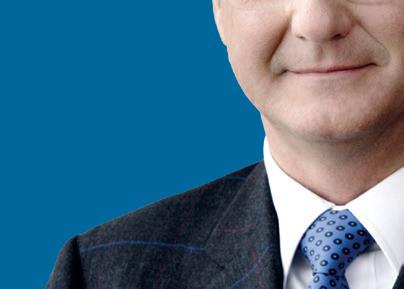
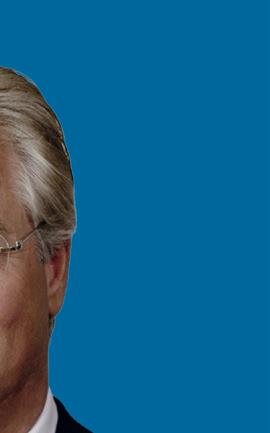
President Dr. Kari Kapsch (pictured) appointed Johannes Höhrhan as interim Managing Director to succeed Dr. Barbara Czak-Pobeheim. Horst Rode will take over this position in December of the new academic year.


TECHNIKUM CELEBRATES PRIDE MONTH
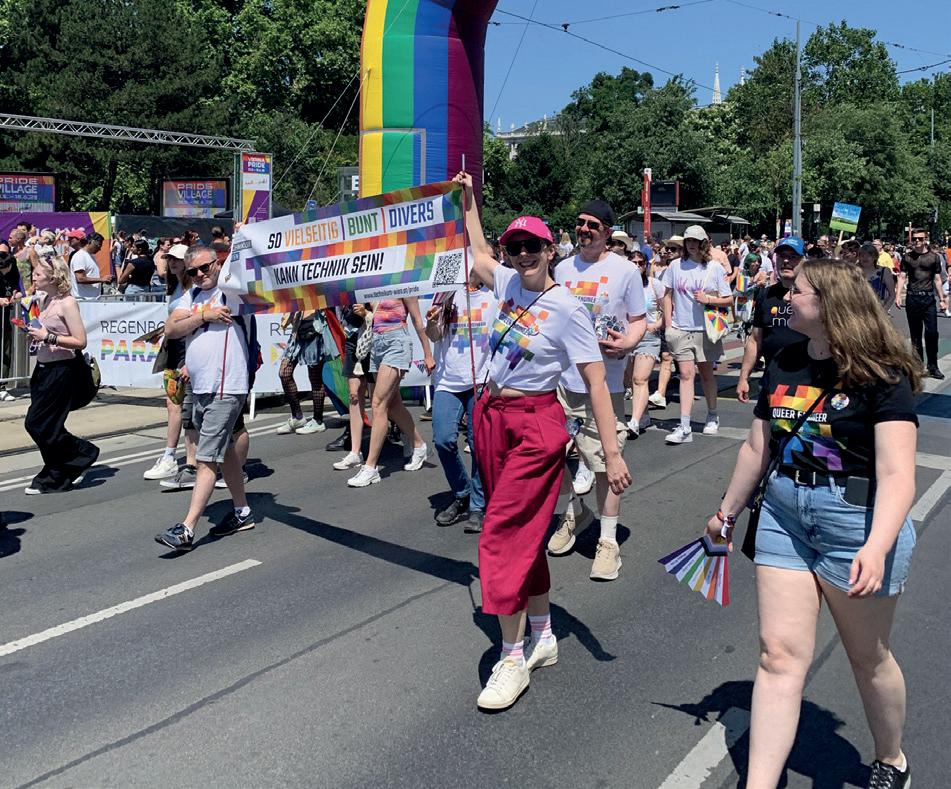
A new Pride flag flies at Höchstädtplatz, and students and staff celebrate Pride Month with a kick-off event and active participation in the Rainbow Parade.
PREMIERE FOR LIFE SCIENCE DAY AND ELECTRONICS DAY
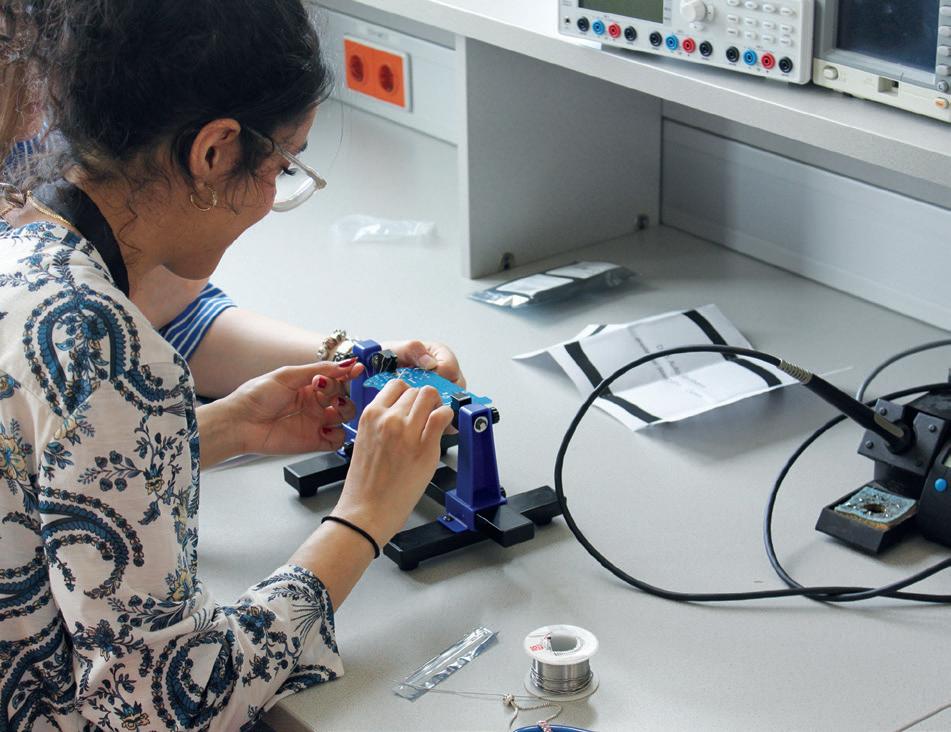
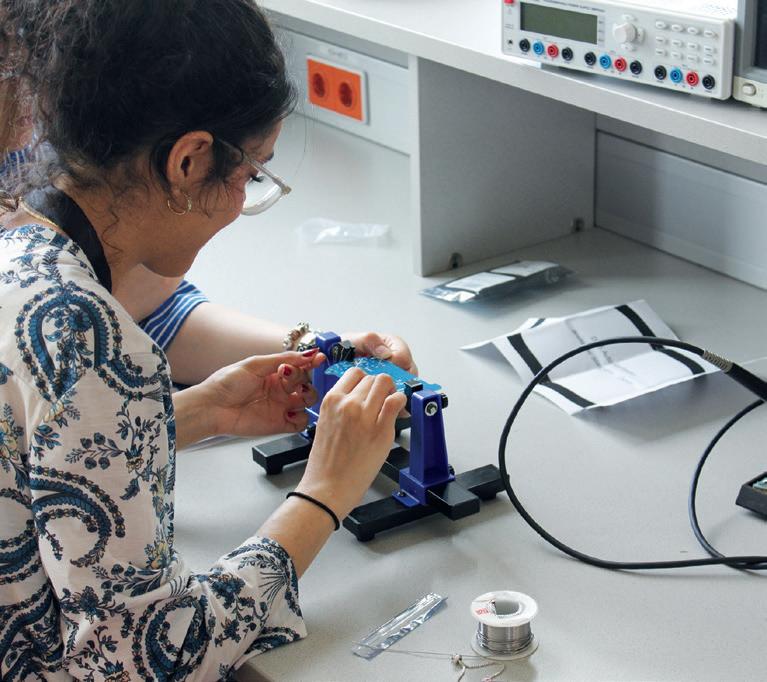
Two additional new workshop days underscore the university’s commitment to exchange with schools and inspire more than 200 students.
EXCELLENCE. For the third time, good teaching and outstanding Master’s theses at the Technikum were highlighted and honoured.
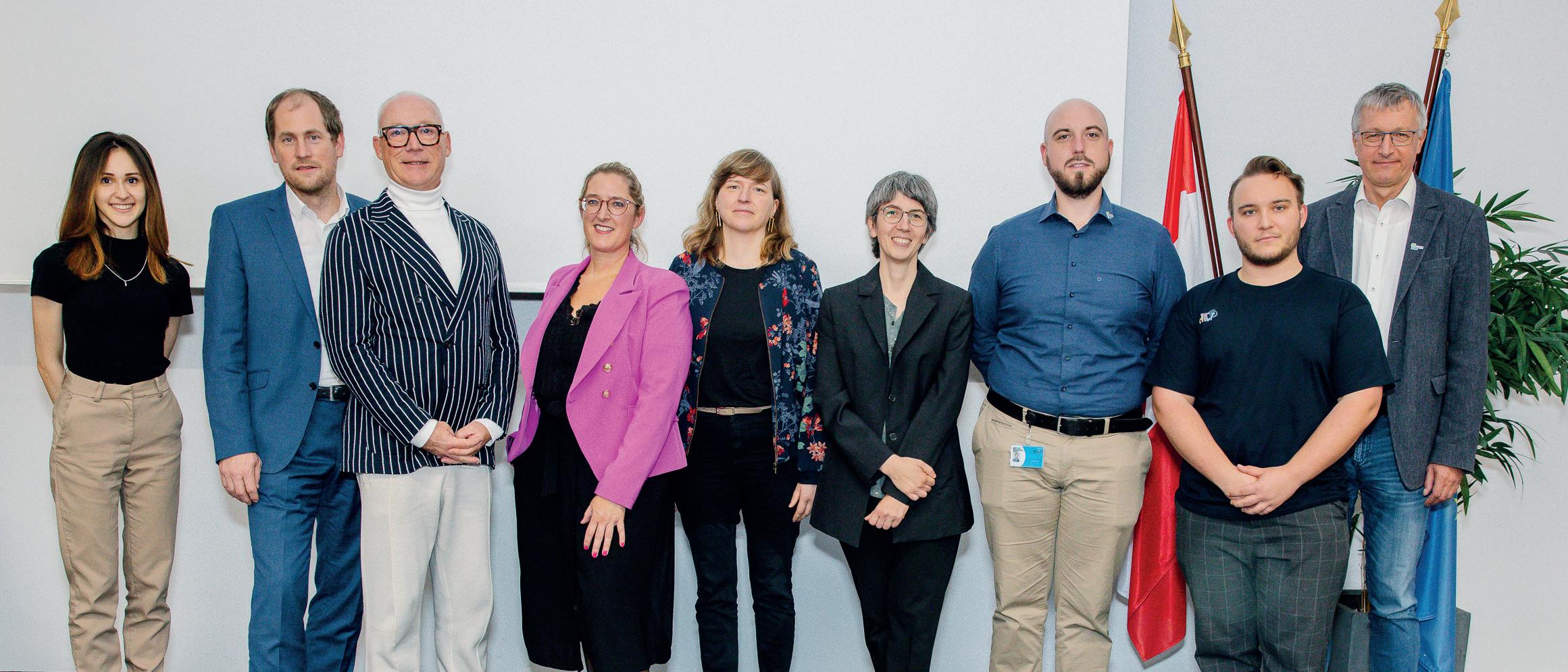
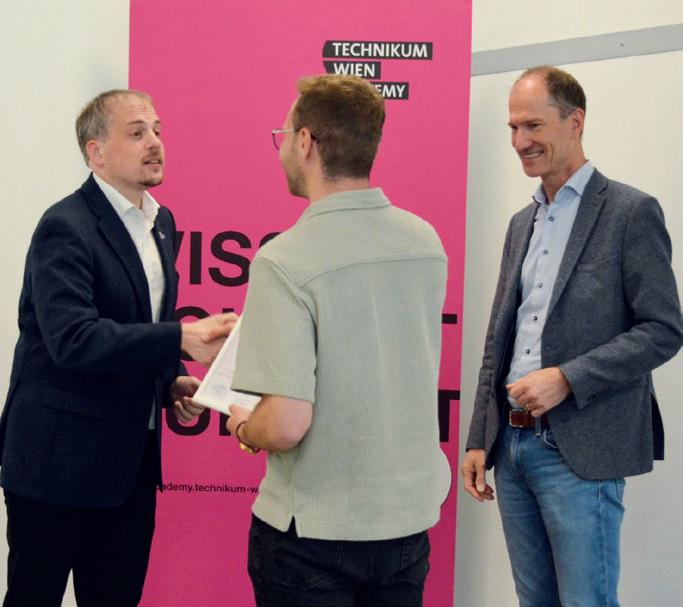
On 21 October 2024, the Teaching Awards ceremony took place for the third time in the ballroom of the UAS Technikum Wien. The Teaching Awards recognise outstanding teaching achievements nominated by students and lecturers at the university. In several categories, courses and lecturers were honoured for their exceptional commitment, both in terms of consistently sound teaching methods as well as innovative approaches to teaching. In addition, the products of this good teaching were honoured in the form of outstanding, innovative Master’s theses.
The event, which traditionally takes place at the beginning of the new academic
Christoph Mohl BASICS OF ANATOMY & PHYSIOLOGY
“The way the course was taught was great. It wasn’t just a monologue, but involved the students well. It was well explained and the lectures were also fun.”
STUDENT
year, began with a ceremonial welcome by Sylvia Lingo, Head of the Teaching and Learning Center, and Vice-Rector Stefan Sauermann.
“TAKE A BREAK FROM YOUR DAILY WORK AND CELEBRATE SUCCESS TOGETHER”
“Teaching is not only our main business, but also the most noble task we have at the university. Selecting the best from the numerous excellent projects and ideas was a real challenge,” said Managing Director Florian Eckkrammer (member of the jury). He also emphasised how important it is to pause for a moment and celebrate success together in addition to our daily work.
CATEGORY “BEST LECTURER”
Mohamed Auf SOLUTION DEPLOYMENT & COMMUNICATION
Markus Kuba-Kremser MATHEMATICS FOR ENGINEERING SCIENCE 2
“He acted not only as a lecturer, but also as a coach (in projects), similar to a senior developer who supports juniors.”
STUDENT
“Mathematics may seem boring to many, but Mr. Kuba-Kremser proved to us that the exact opposite is true. It depends on the individual’s mindset, how they approach learning and how they structure it.”
STUDENT
CATEGORY
“IMPACT AND RELEVANCE”
Katharina Wießner, Martina Ortbauer, Thomas Machacek-Link, Ingrid Kolar
ECOTOXICOLOGY LABORATORY 1
CATEGORY
Dario Bachinger PARADIGMS OF OBJECT ORIENTATION
“With ecotoxicology, the course offers a socially highly relevant topic that promotes students’ awareness of sustainability issues in the laboratory.”
JURY
“With his positive and constructive manner, he succeeds in getting students enthusiastic about the topics covered, even though it is actually a rather dry subject area.”
STUDENT
Gudrun Weisz SPECIAL PRIZE “MATHS SUPPORT”
“The maths support has given me valuable skills for my studies. Lecturer Gudrun Weisz showed me how to approach difficult tasks systematically and work out solutions efficiently.”
STUDENT
“COMPETENCE-ORIENTED ASSESSMENT”
Veronika Jesenberger, Dorota Szwarc-Hofbauer, Andreas Teuschl-Woller
PROJECT LABORATORY 1 & PROJECT LABORATORY 2
“I particularly liked the continuous feedback/communication with the lecturers, which pushed us to perform at our best. That’s why I think PL2 was a unique experience.”
STUDENT
DUAL STUDY. T he dual computer science program is a success model. Hydrogen and building technology offer new opportunities.
AGerman idea – dual studies have existed there since the 1970s – has been gaining ground in Austria in recent years. Unlike purely part-time studies, practical work experience in a company is a fixed part of the curriculum for dual students. Practical work and study phases alternate, and students are employees in a partner company.
In the Bachelor’s degree program in Computer Science at the University of Applied Sciences Technikum Wien, 70 places per year are already reserved for dual studies, and there are more than 60 partner companies. Companies ranging from SMEs to large corporations benefit. Two new degree programs are expanding the range of courses on offer, and they welcomed their first students at the start of the 2024/25 academic year.
In the general Bachelor’s degree program in Hydrogen Technology, as in Computer Science, the first year of study is completed on a full-time basis, followed by two dual years. The content covers the entire value chain of green hydrogen. In the Master’s degree program in Climate-Conscious Building
Technology, the majority of the four semesters are completed on a dual basis.
The two new degree programs cover key areas of the energy transition and open up opportunities for new industries. In addition to daytime and evening degree programs, dual study programs have established themselves as an essential third form of organisation at UAS Technikum Wien.
The success is due to a win-win situation: Students have clear career prospects, attractive earning opportunities even during their studies, and the best possible integration of theory and practice. Companies can retain new entrants at an early stage and actively shape their development. On the one hand, they receive an additional attractive job profile for new employees in cooperation with the university. On the other hand, the dual study program offers further development prospects for existing staff, as applicants for a study place can also bring an existing employer with them as a partner company.
Interested companies and prospective students can obtain more information at: technikum-wien.at/dual
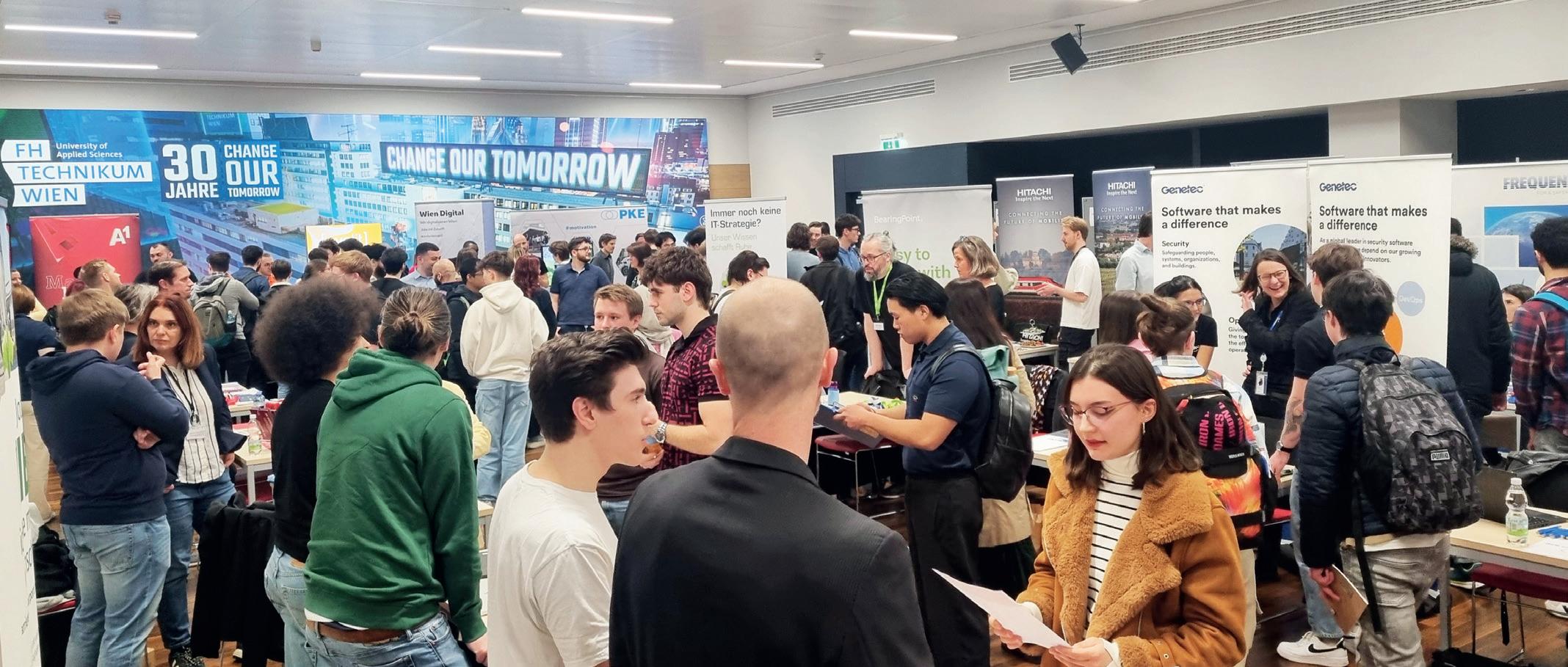
The partner company fair in March brought together numerous companies and students from the dual Bachelor’s degree program in Computer Science. t serves as a bridge between academic education and professional practice. (Picture above)
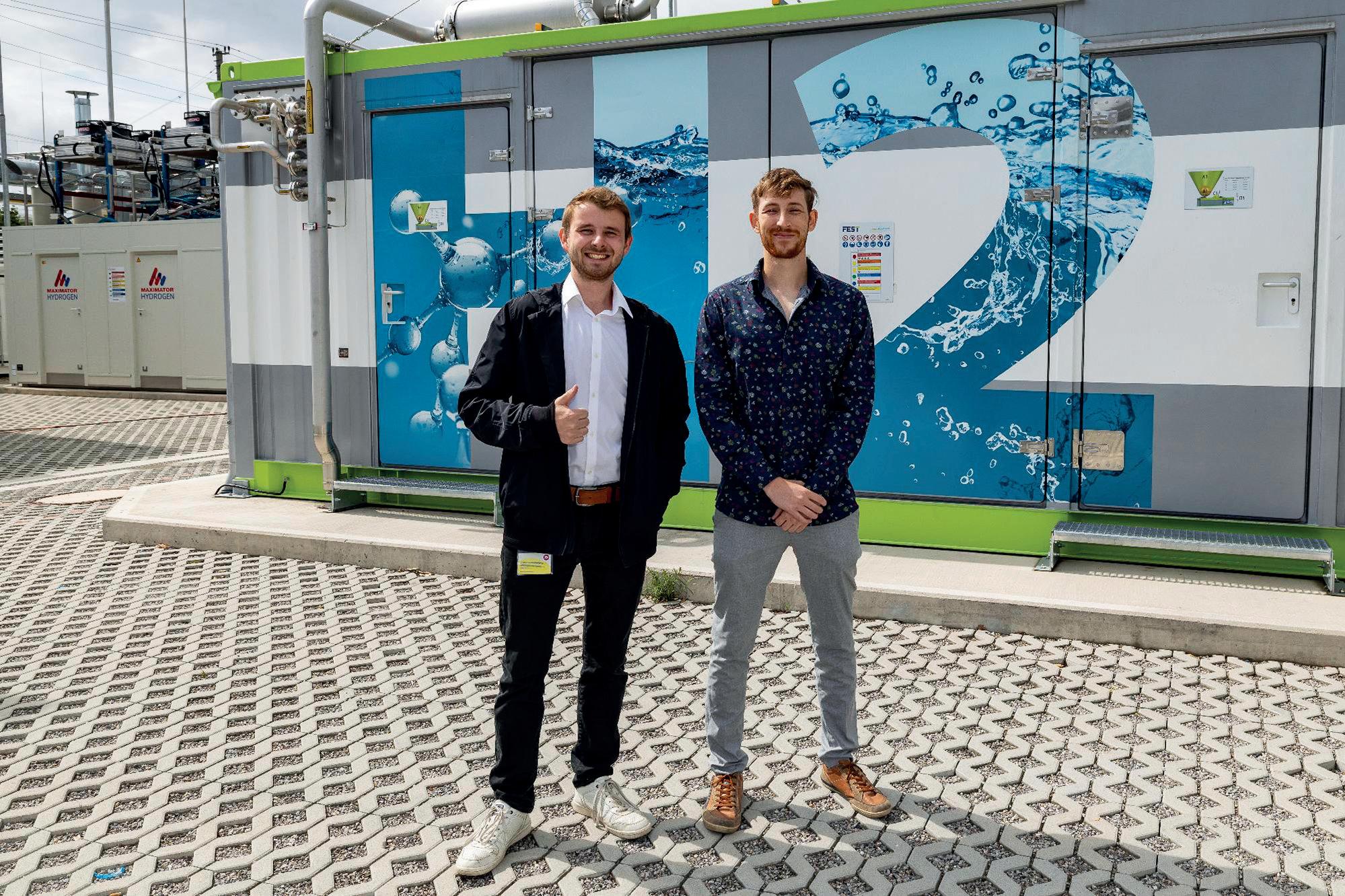
In July, students on the dual degree program in Hydrogen Technology began the first of four practical work placements at partner companies. (Pictured below: Hydrogen Technology student Jan Reibiger (left) and Tobias Gerdenits, mentor at Wiener Netze GmbH).
NERVE CELLS. UAS Technikum Wien launc hed the FFG-funded ART-NERVE project on artificial nerve transplants.
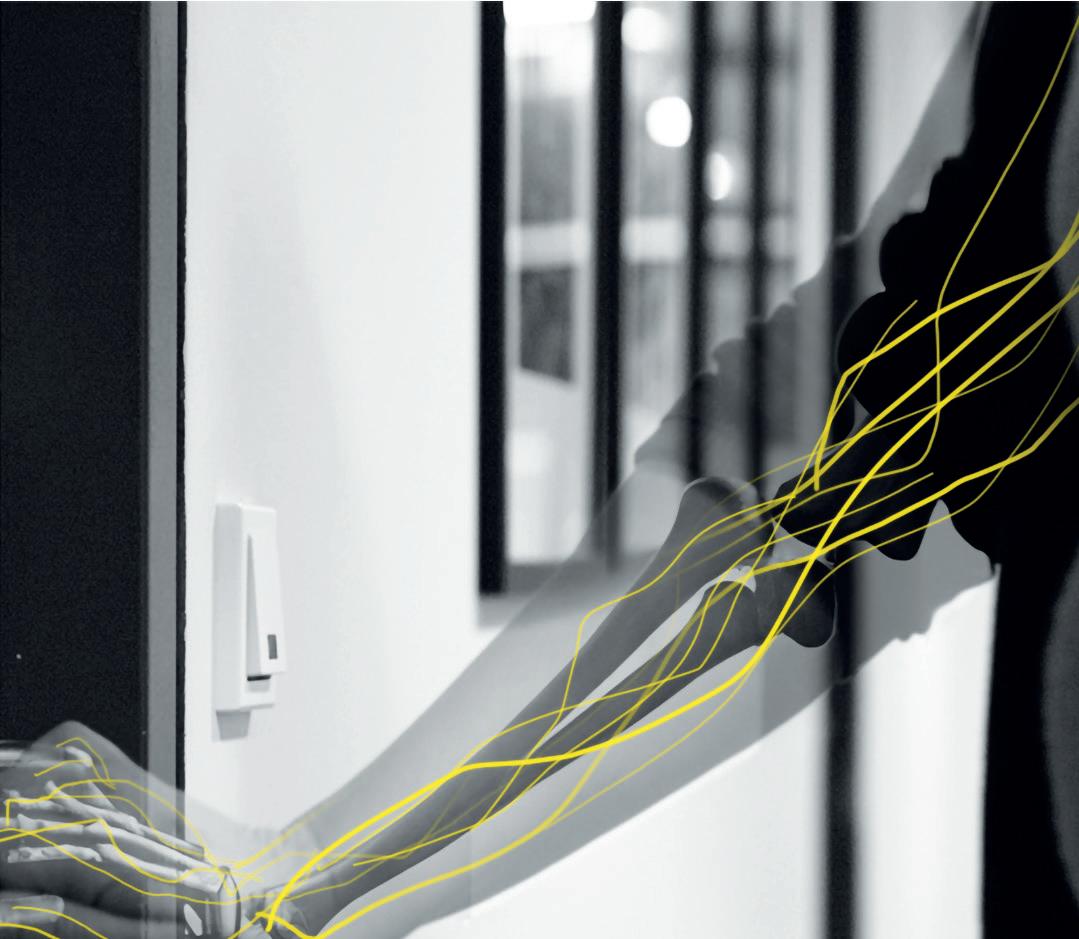
Peripherial nerve injuries can drastically limit the lives of those affected. Even everyday movements such as holding a pen or opening a door become a challenge. Current treatment methods are reaching their limits, especially in the case of more severe injuries. This is where the FFG-funded ART-NERVE research project at the University of Applied Sciences Technikum Wien comes in.
“There is an urgent need for alternative therapies for nerve injuries, such as artificial nerve grafts, which ART-NERVE has set itself the goal of developing,” says Andreas Teuschl-Woller, head of the Bio-
engineering & Molecular Life Science Technologies research focus at the University of Applied Sciences Technikum Wien and mentor of the project. “Our goal is to develop artificial nerve grafts that promote the healing of nerve injuries and give those affected new hope for an improved life,” says project manager Carina Hromada.
Our goal is to develop artifi cial nerve grafts that will revolutionise the healing of nerve injuries and give those affected new hope for an improved life.
CARINA HROMADA , PROJECT MANAGER
The research team uses tissue engineering methods to recreate living tissue in the laboratory. The artificial nerve grafts consist of Schwann cells obtained from induced pluripotent stem cells (iPSCs). These are embedded in a biocompatible matrix and mechanically stimulated in a bioreactor system specially developed at the technical center. Through this process, the cells orient themselves along the direction of pull and form multicellular regeneration pathways – a process that mimics natural nerve regeneration in the body.
The laboratory results to date are promising: the artificially created regeneration pathways can specifically support the growth of axons (nerve cell extensions) (see publication reference). An important milestone of the project is the develop-


ment of an “off-the-shelf” product that could be preserved by cryopreservation and thus be available to patients without invasive procedures or long preparation times.
In addition to optimising the manufacturing process and biological efficacy, regulatory requirements are also a focus. Early collaboration with clinical experts ensures that the nerve grafts developed can actually be used in practice.
“We want to bridge the gap between the research work at our faculty and concrete improvements for patients,” says Carina Huber-Gries, head of the Faculty of Life Science Engineering.
The ART-NERVE project, which runs from March 2025 to August 2026, is developing artificial nerve grafts to treat peripheral nerve injuries more effectively. To
this end the aim is to develop a clinically applicable, cryopreservable transplant that improves functional regeneration and enables a long-term “off-the-shelf” product.
ART-NERVE is funded by the Austrian Research Promotion Agency (FFG) as part of a spin-off fellowship. This is intended to lay the foundation for a possible future start-up based on the research results
ART-NERVE presents promising solution for patients suffering from nerve injuries
ANALYSIS. How funded research contributes to the UN’s Sustainable Development Goals.
An evaluation of the 76 funded research projects relevant to the academic year at the University of Applied Sciences Technikum Wien shows broad coverage of the United Nations’ Sustainable Development Goals (SDGs). Almost all SDGs are addressed by at least some individual projects, with several areas standing out particularly clearly.
SDG 9 Industry, Innovation & Infrastructure is the most frequently represented, addressed by some 29 projects, and thus accounting for 38% of all research activities. Also strongly represented are SDG 7 Affordable & Clean Energy with 26 projects (34%) and SDG 11 Sustainable Cities & Communities with 25 projects (33%). These three goals form the clear thematic focus of the research portfolio.
In addition, several other SDGs are covered by a larger number of projects, including SDG 4 Quality Education (20 projects), SDG 3 Good Health and Well-being (14 projects) and SDG 13 Climate Action (13 projects). This distribution illustrates that, in addition to technological innovation, education, health and climate issues are also firmly anchored in the university’s research landscape.
Overall, the evaluation shows a broadbased commitment by the University of Applied Sciences Technikum Wien to numerous dimensions of sustainability, combined with clearly recognisable focal points in the areas of innovation, energy and sustainable urban development.
SDG 1 No Poverty
SDG 2 Zero Hunger
SDG 3 Good Health & Well-being
SDG 4 Quality Education
SDG 5 Gender Equality
SDG 6 Clean Water & Sanitation
SDG 7 Affordable & Clean Energy
SDG 8 Decent Work & Economic Growth
SDG 9 Industry, Innovation & Infrastructure
SDG 10 Reduced Inequalities
SDG 11 Sustainable Cities & Communities
SDG 12 Responsible Consumption & Production
SDG 13 Climate Action
SDG 15 Life on Land
SDG 16 Peace, Justice & strong Institutions
SDG 14 Life below Water 3 3 14 20 26 29 25 13 2 3 1 6 8 7 7 4 0
SDG 17 Partnerships for the Goals 0 5 10 15 20 25 30
ASSIGNMENT OF SDGs TO RESEARCH ACTIVITIES (multiple SDGs possible per project)
AWARDED. U AS Technikum Wien is the only university in the country to receive this certification for environmental awareness, responsibility and quality.
UAS Technikum Wien is the only university in the country to have recently been awarded the Austrian Ecolabel for educational institutions. The Ecolabel is considered significant proof of environmental awareness, social responsibility and educational quality and comes with a clear commitment to continue developing successfully in all these areas.
The certification is based on a comprehensive assessment in three key areas: • Education for sustainable development: Sustainability is an integral part of teaching and learning. The University of Applied Sciences Technikum Wien systematically integrates ecological, social and economic aspects into its teaching – in a technically sound, practical and future-oriented manner – and also attaches great importance to the highest level of didactic diversity and quality.


• Responsible university operations: From energy consumption and procurement to mobility behaviour, the university pursues a consistent environmental strategy that makes concrete measures and measurable progress visible.
• Internal and external communication: The high importance of sustainability is reflected in the daily cooperation and commitment of all employees. These efforts are anchored in the mission statement.
“On Earth Day on 22 April, we are announcing the successful completion of this important project,” says Managing Director Barbara Czak-Pobeheim. “It is particularly gratifying that the certification process highlighted how we promote an inclusive learning and working environment at UAS Technikum Wien, which is deeply rooted in our institutional culture.”
“Obtaining the Austrian Ecolabel is an important milestone that demonstrates the university’s consistent commitment to sustainable education,” says Managing Director Florian Eckkrammer. “Because sustainability begins today in order to shape tomorrow.”
The final report by the Association for Consumer Information (VKI) highlighted the recommendations for good teaching and the high standard of the quality man-
agement system. This provides comprehensive guidance for all those involved and at the same time underlines the commitment to high-quality teaching.
The University of Applied Sciences Technikum Wien has set itself ambitious goals for the coming years and has set these out in a catalogue of measures: from the further anchoring of ESG content in existing and new educational programs to switching to eco-labelled electricity and greening outdoor areas. The structured collection of relevant environmental data provides a clear and comprehensive picture of the current sustainability performance at UAS Technikum Wien which will serve as the basis for further planned reporting.
AWARDING OF THE CERTIFICATE IN THE MARBLE HALL OF THE MINISTRY OF THE ENVIRONMENT
“With the Austrian Ecolabel, we promote environmental and climate protection, health and educational quality in educational institutions,” said Federal Minister Norbert Totschnig at the official presentation of the certificate in the Marble Hall of the Ministry of the Environment.
“Through initiatives such as waste prevention, environmentally friendly mobility and energy saving, these institutions make an important contribution to a more conscious lifestyle and greater climate protection. Such initiatives are key to a responsible society and the preservation of our planet,” said Totschnig.
FIELD OF THE FUTURE. Teaching, research and international networking in the “quantum year”.
In autumn 2024, the University of Applied Sciences Technikum Wien celebrated the launch of the Master’s degree program in Quantum Engineering, a pioneering course in this field. In 2025, the world celebrated the International Year of Quantum Science and Technology. At UAS Technikum Wien, the journey into the quantum age continued with two new projects and a summer school.
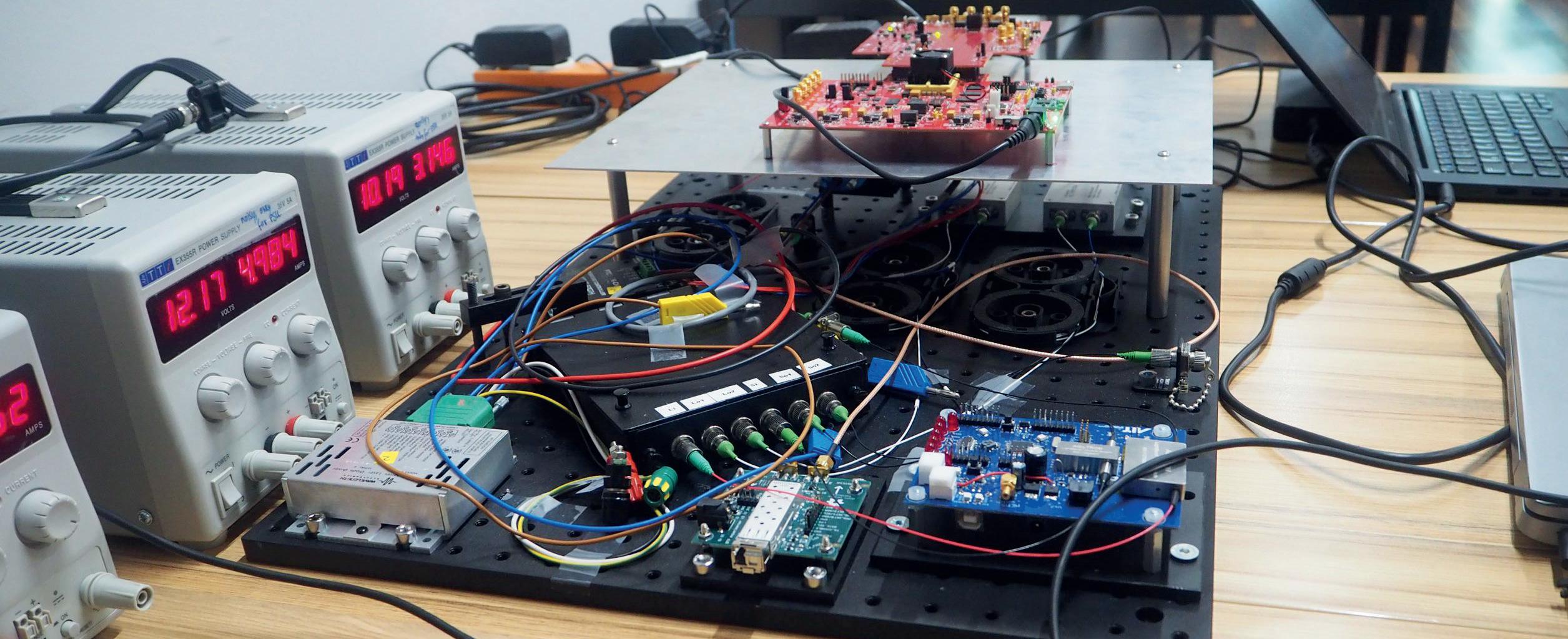
March 2025 will see the launch of the INTAQT – Inter- and Transdisciplinary Applied Quantum Technologies – project, funded by the City of Vienna and headed by Hermann Detz, who also heads the degree program and the QUILT project (see below). INTAQT establishes the University of Applied Sciences Technikum Wien as a key player in applied research on hardware for quantum key distribution, quantum computing and quantum sensor technology. In addition to technological issues, the focus is also on social and ethical dimensions – a commitment to digital humanism in a technologically highly complex field.
With QUILT – Quantum Innovation Laboratory, the next project is in the starting blocks (funded by: City of Vienna, from September 2025). The aim will be to establish a cross-faculty laboratory infrastructure that combines teaching and research at university level. A planned quantum communication demonstration route between campus buildings will offer students practical insights into modern quantum key distribution and future quantum internet technologies.
The University of Applied Sciences Technikum Wien is also making its mark internationally: The Quantum Technologies Summer School 2025 brought together around 100 students and researchers from a wide range of countries in August. In cooperation with QUTE.sk and the Slovak Academy of Sciences, current topics in quantum informatics, cryptography and quantum hardware were explored in depth – with workshops, industry sessions (including Microsoft and Aricoma) and contributions from leading experts.
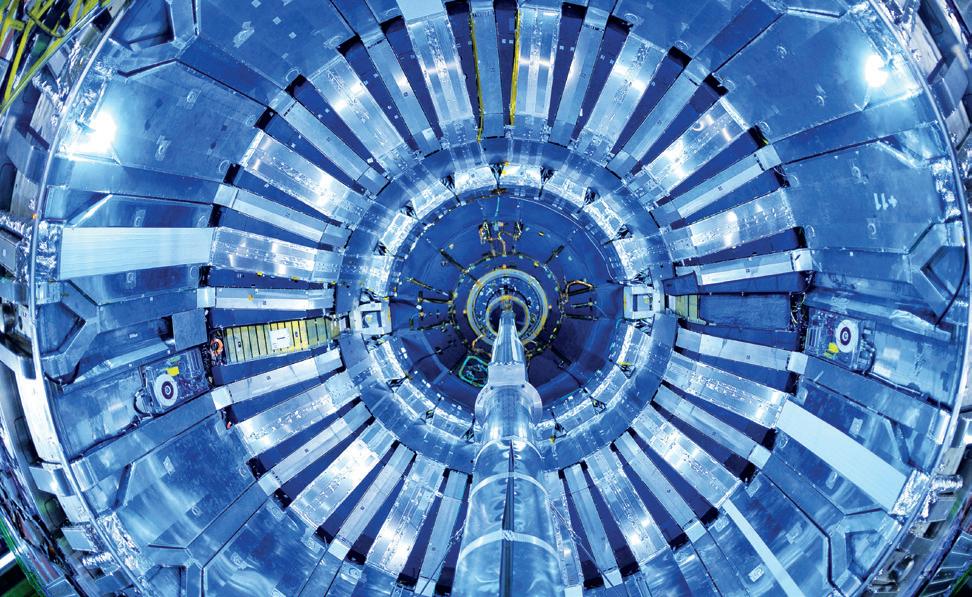
SUCCESS. Students impressed in cyber security, UX and at CERN in Geneva.
Computer science student Paul Panosch and his team won the Austrian Cyber Security Challenge 2024 in the Open Class and became national champions. They were the only team to solve the most difficult web challenge – 20 seconds before time ran out. The competition, supported by the University of Applied Sciences Technikum Wien, is considered Austria’s largest hacking event.
Matthias Remta, a Master’s graduate in data science, developed a reinforcement learning method for controlling the CERN accelerator in his Master’s thesis. This is a step towards AI-supported high-energy physics. Remta is now conducting research as a doctoral student at CERN in Geneva.
Saskia Huemer, a graduate of three UAS degree programs, presented her paper on AI-based UX tools at IHIET 2025 at the University of Vienna. Her work shows that AI supports the design process, but human expertise remains irreplaceable – a contribution with international resonance.
INTERNATIONAL. The faculty on the road in Europe and Asia.
International experiences shaped the academic year. Students and lecturers explored technology, business and culture on two study trips and an innovation trip.
Northern Italy: From Milan to Bologna to Padua, students experienced a mixture of high-tech and la dolce vita. Visits to the University of Milan, the Leonardo Supercomputer Center and the H-Farm Innovation Hub provided insights into research, start-up culture and industrial IT expertise.
Bangkok: The trip to Thailand’s capital combined cultural highlights with academic depth. Stops at Kasetsart University, the Asian Institute of Technology and King Mongkut University of Technology opened up new perspectives on research and business in Southeast Asia.
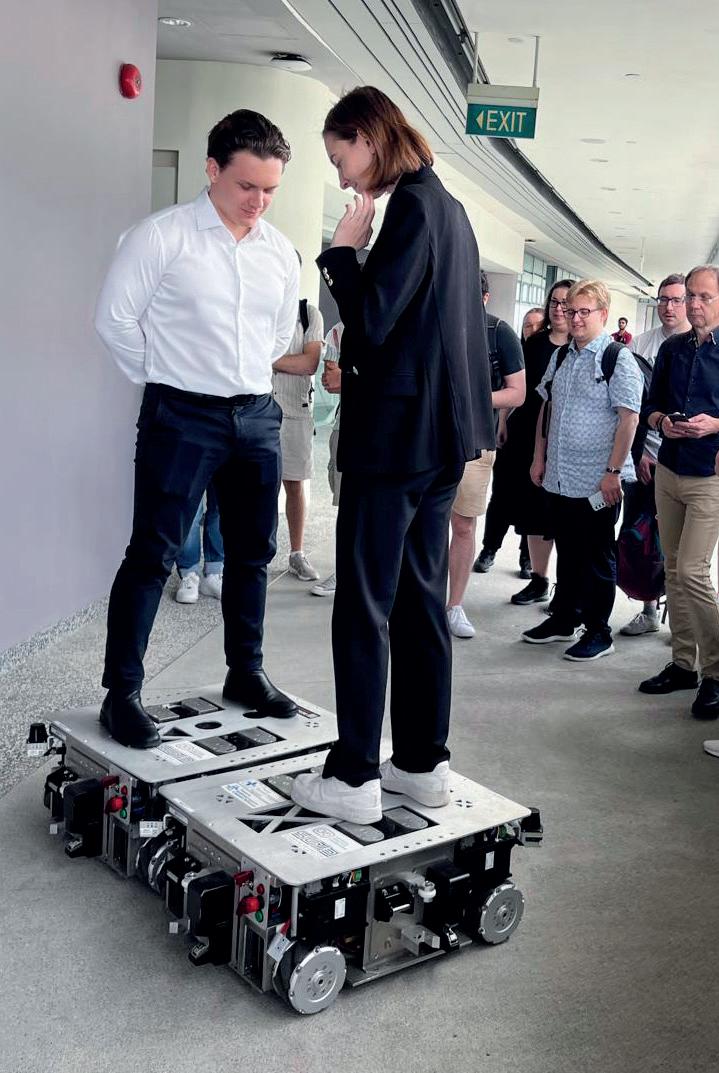
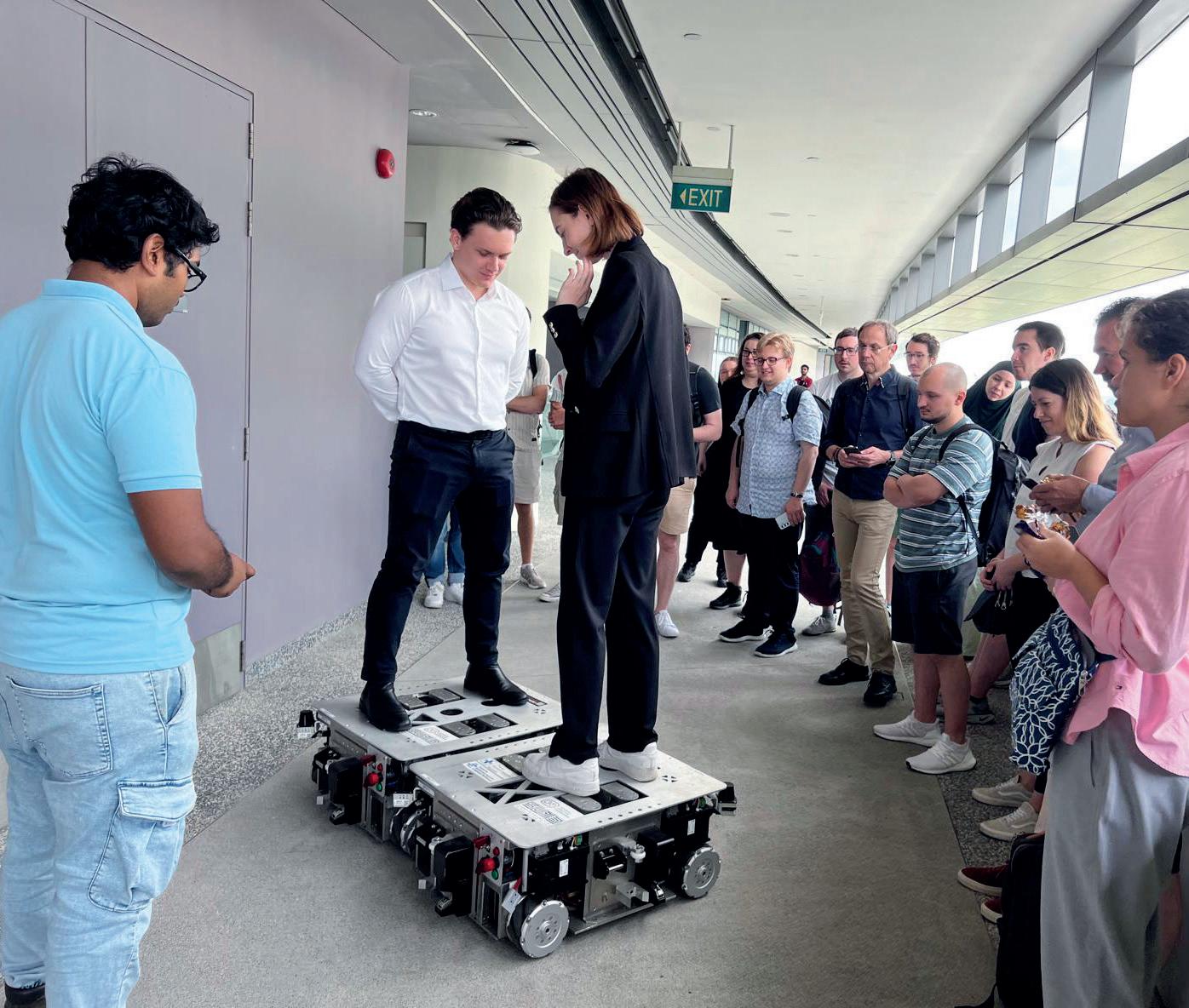
Singapore & Kuala Lumpur: During the innovation trip, students learned about international tech ecosystems – from AI trends at Zühlke to autonomous vehicles at Changi Airport. In Malaysia, Sunway iLabs and MRANTI impressed as examples of dynamic innovation promotion.




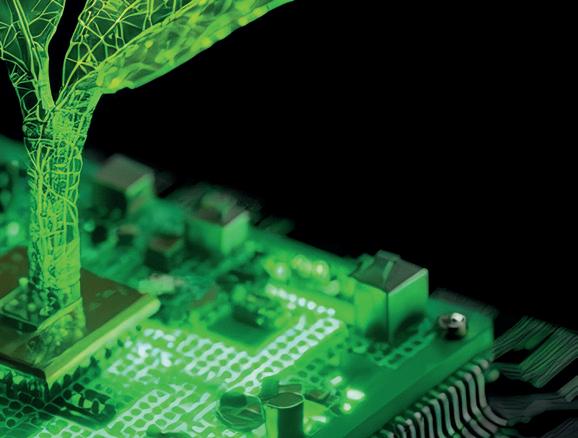
INTELLIGENT SYSTEMS. At an event in autumn, Green IoT met Entrepreneurship.
How can the Internet of Things contribute to the energy transition? This question was the focus of the joint event Start me up Monday and Meet the Future of IoT, which took place for the first time at the end of September. In keeping with the theme Green IoT, startups, scale-ups and industrial companies demonstrated how digital technologies and environmental responsibility can be combined. Green IoT – the Green Internet of Things – describes systems that not only optimise processes through intelligent sensor technology, data analysis and automation, but also conserve resources.
At the event, five companies demonstrated how diverse and effective Green IoT solutions can be. Wohnio presented intel-


ligent heating controls that achieve energy savings of up to 30% through dynamic hydraulic balancing. Storebox demonstrated its IoT-based logistics platform, which ranges from smart locking systems to AI-supported warehouse management. Smart sensors monitor temperature, humidity and access in real time to make energy consumption and transport routes more efficient. According to Storebox co-founder and UAS Technikum Wien graduate Christoph Sandraschitz, the future lies in the combination of IoT, artificial intelligence and machine learning – for predictive, resource-saving systems.
Siemens presented solutions for energy efficiency in buildings – such as the tracking of medical devices in hospitals

using IoT. SuessCo, a spin-off from TU Wien, demonstrated sensors that monitor cracks in bridges, historic buildings or tunnels with millimetre precision. And Reisenbauer Solutions showed how e-mobility and energy management merge in smart buildings.
Supported by faculty head Michael Windisch and organisers Harald Winkelhofer, Rafael Rasinger and David Sengl (Faculty of Industrial Engineering), the event also served as a stage for the diverse range of courses offered by the University of Applied Sciences Technikum Wien, above all the Master’s degree program in Internet of Things and Intelligent Systems. This program focuses on the analysis, design and implementation of IoT systems.
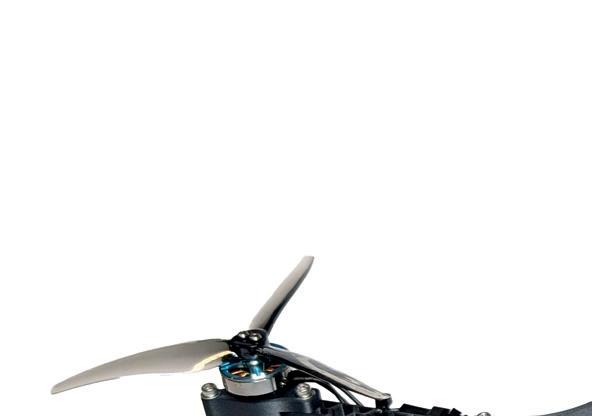
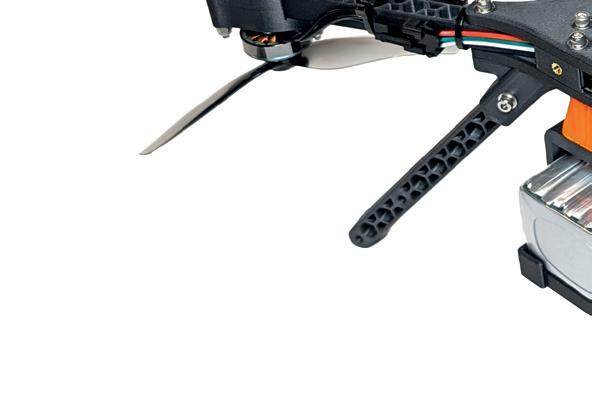
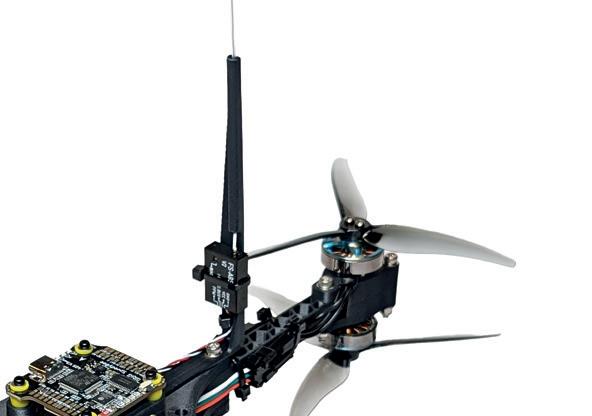
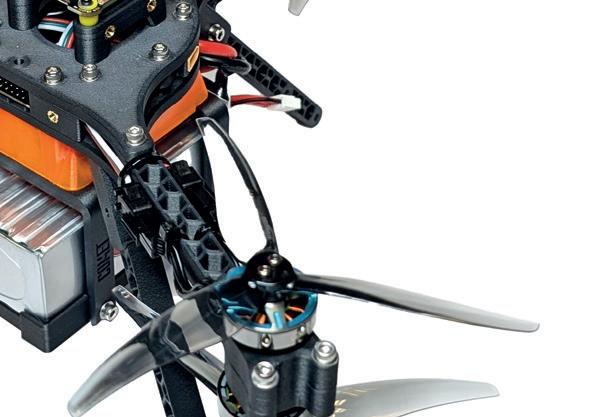
In 2024/25, the faculty worked intensively on the further development of safe and efficient multicopter systems. In the SAMURAI project, funded by the Austrian Research Promotion Agency FFG and launched in autumn 2024, the University of Applied Sciences Technikum Wien is setting new standards for safe flying over populated areas in collaboration with partners from industry and science. The increasing use of drones – whether for parcel transport, aerial surveying or mapping – requires robust, fail-safe systems. The aim is to develop developing a modular reference platform with redundant drives, intelligent power electronics and software based on modern observer theory – an important step towards reliable, certifiable drones.
At the same time, the Embedded Systems competence center developed the new COMET multicopter platform – a cost-efficient, fully documented open-source hexacopter for teaching and research. The 3D-printed prototype offers students a flexible testing and learning environment and also serves as an experimental platform for SAMURAI and future projects. In a joint podcast, competence field manager Roman Beneder and Christian Fibich, head of the City of Vienna’s competence team for teaching drone technology in university of applied sciences education, highlight how students and research teams benefit from these developments.




PASSPORT. From the laboratory to production: a concept for the next generation of industrial value creation.
Products of the future should be traceable, repairable and resource-efficient. The digital product passport (DPP) is considered a key instrument in this regard, accompanying a product throughout its life cycle. Information on material composition, carbon footprint, energy consumption and recyclability is recorded digitally and made available along the value chain.
Until now, missing, incomplete or isolated data has slowed the transition to a circular economy. With the DPP, manufacturers, suppliers, retailers, recycling companies and consumers can finally use the same data basis. The path to achieving this is complex.
The introduction of a DPP requires standardised data rooms, secure interfaces and legal clarity at European level. Only uniform standards, such as those currently being developed at EU level, can prevent the DPP from becoming an administrative burden instead of simplifying processes. For companies, this means a profound change in technical, organisational and cultural structures – but also the opportunity for new business models
such as pay-per-use or refurbishment services.
Start me up Monday in April 2025 at the University of Applied Sciences Technikum Wien showed what this transformation might look like in practice. Under the title “Digital Product Passport – Industrial Product Life Cycle Technologies for the Circular Economy,” the Faculty of Industrial Engineering offered a packed program with contributions from science, business and standardisation. After the opening by Faculty Director Erich Markl and Rafael Rasinger (Innovation, Scaleups & Networks), Horst Orsolits, Robert Fellner and Nikolaus Angel provided insights into the current state of research on digital product life cycles.
The presentations by representatives of the Industry 4.0 platform, TU Vienna, ENGEL, S1seven, Nista.io, KRAISBAU and others made it clear that the digital product passport is no longer a theoretical concept, but a technical reality in the making. Whether as a data model, blockchain application or digital twin – the aim everywhere is to map materials, energy consumption and product information in an interoperable way.

BMIT expert visits. John Liu from MIT gave an exclusive lecture on XR-supported learning in manufacturing in March. He showed how augmented reality can revolutionise training and analysis of technical skills.
Founder inspires students. Eversports co-founder and UAS Technikum Wien graduate Hanno Lippitsch spoke about courage, setbacks and success in entrepreneurship – and gave students valuable insights into the reality of start-up life.
Expanded racing cooperation. The Faculty of Industrial Engineering is intensifying its cooperation with the TUW Racing Team. Students gain practical experience in design, simulation and teamwork in motorsport.
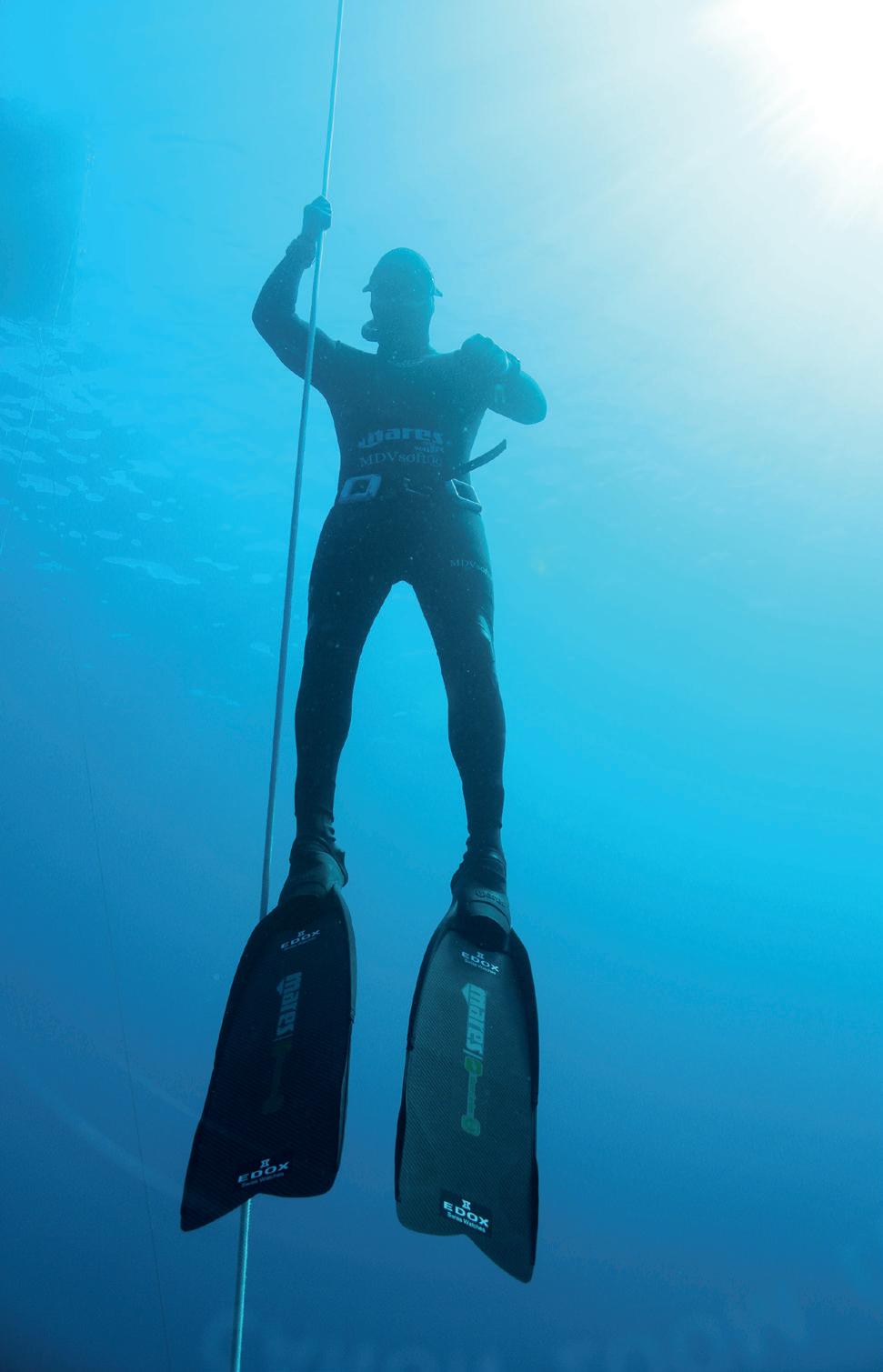
Mental strength as a success factor. Freediver Christian Redl motivated students with a lecture on focus, mental endurance and self-control – essential skills for studies, career and personal development.
COMPETENCE TEAMS . Successful project completion and restart.
The UCR – Urban Climate Reactor – competence team, funded by the City of Vienna, has successfully completed its work, while the new competence team HyET – Hydrogen Engineering Team – is approved and ready to start.
Since 2022, Urban Climate Reactor has been dedicated to interdisciplinary research into urban climate resilience. Led by Susanne Schidler, the team investigated how measures to cool heat islands, promote biodiversity and enable socially acceptable urban development can be combined. Simulations, microclimate measurements and accompanying social science research laid the foundations for future urban districts.
With the new HyET competence team, another energy transition topic is coming into focus: hydrogen. Under the leadership of Christoph Steindl, research into solutions for the production, storage and use of H2 will begin in autumn 2025. The aim is to combine different aspects of hydrogen use and to integrate the findings into teaching and industrial cooperation. HyET is another important impetus here, where much has already been achieved with the degree program (see page 14).
RESEARCH. From accessibility and e-health to bioresources.
The research activities of the Faculty of Life Science Engineering in 2024/25 reflected a remarkable breadth of content – from digital health innovation and biological resources to environmental and risk research.
BERTL INTERNATIONAL
With BERTL, the faculty is sending a strong signal for accessible university teaching. The project, funded by the City of Vienna, is developing a simulation environment and practical tools that enable lecturers to identify and remove barriers in their own teaching. The presentation at the IHE conference in Limassol showed that the topic is gaining international relevance.
STRONG NETWORK
UAS Technikum Wien also has a strong international network in the large-scale IDERHA project, which is developing new approaches to multimodal health data analysis in collaboration with leading European institutions. The platform is intended to enable better decisions along the entire care pathway in the future – illustrated, among other things, by use cases for lung cancer diagnostics.
NUTRIENTS FROM WASTEWATER
The FFG project DAME, which aims to extract nutrients and recyclable materials from dairy wastewater and efficiently remove microplastics, got off to a successful start. This opens up new opportunities for sustainable production cycles in a key sector of the Austrian food industry.
BIODIVERSITY
The faculty was also present at SETAC Europe 2025, with a strong focus on environmental science. The special session on biodiversity and chemical risks, chaired by Romana
Hornek-Gausterer, presented new approaches for the next generation of environmental risk assessment – from AI-supported methods to environmental DNA.
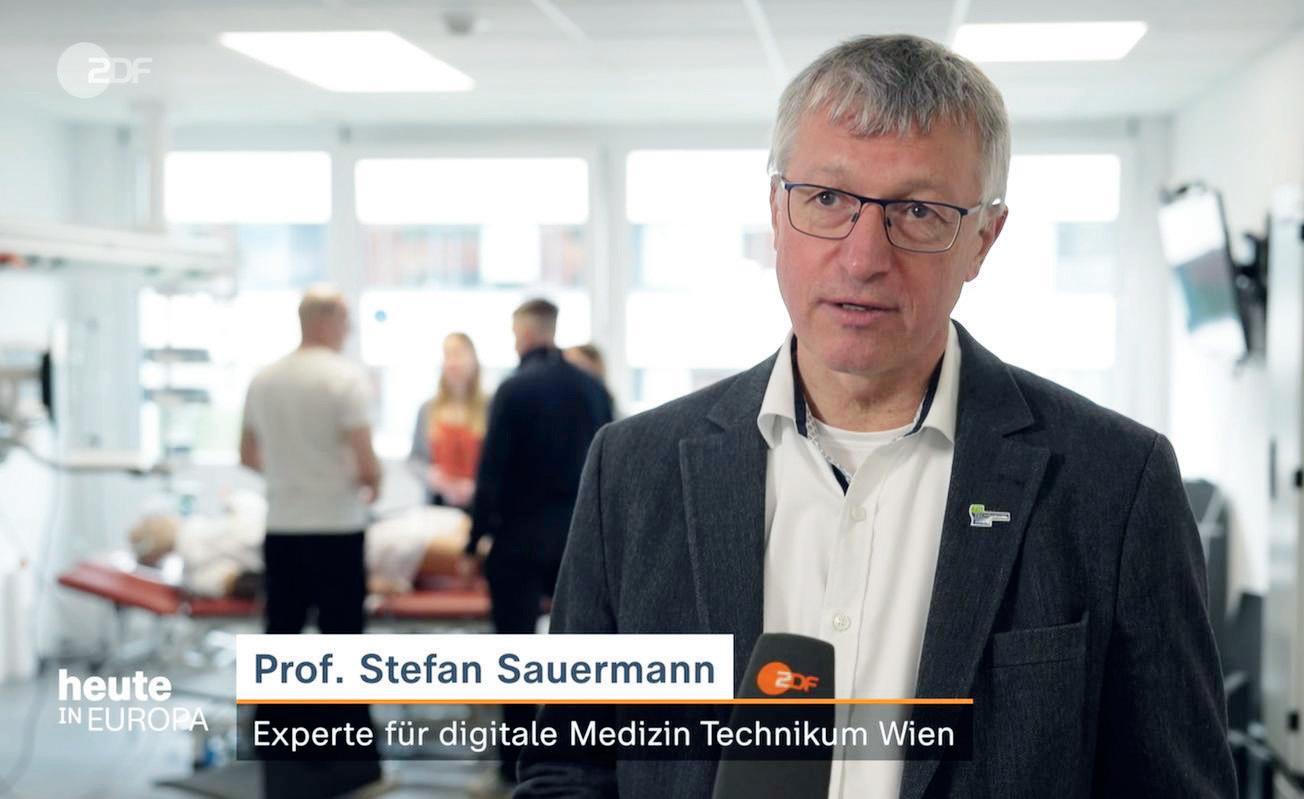
The faculty’s continuing strong role in the field of e-health was highlighted in an interview with German broadcaster ZDF, in which leading expert Stefan Sauermann, explained Austria’s experiences with ELGA to the German audience.
The faculty’s degree programs strengthened their profile both nationally and internationally.
In the 2024/25 academic year, there were some changes in the faculty’s degree programs in Life Science Engineering Among the highlights was the “Sustainability” expert symposium held for the first time in May, which was, organised by the new Bachelor’s degree program in Sustainable Environmental and Bioprocess Engineering in collaboration with the Master’s degree program in Environmental Management & Ecotoxicology. Experts from research, industry and authorities provided insights into current developments in the circular economy, reporting requirements and technological innovations in the bioeconomy. For students, the symposium offered a comprehensive overview of the requirements of sustainability-driven industry and numerous networking opportunities.
Within the established degree programs, there have been further developments and expansions of the curricula. The Bachelor’s degree program in Biomedical Engineering is expanding its profile with the new specialisation in Assistive Technology Engineering. Topics such as assistive technologies, accessibility and design for people with disabilities sharpen students’ understanding of technical solutions that enable social participation –and complement the existing specialisations with a highly sought-after topic of the future.
In the Master’s degree program in Tissue
Engineering and Regenerative Medicine, additional additional places for beginners have been added, places have been created and two new specialisations implemented. From the third semester onwards, students choose between bioengineering and bioinformatics. While bioengineering focuses on topics such as biomechanics, bioprinting and model systems, bioinformatics prepares students for data-driven research and development fields with a focus on AI tools, omics – i.e. the analysis of large amounts of biological data – and coding.
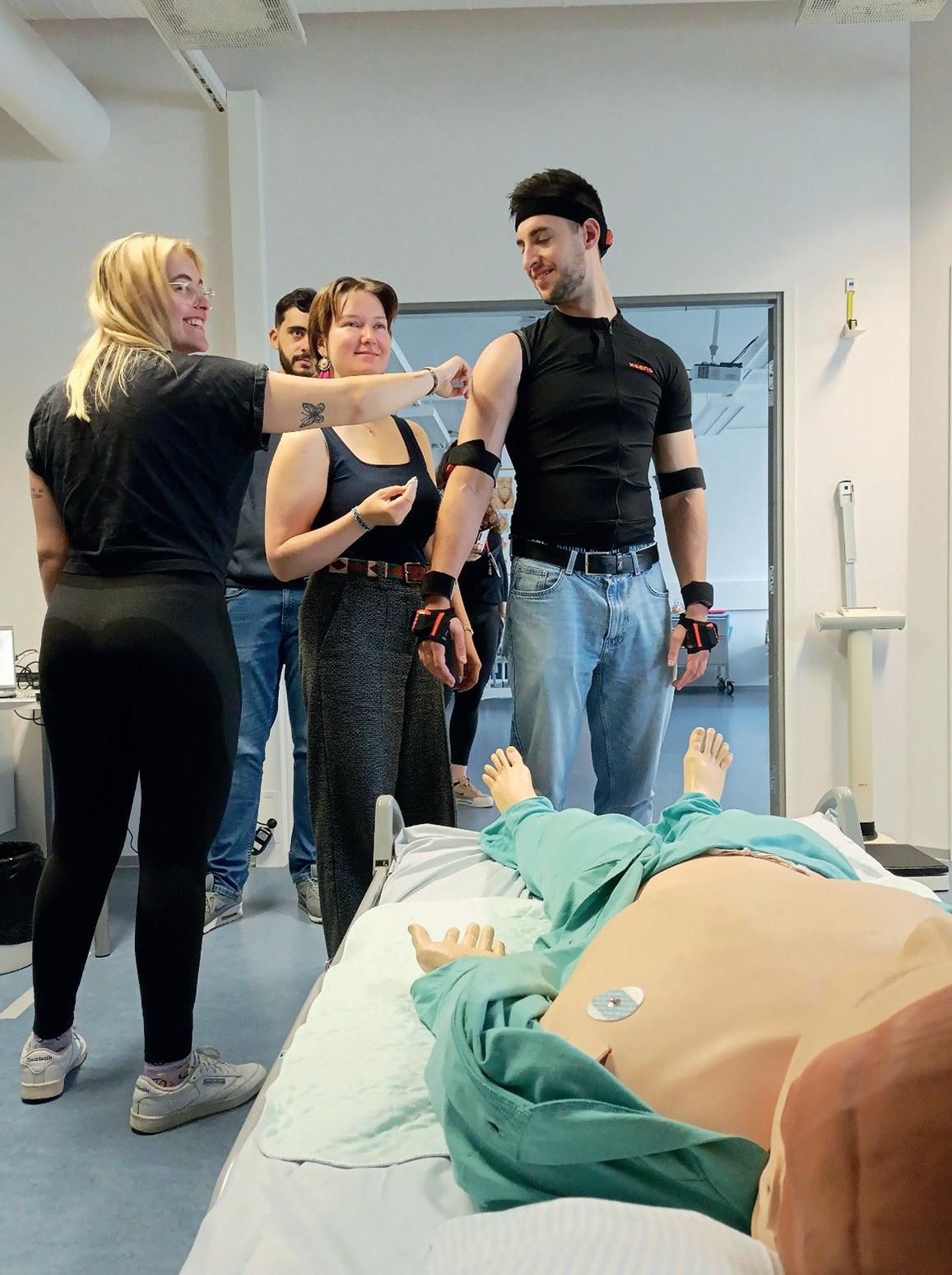
The Erasmus+ Blended Intensive Program “Human Safety” at Lapin AMK in Finland, students from Austria, Italy and Portugal worked in mixed teams on safety-related issues in the healthcare sector. Emergency simulations, BLS training and interprofessional workshops highlighted the value of international learning settings for practical skills.
NETWORKS. The 2024/25 academic year was marked by encounters, exchanges and new collaborations. Whether in Vienna, London or The Hague – the University of Applied Sciences Technikum Wien has further expanded its international network and deepened valuable partnerships.
Travel in the name of networking: The first event took place in October 2024 with a visit to Loughborough University, the UK’s leading sports university. The exchange offered exciting insights into current developments at the interface of technology, sport and health – and showed how interdisciplinarity in practice promotes innovation.
Shortly afterwards, a delegation trip to the Netherlands provided new impetus in the
field of life science engineering. Drawing inspiration from the theme “The power of the network society”, numerous ideas for future cooperation in teaching and research emerged.
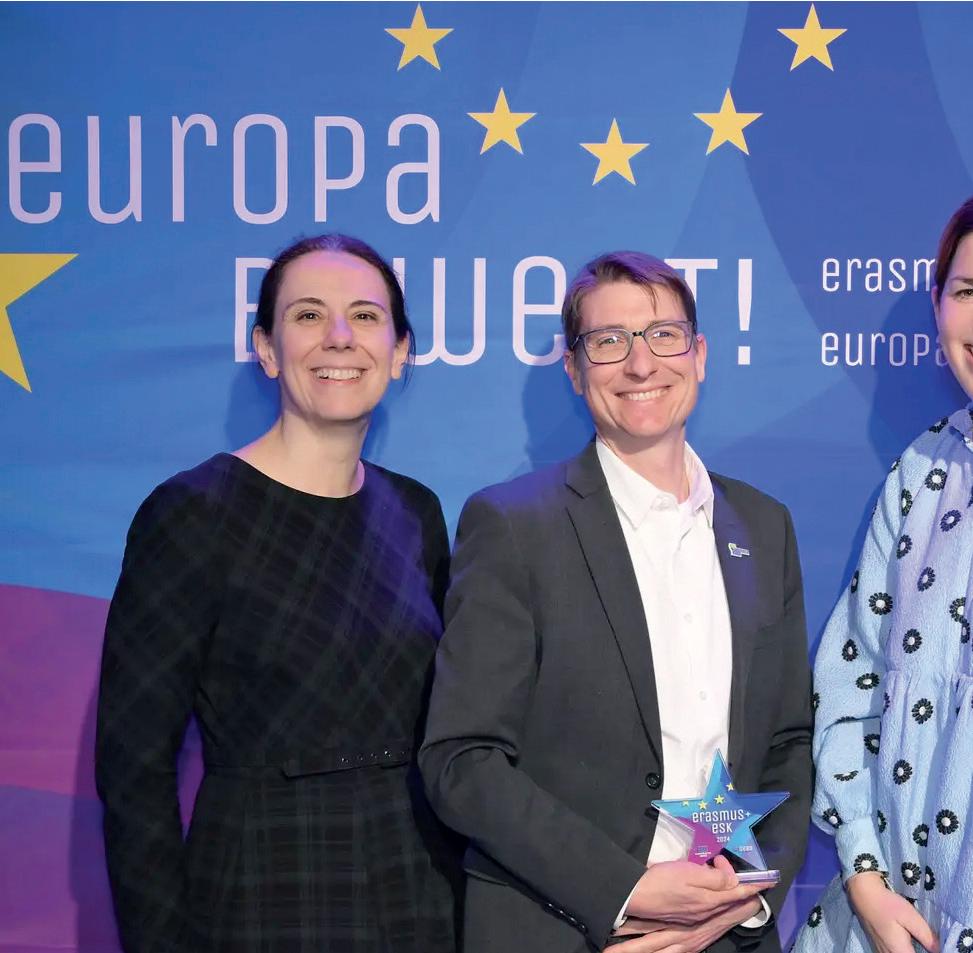
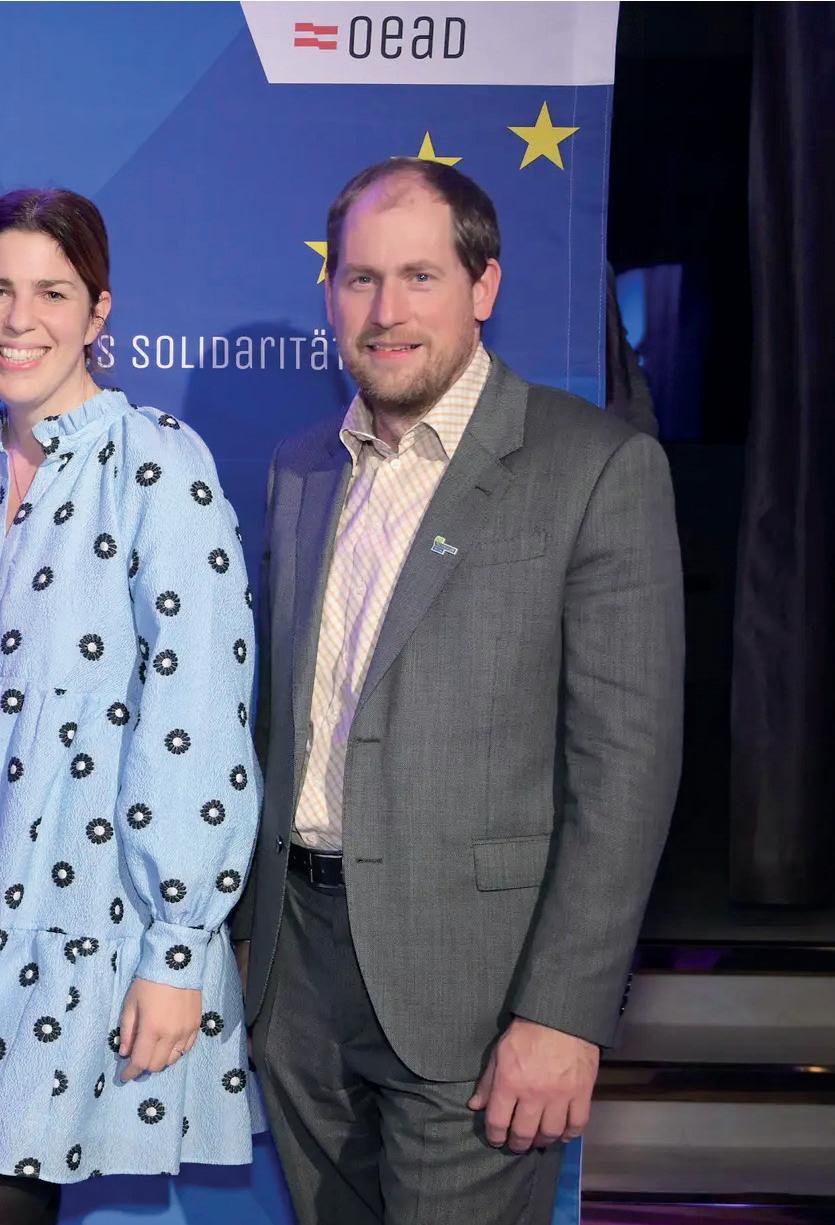
A special highlight followed in December, when Stefan Litzenberger, degree program director of the Bachelor’s degree program in Sports Engineering and Ergonomics and the Master’s program in Sports Technology
was named National Erasmus+ Ambassador 2024 in the field of higher education –recognition of the long-standing commitment of the University of Applied Sciences Technikum Wien to European Exchange. Litzenberger was involved in the Erasmus+ Knowledge Alliance A4SEE, a European alliance for the training of sports engineers, which brings together universities and partners from industry.
The international dialogue continued in the following year: In January 2025, a Finnish rectorship delegation visited the University of Applied Sciences Technikum Wien. Topics such as sustainable university development, digital teaching formats and new ways of international cooperation were discussed.
In April, the focus turned once again to the United Kingdom: A study trip to London brought students and lecturers into contact with technology companies, start-ups and universities – an inspiring bridge between education and business.
Shortly afterwards, International Week 2025 took place at the University of Applied Sciences Technikum Wien. Based on the theme “Empowering Connections: Engaging Beyond the Campus”, the university became a meeting place for lecturers, students and international partners from all over the world, focusing on the social responsibility of universities. Keynotes, workshops and discussions showed how students and staff can help shape social change as committed citizens. City tours in Brigittenau also gave international guests exciting
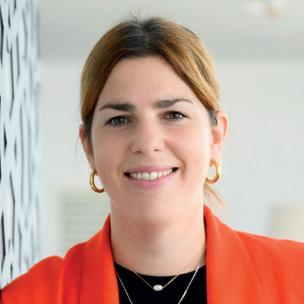
Internationalisation is not a goal, but an attitude. We want to cross borders in order to shape the future together with our partners. Every cooperation is a bridge that connects knowledge, cultures and people.
AGNES KRIZ, HEAD INTERNATIONAL OFFICE
impressions of the local area. The week provided a platform for new ideas, partnerships and perspectives to develop future-oriented university engagement.
Intensive international work bore fruit again this year with the acquisition of four new partner universities.
The global network of the University of Applied Sciences Technikum Wien has been strategically expanded to include Østfold University College (Norway), Georg Simon Ohm University of Applied Sciences (Germany), Shibaura Institute of Technology (Japan) and Universidad del Desarrollo (Chile), creating new opportunities for exchange, joint projects and innovative teaching formats.
GROWTH. Under the slogan “Change (y)our Tomorrow”, the Technikum announced up to 70 positions for specialists in future technologies in late summer 2025 and also became active in the field of apprenticeship training.
UAS Technikum Wien, Austria’s university of applied sciences for technology and digitalisation, is currently undergoing one of the most significant development stages in its more than 30-year history. New degree programs in future technologies such as quantum engineering, environmental, building and hydrogen technology, as well as successfully submitted research projects in funding calls and collaborations with industry, require a massive expansion and development of competence teams and considerable personnel growth in research and teaching. A large proportion of the up to 70 new positions planned have already been filled: a wide variety of positions in the four faculties of Computer Science & Applied Mathematics, Electronic Engineering & Entrepreneurship, Industrial Engineering and Life Science Engineering.
“Our mission is not only to impart practical knowledge, but also to provide positive impetus to the economy with technical solutions and innovations, thereby contributing to the success of our society,” says Florian Eckkrammer, Managing Director of the University of Applied Sciences Technikum Wien. “We work with passion and attention to detail
on social issues relating to technology and innovation. Our findings make a significant contribution to overcoming current challenges in health, energy, mobility, digitalisation and many other areas. From practical teaching to complex algorithms: We see our expertise as the key to a successful future.”
–ALSO FOR
The University of Applied Sciences Technikum Wien also became active in the field of apprentice training for the first time. Training of the first IT apprentice began in September 2025, with another planned. In this way, the university is opening up new target groups and
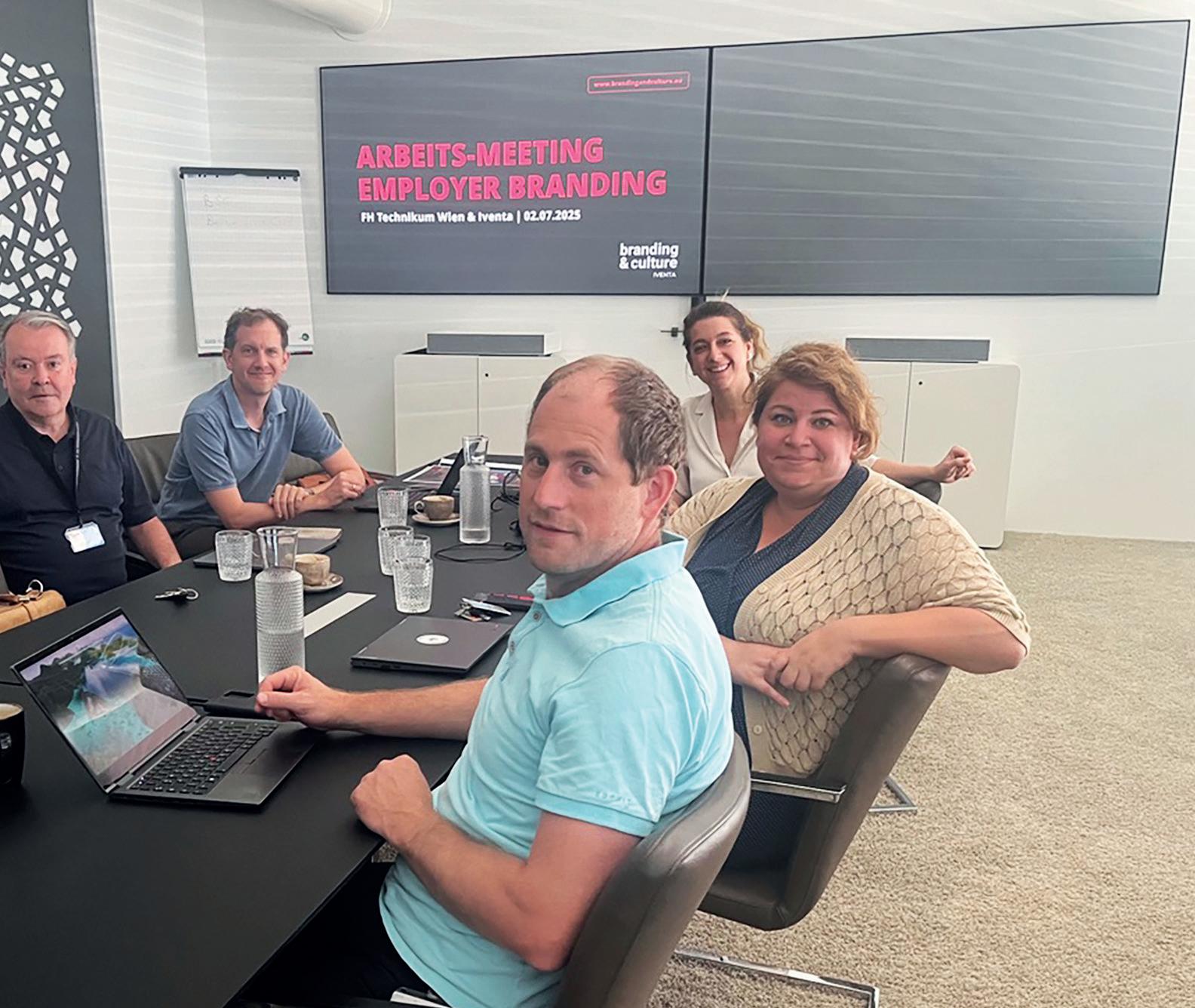
In spring 2025, the University of Applied Sciences Technikum Wien, launched an employer branding process. with the aim of presenting the university as an authentic employer in an even more attractive light, both internally and externally, and developing a credible employer brand. Over 250 employees took part in an employee survey, and over 80 provided input in seven focus groups and interviews. Following a thorough situation analysis and a positioning workshop, proposals for specific measures were collected and preliminary work for formulating an employer value proposition and designing new recruiting themes was completed.
strengthening the age diversity of its workforce. Apprenticeship training is a conscious step towards promoting young talent in technology education.
“We promote the long-term professional advancement of our employees, ensure job security and a balanced level of flexibility and individual training,” explains Natalie König, Head of Human Resources at University of Applied Sciences Technikum Wien, “and we offer the right framework to shape fields of work together as a team and drive them forward effectively.”
Input from the employer branding process was incorporated into numerous measures implemented by the Human Resources department. Among other things, recruiting standards were developed and the Softgarden recruiting tool was rolled out. Furthermore, a regulated onboarding process was introduced for all new employees, with a structured welcome day and a welcome folder containing all relevant information for getting started. In addition, a comprehensive and standardised training and development program was created as part of internal training.
Despite increased costs, UAS Technikum Wien continues to provide its permanent employees with access to public transport with the KlimaTicket and (after just six months) the Wiener Linien annual ticket. This promotes sustainable mobility and reduces the financial burden on employees. A new feature is that the KlimaTicket Ö Classic can now be applied for just twelve months after the individual’s start date. The previous cut-off date no longer applies, making access possible more quickly.
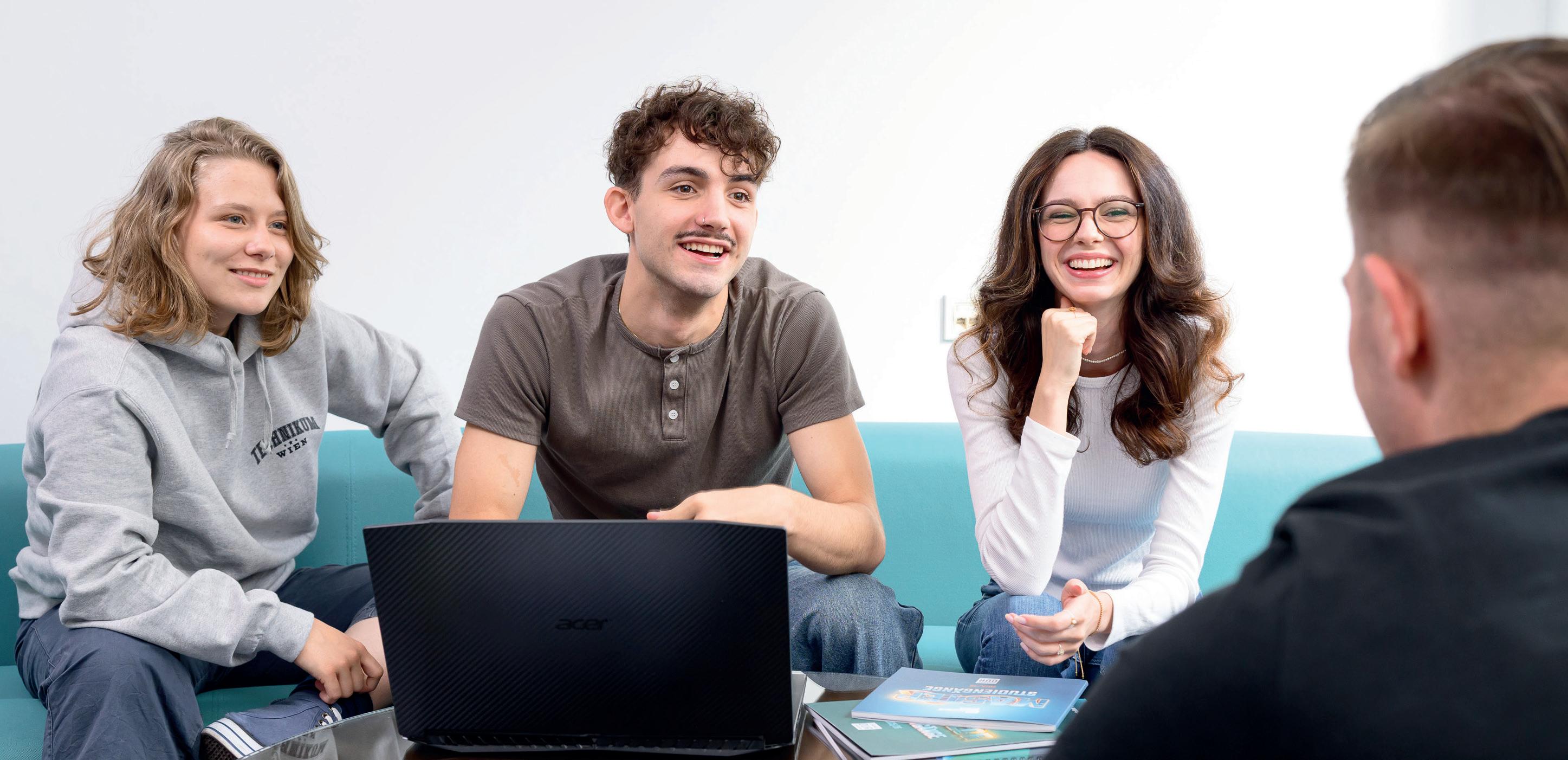
Technikum Wien ranked first in Austria among universities of applied sciences and universities with a strong start-up culture.
The University of Applied Sciences Technikum Wien is establishing itself as an entrepreneurial university with a strong track record in start-ups. Two independent rankings in 2024/25 confirm what is already a reality in everyday university life: Entrepreneurship is part of the UAS Technikum Wien’s self-image.
In the international ranking “Entrepreneurial Impact of Academic Institutions” by the Technical University of Munich, the UAS Technikum Wien achieved first place in Austria, making it one of the leading universities in the German-speaking world. The study analysed over 51,000 start-ups in the last ten years and examined which educational institutions make the greatest contribution to innovation through their alumni. In relation to the number of employees, UAS Technikum Wien is even ahead of large universities such as the TU Wien and the Vienna University of Economics and Business – a strong signal
for the efficiency and practical relevance of the location.
“Entrepreneurship is not a side issue, but part of our DNA,” emphasises Rafael Rasinger, Head of Innovation, Scaleups & Networks.
“Our 18,000 alumni show how technical know-how and entrepreneurial spirit work together.”
The trend ranking of the “100 best start-ups in Austria 2025” also underscores this position: Seven of the top start-ups were founded by UAS Technikum Wien graduates – including well-known names such as Storebox, Prewave, Fiskaly, Upnano, Hello Inside, Toolsense and Heartbeat.Bio. – work in almost half of all listed companies, many of them in management positions. A total of 92 alumni are active in the top 100 start-ups – a network that has a visible impact on Austria’s innovation landscape and reflects the spirit that many students bring to their studies.
ROLE MODELS. The UAS Technikum Wien thrives on diversity, and diversity needs visibility through events like Anti-Discrimination Day, International Women’s Day and Pride Month.
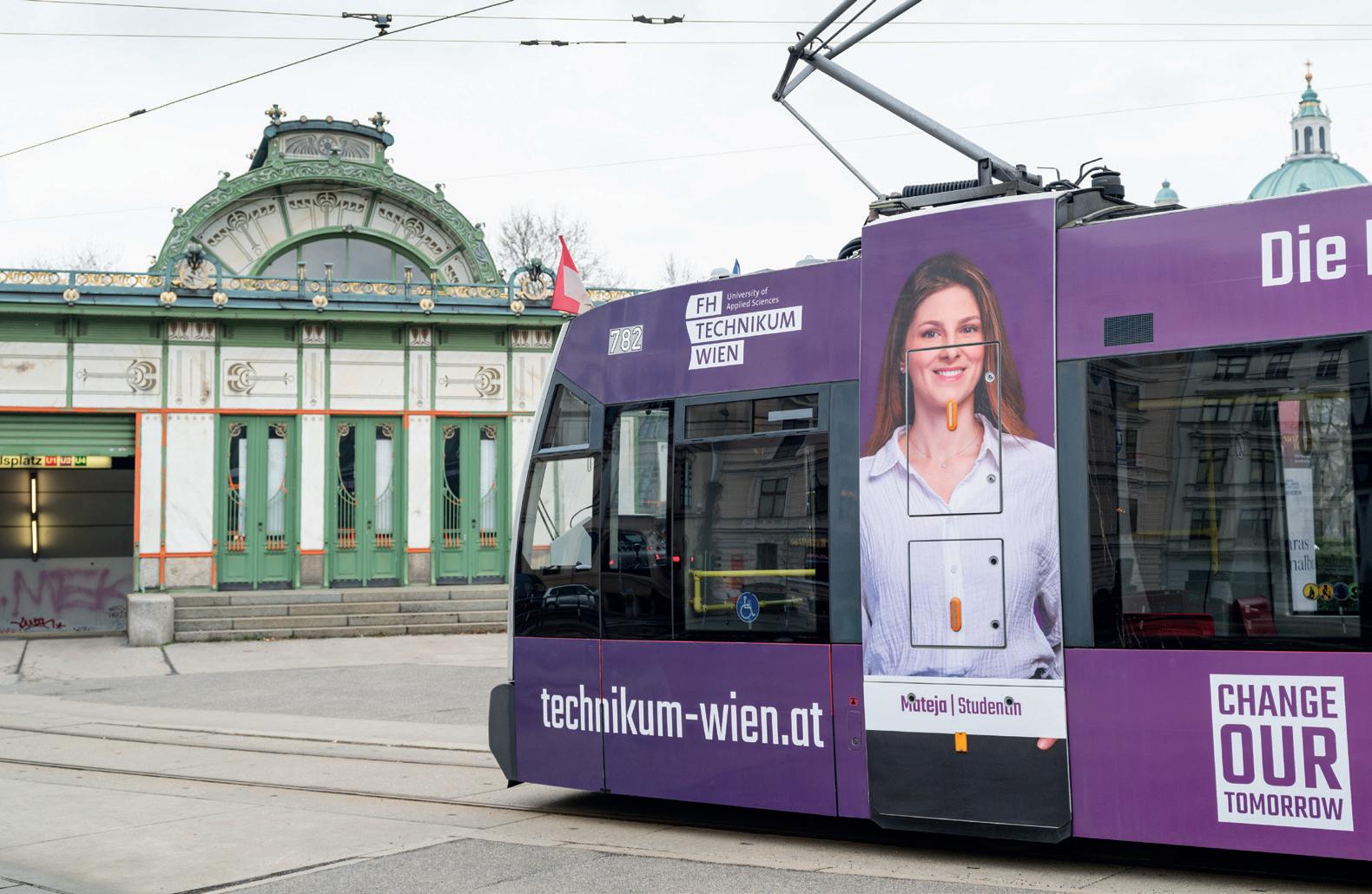
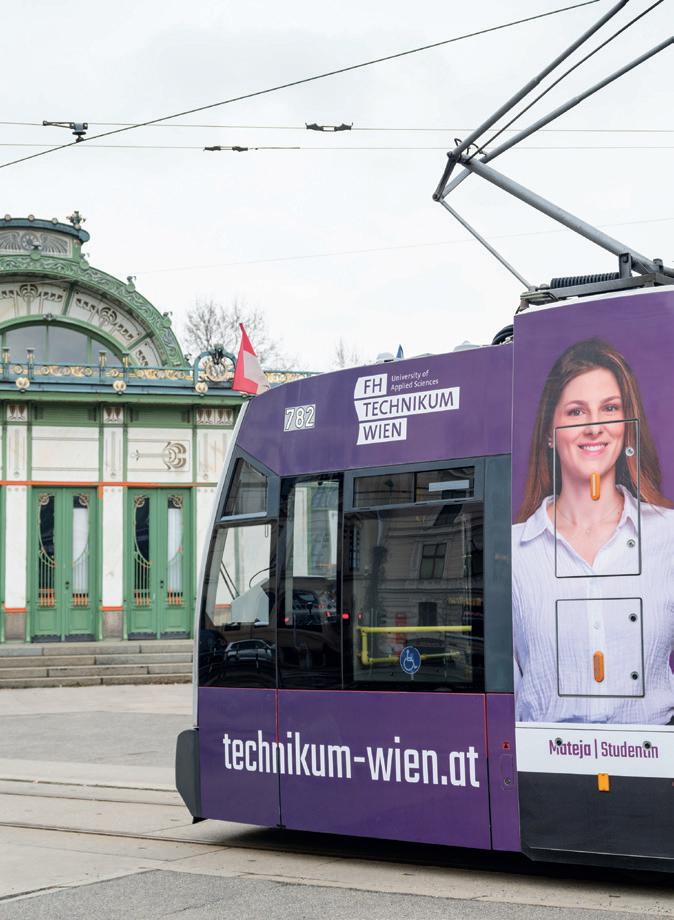
The 2024/25 academic year at UAS Technikum Wien was all about putting equality into practice. Whether on tram line 2, at Höchstädtplatz, or on Vienna’s Ringstrasse – the university showed that equality is not a side note, but part of its identity.
TRAM ROLE MODELS
On Zero Discrimination Day, a new Pride flag was raised on campus – a visible commitment to diversity and respect. This was followed shortly afterwards by International Women’s Day, which was marked by a special campaign on Vienna’s trams: Six women – from students to managing directors – appeared on a large-scale poster campaign as female role models in technology and science. They represented over 1,000 female students and more than 300 female employees who demonstrate every day that technical careers are not the preserve of men.
RECTOR ENCOURAGEMENT
In a video message, Rector Sylvia Geyer addressed young women: Courage, curiosity and leaving your comfort zone are crucial to success in technology. She recounted an anecdote from her own early days and offered the following advice: “Don’t be afraid to leave your comfort zone. Try out things, and the more often you do so, the easier it will become and the more successful you will be.”
In June, Equality Management continued Pride Month with a kick-off event – complete with vegan cupcakes, community talks and a ticket raffle for the Diversity Ball 2025, at which UAS Technikum Wien was represented in the autumn by a colourful team. Students and staff marched in the Vienna Rainbow Parade.
The Technikum Wien Academy is the continuing education academy of UAS Technikum Wien. It offers seminars, certifications, academic courses and pre-college programs for international students, as well as tailor-made in-house training courses for companies.
At the end of May 2025, eleven more A1 employees completed the ICT Advanced course. For five years, the 20-day program has been imparting specialist knowledge on IP technologies, transport services, mobile communications, wireless, IT and security. A total of 105 employees have already taken part. Christian Laqué (CTO A1), Christian Wappel (Head of Technical Competence Center) and Christian Ritter (A1 Skill Manager) were among those who offered their congratulations at the ceremony. Experts including Florian Eckkrammer and Thomas Polzer discussed future opportunities for cooperation.
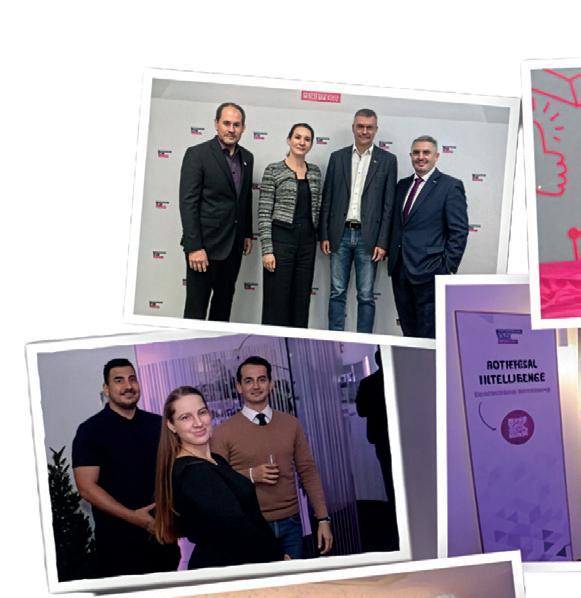
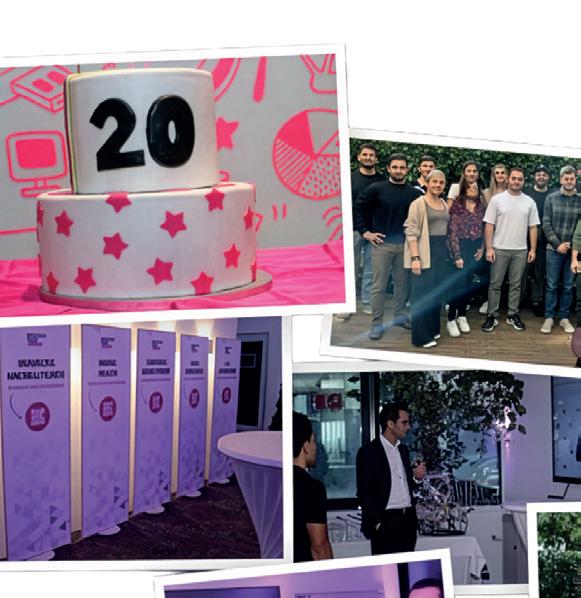
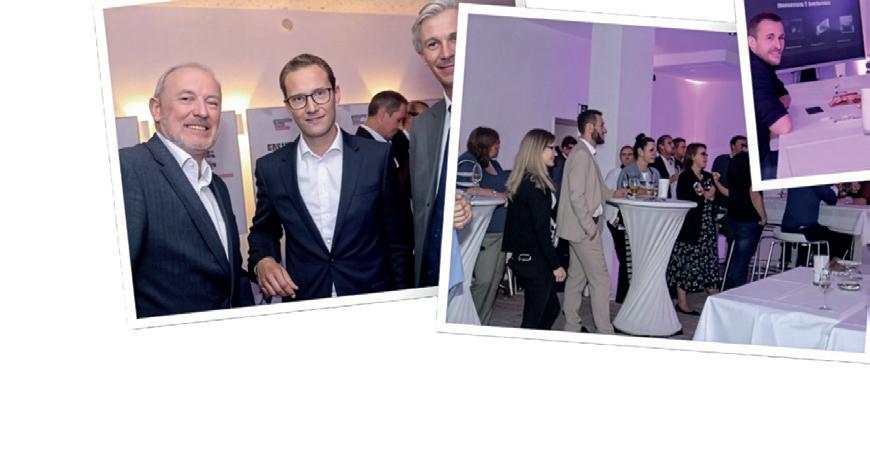
In June 2025, Technikum Wien GmbH celebrated its 20th anniversary – a milestone that highlights its continuous development, high quality standards and close cooperation with industry and research. For two decades, Technikum Wien GmbH has been supporting skilled workers and companies in building knowledge and skills with its Technikum Wien Academy and Technikum Wien Solutions brands. The anniversary year offered numerous highlights: the launch of new programs such as the Basic IT Academy of the Wiener Stadtwerke Group and the dual Junior ERP Consulting course, collaborations with partners such as A1, and the first UX Summit. Two awards also confirmed TWA’s leading role in IT training.
These projects reflect what Technikum Wien GmbH has stood for over the past 20 years: practical education, innovative formats and sustainable partnerships. For the past two years, the company has been operating under the name Technikum Wien Innovations.
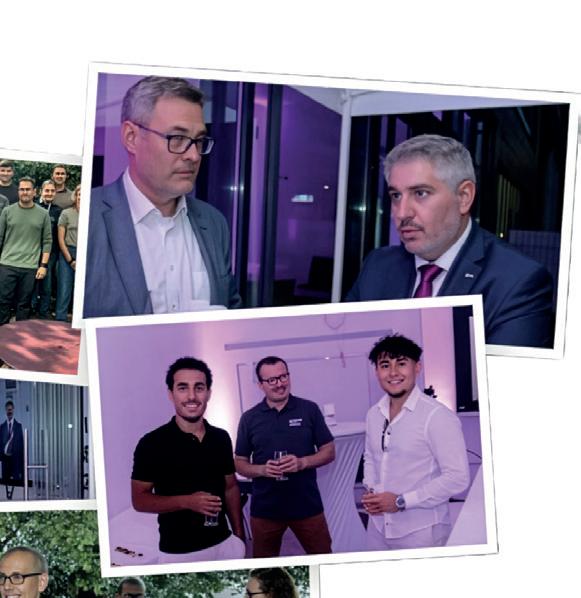
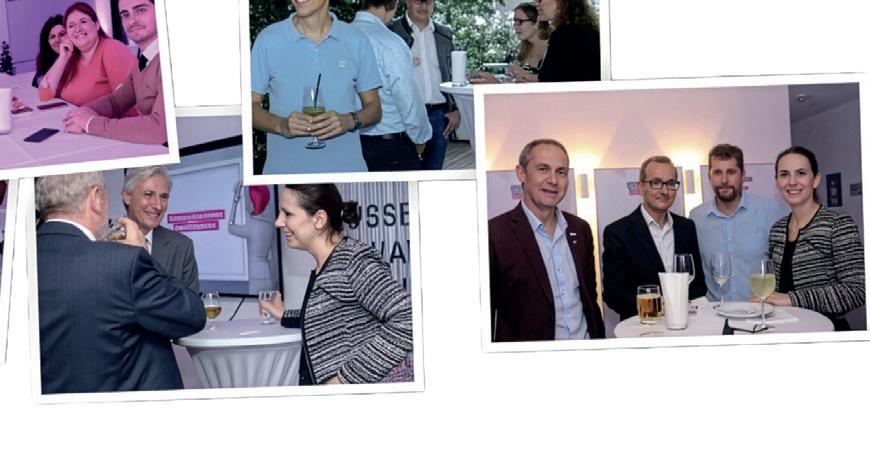
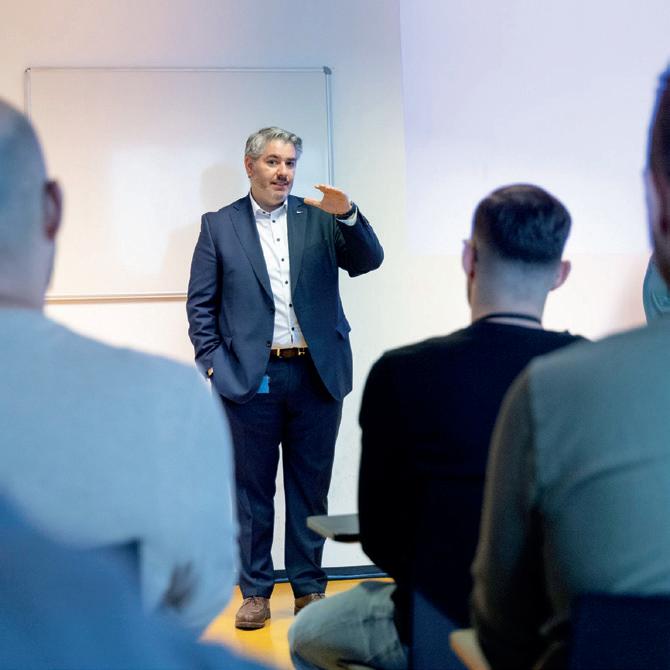
Wiener Stadtwerke and Technikum Wien Academy launched the Basic IT Academy as an 18-month training program covering IT basics and specialisations in project management, testing, IT consulting and IT security. The dual concept combines work and further training, strengthens the digital transformation of the group and increases its attractiveness as an employer.
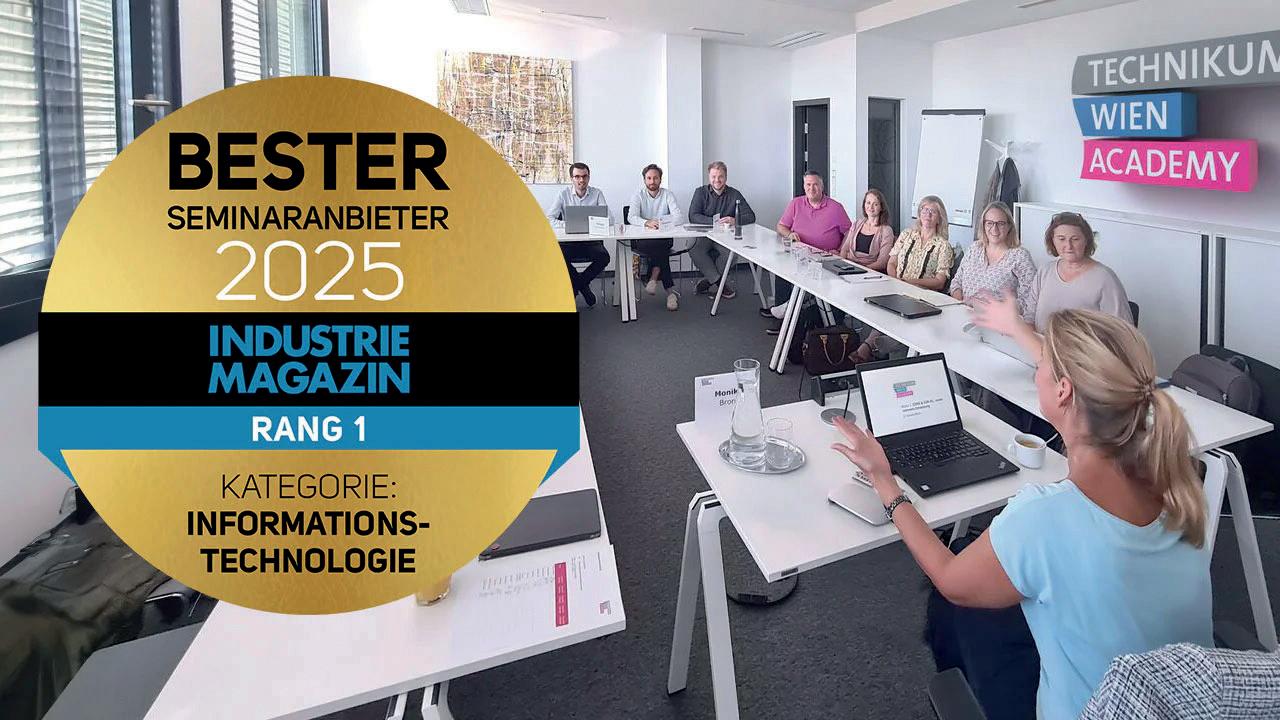
In the 2025 seminar provider ranking by INDUSTRIEMAGAZIN, Technikum Wien Academy was rated the best provider in the Information Technology category. The ranking was based on assessments by 500 HR managers and seminar participants. The Academy impressed with its practical content, high level of knowledge transfer and excellent teaching staff.
In addition, it was awarded first place in the categories of learning content, price/performance and customer satisfaction at the 2024 ÖGVS Continuing Education Awards, based on over 45,000 evaluations. Both awards underscore the Academy’s leading role in IT continuing education.
Together with waff, the Technikum Wien Academy launched the Junior ERP Consulting dual training course for 20 prospective specialists. Under the direction of ERP expert Christian Nebenfuehr, the program teaches the basics of project and process management as well as ERP-specific know-how. Partner companies such as Atos Group Austria, CONVOTIS, MuK IT, AN Group and Bloom Solutions provide their future employees with practical training. A buddy system and study guides support them on their path to the Academic ERP Consultant qualification.
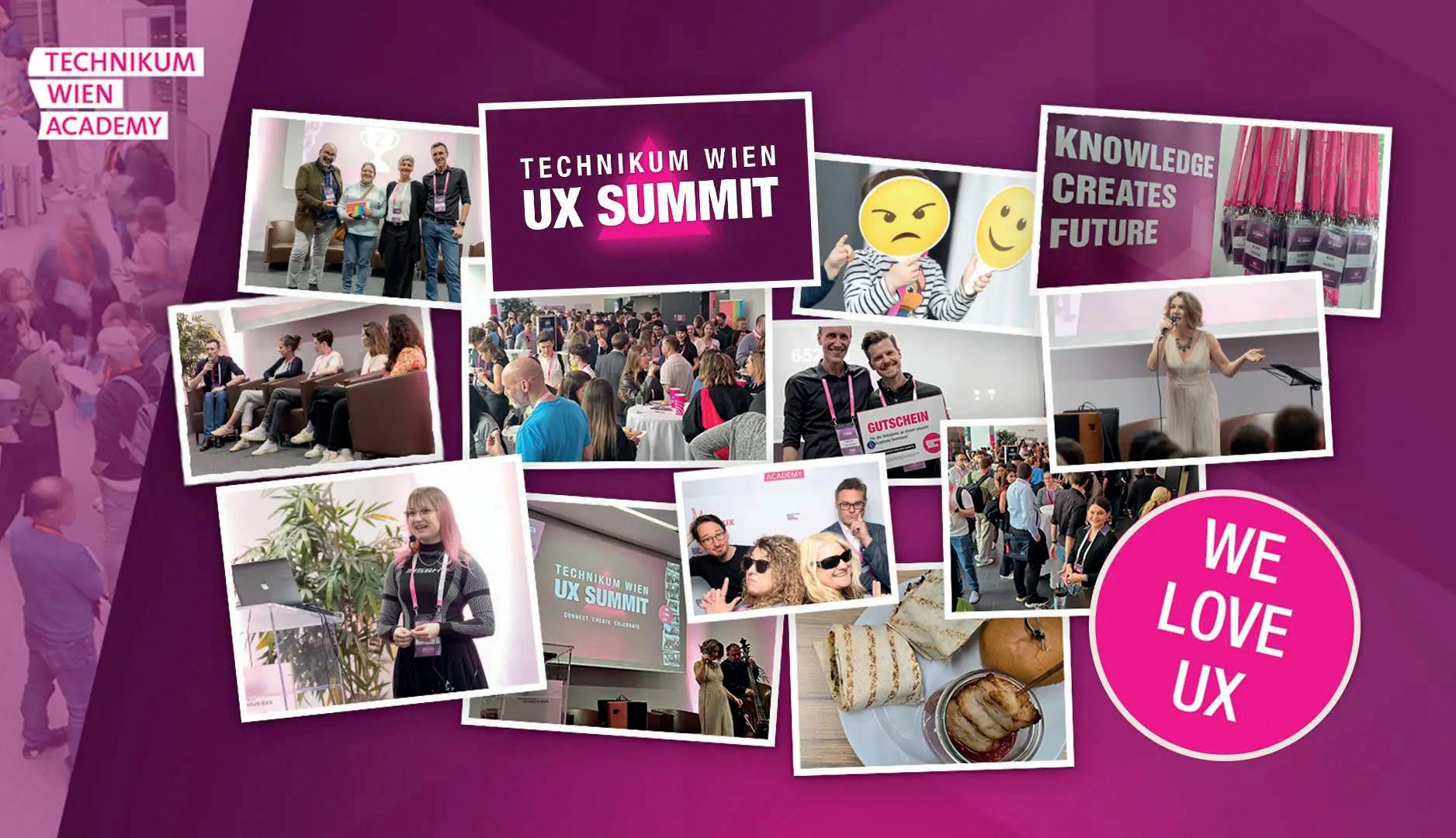
On 9 May 2025, the Technikum Wien Academy held its first UX Summit. Around 180 UX professionals, students, alumni and interested parties discussed trends and challenges in user experience. Keynotes covered topics such as UX leadership (Elif Alp-Marrent), burnout in the UX profession (Markus Flückiger), conversational design (Sarah Loigge) and user-centerd data products from Willhaben (Christina Krumpholz & Martin Müller). A panel discussion highlighted the role of UX in business, followed by a closing presentation by Manuel Matuzovic on the topic of accessibility. The next summit will take place on 8 May 2026.
Faculty Computer Science & Applied Mathematics
• Bachelor Computer Science
• Bachelor Business Informatics
• Master AI Engineering
• Master Data Science
• Master IT Security
• Master Quantum Engineering
• Master Software Engineering
• Master Business Informatics
Faculty Electronic Engineering & Entrepreneurship
• Bachelor Electronics – Embedded & Cyber-Physical Systems
• Bachelor Electronics – Internet of Things & Smart Infrastructure
• Bachelor Electronics – Power Electronics & Sustainable Energy Technology
• Bachelor Electronics – Business & Entrepreneurship
• Bachelor Information and Communication Systems
• Master Embedded Systems
• Master Internet of Things & Intelligent Systems
• Master Power Electronics & Sustainable Energy Technology
Faculty Industrial Engineering
• Bachelor Renewable Energies
• Bachelor International Industrial Engineering
• Bachelor Mechanical Engineering
• Bachelor Mechatronics/Robotics
• Bachelor Hydrogen Technology
• Master Industrial Engineering & Business
• Master Innovation and Technology Management
• Master Climate-Conscious Building Technology
• Master Mechanical Engineering
• Master Renewable Energy Engineering
• Master Robotics Engineering
Faculty Life Science Engineering
• Bachelor Biomedical Engineering
• Bachelor Sustainable Environmental and Bioprocess Engineering
• Bachelor Sports Engineering & Ergonomics
• Master Health and Rehabilitation Technology
• Master Medical Engineering & eHealth
• Master Sports Technology
• Master Tissue Engineering and Regenerative Medicine
• Master Environmental Management & Ecotoxicology
COURSES OFFERED
84,654
3,639
1,133
4,772
TOTAL NUMBER OF STUDENTS
What type of school did they attend before?
23.74%
PERCENTAGE OF WOMEN 2006/07 2015/16 2024/25
OF PERCENTAGE OF WOMEN
MASTER’S STUDENTS
Where did they study before?
15.9%
STUDENT MOBILITY
298 485
12.6% 90
71.4% AUSTRIA
1,364
TOTAL NUMBER OF STUDENTS WITH FOREIGN CITIZENSHIP
5 MOST REPRESENTED NATIONS
1. Austria: 3,408
2. Germany: 246
3. China: 134
4. Turkey: 73
5. Hungary: 60
NUMBER OF GRADUATES
726 578
BACHELOR
NUMBER OF APPLICANTS
MASTER
3,415
APPLICANTS (personal data, applications for multiple degree programs are not counted multiple times)
2,131
FIRST-YEAR STUDENTS
BENCHMARK IN THE AUSTRIAN SECTOR OF UAS AND UNIVERSITIES
OF 21 UAS IN TERMS OF ATTRACTIVENESS
(applicants per study place) in the technical field
OF 21 UAS IN TERMS OF ATTRACTIVENESS
1,304
TOTAL #1 #1 #2 #2
OF 21 UAS
Total number of applicants for Master’s degree programs
SOURCE: 3S BENCHMARK-ANALYSIS 2024
(applicants per study place) among all UAS OF 21 UAS
Total number of applicants for Bachelor’s degree programs
79
ONGOING OR COMPLETED R&D PROJECTS
€4,526,562
FUNDING PROJECTS VOLUME UAS TECHNIKUM WIEN SHARE
34
COMMISSIONED PROJECTS 2024/25
851
1,202
€1,15 Mio. This puts UAS Technikum Wien in 6th place among universities in Austria and 2nd place among universities of applied sciences.
74
273
Produced in accordance with Austrian Ecolabel guideline Uz24, Print Alliance HAV Produktions GmbH, UW-Nr. 715
PUBLISHING INFORMATION
PUBLISHER AND MEDIA OWNER
UAS Technikum Wien (FH Technikum Wien), Höchstädtplatz 6, 1200 Vienna +43 1 333 40 77-0 info@technikum-wien.at www.technikum-wien.at
EDITORIAL TEAM Hannes Huber, Jürgen Leidinger
PUBLISHING
B2IMPACT – Agency Unit WEKA INDUSTRIE MEDIEN Dresdner Straße 43, 1200 Vienna +43–1–40410
GRAPHIC DESIGN Nicole Fleck
PRINTING
Print Alliance HAV Produktions GmbH
Druckhausstraße 1 2540 Bad Vöslau