How can we take advantage of the holidays to set up a routine and ensure we are getting enough sleep?
Established in 1989, the Fundacion Espriu integrates the bodies that practice the cooperative healthcare model created by Dr. Josep Espriu: Augtogestió Sanitària, SCIAS, Lavinia and ASISA, which form the Assistència Group and the ASISA Group.
DERMATOLOGY
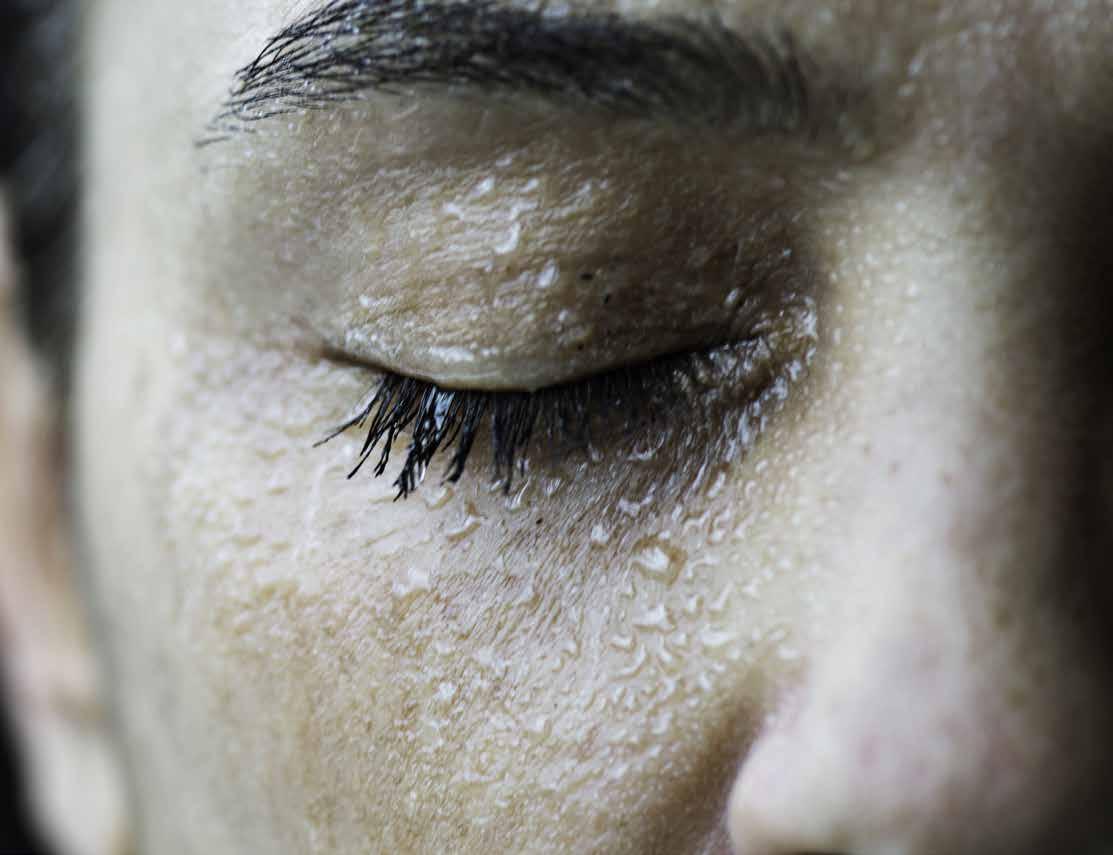
Sweating is one of the most stigmatised bodily reactions. What causes it? Is it inevitable? Can odour be prevented?
EMERGENCIES HEALTHCARE CO-OPERATIVISM IN DEPTH
A quick guide to anaphylactic shock, as well as the steps to keep in mind if you need to assist someone experiencing it.
The 79th World Health Assembly promotes medical innovation and improves preparedness for health emergencies.
Wellness culture has changed the way we relate to our bodies. Is this driven by health or aesthetic demands?
Find time to care for your health this summer
With the arrival of summer comes a growing concern: will we finally be able to rest? This isn’t a minor issue. Scientific evidence has for years shown that insufficient sleep, the build-up of stress and the inability to wind down have direct consequences for our health. Summer is not just a break in the calendar; for many people, it is the only real opportunity to reverse all that wear and tear.
As well as examining the sleep routines we should try out during the holiday period, in this issue we wanted to explore in greater depth what we mean by wellbeing. Are we talking about health? About balance? Or are we also talking about the image we project, about how others perceive us? The feature article focuses on this issue: where does self-care end and where does the pressure to become an ‘optimised’ version of ourselves begin.
In the health section, you’ll also find some interesting facts about common summer issues such as cold sores and sweating – those minor summer annoyances that cause more self-consciousness than you might expect.
And, as you might expect, this issue’s journey will take you to the countries that have hosted the World Cup. I can tell you in advance that, beyond the stadiums, these destinations stand out for their ancient history, their lush landscapes and some artistic or sporting pilgrimage sites that are well worth discovering.
All that remains is for me to wish you all a lovely summer and to hope you make the most of your time off to recharge your batteries and share some time with those you hold dear.
General Manager of Fundación
DESTINATIONS
Mexico City, Guadalajara and Monterrey are set to be the showcase for the longest World Cup in history.
Peter Jackson’s adaptation of ‘The Lord of the Rings’ is celebrating 25 years of success as a cult classic on the big screen.
Carlos Zarco
Espriu
An index enables the measurement of progression in Alzheimer’s disease
Alzheimer’s does not affect the brain uniformly. An international study has identified a pattern of asymmetry in the loss of grey matter across the cerebral hemispheres that is associated with greater neurodegeneration and more severe symptoms of the disease. This abnormality, which can be observed using neuroimaging techniques, offers a new perspective on how this form of dementia progresses and paves the way for improved detection and monitoring.
The study, published in Brain Communications, analysed data from more than 600 patients with a genetic form of Alzheimer’s disease, using MRI scans and other biomarkers. Using this information, the scientists developed an index capable of quantifying cortical asymmetry and found that this
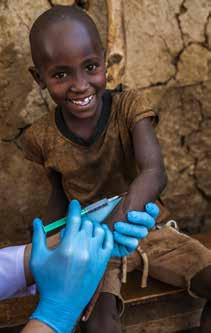
The largest catch-up vaccination campaign has succeeded in vaccinating 18 million children
“The Big Catch-Up” initiative, launched by the WHO and UNICEF to reverse the decline in vaccination rates caused by the pandemic, has administered more than 100 million doses to some 18.3 million children aged between 1 and 5 in 36 countries. Of these, 12.3 million had never received any vaccinations and 15 million had never been immunised against measles.
The programme is close to achieving its target of reaching 21 million children who are unvaccinated or have an incomplete vaccination schedule. To achieve this, countries have put in place sustainable systems to identify, screen and vaccinate older children who had not been reached by routine programmes, as well as training health workers and working with communities and civil society to sustain these gains in the future. Nevertheless, agencies warn that every year 14.3 million babies are still not receiving any vaccines at all through the usual immunisation systems.
World Patient Safety Day
World Patient Safety Day, which is observed every 17 September, was established by the World Health Organisation (WHO) to raise awareness of the importance of preventing avoidable harm in healthcare and to promote a culture of safety at all levels of care.
In 2026, the campaign is dedicated to non-communicable diseases, under the slogan “Safe care for life!”
The WHO is highlighting the need to provide safe care for people living with chronic conditions, from prevention and diagnosis through to treatment, rehabilitation and palliative care.
Inspirational quotes
“Healthisnotsimplytheabsenceofdisease.”
Henry E. Sigerist, physician and historian
measure can distinguish healthy people from those affected by the disease. Furthermore, changes were also detected in individuals who had not yet developed symptoms, highlighting its potential to spot neurodegenerative processes at very early stages.
The researchers point out that this link may help to better understand how Alzheimer’s disease develops and provide more accurate tools to monitor its progression. Although the study has focused on an inherited form of Alzheimer’s, the researchers are already investigating whether these findings also hold true for the sporadic form, which accounts for the vast majority of cases. If confirmed, this biomarker could become a valuable tool for improving early diagnosis and personalised treatment of a disease that affects millions of people worldwide.
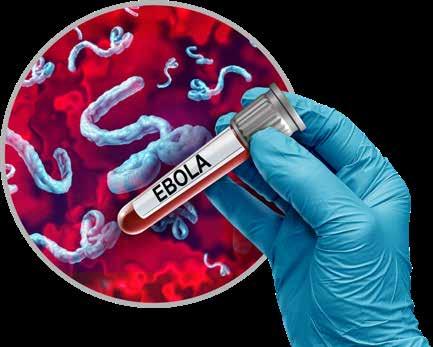
The WHO declares the Ebola outbreak in the DRC and Uganda an international public health emergency
The Director-General of the WHO has declared the outbreak of Bundibugyo virus disease –a strain of Ebola– detected in the Congolese province of Ituri to be a public health emergency of international concern, with eight confirmed cases, 246 suspected cases and 80 deaths in at least three health zones. The situation has been exacerbated by the confirmation of two cases in Kampala (Uganda) in people who had arrived from the neighbouring country.
Unlike other strains of Ebola, there are no approved specific treatments or vaccines against this virus, hindering clinical management. The WHO also points out that the high level of insecurity, the hu-
manitarian crisis, the great mobility of the population and the dense network of informal health centres in the area significantly increase the risk of spreading, in a context similar to that of the major Ebola epidemic that affected that region between 2018 and 2019. Among its recommendations, the Organisation calls for enhanced surveillance and laboratory capacity, ensuring infection prevention in healthcare settings, and the establishment of specialist units for the isolation and treatment of cases.
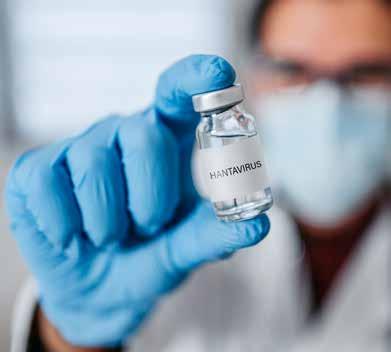
What is hantavirus and how has it affected the world?
Hantaviruses are a family of viruses that are mainly transmitted by rodents, either through the inhalation of particles present in their faeces or urine, through direct contact with infected animals, or, more rarely, through bites. They can cause serious illnesses, such as hantavirus pulmonary syndrome or haemorrhagic fever with renal syndrome, which begin with flu-like symptoms – fever, muscle aches, headache – and which, in the most severe cases, can lead to respiratory or cardiopulmonary complications.
Transmission between people is highly unlikely and has only been reported in situations involving very close and prolonged contact with a symptomatic case. There is no specific treatment, so prevention is the main means of protection.
The Spanish Ministry of Health is closely monitoring the case of a cruise ship arriving from Argentina, on which several passengers have fallen ill following possible exposure to the virus during an outing to an area where infected rodents are present. The Spanish public health officials are in constant contact with the WHO and the authorities in the countries concerned to share all the verified information.
This type of incident serves as a reminder of the importance of being prepared for unexpected health emergencies. In this regard, the WHO concluded the Polaris II exercise in April, a two-day simulation in which 26 countries tested their response to an outbreak of a fictitious bacterium, thereby strengthening international coordination and the use of artificial intelligence tools in emergency planning.
Essential tips for a great REST THIS SUMMER
When the holidays arrive, we switch off our computers, our alarms and the constant stress of everyday life, leading to the pleasure of relaxing and feeling good. But it’s not always easy to know how to make the most of all that free time.
By Àngela Zorrilla
For many people, switching off from work and day-to-day responsibilities takes some effort. After months of juggling a packed schedule, the arrival of the holidays can bring a feeling of unease or emptiness. There is a physical explanation for this disruption to one’s routine. Throughout the year, the body follows a stricter schedule and is constantly overstimulated by tasks and plans. All of this disappears suddenly, and many people experience sudden fatigue or trouble sleeping at night, due to high levels of cortisol in the body.
The brain needs some time to adjust in order to shift from that intense pace to a much more relaxed one, as well as learning not to feel guilty about having nothing to do, lowering one’s own expectations and giving oneself permission to wind down.
Step one: digital detox
Holidays remind us that rest plays an essential role in our health and well-being. These weeks without an alarm clock encourage the release of dopamine, the ‘feel-good’ hormone, and allow us to recharge our batteries and revitalise both body and mind. Sleeping without alarms and without having to get up early is perfect for helping our body regain its natural sleep pattern and improve mood, as, according to the Spanish Sleep Society, around 48% of the adult population in Spain does not enjoy a good night’s sleep.
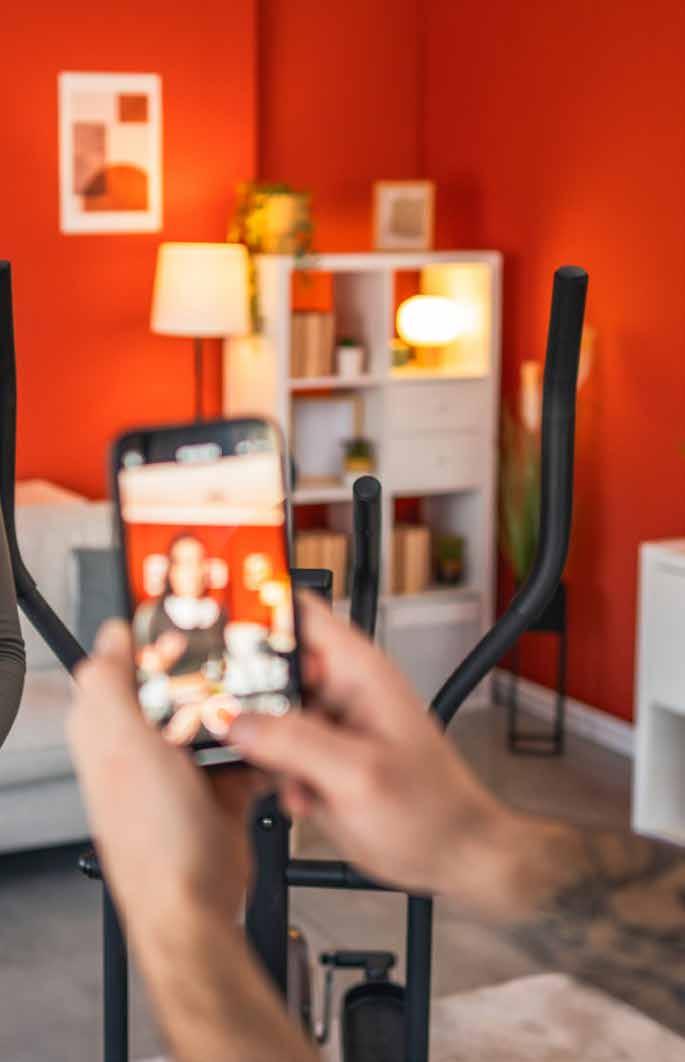
To achieve this, there is one important step: a digital detox. On average, Spaniards spend more than three hours a day on their mobile phones outside of working hours. That is why it is recommend-
ed to gradually put your phone aside and avoid checking emails whilst lounging by the pool. For a successful technological break, experts recommend following a few simple tips. For example, setting up an automatic out-of-office message to let people know that you won’t be checking work emails for a few weeks, or turning off notifications from specific apps that keep you constantly glued to your mobile.
Knowing how to switch off isn’t always easy, and many people end up caught up in what is known as ‘doomscrolling’; that is, the almost obsessive consumption of negative and pessimistic news on social media or the internet. A number of studies have found that this habit is linked to higher levels of anxiety, psychological stress and symptoms of depression, particularly when it takes up a significant portion of one’s free time. Taking a break from screens is key to enjoying the summer, as it helps to recharge the mind, give your eyes a rest and boost creativity. Furthermore, reducing screen time and replacing it with outdoor activities or social gatherings can promote emotional wellbeing and offset a sedentary lifestyle.
How to manage your free time
At the same time, it’s important to discover what makes each of us feel good. Reading in silence, going for a walk in the mountains with your family, or enjoying a beverage by the sea. The best
The holidays are the perfect time to allow our body to get back into its natural sleep pattern
thing about holidays is letting your personal life take centre stage and forgetting, for a few weeks, about work-life balance issues and the daily rush. Summer is the ideal time to take a break and enjoy pleasant company without constantly checking the clock (or your work emails).
But before switching off the computer for a few days, you need to make sure all work matters are sorted and organised. And that includes tasks related to the start of the new school year, such as signing the children up for sports clubs or enrolling them for the new term. It’s also the time to sketch out some ideas or plans for the holidays. It’s not a matter of planning every single detail of the holidays but rather just giving some thought to the plans we’d like to carry out during this time off.
Ultimately, the coming weeks are the perfect time to read, go for a walk, or get back into exercise or hobbies that, during the rest of the year, tend to be squeezed into just a few days.
How to adjust your routine for summer
Holidays are meant for unwinding, but sleep experts remind us that our bodies still need a bit of structure. Preserving a basic routine will help you prevent the return to work from feeling like a minor case of jet lag.
1. Don’t make drastic changes to your sleep schedule. Pushing your bedtime back by an hour or two is fine, but turning night into day disrupts your circadian rhythm and makes it harder to get back into your normal routine..
2. Prioritise your wake-up time over your bedtime. Your wake-up time acts as an ‘anchor’ for your internal biological timer. Keeping it unchanged will help your body regulate sleep better.
3. Expose yourself to natural light in the morning. Going for a walk or having breakfast outdoors in the early hours of the day helps to synchronise your circadian rhythm and improves the quality of your sleep at night.
4. Make sure you get some exercise every day. Walking, swimming or cycling helps to reduce built-up stress and promotes a good night’s sleep.
5. Keep your bedroom cool during summer nights. The body needs to lower its temperature slightly in order to sleep properly. Experts recommend keeping the bedroom temperature between 15 and 19 °C.
6. Set aside the last hour of the day to wind down. Reading, a warm shower or listening to relaxing music can help you drift off to sleep. Also, put your screens away an hour before going to bed.
Why do cold sores APPEAR?
Most HSV infections are asymptomatic or go unnoticed, but painful blisters may also appear from time to time. In summer, there are several factors that can make such cold sores more likely or make them worse due to exposure to the sun.
By Isabel López
It is estimated that 64% of people under the age of 50 are infected with herpes simplex virus type 1 (HSV-1), the main cause of cold sores, according to the World Health Organisation. Most of these people, despite being infected, are asymptomatic. This is because HSV-1 has a very distinctive characteristic: after the initial infection, it doesn’t disappear from the body, but instead ‘hides’ within certain nerve cells. The immune system keeps it in a dormant state from then on, and it does not produce any symptoms.
HSV-1 infection is usually spread through skin-to-skin contact during childhood, when a child comes into contact with someone who already has the virus. It can be treated, but there is no cure; under certain circumstances, the virus can reactivate, travel back to the skin or lips and cause what we know as ‘cold sores’ or oral herpes.
The frequency with which this recurrence occurs varies greatly. Some people experience it for a few years and then never have any further symptoms, while others endure it regularly. Because it is highly contagious, it is important not to confuse this viral infection with canker sores, which usually appear on the inside of the lip or in the mouth. Although they
may look similar, canker sores are not contagious, whereas HSV is.
Herpes and the sun: a bad combination
Summer brings together several of the key factors that can trigger a herpes simplex outbreak: changes in work and rest patterns due to the intensity of summer sunlight often alter our immune systems. Added to this are dehydration and prolonged swimming in the sea, which dry out the oral mucosa, as well as changes in diet, which may include foods rich in arginine.
The most dangerous factor, however, is the sun. Ultraviolet (UV) radiation acts as one of the main triggers for the virus. To prevent its potential effects, it is necessary to apply lip balms with an SPF rating of 30 or higher and sunscreen before going out in the sun.
Recurrences of photo-induced cold sores can be prevented in around 90% of patients through a combination of sunscreen and prophylactic antiviral treatment, according to a s tudy published in The Lancet ; this is therefore the most reliable way to prevent them from occurring.
What should you do when you get a cold sore?
The best way to treat a cold sore is to tackle it before it breaks out. This involves two things: firstly, being on the lookout for possible symptoms if your immune system is weakened (due to a fever, your period, emotional stress or surgery); some possible early symptoms include a tingling sensation, pain and itching on or around the lips.
Watch out for these other parts of your body!
Herpes simplex can appear on almost any part of the skin or mucous membranes, although outbreaks are most common around the mouth. As the viral transmission involves contact with skin, it can spread or take hold in other areas and appear in any of the following locations:
•Eyes. Known as herpetic keratitis, this usually occurs when we rub our eyes after touching an infected sore. It can cause itching, blurred vision and sensitivity to light.
•Fingers and nails. Known as herpetic paronychia, it usually appears as small clusters of blisters and causes inflammation and redness of a finger. It should not be confused with a fungal infection, which often occurs between fingers or toes, or eczema.
•Genitals and buttocks. Herpes simplex can appear in the genital area, in which case it is treated as herpes simplex type 2, which is transmitted through sexual contact. However, this area can also become infected through oral-genital contact.
•Torso, arms and legs. Also known as “gladiator’s herpes”, it usually seen in contact sports athletes due to intense skin-on-skin interaction.
Recurrences
of photo-induced cold sores can be prevented in 90% of patients
Secondly, make sure you have the right medicines to hand so that you can use them at the first sign of a cold sore. Topical antiviral medicines used to treat cold sores are often used to reduce their duration and severity, the most common being Aciclovir. Treatment of recurrent episodes will be more effective if started within 48 hours of the onset of symptoms.
In any case, it is essential to use a solution recommended by a professional, as there are some ‘home-made remedies’ that not only fail to stop the virus from spreading but can also cause allergies and irritation, such as applying alcohol, toothpaste or lemon juice.
Finally, it is important to be aware of the virus’s lifecycle during an outbreak to avoid infecting those around us. HSV-1 has five stages of development, all of which are contagious. The first few days after a sore appears are when the risk of transmission is highest, but even once the sores have dried out and formed scabs, if the scab cracks and fluid leaks out, the virus can still be transmitted.
EVERYTHING YOU NEED TO KNOW ABOUT SWEAT
Sweating can be unsightly, uncomfortable and embarrassing. But despite these inconveniences, it helps regulate body temperature and is a cornerstone of our evolution.
by Mariona Fernández
The human body has between two and four million sweat glands distributed all over our skin, capable of producing sweat to maintain a stable body temperature and protect the body from o verheating. Heat, physical exercise or intense emotions such as stress cause the body to activate this system, which helps to dissipate heat as the sweat evaporates from the skin.
However, although it is an essential biological process, sweat is often associated with unpleasant odours and poor hygiene, even though the two are not necessarily linked. In fact, sweat itself is odourless; it is the bacteria naturally present on skin that cause the smell. These bacteria break down certain compounds in the sweat, particularly in areas such as the armpits or groin, producing a characteristic “fragrance”.
Especially in summer, the hottest and most sociable time of the year, many people find sweating a problem. High temperatures force the body to sweat more to regulate its temperature, which can lead to stains on clothes and increase the constant feeling of dampness or the fear of body odour.
Why does each person sweat differently?
The amount of sweat and the areas where it appears depend on various factors, includ-
Sweat-related conditions
Sweat itself is odourless; it is the compounds in the fluid produced by the bacteria on our bodies that cause the smell
Although this is a natural cooling mechanism, in some cases, sweating more than usual may be a sign of another underlying condition:
•Hyperhidrosis. This is excessive and unjustified sweating, which usually affects the hands, feet, armpits or face. There are two types of hyperhidrosis: primary hyperhidrosis, which is caused by a malfunction of the sweat glands; and secondary hyperhidrosis, which occurs as a result of an underlying medical condition or certain medications.
•Bromhidrosis. This is caused by a disorder of the glands that produces an unpleasant and intense odour. It is usually linked to genetic factors, poor personal hygiene, diet or metabolic disorders.
•Anhidrosis. The absence of sweat is known as anhidrosis. Those suffering from this condition are more prone to heatstroke or other complications, as the body is unable to regulate its own temperature.
ing gender. Some studies have found that men tend to sweat more due to testosterone and their larger body size.
Women, on the other hand, take longer to start sweating because of oestrogen, which helps to keep the body temperature low. However, they are more likely to experience changes during hormonal phases such as menstruation, pregnancy or the menopause. Age also plays a role, as from puberty onwards, sweating patterns change due to hormones.
Another important factor is genetics. This affects the functioning of the sweat glands and body odour. For example, people who live in hot climates tend to develop a greater tolerance to heat and sweat more efficiently. Furthermore, there are genes such as ABCC11, which is common in people from certain Asian regions, that regulate the secretion of substances in the sweat glands, resulting in a milder body odour.
Tips for reducing sweating in summer
Here are some habits that can help reduce the discomfort associated with sweating, especially during the hottest periods:
•Use antiperspirants, not just deodorants. Maintaining good daily hygiene is essential. When it comes to effective solutions, antiperspirants reduce sweat production because they contain aluminium salts. They work best at night and when applied consistently over several days.
•Foods that raise your body temperature. For example, drinks with too much caffeine, spicy foods, alcohol or high-fat dishes.
•Wear light, breathable fabrics. Cotton and linen are the most highly recommended. They help sweat to evaporate quickly rather than build up.
•Hydrate regularly. This helps the body’s internal cooling system to function properly.
•Consult a healthcare professional. Especially if you experience excessive sweating that affects your quality of life on a daily basis.
What to do in the event of an anaphylactic shock
The adrenaline auto-injector
Adrenaline (also known as epinephrine) is the only medication that can stop an anaphylactic reaction. People with a diagnosed severe allergy should always carry an auto-injector (the best-known ones are the EpiPen and Altellus), prescribed by their doctor.
How does it work?
The auto-injector is a device pre-loaded with a single dose of adrenaline, designed so that anyone can use it, without any medical training.
Step-by-step instructions:
1. Remove the blue safety cap (or, depending on the model, the relevant safety lock).
2. Hold the device in your fist and place the orange end (the needle) up against the outer side of the thigh.
3. Press firmly until you hear a click and then hold for 10 seconds.
4. Release and then gently massage the area.
5. Call 112 (999 in Britain) even if the person’s condition seems to improve: the reaction may return hours later.
Two further tips:
6. Do not let the person get up or walk around, even if they say they feel better. They might suddenly collapse.
7. If they lose consciousness and stop breathing, start cardiopulmonary resuscitation (CPR) whilst waiting for help to arrive
Important: Administering the auto-injector through clothing isn’t a problem. Do not inject into the buttocks, hands or feet. After use, keep the device so that you can hand it over to the emergency services.
Anaphylaxis is a severe, systemic allergic reaction that occurs suddenly and affects several of the body’s systems simultaneously. When the body comes into contact with a substance to which it is hypersensitive, the immune system triggers an inordinate response that can lead to a severe drop in blood pressure, airway obstruction and multiple organ failure. Without immediate treatment, it can be fatal.
It is estimated that anaphylaxis affects around 2% of the population, and its incidence has been rising in recent decades, particularly among children and young people.
What can trigger it?
The most common causes are:
•Food: nuts (especially peanuts and walnuts), shellfish, fish, milk, eggs and certain fruits are the main triggers in children and young adults.
•Medicines: antibiotics (particularly penicillin), anti-inflammatories (ibuprofen, aspirin) and contrast agents used in imaging tests are common causes in adults.
•Insect stings: particularly from bees and wasps.
•Latex: found in gloves, balloons or medical equipment.
Symptoms usually appear within the first 15–30 minutes after contact with the allergen, although they can sometimes take up to an hour to develop. They affect several parts of the body at the same time, ranging from the skin (hives, redness, generalised itching or swelling of the lips, tongue or eyelids) to the respiratory or digestive systems (nausea, vomiting or diarrhoea).
The simultaneous presence of symptoms in two or more systems is the key sign to suspect anaphylaxis.
Cooperatives and social medicine
The ASISA Group has reached in 2025 its decarbonization target for 2030
The target was set at a 60.6% reduction in emissions, but by 2025 emissions had fallen by more than 80% compared with the baseline year.
The ASISA Group has reached its decarbonisation target set for 2030 during the previous fiscal year. This target, which set a 60.6% reduction in emissions starting in 2018, has been surpassed in 2025 with an absolute reduction of 82%, meaning the Group has achieved its 2030 decarbonisation target set under the SBTi (Science Based Targets Initiative) standard, which is the most stringent international framework. This milestone reflects the progress of the 2023–2030 Sustainability Plan and bolsters the Group’s commitment to a responsible growth model, aligned with ESG criteria.
Outstanding progress across the three ESG pillars
• Environmental: Currently, 76% of the energy consumed by the group comes from renewable sources, a figure that rises to 98% in the case of electricity. Also, the more than 700 solar panels installed at 15 healthcare centres have generated over one million kWh and prevented emissions equivalent to planting 18,300 trees. At the same time, the company has reduced its use of fossil fuels across its facilities and has strengthened the circular economy approach to the management
of hospital and logistics waste, promoting reuse and conversion into resources such as biodiesel.
• Social: As for the social sphere, the Group has bolstered its commitment to inclusion, equality and talent development, with women accounting for over 71% of the total workforce and now holding more than 40% of senior management positions. The company also increased its workforce by 6.3%, maintaining a high level of job stability, with nearly 82% of all contracts being permanent. Added to this is a firm commitment to ongoing training, with almost 90,000 hours provided in 2025 –6% more than the previous
year– and a three-point improvement in employee satisfaction ratings.
• Gobernanza: Regarding governance and social commitment, in 2025 the ASISA Group allocated a total of €5.3 million to social initiatives through sponsorships, donations and social action programmes, largely driven by the ASISA Foundation, focusing on vulnerable groups, community health, training and health research. Furthermore, ASISA has an active role in the Spanish Network of the United Nations Global Compact, Forética –where it leads the working group on sustainability in the healthcare sector– and the EWI Network.
ASISA has been granted an authorisation to operate in the home insurance sector
The Spanish Directorate-General for Insurance and Pension Funds (DGSFP) has authorised ASISA to operate in the home insurance sector. In the coming months, ASISA will begin marketing specific products in this field.
The Chairman of ASISA, Dr Francisco Ivorra, explains that “this decision to expand our business into home insurance is part of our plans to diversify our operations with the aim of providing comprehensive support to our policyholders and looking after their wellbeing in all areas of their lives. Starting new lines of business also enables us to
reach new customer segments and strengthen our profitability, an essential element for the preservation of our cooperative model driven by reinvestment”.
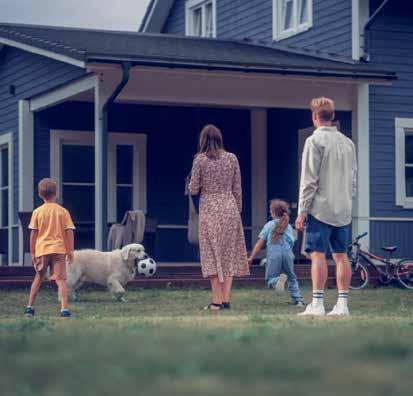
ASISA plans to launch a comprehensive, innovative home insurance policy with a streamlined application process to enhance the policyholder’s experience. Furthermore, in line with the company’s personal insurance products, ASISA Hogar will focus on developing specific services and policies designed to support people’s health and wellbeing in their own homes.
The more than 700 solar panels installed at the ASISA Group’s healthcare centres generated over 1 million kWh in 2025.
ASISA has adopted a more streamlined and user-friendly model of its digital tools
The company has revamped its app, simplified access to telemedicine and reinforced its commitment to preventive and personalised medicine.
ASISA has revamped its app and the Members’ Area of its website (www.asisa.es) with the aim of improving the service it provides its policyholders, making access to telemedicine services easier and strengthening its commitment to preventive and personalised medicine. These new tools complement the new website the company launched a few months ago and are part of the digital and business transformation process the company is driving to move towards a new model of customer relations and strengthen ASISA’s capabilities in the digital sphere.
Integrated telemedicine services
This new private area provides access to the company’s telemedicine services, including the Medical Chat Room feature, which previously had its own app; it allows users to book in-person and online appointments without leaving the app or the member’s Area; and it centralises access to the policyholder’s full medical records, regardless of their location, the specific healthcare centre, or which insurer covered their treatment. This initiative will enable ASISA to strengthen its range of preventive and personalised healthcare services. These tools will enable policyholders to access the Full Life Expectancy Plan. Furthermore, ASISA runs other programmes, such as the Comprehensive Menopause Programme and the First-Time Parents Programme, designed to support people at key stages of their lives when they require specific support, and to promote physical and mental health and well-being..
The ASISA Foundation is holding the second edition of its fun run
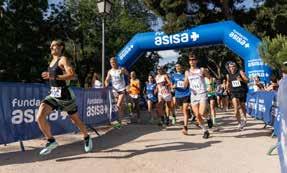
The ASISA Foundation has held the second edition of its fun run in Madrid’s Parque del Oeste. This initiative, known as the Run for Healthy Ageing, aims to promote physical activity and healthy lifestyles.
The race, which offered a choice of two distances (5 and 10 kilometres) began at 9.30 am. In total, around 395 race bibs were booked, with a very balanced turnout: 45.8% women and 54.2% men, proof of the growing interest in this type of initiative. Furthermore, the race had a charitable element, and participants made a donation of €5 upon registration, which will go to FESBAL, the Spanish Federation of Food Banks.
HLA Moncloa University Hospital has developed the CREZCO programme
The Clinical Neuropsychology Unit at HLA Moncloa University Hospital has developed “CREZCO”, a neuropsychological screening programme for children aged between 5 and 11, designed to enable the early detection of neurodevelopmental difficulties and to promote a preventive approach to children’s learning in schools. The programme is run both at the hospital’s own clinic and in collaboration with schools that request it. Rosa Coba, head of the Clinical Neuropsychology Unit, explains that “early detection offers a real opportunity to prevent academic failure and reduce the emotional and social impact of learning difficulties on children and families”.
New Genetics Unit at HLA La Vega and Neuropsychology Unit at HLA Los Naranjos
HLA La Vega Hospital (Murcia) has taken a further step in its commitment to preventive and personalised medicine with the creation of its new Medical Genetics and Genetic Counselling Unit, a specialist service focused on the early diagnosis, prevention and monitoring of hereditary diseases. The new unit enables genetic risks to be identified even before symptoms appear and offers support and advice to both those affected and their families.
Meanwhile, HLA Los Naranjos (Huelva) has launched a new Paediatric and Adult Neuropsychology Unit in partnership with K-Neuro. The new service is designed as a comprehensive resource that supports patients from the initial screening and diagnosis right through to the development of personalised treatment plans. The unit treats children and adolescents aged 0 to 17 using a multidisciplinary approach that integrates neuropsychology, psychology and speech therapy.
ASISA’s new app enhances the user experience, makes it easier to access administrative procedures, and brings together telemedicine services and health and prevention plans.
Almost 300 people signed up for the first edition of the ASISA Foundation Run, which took place in 2025.
Cooperatives and social medicine
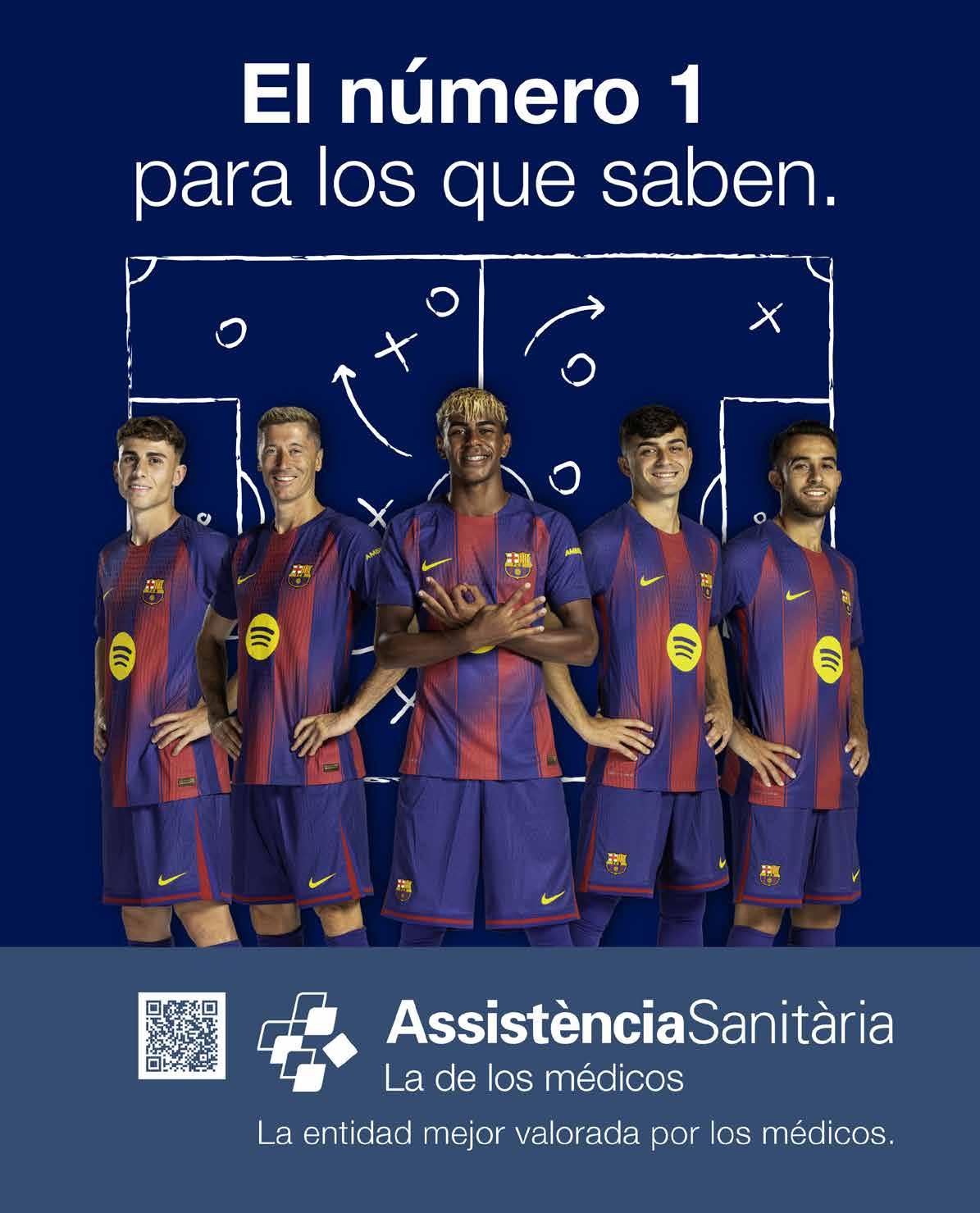
Assistència Sanitària launches a new campaign with “The seal of those who know best”
Featuring FC Barcelona players, the new campaign bolsters the organization’s position as the benchmark among medical professionals.
Assistència Sanitària’s latest ad campaign once again highlights what sets it apart. True to its track record, the organisation moves away from the insurance sector’s conventional marketing messages and opts for an approach building on the messages of strong identity and professional credibility.
The image features five FC Barcelona players –Fermín, Lewandowski, Lamine, Pedri and Eric Garcia – in the foreground, set against a background that suggests a tactical formation typical of a football strategy. This visual metaphor connects with the ideas of knowledge, judgement and precision –concepts that align with medical practice and the organisation’s way of working.
The core message, “Number 1 for those in the know”, highlights one of Assistència Sanitària’s key strengths: being the organisation most highly rat-
ed by doctors themselves in surveys of the medical profession. This doesn’t just bear witness to the quality of the service; it is also proof of the strength of such a unique healthcare model.
Far from focusing on specific products or coverage, the campaign highlights the essence of Assistència Sanitària as an organisation created, led, managed and recommended by doctors. It is a project rooted in the cooperative healthcare model, which places professional judgement and quality of care at the heart of all its decisions.
In addition to traditional channels and public spaces, the campaign will be seen on digital and social media. The aim is to bolster the organisation’s commitment to a specific approach to health built on trust, rigour and shared responsibility, establishing itself as a benchmark for those who actually do know best.
300 students apply for Assistència Sanitària scholarships
In the 2025–26 academic year, the number of applications from master’s and postgraduate students has risen by 36%. Since the programme was launched –now in its 18th year– 4,800 applications have been received. The annual grant of €30,000 is allocated entirely to the continuing professional development of healthcare professionals, who embody the foundation of high-quality medical care. The aim of the initiative is to improve the healthcare system through ongoing support for the training and professional development of students committed to excellence and innovation.
Sant Jordi turns Hospital de Barcelona into a hub of culture
The Hospital de Barcelona held a particularly lively Sant Jordi celebration, turning its lobby into a cultural and interactive space open to patients, staff and visitors. The event on 23 April was a great success in terms of both attendance and engagement.
Throughout the day, books, roses and special gifts were handed out, alongside activities designed to enhance the experience. As is tradition, inpatients were given a handcrafted rose as a gesture of kindness and support.
Book signings by authors Isabel Rodríguez, Isabel Nogueroles and Aguas Rodríguez were some of the main attractions, drawing large crowds of readers throughout the day. The programme was rounded off with fun activities such as a literary escape corner, as well as discounts and free gifts with book purchases.
The result was a lively celebration that once again cemented Sant Jordi’s status as a key event in the life of Hospital de Barcelona, where culture is also an integral part of patient care.
Professional medical care is essential in the midst of the rise in AI-driven health consultations
Assistència Sanitària highlights the importance of clinical judgement and the Home Emergency Service in ensuring safe and personalised care.
The use of artificial intelligence tools to seek advice on health-related issues has become increasingly widespread in recent years. In light of this trend, Assistència Sanitària has sought to highlight the importance of professional medical assessment and to remind the public of the role of the Home Emergency Service (in Spanish: Servicio de Urgencias Domiciliarias or SUD) as a reliable and accessible healthcare resource.
The SUD enables patients to receive urgent medical care at home, based on clinical criteria, with professional follow-up and services tailored to each individual. This is because, although artificial intelligence can provide general information, it cannot correctly interpret symptoms, assess medical history nor be held responsible for diagnoses or treatments.
Furthermore, Assistència Sanitària
warns in its protocols and recommendations of the risks of relying solely on digital tools for health matters, as they can lead to misinterpretations, unnecessary alarm or delays in seeking important medical advice.
In this context, the organisation is committed to bringing together technological innovation with high-quality healthcare, always placing medical professionals at the heart of the care process. When it comes to health, clinical judgement and personalised care remain irreplaceable.
Barcelona Hospital reinforces its commitment to the ongoing professional development of healthcare professionals
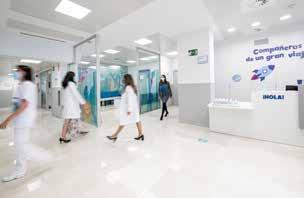
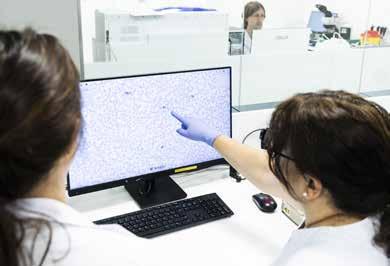
AssislaHB has established itself as a leading name in clinical diagnostics as it reaches its second anniversary
Two years after its launch, AssislaHB has established itself as a strategic component of Grup Assistència’s healthcare model. The clinical laboratory, which centralises all outpatient laboratory testing for Assistència Sanitària and inpatient testing for Hospital de Barcelona, was set up with the aim of providing stronger support for doctors and helping to improve the quality of care. With a highly specialised team, 24-hour service and a network of over 150 sample collection points, AssislaHB combines technological expertise, convenient access and professional excellence. In 2025, the laboratory processed over 4.4 million analytical tests and nearly 191,000 outpatient requests, whilst also participating in external quality assurance programmes for 100% of its tests. True to the values of healthcare cooperatives, AssislaHB has established itself as a model of organisational innovation dedicated to providing high-quality medical care.
SCIAS is holding its general assemblies to boost participation in the cooperative
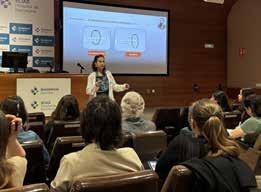
The Hospital de Barcelona once again hosted a range of training activities aimed at the continuous improvement of clinical practice. Among these, a course on magnetic resonance imaging and computer-assisted tomography applied to podiatric surgery stood out; held on 10 and 11 April and organised by the Spanish Society of Podiatric Surgery, it brought together around thirty specialists for a series of theoretical and practical sessions. Furthermore, the Hospital hosted the first nursing conference, focusing on vascular access, innovation and patient safety, coinciding with World Nursing Week. In June, it also hosted the second edition of the UltrasoundforMicrosurgeons course, focusing on the use of high-frequency ultrasound in microsurgery.
During the spring, SCIAS held its preparatory assemblies, one of the cooperative’s main forums for participation and governance. Between 26 May and 8 June, meetings were held for the various sectors and regions, covering both individual and corporate policyholders.
These sessions elect the delegates who will subsequently take part in the SCIAS general assembly, which this year took place on 13 June, as well as discussing proposals relating to the future of the cooperative.
As a leader in the healthcare cooperative sector, SCIAS remains committed to a participation-based model in which members play an active role in decision-making and in shaping the organisation’s strategic direction. The general meetings also provide an opportunity to strengthen engagement with the cooperative project and to share views on the organisation’s challenges and goals.
Cooperatives and social medicine
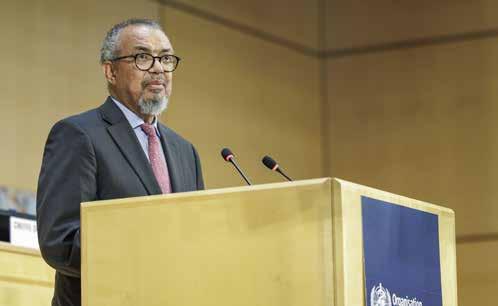
Against an international backdrop marked by geopolitical fragmentation, the 79th World Health Assembly was held in Geneva last May. This annual meeting of the Member States of the World Health Organisation (WHO) went beyond a purely bureaucratic exercise to directly address the most pressing challenges facing global health, highlighting the need to protect and fund global public goods.
Against an international backdrop marked by geopolitical fragmentation, the 79th World Health Assembly was held in Geneva last May. This annual meeting of the Member States of the World Health Organisation (WHO) went beyond a purely bureaucratic exercise to directly address the most pressing challenges facing global health, highlighting the need to protect and fund global public goods.
In light of the crisis of funding and legitimacy currently faced by global health multilateralism, “it is time to move beyond the era of donor dependency and embrace a new era of health sovereignty,” said Tedros Adhanom Ghebreyesus, Director-General of the WHO, at the start of the
79th World Health Assembly
WHO member states have reached key agreements to strengthen global health, boost medical innovation and improve preparedness
for health emergencies.
assembly. The agenda for the sessions was dominated by the Ebola outbreak in the Republic of the Congo and Uganda, an event that highlighted the vulnerability of cross-border health networks. Despite political differences between blocs of countries, the delegations managed to reach a significant consensus and concluded the meeting with the adoption of 20 decisions and 13 strategic reso-
lutions aimed at strengthening health systems.
The main highlight of the assembly was the adoption of the Strategy on the Economics of Health for All (2026–2030). This measure aims to reshape international financial policies so that investment in health is no longer viewed as a current expenditure but is established as the cornerstone of sustaina-
Co-operatives: a beacon of peace in a fragmented world
On 4 July, cooperative members from around the world will celebrate the 104th International Day of Cooperatives. For this year’s event, the International Cooperative Alliance (ICA) has chosen a theme that resonates strongly in the current geopolitical context:”Cooperatives for a world at peace”, which aims to highlight their ability to build networks of social cohesion, promote peaceful dialogue and forge stable bridges in an increasingly polarised and fragmented society. This focus is no coincidence. It ties in directly with the organisation’s roadmap, aligning with the
2019 Declaration on Positive Peace and setting the agenda for the upcoming World Conference to be held in Panama.
This initiative is also linked to the United Nations Sustainable Development Goal
ble development. The aim is for global markets to begin operating in accordance with equity criteria, progressively transforming current development models. In the clinical sphere, the plenary made progress in two areas of great importance. On the one hand, the first global resolution on stroke was adopted, establishing a comprehensive roadmap to improve the prevention, acute medical care and subsequent rehabilitation for patients. On the other hand, the green light was given to a resolution on precision medicine, designed specifically to ensure that personalised treatments and the latest biotechnological advances are not restricted only to the richest nations.
Finally, digitalisation and the ability to respond immediately took centre stage in the discussions during the closing sessions. Member States adopted the Global Strategy for Emergency, Critical and Operative Care (ECO) 2026–2035. This plan aims to ensure timely and coordinated medical services in critical situations, whilst strengthening pharmacovigilance mechanisms worldwide.
(SDG) 16, which focuses on promoting peace, justice and the development of strong institutions.
Against this backdrop of global engagement, the cooperative healthcare sector is taking on a renewed prominence. Far from being limited to the management of healthcare provision, health cooperatives demonstrate on a daily basis that they are genuine drivers of stability. By promoting access to healthcare, cooperatives help to reduce inequalities that are often the root cause of social conflict.
Healthcare cooperatives are gaining prominence in Africa as a means to reduce the financial barriers that hinder access to medical care.
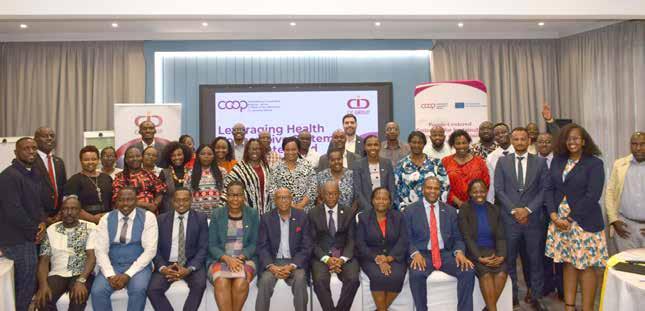
On 30 April, Nairobi hosted the conference “Leveraging healthcare cooperatives to promote health and well-being in Africa”. The event, organised by the regional office of the International Co-operative Alliance in collaboration with CIC, a Kenyan co-operative insurance company, brought together sector leaders and public policy experts with the aim of mapping out a roadmap towards Universal Health Coverage through the co-operative model. Dr Carlos Zarco, director of the Espriu Foundation, took part in the event and highlighted the organisation’s commitment to the international development of cooperative healthcare.
On a continent where millions of people lack health coverage, the event highlighted how cooperative microinsurance is succeeding in drastically reducing so-called out-of-pocket expenses – payments that people make directly because they have neither public nor private health coverage. These unexpected out-of-pocket costs often have a catastrophic impact on
families, forcing them to take on unmanageable debts or sell assets essential to their survival, such as land or livestock. Financial insecurity also leads to serious delays in medical treatment, which exacerbates illnesses and increases preventable mortality.
Given this reality, cooperatives are emerging as a tool with great potential to expand access to healthcare and strengthen the most vulnerable communities. This is why the conference discussions were dominated by the vision of a future in which the cooperative movement plays an essential role in African healthcare. Experts analysed a range of models that are already transforming the current landscape, focusing on microinsurance and healthcare professional-led cooperatives.
The focus was also on community healthcare systems, an innovative model in which patients themselves act as partners and managers of their own healthcare centres.
A new boost for the Social Economy
On 26 March, the plenary session of the Lower House of the Spanish Parliament passed the Comprehensive Law on the Promotion of the Social Economy, which provides an updated regulatory framework for a business model that includes more than 127,000 organisations, generates 2.5 million jobs and accounts for 11.1% of Spain’s GDP. For cooperatives, this offers progress in various areas compared to the provisions of the 1999 Cooperatives Act.
• Addressing digital transformation, the new legislation grants legal validity to remote participation in general assemblies and governing councils and formally authorises electronic communication with members. It also introduces a requirement for cooperatives with more than 500 members to have a corporate website.
• With regard to equality, the legislation requires a balanced gender representation in governing bodies and makes it compulsory to have an Equality Committee and a Cooperative Equality Plan.
• In order to safeguard the integrity of the sector, this new legislation tightens governance standards and introduces new grounds for administrative disqualification as a measure to prevent “bogus cooperatives”.
• On the financial front, greater financial flexibility is granted to institutions by allowing the exceptional use of the Education and Promotion Fund in the event of natural disasters or liquidity crises.
• Finally, this law promotes social inclusion by making it easier for people in vulnerable situations to access such organizations, offering them the option to defer payment of their compulsory contribution to a cooperative.
Participants at the conference “Harnessing Health Cooperatives to Promote Health and Well-being in Africa”, held in Nairobi on 30 April.
WHAT WE TALK ABOUT WHEN WE TALK ABOT WELLBEING
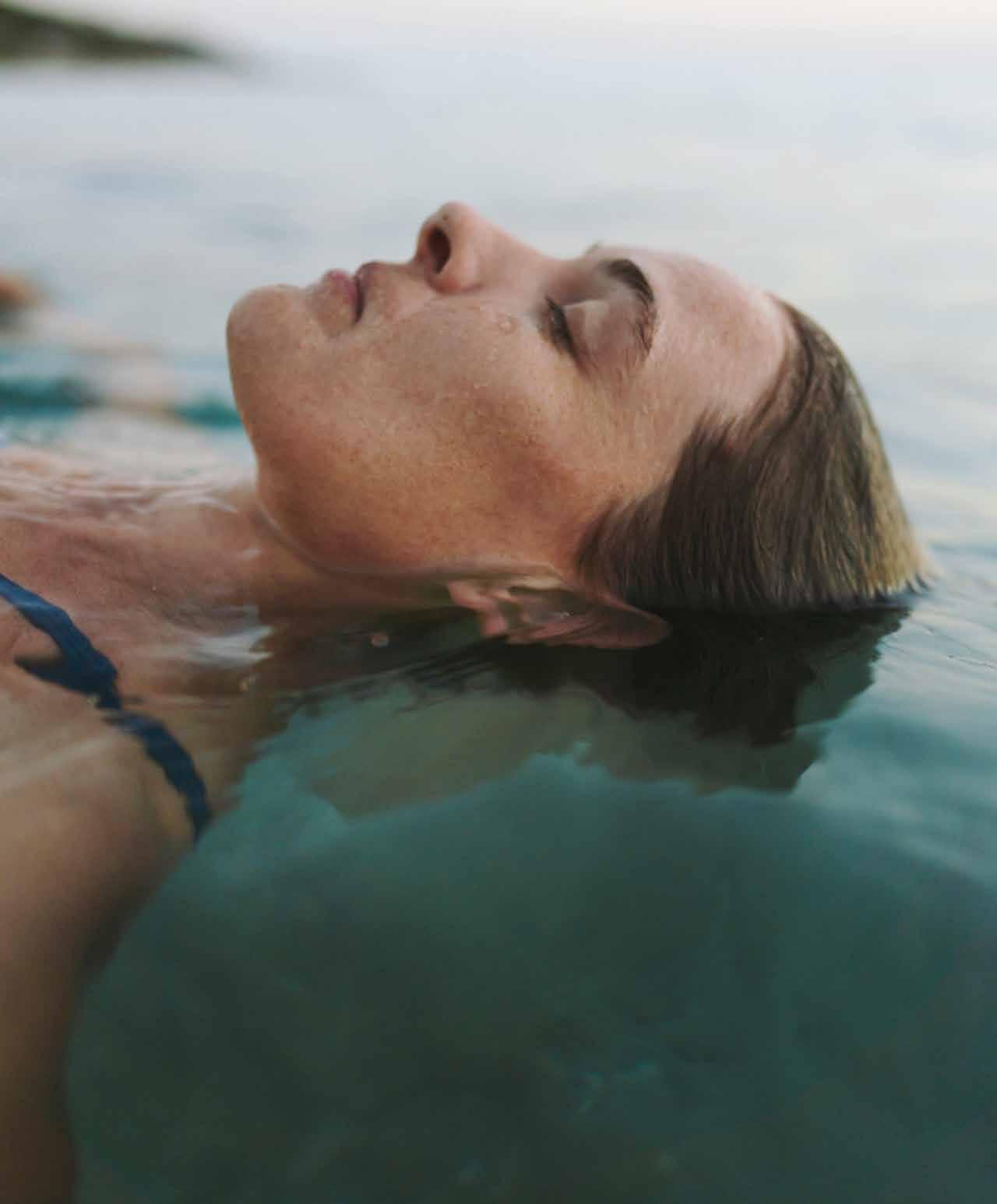
Wellness culture has become a phenomenon that has transformed the way we relate to our bodies, promoting all sorts of habits with the aim of optimising our physical and emotional health.
By Laura Martos
We live in a fast-paced world: high stress levels, an increasingly sedentary lifestyle and unhealthy habits. But in the face of potential chaos, so-called ‘wellbeing culture’ has emerged as the elixir for all contemporary ills – a moral and practical solution that relies solely on each individual’s ability to manage their time effectively. The options are endless: from diets to use of pharmaceuticals, or training programmes, dietary supplements and relaxation techniques; optimising one’s routine is seen as the key to achieving balance.
Over the past year, for example, venues designed to promote wellbeing have increased by 15.8 %, wellbeing tourism by 10.2 %, mental health-related apps by 12.2 % and investment in the physical activity industry by 5.6 %, according to a report by OBS. Healthcare has become an individual priority and even a demand, which has led other areas, such as the workplace, to adapt to these preferences and include nutrition and sports programmes as benefits.
Balancing health and appearance
the pursuit of wellbeing has nothing to do with the pursuit of health? Not at all. In some countries, the concept of wellbeing emerged as a result of institutional recommendations to stay healthy –Foucault’s so-called “biopolitics”, recently criticised by Nobel laureate Byung-Chul Han in The Burnout Society – and took particular hold in European societies during the 1980s and 1990s. In other countries, such as the United States, the term “wellbeing” was linked for decades to the resistance of minority groups who had very limited access to medical care – an “act of self-preservation”, as author Audre Lorde had stated.
Wellbeing arose from institutional recommendations encouraging people to stay healthy
“From a medical point of view, it’s fine for people to want to gain muscle for their day-to-day lives and for bone health, but I believe there’s also a very significant element linked to appearance –how others see us –rather than just health. The vast majority of people don’t exercise with the aim of preventing osteoporosis or osteopenia,” says Dr Virginia Pagés, a sports medicine specialist at Hospital de Barcelona. But does that mean
Therefore, although it is not possible to pinpoint an exact moment when the concepts of “ health” and “wellbeing” definitively converged, the truth is that they have always been in dialogue with one another, even if they each have their distinct nuances: “When we talk about health, we are referring to the absence of physical and/or mental illness, whilst the term wellbeing also encompasses emotional, social, occupational and even personal components,” explains Laura Alfaro, a psychonutritionist at HLA Clínica El Rosario. However, the culture of wellbeing is a global phenomenon that promotes an “idea from the field of self-improvement”, as defined by Carl Cederström, a professor at Stockholm University and co-author of The Wellness Syndrome, in which “we try to achieve some sort of ideal state”. This modern concept of wellbeing is part health and part beauty.
The meaning of “being healthy”
In the medical field, the word “health” has usually been linked to the concept of functionality – i.e., the body’s ability to easily carry out our daily activities. “That is why we find certain physical models or patterns in periods of history when inequalities did not yet exist,” says Marga Sánchez Romero, archaeologist and author of Lo que el cuerpo nos cuenta (What the Body Has to Say). “If we look at prehistory, we find steatopygia –the accumulation of fat in the abdominal area– which is how women of that era were depicted. That was the model of health, because it naturally accumulated fat in a place that did not hinder mobility, and that made us more efficient when it came to having children and raising them.”
Nonetheless, the body has always been social and political as well. “Ideals of femininity have existed throughout history; every era has had its own aesthetic ideal of womanhood, which is linked to an ethical ideal too”. What we currently consider a healthy body is, in part, the result of a historical construct that continues to evolve over time.
The cult of BEAUTY
Self-care, cosmetic medicine and fitness are all tools in the pursuit of beauty. However, the longing for what is “beautiful” is hardly new, and although today’s ideals are rather controversial, beauty is also currently taking on more forms than ever before.
“We humans have been adorning ourselves since the Palaeolithic; wearing bracelets, necklaces and earrings is almost an integral part of the human experience,” says Marga Sánchez Romero, archaeologist and author. If we look back, the body has historically undergone transformations and alterations: “cranial modifications are also a very practical example of physical alterations that strove towards an ideal of what was considered beautiful or that reflected a degree of status”.
This is also proven by the exhibition The Cult of Beauty, hosted by the Centre for Contemporary Culture in Barcelona (CCCB), which offers a highly visual exploration of how the idea of beauty has imbued society throughout the ages. The exhibition also explores how health –in the form of cosmetic medicine or self-care routines– has become a means to pursue beauty. “In fact, what
the exhibition suggests is that we are born naked and the rest is a disguise. The idea of beauty is hardly organic at all, and we tend to engage all the strategies at our disposal to approach this ideal– a destination we never actually reach. It’s like María Zambrano’s “clearing in the forest”: a path we’re constantly on, but one that has no end point,” says Blanca Arias, art historian and curator of the exhibition.
Is a beautiful body a healthy body?
From Helena Rubinstein and her acclaimed “There are no ugly women, only lazy ones!” to the highly coveted Hollywood star system and Kim Kardashian, the exhibition also proves that the icons we have followed have been arbitrary to a certain degree, and that they have guided and dictated the physical characteristics that currently define what a beautiful and healthy body is. “Health is a concept that cannot be sep-
arated from appearance, because, in fact, most diagnoses are made on the basis of appearance”, Blanca Arias points out, adding: “When someone walks down the street, we are able to tell if they are ill. Sometimes, we blithely claim that someone is obese without knowing anything about that person, based solely on our visual assessment. Medicine is therefore an extremely visual discipline that is shaped using as its reference an image of a healthy body– which is always one specific, single image– because medicine isn’t isolated from our shared archetypes; rather, it relies on an anatomical model. And beauty, too, has often drawn inspiration from that anatomical model.”
Ethics and beauty
The nature of this ideal of beauty, which we think of as linked to health, is more ethical than aesthetic. In line with the Aristotelian premise that there is a good whose attainment opens the door to all other desirable goods, meeting standards of beauty has carried, and continues to carry, the promise of attaining a degree of social status as well. “We know that during the sixteenth, seventeenth and even eighteenth centuries, there were many men who wore heels as a status symbol. The first to start wearing them were men from the elite classes in the Persian region, who were horsemen and needed to hook their heels into the stirrups. In the 10th century AD, it began to be seen as a symbol of power, and spread throughout Europe, reaching France and England,” explains Marga Sánchez. Subsequently, the heel has come to be a symbol representing femininity, but height remains the main aesthetic challenge for men, despite the fact that there is still no strictly standardised model of beauty for them.
For women, of course, that ideal is much more clearly defined, specifically in terms of the four pillars outlined by the philosopher Heather Widdows: youth, slimness, smoothness and firmness. However, even within those parameters, there are a growing number of models –as we saw in Greta Gerwig’s recent feature Barbie– that cater to the diverse body types seen in modern society. “If we think about what the industry considers beautiful, that is one understanding of beauty and it is valid, but I believe we are also at a point where the term is being redefined. As with health, we need to start viewing beauty not as a privilege, but as a right– the right to make decisions about our own bodies.”
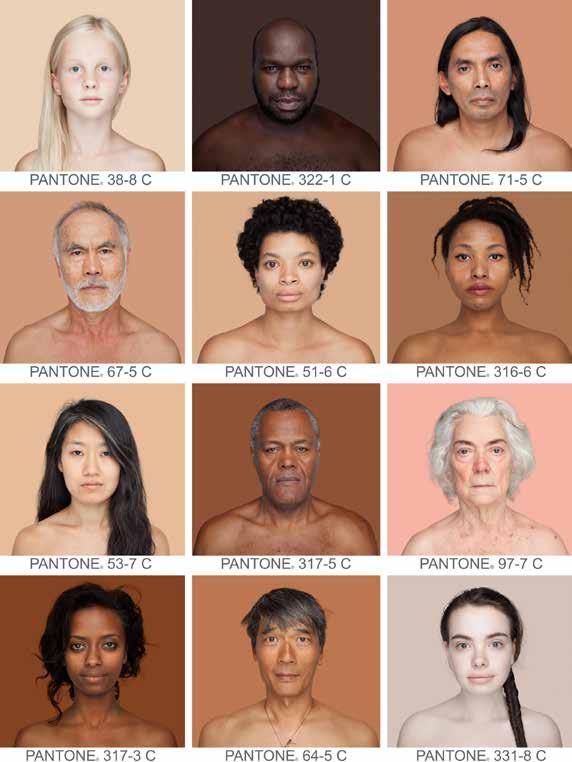
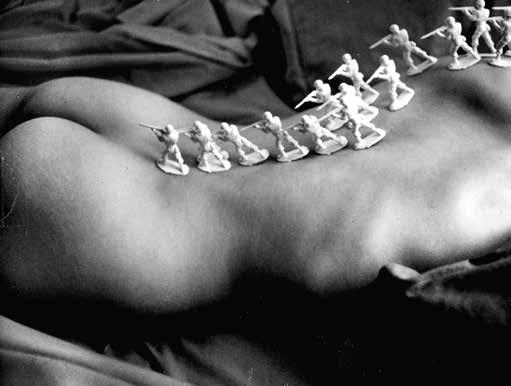
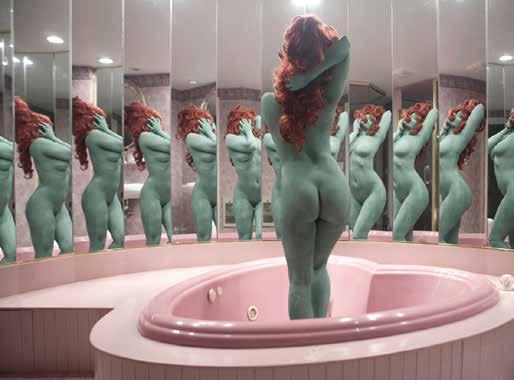
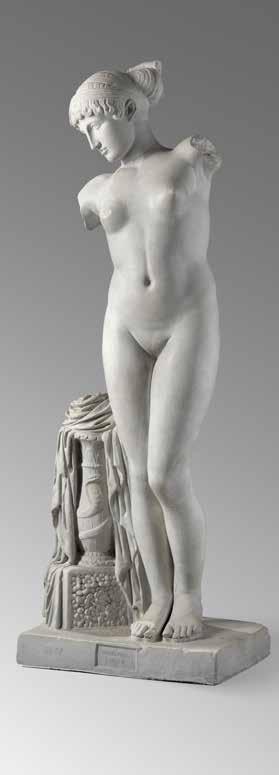
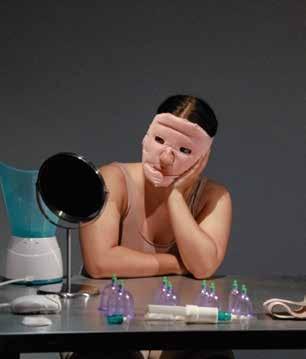
Photographs courtesy of the Centre for Contemporary Culture in Barcelona (CCCB), to mark the exhibition ‘The Cult of Beauty’. On display until 8 November.
SOCIAL MEDIA: the modern mirror
Wellness routines are shared endlessly on social media, a space that is equal parts inspiration and misinformation and which can become a source of anxiety and frustration.
To achieve a healthy body, it is necessary to follow routines that help us achieve the highest degree of functionality. To this end, wellbeing offers an infinite variety of habits that ultimately rest on two fundamental pillars of health: nutrition and exercise. “Routines in themselves are not a bad thing; in fact, they can be very beneficial because they help us to organise and maintain a certain stability in our day-to-day lives. The problem arises when we turn those routines into rigid rules or a measure of our self-worth,” explains Dr Laura Alfaro, a psychonutritionist at HLA El Rosario.
These routines are now spreading in the form of short learning modules that can be followed in just a few minutes –just the length of a very informative reel. “Social media is helping to encourage us to take an interest in improving our physical appearance and being more mindful of our diet, but we also run the risk of turning this into an obsession,” warns Dr Virginia Pagés, a sports medicine specialist at Hospital de Barcelona.
“The problem with routines arises when we turn them into rigid rules or a measure of our self-worth”
Content overload is one of the major problems facing these platforms, where it is becoming increasingly difficult to verify the accuracy of health-related information. On TikTok, in fact, the most common types of creators producing nutrition content are health and wellbeing influencers (32%) and fitness creators (18%), whilst dietitians (5%), nutritionists (4%) and other healthcare professionals (3%) are underrepresented.
Eating well and doing sport
Amidst recipes for healthy dishes, nutritional
Five verified routines by Dr. Virginia Pagés
Alternate between cardio days and strength training days
Coldplunge (ice bath) for muscle recovery
organisation techniques, recommendations for superfoods and nutritional supplements, and diets that contradict one another, “eating has become a paranoid activity, one that is not undertaken to access moments of pleasure through taste, but rather puts your identity to the test”, explains Carl Cederström, a professor at Stockholm University and co-author of The Wellness Syndrome.
In the world of sport, social media content is not built on a solid foundation either: the study The Cult of the Body in Sports Centres reveals that the professionals who manage health and fitness content on platforms managed by sports centres have a background in communication and marketing, and that specialisation in sport or healthcare is not considered strictly necessary for that job. “It is important to know when to exercise and how to do so, and this requires trained professionals. There are very different bodies, ages and goals,” says Dr Virginia Pagés, who notes that she has even had patients come to her with exercise programmes that were hazardous, both from a nutritional and a sporting perspective.
The flexibility of routines
Social media hosts a vast amount of content related to wellbeing that serves as a source of information, particularly amongst young people, who are looking for role models to inspire them to emulate these routines and even share them. “With our mobile phones, we have greater access than ever to the ability to present ourselves, and that brings with it a whole range of possibilities in terms of “mirroring” that can also be positive. TikTok, for example, is a platform where you can find lots of people whose bodies are more like yours,” reflects Blanca Arias.
In the pursuit of “wellmaxxing” (the maximisation of wellbeing), we also find a space that serves as an incentive to foster healthy habits which can lead to greater overall satisfaction –a claim that is scientifically supported by a number of studies. “I think the important thing is to understand that a routine must adapt to a person’s life, and not the other way round. Health also involves flexibility, rest and knowing how to adapt to different situations without being too hard on yourself. A healthy routine is one that brings pleasure and peace of mind, not one that causes anxiety if, one day, you can’t stick to it one hundred per cent,” says Dr Laura Alfaro.
Interview with Dr. Laura Alfaro
“Health is more a matter of balance and long-term sustainability”
With an online community that is growing as a result of her work raising awareness about food, Laura Alfaro states that true health is based on flexible habits and reflects on the confusion caused by unlimited access to nutrition content on social media.
Dr. Laura Alfaro
Dra. Laura Alfaro
Psychonutritionist specialising in eating disorders and director of the Comprehensive Women’s Health Unit at HLA Clínica El Rosario.
In your practice, do you notice a difference between patients who come because they want to be healthier and those who come because they want to look good?
In my clinical practice I come across all sorts of cases, but when you delve deeper into a person’s life, a very high proportion of patients are dissatisfied with their physical appearance, and this has a very negative impact on their mental health. I often see a tendency, particularly among women, to compare themselves with other women or even with who they were 15 years a go, without taking into account the natural changes that occur over time, such as ageing, hormonal changes, pregnancies or their own current lifestyle. There is certainly a difference between those whose goals are linked to health and those who do so primarily for aesthetic reasons, although the two objectives are often intertwined. Patients seeking better health tend to focus more on improving their habits, boosting their energy levels, preventing illness or feeling better about themselves in the long term. In contrast, those who prioritise their physical appearance tend to be more concerned about their weight, body image or meeting certain socially imposed aesthetic standards. In practice, however, those two motivations often overlap.
We are living in an age where we have access to more information about health and nutrition than ever before. However, eating disor-
ders remain a growing concern. How do you make sense of this apparent contradiction? I believe we are currently living in an age where we have access to a vast amount of information, but that does not mean that all of it is reliable or scientifically sound. These days, anyone with access to the internet or social media can share content without any form of oversight or evidence to back it up, and in clinical practice this causes a great deal of confusion. I come across patients who don’t know what information to believe because they are constantly receiving completely contradictory messages. And there are also cases of people who think they know more about nutrition simply because they’ve watched some very brief videos on social media or because someone has claimed that a certain diet “worked for them”. The problem is that personal experiences are often generalised as if they were valid recommen-
dations for everyone, when in fact each patient requires an individualised assessment based on scientific evidence.
In fact, recent studies suggest that only between 4 and 5% of the nutrition content consumed on TikTok comes from healthcare professionals. How does that affect your practice?
Many patients arrive with a fear of certain foods, very extreme views on nutrition or unrealistic expectations because they have seen advice on social media that lacks professionalism. Furthermore, information on TikTok tends to be very brief and simplified, which means that complex topics are explained without context. This causes a great deal of confusion and, at times, leads to unhealthy habits that then need to be addressed and corrected during consultations.
The content also seems to be targeted primarily at a female audience. Is the impact greater among women, or is it simply more visible?
In my opinion, the impact is indeed greater on women, although it is also true that among women it is also more visible and a more socially acceptable subject of discussion. For years, there has been much more intense aesthetic pressure affecting female bodies, and social media has increased that pressure even further. Women’s well-being is constantly linked to physical appearance, thinness or certain “perfect” lifestyles. I often see how many women feel constant pressure to look after themselves, look good or meet certain standards that are sometimes unattainable. Even so, I’m also noticing increasing concern amongst men, particularly teenagers and/or young adults, although they probably find it harder to talk about it or seek help with these issues.
When it comes to nutrition, what habits do you think are essential in our daily routine and have a positive impact on our health?
There are minor, everyday habits that can greatly improve our quality of life. Staying well-hydrated, taking part in daily physical activity –even if it is only moderate– regularly including fruit and vegetables in our diet, and reducing the time we spend in front of screens are simple steps that can have a very positive effect on both our physical and emotional health.
“Every patient needs an individualised assessment based on scientific evidence”
And are there any myths about personal care that are particularly difficult to debunk, because, deep down, people don’t want them to be a lie?
Yes, especially anything to do with “quick fixes”. Many people want to believe that there is a miracle diet, a detox product or a specific method that will bring about significant physical changes without any effort or persistence. I think it’s hard to debunk these myths because they sell a very appealing idea: getting quick and easy results. It’s also very common to hear the idea that to be healthy you have to constantly monitor your diet or exercise, when in fact health is more about balance and long-term sustainability. Sometimes, accepting that there are no magic formulas and that real change takes time is precisely what’s hardest to come to terms with.
Travelling to the World Cup venues MEXICO
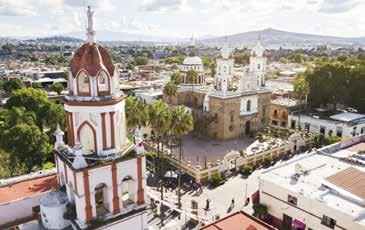
The World Cup has provided the perfect opportunity for Mexico to showcase to the world the atmosphere and attractions of three of its most iconic cities.
By Neus Duran
With a total of 48 teams, the 2026 World Cup has become the longest in history, as well as the first to be organised by three countries: Canada, the United States and Mexico. Millions of spectators from all over the world have had the chance to see not only the impressive stadiums, but also the spectacular atmosphere in the three host cities for the qualifiers: Mexico City, Guadalajara and Monterrey.
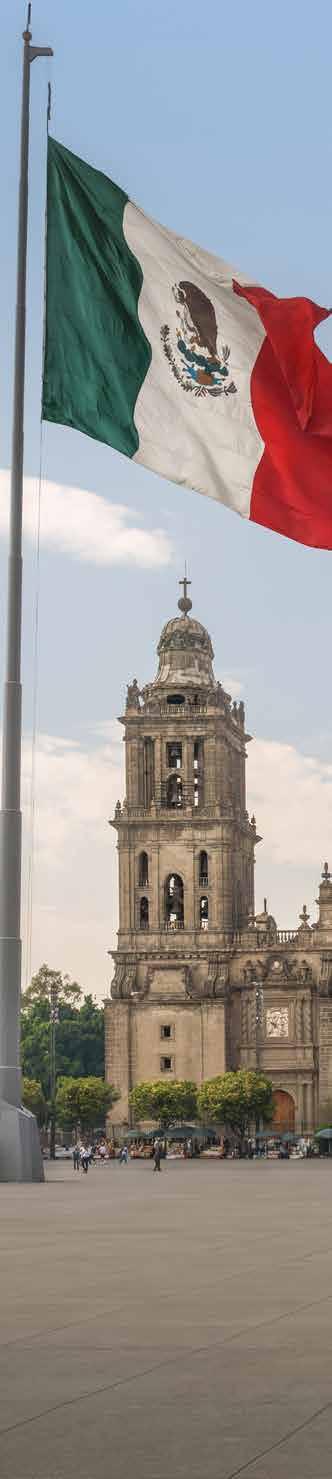
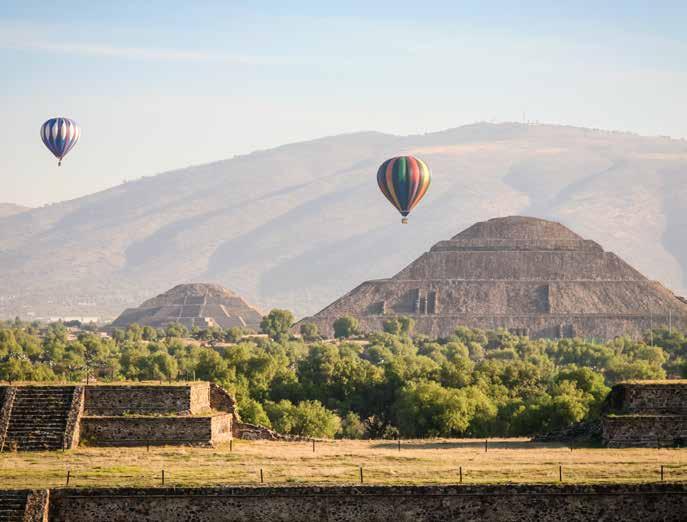
There will be no shortage of people who, drawn by the show, will be tempted to embark on a journey that begins in the capital. The heart of the city lies in the Zócalo, one of the largest squares in the world, flanked by the Metropolitan Cathedral and the National Palace. Other must-see attractions include the National Museum of Anthropology and the Pyramids of the Sun and the Moon, in the archaeological site of Teotihuacán, on the outskirts of the city.
Guadalajara, where the legacy of the era of the Spanish viceroys is very present, surprises visitors with its historic pink stone buildings, Baroque churches and colonial squares. Here, in the birthplace of tequila and mariachis, be sure to visit traditional neighbourhoods such as Tlaquepaque or Hospicio Cabañas, where murals by José Clemente Orozco have been preserved.
The final stop will be Monterrey, a metropolis of glass-fronted skyscrapers completely surrounded by the gigantic rock formations of the Sierra Madre Oriental. It is the perfect base for daytrips that dive into this country’s spectacular natural landscapes.
The Xochimilco Canals
In the south of the capital lie the pre-Hispanic canals of Xochimilco, where you can float along in colourful trajineras, soak up the sounds of mariachi music and sample the local antojitos. It is a true festive oasis that travellers are sure to enjoy as a welcome respite from the ever-bustling city.
Coyoacán
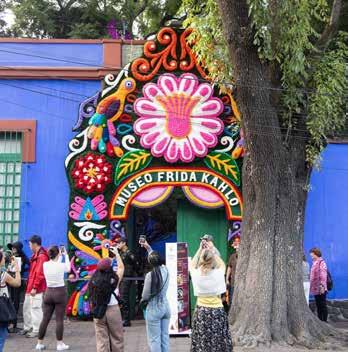
Also in the south of Mexico City lies the neighbourhood of Coyoacán, which preserves the city’s bohemian spirit with its colonial squares, cobbled streets and Frida Kahlo’s iconic Casa Azul (Blue House).
Hospicio Cabañas
This World Heritage Site houses the work of José Clemente Orozco, one of the leading figures of Mexican muralism, alongside Diego Rivera and David Alfaro Siqueiros.
Lake Chapala
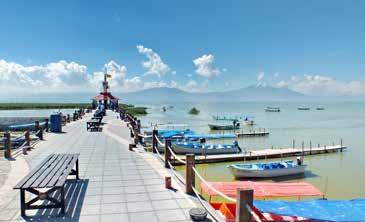
Just a short distance from Guadalajara, Mexico’s largest lake offers an unforgettable natural retreat, with its tranquil waters framed by mountains and lakeside villages.
Tlaquepaque
This traditional neighbourhood in the capital of Jalisco invites visitors to stroll through its pedestrianised streets, discover pottery workshops and listen to mariachi bands.
Monterrey
The capital of Nuevo León flourished thanks to its many businesses and its long-standing brewing tradition, which dates back to 1890 –an industry so powerful that it drove the creation of the city’s foundries and glassworks. Here, it would be a pity not to try the star dish of its cuisine, cabrito (suckling goat); in the evenings, there’s nothing like heading to the Barrio Antiguo, a labyrinth of old mansions brimming with live music venues.
La Huasteca Canyon
This impressive limestone labyrinth in the Sierra Madre Oriental is one of the most appealing day trips you can take from Monterrey, whether you’re hiking along its many trails through an arid, wild landscape or climbing its rugged rock formations.
Wrestling
Declared a Cultural Heritage, Mexican wrestling, renowned for its acrobatic moves, triggers passion across the country, particularly in Mexico City, Guadalajara and Puebla.
Food
Mexican cuisine blends pre-Hispanic ingredients such as sweetcorn, chillies and frijoles (black beans) with centuries-old techniques; from street vendor tacos to the complexity of mole sauce, it is all a feast of flavours.
World Cup venues
Pyramids of Teotihuacán
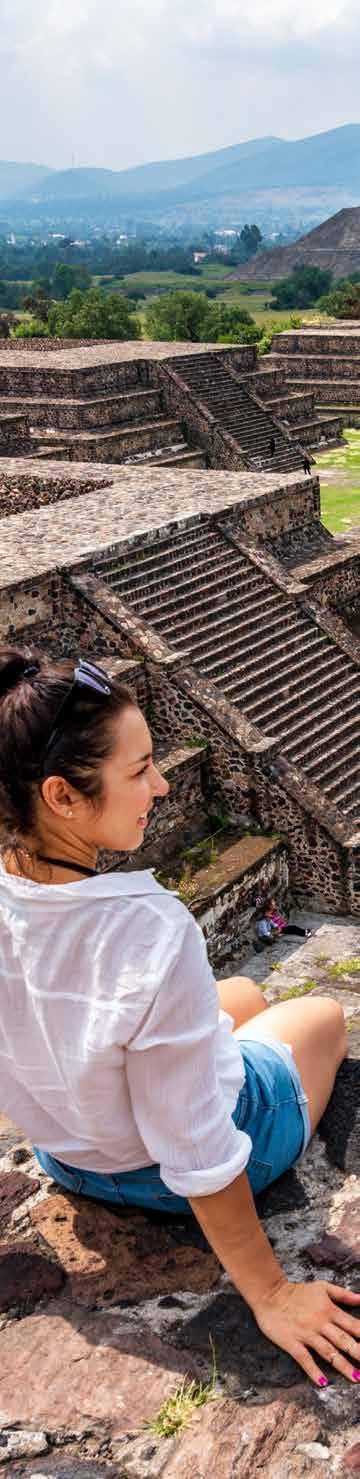
Located less than an hour from Mexico City, the pyramids of Teotihuacán, a UNESCO World Heritage Site, are the remains of one of the greatest metropolises of the ancient world. This impressive archaeological complex is linked by the Avenue of the Dead, an axis connecting the impressive Pyramid of the Sun –one of the largest in the Americas– with the Pyramid of the Moon and the Temple of the Feathered Serpent. To visit them, you’ll need to wear comfortable walking shoes to hike along the plazas and get an early start to avoid the intense heat; you can also discover them at dawn from a hot-air balloon.
Azteca
Having hosted three World Cups, this giant of the capital is one of the most legendary stadiums for football fans around the world. After taking the official tour, you can enjoy the atmosphere whilst eating tacos de canasta on the esplanade outside.
Chivas
The innovative architecture of the Chivas stadium resembles an artificial volcano entirely covered in natural grass, blending seamlessly into the Guadalajara landscape, and is crowned by a large, floating white roof that resembles a cloud.
The fantasy book that became a SCREEN LEGEND
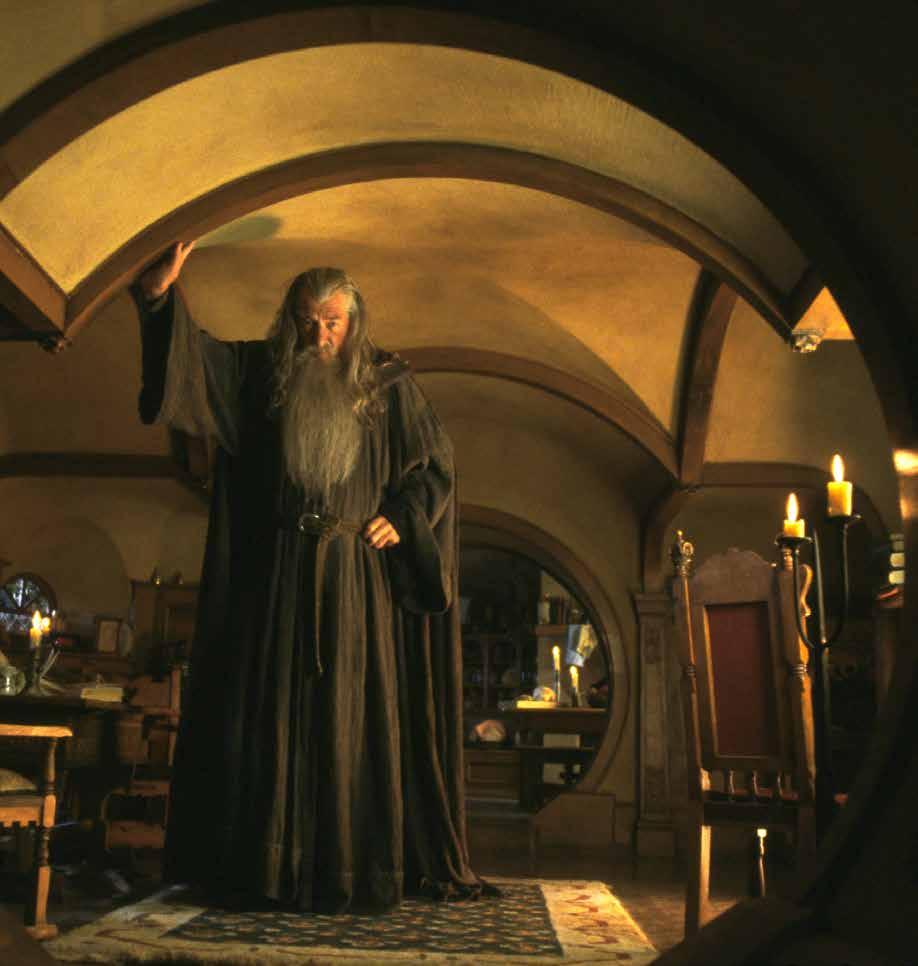
The twenty-fifth anniversary of the first film in the ‘Lord of the Rings’ trilogy, directed by Peter Jackson, is a wonderful opportunity to revisit the world of a trilogy that is already well-established as a classic.
By Enric Ros
Since its first publication in 1954, several generations of young readers (whether in age or in spirit) have dreamed of seeing the rich and lush world of The Lord of the Rings adapted for the big screen. Although there was an initial attempt in the 1978 animated film by Ralph Bakshi, now a cult classic, it was the film trilogy released in the first years of the 21st century –the first instalment of which is now twenty-five years old–that succeeded in making the dreams of millions of fans of the books come true.
One of those young readers was none other than the director who would direct the films, Peter Jackson, who discovered J. R. R. Tolkien’s novels through Bakshi’s film. Apparently, at the age of 17, the New Zealander gobbled up the entire book during a train journey lasting some twenty hours. That first impression stayed with him over the years. After becoming a renowned filmmaker– with his wild forays into the most outrageous type of horror comedy, with titles such as Bad Taste (1987) and Braindead (1992)– and his rookie Hollywood experiences with films starring Kate Winslet and Michael J. Fox, in 1995 he attempted to launch a project to adapt The Hobbit
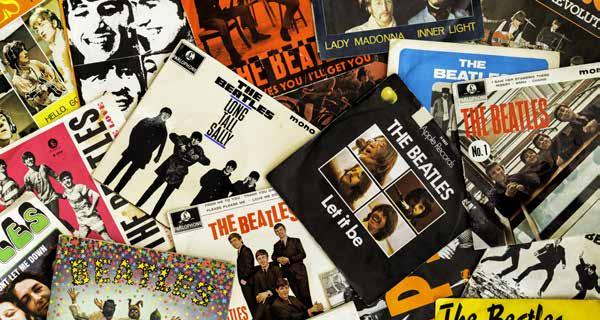
Jackson wasn’t the first to come up with the idea of bringing Tolkien’s work to movie theatres. Interestingly, according to Variety magazine, the biggest stars of 1960s pop music (more famous than Jesus Christ, according to John Lennon), The Beatles themselves, wanted to star in an adaptation, in which Lennon would play Gollum; Paul McCartney, Frodo; George Harrison would play Gandalf; and Ringo Starr, Sam. In their view, the ideal director for the job was Stanley Kubrick. When he turned down the project, deeming it “unfilmable”, other surprising names were mooted –Michelangelo Antonioni, David Lean or Richard Lester– but the project fell through.
A dream come true
Jackson chose a more chronological approach to the story, making Frodo’s adventures the central theme. The director had a large team to design the world of Middle-earth, including figures such as Alan Lee, who had illustrated Tolkien’s book. The production
managed to combine up-and-coming young actors, such as Elijah Wood and Dominic Monaghan, with true legends of the theatre and horror cinema, such as Ian McKellen and Christopher Lee. All three films were shot simultaneously –to save costs and ensure continuity – at over 150 locations across New Zealand, over a period of 438 days. Each film underwent a further year of post-production, which was used to develop numerous revolutionary visual and sound effects that have ultimately shaped the future of many major productions in the 21st century.
The trilogy was very warmly received by critics and audiences alike, as well as winning a host of awards, including seventeen Oscars. Jackson, for his part, realised his childhood dream of turning Tolkien’s work into a thrilling cinematic experience. His universe has continued to expand through films, and live-action and animated series. At the same time, his legacy can be spotted in other productions, such as Game of Thrones
Chronological sequence of ‘The Lord of the Rings’
TheRingsofPower (2022): this Amazon Prime series spans two seasons, exploring the Second Age of Middle-earth and depicting the rise of Sauron, the forging of the rings, and the splendour of kingdoms such as Númenor. Although it is based on Tolkien’s appendices and short stories, it is not directed by Peter Jackson.
The Hobbit: between the late 1920s and early 1930s, Tolkien wrote the adventures of Bilbo Baggins for his children, set in the Third Age of the Sun, which were finally published as a single volume in 1937. Peter Jackson divided the book into a trilogy, adding events from the later books.
TheHobbit:AnUnexpected Journey (2012): tells the story of Bilbo’s departure from the Shire and the first perils he faces.
TheDesolationofSmaug (2013): follows the ongoing journey up until the arrival at Erebor, located in the Dwarf Kingdom.
The Battle of the Five Armies (2014): focuses on the death of Smaug (the dragon) and the events that follow until they get back home.
TheLordoftheRings : his most ambitious work was written in stages between 1937 and 1949. The book was also adapted into three films.
TheFellowshipoftheRing (2001): set sixty years after TheHobbit, it tells the story of how Frodo Baggins came to have the Ring, and how he fled the Shire on a mission to destroy it.
The Two Towers (2002): with two main plotlines, it follows, on the one hand, the journeys of Aragorn, Legolas and Gimli; and, on the other, the journey of Frodo and Sam, who are forced to accept Gollum as their guide to enter Mordor.
TheReturnoftheKing (2003):
Following a colossal battle, Aragorn is crowned as the King of Men, whilst Frodo and Sam manage to cast the Ring into the flames of the volcano.
Did you know...?
There is a direct
link between The Beatles and CT scans
In1960s England, Electric and Musical Industries (EMI) was much more than just a record label. It was also a technological research company, with laboratories where engineers worked on projects as diverse as radars, computers and weapons systems. One of them was Godfrey Hounsfield, whom the company’s management had tasked with driving the more technological side of the business. But no matter how hard he tried, revenue failed to take off. The situation was so critical that the company was forced to drastically cut back its technology research division, putting promising projects on hold and reducing the staff in its laboratories.
That same year, four young men from Liverpool signed their first contract with Parlophone, a subsidiary of EMI. What initially seemed like just another addition to the company’s catalogue ended up being the greatest economic transformation in its history. By the mid-1960s, the Beatles were not just a cultural force, but also an economic one: at their peak, their sales generated the equivalent
of $650 every second. By 1967, they had more than doubled EMI’s profits in the five years since they signed with the company.
This unexpected financial windfall enabled EMI to turn its attention to research. At the same time as the Beatles were wrapping up the recording of Sgt. Pepper’s Lonely Hearts Club Band , Hounsfield, along with scientist Allan Cormack came up with the idea of combining X-rays with a computer capable of assembling three-dimensional images of a human body. Their first major challenge was to image a brain, something that was almost impossible with traditional X-rays. The result was clear and took only five minutes.
In 1979, Hounsfield and Cormack were awarded the Nobel Prize in Medicine for their invention. The very same company that, in the early 1960s, had been on the verge of closing its laboratories ended up funding, thanks to the musicians’ global success, one of the most significant medical advances of the 20th century.
A Collective Memory
Fernando Aramburu returns to the recent history of the Basque Country. ETA has kidnapped Miguel Ángel Blanco, and threatens to execute him if their demands are not met. The historical events run parallel to the private life of Maite, a woman who is sensitive and compassionate, yet trapped by conventions that prevent her from opening her eyes and facing reality.
Maite. Fernando Aramburu. Tusquets.
The Classic of Existentialism
Director François Ozon’s film, nominated for the Golden Lion at the 2025 Venice Film Festival, breathes new cinematic life into one of the most widely read books of the 20th century. A perfect excuse to (re)discover Meursault, the young man accused of murder who faces trial with the same indifference with which he has always lived.
TheOutsider. Albert Camus. Penguin Modern Classics.
Paul Auster’s (Other) Life
Shortly before he died, Auster told his wife that he wanted to return as a ghost, to come back and see how she was and what she was writing without him. The writer pieces together that bond through mourning and unpublished documents —notes exchanged over decades, letters from Auster to his grandson— in the most personal book of her career.
GhostStories:AMemoir. Siri Hustvedt. Hodder And Stoughton.
The Woman Behind Vogue
Drawing on hundreds of interviews with Anna Wintour’s friends, collaborators and staff, Amy Odell develops an inspiring story of power and ambition in the world of fashion magazines. A biography that portrays one of the most influential and enigmatic figures in contemporary popular culture (and who served as the inspiration for Miranda Priestly).
Anna:TheBiography. Amy Odell. Allen & Unwin.
Because life can be unpredictable,
Protect your health with the ASISA Vaccination Programme, which includes the vaccination schedule for children and adults, as well as a traveller’s guide.
Find out more about the ASISA Vaccination Programme here