Children’s Sleep and Development: What Parents Should Know
Children’s Sleep and Development: What Parents Should Know
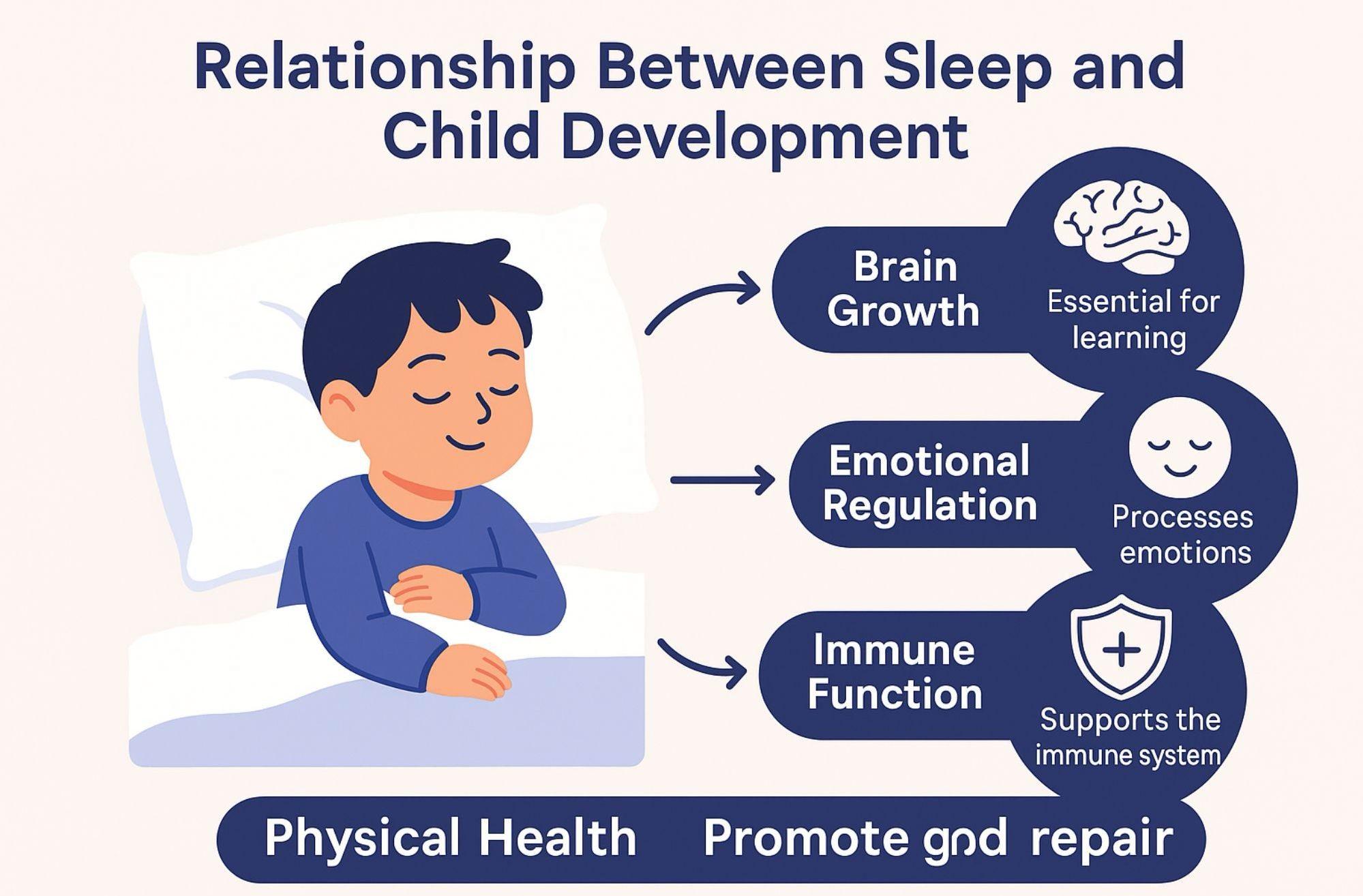
Getting a good night’s sleep is essential for children of all ages. From infancy through adolescence, sleep is a critical component of healthy development. It plays a major role in brain growth, emotional regulation, immune function, and physical health. In this article, we explore the relationship between sleep and child development, the importance of sleep quality, and how parents can create an optimal sleep environment—including choosing the right mattress.
The Link Between Sleep and Child Development
According to the American Academy of Pediatrics, children need significantly more sleep than adults to support rapid mental and physical development. During sleep, their brains consolidate learning, process emotions, and secrete growth hormone, which is essential for physical growth and tissue repair. Chronic sleep deprivation in children has been linked to problems with attention, behavior, learning, and memory.
Infants may need up to 16 hours of sleep per day, while toddlers and preschoolers require 10–14 hours. As children grow older, school-age kids and teenagers still need between 8–12 hours, depending on their age and individual needs. Maintaining consistent sleep schedules and high sleep quality is crucial throughout each stage.
Creating a Healthy Sleep Environment
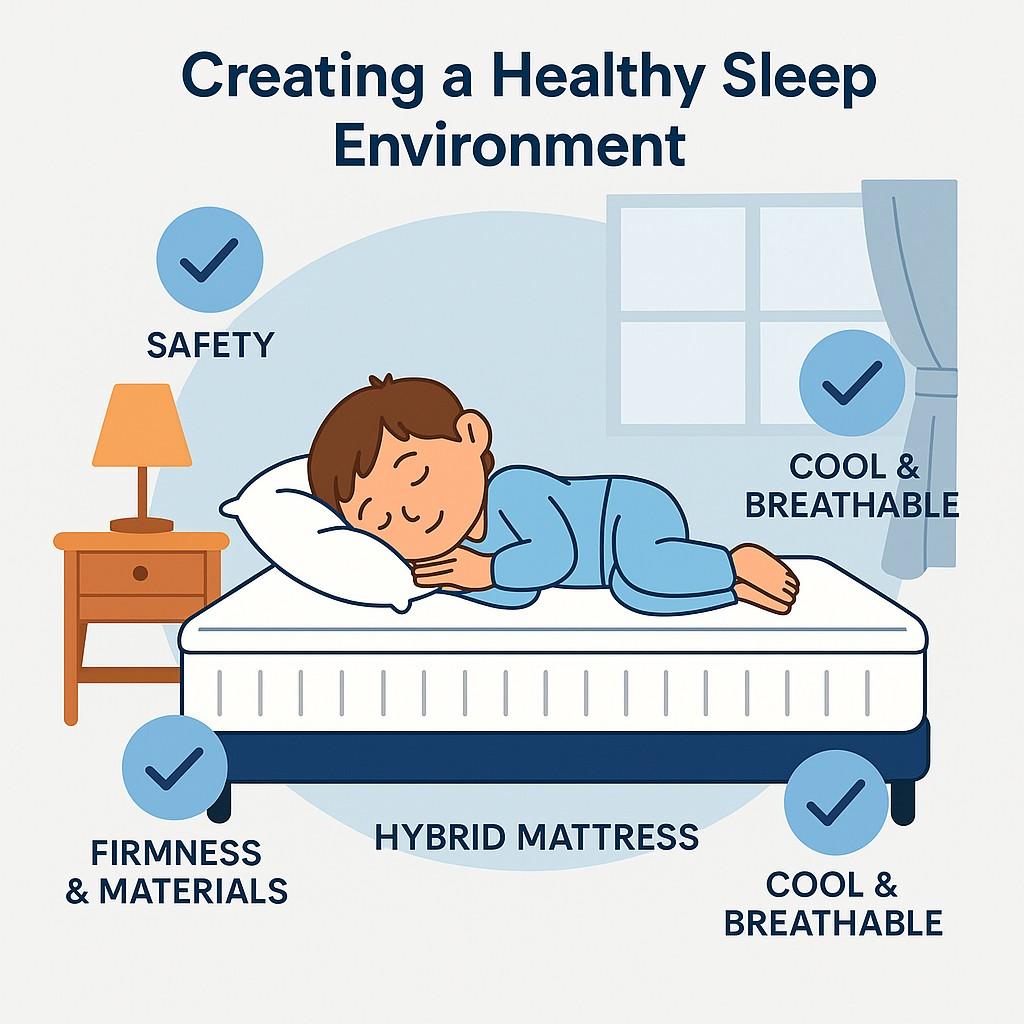
While routine and bedtime consistency are important, so is the sleep environment itself. A comfortable, supportive mattress plays a foundational role in how well children sleep. Parents often focus on safety and affordability, but it’s equally important to consider mattress firmness, materials, and breathability.
A common question parents ask is, are hybrid mattresses better than memory foam? The answer depends on your child’s age, weight, and sleep style. Hybrid mattresses combine foam and innerspring systems, providing both contouring comfort and support. This is especially useful for growing children who need spinal alignment and motion control. Memory foam, while offering excellent pressure relief, can sometimes retain heat and feel too soft for younger sleepers. Hybrid mattresses tend to offer a more balanced feel, making them a preferred choice for many families.
Sleep During Pregnancy: Laying the Foundation
Early
The importance of sleep doesn’t begin at birth. Quality maternal sleep during pregnancy directly affects fetal development. Poor sleep in expectant mothers has been associated with increased risks of low birth weight, longer labors, and postpartum depression.
Choosing the right mattress for pregnancy can help improve sleep quality, reduce back and hip pain, and promote better circulation. A medium-firm mattress with pressure-relieving features and good edge support is ideal. These factors ensure comfort as the body changes during pregnancy and set the tone for healthier sleep habits post-birth.
Understanding Mattress Softness for Children
While firmness is often recommended for infant mattresses due to safety guidelines, older children may benefit from a softer sleep surface. The softest mattress options typically feature plush memory foam or pillow-top layers, which help relieve pressure on growing joints.
That said, softness should never come at the expense of support. Parents should look for mattresses that balance contouring comfort with proper spinal alignment. This becomes even more important as children grow into adolescence and their sleep needs evolve.
Tips for Improving Sleep Quality in
Children
1.
Establish a bedtime routine: Consistent pre-sleep activities like reading or gentle music help signal the body that it’s time to wind down.
2. 3.
Limit screen time: Devices should be turned off at least an hour before bed to prevent blue light from disrupting melatonin production.
4. 5.
Create a cool, quiet bedroom: A well-ventilated, dark room supports deeper sleep.
6. 7.
Avoid late-night meals or sugary snacks: These can interfere with falling asleep.
8. 9.
Ensure the mattress fits their current needs: As children grow, their mattress should adapt to their changing bodies.
10.
Conclusion
Supporting your child’s sleep is one of the most impactful things you can do for their health and development. From prenatal care to choosing the right mattress, each decision shapes their ability to rest, recover, and thrive. Whether you’re considering the benefits of a hybrid mattress, shopping for the softest mattress for a toddler, or exploring the ideal mattress for pregnancy, it’s worth taking the time to invest in sleep quality for the entire family.