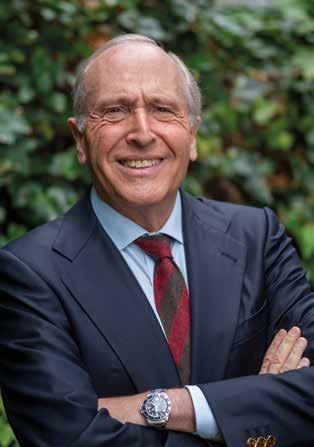
Luis Fernández-Vega Sanz, Innovation Entrepreneur of the Year Award and Eugenio Rodríguez Pascual Foundation Award
The Dr Luis Fernández-Vega Cueto-Felgueroso joins The Royal Academy of Medicine of the Principality of Asturias as a corresponding member
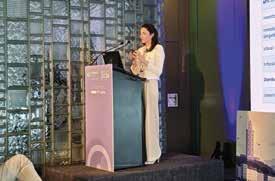
Marian Rojas offers us her perspective on the relationship between the mind and AI
Colabora con nuestra
Fundación Fernández-Vega para dar luz a cambio de sonrisas a las personas que más lo necesitan.
Aporta tu donativo a través de al código donativo: 01942
GRATITUDE
Once again, summer calls for prudence in order to protect visual health, especially that of younger people, given their greater sensitivity to the effects of solar radiation. More frequent and intense sports activity also increases the risks associated with our eyesight. We address all of this once more in these pages, offering a series of recommendations that will help ensure a safer enjoyment of the summer months.
A prominent place is also given to the section dedicated to oculoplastics, a specialty of growing importance which, beyond its strictly clinical indications, enjoys increasing acceptance and demand due to its positive effect on the facial skin of those who choose to undergo these treatments.
The agreement signed with Central Lechera Asturiana and Caja Rural to investigate the potential benefits of the bioactive components
present in whey on visual health during ageing represents a new challenge for the Fundación de Investigación Oftalmológica, adding to the lines of work it has pursued since its creation.
I would also like to express my deepest gratitude for the new recognitions awarded to my work and career, which would not have been possible without the decisive contribution of the extraordinary team around me.
The Entrepreneur of the Year Award for the northwest of Spain, granted by the consultancy firm Ernst & Young, is joined by the Career Achievement Award, with special emphasis on research, from the Fundación Eugenio Rodríguez Pascual.
And, as I write these lines, I have just been informed that the City Council of Oviedo has agreed to name me “Favourite Son” of the city — an honour that not only fills me with pride, but also brings me special satisfaction, as my
father received this distinction before me in 1997.
Lastly, I must highlight the admission of my son, Luis Fernández-Vega Cueto-Felgueroso, a member of the fifth generation of ophthalmologists
in our family, into the Royal Academy of Medicine of Asturias, of which I am also a member. In a solemn ceremony, his inaugural address focused on “Keratoconus: advances and challenges in the 21st century”.
Prof. Luis Fernández-Vega Sanz, president of Instituto Oftalmológico Fernández-Vega
REVISTA DEL INSTITUTO OFTALMOLÓGICO FERNÁNDEZ-VEGA
ASTURIAS
Avda. Dres. Fernández‑Vega, 34 33012 OVIEDO T. 985 240 141
MADRID
Príncipe de Vergara, 131 28002 MADRID T. 91 577 99 59
Dirección y coordinación, redacción de contenidos y gestión editorial: Atlántica Empresas
Publicidad: SGANMEDIOS 678 684 457
Diseño:
Eteria, Marketing y Comunicación
D.L. AS 5668 2007
6/
10/
SUMMARY
FRONT PAGE
Children’s eyes are 75% more sensitive to the effects of UV rays.
MAKING HEADLINES
Luis Fernández-Vega Sanz, Innovation Entrepreneur of the Year Award.
22/ IN DEPTH
24/
29/
33/
35/
THE PATIENTS’ QUESTIONS
Patient questions about Oculoplastics.
Ultrasound and laser for skin and facial tissue care.
INVESTIGATION
Asturian researchers study milk compounds to prevent AMD.
SOLIDARITY ACTIVITIES
Fundación Fernández-Vega visits CPRPM Santa Teresa.
CONGRESS ACTIVITIES
29th Congress of the Spanish Retina and Vitreous Society (SERV)
42/ THEY LOOK KINDLY UPON US
OTHER SPECIALTIES
Faster Isn’t Always Better: the Mind Versus AI.
46/
44/ WE RECOMMEND Oviedo 2031.
48/
Ichi Aragón: “Regarding the Institute, I have never seen a family with such vocation and talent; when you love something so much and put so much passion into it, it shows in your work”.
CROSSING OF GLANCES
Withered fronts.
Children’s eye health during the summer
CHILDREN’S EYES ARE 75% MORE SENSITIVE TO THE EFFECTS OF UV RAYS
Summer holidays are associated with long hours of sun exposure. UV rays can increase the likelihood of developing eye conditions in children, a vulnerable group because the lens, the eye’s natural filter, has not yet fully developed. In fact, children’s eyes are 75% more sensitive than adults’ to the harmful effects of sunlight because UV rays penetrate the eyeball more easily and can cause pain, eye redness and photophobia.
can offer children’s eyes against the harmful effects of sunlight. Approved sunglasses filter between 95% and 100% of UV radiation, and also reduce the impact of rays reflected from white surfaces such as sand and pool water. Dr Lucía FernándezVega, paediatric ophthalmology specialist, adds: “The use of sunglasses is not limited to clear days, as sunlight affects us just as strongly on cloudy
The most intense hours of solar radiation are between 11:00 and 17:00. For this reason, experts recommend the use of sunglasses, the main protection we
days. Clouds allow 90% of ultraviolet radiation to pass through.”
Dr Fernández-Vega encourages parents and caregivers to remain attentive to children’s eye health during the summer period: “Just as sunscreen is applied to their skin, it is very important to care for their eyes. It is also important to teach children not to look directly at the sun, as prolonged exposure can cause eye damage such
as keratitis, which may initially cause pain, photophobia or eye redness, and can become more serious over time, even leading to degenerative lesions.”
Protecting children’s eyes
Other common discomforts caused by constant contact with sand and pool or seawater include conjunctivitis, eye irritation and viral or bacterial infections. In addition, without proper precautions, eye injuries from
Protecting children’s eyes from UV rays is just as necessary on cloudy days as on sunny days. Up to 90% of UV radiation can pass through clouds.
The eye’s lens is not able to filter all sunlight during the first years of life. For this reason, sunlight penetrates the eyeball more easily and can cause pain, eye redness and photophobia.
play and sports, as well as insect bites in the periocular area, may occur.
“Summer is one of the times when children enjoy outdoor activities the most, increasing the risk of irritants or pathogens entering their eyes. This is why it is essential for children to develop the habit of washing their hands frequently, to avoid introducing irritants or infectious agents when rubbing their eyes,” she explains.
Air conditioning increases the risk of dry eye
In mild cases, treatment with artificial tears in drop or gel form is sufficient.
The specialist at the Instituto Oftalmológico Fernández-Vega recommends frequent eye hydration and avoiding direct airflow from air conditioning units onto the eyes to prevent this syndrome.
Artificial tears also help relieve irritation or redness.
Another factor that increases the risk of eye problems during the summer is excessive use of air conditioning. This ventilation system, used to maintain a comfortable temperature in cars and homes, is one of the main causes of dry eye syndrome, a condition that causes burning, a gritty sensation, heavy eyes and general discomfort.
If a child has red eyes due to pool chlorine, saltwater
or sun exposure, it is advisable to rinse the eye with cold water and apply hydrating drops. However, if the problem persists, it is advisable to visit an ophthalmologist for a thorough examination.
Air conditioning is one of the main causes of dry eye syndrome during the summer period.
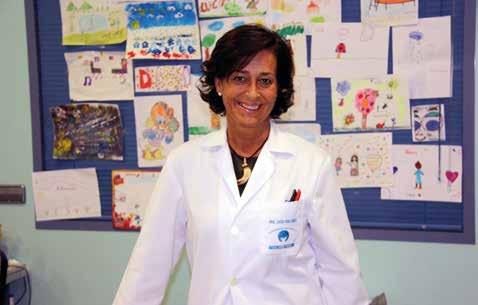
Dr Lucía Fernández-Vega Sanz, specialist in the Paediatric Ophthalmology and Strabismus Unit, as well as the Oculoplastics Unit, at the Instituto Oftalmológico Fernández-Vega.
Solar Eclipse THE MISTAKES THAT PUT EYESIGHT AT RISK
On 12 August a total solar eclipse will take place, an astronomical phenomenon in which the moon passes between the Earth and the sun, completely covering its bright surface for a few minutes in certain areas. However, even if the environment darkens and the sun appears less intense, ultraviolet and infrared radiation remain harmful to the eye, and observing the
eclipse without protection can cause serious injury.
“The radiation present during an eclipse can cause photochemical or thermal damage, which may lead to permanent vision loss. This risk exists both when looking at the sun with the naked eye without protection and when using inadequate methods,” explains Dr Jesús Merayo, director of the Fernández-Vega University Institute. The sun emits dangerous radiation even when it is partially covered by the moon. At that moment, ultraviolet and infrared radiation
are especially intense and can directly affect ocular structures.
Symptoms of injury, which usually appear shortly after the damage occurs, range from pain and tearing (actinic keratitis) to retinal damage. Some of the most common warning signs are blurred vision, the appearance of a central spot (a
dark or blurry point in the centre of vision), distortion of lines (seeing them wavy) and difficulty reading or focusing on details. If any of these signs appear, it is recommended to visit an ophthalmologist as soon as possible for evaluation.
How to view the eclipse safely
To observe this phenomenon safely, the only option for direct viewing is to use certified eclipse glasses that comply with standard ISO 12312 2:2015, ensuring before use that the filter is in perfect condition and discarding it if it is scratched, punctured or damaged. If prescription glasses are worn, the filter must be placed on top. Even with certified protection, it is advisable to look at the eclipse for short periods (around 30 seconds) and take longer breaks.
Radiation during an eclipse can cause permanent damage to our vision.
It is also strongly discouraged to use cameras, telescopes or binoculars without a specific solar filter designed for that device, as the concentrated light can cause severe injury. Finally, children should always observe the eclipse under adult supervision, as even a brief glance without a filter can be enough to cause irreversible eye damage.
LUIS FERNÁNDEZ-VEGA SANZ, INNOVATION ENTREPRENEUR
OF THE YEAR AWARD
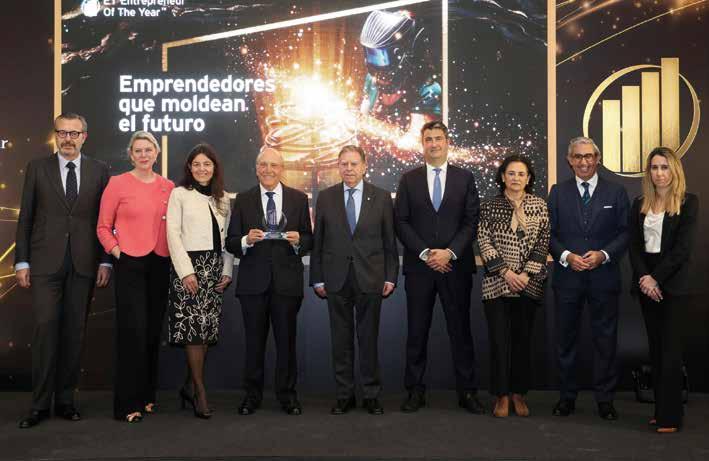
The president of the Instituto Oftalmológico Fernández-Vega has been recognised in Madrid with the Innovation Entrepreneur of the Year Award
in its twenty ninth edition, a distinction granted by EY, the auditing, tax advisory and strategic consultancy firm. This award follows his earlier recognition as Entrepreneur of the Year in the Northern Region.
During the award ceremony, Prof Luis Fernández-Vega Sanz emphasised that his connection
with Asturias is “complete”, going beyond simple roots. He also took the opportunity to review the Institute’s trajectory in the region, from the opening of the clinic in the central Calle Uría to its current scale — a growth marked by “the quality we demand of ourselves”.
Prof Fernández-Vega highlighted the
effort that Dr Álvaro Fernández-Vega Sanz and he made “thirty years ago, transforming a prestigious clinic into an institute that today far exceeds one hundred thousand consultations and ten thousand surgeries per year, without forgetting its outstanding teaching and research work, which make it an interna-
tional benchmark in the field of ophthalmology”, he recalled.
The ceremony in Asturias was presided over by Alicia Martínez, EY partner and national head of the Entrepreneur of the Year Award, and Pablo Sanz, EY partner responsible for the award in the Northern Region. Both emphasised the
Alfredo Canteli, Mayor of Oviedo, accompanied Prof Fernández-Vega at the Northern Region gala of these awards.
“The growth of the IOFV is marked by the quality we demand of ourselves.”
Institute’s impact as a driver of innovation, noting that “leaders like Luis Fernández-Vega demonstrate that innovation, research and entrepreneurial spirit are essential to strengthening Spain’s position in strategic sectors such as health and science. His career is an example of how projects created in our region can reach the forefront nationally and internationally”.
Alongside his family, the Northern Region award ceremony was attended by a wide representation of Asturias’ social, business and institutional spheres, including the First Vice President of the General Assembly of the Principality, Cecilia Fernández; the Mayor of Oviedo, Alfredo Canteli; the President of the Princess
of Asturias Foundation, Ana Fernández; the President of the Oviedo Chamber of Commerce, Carlos Paniceres; the General Director of Banco Sabadell in Asturias, Pablo Junceda; and business leaders Álvaro Platero and Alberto Lago.
After being selected as a regional finalist, Prof Luis Fernández-Vega travelled to Madrid for the national final, where he was recognised with the Innovation Entrepreneur of the Year Award. “My main goal now is to ensure the continuity of a family practice spanning more than 135 years and to consolidate the fifth generation of Fernández-Vega — my children and nephews — at the helm of the Institute,” concluded Prof Luis Fernández-Vega Sanz.
“My goal now is to consolidate the fifth generation of Fernández-Vega at the head of the Institute.”
Prof
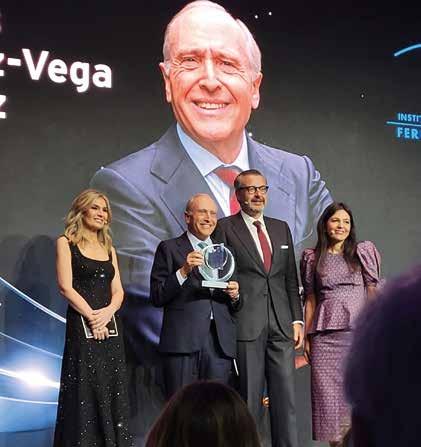
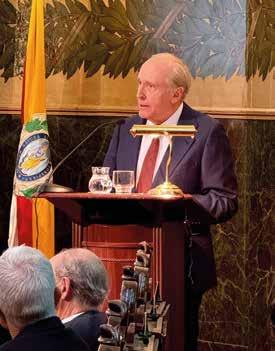
From left to right: Sandra Golpe, host of the Entrepreneur of the Year final gala; Prof Luis Fernández-Vega Sanz; Pablo Sanz, EY partner responsible for the Northern Region; and Alicia Martínez Durán, EY partner and national head of the Entrepreneur of the Year Award.
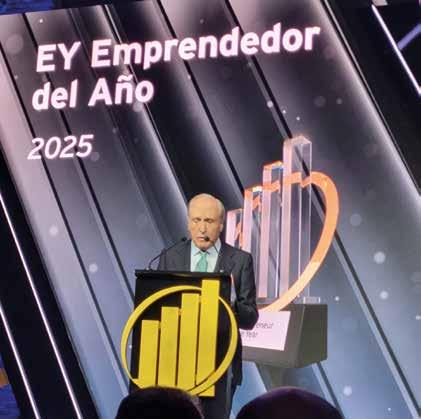
Fernández-Vega speaks after receiving the Innovation Entrepreneur of the Year Award.
THE DR LUIS FERNÁNDEZ-VEGA CUETO-FELGUEROSO JOINS THE ROYAL ACADEMY OF MEDICINE OF THE PRINCIPALITY OF ASTURIAS AS A
CORRESPONDING MEMBER
The specialist from the Cornea and Lens Unit of the Instituto Oftalmológico Fernández-Vega, Luis Fernández-Vega Cueto-Felgueroso, is now a Corresponding Member of the Royal Academy of Medicine of the Principality of Asturias. In doing so, he continues the legacy of his grandfather and great uncle, Luis and Álvaro Fernández-Vega Diego, both honorary members, and his father, Luis Fernández-Vega Sanz, who is currently a full academician.
In his inaugural address, the doctor spoke about keratoconus, the condition in which he is subspecialised, not without first expressing his
gratitude for the appointment and acknowledging the responsibility he assumes. He stated that he feels “the responsibility of joining an intellectual and professional tradition that has contributed decisively to medical progress and service to society”.
The event was attended, among
others, by the Health Minister of the Principality of Asturias, Conchita Saavedra, and trauma surgeon and full academician Alejandro Braña, who highlighted the “extraordinary and early projection” of the new academician. He also emphasised that “his academic and professional
Continues the legacy of his predecessors: Luis and Álvaro Fernández-Vega Diego as honorary members, and Luis Fernández-Vega Sanz as a full member.
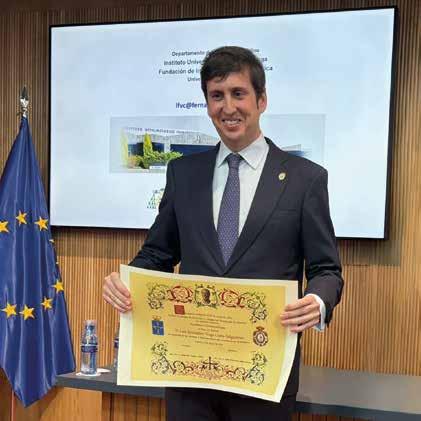
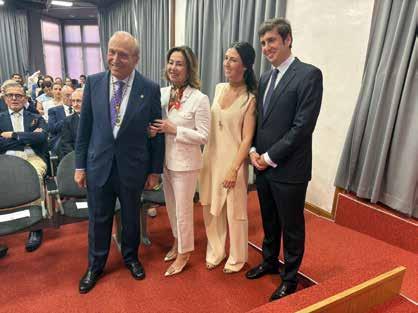
Dr. Luis Fernández-Vega Cueto-Felgueroso with the title that accredits him as a Corresponding Member of the RAMPRA.
“I feel the responsibility of joining an intellectual and professional tradition that has contributed decisively to medical progress and service to society.”
merits clearly reflect the intensity of his work and the sound judgement with which he is carrying it out”.
Dr Fernández-Vega was accompanied by his wife, Cristina Fernández, as well as by his parents, Professor Luis Fernández-Vega Sanz, president of the Institute, and Victoria Cueto-Felgueroso Botas. “I owe my father a teaching that has shaped the way I practise: always placing the patient at the centre of every decision. His example, dedication and high standards have been a constant reference,” stressed Dr Fernández-Vega Cueto-Felgueroso. He also dedicated a few words to his grandfather, who devised the formula for practising ophthalmology, CICACOA (science, affection, understanding and encouragement), “to which we must add the technological dimension, essential in modern medicine”, he noted. He
also highlighted the responsibility with which he assumes his new role, as well as his gratitude to those who have recognised his ability to contribute to the Academy, and to those who have accompanied him professionally throughout his medical career.
The ceremony was closed by Professor Juan López Arranz, president of the Academy, with a brief welcome and his best wishes for fruitful work to the new academician.
Dr Luis Fernández-Vega Cueto-Felgueroso joined the Institute in 2018, after a long training period that included specialisation in leading centres in the United States and England. His admission to the Royal Academy of Medicine of Asturias comes after surpassing 10,000 ocular procedures and receiving several distinctions, including the Arruga Prize (2024), awarded by the Spanish Society of Ophthalmolo-
gy. “By joining this Academy, I reaffirm my commitment to contributing to a way of understanding medicine based on scientific rigour, but also on deep respect for the individual,” he concluded.
Keratoconus, towards its definitive cure
Regarding keratoconus, a disease that causes progressive corneal thinning and increased curva-
ture, resulting in significant visual impairment, he highlighted that the main challenge he is working on is “its definitive cure”.
He explained that in the last 25 years, diagnostic and therapeutic advances have surpassed those achieved in previous centuries, thanks to the technological breakthroughs of the 21st century. These advances allow earlier detection, more
precise characterisation of the different morphological phenotypes and personalised therapeutic strategies.
The new academician stated that “keratoconus today has a favourable prognosis, even in the most advanced cases”. In this regard, he affirmed that “the implantation of intracorneal ring segments is an effective and long term stable strategy for visual rehabilita-
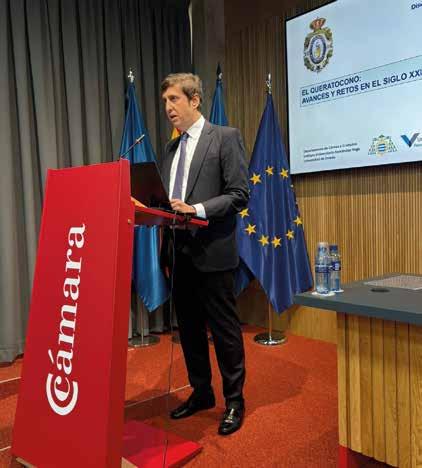
Dr Luis Fernández-Vega Cueto-Felgueroso, during his address.
He dedicates his inaugural address to keratoconus, on which he works to achieve “its effective cure”.
tion in keratoconus, reinforcing the role of intracorneal segments as a key tool in its management”.
Dr Fernández-Vega also recalled the important advances made by the Instituto Oftalmológico Fernández-Vega in this field: pioneers in the implantation of intracorneal ring segments as a strategy for corneal remodelling; creators of a new classification system that allows personalised strategies for each phenotype; and developers — under the leadership of Dr Alfonso and the company AJL Ophthalmic — of the device known as Neoring, which substantially improves the success rate of corneal transplants.
Regarding the new challenges in this field today, he pointed to artificial intelligence as a new driver of transformation. In this sense, he stated that it “opens the possibility of moving towards increasingly precise, individualised and predictive decision making”. He highlighted that the Fernández-Vega Ophthalmological Institute has extensive experience and databases integrating clinical information from more than 5,000 patients, which constitutes “a solid foundation for remaining at the forefront of research and treatment of this condition”.
Alejandro Braña:
“His academic and professional merits clearly reflect the intensity of his work.”
“Artificial
intelligence opens the possibility of moving towards increasingly precise, individualised and predictive decision making.”
From left to right, Prof Luis Fernández-Vega Sanz; Victoria Cueto-Felgueroso Botas; Cristina Fernández; and Dr Luis Fernández-Vega Cueto-Felgueroso.
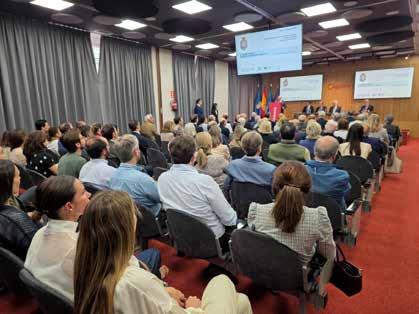
The appointment took place in the assembly hall of the Oviedo Chamber of Commerce.
DR LUIS FERNÁNDEZ-VEGA CUETO-FELGUEROSO, TREASURER OF SECOIR
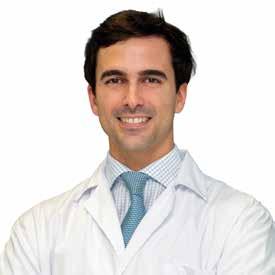
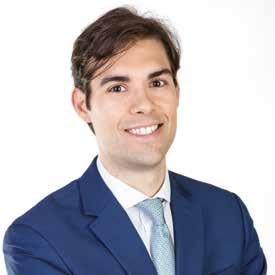
Dr Luis Fernández-Vega Cueto-Felgueroso.
Dr Luis Fernández-Vega Cueto-Felgueroso, specialist in the Cornea and Lens Unit of the Institute, has been appointed Treasurer of the Spanish Society of Implant Refractive Ocular Surgery (SECOIR).
Following the announcement of his appointment, Dr Fernández-Vega Cueto-Felgueroso stated that he takes on the role “with a deep sense of responsibility and with the commitment to contribute actively to the growth of a society that is a benchmark in refractive surgery, cataract surgery and cornea.” He also expressed his conviction that “excellence is built through active participation, transparency and strategic vision.”
SECOIR is a scientific organisation focused on ocular surgery, particularly cataract surgery, refractive surgery, intraocular lenses and, in general, corneal surgery and ocular microsurgery. Its aim is to promote training, research and continuous development for ophthalmologists specialising in this field.
Dr Luis Fernández-Vega Cueto-Felgueroso has also been a board member of the Spanish Society of Ophthalmology (SEO) since 2023, an organisation that awarded him the Arruga Prize in 2024, and he has recently joined the Royal Academy of Medicine of Asturias as a corresponding member.
Progress in the creation of the Biomedical and Ophthalmological Research Centre JOSÉ ANTONIO FERNÁNDEZ CARBAJAL VISITS THE CIByO FACILITIES
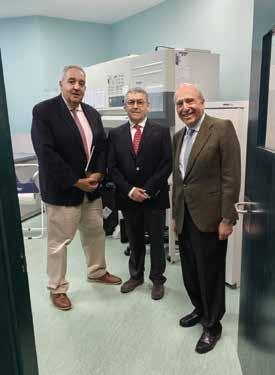
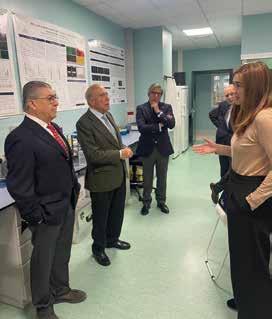
José Antonio Fernández Carbajal, the Astur Mexican businessman who leads the multinational FEMSA, has visited the facilities of the Biomedical and Ophthalmological Research Centre (CIByO in Spanish), the new space created through the collaboration between the Instituto Universitario Fernández-Vega (IUFV), TecSalud and the University of Oviedo, made possible thanks to the generosity of Fernández Carbajal and his wife, Eva María Garza Lagüera Gonda, one of FEMSA’s owners. The aim of this project is to promote international cooperation in health, research and teaching, and to drive the transfer of knowledge from Asturias to the world.
The visit marks another step forward in the launch of CIByO, which will serve as a meeting point for science, technology and education, and will strengthen Asturias’ position as an international benchmark in ophthalmic innovation.
This new centre will have three main areas of work. Firstly, it will include a programme enabling health sciences students to undertake rotations in the field of ophthalmology, supported by a scholarship system that will facilitate mobility and international training.
In addition, it will promote the development of research projects between TecSalud — the healthcare system
of Tecnológico de Monterrey and an international model in medical care, biomedical research and academic training — the University of Oviedo, and the Instituto Universitario Fernández-Vega itself.
Finally, it will also encourage the creation and consolidation of start ups and spin offs arising from the research projects generated within the centre.
Prof Luis Fernández-Vega Sanz and Prof Jesús Merayo Lloves accompanied José Antonio Fernández Carbajal, during his visit to the centre’s facilities in Oviedo.
TRIBUTE TO DR ABDELHAMID RADUAN
Dr Abdelhamid Raduan has been honoured by the Instituto Oftalmológico Fernández-Vega in recognition of his entire professional career. The doctor, who graduated in Medicine and Surgery from the University of Oviedo, is retiring after 34 years practising ophthalmology
at the IOFV. In recent years, Dr Abdelhamid Raduan carried out his work in the Institute’s Contactology Unit.
The ceremony was presided over by Prof Luis FernándezVega, president of the Institute, and Dr Álvaro FernándezVega Sanz, director of the Retina and Vitreous Unit.
From left to right: Dr Álvaro Fernández-Vega Sanz, director of the Retina and Vitreous Unit at the Instituto Oftalmológico Fernández-Vega; Dr Abdelhamid Raduan, ophthalmologist in the IOFV Contactology Unit; Prof Luis Fernández-Vega Sanz, president of the IOFV; Dr. Amhaz Hussein, specialist at the Institute.
SCHOOL VISITS TO THE OPHTHALMOLOGY RESEARCH FOUNDATION
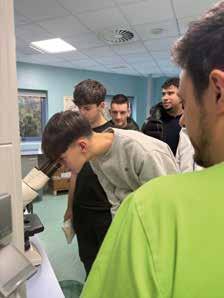
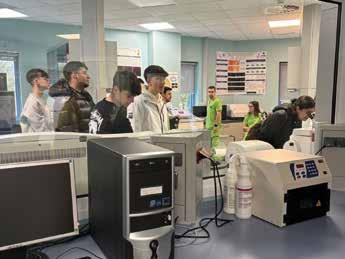
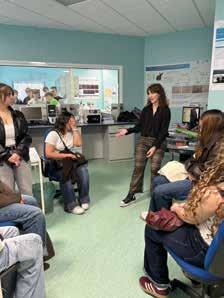
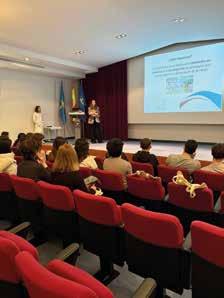
Several groups from IES Corvera and IES Dr Fleming, in Oviedo, have visited the facilities of the Instituto Oftalmológico Fernández-Vega in recent weeks. Specifically, the students were able to learn about the work carried out by the researchers at the Fundación de Investigación Oftalmológica (FIO).
Students
IES
IES
from
Dr Fleming (Oviedo) and
Corvera, both in Asturias, showed particular interest in the day-to-day work of the researchers carrying out their work at the Ophthalmology Research Foundation (FIO in Spanish).
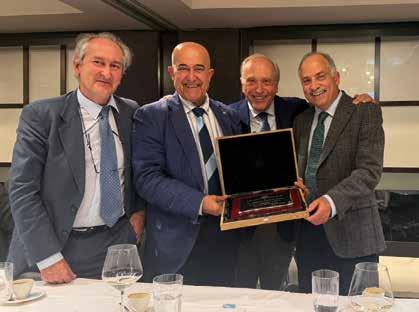
LUIS FERNÁNDEZ-VEGA, EUGENIO RODRÍGUEZ PASCUAL FOUNDATION
AWARD FOR HIS SCIENTIFIC CAREER
The award recognises the value and merits of the work and activities carried out throughout the scientific career of outstanding researchers in the field of Biomedical Sciences in Spanish speaking countries.
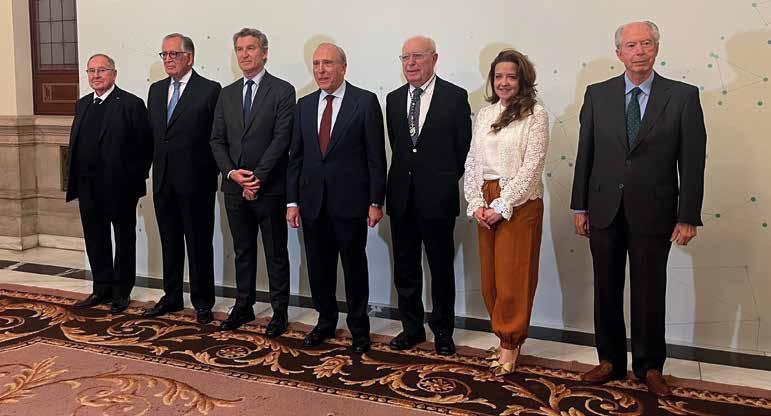
From left to right, José Luis Bonet, president of Cámara España; Antonio Basagoiti, president of the Eugenio Rodríguez Pascual Foundation; Alberto Núñez Feijóo, president of the Partido Popular; Luis Fernández-Vega Sanz, president of the Fernández-Vega Ophthalmological Institute; Eduardo Díaz Rubio, president of the Royal National Academy of Medicine; Fátima Matute, Health Minister of the Community of Madrid; and Rafael de Salamanca, president of the jury of the Eugenio Rodríguez Pascual Foundation Award.
Professor Luis Fernández-Vega, president of the Instituto Oftalmológico Fernández-Vega, has recently been
honoured with the Eugenio Rodríguez Pascual Foundation Award. This recognition highlights a scientific and medical career marked by clinical and surgical excellence, biomedical research and the transfer of knowledge to clinical practice.
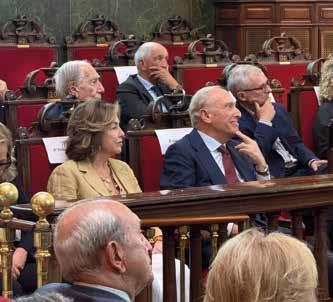
The ceremony, held at the Royal National Academy of Medicine, was attended by its president, Eduardo Díaz Rubio; the president of the Spanish Chamber of Commerce, José Luis Bonet; the president of the Eugenio Rodríguez Pascual Foundation, Antonio Basagoiti; the Health Minister of the Community
MAKING HEADLINES
Eduardo Díaz Rubio:
“His work has been key in training new generations of specialists and in driving research”.
of Madrid, Fátima Matute; the president of the Award Jury, Rafael de Salamanca; and the president of the Partido Popular, Alberto Núñez Feijóo, who closed the event.
The Eugenio Rodríguez Pascual Foundation, created in 1970 to promote biomedical research and support young researchers, grants this award to recognise “the value and merits of the work and activities carried out throughout the scientific career of outstanding researchers in the
field of Biomedical Sciences in Spanish speaking countries”.
The host of the event, the president of the Royal National Academy of Medicine, opened the speeches with a brief historical overview of the institution and emphasised the relevance of its current work. He also encouraged medical professionals to participate actively in the Academy and to engage with its outreach activities aimed at the general public.
During his remarks, he praised the work
of the Rodríguez Pascual Foundation and congratulated the awardee for his distinguished professional career.
Next, José Luis Bonet highlighted research as a driver of progress and an indicator of a society’s wellbeing. In this context, he underlined the essential role of Spanish companies in promoting innovation and recalled that the Instituto Fernández-Vega received in 2023 the award for Best SME in Spain granted by the organisation he chairs.
Antonio Basagoiti then spoke, reflecting on the vision and generosity of Eugenio Rodríguez Pascual, founder of the institution that bears his name.
Basagoiti also expressed his satisfaction with the jury’s decision, considering that Professor Fernández-Vega represents “the best of the tradition and innovation of Spanish medicine”, as well as a firm commitment to clinical and basic research in his specialty.
For her part, Fátima Matute, Health Minister of the Community of Madrid, based her remarks on her own experience as a medical professional and highlighted the importance of col-
laboration between the public and private healthcare systems to offer the best possible care to patients. She also expressed her satisfaction with the presence of a Fernández-Vega clinic in Madrid and recalled that she was already familiar with both the Fernández-Vega Ophthalmological Institute and the awardee’s career, as she was among the IE students who studied the institution’s “success case”.
Rafael de Salamanca then read the minutes of the jury, after briefly reviewing Professor Fernández-Vega’s professional career.
During his speech after receiving the award, Professor Fernández-Vega highlighted the value of a recognition centred on research: “This distinction has a very special meaning for me because it is focused on research,” he stated, also emphasising “the firm commitment” that the Fernández-Vega Ophthalmological Institute has historically made in this field.
The award thus recognises decades of scientific work carried out at the Institute, an international reference centre in ophthalmology, which has made clinical and basic research, together with teaching and
Antonio Basagoiti:
“He is an example of excellence, commitment and contribution to the progress of medicine”.
Prof Luis Fernández-Vega Sanz was accompanied by his wife, Victoria Cueto-Felgueroso Botas.
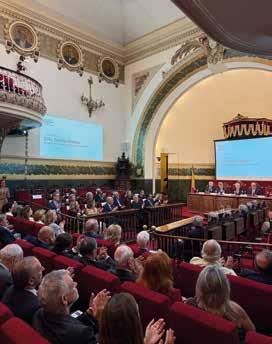
The award ceremony took place at the headquarters of the Royal National Academy of Medicine.
Núñez
Feijóo:
“His vocation has a direct impact on improving the visual health of thousands of patients”.
patient care, one of the fundamental pillars of its activity. In his address, Fernández-Vega recalled that the commitment to basic research undertaken more than twenty years ago from the private sector represented “one of the great challenges”, at a time when there were hardly any similar precedents in Spain or Europe.
This commitment materialised in the creation of the Fundación de Investigación Oftalmológica (FIO), from which various lines of research have been promoted to transfer scientific advances to clinical practice. The professor stressed that the efforts made “have been worthwhile”, not only because of the consolidation of a team guided by excellence, but also because advances derived from basic research are already being applied to patients and are resulting in proven therapeutic improvements.
In this regard, he focused particularly on the progress achieved in kera-
toconus surgery through lamellar transplants and prostheses, areas in whose design, as well as in the generation of tissue constructs, the Fundación de Investigación Oftalmológica he chairs has played and continues to play a significant role.
Fernández-Vega also highlighted the intense scientific and academic activity developed around the Fernández-Vega University Institute, as well as the publication of dozens of articles in international scientific journals and the collaboration maintained with national and international institutions.
He concluded his speech by stating that the award represents “an incentive for the road ahead. Long, uncertain, and as exciting as it is necessary”.
The event was closed by Alberto Núñez Feijóo, president of the Partido Popular, who highlighted both the professional excellence and the personal qualities
of the awardee. Feijóo also recalled that Professor Fernández-Vega performed the surgical procedure that allowed him to stop wearing glasses, an operation which, he explained, was carried out with complete satisfaction. He also expressed his wish for Spain to have more professionals committed to excellence, innovation and research applied to solving unresolved health challenges.
In the final part of his remarks, Feijóo reiterated his firm commitment to healthcare professionals and recalled different stages of his political career linked to the health sector, including his experience at the head of INSALUD and the responsibilities he held in the health department of the Xunta de Galicia.
Prof Luis Fernández-Vega:
“The Institute has a team of professionals guided by excellence”.
Professor Fernández-Vega highlighted the Institute’s efforts to improve the clinical and surgical treatments offered to patients.
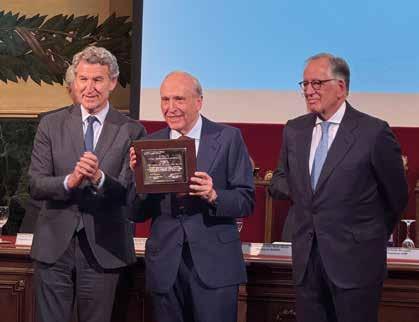
From left to right, Alberto Núñez Feijóo, president of the Partido Popular; Prof Luis Fernández-Vega Sanz; and Antonio Basagoiti García Tuñón, president of the Eugenio Rodríguez Pascual Foundation.
PATIENT QUESTIONS ABOUT OCULOPLASTICS
I am 47 and I notice my eyelids drooping over my eyes. When is the best time to have a blepharoplasty?
There is no fixed “ideal” age for a blepharoplasty. The indication depends much more on symptoms, on each patient’s anatomy, and on how much these changes affect daily life.
Over time, the tissues that surround and protect the eye — skin, muscle, tendons, ligaments and fat — gradually lose firmness, elasticity and volume. As a result, folds, bags or bulges may appear in some areas, while others show hollows or grooves. All of this can make the eyes look more tired, sad or aged.
In some patients, beyond the aesthetic aspect, discomfort or functional symptoms appear and progress slowly over the years. For example, a feeling of heaviness in the forehead or eyelids, the need to constantly raise the eyebrows to see better, a reduction in the upper or lateral visual field, or even irritation, redness and skin scaling due to moisture accumulating in the periocular folds.
In addition, these changes are not always due solely to ageing. Problems with the muscles that open or close the eyelids, eyelid malpositions, ocular surface disorders or inflammatory and neurological conditions may coexist and should be assessed. Sometimes even small skin lesions on the eyelid require evaluation to rule out precancerous changes or skin tumours.
When there is functional impact, we consider it a surgery with a functional component, not only an aesthetic one, and it is usually clearly indicated. In other cases, if there is an active inflammatory condition or a situation that may initially improve with medical treatment, it may be preferable to wait and decide on the best moment later.
On the other hand, many patients seek advice because, even without a significant functional problem, they feel their eyes look more aged, tired or dull and wish to improve their appearance. In these cases, once a full assessment has been carried out and the treatment options explained in detail, the timing of surgery is usually a very personal decision.
Blepharoplasty is not always an isolated procedure: depending on the case, it may be necessary to combine it with other treatments, such as correction of brow or eyelid drooping, treatment of bags, fat repositioning, lipofilling, laser, resurfacing or treatments to improve skin quality, pigmentation, wrinkles, dark circles or festoons (bags or folds of skin below the eyes, lower than typical dark circles).
Ultimately, the best time for surgery is when the patient has been properly assessed, understands the real problem, knows what surgery can improve in their case, and makes the decision calmly and confidently. Some patients undergo surgery before the age of 30, and others at over 80 or 90: what matters is not age, but the correct indication.
Dr Carlos Fernández-Vega González
I have had facial paralysis and although I have recovered, one eyelid still droops over the eye. Can it be corrected? Is surgery necessary?
Yes, in many cases it can be improved, and surgery is not always needed initially.
After facial paralysis, it is relatively common for eyelid sequelae to remain, even if the nerve has recovered much of its function. Drooping of the eyelid, difficulty opening or closing the eye properly, altered blinking or problems with eyelid position may persist.
In the first phase, it is usually advisable to allow time for recovery. In many cases, waiting at least a year is recommended — always following the neurologist’s and rehabilitation team’s guidance — because progressive improvement may occur with treatment and physiotherapy. Sometimes recovery is almost complete and surgery is not required.
However, when a persistent sequela affects vision, eye protection or the patient’s quality of life, effective surgical solutions do exist. The indication depends on the type and degree of involvement, so it must always be highly individualised.
It is also important not only to assess the drooping eyelid. A full examination of the ocular surface is essential to determine how much eyelid opening the eye can tolerate after potential reconstructive surgery, and whether other associated problems exist, such as brow changes, eyelash abnormalities, eyelid tendon issues, lacrimal system problems or eyelid malpositions that may also require treatment.
Therefore, the answer is yes: in many cases improvement is possible, and when surgery is needed, very effective techniques are available — but always after careful, personalised assessment.
My eyes water constantly, and I am not allergic. What could be the cause?
Continuous tearing, known medically as epiphora, is not always related to allergy. In fact, there are many other possible causes.
One of the most common is obstruction or narrowing of the tear drainage system, which prevents tears from draining properly into the nose. But it may also be due to eyelid position problems, failure of the tear “pumping” mechanism during blinking, chronic inflammation of the ocular surface, paradoxical dry eye, or even abnormalities in the nasal cavity or paranasal sinuses.
Although it may seem like a minor annoyance, continuous tearing can significantly affect quality of life and may sometimes lead to recurrent infections and compromise eye health. Moreover, treatment depends entirely on the cause. This is why proper assessment is important: treating a drainage problem is not the same as treating ocular inflammation, an eyelid malposition or a tumour.
A proper examination allows the origin of the problem to be identified and the most appropriate treatment offered in each case.
THE PATIENTS’ QUESTIONS
I have a lump on my eyelid. It does not bother me. Should I have it checked?
Yes, it is always advisable to have any eyelid lump examined, even if it does not hurt or cause discomfort.
Often these are benign lesions, such as a cyst, a chalazion or small harmless skin lesions. However, not all eyelid lumps are the same, and some lesions may require treatment or, in rare cases, correspond to something more serious.
The eyelid is a particularly delicate area, and some malignant or premalignant lesions may initially appear subtle. A simple examination by a specialist allows the diagnosis to be confirmed, determines whether observation is sufficient or whether treatment or removal is advisable, and ensures timely action if needed.
Any new lesion, progressive growth, bleeding, persistent crusting, loss of eyelashes or changes in the appearance of the lump make examination even more important.
My eyelashes grow inwards and bother me a lot. Is there a definitive solution?
Yes, there are effective and, in many cases, definitive solutions.
When eyelashes grow inwards and rub against the surface of the eye, this is known as trichiasis. It is relatively common and can cause significant discomfort, such as a foreign body sensation, tearing, redness, pain and even corneal damage if left untreated.
Treatment depends on the cause, the number of affected eyelashes and whether the problem is occasional or recurrent. In some cases, removing the problematic eyelashes is enough, but when they recur frequently, more definitive treatments may be preferable, such as certain laser procedures, radiofrequency or surgery.
In addition, the problem is not always limited to the eyelashes. Sometimes the underlying issue is an eyelid malposition, where the eyelid rotates inward and causes the entire eyelid margin and eyelashes to rub against the eye. In these situations, the most effective solution is usually to correct the eyelid position surgically.
It is important not to underestimate the problem, because what begins as a simple annoyance can end up damaging the cornea if it persists over time.
ULTRASOUND AND LASER FOR SKIN AND FACIAL TISSUE CARE
The Instituto Oftalmológico Fernández-Vega offers various facial treatments within its Oculoplastics Unit
Ultherapy helps maintain tissue quality and firmness over time.
The Instituto Oftalmológico Fernández-Vega offers a range of treatments within its Oculoplastics
Unit aimed at caring for the skin and facial tissues. Among them are non invasive technologies such as Ultherapy, based on focused ultrasound, and Fraxel, a fractional laser widely used in aesthetic dermatology to improve skin quality.
These procedures form part of a medical approach designed to accompany the natural changes associated with ageing through techniques that act at different levels of the tissues.
Ultherapy is a system that uses focused ultrasound to act on deep layers of soft tissue. Its aim is to stimulate the tissue’s own biological processes, particularly the production of collagen. In this way, it helps
maintain tissue quality and firmness over time.
This type of treatment is frequently used in patients seeking a conservative approach to facial ageing or as a complement to other medical or surgical procedures.
Fraxel laser can improve pigmentation marks, enlarged pores and fine wrinkles, among other concerns.
The importance of oculoplastics in facial aesthetics
Oculoplastics is a subspecialty of ophthalmology focused on the study and treatment of the structures surrounding the eye, such as the eyelids, the orbit and the lacrimal system. However, the detailed knowledge of facial anatomy that these specialists possess also enables them to address other aspects related to facial ageing.
“The periocular area and the upper part of the face form a complex anatomical unit, where skin, muscle, fat and ligaments interact with very specific functions,” explains Dr Carlos Fernández-Vega, specialist in Oculoplastics at the Instituto Oftalmológico Fernández-Vega. “This is why any treatment in this region must take into account not only aesthetics, but also function and ocular health.”
Demand for treatments to improve the appearance of the skin or prevent certain signs of ageing has increased in recent years. In this context, non invasive technologies offer complementary options to traditional surgical procedures.
Individualised medical assessment
Before recommending any aesthetic procedure on the face, specialists carry out an individualised medical assessment. This evaluation includes an analysis of the skin, eyelid function, ocular surface and the patient’s facial anatomy.
This approach makes it possible to determine which type of treatment may be most appropriate in each case and to rule out potential medical issues that could affect ocular health or the outcome of the procedure.
Modern oculoplastics therefore integrates functional, medical and aesthetic criteria, with the aim of offering safe, personalised treatments tailored to the needs of each patient.
Treatments that act at different levels
Each technology acts on a different layer of tissue and pursues different objectives. Ultherapy works on deep layers of tissue through focused ultrasound. Its role is mainly to stimulate collagen production in deeper planes and help maintain tissue firmness over time. It is a preventive approach that accompanies the natural ageing process without producing immediate changes in facial appearance, as surgery does.
Fraxel laser, on the other hand, acts on more superficial layers of the skin through a system of micro columns of energy that stimulate skin regeneration. This type of laser can improve various aspects related to skin quality, such as pigmentation marks, uneven texture, enlarged pores, fine superficial wrinkles or loss of skin radiance. In many cases, results appear progressively after several sessions, as the skin renews itself gradually.
“While some treatments act more deeply by stimulating the tissues, others, such as fractional laser, work at skin level and can produce more noticeable changes in skin quality,” notes Dr Fernández-Vega.
FIO PROMOTES A REGENERATIVE MEDICINE LINE FOR THE TREATMENT OF GLAUCOMA
The collection of new biological samples will make it possible to advance innovative solutions for glaucoma and other eye diseases, opening new avenues of research in regenerative medicine.
Gingly significant health problem, with a notable impact on both vision and patients’ quality of life.
The main objective of this research is to optimise glaucoma treatment through plasma rich in growth factors.
laucoma is a chronic eye disease that affects half a million people in Spain — around 3% of the population — and is the leading cause of irreversible blindness. In general, it occurs when pressure inside the eye increases due to an alteration in the drainage of the aqueous humour, causing progressive damage to the optic nerve. In a context of population ageing, glaucoma has become an increas-
In this context, the project of the Fundación de Investigación Oftalmológica (FIO) – a non profit foundation supported by the Instituto Oftalmológico Fernández-Vega (IOFV) – takes on special relevance in the field of ocular regenerative medicine, focusing on the development of eye drops based on plasma rich in growth factors (PRGF). This therapy, obtained from the patient’s own blood, combines
anti inflammatory, regenerative and lubricating properties, and has shown promising results in patients recovering from various eye surgeries.
Researchers at the FIO are working on the development of personalised treatments to improve recovery after glaucoma surgery, with a focus on improving the evolution of filtering blebs, restoring the function of the trabecular meshwork (a key structure in aqueous humour drainage), and identifying which patients may benefit most from PRGF therapy, avoiding unnecessary interventions.
Investigators at the FIO are working on the development of personalised treatments to improve recovery after glaucoma surgery.
Researchers at the FIO are working on the development of personalised treatments to improve recovery after glaucoma surgery, with a focus on improving the evolution of filtering blebs, restoring the function of the trabecular meshwork (a key structure in aqueous humour drainage), and identifying which patients may benefit most from PRGF therapy, avoiding unnecessary interventions.
“With PRGF, it is possible to obtain an artificial tear of extraordinary quality, as it has anti inflammatory, regenerative and highly lubricating properties,” explains Dr Ignacio Rodríguez Uña, ophthalmologist in the Glaucoma Unit at the IOFV. “Although it is already used in ocular surface problems and dry eye, the results in post glaucoma surgery patients are very encouraging,” he adds.
The main objective of this research is to optimise glaucoma treatment through PRGF, combining a regenerative approach with personalised therapy. To this end, tools are being developed to enable more precise diagnosis of the disease and to predict each patient’s individual response.
“The collection of new biological samples will allow progress in innovative solutions for glaucoma and other eye diseases, exploring possible alternative therapeutic targets and opening new avenues of research in regenerative medicine,” the doctor notes.
Artificial intelligence in the service of early diagnosis
The FIO is also working to improve the management of glaucoma through artificial intelligence (AI), a tool that is complementing diagnostic and monitoring strategies for multiple eye conditions. In the case of glaucoma, the application of advanced algorithms makes it
possible to analyse large volumes of clinical data and diagnostic images to identify patterns that facilitate earlier detection and greater accuracy in assessing disease progression.
A national multicentre study, within the framework of the Spanish Glaucoma Society and involving the FIO, brings together dozens of researchers seeking to improve glaucoma diagnosis and predict its evolution using AI, with the aim of anticipating progression and personalising treatment for each patient. “If we achieve early management of the disease, we can try to prevent the patient from developing glaucoma or, if they do, ensure it is milder and progresses more slowly,” says Dr Rodríguez Uña. “That is the purpose of any research,” he adds.
The success of these studies could transform the experience of patients with glaucoma, reducing the need
for invasive surgery and minimising the side effects of current long term treatments. At the same time, new avenues are opening in precision and regenerative medicine, allowing each patient to receive the most appropriate therapy for their specific case.
Scientific evidence supporting the research
The research lines developed at the FIO are also supported by teaching and academic activity. In this context, in March Dr Rodríguez Calvo, head of the Glaucoma Unit at the Fernández-Vega Ophthalmological Institute, presented his doctoral thesis on the applications of PRGF in glauco-
ma, supervised by Dr Rodríguez Uña and Professor Jesús Merayo, one of the pioneers in the development and use of PRGF in Ophthalmology.
This new work, which continues research into this technique, focused on assessing the usefulness, safety and tolerance of PRGF eye drops in the postoperative period of filtering glaucoma surgery, with the aim of improving the evaluation of operated patients and promoting medium term surgical success. The conclusions suggest that the use of this formulation could contribute to better recovery and more favourable outcomes after this surgery.
Dr. Ignacio Rodríguez Uña, specialist at the Glaucoma Unit of the Fernández-Vega Ophthalmological Institute
www.fio.fernandez-vega.com
ASTURIAN RESEARCHERS
STUDY MILK COMPOUNDS TO PREVENT AMD
Age related macular degeneration (AMD) is currently the leading cause of legal blindness in people over 65. In Spain, it affects 1.5% of the total population, and its impact continues to grow as the population ages – reaching 25% in people over 75. In response to this challenge, a team from the Fundación de Investigación Oftalmológica (FIO), together with the Retina Unit of the Instituto Oftalmológico Fernández-Vega, is driving an innovative project that brings together nutrition, biotechnology and sustainability to explore potential ways to improve visual health during ageing.
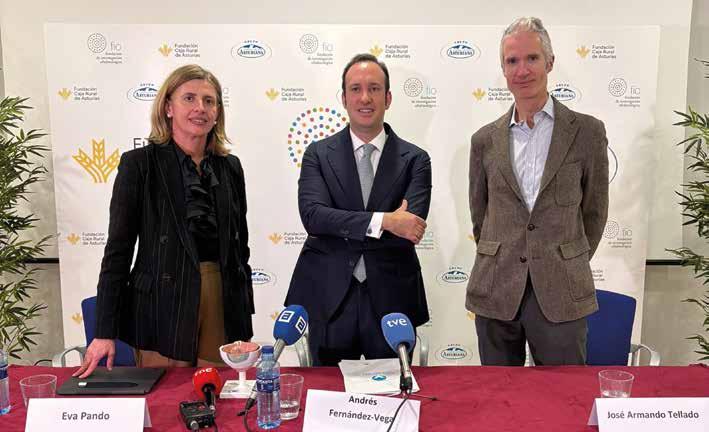
Eva Pando, Director of the Fundación Caja Rural; Dr Andrés Fernández-Vega Cueto-Felgueroso, Director of Basic and Translational Research at the IOFV; and José Armando Tellado, CEO of
The project, which will be developed from 2026 with the support of the Fundación Caja Rural de Asturias and in collaboration with Grupo Central Lechera Asturiana,
a leading company in the Spanish dairy market, will evaluate the potential of certain bioactive components present in whey, a by product of the dairy industry, to modulate cellular processes associated with age related ocular damage. Representatives from the organisations presented the
Grupo Central Lechera Asturiana.
Age related Macular Degeneration (AMD) is the leading cause of legal blindness in people over 65.
agreement that will allow the research to begin.
An experimental model to study retinal ageing
In recent years, the research team has developed a retinal epithelial cell model that progressively reproduces some of the characteristic changes of AMD, such as chronic inflammation, oxidative stress and alterations in lipid metabolism, all of which are observed in patients.
This model has made it possible to advance in identifying processes involved in the degeneration of retinal cells and in evaluating nutritional interventions in a controlled environment. Among other findings, the protective effect of zinc has been studied — an essential micronutrient whose deficiency is common in older adults. Under controlled conditions, zinc helps reduce inflammation and preserve the integrity of retinal
cells, provided it is administered in appropriate doses.
In addition, bioactive compounds present in whey have been identified, including certain natural oligosaccharides, which may help reduce inflammation, oxidative stress and retinal cell degeneration. These compounds, naturally present in the whey of different animal species, have shown modulatory effects in preliminary experimental conditions.
From industrial waste to a healthy solution
Whey is one of the main by products of the dairy industry and is still largely considered waste. This project proposes its potential use as a source of ingredients with functional interest, aligning biomedical research with the principles of the circular economy.
“The aim is to rigorously study
whether these components can help support cellular mechanisms associated with healthy ageing,” explains Dr Andrés Fernández-Vega, Director of Basic and Translational Research at the Fernández-Vega Institute.
The research will be carried out in two phases. In the first stage, in vitro studies will examine how these compounds and zinc can modulate cellular responses in retinal models. In the second stage, these results will be validated in animal models.
Design of new supplements and topical solutions
The project aims to establish the scientific basis for the future development of nutritional or topical formulations aimed at visual health, always subject to the results obtained and the relevant regulatory evaluations.
“In this way, the initiative aims to generate a triple impact: Scientific, by providing new knowledge on how nutrition can influence the prevention of eye diseases; Technological, by creating an innovative
approach to the use of whey; and Socioeconomic, by helping reduce the burden associated with vision loss and promoting sustainable practices in the dairy sector,” explains Dr Fernández-Vega.
With this initiative, the Fundación de Investigación Oftalmológica reinforces its commitment to translational research that connects science, health and sustainability, with the aim of protecting vision throughout life. In this regard, Eva Pando, Director of the Fundación Caja Rural de Asturias, highlights that “support for scientific research is one of our Foundation’s strategic priorities, especially in projects developed in Asturias that have a direct impact on society’s health and wellbeing. Promoting partnerships between centres of excellence and companies in our region allows us to contribute to the advancement of knowledge and the sustainable development of the territory.”
José Armando Tellado, CEO of Grupo Central Lechera Asturiana,
adds: “We are convinced that science drives progress and contributes to social wellbeing. Our participation in this project reflects our long standing commitment to research, health and the value of milk as a natural food recognised for its high nutritional value. Collaboration with the Fundación de Investigación Oftalmológica and the Fundación Caja Rural de Asturias gives us the opportunity to rigorously study the potential of natural milk components in preventing age related conditions such as Age related Macular Degeneration. Initiatives like this strengthen our mission to promote nutrition backed by scientific evidence and to drive the development of innovative solutions that genuinely improve people’s quality of life.”
The initiative seeks to explore the potential of milk components of animal origin for the prevention of age related ocular damage.
PEDRO PABLO RODRÍGUEZ CALVO DEFENDS HIS THESIS ON THE USE OF PLASMA RICH IN GROWTH FACTORS IN GLAUCOMA SURGERY
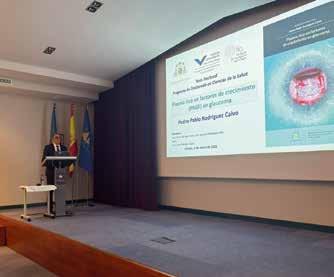
Dr Pedro Pablo Rodríguez Calvo, head of the Glaucoma Unit at the Instituto Universitario Fernández-Vega, has publicly defended his doctoral thesis as part of the Official Doctoral Programme at the University of Oviedo. The research, entitled “Plasma Rich in Growth Factors in Glaucoma”, was supervised by Prof Dr Jesús M. Merayo Lloves and Dr Ignacio Rodríguez Uña.
The study focuses on immunologically safe plasma rich in growth factors (is PRGF) as an adjuvant treatment
in the postoperative period of non penetrating deep sclerectomy (NPDS), a surgical technique used in the treatment of glaucoma.
The research carried out in this thesis analyses the potential of is PRGF, an autologous derivative rich in
bioactive mediators involved in tissue repair and the regulation of inflammatory response. Its immunologically safe formulation allows it to be applied as an eye drop during the postoperative period.
Results pointing to improved surgical success
The prospective study included patients with open angle glaucoma who underwent NPDS with or without phacoemulsification, comparing a control group with another treated with is PRGF eye drops for four months.
The results showed a greater reduction in intraocular
pressure in patients treated with is PRGF, as well as a higher rate of surgical success. In addition, anterior segment optical coherence tomography (AS OCT) revealed better filtering bleb structure in this group.
A lower tendency towards postoperative complications was also observed, along with a reduction in symptoms related to ocular surface disease.
Contribution to research in glaucoma surgery
The conclusions of the study indicate that the use of is PRGF in the postoperative period of non
penetrating deep sclerectomy may help improve surgical outcomes by promoting better control of intraocular pressure and appropriate modulation of scarring, with a favourable safety profile.
From the Instituto Oftalmológico Fernández-Vega, we congratulate Dr Pedro Pablo Rodríguez Calvo and his thesis supervisors for this work, which reinforces the Institute’s commitment to clinical research and the development of new therapeutic strategies in glaucoma aimed at improving patients’ quality of life.
Dr Pedro Pablo Rodríguez Calvo, head of the Glaucoma Unit at the Instituto Universitario Fernández-Vega, during the defence of his thesis.
Errata notice
On page 21 of Vega 53 magazine, a text was published in error linking the thesis “Study of corneal innervation using in vivo confocal microscopy: applications in the diagnosis of pathologies and in monitoring treatment response” with Juan Queiruga. However, his research focused on the “Effect of the diameter of scleral contact lenses on the structures of the anterior segment of the eye and on intraocular pressure”, as detailed below.
JUAN
QUEIRUGA:
“EFFECT OF THE DIAMETER OF SCLERAL CONTACT LENSES ON THE STRUCTURES OF THE ANTERIOR SEGMENT OF THE EYE AND ON INTRAOCULAR PRESSURE”
Supervisors:
Professor Jesús Merayo Lloves and Dr Ignacio Rodríguez Uña Juan Queiruga during the defence of his doctoral thesis.
The use of scleral contact lenses produces slight changes in different structures of the anterior segment of the eye. One of the parameters of these lenses that may play
an important role in these changes is the diameter, since the degree of compression and the reduction of the tear reservoir vary depending on where the lens rests
in relation to the limbus. Near the limbus are several structures involved in the drainage of aqueous humour, meaning that their compression — together with the
TRIDITIVE AND THE FUNDACIÓN DE INVESTIGACIÓN OFTALMOLÓGICA COLLABORATE ON THE DEVELOPMENT OF AN INNOVATIVE SYSTEM FOR OCULAR SURGERY
TRIDITIVE, a company specialising in advanced engineering and additive manufacturing, has signed a service agreement with the Fundación de Investigación Oftalmológica (FIO) for the development of the ILEX device, a precision dosing control system for autologous fibrin adhesive intended for ophthalmic use.
This agreement forms part of the research project
DTS23/00134, “Development of in vivo cell culture models for the treatment of epithelial lesions”, focused on creating new solutions for the treatment of epithelial injuries, and funded by the Instituto de Salud Carlos III, the Government of Spain and the European Union.
The ILEX device will enable controlled and simultaneous
dispensing of fibrinogen and thrombin, the two key components of autologous fibrin adhesive, improving precision and efficiency in ophthalmic surgical procedures.
As part of the agreement, TRIDITIVE will be responsible for the design, development and manufacture of two functional prototypes of the system, as well
increase in suction forces beneath the scleral contact lens as the tear reservoir decreases during wear — could lead to a rise in intraocular pressure. Objective:
To evaluate the effect of scleral contact lens diameter on the structures of the anterior segment of the eye and on intraocular pressure.
as its technical documentation, with the aim of facilitating its evaluation in clinical and research settings.
“This collaboration strengthens our commitment to developing advanced technological solutions applied to the field of health,” says Luis Valdés, advisor at TRIDITIVE.
“The development of tools such as ILEX represents an important step in transferring research into clinical practice,” adds Dr Álvaro Meana Infiesta, principal investigator of the
project and head of the Regenerative Medicine and Advanced Therapies Unit at the Fundación de Investigación Oftalmológica.
Autologous fibrin adhesive represents a biocompatible and biodegradable alternative for surgical procedures, with high potential for application in ophthalmology, particularly in tissue repair.
This collaboration highlights the value of cooperation between technology and biomedical research in driving innovation in the healthcare sector.
FUNDACIÓN FERNÁNDEZVEGA VISITS
CPRPM
SANTA TERESA INFORMATION POINT IN OVIEDO TO PREVENT GLAUCOMA
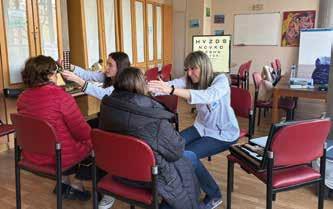
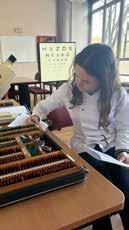
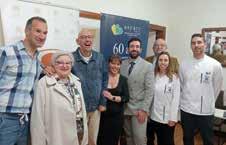
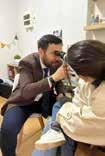
The elderly residents of CPRPM Santa Teresa, in Oviedo, received a visit from a team of professionals from the Fundación Fernández-Vega.
Dr Nicolás Sánchez Maluf, ophthalmologist at the Instituto Oftalmológico Fernández-Vega, and opticians-optometrists Myriam Anta
and Irene Yuste took part in this charitable initiative that the FFV carries out on a regular basis.
After the check-ups, both Dr Sánchez Maluf and the optometrists took the opportunity to offer some advice on eye health to the patients.
Myriam Anta and Irene Yuste, optometrists, took part in this initiative by the Fernández-Vega Foundation.
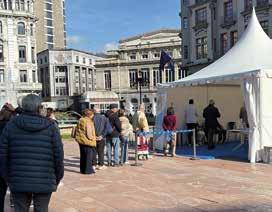
The Fundación Fernández-Vega, in its commitment to promoting ophthalmic medical care, set up an information point in Oviedo to mark World Glaucoma Day. The Plaza de la Escandalera hosted a marquee staffed by professionals from the Instituto Oftalmológico Fenrández-Vega — an open, street level initiative for all citizens, organised by the Institute every year.
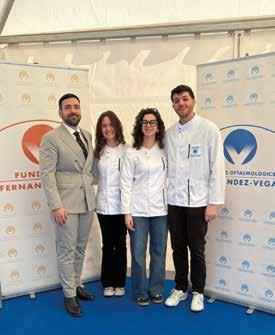
On this occasion, Dr Nicolás Sánchez Maluf took part alongside a team of optometrists made up of Abel Menéndez, Irene Yuste and Lara Argüelles, who carried out eye examinations for hundreds of people who stopped by.
The purpose of this initiative is to raise awareness of the need for regular ophthalmological check ups to detect silent diseases such as glaucoma in time.
It is worth noting that glaucoma is one of the leading causes of irreversible blindness worldwide, and in Spain it affects nearly half a million
people, with a particularly high incidence among the elderly. It is an eye disease in which the optic nerve — the structure that connects
the eye to the brain — becomes damaged. Knowing the risk factors and maintaining a healthy lifestyle are crucial to preventing this condition.
the check-ups.
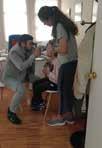
Dr Nicolás Sánchez Maluf attends to a patient.
Optometrist Irene Yuste prepares the equipment before beginning
From left to right: Dr Nicolás Sánchez Maluf and optometrists Irene Yuste, Lara Argüelles and Abel Menéndez.
Hundreds of citizens visited the marquee set up by the Fundación Fernández-Vega to mark World Glaucoma Day.
FUNDACIÓN FERNÁNDEZ-VEGA VISITS
THE ASPACE ASSOCIATION IN ASTURIAS
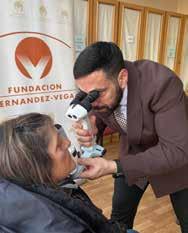
As part of its programme of charitable activities in support of vulnerable groups and social organisations, the Fundación Fernández-Vega visited the Ángel de la Guarda school, run by the ASPACE association in Asturias, to provide ophthalmological care to
people with cerebral palsy.
Taking part in this initiative were Dr Nicolás Sánchez Maluf, ophthalmologist at the Instituto Oftalmológico Fernández-Vega, and opticians-optometrists Guía Prieto and Pedro Lata.
Dr Nicolás Sánchez Maluf and opticians Guía Prieto and Pedro Lata visited the Ángel de la Guarda school in Latores (Asturias) to carry out eye examinations for patients with cerebral palsy from the ASPACE association.
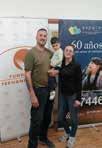
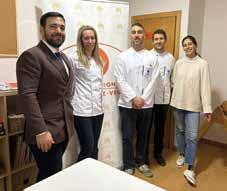
FERNÁNDEZ-VEGA FOUNDATION VISITS ACADEMIA EQUIPO
The Fernández-Vega Foundation, whose work focuses on providing ophthalmological care to disadvantaged groups, has once again visited the educational and psycho-pedagogical center “Academia Equipo,” a space dedicated to supporting people with autism.
This initiative involved Dr. Nicolás Sánchez Maluf, an ophthalmologist at the Fernández-Vega Ophthalmological Institute, together with optometrists Myriam Anta, César
Gala, and Pedro Lata. Initiatives such as this demonstrate a genuine commitment to care that listens, supports, and places people at the center.
Dr. Nicolás Sánchez Maluf and optometrists Myriam Anta, César Gala, and Pedro Lata were welcomed by María Nonide, Director of Academia Equipo.
A different view
The complexity of simplicity
There is nothing more beautiful than what is simple, what needs no embellishment or extras to be — and to make us feel — complete.
There is nothing more authentic than what stands on its own, what in its ordinary state is already extraordinary, what does not need to break the silence to be noticed.
Because, even before dawn, some things already shine.
Because fashions and trends fade away, but the classics continue to flow from one generation to the next.
And I’m not talking about things we can keep, things we can buy, nor even those we can claim as ours.
I’m thinking of what we live, and what becomes engraved on our hearts.
A hug, the knot of family ties, a bridge built between two people, the aftertaste of a good conversation, the echo of our childhood that resonates as we grow, the first notes of a love story...
The only things we will take with us are those that carried us first.
Everything else, in the end, comes to an end.
The rest is a small piece of eternity.
Emma G-Baizán G-Lamuño.
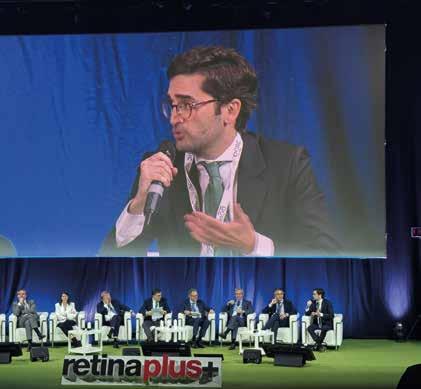
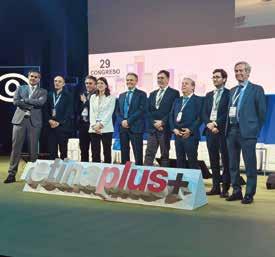
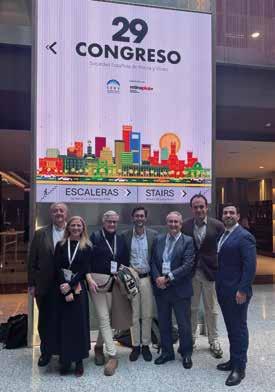
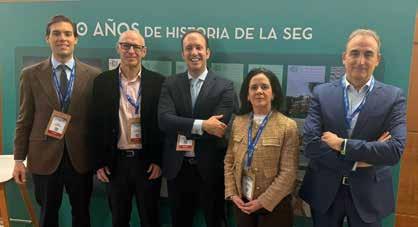
29TH CONGRESS OF THE SPANISH RETINA AND VITREOUS SOCIETY (SERV)
Madrid hosted in March the 29th Congress of the Spanish Retina and Vitreous Society (SERV), organised by the Fundación Española Retina Plus.
This meeting, considered one of the most important in ophthalmology,
brought together more than 1,000 specialists to share the latest technological advances in the diagnosis and treatment of the main diseases of the retina, choroid and vitreous, as well as the pharmacological innovations that are transforming clinical practice.
Our specialists—Dr. Álvaro FernándezVega González, Dr. Álvaro Fernández-Vega Sanz, Dr. Maribel
López Gálvez, Dr. Maximiliano Olivera, Dr. Pilar Quiroga, Dr. Manuel Riaño, and Dr. Nicolás Sánchez Maluf—were present at this leading forum, contributing their expertise and knowledge.
Through their participation, we continue to promote research and training to protect and improve the visual health of our patients, reaffirming our commitment to excellence and scientific progress.
Drs. Álvaro Fernández-Vega González, Álvaro Fernández-Vega Sanz, Maribel López Gálvez, Maximiliano Olivera , Pilar Quiroga, Manuel Riaño and Nicolas Sánchez Maluf take part in the 29th SERV Congress.
20TH CONGRESS OF THE SPANISH GLAUCOMA SOCIETY
Specialists from across the country gathered in Toledo for the 20th Congress of the Spanish Glaucoma Society, held at the city’s Conference Centre. Over three days, ophthalmologists discussed and shared knowledge, advances and treatments related to glaucoma.
Several specialists from the Glaucoma Unit of the Instituto Oftalmológico
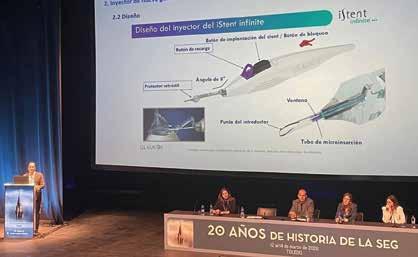
Fernández-Vega took part as speakers. Dr Andrés Fernández-Vega Cueto-Felgueroso presented the lecture “iStent infinite®: a new generation injector”, in which he addressed the latest developments of this device in the treatment of the disease.
For his part, Dr Ignacio Rodríguez Uña participated as an invited speaker in the round table on “Glaucoma in high ametropia”, addressing the relationship between high myopia and glaucoma. He also discussed risk factors, specific characteristics, diagnos-
tic techniques and several specialised procedures. During his intervention, he highlighted the importance of personalised management in each case.
In addition, Dr Rodríguez Uña presented the oral communication “New application of regenerative medicine as an ocular hypotensive treatment in cases of cicatricial conjunctivitis”, and in the section on clinical cases and surgical manoeuvres, he contributed the lecture “Incidental macro cyst as a cause of Ahmed valve failure: differential diagnosis and management”, emphasising the importance of taking extreme precautions in revision surgeries
and having an alternative rescue option available.
Finally, Dr Rodríguez Uña also participated with a panel communication titled “Paul implant in iridocorneal endothelial syndrome”, which provided additional indications on innovative devices to reduce intraocular pressure in complex glaucoma cases.
Dr Pedro Pablo Rodríguez Calvo, Dr José Luis Urcelay Segura and Dr María Elena Simancas Montoto also took part in the programme of the 20th Congress of the Spanish Glaucoma Society.
Dr Andrés Fernández-Vega Cueto-Felgueroso during his lecture at the congress.
From left to right, Dr Ignacio Rodríguez Uña; Dr José Luis Urcelay Segura; Dr Andrés Fernández-Vega Cueto-Felgueroso; Dr María Elena Simancas Montoto and Dr Pedro Pablo Rodríguez Calvo.
26TH SYMPOSIUM ON CONTROVERSIES IN GLAUCOMA
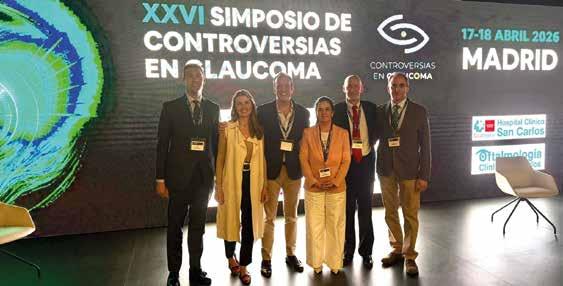
The Pablo VI Foundation headquarters in Madrid hosted in April the twenty sixth edition of the Symposium on Controversies in Glaucoma, organised by Hospital Clínico San Carlos. The meeting brought together leading specialists in this field. The scientific programme was divided into 7 sections, addressing the most relevant topics and the latest updates related to glaucoma.
The event featured the participation of several experts from the Glaucoma Unit of the Instituto Fernández-Vega:
Dr Pedro Pablo Rodríguez Calvo:
• Controversy I. Nutraceuticals, supplements… should they be used routinely in the treatment of glaucoma?
• Round Table 1 (Discussion)
Dr Andrés Fernández-Vega Cueto-Felgueroso
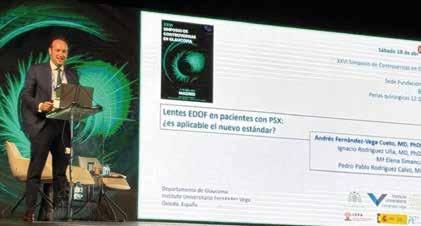
• EDOF lenses in patients with PEX. Is the new standard applicable?
Dr Ignacio Rodríguez Uña
• Use of intraoperative OCT in glaucoma surgery.
Dr José Luis Urcelay
• Continuous release inserts: a chimera?
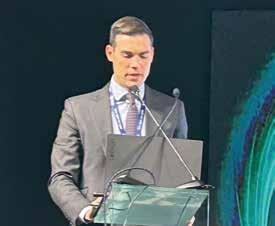
Dr Rodríguez Uña during
Dr Andrés Fernández-Vega Cueto-Felgueroso speaks to discuss EDOF lenses in patients with PXFS.
From left to right: Drs Ignacio Rodríguez Uña, Verónica Martínez, Andrés Fernández-Vega, Mª Elena Simancas, José Luis Urcelay and Pedro Pablo Rodríguez Calvo.
his speech.
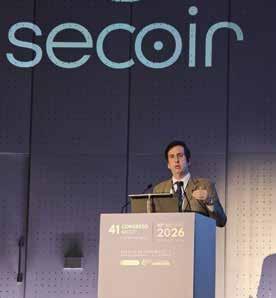
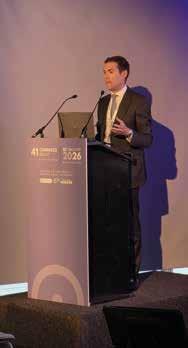
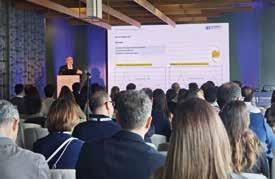
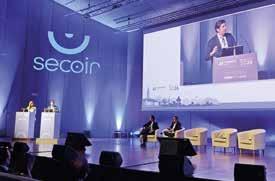
41ST SECOIR CONGRESS AND 10TH SECOMIR 2026
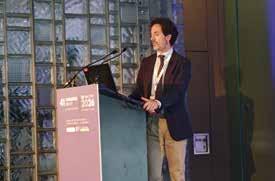
ACoruña hosted the latest edition of this meeting, which combines the SECOIR and SECOMIR congresses, organised by the Spanish Society of Implant Refractive Ocular Surgery (SECOIR).
On this occasion, the meeting presented an ambitious,
dynamic and highly practical scientific programme addressing the main areas of the specialty, including cataract surgery, cornea and refractive surgery.
SECOMIR, meanwhile, offered specific training pathways for residents and young ophthalmologists, with content adapted to different levels of training.
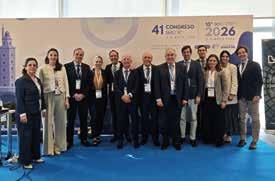
Participants in this dual meeting included Prof Luis Fernández-Vega Sanz; Dr Luis Fernández-Vega Cueto-Felgueroso; Dr Andrés Fernández-Vega Cueto-Felgueroso; Dr José F. Alfonso Sánchez; Dr Belén Alfonso Bartolozzi; Dr José Ignacio Blázquez García;
Dr Carlos Lisa; Dr Ignacio Rodríguez Uña; Dr José Luis Urcelay; and Dr José Antonio Gegúndez Fernández.
Finally, two specialists from the Cornea and Lens Unit of the Instituto Fernández-Vega received awards at SECOIR:
Best Oral Communication in Crystalline II
“Optical and clinical outcomes of a new diffractive trifocal intraocular lens”, by Dr Belén Alfonso Bartolozzi.
Best Video in Crystalline
“Stabilising an unstable capsular bag”, by Dr Luis Fernández-Vega Cueto-Felgueroso.
A large group of specialists from the Instituto Oftalmológico Fernández-Vega attended the SECOIR and SECOMIR congresses.
Dr Luis Fernández-Vega Cueto-Felgueroso received the award for Best Crystalline Video for “Stabilising an unstable capsular bag”.
Dr Belén Alfonso Bartolozzi received the award for Best Oral Communication in Crystalline II for “Optical and clinical outcomes of a new diffractive trifocal intraocular lens”.
Dr Ignacio Rodríguez Uña during his intervention at SECOIR.
Dr José F. Alfonso in the SECOIR CRISTALINO Course: Intraocular lenses: from theory to practice, speaking on “Code to understand multifocal lenses”.
Dr Carlos Lisa Fernández during his lecture “The phakic lens as a refractive solution in a therapeutic context”.
FACOCARIBE 2026
The city of Barranquilla (Colombia) hosted a new edition of FacoCaribe, one of the most important international meetings for ophthalmology specialists. The congress brings together experts from different
countries to share knowledge, clinical experience and the latest advances in visual health.
In this edition, the event featured the participation of Dr Luis Fernández-Vega Cueto-Felgueroso
and Dr José Antonio Gegúndez Fernández, who took part in the scientific programme of the congress, contributing to the exchange of knowledge and the discussion of the most innovative techniques and tech-
nologies in the field of ophthalmology.
FacoCaribe thus consolidates itself as a key forum for scientific updates and collaboration among professionals committed to the continuous improvement of
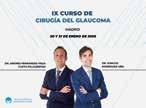
IX GLAUCOMA SURGERY COURSE
30–31 January
The Mutua Madrileña Auditorium (Madrid) hosted the IX Glaucoma Surgery Course, a consolidated event dedicated to clinical and surgical updates in one of the most relevant areas of ophthalmology.
With an intensive 15 hour training format, the course brought together national and international specialists to address current trends and advances in glaucoma surgery,
eye care. The presence of internationally renowned specialists helps strengthen the ophthalmology community and continue driving advances that directly translate into better care for patients.
fostering scientific exchange and technical refinement.
In this edition, the Fernández-Vega Ophthalmological Institute participated with Dr Andrés Fernández-Vega Cueto-Felgueroso and Dr Ignacio Rodríguez Uña, reinforcing its commitment to clinical excellence, continuous training and active contribution to leading scientific forums.
19TH INTERNATIONAL OPHTHALMOLOGY COURSE FOSCAL
2 al 13 February
This event for ophthalmologists, residents and residency candidates took place in Bucaramanga (Colombia) and featured the
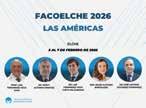
FACOELCHE 2026
5–7 February
This annual scientific meeting dedicated to phacorefractive surgery is held in Elche. It is an international reference congress that brings together specialists in cataract and refractive surgery to share knowledge, clinical experience and scientific advances.
participation of Prof Jesús Merayo Lloves, who spoke on ocular surface and anterior segment.
Participants included Prof Luis Fernández-Vega Sanz, Dr José F. Alfonso Sánchez, Dr Luis Fernández-Vega Cueto-Felgueroso, Dr Belén Alfonso Bartolozzi and Dr José A. Gegúndez Fernández.
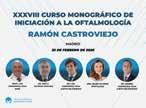
38TH MONOGRAPHIC INTRODUCTORY COURSE IN OPHTHALMOLOGY
23 February
This event, held in Madrid, is a key meeting for the training of future ophthalmologists.
Participants included Prof Luis Fernández-Vega Sanz, Dr José F. Alfonso
Sánchez, Dr Luis Fernández-Vega Cueto-Felgueroso, Dr Belén Alfonso Bartolozzi and Dr José A. Gegúndez Fernández.
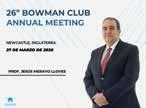
26º BOWMAN CLUB ANNUAL MEETING
27 March
This international meeting is a key event for updating and exchanging knowledge in ophthalmology and was held this year in Newcastle (England).
In this edition, Professor Jesús Merayo Lloves, Director of the Fernández-Vega University Institute and Professor of Ophthalmology at the University of Oviedo, participated as the invited keynote speaker (Bowman Club Keynote Guest Lecturer),
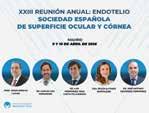
23RD ANNUAL MEETING: SESOC
9–10 April
Held at the Pablo VI Foundation in Madrid, this event brought together leading specialists for a dense scientific programme structured into seven thematic blocks addressing the most relevant and current issues related to the corneal endothelium. Participants included Dr Carlos Lisa, who spoke on “Phakic lenses in endothelial dysfunction”; Dr José Antonio Gegúndez,
reinforcing his international scientific profile. During his intervention, he addressed two key areas of current ophthalmology: “TFOS DEWS III Report: the most up to date summary”, presenting the latest advances in dry eye research; and “Regenerative medicine of the ocular surface with platelets”, focused on new therapeutic strategies for ocular surface repair.
who presented on “Fuchs endothelial dystrophy” and moderated the session “Your most difficult clinical cases”; Dr Jesús Merayo Lloves, who discussed “Current mechanisms for endothelial regeneration”; Dr Belén Alfonso Bartolozzi, who delivered the lecture “Phakic intraocular lenses and the endothelium”; and Dr Luis Fernández-Vega Cueto-Felgueroso, who presented “EndoArt: when is it an option?”.
IV RETINA CONFERENCE OF THE SCO
9–10 April
This meeting, organised by the Canary Islands Society of Ophthalmology, is one of the key congresses for updating and exchanging knowledge in this subspecialty.
The event featured the participation of Dr Álvaro Fernández-Vega Sanz; Dr Maribel López Gálvez; and Dr Maximiliano Olivera.
3RD WORLD KERATOCONUS CONGRESS
16–18 April
This event, organised by The International Keratoconus Society, took place at the Palazzo dei Congressi in Florence. The international meeting brought together visual health specialists to exchange knowledge on the diagnosis, management and treatment of keratoconus, a disease that affects the shape and optical quality of the cornea. It also enabled professionals to update their knowledge with the latest evidence, improving patient care and
fostering global collaboration to develop more effective and personalised treatments. The event was attended by Dr Belén Alfonso Bartolozzi and featured the prominent participation of Dr José Alfonso Sánchez, who delivered two lectures: “Neoring in DALK for Keratoconus” and “Tips and tricks optimising ICRS functional outcomes in Keratoconus”. He also took part in the round table “3rd Meeting of Italian EVO ICL Experts”.
ANNUAL MEETING OF THE SPANISH MACULA CLUB
17 April
The El Beatriz Auditorium in Madrid hosted this national meeting. Dr Álvaro FernándezVega Sanz took part in the debate on intraoperative OCT during the surgical session.
Dr Maribel López Gálvez served as moderator of the Medical Retina session, and Dr Maximiliano Olivera attended the meeting as a participant.
VI SYMPOSIUM ON OCULOPLASTICS, ORBIT AND AESTHETIC MEDICINE
23–24 April
Leading specialists in Oculoplastics gathered at the Conference and Exhibition Centre of Santiago de Compostela for the VI Symposium on Oculoplastics, Orbit and Aesthetic Medicine (SOOME), an event with both clinical and surgical perspectives that has become a consolidated forum for knowledge exchange among internationally recognised experts.
Dr Carlos Fernández-Vega González contributed the lecture “Tocilizumab in patients with CAS 1/3: is it worthwhile?”. He also served as moderator of the discussion panel on “Thyroid Orbitopathy”.
Dr Javier Fernández-Vega Sanz spoke on “Endonasal dacryocystorhinostomy” and moderated the “Lacrimal System” session.
27TH ANNUAL INTERNATIONAL OCULAR SURFACE SOCIETY CONFERENCE
2 May
The meeting, focused on the exchange of research and clinical information on the anatomy and physiology of the ocular surface and tear film, as well as their diseases, took place in Denver (Colorado). It featured short
ANNUAL ARVO MEETING 2026
3–7 May
The Institute took part in the ARVO Annual Meeting, held in Denver (Colorado). It is the leading international event dedicated to research in ophthalmology and vision sciences.
This congress brings together scientists, students and professionals from around the world to share the latest findings, foster collaboration and accelerate the translation of knowledge into clinical practice and patient care.
presentations, an award lecture and ample space for discussion.
Dr Jesús Merayo Lloves participated with the lecture “Impact of ocular microbiota bacteria on proteoglycan expression in vitro”.
Representing IOFV at this edition were Dr Maribel López Gálvez; Dr Maximiliano Olivera; Dr Jesús Merayo Lloves; and Dr Nicolas Sánchez Maluf.
Representing the Fundación de Investigación Oftalmológica (FIO) were Natalia Vázquez, Susana del Olmo, Carla Martín and Cristina Sánchez.
Marian Rojas Estapé, psychiatrist FASTER ISN’T ALWAYS BETTER: THE MIND VERSUS AI
I
’m going to tell you how your mind works in the age of immediacy. We live in a time of constant stimulation. Screens, notifications, instant replies. Everything happens fast; everything competes for our attention. And in clinical practice, the effects of this pace are increasingly clear: exhausted minds, overstimulated minds, minds that struggle to concentrate, to tolerate waiting, or to sit with silence.
The brain becomes accustomed to novelty and immediate reward — to small, repeated impacts that create a sense of continuous activation. But real life doesn’t work like that. It is slower, more complex, less spectacular. And when we fall out
of sync with that rhythm, it starts to feel insufficient.
In this context, artificial intelligence appears. An extraordinary tool, without doubt. But also a possible extension of this culture of immediacy. If everything is handed to us — summaries, answers, solutions — we risk losing fundamental abilities: thinking slowly, doubting, going deeper, even getting bored. And it is precisely in those spaces that creativity and maturity often emerge.
Something concerns me, something that is growing: the type of relationship we establish with AI. When it replaces instead of complements, it impoverishes. When it accelerates without adding depth, it fragments. And a fragmented mind suffers, because it loses focus, introspection and presence.
To explain this, I need to talk about the trap of instant gratification. Here the main character is dopamine — the molecule of motivation. It plays a key role. It is linked to anticipation and the pursuit of reward. When we train the brain to receive constant little rewards, we become less and less able to tolerate effort that doesn’t offer immediate results.
Continuous flattery — so easy to obtain in digital environments — can become addictive. It makes us feel seen, recognised. But it can also distance us from something essential: truth. Growing means accepting limits, feeling frustrated, correcting ourselves. If we only seek what soothes or flatters us, we impoverish our inner life.
Growing means accepting limits, feeling frustration and correcting ourselves. If we only seek what soothes us or flatters us, we impoverish our inner life.
Artificial intelligence can reinforce this circuit if it becomes a constant source of instant gratification. But it can also be useful when used as support: to organise thoughts, name emotions or accompany reflec-
tive processes.
Even so, it is important to remember something essential: emotional intelligence is not built from the outside. It does not arise from a brilliant answer, but from honest contact with what one feels. It involves tolerating discomfort, understanding one’s own story, regulating impulses and learning to relate to others. AI can accompany, but it cannot replace that process.
Another risk lies in the impact on our relationships. Interacting with systems that always respond, never contradict and adapt to us can make us less tolerant of the complexity of human bonds. AI is literally a frictionless virtual connection, unlike real relationships, which involve difference, waiting, conflict or repair. They confront us, pull us out of our ego and force us to recognise the other as someone distinct. If we become accustomed to frictionless bonds, we may begin to reject precisely what helps us grow.
Real love is not a perfect adaptation to our needs. It is encounter, but also learning to set boundaries and to renounce.
When we talk about AI and mental health, caution is essential. Artificial intelligence should never replace a professional, especially in situations of serious vulnerability. It can offer psychoeducation, help organise thoughts or provide resources, but it cannot take responsibility for supporting someone in crisis.
Because when a person is at their limit, they do not only need interaction: they need presence. Someone who sees, who contains, who takes responsibility.
We must not forget the workplace. Here, AI can ease or intensify strain. If used to reduce mechanical tasks and free up time, it can be a great ally. But if it becomes a tool to demand more speed, more productivity and more availability, it can worsen burnout.
Many people are not tired simply be-
cause they work a lot, but because they work without pauses, without meaning and without control. The key lies in boundaries: what to automate, what to preserve and how to protect spaces for rest.
In children, the impact can be even more delicate. The brain develops through relationship: through eye contact, voice, touch, shared play. No technology can replace that bond.
Early exposure to systems that respond instantly and without conflict can hinder the development of patience, tolerance to frustration and the ability to relate to real others.
Raising children in a digital environment means, above all, protecting the space of human connection.
Faced with all this, the answer is not to reject technology, but to learn to use it well. To introduce pauses. To recover silence. To read slowly. To exercise. To be in nature. To talk face to face.
And above all, to ask oneself a simple but profound question: Am I using technology to live better, or to avoid facing myself?
Artificial intelligence can be a great tool. But it must not replace what makes us human: the ability to think, to feel, to connect and to truly understand.
Because in the end, it is not only about becoming more efficient. It is about not losing our soul in the process.
ICHI ARAGÓN: “REGARDING THE INSTITUTE, I HAVE NEVER SEEN A FAMILY WITH SUCH VOCATION AND TALENT; WHEN YOU LOVE SOMETHING SO MUCH AND PUT SO MUCH PASSION INTO IT, IT SHOWS IN YOUR WORK”
A publicist and businesswoman, Ichi Aragón is a partner in the Italian restaurant chain ‘Grosso Napoletano’ and the well known bakery patisserie ‘Madreamiga’, which has several locations in Madrid. The success of both brands has not stopped her: a few months ago she embarked on a new project, ‘Loöz Skin’, a cosmetics brand that champions calm and natural beauty. She is the eldest daughter of Emilio Aragón and Aruca Fernández-Vega and, nevertheless, has followed her own path, far from the audiovisual and performing arts industry. She has built a community of more than 105,000 followers on social media.
How did Loöz Skin come about?
LOÖZ was born as a project between three friends who enjoy everything related to self care. It also arose from the need to find a moment for yourself. We call it psychocosmetics; it is not only about looking good, but about how the products we apply to our skin directly
affect our mood.
LOÖZ is not just a brand, it is a philosophy of life.
What is the brand’s philosophy? In a world where time is measured in notifications and schedules, LOÖZ SKIN proposes a pause. It was created with the conviction that personal care is not a task, but an act of
“I would like to convey the importance of work and effort to achieve what you want”
“We call it psychocosmetics; it is not only about looking good, but about how the products we apply to our skin directly affect our mood”
connection. From that fusion comes LOÖZ, a brand that combines advanced technology, formulation and a unisex, warm and minimalist aesthetic.
How did the name Loöz Skin come about?
From a rather funny anecdote. All the names we liked were already registered, and it was very frustrating because time was running out. We had the hardest part — the product — but the name eluded us, so I called my father, who is an endless source of creativity, to please help us.
The next day he had a whole list of names, and the three of us instantly fell in love with LOÖZ. It was exactly what we wanted to convey: a lot of calm and a lot of light in our lives.
This is not your first project, and you also have thousands of followers on your social media. What would you say is the “secret to your success”?
I do not consider
myself a successful woman. I would say that people like the natural way I show my day to day life, as well as sharing the ups and downs and the responsibility that comes with running a business. I suppose that closeness I convey is what people appreciate.
You also have a “family business” and you are the mother of four children. What is it like working with your husband?
It has taken us many years of learning. At first we were completely incompatible because we work in very different ways, but we turned it around and coordinated ourselves (for both our sakes) to become a perfect team.
Do you take work home?
It is inevitable. In the end we have a lot of responsibility and often need to talk about important work matters. It is true that we have improved, and now we try to wrap up meetings
and resolve things before getting home, because we want to be with the children.
In a world ruled by immediacy and haste, how can we take care of our physical and emotional wellbeing? For me, something essential is taking care of your mind, doing sport and having quality time for ourselves. I know it is not easy, but, for example, if you have a bad day, after doing sport your attitude changes completely. It is essential to pay attention to the emotional side too and go to therapy if necessary. If you feel well inside and out, life is different.
As an influencer, what values would you like to pass on to your generation?
I would like to convey the importance of work and effort to achieve what you want; that it is very important to stay grounded and be a good person. With that combination, you will get wherever you want. I firmly believe that
you reap what you sow.
A Madrilenian with Asturian roots, what does “la tierrina” mean to you?
Bufff… I get emotional just thinking about it. Asturias saw me grow up, and I was very happy in its fields, eating a good steak with cheese at “Casa Colo” or some good llámpares in summer. I got married in Ceceda; it is my roots, my family, my grandparents Abu and Tito. For me, Asturias is my home.
Why would you recommend the Instituto Oftalmológico Fernández-Vega? Because I have never seen a family with such vocation and talent. I have seen how my uncles, and now my cousins, have trained (and continue to train every day) to be the best in each specialty. I am certain that when you love something so much and put so much passion into it, it shows in your work. They are outstanding professionals.
“In
a world where time is measured in notifications and schedules,
LOÖZ SKIN proposes a pause”
Oviedo, representing the whole region of Asturias, is currently in the final phase of a competition alongside Cáceres, Granada and Las Palmas de Gran Canaria, from which the Spanish city that will hold the title of European Capital of Culture in 2031 will be chosen. This initiative of the European Commission began more than forty years ago and has become the most influential cultural action on the continent, recognising each year those cities that place culture at the centre of their planning and strategic development. The Spanish city finally selected next December will share the title in 2031 with another city in Malta.
Being a candidate for European Capital of Culture is a unique opportunity to encourage deep reflection on the present and future of a city’s model, its relationship with its citizens and with the region in which it is located.
It also allows us to make better use of the powerful tools offered by the cultural and creative sector to improve living conditions in our neighbourhoods and streets, not only within the walls of what we usually consider cultural spaces. This is why the capital title is much more than an award: it is a collective project that places culture at the heart of public policy for several years, with the aim of consolidating the transformation envisioned and leaving a lasting legacy.
The European Commission sets very clear conditions for becoming a European Capital of Culture, and the team behind our candidacy is applying these criteria in a solid project that offers coherent and honest responses to the opportunities and needs identified both in the city and across the Asturian region. It is a complex balance: what the city and the territory already have is not evaluated, nor can we present a project based on what we are not,
and at the same time we must imagine what we want to build or transform in the coming years.
There is also another major challenge. The work carried out — ultimately reflected in a document submitted to the jury representing the European Commission — must be connected and articulated coherently around a theme that gives meaning to the entire candidacy. In other words, summarising in a few words everything contained in a
project that has been built over months.
The Oviedo 2031 team, concerned about the decline of the democratic values embodied by the European Union and the current rise of authoritarianism and aggression as the only forms of interaction between people and countries, chose a concept that would allow us to offer a clear and courageous cultural response to these serious challenges.
Thus, we have built the narrative of our candidacy around the concept of
amabilidá as an urgent and timely act of resistance in an increasingly violent world — a way of fighting indifference to build a better future. It is not an innocent gesture nor a denial of conflict, but a conscious way of inhabiting the world, an ethical and political project of coexistence that recognises diversity and embraces listening, care, dialogue and respect as the foundations of a living democracy.
This is the message that Oviedo 2031 wishes to share with Europe.
WITHERED FRONTS
If by chance you come across a series titled Feud in the deep forest of streaming platforms, do not miss it. The English word “feud” refers
to an ancestral hatred, a long standing enmity fed over time, becoming almost the sole reason for existence for those who sustain it. The series is based on two real stories. While the second season portrays the bad blood between writer Truman Capote and the group of high society New York
women known as “The Swans” (who shifted from love to resentment when the novelist turned their dirty laundry into literature), the first recounts the destructive relationship between two of the greatest stars of Hollywood’s golden age, Bette Davis and Joan Crawford. What Ever Happened to Baby
Jane?, directed by Robert Aldrich in 1962, fictionalised a very real hatred, exercised brutally and reciprocally over decades. The filming of this terrifying story about two sisters who live to hate each other is, therefore, a hall of mirrors: the aversion between the two actresses, who have watched their former glory wither, is just as fierce as that between Jane and Blanche Hudson, who were once child stars and are now broken toys.
If the film is terrible, the series offers a deeper analysis of the breeding
ground in which the personal conflict of these declining legends was born. In Feud, we discover the role of the powerful men who built the film industry on the corpses of its stars. Jack Warner, played by Stanley Tucci, had no intention of investing a single dollar in two actresses he considered finished. Only Aldrich’s (Alfred Molina) persistence led him to allocate a minimal budget that the film’s unexpected box office success multiplied into profit. The story goes that, far from valuing the merit of Davis and Crawford, Warner insisted on
creating a subgenre that would replicate the Baby Jane phenomenon again and again. Playing their illustrious predecessors, Susan Sarandon (Bette Davis) and Jessica Lange (Joan Crawford) embody themselves in Feud. In them, a generation later, the contempt that cinema reserves for its female icons once their youthful splendour fades is revived — the harsh and lengthy struggle of mature actresses to find a place for their talent. A contempt that is not limited to actresses. Nor only to cinema.
Pachi Poncela.
CROSSING OF GLANCES
REQUEST TO SEND THE JOURNAL
If you desire to receive the journal Vega at home free of charge, please fill in the following data pertaining to your mailing address and send them to Avda. Dres. Fernández-Vega, 34 33012 Oviedo.
Aiming to contribute to the environment, if you prefer to receive the digital version of the journal, it is only necessary to fill in your name, surname and email address.
NAME AND SURNAME
ADDRESS
TELEPHONE Nº
It can also be requested via email at revistavega@fernandez-vega.com