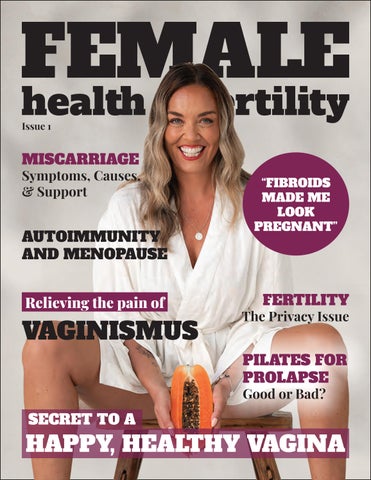
FEMALE health & fertility
MISCARRIAGE
Symptoms, Causes, & Support
AUTOIMMUNITY AND MENOPAUSE
Relieving the pain of VAGINISMUS
“FIBROIDS MADE ME LOOK PREGNANT”
FERTILITY
The Privacy Issue

PILATES FOR PROLAPSE Good or Bad?
HAPPY, HEALTHY VAGINA SECRET TO A
Issue 1
FEMALE health & fertility
FEMALE health & fertility
FEMALE health & fertility
FEMALE health & fertility
FEMALE health & fertility
FEMALE health & fertility
FEMALE health & fertility
FEMALE health & fertility
FEMALE health & fertility
FEMALE health & fertility
FEMALE health & fertility
FEMALE health & fertility
Is female reproductive health your target audience? Our readers range from young adults to post-menopause and they’re looking for supportive brands like you!
FEMALE health & fertility
Email advertising@femalehealthandfertility.com to discuss how we can work together.
FEMALE health & fertility
FEMALE
fertility
FEMALE health & fertility
2 | femalehealthandfertility.com
health &
ADVERTISE WITH US
Female Health & Fertility
warm welcome to the first issue of Female Health & Fertility magazine! I’m so excited to be embarking on this journey with you and forging a community of inspirational females.
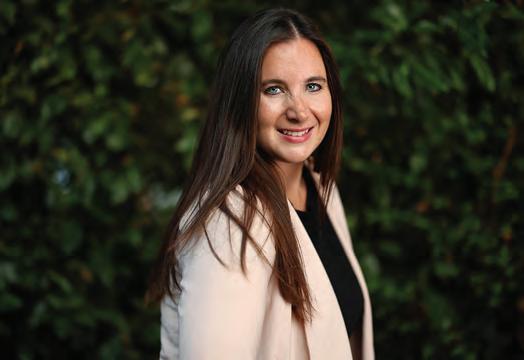
As this is our first issue, I’ve decided to be brave and share a little about my own female health journey. My career as a journalist/editor spans 12 years, and I’ve worked in niches ranging from food and toys, to local news and autism. Now, I’m proud to be working in a niche that is truly part of me.
I was diagnosed with PCOS when I was 17. I was told it might impact my fertility, but I was too busy enjoying life to give it much thought. Now, in my 30s, I have one or two periods a year if I’m lucky. I’ve spent my adult life overweight, experiencing mood swings, and feeling easily overwhelmed. Until recently, I didn’t give my PCOS the attention it deserves. Now, I’m taking supplements and ensuring I’m active every day (even if it’s just when walking my beautiful dog, Basil).
Later, I was diagnosed with hypothyroidism. At high school, it was a running joke that I could usually be found napping! But, by the time I was at university, I was sleeping through the day and I was piling on weight. Getting my diagnosis and levothyroxine prescription was life changing, but my energy levels have never been tip-top. Another weird symptom I have is dry eyes which don’t close fully (I probably look a bit creepy at night!).
A few years back, I had uterine polyps removed which were found to have cell abnormalities so I’ve had annual biopsies ever since. Finally, I’ve been in
and out of IVF for six years, with three failed embryo transfers and one early miscarriage. I continue to hope for my rainbow baby.
Reader, I hope sharing this snippet of my journey shows I’ve walked in your shoes (or a similar pair!). Female Health & Fertility was born because of those well-worn shoes. Here, you will find a safe space where people can share their stories, learn from experts, and strengthen their wellbeing. For years, like so many women, I was embarrassed about my gyne needs. Let’s put a stop to that.
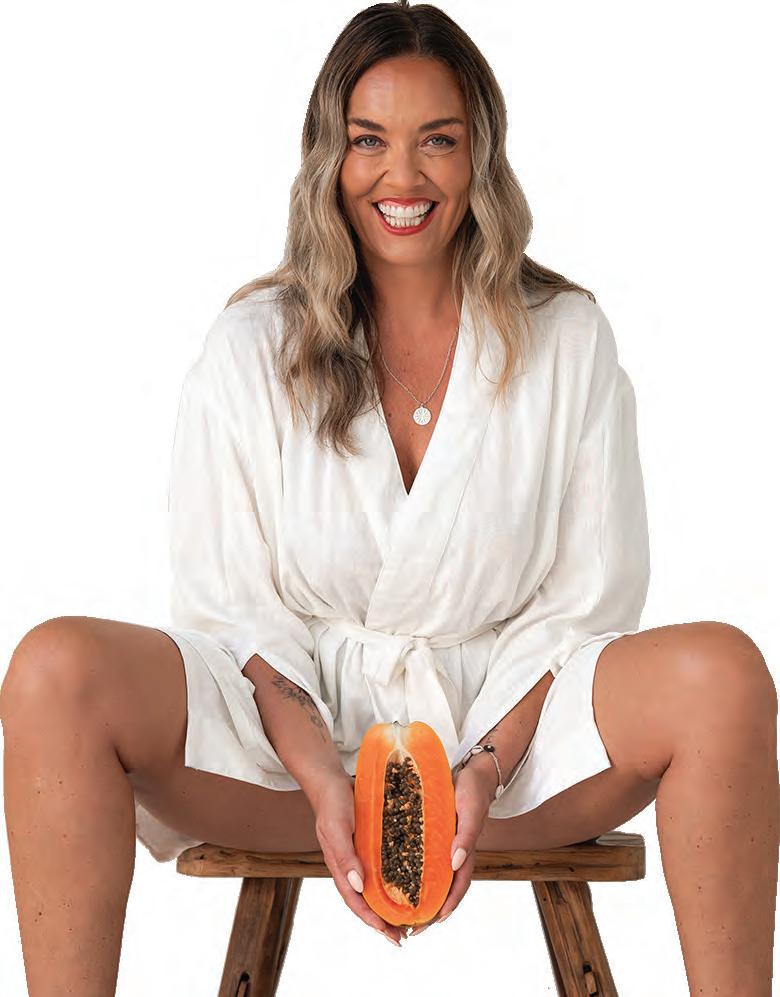
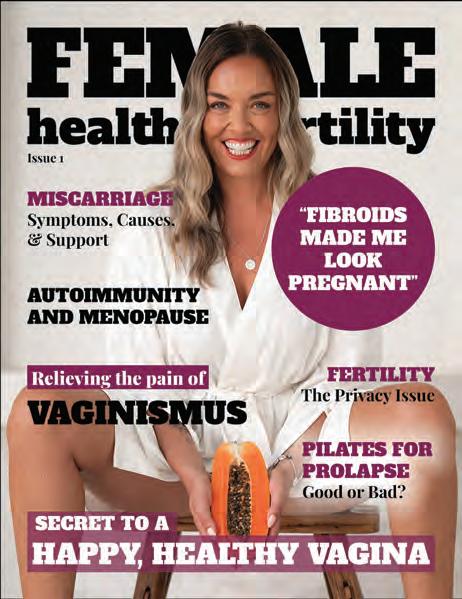
So, what will you find in this issue? Our cover star is “Yoni Nutritionist” Adrienne Rommel who shares the secrets to a happy, healthy vagina. We’re delighted to include endometriosis insight from gynecologist Martin Hirsch, an article about reversing period pain, a story about life after fibroids, tips for overcoming vaginismus, plus so much more!
The Female Health & Fertility team is excited to play a part in discussing female health without stigma. Thank you for joining us—together, we can build positivity and drive change.
Enjoy the read!
Issue 1, 2023 | 3
WELCOME ALL!
TO Female Health & Fertility
Get exclusive access to articles written by doctors, female health experts, and readers like you, about:
• Fertility Treatment
• Miscarriage
• Uterine Health

• Vaginal Health
• Menopause
• Diet & Nutrition
• Mental Health & Wellbeing
• …and much more…
SUBSCRIBE
SUBSCRIBE femalehealthandfertility.com/subscribe
Editor-In-Chief
Emily Ansell Elfer

Design Lead
Bria Fauntleroy

REGULAR COLUMNISTS
Martin Hirsch, BM, MD, PGDip, MRCOG
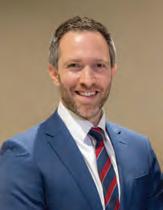
Consultant Gynecologist
Clare Power, BA Hons Lifestyle Writer

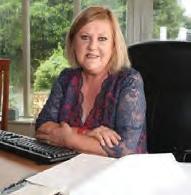
Writer
Rachel Andersen
Contributors
Social Media & Creative Assistant
Selena Alzate

Irene Lowry, IACP Counselor & Founder of Nurture Health
Yolande Loftus, Tracy (Tess) Pattison, Bridgette Hutchins, Dawn Heels, Adrienne Rommel, Danielle Sedens, Katrin Maslenkova, Clare Power, Lewina K. Aldred, Li Terry, Arsie Solomon, Louise Mensah
Publisher
Elfan Media Ltd.
Website
Gold Nugget Designs
Contact editor@femalehealthandfertility.com or advertising@femalehealthandfertility.com
Signup for our free newsletter
DISCLAIMER
femalehealthandfertility.com
*The content in this magazine should never be considered a substitute for consulting a medical professional. Advertisers are not endorsed by Female Health & Fertility and users visit links at their own risk. Female Health & Fertility welcomes readers and supporters of all genders. As a publication which focuses on female-assigned reproductive organs, we use words such as “women/woman” and “she/her” in our content. When referencing scientific research, Female Health & Fertility uses the same gender terminology as the research paper. We are an international publication, with a focus on the UK and US markets. Our content is written in US English.
Issue 1, 2023 | 5
Katrin
(Katrin with Love)

CONTENTS 08 Fertility and Pregnancy, the Privacy Issue OUR COVER ARTICLES 12 OUR COVER STAR! Adrienne Rommel, The Yoni Nutritionist #FEMALEHEALTHANDFERTILITY A look at how privacy issues affect how pregnancy and fertility are viewed and experienced. Yolande Loftus, BA, LLB 12 The Secret to a Happy, Healthy Vagina Discover the secrets to a healthy vagina from a “Yoni Nutritionist”. Adrienne Rommel, CNP Hons 16 Fibroids Made Me Look Pregnant When I Was Actually Infertile Hear one woman’s story of how she dealt with fibroids, and changed her life for the better. Dawn Heels 20 Pilates for Prolapse? YES... But Also No Learn how your Pilates journey could be enhanced by changing instructors. Tracy (Tess) Pattison, MFA, LMT, CPI, CYT 26 Autoimmunity and Menopause Find out how autoimmunity can influence menopause. Bridgette Hutchins, DipNT mBANT mANP CNHC 32 A Panic Attack In My Vagina: My Journey to Overcoming Vaginismus
Maslenkova
36
Symptoms,
& Support
Vaginismus affects many of us, here you can learn helpful tips to overcome it. Rachel Andersen
Miscarriage:
Causes,
Learn about the physical and emotional impacts of misscarriage, and
how to find support.
30. Ask Irene
Irene Lowry, IACP
Readers’ problems are answered by our resident Agony Aunt, Irene Lowry.
42. Consultant Corner
Martin Hirsch, BM, MD, PGDip, MRCOG
An overview of endometriosis and the most up to date theories of its possible causes.
44. How I Reversed My Period Pain
Louise Mensah
Find out how diet and lifestyle changes can reduce period pain.

48. The Vitamin D Fertility Link
Yolande Loftus, BA, LLB
Discover how the sunshine vitamin can impact overall fertility health.
52. It’s Time to Embrace Midlife with Truth, Knowledge, and Humor
Li Terry and Arsie Solomon
Embracing our midlife years starts with supporting each other.
55. Product Spotlight: U by Uterinekind
Introducing an app that can make your symptom tracking and visits to the doctor easier.
56. Midlife and Beyond
Clare Power, BA Hons
Join columnist Clare Power on her journey through her midlife years and beyond.
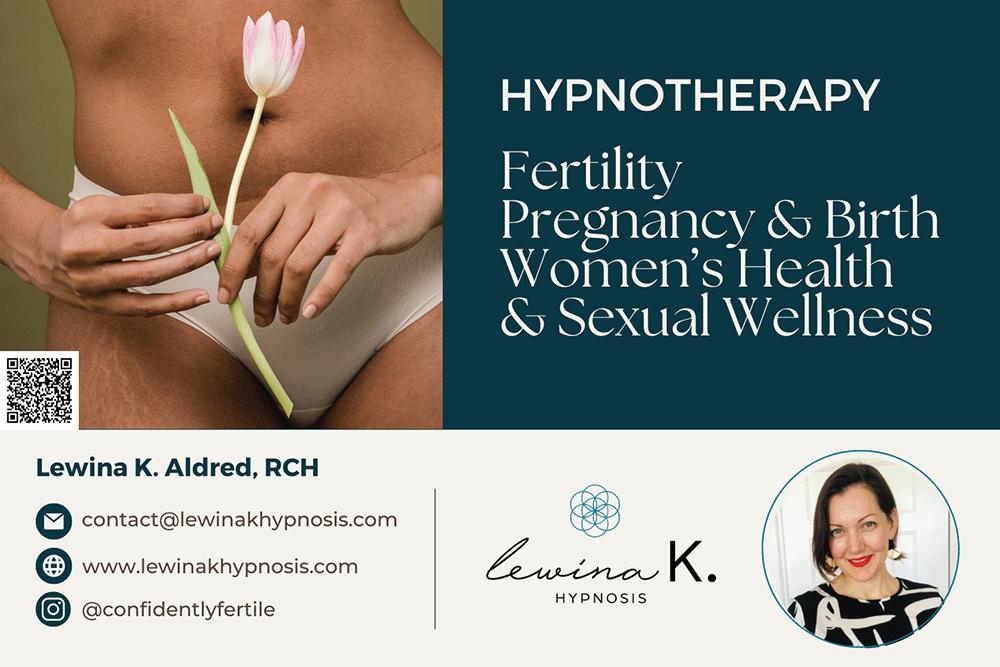
58. Hypnosis: Key to Navigating the Rollercoaster of Infertility?
Lewina K. Aldred, RCH
Tired of the emotional complications of infertility? Hypnosis might be what you need.
62. For Your Library: My Fertility Book
My Fertility Book is a complete guide to the terminology of reproductive health.
64. Sperm Donation: Understanding the Process
Rachel Andersen
Explore the ways sperm donation can provide possibilities for those wishing to conceive.
70. Pregnancy: Your Infertile Friend’s Viewpoint
Danielle Sedens
Understanding someone’s infertility journey includes learning from their point of view.
CONTENTS
Issue 1, 2023 | 7
FERTILITY AND PREGNANCY, THE PRIVACY ISSUE
Journalist Yolande Loftus looks at how privacy, or lack thereof, affects how people view pregnancy and fertility.
n the earliest days of my first pregnancy I was living in a foreign country; I knew almost no one, and my French was awful. With a non-existent social life, I had way too much time to research everything that could go wrong. I spent my time with scary statistics; one I returned to relentlessly loomed large in its suggestion of one in three pregnancies ending in miscarriage (when taking undetected pregnancies into account).
As my pregnancy progressed, I made a few acquaintances, but I decided to keep my pregnancy private for the first 12 weeks. My decision became challenging when I developed severe morning sickness.
I would eat a spoonful of yogurt and throw up for three days. I tried everything, from the more mundane, to inventive ideas I found on pregnancy forums, including motion sickness armbands worn by sailors.
To cover the armbands, I would wear longsleeved shirts in the sweltering heat. My husband’s new colleagues got to know me as the underweight, pale, sweater-in-summer wearing wife.
In retrospect, it would have made life much easier had I decided to share my news. But for most of us, privacy relating to reproductive issues—anything from periods to pregnancy—
remains a challenging issue.
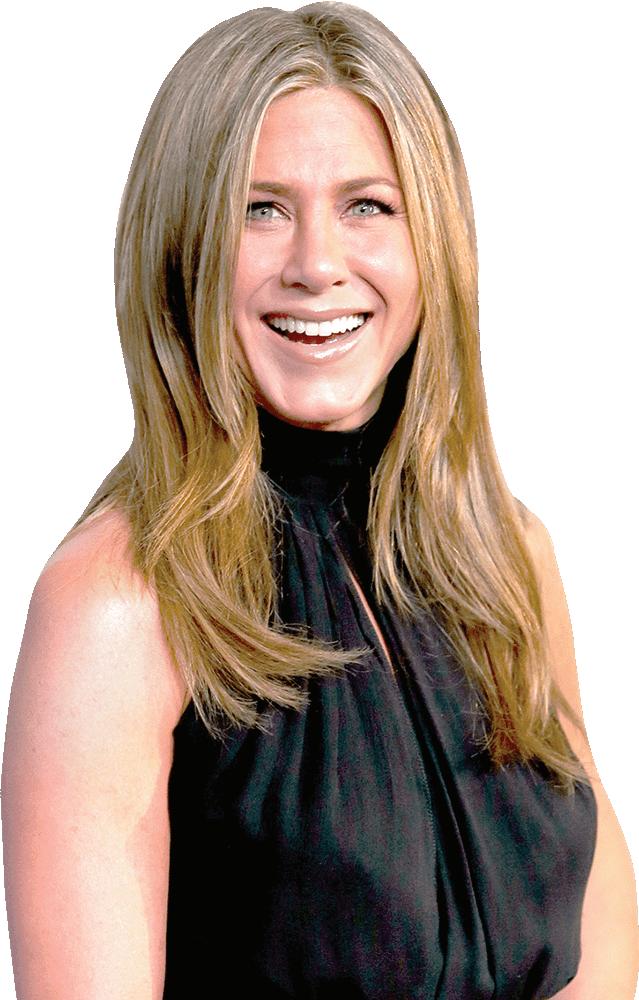
Jennifer Aniston recently revealed a little about her IVF journey in an interview with Allure magazine. Over the years, the media declared her “pregnant” every few months; exhaling was
8 | femalehealthandfertility.com
Jennifer Aniston recently spoke out about the media’s intrusion into her fertility.
sometimes enough to create a tabloid cover with the “expectant mother”…celebrated for finally fulfilling the public’s need for celebrity offspring.
Her fame and success did not protect her from society’s speculation about her reproductive health. Why, despite all the progress we’ve made, are women still pressured to provide procreation status updates?
Imagine Leonardo DiCaprio facing the same scrutiny. Endless media speculation about when we’ll finally see him pushing a pram.
Mostly, we seem content to let men make up their minds about having, or not having kids. Women, on the other hand, are often subjected to intrusive questioning about their desire and proposed timeline for reproducing.
For women dealing with fertility struggles, privacy may be an especially relevant and sensitive topic.
To tell or not to tell
Imagine a day in Jennifer Aniston’s glamorous shoes. She’s been painted by some as a careerobsessed diva too selfish to have children; still others spun narratives of a desperate woman, a failure because she couldn’t give Brad Pitt the babies he so desperately wanted.
With reference to her latest revelations, the lies made up by the media seem especially cruel. Many women bear the same burden when dealing with fertility struggles. Questions like, “So when are you finally going to have a baby?” may be intrusive and annoying, but to women undergoing IVF it also adds pressure.
Some women handle it by being open about their IVF journey. They feel open conversations will encourage other women to share their own struggles. Being open with family and friends means loved ones can offer their support; and perhaps they’ll be more understanding about missed appointments and last minute cancellations.
On the other hand, many couples feel opening up about IVF means they take on the burden of others’ expectations in addition to their own. Having to answer questions about IVF outcomes, especially after multiple treatments, may be stressful.
In this case “your body, your choice” rings especially true; opening up about fertility issues should not feel forced. Feeling added pressure from curious and concerned people could make fertility treatment even more stressful. The best advice is to take charge of what and how much you are willing to share.
Close-ended answers
Perhaps sharing that IVF may be a (future)
Issue 1, 2023 | 9
FAMILY PLANNING
FAMILY PLANNING
option is enough. If that’s all you want to share, be firm about your resolution. Telling people— the ones you want to include—that your fertility journey is private, but you’ll share updates when you are comfortable, should take care of unwanted questioning.
How much you share at work should be protected by labor laws and company policies. Women need to be especially careful about scrutinizing the maternity and medical policies of prospective employers. Ideally, employees should be offered appropriate support when facing any health challenges; moreover, their privacy should be protected when they are undergoing treatment for fertility or any other wellbeing issues.
In a perfect world, talking (or not talking!) about periods, menopausal symptoms, or our reproductive health and issues would be devoid of judgment. In this utopia, privacy would be a real choice, electing not to share would be deliberate, because we don’t want to; not because our bodies, bodily functions and our choices are deemed undesirable and better left unsaid. It would be okay for women to say, “I just don’t want kids,” or “I’m going through IVF, but it’s really none of your business.”
Unfortunately, reading about the privacy struggles of a famous actress shows that kind of world is still a faraway land at present.
Yolande Loftus, BA, LLB is a journalist, content creator, and legal researcher. She’s lived in Dubai and France, but currently calls South Africa home. She received her Journalism degree from the University of Johannesburg and her Law degree from the University of South Africa. Her work has been published in News24, Autism Parenting Magazine, and others.
linkedin.com/in/yolande-loftus-206b9a213/
10 | femalehealthandfertility.com
YOLANDE LOFTUS, BA, LLB
THE SECRET TO A HAPPY, HEALTHY VAGINA
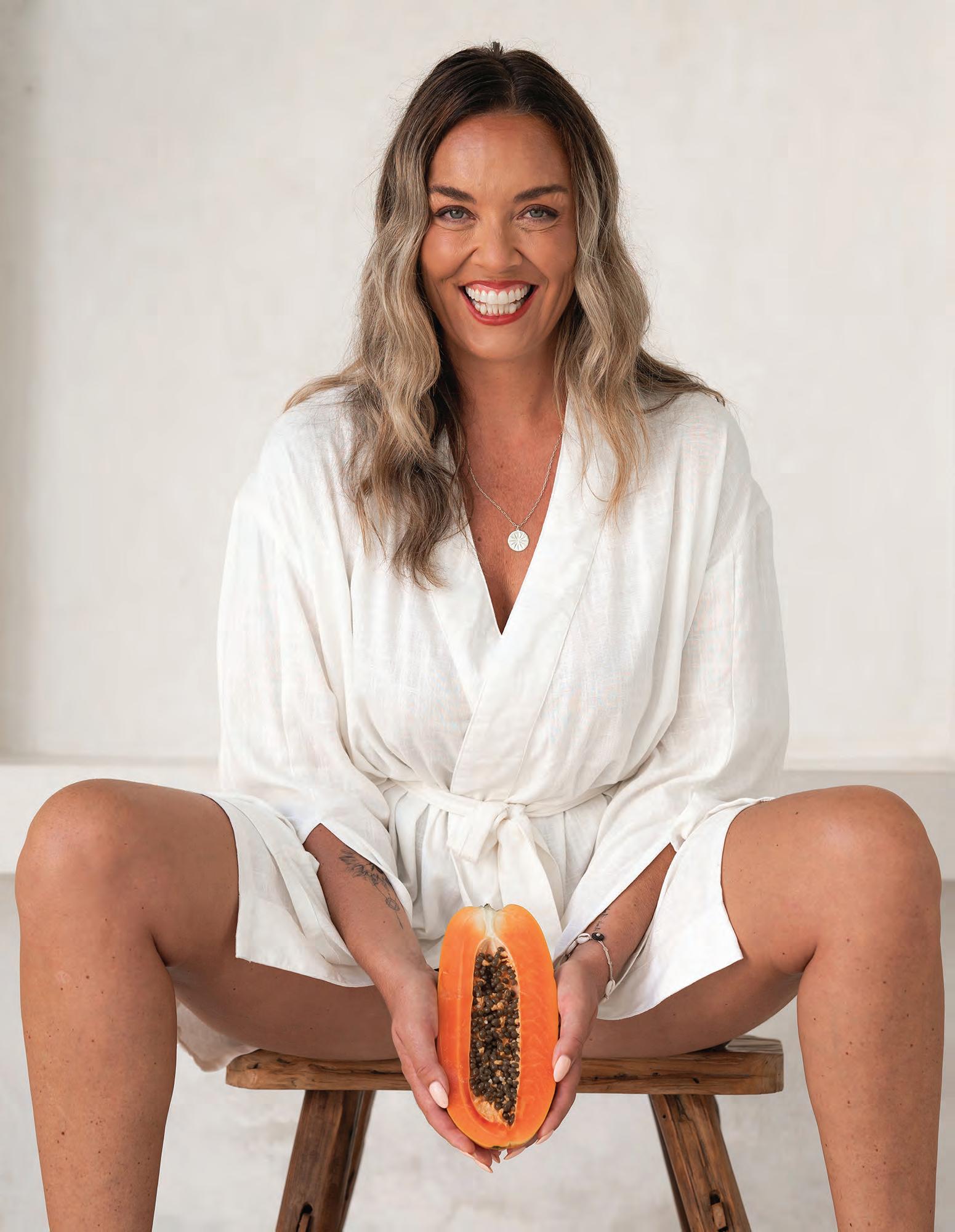
Adrienne Rommel, the “Yoni Nutritionist”, explains how making your vagina a happy place starts with what you put in your mouth!
ho doesn’t want a happy and healthy vagina?
Sadly, there are many people who struggle with their vaginal health, but don’t know what to do about it other than relying solely on a medical approach. But what happens when the medical approach doesn’t work anymore?
I talk to so many people who tell me that antibiotics, antifungals, and antiviral medication aren’t helping them anymore, because their vaginal infections almost always come back. That’s why understanding the root cause of your vaginal health is important to managing and maintaining the health of your vagina!
Trust your gut
Did you know that the health of your vagina is connected to the health of your gut? When your gut is healthy, when your digestion is healthy, and when your gut microbiome is flourishing, so is your immune system, your nervous system, your brain, your hormones, your digestion, and your vaginal health.
The health of your vagina is also connected to the health of your immune system, nervous system, and endocrine systems, which are also all connected back to the health of your gut.
This information is crucial for people who are struggling with common (chronic) vaginal infections like:
• yeast infections
• bacterial vaginosis
• candida overgrowth
• urinary tract infections
• genital herpes outbreaks
• HPV infections
Your gut health is the first thing that needs to
be addressed if you experience these common infections, especially if they keep coming back even after taking the medication.
Your gut health is the foundation of your health, and the only way to get to the root cause of these infections. A medical approach with medication is needed to treat the symptoms, but a medical approach does not treat the root cause. Healing your gut starts with your diet and what you are putting into your mouth.
Candida overgrowth
For many people who are struggling with recurring vaginal infections like the ones I mentioned above, it is often connected to candida overgrowth. Candida overgrowth is caused by an overgrowth of a fungus called Candida Albicans in the gut.
Everyone has candida as part of their gut microbiome, and it is responsible for nutrient absorption and digestion. When candida overpopulates the gut, that’s when it can cause problems in the body.
Candida overgrowth comes along with many common symptoms that you maybe didn’t know were connected to your gut health. Some are severe and chronic, but some are low-key and almost unnoticeable.
Some of the symptoms that indicate an unhappy gut are:
• Candida overgrowth
• Leaky gut
• Recurring vaginal infections
• Hormonal imbalances
• Extreme premenstrual syndrome (PMS), mood swings, heavy periods
• Anxiety/depression
• Inflammation
VAGINAL HEALTH
Issue 1, 2023 | 13
• Weakened immune system
• Poor sleep/chronic fatigue
• Skin health issues such as cystic acne, eczema, hives, rashes
• Digestive issues such as bloating, abdominal cramping, gas, constipation, diarrhea
• Food intolerances/sensitivities
• Allergies
• Irritable bowel syndrome (IBS)
• Autoimmune diseases such as celiac disease, Hashimoto’s thyroiditis, Grave’s disease (also affecting the thyroid), Inflammatory Bowel Disease, Crohn’s Disease, Ulcerative Colitis, Type 1 Diabetes, Rheumatoid Arthritis
• Strong cravings for sugar and carbohydrates
• And many more…
Some of the causes of an unhappy gut are:
• Diet high in sugar, carbohydrates, processed and junk foods
• Long-term hormonal contraceptive use
• Long-term antibiotic use
• Heavy alcohol/drug consumption
• Long-term medication use
• Stress
• Cigarette smoking
• Lack of sleep
• Inflammation
• Insulin resistance/blood sugar imbalances
Summing up
If you are feeling the effects of any of these symptoms, a holistic approach to rebalancing and resetting your gut health might be the best way to get to the root cause of these symptoms—
and it starts with your diet!
From my personal experience eliminating my ownl candida overgrowth, I found a candida elimination diet like the one I teach in my F*CK Candida program was the only thing that helped me.
Because candida overgrowth occurs in your gut, the good news is that there is something that you can do about it, and it starts with what you are putting into your mouth.
ADRIENNE ROMMEL, CNP HONS
Adrienne Rommel, CNP Hons is the “Yoni Nutritionist”. She is a Certified Nutritional Practitioner, Yoga Teacher, and passionate Sexual Health Advocate from Toronto, Canada. Adrienne helps people with vaginas get to the root cause of common vaginal infections like yeast infections, bacterial vaginosis, candida overgrowth, UTI’s, genital herpes, and human papillomavirus (HPV) with holistic nutrition and wellness practices. She helps empower people in their sexual health so they can feel confident in their vaginal health, and enjoy their sex lives again.
yoninutritionist.com
@yoninutritionist
VAGINAL HEALTH
14 | femalehealthandfertility.com
Join a community and safe space for women and non-binary individuals navigating their reproductive health journeys. Here, you can share your concerns, hardships, small wins, and big achievements with a community that fosters female empowerment. Support Group JOIN FREE TODAY facebook.com/groups/femalehealthandfertilitysupport
PREGNANT WHEN I WAS ACTUALLY INFERTILE

Female health advocate Dawn Heels shares her experience
how she handled doctors who
ibroids (non-cancerous tumors found in and around the uterus) were the bane of my life knowingly for six years, and I say knowingly because it was within this time period that I was officially diagnosed. However, since I was a teenager, I had suffered with very heavy and painful periods, and even though I had visited the doctor multiple times to complain, I was told that this was normal for
At the age of 33, whilst working for a very toxic company, I started to experience pain in the left hand side of my lower abdomen. Due to the location, even though the pain felt different to what I had ever experienced before, I thought
When I saw him, he said the pain was probably related to my cycle and that there was nothing to worry about. I went home and a couple more weeks passed with the same pain, so I made another appointment. I was told the same thing.
FIBROIDS MADE ME LOOK
16 | femalehealthandfertility.com
Know your body
I’ve always felt strongly about knowing your own body and knowing when something is just not right. In this instance, I just knew something felt different, so I made an appointment with a female doctor in order to bypass my registered general practitioner (GP).
When I saw her, she casually said that it sounded like I had a cyst on my ovary. I panicked because I didn’t want anything impacting my ovaries, especially because I was yet to have children.
Further, being in my 30s, the question of “when are you having kids?” had started to rear its ugly head. The doctor told me she would refer me to the hospital for an ultrasound, where they could take a closer look.
During the ultrasound examination, I was told my ovaries and uterus looked healthy, but I had two fibroids (4cm big). I tried to ask her what fibroids were, but she told me to make yet another appointment with my doctor who would explain everything.
Fibroids are common
My doctor explained that fibroids were common (as many as one in three women will develop uterine fibroids), there was nothing to worry about, and to manage any pain with Ibuprofen. I took his advice and, for the next five years, I suffered with pain that gradually got worse.
I also developed additional fibroid related symptoms. Such symptoms included big blood clots within my periods which were painful to pass, bum cheek pain, leg pain, frequent urination, lower back pain, tiredness, prolonged periods, painful sex, and extreme bloating. Throughout those five years, I repeatedly went back to my doctor to say that my suffering

had progressed significantly, but I was told to keep taking Ibuprofen. By year five, I noticed that I had started to experience symptoms which mimicked early signs of pregnancy (an uncommon symptom of fibroids).
This was heart-breaking, due to the fact I had started to try for a baby without any luck. Symptoms of nausea, headaches, sore breasts, and extreme tiredness would awash my body near the time of my period. These symptoms would lead me to the anxious joy of “what if”, only to be broken a few days later by the arrival of my period. It just didn’t make any sense to me.
Further, I had started to develop a bit of a belly which was very unusual for me. I have always displayed a flat stomach and maintained this through regular exercise. I am also a lover of bodycon outfits, and to see a bulge developing, making me look a few months pregnant, had me somewhat confused.
REAL LIFE
Issue 1, 2023 | 17
Had I been eating too much of the wrong foods? Had my workouts stopped working? I wondered if I was one of those women who was indeed secretly pregnant, but displayed all the signs of not being. My head was spinning!
I distinctly remember one day in bed, I placed my hand on my lower stomach and started to poke around. To my horror, I could feel a very large lump inside me. I asked both my partner and mom to confirm my findings, and to their own horror, the lump was confirmed.
Enough is enough
This lump was what was causing me to look pregnant. At this point, I had had enough. My pain and suffering had to stop!
When I opened up to one of my work colleagues about my fibroids, she reminded me that our workplace covered private health insurance and suggested I contact them to see if they could help. Within no time, I was booked in to see a specialist gynecologist.
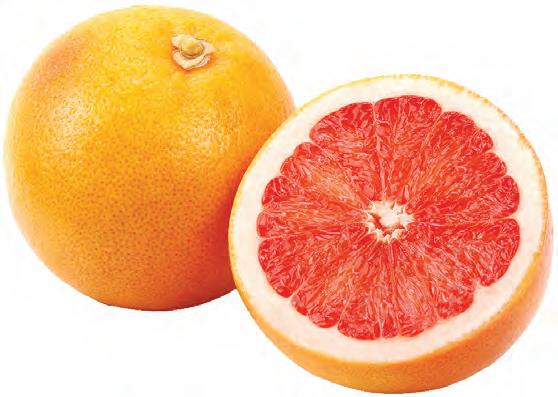
He listened, explained, and formed a plan of action. He undertook a transvaginal ultrasound and told me that I didn’t have two fibroids, I had at least six—the biggest being the size of a grapefruit! This was why I was suffering so much.
I was also told a few of the fibroids were positioned in a place where implantation could never happen, thus rendering me infertile. The only way in which he could deal with the fibroids and to give me a chance to conceive, would be by performing an open myomectomy operation.
I was heartbroken because I knew that, had my initial doctor listened to me in the first place,
any treatment for my fibroids could have been less evasive. To make matters crueler, the open myomectomy operation mimics a c-section. The thought of having my body operated on without coming home with a baby brought me to tears each and every night.
I had my first consultation in November 2021. In January 2022, my sixth year of suffering, I had an open myomectomy operation to remove my fibroids.
On my second day of recovery, my consultant advised me that he didn’t just take out two fibroids, he had in fact, taken out 16; leaving in two for a chance of conception. I was even given a photo of them. My jaw hit the floor when I could physically see the pain and suffering laying in a line on the hospital table.
The future is bright
Fast forward a year and my physical health is amazing. I’m free from pain, my stomach has returned to how it used to be, and my periods are normal; short in length and light in flow. I’m so grateful to the consultant that listened to me.
Since then, I have shared my fibroid journey on Instagram. I am now a woman who is not only a fibroid advocate wanting to help other women, but is a woman who uses her voice to help amplify others’.
REAL LIFE
18 | femalehealthandfertility.com
It starts with you
Unfortunately, the fight for treatment, however that may look for you and your body, has to start with yourself. Advocate for yourself, seek second, third, and even fourth opinions, and never allow anyone to make decisions over your body that make you uncomfortable. Research, ask questions, and then move forward with a plan of action.
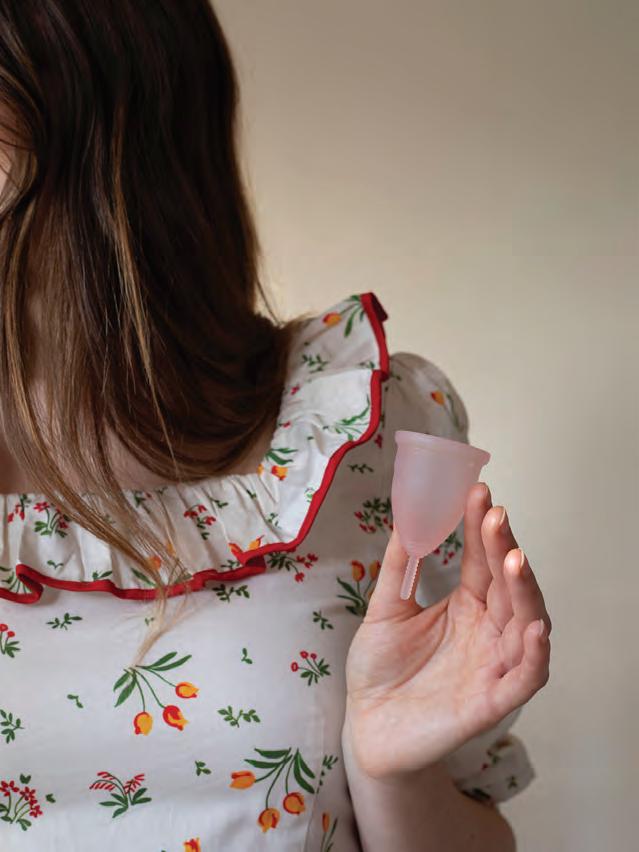
100% medical-grade silicone for a comfy, convenient period. For each cup sold, one is donated.
References
Circle Health Group, Women’s Health Matters 2021: https://www.circlehealthgroup.co.uk/-/ media/circle/pdfs/reports/womens-healthmatters-2021/womens-health-report-2021-uterine-fibroids.pdf

DAWN HEELS
Dawn Heels is a fibroid advocate who battled with fibroids knowingly for six years. Using her social media platforms, Dawn is committed to amplifying the voices of women who perhaps do not feel comfortable enough to speak up about their own fibroid journeys. Dawn also wants to help educate everyone about this chronic and silent illness.

@dawn_heels
@WhatDawnDidInHeels
FOLLOW US
bettercup
the-bettercompany.com@_bettercup Find us at #femalehealthandfertility
PILATES FOR PROLAPSE? YES…but also No: Is My Movement and lifestyle specialist Tess Pattison shares how the effectiveness of Pilates comes down to your specific symptoms and the right instructor. 20 | femalehealthandfertility.com
hances are, if you are struggling with symptoms of pelvic organ prolapse (uterine, bowel, or bladder) your doctor has suggested exercises for your pelvic floor health. It’s far more common than you might believe, and concerns more than serial mamas or those with declining (o) estrogen in peri/menopause. New evidence suggests over-training can also lead to pelvic floor dysfunction, prolapse, and stress incontinence (Skaug, et al., 2022) well before the age we think it “normal”.
By the way, stress incontinence is common but it is not normal. In fact, depending on the source you read, 1/3 to 1/2 of all women will experience stress incontinence, so if you are in public, look around. Half the women you see will be affected, including the transgendered population.
If you talk to any devotee or teacher of Pilates, they will tell you it’s the panacea for whatever ails you, including prolapse. As of May 2022, facts.net reports that 11 million people practice Pilates in the United States alone (Tadashi, 2022), some for fitness and many for health or rehabilitation. There is a growing body of scientific research on its efficacy to address things such as muscle endurance, flexibility, balance, posture (Kloubec, 2010), chronic pain, disability (Byrnes et al., 2018), and mental health (Fleming & Herring, 2018).
An unpopular answer among devotees is “maybe, but sadly, NO.” However, will it help you manage some symptoms of prolapse? The answer is a resounding YES, especially if these symptoms include stress incontinence or difficulty in defecation. In simple terms, if you leak urine when you jump, sneeze, laugh, or lift heavy things, or if you strain when passing stools, Pilates, performed correctly, can help you!
What is prolapse?
Prolapse happens when the uterus, bladder, or rectum descends into the vagina. It comes in various degrees, and can cause back and pelvic pain, pressure, heaviness, and even a palpable or visible protrusion at the entrance of the vagina.
Contrarily, some women have mild prolapse without knowing it, resulting from things like:
• childbirth
• hormone changes
• accident
• injury
• surgery
• trauma
It is often coupled with bladder and bowel retention problems as well as urinary urgency and/or frequency, and painful sex with penetration. The incidences rise as women’s vaginal tissues age and are less hydrated and elastic. We also see it in transgendered individuals, either as a result of suddenly decreased (o)estrogen or thinner, shorter vaginas created by vaginoplasty (Kuhn et al., 2011).
The bad news
If you have severe prolapse symptoms that
Issue 1, 2023 | 21
EXERCISE & FITNESS
“BUT WILL PILATES CURE MY PROLAPSE?”
interfere with the quality of your life, you may be offered surgery when conservative measures have no impact. It’s not a guarantee, it may not help forever, but it might be your best option.
It’s worth mentioning here that you could also ask your doctor if hormone therapy might be an option to assist with vaginal atrophy if that is a contributing factor. Only a medical professional can counsel you about this, so we won’t discuss it here.
The good news
There is a great deal of non-surgical and nonpharmaceutical intervention you can explore to improve pelvic floor health, and learn strategies and movements to decrease the pressure on your prolapsed organ(s). See more about hypopressives on the next page.
It’s important to understand that “strengthening” is not enough for pelvic muscle and organ health and function. Pilates is extraordinary for both strengthening and lengthening pelvic floor, core abdominals, hips, and back. It’s also great for coordinating movements and breath to reduce intraabdominal pressure during effort, as well as increasing blood-flow to pelvic areas to help hydrate and lubricate vaginal tissues and increase sexual sensation.
The repertory is vast for both the mat and the apparatus so it is highly adaptable to a myriad of levels, ages, and conditions. An experienced instructor will help you find the best choices for your body and situation.
The bad news to use for good
Training incorrectly can actually make your prolapse worse. Pelvic floor conditioning must be more than instructing women to
“engage your pelvic floor” or “Kegel” during a movement. In truth, many people don’t know how to do either correctly, and many medical professionals don’t explain it well. Vague instructions leave room for misinterpretation.
I have had clients who, with other teachers, had “leaks” in class or the sensation that something was going to fall out of their vagina during certain exercises. Clearly they were not guided to engage, relax, or breathe to minimize pressure on their prolapse.
I have re-trained clients who, with general anatomical information, assisted awareness, and task-oriented imagery, “get it” very quickly. Not all Pilates educators have the same quality or amount of training, nor do all have working knowledge of pelvic floor anatomy and function.
Additionally, large Pilates classes taught for high volume are low in instruction. There is no way, for even the best teachers, to address the specific needs of the prolapse-affected client in a large, mixed-level mat class.
Here are 10 considerations to determine if your class and teacher can effectively help your prolapse rather than make it worse:
EXERCISE & FITNESS
22
| femalehealthandfertility.com
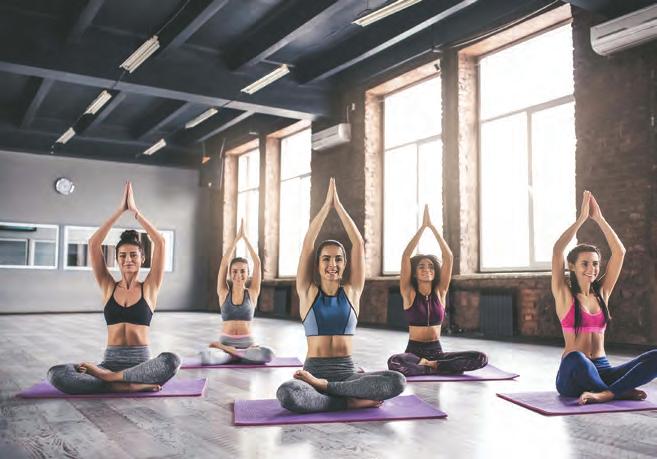
1. Class Size. Regardless of whether you choose mat or machine Pilates, groups small enough to address individual needs are important. Private sessions are best to begin
2. Teacher Training. The teacher has training from a reputable school that includes theory, practice, anatomy, physiology, and kinesiology (movement science), and mentored studentteaching requirements. This simply cannot be gained in a weekend intensive. Teachers should invest in continuing education, even better if it’s related to women’s health or your condition
3. Touch. The teacher uses touch, either theirs with permission, or directing yours on your own body to develop awareness and refine exercise performance
4. Instruction is a combination of showing, telling, touching, and explaining. A teacher who does the class and has you follow is not teaching, they’re performing
5. Imagery is task or movement-oriented and tailored to each client. (For example, the jellyfish, the fountain, the piston, and the elevator are different images I use to teach the same concept)
6. Anatomy is expressed in clear and simple terms, made even more effective if your teacher uses visual aids or teaching models
7. Questions are invited often, and answered with clarity or deference
8. Referrals. Good teachers defer to other professionals, and refer out when conditions are out of their scope. The best teachers have a network of aligned professionals
9. Environment. Be sure it’s in line with the type of work you need to do. A big noisy gym creates a dynamic different from a dedicated studio. Small and intimate works best for intimate issues
10. Most of all, you should progress fairly quickly, and feel inspired and encouraged
If you can’t find someone you trust, or classes
are making things worse, enlist the help of a pelvic floor physical therapist. In addition to exercises, they can provide manual therapy for a too-tight/weak or dis-coordinated pelvic floor and may have referrals to knowledgable Pilates professionals.
Never allow manual therapy for your pelvic floor from a movement teacher, unless they are also a doctor, licensed physical therapist, or kinésithérapeute who specializes in this therapy. This is out of the scope of Pilates, yoga, and sport, and is not appropriate in a studio.
A note about hypo-pressive training:
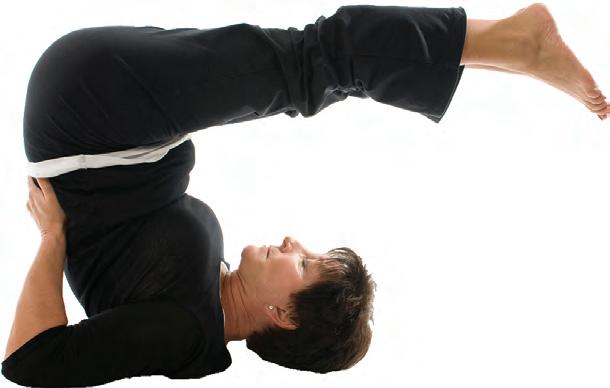
If your instructor really specializes in pelvic floor health and organ prolapse, they might also be able to teach hypo-pressive movements to lift your bowel, bladder, and uterus. It’s shown to lift the organs with reverse pressure. The longterm effects are not well-documented, but since similar techniques have existed in yoga practices for thousands of years it’s worth investigating.
Hypo-pressive simply means creating low pressure in the abdominal cavity. Though not part of the Pilates repertory, teachers who specialize in prolapse and stress incontinence
EXERCISE & FITNESS Issue 1, 2023 | 23
are perfectly positioned to include these movements in sessions, and can teach some simple at-home techniques. It’s beyond the scope of this article, but you can learn more by contacting the author or visiting the website of the doctor who codified the method for therapeutic use (Caufriez, n.d.).
Final thoughts
Don’t give up on Pilates if you don’t find the right teacher immediately. It takes time to find the right fit and learn how to move and care for your prolapse.
The commitment to find the teachers and classes that work for you is very much like finding the right doctor, hair stylist, therapist, dentist, or anything that contributes to your health and wellness. The commitment is an act of self-care and the Pilates method can be a profound contribution to helping you take back control of your body.
References
Byrnes , K., Wu, P. J., & Whillier, S. (2018). Is Pilates an effective rehabilitation tool? A systematic review. J Bodyw Mov Ther. , 22(1), 192–201. https:// doi.org/10.1016/j.jbmt.2017.04.008
Caufriez, M. (n.d.). Filosofia del Concepto. https:// caufriezconcept.com/. Retrieved from https:// caufriezconcept.com/
Fleming, K. M., & Herring, M. P. (2018). The effects of pilates on mental health outcomes: A meta-analysis of controlled trials. Complementary Therapies in Medicine, 37, 80–95. https://doi.org/ https://doi.org/10.1016/j.ctim.2018.02.003
Kloubec, J. A. (2010). Pilates for Improvement of Muscle Endurance, Flexibility, Balance, and Posture. Journal of Strength and Conditioning Research, 24(3), 661–667. https://doi.org/10.1519/
JSC.0b013e3181c277a6
Kuhn, A., Santi, A., & Birkhäuser, M. (2011). Vaginal prolapse, pelvic floor function, and related symptoms 16 years after sex reassignment surgery in transsexuals. Fertility and Sterility, 95(7), 2379–2382. https://doi.org/https://doi. org/10.1016/j.fertnstert.2011.03.029
Skaug, K. L., Engh, M. E., Frawley, H., & Bø, K. (2022). Urinary and anal incontinence among female gymnasts and cheerleaders-bother and associated factors. A cross-sectional study. International urogynecology journal, 33(4), 955–964. https://doi.org/10.1007/s00192-021-04696-z
Tadashi. (2022, May 20). Pilates Facts. facts.net. Retrieved January 23, 2023, from https://facts.net/ pilates-facts/
TRACY (TESS)
PATTISON,
MFA, LMT, CPI, CYT
Tracy (Tess) Pattison, MFA, LMT, CPI, CYT is a former professional dancer and a Pilates-based movement and lifestyle specialist who is passionate about helping women harness “lifestyle as medicine” to navigate peri/menopause changes. She holds a Master’s degree, numerous certifications in movement and somatic practices, and is the creator of The Inspired Body and its online community/ class hub. She is credentialed in both the USA and France.
theinspiredbody.com
@theinspiredbody
facebook.com/TheInspiredBody
Headshot credit: @helastaniszewska
EXERCISE & FITNESS
24 | femalehealthandfertility.com
SHARE YOUR STORY
Are you a doctor, therapist, advocate, or an individual with a personal story to share? All voices are valuable to Female Health & Fertility.
If you’d like to be featured in the magazine, email your idea to editor@femalehealthandfertility.com
AUTOIMMUNITY AND MENOPAUSE
How does autoimmunity affect menopause? Nutritionist and functional medicine practitioner Bridgette Hutchins sheds light on this question.
26 | femalehealthandfertility.com
enopause is a testing time. It comes when we are of an age where we have had a journey through life and been tested, some of us more than others, and that has an effect on how we cope through menopause.
At menopause, our body loses some of the supportive hormones for our health and, whether we like it or not, it is aging. Menopause is one more hit to our stability, and for some, that could be the final straw that can weaken and compromise our defenses to infection, and in turn, chronic disease.
Every stress to the body, whether physical or emotional, puts us into fight or flight, because we are programmed for survival. Not just survival as individuals, but for our entire race.
Every time a stressor happens it affects our cortisol, and we become immunosuppressed to an extent. As this happens over and over, whether it is because of a bad break-up, a loss, an operation, or an illness; our bodies keep score—and that is key. The bottom line is, some of us arrive at menopause with few scars and cope well; others arrive already depleted by our “scores”, and we suffer the loss of those hormones more.
The bugs
When our immune system is compromised for any of the reasons mentioned above, we unwittingly let in bugs—bacterias, viruses, parasites etc., and these bugs take advantage of our weakened state. Many of them contain proteins very similar to our own cells, and our immune system gets confused.
At any threat, it sends out an army to attack these intruders, but what if these intruders look exactly the same as our own cells? This is what happens in autoimmune conditions. Because
we are programmed to fight invaders to survive, when those invaders mimic our own cells, we literally start to attack ourselves.
The fight against invaders that threaten our mortality can be fierce. It can be painful and highly symptomatic, because that fight is about survival. If those pathogens win, and take over the host, they threaten our entire existence.
Why does autoimmunity happen?
Autoimmunity can happen for a variety of reasons, but most often rears its ugly head when we are in a weakened state. So, having good health and a robust immune system is vital for keeping these conditions at bay.
Why do some of us have autoimmune conditions? As usual, it doesn’t come down to one thing, but more a layering that can predispose us. Usually, there is one final straw that allows it to play out, and, for some, that final straw might be menopause.
On the whole, we keep our bugs at a nonpathogenic level with strong immune systems. However, our immunity can be weakened by:
• viruses
• infections
• injury
• surgery
• stress
• trauma (often coupled with a genetic predisposition)
This can cause an overgrowth of unwanted cells, and allow opportunistic pathogens to increase, thus creating activation or a flare.
Many of these invaders contain proteins very similar to our own tissue proteins. Different
MENOPAUSE
Issue 1, 2023 | 27
MENOPAUSE
bugs can actually dictate the autoimmune condition that plays out.
For example, we know chlamydia can bring out multiple sclerosis (MS), citrobacter is linked to rheumatoid arthritis, and klebsiella can be associated with ankylosing spondylitis. Viruses can also cause this “molecular mimicry” and another layer, like Epstein-Barr virus (EBV) from glandular fever or any of the herpes viruses.
There is no generic reason, as we are all different. So, personal investigation is required to understand your own journey.
There are amazing stool tests easily available now that you can do at home. They can identify the pathogens unveiling the reason and trigger for conditions and symptoms.
The good news
The good news is that autoimmunity can be helped immensely with the right course of nutrition and antimicrobial supplements. We all have bugs in our guts. If you think they may be indicated in a layer for you, then get in touch, and we can work together to reduce the possibility of disease or prospect of worsening symptoms.
Bridgette Hutchins, DipNT, mBANT, mANP, CNHC is a nutritionist and functional medicine practitioner. Since qualifying with the College of Naturopathic Medicine, she has worked extensively with women, helping to balance hormone issues and enable her clients to have an easier journey through menopause. Her focus is to get to the root cause of any health issue by implementing protocols bespoke to that individual that improve symptoms, whether that be due to a hormone imbalance or an autoimmune condition with a focus on gut health and detoxification. Bridgette also has a special interest in nutrigenomics which, with genetic testing, can further promote the health and vitality of her clients, providing a 360 view of holistic health.
bridgettehutchins.com
@bridgettehutchins
28 | femalehealthandfertility.com
BRIDGETTE HUTCHINS, DIPNT, MBANT, MANP, CNHC
The


Learn More: https://linktr.ee/ TheInspiredBody
Inspired
Live and Recorded Classes Mind-Body Practices Recipes Supportive Sisters to KEEP YOU ON TRACK Monthly Membership Classes and Community If you want to discuss reclaiming your ENERGY, OPTIMISM, and your ASS... message me at: Are you ready to STRESS LESS, MOVE MORE, and meet each day in a BODY AND LIFE YOU LOVE? The Contact Page at: theinspiredbody.com or via IG/FB: @theinspiredbody Private Wellness Coaching 6-Week Program to Quick Start Private Pilates Training Face-to-Face in Paris or Online Tracy (Tess) Pattison MFA, LMT, CPI, CYT Since 2003 Tessxx
Body
Dear Irene,
Do you have any advice for coping with the uncertainty of IVF and the unpredictable timelines? I start my IVF medication soon and I don’t want to fill my diary in case events clash with our embryo transfer or my medication takes longer to have an impact than anticipated. It’s my mother-in-law’s 60th birthday during my treatment and the family wants us all to go on a trip but this is making me feel pressured when I want my IVF to be my focus. My family doesn’t know about my treatment, which makes it difficult. I’m also unsure how to approach work for time off as there will be a number of scan appointments, plus my egg collection and transfer dates will be at different times. I feel lucky to be going ahead with my IVF but I feel overwhelmed before I’ve even started. Any advice would be super helpful. Thank you, Jo.
Hi Jo,
Firstly, can I personally congratulate you on your impending IVF treatment. You have asked a great question as going through IVF can be uncertain and unpredictable whilst self-care is really important at this time. I advise you to try and clear your diary as much as possible, avoiding additional social dates. Try not to worry about missing your friends’ and family’s events. At this time, it is fine to put yourself first. Regarding work, would you feel comfortable talking with your HR manager about your IVF journey? Could they support you to organize some days off or re-organize your working week? If you cannot talk with your HR manager, can you take some holiday days? Do tell your partner how you are feeling. Perhaps your partner can take some time out to support you?
Here are some further self-care tips whilst
ASK IRENE
In each issue of Female Health & Fertility magazine, readers are invited to share their worries with our resident Agony Aunt, Irene Lowry.
undergoing IVF:
• Put all known appointments in your diary and see how that feels
• Allow yourself time to take your medication and supplements
• Consider taking a nice massage to relax
• Meet up with a trusted friend for coffee and rest up where possible
• Take some time to factor in the outcome of your IVF treatment
• Seek professional counseling support to talk about your feelings
Some IVF health tips:
• Seek a reputable IVF organization to work with
• Try and maintain a healthy weight
• Reduce your stress levels as much as possible
• Don’t smoke
• Stay focused
• Be patient
Finally Jo, Be kind to yourself, wishing you every success.
Dear Irene,
I usually feel rundown after my period, but after my last period I just couldn’t find a way to lift my mood. In the weeks since, my energy levels have also depleted to the point that I sometimes go to bed before dinner. I’m also finding I’m not really enjoying my meals. I feel lethargic, my muscles ache and I have very little motivation to do things I usually enjoy. I am 44. Is this menopause? Should I be concerned? I don’t know whether to go to my doctor as I don’t want them to think I’m being dramatic. Thanks, Julie
30 | femalehealthandfertility.com
Hi Julie,
Thank you so much for writing to me. Julie, it does sound like you are starting perimenopause which can start in your early 40s and last up to 10 years where it becomes the menopause.
The symptoms you are experiencing all suggest hormonal changes in your body: low mood, fatigue, lack of energy and motivation, combined with muscle aches. The good news is this is completely normal and treatable over time.
Here are some health suggestions:
• Try and find a really good professional GP / obstetrician who specializes in perimenopause or menopause
• Make an appointment ASAP and go and have a full consultation to talk about how you are really feeling. They most likely will do a full blood test which will include hormones, depletion of vitamins etc.
• It is important to note as a woman gets older there is a depletion of estrogen which women need to function properly and this can cause a lot of the symptoms you are currently experiencing
Other health tips:
• Try to walk at least 30 minutes a day (at least three times a week) in the light as this helps lift our mood
• Drink at least two liters of water a day
• Healthy eating helps our energy levels and mood, so eat plenty of fruit and green vegetables combined with healthy snacks
• Eat small portions often throughout the day as this improves our energy
• Mind your alcohol intake as it is an antidepressant and lowers our mood
• Read a good book to switch off
• No screens at bedtime as these keep our brain working overtime
• Find some nice podcasts to listen to
• Meet up with friends for a coffee
• Take up a new hobby that you might have been thinking about for a while
• Talk with a trusted friend or family member about how you are feeling
Julie, you are not alone and this is all very normal and treatable. Wishing you the very best.
IRENE LOWRY, IACP
Irene Lowry, IACP is the Founder of Nurture Health and an accredited humanistic counselor. Irene established Nurture Health in 2010, an immediate counseling support service for women and their partners to talk about their mental health. Nurture Health specializes in conception, pregnancy, childbirth, perimenopause, and menopause related health issues. The company offers phone, video, and face-to-face counseling in Ireland, the UK, and Europe.
Irene’s professional background is diverse as she worked in international sales for many years before becoming an IACP (Irish Association of Counselors and Psychotherapists) accredited counselor in 2008. Irene won the prestigious Social Entrepreneurs Ireland ‘For Impact’ award in 2015.
nurturehealth.ie
@nurturehealths
@NurtureHealth2
linkedin.com/company/nurture-charity
Do you have a problem you would like Irene to answer? Send your query to editor@femalehealthandfertility.com and we will try our best to support you.
Disclaimer:
All content in this column is provided for general information only and should not be considered a substitute for face-toface counseling, medical or legal advice.
REGULAR COLUMN
Issue 1, 2023 | 31
A PANIC ATTACK IN MY VAGINA: MY JOURNEY TO OVERCOMING VAGINISMUS
Vaginismus doesn’t have to control your life. Learn how Katrin
Maslenkova (Katrin with Love) overcame her symptoms
TO
What is vaginismus?
Vaginismus is the involuntary contraction of the pelvic floor muscles, thus making penetration either impossible or excruciatingly painful for vulva-owners. This means that someone experiencing vaginismus may also have trouble using tampons, having pelvic exams, and enjoying any form of penetrative sex (like penis in vagina sex).
Sometimes the tightening response is so intense that there seems to be a brick wall where the vaginal opening is; or if some entry is possible it comes with a sharp burning sensation. Unfortunately, this protective body response is more often referred to as a sexual dysfunction in our medical communities—and this is an incredibly disempowering label to receive upon seeking help.
There are two types of vaginismus: primary and secondary. Primary vaginismus means that this over-active state of the pelvic floor has been this way for as long as you can remember.
On the other hand, secondary vaginismus means you’ve had pain-free and even pleasurable penetration before, but the tightening response began after a certain event or series of events. These might include a sexual trauma, painful medical experience involving the pelvis (e.g. a painful pelvic exam), or even pregnancy and giving birth.
There are many potential reasons for vaginismus. This protective body response could have been activated by both physical and psychological reasons. Sexual or physical assault, early exposure to pornography, religious shaming, being starved of loving touch, physical injury, and fear of pregnancy are just some of the possible causes.
If you identify no obvious trauma in your life, your body may have subconsciously taken on
the body response of vaginismus for reasons that may not even be centered around sex. Frustrating, right?
As for overcoming vaginismus, a holistic approach is crucial—one that approaches healing not only physically, but emotionally. It’s important to consider the complex nature of this body response, broaden the definition of trauma, and prioritize the cultivation of safety, curiosity, and pleasure on a somatic (bodybased) level. Without rushing the process, and by taking pain completely out of the equation, so as to not intensify any bracing for pain.
The great news is that, with a dedication to the journey and an empathetic approach, vaginismus is 100% reversible! Pleasurable sex, without limitations, awaits on the other side. I’m one example of this transformation.
My journey
Vaginismus.
The word that sounds like Christmas, but stripped me of pleasure-filled gifts for more than six years. It was the confusing part of my life that I was trying to sweep under the rug ever since I was 18. That’s when I tried penetrative sex with my first boyfriend, but it was like hitting a brick wall!
During another couple of attempts, I did my best to relax my muscles and some penetration was possible, but just a little bit of him being inside me felt like a constant stabbing sensation.
It felt like a physically painful panic attack in my vagina. A searing hot knife, which I desperately wanted out, yet I also wanted to satisfy my partner. So, for longer than I should have, I gritted my teeth and bore the pain with silent tears streaming down my face, hoping it would be better next time.
SEX & RELATIONSHIPS
Issue 1, 2023 | 33
Seeking help
At my first appointment with my family doctor on the topic, I couldn’t get through a pelvic exam. I was simply told I was too young for penetrative sex, and that my body must not be ready yet. I was told I should just wait!
Unsatisfied with this conclusion, I decided to do some research online and came across the term vaginismus. After my doctor told me to have a glass of wine and just relax (even though I was under legal drinking age), I made my way to a gynecologist who did a brief physical exam, but didn’t mention vaginismus either.
Only later did I get to see a sex therapist for a couple of sessions. Although these did not help me overcome my pain, she was the first to mention vaginismus and recommend dilator therapy. I felt relieved that at least someone else agreed that my pain was not in my head.
The dilating “fix”
The sex therapist gave me a two-pager of dilating instructions and, oddly enough, my parents were the ones to set me up with a set of dilators! They came home one day, shortly after I reluctantly told them about my challenge, with a box of plastic dilators in a gray bag with a pink heart on it—and so my journey officially began.
Unfortunately, the dilators lay hidden away in my closet for many months at a time, since I lacked the support in how to use them effectively. To this day, I’m baffled by the limited instructions and guidance I received from the medical professionals I encountered.
Could I have known?
I guess I could have seen vaginismus coming with a particular red flag earlier in my life: using tampons. Or trying to use tampons. Many perfectly good tampons went straight into the garbage after I felt the same sense of hitting a wall, or sharp pain, if I tried to force them in.
Though with each disappointment I did my best to stay positive, I felt incredibly alone. Even though I had a supportive family, friends, and partners, no one seemed to understand, because they hadn’t experienced the pain, both physical and emotional.
To avoid my loneliness, I convinced myself that “meeting expectations” in the sex department was never going to be something I could do. So I stuck to what I knew, which may have been part of the root cause in the first place; I focused on school and work and kept reaching for that next achievement.
The “just push through” mentality
You see, I lived my life in a very logical, structured way. I was a trained perfectionist, which went hand in hand with becoming a high performer, a “go-getter”, an “alpha woman” etc. Following the well-trodden path my sister took, I became a designated Chartered Professional Accountant, which was wonderful in many ways but equally soul sucking.
SEX & RELATIONSHIPS
34 | femalehealthandfertility.com
As I climbed the corporate ladder and hid my sexual secret, I avoided making self-care a priority. If I indulged in sexual pleasure for a little while, I experienced a deep sense of what I now know was shame, and was just reminded that my body was betraying me.
On top of that, my inner voice said, “You should be doing something productive right now”. Taking a break meant I was falling behind.
Being on the other side
Today, I’m relieved to say that vaginismus is in my past. Here are some takeaways:
• The journey is a lot more of an emotional one rather than physical. It is NOT only about dilating! It is really about reconnecting with one’s body, thoughts, emotions, and authentic sexuality. It’s about starting to prioritize, rest, and feel pleasure again in more context than just in the bedroom. It’s about getting back a sense of aliveness, which is really what eroticism is all about
• The emotional piece involves understanding one’s triggers and reasons for feeling anxious about intimacy and sex (for example: perhaps perfectionist tendencies and the safety found in control). It also involves overcoming the shame that exists in our society on the topic and living more from a place of safety, peace, and surrender. All of these involve changes on a subconscious, nervous system and somatic level—not just through conscious work like talk therapy
• Physical success involves creating a penetrative pleasure practice (using dilators or not), in order to train your mind and body to welcome penetration. This should be done without rushing the process and without causing pain. When pain is part of the process, it only strengthens your nervous system’s association that “penetration = pain” and things get worse
So much of my experience improved my quality of life, and you too deserve to enjoy all forms of sex, without limitations. You deserve to experience a love life that YOU deeply desire! If you’re experiencing vaginismus, you deserve to put it in your past, for good.
KATRIN WITH LOVE
Katrin with Love, inspired by her own journey past vaginismus, now finds joy in helping you claim your sexual liberation. She wants you to have an amazing intimate relationship with yourself and your partner, rooted in safety, love and pleasure, compassion, and passion! A sex life that you adore IS possible for you, even if it may not seem like it right now. Katrin has created the plan for overcoming vaginismus that she desperately wished she had back when she felt like the only person in the world going through this private pain. Her holistic approach is designed to facilitate deep healing in many facets of your life—both inside and outside the bedroom. She lives in Toronto, Canada and supports people all around the world.

katrinwithlove.com
@katrin.with.love
SEX & RELATIONSHIPS
Issue 1, 2023 | 35
MISCARRIAGE
Causes, Symptoms, and Support
Female Health & Fertility team member Rachel Andersen, who has experienced miscarriage, shares information and insight to support others.
n the evening of January 21, 2003
I waited breathlessly for the minutes to go by while I watched the demarcation line move forward across the pregnancy test. I couldn’t believe it when the second pink line showed up.
I went to bed that night feeling excited and terrified all at once, and I looked forward to telling the world the next day that I was going to have a baby. I never could keep a secret.
The next morning however the spotting started, and by the end of the day there was nothing left to tell the world except that it was over. It doesn’t matter how many years go by, I remember that pregnancy and wonder how my life could have changed if I hadn’t had a miscarriage.
What is a miscarriage?
Miscarriage is defined as a spontaneous loss of pregnancy before 20 weeks gestation. This can happen to anyone who is pregnant.
What are the symptoms of miscarriage?
The symptoms that indicate a loss or impending loss of a pregnancy can vary in intensity depending on the stage of gestation.
Early miscarriage
Early miscarriage before 12 weeks gestation is the most common. The symptoms can include:
• Cramping
• Loss of pregnancy symptoms (tender breasts, nausea)
• Spotting or bleeding
• Passing tissue from the vagina
Late miscarriage
Late miscarriage after 12 weeks gestation is less common. In addition to the above symptoms these may be experienced:
• Contractions that feel like labor
• Heavy bleeding
• Delivery of a small fetus
Complications
Most miscarriages pass on their own. There are some times when complications arise and it might be necessary to have some intervention. This can include tests and procedures like:
• Blood tests to measure hCG levels and others
• Ultrasounds
• Dilation and curettage (D&C)
• Laparoscopic surgeries
If someone suspects pregnancy loss they should contact their OB GYN or primary care physician (PCP) for information and help.
Is miscarriage common?
The prevalence of miscarriage has been increasingly reported with advances in science and early detection of pregnancy being so widely available. It may seem as if miscarriage is becoming more and more common, but in truth the rate has probably been the same for a long time. It’s just that we are able to know about them sooner now through technology.
MISCARRIAGE
Issue 1, 2023 | 37
Let’s investigate some of the causes and risk factors, and find out why the loss of pregnancy happens as frequently as it does.
What causes miscarriage?
The causes of miscarriage are not all known. The most common is chromosome abnormality.
Risk factors
Here are some factors that can increase someone’s chances of pregnancy loss.
• Age of the pregnant person (chances increase with age)
• Gestational age (chances decrease after 12 weeks gestation)
• Injury
• Prior spontaneous abortion (chances can
increase with each prior miscarriage)
• Substance abuse
• Trauma
• Weight related issues
• Infection or other illness
• Comorbid conditions (chances increase with conditions such as hypertension and others)
Other factors may apply, and each case is different. Also, there are many instances where subsequent pregnancies are carried to term following miscarriage.
It’s not your fault
When things beyond our control happen, especially painful things, it is natural to need to know where to place responsibility. Often, we take the blame on ourselves.
The truth is the rumors are false about many of the causes of miscarriage you may have heard. Here are some things that do not cause pregnancy loss:
• Sexual intercourse
• Working
• Negative feelings about pregnancy
• Exercise
MISCARRIAGE
38 | femalehealthandfertility.com
It’s important to note that miscarriage is called “spontaneous abortion” for a reason. More often than not, the reasons are unclear. The most important thing to understand is that these things happen, and it isn’t your fault.
Pregnancy loss support
Every person is different, and every pregnancy is unique. Each has their own needs for support. It’s important for each person to be supported according to their needs.
Identify needs
Not everyone feels the same way about their pregnancy loss. Some feel they need to move forward right away and are able to put it behind them. Others may feel the loss in a way that makes them need to take some time to grieve it. Both approaches are valid and deserve respect and support.
Some need to deal with their feelings quietly either alone or just with their partner. Others want the support of friends, family, and/or community.
Each person can decide what to do. There is no right or wrong way to deal with loss. Identifying needs is the first step to assistance.
Emotional
Regardless of how someone felt about the prospect of having a baby, the loss can bring up emotional pain. Here are some emotions that can come up:
• Sadness
• Relief
• Guilt
• Fear
• Depression
• Uncertainty
• Denial
• Anger
• Numbness
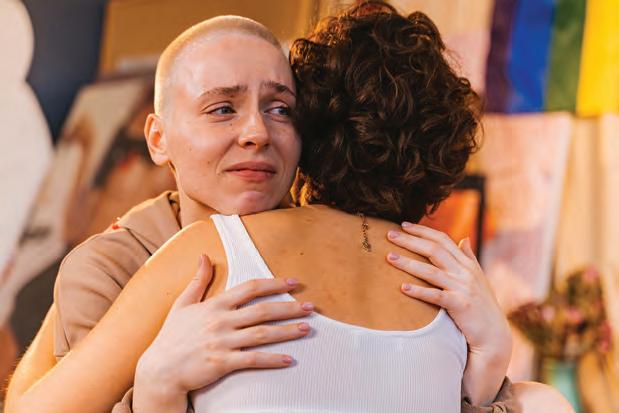
It can be difficult to know what to do with these feelings when they come. It may even be surprising to the person to feel certain ways. Reaching out to others for support when needed is important.
Physical
Aside from the symptoms of miscarriage physical needs can be present throughout the miscarriage and beyond. These can include:
• Fatigue
• Body aches
• Mental anguish
• Headaches
MISCARRIAGE
Issue 1, 2023 | 39
• A desire for space
• Not wanting to be alone
As these needs arise, it is important to note that they are all true needs and should be taken seriously. Knowing what your needs are and doing all you can to help meet them is vital.
Meet needs
Here are some ways to meet the needs that have been identified:
• Journal
• Medication (pain management, antidepressants, or antianxiety meds)
• Exercise
• Take time away
• Call a friend
• Spend time with your partner
• Therapy
• Spiritual rituals
• Rest
Time is a good tool as well. It has been 20 years since my first miscarriage and though I will never “get over it”, I have taken a moment to honor the memory every single year since. As time moves forward the pain is less intense.
How to help a loved one through miscarriage
It can be difficult to know how to support your loved one who is going through loss. There are some universal things that can help.
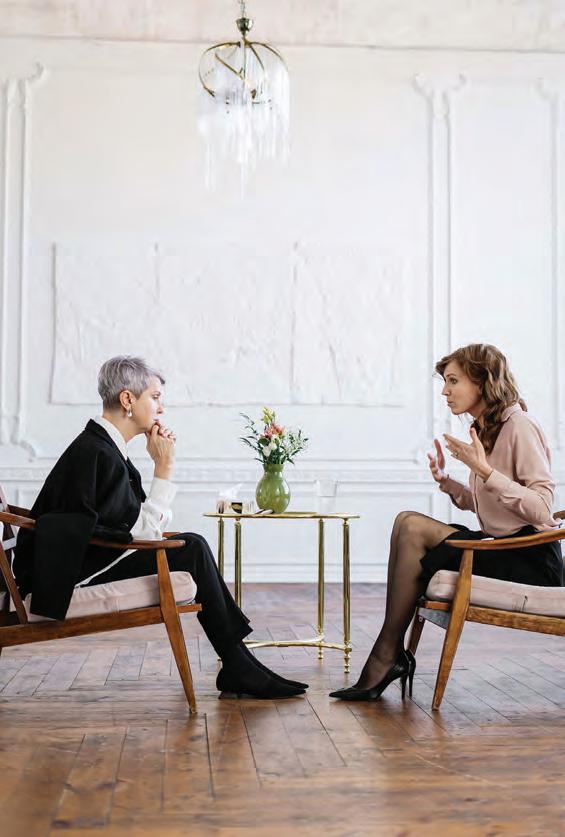
Be present
Sometimes just being present is an
or conflicting needs. This can also open doors for others who want to help to unintentionally make things worse.
Creating a safe space can look like letting your loved one know that whatever they are feeling or needing is valid, and anything they say will not be held against them or judged. It can also be screening visitors for them to give them a chance to process and be ready before facing the “world”.
MISCARRIAGE
40 | femalehealthandfertility.com
Speak
Sometimes we say too much or say inappropriate things, even when we mean well. Avoid giving advice or trying to talk to them out of what they are feeling.
Keep it simple. Let them know they are loved, it isn’t their fault, and you are there.
Provide
Providing sometimes includes making decisions that are just too difficult for the person in the moment. Taking over responsibility for the household can go a long way.
If other children are in the home they may also need to know what is going on, that it isn’t their fault, and be given instructions on what is going to happen next.
Resources
Supplying resources can also be helpful. After my miscarriage my husband presented me with a book. It was called, I’ll Hold You in Heaven. I found great comfort in its pages, but it was more than that. It was my partner saying: “I’m here for anything you need, I love you, what you are feeling is valid”.
Summing up
It took some time and some healing, but eventually I realized that I hadn’t failed; I had succeeded. For whatever reason, my role in that little being’s existence was a short one. I had done all I could under the circumstances, and that was enough.
Though that was my first pregnancy and first
miscarriage, it wasn’t my last for either. My family grew by two biological children, one adopted child, and another little one I never got to meet.
If you (or someone you know) have suffered a miscarriage, please know you are not alone. Support is available.
Whatever you are feeling is valid. It’s ok to take the time to process, heal, and move forward at your own pace.
References
Dugas C, Slane VH. Miscarriage. [Updated 2022 Jun 27]. In: StatPearls [Internet]. Treasure Island (FL): StatPearls Publishing; 2022 Jan-. Available from: https://www.ncbi.nlm.nih.gov/books/ NBK532992/
Rachel Andersen is a writer, copyeditor, and interviewer. She is the author of Where Hope Begins: Decoding Depression for You and Your Loved Ones, and Beyond Borders: Life After Deconstruction. She has written for publications such as Autism Parenting Magazine, and enjoys interviewing people who are making the world a better place. As a copyeditor, her special passion includes developing and restructuring bodies of work so that others’ voices are heard and valued. She lives with her husband and three children, one of whom was adopted from foster care. She hopes to be an encouragement to others through her work.
linkedin.com/in/rachel-andersen-a83680216/
MISCARRIAGE
Issue 1, 2023 | 41
RACHEL ANDERSEN
CONSULTATION CORNER
Endometriosis: What is it and What Causes it?
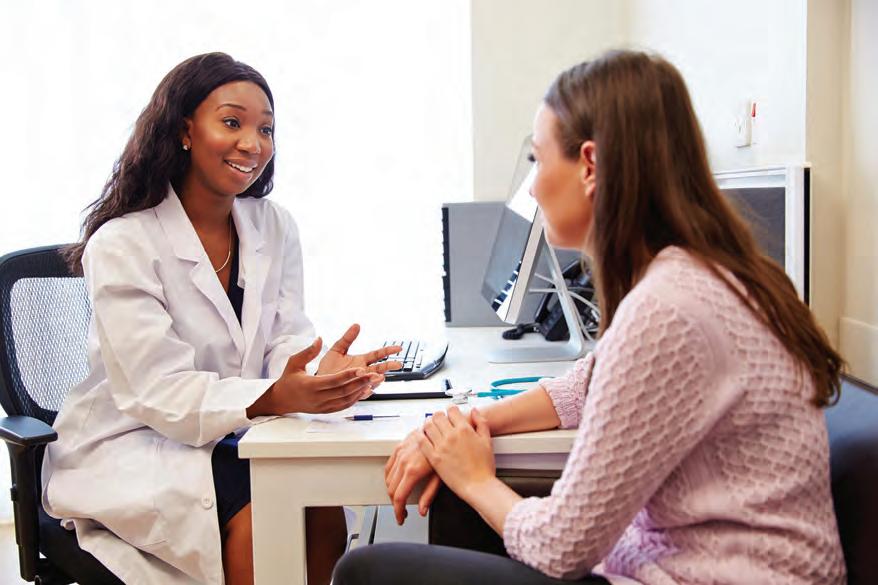
In this first column of a regular series, Mr Martin Hirsch, consultant gynecologist and endometriosis specialist, explains what endometriosis is and some of the new theories about what causes it.
ndometriosis is a non-cancerous condition that principally affects women of reproductive age. It is characterized by the cells, like those found inside the womb, being present outside the womb.
The common sites include the lining of the pelvis (peritoneum), the ovaries (endometrioma), and organs like the bladder and bowel. Endometriosis can affect people in many different ways, from having no symptoms, to severe pain and difficulty falling pregnant.
Causes
There are lots of possible theories about the causes of endometriosis. The theories of development
42 | femalehealthandfertility.com
include retrograde menstruation (cells flowing backwards into the pelvis at the time of a period).
However, this does not explain why 90% of women have retrograde menstruation yet 10% have endometriosis. It is likely that retrograde menstruation plays a role in the development but certainly isn’t the only factor. It is more commonly associated with people who have an obstruction to the vaginal outflow of their periods.
Additional theories include an altered immune and inflammatory response seen in people with endometriosis. The alterations seen allow these cells (which flow backwards at the time of menstruation) to have greater contact time with the lining of the inside of the pelvis and then also greater likelihood of implantation. While this theory supports the role of retrograde menstruation, it doesn’t account for endometriosis found in the chest, nose, and even the wrist!
Other possibilities
I must stress that cases of endometriosis outside the abdominal or pelvic cavity are rare, but these instances lead us to think about other theories of how endometriosis might arise. These cases of endometriosis outside the abdomen and pelvis might arise from two additional theories. They could spread via the blood system or cell transformation under the influence of hormones.
It is amazing to think that some cells have the potential to change into any cell in the body. These are called pluripotent, and it is thought that under stimulation from hormones these cells can transform into endometrial-like cells. When this occurs outside the womb, we have the definition of endometriosis!
A new and exciting theory from the team at University College London, UK, is that bleeding from an ovary settles in the lowest, most gravity-dependent place (behind the womb), causing an inflammatory response. The surrounding cells which line the pelvis then enclose the area of blood which slowly becomes more fibrotic, developing into what we now know as deep / rectovaginal / colorectal endometriosis. This is an exciting and potentially reversible cause of endometriosis if that area of bleeding is removed immediately. Further research is required.
I hope this has been useful and informative and please follow @endometriosis.surgeon.uk for regular endometriosis updates.
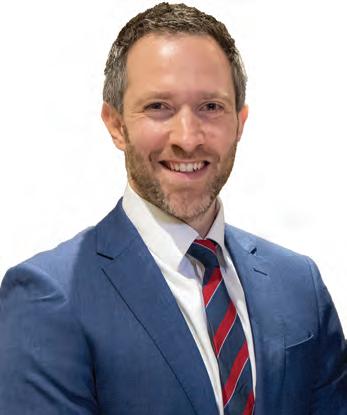
Martin Hirsch,
is a consultant gynecologist and endometriosis specialist practicing in the UK both in the NHS and privately. He works as a gynecological surgeon specializing in excision of endometriosis within a British Society for Gynaecological Endoscopy (BSGE) accredited center. In a research setting, Mr Hirsch works with many groups and has published over 40 papers. On a national level, Mr Hirsch is an elected member of the BSGE senior council and a spokesperson for the Royal College of Obstetricians and Gynecologists.
REGULAR COLUMN
@endometriosis.surgeon.uk
BM, MD, PGDip, MRCOG
Issue 1, 2023 | 43
MARTIN HIRSCH, BM, MD, PGDIP, MRCOG
HOW I REVERSED MY PERIOD PAIN
Journalist turned schoolteacher Louise
Mensah
efore understanding that food could be medicinal, I had horrendous periods. My periods were long, heavy, and painful. When Aunt Flo came to visit, she came with her siblings Nausea, Fatigue, Pain (and sometimes Moody, too).
Every period I had, I would have to self-medicate with various pain medications. I have clear, vivid memories of myself curled up in the fetal position on the sofa crying and bartering with God for some sort of pain relief during my period. When no such relief came, I began to wonder if this was my destiny.
A visit to my local general practitioner (GP) proved to be futile when I was told the only option for managing my period pain was the contraceptive pill. When I said I wasn’t interested in this option because of the side effects, my doctor wasn’t very pleased with me. I left disheartened, dismayed, and empty-handed.
A later GP visit would offer me a temporary resolution to my symptoms in the form of mefenamic acid. However, my painless periods came to an unwanted halt when my prescription ended and I wasn’t allowed another.
After researching the side effects of mefenamic acid, I was shocked to find out usage increased your chances of gastrointestinal disorders, headaches, strokes, and heart attack. Yes, I wouldn’t like painful periods, but no I wouldn’t like to die!
reveals how she alleviated her painful periods through diet and lifestyle changes.
44 | femalehealthandfertility.com
It would be decades before the solution would unveil itself to me. I’m going to skip forward a couple of years to the year 2020—a year that changed the lives of many (including mine) irrevocably.
The pandemic taught us that life as we knew it wasn’t fixed but, in fact, very fluid. Spending more time at home, I became increasingly interested in natural remedies and the idea that food could be medicinal. I completed a herbalism diploma and began experimenting with different diet types including paleo, keto, and vegetarian before finding my flow with flexitarianism and intuitive eating.
In 2022, I undertook a menstrual health course where I learnt about the link between hormonal imbalances and periods. Armed with my newfound knowledge and prior knowledge of medicinal foods, I began to explore the impact of lifestyle on hormonal health. This was a huge lightbulb moment and turning point for me.
My journey towards holistic hormonal health reminds me of Alice in Wonderland, going down the rabbit hole and discovering a new world. I consider my “stepping stones” to be keys; with each key holding a vital piece of the hormonal health and wellness jigsaw puzzle. My keys for hormonal health include nutrition, movement, stress reduction, and mental wellbeing. Let’s explore these further.
1. Nutrition
These days, I try to ensure my meals are nutritionally balanced and hormone-supportive. This means I aim to include a balance of complex carbohydrates, protein, and healthy fats.
I like to add fiber where possible, but that’s a personal preference. I have made healthy swaps
e.g. white bread for brown, and I eat way more vegetables. As a fruit lover, I have always found fruits easier to eat, and I previously wouldn’t eat vegetables unless they were sweet, e.g. carrots and sweetcorn, etc.
I have now increased my intake of cruciferous vegetables tremendously. I aim to eat a rainbow of vegetables during dinner; this is to ensure I am giving my body the vitamins and minerals it needs at all times.
If I eat a food that doesn’t fall into these categories (like a pancake), I’ll try to balance it out with berries and a natural sweetener like raw, local honey, date syrup, or cinnamon. I do want to add a disclaimer here and point out that if I eat foods that aren’t necessarily nutritious I no longer beat myself up about it.
If I feel like enjoying a biscuit, chocolate, or dessert, I will indulge. However, I try to do this in moderation as opposed to daily. I believe this allows me to have a healthy relationship with food.
Luckily for me, I’ve always been a huge fan of water so I love drinking it. Something I really struggled with previously was coconut water as I’m not a fan of coconuts. However, I made myself drink it and told myself to focus on the health benefits rather than the taste and, surprisingly enough, now I love it.
Seed cycling has also been a major gamechanger for me. It’s a naturopathic remedy based on the idea that taking different seeds at different phases of your cycle supports hormone balance.
When your hormones are balanced, this can lead to a reduction and/or elimination of symptoms linked to PMS, PMDD, PCOS, painful periods, fibroids, and endometriosis. It can take several months to get a good balance in place. Issue
PERIODS
1, 2023 | 45
2. Exercise and movement
My relationship with exercise can only be described as a rollercoaster. I have spent hundreds on gym memberships (for gyms I never once stepped foot in) and on personal trainers. I have since realized that what has best worked for me is long walks, dancing, stretching, and classes. These are all things that I dip in and out of as I feel they help me achieve my goals.
If you are sedentary for most of your working day, I highly recommend finding a movement regime that works for you, and helps you be consistent. It doesn’t have to be intense exercise, as long as you are moving, it is beneficial.
3. Wellbeing and self-care
Stress exacerbates all hormonal health conditions. It’s really important to me that I am intentional about taking steps to combat daily stressors. I feel this is an important part of wellbeing and self-care.
For me this looks like reading, writing, doodling, journaling, dancing, going for walks, praying, and socializing with friends. This has been integral in my period healing journey.
I am also very intentional with the language I use to describe my period. I used to be very negative (with regards to my thoughts, language, and even how I expected my period to be). Then I would be baffled as to why my periods were so awful.
I practice internal talk and affirmative statements about my period, which honor and celebrate the occasion. Perspective is everything, and I believe this mindset shift has had a major impact on my positive, peaceful periods
4. Menstrual and mental health: the link
Being aware of how fluctuations in hormones can affect my mood has been life changing for me.
There is a tendency to label women as “emotional” or “crazy” which, apart from being rude and insensitive, is inaccurate. As hormones fluctuate, your needs change, but the world we live in doesn’t accommodate this.
If you’re in your luteal phase due to progesterone increasing, this can cause your mood to dip and heighten feelings of stress and anxiety. This is also the time when your inner critic is loudest, so remember to be kind to yourself.
Healing is not linear
Lastly, I would like to end by saying the road to reversing period pain is not linear. It definitely isn’t one size fits all. There are no shortcuts, but if you persist and are consistent, you will get results.
Severe period pain isn’t normal, and it doesn’t have to be your reality. The normalization of
PERIODS
46 | femalehealthandfertility.com
period pain is a myth that is dangerous and needs to be debunked. Continuing to believe period pain is normal can lead to a delay in the diagnosis of conditions which can be characterized by period pain such as fibroids, endometriosis, and dysmenorrhoea—to name a few.
References
BNF. (n.d.). National Institute for Healthcare and Excellence (NICE) Retrieved from: https:// bnf.nice.org.uk/drugs/mefenamic-acid/#sideeffects
British Heart Foundation. (2020, June 4). Paleo diet. Bhf.org.uk; British Heart Foundation. Retrieved from: https://www.bhf.org.uk/ informationsupport/heart-matters-magazine/ nutrition/ask-the-expert/paleo-diet
Harvard Health Publishing. (2020, August 31). Should You Try the Keto Diet? Harvard Health. Retrieved from: https://www.health.harvard. edu/staying-healthy/should-you-try-the-ketodiet
Delaney, E. (2019). What is a flexitarian diet? BBC Good Food. Retrieved from: https:// www.bbcgoodfood.com/howto/guide/whatflexitarian-diet
Flores, A. (2018, March 2). What Does Intuitive Eating Mean? National Eating Disorders Association. Retrieved from: https://www. nationaleatingdisorders.org/blog/what-doesintuitive-eating-mean
Premenstrual Syndrome (PMS). (n.d.). www. nhsinform.scot. Retrieved from: https://www. nhsinform.scot/healthy-living/womenshealth/girls-and-young-women-puberty-toaround-25/
About PMDD. (n.d.). www.mind.org.uk.
Retrieved from: https://www.mind.org.uk/ information-support/types-of-mental-health-
problems/premenstrual-dysphoric-disorderpmdd/about-pmdd/
NHS. (2019, February 1). Polycystic Ovary Syndrome. NHS. Retrieved from: https:// www.nhs.uk/conditions/polycystic-ovarysyndrome-pcos/
Bupa UK. Dysmenorrhoea (painful periods) | Health Information | Bupa UK. (n.d.). Retrieved from: https://www.bupa.co.uk/healthinformation/womens-health/dysmenorrhoea
British Fibroid Trust. (n.d.). www. britishfibroidtrust.org.uk. http://www. britishfibroidtrust.org.uk/Fib_info/wif.php

LOUISE MENSAH
Louise Mensah is a former journalist with bylines at BBC 3, Heat Magazine and Channel 4. Currently, Louise is a primary school teacher, menstrual / life coach, and wellbeing advocate. She is also the Founder of Eleven Eleven Wellbeing: a menstrual and mental health brand that specializes in products that support hormonal balance. Louise is passionate about period positivity, removing the stigma around periods, and female empowerment. Her hobbies include dining, writing, dancing, talking, and reality TV (namely the Real Housewives franchise). Louise has an insatiable appetite for books (her current collection is at 500) and perfume (her streamlined collection stands at 50 bottles).
elevenelevenwellbeing.co.uk
@louiseamensah
PERIODS
Issue 1, 2023 | 47
pparently, most of us have a vitamin D deficiency. We slather ourselves in sunscreen, and spend the majority of our days indoors; bright sunlight replaced by mac’s screen light. But what does lacking in the sunshine vitamin really mean for our health, particularly our reproductive health? Apparently, a lot.
An ignored epidemic
The majority of people are aware of vitamin D’s role in calcium absorption and bone health. But, beyond bones, the vitamin is involved in many of our body’s key functions such as cell growth, immune function, glucose metabolism, and many others.
Vitamin D deficiency is a serious, global health challenge (Naeem, 2010). Research reviews tell us a deficiency may even be associated with a variety of cancers (Gupta et al., 2011).
More time spent Googling terrifying deficiency
THE VITAMIN D FERTILITY LINK
symptoms reveals lacking in this key vitamin may play havoc with every system in our body. It may increase our risk for cardiovascular, autoimmune and infectious diseases, and also serious psychological disorders like depression and chronic pain (Thomson et al., 2012).
Zooming in on reproductive health, many observational studies suggest fertility problems may be associated with a vitamin D deficiency. In fact, a deficiency seems to influence many aspects of reproductive health including polycystic ovary syndrome (PCOS), the outcome of in vitro fertilization (IVF), and male and female fertility (Várbíró et al., 2022).
Reproductive health and vitamin D deficiency
The role of vitamin D in reproductive health is all encompassing. From the time we enter puberty, a deficiency may be disruptive. Researchers believe low levels of this vitamin
The sunshine vitamin may play a major role in areas of health related to fertility. Yolande Loftus reports.
48 | femalehealthandfertility.com
may be involved in accelerating the onset of puberty in girls (Rafati et al., 2018).
Beyond precocious puberty, women who did not meet recommended levels of vitamin D—in a study by Lagowsky (2018)—demonstrated a five fold increase in the odds of having a menstrual disorder in comparison to women whose levels of the vitamin were above the recommended level.
Fertility
While the influence of a vitamin D deficiency on puberty and menstrual cycles is finally garnering more attention from researchers, its effect on fertility is a subject frequently discussed beyond academic circles. Most fertility forums have numerous posts dedicated to vitamin D, which some prefer to refer to as a hormone.
The evidence, anecdotal as it may be, makes for compelling reading. Success stories, as a result of supplementing and getting vitamin D levels up to scratch, is a common and encouraging theme. These posts give hope to many, because topping up on vitamin D is doable: it’s cheap, accessible and natural.
But what does science say, should women and men facing fertility issues be stocking up on supplements? It depends (a non answer we all hate) but, whether vitamin D could be the answer to fertility struggles really depends on a host of factors.
In women, infertility may be due to tubal or uterine disorders, or conditions associated with the ovaries or endocrine system. In men, infertility can be caused by genetic factors or the production of low or poor quality sperm. The benefit of supplementing with vitamin D would therefore be influenced by the cause and specific circumstances surrounding infertility.
Moreover, a person struggling with fertility issues should be evaluated to determine if a deficiency is actually present. If vitamin D levels are within an acceptable range, supplementing may not be beneficial, in fact for some it may be dangerous.
In certain instances, however, research is pretty clear that vitamin D may be involved in reproductive issues. For example, when PCOS contributes to fertility struggles, a vitamin D deficiency could be key. Being deficient could exacerbate PCOS symptoms; addressing the deficiency could therefore have a positive effect on fertility.
DIET & NUTRITION
Issue 1, 2023 | 49
PCOS
Up to 95% of anovulatory (not exhibiting ovulation) women seeking treatment for infertility have PCOS (Teede et al., 2010). Prevalence of vitamin D deficiency in PCOS women is very high, particularly in those with insulin resistance and obesity (Wang et al., 2020).
A review of PCOS physiopathology and vitamin D deficiency (Morgante et al., 2022) suggests vitamin D, as an adjunct to PCOS therapy, may result in:
• an improvement of insulin resistance and lipid metabolism
• reducing circulating androgens
• an enhanced response to the induction of ovulation in women with PCOS
In women where a deficiency is determined, supplementing with vitamin D, while treating PCOS or other reproductive health concerns, makes sense. Fertility treatment can be disruptive and expensive, if vitamin D supplementation improves the odds of success, it could be transformative for women struggling with reproductive health issues.
Data obtained from a study (Zhao et al., 2019) showed supplementing with vitamin D can help return serum vitamin D levels to normal in infertile women with PCOS, resulting in better quality embryos and a significantly improved pregnancy rate.
Male infertility
When it comes to male fertility, the most consistent influence of vitamin D is reported on semen quality. While more studies are needed to determine the exact effect of vitamin D supplementation in male infertility, current evidence does seem to suggest the vitamin could
have a positive effect, particularly on sperm motility (Cito et al., 2020).
While all this may seem pretty straightforward, scientists actually believe there is much more we need to learn about vitamin D supplementation and fertility. Discovering how vitamin D influences fertility in males and females is incredibly complex as the vitamin regulates more than 1,000 genes.
Take for example the results of a study (Blomberg Jensen et al., 2018) where vitamin D supplementation was not associated with altered semen parameters; spontaneous pregnancies, however, were higher in couples in which the man was in the treatment group. Therefore, even though science suggests vitamin D may be positively associated with fertility, to determine the exact mechanics we’d need a lot more studies.
Take the test
Popping random amounts of vitamins is not recommended. Vitamin D in particular should be approached with caution as taking excessive amounts may result in vitamin D toxicity.
Toxicity is uncommon, but supplementing with high doses of vitamin D over a prolonged period can be dangerous, which is why doctors recommend testing before supplementing.
Getting tested and obtaining professional advice about supplementing with the right type and amount of vitamin D might be a powerful and accessible adjunct to fertility treatment.
DIET & NUTRITION
References Blomberg Jensen, M., Lawaetz, J. G., Petersen, J. H., Juul, A., & Jørgensen, N. (2018). Effects of Vitamin D Supplementation on Semen Quality, Reproductive Hormones, and Live Birth Rate: 50 | femalehealthandfertility.com
A Randomized Clinical Trial. The Journal of clinical endocrinology and metabolism, 103(3), 870–881. https://doi.org/10.1210/jc.2017-01656.
Cito, G., Cocci, A., Micelli, E., Gabutti, A., Russo, G. I., Coccia, M. E., Franco, G., Serni, S., Carini, M., & Natali, A. (2020). Vitamin D and Male Fertility: An Updated Review. The world journal of men’s health, 38(2), 164–177. https://doi. org/10.5534/wjmh.190057.
Gupta, D., Vashi, P. G., Trukova, K., Lis, C. G., & Lammersfeld, C. A. (2011). Prevalence of serum vitamin D deficiency and insufficiency in cancer: Review of the epidemiological literature. Experimental and therapeutic medicine, 2(2), 181–193. https://doi.org/10.3892/ etm.2011.205.
Morgante, G., Darino, I., Spanò, A., Luisi, S., Luddi, A., Piomboni, P., Governini, L., & De Leo, V. (2022). PCOS Physiopathology and Vitamin D Deficiency: Biological Insights and Perspectives for Treatment. Journal of clinical medicine, 11(15), 4509. https://doi.org/10.3390/ jcm11154509.
Naeem Z. (2010). Vitamin d deficiency- an ignored epidemic. International journal of health sciences, 4(1), V–VI.
Rafati M, Zamanfar D, Rezaeian Shiadeh S, Faramarzi F, Aarabi M, Rayati Damavandi H. Serum vitamin D levels in girls with central precocious puberty. Pharm Biomed Res 2018; 4 (1) :15-19. https://pbr.mazums.ac.ir/article-1190-en.html
Teede, H., Deeks, A., & Moran, L. (2010). Polycystic ovary syndrome: a complex condition with psychological, reproductive and metabolic manifestations that impacts on health across the lifespan. BMC medicine, 8, 41. https://doi.org/10.1186/1741-7015-8-41.
Thomson, R. L., Spedding, S., & Buckley, J. D. (2012). Vitamin D in the aetiology and management of polycystic ovary syndrome.
Clinical endocrinology, 77(3), 343-350.
Várbíró, S., Takács, I., Tűű, L., Nas, K., Sziva, R. E., Hetthéssy, J. R., & Török, M. (2022). Effects of Vitamin D on Fertility, Pregnancy and Polycystic Ovary Syndrome—A Review. Nutrients, 14(8), 1649. MDPI AG. Retrieved from http://dx.doi.org/10.3390/nu14081649.
Wang, L., Lv, S., Li, F., Yu, X., Bai, E., & Yang, X. (2020). Vitamin D Deficiency Is Associated With Metabolic Risk Factors in Women With Polycystic Ovary Syndrome: A CrossSectional Study in Shaanxi China. Frontiers in endocrinology, 11, 171. https://doi.org/10.3389/ fendo.2020.00171.
Zhao, J., Liu, S., Wang, Y., Wang, P., Qu, D., Liu, M., Ma, W., & Li, Y. (2019). Vitamin D improves in-vitro fertilization outcomes in infertile women with polycystic ovary syndrome and insulin resistance. Minerva medica, 110(3), 199–208. https://doi.org/10.23736/S00264806.18.05946-3.
YOLANDE LOFTUS, BA, LLB
Yolande Loftus, BA, LLB is a journalist, content creator, and legal researcher. She’s lived in Dubai and France, but currently calls South Africa home. She received her Journalism degree from the University of Johannesburg and her Law degree from the University of South Africa. Her work has been published in News24, Autism Parenting Magazine, and others.
linkedin.com/in/yolande-loftus-206b9a213/
DIET & NUTRITION
Issue 1, 2023
51
|
MIDLIFE WITH TRUTH, KNOWLEDGE, AND HUMOR
Healthcare advocates
s a woman, mom, daughter, and professional living in the United States, I am acutely aware that when I look in the mirror I am not entirely comfortable with what I see.
The loose skin, the fat deposits, I wouldn’t be honest if I said that those things don’t affect me in terms of how I see myself. In my mind, I’m still 25, but the reflection in the mirror completely contradicts that fantasy.
Let me elaborate. This year I turned 40 and, more often than not, I am reminded that I am at my “midlife” point which spurs this anxious dread within.


I dread my hair rapidly turning gray. I fear my leftover baby weight will permanently stay in my midsection and expand.
I hate the thought of becoming increasingly
IT’S TIME TO EMBRACE
52 | femalehealthandfertility.com
Li Terry and Arsie Solomon share why they see the need to support others through their midlife years.
irrelevant to my teen-approaching children. I’m afraid of not rising fast enough at work and having to be at the same level as the younger, more energetic Gen Z’ers. Lastly, I’m scared that the time I have remaining will soon evade me in the not so distant future.
But why the dread? I mean, having a birthday means we are alive, but turning 40 almost feels like reaching the halfway point of a marathon race.
With the onset of fatigue, emotional stress, physical discomfort, and self-doubt, I turned to Google for answers (as we all do for most life pondering questions). Lo and behold, the most popular auto complete for midlife is: crisis.
Many men going through a midlife crisis feel “trapped” in their current lifestyle as they face time’s relentless march forward (remember the movie American Beauty, anyone?). But for women, the effects of midlife often span further and wider: biological, physical, and psychological, as we navigate aging, health changes, being a caregiver for two generations, career changes, financial security, relationships…the list could go on.
As social media and online content explodes, the discussion of a woman in midlife remains sparse, siloed, and unpopular. When we think about women aging, we often think about the big “M word” (menopause). That was what I thought until I started reading up on the subject.
Perimenopause
Little did I know that, before we reach menopause, we first encounter perimenopause. Perimenopause means “around menopause” and refers to the time during which our body makes the natural transition to menopause, marking the end of the reproductive years. It can also be called the menopausal transition.
During this transition, our ovaries begin producing less hormones, causing our menstrual cycle to become erratic or irregular. Once we’ve gone through 12 consecutive months without a menstrual period, we’ve officially reached menopause, and the perimenopause period is over.
Perimenopause varies greatly from woman to woman. It can begin as early as mid-30s or as late as 50s. For some, it can last a few years. For others, it can last anywhere from four to eight years. Interesting…what I once assumed was a “change” that only occurred to women aged 50 and beyond is now proven false.
Why transition alone?
I asked women in my life who have gone through menopause of Western, African, and Asian backgrounds what kind of conversations they had about perimenopause and/or menopause and the answer was unanimous: no one talks about that! They went through this important life transition quietly and alone.
Why? Many women feel “a sense of loss” that they can’t have babies anymore or that they
MENOPAUSE
Issue 1, 2023 | 53
cannot control their bodies. They are fearful of stigmas surrounding vaginal dryness and urinary incontinence. This compounds the problem.
Others, though, embrace this period of life with a “hallelujah” mentality, because for those who suffer so much with PMS, heavy blood flow, and painful fibroids, the notion it will come to an end is welcomed. However, still with the lack of open dialogue on this topic, these stories are not shared.
This is why Arsie Solomon and I decided to start Aloor (uh-lur), a social experience designed to reframe the sensitive midlife health needs of women—because the “quietly-suffer-on-ourown-because-it-is-uncomfortable-for-othersto-hear-about-it” way is not working.
More importantly, it is not helping us discover and embrace life’s midpoint. Women in midlife must be empowered to seek truth, education, knowledge, and to talk about our stories, struggles, and joy.
References
Thomas, A.J., Mitchell, E.S. & Woods, N.F. (2018) The challenges of midlife women: themes from the Seattle midlife Women’s health study. Women’s Midlife Health 4, 8 . https://doi. org/10.1186/s40695-018-0039-9
Perimenopause, Mayo Clinic: https:// www.mayoclinic.org/diseases-conditions/ perimenopause/symptoms-causes/syc20354666#:~:text=Perimenopause%20means%20 %22around%20menopause%22%20and,start%20 perimenopause%20at%20different%20ages
Why Midlife Crises are Different for Women, Cleveland Clinic: https://health.clevelandclinic. org/why-midlife-crises-are-different-forwomen/
LI TERRY
Li Terry is a product manager working to solve challenges in healthcare through technology by day and a champion of rebranding midlife for women by night. Li and her partner Arsie run a weekly newsletter to empower women to embrace life’s midpoint with truth, knowledge, and humor. When she is not building products or writing newsletters, you can find Li in the kitchen cooking up a storm for her family.
Arsie Solomon is a digital health product manager with a background in public health. Her mission is to serve underserved communities with tools that enable them to access and navigate complex health systems, as well as mobilize self-empowerment and self-advocacy so that they can take control of their health needs. In addition, she is a mom who enjoys spending quality time with her family.
@thisisaloor
MENOPAUSE
54 | femalehealthandfertility.com
ARSIE SOLOMON
Introducing an app that can make your symptom tracking and visits to the doctor easier.

Price: Memberships include a 7-day free trial, then an option of $3.99/month or $39.99/year.
For eight years, Carol Johnson, Founder and CEO of Uterinekind, helped medical device companies create patient and physician content on disease awareness and minimally invasive procedures designed to treat the root causes of chronic conditions.
Her market research found patients lack knowledge of their bodies and believe their “bad periods” are normal. This lack of education puts them at a disadvantage when attempting to advocate for their healthcare in a system that has been proven to dismiss symptoms, including catastrophic pain.
The Uterinekind team therefore decided to work for patients rather than device companies by directly helping them have productive conversations with their doctor, with full understanding of the options available and control over their symptoms data.
As a result, U by Uterinekind was built: an app that makes it easy to record detailed period symptoms daily, and visualizes that data for the member and their care teams to expedite a diagnosis.
Uterinekind Senior Medical Advisor, Dr. Evelyn Mitchell with the Keck School of Medicine at USC, states:
“90% of our diagnosis comes from your symptoms data.”
That means the symptoms story a patient communicates is the evidence care teams need to get to the right diagnosis quickly.
With U by Uterinekind, the patient simply hands over a symptoms summary report that has been vetted by physicians. Members are also more confident advocating for their needs; because they are educated on conditions such as endometriosis, fibroids, PCOS, and others.

By using the app to spot trends in their symptoms and become educated on conditions, their anatomy, and modern treatments, they are in tune with their body and less likely to let symptoms progress. For those who can’t easily get to a doctor, the data can be addressed via telemedicine.
The goal of the app is to reduce the amount of time it takes to get a diagnosis, which benefits physicians and patients.
Uterinekind is more than an app, it’s also a mission. Uterinekind donates 10% of all membership fees to its partner labs.
uterinekind.com
@uterinekind
PRODUCT SPOTLIGHT
SPONSORED CONTENT
Issue 1, 2023 | 55
@uterinekind
MIDLIFE AND BEYOND
“Just Menopause” or Something More?
Join our columnist Clare Power each month as she shares reflections from her midlife years.
’m very excited to be sharing my journey of midlife with you. Each month I’m going to explore different moments and experiences I had during these years in the hope that it helps others on their journeys.
For me, midlife started with a shock. I had no real understanding of what menopause was, and I had never heard of perimenopause. I spoke to my mother as I wanted to know what she had gone through, but she had been unwell with kidney failure during her midlife years, so she didn’t notice when she’d experienced menopause!
I knew all women went through menopause at some time, but I just thought it happened, you got on with it, and came out the other end not having periods. So, I wasn’t prepared for what happened to me or how long it lasted (in fact, I’m still going through it).
56 | femalehealthandfertility.com
Symptoms
I’m not sure the exact age I started having symptoms, but it may have been my late forties. I felt terrible. I kept going to my GP but they just said I was “in the menopause,” and I was sent on my way without any help, advice, or information. They did blood tests, but they came back normal every time.
I was having very heavy periods. I didn’t know when they would arrive or how long they would last, but at times they were so bad I couldn’t leave the house. I was also urinating all day and all night. I couldn’t go anywhere without having to stop on my journey to find a toilet.

On top of this, my stomach was so bloated that I looked pregnant. I had bad anxiety. I had no motivation to do anything and I felt depressed.
At times I couldn’t remember my words and I was forgetting things. I was often tearful, irritable, and angry. My bones ached and I couldn’t sleep. At times I felt like an elderly lady.
My fingers had bent up and I was told I had arthritis. I also had carpal tunnel syndrome.
I was fatigued. I was having hot flushes sometimes, too.
As my doctor hadn’t given me any further support, I believed what I was experiencing was “normal”. At the time, I was also looking after my daughter who had fallen seriously ill while traveling, so I was physically and mentally drained.
Perseverance
I didn’t know where to go, what to do, or who to talk to. So, I kept going like many of us do. I put everyone before myself and I suffered the
consequences. Nobody knew what I was going through and I felt nobody cared.
Over the years, my symptoms got worse, and eventually it all came to a head when I went on holiday and ended up in hospital for four days. This was when I finally got help, although it really shouldn’t have come to this. It turned out my symptoms weren’t “just menopause”.
I urge all of you to keep going back to your GP if you’re not feeling right, and don’t be dismissed as I was. If I had insisted on being referred to a gynecologist, then things would have been different for me.
What happened? What was my diagnosis? I will continue next month.
Clare Power, BA Hons is a 50-something mother of two grown-up daughters and her fluff baby is a cavapoochon. Clare has been married for 35 years. She has a BA Honors degree in English Literature which she obtained as a mature student, as well as two counseling diplomas and a life coach diploma. Her hobbies are yoga, pilates, swimming, gardening and flower arranging. She speaks conversational Spanish and enjoys traveling, eating out, going to the theater, experiencing new things and being with her family. Clare has had many different jobs, including working with teenagers with special needs, and she is a trained Samaritan. Clare is excited to share experiences from her midlife journey with you in her column.
*Clare Power is a pseudonym.
REGULAR COLUMN
Issue 1, 2023 | 57
CLARE POWER, BA HONS
HYPNOSIS: KEY TO NAVIGATING THE ROLLER COASTER OF INFERTILITY?

Hypnotherapist Lewina
K. Aldred offers insight into how hypnosis can be a useful tool for those undergoing fertility treatment.
hen you took that first step and finally decided to consult a fertility clinic, you probably got a full workup, and maybe you received a medical explanation for why you’re not getting pregnant. Alternatively, like so many women dealing with infertility, the diagnosis may have come back as “unexplained infertility”.
Either way, you have likely found yourself on the emotional roller coaster of “doing” all the things you need to do to try and get pregnant, (medical exams and interventions, following a strict medication protocol and taking supplements, exercising, eating right, going to acupuncture and massage appointments, etc.) while your emotional and mental health take a back seat.
Other areas of your life are likely also feeling the strain. You might be:
• feeling stressed out at work
• arguing with your partner more
• not seeing your friends as much
• too afraid to book that holiday you so desperately need
Perhaps you want to get off that roller coaster so badly and enjoy your life again all while trying to cling to the hope that you will get and stay pregnant. Fertility hypnosis might just be the piece of the puzzle you are missing when it comes to feeling emotionally and physically balanced and changing the way you go through your fertility journey.
So, what is hypnosis?
If you are not familiar with it, hypnosis may seem a little mysterious. The first important takeaway is that hypnosis is actually a perfectly natural state for every single one of us! We’re all in hypnosis multiple times throughout any given day.
Not sure what color that last traffic light was? You were in hypnosis. Lost track of time while you were engrossed in that movie? You were in hypnosis. Everytime you go to sleep and wake up in the morning, you’re going through the brainwaves states of Alpha and Theta, which are both hypnotic states.
There are many definitions of hypnosis out there, but in a nutshell, hypnosis is an altered state of consciousness in which an individual experiences increased focus and suggestibility. A hypnotherapist can use this altered state to guide their client with positive suggestions that can change habits, behaviors, and beliefs at a subconscious level to align with the client’s desired outcomes.
Can hypnosis make a difference to fertility?
First and foremost, hypnosis is an effective modality for dramatically reducing stress levels. While getting pregnant is not as simple as just relaxing, high levels of stress can impact not
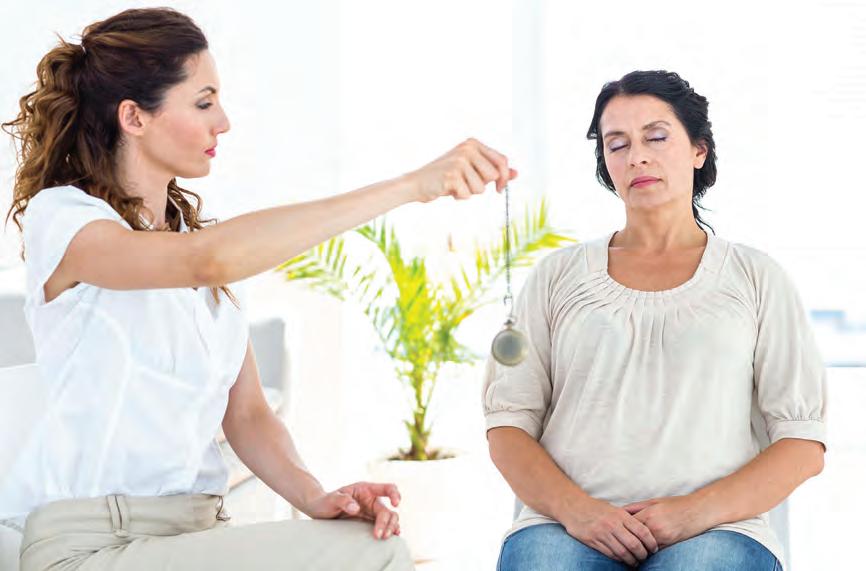
MENTAL HEALTH & WELLBEING Issue 1, 2023 | 59
only your mindset; they can also affect your body and in turn, your fertility. When stress is high, as is often the case when you’re struggling to conceive, the sympathetic nervous system finds itself in an almost-constant state of fight or flight, ready to face the perceived threat. In this state, your body is prioritizing the resources it needs for survival and halts many of its functions; digestion, tissue repair, and even reproductive hormone production are all temporarily halted.
Reducing stress levels allows the parasympathetic nervous system to kick in, and the more time spent in this rest and digest state, the more efficiently the body can resume the balanced functioning of all of its systems— including the reproductive system. One recent
(Erdemoğlu and Aksoy Derya, 2022).
Fertility hypnosis approaches change from a holistic stance, working within the subconscious mind for deep and lasting change, not just around your fertility, but all spheres of your life. A skilled hypnotherapist works with you to uncover and resolve any emotional blocks that might be standing between you and pregnancy.
These subconscious blocks might be fears, negative emotions, or outdated beliefs that don’t serve you in the present. In its protector role, the subconscious mind can hold onto many beliefs and messages you’re not consciously aware of, but that may be playing out in habits, behaviors, and even physical symptoms that could be affecting your overall well-being, and
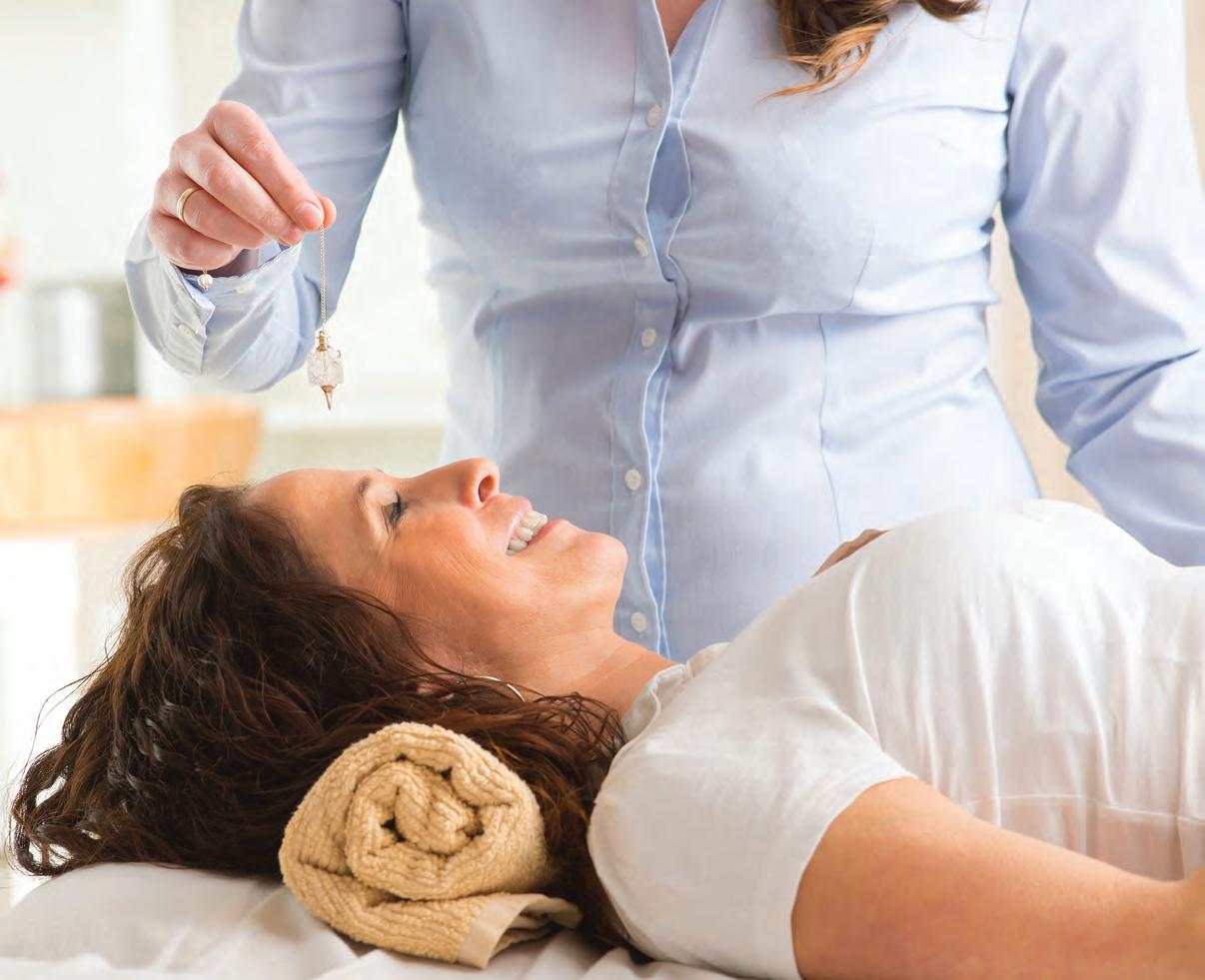
MENTAL HEALTH & WELLBEING
is going to be at the forefront of your mind. However, it can begin to take up so much space that it holds you back from enjoying your life in the meantime. Fertility hypnosis is wonderfully effective at creating a solid, positive mindset so you can take back the reins of your life.
There is also scientific evidence correlating hypnosis with improved successful conception rates. In a study that followed a group of women undergoing IVF, some using hypnosis and others not, the results concluded that the successful conception rate in the hypnosis group was double that of the group that did not benefit from hypnosis (28% for the hypnosis group versus 14% for the control group). (Levitas et al., 2006).
Another study, also following women during
References
Domar, A. D., Rooney, K. L., Wiegand, B., Orav, E. J., Alper, M. M., Berger, B. M., & Nikolovski, J. (2011). Impact of a group mind/body intervention on pregnancy rates in IVF patients. Fertility and Sterility, 95(7), 2269–2273. https://doi. org/10.1016/j.fertnstert.2011.03.046
Erdemoğlu, Ç., & Aksoy Derya, Y. (2022). The effect of hypnofertility on fertility preparedness, stress, and coping with stress in women having in vitro fertilization: A randomized controlled trial. Journal of Reproductive and Infant Psychology, 1–12. https://doi.org/10.1080/0264683 8.2022.2156488
Levitas, E., Parmet, A., Lunenfeld, E., Bentov, Y., Burstein, E., Friger, M., & Potashnik, G. (2006). Impact of hypnosis during embryo transfer on the outcome of in vitro fertilizationembryo transfer: A case-control study. Fertility and Sterility, 85(5), 1404–1408. https://doi. org/10.1016/j.fertnstert.2005.10.035
their IVF treatment, concluded that adherence to a mindbody program more than doubled successful conception rates after two cycles (55% for the mindbody group versus 20% the control group). (Domar et al., 2011). These are some compelling statistics in favor of incorporating hypnosis into your fertility journey.
Infertility is one the hardest things you can go through, and the struggle runs much deeper than anyone can see from the outside looking in. You did not choose to be on this path, yet here you are, so my question is: how do you want to feel on this journey that lies ahead? If your answer is calm, confident, and enjoying your life, fertility hypnosis might be just what you need to make that your reality.
Lewina K. Aldred, RCH is the Founder of Lewina K. Hypnosis and a Registered Clinical Hypnotherapist who specializes in helping women get pregnant, and to also have an amazing birth and postpartum experience, so they can enjoy the gift of motherhood. Her work marries her experience as a birth doula with client-centered hypnotherapy, and is designed to create lasting change in the fertility, pregnancy, and postpartum space. When she’s not helping women get pregnant or enjoy holding their baby in their arms, you can find her studying for a degree in sexuality, enjoying a hot yoga session, or knitting a colorful pair of socks.
lewinakhypnosis.com
@confidentlyfertile
LEWINA K. ALDRED, RCH
MENTAL HEALTH & WELLBEING Issue 1, 2023 | 61
#calmandconfident
FOR YOUR LIBRARY
My Fertility Book: All the fertility and infertility explanations you will ever need, from A to Z
Author: Sheila Lamb
My Fertility Book is a complete guide through the terminology of reproductive health. Author Sheila Lamb, a former nurse and midwife, struggled with infertility for six years, and despite her medical knowledge, felt overwhelmed, under-educated, and confused. She realized most women in her position felt the same and she wanted to help them.
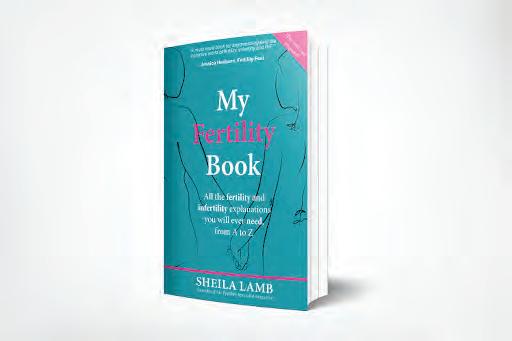
Do you want to get pregnant, but you’re overwhelmed by the sheer amount of information available? Do you find yourself frustrated trying to follow the directions you receive from your gynecologist, and have difficulty understanding medical language?
My Fertility Book will guide you through the terminology of reproductive health and thus reduce overwhelm. With descriptions given in plain English, you can use this handbook as a go-to guide. You’ll feel more in control and reduce your anxiety with this straightforward information always at your fingertips.
In My Fertility Book, you’ll discover:
• A 25-step reproductive health explanation so that you fully understand what happens in your body
• An alphabetical glossary of over 250 fertility/ infertility terms so you can do your own independent research
• Illustrations and diagrams to help you understand descriptions and increase your confidence
• An extensive library of terms that you can refer to during appointments to help you make informed decisions
• Anecdotal stories to support you on your emotional path, and much, much more!
Get your copy here: https://books2read.com/u/ mq0Nd2
Sheila Lamb had a six-year unexplained infertility journey that involved fertility treatment and loss. A week after her 47th birthday, she welcomed her rainbow daughter into the world, who was conceived using a donor egg. Sheila now supports the trying to conceive (TTC) and loss community through her many books, including: My Fertility Book, her This is fertility book series, plus her and fertility nurse Yemi Adegbile’s standalone book Infertility Doesn’t Care About Your Ethnicity.
SPONSORED CONTENT
@fertilitybooks facebook.com/SheilaLambAuthor
linkedin.com/in/sheilalamb/
62 | femalehealthandfertility.com
SHIELA LAMB
FEMALE health & fertility
FEMALE health & fertility
FEMALE health & fertility
ADVERTISE WITH US
FEMALE health & fertility
FEMALE health & fertility
FEMALE health & fertility
FEMALE health & fertility
FEMALE health & fertility
FEMALE health & fertility
FEMALE health & fertility
FEMALE health & fertility
FEMALE health & fertility
Is female reproductive health your target audience? Our readers range from young adults to post-menopause and they’re looking for supportive brands like you!
FEMALE health & fertility
Email advertising@femalehealthandfertility.com to discuss how we can work together.
FEMALE health & fertility
FEMALE health & fertility
FEMALE health & fertility
SPERM DONATION: UNDERSTANDING THE PROCESS
The process is multifaceted, but sperm donation could be someone’s best chance at conceiving a child. Rachel Andersen explains.
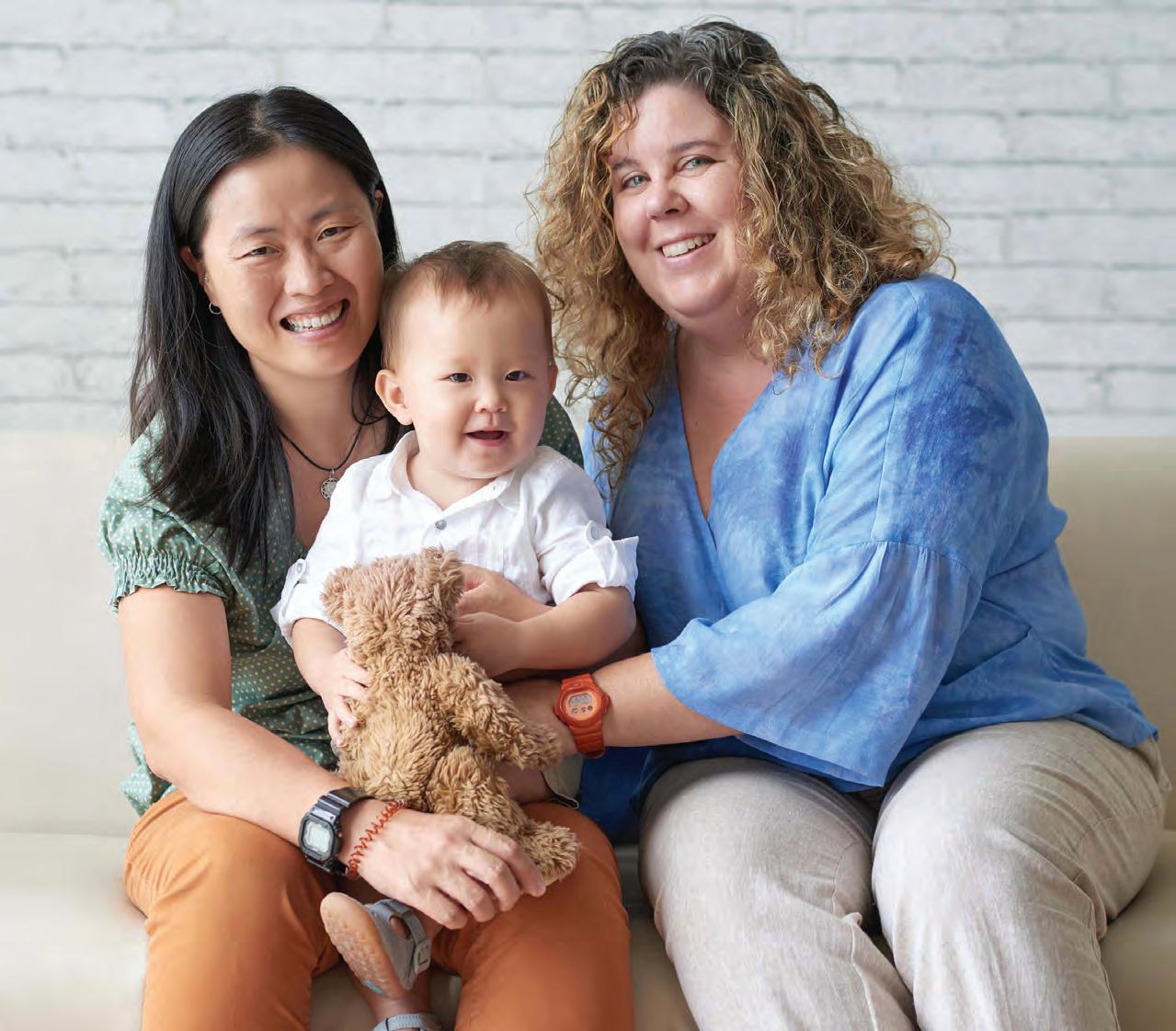
aving a baby is a process, no matter who you are and no matter the circumstances. Sometimes, nature needs a little help. Thankfully, with new technologies constantly developing, getting pregnant can now happen in ways that were never previously thought possible.
Sometimes, relying on sperm donation is the best chance someone may have to get pregnant. There are many reasons to use donated sperm. You may be wondering about the process, so let’s find out together.
Using a sperm donor to get pregnant
In a study, Estimates of Donated Sperm Use in the United States: National Survey of Family Growth 1995–2017, it was found that between 2015-2017 around 440,986 people had used donated sperm to conceive. The people participating in the study were between the ages of 15-44 and used donated sperm from a partner, donor, or a mixture.
With so many people finding success with donor insemination (DI), it stands to reason that many more could consider it a valid option.
Any time a sperm donor is required, there are things to consider. One of those things would be why someone would want/need to use donated sperm to achieve pregnancy.
Why use sperm donation?
Using a sperm donor is a very personal choice. Here are some reasons using donated sperm may be considered:
• Partner supplying is infertile
• Partner’s sperm carries genetic risk
• Partner’s sperm has low motility
• Partner’s sperm carries abnormalities
or disease
• Lesbian couple wanting to conceive
• Single person with uterus desiring to conceive
A doctor can help determine if using a sperm donor is right for each person. Often there are considerations that include what kind of method one may be using to conceive.
How is donated sperm used to achieve pregnancy?
After the sample is collected and tested it is either used immediately or frozen for future use in a process called crypto preservation. There are three ways to conceive using donated sperm, In vitro fertilization (IVF), intrauterine insemination (IUI), and intracervical insemination (ICI).
IVF
The procedure known as IVF includes combining a collected mature egg and sperm in a lab. The fertilized egg, called an embryo, is then placed directly into the uterus.
The process can be quite involved and takes around three weeks, sometimes longer. IVF is one of the most effective ways to conceive. It can be good for many people, including couples who need donors, or wish to conceive using surrogacy.
IUI
In an IUI, the sperm is collected and injected directly into the uterus to unite with the awaiting egg. This can be a great, and less expensive option for those who are able. This option can be a good choice for otherwise healthy partners whose sperm may have low motility and just need a little help reaching their destination successfully.
FERTILITY TREATMENT Issue 1, 2023 | 65
Free sperm donor
ICI involves using donated sperm to impregnate either in office or at home similar to the way it is done through sexual intercourse. The sample is inserted directly into the vagina with a syringe and released into the cervix.
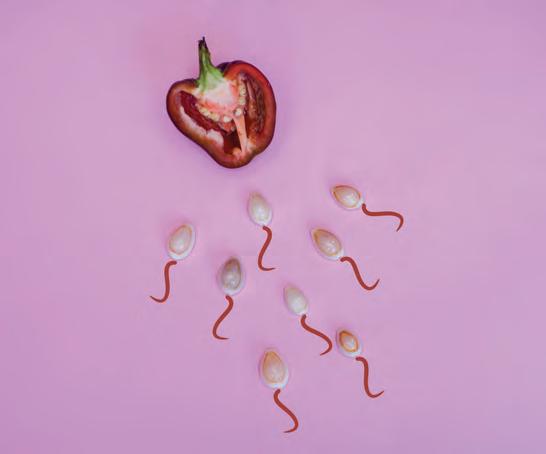
This option can be great for lesbian couples, single people with a uterus, and those couples who are only needing healthy sperm to conceive.
Choosing to utilize sperm donation is something each family can consider, and is a wonderful option for many.
How much does it cost to use sperm donation?
The cost of acquiring and using donated sperm varies depending on where you live, the method you are planning to use, and how many times you need to repeat the process.
In the US, generally speaking, one vial of sperm can cost between $400-$2,000. However, the procedures required to actually use that sperm can cost much more.
The most cost effective way to use donated sperm might be to use a friend or family member’s sample.
There are some risks and challenges with this option though. For example, the legalities involved with using a friend or family member’s sperm can get dicy.
A donor who does not wish to be a parent in the donation stage, may find it difficult to define their relationship to the child later, or may want to be more involved than originally planned. Intentions and agreements must be clear, and it may be a good idea to have legally binding agreements in place.
Sperm bank cost
The option of going through a sperm bank and using an anonymous donor has its perks. Cost is not one of them. Although this option is more pricey, it also carries protections. So much is taken care of for each client when a sperm bank is there to facilitate.
A cryo sperm bank can offer services to donors and receivers such as:
• Sperm freezing
• Sperm storage
• IVF
• ICI
• IUI
• Testing
• Cord blood banking
• Family planning counseling
The cost also depends on the extra services you require or want.
FERTILITY
ICI
TREATMENT
66 | femalehealthandfertility.com
Paying for donated sperm
Coming up with sperm donation money can be done through savings, friends and family helping out, and often financing is available through the sperm donor bank itself.

Donating sperm
Individuals who donate sperm may do so for many reasons. They might be motivated by the following:
• A desire to be a parent
• Financial compensation
• Help others conceive and parent a child
• Wanting to know their sperm count
• Wanting to freeze and store sperm for later use
What does it take to become a sperm donor? In order to make sure that the donated sperm is safe and good quality, someone donating sperm must be healthy.
To ensure the health and safety of the fetus and the person pregnant, tests should be done. Here are some tests that may be completed through a place like the Sperm Bank of California:
Donor
• Blood tests to look for infections and diseases
• Full comprehensive physical
• Urinalysis
• Genetic testing
• Mental health screening
• Substance screenings Sample
• Sperm count
• Testing for disease
• Post thaw sperm count and motility
The bottom line is, using donated sperm can be dangerous if not done properly and safely. When looking for a sperm donor, safety should be a chief concern.
FERTILITY TREATMENT Issue 1, 2023 | 67
How to find a sperm donor
Finding the right donor can be a challenge. First, one must decide whether they will use a sperm bank or a known donor like a friend or family member. This decision will include considering available options and the sperm donor cost associated with each.
What to look for in a donor
Donors can choose to remain anonymous or be open to being known. The information they share can mean a lot to prospective families. Everything from family history, eye color, profession, and IQ can be factors. When planning a family, each rubik’s cube of considerations is unique.
Some key factors to consider should include:
• Medical history
• Mental health
Some find it important to find a donor that shares a similar ethnicity to the parents. Each family should decide for themselves.
What to look for in a sperm bank
A sperm bank should be licensed, clean, and professional. Staff should be accredited. It never hurts to talk to others who have used the facility and have information and reviews to offer.
A little information can go a long way. With a little patience and research, finding the right donor or sperm donation center is within reach.
You may be wondering, “How can I find a sperm bank donation center near me?” Maybe you live in a place that is far from the best sperm bank you can find. Keep in mind, shipping may be available.
Summing up
There are many ways to create a family. A child who is loved and wanted is worth all the risks and challenges to overcome. Using a sperm donor can be an excellent choice for those seeking to grow their family.
References
Areias, J., Gato, J., & Moura-Ramos, M. (2022). Motivations and Attitudes of Men Towards Sperm Donation: Whom to Donate and Why? Sexuality research & social policy: journal of NSRC: SR & SP, 19(1), 147–158. https://doi. org/10.1007/s13178-020-00531-0
Rachel Andersen is a writer, copyeditor, and interviewer. She is the author of Where Hope Begins: Decoding Depression for You and Your Loved Ones, and Beyond Borders: Life After Deconstruction. She has written for publications such as Autism Parenting Magazine, and enjoys interviewing people who are making the world a better place. As a copyeditor, her special passion includes developing and restructuring bodies of work so that others’ voices are heard and valued. She lives with her husband and three children, one of whom was adopted from foster care. She hopes to be an encouragement to others through her work.
linkedin.com/in/rachel-andersen-a83680216/
FERTILITY TREATMENT
RACHEL
68 | femalehealthandfertility.com
ANDERSEN
FOLLOW US
PREGNANCY: YOUR INFERTILE FRIEND’S VIEWPOINT
Danielle Sedens, a woman with fertility issues, bravely shares her perspective on hearing a friend is pregnant.

irst, I am going to start off by saying that not all infertile women feel the same way about their friends’/family members’ pregnancies. This is my own perspective and opinion on the situation.
I started actively tracking my fertile window in May 2020. Since then, my husband and I have had so many people we know conceive, have babies, and some who are also trying for their second or third already.
Some of the closest people to me have been pregnant, including my sister and best friend. I have been one of the first people to find out they were pregnant, and did it hurt? Definitely!
70 | femalehealthandfertility.com
It hurts
I’m not going to sugar coat things. It hurts in a way that you are so happy for them, but so sad for yourself, reminding you again of what your own body isn’t capable of. I’m usually met with an uncertain or concerned facial expression by others when they share their happy news, and I can tell they fear how I might feel about it. This tends to continue throughout the pregnancy.
I will say for myself, I am very thankful when I am told a person is pregnant by them rather than finding out through a pregnancy announcement or word of mouth. I also tend to find a text or a call a little easier than faceto-face. This allows for me to comfort myself through the reminded grief of infertility.
Helpful tactics
As pregnancy progresses and emotions are high for the excited parents to be, I will ask questions typically relating to pregnancy such as, “How are your symptoms?” or “What are names you both like?”. I prefer to ask questions rather than waiting for them to bring up the pregnancy conversation.
This allows me to know my emotional boundaries, and when I feel ready, I can talk rather than be loaded with complaints of pregnancy or hearing about the nursery being set up. I understand there is so much excitement in pregnancy, and I also know that pregnancy can be very difficult so sometimes you just want to rant. But, ranting to the infertility community is not the best choice unless you specifically know an individual is okay with it.
With infertility, we do get flooded with emotions, especially because a lot of us are on additional hormones. We might not speak to you for a bit when we find out you’re pregnant or
when the baby arrives, and this is okay!
Just like you, we are allowed to feel what we feel. I am really good with handling people’s pregnancies, but I will also add that it’s not easy. My husband is the one to hear me talk and hug me when I cry.

Telling your infertile friend you’re pregnant
Things you could do to help your infertile friend with digesting your news:
• Tell them you’re pregnant yourself. Don’t let them find out through word of mouth or a social media post
• Give them space
• Let them bring up your pregnancy in conversation
• Ask your friend about their journey
Love, Your Infertile Friend
DANIELLE SEDENS
Danielle Sedens is a 26-year-old who has been trying to conceive for three years with unexplained infertility. She is an “angel mama” to Rosalie and is a survivor of Asherman’s syndrome that was obtained due to the result of her loss in the summer of 2021.
@chasing_fertility
REAL LIFE
Issue 1, 2023 | 71
FEMALE health & fertility
FEMALE health & fertility
FEMALE health & fertility
ADVERTISE WITH US
FEMALE health & fertility
FEMALE health & fertility
FEMALE health & fertility
FEMALE health & fertility
FEMALE health & fertility
FEMALE health & fertility
FEMALE health & fertility
FEMALE health & fertility
FEMALE health & fertility
Is female reproductive health your target audience? Our readers range from young adults to post-menopause and they’re looking for supportive brands like you!
FEMALE health & fertility
Email advertising@femalehealthandfertility.com to discuss how we can work together.
FEMALE health & fertility
FEMALE health & fertility
FEMALE health & fertility