The hidden health costs and nutritional strategies that could make a di erence
Why therapists are embracing this powerful treatment
BACH FLOWER THERAPY & ACUPUNCTURE
How these gentle remedies support emotional balance
Ancient rhythms for modern wellbeing
Room 4.11, 4th Floor, 83 Baker Street, London W1U 6AG
T: 07718 479 416
E: info@ctha.com ctha.com
PUBLISHER
CThA Membership Administration
EDITOR
Sharon Martin
embodymagazine@gmail.com
ADVERTISING SALES
Fellows Media
Alice Ireson
T: 01242 259245
E: alice.ireson@fellowsmedia.com
PRINT & DIGITAL MAGAZINE
Fellows Media
T: 01242 259241
E: bryony.morris@fellowsmedia.com
The articles published in Embody represent the views of the contributor/author and are not necessarily the official views of EMS Publishing Ltd or the CThA as an organisation. The magazine or members of the Editorial Board are in no way liable for such opinions. Whilst every care has been taken to ensure that the contents of this issue are accurate, we cannot be held responsible for any inaccuracies or late changes. No article, advertisement or graphic, in whole or in print, may be reproduced without written permission of the author or publisher.
JOIN THE CTHA
We are the leading professional association representing sports, spa and complementary therapists in the and Ireland.
• Discounted insurance
• Professional recognition
• Local groups in your area
• Promotional opportunities
• Listing on embodyforyou.com
• Special Treatment licence exemption
• Embody – a quarterly magazine
• Professional help and advice from a team of experts ctha.com/Join
Welcome
Welcome to our summer issue, where we celebrate the many ways complementary health practitioners continue to support wellbeing through innovation, tradition and person-centred care.
As the profession further evolves, we are seeing increasing interest in therapies that combine the best of ancient wisdom with modern understanding. In this issue, we explore the enduring appeal of Bach Flower Therapy and how it can be used alongside acupuncture and other complementary approaches to support emotional wellbeing and help restore balance in people’s lives (page 6).
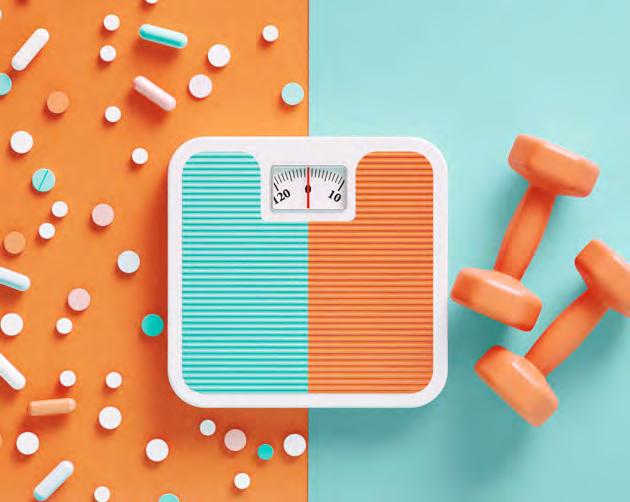
We also look at one of the most talked-about developments in healthcare today – weight-loss medications and their place within a broader nutritional framework. Sustainable health is about much more than numbers on a scale, and our feature examines the importance of combining medical advances with sound nutritional advice and long-term lifestyle support (page 11).
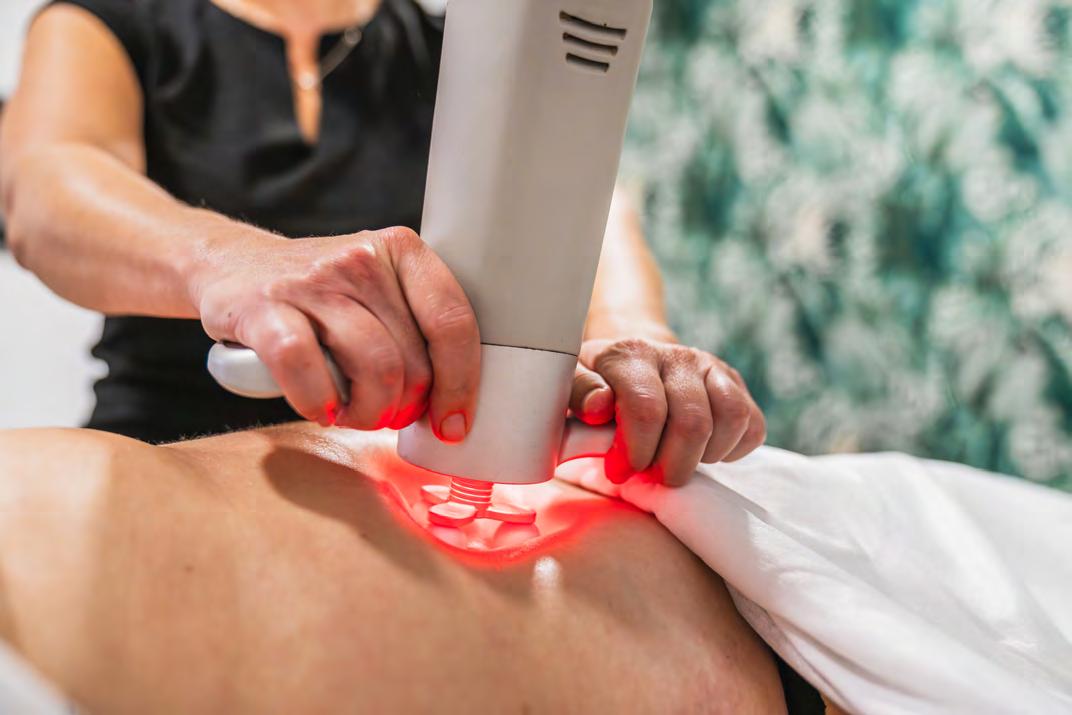
Elsewhere, we investigate the growing use of CBD massage within clinical practice and how therapists are incorporating this treatment into their work (page 14). We also explore photobiomodulation in sports therapies, highlighting the exciting ways technology is being used to support recovery and performance (page 18).
Our regular features bring further inspiration, from Dr Dawn and Janey Lee Grace’s recommendations through to the latest industry news and clinical trials which highlight drug-free treatment approaches. We also examine how the term ‘holistic’ has, in many cases, lost its original meaning through overuse. Without clear definitions, recognised training and professional standards, the term risks losing the meaning and credibility that give it value (page 36).
Wishing you all a sunny, restorative summer!
Sharon Martin, Editor
Bach Flower Therapy:
A Gentle Adjunct in Integrative Care
Drawing on clinical experience and the philosophical parallels between Bach remedies and traditional Chinese medicine, Dr. Kristen Horner Warren explores how Bach Flower Therapy may support emotional balance, complement acupuncture, and contribute to whole-person wellbeing
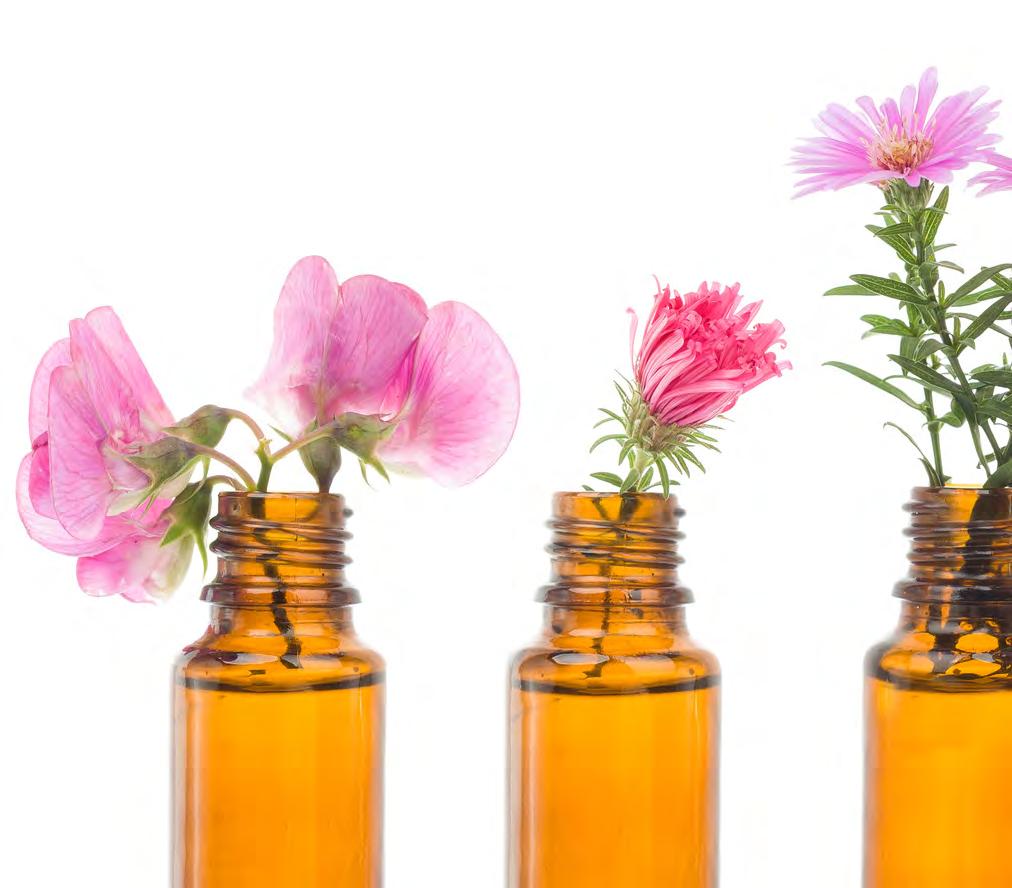
As a natural sceptic, I did not have high expectations when I first learned about Bach Flower Therapy about 15 years ago. How could soaking or boiling flowers in water, then diluting that solution to the point that it no longer contains anything but the energetic imprint of the flowers create medicines that bring about profound spiritual, emotional, mental, and/or physical changes? To my surprise, however, I have seen Bach Therapy
be amazingly effective for a wide variety of conditions. Some cases in which I have used Bach Flower Therapy with success include: Drawing on clinical experience and the philosophical parallels between Bach remedies and traditional Chinese medicine, this feature explores how Bach Flower Therapy may support emotional balance, complement acupuncture, and contribute to whole-person wellbeing.
• A child adapting to the stress and change associated with his parents’ divorce.
• A man dealing with the frustration of being stuck in a job that he hates but cannot quit for financial reasons.
• A woman dealing with a crisis of faith following a devastating personal loss.
• A college student undergoing intensive counselling related to her history of sexual abuse as a small child.
• A woman with such severe nightmares that she developed an intense fear of falling asleep.
• Many individuals dealing with every day stress that causes anxiety, depression, difficulty sleeping, and relationship challenges.
Bach Flower Therapy is an ideal adjunct to acupuncture and in my experience often brings about an even deeper level of healing than acupuncture does alone. The philosophy underlying Bach Flower Therapy is very compatible with the underlying philosophy of Chinese Medicine, namely that health is a state of dynamic balance in which all forces are present in moderation. According to both Bach and Traditional Chinese Medicine, virtues, when present in the extreme, often flip and become their opposite (as described in the
example below about the balanced and distorted Agrimony state). This results in mental, emotional, spiritual, and physical suffering of individuals and those around them. The human body and soul possess an amazing capacity to heal itself when it is assisted in the process of returning to equilibrium and in many cases the Bach Flower remedies are a huge asset in the process of re-establishing physiological and emotional homeostasis. In this state of mental, emotional, spiritual, and physical balance, individuals are freed to live up to their highest potential.
Bach Flower Therapy was developed over 70 years ago by the English physician Dr. Edward Bach. According to Mechthild Scheffer, an international authority on Bach Flower Therapy:
“Bach Flower Therapy helps us deal more constructively with the negative behaviour patterns of human nature such as jealousy, impatience, inability to say ‘no’, timidity, and inappropriate guilt – patterns that are seen, by Bach
as well as many others, as a deeper cause of physical illness. By better understanding and correcting the ‘mental errors’ underlying our negative behaviour patterns, we can reconnect with our own true nature. With the help of Bach Flowers we regain access to our spiritual healing forces, which strengthen our immune system and support our overall health.”
The Bach Flower system consists of 38 remedies. Each remedy is prepared from a single type of flower or tree and is associated with a virtue or human soul quality. This quality can be observed either as a positive behaviour pattern or, in its distorted or unhealthy form, as a negative behaviour pattern.
For instance, the remedy prepared from the Agrimony flower is associated with the virtue of honesty. In its harmonious state, Agrimony is associated with the ability to express oneself with forthrightness and diplomacy, the ability to deal with confrontation in a constructive way,
Bach Flower Therapy is an ideal adjunct to acupuncture and in my experience often brings about an even deeper level of healing.
and the ability to face the inevitable downturns in life with equanimity and authentic optimism.
In its negative or distorted state, Agrimony is associated with an intense desire to maintain harmony with others, often at the cost of one’s own identity or emotional and physical wellbeing. A person in a distorted Agrimony state typically hides their anger, frustration, or sadness behind a cheerful facade in an effort to avoid confrontation or disharmony with others. The modus operandi of the distorted Agrimony state is “grin and bear it”. At its extreme or over a long period of time, this repression of negative feelings often results in destructive habits such as alcoholism or drug addiction, as well as depression, loneliness, and hidden emotional anguish. When a person takes the Agrimony remedy, these distorted behaviour patterns are gently corrected and the person
How could soaking or boiling flowers in water, then diluting that solution to the point that it no longer contains anything but the energetic imprint of the flowers create medicines that bring about profound spiritual, emotional, mental, and/or physical changes?
gradually finds themselves empowered to express their thoughts, feelings, and needs; to engage in conflict when necessary; and be strong enough to face unpleasant situations head-on and without the compulsive need to “put on a brave face”.
The remaining 37 remedies function to harmonize other virtues and soul qualities, such as tolerance, wisdom, love for others, orderliness, responsibility, hope, generosity, patience, self-confidence, courage, and many others.
Practitioners of Bach Flower Therapy start the process of treatment by conducting an in-depth interview with the patient to identify particular areas of emotional or spiritual disharmony. According to Bach (as well as Traditional Chinese Medicine), illness is characterized by a constellation of different disharmonies. The goal of the practitioner is to tease apart the various negative behaviour patterns in the patient and then formulate a combination of up to eight remedies to address an individual patient’s particular issues. This formula is prepared as a liquid tincture preserved with either alcohol or vegetable
glycerine. The tincture can be taken in the form of either drops or sprays under the tongue several times a day.
One major strength of Bach Flower Therapy is that it is very gentle and is therefore appropriate for almost everyone, including infants, small children, the elderly, and individuals taking medications. Bach Flower Remedies work on a different level than pharmaceutical drugs and bring about stabilization of the psycho-energetic systems, so it often makes necessary drugs or medical procedures more effective and helps facilitate more rapid healing.
By assisting an individual in the process of transforming distorted/
ABOUT THE AUTHOR
negative behaviour patterns into healthy ones, Bach Flower Therapy frees that individual to live up to his or her soul’s fullest potential. In the words of Edward Bach himself:
“Has it ever occurred to you that God gave you an individuality? Yet he certainly did. He gave you a personality of your very own, a treasure to be kept to your very own self. He gave you a life to lead that you and only you should lead. He gave you work to do that you and only you can do. He placed you in this world, a divine being, a child of himself – to learn how to become perfect, to gain all knowledge possible, to grow gentle and kind, and to help others.”
Dr. Kristen Horner Warren is a licensed acupuncturist, herbalist, and nutritionist with more than 20 years of clinical experience in integrative and family-focused care. She holds a Doctorate of Acupuncture & Herbal Medicine, a Master of Science in Traditional Chinese Medicine, a Master of Arts in Applied Physiology, and a Bachelor of Science in Human Nutrition. Her professional background combines rigorous scientific training, published research, and extensive clinical practice. liveoakacupuncture.com
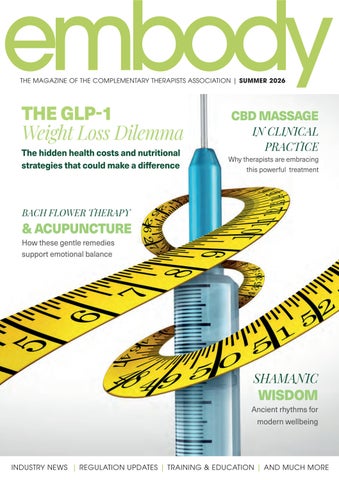
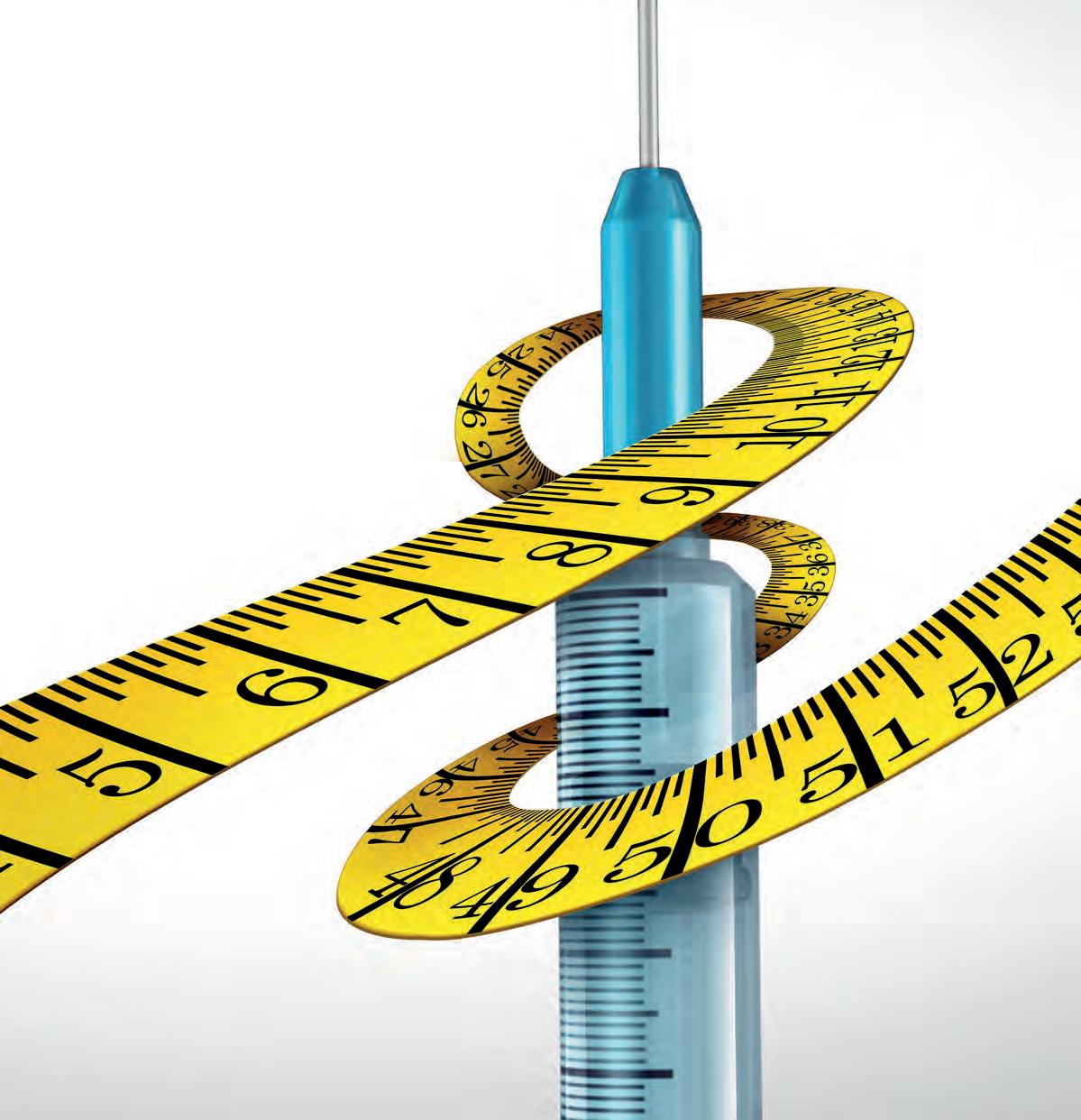
Weight loss drugs and nutrition
Naturopath Caroline Gilmartin examines how nutritional therapy may support individuals during and after the use of weight loss drugs
Glucagon-like peptide-1 (GLP-1) receptor agonists are increasingly being used in the management of obesity. Originally developed for glycaemic control in type 2 diabetes, these medications are now widely prescribed for weight loss due to their demonstrated effectiveness in reducing body weight (Wilding et al., 2021; Jastreboff et al., 2022).
These medications may be particularly beneficial for individuals with a body mass index (BMI) ≥30 kg/m², or ≥27 kg/ m² in the presence of weight-related comorbidities such as type 2 diabetes, hypertension, or sleep apnoea. They may also offer additional benefit in specific circumstances, including individuals requiring weight reduction prior to surgery, those with limited mobility or who are unable to engage fully in physical activity.
REAL-WORLD USE AND OBSERVATIONS
From my own observations within local community groups, there has been a significant increase in the number of people accessing these medications privately or purchasing them online. Even within this relatively small sample, there appears to be a wide range of experiences.
Their use raises important considerations regarding nutritional status, lifestyle factors, and long-term outcomes.
For some individuals, the reduction in appetite and foodrelated preoccupation can provide an opportunity to initiate behavioural change and a sort of physiological “reset”.
Many individuals report being delighted with initial results, often noting reduced food expenditure (saving money) alongside weight loss. However, there are also frequent discussions around uncertainty with dosing, side effects, and how to maintain weight loss if they must stop, often citing the cost of private prescriptions. Also, what exactly people are purchasing on the internet is also a concern.
While all GLP-1 medications work through similar appetite-regulating mechanisms the do have distinct differences and risk profiles. Individual response and tolerance can vary substantially from person to person, and their use raises important considerations regarding nutritional status, lifestyle factors, and long-term outcomes.
However, from a naturopathic nutritional therapy perspective, their use raises important questions around nutrient intake, metabolic health, and whether the underlying drivers of weight gain are being addressed. ►
EFFECTIVENESS AND MECHANISM
Clinical trials have consistently demonstrated that GLP1 receptor agonists can produce clinically meaningful weight loss. Average reductions of 5–18% body weight are commonly reported, with greater reductions observed in some individuals using newer agents such as tirzepatide (Jastreboff et al., 2022; Qin et al., 2024).
These outcomes are significant when compared to lifestyle interventions alone, which typically result in more modest weight loss (Wadden et al., 2023).
Many people describe a reduction in what is often referred to as “food noise”, and in practice this can result in individuals eating significantly less, sometimes only one meal per day with minimal snacking. This substantial reduction can lead to rapid weight loss and is largely driven by the appetite-regulating effects of these medications.
GLP-1 receptor agonists enhance satiety, delay gastric emptying, and reduce energy intake via central and peripheral mechanisms involving the gut–brain axis (Nauck & Müller, 2023). Reductions in energy intake of up to 39% have been reported (Christensen et al., 2024), but in practice many people report anecdotally that they are eating less than half in volume than they would do normally.
NUTRITIONAL RISKS AND DEFICIENCIES
While this reduction in intake supports weight loss, in many cases it also dramatically increases the risk of nutritional deficiencies if not appropriately managed. Evidence suggests that individuals using GLP-1 medication may not meet recommended, let alone optimal, intakes for many essential nutrients, including iron, calcium, magnesium, potassium and vitamins A, C, D and E (Christensen et al., 2024). The potential consequences of this can include symptoms such as fatigue, muscle weakness, reduced immune function and may also in turn influence weight loss outcomes. This highlights the importance of nutritional input alongside pharmacological intervention, rather than viewing medication as a standalone solution.
MUSCLE LOSS AND METABOLIC IMPACT
One of the biggest concerns is that weight loss associated with GLP-1 medication may include a proportion of lean body mass. Studies suggest that between 20-50% of weight lost may be from muscle (Neeland et al., 2024). Preservation of lean mass is extremely important for metabolic health, physical function and long-term weight maintenance.
Adequate protein intake and resistance-based physical activity are therefore key considerations. Without these, there may be an increased risk of reduced metabolic rate and greater likelihood of weight regain. There may also be longer-term implications for musculoskeletal health, including bone density.
Adequate protein intake is essential not only for maintaining muscle mass but also for the production of neurotransmitters that regulate mood, appetite and cognitive function. Amino acids derived from dietary protein are required for the synthesis of key neurotransmitters such as serotonin and dopamine, which play a role in appetite regulation and reward pathways (Fernstrom, 2013).
Where protein intake is significantly reduced, as may occur with appetite suppression, this may have
implications for mood regulation, energy levels and overall neurological function.
While many individuals report this reduction in “food noise” when using GLP-1 medication, it is important to consider whether this reflects improved regulation or pharmacological suppression of appetite signals. Without adequate nutritional support and knowledge, there is a risk that the underlying drivers of eating behaviour are not fully addressed.
GASTROINTESTINAL AND CLINICAL SIDE EFFECTS
Gastrointestinal side effects are commonly reported with GLP-1 medications including nausea, constipation, diarrhoea and bloating. These effects may influence the amount and type of foods eaten. In addition, ongoing digestive symptoms may further impact nutrient intake and absorption, potentially increasing the risk of nutritional deficiencies.
More serious, although less common, adverse effects include pancreatitis and gallbladder disease. The mechanisms underlying these risks are not fully understood; however, GLP-1 medications influence pancreatic function and may alter enzyme activity, which has led to concerns regarding pancreatic inflammation. In relation to gallbladder health, rapid weight loss, reduced dietary intake of fat, and potential effects on gallbladder motility may contribute to an increased risk of gallstone formation.
BONE HEALTH AND PHYSICAL CHANGES
Rapid weight loss is also associated with reductions in bone mineral density, particularly where there is concurrent loss of lean body mass (Shapses & Sukumar, 2012). Emerging evidence suggests that GLP-1 medication may contribute to this through significant weight and muscle loss, although a direct causal link to osteoporosis has not yet been established (Neeland et al., 2024). This highlights a potential risk to bone health, particularly in the absence of adequate nutrition and resistance-based exercise.
There is also a growing awareness of less discussed effects, such as rapid changes in facial appearance (“Ozempic face”), where you see hollowing around the cheeks, more visible lines and wrinkles and saggy skin. Some individuals report looking more drawn, pale or grey; in practice this may relate to low iron, B vitamins (especially B12, folate and B6), and essential fatty acids (e.g. omega-3).
WEIGHT REGAIN AND LONG-TERM CONSIDERATIONS
Evidence is also growing that weight regain may occur following discontinuation of GLP-1 medication. Some studies suggest that a substantial proportion of weight lost may be regained within several years (Tzang et al., 2025). This raises important questions as to whether this is a sustainable public health strategy. If people cannot manage to keep off the weight, then are they being given the right dietary advice? These findings highlight the importance of addressing nutritional, behavioural and lifestyle factors alongside any pharmacological treatment. Without this, longterm weight management may be challenging. In practice, this may also impact psychological wellbeing, particularly where individuals feel dependent on ongoing treatment to maintain results.
THE ROLE OF NATUROPATHIC NUTRITIONAL THERAPY
From a nutritional perspective, key areas of focus include ensuring adequate intake of essential nutrients, supporting protein intake to preserve lean body mass, and addressing any gastrointestinal side effects that may impact food intake. It is particularly important that the food consumed is nutrient-dense to support overall health.
As naturopathic nutritional therapists, we also recognise that lifestyle factors such as physical activity, sleep and stress management play a fundamental role in supporting metabolic health and long-term weight maintenance. We may contribute to supporting individuals using GLP-1 medication by providing personalised dietary guidance and supplementation, monitoring nutritional status, and supporting behavioural change.
From a naturopathic nutritional therapist’s perspective, sustainable weight loss is not about suppressing appetite, it is about supporting the body to optimise health and addressing the root causes of weight gain. This includes:
• Stabilising blood sugar through balanced meals which included good sources of fat
• Ensuring adequate protein intake to preserve muscle
• Supporting gut health and the microbiome
• Encouraging appropriate exercise
• Addressing stress and nervous system regulation
• Developing a healthier relationship with food
These changes may not produce rapid results, but they create a foundation for long-term health and weight stability.
While GLP-1 medications may offer a useful tool in certain circumstances, particularly where weight is a barrier to medical treatment or mobility, they should not replace the need for comprehensive nutritional and lifestyle support. Without this, there is a risk that the underlying drivers of weight gain remain unaddressed, making long-term success more difficult to achieve.
ABOUT THE AUTHOR
Caroline Gilmartin is a CNHC registered Naturopath, Principal and Owner of the Natural Healthcare College UK, and is currently Interim Chair of the Naturopathic Nutrition Association (NNA) nna-uk.com who act as one of CNHC’s Verifying Organisations (VOs) cnhc.org.uk For Naturopathy courses visit: nutraclin.com
CBD Massage in Clinical Practice:
Potential Benefits, Therapeutic Uses, and Considerations for Massage Therapists
Cannabidiol (CBD) has moved rapidly from consumer wellness culture into rehabilitation, spa, and complementary care settings. One of the most visible applications is CBD massage, in which a massage therapist uses a topical CBD-containing oil, cream, or balm during manual therapy. Interest in this approach is understandable: massage is already used to reduce pain, improve comfort, and promote relaxation, while CBD has been investigated for local anti-inflammatory and analgesic effects. Yet enthusiasm has outpaced evidence. For a medical or professional audience, CBD massage should therefore be discussed cautiously, with attention to mechanism, clinical plausibility, patient selection, contraindications, and scope of practice.
CBD is a non-intoxicating cannabinoid typically derived from hemp. In massage practice it is applied topically rather than ingested, which means any effects are expected to be local rather than systemic. Experimental literature suggests that CBD may influence nociception and inflammation through several pathways, including interactions with transient receptor potential channels, serotonin-related signalling, and components of the endocannabinoid system. Topical preparations may also improve glide and skin hydration, which can enhance the practical delivery of massage. Importantly, however, the clinical literature on topical CBD remains limited. Existing studies and reviews suggest possible benefit for some forms of pain and inflammation, but they also emphasise the need for larger,
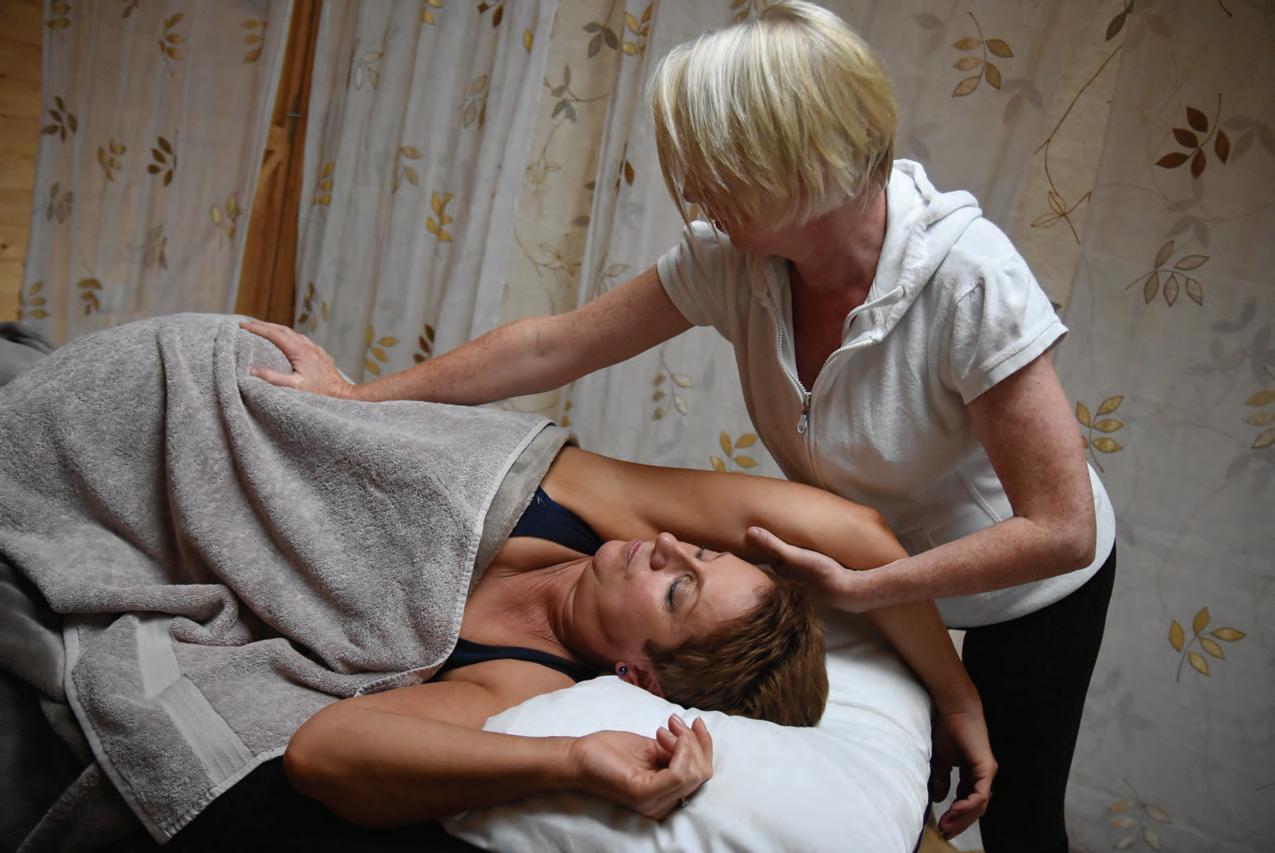
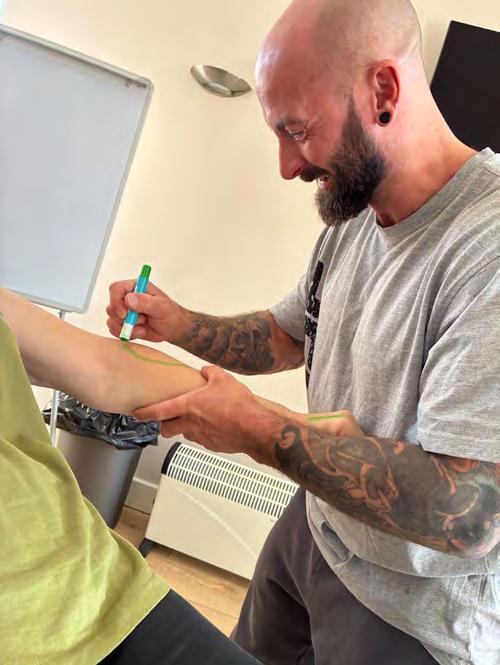
Massage can support down-regulation of stress responses.
better-controlled trials. CBD massage should therefore be regarded as an adjunctive modality rather than a proven stand-alone treatment.
POTENTIAL BENEFITS OF CBD MASSAGE
The principal rationale for CBD massage lies in symptom modulation. First, it may support short-term relief of localised musculoskeletal pain, especially when discomfort is related to muscle overuse, myofascial tension, or minor inflammatory irritation. Second, CBD may help reduce post-exertional soreness and perceived stiffness, making treatment more tolerable for patients who struggle with deeper or more targeted techniques. Third, the combination of hands-on therapy and a soothing topical may improve relaxation and perceived wellbeing. These effects should not be overstated: much of the reported benefit may arise from massage itself, expectancy effects, or the emollient qualities of the product base. Nonetheless, when used appropriately, CBD may complement massage by making symptomatic regions more comfortable during and after treatment.
WHAT CBD MASSAGE MAY HELP TREAT
At present, the most reasonable use cases for CBD massage are common non-emergency musculoskeletal complaints. These may include exercise-related soreness, chronic neck and shoulder tension, low back discomfort, mild osteoarthritic pain, and regional soft-tissue irritation. Some clinicians and clients also report benefit in presentations involving muscle guarding, spasm, or delayed recovery after physical activity. In addition, because, a CBD topical may be used when the treatment goal includes relaxation in patients with stress-related muscle tension. However, claims that CBD massage can treat major inflammatory disease, neuropathic syndromes, anxiety disorders, insomnia, or systemic pain conditions should be made with caution. The evidence base for topical CBD in these contexts is still emerging and is not strong enough to justify definitive therapeutic claims.
Equally important is recognising when CBD massage is not appropriate. It should not be presented as a substitute for medical assessment in patients with unexplained pain, suspected
Therapists must also avoid implying that CBD can diagnose, cure, or medically manage disease.
Therapists must also avoid implying that CBD can diagnose, cure, or medically manage disease. In a professional treatment setting, CBD massage is best framed as a supportive intervention aimed at comfort, local tissue tolerance, and symptom relief.
WHAT MASSAGE THERAPISTS SHOULD DO DURING A CBD TREATMENT
A competent CBD massage treatment begins with the same fundamentals required for any safe manual therapy session: assessment, consent, documentation, and ongoing clinical reasoning. The therapist should first identify the patient’s main complaint, symptom behaviour, relevant diagnoses, medications, allergies, and prior response to topical products. Because CBD topicals often contain botanical extracts, essential oils, or carrier ingredients that can irritate skin, a history of dermatitis, fragrance sensitivity, or previous contact reactions must be checked carefully. The therapist should explain that evidence for CBD is promising but incomplete, and that the goal of treatment is symptomatic support rather than cure. Informed consent should include the nature of the product, where it will be applied, the possibility of skin irritation, and the limits of expected benefit.
Product selection also matters. Therapists should use reputable, clearly labelled topical
preparations with known CBD content and compliant tetrahydrocannabinol levels according to local law and professional regulation. Products should be stored appropriately and applied hygienically. In treatment, the therapist may use the CBD topical as the primary medium or as a more concentrated spot application over a symptomatic region. The massage itself should still be governed by standard principles of tissue response: pressure should be adjusted to the patient’s tolerance, inflamed or highly irritable tissue should not be overworked, and the patient’s response should be monitored throughout the session. If redness, burning, dizziness, or unexpected discomfort occurs, the product should be removed and the session modified or stopped.
Professional boundaries are especially important. Massage therapists should remain within scope of practice and avoid prescribing CBD, advising on ingestion, or making claims about treatment of complex medical conditions unless specifically permitted by their regulatory framework and supported by appropriate training. They should also be attentive to legal requirements in their jurisdiction regarding sale, storage, and use of cannabis-derived products. After treatment, the therapist should document the product used, area treated, patient tolerance, and any immediate outcome. Follow-up should focus on function and symptom change, such as reduced soreness, improved ease of movement, or better tolerance of rehabilitation exercises. Referral is indicated when symptoms are severe, worsening, atypical, or inconsistent with a routine musculoskeletal presentation.
CBD massage sits at the intersection of conventional manual therapy and emerging cannabinoid-based symptom management. Its most plausible role is as an adjunct for localised pain, stiffness, post-exercise discomfort, and relaxation-oriented treatment, particularly when a patient prefers topical, non-intoxicating options. However, the current evidence base does not justify sweeping claims, and clinicians should resist promotional language that exceeds what research supports. For massage therapists, best practice involves careful screening, informed consent, high-quality products, close monitoring of skin and symptom response, and strict adherence to scope of practice. Used in this measured way, CBD massage may offer a useful addition to selected treatments while remaining grounded in patient safety and evidence-informed care.
INFORMATION
For further information and training in CBD Massage, including the safe preparation and mixing of CBD oil visit a-gentle-touch.co.uk
Photobiomodulation in Practice
Supporting pain management and recovery and what complementary and sports massage therapists should consider before offering it
Lin non-invasive technologies continues to grow as clients look for drug-free support for pain, recovery, and return to activity. Photobiomodulation is one of the most talked-about options in this area. It uses specific wavelengths of light to influence cellular activity in tissues, and the wider evidence base suggests it may have value in selected musculoskeletal presentations, particularly when treatment is integrated with sound assessment, manual therapy, exercise, and sensible load management.
Rather than seeing laser therapy as a stand-alone cure, it is more useful to view it as an adjunct that may complement hands-on treatment and movement-based rehabilitation. For therapists working with active clients, occupational overuse, persistent aches, or post-event soreness, that distinction matters. It keeps expectations realistic while still allowing room to explore a modality that is increasingly visible in sports and rehabilitation settings.
WHAT IS PHOTOBIOMODULATION?
Photobiomodulation is a non-invasive therapy that uses light in the red to near-infrared range to influence cellular processes associated with pain modulation, circulation, and tissue recovery. It is sometimes referred to as low-level laser therapy or red-light therapy, depending on the device and delivery method used. In musculoskeletal practice, it is commonly explored as an adjunct for pain management, rehabilitation, and recovery support in both active and less active populations.
For therapists, the appeal is obvious: sessions are relatively quick, treatment is non-invasive, and the modality can sit alongside massage, soft-tissue work, stretching, mobility work, and progressive strengthening. In practice, however, the usefulness of any laser device depends on clinical reasoning, patient selection, dosing, and whether the therapist can embed it within a coherent treatment plan rather than using it as a generic add-on.
HOW PHOTOBIOMODULATION MAY WORK
Photobiomodulation is thought to work by exposing tissue to non-ionising light, typically in the 600–1000 nm range, with downstream effects on mitochondrial activity and cellular signalling. Recent evidence reviews in musculoskeletal rehabilitation report reductions in pain and improvements in function across conditions such as tendinopathy, knee osteoarthritis, low back pain, and some postoperative pain states, although study protocols vary substantially. That variation is important: the literature includes different wavelengths, energy densities, treatment frequencies, and treatment durations, which means clinicians should be careful about making broad claims.
In simpler terms, the therapy is intended to influence the local tissue environment rather than mechanically changing tissue in the way massage might. Some clients report reduced pain, a sense of warmth, or easier movement after treatment. For therapists, that may create a useful window in which hands-on treatment, exercise, or movement re-education can be better tolerated.
WHERE IT MAY FIT IN A COMPLEMENTARY OR SPORTS MASSAGE PRACTICE
For complementary therapists and sports massage therapists, the best use cases are likely to be straightforward musculoskeletal complaints where pain reduction and improved tolerance to movement are meaningful short-term goals. Examples may include tendon irritation, muscle strains, overloadrelated soreness, persistent neck or back pain, joint stiffness associated with overuse, or delayed onset muscle soreness after intense training. In these
scenarios, laser therapy may support the broader aims of treatment: helping the client move more comfortably, recover confidence, and engage more effectively with exercise or self-management advice.
Sports massage therapists, in particular, may find the recovery angle attractive. Reviews in sport and exercise medicine suggest photobiomodulation shows promise for exertion recovery, fatigue reduction, and reduced post-exercise muscle soreness, especially when used around training or competition. That said, the same reviews also caution that evidence is uneven, especially for deeper acute injuries and for functional outcomes. In other words, laser therapy may help some clients feel and perform better, but it should not replace thorough assessment, tissue loading principles, or onward referral where indicated.
In that context, laser therapy can be presented as one part of a broader care package that may include massage, education, pacing, mobility work, and strengthening.
BENEFITS CLIENTS MAY VALUE
From a client perspective, the main advantages are that treatment is noninvasive, typically brief, and can be integrated into an existing appointment rather than requiring a completely different care pathway. Many clients are actively looking for options that do not rely on medication, particularly those managing recurring pain or trying to stay active while symptoms settle.
Another practical benefit is efficiency. Many photobiomodulation sessions are relatively brief, depending on the tissue depth, treatment area, and device being used. For busy clinics, that can make the therapy easier to slot into appointments without disrupting workflow. For the client, it may feel like a modern, evidence-informed addition to care, provided the therapist explains clearly what it can and cannot do. Communication is crucial here. Ethical practice means avoiding overstatement. It is better to say that F
photobiomodulation may help reduce pain and support recovery in some musculoskeletal cases than to imply guaranteed healing. Clients generally appreciate honesty, especially when new technology is involved.
CLINICAL LIMITATIONS AND PROFESSIONAL CONSIDERATIONS
As with many modalities, the biggest challenge is not whether laser therapy can do anything, but when, for whom, and under what parameters it is most useful. Evidence reviews repeatedly highlight inconsistency in dosing and treatment protocols. This means therapists should be cautious about copying claims from marketing materials without understanding the research context. Training, contraindications, safety procedures, and scope of practice all matter.
USING IT WELL IN PRACTICE
If you are considering laser therapy, the strongest approach is to integrate it thoughtfully rather than build your whole offering around it. Start with clear assessment findings, establish measurable goals, and explain to the client why laser is being used in their case. Combine it with interventions you can already justify clinically, such as manual therapy to improve comfort, exercise to restore function, and advice to guide pacing or recovery habits. It is also worth tracking outcomes. Pain
ratings, movement tolerance, function, training load, and symptom behaviour over time can help you judge whether the intervention is adding value. This matters not only for client care but also for practice development. If you decide to invest in photobiomodulation technology, you need a realistic understanding of which presentations respond best in your own clinical setting.
For sports-focused work, laser therapy may be especially useful.
For sports-focused work, laser therapy may be especially useful when the goal is to reduce soreness, help an athlete tolerate treatment around training, or support a short recovery window between sessions. For complementary therapy settings, it may appeal to clients who want a gentle, non-pharmaceutical addition to care for long-standing musculoskeletal discomfort. In both contexts, patient education remains central: treatment works best when clients understand
INFORMATION
that recovery usually depends on multiple factors, including sleep, load, stress, exercise, and general health. Finally, therapists should stay grounded in evidence and regulation. Use reputable training, follow device guidance, keep records, screen appropriately, and refer on when symptoms fall outside your scope. Technology can enhance practice, but it does not replace professional judgement.
Photobiomodulation is best presented as a supportive treatment rather than a miracle solution. Used thoughtfully, it may help create a more comfortable window for movement, manual therapy, and rehabilitation.
As the industry leader in medical therapy laser manufacturing, LightForce® Therapy Lasers continually seeks to move the industry forward through laser science and technology. With an estimated 1.2 million treatments per month worldwide, LightForce® is used across the globe to provide pain relief. LightForce® Therapy Lasers can be found in over 250 professional and college athletic training rooms and are a popular modality for treating the world class athlete. Grounded in scientific evidence, LightForce® is a market leader in laser therapy. lightforcemedical.com
Recommends
Dr
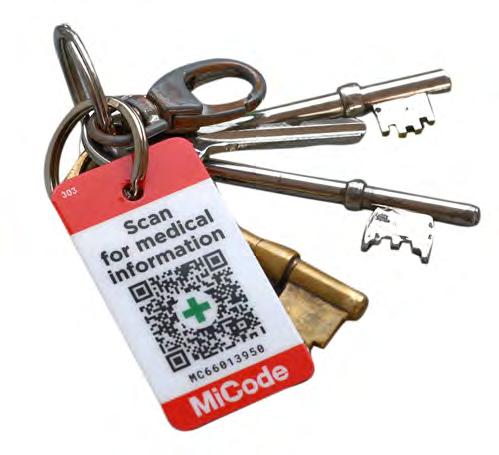
Dawn Harper , GP and TV medical expert, meets James Ohene-Djan , the brainchild behind MiCode
Irecently met James OheneDjan. James is a Professor of Computer Science at Goldsmiths, University of London and the brainchild behind MiCode. James was inspired to develop the MiCode by the experience of his late brother Tony. Tony had multiple sclerosis and in the later stages of his disease he was unable to speak and had uncontrollable jerking movements of his limbs, which were often misinterpreted as epileptic fits. Because Tony could not communicate what was happening to him, he was frequently given antiepileptic medication which he didn’t need.
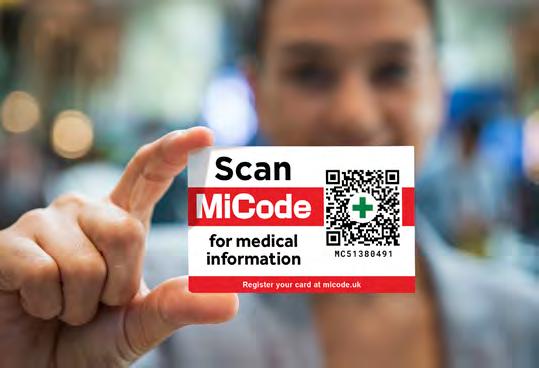
James and a small team of computer programmers went on to develop the MiCode which is a QR code that can be carried as a keyring, a credit card or even as a sticker on the back of a mobile phone.
The idea is that an individual can personalise the medical information that is carried on the MiCode. Many of us have the NHS app on our phones these days, but in order for a healthcare professional to access the medical information in that app, a person needs to be able to input a password, which isn’t always possible in an emergency situation. And if you are able to give password details, you may not want all your medical information to be available to other people.
With the MiCode, you can choose what you include. Important information might be any long-term medical conditions, repeat medications and any allergies. You might also include contact details for next of kin. James told me about one older lady who had dementia and was prone to wandering. She was often picked up by well-meaning members of the public
and taken to various Emergency Departments, which she found distressing. The lady’s daughter bought her a MiCode and inputted her own contact details and immediately, unnecessary trips to hospitals were averted. If she was found wandering, the MiCode gave the daughter’s contact details, and she could fetch her mum and take her home.
The bit that I find really clever though is the MiCode has an auto translate function. So, if someone carrying a MiCode were to collapse in Vietnam and an emergency worker scanned the code with a Vietnamese phone, all the relevant medical data would be shown in Vietnamese.
The initial MiCode pack costs just £20 a year or £60 for a lifetime subscription and includes the credit card, keyring and five stickers. Additional sheets of 10 stickers can be bought for £2. I have got one for my father who lives on his own and travels a lot. My children are older now, but it is definitely something I would have encouraged them to use during their gap years. And I can see the MiCode bringing peace of mind to anyone caring for someone with dementia or learning difficulties.
INFORMATION
To find out more visit micode.co.uk
Every course at Central School of Massage is built around one principle: effective technique shouldn’t cost you your body.
Whether you’re adding a new modality or deepening your CPD, you’ll learn how to deliver powerful, resultsdriven massage using good body mechanics — so you can work longer, stronger, and injury-free.
A myofascial approach and therapeutic stretching run through every course — a slow, intentional way of working that delivers deeper results for your clients, and less strain on you.
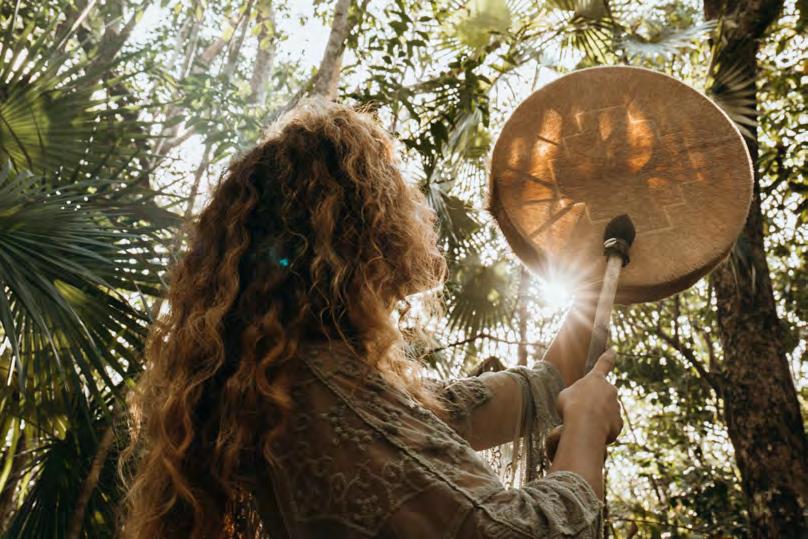
Shamanic Rituals and Practices
Emma Pruen explores the shamanic ritual, spirit communication and ancient power of the drum
For as long as humans have gathered around fires, we have sought dialogue with the unseen. Spirit communication is the practice of opening to guidance, wisdom, and presence beyond our ‘ordinary’ senses. In traditional shamanic cultures, this might mean conversing with ancestors, animal allies, or elemental beings of nature, often through dreams, trance, or ritual. Shamans acted as intermediaries, carrying messages between the human and spirit realms for healing, protection, and insight. In the modern world, spirit communication takes many forms. Some experience it through meditation, journeying with a drum or rattle, or entering altered states in ceremony. Others sense it through signs in the natural world - birds, weather, or synchronicities (meaningful coincidences) that carry symbolic meaning. Importantly, this practice is not about summoning or control, but about listening with humility, respect, and an open heart. At its core, spirit communication is a relationship: a dialogue between the seen and the unseen, the human soul and the wider web of life. F
HOW TO DO IT
Spirit communication often begins with stillness and intention. You might have already experienced something similar if you have been in a group where the facilitator led you on a guided visualisation or meditation. With a little more ceremony and preparation, you can take part in a guided drum journey to meet a spirit ally. But this is also something you can do alone: simply sit quietly in nature, settle your breath, relax your body, and ask for a sign while observing what arises. Trust, patience, and respect are key - messages may come in words, images, sensations, or synchronicities. It’s a good idea to carry a journal to record what you receive to reflect on later. While it may sound mysterious, this practice is rooted in connection and self-care and is not something to fear.
THE DRUM
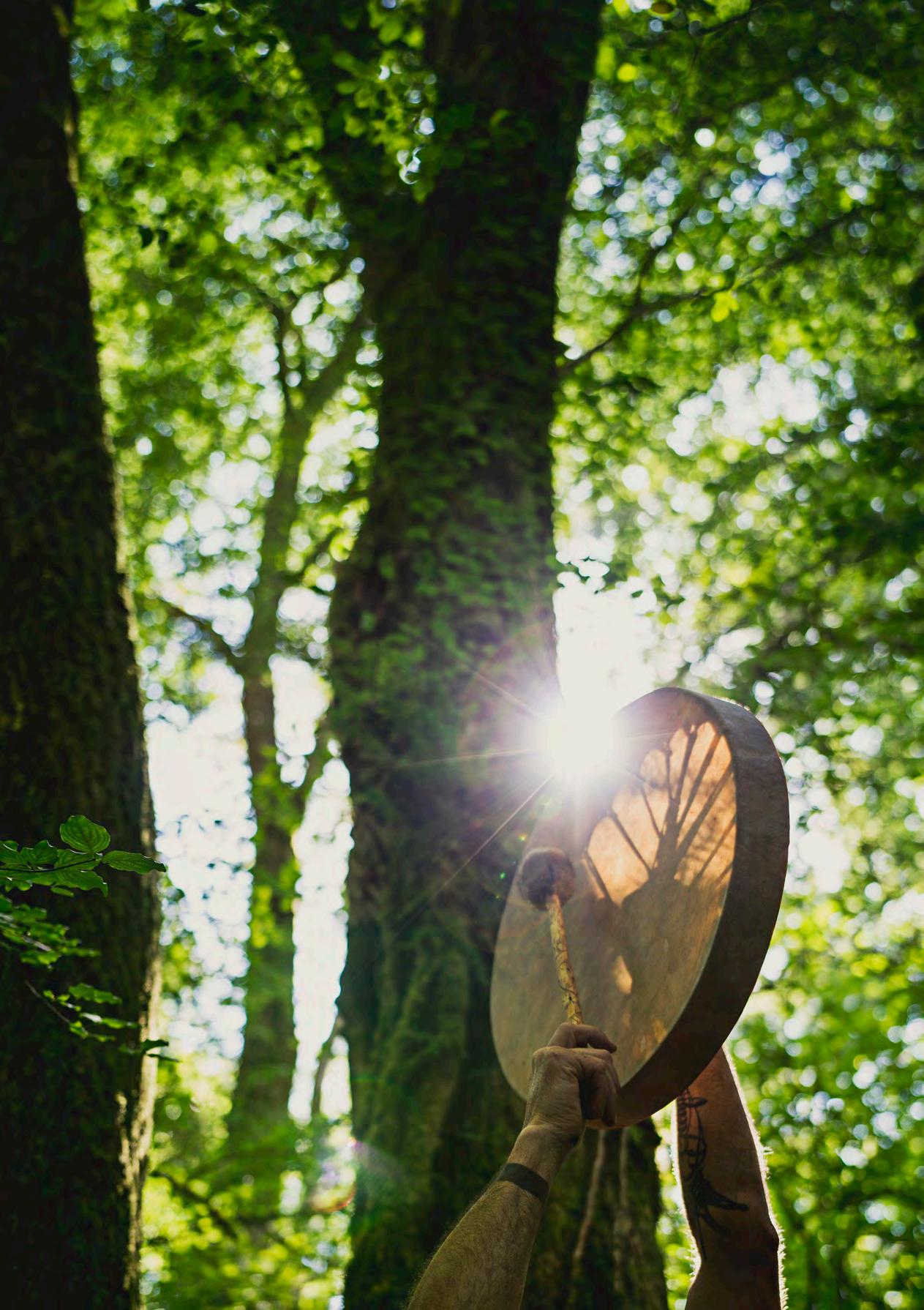
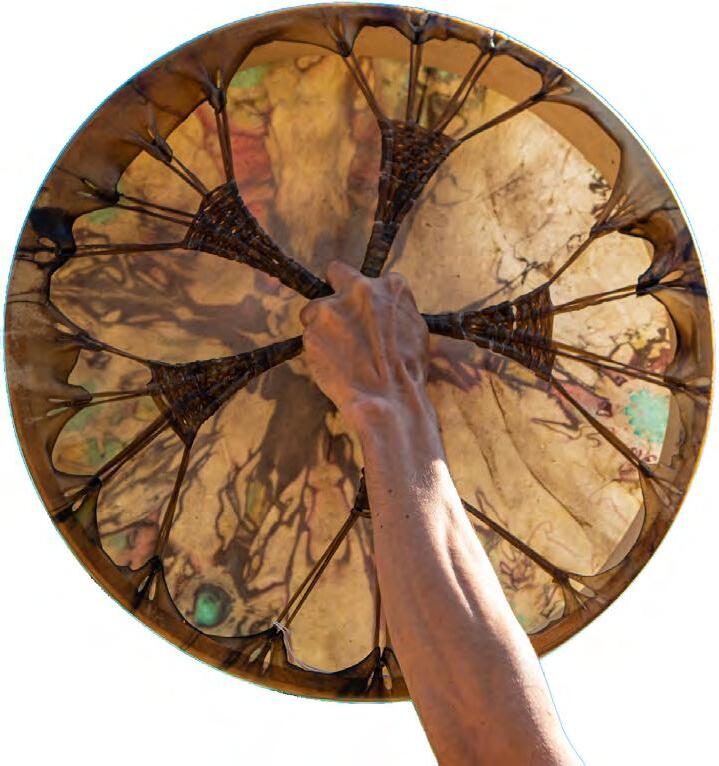
From the steady beat of the shaman’s drum to the great communal rhythms of tribal gatherings, drumming has always been a bridge between worlds. In cultures across the globe, the drum is seen not merely as an instrument but as a living being - its heartbeat echoing the pulse of the Earth itself. Shamans have long used repetitive drumming to enter altered states of consciousness, journey into the spirit world, and call upon guidance, healing, and protection. The steady rhythm helps quieten the thinking mind, creating a trance-like state that enables visions and insights.
Ceremonial drumming continues today in many forms. At drum circles, workshops, and retreats, people are invited to gather, to drum in rhythm, and rediscover the power of a collective heartbeat. Whether in shamanic journeying, seasonal ceremonies, or community rituals, the drum remains a tool of connection: to self, to others,
In cultures across the globe, the drum is seen not merely as an instrument but as a living being.
and to the unseen forces of nature. It is both grounding and expansive - anchoring the body while opening gateways of spirit. In drum circles, the rhythm of your drum joins with that of others until the room thrums with a shared pulse. No musical skil is needed; the emphasis is on presence, intention, and allowing the drum’s voice to carry you. All you need is an open mind, comfortable clothing, and, if you wish, your own drum or percussion instrument.
Dawn Russell and Lorraine Grayson, of the British shamanic school Eagles Wing, teach drum journeying among many other things, and describe it thus: “The sound of the beat of the drum is ancient and touches us deep in our bones (our psyche); it is the heartbeat of the Earth and can bring us back into health and balance, not just within ourselves but with the Earth and all of nature. It helps us to calm our mind and come to a deep place of peace where we can experience the ‘extra-ordinary.’ We can hear and feel the vibration, the
pulse of life.” “We celebrate that now both women and men are drummers. In contemporary practice, the shamanic drum journey helps us to connect with our deeper consciousness (which is often unconscious to us). When we come to this place with our awareness, we can affect our deep experiences and patterns (programming), which can help to restore health to places in us that may be holding wounding or to connect with the deeper wisdom in ourselves, which can offer guidance and encouragement.”
DRUM JOURNEYS
Drum journeys are ancient practices that connect people to altered states of consciousness, spiritual guidance, and deep inner knowing through rhythm and repetition. Found in cultures across the globe - from Siberia and Mongolia to West Africa and Europe - these practices have seen a resurgence in contemporary shamanic and healing circles in the UK. A journey typically involves a practitioner using a steady, repetitive drum beat -usually between 180 and 220 beats per minute- to help participants shift into a heightened state of awareness. The drum acts like a sonic bridge, gradually altering brainwave activity from the normal waking state (beta) into the deeply meditative theta state. In this space, the rational mind quietens, and inner imagery, sensation, and intuitive messages can emerge. In contemporary shamanic work, drum journeys are often used to travel to different ‘worlds.’ These are not literal places but exist in symbolic landscapes of
the unconscious, and each holds different kinds of guides, energies, and teachings. A practitioner may drum for the group, or each participant may use their own drum or rattle. Your eyes are usually closed; you lie still or rock gently, and allow your awareness to turn inwards. Intentions vary - from seeking clarity about a life situation to connecting with an ancestral helper or retrieving insight from nature.
A key principle in both drum journeying and ecstatic trance is the idea that altered states are not exotic or dangerous but natural and essential to the human experience. They help us process emotion, access creativity, and reawaken instinct. In a society often disconnected from the body, the land, and the sacred, these practices offer a way to come home - to the body, to the earth, and to the deeper layers of soul.
During a drum journey, the practitioner first guides participants into a state of deep relaxation
The different worlds I mentioned are known as lower, middle, and upper worlds. The middle world is our physical, material plane. The concepts of upper and lower are often entirely wrongly interpreted as being versions of heaven and hell. It might be easier to think of it as the earth and the sky; neither is better nor worse than the other. As Twobirds Cunningham of Anam Cara Retreat Centre in Inverness explains: “The lower world is often depicted as an underground realm, a place of primal power and ancient wisdom. It is inhabited by ancestral spirits, animal guides, and elemental forces that hold the keys to transformation and renewal.
In the lower world, the shaman descends into the depths of the subconscious, confronting shadow aspects of the self and reclaiming lost soul fragments. Here, the shaman undergoes initiation and healing, forging a deeper connection with the primal forces that shape existence.”
The upper world is, according to Paul Francis of Three Ravens College in Wales: “The ‘spiritual’ world. Home of ‘aware’ human or human-like beings
-spiritual teachers, angels, etc. Also, the home of upper-world gods and goddesses, and the realm of father sky.” Drum journeys can be undertaken alone (with the help of a recording of a drum or using your own) or in a group; they can be part of a retreat or a drop-in event at a community centre. If you are attending such an event, you might need to bring a yoga mat, a blanket, and an eye mask. It’s important to feel comfortable so your body can relax, free from distraction, in order to turn your awareness inwards.
During a drum journey, the practitioner first guides participants into a state of deep relaxation, often using gentle breathing exercises and body awareness techniques. You are then invited to visualise a natural
ABOUT THE AUTHOR
setting - a forest, riverbank, or meadow, for example – and to notice its sights, sounds, and smells. The facilitator encourages you to find a point of entry, such as a path, cave, or gate, through which you begin your inner journey. As the steady rhythm of the drum or rattle plays, you move through this imagined landscape, encountering spirit guides, animal helpers, or symbolic figures.
The practitioner may suggest prompts or questions while you remain free to explore at your own pace. The journey concludes with a gentle return to awareness of your surroundings, often followed by reflection or sharing. This helps to integrate insights, aids emotional release, and fosters a sense of connection to self and the natural world.
As with all ceremonial work, integrity, consent, and safety are vital. Responsible practitioners offer clear guidance, grounding practices, and integration support, ensuring that these powerful experiences are held with care and respect.
Emma Pruen is a facilitator, writer and retreat host. Her career started in Green politics and magazines for wellbeing. Now a coach and shamanic practitioner, Emma also facilitates systemic constellations for groups. Discover 400 transformational nature experiences in Britain in Wild Self by Emma Pruen available to buy from Wild Things Publishing. wildthingspublishing.com
Millions of breast cancer patients could safely avoid chemotherapy
Millions of people with breast cancer could safely avoid chemotherapy as scientists have developed a DNA test that can distinguish between patients who are likely to benefit from the treatment and those who are not, according to trial results.
The international study found that more than two-thirds of its participants could be spared the side of effects of chemotherapy and treated with hormone therapy alone. Chemotherapy can cause fatigue, nausea, hair loss,
a weakened immune system and fertility issues.
The study, led by University College London (UCL), involved more than 4,000 newly diagnosed patients over the age of 40 in the UK, Norway, Sweden, Australia, New Zealand and Thailand. Scientists used a gene test called Prosigna to measure the activity of 50 genes involved in breast cancer growth and calculate a patient’s risk of the disease returning.Those who received a low score - two-thirds of the groupwere not treated through chemotherapy.
The five-year survival rate of their group was 93.7%, compared with a 94.9% rate among patients who received chemotherapy as part of their care.
The primary treatment for breast cancer is usually surgery to remove tumours. Chemotherapy is often recommended afterwards to diminish the risk of return. It is also regularly offered to people with earlystage breast cancer that has spread to the nearby lymph nodes. Clinicians are concerned the treatment provides little benefit to those with the most common type of breast cancer, UCL said. The university said more than 5,000 NHS patients a year could avoid chemotherapy as a result of the trial.
Tomato-soy juice reduces inflammation in just four weeks
A daily tomato-soy juice rich in lycopene and soy isoflavones reduced multiple markers of inflammation in adults with obesity after just four weeks.
A specially formulated tomato-soy juice packed with natural plant compounds may help calm inflammation linked to obesity, according to a new clinical study. Healthy adults with obesity who drank the juice daily for four weeks saw significant reductions in several key inflammatory proteins in their blood, while a control tomato juice did not produce the same effect.
Researchers found that the juice, which contains high levels of lycopene and soy isoflavones, significantly lowered blood concentrations of three proteins associated with systemic inflammation when compared with a control tomato juice that lacked those compounds.
“The idea is, can we use food-based interventions to modulate inflammation?” said lead author Jessica Cooperstone, associate professor of horticulture and crop science at The Ohio State University. “And can we test this in a rigorous way so that we can really see this is affecting inflammation, versus just saying something is anti-inflammatory?”
Building on these results and other supporting evidence, Cooperstone and colleagues have secured funding from the National Institute of Diabetes and Digestive and Kidney Diseases for a pilot clinical trial investigating whether the same tomato-soy juice can reduce inflammation in people with pancreatitis.
The study was recently published in the journal Molecular Nutrition & Food Research. Source: Ohio State University
New research in the British Journal of Nutrition suggests that
the temperature of
what we eat and drink might influence more than our diet
The authors argue that it could also play a part in our mental health.
San Diego State and Wake Forest university researchers surveyed more than 400 adults, split almost equally between Asian and White respondents. The participants also ranged in age from 18 to 65.
The researchers quizzed participants about how often they drank (or ate) cold (or hot) foods and beverages in summer and winter. They also inquired about symptoms of depression, anxiety, insomnia, and gastrointestinal discomfort.
The analysis revealed a striking pattern:
• Among Asians, eating or drinking more cold foods – especially during the summer months – showed a link to higher rates of anxiety, insomnia, and abdominal fullness.
• Among the White participants, higher hot consumption –especially hot drinks in winter – revealed a connection to lower rates of depression, insomnia, and gas.
These effects intensified in those participants (regardless of ethnicity) who frequently reported cold hands, a potential indicator of poor circulation.
Traditional Chinese and Ayurvedic medical practitioners insist that cold foods and drinks disrupt the body’s balance and impair circulation. On the other hand, there are those who argue that hot or warm foods help promote vitality. While many dismiss such beliefs as Western cultural quirks, the authors of this study suggest there might be measurable physiological effects at the heart of these beliefs.
Eating eggs five times a week linked to lower Alzheimer’s risk, study suggests
Older adults who ate eggs at least five times a week were less likely to be diagnosed with Alzheimer’s disease than those who did not eat eggs, according to new research published in The Journal of Nutrition. The study, led by researchers at Loma Linda University Health, found that frequent egg consumption was associated with up to a 27% lower risk of an Alzheimer’s diagnosis among adults aged 65 and over.
University of Edinburgh researchers suggest that a ketogenic diet could manage bipolar disorder
A keto diet, embraced by doctors and influences alike, has already shown promise as an effective defence for refractory epilepsy. Now the University of Edinburgh researchers insist it can also up those with bipolar disorder. Their pilot study suggests that the diet might offer positive metabolic and neurological effects for anyone living with the condition.
“These results add to a small but growing body of evidence suggesting that a ketogenic diet may be a safe and effective intervention for bipolar disorder, alongside existing medications,” Iain Campbell, PhD, study lead and Baszucki Group Research Fellow in Metabolic Psychiatry at the university’s Centre for Clinical Brain Sciences, said in a press release. “Poor metabolic health is a significant problem for people with bipolar disorder, so the study of metabolic treatment approaches is very much welcomed by the patient community.”
“The idea that a severe mental illness such as bipolar disorder may respond to a metabolic treatment such as the keto diet is challenging and exciting,” senior author Professor Daniel (Danny) Smith, Chair of Psychiatry and Head of the Division of Psychiatry at the University of Edinburgh’s Centre for Clinical Brain Sciences, added. “We are looking forward to carefully exploring links between metabolism and mental illness over the next few years.”
month or two to four times a week.
The findings were based on data from nearly 40,000 participants in the Adventist Health Study-2 linked with Medicare records, with an average follow-up period of just over 15 years. Researchers also reported smaller reductions in risk among people who ate eggs less often, including those who consumed them one to three times a
Scientists say eggs contain several nutrients that could help support brain health, including choline, lutein, zeaxanthin, omega-3 fatty acids and phospholipids. These nutrients are linked to memory, communication between brain cells and protection against oxidative stress, all of which are relevant to cognitive ageing.
Even so, the researchers and outside experts caution that the study shows only an association, not proof that eggs
directly reduce Alzheimer’s risk. The study population also came from a health-conscious cohort, which may limit how widely the results apply. The authors said moderate egg consumption should be considered as part of a balanced diet rather than a stand-alone strategy for preventing dementia.
The study adds to a growing body of research examining whether diet can influence the risk of neurodegenerative disease. With no cure currently available for Alzheimer’s, scientists say identifying modifiable lifestyle factors remains an important area of public health research.
New report on social media and wellbeing
Heavy social media use appears to be contributing to lower wellbeing among young people in English-speaking countries and Western Europe, especially among girls, according to World Happiness Report 2026. But the evidence is not simple: the report says the impact depends on how long young people spend on social platforms, which platforms they use, and whether those platforms strengthen real social connection or encourage passive, algorithm-driven consumption.
The report, published by the Wellbeing Research Centre at the University of Oxford in partnership with Gallup, says life evaluations among under-25s in the United States, Canada, Australia and New Zealand have fallen dramatically over the past decade - by almost one point on a 0–10 scale - while the average for young people in the rest of the world has risen. Drawing on Gallup World Poll data and other sources, the report also cites an international survey of 15-yearolds in nearly 50 countries showing
The ocean’s
health
that heavy social media use is associated, on average, with a significant drop in wellbeing among the students surveyed.
Crucially, the authors stress that social media does not affect everyone in the same way. The relationship varies by platform, by the way it is used, and by demographic factors including gender and socio-economic status. Platforms driven by algorithmically curated content tend to show a negative association with wellbeing, while platforms designed to facilitate social connection show a positive association with happiness. The report also notes that other factors - especially social connections and a sense of belonging -are linked to much larger differences in how people feel about their lives.
Jan-Emmanuel De Neve, Director of Oxford’s Wellbeing Research Centre, said: “The global evidence makes clear that the links between social media use and our wellbeing heavily depend on what platforms we’re using, who’s
may depend on a tiny microbe inside fish
A hidden alliance between fish and gut bacteria may be quietly helping regulate the oceans, and even the global carbon cycle.
A surprising new discovery suggests that tiny microbes living inside fish may be helping shape the chemistry of the world’s oceans. Scientists found evidence that bacteria in the guts of marine fish work alongside their hosts to produce calcium carbonate, a mineral that plays an important role in ocean health and carbon storage. For years, researchers believed fish handled this process on their own, but the new findings point to a hidden partnership between fish and microbes.
using them and how, as well as for how long. Heavy usage is associated with much lower wellbeing, but those deliberately off social media also appear to be missing out on some positive effects.”
“Beyond the complexity, it is clear that we should look as much as possible to put the ‘social’ back into social media.”
Taken together, the findings suggest that the question is not simply whether social media is good or bad for wellbeing. Rather, the evidence points to a more specific conclusion: heavy use is linked to worse outcomes, especially for some groups of young people, while lighter and more socially meaningful use may bring benefits. The report’s message is that wellbeing is shaped not just by screen time, but by the kind of digital environment people are spending that time in.
Bonacolta, suggests that gut bacteria and marine fish work together to produce calcium carbonate, a mineral that plays a significant role in ocean chemistry and the marine carbon cycle. The findings point to a previously overlooked partnership that could influence how oceans store carbon and maintain overall health.
The research, led by former University of Miami graduate student Anthony
Researchers have long believed that this mineral production was controlled mainly by the fish themselves. The new study indicates that microbes living in the fish intestine may also be essential participants in the process. The discovery highlights how microscopic organisms can influence large-scale environmental processes.
“Most life on Earth is microbial, driving nutrient cycles and ecosystem function while revealing new dimensions of biological diversity through symbiosis,” said Grosell.
“The ocean is especially rich in these partnerships, and the toadfish-vibrio symbiosis potentially linked to calcium carbonate production is a striking new example.”
The findings provide new insight into the connections between marine animals, their microbiomes, and the global processes that help regulate ocean chemistry and carbon storage.
The research was supported by start-up funds from the University of Miami and by Project PID2023-152522NB-I00 financed by the Ministry of Science, Innovation, and Universities in Spain. Source: University of Miami Rosenstiel School of Marine, Atmospheric, and Earth Science.
43-year study covets caffeinated drinks
That daily cup of coffee or tea might be doing more than waking you up, it could be helping protect your brain long-term and supporting your brain health. A long-term study found that moderate consumption of caffeinated coffee or tea was linked to an 18% lower risk of dementia and better cognitive performance over time. The benefits appeared strongest at 2–3 cups of coffee or 1–2 cups of tea daily, and even held true for people genetically predisposed to dementia.
A large prospective cohort study conducted by researchers from Mass General Brigham, Harvard T.H. Chan School of Public Health, and the Broad Institute of MIT and Harvard examined data from 131,821 participants in the Nurses’ Health Study (NHS) and Health Professionals Follow-Up Study (HPFS). The findings showed that moderate intake of caffeinated coffee (2-3 cups a day) or tea (1-2 cups a day) was associated with a reduced risk of dementia, slower cognitive decline, and better preservation of cognitive abilities. The study was published in JAMA.
“When searching for possible dementia prevention tools, we thought something as prevalent as coffee may be a promising dietary intervention -- and our unique access to high quality data through studies that has been going on for more than 40 years allowed us to follow through on that idea,” said senior author Daniel Wang, MD, ScD, associate scientist with the Channing Division of Network Medicine in the Mass General Brigham Department of Medicine and assistant professor at Harvard Medical School. Wang is also an assistant professor in the Department of Nutrition at Harvard Chan School and an associate member at the Broad Institute.
“While our results are encouraging, it’s important to remember that the effect size is small and there are lots of important ways to protect cognitive function as we age. Our study suggests that caffeinated coffee or tea consumption can be one piece of that puzzle.”
Coffee and tea contain compounds such as polyphenols and caffeine,
which are thought to support brain health. These substances may help reduce inflammation and limit cellular damage, both of which are linked to cognitive decline. However, previous research on coffee and dementia has produced mixed results, often due to shorter study periods or limited data on long-term consumption patterns and different types of beverages.
The NHS and HPFS datasets helped address these gaps. Participants were tracked for up to 43 years, with repeated evaluations of diet, dementia diagnoses, subjective cognitive concerns, and objective cognitive performance. Researchers analysed how consumption of caffeinated coffee, tea, and decaffeinated coffee related to long-term brain health outcomes.
Among the more than 130,000 participants, 11,033 developed dementia over the course of the study. Individuals who consumed higher amounts of caffeinated coffee had an 18% lower risk of developing dementia compared with those who rarely or never drank it. They also reported lower rates of subjective cognitive decline (7.8% versus 9.5%) and performed better on certain objective cognitive tests. Similar patterns were observed among tea drinkers, while decaffeinated coffee did not show the same associations. This suggests that caffeine may be an important factor behind the observed brain-related benefits, although more research is needed to confirm the underlying mechanisms.
The strongest effects were seen in participants who drank 2-3 cups of caffeinated coffee or 1-2 cups of tea per day. Higher levels of caffeine intake did not appear to cause harm. Instead, they showed comparable benefits to the moderate intake range highlighted in the study.
Source: Mass General Brigham
AI Predicts Schizophrenia Using Patient Records
Researchers used AI to predict certain mental health disorders with reasonable accuracy by analysing clinical notes in electronic health records.
A group of researchers at Aarhus University Hospital in Denmark have published a study that suggests that techs can engineer AI to predict the progression of psychiatric illnesses, such as schizophrenia and bipolar disorder, simply by processing routine clinical data from electronic health records (EHRs).
The team, which pored over the data generated by nearly 400,000 outpatient psychiatric visits in Denmark, discovered that AI models could predict schizophrenia and bipolar disorder, with varying degrees of success. This could mark a huge step forward in the early detection and intervention for severe mental health conditions.
Source: psychiatrist.com
TUIN SAUNA BARREL
This beautiful sauna barrel o ers a great way to enjoy the bene ts of a traditional sauna at home. Its compact design allows for e cient heat circulation, providing a relaxing, luxurious spa experience in your own garden.
RRP: £4721.54 | tuin.co.uk
BLUE DAISY GLASS WATER CARAFE SET
An elegant blue glass water carafe set with a delicate daisy design. Thoughtfully designed for both style and practicality, the glass doubles as a lid for the carafe, making it as useful as it is decorative. Dimensions: 19cm x 9cm x 9cm.
RRP: £9.99 giselagraham.co.uk
Slow Living
From calming sauna rituals and sensory home comforts to picnic hampers and blankets this summer selection brings together simple products to support a slower way of living
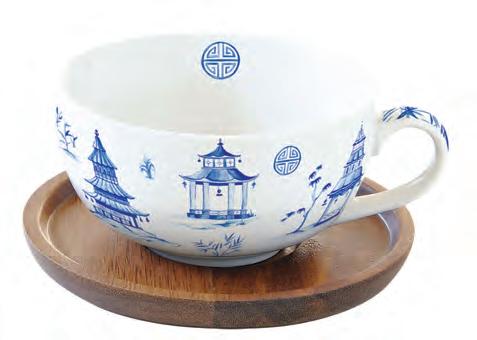
PORCELAIN TEACUP WITH ACACIA SAUCER
Porcelain cup with acacia wood coaster which also doubles up as a lid to keep your drinks hot. Capacity: 250 ml. Comes in a pretty lithographed gift box.
RRP: £20 easylife.boutique
SANDALWOOD SCENTED CRYSTALS
Glittery nuggets of natural Gum Arabica infused with spicy perfume of sandalwood, jasmine and rose. A contemporary take on traditional potpourri. Size: 250g.
RRP: £27 | heavenlyhomesandgardens.co.uk
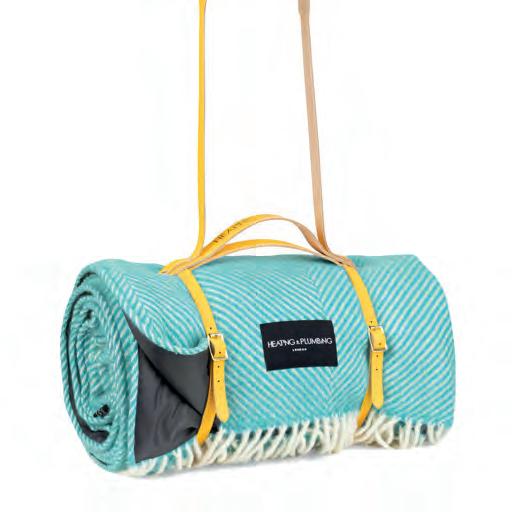
PURE NEW WOOL PICNIC BLANKET
Woven from pure new wool in a bold ocean blue, featuring an oversized herringbone pattern that gives the traditional motif a smart, modern edge. Finished with a dark grey waterproof backing and a handmade leather strap. Made in Britain, from fringe to fastening. Generously sized at 145 x 183 cm.
Machine washable on wool cycle.
RRP: £110 | heating-and-plumbing.com
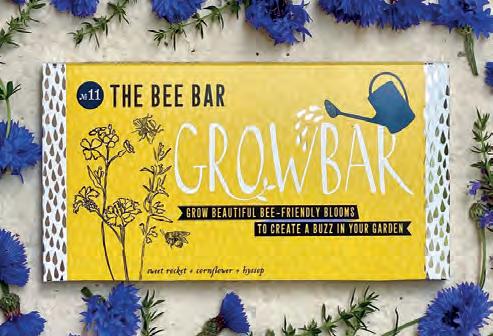
BEE GROWBAR
Grow beautiful bee-friendly blooms to create a buzz in your garden. Embedded in neat coir bars, these cleverly curated collections of seeds will thrive even if space or horticultural knowledge is limited. All that’s needed is a small container, some water and a warm, sunny spot on the windowsill. Within 6-8 weeks seedlings will be ready to plant into the ground or into pots. Each Growbar is 100% eco-friendly. RRP: £12.50 | shop.kew.org
DRY DOLLY CLASSIC TOWEL SAUNA DRESS
WICKER PICNIC HAMPER
Carry your favourite picnic items in traditional style with this elegant wicker hamper. The design features two side sections with flap closures and a cotton lining. In the centre, there’s a handy wine/water holder, while the two foldable handles offer a timeless look.
RRP: £40 | marksandspencer.com
Specifically designed for the moments after heat exposure, from sauna and steam room to rest areas and poolside. Created to replace heavy robes and awkward towel wraps, the strapless A-line silhouette is engineered to stay securely in place while allowing natural airflow, supporting the body’s cooling and recovery process. The soft terry fabric absorbs moisture without trapping heat, making it ideal for spa and wellness environments where comfort and temperature regulation matter. Designed in the UK and made from premium towelling fabric, the Dry Dolly Dress features a flattering cut, discreet internal support, and practical deep pockets. It offers full coverage without bulk, allowing women to move confidently through communal wellness spaces without constant adjustment. RRP: £64.99 | drydolly.com
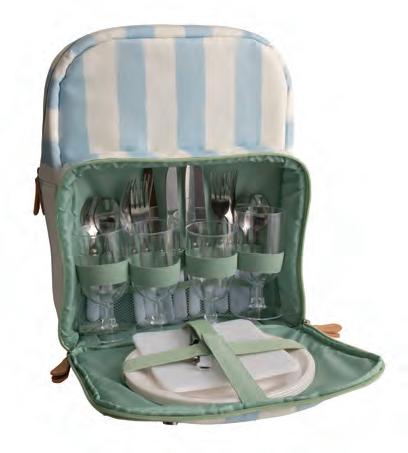
PROCOOK INSULATED PICNIC BACKPACK
Complete 4-person picnic set includes plates, cutlery, wine glasses, and serving board Comfortable backpack design. Charming blue and white stripes, with green accents Made from recycled polyester that includes 13 recycled drinks bottles.
RRP: £55 procook.co.uk
CHNC Appoints New Board Members
CNHC have appointed two new registrant members to its Board. Laura Shipp is a CNHC-registered Naturopath, Kinesiologist and Hypnotherapist. Amanda McAuley previously served on the CNHC Profession Specific Board (PSB) for Reflexology and is also a CNHC-registered Reiki practitioner. You can read their biographies in the Board Member section of the CHNC website cnhc.org.uk
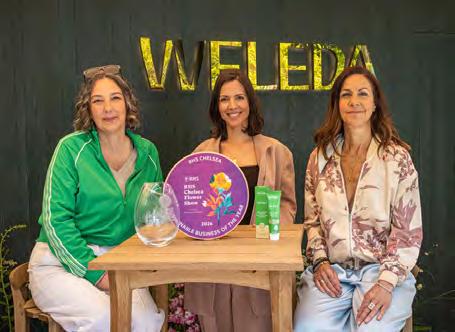
Weleda Wins Sustainable Excellence Awards
Natural skincare and wellness brand Weleda has been named Best Sustainable Business of the Year 2026 at the RHS Chelsea Sustainable Excellence Awards, a programme recognising brands advancing ecoconscious and ethical consumer practices. The award was presented at a ceremony hosted by business leader Deborah Meaden OBE during this year’s Chelsea Flower Show. The recognition adds to a high-profile year for the company, which is also marking the centenary of its Skin Food range and using its three-year partnership with the Royal Horticultural Society to underline its sustainability credentials across both skincare and horticultural engagement.
Nadine-Helene Santiago, Weleda Chief Sustainability Officer, accepted the award saying: “We are incredibly honoured to be named the Winner of the RHS Chelsea Sustainable Business of the Year 2026. In this special year, as we celebrate 100 years of Weleda Skin Food, this recognition means a great deal to us. Sustainability has been at the heart of Weleda for over a century – rooted in our commitment to work in harmony with nature and the human being. This award reflects the dedication of our teams and partners, and we are especially proud of our three-year Partnership with the Royal Horticultural Society to bring an even stronger sustainability focus to Chelsea Flower Show. Together, we can inspire
We are incredibly honoured to be named the Winner of the RHS Chelsea Sustainable Business of the Year 2026.
meaningful change and show that business can be a force for good.”
According to the judges, Weleda stood out for its integrated sustainability model, including work on soil restoration, biodiversity protection, community empowerment and product and infrastructure design aligned with ecological principles. For practitioners, retailers and brands operating in the holistic health space, the award signals continued market recognition for businesses that embed environmental stewardship into sourcing, manufacturing and brand strategy rather than treating it as a standalone claim.
In the judges’ words, Weleda was recognised as a business in which sustainability functions as an organising principle rather than a marketing message, with the panel highlighting the company’s long-running effort to balance commercial performance with ecological responsibility. The 2026 judging panel included Professor Chris
Harrop OBE, Deborah Meaden MBE and Andree Davies, bringing together expertise from sustainability, business leadership and landscape design.
The company’s latest sustainability report highlights a series of metrics of interest to the natural health, beauty and wellness sectors, showing that 97% of its global power now comes from renewable sources, 81% of its plant-based raw materials are organic, 77% of its primary packaging is made from recycled content and 97% of all manufacturing waste is recycled. More broadly, Weleda points to a heritage of 105 years developing cosmetics and pharmaceuticals from natural materials, supported by six organic cultivation sites worldwide for homegrown plants. The brand is retailed in 50 countries, its portfolio includes 120 natural cosmetics, and its formulations draw on 500 substances obtained from nature. weleda.co.uk
Below: Jayn Sterland, Country Manager Weleda UK and Nadine-Helene Santiago, Weleda Chief Sustainability Officer, celebrate with Julia Bradbury, Weleda Ambassador.
Why Definitions, Training and Standards Matter in Holistic Practice
The rise of holistic language across beauty and wellness reflects changing client expectations, but without greater clarity around qualifications and philosophy, the term risks losing its professional value
In beauty and wellness, “holistic” has become one of those words that sounds impressive but often says very little. It appears everywhere: on treatment menus, across websites, in practitioner bios and social media captions. It signals care, calm and credibility. But the more widely it is used, the less clear it becomes. At this point, the industry has a serious problem: “holistic” is being applied to so many different approaches, levels of training and business models that it is in danger of meaning almost nothing at all.
AN INCREASINGLY POPULAR WORD
That is not because interest in the whole person is a bad thing. On the contrary, it reflects a welcome shift. Clients are asking better questions. They want more than instant results and cosmetic quick fixes. They want
to understand how stress, sleep, hormones, nutrition, nervous system health and daily habits affect their skin and wellbeing. That is progress.
The problem is what happens when a valuable term becomes a marketing shortcut. “Holistic” is now used to describe everything from deeply trained complementary practice to standard beauty services with a few lifestyle questions added in. Those are not the same thing. When one word is stretched to cover wildly different levels of knowledge, philosophy and responsibility, the public loses clarity and trained practitioners lose distinction.
A DEEPER UNDERSTANDING OF WHOLE-PERSON CARE
At its most meaningful, holistic practice is not about sprinkling a consultation with a few questions about sleep or supplements. It means working with
the whole person rather than isolating the visible symptom. It acknowledges that skin, health and wellbeing are shaped by a web of physical, emotional and behavioural factors. That is not a cosmetic add-on. It is a fundamentally different way of understanding care.
For many properly trained practitioners, that whole-person approach goes deeper still. It may include mental and emotional health, but it can also include energetic or spiritual dimensions of a client’s experience. That will not suit every practitioner or every client, and it does not need to. But pretending that holistic practice only means “we also talk about lifestyle” strips the term of its depth and history. A discipline with real philosophical roots should not be flattened into a branding device.
WHEN BRANDING BLURS PROFESSIONAL MEANING
This is where the problem becomes hard to ignore. “Holistic” is now routinely used by businesses that would never previously have associated themselves with the term. In some cases, it has become shorthand for “we care”, “we listen”, “we are gentle”, or “we look at lifestyle too”. None of those things are bad. But they are not, by default, evidence of holistic practice. They are customer service choices, consultation style choices or brand-positioning choices. That is not the same as a trained holistic model of care.
Holistic” is now used to describe everything from deeply trained complementary practice to standard beauty services...
The industry urgently needs more precise language. There is a difference between being holistic-inspired, holistic-informed and genuinely holistic in practice. One might involve a broader awareness of stress and lifestyle. Another may reflect years of training in complementary disciplines, clear therapeutic boundaries and a wholeperson philosophy that shapes every stage of care. Using the same word for both does not make the field more inclusive. It makes it more confusing. That confusion matters. A client reading the word “holistic” should have some idea of what they are signing up for. At the moment, that is far from guaranteed. It might mean an integrative approach grounded in substantial complementary therapy training. It might mean a standard treatment with a softer tone of voice. It might simply mean natural-looking results and calming decor. These are not equivalent models of care, and acting as if they are does nobody any favours.
WHY TRAINING AND REGULATION MATTER
The issue is not just semantics. It is standards. Holistic practice is not defined by whether someone asks a client about stress levels or suggests magnesium. It is defined by whatthat practitioner is trained to recognise, hold and respond to. If a practitioner is claiming to work holistically, clients should be able to trust that the person in front of them has more than a weekend certificate and a wellness vocabulary.
This is why qualifications matter, and why professional complementary and holistic health practitioners should state them clearly and confidently. If you have trained in homeopathy, massage, reflexology, beauty, skin health or other recognised holistic disciplines, say so plainly. Include your qualifications, years of experience, specialist training and continued professional development in your
website, biography and client-facing materials. That is not arrogance; it is professional responsibility. Clients should not have to guess what makes someone a qualified holistic therapist. If you have done the work, explain what you are trained in and why that training enables you to practise safely, ethically and with depth.
The rise of short, poorly regulated courses only makes this more urgent. When complex modalities are packaged into a fast-track certificate and sent straight into the marketplace, the public is invited to believe that all training is equal. It is not. If the beauty industry wants to talk seriously about safety, ethics and standards, then it cannot reserve those concerns only for invasive treatments. They matter just as much when practitioners are working with vulnerability, trust, health narratives and a client’s wider wellbeing.
PROTECTING THE INTEGRITY OF THE TERM
If “holistic” is going to remain a meaningful term in holistic health, then the industry needs to stop using it as a catch-all label for anything gentler, greener or more lifestyleaware. It should refer to a genuine whole-person framework supported by real education, clear boundaries and depth of practice. And that also means qualified practitioners must stop underselling themselves. If you are a professional complementary or holistic therapist, include the experience and qualifications that make you one. Be clear about your training, your modalities, your years in practice and the professional standards you work to. Words matter. Titles matter. Qualifications matter. If everyone can call themselves holistic regardless of training, philosophy or responsibility, then the word becomes empty. The best way to protect its value is to name, clearly and confidently, what professional holistic practice is actually built on.
Hydrolats:
THEIR PROPERTIES AND USES
A course beginning with the source of all life – water! Hydrolats are the water by-product of the distillation process and are explained through history, through chemistry, through usage and through their properties. The course will teach about safety in application and administration and several hydrolats will be discussed in detail for clinical treatments
Each course is supplied with course notes and a selection of kits to complement your studies. Students are required to submit short homework assignments and a certificate is issued on successful completion.
HYDROLATS – THEIR PROPERTIES AND USES: DISTANCE LEARNING –CPD POINTS
Hydrolats – Their Properties and Uses is a course beginning with the source of all life –water! Hydrolats are the water by-product of the distillation process and are explained through history, through chemistry, through usage and through their properties. The course will teach about safety in application and administration and several hydrolats will be discussed in detail for clinical treatments.
Discover the many benefits and uses of hydrolats. These ‘essential’ waters are beginning to find their rightful place in aromatherapy practice, for use on a wide variety of common conditions and for the promotion of vitality. They are suited for use in all client groups. Discover their wonderful properties and benefits to the human body both on the internal and external pathways, by tasting them and blending them for various conditions. There will be some practical blending during the day, and all products made can be taken home.
Course content:
• The importance and power of water
• Healing treatments with water
• Increased dilution
• How do we obtain these waters?
• Keeping qualities
• Quality
• Reasons for using hydrolats
• Hydrolats in association with other therapeutic products
• Uses and therapeutic values of hydrolats
• Uses of distilled water
• Methods of use
• Cautions
• The individual hydrolats
Kit Included Distance Learning only:
• Understanding Hydrolats – By Len Price
• 100ml Chamomile Roman Hydrolat
– Chamaemelum nobile
• 100ml Rose Hydrolat – Rosa damascena
• 100ml Lavender Hydrolat
– Lavandula angustifolia
• 100ml Melissa Hydrolat – Melissa officinalis
Pre-requisite: An aromatherapy qualification to PPA standards.
Booking a Course – Distance Learning Courses can be booked online, by email to courses@penny-price.com or by telephone on 01455 251020. Full payment is taken at the time of booking.
Cancellation Policy – Distance Learning
Once the course has been applied for, paid in full and sent to the student then there is no option to cancel. If you are dissatisfied with the course at any point then please contact the academy directly. Your statutory rights are not affected. For full details of our policy please visit our website.
INFORMATION
For more information and to book online, visit penny-price.com
Janey Loves W
Nature Aligned Wellbeing
Simple switches for a more nourished life
hen everything starts to feel synthetic, and overstimulating, many of us are seeking a return to something more grounded, a wellbeing routine that feels aligned with nature, not at odds with it.
Whether it’s the products we put on our skin, the supplements we take, the way we hydrate, or the tools we use to support our emotional health, there’s a growing desire for purity, simplicity, and intention.
In the Platinum Awards, we’re spotlighting a collection of brands and creators who share that ethos, each offering a small but meaningful way to reconnect with natural wellbeing.
Nourishment from the inside out
Nature has always been our most reliable pharmacy, and Nature Provides, founded by Nutritional Therapist Rachel Aceso, is built on that principle. The company creates supplements without unnecessary fillers, preservatives, or synthetic extras, just clean, bioavailable nutrition your body can actually use.
Their standout product, the High Strength Liquid Iodine, is extracted from natural kelp and formulated for optimal absorption. Iodine plays a key role in supporting energy, mood, skin health, and the nervous system, making it a powerful addition for anyone wanting to feel more balanced and resilient. natureprovides.com
Skincare That Respects Your Skin, and the Planet
Natural skincare continues to evolve, and two brands are leading the way with products that feel luxurious without compromising purity.
Glory Oil from Eco by Sonya has become something of a cult favourite, and for good reason. This high performance face and body oil is renowned for transforming scars, softening fine lines, calming irritation, and restoring brightness. Used on everything from eczema to acne to dryness, it’s a multi award winning formula that offers genuine compassion to the skin. ecobysonyadriver.co.uk
Meanwhile, c from Enowa Skincare brings a different kind of natural indulgence. Handcrafted in small batches, this 100% natural whipped moisturiser blends real cacao, pure oils, and mineral actives to nourish and soothe. It’s a daily ritual that feels grounding, sensory, and beautifully uncomplicated. enowaskincare.com
Sustainable Switches That Make a Difference
Living more sustainably doesn’t always require a lifestyle overhaul. Sometimes it’s as simple as choosing refillable, long lasting essentials. Salt of the Earth’s Melon & Cucumber roll on deodorant is a perfect example. Fresh, energising, and refillable, it’s made with 100% natural origin ingredients and certified by COSMOS. A small switch, yes, but one that reduces plastic waste while still delivering reliable, all day protection. saltoftheearth.com
Healing Through Reflection and Connection
Wellbeing isn’t only physical. Our emotional and spiritual health matters just as deeply, and journalling remains one of the most powerful tools for self connection.
Philly J Lay’s newly updated Natural Wellness Journal blends mind, body, and spirit in a way that feels both grounding and transformative. Drawing on dozens of techniques she used during her recovery from a near death medical procedure, PTSD, grief, and chronic illness, the journal guides readers through practices that support healing not just for the self, but for the planet, because, as Philly teaches, everything is connected.
With prompts and tools spanning nutrition, detox, creativity, nature, meditation, and breathwork, it’s a companion for anyone wanting to deepen their inner work and expand their sense of possibility. phillyjlay.com
Summer 2026 BOOK CASE
THE HOLISTIC GUIDE TO GUT HEALTH
By Dr. Mark Stengler
A comprehensive yet accessible approach to healing leaky gut and the many uncomfortable symptoms it causes. Whole-body health can be restored with Dr. Stengler's integrative program, which includes prebiotic and probiotic recipes.
Whether you’re concerned about a specific condition or overall health, this book offers recommendations for nutrition, supplements, and lifestyle habits as well as gut-healing recipes to support your goals. You’ll also get Dr. Stengler's successful healing protocols for many common digestive issues such as acid reflux (GERD), candida overgrowth, IBS and IBD, and SIBO; and even non-digestive issues such as allergies and asthma, anxiety, depression, diabetes, fatigue, insomnia, joint pain and osteoarthritis, menopause systems, and PMS. The Holistic Guide to Gut Health arms you with all you need to make the right choices for you on your guthealing journey.
ISBN: 9781837820962 | Publisher: Hay House UK Ltd
THE COMPLETE BOOK OF AYURVEDIC HOME REMEDIES
By Vasant Lad
The Complete Book of Ayurvedic Home Remedies is a comprehensive encyclopedia of self-healing. Based on an ancient healing tradition from India that dates back thousands of years, it is the definitive guide to safe, effective alternatives to Western medical treatments. Dr Lad, the world's leading expert in Ayurvedic medicine, explains the principles behind the science of Ayurveda. Discover how to determine your Ayurvedic 'type' and learn how to treat common ailments and chronic conditions such as cold and flu symptoms, sore throats and acne, arthritis, high cholesterol and anxiety. Complete with an extensive resource list of Ayurvedic herbs and suppliers, this authoritative guide tells you all you need to know about achieving physical and spiritual healing.
ISBN: 9780749927653
Publisher: Little, Brown Book Group
An Embody Professional finds some interesting reads
THE COMPLETE GUIDE TO COMPLEMENTARY THERAPIES IN CANCER CARE
By Barrie R Cassileth
With recent clinical advances, millions of people survive many years after a cancer diagnosis. And while their physicians deliver conventional, evidence-based therapies to treat the cancer, sometimes the cancer patient and his or her symptoms are not treated with equal skill. To manage their physical and emotional symptoms and promote health and well-being, most cancer patients and survivors use complementary therapies: Naturopathy, Ayurveda, herbalism, homeopathy, hypnosis, yoga, acupuncture, music therapy, macrobiotics, chelation therapy, colonics, hydrotherapy and many, many more. But, are they safe? Are they effective? What problems do they address? What are the risks? When can they help? This unique and comprehensive book guides the way through the often confusing maze of complementary and alternative therapies promoted to cancer patients and survivors.
ISBN: 9789814335164
Publisher: World Scientific Publishing Co Pte Ltd
ZEN WISDOM: CLASSIC BUDDHIST TEACHINGS TO CALM THE MIND
By Abbie Headon
“Zen” is the Japanese pronunciation of Chinese chán, meaning “meditation”. Rather than representing a particular ethic or set of beliefs, Zen Buddhism – as practiced in Japan since the 12th century – is a discipline that seeks to reveal profound insight into the nature of things through thought, experience and meditation, passing on wisdom from master to disciple, rather than through reliance on formal doctrine and ideas. Zen emphasizes rigorous self-restraint, the practice of meditation, and perceiving the true nature of reality through mindfulness. This insight can be expressed in daily life through acts of kindness towards others. Beautifully produced in traditional Chinese binding, Zen Wisdom offers more than 80 succinct quotes from Zen masters such as Bankei Yōtaku, Matsuo Bashō, and the Buddha, on topics as wide-ranging as discovering purpose, maintaining concentration, mindfulness, tranquility, learning, kindness and finding joy.
ISBN: 9781838865115 | Publisher: Amber Books Ltd
CPD Complementary Therapies in Cancer Care
eLearning for Massage Reflexology or Reiki
10% Discount Available USE CODE ‘CTHA10’ on the website O er ends 31st Jul 2026
Adapt Your Therapies To Treat Patients With Cancer
Unique eLearning course created from award winning Cancer Care Workshop
Also suitable for healthcare professionals working within Oncology.
Learn in your own time, in your own home, at your own pace
www.butterflytouchtherapiestraining.com
E: marie@butterflytouchtherapiestraining.com
DISCOVER THE ART OF SHIATSU
MORE THAN TECHNIQUE — A TRANSFORMATIONAL JOURNEY
We teach Shiatsu as both an art and a science, blending traditional Oriental medical theory with hands-on practice and intuitive development. Our approach, known as Relational Shiatsu, places presence, authentic connection, and self-awareness at the heart of the work. We believe the quality of touch deepens as we deepen our understanding of ourselves.
UPCOMING TRAINING PROGRAMMES
2026/27 Foundation Courses Autumn: Sept 19/20 • Oct 10/11 • Oct/Nov 31/1
Spring 2027: April 24/25 • May 15/16 • June 5/6
The Wildgoose Space, St Werburghs, Bristol 10am–5pm £444 (Deposit £170)
For full details and booking information: bristolschoolofshiatsu.co.uk/trainingcourses/foundation-course
At the Bristol School of Shiatsu, we offer inspiring training pathways — from beginner Foundation weekends to our fully recognised Three-Year Professional Practitioner Training.
Our government-recognised Level 4 Diploma in Shiatsu (RQF) is accredited by the Shiatsu Society UK and regulated by Ofqual.
OUR MISSION
To guide people back to health and wholeness through the power of touch.
Shiatsu is more than massage – it’s a profound practice that supports balance in body, mind, and spirit.
Whether you’re seeking personal growth or professional training, your journey starts here.
INDUSTRY LEADING TRAINING
WELLNESS
As a complementary therapist, you know the power of holistic care, but what if you could offer even more tools rooted in both tradition and clinical evidence, that support stress, pain, and women's health?
Here at Breeze Academy, our Entry Level Acupuncture course allows therapists like you to safely integrate acupuncture into your practice with no prior experience required.
✓ Treat stress, fatigue, brain fog, and women's health symptoms
✓ Support immune health, relaxation, and general well-being
✓ Build your confidence with accredited, hands-on training
✓ Learn in a supportive environment—online and in-person
What Our Students Say...
“One of the best courses I’ve been to - good people and a great instructor. Ever since implementing acupuncture into my practice, I’ve seen a boost of faster recovery times and happier people with quicker results” - Zoe