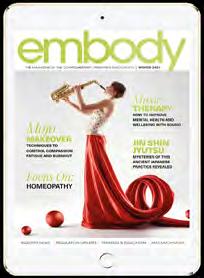
Takes us on a cultural, scientific and spiritual journey into the heart
Dedicated spaces for stillness are transforming how we work and heal MINDFULNESS & MEDITATION
WARRIOR MONKS
The Special Forces Secret Mind-BodySpirit Training
PLANT FOOD
Room 4.11, 4th Floor, 83 Baker Street, London W1U 6AG
T: 07718 479 416
E: info@ctha.com
ctha.com
PUBLISHER
CThA Membership Administration
EDITOR
Sharon Martin embodymagazine@gmail.com
ADVERTISING SALES
Fellows Media
Alice Ireson
T: 01242 259245
E: alice.ireson@fellowsmedia.com
PRINT & DIGITAL
MAGAZINE
Fellows Media
T: 01242 259241
E: bryony.morris@fellowsmedia.com
The articles published in Embody represent the views of the contributor/author and are not necessarily the official views of EMS Publishing Ltd or the CThA as an organisation. The magazine or members of the Editorial Board are in no way liable for such opinions. Whilst every care has been taken to ensure that the contents of this issue are accurate, we cannot be held responsible for any inaccuracies or late changes. No article, advertisement or graphic, in whole or in print, may be reproduced without written permission of the author or publisher.
JOIN THE CTHA
We are the leading professional association representing sports, spa and complementary therapists in the and Ireland.
• Discounted insurance
• Professional recognition
• Local groups in your area
• Promotional opportunities
Spring 2026 Welcome
After what has felt like an especially long stretch of grey skies and relentless rain, the arrival of spring is particularly welcome this year. Nature has a remarkable way of reminding us how closely our wellbeing is tied to the rhythms of the seasons. As the natural world begins to reawaken, many of us feel a renewed sense of motivation and a gentle shift in energy.
In that spirit, this issue brings together perspectives that reflect the integrative, whole-person approach at the heart of complementary healthcare. We’re delighted to welcome a new columnist, Dr Dawn Harper from Embarrassing Bodies. Known for her open and compassionate style of medicine, she begins her column by sharing a personal health experience of her own. Her reflections highlight something many practitioners will recognise, that understanding health often arises as much from lived experience as from clinical knowledge (page 33).
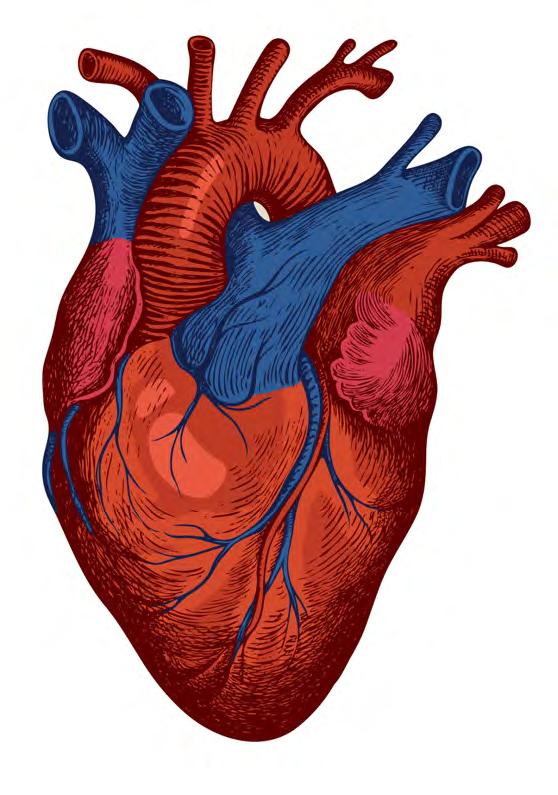
Continuing the theme of looking at health through multiple lenses, cardiologist Robin Choudhury, offers a thought-provoking exploration of the heart. His article moves beyond anatomy alone, guiding us through the scientific, cultural and spiritual significance of this remarkable organ (page 6).
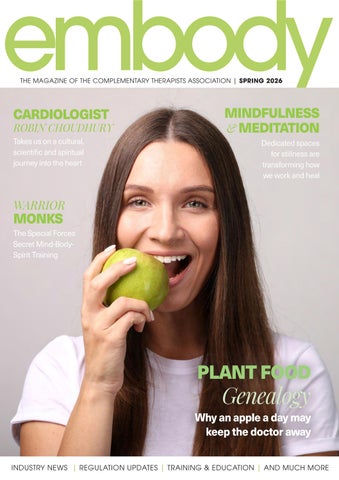
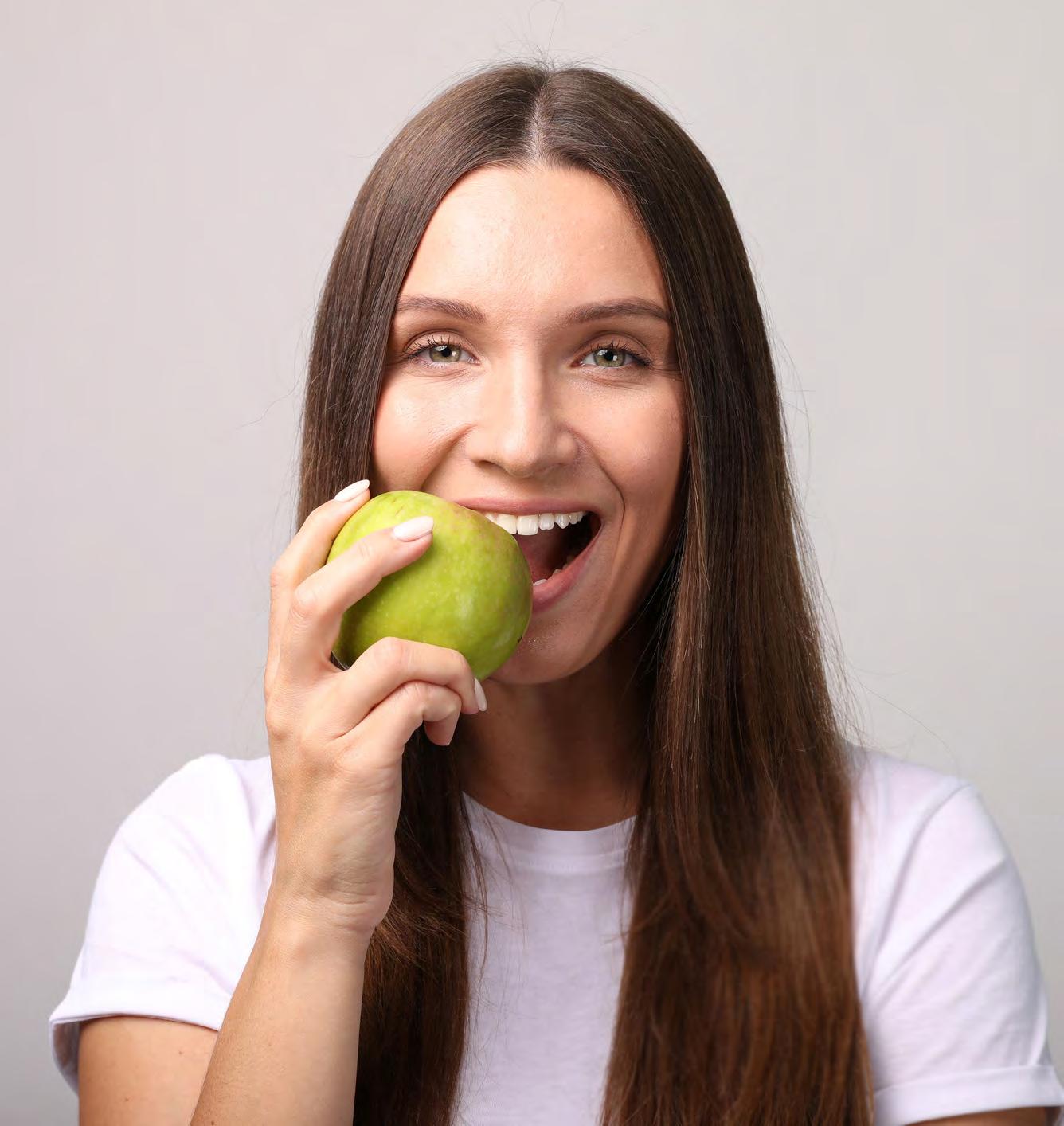
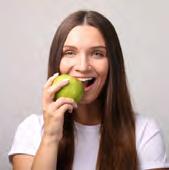
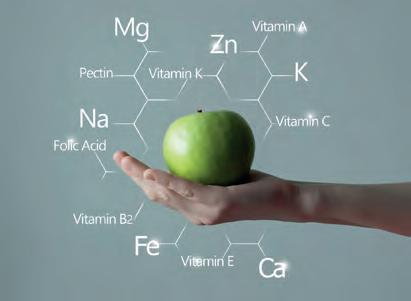
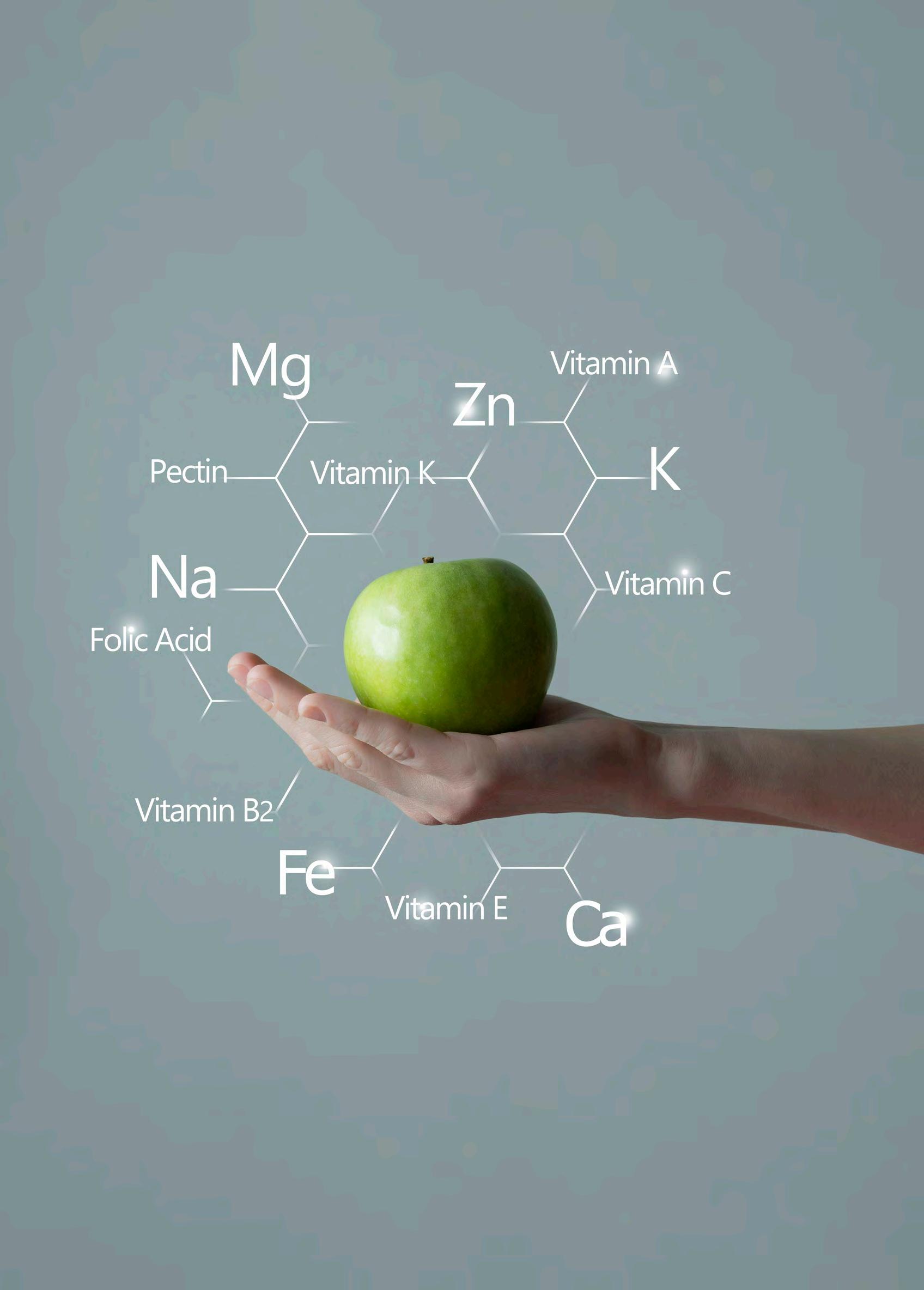
From the heart, we turn to another cornerstone of natural health: nutrition and revisit one of the most familiar sayings in preventative health, “an apple a day keeps the doctor away”. Looking beyond the proverb, Nathaniel Altman explores the history of the apple, its nutritional profile and the reasons this everyday fruit continues to hold an important place in conversations about diet and wellbeing (page 11).
• Listing on embodyforyou.com
• Special Treatment licence exemption
• Embody – a quarterly magazine
• Professional help and advice from a team of experts ctha.com/Join
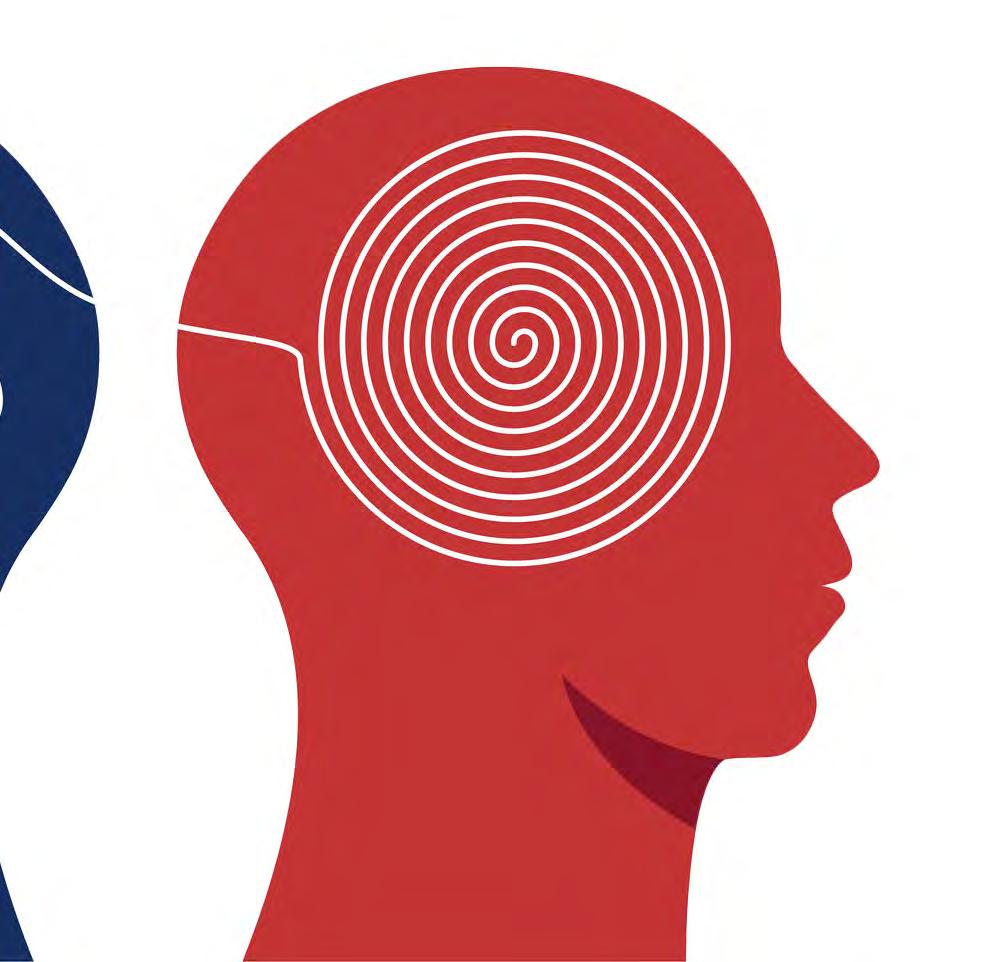
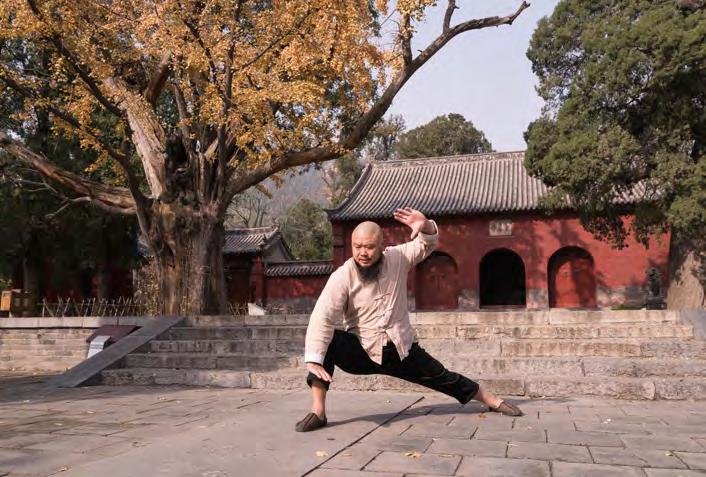
The relationship between physical discipline and mental resilience is explored from a very different angle in our feature on Special Forces training. Elite units are renowned for their endurance and psychological strength, yet some of the techniques used to cultivate these qualities echo much older traditions. Drawing inspiration from the mind–body–spirit practices of warrior monks, these methods emphasise breath, focus and inner control alongside physical conditioning (page 18).
Finally, Dr Rosy Daniel, Weleda’s Integrative Health Consultant, explains how a gentle springtime detox can improve wellbeing (page 14).
Sharon Martin, Editor
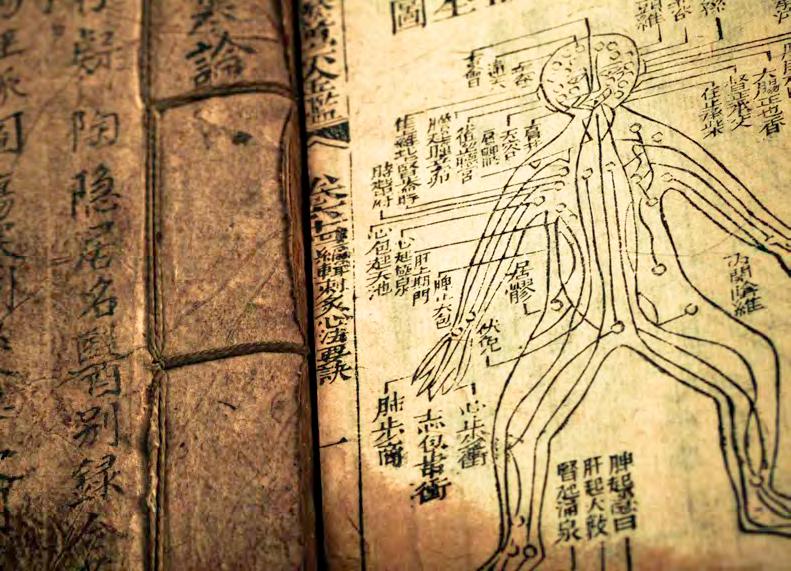
The Beating Heart
Cardiologist Robin Choudhury
takes us on a cultural,
scientific and spiritual journey into humanity’s most enduring symbol
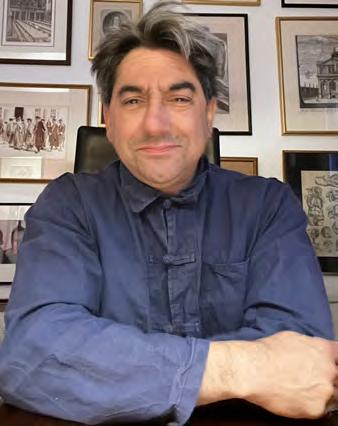
For complementary therapists, holistic healers, Ayurvedic practitioners and anyone who works with the woven fabric of body–mind–spirit, the heart has never been just an organ. It is a locus of emotion, intuition, memory, connection and subtle energy. It is where experience becomes sensation and meaning becomes embodied. Speaking with Oxford cardiologist, researcher and cultural historian Professor Robin Choudhury, author of The Beating Heart, you quickly sense that he, too, sees the heart as something profoundly multidimensional.
From the moment our conversation begins, he bypasses physiology entirely and turns instead to the deep human story. His instinct is to start where holistic traditions also begin with symbol, archetype and centuries old understanding. It is here that he references one of the central ideas in his new book, one that resonates powerfully with practitioners of Ayurveda, yoga therapy, integrative medicine and the wider complementary health landscape. In The Beating Heart, Professor Choudhury traces humanity’s understanding of the organ across more than 2,500 years. Across cultures, the Vedic texts of ancient India, old Hebrew sources, the Egyptian Book of the Dead, people weren’t exchanging information, yet they had remarkably similar ideas about the heart.
The heart matters because humans
feel from the heart.
In the Vedic worldview, the heart (Hridaya) is not merely anatomical. It is the seat of consciousness, the meeting place of breath (prana), mind (manas) and soul (atman) Its energetic expression, the anahata chakra, governs compassion, emotional clarity and the subtle capacity to give and receive. What Professor Choudhury reveals is that cultures who never encountered each other somehow arrived at similar truths: the heart matters because humans feel from the heart, imagine from the heart, suffer in the heart, and heal through the heart. This is the thematic pulse of his book: a single human story told across continents, centuries and medical paradigms.
the way seasoned practitioners move between modalities, improvising connections that feel at once intuitive and deeply informed. This multidisciplinary curiosity is not academic indulgence, it is the foundation of The Beating Heart. He describes the book plainly as “a cultural history told through images of the heart, a sprawling, surprising epic of our most symbol laden organ,” rather than a medical manual. For holistic readers, this framing is instantly legible. The body is not a machine, and the heart is not a pump to be repaired, it is a storyteller, a regulator of feeling, a vessel of meaning.
For anyone grounded in holistic work, this shared legacy feels familiar.
When we meet on a Zoom call, Professor Choudhury appears vibrant and genuinely delighted to explore the topics that animate him; coronary arteries, cellular inflammation, lotus flowers, medieval manuscripts, Victorian engravings, graffiti hearts discovered across continents, and Leonardo da Vinci’s anatomical sketches. He moves between ideas
The spark for the book, he explains, came more than a decade ago when Professor Elena Lombardi handed him a copy of The Mediaeval Heart. That gift opened a worldview he had never encountered in medical training, a world in which anatomy, symbolism, devotion, philosophy and intuitive understanding coexisted seamlessly. This realisation eventually led to a symposium at the Ashmolean Museum, attended by 250 people, a moment that confirmed to him that public fascination with the heart went far beyond physiology.
And yet, the most revealing shift came not from medieval manuscripts but from the experience of sitting with patients.
“One of the things writing it has given me is a deeper understanding of why patients see the heart the way they do. A heart problem is special. It reaches into their worries, their psyche. When patients come to me, especially now, as I do more preventive cardiology, half of what I’m dealing with isn’t the medical problem; it’s the emotional overlay.”
For holistic practitioners, this sentence won’t feel surprising, it will feel like validation. The emotional body and the physical heart mirror one another. Stress constricts breath, grief tightens the chest, fear elevates heart rate, and chronic tension accumulates in the cardiovascular system. Professor Choudhury’s medical insight lands squarely within mind body models used daily in somatic therapy, Reiki, breathwork and integrative healing.
One of the most astonishing stories, and one that becomes even more
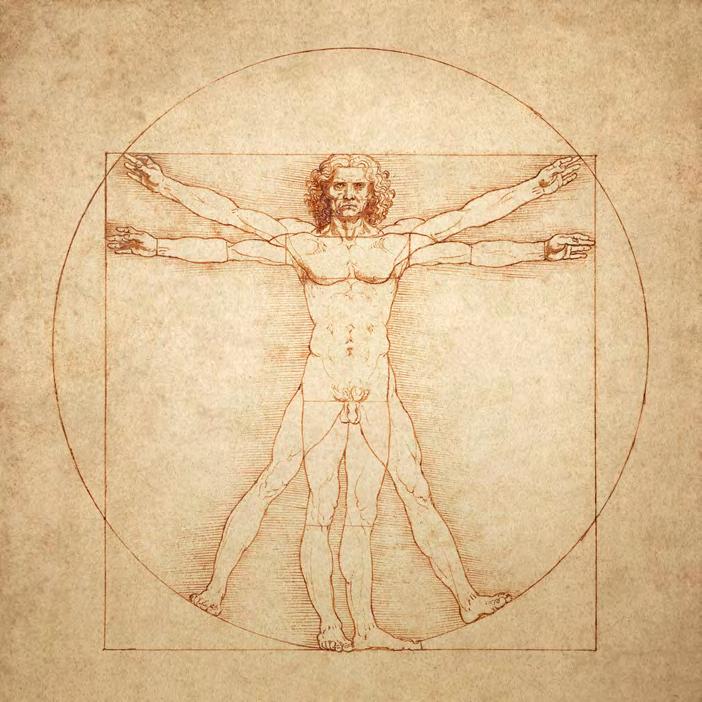
striking for holistic practitioners, is Professor Choudhury’s exploration of Leonardo da Vinci’s heart drawings. “Leonardo observed swirling vortices inside the ventricles, intricate spirals that no anatomist of his era believed existed.” Professor Choudhury had known these drawings for years, but when a new MRI technique emerged, capable of capturing blood flow in motion, he saw an opportunity. The Oxford team put Leonardo’s intuition to the test. “And so, the Oxford team ran the experiment, capturing the whirlpools of blood with the eerie precision of modern imaging. We published the findings in 2013,” he adds, “exactly 500 years after Leonardo is believed to have written up his observations. A nice circularity.”
To anyone working with energy flow, meridians, nadis, or breath based movement, this story resonates deeply.
Life moves in spirals, from galaxies to oceans, from breath spirals to myofascial currents, from Kundalini imagery to craniosacral micro motions. Leonardo felt these spirals centuries before science caught up. Professor Choudhury, too, recognises this as a moment where intuition, imagination and empirical science converge.
Professor Choudhury’s engagement with medieval heart symbolism provides some of the most emotionally evocative material. He speaks of illuminated manuscripts where lovers exchanged stylised hearts - symbols of loyalty, devotion and inner life.
One particularly striking story is that of Dervorguilla de Balliol, who kept her husband’s heart after his death and eventually had it interred at what became Sweetheart Abbey.
“You may know Oxford’s Balliol College?” He smiles. “It was founded
The body is not a machine, and the heart is not a pump to be repaired, it is a storyteller, a regulator of feeling, a vessel of meaning.
by John de Balliol and his wife Dervorguilla in 1263. When John died, she took his heart and buried it at what became Sweetheart Abbey. People believed the essence of a person resided in the heart. If you wanted the person, you took the heart.”
This belief, that essence, memory and presence reside in the heart, is echoed in spiritual traditions worldwide, from the Egyptian weighing of the heart to the Vedic principle that the heart holds consciousness. For holistic therapists working with grief, attachment, loss and somatic memory, these stories carry a resonance that transcends time.
One of the most powerful intersections of Professor Choudhury’s scientific and cultural worlds is his explanation of takotsubo cardiomyopathy (broken heart syndrome).
He recounts how intense emotional or physical stress can dramatically alter the heart’s shape, causing it to balloon at the base and narrow at the neck, a configuration resembling a Japanese octopus pot: ►
...half of what I’m dealing with isn’t the medical problem; it’s the emotional overlay.
“The Japanese word takotsubo means octopus pot - a narrow neck and a bulbous base. When the heart is stunned by intense emotional or physical stress, it adopts this shape. Bereavement is a common trigger. Happily, it’s usually reversible. But yes, you can die of a broken heart.”
For holistic and complementary practitioners, this phenomenon is familiar long before it is scientific. Emotional shock collapses the chest. Chronic stress fatigues the heart mind connection. Trauma reverberates through subtle systems. What Professor Choudhury provides is the clinical mirror to a lived truth: emotion is not metaphor, it is physiology.
Professor Choudhury describes Oxford not simply as an academic city but as a quiet epicentre of cardiac history. He points to figures such as Richard Lower, “the world’s first cardiologist,” Christopher Wren, and the young Dennis Noble, who discovered how the heart beats autonomously at just 20 years old.
For holistic readers who straddle ancient systems and modern science, this mingling of eras feels familiar. Oxford becomes part of the story, a place where anatomical discovery and artistic imagination have long intertwined.
Profesor Choudhury’s passion for art is more than a personal interest; it is part of the mechanism through
which The Beating Heart came to exist. He recalls growing up near Henry Moore, visiting galleries during academic travels, and eventually building a collection of more than 1,500 photographs of graffiti hearts taken around the world.
“Once you start noticing hearts… you find them everywhere.”
Indeed, he argues that artists from Picasso to Matisse, Miró to Calder, have all embedded hearts in their work, not abstractly but instinctively, as if the human impulse to express the heart visually is encoded in us. Holistic practitioners recognise this phenomenon: awareness shapes perception. When you work with the heart – energetically, emotionally or therapeutically – you begin to see its imprint everywhere.
“Even though science has dismantled many old ideas, the symbolic heart remains stubbornly powerful. It refuses to be put down.” Professor Choudhury notes.
“Once you become aware of hearts, really aware, you start to notice them everywhere. In graffiti. In manuscripts. In fashion. In emojis. In logos. It’s as if humanity keeps trying to articulate something with this single shape. Something essential. Something universal. Something beating.”
These words offer recognition.
The heart endures because we continue to feel. Because we continue to hold experience in the body. Because we continue to love fiercely, grieve deeply, and search for meaning. Because healing, true healing, requires tending not only to muscle and blood but to memory, imagination, subtle energy and story.
The Beating Heart is ultimately a book about wholeness. It insists that to understand the heart, one must consider physiology, psychology, history, art, culture, emotion and spirit.
Professor Choudhury is not a holistic practitioner, yet his insights align with the foundations of holistic healing: the body is not separate from the mind; the mind is not separate from experience; and the heart is the meeting point of all three.
This is why his work will resonate so deeply with complementary therapists. His science strengthens their intuition; their intuition contextualises his science. Together, they paint a picture of the heart that is fully human.
And in that sense, his book, and his way of seeing, is not only timely but timeless. A reminder that beneath the layers of culture, science and symbolism lies something elemental.
The Beating Heart: The Art and Science of Our Most Vital Organ by Robin Choudhury is published by Head of Zeus and is available at: bloomsbury.com
Asacomplementarytherapist,youknowthepowerofholisticcare,butwhatifyou could offerevenmore toolsrootedinbothtraditionandclinicalevidence,that supportstress,pain,andwomen'shealth?
at www.breeze.academy orsimply scantheQRcode.Usethediscount code:
Food for Thought
Author of The Genealogy of Plant Foods, Nathaniel Altman reveals the nutritional and medicinal power of the not so humble apple
While it may not be literally true that “An apple a day keeps the doctor away,” the apple is one of the healthiest foods one can eat.
Despite the central role food plays in our lives, most people take the food we eat for granted. Many do not realize that every food we eat becomes part of the cells of our bodies. When we eat an apple, for example, the vitamins, minerals, fibre, and a wealth of phytochemicals, chemical compounds found in plant foods, are digested by our bodies, eventually becoming part of our body’s cells and playing a vital role not only in our survival but our good health as well. In fact, every plant food has been recognized throughout history as having medicinal value; recent science has not only validated many traditional beliefs but is also exploring ways food can be used to both ►
prevent and even treat a wide range of diseases including diabetes, heart problems, Alzheimer’s disease, and cancer. It should come as no surprise that many Indigenous communities around the world have recognized the vital connection between humans and food for millennia and consider sitting down for a meal as a sacred act, a time for gratitude and respect.
Like many others who are interested in genealogy, I devoted several years to investigating my family’s history. Although early family records have been impossible to locate, the information I was able to find about my ancestors was both fascinating and life changing. By knowing about my family’s roots, I gained new insights into my own life’s path and gained tremendous respect for my ancestors, the difficulties they faced in Eastern Europe, and the sacrifices
the origins and histories of the plant foods we eat cannot been found in a single, easy to read, documented volume. Surprisingly, the last major work on the subject was The Origin of Cultivated Plants by French–Swiss botanist Alphonse de Candolle, originally published in 1883 and first translated to English in 1886.
In addition to anecdotal information about various foods, much new information about the history, nutritional value, and medicinal value of many of the foods we eat has only recently become available in often-obscure, peerreviewed scientific, medical, and agricultural journals. This information is based on “new science,” including genomic research, DNA studies, and laboratory and clinical evidence. So, I decided to put all this information together in one comprehensive, documented, and reader-friendly volume.
(6,400 kilometres), these trade routes played a major role in facilitating economic, cultural, philosophical, and religious exchanges between East and West, and all points in between.
The apple arrived in Europe in early Greek and Roman times. The Roman naturalist Pliny the Elder (23/24–79 CE) wrote extensively about apples, including their propagation through seeding and grafting. Among early Christians the apple became a symbol of knowledge, immortality, temptation, and sin. Yet, according to the Bible, there is nothing to show that the forbidden fruit of the tree of knowledge was necessarily an apple, it was more likely a pomegranate, a fruit whose growth originated in the Holy Land. Apples also played a role in Greek, Roman, and Norse mythology, which regarded apples as providing eternal youth
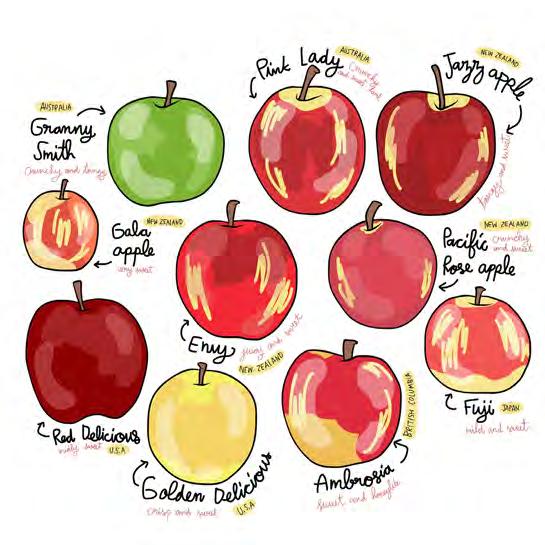
commercial apple varieties to fewer than ten, including the ubiquitous Red Delicious, Golden Delicious, and Granny Smith – the three most popular varieties of apple grown in the United States today.
Apples are highly nutritious. In addition to dietary fibre, apples provide a range of vitamins and minerals including vitamin A and potassium. Research shows that the antioxidants in apples can reduce inflammation caused by oxidative stress, a cause of accelerated aging, cardiovascular diseases, cancer, and type 2 diabetes. In addition to the apple’s antioxidant activity, the pectin found in apples has been linked to stimulating the growth of “friendly bacteria” in the colon, which prevents inflammation, aids digestion, and strengthens the immune system. Apples also contain a variety of micronutrients. A recent article in the Journal of Food Science (Oyenihi 2022, 2291–2309) stated that: “Apples are rich sources of selected micronutrients (e.g., iron, zinc, vitamins C and E) and polyphenols (e.g., procyanidins, phloridzin, 5-O‐caffeoylquinic acid) that can help in mitigating micronutrient deficiencies (MNDs) and chronic diseases (Oyenihi 2022, 2291–2309).” While it may not be literally true that “An apple a day keeps the doctor away,” the apple is one of the healthiest foods one can eat.
ABOUT THE AUTHOR
Nathaniel Altman is the author of The Honey Prescription, Healing Springs, and The New Oxygen Prescription as well as many books on diet, alternative healing, metaphysics, and relationships. He has appeared on more than 150 podcasts, radio, and television programs. He lives in Brooklyn. Further reading can be found in his latest book The Genealogy of Plant Foods published by Inner Traditions, available to purchase from Amazon. nathanielaltman.com
Renew & Reset
Dr Rosy Daniel, Weleda’s Integrative Health Consultant, explains how a gentle springtime detox can improve wellbeing
The daffodils are up, the birds are singing loudly, the sap is rising, and the days are getting longer. It is time for us to come up out of our burrows, shake off our winter sleep and raise our energy levels for the bright days ahead. This is a perfect time for a spring cleanse of body, mind and spirit to get us into the best possible shape, health and wellbeing; far better than in January when our energy is lower.
The body has five major cleansing systems: the kidneys, the liver, the bowels, the skin and the lungs. Our spirits reside in the most exquisite piece of engineering! Our bodies work tirelessly to process, absorb and eliminate what is coming in through our skin, lungs and digestive system to maintain a state of balance, whilst fuelling, regenerating and healing themselves. Blood levels of fat, sugar, acidity, salts
and minerals are kept at optimum levels to protect our brains and the other delicate tissues through which our blood flows.
Physical toxicity occurs when we absorb toxic chemicals through our skin, lungs or digestive system. We also become toxic through excess and imbalance if eating or drinking too much of one kind or food or drink, or by consuming too much altogether.
When toxicity builds up in the body this can be experienced as excess weight, achy muscles, low energy, fatigue, brain fog and spotty or itchy skin. Psychologically we feel weighed down and demotivated. When toxicity becomes extreme, our organs can no longer achieve homoeostasis and they start to fail, producing conditions like type 2 diabetes when the pancreas can no longer
metabolise away excess sugar, or liver failure when the liver becomes poisoned and fibrous as it can no longer detox the toxic chemicals in the blood stream, or constipation and inflammatory bowel disorders when the gut is not flowing properly and the gut wall is reacting, or inflammatory conditions of the lungs and skin as well. This is more pronounced in people who have allergies or food intolerances.
So, when we are thinking about a spring cleanse, it is really about developing a far kinder, gentler and more conscious relationship with our beautiful bodies. Here are 10 steps to spring cleanse that you can take right now:
STEP 1
1
Ensure that you are adequately hydrated with 2.5l of water every day (still water is better than sparkling in this respect, as ideally drinking water should have a neutral pH of about 7). This will help wash toxins from your entire system and keep your detox organs functioning optimally.
2 STEP 2
Avoid taking in chemical toxins through skincare products, food additives, preservatives or colourings, household and garden products. Our lungs, skin and digestive systems are highly absorbent and any chemicals around you will find their way into your bloodstream, tissues and cells. This means eating organic as much as possible, growing your own food, and wearing a mask if working around chemicals.
3 STEP 3
Avoid excess with food and drink. Think about your portion sizes and seek emotional support if you know that you are comfort eating or drinking to excess. For the first time ever young people in their 30s are being diagnosed with cirrhosis of the liver due to ‘pre-lash’ drinking of shots. Pay attention to acidity levels; you can do this by measuring your salivary pH in the morning before any food, drink or toothbrushing. You are aiming for 7 to 7.5. For most of us this means cutting back on acidic drinks like wine, beer, lager, cider, fruit juices, tonic water and fizzy drinks, all of which have an acidic pH, and acid fruits like lemons, grapefruit, sour berries and tomatoes. This is not forever! Just until we have regained our balance.
STEP 4
4
Try a gentle fast eating purely fruit, vegetables, salads and grains, juices and smoothies. Have a rest from heavier foods such as meat, fats, sugar, dairy food, refined carbohydrates, processed foods and alcohol. It is not advisable to fast heavily during the winter, or if you have a demanding job or parenting role, or if your health is challenged. For weight management, try an intermittent fasting approach, eating all your food within an eight-hour period. This means that your body has 16 hours for homoeostasis. It has been proven as an effective method to reduce weight, even if eating the same amount as you might previously have done over 12 hours. A good time interval is eating between 11 am and 7 pm, starting your mornings with cleansing herb teas.
STEP 5
5
Take an hour of aerobic exercise every single day, ideally outdoors in the fresh air, to get the blood pumping around your body, bringing oxygen to your tissues and removing waste products. Getting hot and vasodilated allows us to sweat and eliminate toxins through our skin. Breathing more deeply and rapidly allows us to excrete toxins through our lungs. It is wise to use a deodorant rather than an antiperspirant in order to sweat naturally. ►
STEP 6
6
Deepen the cleansing of your tissues with yoga postures which are designed to stretch and tone every single organ and tissue of the body. Qigong is also designed to smooth and balance the flow of energy or chi throughout all energy channels. In Oriental medicine all illness is seen as stagnation of chi. Establishing a daily practice will detox your energy system too.
7 STEP 7
Give special support to your detox organs. Support your bowel with plenty of fibre from muesli, fruit such as prunes and figs and fibrous vegetables, or taking some gentle laxative such as senna or psyllium husks, or a natural digestive remedy to get things moving. Support your liver by taking a break from alcohol, coffee and black tea and fatty foods. Support your kidneys with good hydration and low salt intake. Support your skin with skin brushing with a loofah and pumice stone in the bath, an exfoliating skin rub, or dry skin brushing. Support your lungs with yogic breathing exercises, especially the bellows breath and the crow.
8 STEP 8
Take cleansing herbs and tisanes to cleanse the body. Peppermint tea will stimulate the bowel whilst milk thistle will give detox support to your liver. Weleda’s Birch Juice, which is made from the fresh silver birch leaf tips from the new spring growth, will help shake off winter lethargy and literally put a spring in your step.
9 STEP 9
Support your physical detox with meditation and retreat into quiet nurturing time for yourself, being sure to set aside this time for yourself. Create some helpful goals for your year ahead and shed any negative thoughts or anxieties with the help of emotional freedom technique.
STEP 10
10
Aim to establish what you have put in place as a way of life rather than a short-term blitz. Every single aspect of life will be better if we can maintain this loving conscious relationship with ourselves.
ABOUT THE AUTHOR
Dr Rosy Daniel is Weleda’s Integrative Health Consultant. Rosy has specialised in integrative healthcare since qualifying medically in 1983. Having initially studied medicine at University Hospital, Cardiff, Rosy joined Bristol Cancer Care in 1985 where she studied the holistic approach to health. She then spent three years doing her GP training before returning to Bristol Cancer Centre, where she became the Medical Director and Chief Executive Officer. In 2000 Rosy set up the Health Creation Mentorship & Consultancy and became Founder Director of the British College of Integrative Medicine in 2007. weleda.co.uk
Awakening the Warrior
Imagine training twenty-five elite soldiers whose actions could start or stop the next world war. What would you teach them?
The golden light of an early August day in 1982 filtered through the plants in the office window, and I (Joel) was in the rhythm and flow of patient care at Group Health Cooperative Medical Centre in Seattle. As the director of the Stress Management, Biofeedback, and Pain Control Centre, my days were dedicated to guiding individuals in exploring the inner terrain of their mind-body, helping them to nurture the special forces of awareness, awaken self-compassion, and gain greater confidence, resilience, and selfmastery. I was returning from a break when my receptionist Donna halted me midstride in the hallway. “Joel, Bud Cook is on the line,” she said. “He says it’s urgent to talk with you right away.” I chuckled to myself, wondering what Bud had in mind. Bud was a dear friend and a former student of mine from a graduate program in the psychology of consciousness that I had designed and taught at Antioch University. He was also an adept sports psychologist and inspiring martial arts instructor, with a generous spirit, a hearty laugh, and a formidable presence. The last time Bud had called it had been about an idea for working with the Seattle Mariners. The time before that it was about training ski instructors in mind fitness aboard a sailboat cruising the Caribbean. Neither of those ambitious ideas had come to pass. Now what’s Bud cooking
up this time? I wondered. Little did I know that fateful call would open a portal to a transformational journey that would radically change the course of our lives, challenge and unravel many deeply held views, and potentially help to stop the next world war. Getting straight to the point, Bud asked, “Hey, Wiz, how would you like to design the ultimate warrior training program for the Green Berets?” There was a long, deep silence on my end. He continued, “This is for real. Listen. I just came back from ameeting with Task Force Delta, and some officers well placed in the chain of command asked for a proposal. They are seriously interested, and you’re the first person who came to mind to design this. Are you game?” Bud had my attention. He went on to explain that he had developed a connection with Lieutenant Colonel Jim Channon
from the U.S. Army War College at Carlisle Barracks in Pennsylvania. For the past three years, Jim’s
assignment had been to explore the human-potential movement in search of inspirations and ideas that could inform the army’s vision for the new warrior in the twenty-first century. So why was the army interested in extraordinary human potential? It turned out that in the 1960s and 1970s there were widespread reports of psychic discoveries behind the Iron Curtain. I was well aware of these studies and had engaged in some parallel research and collaboration during my time in the labs at the University of Washington. Understanding that the security, intelligence, and military implications of psychic powers were enormous, many U.S. intelligence agencies had launched into a flurry of activity, funding research to understand and develop America’s own extraordinary powers. Over the years, research at Stanford Research Institute, Princeton School of Engineering, Menninger Foundation, and many other respected laboratories explored the phenomena
In the Chinese culture, the warrior was both a healer and teacher of martial arts.
of mental telepathy, remote viewing, psychokinesis – the power of mind to influence or move material objects at a distance from the body and other extraordinary human capabilities. This research consistently produced mindboggling results that demonstrated not only that such special psychic powers were real but also, more importantly, that “ordinary” people could be trained to develop these extraordinary capabilities. In thousands of rigorous, well-controlled, and replicated studies, researchers showed that our mindbodies are capable of reaching out into the fabric of space and time in ways that produce measurable results that are often statistically significant at billions to sometimes trillions of times
beyond what would be expected by chance. And though these results were inexplicable by any existing theories relied upon by mainstream science, the lack of coherent explanation didn’t refute the overwhelming amount of evidence for mind creating measurable change and sourcing accurate information at a distance.
In the late 1970s, the People’s Republic of China publicly reported that several thousand of its children aged eight to fourteen were capable of telepathy, clairvoyance, x-ray vision, or psychokinesis. At the same time, the Central Intelligence Agency, National Security Agency, Defense Intelligence Agency, Lawrence Livermore Laboratories, and the U.S. Army had already begun to pour millions of dollars into their own similar research. The U.S. Army’s program was headquartered at Fort Meade, Maryland, and was part of the Intelligence and Security Command (INSCOM). Leaders there included Generals Edmund Thompson and Albert Stubblebine, Colonel John Alexander, and Lieutenant Colonel Jim Channon, all of whom were assigned to the U.S. Army War College at Carlisle Barracks. Drawing insights from his colleagues at the War College and from his own far-reaching and “farout” explorations, Jim distilled his findings and synthesized his inspirations into a mindexpanding masterpiece titled: Evolutionary Tactics: A Manual for the First Earth Battalion. The manual offered a compelling higherorder vision for the evolving archetype of the U.S. Army’s most advanced soldiers for the twenty-first century -ones with techno-wizardly skills tempered by deep-spirited principles and the intuitive wisdom and spiritual power of a mystic, sage, and warrior-monk. As a prescient vision for the Jedi ►
Warrior program, Channon wrote in Evolutionary Tactics:
I envision an international ideal of service awakening in an emerging class of people who are best called evolutionaries. I see them as soldiers, as youth, and as those who have soldier spirit within them. I see them come together in the name of people and planet to create a new environment of support and protection and nurturing of the mother earth. Their mission is to protect the possible and to nurture the potential. They are the evolutionary guardians who focus their loving protection and affirm their allegiance to the people and planet for their own good and for the good of those they serve. I call them evolutionaries, not revolutionaries, for they are potentialists, not pragmatists. They are pioneers, not palace guards. As their contribution to a hopeful future, the warrior monks bring evolutionary tactics. They recognize that the world community of peoples demands hope from those who would operate as servants of the people. Services rendered by the warriors of the First Earth Battalion are specifically designed to generate workable solutions to defuse the nuclear time bomb, promote international relations, spread wise energy use, enforce the ecological balance, assist wise technological expansion, and above all, stress human development. Armies are both the potential instruments of our destruction and the organized service that can drive humanity’s potential
development. They are the “turn key” organizations that could either shift the energy of our world into a positive synergistic convergence or bring us to the brink of the void. We have no choice but to encourage world armies to accept and express the nobility they already strive to attain...
This will not be the first time that warrior monks have been active in our world. In Vedic traditions, the warrior monk was a philosopher and teacher, and therefore a powerful transformational player. In the Chinese culture, the warrior was both a healer and teacher of martial arts. History affirms our own belief that there is no contradiction in the warrior and the service-oriented monk prototypes living a completely harmonious, blended, and parallel path when the basic ethic and service is “loving protection” of evolution and humankind. There is no
ABOUT THE AUTHOR
contradiction in having armies of the world experience the same ethic as they evolve in peaceful cooperation toward the greater good of all . . . It is sometimes difficult to determine how we have set ourselves against each other as nations, and even the more frustrating when we realize that the people of these nations are not really very different inside, and in fact have the same desires for growth and environmental balance and for prosperity that we have. But this is reality. And soldiers who have grown up in an “arms race” world are obviously doing their job of protection when they come up with a new and more effective weapons package. But it is time for another approach, to use all of this military power for another end. It is time to give as much reward for the evolutionary contribution made by a soldier or an army as we have given in the past for the destructive contributions made on behalf of national defence. I know that this process will begin with the transformation of soldiers and evolutionaries everywhere on the face of our planet home. There are young men and women who already aspire to this level of service and who are ready to make a permanent commitment. They will begin to meet in small groups to provide a support system for the personal transformation of group members. And on a small scale, these groups will begin selecting evolutionary programs in their units and their communities. This manual serves as a handbook for the development of these evolutionary players and the development of their operating teams.
For more than five decades, Joel and Michelle Levey have been pioneers in bringing mindfulness, mind-fitness training, interpersonal neurobiology, systems thinking, and contemplative science into mainstream business, medicine, higher education, sports, and government. Since the 1970s, they have advised leaders in more than 200 organizations worldwide, including NASA, Google, Microsoft, and U.S. Army Special Forces. Their work has been encouraged and supported by Nobel Laureate Dalai Lama, reflecting their longstanding commitment to integrating compassion, resilience, and deep wisdom into modern leadership and organizational life. wisdomatwork.com Manual for the Awakening Warrior by Joel Levey and Michelle Levey, published by Inner Traditions. International and Bear & Company, Reprinted with permission of publisher. Innertraditions.com
TLoves
Twenty Years of Imperfectly Natural Living
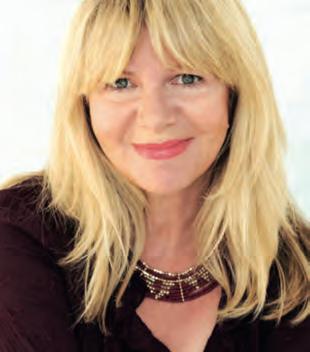
How Holistic Beauty Has Come of Age Janey
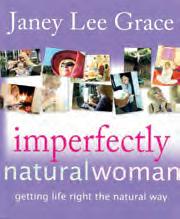
wo decades ago, when Imperfectly Natural Woman hit the number one Amazon Best Seller list, the idea of choosing natural, ethical, and sustainable products still felt like swimming against the tide. Labels were vague, options were limited, and you often had to compromise, on performance, on texture, or on the simple pleasure of using something beautiful. Yet the desire for gentler, cleaner living was already stirring, and many of us were beginning to question what we put on our skin, in our bodies, and into the environment.
Twenty years on, the landscape has transformed. Holistic beauty is no longer a niche; it’s a movement shaped by science, compassion, and lived experience. Today’s natural brands aren’t just “good alternatives”, they’re leading the way with innovation, ethics, and e cacy. And some of the most inspiring examples come from founders whose personal stories have shaped the products they create.
A globally loved brand that has grown alongside the natural movement is Eco by Sonya Driver, Australia’s leading certi ed organic body care and tanning range. From the beginning, Sonya Driver committed to creating products that were healthier for people and kinder to the planet. Today, the brand holds certi cations from the Organic Food Chain Australia, Safe Cosmetics Australia, and Choose Cruelty Free. It’s a testament to how far the industry has come: transparency is now expected, and ethical credentials are a baseline, not a bonus. ecobysonya.co.uk
Penny Price
Aromatherapy is a shining example of how family-run businesses continue to shape the natural wellbeing landscape with integrity and expertise.
A particular favourite is the Nurture Mobility Lotion. Infused with high-quality essential oils chosen for their warming, restorative properties, it o ers a gentle, holistic way to care for muscles and joints while honouring the skin with natural nourishment. penny-price.com
Tabitha James Kraan has been championing “hair nurtured by nature” for over 35 years. Her British made, 100% natural eco luxe haircare line has become a global favourite, proving that high performance haircare doesn’t require synthetic shortcuts. From organic dry shampoos to aromatic anti frizz treatments, the range is designed to protect both scalp health and the wider environment. Even her agship Cotswolds salon re ects this philosophy, powered by renewable energy, using recyclable towels, and recycling around 85% of its waste. We love their Clean Shampoo and Conditioner. tabithajameskraan.com
Eye Health is often overlooked in the natural world, but James (an optician) and Michelle Sutton (a pharmacist) are a perfect example of how professional insight and personal experience can spark meaningful change. For James, the mission was shaped by a family history of macular degeneration and glaucoma. For Michelle, it was deeply personal: sensitive skin, nickel allergy, and a long-standing interest in natural health shaped by her own journey with PCOS and later menopause. Their Butter ies Eyecare range re ects that ethos. The ultra-moisturising eye serum, rich in niacinamide and multi-weight hyaluronic acid, hydrates deeply, supports barrier repair, and helps restore suppleness and radiance without overwhelming sensitive or atopic skin. butter ies-eyecare.co.uk
And a new kid on the block... Holistic beauty isn’t only topical. Sugavida’s Palmyra Blossom Nectar, an alkalising, anti in ammatory, nutrient dense natural sweetener, o ers a reminder that what we consume is just as important as what we apply. Exceptionally rich in B vitamins (including bioavailable B12), it supports stable energy, balanced blood sugar, and healthy liver detoxi cation. sugavida.com
Twenty years on, we’re blessed with brands that combine ethics with excellence, proof that “imperfectly natural” living has grown into something beautifully, powerfully whole. imperfectlynatural.com
Rest & Digest
How to make space for mindfulness and meditation
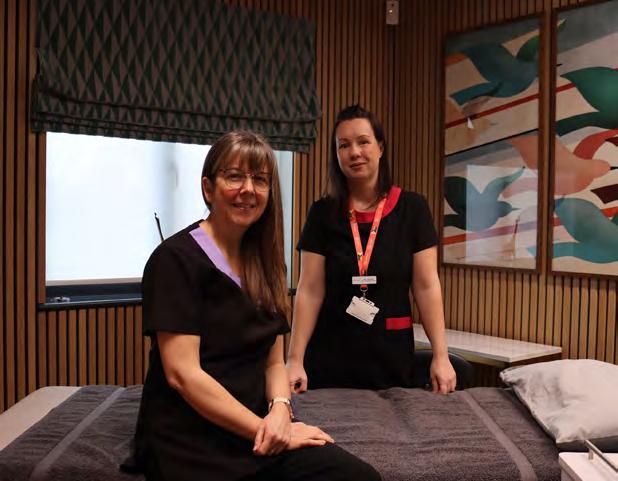
In a world defined by speed, stimulation, and constant digital engagement, the creation of mindfulness and meditation rooms offers a powerful antidote. These spaces are more than aesthetic additions to homes or professional practices; they are intentional environments designed to support nervous system regulation, emotional balance, and cognitive clarity. Research from institutions such as Harvard University and Stanford University continues to affirm what contemplative traditions have long understood: consistent mindfulness and meditation practices reduce stress, enhance focus, improve immune function, and cultivate emotional resilience. When these practices are supported by a dedicated physical space, their effectiveness deepens.
A meditation room works in part because of environmental conditioning. The human nervous
system responds rapidly to cues of safety or threat. When someone repeatedly enters a calm, uncluttered, softly lit room for the purpose of quiet reflection, the body begins to associate that space with restoration. Over time, simply stepping into the room can trigger a parasympathetic response – the “rest and digest” state – lowering heart rate, softening muscle tension, and reducing stress hormones. This makes meditation rooms especially valuable in high-pressure settings, but also profoundly supportive in therapeutic contexts where clients may arrive dysregulated or overwhelmed.
For complementary therapists, creating a personal meditation space can be transformative. Practitioners of massage therapy, acupuncture, reiki, reflexology, counselling, or integrative coaching rely not only on technical skill but
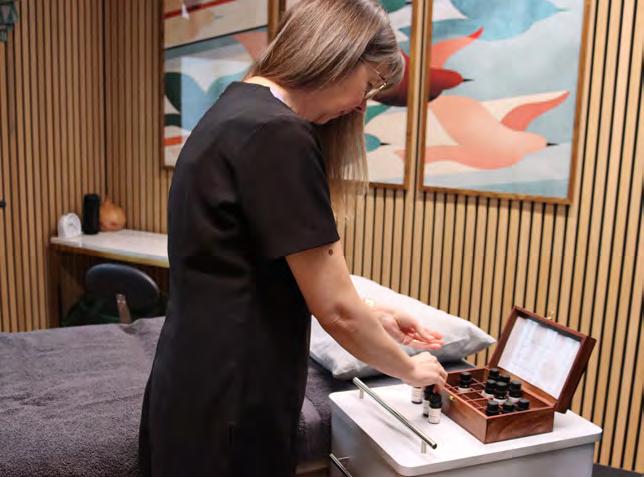
also on presence. The quality of a therapist’s regulated nervous system directly influences client outcomes. A private meditation room, even if it is simply a quiet corner of a home or clinic, becomes a place to reset between sessions, release accumulated emotional residue, and cultivate clarity before meeting the next client. Designing such a space does not require extravagance. Simplicity is often most effective. A supportive cushion or upright chair encourages relaxed yet alert posture. Soft, warm lighting reduces sensory strain. Neutral or earth-toned colours promote grounding. Natural textures – wood, cotton, wool – help the body feel connected and safe. Fresh air or a small purifier enhances comfort, while subtle scents such as lavender can be used mindfully, taking into account sensitivities. The key principle is intentional minimalism: visual clutter tends to stimulate the mind, while simplicity invites calm.
Designing such a space does not require extravagance. Simplicity is often most effective.
Equally important is ritual. When a therapist begins and ends the workday in this spaceeven for five or ten minutes - the room becomes psychologically encoded as a sanctuary. Over time, it supports role transitions, helping the practitioner shift from personal life to professional presence and back again. This daily regulation practice can reduce burnout, sharpen intuition, and deepen therapeutic effectiveness.
Extending the concept further, meditation rooms can also become a meaningful add-on service within a complementary therapy practice. Clients often benefit from a few minutes of grounding before a session begins. Offering access to a quiet space prior to treatment allows them to settle their breathing, arrive mentally, and release external distractions. Similarly, after bodywork or energy therapy, a short period of integration in a calm environment can help consolidate physiological and emotional shifts, making the overall treatment more impactful.
To implement this effectively, clarity of purpose is essential.
A therapist might designate the room for silent meditation, guided audio sessions, small group mindfulness classes, or structured breathwork. The design should prioritize accessibility and safety. Chairs as well as floor cushions accommodate different bodies and abilities. Lighting should be adjustable rather than harsh. Clear pathways and visible exits ►
support trauma-sensitive care. The goal is to create a space that feels welcoming rather than exclusive or intimidating.
Because not all clients are familiar with meditation, gentle guidance enhances the experience. Simple written instructions, short recorded practices, or occasional introductory workshops can empower clients to engage confidently. Some therapists develop themed meditations aligned with their specialties – stress relief, sleep support, emotional processing, or resilience training. In this way, the meditation room becomes an extension of the therapeutic model rather than a disconnected feature. From a business perspective, such a space can meaningfully differentiate a practice. Clients increasingly seek integrative approaches that address both physical symptoms and underlying stress patterns. A meditation room communicates a commitment to whole-person care. It can support membership packages, workshop offerings, or bundled session formats that combine hands-on therapy with mindfulness
Ultimately, mindfulness and meditation rooms are not about décor; they are about intention.
training. Beyond financial considerations, however, the deeper value lies in enhancing client outcomes and practitioner sustainability.
There is also symbolic power in dedicating space to stillness. In a culture that rewards productivity and speed, creating a room devoted to pause sends a subtle but profound message: wellbeing matters. This message resonates strongly with clients navigating anxiety, burnout, or life transitions. The room becomes a container for self-awareness and resilience, reinforcing skills that clients can carry into daily life.
Ultimately, mindfulness and meditation rooms are not about décor; they are about intention. Whether used privately by a therapist to cultivate presence or offered as an integrated service to clients, these spaces support regulation, reflection, and renewal. They help bridge the gap between treatment and transformation by encouraging individuals to participate actively in their own wellbeing.
In the quiet of a thoughtfully created room, the nervous system softens, attention steadies, and insight emerges. For complementary therapists seeking to deepen both personal practice and professional impact, such a space can become one of the most powerful tools of all, a living embodiment of calm in the midst of a restless world.
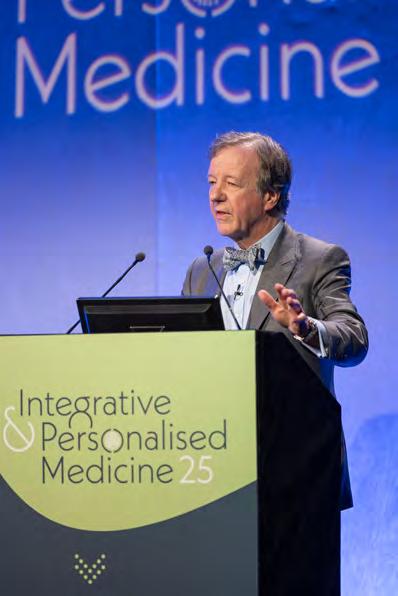
Integrative & Personalised Medicine Congress
The Integrative & Personalised Medicine Congress (IPM Congress), Europe’s largest event dedicated to integrative, complementary and personalised healthcare, will take place in London in 2026, bringing together over 3,000 healthcare professionals from across the globe.
The landmark three-day congress will serve as a vital meeting point for practitioners, clinicians, researchers and industry leaders committed to advancing whole-person, patientcentred care.
As healthcare systems worldwide face growing pressure from chronic disease, mental health challenges and an ageing population, interest in integrative and complementary approaches has never been stronger. The IPM Congress responds to this demand by creating a unique platform where conventional medicine meets evidence-informed complementary therapies, lifestyle medicine, functional medicine and personalised healthcare.
Designed to foster collaboration across disciplines, the congress will welcome a diverse audience including medical doctors, nutritionists, naturopaths, herbalists, osteopaths, chiropractors, acupuncturists, functional medicine practitioners, pharmacists, nurses, psychologists and allied health professionals. By bringing together professionals from a wide range of healthcare modalities, the IPM Congress aims to encourage dialogue, shared learning and a more holistic approach to patient care.
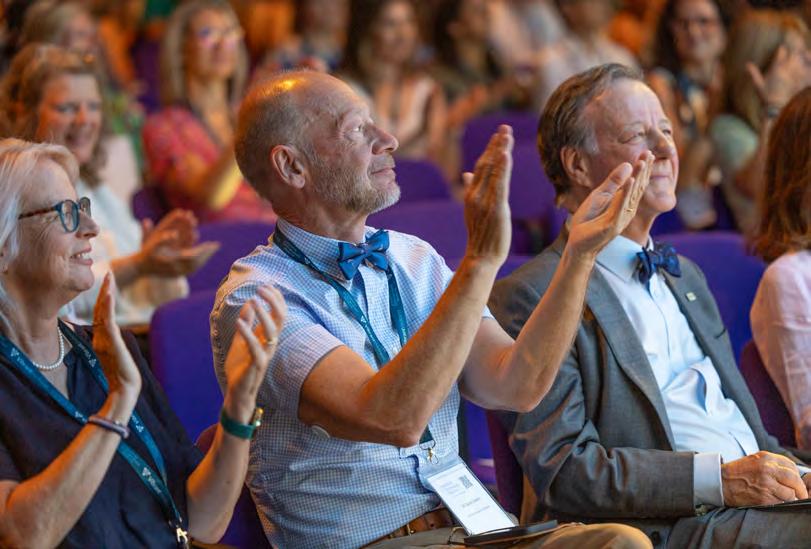
At the heart of the event is an unmatched global speaker line-up of more than 200 world-renowned experts, representing the forefront of integrative and personalised medicine.
Confirmed speakers include Dr Rangan Chatterjee, Doctor, bestselling author, and BBC Radio & TV presenter and podcaster; Dr Datis Kharrazian, Founder of the Kharrazian Institute and Harvard Medical School-trained clinical research scientist; Professor
Networking is a key highlight of the IPM Congress, providing unparalleled opportunities.
Chris Whitty, Chief Medical Officer for England and UK Government’s Chief Medical Adviser; Dr Staci Whitman, Board-Certified Paediatric Dentist and Co-founder of the Institute for Functional Dentistry (IFD); Dr Ray Dorsey, Director of the Center for Brain & Environment at Atria Health and Research Institute; Dr Patrick Hanaway, family physician, functional medicine expert and clinical educator; Dr Lara Briden, naturopathic doctor and bestselling author; Dr Felice Gersh, OB/GYN and integrative medicine physician with global expertise in women’s health; and Patrick McKeown, Founder of Buteyko Clinic International and author and breathwork expert.
Speakers will share the latest research, clinical insights and realworld applications across areas such as lifestyle medicine, functional and nutritional medicine, integrative oncology, mental health, gut health, longevity and preventative care. Attendees will gain valuable perspectives on how complementary and conventional approaches can work together to improve patient outcomes.
Education is a central pillar of the IPM Congress, with visitors able to choose from over 100 workshops across three days. These sessions are designed to be clinically relevant and immediately applicable, offering an in-depth exploration of key topics. Many sessions are accredited, enabling attendees to earn CPD points while expanding their professional knowledge and skills.
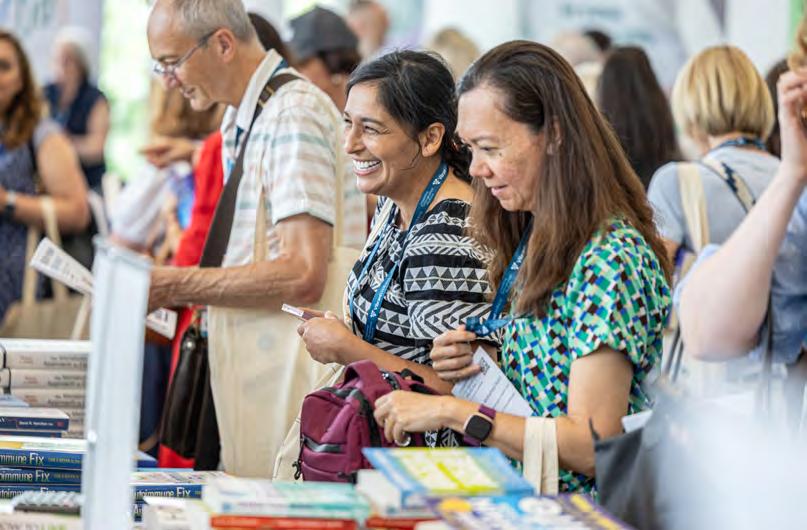
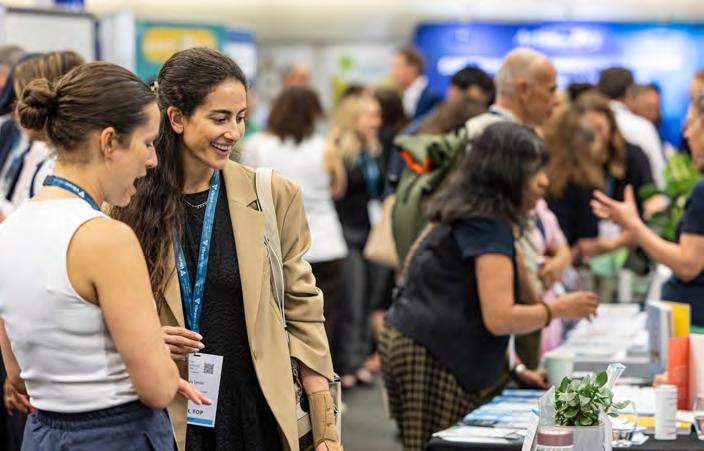
In addition to the extensive educational programme, the congress will feature a large international exhibition, where delegates can meet face-to-face with more than 170 international exhibitors. The exhibition will showcase the latest products, services and technologies shaping the future of integrative healthcare, from nutraceuticals and diagnostic tools to digital health solutions and cuttingedge technology. Attendees will also have access to exclusive discounts, product launches and giveaways available only during the event.
Networking is a key highlight of the IPM Congress, providing unparalleled opportunities to connect with 3,000 like-minded practitioners across diverse healthcare modalities. Whether forging new professional relationships, discovering potential collaborators or exchanging ideas with peers, delegates will benefit from a vibrant and supportive environment that encourages meaningful connection and cross-disciplinary learning.
The IPM Congress is designed not only to inform, but to inspire. Delegates consistently report leaving the event feeling energised, empowered and equipped with practical tools they can implement immediately in their practice. By focusing on integrative and personalised approaches, the congress supports a shift towards more preventative, sustainable and patientcentred healthcare models.
‘Incredible’ one word to describe the IPM congress. I cannot express enough how phenomenal it was to have experienced such a remarkable and revolutionary event for healthcare.” remarked Bobby Sira, Clinical
Pharmacist and Ayurveda Yoga Therapy and Life & Wellness Consultant after attending the IPM Congress.
Despite its scale and breadth, the IPM Congress remains accessible for all, offering exceptional value with tickets starting from just £25 per day. This commitment to affordability reflects the organisers’ mission to make high-quality education and collaboration available to as many healthcare professionals as possible.
As interest in complementary and integrative medicine continues to grow worldwide, the Integrative & Personalised Medicine Congress stands out as a must-attend event for practitioners who want to stay at the forefront of healthcare innovation while remaining grounded in whole-person care.
REGISTRATION IS NOW OPEN
Healthcare professionals interested in attending can find more information and secure their place by visiting ipmcongress.com
Register for the conferences at the discounted members rate using the promotional code: CTHA-CONF before Thursday 7th May 2026 for early bird rates.
The IPM Congress is organised in association with The College of Medicine and Integrative Health, who advocates for a new attitude to healthcare, one which forges partnerships across society, emphasises prevention and a multi-faceted approach and empowers a healthier, happier population. collegeofmedicine.org.uk
New study to explore how complementary therapies support bereaved children at Treetops Hospice
Treetops Hospice has announced a significant new research partnership with Nottingham Trent University (NTU) to examine how complementary therapies can benefit children and adolescents coping with bereavement.
Treetops, based in Risley, provides counselling and complementary therapy services for children and adults, and has seen encouraging anecdotal evidence of the positive impact these interventions can have.
All complementary therapy sessions for young people take place in The Saplings, the hospice’s bespoke children’s centre. The building was created as part of the BBC’s DIY SOS Big Build for Children in Need, which was filmed at the hospice just over two years ago.
The new study will gather insights directly from service users and explore how therapies such as aromatherapy, reflexology, Reiki and Indian head massage can help improve sleep quality and reduce anxiety in young people experiencing grief.
The research collaboration was initiated by Dr Mike Vernon, Senior Lecturer in Psychology at NTU, and Paulo Karat, psychotherapist and academic at Nottingham Law School, part of NTU, following Paulo’s therapy
The new study will gather insights directly from service users.
training placement at Treetops.
Paulo said: “Having completed a placement at Treetops, I came away with huge respect and admiration for what the charity does and what it stands for. As academics, Mike and I wanted to find a way for NTU and Treetops to work together. Fortunately, they had the same appetite to work on a collaborative study.”
As a qualitative part of the research, NTU will also explore the experiences of Treetops’ talking therapists, inviting counsellors to reflect on how complementary therapies shape the emotional engagement, wellbeing and
progress of the bereaved children and teenagers they support.
Alex Silvester, Senior Complementary Therapist at Treetops Hospice, said:
“We see every day how complementary therapies can make a real difference for children and young people – helping them relax, easing anxiety, improving sleep and giving them a safe space to process their emotions.
“This research gives us the chance to understand that impact in a more scientific way and gather meaningful evidence about the benefits we witness in our therapy rooms. Working with Nottingham Trent University will help us show the true value of complementary therapy and continue developing the support we offer to bereaved children and teenagers.”
With demand and awareness of complementary therapy continuing to grow, Treetops Hospice is seeking qualified complementary therapy volunteers to support its team and contribute to this important research project.
Find out more about Treetops Hospice’s therapeutic services by visiting its website: treetopshospice.org.uk/our-services/therapeuticservices/complementary-therapy/
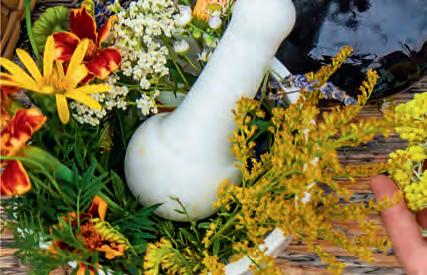
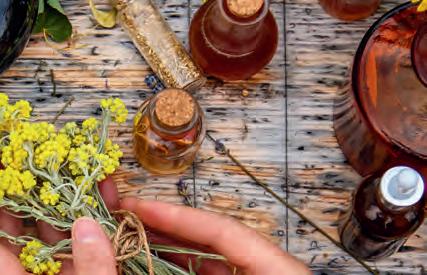
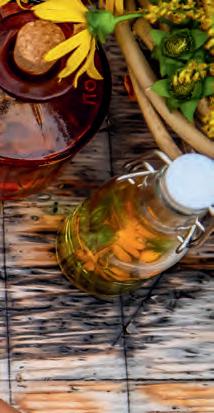
ONEPLANT-ONEDAY-ONEVISION
The world’s leading conference series for clinical aromatherapy & herbal therapeutics is back!
3 one-day immersive online conferences
Multiple language options for all live lectures
Each event dedicated to a single plant genus: Helichrysum (April), Lavandula (July) & Salvia (November)
For aromatherapists, herbalists, scientists, researchers, producers... Earn CPD points - Network - Learn - Explore - Shape the Future of our Field
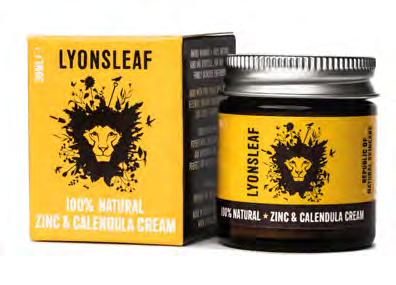
ZINC AND CALENDULA CREAM
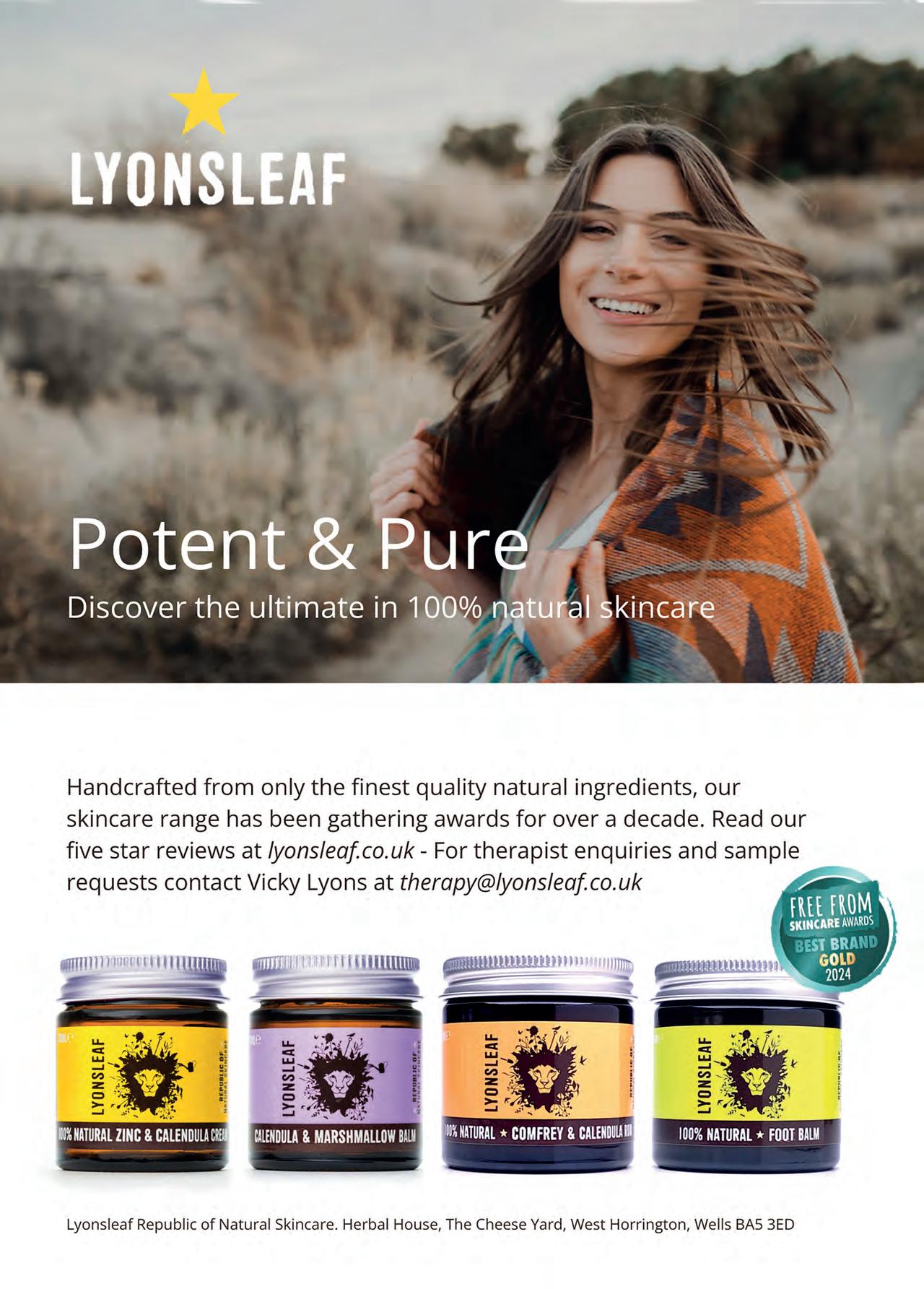
Lyonsleaf Zinc and Calendula Cream offers a potent yet gentle, 100% natural approach to calming inflamed, reactive skin. Free from harsh antimicrobial preservatives and emulsifiers, it is particularly valued by those managing perioral dermatitis, acne, and weepy eczema. Zinc Oxide provides a drying, protective action suited to blistering or oozing rashes, while other balms in the range support dryness-related conditions. Suitable for infants and award-winning as a nappy cream.
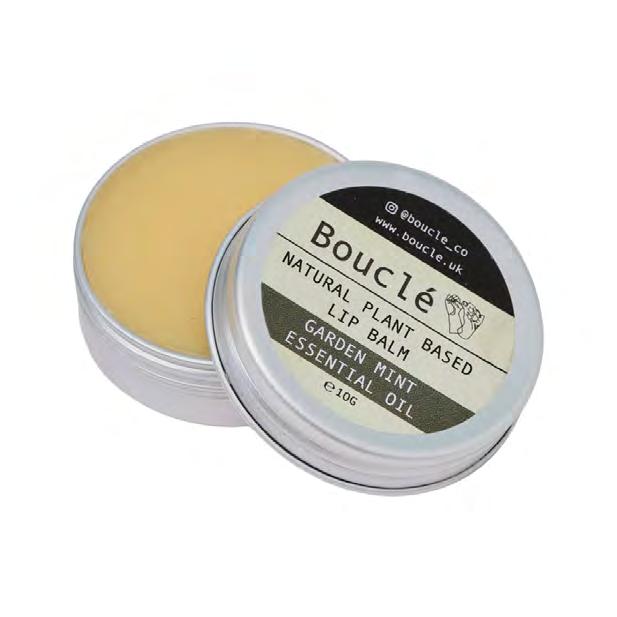
Keep your lips feeling fresh and nourished with this garden mint organic lip balm from Bouclé. Infused with invigorating peppermint essential oil, this deeply hydrating balm offers long-lasting moister and soothing comfort to chapped lips. Enriched with organic jojoba, castor oils, and wild-harvested raw cocoa butter, this product is organic and vegan.
RRP: £8.75 notjustashop.arts.ac.uk
Natural Wellbeing
From botanical blends to eco beauty rituals, we celebrate natural wellbeing in all its forms from skin-soothing botanicals to moodlifting aromatics. And for those looking to deepen their self-care practice beyond the topical, we turn our focus to the power of sound
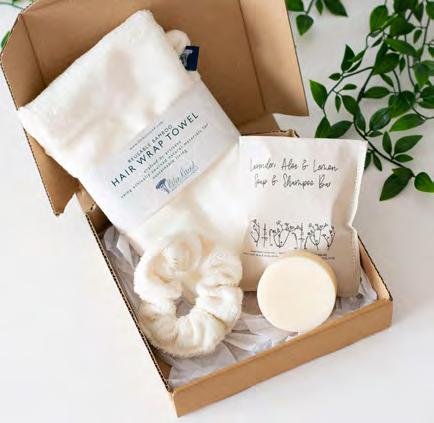
ECO HAIR CARE GIFT SET
Packed with 3 eco-friendly hair care products, the Eco Hair Gift Set is perfect for treating yourself or as a gift for someone in need of a pamper. The Reusable Bamboo Hair Wrap Towel is super absorbent, gently helping to soak up water from your hair, which cuts down on drying time! The super soft Bamboo Scrunchie is great for holding your hair out of the way while you have a long soak in the bath. The Lavender, Aloe and Lemon Shampoo Bar completes the products in the set. Designed for use on hands, body, face and hair. Handmade in Cornwall, olive & lavender oils are blended with aloe vera to create an ultra-gentle, nutrient-rich shampoo for natural shine & volume. A great kit for encouraging a zero-waste beauty routine, designed with the earth in mind. RRP: £30 | helenround.com
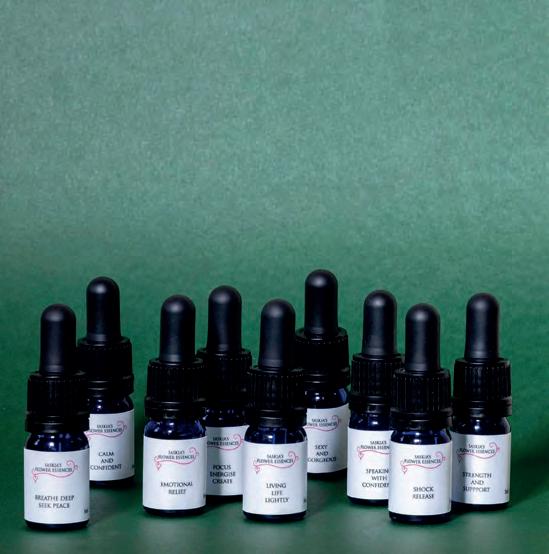
BOXED SET OF 9 FLOWER ESSENCE BLENDS
Perfect as a gift or as a starter pack for yourself if you have yet to discover the transformative energy of flower essences. These 9 award winning blends from Saskia’s Flower Essences are now available as a gorgeously presented set of mini 5ml bottles - full size 30 ml bottles are also available as well as a full range of single essences made and hand bottled in Somerset.
RRP: £40 | saskiasfloweressences.com
CITRUS-BERGAMOT SOLID DEODORANT
Weleda’s solid deodorants offer reliable 24h protection against body odours. Suitable for vegans, their formulas feature organically grown raw materials including luxurious skin-softening shea butter, and nourishing sunflower seed wax, rich in vitamin E, to soothe and smooth skin on application. Made without aluminium or zirconium salts, they help maintain the skin’s natural regulating functions, but protect against the bacteria that cause body odour. A solid stick, the waxy, buttery texture melts on contact with the warmth of the skin and glides on effortlessly, leaving no sticky residue or traces on your clothes. Suitable for use after shaving or hair removal.
RRP: £8.95 | weleda.co.uk
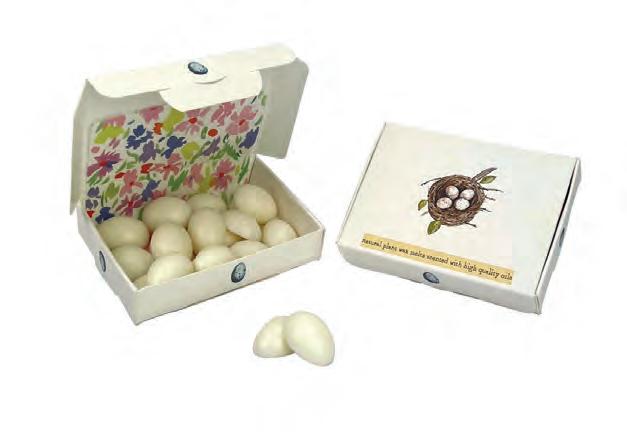
HEAVEN SCENT WAX MELT MINI EGGS
Expertly blended to calm and revitalise, these Lavender & Geranium scented mini egg-shaped wax melts feature a signature relaxing aroma crafted from a soothing combination of geranium, sweet orange, lavender and ylang ylang essential oils, creating a room fragrance designed to bring a sense of peace to your space.
Each set is presented in a beautiful FSCcertified box adorned with a bespoke illustration by artist Sarah Pettitt, featuring a delicate bird’s nest containing three speckled eggs tucked among springtime leaves. A great alternative to chocolate this Easter.
RRP: £10.99 | heavenscent.uk
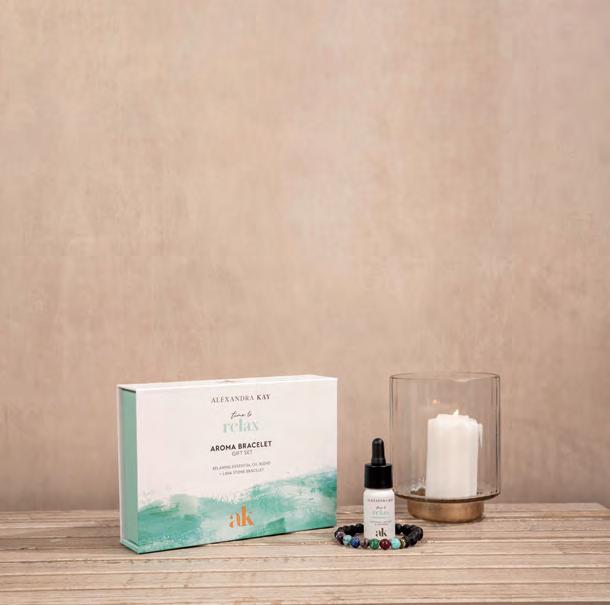
ALEXANDRA KAY TIME TO RELAX AROMA BRACELET GIFT SET
This elegant aromatherapy bracelet and relaxing essential oil was made for mindfulness. Rest and restore with the soothing scent of Alexandra Kay’s Time to Relax Pure Essential Oil Blend. A peaceful aromatherapy blend made with ten tranquil essential oils, including the oil of tranquillity, this is a spa for the senses. Pop a few drops on your lava beads, inhale and relax to the calming scent. This expandable lava stone bracelet is a discreet way to get your self-care on the go.
RRP: £26 | greenpeople.co.uk
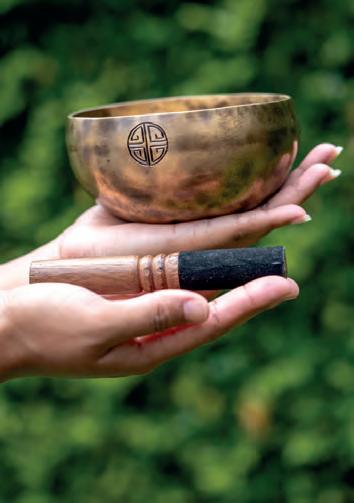
FULL MOON SINGING BOWL
The Full Moon Singing Bowl seamlessly blends celestial influence with melodic resonance, showcasing both precision and artistic elegance. Through intricate lunar patterns and design, this bowl captures the serene and complete aura of the full moon. Handcrafted from durable brass or bronze, providing unparalleled sound quality with carefully selected materials for rich and resonant tones.Comes complete with mallet and resting cushion.
RRP: £68 | himalayasshop.com
DISCOVER THE ART OF SHIATSU
MORE THAN TECHNIQUE — A TRANSFORMATIONAL JOURNEY
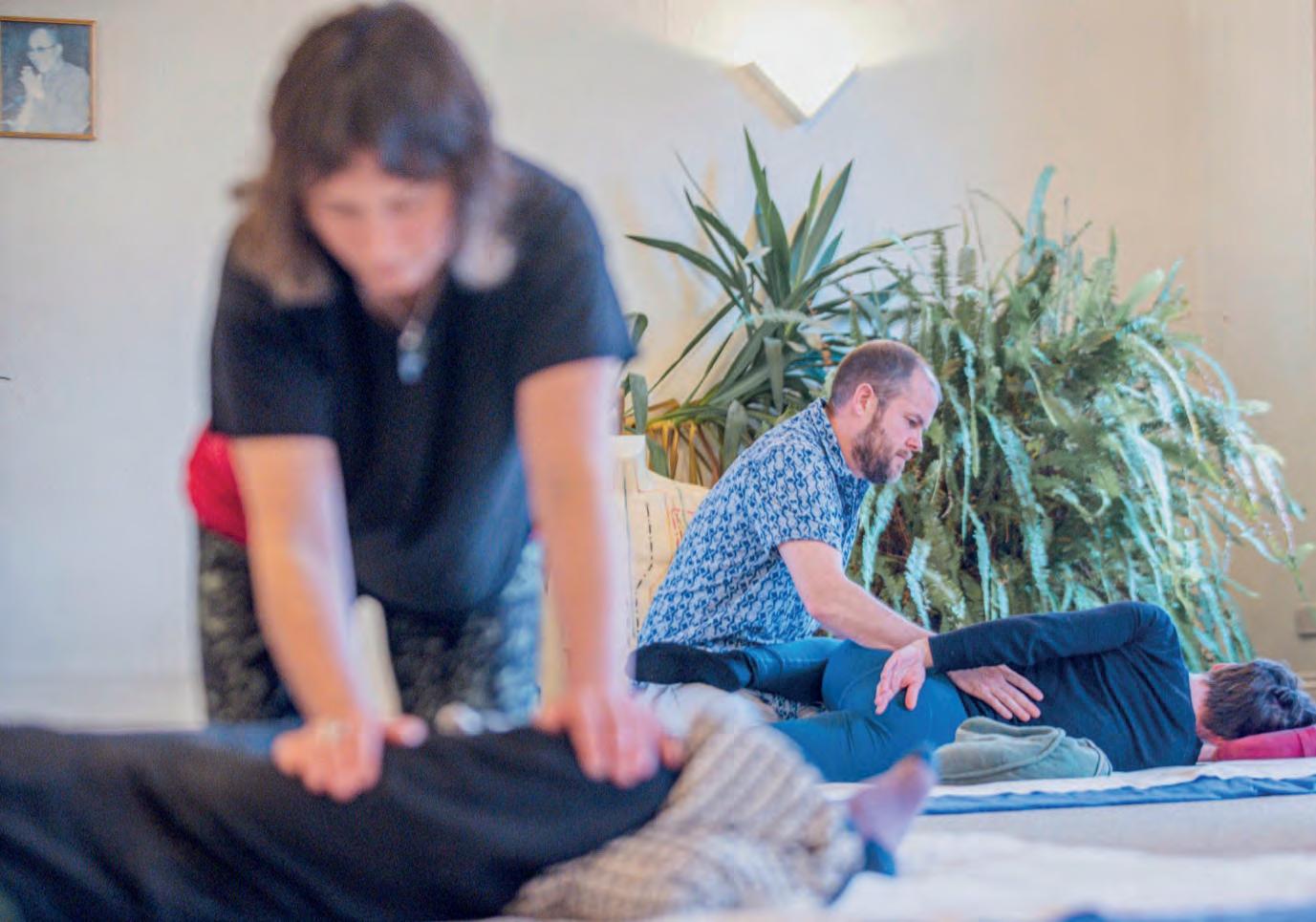
We teach Shiatsu as both an art and a science, blending traditional Oriental medical theory with hands-on practice and intuitive development. Our approach, known as Relational Shiatsu, places presence, authentic connection, and self-awareness at the heart of the work. We believe the quality of touch deepens as we deepen our understanding of ourselves.
UPCOMING TRAINING PROGRAMMES
2026 Foundation Courses
Spring: April 25/26 • May 23/24 • June 13/14
Autumn: Sept 19/20 • Oct 10/11 • Oct/Nov 31/1
The Wildgoose Space, St Werburghs, Bristol 10am–5pm £444 (Deposit £170)
For full details and booking information: bristolschoolofshiatsu.co.uk/trainingcourses/foundation-course
At the Bristol School of Shiatsu, we offer inspiring training pathways — from beginner Foundation weekends to our fully recognised Three-Year Professional Practitioner Training.
Our government-recognised Level 4 Diploma in Shiatsu (RQF) is accredited by the Shiatsu Society UK and regulated by Ofqual.
OUR MISSION
To guide people back to health and wholeness through the power of touch.
Shiatsu is more than massage – it’s a profound practice that supports balance in body, mind, and spirit.
Whether you’re seeking personal growth or professional training, your journey starts here.
Recommends
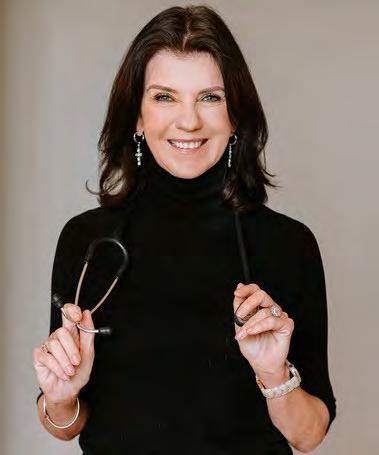
GP Dr Dawn Harper appeared on the Channel 4 series Embarrassing Bodies and Embarrassing Bodies: Live from the Clinic, she also appears regularly on This Morning as a medical expert and gives medical advice on Woman’s Hour on BBC Radio 4
MIt allowed me to make informed changes to my diet.
any years ago, while working on “Embarrassing Fat Bodies” with Channel 4, I was asked to go through various tests alongside a lady who was exactly my age, but twice my BMI. At the end of a day filming in Coventry University, the lead researcher took me to one side to tell me my HbA1c was in the pre-diabetic range. My BMI at the time was 20 and I considered myself to lead a healthy lifestyle, so this came as a bit of a shock. We agreed, there could be a laboratory error and that I would ask my GP to repeat the test.
I’m ashamed to say, life was very busy and it was quite some time later that I finally got around to arranging that follow up. This time, my HbA1c came back at 48mmol/mol, which put me in the diabetic range.
My husband and I are keen cyclists, I walk 5 –10 miles several times a week, I grow all our own vegetables, we rarely have a takeaway and I don’t have a sweet tooth, so there wasn’t a lot I could do in terms of improving my lifestyle.
I decided to buy myself a Yuwell Anytime continuous glucose monitor. The Anytime is a CGM that is worn on the upper arm or abdomen. It takes reading of glucose levels in interstitial fluid every 3 minutes and sends the data continuously to an app on a smartphone. Very quickly, it became obvious where I was going wrong. My go to lunch when out and about with work used to be a brown bread sandwich or wrap. Just one piece of bread (even sourdough) sends my sugar levels up in the twenties. I cut out bread from my diet for three months and booked myself in
for a Bluecrest Wellness health assessment and was pleased to discover my HbA1c had fallen below the pre-diabetic range. I found wearing the device empowering and motivating. It allowed me to make informed changes to my diet which produced significant improvement in my projected health outcomes.
Currently, anyone diagnosed with pre-diabetes is recommended a place on the NHS Diabetes Prevention Program, which is a structured lifestyle change program that typically lasts 1 year and includes healthy eating guidance, physical activity support and behaviour and mindset coaching. Unfortunately, the program to date has only shown a 7% reduction in the progression to diabetes. I can’t help but feel that offering a CGM to anyone with newly diagnosed pre-diabetes could help prevent the progression to diabetes. Some studies suggest that 70% of people living with pre-diabetes will develop type 2 diabetes in their lifetime if no lifestyle changes are made. Sadly, for the moment at least, that is not the case, but I am now doing some work with Bluecrest and Anytime hoping we can get CGMs introduced to the Diabetes Prevention Program.. drdawn.com | @drdawnharper
READER OFFER
Bluecrest Wellness are offering readers a 10% discount with code DRDAWNP10 and Yuwell Anytime are offering a 25% discount until May 18th with code DRDAWN25, visit the websites below to claim.
bluecrestwellness.com yuwellanytime.co.uk
Transforming Your Practice
How to create transformational packages that can grow your business
By creating structured programmes, you position yourself as an expert who delivers results, not just appointments.
If you want to grow your complementary therapy business, attract new clients and increase your revenue without working every hour of the day, transformational packages are one of the most effective strategies you can adopt. Instead of selling single sessions, you design a clear journey that guides clients from where they are now to the outcomes they truly want, and that helps you stand out in a crowded wellness marketplace. By creating structured programmes, you position yourself as an expert who delivers results, not just appointments. This helps you attract clients who are ready to commit, boosts your visibility, and creates a more predictable and sustainable income model than relying solely on ad-hoc bookings.
WHY TRANSFORMATIONAL PACKAGES WORK
Transformational packages help you:
• Stand out from other practitioners by clearly articulating the change clients can expect, not just the modality you offer
• Increase client commitment because people who buy a journey are more likely to complete it and recommend you to others
• Boost your income predictability instead of constantly selling one session at a time
• Elevate your online presence because focused, outcome-oriented offers are easier to market than generic services Clients are busy and they want results. When you offer a clear roadmap to transformation, they naturally gravitate toward you and your packages.
1 STEP 1 – DECIDE THE TRANSFORMATION, NOT THE TECHNIQUE
Your package should be defined by a result, not a list of treatments. Think in terms of outcomes people care about, such as:
• Freedom from chronic tension
• Restored balance after burnout
• Confidence rebuild after long-term stress
• Deep, sustainable wellbeing
Clients are not buying six reflexology sessions; they are buying relief from symptoms and a return to a better quality of life
Ask yourself:
• What common result do clients come to you for?
• Where do you get the best results?
• What’s your area of specialty?
When you frame your offering around these truths, your packages instantly become more attractive.
2 STEP 2 – BUILD A STRUCTURED PATHWAY
A transformational package feels intentional and progressive, like a journey.
These additions show your clients you’re invested in their success, and they increase the value of your offering without adding huge extra time on your part.
4 STEP 4 – PRICE FOR VALUE, NOT TIME
Many therapists instinctively price packages by simply multiplying their hourly rate. But transformational packages are about outcomes and commitment, not just time.
When pricing:
• Consider your experience and training.
• Think about the overall impact of the package.
• Compare to similar outcome-focused programmes in wellness, not just therapy sessions.
• Test different price levels (you can always adjust later).
• Offer payment plans so investment feels accessible without lowering the value of your work.
Clients who are committed to change often invest more when they see a clear pathway and outcome. ►
5 STEP 5 – BE INTENTIONAL ABOUT WHO YOU WORK WITH
Not every client is ready for a transformational journey. Use a simple screening process before people join your programme:
• Ask about goals, readiness, and commitment
• Check if they’ve tried similar things before
• Offer short discovery calls to assess fit This helps protect your energy and ensures better outcomes, and clients feel confident because you’re clear about expectations.
An integrative journey combining targeted massage for head, neck and upper shoulders, calming aromatherapy blends, breath‑focused yoga and guided meditation to break the tension–pain cycle and help clients reclaim their days from frequent headaches.
Chronic Back Pain & Alignment Reset
Therapeutic deep‑tissue and postural massage with specialist mobility work, mindful movement (yoga/stretching sessions) and stress‑reduction meditation designed to ease ongoing back pain and help clients move with comfort and confidence.
Muscle Tension & Full‑Body Pain Release Journey
A progressive programme using bespoke muscle‑soothing massage oils, relaxation‑based modalities and
mindfulness training to retrain the body’s stress response so muscular tension no longer dominates daily life.
Gut Health & Digestive Comfort Transformation
Focused nutritional support including gut‑friendly dietary planning and probiotics, gentle yoga for digestion, guided meditation for mind gut awareness, and whole‑body aromatherapy massage to help clients move from bloating and discomfort to consistent digestive ease.
Sleep & Pain Recovery Reset
A restorative programme combining deep calming massage with bespoke sleep‑enhancing aromatherapy, calming breathwork, bedtime meditation guidance, and mindful evening yoga routines to help clients finally achieve deep, restorative sleep an essential part of pain recovery.
Sustainable Weight & Metabolic Rebalance Pathway
A holistic support package blending personalised nutrition guidance (including anti‑inflammatory food planning), reflexology, lifestyle coaching, yoga and mindfulness tools to help clients shift habits for long‑term weight support and improved metabolism.
Stress Resilience & Nervous System Calm
A transformational reset combining regular aromatherapy massage sessions with nerve‑soothing blends, yoga for stress regulation, meditation training and mindful self‑care practices to help clients move from chronic stress into sustained calm and resilience.
Immune & Energy Reset
An integrative journey pairing
lymphatic‑stimulating massage tailored nutritional support (including vitamins and probiotics), rejuvenation yoga and guided meditation to enhance resilience, support immune health, and boost energy levels naturally.
Prenatal Comfort & Wellbeing Support
A nurturing package for expectant clients that combines gentle massage adapted for pregnancy, soothing aromatherapy where appropriate, mindful movement/yoga for prenatal comfort, and guided meditation to support emotional wellbeing through pregnancy and beyond.
Full‑Body Detox & Renew Transformation
A comprehensive reset that brings together detox‑supportive nutrition, targeted aromatherapy massage, reflexology, gentle restorative yoga and mindfulness to help clients cleanse, re‑energise and develop healthier long‑term habits.
The key is specificity; vague wellness packages don’t sell as well as clearly defined results focused programmes. To attract clients, you need to communicate clearly and consistently. Here are some practical ways to market your transformational packages:
• Tell stories and share client journeys (with consent).
• Define your ideal client and speak directly to their struggles and goals.
• Use your website as a conversion tool, explain the transformation, include clear calls to action, and show testimonials.
• Leverage social media with valuable content that aligns with your package outcomes.
• Partner with other wellness practitioners to cross refer clients and raise your profile.
• Marketing is not about pushing clients, it’s about helping the right people see how you can help them.
As your business grows, make sure you set clear working hours. Have transparent cancellation and refund policies, and don’t overextend yourself just to keep clients happy. Transformational work is meaningful, but you also need to protect your energy so you can sustain your practice long term.
Therapy Training
“It’s amazing what you can hear when you listen with your hands.”
Most of us are taught that we hear with our ears. In CranioSacral Therapy we learn to hear with our hands Using the lightest touch, we listen to the subtlest rhythm of the cerebrospinal fluid as it flows round the central nervous system. This is one of the methods we use to evaluate & treat clients to help release tensions & patterns held deep in the body.
There are five core classes starting with CST1, at venues in Brighton, London, The Midlands, Liverpool and Scotland. Get in touch - find out more
Homeopathy
Homeopathy training offers a path into one of the most established systems of natural medicine. Whether you’re curious to explore its principles through a twoday introductory taster or ready to commit to a two-year practitioner course, the options below highlight how you can begin, or deepen your journey
2-DAY BEGINNERS COURSE
This immersive weekend course is ideal for anyone who wants to build confidence, gain practical experience, and explore natural health in a grounded, empowering way. Held over two full days at our beautiful London college, the course is taught in a warm, supportive group setting. You’ll be guided by two experienced Homeopaths who are passionate about making homeopathy accessible, practical, and easy to integrate into everyday life. Whether you’re completely new to homeopathy or looking to take your interest further, you’ll leave with clarity, confidence, and real-world tools to support yourself and your family.
• Hands- On Experience – Practise case-taking, remedy selection, and dosing through interactive exercises and real-life scenarios.
• A Solid Foundation – Understand the principles behind homeopathy and how it works as a complete system of medicine.
• Confidence To Prescribe – Learn how to safely and effectively treat common acute conditions like coughs, fevers, upset stomachs, and minor injuries.
• Clarity On Potency & Dosing – Demystify how to choose remedies, select the right strength, and decide when to repeat.
• A Supportive Learning Environment – Learn alongside like-minded individuals with guidance from two warm, experienced tutors.
• Tools For Emotional Support – Discover remedies that help in times of shock, grief, anxiety, or overwhelm - for yourself and loved ones.
• Connection To A Community – Share your experiences and explore natural healthcare in a safe, welcoming space.
2-YEAR FAST TRACK LICENTIATE COURSE
Study from the comfort of your own home over the course of two years and join a community of people who, just like you, have decided to embark on a new exciting journey to become a qualified homeopath.
You’ll boost your knowledge and understanding of homeopathy whilst gaining all the skills, training and education you need to become a practising homeopath. Much of your learning will revolve around the study of the Materia Medica; a collected body of knowledge on the homeopathic uses of hundreds of plants and natural substances.
Your fellow students and CHE staff will offer you continued motivation and encouragement throughout the course, supporting your learning and creating an empowering learning environment. You’ll also start working with real patients during your first year, allowing you to put your training into practice via online clinical workshops.
Over the first year, you’ll gain a vital foundation in homeopathic principles, philosophies and classical methodology. You will begin to study the medical sciences, case-taking and practitioner development.
enquiries@chehomeopathy.com
Core to the syllabus is the “Materia Medica”, the collected body of knowledge on homeopathic remedies. You’ll also get to grips with the medical sciences. The emphasis during this year is on inspirational learning and an enjoyable introduction to the course.
Your second year will introduce you to integrated homeopathy, our specialist approach to the subject and a blend of both classical and practical homeopathy. Our method includes new approaches, clinical skills and the specialised treatment of specific diseases. You’ll also start your clinical training, from February of the second year, observing patients, role play and starting case analysis.
Once you have successfully completed the 2 year Fast Track Practitioner Course you will be awarded the professional homeopathic practitioner qualification – the Licentiate of the Centre for Homeopathic Education (LCHE)You’ll also be able to register with one of the professional registering organisations as CHE is fully accredited by the Society of Homeopaths, the Alliance of Registered Homeopaths and the Homeopathic Medical Association – the main organisations which recognise UK homeopathy courses.
chehomeopathy.com
Spring 2026 BOOK CASE
LIFE-CHANGING SYNCHRONICITIES
A Doctor’s Journey of Coincidence and Serendipity
By Bernard Beitman, M.D.
In Life-Changing Synchronicities, pioneering psychiatrist Bernard Beitman, M.D., explores the experience and ramifications of meaningful coincidences, including how synchronistic happenings came to define his own life. Building on Carl Jung’s groundbreaking work on this phenomenon, Beitman applies new insights on coincidence, synchronicity, serendipity, and related phenomena to the contemporary age, ultimately helping readers begin to better identify patterns of synchronicity in their own lives, find deeper meaning, and more consciously align with their personal life path and goals. The unlikely trajectory of the author’s own life reveals the strange and counterintuitive nature of synchronicity. Throughout the book Beitman provides tools to better illustrate synchronicity, offering insightful comments and principles in each section to synthesize useful reflections and serve as a guide for readers’ own “coincidence diaries,” as well as provides useful questions for readers to reflect on.
ISBN: 9798888501849
Publisher: Park Street Press
SURREALISM AND OPERATIVE ALCHEMY
The Secret Language at the Origins of the Surrealist Movement
By Patrick Lepetit
Patrick Lepetit draws on rare primary documents to reveal the connections between surrealism, 20th century alchemy, and 19th century occultism. He examines the hidden subtleties of surrealism to see the esoteric messages embedded in its vision of the self and cosmos. Exploring the writings of Éliphas Lévi, Jewish and Christian Kabbalah, and Hermeticism, he shows how surrealist symbology contained an initiatory dimension, a “secret teaching” that was integral to its expression and deeply inspiring to the surrealists. Early alchemists used codes and word games to discuss the work in ways that would baffle the uninitiated and evade the suspicions of the church. Readers will learn about artists André Breton, Salvador Dalí, Irene Hillel-Erlanger, Bernard Roger, and Jorge Camacho and how they worked with alchemists Fulcanelli, René Alleau, and Eugène Canseliet.
ISBN: 9798888501672
Publisher: Inner Traditions
An Embody Professional finds some interesting reads
MOSS MEDICINE
Indigenous Wisdom and Modern Pharmacology
By Robert Dale Rogers
This full-colour illustrated book explores more than 600 species of bryophytes through the lens of ethnobotany, folklore, chemistry, pharmacology, and their healing applications in homeopathy and aromatherapy. Indigenous people all over the world have used bryophytes for millennia for food preser¬vation, absorption, insulation, and medicine. The author compares the three types of bryophytes with scientific research on the medicinal effects of their chemical compounds and terpenoids. Bryophytes can be used in herbal preparations, homeopathic remedies, and essential oils for common ailments. Learn the environmental benefits of mosses, including how they sequester carbon and can phytoremediate our increasingly polluted planet. This book showcases the benefits and beauty of bryophytes while revealing how these ancient plants have supported humanity for eons, and continue to do so.
ISBN: 9798888500996
Publisher: Healing Arts Press
FUTHARK RUNE MYSTERIES
Origins of Magic and Divination in the Primal Alphabet
By Judith Dillon
Drawing on Norse sagas and runic poems, the author reveals the spiritual and divinatory attributes of each rune by looking at the physical characteristics of the objects chosen to represent them. The author also shows how the magical properties of runes are demonstrated through mythological tales. Just as we see in the Egyptian Book of the Dead, or Spells of Coming Forth by Day, these rune mysteries were taught to initiates to reveal ritualistic wisdom of passage through life, death, and the afterlife. More than an alphabet, the runes contain the promise of a return to the light. As a work of magical scholarship and history, this book provides a multifaceted perspective on the linguistic, magical, and historical nature of the runes and their etymological roots.