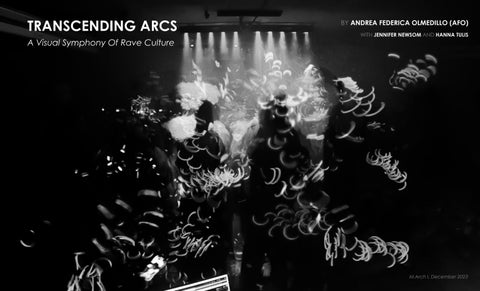
TRANSCENDING ARCS
A Visual Symphony Of Rave Culture
 BY ANDREA FEDERICA OLMEDILLO (AFO) WITH JENNIFER NEWSOM AND HANNA TULIS
M.Arch I, December 2023
by Ryan
Photograph
Wang
As I stand at the threshold of completion I am deeply moved by the amount of support that I got through this process. I am forever grateful for your contribution, support and efforts throughout this personal and academic journey.
To my advisors Jennifer Newsom and Hanna Tulis, you have been my northern star. Thank you for pushing me to embrace my true self. You have challenged me to dig deeper with care and thoughtfulness. Your belief in my potential has fueled my determination. Your guidance opened the windows of your wisdom, and for that I am forever in-debt.
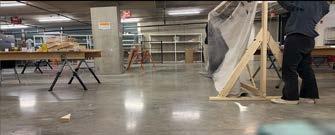
To my helpers David Perovsky and Ryan Wang, with your hard work you have turned my vision into reality. Together we created something truly extraordinary, specially in the last six hour building the final exhibition.
To my Dad, you taught me how to see the world and fueled my passion for storytelling. And for that reason I am here today sharing mine.
To my Mom, you are the anchor of my life, my inspiration, and my closest confidante. My deepest appreciation goes to you for providing me with the foundation and resilience to achieve my goals. You are the driving force behind my accomplishments, and my entire heart is dedicated to you.
To Maddie, thank you for long hours of listening, your imagination inspired me to rethink in times of creative block. Your knowledge in music and rave culture has inspired me to believe in the community and the importance of this project. Thank you for the incredible resources that sparked inventiveness in this project.
To my roommates and best friends Dana and Marlee, you have reminded me the purpose of this work at times of endless nights with lost imagination. You have encouraged me to move forward and to believe in myself at the most critical moments of self doubt. You are the pillars of my everyday.
To family, Luisma, Sofi, Neo, Pampa, Lil, Campi, Vero, Isa, Giova, Lu, Lolo y Lela. Thank you for standing by my side no matter what. You have supported me through the thick of it all. Your patience and understanding has gone beyond limits through this academic journey. Each of you keep inspiring me everyday.
To the crowd, this projects is as much yours as is it mine. The collective effort that underwent to bring everyone together is what solidifies this project. Your endless support exemplify how with building blocks we can create a collective experience and a place to express ourselves.
ACKNOWLEDGMENTS
3
4
Photograph by Maxwell Rodencal
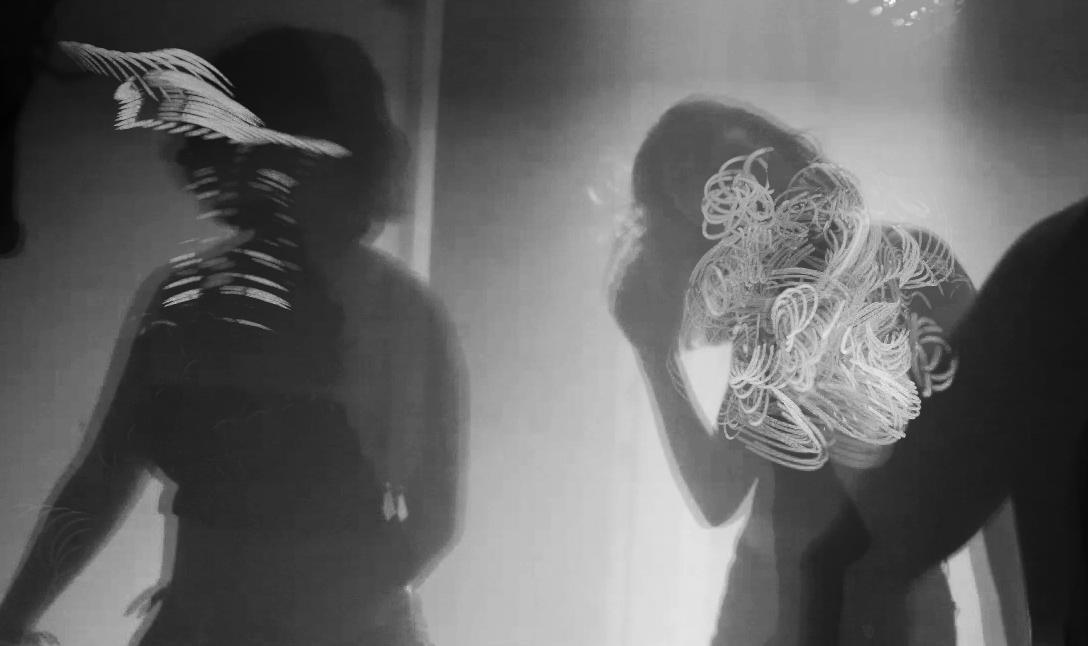
As she arrives at the night-scape, she waits for the bouncer to catch her gaze and let her through. Once inside, a powerful wave containing tenacious vibrations bursts through every inch of her bones. Her eardrums tremble at the speed of sound. In her sight, a hundred heads move synchronously to the rhythm of the fast-paced base. Amid the dance-floor, the strobe lights bounce off the surface of the kinetic bodies.
As she approaches the crowd, she begins to feel the moist air against her skin, the heat waves raising their temperature for every breath she takes. Her stiff body begins to loosen as she collides with other bodies, exchanging sweat and pheromones. She slowly infiltrates into the multitude. Time passes, and her senses are profoundly activated, becoming highly interconnected. Her eyes can hear the music through the light’s sequences. Now her heart palpitations fluctuate with the smooth change in tempo. Moving back and forth in friction with anonymous shoulders, she becomes one with the dancing bodies.
Notes and chords traveling in space now have complete control over her like a marionette. She feels her body dissipating in space with her senses, becoming one with the crowd and leaving her individuality behind. Now her dancing shoes are in symphony with the others, keeping proximity to the floor to easily lift one foot in the air with the beat, as the other awaits on the floor to continue the cycle.
Winter 2022.
I have always been inspired by music. Since I was a kid, I have listened and danced. Now, I can reach back into my memory chest and remember the moments that marked my life with each of these songs. Music has been an inspiration for my personal journey, and I have always enjoyed sharing it. For that reason, I became a DJ. I have discovered that sharing songs is the avenue to bring people together and collectively share moments in which people come together to unify, dance, celebrate, and connect with one another.
As I became a designer, I have always been interested in the intersection of both music and architecture, and the way social spaces are defined with their collaboration.
Every time I mix, I think of the crowd. I understand what they like and what they do not. I have learned to calibrate elements such as volume, tempo, light, and rhythms so there is a conversation between performance and audience. I never like to think of the DJ as the “orchestrator” of everything. I like to think of the DJ as someone who has the ability to control what the crowd wants rather than what the DJ wants. In my book, that is what makes a successful DJ –the one who understands the needs of fellow dancers and understands the value of collectivity.
In my experience, I have sat and contemplated multiple times what it means to successfully combine both practices. Today, I have passionately found a way to dig deeper into what it means for me, and hopefully to you. My wholehearted message from this project seeks to open the gates to a new understanding of what the rave culture could mean if we deconstruct its structure and the way we navigate the nocturnal experiences that sequentially unfold throughout the night. In the end, the place that we dance on is purely spatial; it is the bodily experience that inhabits it, and it is one that brings us together to find others and cultivate memories through transcendence and healing.
SHOES
PREFACE DANCING
5
6

CONTENTS
BACKGROUND ELECTRONIC MUSIC GENEALOGY CLUB HISTORY AND SOCIO-POLITICAL CONTEXT IN NYC INITIAL CLAIM THE ARC OF THE NIGHT
CHARCOAL
INFLECTION
BREAKDOWN
BUILD-UP
DROP SEQUENCE DRAWINGS FINAL REVIEW EXHIBITION DESIGN DESIGN THE EXPERIENCE THE WALL THE REVIEW THE PHYSICAL MODELS AFTERWORD BIBLIOGRAPHY I. II. III. IV. V. VI. VII. 8 10 12 14 16 18 22 30 36 42 46 48 50 52 54 62 64 68 70 74 76 82 86 7
THESIS STATEMENT
THE
PARTY THE BASEMENT PARTY THE EXHIBITION PARTY THE
POINTS THE INTRO/ THE TRANSITION THE
THE
THE
8
THESIS STATEMENT
As the lights dim and the music rises, I feel the ephemeral qualities unfolding sequentially before me. I now find myself in a realm where transcendence occurs. As a raver, I follow and surrender with the crowd. As a DJ, I craft the rhythm of the night. The performer introduces a structure that modulates the pace at which the crowd moves.
The structure is comprised of inflection points, the intro/the transition, the breakdown, the buildup, the drop, and the outro. A series of episodes that form the arc of the night, where light, and sound converge to inscribe the score of that arc.
Architecture demands unconventional methods to re-imagine the inflection points that sequentially reveal the recipe of the dance floor. This thesis suggests that transcendence can be translated, transposed, and unveiled in the present space—an ode to the fleeting moments of connection to the self and the spirit of the community, unrepeatable yet re-discoverable.
This exhibition invites the crowd to revisit a choreography designed by the DJ —a journey of light, sound, and movement that converge to narrate togetherness. An exploration of how modes of visual representation such as: photography, video and constructed drawings come together to reveal what are the inflections points that compose the arc of the night.
9

II 10
BACKGROUND
11
BACKGROUND - ELECTRONIC MUSIC GENEALOGY
Dancing is one of the most cathartic expressions in which humans find themselves. Historically, dancing goes way back to the beginning of our existence, allowing our ancestors to fully communicate through movement and bring them together during rituals and cultural affairs. Today, dancing continues to be embraced worldwide and manifests in different cultures and communities. It is significant in the counterculture community and provides a sense of release for individuals who often feel oppressed and seek new spaces to express themselves freely.
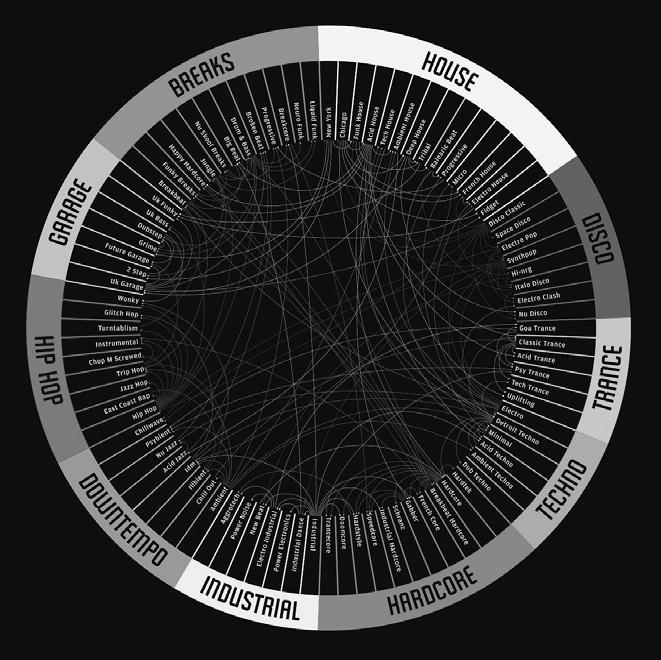
Exploring the genealogy of electronic music involves unraveling the origins of various genres by drawing inspiration from our musical ancestry. This research unveils how electronic styles have emerged from non-electronic predecessors, forming a fascinating musical lineage. It’s essential to acknowledge the dynamic evolution of genres over time, with the contemporary electronic music landscape boasting an ever-growing array of sub-genres, numbering in the thousands and expanding each day.
LOCATIONS 20’S
LOCATIONS 60’S
LOCATIONS 00’S
OPENING
MOVED LOCATION
TEMP. CLOSED
PERM. CLOSED
CHANGED NAME CONTINUES IN IRRELEVANT DIRECTION HAS OTHER LOCATIONS RELEVANT TIME IN SELECTED CLUBS AND SPACES FOR HISTORICAL CONTEXT
SWING BANDS BIG BANDS RURAL FOLK BLUES BOOGIE-WOOGIE VAUDEVILLE/CLASSIC BLUES URBAN BLUES RURAL GOSPEL JUBILEE QUARTET SPIRITUAL AS ART SONGS TRADITIONAL GOSPEL GOSPEL GROUP FOLK SPIRITUAL GOSPEL-HYMN NEW ORLEANS STYLE JAZZ RAGTIME STRIDE PIANO 1920 1930 1940 1950 FUSION SUB-GENRE FUSION GENRE SUB-GENRE GENRE FOCUS GENRE AND INFLUENECES
TIMELINE MUSIC GENEALOGY ARCHITECTURE COUNTERCULTURE MOTION TEMPERATURE TYPOLOGIES SENSORIAL SPEED 12
TRADITIONAL JAZZ JAZZ FUSION SMOOTH JAZZ SOUL JAZZ COOL JAZZ FREE JAZZ/AVANT-GARDE HARD BOP BEBOP RYTHM AN BLUES ROCK’N’ROLL SOUL HIP-HOP FUNK SALSA GOSPEL CHOIR GOSPEL QUARTET FREEDOM SONGS CONTEMPORARY GOSPEL PRAISE AND WORSHIP HOLY HIP HOP/CHRISTIAN RAP 1950 1960 1970 1980 1990 2000 JAZZ HIP-HOP FUSION HI NGR ITALO DISCO NU-DISCO NEW WAVE
NEW ROMANTIC SYNTH-ROCK SYNTH-POP KRAUT-ROCK ELECTRO CHIPTUNE ELECTRO-DANCE TECHNO TRANCE MIAMI BASS GHETTO TECH ELECTRO SWING FREESTYLE ELECTRO HIP-HOP ELECTRO-FUNK ELECTRO- HOUSE HARDCORE RAVE MINIMAL TECHNO/HOUSE AMBIENT TECHNO/DUB/HOUSE/ DARK/EXPERIMENTAL PROGRESSIVE HOUSE/TRANCE HARD TRANCE PSY-TRANCE VOCAL TRANCE GOA TRANCE UPLIFTING TECH-HOUSE HOUSE DOWNTEMPO GARAGE DEEP HOUSE TRIBL HOUSE DUTCH HOUSE BIG ROOM HOUSE ACID TRANCE/JAZZ/HOUSE TECHNO/BREAKS EURO DISCO/HOUSE/ TRANCE BREAKBEAT BOOTY HOUSE NU SKOOL BEATS TURNTABLISM BIG BEAT BREAKCORE NU FUNK LOUNGE ILLBIENT DOWN BEAT TRIP-HOP TECHSTEP TRANCESTEPDRUMSTEP DUBSTEP INDUSTRIAL HAPPYCORE GLITCH FUNKSTEP HARDSTEP GRIME EBM BREAKCORE JUNGLE/DRUM 'N' BASS SALSA: ORIGINS IN CUBA IN 1940 AND LATER GREW AND INFLUNECED IN NYC DURING THE THE 60S 2004 2002 1998 1996 1994 1992 1988 1986 1984 1982 1978 1976 1974 1972 1968 1966 1962 1958 1956 1954 1952 1964 13
DISCO
BACKGROUND - HISTORY AND SOCIO-POLITICAL CONTEXT OF CLUBS (NYC)
It is challenging to design spaces for counterculture in the present day because, by nature, they thrive through spontaneity, not through planning. The problem is that such spaces get easily appropriated and begin to lose their original design’s intentions, which means to provide a place of escape and release from everyday life.
Consequently, one can evaluate Studio 54 story, an iconic club born in 1977 in New York City that later shut down as it got uncontrollable. A place where extravagant events occurred, it embraced drug use, sexuality, and queer activities, making it one of the most desired destinations in the world to party in. It had extreme policies to get in, and many famous people attended regularly. The more the people wanted to attend, the more chaotic it became. Because of its popularity and high demand, the club lost control of the space and later got shut down by the authorities due to the excess of illegal actions made by the owners to keep it afloat. It was epic, undeniable-ably one of the most famous places that defined club history, and as a result, it got appropriated like many other clubs, equally as impactful.
Nowadays, regulations and codes challenge the infrastructures where escape encounters occur, regularly fighting the system to survive possible and unexpected shit downs. Architecturally, these radical designs
allow individuals to experience isolated atmospheres of consumption, radical excess, and pleasure but remain to be carefully controlled environments that lack to provide ultimate freedom. Unfortunately, capitalistic forces, appropriation of space, and gentrification become a menace to their survival. Because of the inflections in politics and regulations, the discotheque culture has declined since it began in the 60s. Now the dancing culture is different from what it used to be, losing vitality, quantity, and quality.


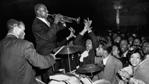






BEBOP BIG BANDS RURAL FOLK BLUES BOOGIE-WOOGIE VAUDEVILLE/CLASSIC BLUES RYTHM AN BLUES RURAL GOSPEL JUBILEE QUARTET SPIRITUAL AS ART SONGS TRADITIONAL GOSPEL GOSPEL GROUP GOSPEL QUARTET FOLK SPIRITUAL GOSPEL-HYMN NEW ORLEANS STYLE JAZZ RAGTIME STRIDE PIANO 1920 1930 FUSION SUB-GENRE FUSION GENRE SUB-GENRE GENRE FOCUS GENRE AND INFLUENECES LEGEND OPENING LOCATIONS 60’S LOCATIONS 00’S LOCATIONS 20’S MOVED LOCATION TEMP. CLOSED PERM. CLOSED CHANGED NAME CONTINUES IN IRRELEVANT DIRECTION HAS OTHER LOCATIONS RELEVANT TIME IN SELECTED CLUBS AND SPACES FOR HISTORICAL CONTEXT 1954 TIMELINE MUSIC GENEALOGY ARCHITECTURE COUNTERCULTURE MOTION TEMPERATURE CROWDS TYPOLOGIES SENSORIAL SPEED EXPERIENCE ATMOSPHERE
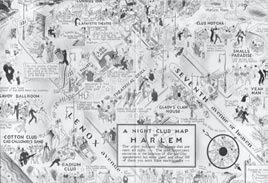
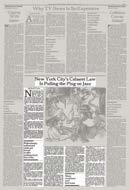
CLUBS AND DSICOTHEQUES POLICIES AND EVENTS COPACABANA THE COTTON CLUB THE SAVOY BALL ROOM CIVIL RIGHTS MOVEMENT WWII ENDS COLD WAR BEGINS THE GREAT DEPRESSION BEGGINS HARLEM RIOT, "symbolized that the optimism and hopefulness that had fueled the Harlem Renaissance was dead." ‘THE HARLEM RENAISSANCE’ JIM CRAW LAWS designed to enforce racial segregation and maintain white supremacy, particularly in public facilities, transportation , education, and various other aspects of daily life. IT IS IMPORTANT TO NOTE THAT MOST PERFORMANCES WHERE EITHER WOMAN OR TALENTED MUSICIANS FROM THE LATINO AND BLACK COMMUNITY. ‘THE PROHIBITION’, CONSTITUTIONAL BAN ON ALCOHOL. 1920-1933 SPEAKEASYS ARE BORN AS A RESULT, TOGETHER WITH THE EMERGENCE OF JAZZ. Speakeasies were secret, underground establishments where people could obtain and consume alcohol. They ranged from upscale clubs with live entertainment to dingy backrooms. Organized crime capitalized on this lucrative market. The end of Prohibition in 1933 marked the decline of speakeasies and the rise of licensed bars subject to federal regulation and taxation. HARLEM RENNAISSANCE NIGHTCLUB MAP A A A A RESIDENTIAL/LOFTS/ COMMERCIAL BUILDING TYPOLOGIES F WAREHOUSE/ STORAGE/ GARAGE G WAREHOUSE/ STORAGE/ GARAGE + ADDITIONS B THEATER D FACTORY E INDUSTRIAL ABANDONED C CHURCH 14





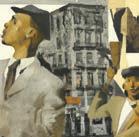


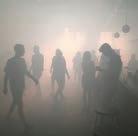


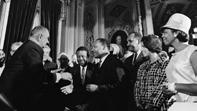


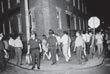

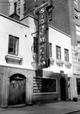


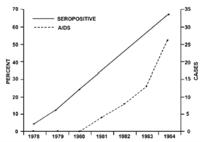












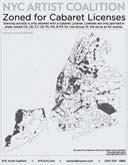


CRISCO DISCO STUDIO 54 LE CLIQUE AT ELEC CIRCUS THE LIMELIGHT PALLADIUM BUNGALOW 8 THE TUNNEL ICE PALACE 57 THE ROXY DANCETERIA PARADISE GARAGE OUTPUT ARTS DISTRICT BASEMENT KNOCKDOWN CENTER LE BARON AVANT GARDNER PUBLIC RECORDS NOWADAYS HOUSE OF YES THE GLASSLANDS GALLERY CIELO ELECTRIC CIRCUS VIETNAM WAR BEGGINS VIETNAM WAR ENDS. COLD WAR ENDS CIVIL RIGHTS ACT TO ELIMINATE RACIAL DISCRIMINATION AND PROTECT VOTING RIGHTS BOMB EXPLODED IN ELECTRIC CIRCUS DANCE FLOOR, LINKED TO BLACK PANTHER PARTY NIXON DECLARES WAR ON DRUGS THE RISE OF ROCK’N’ROLL AND TELEVISION THE WAR ON DRUGS CONTINUES WITH AN EMPHASIS ON PUNITIVE MEASURES, INCREASED INCARCERATION RATES FOR DRUG-RELATED OFFENSES. TAX LAW INCREASING 35% INCOME TAX LAW INCREASED TO 39.6% INCOME THOGOUT THE 90’S PERSONAL INCOME TAX ON RESIDENTS LAW RECESSION RECESSION (OIL CRISIS) NYC LEGALIZED RECREATIONAL USE OF MARIJUANA COVID 19 PANDEMIC CRACK EPIDEMIC BEGAN, CRIME AND DEATHS RISE IN THE WAR AGAINST DRUGS. “LET NYC DANCE” CABARET LAW REPEALED. MAYOR RUDOLPH GIULIANI IMPLEMENTS POLICY: MANDATORY TO PRESENT ID CARDS TO ENTER CLUBS AND ALCOHOL LICENCED FASCILITIES. TOGETHER WITH THE CABARET LAW IT MADE IT ALMOST IMPOSSIBLE TO DANCE IN NYC WITHOUT LICENCES AND PERMITS THAT GOT HARDER TO GET OVERTIME. POLICY STILL APPLIES TODAY PROTESTS OUTSIDE THE LOFT. AGAINST DISCOTEQUE CULTURE + DETERIORATION AND DISSORDER IN THE COMMUNITY. AIDS EPIDEMIC STONEWALL INN GAY BAR RAIDS, POLICE BRUTALITY TOWARDS “CRIMINAL HOMOSEXUAL BEHAVIOR” THE RAIDS SPARKED A REBELLION FOR THE GAY RIGHTS MOVEMENT. HOMOSEXUALITY REMOVED FROM LIST OF MENTAL DISORDERS. DECRIMINALIZATION OF HOMOSEXUALITY IN NYC THE GALLERY THE LOFT SANCTUARY AVALON A A C C A F F F F A B B F F A D G G G D G A A E A 15
BACKGROUND - INITIAL CLAIM
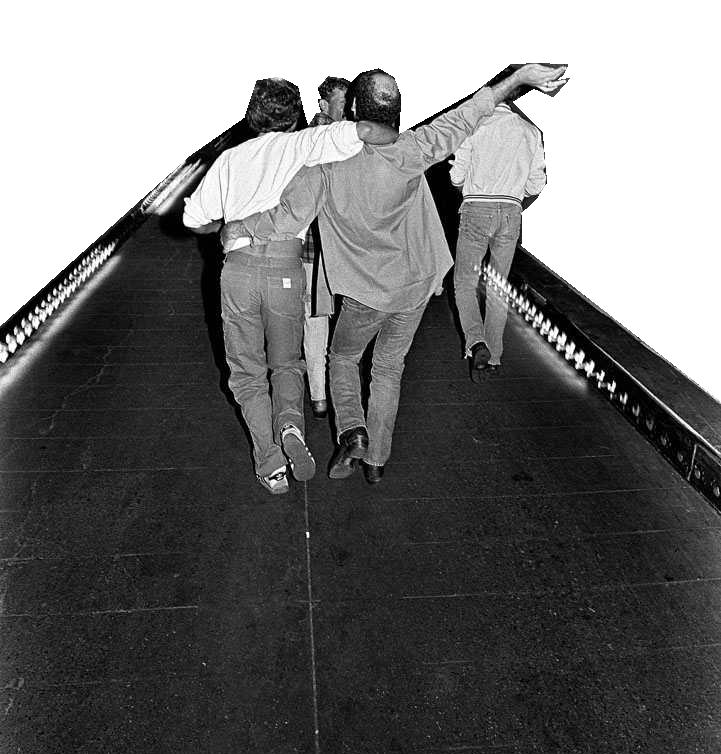
The problem may begin when a design aims to control rather than provide freedom, and infrastructure itself can be a driver to contain and control space in a specific setting, time, and place. That said, counterculture escapes must be reevaluated, and just like dancing, they could be born from a place of spontaneity. It is fascinating to look for the settings that activate the club, the series of spatial elements that are perceptible to the body and not obvious to the user at once. By understanding the sensorial and temporal forces, one can invite spontaneity to manifest in the moment of counter-cultural encounters—giving the public a brush and canvas to create a collective painting. It makes the authorship of the design and architecture purely collective because, in the end, the hidden forces combine to create spatial boundaries for these multi-sensory experiences.
16
17
18
III
THE ARC OF THE NIGHT
19
THE ARC OF THE NIGHT - INTRODUCTION
The concept of the “Arc of The Night” in the context of rave experiences takes ideas of liminality, unpredictability, and abstract boundaries that define the spatial construct of it’s architecture. It underscores the notion that these raves are not just events but complex, dynamic experiences that unfold over time, guided by an intricate music score that involves movement, light, and sound.
The method of capturing, extracting, transposing, and translating the traces of the invisible and ephemeral attitudes in the rave environment is akin to the challenge of deciphering spatial qualities that define nocturnal spaces. It provokes a new way to perceive and comprehend the architecture of the night, where the night itself becomes a place where the unseen elements are as significant as the visible ones.
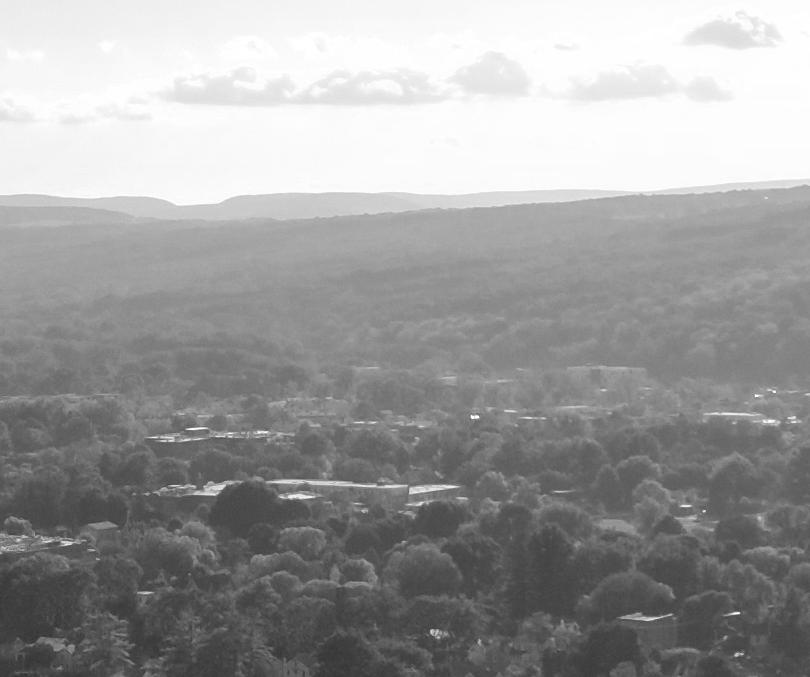
The “Arc of the Night” composition comes together through a series of inflection points that define it’s structure that modules the pace at which the crowd moves. Each inflection point plays a critical role in the overall score, and will be further explained in the following chapter. Each of the previous are extracted from three main events that took place in Ithaca throughout this thesis.
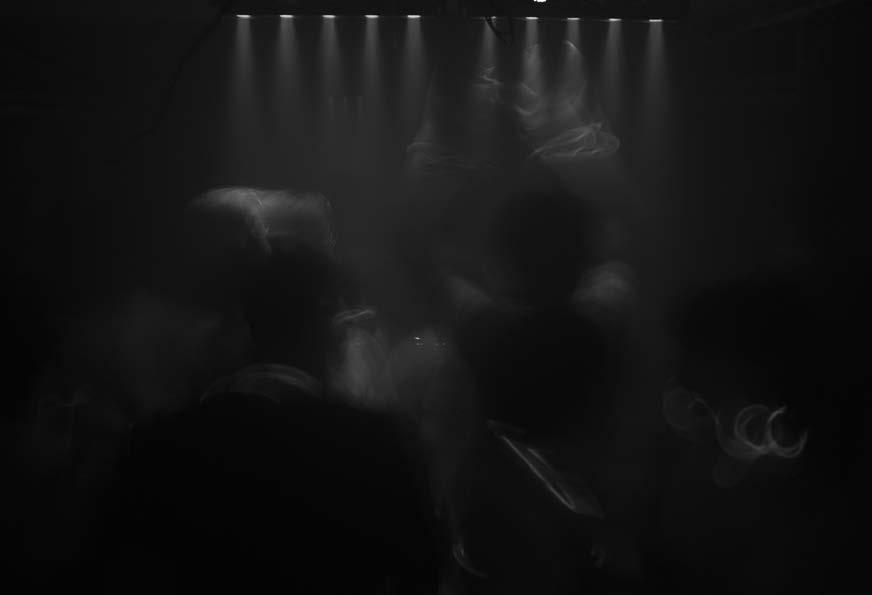 Photo by Ryan Wang - B.arch 26’
20
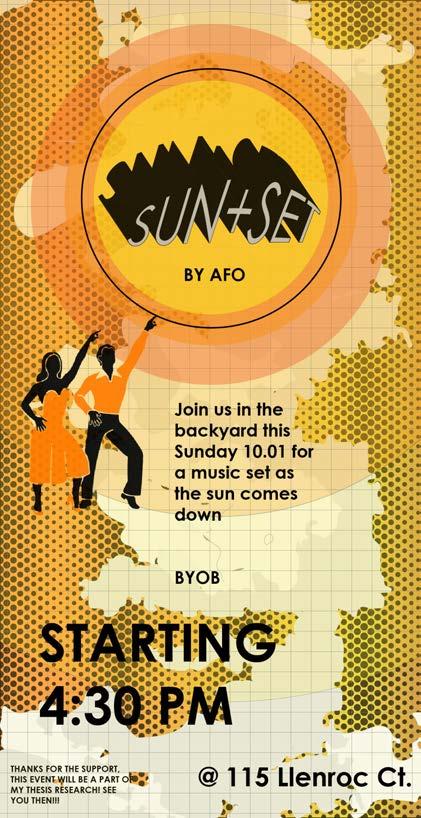
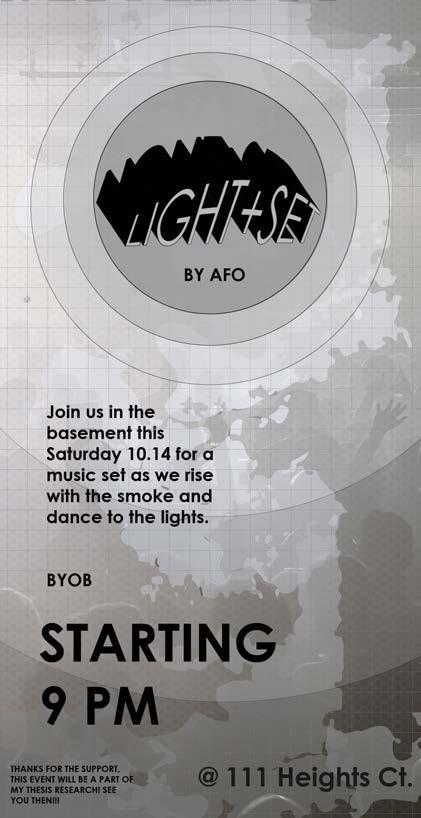
The main evens are the following: The Charcoal Party The Basement Light Party The Exhibition Party 1 2 3 21
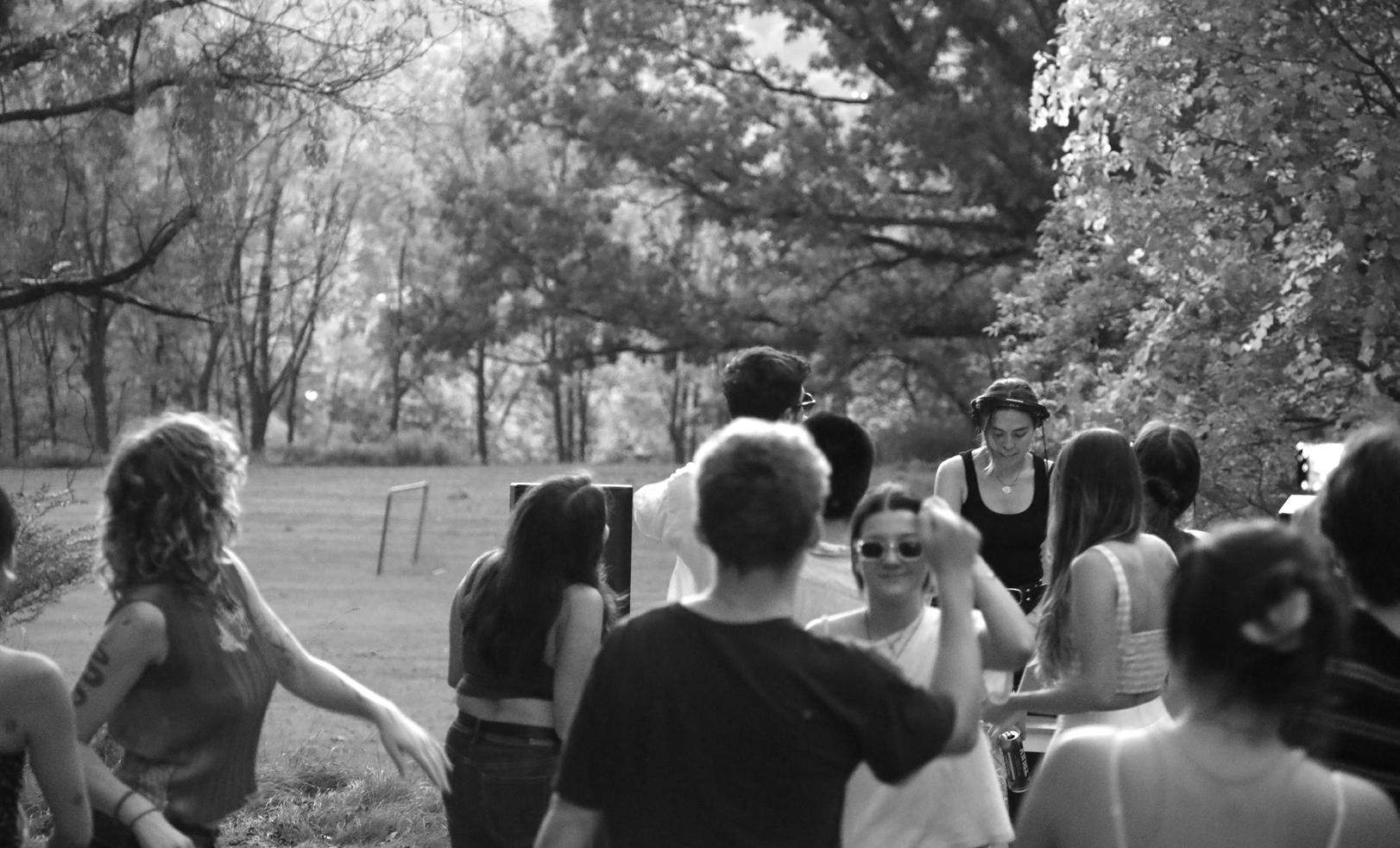
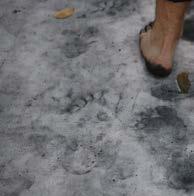
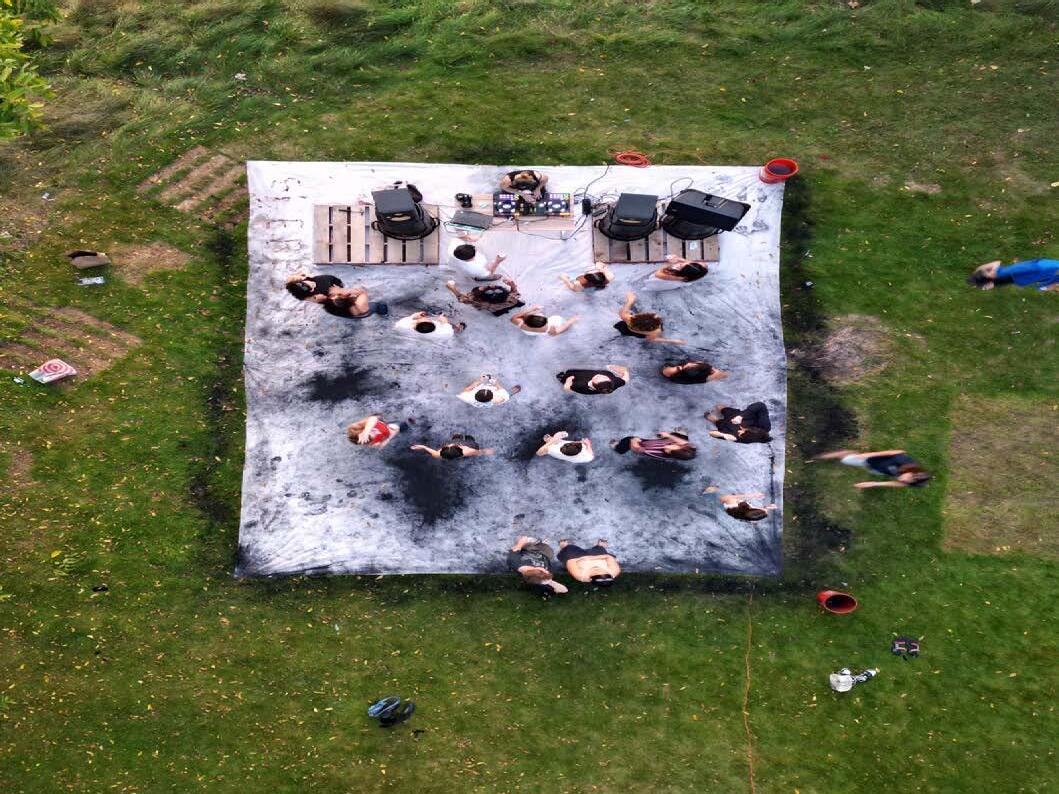
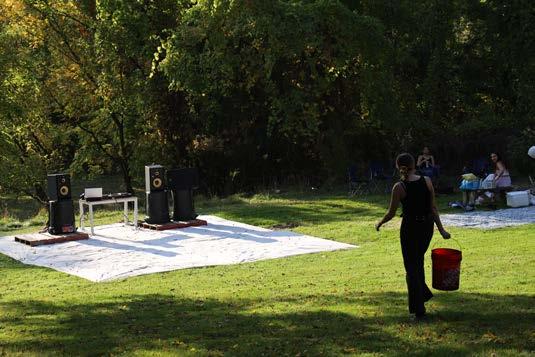
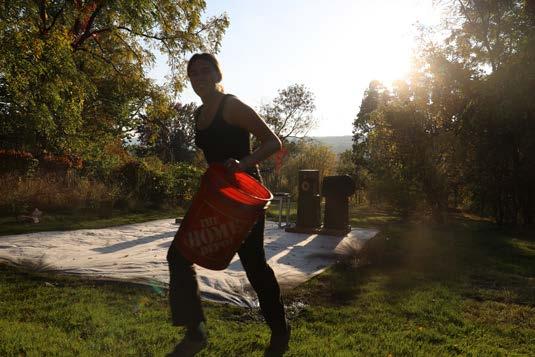
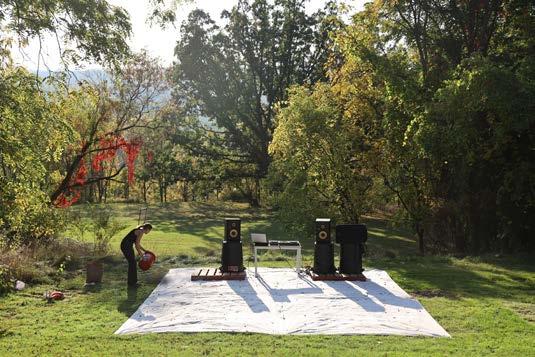
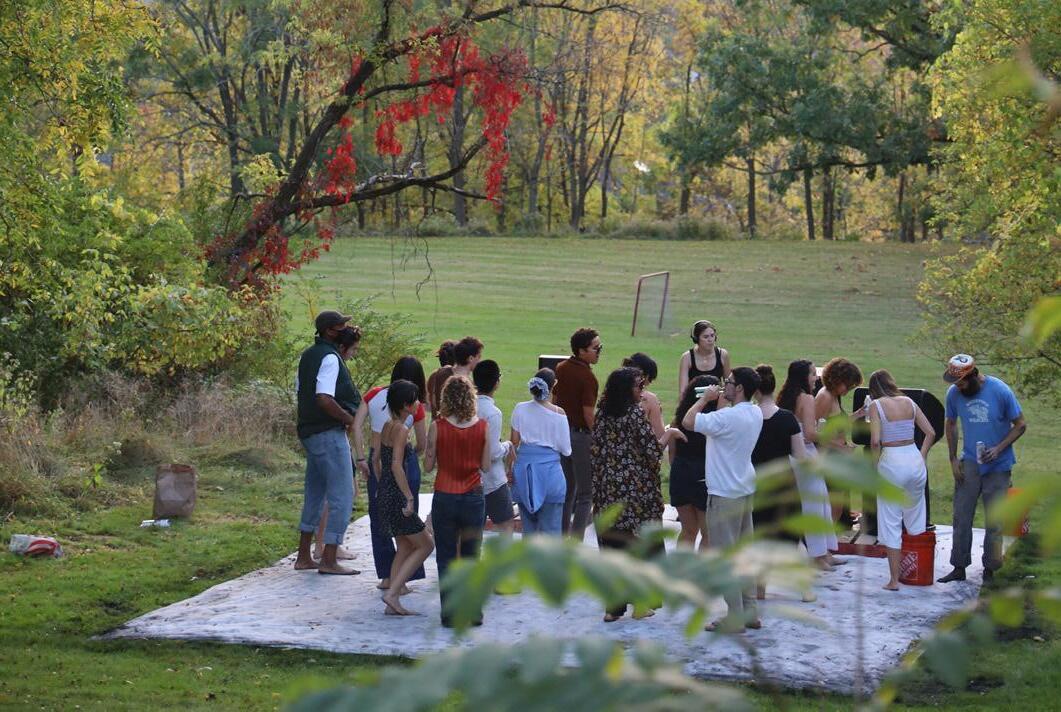
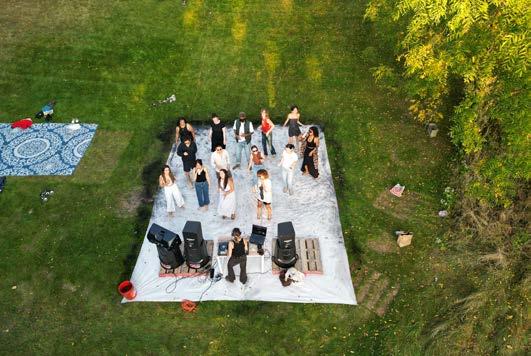
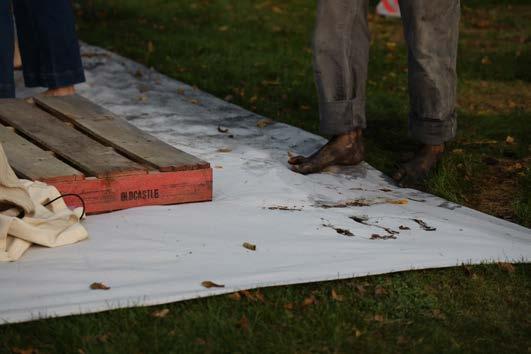
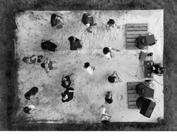
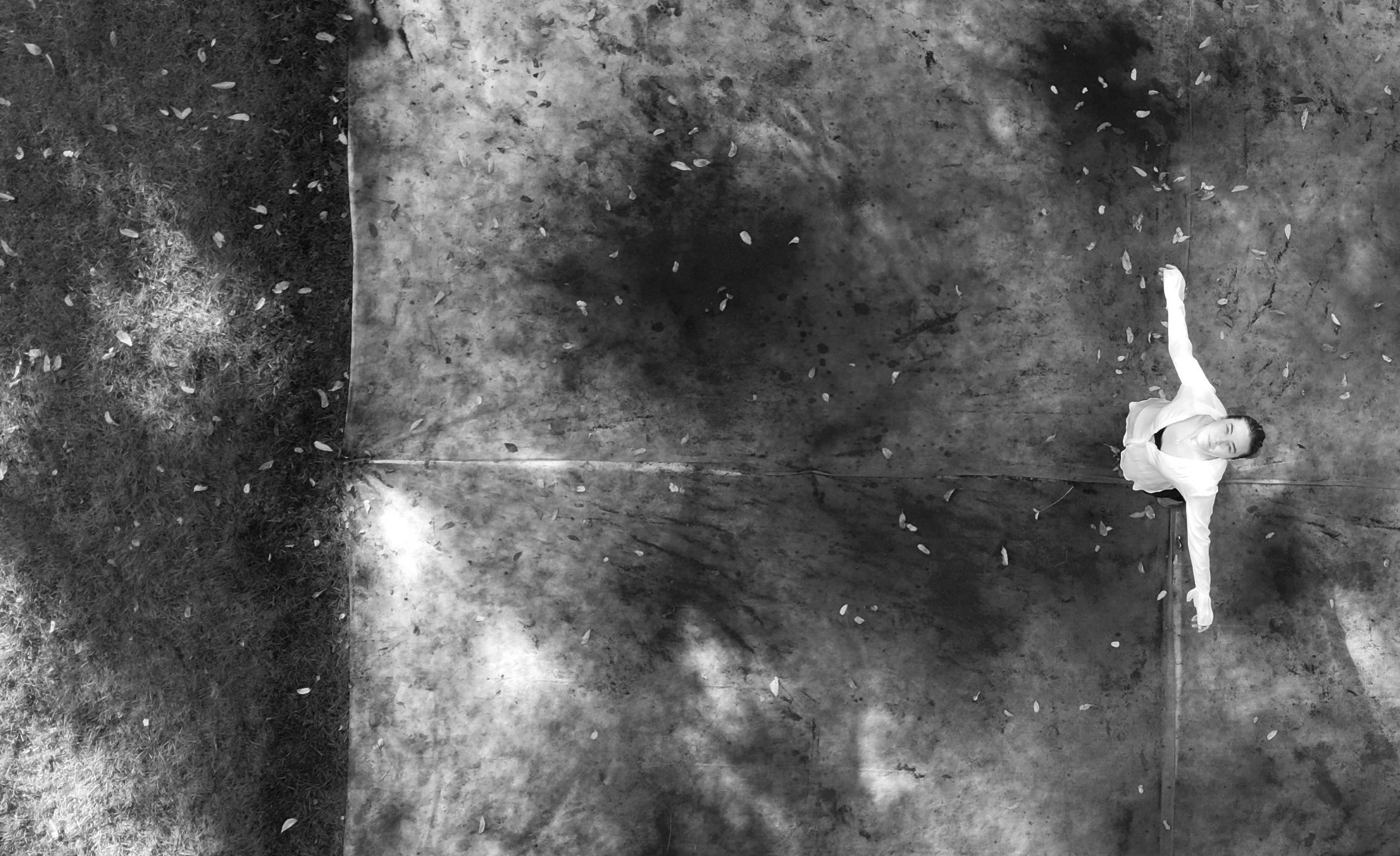
The dance-floor’s setup underwent a transformation from its pre-party installation to its post-party state. Initially, it featured four 9x12 inch canvases strategically positioned to house the DJ and sound equipment, all facing the crowd for an immersive experience. Charcoal was dispersed around the perimeter of the dance-floor, activated by water.
The process images on the following page provide a glimpse into the execution of the setup before the crowd arrives. For a detailed view of the entire event, please refer to the QR code below.
DENSITY
CANVAS DANCEFLOOR PLAN DIAGRAM

TEMPERATURE T: 72 °F TEMPERATURE HORIZON LINE SOUND DJ 1 2 2 CAMERA
SOUND REC 6:00 pm TIME 6:05 pm
Photographs by Ryan Wang
- DRONE
DENSITY
THE ARC OF THE NIGHT - THE CHARCOAL
22
PARTY






23
Photographs by Maxwell Rodencal

THE ARC OF THE NIGHT - THE CHARCOAL PARTY 24
Photographs by Maxwell Rodencal
Photographs
25
by Maxwell Rodencal
THE ARC OF THE NIGHT - THE CHARCOAL PARTY
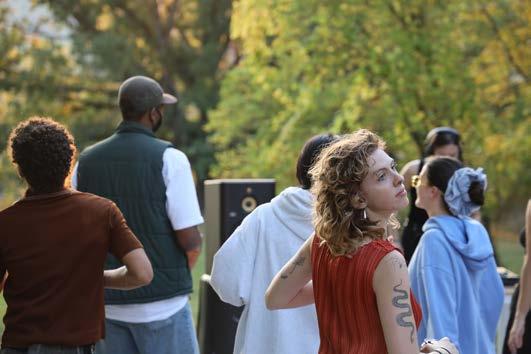
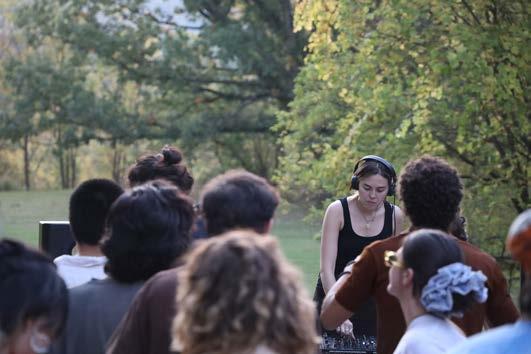
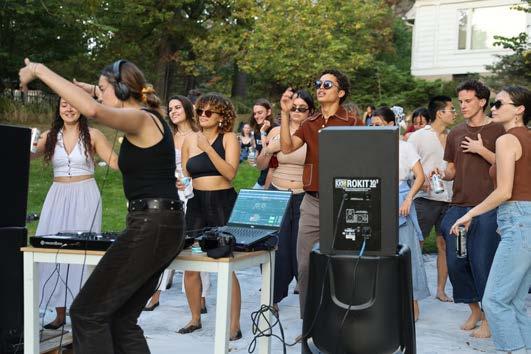
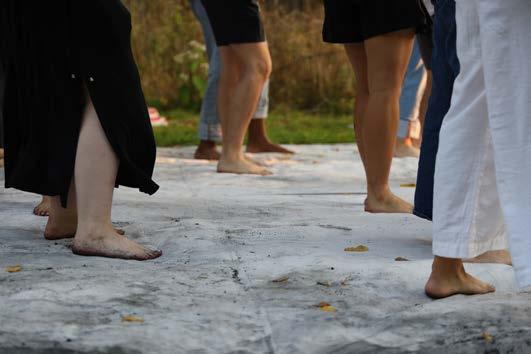
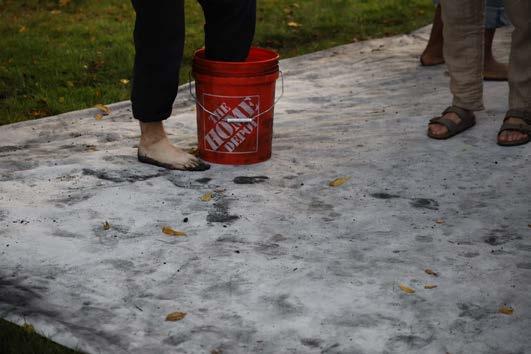
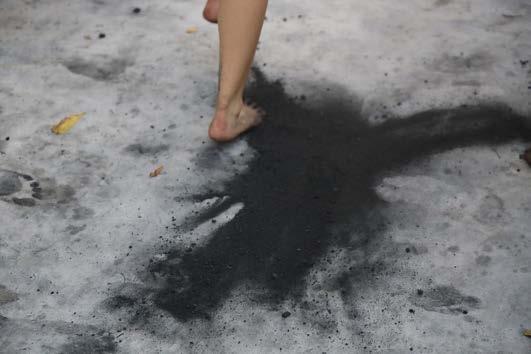
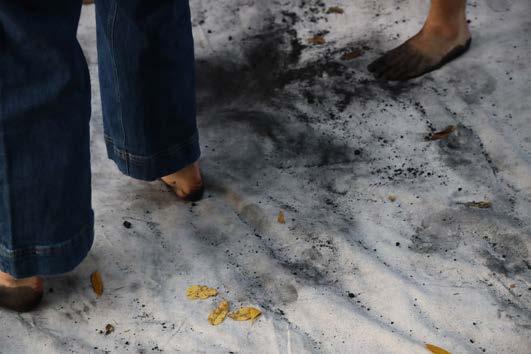
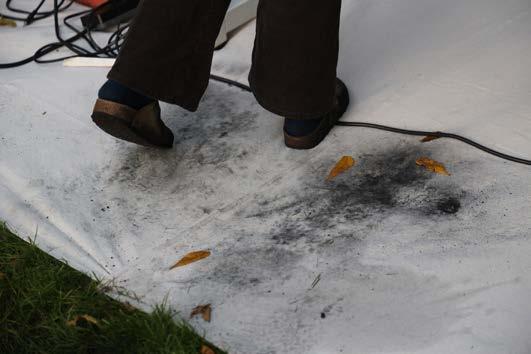
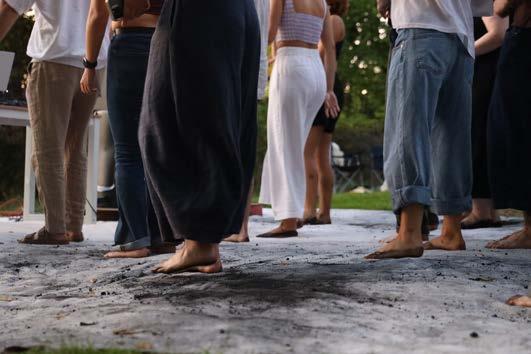
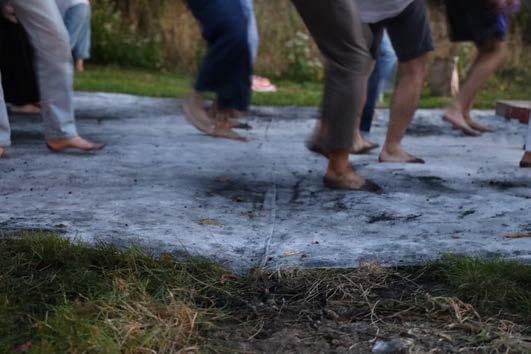
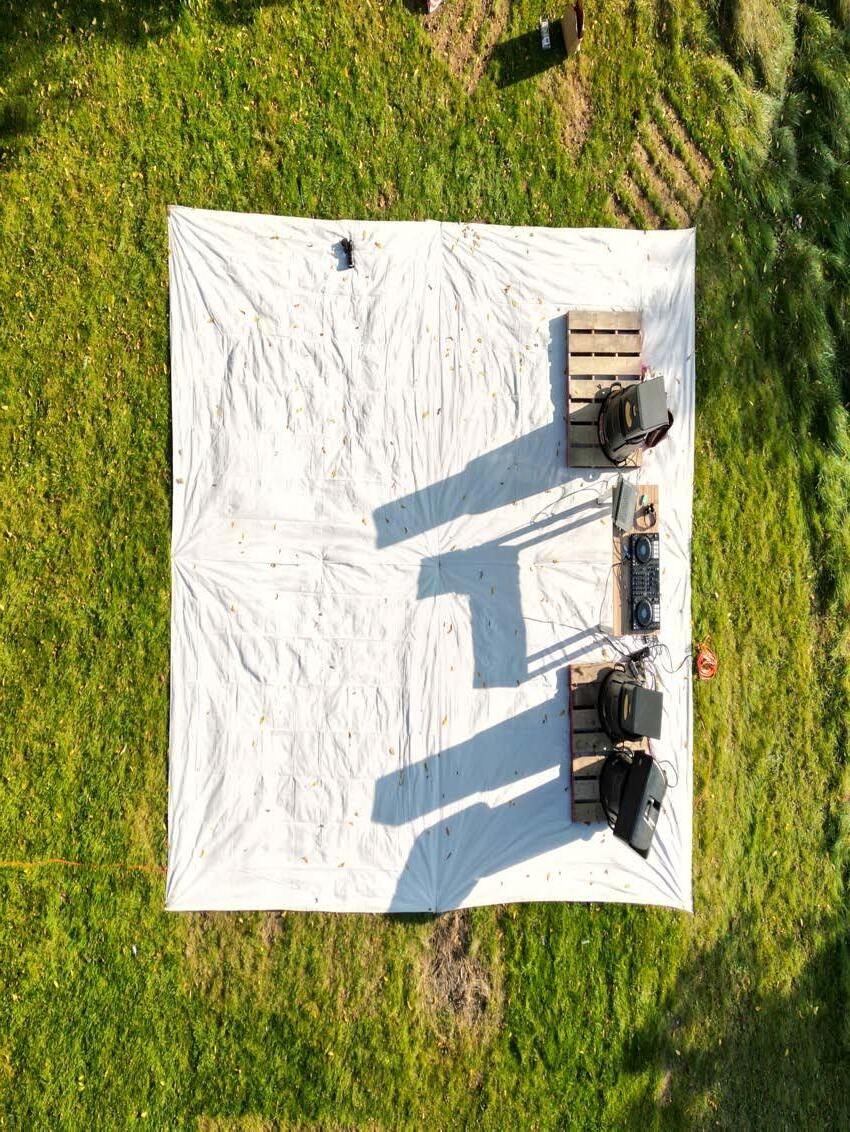
The dancefloor’s setup underwent a transformation from its pre-party installation to its post-party state. Initially, it featured four 9x12 inch canvases strategically positioned to house the DJ and sound equipment, all facing the crowd for an immersive experience. Charcoal was dispersed around the perimeter of the dancefloor, activated by water.
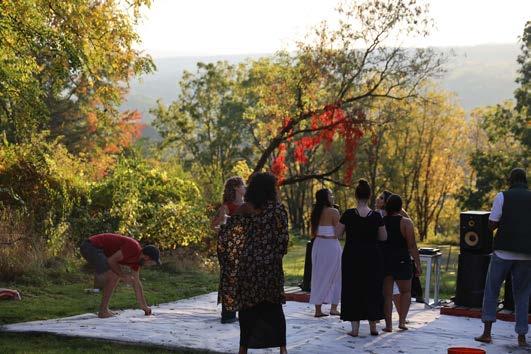
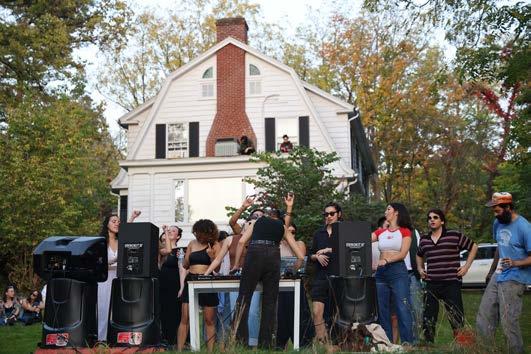
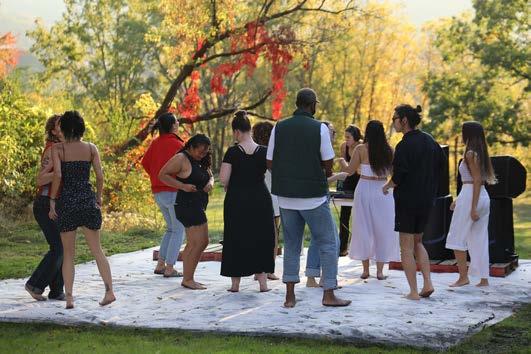
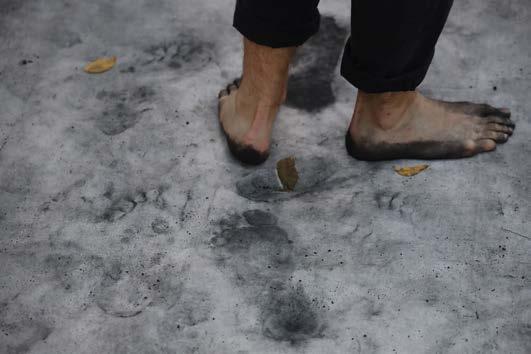
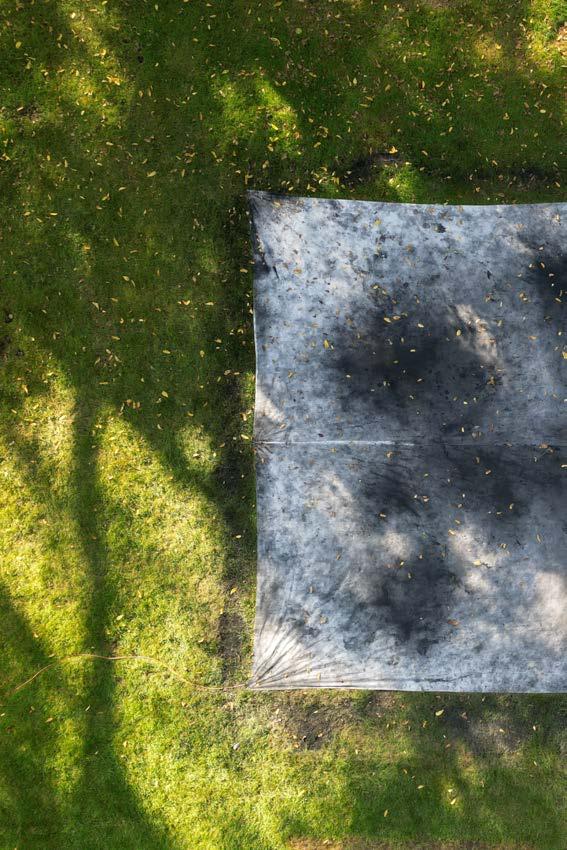
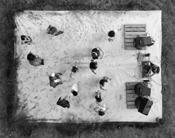
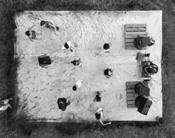
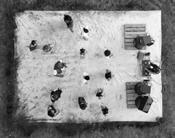
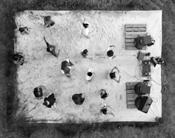
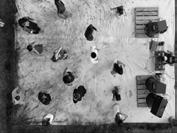
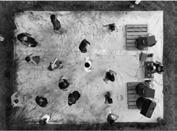
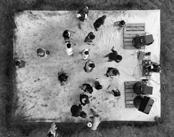
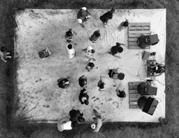
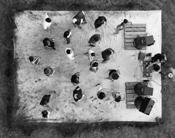
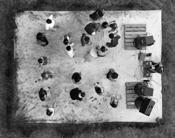
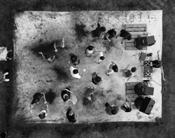
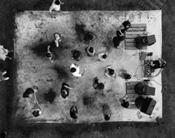
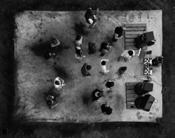
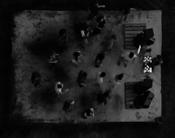
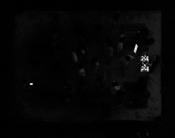
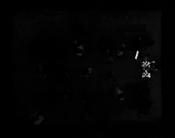
A s the crowd moved within the dance space, a unique imprint emerged, capturing the ebb and flow of density and migration throughout the night. Consequently, the canvases evolved into tangible artifacts, retaining footprints and embodying the narrative of the event.
26
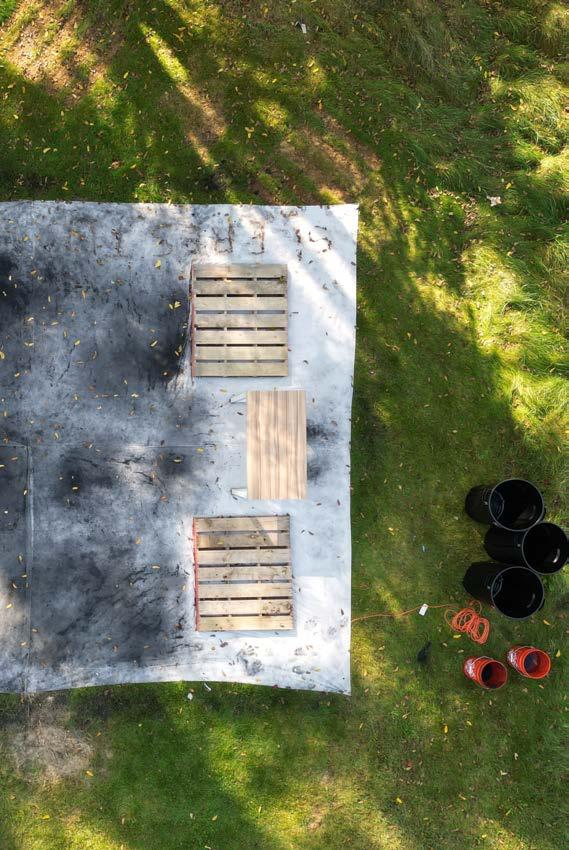
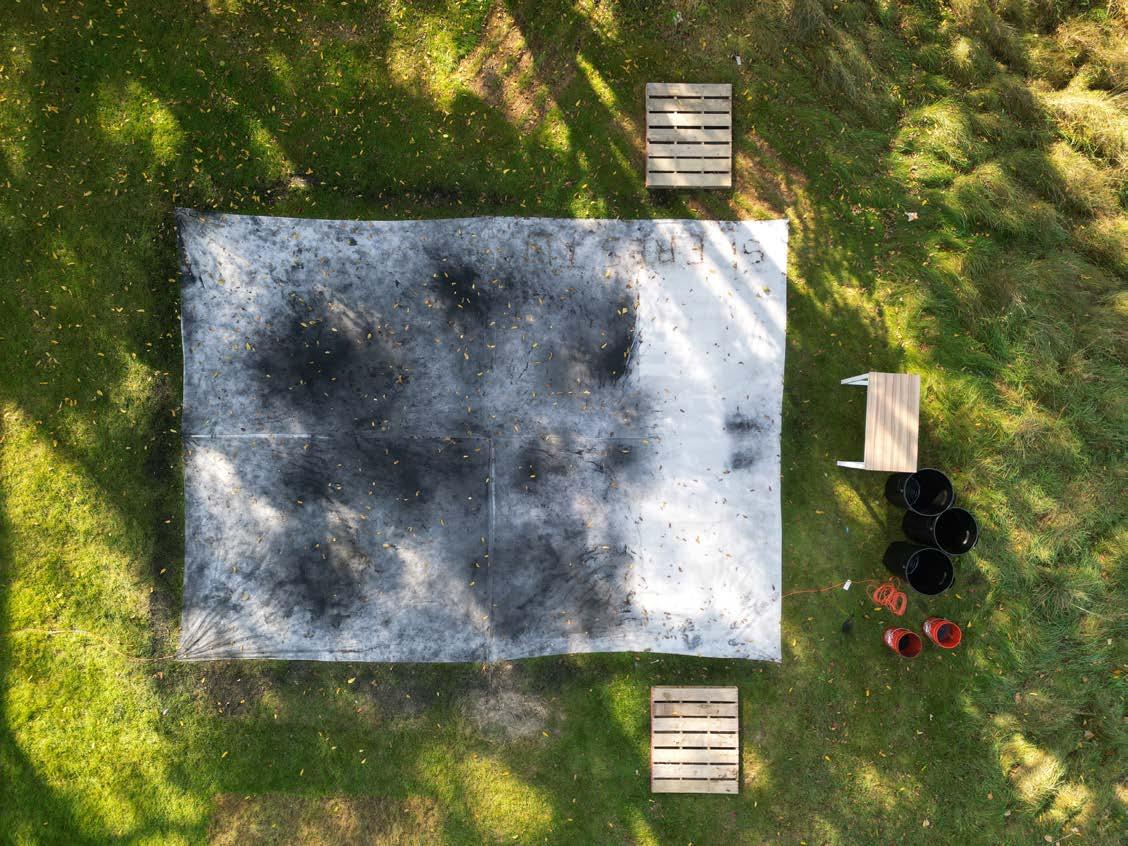
Upon removing the objects that occupied the space above the canvases, a discernible figure-ground plan emerged. This plan provides insight into the organization of both the DJ setup and the crowd dynamics during the party, offering a clear visualization of the event’s spatial dynamics.
27
THE ARC OF THE NIGHT - THE CHARCOAL PARTY
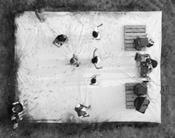
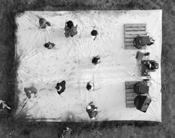
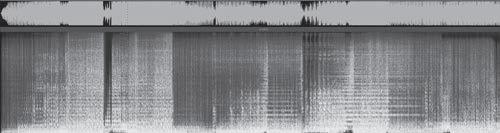
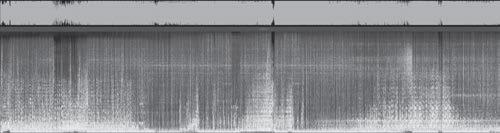
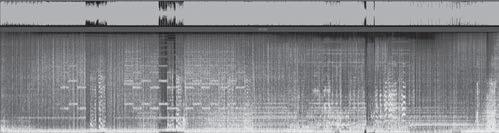
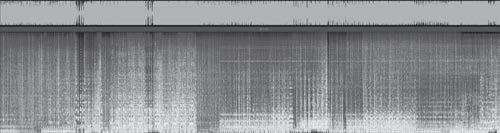
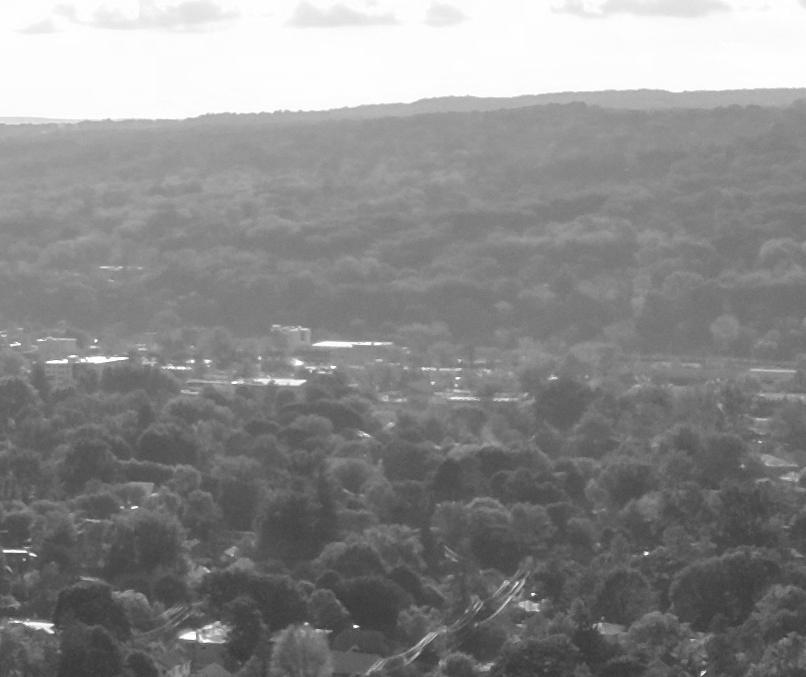
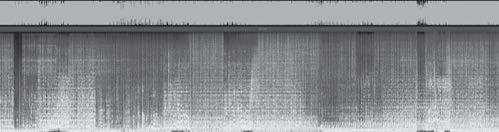
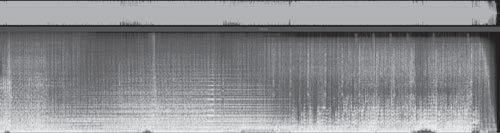
The chart offers a comprehensive visual depiction, capturing the intricate interplay of various factors to provide a holistic understanding of the event’s evolution. Time markers track temporal flow, sound waves and spectrograms illustrate the auditory landscape, temperature fluctuations introduce a sensory dimension, and spatial design elements showcase the intentional layout of the environment. Additionally, a daylight analysis is included to comprehend lighting conditions. As the sun sets, surveillance diminishes. A graph charts the rise in density and momentum, tracing the dynamic behaviors of the crowd throughout the event.
THE ARC OF THE NIGHT DENSITY
MIGRATION OF THE DANCESCAPE
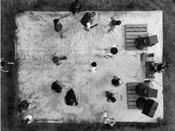
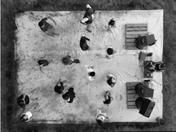
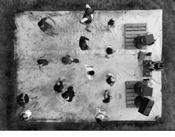
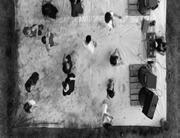


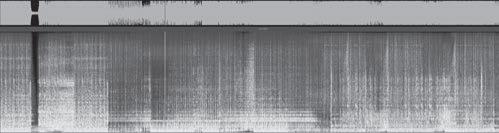
TEMPERATURE T: 72 °F T: 70 °F TEMPERATURE HORIZON LINE SUN SPECTOGRAM SOUND WAVEFORM DJ 1 2 2 AMPLITUDE BUILD UP BREAK DOWN INTRO/TRANSITION DROP SPEAKERS CAMERA
SOUND REC 6:00 pm TIME 6:05 pm 6:10 pm 6:15 pm 6:20 pm 6:25 pm 6:30 pm 6:35pm 6:40 pm
- DRONE
INTRO/ TRANSITION BREAK DOWN CANVAS
DENSITY
DANCEFLOOR PLAN DIAGRAM
28
T: 68 °F T: 63 °F 6:45 pm 6:50 pm 6:55 pm 7:00 pm 7:05 pm 7:10 pm 7:15 pm 7:20 pm 7:25 pm 7:30 pm 7:35 pm
DROP 29
BUILD UP
THE ARC OF THE NIGHT - THE BASEMENT LIGHT PARTY
MOVEMENT
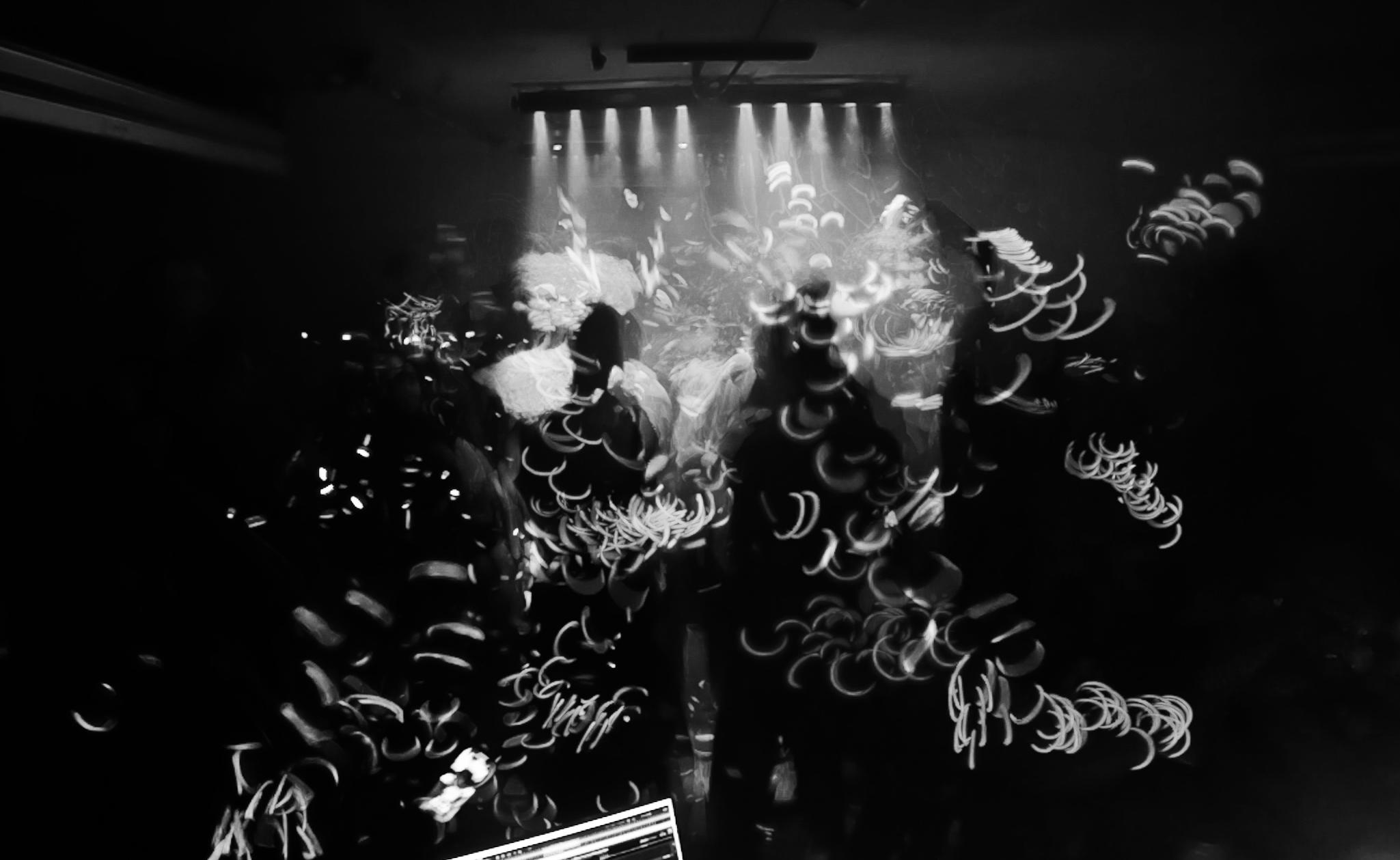
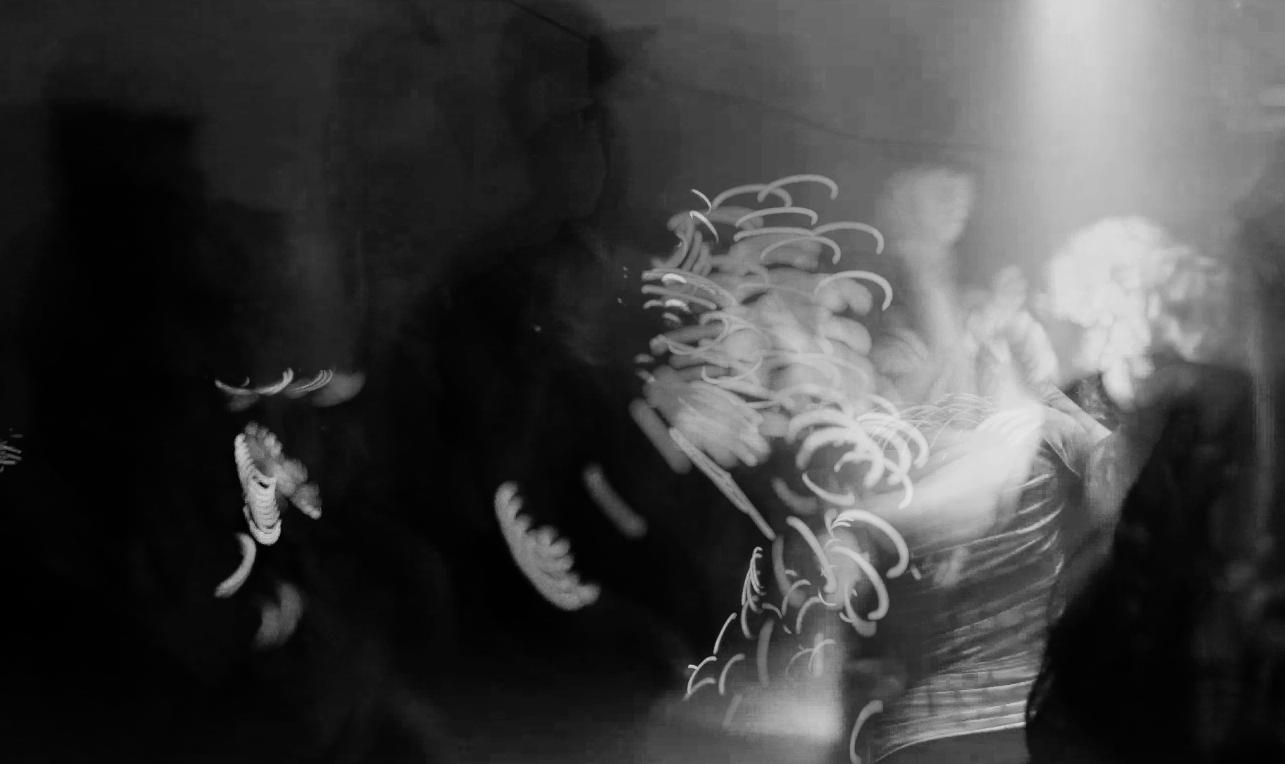
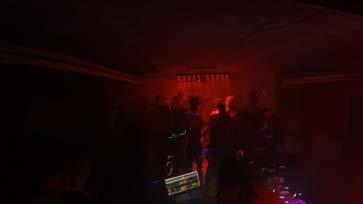
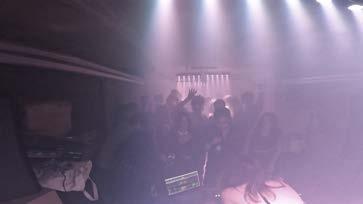
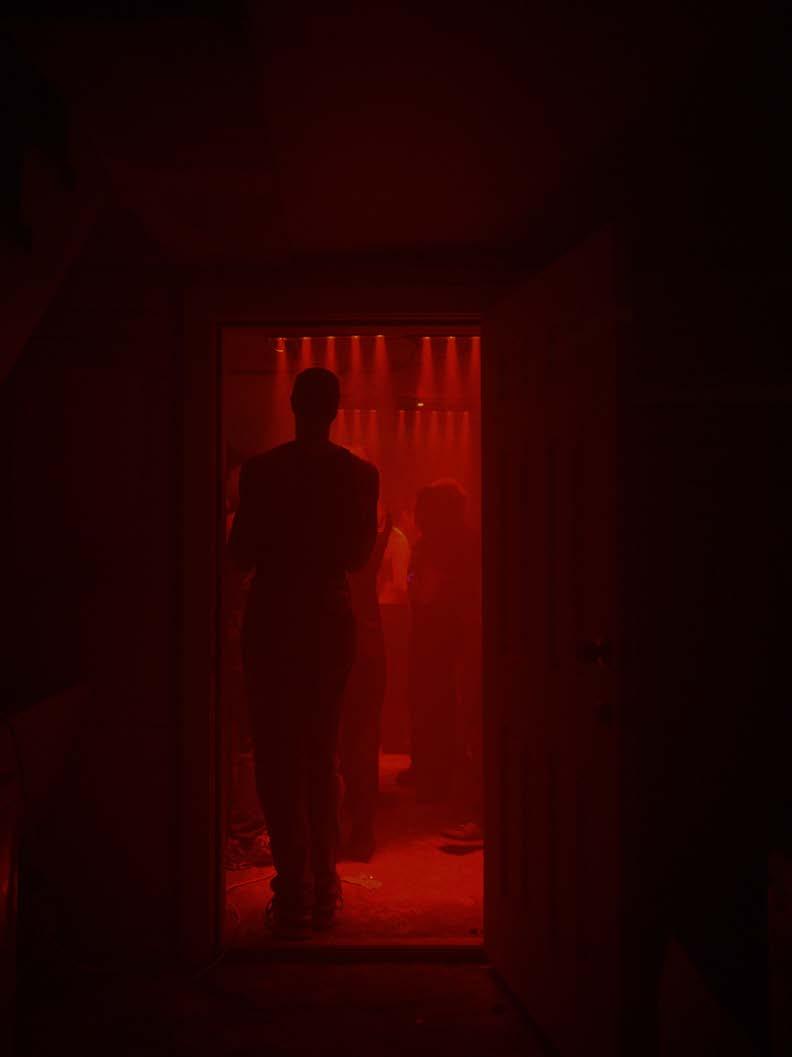
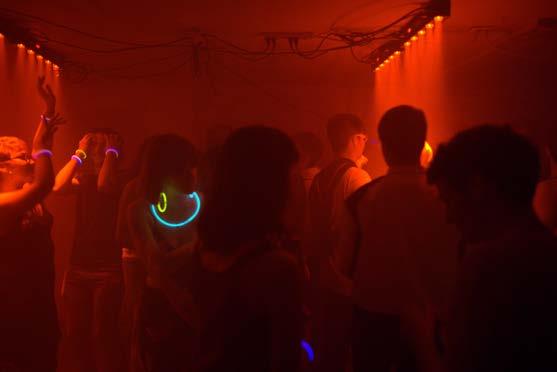
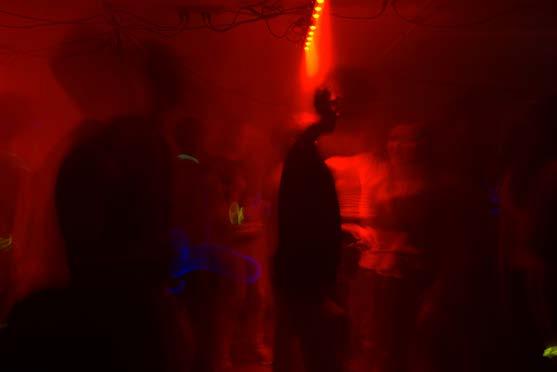
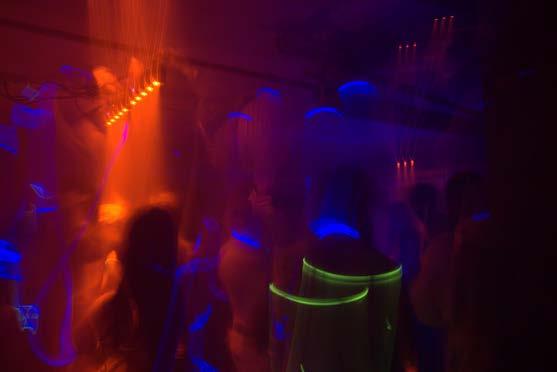
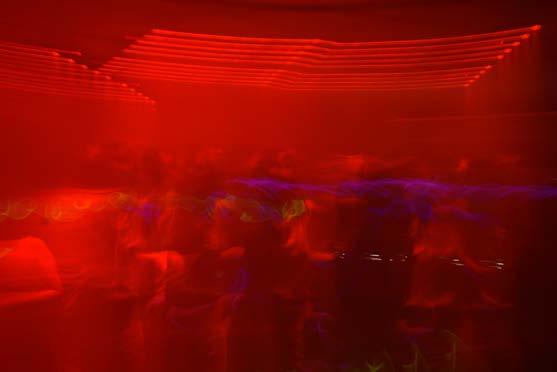
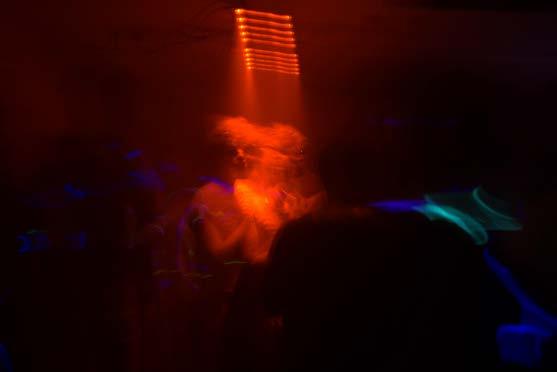
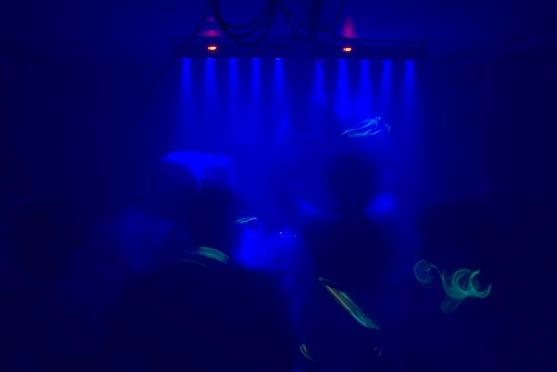
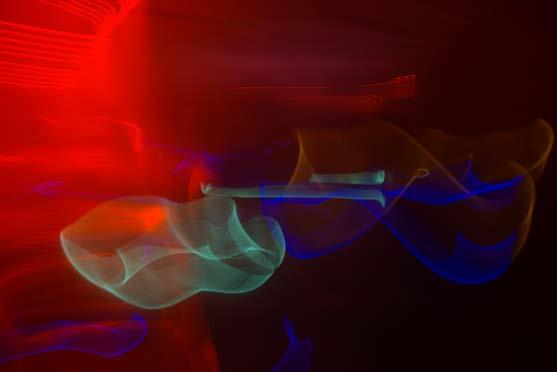
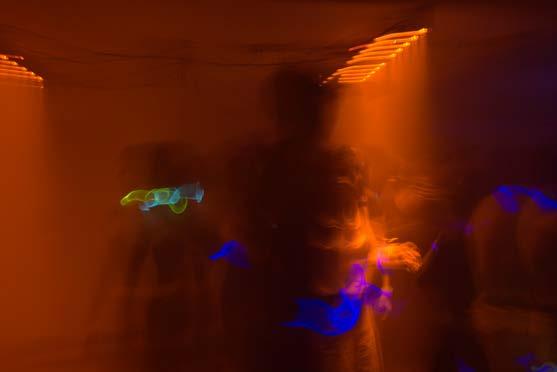
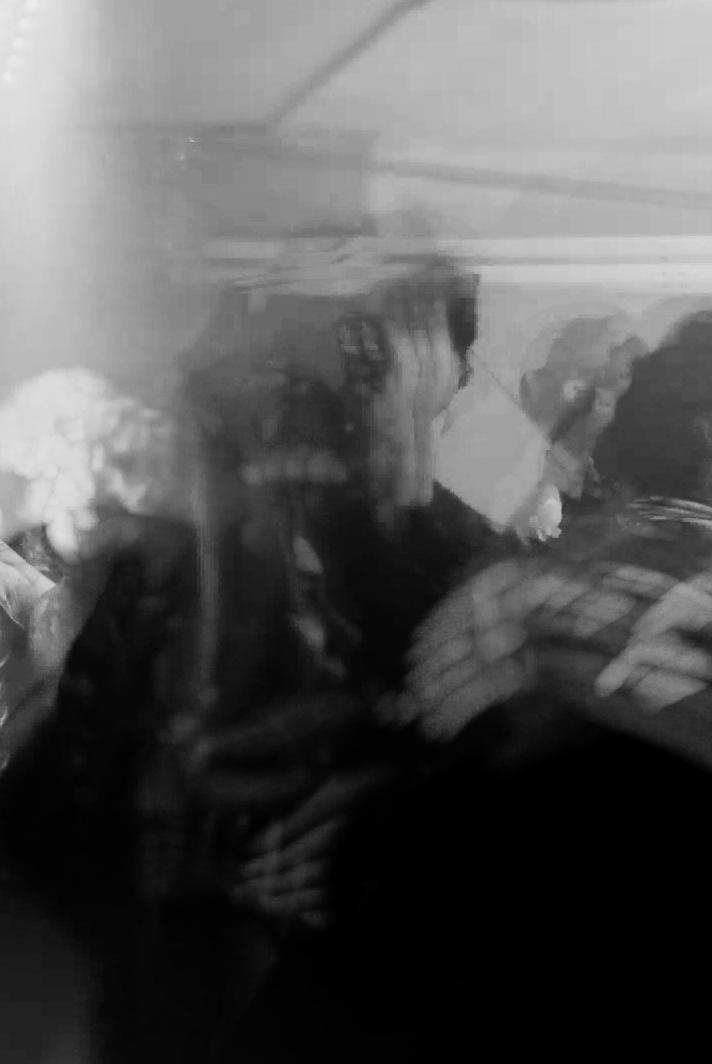
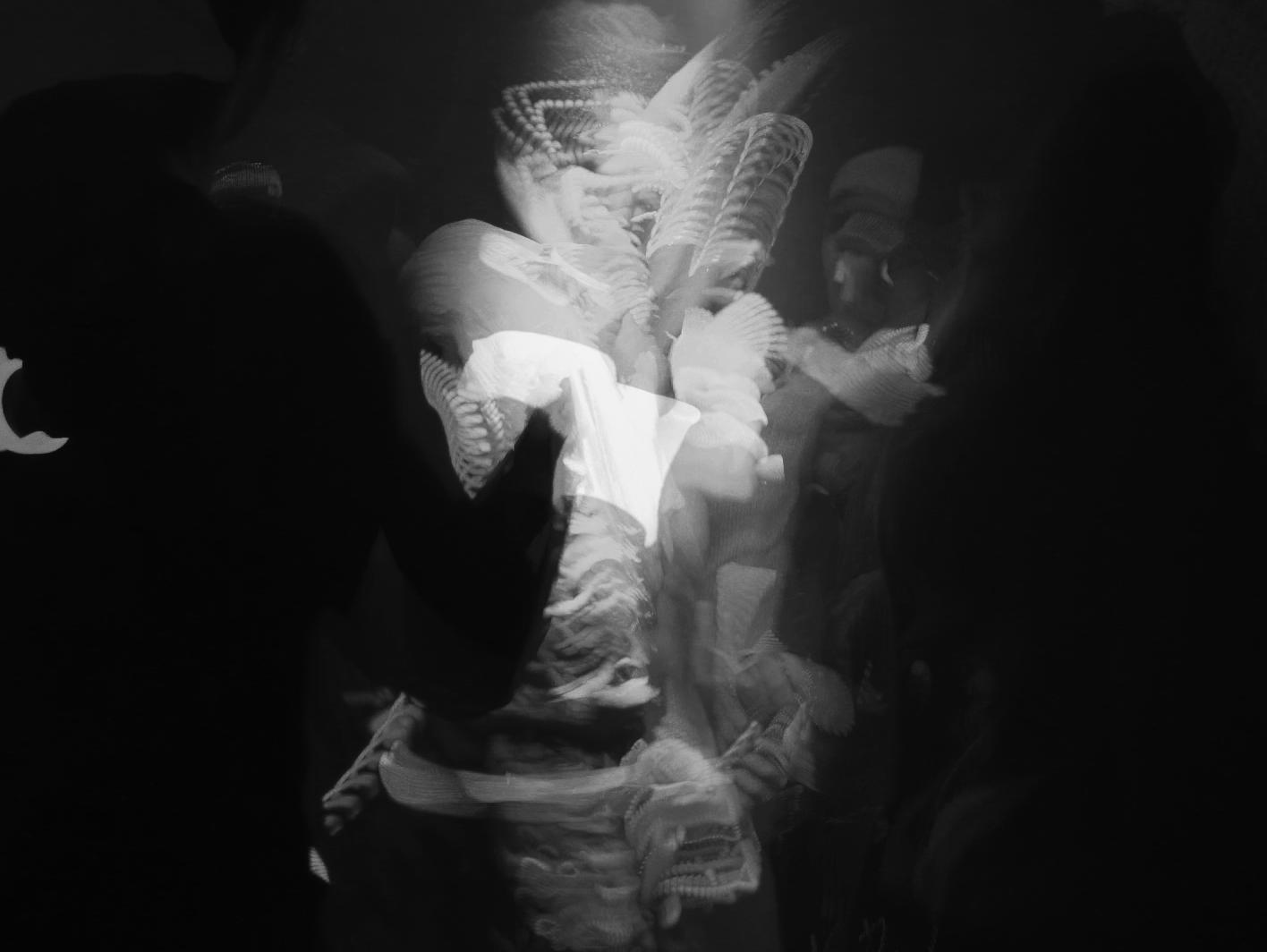
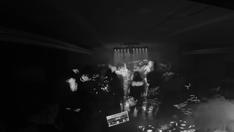
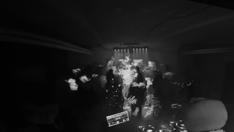
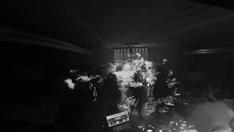
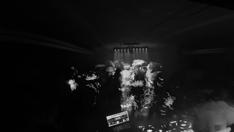
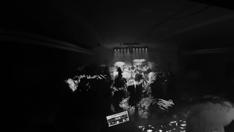
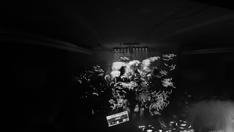
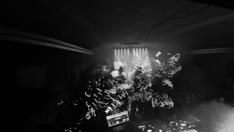
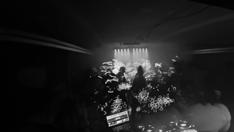
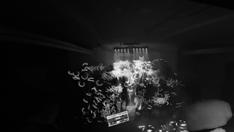
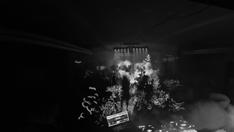
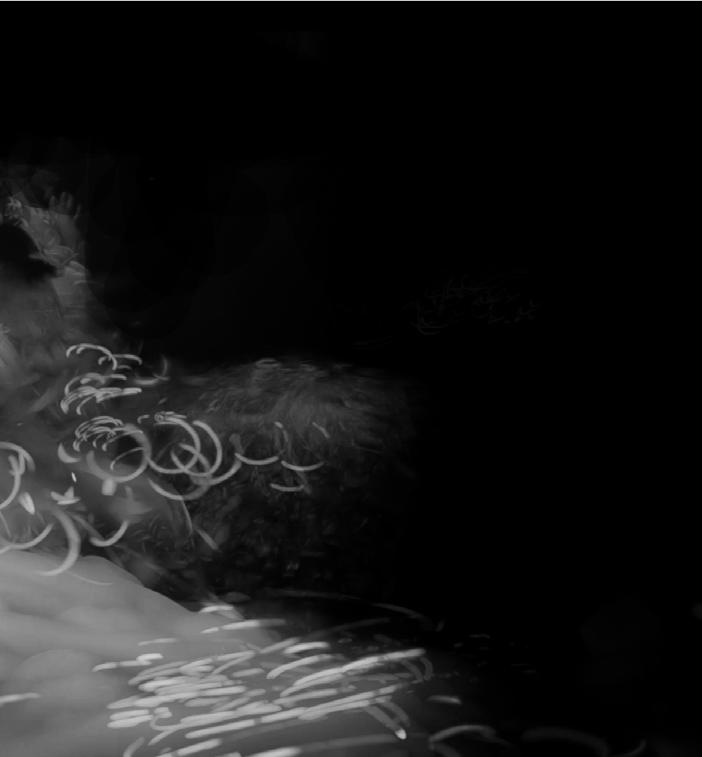
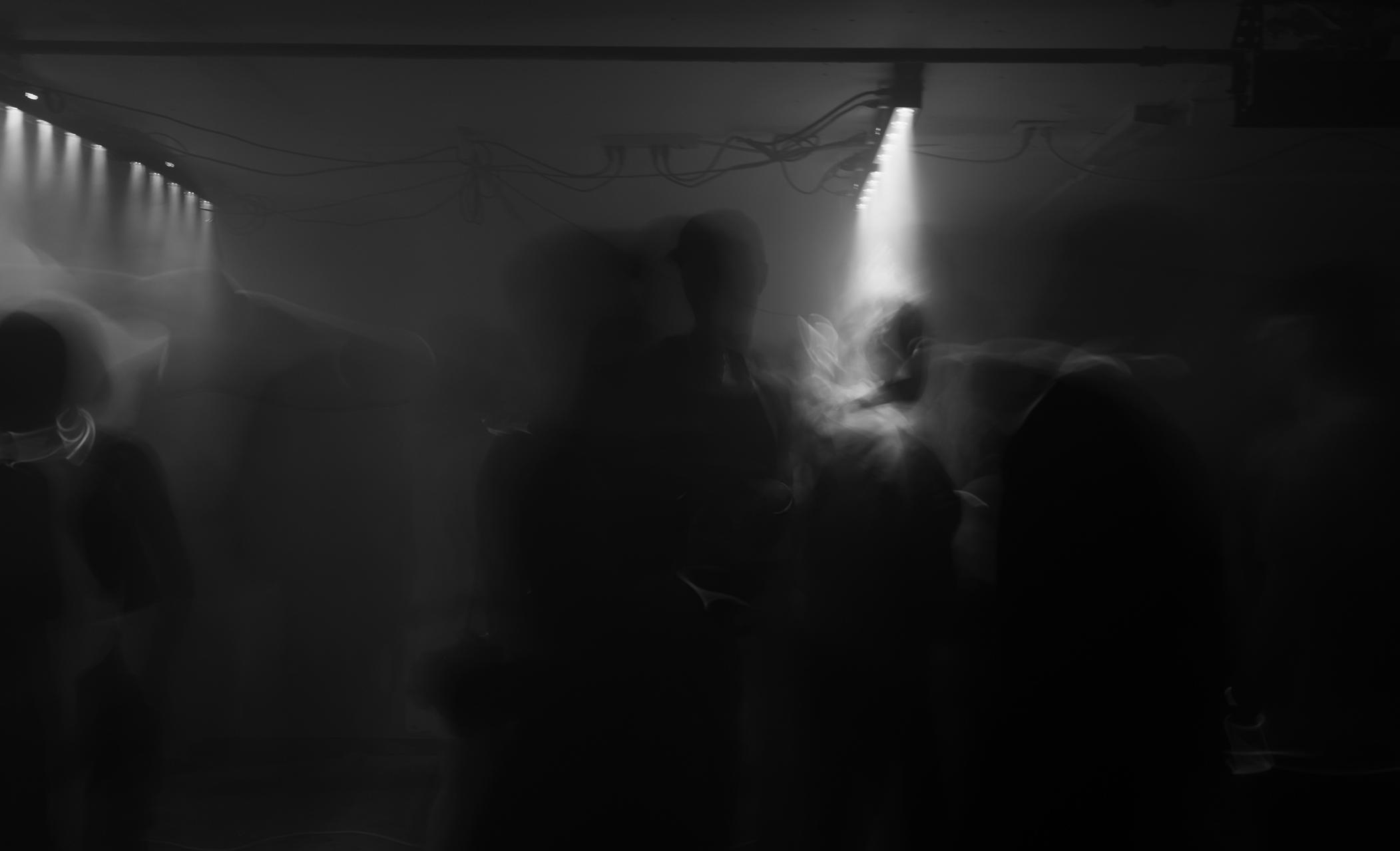
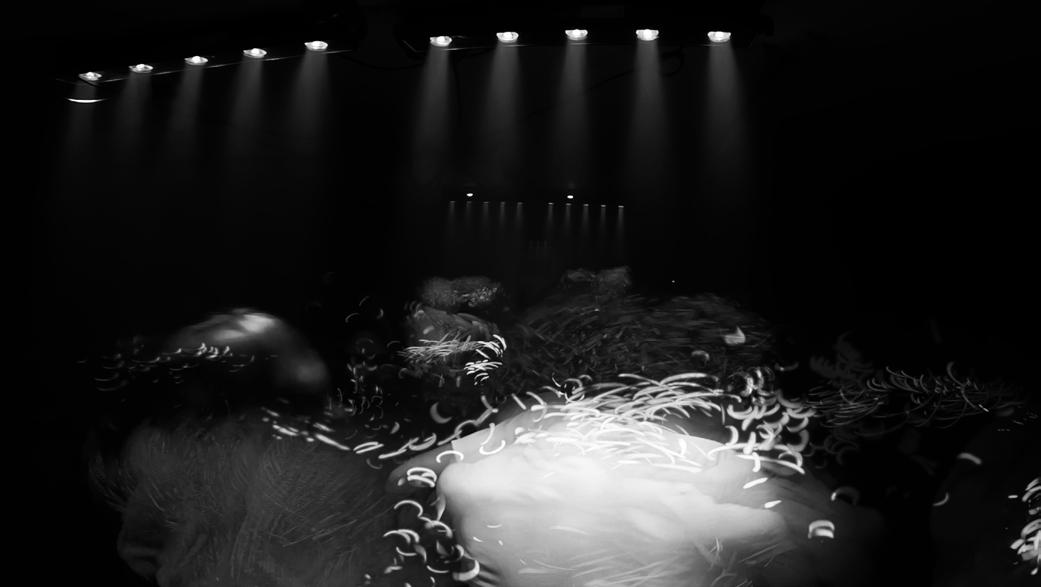
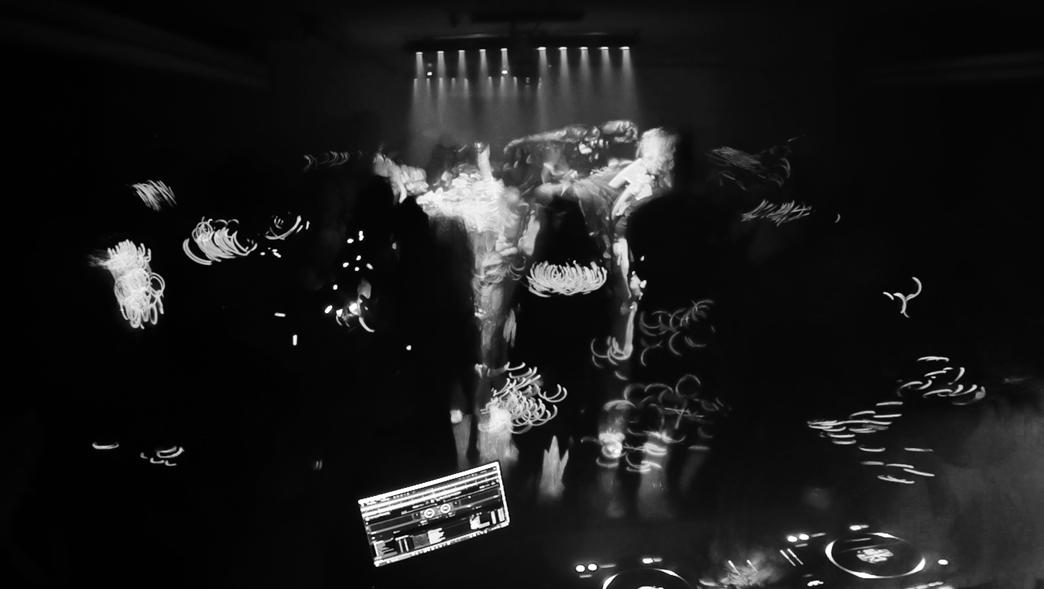
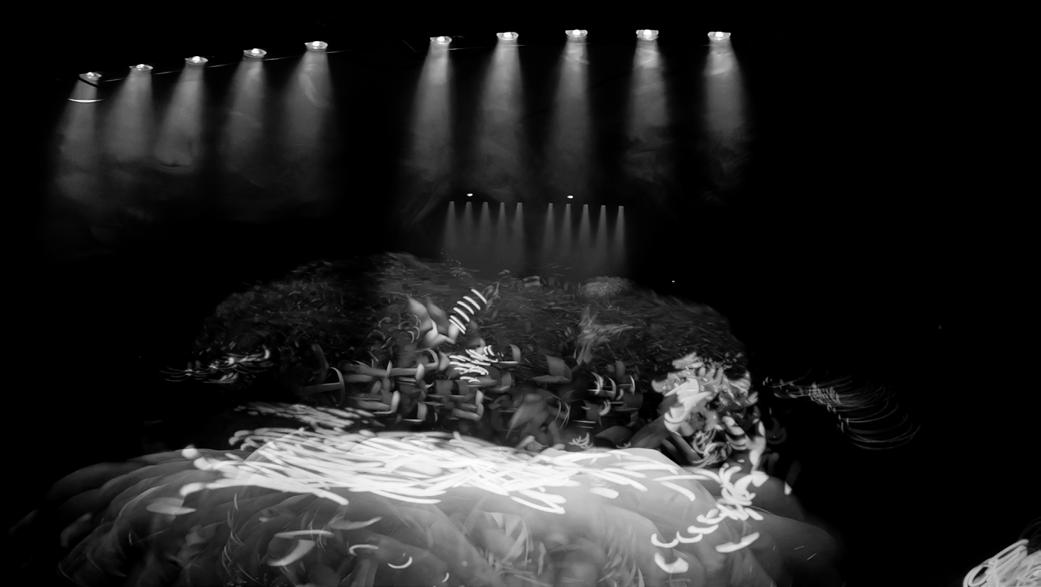
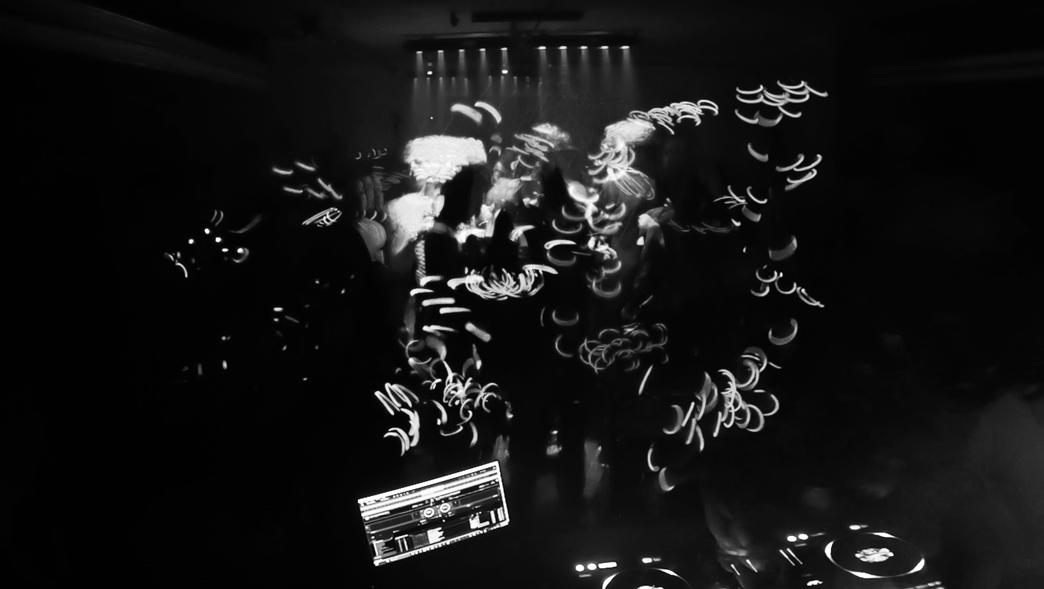
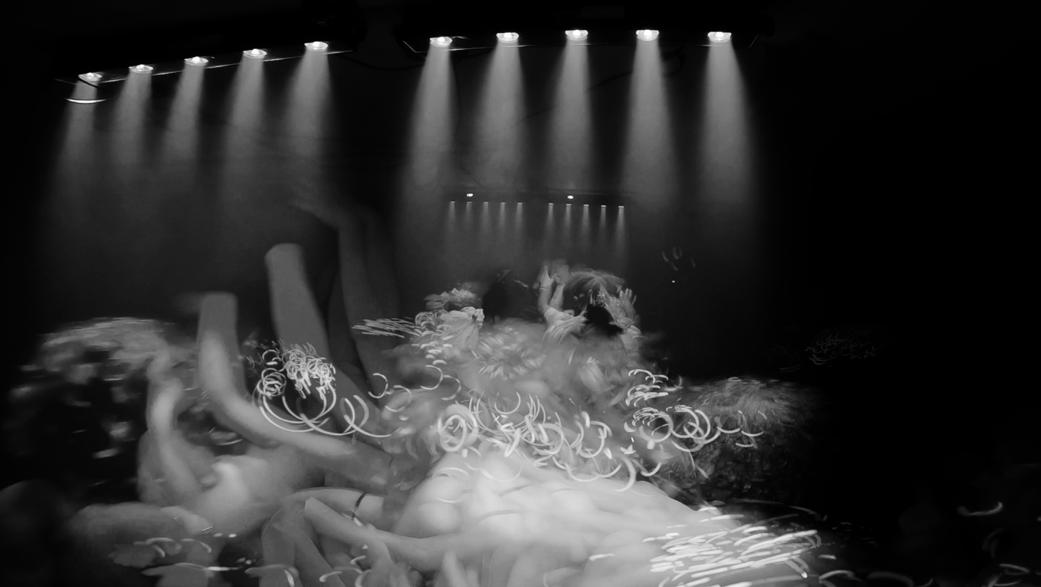
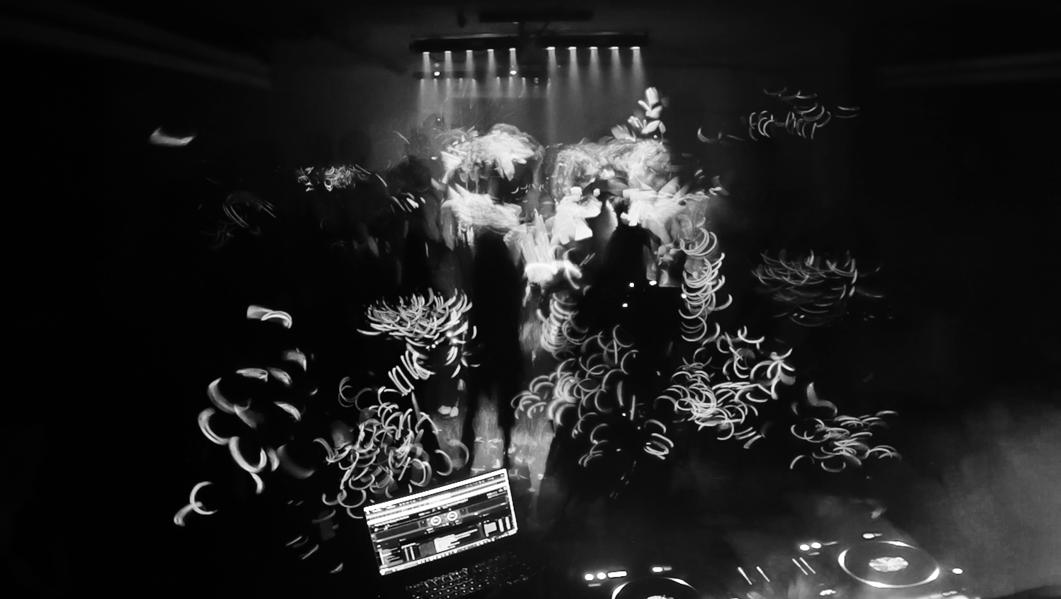
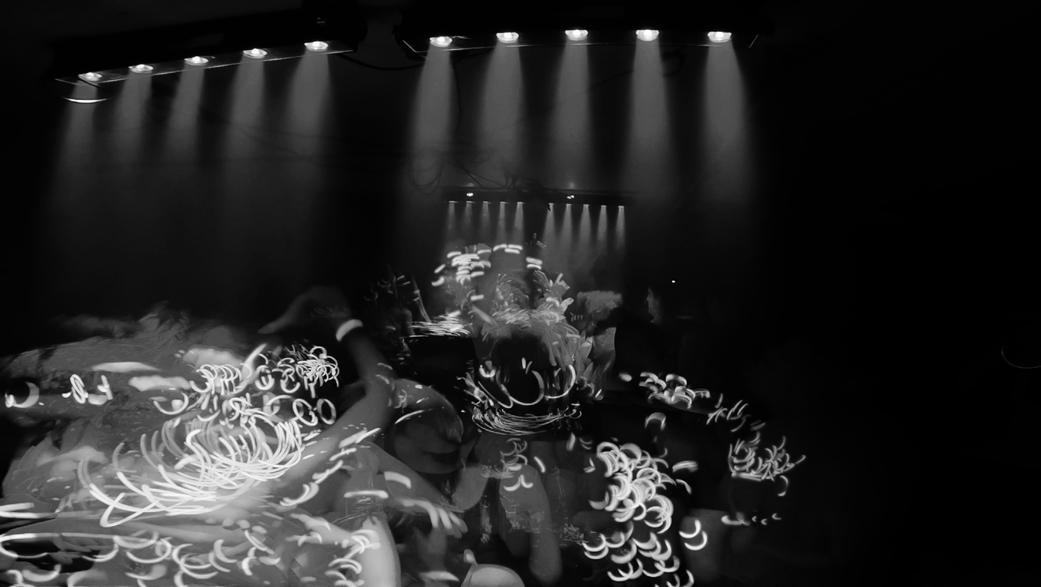
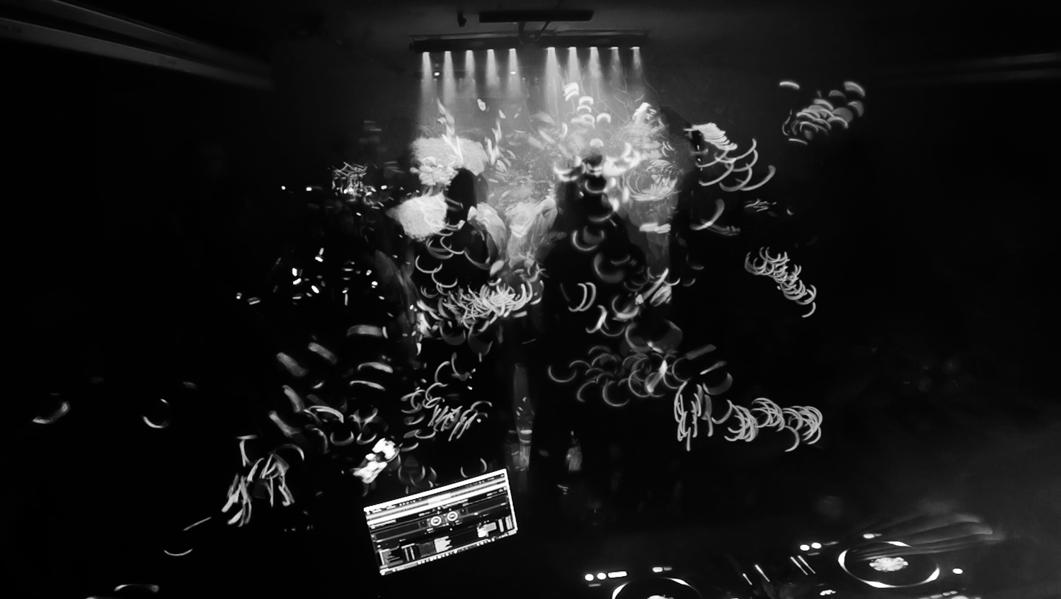
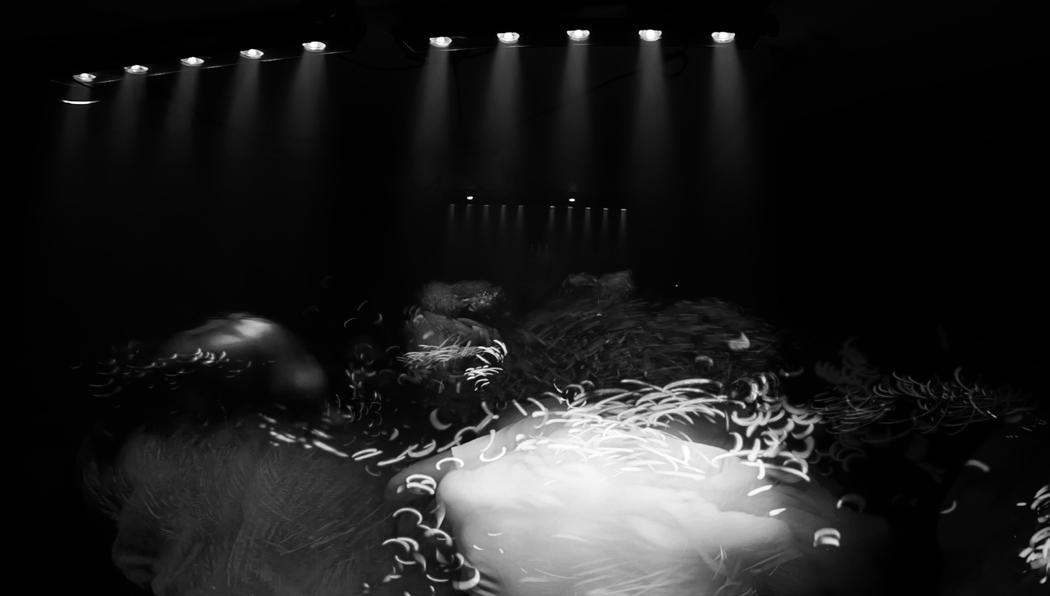
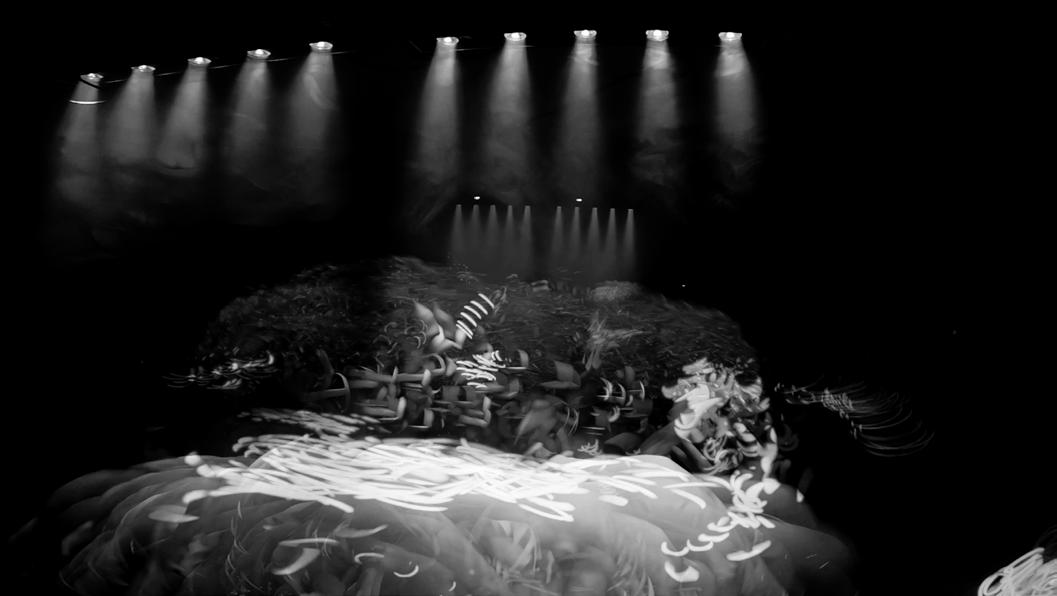
The basement light party functioned as a comprehensive exploration of crowd dynamics, utilizing neon light sticks distributed to each attendee to track and capture their movements throughout the night. The basement space underwent a complete re-imagining and redesign to enhance the overall experience and optimize sound quality. Additionally, strategically placed light bars in the ceiling, controlled by the DJ, accentuated key moments and contributed to the unfolding atmosphere.
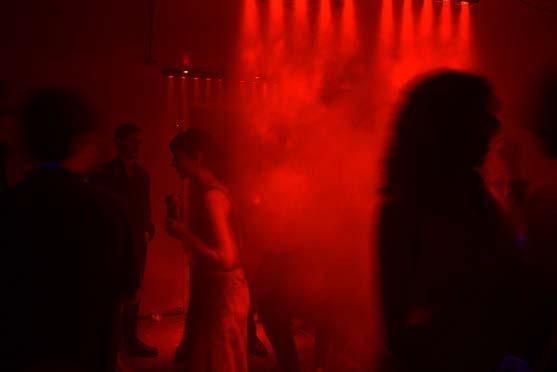
Incorporating ephemeral elements, such as a synchronized fog machine, added depth to the ambiance, stirring emotions within the crowd as the fog mingled with the space. The interplay of smoke and light produced abstract boundaries, outlining spaces where individuals positioned themselves and engaged with the surroundings. These ephemeral and abstract boundaries underscored the fleeting nature of a specific moment in space and time.
These boundaries evolved into dynamic spaces where the crowd could actively break and reshape the constraints of their liminal experience. The swift changes in their configuration highlighted how areas of space, crowd density, and lighting dynamics underwent continual shifts throughout the night, emphasizing the transformative journey of the event.
BASEMENT PLAN DIAGRAM

by Ryan Wang TEMPERATURE T: 70 °F TEMPERATURE LIGHT BAR - RED AMBIANCE LIGHT BAR - WHITE STROBE LIGHTING 1 2 DJ 1 2 SOUND REC 10:00 pm TIME THE NIGHT
Lorem ipsum MOMENTUM
Photographs
30
by Ryan
31
Photographs
Wang
THE ARC OF THE NIGHT - THE BASEMENT LIGHT PARTY
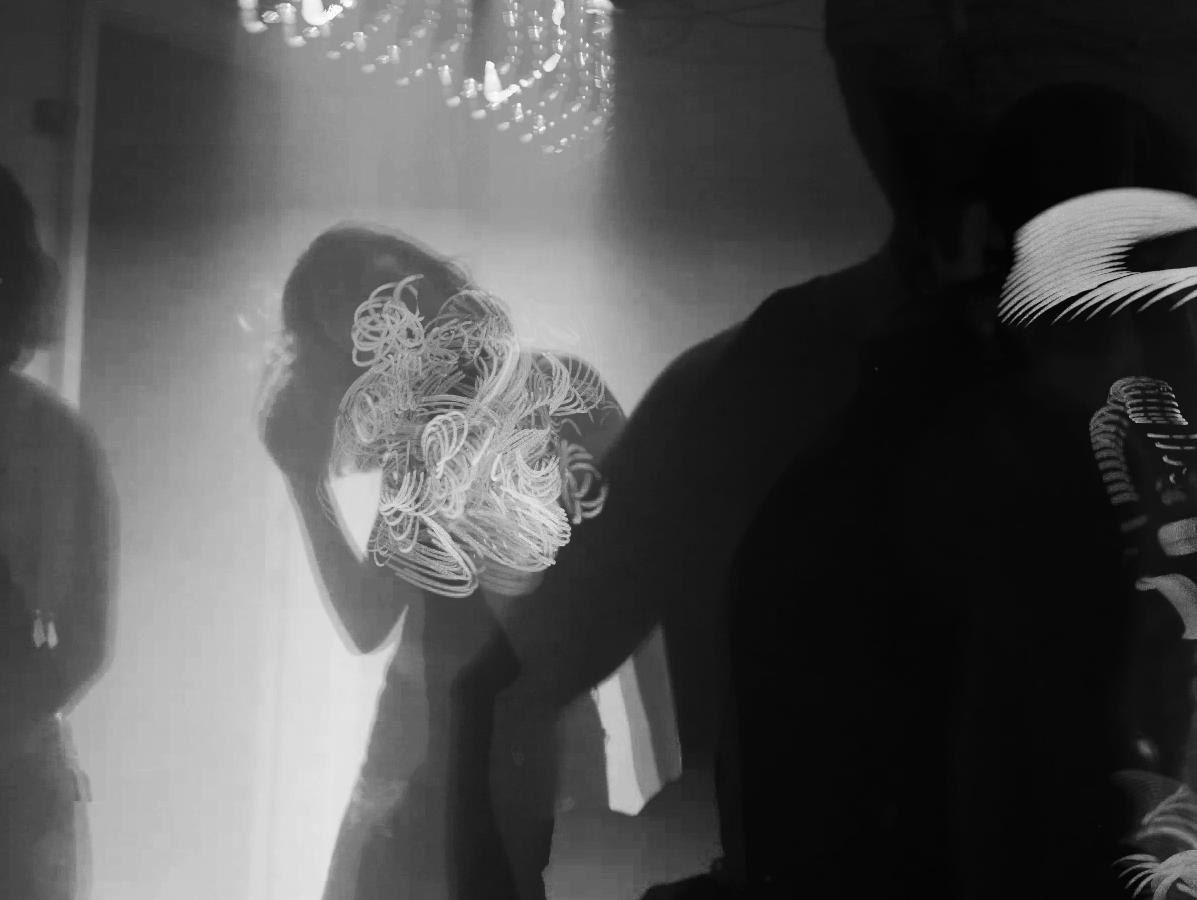
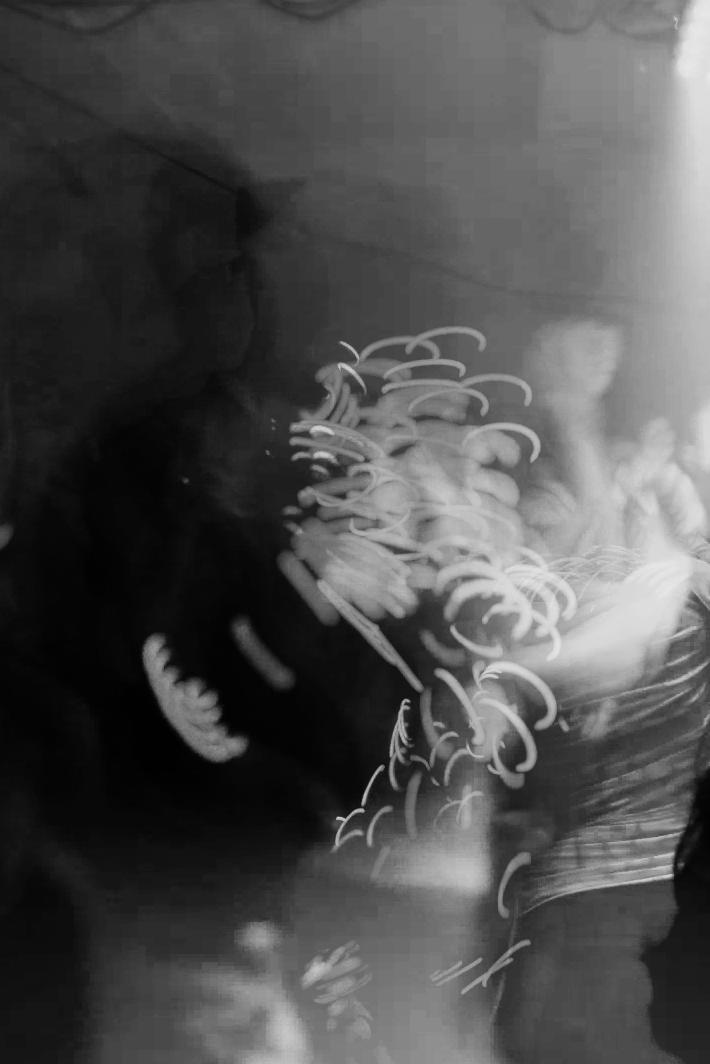
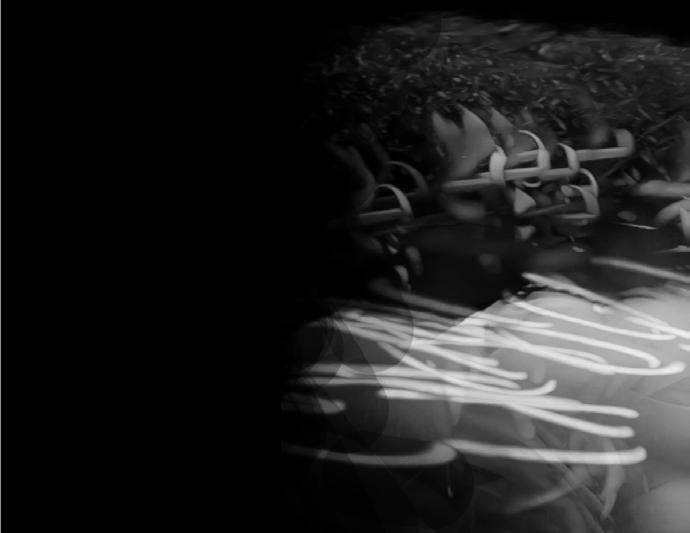
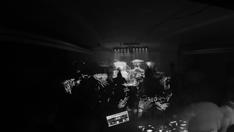
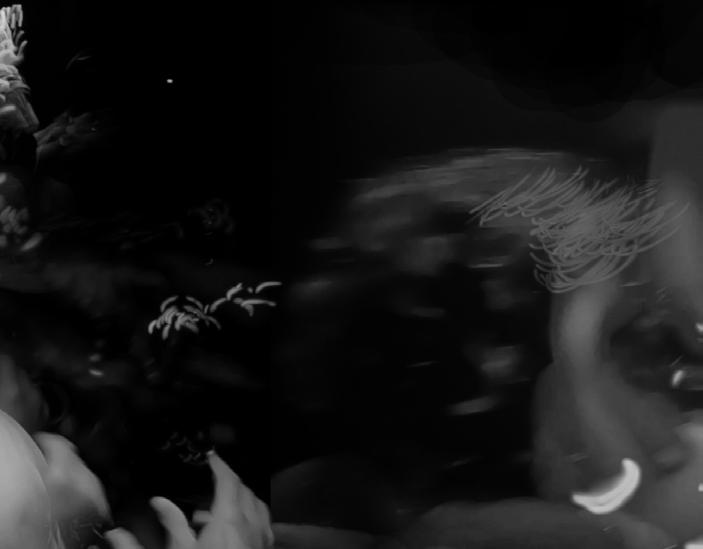
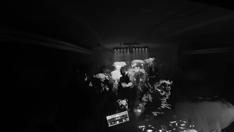
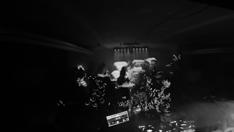
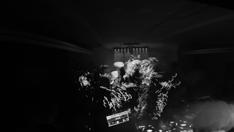
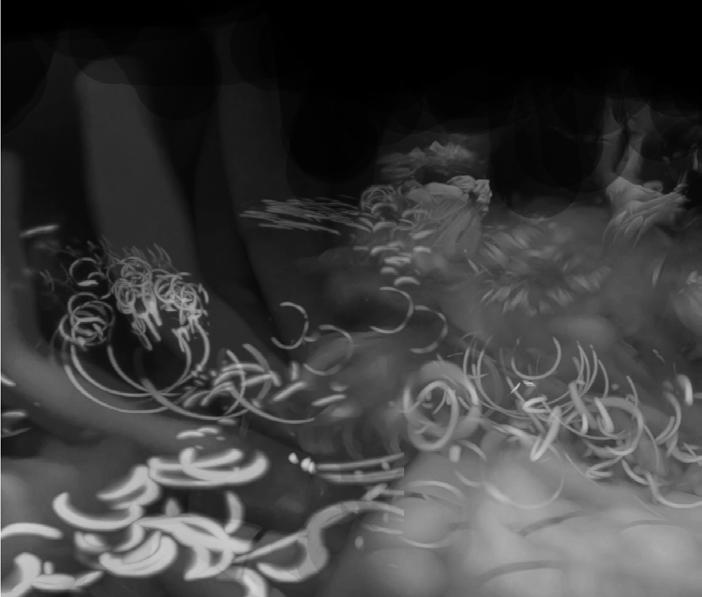
These captured moments unveil the intricate dance of individuals within the space, with the tracking lights serving as indispensable tools for deciphering the trajectory of bodies in motion. By monitoring the movements of necks and arms, a vivid portrayal emerges, illustrating how multiple bodies converge to form a unified collective, ultimately shaping the unfolding narrative of the night. The interplay of light and motion becomes a visual language, allowing us to discern the synchronized expressions of the crowd as they collectively contribute to the evolving energy of the event.
32
33
THE ARC OF THE NIGHT - THE BASEMENT LIGHT PARTY
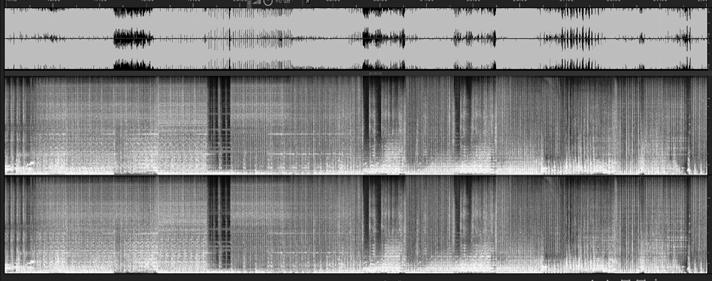
The chart serves as a visual representation of the dynamic interplay between these different factors, allowing for a holistic understanding of the event’s progression. Time markers track the temporal flow, sound waves and spectrograms depict the auditory landscape, temperature fluctuations add a sensory dimension, and spatial design elements are integrated to showcase the intentional layout of the environment.
THE ARC OF THE NIGHT MOVEMENT
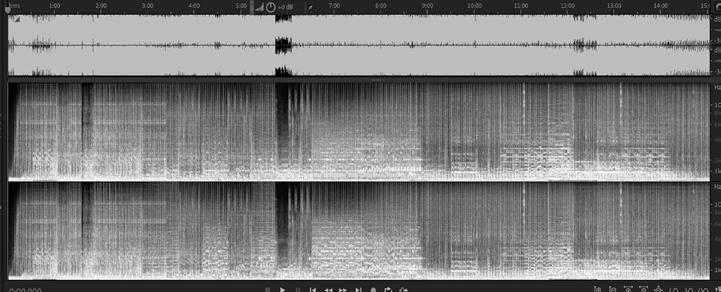

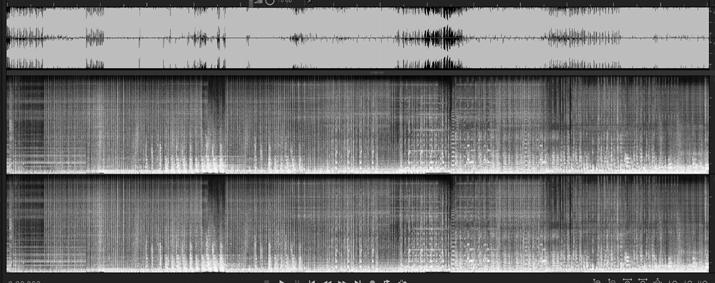
TEMPERATURE T: 70 °F T: 73 °F T: 76 °F TEMPERATURE LIGHT BAR - RED AMBIANCE LIGHT BAR - WHITE STROBE LIGHTING SPECTOGRAM SOUND WAVEFORM 1 2 DJ 1 2 AMPLITUDE BUILD UP BREAK DOWN INTRO/TRANSITION DROP SPEAKERS CAMERA SOUND REC 10:00 pm TIME 10:05 pm 10:10 pm 10:15 pm 10:20 pm 10:25 pm 10:30 pm MOVEMENT IN THE DANCESCAPE
Lorem ipsum INTRO BREAK DOWN MOMENTUM BASEMENT PLAN DIAGRAM
34
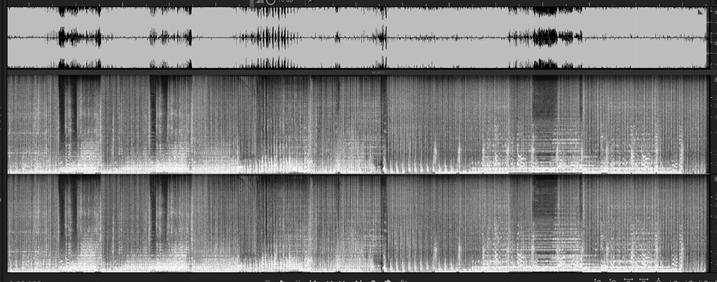
T: 79 °F T: 82 °F 10:35pm 10:40 pm 10:45 pm 10:50 pm 10:55 pm 11:00 pm 11:05 pm 11:10 pm BUILD UP
35
DROP
THE ARC OF THE NIGHT - THE AAP EXHIBITION PARTY
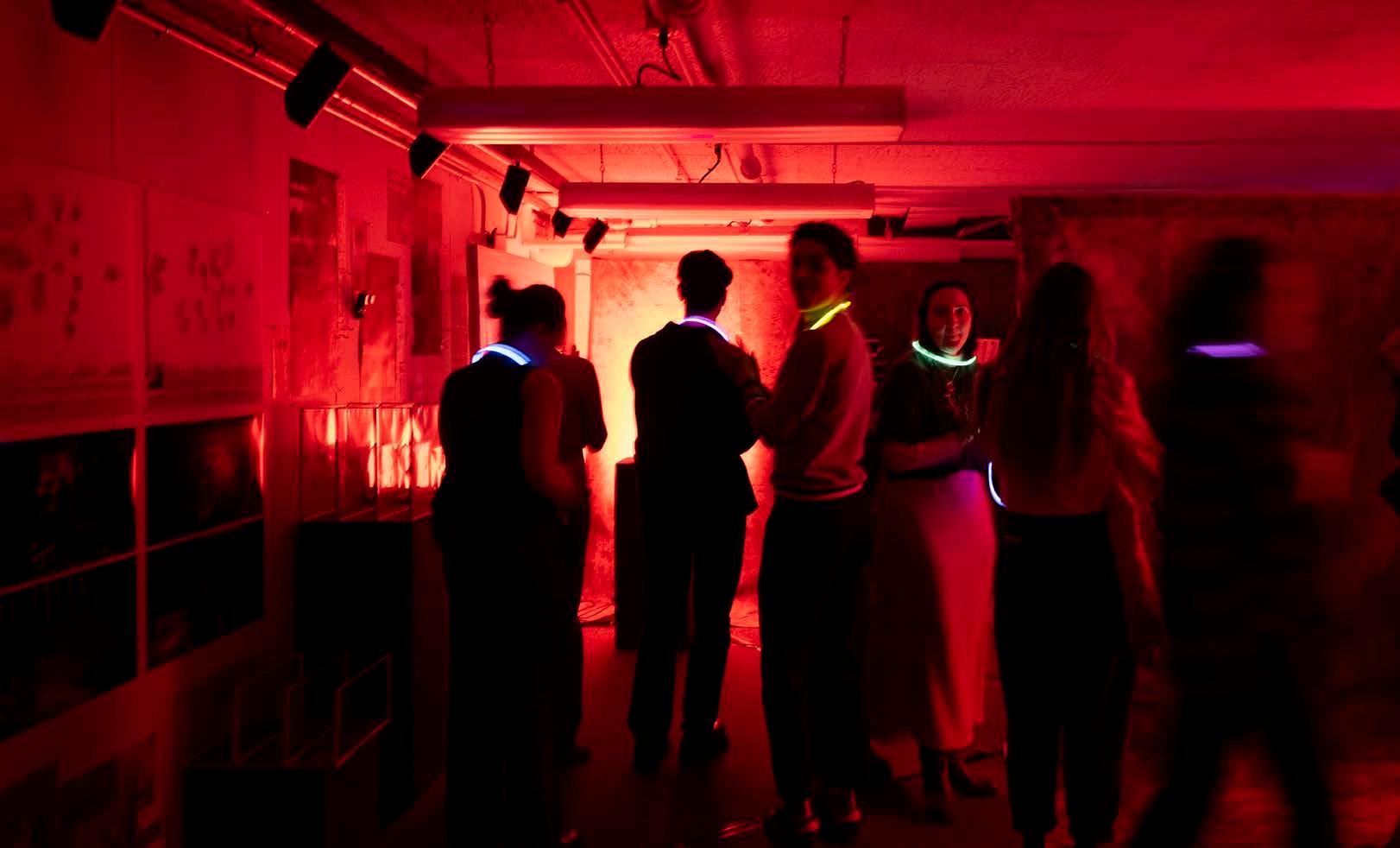
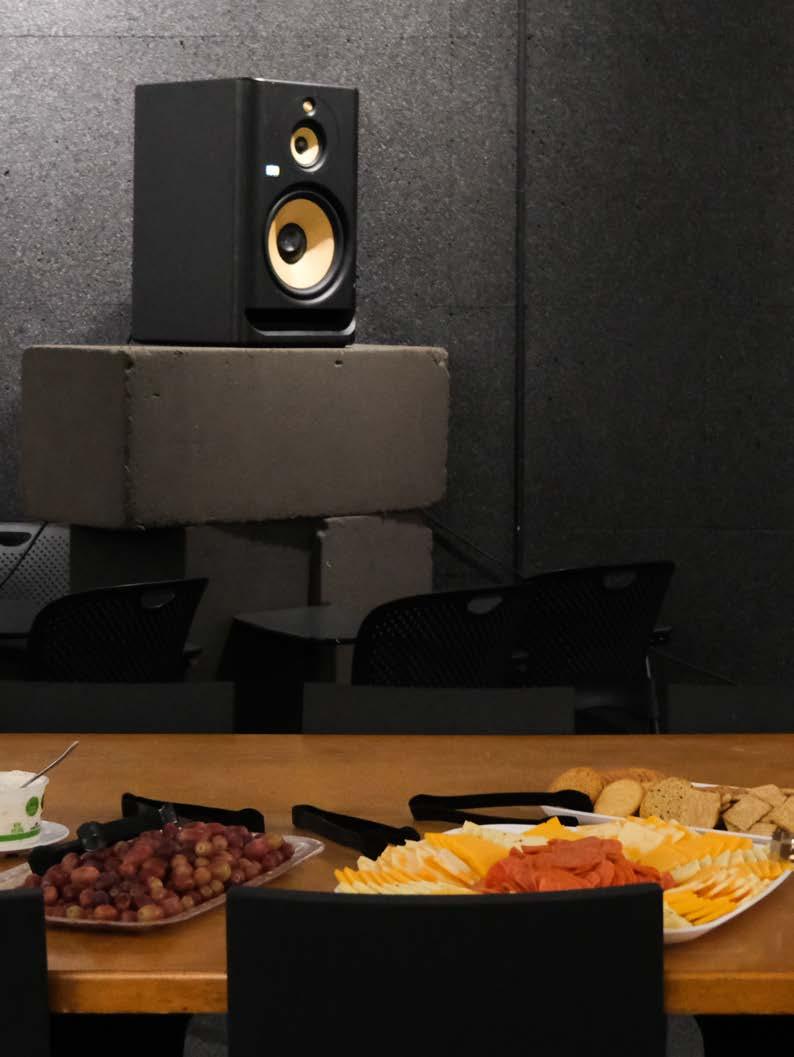
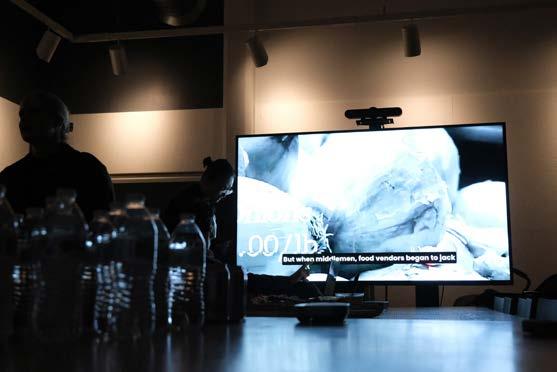
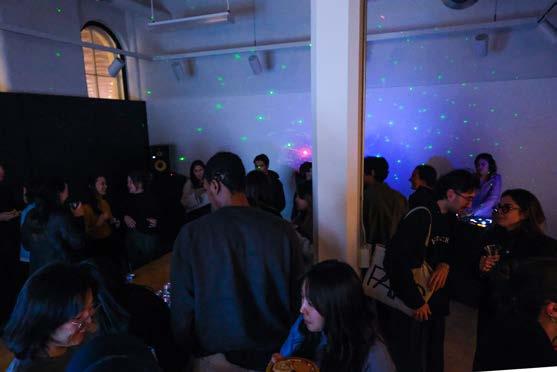
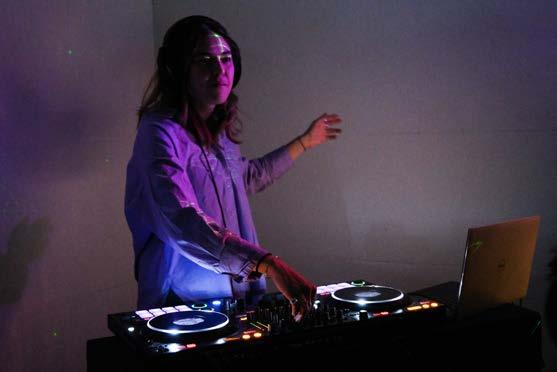
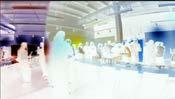
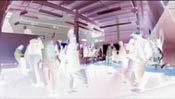
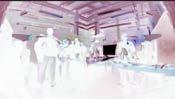
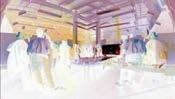
The AAP exhibition party was the inauguration of the work of an architecture class at AAP, bringing students together to celebrate their collective achievements. The event served as a platform to display the body of work accomplished by the students. The analysis of this gathering captured the sounds in space with the goal of portraying an overarching narrative of the night through their conversations. The collective reverberations of the crowd acted as a dynamic metric, that fluctuated in decibels. Each conversation when stacked with one another depicted the stacking and intertwining of their nature, ultimately defining the key inflection points of the event.
The spatial design was thoughtfully produced in order to capture the auditory landscape. There where three strategically positioned recorders that captured the differing sounds projected from different corners of the space.
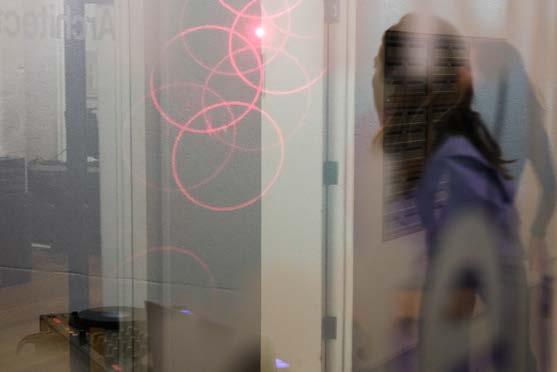
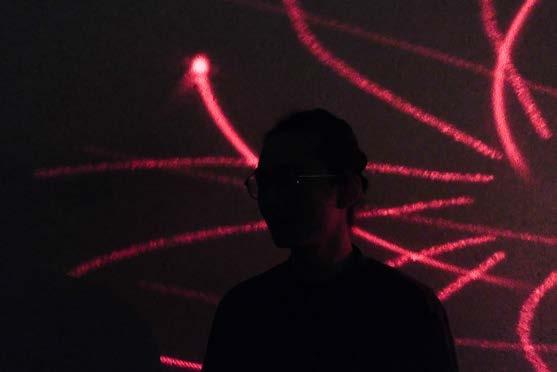
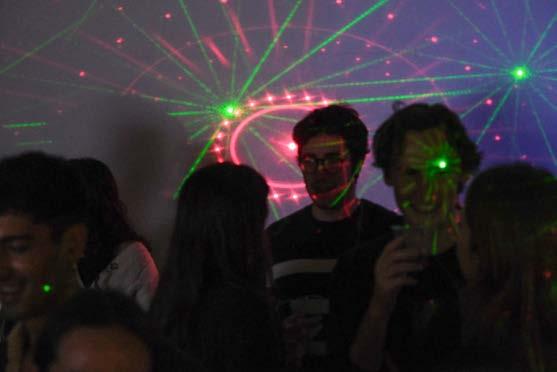
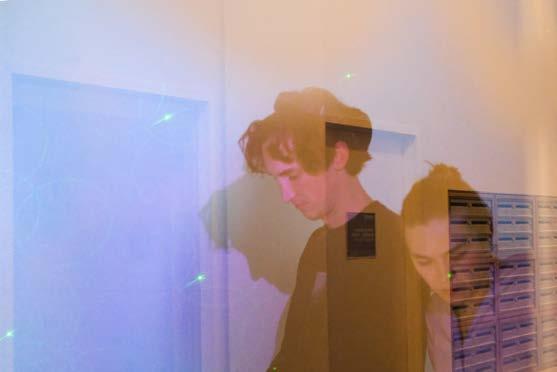
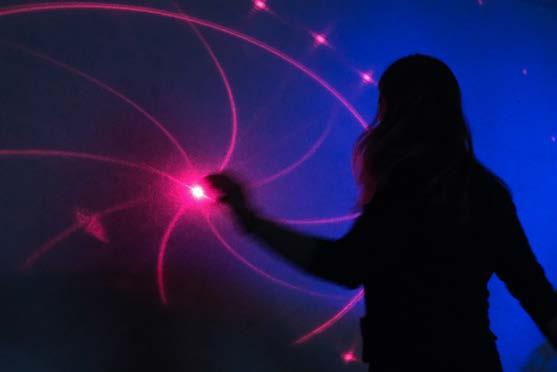
Two cameras and two speakers played a pivotal role in the spatial design. Together with the music, these elements combusted the immersive experience for the crowd. Laser lights, while not directly in relation to the analytical side, were highly influential for the ambiance design. They added a special element to the overall atmosphere, where the dancers and wanderers felt the sensorial richness of the event.
by
7:06 pm 7:12 pm TIME REC ONE REC TWO REC THREE THE NIGHT SOUND
140 PLAN DIAGRAM DJ SP SW SP SW SP SW BAR FOOD 1 2 3 SCREEN SOUND REC 36
Photograph
Chi Chia Tsao
SIBLEY

by
Photographs
37
Chi Chia Tsao
THE ARC OF THE NIGHT - THE EXHIBITION PARTY
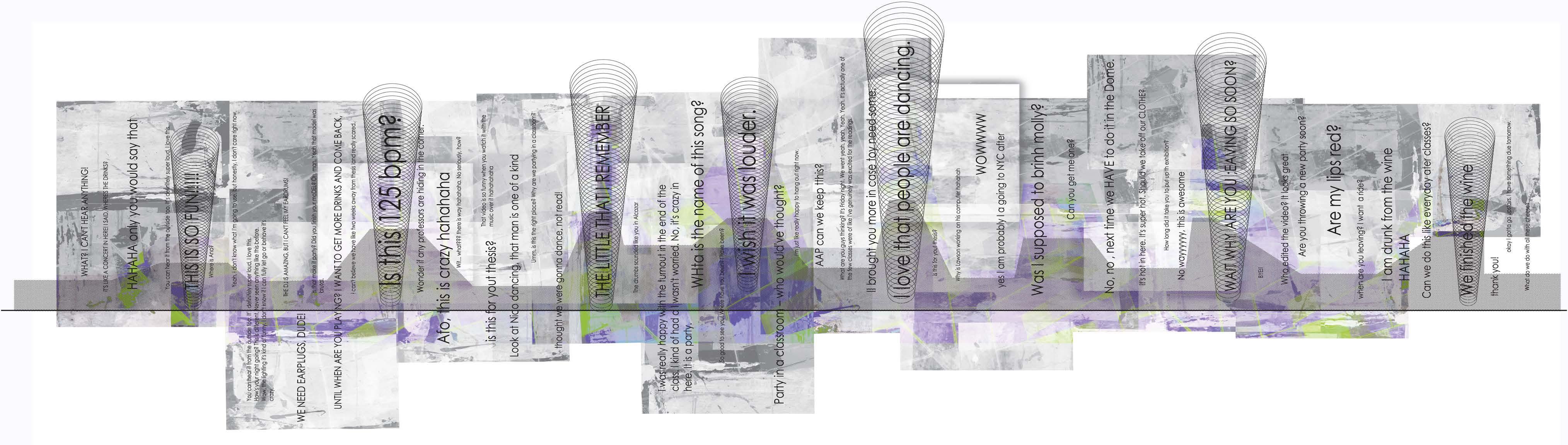
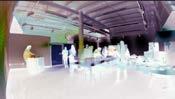
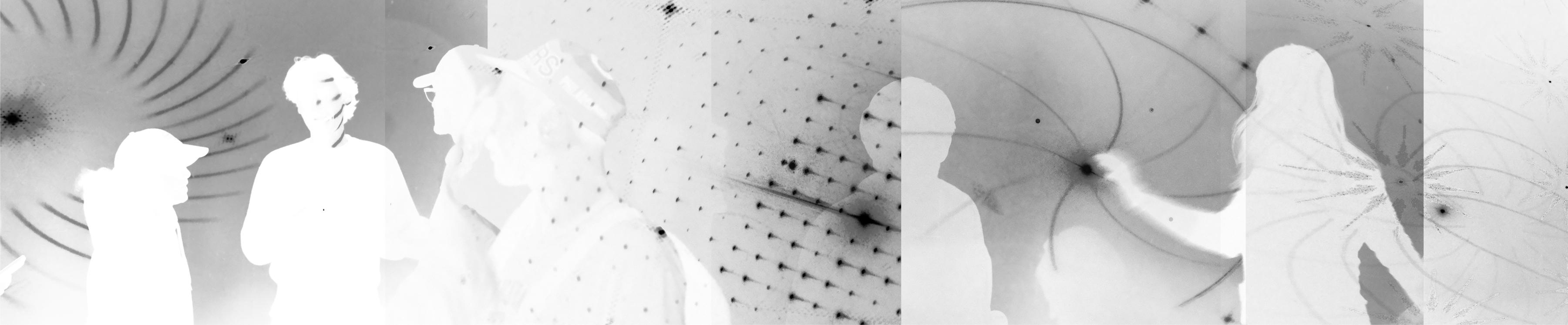
The concrete poem visually narrates the crowd’s story at the exhibition event, capturing fluctuations as voices and decibel levels rise. It serves as a unique tool to re-imagine and reconstruct the unfolding of the night, providing a dynamic snapshot of the diverse experiences and interactions that shaped the event.
38
39
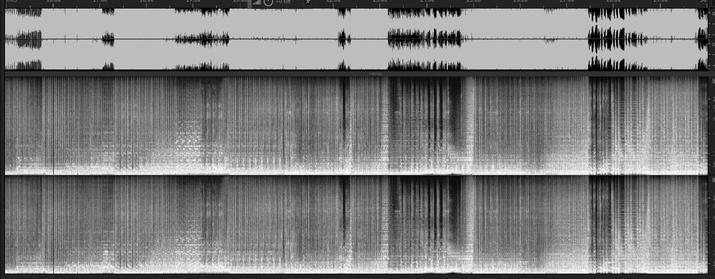
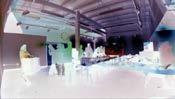
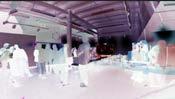
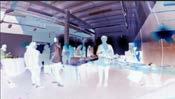
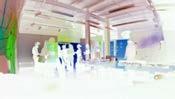
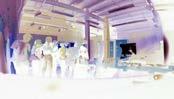
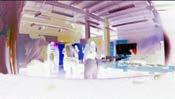
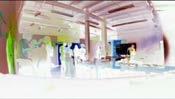
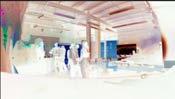
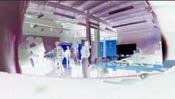
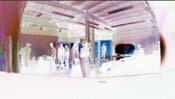
This chart exclusively centers on sound analysis, showcasing sound waves captured by three different recorders in distinct spaces. The final depiction extracts voices from all three recorders. Accompanying this, a series of images document crowd movements throughout the event time-frame. For additional tools used in this analysis, please refer to the diagram provided.
THE ARC OF THE NIGHT SOUND
ARC OF THE NIGHT
THE EXHIBITION
7:06 pm 7:12 pm 7:18 pm 7:24 pm 7:30 pm 7:36 pm 7:42 pm 7:48 pm 7:54 pm TIME REC ONE REC TWO REC THREE REC VOICE EXTRACTION OF ALL TWO CAMERA OVERLAY IN SPACE
THE
-
PARTY
SIBLEY 140 PLAN DIAGRAM DJ SP NO REC SW SP SW SP SW SP SW BAR FOOD 1 2 3 SCREEN BREAK DOWN INTRO/ TRANSITION BUILD UP BREAK DOWN INTRO/TRANSITION DROP SPEAKERS CAMERA SOUND REC
40



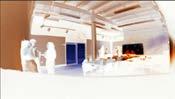
8:00 pm 8:06 pm 8:12 pm 8:18 pm 8:24 pm 8:30 pm 8:36 pm 8:42 pm 8:48 pm 8:54 pm 9:00 pm BUILD UP DROP 41
INTRO TRANSITION SECONDS 11 12 14 15 18 19 IV 42
THE INFLECTION POINTS
43
THE INFLECTION POINTS - INTRODUCTION
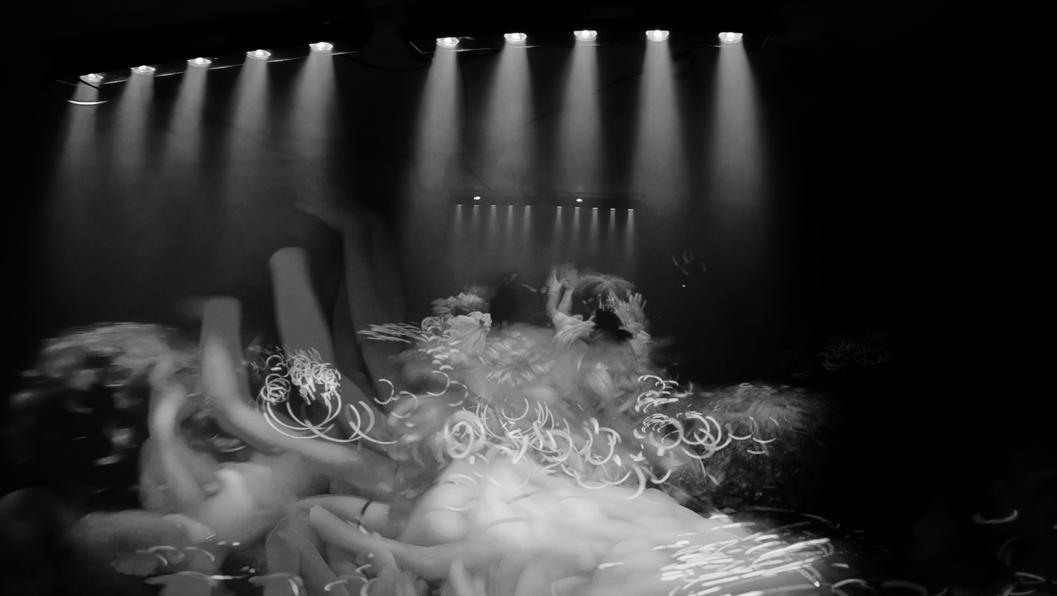
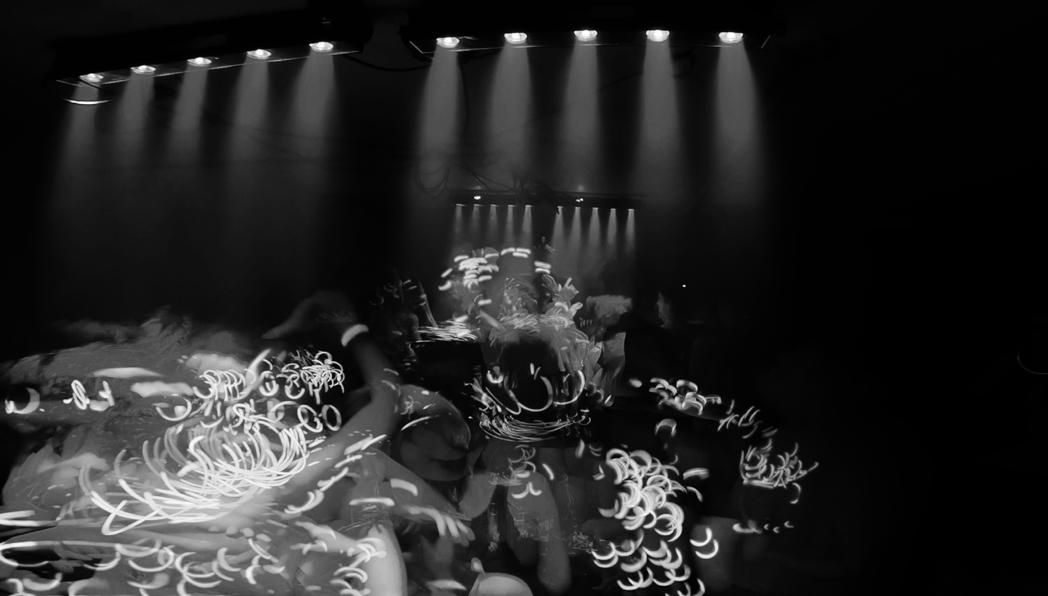
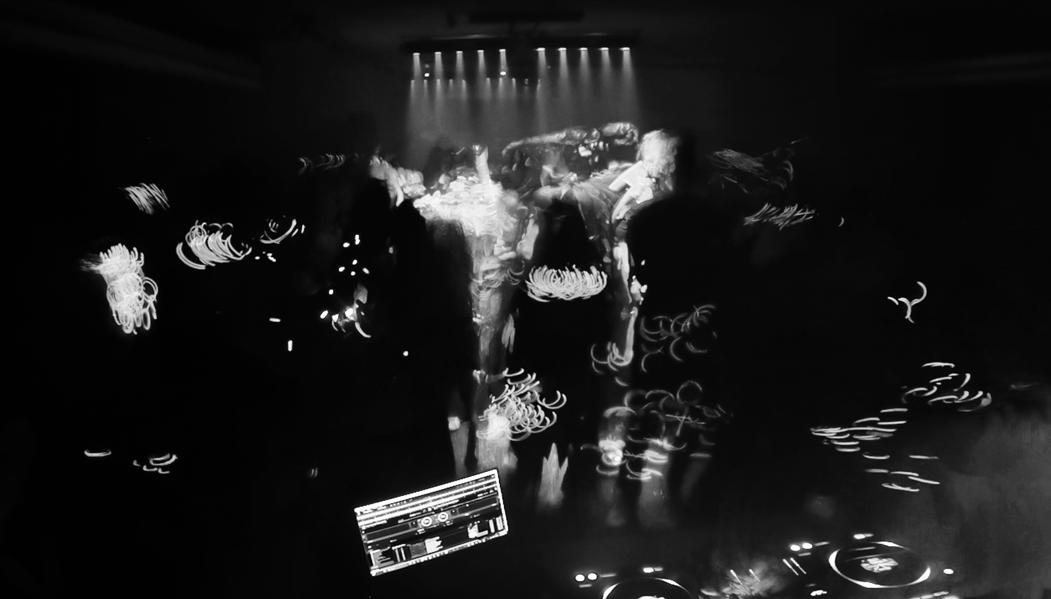
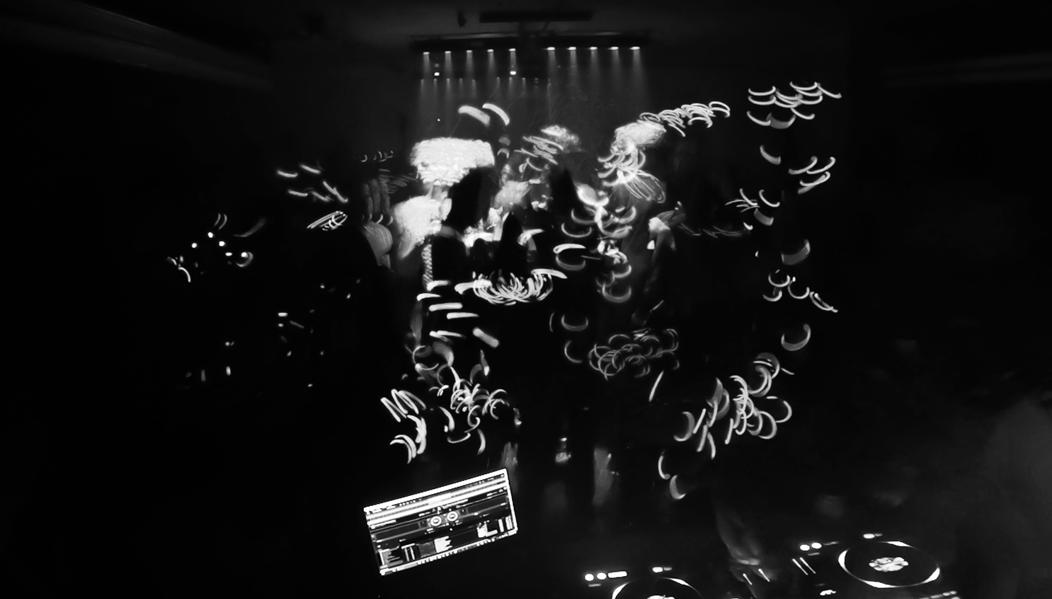
A s established earlier, the arc of the night is comprised of a series of inflection points that define it, akin to how a song is written, composed, and articulated through crescendos, rhythms, harmonies, and various other carefully crafted components within the score of the composition. Electronic music, with its unique production style, is fundamentally designed to follow a structured sequence of moments that categorize it into the genre.
Every electronic music track adheres to a fundamental structure, including an intro, breakdown, buildup, drop, and outro. Now, envisioning the night’s composition, it is essentially constructed from multiple iterations of these key components, weaving together a larger composition formed with each inflection. The arc of the night, as a holistic experience, is woven with these inflection points, where the intro signifies the beginning, the breakdown unveils the distinct flavor of the DJ, the buildup amplifies the momentum, the drop accentuates the transcendence of the crowd, and the outro gradually signifies completion.
44
Photo by Ryan Wang - B.arch 26’
INTRO TRANSITION TRANSITION BREAKDOWN BREAKDOWN OUTRO BUILD UP BUILD UP DROP DROP 45
THE INFLECTION POINTS - INTRO/TRANSITION
The “intro” of the night sets the stage, just like the opening notes of a song. It establishes the initial atmosphere and energy, drawing people into the unfolding narrative of the evening. In this case, the Intro is very similar to the outro, and for the research purpose of this thesis , the outro does not become a part of the inflection points representation. Instead, the transition becomes part of the intro, and it represents the outro by introducing a new song, or momentum during the experience of the night.
Charcoal Party Inflection Point
0 s INTRO / TRANSITION IN 20 SECONDS 1 s 2 s 3 s 4 5 6 7 8 9 10 s 11 s 12 s 13 s 14 s 15 16 17 18 19 20 s Migration diagram from
46
 Concrete Poem From AAP Exhibition Party Inflection Point
47
Crowd Movement from Basement Light Party Inflection Point (back and front camera)
THE INFLECTION POINTS - THE BREAKDOWN
A s the night progresses, the “breakdown” acts as a moment of reflection, akin to the quieter, more intricate section in a musical composition. It provides an opportunity for the audience to immerse themselves in the nuances of the environment, revealing the distinctive flavor and style of the event.
0 s BREAKDOWN IN 20 SECONDS 1 s 2 s 3 s 4 5 6 7 8 9 10 s 11 s 12 s 13 s 14 s 15 16 17 18 19 20 s
diagram from
Migration
Charcoal Party Inflection Point
48
 Concrete Poem From AAP Exhibition Party Inflection Point
49
Crowd Movement from Basement Light Party Inflection Point (back and front camera)
The “buildup” corresponds to the rising action in music, intensifying the energy and anticipation. It serves as a bridge, propelling the audience toward a climactic moment. A crescendo that fuels the collective and awakens a feeling of crave for the bass to combust.
0 s BUILD-UP IN 20 SECONDS 1 s 2 s 3 s 4 5 6 7 8 9 10 s 11 s 12 s 13 s 14 s 15 16 17 18 19 20 s Migration diagram from
THE INFLECTION POINTS - THE BUILD UP
Charcoal Party Inflection Point
50
 Concrete Poem From AAP Exhibition Party Inflection Point
51
Crowd Movement from Basement Light Party Inflection Point (back and front camera)
THE INFLECTION POINTS - THE DROP
The “drop” is the apex, the pinnacle of the night. It’s the collective release of energy, akin to the explosive chorus in a song. This moment transcends individual experiences, unifying the crowd in a shared, euphoric climax.
Charcoal Party Inflection Point
0 s DROP IN 20 SECONDS 1 s 2 s 3 s 4 5 6 7 8 9 10 s 11 s 12 s 13 s 14 s 15 16 17 18 19 20 s
Migration diagram from
52
 Concrete Poem From AAP Exhibition Party Inflection Point
53
Crowd Movement from Basement Light Party Inflection Point (back and front camera)
THE INFLECTION POINTS - SEQUENCE ONE
INTRO / TRANSITION IN 20 SECONDS 1 s 2 4 6 s 7 9 10 11 s 12 13 14 15 16 s 17 18 19 20 BREAKDOWN IN 20 SECONDS 1 3 4 s 6 8 9 10 11 12 13 s 14 15 16 17 18 s 19 20
The Intro / The Transition
54
The Breakdown
0 BUILD-UP IN 20 SECONDS s 2 4 5 6 s 7 9 10 11 12 13 14 s 15 16 17 18 19 s 20 DROP IN 20 SECONDS 1 2 3 s 4 6 7 8 s 9 10 11 s 12 13 14 15 16 17 18 s 19 20
The Build Up
55
The Drop
- SEQUENCE TWO
THE INFLECTION POINTS
The Intro / The Transition
56
The Breakdown
57
The Build Up The Drop
- SEQUENCE THREE
THE INFLECTION POINTS
The Intro / The Transition
58
The Breakdown
59
The Build Up The Drop
- SEQUENCE FOUR
THE INFLECTION POINTS
The Intro / The Transition
60
The Breakdown
The Build Up
61
The Drop






1 2 3 4 1 2 3 4 DJ DJ 2 MIN 3 MIN 30 SEC 30 SEC 30 SEC 2 MIN 2 MIN V 62
FINAL EXHIBITION DESIGN
63
FINAL EXHIBITION DESIGN - DESIGN
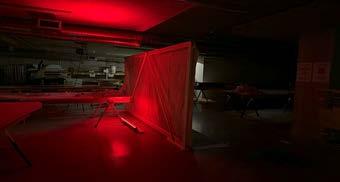
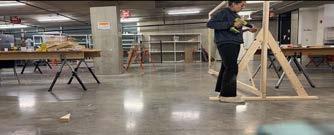
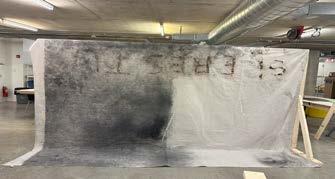
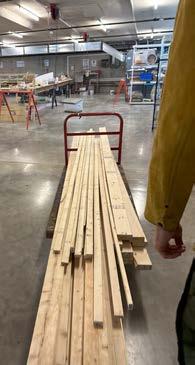
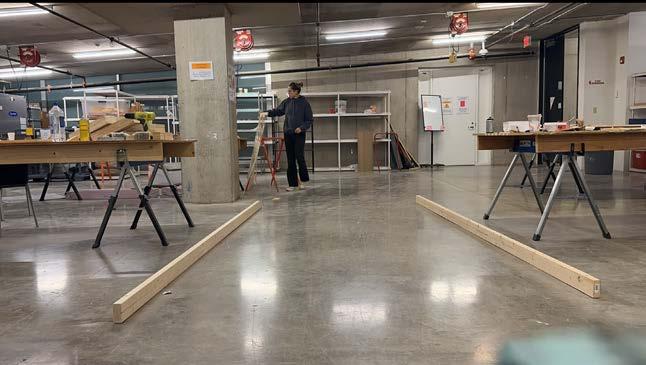
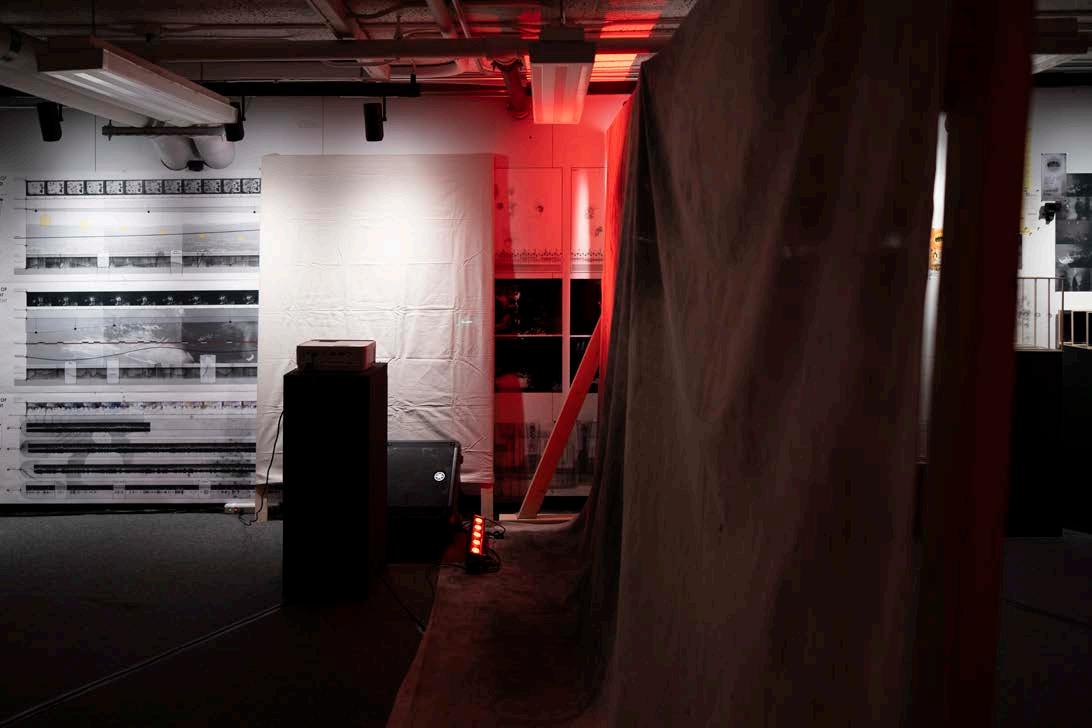
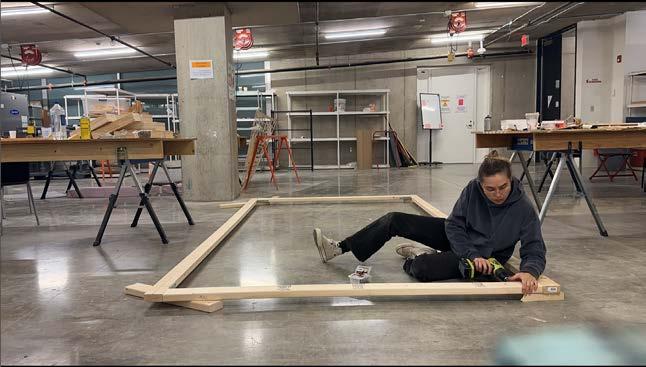
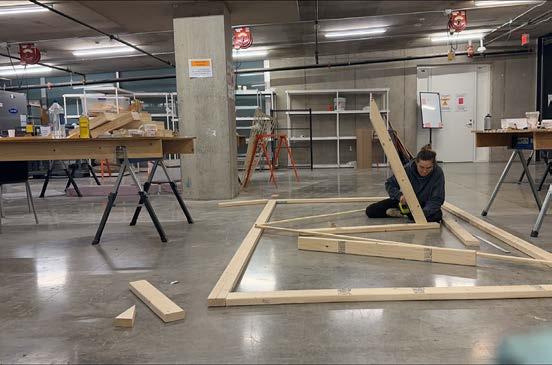
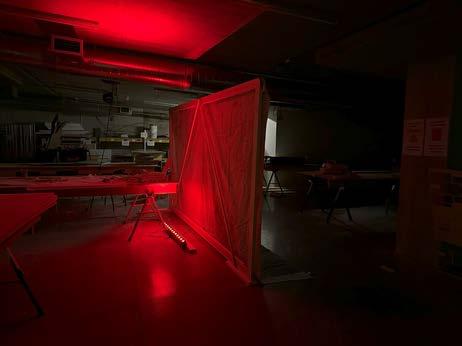
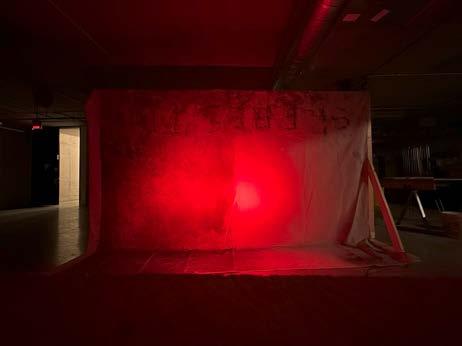
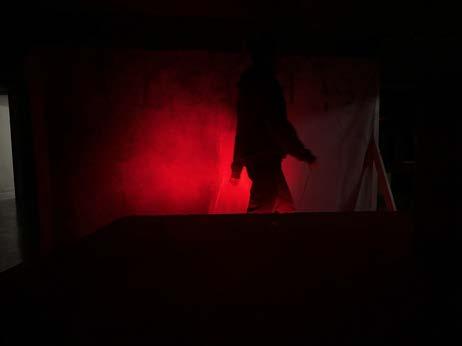
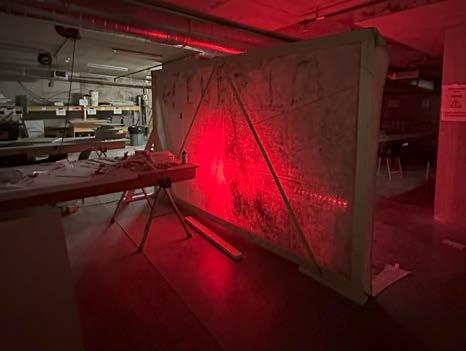
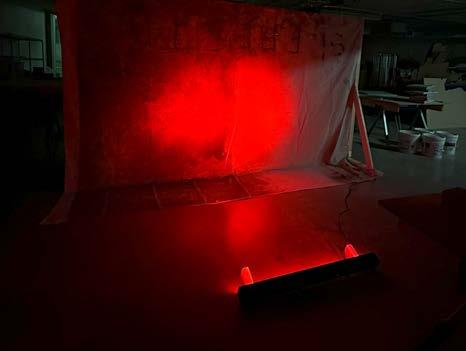
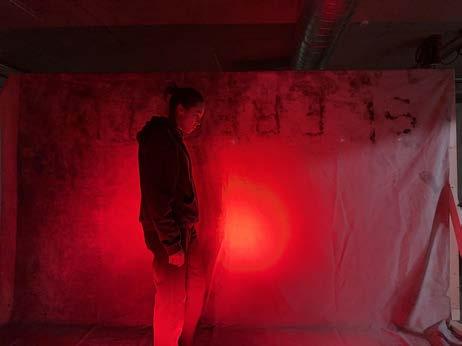
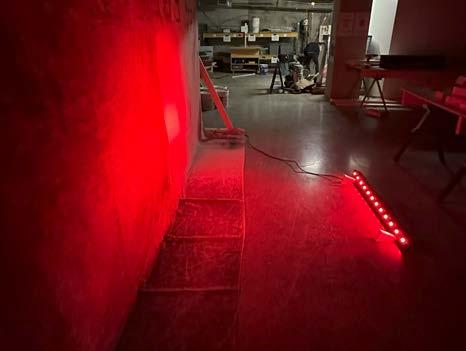
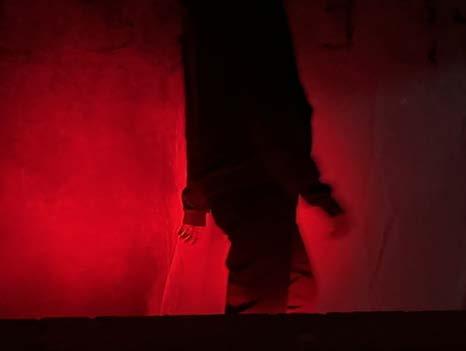
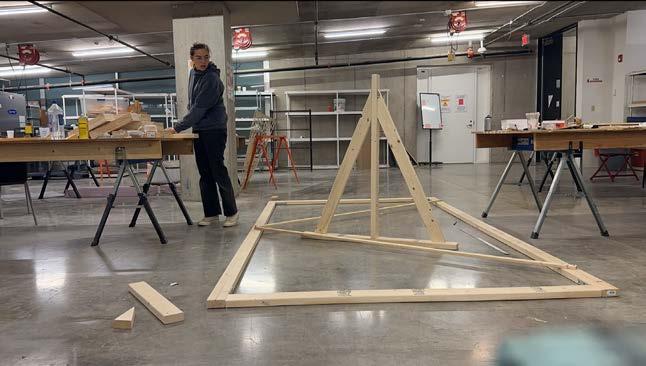
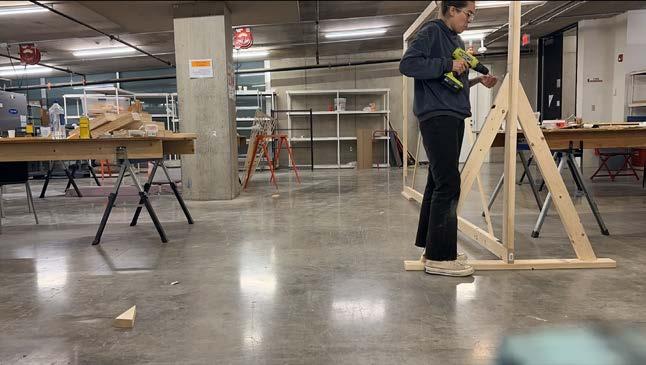
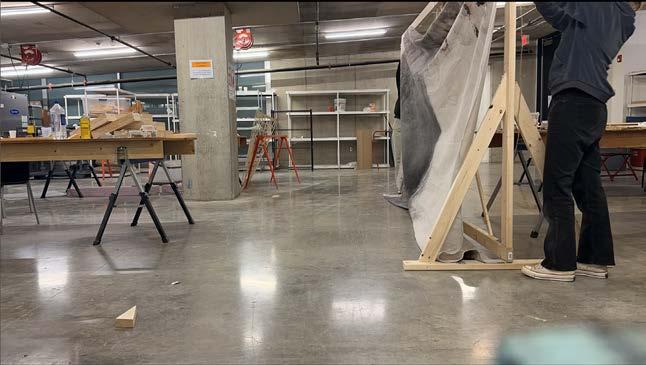
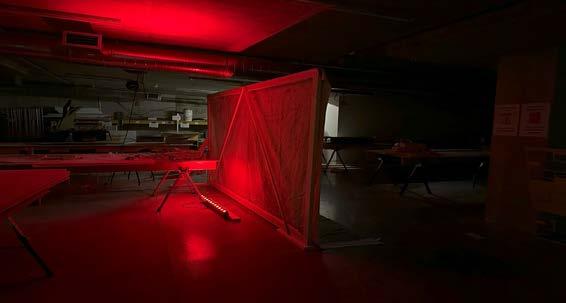
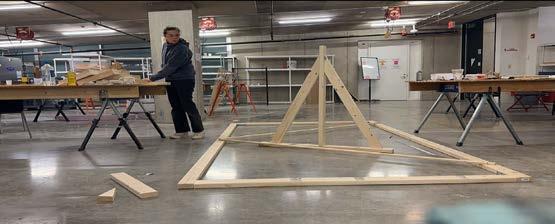
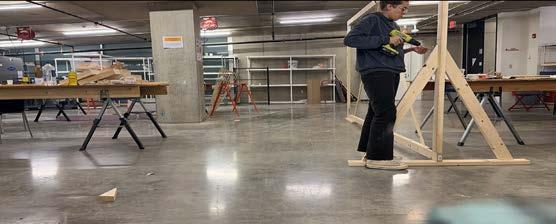
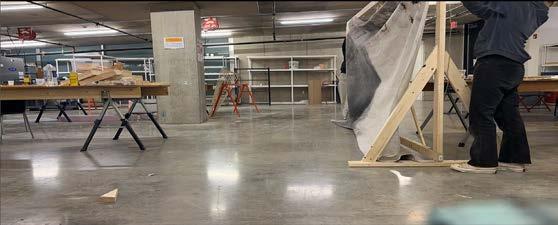
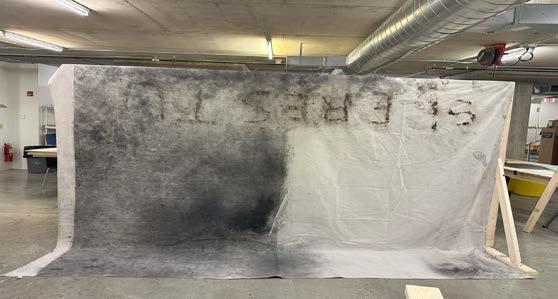
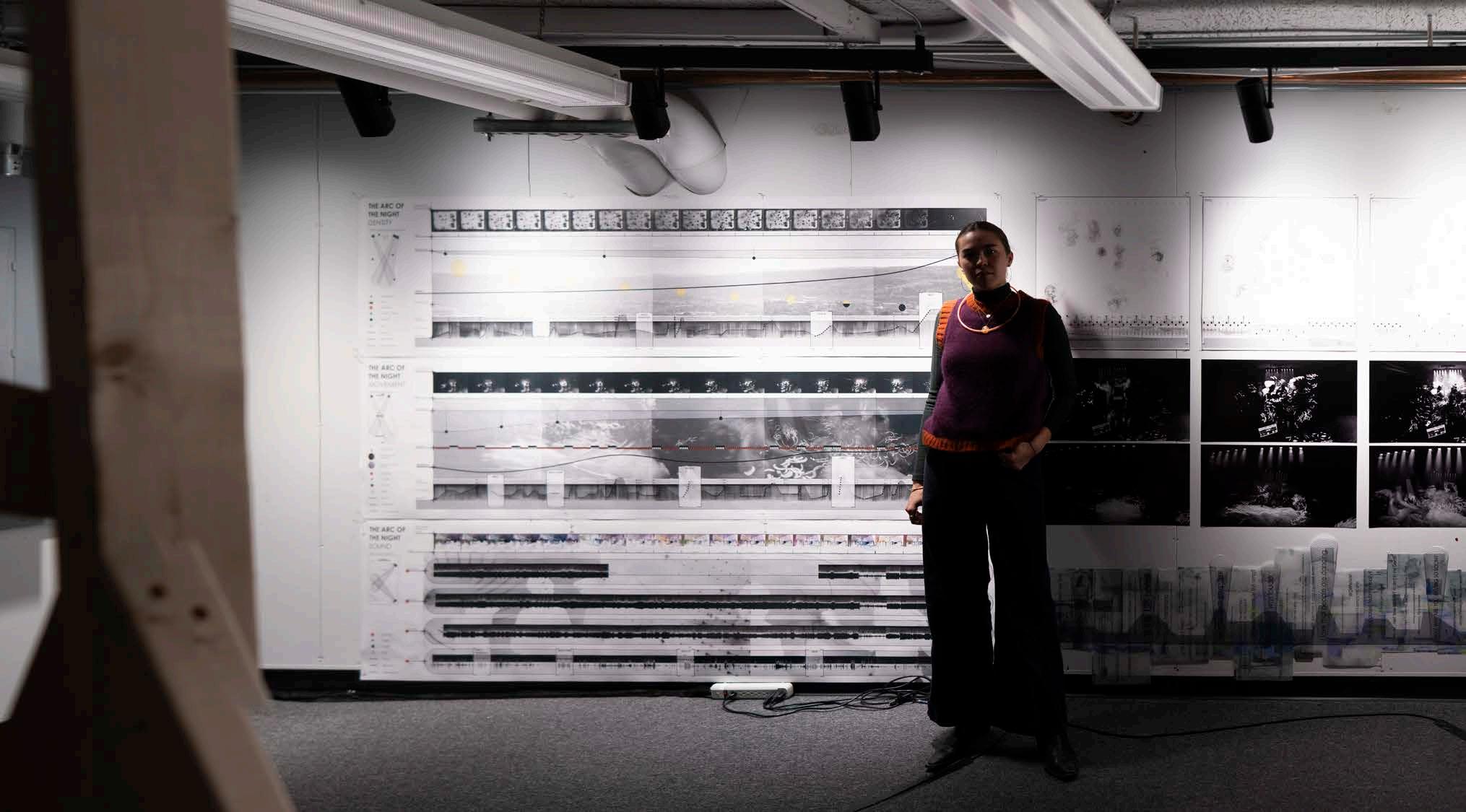
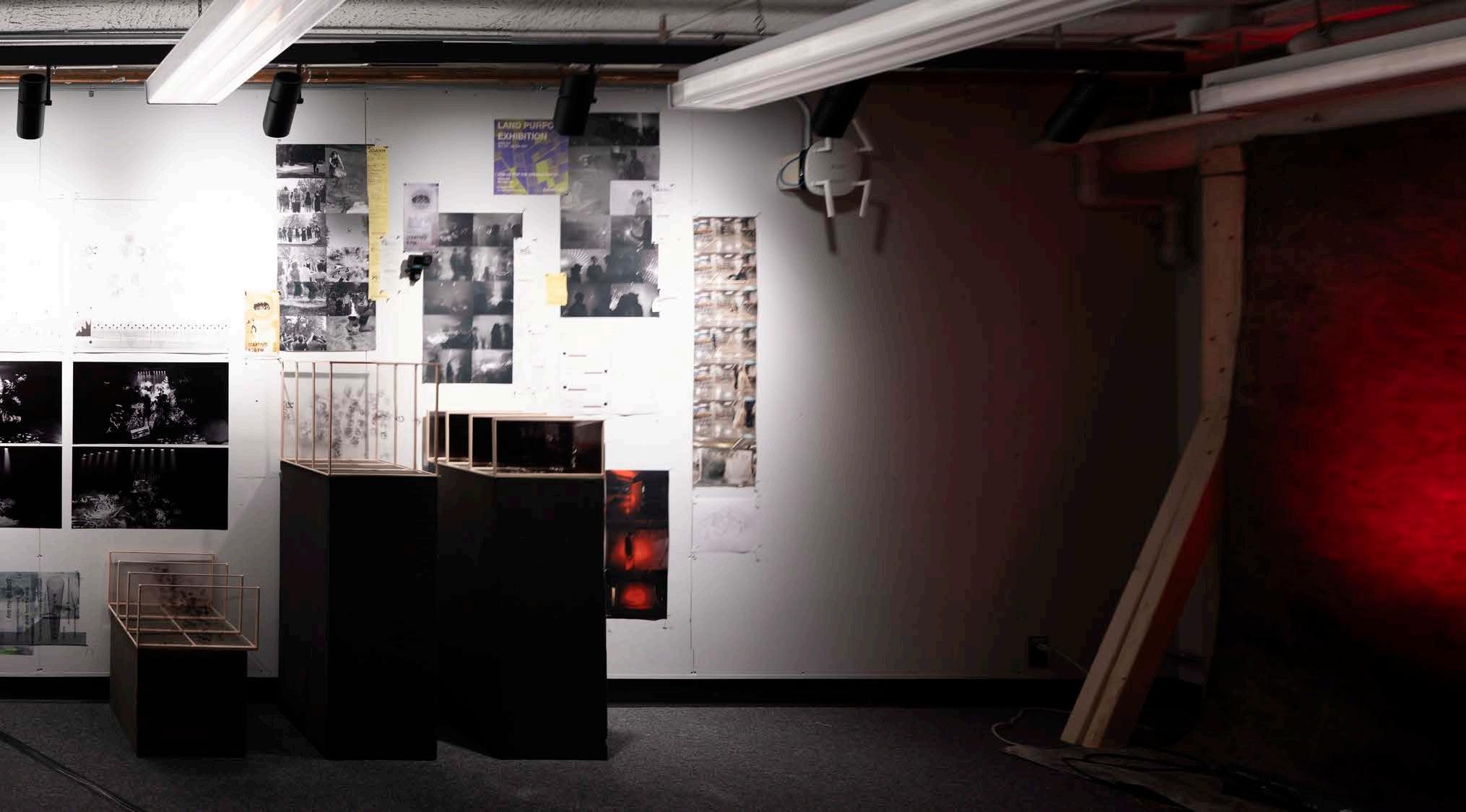
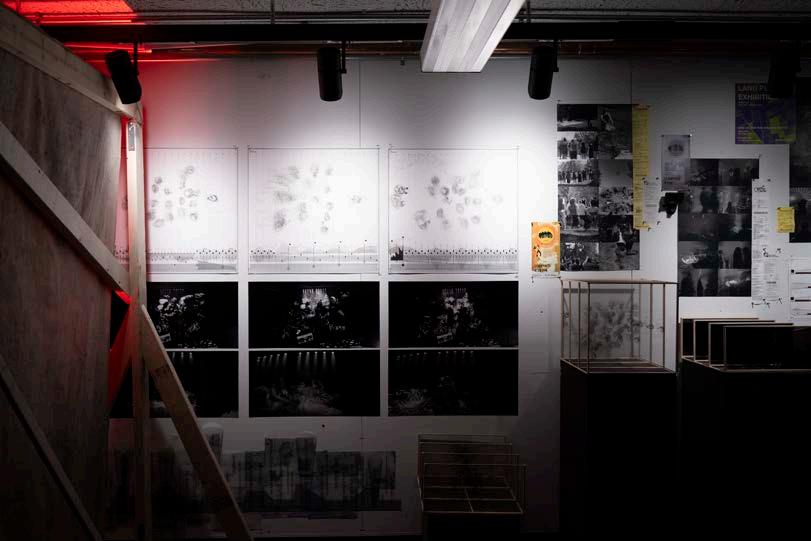
The final exhibition design incorporates multiple elements from previous parties, enabling the audience to vividly understand what constituted the experiences in those spaces. It serves as the concluding event to unveil the purpose of the research, presenting a dual perception: one focused on the experiential aspect and another on the exhibited works. The final design emerged through a series of tests involving lights, sound, and the placement of artifacts from previous events. Considerations such as constructing interior partitions, orchestrating the audience’s choreography for the experience, and incorporating ephemeral lights and sound played a fundamental role in defining the transient essence of the overall experience.

64
65

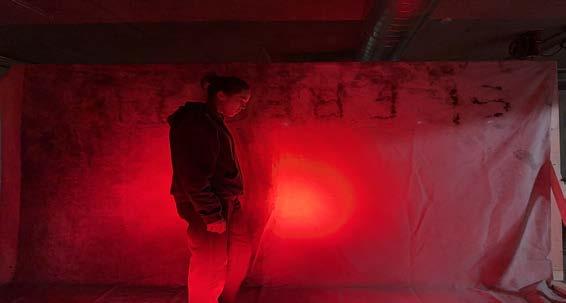
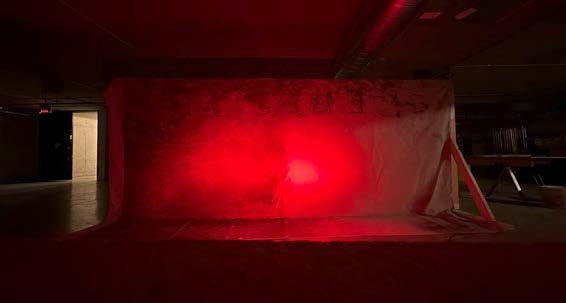
Layout Design
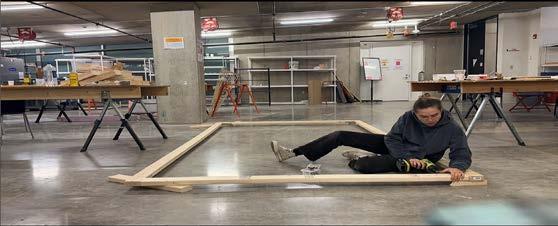
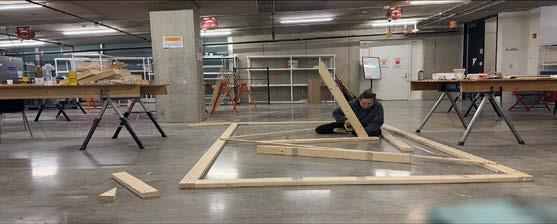
Choreography Design
4 3 4 3 4 DJ DJ 30 SEC 2 MIN 2 MIN 1 2 3 4 1 2 3 4 DJ DJ 2 MIN 3 MIN 30 SEC 30 SEC 30 SEC 2 MIN 2 MIN FINAL EXHIBITION DESIGN - DESIGN
Exhibition
Exhibition
66
Conceptual Light Diagram
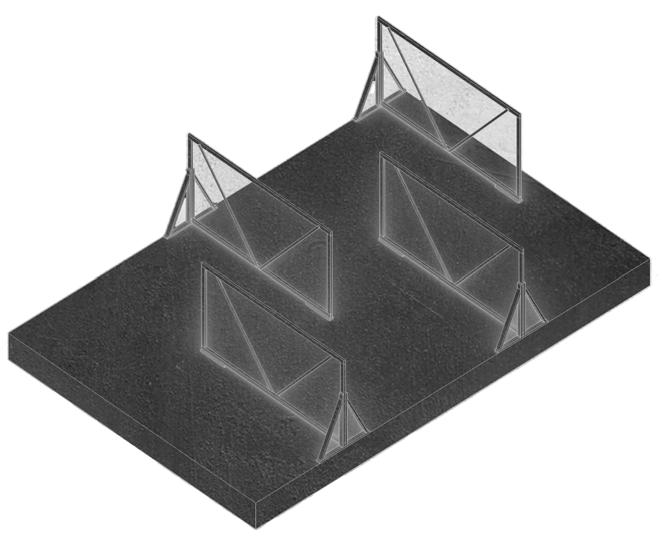
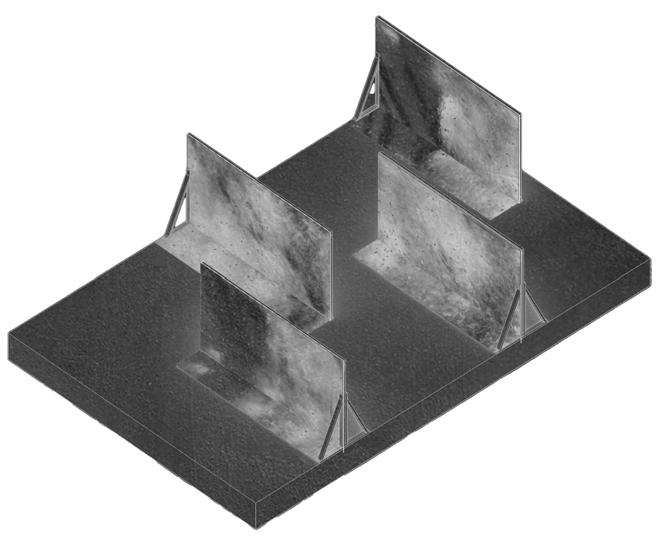
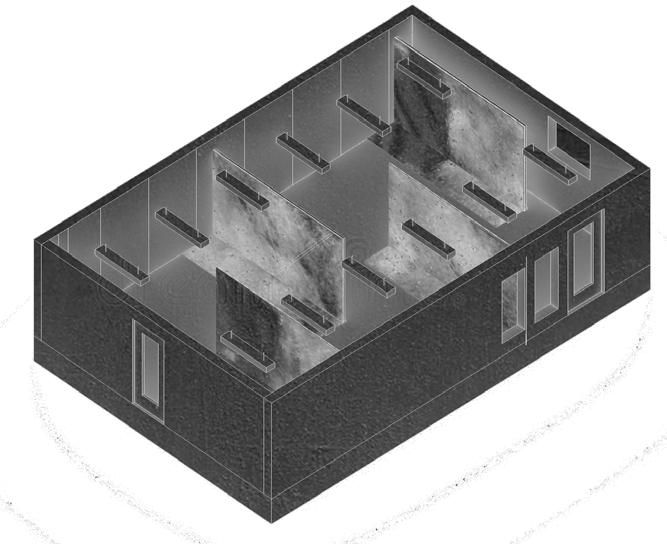 Partitions Framing
Canvas Installation
67
The Room
FINAL EXHIBITION DESIGN - THE EXPERIENCE
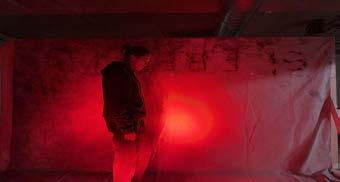
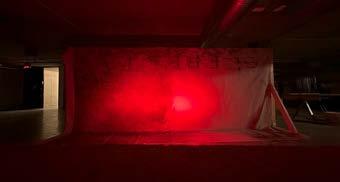
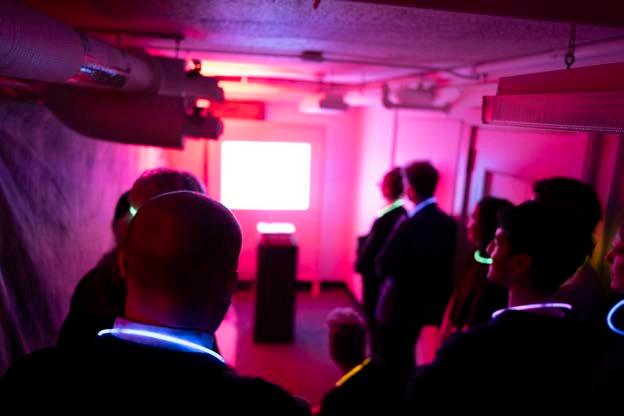
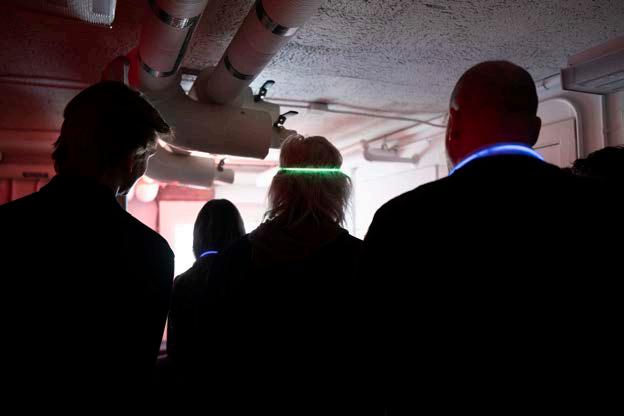
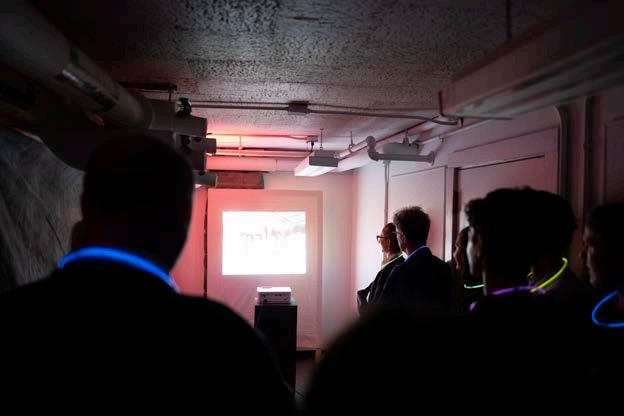
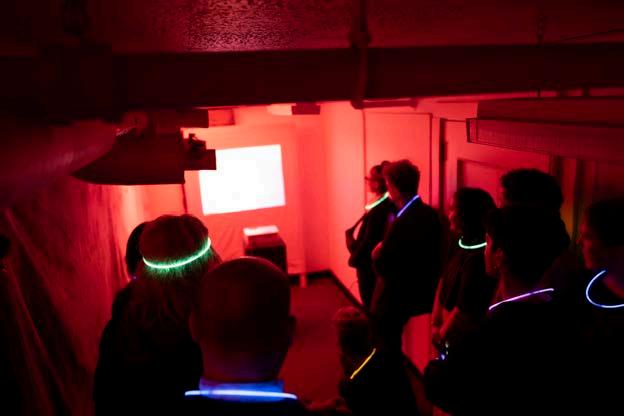
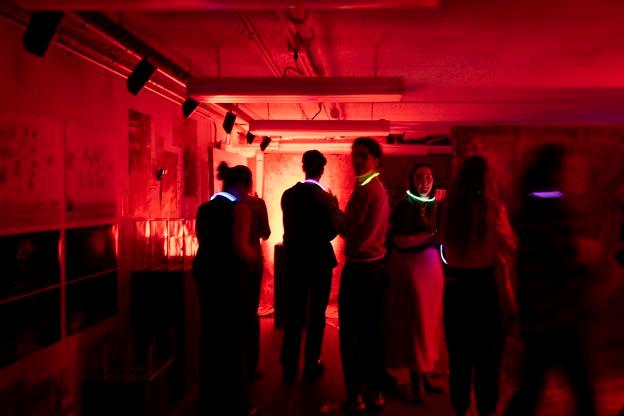
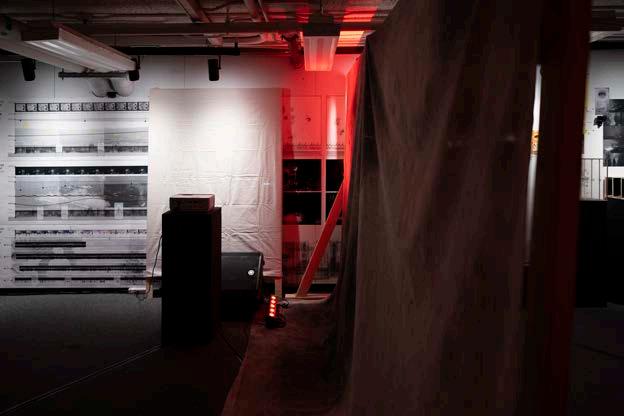
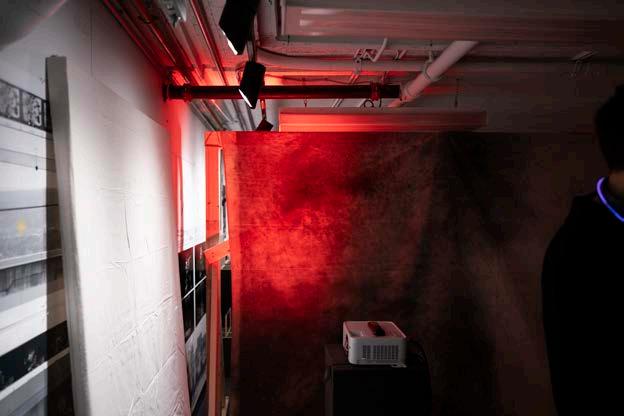
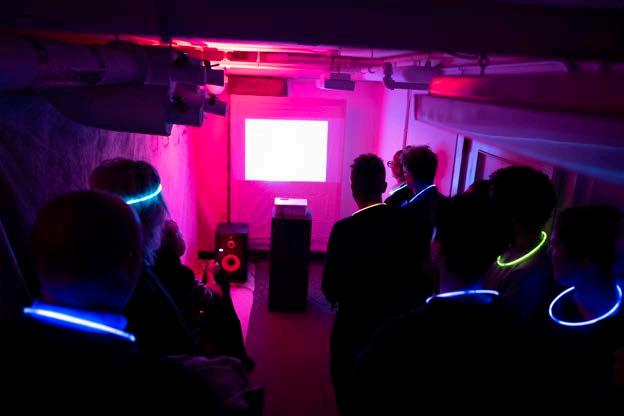
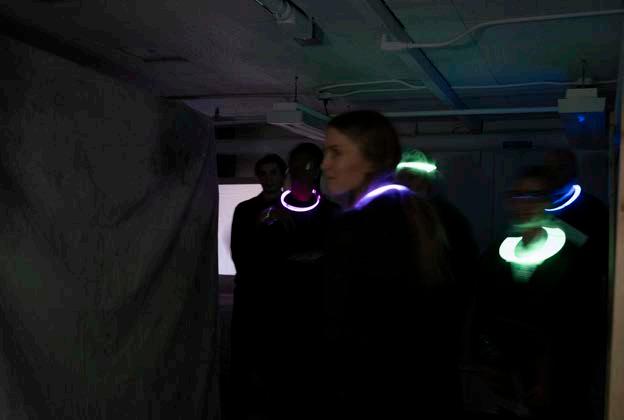
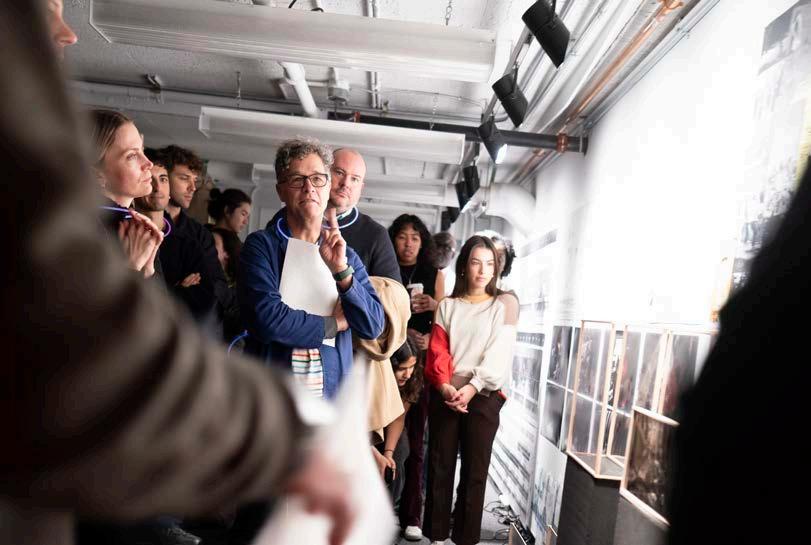
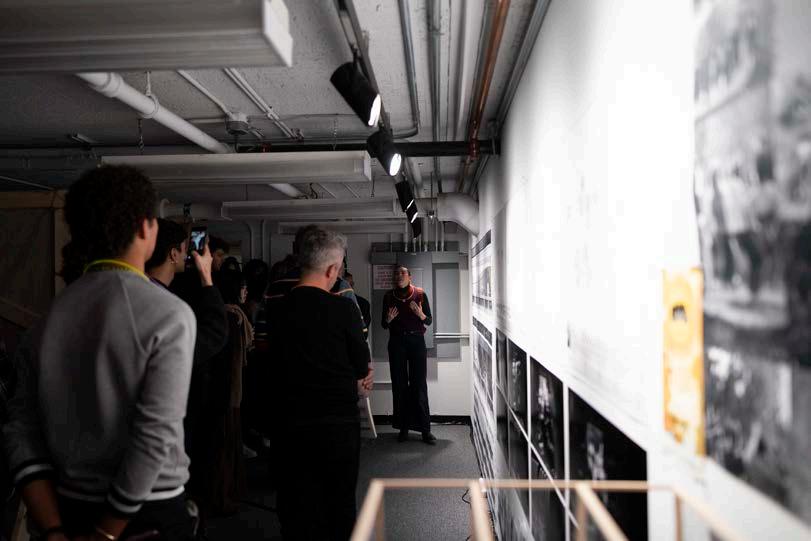
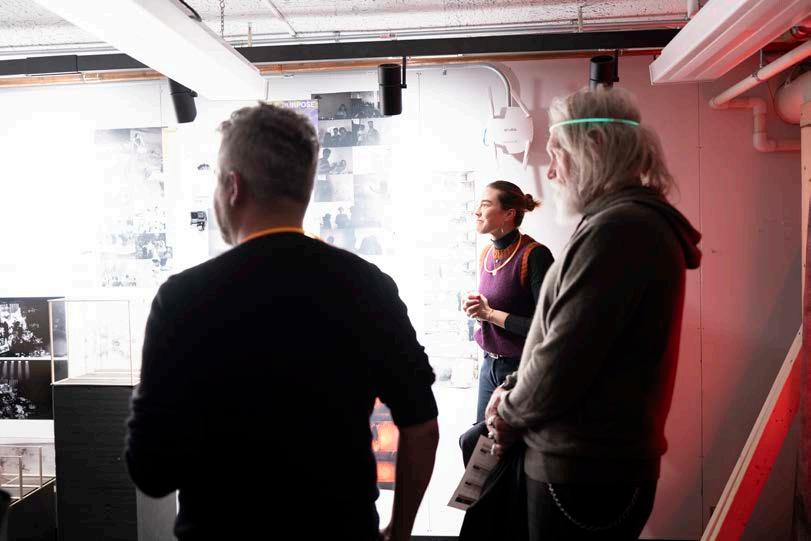
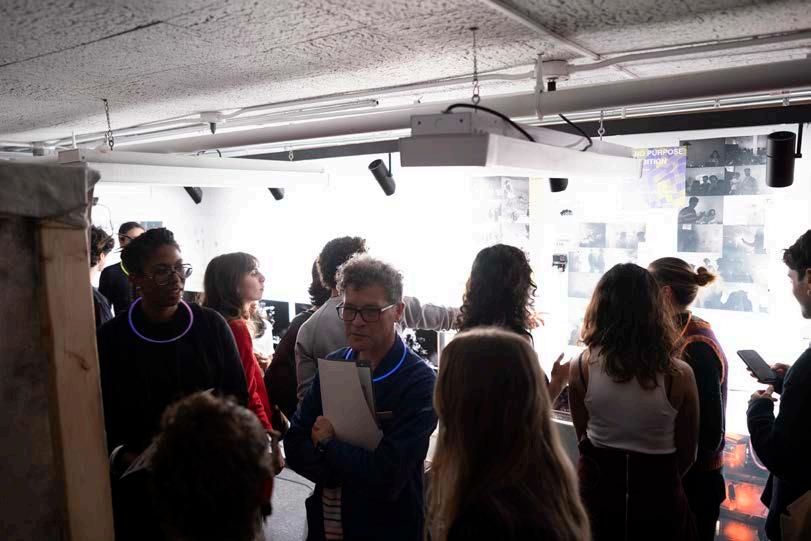
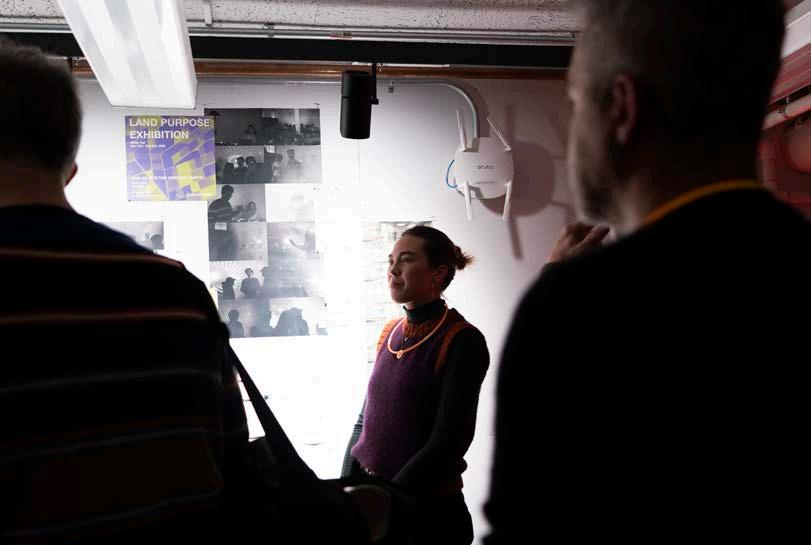
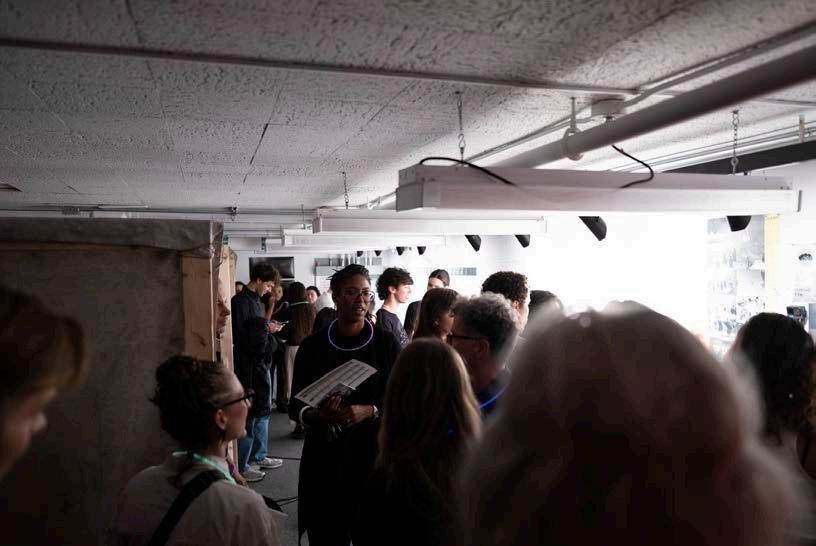
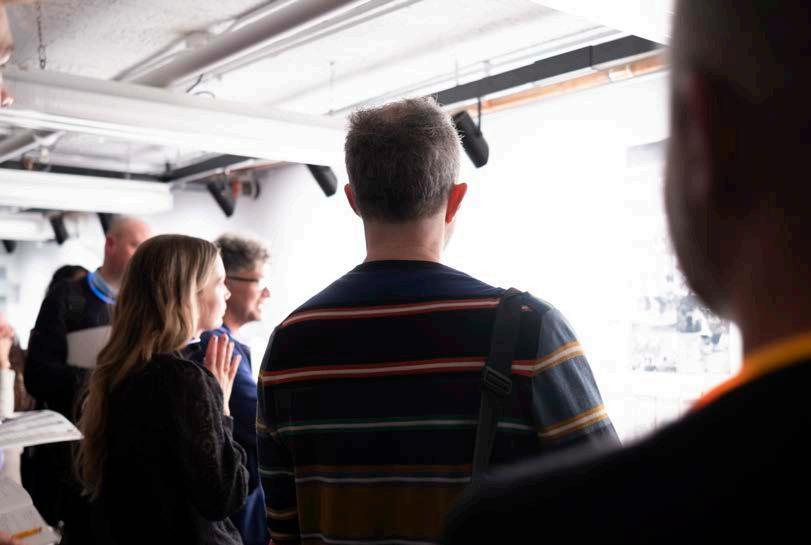
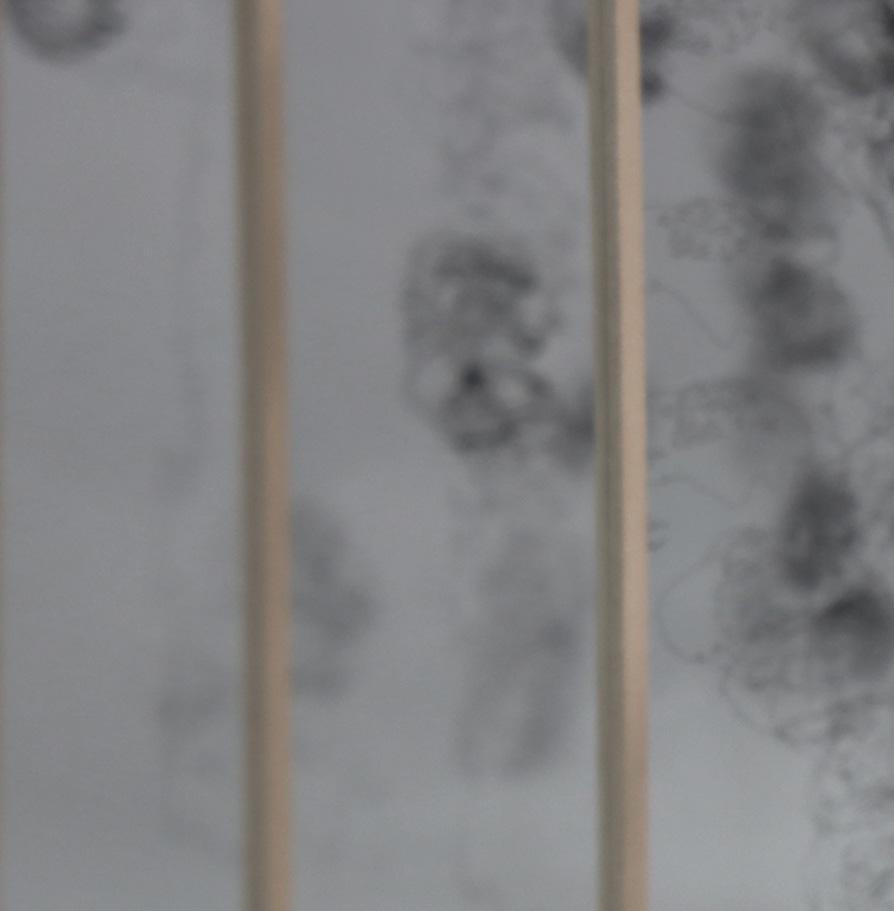
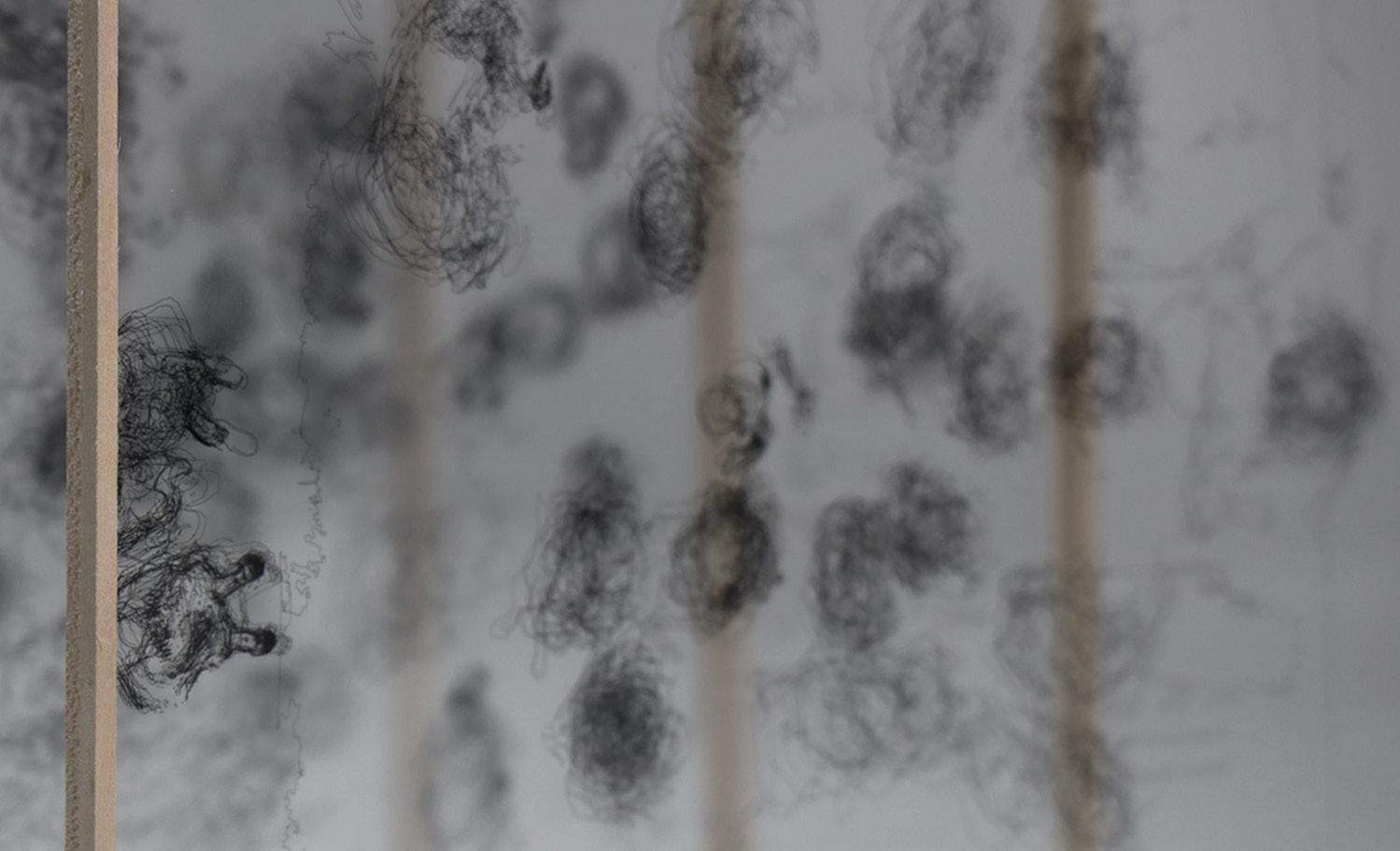
The experience unfolds as a journey, where the crowd delves into the thesis, uncovering each party through a specially crafted video designed as a didactic lesson on the structure of the night. A QR code below provides access to the video displayed across four projectors. The QR in the following page is a video of the experience. Each projector corresponds to a specific inflection point, meticulously designed to showcase the lights and sound controlled by the DJ. This intentional synchronization offers a textured representation of the essence of previous parties.
The overarching experience blends elements from all parties, aiming to reinforce the lessons of design derived from the comprehensive research. The design of this immersive encounter serves as a testament to the synthesis of insights gained from each event, creating a captivating narrative that educates and engages the crowd in a multi-sensory exploration of the intricacies behind the composition and evolution of the night.

by Ryan Wang
68
Photograph

69
FINAL EXHIBITION DESIGN - THE WALL 70
71
FINAL EXHIBITION DESIGN -
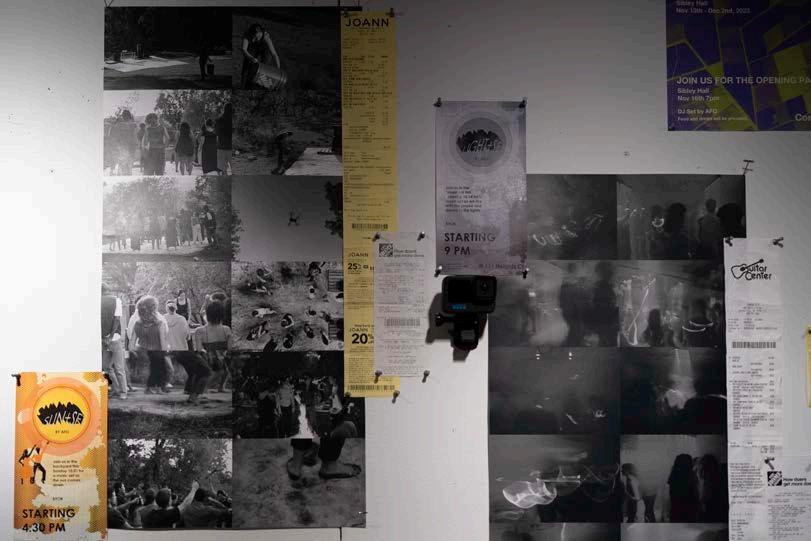
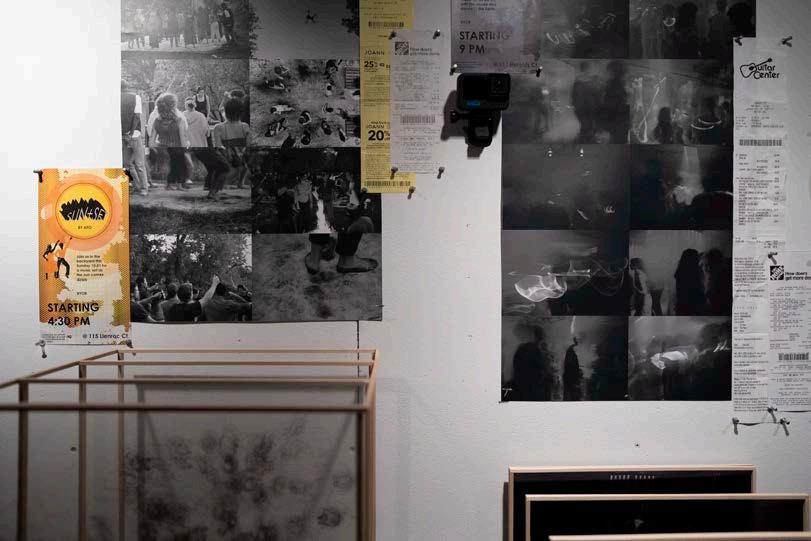
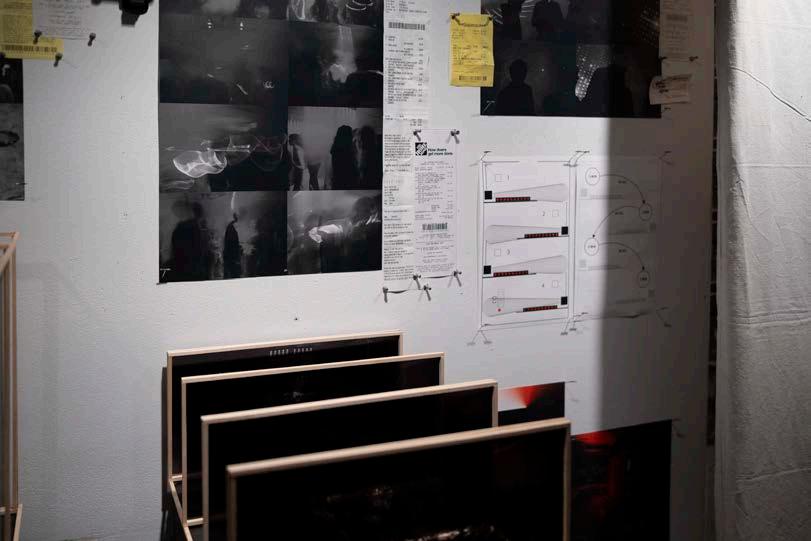
by
THE
WALL
Photograph
72
Ryan Wang
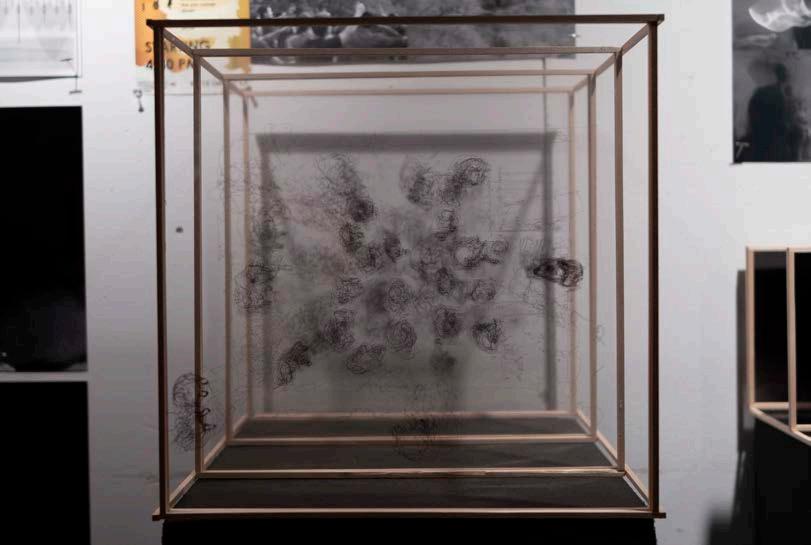
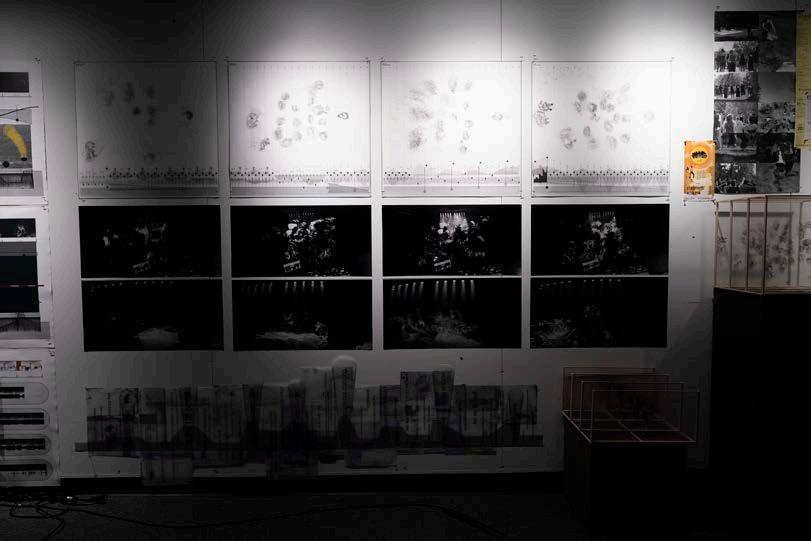
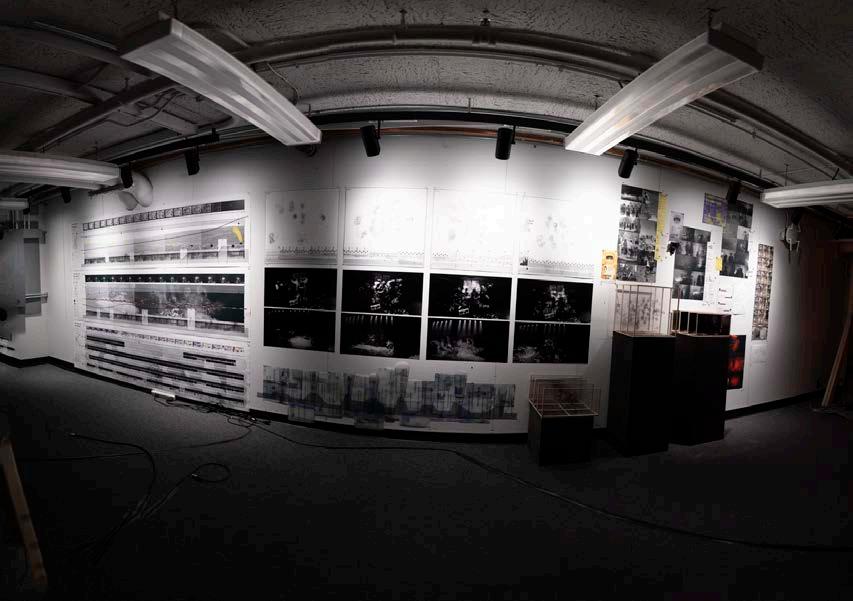
by Ryan Wang
73
Photograph
by
- THE REVIEW
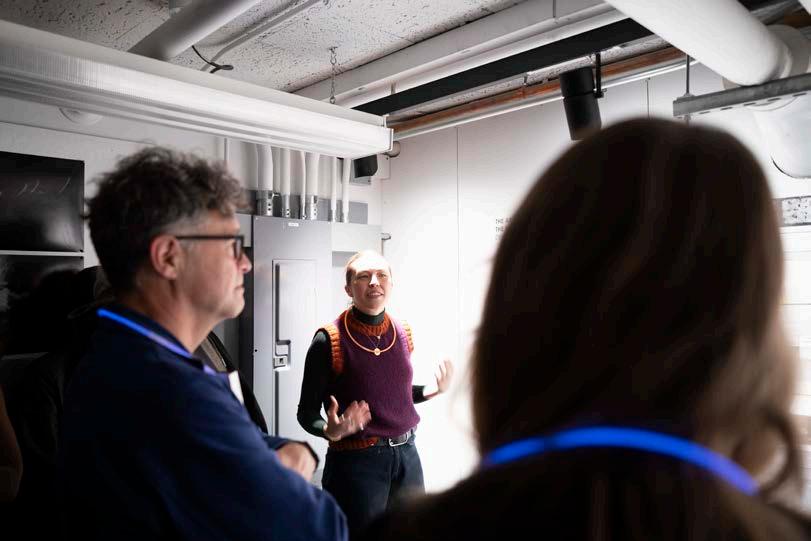
FINAL EXHIBITION DESIGN
Photograph
74
Ryan Wang
by Ryan Wang
75
Photograph
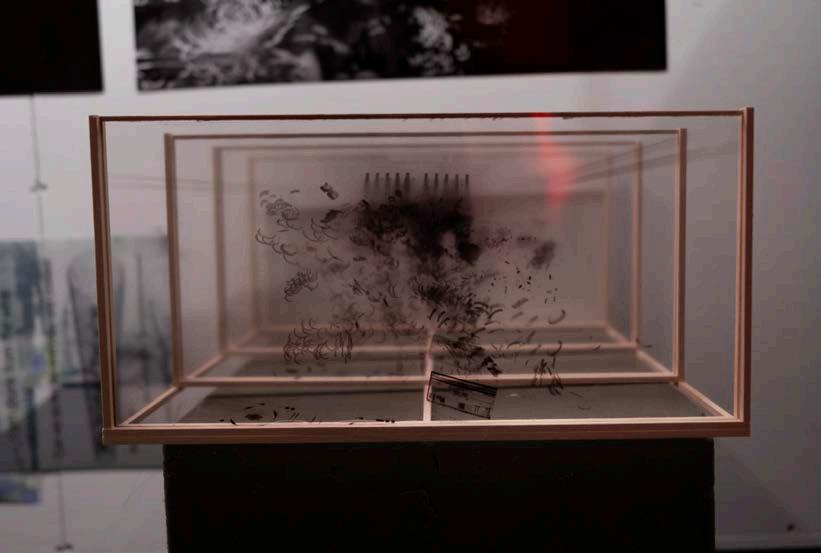
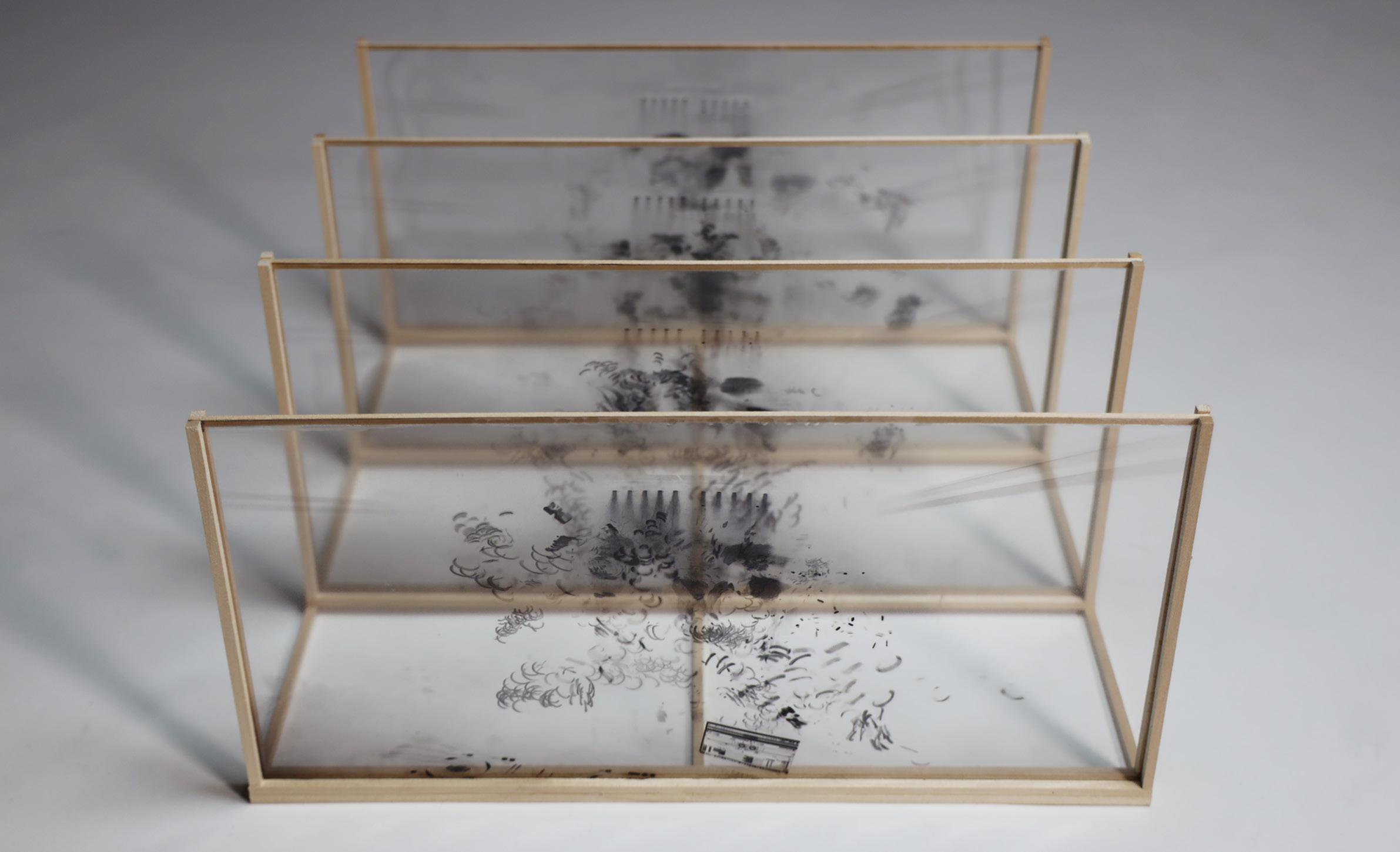
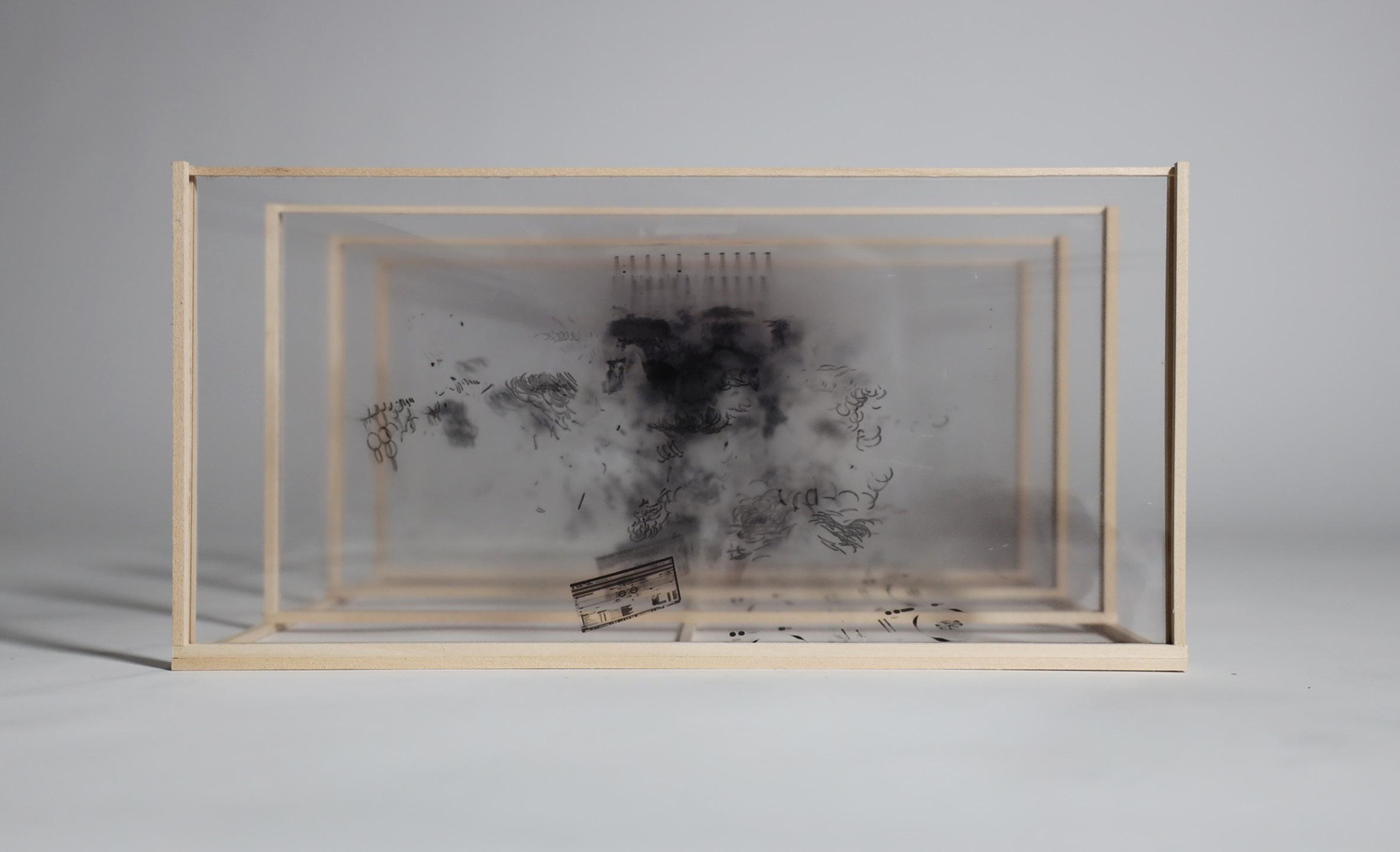
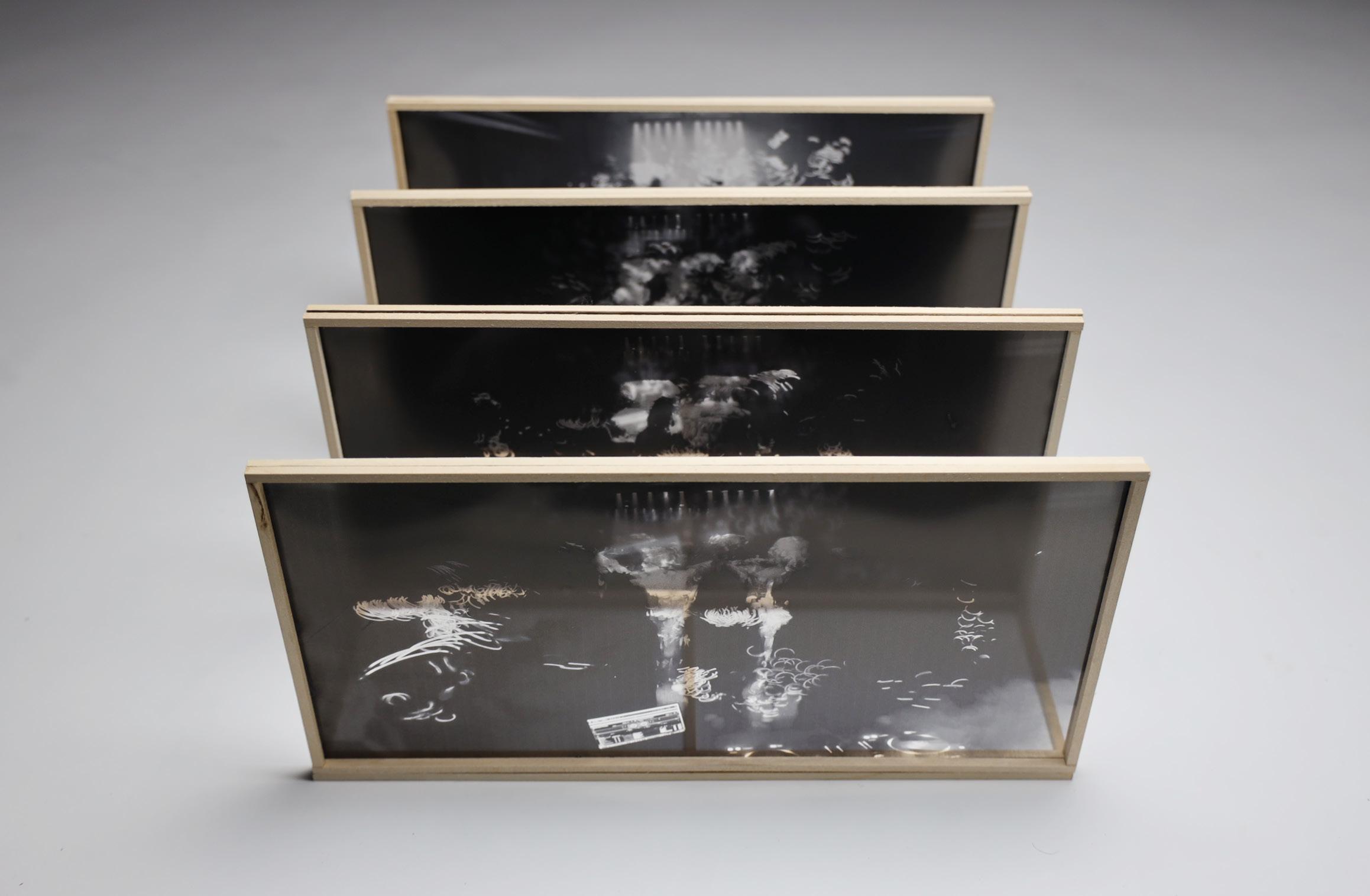
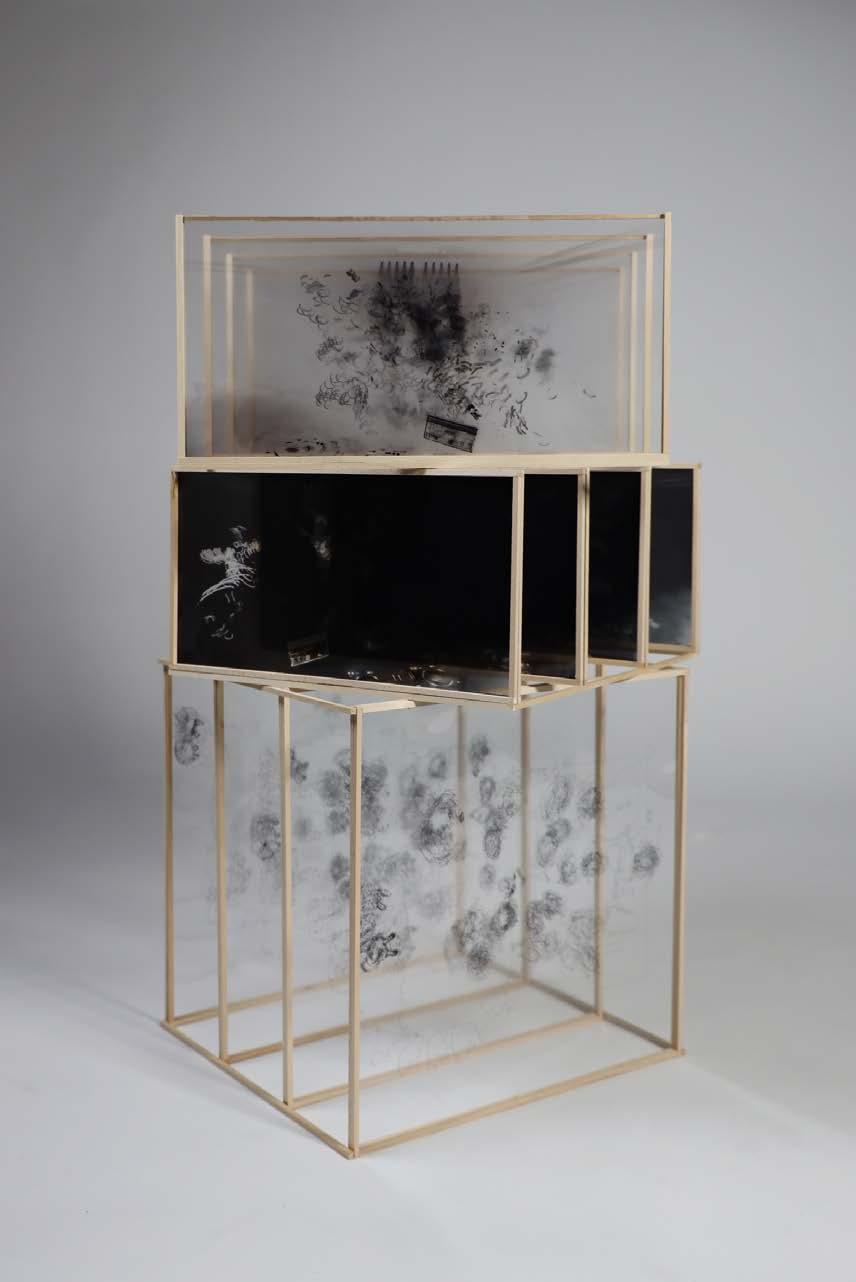
FINAL EXHIBITION DESIGN - PHYSICAL MODELS
76
77
78
79
80
81
VI 82
AFTERWORD
83
84
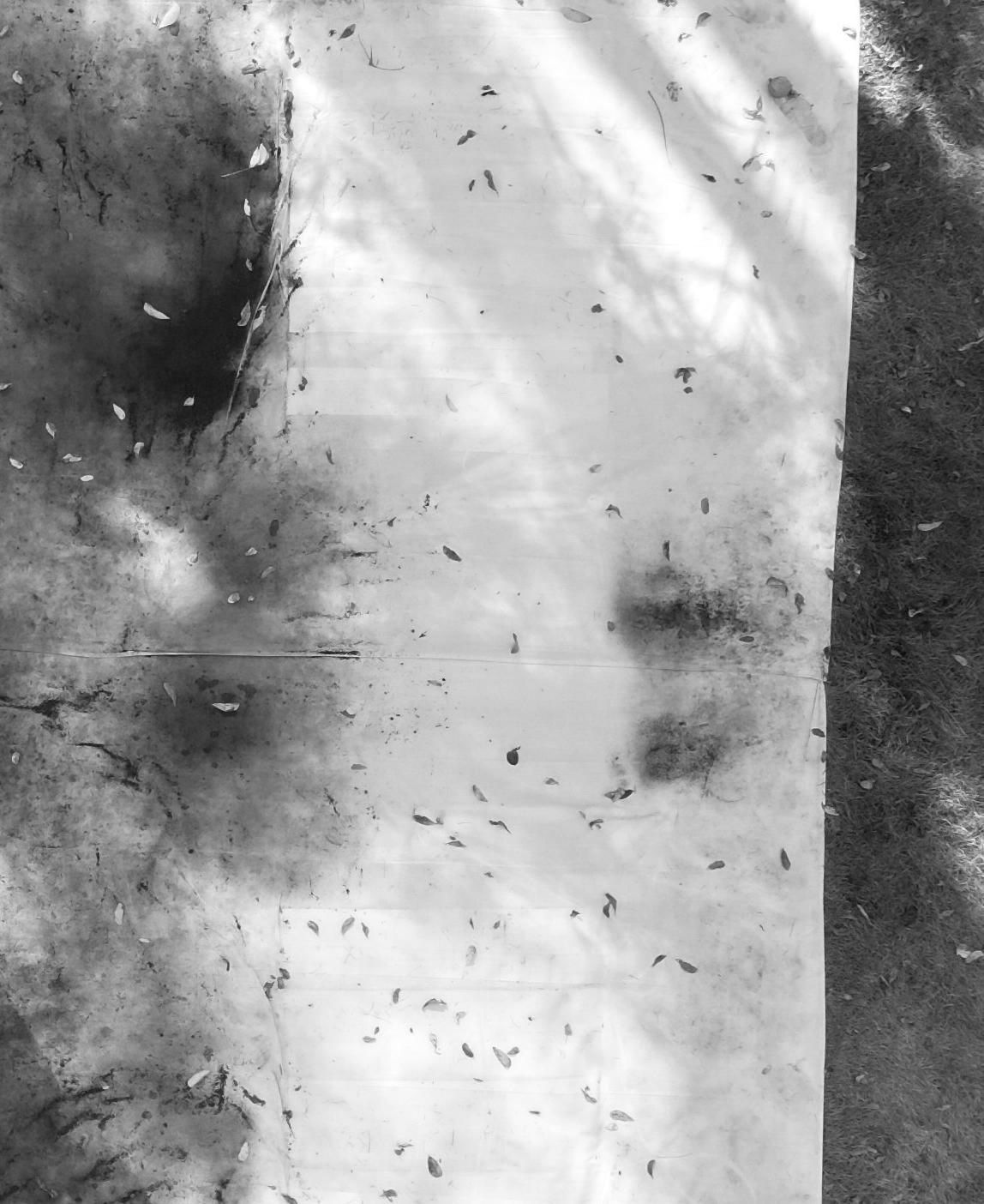
In the midst of it all, one takeaway from this thesis is that fleeting moments coexist with ephemeral architecture. Collectivity has the power to join forces and re-imagine the architecture of the night, emphasizing that it doesn’t rely on permanence but hinges on understanding the concealed structure that defines each of these moments. While I continue to question what the architecture of the night looks like, my focus shifts to comprehending how it feels, because experience is about the body, the feelings and the self. With ample insights, my hope is to keep exploring ways in which DJing and design can collaboratively pave the way for experiential community design for the counterculture.
A reminder from me to you:
“If the clouds linger low, turn up the music and dance, and with every step you take, may you find solace for a weary heart.”
- AFO
AFTERWORD
85
VI 86
BIBLIOGRAPHY
87
Benedikt, Michael. 2020. Architecture beyond Experience. San Francisco: Applied Research And Design.
John Leo Gillen. 2023. Temporary Pleasure. National Geographic Books.Maultsby,
Bahamón Alejandro, and Álvarez Ana Maria. Light Color Sound: Sensory Effects in Contemporary Architecture. New York: W.W. Norton & Co., 2010.
Canetti, Elias. 2000. Crowds and Power. London: Phoenix.
Chatterton, Paul, and Robert Hollands. Urban Nightscapes: Youth Cultures, Pleasure Spaces and Corporate Power. London: Rout ledge, 2005.
Craig, Carl. 2023. Party/After-Party. Soundscape. Los Angeles. Museum of Contemporary Art.
Dick, Duncan. “The Art of Club Design.” Mixmag, mixmag.net/feature/ the-art-of-club-design. Eberle, Martin. Temporary Spaces. Die Gestalten Verlag, 2001.
Forster, Lou. 2021. Towards an Embodied Abstraction: An Historical Perspective on Lucinda Childs’ Calico Mingling (1973) Arts, 2021, 9, 7. https://doi.org/10.3390/ arts10010007
Garratt, Sheryl. Adventures in Wonderland: a Decade of Club Culture. Headline, 1999. Goldsmith, Kenneth. Capital of the 20th Century New York. Verso, 2016.
Hae, Laam. The Gentrification of Nightlife and the Right to the City: Regulating Spaces of Social Dancing in New York. New York: Routledge, 2012. Print. 58.
Heap, Chad C. Slumming: Sexual and Racial Encounters in American Nightife, 1885-1940. Chicago: University of Chicago Press, 2010. Holloway, April.
Jochen Eisenbrand, Mateo Kries, Catharine Rossi, Kirsten Thietz, 2018, Nightfever: desisgning club culture 1960-today
Livingston, Jennie. Paris Is Burning. Off White Productions Inc., 1990
Lo Alalay and Angelique Rosales Salgado. When form follows fantasy: on a deconstructivism of nightlife https://thisismold.com/nightlife/architectural-design-of-nightclubsraves-and-bars
Lucarelli, Fosco. “Bernhard Leitner’s Soundcube, 1969.” SOCKS, 9 Feb. 2018, socks-studio.com/2012/01/21/bernhard-leit ners-soundcube-1969/.
Kries, Mateo, Jochen Eisenbrand, Catharine Rossi, and Kirsten Thietz. Night Fever: Designing Club Culture, 1960-today. Weil Am Rhein: Vitra Design Museum, 2018.
Malbon, Ben. Clubbing: Dancing, Ecstasy and Vitality. London: Routledge, 2005. Mecklenborg, Jacob R. Cincinnati’s Incomplete Subway: the Complete History. History Press, 2010.
BIBLIOGRAPHY
88
Muybridge, Eadweard. 1887. A Man Running. Collotype Print. Wellcome Collection.
Owen, Frank. Clubland Confidential: the Fabulous Rise and Murderous Fall of Club Culture. Ebury Press, 2004.
Orrù, Anna Maria. 2016. “Organoleptic Interfaces: Exploring Embodied Methods in Foodscapes.” https://doi.org/10.13140/RG.2.2.31478.19526.
Pleasure Principles: On the homogenization of the modern city https://www.architectural-review.com/essays/pleasure-principles-on-the-homogenisation-of-the-moderncity?utm_source=WordPress&utm_medium=Recommendation&utm_campaign=Recommended_Articles
Portia K. 2023. “A Timeline of African American Music .” Carnegie Hall. 2023. https://timeline.carnegiehall.org/timeline.
Ruiz, Alan. Life After Sundown: Disco Architecture in the global city https://archinect.com/features/article/149990612/life-after-sundown-disco-architecture-in-the-globalcity
Ryder, Bethan. Bar and Club Design. London: Laurence King, 2006. Watson, Howard. Bar Style. Wiley-Academy, 2005.
Tyrnauer, Matt, dir. 2018. Studio 54. Amstelfilm.
Williams, W, et al. “Clubbing: The Cumulative Effect of Noise Exposure from Attendance at Dance Clubs and Night Clubs on Whole- of-Life Noise Exposure.” Noise and Health, vol. 12, no. 48, 2010, p. 155., doi:10.4103/1463-1741.64970
BIBLIOGRAPHY
89
90