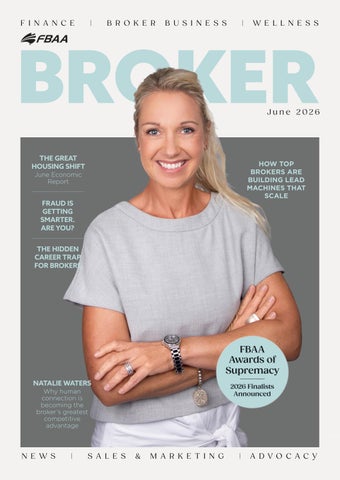
THE GREAT HOUSING SHIFT June Economic Report NATALIE WATERS Why
HOW TOP BROKERS ARE BUILDING LEAD MACHINES THAT SCALE FRAUD IS GETTING SMARTER. ARE YOU? THE HIDDEN CAREER TRAP FOR BROKERS

June 2026 6
THE GREAT HOUSING SHIFT June Economic Report NATALIE WATERS Why
HOW TOP BROKERS ARE BUILDING LEAD MACHINES THAT SCALE FRAUD IS GETTING SMARTER. ARE YOU? THE HIDDEN CAREER TRAP FOR BROKERS
June 2026 6
LEADING STRATEGIC SME LENDING CONVERSATIONS
By Brendon Widdowson
IN THE CHAIR
The Honourable Nicholas (Nick) Sherry AO
04

14
INSIDE THE MINDSET: MISTAKES AND MARKET SHIFTS SHAPING THE NEXT WAVE OF ASSET FINANCE BROKERS
By Will Hamer
18

COVER STORY: THE HUMAN EDGE
By Natalie Waters Behavioural Profiler
22


THE GREAT HOUSING SHIFT
By Warren Hogan
26
10. FRAUD IS GETTING SMARTER. ARE YOU?
30. THE GROWING CAREER TRAP FOR BROKERS
34. BUILDING BROKER CONFIDENCE THROUGH CONNECTION, EDUCATION & REAL CONVERSATIONS
46. 2026 NIC FEATURE
58. FBAA AWARDS OF SUPREMACY 2026 FINALISTS
HOW TOP BROKERS ARE BUILDING LEAD MACHINES THAT SCALE
By Sam Panetta
38


By Katherine Persoglia
42 THE BUDGET JUST CHANGED THE RULES: THIS IS WHERE BROKERS STEP IN
THE VIEW: Alt Doc Isn’t Risky. It’s Realistic
By Tony McRae

62

Iam honoured to be appointed as an external director and Chair of the FBAA Board by the elected directors. The Board consists of experienced and dedicated finance professionals. I look forward to working with directors, members, partners, stakeholders and clients to advance the interests of the FBAA community.
My experience with the broker community includes two key periods: from 2006 to 2012, when I helped develop and implement the National Consumer Credit Protection reforms, and the past eight years as an independent director and Chair of a credit provider that relied on finance brokers to drive distribution and growth.
Change and challenge, whether economic, political, regulatory, technological or global, are constant and often unexpected. Few could have predicted the rapid emergence and impact of artificial intelligence just two years ago.
Maintaining, evolving and strengthening the FBAA’s core focus on member support, advocacy, education and representation will remain a priority. As the industry evolves, the association must adapt to ensure ongoing relevance, value and impact for members.
I am confident that the FBAA Board, CEO, executive team and members will continue to meet these challenges and opportunities with the professionalism and commitment that have underpinned the association’s success to date.
- The Honourable Nicholas (Nick) Sherry AO
During the former period, I had the opportunity to work with retiring CEO Peter White AM. Peter, thank you for over 23 years of dedicated service to the broker community. Your impact on the industry has been significant and lasting. I also warmly welcome the FBAA’s new CEO, Leo Gagic.
More broadly, my experience includes 22 years as a Senator, including 11 years as a Minister with responsibilities spanning superannuation, corporate law, small business and the role of Assistant Treasurer. In addition, I have served as an independent director and Chair across a diverse range of organisations within the financial services sector, including superannuation, consumer credit, banking, investment, technology platforms and policy consulting.
“Commercially
Grow your income with competitive referral opportunities
We do the heavy lifting –end-to-end loan management
Unique lending solutions through our own products
Expert credit guidance from experienced Lending Managers
Simple, transparent process with consistent updates
Add value instantly without increasing your workload

Founder Kristy Alam




The biggest risk for brokers often isn’t what you can see. It’s what you assume is safe.
Fraud in broking isn’t new. But the way it’s showing up today is.
What used to be easy to spot, like poor formatting, spelling mistakes, or inconsistent numbers, has become much more sophisticated. Now, documents look clean, consistent, and convincing. Technology, especially AI, is speeding up this change and making fraud harder to detect.
At the same time, brokers work in a fast-paced environment. Deals need to move quickly. Clients want fast results. Referrers expect conversions. This pressure, balancing speed and careful checks, is where risk can quietly grow.
In this article, we hear from two experts with different perspectives: compliance specialist David Carson and experienced broker Stephen Dinte. Their insights show that fraud is not just increasing but changing faster than many brokers can keep up.
One of the most overlooked sources of exposure sits within referral and introducer networks.
The referral exemption allows individuals outside the credit industry to introduce clients to brokers without holding a licence. But the boundaries are strict — and often misunderstood. A referrer is only permitted to provide a client’s name, contact details and a brief description of their needs. They are not allowed to collect documents, assist with applications or provide advice on products.
The referral exemption sits within Regulation 25 of the National Consumer Credit Protection Regulations, however for a more practical, plain-English breakdown, ASIC’s Regulatory
Guide RG203 is a helpful place to start.
When those lines are crossed, the risk doesn’t sit solely with the referrer. It extends to the broker.
David Carson explains that referral structures can unintentionally encourage poor behaviour, especially when payments are made for little effort. If a referrer does more than just introduce a client, such as trying to “add value,” they might be engaging in credit activity without a licence.
For brokers, this means you must do more than just accept referrals. You need to check where they come from and how they are generated.
A referral should simply be a handoff, not a partnership in the deal.
From a broker’s perspective, the landscape has shifted significantly.
“Fraud risk in broking is nothing new,” says Stephen Dinte. “But it has definitely stepped up a notch, particularly with new technology like AI.”
The challenge today isn’t just spotting fraud. It’s being able to recognise it when it looks legitimate.
Applications are now more polished. Documents match up. Financials look consistent. Often, the story makes sense across different points. This makes modern fraud much harder to spot.
Adding to this problem is a common misconception in the industry: that following lender policy is enough.
It isn’t.
Brokers are legally required under NCCP to meet responsible lending standards, no matter what a lender asks for. Relying only on lender
“The challenge today isn’t just spotting fraud. It’s being able to recognise it when it looks legitimate.”
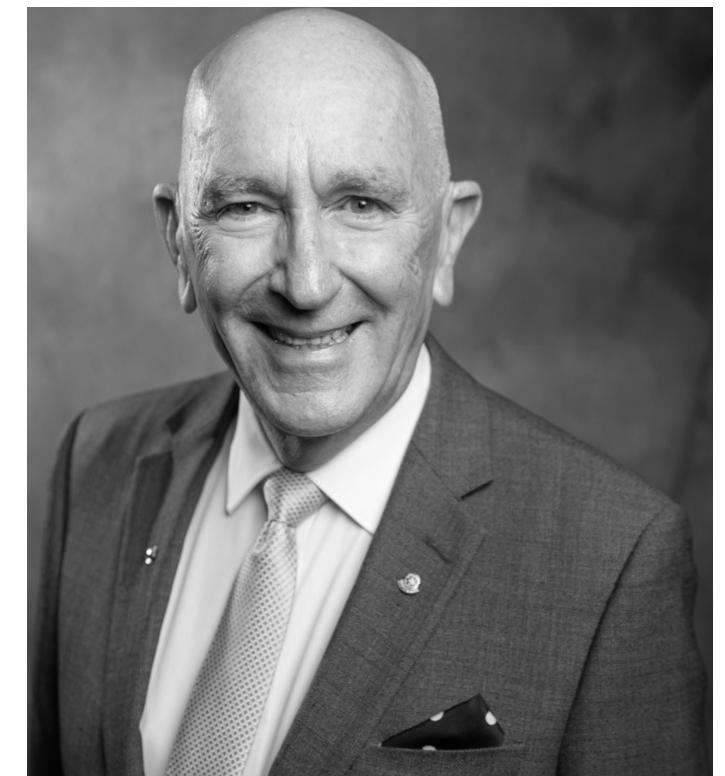
Stephen Dinte, Senior Financial Strategist Australian Mortgage Planners Pty Ltd
“Fraud in broking is becoming more sophisticated, more convincing and harder to detect. At the same time, the expectations placed on brokers continue to rise.”

David Carson, FBAA Head of Regulatory Affairs & Advocacy
processes can create a false sense of security and leave brokers at risk.
Experience in broking can be both an advantage and a vulnerability.
Newer brokers might not have the experience to spot inconsistencies. But experienced brokers can also fall into the trap of moving too quickly, trusting referral sources, and relying on instinct instead of checking the facts.
As with most forms of fraud, the weakest link is often the target. In this environment, problems often start with assumptions.
Fraud is no longer about obvious errors. It’s about subtle inconsistencies, behavioural cues and financial stories that don’t quite add up when examined closely.
Responding to this change isn’t complicated, but it does take discipline.
Brokers need to go beyond basic checks and use a more structured, consistent way to verify information. This means checking employment, comparing income, reviewing financial behaviour, and making sure all documents match both on their own and together. It also means being careful with information from third parties, especially referrers. Never accept documents at face value. Always take reasonable steps to check the information yourself.
What counts as “reasonable” will differ for each application. That’s why it’s so important to document every check you perform.
More than just process, the biggest change is in behaviour.
Brokers should move from just processing applications to actively questioning them.
Regulators call this having an “inquiring mind.” It means looking into inconsistencies instead of ignoring them and using your professional judgement at every step.
Sometimes, the most important decision a broker can make is not to proceed. As Stephen puts it, the ultimate test is simple: would you lend your own money to this
applicant? If the answer is no, the path forward should be clear.
Fraud in broking is becoming more sophisticated, more convincing and harder to detect. At the same time, the expectations placed on brokers continue to rise.
This creates a narrowing margin for error.
The brokers who succeed won’t be the fastest or most aggressive. They’ll be the most disciplined—those who ask more questions, check more details, and are willing to walk away if something doesn’t add up.
Because in today’s environment, the real risk isn’t missing a deal.
It’s approving the wrong one.

Commercial brokers are working with a different type of SME client this year. Demand for funding is still there, but business owners are asking harder questions about timing, repayments and whether a facility will genuinely help the business move forward.
This shift comes through clearly in the SME Compass Report 2026, based on feedback from more than 1,000 Australian business owners. Confidence remains high, with 86% of SMEs expecting to meet targets over the next 12
months, but pressure on costs and cash flow has emerged. In fact, 83% of SME owners say a business issue is keeping them up at night, with inflation and cash flow topping the list. From my perspective, this changes the shape of the conversation for brokers and reinforces the importance of understanding what is really driving SME decision-making. The SME Compass Report gives a clear read on how Australian businesses are feeling, where pressure is building and what that means for funding decisions. This creates an opportunity for brokers to move beyond transactional lending and become strategic partners in their clients’ long-term financial health.

Cash flow remains one of the biggest pressure points for SMEs in 2026. Even where revenue is holding up, many businesses are still dealing with slower payments, tighter margins and the day-to-day strain of managing working capital. A staggering 45% of SMEs have delayed a business opportunity due to cash flow concerns, and this is a challenge brokers can help solve. In my view, this is a conversation brokers should be having with all their SME clients. A useful starting point is Is Your Business Financially Fit? A Guide to Better Cashflow, which can help brokers and their clients get clearer on the numbers before making a funding decision.
Another important takeaway from the SME Compass is that intent is still strong. Around 42% of SMEs expect to seek funding this year, but many are being more selective about when they move and what type of finance they take on in a higher-rate environment. This puts more weight on speed, clarity and fit. Brokers who know when a client needs certainty, when they
need flexibility and which options suit a shortterm issue versus a longer-term plan will be better placed to guide the decision. “SME clients want more than a competitive rate. They want the process made easy, less paperwork and confidence they’re choosing the right solution for the business,” says Ryan Knight, Head of Sales, Banjo Loans.
Commercial funding has become more diverse, but many SME owners still lack a clear view of the options available to them. This leaves room for brokers who can explain the trade-offs in plain English and connect the right funding structure to the client’s actual business need. With 39% of SMEs turning to brokers when last seeking finance, continuing to grow this share will require conversations that go beyond product and price. The focus needs to be on the role the funding will play in the business and whether it genuinely fits the client’s needs. These are often the conversations that build trust and surface a funding solution the client had not previously considered.
This environment creates a clear opportunity to stay close to clients by offering practical guidance at the point where business conditions, funding needs and timing all intersect. In doing so, more brokers can position themselves as an essential part of an SME business owner’s support team. As Ryan points out: “With cash flow and inflation still challenging many businesses, brokers have a real opportunity to lead with practical guidance and strengthen client relationships.”
“SME clients want more than a competitive rate. They want the process made easy, less paperwork and confidence they’re choosing the right solution for the business.”
- Ryan Knight, Head of Sales, Banjo Loans

By Brendan Widdowson Chief Commercial Officer
Explore the findings in more detail, watch FBAA’s on-demand webinar, The Pain, Plans and Performance of Aussie SMEs



With Will Hamer, Hamer Asset Finance
As more brokers look to diversify and tap into asset finance, many are discovering it’s not the “easy add-on” they expected. The deals are different, the clients are different—and the brokers who succeed in this space think differently too. We sat down with Will Hamer from Hamer Asset Finance to unpack the realities of building a business in asset finance, the habits that set top performers apart, and where the biggest opportunities are emerging right now.
Can you tell us about your journey into asset finance and what attracted you to the industry?
I didn’t start in finance at all—I started as a diesel mechanic straight out of school and then moved into the mining industry. At the time, I wasn’t entirely sure what direction I wanted to take. That changed when I got an opportunity to work at Esanda Finance in a sales role. That’s where the journey into asset finance really began. From there, I moved into broking, starting with car loans and gradually working my way into larger, more complex deals. Not long after that, Hamer Finance was born—and it’s continued to grow ever since.
What were some of the biggest challenges you faced early in your career?
Looking back, it was definitely building credibility. Starting from zero is tough. No one knows you, and you’ve got to prove your value quickly. Your personal brand becomes incredibly important early on and continues to be a focus as we grow. Another big lesson was understanding self-worth. Once you truly understand the value you bring, it changes how you operate. Today, around 30% of our business comes from repeat clients, which is a direct reflection of that focus.
What achievements are you most proud of so far?
Being recognised with entry into the Chairman’s Club with the Loan Market Group stands out— especially as the first asset finance business to achieve that. Competing against high-volume businesses and still being recognised at that level is something we’re incredibly proud of. Beyond that, having friends and family trust me enough to join the business has been a huge milestone. In many cases, they’ve changed careers to be part of what we’re building, which means a lot. And while industry awards weren’t something I set out to achieve, they’re something I’m very proud of and continue to strive for.
What separates a good asset finance broker from a great one?
Anyone can sell a deal if they’ve got the right personality. What separates the great brokers is how they position themselves with their clients. It’s about being a partner in the journey—helping clients grow, not just completing a transaction. It also comes down to what happens after the deal. Ongoing service, staying connected, and continuing to add value are what lead to long-term relationships and repeat business.
What industries or areas are you seeing the strongest demand from right now?
We’re seeing a strong increase in demand for novated leasing, which isn’t tied to one specific industry but is definitely gaining traction across the board. There’s also been a noticeable shift towards EVs and hybrids, with more clients looking to incorporate them into their households. At the same time, demand varies significantly across different states, so being able to adapt and cater to each market is really important.
What advice would you give someone starting out in asset finance?
First, build your networks. That’s where your business comes from. Your clients can also be a powerful source of introductions if you support them beyond just the transaction. Second, answer your phone. It sounds simple, but it’s something people underestimate. Being available to answer questions—even when there’s no immediate deal—often starts a relationship that comes back around later.
If you could go back and give your younger self advice, what would it be?
I would probably get into the finance industry earlier. But at the same time, I wouldn’t change the journey I’ve had. The experiences I gained outside of finance have shaped how I approach business today, and they’ve played a big role in getting me to where I am.
Where do you see the asset finance industry heading in the next five years?
The industry is moving away from being purely transactional and towards stronger relationship management. As technology continues to take over more administrative work, brokers will have more time to focus on strategic conversations and help clients grow their businesses. That shift will be key to building stronger, more sustainable businesses across the industry.
Coffee or tea during a busy workday?
The finance broker in me says coffee before 2pm—but the diesel mechanic in me still says a big can of V anytime.
One industry myth you’d like to debunk?
The cheapest rate wins. In reality, structure, speed and service win nine times out of ten.
Best lesson you’ve ever learned?
Failure teaches you more than anything else ever will. It’s not always comfortable, but the ability to take a hit, learn from it and keep moving is what really shapes you.
Asset finance is evolving, and the brokers who see it as more than just a transaction are the ones building businesses that last. Because in this space, getting the deal done is only the beginning — it’s what you do next that counts.



Natalie Waters Behavioural Profiler
Why do some brokers instantly put clients at ease while others struggle to build meaningful relationships despite years of experience?
In an era where clients can compare rates online, research lenders, read reviews and increasingly turn to AI-driven tools for answers, access to information has never been easier. Yet despite all of that, people still seek out brokers. The question is - what are they actually looking for?
According to behavioural profiling specialist Natalie Waters, the answer is less complicated than most professionals expect.
“People aren’t just looking for information,” she says. “They’re looking for connection, confidence, clarity and trust.”
It’s a subject Waters has spent much of her career studying, although not in the way you might expect.
Before becoming a specialist in human behaviour, leadership and behavioural profiling, Waters’ career took her through some of the most challenging and unpredictable environments imaginable. From running a sea kayak business around some of Queensland’s varied waterways, to serving as the only female Armed Boarding Party member for Australia’s Border Force Marine Unit in the Southern Ocean for long periods of time at sea.
Spending several years working alongside intelligence agencies and diplomatic
government missions in the Middle East, her professional journey has been anything but conventional. It is within these environments and extremes, where the ability to ‘read the room’ is so critical, that she forged her ability to decode and truly understand human behaviour under pressure — long before she ever set foot in a boardroom.
The ability to quickly understand people - their motivators, their fears and how they behave, is a skill that is just as critical in a client meeting as it is in a conflict zone and law enforcement.
Looking back, however, she sees a common thread running through every role.
“One of the biggest lessons I learned very early is that success rarely comes down to technical expertise,” she says. “It comes down to understanding people. How they think, what motivates them, what they fear, what triggers stress and how they respond under pressure and ultimately what drives their decisions.”
It was during her time operating in remote and often unpredictable environments at sea and overseas, that Waters became fascinated by human behaviour. In situations where information was limited and uncertainty was high, she quickly learned that understanding people wasn’t simply helpful — it was often critical to the outcome.
“People often told you what they thought you wanted to hear,” she explains. “But their behaviour, body language, emotional responses and interactions often told a different story.”

“People aren’t just looking for information, they’re looking for connection, confidence, clarity and trust.”
“Pressure doesn’t actually change people, it reveals them.”
The experience taught her something she still believes today: people reveal far more than they realise.
For Waters, human behaviour is never random, patterns are always present for those who know what they are looking for. Regardless of culture, profession or circumstance, people respond to pressure in remarkably predictable ways. Some became decisive and actionoriented. Others sought reassurance, certainty or more information before moving forward. What pressure revealed were the deeper drivers behind behaviour - stress triggers and fears, motivations, values and decision-making patterns.
“Pressure doesn’t actually change people,” she says. “It reveals them.” For brokers, she believes there is a direct parallel.
While clients may not be operating in high-risk environments, many are making significant financial decisions amid uncertainty. Interest rates, family security, business pressures and long-term financial goals all carry emotional weight. The best brokers understand that beneath every financial conversation sits a human one.
“Clients may present with logic and financial questions, but underneath there’s often uncertainty, fear, pressure and the desire for security and confidence,” Waters says.
This is where trust becomes critical.
Many professionals assume trust is built through expertise alone. Waters disagrees. Expertise without genuine connection, she argues, rarely creates lasting trust and too many professionals focus on proving their knowledge rather than understanding the person in front of them.
At its core, trust is less about information and more about how someone experiences you. It’s a lesson many professionals overlook. As a behavioural expert she understands, different behavioural styles require different communication approaches.
For brokers, this can be the difference between a client who feels overwhelmed and one who feels understood. What builds trust with one client can alienate another entirely which is why understanding behavioural styles isn’t just useful, it’s essential.
As technology continues to reshape industries, Waters believes these human skills are becoming more valuable, not less.
While technology continues to increase speed, convenience and access to information, it cannot replace empathy, judgment, emotional intelligence or genuine connection. In fact, Waters believes the rise of automation is making those qualities more important than ever.
“People want efficiency from technology — but trust from people.”
It’s an insight that sits at the very heart of the 2026 FBAA National Industry Conference, Still Human. In an industry increasingly shaped by technology, the ability to understand people, build trust and communicate effectively may well become the defining competitive advantage.
When Waters takes the stage at NIC 2026, attendees can expect practical insights drawn from years spent studying people in some of the world’s most demanding environments both at sea and working abroad in government. More importantly, they’ll gain a deeper understanding of how trust is built, how influence is created and how behavioural patterns shape the decisions clients make every day.
For brokers looking to strengthen relationships, improve communication, and better understand what drives client behaviour, this conversation could not be more relevant.
Because while technology continues to evolve, one thing remains unchanged.
People still choose people.
See Natalie Waters Live at the FBAA National Industry Conference on Thursday, 29 October ICC Sydney.
Her session will explore behavioural profiling, trust, influence and communication, providing practical tools brokers can apply immediately to strengthen client relationships, improve outcomes and build deeper client trust.
Register now for the 2026 FBAA NIC page 46

“At its core, trust is less about information and more about how someone experiences you. It’s a lesson many professionals overlook.”
Warren Hogan explains why falling house prices, changing buyer behaviour and the broader economy could reshape the market well into 2027.

Australia’s economic outlook hinges on the residential property market as rate hikes and tax changes threaten to push down house prices and squash housing turnover well into 2027. If the housing market woes intensify over the rest of 2026 the economy may weaken further as we head into 2027.
This somewhat pessimistic view could underestimate the resilience of consumers and the broader economy as investment in technology and continued employment growth drive a renewed pick up in economic activity in late 2026 and into 2027.
We know the construction pipeline is strong and government spending shows no sign of easing over the year ahead. Recent economic weakness could easily make way for a healthier economy later this year. And with it a pickup in housing markets in 2027.
The outlook for interest rates is heavily dependent on the path the economy takes. But with inflation rising, the risks to the cash rate remain skewed to the upside over the next 6 months. Longer term we need to get used to the idea that a 4% cash rate is normal, rather than ‘high’.
The housing market is ground zero for Australia’s economic soft patch in 2026. The economy has been hit on all sides by resurgent inflation, interest rate hikes, a global energy shock and an unexpected tax hit to housing investors.
So far, the main casualty of these ‘shocks’ to our economy has been confidence and sentiment. Every major measure of confidence within our economy has taken a big hit this year with consumer sentiment back to recession levels in June.
Business confidence took a major hit immediately after the start of the war in Iran, and although the latest readings are weak, there has been something of a recovery since the April low point. Thankfully, business activity has not collapsed in a similar manner, although it has moderated noticeably since March.
Housing markets are heavily impacted by general economic sentiment. The sudden shift in the direction of interest rates at the start of this year was always going to be a major headwind for the market. But it was the war in Iran that really damaged market confidence with many potential buyers and
sellers pulling back until it became clearer what the fallout would be.
Two more rate hikes from the RBA and the announcement of major tax changes in the Budget in May have kept sentiment weak and potential market participants on the sidelines. As the pipeline of people that must sell properties builds, prices are sure to fall further over the winter months.
The Spring selling season will be critical. A fall in overall house prices of about 5% in 2026 is pretty much locked in given the fall in turnover we have already seen. The big issue is when housing markets recover. This will be critical for the trajectory of our economy as we move into 2027.
We can only hope for something of a recovery in property markets later this year. The alternative scenario is not all that attractive. In the weak market scenario turnover remains depressed well into 2027 as new investor demand evaporates in the secondary market.
Investors have made up about 40% housing demand over the past 18 months. Anecdotal reports suggest that investor activity has stepped down by 20% since the Budget in May, effectively taking 8% of demand out of the market.
The stated objective of the government’s tax changes is to get the owner occupier share of home ownership up at the expense of investors, presumably paving the way for a wave of new first home buyers.
First home buyers make up about 32% of the market over the last 20 years but the share gyrates over time, largely inverse to the investor share of the market. First home buyers can drop away and only make up 20% of the market at certain points in time. They can also pick up their share above 40%.
In 2008 and 2021 Australia experienced a massive 65% jump in first home buyer activity. In both of those periods first home buyers increased their share of new mortgages from below 30% of the market to a high point of nearly 50%.
What motivated first home buyers to enter the market aggressively in these episodes?
A material improvement in housing affordability is the answer. In both 2008 and 2021 housing affordability improved by 10 percentage points over the year prior to the first home buyer surge.
Affordability is essentially a measure of house prices versus household incomes. A rise in investor activity tends to explain rising prices while first home buyers tends to become more active when prices moderate or fall, or when governments provide support to this segment.
It is looking highly likely that Australia’s house prices will fall by about 5% in 2026. If household incomes, or more specifically the incomes of first home buyers rise by about 5%, this will broadly equate to a 10% improvement in affordability.
This is a simplification of course, but it does look like we are on track for a large shift in the make up of home buyers in Australia. The question for the market is when this commences, and how far do house prices have to fall in the meantime to attract first home buyers?
The answer to this most likely lies with the state of the economy. The stronger the economy, the more employment grows and the lower interest rates, the more likely we see a rapid response from first home buyers.
Those worried that the government’s 5% deposit scheme that commenced last October has already tapped out the potential first home buyer market for 2026 shouldn’t be too concerned.
The scheme has only resulted in a 6% rise in the number of mortgages taken down by first home buyers over the six months to March 2026 when compared to the previous six months. First home buyers are a higher-thanaverage share of the market at 36% of new mortgages, but this could rise further.
Supporting the shift towards first home buyers in the mortgage market is the big lift in house purchases without mortgages in the last decade, presumably by older Australian moving house or downsizing.
Also important to note is the first home buyer surge in 2008 or 2021. If these episodes are anything to go by, first home buyers could take down almost half the mortgages at some stage in the next two years.
It looks like the government’s tax changes are going to get the desired result. The extent to which house prices need to fall to achieve this remains an open question but it looks like we are well on our way to getting the improvement in affordability that has driven a big lift in first home buyer activity in the past.
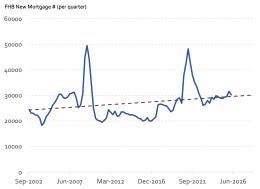
Source: Australian Bureau of Statistics, EQ Economics
What is harder to get a sense of is the impact of the tax changes on the development markets and the market for new builds. The government will allow investors in new builds to continue to claim negative gearing and capital gains tax exemptions.
What we are likely to see is a new rhythm to the housing market where a much higher proportion of newly developed properties are bought by investors and the first home buyer becomes a permanently bigger part of the secondary market.
As for the impact on the broader economy, the sooner this shift takes place the better.

Warren Hogan Founder, Managing Director and Principal Forecaster at EQ Economics.

At a certain point in a broker’s career, things are supposed to get easier, but that’s not always the case. By your second or third year, you’ve moved past the basics.
You know lending, you can handle clients, and you’ve probably built some momentum in your business. On the surface, it looks like you’re doing well. But inside, many brokers at this stage face a different challenge. It’s less obvious, but it shapes your career even more.
This is the shift from just being busy to becoming consistent. Brokers with two to five years of experience are in an in-between stage. You’re not new anymore, but you don’t yet have the structure or predictability of a mature business. Settlements come in, but not always regularly. Some months are strong, while others feel uncertain.
You’re busy, but that doesn’t always lead to real growth. This is where many brokers hit a plateau. It’s not about lacking skill, but because the challenge itself has changed. When you start out, success mostly comes from learning and hard work. Now, it’s more about discipline, having good systems, and turning what you know into consistent results. It’s about managing your pipeline, organising your time, and shifting from reacting to deals to running your business proactively.
The challenge is that most brokers have to figure out this phase by themselves. Mentoring usually fades away, and while aggregators offer tools and support, they don’t always give you the structure you need for consistency. People assume experience will bring growth, but without the right systems, it often leads to getting stuck.
The brokers who succeed at this stage aren’t usually the ones working the longest hours.
Instead, they build clear systems, develop strong habits, and hold themselves to high standards. They focus less on doing more, and more on doing the right things again and again.
Recognising this gap, the FBAA has partnered with Success & Broker to offer the Grow Broker Scholarship, designed specifically for brokers at this critical stage of their career. Rather than focusing on technical knowledge, the scholarship supports brokers through a structured development pathway centred on implementation: building the routines, systems and behaviours that drive sustainable performance.
If you’re selected, you’ll get weekly Broker Journal modules through the Success & Broker platform, submit quarterly workbooks to stay on track, and join live coaching sessions with award-winning broker Ruan Burger. You’ll also be part of a peer community where you can share challenges, insights, and progress as they happen.
If you see yourself in this stage—busy, skilled, but wanting more consistency and control— the next step isn’t just learning more. It’s about having structure, discipline, and the right environment to put them into practice.
Applications for the Grow Broker Scholarship are now open. To find out more or to apply, visit the FBAA Grow Broker page.

Register your interest in the FBAA Grow Broker Program.

An exciting new initiative of the FBAA, the Learning Centre is an online platform that offers you the freedom to learn at your own pace and in your preferred style.
Engage with audio, video, and written materials – pick the style that works best for you.
Whether you’re looking to improve your business performance or build resilience in your career, FBAA Learning Centre offers a wide array of learning topics for every stage of your professional journey.
Access courses anytime, anywhere, with flexible online learning that fits your busy schedule.
Choose from a range of content that suits your individual needs, from business finance, product knowledge, marketing strategies, and customer service, to mental health and wellness support.
Learn More



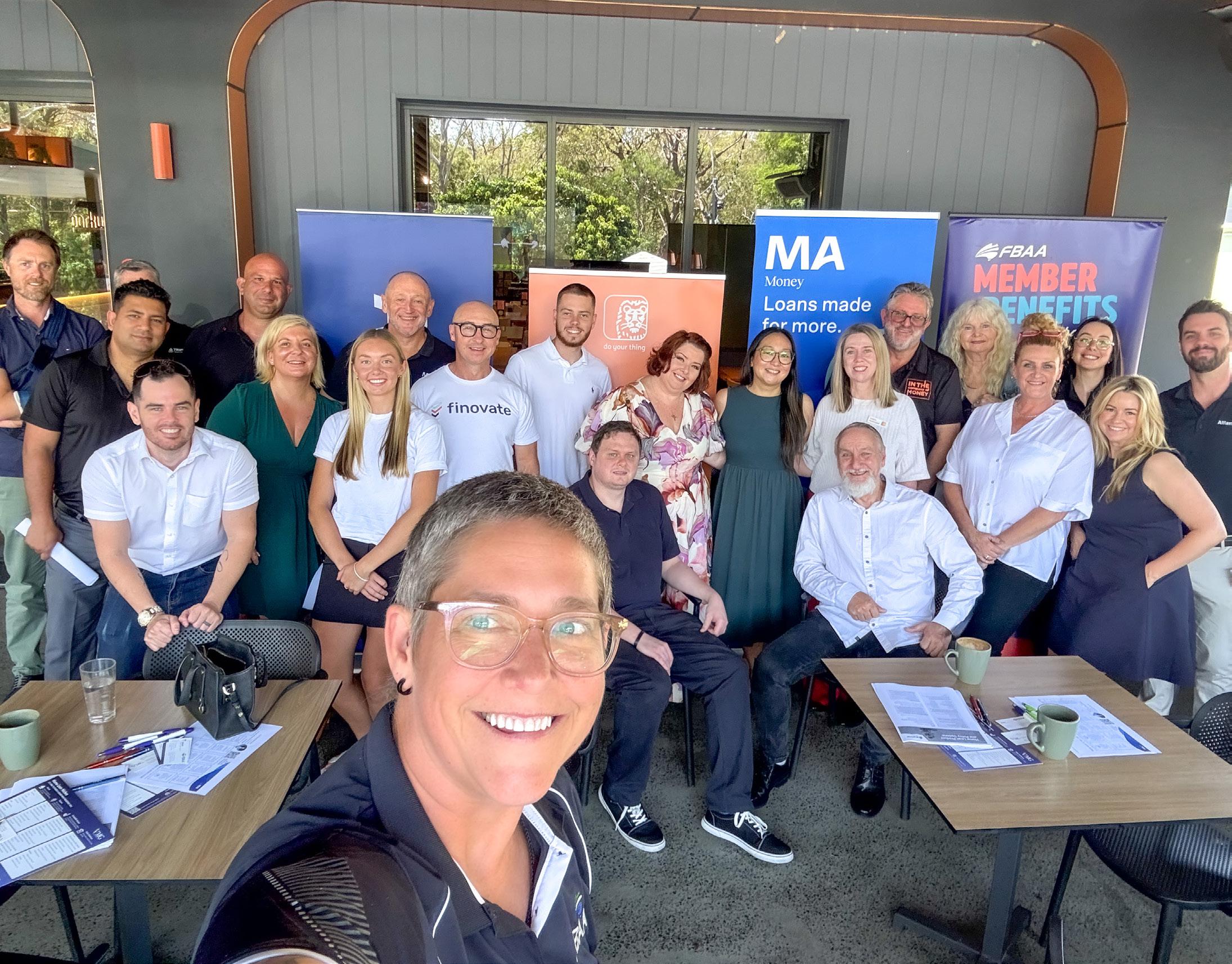
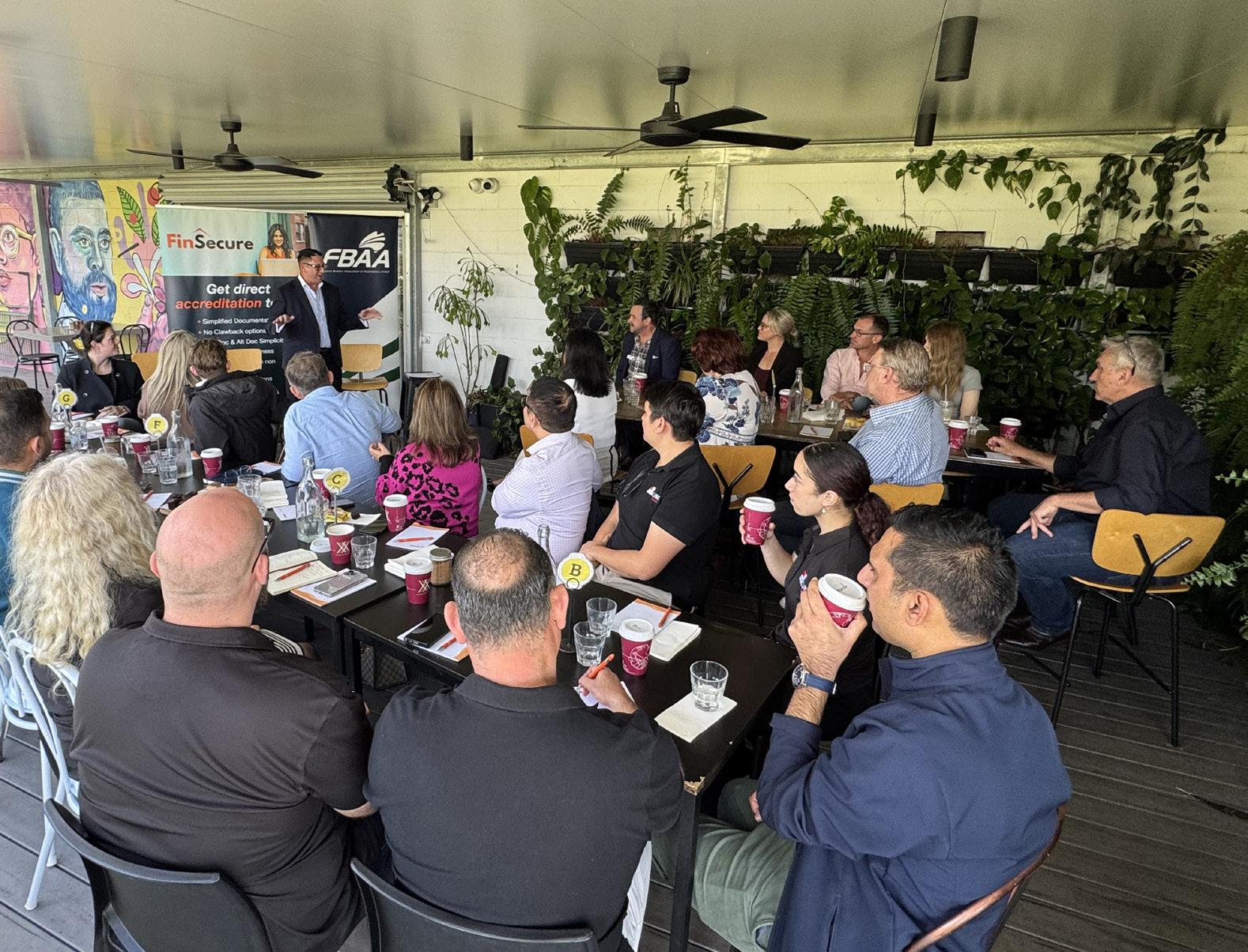
The FBAA started the Lenders, Loans & Learnings series to connect theory with real lending conversations. Even though brokers can join webinars and get policy updates, many want hands-on, relationshipfocused learning to help them confidently structure and place deals in today’s market.
Lenders, Loans & Learnings is a relaxed, highvalue workshop that brings brokers and lender BDMs together in an approachable, interactive setting. Instead of formal presentations, the sessions offer practical education, lender insights, and real broker conversations, all shared over coffee.
Each session starts with a brief education segment, followed by lender discussions, policy insights, and open networking. Brokers can ask questions, workshop scenarios, and learn more about lender preferences in a relaxed setting.
Topics throughout the series include:
Structuring cleaner submissions. Understanding lender fit beyond rates. Navigating policy and credit conversations. Self-employed and complex client scenarios. One-touch approvals and submission quality. Building stronger lender relationships.
The series stands out because of its format. Smaller workshops make it easier for brokers to engage, ask questions, and learn from lenders and peers without the stress of a big event.
The sessions draw a wide range of brokers, from newcomers seeking practical advice to experienced brokers looking for lender updates, new perspectives, and stronger industry connections.
“Instead of just learning about products, brokers leave with practical tips they can use right away.”
Importantly, the focus is always on education
Instead of just learning about products, brokers leave with practical tips they can use right away, like structuring better deals, understanding policy details, or knowing when to call a BDM before submitting an application.
Feedback from attendees continues to highlight the value of:
• Practical, real-world lender conversations.
• Bite-sized education that’s easy to apply.
• Access to multiple lenders in one room.
• Stronger BDM relationships.
• A relaxed environment that encourages discussion and learning.
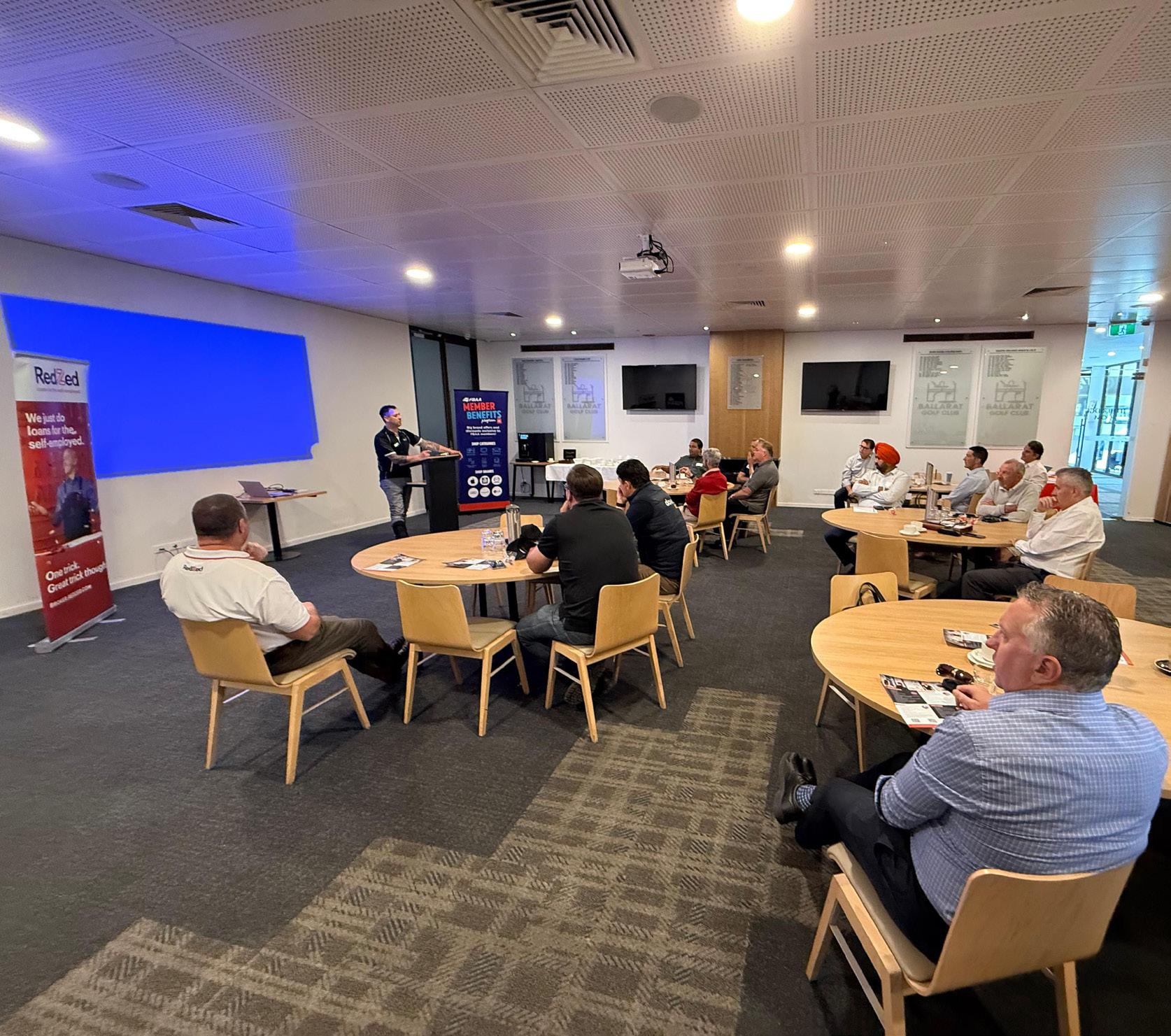
The sessions are meant to be approachable, collaborative, and genuinely useful, helping brokers build confidence and stay connected to the industry.
Turn the page for upcoming event dates.
Slacks Creek
QUEENSLAND
15 September
Budds Beach
QUEENSLAND
14 October
More workshop topics and locations will be added throughout the year, with ongoing focus on practical education, broker engagement, and building stronger industry connections, one conversation and coffee at a time.



✓ Policy meets all ASIC National Licencing requirements. ✓ Easy online application & monthly payment option available. ✓ Personalised service. ✓ Optional ancillary Cyber, Public Liability , Management Liability & Office equipment covers also offered as part of the package. ✓


By: Sam Panetta Broker Coach, Founder
Lead generation in 2026 is bigger, broader, and more exciting than ever. There are more ways than ever to attract quality clients, and the brokers who win are the ones who pick the right plays and run them properly.
Here’s how I’d build a lead engine that actually scales.
Pick a niche you’re genuinely passionate about
Start with something you love, where you have a real competitive edge, and a demographic you can actually market to. When you go narrow, your messaging lands harder, your content connects faster, and your referrals come thicker. Trying to help everyone is the quickest way to be invisible to anyone.
Make content that entertains and educates
The content that wins isn’t pure education or pure entertainment. It’s both. People scroll past boring. They also scroll past fluff. The sweet spot is content that teaches something useful while keeping people engaged enough to actually watch, read, and remember. That’s where trust builds, and conversations start.
Stay true to each platform’s nature
Instagram, TikTok, LinkedIn, YouTube. Each one has its own rhythm and audience. Don’t post the same thing everywhere and hope it sticks. Go deep on the platforms your ideal client actually uses and create content that fits how people consume content on those platforms. You can absolutely show up everywhere, just do it properly.
Run paid ads with killer creative and simple conversion systems
Paid advertising puts everything else on steroids. Strong creative, clear targeting, and a simple path from click to booked call. That’s the formula. Don’t overcomplicate the funnel. The brokers winning with paid ads keep the message sharp, the offer clear, and the system tight.
Use podcasts to build a massive rapport
Long-form content builds long-form trust. A podcast lets your ideal audience spend real time with you, hear how you think, and get to know you in a way no 30-second video can replicate. Then chop it into snippets to fuel your social channels. One conversation, weeks of content.
SEO still matters, and now AI search matters too. People are searching on Google and asking ChatGPT, Claude, Gemini and Perplexity. Building strong content that ranks in both is how you stay visible, no matter where your prospect starts their research.

Live streaming is having a massive moment right now. The platforms are pushing it, audiences are showing up, and the format builds trust faster than almost anything else. Real-time, unedited, human. Get on camera, answer questions, share strategies. The brokers showing up live are getting noticed.
Use everything above to earn the right to deliver a five-star experience
This is the whole point. All this lead-generation work is just about creating opportunities to wow clients. When you deliver an unreal experience, you create raving fans. Raving fans stay. They do repeat business. They refer friends and family.
That’s where the real growth comes from.
Attract referral partners with a strong brand
Top brokers don’t chase referral partners. They attract them. A strong brand, a great reputation, and a track record of looking after shared clients does the work for you. When partners see you delivering a five-star experience to the same audience they care about, they want to send people your way.
Social proof is everything. If we say we’re good, it might be true, but if someone else says we’re good, it probably is. Get reviews. Get video testimonials. Get them often and use them everywhere. Real clients telling real stories will outperform anything you can say about yourself.
Lead generation in 2026 isn’t one channel or one tactic. It’s a system where niche, content, ads, podcasts, SEO, live, referrals, and reviews all reinforce each other. It is not enough to know how to write loans; if we are going to step into the arena, we need to know how to run a business too. When we pick a niche we love, create content that connects, run ads with discipline, build rapport at scale, show up authentically, and deliver an experience that turns clients into advocates, growth becomes inevitable.

Good luck.





They start by researching.
In fact, around 90% of borrowers research home loans before they ever speak to a lender or broker, and many say the information is confusing or difficult to interpret.
That early stage — months before an application — is where perceptions are formed, and trust begins.
Beforeuloan.com is built for that moment.
It’s an independent, ad-free education platform that helps Australians understand lending fundamentals, common misconceptions, and how mortgage brokers support better outcomes — well before they’re ready to take the next step.
Because what people learn during early online research shapes how they understand the process — and the role brokers play in it — long before a loan is ever discussed. Most Australians don’t start their loan journey with a broker or a bank.


Whenever there is a change in the market, there is also an opportunity.
Whether we like the impact of the latest Federal Budget or not, it’s landed. And with conversations now building around negative gearing, capital gains tax, trusts, investors and property ownership structures, brokers have a real opportunity in front of them.
Not an opportunity to become tax advisers. Let’s be very clear on that. We are not accountants, and we should not be giving tax advice. But we are absolutely in a position to help clients understand that the lending conversation may need to change.
For a long time, the investor conversation was pretty “rinse and repeat”: find a good rate, look at the rent, and chat about the tax perks. But when the goalposts move, the conversation has to move too. Investors start asking different questions. First home buyers wonder whether this gives them a window. Existing landlords want to know whether they should hold, sell, restructure or refinance. Clients with trusts, company structures, or more complex borrowing arrangements suddenly realise their “simple” property plan may no longer be so simple.
That is where brokers can add enormous value
Your clients may not understand the fine print. To be honest, plenty of industry people are still unpacking it, too. But they will understand uncertainty. They will understand headlines. And they will absolutely be wondering, “What does this mean for me?”
That is the moment when brokers should step forward
Not with panic. Not with predictions. And definitely not with a 17-page Budget summary that nobody asked for.

Instead, this is the perfect time to show up as the trusted adviser and get in front of your clients. Help them navigate the noise, educate them in plain English, and build their confidence about what these changes could mean for their next move.
Re-engage and reassure your clients. Build a simple strategy. Get on the front foot
If you are looking for a way to re-engage your database this month, keep it human. Reach out to your investors, your self-employed clients, and those with more complex trust or company structures. This is the time to run targeted investor campaigns and start meaningful conversations around cash flow, borrowing capacity and future property decisions.
Your message needs to be simple
“The rules are changing. Before you make your next property decision, let’s review your borrowing structure, cash flow position and longterm strategy with your accountant or financial adviser.”
Because at the end of the day, great broking is not just about getting a loan across the line. It is about helping people navigate life when things get a bit blurry. The opportunity here is not to have all the answers.
It is to ask better questions.
• Does the client’s current structure still make sense?
• Will their future borrowing capacity be impacted?

By Katherine Persoglia
The Brokers Bible

“Great broking is not just about getting a loan across the line. It is about helping people navigate life when things get a bit blurry.”
• Are they relying on tax assumptions that may no longer apply?
• Should they be considering new builds, existing property, debt reduction, refinancing, or simply pausing before making a decision?
• Do they need to bring their accountant or financial planner into the conversation earlier? These are the conversations that build trust.
So focus on their next move. A simple check-in can become a lending review
A lending review can become a strategy conversation. And a strategy conversation can become the reason a client chooses to come back to you before making their next major property decision. As a broker, you need the confidence to bring calm, clarity, and practical guidance when clients are being bombarded with loud opinions, political commentary, and clickbait headlines.
The Budget may be the headline, but the real story is what your clients do next
And the brokers who show up now with education, confidence and practical guidance will be the ones clients remember when it is time to make their next move.



12,000+
Students Across 2026 and Growing
FIT Solutions creates education, engagement and community impact programs that connect industry professionals with schools and communities across Australia
Founded by Beth Comino (HAS) and Victoria Coster (Credit Fix Solutions) ABOUT

A national program providing practical money education to Australian Year 10 Students through industry-led classroom delivery Focusing on Budgeting, Savings, Interest, Credit Reporting and Superannuation









REGISTER NOW THURS. OCT. 29


Right now, the broking industry is changing fast. There is more information to process, and the pressure to keep up with new tools and expectations is always there. For many brokers, the question is not if change is coming, but how quickly you can adapt.
If you pause and look past the noise, one thing stands out. Even as our work changes, what clients need stays the same. They want clarity, guidance, and above all, someone they trust to help them make the right choice.
This balance between fast technological change and the lasting value of human connection is at the core of the FBAA National Industry Conference 2026.
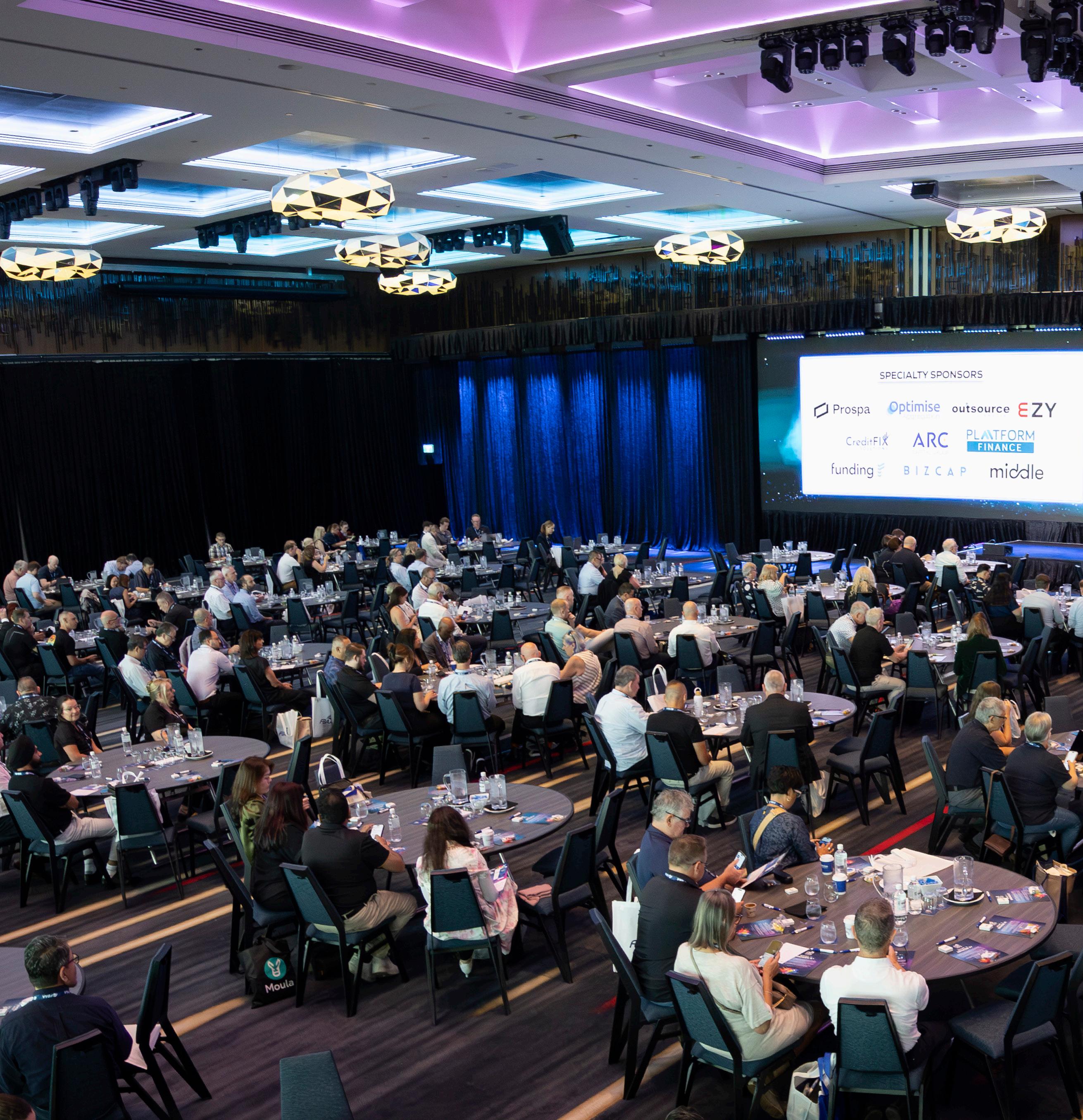
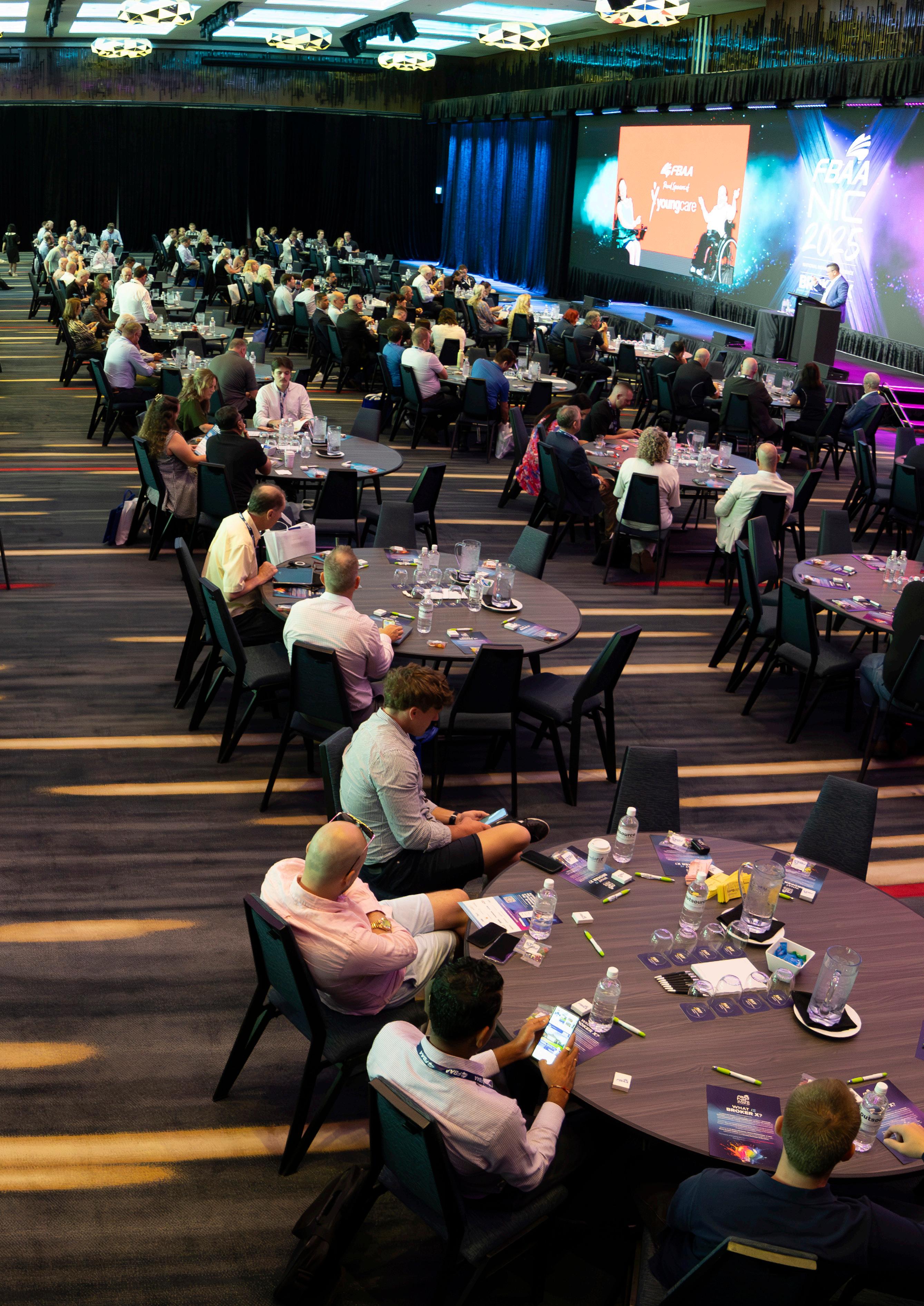
For more than 15 years, NIC has been the place where brokers come together to step away from daily routines and see the bigger picture. In 2026, the event takes a new step. The conference will be in Sydney for the first time, adding more scale, energy, and fresh perspectives. With over 1,000 brokers and industry professionals expected, plus the first FBAA Industry Expo, this year’s conference marks real progress for the industry. The conference is designed to deliver. In a market saturated with content — webinars, updates, commentary and constant noise — what’s often missing is the space to step back and think clearly. NIC continues to provide that space. It is not about adding more information; it is about giving brokers a perspective.
NIC 2026 is all about building the skills that matter most today. The brokers who will lead the industry forward are not just those with the best tools. They are the ones who can think clearly under pressure, truly understand their clients, build trust quickly, and make confident decisions when it matters.
This year’s program is built around these key skills. Instead of just sharing industry updates, the speakers will focus on performance, decisionmaking, and human behaviour. These are at the heart of every strong broker-client relationship.
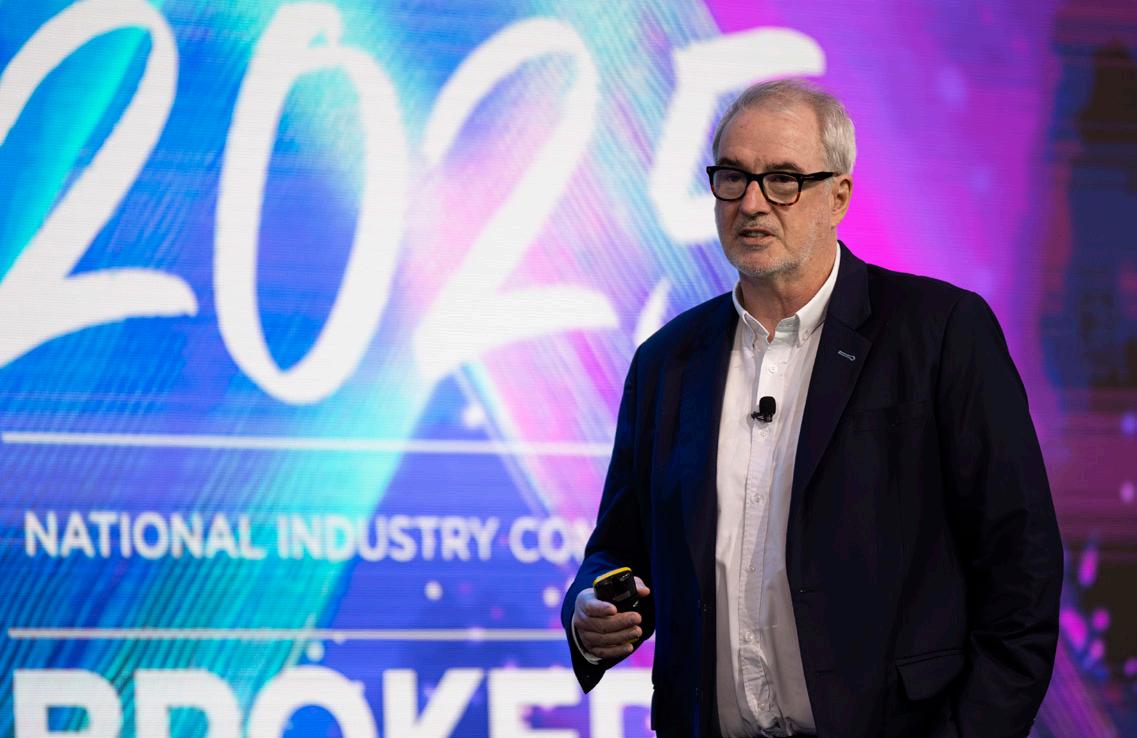
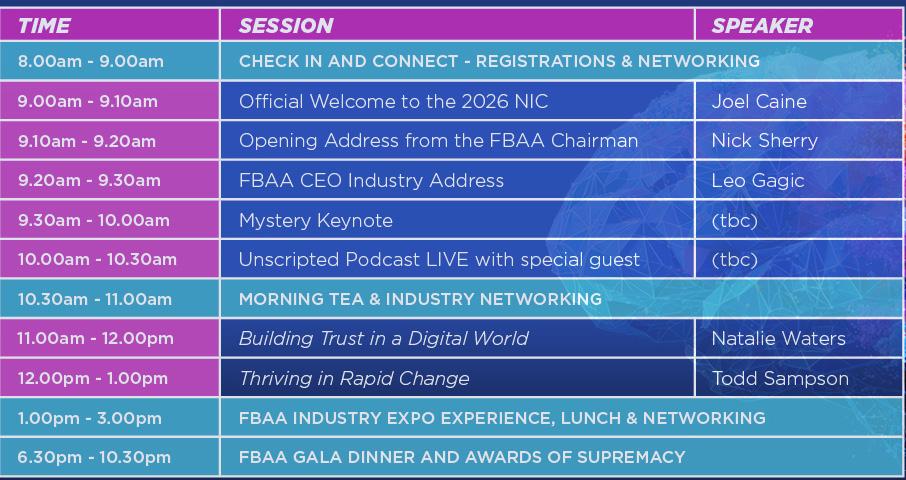
Todd Sampson offers insights based on performance and adaptability. In his work on Redesign My Brain, he looks at how we think, respond, and improve, challenging the idea that our abilities never change. His session will show how to stay clear, focused, and adaptable in fast-paced environments. These skills are more important than ever in broking today.
Natalie Waters brings another key focus: trust. With experience in high-risk government and intelligence roles, she has spent years learning how people act and make decisions under pressure. Her skills in behavioural profiling offer insights that help brokers connect with clients, build relationships, and shape outcomes.
Together, these views show a simple but important truth. Technology is changing the industry, but it cannot replace human skills in understanding people, building trust, and guiding decision-making.
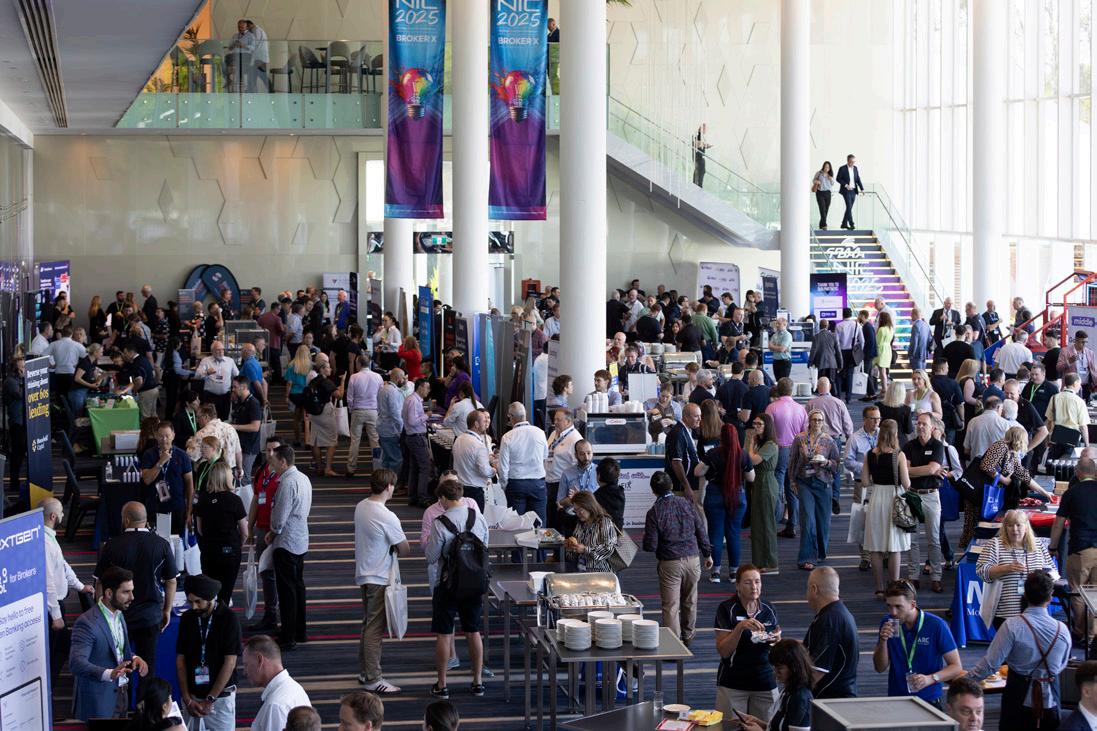
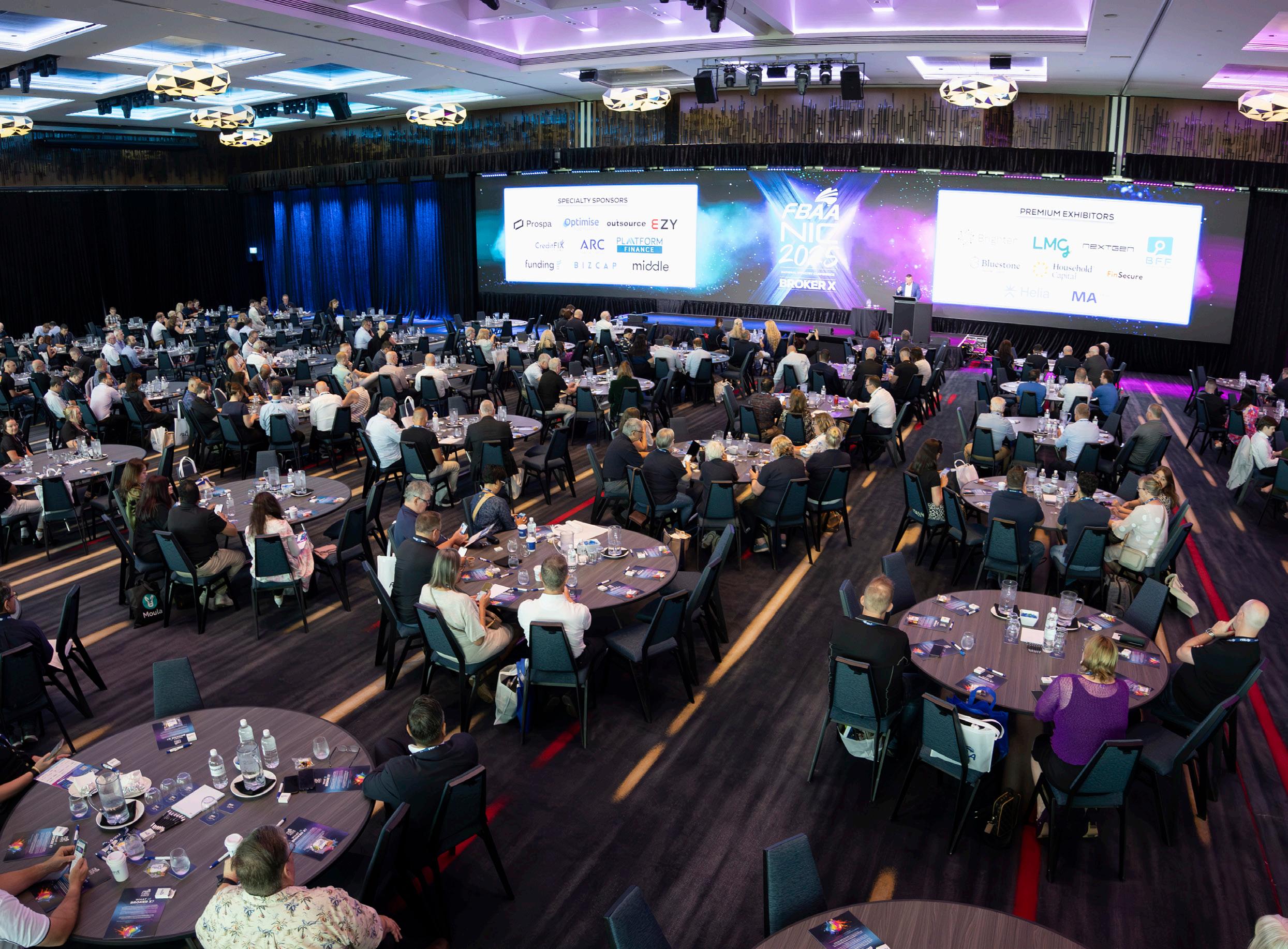
NIC 2026 will also feature the FBAA Industry Expo, a new part of the event. Unlike typical trade shows, the Expo is designed to encourage real conversations instead of just business deals. It gives brokers a chance to connect with partners, lenders, and industry leaders in a more thoughtful and valuable way.
For many brokers, the main challenge is not finding opportunities, but finding the time to notice them. NIC gives you that chance. It is a day away from the office, in a new setting, where you can reconnect with the industry and rethink your own approach.
As the industry changes, the real advantage will not come from just keeping up. It will come from knowing what matters, staying focused, and acting with clarity and confidence.
NIC 2026 is here to help brokers achieve this.
Right now, the industry’s pace of change is accelerating.
New AI tools, systems, and expectations are emerging almost daily. The pressure to keep up is real — and for many brokers, it can feel overwhelming.
But while the landscape is evolving, the fundamentals haven’t changed. Your clients still need clarity.
They still need guidance.
They still need someone they trust to help them make the right decision. NIC 2026 is about strengthening the skills that matter most in today’s market.
The brokers who will lead in the next phase of the industry won’t simply be those with access to the latest AI tools — they will be the ones who can build trust, understand their clients and make confident decisions when it counts.
Attending NIC gives you the opportunity to step back from your business and gain a fresh perspective. You’ll connect with peers facing similar challenges, learn from people operating in high-performance environments, and walk away with ideas and insights you can apply straight away.
Most importantly, you’ll reconnect with your competitive advantage: the ability to be present, listen, and guide your clients with confidence.
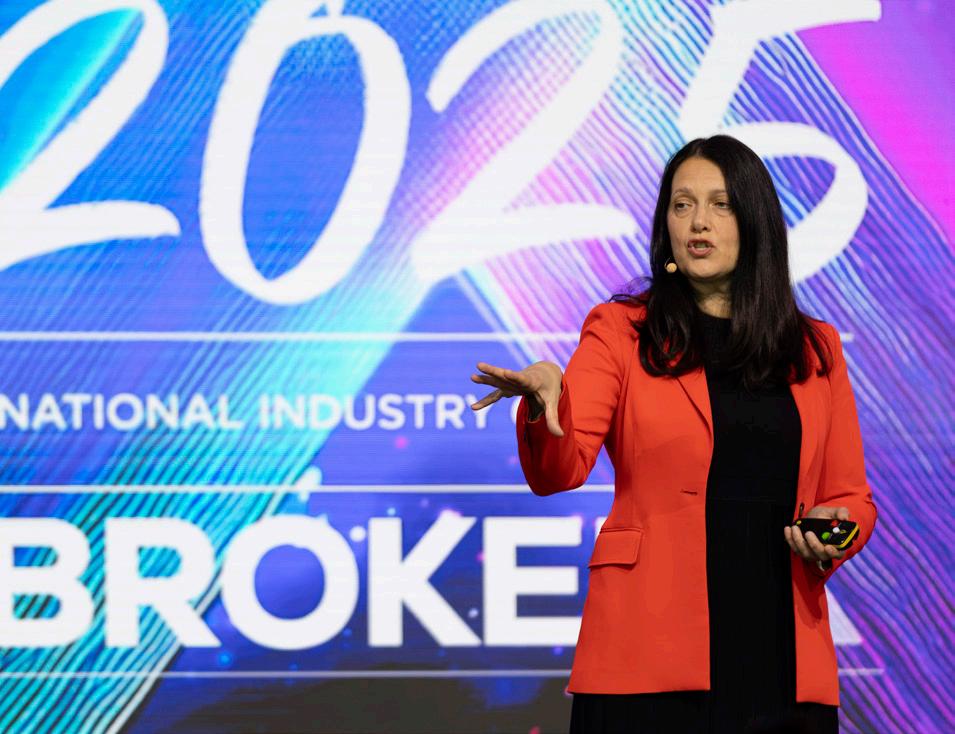
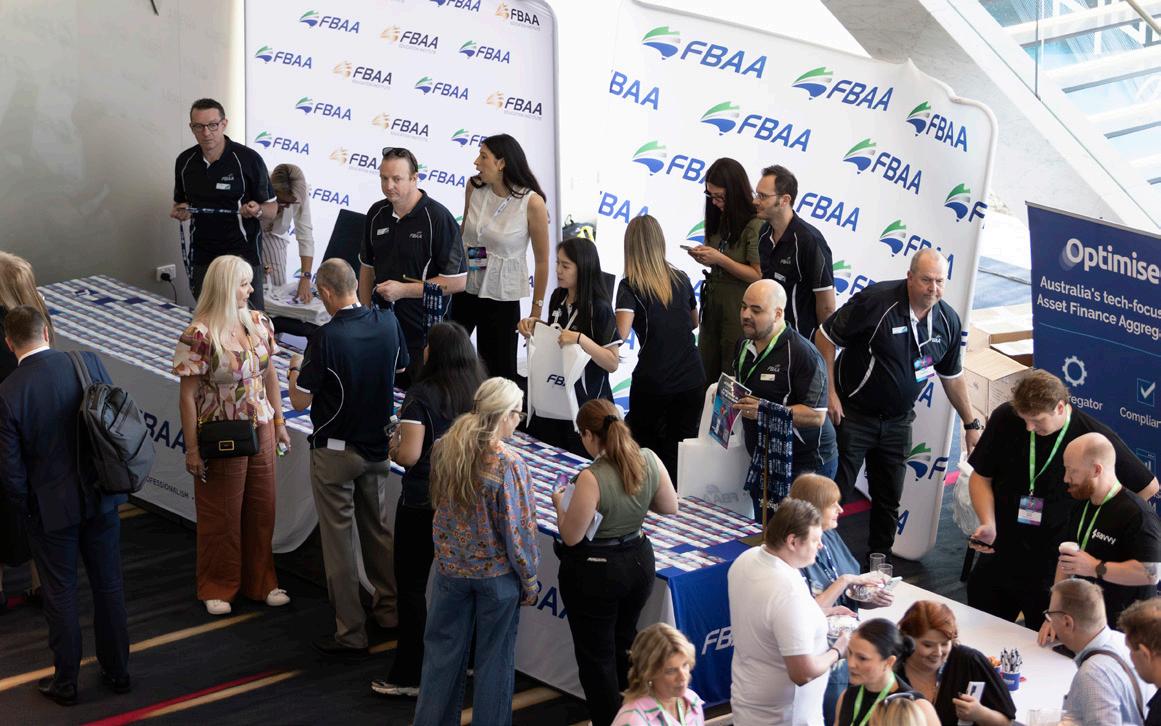
NIC 2026 is an experience built around connection, insight and practical value.
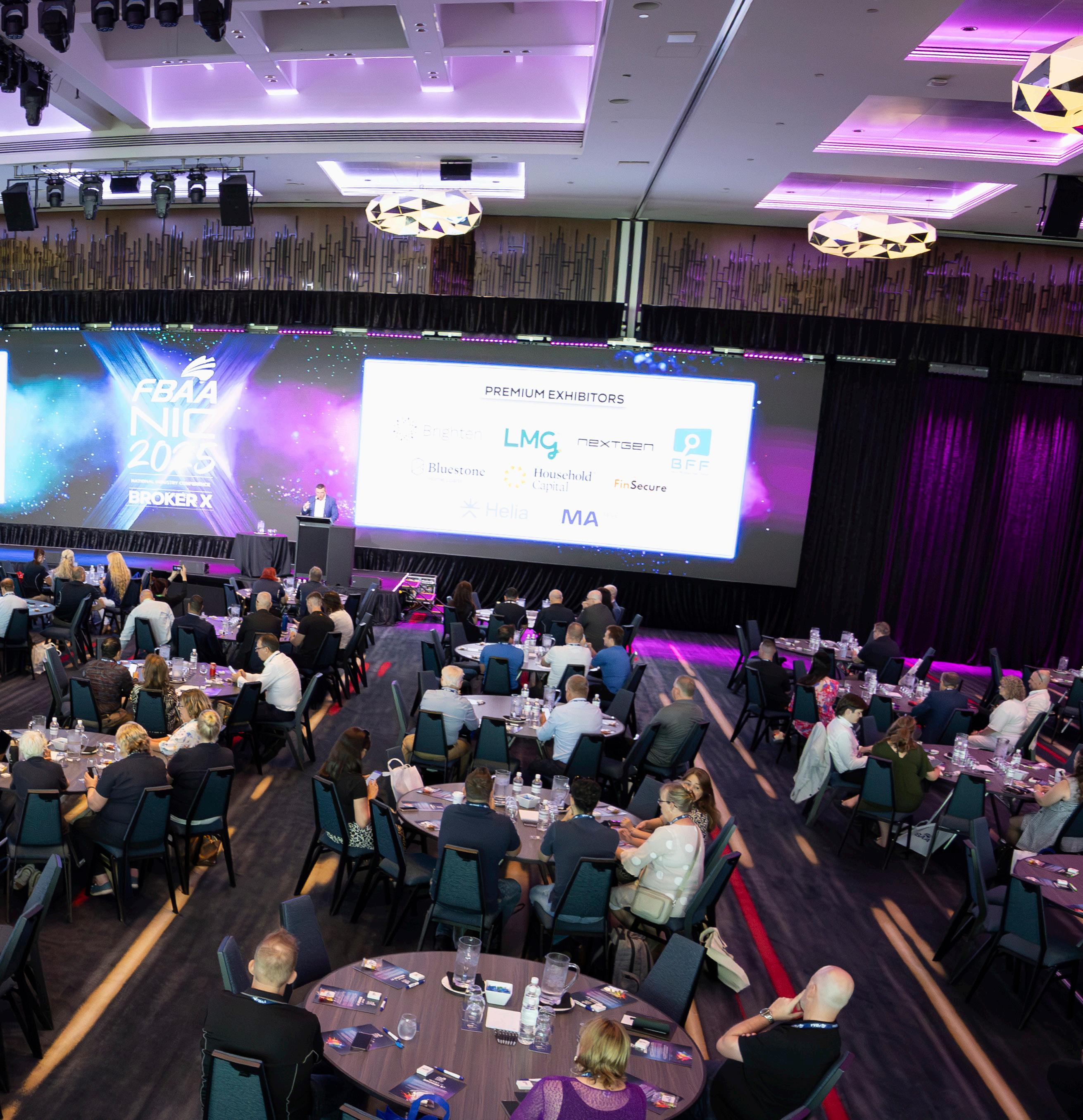
You can expect a carefully curated program that combines real-world perspectives with ideas you can apply to your business immediately. The speaker line-up has been selected to challenge thinking, build capability and provide insight into performance, decision-making and human behaviour.
This year also introduces the first-ever FBAA Industry Expo — a premium, curated space designed for genuine interaction rather than transactional engagement. With high-quality, theme-led activations, the Expo creates opportunities to connect meaningfully with industry leaders, experts and suppliers.



In a world where information is everywhere, and decisions are increasingly automated, one thing hasn’t changed:
People still choose to work with someone they trust.
Natalie Waters has spent her career in environments where understanding people isn’t optional — it’s critical.
From frontline operations across Australia’s borders and the Southern Ocean to working alongside intelligence agencies and government leaders, and facilitating hostage negotiation training, Natalie has developed deep expertise in behavioural profiling and human decision-making.
She understands how people think, what drives their behaviour, and — most importantly — what builds trust.
At NIC 2026, Natalie will focus on:
• The fundamentals of human trust
• How to read behaviour and intent
• How to communicate more effectively with different personality types
• How to influence outcomes in high-stakes conversations
For brokers, this is where real value is created.
While technology can support the process, it cannot replace the ability to understand people, build trust, and guide them to the right decision.
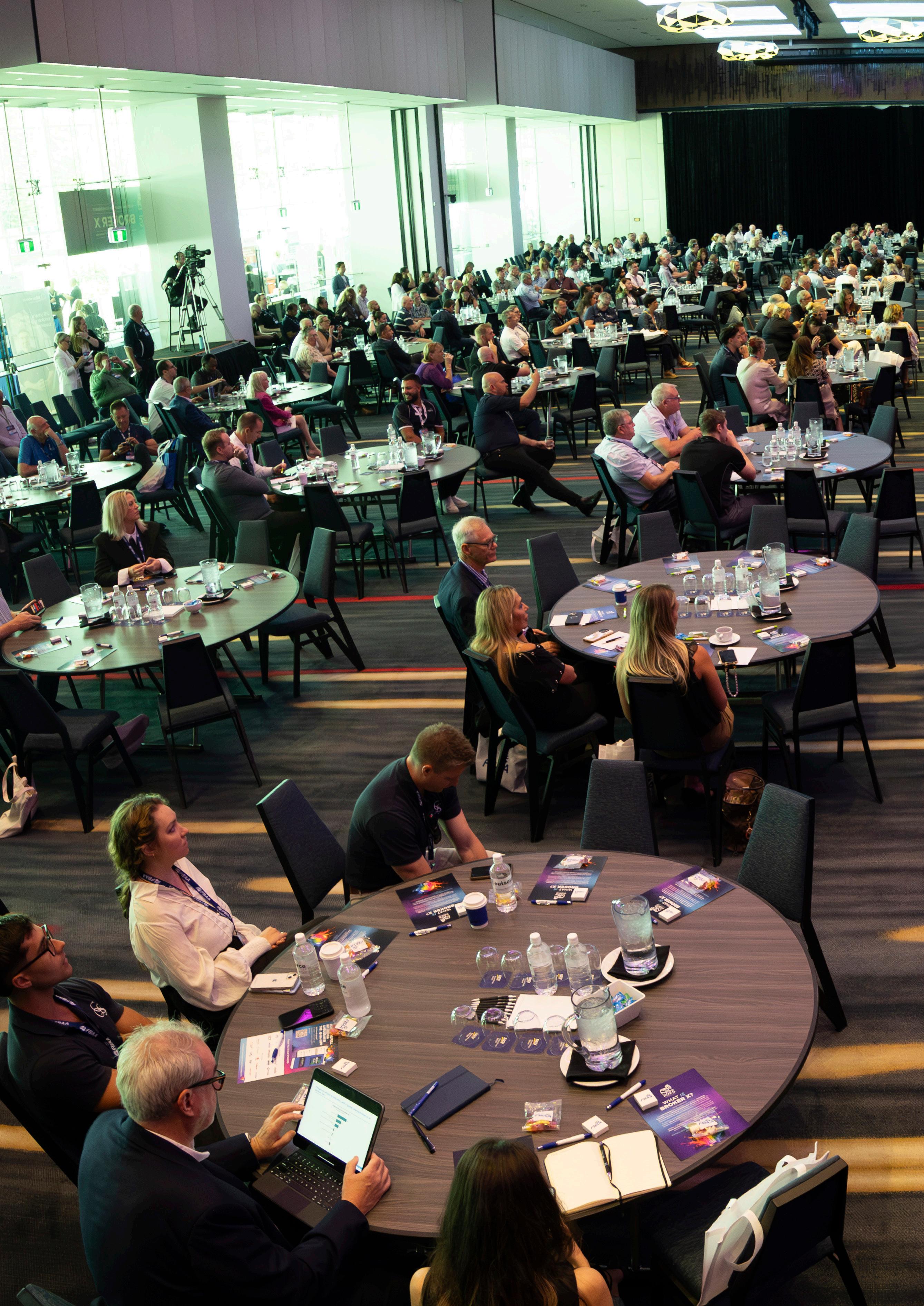

Right now, the pace of change in the industry is relentless.
New tools. New systems. New expectations.
The pressure to adapt — quickly — is constant.
Todd Sampson’s work is built around one core idea:
We are far more capable than we think — and we can train ourselves to perform better.
As the creator of Redesign My Brain, Todd explores the science of how we think, adapt and improve — challenging the long-held belief that our abilities are fixed.
At NIC 2026, Todd will take you inside this thinking, sharing practical insights on how to:
• Stay clear and focused in fast-moving environments
• Adapt your thinking when there is no playbook
• Push beyond perceived limits
• Build mental resilience and improve performance over time
His experience operating in extreme environments — from Everest to conflict zones — reinforces one key message:
Your ability to think, adapt and perform is trainable — and it’s your greatest advantage in a rapidly changing world.





Get your SME clients fast access to flexible loans with Australia's most open-minded lender
Loans of $5k to $7.5m in as little as 3 hours
Existing loans? No worries
No upfront credit checks or minimum scores
$3B+ Loans funded Partner up 66K+ Small Business Loans 4.8/5 Trustpilot rating


Following a day of insight, innovation and connection at NIC 2026, the industry will gather for an evening dedicated to celebrating excellence.
On Thursday, 29 October, the FBAA Gala Dinner & Awards of Supremacy will make its debut at the magnificent Sydney Town Hall, one of Australia’s most iconic and historic venues. Beneath grand chandeliers and surrounded by the timeless elegance of this treasured landmark, brokers, lenders and industry leaders from across Australia will come together for what promises to be one of the most memorable evenings in the association’s history.
This year’s Gala theme, A Night Under the Chandeliers, pays homage to the grandeur and sophistication of Sydney Town Hall, creating the perfect backdrop for an evening of recognition, connection and celebration. Complementing the evening’s atmosphere is the optional dress theme, Venetian Masquerade, inviting guests to embrace a touch of old-world glamour and mystery with black-tie attire, elegant masks and timeless style.
Guests can look forward to a premium dining experience, entertainment and invaluable networking opportunities, before the evening culminates in the highly anticipated FBAA Awards of Supremacy ceremony. More than simply an awards night, the Gala Dinner is an opportunity to recognise outstanding achievement, reconnect with colleagues and peers, and celebrate the individuals whose dedication and commitment continue to elevate the broking profession.
As one of the industry’s most prestigious honours, the Awards of Supremacy recognise excellence across 18 categories, celebrating outstanding performance in residential, commercial and asset finance, business development, mentoring and industry leadership. At the pinnacle sits the coveted National Broker of the Year award — the highest honour bestowed by the FBAA and a recognition reserved for those who truly set the benchmark for excellence.

Congratulations to all finalists. Being named a finalist in the FBAA Awards of Supremacy is a remarkable achievement and recognition of the dedication, professionalism and excellence you bring to our industry.
Selected from an exceptional field of entries, these individuals represent the very best in Australian broking and continue to raise the benchmark for excellence across the profession.
Winners will be announced during the prestigious FBAA Awards of Supremacy Ceremony, held as part of the FBAA Gala Dinner on Thursday, 29 October 2026, at the iconic Sydney Town Hall.
Now is the perfect opportunity to gather your colleagues, business partners and supporters and join us for one of the most anticipated nights on the industry calendar.
Whether you’re cheering on a finalist, celebrating your team’s achievements or simply looking to experience an unforgettable evening of glamour, connection and recognition, we invite you to secure your seats and join us as we celebrate the very best our industry has to offer.

NEW FINANCE BROKER OF THE YEAR:
Archie Achilleos – LendArc
Lei Fan – Skylight Funding Solution
Maxim Heerey – Derwent Finance / Zappa Finance
Renaee McSwan – Lulu Avenue Pty Ltd t/a Mac & Co Lending
Patrick Moore – Loan Market Clayfield
Jay Nash – Empire Finance Mortgage Brokers
Khushal Patel – MRKB Pty Ltd
Gurpreet Sandhu – The Mortgage Hub Co
Jane Thai (Thi Lam Giang) – Strategic Brokers
FINANCE BROKER OF THE YEAR — QLD/NT:
Jai Hobbs – Evolve Loans
Rachael Howlett – Infinity Group Australia
Tom Joseph – Loan House Lending Solutions
Sandy Kelso – Kelso Finance Mortgage Brokers
Renae Long – FAM Brokers
Travis Love – Infinity Group Australia
Todd Martin – MartinCo Financial Services
FINANCE BROKER OF THE YEAR — NSW/ACT:
Roshan Bhattarai – Derwent Finance
Emily Clunes – Your Lending Friend
Jared Dorans – Crown Property Finance
Benjamin Fenley – Infinity Group Australia
Christopher Jonson – My Finance Agent
Nick Lissikatos – Trelos Finance
George Massouridis – Mortgage Navigators
Joseph Stolker – Broker Bros Pty Ltd
Tony Xia – The Mortgage Agency
FINANCE BROKER OF THE YEAR — VIC:
Shubham Bhaskar – Sheel Capital
Rishi Bhatia – KRIA Mortgages
Mish Blecher – 360 Financial Strategists
Maninder Kaur – Evergrow Finance
Amol Khuntale – ASK Financials
Keval Oza – Absolut Financial
Balwinder Singh – Absolut Financial
Steven Tigas – The Finance Family
Jaclyn Walsh – Zella
FINANCE BROKER OF THE YEAR — TAS:
Kaya Geale - Fortify Loans
Emmanuel Marios - Derwent Finance
FINANCE BROKER OF THE YEAR — SA:
Leah Busby – Blackfish Finance
Christopher Hutton –Chris Hutton Home Loans
Tony Santoro – LendQuest
Peter Savage – Savage Money
see more awards of supremacy finalists on page 60 & 61
FINANCE BROKER OF THE YEAR — WA:
Shelley Draper – FHBA
Paul Eldho – Paul’s Mortgage Solutions
Francois Gruening – Core Finance Co
Colin Lamb – Finance My Home
Jimmie Larsson –Core Finance Co South West
Wilson Thakkolkaran – Thakkol Finances
COMMERCIAL BROKER OF THE YEAR:
John Alvarez - Finselect Group
Aseem Bharani - Bharani enterprises pty ltd T/AS Moneyquest
Mordialloc and Heatherton
Keval Oza - Absolut Financial
COMMERCIAL ASSET BROKER OF THE YEAR:
Sara Eales – Sunshine Finance Brokers
Hayden Lamont – Dealify
Brendan Ryan – Rhino Finance
Nick Rowlands – Chase Finance
Khalil Sader – Perseus Finance
CONSUMER ASSET BROKER OF THE YEAR:
Jason Aziz – LoanOptions.ai
Sara Eales – Sunshine Finance Brokers
Lauren Falleti – Ultra Finance Solutions
Eugene Lee – LoanOptions.ai
Nakhshin Mohamad Khazarian – Diamond Finance Choice
Thomas Nguyen – LoanOptions.ai
AGGREGATION BDM OF THE YEAR:
Rohan Cubis – AFG
James Kemp – outsource Financial
Umit Kose – outsource Financial
Paul Marshall – Outsource Financial
Callum Morris – Optimise
Chitranee Williams – Finsure
Edison Xie – AFG
LENDER BDM OF THE YEAR:
Jaime Aplin – Prospa
Paris Damiani – La Trobe
Isaac Garson – Bizcap
Reece Hinchy – La Trobe
Jodie McNicol – Bluestone
Karen Renton – Liberty
Andrey Tabachnikov – MA Money
Dominee Wesche – Newcastle Permanent Building Society
ASSET FINANCE BDM OF THE YEAR:
Mel Kitchener – Flexicommercial
Claire Micari – Flexicommercial
Amanda Mowbray – Metro Finance
Clare Pickering – Flexicommercial
SERVICE PROVIDER BDM OF THE YEAR:
Bella Minns - Deposit Power
Treyena Prasad - LoanOptions.ai
Malissa Vourakis - Ryker Capital
MENTOR OF THE YEAR:
Demal George – Smartfinn Advisors
Andrew Larcombe – Morbanx Aggregation
Joe Mennea – Financial Consulting Australia
Samir Neupane – 8848 Finance
Mohammad Sharifur Rahman –Mortgage Australia
INDUSTRY SUPPLIER OF THE YEAR:
Credit Fix Solutions
Credit Success
LoanOptions.ai
Mr Mentor Quickli Ryker Capital
COMMUNITY AWARD:
Caitlin Bransgrove - Home of Inspire
James Brett - Truly Finance
Emily Clunes - Your Lending Friend
Rhianna Farnan - Derwent Finance
Amol Khuntale - ASK Financials
Sanjay Pradhan - SecurePath Finances
INDUSTRY CHAMPION OF THE YEAR:
Beth Comino – Home Affordability Solutions
Victoria Coster – Credit Fix Solutions
Brad East – Dealify
Rhianna Farnan – Derwent Finance
Julian Fayad – LoanOptions.ai
Damian Mantini – Platform Finance
Antonius Van De Kerkhof –The Finance Family
Winners will be announced during the prestigious FBAA Awards of Supremacy Ceremony, held as part of the FBAA Gala Dinner on Thursday, 29 October 2026, at the iconic Sydney Town Hall.
By Tony MacRae
Self-employment has become a defining feature of Australia’s modern workforce. Whether it’s the rise of the gig economy, contractors shifting between projects, or small businesses carving out new market spaces, more Australians are stepping away from traditional employment structures in favour of flexibility and independence.
But with this shift comes a challenge the industry knows well: income that doesn’t fit neatly into the boxes created for the conventional 9-to-5 worker. And that’s exactly where Alt Doc becomes essential. At Bluestone, we don’t see Alt Doc as a workaround. We see it as a legitimate way to assess borrowers whose income reflects how self-employed borrowers work today.
For many self-employed clients, income can be seasonal,
project-based, or impacted by business reinvestment. Their financials often lag their actual performance because formal reporting cycles rarely reflect business momentum in real time. While this doesn’t make them less creditworthy, it can make them harder to assess under the rigid frameworks used by mainstream lenders.
This is where the long-standing perception of Alt Doc as a “riskier,” “second-best,” or last-resort pathway becomes outdated. In reality, for many self-employed borrowers, Alt Doc is simply a more contemporary, realistic way to represent their financial position.
Brokers have always played a pivotal role in advocating for clients whose stories don’t show up in standard documentation. Clients who’ve been declined before, experienced temporary downturns, or who earn income
in unconventional ways often assume lending isn’t available to them.
But with the right questions, brokers can uncover strong underlying financial health that traditional documentation masks. Some of the questions that matter most include:
• How does this client really generate income?
• Are their most recent financials a true reflection of their current trading performance?
• Is the business growing faster than formal reporting cycles can capture?
Alt Doc, when used responsibly, helps answer these questions in a way that better aligns with how today’s self-employed clients actually operate.
Understanding Specialist Lenders in a Changing Market
Brokers need access to lenders who understand the complexities of self-employment and offer solutions grounded in real-world business behaviour. This includes non-bank lenders who take a more flexible, scenario-based approach to assessing creditworthiness.
For example, at Bluestone, we’ve consistently seen strong engagement from brokers with Alt Doc options because they help support borrowers who may not have full financials or standard PAYG evidence, yet demonstrate genuine capacity to repay. These products allow alternative forms of income verification, such as BAS statements or accountant letters, which can provide a fuller, more accurate picture of a borrower’s situation.This isn’t about lowering standards; it’s about applying the right standards to the right clients.
There is significant opportunity in becoming more familiar with non-bank lenders and the breadth

As self-employment becomes an even larger part of Australia’s economic fabric, our industry’s understanding of income verification must evolve alongside it. Alt Doc isn’t a fallback solution; for many clients, it’s simply the right tool for the job.
The market has changed, good brokers have adapted, and lenders like Bluestone help make that possible. By reframing how we think about self-employed income, and working with partners who recognise its legitimacy, brokers can continue to play a powerful role in helping more Australians access the lending solutions they deserve.
Tony MacRae, Chief Commercial Officer
Bluestone Home Loans

01 July
CREDIT REPORTS, COMPLIANCE & CASHING MORE DEALS: What Brokers Are Missing
Learn how credit reporting connects directly to Best Interest Duty, deal quality and Stronger client outcomes.
REGISTER NOW
08 July FROM SURVIVING TO THRIVING: Helping Your SME Clients Navigate ATO Debt, Payday Super &
Working Capital In FY27
Learn how to uncover commercial opportunities already sitting within their existing client base.
REGISTER NOW
15 July
06 August
SCALE BEYOND RESIDENTIAL THROUGH STRATEGIC PARTNERSHIPS
Learn how brokers can grow their business without increasing overheads by expanding into low doc lending, SMSF, commercial and development finance.
REGISTER NOW
WORKSHOP 1
Commercial Lending Skills
Learn how to read financial statements like an expert and use them as the foundation for deeper SME lending conversations.
REGISTER NOW

07
July
08
July
21
July
29 October
LOGAN - QLD
New Broker Night
Kickstart Your Broker Journey at the FBAA New Broker Night!
Join QLD State President Scott Beattie for a relaxed and informative evening tailored for new brokers or those with under two years’ experience (but open to all!).
REGISTER NOW
SYDNEY - NSW
Coffee Meet
FBAA Coffee Meets is a relaxed, high-value networking event designed to bring brokers together over good coffee, meaningful conversations and practical industry insights.
REGISTER NOW


MELBOURNE - VIC
Coffee Meet
FBAA Coffee Meets is a relaxed, high-value networking event designed to bring brokers together over good coffee, meaningful conversations and practical industry insights.
REGISTER NOW

SYDNEY - NSW
Gala Dinner & Awards of Supremacy
Brokers, lenders and industry leaders from across Australia will come together for what promises to be one of the most memorable evenings in the association’s history.
REGISTER NOW

By the
Did you know: A 5th of brokers work more than 50 hours a week*?
Brokers working for more than 40 hours a week tend to find their workload less manageable, report more stress effects, and feel less supported. With many lacking work-life balance, there is a need for assistance to help brokers manage their workload and stress.
The Wellness Hub is a vibrant, FREE, easy-to-navigate online resource designed to connect you with trusted mental health professionals when you need them most. Whether you’re facing a crisis or proactively seeking support, the Hub brings together a curated directory of experts, including psychologists, trauma specialists, psychotherapists, and family violence counsellors. The Wellness Hub helps take the overwhelm out of finding help so that you can focus on healing, growth, and wellbeing.
“Behind every loan is a story, and behind every great broker is a commitment to helping others achieve theirs.”