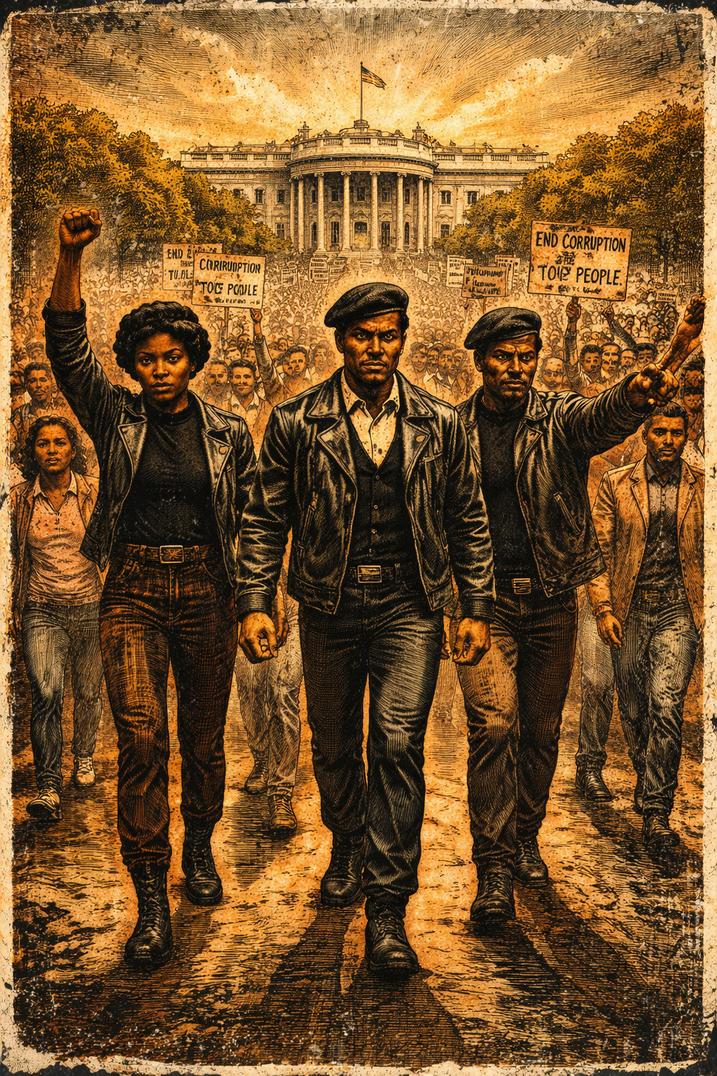

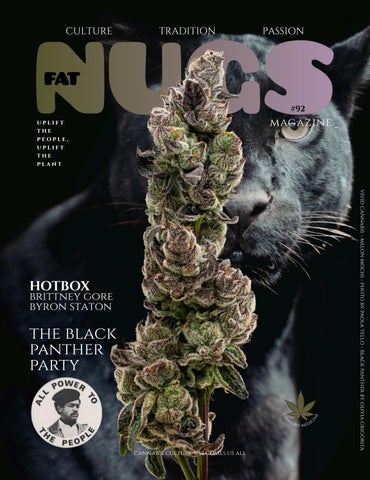
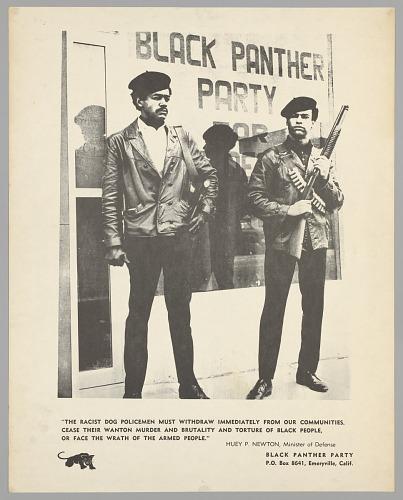
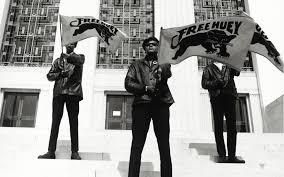
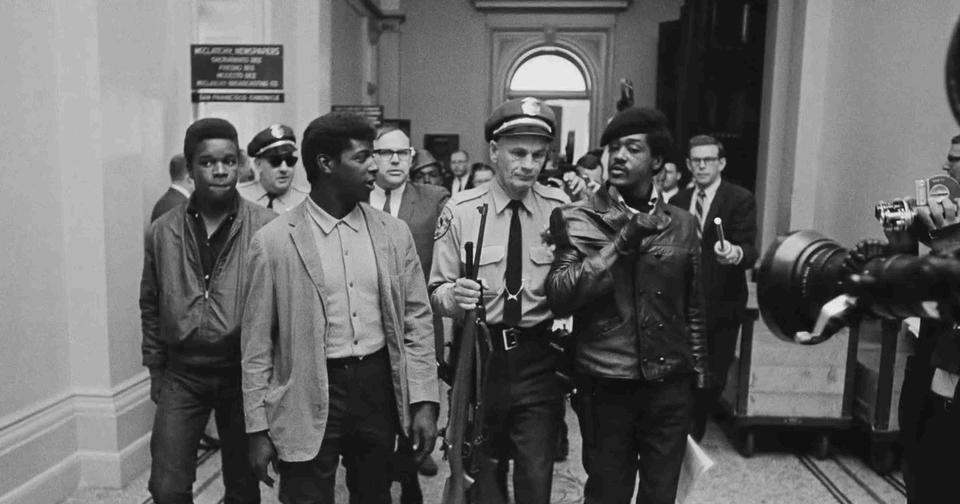
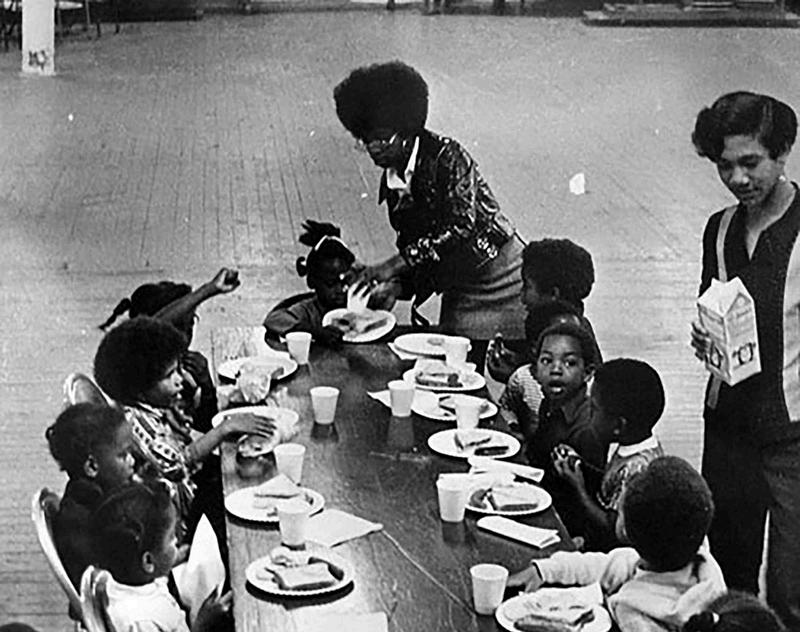
The Black Panther Party is a revolutionary Black political organization founded in 1966 in Oakland, California by Huey P Newton and Bobby Seale Emerging during the height of the Civil Rights era, the Party combines Black liberation politics with community self-defense, socialist principles, and grassroots organizing. While widely recognized for armed patrols monitoring police behavior and its militant visual identity, the Panthers are equally defined by extensive community survival programs, including free breakfast for children, health clinics, education initiatives, and food distribution efforts Guided by their Ten-Point Program, the Party demandes economic justice, housing, employment, education, and an end to systemic racism and police brutality The Black Panther Party quickly grew into a national and international movement that reshaped conversations about power, dignity, and collective resistance Despite intense government repression, internal challenges, and leadership losses, the Panthers still exist today and have one of the most admired, long-lasting legacies in social justice organizing, mutual aid frameworks, and political consciousness

Black History Month is a time to honor the courage, brilliance, and resilience of Black people whose contributions have shaped culture, science, art, politics, and everyday life It celebrates freedom fighters who challenged injustice, innovators who expanded possibility, and communities that built strength through unity and creativity From the rhythms of jazz and hip-hop to breakthroughs in medicine, science, and civil rights, Black history is world history. This month invites reflection, learning, and action, reminding us that progress is rooted in truth and remembrance It is also a call to uplift Black voices today, support equity, and continue building a future grounded in dignity, justice, and collective empowerment
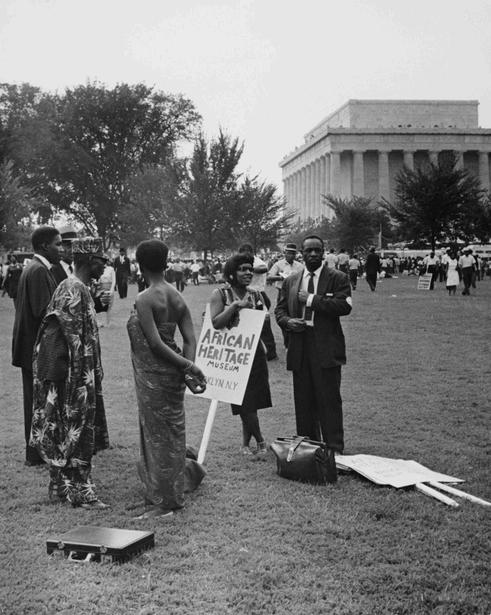
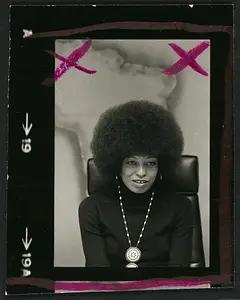
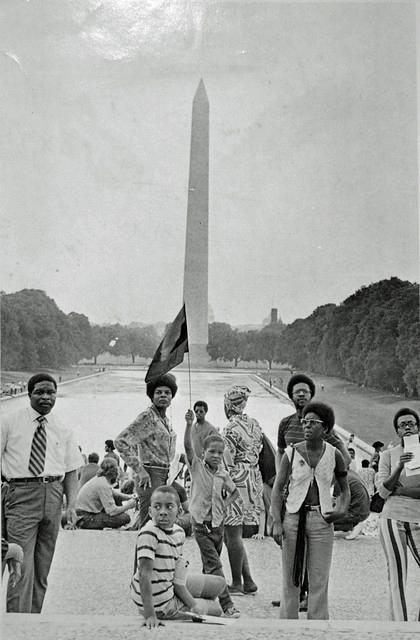
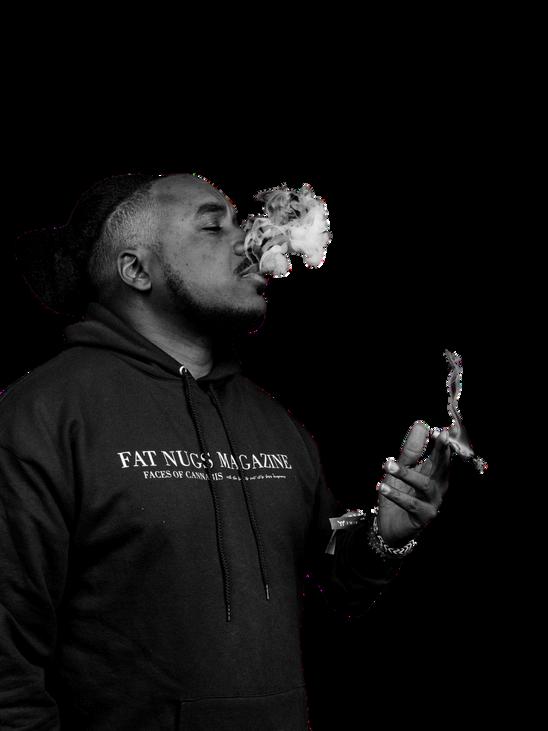
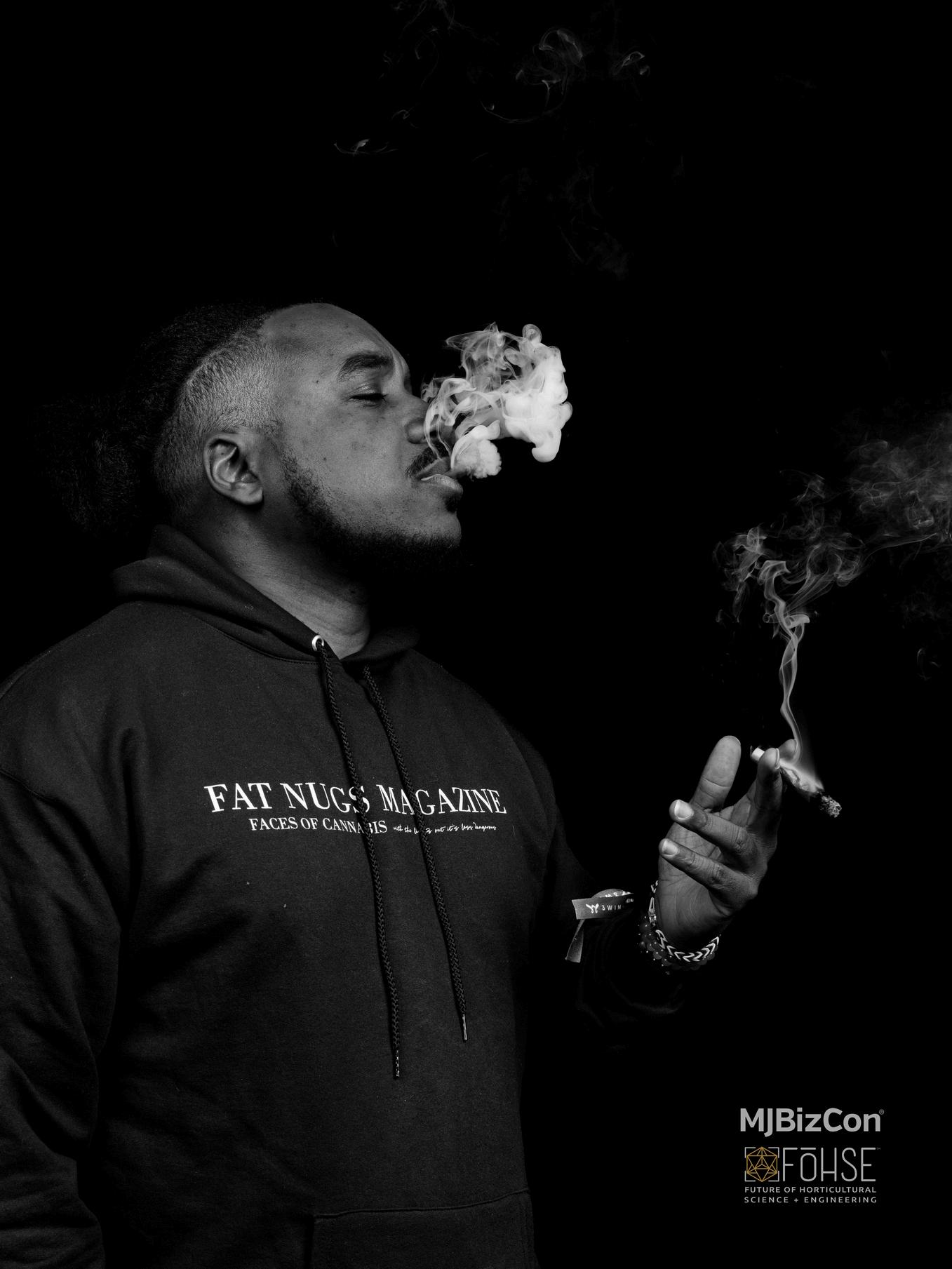
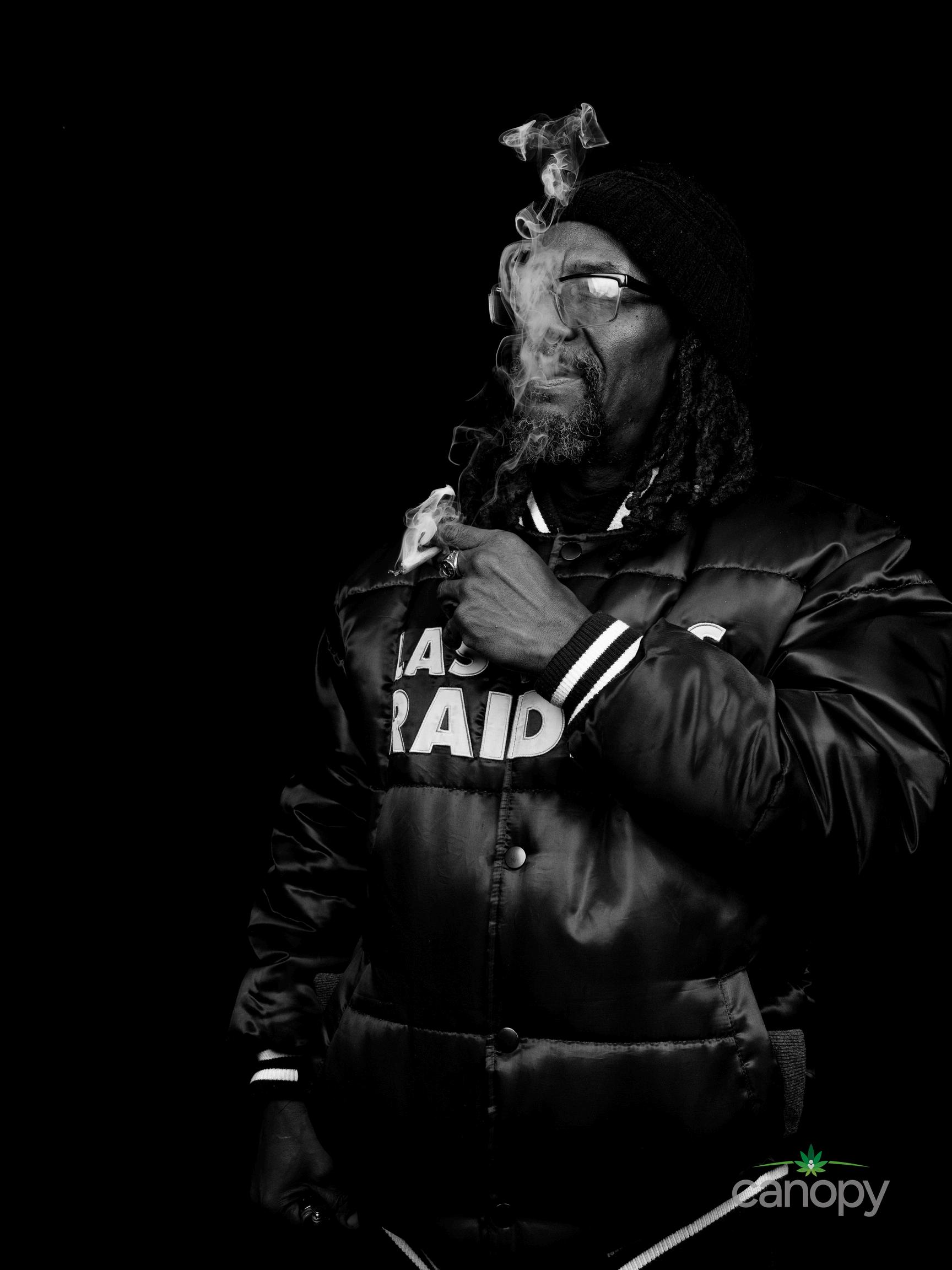
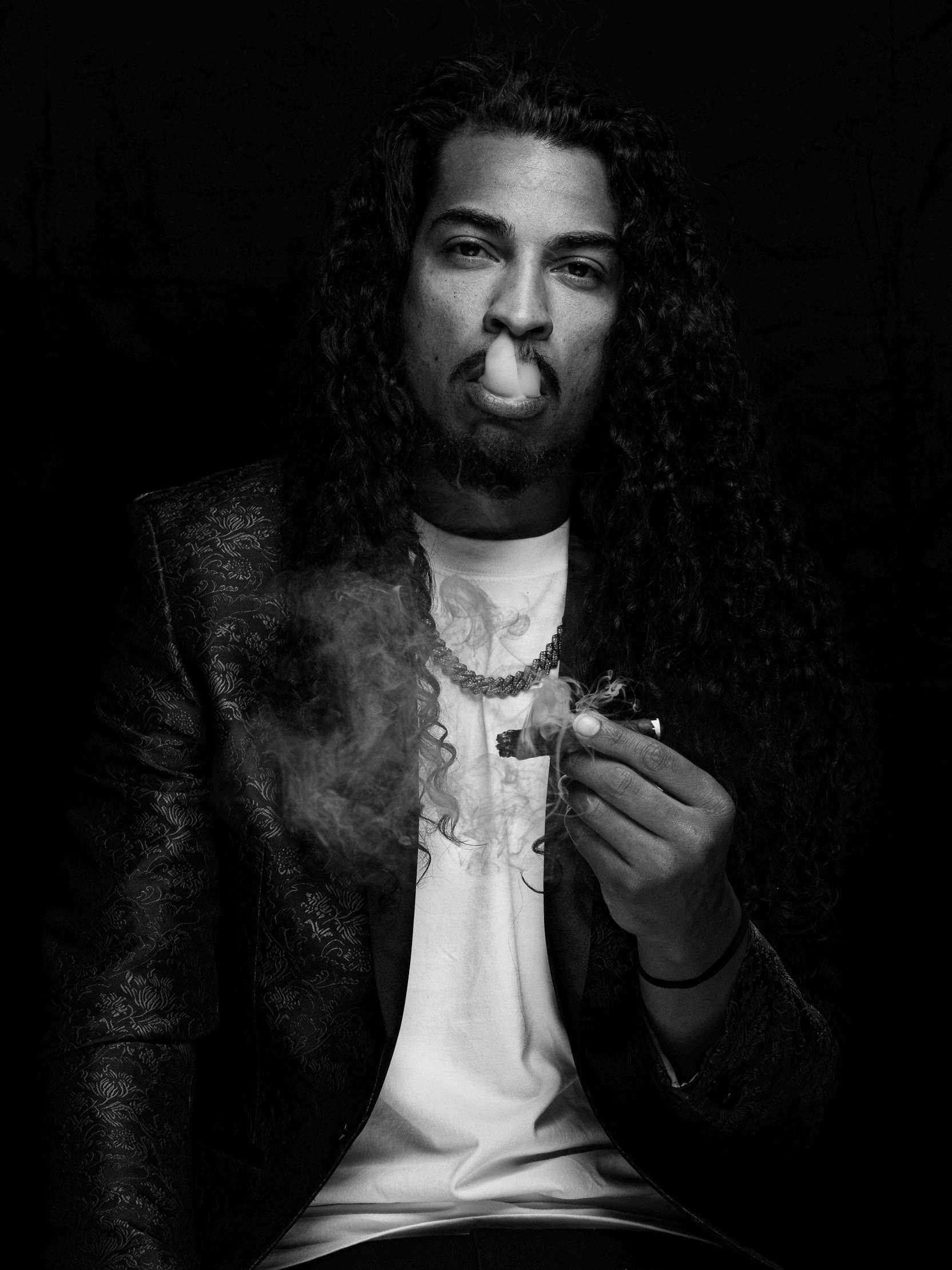
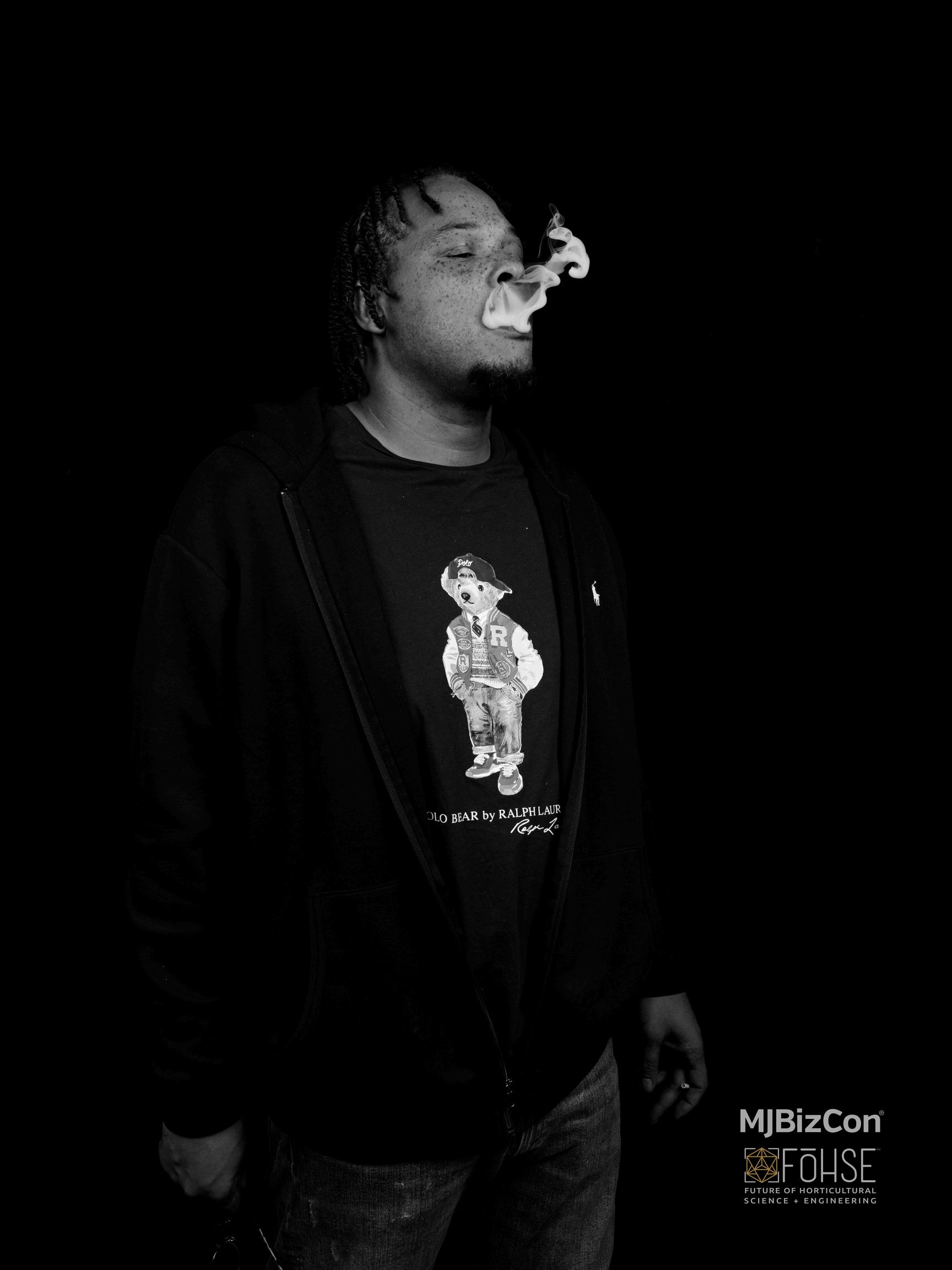
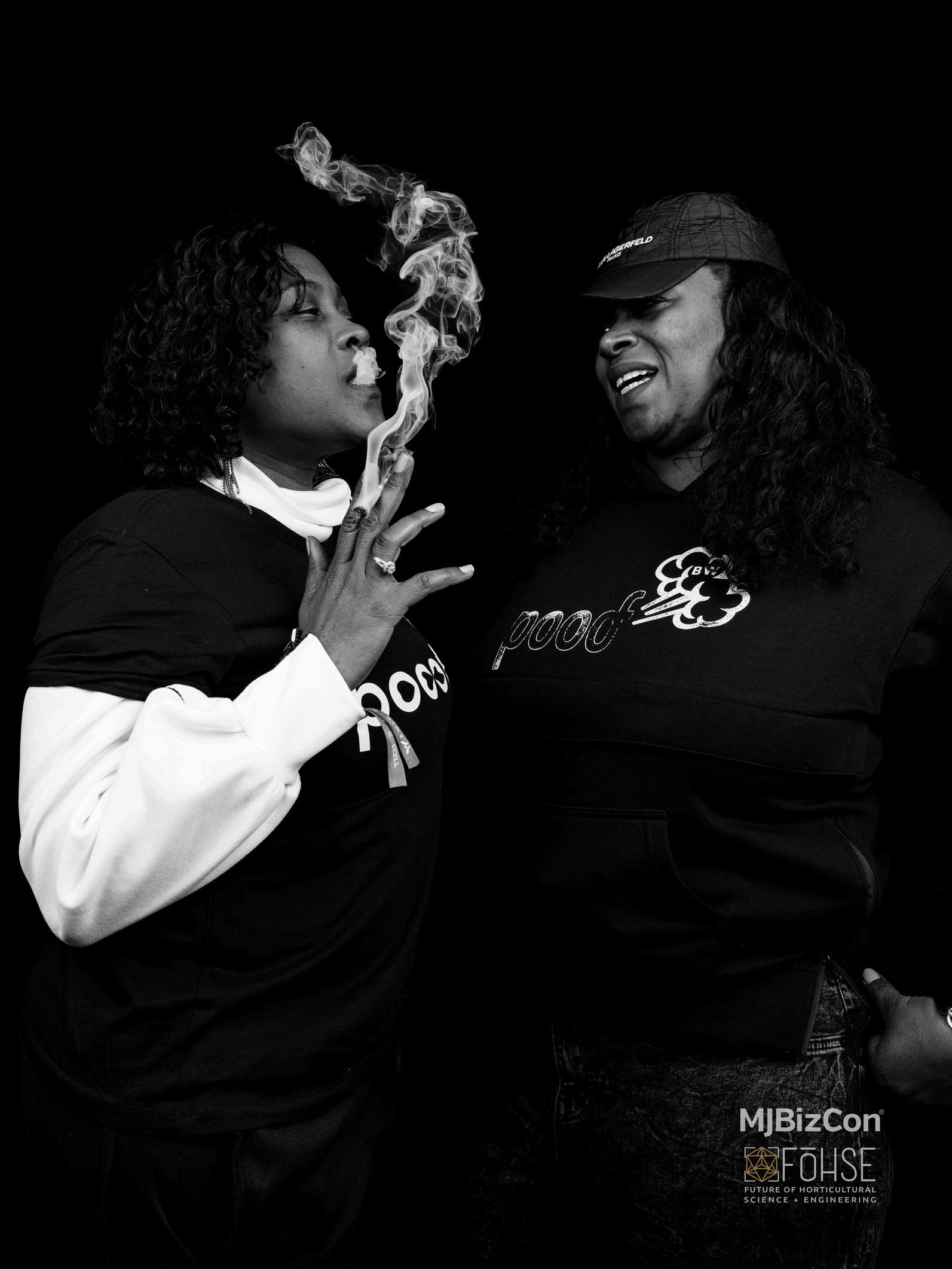
all faces of cannabis photos are done by derrall peach
Pg 6: cannabis infused lemon drop martini by tamara anderson


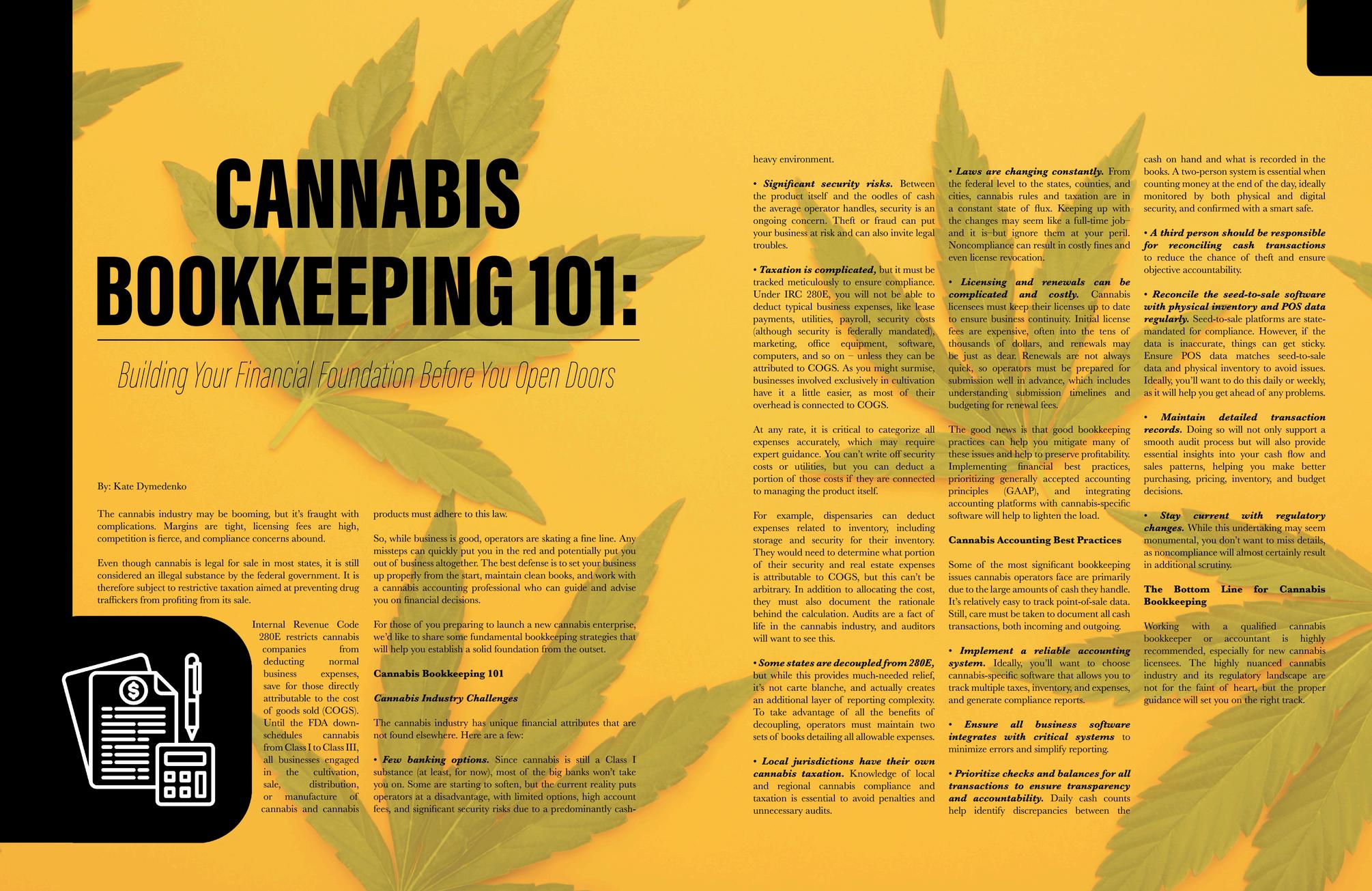
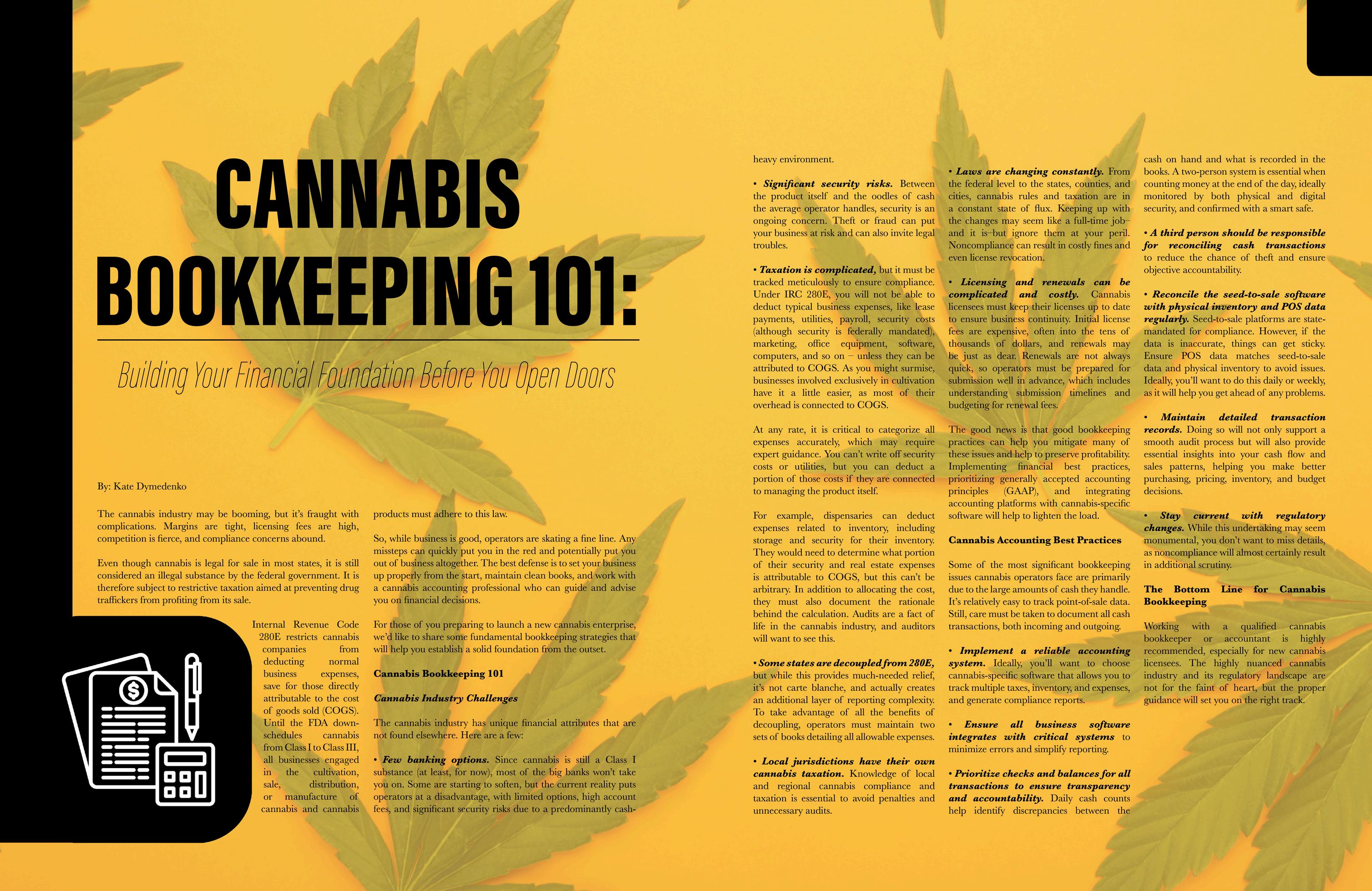
Pg. 20: cannabis bookkeeping 101 by
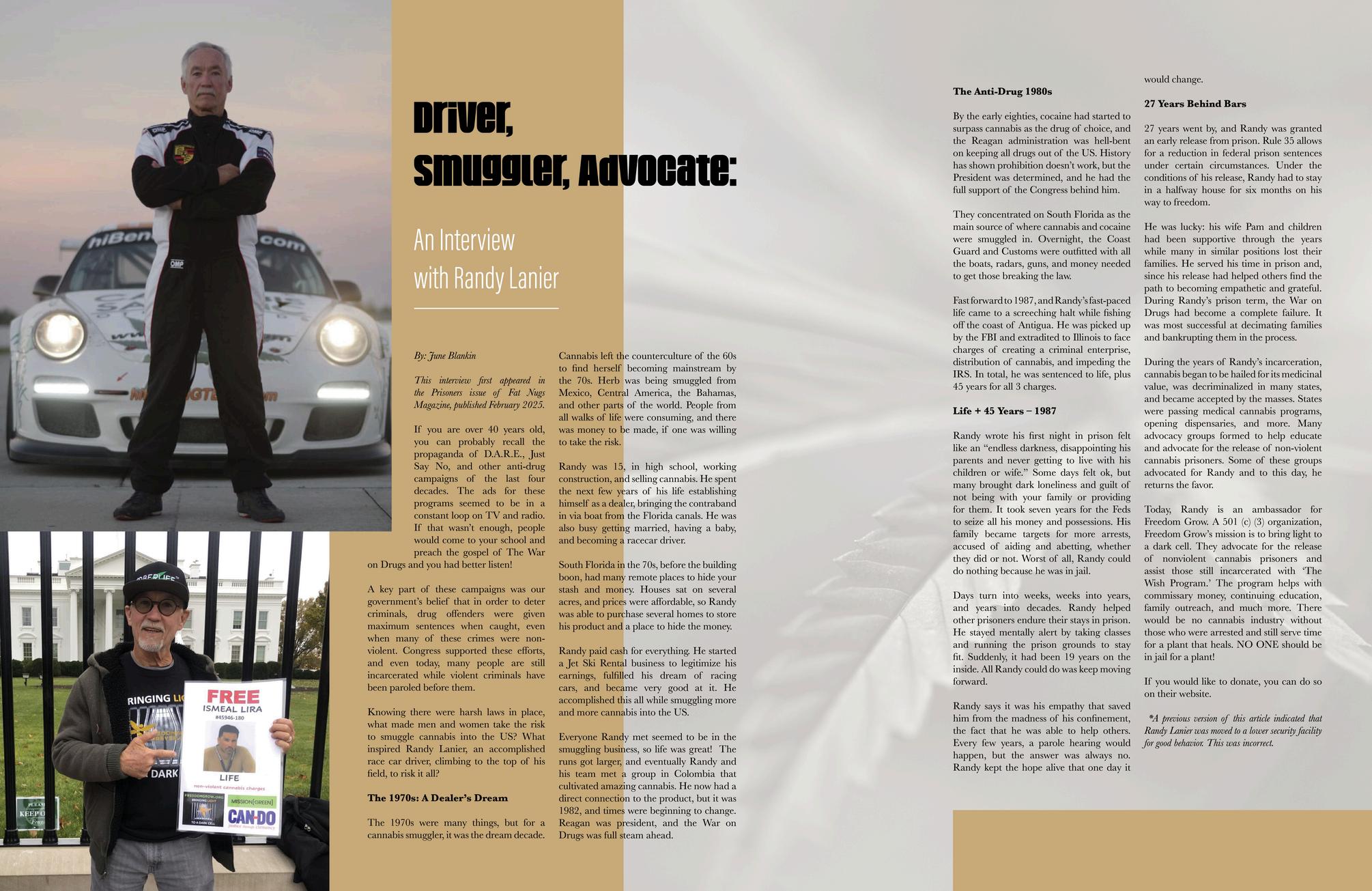
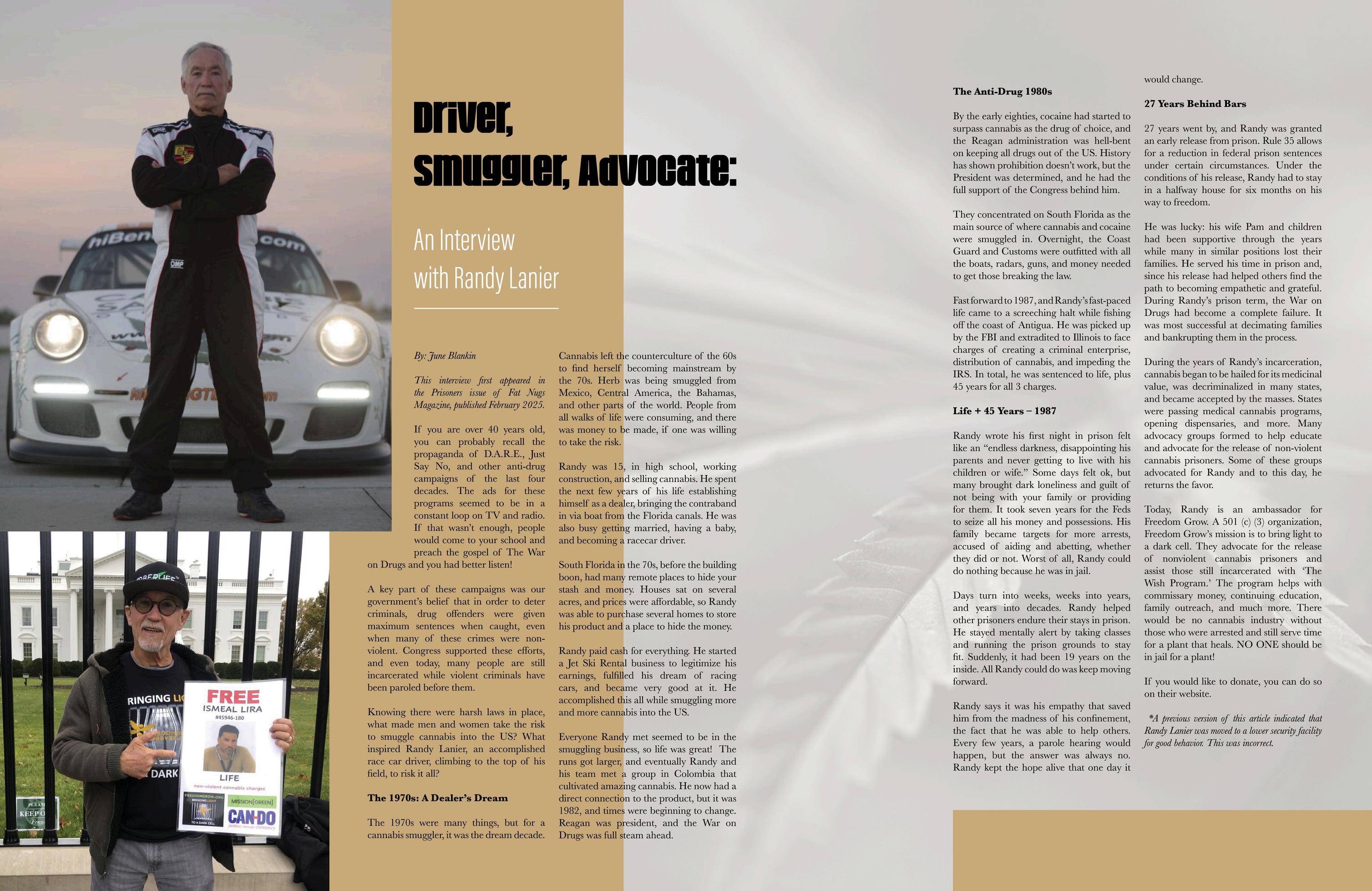
Pg 28: driver, smuggler, advocate: an interview with randy lanier By june
blankin
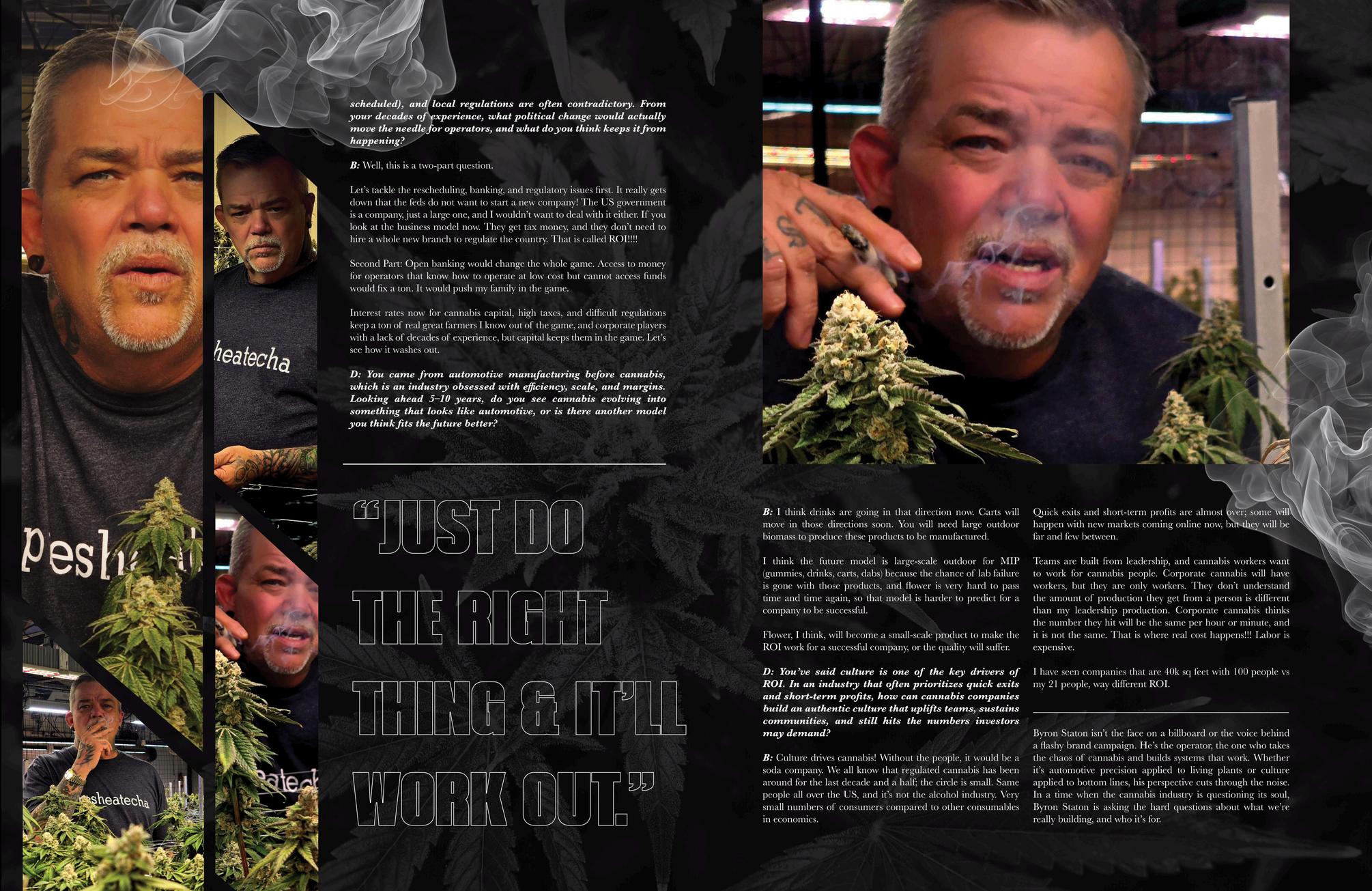
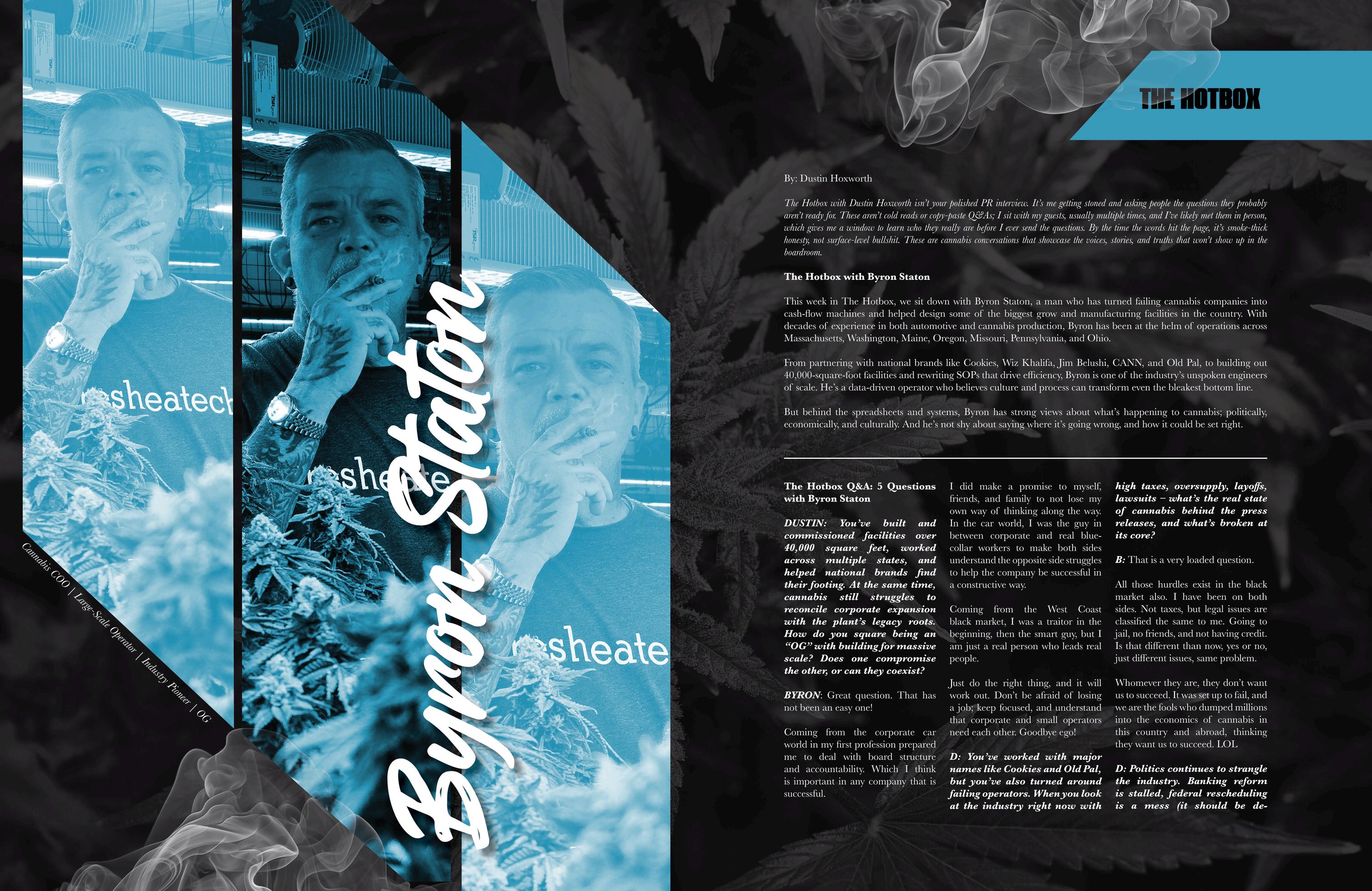
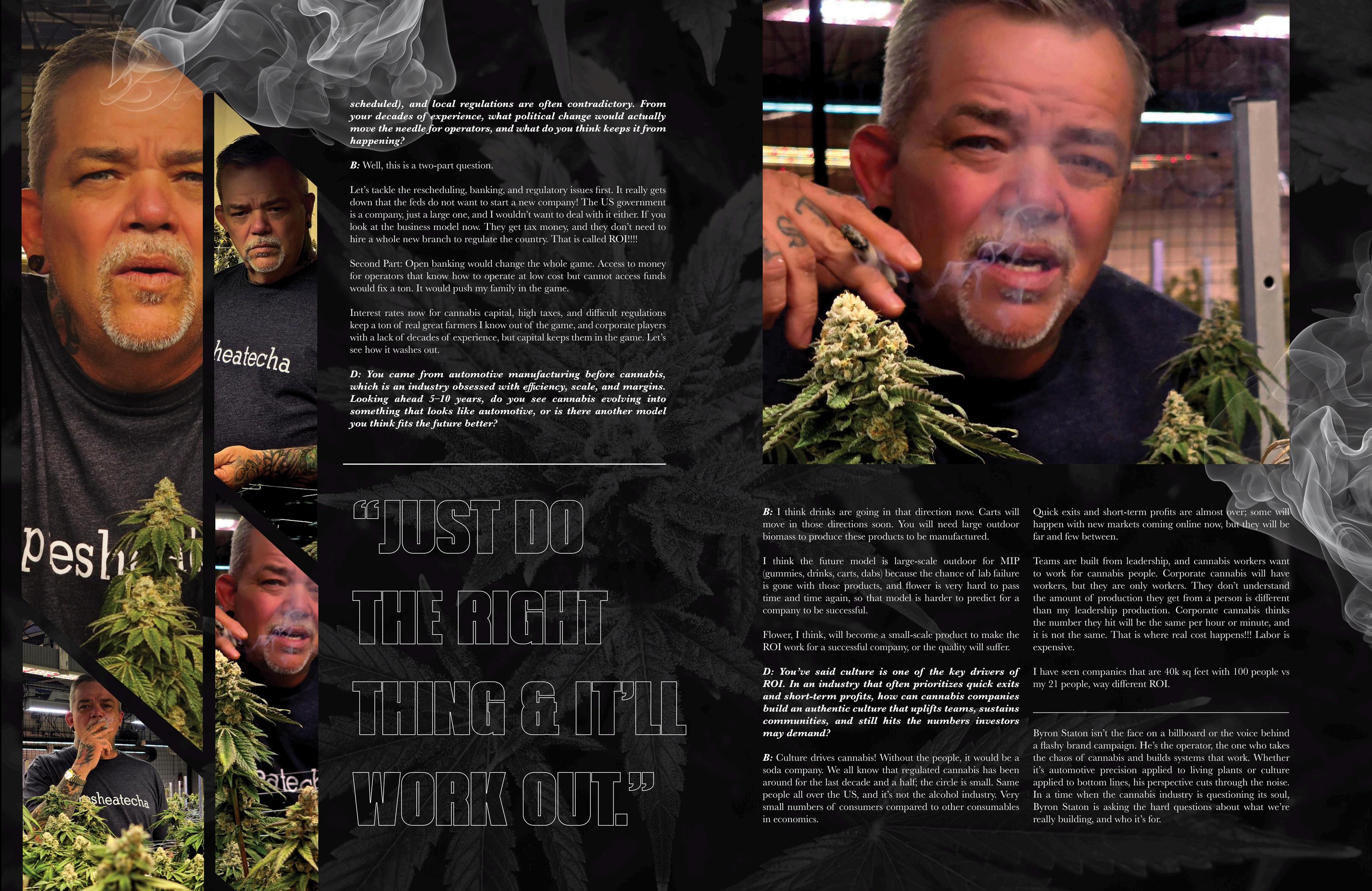
Pg 32: hotbox with byron staton by dustin hoxworth
Pg 40: smoking in a wedding gown by jessica

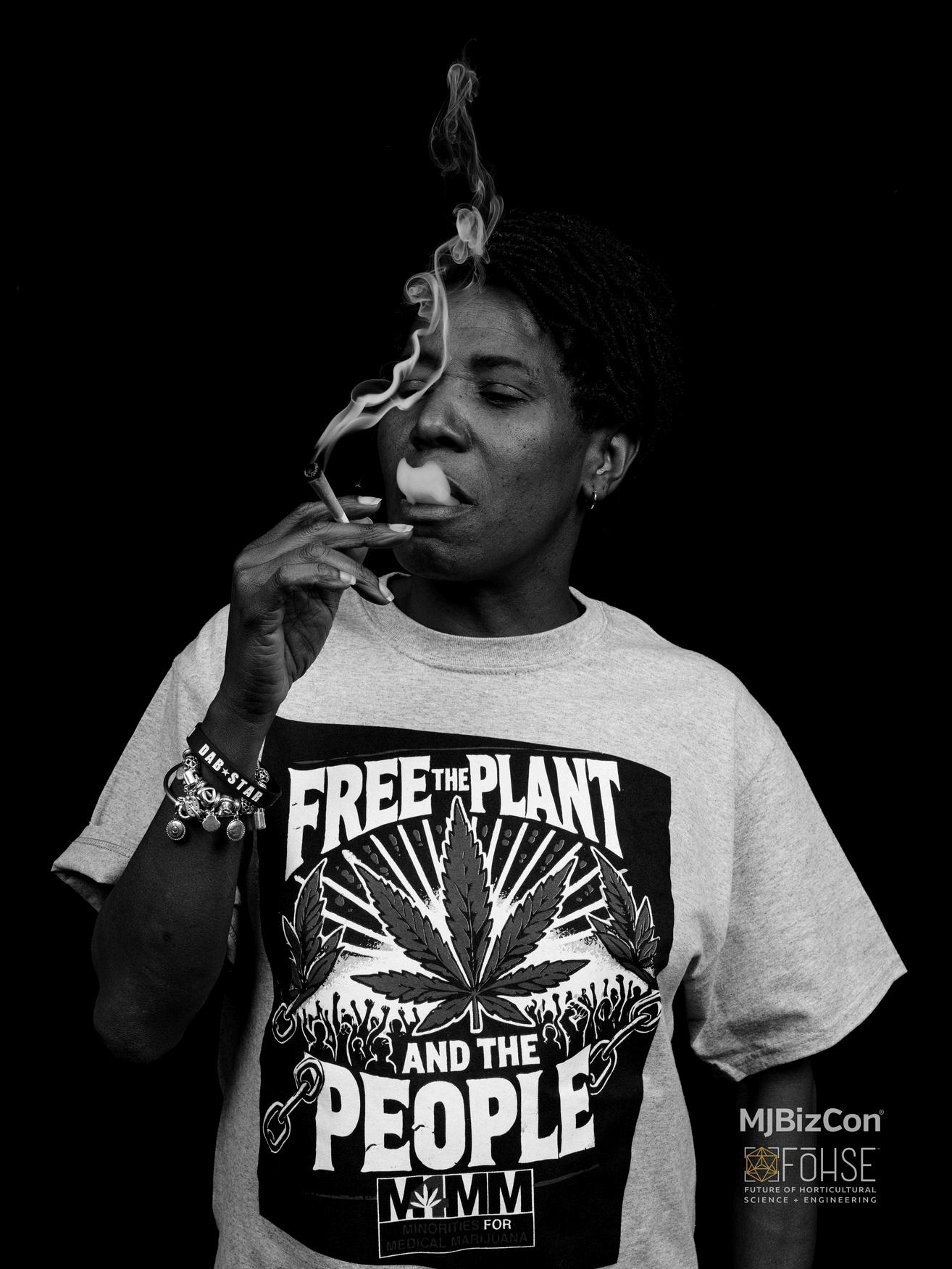

Black History Month is not just a reflection on the past, but a living reminder that resilience, brilliance, and resistance continue to shape the future we are still fighting to build



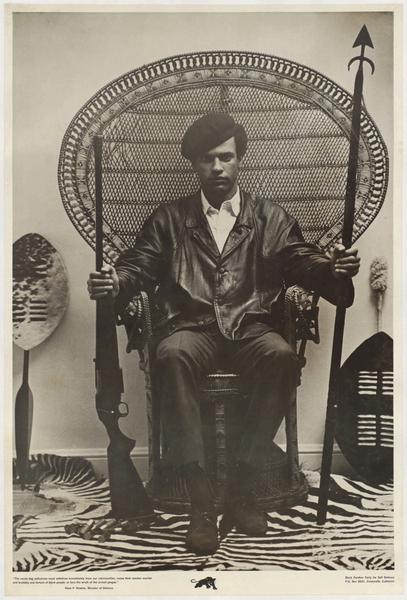
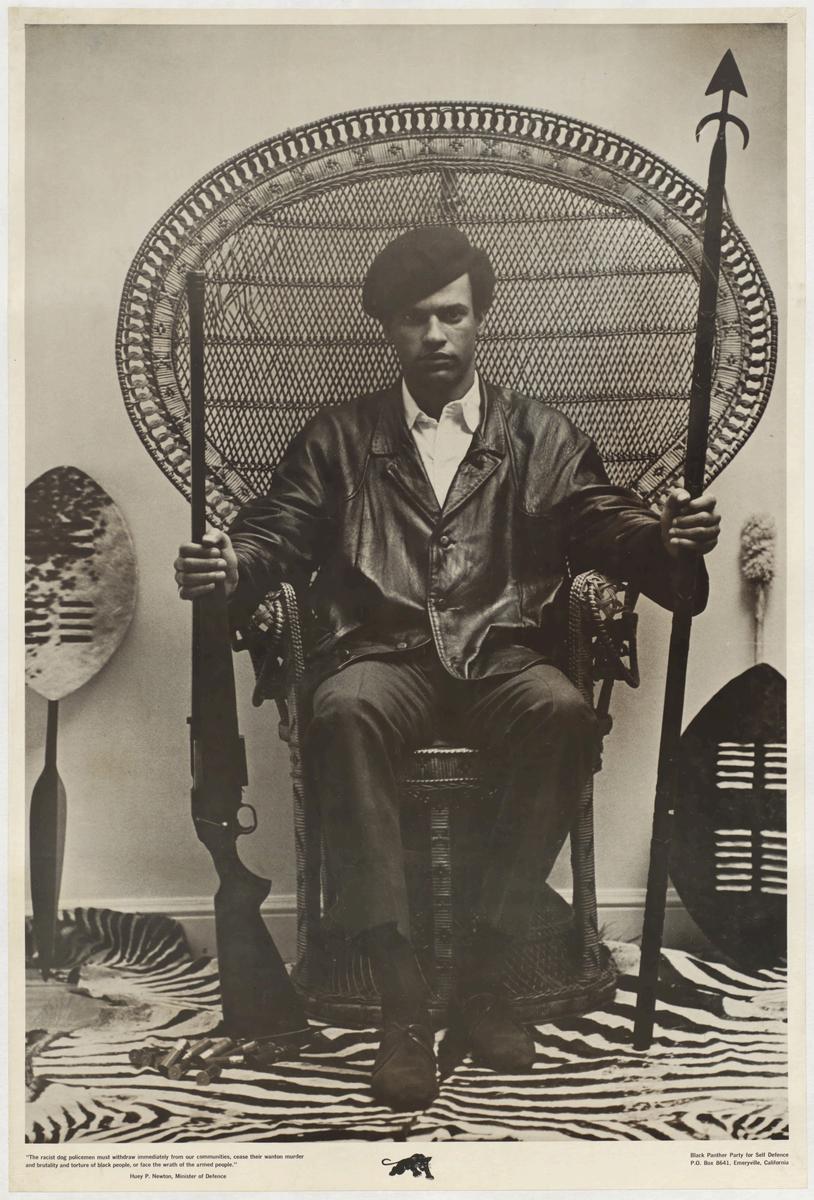
Huey P Newton was a revolutionary political activist and co-founder of the Black Panther Party in 1966 He served as the party’s primary theorist and first leader, helping craft the influential Ten-Point Program, a manifesto demanding housing, employment, education, and protection from police violence
Newton’s leadership combined political education, armed self-defense, and community survival programs such as free breakfast initiatives and health clinics His iconic 1967 portrait seated in a wicker chair holding a rifle and spear became one of the most recognizable images of Black liberation movements worldwide






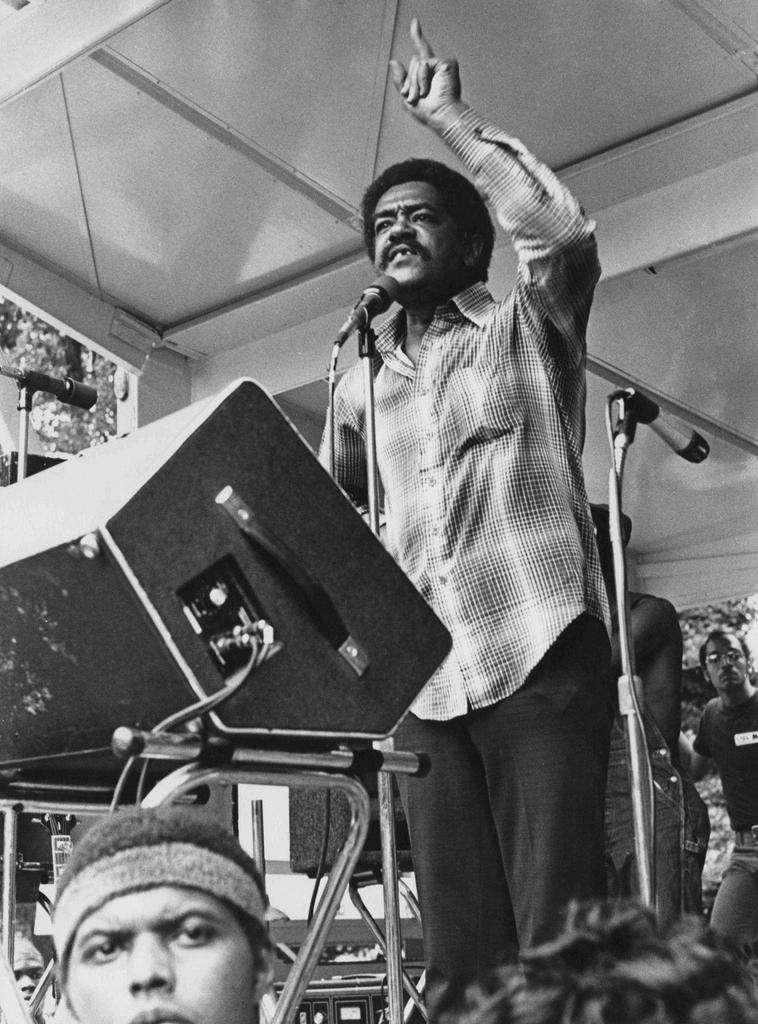
Bobby Seale was a co-founder of the Black Panther Party and a central architect of its early organizing strategy alongside Huey P Newton Seale helped write the Party’s Ten-Point Program, a platform demanding justice, economic opportunity, education, and an end to police brutality, which became a defining framework for the movement. Known for his grassroots leadership style, Seale focused on building community-based initiatives such as free breakfast programs and political education efforts that connected revolutionary ideas to everyday survival needs As the Panthers expanded nationally, Seale served as a powerful public spokesperson and organizer, helping translate the Party’s message into tangible community action while reinforcing its emphasis on self-determination, dignity, and collective empowerment

the concentrates edition is coming








































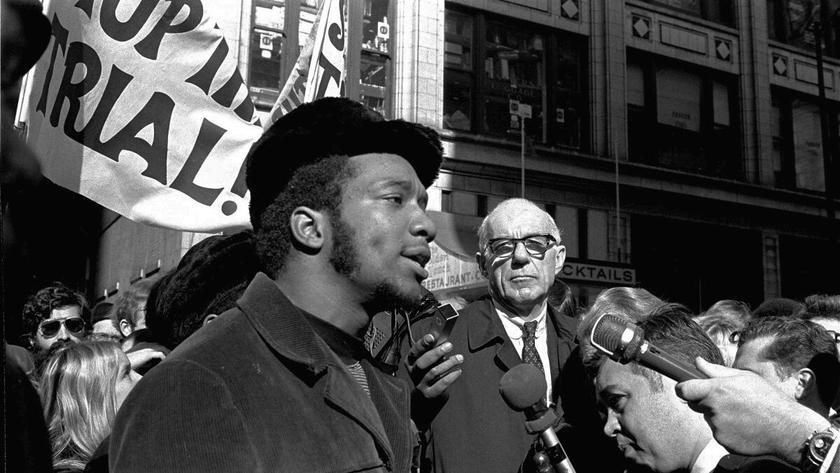
Fred Hampton was a charismatic organizer and chairman of the Illinois chapter of the Black Panther Party whose leadership emphasized unity, grassroots empowerment, and coalition building across racial and economic lines Known for his electrifying speeches and strategic vision, Hampton helped launch community initiatives including free breakfast programs, health services, and political education classes while also forging the multiracial “Rainbow Coalition” with other activist groups His work focused on confronting systemic inequality while strengthening local communities through mutual aid and solidarity. Hampton’s life and legacy remain deeply influential, symbolizing both the transformative potential of grassroots organizing and the enduring impact of movement leadership rooted in community care and collective liberation
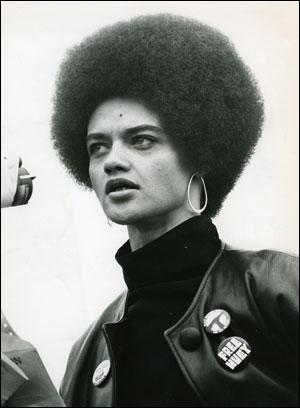
Kathleen Cleaver was one of the most influential voices within the Black Panther Party, serving as its Communications Secretary and helping shape how the movement spoke to both national and international audiences. A law student and activist, Cleaver became known for her sharp political analysis, media presence, and ability to articulate the Panthers’ goals around liberation, self-determination, and community survival programs She played a central role in organizing rallies, managing press relations, and building global awareness of the Party’s work, particularly during periods of intense government scrutiny. Cleaver’s leadership expanded the visibility of women within the movement and helped redefine revolutionary activism as both intellectual and community-driven