How to Choose the Right Queen Size Orthopaedic Mattress for Chronic Back Pain
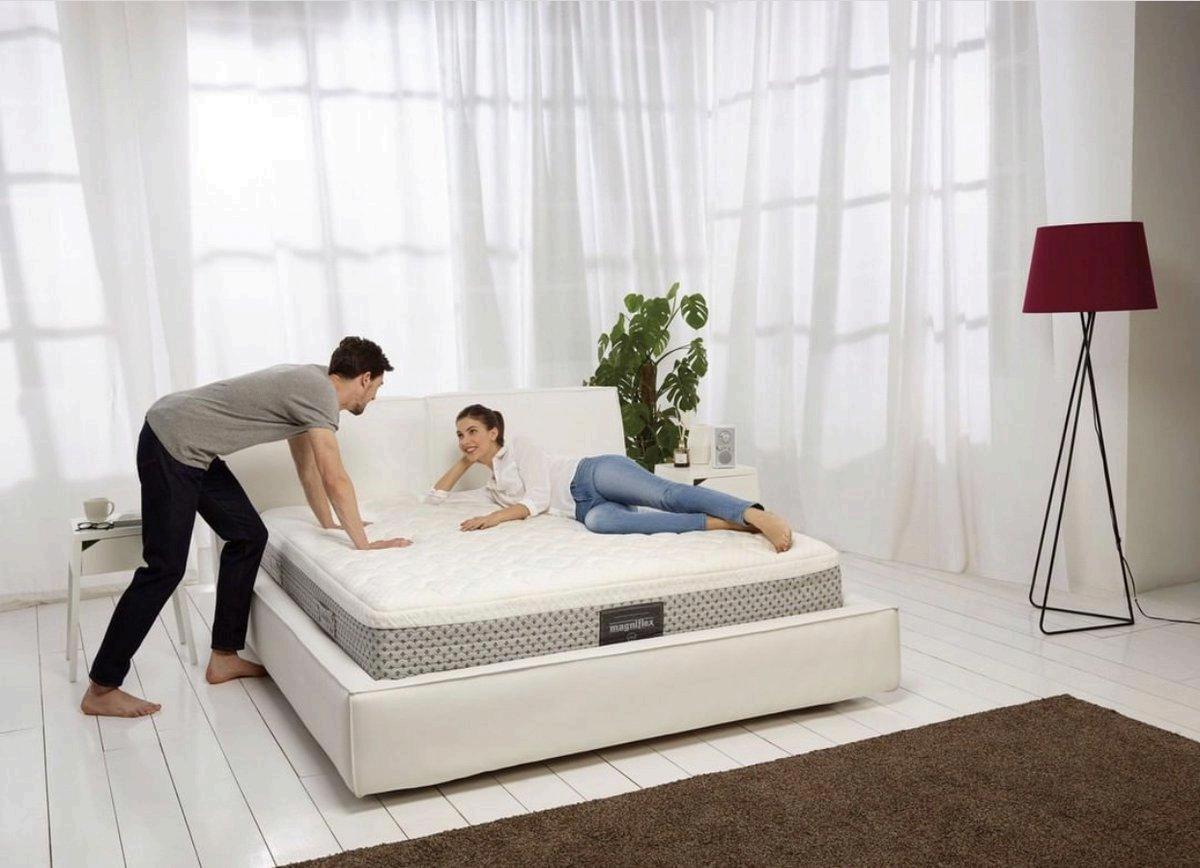
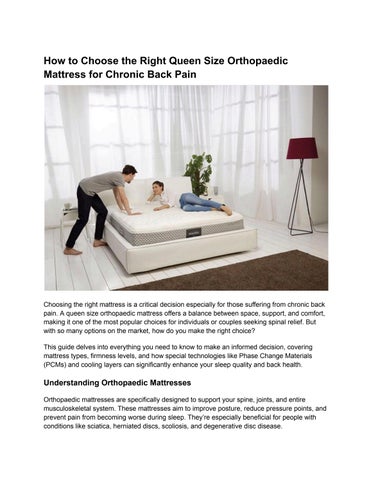
Choosing the right mattress is a critical decision especially for those suffering from chronic back pain. A queen size orthopaedic mattress offers a balance between space, support, and comfort, making it one of the most popular choices for individuals or couples seeking spinal relief But with so many options on the market, how do you make the right choice?
This guide delves into everything you need to know to make an informed decision, covering mattress types, firmness levels, and how special technologies like Phase Change Materials (PCMs) and cooling layers can significantly enhance your sleep quality and back health.
Understanding Orthopaedic Mattresses
Orthopaedic mattresses are specifically designed to support your spine, joints, and entire musculoskeletal system These mattresses aim to improve posture, reduce pressure points, and prevent pain from becoming worse during sleep They’re especially beneficial for people with conditions like sciatica, herniated discs, scoliosis, and degenerative disc disease.
But not all orthopaedic mattresses are created equal While the label “orthopaedic” isn’t regulated, many reputable mattress manufacturers use scientific input from chiropractors and orthopaedic professionals to guide their designs
Why Queen Size?
The queen size mattress typically measuring 60 inches wide and 80 inches long is the most versatile option for most bedrooms It provides ample space for single sleepers who toss and turn and is wide enough for couples to sleep comfortably without feeling cramped. When paired with orthopaedic support, it becomes a true asset for long-term health
Key Features to Consider
1. Firmness Level
Firmness is often misunderstood. While it’s generally believed that firmer is better for back pain, this isn’t universally true Orthopaedic experts suggest a medium-firm mattress for most people This level provides enough give to contour the natural curves of your spine while offering robust support to prevent sagging.
2. Material Composition
The material your mattress is made from affects not only comfort but also support and durability. Common options include:
● High-Density Foam: Good support but can trap heat.
● Memory Foam: Excellent contouring, but traditional memory foam tends to overheat and lacks responsiveness.
● Pocket Sprung Coils: Good for spinal alignment and airflow
● Hybrid: Combines foam and springs, offering both support and pressure relief
Look for orthopaedic mattress for back pain models that feature zoned support layers where firmer materials are placed under your lower back and softer ones under shoulders and hips.
3. Temperature Regulation
If you suffer from night sweats or live in a warm climate, heat retention can make back pain worse by causing restlessness and bad posture during sleep
That’s where cooling technologies come in. One standout solution is the Luxe Therm Mattress, often regarded as the best cooling mattress in the UK It uses Phase Change
Materials (PCMs) to regulate body heat PCMs absorb excess warmth when you’re hot and release it when you cool down mimicking the body’s natural circadian cooling process.
The Link Between Sleep and Back Pain
Research published in the Journal of Physiological Anthropology (2012) found that skin temperature stability aided by technologies like PCMs directly improves sleep quality and reduces micro-awakenings These awakenings, while brief, disrupt the deep sleep needed for muscle repair and pain recovery.
Poor posture caused by sleeping on overly soft or unresponsive mattresses contributes to spinal misalignment, which can worsen chronic back conditions. A supportive mattress ensures your spine maintains a neutral alignment, reducing strain on the lumbar region
How to Test Before You Buy
If possible, visit a showroom and lie on the mattress for at least 10–15 minutes Focus on how your lower back feels when lying flat and how your shoulders and hips sink in when lying on your side. An ideal orthopaedic mattress for back pain should offer:
● Supportive lift under your lumbar spine
● Slight give for shoulder and hip pressure relief
● No noticeable dips or sagging zones
Warranty and Trial Periods
Always check for a trial period most reputable mattress companies now offer 30- to 100-night trials, which let you test your mattress at home A solid warranty (typically 10 years or more) indicates that the manufacturer is confident in their product’s longevity and performance.
Red Flags to Avoid
● All-foam mattresses without support zones: These may feel plush but lack long-term spinal support
● Too-soft surfaces: Can lead to sinkage and spine misalignment.
● Mattresses with no cooling tech: Especially if you’re prone to overheating
The Role of Sleep Accessories
Even the best mattress needs support Consider:
● Orthopaedic pillows for proper neck alignment
● Adjustable bed bases to relieve pressure on your lower back
● Mattress toppers made with PCMs or gel-infused foam for added comfort
Final Thoughts
A good night’s sleep starts with the right foundation. A queen size orthopaedic mattress for back pain should do more than just feel comfortable it should work with your body to align your spine, relieve pressure, and support temperature regulation for truly restorative sleep
With technologies like Luxe Therm cooling layers and materials that stabilize skin temperature, today’s top orthopaedic mattresses are better equipped than ever to ease back pain while you sleep.
Take your time, test your options, and invest wisely because when it comes to your back and sleep quality, shortcuts just don’t pay off.