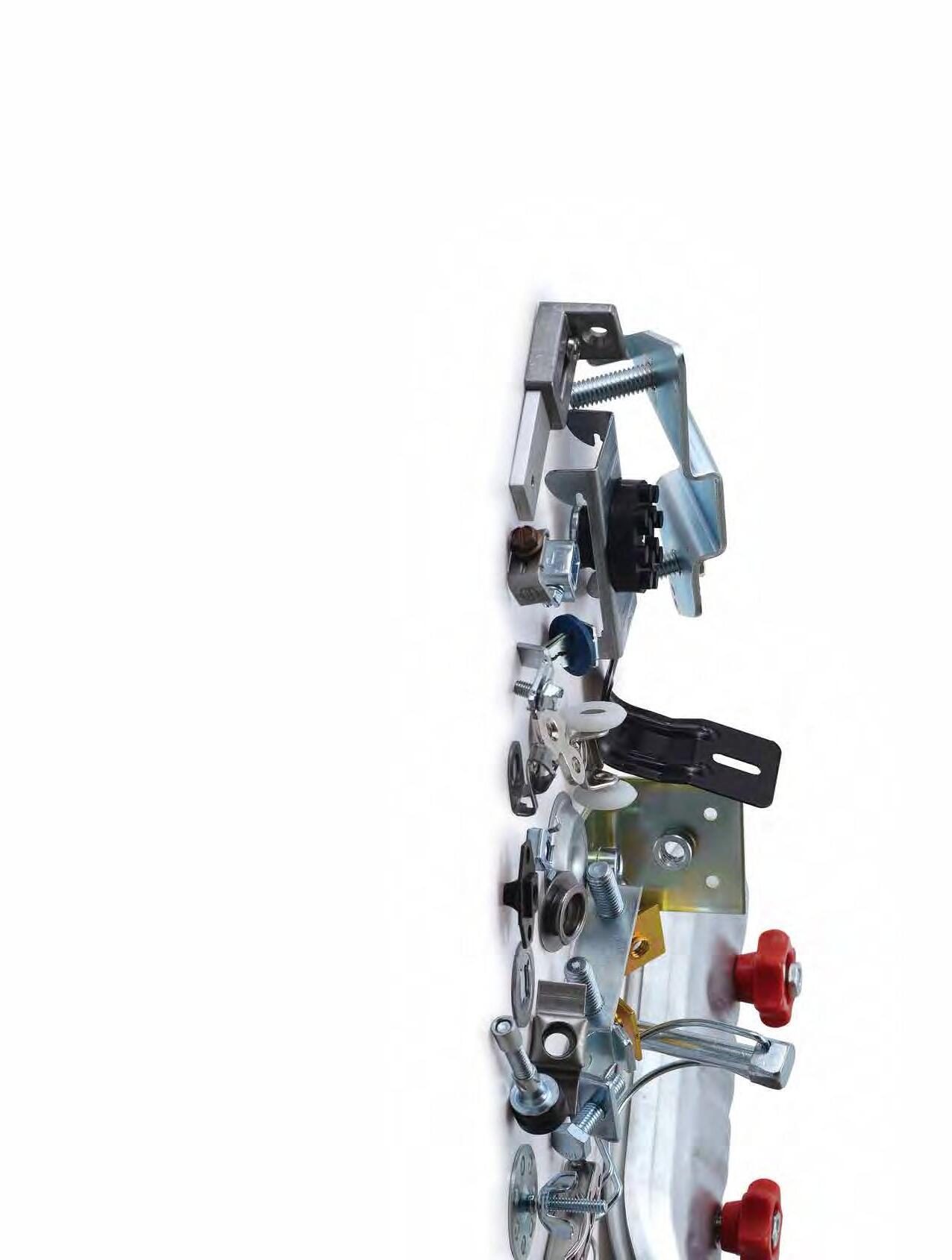

































































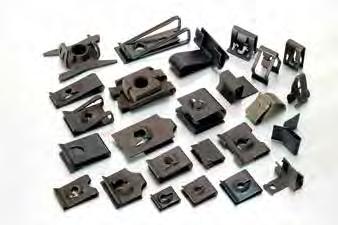



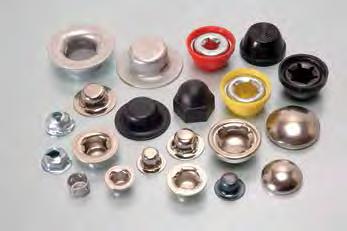
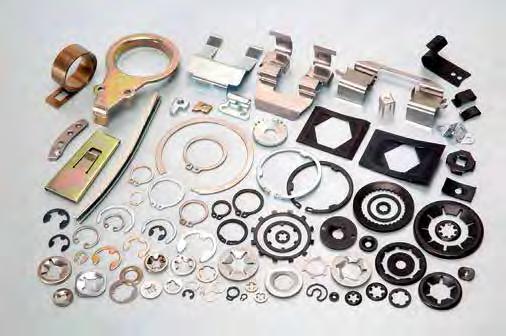



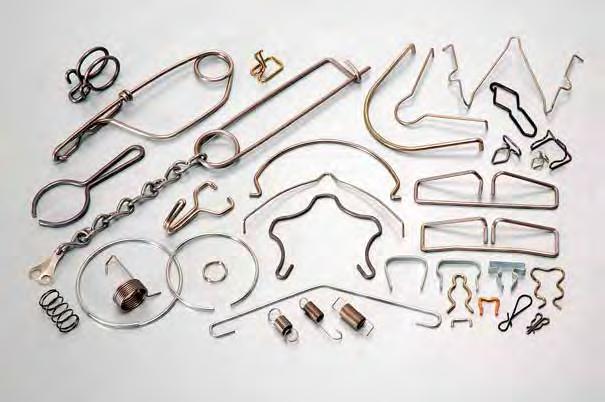

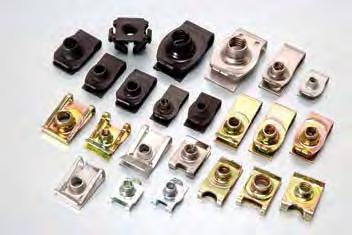
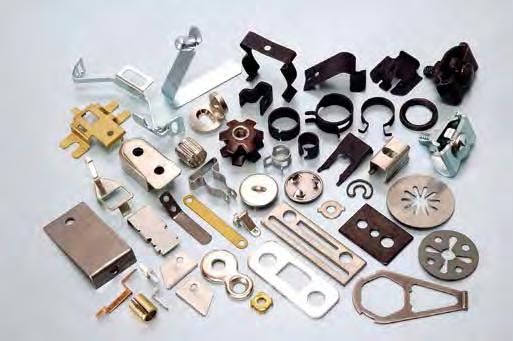




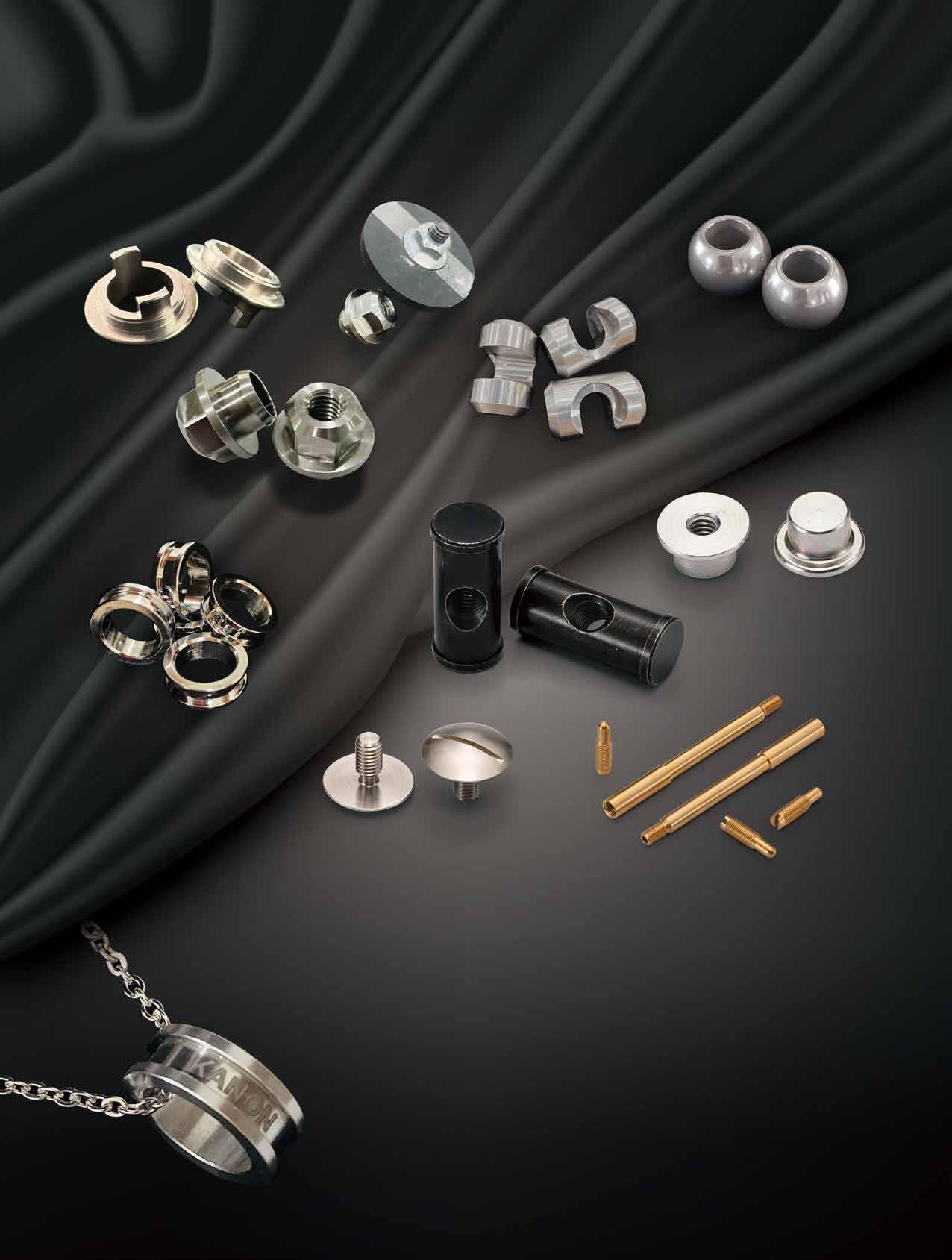




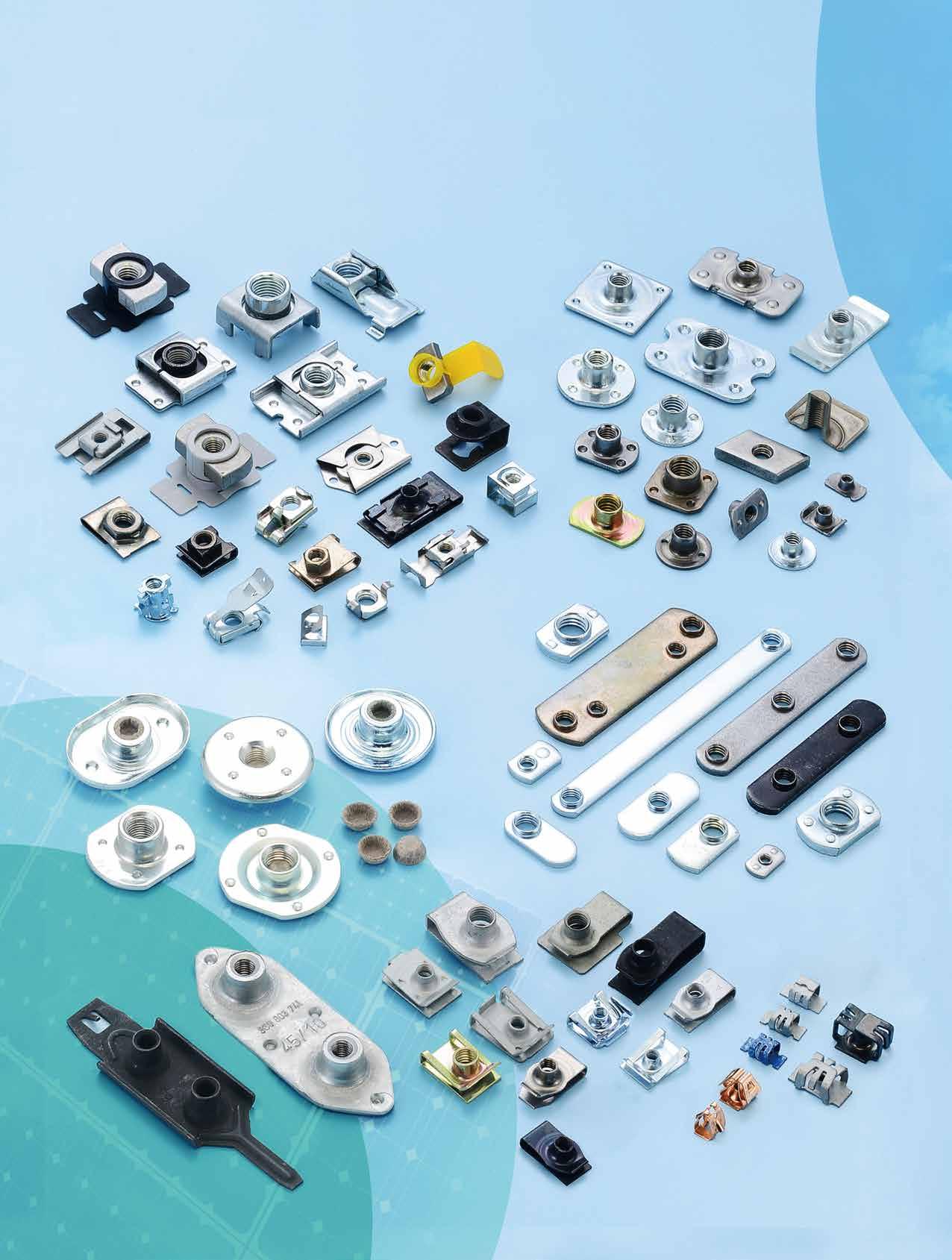
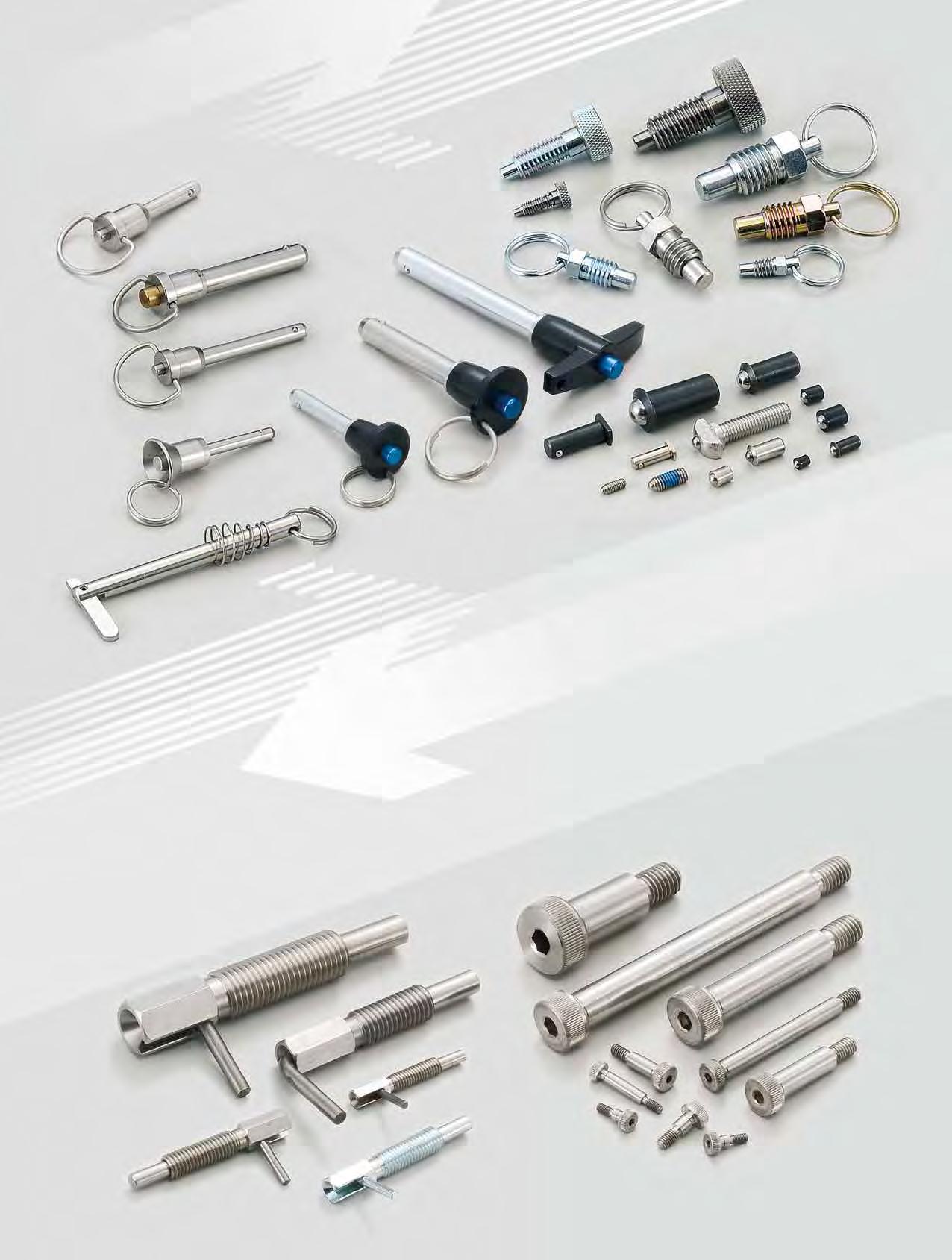




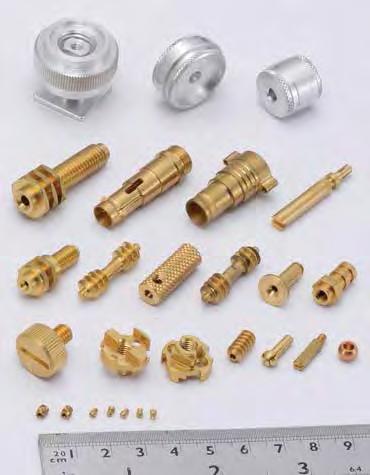


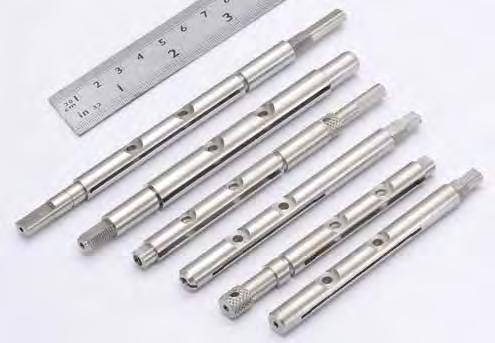


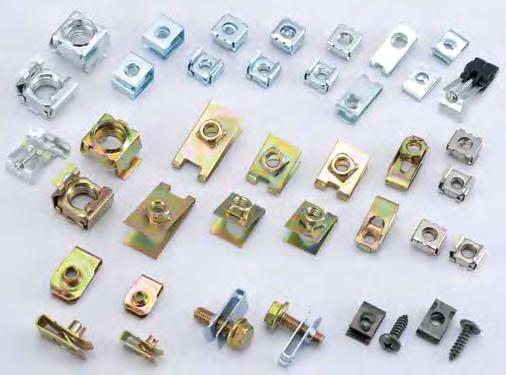


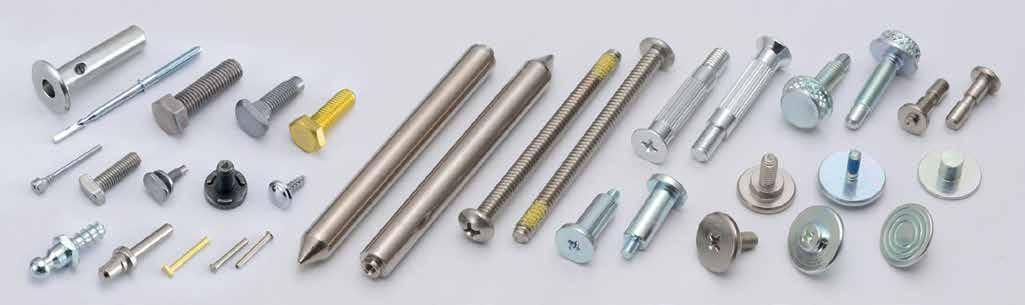
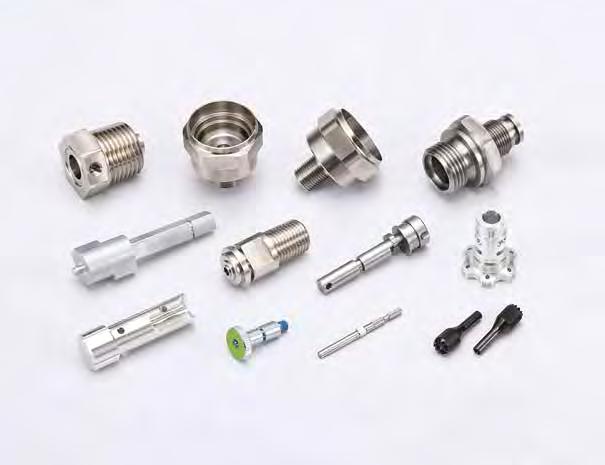



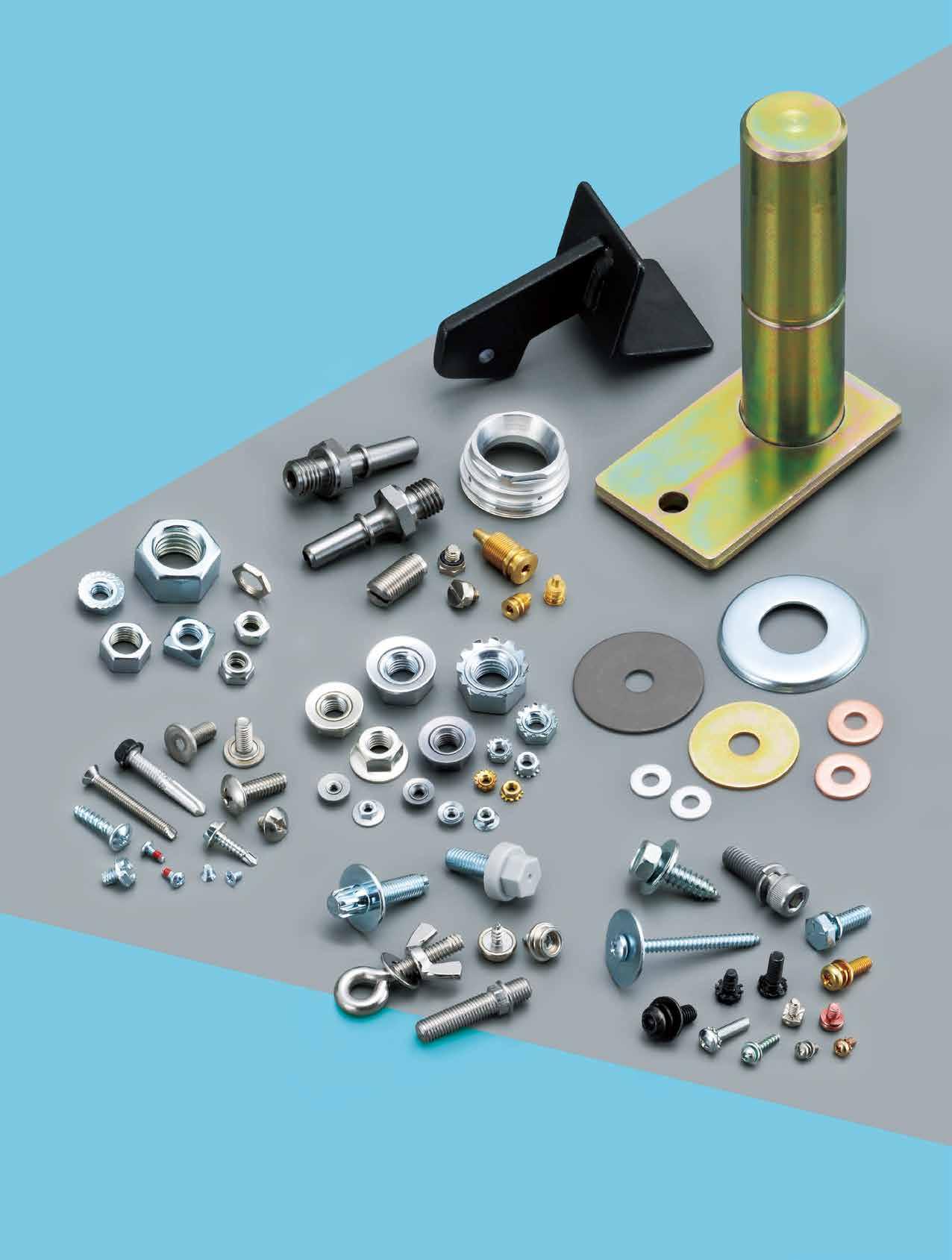


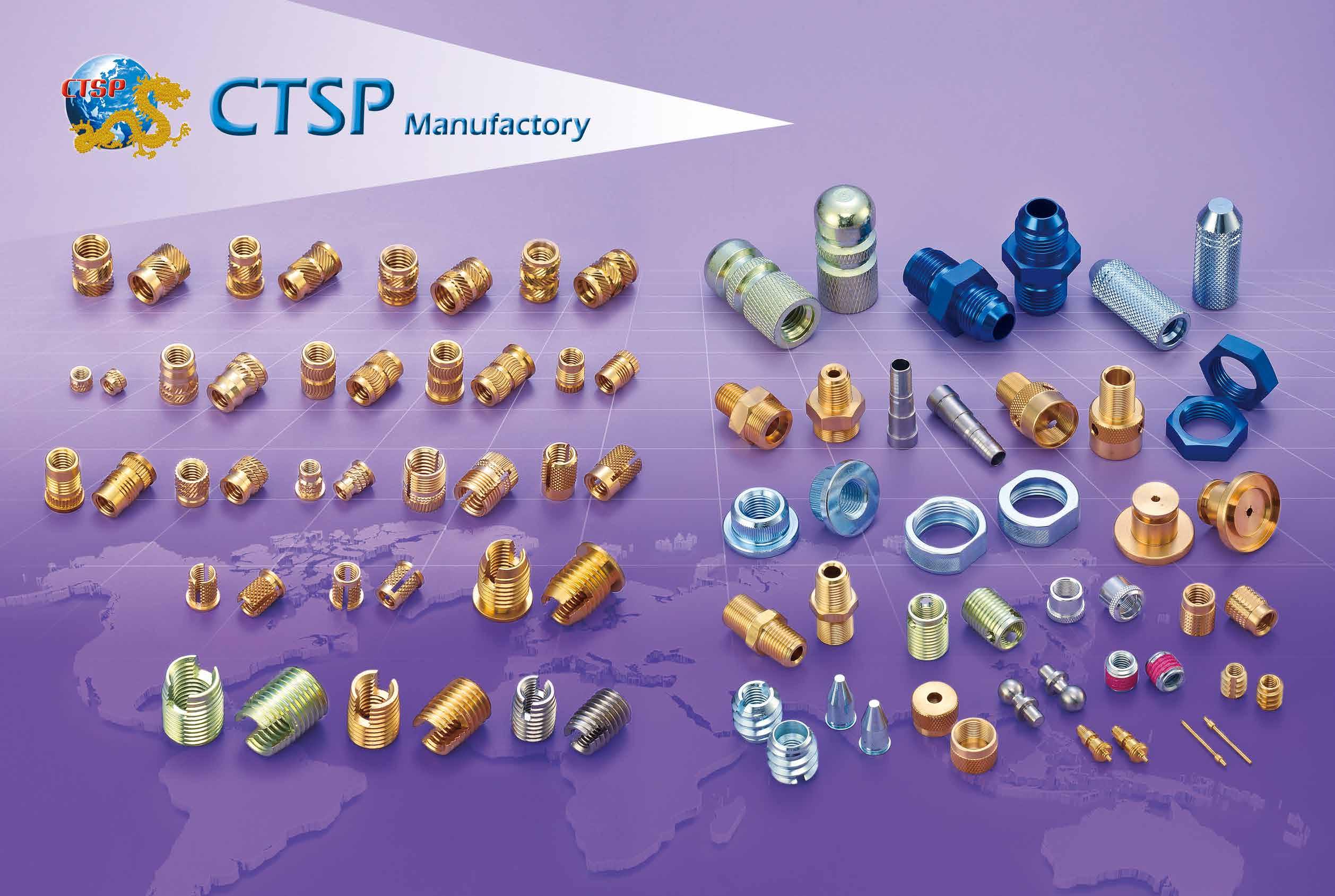




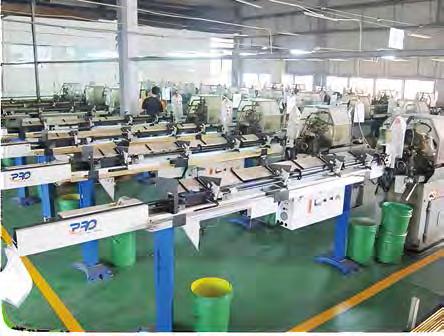
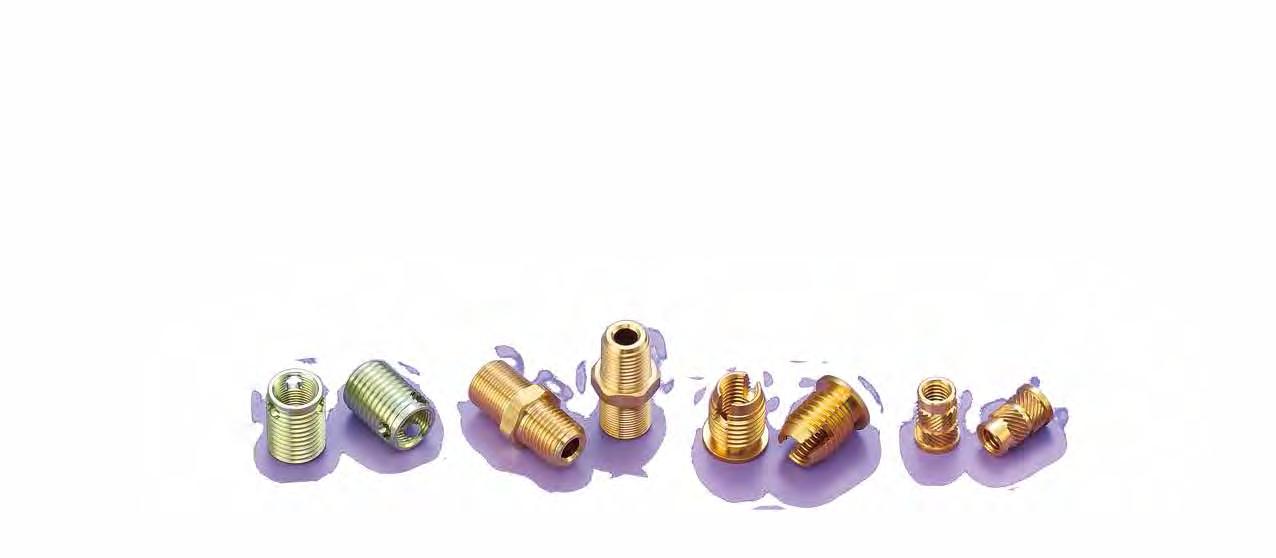
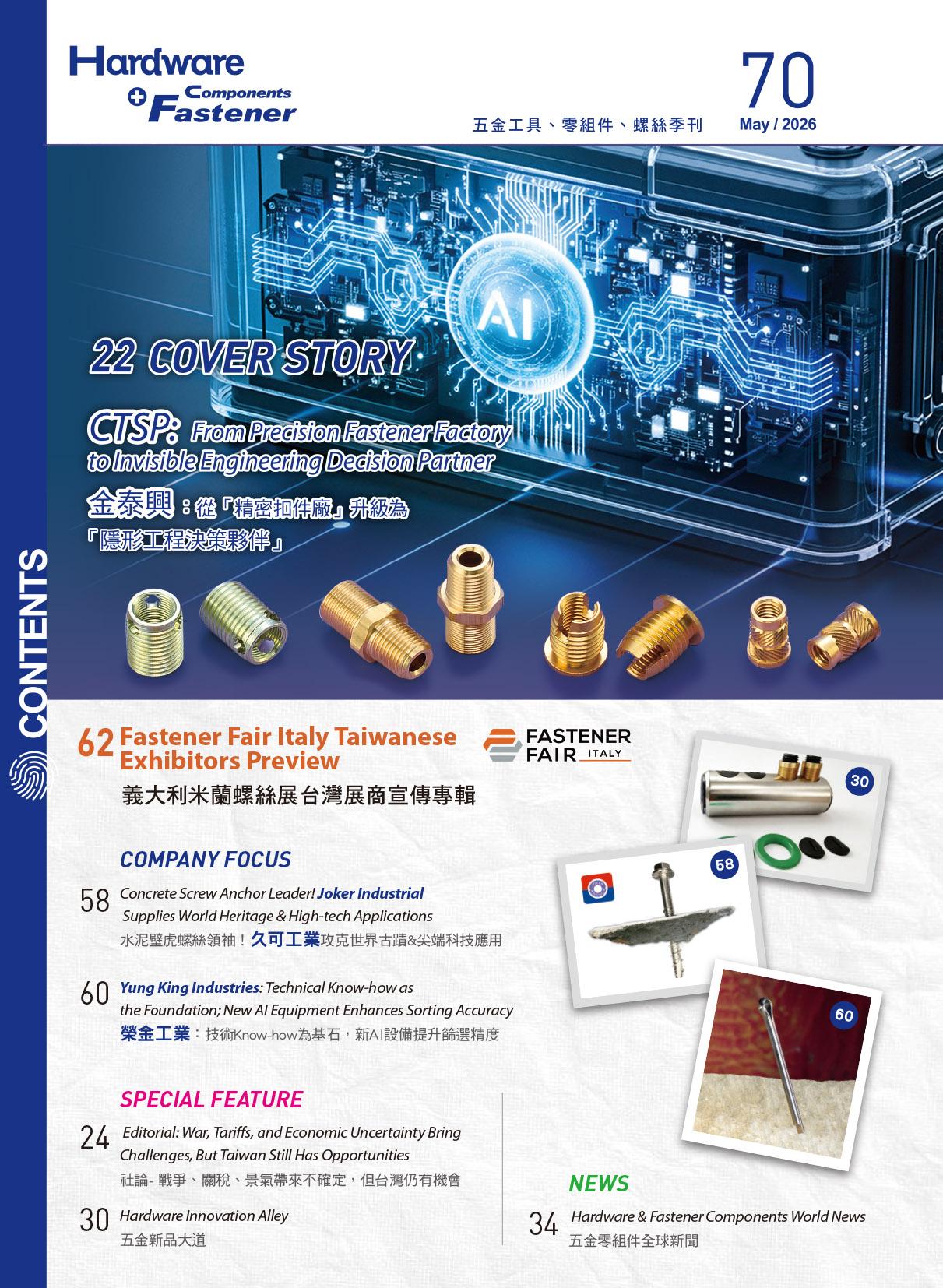
In automotive and electronics supply chains, threaded inserts and self-clinching fasteners may seem tiny, but they quietly influence the stability and costs of entire production lines. To address this, Chin Tai Sing Precision Manufactory (CTSP) has transformed from a mere "parts supplier" into a "invisible engineering decision partner" behind high-end clients, helping them mitigate risks and cut total costs across design, manufacturing, and sustainability compliance.
For high-end applications, clients' biggest headache isn't unit price—it's the risk of production halts, rework, or recalls after mass production. Drawing on over 20 years of expertise in precision fasteners and self-clinching technology, CTSP proactively steps in during the design phase to collaborate on selecting inserts and self-clinching fasteners, along with optimal installation conditions. This boosts the final product's long-term reliability and durability. By embracing a "design-for-risk-foreseen" mindset, CTSP elevates its role from "buildto-print processor" to "front-end design collaborator," paving a safe, cost-effective path for clients' product launches.
CTSP implements a "full batch-number management system" in its processes, creating a precise "risk-proof firewall" for clients. If issues arise during use, products can be quickly traced by batch number, narrowing the problem scope to the exact minimum and slashing investigation time and downtime risks. In automotive and aerospace industries, this "instant lockdown and rapid fix" capability isn't just about quality transparency—it's an efficient shield for clients' operational stability and reputation, positioning CTSP as a trusted risksharing partner in the supply chain.
CTSP deploys IoT and AI tools in its factory to boost yield and capacity, delivering "predictable stability" for clients. Through realtime data monitoring and demand forecasting, it precisely plans production and material stocking. This ensures clients maintain steady delivery timelines and quality amid order fluctuations and market shifts. Such reliability lets clients skip excessive buffers and risk premiums, effectively eliminating a “hidden insurance fee” for the entire supply chain.
As CBAM and global decarbonization drive up compliance costs, CTSP has completed carbon inventory, earned RoHS certification, and can provide carbon footprint data, PPAP, IMDS, and ISIR reports. This helps clients factor in future decarbonization and compliance expenses during procurement and contract planning, spreading long-term burdens early. As a result, CTSP advances from a "replaceable parts factory" to a "long-term partner sharing future risks" on clients' strategic supplier lists.
Leveraging precision fasteners as its fulcrum, CTSP creates greater value: behind every product lies not just dimensions and tolerances, but an "invisible decision system" that lowers total costs, shortens risks, and prepays future compliance burdens for clients. This is CTSP's truly impressive positioning in high-end supply chains.
CTSP’s contact: General Manager Lee
Email: inquiry@ctsp-insert.com.tw
Copyright owned by Fastener World / Article by Dean Tseng


社論- 戰爭、關稅、景氣帶來不確定

Amid the U.S.-Iran and Russia-Ukraine wars, various tariffs and import protection taxes, and shifting global market conditions, the fastener industry worldwide has indeed faced significant impacts over the past few years—Taiwan's fastener industry is no exception. In January-February 2026, Taiwan's fastener exports fell 1.07% to USD 670 million, with export volume down 8.36% to about 183,000 tons—meaning a drop of roughly 16,700 tons. In contrast, China's fastener exports grew 17.6% to 1.09 million tons in the same period, rising 20.8% in value to USD 2.10 billion, clearly capturing orders from many countries. That said, based on historical GDP fluctuations across nations, the fastener industry shouldn't see dramatic booms or busts. Taiwan still has a shot at recapturing a full-year peak of 1.6 million tons, but key factors will include wars, tariffs, global economic conditions, shifts in China's production and sales, and companies' internal competitiveness and transformations.


Compared to the 50% steel and aluminum tariffs hitting fastener makers, the hand tool industry saw tariffs drop from 23.3% last year to 18.3% now under Trump's invocation of Section 122 of the 1974 Trade Act. Tariffs on plumbing fittings fell from 22.6% to 17.6%, and auto parts from 26.25% to 15%—better than fasteners, but hand tools and parts still grapple with the Chinese supply chain aggressively grabbing global market share.
China's Hangzhou GreatStar Industrial, through acquisitions of U.S. and German tool brands, has transformed from an OEM factory into a global brand owner. Meanwhile, many Taiwanese firms are like frogs in boiling water, slow to react, as China builds "giant enterprises" while Taiwan's players mostly go it alone. A few second-generation leaders at major Taiwanese tool firms are stepping up: adjustable wrench leader Proxene Tools has partnered with golf equipment OEM giant Fusheng Precision, which acquired 51% of Proxene Tools to form a "hand tool task force." Taiwan's hand tool companies are mostly small— going solo will only lead to being swallowed by giants. Only by uniting can they break through.
▼ Unite to come on top

On an April day, Fastener World gathered with a Japanese industry player, where we learned that Japan's traditional industry partly mirrors Taiwan's—dominated by small firms,





with many being "nano-sized" employing 5 or fewer employees. They're facing the Chinese supply chain's aggressive land grabs, but even more critically, most are like frogs in boiling water, unaware of the urgency. Japan has two procurement camps: the pro-China group, which forms joint ventures with Chinese firms (building task forces) to fill Japan's supply chain with Chinese products; and the non-pro-China group, which rejects Chinese goods to protect Japanese ones. For the latter, "Chinese products in the guise of Japanese brand titles" are steadily gaining market share, leading to closures among some local nano-firms. If this continues, some buyers predict Chinese products could "take over" the Japanese market within a decade.
For these nano-firms, fending off the devouring “whales” is tough enough—nano-firms are too busy clinging to current orders to invest in high-value transformation, digitalization, ESG, or carbon inventory. The non-pro-China camp is pondering how to balance competition with encroaching Chinese products and watching how Taiwanese firms break through the assault. In reality, the Chinese supply chain's conquests are global; Taiwan stands at the forefront of the impact. Nations worldwide can look to Taiwan and Japan as reference, figuring out how to balance the "China shock."

▼ Chinese products could take over the Japanese fastener market in a decade

The U.S.-Iran War, Russia-Ukraine War, and U.S.-China trade conflicts have undoubtedly disrupted international production, sales, and global industry supply chains—with the fastener industry, vital to countless industries, feeling the hit. But flip the perspective: a crisis from supply chain reshuffling for Country A might be no big deal—or even a golden opportunity—for Country B. For example, Western sanctions on Russia from the Ukraine war boosted Chinese exports there. Taiwanese firms aiming to extend their global reach could scout supply-demand gaps in affected countries' fastener markets for potential opportunities.

The U.S., Europe, and others are rolling out protective tariffs or tariff-like measures in the name of shielding domestic industry competitiveness—EU's CBAM, anti-dumping, and anti-subsidy duties included—putting pressure on firms eyeing those markets. Still, some tariffs are blanket (e.g., Mexico once slapped 25% on non-FTA fastener imports), while others target specifics (e.g., EU's 22%86.5% anti-dumping on Chinese carbon steel fasteners). For Taiwanese makers, equal tariffs offer little edge, but big rate gaps with competitors spell a huge profit pie.
The overall health of the market directly affects industrial development. After the pandemic, central banks around the world rolled out interest - rate cuts and quantitative easing, encouraging companies to borrow more from banks to purchase new equipment and import more goods—creating a ripple effect across the broader industrial landscape. Just imagine how the industry would look if tech giants like Google or Nvidia borrowed tens or even hundreds of millions, yet rising interest rates ate up all their profits. Currently, Taiwan’s central bank rate stands at 2%. While this is near a 15 year high, it remains relatively low compared with U.S. and European rates, which often hover around 3–5%, giving Taiwanese firms a still competitive borrowing cost. That also signals steady economic growth and easing inflationary pressure—but businesses must continue to monitor how these conditions evolve.

Spurred by U.S.–China trade tensions and shifting regional political and military dynamics, the supply‑and‑demand chains for some Chinese fasteners have already begun to change noticeably. This may open up new opportunities for Taiwanese manufacturers to win redirected orders. Taiwan’s fastener industry hit record-setting annual exports of over 1.6 million tons in 2021 and 2022, with factories running around the clock to meet demand—proving that such a scenario is not impossible. If Taiwanese firms can prepare early and position themselves to catch this wave, opportunity will favor the prepared. Taiwanese players must become more proactive. Clinging to a conservative mindset will make it hard to turn looming risks into real business opportunities.

Facing squeezed margins from overseas rivals, as well as shortages of water, electricity, and labor, Taiwanese manufacturers must double down on internal cost control and process optimization to strengthen competitiveness. In recent years, China’s fastener industry has advanced rapidly, with local firms upgrading and transforming at an accelerating pace. This makes it harder for Taiwanese
• A 2–3 year period of relaxed policy;
• Special electricity price subsidy programs;
• Support for establishing overseas inventory and logistics hubs;

companies to compete on equal footing, heightening the need for self‑driven upgrades. Yet individual firms have limited resources. With stronger government support, the same efforts could go much further. Yung-Yu Tsai, chairman of the Taiwan Industrial Fasteners Institute and a seasoned observer of global industrial trends and multinational operations, has proposed six key support measures:
• Expanded equipment renewal and operational subsidies;
• Assistance with overseas mergers and strategic partnerships;
• Full subsidies for participation in international trade shows.
If these proposals are implemented, they would provide timely relief for the industry.
Taiwan’s fastener industry has been export- oriented for over 50 years, and its marketing channels are now systematic and comprehensive. Beyond consolidating its position in Europe and the U.S., the industry should diversify into more emerging markets with strong purchasing power, while pushing toward customized, small-volume, high-mix production, higher-quality goods, and improved customer service. More importantly, Taiwanese firms need to move beyond over reliance on traders. By following the model of some leading Taiwanese automotive fastener manufacturers, they can connect
directly with end market OEM/ODM supply chains. This not only improves profit margins but also reduces vulnerability to downstream price pressures. Unlike Europe, the U.S., Japan, or South Korea, Taiwan does not have a large domestic market; Taiwanese manufacturers must go abroad to study their competitors and make full use of AI, automation, and other new management and operational models. With such forward looking thinking and the active involvement of second generation leaders, Taiwan’s fastener industry can certainly sustain long term growth.
In this issue, the editorial team has intensified pre-show promotion for Fastener Fair Italy, U.S. IFE, and Fastener Poland. Coverage will also be expanded ahead of next year’s Fastener Fair Global in Stuttgart, with promotional materials mailed directly to buyers in surrounding regions. The goal is to increase Taiwanese exhibitors’ visibility and raise the overall return on their exhibition investments.
Several prominent European importers have stressed that CBAM is now a policy that cannot be ignored, with some even urging Taiwanese suppliers to share the carbon fee burden. Under already soaring raw material and operating costs, Taiwanese manufacturers have little room left to cut prices, let alone absorb additional carbon fees. They are therefore being urged to “hold the line” where necessary and to treat CBAM not as a problem for Europe alone. As the U.S. and Japan also move toward stricter carbon related regulations, Taiwanese firms must take CBAM seriously and plan their strategies accordingly.




新一代低扭矩測力式螺絲起子EIDS系列
Industrial assembly tool leader Desoutter has introduced the EIDS series, a new generation of low torque transducerized screwdrivers, in March 2026. Designed for safety critical and high precision assembly applications, the EIDS series helps manufacturers secure core fastening points while maintaining flexible and efficient production operations. The series is suitable for industries such as electronics, medical devices, e-mobility, and smart mobility, where tightening quality directly affects product safety, compliance, and long term reliability. The EIDS series employs transducerized technology to measure torque directly at the tool level, delivering repeatable tightening accuracy of ±2.5% across the full torque range. The tools can be used flexibly in handheld, fixed station, or automated setups, enabling a single tool range to support multiple applications and reduce part numbers and management complexity. With a wide torque coverage of 0.2–16 Nm (inline) and 1.5–22 Nm (angle), plus a robust, service friendly design, the EIDS series can seamlessly integrate into existing fastening ecosystems, enhancing line stability and long term operational efficiency.
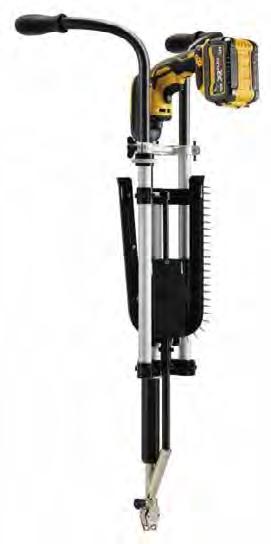

Fastening technology leader SFS Group has introduced ErgoDek®, an ergonomic fastening solution specifically designed for metal deck overlap installation, marking a new era of safer, more efficient and innovative metal roof and cladding construction. The system combines a lightweight design, productivity boosting performance and a strong focus on operator wellbeing, enabling roofing and metal cladding contractors to complete installations in a safer, faster and more consistent way. ErgoDek® can be used with standard cordless screwdrivers and features an integrated collated fastener magazine that reduces operator fatigue, improves fastening quality and ensures consistent screw placement. The system comes in three variants, each compatible with mainstream cordless tools from DeWalt, Hilti and FEIN, and suits a wide range of metal deck profiles with a combined thickness of up to 2½1.25 mm. It can be paired with SFS metal deck screws, further enhancing installation speed and overall work quality.
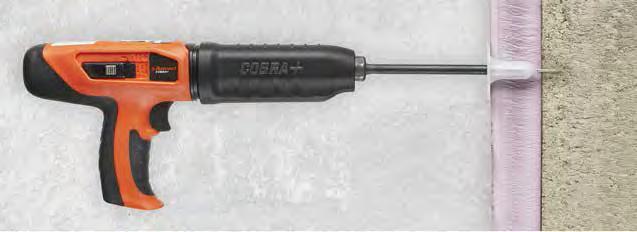
Construction fastener and tool leader Ramset has officially launched its Cobra+ IFS Insulation Fastening System in the U.S., transforming the existing Cobra+ nail driving platform into a single tool solution for rapid insulation board installation. The system is designed specifically for rigid and semi-rigid insulation boards and can secure them directly into concrete, eliminating adhesive cure times, predrilling, and bracing, thereby significantly streamlining the installation process and improving labor and jobsite management efficiency. The Cobra+ IFS system can be converted from a standard Cobra+ tool into an insulation fastening configuration in under three minutes using the IFS Conversion Kit, which includes dedicated piston, barrel, and buffer components. Combined with specially designed spiral steel pins, it enables one shot fastening of common foam board and mineral wool insulation types. The tool also features an integrated thermal cap and patented nail head geometry that enhance thermal performance while maintaining a clean, aesthetic finish, targeting residential and commercial retrofit insulation projects.




全新機械式直通連接件
銅與鋁導線直連免除端子塊
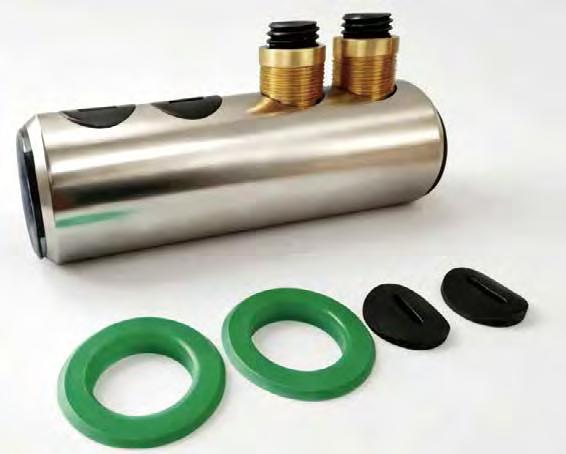
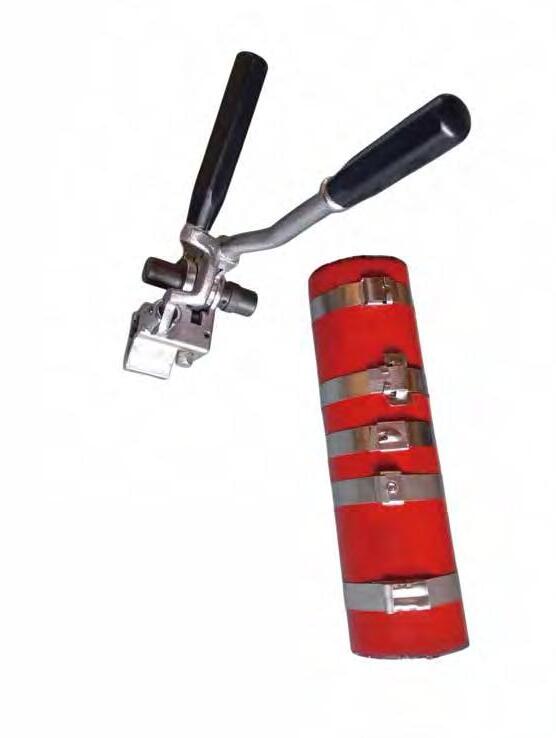
GBP K.K., a provider of integrated renewable energy solutions, has announced the launch of a new Mechanical Inline Connector in the Japanese market that allows copper and aluminum conductors to be connected directly in a straight through configuration, eliminating the need for conventional terminal blocks. The product is designed to save panel space and improve on-site installation efficiency. Engineered to suppress galvanic corrosion between dissimilar metals, the connector supports conductor sizes from 14 mm 2 up to 500 mm 2 and can be used across a wide voltage range, from low voltage circuits up to 35 kV class systems. Installation requires no crimping or compression tools; instead, a standard power driver or wrench is sufficient, with torque break head screws providing visual confirmation that the specified torque has been reached, thereby improving consistency and reducing reliance on operator skill. The low voltage version comes standard with a cold shrink tube for insulation, waterproofing, and mechanical reinforcement, while high voltage applications can be combined with commercially available inline insulation materials applied in accordance with the manufacturer’s instructions, enhancing safety and standardization in power and renewable energy projects.







NFDA頒贈2026年度「扣件專業人士」殊榮予
The National Fastener Distributors Association (NFDA) has announced that Sebastian Janas is the 2026 recipient of its “Fastener Professional of the Year” award, recognizing his long standing contributions to the fastener industry and his dedication to improving products and processes over many years. Born in Poland, Sebastian immigrated to the United States with his family at age 11 and demonstrated outstanding determination, completing both high school and college in only three years each. He began his fastener journey at Rumco, the fastener manufacturing company founded by his father, starting from the shop floor and gradually mastering the full spectrum of production, sales, and management.

Sebastian went on to lead operations at both Rumco and Hi Performance, then became President of Sems and Specials in 2020, remaining closely involved in day to day manufacturing while overseeing sales and management, earning respect as a well rounded industry leader. He was also actively engaged in NFDA, MWFA, and IFI, pursued Six Sigma continuous improvement certification, and strongly supported charitable initiatives. His family will accept the award on his behalf during the NFDA Annual Meeting & ESPS® in 2026.
compiled by Fastener World
Market Watch: Tariff UK Unveils CBAM Emissions Calculation and Verification Framework to Ensure Transparency of Import Carbon Costs

The UK government has published draft rules on emissions and verification under its CBAM, setting out a clear framework for calculating and validating embedded carbon emissions in imported goods, scheduled to take effect on 1 January 2027 and cover the entire UK, including Northern Ireland. The draft expresses emissions in metric tons of carbon dioxide equivalent (CO 2 e) and allows two calculation methods: if default values are used, emissions are calculated by multiplying the weight of the CBAM goods by the relevant default factor; where actual emissions data are available, a step by step approach is applied, including identifying the monitoring period, calculating total production emissions, converting them into CO2e, incorporating emissions from precursor goods, determining emissions intensity, and multiplying by the product weight.
The draft also spells out monitoring and verification procedures, requiring importers to retain detailed records for 6 calendar years, including information on production installations, operators, emissions intensity, monitoring periods, and third party verification reports, with independent accreditation bodies auditing these to ensure technical robustness and independence. Industry stakeholders warn that if imported steel products are assessed using overly optimistic global default values, high carbon imports could effectively face lower carbon costs than UK domestic steelmakers, who already bear high carbon prices under domestic schemes, potentially undermining decarbonization efforts and weakening domestic supply chain competitiveness. As a result, the sector is urging the government to adopt more conservative, EU style default values, introduce product and production route specific benchmarks, and broaden CBAM coverage to downstream steel products to maintain a level playing field and support long term low carbon development.




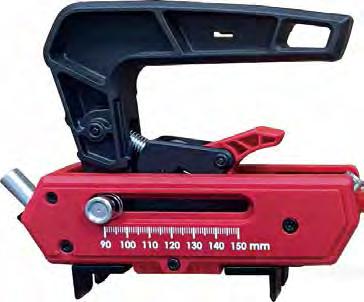
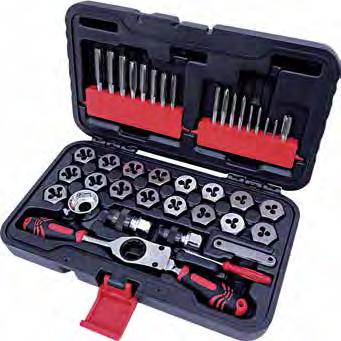
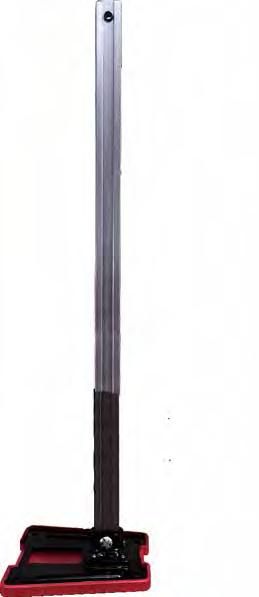
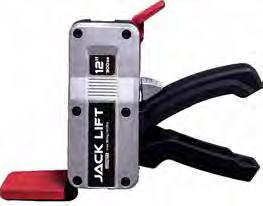

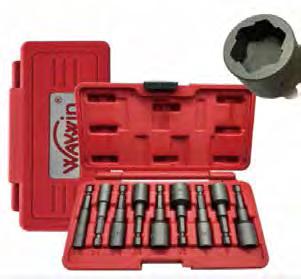

史丹利百得:金屬關稅調整對全年營運影響有限
Stanley Black & Decker, a global leader in tools and outdoor products, has stated that the recent U.S. adjustments to the Section 232 metal tariff framework are not expected to materially affect the company’s full year 2026 guidance. U.S. President Donald Trump’s proclamation on April 2, 2026 modifies the tariff structure for aluminum, steel, and copper and their derivative products, effective April 6, 2026. Under the new rules, products are split across two annexes subject to 50% and 25% tariffs, with lower rates for certain UK goods; items made entirely from U.S. smelted metals are taxed at 10%. Imports containing Russian aluminum continue to face a 200% tariff.
The proclamation also terminates the prior “derivative inclusions” process, replacing it with a rolling decision making mechanism by the Department of Commerce and the U.S. Trade Representative, and sets a temporary 15% tariff cap on products listed in Annex III through December 31, 2027. It further clarifies that Section 232 duties will apply to the full customs value of covered goods, including those combining multiple metals, without double taxation. Stanley Black & Decker emphasized that its flexible supply chain and cost management strategies can absorb these changes, while the U.S. government will submit a 90 day operational review of the tariff regime to the President, keeping markets closely tuned to its evolution.
歐盟碳價2035年上看185歐元 鋼鐵、鋁業碳成本
將飆升
BloombergNEF’s latest forecast suggests that carbon prices under the EU Emissions Trading System could surge to around €185 per ton by 2035. The average price is projected at about €86 per ton in 2026 and €142 per ton by 2031, indicating that carbon pricing will become a major cost driver for high‑emission industries such as steel and aluminum.
The EU is tightening emission caps and cutting free allowance allocations for hard‑to‑abate sectors covered by CBAM, including steel, cement and aluminum, which will sharply raise carbon‑cost exposure for these products. In 2024, iron and steel alone accounted for around 70% of CBAM‑covered imports, primarily sourced from China, Turkey, India and the UK. If companies fail to verify and report their actual emissions and instead rely on the European Commission’s conservatively high default values, import costs for steel from certain countries could rise by tens of percentage points; in extreme cases, these default obligations may approach €500 per ton by 2030—equivalent to the steel product price itself— forcing exporters to strengthen carbon inventory and secure EU‑recognized certifications to remain competitive in the European market.
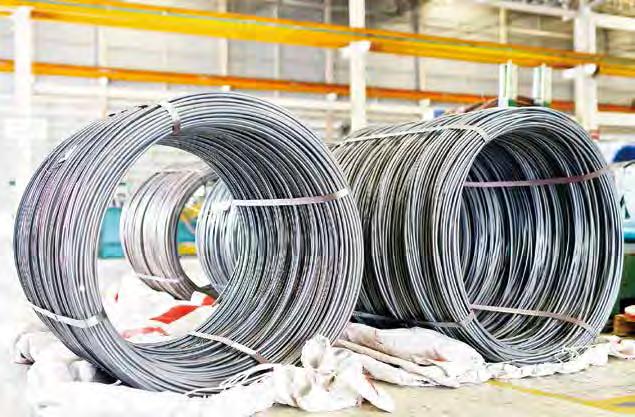
義大利線材價格隨中東衝突與能源成本攀升
Italian wire rod prices are moving higher amid escalating tensions between Iran, the US., and Israel, as well as rising natural gas and electricity prices, with further increases expected. Despite the upward pressure, demand for March shipments remains weak, and the market has not seen any panic buying. Wire rod producers are either raising offers or suspending sales due to higher production and transport costs triggered by surging oil prices, which are also discouraging some truckers from loading materials.
Recent deals for drawing quality wire rods have settled around €620 per ton delivered, following pre ‑conflict target levels of about €630–635 per ton delivered. After the escalation, some smaller buyers have accepted prices near €660 per ton delivered, while large customers remain cautious and are watching the market closely. Inventories in Italy are not reported to be low, and import supplies are not currently disrupting the domestic market, though they may become more attractive if EU producers push prices too aggressively.
馬來西亞電動車政策轉向:從進口市場到在 地製造
Malaysia is redefining its role in the electric vehicle (EV) ecosystem, moving beyond being merely a consumer market toward becoming a regional center for EV production, integration, and export. Against the backdrop of aggressive price cuts and global overcapacity, the government has tightened its investment framework for EV manufacturers, requiring export oriented output, deeper local assembly including body, paint, and trim operations,





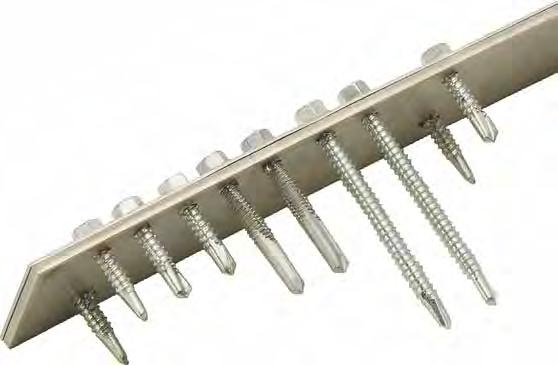


and a minimum on the road price for locally assembled EVs, so that foreign investment delivers tangible industrial value rather than just volume sales.
The new policy framework prioritizes “quality over quantity,” setting domestic sales caps while leveraging Malaysia’s 17 free trade agreements to position the country as a regional manufacturing and supply chain hub for ASEAN’s 600 million consumers. Although these conditions may deter low cost, rapid entry investors and slow short term price reductions, they create a foundation for technology transfer, stronger supplier linkages, and high skill employment, transforming Malaysia from an end market into a committed supply chain partner in the EV era.

Ton, Giving Taiwan CSC a
The global steel market is approaching a key turning point as Chinese steel exports shift from peak volume to contraction. Market estimates indicate that China’s overseas steel shipments in 2026 will fall by around 10 million ton, an annual decline of more than 8%. This pullback is expected to lift export volumes and prices for Taiwan steelmakers, including Taiwan CSC, strengthening the overall supply–demand balance in Asia.
Taiwan CSC analysts point out that China’s steel exports reached a record 119 million tons in 2025, yet the average unit price still dropped by over 8% year on year, highlighting a competitive landscape heavily reliant on low price dumping. If China’s 2026 export volume shrinks by 10 million tons, Taiwan’s mills will gain
LindFast集團任命新任財務長
LindFast Solutions Group, a distributor of fasteners, specialty wire and cable, and industrial solutions, announced on April 24 that it has appointed Nick Jones as the group’s new Chief Financial Officer, effective immediately. Nick brings more than 20 years of financial leadership experience, having previously served as CFO at fintech logistics platform Iron Sheepdog and spent 21 years at Ferguson, most recently as Senior Director of Finance – U.S. Performance Management, where he oversaw P&L and strategic direction for multiple customer groups.
a dual benefit on price and volume. In the short term, this should support a steadier upward trend in steel prices and improved margins; in the longer run, it will help Taiwan shift competition from low grade commodity steel to higher value niche products, allowing Taiwanese steel suppliers to reclaim part of the Asian market footprint.
世界鋼協下修2026鋼需成長預期

The World Steel Association (worldsteel) has trimmed its growth forecast for global steel demand in 2026 to just 0.3%, with total demand expected at 1.724 billion tons significantly slower than the prior estimate of 1.3%. Demand is then projected to accelerate by 2.2% in 2027 to 1.762 billion tons, signaling a shift from a prolonged structural adjustment to a more modest recovery. Alfonso Hidalgo Calcerrada, chairman of worldsteel’s Market Research Committee, said that after years of structural changes since 2022, steel demand has likely bottomed out and is now rebounding, yet uncertainty remains high.
Excluding China, global steel demand growth in 2027 is expected to reach 4.0%, a recent high, driven primarily by India, Africa, Europe and North America. In contrast, China’s steel demand contraction is forecast to narrow to about 1.5% in 2026 and then be roughly flat in 2027, ending the steep downturn that began in 2021 and marking a transition from a China driven market to a new pattern led by both emerging and mature economies.

At LindFast, Jones will lead the global finance organization, including financial planning and analysis, accounting, and investor relations, supporting the group’s platform expansion and long term strategy. In the same month, the company also promoted Freddy Barr to Vice President of its Stelfast brand and appointed Jerad Tuxen as Senior Director of Value Add Services, further strengthening its overall business and service capabilities.

Threaded insert manufacturer E Z LOK, a brand of Tool Components Inc., has announced the relocation of its operations to a new dedicated facility in Los Alamitos, California. Spanning approximately 17,000 square feet, the plant integrates assembly, packaging, warehousing, sales, marketing and administrative functions, giving the company greater flexibility to expand across industrial, MRO and consumer product markets.
Since introducing its proprietary solid wall threaded insert in 1956, E Z LOK has grown into a broad supplier of threaded inserts for metal, wood and plastics, including its E Z Coil helical

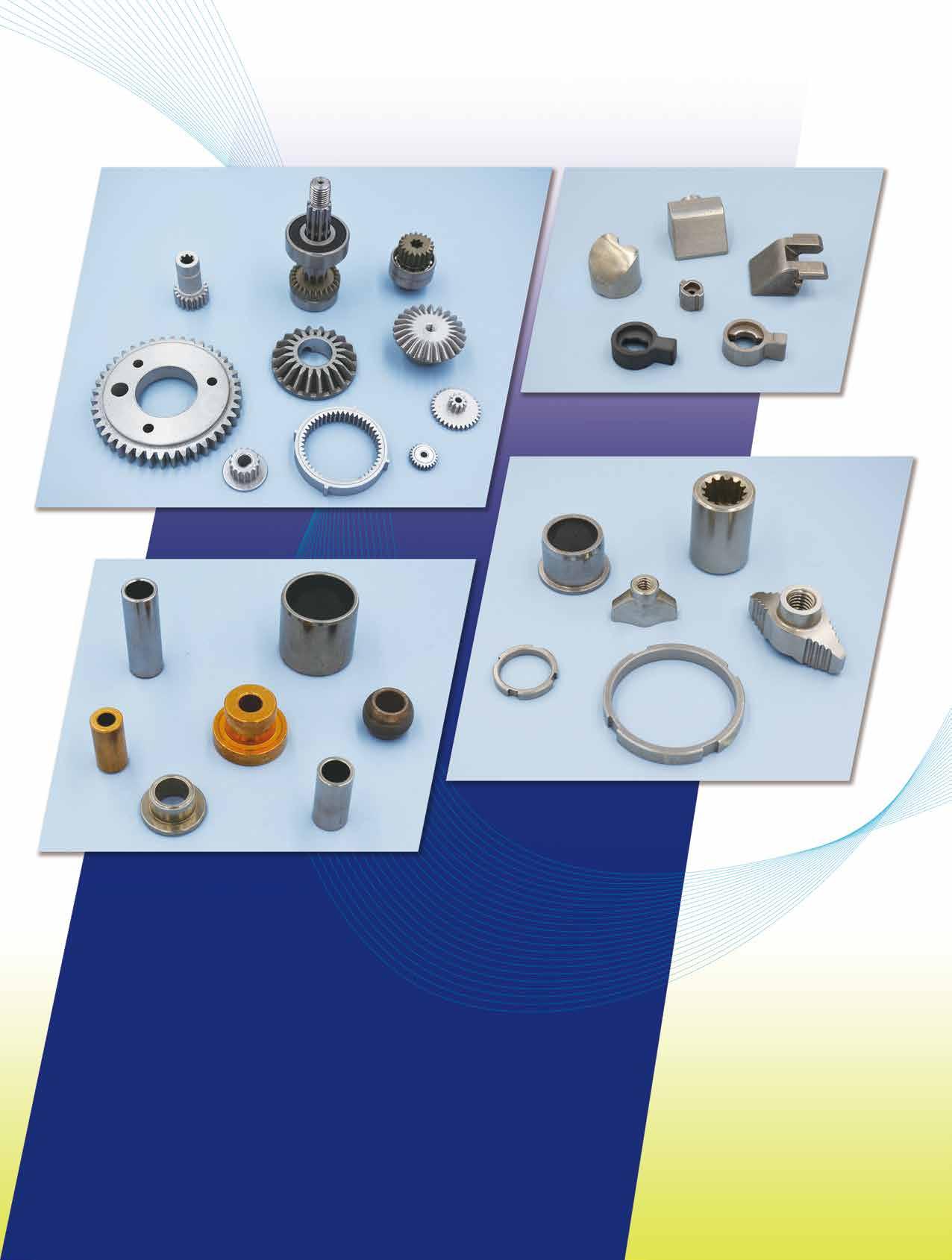






coil inserts widely used in machinery manufacturing, equipment repair, furniture, electronics and construction. The company maintains four strategically located U.S. warehouses and distributes through a nationwide network of industrial distributors and MRO specialists, with the new Los Alamitos facility further strengthening its logistics, brand identity and custom service capabilities to meet rising demand from both manufacturers and DIY users.

Simpson Strong Tie歡慶成立70週年
In 2026, structural connector manufacturer Simpson Strong Tie marks the 70th anniversary of its founding, tracing back to 1956 when co-founder Barc Simpson developed the company’s first joist hanger on a punch press at his father’s window screen factory in Oakland, California. Since then, the company has led the industry with innovative, engineered connectors and structural solutions, consistently emphasizing safety, quality, and technical excellence in structural framing and seismic resistance systems. The brand is widely recognized for its engineered structural connectors and system based products used in residential, commercial, and public projects, helping to improve overall building resilience and durability.
On its 70th anniversary, Simpson Strong Tie underscores that its core is not only about high quality products and software, but also about people—its employees, customers, and partners—and the communities where it operates. The company has long committed to community giving and workforce development, contributing over 2 million USD in student scholarships and annually recognizing “Community Heroes” who exemplify service, integrity, and innovation, continuing the company’s mission to build a stronger, safer future together.
英國F4與Wera Tools延續冠名合作邁入2026年

The F4 British Championship certified by FIA and Motorsport UK has announced that its successful title partnership with global hand tool manufacturer Wera Tools will continue into the 2026 season. The series will again run as the “Wera Tools F4 British Championship certified by FIA,” marking the fifth consecutive year of collaboration between the UK’s premier single seater category and the German tool brand. Wera, which has supported the championship through the F4 Technical Centre and the Wera Tools Technicians’ Award, became title sponsor in 2025 and helped drive a record breaking year for British F4 on track.
For 2026, Wera branding will remain prominent across all F4 cars, podium backdrops, driver racewear and TV graphics, underlining the shared focus on technical precision and safety. The season opened at Donington Park on 18–19 April and reinforced British F4’s position as the leading junior single seater series in the UK.

Tool
Apex Tool Group總部將遷至巴爾的摩郡高新
Industrial hand and power tool manufacturer Apex Tool Group LLC has announced that it will relocate its North American headquarters to Executive Plaza 4 in Hunt Valley, in northern Baltimore County, leasing a full floor office space of approximately 16,756 square feet and moving about 50 employees. The company is currently based in Sparks and operates 30 locations worldwide, serving the aerospace, construction, electronics, industrial, and automotive service industries.
Apex emphasized that staying within the Hunt Valley–Sparks area was a top priority to support employees’ commutes and access to local amenities. The new office offers conference rooms, a fitness center, a deli, a convenience store, and other services, creating an efficient and comfortable working environment. The company will consolidate its administrative, accounting, marketing, and sales teams in the same space to strengthen operational integration and customer service capability.





Hilti匈牙利與印 度廠雙雙斬獲

DGNB綠建築最高評級
Hilti has announced that its plant in Kecskemét, Hungary, has received the Platinum Rating from the German Sustainable Building Council (DGNB), the council’s highest level of certification. At the same time, Hilti’s campus and a multipurpose building in Vadodara, India, have both been awarded the Gold Rating, making this the first time an industrial facility in India has achieved this distinction. The DGNB certification is an internationally recognized benchmark for green building, and it acknowledges Hilti’s commitment to decarbonization and its net zero emissions pathway by 2050.
The Hungarian plant integrated sustainability into its design from the outset, improving working conditions for around 400 employees through measures such as staff shuttles, company bicycles, heat pumps, geothermal probes, and a photovoltaic system that generates 1,300 MWh annually. The Indian campus, meanwhile, features flexible layouts, 100% water recycling, a photovoltaic system with 1,500 MWh of generation capacity, EV charging stations, and a Miyawaki forest covering 25% of the site, demonstrating high standard industrial green building performance.


The company reported March revenue of NTD 11.376 billion, up 25.12% year on year and the highest level since April 2022. First quarter consolidated revenue reached NTD 31.217 billion, rising 19.62% year on year and 27.91% quarter on quarter. The company benefited from higher aluminum and stainless steel prices, coupled with stronger shipment volumes, driving both revenue and profit into an upward trajectory with solid operating momentum.
With the peak season beginning in the second quarter, newly expanded capacity at the Texas aluminum plant ramped up at the end of April. While increased in house production rates will help lower costs, supporting wider product price spreads and margins. Revenue and earnings are expected to maintain double digit growth. Looking ahead, the company plans to strengthen its local manufacturing and channel integration advantages, fully realize the benefits of its Texas plant, and leverage high gross margin products and a platform based business model to support EPS growth of roughly half a share after 2027, with target prices raised to NTD 45, keeping operations on a steady growth path.
Fabory擴充Lubrinox系列 新增逾1,200款潤滑不鏽扣件
Global industrial supply leader Fabory has significantly expanded its Lubrinox portfolio of pre-lubricated stainless steel fasteners, adding more than 1,200 new items including machine screws, hex connecting nuts, set screws and flange nuts, all designed to serve high demand sectors such as food processing, dairy, pharmaceuticals, petrochemicals and general machinery.
All new products are stocked to common DIN and ISO standards with full batch traceability. They feature a factory-applied, high performance lubrication coating that greatly reduces friction and seizing risk while remaining dry, odorless and invisible, and performs reliably across a wide temperature range, from deep cold storage to high temperature processing. Fabory notes that the pre-lubricated design slashes maintenance labor, reduces machine downtime and lowers total cost of ownership, helping equipment manufacturers and end users maintain stable operations in harsh environments and improving overall assembly and service efficiency.
百年扣件大廠砸2,350萬美元進駐紐澤西
Global industrial fastener distributor Brighton Best International has announced a USD 23.5 million land purchase at Logan North Industrial Park in Logan Township, New Jersey, to build a 190,000 square foot build to suit distribution center, aimed at strengthening East Coast supply chain efficiency and inventory capacity. Headquartered in Long Beach, California, the company has grown since its founding in 1925 from a regional supplier into a global enterprise with 31 locations across 6 countries serving more than 7,000 distributors worldwide, offering fasteners, anchoring systems, construction products, safety supplies and professional grade tools.


The new site is located near the intersection of Route 322 and Interstate 295, adjacent to the Philadelphia and New York markets, with quick access to Philadelphia International Airport as well as the ports of Philadelphia and Wilmington, making it well positioned
for transatlantic and North American logistics. Peggy Hsieh, COO of Brighton Best International, said the location’s strategic advantages and the expertise of its development partners will help significantly improve delivery efficiency and customer service.

German rail equipment group Vossloh has announced it has secured a key supply contract for Lots 3 and 4 of Tanzania’s new railway, with a value of approximately EUR 30 million. The company will deliver around 130 sets of switches and 840,000 sets of ties and rail fastening systems for the Makutupora–Tabora and Tabora–Isaka sections, covering a total distance of 424 kilometers on the standard gauge line. The switches will be manufactured at Vossloh’s facility in Ystad, Sweden, while the rail fastening systems will be supplied from the group’s “Factory of the Future” in Werdohl, Germany, supporting local contractor Yapi Merkezi in completing the main corridor linking Dar es Salaam on the Indian Ocean coast with Mwanza on the shores of Lake Victoria in northern Tanzania.
This standard gauge rail corridor will connect the capital Dodoma with western Tanzania and is planned to extend further into neighboring Rwanda, Burundi, and the Democratic Republic of Congo. By leveraging electrification and high specification track equipment, the project aims to significantly reduce transit times and strengthen regional trade and freight capacity, delivering structural upgrades to Tanzania’s and the wider region’s economic development and logistics networks.
Ingersoll Rand收購Scinomix


Ingersoll Rand has announced the acquisition of U.S. laboratory automation company Scinomix, integrating it into the Life Sciences platform within its Precision and Science Technologies (P&ST) segment to strengthen end to end offerings for clinical, pharmaceutical, biotechnology, forensic, agricultural, and genetic testing labs. Scinomix specializes in automated labeling, handling, barcode scanning, and capping of tubes, vials, microplates, and liquid samples, improving sample management, efficiency, and traceability across laboratory workflows.
This acquisition enables Ingersoll Rand to integrate its existing fluid and sample handling technologies, offering a more comprehensive automated laboratory workflow. It further positions the company to capture opportunities in the rapidly growing life sciences and laboratory equipment markets, while strengthening its portfolio of high margin, recurring revenue businesses.









Updated on April 10, 2026 Monetary unit in millions except for EPS
Chicago Rivet's 2025 net sales were USD 27.890 million, up 3.3% from USD 26.986 million in 2024. Net income was a loss of USD 1.08 million in 2025, compared to a loss of USD 5.61 million in 2024. Total assets decreased to USD 23.301 million in 2025 from USD 23.370 million in 2024.
Grainger's 2025 net sales were USD 17,942 million, up 4.5% from USD 17,168 million in 2024. Net earnings were USD 1,808 million in 2025, down 9.1% from USD 1,989 million in 2024. Total assets increased to USD 8,962 million in 2025 from USD 8,829 million in 2024.
Hillman Group’s 2025 net sales were USD 1,552.224 million, up 5.4% from USD 1,472.595 million in 2024. Net income was USD 40.305 million in 2025, up 133.5% from USD 17.255 million in 2024. Total assets increased to USD 2,356.194 million in 2025 from USD 2,330.503 million in 2024.
ITW’s 2025 revenues were USD 16,044 million, up 0.9% from USD 15,898 million in 2024. Net income was USD 3,066 million in 2025, down 12.1% from USD 3,488 million in 2024. Total assets increased to USD 16,148 million in 2025 from USD 15,067 million in 2024.
Ingersoll Rand’s 2025 revenues were USD 7,650.9 million, up 5.7% from USD 7,235.0 million in 2024. Net income was USD 581.4 million in 2025, down 30.7% from USD 838.6 million in 2024. Total assets increased to USD 18,297.2 million in 2025 from USD 18,009.8 million in 2024.
Snap-on’s 2025 net sales were USD 4,743.2 million, up 0.7% from USD 4,707.4 million in 2024. Net earnings were USD 1,016.9 million in 2025, down 2.5% from USD 1,043.9 million in 2024. Total assets increased to USD 8,412.3 million in 2025 from USD 7,896.8 million in 2024.
Stanley Black & Decker’s 2025 net sales were USD 15,130.4 million, down 1.5% from USD 15,365.7 million in 2024. Net earnings were USD 401.9 million in 2025, up 36.6% from USD 294.3 million in 2024. Total assets decreased to USD 21,243.7 million in 2025 from USD 21,848.9 million in 2024.
Trimas’ 2025 net sales were USD 645.720 million, up 2.3% from USD 630.800 million in 2024. Net income was USD 120.140 million in 2025, up 395.4% from USD 24.250 million in 2024. Total assets increased to USD 1,485.080 million in 2025 from USD 1,324.180 million in 2024.






Atlas Copco's 2025 revenues were SEK 168,343 million, down 4.8% from SEK 176,771 million in 2024. Net profit was SEK 26,420 million in 2025, down 11.3% from SEK 29,782 million in 2024. Total assets decreased to SEK 202,454 million in 2025 from SEK 208,538 million in 2024.
Hilti's 2025 net sales were CHF 6,297 million, down 2.1% from CHF 6,429 million in 2024. Net income was CHF 513 million in 2025, down 8.1% from CHF 558 million in 2024. Total assets increased to CHF 8,105 million in 2025 from CHF 8,055 million in 2024.
Lisi Group’s 2025 revenues were EUR 1,747.926 million, up 8.6% from EUR 1,608.737million in 2024. Net profit was EUR 139.724 million in 2025, up 149.4% from EUR 56.006 million in 2024. Total assets decreased to EUR 2,117.012 million in 2025 from EUR 2,210.283 million in 2024.
Norma Group's 2025 net sales were EUR 821.7 million, down 6.8% from EUR 881.8 million in 2024. Net profit was a loss of EUR 30.9 million in 2025, compared to a loss of EUR 12.6 million in 2024. Total assets decreased to EUR 1,250.7 million in 2025 from EUR 1,436.6 million in 2024.
SFS’ 2025 net sales were CHF 3,045.4 million, up 0.4% from CHF 3,031.1 million in 2024. Net income was CHF 219.0 million in 2025, down 9.2% from CHF 241.3 million in 2024. Total assets decreased to CHF 2,512.7 million in 2025 from CHF 2,612.2 million in 2024.
Vossloh's 2025 net sales were EUR 37.6 million, up 113.6% from EUR 17.6 million in 2024. Net income was a loss of EUR 8.6 million in 2025, compared to EUR 68.9 million gain in 2024. Total assets increased to EUR 2,126.8 million in 2025 from EUR 1,490.8 million in 2024.

OSG’s 2025 revenues were JPY 160,619 million, up 3.3% from JPY 155,517 million in 2024. Net
2025, up 6.7% from JPY 13,439 million in 2024. Total assets
2024.

KPF’s 2025 operating income was KRW 35,396 million, down 17.4% from KRW 42,854 million in 2024. Sales revenue was KRW 743,914 million in 2025, down 3.2% from KRW 768,851 million in 2024. Total assets increased to KRW 669,249 million in 2025 from KRW 662,367 million in 2024.





















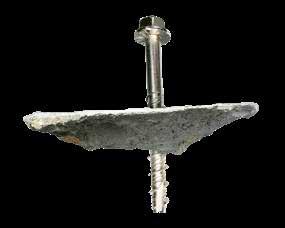

Joker Industrial is renowned worldwide for its concrete screw anchors. Since the founding in 1984, they have focused on anchor development for over 40 years, integrating diverse construction methods from clients around the globe, along with materials like red brick, timber, soft cement, hard cement, aerated concrete, and more. All this expertise culminates in their patented concrete screw anchors, delivering superior performance across multiple materials. Through specialized processing techniques and heat treatment controls, the products maximize efficiency with minimal material use—making it not only eco-friendly but also dramatically reducing carbon emissions, perfectly balancing top-tier performance with sustainability.
Their core strengths shine in industry-top certifications: The concrete screw anchors pass ETA Option 1, seismic C1 & C2, and 120-minute fire resistance tests. Even more impressive is their A4 316 stainless steel bi-metal anchor (triple-thread design with special front-end grooves), which leads all global manufacturers by achieving the highest seismic C2 certification! Joker Industrial states: "We are the 'only' company worldwide to accomplish this, proving our development prowess and premium production quality."
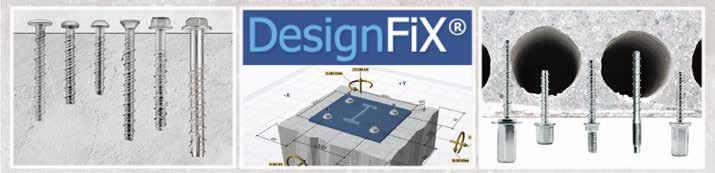
Even better is their customization tech. Joker Industrial doesn't just sell screws—they craft tailored solutions. They develop custom screw head shapes to match clients' designated installation brackets and methods, enabling customized, fast-install, high-safety-certified results. Whether you're an engineer obsessed with construction details or a buyer chasing peak performance, they deliver your desired "top choice." Amid industry transformation, they are already miles ahead, embracing the trend of major global firms evolving into "value-solution providers"—and they've gone further, becoming the all-inclusive expert of concrete screw anchor system! Their concrete screw anchors have penetrated TSMC's semiconductor wafer fabs, collaborating with equipment makers on structural calculations to ensure production lines have ample safety margins in harsh environments, and they've snatched orders from
world leaders in this cutting-edge market. Plus, they contribute to overseas ancient heritage restorations, ensuring modern screw anchors align with historic sites’ construction methods—repairing, reinforcing, and preserving structures centuries or even millennia old. From heritage to high-tech, their footprint is everywhere!
They are aggressively expanding globally and plans to enter the Italian market this year. This October, they'll exhibit at FASTENER POLAND®; in April 2027, they'll exhibit again at Fastener Fair Global. Joker Industrial says: "We've become a leader in comprehensive structural anchor solutions—evolving from an OEM for world giants to pioneering patented products that solve unique architectural challenges. Customers seeking customized, high-quality anchors are welcome to visit!" They're nearing completion on a new concrete screw anchor for composite building materials that targets “sandwich panels plus cement” and “wood-frame structures (like engineered wood and glulam) plus cement” hybrids. The product launch is highly anticipated. Transforming from a screw maker into a guardian of building safety and innovation pioneer, Joker Industrial is reshaping industry standards in the era of green manufacturing and frequent earthquakes. Don't miss this hidden champion!

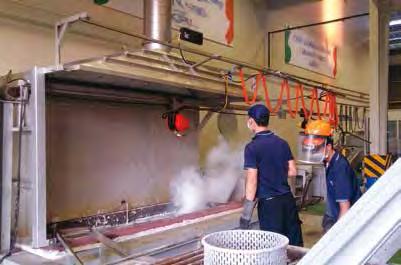
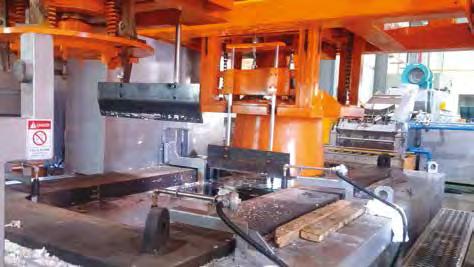

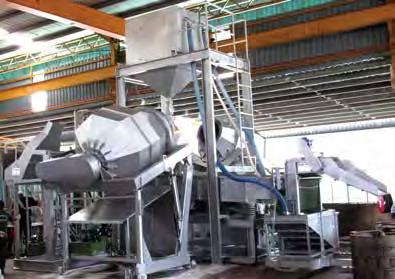
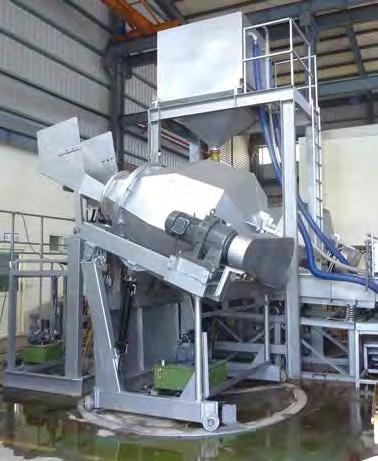
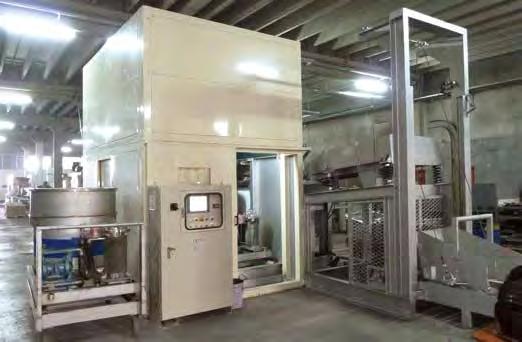


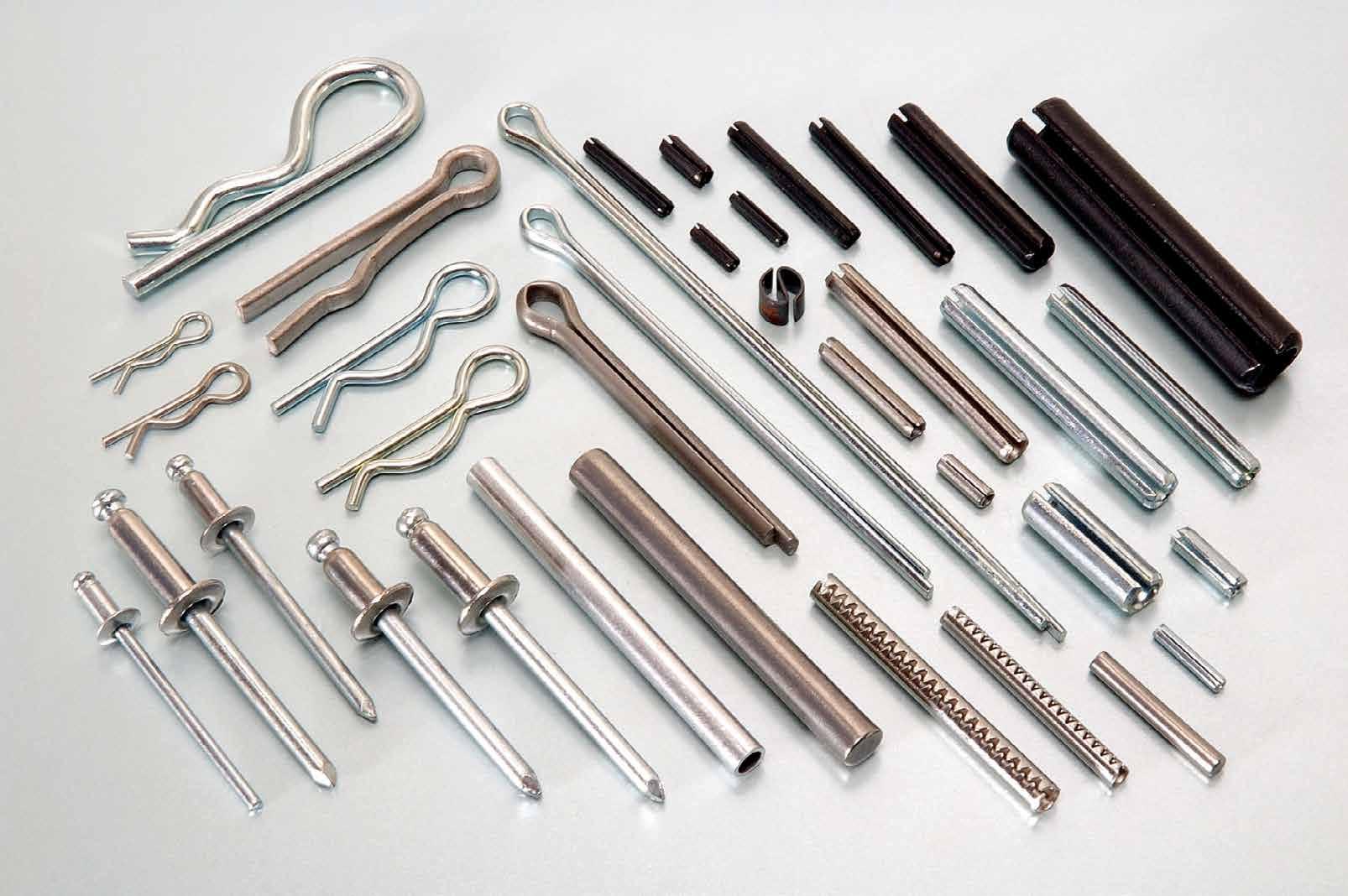
Yung King Industries, Taiwan's leading brand of cotter pins, retaining rings, and spring pins, has stood the test of time in the global market for over 40 years. It has received Taiwan’s Ministry of Economic Affairs' award for outstanding contributions over the past 40 years of operation. Under the leadership of 2nd-generation President Josh Chen for over 30 years, Yung King has grown from a small family business into a globally recognized enterprise. Yung King continues to innovate and improve in all aspects, aspiring to be the most trustworthy and reliable partner for its customers in terms of quality, lead time, and technology.
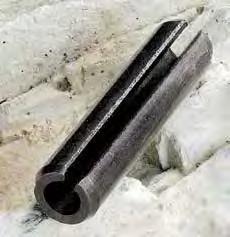

The reason that Yung King can stand firm in the market and build a high-quality brand image in the minds of customers is largely due to its more stringent quality and lead time requirements than its competitors. President Josh Chen said by aptly taking beef noodles as examples: "Beef noodles served in different restaurants are both beef noodles, why are people willing to pay for the one at a higher price? Because its quality is worth it!" While competitors might only have two requirements to maintain product quality, President Chen may demand five additional standards. Through meticulous attention to detail, he internalizes the quality concept into employee habits and corporate culture. President Chen believes that people are the key to a company's success; even the best equipment is useless without meticulous human management. This is why Yung King has always been able to reassure its customers. Regarding lead time, Yung King also benefits from having the most abundant equipment and well-trained personnel in the industry, allowing it to provide the most suitable delivery schedule to meet varying customer demands. This has resulted in high customer loyalty in many demanding markets in Europe, America, and Japan.
Yung King offers a wide range of iron and stainless steel pins, retaining rings, and spring pins for mass production or small-batch customization.



established strength that has remained unmatched by competitors for years. Pins, retaining rings, and spring pins are essential in environments with high safety requirements (such as vibration, rolling, and sliding) to prevent product detachment, providing a 2nd layer of protection. In addition to advanced Keyence 3D inspection equipment and rolling mills, Yung King recently purchased an AI-powered automatic sorting machine capable of judging the quality of defective products and electroplating, offering superior sorting accuracy compared to manual sorting. This June, Yung King will further introduce a multi-stroke, multi-axis forming machine, which can not only flexibly meet customers' requirements for more complex sizes and functions and smaller batches, but also achieve faster lead time and higher quality than its competitors.
President Chen stated that rather than competing on price, Yung King prioritizes quality and lead time. “For years, we’ve maintained stable partnerships with clients in the US, Japan, and Australia, and we look forward to opening more doors for cooperation in Europe and Southeast Asia. Although the market is currently affected by uncertainties such as the U.S.-Iran War, leading to rising raw material costs, this presents both challenges and excellent opportunities to test a company's resilience. As a Taiwan-based company, we have our sights set on the global market, especially with the 3rd generation now joining the company to learn business operations; the team of Yung King will demonstrate even greater vitality and momentum. We sincerely welcome customers with professional needs for anti-slip and anti-loosening pins/ retaining rings/spring pins or those needing solutions for loose screw assembly problems to contact us for quotes and consultations.”
Yung King's contact: Josh Chen, President / Email: yuking@seed.net.tw








義大利頂級的扣件、緊固元件及系統產業盛會
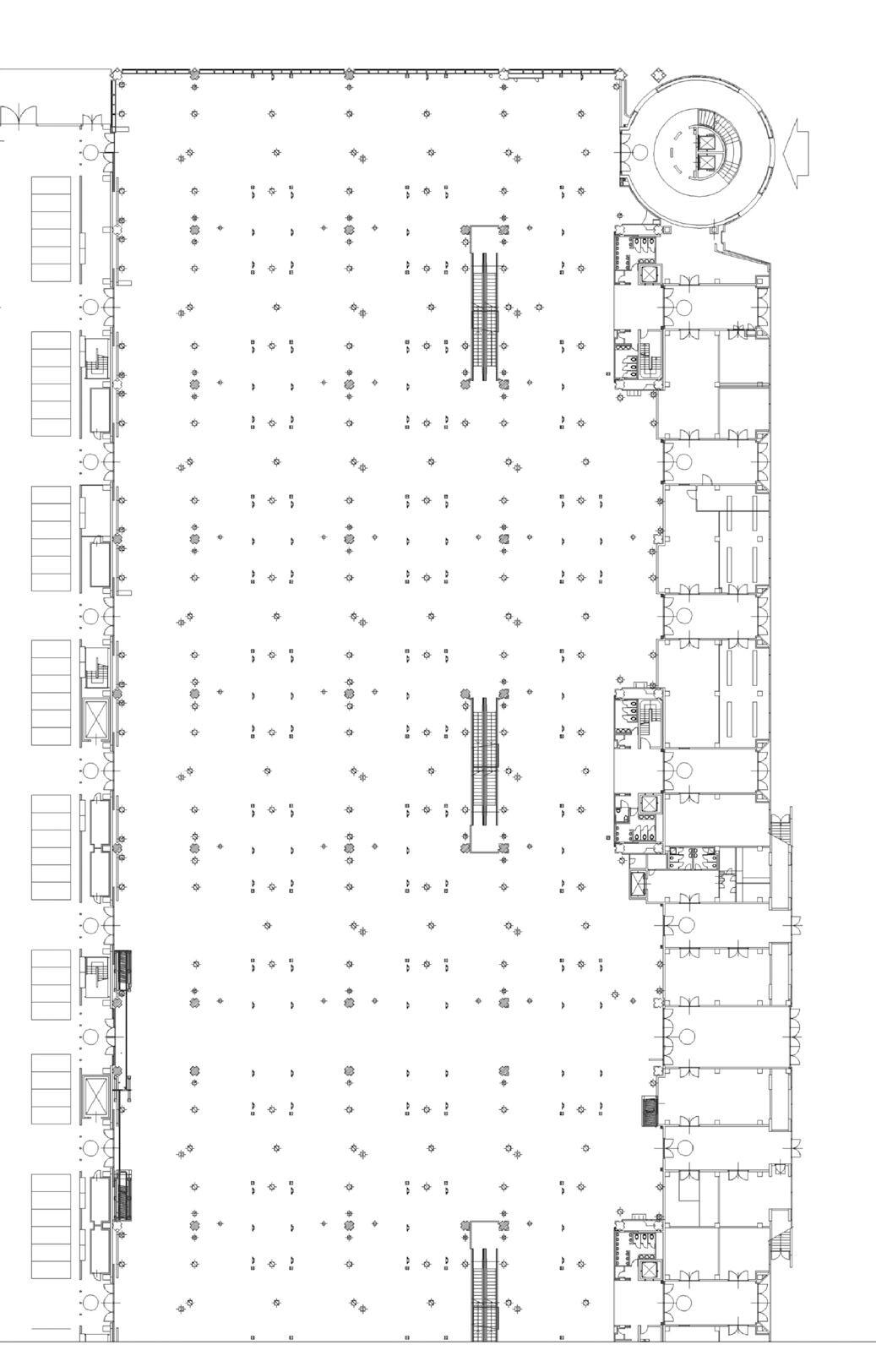
The fifth edition of Fastener Fair Italy, the biennial exhibition dedicated to the fastener and fixing industry, is drawing ever closer. The event will take place from 24 to 25 June 2026 at CityLife – Allianz MiCo in Milan.
Online registration is now open and for a limited time. You can secure complimentary access to this two-day exhibition dedicated to fastening technologies. National and international manufacturers and distributors will showcase their products and services, presenting the latest innovations and technological developments in the sector.
The exhibition is expected to welcome approximately 3,700 industry professionals and around 200 exhibitors, including more than 100 international companies from Germany, France, Spain, the United Kingdom, Turkey and China, as well as Italy.
The event offers a valuable platform to build strategic industry connections and discover new product launches and breakthrough technologies shaping the future of the fastening and fixing sector.
Fastener Fair Italy 2026 will once again provide visitors with a comprehensive and highly focused overview of the fastener and fixing industry. The exhibition will showcase solutions across the entire value chain, from high-performance industrial and construction fasteners engineered for demanding applications to advanced assembly and installation systems that enhance precision, speed and repeatability.
Visitors will also have the opportunity to explore the latest fastener manufacturing technologies, including production machinery, quality testing and surface treatments, as well as intelligent storage, distribution and factory equipment solutions designed to optimize operational performance, compliance and traceability. The event provides a unique platform to discover innovations first-hand, compare technologies and connect with industry experts.
Applications are wide-ranging, spanning construction, automotive, mechanical engineering and industrial manufacturing sectors. Visitors will gain a comprehensive overview of reliable fastening and fixing solutions designed to enhance efficiency, support maintenance processes and ensure consistent performance across diverse operational environments.
Fastener Fair Italy 2026 will take place from 24 to 25 June 2026 at CityLife – Allianz MiCo. Opening hours are from 9.00 am to 5.00 pm on both exhibition days.
For more info, please contact the show’s exclusive sales agent in Taiwan, Fastener World, at foreign@fastener-world.com.tw
Fastener Markets Magazine
• Fastener World Europe Special Edition
Our publication has a circulation of over 10,000 printed copies per issue sent to more than 200 countries and we participate in at least 30 int’l trade shows per year. We are also the exclusive sales agent in Taiwan of Fastener Fair Global, IFE, Fastener Poland, Fastener Fair India, Fastener Fair Mexico, etc.
Founded in 2000, Ray Fu is a professional manufacturer and exporter of wires and fasteners, offering an integrated one-stop service that includes wire production, screw manufacturing, heat treatment, surface treatmentand packaging. These products are widely applied in construction, home renovation, and automotive components, earning strong recognition across global markets. Committed to excellence, Ray Fu has obtained international certifications including ISO 9001, ISO 14001, IATF 16949, AS 9100D, CE, ETA and BIS. With a solid foundation in quality and service, Ray Fu is well equipped to support diverse industry needs and looks forward to contributing to future projects worldwide.
Our professionalism elevates every single fastener.
Choose JLD for competitiveness, high quality, and high efficiency. JLD’s strength lies in being a one-stop shop for customers, offering a wide range of products, with extensive experience in special fasteners and customized screws— allowing us to provide highly competitive pricing. All materials and manufacturing processes are completed in Taiwan, enabling us to closely monitor every step and ensure stable, reliable quality. At the same time, our professional and efficient team responds quickly to your requests and provides clear progress updates throughout the manufacturing process, keeping you informed every step of the way.




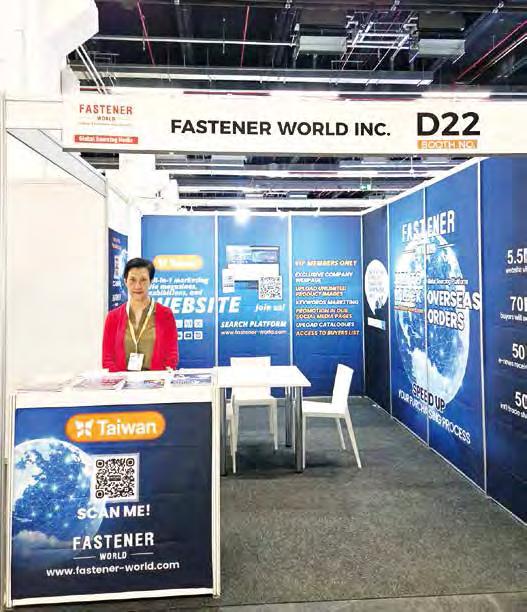
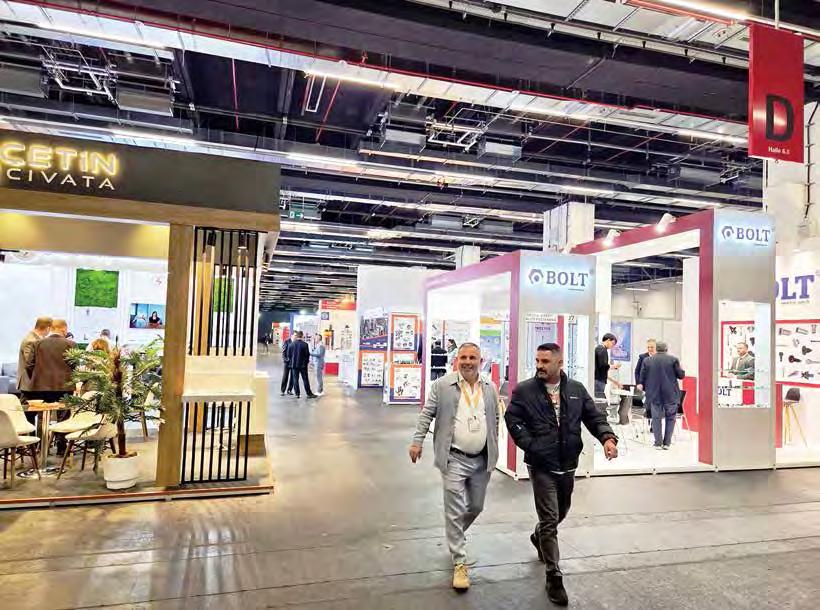
Fastener Expo Frankfurt, which made its debut in early 2026, is a brand-new platform established in the European market specifically for networking and marketing exposure within the fastener industry. Alongside Fastener Fair Global in Germany, Fastener Fair Italy, and Fastener Poland, Fastener Expo Frankfurt is currently the fourth in Europe and the second in Germany to focus exclusively on the fastener industry. As the expo held this year is its inaugural edition and given that Frankfurt is one of Europe’s key business and transportation hubs, Fastener Expo Frankfurt 2026 represented a completely new experience for both participating exhibitors and visiting buyers alike.
Fastener Expo Frankfurt 2026 took place at Messe Frankfurt from March 23 to 25. According to the organizer’s data, 103 companies registered to exhibit in the inaugural event. Although held in Europe, more than half of the exhibitors were from China, with some others coming from Germany, Italy, India, Turkey, the Czech Rep., Pakistan, Brazil, S. Korea, the Netherlands, Taiwan, France, the UK, the U.S., Lithuania, Malaysia, and Romania, hoping to connect with decision-makers from across Europe, expand their international market visibility, and seize the opportunity to showcase innovative products to visiting buyers during the threeday event. Visiting buyers were also taking their opportunities to view the latest fastening technology products, construction fixings, processing equipment, tools & dies, raw materials, and related peripherals from around the world.
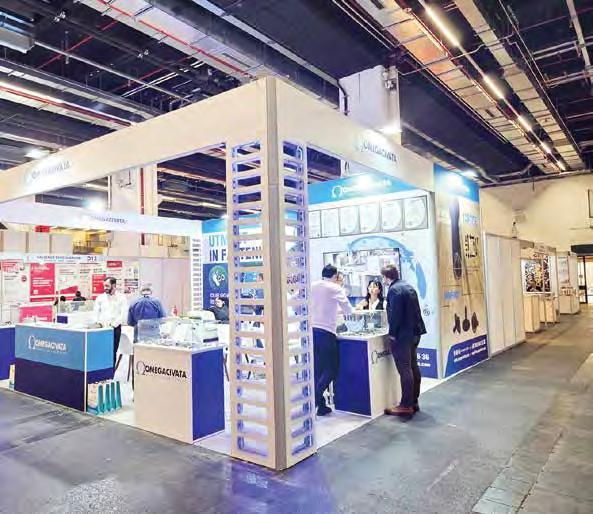

According to the observations of Fastener World’s staff on-site, the comparatively lower visitor turnout compared to other major European fastener trade shows was likely due to the fact that the Expo was held for the first time, as well as the fact that many manufacturers and buyers had recently attended other major European fastener exhibitions. Some exhibitors expressed a cautious view of the event’s effectiveness, noting that whether they secured orders would require further evaluation and observation; however, a few exhibitors shared that the benefits of participating met their expectations.
To help exhibitors looking to expand into the European market better understand local market conditions and to facilitate two-way communication between exhibitors and buyers, the show organizer also planned an “Industrial Forum” focusing on trends in automotive and aerospace technology applications and the development of the fastener distribution market. The forum featured extensive discussions on global trade policies, tariffs, carbon taxes, and new regulations affecting the industry. The VIP buyer program was also another major highlight of this edition.
The organizer has not released details regarding the next edition of the expo yet. For more international exhibition news, please continue to follow Fastener World’s official website.
Copyright owned by Fastener World / Article by Gang Hao Chang, Vice Editor-in-Chief
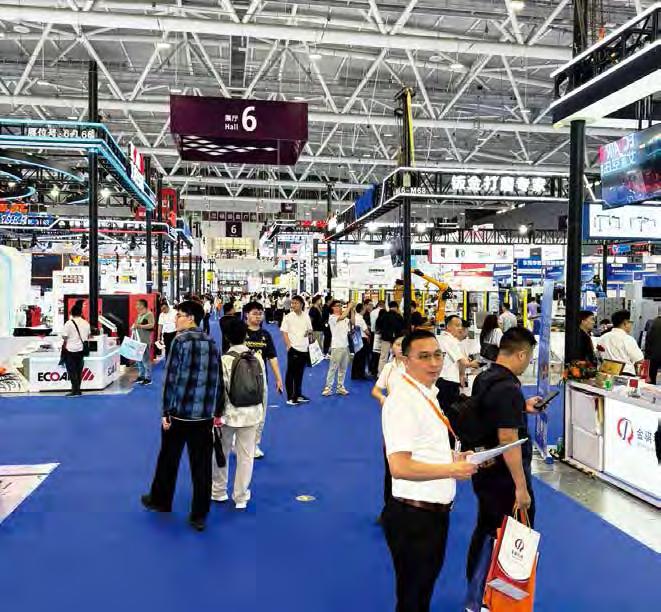
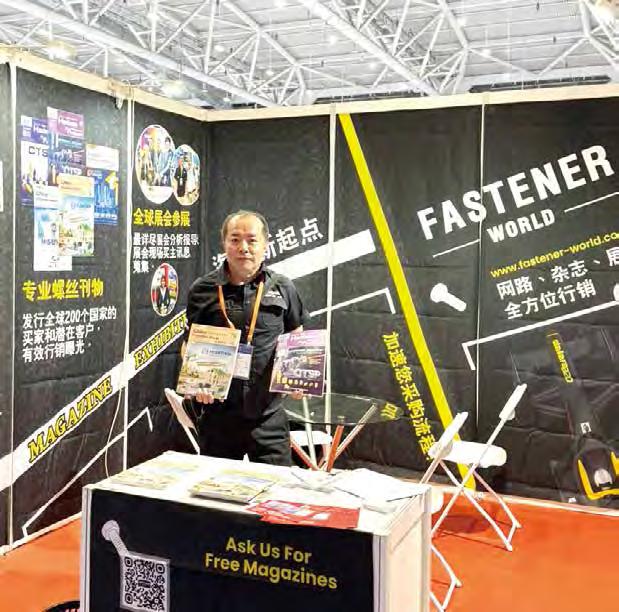
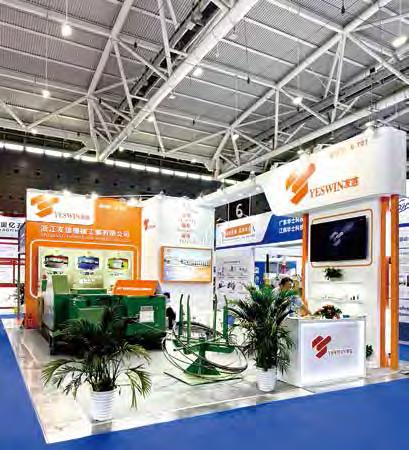
Recognizing Shenzhen’s strengths as China’s high-tech hub—with a robust manufacturing base, a comprehensive industrial supply chain, and its status as a Special Economic Zone and China’s third-largest city in terms of the economic scale—Shenzhen International Fastener Exhibition 2026 was held from March 31 to April 3 at Shenzhen World Exhibition & Convention Center (Hall 6). It was one of the sub-exhibitions within the ITES China Shenzhen International Industrial Manufacturing Technology and Equipment Exhibition held in South China. Exhibition themes included precision standard parts, high-end fasteners, custom parts, lathe parts and equipment, as well as fastener materials, molds, and consumables.
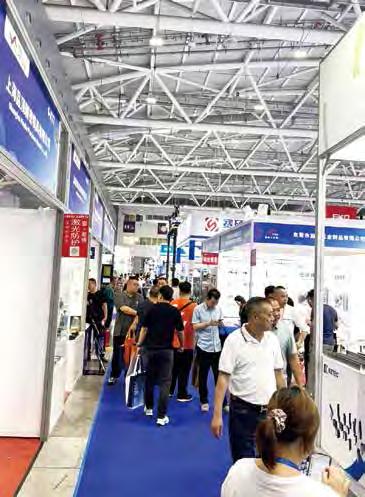
Compared to larger, internationally oriented trade shows such as those in Shanghai, Shenzhen International Fastener Exhibition 2026 remained essentially a regional fastener trade show. The overall scale of the event was relatively small, and since related exhibitions—including those for metal forming machine tools, metal cutting machine tools, robotics, factory automation, and smart electronics manufacturing—were held concurrently at the same venue, the exhibitors and visiting buyers were quite diverse, with most coming from industrial sectors such as 3C electronics, automotive, telecommunications, precision parts
manufacturing, machine tools, mechanical equipment, molds, medical devices, new energy, eyewear, and robotics—not limited solely to the fastener sector. During the exhibition, several thematic forums were also held to share the latest research findings, application cases, cutting-edge technologies, and market trends in precision manufacturing and medical devices.
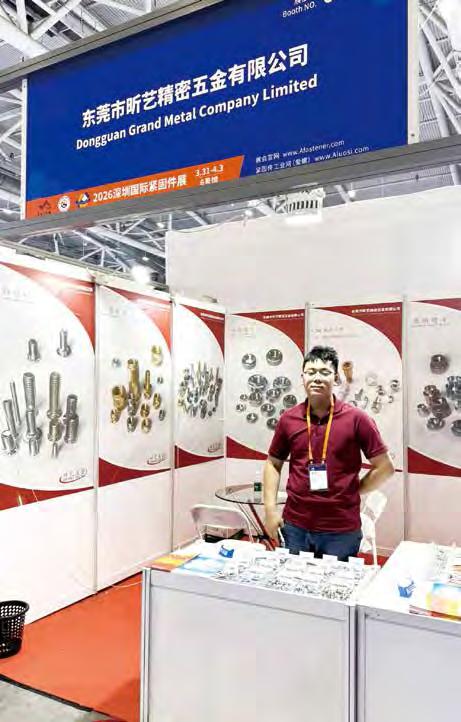
According to the on-site observations by Fastener World’s staff, exhibitors in the fastener zone were primarily from the fields of fastening technology processing, welding, and stamping. Taiwanese-invested Zhejiang Yeswin Machinery was also present this year to showcase their fastener manufacturing equipment. However, since the event was held concurrently with other trade shows, buyers who came solely to purchase fasteners were in the minority. Most of the visitors were domestic Chinese buyers. Companies with a broader focus on cross-industry collaboration in areas such as high-precision machining and smart automation may have more opportunities to secure orders or deepen cooperation with local supply chains.
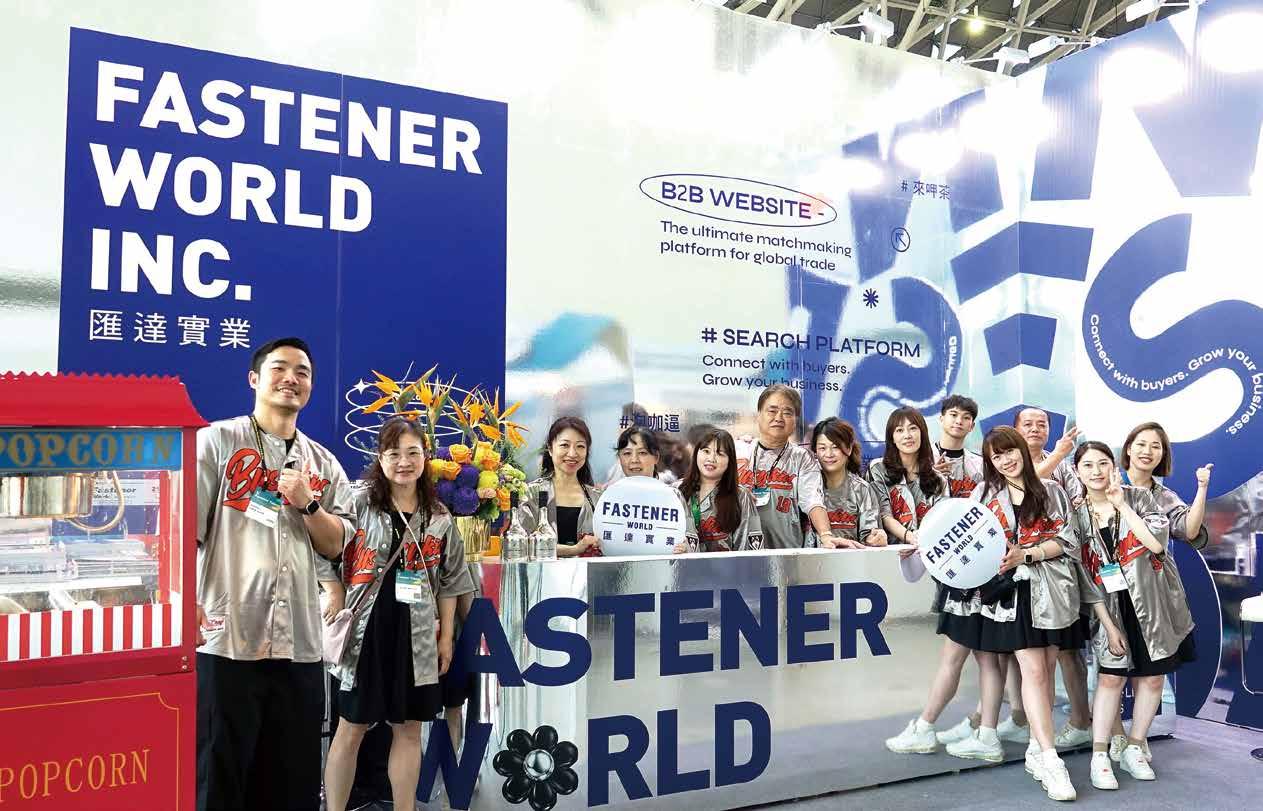




全球重要扣件產地展現
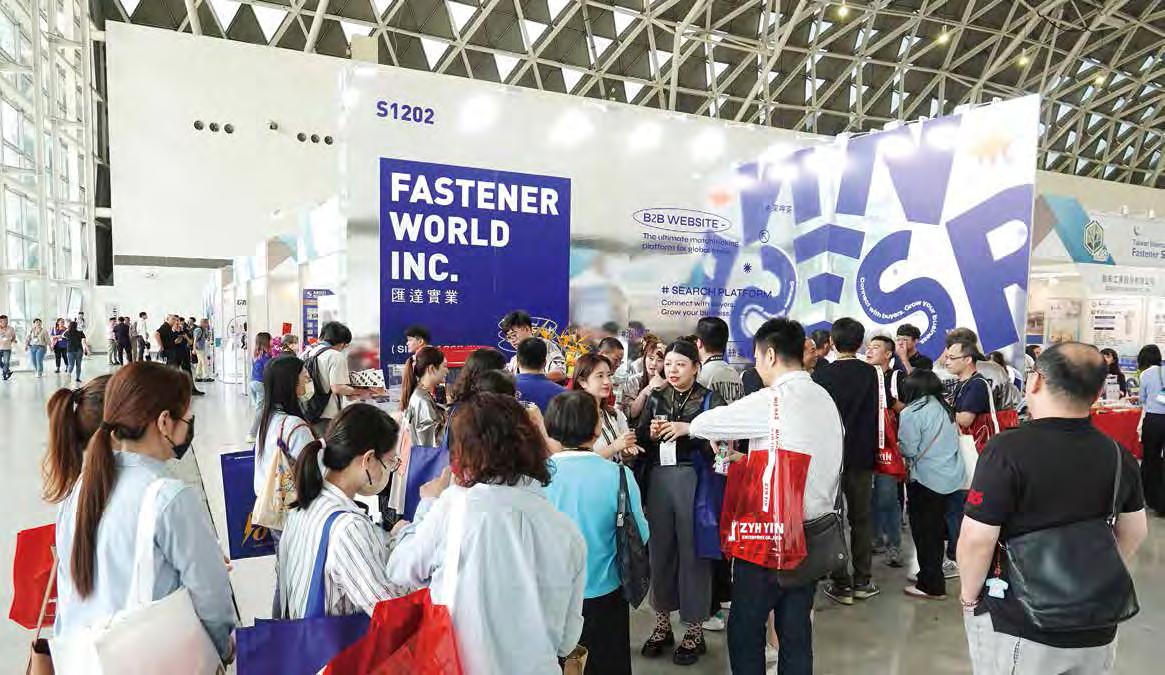
The biennially held significant industry event of Taiwan fastener industry, Taiwan International Fastener Show (Fastener Taiwan), took place from April 22 to 24 at Kaohsiung Exhibition Center. A total of 317 exhibitors from Taiwan, Germany, the UK, India, Japan, South Korea, Malaysia, Singapore, Thailand, the U.S., and Vietnam registered to exhibit, using 950 booths.
This year's exhibition was themed "Sustainable Fasteners, Precision in Action!" The South Hall mainly featured fastener products, while the North Hall gathered many fastener-related machinery & equipment manufacturers. There were also designated areas for molds & dies, hand tools, raw materials, foreign suppliers, and a brand-new green sustainability zone. It not only fully showcased the globally renowned, integrated supply chain of Taiwan's fastener industry, from raw materials to shipment, but also served as a platform for domestic and international


fastener-related procurement and distribution companies to gather firsthand information on the latest technologies and industry insights regarding finished and semi-finished fastener products, machinery & equipment, molds & dies, and related peripheral services.
According to the organizer, the number of international buyers visiting this year increased by 55% compared to the previous edition. During the three-day exhibition, Fastener World’s booth primarily encountered buyers and distributors from Europe, America, Canada, Japan, South Korea, India, Southeast Asia, and Latin America. Most of these buyers have long-standing and stable purchasing experience and cooperative relationships with the Taiwanese supply chain, and some even have purchasing representatives based in Taiwan. The items inquired about mainly consisted of various fastening parts for construction, automotive, and industrial applications. Several buyers also sought information on suppliers of secondary processing machinery & equipment or surface treatment services.
“The Procurement Policy and Market Briefing: Europe Focus" was one of the highlights of the exhibition, featuring keynote speeches by Andreas Bertaggia, President of EFDA; Gary Henderson, President of BIAFD; and Dr. Volker Lederer, President of FDS, on EU regulations, fastener opportunities,
and challenges for fastener distributors. In addition, “Global Fastener Forum”, focusing on the competitiveness of Taiwan's fastener industry over the next decade, provided insights from industry and academia experts on policy changes, market shifts, and industrial upgrade, allowing attendees to better understand and explore future development opportunities for Taiwan's fastener industry.
In recent years, Taiwan's fastener industry has faced various challenges in its exports due to numerous internal and external factors, including wars, EU's CBAM, US tariffs, rising operating costs, and related geopolitical issues. Therefore, many exhibitors hoped to use this exhibition as an opportunity for overseas buyers to gain a firsthand understanding of the current development of Taiwan's fastener production base, actively showcasing the unique industrial cluster characteristics, highvalue products, advanced technology, and excellent customer service advantages of Taiwan's fastener industry within the global supply chain. Many visitors also told Fastener World’s staff on-site that Taiwanese suppliers are indispensable partners, consistently providing strong support for customers' sustainable growth at crucial moments. Some domestic exhibitors also expressed that Taiwan is a globally important fastener production base, hoping to use this exhibition as a platform to attract overseas customers and deepen Taiwan's connection with the global industrial supply chain.

The US-Israel-Iran conflict erupted in February 2026, with US-Iran negotiations repeatedly breaking down through April. This has placed the Strait of Hormuz—the chokepoint of the Persian Gulf—under intense tension and maritime blockade. The strait handles about 20% of global oil and liquified natural gas shipments, sparking a chain reaction of rising oil prices. Market fears of supply disruptions persist, driving up shipping insurance premiums sharply. Vessels are rerouting around the Cape of Good Hope to avoid high-risk areas, extending Asia-to-Europe voyages by 10 to 15 days. This has significantly increased global logistics costs and delivery uncertainties.
For Taiwan's export-dependent fastener industry, where shipments to Europe account for 31.7%, the impact goes beyond energy price hikes. It extends to transportation costs and supply stability, affecting global clients in construction and automotive sectors. Rising freight rates and delays directly erode competitiveness, while higher energy prices pass on to manufacturing via elevated steel raw material costs. Accordingly, this article examines the conflict's effects and shifts on the fastener industry from the perspectives of energy, transportation, and markets.


Amid escalating US-Israel-Iran tensions and heightened risks in the Strait of Hormuz, the global energy and logistics systems face structural shocks. These trigger multiple chain reactions: surging energy prices, higher sea freight costs, war risk insurance premiums, supply chain imbalances, and industry cost restructuring. Steel production, which is highly energyintensive, will see sharp increases in refining, electricity, and processing costs—further passed on to downstream metal products like fasteners. On the transportation front, Middle East instability and risks around Hormuz shipping lanes have prompted carriers to reroute via Africa's Cape of Good Hope. This drives up Bunker Adjustment Factor (BAF) surcharges and freight rates, with Europe routes hit hardest. War Risk Premiums (WRP) are climbing, and shippers are reducing sailings in highrisk zones, squeezing capacity. This leads to empty container imbalances, port congestion, and systemic delays in global logistics timelines—especially detrimental for "low-value, high-

weight" fastener products. When freight costs surge to near or exceed cargo value, pricing becomes a dilemma, risking order losses or declining market competitiveness.
Table 1 shows Taiwan's fastener export to global regions from 2020 to 2025. Unstable sailings and delays force firms to build safety stock, heightening financial pressure and operational risks amid rising global supply chain uncertainty. As the table shows, Europe has held over 30% market share (31.7% in 2025), making it Taiwan's second-largest export market after North America. Under this structure, volatility in Europe route costs and timelines directly hits export performance. Meanwhile, though North America leads (46.9% in 2025), Europe's stability in industrial and high-end manufacturing demand, plus tariff policies, keeps it a key pillar for Taiwan's fastener industry.
Table 1. Taiwan's Fastener Export to Global Regions, 2020–2025

Table 2 is the ranking of fastener imports by middle eastern countries from global sources, 2021–2025. The table highlights major importers concentrated in Turkey, Saudi Arabia, and the UAE, with significant compound annual growth rates (CAGR) in import volumes and momentum. Turkey's imports grew from USD 539 million in 2021 to USD 727 million in 2025, underscoring its strengthening role as a regional manufacturing and transshipment
hub. Saudi Arabia and the UAE showed steady growth, with Saudi Arabia's CAGR reaching 21.2% from 2021 to 2025— reflecting expanding infrastructure and industrial investments. In contrast, belligerents Israel and Iran have modest overall fastener imports. Israel's volumes remain stable at around $180 million, while Iran's are chronically low and constrained by sanctions and domestic economics, at just USD78 million.

However, after the war outbreak, demand structures will "diverge and redirect." On the raw materials side, steel wire rod—the core input for fastener production—has seen prices rise across the board with energy costs. This shift will push Middle Eastern countries, when importing fasteners, from pure price focus to prioritizing supply stability and long-term partnerships. For high-import nations like Saudi Arabia and the UAE, ensuring uninterrupted raw materials and finished fastener supplies becomes paramount.
Countries directly involved in or impacted by the conflict will see short-term volatility and structural changes. During wartime, Israel's long-standing state of readiness drives surges in demand for high-strength fasteners, specialty alloy precision fasteners for defense aerospace, missile defense systems, and communications maintenance. Israel prioritizes military and infrastructure repairs,
potentially boosting needs for high-strength and high-spec fasteners, though civilian construction and consumer demand may soften. Iran focuses on standard parts for energy facilities and heavy industry but faces curbs from sanctions and forex limits; the war will further suppress imports, possibly shifting to regional or informal trade channels for fasteners and supplies. Post-ceasefire reconstruction will pivot demand toward construction fasteners for civilian infrastructure and rebuilding. Israel, with ongoing smart city and defense projects, will see rebounds in construction and electronic hardware needs. Iran will face massive demands for standardized screws and nuts in energy pipelines and power grid rebuilds.
For non-combatants with economic clout like Saudi Arabia and the UAE, the war may spur "alternative supply chains" and "infrastructure fortification" demand. Clients may stockpile more fasteners and hardware to reduce reliance on conflict zones; rising regional security risks could accelerate government domestic construction and industrial investments, boosting mid- to long-term needs. Turkey stands to benefit from supply chain reconfiguration, leveraging its geography and manufacturing prowess as a Eurasian transshipment hub and alternative supplier, expanding its import and re-export scale.
Table 3 is the top 20 European fastener importing countries and their trends, 2021–2025. In 2025, the total import value was about 50.4 billion US dollars, reflecting that Europe, as a mature industrial market, still maintains resilient underlying demand. Germany has long remained the largest importer, reaching 4.858 billion dollars in 2025, accounting for 9.6% of the total, which highlights the stable demand from its automotive and machinery
manufacturing sectors for fasteners. France, the UK, and Poland also show steady growth, indicating that the core European industrial base continues to sustain a certain level of production momentum. However, some countries such as Italy and Russia have experienced declines (Italy: -1.2%, Russia: -2.6%), suggesting that regional economic and geopolitical factors are already clearly affecting the demand structure.
(Unit: USD 100 Million)
Before the war, European market demand was mainly driven by manufacturing cycles and infrastructure investment, with fasteners primarily used in the automotive, machinery equipment, and construction sectors; demand was relatively stable and predictable. Yet,
the outbreak of the Middle East conflict has made energy prices rise and supply chain uncertainty grow, leading to differentiated impacts across European countries. First, for manufacturing oriented countries such as Germany and France, rising energy costs directly squeeze industrial profit margins, which may slow down some manufacturing activities and thereby restrain short term fastener demand. Nevertheless, in order to maintain supply chain security and production stability, firms may also increase inventory levels, creating “precautionary procurement” demand, which provides short term support for fastener import volumes.
Second, in recent years some European industrial countries have shown relatively high compound annual growth rates (for example, Spain +6.8%, the Netherlands +4.8%, Poland +4.0%), indicating their gradually rising role within European supply chains. After the conflict, as European companies push “nearshoring” strategies, these economies may receive more manufacturing transfers and assembly activities, thereby driving medium‑ to long‑term growth in fastener demand and becoming an important source of future market expansion. Moreover, the energy crisis may also encourage Europe to accelerate investments in infrastructure and energy transition, including renewable‑energy facilities, grid construction, and defense projects; these sectors require higher‑specification fasteners, which is expected to drive product mix upgrade. In contrast, Southern European countries such as Italy and some smaller markets, which are more affected by energy prices and economic pressure, may exhibit more conservative demand growth.
In summary, the Hormuz Strait blockade triggered by the US–Israel–Iran war has injected significant uncertainty into the global supply chain. This geopolitical storm is no longer confined to Middle East instability; through chain reactions in energy, transportation, and market demand, it has posed a serious challenge to Taiwan’s export‑oriented fastener industry. Taiwan’s fastener sector is now caught between “rising cost pressures” and “intensifying competition,” a trend that tests manufacturers’ ability to reallocate capacity between precision and standard fasteners and to adapt to differentiated demand developments across different countries.
Rising steel‑wire costs and supply risks have become the most direct burden on fastener manufacturers. The industry generally recognizes wire rods as the lifeline, yet under the US–Israel–Iran war’s upward pressure on international oil prices and electricity costs, steel wire rod—the core input for fastener production—has seen its price rise across the
board. Recently, Taiwan SCS’s April price has already been raised by 1,000 to 1,200 New Taiwan dollars per metric ton; and according to the agreements reached at the pricing conference, there is market consensus that another 1,000–2,000 NT dollars per metric ton additional increase is expected. This pass‑through of energy costs into raw‑material prices directly squeezes profit margins at the manufacturing level. While demand in the Middle East and European markets is becoming structurally divergent due to inflation, Taiwanese fastener producers must also withstand low price competition pressure from other regional competitors. This is undoubtedly testing the resilience of Taiwan’s fastener industry. Looking ahead, Taiwan’s fastener sector can no longer remain in a passive posture of merely reacting to cost increases. In the face of increasingly frequent geopolitical conflicts and an unstable global trade environment, the key to industry survival will lie in turning crisis into opportunity—by seeking breakthroughs through process optimization, product value‑added upgrade, and strategic adjustments to supply chain deployment. In the next article, I will further explore how Taiwanese fastener makers can evolve and transform amid the US–Israel–Iran conflict,” continuing the analysis of how Taiwan fastener industry can respond to the shortening and localization of global supply chains, diversify markets, seize industrial momentum, and eventually restructure its market position to achieve structural upgrade and fundamental transformation.
Copyright owned by Fastener World / Article by Arthur Hsu Data Source: Compiled by this study


Driven by regulations and improved infrastructure, the European automotive market (including the EU, UK, and EFTA countries) is undergoing a dramatic transformation in its powertrain structure in 2025. Of the total 13.27 million vehicles sold, battery electric vehicles (BEVs) stand out with 2.309 million units sold, representing a significant 29.7% increase compared to 2024 and becoming the fastestgrowing vehicle type in terms of sales. Compared to five years ago, the BEV market has expanded approximately 3.5 times, reflecting the rapidly increasing acceptance of zero-emission vehicles among European consumers.
In terms of brand competition, the market landscape has seen a significant reversal. VW's pure electric vehicle sales increased by 56% year-on-year to 274,000 units, while Tesla's sales declined by 27% to 238,000 units. This shift in brand leadership indicates that traditional European automakers are beginning to see success in their electrification transformation. Furthermore, VW demonstrated explosive growth in the plug-in hybrid electric vehicle (PHEV) market, with sales more than doubling, further consolidating its influence in the new energy vehicle market.
From a geographical perspective, the European automotive market exhibits a clear structure. Germany, the UK, and France remain the core of market consumption, with these three countries accounting for 6.51 million vehicles sold, roughly half of all European sales. Nordic countries continue to lead in penetration rates, with Norway nearly completing its electrification transition with a pure electric vehicle penetration rate of almost 96%. The Netherlands and Denmark also maintain high penetration rates. In contrast, Southern European countries such as Spain and Italy, as well as Central and Eastern European countries, while having smaller sales volumes, demonstrate stable growth potential. Figure 1 shows the automotive sales volume of major European countries in 2025; Figure 2 shows the sales share of major European automakers in 2025, with leading automaker VW holding a market share of 26.9%.
Figure 3 shows the types and market share of automobile sales in Europe in 2025. Notably, hybrid electric vehicles (HEVs) have become the absolute mainstay of the European new energy vehicle market, with sales reaching 4.578 million units in 2025 (accounting for 34.5% of the market), approximately 3.7 times that of plug-in hybrid electric vehicles. HEVs, with their advantages of no range anxiety and pricing, are extremely popular in price-sensitive markets such as Southern Europe and Poland, with penetration rates generally exceeding 40%, making them the preferred alternative to traditional gasoline vehicles. With the full penetration of new energy vehicles, the traditional gasoline vehicle market is facing an irreversible decline, with gasoline vehicle sales continuing to fall and diesel vehicle sales declining by nearly two-thirds compared to 2020, indicating that the European car market has officially entered a new era of low-carbon emissions.
BEV market share climbed alongside surging volumes, delivering robust performance even amid slight overall market fluctuations. From January to February 2026, BEVs captured 18.8% share in the EU—up sharply from 15.2% the prior year—with February sales alone jumping 20.6% to 158,280 units. BEV sales growth was strong across Europe: Germany +28.7%, France +27.8%, Denmark +26.1%. Italy's BEV sales skyrocketed 81.3% in a single month, signaling rapidly rising local acceptance and demand.
In individual manufacturer performance, China's BYD and U.S.-based Tesla posted impressive gains. BYD led growth as the largest brand with a 179% surge to 29,291 units in the first two months of 2026, while Tesla rose 17% to 20,941 units. By contrast, brands like Volvo, Ford, Suzuki, and Mitsubishi grappled with sales declines over the same period.
2025 was a year of dramatic shifts for Europe's auto industry. According to the latest annual data from the European Automobile Manufacturers' Association (ACEA), new car registrations edged up 2.4% from 2024. Yet the real story lies in powertrain upheaval: BEVs surpassed traditional gasoline vehicles in December's monthly market share, sending a clear signal of shifting consumer buying habits toward electrification.
2025 annual sales highlighted electrification's momentum, with BEVs growing 29.7% yearover-year. December was pivotal: BEVs claimed 22.6% share, edging out gasoline's 22.5%. PHEVs also grew sharply, up 33.4% to 1.27 million units for the year, thanks to mature tech and longer pure-electric range—taking over diesel's role as a preferred option.
Other automakers, 13.3%
2.3%
2.5%
HEVs include mild hybrids (MHEVs), which saw 12.4% annual growth and held the top market share, overtaking gasoline for the first time in total sales. ACEA's broad "Hybrid Electric" category encompasses many mild hybrids, which still heavily rely on internal combustion engines with electric motors in auxiliary roles. If we view "pure gasoline" and "hybrids" as a broad ICE ecosystem, engines retain over 60% dominance in Europe. This reflects consumer hesitation toward full electrification, favoring "electrified fuel vehicles" as the steadiest transition path.
Behind Europe’s electric vehicle boom, European automakers are feeling unprecedented pressure from the growing presence of leading Chinese EV brands and evolving policy directions. In Europe, roughly one in every ten new cars sold is now a Chinese brand such as MG or BYD. Chinese manufacturers, leveraging their vertically integrated advantages in the battery supply chain, are steadily carving into Europe’s mid to low end electric vehicle market.
Chinese

Europe has implemented stricter carbon - dioxide emission standards, and the EU now operates the world’s most stringent fleet - emission rules—making this the core structural driver behind EV- market growth. In response to slowing EV demand and industrial pressure, the EU revised its carbon-reduction regulations at the end of 2025, easing the 2035 zero - emission -new- car target to a 90% reduction in tailpipe emissions. Under the revised rules, vehicles using synthetic fuels (e -fuels) or biofuels can still be sold. This adjustment aims to balance green transition with the competitiveness of traditional auto industries in countries such as Germany and Italy, while also reducing dependence on imported Chinese EVs and shifting toward a “multi technology” development strategy.
Core elements of EU CO2- emission rules: (1) 2035 new-car target adjustment: The EU proposes that average CO2 emissions for new passenger cars in 2035 should be reduced by 90% compared with 2021 levels, rather than 100%. The remaining 10% can be offset via synthetic e-fuels, biofuels, or low-carbon steel. (2) Transition-period targets (2025–2030): The EU has introduced flexibility for 2025–2027, allowing manufacturers to meet targets based on a three-year average and temporarily easing penalties to support investment capacity. By 2030, new cars must cut CO2 emissions by 55% versus 2021, while light commercial vehicles face a 40% reduction target.
Between 2025 and 2029, manufacturers must reduce CO 2 emissions by 15% per kilometer compared with 2021; by 2030 this drops to 55%, and by 2035 to 100%. These phased-in rules are pushing OEMs to accelerate BEV launches and actively drive growth in Europe’s electric-vehicle market.
In 2025, Europe’s electric-vehicle market exhibited several positive trends, especially in policy support, consumer demand, technological innovation, and market- structure changes: (1) Green-transition pull: To achieve climate -neutrality goals, EU member states have strongly promoted new energy vehicles through measures such as the EU Battery Regulation and the EU Emissions Trading System (ETS). These policies provide multiple forms of support, lower operating costs, raise industry standards, and push the entire sector toward low-carbon, environmentally friendly production. (2) Transparent regulatory framework: The EU has a mature set of rules covering vehicle safety and environmental performance (for example, REACH and ELV),
which both encourage technological upgrade and competition and help raise product-quality and safety standards—thereby offering greater reliability for consumers. (3) Fiscal incentives and subsidies: Governments of multiple countries have introduced purchase subsidies, tax benefits, and low-interest loans to encourage EV adoption. These incentives help quickly expand market scale and simultaneously support the development and refinement of local EV supply chains.
Germany (resumed subsidies): Starting 1 January 2026, Germany plans to allocate 3 billion euros for a new round of subsidies. The maximum per vehicle subsidy is 6,000 euros, with amounts tiered according to household income and size. Spain (enhanced assistance): In 2026, Spain will invest 700 million euros, of which 400 million euros will be earmarked for purchase subsidies. The maximum subsidy per vehicle can reach 7,000 euros. France and the UK (protectionism and ESG standards): France has introduced a “social leasing” scheme under which subsidy conditions are tied to the carbon footprint of the traction battery, effectively excluding non-European-manufactured vehicles. The UK has implemented the Zero-Emission Vehicle (ZEV) Mandate, which requires manufacturers to achieve specific minimum proportions of electric-vehicle sales, supported by tax-relief measures.
This relatively mild overall growth is driven less by a broad expansion in total sales and more by the ongoing shift of consumers toward electric vehicles. As subsidy policies in major European countries take effect, and as more affordable EV models enter the market, the performance gap between different powertrain types becomes increasingly clear. In 2025, Germany’s new subsidy scheme for middle and low income buyers successfully boosted plug in models (including PHEVs and BEVs), driving their sales up by 27%. In France, pure electric vehicle demand grew by 28% despite an otherwise weak market.
Chinese manufacturers achieved a record 12.8% share of the European electric - vehicle market in November 2025, expanding influence in Europe despite ongoing EU - imposed tariffs. Chinese brands have continued to expand their influence in the region. According to Dataforce, Chinese brands’ share of the European hybrid - electric vehicle market has risen above 13%. Leading the charge are BYD and SAIC (MG), along with new entrants such as Chery and Leapmotor, all of which aggressively expanded into Europe in 2025. China’s domestic overcapacity in EV production has become a key driver of these export-led offensives, helping manufacturers escape intense price competition at home.
Chinese OEMs have largely absorbed the extra tariffs that the EU imposed on Chinese EVs at the end of 2024, while also targeting segments and markets less affected by these duties—such as hybrid and PHEV models, and non-EU countries like the UK. According to Jato Dynamics, Leapmotor’s EV sales in Europe surged by more than 4,000% year-on-year through October, driven largely by its joint venture with Stellantis. In the same period, Chery’s Omoda-branded EVs grew by 1,100%. In the first two months of 2026, battery EV and plug-in hybrids together accounted for more than one-third of total European car sales, driven by new models such as the Renault R5, Škoda Elroq, and BYD Dolphin. Chinese brands are gradually expanding their share; in February alone, BYD and SAIC’s MG brand together sold 40,314 units, equivalent to about 4% of the overall market. Notably, BYD’s sales more than doubled (+162%), while MG’s rose 12%, and both brands outpaced Tesla that month.
As Chinese automakers sell more EVs in Europe, local manufacturers are scrambling to keep pace, even as they lobby to soften the timeline for phasing - out traditional internal-combustion-engine vehicles. To protect Europe’s automotive industry and avoid disruption during the energy transition, EU-member states have proposed abandoning the 2035 plan to ban new-fuel-vehicle sales.
The European EV industry is at a critical juncture, undergoing a transition from internal-combustion engines while facing intense low-price competition from China and recalibrating subsidy policies. Leading OEMs such as Volkswagen, BMW, and Mercedes-Benz are emphasizing localized production and working to increase their in - house battery- supply share. At present, these manufacturers are pursuing both hybrid and pure- electric development strategies in parallel, with key components focused on high - efficiency motors, powertrain systems, and a European-based battery supply chain—such as Northvolt. Volkswagen is aggressively advancing its electrification via the VW SSP (Scalable Systems Platform), while other traditional automakers are accelerating investments in EV platforms such as Audi PPE and Mercedes MMA. To meet localization requirements, the EU is considering rules that would require at least 70% of components to be manufactured within the bloc for an EV to qualify for subsidies. This is intended to counter the impact of low - cost Chinese EV imports.
In 2026, 71.4% of the EV traction batteries used by European automakers originate in Asia, highlighting one of the biggest obstacles in Europe’s transition: excessive dependence on Asian battery suppliers. Even though investments in local “gigafactories” are under way, the EU still relies heavily on imported battery cells from CATL (China), LG Energy Solution (S. Korea), and Panasonic, among others. This supply-chain dependence remains a key constraint on achieving sustainable, robust growth in the EV market.
By component type, the market is segmented into traction batteries and high -voltage components, electric motors, braking systems, wheels and suspension, body and chassis, and low-voltage electrical components. Trends include expanding new battery- cell factories, greater vertical integration (cell → module → pack), adoption of structural or CTB (cell-to -body) designs that reduce components and weight, the development of recycling and second-life ecosystems to lower material costs, and chemistry innovations aimed at improving performance and longevity in this segment.
Affected by electrification, weak demand, and intensifying import competition from Chinese automakers, the European automotive parts industry is in a period of deep structural crisis and restructuring between 2025 and 2026. Companies are facing sharply reduced profitability and large-scale layoffs, and the market is increasingly showing a “survival-of-the-fittest” pattern. Declining demand for traditional internal-combustion components is forcing suppliers to refocus on technology upgrade, asset divestment, and core EV components. Below is a brief overview of the industry’s current situation and direction.
Weakened profitability: European suppliers such as Bosch and Valeo have seen profitability decline, due to weaker demand, high production costs, and heavy transition investments. The surge in Chinese imports has already led Europe to register a trade deficit in “new mobility components”—including traction batteries—whose import value and dependence on China have risen clearly in 2025. Mass layoffs: Over the past two years, more than 100,000 jobs have been cut across the European automotive supply chain, and competition is expected to intensify further in 2026.
The market’s focus is shifting from traditional ICE components toward software - defined vehicles, automated-driving systems, and core EV components. M&A and consolidation are on the rise, as companies seek access to key technologies or streamline assets by divesting non- core businesses.
Supply-chain resilience has become a priority, especially after the impact of the Russia–Ukraine war on raw-material supply. Companies are striving to increase supply chain autonomy.
Europe remains a major global automotive aftermarket, particularly for mature component categories. The EU-wide “E -Mark” certification system (based on ECE regulations) imposes high quality and safety standards, which create a barrier to entry for lower- quality suppliers. European consumers are generally receptive to high-quality aftermarket parts, offering opportunities for high quality component manufacturers.
For example, ZF has terminated loss-making EV projects, while Bosch is reorganizing its structure to cope with low-margin environments. Large OEM-suppliers are actively investing in EV powertrain systems, ADAS and other advanced safety components to increase their market shares. Overall, the European automotive parts industry is in a painful but necessary transition from a traditional ICE - centric model to a future-oriented, EV-driven ecosystem. Only suppliers with strong core EV-component capabilities are likely to survive and thrive in the next stage of competition.
Copyright owned by Fastener World / Article by James Hsiao
Copyright owned by Fastener World / Article by Behrooz Lotfian

The French home improvement market in 2025 is going through a selective contraction rather than a uniform decline. While the broader DIY sector remains under pressure, fastening-related categories—especially screws, anchors, cordless drivers, drill systems, insulation fixings, and mounting accessories—are proving structurally more resilient.
The core reason is simple: decorative projects can be postponed, but fastening-dependent work tied to repair, compliance, energy savings, and space optimization cannot.
The latest market data shows that France’s total DIY and gardening market reached €32.5 billion in 2025, down 2.7% year over year, with €24.2 billion attributable to DIY alone.
This is not a healthy expansion market. But within this pressured environment, fastening tools are outperforming large-ticket discretionary tool categories because they remain essential to execution.
The French DIY market’s weakness is measurable.
Recent 2025 market tracking shows:
• DIY revenue: €24.2 billion
• Total DIY + gardening: €32.5 billion
• Overall market decline: -2.7%
• DIY-only decline: -3.2%
• DIY store channel share: 62%
A second 2025 market study (that is focused on rolling panel / tracked subset / sample channel study through July 2025) confirms the pressure, showing that on a 12-month rolling basis through July 2025:
• DIY revenue reached €1.4 billion
• Value declined 5.2%
• Volume declined 4.7%
This is the first strategic reality: French consumers are spending less on broad DIY, but not evenly across all categories.
The same study reveals that:
• Tool sales fell 16.7%
• DIY decoration fell 21.1%
• Lighting declined 6.4%
At first glance this may look negative for fastening tools. That would be the wrong conclusion. The decline is concentrated in general-purpose, postponable, and non-urgent tools, not in fastening systems linked to active projects.
Fastening demand follows a fundamentally different purchase logic from discretionary tool categories.
In a weaker consumer environment, homeowners often postpone products that are linked to aspiration, convenience, or non-essential upgrades. Premium cutting tools, decorative systems, and workshop equipment are easy to delay because the project itself can be deferred.
Fastening-related demand behaves differently because it is tied not to aspiration, but to project completion.
The moment a household decides to execute even a small task— whether improving storage, reinforcing existing fixtures, repairing moisture damage, upgrading insulation, or adapting living space—the fastening component becomes unavoidable. The project may shrink in scope, but it still requires execution hardware. This creates a demand structure with far lower postponement elasticity than general tools.
The 2025 market data supports this distinction. While general tool sales declined sharply, the adjacent DIY accessories and materials segment still grew by 1.6%, indicating that consumable and installationlinked purchases remained active despite broader market caution.
This does not isolate fastening products as a standalone reported category, but it is a strong directional signal. Commercially, fastening demand sits closer to installation materials, repair consumables, and project-enabling accessories than to large one-time tool purchases.
Its resilience is strengthened by several economic advantages:
• lower average transaction value
• frequent replenishment cycles
• urgency driven by active repairs
• recurring demand from professional trades
• efficient digital reordering behavior
• direct linkage to energy retrofit and compliance work
The result is a segment that remains supported even when overall DIY budgets contract. So, the real 2025 story in France is not that consumers are buying more tools. It is that when any repair, retrofit, or optimization project moves forward, fastening demand is one of the last expenditures to be cut.





The most important 2025 consumer statistic is behavioral.
A January 2025 survey found that:
• 72% of French consumers changed their DIY spending habits
• 29% avoided new tool purchases
• 26% postponed projects
• 18% waited for promotions
• yet 58% still completed at least one home-improvement task every month
This reveals an important market reality: the French DIY market is losing basket value faster than it is losing project activity. In other words, households are still improving their homes, but they are doing so through smaller, more functional, and more phased interventions. Instead of full-room remodelling, consumers are increasingly:
• reducing project scope
• splitting upgrades into phases
• repairing instead of replacing
• optimizing storage and workspace
• improving safety and sealing
• adapting smaller living spaces
This shift is consistent with broader national project preferences. Home decor remains the most popular homeimprovement activity in France among surveyed households, while functional interior upgrades continue to rank highly.
In parallel, 24% of households renovate specifically to reduce energy bills, and 60% actively consider eco-renovation projects, reinforcing the move toward smaller but executionheavy upgrades such as mounted insulation, sealing systems, wall-mounted storage, and space-optimization fixtures.
Although no public 2025 dataset isolates each micro-task individually, these broader behavioral indicators strongly support the rise of fastening-intensive micro-renovation activity.

This is the strongest non-cyclical demand driver. French households are increasingly renovating to reduce energy bills.
Consumer data shows:
• 24% of French people renovate specifically to reduce energy bills
• 60% consider eco-renovation projects
That number is highly relevant for fastening tools because eco-renovation is mechanically fastening-heavy. As of 2025, approximately 3.9 million French homes are classified F or G energy rating, representing 12.7% of primary residences, and many are entering forced renovation cycles. This creates durable demand for fasteners and related tools.
One of the most underappreciated 2025 statistics is online channel growth. In France:
• 5.3% of DIY sales are now online
That may sound small, but fastening categories are naturally over-indexed online in france. The winners in 2025 are not necessarily the brands with most shelf space, but the ones with the best digital discoverability architecture.
Another major behavioral shift is access over ownership. The 2025 French market shows:
• 60% of consumers are ready to rent tools in the next six months
• This is 7 percent in two years
This is especially relevant in urban apartments, where smaller and more modular spaces often require more fixing points per square meter as households add vertical storage, foldable workspaces, safety fixtures, and sealing improvements.
As a result, even when total DIY spending declines, fastening unit demand can remain stable—or in certain subcategories, increase—because project execution continues at a high frequency.
This matters because it changes demand composition. Instead of premium one-time purchases, the market shifts toward consumable fastening accessories. So, it may cause tool ownership to weaken, while fastening attachment sales often stay healthy.
Retail DIY data alone materially understates the true fastening opportunity in France. A significant share of category resilience is supported by professional trades, where demand patterns are driven less by consumer sentiment and more by the non-deferrable nature of repair, compliance, and maintenance work.
Unlike discretionary retail purchases, professional fastening consumption is linked to operational necessity. Water leak interventions require immediate execution, electrical safety upgrades are compliance-driven, facade failures introduce legal and insurance liability, and insulation retrofits are increasingly shaped by regulatory pressure and energy-efficiency mandates. In addition, kitchen and bathroom replacement cycles continue irrespective of short-term consumer caution, sustaining recurring installation demand.
As a result, even in periods when households postpone aspirational or decorative projects, professional contractors continue to procure fastening systems and associated installation hardware at relatively stable rates. This includes hightorque driving platforms, collated installation systems, concrete anchoring solutions, metal framing kits, roofing fixings, corrosion-resistant exterior applications, and structuralgrade connection systems.
This professional weighting helps explain why fasteningrelated demand typically declines less sharply than the broader retail tool segment, which recorded a 16.7% contraction in 2025. The underlying demand driver is shifting away from ownership-led DIY purchasing and toward execution-led professional consumption, where the economic priority is speed, reliability, compliance, and labor efficiency.
The French home improvement and fastening tool market in 2025 should not be understood as a growth cycle, but as a selective demand environment shaped by necessity, regulation, and execution behavior. While the broader DIY market remains under pressure, the underlying structure of demand is becoming more functional and less discretionary. Key market indicators highlight this shift clearly: the total French DIY and gardening market stands at approximately €32.5 billion, with the core DIY segment at €24.2 billion. At the same time, general tool categories are experiencing a decline of approximately 16.7%, while only a small portion of the market, such as online sales (5.3%), shows structural expansion. Consumer behavior further confirms this transition, with 72% of households reporting changes in DIY spending patterns, 60% indicating openness to tool rental, and 24% prioritizing energy-related renovations. In parallel, approximately 3.9 million French homes remain classified as energy inefficient, sustaining long-term retrofit demand. Taken together, these indicators point to a clear strategic conclusion. France is not exiting home improvement activity; it is rebalancing it. Discretionary and “nice-to-have” tool purchases are being delayed, while execution-critical categories tied to repair, safety, energy efficiency, and space optimization continue to move forward. In this environment, fastening systems occupy a structurally advantaged position. They are not dependent on project ambition, but on project completion. This makes the fastening category one of the most resilient and defensible segments within the French home improvement ecosystem in 2025, particularly in professional and energy-retrofit-driven applications.
1https://www.diyinternational.com/content/news/2026/02/12/plus/diy-and-gardening-market-in-france-declines-by-2-7-per-cent.html
2https://www.diyinternational.com/content/news/2026/02/12/plus/diy-and-gardening-market-in-france-declines-by-2-7-per-cent.html
3https://www.intotheminds.com/blog/en/diy-market-study-france/ 4https://www.statista.com/topics/6968/diy-and-home-improvement-market-in-france/
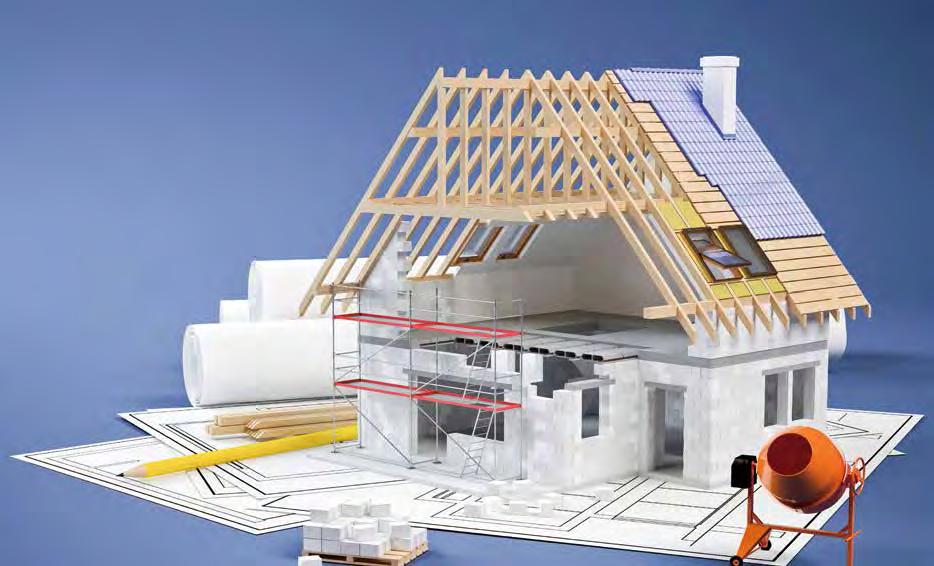
After more than a decade of structural underbuilding in the United States, the housing market entered 2025 facing persistent supply constraints, affordability pressure, and demographic headwinds. Throughout 2025, housing starts — a key leading indicator — have remained below long-term trend levels, reflecting ongoing barriers rather than cyclical recovery. Even where there are pockets of improvement, structural factors such as financing costs, labor shortages, and regulatory hurdles are dampening the potential for a robust rebound.
Housing starts measure the number of new residential building projects that begin construction in a given period. They are reported monthly by the U.S. Census Bureau (in collaboration with the U.S. Department of Housing and Urban Development) and serve as a leading indicator for:
Builder confidence Homebuyer demand
Economic activity linked to jobs, materials, services, and household formation
A start indicates that builders have secured financing, permissions, and sufficient market confidence to break ground — but it does not mean a completed, saleable home yet exists. Completions typically occur months after the start, meaning the supply effect is lagged. The behavior of housing starts is critical because it reflects the decision point where expectation meets investment.
National Performance Relative to Trend
In 2025, housing starts did not accelerate toward historically robust levels. Instead, they hovered within a constrained range, demonstrating the same pattern evident since mid-2024.
Analyzing the annual data:
*Estimates for 2025 are drawn from data through Q3, extrapolated to approximate an annual range.

• Starts declined from 2023 to 2024.
• Single-family starts have stabilized but not expanded appreciably.
• Multi-family starts have compressed more sharply, dragging down the total figure.
This data shows that 2025 has been a year of modest activity — not recovery to pre-pandemic momentum and not the kind of surge that meaningfully shrinks the housing shortage.
Monthly Volatility Reflects Stagnation
When we look at specific months in 2025 (seasonally adjusted annual rate):
ahead of key policy zones
The repeated fluctuations within a narrow range (~1.24M–1.32M) indicate stagnation rather than a breakout trend.
Single-Family Starts
Single-family construction held up better in 2025. Stable demand — manifested in demographic needs and persistent affordability pressure — supported continued activity. Yet despite resilience, single-family starts did not accelerate rapidly enough to narrow the deep structural supply gap. This is significant because the U.S. has underbuilt single-family units relative to household formation for more than a decade, contributing to a nationwide shortage that hampers affordability and residential mobility.
Multi-family
Multi-family starts — apartments and multi-unit buildings — were more volatile.
Higher sensitivity to interest rates Greater capital cost pressures

Delayed absorption of completed inventory
As a result, 2025 saw multi-family starts frequently trailing single-family starts and failing to stabilize until late in the year. The combined effect is that total starts were weighed down by multi-family contraction.
It may seem dry to focus on starts instead of prices or sales, but starts reveal the capacity of the market to respond to need. Even modest shifts here can influence:
• Inventory levels
• Affordability
• Job creation
• Materials and logistics demand
Despite low existing inventory and high demand pressure, starts have not accelerated enough to materially change housing availability — a reflection of deeper structural constraints, not short-term market sentiment.
Mortgage rates are a powerful lever influencing housing demand — and, by extension, builder confidence. From 2023 to 2025:
reducing buyer traffic and delaying purchases. This in turn dampens builder confidence and slows new project initiations.
Thus, the “interest rate affordability demand starts” chain remained weak but intact throughout 2025.
A frequent misinterpretation is to assume that high housing starts directly translate to high available inventory.
In reality, starts need time to become completed, saleable housing units. In 2025, several metros reported comparatively higher inventories of unsold completed homes — the backlog of projects started in prior years — which reduced the urgency for builders to initiate new projects. This dynamic decouples starts from immediate improvements in inventory in the short term.
2025 economic projections indicated moderate growth, not boom conditions. For example:
• GDP expansion was forecast near ~1.7% in 2025 and similar in 2026.
• Consumer spending softened.
• Unemployment edged up slightly rather than tightening.
While rates declined modestly from their peaks, they remained elevated relative to the low-rate environment of the earlier decade. Elevated rates suppress homebuyer affordability,
On the demographic side, U.S. population growth slowed — largely due to lower net immigration — which directly affects household formation. Because housing demand arises from household formation rather than total population alone, slower population growth acts as a structural limiter on demand in the mid-term. The combined result: measured growth that lacks sufficient gasoline to power a construction boom.
Different institutions provide forecasts that generally align around modest improvement but no dramatic rebound:
Consensus: Recovery in starts, if it occurs, is incremental. None of these forecasts anticipate returns to 2010s-era construction surges or levels above ~1.5 million in the near future.
A key question: if demand exists, why don’t starts reflect a stronger response?
Structural headwinds include:
1. Mortgage Rate Affordability
Higher financing rates reduce purchasing power.
2. Labor Shortages
Skilled construction labor remains constrained, especially in high-demand regions.
3. Rising Material Costs
Volatile prices for key inputs (steel, lumber, cement) raise breakeven costs.
4. Regulatory and Zoning Barriers
Local processes slow approvals and drive costs higher.
5. Capital and Lending Standards
Tighter criteria for construction loans can delay projects or reduce feasibility.
These combined barriers create a situation where starts can remain muted even with demand pressure — because bringing new projects to market is costly, slow, and riskier than in past cycles.
National averages obscure meaningful geographic differences:
• Sunbelt states (Texas, Florida, Arizona, etc.) have seen stronger builder activity — supported by inbound migration, lower land costs, and more permissive zoning.
• Rust Belt & Northeast regions show slower starts due to weaker demographics, higher costs, and regulatory friction.
• Coastal markets differ widely depending on local policy environments.
These regional disparities mean that builders in one part of the country may feel momentum while others face stagnation.
Let’s be candid:
• 2025 was not a breakout year for housing starts.
• Activity fluctuated within a constrained range below long-term trend levels.
• Structural barriers, financing costs, and slower demographic momentum explain much of this.
• Forecasts into 2026 and 2027 suggest incremental improvement at best, not a dramatic recovery.
In practical terms:
• Builders must manage cost pressures and demand uncertainty.
• Investors should temper expectations about rapid housing sector acceleration.
• Buyers face persistently constrained affordability.
• Policymakers have significant opportunities to change outcomes — but only through targeted structural reforms that reduce permitting delay, lower costs, and improve financing dynamics.
Here are the key variables that will shape the next phase of housing starts:
1. Mortgage Rate Trajectory
A sustained drop below 6% could unlock latent demand and spur more starts.
2. Population Growth Trends
Rebounds in immigration or household formation could reenergize baseline demand.
3. Policy Shifts on Zoning and Permits
Quicker permitting and zoning reform can reduce development timelines and costs.
4. Broader Infrastructure Investment
Tying housing development to transportation, utilities, and regional planning could open corridors for growth.
Each variable remains uncertain. Forecasts should therefore be treated as guidelines, not prophecies.
The U.S. housing starts story in 2025 is not one of collapse, nor is it one of rapid ascent. It is a story of structural equilibrium under constraint: builders, buyers, financiers, and policymakers navigating affordability headwinds, demographic shifts, and layers of structural friction.
That’s not exciting — but it is realistic.



2025 did not deliver a clean, broad-based rebound in EU new housing. Instead, it looked like a transition year where affordability pressure, planning and capacity constraints, and still-elevated financing costs kept the pipeline tight, while policy attention to housing supply moved up the agenda. For fastener manufacturers and distributors, that combination matters because it shifts demand from pure volume growth toward a more mixed pattern: fewer large, price-sensitive newbuild packages in some markets, but steadier pull-through in segments tied to energy upgrades, prefabrication, and public or semi-public housing programmes.
A key limitation when discussing “EU housing starts” is comparability. Some countries publish starts as a standard indicator, others emphasize permits and completions, and definitions differ. So the most practical way to read 2025 is to triangulate: ① national starts where available, ② building permits as the closest cross-country leading indicator, and ③ policy and macro signals that determine whether permits convert into starts.
France is one of the clearer cases because official statistics track both authorisations (permits) and housing starts. According to the French SDES (Ministry for ecological transition statistics), 2025 ended with 379,222 dwellings authorised and 274,611 dwellings started. A contemporaneous industry recap reporting the SDES figures highlights the same magnitude, and frames the year as another step down from prior-cycle levels.
Implication for fasteners: France’s 2025 mix typically weakens demand for structural and framing fasteners tied to multi-family starts, but it does not erase demand. It tends to reweight business toward renovation-related fixings, building envelope applications, and smaller-lot distribution, particularly where contractors prioritize energy performance work.
Germany remains the single most important swing market for EU residential construction sentiment, and it is still working through a post-rateshock adjustment. A Destatis (Federal Statistical Office of Germany) extract cited in late-2025 reporting indicates that from January to October 2025, permits were issued for 286,300 dwellings in Germany. This sits alongside the broader reality that the pipeline had already fallen sharply in the prior year. A Reuters report, referencing a German federal research institute study commissioned by the housing ministry, notes that only about 216,000 building permits were granted in 2024, far below the government’s 400,000 annual target and below estimated need.
Implication for fasteners: Germany’s downturn changes buying behavior. Instead of long, stable call-offs for large newbuild sites, the market often becomes more fragmented and price-competitive, with demand tilting toward: (a) smaller contractors, (b) renovation and energy retrofit categories, and (c) industrialized methods where builders try to protect margins via off-site production and faster on-site assembly.
Spain’s housing discussion in 2025 was shaped by affordability and supply shortages, but the supply side showed more momentum than several northern markets. Reporting based on Spain’s Ministry of Transport data indicated that in 2024, new-build permits rose to 127,721, up 17% year on year. In 2025, Spain also pushed policy support tied to industrialized construction of social housing, backed by multi-year EU funds, explicitly aiming to deliver more units faster through factory-based methods.
Implication for fasteners: industrialized housing construction is typically fastener-intensive in a different way than traditional builds. It tends to pull more standardized, specification-driven components, with stronger emphasis on quality consistency, corrosion protection, and traceability. That can favor suppliers with strong technical documentation, stable coatings, and packaging optimized for production lines.
Sources
1. SDES (France), Construction de logements: résultats à fin décembre 2025 (permits and starts), published 30 Jan 2026.
2. Destatis (Germany), Press Release No. 018: Building permits in new residential buildings, Jan–Nov 2025, published 16 Jan 2026.
3. CSCAE (Spain), Visados de dirección de obra 2025 (new-build approvals), published 5 Feb 2026.
4. European Commission, European Affordable Housing Plan and supporting Staff Working Document (Dec 2025).
5. Eurostat, Building permit index overview (indicator method and context).
6. Reuters, Spain industrialized social housing plan with EU funds (24 Apr 2025) and Germany housing need estimate (20 Mar 2025).
1. France: Approvals rebounded strongly but starts rose only modestly. That gap usually signals delayed project execution and a more cautious release of new sites, so demand skews toward selective new-build phases plus renovation and energy upgrades.
2. Germany: The pipeline improved year-on-year, but the absolute volume remains low by historical standards. The mix is still dominated by multifamily permits, which typically concentrates fastener demand in façade systems, drywall, flooring, and MEP support as projects progress.
3. Spain: Approvals were stable to slightly higher, and the market narrative remains constrained by delivery capacity and affordability. This tends to support steadier consumption for anchors, screws, and fixings tied to continuous mid-rise residential output, plus rehabilitation-driven categories.
Following these country signals, the next step is the EUlevel driver. In 2025, housing policy and affordability moved closer to the center of the EU economic and social agenda. That shift matters for housing starts because it influences permitting reform, public financing tools, and delivery models such as industrialized construction. These, in turn, shape the construction pipeline that feeds fastener demand over the next 6 to 24 months.
At EU level, the signal in late 2025 was clear: affordability constraints are no longer treated as only a local urban issue, but as a systemic drag on labor mobility, social outcomes, and competitiveness. The European Commission’s Staff Working Document accompanying the European Affordable Housing Plan explicitly frames the crisis as EU-wide, outlines demand drivers and supply constraints, and documents distributional stress (for example, the housing cost overburden rate and the much higher burden for at-risk-of-poverty groups).
This matters for starts because policy focus usually precedes permitting reforms, public financing tools, and accelerated delivery mechanisms. However, policy intent does not instantly convert into starts. In practice, the conversion depends on land availability, planning throughput, labor capacity, and the financing channel for developers and buyers. Table
When starts soften, commodity fastener volumes linked to structural shells can decline. At the same time, the technical mix often improves because more work shifts to building performance upgrades and compliance-driven installations. Even in softer newbuild years, demand can remain resilient in:
• building envelope fixings (facades, cladding substructures, insulation systems)
• window and door installation fasteners
• roofing and waterproofing systems
• mechanical, electrical and plumbing supports
• mounting hardware linked to on-site electrification and energy equipment upgrades
Spain’s explicit push and broader EU interest in faster delivery methods suggest that prefabrication and modular methods will keep gaining share where supply shortages are acute. For fastener suppliers, this shifts the sales motion toward earlier engagement, specification work, and repeatable bill-of-materials supply.
Across many EU markets, contractors and distributors typically manage risk by reducing on-hand inventory for slow-moving SKUs, tightening supplier terms, and favoring proven availability. That tends to reward suppliers that can deliver high fill-rates and stable lead times, even if headline construction volumes are not growing.
Base case: gradual improvement, led by policy-supported supply and easing financial stress
The Commission’s affordability workstream signals continued policy pressure to expand supply, improve access, and reduce bottlenecks. If this translates into faster permitting, more public or quasi-public projects, and scaled industrialized delivery, starts can recover gradually even without a rapid private-developer boom. Spain’s direction is an example of the kind of supply response policymakers now want to replicate.
Upside case: faster permit-to-start conversion in core markets
Germany is central here. If the pipeline stabilizes and public tools and planning reforms begin to bite, the distance between underlying housing need and delivered supply becomes a powerful driver. The Reuters-cited study estimate of roughly 320,000 apartments per year needed to 2030 highlights how large the gap is. A faster recovery would lift demand for construction fasteners broadly, and it would typically tighten pricing power for higher-spec products with certification requirements.
Downside case: construction capacity and affordability remain binding constraints
Even with policy focus, the EU can fail to generate starts if labor shortages, land constraints, and financing affordability remain restrictive. The Commission document is explicit that supply is not keeping up with demand and that averages can hide acute regional tightness. In that case, the market stays selective: public housing and industrialized projects move, while private multi-family development remains patchy.
• Treat housing as a portfolio, not a single cycle: balance exposure between newbuild structural categories and renovation/energy-performance categories.
• Build an “industrializedready” offer: consistent coatings, QA documentation, line-friendly packaging, and stable repeat supply for factorystyle assembly. Spain’s policy direction makes this a near-term commercial opportunity, not just a trend.
• Prioritize markets with clearer conversion signals: France’s official starts data shows where the floor is, Germany shows the scale of unmet need, and Spain shows policy-backed supply acceleration.
• Stay alert to public program: EU and national affordability responses can drive project pipelines that behave differently from private development, often with stricter compliance and tender specifications.
2025 was not a uniform “recovery year” for EU housing starts. It was a year where the supply shortage became impossible to ignore, but the build pipeline still reflected the lagged impact of financing conditions, planning throughput, and capacity constraints. For the fastener industry, the near-term opportunity is less about chasing a broad volume upswing and more about winning in the categories and delivery models that keep moving regardless of the cycle: envelope and performance work, standardized industrialized construction, and policy-supported housing supply.
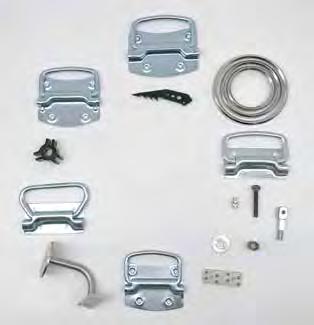

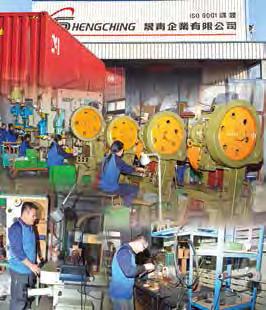


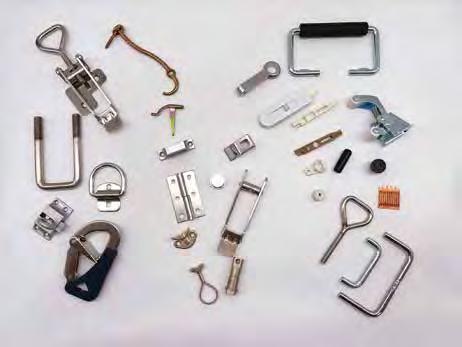

Italy’s home improvement market in 2025 remained cautious, but it was not weak across all segments. The available retail and construction figures suggest a selective demand environment rather than a broad downturn. For fastening tools and related hardware, this distinction matters. The market did not support a general growth story, but it continued to generate demand in practical, project-linked, and maintenance-oriented categories.
The most relevant conclusion is that Italy in 2025 was a market of functional demand. Repair, installation, and light construction activity supported sales, while larger discretionary renovation categories remained under greater pressure. For manufacturers, distributors, and importers in fastening and tooling, the year was less about chasing broad expansion and more about understanding where demand was still moving.
The Italian DIY retail channel provides the clearest short-term signal for home improvement demand. In 2024, sales in Italian DIY stores declined by 0.7% to EUR 6.2768 billion. In the first half of 2025, sales reached EUR 3.0897 billion, down 0.9% year on year.
This points to a market that was still under pressure, but only mildly so. It was not a sharp contraction. Instead, it reflects a retail environment where spending remained active, but more selective. For the fastening sector, that usually means continued movement in essential items, while larger baskets linked to full refurbishments or major upgrades remain less predictable.
As shown in Table 2, Q2 2025 did not follow a uniform trend. A weak April was followed by modest recovery in May and June, indicating that Italian DIY demand remained volatile but not uniformly negative. For the fastening industry, this suggests that replenishment demand continued, although with less consistent timing.
Table 2. Italy DIY Monthly Trend, Q2
Demand did not disappear, but it became less consistent in timing. For suppliers, this typically means a more volatile replenishment cycle, particularly in categories linked to larger planned projects.
As shown in Table 3, category performance in Italy was uneven. While several renovation-sensitive segments declined in 2024, the construction category grew 12% in the first half of 2025 and represented 15.1% of total sales. For the fastening industry, this is a more useful signal than the overall market headline, since demand is more closely tied to installation and project activity.

This mix is important. It shows that the market was not favoring all home improvement categories equally. More decorative, lifestyle-oriented, or renovation-sensitive areas remained weaker, while construction-related demand showed better resilience.
For fastening tools, that is a constructive signal. Fasteners, anchors, brackets, consumables, bits, and installation hardware are much more closely linked to construction, repair, and assembly activity than to purely aesthetic spending. This means that even in a market with only modest top-line performance, the fastening segment could still find support where demand was tied to practical jobs.
Italian fastening demand in 2025 can be understood through three practical layers.
The first layer is maintenance and replacement demand. This includes standard screws, plugs, wall anchors, hinges, repair fixings, bits, blades, and basic hand tools. This layer tends to remain the most resilient because households, installers, and small trades still need to complete everyday repairs and replacements.
The second layer is small project demand. This includes shelving, furniture installation, gates, fences, minor carpentry, storage upgrades, and light kitchen or bathroom fitting work. This layer often remains active even when consumer sentiment is cautious because the projects are practical and relatively affordable.
The third layer is major renovation and upgrade demand. This is the most volatile part of the market. It drives larger baskets, premium tool purchases, and higher-value specialist fixing systems. In Italy during 2025, this layer appears to have remained under more pressure.
This three-layer reading fits the available data well. Slightly negative retail totals, stronger construction-related category performance, and continued weakness in bathroom-related sales all suggest that the market leaned toward functional work rather than broad discretionary improvement spending.
Retail data are only part of the story. The fastening market is also influenced by what is happening upstream in residential and construction activity.
Italy’s building permit indicators point to a residential pipeline that remained under pressure in 2025, but improved steadily as the year progressed. The trend does not suggest a full recovery, but it does indicate that the pace of weakness was easing. For the fastening industry, this is an important signal because a stabilizing residential pipeline can gradually support downstream demand for installation hardware, fixing systems, and fit-out related products.
Construction output provides a more direct reading of industrial demand.
As shown in Table 5, construction activity in Italy remained positive during 2025, suggesting a firmer demand base than retail sentiment alone would indicate. For the fastening industry, this supports a more constructive reading of installation-driven and projectlinked demand.
From an industrial perspective, Italy in 2025 was a precision market.
The first implication is that core assortment mattered more than wide assortment. In selective markets, buyers are less patient. They want the right fixing, the right dimension, and the right accessory immediately. Availability in fast-moving SKUs becomes more important than breadth for slower-moving lines.
The second implication is that practical-use categories likely outperformed purely discretionary ones. Products linked to repair, installation, and light project work were better aligned with the actual pattern of demand.
The third implication is that category-level planning mattered more than headline market sentiment. A market that is slightly negative overall can still create solid opportunities for suppliers positioned in the right applications.
The fourth implication is timing. The improvement in permits and construction activity suggests that underlying conditions were better by the second half of the year than they were at the start. This does not change the fact that 2025 remained selective, but it does help explain why some segments held up better than others.
Italy’s home improvements and fastening tool market in 2025 was stable, selective, and function-driven. Retail sales in the DIY channel remained slightly negative, but the decline was limited. At the same time, construction-related categories improved, residential permit indicators became less weak through the year, and construction output posted positive growth.
Taken together, these figures suggest a clear market reality. Demand in Italy during 2025 was driven less by broad renovation confidence and more by maintenance, installation, small project work, and construction-linked activity. For fastening industry players, that is the most important commercial reading of the year.
References
DIY International, Italy DIY market reports, 2024 results and H1 2025 update.
ISTAT, Building permits indicators, Q1-Q3 2025.
ISTAT, Production in the construction sector, 2025.
Copyright owned by Fastener World / Article by Shervin Shahidi Hamedani

In 2025, Japan’s residential construction sector faced a pivotal year. While short-term fluctuations suggested occasional bursts of activity, the annual data painted a clear picture of ongoing structural contraction. Total housing starts dropped to 740,667 units, a 6.5% decline from 2024, marking the lowest annual total in more than six decades.
740,667 units lowest in
This decline is not a simple market cycle. It reflects persistent demographic shrinkage, evolving consumer behavior, rising construction costs, and the growing concentration of housing demand in major urban centers. Japan’s housing market is not collapsing but is undergoing a long-term adjustment.
Housing starts represent the number of new residential construction projects officially initiated within a given period. To qualify, projects must meet minimum size and occupancy requirements. This data is collected and published by Japan's Ministry of Land, Infrastructure, Transport and Tourism
(MLIT), making it a reliable indicator of the construction sector health and developer confidence.
Housing starts encompassing several types of residential projects:
• Owner-occupied single-family homes
• Rental apartment units
• Condominiums and subdivided housing
• Prefabricated and two-by-four construction
Unlike home sales or price indices, housing starts signal upcoming construction activity, often providing an early indication of market trends.
In 2025, total housing starts fell to 740,667 units, down from approximately 792,000 units in 2024. This represents the third consecutive year of decline, pushing activity to levels not seen since the early 1960s.
All major segments recorded declines:
• Owner-occupied housing dropped sharply, reflecting fewer new household formations and cautious borrowing.
• Rental housing fell moderately, suggesting weaker investor appetite.
• Condominiums and for-sale units also decreased significantly, indicating that speculative demand could not offset the broader slowdown.
No sector showed meaningful resilience.
Despite the annual decline, monthly data in 2025 exhibited considerable fluctuations, which can obscure underlying trends.
Japan’s population shrinkage is the primary driver of declining housing demand. Household formation is closely tied to population trends, so fewer young households directly reduce demand for new homes.
Projections suggest Japan’s population may fall below 100 million by 2050. Even ambitious policy interventions are unlikely to reverse this trend within the next decade. The housing market’s size is ultimately constrained by its demographic base.
Consumer confidence remains fragile. In late 2025, household spending declined nearly 3% year-on-year, one of the fastest drops in recent memory.
Stagnant disposable income, rising living costs, and limited wage growth delay major purchases such as homes. Mortgage affordability depends not only on interest rates but also on wages; in urban areas, moderate wage growth has not offset rising construction and property prices.
The construction sector faces persistent labor shortages caused by:
• An aging workforce
• Limited inflow of skilled foreign labor
• Falling domestic participation
Material prices remain elevated due to global supply chain issues and currency fluctuations. Rising costs squeeze margins and limit the feasibility of projects, particularly outside high-value urban areas. Even if demand stabilizes, these supply-side constraints will restrict expansion.
March posted a 39.1% year-on-year increase, reaching nearly 90,000 units — the strongest monthly total since 2008. However, the surge was short-lived. April and May saw sharp contractions of 26.6% and 34.4%, respectively.
Such volatility likely reflects:
• Regulatory timing effects, including stricter energyefficiency standards introduced in April 2025
• Project scheduling adjustments
• Seasonal and reporting factors
Spikes in individual months do not indicate structural recovery; the downward trajectory remained intact.
Major urban centers continue to dominate housing activity, but even these areas experienced declines.
• Tokyo saw housing starts drop approximately 6% in 2025.
• Osaka (Kansai) and Nagoya (Chubu) also recorded lower totals.
Urban centers continue attracting internal migration and foreign capital, while many rural areas face accelerating depopulation. In some regions, demolitions exceed new construction, further concentrating housing demand in economic hubs.
Expansion outside major cities is unlikely, making Japan’s housing market increasingly spatially concentrated.
While overall starts fell, prices in central Tokyo continued rising, highlighting the following divergence:
• Urban land scarcity and ongoing investor demand have kept prime properties expensive.
• Rising prices, combined with falling starts, suggest affordability constraints.
This is a segmented market rather than one expanding in volume. Strong prices protect asset values but limit participation among firsttime buyers.
Forecasts from Mizuho Financial Group suggest annual housing starts will stabilize in the mid-700,000 range, with no significant rebound expected.
Models from Trading Economics indicate monthly starts will remain below historical averages into 2027–2028.
◆ Base Scenario
• Annual starts: 700,000–750,000 units
• Continued monthly volatility
• No sustained upward trend
◆ Potential Risks
• Economic downturns
• Tighter mortgage policies
• Rising material and labor costs
◆ Conditions for Rebound
A meaningful recovery would require:
• Large-scale housing subsidies
• Immigration policy reforms increasing household formation
• Significant productivity gains in construction technology
With these factors absent, structural stagnation is the most realistic scenario.
Even in a contracting market, some segments are expected to grow:
◆ Renovation and Replacement
Japan’s aging housing stock presents opportunities for renovation and reconstruction, especially in post-war homes needing safety or efficiency upgrades.
◆ Senior-Oriented
An aging population is increasing demand for:
• Assisted living facilities
• Smaller, accessible units
• Housing integrated with healthcare services
These segments will expand but cannot compensate for overall demographic decline.
◆High-End Urban Assets
Luxury and investment-grade condominiums in Tokyo attract domestic and international buyers. While profitable, these remain niche markets without large-scale impact on national totals.
Annual housing starts in the early 2010s often exceeded 1 million units. Since then, the trend has been a steady decline:
• Fell below 900,000 units mid-decade
• Dropped under 800,000 units in 2024
• Reached 740,667 units in 2025
This reflects structural resizing rather than cyclical downturns.
With new housing starts weakening and demand concentrating in selected urban pockets, the focus shifts from volume growth to efficiency, specialization, and tighter targeting of end-use segments.
Developers
• Prioritize cost efficiency and productivity
• Focus on urban hubs and high-demand areas
• Target aging demographics
Policymakers
• Consider targeted housing incentives
• Address labor shortages in construction
• Align supply with demographic realities
Investors
• Differentiate between volume-driven and price-protected micro-markets
• Avoid assuming that historical growth trends will persist
Japan’s housing starts in 2025 point to a structural adjustment rather than a temporary dip. Total starts fell to 740,667 units, down 6.5% from 2024, and the decline was broad-based across owner-occupied, rental, and condominium segments. Monthto-month volatility created some mixed signals, but it did not change the underlying direction of the market. The more realistic outlook is stabilization around a lower baseline, not a return to high-volume expansion. Demographic contraction remains the central long-term constraint, reinforced by affordability pressure, elevated construction costs, and persistent labor limitations. As a result, Japan’s residential construction market is shifting toward quality, replacement and renovation activity, efficiency, and sharper demographic targeting, with demand increasingly concentrated in specific segments and locations.
References
1. https://en.sedaily.com/international/2025/12/30/japans-births-ontrack-to-fall-below-worst-case-scenario
2. https://www.nippon.com/en/japan-data/h02522/births-in-japan-hitnew-record-low-in-first-half-of-2025.html
3. https://apnews.com/article/japan-newborns-record-low-population-aging-87e3cea32daa398277751842ac9db471
4. https://www.rttnews.com/3601254/japan-household-spending-slumps3-0-on-year-in-october.aspx

The UK home improvement and fastening tool market in 2025 is shaped by a complex mix of economic pressure, changing housing dynamics, and evolving consumer behaviour. Rather than a simple post-pandemic surge or decline, the market is undergoing structural rebalancing: large-scale renovations are slowing, while smaller, value-driven, and efficiency-focused improvements are increasing.
The UK home improvement market is subject to varying estimates depending on scope and definition. Broader assessments of the sector place the market at approximately £29.8 billion in 2024, rising modestly to around £30.8 billion by 2030, reflecting a mature industry with steady long-term growth of roughly 3–4%. These figures typically encompass a wide range of activity, including DIY retail, building materials, renovation spending, and professional home improvement services.
Narrower market analyses that focus on selected segments—often excluding parts of DIY retail or limiting coverage to specific product and service categories—estimate the market at around USD 15 billion in 2025, with projections reaching USD 21.8 billion by 2034, implying a compound annual growth rate of approximately 4.3%. This growth is driven by three main structural forces:
A significant proportion of UK housing stock is aged, with around 22% built before 1919 and roughly one-third constructed before 1945, meaning a large share of homes are over 50 years old.1 Much of the remaining stock was built during the post-war period, particularly between 1945 and 1970, reinforcing the dominance of ageing properties across the market.2 This structural profile drives continuous demand for maintenance and upgrades, including electrical rewiring, plumbing repairs, structural upkeep, and energy efficiency retrofits, as older homes typically fall below modern building and energy performance standards.

The UK housing stock is under significant regulatory pressure to improve energy efficiency, driven by the government’s net-zero targets and EPC (Energy Performance Certificate) framework. As of recent estimates, over 56% of UK homes are rated EPC band D or lower, meaning the majority of properties fall below what is considered a “good” energy performance level. In contrast, only a small fraction of homes achieves top efficiency, with around 0.4% of properties rated EPC A, highlighting the scale of required upgrades across the housing stock. EPC ratings are based on energy performance factors such as insulation, heating systems, and building fabric, and range from A (most efficient) to G (least efficient).
4 This regulatory gap is driving large-scale retrofit demand, as millions of homes require improvements to meet expected future standards—particularly the anticipated requirement for higher EPC ratings (commonly discussed as EPC C targets) through insulation upgrades, window replacement, heating system modernization, and smart energy controls.
1. https://assets.publishing.service.gov.uk/government/uploads/system/uploads/attachment_data/file/6748/2173483.pdf
2. https://www.housinglin.org.uk/_assets/Resources/Housing/OtherOrganisation/Modelling_the_current_and_potential_accessibility_of_the_housing_stock.pdf
3. https://www.showhouse.co.uk/research-reveals-over-half-of-uk-homes-rated-epc-d-or-lower/news
4. https://www.ons.gov.uk/peoplepopulationandcommunity/housing/articles/energyefficiencyofhousinginenglandandwales/2024
High mortgage rates and housing affordability issues have reduced mobility. As a result, homeowners increasingly choose to renovate rather than relocate.
Recent 2025 market activity confirms this shift, with DIY and home improvement retailers reporting strong growth despite economic uncertainty, as consumers focus on incremental upgrades rather than large-scale construction.
Consumer behavior in the UK DIY sector is changing significantly.
According to industry research:
» DIY spending fell in 2024 by around 2.4%
» However, specialist DIY retail sales are expected to grow 1.8% in 2025
This reflects a shift toward:
» Painting and decorating
» Flooring upgrades
» Furniture assembly
» Minor repairs
» Energy-saving installations
Rather than major renovations, consumers are increasingly focused on budget-conscious, high-impact improvements.
Tools and equipment account for approximately 63% of total DIY spending in the UK, making them the largest category within the home improvement ecosystem.
This is critical because it directly ties DIY growth to fastening tool demand.
Fastening tools are not just a subcategory of power tools—they are the backbone of modern construction and DIY activity.
The UK power tools market is expected to generate:
» $853.4 million in 2025
» Growing to $2.01 billion by 2033
» CAGR: 11.6%
Additionally, the cordless power tools segment alone is projected to exceed USD 1 billion by 2033, growing at over 10% CAGR.
The growth of fastening tools is not accidental. It is driven by five structural shifts.
The cordless tool segment has become the dominant force in the power tools market, driven by rapid improvements in lithium-ion battery technology and changing end-user behavior. Globally, cordless power tools now account for over 60% of total power tool sales, and their share continues to increase as battery performance improves and costs decline. In the professional segment, adoption is even higher in certain categories such as drills and impact drivers, where cordless penetration exceeds 70% in developed markets.
This shift is strongly supported by structural housing and usage trends. The prevalence of small urban housing units across Europe, particularly apartments and compact homes, has increased demand for tools that require minimal storage space and no fixed power connection. In parallel, DIY consumer behavior continues to expand, with more than 50% of European homeowners engaging in at least one home improvement project annually, reinforcing demand for easy-to-use, ready-to-operate tools.
Rising labour costs and structural shortages in the UK construction workforce are reshaping homeowner behavior, especially in small-scale repair and maintenance. Skilled trades such as electricians and plumbers have experienced estimated wage increases of around 20–30% over the past decade, reflecting sustained demand and limited labour supply. At the same time, industry surveys indicate that approximately 40–45% of UK construction firms report difficulties in recruiting skilled workers, highlighting ongoing capacity constraints.
This pressure is driving a shift toward greater DIY activity. While over 50% of UK homeowners still engage in DIY annually, the range of tasks has expanded beyond basic decoration to include minor plumbing, assembly, and simple electrical work, as households respond to higher contractor costs and longer waiting times for professional services.
The expansion of the smart home sector is creating a sustained uplift in demand for installation-related tools and hardware, particularly in residential retrofit and upgrade projects. In the UK and broader European market, smart home penetration has reached around 30–35% of households, with continued growth driven by security systems, connected lighting, thermostats, and energy management devices. Market forecasts suggest the smart home sector will grow at a compound annual growth rate (CAGR) of approximately 10–15% over the next decade, indicating accelerating installation activity at the household level.
This adoption trend directly increases demand for physical installation components and tools, particularly mounting systems, fastening brackets, and electrical fixture accessories required for wallmounted devices such as smart thermostats, cameras, sensors, and lighting controls. The installation intensity of smart devices is notably higher in retrofit environments, where over 70% of installations require drilling, anchoring, or surface mounting adjustments due to legacy building structures not designed for integrated digital systems.
The UK home improvement and fastening tool market will not experience explosive growth—but it will become more stable, professionalized, and technologically advanced.
Key Forecast Trends:
» Moderate overall growth (~3–4% annually in home improvement)
» Stronger growth in power tools (~11% CAGR)
» Fastening tools remaining the dominant subsegment
» Expansion of cordless and smart tool systems
» Continued DIY professional convergence
IKEA-style modular furniture has become a dominant format in the European home furnishings market, driven by affordability, flat-pack logistics, and rising urban housing density. IKEA alone reports annual sales of tens of billions of euros globally, with flat-pack and self-assembly products representing the majority of its core offering. This structural shift has significantly increased the frequency of consumer-level assembly tasks across households.
As a result, demand for basic installation and fastening tools has grown steadily, particularly in compact and easy-to-use formats. A large share of European households—over 60% in some markets—now purchase self-assembly furniture annually, creating recurring demand for screwdrivers, compact cordless drills, and precision fastening systems. The trend is further reinforced by the growth of urban apartments and smaller living spaces, where modular furniture is preferred due to transport efficiency and space optimization.
A growing cultural shift toward repair and reuse— supported by sustainability awareness and cost considerations— is gradually increasing demand for household tools and maintenance equipment. In Europe, over 70% of consumers now report preferring to repair items rather than replace them when feasible, reflecting a broader “repair economy” mindset supported by environmental and cost pressures.
This shift is contributing to higher tool ownership rates across households, particularly in urban and mid-income segments. In several European markets, more than half of households now own at least one basic power tool, while ownership of multi-purpose cordless tools has increased as consumers seek flexibility across a wider range of small repair tasks. This behavioral change is also driving greater usage of compact, multi-functional fastening systems, as users prioritize tools that support diverse repair applications rather than singlepurpose equipment.
The UK fastening tool and home improvement market in 2025 is not driven by speculative growth—it is driven by necessity.
» Aging housing stock ensures continuous demand
» Economic pressure shifts consumers toward DIY
» Fastening tools remain essential across all project types
» Cordless and smart tools redefine product expectations
The most important insight is this: The market is no longer about large renovation cycles—it is about continuous microimprovements. And in that environment, fastening tools are not optional equipment—they are core infrastructure for every home improvement decision in the UK.
Copyright owned by Fastener World / Article by Dr. Sharareh Shahidi Hamedani, UNITAR International University


全球車市再平衡:2025年小客車產銷結構的重塑與隱性機會
Global Recovery Takes Hold:
Post-Pandemic "Modest Rebound" Becomes the New Normal
In 2025, global passenger car production and sales both achieved recovery, with total production reaching 71.33 million units (up 5% year-over-year) and sales exceeding 70.97 million units (up 5.2%). This indicates that the passenger car sector has gradually stabilized after pandemic aftershocks, entering a phase of "low-speed but steady" recovery. The global car market is no longer reliant on short-term demand surges but has returned to fundamentals driven by regional economic conditions and industrial transformation. Asian powerhouses like China and India dominated growth, while Europe saw marginal gains and the Americas declined, highlighting pronounced geopolitical divergence.
Global passenger car production (Table 1) returned to growth in 2025, totaling 71.33 million units—up 5% from 2024 and surpassing 2019 levels. Asia-Oceania contributed the most, with output of 50.89 million units (up 8%), led by China at 30.26 million units (42.4% market share, up 10%), maintaining its 17year reign as the world's top producer. India followed closely with 5.37 million units (up 8%, 7.5% share), reflecting middle-class expansion and EV demand.
Europe's output stood at 14.87 million units, up just 0.1% (20.9% share). Germany remained Europe's leader at 41.48 million units (up 2%), but Italy plunged 23%, underscoring

supply chain bottlenecks and transformation pressures— Europe has yet to fully recover pre-pandemic levels. Notably, Eastern European nations like Czechia, Romania, and Slovakia performed relatively steadily, signaling a shift in auto manufacturing toward lower-cost regions. The Americas showed weakness, with structural decline emerging as one of 2025's softest regions: output fell 2% to 4.64 million units, U.S. production crashing 10% to 1.27 million amid supply chain restructuring and industrial shifts that hinder short-term recovery. In South America, Brazil's 1.99 million units (up 5%) drove regional rebound. Africa's output dipped 3% to 907,000 units, with Morocco and South Africa both down 6%.

Sales ( Table 2) appear even more optimistic, with total volume reaching 70.97 million units (up 5.2% year-over-year).
Asia-Oceania-Middle East led with 47.13 million units (up 7.1%, 66.4% market share), driven by China's 30.10 million units (up 9.2%) and India's 4.48 million units (up 5%), though Indonesia bucked the trend with an 8.9% decline. Europe recorded 15.83 million units (up 1.2%), with the UK at 2.02 million (up 3.5%) and Spain at 1.14 million (up 12.9%), but France dropped 5% to 1.63 million and Germany grew just 1.4% to 2.85 million—

hampered by EV transition challenges and economic slowdown.
The Americas remained nearly flat at 7.04 million units (down 0.1%), with the U.S. falling 8.3% to 2.72 million, while Argentina surged 57.1% to 410,000 units. Africa soared 23.2% to 955,000 units, led by South Africa's 422,000 units (up 20.2%) and Egypt's 133,000 units (up 64.4%), signaling surging demand in emerging markets. Overall sales have recovered to prepandemic levels, though regional disparities have intensified.

China not only dominated both production and sales but also drove NEV penetration to nearly 48% (up 28% year-over-year), with global EV sales estimated at 20 million units (18-25% share). India maintained steady growth with a 6.3% sales market share, benefiting from affordable models and exports. Europe shifted toward high-end EVs, with Norway up 39.4%, though traditional powerhouses like Germany, France, and Italy grapple with costs and regulations.
Japan's production edged up 1% and sales rose 3%; South Korea held production steady while sales grew 4.2%. In South America, Brazil's sales reached 1.99 million units (up 2.5%), with Argentina sales showing unexpected strength. Turkey's sales climbed 10.6% to 1.08 million units, positioning it as a Eurasian hub. Emerging nations like the Philippines and Saudi Arabia grew over 3%, while Africa's Egypt and Morocco saw substantial sales expansion—highlighting southern hemisphere potential.

Marginal growth but below 2019 levels
Dragged down by the U.S.
Led by South Africa and Egypt This table illustrates Asia lifting global performance while Europe and the Americas remain weak.

The most prominent trend in 2025 is Asia's overwhelming position in the global automotive industry. In contrast, Japan and South Korea maintained stability but with limited growth, indicating mature markets have entered a saturation phase. Overall, Asia's role has evolved from "manufacturing hub" to "core market driving both demand and technology."
In 2025, global production (71.33 million units) and sales (70.97 million units) were nearly balanced, signaling a return to relatively healthy supply-demand dynamics. Compared to pandemic-era supply chain imbalances, current market inventory pressures have eased, with companies adopting more conservative and precise production strategies. This shift signifies the auto industry's transition from "scale-driven" to "efficiency-driven," emphasizing production-sales coordination and inventory management.
Electrification accelerates, with Chinese NEVs dominating globally, while Europe's industrial transformation pressures lead to underutilized capacity—for instance, Italy's 2025 production plummeted 56% from 2019 and 23% from 2024. Geopolitical conflicts impacted Russia (production down 6%, sales down 15.7%). Amid supply chain restructuring, emerging markets see surging demand: Uzbekistan's sales grew 32.5%, and Southeast Asian countries like Vietnam performed strongly, emerging as new growth hotspots in the global car market. Though starting from lower bases, their high growth rates indicate global auto demand shifting from mature markets to regions with faster population and economic growth.
The global auto industry exhibits dual trends. On one hand, production capacity is highly concentrated in Asia, particularly China; on the other, regional supply chains are rebuilding, with markets favoring local production and sales. This "concentration + dispersion" dual structure will profoundly impact future automotive supply chain layouts and cost structures.
Stable global production growth signals sustained demand expansion, and fasteners—as fundamental auto manufacturing components—will grow in tandem with output. Second, the industry's center of gravity shifting to Asia, especially China and India, requires fastener supply chains to align more closely with these manufacturing hubs. Third, rapid growth in emerging markets means future fastener demand will become more dispersed and diversified, demanding greater product specification flexibility and supply responsiveness.
As the auto industry moves toward electrification and lightweighting, high-strength, lightweight, and corrosionresistant fasteners will become key competitive factors. For fastener manufacturers, this represents not only demand growth opportunities but also a pivotal moment for technological upgrade and market repositioning. The 2025 global auto industry has entered a "structural reshaping" phase, where fasteners evolve from supporting roles to critical pillars of the manufacturing ecosystem. In summary, the 2025 passenger car industry presents an "Asia-led, EV-transformed, multipolar divergence" landscape, with both production and sales growing 5% and China contributing over half. However, weakness in Europe and the Americas, coupled with inventory concerns, tests supply chain resilience. The fastener sector can capitalize on Asia's rise by transitioning to high-valueadded products, ushering in a golden decade.
Copyright owned by Fastener World / Article by Dean Tseng ; Data Source: OICA