











































ISO 9001:2015
ISO 14001:2015













































































ISO 9001:2015
ISO 14001:2015
271 310EXPRESS COMPANY (Japan)
Security, Tamper Proof, Anti-theft Screws...
226 A-PLUS SCREWS INC.
Chipboard Screws, Customized Special Screws / Bolts...
161 A-STAINLESS INTERNATIONAL CO , LTD 淳康
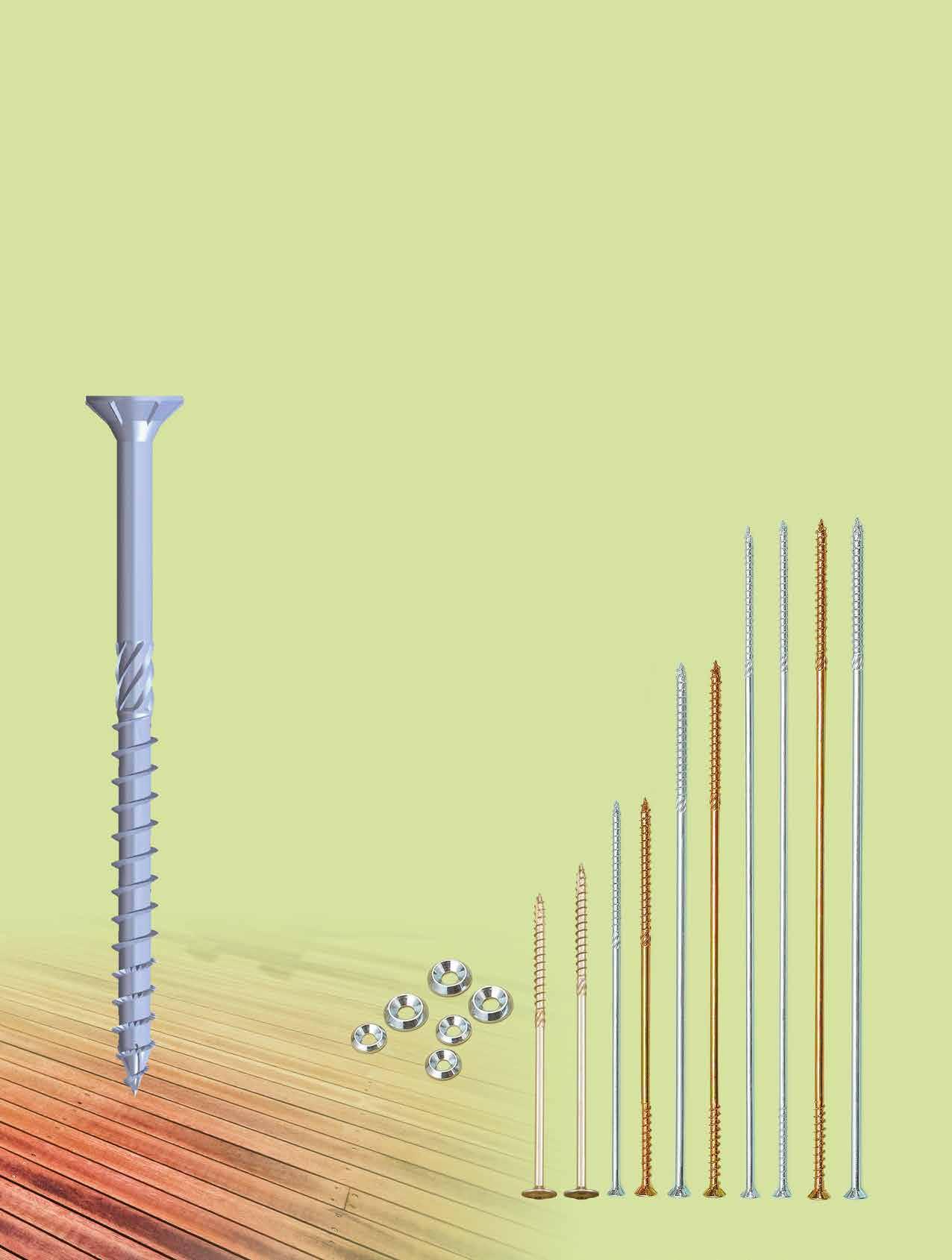
Chipboard Screws, Concrete Screws, Deck Screws...
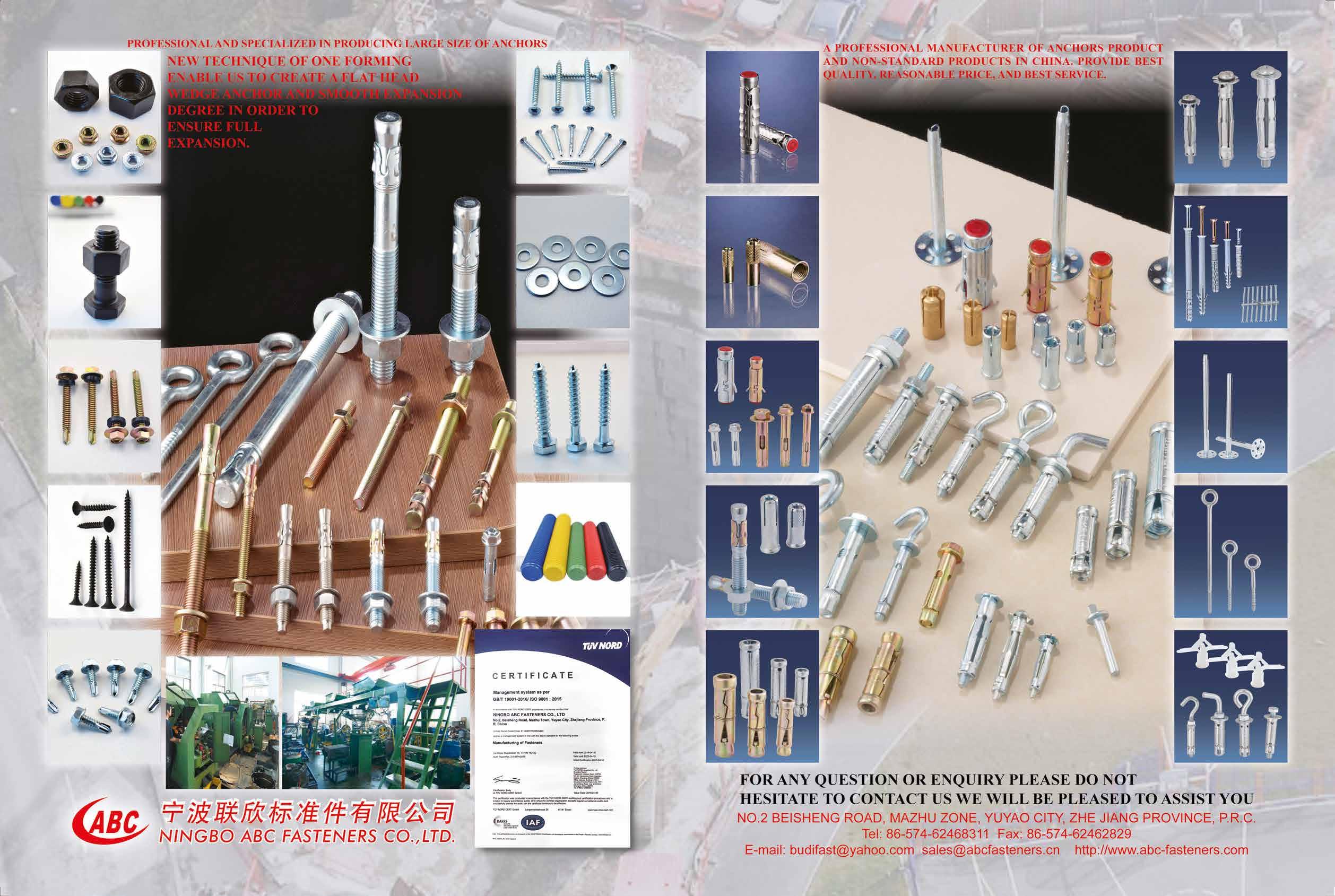
280 ABC FASTENERS CO., LTD. 聯欣
103
Drop-in Anchors, Expansion Anchors, Wire Anchors...
AEH FASTEN INDUSTRIES CO., LTD. 鉞昌
Clevis Pins, Dowel Pins, Hollow Rivets...
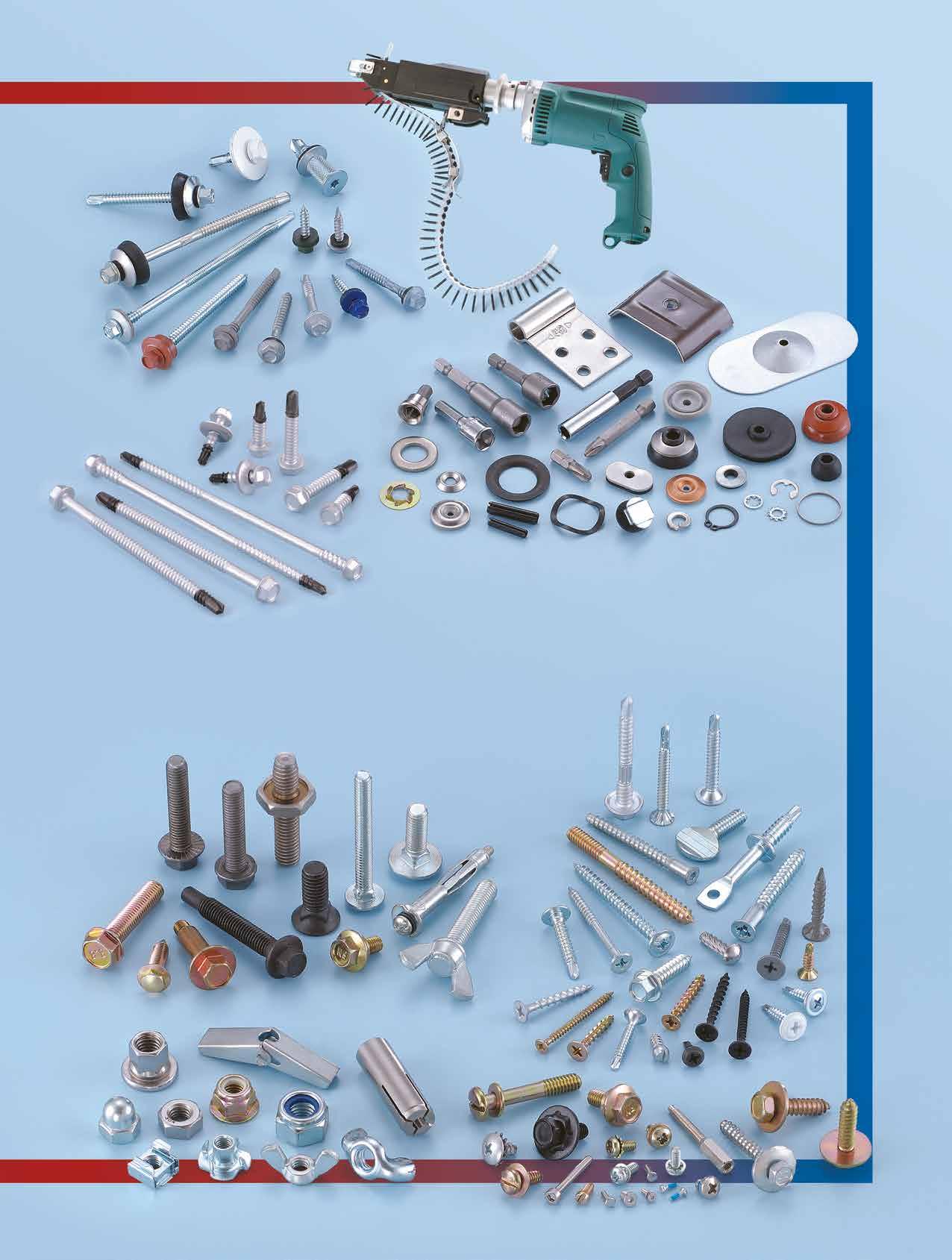
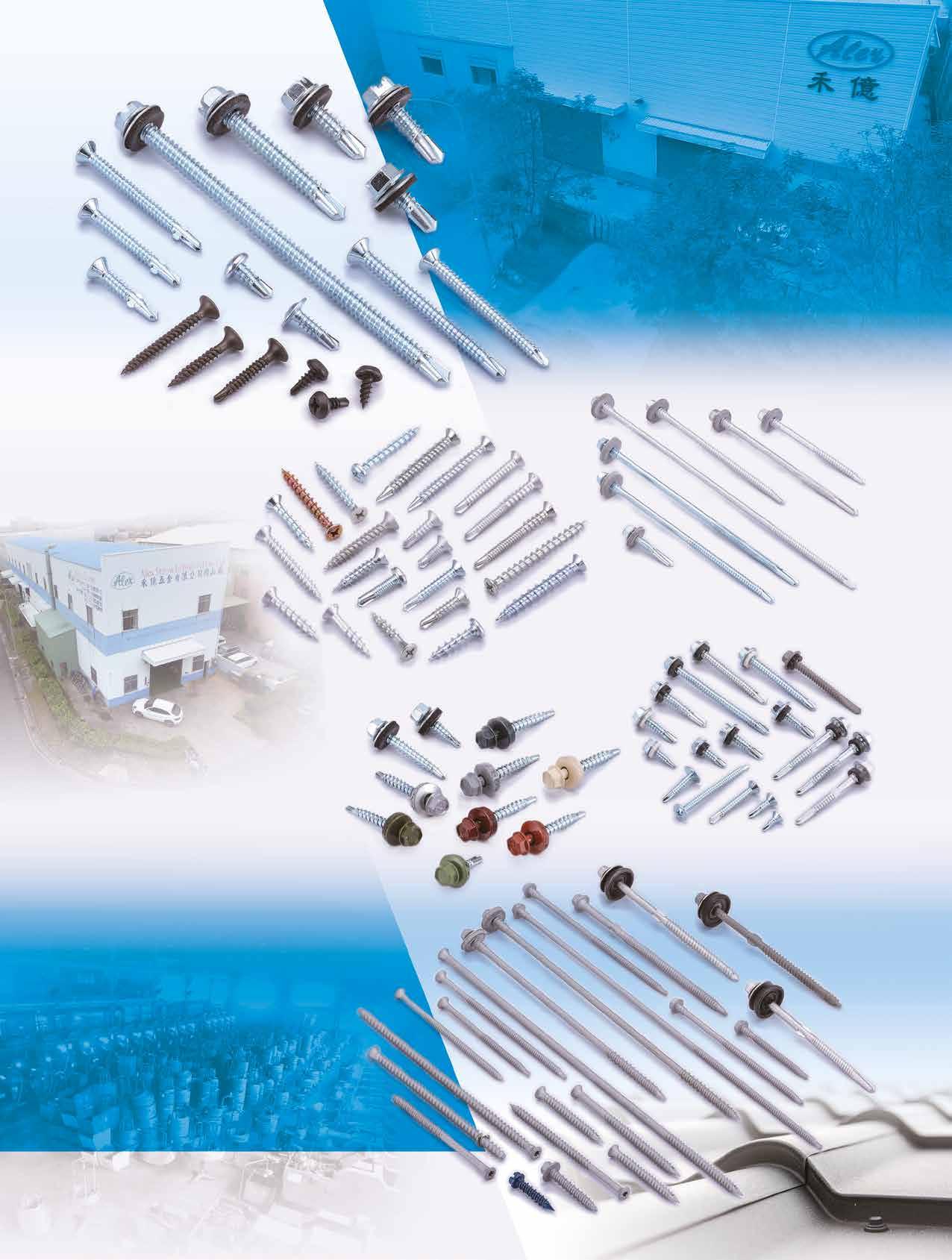
39 ALEX SCREW INDUSTRIAL CO , LTD 禾億
Button Head Cap Screws, Button Head Socket Cap Screws...
90 ALISHAN INTERNATIONAL GROUP CO., LTD. 奧立康
Fastener Tools, Bolts, Screws, Nuts, Stamping Parts...
181 ALLOY & STAINLESS FASTENERS, INC (U S A )
Bolts, Nuts, Studs, Sockets, Washers, Bent Bolts...
78 AMBROVIT S.P.A. (Italy)
Chipboard Screws, Combined Screws, Machine Screws...
186 AMPLE LONG INDUSTRY CO , LTD 寬長
Hollow Rivets, Drive Rivets, Semi-tubular Rivets...
203 AN CHIAO MOLDS CO., LTD. 安喬
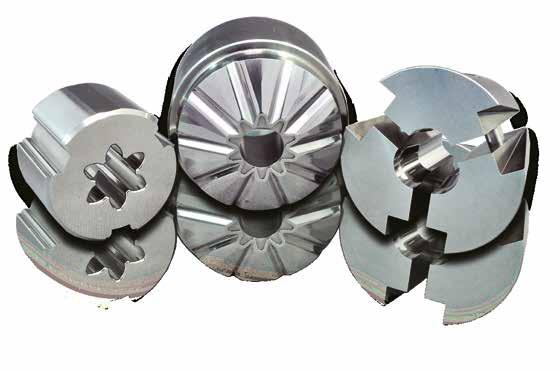
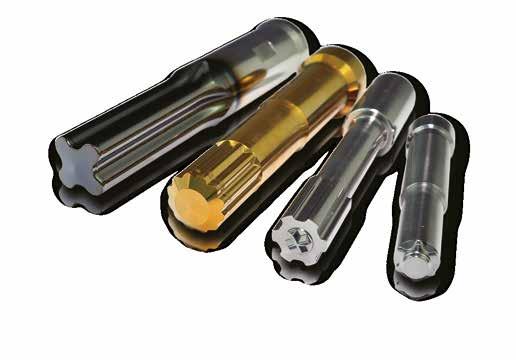
Dies, Punch Dies, Carbide Quill, Punches, Pins...
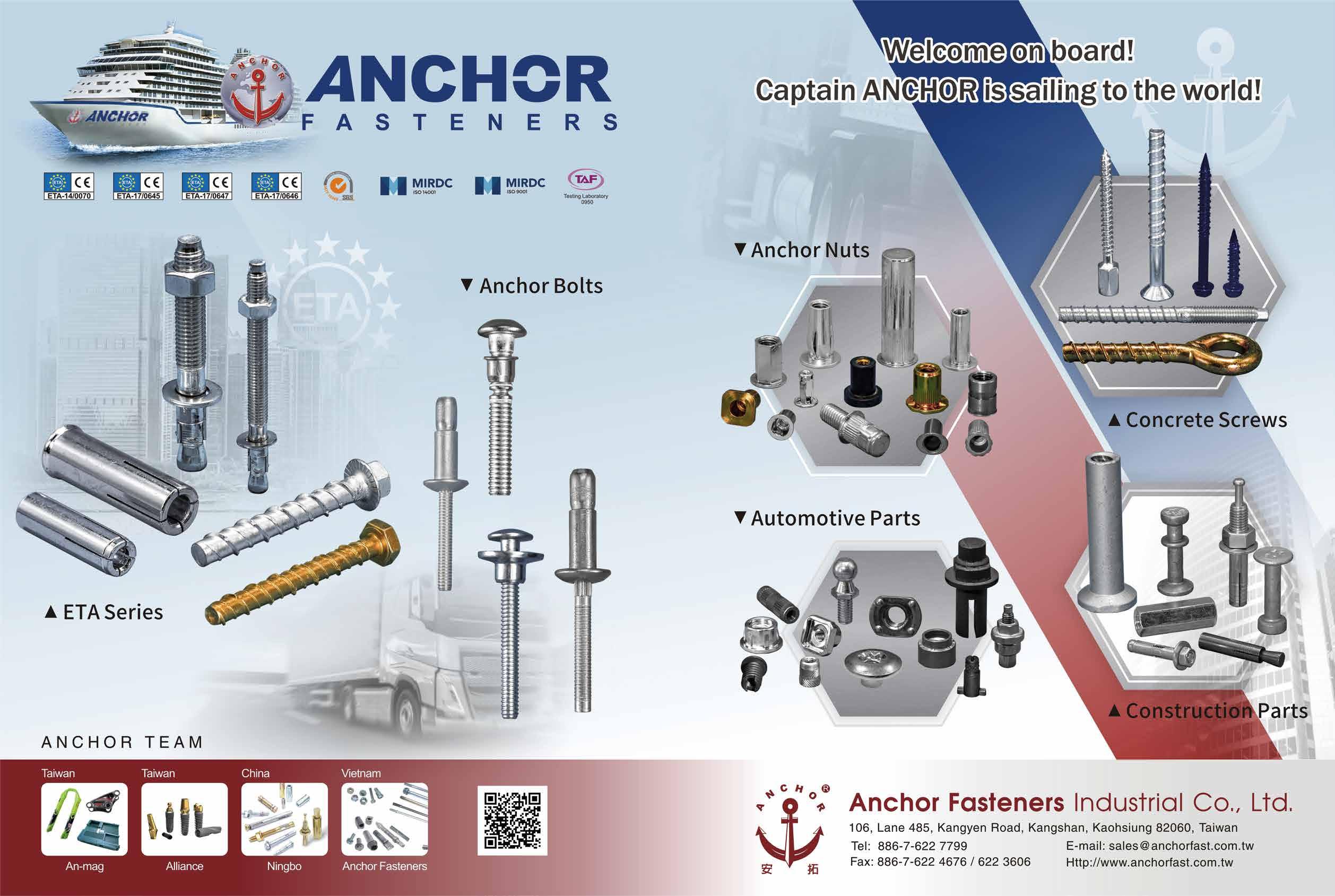
292 ANCHOR FASTENERS INDUSTRIAL CO., LTD. 安拓
ETA Series, Anchor Bolts, Anchor Nuts, Automotive Parts...
67 APEX FASTENER INTERNATIONAL CO , LTD 嵿峰
Nuts, Wing Nuts & Bolts, Turning Parts, Stamping Parts
144 ARK FASTECH CORP 方舟
Multi-Station Cold Forging Bolts / Nuts...
38 ARUN CO , LTD 鉅耕
Bi-metal Screws, Chipboard Screws, Drywall Screws...
140 AT-HOME ENTERPRISE CO., LTD. 安鈜
Auto Parts, Elevator Bolts, Penta Head Bolts...
184 ATLAS DISTRIBUTION SERVICES LTD 鷹世服
Tailoring Fulfillment & Supply Chain Solutions
40 AUTOLINK INTERNATIONAL CO., LTD. 浤爵
Automotive Screws, Machine Bolts, Flange Nuts...
93 BCR INC
Automotive Screws, Piston Pins, Weld Bolts (Studs)...
131 BESTWELL INTERNATIONAL CORP. 凱壹
Eye Bolts, Flanged Head Bolts, Hanger Bolts...
254 BIING FENG ENTERPRISE CO , LTD 秉鋒
Blind Nut Formers, Multi-station Cold Forming Machines...
32 BI-MIRTH CORP 吉瞬
Carbon Steel Screws, Chipboard Screws, Concrete Screws...
4 BOLTUN CORPORATION
Automotive Screws, Bushes, Conical Washer Nuts...
201 CANATEX INDUSTRIAL CO , LTD 保力德
Nuts, Turning Parts, Bolts, Plastic Injection Parts...
252 CHAN CHANGE MACHINERY CO., LTD. 長薔
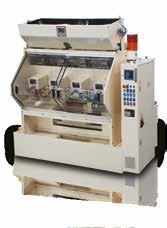
Screw Head Making Machines...
175 CHANG BING ENTERPRISE CO , LTD 彰濱
Hook Bolts, Holders / Hooks / Rings, Dowel Screws...
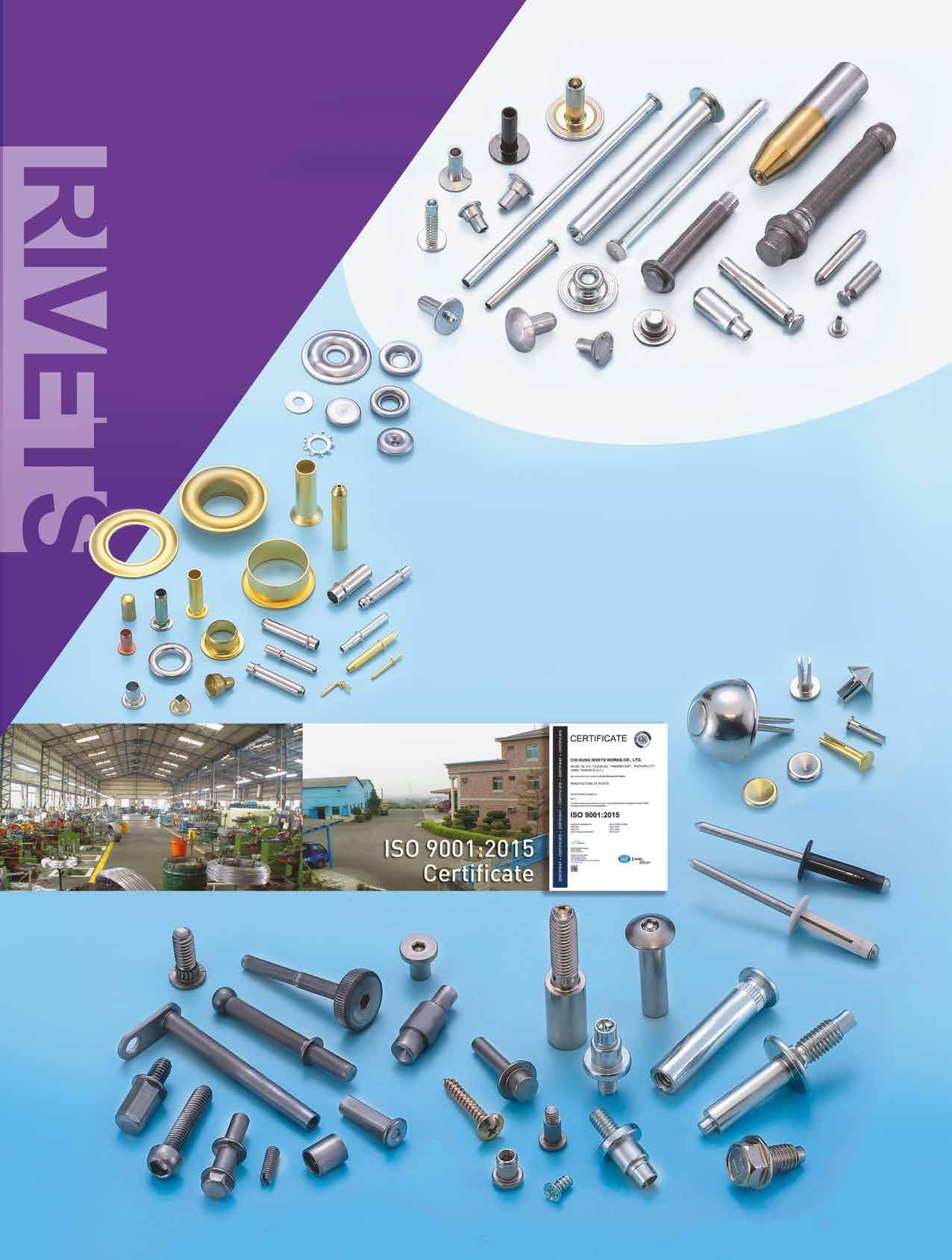
99 CHI HUNG RIVETS WORKS CO., LTD. 吉宏
Blind Rivets, Hollow Rivets, Solid Rivets, Split Rivets...
58 CHIAN YUNG CORPORATION 將運
248
92
116
SEMS Screws
CHIEN TSAI MACHINERY ENTERPRISE CO , LTD 鍵財
Thread Rolling Machines
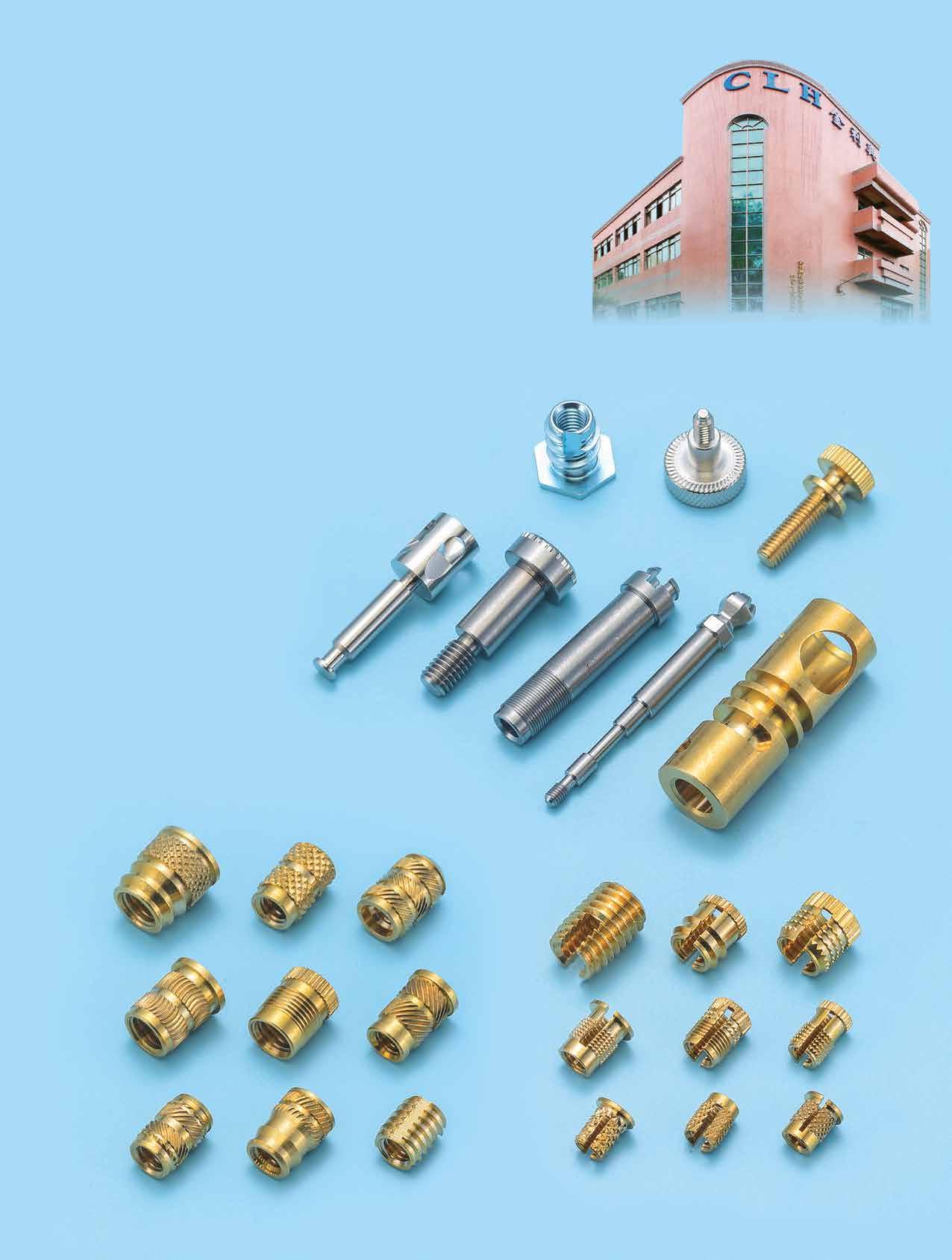
CHIN LIH HSING PRECISION ENTERPRISE 金利興
Automotive Nuts, Brass Inserts, Bushes, Bushings...
CHINA PNEUMATIC CORPORATION 中國氣動
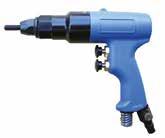
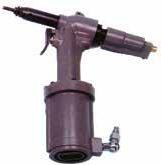
Blind Rivet Assembly Machines, Torque Wrenches...
246 CHING CHAN OPTICAL TECHNOLOGY CO., LTD. 精湛
193
Eddy Current Sorting Machines, Fastener Makers...
CHIREK FASTENER CORPORATION 錡瑞
Stainless Steel Fasteners, Self-Drilling Screws, Washers...
50 CHONG CHENG FASTENER CORP. 宗鉦
263
Cap Nuts, Coupling Nuts, Conical Washer Nuts...
CHUN KAI MACHINERY CO , LTD
Straightening Machines, Straightness Measuring Instruments...
80 CHUN YU WORKS & CO , LTD
Wheel Bolts, Chipboard Screws, Drywall Screws...
250 CHUN ZU MACHINERY INDUSTRY CO., LTD. 春日
84
Cold Headers, Header Toolings, Heading Machines...
CPC FASTENERS INTERNATIONAL CO , LTD 冠誠
Stainless Steel, Bi-metal Self-drilling Screws...
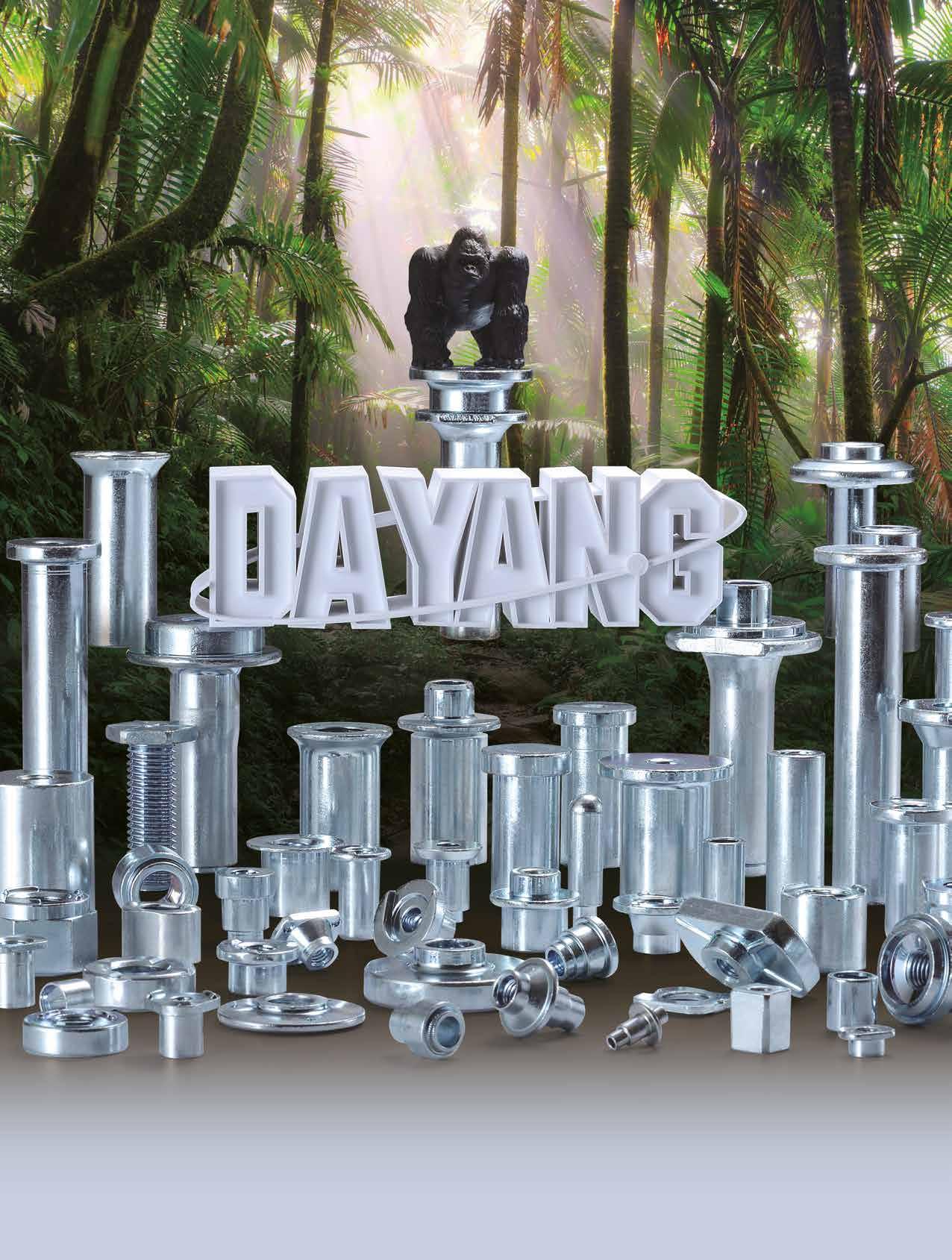
21 DA YANG ENTERPRISE CO., LTD. 大楊
52
101
Special Automotive Nuts, Special Weld Nuts...
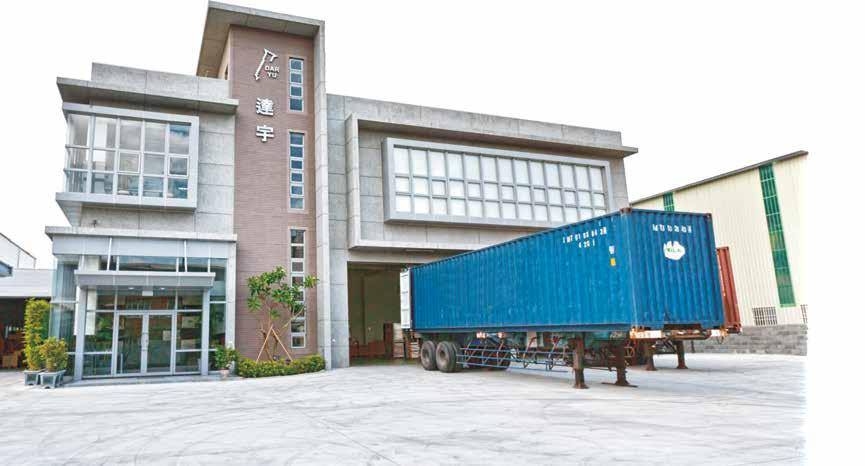
DAR YU ENTERPRISE CO , LTD 達宇
Chipboard Screws, Drywall Screws, Screw Nails...
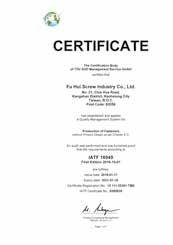
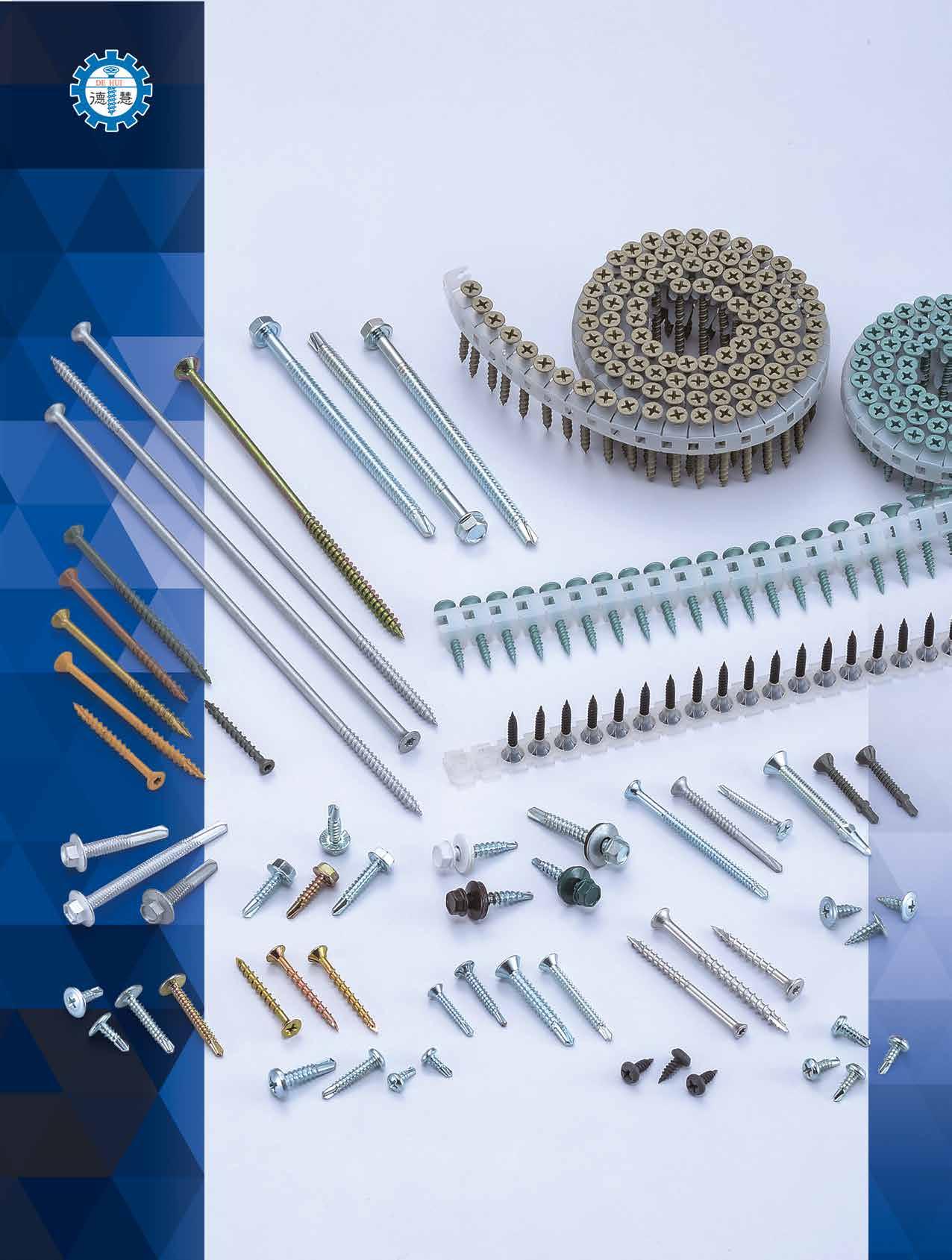
DE HUI SCREW INDUSTRY CO., LTD. 德慧
Drywall Screws, Decking Screws, Self-drilling Screws...
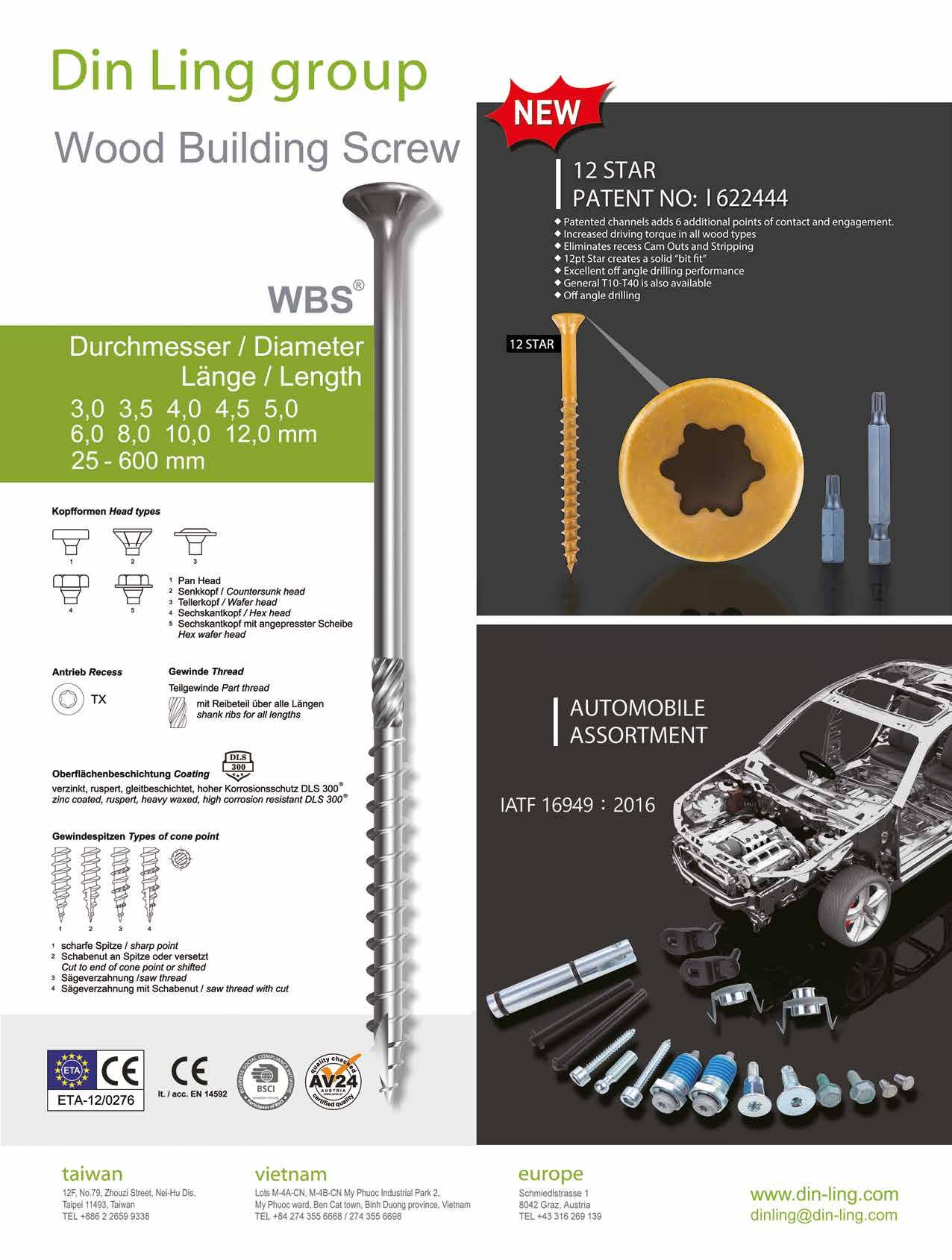
19 DIN LING CORP
Chipboard Screws, Drywall Screws, Furniture Screws...
98 DRA-GOON FASTENERS INC. 丞曜
Chipboard Screws, Phillips Head Screws, TEK Screws...
82 DUNFA INTERNATIONAL CO., LTD. 敦發
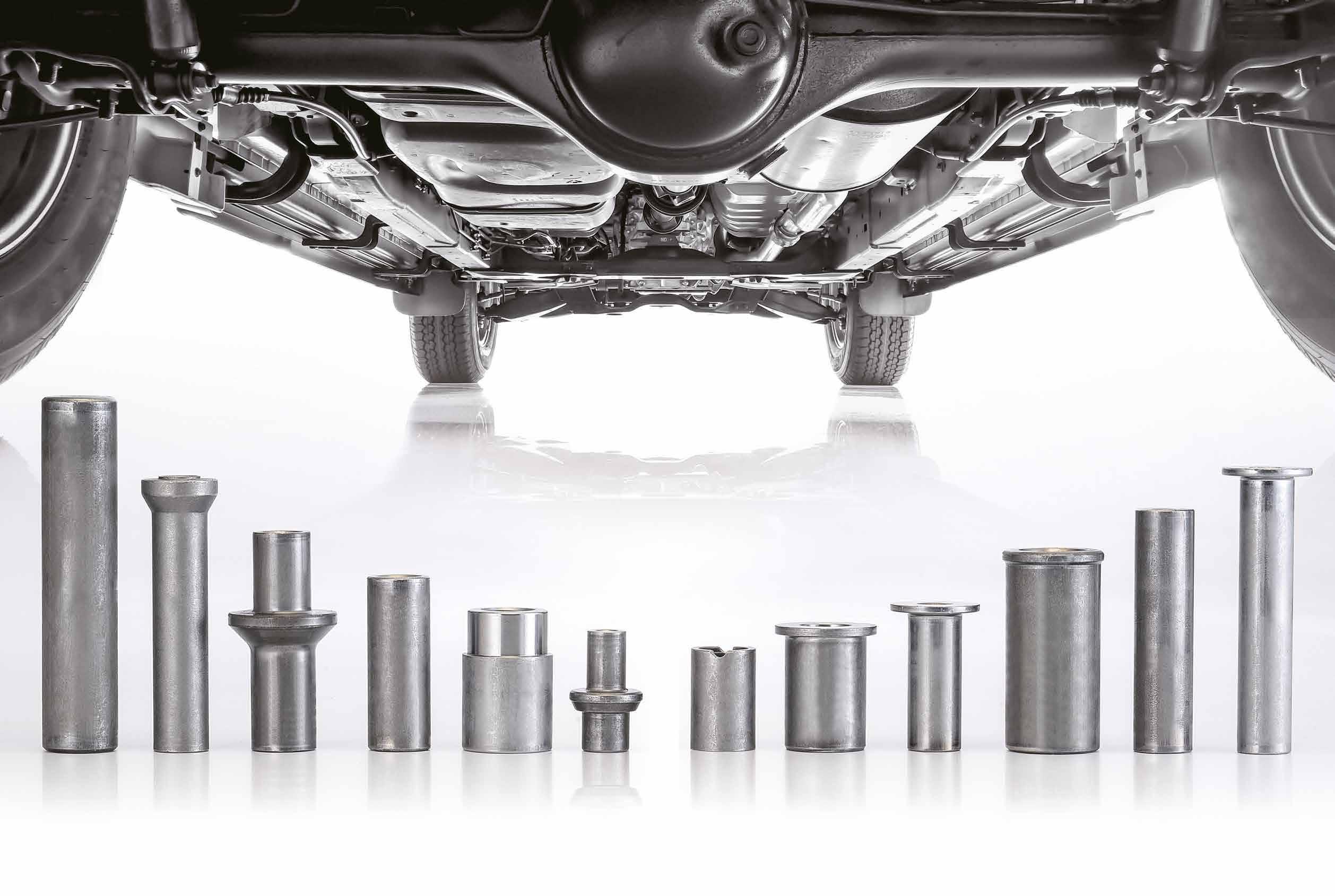
Bushes, Spacers, Automotive Parts, Tubes, Turning Parts...
89 E CHAIN INDUSTRIAL CO., LTD.
Chipboard Screws, Drywall Screws, Machine Screws...
108 EASON TECH INDUSTRIAL CO., LTD.
102
Spring Pins, Cage Nuts, Clip Nuts, Retaining Rings...
EASYLINK INDUSTRIAL CO , LTD 易連
Automotive Nuts, Thread Forming Screws...
275 E-UNION FASTENER CO., LTD.
Conveyors, Thread Rolling Machines, Heading Machines...
197 EVEN LONG INTERNATIONAL CO , LTD
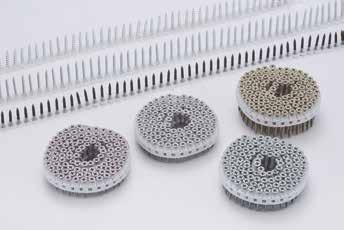
Collated Screw Guns, Collated Nails, Collated Screws
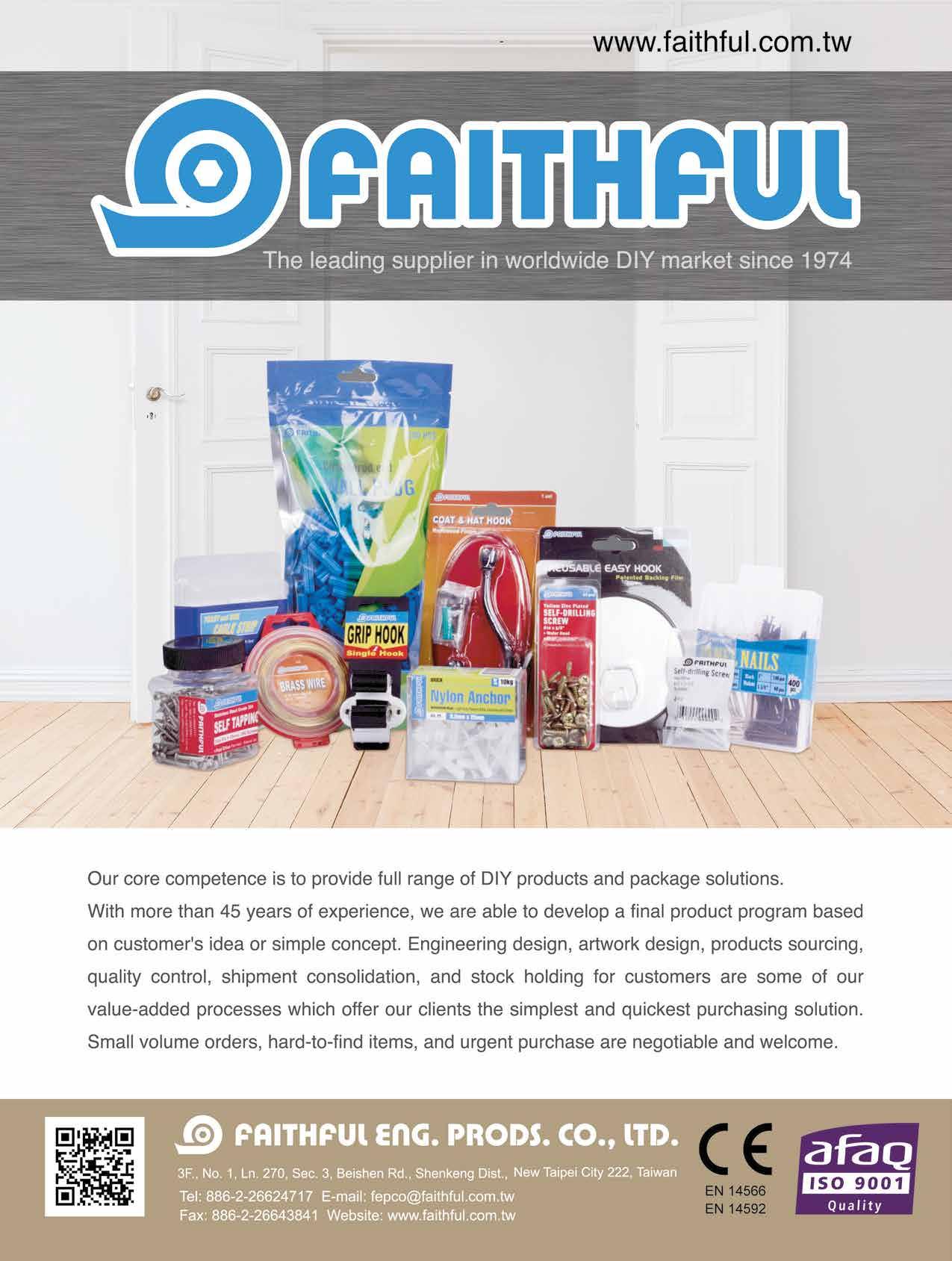
54 FAITHFUL ENGINEERING PRODUCTS CO., LTD. 誠毅
66
6
63
Anchors, Box Nails, Door/Window Accessories...
FALCON FASTENER CO , LTD
Automotive & Motorcycle Special Screws / Bolts...
FANG SHENG SCREW CO., LTD.
Shoulder Bolts, Button Head Socket Cap Screws...
FASTENER JAMHER TAIWAN INC
Automotive Nuts, Blind Nuts / Rivet Nuts, Bushings...
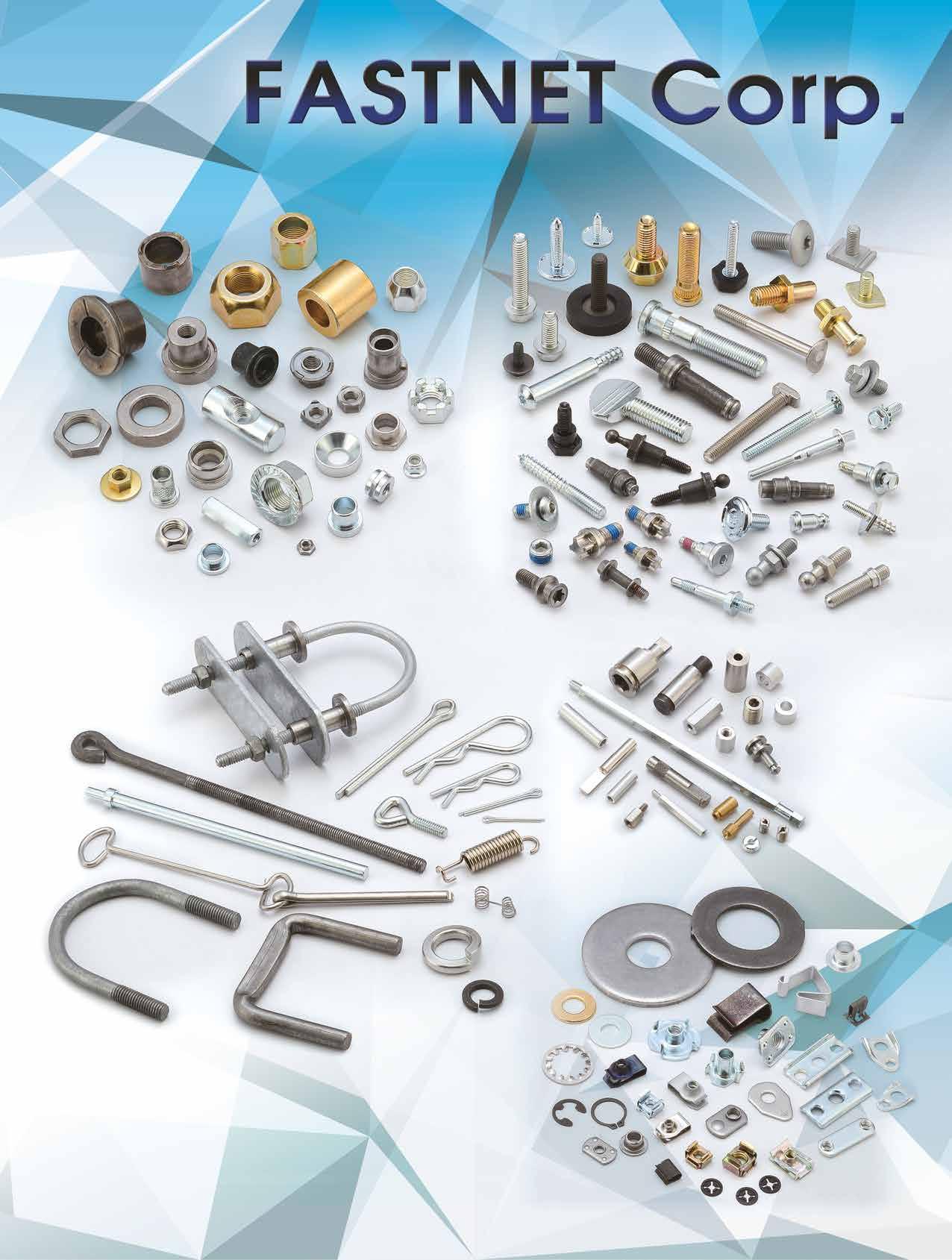
62 FASTNET CORP.
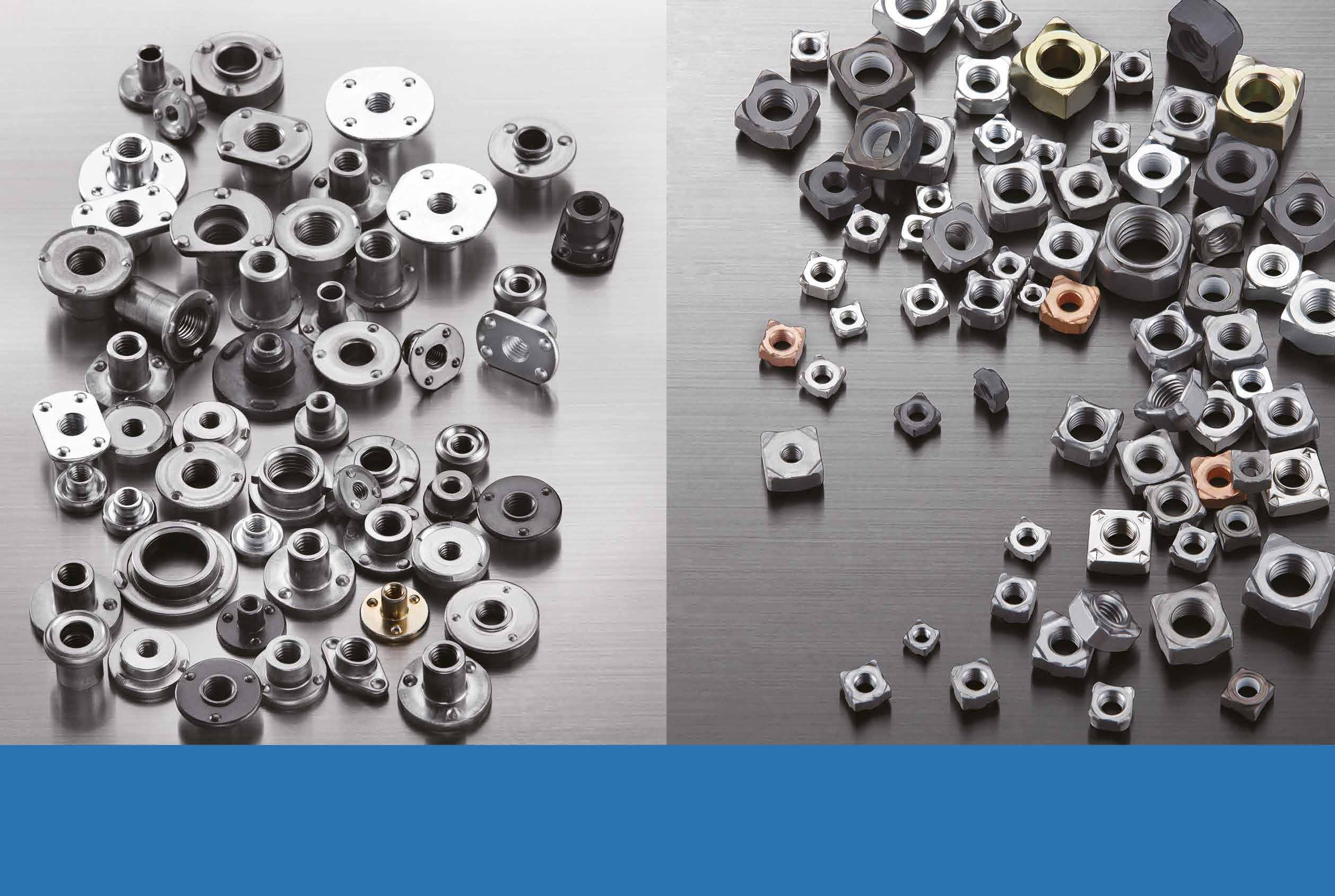
Dowel Pins, Flange Nuts, Weld Nuts, 4 Pronged T Nuts...
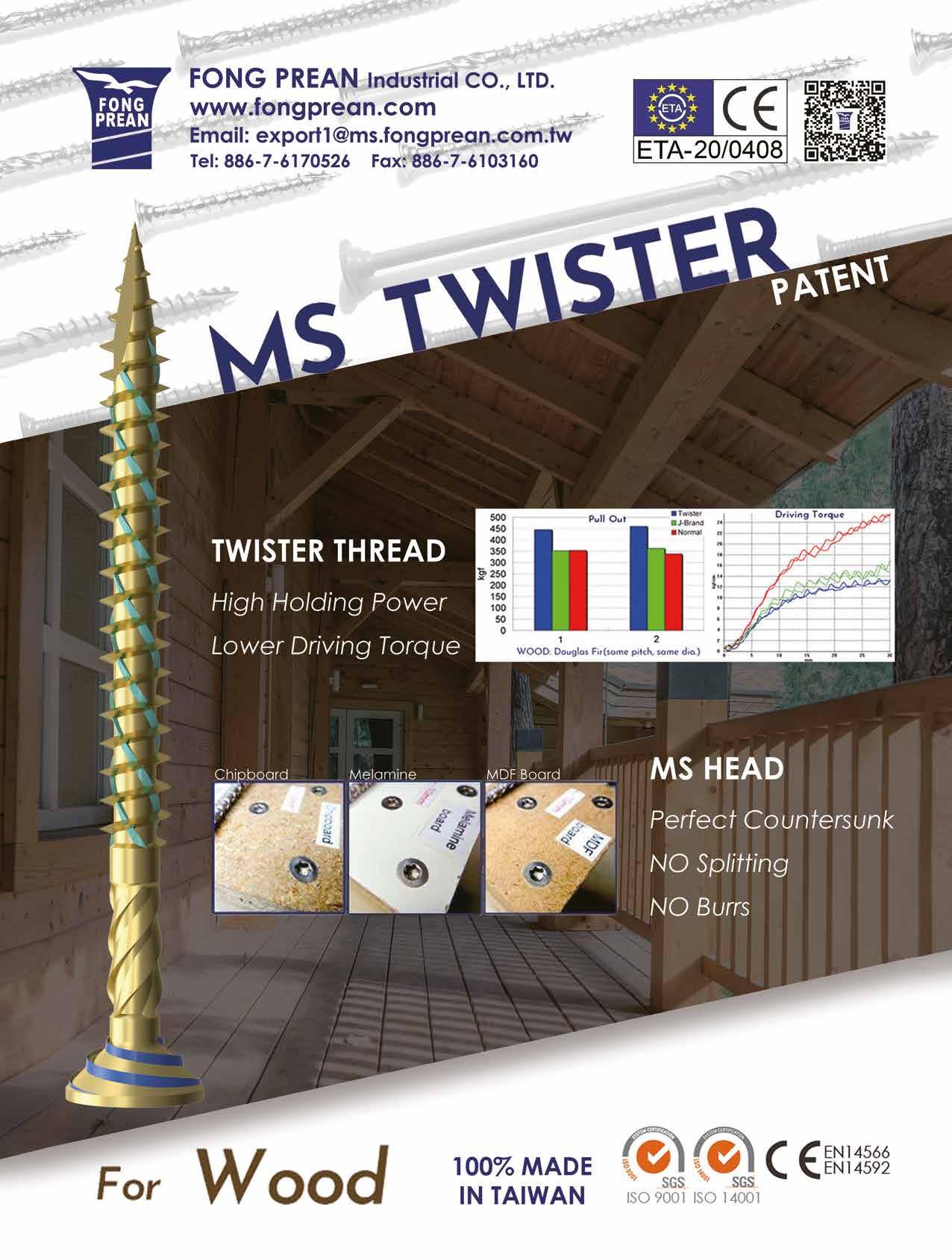
59 FONG PREAN INDUSTRIAL CO , LTD 豐鵬
Automotive Screws, Bi-metal Screws, Brass & Bronze Screws...
120 FONG WUNS CO., LTD. 鋒汶
Flange Nuts, Stainless Steel Nuts, Special Parts...
94 FONG YIEN INDUSTRIAL CO., LTD. 宏盈
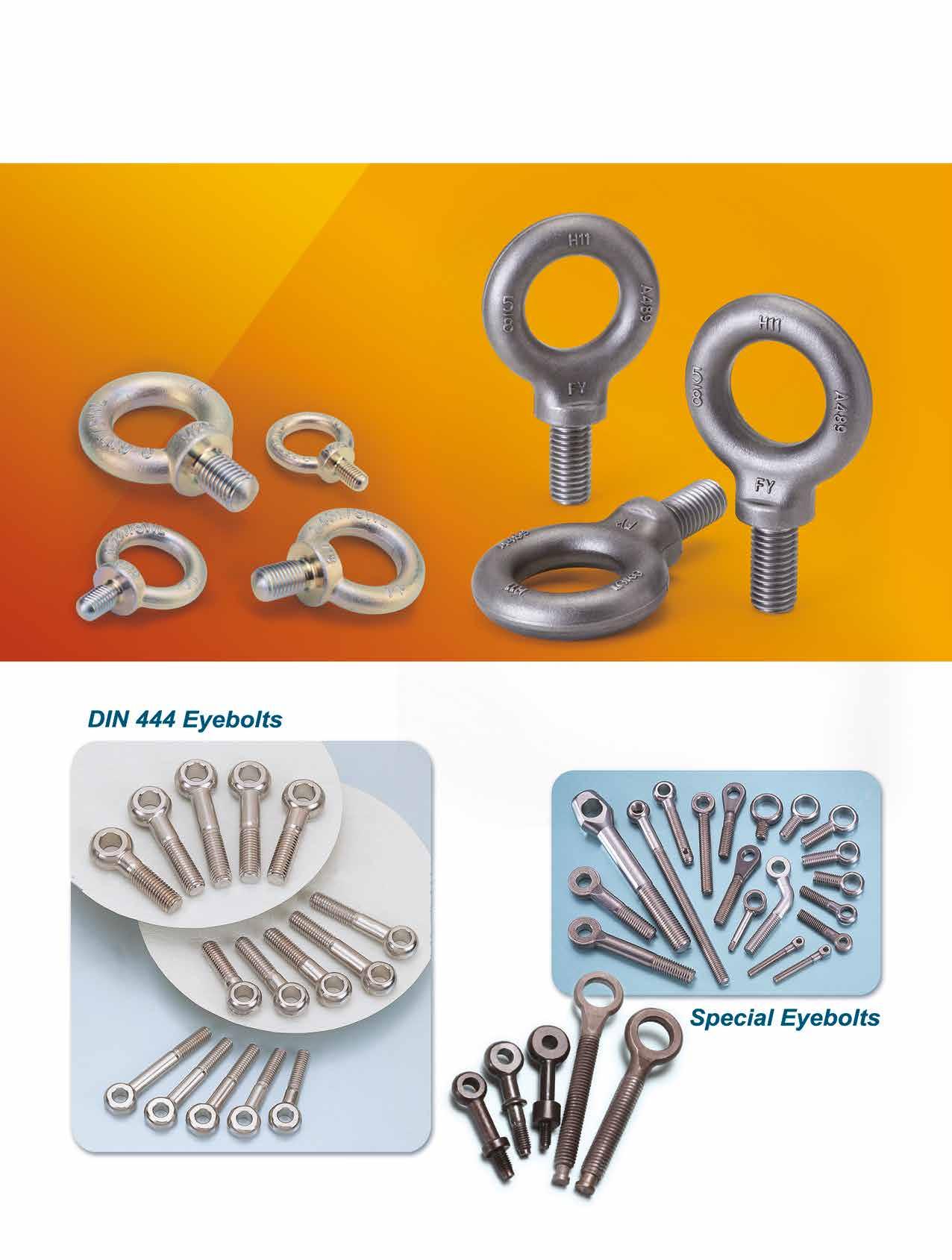
Eyebolts, Spindles...
60 FORTUNE BRIGHT INDUSTRIAL CO , LTD 鋒沐
Cap Nuts, Dome Nuts, Nylon Cap Insert Lock Nuts...
76 FU HUI SCREW INDUSTRY CO., LTD. 福輝
Automotive & Motorcycle Special Screws / Bolts...
165 FU KAI FASTENER ENTERPRISE CO , LTD 福凱
Precision Electronic Screws, Special Screws, Weld Screws...
118 FUSHANG CO., LTD. 甫商
Carbon Steel Screws, Chipboard Screws, Concrete Screws...
138 GELA & COMPANY 蕙寶
Expansion Anchors, Eye Bolts, Hanger Bolts...
257 GIAN-YEH INDUSTRIAL CO., LTD. 健業
Rivet Dies, Self-drilling Screw Dies, Screw Tip Dies...
241 GINFA WORLD CO , LTD 濟音發
Chipboard Screws, Countersunk Screws, Drywall Screws...
147 GOFAST CO., LTD. 喬邁
Open Die Parts, Stamping Parts, Assembly Parts...
261 GWO LIAN MACHINERY INDUSTRY CO., LTD. 國聯
Handstand Type Wire Drawing Machines, Non-Stop Coilers...
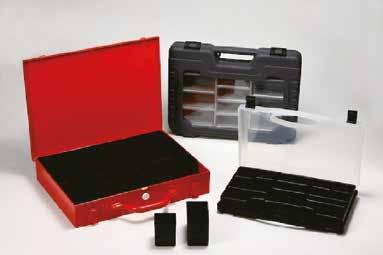
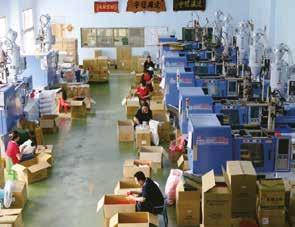
53 HAO CHENG PLASTIC CO., LTD. 皓正
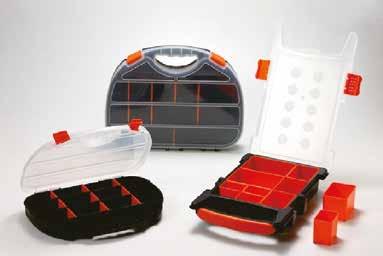
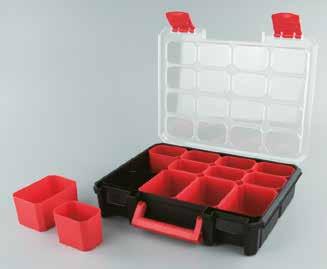
Plastic Box Maker for Fasteners
270 HAO MOU NUTS MFG. CO., LTD. 豪茂
Nuts and Spacers...
171 HARVILLE FASTENERS LTD
豪威爾
Special Screws and Bolts, Sems Screws, Stainless Steel Fasteners...
235 HAUR FUNG ENTERPRISE CO., LTD. 豪舫
External Tooth Washers, Long Carriage Bolts, Roofing Bolts...
224 HEADER PLAN CO INC
Chipboard Screws, Collated Screws, Deck Screws...
139 HO HONG SCREWS CO., LTD. 合鋒
Alloy Steel Screws, Button Head Cap Screws, Chipboard Screws...
100 HOSHENG PRECISION HARDWARE CO , LTD 和昇
Auto Parts, CNC Machined Parts, Bolts...
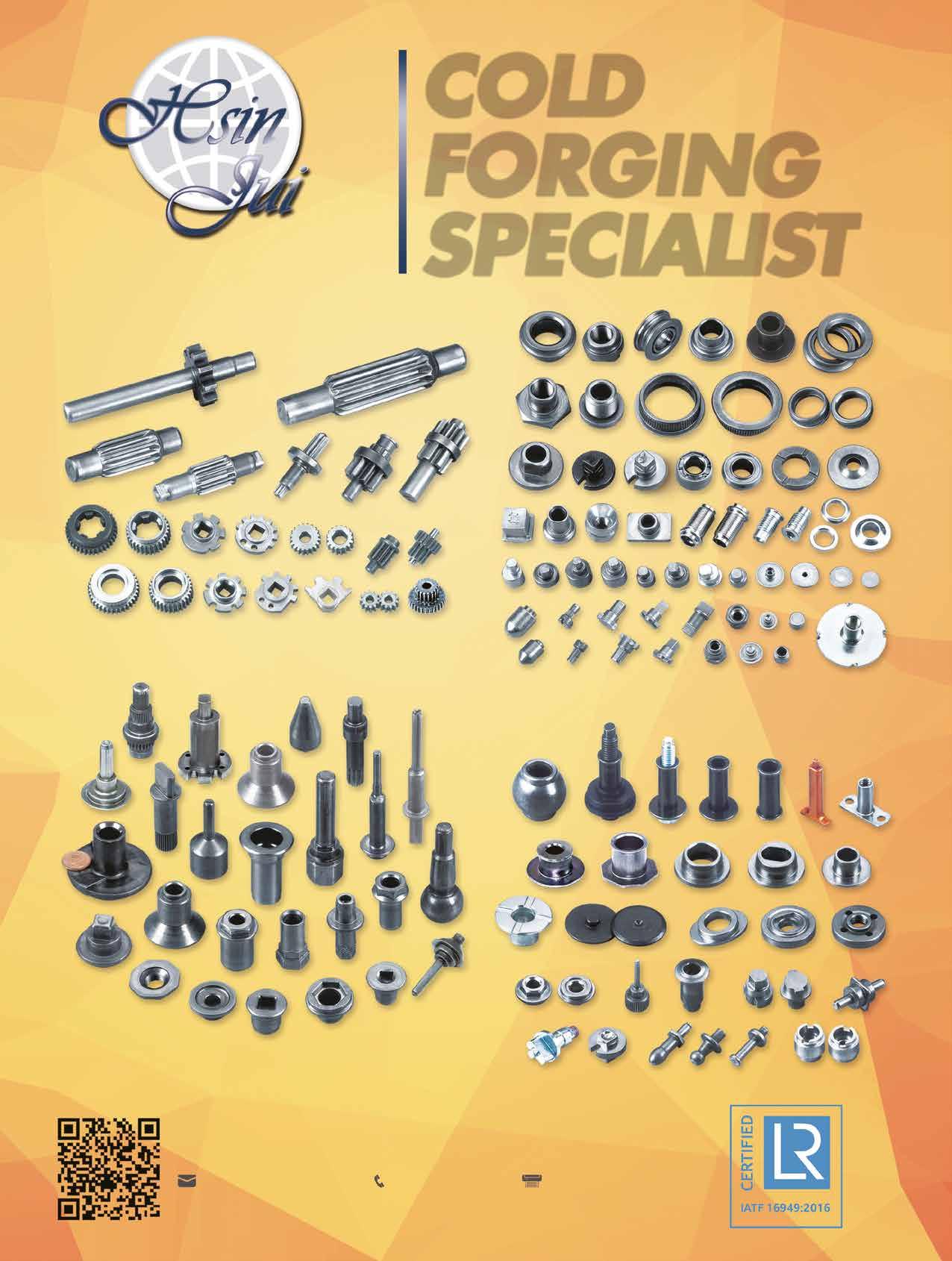
55 HSIN JUI HARDWARE ENTERPRISE CO., LTD. 欣瑞 Bushes, Construction Bolts, Special Cold / Hot Forming Parts...
217 HSIN YU SCREW ENTERPRISE CO., LTD. 新雨
Acme Screws, Hexagon Head Cap Screws...
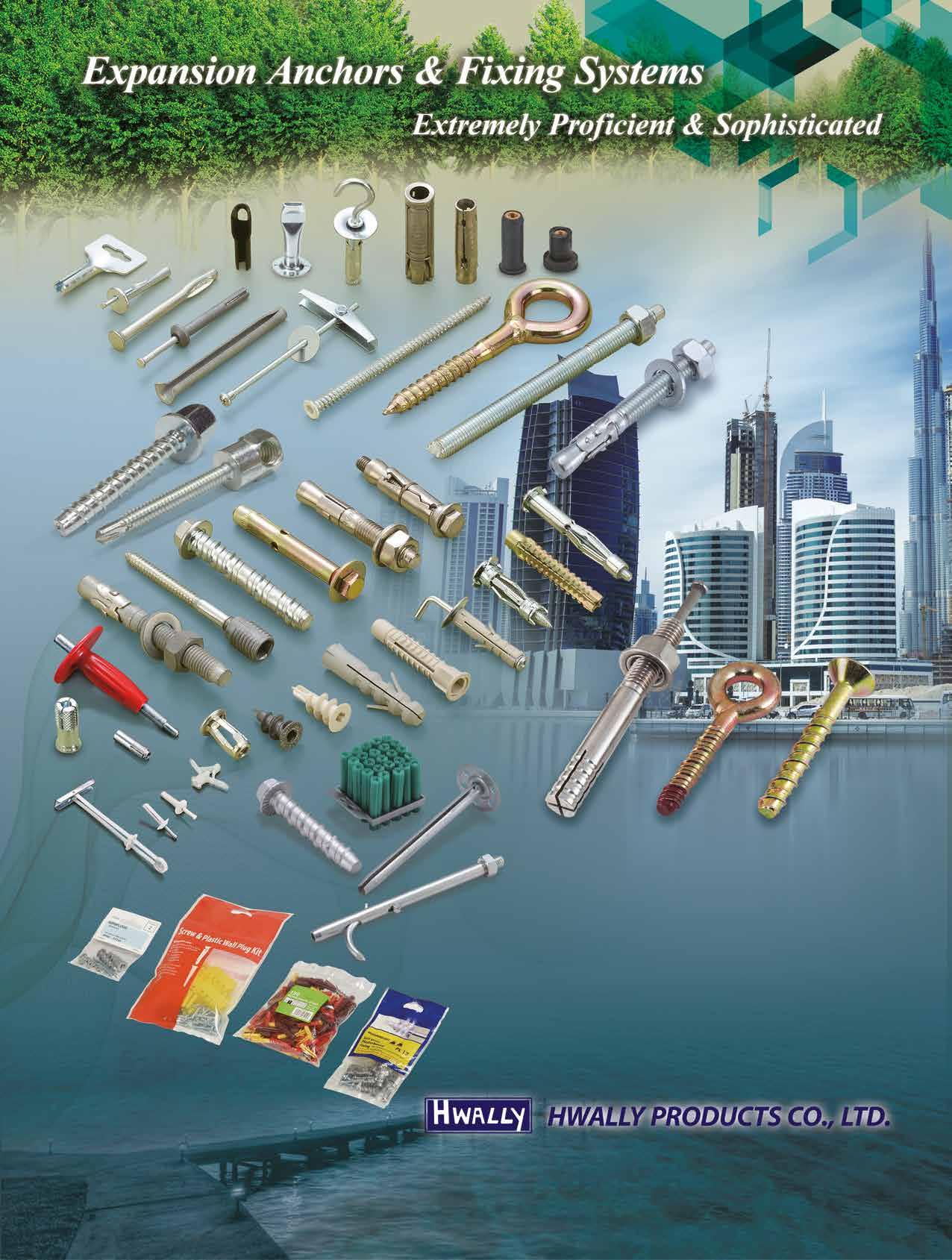
105 HWALLY PRODUCTS CO , LTD 樺麟 Drop-in Anchors, Chipboard Screws, Anchors...
177 HWEI NEN CO , LTD
Automotive & Motorcycle Special Screws / Bolts...
255 INFINIX PRECISION CORP. 英飛凌
Customized Punches and Dies
10 J C GRAND CORPORATION 俊良
All Kinds of Screws, Chipboard Screws...
269 JA DEN ENTERPRISE CORP., LTD.
Drilling Screws
57 JAU YEOU INDUSTRY CO , LTD 朝友
Chipboard Screws, Drywall Screws, High Low Thread Screws...
189 JENG YUH CO., LTD. 政毓
Plastic Injection Products, Plastic Mold R&D...
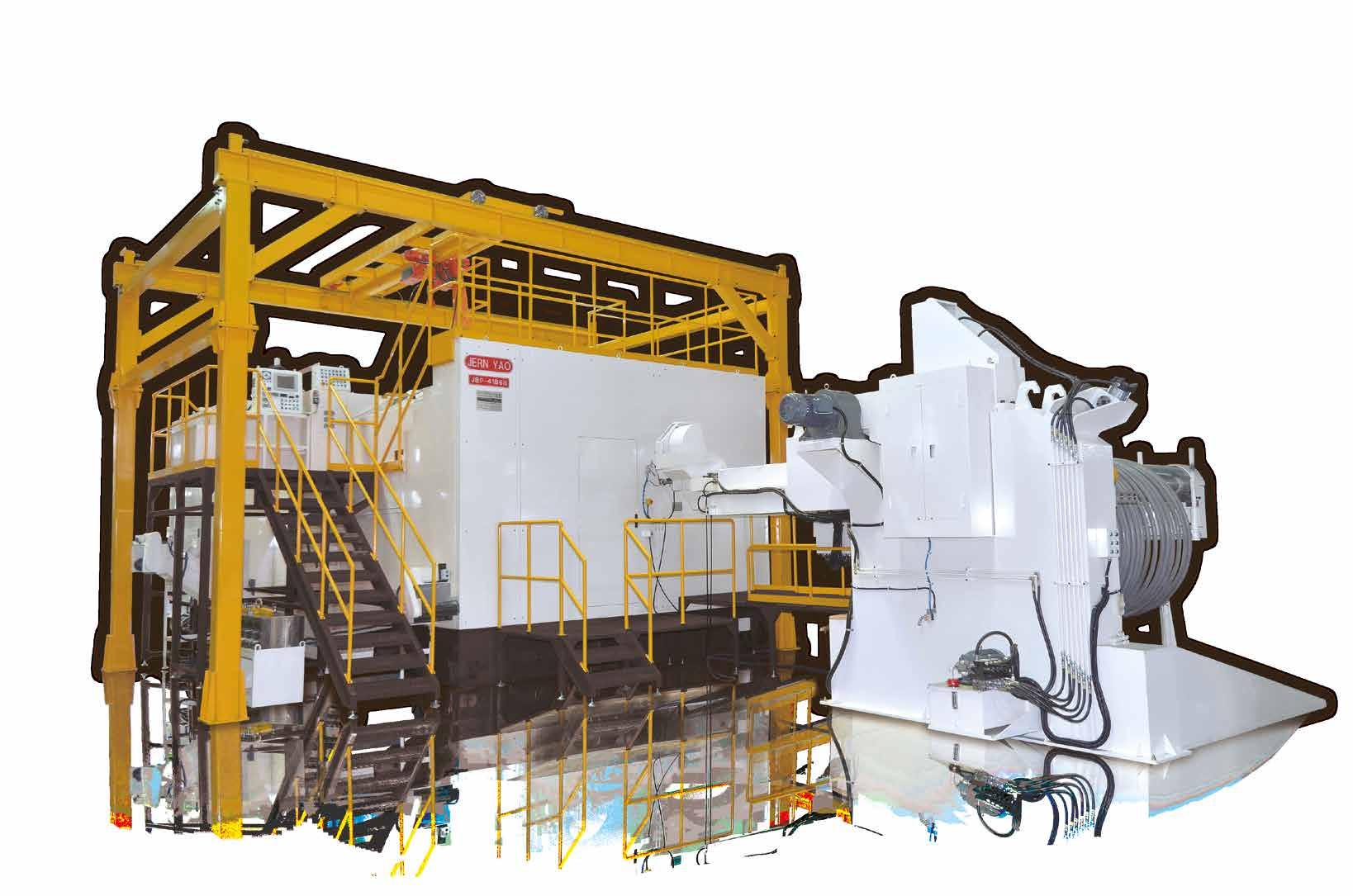
290 JERN YAO ENTERPRISES CO., LTD. 正曜
Multi-station Cold Forming, Parts Forming Machines...
42 JET FAST COMPANY LIMITED 捷禾
Blind Nuts / Rivet Nuts, Aircraft & Aerospace Washers...
149 JIEN KUEN ENTERPRISE CO., LTD. 健坤
Hexagon Nuts, Nylon Cap Insert Lock Nuts, Square Nuts...
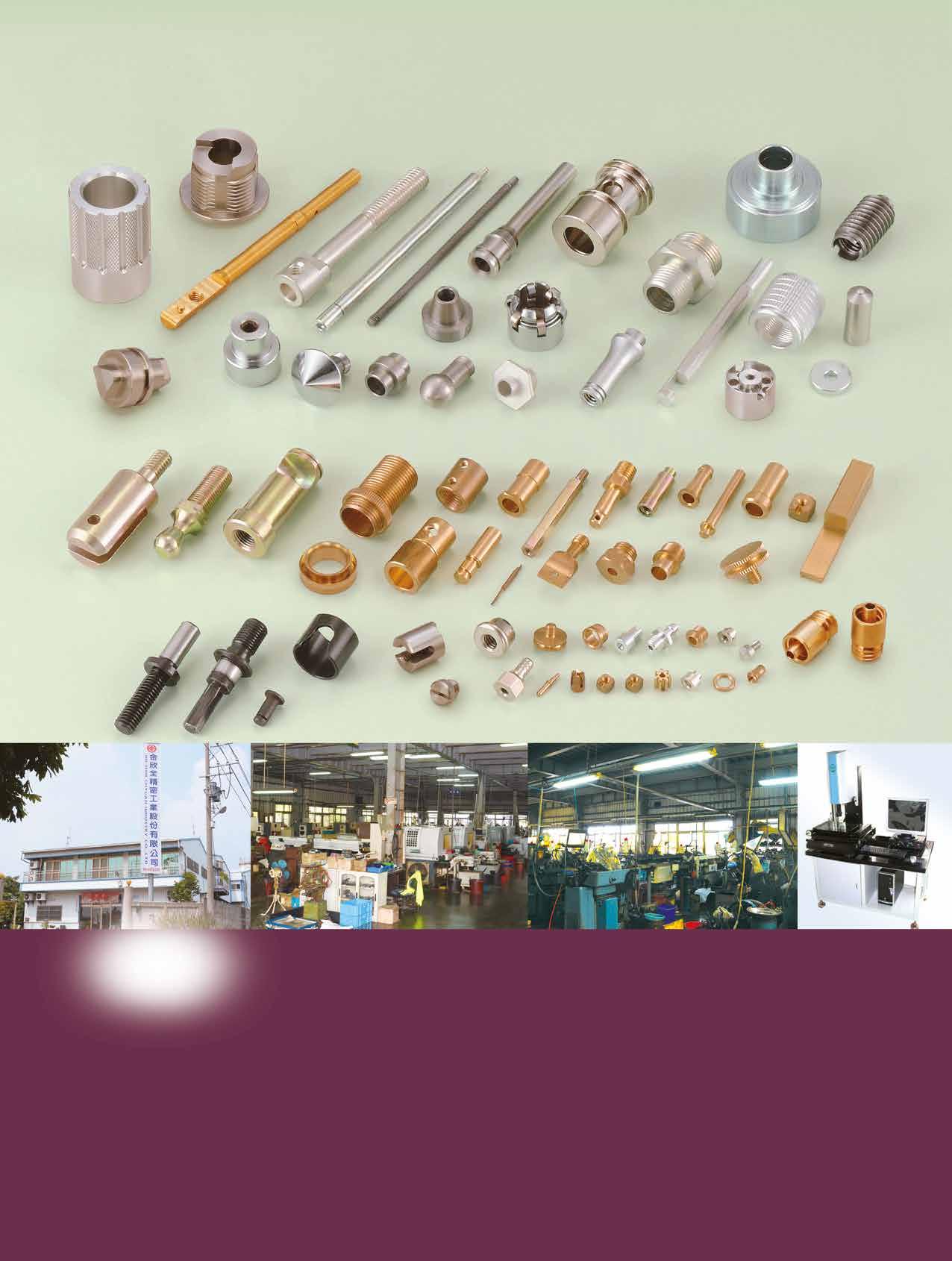
109 JIN SHIN CHYUAN INDUSTRY CO , LTD 金欣全
Automotive & Motorcycle Special Screws / Bolts...
163 JIN SHING STAINLESS IND. CO., LTD. 竣鑫
Self-tapping Screws, Machine Screws, Chipboard Screws...
37 JIN TA TRADING CO , LTD 金達
Special Nuts
128 JINGFONG INDUSTRY CO., LTD. 璟鋒
Hex Nylon Insert Lock Nuts, Wing Nuts with Nylon Insert...
183 JIN-YINGS ENTERPRISE CO., LTD. 晉營
Special Custom Fasteners, Auto/Motorcycle Fasteners...
35 JOKER INDUSTRIAL CO., LTD. 久可
Hollow Wall Anchors, Concrete Screws, Jack Nuts...
239 KAN GOOD ENTERPRISE CO , LTD
鋼固
Fastener, Hardware, Plastic, Instruction Booklet Package in Lpp Bags...
188 KING CENTURY GROUP CO., LTD. 慶宇
Drop-in Anchors, Self-drilling Anchors, Sleeve Anchors...
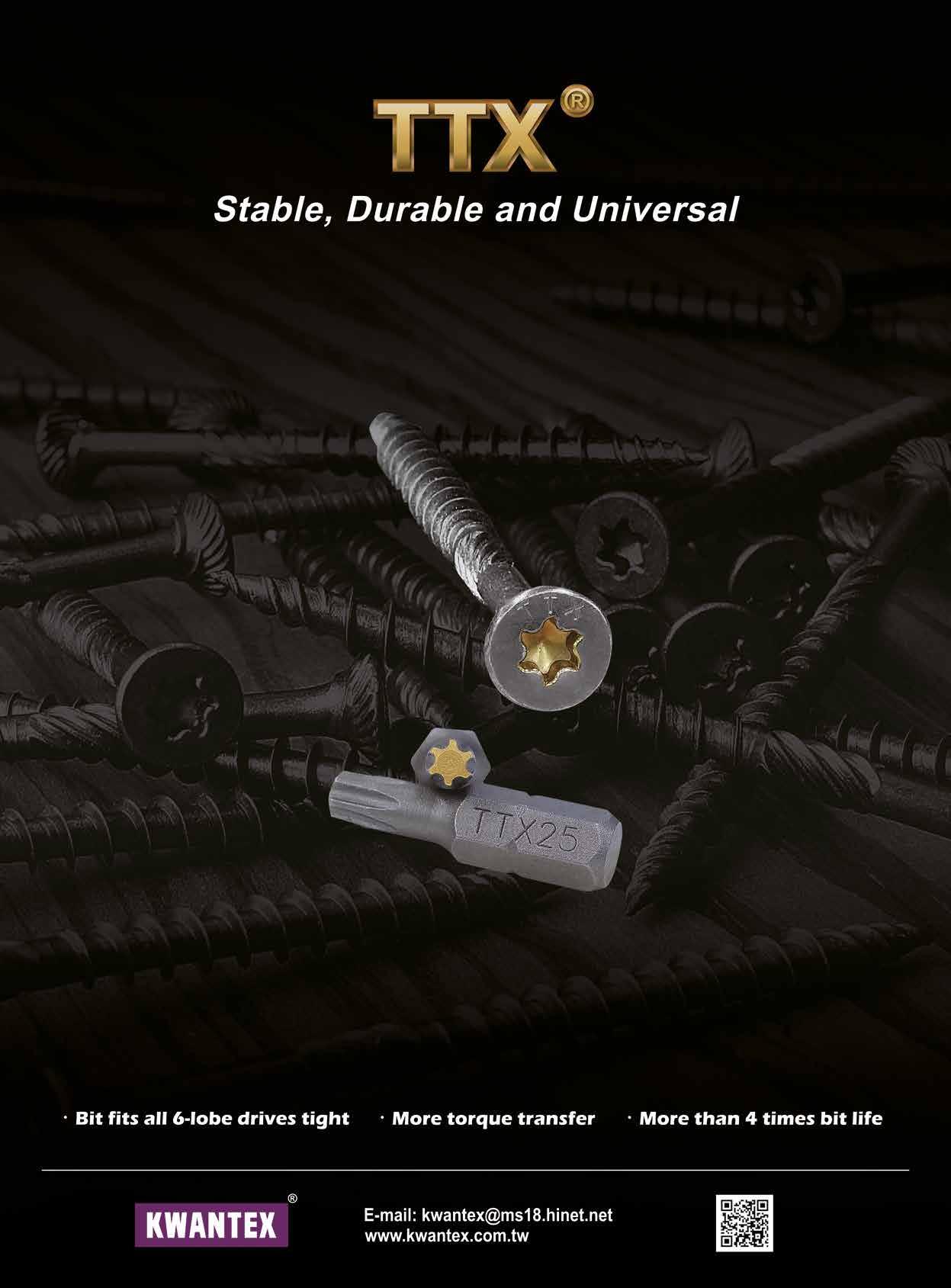
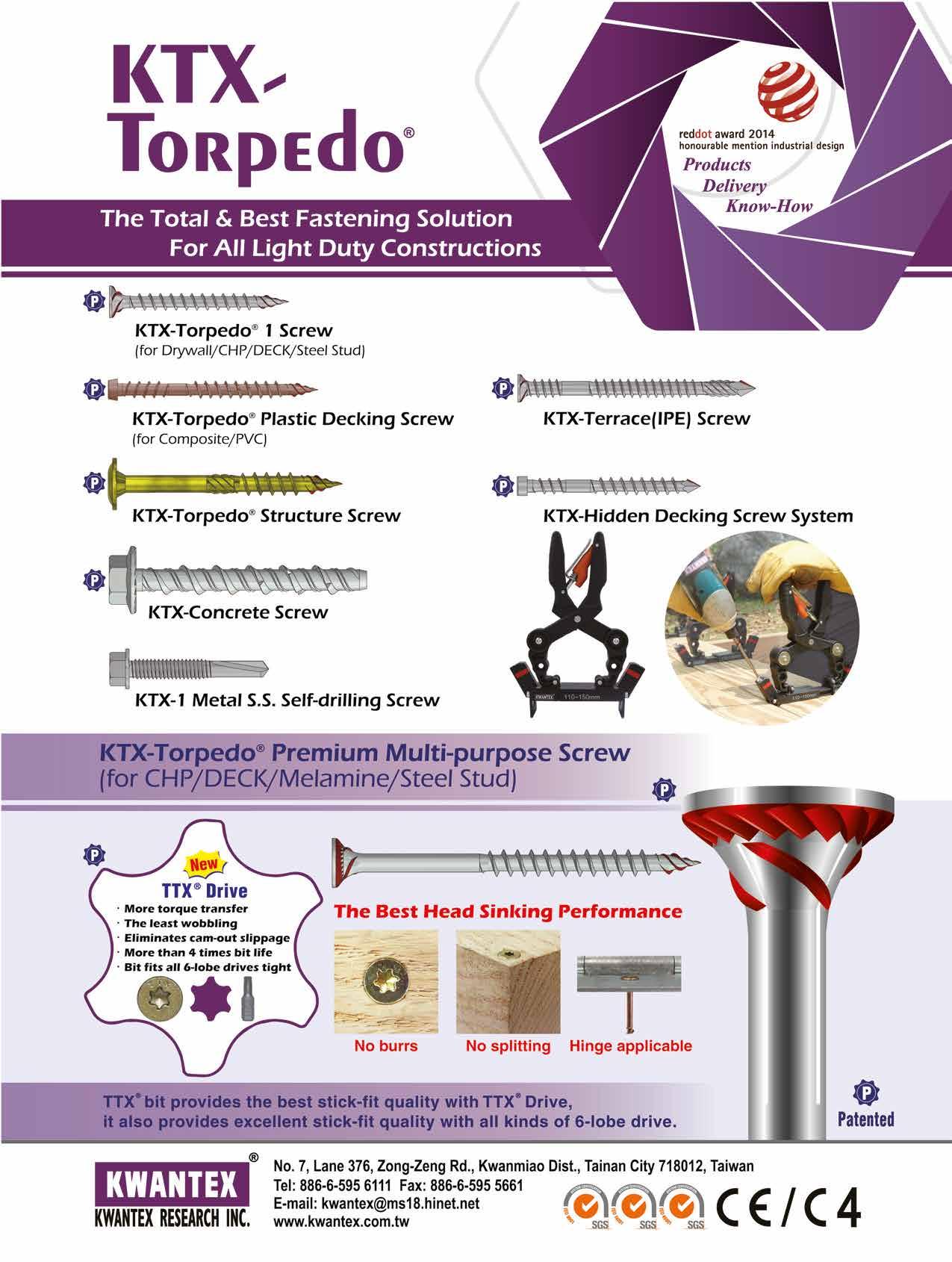
74 KWANTEX RESEARCH INC. 寬仕 Chipboard Screws, Drywall Screws, Furniture Screws...
124 L & W FASTENERS COMPANY 金大鼎
Construction Fasteners, Flat Washers, Heavy Nuts...
216 LIAN CHUAN SHING INTERNATIONAL 連全興
Weld Nuts, Special Parts, Special Washers, Flat Washers...
285 LIAN SHYANG INDUSTRIES CO , LTD 連翔
Nut Formers, Nut Tapping Machines





294 LINKWELL INDUSTRY CO , LTD 順承
All Kinds of Screws, Automotive & Motorcycle Special Screws...
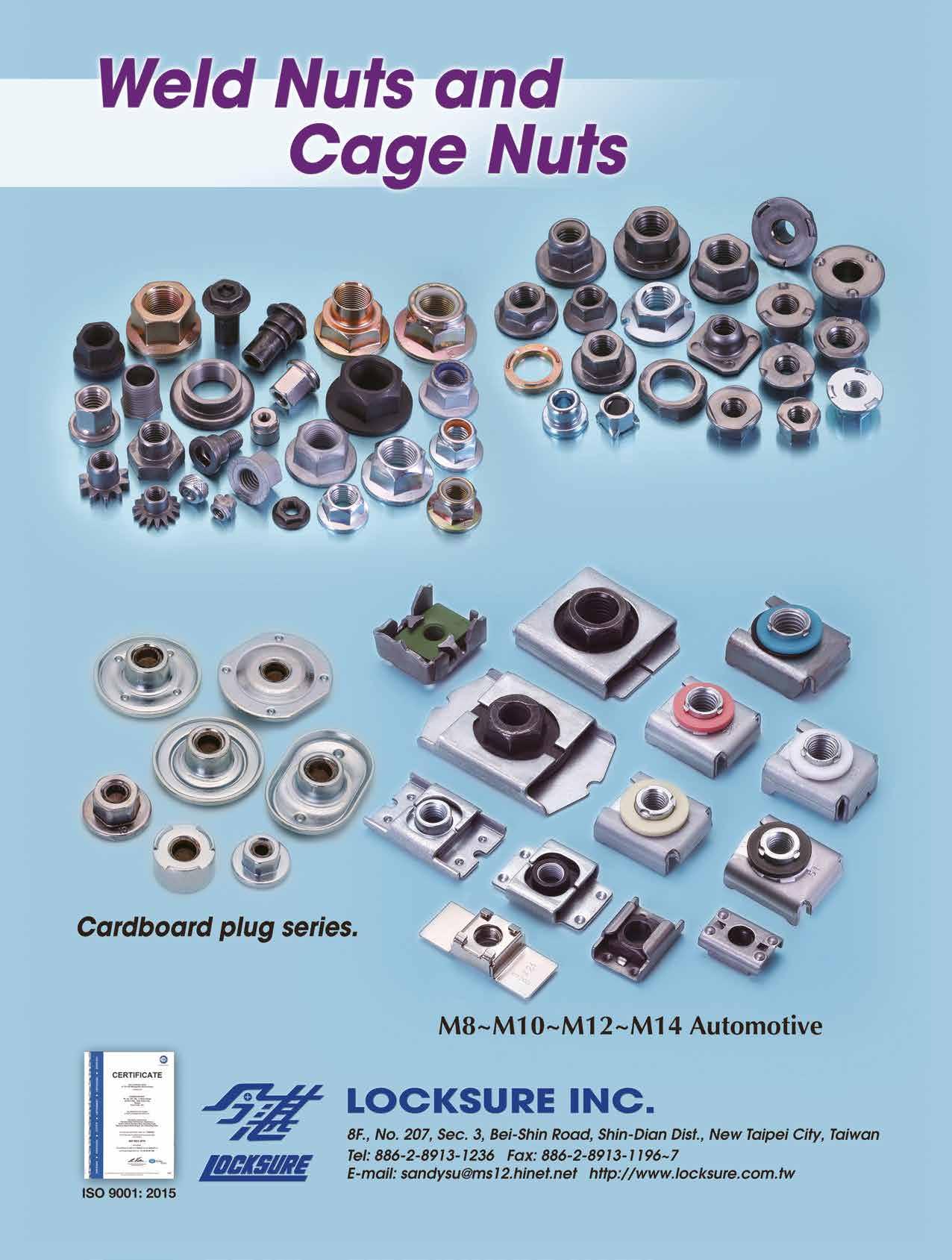
18 LOCKSURE INC. 今湛
Custom Washers, Flat Washers, Automotive Screws...
29 LONG THREAD FASTENERS CORP. 長隆順
Bi-metal Self-drilling Screws, Chipboard Screws...
121 LOYAL & BIRCH CO , LTD 龍業百起
Construction Fasteners and Building Fasteners
143 MAC PRECISION HARDWARE CO. 鑫瑞
Turning Parts, Precision Metal Parts, Cold Forged Nuts...
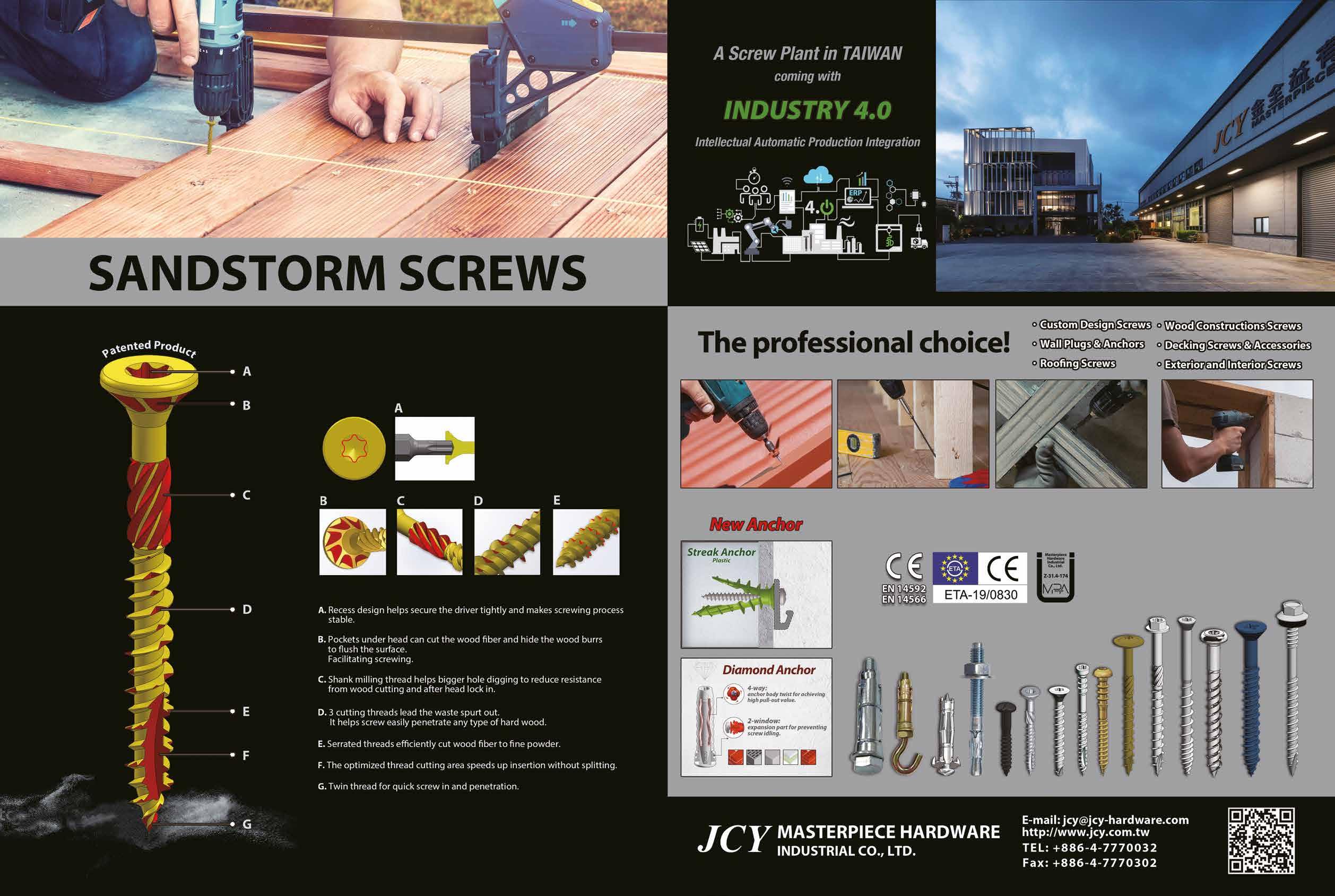
154 MASTERPIECE HARDWARE INDUSTRIAL 金全益
Brass Screws, Chipboard Screws, Double End Screws...
190 MAUDLE INDUSTRIAL CO., LTD. 茂異
Button Head Socket Cap Screws, Flange Washer Head Screws...
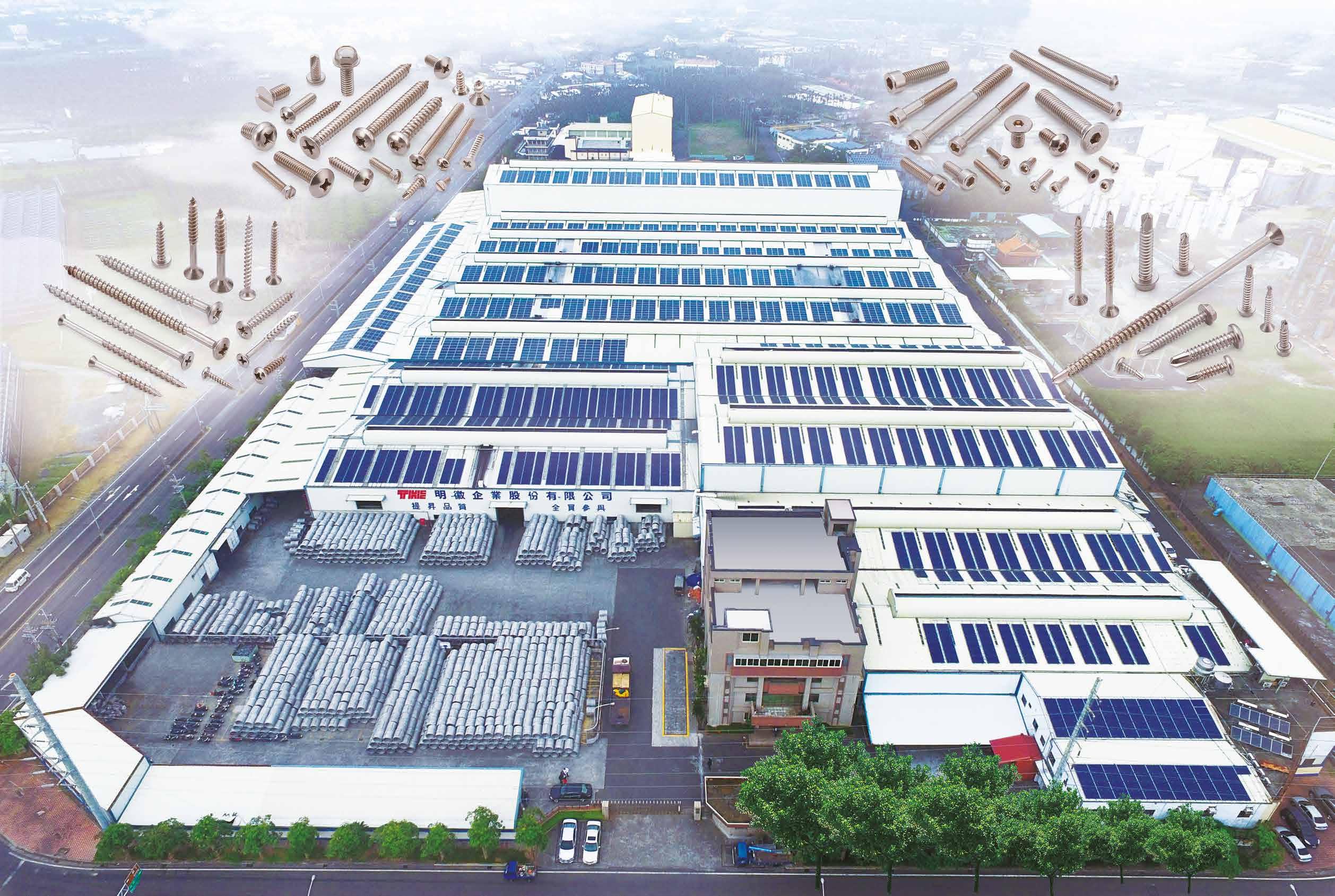
16 MIN HWEI ENTERPRISE CO , LTD 明徽
Button Head Socket Cap Screws, Chipboard Screws...
244 MING TANG MACHINERY CO., LTD. (WEN YANG) 玟暘
Screw Head Making Machines...
46 MODERN ALLOY PLATING CO , LTD 頂吉興
Zinc Plating, Lubricants
132 MOUNTFASCO INC.
All Kinds of Screws, Alloy Steel Screws, Automotive Screws...
崎鈺
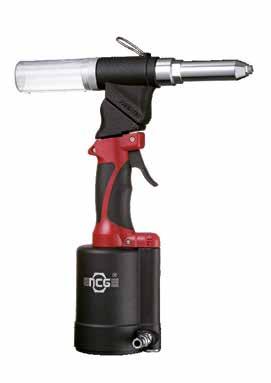
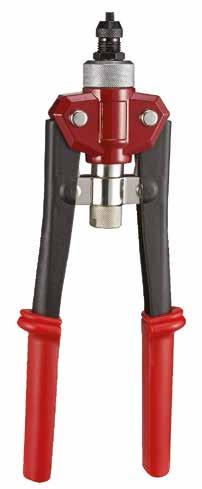
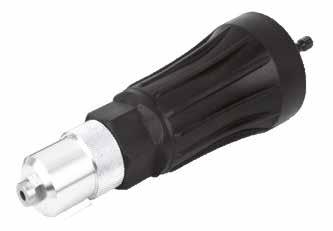
110 NCG TOOLS INDUSTRY CO , LTD 昶彰
Tools for Fastening Anchors, Blind Nuts / Rivet Nuts...
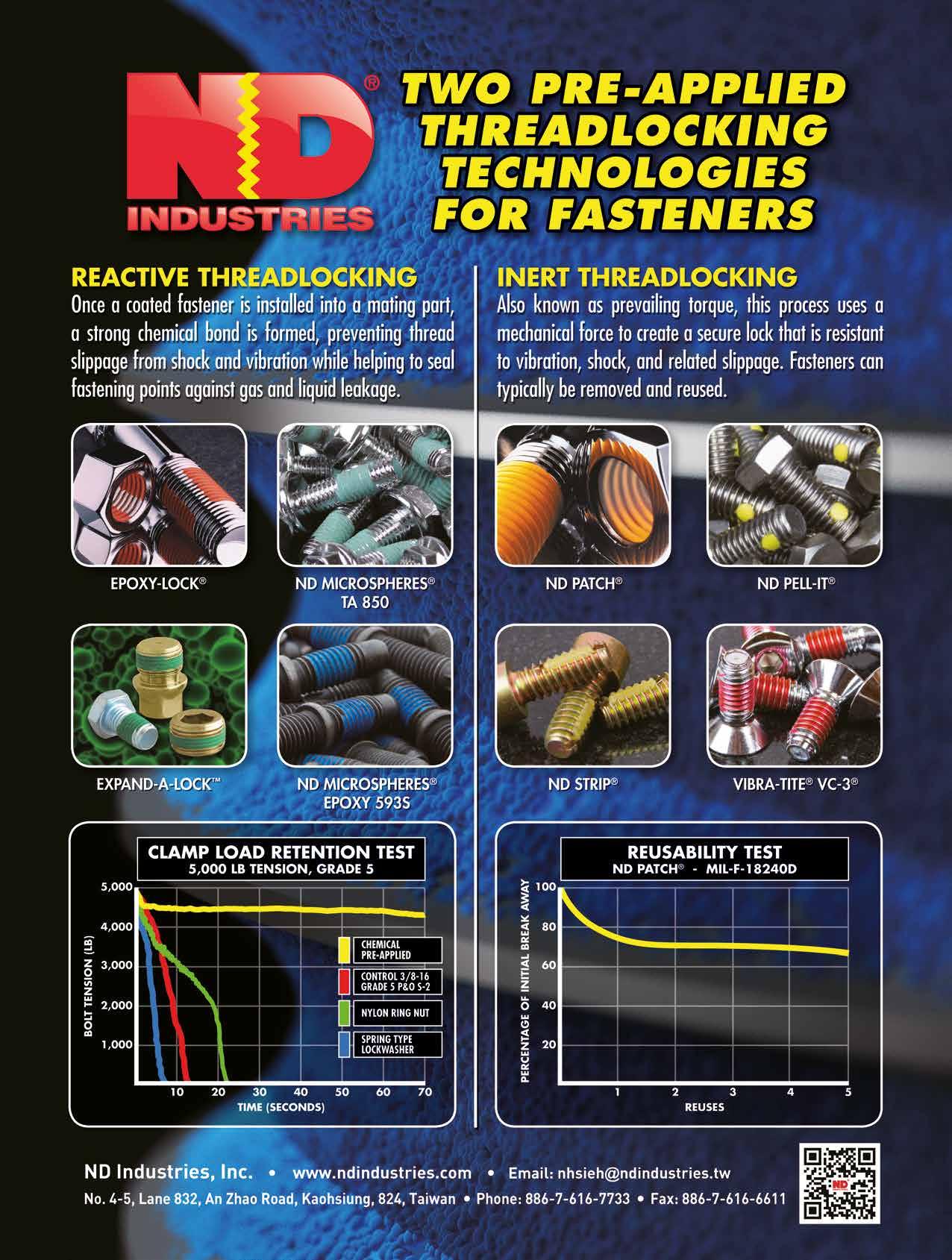
61 ND INDUSTRIES ASIA INC.
ND Pre-Applied Processes, Advanced Sealing Technologies...
229 ORANGE FASTENERS
Nuts, Screws, Bolts, Bushing, Rivets, Special Parts...
穩得
橙品
231 PAKWELL CORPORATION 開懋
Bi-metal Screws, Stainless Steel Screws
36 PENGTEH INDUSTRIAL CO , LTD 彭特
SEMs Screws, Special Screws, Binder Screws, PT Screws...
187 POL SHIN ENT CO , LTD 寶薰
Drywall Screws, Concrete Screws, Tapping Screws, Long Screws...
151 PPG INDUSTRIES INTERNATIONAL INC. 美商必丕志
Chromium-free Coating, ED Coating...
191 PRO POWER CO , LTD 鉑川
Screws, Bolts...
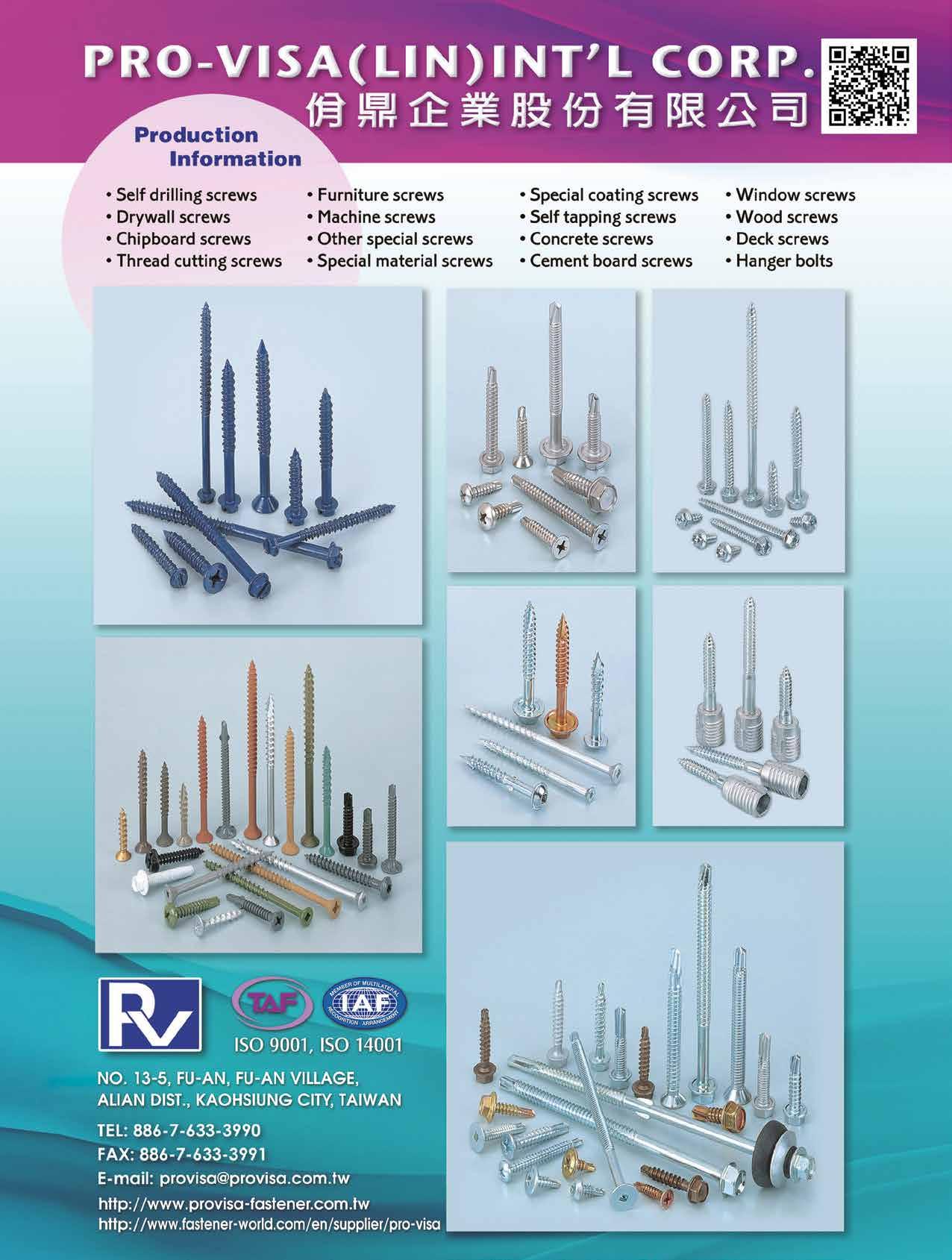
95 PRO-VISA (LIN) INT'L CORP.
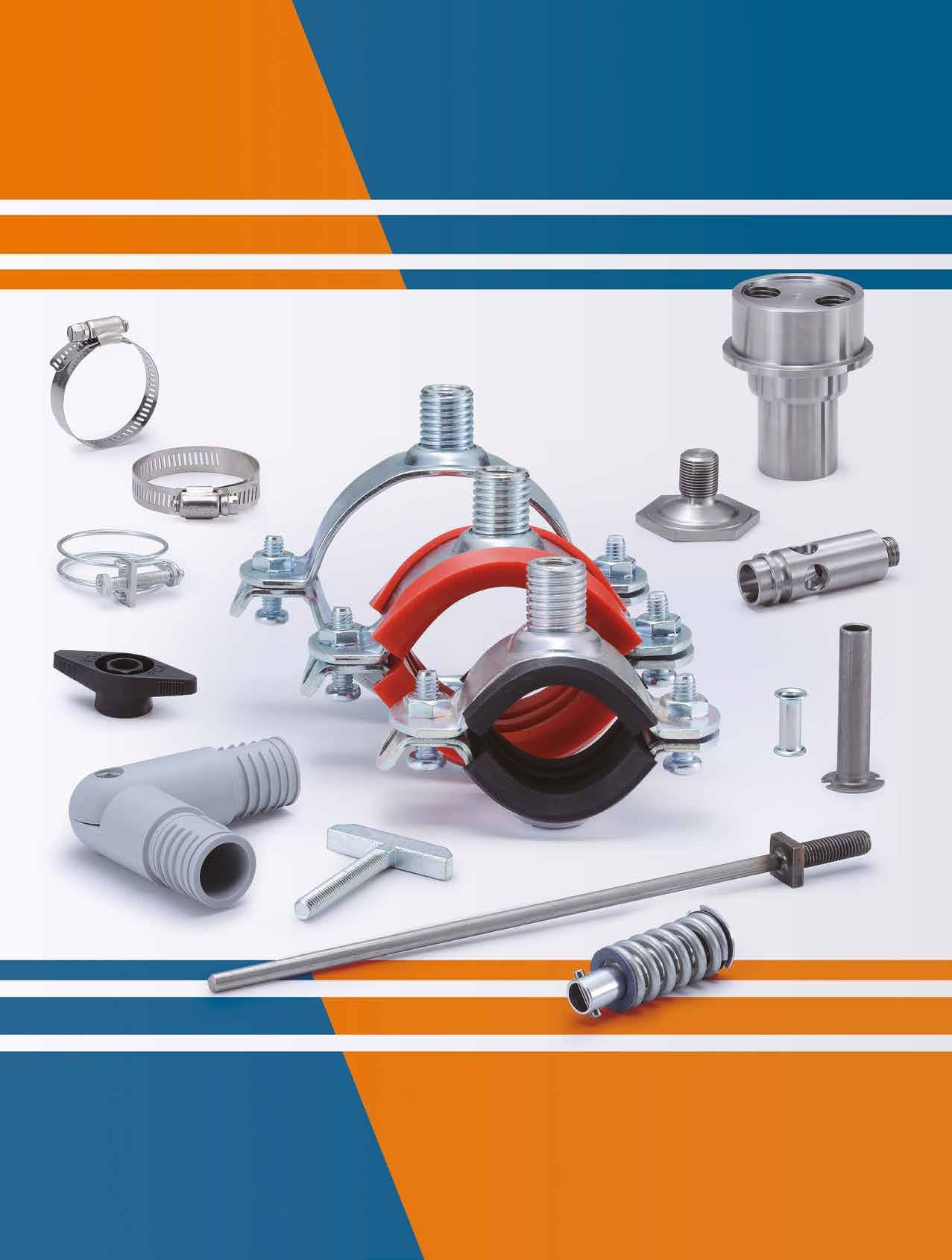
Self-drilling Screws, Stainless Steel Screws, Furniture Screws...
123 PS FASTENERS PTE LTD (Singapore) 汎昇
Washers, Socket Set Screws, U Bolts, Alloy Steel Screws...
97 QST INTERNATIONAL CORP. 恒耀國際
Hexagon Head Bolts, Square Head Bolts, Weld Bolts (Studs)...
12 REXLEN CORP
Clinch Nuts, Clinch Studs, CNC Parts, Stamped Parts...
2 SAN SHING FASTECH CORP.
Automotive Nuts, Automotive Parts, Carbide Dies...
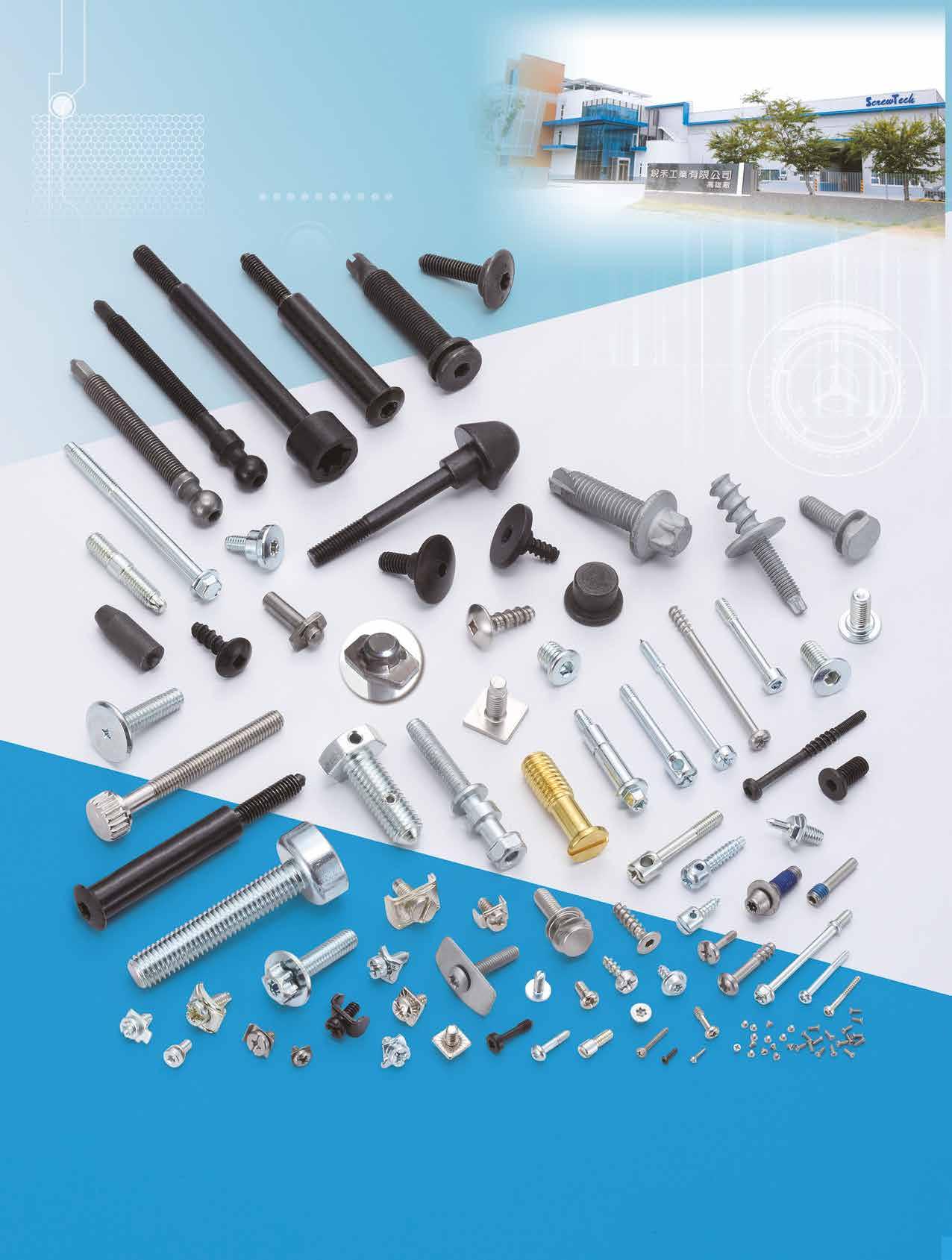
85 SCREWTECH INDUSTRY CO , LTD
Machined Parts, Thumb Screws, Micro Screws...
287 SEN CHANG INDUSTRIAL CO , LTD 昇錩
278
Customized Special Screws / Bolts, Socket Head Cap Screws...
SHANGHAI FAST-FIX RIVET CORP. 飛可斯
Blind Rivets, High Shear Rivets, Closed End Rivets...
256 SHEEN TZAR CO., LTD. 新讚
158
Self-Drilling Screw Machines & Dies
SHEH FUNG SCREWS CO , LTD 世豐
Chipboard Screws, Countersunk Screws, Wood Screws...
156 SHEH KAI PRECISION CO., LTD. 世鎧
107
Bi-metal Concrete Screw Anchors, Bi-metal Screws...
SHEN CHOU FASTENERS INDUSTRIAL CO , LTD 神洲
Button Head Cap Screws, Chipboard Screws...
267 SHENG LONG INDUSTRY CO. 昇隆 Punches, Pins, Carbide Punches, Dies, Sleeves...
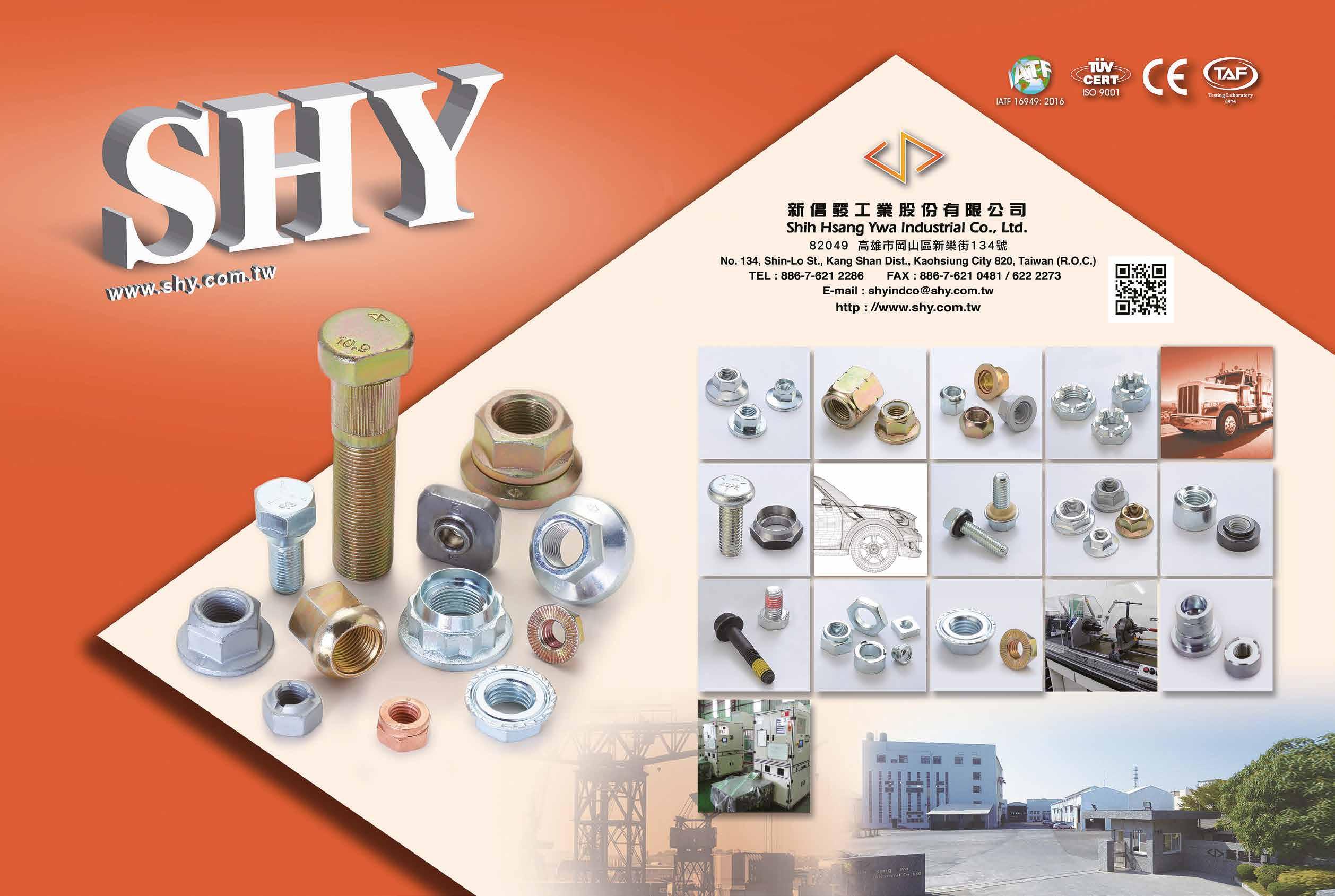
30 SHIH HSANG YWA INDUSTRIAL CO , LTD 新倡發 Flange Nuts, Flange Nylon Nuts With Washers...
168
SHIN CHUN ENTERPRISE CO., LTD. 昕群
Automotive Screws, Chipboard Screws, Customized Screws...
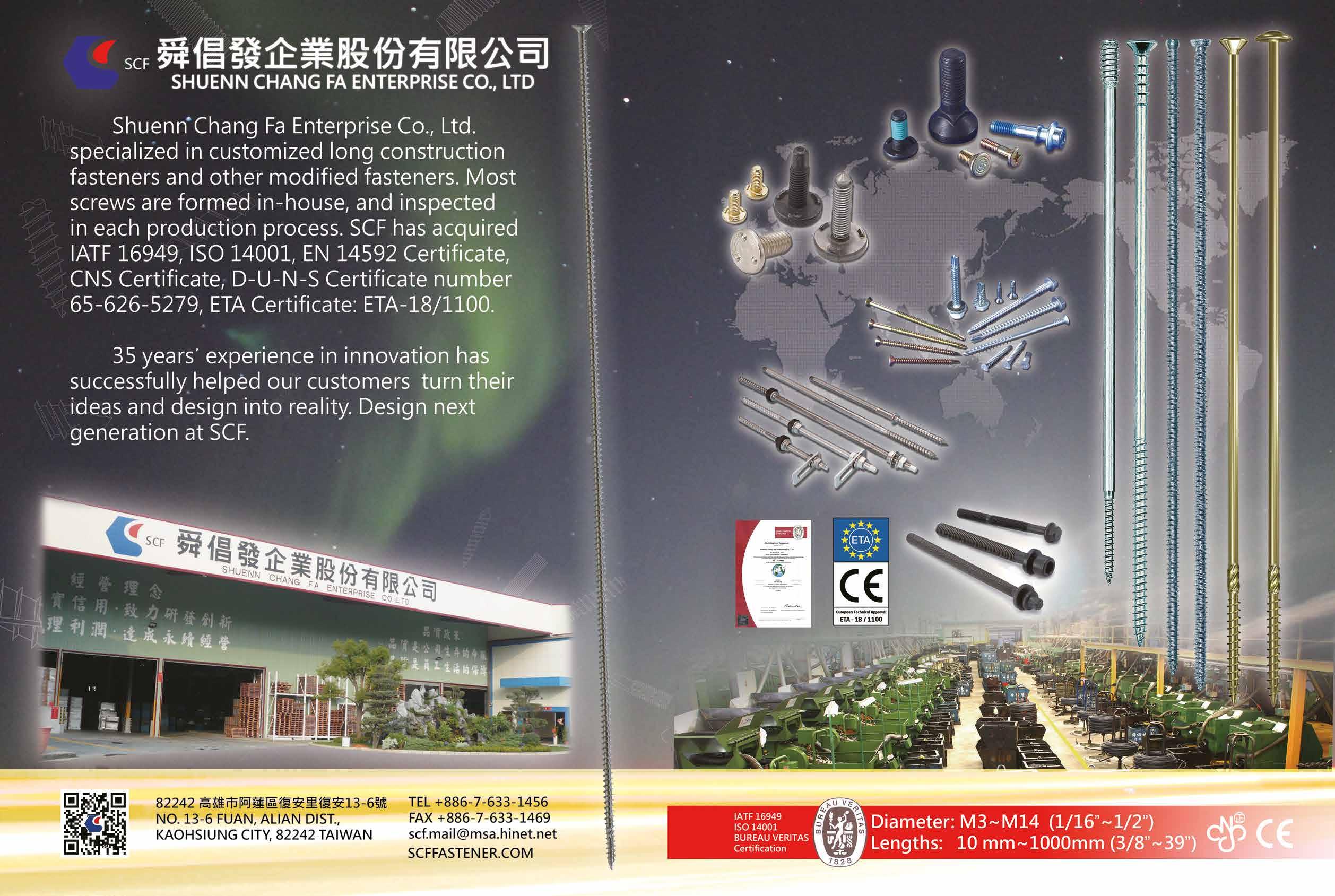
136 SHUENN CHANG FA ENTERPRISE CO., LTD. 舜倡發
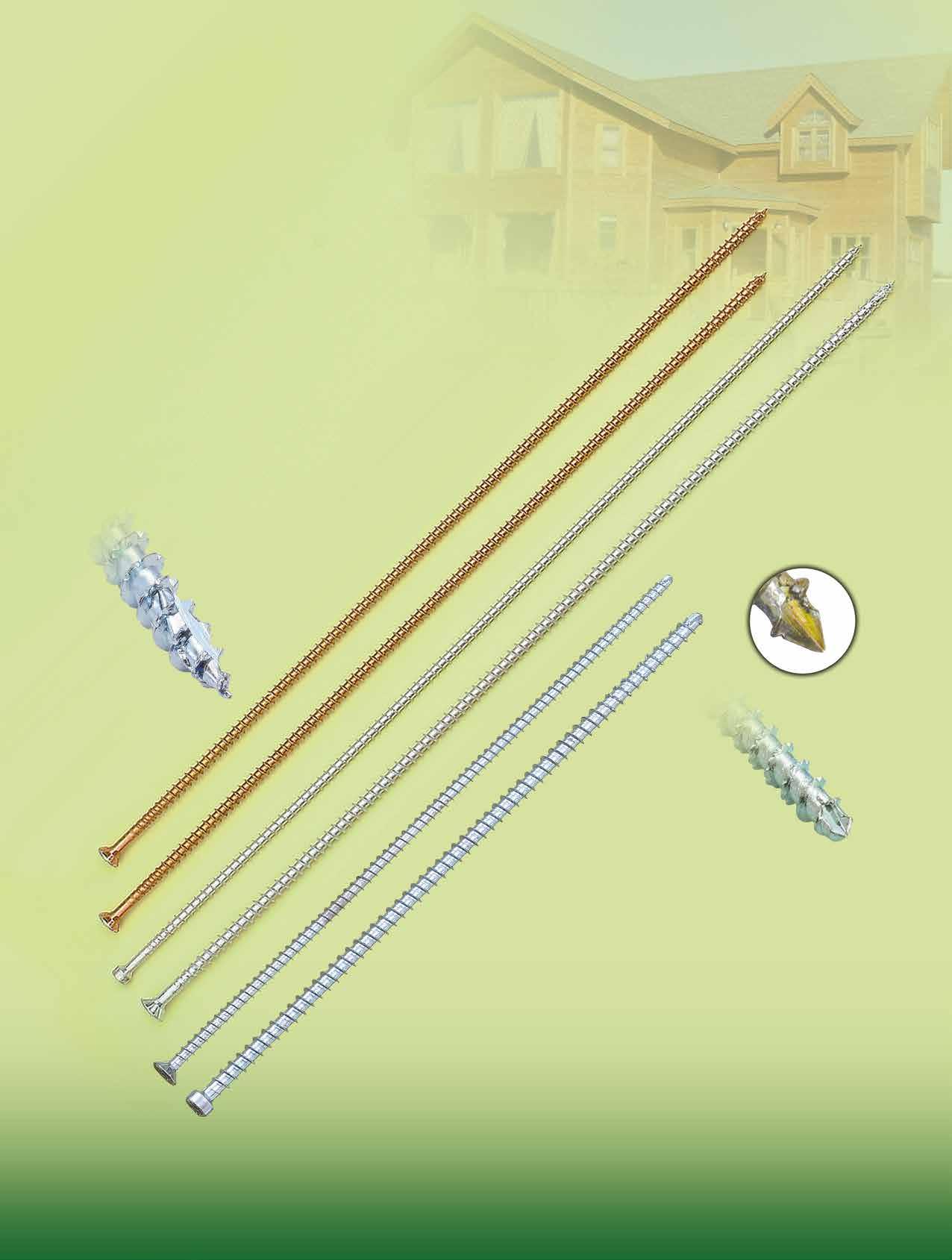
Long Screws, Concrete Screws, Machine Screws...
91 SHUN DEN IRON WORKS CO , LTD 順典
Fastener Tools, Bolts, Screws, Nuts, Stamped Parts…
259 SHUN HSIN TA CORP. 順興達 Punches, Tungsten Carbide Nut Forming Dies, Special Dies…
167 SIN HONG HARDWARE PTE LTD (Singapore) 新豐
Hexagon Nuts, Hexagon Head Bolts, Blind Rivets...
26 SPEC PRODUCTS CORP. 友鋮
Lincensee Fasteners, Turned/Machined Parts...
8 SPECIAL RIVETS CORP 恆昭
Blind Nuts / Rivet Nuts, Blind Rivets, Air Riveters...
145 STARBEST ENTERPRISE CO., LTD. 展洋
34
Automotive Screws, Parts & Precision Electronic Screws...
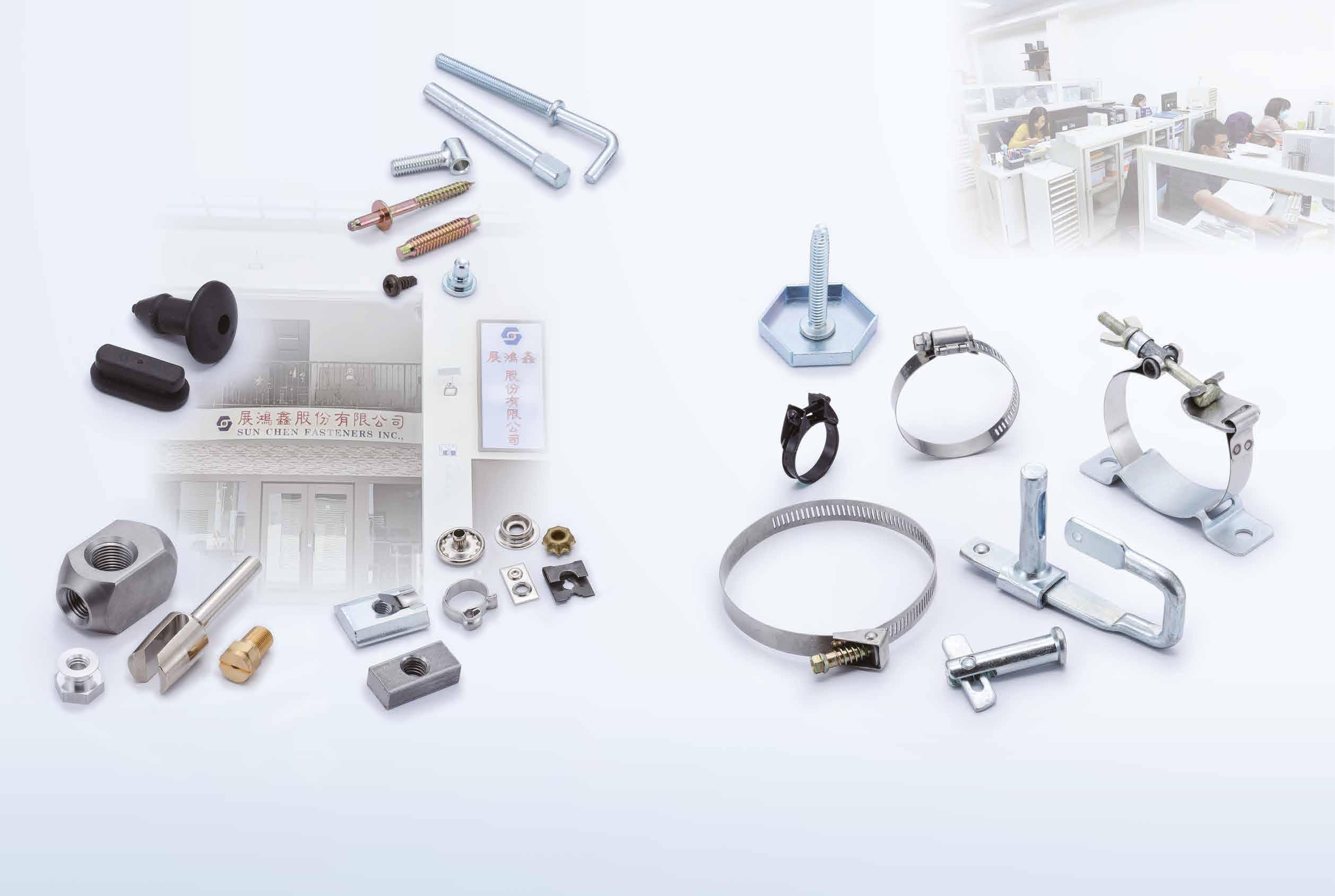
SUN CHEN FASTENERS INC. 展鴻鑫
Cup Washers, Flanged Head Bolts, T-head or T-slot Bolts...
126 SUPER CHENG INDUSTRIAL CO , LTD 世暘
Nuts & Auto Parts, Flange Bolts, Sockets & Threaded Rods...
43 SUPER DPD CO., LTD. 三御
All Kinds of Screws, Bi-metal Screws, Carbon Steel Screws...
125 SUPER NUT INDUSTRIAL CO , LTD 傑螺
Blind / Rivet Nuts, Security Fasteners, Barrel Nuts, Machine Parts...
195 TAIWAN LEE RUBBER CO., LTD. 台力
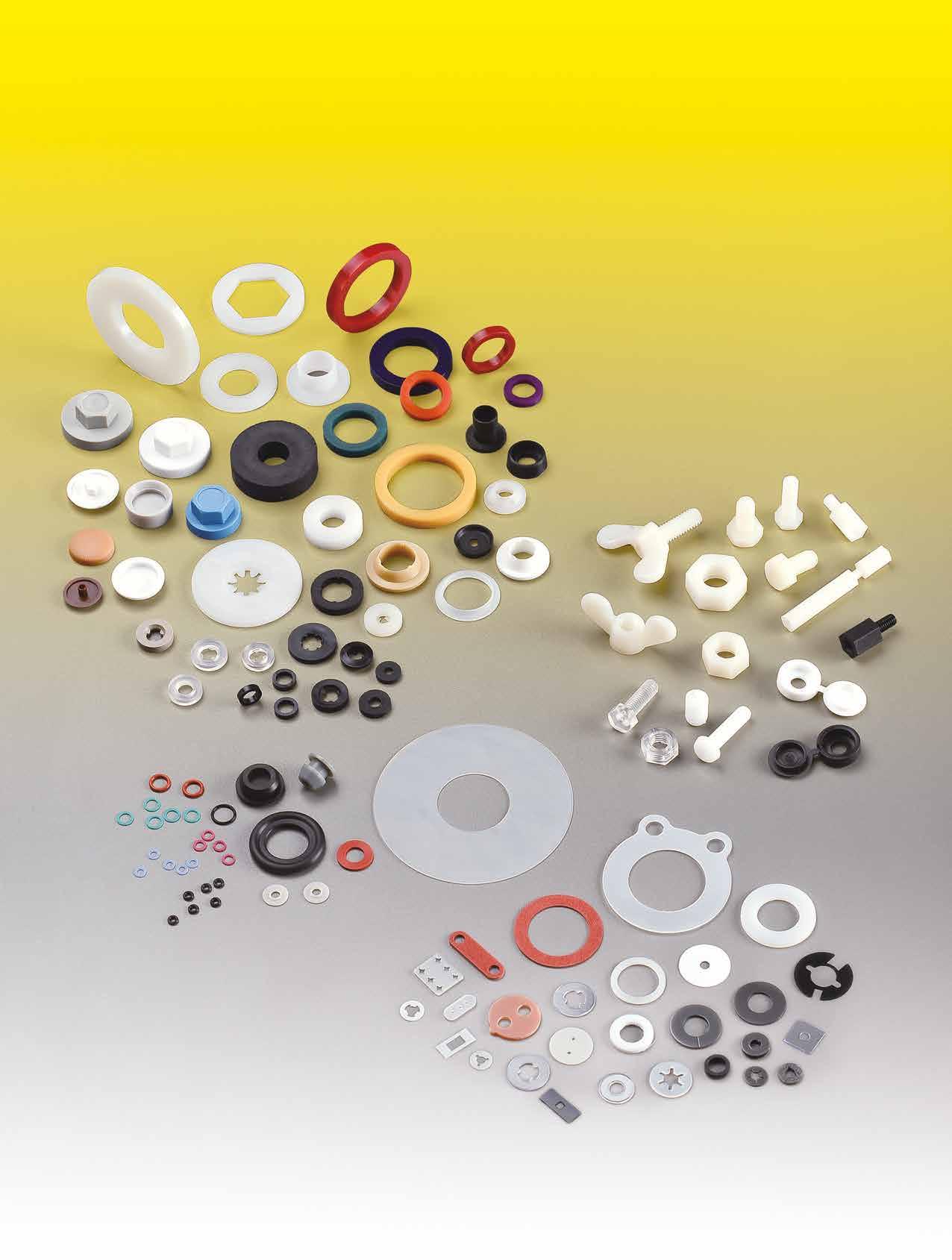
Bonded Washers, E.P.D.M. Vulcanized, Pipe Flashing...
179 TAIWAN NYLON WASHER CO , LTD 東佑典
Rubber Washers, Silicone Washers, Plasterboard Nails...
286 TAIWAN PRECISION FASTENER CO., LTD.
Drywall Screws, Wood Construction Screws, Roofing Screws...
44 TAIWAN SELF-LOCKING FASTENERS IND. 台灣耐落
Nylok®, Precote®, Nycote®, Nyplas®, Loctite®...
199 TANG AN ENTERPRISE CO , LTD 鏜安
Customized Automotive Parts and Special Fasteners
207 TEMBO GLOBAL INDUSTRIES LTD. (India)
Studs & Bolts, Nuts, Washers, Screws, Nails, Anchors…
20 THREAD INDUSTRIAL CO , LTD 英德
Chipboard Screws, Flange Nuts, Heavy Nuts...
173 TICHO INDUSTRIES CO., LTD.
帝潮
Bi-metal Self-drilling Screws, Timber Screws, Collated Screws...
48 TONG HEER FASTENERS (THAILAND) CO , LTD
Hex Bolts, Stud Bolts, Socket Cap Screws, Hex Nuts…
48 TONG HEER FASTENERS CO., SDN. BHD (Malaysia)
Stainless Steel Metric Screws, Stainless Steel Screws...
135 TONG HO SHING INTERNATIONAL CO., LTD. 桐和興
Hex Washer Head Screws, Indent Hex Head Screws...
14 TONG HWEI ENTERPRISE CO , LTD 東徽
A2 Cap Screws, Button Head Socket Cap Screws...
49 TONG MING ENTERPRISE CO., LTD. 東明
Stainless Steel Fasteners, Wire Rods...
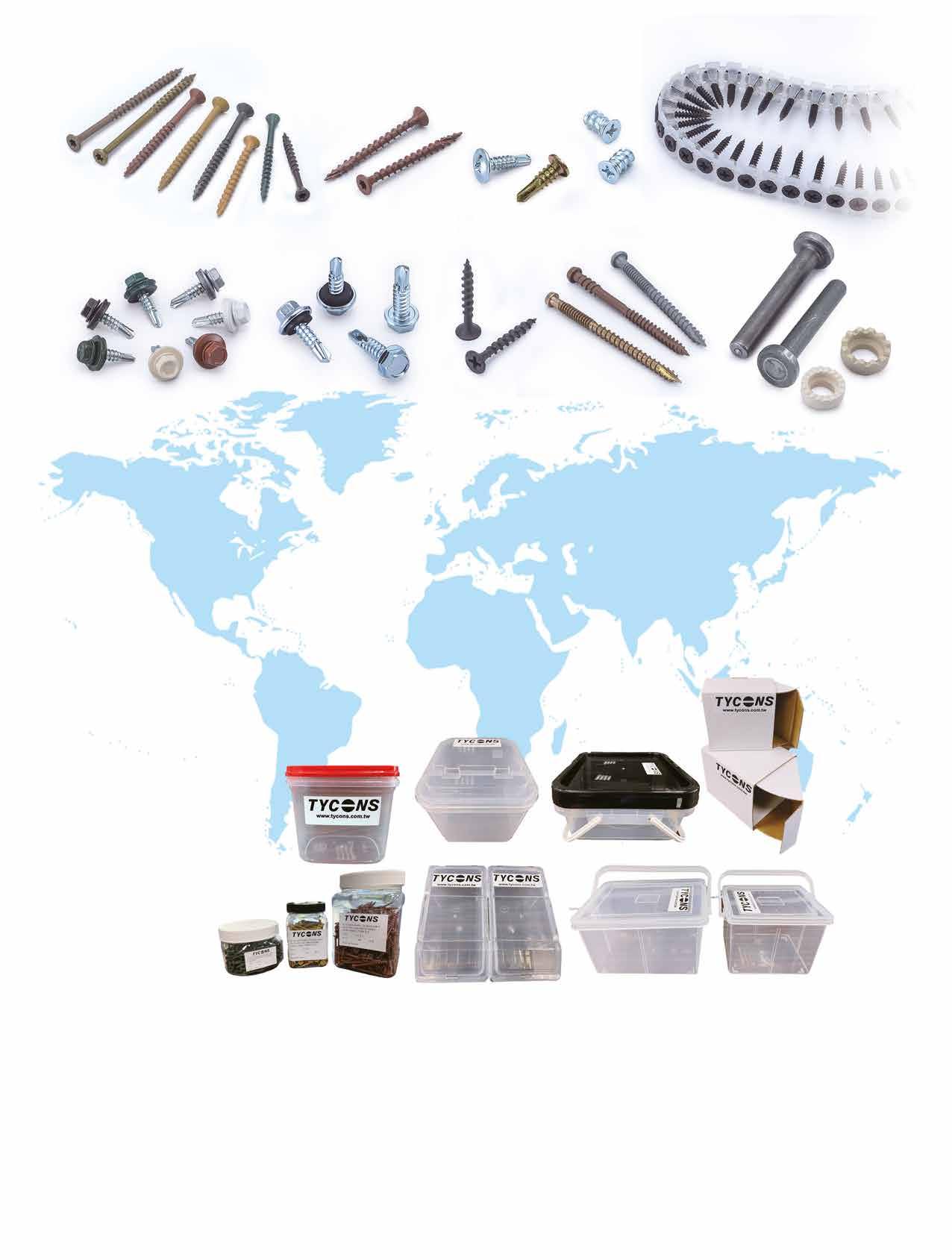
133 TYCOONS GROUP ENTERPRISE CO , LTD 聚亨
Chipboard Screws, Collated Screws, Deck Screws...
277 TZE PING PRECISION MACHINERY CO., LTD. 智品
Open Die Machines, Cold Headers, Cold Forming Machines...
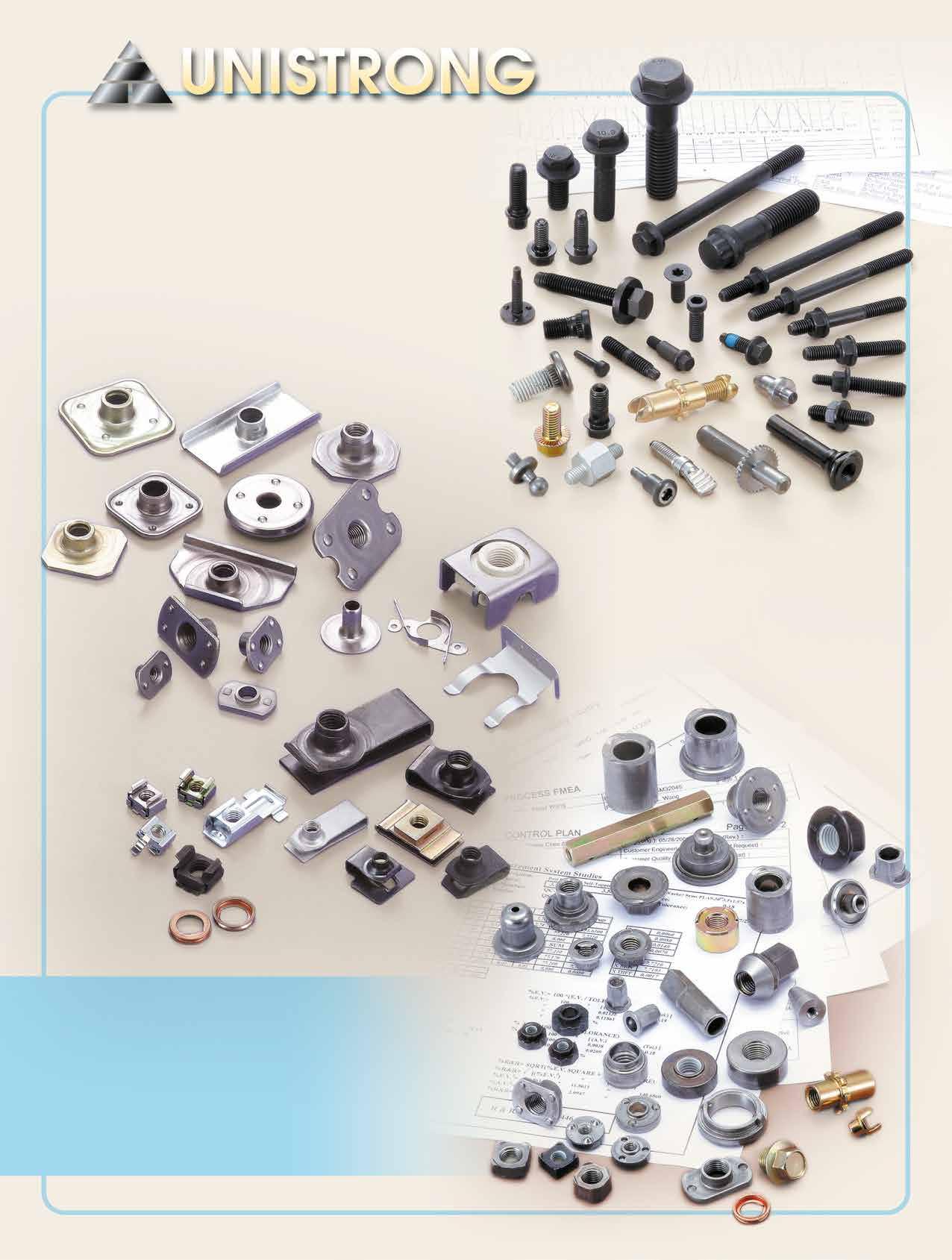
104 UNISTRONG INDUSTRIAL CO , LTD 六曜
Retaining Nuts, Sleeve Nuts, Weld Nuts, Automotive Screws...
56 VERTEX PRECISION INDUSTRIAL CORP. 緯紘
6 Cuts/ 8 Cuts Self Drilling Screws, Barrel Nuts, Cap Screws...
265 WAN IUAN ENTERPRISE CO , LTD 萬淵
Punches/Dies of Various Nuts, Screws, Sleeves and Socket Boxes
64 WE POWER INDUSTRY CO., LTD. 威力寶
Chipboard Screws, Concrete Screws, Drywall Screws...
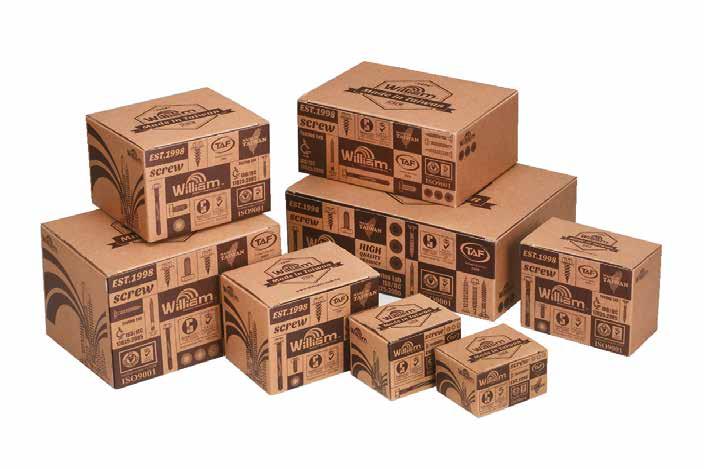
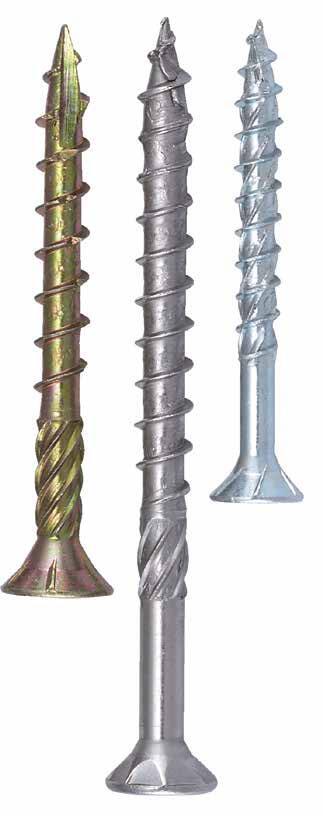
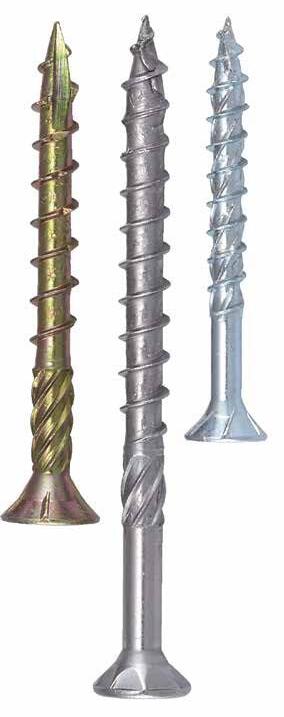
282 WILLIAM SPECIALTY INDUSTRY CO , LTD 威廉特
Chipboard Screws, Concrete Screws, Drywall Screws...
117 WINLINK FASTENERS CO., LTD. 岡山東穎
Stainless Steel Screws, Flange Bolts, Security Bolts, SEMS Screws...
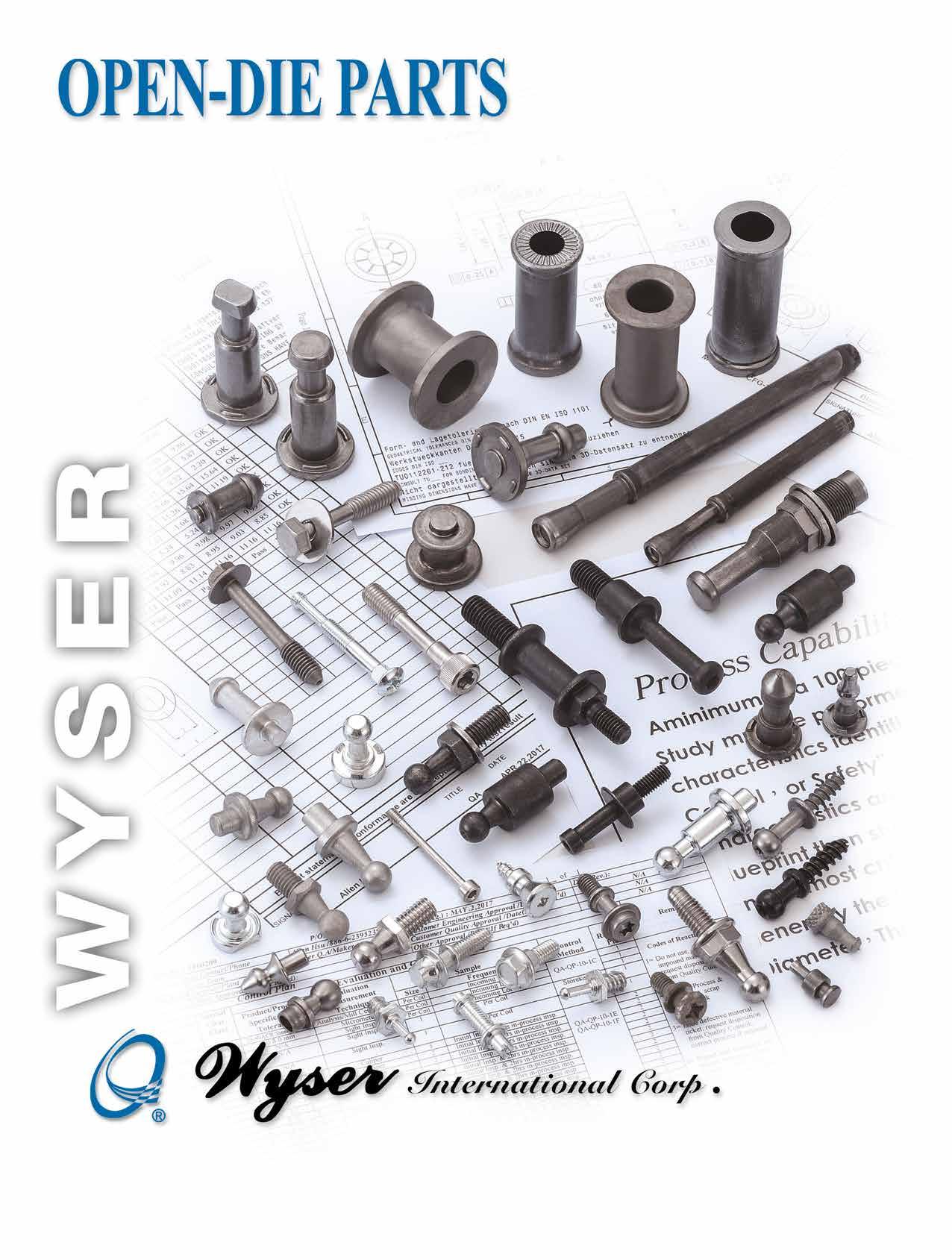
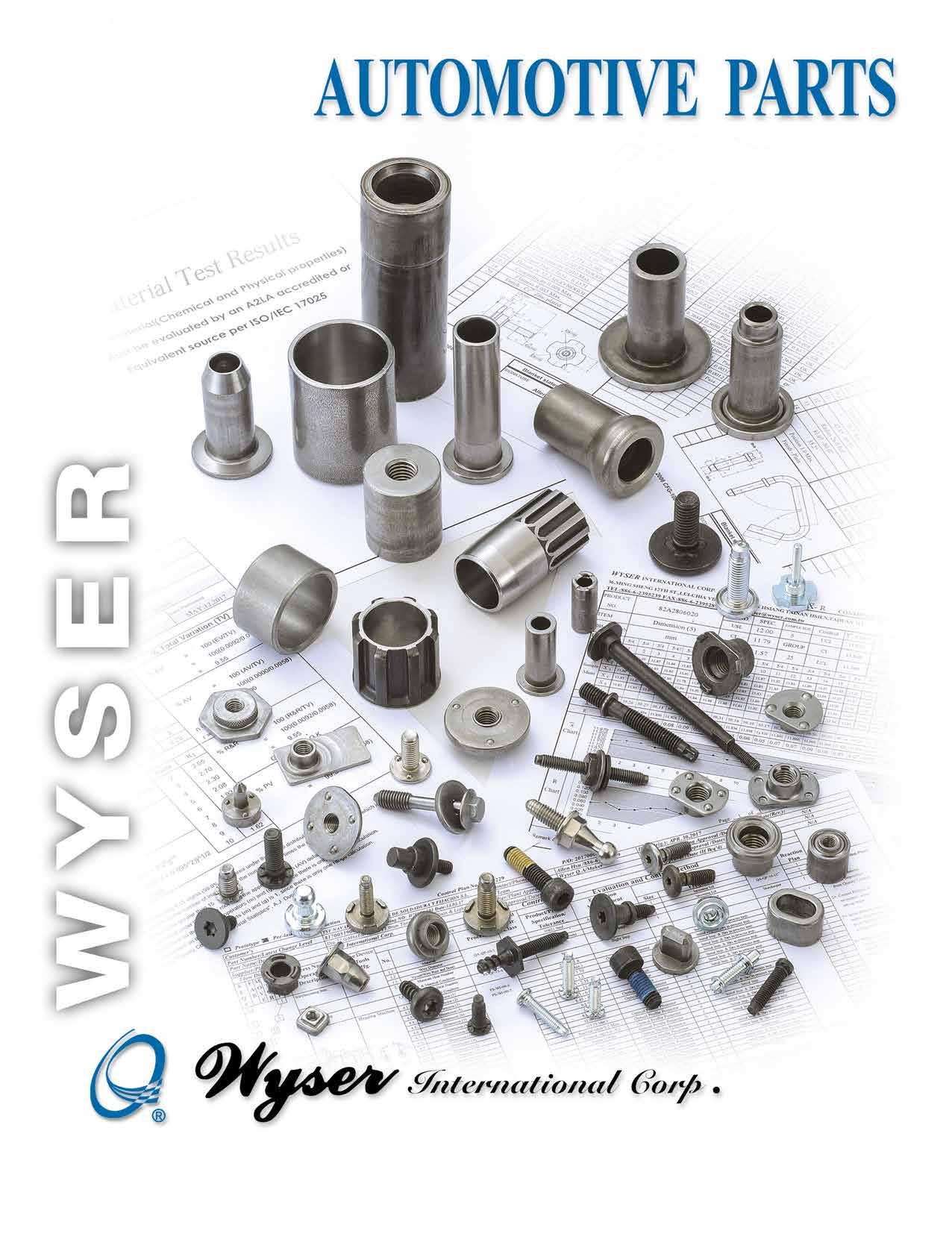
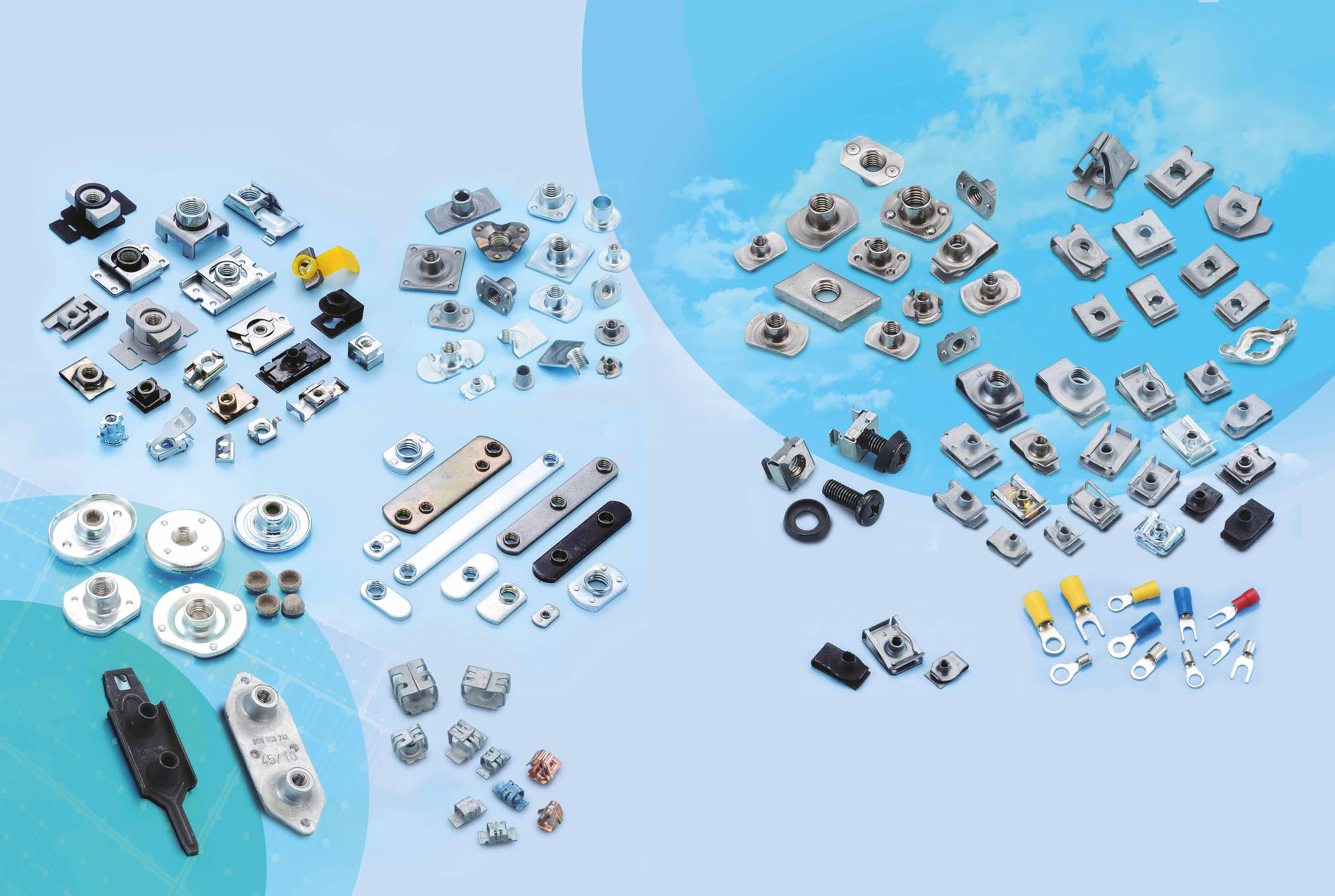
22 WYSER INTERNATIONAL CORP
Cage Nuts, Cap Nuts, Clinch Nuts, Acme Screws...
284 YESWIN MACHINERY CO., LTD.
Bolt Formers, Multi-station Cold Forming Machines...
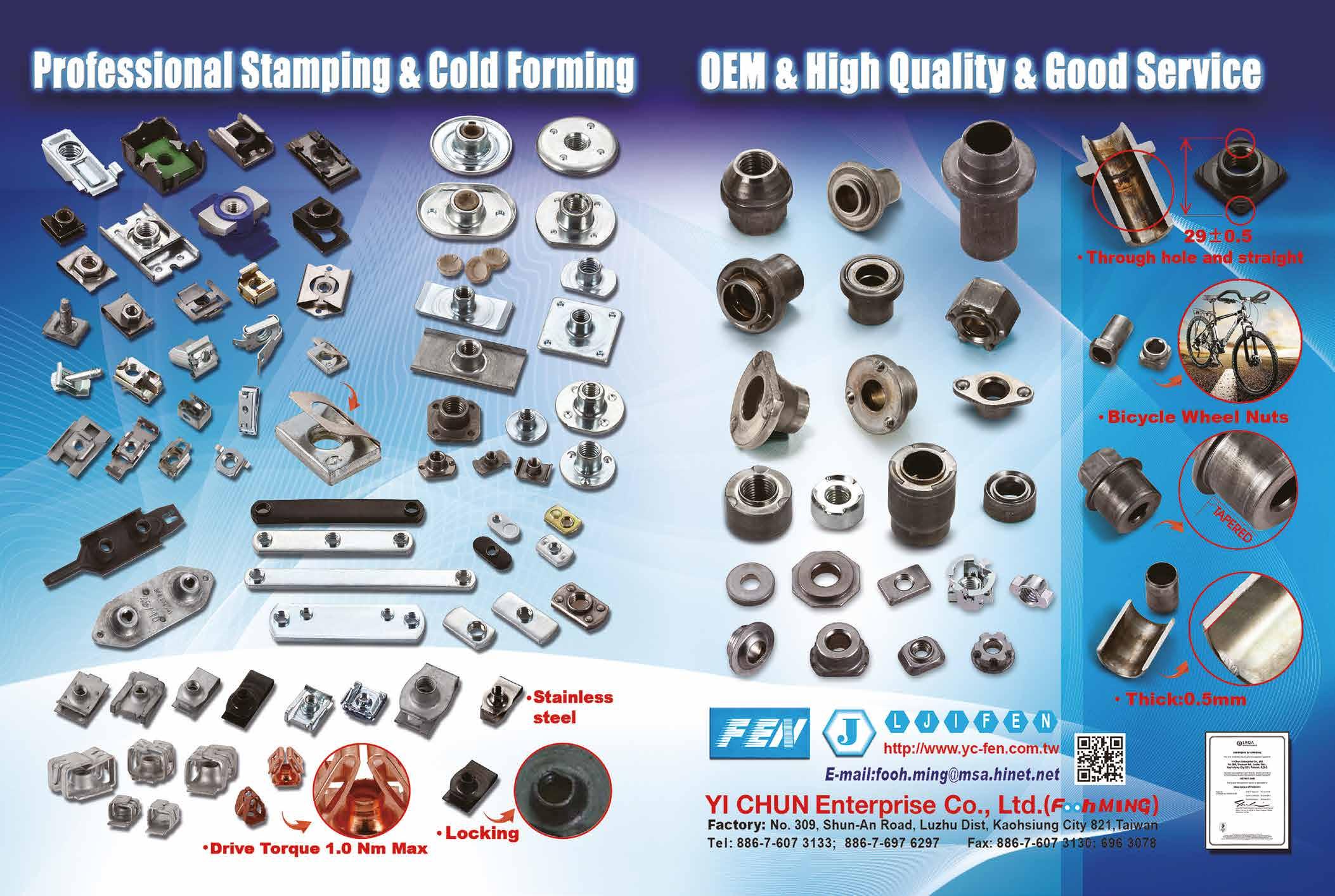
24 YI CHUN ENTERPRISE CO , LTD
Cap Screws, Socket Set Screws, Cage Nuts, Automotive Parts...
106 YI HUNG WASHER CO., LTD.
Rubber Washers, Plastic Screws, Custom Washers...
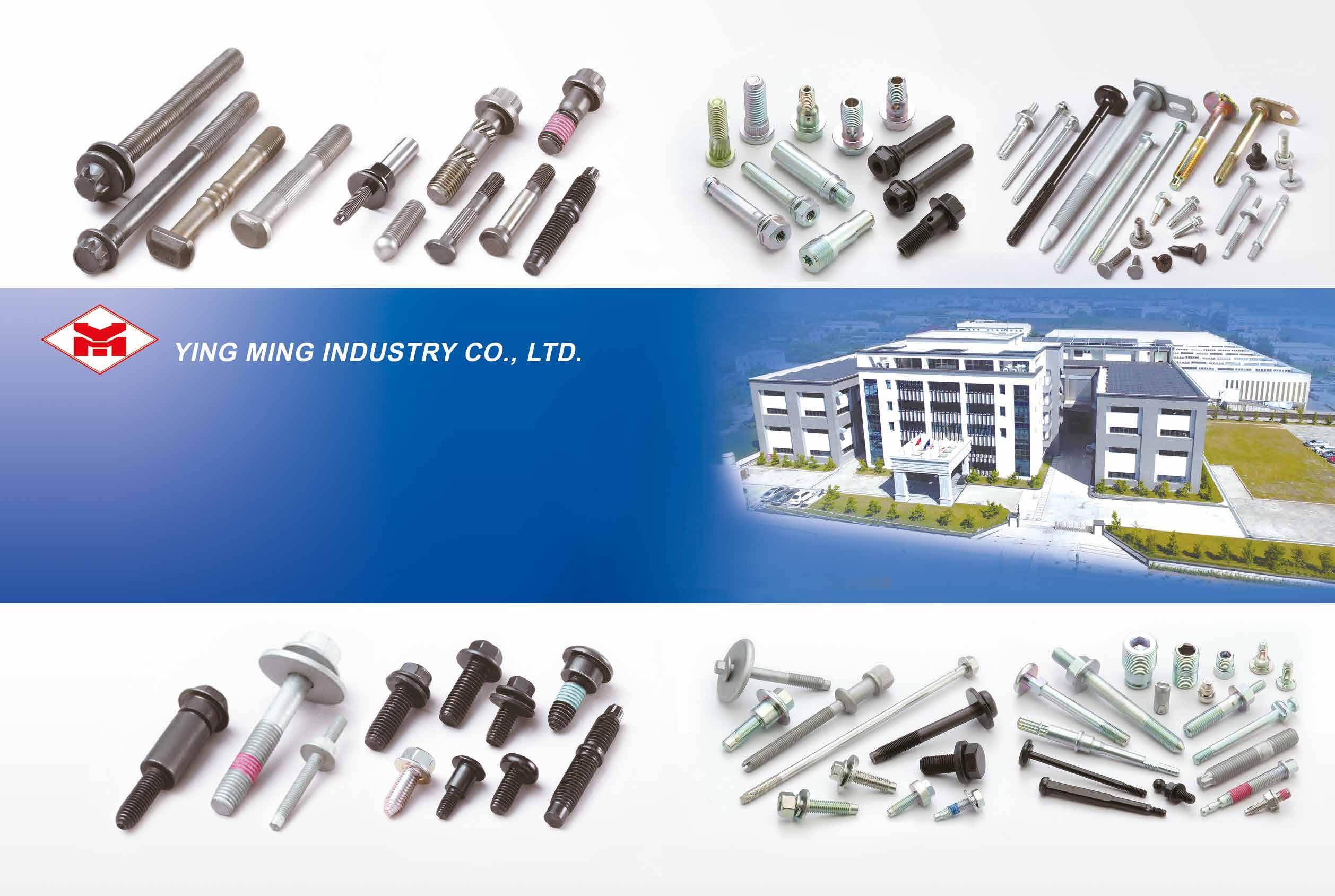
86 YING MING INDUSTRY CO., LTD.
Automotive & Motorcycle Special Screws / Bolts...
88 YING YI CO , LTD
Sems Parts, Special Nuts, Pressed Parts...
153 YOUR CHOICE FASTENERS & TOOLS CO., LTD.
A2 Cap Screws, Bits & Bit Sets, Chipboard Screws...
288 YOW CHERN CO , LTD
Flanged Head Bolts, Chipboard Screws, Floorboard Screws... 96 YUH CHYANG HARDWARE INDUSTRIAL CO.
Automotive & Motorcycle Special Screws / Bolts...
122 YUNG KING INDUSTRIES CO , LTD 榮金
Dowel Pins, Roll Pins, Self-locking Pins, Cotter Pins, Split Pins...
237 Z & D PLATING CO., LTD. 瑞達信
Precision Barrel Plating Finishes, Zinc & Zinc-Nickel Alloy...
239 ZENITH GOOD ENTERPRISE CO , LTD 潤固
Fastener, Hardware, Plastic, Instruction Booklet Package in Lpp Bags...
233 ZYH YIN ENT. CO., LTD. 至盈
Euro Screws, Dowel Pins, Allen Keys, Confirmat Screws...































































































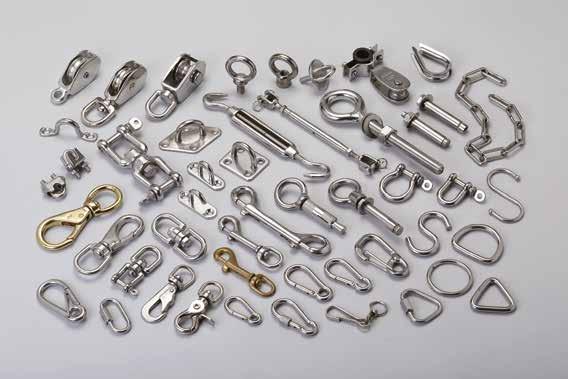









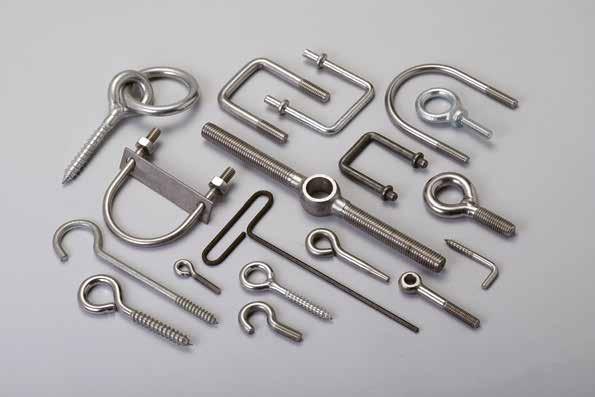




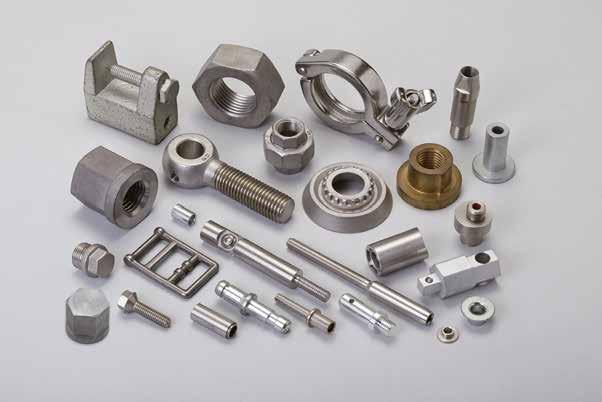







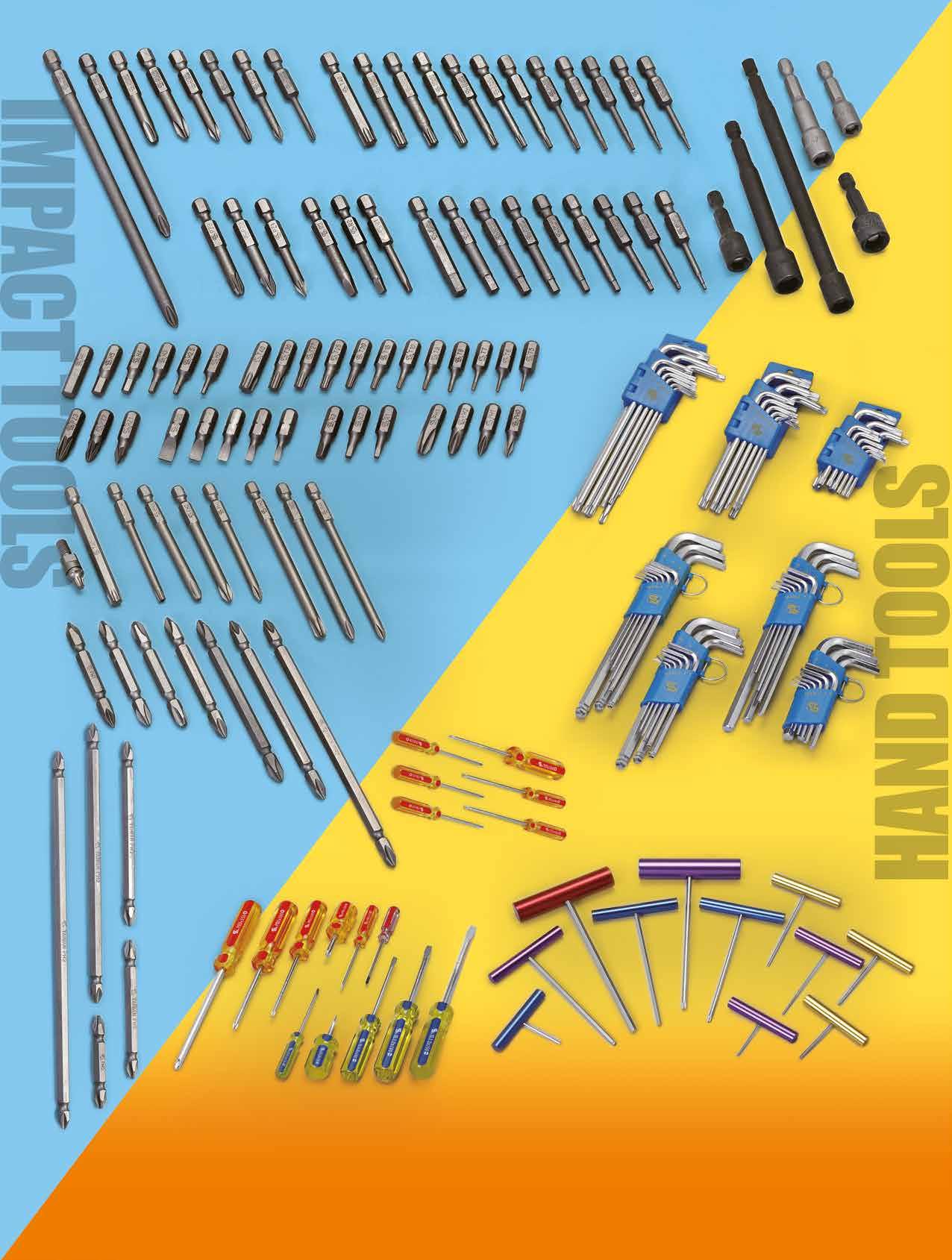




























































Dr. Volker Lederer, President of the European Fastener Distributor Association

The European Commission (“EC”) received a complaint on Nov/06/2020 lodged by European Industrial Fasteners Institute (“EIFI”) on behalf of the Union’s certain iron or steel fastener producers and relevant interested parties, pursuant to Article 5 of Regulation (EU) 2016/1036 of the European Parliament and of the Council of 8 June 2016 on protection against dumped imports from countries not members of the European Union, alleging that the imports of certain iron or steel fasteners originating in China are continuously being dumped into the EU and thereby causing material injury to certain iron or steel fastener producers in the EU.
These products subject to the AD investigation (Case AD676) include certain iron or steel fasteners (except for stainless steel), which are wood screws (excluding coach screws), self-tapping screws, other screws and bolts with heads (whether or not with their nuts or washers, but excluding screws and bolts for fixing railway track construction material), and washers.
The fasteners involved in this case are currently classified under CN codes 73181290, 73181491, 73181499, 73181558, 73181568, 73181582, 73181588, ex 73181595 (TARIC codes 7318159519 and 7318159589), ex 73182100 (TARIC codes 7318210031, 7318210039, 7318210095 and 7318210098) and ex 73182200 (TARIC codes 7318220031, 7318220039, 7318220095 and 7318220098).
According to the time frame and key steps of the Commission, the fasteners involved in this case may be subject to a provisional measure if the EC makes an "affirmative" determination, which is currently scheduled to be announced on July 21, 2021.
Our editors have recently contacted EFDA representing the interests of many fastener distributors and importers in the EU, most of whom purchase more than a million tons of standard parts from Asia and the Far East each year, and received the Association's valuable feedback to the investigation, which was just released in public on June 4th.
“With anti-dumping duties on Chinese fasteners, the supply of screws and other fasteners to the European economy could no longer be ensured. High capacity utilization, raw material shortages and shipping problems have already thrown international supply chains into unprecedented chaos, making it impossible for European fastener distributors to supply European industry, trade and crafts with fasteners in time. Under these exceptional circumstances, the European Union would create the ‘perfect storm’ if it were to impose additional duties on the import of iron and steel fasteners from the People's Republic of China”. This says President Dr. Volker Lederer, President of the European Fastener Distributor Association (EFDA), ahead of the European Commission’s decision on the imposition of provisional antidumping duties on the import of iron and steel fasteners originating in the People’s Republic of China.
On 21 December 2020, the European Commission initiated anti-dumping investigation concerning imports of iron and steel fasteners from the People's Republic of China (AD676). At the end of the procedure, protective duties on fasteners could be imposed, as was already the case from 2009 to 2016. At that time, tariffs on Chinese goods of up to 85 percent brought trade with China to a complete standstill. Although the WTO declared the EU measures illegal in 2016, the damage to the domestic economy was there. European fastener manufacturers did not take any measures to significantly increase the production of so-called standard parts. They rely on high-quality special parts for the European automotive industry. Standard parts have to be bought from the Far East and other parts of the world.
Within the next few weeks, the EU Commission will decide whether to impose provisional duties in the summer, i.e. already during the investigation procedure. To do so, it is seeking the vote of the EU member states. But the global market for fasteners is upside down. Delivery times for fasteners have doubled and even tripled since the beginning
of the year, reaching up to twelve months. There are no alternatives to China in Asia or Europe. In other East Asian markets like Taiwan, Thailand or Vietnam, capacities are exhausted as US companies claimed resources here a few years ago in response to the Trump administration's protective tariffs on Chinese imports. Pandemic travel restrictions make it impossible for European importers to conduct the visits and audits required for new suppliers. Raw material shortages, such as steel or wire rod, are exacerbating the supply problems. The continuing global logistics problems in maritime shipping with container shortages and the effects of the crisis at the Suez Canal mean that what little is available can only reach Europe with significant delays and extra costs. Purchasing in Europe is also ruled out as an alternative. European manufacturers are not having any free capacities and would never be able, nor willing, to produce the quantities of standard fasteners necessary to satisfy the demand of European industry.
European fastener distributors supply the European industry with an extensive range of standard and special parts and ensure that the products are available in the right place at the right time. Major customers include manufacturers in the automotive, machine building, construction, wind energy, agriculture, furniture, craft and DIY sectors. For these manufacturers the permanent availability of standard parts is indispensable so that their products can continue to be manufactured in Europe and successfully sold on world markets.
"Europe must now do everything possible to ensure the global competitiveness of its industry and not to unnecessarily complicate its supply with indispensable primary products like fasteners. To recover from the Corona crisis and in order to avoid breakdowns of productions lines in Europe, the European economy needs the capacity of the entire Asian procurement market – including China. With anti-dumping duties, the EU would spoke in the wheel of EU recovery”, concludes Dr. Lederer.

compiled by Fastener World

For the past 6 months, lots of Taiwanese fastener suppliers in their relaxed conversations have been often talking about shortages of steel & raw materials, imbalance between market supply and demand, severe delay of international shipments and logistics service, how many people in the country have got themselves vaccinated, and many other issues worrying them so much. On the other hand, the gradual market recovery of some leading industries, such as electronics, machinery, automotive, construction, and medical, has also led to the explosive growth in several fastener suppliers’ order acceptance, not to mention that some even said their orders have been fully scheduled through the second half of 2022! Nevertheless, with the insufficient and unstable supply of needed materials, the continuously hiking quarterly wire rod prices of Taiwan CSC, and the unfavorable exchange rates for exports, many of these suppliers have also encountered challenges of no material for urgent orders or exorbitant material costs that eat up their profit margins.
In addition, more than 20% of the global population has got at least one shot of vaccine, and the percentage of vaccinations
in Europe and USA is comparatively higher than those in Asia and other Southeastern Asian countries, which may also influence the lifting of city lockdown measures in certain countries around the world. According to the statistics of “Our World in Data,” as of 29th of June, 2021, only Canada, the UK, Hungary, Belgium, Denmark, Italy, USA, The Netherlands, Germany, Spain, Austria, and Portugal got more than 50% of their population vaccinated. The percentage of vaccinations in Japan, South Korea, or Southeast Asia still remained below 30%. In some other manufacturing heartlands like Vietnam and Indonesia, the percentage was even less than 10% and some countries were also seeing an accelerated surge in new Covid cases.
Talking of the current market situations in USA, Europe or certain Asian countries, what are the observations of NFDA, NEVIB, and HKSFC Presidents? How’s the pandemic control in their country? Is it possible that city lockdown measures will be completely lifted in the second half of this year? Will the prosperous days of the fastener industry seen years ago be back again?
The USA has opened up and people are becoming more comfortable traveling and seeing visitors based on the ramp up in vaccinations. Most MLB baseball stadiums now are allowing full capacity of fans to come to the games. The IFE Las Vegas show is scheduled for Sept 21-23 2021. Attendance will certain be down and the show has planned for that as the venue footprint is smaller.


Many of our customers and suppliers have begun opening their doors again and welcoming visitors and face to face meetings although I would say the volume of travel is still down from pre-covid levels as people have seen the efficiency and relative effectiveness of teams/zoom/virtual sessions.
The USA market is experiencing significant supply chain and logistical challenges currently – like nothing I’ve ever seen in my career – based on port /freight delays, cost increases, and overall demand rising. A lot of focus is currently on tracking parts down and doing everything possible to keep production lines running at customers.
In regards to “getting back to normal”, the question is what is “normal”? I don’t see us ever getting back to what life/business was like prior to COVID-19. Certainly demand has picked up and it is great to have things opening up again. There is a lot of positive energy in the USA market but the supply chain / logistical challenges we are experiencing are significant and there is no end in sight. I would anticipate these issues continuing into 2022. It is causing significant challenges with team member “burn out” / stress levels and it is a tight labor market currently, which is causing many companies to raise wages to attract people and turn over within organizations has risen.
So far 13 million vaccinations have been given and the corona problem is getting less serious in the Netherlands, but it is still there.
Local restaurants are permitted to be open until 22.00 hours and with no more than 30 – 50 people, depending on the size of the restaurant. Shops are open with a certain maximum of visitors.


The problems with shipping, raw material are worldwide, so they do affect the industry in the Netherlands as well.
The demand is very high due to the economic recovery and there is a shortage of fasteners, especially because of the possible anti-dumping on China.
Many distributors are not able to keep their stock on the level they need.
We think that it will take until summer next year for our industry to be back on a normal track.
The Covid pandemic is universal, so it has brought extremely severe impacts on all countries and trades. The situations of Hong Kong or many factories in Mainland China are no exception, which are basically similar to the situation of Taiwan.
Fortunately, since last year some countries have successfully developed the vaccines. However, as new Covid variants continue to be found, more research and development definitely must be done. I personally hope that more people in more countries/regions with reinforced preventative measures can get themselves vaccinated by the end of this year, travel ban can be lifted, and overseas fastener related trade shows can successfully take place again.



From the observations of NFDA, NEVIB, and HKSFC Presidents, we could roughly generalize their views into a clear point that the global fastener industry thus far has been comparatively optimistic to the incoming market recovery, though keeping a discreet attitude toward market changes is still a must. The significant imbalance between supply and demand remains the urgent priority that the industry has to do whatever it takes to deal with. Many industry professionals also think that although the gradual market recovery is going toward a positive trend, the development structure as a whole is still fragile. In the long term, any unnecessary external factors that are likely to interfere the balance between market supply and demand (antidumping rates, countervailing duties, or other measures taken to knock down the competitive edge of certain products on the market, for example) must be avoided at all times.
On the other hand, some major industrialized countries in Europe and USA have begun to consider the possibility of a complete lifting of city lockdowns. If this really happens, the vibrant economic activities will once again stimulate more market demand. For regions outside Europe and USA, their governments should still work harder to accelerate vaccinations of their people and do an effective control over the spread of Covid variants, preventing the same situation in the beginning of last year from happening again, in order to make the economic activities recover and all industries get back on track. The operation of many industries in Europe and USA relies heavily upon the seamless collaboration of their supply chains in the Far East and Southeast Asia, so “when one screw is not securely fastened, the machine may not run smoothly.” In the following 6 months, if countries around the world can reinforce mutual collaboration to find out the most effective solution tackling the current challenges and difficulties, I believe that the year 2022 will be a year worthy to be expected.
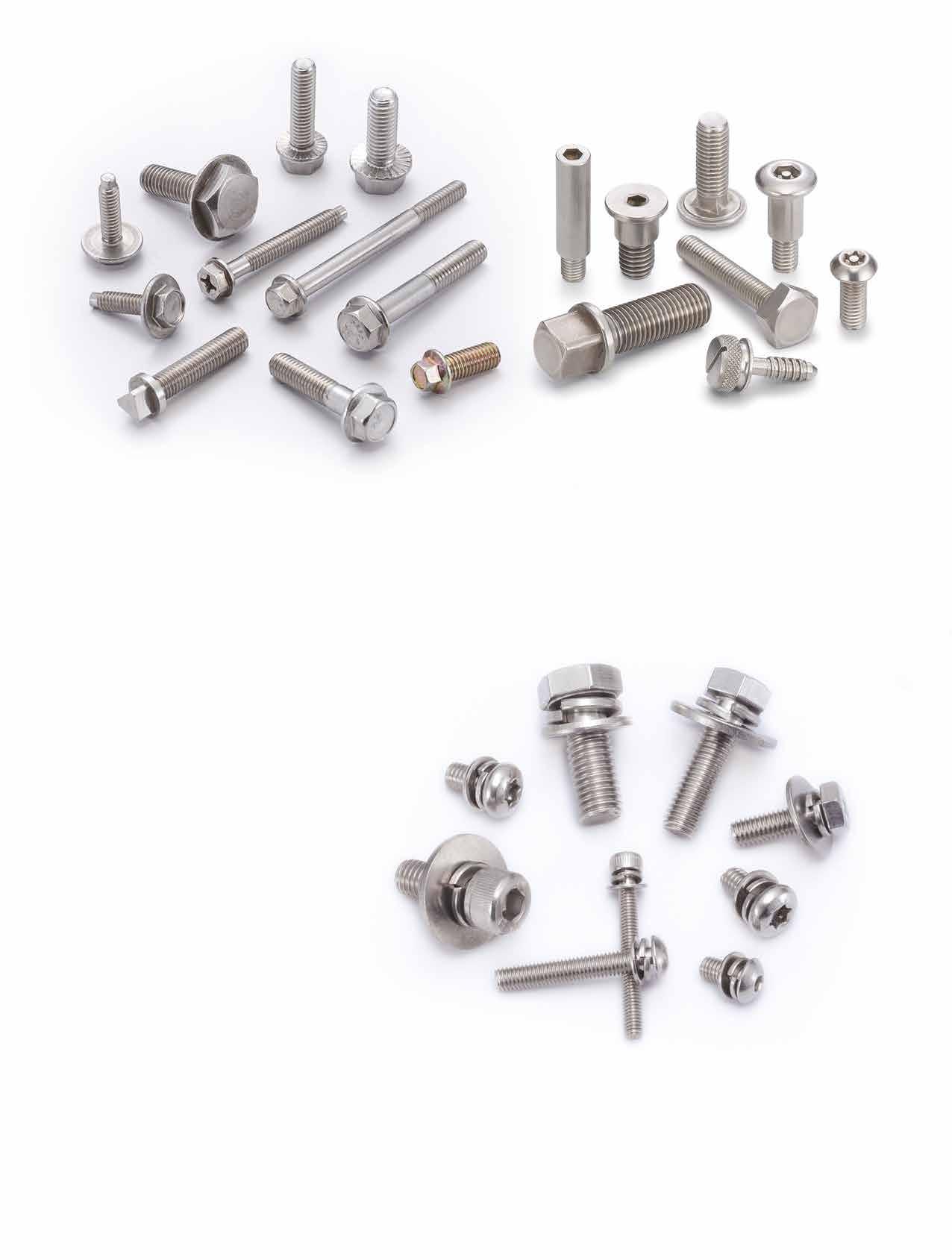















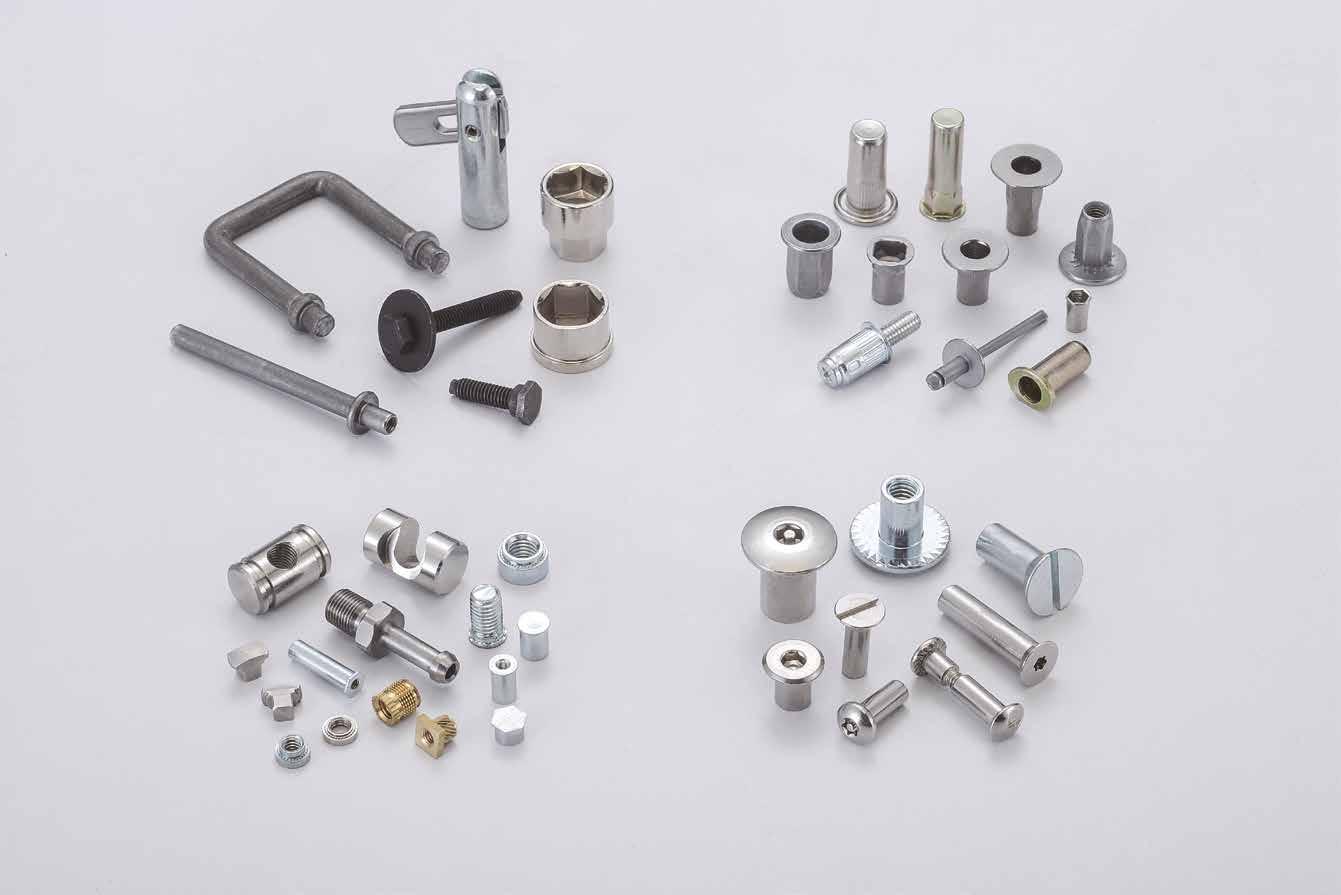


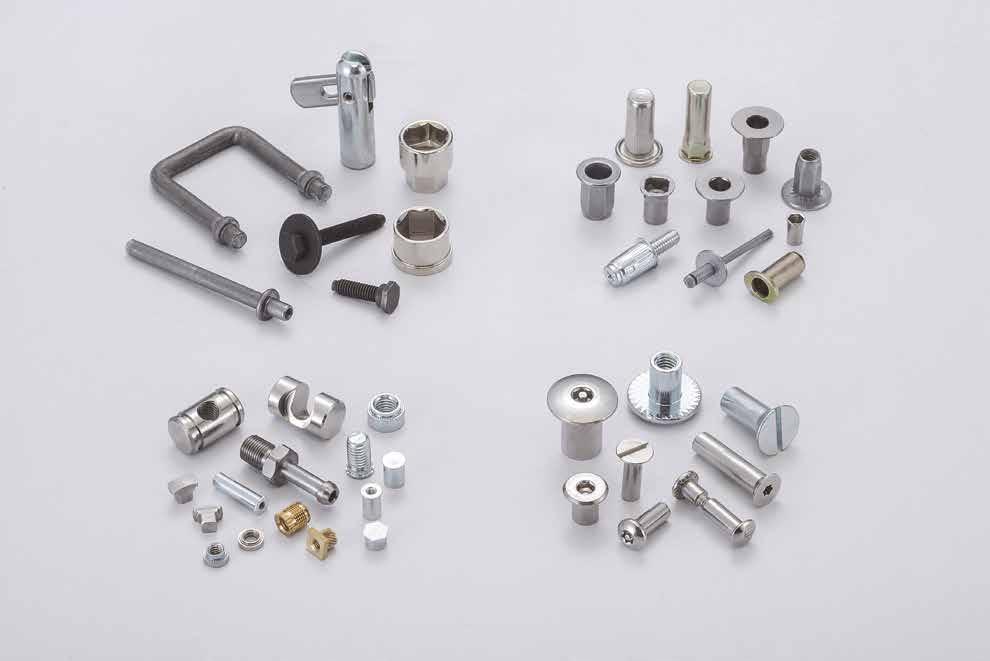









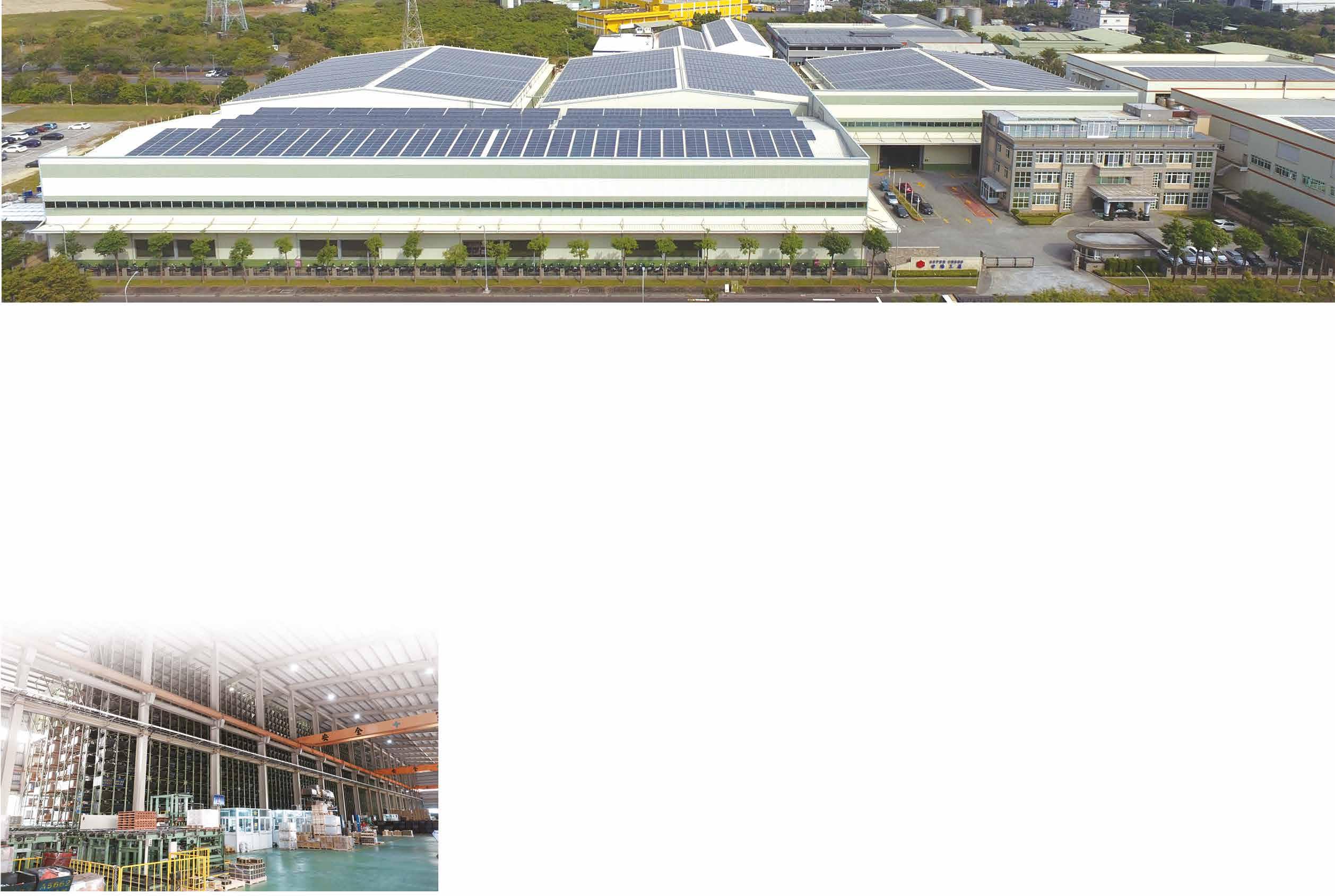

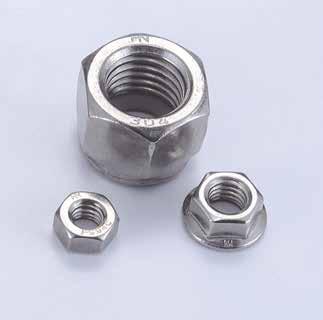
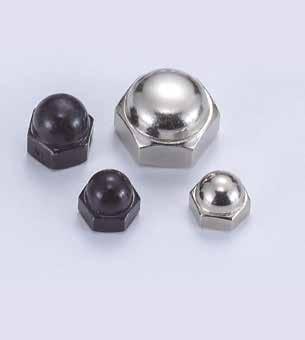






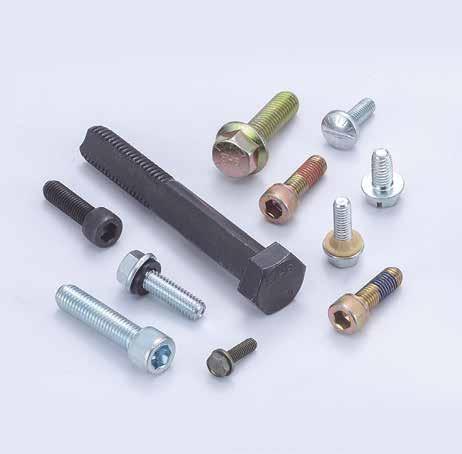

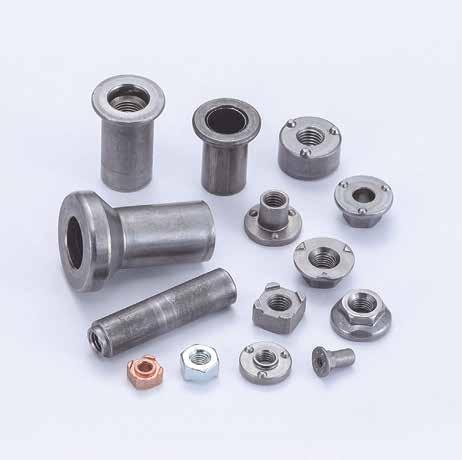

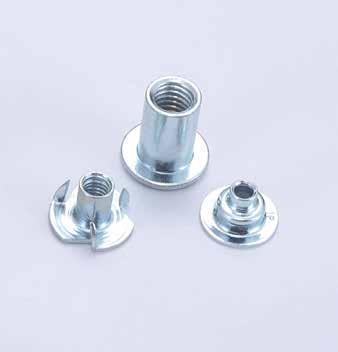


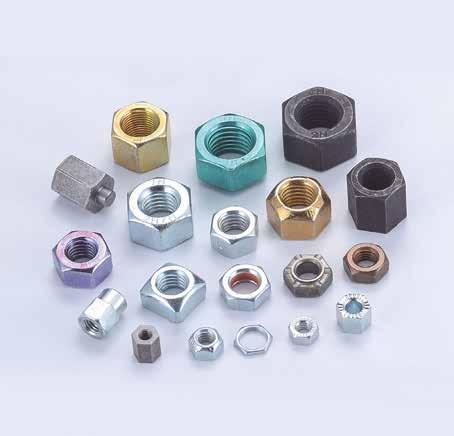













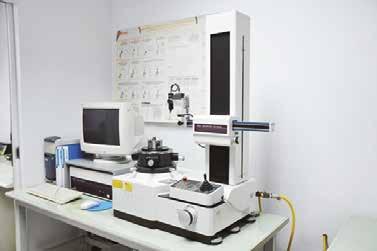
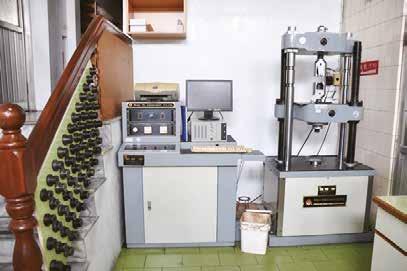
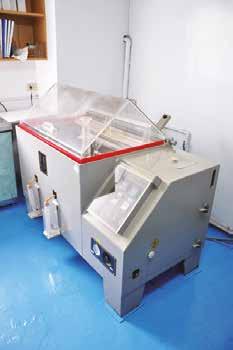
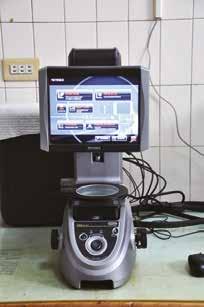
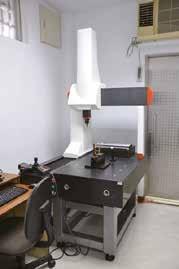

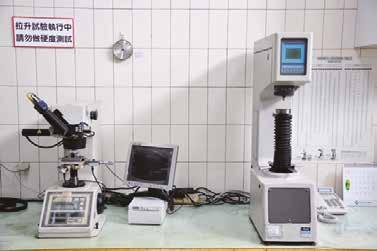
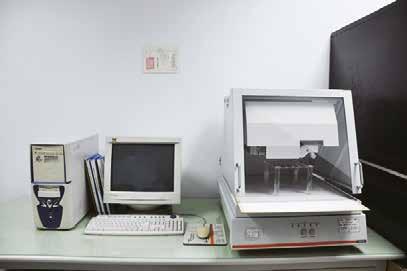


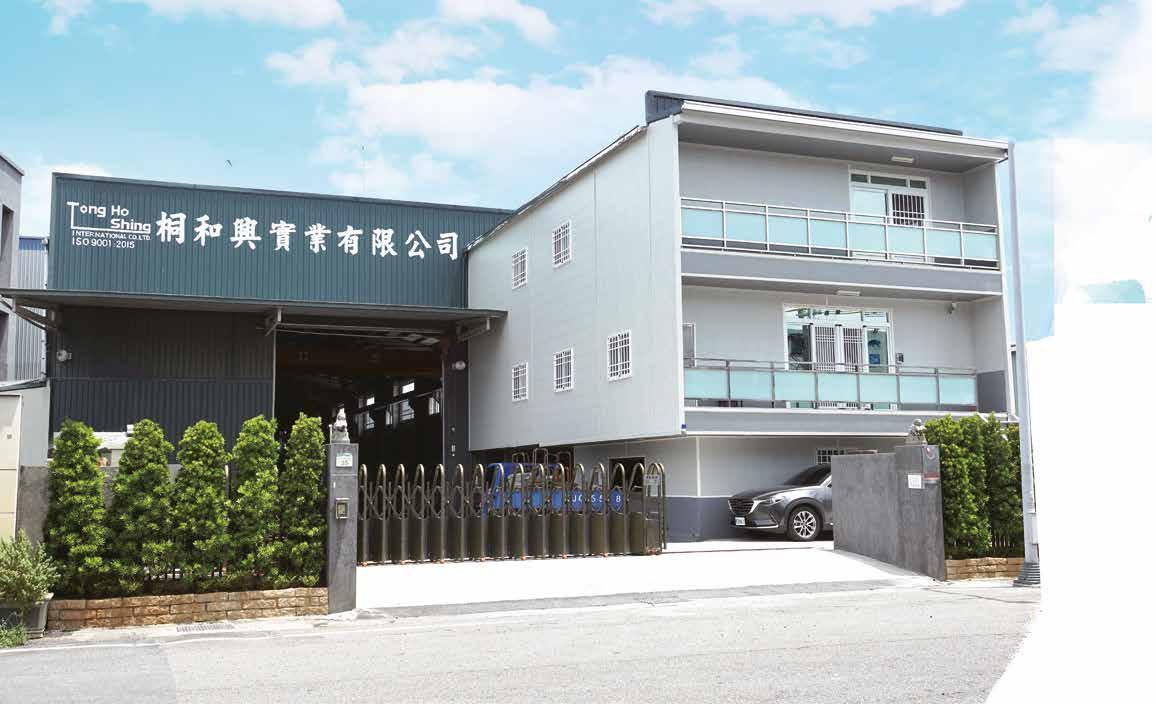
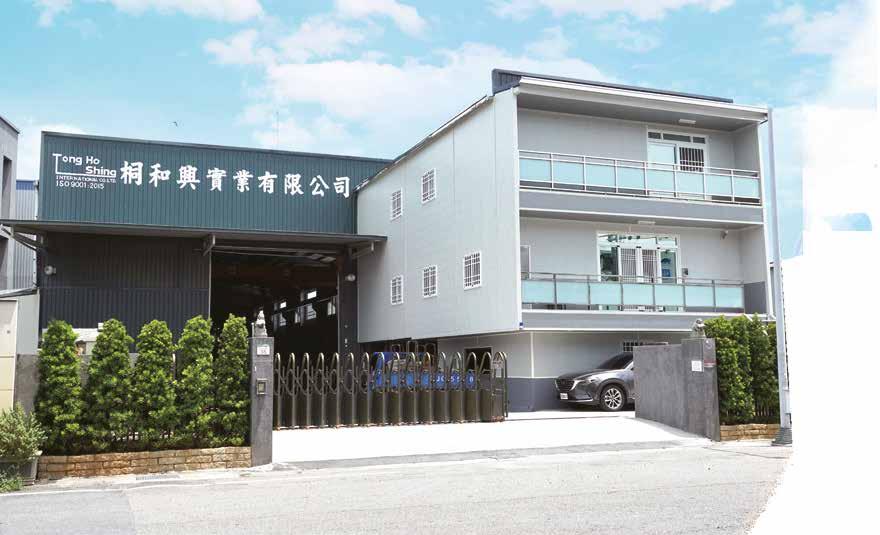
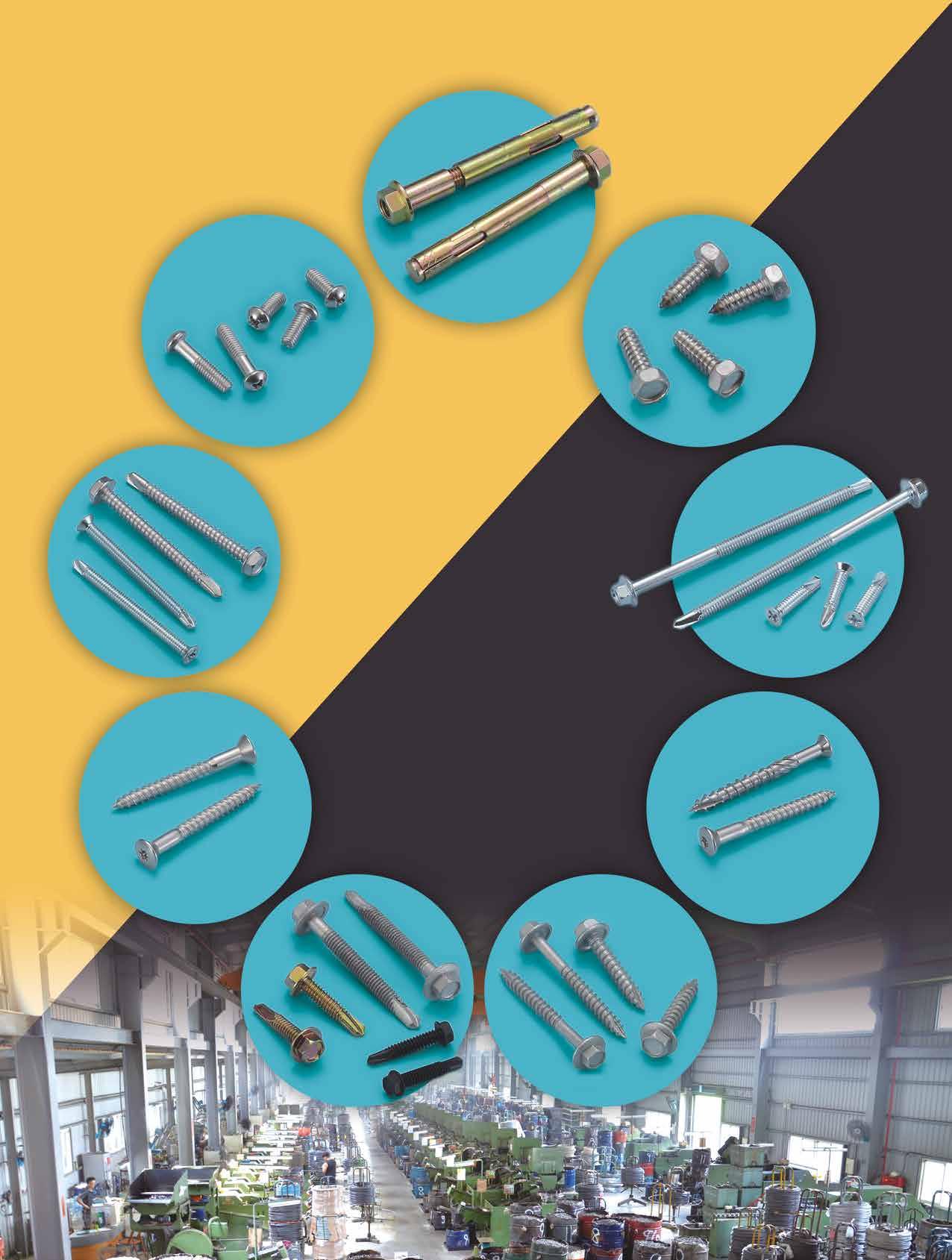
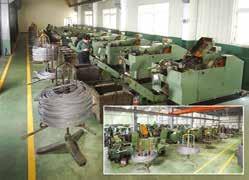
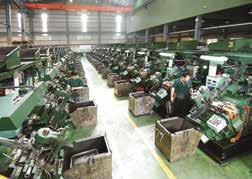
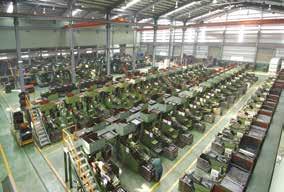
Fo cu si ng on t h e c on st r u c t ion a n d f u r n it u r e m a rke t s ,
To n g H o S h i n g I n t e r n a t i o n a l m a i n l y m a n u f a c t u r e s
st ai n less steel hex washer socket head screws, f la nge
sc r ews, rou nd he a d sc r ews, f lat he a d sc r ews, pa n
h e a d s c r e w s a n d o t h e r s m a l l s c r e w s I t c a n
ma nu fact u re to a ra nge cover i ng M3 5 to M6
DI N - c ompl i a nt p r o du c t s a n d # 6 - #14 I F Icomplia nt products. T his special fastener
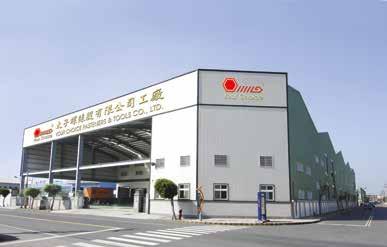
c omp a ny lo c a t e d i n K a oh siu ng Cit y
wa s fo u n d e d i n 2 011 a n d i s I S O
9 0 01 c e r t i f i e d S o o n it h a s s e t
a c o r p o r a t e m i l e s t o n e b y
c o m p l e t i n g a b r a n d - n e w
o f f i c e b u i l d i n g t h a t i s
exp e c t e d t o i n c r e a s e
c a p a c i t y , o r d e r s a nd ser vice
Vice G enera l Ma nager Z hu X iao Yu of t he compa ny sa id i
nt er view wit h Fastener World t hat t he f i rst f loor of t his 3-stor y buildi ng ser ves
Tong Ho Shing highly regards and sees “lead time, quality, speed and traceability” as the 4 critical pillars to serve clients. The company has the management staff supervise the manufacturing area and solve personnel’s problems on site. It also digitizes and systematizes orders via ERP management to let clients track where their orders have progressed at any time and delivers the products on time.
Its orderbook has never been impacted ever since the global COVID outbreak. On one hand this could be more or less attributed to the surge in the American infrastructure and home renovation demand over the past two years. On the other hand, the high quality of the company’s customized fasteners makes for a very loyal customer base who show their trust in Tong Ho Shing’s quality. Currently the orders have piled up to the end of this year. However, Vice Genera l Ma nager reminds that we should not neglect the impact of material price surge during these two years.
The company has English-speaking personnel to provide overseas customers with direct service. If clients require surface treatment or anti-corrosion treatment, the company has collaborative factories to carry out and can even give suggestions on red rust and white rust standards according to the applications of customers. If the clients’ orders are urgent, it can prioritize and redeploy the staff to fully satisfy their demand and avoid delaying delivery. Vice Genera l Ma nager said the company currently has the opportunity to be in talks with a Japanese client. Besides the U.S., Europe and Southeast Asia, Tong Ho Shing already has a good shot at tapping into the Japanese market in the future.
Ms. Zhu Xiao Yu,
Contact: Vice G.M. Email: mini952952@gmail.com



















by Gang Hao Chang, Vice Editor-in- Chief of Fa ste ne r World
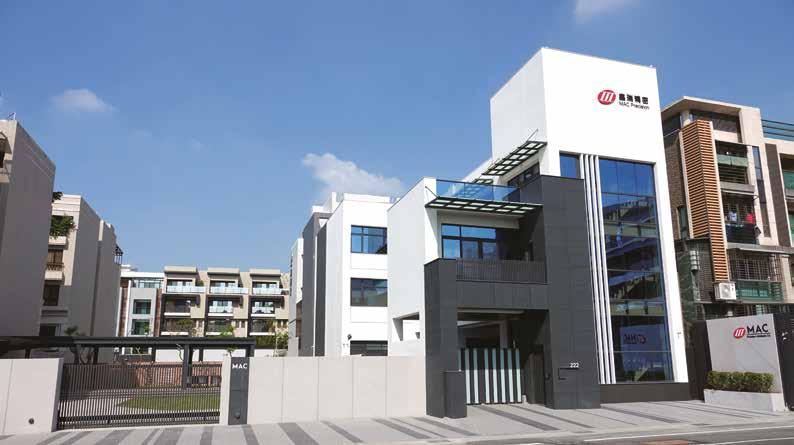
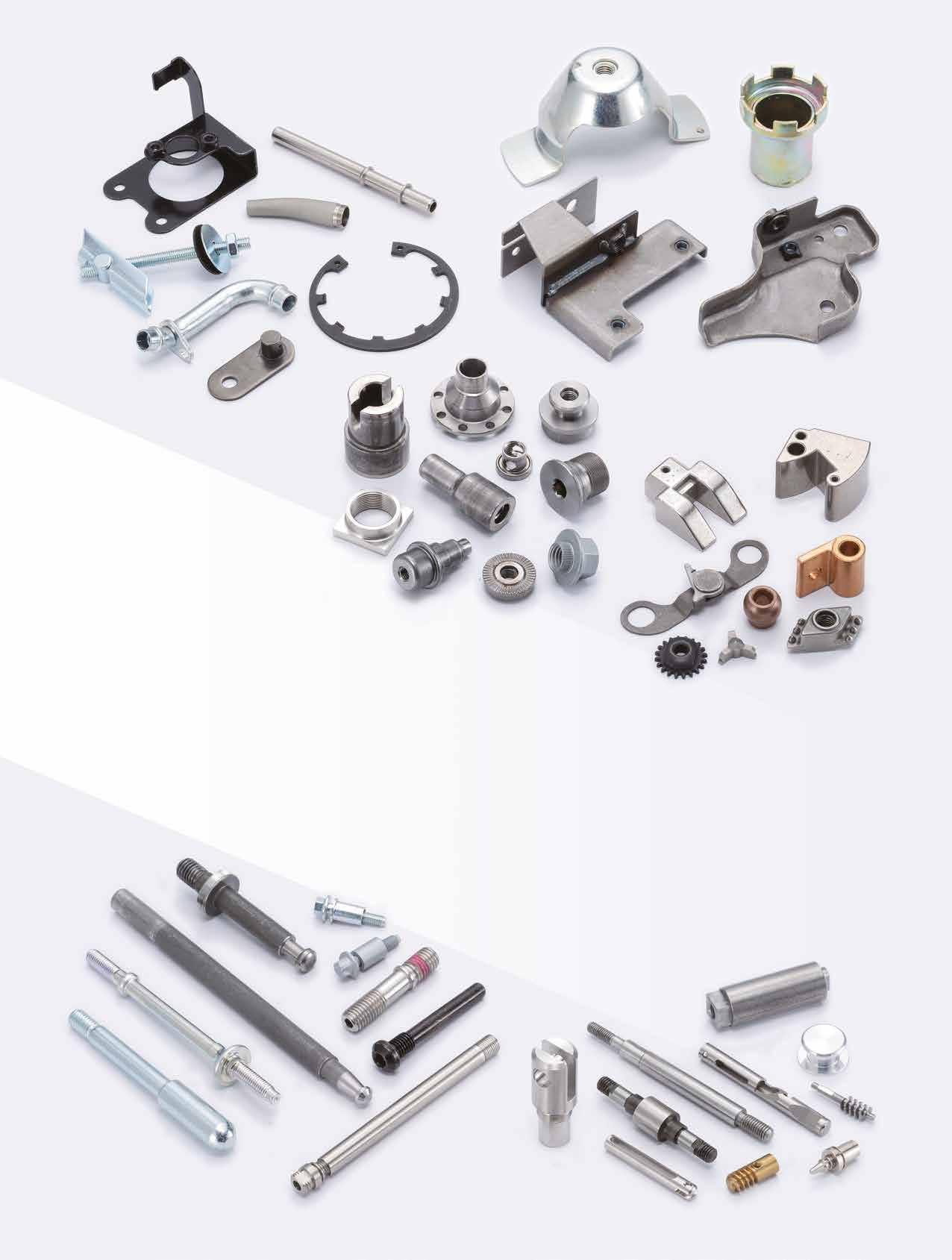
It has been over 6 months since the office relocation of MAC Precision Hardware, but the CNC precision engineering, quality control of products, and service for customers’ orders continue to demonstrate a fresh look to the company’s global customers. Over the past couple of months, MAC Precision not only added more well-experienced new blood into its sales and QC divisions, but also upgraded its software and hardware in the office, greatly stabilizing and improving the operation of systems, and what’s more important, significantly streamlining the team’s service provided to global customers and optimizing its accuracy of satisfying the industry’s needs. With all those mentioned above, MAC Precision again reported a consecutive 2-digit sales growth in H1 this year, and its shipment efficiency also appeared a marked upturn of around 20%.
“In response to the vibrant and recovering domestic and overseas market demand, we’ve not only done a lot in our Taiwan operation, but also have purchased sets of new equipment and maintained our Ningbo, Zhejiang-based premises recently. With these more advanced facilities, better workplaces, and more appropriate employees deployment, we hope that we could make our customer service and product quality reach a perfect end,” said Michael Chang, General Manager of MAC Precision.
Ningbo plant
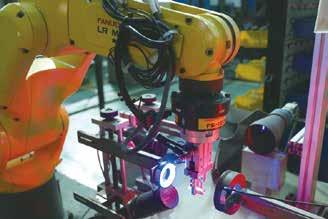
Price, lead time, and service are unquestionably the critical points that help MAC Precision win customers’ full trust. In order to continuously create the best “sweet spot” for customers in all these aspects, MAC Precision and the associate mills it has been working with for years always keep abreast of the times and never stop trying better alternatives to serve customers, such as adopting robotic arms to reduce manufacturing cost, improving production efficiency, and enhancing quality & precision. As products of MAC Precision are particularly 100% bespoken and a very high percentage of them are shipped to the automotive industry, strict control over cost, efficiency, and precision is definitely a must.
“Besides electronics, machinery, and medical industries, more than 50% of our products are supplied to the automotive industry. With the automotive industry going further towards the R&D of electric vehicles, I think there’ll be a game-changing revolution in the application of CNC automotive components. We’ve seen this happen, so our collaboration with EV customers from Europe and the U.S. in the development of wire harness connectors, charging device plugs, and many other CNC parts has actually kicked off in recent years, which is also going to be our main focus in the future. On the other hand, in terms of fastener customers’ request for customizing, we can also help them develop special cold/ hot forged parts and can ship products from Taiwan or Ningbo according to their requests. If a customer expects a delay of the follow-up delivery after products arrive at a port, we can also try our best to have products shipped 10-15 days earlier,” says General Manager Chang.

Thanks to years of efforts of each team member, MAC Precision continues to enjoy high customer loyalty. The company has not only signed a great deal of long-term supply contracts, but also has had its order schedule fully arranged through the year-end. In order to earn more customers’ trust in the company’s quality management in the global market as well as get paralleled with int’l standards, General Manager Chang also announced that the application for IATF 16949 will be soon activated in H2 this year and expects to reach a new milestone no lather than 2022. Chang noted, “quality, price, and service are the core elements that keep a company going forward, so MAC Precision will continue to work with associate mills to satisfy customers’ demand, offer the most outstanding service, and win more customers’ trust.”















by Dean Tseng, Fastener World
Taiwan’s preemptive preparations against COVID had bought a year of economic prosperity for the domestic manufacturing industry. However, in fact since last year, Taiwanese fastener industry has been facing deficient steel (wire rod) supply and price surge, two of the largest sources of pressure on the industry. Wire rod takes up as much as 50% to 70% of the whole fastener manufacturing cost in Taiwan. Additionally, Taiwan sources wire rod mainly from Taiwan CSC, as well as steel plants in China, Russia, Turkey, and Brazil. Any drastic change in global wire rod supply could severely impact the development of the fastener industry.
The steel price is still on the rise this year and significantly affects fastener manufacturing costs. Although currently there is no lack of orders as far as the majority of domestic fastener suppliers are concerned and they already have orders piled up to January 2022, they are restless and constantly checking how much wire rod they have in stock and whether they have enough to manufacture fasteners. On the plus side, they have orders coming in; on the flip side is the lack of materials.
With this backdrop, while keeping the domestic industry development in check, let’s set our eyes on the 4 game-changing developments in the world.
The EU received a complaint and initiated a case numbered AD 676 last December to start an anti-dumping investigation on certain types of wood screws and self-tapping screws, washers, and certain types of screws and bolts with head designs. If the European Commission determines that the anti-dumping exists, a provisional AD tax will be imposed on July 21 at the earliest.
This provisional AD tax, if effective, will sensibly benefit Taiwanese fastener industry, but it is like a double-edged sword. Despite the merit that European orders may very well go from China to Taiwan, Taiwanese fastener industry has to think ahead and foresee the possibility of the pushing-aside effect and the outcome that may follow. If Chinese fasteners are edged out of Europe, they will be re-oriented to other countries, which in turn will clash with Taiwan’s market share in overseas countries outside Europe. There are past solid examples that prove that the act of edging out competitors can only exacerbate competition in the world market.
Furthermore, to European fastener companies, China is the largest and irreplaceable source of low-price fasteners. Imposing the provisional AD tax will leave Europe unable to make up for the lack of low-price fasteners on its own. Even if Europe turns to Taiwan and other countries to purchase such fasteners, there is no guarantee that it can acquire enough volume to supply domestic demand, and it is more likely that European fastener users will be forced to accept more expensive fasteners.

Given the significant impact from this development, Fastener World Magazine took the opportunity to contact EFDA and obtained the latest statement by the association. For more details, make sure to check out the article “EU’s AD Investigation Against Chinese Fasteners” in this issue.
Just as China set a new high in its monthly export this April, the Chinese Government suddenly retracted the 13% VAT rebate on certain types of wire rods in May to make up for the gap in supply due to reduced production of domestic crude steel. As the world’s largest steel manufacturing and consuming country, China’s act boils the surge of international steel prices as well as the shortage of steel, and pushes local steel plants to raise their prices, leading to a worldwide "mad" surge of steel prices that were once expected to hit the RMB 6,000 per ton mark. With the withdrawal of the rebate and through this policy, China's steel market price is showing a possibility to slow down the surge. The Chinese steel price could be suppressed, but it may not be the case for the international market price.
China has just restricted steel export, and Russia will also take the baton and plans to impose a provisional tax rate of at least 15% on export of steel, nickel, aluminum and copper for a three-month period starting from August, in order to press domestic metal price. As stated above, both China and Russia are the sources of steel for Taiwan and both will restrict steel export, which will create a large gap in global steel supply. Such steel protectionism will continue to push global steel prices and accordingly affect Taiwan's steel and fastener prices.
Ever since the outbreak, work shifts have been reduced and there has been a shortage of foreign workers. Globally, the Alpha COVID variant surfaced, and then came the Delta variant, not to mention the Delta Plus and variants originated in other countries, putting countries with the highest vaccination rate back in a state of lockdown and their automotive and fastener companies in a halt again.
The country that draws the world’s attention now is India with an unstoppable COVID transmission. According to International Chamber of Shipping, there are 1.6 million seamen globally, among which 24 thousand are from India. However, the current status is complicated with the surge of international shipping fees, as well as container shortages to the extent that business owners have to purchase the average second-hand containers as a makeshift, which even pushes second-hand container price by one fold. Since the COVID variant intruded India, some other nations have had their seaports ban the entrance of ships with crew members from India, further tightening marine transport that is already in shortage. The COVID transmission in India is triggering a worldwide butterfly effect.
Even if the vaccines have been rolled out, Bloomberg reports that, given the current speed of vaccination, it may take at least 7 years before the world returns to normal, and this is just an estimated time frame. To fight such a long battle, the keywords that determine the sustainability of corporations for the next decade are “resilient operation”, “remote production”, “automation”, “unmanned production”, and “zero-contact service”.
“The most important thing right now is to watch out for Taiwan’s production line,” said the president of CM Media, “Taiwanese economy can still hold its ground as long as the production lines can function as normal. The most critical factor is the export. The U.S. economic recovery may become the most important growth engine for the whole world.” “On the contrary, if Taiwan came down to a lockdown, its economy would take a precipitous dive, because the hindered export would make Taiwan replaced by South Korea, Japan, China and ASEAN amid the strong recovery of the U.S.” As Taiwan goes into a fist fight with the COVID variant, the most important task now is to guard the production lines and the country’s unique supply chain to cope with the problems of deficient materials and exorbitant prices.


Compiled by



















The customs authorities of all EU member states are hereby directed, under Article 14(5) of Regulation (EU) 2016/1036, to take the appropriate steps to register imports of certain fasteners of iron or steel, other than of stainless steel, i.e. wood screws (excluding coach screws), self-tapping screws, other screws and bolts with heads (whether or not with their nuts or washers, but excluding screws and bolts for fixing railway track construction material), and washers, so that measures may be applied against those imports retroactively from the date of such registration, provided all conditions set out in the basic Regulation are met.
These products are currently falling under CN codes 73181290, 73181491, 73181499, 73181558, 73181568, 73181582, 73181588, ex 73181595 (TARIC codes 7318159519 and 7318159589), ex 73182100 (TARIC codes 7318210031, 7318210039, 7318210095 and 7318210098) and ex 73182200 (TARIC codes 7318220031, 7318220039, 7318220095 and 7318220098) and are originating in the People’s Republic of China.

Registration shall expire nine months following the date of entry into force of this Regulation. All interested parties are invited to make their views known in writing, to provide supporting evidence or to request to be heard within 21 days from the date of publication of this Regulation. This Regulation shall enter into force on the day following that of its publication in the Official Journal of the European Union.
The Government of Russian Federation has recently announced that it will impose the export tariffs of at least 15% each on steel, nickel, aluminum, and copper starting from Aug. 1st, 2021 and this measure will officially come into effect through the end of this year. According to the measure, copper will be subject to a tariff rate of US$1,226 per ton; nickel will be subject to a tariff rate of US$2,321 per ton; aluminum will be subject to a tariff rate of US$254 per ton; however, rates for steel products differ from each other, and in the “hot rolled steel” category, it will be at least US$115 per ton.
The measure is aimed at protecting national defense and construction industries in Russia from the impact of hiking material costs. As the aluminum output of United Co Rusal International represents around 10% of the global total and the nickel output of Norilsk Nickel represents around 20% of the global total, and Russia itself is also the world’s 3rd largest steel exporter (mainly shipping to Europe), it is expected that such a measure will cause a significant impact on the global metal supply market.
Some analysts also estimated that, since several consumers in Taiwan and Asian countries import steel scrap, semi-finished steel billets, and hot rolled steel from Russia, plus the recent plunge of China’s export, the capacity to supply Asian market may become tighter.
USITC Makes Determinations in FiveYear (Sunset) Reviews Concerning Steel Nails from Korea, Malaysia, Oman, Taiwan, and Vietnam

The U.S. International Trade Commission (USITC) determined that revoking the existing antidumping and countervailing duty orders on imports of steel nails from Korea, Malaysia, Oman, Taiwan, and Vietnam would be likely to lead to continuation or recurrence of material injury within a reasonably foreseeable time.
As a result of the Commission’s affirmative determinations, the existing orders on imports of this product from Korea, Malaysia, Oman, Taiwan, and Vietnam will remain in place.
Chair Jason E. Kearns, Vice Chair Randolph J. Stayin, and Commissioners David S. Johanson, Rhonda K. Schmidtlein, and Amy A. Karpel voted in the affirmative.
Today’s action comes under the five-year (sunset) review process required by the Uruguay Round Agreements Act.
The Commission’s public report Steel Nails from Korea, Malaysia, Oman, Taiwan, and Vietnam (Inv. Nos. 701-TA-521 and 731-TA-1252-1255 and 1257 (Review), USITC Publication 5200, May 2021) will contain the views of the Commission and information developed during the reviews.
The report has been available on June 18, 2021 and can be accessed on the USITC website at: https://www.usitc.gov/ commission_publications_library.

According to the data of Vietnamese Customs, Vietnam's steel export reached 980 thousand tons at an export value of USD 833 million this May, down 4% in volume and up 8.2% in value from this April. The total export volume reached 4.88 million tons in the first 5 months of 2021 at a total export value of USD 3.61 billion, up 61.6% in volume and up 117% in value from the same period last year. The EU, China, Cambodia, Malaysia and Mexico are the top 5 destinations for Vietnamese steel products. In the first 5 months of 2021, Vietnam grew 500% (at 713 thousand tons) in steel export to the EU, 200% to China (at 1.1 million tons), and 250% to Mexico (at 293 thousand tons).
The significant growth in Vietnam's steel export to the EU could be attributed to the European Union-Vietnam Free Trade Agreement (EVFTA). This also means that Vietnamese companies have acquired standardized production lines and are capable of meeting the stringent requirements and demand by the countries they export to.

Taiwan CSC held a domestic price adjustment meeting for the third quarter of 2021 on June 15th and made the following price adjustments for fastener related products. The price of wire rod is up NTD 2,200 per ton and the price of automotive materials is up NTD 2,900 per ton.
On April 28, 2021, Ministry of Commerce of PR China received the application from the Fastener Subdivision of China General Machine Components Industry Association (CMCA) on behalf of Chinese iron and steel fastener industry for a 5-year sunset review on the antidumping measure against certain iron and steel fasteners originating in the EU and UK. CMCA alleged that if the antidumping measure is terminated, the dumping of certain iron and steel fasteners originating in the EU and UK may continue and may continuously lead to the material injury to local Chinese industries. As a result, CMCA made a request that Ministry of Commerce should launch a sunset review investigation and maintain the antidumping measure.

Ministry of Commerce has determined to launch the sunset review investigation against certain iron and steel fasteners originating in the EU and UK since June 29, 2021. During the investigation, the previously announced antidumping rates and products involved will remain effective (note: The current AD rates for certain iron and steel fasteners imported from the EU and UK are between 6.1 % and 26.0%. However, Koninklijke Nedschroef Holding B.V. and its affiliated companies are subject to a rate of 5.5%). The investigation period for antidumping is from 2020/01/01 through 2020/12/31, while the investigation period for material injury to the local industry is from 2016/01/01 through 2020/12/31.
Products involved in this investigation are: certain iron and steel fasteners, which include wood screws, self-tapping screws, screws and bolts (whether or not with their nuts or washers, but excluding screws and bolts with their shanks less than 6mm for fixing railway track), and washers. Products involved do not include nuts and other fasteners used for the maintenance and repair of commercial aircraft. The tariff codes of products involved are 73181200, 73181400, 73181590, 73181510, 73182100, and 73182200.
All interested parties are invited to register their participation in the sunset review through the Trade Remedy and Investigation Bureau of Ministry of Commerce of PR China within 20 days from the date of publication of this Notice. The investigation starts from June 29, 2021 and should come to an end before June 28, 2022.




Stefa no Pisoni, Ma nagi ng Di rector, T R VIC com mented:
“ I a m ple a s e d t o r e p o r t t h a t Bu r e a u Ve r it a s a u d it e d T R
V IC i n Apr il 2021, i n accorda nce wit h t he requi rements of I AT F 16949. T he Bu reau Ver it a s aud itor c er ti f ie d t hat t he Qualit y Ma nagement System of T R V IC has been fou nd to be i n accorda nce wit h t he requi rements of I AT F 16949
T his was a n i ntense 4 - day audit, which i nvolved det ailed che ck s i n a l l d epa r t ment s. T he f i n a l r ep or t , issue d by t he
a u d i t o r, d e c l a r e d o n l y 2 m i n o r n o n c o n f o r m i t i e s I a m ext remely proud of t he way t he whole tea m i n T R V IC have p e r for me d , e sp e ci a l ly whe n we a r e a l r e a dy exc e p t ion a l ly busy meeti ng customers' i ncreased dema nds ”
A nd rew Nuttall, Eu ropea n Ma nagi ng Di rector, expressed h is g ratit ude: “ K nowi ng how ver y busy t he ma nu fact u r i ng lo c at ion i s a nd t h at a l l employe e s a r e work i ng i n c r e d ibly ha rd, so to accom mod at e a 4 - d ay audit was a big ask But as usual t hey did not fail t he t ask, a nd i n fact exceeded ou r expect ations ”
Avantus Aerospace is pleased to announce the appointment of Alexandre Planques to the position of Sales Director EMEA, effective Monday, May 3rd, 2021. Alexandre is based in Toulouse, France.
Alexandre has 20 years of Aerospace Sales experience in the European market, most recently with NEXTEAM Group as Business Development and Project Director. Prior to NEXTEAM, Alexandre held positions at Safran and Collins (Ratier-Figeac).
Alexandre holds an Engineering degree from EIGSI La Rochelle.
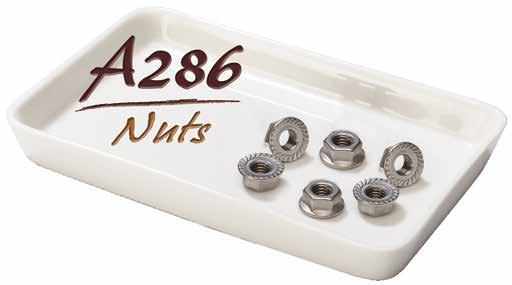
The material A286 is an austenitic iron-nickelchromium alloy. It has a large temperature range from – 196°C up to 700°C and offers excellent strength and superiority to low-alloy steels or common stainless steels. Up to this temperature, A286 displays exceptional corrosion properties.
Typical applications A286 is suitable for:
• Parts for gas turbines in aviation and power plant construction
• Thermal process engineering
• Automotive industry
• Aerospace fasteners
• Non-magnetic cryogenic equipment
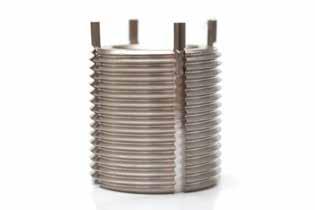


PennEngineering, a global leader in innovative fastening technologies and solutions, has announced a major digital transformation of its Galway facility. This multimillion-euro investment will involve the upskilling of all 200 staff based in Galway and will create approximately 20 new roles over the next three years.
This project is supported by the Irish Government through IDA Ireland.
PennEngineering’s Galway facility has reached a significant milestone this year, as it celebrates its 20th anniversary. Since 2001 the team has grown from 80 staff to 200. In 2017 the company announced the development of a new, 80,000ft² facility in Galway, transforming the site into a centre of excellence within the global organisation, expanding PennEngineering’s R&D capabilities and reinforcing its commitment to its European customers.
Mary Ann Fleming, President, PennEngineering® Fastening Technologies (Europe) Limited said:
"We are delighted with this support from IDA Ireland to allow us to expedite our Smart Manufacturing programme. Our Industry 4.0 strategy will allow us to escalate our product offerings to the European Market and remain competitive in a growing market for us."


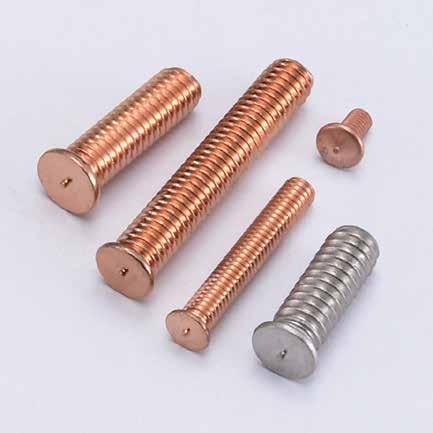




Leading Swedish manufacturer of premium stainless steel fasteners BUMAX has been chosen to supply high strength and corrosion resistant fasteners to global construction giant Skanska for the high-profile Slussen infrastructure project in Stockholm, Sweden.
Skanska has ordered approximately 15,000 premium BUMAX fasteners for the Slussen infrastructure project in central Stockholm to be used on the new water lock’s sluice hatches.


The Slussen area in central Stockholm is being redeveloped with new stainless steel sluice and flood gates – to help the region cope with the anticipated sea level rise in the coming century. It is a massive and essential nine-year SEK 15.8bn (USD 1.6bn; EUR 1.3bn) project in the heart of Stockholm, one of the biggest infrastructure projects in Sweden in recent decades. It includes road and rail infrastructure as well as rebuilding the lock and sluice system and is expected to be complete in 2025.
“BUMAX was able to provide us with stainless steel fasteners that fully met our high strength and excellent corrosion resistance requirements for the Slussen project,” said Bob Hamberg, Purchase Manager at Skanska Sweden.
Around 90 different types of BUMAX fasteners were ordered for the Slussen project. The largest of these fasteners were BUMAX SDX threaded rods M48x1225 and M36x1125, in class 80.
Due to the size and strength of these largest rods, BUMAX collaborated with RISE (the Research Institute of Sweden) to utilize specialist testing equipment, in order to test the mechanical strength of the fasteners. These tests showed that the rods could reach loads of 886kN (over 90 tons) prior to yield and 1,221kN (over 124 tons) on fracture.
“BUMAX premium fasteners are simply the best for extremely demanding projects like the Slussen project,” said Lars Holm, Managing Director, BUMAX. “We are obviously happy to be selected as a supplier by such a distinguished construction companies for such an essential infrastructure project, and we look forward to providing fasteners to many similar projects around the world in the coming years.”

Founded in 1966 and headquartered in Portage, Midwest Fastener Corp. is a leading manufacturer and distributor of nuts, bolts, anchors, deck and drywall screws and specialty fasteners. The company recently purchased Hy-Ko Products in Northfield, Ohio resulting in the need for Midwest Fastener to expand its office space and distribution operation. To secure the company's $10.8 million investment in its headquarters and distribution center expansion in Portage and Decatur and creation of up to 90 jobs, the company has been awarded a $500,000 Michigan Business Development Program performance-based grant.
"Midwest Fastener Corp. has been blessed with continued growth and again needs to expand our Portage facility and staff to support our growing customer base. We are optimistic about the future and our commitment to the community of Portage is stronger than ever," said MFC President Andy DeVries. "Midwest sincerely appreciates the support received from the Michigan Business Development Program, Michigan Economic Development Corporation, and the city of Portage in the creation of up to 90 new jobs in Portage and Decatur. Without this support, MFC could not have achieved these great successes."
















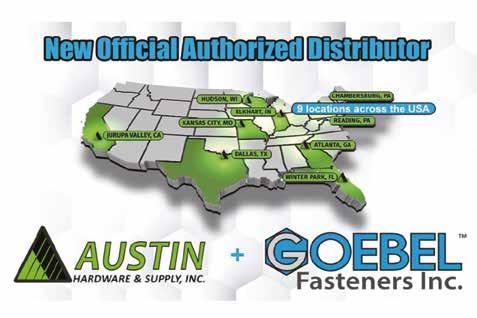
Goebel Fasteners, Inc. announces a new and exciting partnership with Austin Hardware & Supply, Inc. as an official authorized distributor for all products & tooling.
The two companies entered into an agreement that sees Austin Hardware & Supply, Inc. become an authorized distributor for Goebel Fasteners, Inc. product lines which consist of metric & American standard: Blind Rivets, Threaded Inserts, new G-Grip™ Stainless Lockbolt System, Self-Tapping/Drilling Screws, Sealing Washers, Drill Bits, Nut Drivers, Over-Center Toggle Latches, Hand & Power Tools, PPE Equipment, and many more innovative specialty products.
“Austin Hardware is an industry leader who provides engineered solutions for a variety of industrial applications. They help their supply partners get their products into the hands of industrial customers who are always working to keep their businesses productive and profitable. Austin Hardware is a great fit for our company’s vision and we are looking forward to working together for years to come.”, said Marcel Goebel, CEO of the Goebel Group.
Bill Stambaugh, President of Austin Hardware & Supply, Inc. was equally pleased stating. “Partnering with Goebel and distributing their innovative fastener solutions will help us provide our customers with new products that will help streamline their manufacturing processes. We believe that as a family owned and operated business we have an opportunity to invest in our people and our customers for the long term.”
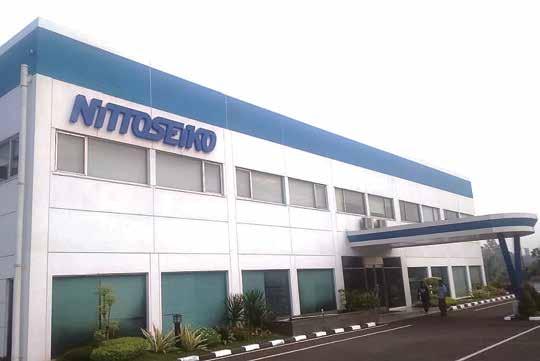
PT. NITTO ALAM INDONESIA starting with 30 employees was founded in 1985 with the total investment value of 700 million Rupiah. Its second plant inaugurated in Bekasi on August 2018 is dedicated to introducing automated production to provide automotive and other industry clients with high quality and shorter lead times. The so-called automated production system means that the plant has the equipment for heading, threading, heat treatment, electroplating, inspection and packaging. It took the plant 3 years to establish the vertically integrated production system, helping shorten the lead time by around 30%. The plant will target the Japanese manufacturing cluster in Bekasi on the outskirts of Jakarta, and provide them with screws, bolts, anchors and other special cold forged products.

The wire rod price adjustment for the third quarter of 2021 announced by Taiwan CSC is lower than what the market had expected, giving Chun Yu an upper edge in cost competitiveness and a boost in its revenue and profit gains. With the outlook of a gradual increase in the global fastener demand which is expected to peak before Christmas, the orders placed to Chun Yu are expected to continue through the fourth quarter of this year.
Chun Yu President Huei-Jeng Lin said that the strong post-COVID demand in the U.S., Europe and China as well as reshoring of many Taiwanese businesses helped drive up the steel demand. The second quarter of this year continues with a rise in both wire price and volume as well as a large amount of fastener and wire orders placed to Chun Yu's 3 major manufacturing bases in Taiwan, Indonesia, and China. The company's revenue set a new high in May at NTD 970 million.
Meanwhile, the leading industrial & automotive fastener supplier, Boltun, benefiting from the same cost competitiveness, also sees its manufacturing already scheduled through the fourth quarter of this year. Another wire rod supply giant, Tycoons, also expects to see continuous customers' orders through the fourth quarter of this year.
Sheh Fung Screws grossed NTD 244 million in its consolidated revenue this May, up 71.86% from the last same period. The consolidated revenue for the first 5 months also reached NTD 1.22 billion. Both the single month and 5-month revenues set a new high over the previous corresponding periods.
Sheh Fung said that its primary clients' need for inventory replenishment and order placement remains strong because of the vibrant demand from U.S. home improvement and construction markets. Although some order shipments were postponed due to the "jam-packed" situation in major U.S. ports, Sheh Fung was still able to optimize its delivery schedules at its 3 plants in Taiwan to speed up delivery, thereby boosting its sales in the U.S. by 108.64% this May compared to the same period last year.
According to Sheh Fung, as the pandemic continues to affect capacities of the global fastener industry and as insufficient containers and delayed shipments affect lead times, fastener demand and supply remain unbalanced in the current U.S. home improvement and construction markets. The U.S. and Europe gradually loosening their lockdown measures will help grow the construction market demand further. Primary clients of Sheh Fung have had less inventory than before and continue to place more orders.
Sheh Fung said that the first wave of price increase as a result of the higher wire rod prices quoted by the upstream suppliers has begun to pay off, and that the company is currently in talks with clients to raise the price again.
The USD 6 trillion budget proposed by U.S. President Biden is expected to drive the infrastructure demand in the U.S. Ta Chen International (TCI) has been the beneficiary of the revival in American industrial steel demand since the beginning of this year, while looking to continue raising its product prices. TCI's revenue for Q2 2021 is expected to climb high again, and its full-year revenue stands a chance to reach a new high at NTD 85 billion with high profitability. TCI's EPS for the whole year is expected to land at NTD 3 to NTD 4, which signifies an obvious recovery from the deficit last year and an EPS record that is only second to NTD 5.83 back in 2018.
In terms of stainless steel business, TCI expects an obvious upturn in demand as opposed to last year, due to the slowdown in U.S. COVID pandemic and a revival in the American manufacturing and construction industries. TCI is a master distributor in the U.S. market and the prices of its stainless steel products are mostly based upon the LME nickel price, which has been hovering around USD 17.6 thousand since this May, up 44% from the same month last year.
In terms of fastener business, TCI has high hopes of growth in fastener sales and is set to raise the prices.
TCI turned losses into profits with an EPS of around NTD 0.39 in Q4 last year, though in 2020 its EPS went down to NTD -0.44. The strong market demand and price surge in the U.S. pushed TCI's profit in Q1 this year to land at NTD 0.88.
The Fastener Hall of Fame recognizes professionals who have made significant and enduring contributions to the industrial fastener industry on a national or global scale. The Young Fastener Professional of the Year award recognizes and honors a young professional who has made significant contributions to the fastener industry. Nominate an exemplary member of the fastener industry by July 30, 2021 for review by the selection committee. Award recipients will be recognized at a special event during the International Fastener Expo (September 21-23, 2021) and receive a commemorative plaque.


KYOCERA SENCO Industrial Tools is expanding its 500,000 sq ft facility in Newtown, OH, with a 32,000 sq foot addition and an 8,000 sq ft renovation of existing space.
The expansion will add offices for sales, marketing and administrative staff, bringing all Cincinnati-based employees under one roof and making the Broadwell Road facility KYOCERA SENCO’s official worldwide headquarters.


“This is a great move for us to bring all our employees back together after working in separate buildings for decades,” stated CEO Cliff Mentrup. “We see a great benefit in putting our U.S. manufacturing and Cincinnati-based business operations under one roof.”
Scheduled for completion by the summer of 2022, the project includes an employee cafeteria serving hot meals and a training, product education and innovation center.
“Part of our management philosophy at KYOCERA SENCO is to provide opportunities for the material and intellectual growth of all our employees,” Mentrup added. “It is our hope that creating a campus-like environment that encourages our team to collaborate and innovate furthers that goal.”
Parent company Kyocera Corp. of Japan, which acquired SENCO in 2017, has invested millions of dollars in the Broadwell Road facility to support manufacturing equipment and R&D projects over the past three years.
Established in 1948 by Albert Juilfs, SENCO designs and manufactures fasteners and power fastening tools for residential, commercial, manufacturing and construction applications. SENCO’s manufacturing and marketing are concentrated in the U.S. and Europe, with products sold in more than 40 countries.

Brighton-Best International unveiled its new vending program.
Proferred Vending solutions utilizes coil and locker machines to offer customers 24/7 access to essential products.
“Delivers the power of automated distribution by reducing supply cost, controlled product usage and state of the art technology,” the company stated.
As the largest fastener importer in the U.S., BBI is poised to influence the distribution market by utilizing technology to leverage its market position.
BBI joins major fastener distributor Fastenal, which created its FAST Solutions industrial vending program in 2009, revolutionizing its growth model from standalone stores to installed machines distributing products on demand within customer facilities.
Currently Fastenal has installed approximately 81,000 vending devices.
Owned by Ta-Chen International, BBI is a master distributor and importer supplying 7,000 distributors through 31 locations in six countries, including the U.S., Canada, Mexico, Brazil, Australia and the UK.
The company’s global headquarters is in Taiwan, and the U.S. headquarters is at 5855 Obispo Ave., Long Beach, CA 90805.
MacLean-Fogg Component Solutions acquired the assets of Formetrix, LLC of Mansfield, MA, for an undisclosed sum.
The deal includes Formetrix’s metal powder intellectual property portfolio that will broaden MacLean Fogg’s capabilities to service new and existing OEM, Tier 1 and 2 customers, as well as tool and die makers in automotive, EV, industrial, agriculture, heavy truck and construction markets.

The new business entity will be known as MacLean Formetrix and will be based in the Detroit suburb of Macomb Township.
The unit will be led by GM Greg Rizzo. Harald Lemke, formerly of Formetix, has joined MacLean Formetrix as product management director.
“As a previous customer of Formetrix, we were able to implement technical cost break-throughs with their material and process innovations that others in the additive manufacturing business claimed were impossible,” stated CEO Duncan MacLean. “We couldn't be more excited to continue to make their innovations available for our internal users, as well as serve other innovative manufacturers and tool makers.”
These materials, combined with advanced 3D printing processes, allow for tool-and-die makers and manufacturers to realize cost, time, and weight savings, as well as tool-to-tool repeatability by replacing traditionally fabricated hard tools with durable printed steel tools and inserts.
Additionally, with the multi-dimensional design and manufacturing freedom that 3D printing allows, tool designers can realize new coolant channels and shapes.
A division of the MacLean-Fogg Co., Mundelein, IL-based MacLean-Fogg Component Solutions manufactures fasteners, engineered components and plastics for automotive, heavy truck and other diverse industries.

Howmet Aerospace released its 2020 Environmental, Social and Governance (ESG) report highlighting the company’s approach to sustainability.
“For Howmet Aerospace, ESG is about generating meaningful change for a more sustainable future through proprietary technologies that help the aerospace and commercial transportation industries reduce fuel consumption and cut carbon emissions,” stated co-CEO John C. Plant.
“Social concerns remained an important issue during 2020 and we reaffirmed our commitment to employee and community safety in light of the pandemic as well as focused on diversity, equity and inclusion.”
Among the highlights in the ESG Report:
• 4.8 million Howmet Aerospace BobTail lockbolts were used to assemble wind turbines in North America and Europe, representing a 33% increase over 2019 usage “due to growth in the industry and greater use and adoption of our fasteners across European and North American installations.”
• 115 million Howmet Aerospace BobTail lockbolts and 25 million Howmet Aerospace BOM blind fasteners were used to assemble 6.9 gigawatts of solar arrays, diverting 170,000 metric tons of greenhouse gas emissions.
• The Howmet Aerospace Foundation approved more than $5.2 million in STEM focused-grants and disbursed more than $2.3 million to nonprofit organizations in communities around the world.
• A 19.2% decrease in GHG emissions and 17% decline in energy consumption compared to 2019.
• A 21% reduction in total recordable incidents and a 4% decline in days away, restricted and transfer rate compared to 2019.
• 88% of Howmet’s key suppliers have sustainability programs considered leading or active.
The report was prepared in alignment with guidance from the Task Force on Climate-Related Financial Disclosures (TCFD) and standards from the Sustainability Accounting Standards Board (SASB) and is available online.
Headquartered in Pittsburgh, Howmet Aerospace’s primary businesses focus on jet engine components, aerospace fastening systems and titanium structural parts for aerospace and defense applications, as well as forged wheels for commercial transportation.
Tesla recalled nearly 6,000 U.S. vehicles because brake caliper bolts could be loose, potentially causing a loss of tire pressure, Reuters reports.
The recall covers certain 2019-2021 Model 3 vehicles and 2020-2021 Model Y vehicles. Tesla's filing with the National Highway Traffic Safety Administration (NHTSA) said it had no reports of crashes or injuries related to the issue and that the company will inspect and tighten, or replace, the caliper bolts as necessary, according to Reuters.
Tesla said that loose caliper bolts could allow the brake caliper to separate and contact the wheel rim, which could cause a loss of tire pressure in “very rare circumstances.” The company said if vehicle damage from a loose or missing fastener occurs, it would arrange for a tow to the nearest service center for repair.

The filing with NHTSA said Tesla was made aware in December of a field incident involving a 2021 Model Y vehicle with a missing fastener on the driver-side rear brake caliper.
The company has since taken measures during assembly to prevent loosening of the bolts, Reuters reports.
In related news, Tesla also issued two recalls covering nearly 8,000 vehicles with potentially faulty seat belts.
One recall covers certain 2018-2020 Model 3 sedans, along with certain 2019-2021 Model Y crossovers. That recall covers 5,530 vehicles with front seat belts that may be improperly secured to the b-pillar (the vertical section between a car’s front and rear windows).
The second covers 2,166 2019-2021 Model Ys where the second-row seat belt retractors may be improperly fastened to the car's body.
Both occurred due to problems fastening seat-belt components to the correct torque specification during manufacturing.
Birmingham Fastener, Birmingham, AL, USA, announces the acquisition of Steel City Bolt and Screw. With over 100 years of combined fastener production, the acquisition strengthens Birmingham Fastener’s product offering, equipment depth, and most importantly it allows us to add teammates to our world class staff. Brad Tinney, Owner of Birmingham Fastener says, “With this acquisition we continue to double down on domestic manufacturing and provide our customers with a domestic solution on any fastener requirement they have. This equipment will assist in our expansion into the Carolinas and continue to expand our east coast footprint. Our customer base is second to none and we will ensure their needs are met and expectations are exceeded.” Operations of Steel City Bolt and Screw will be consolidated into the production facility at corporate headquarters in Birmingham. In doing this, the level of service Birmingham Fastener can offer its valued customers will be increased. Customer service remains paramount at Birmingham Fastener, and in-turn, all Steel City Bolt and Screw customers will become valued partners of Birmingham Fastener and be serviced as a top priority. Birmingham Fastener continues to invest in the future and make strategic moves and acquisitions that will yield long term benefits for our customers. The plan is to take this 100 years of customer service and turn it into 200 years of outrageous service for the entire family of customers. Customers will see a lot of information in the coming days and Birmingham Fasteners says it will build and strengthen new partnerships with the customers of Steel City Bolt and Screw.

MW Industries, the Charlotte, NC, USA-based precision component manufacturer, announced that it is bringing together 21 of its businesses under a single umbrella, MW Components. The new division is on a mission to help manufacturers accelerate and simplify the entire process of creating, buying and managing the complex task of getting the precision parts they need. It means that, whether a customer wants to create a custom component for a specific application or order a stock part from one of the country’s largest inventories, they can do so from a single trusted supplier. MW Components will be led by Chris Fillmore, an industry veteran with over 15 years’ experience in delivering high-precision components for demanding industries including aerospace, medical and oil and gas. The combined business has over 100 highly-skilled engineers on hand to provide feedback on design for manufacturability, cost and performance. And specialist production capabilities span a wide variety of precision components including high-performance springs, fasteners, bellows, wire forms and virtually any custom-designed parts manufacturers require. MW Components brings together experts from industry leaders including Century Spring, Accurate Screw Machine and USA Fastener Group into a single expanded team dedicated to doing whatever it takes to help customers succeed. It will enable a more holistic view of customer needs, opening up valuable access to greater knowledge, expertise and innovations from right across the division’s 20-plus facilities.


Peak Innovations Engineering is honored to congratulate its Principal Engineer, John Medcalf, as he was selected as the Chair of ASME B18 Subcommittee 4–US TAG to ISO/TC 2. This subcommittee coordinates and represents the USA position in the International Organization for Standardization Fastener Standards Committee (ISO/TC 2). The American Society of Mechanical Engineers (ASME) is the globally recognized source of standards used around the world. Medcalf has served as a member of the subcommittee since 2013 including serving as one of a handful of delegates to the international standards committee meetings. In addition to leading the subcommittee to coordinate USA positions on ISO fastener standards, Medcalf’s role will see him act as the head of the USA delegation at international meetings. Peak acknowledges Medcalf as a great asset to Peak Innovations Engineering and the industry.

Fastener Industries Inc., subsidiaries, Ohio Nut and Bolt, Buckeye Fasteners Co. and Modern Fasteners Co. recently installed a new ERP system. The new Microsoft Navision (NAV) system is helping the fastener companies streamline and automate in house processes as well as improving communications between the companies and their customers. The system took roughly one year to install. It went live in June 2020. There has now been enough time elapsed in the new system to call it success story. The Employee Owners of Fastener industries Inc., the parent company to the Fastener Group (Modern, Ohio, Buckeye), are now working with customers to tailor the new system to meet supply chain challenges and streamlined scheduling.
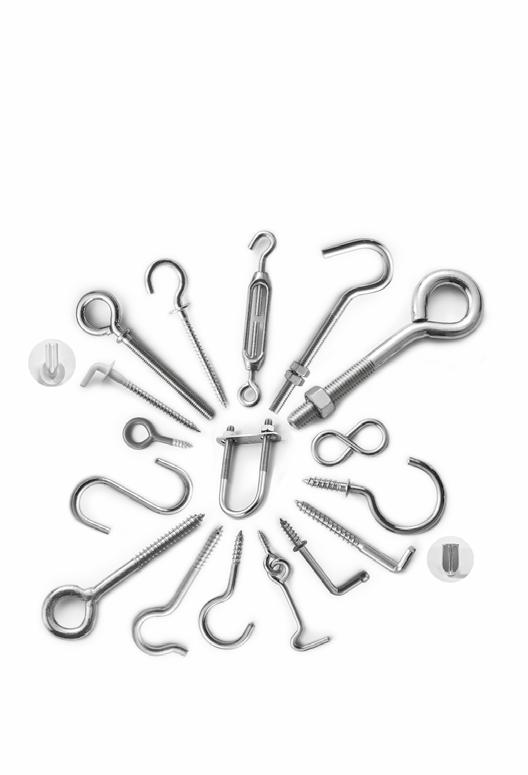




Bontempi Vibo SpA has acquired 100% of Mi.Me.Af shares, a historic company from the Lecco area of Italy that specialises in the production of special design fasteners.
Mi.Me.Af. SpA has a turnover of about €6 million per year and is recognised for its high-quality and great ability to customise its products in the most varied sectors, from automotive to household appliances, as well as the locks and compressors sector. The acquisition of Mi.Me.Af. SpA is just one of the operations that are part of Bontempi VIBO’s industrial growth plan, with the company setting itself the goal of achieving €80 million revenues by 2025. This plan, which will involve targeting not only the Italian but also the European market, will be developed through selected acquisitions of solid and innovative companies, thanks to which the Bontempi Group will expand its production range - reaching new strategic sectors.
For instance, the acquisition of Fram in 2019 enabled Bontempi VIBO to increase its production, now boasting one of the largest product ranges in Europe in the fastener sector, and the company was able to continue its constant growth, finding an outlet in new markets.
Speaking about the strategy, Raoul Bontempi, CEO of Bontempi VIBO SpA, explained: "We want to get out of the industrial ‘dwarfism’ that has characterised Italian SMEs and prepare the company to be increasingly a protagonist in the challenges that we will face in the fastener sector.”
Growermetal Srl has been certified for years according to the IATF 16949 standard for the automotive sector and now, after DNV-GL certified its production process according to the EN 9100:2018 standard, the Italian manufacturer aims to enter the aerospace sector as an official supplier.

The IAQG (International Aerospace Quality Group) through the EN 9100 standard has established a quality management system directly controlled by the aerospace industry itself, to define the strict requirements necessary to operate in the sector and Growermetal considered the achievement of the certification the starting point for being successful in this market. The EN 9100 standard is based on the ISO 9001 standard and the primary focus is on quality, safety, reliability and effectiveness of the production processes, covering all areas of this industry and its supply chain.
"Achieving a certification of this level was just the result of a very professional internal team work, with the goal to create new procedures and more efficient processes fully oriented to the prevention and reduction of the risk. We thank all Growermetal’s staff for the passion and dedication shown" says Paolo Cattaneo, CEO of Growermetal. “Being certified to the EN 9100 standard also gives us the great opportunity to be included in the Online Aerospace Supplier Information System (OASIS) database, from which the most important players of this industry can select their suppliers.”
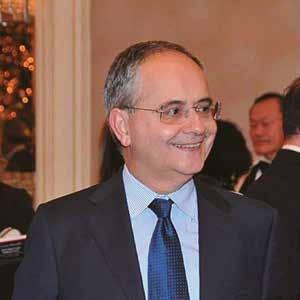
Unione Italiana Produttori Viteria e Bulloneria (UPIVEB) has announced that Mr. Giorgio Donati has been appointed as the new president, taking over from Mr. Sergio Pirovano, who sadly recently passed away. With many years of experience in the fastener sector and an in-depth knowledge of the market, Mr. Donati will represent the interests of the Italian manufacturers both domestically and at international level.
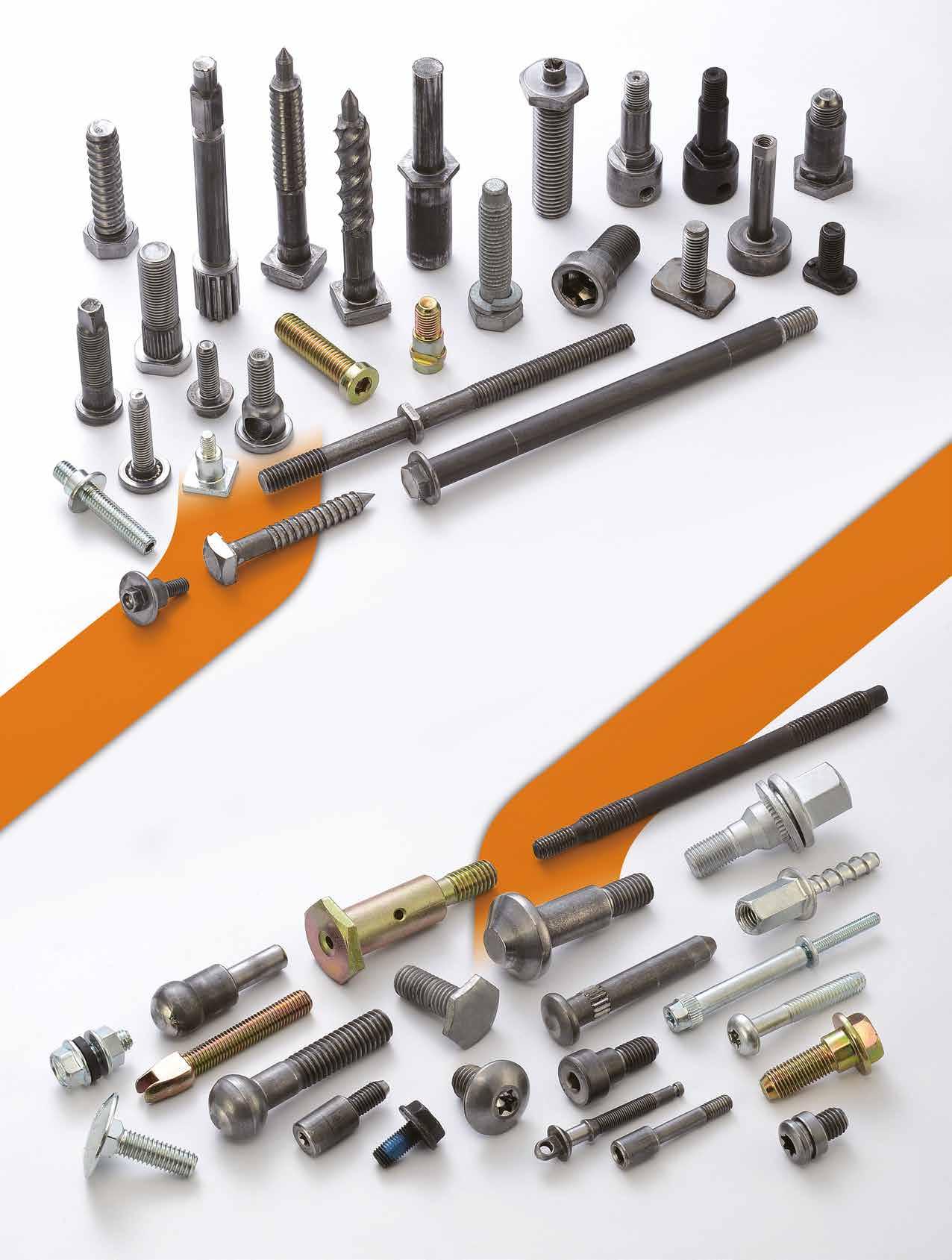


French-based ETANCO Group, a major European player within the building envelope fastening systems market, has continued its expansion into high-value-added business segments with the acquisition of German company SYSTEA GmbH. ETANCO generates 40% of its turnover outside of France. With the acquisition of SYSTEA GmbH, ETANCO has confirmed its desire to strengthen its position as a European leader in the market for fastening systems for ventilated facades.
Founded almost 46 years ago in the Hamburg region, SYSTEA designs, manufactures and markets a complete range of sub-structure systems for ventilated facades. It covers the entire chain, from sales to implementation support, including consulting, production and delivery. Its know-how is also internationally recognised for the quality of its aluminium and stainless steel solutions.
Ronan Lebraut, president of ETANCO Group, comments: “This operation marks a major milestone in the development of ETANCO in Germany. But not only that. Our two groups share the same values, the same entrepreneurial spirit, as well as there being multiple commercial and industrial synergies. The ambition of the ETANCO Group is to capitalise on the demonstrated know-how of SYSTEA’s teams to offer its French and European customers the most complete range of products and services on the ventilated facade market.”
Hilti Group closed the challenging Covid-19 pandemic year of 2020 with an operating profit of CHF 728 million (-7% down on 2019) and a decline in sales of 9.6% compared to the previous year - totaling CHF 5.3 billion. Nevertheless, investments in strategic initiatives continued as planned to ensure the long-term success of the company. CEO Christoph Loos commented: “2020 was a turbulent business year, which shows in our figures. Overall, we came through the pandemic year with a black eye and were able to avoid compromising the financial stability of our company. At the same time, we continued to invest into our strategic priorities."
At the end of March 2020, Hilti launched a four-pillar program to cope with the Covid-19 impact. A strong emphasis was put on protecting the health and well-being of all employees, particularly those with direct customer contact. Additionally, a hiring freeze was imposed, indirect costs were optimised, and temporary savings measures were implemented. At the end of the year the number of team members stood at 29,549, a decrease of 1.5 percent compared with the previous year. Hilti adjusted its structures only very selectively in certain markets and avoided a more extensive restructuring. Despite the pandemic, the Hilti Group launched 74 new products and services onto the market. Expenditures for research and development reached CHF 358 million (-2.5%), a share of 6.7% of sales.
For the current year, the Hilti Group expects a moderate economic recovery, which will vary from region to region and depend heavily on the course of the coronavirus pandemic in the coming months. Despite these challenges, the company is adhering to its strategic objectives and will continue to invest significantly in innovative solutions and the digitization of its portfolio and its internal processes.
Jörgen Rosengren, Bufab's president and CEO, has informed the board that he intends to leave the company for a similar role in another industry. He will remain in his role during his notice period, until September 2021 at the most.
Bengt Liljedahl, chairman of the board, commented: "Since its IPO in 2014, Bufab has shown strong profitable growth and developed into a leading company in its industry. Through investment in new customer solutions, international expansion, efficiency and acquisitions, the company has strengthened its market position and global presence. Turnover and profit have more than doubled. The company now has a strong base for further growth.” The Board and Bufab's management are now focusing on continued profitable growth while recruiting a new CEO.”


“Hope is the last to die” is a popular saying that reveals a person’s state of mind in the face of adversity. And so all of us, admirers and friends, had hoped until the very last moment
by Marco A. Guerritore, Editor-in-Chief of Italian Fasteners Magazine
for a positive resolution of the disease, but unfortunately we were deluded as this never came. And so on 30 January 2021, Sergio Pirovano – President of the UPIVEB – left us with a sense of emptiness and infinite sadness. Now all we are left with is despair and regret.
Yet, Sergio fought the disease with incredible fortitude and faith in a recovery. He showed the courage of a lion. In the most difficult moments, he revealed the best of himself, his true personality and great depth. Sergio did not always have an easy character, he was complicated, but the best part of his personality was always evident, such as his unquestionable loyalty, his great sensitivity and involvement in social issues and, above all, his immeasurable generosity.
Sergio loved his job deeply. He was very committed to promoting fasteners and particularly the value of Italian quality in the industrial world. He was tireless in maintaining contacts, promoting meetings, stimulating debates,
all aimed at the technical and economic progress of the fastener. As a member of the board, he actively participated in EIFI meetings and activities. As President of UPIVEB, he promoted and implemented countless initiatives. To list them all would be impossible, so we will only mention the most significant such as the commemoration of the 50th anniversary of the founding of UPIVEB, which was held on 10 June 2011 at the legendary Villa d’Este in Cernobbio under his expert guidance. The anniversary ceremony consisted of a rich and interesting cultural programme that also included entertainment. The highlight was a conference attended by distinguished speakers from the political, financial and industrial worlds.
Another noteworthy initiative was the organisation of “Meetaly”, the first international conference on Screws and Bolts, which was held in Milan during the Expo on 14 September 2015. More than 500 delegates from countries around the world attended the event with great interest. It was a huge success, which justifiably rewarded the commitment and organisational skills of Sergio Pirovano – President of UPIVEB.
But perhaps Sergio’s greatest achievement as President of UPIVEB was that, after overcoming a number of difficulties and demonstrating great diplomatic skill, he succeeded in amending the UPIVEB Articles of Association to extend the membership to include the supply chain, i.e. to allow all those companies and organisations that operate within the sector to become members of UPIVEB, such as manufacturers of bolt-making machines, steelworks, wire drawing mills, heat treatment companies and so on.
He was a great President who will surely be missed by many friends and admirers from Italy and around the world.
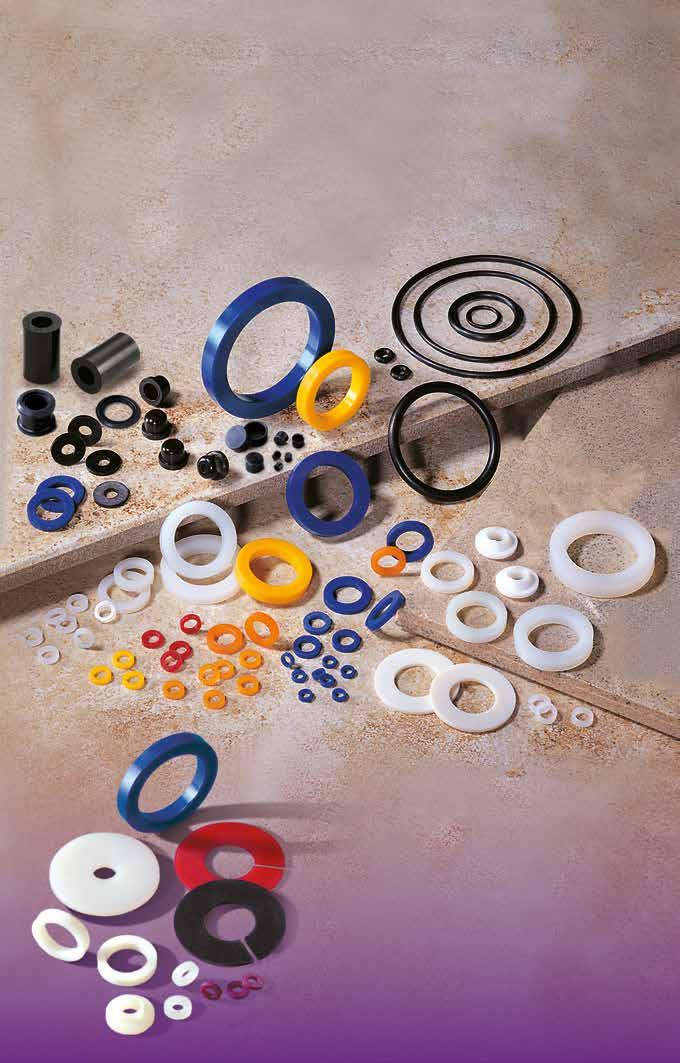



T.Sh. Galiakhmetov, Director for Technical Development of BelZAN, introduced plans to master the production of fasteners in new steel grades 36MnB4, 32CrB4 and 42CrMo4 to the participants in the conference “Fasteners. Quality and Responsibility”. Manufacturing pilot batches of fasteners is planned for the current year. He noted the need for mastering the production of fasteners of strength classes 8.8 and 10.9 in Russia. It is economically and technologically expedient to use two steel grades for long parts in the automotive industry.
Director of Khimsintez LLC (Dzerzhinsk, Nizhny Novgorod Region) V. Chumakov told the participants of the Conference “Fasteners, Quality and Responsibility" on the development of Russian industries regarding the application of zinc coatings. He gave information on the new coating, Netoks Zn LF. There was a marked increase in the use of zinc coatings in Russia. The speaker presented domestic equipment for applying zinc coatings. The company "ArtTron" (Dzerzhinsk, Nizhny Novgorod Region), with the consulting support of LLC "AntikorTech" (St. Petersburg), has created the first centrifuge in Russia for applying zinc coating. Launching a small coating installation that does not require a laboratory, treatment facilities, or a large staff of employees is a fairly convenient solution for fastener manufacturing companies.
Russian Ministry of Construction has approved the Applied Scientific Research Program for 2021. It includes a study of the operation of high-strength steels C390 and C440 in bolted joints. At present, as noted in the Program, there is no unified and standardized method for determining the mechanical properties of bolted joints made of high-strength steels C390 and C440; and therefore, the properties of rolled products at low temperatures are not taken into account. The lack of a unified methodology imposes a limitation on the possibility of using high-strength rolled products in bolted joints in the design and manufacture of metal structures.
In Russia, several tens of thousands of bridges require major repairs, of which about 3,000 bridges require immediate repair, including metal railway bridges. High-strength bolts with small dimensions are able to provide a detachable connection that is not inferior in strength to a welded one and surpasses a riveted one.
The use of bolts of a new type in the design and reconstruction of metal bridges will provide, among other advantages, the ability to be used in various climatic conditions. High-strength bolts of northern design can be used in harsh climates down to -60 °C or average cold temperatures down to -40 °C. The study is planned to be carried out in 2021 at the expense of the federal budget.

Severstal-metiz has put new lines for the production of railway fasteners into operation. Severstal-metiz has extensive experience in production of railroad fasteners of various types. Also, Severstal-metiz is the exclusive supplier of Vossloh rail fastening elements. “The new lines will allow us to provide all of our customers with the required volumes of products”, comments General Director of Severstal-metiz.
When erecting reactor buildings, builders use flexible anchor stops from Oryol Steel Rolling Plant. “When constructing such structures, the main thing is reliability and safety. For the production of flexible stops, we use special steel - hard, but at the same time plastic, we carefully select the annealing temperature to increase strength. The fasteners that we supply for the nuclear power plant have already been tested by time and have been used in the construction of many infrastructure facilities”, comments Aleksey Erenichev, director of Oryol Steel Rolling Plant.

MMK-METIZ carried out standard tests on bolts for railway in accordance with GOST 16017-2014. The products have passed the tests.
As part of the investment program for 2020-2025, MMK-METIZ has launched a fully automated line for galvanizing small fasteners in diameters of up to 6 to 12 mm. The productivity of this line is 250 tons per month.
News provided by:
Alexander
Ostashov,
editor
of “Fasteners, Adhesives, Tools and...” Magazine
Mariya Valiakhmetova, editor of “Metiz” Magazine

On 04/22/2021, the State Court of Justice in São Paulo State in São Paulo City (Brazil) released a notice closing the judicial review involving the company Indústrias Gerais de Parafusos Ingepal Ltda., a process which was started in 2013. That was great news for the whole Brazilian fastener industry, above all for Ingepal as one of the most important manufacturers of bolts, nuts, and other similar special parts.
Currently certified to ISO 9001:2015 and IATF 16949:2016, the Ingepal history composes itself as a strong provider in the supply chain covering the automotive (buses and trucks), solar energy, road and agricultural machines, railroad-subway, construction and, mainly, mining industry.
Currently, its annual fastener capacity is more than 1,000 tons per month, especially because during “those hard days” the heritage was carefully and well maintained, including its modern machines by Chun Zu, National Machinery, Nedschroef and Sacma, as well as a sophisticated laboratory, all installed on its own industrial unit spanning 30 thousand square meters including the 14 thousand square meters building.
The closing judgment reached the newsroom of Revista do Parafuso (The Fastener Brazil Magazine) through an enthusiastic message from Dra. Laura Melle Santiago and José Roberto Santiago, both directors from this company founded in 1960, and right now they are back to the fastener game.
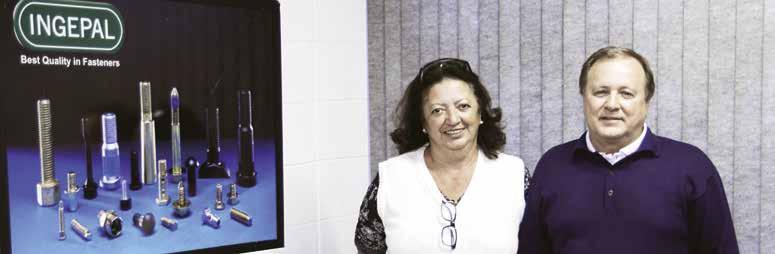
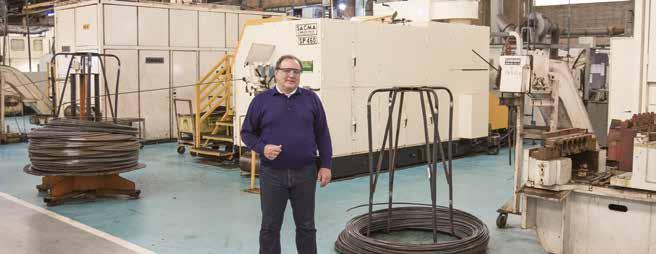
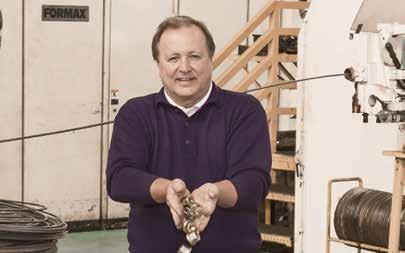
Home delivery services has been a keyword in commerce due to the global pandemic
"Motoboy" is a nickname used commonly in Brazil to identify those who provide delivery services to homes including almost everything bought by people, such as food, electronic devices, books and others. These services generally are done by younger people, around 18 - 35 years old, who use motorcycles as transport vehicles.
Most motoboys use motorcycles, whose engines are of 100cc ~ 190 cc, which correspond to around 80% of Brazilian production in total.
As these services have risen – so much so that the online food ordering and delivery platform Uber Eats has increased globally in income by 224%, just in Q4 2020 – this delivery service probably is one of the reasons for recent production growth of motorcycles makers in Brazil.
Despite the pandemic and shortage in raw material, parts and pieces, from January to April 2021 the domestic motorcycle production (part of them operating under the CKD system) reached 359,621 units, but it could surpass 377 thousand units if April didn't have 3 workdays less because of the holidays, according to the Abraciclo (the Brazilian Association of Manufacturers of Motorcycles, Mopeds, Scooters, Bicycles and Similar).
However, during the first 4 months of 2021 there has been a

Four-month Total
Source: Abraciclo (www abraciclo com br)
2.28% fall, compared with the same and normal period in 2019 (367,986 units), but there is a 20.16% rise compared with 2020 (299,278 units). If this trend is to sustain this year, the total production can go further to 1,060,000 units through the end of this year.
The Metalbo fastener company family said goodbye to Gerhardt Böving on May 15, 2021, in Rio do Sul town, Santa Catarina State, Brazil.
In 1960 Gerhardt Böving and Edgar Arnold joined to run Rex Máquinas, a machinery industry provider for local fastener manufacturing companies. After a rename came Industrial Rex. From 1967 to the 1970s, the company became a fastener manufacturer.
Separated in 1987, currently there are two of the most important fastener companies in Brazil: one is the Industrial Rex Ltda., managed by the Arnold family; the other is Metalbo Indústria de Fixadores Metálicos Ltda., managed by the Böving family.

News provided by: Sergio Milatias, Editor of Revista do Parafuso ( The Fastener Brazil Magazine) milatias@revistadoparafuso.com.br w w w.revistadoparafuso.com



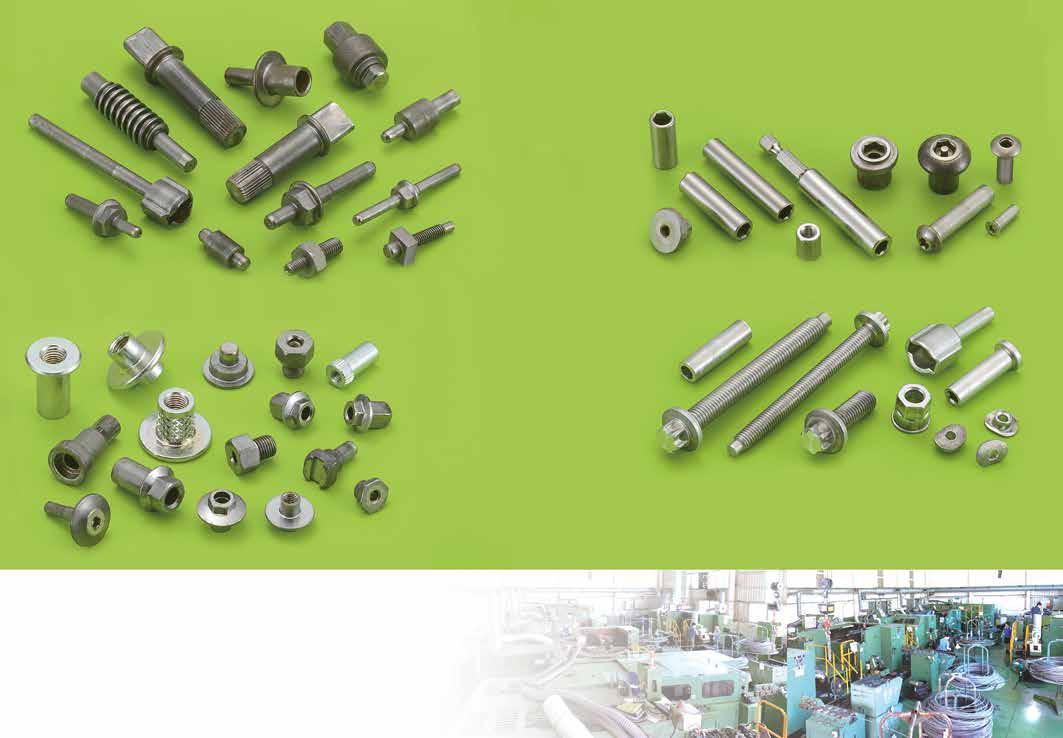





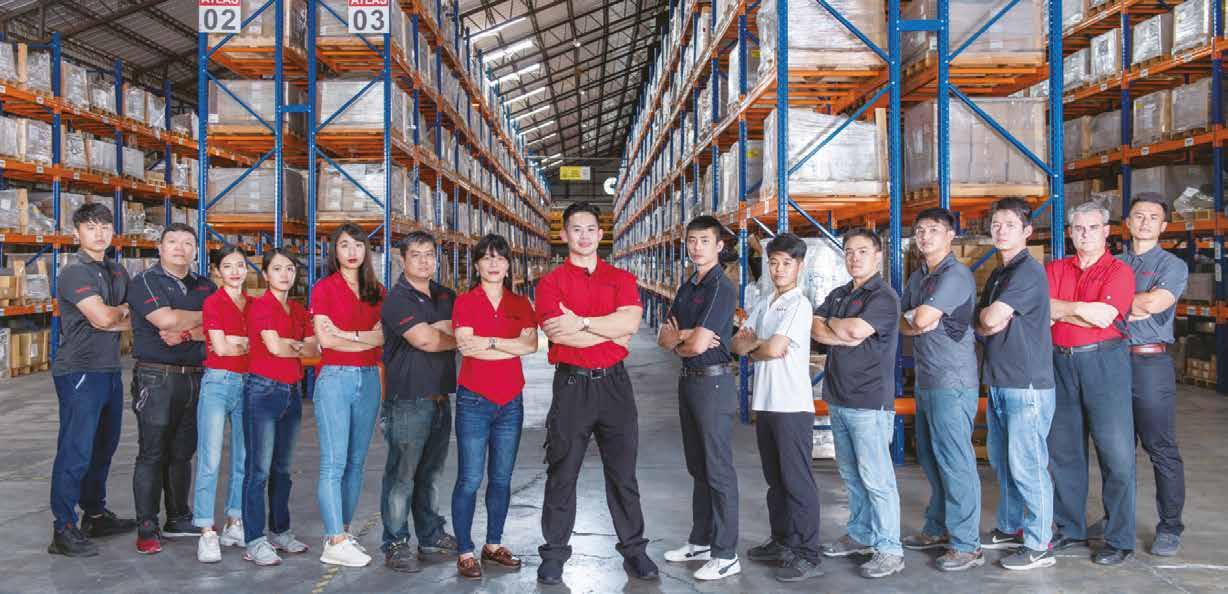
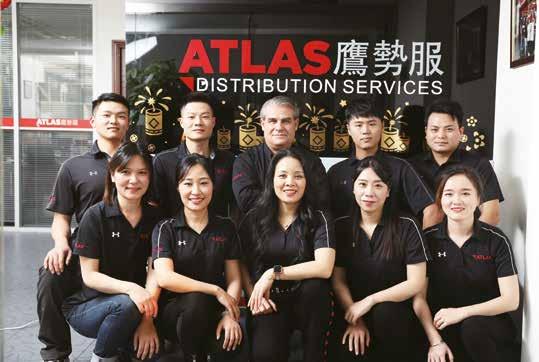
Atlas Distribution Services, Ltd was formed to help distributors of fasteners and industrial supplies unlock the potential of their global supply chains by helping to address certain “pain points” in areas involving product availability, packaging, minimums, and lead times from qualified factories across Asia. Atlas was founded by Scott Camp, a former Product & Supply Chain executive at the Fastenal Company.
Mr. Camp has 30 years of experience within the industrial distribution channel; with over 27 years falling within the global product management, sourcing, procurement and supply chain disciplines. After graduating from Elon University in 1991, he was hired by Fastenal Company whereby he served in various roles across the organization. In 2003, Mr. Camp moved his wife and children to Shanghai, China where they lived for 5 years while establishing FASTCO (Shanghai) Trading Co., Ltd, the company’s foreign entity responsible for sourcing, supplier qualification, procurement, logistics and quality assurance operations. Mr. Camp worked for Fastenal for more than 23 years, eventually working his way to the home office based in Winona, MN where he served as Vice President and later Executive VP responsible for the Company’s global supply chain operations.
After 23 years of service Scott decided to exit the company to pursue his passion for international trade by establishing Atlas Distribution Services, Ltd. Given Scott’s deep love and respect for Taiwan, its people and culture, it was only natural for the first company to be founded in Taiwan. Scott was quoted as saying “I have been coming to Taiwan since 1996 and until today I continue to marvel at Taiwan’s commitment to quality, service and advancing technologies across many of its key industries. As Gangshan, Tainan, Luchu and surrounding areas are commonly referred to as the “Fastener Kingdom” I knew I would have the greatest chance of success if I founded my first company here. “
ATLAS DISTRIBUTION SERVICES LTD.
5F., No.339, Gangshan Rd., Gangshan Dist., Kaohsiung City 82041, Taiwan
886-7-622 2276 886-7-622 7176 info@atlasdistribution.com www.fastener-world.com/en/supplier/atlas

Today, as a group of companies with physical operations in Taiwan, mainland China and the USA, Atlas has a complete portfolio of products and services to add even greater value to its distributor clients. “The Shanghai team is vital to our ongoing ability to service our clients with high quality, shelf-ready product. Atlas Shanghai has also added extensive custom-packaging, kitting and assembly capabilities which has further amplified the savings to our distributor clients. The company has also added many other non-fastener categories such as castings, forgings, stampings weldments and other fabricated components while also expanding its capabilities in the areas of special, per-print fasteners and components. In Taiwan for instance, we have invested in state of the art optical sortation machines in order to meet customerspecific PPM requirements. Additionally, in an effort to upgrade our testing and quality assurance capabilities, we have made substantial investments in the personnel and equipment necessary to establish an accredited testing laboratory. As this article is being distributed, we will be preparing for our ISO-17025/A2LA lab accreditation.
If you pair these sorting and quality assurance resources with our extensive warehousing, packaging and fulfillment capabilities-Atlas is very well positioned to offer a significant value proposition at origin.”
To be successful in business, and in life, it is so important to surround yourself with great people. For those who have met the Atlas team members, our leadership team or any of our supplier partners would agree-we have successfully established an amazing culture of service. “We have great people, and I am proud of them and all they have accomplished so far. My entire Asia-Pacific team is blessed to serve alongside Mr. Scott Liu, our Asia-Pacific General Manager. Scott is one of the most talented young men I have ever worked with and has helped elevate my company to new heights and his leadership style resonates with all team members and supplier partners. As Atlas takes a less-traditional approach to servicing the distribution channel, I firmly believe we can help factories achieve greater market share. We are proud to cooperate with the most well-known and respected manufacturers across Asia-Pacific while helping them to make their products more readily available in the marketplace. As the company is now entering its 7th year of operation, I am proud to say that our greatest asset is of course the Atlas team. I always say, it takes a great team to build a dream. The team members we have in Asia are smart, strong, and highly capable to service any customer anywhere in the world. It’s not rocket science; hire great people, build and protect a strong and unique culture and attract worldclass clients. And of course, only buy from the best suppliers! “


In addition to the sourcing and fulfillment capabilities within Asia, Atlas also has a 50,000 sq. ft warehouse in central USA whereby fulfillment solutions can be tailored on behalf of its key partners seeking to leverage the company’s full platform. “We offer the greatest value to those distributors who buy their A&B items from our operations in Asia while partnering with us to design fulfillment solutions from our Missouri warehouse for their C&D items. Our best customers also take full advantage of our freight and customs brokerage services to realize their most competitive landed cost. As most of our sales to distributors in the USA are under a DDP term, we therefore take over the challenges of dealing with the various shipping lines/forwarders while also handling the customs clearance into the USA. Given the challenges this year with ocean, rail and over the road transportation, this door to door, turnkey service from Asia has provided yet another opportunity for Atlas to provide even greater service to our distributor clients. One of many things I learned from my mentor Will Oberton (former Chairman & CEO at Fastenal) is that “the easiest way to sell is to make it convenient to buy”. By taking on the supply chain pains that our distributor clients face, we are able to save them time and money while letting them focus on growing their business.”
Atlas Distribution Services, Ltd is an ISO 9001:2015 registered company who only sells to distributors seeking long-term and sustainable partnerships. “We are not for everyone, nor do we want to be. If you are interested in learning more, please reach out to us at info@atlasdistribution. com.tw. We appreciate the opportunity to serve.”
Atlas helps select distributors realize the full potential of their global supply chain operations by offering sourcing, packaging and fulfillment solutions in addition to offering complimentary customs brokerage and freight forwarding services. Atlas currently operates fulfillment centers in Gangshan, Taiwan, Shanghai, China as well as Sullivan, Missouri.

Scott Camp Founder & CEO

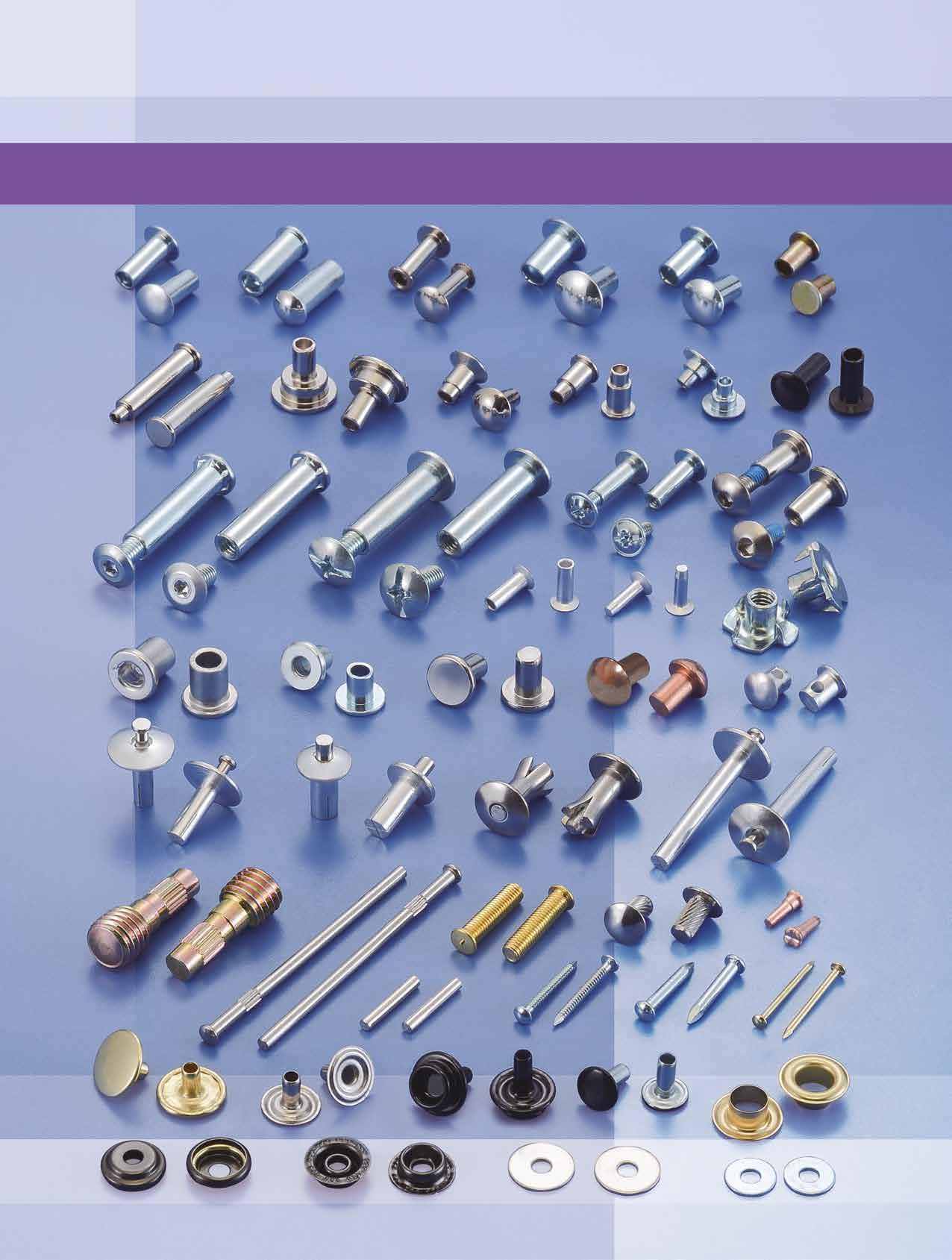




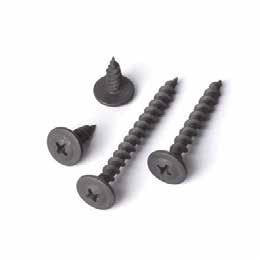
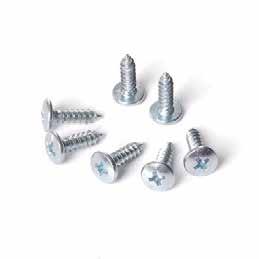
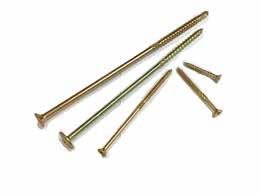
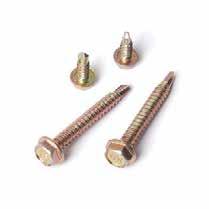
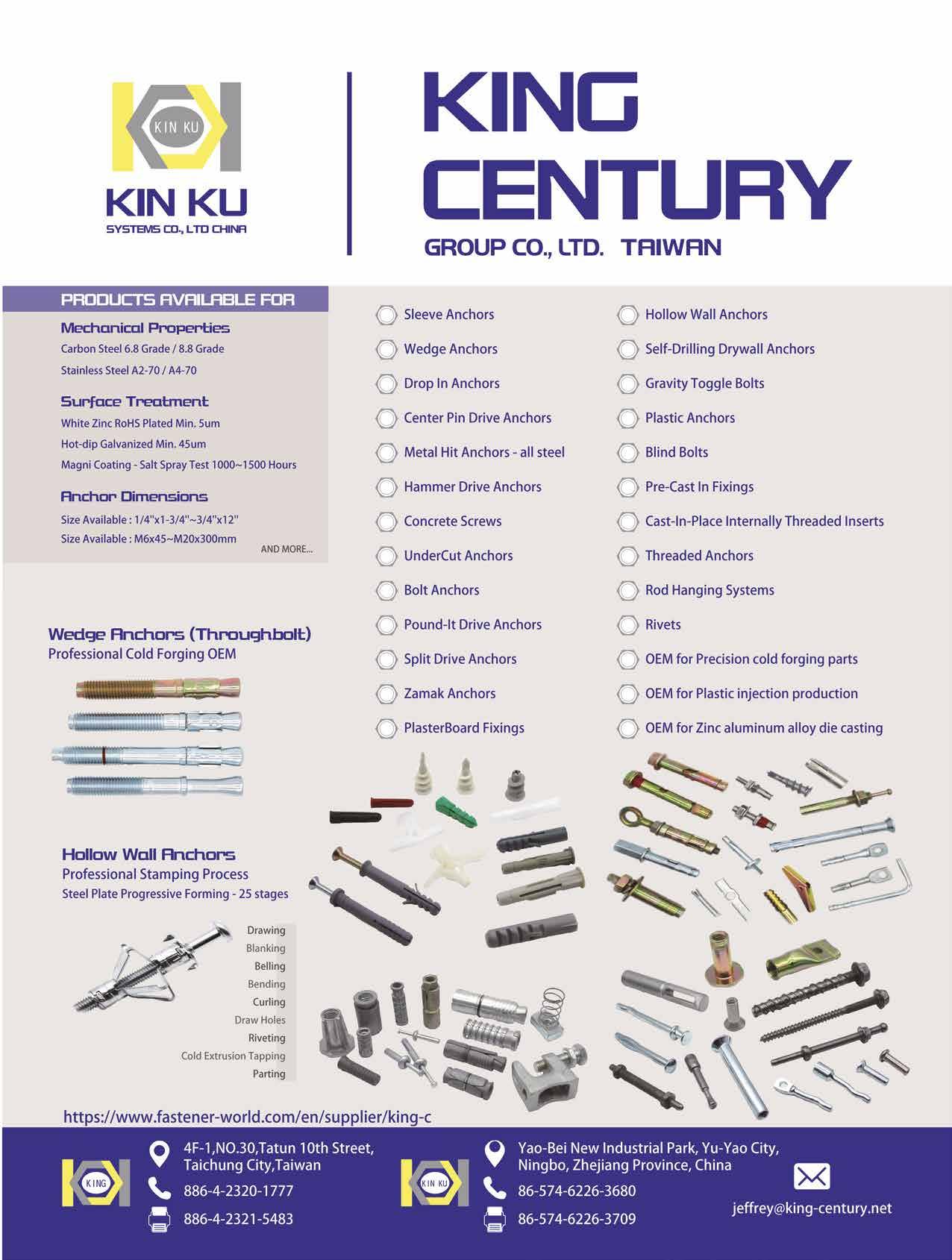

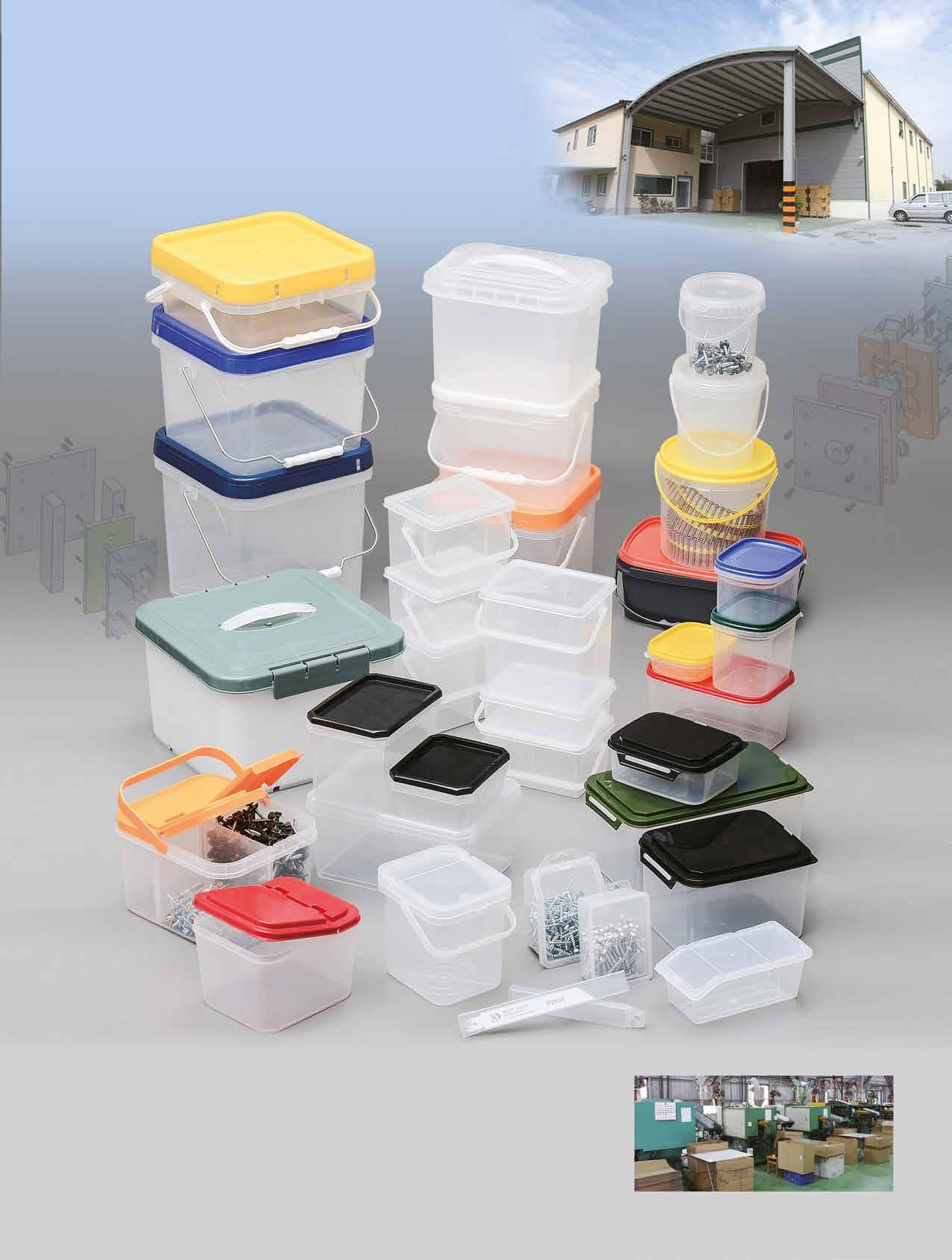

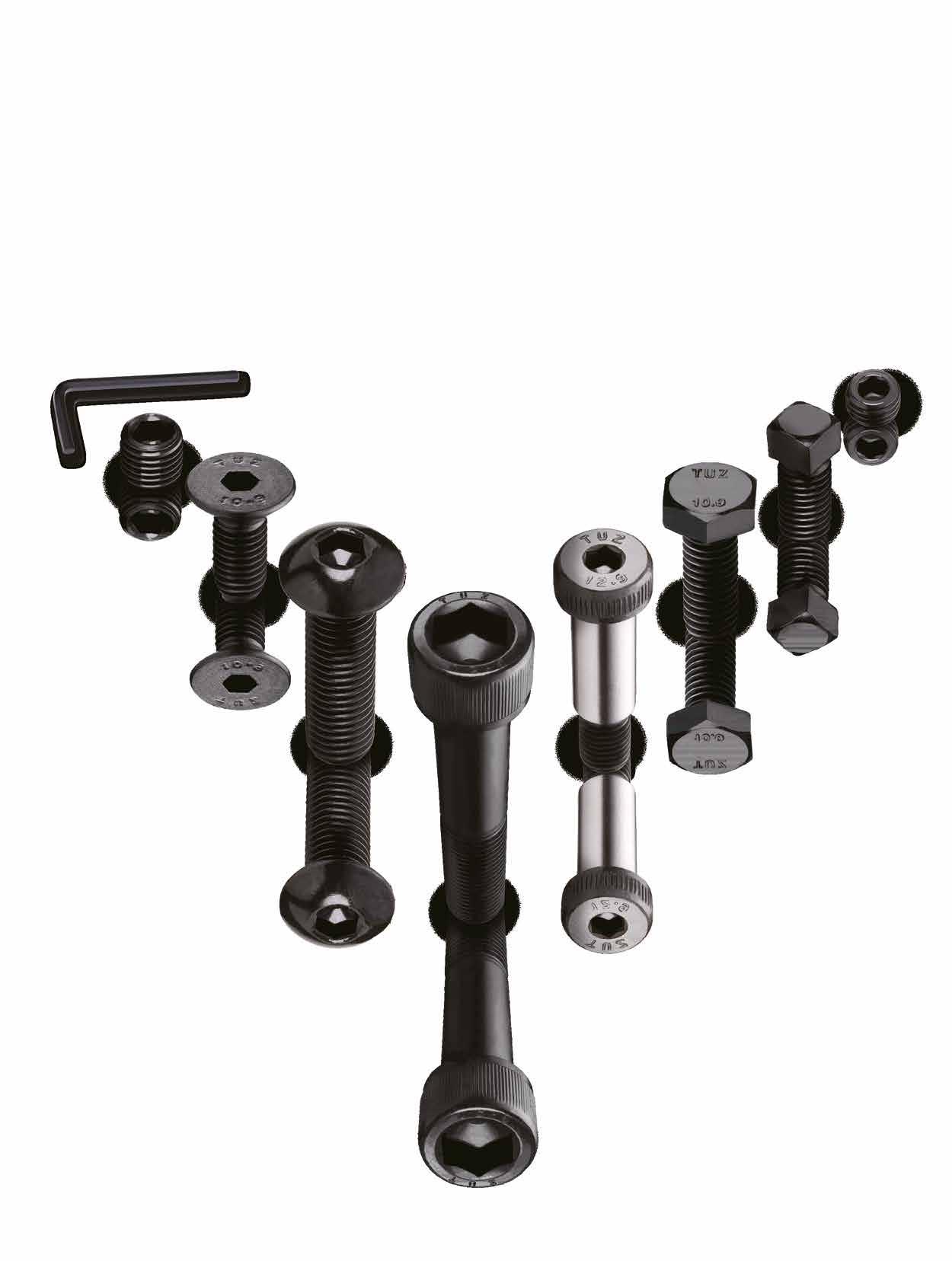




by S abr ina Rodr ig ue z
The US aerospace industry is growing at exponential rates. Have the recent years of space exploration and rampedup production of aircrafts increased the fastener demand in the US? Will the demand continue to grow as new and existing markets continue innovations?
Data note: The data for this article is derived from Descartes™ Datamyne's US Census trade statistics. US Import and Export Census trade statistics is based on all modes of transportation. That value is calculated in USD by CIF (imports). In this article fasteners are defined as any product under HS Code 7318 (screws, bolts, nuts, coach screws, rivets, cotters, cotter pins, washers and similar articles or iron or steel), as well as the subcategories of 7318.
The United States has been a global leader in aerospace exporters for several years thanks to essential market leaders such as Lockheed Martin, Boeing and most recently, SpaceX. Recent space shuttle launches and explorations to Mars may be the first things that come to mind; however, the aerospace industry expands to military aircraft and missiles, commercial and cargo airline carriers as well as the entire aviation industry. The innovative minds of Elon Musk and Jeff Bezos are paving the way for NASA when it comes to space exploration and space craft manufacturing. When Elon is not busy hosting Saturday Night Live or tweeting, he is devoted to the development of space travel at an affordable and efficient manner.
TheUS’s aerospace industry is expected to continue growing at exponential rates. Deloitte has predicted a growth of more than 15% in 2021 compared to 2020 when space investments reached a height of $25 billion USD. NASA along with the US government is contracting and subsidizing privately owned and operated companies such as SpaceX and Blue Origin to remain competitive in the industry. Meanwhile, market leaders such as Boeing faced hardships in 2020 while aircraft production was significantly reduced due to the decline in commercial air travel. According to the Defense & Security Monitor forecast, Boeing delivered a total of 77 jets ranking from 737s, 747s, 777s and 787s during the first quarter of 2021. While Boeing has taken obvious reductions in their aircraft manufacturing, competitors such as Airbus are ramping up production of aircrafts despite a less than favorable market demands. With less production of aircrafts, one is led to believe there will be a reduction in the demand of imported goods such as fasteners and other essential goods used for aircraft manufacturing.
After an extremely difficult 2020 where international demand was reduced significantly, the US has already begun to see an increase in demand from internationally traded goods. Fasteners being one of the key commodities imported for the manufacturing of

aircrafts have increased during the first quarter of 2021 by 10%. Countries such as Taiwan, China and Japan continue to be global leaders in the production of fasteners, and the US remains as one of the most demanding importers. Notably other countries such as Mexico, South Korea and India increased their exports to upwards of 20% during Q1 of 2021. The United Kingdom declined their fastener exports to the US during the first quarter of 2021 by comparison to the same time in 2020 by 55% which can possibly be attributed to the UK’s participation in Brexit.
TheU.S saw an increase of fastener imports of nearly 23% during the month of March 2021. Countries such as Taiwan, China and Japan all increased their fastener exports to the US during the month of March which leads to the possibility of increased aircraft manufacturing during the second quarter of 2021. South Korea decreased their fastener exports to the US in March 2021 by 12% compared to February 2021. February 2021 total values and general quantities slightly decreased, but then took an upwards turn during March 2021.
:
-
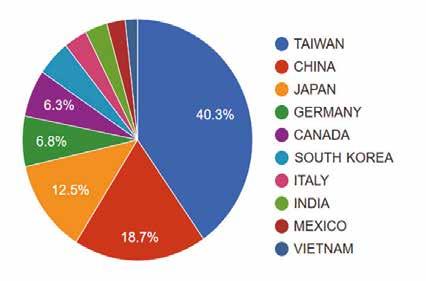
Over the last five years, Taiwan, China, and Japan have led the fastener industry in its exportation to the US. During 2019, US imports of fasteners from Taiwan spiked to over $2 billion USD. Overall, during the year 2018 was when the total value of fasteners imported into the US spiked to a total of over $6 billion USD, while in 2016 the total value was just over $4.7 billion USD. Of these imports, subcategories 731815, 731816 and 731814 have been the most widely imported fasteners. 731815 alone accounts for upwards of 45% of the entirety of fastener imports, while subcategories 731813 and 731811 account for small percentages between 1 and 2% of the total imported.

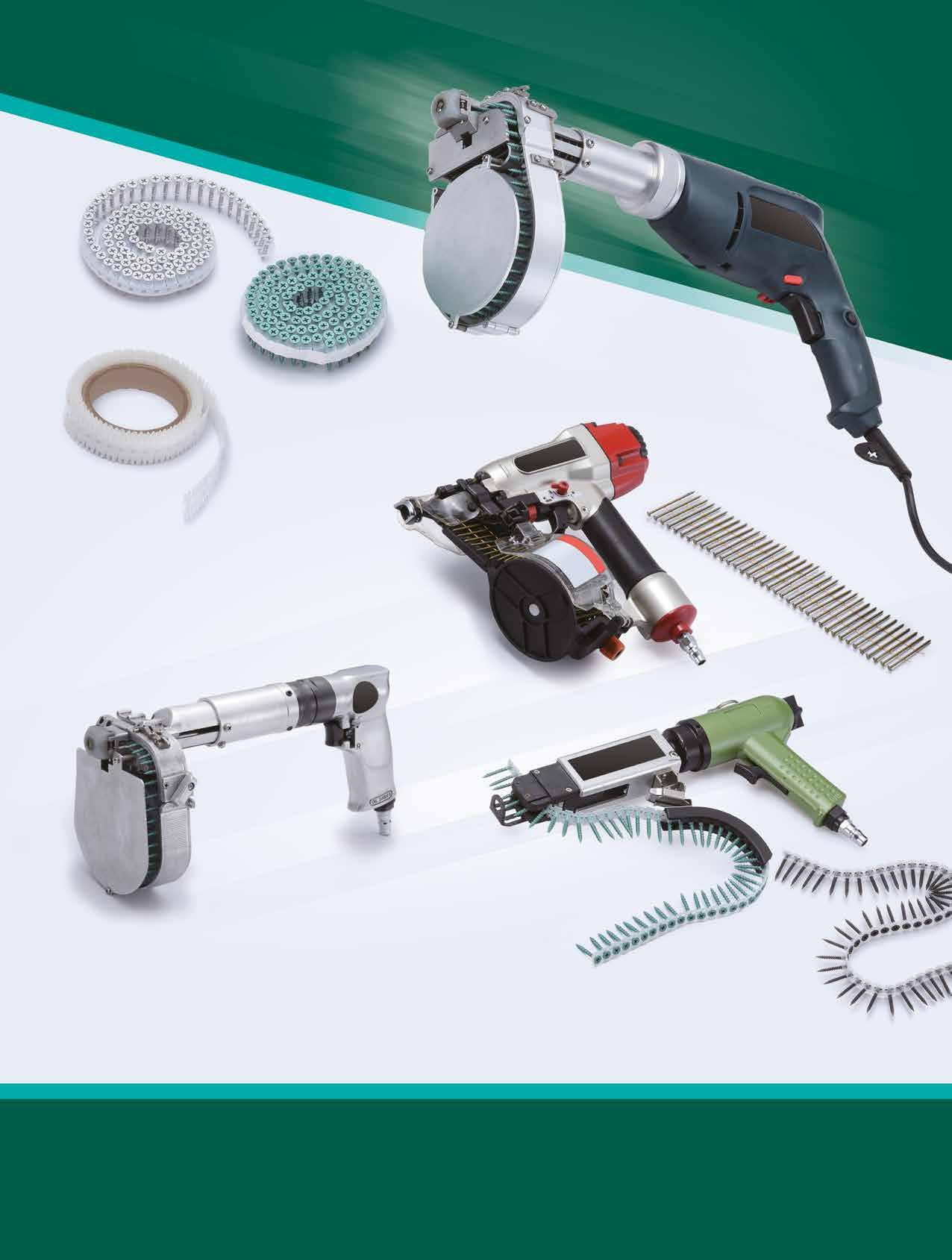

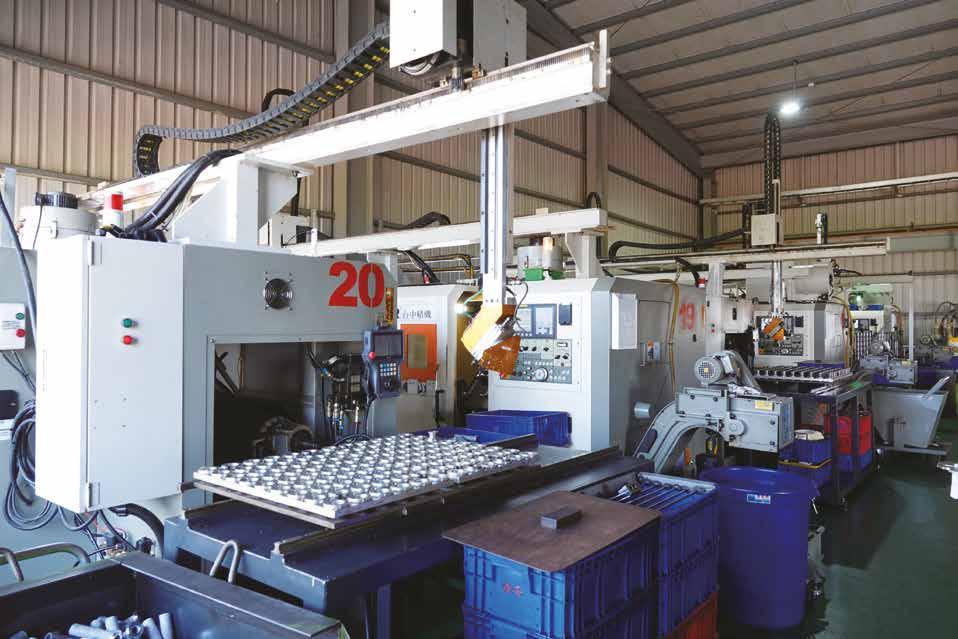
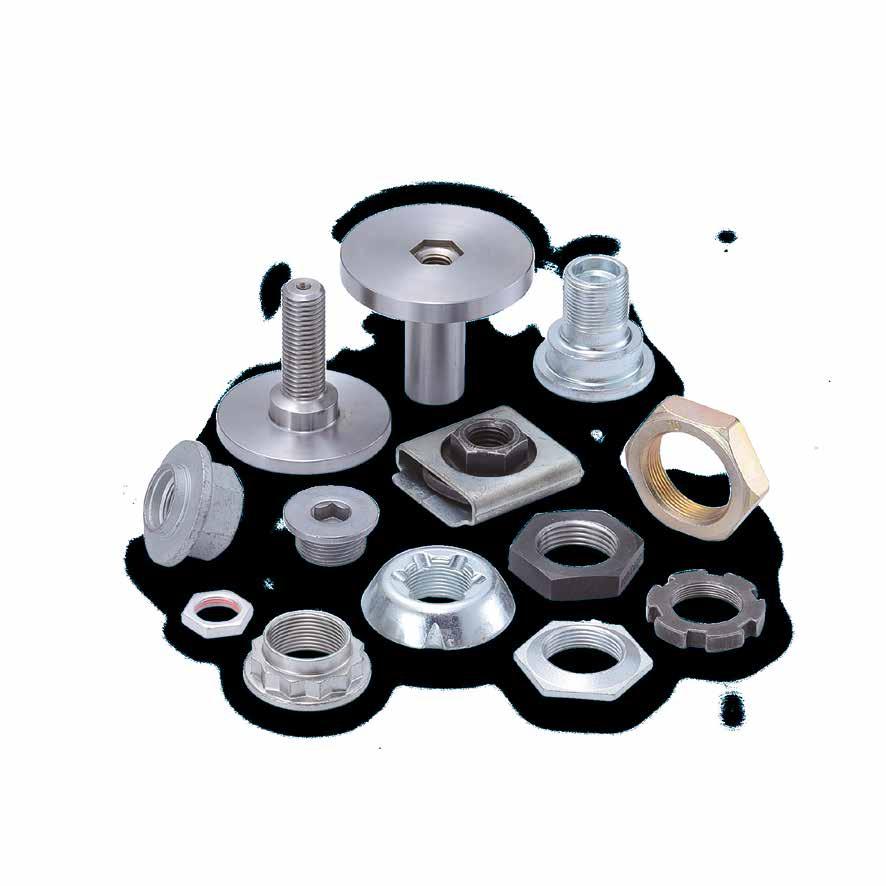
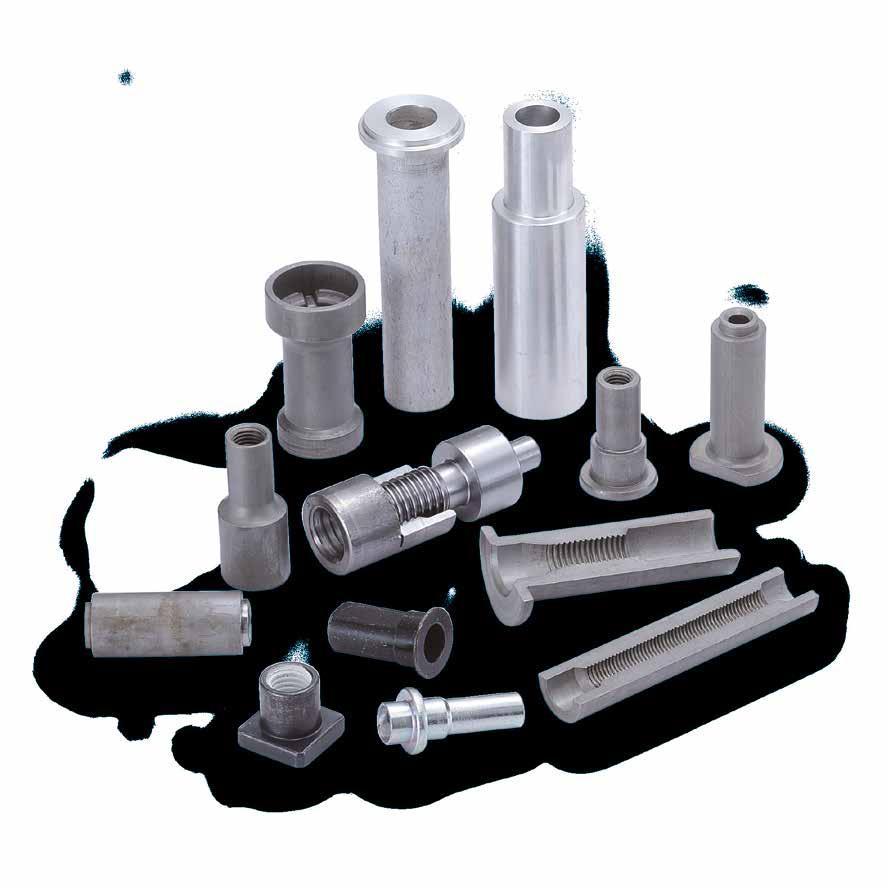
-
731811 - Coach screws, threaded, of iron or steel
-
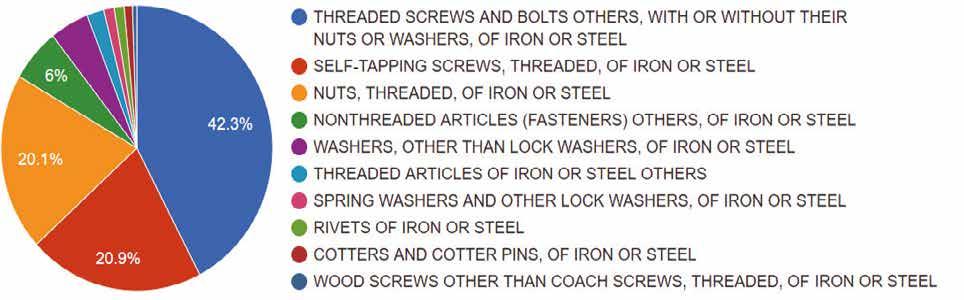
While it is difficult to attribute the entirety of US fastener imports to the aerospace industry, much can be said about the increase of fasteners over the last few years. The production of rockets such as Falcon 1 started soon after SpaceX was founded, and rocket manufacturing has only increased from that point on. It was not until 2010 and the first successful launch of Falcon 1 that gave SpaceX the much-needed appreciation (and government funding) needed to continue its innovations.
On the other hand, commercial travel is beginning to resume after a year of near abeyance. Domestic flight bookings within the continental US have seen incredible increases over the last few months as more people become vaccinated and begin to feel safe enough to travel by air. With the increased demand for medical equipment and pharmaceuticals, aircrafts will continue to be in demand for the rapid delivery and mass quantities of demand in many parts of the world. While most global trade relies on ocean transport, time sensitive and higher valued commodities such as pharmaceuticals rely on air transport. Right now, there is a global demand for vaccines by nearly every country on earth, most of which will be necessary to transport as air cargo. The demand for air carriers and aircrafts remains extremely high especially during this difficult time as the planet heals and attempts to recuperate from COVID-19.






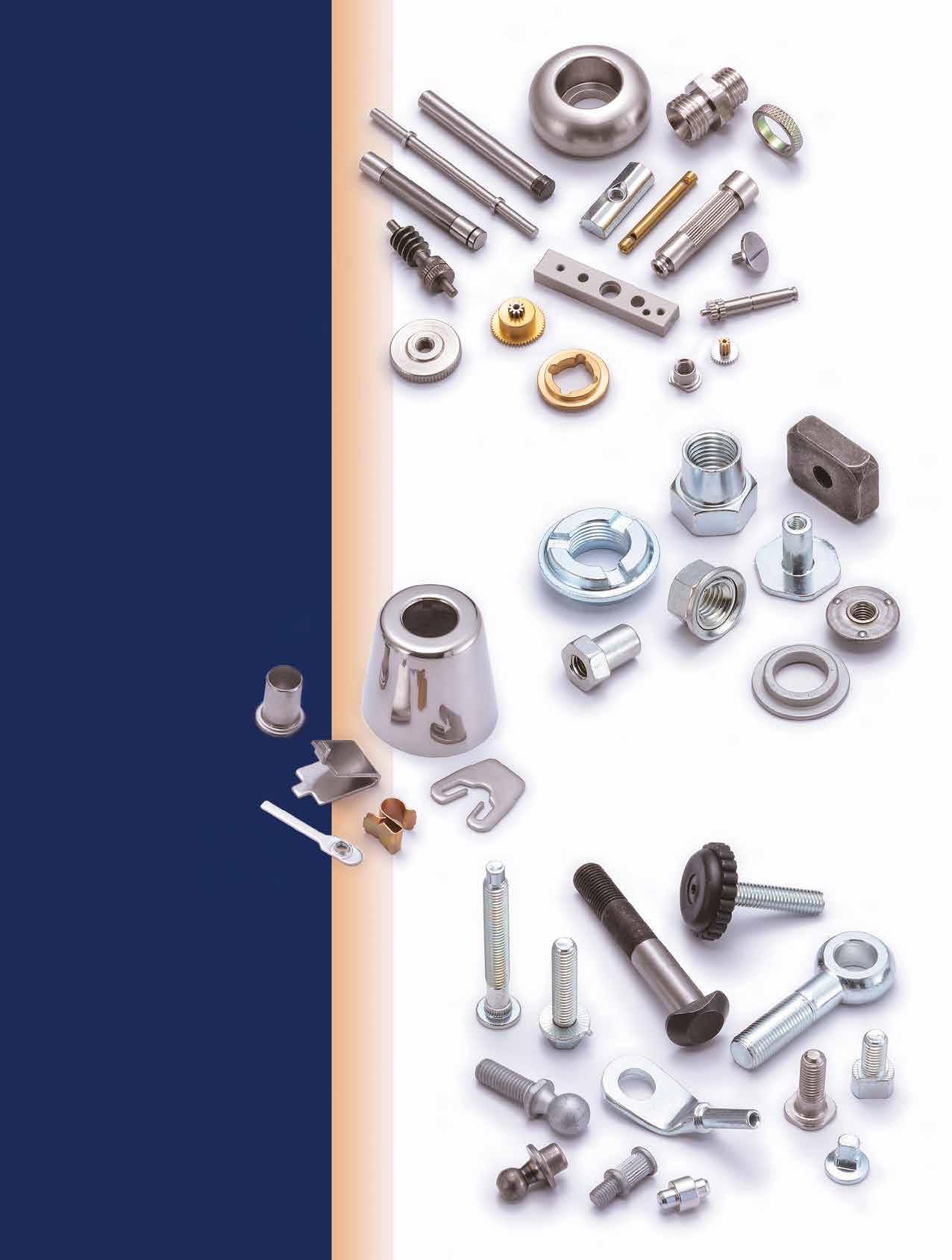

by Sharareh Shahidi Hamedani


Japan is the third country in the world to establish a machine tool industry and realize industrialization after the United States and Germany. Japan is a well-known machine tool power in the world. Japanese machine tool technology is hardly rivalled in the world. Japan has multiple manufacturers and these manufacturers have different characteristics in different fields and strong heterogeneity, which makes it possible for Japan to achieve a "monopoly" in the field of manufacturing. One factory is characterized by high speed and high precision; another one is characterized by a reasonable mechanical structure, capable of efficient and pollutionfree operation, and advanced technology with simulation automation can provide users with the most simplified processing guarantee; The characteristics of another machine tool factory is that it has good rigidity, high cutting efficiency, high precision, long life, convenient operation, and has achieved electromechanical integration, etc., which can meet different types of processing.
Japanese machine tool industry received 11.4 billion USD worth of orders in 2019, a decrease of 3.2 billion USD in comparison with 2018 (14.6 billion USD), because of the US-China trade war. The pandemic starting from the beginning of 2020 has attacked the market and Japanese machine tool industry has been hit as well. According to the Japan Machinery Industry Association in 2020, the domestic and foreign orders received totalled 6.1 billion USD, a decrease of more than 46% in comparison with 2019 (detailed as below):
● Orders from China as the main buyer of Japanese machine tools decreased 26% in comparison with 2019. (China bought 105 million USD less machine tools in 2020 than it bought in 2019).
● Orders from the European market decreased 66.7%, a monthly decrease of 49.2 million USD.
● Orders from the North American market decreased 41.5%, a monthly decrease of about 110 million USD.
● Orders from Japanese domestic market decreased 51.4%, a monthly decrease of 190 million USD.
All industries appeared a decline. For example, the orders of machine tools from the automotive industry fell by 61.5%, which means a 44 million USD monthly decline from 2019. The monthly orders of machine tools from the automotive industry reached about 46 million USD, the lowest level in the past 10 years.
However, the tension of the US-China trade war has eased in 2021, but the machine industry in Japan has not been able to reach its former prosperity yet due to the continuing pandemic in 2021.













Taiwan has an integrated machine tools system. With the knowledge they have gained over the years, they have been able to establish a logical connection between manufacturers of high, medium and low technology level of machine tool. Although Taiwanese market has historically depended on Germany and Japan for machine tool supply, Taiwanese manufacturers consider U.S. producers to be highly competitive in the emerging fields of systems integration, software, integrated machine tools, industrial robots, and new manufacturing technologies.
Taichung metropolitan area is the centre of Taiwan's advanced industries. Smart Machinery Technology, Precision Components Industry and Innovation Park. This city has gathered the most number of manufacturers of precision machine tools in the world.
In 2017, Taiwan authorities enacted the “5+2 Industrial Development Plan,” which included a USD $117 million Smart Machinery Initiative (SMI), and which prioritized key innovative industries. Based on Germany’s Industry 4.0, the purpose of the SMI is to transform the traditional machinery industry into an advanced machinery industry, by helping 50,000 local manufacturers upgrade their production methods, boosting total industrial revenue, and reducing Taiwan’s economic reliance on the semiconductor industry, which is by far Taiwan’s largest industry.
According to the latest global machine tool industry survey, Taiwan is the ninth largest consumer of machine tools in the world, with a total consumption of about 1.3 billion USD, down 31% from 2019. Taiwanese domestic markets for machine tools are the auto parts industry, electronics and electrical industry, aviation and defence industry and other industries (including oil and medicine). The consumption value was 1.9 billion USD in 2019 and 2.1 billion USD in 2018.
Half of these machines are domestically made and the other half are imported. Japan is the largest exporter of machine tools to Taiwan, representing 48% of Taiwan’s total import in this cluster. The United States ranks second, representing 20% of Taiwan’s total machine tools import. The three main categories of machines imported into Taiwan are: special processing machines that use lasers to process various materials (or laser cutting machines), lathes and machining centres. Laser cutting machines with the 44% share in the total import are the main imported goods. Taiwan is the fourth largest importer of laser cutting machines in the world, and its imported goods are mainly vertical CNC lathes. Taiwanese machinery is mostly in the field of electronic components and fibre optics for computers, which account for approximately 35% of all Taiwanese products in this category. 28% of the machines belong to the metal and mechanical industries and the remaining 37% is used in other industries.


South Korea is the world's sixth largest machine tool producer and the world's fifth largest machine tool consumer, with an average consumption of approximately 1.76 billion USD. Among them, nearly 70% of the consumer market's demand is for products provided by local machine tool factories, and only close to 30% of the products must be imported from abroad. The consumption value is 11.4% lower than in 2019.
South Korea is the only country that suffers the least damage from the pandemic on its machine tool sector, because in South Korea most machine tools are widely used in the production of auto parts, and this sector is able to control the damage caused by the pandemic.
The main importing countries of machine tools from South Korea are Japan, Germany, and China, while Taiwan is the No. 5 major importing country. In the past six years, the models with higher import values are laser processing machines, cutting processing centres, metal pressure processing machines, and grinding finishing machines.
References:
https://www market-prospects com/articles/japan-machine-tool-market-during-the-epidemic
https://www.trade.gov/country-commercial-guides/taiwan-machinery-and-machine-tools
https://www tmts tw/en/news content/12
https://www market-prospects com/articles/south-korea-effect-on-machine-tool-market
https://pulsenews co kr/view php?sc=30800028&year=2020&no=1314398
by Shervin Shahidi Hamedani
India is the fifth largest economy in the world and considerably backs global economic growth. With relatively high growth rates and its large size, the country has a substantial effect on the world economy. In terms of manufacturing, the country has successfully built a well-established and competitive manufacturing base over the past decades, ranked 6th in the world, just behind the big five (China, the USA, Japan, Germany, and South Korea), which is approximately equal to the combined manufacturing of Indonesia, Thailand, Malaysia and the Philippines, the major manufacturing economies in South East Asia.
Just a year ago, it seemed definite that the changing global business environment due to COVID had the great capacity to pave India's way into the next world’s factory, but the situation of India in 2021 has led to a different story, and now more than half a year has passed, manufacturing in India has come to a near halt.
Last year, the sudden spread of the coronavirus pandemic came as a disaster to the world economy. As the world’s largest manufacturer, China, became the centre for the worst pandemic of the century, stock markets reacted severely and supply chains from China were suspended. With countries revealing the necessity to untie the dependency on strongly integrated supply chains from China, the age of Indian manufacturing started to allure more than ever. Additionally, there was a huge belief that the conflict between the US and China, the so-called trade war, would expedite the shift from China to India as the next world’s factory, and to some extent it was unquestionable.

















However, the year 2021 changed everything for India! The country now is in the worst shape of a variant of the original coronavirus. Manufacturing has come to a near standstill. Re s tr ic tion s impos ed b y the Indian go v er nment a s a r e sult of the sur ge in C O V ID -19 cases have led to substantial br aking in the manufac turing sec tor Metal s and chemical produc ts, motor vehicles, machiner y and equipment, fastener, tex tiles, and many other sec tor s are amongst the most af fec ted industries. Many of those sectors, like automotive, suffered as they encountered a shortage of raw materials or spare parts from China in 2020, and then was shut down this year, following the tragic coronavirus outbreak in India. This calls for the Indian government to develop a new strategy for the manufacturing sector, where not only finished products are made in India, but also the whole value chain.
Consequently, the fastener industry is grappling with the immediate impact of COVID-19 as both their manufacturing and supply chain operations are being disrupted, and their customers’ operations faced similar challenges. This is having an exponential effect down to the whole supplier network, hitting fastener players in the market with a break, but at full force. Moreover, the pandemic has brought up new challenges to this market that needed to be tackled fast, including worker absence, restricted site access and collaboration, travel limitations, and new ways of working.
B e f or e the p an demic , the In dian au tomo ti v e s e c tor w a s e x p e c te d to b e the l ar ge s t consumer of indus tr ial f as tener s, accounting for a major share of the mar ket by nex t t wo y e ar s Ho w e v er, the p andemic is af f e c ting huge disr up tion to this indus tr y and damaging India's automotive ecos ystem rigorously
Several major Indian automakers have decided to pause operations yet again, knowing that the road to recovery might be even harder this time. Soon after the automotive industry showed some revival’s signals as the overall sales grew positively for a few months, the second wave of Covid-19 has hit the industry badly. This is very unfortunate for manufacturers who were expanding their operations into automobile sector-specific fasteners. Before hitting India by the Covid-19 crisis, the development of fasteners applications for manufacturing automotive parts such as engines, chassis, moulding, suspension systems and wheels, was anticipated to drive the growth of local fastener market in India.
The construction sector as another major source of fastener demand growth in India, which accounts for 8% of the country’s GDP and includes more than 200 firms, is another key sector facing a perfect storm of challenges caused by the pandemic. High-tensile fasteners are mainly used in the construction and engineering sectors. B e f o r e th e p an d e mi c
s
s , th
b e e n a major grow th in cons tr uc tion sec tor-specific f as tener s made of s t ainle s s s teel , ir on, br as s, aluminium, nickel , p l a s ti c s an d c o mp o s i t e s , w hi c h th
pandemic on India's constr uc tion sec tor is costing an estimated R s 30,000 crore ever y day. The longer the pandemic and the lockdown last, the more projects will be halted. The investment in construction has reduced by 13~30%, which certainly affects the gross value added (GVA) and employment, as well as other related industries and sectors such as industrial fasteners.
Last but not least, cash is king, and it becomes more and more vital these days. Some OEMs, smaller fastener manufacturers and distributors have low liquidity, with marginal operating cash flows, which may allow them to survive only for a few months. This issue has caused several small (or medium) sized players in the fastener market to negotiate higher credit lines, look for industry consolidation or at last, if there is no other option, to close down their operations and go out of business.
The impact of the COVID-19 pandemic on all sorts of industries is indescribable, and it will continually disrupt the world economy until the global vaccination ends this disaster. The pandemic results in a loss of millions of jobs in all industries and has a much broader impact than the recession did in the year 2008. Thus, the future is predicted to move towards one of the worst recessions of all times.
Fastener manufacturers now must have two things on top of their minds when planning for their business operations. First, the ongoing safety of their workforce, and second, the risk mitigation strategies for any future disruption in their business, as well as their customers’ business.
Fastener manufacturers must act now to protect the integrity of their operations as well as their people, while getting ready for the post-COVID-19 business recovery and while some companies have started responding to the immediate crisis, taking steps to protect their workforce, supply chains, and operations.

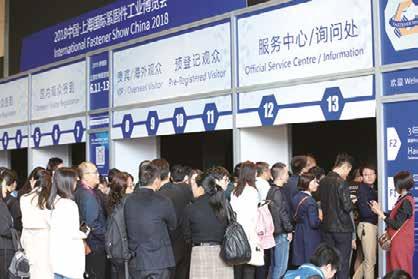
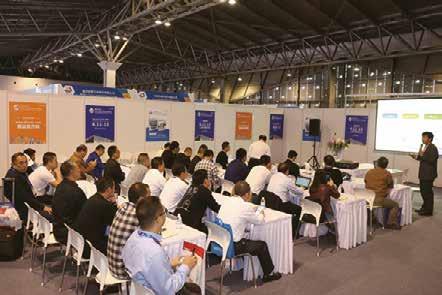

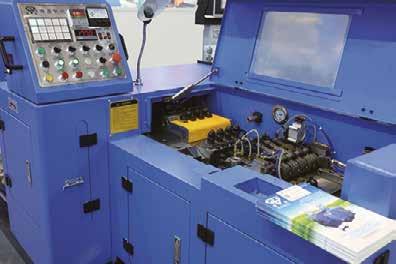
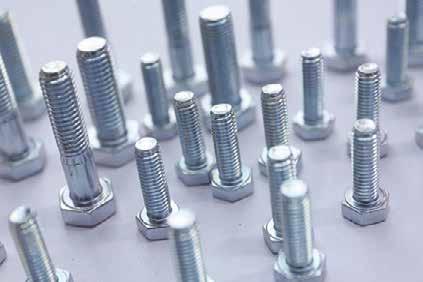
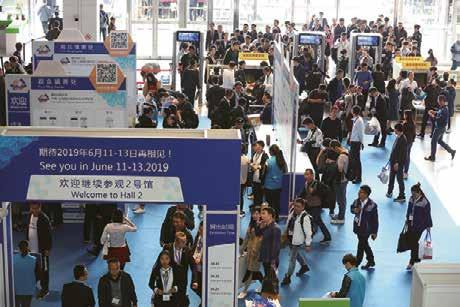
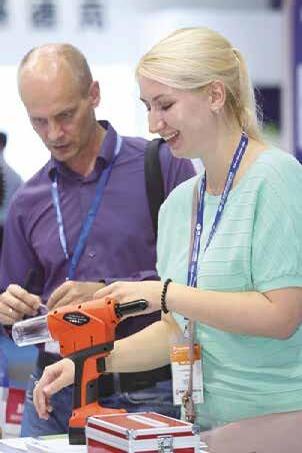


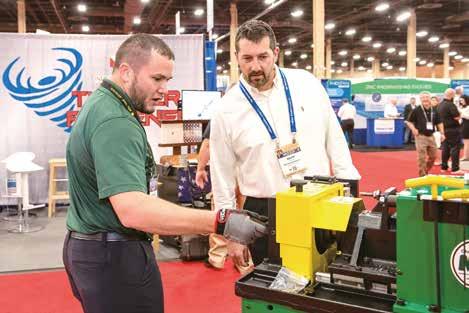
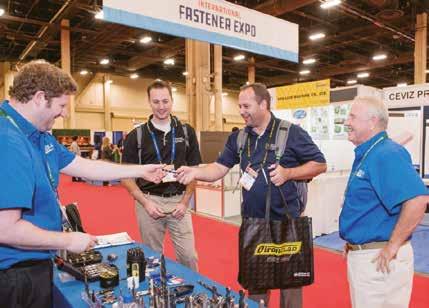
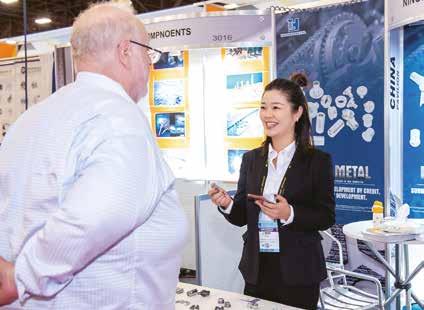
Registration is open at fastenershows.com for the International Fastener Expo (IFE) 2021. IFE 2021 will take place on September 21 – 23 at the Mandalay Bay Convention Center, Bayside B, in Las Vegas, Nevada. The expo is North America’s most extensive business-to-business tradeshow of its kind for all types of fasteners, machinery & tooling and other industrial products.
This September, IFE will host a robust conference schedule with highlights on new technology, industry trends, testing and inspecting, growing sales and more – all in environment that places the health & safety of IFE’s customers, partners, and staff as its top priority. IFE, which is owned by Emerald, will be implementing a robust Health & Safety Plan in addition to Emerald’s Preparedness, Prevention and Response Plan, both of which outline the specific protocols being implemented both during the event-planning phase and onsite at IFE.
“The excitement and enthusiasm to see everyone face to face seems to be growing every week. We’re thrilled to create a safe and comfortable environment for our audience to meet in-person once more,” said Morgan Wilson, Show Manager, International Fastener Expo.
Each year, IFE brings together thousands of attendees, buyers, and sellers from across the entire supply chain. VIP attendees at IFE are consistently included in Industrial Distribution’s Big 50 List and exhibitors are among the top international and domestic distributors, manufacturers, material suppliers, tooling and machinery providers and ancillary services. Top confirmed companies that will be in attendance this year include Fastenal, Wurth Industry of North America and Optimas. The 2021 show floor will also give attendees the chance to meet with representatives and explore top products from exhibitors such
as Brighton-Best International, Lindstrom, Stelfast, Nucor Fasteners, Star Stainless and Copper State Bolt and Nut.
In addition to the education and networking available, registration to International Fastener Expo gives you access to exciting special events such as a welcome reception at Daylight Pool, the Hall of Fame and Young Fastener Professional of the Year Awards, celebrating outstanding members of the fastener industry and the second annual IFE Golf Tournament at the Bali Hai Golf Club on September 21.
In addition to preparing for the upcoming 2021 show, IFE also recently launched a blog and newsletter, both of which are committed to distributing quality, timely content to regularly strengthen and educate the industry. Please contact info@fastenershows.com if you have a relevant product release or company update to share.
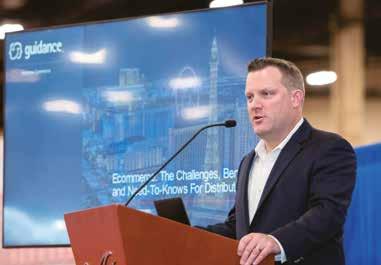
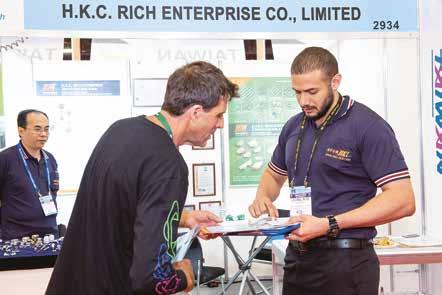
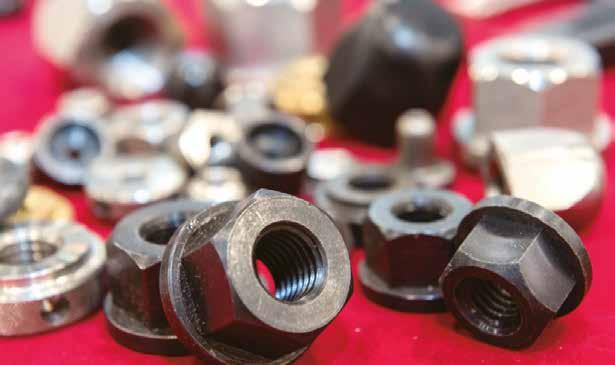



The Only Local and International Exhibition, to Bring Business Opportunities in the Post-pandemic Era
T h e o n ly ex h i bi t i o n i n Ta iwa n fo r p r ofe s si o n a l i n t e r n a t i o n a l
h a rdwa r e a nd h a nd to ols, Ta iwa n H a rdwa r e Show is to b e held at t he Ta ichu ng I nter nationa l Ex h ibition Center f rom O ctober 13t h to 15t h , r ig ht b efor e t he C a nt on Fa i r, a t t r a c t i ng buye r s f r om a r ou n d
t h e wo rld T h i s ye a r, K a igo C o L t d , t h e o rga n i z e r, c o nt i nu e s t o i nteg rate off li ne to on li ne I nteg ration to create a Vi r t ual a nd Physical Event , wh ich was widely accla i me d i n 2020 W h i le expa ndi ng i nto t hemes t hat i nclude a n O n li ne P u rchasi ng Fa i r, Ex h ibitor Boutique Z one, a nd I ndust r y L eadersh ip For u m T he goa l is to help ha rdwa re bu si nesses sei z e t he bu si ness opp or t u n it ies to get st a r t e d a he a d i n post-pa ndem ic econom ic recover y a nd develop overseas ma rkets
Due to t he outst a ndi ng pa ndem ic m itigation i n Ta iwa n, Ta iwa n H a r dwa r e Sh ow wa s t h e o n ly h a r dwa r e eve n t h eld wo rldw i d e i n 2020 It re ceive d wide at tention f rom t he globa l ha rdwa re i ndust r y a nd a llowed Taiwa n's ha rdwa re a nd ha nd tool ma nu fact u rers to st ay a head of t he competition, as t he best supply chai n pa r t ners for globa l
b r a n d s a n d d i s t r i b u t o r s . 2 0 2 0 Ta iwa n H a r d wa r e S h ow wa s h e l d a lo n gsid e I nt e r n a t io n a l Me t a l Te ch n olog y Ta iwa n (i M T Ta iwa n); toget her, t hey at t racted over 40 0 ex h ibitors a nd 23,0 0 0 pa r ticipa nts
I n t h e e x h i b i t i o n s , f o r e i g n b u y e r s n e g o t i a t e d w i t h Ta i w a n e s e ve n d o r s t h r o u g h b r a n d a g e n t s , t r a d e r s , a n d d i r e c t p r o c u r e m e n t represent atives I n a dd ition , t he O n li ne Mat ch ma k i ng suc c essf u l ly mat che d mor e t ha n 10 0 compa n ies wit h t hei r bu si ness pa r t ner s to sei z e i nt er n at ion a l bu si ne ss op p or t u n it ie s, m a k i ng t he ex h ibit ion s t he most successf ul t rade show i n 2020 T h is showed t hat wit h cr isis comes oppor t u n ities To c reat e busi ness oppor t u n ities i n adversit y, b u si n e s s e s s h o u l d c o n t i n u e t o t a k e p a r t i n ex h i b i t i o n s , w h e t h e r vi r t ua lly or physica lly
Post-pandemic Economy with Potential Business Opportunities- Attracting Exhibitors and Participants Worldwide
T h e a d v e n t o f C o v i d - 1 9 v a c c i n e s h a s m i t i g a t e d t h e p a n d e m i c , a n d t h e b a n o n i n t e r n a t io n a l b u si n e s s t r avel e r s i s expe cted to be li f ted i n t he se cond ha lf of t he yea r. Kaigo Co., t he orga n i z er, ha s b eg u n to a ssist foreig n busi ness t r aveler s to c ome to Ta iwa n , a nd to pla n a one -stop ser vic e for ex h ibit ion
v i e w i n g , p u r c h a s i n g , a n d f a c t o r y v i s i t s T h e o r g a n i z e r h a s
a l s o b e e n wo r k i n g o n i n t e g r a t i n g o n l i n e ex h i bi t i o n s a s wel l
a s c o m ple m e n t a r y m e a s u r e s t o e n s u r e a n ef f i c i e n t t r a d e fa i r
e x p e r i e n c e F o r i n t e r n a t i o n a l p u b l i c i t y, K a i g o c o n t i n u e s t o promote t he Taiwa n Ha rdwa re Show t h rough well-k nown media i n order to at t ract more buyers f rom Eu rop e, t he Un it e d Sat es, a nd Japa n
Exhibitor Requests Coming in- Limited Seats Available at a Discount Rate
Due to t he huge success i n 2020, t here have be en over 250 busi nesses f rom last yea r sig n i ng up for 2021, seizi ng t hei r postpa ndem ic busi ness oppor t u n ities i n adva nce T h is yea r, Taiwa n H a r d w a r e S h o w o n c e a
M T Ta
w
n d u r i n g t h e s a m e s h ow p e r io d . I n a d d it io n , Ta iwa n H a r dwa r e Show is cu rati ng, for t he f i rst ti me i n h istor y, t he ex h ibition wit h Ta iwa n E le ct r ic a l a nd E le ct r on ic M a nu fa ct u r e r s' A sso ciat ion , i nt roduci ng a subsidy of N T$20,0 0 0 per st a nd For more det ails, plea se cont act A nd rew Liu of K a igo Co at t hs@k a igo com t w, or +886 - 02-2595- 4212#725
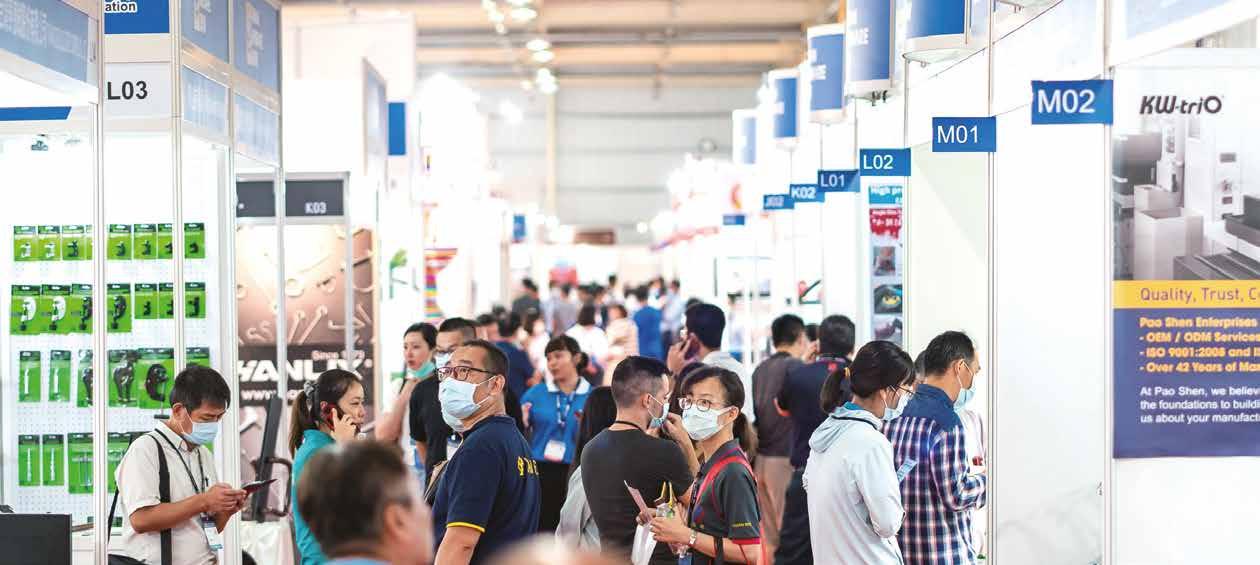
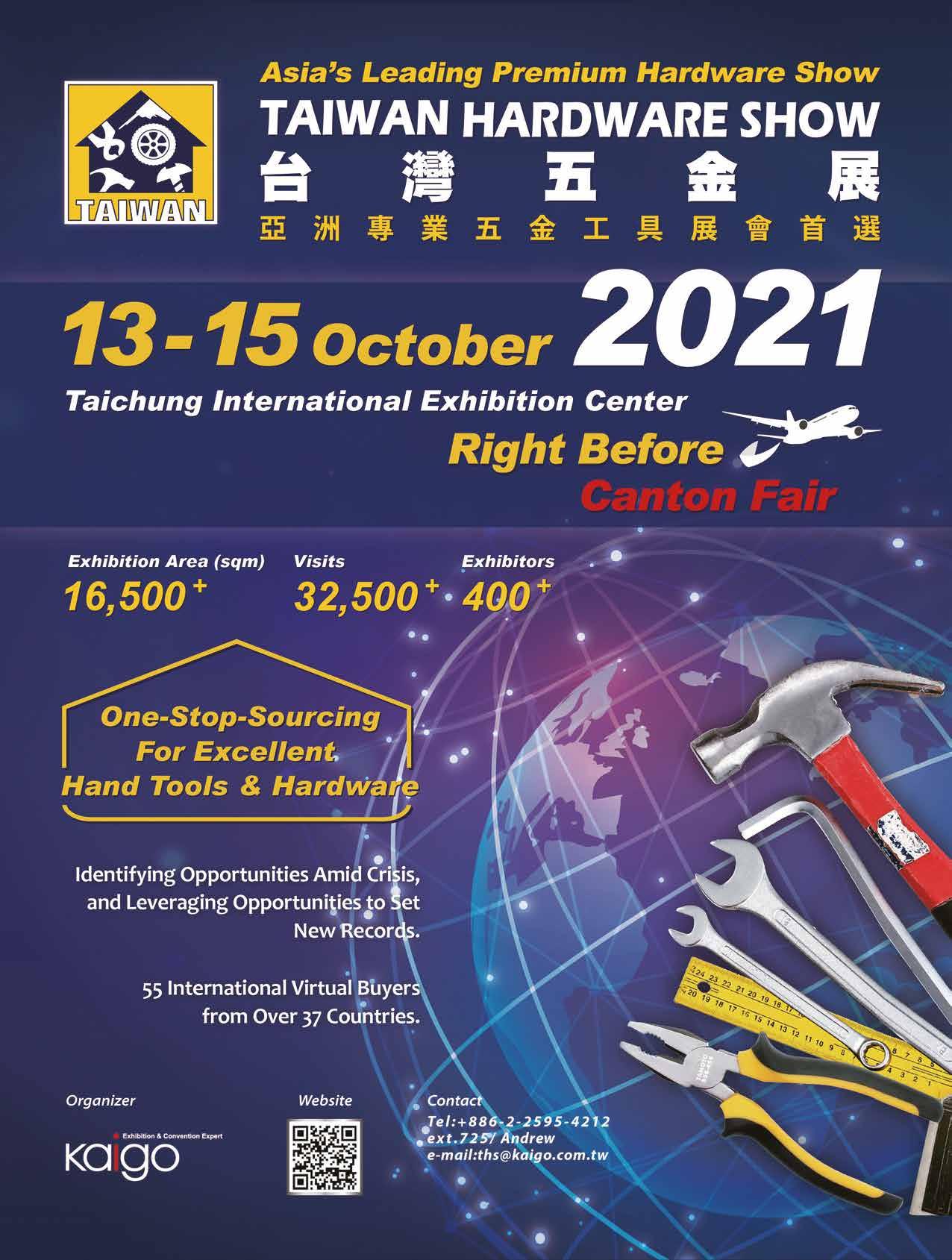
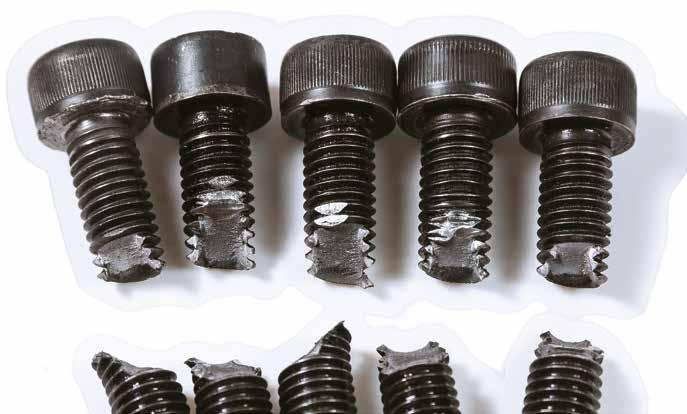
A threaded fastener is a series of different spring rates; each portion of the fastener, from the head, shank and threads, experience a different stress load and stretches at a different rate. It is the threaded portion of the fastener that is between the fastener head and the thread runout and the first thread outside the nut, or grip area in a tapped hole, that experiences the highest amount of stress concentration of the fastener under tension. These unengaged threads will act as shock absorbers under dynamic loading.
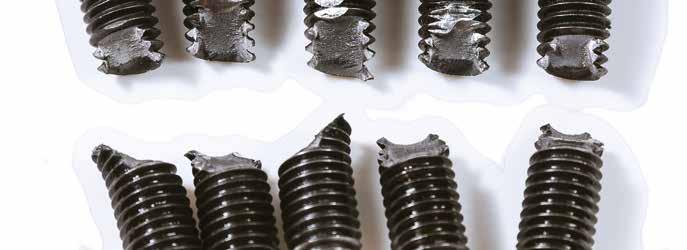
by Guy Avellon
There are many reasons why fasteners fail and many different ways to cause failure. Small fasteners are prone to fail when assembled with power tools, especially if the thread length is too short and long fasteners are prone to fail when used in high dynamic loading applications.
Under certain conditions, a fastener that is too long can fail as fast as one that is too short.
First of all, the number of threads on a fastener does not change the strength of a fastener. The fastener may be subjected to a force, or forces, that will cut the fastener in two or stretches it into yield. However, the performance of the fastener will change and be greatly affected by how the fastener is installed, whether the entire components match for strength and grade, how many threads are left inside the joint or grip area and if there is full thread engagement with the threads of the nut.
Strength is not determined by how many threads are protruding beyond the nut as long as there is full thread engagement, or complete thread contact, with all of the threads of the nut. What really matters is the number of threads within the joint. The total material thickness being clamped together is known as the joint and is also called the ‘grip’ area of the fastener. The threads within the grip are called the ‘unengaged’ threads, as they do not contact any mating threads. Of course, the number of unengaged threads is determined by how many threads protrude from the nut.
Fig 1 illustrates a fastener in a connection with no threads protruding beyond the end of the nut. The first thread in the nut is incomplete as a lead-in thread and therefore, will not carry much of any applied service load. The threads of the nut may even strip while tightening or cause joint failure from incomplete load distribution.
Also, in Fig 1, it is important that the threads of the bolt are not within the shear plane of the joint.
F i g 2 illustrates a correct assembly. There are about two threads sticking out beyond the end of the nut allowing the maximum number of unengaged threads inside the grip of the connection. This provides shock absorbers to absorb any shock or vibration loads or heavy impacting during installation.
A fastener’s threads are very important. They stretch significantly more than the rest of the fastener and therefore have a much higher level of stress. During axial tensile testing, the ASTM Test Method Standards of F606 and F606M require a minimum of six complete threads between the test grips for a standard fastener, and a minimum of four complete threads for the shorter thread length of a structural fastener, such as an A325 (F3125/F3125M) cap screw.
If the nut or test mandrel is too close to the thread run-out, the tensile readings will not reflect the actual properties of the fastener. The stresses will be much greater on the few remaining threads.
Structural fasteners (A325 and A490 for example) have a shorter thread length than standard SAE Grade 5 and 8 and their respective ASTM counterparts ASTM A449 and A354. This is to ensure that the full diameter of the fastener’s shank is completely within the shear plane of a structural joint and will protect the threads from joint shear.
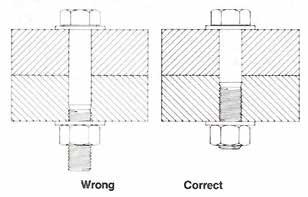




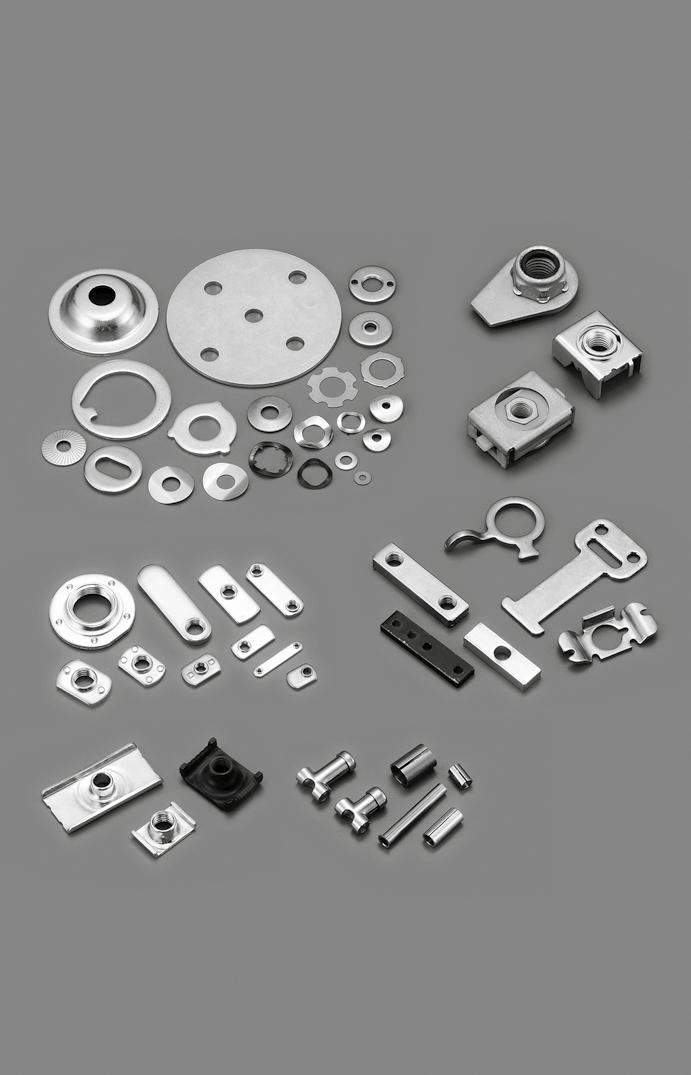
This now leads into assembly variables because the most critical time of a fastener’s life is when it is being tightened. Fig. 3 depicts a pure axial tensile load of only one force: tension.

However, when tension is combined with another force, as with torsion during tightening, the combination of forces acting on the fastener drastically reduces the amount of force required to cause it to fail. The illustration of F i g . 4 shows what happens when tension and torsion are combined when installing a fastener. Once the torsional forces stop, that load dissipates and only pure tension remains on the fastener.
During assembly, any quick, sharp or jerking motions while tightening the nut or bolt head can also become very detrimental. This is why the use of power assembly tools or impact wrenches can cause fasteners to fail prematurely if these power tools are not properly regulated.
A fastener cannot achieve clamp loads much beyond its minimum yield strength. Any further tightening may cause the fastener to fail. However, the load by direct tension, as depicted above in Figure 3 and compared in Figure 4 with the tension by turning the nut, illustrates the ductility of the fastener and its capacity to sustain further loads. Service loads would include shear and direct tension. Torsion will not occur again. Note the reserve strength of the fastener above the minimum tension in Fig 4 as well as the increased elongation potential.


The unengaged threads are critical during installation. A fastener must be able to absorb a certain amount of torsion during assembly. The more threads there are within the joint (grip), the better the threads will be able to absorb these loads with less stress. (F ig 5 ). Therefore, a fastener with very few unengaged threads is subject to failure if the assembly speed of the power wrench is too fast or the torque is at the upper limit.
For example, the closer the nut comes to the thread run-out, the higher the torsional stresses are on the threads. For one, we certainly do not want the fastener so short that the nut is actually tightening against the fastener’s shank and not creating any tension of the fastener.
Suppose we place three identical fasteners into joints where one fastener has only one inch of unengaged threads, the second has two inches of threads and the third has four inches of unengaged threads. Then, using a load indicating torque wrench, tighten each to failure.
In Fig. 6, it is easy to see that the fastener with the shorter thread length in the grip of the joint develops its full tension more quickly while the longer fasteners can be stretched further than the ones with the shorter number of unengaged threads. However, these longer fasteners need to be stretched further in order to develop their full clamp load potential. The longer the fastener, the more absorption to torsional twist there is.
This may also be illustrated by applying Hooke’s Law. Simplifying the computations, if we stretch a fastener in tension by 0.001” we will generate a clamp load of approximately 30,000 psi for each inch of unengaged threads within the grip area. Therefore, a fastener with a grip length of 2” will need to be stretched 0.002” to achieve the same 30,000 psi clamp load.
Simply put; the more unengaged threads there are within the joint, the greater the resilience in the connection. Figure 6 shows that the fastener with 4” of unengaged threads is almost twice as ‘ductile’ as the fastener with 1” of threads. Greater rotation of the nut also is needed to tighten the longer fasteners. This can be realized when using the Turn of the Nut method.
The stiffness decreases with more threads in the joint, and its ability to resist metal fatigue increases. Threads act as shock absorbers. The greater the number of unengaged threads, the more the external shock or cyclic load is evenly divided among all of the unengaged threads, which reduces the stress on the individual threads.
For example, suppose the clamp load of the joint was at 10,000 pounds and the fastener we used was too long for the joint, leaving us with only two unengaged threads within the joint. A sudden impact causes the joint load to increase to 10,500 pounds. The fastener must absorb the excess 500 pounds between the bearing surface of the nut and bolt head: the threads. This now means each of the two threads must support an instantaneous shock of 250 pounds each. This will eventually lead to the formation of stress raisers and metal fatigue in the thread roots.
If a shorter fastener was selected that fit the joint which provided 10 unengaged threads, each thread now only needs to absorb 50 pounds of excess shock load rather than 250 pounds. This fastener may last a lot longer in service life and may never develop metal fatigue, as the stress levels are significantly lower.
So yes, it does make a difference how many threads stick out beyond the nut. Too many will not leave many threads within the joint to absorb assembly torque; too few may mean there is not full thread engagement in the nut to support the bolt’s load and the nut’s threads might strip. There should be at least two threads beyond the end of the nut to assure full thread engagement.
When performing a visual inspection of joints with multiple fasteners, take note if some threads are protruding from one nut more than the others and you know that all the bolts were the same length. find out where those extra threads came from. The threads should all be extending beyond the end of the nut the same amount. Most likely, the fastener has been stretched into yield.
Find out why and Replace them.
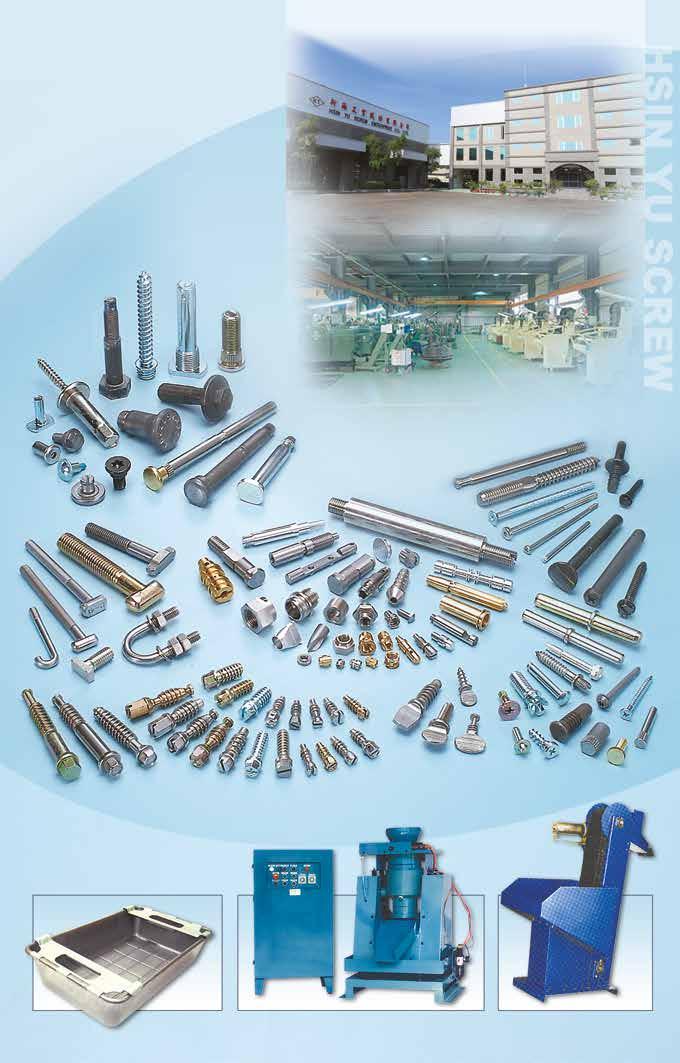


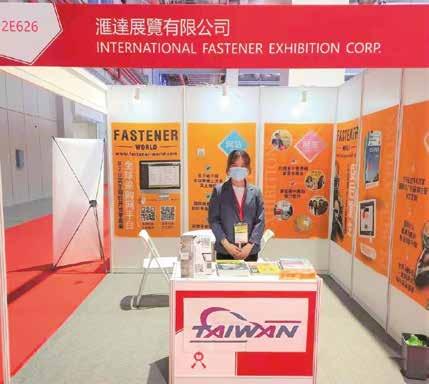


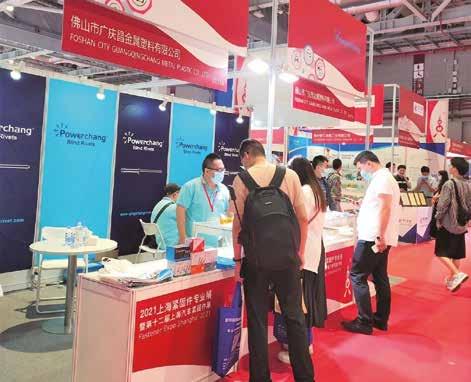

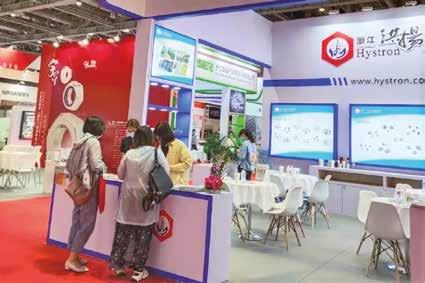
The twelfth edition of Fastener Expo Shanghai at NECC (Shanghai) came to a perfect closure on June 4th. More than 7,800 visitors came to the Expo, which included 215 overseas visitors and 8 industrial association purchasing delegations. Over 460 companies came to exhibit on the net floor of +30,000 square meters. Hav ing been dedic ated to pr omoting highqual i t y suppl ier s and br and s to the Chine s e m ar ke t f or de c ade s , Fastener World Magazine once again became one of the most popular stands visited by lots of exhibitor s and visitor s at the E xpo this year and was al so on the "must-visit" checklists of local representatives of many over seas fastener br ands. Almost all free copies disseminated by Fastener Wor ld at the E xpo this year (incl. China Fastener Wor ld Magazine, Har d w are Wor ld & Fas tener Component s Magazine, and Emerging Fastener Markets Magazine) were taken by key buyer s and high-r anking industr y professional s during the 3-day event


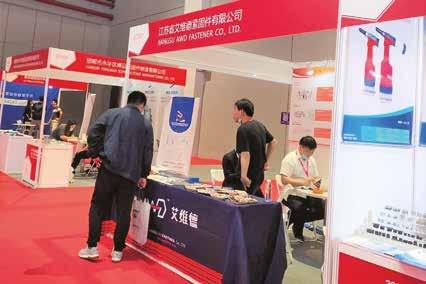
According to the organizer, with the standardized implementation and high efficiency of precautionary measures against the Covid-19, the domestic economy of China has been in a full recovery and has even returned to the level before the pandemic. This Expo is a one-stop platform for big brands to increase their value, for SMEs to boost sales, and for a wide array of purchasers and distributors to establish a more complete supply chain.
At least 460 exhibitors gathered under one roof and exhibited their standard parts, non-standard parts, fastener manufacturing equipment, materials/molds/dies for fastener manufacturing, fastener inspection & testing instruments, automotive fasteners, wind power/nuclear power fasteners, high-strength fasteners, high speed rail/subway fasteners, aerospace fasteners, electronics fasteners, and many others.
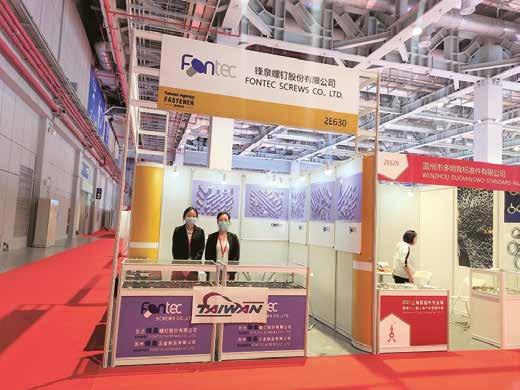

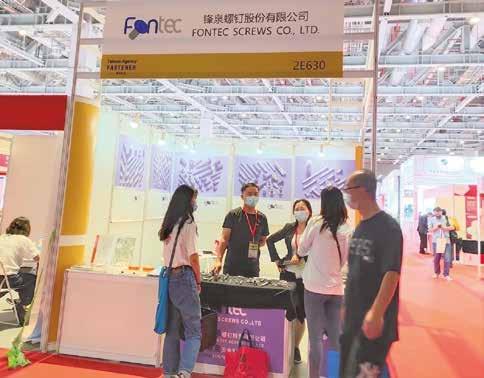
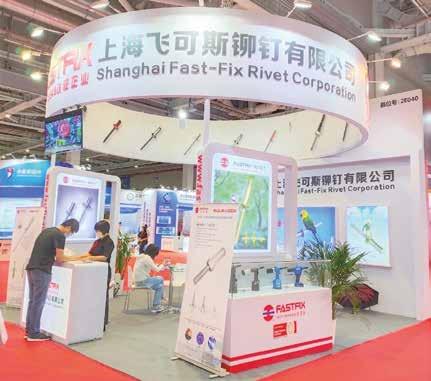







Several companies, which have been increasing their market share in domestic or overseas markets through Fastener World Magazine for years, were also present this year, including Yuyao Biaoer, Tong Ming, Shanghai Fast-Fix, Sailuk, Hystron, Ningbo Anchor, Fontec Screws, Ningbo Weifeng, Jiaxing Huahuo, Shanghai Tone Machine, Guangqingchang Metal Plastic, Jiangsu AWD, etc.
The next edition of Fastener Expo Shanghai is scheduled to take place again on June 8-10, 2022 at NECC (Shanghai).





The Covid-19 pandemic that has affected the world since early last year continues to rule the way every global citizen’s lives are affected. As the first wave weathered off, India was reasonably placed till Mid March 2021 where the daily numbers of Covid-19 cases were approx. 20,000 per day which is a well controlled number considering a population of 1.39 billion people.
Then, the second wave hit like a tsunami and with the new double mutant virus B.1.617, the country was caught off guard with only a small portion of the country being vaccinated till then. There was government complacency in not anticipating the second wave to hit so hard as the vaccination drive should have been in overdrive irrespective of the status of the virus impact at any point. There were pre-emptive signs of the double mutant virus detected in the UK in Sep 2020 and India should have been better prepared in time which as we were not, and it took the country by storm.
India’s health management system needs to be upgraded in a large way and was exposed in spite of the relentless and selfless efforts of the medical fraternity being the real heroes in these tough times. The numbers rose to appx 410,000 covid Cases per day at it’s peak in early May 2021, though there is much improvement on the numbers at less than 200,000 per day as of date. These numbers are dropping by the day with vaccines administered in full flow. The government has an ambitious plan of ensuring the entire country is vaccinated by the end of the year. This could be possible by ramping up production of domestically made vaccines as well as the support of several countries in helping India during it’s worst crisis with imports of millions of doses.
At the same time, the Western media has projected India in a poor light when they were also unable to handle the crisis at earlier times in their respective countries being under prepared and as a percentage of population, Covid-19 deaths were far greater in some developed countries. Global media including the Indian media has to be far more sensitive to ensure the human race can be made aware of the severity of the pandemic and at the same time, project more positivity as the pandemic is taking a big toll on the mental health of millions across the globe.
The Indian Fastener Industry is obviously affected, too. With lockdowns in many big states, sustaining business and growth has been extremely difficult. Though there are several end user industries doing very well with positive business share extended to the fastener industry, the impact of the second wave has resulted in a large number of worker and staff families contracting Covid-19 majorly affecting smooth manufacturing functioning. Expansion plans with exploring new technologies which are done often at trade shows or business travel, have been stalled by most.
And a big obstacle in growth has been the spiralling prices of domestic steel. This has been by far the greatest spurt in steel prices with increases at far too many intervals for anyone’s liking. When supplying to OEMs who generally place annual open orders with their vendors, passing on price increases is extremely difficult as per protocol when the process of price increase through a system takes up to a couple of months and within that period another few steel jumps have occurred. This puts the vendor in an extremely precarious position of being able to supply at viable prices.

by Abhijat Sanghvi, FAI President
Another massive repercussion due to Covid-19 has been on cashflows. With a major part of the industry working on credits, the national lockdown last year for a couple of months and partial lockdowns this year have hit the businesses hard with a ripple effect on the payment realisations. Sustaining cash work flows especially at increased steel prices have hit the MSME’s (Micro, Small & Medium Enterprises) hard with many out of business and others struggling to stay afloat. Those businesses which can survive till next year will thrive as India being the sixth largest economy in the world will stand to gain largely once there is stability on the pandemic front.
Covid-19 is here to stay and adds to another list of illnesses that we would have to endure with the only option of regular vaccination to counter this pandemic. Last year, global businesses have had to re-invent themselves with online meetings, work from home policies, etc., and as optimistic as we wish to be, businesses will not operate in the same manner as pre-Covid-19 days.
The greatest positivity we can take from the pandemic is our ability to adapt. We would have to adapt to a new way of life and innovate to keep ahead of an event which has been unprecedented to the extent it has impacted our entire world.

by Gang Hao Chang, Vice Editor-in-Chief of Fastener World (Table data shown in descending order according to figures of 2020)
From 2017 to 2020, the EU imported around EUR 4.5-5.8 billion worth of fasteners from the world per year. If calculated by volume, the yearly fastener import roughly landed at 1.5-1.9 million tons. The unit price per Kg was about EUR 3.
During these four years, 2018 demonstrated the best result in fastener import with the import value reaching EUR 5.705 billion and the import volume being 1.911 million tons. However, the import appeared a consecutive drop in 2019-2020. In 2020, the import value was already down to EUR 4.4 billion and the import volume slipped to around 1.52 million tons as well, a clear sign of market demand shrinkage.
To view from import values, the EU’s main fastener import partners were China, Taiwan, USA, Switzerland, Turkey, Vietnam, India, Japan, and S. Korea. The combined import from China and Taiwan almost represented nearly 50% of the EU’s total fastener import. The imports from USA and Switzerland also represented around 10%, respectively.
To view from import volumes, the EU’s main fastener import partners were China, Taiwan, Vietnam, Turkey, India, Thailand, Malaysia, and S. Korea. The combined import from China and Taiwan almost represented around 67.5% of the EU’s total fastener import. Vietnam, at the 3rd place, only represented 6.6%. The EU showed very high dependence upon fastener imports from China and Taiwan.
From 2017 to 2020, the EU exported around EUR 3.8-4.6 billion worth of fasteners to the world per year. If calculated by volume, the EU exported 0.5-0.57 million tons of fasteners to the world. The EU’s fastener export volume was around 1/3 of its fastener import volume, but its fastener export value was very close to its fastener import value, which clearly showed the fact that fasteners the EU exported to the world were mostly high value-added products. The unit price per Kg was close to EUR 8.
During these four years, the EU’s fastener export to the world showed the best result in 2018-2019. Its export value reached the highest point in 2019 at around EUR 4.616 billion and the export volume also reached the highest point in 2018 at 0.568 million tons. In 2020, its export value dropped to the lowest level at EUR 3.888 billion and the export volume also dropped to around 0.494 million tons.
To view from export values, the EU’s main fastener export partners were China, USA, Switzerland, Russia, Mexico, Turkey, Brazil, Norway, and India. The combined export to China, USA, and Switzerland represented nearly 50% of the EU’s total fastener export. The exports to Russia, Mexico, Turkey, Brazil, Norway, and India also represented around 2.5-5.0%, respectively. What’s worth mentioning is, compared to fastener exports to the other main fastener export partners, the EU’s fastener export to China in 2020 was still on a rise. To view from export volumes, the EU’s main fastener export partners were almost the same as those viewed from fastener export values. The EU’s total export to China, USA, and Switzerland represented the lion’s share of around 43%. China was also the only one that showed an increase in 2020 among the EU’s top 5 fastener export partners.
To view the EU’s fastener trade data and the analyses in previous paragraphs, one could roughly realize that besides importing a great deal of fasteners from Asia at comparatively low unit prices, the EU (benefited by the vibrant fastener manufacturing, distribution, and supply chains in many EU countries, such as Germany, France, Italy, Switzerland, Spain, etc.) is also equipped with sufficient capacities and capabilities to meet the global market demand for high-end fasteners at high unit prices. The unit price of the EU’s fastener export was about 2.6 times the unit price of its fastener import.
During 2017-2020, the EU’s fastener trade data appeared fluctuations, but the fluctuations were comparatively mild. However, considering some unfavorable factors still in place, such as the shortages of labor and materials, hiking transport and manufacturing costs, resurgence of reported Covid-19 cases, and the slow vaccine rollout, I expect the developing trend in 2021 may appear a comparatively flat downward curve, but the whole situation may not become so worse, as the global supply and demand still remain and the slow recovery in many industries continues, as a result, the possibility of a drastic slump is quite low.

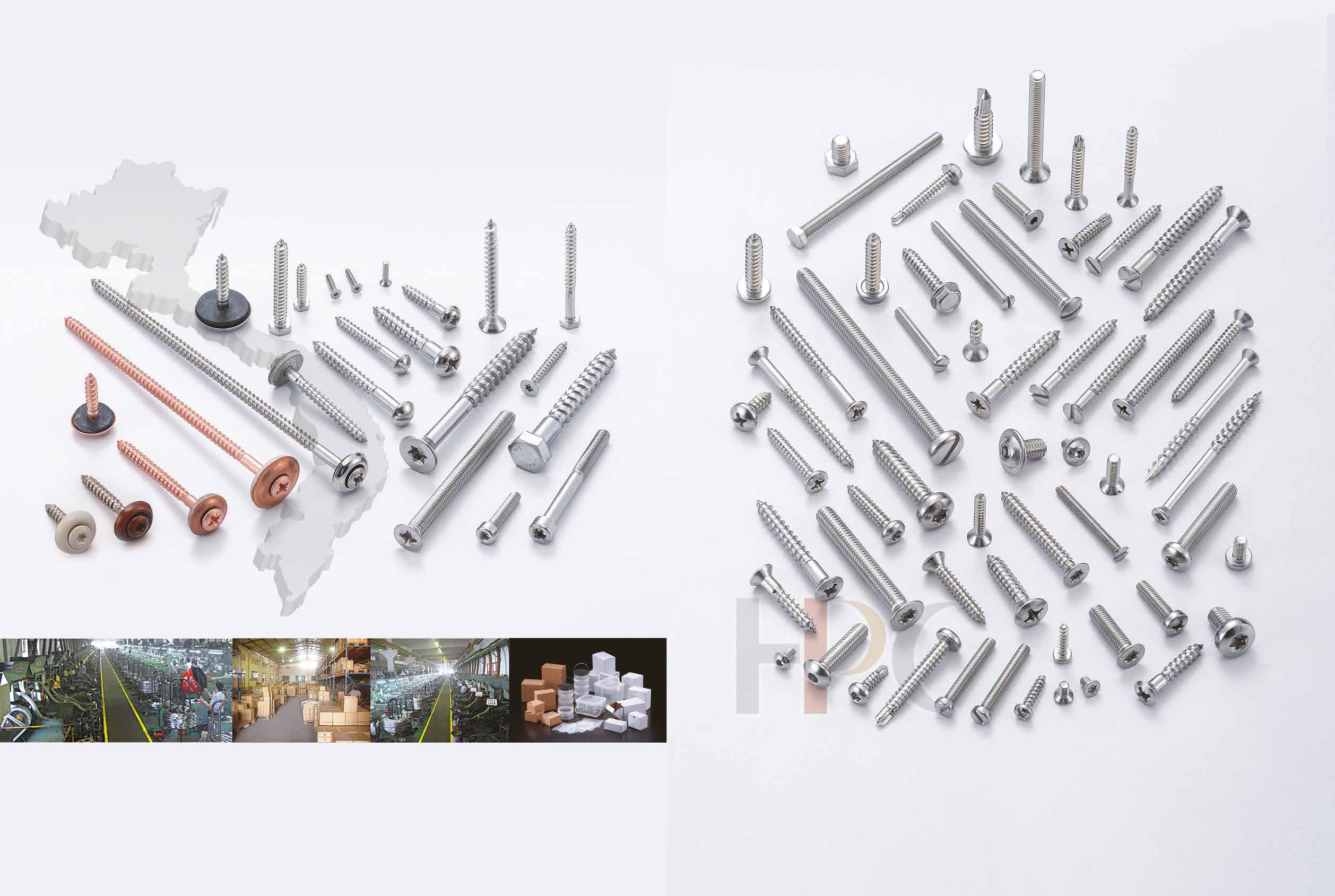


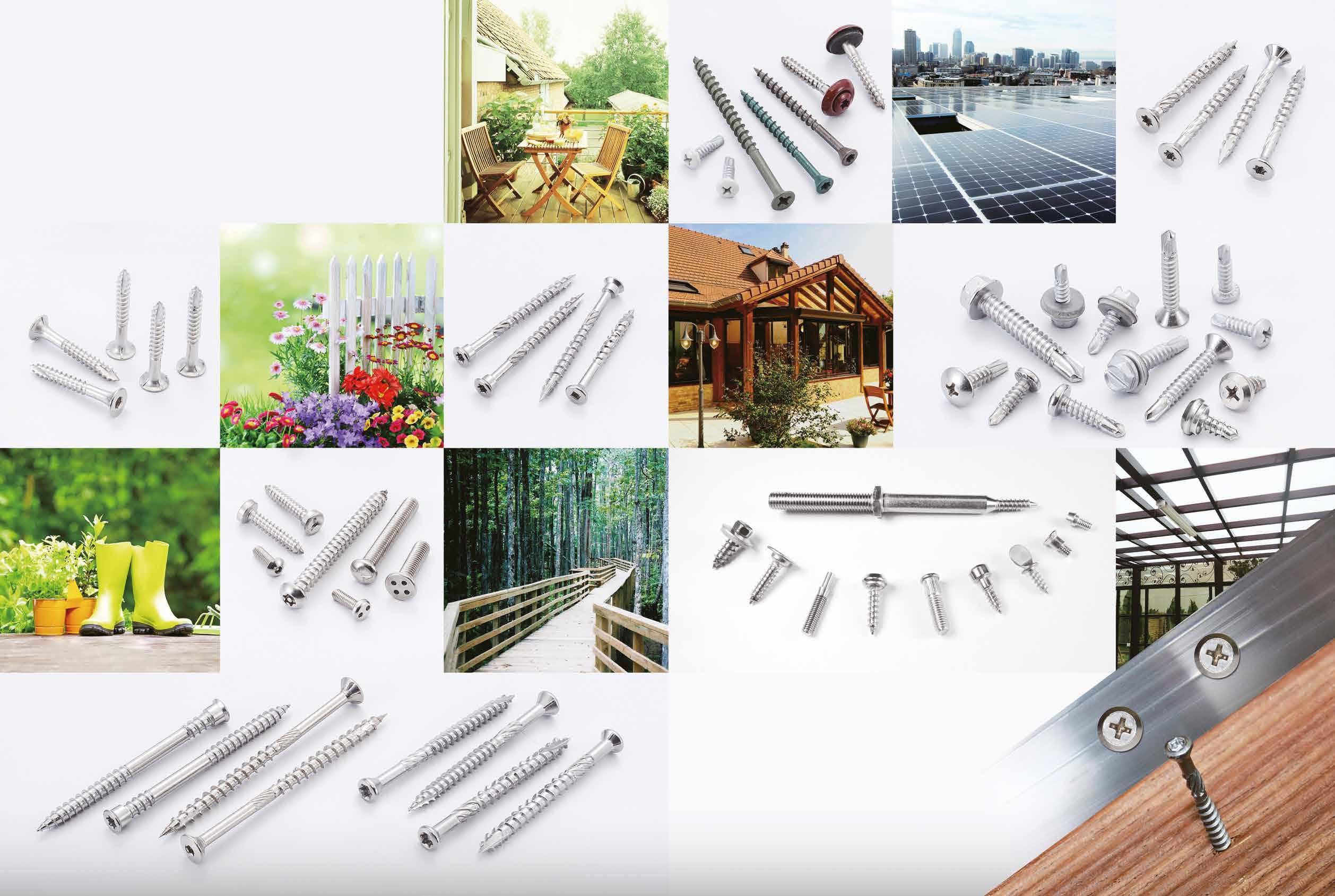




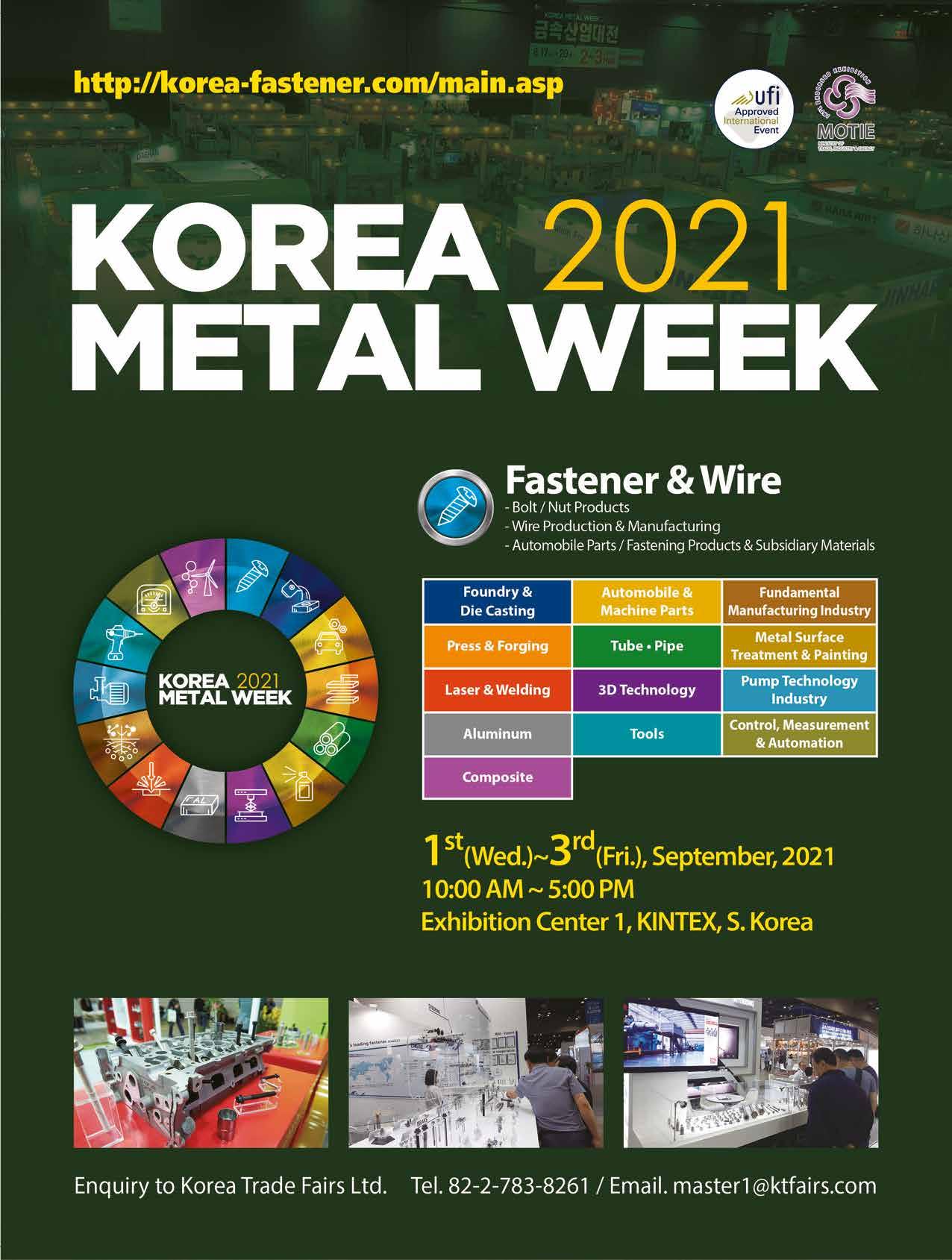
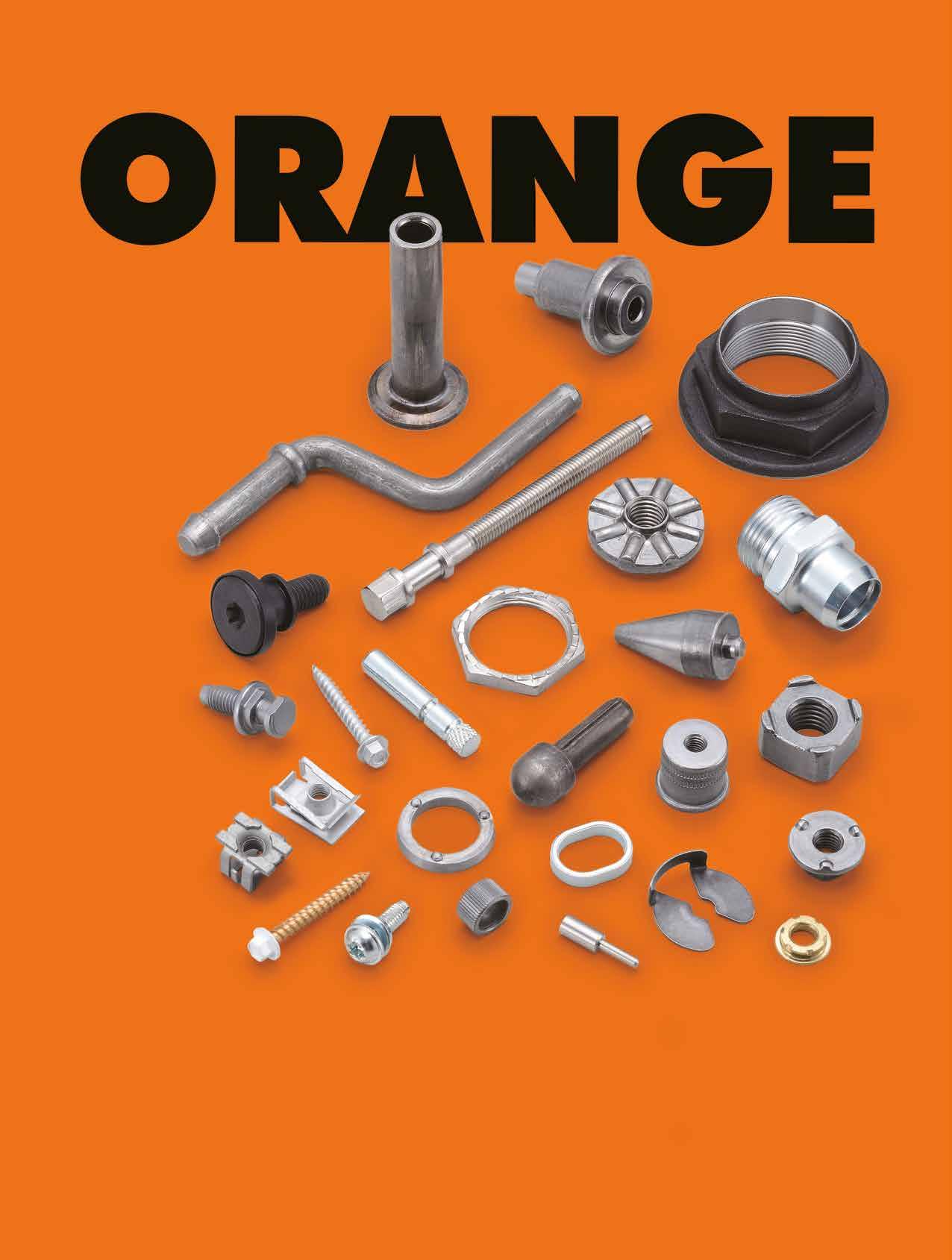
Jan.
After passing the certification of ISO 9001 in 2003 and relocating to Chang Hua Coastal Industrial Park in 2005, bonded® washers manufacturer KCS passed the certification of ISO 4000 again.
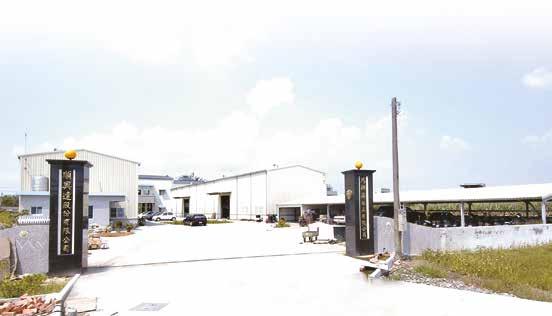
Shun Hsin Ta Corp. was relocated to a new 13,222 sqm plant, greatly reinforcing its production of various types of tungsten carbide dies and special steel rods.
Taiwan Shan Yin International Co., Ltd. inaugurated its new plant located at Benjhou Industrial Park. This plant was for manufacturing fasteners for automotive, 3C, and green industrial use as well as components as per customer’s requirement.
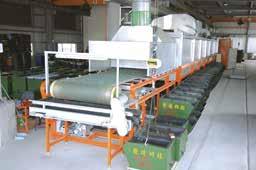
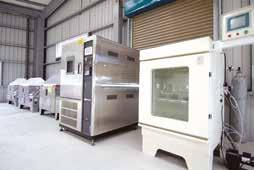


Fastener World attended The Building Fair Brno, Czech Republic. 1,400 manufacturers from 24 countries also participated in this event. The number of visitors during the 5 days reached 72,000. Apr. 17-21




Fastener World attended Hannover Messe. 2007 was the 60th anniversary of the trade show. More than 6,400 exhibitors were present. The 2007 edition was also the first time that the number of non-German exhibitors exceeded that of German exhibitors.

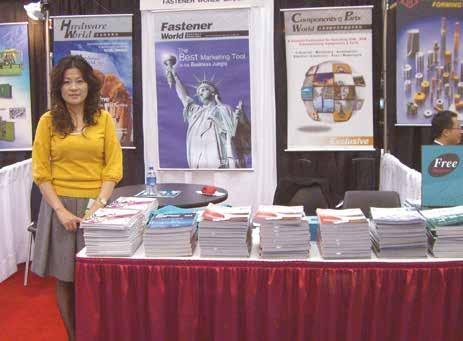
May 07-10
Fastener World attended IFE. Concurrently held with Interwire Trade Exposition, IFE mainly exhibited relevant fastener manufacturing equipment.
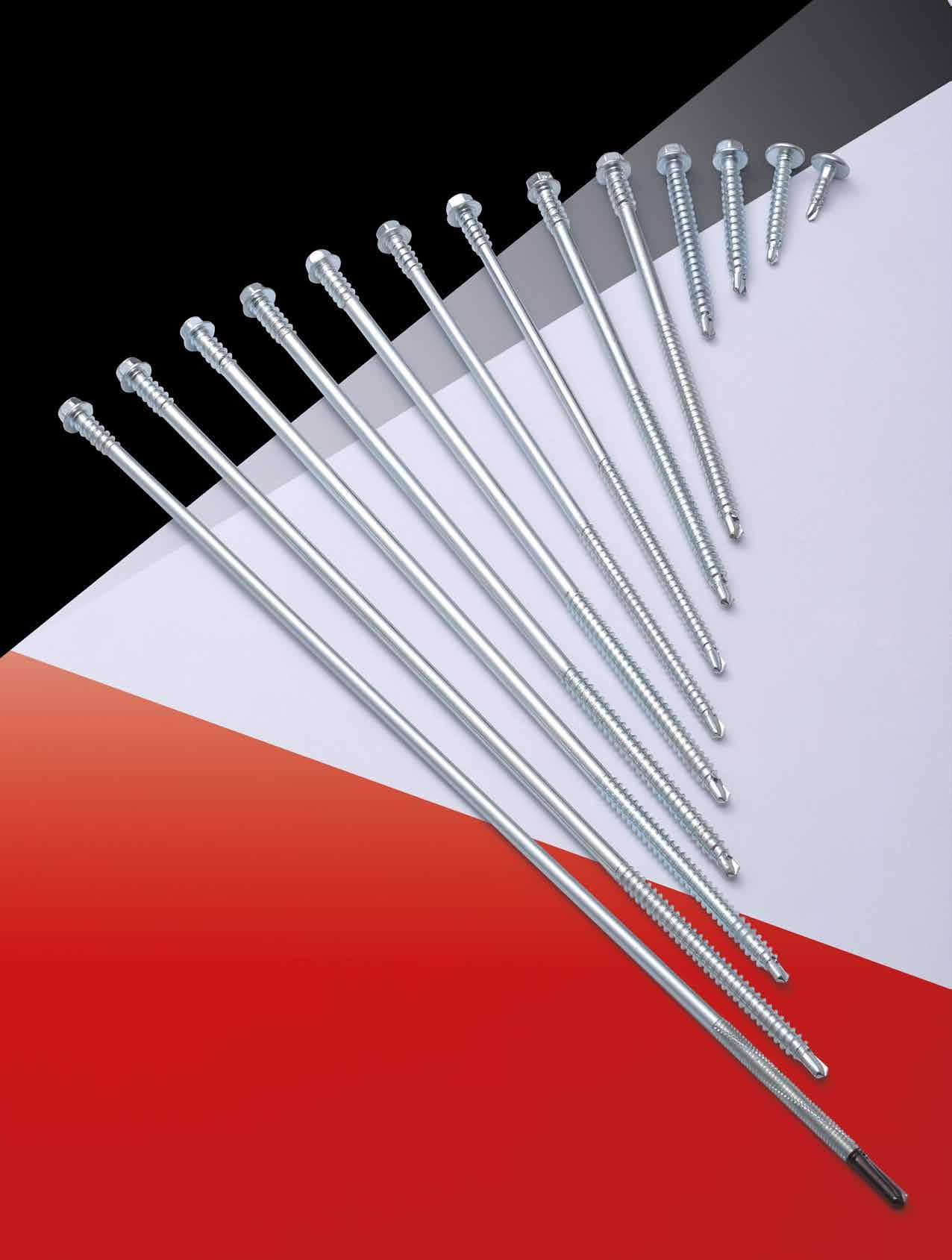




Fastener World participated in The Kolner Hardware and Furniture Fair. Held in Köln Messe, the event attracted 1,361 exhibitors from 61 countries.


Fastener World attended “Hardware and Tool”in Dubai. The main exhibits of this trade event included hand tools, power tools, DIY tools, construction tools, etc.



Fastener World attended Fastener Tech’07. 165 companies came to exhibit and the number of visitors reached more than 1,500. Visitors were mostly local manufacturers and distributors.

Fastener World participated in the 27th edition of Atlanta Fastener Exposition. Held in the commercial, industrial, and financial hub in southeastern America, the exposition welcomed 206 exhibitors from the world.
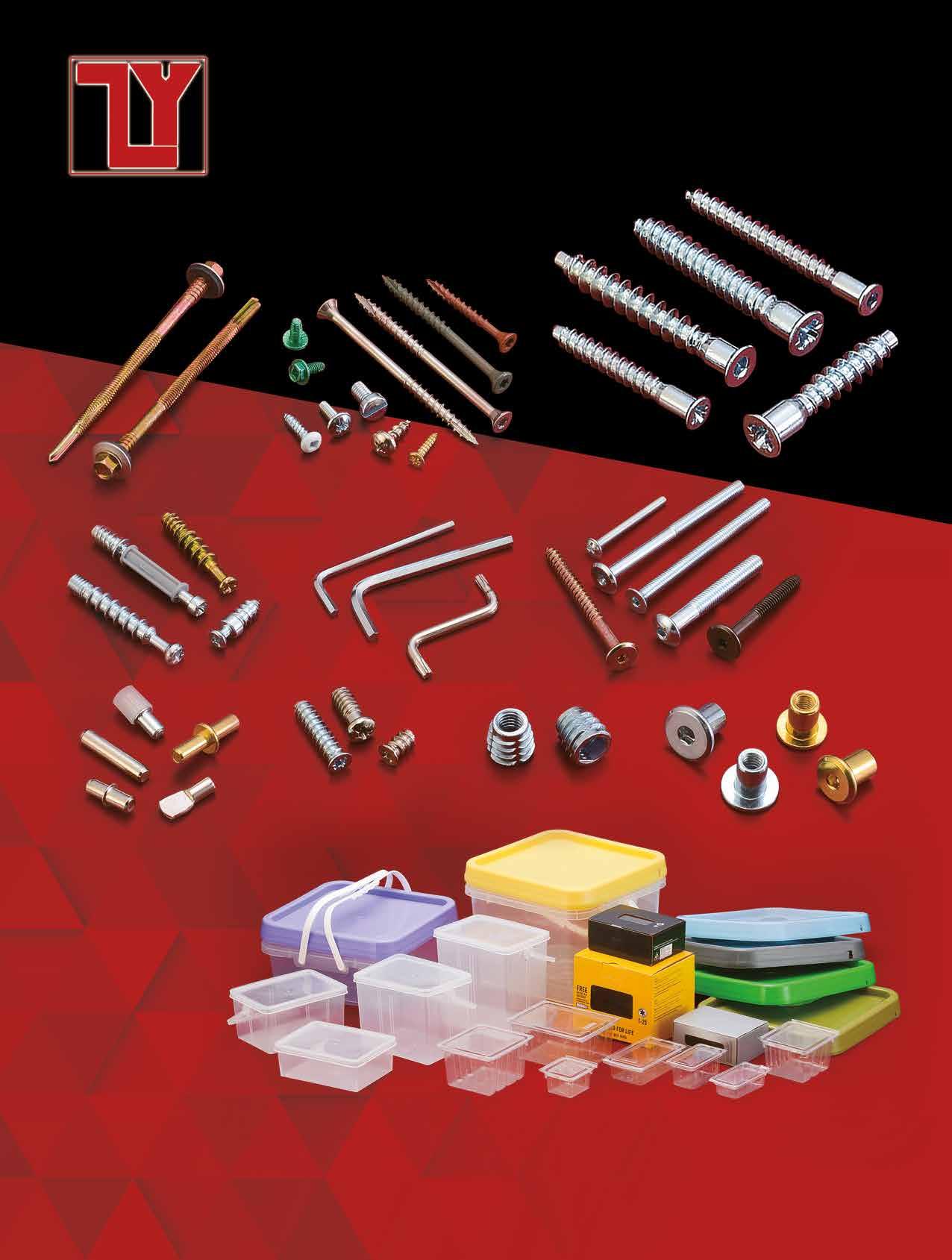


Jul.
In response to fast-growing orders from overseas markets, Da Yang Enterprise Co., Ltd. set up another 4,628 sqm plant in Gangshan and introduced more thread tapping and sorting machines.
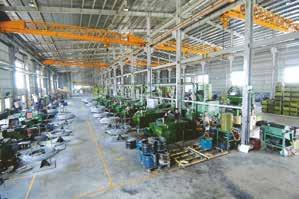
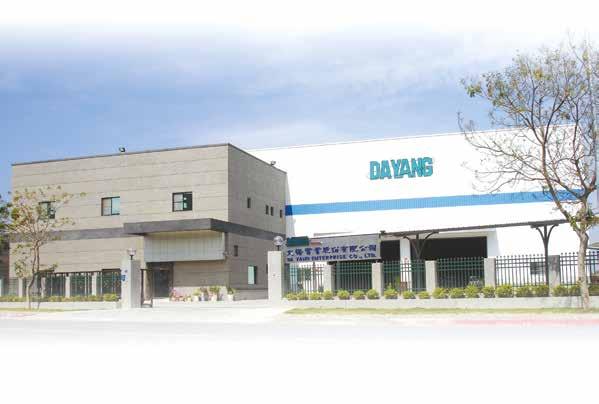
Jul. 25
Fwu Kuang Enterprise held an event to officially announce the release of its 3rd generation of high speed former HB30B-4S. More than 200 fastener professionals went to the event to send their congratulations.


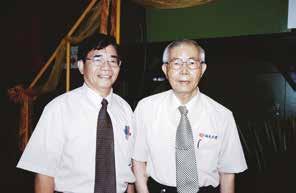
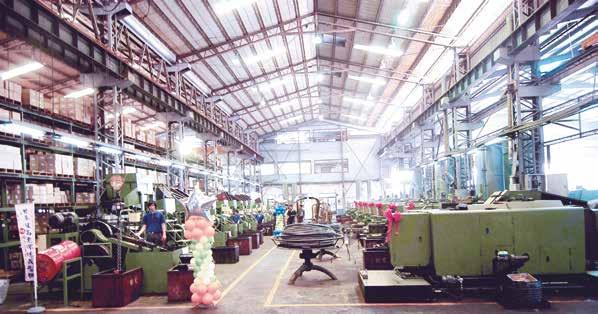
The leading secondary wire processing machines manufacturing giant Cheng I Machinery Co., Ltd. in Tainan completed its factory expansion, introduced more advanced processing equipment, and reinforced its export to overseas markets.
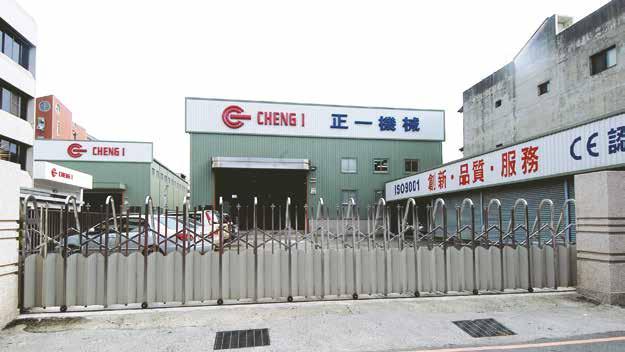

Jul. 06
69 TIFI directors and supervisors visited Turkish leading screws and nuts company Cetin Civata to inspect and learn its ways of logistics & warehousing, manufacturing, and quality control.

Jul. 27
In order to ensure the compliance of products of Taiwan fastener industry with international certification, MIRDC especially held a session to help industrial professionals get a better understanding of the trend of international product certification.

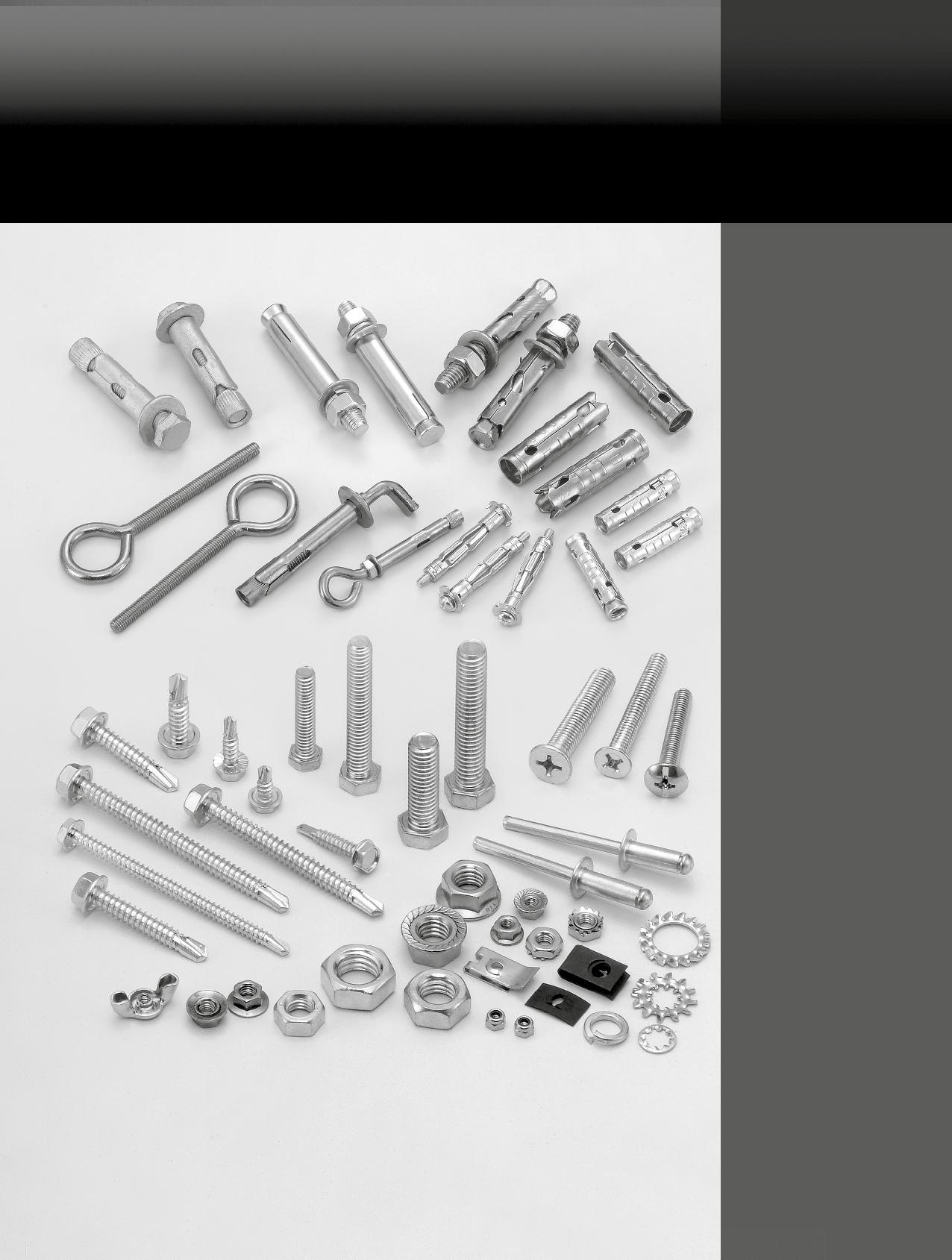

Aug.
Song Fu Mold Co., Ltd. inaugurated its new plant at Benjhou Industrial Park and invested more than USD 0.16 million in purchasing various CNC processing equipment.

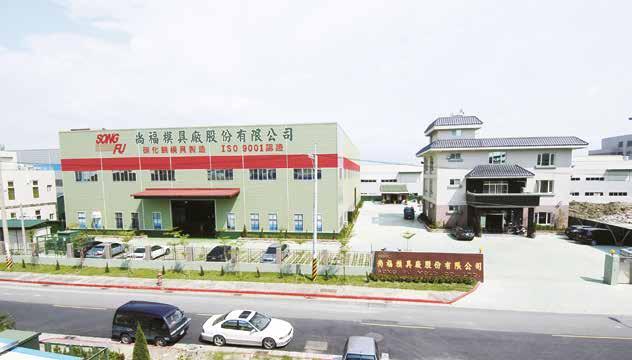
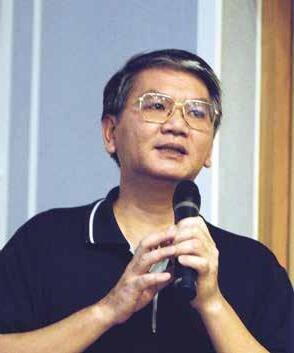
Sep. 28
MIRDC held the “Explanation Session of Fastener Standard Systems” and invited Q-Lab manager Sam Wu to illustrate various international fastener related standards and compare their differences.


Aug. 03
TFTA gave a Global Market Seminar at Evergreen Plaza Hotel in Tainan. Former TFTA President William Liao gave an opening speech and former TFTA Executive Secretary David Horng, TFTA Oversea Affairs Commissioner Steven Fang, TIFI Chairman Bruce Sun also gave their speeches on U.S. and Taiwanese fastener markets.
Sep. 19-20
Fastener World attended the 2nd edition of Fastener Fair Stuttgart. This Fair attracted 435 companies from 32 countries to exhibit. Up to 78 exhibitors from Taiwan booked their stands through Fastener World. During the 2-day event, more than 5,000 visitors visited the Fair.

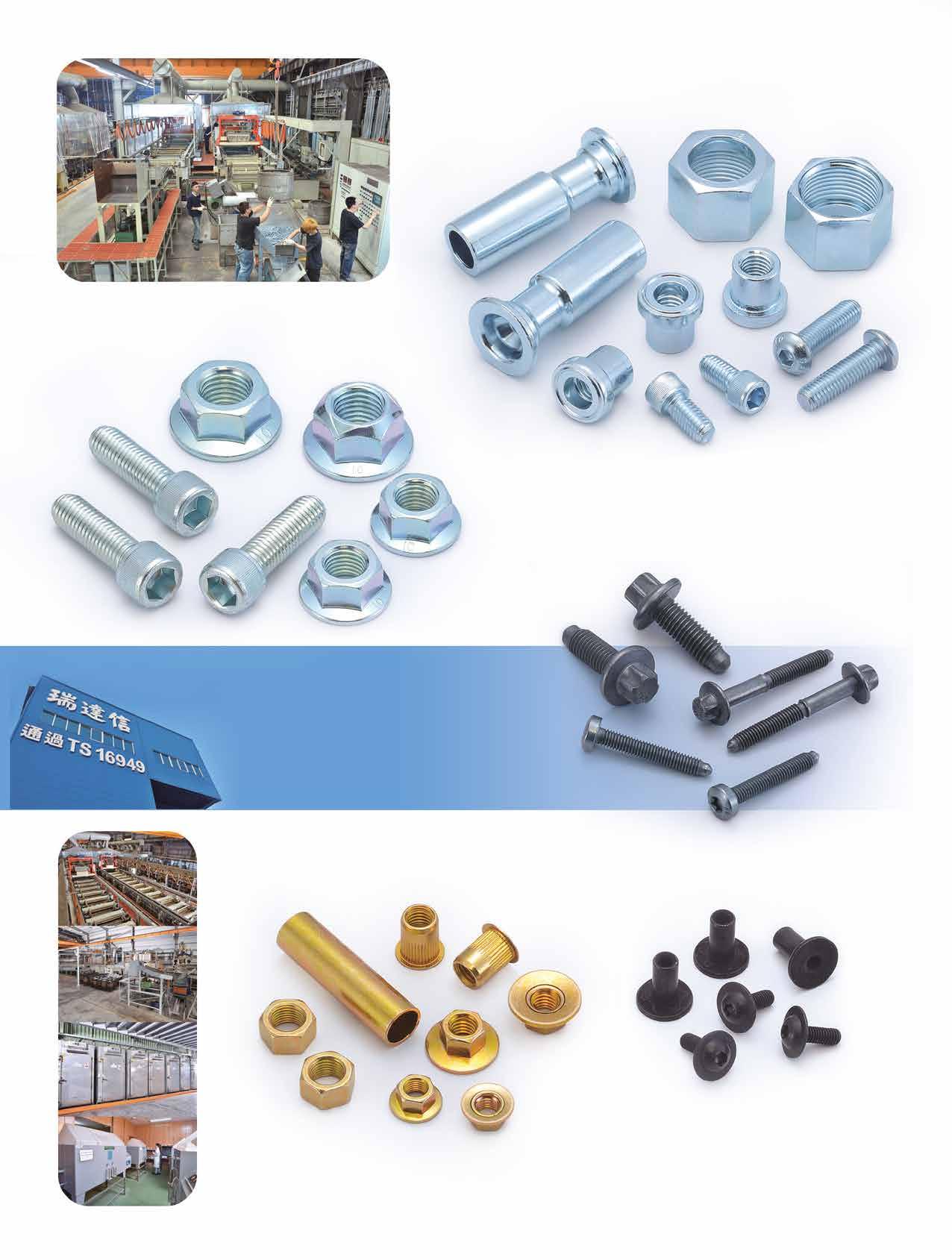

























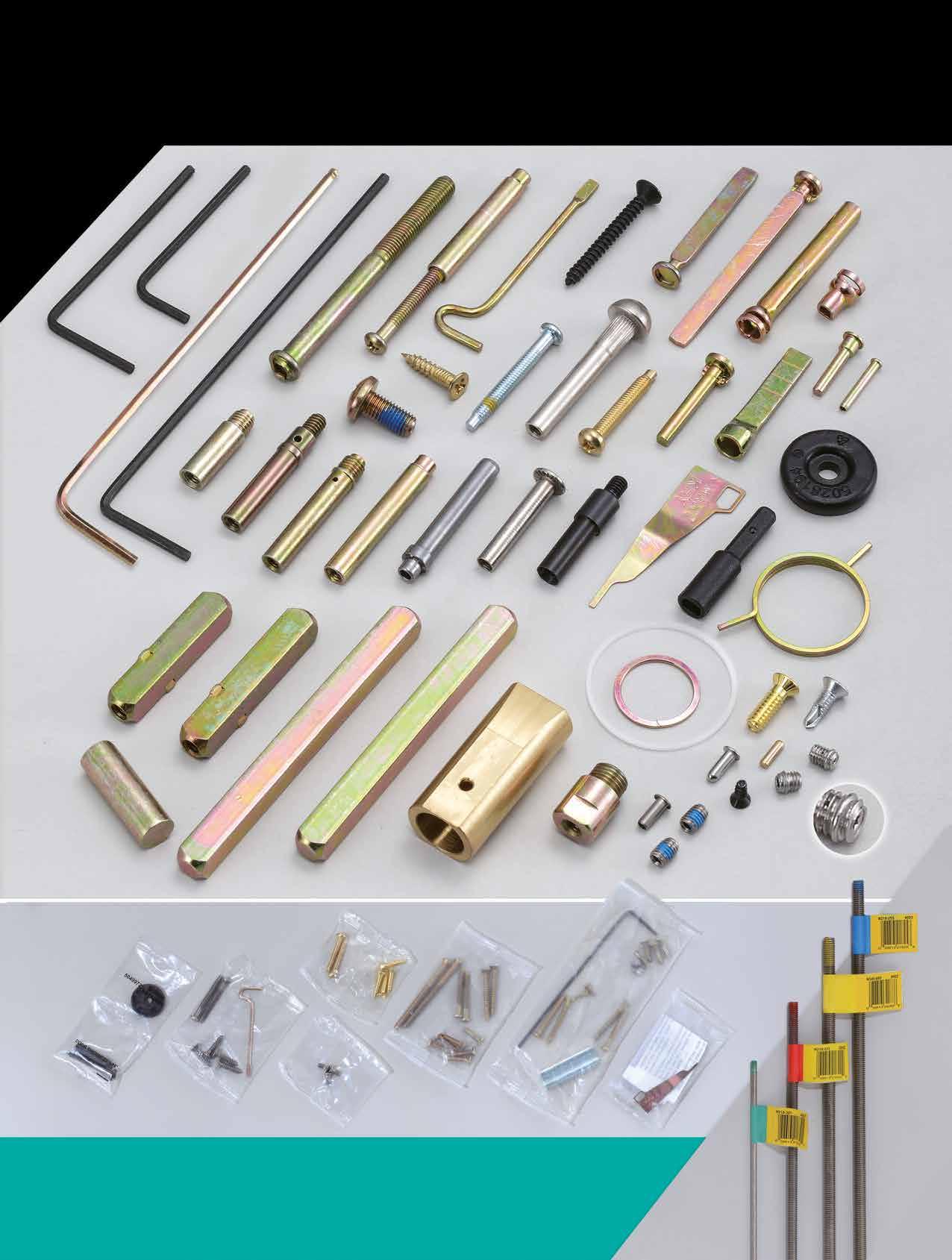




















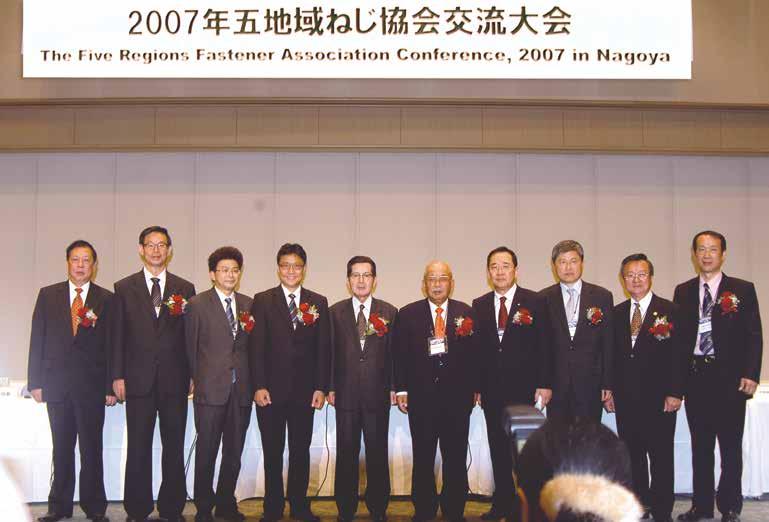
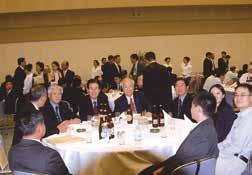
The 5th Fastener Association Conference was given in Nagoya, Japan. Hong Kong Screw and Fastener Council attended the conference as a formal member for the first time and the event was officially renamed “The Five Regions Fastener Association Conference.”
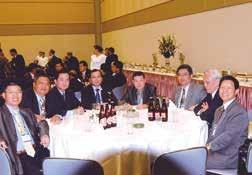
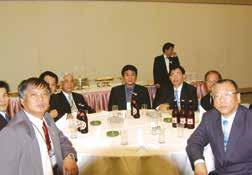
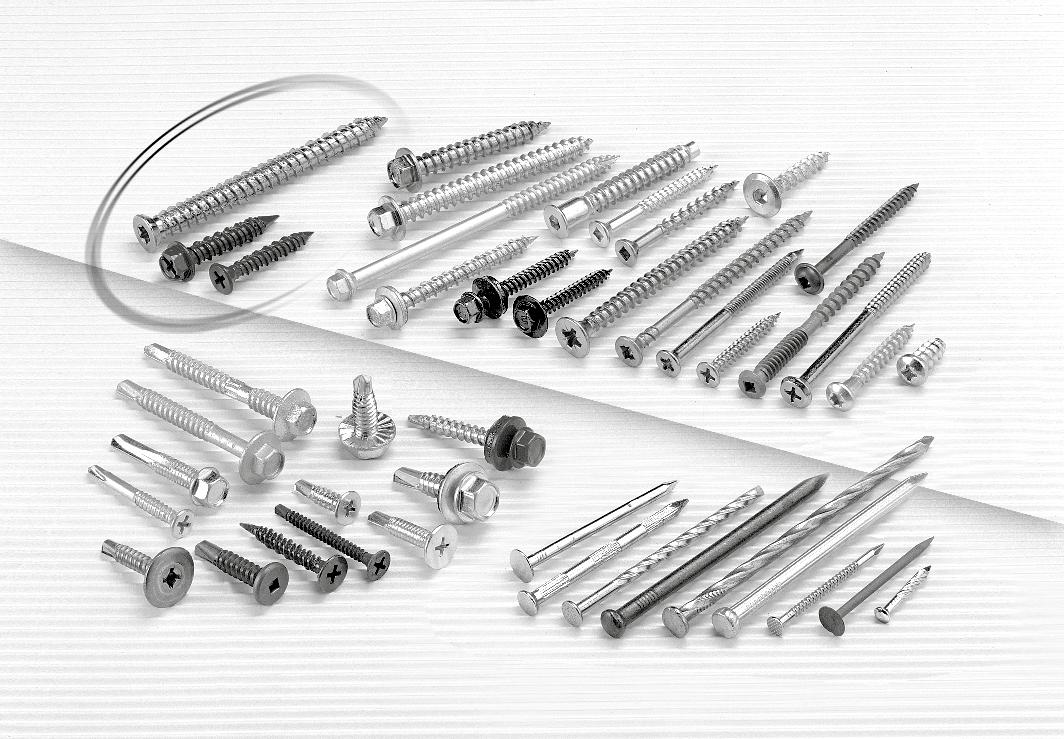


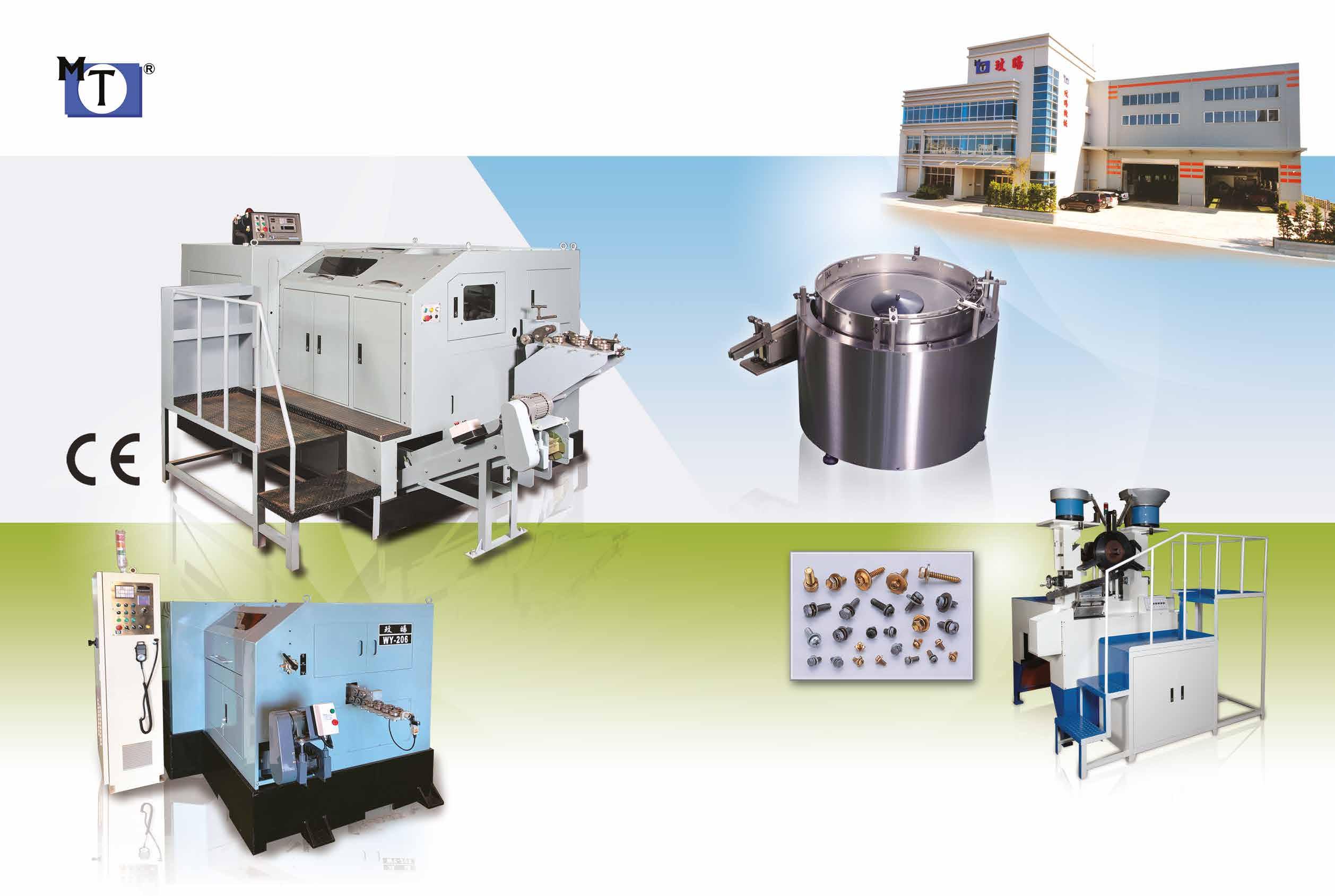









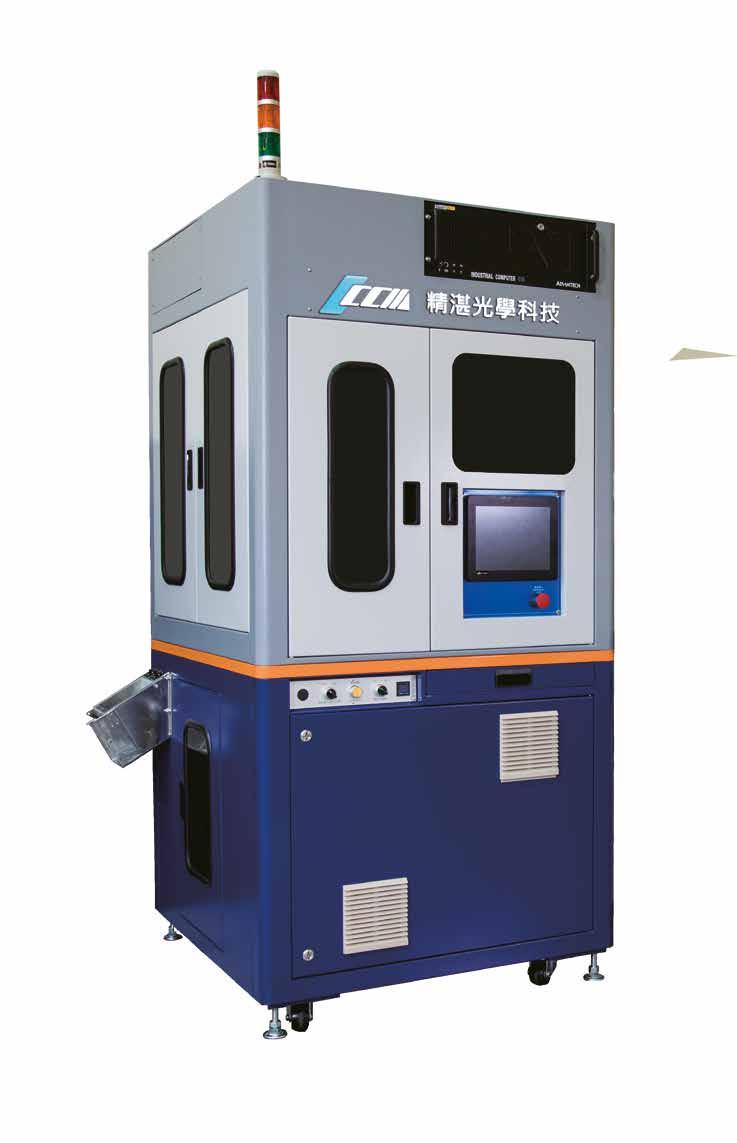

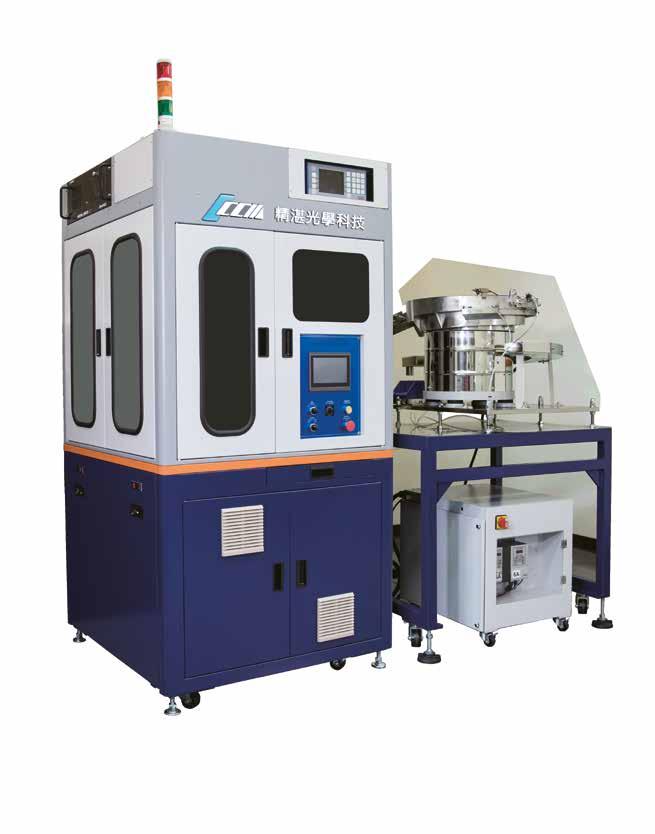




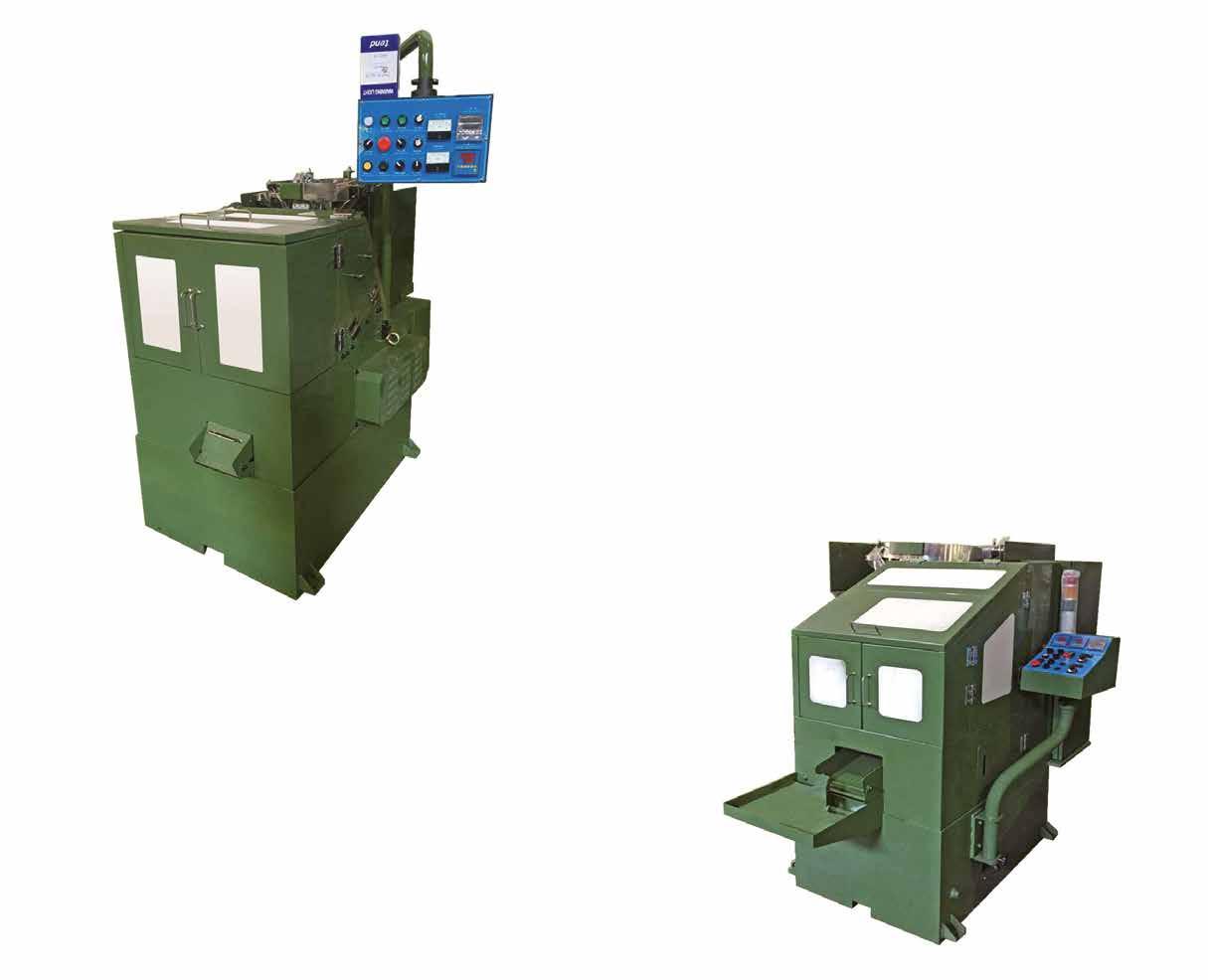
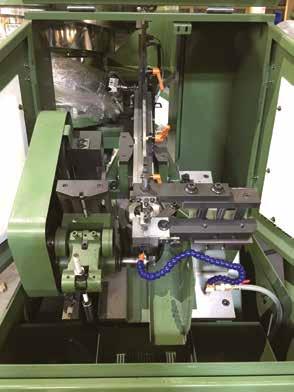
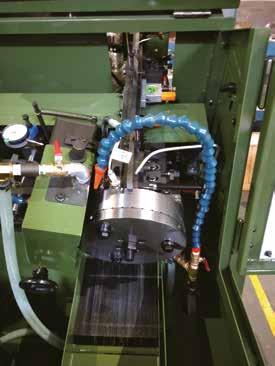
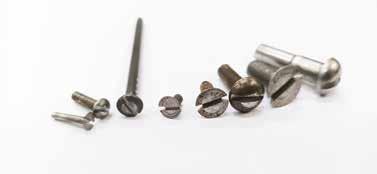

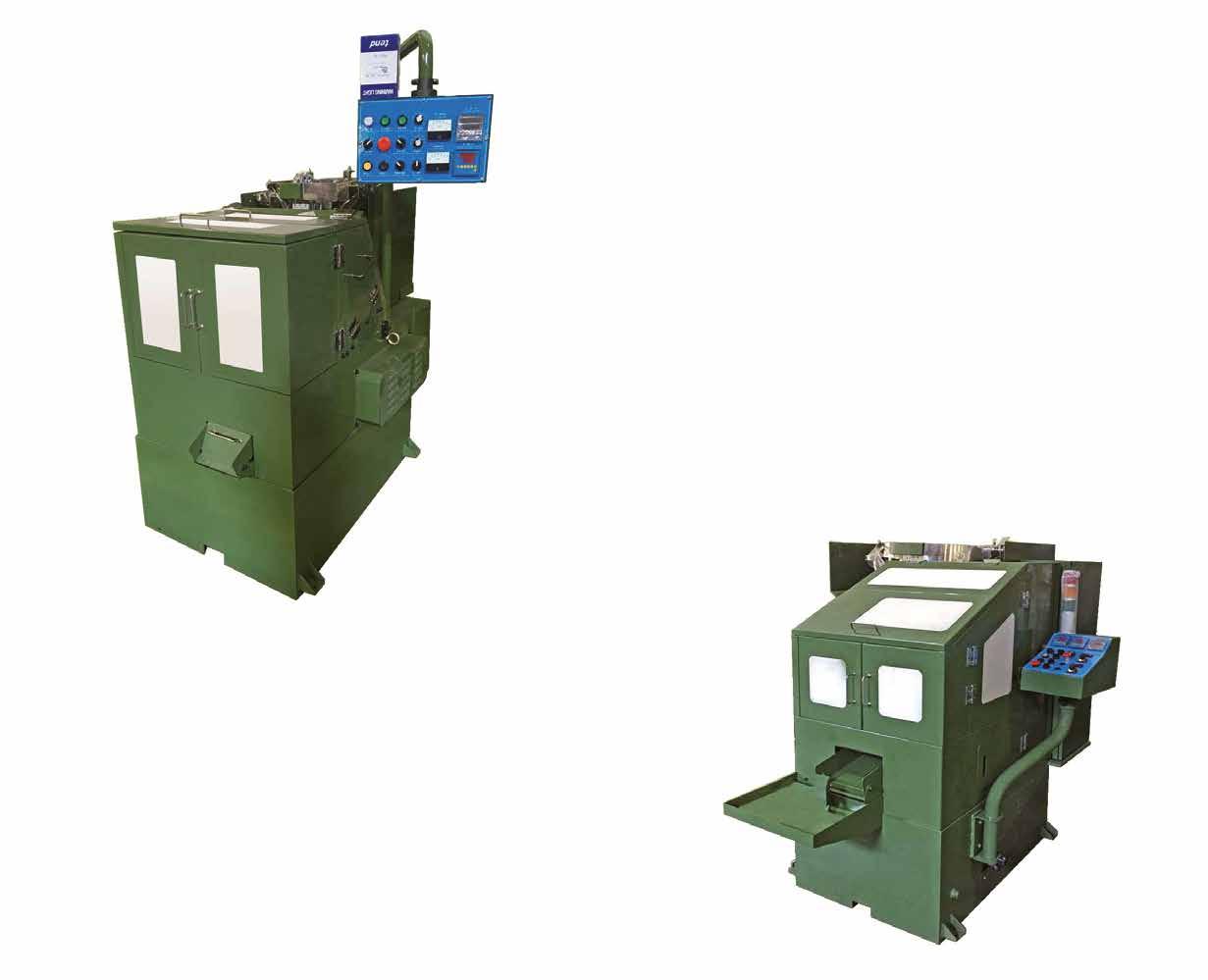
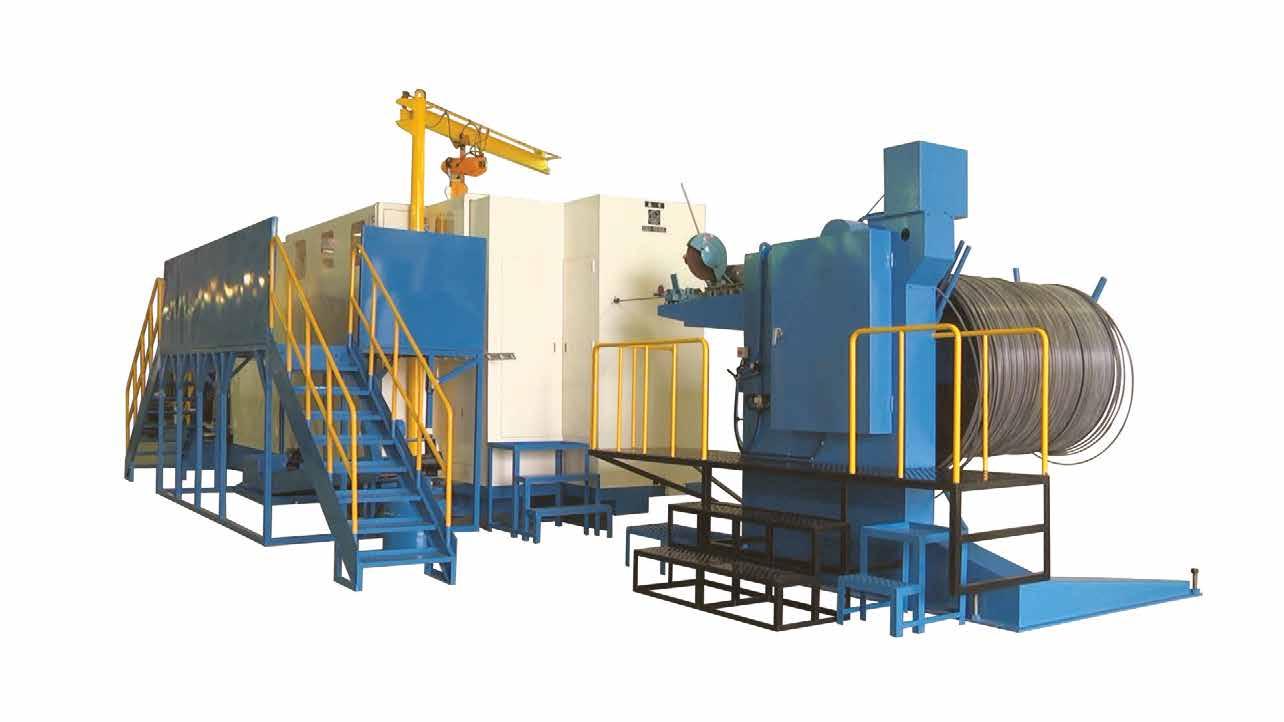
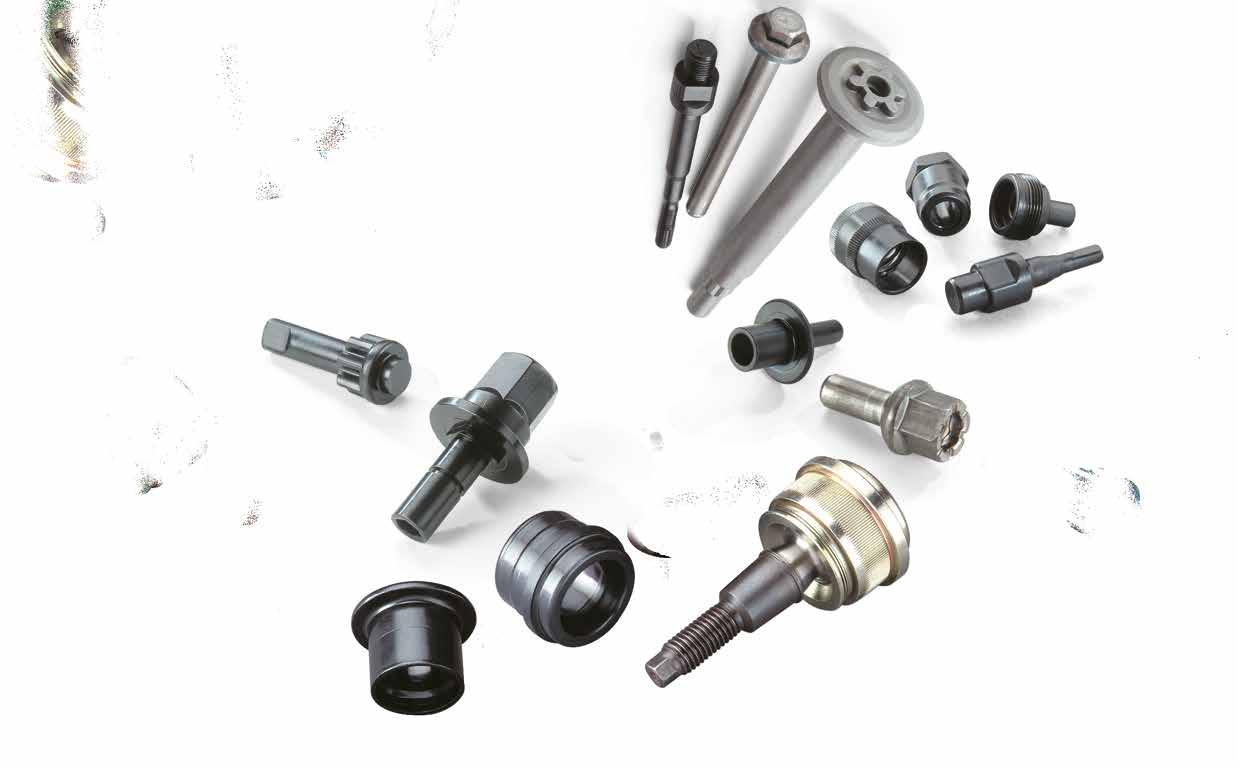

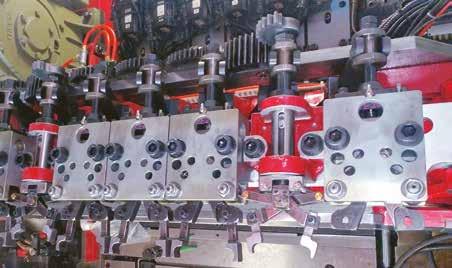


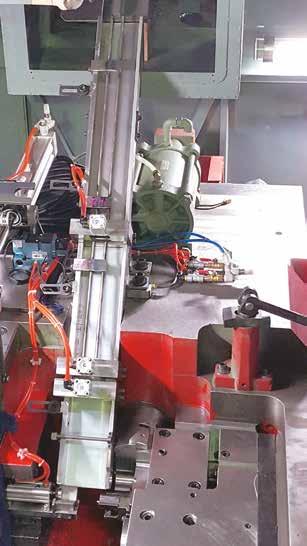
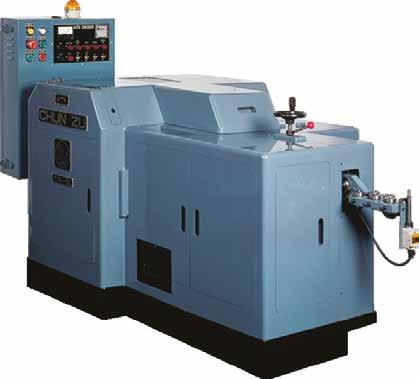
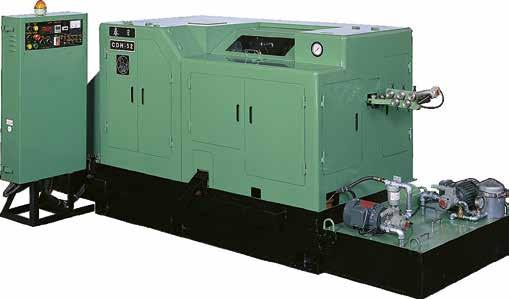
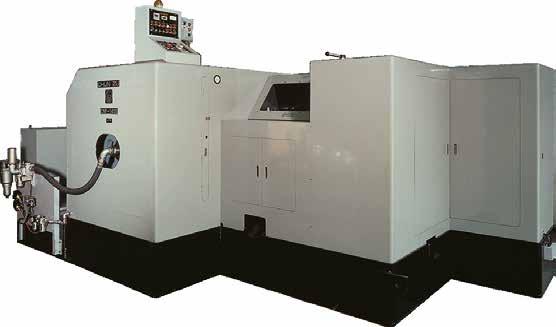
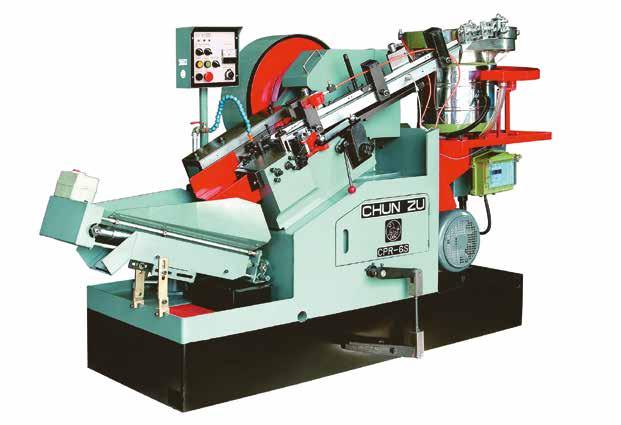
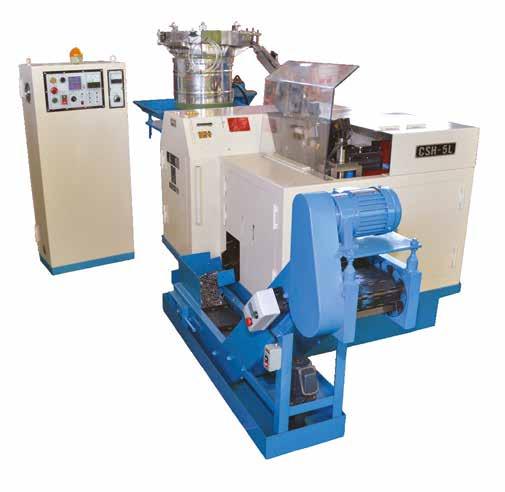
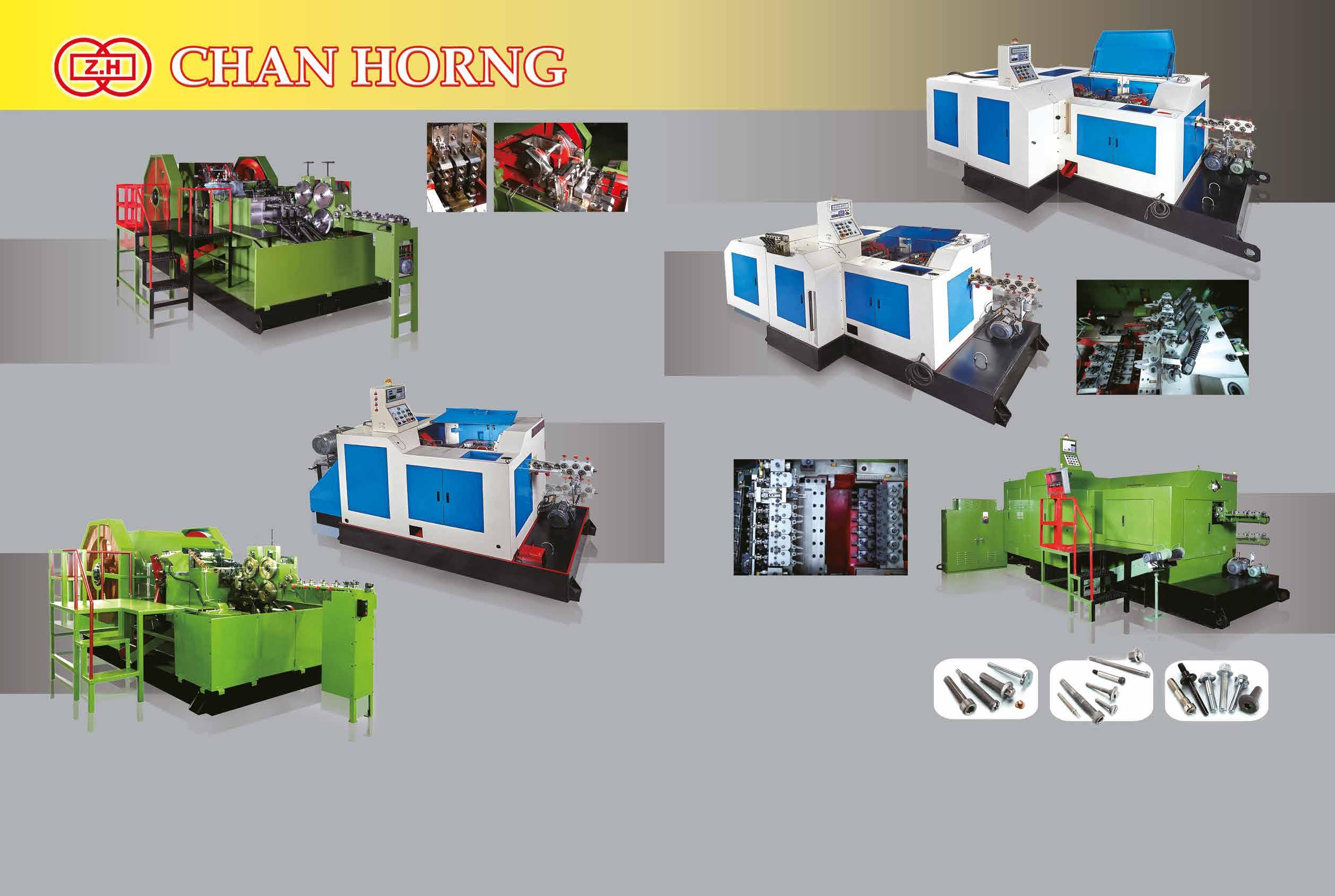

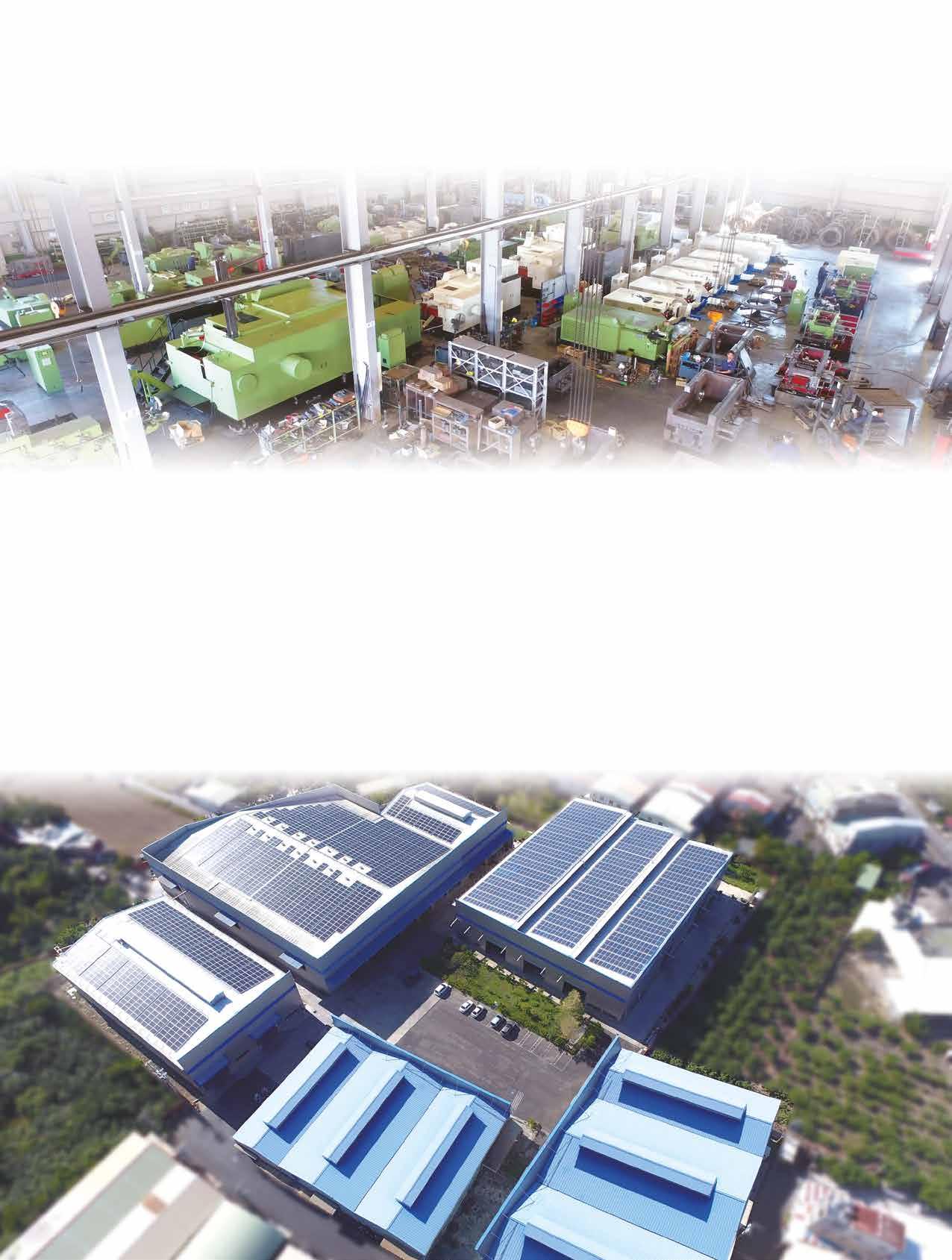

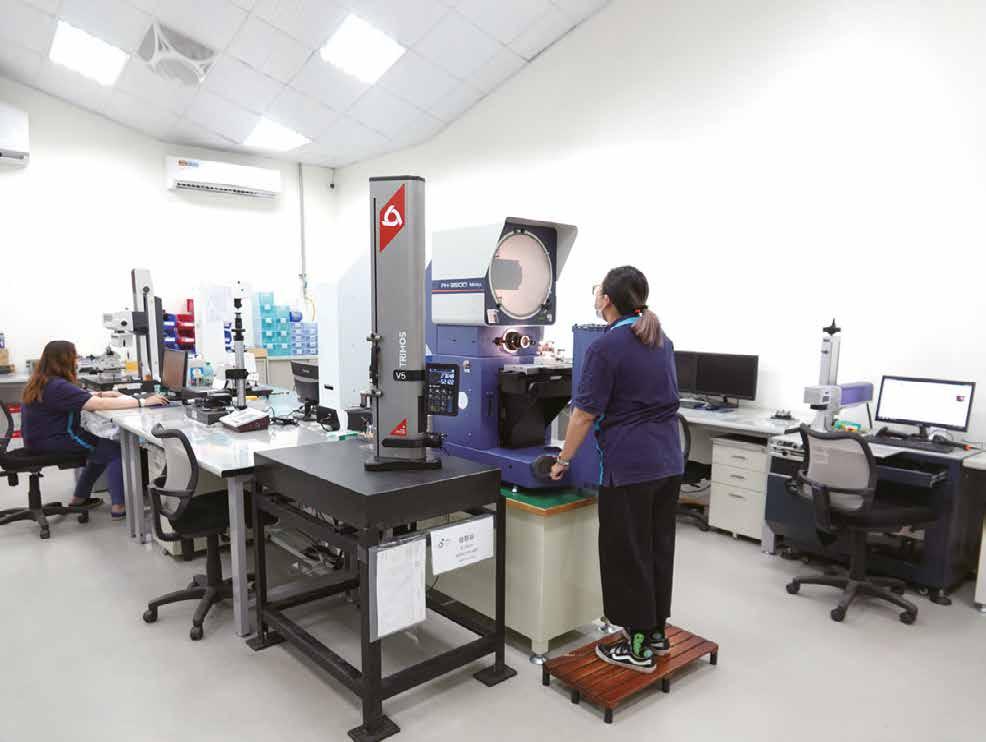
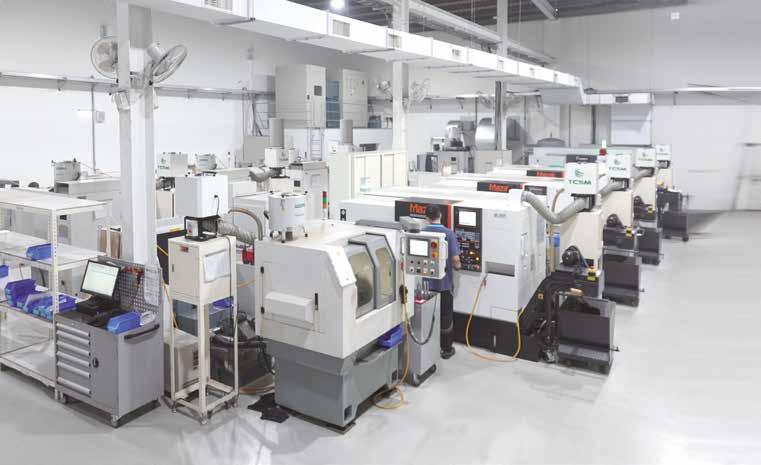
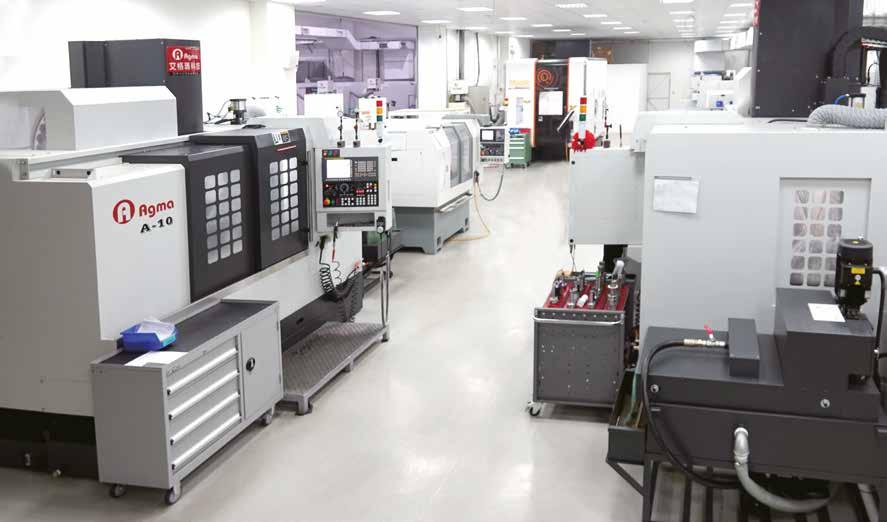
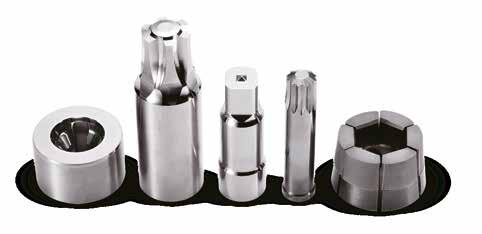
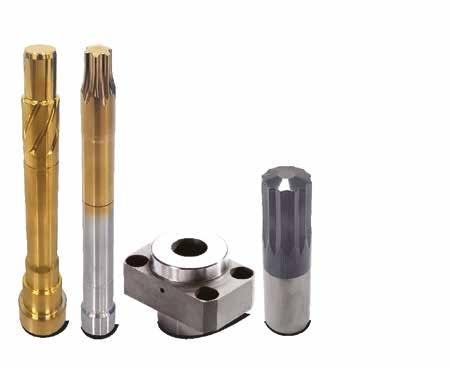


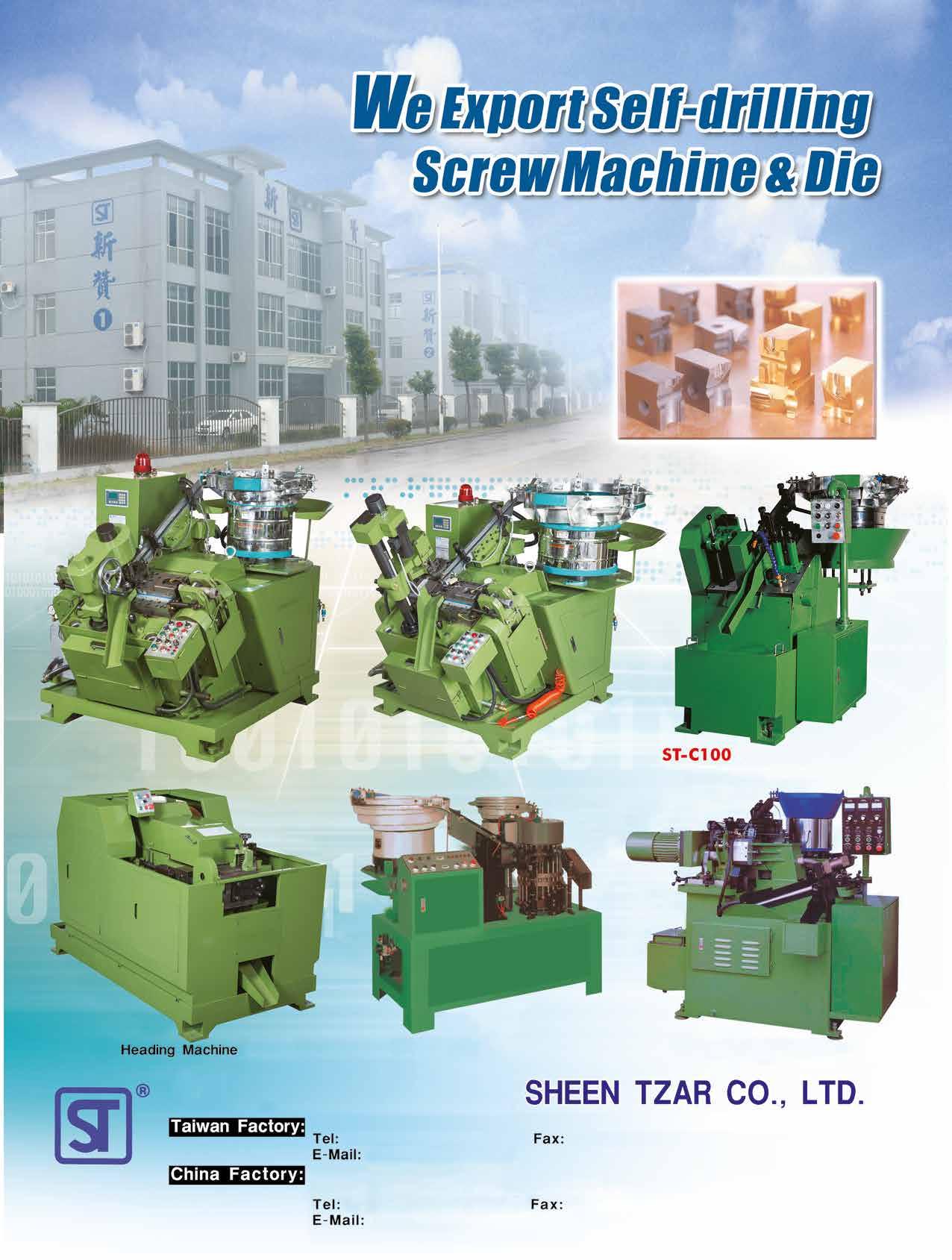

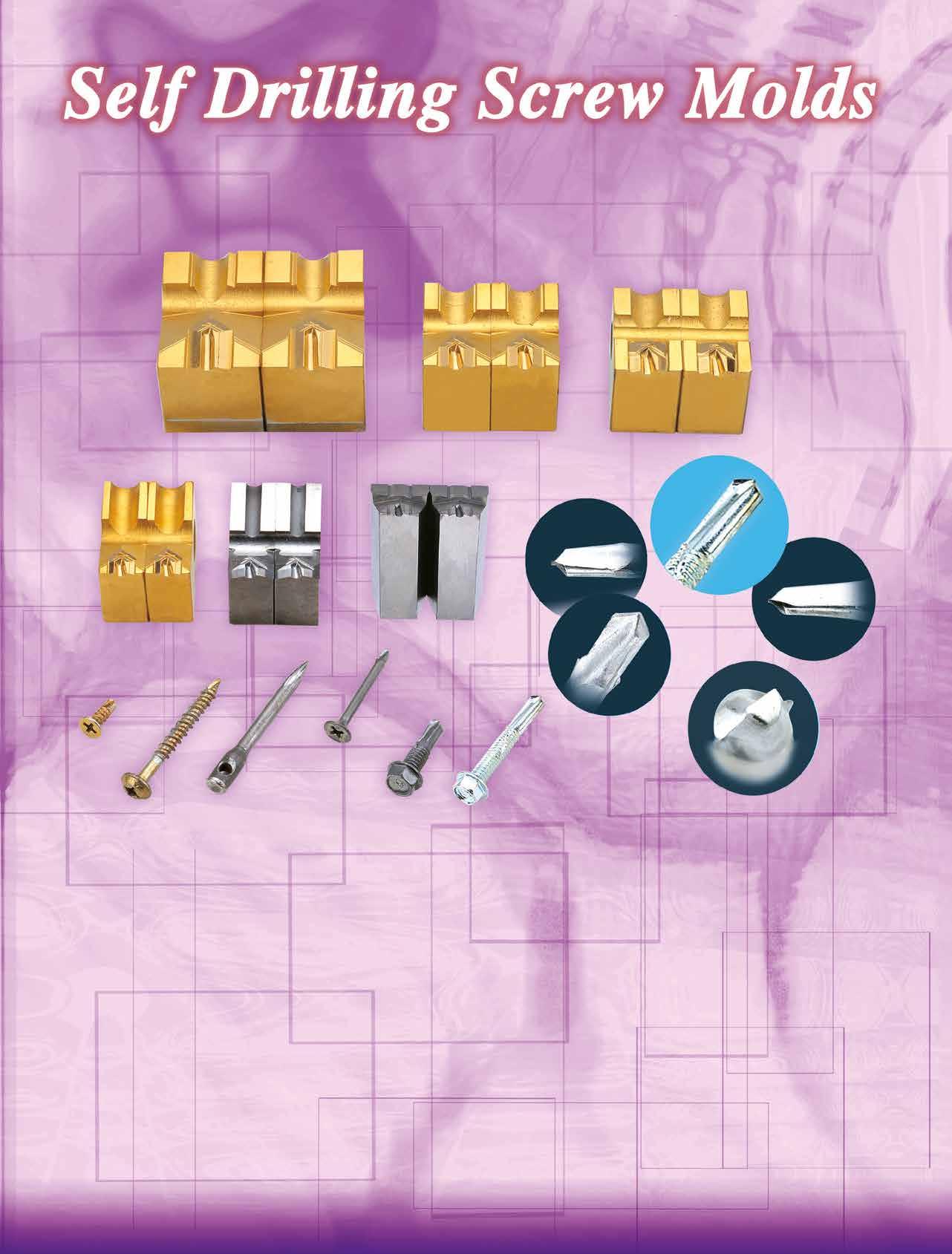
by Laurence Claus
Istarted my career in the fastener industry between my third and fourth year of university. Although it’s been thirtyfour years now, I can remember almost like yesterday the first time I got to walk around a fastener manufacturing plant. Of course we started in the heading department and seeing headers paying off wire and spitting out parts was very exciting, but it was the rolling operation that really left a lasting impression on me. I guess it was because the operation was so very different than what I anticipated. Up to that point the only method I knew for developing threads on parts was to use a die set and cut each thread. In hindsight I should have realized that such a method would not be practical for the wide array of thread styles and sheer quantity of fasteners made every day, but having no experience with fasteners I didn’t know any better. For this reason, I was fascinated, no actually a better description would be astounded, by the high speed rolling process used to form threads of all styles, sizes, and shapes.
These days, when I am teaching my “Fastener 101” class and get to the section on manufacturing, I like to describe the thread rolling process in these simple terms, “It is all about the number of times you can rotate the part.” In other words, thread rolling is a process which moves material around rather than removes or cuts material away. Like the preceding cold heading process, for most materials this is accomplished at room temperature, and must be done in incremental steps. The materials these fasteners are made of must be moved gradually, as too much plastic strain could result in overloading and fracturing the developing threads. Therefore, only a little material should be moved at a time. To accomplish this, each time the screw fully rotates a little more of the thread is developed, so that after a number of rotations the thread is completed.
On externally threaded components rolled threads are advantageous to cut threads for several different reasons.
◆ Rolling threads is faster than cutting them. This article will explore several different thread forming methods, but they are all significantly faster than if the thread were being cut.
◆ There is generally no waste. Like cold heading, the thread rolling process moves material that was already present. Therefore, there is no waste. There are a couple of notable exceptions, where a point, such as a gimlet or piercing point, is created during the rolling process by squeezing down the tip. This results in a small “cut-off” that separates from the end and becomes scrap.
◆ There are no chips. Once again, with the exception of the designs where the tip is rolled off, no waste is generated so that no chips have to be separated or handled.
◆ The threads are stronger. Rolled threads are stronger than cut threads because the metal displacement forms a “bent” grain alignment rather than the undisturbed “straight” grain in a cut thread (See Figure 1). This grain alignment makes the threads stronger. To illustrate this point picture a soft clear pine wooden board with straight grain running its length. If you orient the board in the direction the grain is running, the chances are very good that bending the board from the edges can easily break it into two pieces. Now imagine that same board except there is a small, tight knot in the center. Instead of the grain running straight up and down like the prior example, the grain in this board is swirled around the knot, making a wavy and bent grain pattern. Exerting the same bending load from the side likely does not break the board as the grain orientation is now stronger against loading and more resistant to the bending load.
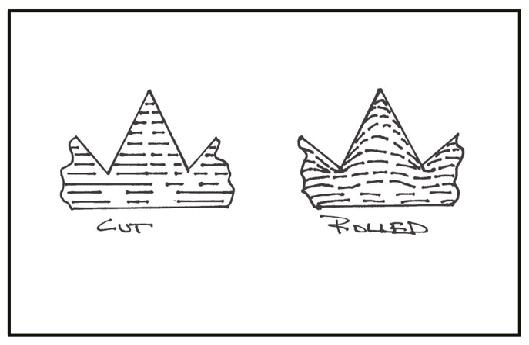
Rolling external threads is feasible on most fasteners when the right equipment and method are used. For very small fasteners (1mm or less in diameter) all the way up to about 25mm (1 inch), thread rolling is the predominant, if not exclusive method of developing the threads. However, once parts start to get larger than 25mm (1 inch), the size of machine and force they have to exert to form the threads begins to exponentially increase and reach a point of diminishing returns where cutting the threads may become more practical. However, since most fasteners produced globally are smaller than this inflection point, it is safe to conclude that most externally threaded fasteners possess rolled threads.
There are three different thread rolling methods; flat die thread rolling, cylindrical die thread rolling, and planetary die thread rolling. Each method has its advantages and disadvantages so that manufacturers, if they have the equipment available, can customize their manufacturing process to employ the best method for each part they make. Of course, although manufacturers have these three methods available to them, it is not uncommon for a manufacturer to only use one or two of the methods. This is largely a function of producing a narrow range of products that favor one method or simply having preferences developed over time.

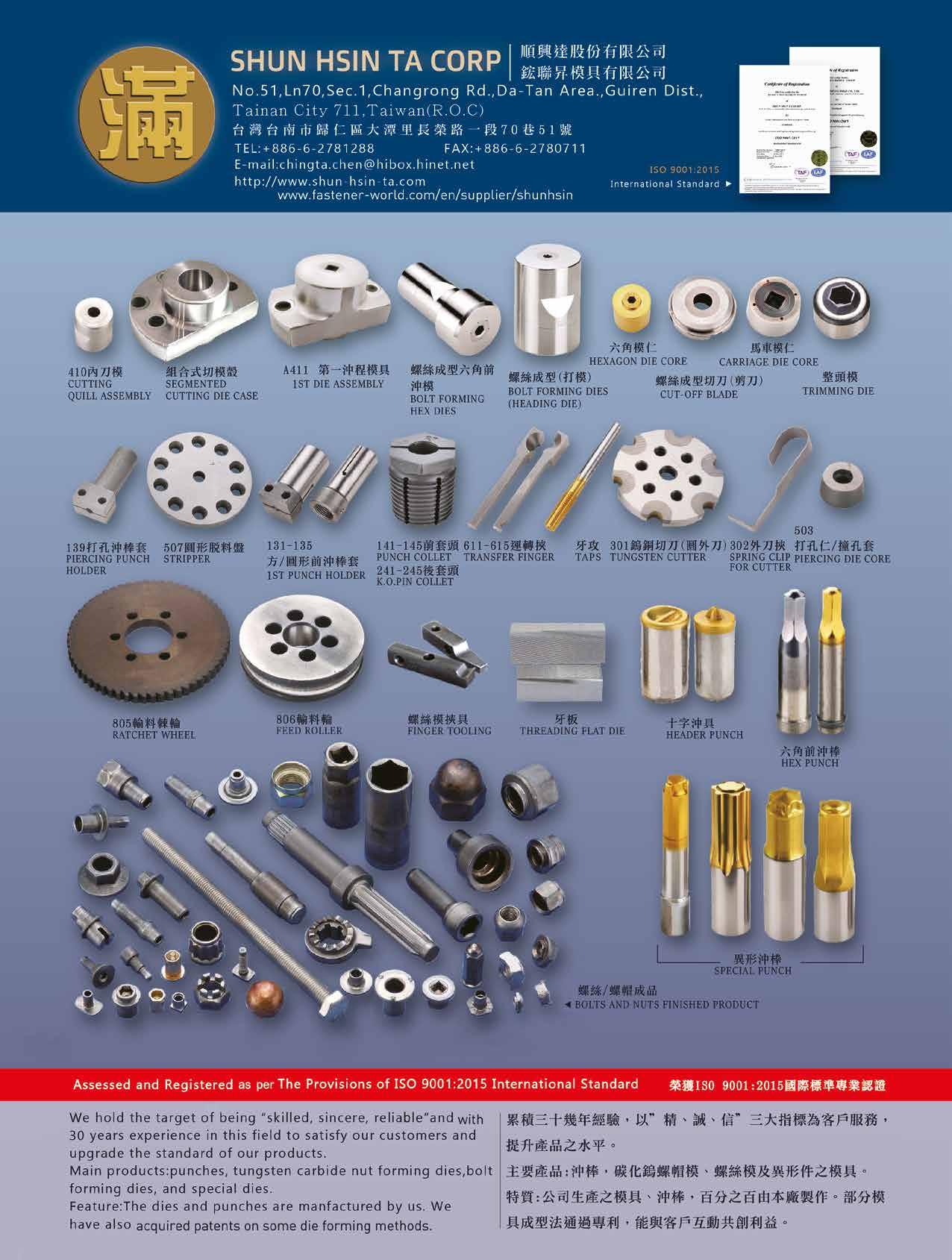


b acquired patents on some die forming methods. with
Of the three methods, Flat Die Thread Rolling is the most predominant. This method works very well for very small parts all the way up to about 20mm (3/4 inch) in diameter. Compared with the other methods, it is relatively easy to set up and maintain. The dies are relatively inexpensive and if the set-up is done properly, the dies will last for a long time. Additionally, often the dies can be purchased with two faces. These are called “Duplex Dies” and can simply be flipped over when one side wears outs, often doubling the lifespan of the roll die.
The operation of a Flat Die Thread Rolling machine is pretty straight forward. Each die comes as a set with one die a little longer than the other. Flats dies are aptly named because they are flat plates of steel or carbide which have parallel grooves with the thread profile ground into the face of the die set at a slight incline to the long sides of the die (See Figure 2). This incline is the helix angle of the thread which is the feature that allows the threads to advance forward or backward. The machine is arranged so that the shorter die is placed in a stationary pocket and the longer die in a pocket on a moving ram. Unthreaded blanks are loaded into a feeder which progressively feeds parts into a rail. Parts slide down the rail until they reach an Escapement. The cycle begins with the ram extending all the way to the back of its stroke. As it begins to come forward, the Escapement opens and a Pusher Finger pushes a single blank into the gap between the stationary die and the leading edge of the moving die that is stroking forward (See Figure 3). If properly inserted and set-up there is pressure exerted on the blank by the two die faces and as the moving die strokes forward, the blank begins to rotate. The pressure being exerted between the die faces causes material to gently flow into the grooves in the die and begin developing the threads. With each rotation more of the thread is developed until it is complete and the part rolls off the trailing edge of the die.
Flat Die rolling allows only one part to be rolled at a time, but the machines cycle at high speeds so that production rates of several hundred parts a minute are commonplace. This method can be used on a wide variety of parts and geometric configurations, and, once again, is the most predominant method used for standard screws and bolts. This method normally requires that a head or collar be on the part to allow for feeding and loading into the die, although special feeding set-ups can be developed
to feed this style of machine with headless (or collarless) products.
This equipment is most often automatically fed and loaded, although it can be hand loaded. Of course, hand loading results in much slower cycle times and less throughput. Although parts are usually threaded before heat treatment, this process works on hardened, heat treated blanks as well. Naturally die life is decreased, but thread rolling after heat treating results in parts that are more resistant to thread nicks and have significantly improved fatigue life.
To reiterate, thread rolling (or roll forming) is a first order function of the number of rotations that can be achieved. The number of rotations thus determines the length of the die and ultimately machine size. Flat Die Rollers are generally categorized by a number that is a multiple of ten. The higher the number, the larger the machine, so that a #10 roller would be used for much smaller parts than a #30 thread roller. In theory, we could keep going up in size to accommodate larger thread diameters, however, in practice few machines get larger than #60. This is most likely a practical acknowledgement that once machines get larger than this they become unwieldy and consume large footprints, so that other methods become more advantageous.
There are two different varieties of Cylindrical Die Thread Rolling. One method uses three dies (See Figure 4) and one method uses two dies (See Figure 5). The three die method is usually reserved for smaller diameter parts and the two die version for larger diameter parts. Considering that thread rolling is a function of part rotation, the advantage of cylindrical die rolling is that, in theory, the process can be designed with an infinite number of rotations. Obviously that would not be practical but the point is clear that with this method one does not have to rely

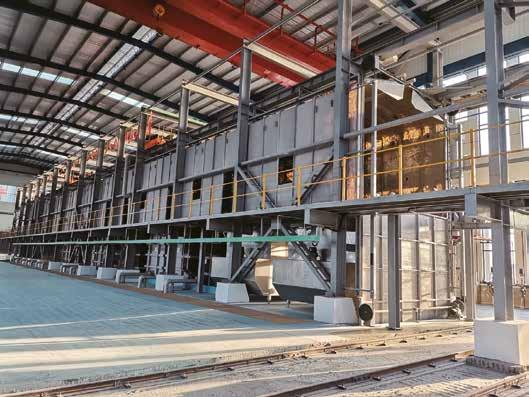
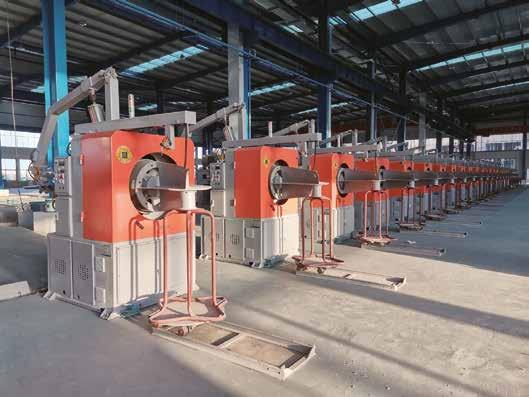
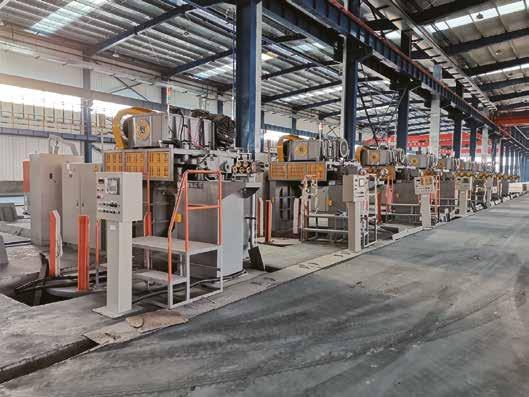
on progressively larger machines to get more rotations, but rather simply turning more revolutions of the cylindrical die.
Cylindrical Die Thread Rolling is often manually fed but can also be adapted for automatic feeding. Whether manually or automatically fed this method is the slowest of the three. The advantages of this method are:
◆ Smaller machine footprint and size - dies can be rotated as many times as needed without running out of die. This is particularly advantageous when rolling large diameter fasteners because this method can accommodate larger sizes without having to consume ever larger machine footprints.
◆ When concentricity or run-out are a concern- the three cylindrical die version places very even pressure on parts so that parts which must stay “straight” can benefit from this method.
◆ Ability to roll hollow parts- parts such as Tube Nuts which have hollow centers and a thread on the exterior surface often benefit from this method as rolling pressure is applied evenly, but, more importantly, can be applied more gently (slowly) so that parts with such hollow features don’t get pressed out-of-shape.
The final thread rolling method, and perhaps the least common, is Planetary Die Thread Rolling. In this method there is a stationary, semi-circular die that surrounds a fully round moving central die (See Figure 6). Parts enter at the leading edge and rotate through the semi-circular die until they roll off the trailing edge. In a similar vein to the cylindrical dies, the semi-circular shape of the stationary die provides more die length to gain additional rotation in a smaller package. These machines take the most amount of expertise to setup, but once set-up they can run long runs without a great deal of additional attention.
◆ Throughput- Unlike either flat die or cylindrical thread rolling which can only produce one part in a stroke, planetary thread rolling is designed to have multiple parts in the die at all times. These machines often can run between 1000 and 2000 parts per minute. Therefore, throughput is high and makes this process especially well-suited to parts or families of similar parts with large volumes where the machine can be dedicated to them.
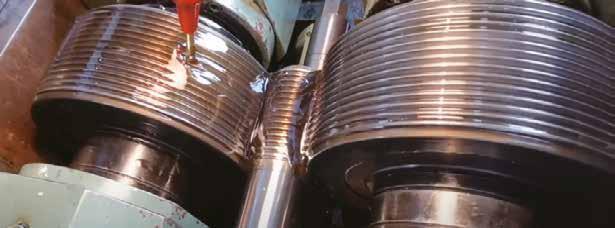
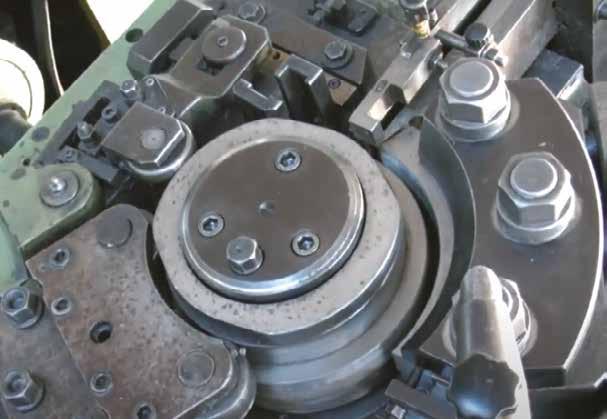
◆ Pressure Settings- Most flat roll dies have limited pressure settings- usually at the leading and trailing edges. Planetary Rollers have pressure settings evenly spaced along the entire semi-circular die length. This gives the set-up operator greater flexibility with how and when pressure is being applied. This feature, for example, makes these rollers nicely suited to the complexities of rolling the thread and groove on parts like Tension Control Bolts.
Thread Rolling is truly an elegant process. Not only is it accomplished at high speeds but it produces a product that is stronger than cut threads. Although most fastener manufacturers either gravitate towards one or two of these methods because their product dictates these choices, each method has its advantages and can be employed with great success to a manufacturer’s needs. Manufacturers need only to educate themselves about these technologies to determine what the best choices for their manufacturing operations will be.

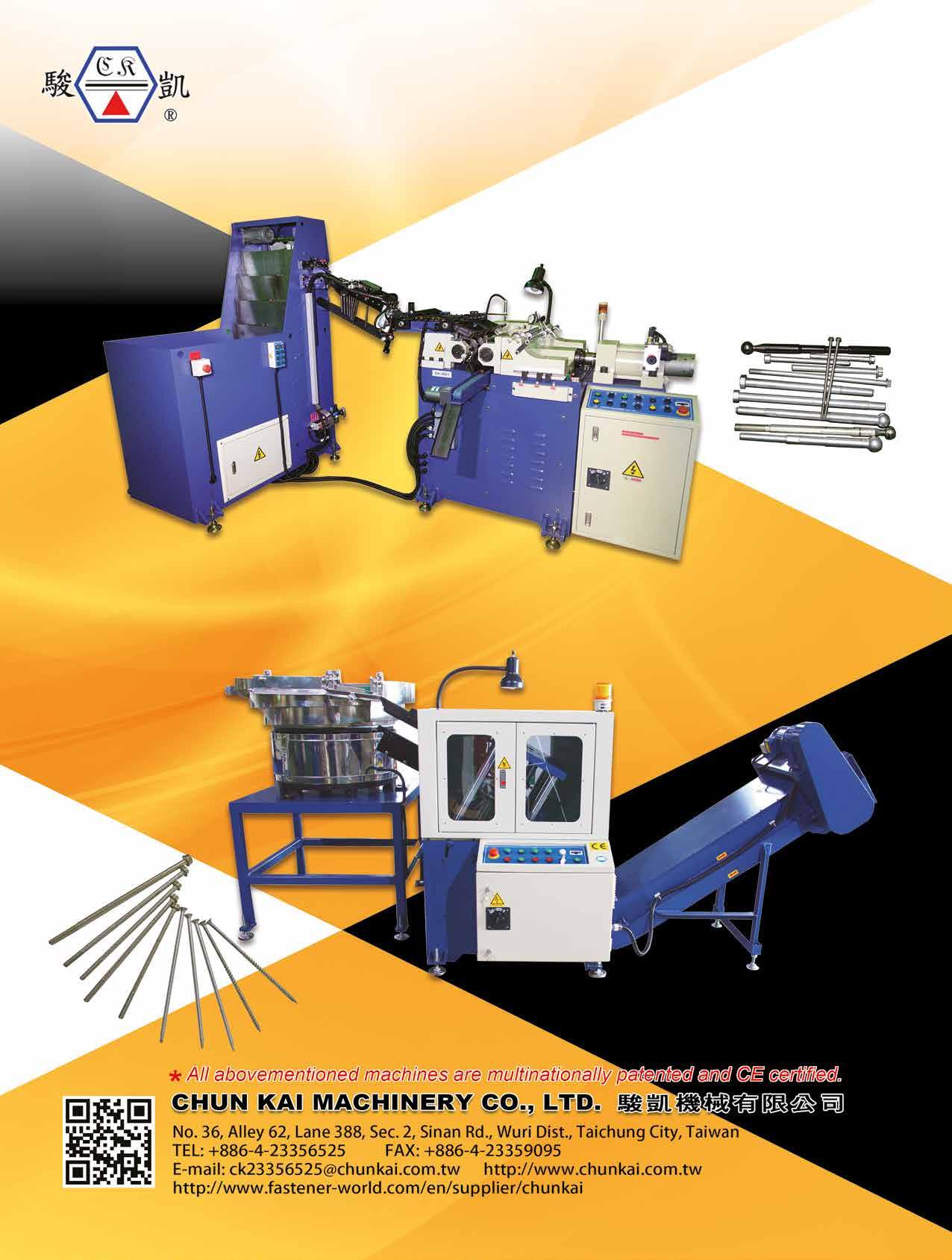


b y Laurence Clau s
One of the delights of being an independent consultant is the wide assortment of people I meet and projects I get to review. Over the last ten years the two problems that I am most commonly approached about include skills development and thread rolling. In fact, I have written many articles in the last ten years and the one that I most frequently have inquiries about years later is related to problems in thread rolling. This is truly a step in the fastener manufacturing process that is ripe for innovation.
Last fall I was introduced to a new technology that, interestingly, addresses both of the problems mentioned above, accelerating thread rolling skills development and providing a way to develop a reproducible thread rolling setup. I was so impressed with this solution that I wanted to dedicate an article into looking at how companies address the thread rolling conundrum. This article will therefore, explore the way that manufacturers approach flat die thread rolling.
Let us rewind briefly to my encounter of this new technology. I was speaking with the inventor, Mr. Ken LeVey, President of Mule Technology LLC of Chicago, Illinois. Mr. LeVey is a long-time member of the fastener industry and holds multiple patents on specialty fasteners and fastener manufacturing methods. For many years he oversaw design and manufacturing engineering in a large fastener manufacturing plant and was always vexed by the challenges experienced by traditional flat die thread rolling processes.
As I discussed this subject with him, he would point out the challenges of traditional flat die thread rolling methods. In particular, Mr. LeVey expressed the inherent inconsistency experienced by manufacturers because of the existing or traditional methods of set-up. In essence, operators are provided a wrench and some shims and expected to get the die oriented and the machine squeezing “just right” to produce the desired threads to specification. It has been done this way for years and, although operators eventually get jobs set-up, more often than not the speed and degree to which they are successful is partly attributed to good luck and partly to their experience.
The problems resulting from this very capricious set-up method include the following:
• It is not repeatable
• It is not measurable
• It is not transferrable
If you have never set up a rolling machine, it may seem pretty simple, but operators that do this every day will tell a different story. First the dies have to be properly aligned in the die space. This is accomplished by strategically placing shims underneath and behind the die to get it located where the operator wants it. Adding or moving the location of these shims creates a new situation with each readjustment. Additionally pressure is regulated by turning Pressure Adjustment Screws one way or the other. This is done by feel with no objective way to regulate precisely how much the screws have been turned. As such, it is impossible, even for the best operator to exactly repeat a previous set-up.
Normally an operator will have a selection of shims and simply place them by trial and error. Even if the thickness of each shim used is tracked, the exact placement and potential overlapping interactions make it impossible to quantify a measureable value. Likewise, since there are no adjustment settings on the Pressure Adjustment Screws to enumerate how much it has been turned clockwise or counterclockwise, and since the Pressure Adjustment Screws do not always apply pressure evenly across the Die, the actual extent of adjustment is unknown and not measurable.
These adjustments are successfully completed as a function of the skill of the individual setting up the machine. Although a seasoned veteran can instruct a pupil in how to perform these functions, it is impossible for them to precisely transfer their knowledge to that individual. In other words, they can say, “turn that adjusting screw a little to the left”, but what does this mean to someone listening and trying to repeat the instruction. What is “a little” to the instructor may be more or less to the pupil.
Therefore, these limitations reveal two significant shortcomings with the current system. First, traditional flat die rolling requires skilled set-up personnel. Each individual learns at a different rate, but it is safe to say that most individuals will not become truly accomplished until after they have been doing the job for a while, perhaps several years. Secondly and directly related to the first, today a universal problem throughout worldwide manufacturing is that older personnel are leaving faster than new, younger personnel can become proficient and replace them. This has become known as the “Skills Gap” and is resulting in many manufacturers placing higher demands on a few key personnel. This leaves them with little margin should those key personnel become unavailable and increases their risk of quality spills due to operator set-up error.
Let us first refresh our understanding of the Flat Die Thread Rolling process. An unthreaded fastener blank is fed between two matched flat rolling dies. One of the dies is shorter and resides in a pocket on the stationary side of the machine while its partner is longer and is located in a pocket in the ram on the moving side of the machine. When the ram is retracted all the way back, a blank is fed into the gap between the dies and the ram strokes forward, grabbing the newly introduced blank and squeezing it between the dies as it rotates. The spacing between and orientation of the dies triggers material to flow into the die grooves developing a little more of the thread with each rotation until it is complete and rolls off the end. As already explained getting all the inputs just right can be tricky and requires skill and expertise.
Unfortunately, with very few available options for improvement, most manufacturers resign themselves to do it the way it has always been done. That means they have a team of individuals, possessing varying degrees of experience to set-up and run the machines to produce an initial part to a print or standard requirement. Experience is passed on exclusively by on-the-job training and often takes several years and many setups to thoroughly develop. Unfortunately, under these conditions, even the “best” operator can have a “bad day” and wrestle with getting a job set-up or producing quality parts. For these reasons, manufacturers may be really handicapped if they experience high turnover or have a younger, less experienced set-up team.
Although this added step to the manufacturing method does not really solve the challenges related to skill or development, gaging does provide a way for operators to better control quality over the course of the manufacturing run. I should mention here that I am not referring to the common practice of gaging parts for first piece approval or regular checks of the major diameter. These practices are common and expected. The gaging I am referring to is variably measuring both the Pitch Diameter and the Functional Pitch Diameter and conducting Statistical Process Control methods on the result. If a thread is “perfect” its Functional Pitch Diameter will be equivalent to its Pitch Diameter. Therefore, if the difference between these two measured values starts to increase beyond an established acceptable value, it is a good sign of the process starting to get out of control. Unfortunately, because of the added time, cost, and operator training required to do this gaging process, few manufacturers do.
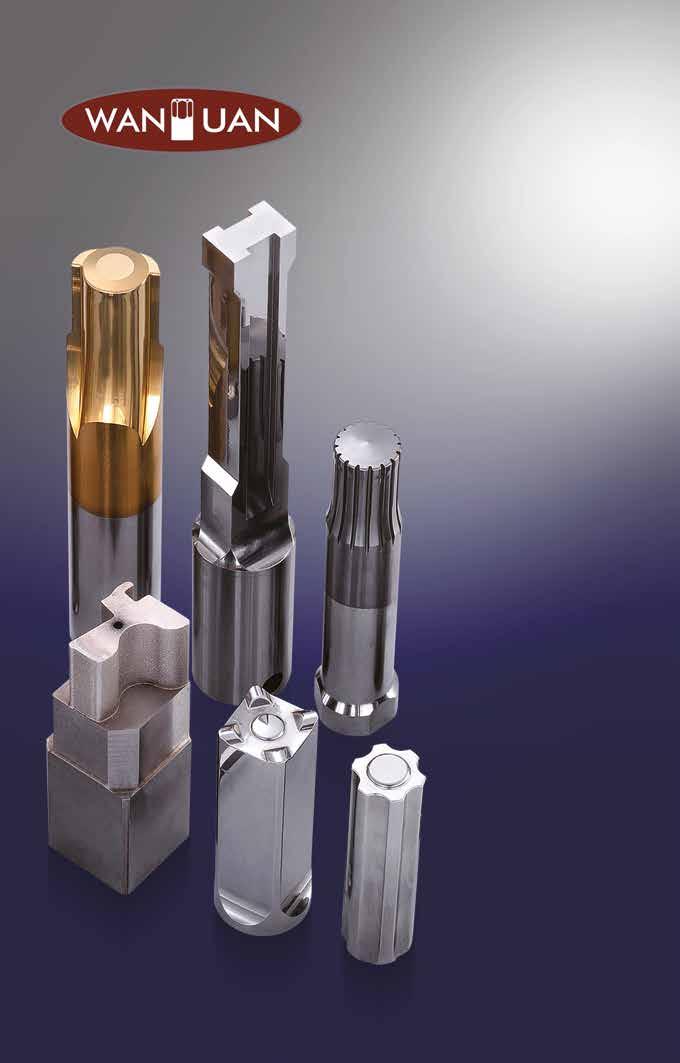

In a similar vein, both initial and on-going monitoring for thread laps is an excellent way of measuring the quality of a set-up. The most common, although not only, reason for thread laps is due to misaligned dies in the set-up. Checking for thread laps is one way to expose a poor set-up. Once again, however, few manufacturers do this check unless required by their customer because of the time and expense to equip themselves to do the test. Sadly, even fewer conduct on-going evaluation for thread laps.
Thirty years ago, a revolution in the cold heading industry was occurring. Manufacturers were beginning to equip heading machines with in-process monitors that could alert an operator when something went wrong in the process. Although it took many years, this same technology has been gaining steam for flat die thread rolling. If properly set-up and used, in-process monitors are an effective method of identifying a part anomaly or potential changes to tools or set-up.
Unfortunately, this powerful technology does not really address the challenges I have spoken of in this article. It will not prevent a bad initial set-up, nor will it accelerate the learning curve of a new rolling operator. In fact, it is another device that the operator must learn how to use properly, and, likely, adds to their already steep learning curve.
At the beginning of this article I mentioned a new technology for flat die thread rolling that I was introduced to late last year. It is the only method I have encountered that creatively addresses the majority of the challenges outlined at the beginning of this article. In fact, it is the only one that provides a reproducible set-up solution.
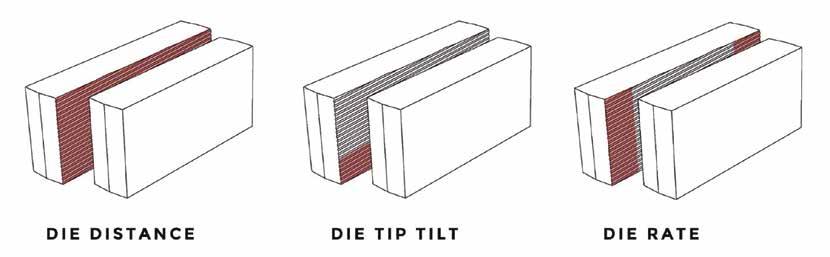
So, how does this technology accomplish this? The cleverness of this solution is that it removes the “guess work” and replaces it with four recordable and repeatable adjustment points. The technology requires a retrofit to the rolling machine. Usually this is just the Stationary Die Pocket but on Hartford machines requires a change to both die pockets. The new die pocket comes with a set of numbered bars and lettered discs which increase in size. By varying the combination of bars and discs one uses to align or fit the die in the pocket, the dies can be precisely oriented to provide different alternative configurations of what the inventor calls Die Distance, Die Tilt, and Die Rate (See Figure 1). These three measures define the pressure pattern applied to the part. The bars and discs are uniquely identified so that experimentation with differing combinations of Bars and Discs can provide the optimum set-up condition. The Bar and Disc combination can be recorded and saved in an accompanying APP to provide what the inventor calls a “Mule Recipe”. Once saved, these can be repeated and used time after time to produce uniform results on future manufacturing runs.
I hope that it is obvious at this point how this technology addresses the problems of repeatability, measurability, and transferability.
• Repeatability: Once a Recipe is established the Bar numbers and Disc letters and their respective positions are recorded. It is simple
for the operator to recreate this combination. Not only is repeatability accomplished, but it is simple enough that even an operator at the beginning of their learning development cycle can recreate a good set-up.
• Measurability: Since the Bars are numbered and the Discs given letter identification, each combination can be precisely measured. This measurability function also comes in handy when preparing a new Recipe, as each change can be recorded in precise, measurable increments. To my knowledge, no other method allows for the quality of the part to be related to a recordable combination of set-up variables. The value in being able to optimize a set-up should not be overlooked or discounted. This is an incredibly powerful tool to any proactive, continuous improvement minded manufacturer.
• Transferability: Once the Recipe is fixed, the information is easily transferred to any individual with a little bit of training or know-how in operating flat die thread rollers. There are no logistics constraints on the Recipe, meaning that a Recipe for the same model machine will work at different sites. This is a nice benefit for multi-site companies that may perform process development engineering in one locale and transfer it to other satellite locations, nearby or far away.
In summary, thread rolling has always posed a vexing problem of sorts, a creative and unique way to efficiently produce external threads, but highly dependent on the set-up with no guarantee of reproducibility from one set-up to the next. Any technology or method which either reduces the dependence of long-term training of an operator or gives the operator tools to make his or her job easier should be interesting to any proactive fastener manufacturer. Not only will adopting such methods potentially address the Skills Gap problem but it will also lead to continuous improvement in part quality and manufacturing efficiency. Adopting such methods provides significant potential to continuous improvement minded companies and may be a means by which they could leap frog their competition. I hope that I can look back in another ten years and see that the thread rolling steps included in manufacturing threaded fasteners has really evolved into a more scientific, uniform, and reproducible process than it is today.
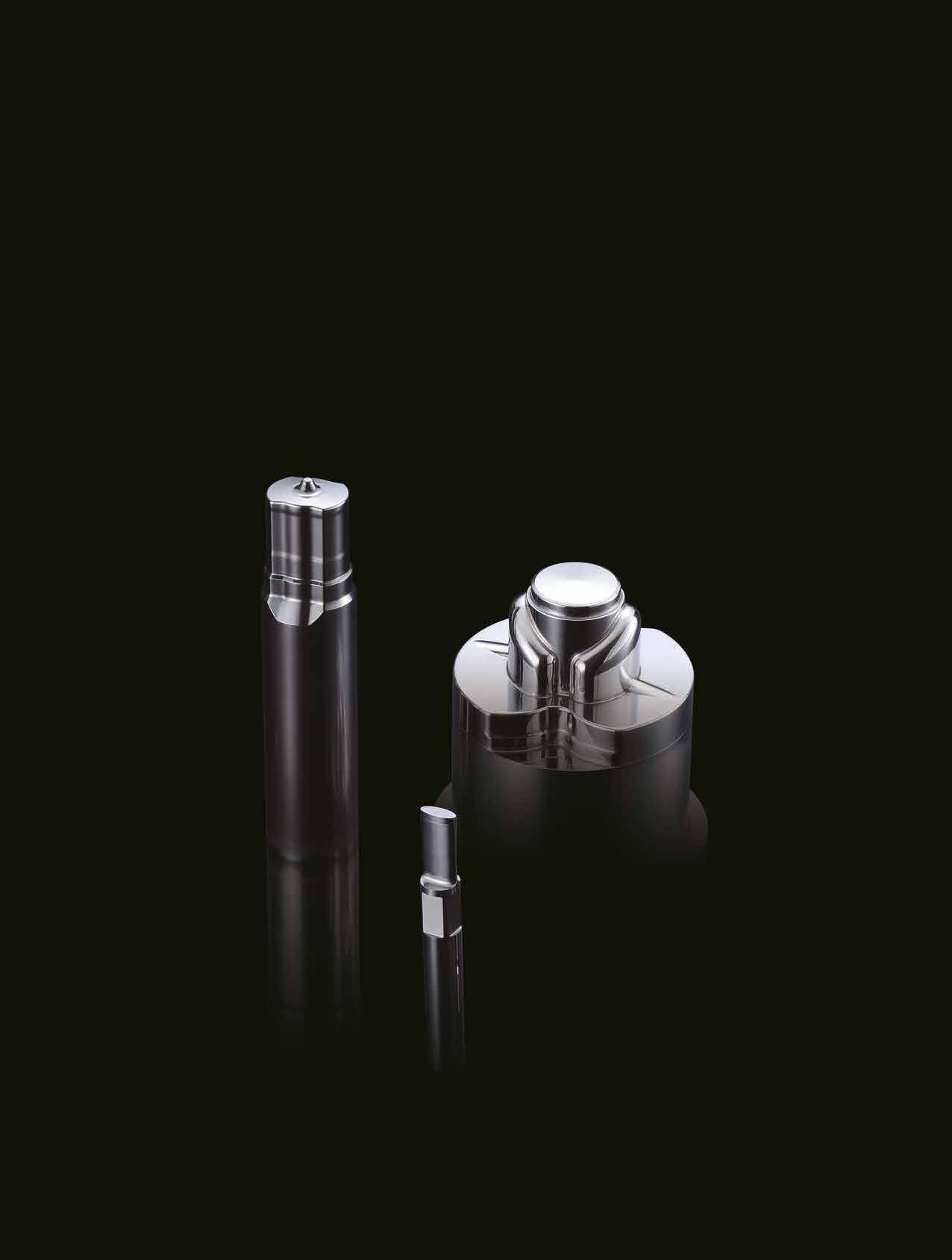
Dr. Toshimichi Fukuoka
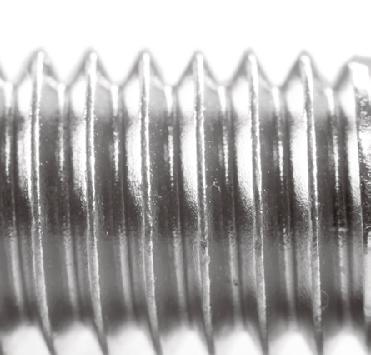
A:
As shown in Figure 1, friction becomes a problem on the pressure flank of the thread surface where male and female threads engage, the nut bearing surface and bolt head bearing surface, and the same goes with the plate interface in a fastened state. On each surface, there exist two coefficients of friction(μ), one being in the circumferential direction, along which the nut is rotated, and the other in the radial direction perpendicular to the former direction. The direction of each coefficient of friction is identified by the subscripts, θ and r. In fastening threads, loosening threads, or in a loosening phenomenon, coefficient of friction in the circumferential direction, μθ, mostly becomes a problem. Therefore, it is the coefficient of friction in the circumferential direction that becomes the problem in fastening threads with a torque wrench. When external load is applied to
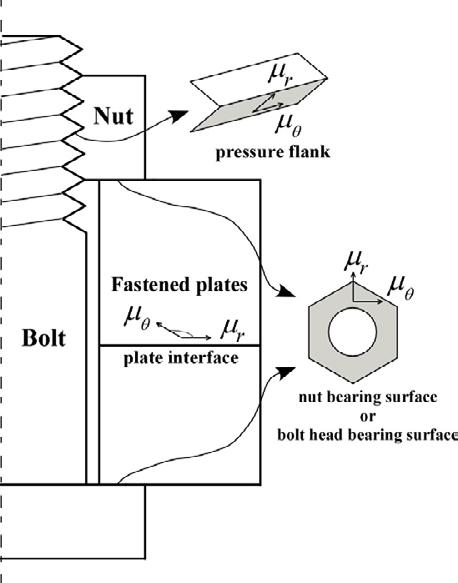
Figure 1
the bolted joint, friction force exerts in the opposite direction against the load on the contact surface. Therefore, we have to consider the effect of coefficient of friction in the direction that the external load exerts. If the applied load exceeds friction force (the product of the force acting normal to the surface and coefficient of friction), slippage occurs and it causes various problems in the bolted joint. To prevent the slippage, coefficient of friction is sometimes intentionally raised by making the surface uneven.
A: When screw threads are fastened using a torque wrench, the rate of wasteful energy consumed as a friction work is increased as the coefficient of friction increases. Small coefficient of friction is desired to reduce the wasteful energy. However, if the coefficient of friction is too small, frictional resistance on the thread surface is reduced, and then it leads to the state where the nut rotates and loosens up by itself, which calls for attention. "Scatter of coefficient of friction" is also important. Focusing on the fastening process, the smaller the coefficient of friction, the smaller the fastening torque required to generate the same axial bolt force. However, the axial bolt force can significantly vary by a minor variation of coefficient of friction. For example, let us compare the cases of the average value of coefficient of friction being 0.2 and 0.1. If the coefficient of friction varies as much as 0.02, the scatter of bolt force is 10% in the former case and 20% in the latter case. The ideal condition for fastening threads is "Regarding coefficient of friction, its absolute value and scatter are both small". However, it is quite difficult to satisfy the two conditions simultaneously. On the other hand, when the bolted joint is in use, large coefficient of friction is desirable so that slippage does not occur.
A:
The following explanation is limited to the fastening process with torque control method. When torque is applied to fasten the nut, coefficients of friction in the circumferential direction on thread surface and nut bearing surface become a problem. Figure 2 shows
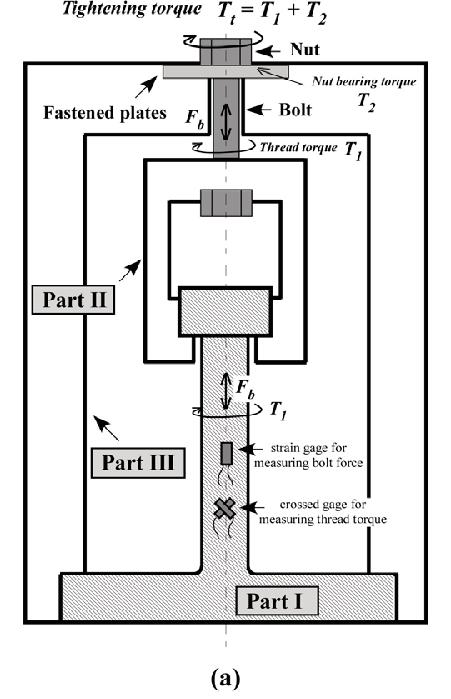
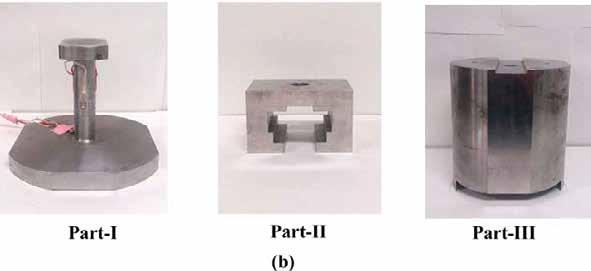
a test equipment which can measure the two coefficients of friction separately. The fastening torque applied to the nut is measured by a torque wrench. Using strain gages and crossed gages installed on the test equipment, axial bolt force and the torque exerted on the threaded portion are measured, from which the coefficients of friction can be calculated. Assuming that the two coefficients of friction are the same value, we can obtain the coefficient of friction just by measuring the fastening torque and axial bolt force. Please refer to author’s book, “Threaded Fasteners for Engineers and Design – Solid Mechanics and Numerical Analysis –”, for more details.
A: In bolted joints which are repeatedly fastened or disassembled for inspection or other purposes, as the conditions of the contact surface may change before and after the operation, coefficient of friction could change more or less. Additionally, coefficient of friction could also vary depending on the fastening methods employed. Let’s consider the case of fastening large screw threads with human power. Depending on how fast the contact surface slips, the value of coefficient of friction could change, i.e., when an operator with sufficient physical strength turns the nut slowly at a constant speed or when an operator with less physical strength fastens up the nut in one go. This phenomenon is one of the reasons for the difference in coefficient of friction between using high-speedfastening impact wrenches and using low-speed-fastening electric/hydraulic/pneumatic wrenches.
Reference:
1 Tosh i m ich i Fu k uoka , "T h readed Fasteners for Engi neers a nd Desig n – Solid Mecha n ics a nd Nu mer ical A nalysis –" , pp 9093, Corona P ublish i ng Co , Ltd (2015)

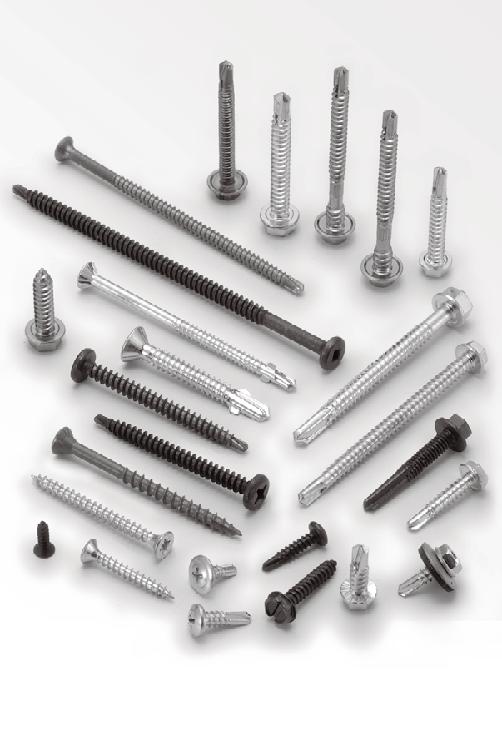
by Dean Tseng, Fastener World

Founded in 1968 in India, Kay Pee Dies is a family business by Asim Jindal (a graduate in industrial engineer and a postgraduate in management) who joined the company in 2001, and his father (a graduate in mechanical engineering from the premier technical institute IIT Kharagpur with 2 years of industrial training in UK and work experience with India Hard Metals, the first tungsten carbide manufacturer in India), as well as his grandfather. They specialize in designing and recommending the correct die specifications for optimal performance.
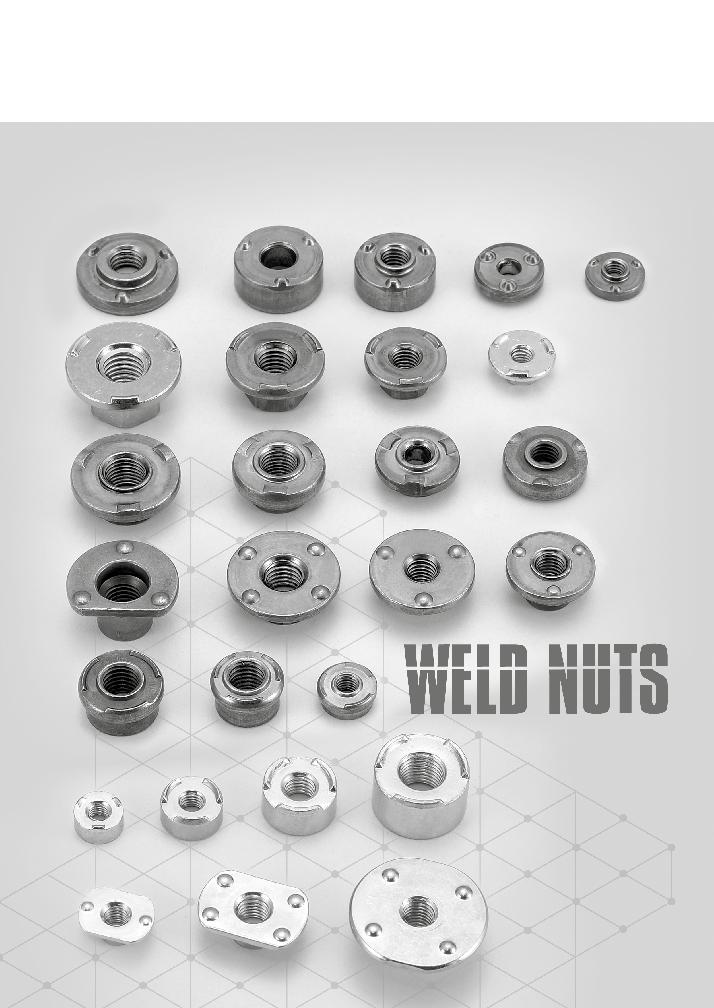
They use the best tungsten carbide to manufacture dies. The profile of die for each order follows users’ parameters and all dies are 100% checked for size and quality. In 2007, Pan Chemicals (an Italian wire lubricant and coating company) was looking for a distributor in India and the sources from India and overseas all pointed this company to Kay Pee Dies as the most suitable candidate. After one year of discussion, Kay Pee Dies started distributing products for Pan Chemicals as the sole sales agent in India as well as all seven SAARC (South Asian Association for Regional Cooperation) countries.
While the COVID crisis is poised as a big threat, Asim noted they have not experienced shortage in orders because they have stood for 50 years with goodwill and most importantly quality that has paid dividends. Their way out of the pandemic siege is to maintain quality and reduce cost and margins.
Their customers spread across India and globally to SAARC countries, Southeast Asia, the Middle East and Africa and the company has recently begun exporting to Italy. Kay Pee Dies is now a trusted and reliable name for tungsten carbide dies, surface treatment chemicals and lubricants for wires, bars, fasteners and related industry products, with customized service available for global customers.
Contact: Mr. Asim Jindal
Email: asim@kaypeedies.com
24/7, Durable, Customizable,
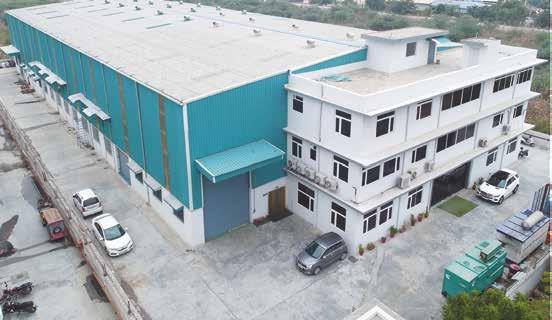
by Dean Tseng, Fastener World

Push-Up started in 1983 in India as a small-scale unit manufacturing carbide dies and trimming dies for the cold forging industry. Later, it added thread-rolling dies to the product portfolio and diversified to cold forging pins and punches, stamping and molding tools. Now, named as Push-Up Tools Udyog Pvt Ltd., it has three production locations in Rohtak, one with a span of 1 acre and the others spanning 1000 sq. m each. Operating 24/7, these plants house 200 employees. Utilized by customers around the globe in various industries, the tools by Push-Up are mostly sold to Europe, USA and the Middle East.
The company provides production as per customers’ drawings and can also customize for provided design as required. “We understand there are various ways of making parts, so we let customers choose the design based on available machinery, manpower skill and raw materials,” said managing director, Nitin Jain. Durable and high quality products are the things to expect from Push-Up because “We have a state-of-the-art QC lab,” said Nitin, “with all the latest technological machinery including fully functional CNC CMMs, highly accurate contour tracers, roughness testers, profile projectors and all kinds of hand tools.”
Nitin said the Covid havoc has taught people to learn various ways of communication to grow and maintain existing business which was earlier never considered workable. Remote online communication has saved business sales and marketing and travel expenses. “All our employees are maintaining complete Covid-19 precautions at work. We have started multi-skill training programs at operator level to ensure work continuity even if some employees are ill.”
Push-Up offers better tool products with increased efficiency at economical costs, accompanied with technical and application assistance with quality dies and most responsive customer service. “We have state-of-the-art machinery, technical people and management information systems. An extensive and sophisticated process control system ensures that quality is built into the product at each step. This eventually leads to completely documented and traceable finished products.”
Contact: Mr. Nitin Jain, Managing Director Email: nitinjain@pushuptools.com
South Korea is one of the biggest players in the fastener molds & dies sector. Its export in 2020 was 1.47 billion USD and the import was 1.77 billion USD. Sout h
its i mpor t i n t h is categor y Its busi ness i
decli ned by 15 5% a nd its i mpor t reduced by 4%
The total trading value between China and South Korea in the molds & dies sector in 2020 was 1.1 billion USD (61% imported from China and 39% exported to China). Their trading value has declined by 2% in comparison with 2019.
The total trading value between Japan and South Korea in 2020 was 797 million USD (65% imported from Japan and 35% exported to Japan). Their trading value has declined by 13% in comparison with 2019.
The total trading value between the U.S. and South Korea in 2020 was 320 million USD (59.5% imported from the U.S. and 40.5% exported to the U.S.). Their trading value has declined by 5% in comparison with 2019.
The quarter-to-quarter change of South Korea’s export became positive in the 3rd quarter of 2020 and it could keep it positive for 3 quarters in a row. Based on this trend, it is predictable that its export value will pass 1.6 billion USD in 2021.
The quarter-to-quarter change of South Korea’s import became positive in the 2nd quarter of 2020 and it could keep it positive for 4 quarters in a row. Based on this trend, it is predictable that its import value will be around 2 billion USD in 2021.
Japan, as the most industrialized country in Asia, imported 1.275 billion USD worth of fastener molds & dies from different countries and the value of its exported molds & dies was about 1.004 billion USD in 2020. Based on these statistics, the value of Japan’s exported fastener molds & dies was 20% lower than its imported fastener molds & dies.
Due to the influences caused by the pandemic, the value of its exported fastener molds & dies decreased by more than 10.5% and the value of its imported fastener molds & dies dropped by 12.1% in comparison with 2019.
The total fastener molds & dies trade value between China and Japan in 2020 reached 1.011 billion USD (72% of this amount was from Japan’s import from China, while 28% of this amount was from Japan’s export to China). Due to the influences of the Covid-19 pandemic and the US-China trade war, this number decreased by 7% in 2020 in comparison with 2019.
The total fastener molds & dies trade value between South Korea and Japan in 2020 reached 355 million USD (28% imported to Japan from Korea and 72% exported from Japan to Korea). The number decreased by 10% in 2020 in comparison with 2019.
The total fastener molds & dies between USA and Japan reached 268 million USD (48% imported to Japan from USA and 52% exported from Japan to USA). The number decreased by 14% in 2020 in comparison with 2019.
The quarter-to-quarter change of Japan’s fastener molds & dies export was negative until the 3rd quarter of 2020 and was negative for 5 quarters in a row. But in the last quarter of 2020 the trend turned positive, and it also kept the positive trend for the 1st quarter of 2021. Based on this trend, it is predictable that the value of its fastener molds & dies export will be around 1.2 billion USD in 2021.
The quarter-to-quarter change of Japan’s fastener molds & dies import in 2020 never turned negative except for the 3rd quarter of 2020. Based on this trend, it is predictable that the value of its fastener molds & dies import will be around 1.4 billion USD in 2021.
Taiwan is one of the major fastener molds & dies suppliers in the world. In 2020 its total import was 297 million USD and the export was about 1.067 billion USD. Based on these statistics, the value of Taiwan’s exported fastener molds & dies was 360% higher than its import.
The value of its exported fastener molds & dies decreased by more than 9% and the value of its imported fastener molds & dies increased by 16.8% in 2020 in comparison with 2019.
The quarter-to-quarter change of Taiwan’s exported fastener molds & dies started to turn negative in 2018. Its export in 2018 was 7% more than 2019. The quarter-to-quarter change of Taiwan’s imported fastener molds & dies started to turn positive in 2018. The import in 2019 was 9.8% higher than in 2018.
USA is the biggest partner of Taiwan in this sector. The total trade value of fastener molds & dies between these two countries was 328.5 million USD (7% of this amount was US export to Taiwan and 93% was Taiwan’s export to the US). The business in 2020 grew 1% in comparison with 2019.
The total business value between China and Taiwan in this case was 262 million USD (43% of this amount was exported from China to Taiwan and 57% of this amount was imported to China from Taiwan. The total fastener molds & dies trade between China and Taiwan decreased by 2% in 2020 in comparison with 2019.
The total fastener molds & dies trade value between Japan and Taiwan was 233.3 million USD in 2020 (73% exported from Taiwan to Japan and 27% imported from Japan to Taiwan). The business between these two countries in this sector declined by 6% in 2020 in comparison with 2019.
The quarter-to-quarter change of Taiwan’s fastener molds & dies export became positive in the 3rd quarter of 2020 and it could keep it positive for 3 quarters in a row. Based on this trend, it is predictable that the export value of Taiwan’s fastener molds & dies will be around 1.2 billion USD in 2021.
The quarter-to-quarter change of Taiwan’s fastener molds & dies import never turned negative except for the 1st quarter of each year. Based on this trend, it is predictable that the import value of Taiwan’s fastener molds & dies will pass 300 million USD in 2021.
As the Ferodom's theorem goes: The screw threaded connection is not a soulless monster, but a living organism with its own life. Only those who know and respect this life can count on a reward in the form of reliability and safety. Otherwise, it can cruelly avenge!
Of course, this requires a thorough knowledge of the properties and work of screw connections in operating. The most common cause of accidents of machines, steel structures and vehicles are namely not unpredictable external influences, but rather unforeseen standard behavior of screw joints. And wherefore? From my own many years of experience, I know that designers are not always sufficiently theoretically prepared. But superficial information about screws is not enough. They can even be the cause for major disasters. Examples from practice are available.
by Jozef D ominik
There's not so little and most importantly it cannot be read from the catalog and not at all from the warehouse tours. A screw connection is such a complicated structural element that it requires special study and practical experiences. Let the reader consider himself. These are the basic criteria for safe construction:
1 Conditions u nder wh ich t he f ut u re st r uct u ral u n it will operate
2 Mecha n ical proper ties of steel
3 Behavior of screw con nections du r i ng assembly a nd operation
4 Moder n met hods of lock i ng screw con nections offered by t he cu r rent ma rket
5 Tighten i ng tool proper ties
6 T he a mou nt of f r iction on t he cont act su r faces
Of course, the available media space does not allow for a detailed elaboration of this extensive issue. Therefore, only the most frequently neglected factors are listed here:
It means mainly influence of environmental aggressiveness. Fig. 1 shows a case of incorrect choice of Cr - Ni stainless steel in a chlorine vapor environment. Due to such a fatal mistake, the ceiling of the covered swimming pool collapsed.
It is not uncommon for a designer to mistakenly believe that a priori stainless steel is a panacea for corrosion. Corrosion itself is a complex system that can only be controlled by knowing its laws. Panacea does not exist.

The most commonly used steels for the production of bolts and nuts are shown in Table 1. Here, it is important that the same bolt strengths are used, especially for flange joints, and the nut should be at least the same strength as the bolt. If the nut has a lower strength than the screw with which it is paired with, there is a risk of the nut thread being torn off (Fig. 2).
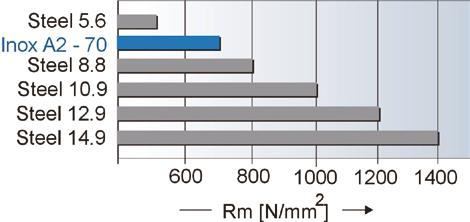

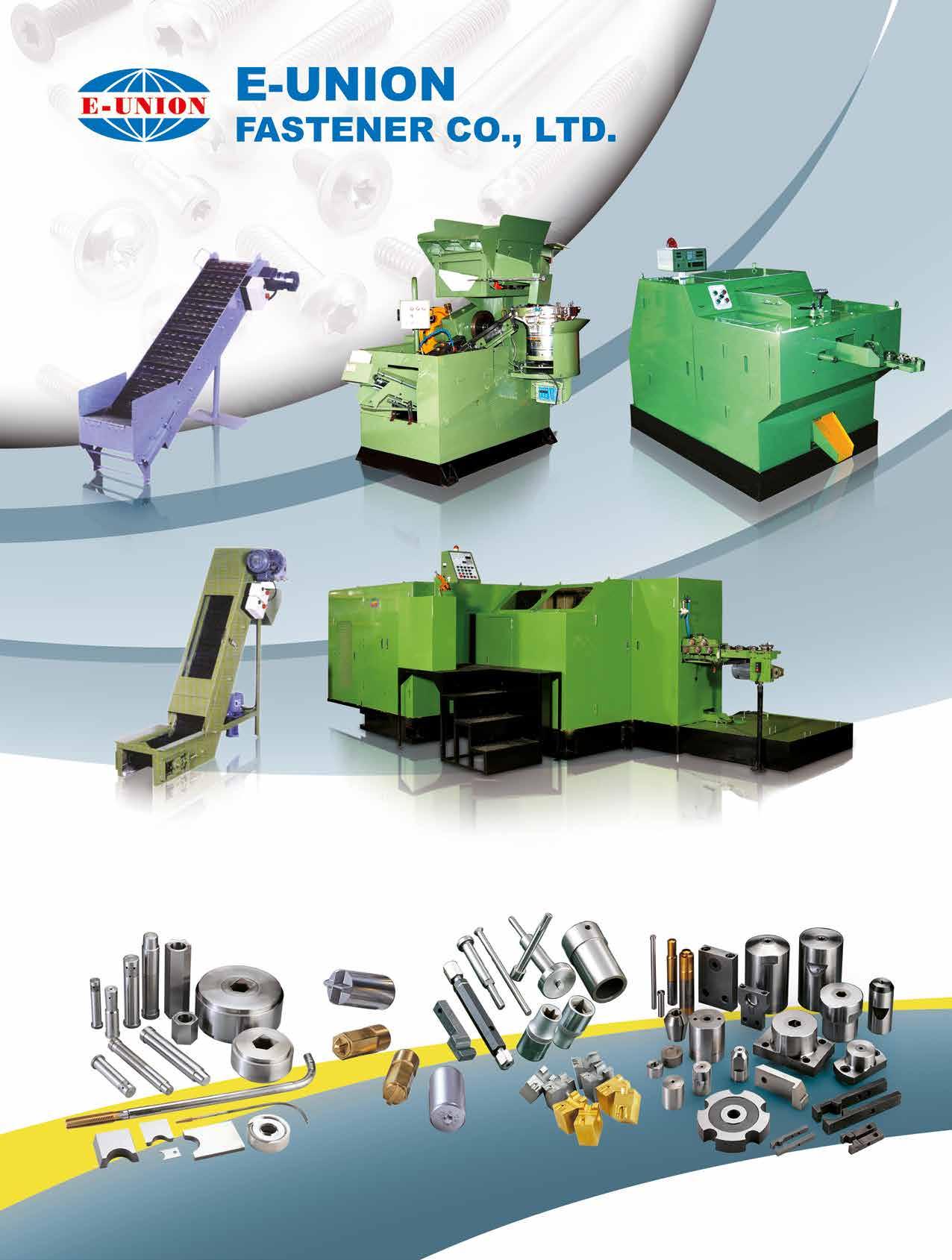







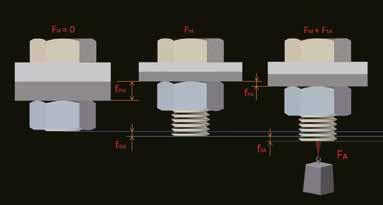
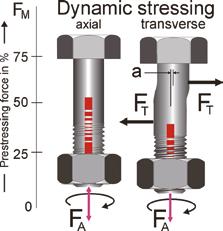
Another important factor - behavior of screw connections during assembly and operation - is shown in Fig. 3. This figure clearly shows what happens after the application of the FM montage pre-stressing force and the additional axial operating force FA.
A more complex situation occurs with dynamic stress, when there is latent danger of structural collapse due to loosening of nuts (Fig. 4) or due to material fatigue (Fig. 5). In this case, the screw must be properly secured externally.
The current market offers a wide range of screw connection protection systems. It is important to choose the right type. The author has published several articles on this topic in various journals, including Fastener World. It is important to remember here that just as there is no corrosion panacea, there is no universal method of locking screw connections. This also applies to the still used obsolete and ineffective combination in Fig. 6
Tightening screw connections is one of the most important technological operations. The tightening accuracy is characterized by the so-called alpha factor α F:
αF = Fma x / Fmi n
The closer the value of α F is to 1, the more accurate the tightening (Fig. 7). One of the most accurate methods is hydraulic tightening with value α F ≈ 1 (Fig. 8). Manual tightening is the least accurate (αF ≈ 4)
Like tightening accuracy, friction on contact surfaces is important too (Fig. 7)
Only about 20% of the assembly energy is used to produce the pre-stressing force. The rest is used to overcome of friction on the contact surfaces (Fig. 9). At an applied torque of 650 Nm, the new bolts and nuts are tightened more to double the pre-stressing force of rusty ones.
This is only a minimal example of the extensive issue of mechanical screw connection. The role of this article is to arouse students' and young engineers' interest in studying this science with interdisciplinary character. A cursory glance will convince us that such scientific disciplines as the science of metals, classical construction and the finite element method, tribology, fracture mechanics, etc. will be applied here. Because the production of fasteners has a series of character, modern methods of production planning and control are applied here. We must not forget about logistics either. Numerous logistics centers are currently being built, located as close as possible to customers.
The consumption of fasteners in the world is enormous. It is all the more necessary that as many experts as possible address this topic. Unfortunately, experience shows that the number of young relevant educated engineers is declining. Why? Maybe we'll talk about the causes at the next opportunity.