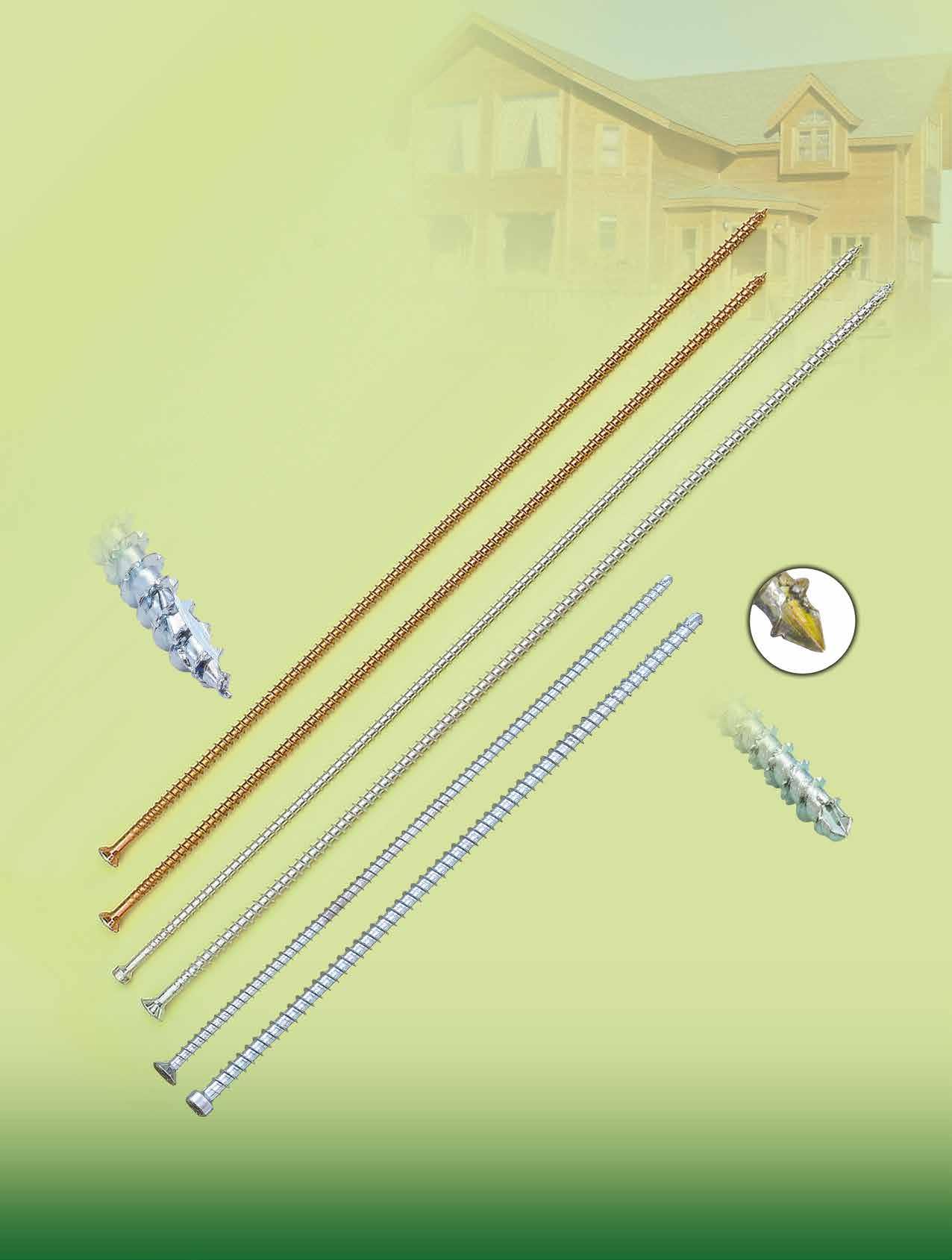
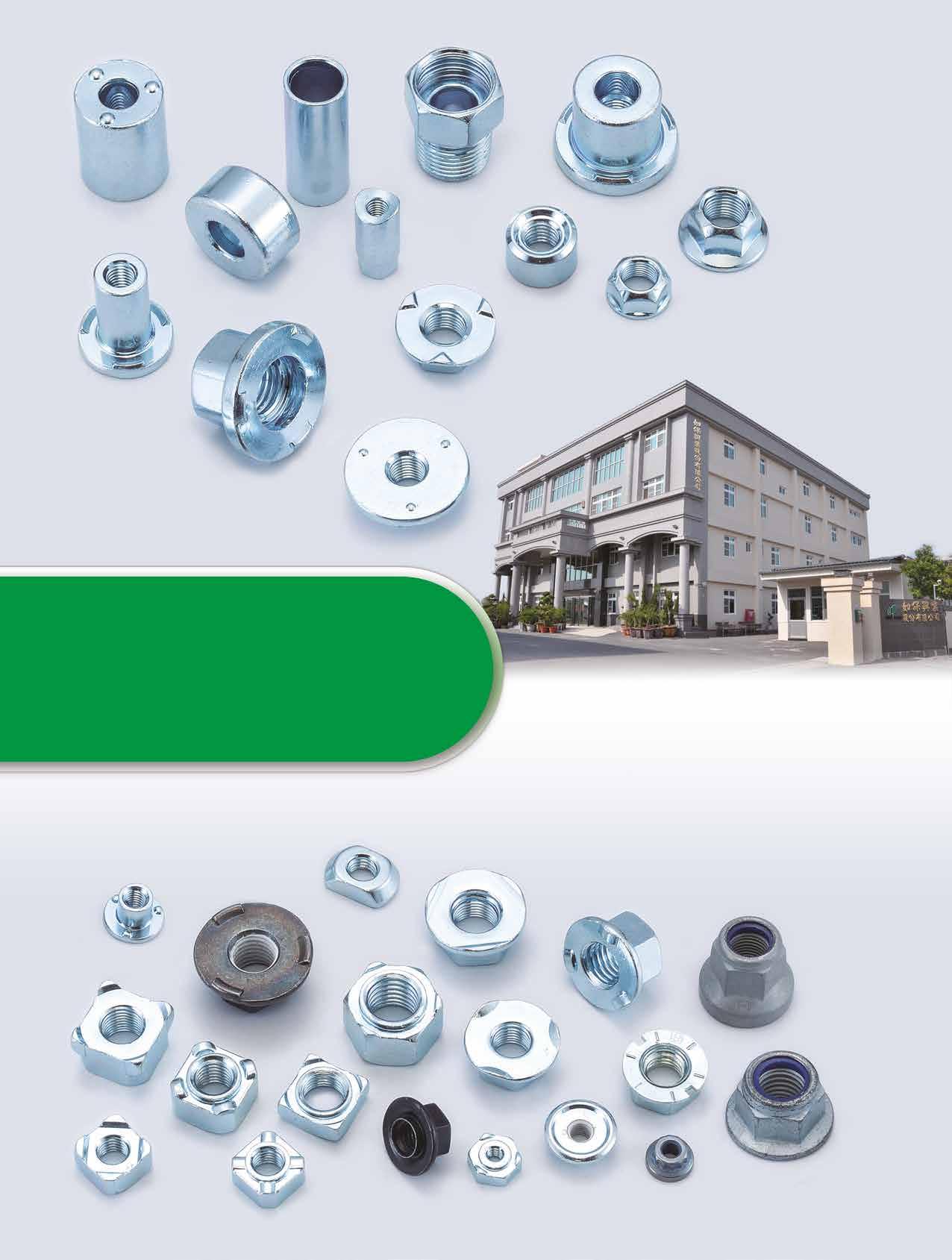
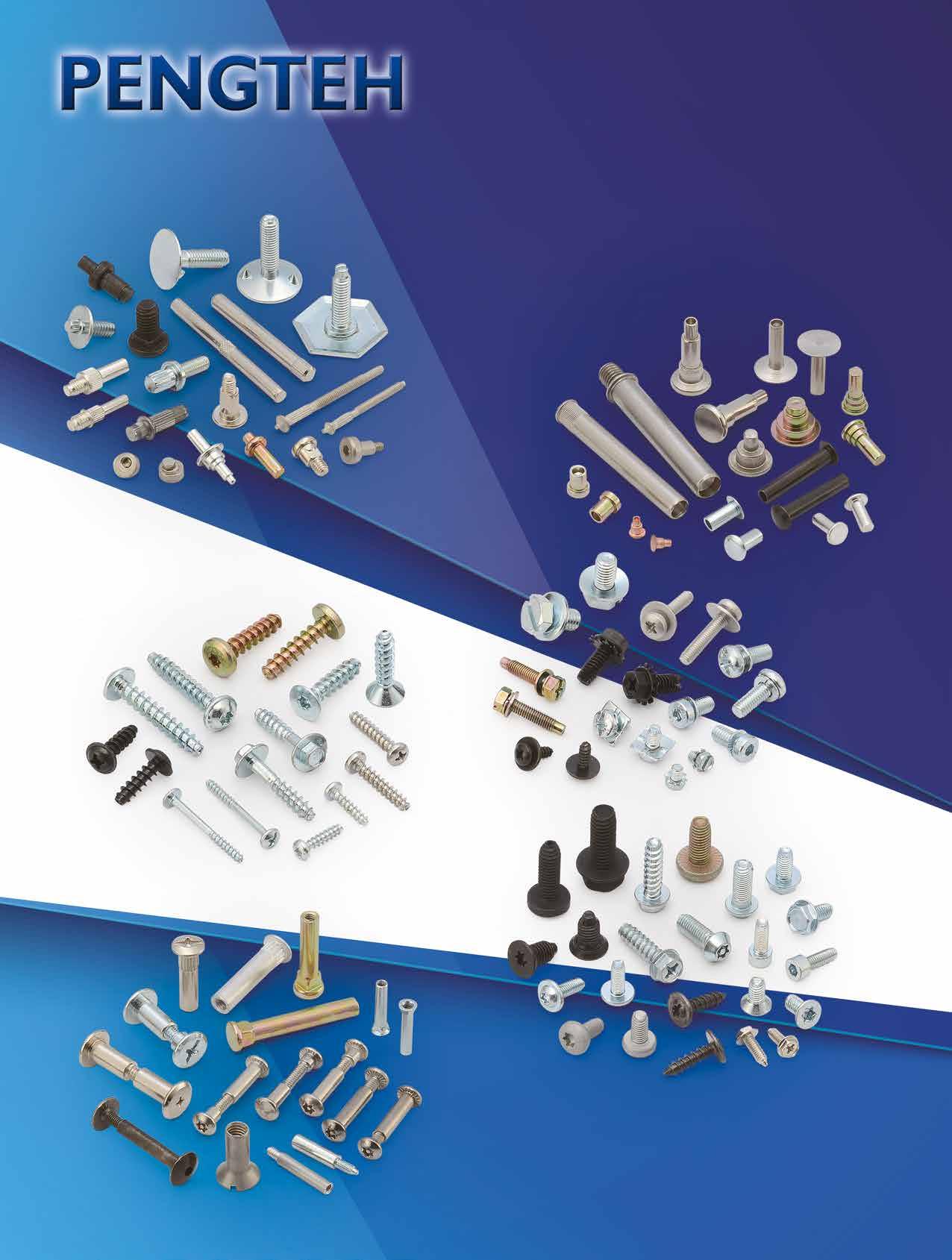
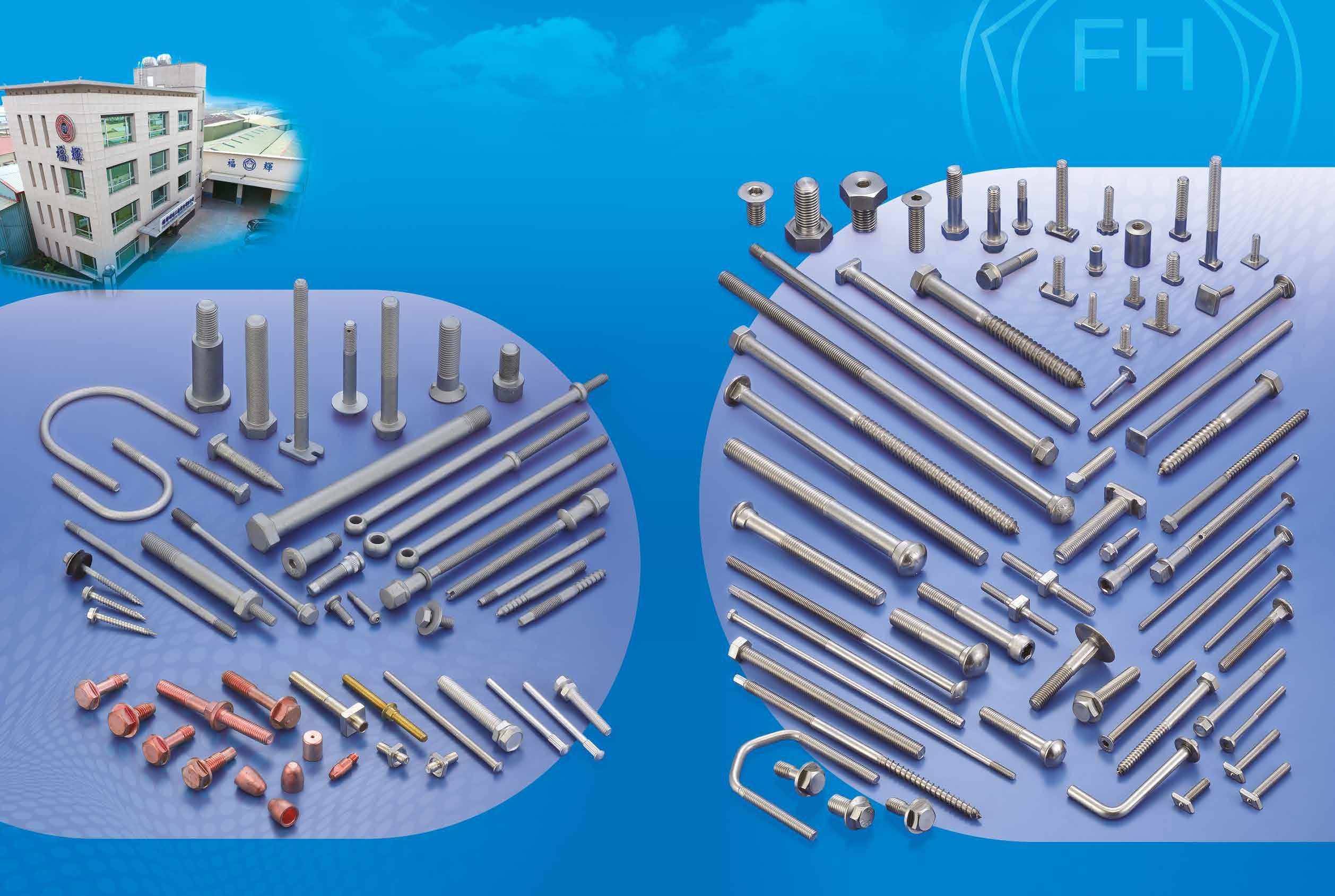
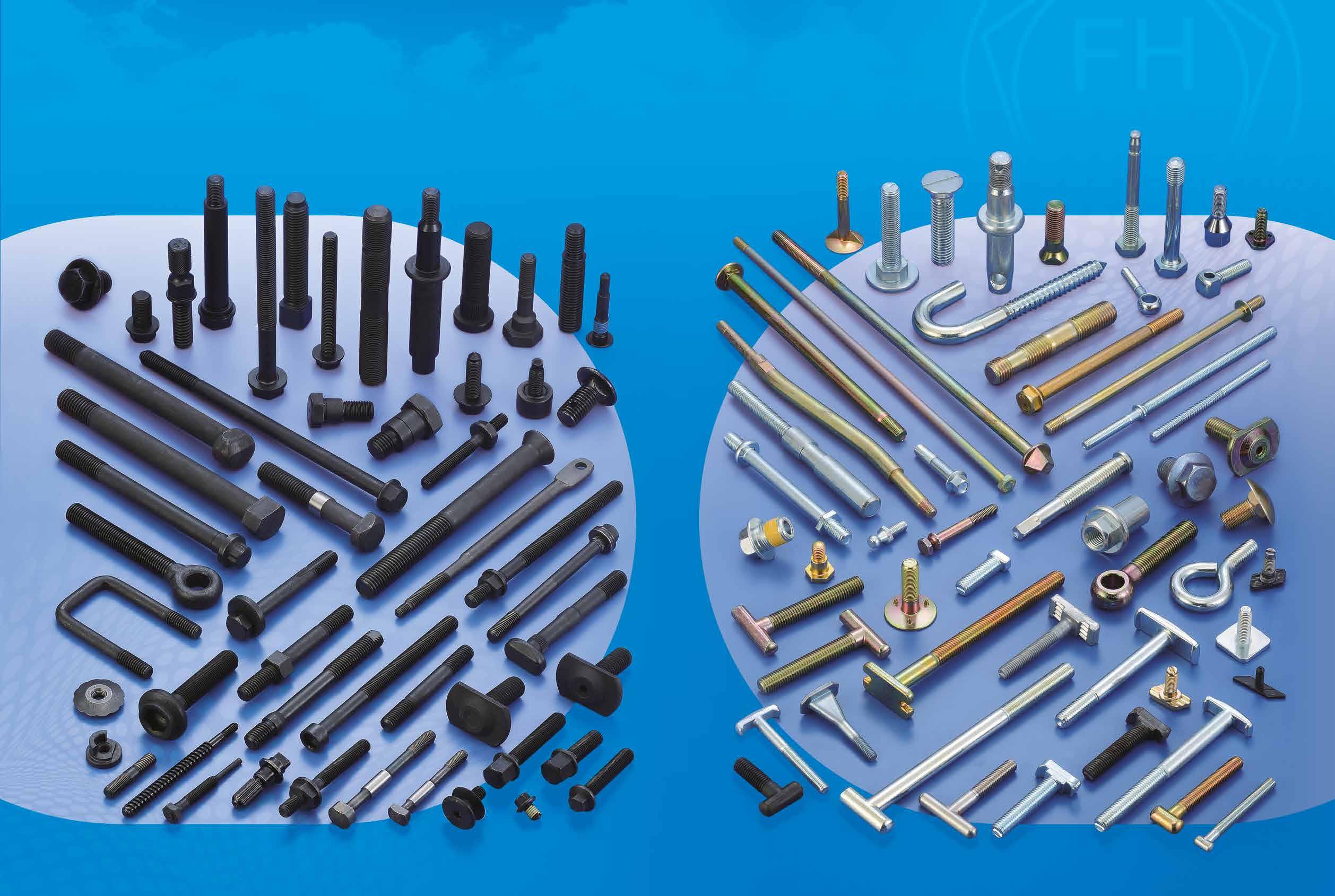
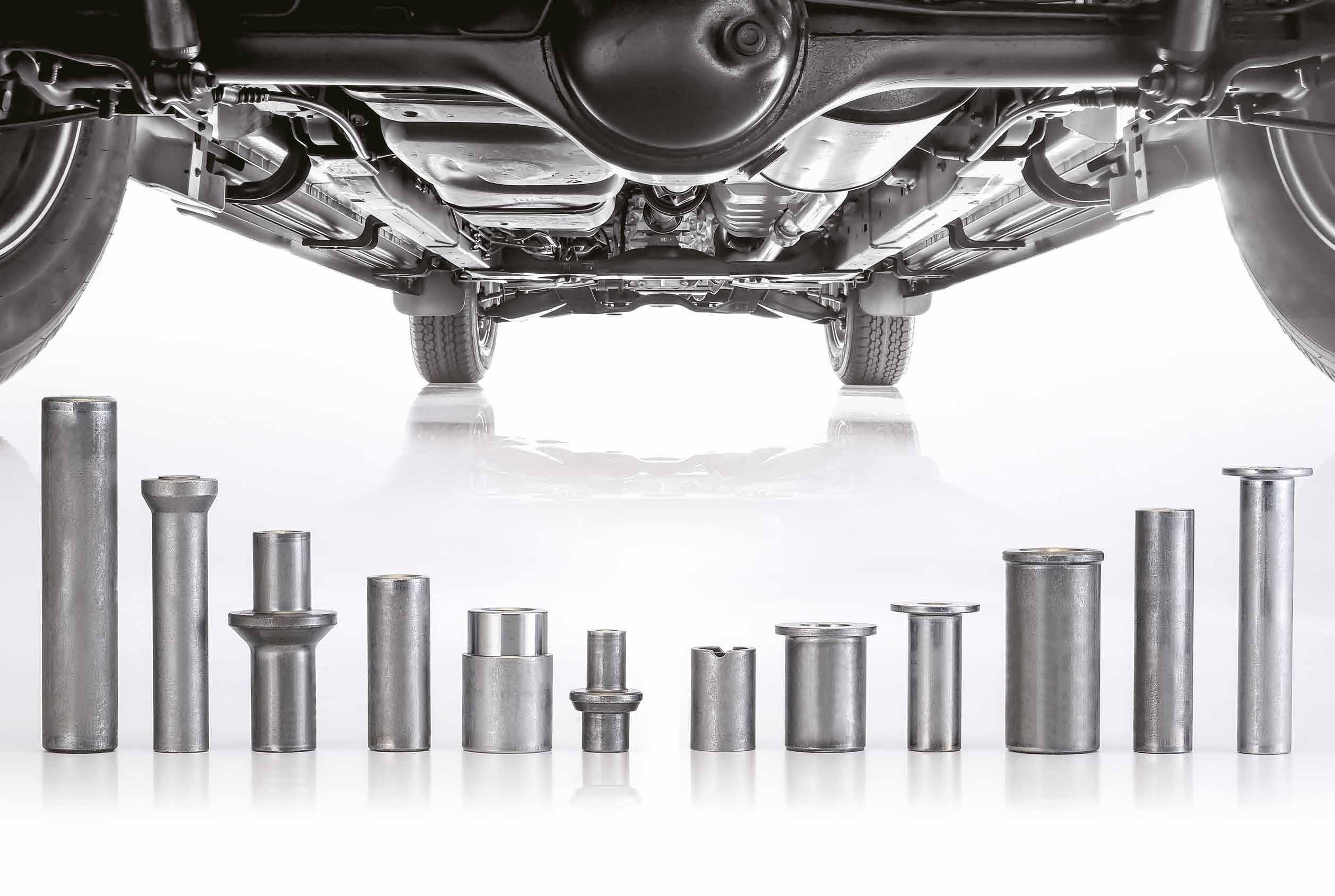
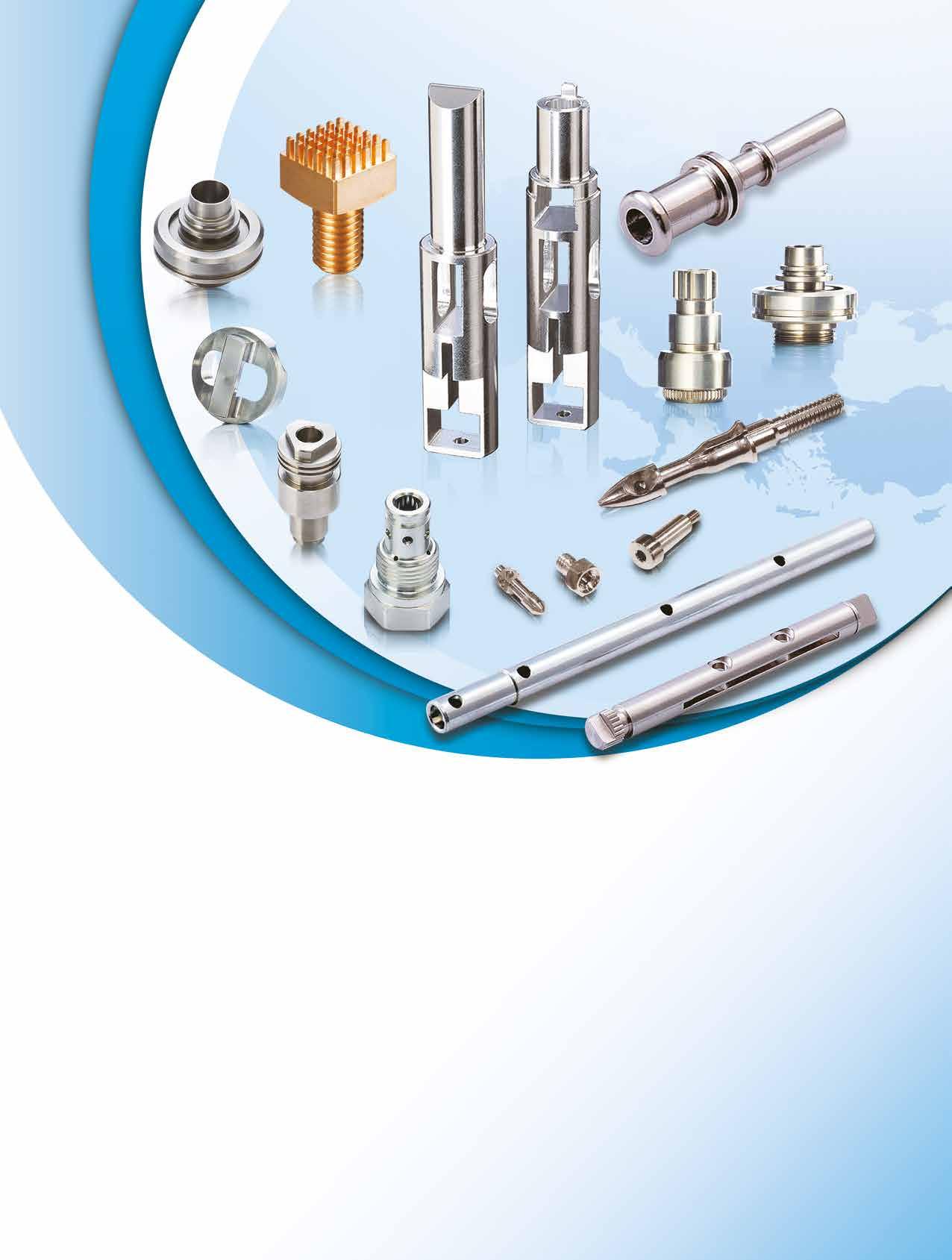
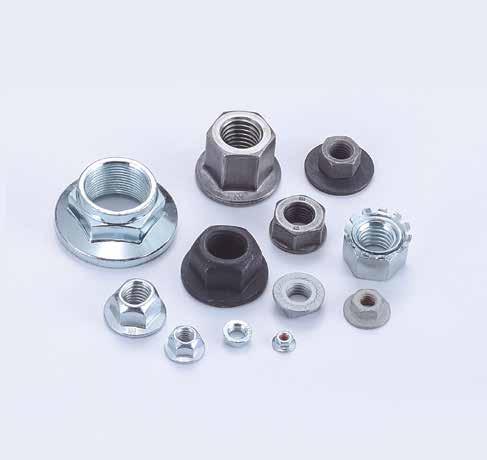
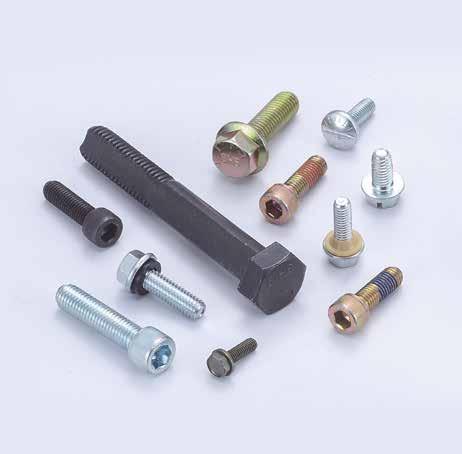
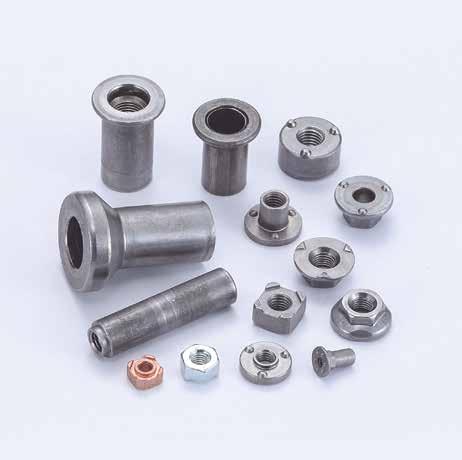
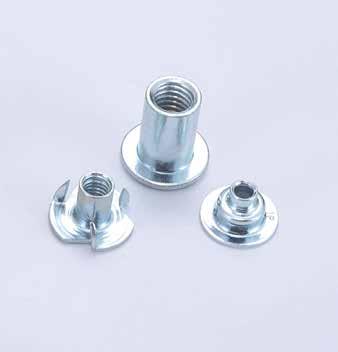
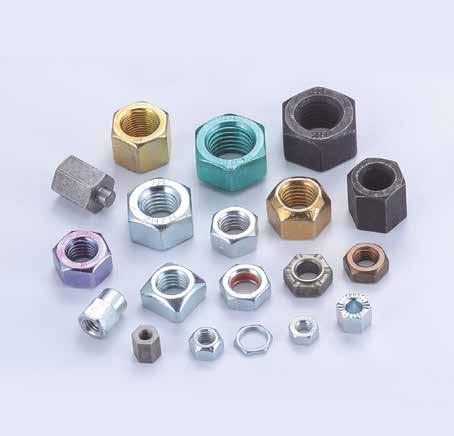
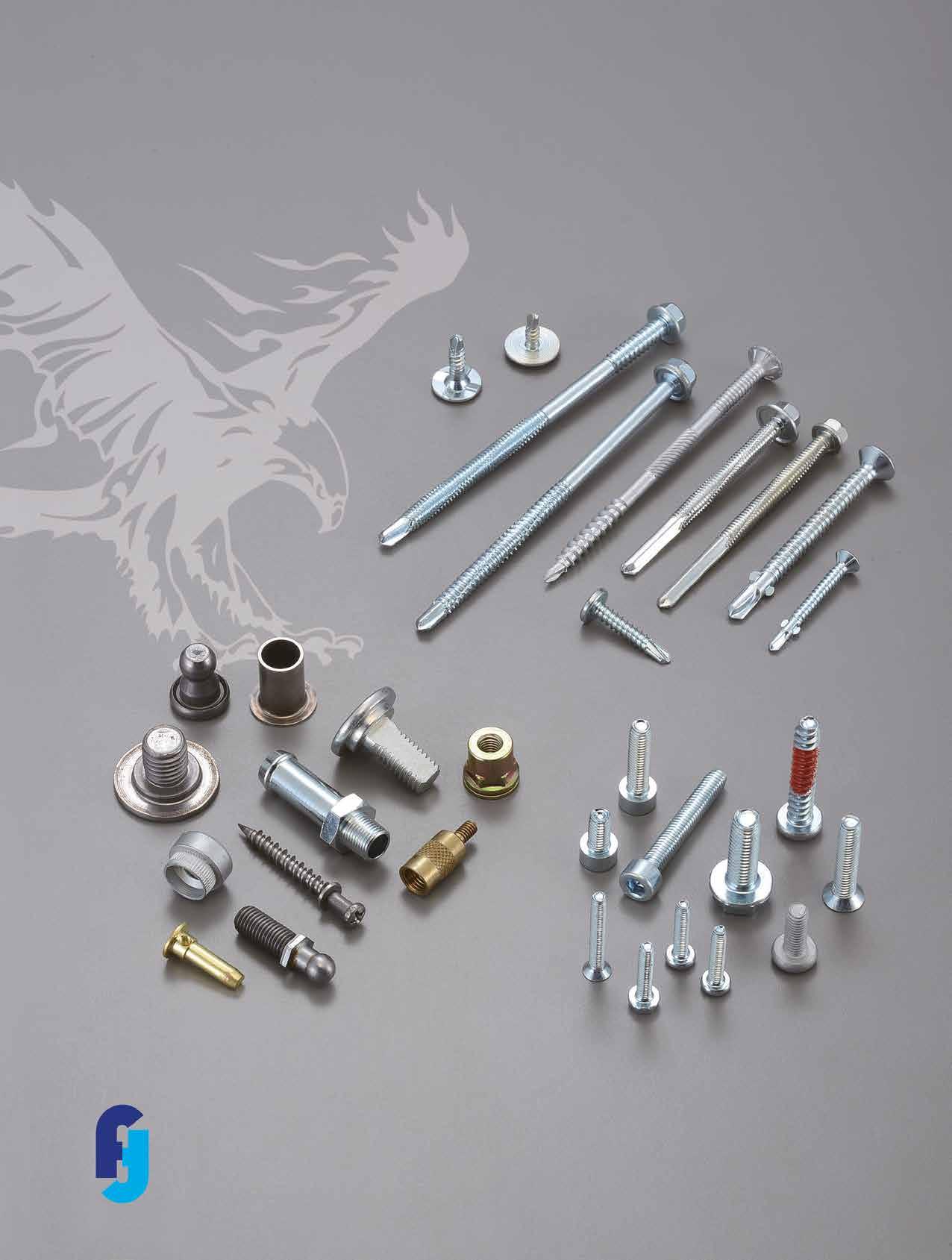
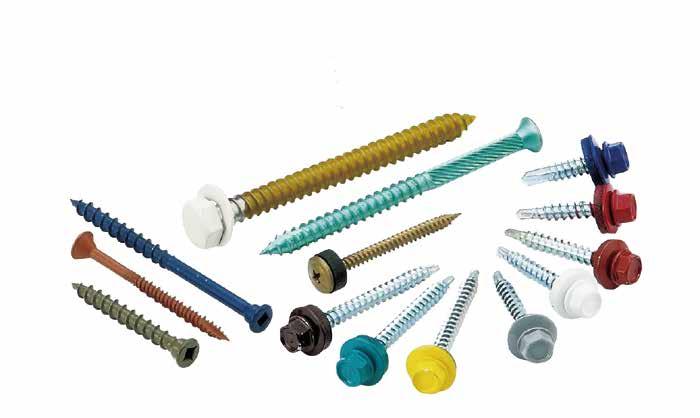
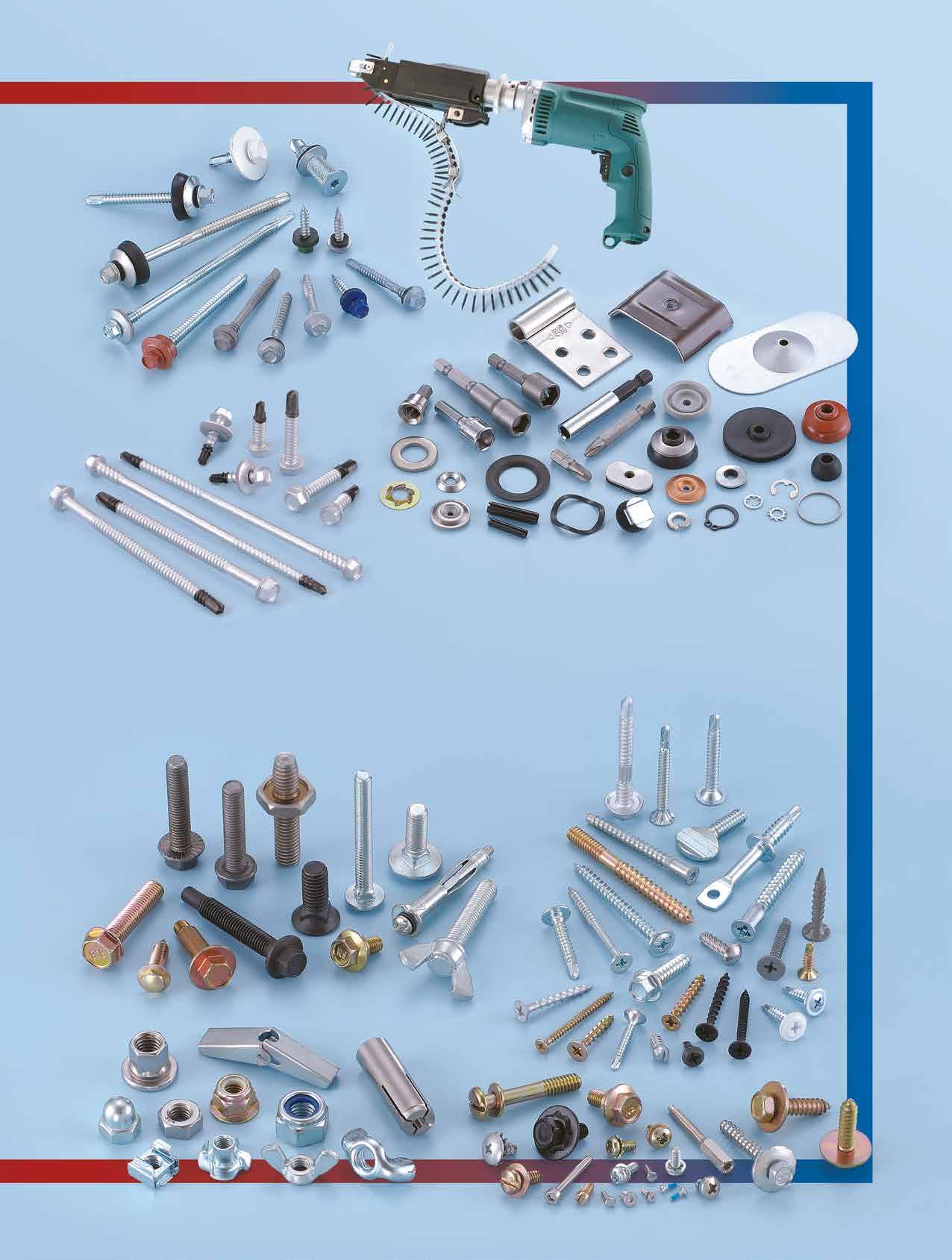
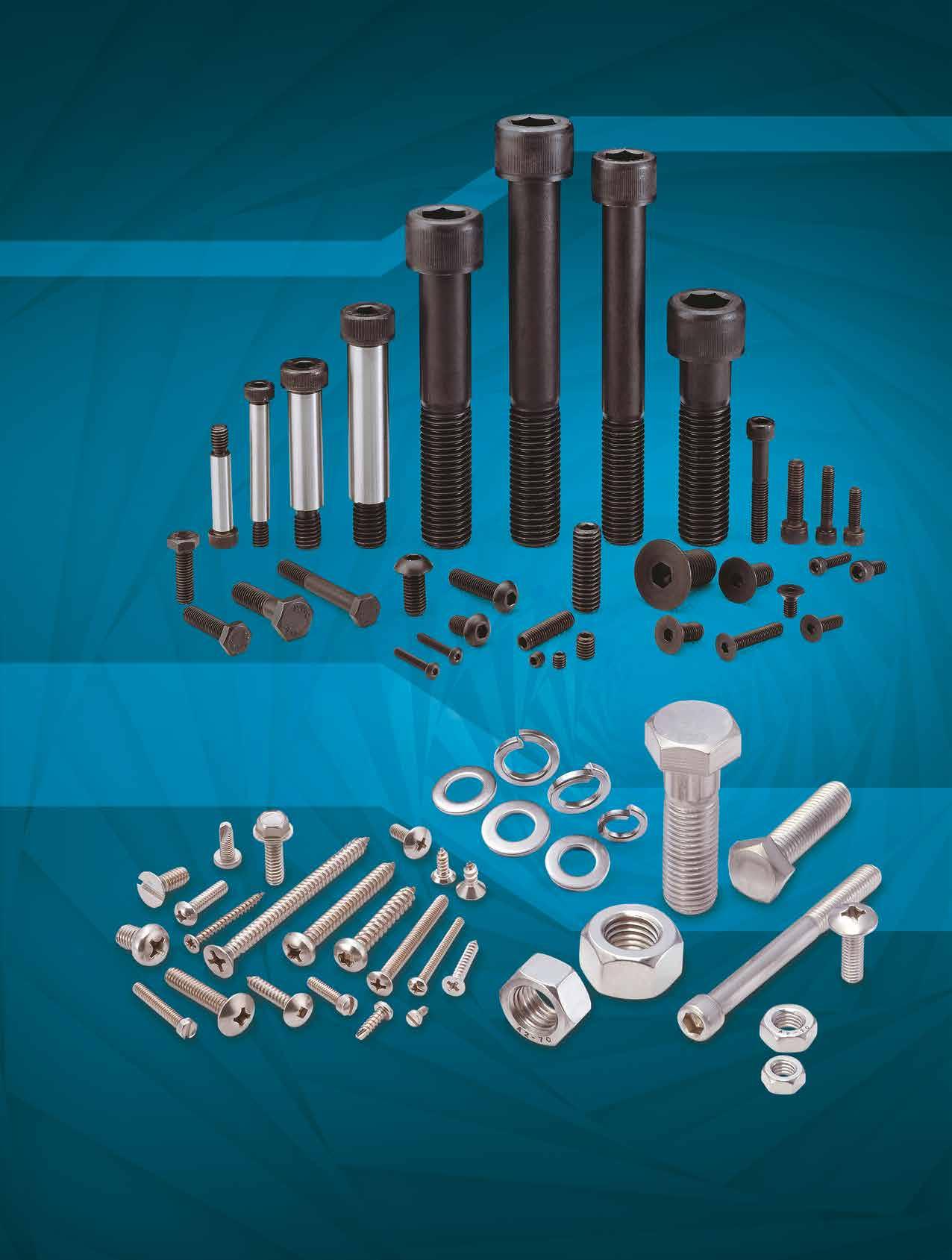
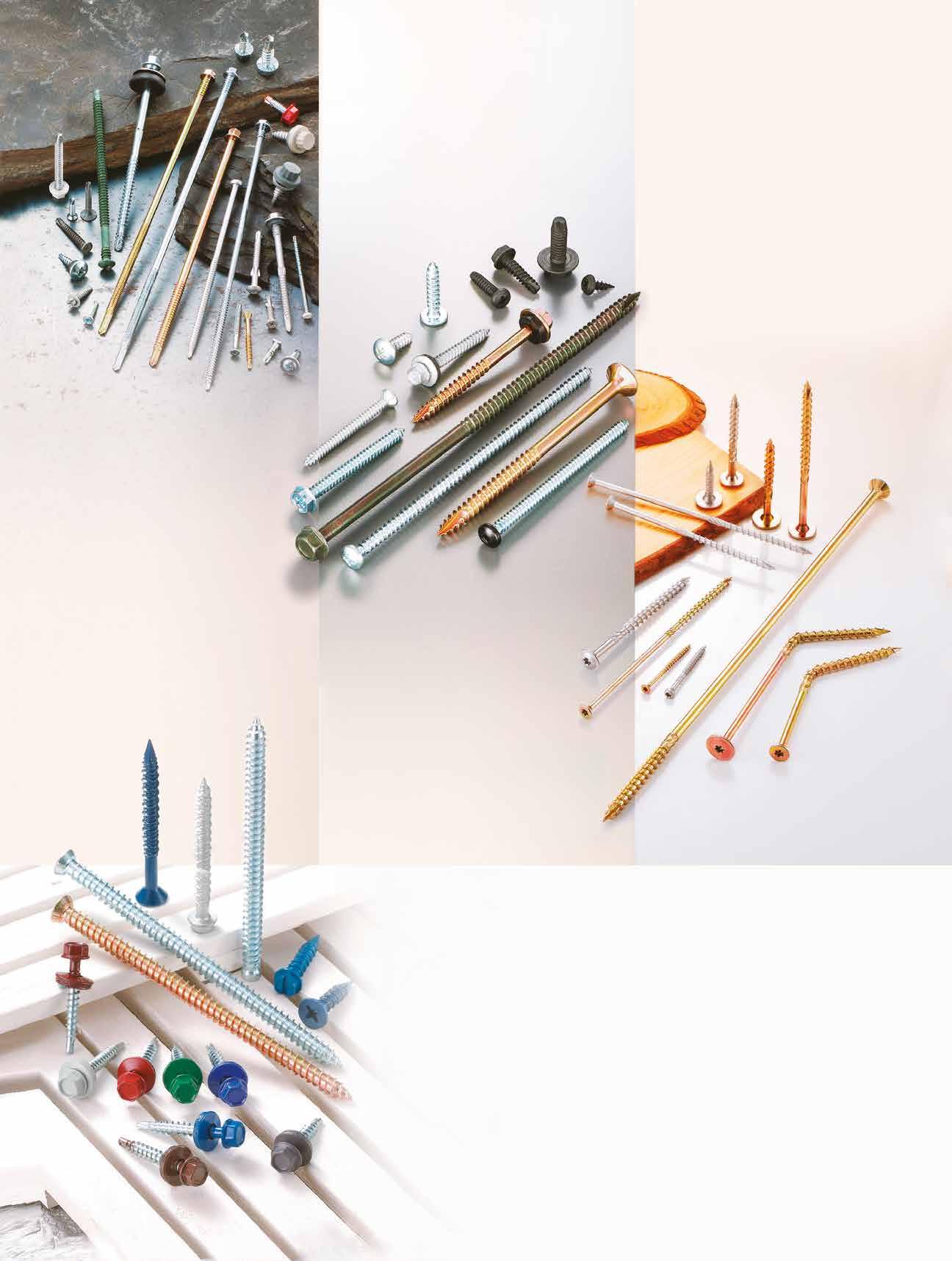
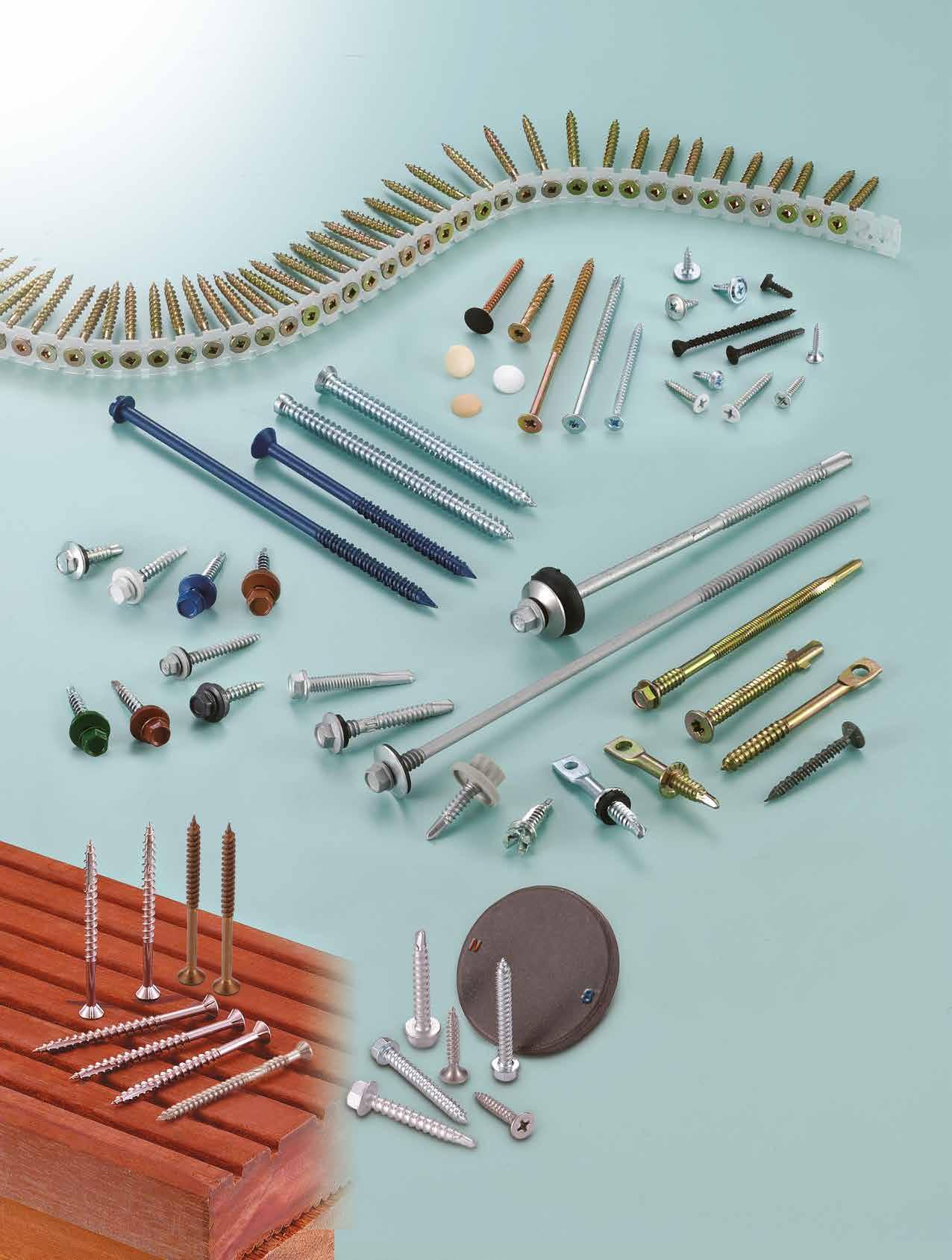
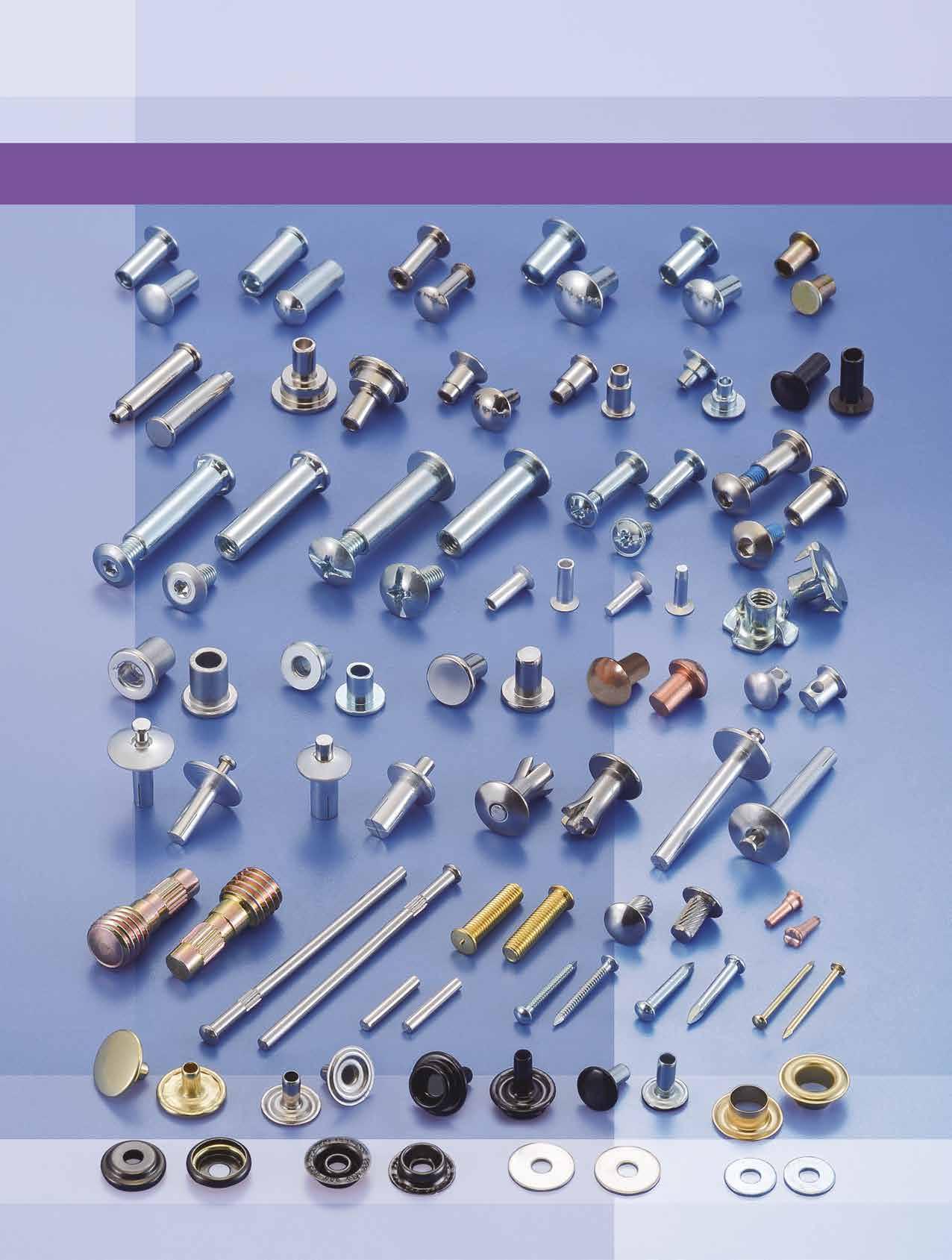
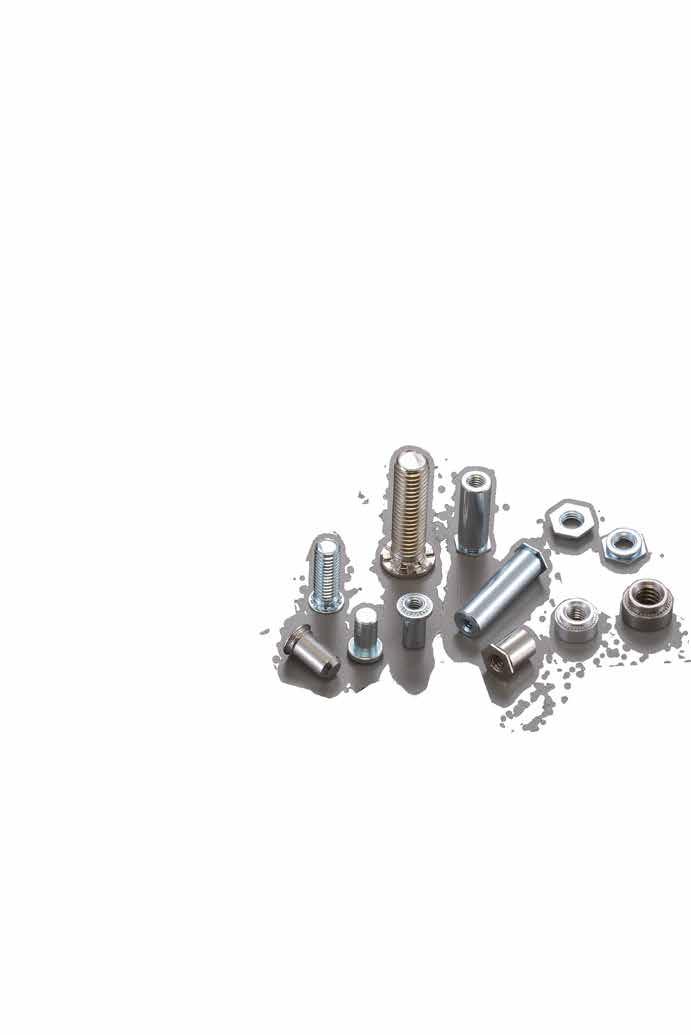
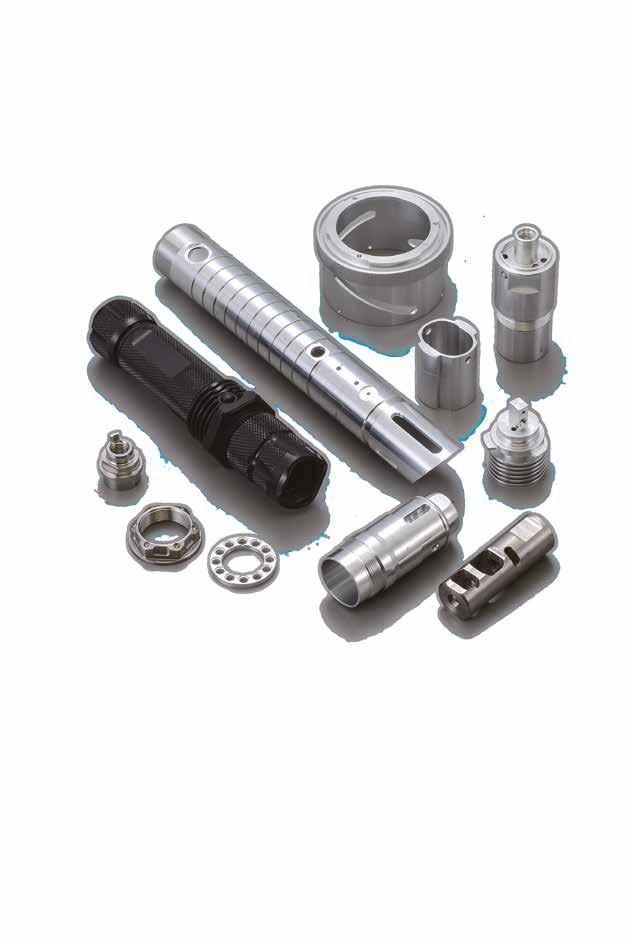
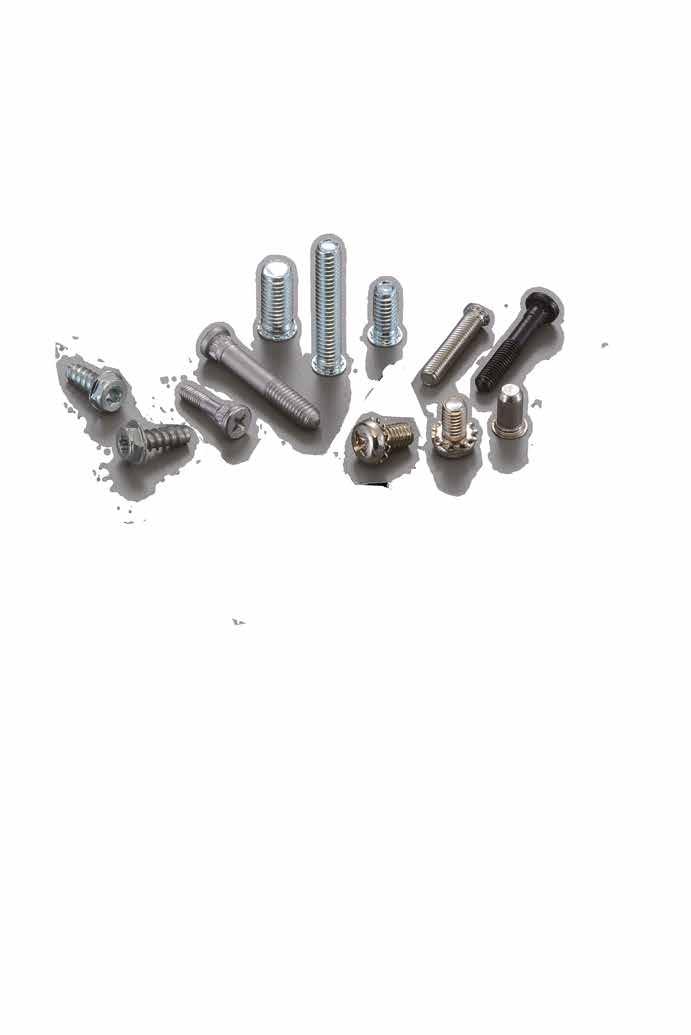
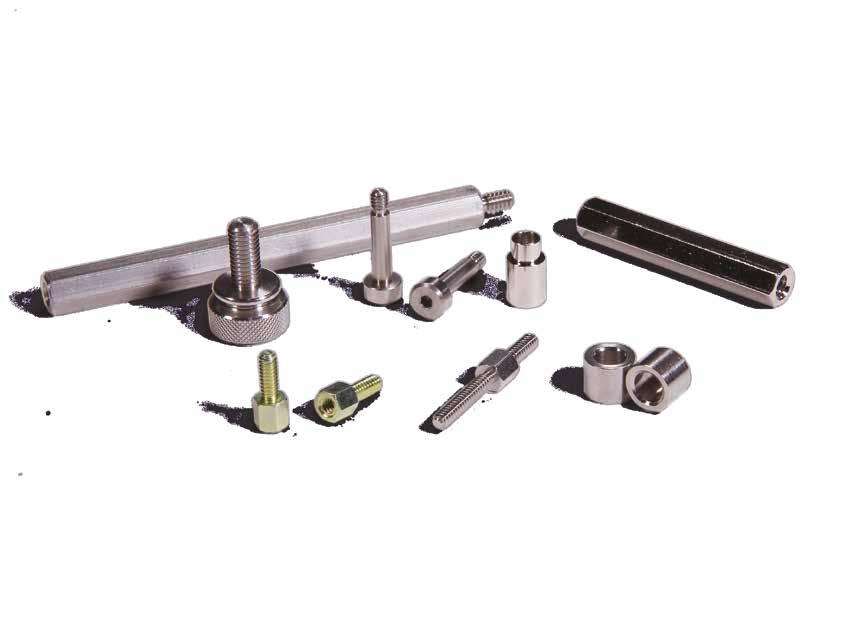
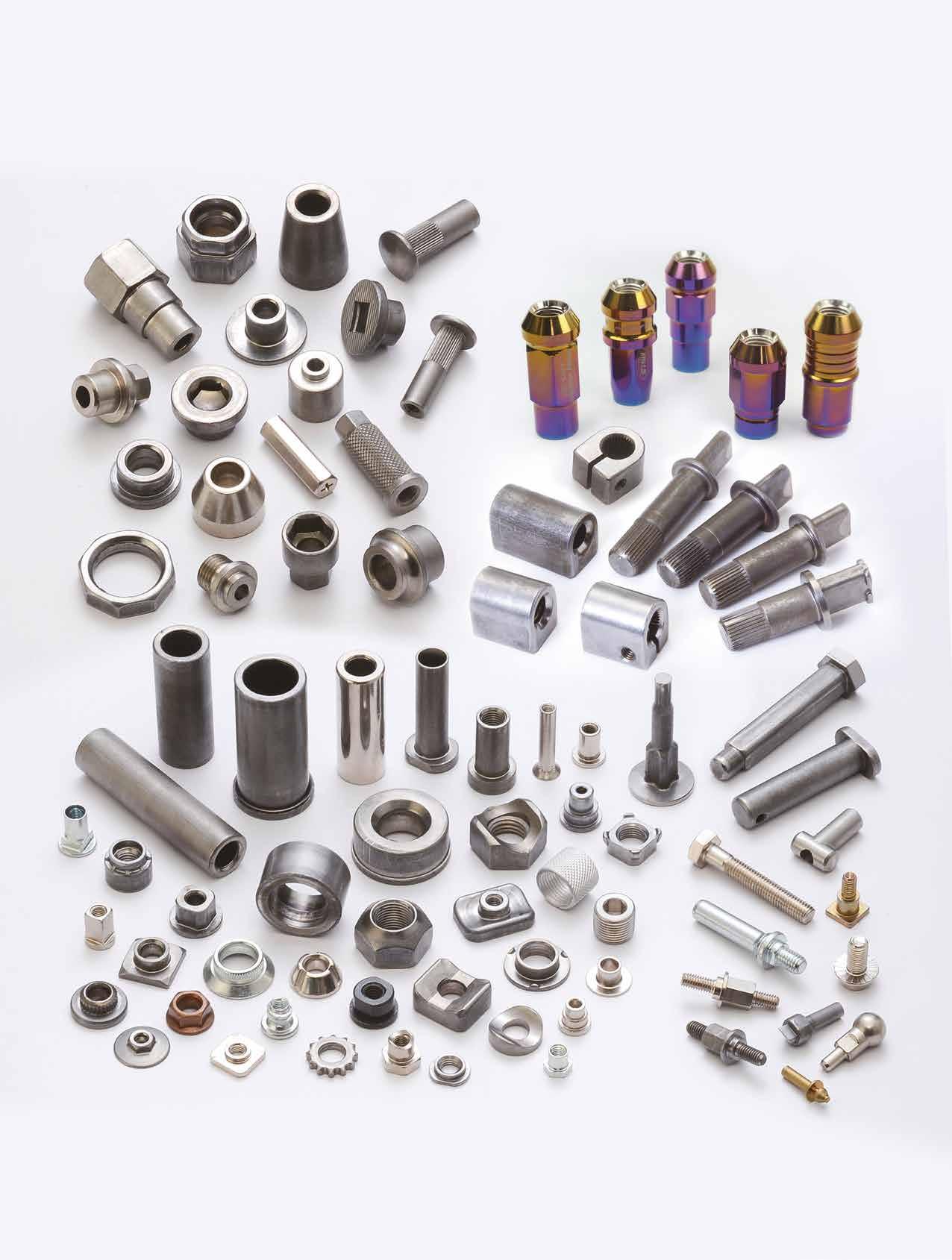
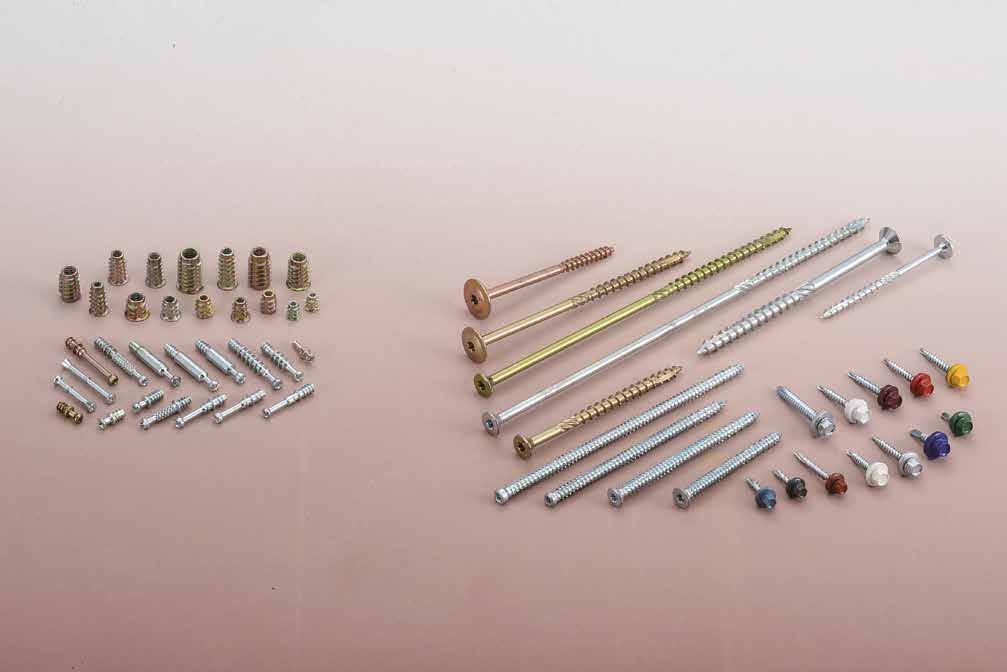
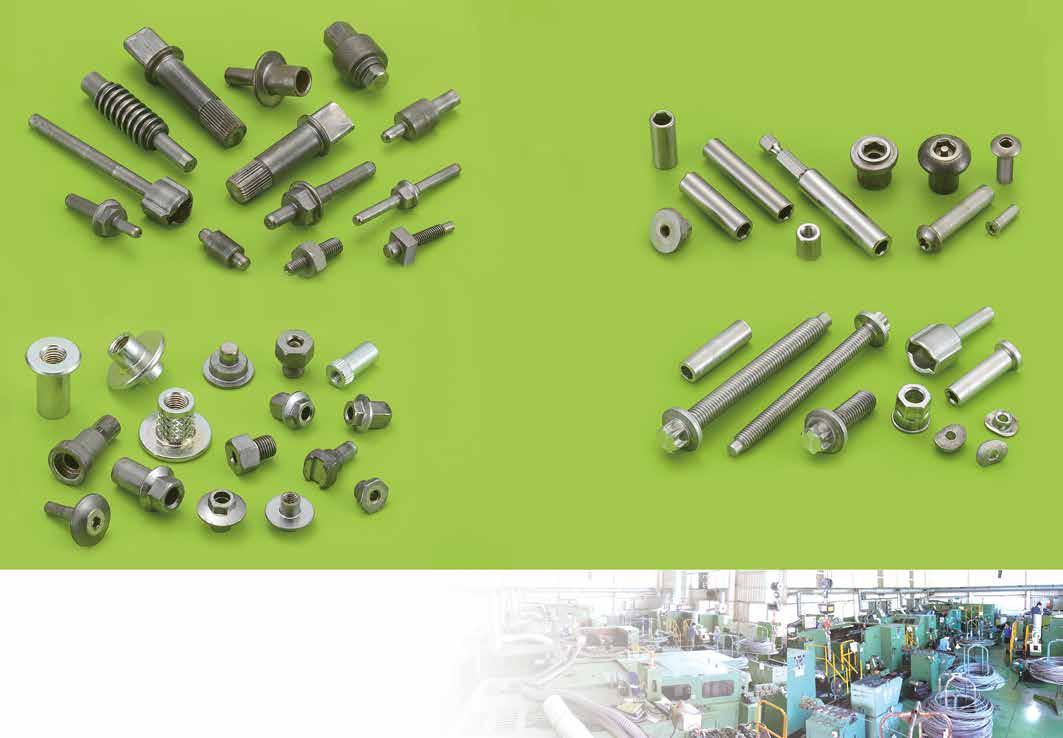
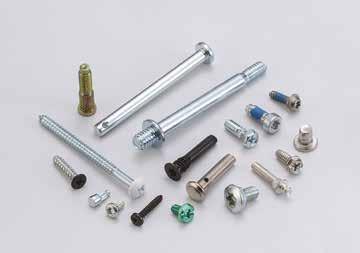
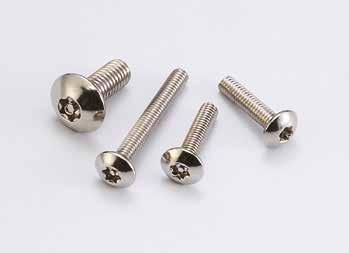
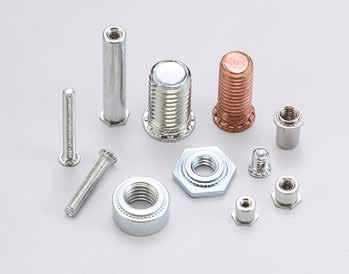
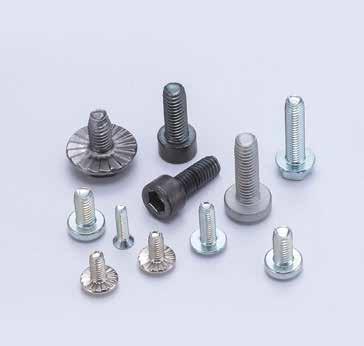
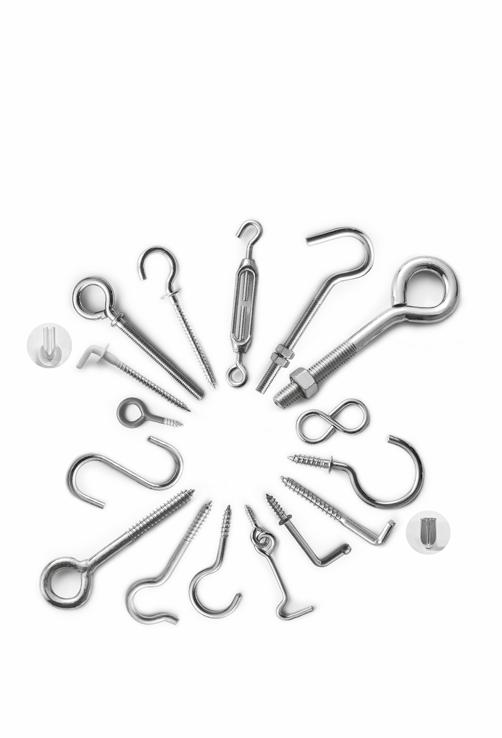
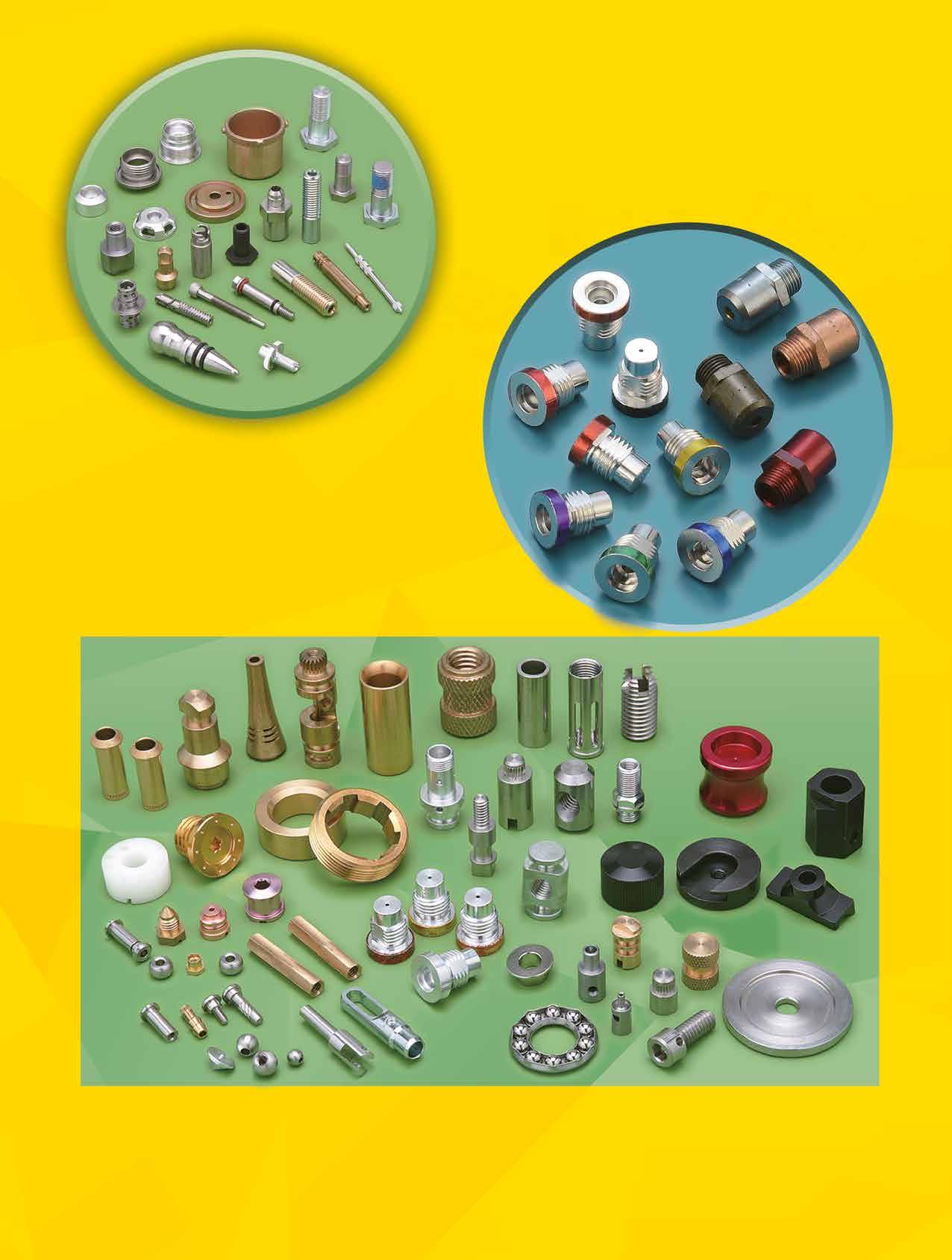
Cap Screws, Socket Set Screws, Cage Nuts, Automotive Parts...
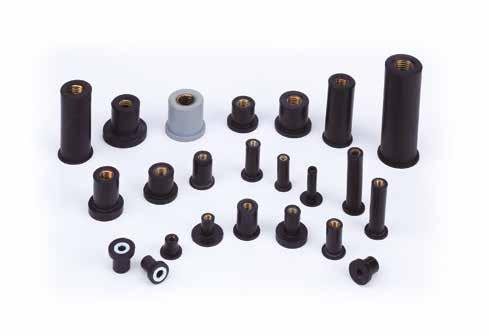
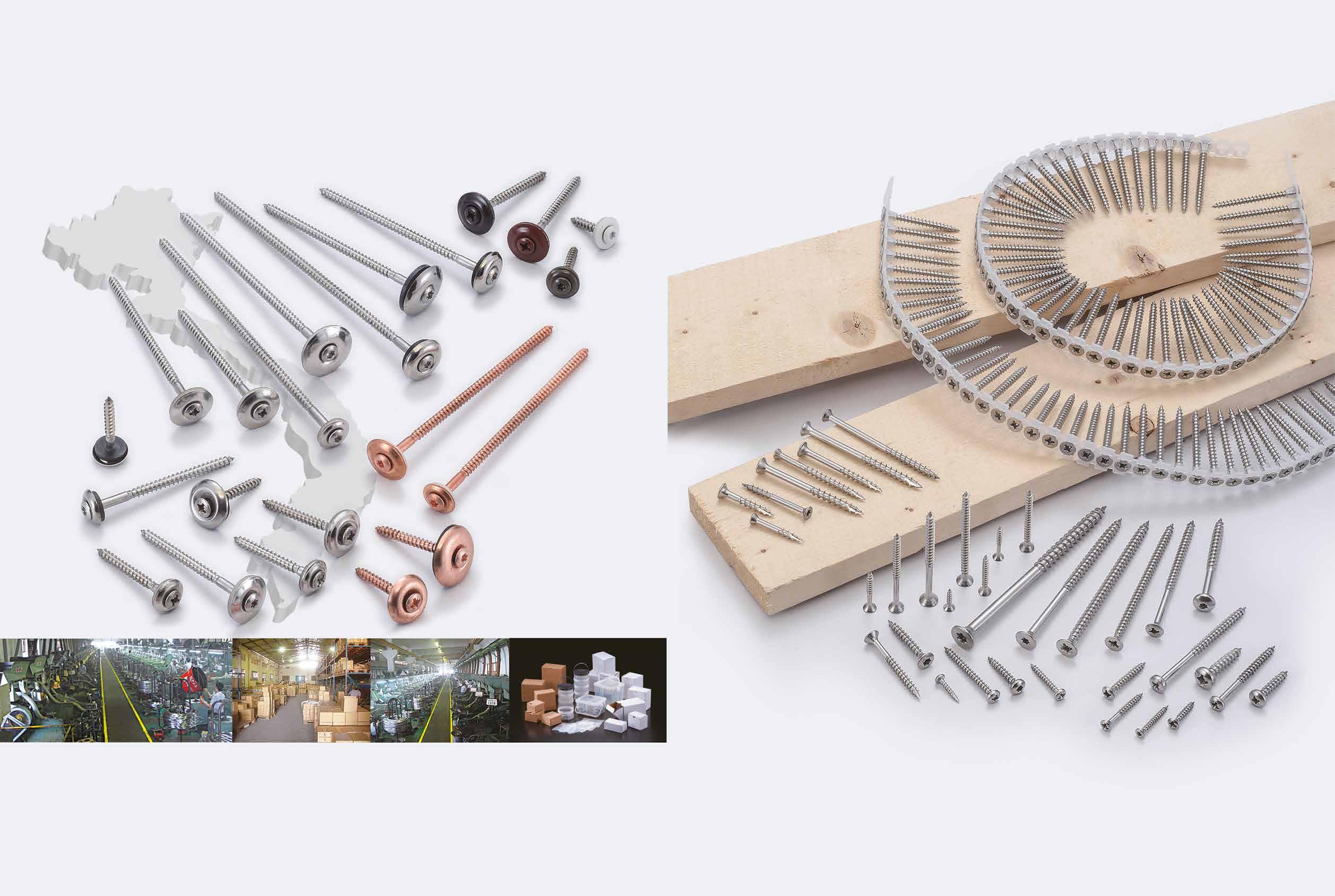
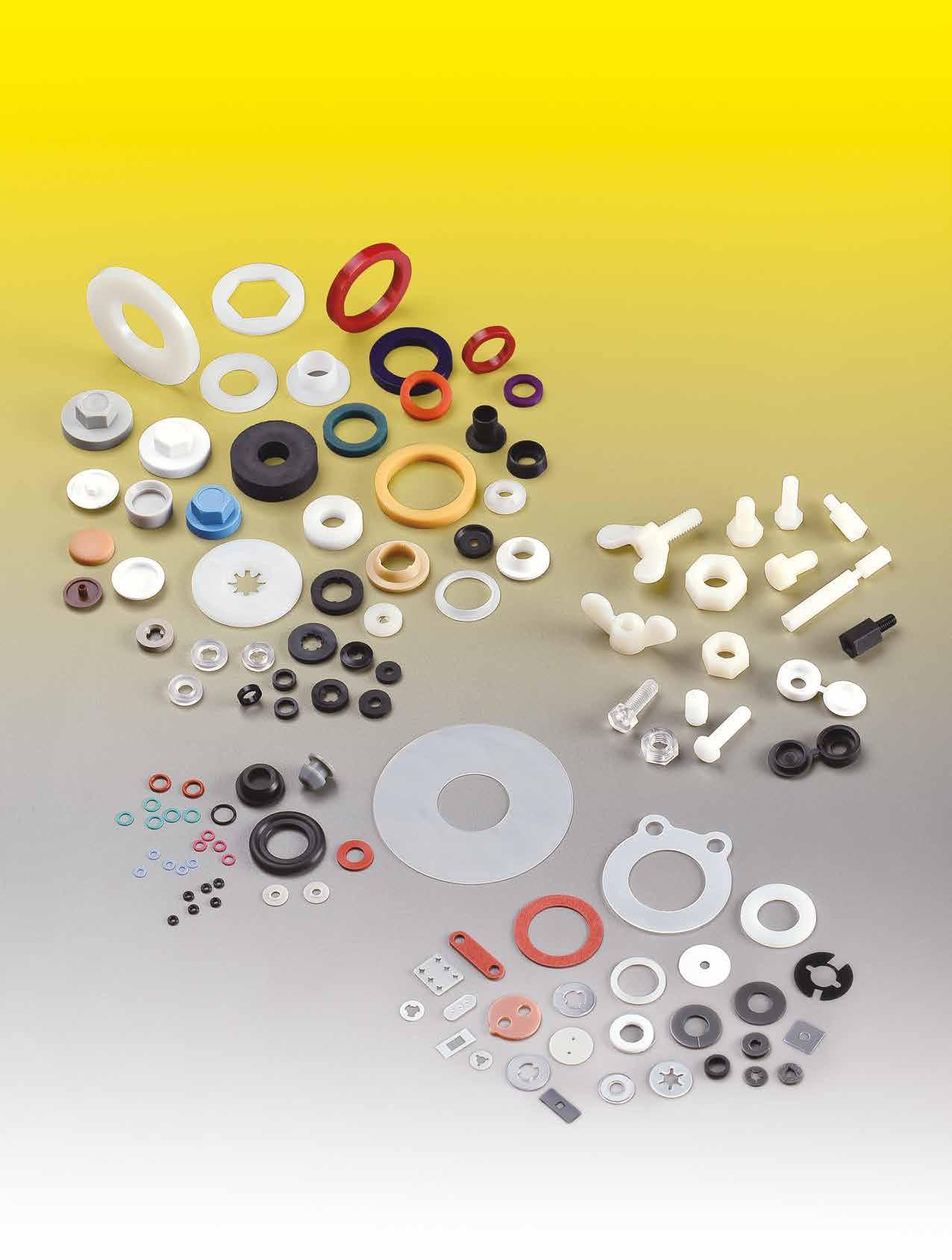
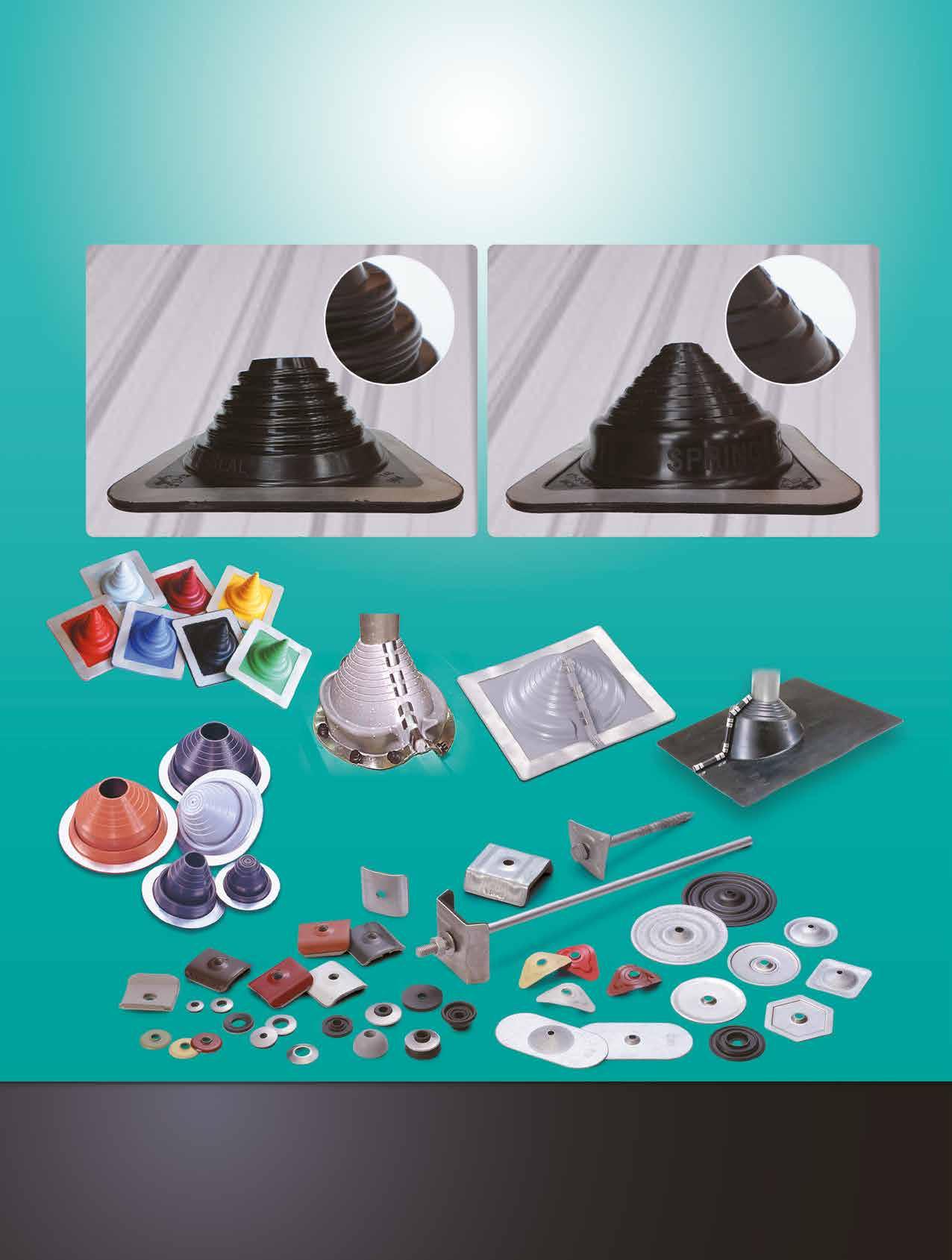
Rubber Washers, Plastic Screws, Custom Washers...
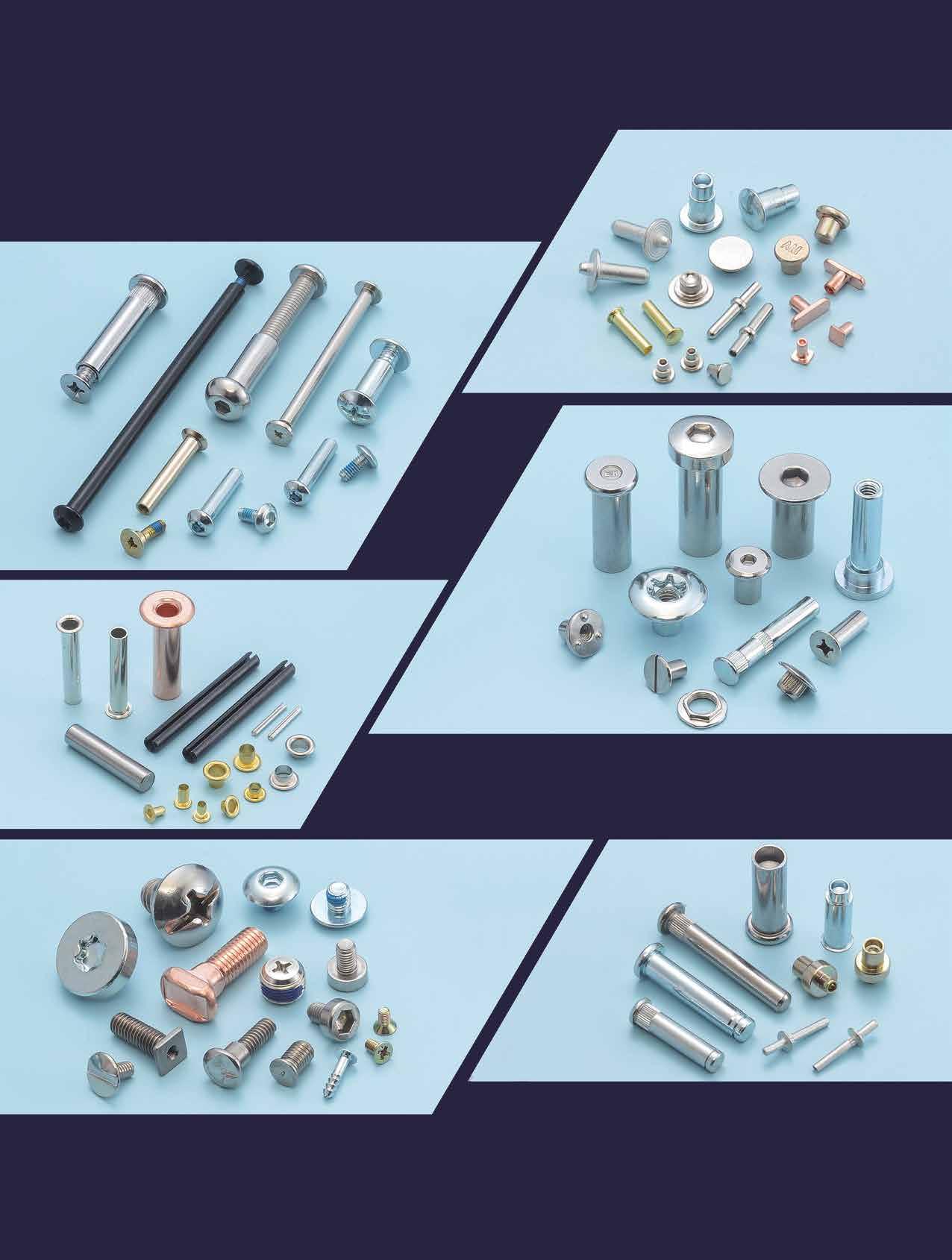
Automotive & Motorcycle Special Screws / Bolts...
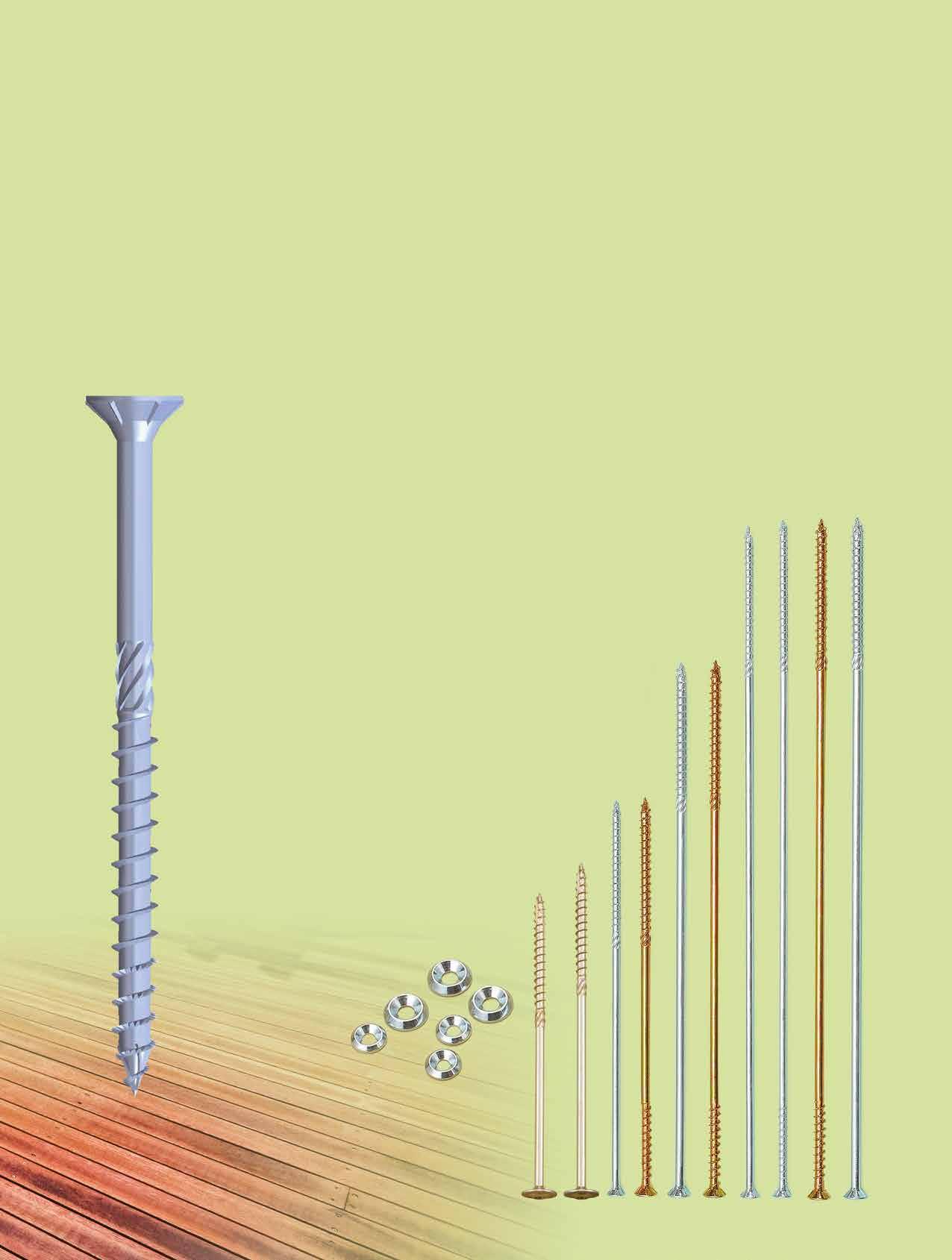
Flanged Head Bolts, Chipboard Screws, Floorboard Screws...
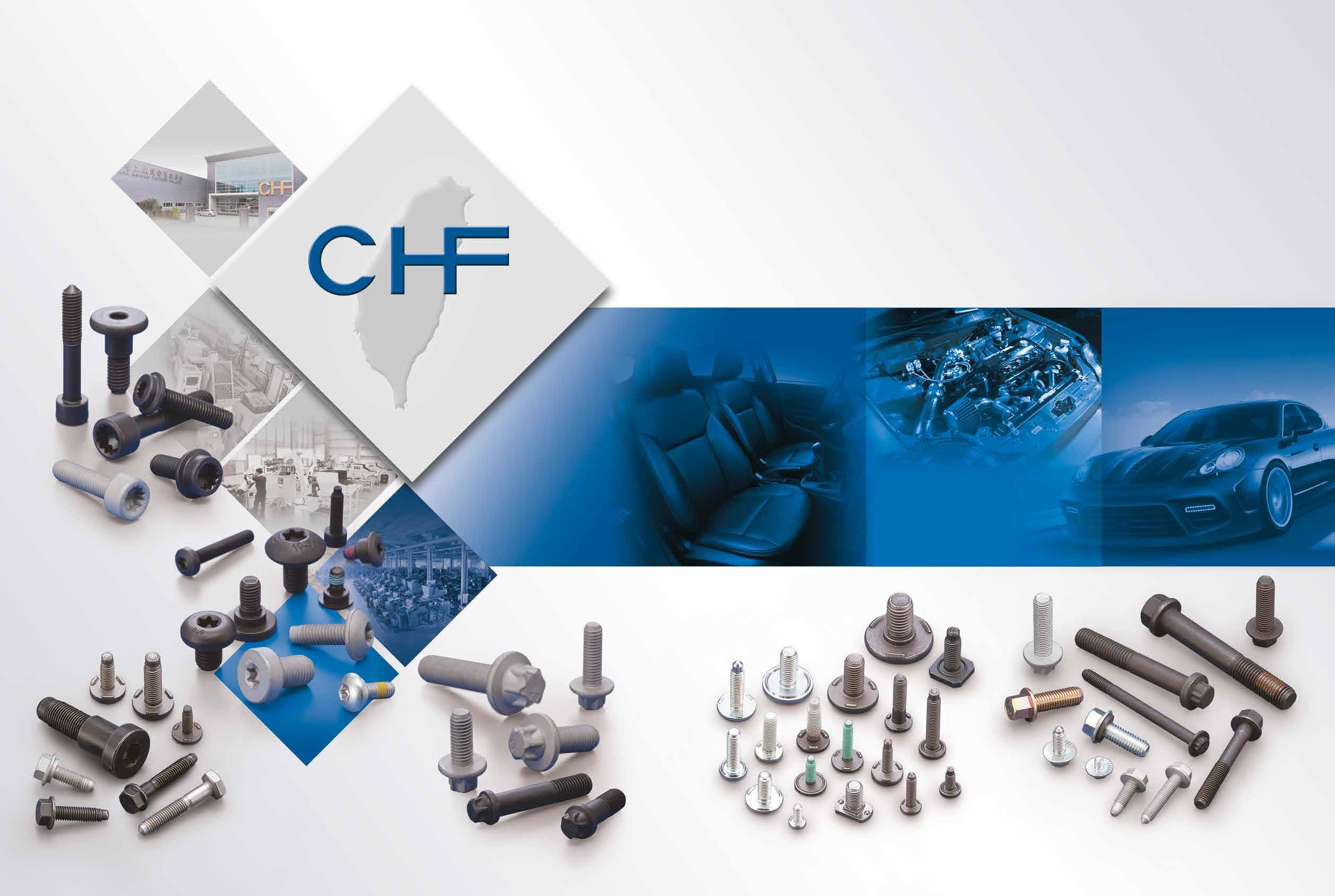
CHYANG HARDWARE INDUSTRIAL CO , LTD
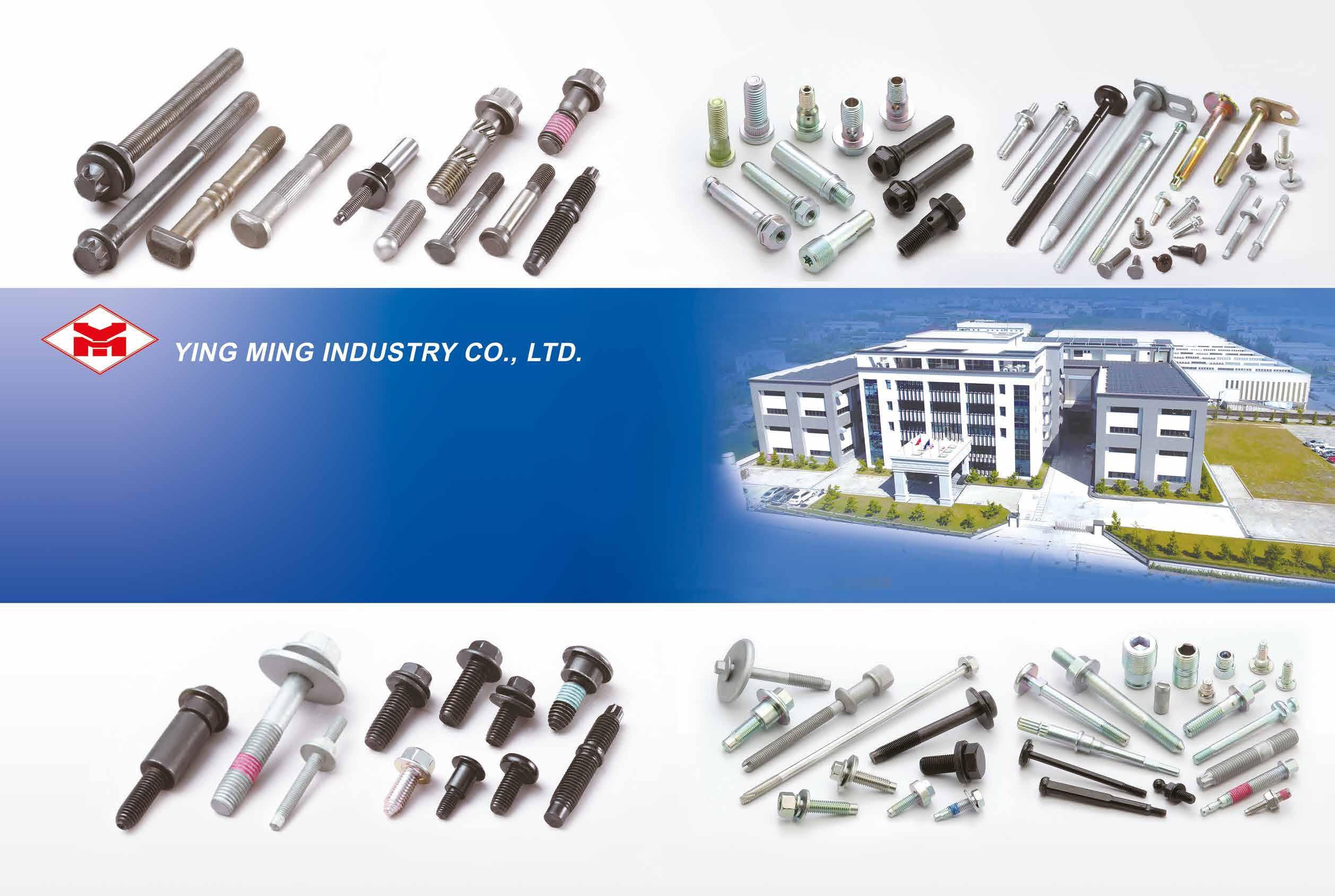
Automotive & Motorcycle Special Screws / Bolts...
Drill-Point Dies
Machines & Equipment
Punches
Taiho Tool Mfg Co , Ltd (OSG Corporation)
Vertigo Forming Solutions Co , Ltd
Wan Iuan Enterprise Co , Ltd
Yuh Her Precision Co., Ltd.
Industry Update Fastener World News
EU’s AD Duties Against Wire Rod
Originating in China to Expire
This October
The 24.0% AD duties the EU has imposed against wire rod originating in the People’s Republic of China is scheduled to expire on 16 October, 2020. If there is no written request for a review being submitted to reach the European Commission, Directorate-General for Trade, at any time from the date of the publication of the present notice but no later than three months before 16 October, 2020, the measure will be terminated.
Ukraine Releases Preliminary Determination Regarding AD Duty on China-made Steel Fasteners
On May 28, 2020, Ukraine released a preliminary affirmative determination regarding the AD duty on Chinamade steel fasteners including screws, bolts and nuts in accordance with the resolution stated in AD-447/2020/4411-03. Effective from the date of the announcement for a period of 4 months, a temporary 19.75% AD tax will be imposed on fasteners including Ukraine-HS codes 7318156990, 7318158190, 7318158990, 7318159090, 7318169190 and 7318169990.
Ukraine initiated this AD investigation on steel fasteners originated in China on December 7, 2019.
compiled by Fastener World
South Africa Initiates an Investigation on Imported Steel and Iron Hexagonal Bolts
On May 15 the South African International Trade Administration Commission announced to initiate a safeguard measure investigation against imported steel and iron hexagonal bolts. The application was lodged by South African Iron and Steel Institute. The HS code involved within the investigation is 73181543. This is the third safeguard measure investigation launched by South Africa on certain steel and iron fasteners. The previous two investigations were:
(1) Investigation on hexagonal steel screws initiated on April 20, 2018. The HS code involved was 73181539. The products involved were charged an ad valorem tax for a period of 3 years as a safeguard measure. The tax rate was 50.54% for the first year, 48.01% for the second year, and 45.61% for the third year.
(2) Investigation on steel threaded fasteners initiated on March 1, 2019. The HS codes involved were 73181541, 73181542, and 73181630. The products involved were charged an ad valorem tax for a period of 3 years as a safeguard measure. The tax rate was 54.04% for the first year, 52.04% for the second year, and 50.04% for the third year.
South Africa’s Car Export Won’t be Impacted by UK’s New Tariff Measures
UK’s Department for International Trade has recently announced the new tariff measures, which will become effective on January 1st, 2021 and will get up to 6,000 types of products involved. According to the new list of products subject to tariffs, cars imported into the UK will be subject to a tariff rate of 10%. However, as South Africa has signed an economic partnership agreement with the UK in Sep. 2019, which allows South Africa to enjoy the favorable tariff-free measure, cars exported from South Africa to the UK will not be subject to the tariff of 10% imposed on all countries.
The UK is one of the most important export partners for the automotive industry of South Africa. In 2019, South Africa exported 387,125 units of cars to the world, 101,401 units of which (more than 25%) were exported to the UK and 37,152 units of which were exported to Germany (its second largest export partner). According to Naamsa, any change in the economic partnership agreement has to be bilaterally negotiated and cannot be made unilaterally by either party. As a result, cars exported from South Africa to the UK will still enjoy the favorable tariff-free measure after the new measures come into effect in January 2021.
Fasteners to be Subject to 0% Tariff Under UK’s New Tariff Measures Effective 2021
The British Government has announced its new tariff measures on May 19, 2020 after it officially broke up with the EU earlier this year. The new measures will come into effect starting Jan/01/2021 and will make the calculation of import tariffs become more streamlined. New measures will be calculated in GBP.
Fasteners falling within the 7318 category were originally subject to the import tariff of 3.7%. With the new measures, the tariff for fasteners will be reduced to zero percent. The British Government hopes importing merchandise will become easier through the adoption of these measures and local enterprises can also import merchandise at more favorable prices to support the British economy. British International Secretary of State Liz Truss said that this is the first time since 1970 that the UK could build an economic and tariff system that is suitable to the UK and the new tariff measures will help cut red tape and reduce the costs of tens of thousands of commodities, making consumers and families in the UK well benefited.
China Stops Imposing Extra Tariff on U.S. Fasteners with Tensile Strength Over 800MPa
The Tariffs & Regulations Committee of PR China’s State Council has recently announced the second wave of “exemption” list of products imported from the U.S. subject to extra tariffs. Screws and bolts with the tensile strength equal and over 800MPa (product code 73181510), whether assembled with nuts or washers, are also in the “exemption” list. This announcement will be effective from May 19 this year through May 18, 2021. Those tariffs already collected by the Chinese Customs before May 19 will, as a result, be reimbursed, and the importing companies involved can submit their application to the Chinese Customs for the reimbursement within 6 months after the announcement of the “exemption” list.
Car Sales in Russia Drop by 72.4% This April Due to Covid-19
According to European Chamber of Commerce, with the influence of Covid-19, the total sales of cars and commercial cars in Russia in April 2020 reached only 38,922 units, down 72.4% from last April (141,011 units). In the first 4 months of 2020, the cumulative sales of cars in Russia reached 415,102 units, down 19.1% from the same period of 2019.
Polish Car Production Down 13.2% in Q1 and Sales Down 23%
According to the quarterly reports of PZPM and KPMG, the car production of Poland in Q1 2020 was down 13.2% and the new car registration was also down 23%. However, the registration for EVs in the same quarter doubled and reached 1,278 units. The total car production of Poland in the quarter reached 148,900 units. “Bus” appeared the most significant decline and was down 20% compared to the corresponding quarter of 2019. The production of sedans was down around 10%, and if to view by month, the production in March was down more than 50%.
It is estimated that the average decline margin of all types of vehicles may even reach 60-70% in the 2nd quarter of 2020. PZPM president Jakub Farys said, “Such a scenario may gradually become stable in a couple of months, which means the decline margin in Q3 or Q4 this year may not be as significant as in Q2, though going back to the previous level seems still impossible."
China's Total Export in April Takes an Unexpected Upturn of 3.5%
The pandemic is raging across the globe and strict quarantine is enforced in major economic entities. Enormous pressure is expected to cast on China's trade. However, the country took an unexpected upturn as General Administration of Customs of China released April trade statistics on its officail website in May.
China's total trading (import plus export) value in April declined 5% to USD 355.22 billion. The total export increased 3.5% to USD 200.28 billion; the total import decreased 14.2% to USD 154.94 billion. The April trade surplus increased to USD 45.34 billion.
According to General Administration of Customs of China, for the January-to-April period, China's total trading (import plus export) value was USD 1.3 trillion, down 7.5%. The export value dropped 9% to USD 678.2 billion; the import value dropped 5.9% to 620.05 billion. The April trade surplus decreased 32.6% to USD 58.23 billion. The total trading value between the U.S. and China dropped 12.8%. China exported a total value of RMB 702.28 billion to the U.S., down 15.9%, and imported a total value of RMB 256.18 billion from the U.S., down 3%. The trade surplus with the U.S. was RMB446.1 billion.
Car Sales in China Ends 21 Months of Drop in a Row
According to the statistics of China Association of Automobile Manufacturers (CAAM), in April 2020, 2.102 million units of vehicles were produced and 2.07 million units were sold in China, respectively up 46.6% and 43.5% from this March and up 2.3% and 4.4% from the same period last year. This also shows the end of a consecutive drop in sales over the past 21 months.
CAAM said, as the pandemic curve in China has been gradually flattened since this April and Chinese government has also announced some stimulus plans for boosting local car production and sales, the performance of Chinese automotive market in April was improved. However, due to the pandemic in other countries, China only exported around 70,000 units of vehicles this April, down 22.9% from this March and down 15.7% from the same period last year.
In the first 4 months of 2020, 5.596 million units of cars were produced and 5.761 million units of cars were sold in China, respectively down 33.4% and 31.1% from the same period last year. In terms of new energy vehicles, the production and sales in China were both roughly 0.205 million units, a significant drop of 44.8% and 43.4% from the same period last year. Beijing has also announced in March that it will extend the subsidies and tax exemption policies pertaining to new energy vehicles (EVs or plug-in Hybrids, for example) for 2 years, in order to deal with the recent low car sales result.
Companies Development
Midland Industries Opens Houston Distribution Center
Midland Industries, headquartered in Kansas City, Missouri, is excited to announce the opening of its newest distribution center, located at 5544 Armour Dr. Houston, TX 77020. This facility will stock a complete line of industrial, plumbing, waterworks, and irrigation products including, brass fittings, valves, malleable fittings, steel nipples, ductile iron gate and check valves, lead-free brass fittings, bronze fittings, brass nipples, stainless steel fittings and nipples, and much more. In addition to providing faster deliveries to its customers in the South, this facility features a will-call area supporting customers in the Houston area that wish to pick up.
Maryland Precision Spring is pleased to announce its achievement of AS9100D and ISO 9100:2015 certification. AS9100 registration is an aviation, space, and defense quality standard, based on the ISO9001 quality management system and supported by the International Aerospace Quality Group (IAQG). Maryland Precision Spring has been manufacturing custom components to the aerospace and general industrial markets for over 40 years. The company excels at application engineering support, consignment and Kan-Ban inventory, EDM prototyping production, in-house heat treating/tool shop and special packaging. This rapid response, combined with the quality assurance of the AS9100 certification, ensures the company’s continued position as a trusted supplier within the aerospace and defense industries.
Tri-Star Providing COVID-19 Ventilator Fasteners
As the effect of the COVID-19 pandemic rapidly advanced across the United States, GM/Ventec, and other medical equipment manufacturers continue their aggressive timetable to ramp up production of ventilators that have been in short supply. Local Connecticut based manufacturer Tri-Star Industries, an MW Industries company, has been supplying engineered fasteners that are critical to ventilator assemblies. Tri-Star has been working around the clock to meet the demand surge from many companies involved with the production of these vital medical life support systems.
Tri-Star Industries has long served numerous manufacturing industries for over 28 years providing “Made in America”, threaded inserts and precision machined products to Electronics, Automotive, Food and Beverage, and Military & Defense industrial sectors to name a few.
TriMas Aerospace Expands European Footprint
TriMas announced that TriMas Aerospace has formed a strategic partnership with Kuehne+Nagel to establish a European logistics hub in Contern, Luxembourg. This expansion was driven by TriMas Aerospace’s new business growth in the region with customers like Airbus, Safran and Sonaca and the strategic positioning of parts to service its customer base.
Kuehne+Nagel was selected as a well-respected global third party logistics provider with a significant presence in Europe that provides the expertise to support strategic warehousing and logistics requirements. The European logistics hub provides TriMas Aerospace with the ability to pre-position product to support the region. This extends to recently secured long-term original equipment manufacturer (OEM) agreements, as well as urgent aftermarket requirements. TriMas anticipates supporting its European customers with product availability out of its Kuehne+Nagel partner location by the third quarter of 2020.
Sheh Fung Screw’s Revenue Down 25.64% in May, but First 5 Months Cumulative Revenue up 8.87%
On May 6th, Sheh Fung Screws reported its May revenue at NTD 142 million, down 25.64% over May 2019. The company explained that it was mainly attributed to the coronavirus pandemic in the U.S. and Europe, which influenced the arrangement of its product shipments. In addition, the increased new product delivery in May 2019 raised the
comparative basis and it was the main cause for the comparatively significant drop in the revenue in May 2020. Nevertheless, the company still benefited from clients' increased orders and saw its revenue in the first 5 months of 2020 reach NTD 812 million, up 8.87% over the same period last year. It is expected that the U.S. and European clients' increasing demand for fasteners will keep the impetus for Sheh Fung's business operation.
Carlo Salvi S.p.A. Ready for a Progressive and Total Resumption of All Suspended Activities
In a letter to customers, partners, and providers, the team of Carlo Salvi S.p.A said on May 21st that they have provided for a progressive and subsequently total resumption of all suspended activities due to the spread of Covid-19. The company every day adopts and guarantees all the sanitary measures aimed at protecting the health of all employees, partners and providers. Carlo Salvi guarantees full operations in the offices in Italy; activities are gradually resuming also into the foreign subsidiaries and all over the world through our collaborators who take care of the sales and service network every day,” according to the team of Carlo Salvi. Carlo Salvi is a leading company in the wire forming field and is known worldwide for the reliability, top quality and excellent performance of its heading machines.
Association News
EIFI Annual Conference 2020 Cancelled
The EIFI annual conference, which was originally scheduled for May 1417 to be hosted by its member, Deutscher Schraubenverband e.V. in Garmisch, Germany was cancelled. “The EIFI General Assembly will not take place this year due to the pandemic," EIFI Secretariat told Fastener World on May 7. EIFI has not yet determined the exact dates and location for the next EIFI annual conference. For further information, please contact EIFI Secretariat at info@eifi.org
Acquisitions
Bulten Acquires Minority Post in TensionCam Systems AB
Bulten has acquired newly issued shares in TensionCam Systems AB for a purchase price of SEK 6 million. After the acquisition, Bulten becomes the owner of 27% of TensionCam's shares. Thus, Bulten and TensionCam will deepen their cooperation in the development of wireless clamp force monitoring of screw joints.
TensionCam is a Gothenburg-based company, specializing in the development of sensors for clamp force monitoring in screw joints and is, after the new share issue, 73% owned by G-Coder Systems AB. The company, both individually and together with industrial partners and research institutes, conducts research and development in the area and already owns a number of patents. TensionCam's technology is not currently commercialized or industrialized. The deeper cooperation aims to accelerate the completion of ready and concrete customer offers.
Product Rollout
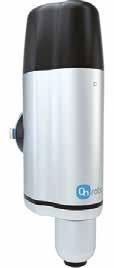
Danish OnRobot Releases a Smart Screwdriver Offering Out-of-the-box Setup
Denmark-based OnRobot introduced the OnRobot Screwdriver. Unlike conventional single-piece screwdriving systems, this allnew automated solution can work in various applications, and therefore, manufacturers can automate highly repetitive screwdriving process with speed, simplicity and flexibility, depending on actual needs.
To program the OnRobot Screwdriver, users only need to enter the screw length and torque value. It then automatically calculates the force and speed with which to drive in the screw. It detects screws for incorrect lengths to reduce waste and improve production quality. Its unique "z-axis" provides effective protection, and reduces parts collision during robotic arm movement. Screws up to 35mm long are retracted completely inside the screwdriver when moving, enhancing its collaborative capabilities. The Screwdriver can handle a wide range of screw sizes and lengths, from M1.6 to M6, and up to 50mm long. The screwdriver can be quickly changed over to different screws in minutes, which reduces downtime and improves productivity.
WMS Large Wheel Nut Fastening Management
System by Japanese Tohnichi
Tohnichi begins sales of WMS
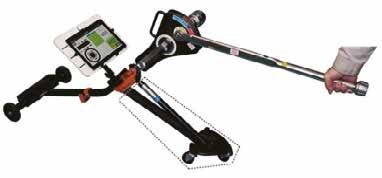
Large Wheel Nut Fastening Management System which can be used to re-tighten large wheel nuts on cars running 50-100 kilometers. The user can set the limits of the number of axles, tires, nuts, and torque values. Correct data management of large wheel nut fastening can be done by a single person. The fastening data is transmitted via WIFI and is color coded for the user to confirm the fastening result by sight. The user can search fastening records or export them in CSV format.
Japanese TODA Codevelops Eye Washer with Katecs
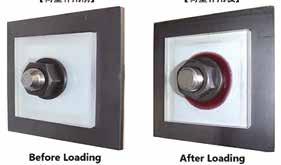
"Eye Washer" co-developed by TODA and Katecs is a color-forming special lock washer used with bolts, through which the user can determine the axial force on the lock bolt by visual check. TODA and Katecs stick two pressure-measuring films on the back of plastic washers. As the pressure starts to act on the washer, the color former will come out and color the washer red. The operator can check the diameter of the red zone by sight to determine the axial force acting on the bolt head. This is a way cheaper than using an axial force gauge and the setup is easy.
USMCA Comes into Effect from July 1st
Good or
Bad News to Automotive Fastener Suppliers?
After 3 years of negotiation, articles revision, and Parliaments approval procedures in USA, Mexico, and Canada, the allnew United States-Mexico-Canada Agreement (USMCA) has officially become effective since July 1st, 2020, which means the previous version of the Agreement (NAFTA) amongst these countries activated since 1994 has expired as well. The purpose of this new Agreement is to exempt relevant tariffs and lift certain trade barriers in the N. American region to facilitate trade activities amongst USA, Canada, and Mexico and reinforce the competitiveness of businesses in these countries.
According to relevant statistics, the number of consumers in U.S., Canadian, and Mexican markets totals nearly 0.5 billion; the combined GDP of these 3 countries in 2019 represented nearly 30% of the global share; the total trade value amongst these 3 countries reached up to US$ 1,200 billion a year; the annual car production of these countries totaled over 16 million units; and their demand for automotive fasteners represents around 20% of the world’s total. Some automotive fastener suppliers are worried that this new Agreement may prevent those suppliers who currently do not have factories in USA/Mexico/Canada from enjoying certain favorable measures, and thus make them lose the opportunities to win orders in the big N. American market. Could this scenario really happen?
First, we have to know what major points have been specifically referred to in this new Agreement. The new Agreement includes specific requirements for the origins of certain automotive components and materials used, which clearly states that above a certain percentage of automotive components must be produced in USA, Canada, or Mexico, which could cause a significant impact on the automotive industry. Below are the detailed requirements:
1. At least 75% of certain automotive components assembled on a car must be produced in N. America. (The NAFTA period was 62.5%).
2. At least 70% of steel and aluminum materials used on a car must be produced in N. America.
3. Over 40-45% of automotive components produced in N. America must be produced by workers each with the hourly pay of US$ 16.
Some automotive fastener suppliers may again be becoming worried if their future exports of products to USA/Canada/ Mexico will face headwinds, or if purchasers from USA/Canada/ Mexico will consider reducing the percentage of their outsourced fasteners? The result, in my opinion, may not become that bad, and may be very likely to indirectly benefit those suppliers who have been exporting automotive fasteners to USA/Canada/Mexico for years.
The requirement stating “at least 75% of certain automotive components assembled on a car must be produced in N. America” was specifically formulated for 7 major automotive components, including chassis, engines, axles, transmissions, bumpers,
sensors for steering wheels, and electric vehicle cells. If any of these items on a car is not produced in N. America, it won’t be considered “a car produced in N. America” and cannot enjoy the tariff-free benefit. With these requirements coming into effect, suppliers will be required to submit their origin documents and manufacturers will be also required to provide relevant copies. However, did you notice? Automotive fasteners are not included in the list of items subject to the requirements.
In order to respond to the new Agreement, some European and Japanese car or component manufacturers have been considering or investing new plants in N. America, which could help them get an entry ticket to enjoy the tariff-free benefit as well as reduce their manufacturing cost. For example, some Japanese transmission manufacturers have been considering establishing new production lines in USA or Mexico. As chassis, engines, transmissions, and EV cells all require fasteners for assemblies, it is also expected that the plant relocation or addition of these companies will help boost the demand for automotive fasteners in N. America, which can be even a very good opportunity for fastener manufacturers and exporters in Europe and Asia.
On the other hand, in order to prevent the work opportunities in the production lines of USA and Canada from moving to other countries with lower manufacturing cost and create fair competition, the new Agreement also requires that “over 4045% of automotive components produced in N. America must be produced by workers each with the hourly pay of US$ 16,” which will certainly increase the manufacturing cost of Mexican manufacturers. In order to balance their cost expenditure, these manufacturers may turn to other countries featuring lower manufacturing cost (Taiwan, India, China, Thailand, Vietnam, for example) to purchase automotive fasteners used for car assemblies, thus indirectly increasing the demand for automotive fasteners of N. American purchasers.
After the integration, the entire N. American economies will look like a single market, which can lead to more vibrant trade and talent exchange and less restrictions amongst these countries. For those automotive fastener suppliers who are eager to penetrate into the N. American market, perhaps this will be the best timing to scale up their market share. Moreover, for those companies with the ability to establish overseas operations, perhaps they can consider investing in extra production lines in USA/Mexico/Canada, which can help create job offers and form a better corporate image in the local market on the one hand, but can also allow them to directly benefit from the favorable measures the local governments offer to investors on the other hand, thus significantly increasing their market share in the N. American market.
Brazilian News
Made in / Made out- Some Recent Comparisons and Results About Brazil as a Fastener Importer and Exporter
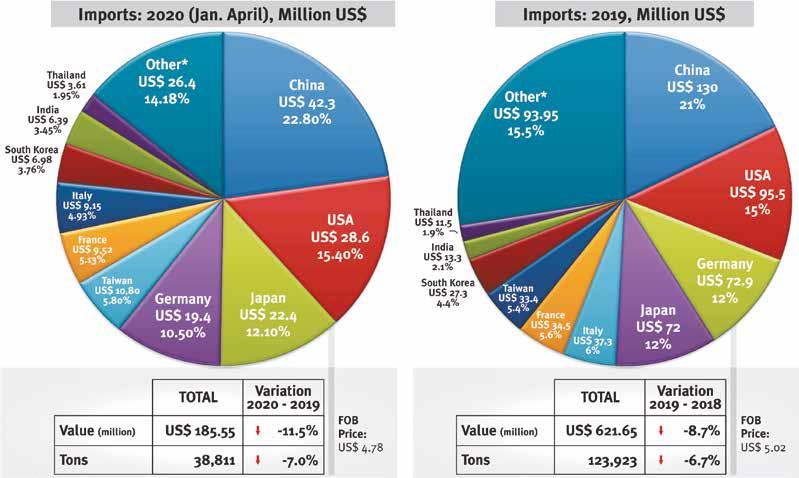
Between January and April 2020, Brazil imported around 38,800 tons of fasteners (bolts, screws, nuts, rivets, nails and others made of iron, steel, copper, or aluminium). The metallic items "made out of Brazil" cost more than US$ 185 million during that period (11.5% lower than the same period in 2019). Among the top five supply countries were, China: US$ 42.3 million; USA: US$ 28.6 million; Japan: US$ 22.4 million; Germany: US$ 19.4 million, and Taiwan: US$ 10.8 million.
Throughout 2019, the total imports hit US$ 621.65 million (8.7% lower than 2018), accumulating to 123.9 thousand tons (6.7% lower than 2018). The top five export countries were, China: US$ 130 million; USA: US$ 95.5 million; Germany: US$ 72.9 million; Japan: US$ 72 million and Italy: US$ 37.3 million.
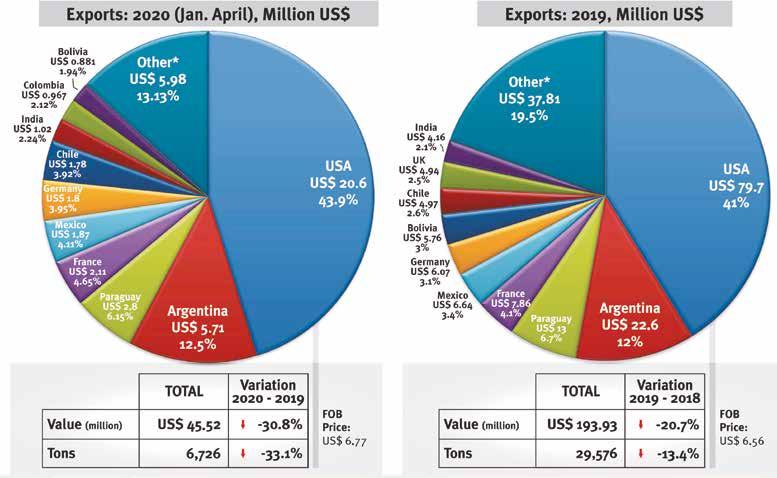
On another side, in the same four months of 2020, the fasteners “Made in Brazil” achieved 6,726 tons in export (33.1% lower than the same period in 2019), totalling a revenue of US$ 45.52 million (30.8% lower than the same period of 2019), in which China bought only US$ 233 thousand (0.51%). The top five Brazilian customers were the USA: US$ 20.6 million; Argentina: US$ 5.71 million; Paraguay: US$ 2.8 million; France: US$ 2.11 million; and Mexico: US$ 1.87 million.
During 2019, Brazilian fastener export revenue reached US$ 193.93 million (20.7% lower than 2018), accumulating to 29,576 tons (13.4% lower than 2018). The top five customer were the USA: US$ 79.7 million; Argentina: US$ 22.6 million; Paraguay: US$ 13 million; France: US$ 7.86 million; and Mexico: US$ 6.64 million.
Belenus Acquires the Tellep Brand
Source: The Brazilian Ministry of Industry, Foreign Trade and Services *Info: In the infographics there are some discrepancies in percentage, due to added values conditions.
On May 29, 2020, the Belenus S/A (Vinhedo town, SP State) reported the official acquisition of Tellep, a renowned fastener brand owned by Metalac SPS Ind. e Com. Ltda. (Sorocaba, SP), a Precision Castparts Corp member group. The brand offers a line of hexagon socket screws with several head kinds (cylindrical, flat, bulging and others), made to application in fastening systems with high resistance demand.
"We are so proud and optimistic about this important investment that will bring a great know-how and high quality for us and will be more solid and complete the name of Belenus on
the fastener market. Meanwhile, we are going to keep the trading of Tellep lines produced by Metalac. Soon, we will start a process involving technology and knowledge transfer for us and get all conditions to produce in our modern industrial plant”, told Ezio Ruocco Jr., the Belenus Vice-President.
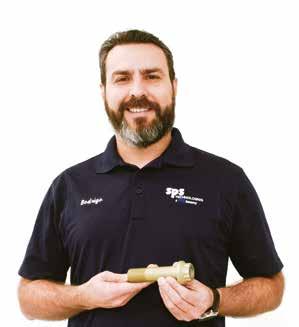
"The sale involves brand, technology transfer and current stocks, not including other assets, such as machinery and tooling. Tellep sale is totally aligned with Metalac business strategy which consists of growing business in the automotive industry, local and overseas, as well as settles the presence in the aerospace sector, both with ongoing investments despite the Covid-19 crisis", said, Rodrigo B. Egea, the Metalac General Manager.
Personal Watercraft
Announced Recall Caused by Fasteners
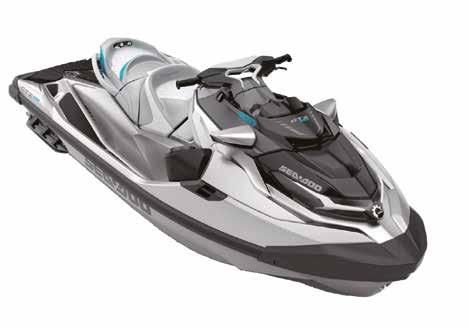
At the end of February 2020, the BRP Brazil Motorsports started a recall involving personal watercraft models, from Sea-Doo brand, due to the risk of a fastening on a grid coming loose while in use.
According to the BRP, if this vehicle was at a speed greater than 88 km/h (55 MPH) without its grid at the structure the driver may get problems to keep the control. The occupants can be ejected, resulting in serious injury or even death.
The Sea-Doo series involve three models: GTX, RXT and Wake PRO, model 2019 and is equipped with engines 230 or 300 HP. The maintenance demands a replacement of the grid and the fasteners.
Vonder Launches
Socket Ratchet with Telescopic Handle and Hinged Head
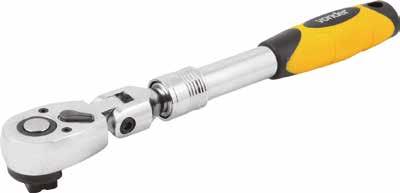
A tool for use in tightening and removing bolts and hex nuts, the "socket ratchet, 1/2 fit", telescopic, hinged head from Vonder provides greater agility and ease in fastening work due to its easy action in difficult spots. Made of chrome vanadium steel, it has greater resistance and durability, with a rubberized handle and 450 mm total ratchet length.
Russian News
Ukraine Implements Anti-dumping Duty on Chinese Steel Fasteners
According to the decision of the International Trade Council of Ukraine, the anti-dumping duty will protect PJSC "Druzhkovka Hardware Plant," which is a national producer with a total share of the steel fasteners production in Ukraine over 50%.
Anti-dumping measures are applied for four months from the 28th of May by imposing an anti-dumping duty at a rate of 19.75 percent from customs value of the goods.
The specified decision of the Council will affect threaded fasteners made of ferrous metal: screws, bolts and nuts originating from the People's Republic of China. Mostly all of them are popular imported items like DIN 931, 933, 912 and others.
Yuri Medvedev, General Director of the BERVEL HighStrength Fasteners Factory: “Our Industry Does Not Belong to the Victims”
Yuri Medvedev, Director General of the BERVEL high-strength fasteners plant, gave an interview to Alexander Romanov, chief editor of “Metal Supply and Sales” magazine.
Yuri Medvedev noted that the plant worked and is working continuously. At the same time, in April production indicators were slightly reduced due to the suspension of some large construction projects in Moscow and other regions. “Our industry does not belong to the victims,” said the general director of BERVEL. When he was asked about the implementation of the plans, Yuri Medvedev replied: “As for investment development plans, they are on pause. We are entrepreneurs and think by risks”.
On tomorrow's situation, Yuri Medvedev emphasized: “Everything will depend on the state. The industry needs infrastructure projects to not stop”.
The Large-Scale Investment Program of MMK-METIZ is Nearing Completion
Magnitogorsk Hardware and Calibration Plant of MMKMETIZ is completing the implementation of a large-scale investment program, designed until 2020. Its funding amount is over 5 billion rubles.
Since 2017, more than 70 units of high-tech equipment for the production of fasteners, wire and ropes, calibrated steel were put into operation.
By 2019, as part of the import substitution program, the production of popular bolts and nuts according to DIN standards has been mastered, the production of self-tapping screws has been expanded. The purchase of a new quenching-tempering unit ensured high quality heat treatment of fasteners, including highstrength for bridge construction. The galvanizing line expanded the assortment due to the development of the production of large-diameter galvanized fasteners, and the complex for the production of high-carbon wire and steel ropes - due to new types of ropes, including eight-strand, non-unwound, with plastic crimped strands.
This year a new line of continuous hot galvanizing for the production of galvanized wire with a diameter of 1 mm was launched. It is also planned to commission four more production complexes. A set of bell-type furnaces for spheroidizing annealing of calibrated rolled products will contribute to import substitution and an increase in the production of automotive components in the Russian Federation. Complexes of rewinding machines, as well as cold heading and thread rolling machines for the production of machine-building bolts M16-M24 will most fully meet the requirements of consumers.
Com piled b y Fa stener World
The commissioning of a modern machine for the production of railway bolts and track screws will help master new types of fasteners for high-speed highways.
Among the primary tasks of OJSC MMK-METIZ over the next five years is to increase investment attractiveness, strengthen and expand partnerships, increase industrial and environmental safety and develop the team. For their implementation, a program has been developed, in which the priority is given to the acquisition of high-tech equipment for the development of innovative types of products, including for the purpose of import substitution: fasteners, high-carbon wire and ropes, calibrated steel.
Russian Fixing Union Published an Open Letter to Design, Construction Organizations and Regulatory Authorities on the Quality of Threaded Rods
The Union of Manufacturers and Suppliers of Fixing Systems (Fixing Union) published on its website an open letter on the quality of the threaded rods offered on the Russian market. The letter is addressed to design, construction organizations and regulatory authorities. The letter says that currently on the Russian construction market there are a wide range of threaded rods, which also serve for use in conjunction with mechanical and chemical anchor systems.
Fixing Union draws attention to the quality of the proposed studs, since products with a reduced thread profile angle can be found on the construction market, which is visible to the naked eye when examining the products. Fixing Union strongly does not recommend the use of these defective products in construction because of the unpredictability of their technical and operational indicators, which extremely negatively affects the reliability and safety of the attachment points in which these products are used.
At Self-isolation, the Demand for Home Goods and Repairs Has Risen Sharply
Sales of goods for home and repair is one of the few nonfood industries that did not collapse during the period of self-isolation. Locked houses, the townspeople thought about improving housing and began to order goods for repair online. Those players who quickly increase their capacity for distance trading have won. The demand for home, garden and renovation products this year surpassed the traditional seasonal surge. After the suspension of offline stores, they were faced with unusually high demand.
“The assortment of DIY stores is one of the few categories that has received such a large increase that online platforms simply can’t cope with it - websites freeze, call centers have difficulties with processing orders”, says Ivan Fedyakov, general director of the agency INFOLine.
Demand for goods for a summer residence has grown many times, including glue and fasteners among the highly demanded goods.
Ale xan de r O sta shov, e ditor of "Fa ste ne rs, Adhe sive s, Tools an d ... " Maga z ine Mar iya Valiak hmetova , e ditor of "Met i z" Maga z ine
The Analysis of Japan's Car Production and Sales in 2019
Japan’s Car Production and Sales Statistics
Based on the statistics of "Marklines website", Japanese car manufacturers produced 9,215,476 units of cars in 2019, exported 4,600,911 units of cars (equivalent to 49.9% of the total production in the same year), and sold 4,614,565 units of cars domestically. Japanese car manufacturing declined 0.2% in comparison with the record in 2018, however, its export grew 0.6% in the same period.
Mazda:
The title of the 2nd biggest car producer has been alternately taken by Mazda, Daihatsu, Suzuki and Honda for years. In 2019, this place was occupied by Mazda with 1,010,275 units of cars being produced. Mazda allocated 11% of the whole car production in Japan and exported 84.1% of it in 2019. The domestic sales of Mazda in 2019 in Japan were 160,431 units of cars (the 2nd lowest record among the 8 major Japanese car manufacturers; the 1st lowest was Subaru selling only 113,187 units domestically).
Toyota:
The numbers of Mazda grew between 2018-2019. In production, its growth was about 1.4% and its growth in car export was 2.4%.
Why can’t Mazda remain stable as the 2nd biggest car manufacturer in Japan? The answer is in Mazda's complicated journey from premium, which means when Mazda entered the premium car market, business gets harder for it, as it has to compete with stronger brands like Volvo, Benz, etc.
Going upscale is not an easy proposition for an automaker standing for value. Mazda argues that as a small brand, it's better off finding a niche that commands better margins. What Mazda forgot is that marketing is a competitive sport. What Mazda can or cannot do depends primarily on its competition, not on its competence. Jessica Caldwell, executive director of industry analyses at Edmunds told about Mazda, “ I think their cars are great,". He continued "Everyone that drives them loves them in terms of the way they perform, the interior; they get really high marks." But whether they can command higher prices is a different matter.
Sure, Mazda can make “premium” vehicles, but how in the world is the company going to communicate that position in the face of overwhelming competition?
Suzuki:
by Sharareh Shahidi Hamedani
Toyota is the first Japanese car producer and the biggest in the world. It produced 3,415,864 units of cars in 2019 and around 61.6% of its production (2,103,639 units) were exported. 37.1% of cars produced in Japan are from Toyota. In 2019, Toyota’s production improved by 8.8% and statistics show that the growth of its car export in 2019 grew 11.3% in comparison with 2018.
Why has Toyota been so successful for several years? Toyota’s ability is to build brands, and this is its key to success. It has 3 leading brands in 3 different categories in the minds of prospects
• Toyota standing for reliability,
• Prius for hybrid,
• Lexus for luxury.
Daihatsu:
The 3rd biggest car producer in Japan is Daihatsu. It produced 953,541 units of cars in Japan in 2019, representing 10.3% of the whole car production in Japan. However, it did not export any cars to the world in the same year. The production of Daihatsu in 2019 grew 2.4% in comparison with 2018.
Under a joint strategy, Toyota and Daihatsu intend to combine their bases of operations in addition to sharing their respective areas of proficiency and technical expertise. This will leverage the advantages of both brands, allowing the development of attractive products that are competitive on a global basis in the small cars sectors .
Bad name kills good strategy, this is the main reason that Daihatsu doesn’t have any export. After joining Toyota in 2016, its export was 0 yet. For global success, an easy pronounced name in English is vital. Laura Ries one of the marketing –branding guru in the world says that “Building a brand is like picking up a girl in a bar. To be successful you have to have a little mystery and intrigue. You have to stand apart from the crowd. You have to be authentic. You have to have credentials. And you have to have a good name”. Daihatsu doesn’t work for Toyota and Daihatsu.
The 4th biggest car producer in Japan is Suzuki. It shared 10.3% of the whole car production in Japan. In 2019, it produced 946,768 units (about 6,773 units of cars lower than that of Daihatsu). Suzuki exported 178,792 units in the same year (about 18.9% of its production). Its production reduced by 6.6% in comparison with 2016 and its global market became 7.8% smaller in the same period.
The numbers of Suzuki fell down due to the lower output in Japan as it improved its inspection systemsSuzuki plans to recall around 2 million vehicles in Japan after admitting that it cheated on safety tests, filed false fuel-efficiency reports, and failed to conduct proper inspections.
It is hard to recover from a major mistake. The 2nd reason is falling demand in India- its biggest market. India is a key market for Suzuki, which accounts for roughly half the passenger vehicles sold in India through a majority stake in the country's largest automaker, Maruti Suzuki India Ltd.
Honda:
Nissan:
Honda as the 5th biggest car producer in Japan shared 9.1% of the total car production in Japan. It produced 843,056 units of cars in 2019 and 15.6% of its cars produced were sold abroad, which means it exported 131,322 units of cars in the same year. The production of Honda in 2019 became 5.4% smaller in comparison with 2018 and its export dropped sharply (25.7%) in the same period.
How does Honda become a global brand, even though in Japan it is only the 5th largest brand?
The answer is in the U.S. market. Honda is a leading Japanese car manufacturer in the U.S., but is only the fifth in Japan.
In Japan, people perceive Honda as a manufacturer of motorcycles, thus Japanese buyers seldom buy Honda cars. Yet, many executives fail to realize this important point. In the face of sinking sales Honda spent millions of USD to upgrade its cars in an attempt to meet what it thinks is consumer expectations –when in fact, what the company needs to do is to tweak people’s perceptions! (If the quality of cars is the most important thing, it should have the same position in all markets.)
Mitsubishi and Subaru:
Nissan is also more famous outside of Japan than it is inside of Japan. It is the 6th biggest car manufacturer in Japan. Its production was 807,744 units of cars in 2019, representing 8.8% of the whole car production in Japan. 56.6% of its production (456,225 units of cars) were for export. The same as Honda, it also lost its global market by 9.5% and its production declined 13.2%.
Nissan is a brand for everyone.
What's the market for Nissan vehicles? A brand that includes sedans, sports cars, SUVs, vans, minivans, trucks and commercial vehicles. And, of course, electric cars. That's a typical thinking in the car manufacturing industry and so competition is very serious. Nissan couldn’t play well in this game and it settled in the 6th place among the 8 major car manufacturers.
It wants to sell its cars by this message "Innovation that excites.".
What does a car buyer want his/her car to be? Normally, a car buyer wants to buy a car he/she thinks meet the following requirements,
• Is it reliable?
• How is driving with it?
• Does it have a suitable guarantee?
• Is it chic?
• Is its size suitable for my family?
Now, let's see why you should buy a Nissan? Because it is innovative!!! On the other hand,
Why should you buy a Toyota? Because it is reliable, so this message makes sense in the minds of buyers.
Mitsubishi was ranked 7th and Subaru was ranked the 8th biggest car producers in Japan. Each of the brands shared 6.7% of the whole car production in Japan. Mitsubishi produced 619,464 units of cars and Subaru produced 618,764 units of cars (700 units lower than the record of Mitsubishi). Mitsubishi exported 375,512 units of cars (representing 60.6% of its production), however, Subaru sold 505,577 units of cars outside of Japan (representing 81.7% of its production).
Comparing the numbers of these two brands in the same period of 2018, it reveals that the export of Mitsubishi in 2019 was 15.7% lower than its export in 2018, and it lost 8.4% of its production in comparison with 2018. On the other hand, in the same period Subaru’s export got 5.1% smaller and its production decreased by 6.2%.
Prediction of Japan’s Car Manufacturing Industry
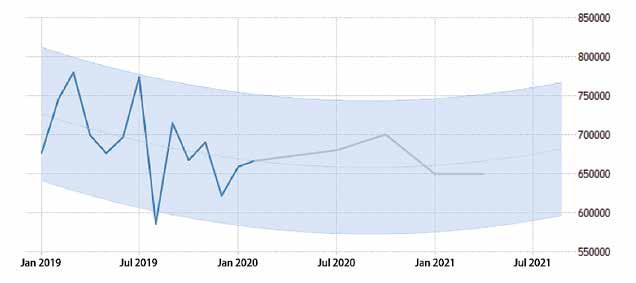
The coronavirus pandemic is having a big impact on the automotive manufacturing industry. The head of a Japanese lobby group said on 19th March 2020 that the group’s members will need to keep adjusting production, amid a projected slump in demand . Therefore, car production in Japan is expected to reach 680,000 units per month by the end of the 2nd quarter of 2020, according to Trading Economics global macro models and analysts’ expectations. Looking forward, they estimate that car production in Japan will stand at 650,000 units per month. In the long-term, Japan’s car production is projected to trend around 690,000 units per month in 2021, according to their econometric models.
The Prediction of Future Japanese Car Manufacturing (Unit: vehicle)
American News
Some U.S. Fastener Sales Halved Amid Covid-19
U.S. fastener executives report production and sales figures have dropped as much as 45%, according to an informal May 2020 survey conducted by GlobalFastenerNews. “If it wasn’t for the empty roads, I would barely notice the shut down,” one fastener distributor observed.
“Running the full crew full-time, but order quantities lower, so sales down around 10% vs. prior year.”
One distributor said his company sanitizes work surfaces and touch points, and work stations have been moved at least six feet apart. “I would guess that this is the new normal for a least 18 months until an inoculation is proven.” While face masks are optional, “anyone who sneezes or coughs goes home.”
The distributor is moving some inside sales reps to home offices. But another distributor said he has made no safety changes such as distancing to his operation. Few problems working with customers or suppliers were reported.
“Most companies seem to have embraced working remotely to keep business functioning as smoothly as possible given the environment we are in,” one manufacturer found. Only one said one customer is “problematic,” but added that suppliers are “very cooperative.” But sales aren’t restarting: “Nothing ramping up,” said one. “Just managing expectations while end users are shut down.”
Most responded with “wait and see” plans to attend the International Fastener Expo September 28-30 in Las Vegas or the November 8-10 Specialty Tools & Fasteners Distributors Association convention in Anaheim. “Yes, unless there is a new wave of the virus,” a distributor responded to his company participating in the two events.
There also was flat rejection of trade show participation this year. “Not likely,” noted one. “No way things will be okay by then,” said one distributor close enough to drive to both events instead of fly.
Grainger Selling Fabory to Dutch Firm
Grainger agreed to sell Fabory and its subsidiaries to Dutch capital firm Torqx Capital Partners for an undisclosed sum. Grainger acquired Netherlands-based Fabory in 2011 for $346 million. Founded in 1947 as Borstlap & Sons, Fabory employs 1,100 to supply fasteners to more than 60,000 customers in EU markets through 44 branches in 13 countries. Torqx said it will support Fabory by investing in deep product and application expertise, in smart value-added services for its OEM and MRO customers, and in an efficient and high-quality supply chain.
Endries International Acquires All-West
Endries International Inc. acquired All-West Components & Fasteners Inc., a distributor to OEMs founded in 1978 in Seattle by CEO Rick Peterson. Terms of the deal were not disclosed. President Steve Endries commented that the “cultural and customer service philosophies that Rick & Mark have built align perfectly with the foundation at Endries. This acquisition will enhance Endries ability to grow our business with the combined expansion of our product offerings and geographic footprint that All-West brings in the Pacific Northwest.”
Peterson’s brother, Mark Peterson, joined All-West in 1982 and has been president since 2015. After eight years in fastener distribution, Rick Peterson founded All-West 42-years ago, adding up to make it a 50-year fastener career. That qualifies him as “a rusty bolt,” Peterson told GlobalFastenerNews.
Founder Bob Endries was the 1993 president of the Specialty Tools & Fasteners Distributors Association and Rick Peterson was the 2008 STAFDA president. Peterson also was the 2014-2015 president of the Pacific-West Fastener Association. Endries International is marking its 50th anniversary during 2020. The company has 825 employees across the U.S., Canada, Mexico, Europe, the Asian Pacific and China.
Fastenal Fastener Sales Continue Decline
Fastenal reported fastener sales dropped 15.3% in May, compared with a 22.5% rate of decline the previous month. Sales of other products (excluding safety supplies) fell 6%. Overall sales rose 4.4% to $491.5 million in May, while daily sales climbed 14.8% to $24.7 million during the month. U.S. sales gained 14.4%, while sales in Canada and Mexico fell 2.4%.
By end market, sales to manufacturing customers decreased 4.2%, and sales to non-residential construction customers were down 9.8% in May. During May, Fastenal trimmed 400 sales staff, with most of those cuts in branch and onsite personnel. The company’s overall workforce decreased 5.4% during the month to 21,034 employees. Distribution personnel shrank 14.3%% to 2,478 while manufacturing personnel fell 9.8% to 625 workers. In the opening quarter of 2020, fastener sales declined 2.6% to $449.7 million (32.9% of overall sales).
Com piled b y Fa stener World
Fastener Fair USA Postponed Until 2021
Fastener Fair USA has been postponed from its July 2020 schedule to March 2021 due to the COVID-19 escalation. The 3rd Fastener Fair USA is now slated for March 23-25, 2021, at the Huntington Convention Center in Cleveland, OH, returning to the city where the inaugural event was held in 2018.
Birmingham Fastener Acquires Atlanta Rod
Birmingham Fastener and Supply Inc., Birmingham, AL, USA, has acquired Atlanta Rod and Manufacturing, a fellow domestic manufacturer of fasteners. John White will stay on as President of Atlanta Rod, joining the leadership team of Birmingham Fastener. “Atlanta Rod and Manufacturing has a long history of providing excellent service and value to its customers,” says Birmingham Fastener President, Brad Tinney, “I’m extremely excited to partner with John and his team.” “Brad and I have very similar backgrounds and share an unending passion for domestic manufacturing,” says White, “I look forward to the opportunities that joining these two companies will provide for our customers.” In the past two years, Birmingham Fastener has expanded its footprint across the USA, opening locations in New York, Iowa and Houston. Atlanta Rod, based in Lavonia, GA, USA, is the company’s latest acquisition. In these uncertain times, Brad Tinney also expresses the importance of domestic manufacturing capability.
EFC Expands with New Warehouse & Office
EFC International continues to expand, moving its Chicago branch office and warehouse to a new 64,000 ft2 site at 4150 Chandler Dr., Hanover Park, IL, USA. Thomas Mansholt, VP of Operations states, “Our move enables EFC to enhance our service level by providing additional stocking programs with increased inventory space to meet both customer and
supplier needs. With 4,200 pallet locations, 26' clear height ceilings and a circular flow from receiving to inventory to shipping, we can ship products more efficiently and the facility allows for growth. The increased number of dock doors provides efficient flow for containers to be loaded for export, supporting customers for all EFC global locations.”
Dyson Acquires Accu-Tech
Dyson Corp., Painesville, OH, USA, expands its manufacturing capacity and capabilities through the acquisition of the business assets of Accu-Tech Manufacturing & Support Corp., located in Mentor, OH, USA. Dyson plans to continue operations at the Accu-Tech facility through the remainder of 2020, when it will combine the assets and employees with the Dyson operations located in the same Ohio county. All equipment and employees of Accu-Tech are expected to remain with the combined company after the transition.
MWFA Annual Fastener Show Cancelled
Nancy Rich, Executive Director, Mid-West Fastener Association (MWFA), Lake Zurich, IL, USA, reports, “As we continue to monitor the COVID-19 situation with Stay at Home Orders, company travel bans and most of all everyone’s safety, the MWFA Board has had extensive discussions regarding this year’s events. In the best interest of everyone we have made the decision to cancel the MWFA Table Top Show and Golf Outing for 2020. To be sure that we provide quality events, we will put these events on hold until 2021 when we are able to meet safely.”
ZAGO Increases Sealing Fasteners Production
ZAGO Manufacturing produces high-tech sealing fasteners for ventilator manufacturers and is ramping up production to meet heightened demand during COVID-19. The company manufactures high-tech sustainable sealing solutions and components from its headquarters in Newark, NJ, USA. ZAGO high-tech sealing screws, nuts, bolts and washers are also critical in the production of Extracorporeal Membrane Oxygenation Systems, akin to external blood pumps, and are in dwindling supply.
European News
Strong Start to Q1 Slowed by Covid-19
Bulten has reported that net sales amounted to SEK 821 million (€75.4 million) in the first quarter of 2020, which is an increase of 1.4% on the same period last year. Operating earnings (EBIT) for the quarter totalled SEK 43 million (Q1 2019: SEK 58 million), equating to an operating margin of 5.2%.
Anders Nyström, president and CEO at Bulten, commented: “The year started off strongly for Bulten and was in line with the high order intake at the end of 2019. Since then, the situation for Bulten and the global automotive industry has changed dramatically due to the effects of COVID-19. Already in February, car production stopped in China, and during March most of Bulten’s customers closed down their production units in Europe and North America. As a consequence, Bulten has had significantly lower production and sales than planned during the first quarter.”
“The decline in the market was reflected in the order intake and net sales for the quarter, the effects being partly offset by the acquisition of PSM. Net sales increased by 1.4 percent and order intake decreased by 6.1 percent. The prevailing uncertain production situation in the automotive industry means that the development in the coming months remains difficult to predict. At the end of the quarter, however, vehicle production in China started to recover from the COVID-19 situation – but has still not reached previous levels.”
Bufab Reports Covid-19 Sales Hit in April
In a Coronavirus update, Bufab reported negative organic sales growth in April at -30%. Including currency effects and acquisitions total sales growth was approximately -20%.
Bufab said that: “Toward the end of April, we received some positive signals in the form of a slight demand recovery in some geographies as well as information from several customers intending to resume operations in May. On the other hand, the development of the pandemic itself as well as future government countermeasures are impossible to predict.”
Jörgen Rosengren, Bufab’s President and CEO summarised: "This is a difficult period for everyone. Bufab’s primary concern is keeping our staff and partners healthy and safe, and to continue to provide uninterrupted supply to our customers worldwide. The tough measures we have taken to reduce cost are now starting to show results. I’d like to again thank all team members for their excellent teamwork, customer focus and personal dedication in these tough times.”
NORMA Group Results Impacted by Covid-19
NORMA Group recorded an 8% decline in sales in the first quarter of 2020 to €253.6 million (Q1 2019: €275.6 million). Organic sales were down 8.9 %. Currency effects had a positive impact of 0.9% on Group sales.
Dr. Michael Schneider, CEO of NORMA Group, commented: “The uncertain situation of the global market due to the corona pandemic had a negative impact on our business in the first quarter of 2020. To protect our employees and in response to the significant drop in customer demand, we decided to temporarily shut down or interrupt production at several sites in mid-March. In the current situation, our focus is on maintaining our supply chains and securing our financial flexibility in order to be able to bridge temporary sales shortfalls. Thanks to our broad product portfolio and the global orientation of our business activities, however, we are confident that we can cushion the consequences of the corona pandemic as effectively as possible.”
NORMA Group sales in all three regions – EMEA, the Americas and Asia-Pacific – declined in the first quarter of 2020. The main reason for this was the weak automotive business, which deteriorated even further as a result of the restrictions imposed by the corona pandemic since March 2020. As a result, demand for joining technology in this sector fell sharply.
Separation of Arconic into Two Standalone Companies Complete
Arconic Inc has now been separated into two standalone companies - Howmet Aerospace Inc and Arconic Corporation. Howmet Aerospace specialises in advanced engineered solutions and will start trading on the New York Stock Exchange under the ticker "HWM.” In 2019, the businesses comprising Howmet Aerospace generated more than US$7 billion in revenue, up 5% from the prior year, with more than 70% of Howmet’s revenue derived from the aerospace market.
The new company will be led by co-Chief Executive Officers John C. Plant, who will also serve as Executive Chairman of the Board, and Tolga Oal, who previously served as President of Arconic Engineered Structures.
Howmet has been a trusted brand for over 90 years and has the technological capabilities to support the innovation and growth of next generation aerospace programmes. Composed of engine products, fastening systems, engineered structures and forged wheels businesses, Howmet Aerospace is transforming the next phase of more fuel efficient, quieter aerospace engines and sustainable ground transportation.
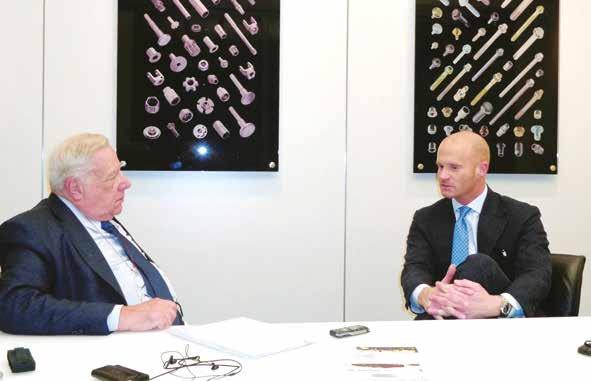
SACMA Group: An ever-evolving reality
Interview with the President of SACMA Group: Mr. Valeriano Rampezzotti
If you want to have a clear idea of the value and impact of the SACMA Group you should visit its offices and facilities in Limbiate. There you will find a very modern building with a harmonious and pleasant architecture. Then, once inside, you will be amazed to find yourself in an advanced and rational working environment with a highly functional design and concept.
Everything is beautiful at SACMA: from the offices to the production areas. To learn more about the philosophy of the SACMA Group, we met with the President Mr. Valeriano Rampezzotti.
“SACMA,” explains Valeriano Rampezzotti, “today is a group based on four production sites all located in Italy. The first is in Limbiate, where the design is carried out and where the components are built and the presses are assembled.
The second production site is in Vimercate where we produce small and medium sized parts for presses and rolling machines. The third production site is in Castelnuovo Scrivia where we design, produce and assemble the INGRAMATIC rolling machines. We have also recently built a new Tecno Lift facility in Castelnuovo Scrivia, which is dedicated to the design and manufacture of hoppers and conveyor belts for feeding machines. To all this is added the acquisition of HS Automazioni Srl, a company located in the province of Turin specialising in the production of turning machines and special components under the HS ASPE brand. The production includes tapping machines, combined machines, transfer machines and multi-spindle machines.
The Group today has a staff of 240 people, with subsidiaries located around the world (Spain, Germany, Poland, Brazil, USA, China and India). It manufactures about 80 SACMA and INGRAMATIC machines per year. The Group’s consolidated annual turnover is approximately 65 million euros, which is very significant for a niche company. In terms of size, the Limbiate production facility occupies an area of 60,000 square metres, 35,000 sqm of which are under cover.
SACMA has recently invested heavily in “industry 4.0” to renew its plants and machinery which, however, already had an advanced and cutting-edge design.
“We have adopted the “industry 4.0” concept in harmony with a highly professional and reliable technical and operational staff, in order to produce more efficiently and with controls throughout the entire production process,” concludes the President.
It is with great interest that I ask the President the first question.
SACMA has surpassed the 80th anniversary of its foundation with flying colours, this is rightly a source of pride and satisfaction for the company as a whole, but what about you as a manager. Is it a time to reflect on the company policies and to define new ones aimed at fostering continuity and renewal?
It is certainly a time to reflect on a policy of continuous improvement and innovation. The recent generational transition has taken place very gradually.
L ef t to Right: Marco A Guer ritore , Valeriano Rampez zot ti
I must admit that my father was, for me, an excellent teacher because unlike many other entrepreneurs who, while being very knowledgeable and experienced, sometimes failed to explain and above all to transmit, as my father did, the essence of what is called “entrepreneurial intuition.”
My father was a very enlightened guide who over the years has managed to teach me what management is, giving me important opportunities such as that of managing INGRAMATIC, a situation that was not very easy at the beginning. This previous work experience consequently made the transition in the Company smoother and easier.
Do you consider the recent change in management to be successfully completed?
There is always something to learn in today’s world. My years of working in the company may be few, but the help of valuable collaborators and competent advisors has allowed me to have a much greater focus on the market and therefore to be able to give the right answer to strategic choices. This does not mean that the phase of change phase is completely over, however it does mean that it has been greatly facilitated and largely overcome.
Do you think there is a difference between the way you manage the company and the way it was managed before you?
I believe that certain management characteristics are very similar among the various types of administration because the values, especially towards customers and staff, inevitably refer back to the initial ones. In my case, they are those laid down by my father: values of fairness, honesty and transparency and if we want to be careful also towards employees. However, we must not underestimate that over the years, due to changes in the market and customer needs, the company will have to move towards a more professional type of management.
From a conceptual point of view, the Company will change in the near future, it will evolve from being a family-run business to becoming a more professionally managed company, while maintaining the same values of a family business.
What corporate strategy do you think is needed to manage the continuous difficulties coming from the globalised market?(
Certainly by maintaining a lean and flexible structure that is always ready for change. These are qualities that a niche company like Sacma must maintain in order to cope with the market changes.
In recent times we have witnessed many market transformations so, in order to remain more and more competitive and active, we have to renew both the production plants and all the machinery we produce, i.e. the SACMA and INGRAMATIC machines, which must be increasingly flexible so that they can easily go from producing a standard bolt to a customised one.
What future do you see for SACMA?
Undoubtedly, the future will logically be different from the present. Our machinery is changing just as the needs of our customers are changing. Therefore, I see a new SACMA that can create high quality and technically-advanced products to increasingly meet the requests for change coming from our customers who are becoming more and more international.
In short, greater internationalisation and more incisive commercial and technical assistance to customers; as a result, today we are able to offer not only the press or rolling machine but also the design and technology for the part to be produced.
Do you think that the continuous technological changes and modernisations will also structurally change the fastener industry in the near future? If so, in what way?
I really think so. I reflect on the big change coming from the introduction of the electric engine in the auto industry. It will certainly change the concept of the screw and bolt as we know them today. If the electric engine should definitely establish itself, I think there will be an application and functional downsizing of the fastener in general. In other words, we will increasingly move towards shaped parts, towards special screws.
This should not be seen as a bad thing, on the contrary, it should be perceived as an opportunity to find new products to be used in the production of electric cars and in general in the natural evolution of the market demand.
What do you think about the world steel market, and in particular, the Italian market which is in great difficulty today?
It’s a big problem. The world steel market continues to experience significant challenges and the reason lies in the customs duty policies that have caused and are causing major impediments to many of our customers in different parts of the world. The steel market is currently global, managed by importexport flows and therefore strongly linked to customs policies.
As far as Italy is concerned, I think it is very important to have and guarantee a national production because today everything is done with steel, and I mean everything… so for us, it’s very important to keep steel production on the national territory.
If the situation should become worse, we would be forced to import all the steel we need. Even now, we are forced to purchase a lot of steel castings abroad with a significant increase in purchase costs.
Are you worried about the consequences of the US customs policy?
We export heavily to the USA where we also have an active subsidiary: at the moment there is, for us, no news on the customs duty front for exports of machine tools to the USA, so we are not worried.
Of course, if a policy change were to occur, it would put us in great difficulty, given that we have a big and important local competitor in the US.
In your opinion, how will the Italian and world economic landscape look like after the COVID-19 pandemic has passed?
This virus will certainly make us change the way we live, we will have to take precautions for quite some time, at least until a definitive vaccine becomes available.
As for the economy, the negative impact of this pandemic will be felt for years to come, not only in Italy but the whole world. It will affect all industries from tourism to automotive, and governments will have to help the entire economic fabric to be able to give liquidity to companies in order to limit the damage suffered and unemployment… at the moment it is difficult to understand how our sector will react, but obviously behind major crises you can have time to reorganise and find new solutions, therefore, also new opportunities.
Overview of Global Markets in H1 2020 Fastener Industries Hard Hit by Coronavirus;
Taiwan’s Fastener Export Volume Down 8.9%
YoY
Europe and America Still Suffer from the Pandemic While China Reports Its Negative GDP Growth for the First Time
The global fastener industry is being influenced by the pandemic and many countries stopped their production lines and announced city lockdown orders, which led to the severe disruption of economic activities. Major countries that may cause a great impact on the supply and demand of fasteners (USA and Europe, for example) remain the hardest hit areas in the world and lots of economic forecast institutes such as IMF have all expressed their pessimistic views on the macroeconomic growth rates of these two regions in 2020. In China, the curve of the pandemic development has become more flattened than those of other countries. Although China reported its first negative growth in its GDP at -6.38%, its total export this April was still up 3.5% on a yearly basis, making its trade surplus reach up to USD 45.34 billion.
Global Economic Performance Turns Weak This April, Dragging Taiwan’s Fastener Export Down
Almost no country reported good economic results in April 2020. According to the statistics regarding Taiwan’s fastener export, Taiwan only exported 94,100 tons of fasteners this April (down 27% from this March and down 22% from the same period last year). In terms of the export unit price, it was up 2% from this March, but was down 2.8% from the same period last year. To view in general, the top 5 fastener export destinations for Taiwan in Q1 2020 were USA, Germany, the Netherlands, Japan, and Canada. All data of Taiwan’s fastener export to other countries showed a drop of 5-19% from the same period last year, especially Germany (-19.68%) and USA (-10.44%).
According to the data released by Taiwan Industrial Fasteners Institute (TIFI), Taiwan exported 368 thousand tons of fasteners in Q1 2020, down 8.9% from the same period last year, however, its average unit price was up 1.03%. Self-tapping screws were the category that showed the highest increase in export volume (+21.85%), however, its unit price was down 7.05%; wood screws were another category that showed an increase (+14.27%). In addition, the export volume of bolts was down 16.29% and the export volume of nuts was down 11.49%. As for the prices, all fasteners showed an increase of more than 2.5%.
In terms of materials, in the first 4 months of 2020, 24% of Taiwan’s wire demands were satisfied by S. Korea and 19% were by the UK. 57% of the imported wires were low carbon steel and 21% were alloy steel; 42% of the rods were imported from China and 28% were imported from Japan. 71% of the imported rods were alloy steel. In Q1 2020, Taiwan imported 205 thousand tons of wires and rods. Although the figure was up 8% on a quarterly basis, it was down 1% from the same period last year.
by Fastener World
U.S. Housing Starts and European/ American New Car Sales Plummet to a New Record Low
Other reasons that may influence fastener export include construction and automotive industries with tremendous fastener demands. For example, U.S. housing starts slumped by 22.3% from this February (the lowest record over the past 37 years). In addition, in terms of new car sales, U.S. new car sales were significantly down 46.6% from this March and was down 28.2% from the same period last year (reaching less than 720,000 units). In Europe, registrations of passenger vehicle ownerships this March slipped by 51.8% from the same period last year, the record low in history.
Gradual Manufacturing Resumption in Several Countries; Carrying out Proper Measures to Prevent the Reoccurrence of the Pandemic
Although the pandemic has caused impacts on manufacturers like delayed production or shipments and reduced demands, China has gradually resumed its production lines and the global supply chain has been also gradually reorganized under a new order. Some experts said that the pandemic resulted in the high unemployment rate and business shutdowns, however, as the emergent situations began to ease in more and more countries, large int’l car manufacturers started to resume operations, and regional governments started to reinvigorate their economic activities (such as proposing infrastructure projects or economic stimulus plans), it is estimated that after the pandemic there may be an outburst of potential demands. However, in order to prevent the reoccurrence of the pandemic, strict measures must be still adopted at all times.
Fault Diagnosis - what to look for
by Dr. Peter Standring
“If only we knew then what we know now!” This plaintiff and often despairing cry must have been one of mankind’s most oft heard utterances. The language is universal – “where did it all go wrong?”
The wringing of hands following some unexpected failure is an entirely proper reaction since it shows a realisation that something untoward has taken place which in turn should prompt an enquiry as to why.
Unlike the religious penitent seeking support from a supernatural source, engineers see the ball firmly in their court and recognise it will remain there unless they do something about it.
So, where to start? The failure must be the most valuable source of all engineering information. I was once invited to witness a controlled, automotive crash test costing upwards of $1 million. My memory of the occasion was not of the sensors, cameras, noise or result but of the consternation on the faces of the engineers when they realised that what had happened was not what their hugely expensive and complex software models had predicted.
It is the unpredictability of a failure which makes the failure so valuable since the opportunity to accurately replicate it is often beyond our capabilities to achieve. To throw a failure away without using it as the primary source of evidence as to why it happened is both woeful and wasteful. Solving any problem leads to knowledge and that knowledge gives rise to understanding. Engineers who don’t understand are very likely to experience the same mistakes again. In a research environment, this may be an acceptable risk, in the commercial world, it is not!
Tracing the source
‘Self distancing’ is a term which the world has very sadly come to recognise and which only a few months ago was largely unknown. But the reaction is one which all manufacturers and their customers have practised for years. Under normal conditions, when all is well, things continue as before. Find a fault and immediately self distancing kicks in followed by methods to diagnose the cause and eliminate the problem. Found inside the manufacturing plant, faults can be dealt with discretely. Picked up outside the manufacturing base, then the issue becomes very much more serious and can/ will have reputational and financial consequences.
As shown in Figure One, all fastener manufacture begins with design. Naturally, the product which is being manufactured together with all the processes, equipment, sequencing, etc., which are required to produce the part. It is a generally accepted axiom that 95% of all manufacturing costs are design related. An inappropriate choice of material and/or treatment, processing methods etc., can reduce the effectiveness of a well designed product. Alternatively, no matter how good the manufacturing system may be, a poorly designed product will remain just that.
The very best opportunities for fastener manufacturers to succeed are when they have full control over the product design. Of course, for standard parts and customer specific designs, this is not possible. However, where possible full manufacturer/customer participation can not only generate a functioning partnership but also allows the supplier to create a customer confidence that can cement the relationship.
Assuming both product and plant capacity are deemed satisfactory the manufacturing process begins with the material. Delivery, storage, inspection before use and in process sampling etc., will naturally vary depending on the scale of fastener manufacture. A large throughput will require inhouse inspected facilities to continuously support every stage of the manufacturing process. These off-line activities will supplement the on-line equipment based sensors which provide piece part monitoring and information of machine performance for statistical processing control (SPC). The more sophisticated the data acquisition coupled with the analytical methods to monitor trends, the greater the control the plant management will be able to exercise. With such information, scheduled tool changes, maintenance can be sequenced to obtain maximum efficiency of throughput.
Figure One. Fault Diagnosis: In-House
Supplies (outsourced or in-house)
The volume of a large fastener manufacturer may be many times that of a smaller, perhaps specialist producer. Yet, through process control, the chance of defective products leaving the plant undetected is often much smaller. This is because the large scale throughput can justify the plantwise investment in quality control methodology and equipment to ensure the quality standard is assured.
Where a manufacturer has to purchase random wire/ rod etc., at varying frequency, then the nature of the input material, although standard, will also be variable. This is because primary producers of metal alloys are cost competitive on volume. Therefore, the more they produce of a given product, the lower the price. However, although the chemical composition and processing route remains within a specified standard, from batch to batch they will vary. So, for a small fastener manufacturer running a range of small batch products, the material being processed will behave differently. In the main, this may pose no problems. But if, due to limitations of equipment, the processing route pushes the material to the limits of its performance capabilities, then problems may arise.
Catastrophic tool failure is self evident. However, cracked tools may provide defects on the formed parts which may not be picked up by visual means. These and other non visual defects as potential stress raisers due to excessive cold working, could, during heat treatment and/or in service, lead to fastener failure.
For the large, well established fastener manufacturer, it is the invested science, testing and trend analysis which ensures success. At the other end of the fastener production sector, it is primarily, the hands on skill, familiarity with the equipment and knowledge of the staff which, within their capabilities and experience, fight the constant fear of the unknown. A new type of failure here almost always involves detailed diagnosis of the complete process.
A classic example with which this author was involved concerned a specific light metal alloy fastener for a military application. The material was sourced overseas as individually cut items and obtained in the normalised condition. Production runs were carefully scheduled. The forming process was pushing the limits of the material. A sporadic problem was noted which, when it occurred, resulted in tool breakage and poorly formed parts. In short, the process would not run. The timing of these failures occurred after company shutdowns and was determined to result from the age hardening of the input material due to unscheduled storage. This, coupled with the nature of the deformation, exceeded the stress limits of the tooling thus causing tool and part failure. Once the normal production schedule was resumed, the normalised material worked perfectly satisfactorily. In this particular situation it required an understanding of sequencing procedures along with the relevant failures and material characterisation in order to diagnose the true cause and provide an acceptable solution.
Failure Outside the Factory
Figure Two, illustrates a sequence of possible In-Service failures which might occur post delivery of a fastener order. Rapid identification of damaged or inappropriate goods
might pose the least problem? The inability to employ the fasteners, although presenting difficulties could also be handled without downstream potential disaster.
However, once in service, premature failure through unanticipated wear or breakage could be indicative of inadequate material properties due possibly to batch variation in heat treatment? Catastrophic failure due to overload/fatigue etc., would be an issue related to the design of the product and its not being fit for purpose.
A one off failure picked up and reported during servicing or following a non related problem (crash etc.) should be registered but without further action. A number of such similar failures, depending on the seriousness of the problem could lead to warranty issues and customer recall.
As stated previously, self distancing from a high profile, in-service failure, will often result in significant reputational and possible financial damage. To be successful, the ‘humble’ fastener needs to remain fully functional, maintain a low profile, and be part of the story. For a fastener to become ‘the story’ could prove very costly indeed.
Conclusion
The old saying, ‘Don’t cry over spilt milk’, is sound advice. For all fastener manufacturers it will clearly be better not to spill any milk in the first place but if such an accident were to occur, make sure the milk stays in-house.
Figure Two. Fault Diagnosis: In-Service
Car Production and Sales of South Korea in 2019
by Behrooz Lotfian
Car Production of South Korea
The automobile industry of South Korea is now the fifth largest producer of passenger cars in the world. Its automobile industry accounts for 13 percent of South Korea’s manufacturing output and is a very important industrial area that contributes to about 12 percent of the total employment in South Korea. It is a core industry that affects all industrial sectors, from materials (such as steel, nonferrous metals and glass) to transportation, advertising, financial services, and construction. For decades, the automobile industry has grown exponentially and has also been an indicator of the country's economic growth (https://www.statista.com/topics/5249/automotive-industry-in-south-korea/ )
The car production in South Korea decreased to 3,950,581 units in 2019 from 4,028,705 units in 2018.
So what is the difference of these two brands?
Kia and Hyundai are the main car makers in South Korea, representing 81.9% of the whole production in South Korea, and as a result of Kia’s bankruptcy in 2007, Hyundai now owns a part of the company. It means that Hyundai is the monopoly producer in South Korean market and Kia is the 2nd brand of Hyundai. Hence, this is the reason that many of the comparable models of these two car makers share the exact same body structures. Although, Kia does still operate independently and has separate design workshops, marketing, and branding. 4,400,000 4,200,000 4,000,000 3,800,000
As mentioned above, Kia and Hyundai have the same parent company, but they offer completely different lineups. While Hyundai’s cars and SUVs focus on how much bang you can get for your buck, Kia’s diverse line-ups include low-cost models that are sold alongside high-priced models that can cost nearly $50,000 in their highest grade. This head-to-head battle features each of the company’s offerings in our segmented vehicle categories (https://cars. usnews.com/cars-trucks/kia-vs-hyundai-battle-of-the-brands).
Car production in South Korea was expected to reach 4,250,000 units by the end of 2020, according to Trading Economics global macro models and analysts’ expectations.
In the long-term, the South Korea’s car production is projected to trend around 4,250,000 units in 2021, according to their econometric models. (See the right graph)
82.3% of South Korean cars sold domestically were manufactured by these two brands and both of them export more than 80% of their production to the world (Hyundai: 83.2%, Kia: 81.2%).
Hyundai-Kia's combined sales in 2019 slipped by 5.1 percent (from 7.4 million units in 2019 to 7.19 million units in 2018).
The sales of South Korean car brands in 2019 reveal that the automobile industry in Korea was not as good as in 2018.
The numbers of both Hyundai and Kia decreased in the export sector. Hyundai was down 4.8% and Kia was down 1.3% compared to the overseas sales in 2018.
The domestic sales of Hyundai increased by 2.9%, but Kia appeared a decline of 2.2% in this sector.
Table 1 Production of South Korea's Major Car Manufacturers in 2018-2019 (Unit: Vehicle)
Table 2 Global Sales of South Korea's Major Car Manufacturers in 2018-2019
Car Production Estimation in South Korea in 2020-2026
Industry Focus
Table 3. Domestic and Overseas Sales of South Korea's Major Car Manufacturers in 2018-2019
Why is South Korean Car Industry Under Pressure?
Some fundamental factors that happened over the past years and the Covid-19 pandemic have shown the fact that the stability of South Korean car industry is fragile. These items are:
1- Weak Name:
Name is one of the main factors that may lead to the success or failure of a brand in the global market. Different countries, different languages, and so, some names can sound good in one language and vice versa. Therefore, brands should find names that can be easily spelled in English and have no bad meanings. However, brands should double check their names in the destination market. Korean brands’ names won’t work globally because their pronunciation is difficult to be spelled in English (Like Japanese and Chinese). Why English? Because English is the communication language of world business.
2- Different Regions, Different Strategies
Hyundai and Kia have earned different views on their car models in different countries. For example, in most Middle East countries Kia and Hyundai are considered luxury brands by consumers because they are not rich enough to buy Benz, BMW, or Porsche, but in other countries like Europe and USA, Huyndai and Kia are on the contrary considered inexpensive brands. These two brands have different positions in different countries, which helped them sell their cars in each region, but damage their brand images (that is, is Hyundai or Kia an expensive or inexpensive car brand?).
3- Weak Visual Position
Hyundai’s trademark is similar to Honda’s trademark. Both are just stylized versions of the letter “H.”
Kia has used one of the weakest ways for making its visual position: using logo type. Successful companies which use a logo type as their logo have visual identity (Visual hammer) beside of it. Customer recall the brands because of the visual identity, not logo type.
4- Line Extension:
This is a problem for most car manufacturers. When Hyundai and Kia introduced their cheap cars in most of the regions, why did they introduce their luxury models? They cannot get a success in their luxury brands. Hyundai’s and Kia’s luxury cars only share about 3-4 percent of their sales.
Will the Future be Darker than Before for S. Korean Car Industry?
Based on the performance of Hyundai in 2020, the Covid-19 has fuelled the failure speed of South Korean car industry.
January 2020:
January sales totalled 304,076 units, down 3.6% in comparison with January 2019.
• Sales in South Korea declined 21% year on year to 47,591 units due to fewer work days.
• Sales outside of South Korea slightly rose to 256,485 units vs. 254,954 units in the same period of 2019.
What is the Plan of South Korea?
The South Korean government has presented a “future vehicle industry development strategy” with a target of making South Korea the world’s most competitive presence in the future automobile industry by 2030. The plan is focused on pushing the accelerator in innovation growth in the area of future vehicles, including commercializing completely autonomous vehicles by 2027 and increasing the percentage of eco-friendly vehicles to 33% of all new cars sold in South Korea by 2030.
The problem is in the core of the car industry in South Korea and their managers are looking to the solution in the technical and engineering section!!
February 2020:
February sales totalled 275,044 units, down 13% in comparison with February 2019.
• Sales in South Korea declined 26% year on year to 39,290 units
• Sales outside of Korea declined to 235,754 units vs. 262,414 units in the same period of 2019.
March 2020:
March sales totalled 308,503 units, down 20.9 percent in comparison with March 2019.
• Sales in South Korea increased 3 percent year on year to 72,180 units.
• Sales outside of Korea declined 26.2 percent year on year to 236,323 units.
May 2020:
April sales totalled 159,079 units, down 56.9% in comparison with May 2019
• Sales in South Korea slid by 0.5% year on year to 71,042 units
• Sales outside of Korea declined 70.4% year on year to 88,037 units
In most countries, Hyundai and Kia are successful because these two brands deliver a lot of value for a little money. However, this strategy put them in the horrible situation in a crisis period, like now.
As the production cost of vehicles in South Korea continues to increase, Hyundai and Kia in the long term will have to raise its prices, which will make the brands less competitive in the marketplace.
Nowadays, their low-end market is attacked by Chinese cars, and the Covid-19 disrupted many plans, and the managers think to solve their problems through engineering and technology!! They are in the wrong way again!! Because of their multi-brand image, they don’t have a stable global position, and therefore, improving the technical parts (that is, focusing on engineering) before unifying their brand images will be a waste of money and time.
The best way for these two brands is repositioning, they are considered inexpensive cars in the developed countries, and on the other hand, they are also considered luxury brands in the developing countries. Their main sale is in developed countries, so they should change their position from a “luxury” to an “ordinary” brand in the developing countries by reducing their car options. Saving money helps them survive during the Covid-19 pandemic and helps them compete with Chinese cars by focusing on "Made in South Korea” which is usually deemed as being more reliable than those “Made in China.”
HSIN CHANG Moved to New Plant with Higher Lightweight Anchor Capacity Expectation
b
The leading Taiwanese lightweight anchor manufacturer for home improvements application, Hsin Chang Hardware Industrial Corp., has moved into its new headquarters located in Changhua City since this February. The 7,000 sq. m of new plant consists of a complex building for domestic & overseas sales and a well-arranged manufacturing area for stamping/screws/ automatic spot welding/assembly/plastic injection/wire cutting/packaging. With additional manufacturing lines and the operation of senior technicians, Hsin Chang cannot only achieve precise control of each manufacturing procedure, but also ensure the compliance with international standards of each batch of anchors shipped to customers. It is expected that the annual capacity of Hsin Chang’s major products like Hollow Wall Anchors, Speed Plugs, metal anchor series, and nylon anchor series will appear a significant increase after the new plant became operational. The old Huatan-based plant will also become a warehouse to accommodate its large equipment and may be used for production again if there exists a need for capacity expansion in the future.
Excellent Know-how Winning the Trust of Overseas Leading Brands
Utilizing automatic equipment for strict quality control and having independent R&D capabilities are both the essential components that helped Hsin Chang continuously gain a firm presence in European/American/Japanese advanced markets. In order to enhance the capacity and shorten lead times highly valued by foreign customers, Hsin Chang have 3D measuring equipment, WEDM, EDM and many necessary testing instruments for responding to customers’ contingent demands for product or tooling design change. In addition, the independent die development ability Hsin Chang’s R&D team has been accumulating for more than 4 decades also prevents the outflow of customers’ confidential technology, which is why Hsin Chang could be continuously designated by many European/American/Japanese lightweight anchor and hand tool topnotch manufacturers as their collaborative partner over the past decades.
“Business partnership with tough customers usually last longer! As this type of customers often have strict requirements, those who want to do business with them must have a wealth of experience to achieve their quality standards. The team of Hsin Chang can even help customers improve their product design to develop the best performance after reviewing their drawings. Such a tacit understanding allowed Hsin Chang to establish collaboration with many overseas benchmark manufacturers for decades,” said President Tsun-Pin Chen.
New Plant + New Markets + New Products Sales Expected to Grow 20%
Moving into the new plant can help integrate Hsin Chang’s order receiving, design & development, production, inspection & delivery, making the whole process become more streamlined and competitive. Customers’ problems can be solved immediately, periods required for product R&D can be significantly reduced, and capacity/quality/lead time can be greatly improved as well.
“The new plant equipped with new machines and staff can accelerate our development process for existing customers’ products on the one hand, and on the other hand can help us find the lost customers back previously due to competitors’ plagiarism or pricecutting competition. Considering the current industrial conditions, I feel optimistic and expect to see a 20% sales growth next year. In terms of new product development, lightweight anchors have thus far represented around 80-90% of Hsin Chang’s total sales. The team of Hsin Chang will continuously dedicate themselves to the development of more labor-saving and lightweight anchors, which require less operating steps and feature more secured fastening,” added President Chen.
PresidentChen noted, “As we process customers’ inquiries directly, we could know what they really need. Hsin Chang takes the collaboration with associate factories and customers seriously. Considering our customers as partners are also a guideline for us to seek sustainability.”
y Gang Hao Chang, Vice Editor-in- Chie f o f Fa stener World
Sansoar
by Dean Tseng, Fastener World
High-end Migration & Industry 4.0 Japanese Fastener Tech Trends:
Trend 2: Materials and Structural Advancement
The countries that measure up to Industry 4.0 are probably Germany, the U.S., and Japan. Here we are going to talk about Japan. Japan’s fastener technology has migrated to the high-end level pretty early, but in the last two years, Industry 4.0 implementation has become more apparent because the leading corporations in Japan are the spearheads of this trend. Before moving on to the Japanese Industry 4.0, we have to know the R&D trends of Japanese fastener manufacturers.
Trend 1: Anti-loosening
Anti-loosening is no doubt Japan’s iconic and admirable technology in fastener development. There are so many, almost countless local companies developing anti-loosening fasteners and these fasteners are considered the “regular items” in Japanese fastener development. The Japanese people in nature have the momentum to innovate; and therefore, they can roll out improved anti-loosening fasteners every time. Even if some of the innovations are just a minor improvement over the previous products, "a few more percentages of anti-loosening improvement" means a head start for the Japanese fastener manufacturers who have to face a domestic population of 100 million people and thousands of domestic fastener competitors. Therefore, you can imagine the intensity of competition in this nation of creativity.
There are a few examples of anti-loosening fasteners if we look back at the past two years. The first example is “petal fastener,” which out of the Japanese creativity is a petal-like structure comprising two triangle springs to lock the nut, thereby preventing the bolt from loosening and detaching from the nut. The second is a type of bolt, which claimed by its developer will not loosen or break. All the threads on this bolt generate a reaction force, and stress spreads across all the threads instead of just across the first 6 threads. The third is a self-tapping screw, which gains a significant torque from the difference between low fastening torque and high rupture strength. Utilizing the torque difference, the screw delivers stable fastening.
These are only a tip of an iceberg. It is not an overstatement to describe Japan as a major creator of anti-loosening fasteners.
Japan is one of the pioneers in material development. When it comes to titanium screws, Taiwan is one of the manufacturing countries that started early. There are other competitors in Japan, who successfully developed titanium processing technology and rolled out expert-grade titanium screws. These screws possess the characteristics of pure titanium and the strength which is parallel to titanium alloys. They are colorable, and each of them weighs only 60% of a stainless steel screw.
Another company developed a technology to join different kinds of metal materials that are used for cold forging, including iron, stainless steel, copper, and aluminum, applying different material characteristics to a single screw. Yet, another company rolled out a 3-in-1 bolt, which integrates 3 patented designs, including a special head shape, materials, and threads. This composition achieves light-weighting, high strength and anti-loosening.
Trend 3: Visualization
The Japanese people care a lot about shortening the operation of fastening and making it efficient, so from time to time they will roll out fasteners which users can visual check to determine the fastening state. The most common way is to inject a special dye to the fastener or put a special mark on it. The wider the dye spreads, or if the mark breaks apart further, the looser the bolt, nut, or washer is. In Japan there is a type of anchor with a black inspection ring attached to the washer portion. The anchor installation is complete when you see the inspection ring come up in sight.
Trend 4: Industry 4.0, AI, Drones
This trend has just taken off in the past 3 years in Japan. An example is a leading telecommunication company in Japan, which rolled out a service utilizing drones to inspect structural bolts for rust, cracks and loosening. A top Japanese household appliance company is developing an AR-enabled bolt fastening system, through which the operator’s headmounted display shows the positions of fastened bolts for the operator to confirm if the bolts on the display are fastened with a proper force. Another Japanese company is developing a system to monitor wind turbine screws. Sensors installed on the screws collect data and check if the screws are degrading. Still another Japanese fastener company is working with a major watch company to develop IoT-enabled smart screws. The smart screws can collect critical signs on joining portions and visualize the time-lapse change of screw structure. Furthermore, the company will roll out an AI system to visualize the structural healthiness of infrastructure.
Top Fastener Companies of 2019 in Taiwan
Wire and Related Metallic Materials
2019 Financial Reports of Fastener Companies
U.S.A. 美國
Compiled by Fastener World,
Industry Focus
(CHF/瑞郎)
(CHF/瑞郎)
(SEK/克朗)
(SEK/克朗)
(EUR/歐元)
(EUR/
Industry Focus
Japan 日本
◎ Unless otherwise specified, the Japanese companies listed below have a shared remark that their prospect for the next financial year is not foreseeable and therefore undisclosed given the uncertainty with COVID-19 pandemic.
When a fastener fails there are always questions of ‘what caused the failure’. Of course, a customer is always concerned about the quality of the products he purchased; however, with the strict quality controls in typical modern manufacturing facilities the quality of products is not an issue, so we must determine the root cause of the failure. To begin an investigation, we must gather as much information as possible. There are certain questions to ask about the application of the fastener. To serve as a guide, the following is a list of questions to ask.
1 How was it installed?
a B y hand wrench
b Pneumatic tool
c Impac t wrench
d Torque wrench
Knowing how the fastener was installed will give clues to if the fastener was possibly overtightened or not sufficiently tightened.
2 What type, if any, of ancillar y components were used?
a Fl at w asher
• Hardened
• Pl ain steel
• S AE
• USS
b Was a nut used?
• Gr ade
• Type
• Locking
• Standard hex
• Finish
1 Pl ain
2 Coated
a Zinc
b Cadmium
c Dip and Spin
3. Type of loads exerted on the joint?
a Heav y impac ting
b V ibr ating
c Rotational
d Static
e A xial, tr ans ver se, shear
4 Approximate amount of expected loads?
Knowing the applied loads will provide an idea if the fastener strength grade was sufficient and if the installation method resulted in sufficient clamp load for the joint.
5. Environment type?
a Heat
b Cold
c Wet
• Chlor inated
• Salt
d Other
6 Number of other fasteners in the joint
7 How were the multiple fasteners tightened?
a Cross-pattern
b Incremental loading
c One af ter the other
Knowing how the tightening procedure was applied will give an indication if the loads were applied evenly or there was a chance that some fasteners were not tightened as sufficiently as others.
8. Where were the fasteners tightened?
a On the bolt head
b B y the nut
c Alternating
Knowing how the fastener was tightened will indicate if the procedure was consistent. Tightening the nut to a certain specified torque will produce lower clamp loads than tightening the bolt head due to torsional twist and unloading.
9. Do you know the speed of the assembly?
a Power dr iven
• Controlled output
• No control
b Hand
Knowing the speed will also indicate if the applied loads were consistent. Fast speeds will produce an elastic rebound of the joint surface that will produce higher than expected clamp loads. If there is no control over the speed, the applied loads will vary.
10 What is the condition of the joint?
a Rust y
b Painted sur face
c Rough
d Smooth
e. Greas y
f Hard mater ial
g Sof t mater ial
h A ny signs of embedment of the fastener?
11 What is the condition of the failed parts?
a Rust y
b Greas y or lubr icated
c Heat scorched
d Str ipped threads
e Bent
f Wrench pads damaged
12 Where is the location of the fracture?
a At the head of the bolt
b At the thread r un-out
c Fir st thread outside the nut
d E x ternal cr acking evidence
13 What is the condition of the fracture surface?
a Smooth with conchoidal lines
b Dull or darkish with dimples
c Shiny
d Rust y
14 Did all of the bolts fracture at the same location?
15 Did the fastener fail during installation or had it been in
ser vice for a while?
16 Were the fasteners ever removed and replaced?
Investigation
This is the time when we categorize the data we collected. Sometimes we can tell by the appearance of the samples and fracture surface what may have happened. This will narrow the questions and failure possibilities.
For instance, a ductile fracture will exhibit dimples with an inclusion, or a cups and cones appearance with a dull colored surface. It will also show some type of distortion, as the material will deform plastically before ultimate failure. However, if the load is applied very rapidly, as in a shock or impact load even while tightening, a ductile material may have the appearance of a brittle fracture and the surface will be darker. This can happen when using unregulated pneumatic installation tools.
When possible, check the threads of the bolt to determine if there is a change in thread pitch. This will indicate if the bolt was stretched into yield either by service loads or during installation.
A brittle fracture may be flat, similar to metal fatigue but is more shiny, exposing grain boundary cracking, or grain boundary cleaving. Brittle fractures will not show visible signs of distortion. Some fractures may have the characteristic markings of chevron or waterfall patterns, which point to origin of stress initiation.
Metal fatigue will display the conchoidal or ‘beach marks’ striations across the fracture surface. These will be a series of bands which may be dark, light or both. The darker bands signifying low frequency impacts or vibration, while the lighter bands are indicative of a higher frequency or more rapid impact loads.
Fig. 1 is of a metal fatigue fracture of a wheel stud. It exhibits both light and dark conchoidal bands. There are several initiation points in the fracture zone which suggests the wheel stud experienced a rotational load and a bending load in a loose condition.
Typically, fatigue fractures initiate either at the last thread run-out or at the first unengaged thread protruding from the nut.
Coatings can make a difference in environments with elevated temperatures. If there is an all-metal lock nut ( Fig. 2) that came off a turbocharger, exhaust manifold or boiler vessel, the inside will look like Fig. 3. The gold colored nuts are cadmium plated and will fail from Liquid Metal Embrittlement at temperatures exceeding 400 o F or 204 o C. LME is time dependent so failure will take longer at lower temperatures than higher. Zinc plating will also cause LME but at much higher temperatures.
The next installment will deal with the analysis of the failure.
Fig 1 Metal fatigue fracture of a wheel stud
Fig 2 Lock nut Fig 3 The inside of the lock nut
Production and Sales of Car the U.S. in 2019
by Shervin Shahidi Hamedani
The automotive industry is a vital constituent of economic growth in the United States with wide-ranging interconnections across other industries. The automotive industry historically has contributed about 3 to 3.5 percent to the overall Gross Domestic Product (GDP) of the country. The direct employment of the industry is more than 1.7 million people, consisting of those engaged in designing and engineering, those involved in manufacturing, supplying parts, and assembling components, and those selling and servicing new motor vehicles.
The automotive industry in the U.S. is one of the largest product consumers of several other manufacturing sectors. The manufacturing sector contributes about 11.5% of the country’s GDP and this sector can hardly survive without the automotive sector.
The automotive industry in the U.S. has extremely important relations with other sectors beyond its role as a key manufacturing driver. The industry is one of the largest consumers of other sectors’ goods and services, comprising raw materials, construction, machinery, legal, IT and hi-tech, financial, marketing and branding, and healthcare. The yearly R&D spending in the auto industry in the US can reach USD18 billion and this amount is sponsored by the industry players itself.
The U.S. automotive industry experienced a number of lucrative years between 2015 and 2018, when the market registered more than USD17 million light vehicles sales every year for an extraordinary four years in a row. Although the U.S. market is still one of the largest motor vehicle markets in the world, since last year, the automotive industry has fallen on hard times. In 2019, the country’s auto sales dropped as major car manufacturers registered a weak end to the year and consumers continued to give preference to trucks and SUVs over cars. In 2019, motor vehicle production of the United States was about 10.9 million units with about 2.5 million passenger cars produced in the country (compared to that, China manufactured more than 21 million passenger cars in 2019).
Automakers sold more than 17 million vehicles in the U.S. market, with about 4.7 million units of passenger cars and 12.2 million units of trucks, minivans and SUVs in the U.S. That means total sales of passenger cars in 2019 fell by almost 11% compared with the sales in 2018 which was about 5.3 million units while the total sales of trucks, minivans and SUVs increased by 2.8%. From the recent decline in the number of new cars sold in the U.S. we can derive the shift of consumer interests towards light trucks. However, the vehicle sales drop of 1.4% in 2019 can be insignificant compared with the crisis which happened in this market as a result of the recent Covid-19 pandemic. The sales in 2020 is expected to only reach about 14 million units or even less!
Together with China, the United States is among the largest automobile manufacturers worldwide, both in terms of sales and production. Some of the top
The following chart shows 2019 auto sales in the U.S. by top manufacturers.
manufacturers by U.S. market share include General Motors (GM), Ford, Fiat Chrysler, as well as Toyota and Nissan of Japan. The big three automakers, General Motors (GM), Ford Motor, and Fiat Chrysler sold about 7.5 million vehicles last year. The highest amount of sales recorded by Detroit-based General Motors Co. with 2.9 million vehicles, followed by Ford Motor Co. the Michigan-based automaker that sold 2.4 million vehicles, and lastly Fiat Chrysler Automobiles, the Italian-American company, with the sales at 2.2 million vehicles in 2019.
Looking at their quantity of sales in 2019 and compare the figures with what the Big Three registered in 2018, we have to say that all have registered a sales drop. A year-over-year decline of 2.3% by GM, 3% sales drop by Ford and 1.4% by Fiat Chrysler in 2019 compared with their sales in 2018. However, their sales vary widely among the types of vehicles. For instance, the sales for Ford’s cars dropped by 28% last year, while their trucks increased by 9%. In each category various brands/models recorded different sales figures last year. Ford's F-Series, for instance, outsold all the other brands of vehicles sold in the U.S. in 2019. Ram brand by Fiat Chrysler recorded sales of 703,023 vehicles and led the portfolio by +18% increase compared with sales in 2018.
Based on light vehicle sales in the United States, General Motors, Ford and the Toyota Motor Corporation are the leading OEMs in the United States. General Motors is the automotive manufacturer with the highest number of different brands available, with Chevrolet and GMC being the most popular ones in the United States. GMC with 564,946 units of sales recorded a 1.5% increase in 2019 compared with 2018, while Chevrolet sales dropped by 3.8% to 1,958,925 units in 2019 from 2,036,023 sales in 2018.
Last year, General Motors reported revenue streams of USD137 billion in revenue with a drop of 6.7% over 2018. Revenue from GM's automotive segments reduced by 8% overall and 16% in markets outside North America. The Ford Motor Company earned about USD156 billion U.S. dollars in revenue with only a 3% decline compared with 2018. Fiat Chrysler Automobiles produced about 108 billion euros of revenue last year.
The Big Three companies drive the US automotive industry and employ about two-thirds of all autoworkers and run three in every five car assembly plants in the country. There has been a period of restructuring by the Big Three in order to right-size their operations and be able to respond to this fierce competition in the U.S. market. Since last year, during a global slowdown in auto sales, these three companies have accelerated model changeover and restructured their joint ventures in China, the world's biggest auto market. All these three leading U.S. automakers have struggled hard in the U.S. market, so their new plans in the Chinese market (like rolling out new models in China) are supposed to revitalize their performance, but no one would have expected that the current Coronavirus situation could destroy the Big Threes' plans in China. The industry in generic and the Big Three in specific, will face massive challenges in getting things back on track.
Chronicle of Taiwan Fastener Industry
新時光軸 2004-2005
2004/11 - 2004/12 2004/11/11-2004/11/12
National Industrial Fastener Show / West, US A 美國拉 斯維 加斯 螺 絲 展
2004/10
Shuenn Chang Fa Enterprise Co , Ltd passed ISO/ TS 16949 qualit y control s ystem authentication
舜倡發公司通 過ISO/ TS16949品質管 理 系 統 認 證
2004/12/02-2004/12/03
Taiw an Fastener Tr ading A ssociation 2004 seminar of fastener technology & qualit y in southern and nor thern Taiw an 社團法 人台灣區 螺 絲貿易 協會 2004 年南、北區 螺 絲 技 術品質研討 會
2004/12/03
Lu Chu Shin Yee Works
40th anniver sar y, friendship golf tournament, and anniver sar y banquet 路 竹新益40週年 聯 誼 球 敘 暨 慶祝餐會
2005/1 - 2005/2
Chun Yu Group cultivated talents for 50 year s
台灣 螺 絲 業 春風化雨50年
2004/12/17
The 3rd term of 13th member conference of Taiw an Industrial Fastener s Institute.
台灣區 螺 絲 公會 第十三
屆第三 次 會員大 會
2005/2/20-2005/2/22
H2 X Canada, Hardw are+Home
Improvement E xpo & Conference 2005
加拿大建 材五金 展 覽 會
2005/2/24
Taiw an Fastener Tr ading
A ssociation's fir st gener al member ship meeting 2005 & lunar new year celebr ation
台灣區 螺 絲貿易協會 2005年
度第 次 會員大 會 暨演 講、
春節團拜 喝 春酒 聯 誼
2005/4/30
Taiw an Fastener
Tr ading A ssociationtrip to Green Island made a big success 社團法 人台灣區 螺 絲 貿易協會 綠島 聯 誼 悠 遊 行
2005/5 - 2005/6
ND Industries announced new location in A sia 穩 得工 業 股份有限公司 宣 布在亞 洲 設 立 新據 點
2005/3 - 2005/4
2005/3/23-2005/3/26
Fasttec-2002 & ISE T/ Tool World-2005
第三 屆 俄 羅 斯莫 斯 科 螺 絲 / 第五 屆手工具 展
Taiw an Lee Rubber Co , Ltd successfully developed environmentally friendly Green Bonded Washer 台力成 功 研 發 環 保 型金屬 高分 子複合華司
Slotted flang by S.H.C. Hardw are Ltd. drew attention from Europe
新 弘丞的Slotted Flange Nut廣受歐 洲青睞
ast Metal International with a new factor y, new products and a bright future
億萬年 喜 事連 連,新 廠 房新產品,打造 全 新氣象
An Chen Fa Machiner y Co , Ltd expanded business to China
安 全 發 觸角蔓延 大陸
David Cheng led Your Choice Fastener s & Tool s Co , Ltd onw ards
鄭孟儒帶 領 太子 螺 絲 不 斷前進
TStainless Steels
Part 1
by Guy Avellon
here are hundreds of different types, or alloys, that make up stainless steels. Each is developed to produce its own unique properties. Originally called ‘rust-less’ steel, it is an alloy of a very low carbon steel that contains a minimum of 12% chromium. This alloy has the ability to form a thin, but tenacious film of passive chromium oxide at the surface in the presence of oxygen. This invisible film is what provides the basis for its resistance to atmospheric corrosion and to most oxidizing agents.
Since iron exists in steel in different crystalline structures, the defining difference is the amount of carbon they can absorb. The higher the amount of carbon, the harder and more brittle it becomes. Therefore, stainless steels generally contain very low amounts of carbon. Crystals form when molten steel cools through multiple temperature ranges. Austenite is created by heating ferrite to 912º C (1,674º F), at which point the BCC (Body Centered Cubic) structure transforms into a FCC (Face Centered Cubic) structure which can absorb up to 2% carbon. Austenite retains its structure (stabilizes) from the addition of nickel and manganese.
Elements, such as nickel, manganese, copper, molybdenum, columbium, etc. may be added to further increase corrosion and oxidation resistance, increase its tensile strength or enhance its heat resistance. These alloying elements have led to the formation of five main classes of stainless steels; austenitic, martensitic, ferritic, precipitation hardening and duplex steels.
Austenitic stainless steels are the chromium-nickel chromium-nickel-manganese based stainless steels. These products are essentially nonmagnetic in the annealed condition. They can be hot worked but will cold work rapidly. Cold working may produce a slight magnetic condition, which can be differentiated from a strong magnetic attraction. The austenitic steels exhibit the best high-temperature strength, corrosion resistance and resistance to heat scaling than the martensitic and ferritic steels. Austenitic stainless steels are also susceptible to intergranular corrosion at temperatures between 425 and 870º C (800 - 1,600º F) because of carbide precipitation in the grain boundaries.
Typical austenitic stainless steels are represented by AISI (American Iron and Steel Institute) Types 301, 302, 309, 314, 316, 317, 321, 330, 347 and 384. Due to the shortage of nickel during World War II, using manganese as a substitute for nickel led to the development of AISI Types 201 and 202. The 200 series are a chromium-nickel-manganese stainless steel. The type 201 has a nominal composition of 17% chromium, 4.5% nickel and 6.6% manganese. This was found to be a suitable replacement for type 301 (17% Cr and 7% Ni). Where formability or machining was needed, type 202 was developed with a nominal composition of 18% Cr, 5% Ni and 8% Mn. The addition of manganese reduced the rate of work hardening, so it is used for washing machine tubs and structural applications. The atmospheric corrosion resistance is comparable with 301 and 302, though the chemical resistance is somewhat lower.
Martensitic stainless steels are primarily straight chromium steels containing between 11.5 and 18% chromium. Martensitic steel is a BCT (body-centered tetragonal) crystalline structure which is created when heated austenite is rapidly cooled by quenching. This rapid cooling prevents brittleness. The martensitic group of stainless steels are ferromagnetic and can be hardened by heat treatment. They can be cold worked without any difficulty due to the low carbon content, can be machined and they can be hot worked. This series shows good toughness and good corrosion resistance to weather and some chemicals. Their best chemical resistance is obtained when hardened from room temperature.
Typical martensitic stainless-steel types are; 403, 410, 414, 416, 420, 431 and 440. Types most commonly used are: 403 for turbine blades; 410 for general purpose; 414 for springs, knife blades and tempered rules; 416 for automatic screw machine parts; 420 for surgical instruments and ball bearings; 431 for high strength parts, pumps and valves; 440 for instruments, valves and flat ware.
Ferritic stainless steels are also a BCC structure which is magnetic and can be hardenable by cold working or hot working. They develop maximum softness, ductility and corrosion resistance in the annealed condition. These are straight chromium stainless steels which are not hardenable by heat treatment. The ferritic stainless steels have a lower strength at elevated temperatures than the martensitic type, but their resistance to scaling and corrosion is generally better.
Typical ferritic stainless-steel types include: 405 for quenching racks and annealing boxes; 409 for automotive exhausts and heat exchangers; 429 for chemical processing equipment, especially for handling nitric acid; 430 for automotive trim, kitchen equipment; 434 for automotive trim and fasteners; 446 for high temperature service for glass molds, furnace parts and chemical processing equipment. Type 446 is one of the most oxidation resistant steels commercially available.
Precipitation hardening stainless steel is a form of hardening by having impurities or additions of copper, aluminum, titanium, niobium and / or molybdenum. The metal is heated to very high temperatures to dissolve all elements and alloys into a singlephase solution and remains in this condition during rapid cooling. Rapid cooling prevents diffusion. When reheated to 650 - 760º C (1,200-1,400º F) the precipitation occurs. The precipitate particles of alloy material and undissolved carbides disperse into the grain structure of the steel to fill voids and help the crystalline structure become stronger by resisting any movement against the lattice structure.
The precipitation hardening, or age hardening alloys, have much higher tensile strengths and hardnesses, excellent fatigue properties and heat resistance to 900 ⁰ F (482⁰ C). They lack the chemical resistance of the 300 series but are still superior to other hardenable chromium alloys. Typical precipitation hardened alloys are designated by the suffix of ‘PH’, such as 15-5 PH, 17-4 PH, 17-7 PH. The 17-4 PH has a composition of 17% chromium, 4% nickel, 4% copper and 0.3% niobium.
In the next series, we will discuss the particular properties, available physical treatments, specification numbering systems and uses and limitations. Remember, most of these stainless steels are only a little better than a Grade 2 fastener in strength, but have very sophisticated metallurgical alloying for corrosion and heat resistance. Some are very costly, but choosing the correct alloy will be a cost savings in the long run.
Celebrating the 50th Anniversary-
HARITON MACHINERY Fills Your Used & New
Machinery Demand from Every Corner Around the World
Similar to many other successful business giants launching their business in their own garage, Hariton Machinery’s success story can be traced back to the fastener equipment brokering business in the founders’ basement started in 1970. Over a long span of 50 years of dedication to the fastener machinery sector, Hariton Machinery, currently housed in a 60,000 sq. ft. warehouse located in Bridgeport, CT, and having sales reps in many countries, has nowadays turned into a reliable partner considered by its customers who are interested in selling or buying their used and new machines from around the world.
Combined Support, Knowledge, and Experience
Many machine sellers and buyers sometimes feel frustrated to turn their surplus machines into cash or find suppliers that both fit their limited budgets and strength their competences. However, if they come to Hariton Machinery, they will always find it easy to get their demand fully satisfied, as Hariton Machinery is worldly known for its team having up to 50 years of experience and offering combined support and professional knowledge of fastener equipment. “We don’t claim to have every piece of equipment available, but as a result of our deep and worldwide relationships, if the equipment is available for sale, we will find it for you. We have certified appraisers on staff proving fair evaluations of customers’ assets. In addition to buying available surplus, we can sell your equipment by way of liquidation or auction,” said Vice President Alan Hariton.
An Attractive Choice for N. American Buyers/ Sellers and Prospects Around the World
The capabilities of Hariton Machinery have helped it win the privilege to represent many worldly leading machinery builders (e.g. Sacma, Ingramatic, HS ASPE, Tecno Impianti, Jerhen Industries, Shimazu, etc.). In addition to buying new machines and selling used machines, Hariton Machinery can also offer older machines to customers around the world that can’t afford to buy the “latest and greatest” but that still want and need to upgrade their facilities, a “onetwo punch” most of Hariton Machinery’s competitors aren’t able to provide. Hariton Machinery also has a spacious warehouse located in Pennsylvania for customers with space constraints to temporarily accommodate their machines not yet ready to be taken possession (only charged at competitive rates), thus greatly saving their ownership cost or the space of buyers to place newly bought machines with more capacity or in a faster changeover.
Easy-to-Navigate Online Matchmaking System
The team of Hariton Machinery acknowledges the demand of customers differs, so they have created the online matchmaking system where buyers around the world can find machine models they feel interested in by just a few clicks. “Some customers prefer older machines, some prefer newer machines. Some customers might be looking for a machine that has many different options and capabilities, while some might need a machine for just one specific feature. When they contact us with a machinery request, we will do our best to find them exactly what they are looking for,” said Alan.
30 Days MDNA Privilege and Financing Counselling
Being a senior member of Machinery Dealers National Association (MDNA), Hariton Machinery offers every piece of equipment shipped from Hariton Machinery’s inventory the return privilege, stating “within 30 days from shipment any machinery and equipment sold with return privilege, freight prepaid, can be returned for refund of the purchase price if proven mechanically unsatisfactory, alternatively the machinery can be repaired at the dealer’s option.” “We believe this policy gives customers comfort that we stand behind the machine, even when something arises that neither party was aware of,” said Alan. On the other hand, Hariton Machinery also serves as more of a gateway for two financing institutions working closely with the MDNA and can provide financing considerations if buyers are looking to finance their machines.
Having been serving the industry for five decades, Alan concluded, “We welcome the opportunity to meet Fastener World’s readers and encourage you to contact us with new and used machinery needs. While we may not be in a position to buy any and all surplus that you might have, we believe we can guide you to the best possible solutions. Our newly designed website is easy to navigate. If you don’t see what you are looking for, please reach out to us. We look forward to getting to know you and discussing your current surplus or machinery needs.”
b y Gang Hao Chang, Vice Editor-in- Chie f o f
Fa stener World
“Fastener Troubles, Causes & Solutions” Series Fluid Leakage of Pipe Flange: Analysis of Leakage in Low Temperature Fluid Pipelines
by Toshimichi Fu k uok a
Introduction
Leakage in fluid-transferring pipelines often occurs when the temperature of internal fluid is high. However, with increasing use of low temperature fluids recently in various applications, the leakage in low temperature pipelines sometimes becomes an issue. Therefore, it is highly demanded to clarify the mechanism of leakage in low temperature pipelines and establish the method for prevention. The low temperature fluid, which is most related to ordinary citizens, is liquefied natural gas (LNG), a primary component of city gas. The temperature of LNG is about minus 163℃, while the temperature of liquefied petroleum gas (LPG) is about minus 45℃. This article targets pipe flanges used for LNG pipelines, and explains the basic mechanism of leakage by using the results obtained by cooling tests and finite element analysis, and provides effective information on the prevention method.
Axial Force Variation in Bolted Joints Subjected to Low Temperature Thermal Loads
Figures 1(a) and (b) illustrate the change of axial bolt force when the bolt receives thermal load from the initial fastening state. In the case where the bolt, nut and fastened plates are made of the same material and heat is applied to the outer surface of the fastened plates, the elongation of fastened plates becomes larger than that of bolt-nut connection, thereby increasing the axial bolt force. On the contrary, if the fastened plates are cooled in the same manner, the axial bolt force decreases since larger contraction occurs in the fastened plates. Corresponding to the latter case, Figure 2 shows the flowing state of low temperature fluids in a pipe flange. The temperature of the part near the inner surface of the pipe flange, which is in contact with inner fluids, is significantly dropped. In contrast, the temperature of the outer surface, at which bolts are installed, becomes fairly higher than that of the inner surface. As a result, the temperatures of all portions of the pipe flange decrease, but since the fastened plates contract more than the bolt-nut connection, it is presumed that the
axial bolt force decreases. In the previous article of the series, it is explained that the reduced stiffness of gaskets greatly affects the reduction of axial bolt force in pipe flanges under high temperature thermal loads. On the other hand, the rate of stiffness variation in pipe flanges subjected to low temperature thermal loads is fairly smaller comparing to the case of being under high temperature thermal loads. The following chapters report the results of the quantitative evaluation of bolt force variation, obtained from the cooling experiment and finite element analysis.
Cooling Experiment of Pipe Flange
Figure 3 shows an overview of the experimental device The cylinder end of the lower pipe flange is manufactured to have a cover in order to keep the low temperature fluids poured in the pipe during experimentation. Liquefied nitrogen (LN2), which is relatively easy to handle, was used as the low temperature fluid. The temperature of LN2 is about minus 196℃, which is even lower than LNG. The pipe flanges used in
the experiment are manufactured to match Japanese Industrial Standard of nominal pressure of 20K and nominal diameter of 65. The pipe flanges are fastened with eight M16 bolts, and thermocouples and strain gages for measuring temperatures and axial bolt forces are attached to the four of them. A fluorine resin gasket for low temperature fluids is inserted between the upper and lower pipe flanges. With reference to the strain gage readings, the bolt is fastened until the axial stress reaches 100MPa. Then, the average contact pressure of gasket is around 22MPa. Figure 4 shows the pipe flanges during experimentation. Quite a lot of frost is on the pipe. Since LNG boils and evaporates almost instantly, it is continuously poured into the pipe flanges to keep the liquid surface height during the experiment. Figure 5 shows the measured results of the bolt shank temperature and the axial bolt stress. The axial bolt stress σb at each time is given by dividing it by the initial bolt stress σi. The horizontal axis is the elapsed time after the pipe flange was filled with LNG. After a sufficiently long time since the start of cooling, the bolt temperature is lowered to minus 155 ℃. Furthermore, the axial bolt stress is reduced to 65% of the initial value. These values cannot be negligible as far as the sealing performance of pipe flanges is concerned. In actual pipelines, the reduction rate of axial bolt force may change because of the different flowing conditions. In any event, it is presumed that the axial bolt stress significantly decreases. The supply of LNG is stopped after 18,000
seconds since the measurement is started, and then the bolt temperature returns to the initial value. After a sufficient period of time elapses, the bolt temperature returned to the room one, but the axial bolt stress only returned to 93% of the initial value. The cause can be attributed to the hysteresis property involved in the gasket compression characteristic.
Finite Element Analysis of Axial Bolt Force Variation in Pipe Flanges
Finite element analyses corresponding to the cooling experiment are conducted in this chapter. Figure 6 shows a finite element model used in the analysis. Considering the geometric symmetry of the pipe flange, one-eighth of the whole pipe flange is modeled. The size and shape of the model conform to the experimental device. Since the target of the analysis is not thread loosening, threaded portions are modeled assuming an axi-symmetric thread form. As the boundary conditions of the temperature field, the internal surface of the pipe flange is supposed to be heat transfer boundary that liquid nitrogen of minus 196℃ runs through. The outer surface is also set to be heat transfer boundary. The liquid nitrogen boils when poured into the pipe flange, so it is difficult to accurately estimate the heat transfer coefficient. Therefore, heat transfer coefficient is tentatively varied from 5,000 W/m 2 K to 15,000 W/m 2 K, and the value of 8,000 W/m 2 K is selected, with which temperature variations close to the experimental results can be obtained. Heat transfer coefficient on the outer surface of the pipe flange is set to be 8 W/m 2K. Elastic material is assumed for the bolted joint excluding the gasket. The relationship between the stress and strain of the fluorine resin gasket is non-linear, showing hysteresis that behaves differently in loading and unloading processes. The mechanical behavior of gaskets is explained in detail in the referenced literature.
Figure 7 compares the analytical values of bolt shank temperature and axial bolt stress with the experimental ones . In the steady state, both bolt shank temperature and axial bolt stress, obtained analytically, agree fairly well with experimental results. On the other hand, after stopping the supply of liquid nitrogen, the analytical values and experiment ones slightly differ from each other in the process of returning to room temperature. This is because the liquid nitrogen is assumed to instantaneously disappear in the analysis, though its surface level in the pipe flange gradually lowers in the experiment. In any case, at the point that the minimum axial bolt stress occurs, both values agree pretty well; therefore, the analytical method used here can be considered effective. Additionally, regarding the frost attaching to the pipe flange, incorporating the frost into the original model and conducting the analysis, a difference is hardly recognized on the graph. Therefore, it is considered that the effect of the attaching frost is negligible.
F i g 4
F
Finite Element Analysis of Axial Force Variation of Bolts Fastening Pipe Flanges
The analytical method, whose effectiveness is validated in the previous chapter, is applied to the case of the low temperature fluid being liquefied nitrogen gas (LNG). The main component of LNG is methane, so the physical property values of liquid methane are used in calculation. Heat transfer coefficient of the internal surface of pipe flange is calculated by the formula proposed for the turbulent flow zone in the pipe developed under forced convection.
where Nu,Re,Pr are Nusert number, Prandtl number, and Reynolds number. Considering the fluid flow in the actual state, the flow velocity is supposed to be 0.5, 1.0, 1.5 and 2.0m/s, and then heat transfer coefficients become 1013, 1674, 244, 3071 W/m 2K respectively. Based on the results, in finite element analyses, the temperature of LNG is set to be minus 163 ℃ , and heat transfer coefficient is changed as 1000, 2000, 3000 W/m 2 Figure 8 shows the numerical results . After a sufficient cooling time, the bolt shank temperatures are around minus 135℃, and the bolt force retained rates are around 70%. The main reason causing the difference against the case of liquid nitrogen is the temperature difference between the two fluids.
Conclusion
It was shown in this article by cooling experiment and finite element analysis that axial bolt force reduces in the pipelines, through which low temperature fluids flow, as in the case of high temperature fluids, though the leakage mechanism is different. Although the results introduced here were obtained using the numerical models by assuming that low temperature fluids do not flow unlike actual pipelines, it reveals a non-negligible level of axial force reduction. It is said that axial bolt force reduction in actual pipelines occurs in two cases, i.e., when low temperature fluids start to flow and the fluid level rises, and when fluid transfer completes and the fluid level lowers. According to the numerical results conducted in my laboratory, in which the target pipeline with liquefied nitrogen running inside is placed horizontally, axial bolt force could drop below 40% while the fluid level rises. I also would like to explain this phenomenon if the occasion arises.
Reference Fukuoka, T., Evaluation of Thermal and Mechanical Behaviors of Pipe Flange Connections for Low Temperature Fluids by Numerical Analysis and Experiments, Proceedings of the ASME 2016 Pressure Vessels and Piping Conference (2016), PVP2016-63212, Vancouver, Canada.
Fasteners come in all sorts of shapes, sizes, and designs and are used in nearly everything. Although there is so much diversity of product, manufacturers and purveyors of fasteners generally only specialize in focused segments of the market. This is why a manufacturer specializing in automotive fasteners may be entirely unknown in the aerospace or construction fastener segment. Thus, each fastener market segment remains insular and with a relatively small group of players. Once inside those smaller market segments, it often breaks down even further. Take for example automotive fasteners, the overall segment is served by dozens of players, but when it comes to internal engine components, that number dwindles to maybe a handful.
In the same way, as one considers the construction fastener industry, there are many players considered to be in the construction fastener business but each seems to specialize in limited areas of expertise. Perhaps one of the most critical of these “segments in a segment” is Structural Bolting. These are the workhorse fasteners that we daily rely on to hold together and support the buildings we work in, infrastructure we use, and bridges we cross. In sheer number, structural fasteners represent only a small fraction of the total fasteners produced and used every year, but arguably represent some of the most critical and important.
When speaking about the segment, Structural Bolting seems a perfectly adequate description. However, considering the segment in light of the components this term can be misleading, as it seems to suggest the segment is only about bolts. In fact, unlike almost all other fasteners, structural fasteners are sold as finely tuned assemblies that include a bolt, nut, and one or more washers. They come in containers already preassembled and lubricated. Users are thoroughly trained and mandated to use careful storage, installation, and assembly practices.
Structural Bolting, although seemingly pretty simple, is not. There is a great deal of engineering and expertise associated with this topic. Purveyors of these products have experts or access to experts that are very knowledgeable in the specific engineering related to structural bolted joint. In fact, this small segment of the fastener industry probably has more Professional Engineers, PhDs, and university professors sharing their expertise than any of the other, larger fastener segments. Although many thick
Fasteners Structural
by Laurence Claus
books exist on the subject and it would be impossible to synthesize that all in a short article, this article will attempt to provide a glimpse into this interesting world of structural fasteners and provide a high level overview of the topic.
What are Structural Fasteners?
Unlike normal fastener procurement where one separately purchases or produces just the needed externally threaded, internally threaded, and washer components required to complete the joint, structural bolting applications are almost always comprised of a free spinning bolt, nut, and washers. To guarantee that they perform as advertised they are preassembled into structural bolt assemblies and carefully packaged in sealed containers.
In application, most structural bolts either exclusively or predominantly experience shear loading. Although there certainly are applications where these fasteners are loaded in tension, the majority are intended for shear applications. Of course this makes sense when one begins to consider where these fasteners are used. Most are used in steel and iron structures, to hold beams and girders that primarily support downward gravity loads in-place. (See Figure 1) These fasteners, therefore, are loaded perpendicular to the load direction, and are, thus, in shear. Additionally, these fasteners often squeeze multiple components together that must not move. Structural joints, therefore, are often described as “Slip Critical” and “Non-Slip Critical” joints. Slip critical joints must develop large amounts of friction between contacting surfaces (in this field known as the Faying Surface) so that they cannot and will not move or slip relative to each other. Non-slip critical joints rely on the bolts to act like shear pins and simply bear the load.
In either case of shear loading and where the joint is loaded in tension, achieving the maximum safe Preload is often the most desirable outcome. Therefore, most structural connections are critical connections, which is why most structural fasteners are sold as assemblies. These assemblies have been tested to assure they achieve the desired Preload prior to arrival at the jobsite and are again recertified on the job site just prior to use. Although normally without the benefit of expensive, high precision installation tools like one finds in automotive and airplane assembly plants, iron workers get trained in proper installation methods, which, when properly followed, provide remarkably consistent installation control.
Structural Bolts are different from bolts designed for general application in two important ways. First the heads sizes are different. They have been designed so that the hex size on the bolt head and the nut are identical. This benefits the installer because their wrench or socket will fit on either the bolt head or nut. The second significant difference is in the unthreaded body length. Although there are a couple of exceptions, structural bolts have shorter threaded length than general purpose bolts. At first blush the reason for this may not be immediately obvious. Recall that most structural bolts are loaded in shear. Therefore, it is highly advantageous to have as much, and preferably all, of the thread (which is weaker than
Figure 1
the full body in shear) outside of the shear plane. By controlling the body length it is possible to completely exclude the threads from the shear plane. Even if it is impossible to entirely exclude the thread, tighter manufacturing controls on the body and threaded lengths allows for only a small percentage or, perhaps, just the thread run-out to be in the shear plane, negating a significant vulnerability if most of the thread is in the shear plane.
Structural fasteners have their own standards. In the structural fastener world there are essentially three different standard types that are important. First there are the Product (or Dimensional) standards. This is ASME B18.2.6 (current revision 2019), “Fasteners for Use in Structural Applications”. Second are the Material Standards. There are several that fall in this category, although the most predominant is ASTM F3125/F3125M (current revision 2019), “High Strength Structural Bolts, Steel and Alloy Steel, Heat Treated, Inch Dimensions 120 and 150 ksi…” The final standard is the Research Council on Structural Connections’ “Specification for Structural Joints Using High-Strength Bolts”.
ASME B18.2.6:
ASME B18.2.6 is the Product Standard for Structural Fasteners. It addresses the dimensional and refers to the appropriate Material Specification for five different products.
1. Heavy Hex Structural Bolts
2. Heavy Hex Nuts
3. Hardened Flat Washers
4. Compressible Direct Tension Indicating Washers (DTI)
5. Twist off Bolts
Section 2 of this standard provides the detailed dimensional and general information required to produce Heavy Hex Structural Bolts. The most significant difference from general purpose bolts is the head height is a little shorter and the length tolerances related to the full body diameter are tighter. The Material Standard referenced with these products is ASTM F3125/F3125M Grade A325, Grade A325M, Grade A490, and Grade A490M.
Section 3 of this standard provides detailed dimensional and general information required to produce Heavy Hex Nuts. These exhibit essentially the same dimensional requirements found in general purpose Heavy Hex Nuts. The Material Standard referenced with these products is ASTM A563 and ASTM A194/A194M.
Section 4 of this standard provides the detailed dimensional and general information required to produce Hardened Flat Washers. The standard provides for two different types, round, flat washers and square, beveled washers. The Material Standard referenced with these products is ASTM F436/F436M.
Section 5 of this standard provides detailed dimensional and general information required to produce Compressible Direct Tension Indicating Washers. These washers are a unique innovation utilized mostly in structural bolting to provide the user with an indication that the desired tension has been reached. They are precision designs that have raised bump outs that contact with the bearing surface of the nut or bolts. These bump-outs are designed to collapse back into the surface of the washer when the designed tension value is achieved. Some of these are designed with silicon filling the depression created on the underside of the bump-out. When the material collapses back into the washer it pushes this silicon out providing a positive means of identifying that the bolt has achieved its
desired tension. These are known in the industry as “Squirters”. The Material Standard referenced with these products is ASTM F959/F959M.
Finally, Section 6 of this standard provides detailed dimensional and general information required to produce Twist-Off Structural Bolts. Twist-Off Structural Bolts are an innovative designed bolt that has a nib on the end. They come in round head and hex varieties. Using a special installation tool the nut is driven on the part using the nib to rotate the bolt. Once a specified torque is reached, a groove designed with the nib allows the nib to shear off. In theory, if everything was done right and the torque-tension relationship is properly understood, the nib will separate when the desired tension is reached. It is important that installers be properly trained and daily test the structural fastener assemblies to be assembled to verify that the torque tension relationship is performing as anticipated. The Material Standard referenced with these products is ASTM F3125/F3125M Grades F1852 and F2280.
ASTM Material Standards
In 2015 the ASTM F16 Fastener Committee completed the monumental task of combining six different structural bolt standards into one. The resulting document was ASTM F3125/F3125M. This standard combines all six previous structural fastener types into one document and identifies each by a Grade Designation; Grade A325, Grade A325M, Grade A490, Grade A490M, Grade F1582, and Grade F2280. This new standard encompasses both inch and metric designs. In essence, the Grade A325 and A325M versions possess tensile strengths of 120ksi and 830MPa, respectively. Grade A490 and A490M are higher strength versions, with tensile strengths of 150ksi and 1040MPa, respectively. F1582 and F2280 are the inch and metric versions of the twist-off structural bolt design. F1582 has a minimum tensile strength of 120ksi/830MPa and F2280 has a minimum tensile strength of 150ksi/1040MPa.
The nuts are governed by ASTM A563 which the general purpose standard for steel and alloy steel nuts and ASTM A194/A194M for steel and alloy steel nuts in high temperature service. The hardened, flat washers are covered by ASTM F436/F436M and the DTI washers by ASTM F959/F959M.
Specification for Structural Joints Using HighStrength Bolts
The Research Council on Structural Connections maintains the “Specifications for Structural Joints Using High-Strength Bolts”. The current revision of this standard is 2014, although a significant revision is currently in the works and should be released in the near future.
This document is considered to be the authoritative resource for anyone involved in the installation of structural fastener assemblies. It is a wealth of information and provides easy to understand guidance on the installation of structural fasteners. It is a very thorough document of almost 100 pages and ten sections consisting of information related to the components of the fastener assembly, joint requirements, installation, and inspection. Even if structural fasteners and their installation are outside of one’s scope of everyday activities, a copy of this standard in your engineering library makes a great addition. It can be obtained at no cost on the council’s website, www.boltcouncil.org.
Summary
Structural fasteners are an exciting and interesting segment of the construction fastener segment. Although serviced by a relatively small group of suppliers, the applications are critical in nature and we all highly depend on these companies having the requisite knowledge of and ability to produce high quality product. There is a great deal written and available about structural fasteners. Hopefully, this brief summary helps to demystify some of the more confusing points.
Taiwan Fastener Industry
Before and After the Covid-19 Pandemic
Foreword
Since the first outbreak of Covid-19 in Wuhan, China in Dec. 2019, the total cases in the whole world accumulated as of June 2020 has reached more than 7 million and more than 0.4 million people lost their lives. According to the “2020 World Economic Outlook” IMF published, it forecast that in 2020 the global economic momentum will shrink by over 3% due to the pandemic. Bloomberg even estimated that the pandemic might result in a global economic loss of 2,700 billion US dollars. The Covid-19 forced over 80 cities in mainland China to announce lockdown measures, which then led to the disruption of transportation, logistics, warehousing & retailing, as well as shortages of materials and workers. As industries of Taiwan have been in close collaboration with those of China for so long a time, the outbreak in China unquestionably has caused some significant impacts on Taiwan’s economy, which not only influenced Taiwanese investors who established their own factories in China, but also dragged USA, Taiwan’s largest fastener export destination, down further. As up to 90% of Taiwan’s fastener production is for export and Europe and USA are Taiwan’s major fastener export destinations, it may cause lots of impacts during this pandemic. This article will be focused on how much impact Taiwan’ fastener industry have been facing and on how these fastener manufacturers will adjust their operating strategy on the postpandemic market.
The Condition of Taiwan Fastener Industry Before the Pandemic and Under the Influence of U.S.-China Trade War
“Fastener” has been one of the critical industries for Taiwan to earn foreign exchange. In 2019, its production value reached NT$150.5 billion, the import value reached NT$ 5.2 billion, and the export value reached NT$139.4 billion. The production value and the export value both hit the highest record in history in 2018 and the average CAGR over the past 6 years was 1.6%. Table 1 shows Taiwan’s fastener import/ export in 2014-2019 and its market share in certain regions. In terms of market share, in 2019 Taiwan exported around NT$57.8 billion of fasteners (about 41.5% of its total export) to the U.S., and also exported NT$37.4 billion of fasteners (around 26.8% of its total export) to the EU. Taiwan fastener industry has been influenced by U.S.-China trade war and has been feeling quite difficult in getting more orders since the second half of 2019. The macroeconomic situation has reshuffled the industries, pushing certain fastener manufacturers with better operating results influenced by U.S.-China trade war to adjust their production lines in order to respond to the labor shortage and arrange automatic production and imported more advanced machines and 5-spindle processing centers. Many large-size fastener plants have also spent some time renewing their tooling design equipment and even introduced robotic arms to reinforce its automation application. As a result, under the U.S.-China trade war, Taiwanese companies have also made the most of time to re-adjust their operating structure in order to respond to future market scenarios.
Table 1. Taiwan’s Fastener Import/Export in 2014-2019 and Its Market Share in Certain Regions
b y Dr. Ar thur H su , M I R DC
The Impact of the Pandemic on Taiwan Fastener Industry
a. A Comparison Between Q1 2020 and Q1 2019
U.S.-China trade war has not come to an end yet, and in the beginning of 2020 the Covid-19 has also brought many uncertainties to Taiwan fastener industry, disarranging the original deployment of Taiwan fastener companies. In the beginning of Feb. 2020 when the pandemic broke out, many orders European and U.S. buyers originally made out to China were quickly switched to Taiwan. Although this greatly offset the -20.2% decline recorded in Jan, making the decline margin recorded in Feb. appeared only a reduction of -1.8% compared to the same month of 2019, the orders for Feb. still could not last through March; In mid-March, the spread of the pandemic in Europe and USA gradually led to problems like cancelled orders, shipment delay, or bad debts for products already delivered. Plus, the pandemic has almost stopped the operation of sea/air/land shipments. Although some customers could still maintain their shipments, the market as a whole still did not turn well, resulting in a larger decline in Mar. compared to that in Feb. and a decline of -5.5% from Mar. 2019. Such a market situation then forced Taiwanese fastener manufacturers to suspend purchasing materials from wire rod suppliers, disappointing those wire rod suppliers who originally expected to see a market recovery. In Q1 2020, Taiwan fastener industry exported around NT$32.1 billion of fasteners to the world (a decline of around -10.0% from the same period of 2019) and imported about 369 thousand tons of fasteners from the world (a decline of 9.0% from the same period last year). Table 2 shows the impact of the pandemic on Taiwan fastener industry in Q1 2020.
Although in May some European/U.S. customers have gradually resumed their operations, the current protest of “Black Lives Matter” in the U.S., negatively slowed down the economic recovery. In addition, as many leading manufacturers still have lots of finished fasteners in stock, it will take some time to have those products sold and shipped to their buyers. Generally speaking, the recovery isn’t yet strong enough to be revealed on the volume of orders. Even if no second spiking in cases would happen, we could only expect to see a recovery at the earliest in the second half of this year.
b. The Impact of the Pandemic on Taiwan’s Certain Fastener Categories Exported to the U.S.
The U.S. is Taiwan’s largest fastener export destination. This article will use the data of Q1 2020 as the base. Table 3 shows the value and change of Taiwan’s fastener export to the U.S. In Q1 2020 Taiwan’s top 1 fastener category exported to the U.S. was Other Iron and Steel Screws and Bolts (HS code 731815) and the export value was NT$ 6.54 billion, down 17.8% from Q2 2019; the top 2 fastener category exported to the U.S. was Iron and Steel Nuts (HS code 731816) and the export value was NT$ 2.51 billion, down 13.2% from the same period last year; the top 3 fastener category exported to the U.S. was Iron and Steel Self-tapping Screws and the export value was NT$ 1.85 billion, one of the few categories showing growth (+13.2%).
On the other hand, the categories showing comparatively significant decline margins were Iron and Steel Nails, Tacks, Druwing Pins, Corrugated Nails, Staples, and Similar Articles (HS Code 731700) and the export value was NT$ 0.44 billion (down 27.7%); Iron and Steel Washers (HS Code 731822) and the export value was NT$ 0.44 billion (down 13.1%); Other Iron and Steel Threaded Articles (HS Code 731819) and the export value was NT$ 0.19 billion (down 26.5%).
Table 3. The Value and Change of
c. The Value and Change of Taiwan’s Fastener Export to the EU
Europe is Taiwan’s second largest fastener export destination. This article will use the data of Q1 2020 as the base. Table 4 shows the value and change of Taiwan’s fastener export to the EU. In Q1 2020 Taiwan’s top 1 fastener category exported to the EU was Other Iron and Steel Screws and Bolts (HS code 731815) and the export value was NT$ 4.6 billion, down 20.0%
to the EU was Iron and Steel Nuts (HS code 731816) and the
Table 2. The Impact of the Pandemic on Taiwan Fastener Industry in Q1 2020
the top 3 fastener category exported to the EU was Iron and Steel Self-tapping Screws (HS code 731814) and the export value was NT$ 1.37 billion, one of the few categories showing growth (+11.4%); on the other hand, the category showing the comparatively significant decline margin was Other Iron and Steel Wood Screws (HS code 731812) and the export value was NT$ 0.95 billion, down 11.1%.
Responses and Solutions of Taiwanese Government and Companies
a. For Domestic Taiwanese
Fastener Manufacturers:
Table 4. The Value and Change of Taiwan’s Fastener Export to the EU
i. As the pandemic spreads throughout the world, geopolitics plays a crucial role in influencing the sales of products and many fastener manufacturers had started to relocate their manufacturing sites since the issue of U.S.-China trade war emerged. According to a survey of Swiss Bank, 1/3 of the manufacturers focusing on export to China moved part of their production lines out of China, another 1/3 of the manufacturers also relocate their capacity to other countries in 2019, such as Vietnam and Malaysia, as well as India, Indonesia and Thailand. With the influence of the pandemic, factory relocation to other countries less impacted by the pandemic will become more significant. However, as the number of India’s Covid-19 cases has been continuously surging, manufacturers’ plans to relocate production lines to India should be postponed.
ii. U.S.-China trade war and the Covid-19 have forced the fastener supply chain to be reorganized and restructured, so it is suggested that Taiwan fastener industry should adopt the risk management strategy of a multi-layered supply chain, figure out a plan B in advance, and adopt the strategy of various supply origins in order to avoid too much reliance upon a single market.
b. For Taiwanese Fastener Manufacturers in China:
So far, the pandemic in China has been in a little bit control and more than 80% of factories in China have resumed their operations. For those Taiwanese fastener manufacturers relying on the domestic demand in China, the lifting of lockdown orders in China will be helpful to relieve the pressure of labor and materials shortages. Moreover, if the second spiking in cases in Beijing can be well controlled, orders and the market are still very likely to gradually return to their previous levels. For other Taiwanese fastener manufacturers focusing on the global market, though there seems to be a sign that orders from European and U.S. customers are gradually back, the problem of obvious delayed shipments still exists. As a result, the future development must depend on the measures adopted in European/U.S. markets to control the pandemic and the trade and economic policies they are going to propose.
c. For Taiwanese Government:
i. Taiwanese government should accelerate to guide Taiwanese fastener manufacturers to transform their business in order to respond to the risk of broken supply chains or urgent orders. The Covid-19 and U.S.-China trade war both revealed the fact that these manufacturers should reinforce their automation systems and have emergency solutions to deal with broken supply chains or urgent orders. In this case, some Taiwanese companies provide intelligence exchange and business matchmaking platforms for the risk management of multi-layered supply chains or help reinforce the efficacy of similar platforms like Taiwan Fastener Service Cloud.
ii. Taiwanese Government is very active in providing financial relief to fastener companies. As of June 2020, the total relief applied by Taiwanese fastener companies reached nearly NT$ 0.4 billion, benefiting around 8,000 workers. The continuously simplified application procedure and the larger coverage of the financial relief will effectively ease the pressure to fastener companies.
iii. Taiwanese Government is encouraging Taiwanese companies to keep their HQs in Taiwan and guide them to do business with the whole world via global operating resources coordination, risk management, etc., which means Taiwan-headquartered industries should maintain their core technology and high value-added activities (like branding, design, R&D, intellectual properties, data, etc.) in Taiwan on the one hand, and integrate their overseas production or sales operations into the local application and service systems in respective regions on the other hand. Utilizing their global market experience, highly-automated production lines, technical service, and localization to help Taiwan fastener industry export their solutions.
Conclusion
Considering the U.S.-China trade war and the Covid-19 pandemic causing dual impacts on Taiwan fastener industry, Taiwanese Government has coordinated with steel materials suppliers to do their best to satisfy the industrial demands and help reduce the possible impacts on Taiwan fastener industry. In addition, Taiwanese Government is also strengthening its communication with Taiwan Industrial Fasteners Institute about the current problem of order acceptance confronted by fastener manufacturers to figure out better solutions together. No matter how the pandemic is going to develop, Taiwan fastener industry should still dedicate itself to the business transformation and develop high value-added metallic products in order to increase the competitive edge of Taiwan fastener industry and ensure that Taiwan fastener industry can weather this crisis, turn the crisis into an opportunity, and continue to consolidate its presence in the global market.
Suggestions by the Preventing Methods for Bolt Failures, 10th (Final) Report
Failure of Fastening Screws and Their Preventive Methods
Emeritus Prof. of Saga University, Shin-ichi Nishida
Introduction
As described in 1st report, a large number of bolts have been used in a wide variety of machines and equipment, such as electrical equipment, machine tools, construction machinery, rolling-stock, steel towers, bridges, transportation equipment, etc. In addition, more than 90% of failure cases would be directly and indirectly caused by fatigue and fabricators would be responsible for 80% of failure cases.
According to the above results, several examples of bolt failure are described by fatigue and their macroscopic fracture surfaces are analyzed with simple calculation methods in the second report.
Environmental failures of bolts are introduced in the 3rd and 4th reports accompanying their countermeasures. These are corrosion fatigue, delayed fracture and SCC (stress corrosion crack). In addition, the factors related to the fatigue strength of bolts are analyzed and the conventional improvement methods for bolts are presented in the 5th report.
A new method for improvement of the fatigue strength of a bolt is introduced in the 6th report and 7th one. In the first half of the reports, the author has tried to analyze the effect of many factors related to the fatigue strength of bolts and nuts for a fundamental approach. Then, the four main factors, which control the fatigue strength of a bolt, have been clarified in the last half of the reports. The countermeasure against the above four factors is proposed for the purpose of fatigue strength improvement and this is called “CD bolt” as the brand name.
Some examples of practical applications of the CD bolts are presented in the 8th report.
In addition, loosening of bolts and its countermeasures have been exhibited in the 9th report, because they are closely related to the fatigue failures of bolts.
As this report is the final one, the author would like to present from the beginning of research to the fatigue strength of a bolt and some general suggestions through preventive methods for bolt failures.
Starting Point for Research and Development of Bolts for Failures Starting to Research “Fatigue Prevention” of Bolts
The giant bolts, which had been used in the rolling mill and failed due to fatigue after just 3 years since start of the operation. The loss from the failure at that time was over 500 million yen. In addition, the effective method for fatigue strength improvement of a bolt had not been presented by referring to the past various kinds of the researching papers and the text books. Figures 10.1 shows the schematic illustration of rolling mill and the position of failure (see the second report). Failure was detected in two out of four tie rods (giant bolts). One bolt was perfectly broken and the other one was partly cracked. Figure 10.2 shows the outer appearance of the fracture surface of the giant bolt, which is called “tie rod”. This giant bolt was broken from fatigue and this big failure accident becomes “the start of bolt research” for the author himself.
Development of “Anti-fatigue Bolt”
According to the above bolt failure, various kinds of tests on bolts have been performed as shown in the past reports (see 6th and 7th ones) and the following items have been clarified. That is, though there exist many factors related to the fatigue strength of bolts, those are hardly or slightly affected by the conventional factors, e.g. type of thread, root radius, bolt or nut materials, etc. The fatigue strength of a bolt was fairly increased by only pre-stressing and the ratios of increase in fatigue strength were 38 and 50%, respectively by comparing to a conventional one.
According to the results of the various kinds of the fatigue tests as shown above, the author had presented the new method for fatigue strength improvement of bolts. Figure 10.3 shows the typical shape of the anti-fatigue bolt (the CD bolt).
Figure 10.4 shows S-N curve of the CD bolt and a conventional (JIS) one. Fatigue strength of the CD bolt (at 2×10⁶ cycles); the fatigue limit of the CD bolt is nearly two times of that of the conventional bolt. This improvement is remarkable because a bolt is a kind of notched specimen and the load is transmitted by the contact between the threads of a bolt and a nut. In addition, Fig.10.5 shows the difference in position of failure between the CD bolt and a conventional (JIS) one. As can be shown from this figure, the CD bolt was broken from the underhead fillet and a JIS bolt was from the end section of engagement to a nut. These results had verified that the CD bolt had taken the countermeasures against four main factors governing the fatigue strength of a bolt. The above results would be considered to be the first achievement in the world for the outstanding improvement of fatigue strength. The reason why the above results are induced is to eliminate or relax all of the factors governing the fatigue strength of bolts (Fig.10.6 and Table 10.1). That is, the CD shaping is designed so that all of these factors are eliminated only by taking the most appropriate measure as shown in Fig. 10.6 and Table 10.1, respectively.
Position of failure
Position of failure
No.: Failure percentage of conventional bolt
loosening of the screws. In addition, Fig.10.8 shows the relation between force and shrinkage in the bolt and the fastened member. According to the above Figs., the bolt is subject to only a small part of the external force, as far as the bolt is not loose (see the 9th report).
Though there are many kinds of antiloosening fasteners or tools in the market, these are all expensive, heavy or are not suitable for reuse of fasteners, etc.
Figure 10.6 shows the four main factors governing the fatigue strength of bolts and countermeasures and their effects). In addition, Table 10.1 lists the comparison between a conventional bolt and the CD one related to the four factors as shown in Fig.10.6 The author had at first clarified the four main factors governing the fatigue strength of a bolt in the world. That is, (1)ununiform loading, (2)tensile stress concentration, (3)bending stress concentration and (4)shaping accuracy (local attachment) (see the 7th report). It can be understood that only CD bolt takes countermeasures for these four factors.
Development of “Anti-loosening of Bolts”
Though anti-fatigue of bolts is also very important for their performance, the anti-loosening screws could be also considered to be useful in view of balancing between external force and internal one applied to a screw-fastened member. Figure 10.7 shows the importance of anti-
Anti-loosening properties are very important for their safety of the fastened portion as referred above, that is, to avoid from fatigue fracture following loosening. The author has considered that a small improvement will be enough for antiloosening, because the tightened bolt has the property to be hard to loosen. Therefore, the following three kinds of anti-loosening measures have been presented; (1) First of all, the pitch difference between a bolt and a nut; Figure 10.9 shows the enlargement of engaged portion between a bolt and a nut. As can be seen from this figure, the pitch of a bolt appears equal to the pitch of a nut from the both engagement. The pitch of a bolt is not necessarily put together to be the same pitch of a nut. When pn is the pitch of a nut and pb is that of a bolt, respectively, the condition, pn>pb and the difference of the both is settled to be small. Then, the axial force acts to widen the distance of screw thread according to engagement between a bolt and a nut and this force exhibits the anti-loosening property between the both. In addition, the compressive stress appears at the bottom of the thread of the most dangerous section of the bolt, that is, at the end of the nut due to the above axial force. Figure.10.10 shows the outer appearance of the combination of a bolt and a nut with a small pitch difference between the both. This product can be applied not only to conventional bolts but also stud bolts. (2) The second one for “anti-loosening” is shot peening method. When appropriate shots are struck against the thread of a bolt or a nut, some parts of the threads are locally cold-deformed. This deformation acts for anti-loosening force between the both after engagement. Figure 10.11 shows the outer appearance of the fastener after shot peening about the both. (3) The third one for “antiloosening” is the inclination of thread of a nut during machining process. The angle of the thread of a nut is inclined between 2-10 degree toward the head of a bolt. This inclination produces the axial force between the both after engagement. In addition, the compressive stress appears at the bottom of the thread of the most dangerous section of
a bolt, that is, at the end of the nut due to the above axial force.
The anti-loosening countermeasures by pitch difference, shot peening and inclination of a nut thread have been developed by very simple mechanism and show superior performance.
Combination of the Above Techniques
i.e. Development of “Anti-fatigue & Antiloosening” Fasteners, Which are Named “Super Screws”
According to the above sessions 3 and 4, the new products are expected by the combination of “anti-fatigue” and “anti-loosening” techniques.
Figure 10.12 shows an example, which combins the CD shaping and the pitch difference techniques. In addition, Fig.10.13 shows another example of the combination product. The shot-peening is adopted to not only a bolt but also a nut in this figure.
Figure 10.14 shows the summary of the above. As can be seen from this figure, the CD shaping is the most excellent method not only for “fatigue” but also for “stress corrosion crack (SCC)” and “delayed fracture (HE)”. On the other hand, the three methods for anti-loosening as shown in the figure are less expensive and useful for reuse of screws. A small countermeasure will be enough for antiloosening, because the screws show essentially fastening properties when those are appropriately tightened with internal threads.
The bolt is just an example for development; generally speaking, many persons assume there is no room for development of bolts, when referring to the JIS handbook of bolts, which specifies into e.g. "μm unit".
There remains much room for research and development in every field as shown above!
The new products have the brand names, 3S bolts (SSS, Super Safety Screws), Anti Break Fasteners (ABF) and US bolts (USB, Ultra Safety Bolts).
Table 10.2 lists the merits for bolt users. As shown in this table, the bolt users can design the screw fastened members with high safety and security under the less expensive price. They can decrease the bolt number or size of the bolts and perform light weight and reduction in cost. In addition, the maintenance-free equipment would be supplied in the market due to the above superior performance.
Suggestion Under the Development Process of “Super Screw”
As well known, the bolts are one of the most popular industrial products. The reports until now have presented about research and development of performance of bolts. Generally speaking, many persons assume there is no room for development of bolts, when referring to the JIS handbook of bolts, which specifies e.g. into “μm” unit.
Figure 10.15 shows the suggestions by the preventive methods for the bolt failures. The author refers to only the bolt performance (fatigue, SCC and HE) from the 1st report to the 10th one. When limiting to bolts, there exist research of raw materials (wire rods), plastic deformation (cold deformation or hot deformation) or machining, heat treatment, surface treatment, fastening process etc. except the above fields. Therefore, there remain much room for research and development relating to their fields, respectively. To say the truth, a human’s life will inevitably encounter various kinds of problems to be solved. He can also progress himself through corresponding to these problems by “some ingenuity and practice”. Then, all kinds of problems could be always resolved in the future, though there exists a certain time lag between occurrence of a problem and its resolution.
A human's life will inevitably encounter " problems" to be solved. He should correspond by "some ingenuity and practice".
All kinds of problems could be resolved in the future. There exists " a certain time lag" between occurrence of a problem and its resolution.
Conclusions
According to the development of high performance of bolts, the following items are summarized:
(1) More than 90% of failure cases are directly or indirectly caused by fatigue
(2) CD shaping will be the most effective for fatigue strength improvement. In addition, this method is also useful for atmospheric brittle fracture such as SCC and delayed fracture (HE).
(3) Anti-loosening method for screw threads can be recommended by pitch difference between a bolt and a nut, shot-peening at screw thread and the inclination of a nut thread.
(4) The “super screw” can be developed to be anti-fatigue and anti-loosening by the combination of the above (2) and (3).
(5) According to the process for development of the “Super Screws”, it is found that there remains much room for research and development in various kinds of fields in the world.
Acknowledgement
The author would like to express his gratitude to editor Dean for his appropriate editing from the 1st report until the 10th (final) one.
References
(1) S. Nishida, Failure Analysis of Machine Parts & Equipment, (1986), pp.100, 116 and 123, Nikkan Kogyo News Paper Co. Ltd, (in Japanese)
(2) S. Nishida, Failure Analysis in Engineering Applications, (1993), pp.84, 96 and 103, Butterworth Heinemann Co. Ltd. UK
(3) S. Nishida, Failure Analysis of Machines & Components, (1995), pp.100, 116 and 122, Kinkado Co. Ltd, (in Japanese)
(4) S. Nishida, C. Urashima, H. Tamasaki, A New Method for Fatigue Life Improvement of Screw, Fatigue Design Components, ESIS Publication 22, Elsevier Science Ltd., (1998), pp.215.
Rupture and Fracture of Fastener by EmbrittlementTemper Embrittlement & Hydrogen Embrittlement
by Wei-Ming Wang
1. Introduction
Embrittlement is a loss of ductility of a material, making it brittle. Embrittlement is used for any phenomena where a hostile environment compromises a stressed material's mechanical performance. Various materials have different mechanisms of embrittlement. Due to these various mechanisms, embrittlement manifests in a variety of ways, from slow crack growth to a reduction of tensile ductility and toughness. Often, cyclical stresses or environments lead to embrittlement.
Mechanisms of Embrittlement is a series complex mechanism that is not completely understood. The mechanisms can be driven by temperature, stresses, grain boundaries, or material composition. However, by studying the embrittlement process, preventative measures can be put in place to mitigate the effects. There are several ways to study the mechanisms. During metal embrittlement (ME), crack-growth rates can be measured.
The most common embrittlement findings for fastener in use or manufacturing should be as follows.
1. Work hardening of material to embrittlement on heading process, pinching process or threading process during fastener manufacturing; or
2. Material to be heat-treated with strength but with brittle characteristics and lack of toughness; or
3. Hydrogen embrittlement of hydrogen absorption on some metals and alloys during surface treatment manufacturing process such as it is happened in cathodes for electroplating; or
4. Stress corrosion cracking (SCC) is the embrittlement caused by exposure to aqueous, corrosive agent or atmosphere while fasteners serve in environment.
Work hardening, also known as strain hardening, is the strengthening of a metal by plastic deformation. These processes are known as cold working or cold forming processes. They are characterized by shaping the workpiece at a temperature below its recrystallization temperature, usually at ambient temperature. This strengthening occurs because of dislocation movements and dislocation generation within the crystal structure of the material. Such deformation increases the concentration of dislocations which may subsequently form low-angle grain boundaries surrounding subgrains. Cold working generally results in a higher yield strength as a result of the increased number of dislocations and the sub-grains, and a decrease in ductility to embrittle the material of fasteners.
However, ductility of a work-hardened material is decreased. Ductility is the extent to which a material can undergo plastic deformation, that is, it is how much a material can be plastically deformed before fracture. A coldworked material is, in effect, a normal (brittle) material that has already been extended through part of its allowed plastic deformation. If dislocation motion and plastic deformation have been hindered enough by dislocation accumulation, and stretching of electronic bonds and elastic deformation have reached their limit, a third mode of deformation occurs: fracture.
Heat treating (or heat treatment) is a group of industrial, thermal and metalworking processes used to alter and modify the physical and mechanical properties of fasteners. Heat treatment involves the use of heating or chilling, normally to extreme temperatures, to achieve the desired result such as hardening or softening of fasteners. Heat treatment techniques include annealing, case hardening, precipitation strengthening, tempering, carburizing, normalizing and quenching. A hard, brittle crystalline structure or extremely brittle zone may occur during heat treating process. It may be too brittle to be useful for most applications. Without toughness, the rupture and fracture of fasteners by embrittlement shall be found in use.
Adsorption embrittlement is the embrittlement caused by wetting that is similar to hydrogen absorption to cause embrittlement of materials to failure perform in brittle fractography. Stress corrosion cracking (SCC) relies on both a corrosive environment and the presence of tensile (not compressive) stress. For example, Sulfide stress cracking of fasteners is a typical stress corrosion phenomenon of the embrittlement caused by absorption of hydrogen sulfide corrosive environment and the presence of tensile.
Most embrittlement mechanisms can cause fracture transgranularly or intergranularly. There exists the same embrittlement mechanisms on fasteners. For embrittlement of fasteners, only certain combinations of fastener materials, stresses, and temperatures are susceptible. This is contrasted to stress-corrosion cracking where virtually any metal can be susceptible given the correct environment.
Except for work hardening, The rupture and fracture of fasteners by embrittlement shall be focused on the three common embrittlement topics, such as Temper Embrittlement (TE), Hydrogen embrittlement (HE) and Stress corrosion cracking (SCC) of fasteners. Temper Embrittlement (TE) and Hydrogen embrittlement (HE) shall have to be examined and tested for susceptibility after the fasteners were manufactured and before in use and application. Stress corrosion cracking (SCC) of fasteners should be found often when fasteners were in use for a period of duration in certain environment atmosphere/condition and stressed situation.
2. Temper Embrittlement
Temper Embrittlement (TE) occurs in steel alloys of fasteners that contain certain tramp elements i.e. antimony, arsenic, phosphorus, and tin. If these alloys of fasteners are held between a critical temperature range for a period of time, tramp elements can segregate to grain boundaries. There is a time factor to TE; as more impurities build up on the grain boundaries the alloy of fasteners becomes more brittle in nature. The susceptible temperature range and hold times will vary between alloys, and each steel grade will have its own range of temperatures to avoid.
Temper embrittlement can occur at any time the fastener alloy passes through the embrittlement temperature range for an extended period of time, e.g. during tempering and/or during slow cooling. To reduce temper embrittlement, make sure to temper outside the critical temperature range. Also, make sure to fast cool the alloy through its embrittlement temperature. This will assure the tramp elements do not have time or energy to segregate to grain boundaries.
The microstructural and property changes accompanying the tempering of quenched low-alloy steel fasteners have been examined and correlated with the tempered martensite embrittlement (TME) phenomenon.
In some steels with low alloy content, tempering in the range of 260 and 340 °C (500 and 644 °F) causes a decrease in ductility and an increase in brittleness, and is referred to as the "tempered martensite embrittlement" (TME) range. The embrittlement was found to be concurrent with the interlath precipitation of cementite during tempering and the consequent mechanical instability of interlath films of retained austenite during subsequent loading. (see Figure 1)
At about 600 °C (1,112 °F), the steel fastener may experience another stage of embrittlement during heat treatment process which occurs if the steel is held within the TE temperature range for too long. When heating above this temperature, the steel fastener will usually not be held for any amount of time, and quickly cooled to avoid temper embrittlement.
3. Rupture and Fracture of Fasteners by Hydrogen Embrittlement
Hydrogen embrittlement is a metal fastener’s loss of ductility and reduction of load bearing capability due to the absorption of hydrogen atoms or molecules by the metal. The result of hydrogen embrittlement is that components crack and fracture at stresses less than the yield strength of the metal fastener.
a Transgranular Cleavage
prior austenite grain boundary cementite
b Interlath Cleavage
c Intergranular Cracking lath boundary mechanically unstable interlath austenite residual impurity elements from segregation to prior austenite grain boundaries during austenitization
Figure 1 Schematic diagrams of mechanisms of tempered martensite embrittlement
Reference: Page 1051, Volume 9A, Metallurgical Transactions A, August 1978
It will be few probability for absorption of hydrogen of fasteners in normal air atmosphere because hydrogen is the lightest element, and atomic or molecular hydrogen exists only about 500 ppb of volume percentage or 36 ppb of weight percentage in normal air atmosphere on earth surface.
Fastener manufacturing processes for which there is a possibility of absorption of hydrogen include acid pickling and electroplating. Hydrogen is present in acid pickling baths before fastener electroplating, galvanizing, or surface cleaning.
During electroplating process, hydrogen is produced at the surface of the fastener being coated. Acid pickling is used to remove oxide scale and rust from the surface of steel fasteners and electroplating is commonly used to deposit zinc on steel nuts, bolts, screws and other fasteners for galvanic corrosion protection of the steel fasteners. Other electroplated coatings are used for different applications.
Hydrogen absorption can also occur when a component is in service if the steel fastener is exposed to acids, hydrogen rich environment, or hydride chemicals if hydrogen absorption of the steel fastener occurs. Schematic view of hydrogen embrittlement process is shown in Figure 2
The embrittlement process is followed by absorption of hydrogen by metal material of fasteners. At room temperature or within a specified temperature range, hydrogen atoms can be absorbed by carbon steel alloys or metal alloys of fasteners. The absorbed hydrogen may be present either as atomic or molecular form. Given enough time, the hydrogen diffuses to the metal grain boundaries and forms bubbles at the metal grain boundaries. These bubbles exert pressure on the metal grains. The pressure can increase to levels where the metal has reduced ductility and strength. (See Figure 3)
3 Absorption of hydrogen, hydrogen diffusion and forming bubbles at the metal grain boundaries
Hydrogen embrittlement (HE) also known as hydrogen assisted cracking (HAC) and hydrogeninduced cracking (HIC), practically describes the embrittling of metal after being exposed to hydrogen. It is a complex process that is not completely understood because of the variety and complexity of mechanisms that can lead to embrittlement. Mechanisms that have been proposed to explain embrittlement include the formation of brittle hydrides, the creation of voids that can lead to bubbles and pressure build-up within a material and enhanced decohesion or localised plasticity that assist in the propagation of cracks.
Figure 2 Schematic view of hydrogen embrittlement process
hydrogen source: internal, environmental HIC IHE or EHE
material condition
Reference:
https://royalsocietypublishing org/doi/full/10 1098/rsta 2016 0407 root cause
Adsorbed hydrogen species recombine to form hydrogen molecules, creating pressure from within the metal. This pressure can increase to levels where the metal has reduced ductility, toughness, and tensile strength, up to the point where it cracks open (hydrogeninduced cracking, or HIC).
(2) Metal hydride formation:
The formation of brittle hydrides with the parent material allows cracks to propagate in a brittle fashion.
(3) Phase transformations:
Phase transformations occur for some materials when hydrogen is present.
(4) Hydrogen enhanced decohesion:
Hydrogen enhanced decohesion (HEDE) where the strength of the atomic bonds of the parent material are reduced. (see Figure 4)
(5) Hydrogen enhanced localised plasticity:
Hydrogen enhanced localised plasticity (HELP) is the process where the generation and movement of dislocations is enhanced and results in localised deformation such as at the tip of a crack increasing the propagation of the crack with less deformation in surrounding material giving a brittle appearance to the fracture. Experiments have shown that stationary dislocations begin to move when molecular hydrogen is dissociated and absorbed into prestrained material. (see Figure 4)
(6) Hydrogen enhanced vacancy formation:
Vacancy production can be increased in the presence of hydrogen but since vacancies cannot be readily eliminated this proposal is inconsistent with observations that the removal of hydrogen reduces the embrittlement. (see Figure 4)
(7) Hydrogen enhanced dislocation emission:
Hydrogen enhanced dislocation emission proposes that hydrogen is adsorbed onto to the surface and allows dislocations to be generated at lower stress levels thus increasing the level of localised plasticity at the tip of a crack allowing it to propagate more freely. (see Figure 4)
There are many sources of Hydrogen Embrittlement, however they can be divided into two categories based on how the hydrogen is introduced into the metal; Internal Hydrogen Embrittlement (IHE) and Environmental Hydrogen Embrittlement (EHE) or so called External Hydrogen Embrittlement (EHE) . The three conditions must be met in sufficient and overlapping quantities for hydrogen-induced cracking (HIC) failure to occur. Stress and hydrogen are triggers, whereas material susceptibility is the fundamental requirement for HE to occur and is therefore associated with the root cause. (See Figure 5)
The first category is from the pre-existing hydrogen already present within the metal fastener from creation. Examples of Internal Hydrogen Embrittlement include processes such as casting, carbonizing, surface cleaning, pickling, electroplating, electrochemical machining, welding, roll forming, and heat treatments. Hydrogen formed on the surface of the steel by a cathodic corrosion reaction can diffuse into the steel fastener material, causing embrittlement, and, if the region is subject to tensile stress, cracking can occur. ( Figure 6)
Internal Hydrogen Embrittlement (IHE) can be prevented through several methods, all of which are centered on minimizing contact between the metal and hydrogen, particularly during fabrication and the electrolysis of water. Embrittling procedures such as acid pickling should be avoided, as should increased contact with elements such as sulfur and phosphate. The use of proper electroplating solution and procedures can also help to prevent IHE. If the fastener has not yet started to crack or to be stressed in use, hydrogen embrittlement can be reversed by removing the hydrogen source and causing the hydrogen within the fastener to diffuse out through heat treatment. This de-embrittlement process, known as "baking", is used to overcome the weaknesses of methods such as electroplating which introduce hydrogen to the plated fastener, but is not always entirely effective because a sufficient time and temperature must be reached. ASTM F1624 can be used to rapidly identify the minimum baking time (by testing using design of experiments. A relatively low number of samples can be used to pinpoint this value).
Figure 4 Variety of hydrogen embrittlement mechanisms
High
in lattice in region of high hydrostatic stress
Microcrack
Figure 5 Two categories of failure induced by hydrogen-induced cracking (HIC)
In fact, the Standard Test Method for Process Control Verification to Prevent Hydrogen Embrittlement shall be taken as the rating criteria for Internal Hydrogen Embrittlement (IHE) without external hydrogen source or environmental factors to be introduced. It can be taken to a proper way to identify the Hydrogen-induced cracking (HIC) caused by IHE or EHE. It is done in normal ambient air atmosphere often. It will be taken to the basic criteria to identify the baseline of with or without Stress Corrosion Cracking phenomena when the external environmental factor is introduced.
Most analytical methods for hydrogen embrittlement involve evaluating the effects of internal hydrogen from production. ASTM F1940 is the Standard Test Method for Process Control Verification to Prevent Hydrogen Embrittlement in Plated or Coated Fasteners. While the title now explicitly includes the word, fasteners, ASTM F1940 was not originally intended for these purposes. ASTM F1940 is based on the ASTM F1624 method and is similar to ASTM F519 but with different root radius and stress concentration factors. When specimens exhibit a threshold cracking of 75% of the net fracture strength, the plating bath is considered to be 'non-embrittling'.
The second category is hydrogen introduced from the environment. Hydrogen-induced cracking (HIC) failure is hydrogen introduced outside instead of pre-existing hydrogen in fasteners. Examples of Hydrogen Environmental Embrittlement include generic corrosion from exposure to the environment or through misapplication of various protection measures. For example, the combined effects of stress and corrosion can cause special types of failure: Chloride SCC (Stress Corrosion Cracking), Sulphide SCC, Polythionic acid SCC, and so on. EHE pertains to the incursion of hydrogen from external sources like hydrogen molecular rich or hydrogen ion environment. Stress corrosion cracking is an example of EHE. EHE is also an example of stress corrosion cracking.