









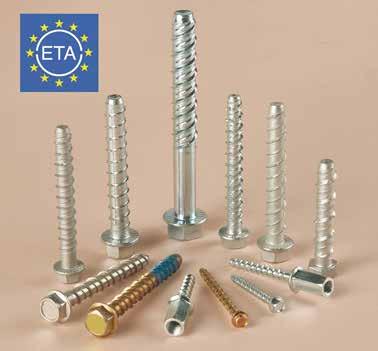
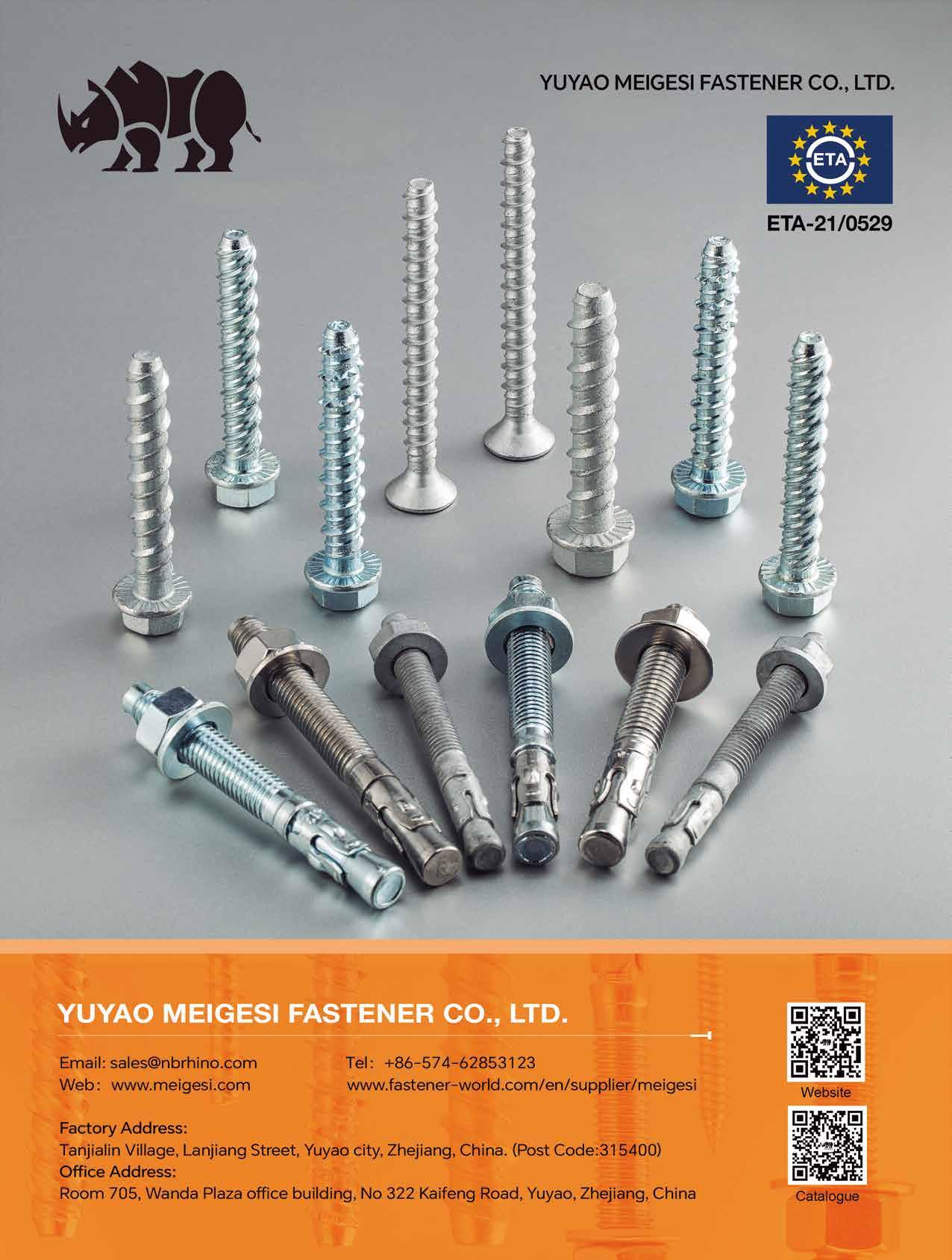
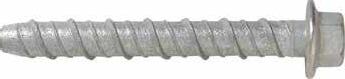
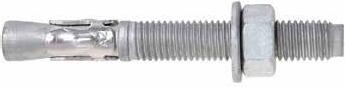
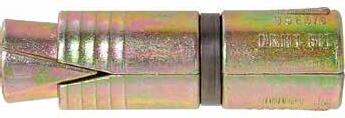
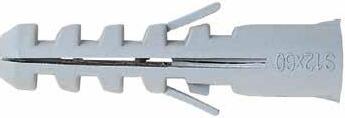
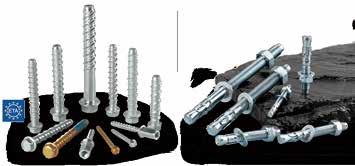
Yuyao Meigesi Fastener, which has long focused on construction fasteners and accumulated extensive product knowledge as well as expertise in process control and application support in this field, has recently taken new steps. With the launch of its new wedge anchors and concrete bolts for the European market, it has comprehensively integrated certification, quality, and management services into its offerings, providing European customers with products that feature superior quality, stable performance, and comprehensive technical support. These products are expected to become a new procurement option for European customers and importers who prioritize standard certifications and traceability, as they are not subject to the high AD tariffs applicable to certain traditional screws and nuts.
To meet the stringent safety requirements for steel structure and curtain wall installations, the Meigesi team has specifically optimized the expansion plates of its expansion anchors, significantly improving the pull-out safety factor and ensuring that the anchoring system remains stable and reliable under critical load conditions. Concrete bolts require no expansion sleeves or other accessories; they achieve strong anchoring by directly cutting into and interlocking with the pre-drilled hole via precision threads. Their ability to be repeatedly adjusted and removed greatly simplifies the construction process, effectively addressing the European market’s extreme demands for construction efficiency driven by high labor costs.
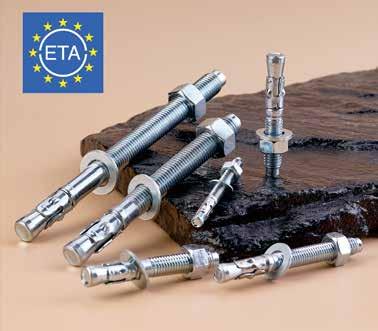
With a commitment to consistent quality, compliance certification, clear technical support, and flexible service—ensuring that customers not only make purchases but can also place their trust in us—Meigesi has introduced advanced processing equipment and strictly implements the ISO quality management system, uses high-quality carbon steel and conducts batch inspections, has surface treatments fully compliant with EU environmental and corrosion resistance standards, and ensures full process traceability and conducts regular audits of suppliers. Meigesi’s wedge anchors have obtained ETA certification, and its concrete bolts are also set to receive ETA certification. Meigesi President Jack Li stated: “ETA certification serves as a stepping stone for our entry into the European market, proving that we are qualified to participate in mainstream construction projects rather than merely acting as an OEM. European customers have extremely stringent requirements for product stability, so we strive for perfection in every stage of production. At the same time, we have taken the lead in establishing a carbon footprint accounting system to ensure we remain at the forefront of environmental compliance, giving our customers peace of mind and confidence.”
To establish a distinct professional image on the int’l stage, Meigesi launched its own brand, “Rhino.” The company continues to optimize its product portfolio, manufacturing processes, and QC; strengthen R&D; upgrade production equipment and enhance testing capabilities; and develop products with customers’ actual applications in mind. President Li believes: “Future competition will hinge on a combination of price, brand, technology, and service. We hope our products will not only be exported to Europe but also earn longterm recognition from customers. We look forward to obtaining the ETA certificate for our concrete anchors in 2026 and participating in more trade shows to boost our sales in Europe.”
Meigesi has consistently focused on its core area of expertise—construction fasteners—accumulating extensive experience in product knowledge, process control, and application support. Unlike its domestic competitors, Meigesi does not view simply selling products as the end goal; instead, it strategically positions itself through certification, quality, management, and market services (including ETA, product development, technical documentation, and batch consistency). President Li emphasized: “Expanding into Europe is our long-term strategy. Given the particularly high standards of local customers, we’ll take concrete actions to enhance our quality, technology, and services, with the aim of becoming a trusted partner.”


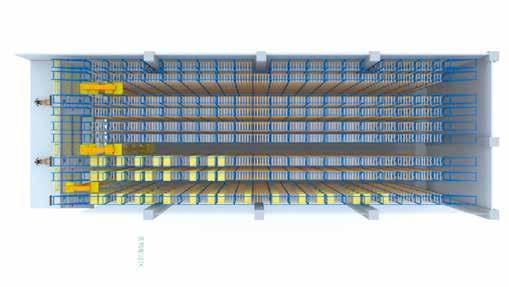
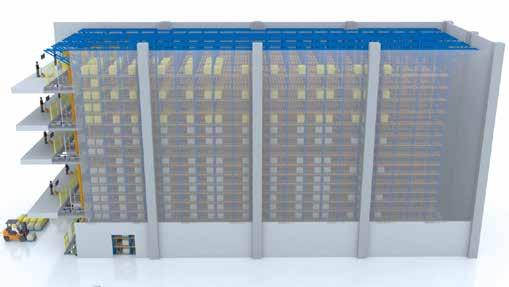











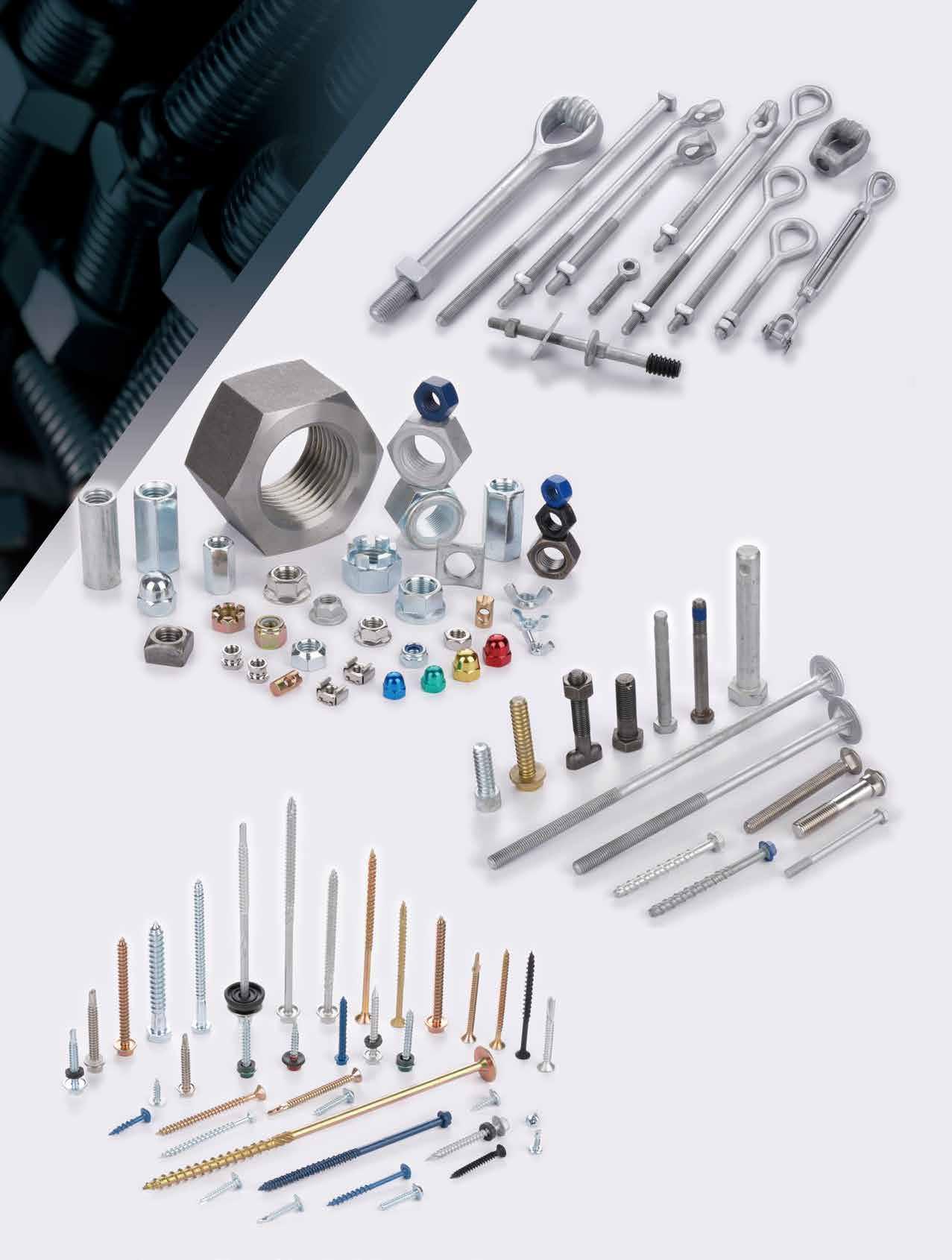
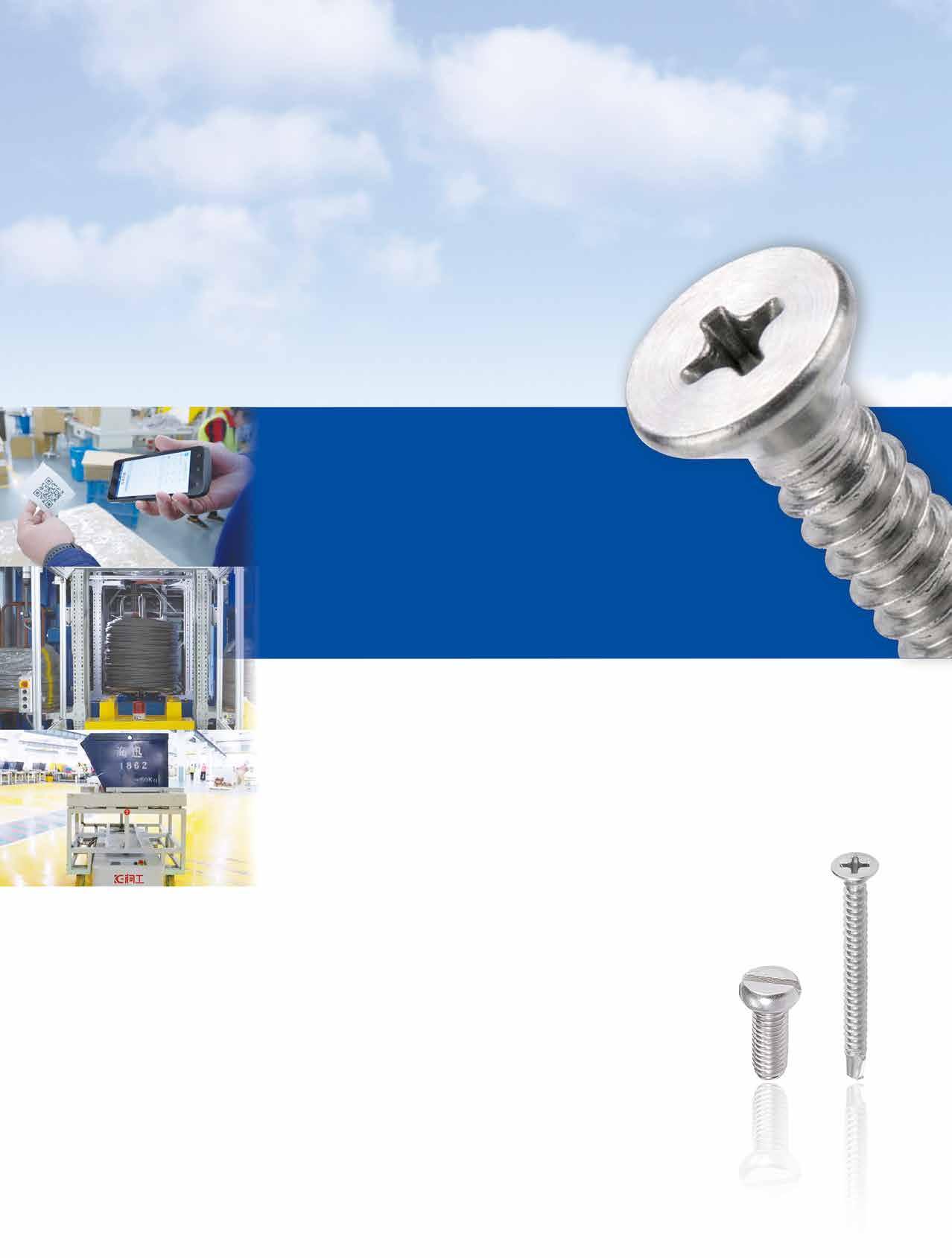
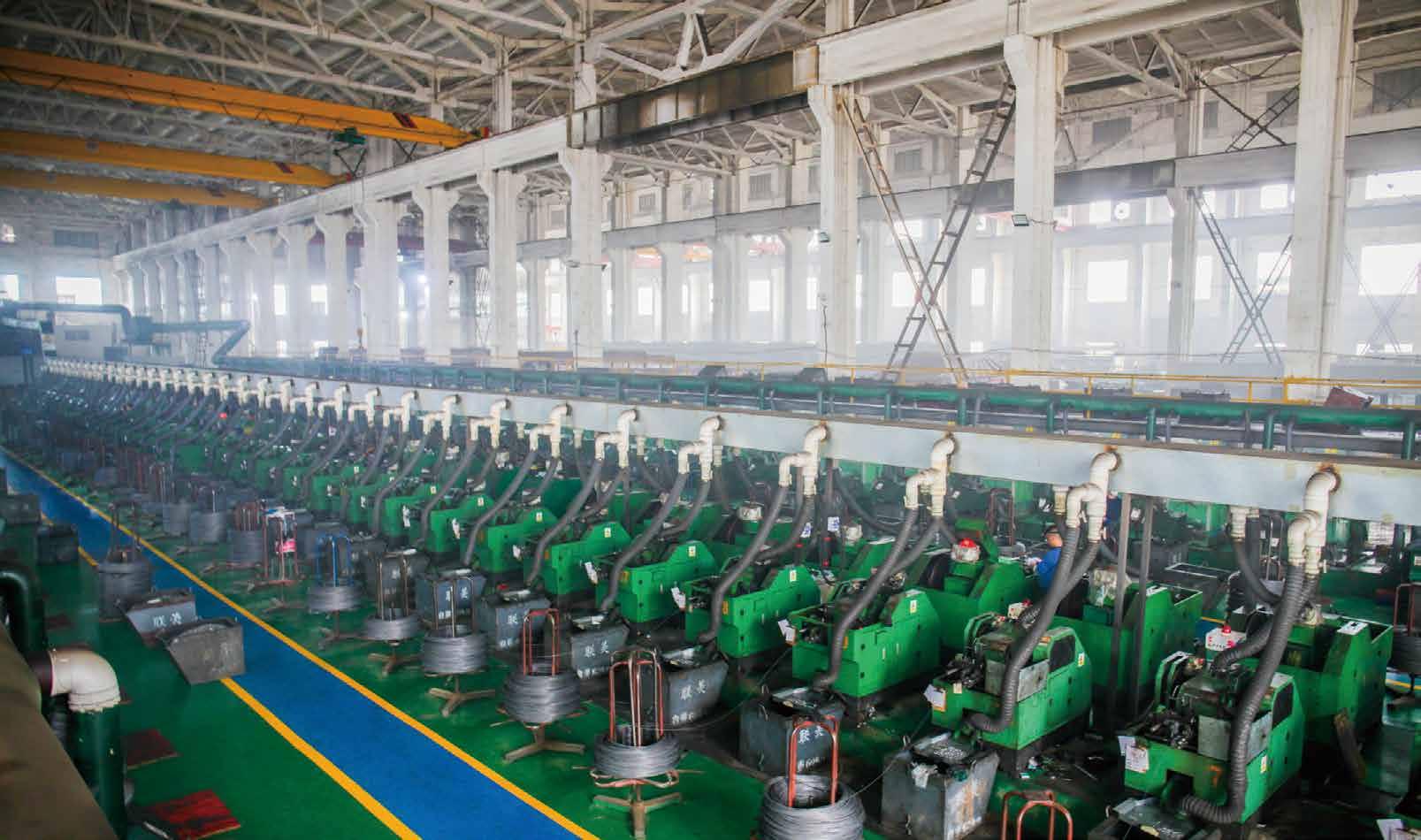
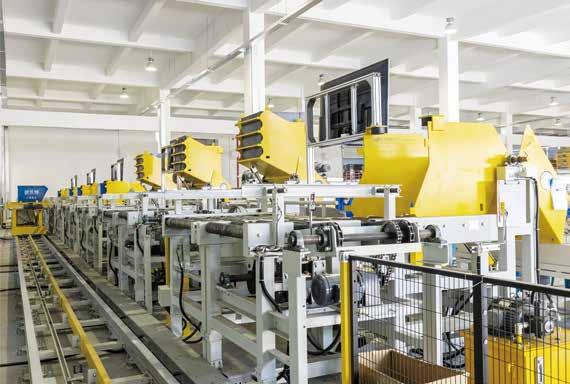
Awalk in Hisener’s highly intelligent manufacturing facility— every coil of wire, every box of semi-finished goods, and even every single screw flows through a sophisticated system of precise computation and data management. Quality here is not just a standard, it is a result that can be tracked, verified, and replicated. What comes into view is a benchmark achievement in China’s fastener industry as it advances toward high-end smart manufacturing.
“Full-process
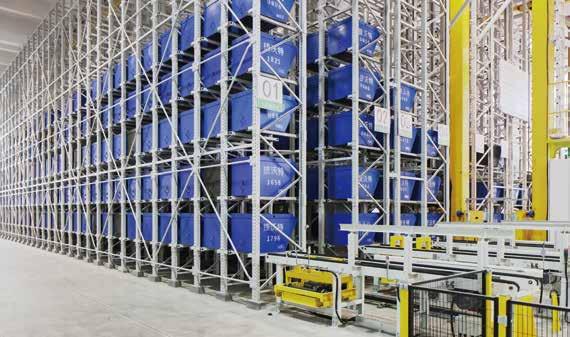
The wire rod warehouse is the first stop in understanding the company’s quality philosophy. Incoming materials must pass inspection by the quality control department before entering the automated high-bay warehouse. With a capacity of 1,500 tons, the warehouse utilizes a WMS system and QR code management, assigning a unique identity to each wire coil. A simple scan retrieves the designated coil automatically, significantly improving efficiency, eliminating material mixups, and reducing unnecessary searching, handling, and space waste—ultimately contributing to energy savings and carbon reduction.
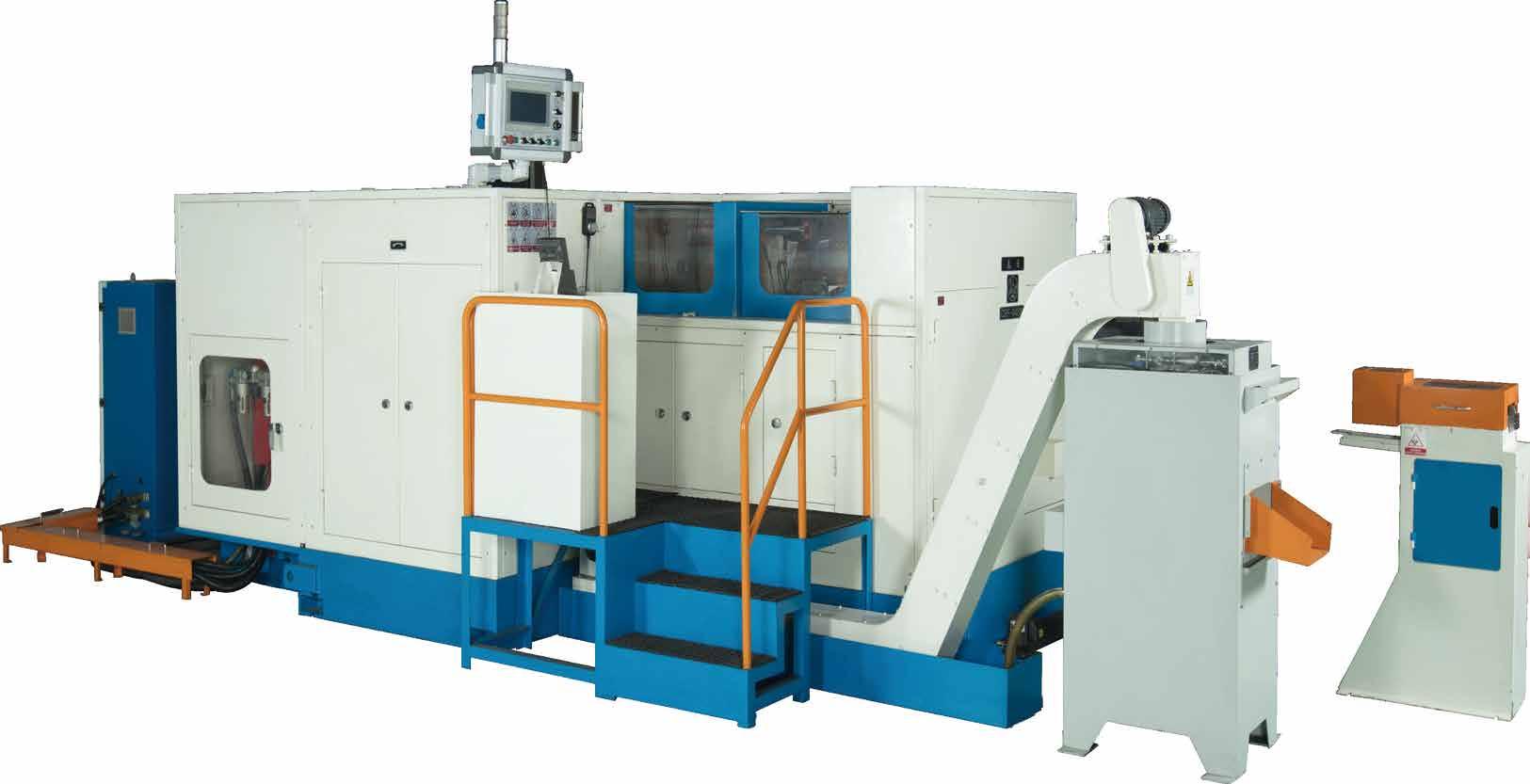
Machinery and tooling are critical in determining product quality. The company operates 283 machines sourced from leading Taiwanese manufacturers and 72 from well-known Chinese suppliers, covering processes such as heading, drill forming, threading, straightening, and washer assembly. Equipment selection prioritizes precision and stability, while high wear-resistant, high-precision tooling materials establish a strong hardware foundation for quality. Meanwhile, a standardized maintenance system combining regular calibration and tooling lifecycle management ensures that all equipment consistently operates at optimal conditions, allowing product quality to meet and even exceed industry standards!
What truly stands out is the “invisible coordination” of the entire logistics system. From heading, threading to heat treatment and packaging, material flow between processes does not rely on manual handling. Instead, ERP and WMS systems are integrated with auto-storage systems and automated guided vehicles. Algorithms direct each material box to the correct process node while optimizing routes in real time to prevent congestion and mis-delivery.
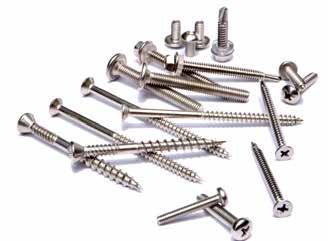
With many factories still in pilot stages, Hisener has already transformed unmanned transport into a stable, everyday production capability—achieving genuine full-process automation. This smart manufacturing capability is reflected in its flagship stainless steel screws. Hisener’s quality requirements cover material purity, dimensional tolerances, thread precision, and corrosion resistance. Through rigorous process control and stable equipment performance, its products deliver excellent strength, appearance and reliable longterm performance. For customers, this translates to lower maintenance risks and greater confidence in use.
Hisener's contact: Simon Liang, General Manager Email: simon@hisener.com


The key to making this possible lies in “traceability”. The company has established a “one item, one QR code” system, where each batch of material is linked to information such as composition, batch number, and origin upon entry. Throughout production, every processing step, inspection, and transfer is recorded and updated in real time. Packaging, order, and logistics data are also synchronized, ensuring every batch of product is fully traceable from source to delivery, forming a complete quality control loop. At the other end of the factory, the showroom presents the company’s responsiveness to market demand. Various packaging options are neatly displayed, from standard to customized designs tailored to customer needs. As the world moves toward an efficient and low-carbon future, Hisener demonstrates through mature smart factory that quality is not merely inspected—it is designed, managed, and executed with precision!




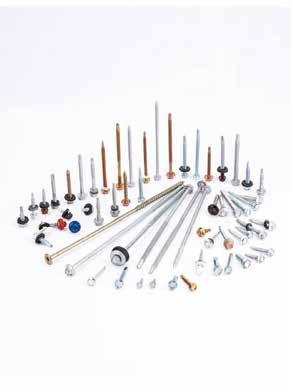

















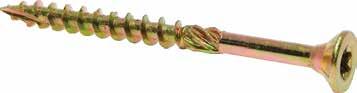
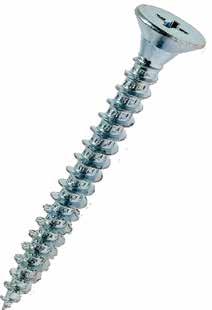
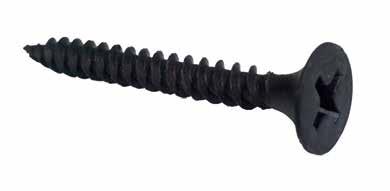
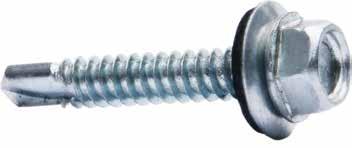

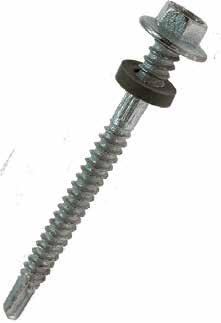
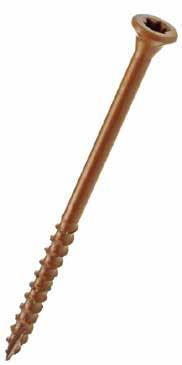
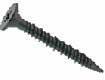
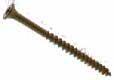


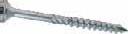

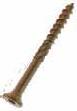

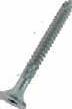
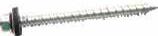




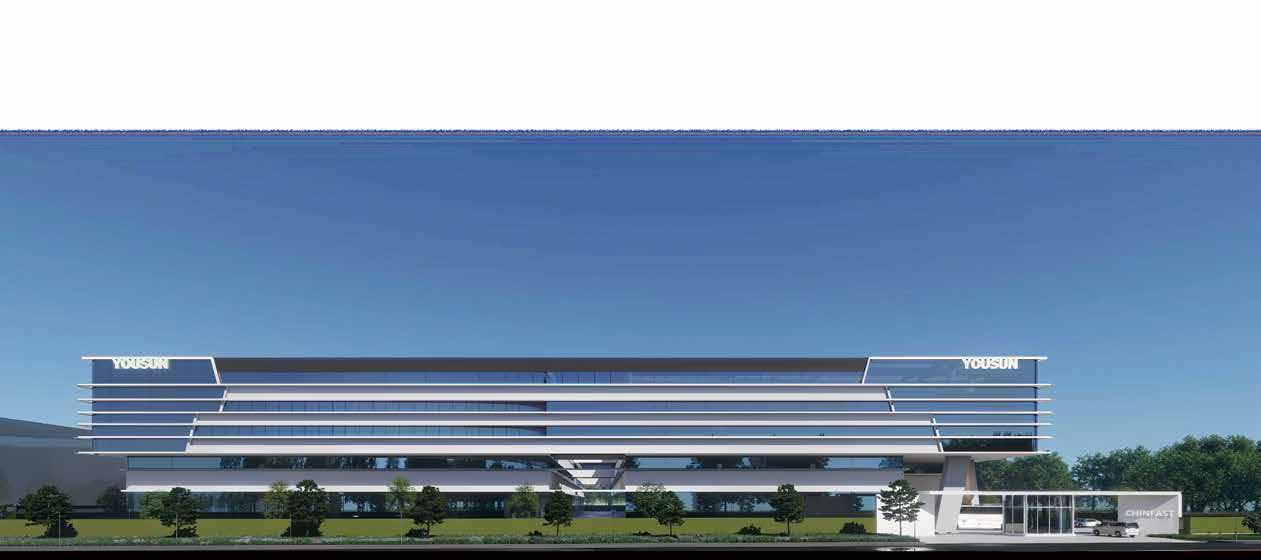
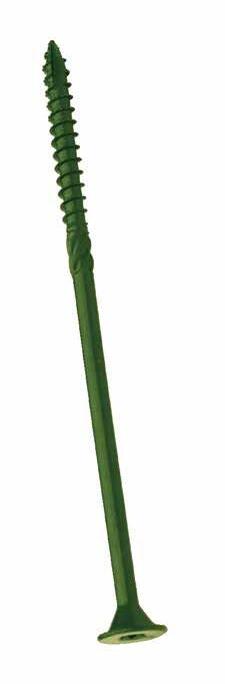
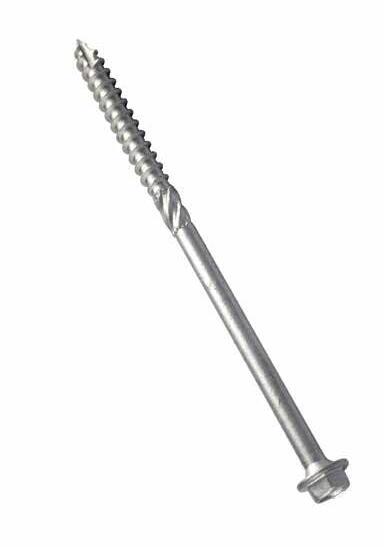
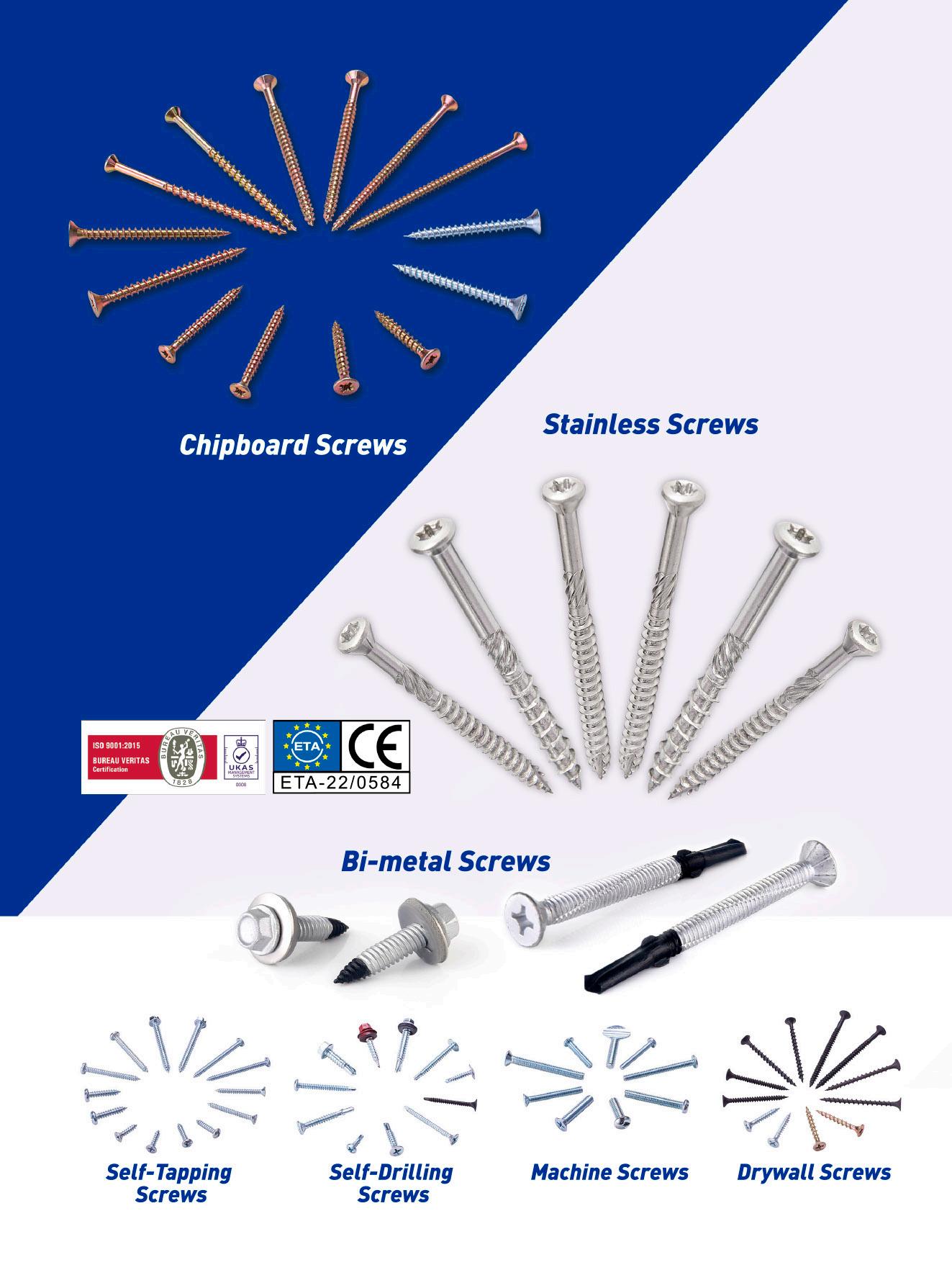
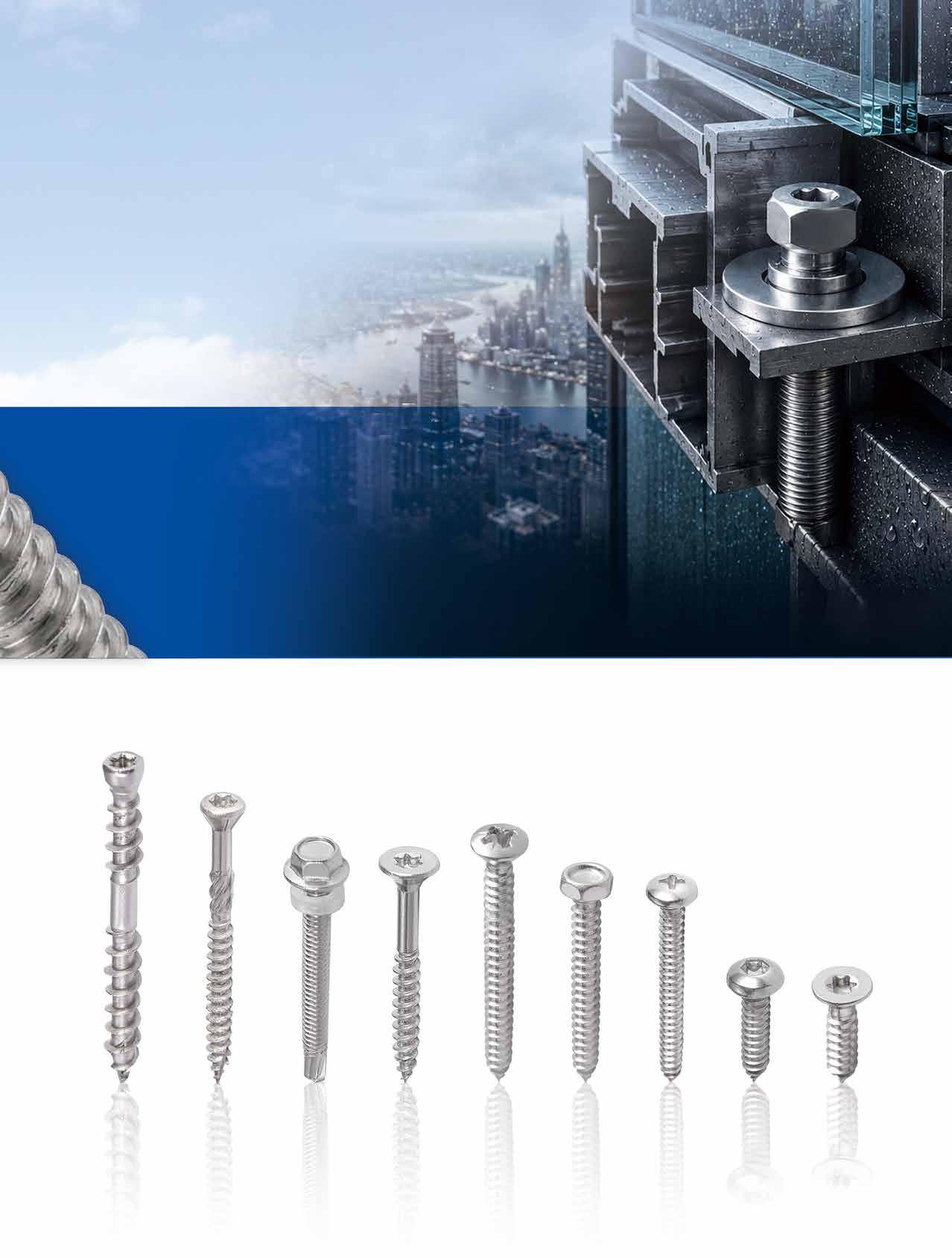
As one of the wholly owned screw factories of CHINFAST, Haiyan Yousun Enterprises Co., Ltd. is a specialized producer of wood timber screws, chipboard screws, and drywall screws with an estimated manufacturing capacity of 1,000 tons every month.
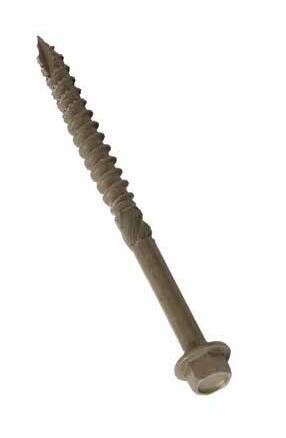
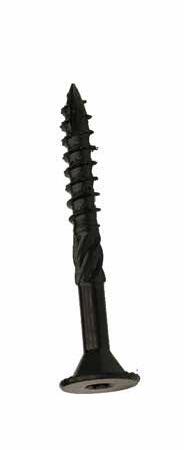
Complying with the internationally-recognized regulations, Yousun has not only had its wood timber screw certified by ETA, but also has had its drywall screws and chipboard screws certified by CE. Yousun and its sister factory Joystart Automotive Parts Co., Ltd. specialized in the production and DIY package services for advanced multi-purpose screws, stainless steel screws, etc. each play a vital role in their respective areas of expertise. Yousun also enjoys a better tariff rate in exporting to the EU market and is subject to a more favorable anti-dumping duty of only 39.6% under the tariff code of C788.
When it comes to deepening the business reach and consolidating a firm presence in the European market, which accounts for 50% of CHINFAST’s total exports with the annual shipments of +100,000 tons, the pivotal role of Yousun in providing CHINFAST with great manufacturing support to expanding its supplies to Europe since its inception definitely cannot be ignored. Moreover, in order to help CHINFAST further develop
emerging market in Japan and Australia, Yousun’s 2nd phase of facility, which is built on the concept of “Smart Factory 3.0” is also about to become operational soon.
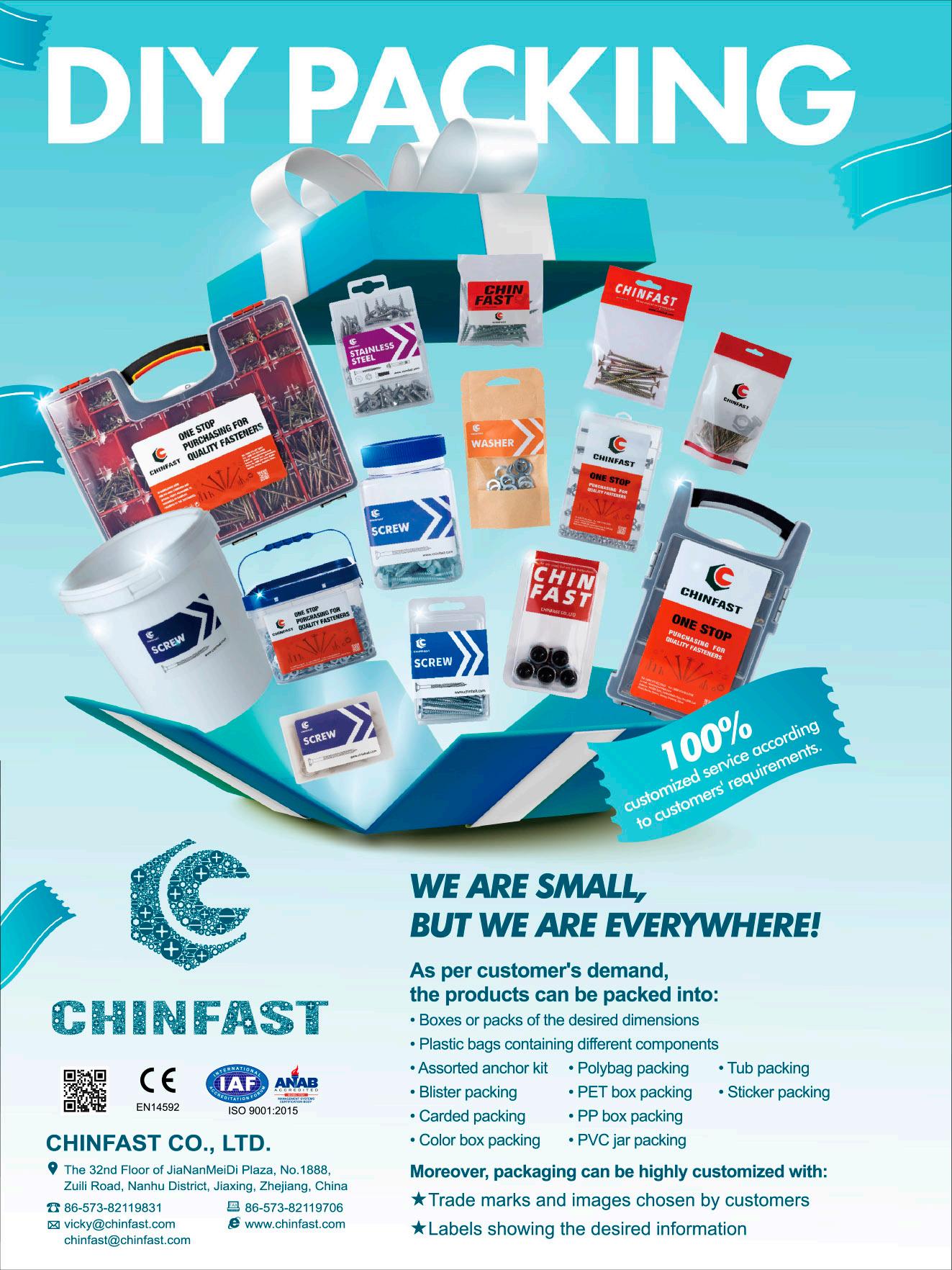
Without the strong support of Yousun, CHINFAST’s transition from manufacturing to service innovation would not have been so smooth and successful. CHINFAST stays ahead of market trends by upgrading both hardware and software capabilities—including automated warehousing, a dedicated accessories design team, advanced packaging production lines, and an integrated ERP system—to comprehensively enhance the efficiency and flexibility of DIY packaging services. It enables YOUSUN to deliver highly efficient and competitive packaging solutions to clients. Leveraging the cost advantages of industrial-scale production and extensive experience, CHINFAST demonstrates exceptional innovation in customized packaging and product structure optimization.
According to Yousun, “Providing customers with competitive price, good quality, punctual delivery and perfect service has always been our everlasting pursuit and solemn promise.” As an industry-leading fastener manufacturing company in China, Yousun will remain
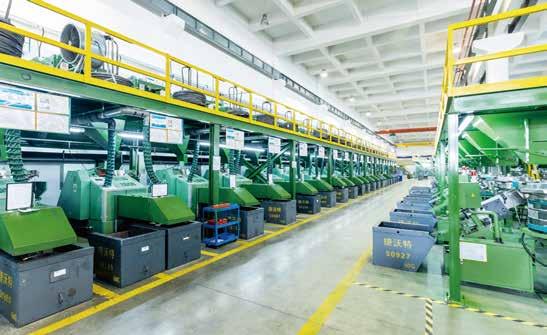
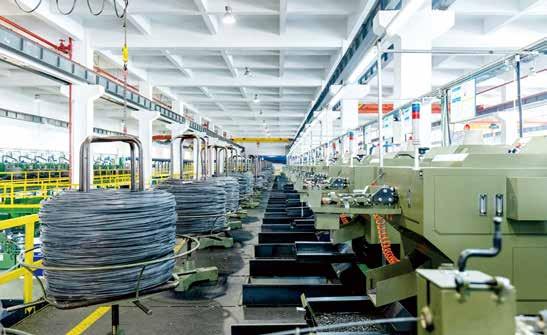
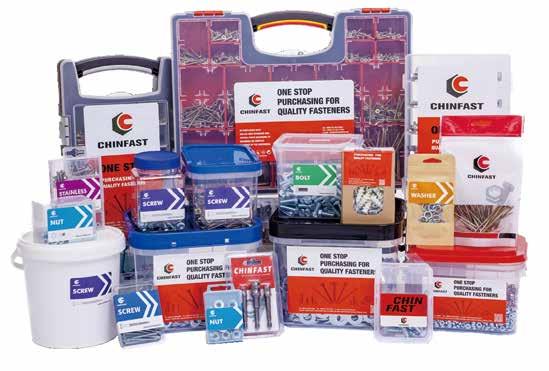
steadfast in the commitment to a customer-centric, innovation-driven service philosophy, advancing steadily within the fastener industry and solidify the strong international reputation through exceptional product quality, innovative service models, and a global market presence.
Contact: Mr. George Yu
Email: george@chinfast.com
Article by Gang Hao Chang, Vice Editor-in-Chief
社論:中國高端轉型加速,智能製造、材料突破到全球布局的產業升級
Over the past decade, global perceptions of China’s fastener industry have largely remained anchored in “low cost, high volume, and standardized products.” However, with the comprehensive upgrade of China’s manufacturing sector, the explosive growth of the EV industry, and the rapid adoption of smart manufacturing technologies, China’s fastener industry is no longer confined to a low-end contract manufacturing role within the global supply chain. Instead, it is steadily moving toward higher value-added, technologically advanced, and globally integrated development. Notably, this wave of transformation is not limited to isolated upgrades. It represents a structural shift encompassing factory equipment, material R&D, application markets, and overseas investment. For Taiwan’s fastener industry, long recognized for its strengths in technology and quality, China’s move upmarket is evolving from a phase of “catching up” into a new source of competitive pressure.
One of the most visible changes in China’s fastener industry in recent years is the rapid development of smart factories. In the past, many Chinese plants were associated with labor-intensive operations and rudimentary management. Today, however, newly built facilities are benchmarking directly against European and American smart factory standards. From automated warehousing and MES systems to autonomous transport vehicles and digital production traceability, the scale of transformation is significant.
Hisener’s smart factory serves as a representative example. It not only features highly automated production lines but also emphasizes digital management and real-time
production data, enhancing both efficiency and quality stability. Meanwhile, China’s first intelligent production line for largediameter, high-strength bolts has been launched in Chengdu. Utilizing a domestically developed hot forging technology, the line has improved production efficiency by 50%, marking a further breakthrough in China’s capability to manufacture large, high-end fasteners.
These investments reflect Chinese companies’ strong ambition to move into high-end manufacturing. In contrast, many small and medium-sized fastener manufacturers in Taiwan have yet to fully digitalize their processes, and equipment upgrades tend to be more conservative. While Taiwan has long led with stable quality and flexible manufacturing, Chinese players are rapidly closing the gap through bold, large-scale capital investments.





In addition, China’s support for smart manufacturing has evolved from fragmented local subsidies to centrally coordinated, large-scale industrial upgrade programs. These include equipment subsidies, digital transformation incentives, and the development of industrial parks, all of which are accelerating the industry’s overall advancement. As a result, China’s fastener industry is shifting from a cost-driven advantage to a more comprehensive edge built on efficiency, technology, and scale.

Beyond manufacturing upgrades, China is actively pursuing breakthroughs in high-end materials. One example is Pangang Group’s successful development of 1500 MPa ultra-high-strength, high-toughness titanium alloy wire rod. This achievement is significant because it meets the stringent requirements of aerospace fasteners.
Aerospace fasteners are widely regarded as the pinnacle of high-end fasteners, requiring not only exceptional strength but also lightweight properties, corrosion resistance, and fatigue durability. Historically, this segment has been dominated by a small number of suppliers from Europe, the United States, and Japan.



China’s progress in ultra-high-strength titanium alloys indicates its gradual entry into high-value sectors such as aerospace, advanced defense, and new energy equipment. This represents more than a single material breakthrough—it signals a broader transition from “processing and manufacturing” to “materials technology.” If China succeeds in building a comprehensive high-end materials supply chain, its impact on the global fastener market will be profound, as material capability ultimately defines the technological ceiling of an industry.

The rapid expansion of the global EV market has also become a key driver of China’s fastener industry upgrade. Competition in China’s EV sector has shifted from battery range to smart cockpits, autonomous driving, and integrated in-vehicle systems, leading to increased demand for specialized fasteners. Zhejiang Huayare Auto Parts has noted that rising demand for smart cockpit features has driven rapid growth in sales of high-precision, high-value customized fasteners. This indicates that Chinese fastener companies are no longer limited to supplying standard automotive components but are increasingly involved in next-generation vehicle design and system integration.


More importantly, China is the world’s largest EV market, with vast domestic demand and a highly integrated supply chain. From BYD to Xiaomi Auto, and from batteries and electronic control systems to structural components, Chinese companies have built a highly localized ecosystem. This allows fastener manufacturers to participate quickly in product development and validation—a proximity advantage that export-oriented economies often lack. As China’s new energy vehicle sector continues to expand, demand for high-end automotive fasteners will grow in tandem, further driving technological upgrades.

Amid global supply chain restructuring and geopolitical risks, Chinese fastener companies are actively expanding overseas. For example, Shandong Tengda Fasten Tech has announced plans to invest RMB 200 million to establish a plant in Thailand. Chinese firms have also been actively exploring high-end manufacturing and new energy vehicle component markets in Malaysia to mitigate trade risks through Southeast Asian diversification.
Chinese automotive brands have also been rapidly gaining traction in South Africa, driving parallel growth in demand for automotive fasteners. As Chinese carmakers globalize, their fastener supply chains can “go global” alongside them. This marks a shift from simple export activity to the establishment of overseas production bases, logistics hubs, and localized supply capabilities.
China’s export competitiveness in fasteners has improved significantly in recent years and is rapidly penetrating the Japanese supply chain. While the value of China’s fastener exports to Japan has remained relatively stable at around USD 330–340 million, its share by volume has exceeded 70%, indicating Japan’s growing reliance on Chinese supply. In contrast, Taiwan’s market share has been declining year by year. Some Japanese industry players have begun to recognize that Chinese products are gradually replacing domestic suppliers, raising concerns about a potential “China shock” over the next decade.
In Latin America, China is the largest fastener supplier to Brazil, Argentina, Chile, and Peru, and the second largest to Mexico, with market shares ranging from 20% to 35%. China is steadily dominating the fastener import market across Central and South America. Against the backdrop of U.S.-China tensions, its expansion in the region—accelerated during the Trump era—has intensified and continues to reshape global dynamics.
The rapid growth of China’s AI robotics and drone industries is creating new blue ocean opportunities for the fastener sector. Humanoid robots, industrial robots, and


low-altitude economy applications all require miniature, high-precision, and lightweight fasteners. The drone industry, in particular, relies heavily on aluminum alloys, titanium alloys, and specialized structural components, necessitating high-performance fastening solutions. China is already a global hub for the drone industry, and with AI robotics designated as a national strategic priority, demand for related fasteners is expected to surge. For Chinese fastener companies, early entry into these emerging supply chains offers the potential to secure higher margins and stronger technological positioning.


Overall, China’s fastener industry is shifting its focus from “manufacturing” to “technology.” Smart factories, advanced materials, EVs, global expansion, and AI-driven applications are collectively driving this transformation. However, challenges remain, including the establishment of a high-end brand image and geopolitical concerns surrounding reliance on Chinese supply chains. Looking ahead, several key opportunities stand out: further breakthroughs in aerospace and defense markets; new applications driven by the EV sector; and the development of localized manufacturing capabilities amid global supply chain restructuring. China’s fastener industry is evolving rapidly—and this transformation is only just beginning.

Copyright owned by Fastener World / Article by Dean Tseng


compiled by Fastener World
Medical technology company Treace Medical Concepts has announced the successful completion of the first clinical cases using its next generation SuperBite™ Compression Screw System. The screw combines a variable pitch thread with a headless design, and features self drilling and countersinking capabilities that enable rapid implantation while delivering high strength compression. Its beveled head and smooth edges make it suitable for both minimally invasive and traditional open surgical approaches, and with diameters ranging from 2.5 mm to 7.0 mm, the system is widely applicable in forefoot, midfoot, and hindfoot orthopedic and fusion procedures.
Dr. Anne Holly Johnson, a surgeon at Hospital for Special Surgery in New York and a member of Treace’s
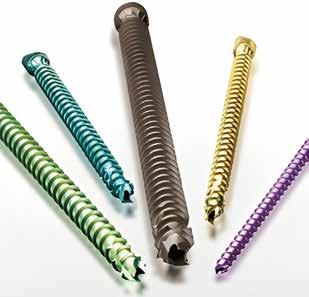
Surgeon Advisory Board, said her first cases with the SuperBite™ screws were very successful, praising the streamlined insertion and strong compression and indicating that she plans to use the system in a broad range of fusion and osteotomy applications. Treace CEO and Chairman John T. Treace noted that the SuperBite™ system, together with the upcoming SpeedXM™ Midfoot Fusion System, is expected to expand the company’s total addressable market by approximately USD 300 million in 2026, reinforcing its position as a one stop technology partner in foot and midfoot surgery, with full commercialization of the SuperBite™ Compression Screw System anticipated in the third quarter of 2026.
Professional premium fastener leader GRK Fasteners has introduced the GRK Metal Connector Screw, a new structural fastening solution that has received ICC ES ESR 2442 approval. Designed specifically for metal to wood structural applications, the screw enables contractors to meet building code requirements while improving installation speed and reliability.

The screw features GRK’s proven T 25 Star Drive™ technology, which provides six points of contact to significantly reduce the risk of cam out and stripping. Combined with the Fast Bite Tip™, it allows immediate starts without pre-drilling, making it ideal for high volume, repetitive fastening tasks. Available in #9 and #10 diameters corresponding to common 10D and 16D nails, the product comes in Handy Paks® for smaller jobs and Pro Paks® for larger projects. It is suitable for joist hangers, post bases, post caps, and other metal connector installations, helping contractors improve on-site efficiency, reduce installer fatigue, and maintain full compliance with structural code requirements.
Metal fastener brand Teks® has officially launched the Teks Standing Seam Roofing Screw, a purpose built fastener engineered to meet the specific performance and installation requirements of modern standing seam metal roof systems. Unlike many contractors who still rely on generic screws supplied with metal panels, this new standing seam screw is designed for precision, consistency, and installation efficiency, and is suitable for attaching metal standing seam panels to wood decking and framing. It is compatible with both flanged and clip based systems and features a low profile “pancake” head that helps prevent dimpling or panel deformation while preserving the clean, modern aesthetic of standing seam metal roofs.
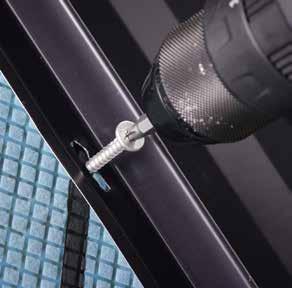
The new screw uses a sharp point tip and a coarse thread design to ensure fast starting and strong holding power in wood substrates, while the T25 star drive head improves bit to screw engagement compared with traditional Phillips heads, reducing wobble, cam out, and the risk of stripped or dropped screws. Senior Product Manager Kim Cortes notes that standing seam roofing has moved from a niche application to a mainstream standard, and Teks’ design philosophy is focused on creating specialized solutions for today’s installation environment rather than re using generic designs. The screw helps contractors achieve precise, consistent, and high quality results on every standing seam project. The Teks Standing Seam Roofing Screw is now widely available across the U.S., both online and in store at The Home Depot, Amazon, and a network of building materials suppliers, lumberyards, and hardware retailers, enabling installers to purchase dedicated standing seam fasteners alongside other job site materials rather than relying solely on generic screws bundled with panel orders.
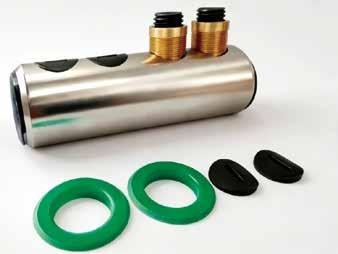
GBP K.K., a provider of integrated renewable energy solutions, has announced the launch of a new Mechanical Inline Connector in the Japanese market that allows copper and aluminum conductors to be connected directly in a straight through configuration, eliminating the need for conventional terminal blocks. The product is designed to save panel space and improve on site installation efficiency.
Engineered to suppress galvanic corrosion between dissimilar metals, the connector supports conductor sizes from 14 mm² up to 500 mm² and can be used across a wide voltage range, from low voltage circuits up to 35 kV class systems.
Installation requires no crimping or compression tools; instead, a standard power driver or wrench is sufficient, with torque break head screws providing visual confirmation that the specified torque has been reached, thereby improving consistency and reducing reliance on operator skill. The low voltage version comes standard with a cold shrink tube for insulation, waterproofing, and mechanical reinforcement, while high voltage applications can be combined with commercially available inline insulation materials applied in accordance with the manufacturer’s instructions, enhancing safety and standardization in power and renewable energy projects.
American high‑performance fastener specialist ARP (Automotive Racing Products) has announced to introduce nearly 60 new nut and washer kits in 2026, expanding its sales strategy based on “size” rather than “application,” making it easier for engineers and tuners to quickly select and match components according to exact requirements. The new additions include a range of specialty nuts and washers designed to pair seamlessly with ARP’s existing high‑strength bolt and stud families, addressing assembly needs in high‑torque and high‑vibration environments.
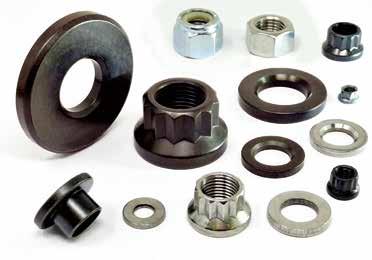
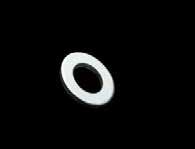
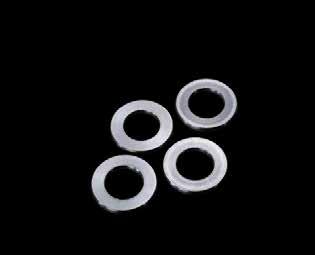
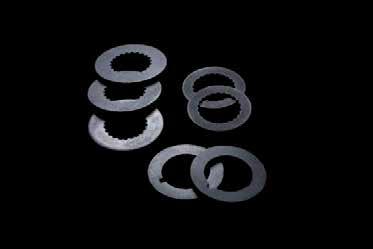
The ARP washer lineup offers both polished stainless steel and black‑oxide‑treated 8740 chrome‑moly steel in SAE sizes from 1/4" to 3/4" and metric sizes from M6 to M18, available in both standard and chamfered designs. ARP also offers special insert washers to protect the top of holes from galling and deformation, in popular SAE and metric dimensions. On the nut side, the portfolio includes premium 12‑point and hex nuts, Nyloc nylon‑locking nuts, self‑locking “Jet” nuts, 12‑point “K” nuts, and serrated flange nuts, collectively enhancing the reliability and long‑term durability of high‑performance drivetrains and motorsport applications.
Brand Transformation Toward “Premium Fasteners”
浙江天開—「精品緊固件」的品牌蛻變
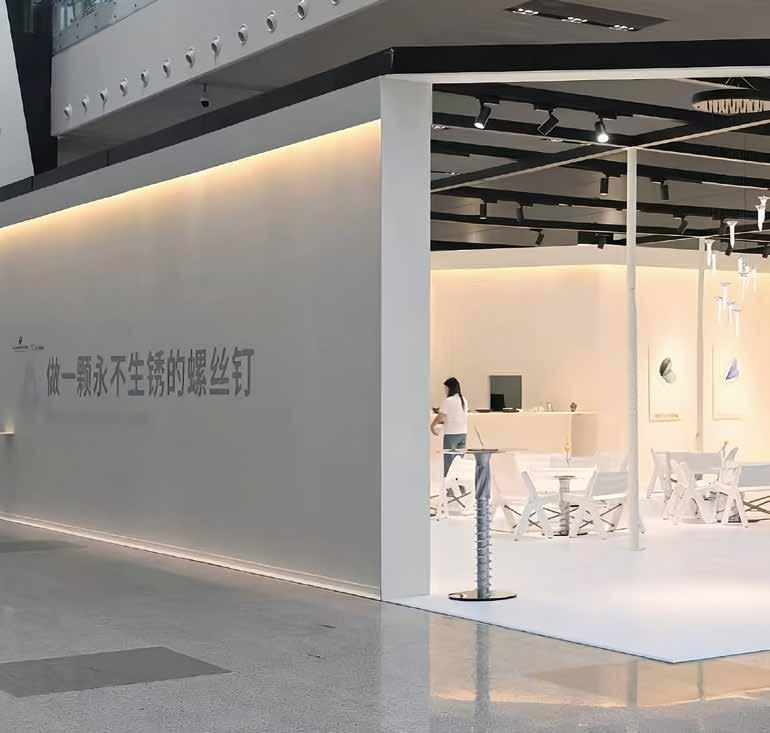
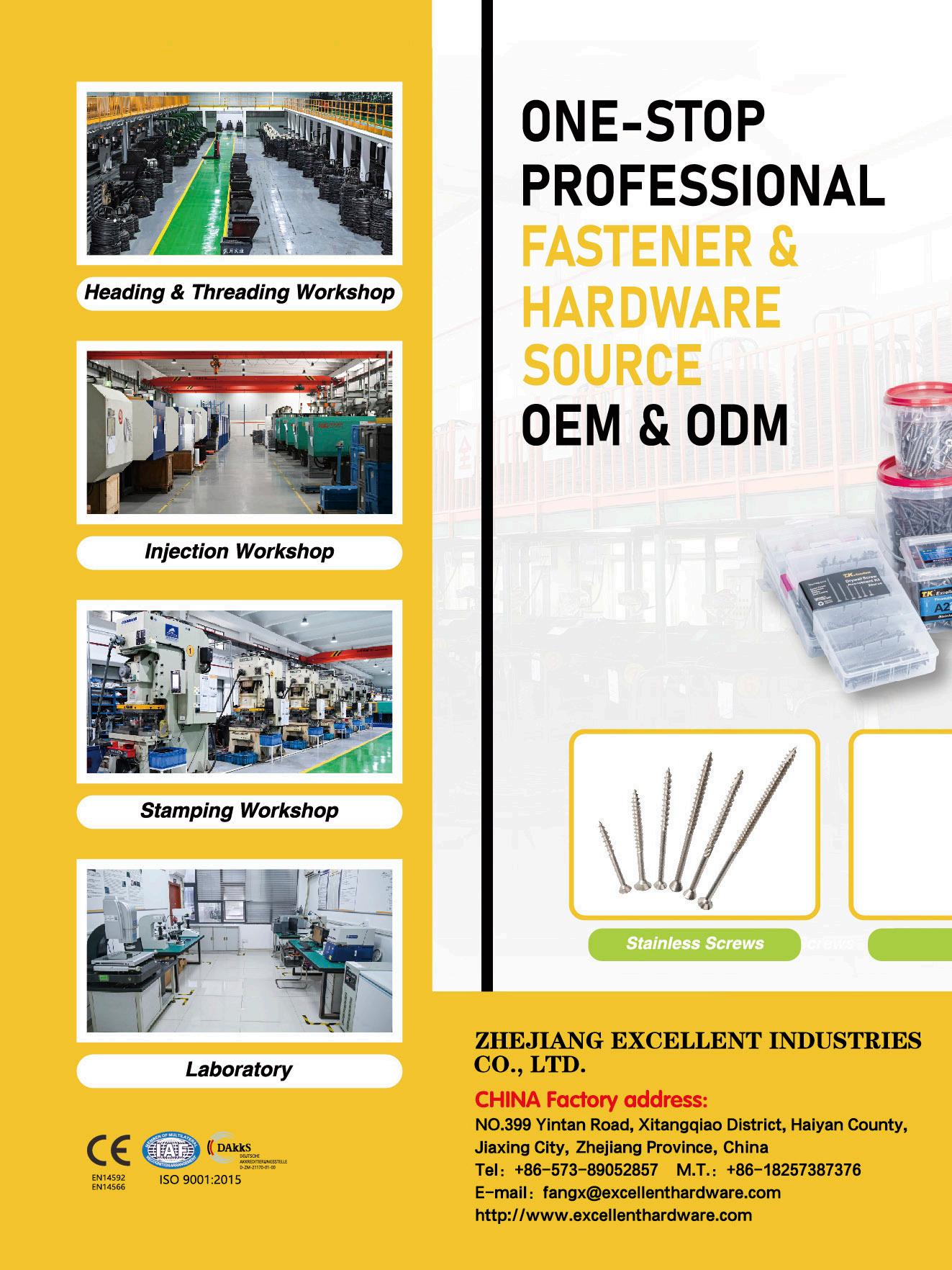
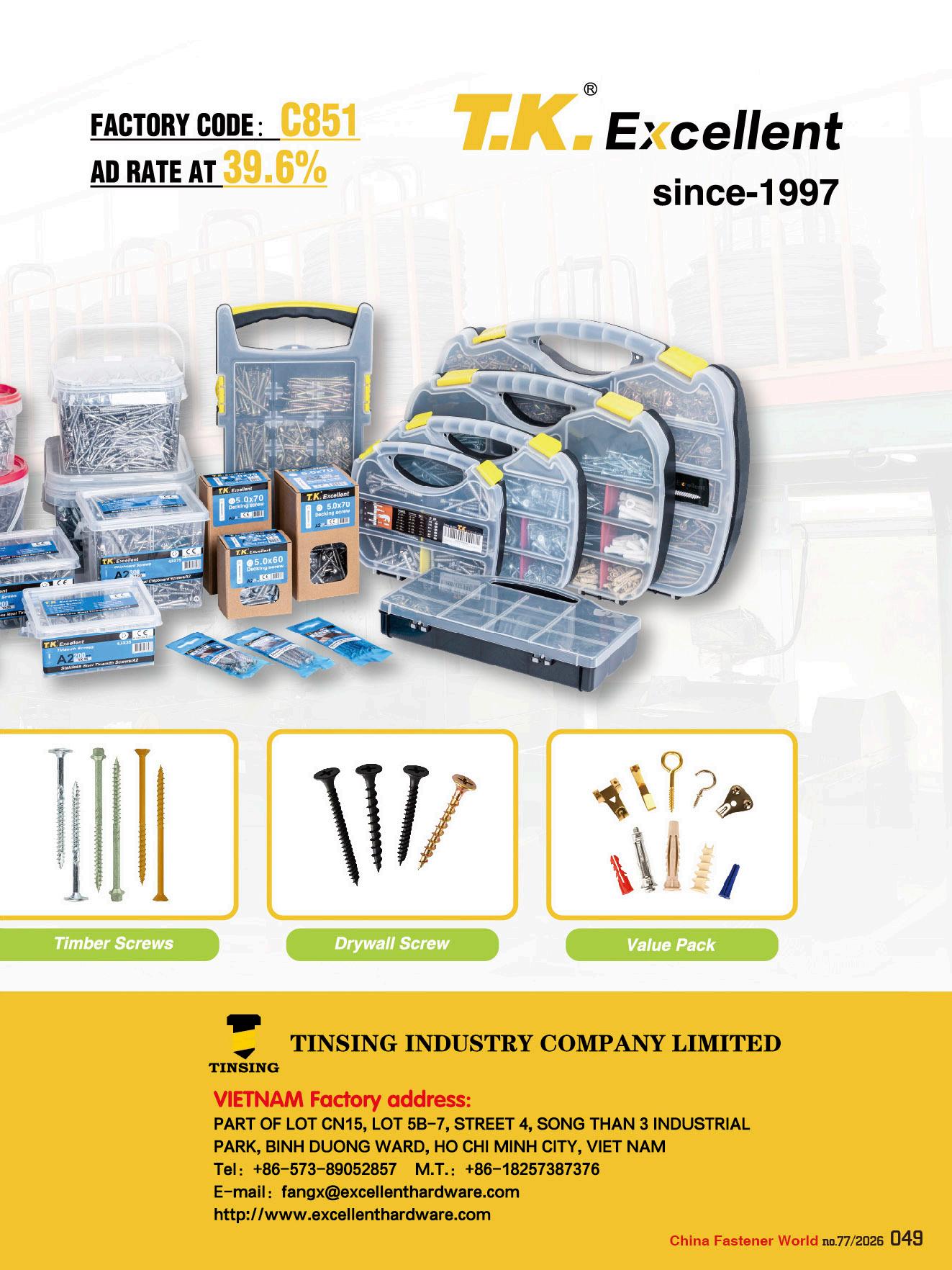
At International Fastener Show China 2026, the company impressed visitors with a refreshed exhibition presence. Breaking from convention, it employed the concept of “bringing vibrance to fasteners,” creating a booth resembling a curated boutique gallery. Visitors entering the booth were greeted by a striking slogan: “Zhejiang Excellent Industries breathes life into fasteners .” Fasteners are traditionally seen as cold, standardized industrial components. The company aims to challenge this perception by infusing products with aesthetics and warmth, redefining fastener value and demonstrating to global buyers the new potential of Chinese fasteners—a move toward higher quality and stronger branding.
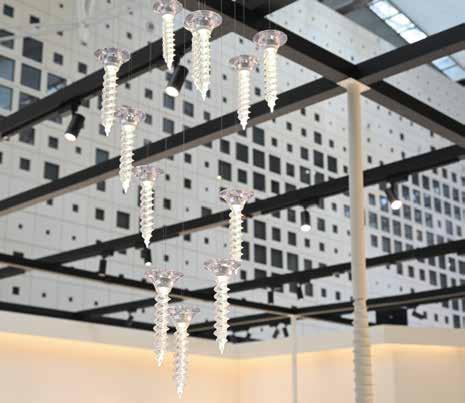
The concept was vividly expressed through the booth’s “butterfly art installation.” Using high-precision micro screws combined with hand-threaded cotton lines and carefully controlled tension, the company crafted intricate butterfly wing patterns seamlessly blending precision engineering with artisanal craftsmanship. The butterfly, symbolizing transformation and rebirth, mirrors an evolution from traditional manufacturing to premium, high-end transformation. More than a visual artwork, the installation is a statement:
“We don’t simply produce screws; we understand precision, aesthetics, and craftsmanship, giving each fastener a sense of vitality akin to artwork.”
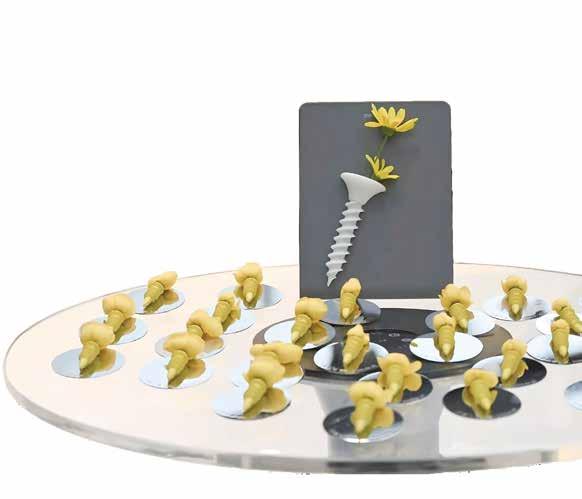
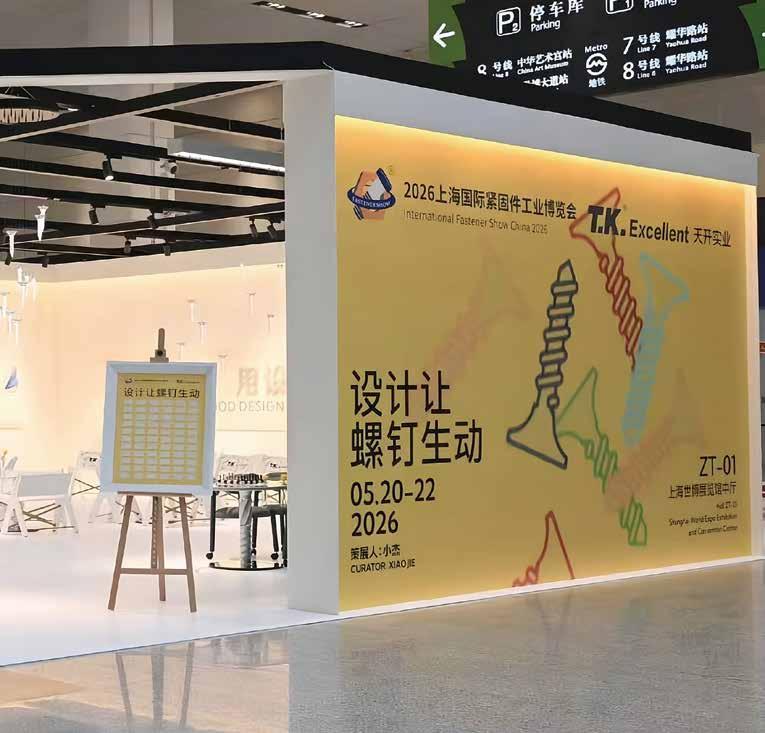
On another booth wall, the message “We liven up fasteners through design” highlights the core strength. With over 100 patents covering product appearance and function design, the company offers one-stop capability from structural design, material selection, to simulation analysis, mold development, and trial production.
The company stresses that “design is the source of quality,” ensuring its products are easier to install, more durable, and visually refined, lifting added value.
The company uses soft lighting with floral arrangements symbolizing “fasteners in bloom,” as well as picture frames and glassware to build a gallery-style booth— a presentation to reflect a strategic shift from only trading products to delivering solution-quality-trust integrated value, targeting highend, quality-focused clients.
gained traction as a small processing workshop. In 2010, it established a production base in Jiaxing, Zhejiang, achieving industrial chain upgrade and optimization. By 2024, it fully implemented automated production lines with enhanced ERP and MES digital management systems, building a smart factory to connect order processing, production planning, and manufacturing into a closed-loop system.
Adhering to “quality first, customer foremost,” it enforces strict quality control across every process, with meticulous attention to detail. Its reliable delivery capabilities and full lifecycle service enable product export to developed markets like Europe, North America, and Australia. In addition, its Vietnam plant can mass produce 8,000 tons of carbon steel screws annually. Leveraging both domestic and overseas plants, it can flexibly expand capacity and efficiently meet diverse global demand.
Looking ahead, it aims to become not only a one-stop supplier for global building material distribution channels, but also a “premium fastener brand”, stressing: “Small screws, great responsibility; small details, exceptional quality.” With craftsmanship and innovation, it is redefining the levels and possibilities of the fastener industry!

Zhejiang Excellent Industries’ Contact: Mr. Fang Xiang
Sales Manager

fangx@excellenthardware.com
Copyright owned by Fastener World / Article by Dean Tseng
道寧緊固件喬遷新廠




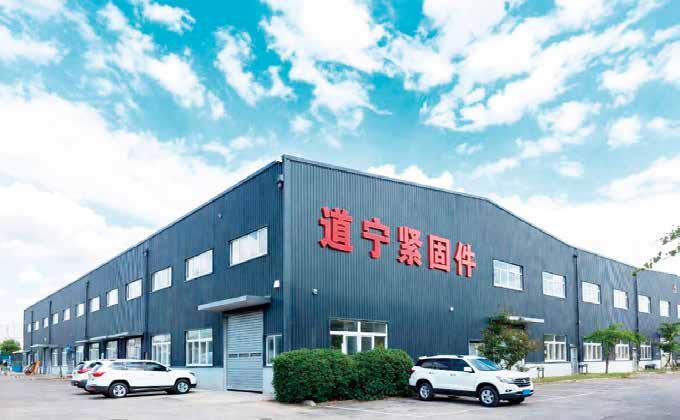
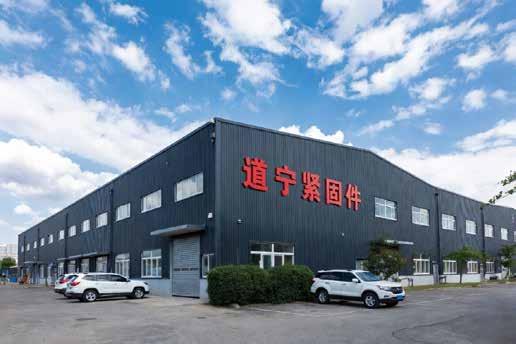
In response to increased production capacity requirements and the expansion of its product lineup, Handan City Daoning Fastener Manufacturing Co., Ltd. has recently
Daoning contact: Gavin Ning, President Email: info@dao-ning.com
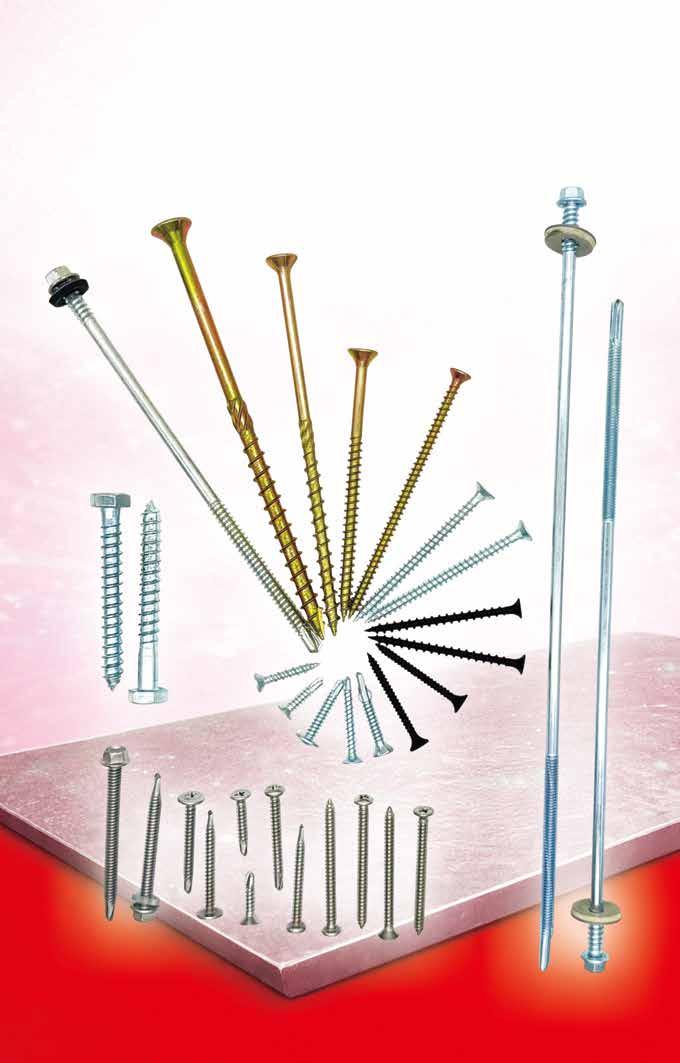
completed its relocation to a new facility. The improved production environment and expanded space will significantly enhance the company’s ability to serve customers. Specializing in the production of diverse fastening solutions including screws, bolts, nuts, studs, and washers made of carbon steel, alloy steel, stainless steel, aluminum, and brass, Daoning’s products are widely used in structural steel, metal construction, oil & gas, towers & utility poles, and decorative applications. The quality meets various int’l standards, and it offers options for different strength grades and surface treatments based on customer requirements, and maintains stable exports to markets in Europe, the Americas, Asia, Australia, Africa, and the Middle East.
The new factory equipped with automated machinery and production lines compliant with GB/DIN/ANSI/ISO standards not only provides Daoning with greater capacity and shorter lead times, but its commitment to comprehensive testing covering everything from raw materials and molds to forming, heat treatment, hardness, surface treatment, and packaging also ensures more rigorous quality control. Although order requirements vary among global customers, Daoning President Gavin Ning emphasized: “We’ll never delay shipments and always ship products ahead of schedule. We also constantly monitor customer feedback to conduct market analyses, assist customers in resolving issues, and adapt to market changes.”
Daoning has always been at the forefront of product innovation and new market exploration, dedicating significant resources to the heavy industry and electrical fastener sectors while continuously expanding its product line to keep pace with the times. Looking ahead, Daoning will continue to provide global customers with exceptional quality, competitive pricing, on-time delivery, a diverse product range, and high-level customer service and OEM capabilities. With the support of its new factory, the company will continue to gain market share in the int’l market.
















惠達特搜全球新聞

compiled by Fastener World
中國緊固件2026年第一季出口數量、金額及均價
In the first quarter of 2026, China’s overall fastener exports showed a trend of “slight volume growth and steady value increase.” During this period, the total export volume reached 1,437,785 tons, a slight increase of 6,698 tons compared to the same period last year, representing a year-on-year growth of 0.5%; the export value stood at US$2.8164 billion, an increase of US$77.684 million year-on-year, representing a growth rate of 2.9%. The overall average export unit price was approximately US$2,000 per ton, remaining unchanged from the same period last year.
Looking at monthly performance, in March 2026, China’s fastener exports totaled 341,552 tons, with an export value of US$0.712 bn; the average export price also remained at the US$2,000 per ton level. However, compared to the same period last year, March exports saw a significant decline, with the export volume down 31.5% year-on-year and the export value down 28.5% year-on-year. This indicates a weakening of short-term external demand momentum, though overall price levels remain stable.
南非啟動中國和馬來西亞
On April 21, the International Trade Administration Commission (ITAC) of South Africa issued a notice initiating an antidumping investigation into hexagonal screws and bolts originating in or imported from China and Malaysia (product codes 7318.15.39 and 7318.15.43). The dumping investigation period is from January 1, 2025 to December 31, 2025, and the injury investigation period is from January 1, 2023, to December 31, 2025.

南非對進口鋼鐵螺紋緊固件發起第二次保障措施日
On March 6, 2026, the WTO Committee on Safeguards published a safeguard notification submitted to it by the South African delegation. On February 27, 2026, the South African International Trade Administration Commission (ITAC) issued a notice announcing the initiation of a second sunset review investigation into imports of threaded fasteners of iron or steel, in response to a petition filed by the South African Fasteners Manufacturers Association (SAFMA). The products subject to the investigation include bolts, studs, threaded rods, and other hex nuts (excluding those made of stainless steel and those identifiable as being for aircraft use), falling under South African tariff codes 7318.15.41, 7318.15.42, and 7318.16.30. The investigation period for this case is from May 1, 2022 to April 30, 2025, with the estimated review period set from May 1, 2025 to April 30, 2026.
According to Chinese customs statistics, South Africa’s total imports of the subject product from China in 2025 amounted to approximately US$7.283 million (accounting for 33.2% of the total), a year-on-year decrease of 39.0%. China is South Africa’s largest source of imports for this product, with Italy and Japan ranking second and third, respectively (with the import values of US$3.045 million and US$2.058 million, accounting for 13.9% and 9.4% of the total, respectively).
On March 1, 2019, South Africa initiated a safeguard investigation into imports of steel threaded fasteners. On February 10, 2020, South Africa issued its final safeguard ruling on imports of steel threaded fasteners, recommending the imposition of a three-year safeguard measure in the form of an ad valorem duty on the products in question. On March 24, 2023, the South African International Trade Management Commission initiated the first sunset review investigation into safeguard measures on imported steel threaded fasteners. On June 20, 2023, the WTO Committee on Safeguards published a notification submitted by the South African delegation, deciding to extend the safeguard measures on imported steel threaded fasteners for a period of three years.
On May 15, Yue Qing Fasteners Association convened a working group meeting on the industry standard, Technical Requirements for Threaded Crimped Collars, to review content including terminology definitions, technical requirements, test methods, and inspection rules.
Association President Jinpu Wen stated that as Yue Qing is a major fastener industry cluster, establishing unified standards will help standardize production and enhance product competitiveness. The association will also encourage enterprises to benchmark against these standards to upgrade their operations and deepen cooperation.
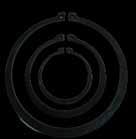
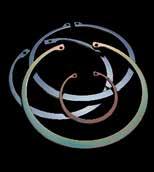
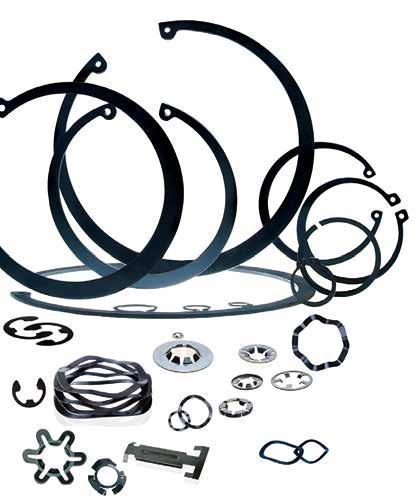
That same afternoon, working group meetings for two national standards—“Spiral Elastic Retaining Rings for Shafts” and “Spiral Elastic Retaining Rings for Holes”—were held concurrently. Once these standards are published, they will further refine the national standards system and support the development of the high-end equipment manufacturing industry.
東莞市緊固件行業協會召開第二屆七次理事會
On April 18, 2026, Dongguan Fastener Industry Association convened the seventh meeting of its second council. During the meeting, President Yuanping Liu reviewed the key initiatives the association had promoted over the past six months under the guiding principles of “serving enterprises, regulating the industry, and developing the sector,” and analyzed the current challenges and opportunities facing the industry. He proposed that in the future, the association would continue to advance efforts in areas such as staying true to its founding mission, industry collaboration, innovation-driven development, and regulatory self-discipline to build industry consensus and promote high-quality industrial development.
The meeting also reviewed the plan for an expanded board election, which aims to add 6 to 8 new directors, with a focus on recruiting representatives from enterprises in the fields of smart manufacturing and green manufacturing. A three-dimensional joint review mechanism will be implemented to ensure the election process is compliant and transparent. This meeting also laid the foundation for the association’s upcoming leadership transition and institutional development.
On May 13–14, 2026, JiangSu Fasteners Industry Association held an expanded meeting of permanent directors in Qiandao Lake. The meeting focused on topics such as the 2026 work plan, organizational restructuring, and professional training.
During the meeting, President Yongfeng Jiang outlined the association’s key priorities for the year, covering technological innovation, market expansion, and standardization efforts. He engaged in in-depth discussions with attending representatives regarding these plans and received numerous constructive suggestions. Subsequently, the meeting reviewed and approved the promotion of Permanent Vice Presidents and Vice President units, followed by a plaque presentation ceremony. Representatives from the newly promoted units expressed their commitment to actively fulfilling their duties and jointly promoting high-quality development within the industry.
A professional course titled “Screw Academy” was also held during the event, featuring experts who shared practical insights on performance management and corporate growth. Topics covered included goal setting, process control, and incentive mechanisms, sparking lively on-site interaction. The event concluded successfully through active exchange and learning, further strengthening the Association’s cohesion and the foundation for industry collaboration.
杭州市緊固件行業商會舉行第四屆一次 會員大會

The First General Meeting of the Fourth Term of Hangzhou Fastener Industry Chamber of Commerce was held on April 9, 2026 at the Hangzhou Grand Convention and Exhibition Center . President Cheng’an Huang took the stage to deliver an opening address and present a report on the chamber’s operations, while also reviewing the chamber’s development since 2013. The assembly also elected the 4th Board of Directors and Board of Supervisors through a secret ballot. Guanxiang Zhao was elected President, and Webiao Chen was elected Secretary-General. Zhao stated that the new Board of Directors will focus on technological innovation, digital transformation, and international market expansion to serve member enterprises and promote the upgrading of the industrial chain.
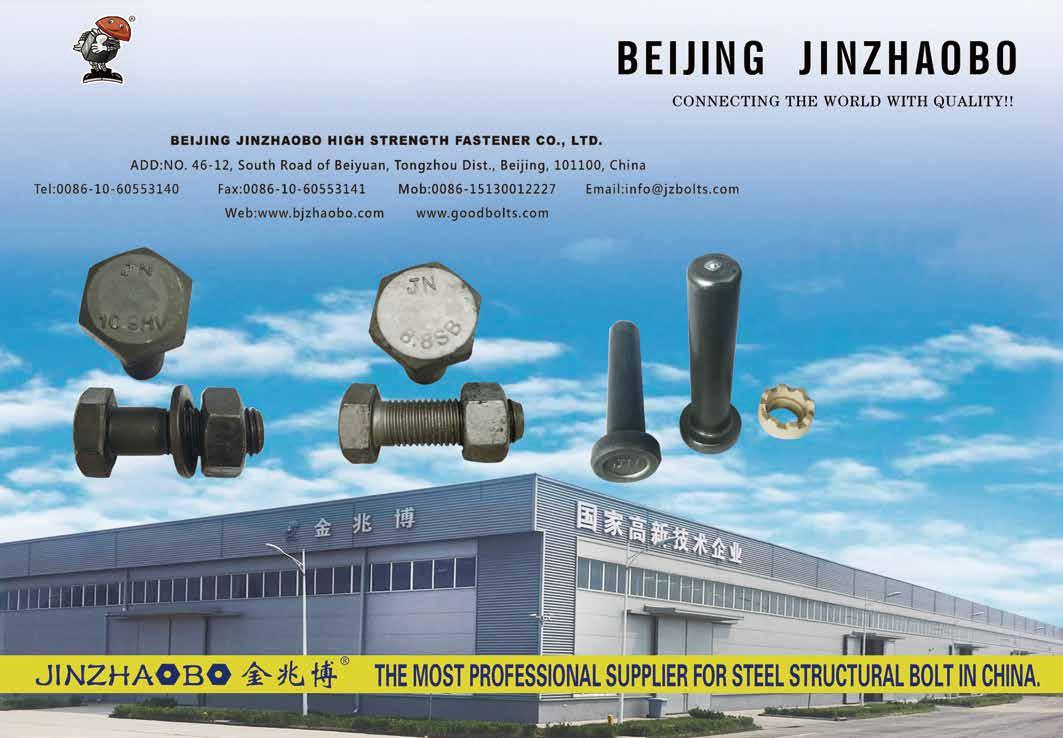
興化市戴南緊固件行業協會舉辦第二屆第四次會員大會

On April 11, Xinghua Dainan Fastener Industry Association convened its Fourth General Meeting of the 2nd Term. Representatives from the fastener industry, member companies, and relevant guests gathered to review the achievements of the past year and plan for future development. During the meeting, President Yongshou Qiu summarized the association’s accomplishments in industry exchange, technological innovation, and market expansion, noting that the association has consistently prioritized serving its members and promoting industrial development as its core objectives. He also stated that in the future, the association will guide enterprises toward a development path characterized by specialization, refinement, and high-end products, accelerate the transition to smart and digital transformation, and enhance the industry’s overall competitiveness. The assembly also recognized individuals and organizations that had demonstrated outstanding performance in technological innovation, market expansion, and association work, acknowledging their contributions to the industry’s development. This meeting further consolidated industry consensus, showcased the association’s cohesion, and laid the foundation for high-quality development in the future.
On March 30, 2026, Shenzhen Fastener Industry Association hosted a Spring Tea Gathering in Shenzhen, bringing together industry guests and representatives from sister associations to exchange ideas and discuss the industry’s development and future direction. During the event, President Zhensheng Wang first extended a warm welcome to the attendees and expressed gratitude for the long-standing support the association has received from all sectors. Subsequently, several industry representatives, including Chengju Wang, Chairman of China General Machinery Components Industry Association; Jiao Junhua, Secretary-General of the Fastener Subdivision of CMCA; as well as Kejian Wen, Secretary of the Association, and Yongshun Huang, Chairman of the Association, delivered speeches in succession. They shared insights and engaged in discussions from various perspectives, including association operations, the current state of the industry, and market trends. Attendees generally agreed that the fastener industry is currently at a critical juncture of transformation, requiring enhanced collaboration and innovative development. This Spring Tea Gathering not only deepened industry exchanges but also further consolidated consensus, laying a solid foundation for the future development of Shenzhen’s fastener industry and the association’s growth.
香港螺絲業協會23周年暨新理事就職
On May 15, 2026, Hong Kong Screw & Fastener Council held a grand celebration marking its 23rd anniversary and the inauguration dinner for its 12th Board of Directors in Hong Kong. Former Permanent Honourable Chairmen, Honourable Chairmen, Honourable Advisors, as well as Executive Vice Chairmen, Vice Chairmen, Council Members, Executive Committee Members, and member representatives gathered together to witness the official inauguration of the new Board of Directors. During the event, Mr. Ng Hung Kiu, Chairman of the 12th Board of Directors, led the Executive Vice Chairman and all Board members in taking the stage alongside Dr. Bernard Chan Pak-Li (Undersecretary for Commerce and Economic Development Bureau of the Hong Kong SAR), Mr. Liu Bin (Director of Commercial Office of the Economic Affairs Department of the Liaison Office of the Central People's Government in HK SAR), and Mr. Luo Zhengbo (Director of the Investment Division).
During the opening remarks, Mr. Ng Hung-Kiu, Chairman of the Association, delivered a welcome address. He summarized the Association’s achievements over the past year in industry promotion, exchange, and development, and outlined his expectations for the future direction of the new Board of Directors. Subsequently, in his address, guest of honor Dr. Bernard Chan Pak-Li highly commended the critical role of Hong Kong’s fastener industry within the global supply chain and encouraged the industry to seize the new opportunities presented by innovative technologies and the Guangdong-Hong Kong-Macao Greater Bay Area. Mr. Tsui Ping Fai, Permanent Honourable Chairman, also shared his thoughts, expressing his hope that the Association would continue to carry forward its legacy and achieve further success.
The highlight of the evening was the presentation of letters of appointment to the 12th Board of Directors, symbolizing the new board’s formal assumption of responsibility for advancing the industry’s development. Since its establishment, HKSFC has consistently worked to promote technical exchange, market expansion, and talent development. The successful conclusion of this anniversary celebration and inauguration ceremony not only demonstrated the Association’s unity and cohesion, but also injected new momentum into the future development of Hong Kong’s screw industry.
永年區市場監管局提升緊固件檢驗檢測監管能力
In order to further improve the quality supervision of fasteners and enhance the professional skills of enforcement officers, the Yongnian District Market Supervision and Administration Bureau organized a specialized training session on fastener inspection and testing skills for its enforcement officers, inviting fastener experts to conduct on-site instruction. During the training, experts provided a systematic explanation of relevant national standard requirements for key fasteners, such as bolts, nuts, and steel structure connection sets. They also detailed key testing procedures, including sampling and specimen preparation norms, product dimensional inspection, thread tolerance verification, and mechanical property testing. By engaging in in-depth discussions with experts regarding practical issues encountered in daily regulatory work and observing testing procedures firsthand, the officers gained a deeper understanding of critical inspection processes. This enables them to strictly control the quality of fasteners, continuously improve the precision of regulatory oversight, and provide a solid foundation for the quality upgrade and high-quality development of Yongnian District’s fastener industry.
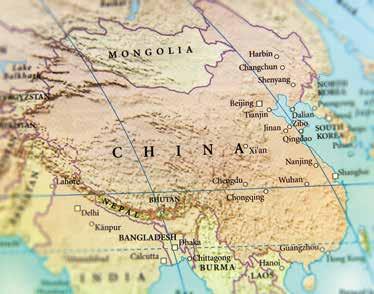
According to Foshan Market Supervision Authority, the State Administration for Market Regulation recently issued a new vehicle recall notice. Certain models from brands such as FAW-Volkswagen, Mercedes-Benz, Honda Motorcycle (HMC), and CNHTC Jining Commercial Vehicle Co., Ltd will be recalled due to safety hazards.
Effective May 18, 2026, FAW-Volkswagen Automotive Co., Ltd. will recall certain imported and domestically produced Audi E-Tron (TRON) vehicles, totaling 2,769 units. The recall is due to the possibility that the threaded connection between the brake pedal and the brake booster in some vehicles may loosen and, in extreme cases, detach, thereby affecting braking performance; Effective May 6, 2026, MERCEDES-BENZ (CHINA) Ltd. will recall certain imported G 580 all-electric vehicles, totaling 217 units. The recall is due to the possibility that wheel bolts may loosen when wheels are disassembled in reverse and the vehicle is driven under extreme conditions, affecting driving stability; Effective May 25, 2026, Honda Motorcycle will recall a total of 37 imported 2025 model year CB1000R motorcycles. The recall is due to the possibility that the tilt sensor connector on some vehicles may be improperly installed, causing the fuel line connector to become pinched and loose, which in extreme cases could lead to a fuel leak; CNHTC Jining Commercial Vehicle Co., Ltd will recall a total of 25 panel vans. The recall is due to the possibility that the wiring harness for the side marker lights on the cargo box of some vehicles may be improperly connected, causing the side marker lights to fail to illuminate and preventing the vehicle’s outline from being visible at night or in poor lighting conditions.

On May 6, Ford Motor Company announced a recall in the U.S. of certain 2024–2026 Ford Ranger and Ford Bronco models, totaling 179,698 vehicles. The primary cause is that during torque checks on the bolts in the front seat structures of some vehicles, the curing of the thread-locking adhesive may have been compromised. This could cause the bolts to gradually loosen or even fall out over time, posing a safety hazard and potentially increasing the risk of injury to occupants in the event of a collision. Ford stated that dealers will inspect affected vehicles free of charge and replace the relevant pivot links and bolts if necessary.

輪轂螺栓存脫落隱憂,特斯拉召回部分 美國Cybertruck
On April 28, the U.S. National Highway Traffic Safety Administration (NHTSA) announced that Tesla will recall 173 units of the 2024–2026 Tesla Cybertruck equipped with 18-inch steel wheels. The recall is due to potential cracks in the brake rotor bolt holes, which pose a safety risk of the bolts separating from the wheels.
This issue has once again drawn market attention to the quality of the Cybertruck. Previous data show that in 2025, the model was subject to cumulative recalls of over 115,000 vehicles due to multiple hardware and software issues, marking the largest annual recall since its launch. Additionally, U.S. regulators launched an expanded investigation into Tesla’s Full Self-Driving (FSD) system that same year, covering approximately 3.2 million vehicles, with a focus on its detection and warning capabilities in low-visibility conditions.
重慶大學申請螺栓變形測量裝置專利

According to the information released by China’s National Intellectual Property Administration, Chongqing University, in collaboration with two other companies has jointly filed a patent application titled “Bolt Deformation Measurement Device,” with publication number CN122041702A and an application date of January 2026.
According to the patent description, the device can be used to accurately measure the deformation of bolts under load. Through a coordinated design of multiple sets of guide rails and supports, it not only enhances measurement stability but also improves testing accuracy and operational convenience. The R&D team notes that this measuring device features a simple operating principle, user-friendly operation, and excellent measurement results. It also offers advantages such as a streamlined structure, low cost, and resource efficiency. In the future, it is expected to be applied in fields such as engineering construction and quality inspection, thereby improving bolt inspection efficiency and quality management standards.
Jingdong Industrials and Lengshuijiang Tianbao Industrial Co., Ltd. (hereinafter referred to as “Tianbao Industrial”) formally signed a strategic cooperation agreement on March 20. Tianbao Industrial has become the designated manufacturer for Jingdong Industrials’ private label brands. Through collaboration at the source, the partnership ensures a high-quality and stable supply of fasteners. The two parties will also jointly promote the digital and intelligent transformation of the supply chain in areas such as procurement, fulfillment, technology, and services, leveraging Jingdong’s super supply chain to continuously optimize costs, efficiency, and customer experience across the entire fastener industry value chain.
Tianbao Industrial has an annual production capacity exceeding 300,000 metric tons, with products ranging from high-strength bolts, screws, and special-shaped fasteners (Grade 12.9 and below). Its products are widely used in six core sectors: engineering machinery, rail transit, energy & power, aerospace, automotive manufacturing, and bridge steel structures. Jingdong Industrial’s private brand is dedicated to helping large and medium-sized enterprises address pain points in industrial procurement—such as product category complexity, inconsistent quality, and inflated pricing—through solutions that standardize products, consolidate quality, and ensure full control over the supply chain.
Under the agreement, Jingdong Industrial and Tianbao Industrial will jointly advance in-depth cooperation, including: 1) transforming traditional industries through digital and intelligent technologies, integrating Tianbao ERP with the Jingdong Industrial platform to enable production based on sales demand and flexible manufacturing; 2) empowering industrial applications with artificial intelligence, particularly in robotics, where both parties will jointly explore future smart assembly scenarios; and 3) enhancing collaboration at the source and upgrading the supply chain through digital and intelligent technologies.


Shandong Tengda Fasten Tech. Co., Ltd. Plans to Invest RMB 167 Million in Building a Factory in Vietnam
山東騰達緊固科技擬斥資1.67億越南建廠
Shandong Tengda Fasten Tech. Co., Ltd. announced its decision to reallocate approximately RMB 166.9 million from its original fundraising project to construct a production base with an annual capacity of 18,000 tons of stainless steel fasteners at its wholly-owned subsidiary in Vietnam (Công Ty TNHH Vật Liệu Mới Yepp Việt Nam). The project is expected to take two years to complete. The company stated that the originally planned domestic expansion projects for drill-point screws and flat washers have been adjusted due to weak global market demand. This shift of investment to Vietnam aims to improve capital utilization efficiency and accelerate the company’s global expansion.


million in 2025, up 86.2% from RMB 130.1 million in 2024. Total assets increased to RMB 5,256.4 million in 2025 from RMB 5,181.4 million in 2024.











Chicago Rivet's 2025 net sales were USD 27.890 million, up 3.3% from USD 26.986 million in 2024. Net income was a loss of USD 1.08 million in 2025, compared to a loss of USD 5.61 million in 2024. Total assets decreased to USD 23.301 million in 2025 from USD 23.370 million in 2024.
EACO Corporation's 2025 revenues were USD 427.931 million, up 20.1% from USD 356.231 million in 2024. Net income was USD 34.650 million in 2025, up 7.5% from USD 32.218 million in 2024. Total assets increased to USD 230.153 million in 2025 from USD 188.538 million in 2024.
Fastenal’s 2025 net sales were USD 8,200.5 million, up 8.7% from USD 7,546.0 million in 2024. Net income was USD 1,258.4 million in 2025, up 9.4% from USD 1,150.6 million in 2024. Total assets increased to USD 5,052.9 million in 2025 from USD 4,698.0 million in 2024.
Hillman Group’s 2025 net sales were USD 1,552.224 million, up 5.4% from USD 1,472.595 million in 2024. Net income was USD 40.305 million in 2025, up 133.5% from USD 17.255 million in 2024. Total assets increased to USD 2,356.194 million in 2025 from USD 2,330.503 million in 2024.
Nucor's 2025 net sales were USD 32,494 million, up 5.7% from USD 30,734 million in 2024. Net income was USD 1,744 million in 2025, down 13.9% from USD 2,027 million in 2024. Total assets increased to USD 35,104 million in 2025 from USD 33,940 million in 2024.
Simpson Manufacturing's 2025 net sales were USD 2,332.808 million, up 4.5% from USD 2,232.139 million in 2024. Net income was USD 345.083 million in 2025, up 7.1% from USD 322.224 million in 2024. Total assets increased to USD 3,073.626 million in 2025 from USD 2,736.168 million in 2024.
Trimas’ 2025 net sales were USD 645.720 million, up 2.3% from USD 630.800 million in 2024. Net income was USD 120.140 million in 2025, up 395.4% from USD 24.250 million in 2024. Total assets increased to USD 1,485.080 million in 2025 from USD 1,324.180 million in 2024.







Bufab's 2025 net sales were SEK 8,072 million, up 0.4% from SEK 8,035 million in 2024. Net profit was SEK 626 million in 2025, up 13.6% from SEK 551 million in 2024. Total assets increased to SEK 9,319 million in 2025 from SEK 9,191 million in 2024.
Bulten's 2025 net sales were SEK 5,045 million, down 13.1% from SEK 5,807 million in 2024. Net income was SEK 18 million in 2025, down 88.8% from SEK 161 million in 2024. Total assets decreased to SEK 4,447 million in 2025 from SEK 5,099 million in 2024.
Lisi Group’s 2025 revenues were EUR 1,747.926 million, up 8.6% from EUR 1,608.737 million in 2024. Net profit was EUR 139.724 million in 2025, up 149.4% from EUR 56.006 million in 2024. Total assets decreased to EUR 2,117.012 million in 2025 from EUR 2,210.283 million in 2024.
Norma Group's 2025 net sales were EUR 821.7 million, down 6.8% from EUR 881.8 million in 2024. Net profit was a loss of EUR 30.9 million in 2025, compared to a loss of EUR 12.6 million in 2024. Total assets decreased to EUR 1,250.7 million in 2025 from EUR 1,436.6 million in 2024.









SFS’ 2025 net sales were CHF 3,045.4 million, up 0.4% from CHF 3,031.1 million in 2024. Net income was CHF 219.0 million in 2025, down 9.2% from CHF 241.3 million in 2024. Total assets decreased to CHF 2,512.7 million in 2025 from CHF 2,612.2 million in 2024.
Trifast’s 2025 revenues were GBP 223.466 million, down 4.3% from GBP 233.671 million in 2024. Net profit was GBP 1.040 million in 2025, down from a net loss of GBP 4.440 million in 2024. Total assets decreased to GBP 41,165 million in 2025 from GBP 44,557 million in 2024.
Vossloh's 2025 net sales were EUR 37.6 million, up 113.6% from EUR 17.6 million in 2024. Net income was a loss of EUR 8.6 million in 2025, compared to a EUR 68.9 million gain in 2024. Total assets increased to EUR 2,126.8 million in 2025 from EUR 1,490.8 million in 2024.




Amatei’s 2026 revenues were JPY 5,374 million, down 3.7% from JPY 5,583 million in 2025. The company ended the year with a net profit of JPY 147 million in 2026, up 3.7% from JPY 142 million in 2025. Total assets decreased to JPY 4,971 million in 2026 from JPY 5,231 million in 2025. The company forecasts 2027’s revenue at JPY 5,500 million, up 2.3%.
JPF’s 2025 revenues were JPY 5,064 million, up 0.5% from JPY 5,040 million in 2024. The company ended the year with a net loss of JPY 30 million in 2025, down from a net profit gain of JPY 509 million in 2024. Total assets decreased to JPY 5,619 million in 2025 from JPY 5,785 million in 2024. The company forecasts 2026’s revenue at JPY 5,300 million, up 4.7%.
Nitto Seiko’s 2025 revenues were JPY 50,238 million, up 6.7% from JPY 47,069 million in 2024. The company ended the year with a net profit of JPY 2,152 million in 2025, down 2.2% from JPY 2,199 million in 2024. Total assets increased to JPY 57,673 million in 2025 from JPY 55,604 million in 2024. The company forecasts 2026’s revenue at JPY 52,000 million, up 3.5%.
Sanko Techno’s 2026 revenues were JPY 21,760 million, up 2.4% from JPY 21,250 million in 2025. The company ended the year with a net profit of JPY 1,592 million in 2026, up 43.2% from JPY 1,111 million in 2025. Total assets increased to JPY 28,752 million in 2026 from JPY 26,553 million in 2025. The company forecasts 2027’s revenue at JPY 24,000 million, up 10.3%.

KPF’s 2025 operating income was
million in 2025, down 3.2% from KRW 768,851 million in 2024. Total assets
million in 2024.






























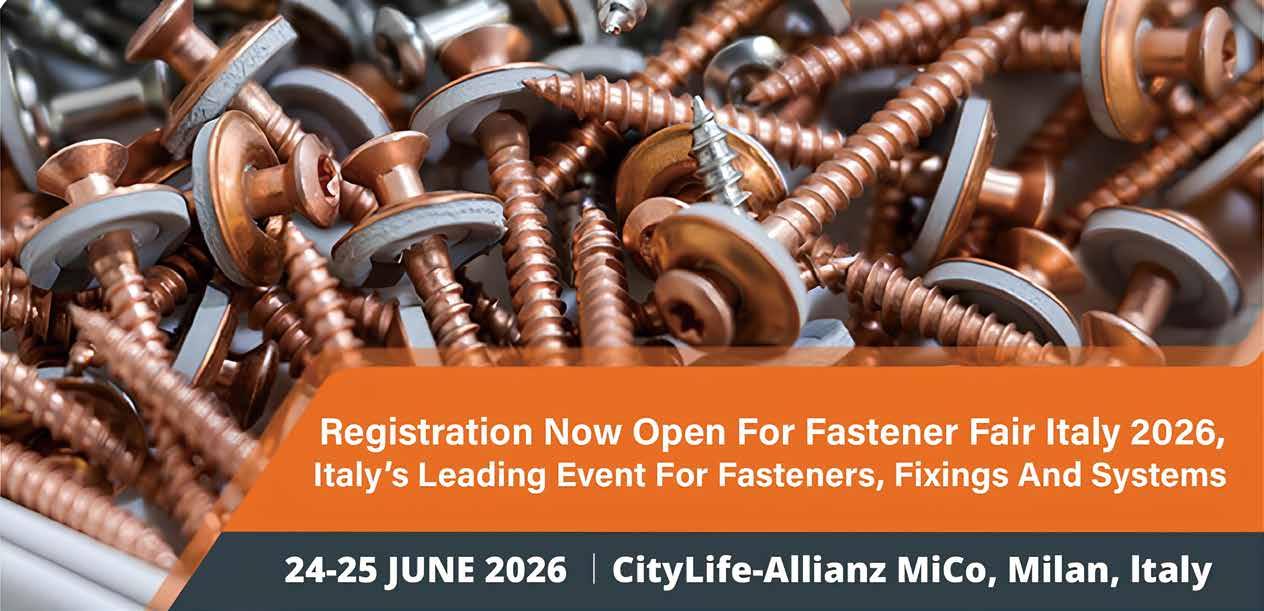
義大利頂級的緊固件、緊固元件及系統產業盛會 2026年義大利米蘭緊固件展 現已開放報名
The fifth edition of Fastener Fair Italy, the biennial exhibition dedicated to the fastener and fixing industry, is drawing ever closer. The event will take place from 24 to 25 June 2026 at CityLife – Allianz MiCo in Milan. Online registration is now open and for a limited time you can secure complimentary access to this two-day exhibition dedicated to fastening technologies. National and international manufacturers and distributors will showcase their products and services, presenting the latest innovations and technological developments in the sector. The exhibition is expected to welcome approximately 3,700 industry professionals and around 200 exhibitors, including more than 100 international companies from Germany, France, Spain, the United Kingdom, Turkey and China, as well as Italy. The event offers a valuable platform to build strategic industry connections and discover new product launches and breakthrough technologies shaping the future of the fastening and fixing sector.
www.fastener-world.com foreign@fastener-world.com.tw
Established in 1987, Fastener World Inc. is a world-renowned marketing media for fasteners, hardware, and industrial components industries. With a team of over 30 years of experience in offering the global industry the most effective marketing solutions and the combination of printed magazines, online B2B platform, representation of leading int’l trade shows, and instantaneous business info service, Fastener World provides the industry with diversified marketing approaches to promote their brand awareness and boost order intake. Our publications include: ‧ Fastener World Magazine Bimonthly Edition ‧ China Fastener World Magazine ‧ Hardware & Fastener Components Magazine ‧ Emerging Fastener Markets Magazine ‧ Fastener World Europe Special Edition Our publication has a circulation of over 10,000 printed copies per issue sent to more than 200 countries and we participate in at least 30 int’l trade shows per year. We are also the exclusive sales agent in Taiwan of Fastener Fair Global, IFE, Fastener Poland, Fastener Fair India, Fastener Fair Mexico, etc. For more info, please contact the show’s exclusive sales agent in Taiwan, Fastener World, at foreign@fastener-world.com.tw Welcome to visit us
Fastener Fair Italy 2026 will once again provide visitors with a comprehensive and highly focused overview of the fastener and fixing industry. The exhibition will showcase solutions across the entire value chain, from high-performance industrial and construction fasteners engineered for demanding applications to advanced assembly and installation systems that enhance precision, speed and repeatability.
Visitors will also have the opportunity to explore the latest fastener manufacturing technologies, including production machinery, quality testing and surface treatments, as well as intelligent storage, distribution and factory equipment solutions designed to optimise operational performance, compliance and traceability. The event provides a unique platform to discover innovations first-hand, compare technologies and connect with industry experts.
Applications are wide-ranging, spanning construction, automotive, mechanical engineering and industrial manufacturing sectors. Visitors will gain a comprehensive overview of reliable fastening and fixing solutions designed to enhance efficiency, support maintenance processes and ensure consistent performance across diverse operational environments.

Fastener Fair Italy 2026 will take place from 24 to 25 June 2026 at CityLife – Allianz MiCo. Opening hours are from 9.00 am to 5.00 pm on both exhibition days.
Stand no. 160
Dongguan Grand Metal Company Limited www.grandametal.com/ zhuyb@grandametal.com
"Main products:
· Self-clinching nuts/studs/standoff and fasteners equivalent to PEM/ Captative (Full range for one stop service and technical support.)
· D Weld studs based on ISO 13918, Weld nuts DIN 928 and DIN 929 (Quality strictly meets the standard)
· Rivet Nuts (Strong competitive products)
· Kalei nuts
· Blind rivet
· Cage nuts
· Brass inserts for plastic injection
· Thread Inserts and Coil Inserts (New product)
· Rivet bushes for connecting fasteners
· Male-female/Male-male/FemaleFemale Spacer
. Hinge, Handle, Spring (New product)
· Customized components by Cold forging and CNC based on your design
For more details, visit our website.
Stand no. 357
HAIYAN SHANGJIA HARDWARE CO., LTD. www.sjujcn.com/ sjzhz@hyshangjia.com
Haiyan Shangjia Hardware Co., Ltd. was founded in 2008, and has many years of experience in the production of non-standard bolts and screws. The company focuses on the research and development and production of nonstandard bolts, screws and parts, which saves the secondary processing procedures for the products and improves the consistency and stability of product quality at the same time, and improves the efficiency of the products for the customers, which is highly praised by the customers. The company's current products mainly include weld screws, flange bolts, adjusting bolts for live joints.
Stand no. 230
HAIYAN WEISHI FASTENERS CO., LTD. www.wsfastener.com/ hyweishi@wsfastener.com
1. Product type:Non-Standard nuts, Hex nut,Heavy nuts, Flang nut, Square nut, Thin nut, Wheel nut, Nylon nut. 2. Product standard: DIN934 ANSI ISO4032 JIS1181 DIN6923 ect or made by customers. 3. Product size: DIN series (M6-M36), ASTM series (1/4-1-1/2”), BS series (3/16-7/8) 4. Product output: 1300-1500TON/Month average 40FCL/month. Our products have been sold to over 50 countries and have been recognized well by customers all over the world.
Stand
LINKFAST TECHNICAL CO., LTD.
HAIYAN YOUSUN ENTERPRISE CO., LTD www.yousunfastener.com vicky@yousunfastener.com
YOUSUN factory's AD rate imposed by the EU is only 39.6% with tariff code: C788. Our YOUSUN factory is specialized in producing wood timber screws, chipboard screws and drywall screws with the production capacity of 1000 tons/month. The wood timber screw has an ETA certificate; the drywall screw and the chipboard screw have CE certificates. Welcome to visit us!
Stand no. 255
HANDAN MOEN IMPORT AND EXPORT
TRADING CO., LTD. www.ytfasteners.com/ mary@ytfasteners.com
Manufacturer originating from Handan, Hebei — the "Capital of Fasteners" in China. We leverage comprehensive in-house manufacturing capabilities across the supply chain to provide a full range of products including bolts, nuts, washers, threaded rods, sleeves, rigging, and automotive parts. SMALL PACKAGE .
Stand no. 250
HISENER INDUSTRIAL CO., LTD. www.hisener.com/ info@hisener.com
Hisener, founded in 2004, is known as one of the top suppliers of screws and various fasteners worldwide. With a modern factory of 32,000 square meters, supported by an automatic material supply system, Hisener specializes in producing multiple carbon steel and stainless steel screws. Moreover, as a leading fastener supplier, Hisener offers over 10,000 different items such as hex bolts, nuts, anchors and washers, etc.
Stand no. 341
JIANGSU YONGYI FASTENER CO., LTD. www.yongyifasteners.com/ sales@yongyifasteners.com
The company's founder and core team have over 30 years of experience in fastener research and manufacturing, having participated in the national standardization of fasteners multiple times. They have worked with universities and hold many patents in fastener technology. The company was among the first in China to receive ISO9001, ISO45001, and ISO14001 certifications, with its laboratories accredited by CNAS. It is recognized as a specialized and advanced enterprise in Jiangsu Province and a provincial engineering research center.
Stand no. 1420
JIAXING BAOYU TRADING CO., LTD. www.donghefastener.com/ BAOYU@donghejx.com
Our company has four professional factories, including a production factory, a heat treatment factory, a mould factory and a packaging factory, forming a complete production chain that ensures high product quality and stable delivery time. We also pay attention to the surface treatment of our products, providing zinc, black phosphated, Dacromet, nickel plated, Ruspert and other treatments to meet the different needs of customers for our products. Meanwhile, the longest length of our products can be up to 500MM.
Stand no. 340
ZHEJIANG FUXIN HARDWARE CORP. www.longnuts.com/ sales@fuxinhardware.com
Coupling nuts, nylon nuts, flange nuts, high nuts, wheel nuts...
Stand no. 353
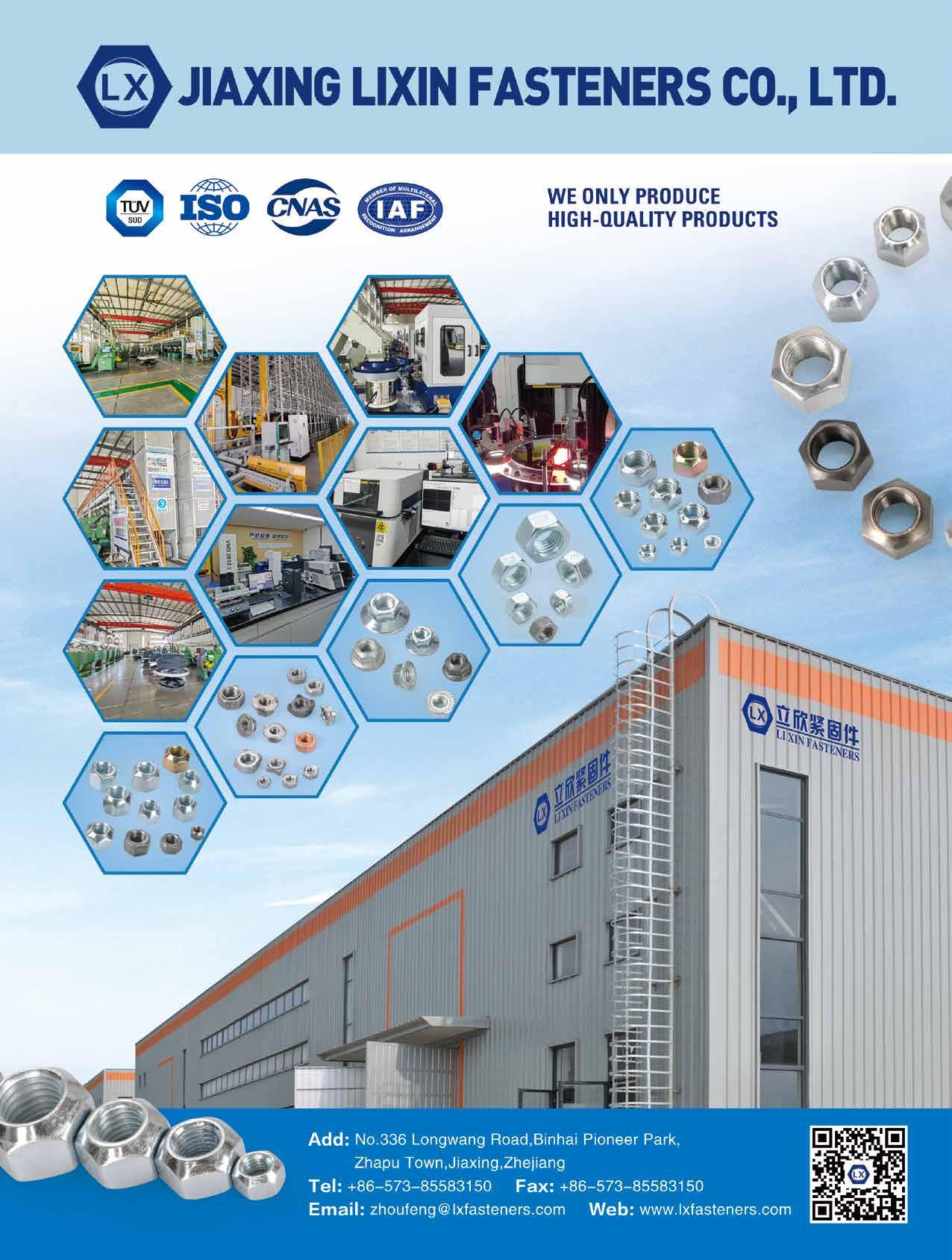
JIAXING LIXIN FASTENERS CO., LTD. www.lxfasteners.com/ zhoufeng@lxfasteners.com
Jiaxing Lixin Fasteners Co., Ltd specializes in producing all kinds of prevailing torque lock nuts, welding nuts and we can also customize special parts acc. to drawings and samples. We have obtained certifications such as IATF 16949, ISO9001, ISO45001 and ISO14001.
The workshop has 7,500 sq meters, over 60 workers,and has capacity of 800 tons per month. Every year, the company invests a large amount to update equipment and tech transformation, continuously improving the level of automated production to enhance production efficiency. The company’s eternal pursuit is to "strive to meet customer requirements with zero-defect products."
Stand no. 920
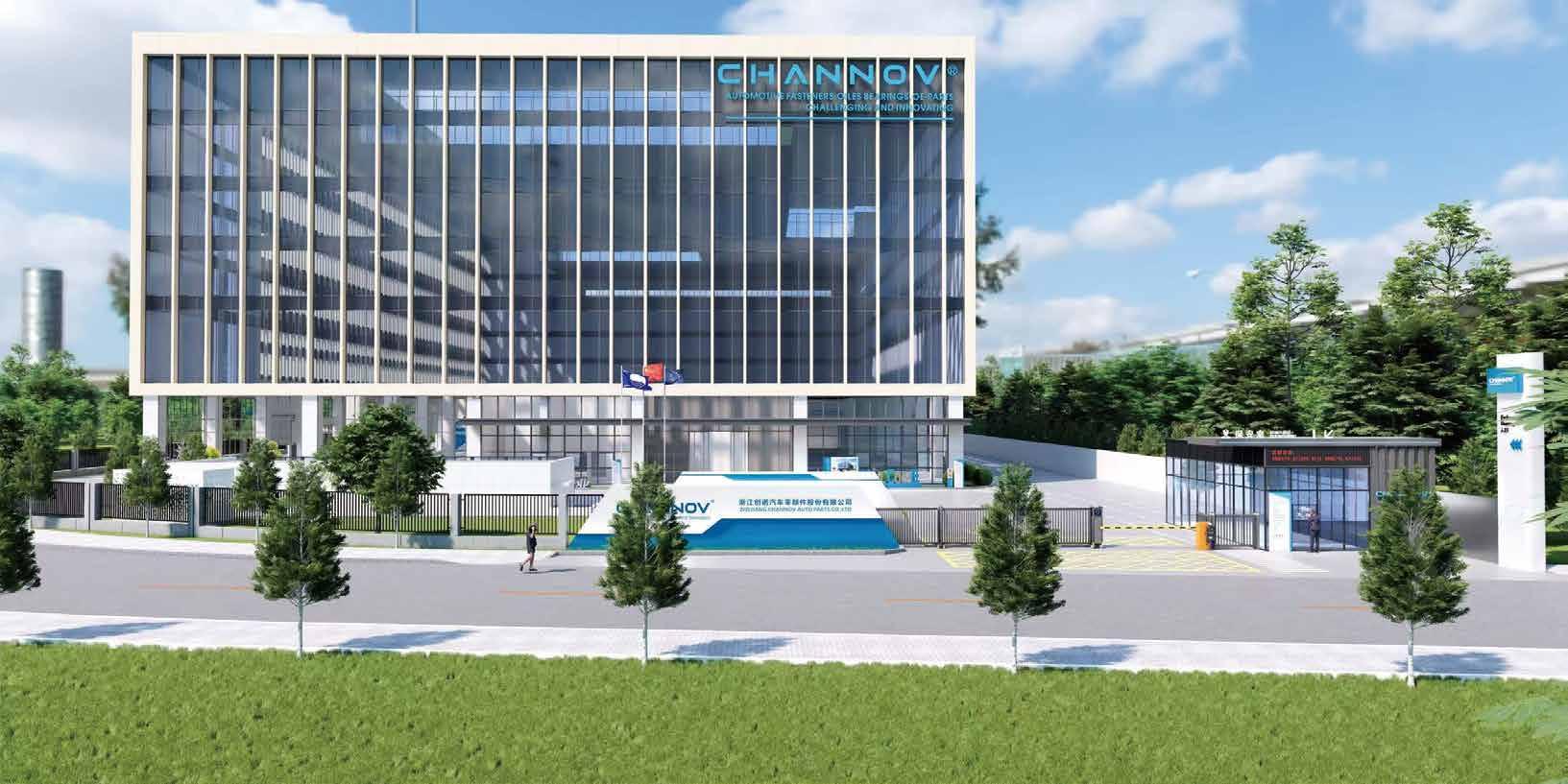
ZHEJIANG CHANNOV AUTO PARTS CO., LTD. www.channovprecision.com/ info@channovprecision.com
CHANNOV is an ISO 9001, ISO 45001, ISO 14001 & IATF 16949 certified manufacturer, and long-term supplier of Wurth and Fabory. Samples on Display: * Flat Washer * Locking Washers(Conical Washers/Contact Washers/ Belleville Washers/Disc Spring Washers/Tooth Locked Washers, etc.) * Retaining Rings & E-Type Circlips * Speed Nuts, Push Nuts, U-Nuts, Spring Nuts & Cage Nuts * Open Bushings * Spring Clips * Customized Solutions tailored to OEM specifications.
Stand no. 1226
ANHUI CHITONG HARDWARE TECHNOLOGY CO., LTD. www.ctongfastener.com/ info@ctongfastener.com
Welcome to visit CTONG! Anhui Chitong Hardware Technology Co., Ltd. is a manufacturer of high-quality riveting fasteners and rail transit fasteners, and is a national high-tech enterprise that integrates the research and development, manufacturing, and sales of fasteners! CTONG covers an area of 20000m2, has advanced production equipment and technology, has been exporting to Europe, America, Southeast Asia, and the Middle East, and has won a good market reputation. As the holder of IATF16949 , CTONG is committed to providing excellent products and services.
BAOJI SINO-SWISS TITANIUM CO., LTD. www.titan-bolts.com/ sales@sinoswissti.com
Baoji Sino-Swiss Titanium Co., Ltd is a leading provider of top-quality titanium alloy products. With over 10 years of experience in the titanium products industry, backed by a founder with 20 years of professional expertise, we have built a strong reputation for excellence and reliability. Our dedication to quality has been recognized with our recent AS9100 aviation certification, a testament to our ability to meet the strict standards of the aerospace sector.
Stand no. 1219
DELI TRADE(JIAXING) CO., LTD.
www.dl-hardware.com
liuyd@dlhardware.com
Deli-Newdexin (dl-hardware.com) is a TÜV-certified ISO 9001:2015 and IATF 16949 manufacturer specializing in high-performance, custom stainless steel fasteners. Our advanced facilities include 50 cold-forging machines, 100 CNC machines, 6 CNC machining centers, and fully inhouse tooling & stamping workshops. Serving aerospace, automotive, marine, energy, and industrial sectors worldwide, we deliver precision, reliability, and responsive service. From drawing to production, we understand manufacturing.
Stand no. 1310
HAIYAN HUASHENG FASTENERS CO., LTD. www.haiyanfasteners.com sia@haiyanfasteners.com
The main production are nylon insert lock nuts, flange nylon lock nuts, metal lock nuts. The size range is from M3 to M24 (NE Type is from 6# to 1"). Haiyan Huasheng Fastener Co., Ltd. has a batch of advanced production equipment and testing equipment, and shows excellence in product quality. The company has been committed to providing competitive prices of high quality products.
Stand no. 249
HENGSHENGZE(XIAMEN) HARDWARE TRADE CO., LTD. www.hszhardware.com/ zhipeng-lin@hotek-technology.com
Hotek (XiaMen) Technology Co., Ltd. is a provider of reliable, safe and stable "industrial meters" fasteners for all industries.Hotek was founded in 2015, is located in Xiamen City, Fujian Province, China. HengShengZe(XiaMen) Hardware Trade Co.,Ltd is a subsidiary company of Hotek(XiaMen) Technology Co., Ltd, and mainly engaged in the sale of hardware fasteners. Hotek has provided high quality fastener products for large and small new energy enterprises in the early days of its establishment, and has full experience in the new energy fastener industry.
Stand no. 232
HUAHUO METAL-TECH CO., LTD. ydintl.com/ sales@ydintl.com
Our standard products are carbon fastener nuts, mainly flange nuts DIN6923, lock nuts DIN980V, hex nuts DIN934, long nuts DIN6334, welding nuts DIN928/929 and non standard with special drawing.
Stand no. 114
JIASHAN YUCHEN METAL PRODUCTS CO., LTD. www.jsxyfastener.com/ danny@jsxyfastener.com
JIANGSU JINSHA FASTENERS CO., LTD. www.jinshafasteners.com/ hzfastener@vip.163.com
JIANGSU JINSHA is a professional producer of hex nuts and heavy hex nuts as per standards of A194 2H/2HM, A563 DH, A563M 10S, IS6623, DIN6915, GB1229, hex nuts DIN934, ISO4032, UNI5587, ASME B18.2.2, GB6170. The factory occupies a land of 33,000 square meters with buildings of 22,000 square meters. We own facilities: annealing furnace, wire-drawing machines, cold-forging machines, threadrolling machines, heat-treatment line, Inspection machines such as hardness testing machines and proof-loading testing machine. The monthly capacity is 800 tons.
JIASHAN WEIYUE FASTENER CO., LTD. www.jswyf.com/ jsweiyue@jswyf.com
Weiyue specializes in iron, carbon-steel, stainless steel, copper and aluminum stamping parts, including highstrength and common standard, non-standard washers and spring washers in line with DIN, BS, NF ASTM, ISO, JIS and JB, etc. Special washers can be undertaken on customers’ samples, and drawings.
Stand no. 1319
JIAXING AOKE HARDWARE TECHNOLOGY CO., LTD.
JIAXING AOKE TRADING CO., LTD. www.aoketrade.com/ info@aoketrade.com
We operate two integrated entities: Aoke Hardware (our stamping factory) and Aoke Trading (our fastener sourcing arm). This dual structure allows us to offer: - In-house manufactured precision stampings for home furnishings, kitchen, agriculture, and outdoor applications. - Managed supply of high-quality fasteners (bolts, nuts, washers, anchors) from audited, ISO-certified specialist mills. We serve as a single-point quality and sourcing hub, handling technical coordination, quality control, and logistics—simplifying your supply chain while ensuring consistency.
Stand no. 231
JIAXING CHUNWEI PRECISION INDUSTRY CO., LTD. www.cwstandard.com yuki@cwstandard.com
Our factory "Jiaxing Chunwei Precision Industry Co., Ltd" mainly produces timber screws and drilling screws, such as CSK head and wafer head, DIN7504P and DIN7504K. We can also manufacture other screws, such as drywall, chipboard screws and sandwich screws.
Stand no. 246
JIAXING JIANSHENG HARDWARE TECHNOLOGY CO., LTD. www.jsnuts.com/ sales04@jsnuts.cn
Stand no. 1213
JIAXING GOSHEN HARDWARE CO., LTD. www.cngoshen.com/ michael@cngoshen.com
Including solar mounting components, hex bolt, hex flange bolt, carriage bolt, hex nut, flange nut, self-tapping screws, self drilling screws, machine screws, threaded rod and washers, especially doing well in customized hardware fasteners. Our target is doing whatever we can do to meet different customer's need. Main customers come from Europe, Southeast Asia, North America, Latin America and the Middle east.
Stand no. 811
JIAXING JINLING HARDWARE TECHNOLOGY
JOINT STOCK CO., LTD. jlnut.cn/about/company-profile.html jlzxl@jinlingfstn.com
We are specialized in producing various kinds of nuts with monthly capacity of 1,200 tons. Our products include hex nuts, flange nuts, nylon nuts, square nuts, long nuts and so on. Including all standards of ISO, DIN, AS, ANSI (IFI) ASTM, JIS,UNI and BS etc, which are mainly applied to fields of machinery equipments, construction steel structure, vessels, bridges and roads etc. And we can also manufacture non-standard parts according to the customer's drawing and requirements.
Stand no. 244
JIAXING LONGFIX FASTENERS CO., LTD. www.longfix.com.cn sales@longfix.com.cn
Stand no. 254
LIANYUNGANG SULI HARDWARE TECHNOLOGY CO., LTD. www.kocmoc.cn/ sales.f@kocmoc.cn
We are one of the professional factories of screws and fix/ fixer, and we can supply all kinds of fasteners. We have CE certificate issued by TUV, all our goods have passed EN14566 and EN14592. OUR MILL: Lianyungang Suli Hardware Technology Co., Ltd anti-dumping duties: 39.6%. Our best sellers are as follows: 1) Drywall screws: Hardened carbon steel C1022A, 2) Chipboard screws: Hardened carbon steel C1022A, 3) Self Tapping Screws, 4) Self drilling screws, 5) Roofing screws, 6) Deck screws---for outdoor use, 7) Concrete Screws---for building.
Stand no. 352
NINGBO LEMNA PRODUCT TECHNOLOGY CO., LTD. www.lemna-cn.com/ sales1@exact-cn.com
Chipboard & Drywall Screws · Wood Construction Screws · Threaded Rods · Bolts & Nuts
Stand no. 812
LINTIN METAL TECHNOLOGY CO., LTD. www.lintinmetal.com/ dona.li@lintinmetal.com
Our company is a professional manufacturer of highquality hardware fasteners, specializing in nuts (spring nuts, cone nuts, plastic wing nut...), and stamping parts. With advanced production equipment and strict quality control, we serve global customers in industries such as construction, automotive, furniture, and industrial equipment. We offer custom solutions based on drawings or samples, competitive pricing, and timely delivery. Our commitment to precision, durability, and customer satisfaction has made us a trusted partner for many international buyers.
Stand no. 355
NANJING NUOCHUN HARDWARE CO., LTD. (Nails) nuochun.com/ flora@nuochun.com
Our company specializes in producing and selling Wire Coil Nails, Plastic Sheet Coil Nails, Papers strip Nails, Stainless Steel Nail, Joist Hanger Nails, Plastic Strip Nails, Roofing Nails, Mechanical Loose Nails, Special Nails, etc. Our company owns advanced management and builds a high-quality service team from research, production and selling. We have GB/T19001-2016 Quality Management Certification, European CE Certification and International SGS Certfication.
Stand no. 1432
NINGBO BRIGHTFAST MACHINERY INDUSTRY TRADE CO., LTD. www.brightfastener.com/ eleven@brightfastener.com
Brightfast is located in the beautiful coastal city of the East China Ningbo, Zhejiang Province. We are a professional fasteners manufacturer. We have rich experiences with 20 years in all kinds of fastener manufacturing.
Stand no. 329
NINGBO YINZHOU GONUO HARDWARE CO., LTD. www.gnfasteners.com/ viki@gaoyun-fastener.com
Gonuo Hardware: Your Trusted Partner for Custom Bolts & Nuts Based in Ningbo, China. Gonuo is a comprehensive fastener enterprise with ISO 9001 certification and strict quality control. We combine advanced machinery and automated production lines with meticulous engineering review and stage-by-stage inspection. Full in-house control from raw material to final assembly ensures consistent quality, precision, and on-time delivery. Our integrated approach reduces costs, allowing us to offer stable, superior quality at highly competitive prices. Gonuo delivers reliability and strategic partnership.
SHANGHAI WELFAST ENTERPRISE CO., LTD. www.welfast.com/ sales@welfast.com
Established since 2001, Welfast has grown to be one of the most important fasteners suppliers in China. The products are exported to more than 45 countries and regions around the globe. Our logo "SWE" is recognized as a good brand of the fastener products.
Stand no. 1205
TAISHAN DONYI HARDWARE CO., LTD. www.dy-screws.com/ zjdy.sales001@gmail.com
Specializing in stainless steel & high-carbon steel set screws, we are a leading manufacturer in China. Committed to professionalism and quality, we provide customized packaging for our clients.
Stand no. 1224
TM FASTENER LTD. www.tmfastener.com/ contact@tmfastener.com
Most booths sell fasteners. We deliver control. As the trading arm of a China-based manufacturer, we combine in-house production with audited partners to supply Heavy Hex Nuts, Spring Toggles, Rod Hangers, Concrete Anchors, and Wood Construction Screws with consistent quality, traceability, and Europe-ready compliance. We are the “stable-plus” supplier. Scalable capacity, and reliable delivery. Stop managing supplier problems. Start controlling outcomes.
Stand no. 353
YOUBANG STANDARD PART CO., LTD. youbang.luosi.com/ leo.zhang@youbangfastener.com
Our company specializes in manufacturing brass fastener & steel small Nuts, especially all kinds of brass hex nuts, square nuts, acorn nuts, nylon lock nuts, brass hex bolts, brass machine screws, brass hex wood screws, brass plain washers, brass threaded studs with standards of DIN, ASME, ANSI, BS, ISO and non-standard turning parts. Our quality products are well approved by clients from Europe and America.
Stand no. 1424
YUYAO JINGTAO HARDWARE CO,. LTD. www.chinajingtao.com/ anna@jingtaohardware.com
Our company mainly produces various kinds of nylon expansion anchors, including nylon hammer fixing, nylon frame fixing, screw plug, self-drill plaster board plug, knot expansion nylon, ploy-toggles and other products.
Stand no. 813
WUHU YONGHUI AUTOMOTIVE FASTENERS CO., LTD.
www.yonhui.cc ada@fasteneryonhui.com
Stand no. 344
ZHEJIANG AOZHAN AVIATION TECHNOLOGY CO., LTD. www.aozhan.com.cn azsyyxgs@163.com
Specialist in stamping parts and special stainless steel like duplex and super duplex.
Stand no. 224
ZHEJIANG KETENG PRECISION MACHINERY CO., LTD. www.ktf.cn/ yxb3@ktf.cn
Zhejiang Keteng Precision Machinery Co., Ltd., founded in 2012, is a high-tech enterprise focusing on the R&D, design, production and sales of high-end fasteners and specialshaped parts. We master various international standards and provide products for automotive, home appliance, industrial equipment and aerospace fields. As a national "Little Giant" enterprise, we cooperate with well-known domestic and foreign customers and offer customized solutions, committing to high-quality and reliable fastener supply.
Stand no. 247
ZHEJIANG SONGRI ELECTRIC CO., LTD. fastener.songri.com/ fastener@songri.com
SONGRI, founded in 1996 and headquartered in Shanghai, is a professional manufacturer of hardware fasteners and metal special-shaped parts. Its production base is in Zhejiang. The company specializes in high-quality materials including stainless steel, nickel-based alloys, titanium alloys, and copper alloys. Products comply with GB, DIN, ISO, and ANSI/ASME standards, with certifications including PED, RoHs, IATF16949, ISO9001, and ISO14001. These products serve diverse industries such as rail transit, aerospace, automotive, medical devices, marine engineering, and petrochemicals.
Stand no. 1317
ZHEJIANG YICHEN HARDWARE CORP. www.yichenhardware.com/ byron@yichenhardware.com
The company has advanced production equipment, strong technology, and complete testing facilities. Product quality is reliable. Main products include metric, German standard, American standard, the method of standard, British standard and other standard wood screw, self-tapping screw, double height fast nail cushion screw, light hook, eye bolts, all kinds of nuts, bolts and other standard/nonstandard parts.

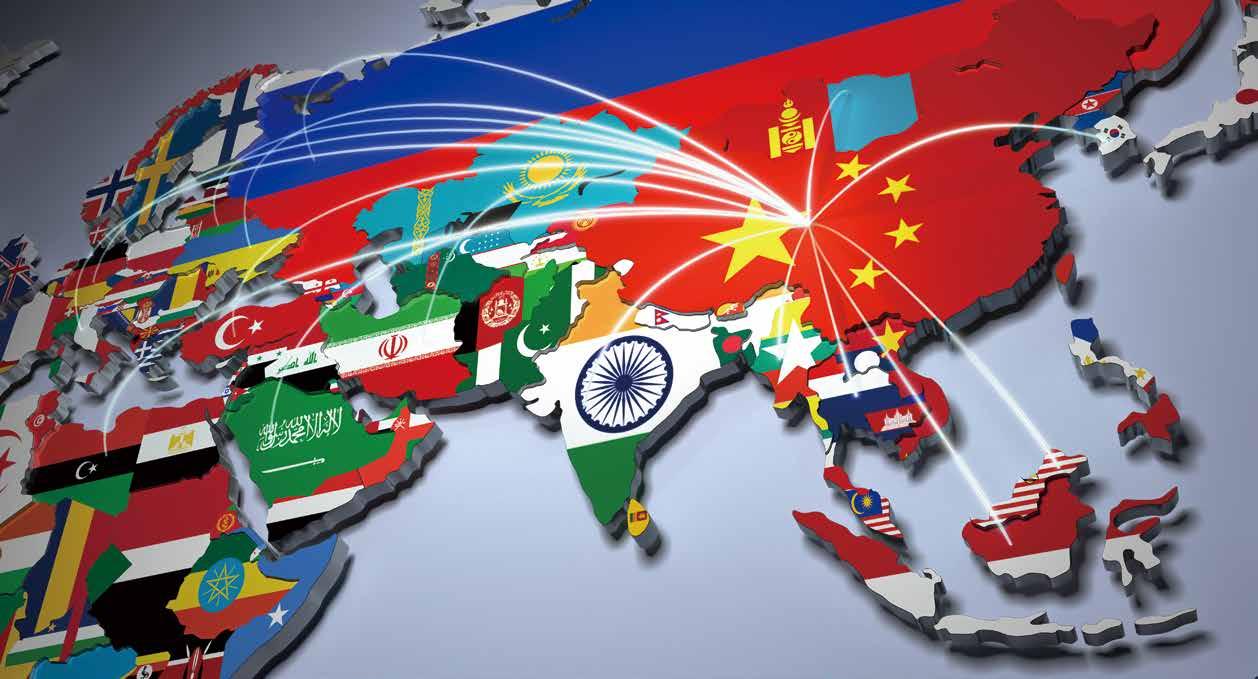
In value terms, China’s fastener exports grew strongly in 2021 and 2022, then eased in 2023 before stabilizing gradually in 2024 and 2025 (Fig. 1). In 2025, China’s fastener exports reached about US$10.04 billion, narrowing the gap with the 2022 peak of US$10.93 billion to just 8.1%. Meanwhile, China’s fastener imports were about US$2.35 billion(Fig. 3), leaving a trade surplus of roughly US$7.6 billion versus exports, underscoring China’s continued dominance as a global fastener supplier. Export value for the first 4 months of 2026 reached US$3.25 billion, a solid performance. Annualized proportionally, the full year may still face challenges, but there remains a chance to sustain growth momentum. At the same time, export weight has shown a clearer upward trend (Fig. 2). Over the past 5 years, it has risen by 26.8%, indicating that while export volume hit a record high in 2025, value growth over the same period was relatively limited at 10.4%, reflecting pressure on unit prices and intensifying market competition.
China’s fastener imports have been on a long-term downward trend (Fig. 3). They fell to US$2.35 billion in 2025, down 28.2% over the past 5 years. The overall decline is significant. Import value in the first 4 months of 2026 was US$787 million, a steady performance. Annualized proportionally, it could be about 0.3% higher than 2025, but it would still remain within a declining range, indicating that China’s domestic supply capability continues to strengthen. Even so, some high-end products still rely on imports, showing that there is still room for technological upgrade.
Unit: USD Fig. 1. Chinese Fastener Export Value to the World
8,500,000,000 9,000,000,000 9,500,000,000 10,000,000,000 10,500,000,000 11,000,000,000 11,500,000,000
Suzhou Jungu Precision Mould’s contact: Mr. Liu Hua, General Manager
Email: liuth@jungumolding.com
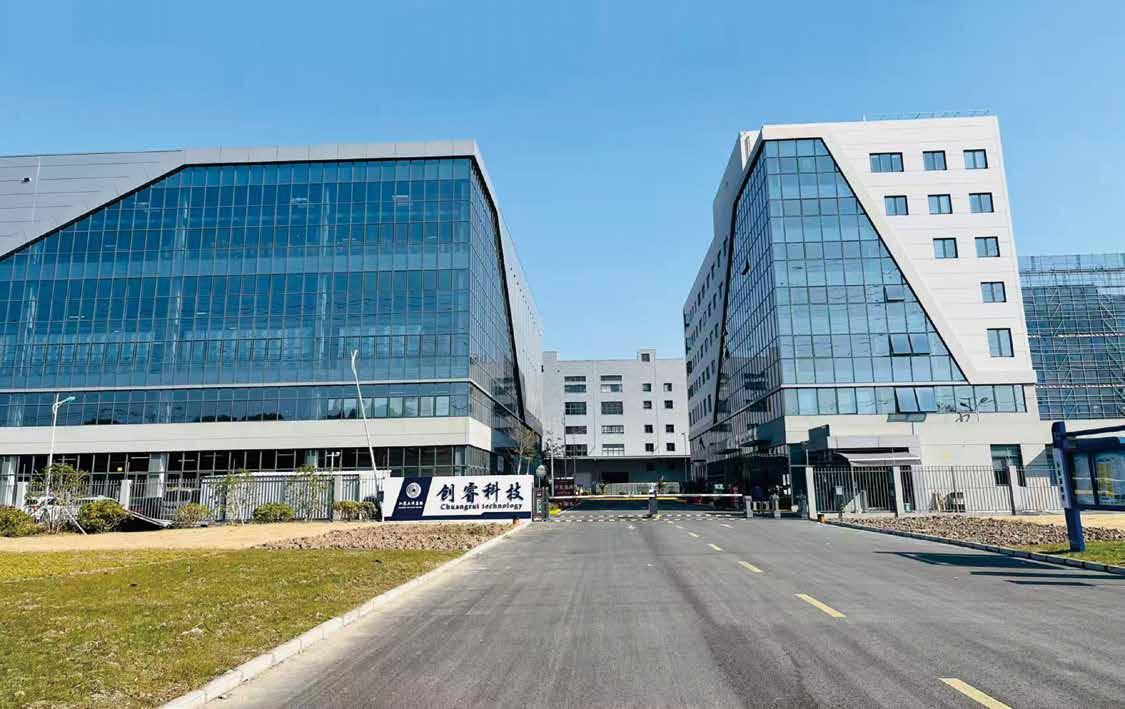

As the cornerstone of fasteners, the quality and technical level of cold heading molds determine the reliability of finished products. Founded in 2014, Jungu boasts profound technical accumulation and forward-looking planning to present new benchmarks of China’s high-end mold manufacturing globally via its newly-built intelligent factory. The company has been deeply involved in the industry for over 20 years. In its early stages, it focused on the repair and customized processing of standard cold heading molds in the Jiangsu and Zhejiang regions. Now, with the establishment of a new factory, the company focuses on high-precision molds for automotive and aerospace applications, multi-station forming molds, and non-standard fastener solutions, extending to one-stop services for new product development and process optimization.
Located in the Chuangrui Technology Industrial Park in Taicang, Suzhou, the new facility spans roughly 10,000 sq.m., with six departments and roughly one hundred staff members on site, forming a complete system covering R&D, production and quality inspection. The workshop is equipped with over a hundred pieces of equipment, including five-axis CNC machining centers and high-precision Japanese grinding machines, as well as imported inspection equipment to ensure full-process accuracy and controllability. The plant turns out 120 precision mold components and 30 full mold sets per month, exporting to more than twenty countries and regions including Japan, South Korea, Europe, the US, and the Middle East.
This relocation marks an all-round upgrade of its manufacturing concepts. The previous one couldn’t meet rapidly growing orders from the new energy and aerospace sectors, nor support the stringent requirements for constant temperature and dust-free environments in highprecision machining. Therefore, the new factory is built per intelligent manufacturing standards: automated material handling systems enable unmanned transfers across processes; ERP and MES systems provide full traceability throughout production; and energy-saving equipment combined with metal chip recycling systems supports green manufacturing.
The benefits are evident. The constant temperature, dust-free environment has improved dimensional stability of automotive bolt molds by 15%, reducing clients’ product defects by nearly 10%. Automation and digitalization shorten production cycles by 20%, enabling the company to secure annual orders from many overseas aerospace clients. Energy consumption is cut by 18%, and inventory loss drops below 0.8%, boosting overall competitiveness.
The company benchmarks against first-tier mold enterprises in Germany and Japan, and sets strict internal QC standards. Tolerances for aerospace molds are kept within ±0.002 mm, automotive molds’ service lifespan exceeds 800,000 cycles, and high-strength products surpass 1.5 million cycles. Every batch is subject to full metallographic, hardness and dimensional inspections. Relentless quality pursuit has made it a long-term partner to multiple Fortune 500 companies.
It also engages early in clients’ product design stages, co-developing optimized cold heading solutions to reduce material waste and mitigate mass production risks. Non-standard product samples can be completed within 7 to 15 days in the fastest case. After sales, it continues to provide mold modification and technical support, forming a full lifecycle service system—particularly suited for highthreshold industries like new energy and aerospace.
Looking ahead, it aims to lift the proportion of overseas sales to 70% of total revenue, self-develop high-performance tungsten carbide materials to replace carbide raw materials, and build a digital demonstration factory to provide clients with cost-effective, high-quality, and high-precision customized mold solutions. Jungu uses the new factory as a core platform for global business expansion and takes solid steps toward high-end manufacturing and global development.
Unit: Ton
4,500,000 4,700,000 4,900,000 5,100,000 5,300,000 5,500,000 5,700,000 5,900,000 6,100,000 6,300,000 6,500,000
Unit: USD
3,000,000,000 3,200,000,000 3,400,000,000
2,800,000,000
2,600,000,000
2,400,000,000
2,200,000,000
2,000,000,000
Fig. 2. Chinese Fastener Export Weight to the World
Jan-Mar 2026 (April data undisclosed) 1,437,785 Tons
Note: Import weight data unreleased in press release
Fig. 3. Chinese Fastener Import Value from the World 3,280,348,178 2,856,814,125 2,445,658,277 2,476,949,655 2,353,566,965 YEAR
Jan-Apr 2026
787,303,081
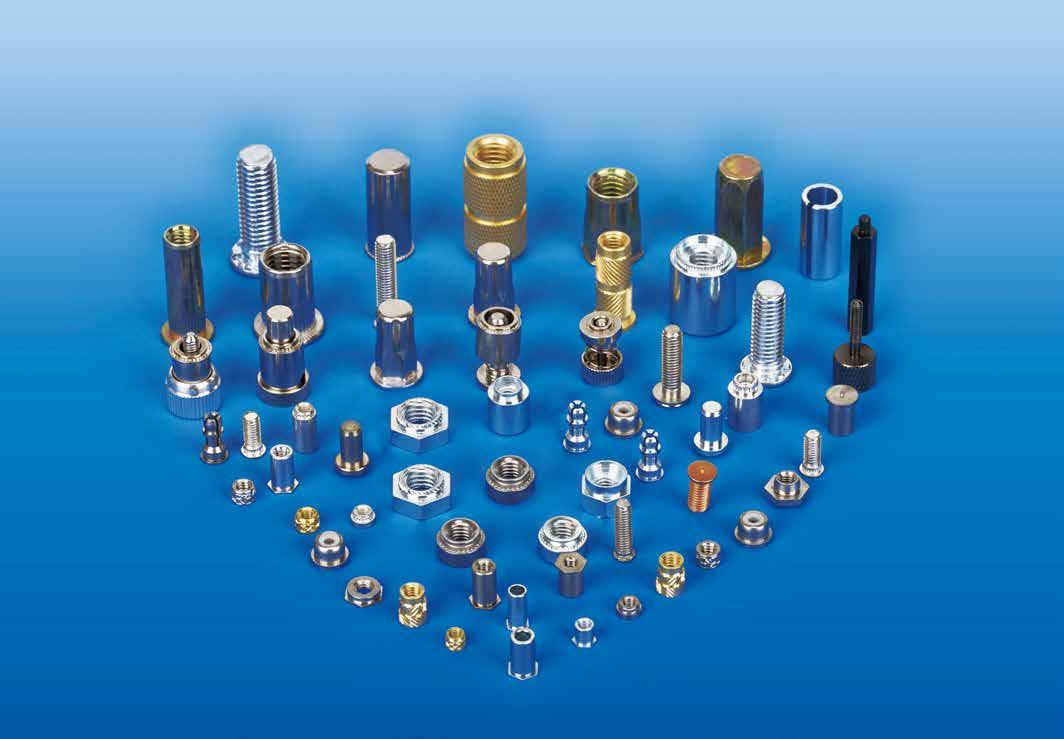


Among China’s top 10 fastener export destinations in 2025 (Fig. 4), the U.S. remained firmly in the first place, with export value reaching US$1.26 billion, or 12.6% of total exports, well above the single-digit shares of other destinations. This suggests that even amid ongoing China-U.S. trade frictions, U.S. manufacturers still rely heavily on Chinese fastener supply. The reasons include insufficient domestic U.S. capacity, high production costs, and China’s difficult-to-replace supply chain cost competitiveness. More importantly, Southeast Asian and other emerging markets are rising. For example, China exported US$678 million to Vietnam and US$347 million to Thailand, while India and Mexico also appeared among the top 10 destinations. This indicates that China’s exports are shifting from dependence on the U.S. market toward a more diversified, multi-region structure.
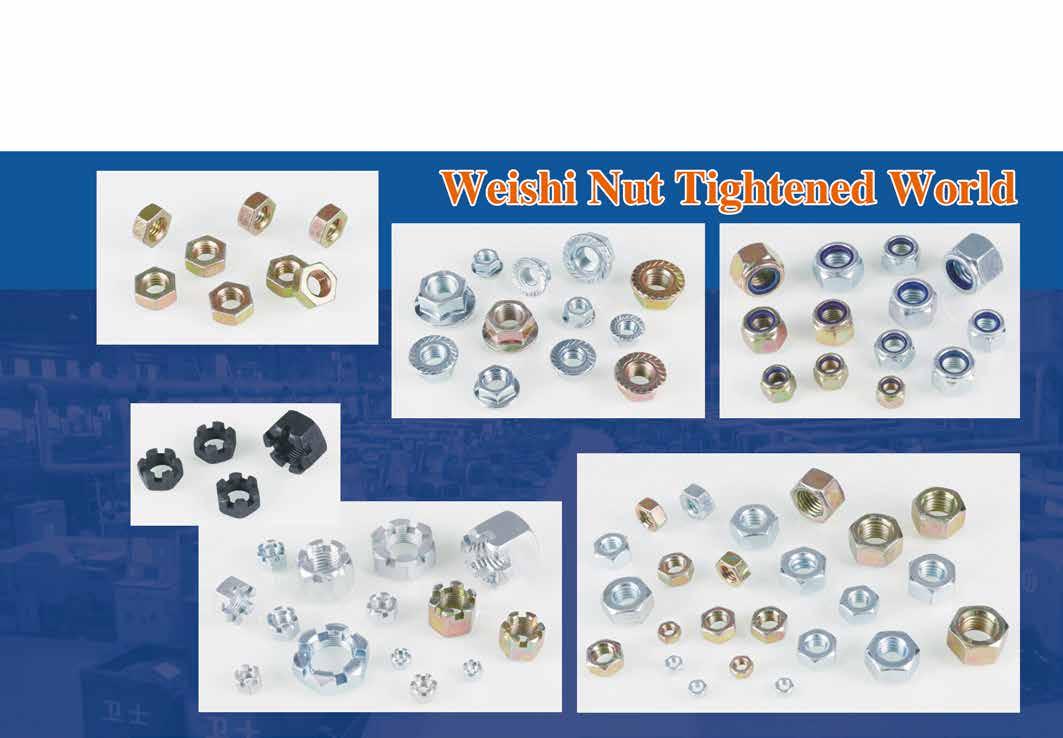

Fig. 6. Export Value of China's Fastener Categories in 2025 (Unit:
Fig. 7. Export Value of China's Fastener Categories in Jan-April 2026
China’s fastener industry still competes mainly through mass-standard parts, industrial general-purpose parts, and construction and machinery fasteners. Export product category analysis (Fig. 6) shows that “731815 Other screws and bolts” alone accounted for nearly half of total exports, with 2025 export value at US$4.49 billion, or 44.7% of total exports. It was followed by nuts (US$1.69 billion, 16.9%), self-tapping screws (US$1.10 billion, 11.0%), and other threaded articles (US$1.00 billion, 10.0%). The January–April 2026 data (Fig. 7) show a similar distribution.
China’s fastener imports are concentrated on high-quality or specialized products that fill domestic technology gaps. High-end specialty fasteners remain an important direction for China’s industrial upgrade in the future. Although total import value has declined, the main import categories (Fig. 8) are also concentrated on 731815 Other screws and bolts (US$1.01 billion, 42.8%), high-end nuts (US$469 million, 19.9%), precision washers (US$255 million, 10.9%), and pin products (US$215 million, 9.2%). The January–April 2026 data (Fig. 9) show a similar distribution.
China’s fastener industry is in a transitional phase. Exports are still driven by volume, but price pressure is increasing. The market structure is shifting from concentration to diversification, and falling imports reflect deepening domestic substitution. Future competition will move from “scale advantage” toward “technology and value-added capability,” especially in highend applications and precision manufacturing.
For Chinese fastener producers, the key strategic priorities going forward are to pursue high value-added products, diversified markets, and digitalization at the same time. Standard products should still be expanded, but the business cannot Others 1,679,368,603 52%
rely only on standard products. Lowprice markets can be defended, but they cannot be the basis for survival. China’s export volume has continued to rise while imports have steadily fallen, showing that scale advantages remain in place. However, the next stage of competition should focus on products, clients, and improved operational efficiency. For the large number of small and medium-sized local enterprises, production lines can be upgraded step by step; there is no need to build a fully smart factory all at once, but digitalizing data should begin now.
Under the pressures of geopolitics, tariffs, logistics, and raw material fluctuations, clients are placing greater emphasis on supply stability and delivery certainty. Chinese companies can use product segmentation and customer stratification strategies to manage bulk products and high-margin customized products separately, avoiding the competition of internal resources. At the same time, they can strengthen supply-chain resilience by building multi-location backup supply, safety stock of key raw materials, backup tooling for critical molds, and regional delivery centers.
Overall, Chinese fastener producers still hold a strong global supply advantage. But in the future, the companies that truly stand out will not simply be the largest in output. They will be the ones that integrate manufacturing,



中國電動車:從政策驅動到全球輸出,補貼退場、價格戰加劇與產業升級的下一個十年
Over the past decade, China’s electric vehicle industry has transformed from a follower in the global auto market into the world’s largest producer and consumer of new energy vehicles (NEVs). Brands such as BYD, NIO, XPeng, and Li Auto have rapidly captured the domestic market while also expanding into Europe, Southeast Asia, and the Middle East. China’s EV industry has moved from “catching up” to setting the pace (Table 1), but the victory has not been easy. As subsidies gradually fade and the domestic market approaches saturation, Chinese companies are being forced to shift from pursuing sales volume alone to competing on cost control, technological integration, and overseas expansion. By 2026, China’s EV market has moved from the question of “who can grow the fastest” to “who can survive.”

Factor
Government Subsidies
Integrated Supply Chain
Large Market Scale
Local Government Support
Technology Integration
Impact
Lowered purchase costs and stimulated demand
Reduced battery costs and accelerated mass production
Faster technological maturity and price competition
Building charging networks and production bases
Enabled rapid adoption of smart cockpits and autonomous driving
China’s EV boom was first driven by long-term government support, supply chain consolidation, and a vast domestic market. In 2023, China’s NEV production and sales reached 9.587 million and 9.495 million units respectively, marking a sharp year-on-year increase. In 2024, market penetration rose further, showing that electrification had shifted from a policy goal to a market norm.
After entering 2025, China remained the world’s largest EV market. Rho Motion’s data showed that China sold about 4.4 million EVs in the first 5 months of 2025, up 33% year on year. By the first 3 quarters of 2025, China had sold around 9 million EVs, with monthly sales repeatedly exceeding 1 million units, underscoring the sheer scale of the market (Fig. 1 ). China also achieved a striking result in 2025: NEV production reached 16.52 million units, accounting for 47.5% of total national auto production. Among them, BYD has become the leader in NEVs in China and globally, thanks to its complete battery supply chain, plug-in hybrid electric vehicle (PHEV) technology, and
global expansion. In 2025, its total sales reached approximately 4.6 million units, while rapidly increasing its share in overseas markets. Chery, on the other hand, has built a strong export presence through Russia, the Middle East, South America, and Eastern Europe, becoming one of China’s most representative export-oriented automakers. Geely has risen quickly in the new energy and high-end intelligent vehicle segments through brands such as Galaxy and Zeekr (Tables 2 and 3). Yet from a growth perspective, this was no longer a high-speed expansion phase, but rather a stage of refinement at a much higher base.




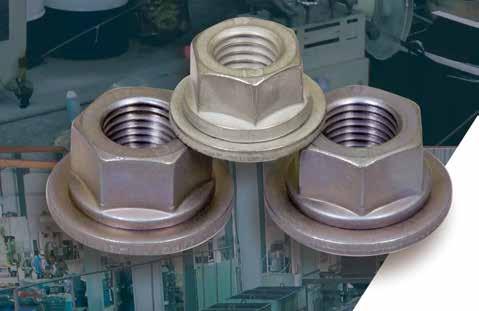
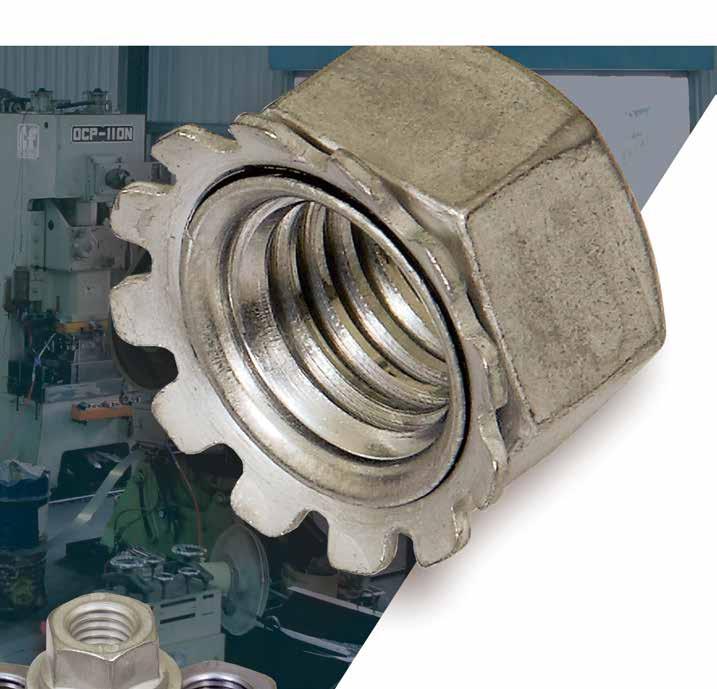







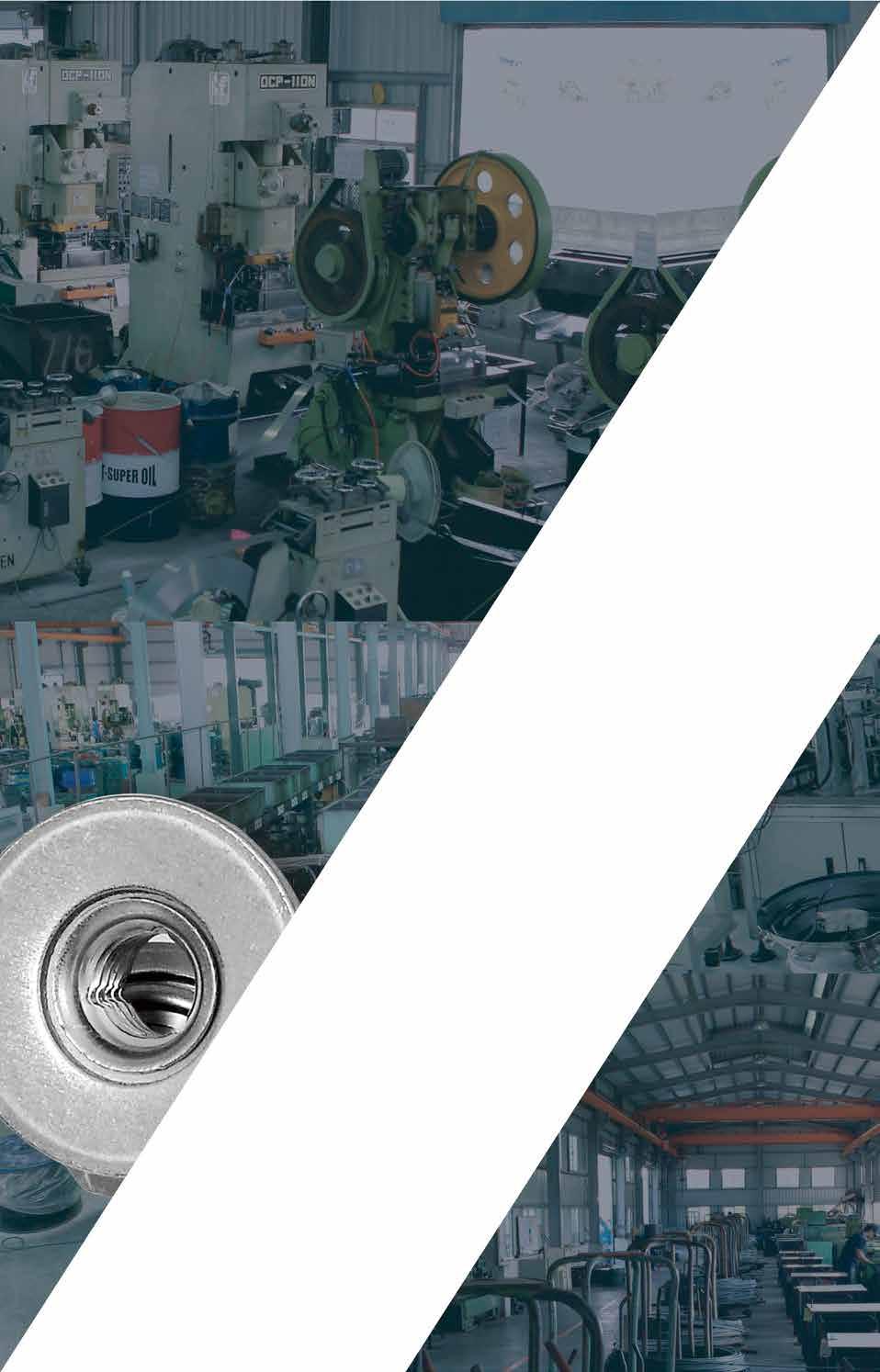























































































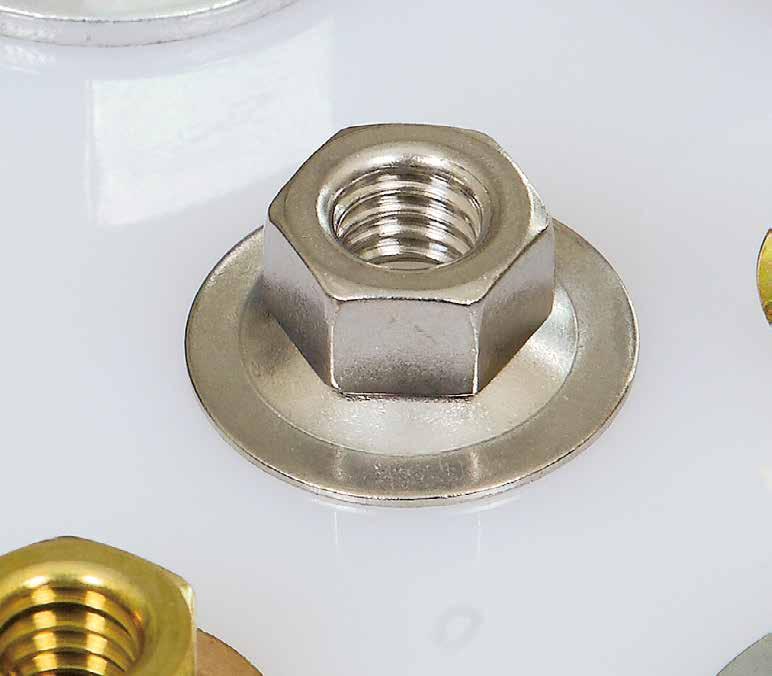

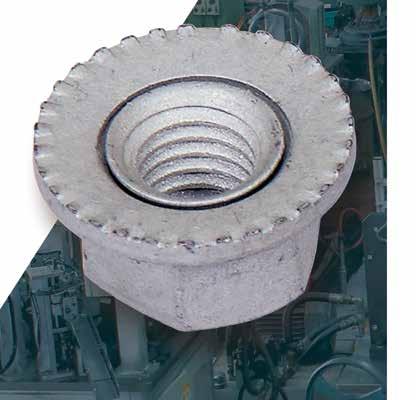
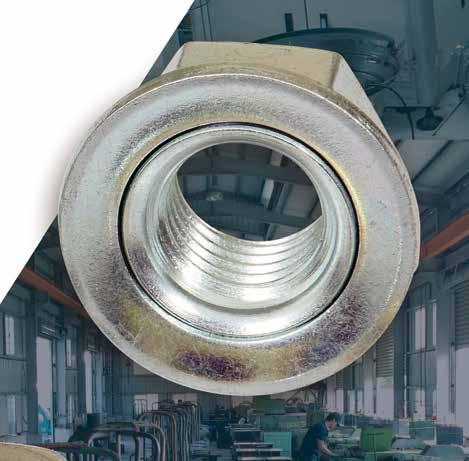
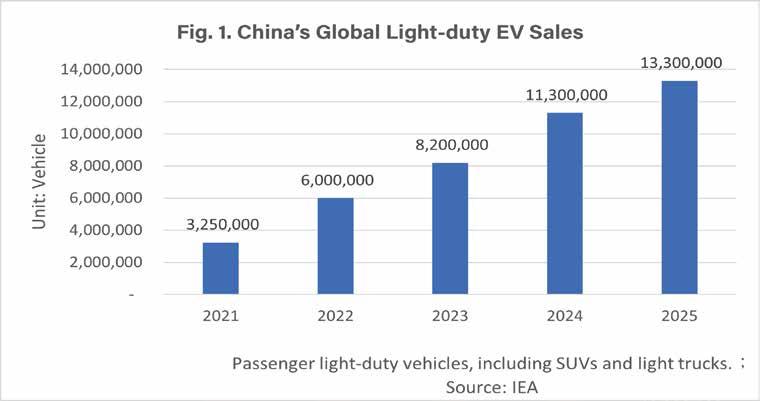
1. China’s Global Light-duty EV Sales Passenger light-duty vehicles, including SUVs and light trucks. ; Source: IEA

The data show that China’s market is much larger than any other region, and is a single market enough to shape the rhythm of the global EV industry.
★ Table 3. Sales of Major Chinese EV Brands in January–April 2026 (Unit: 10,000 vehicles)
One of the main reasons China’s EV industry scaled so quickly was subsidy support and tax incentives. Reports indicate that China used purchase subsidies, trade-in programs, and tax reductions to accelerate adoption, but these policy tools are now being phased out. National-level purchase subsidies ended at the end of 2022, and from 2026 onward, some tax incentives are expected to tighten further. Once policy stimulus faded, market demand cooled quickly. At the beginning of 2026, retail sales of NEVs in China fell more than 20% year on year, and in some months the decline exceeded 35%.
China’s NEV penetration rate is now close to 60%, and most of the remaining consumers who have not yet switched to electric vehicles are concentrated in lower-tier cities, where concerns over driving range, charging convenience, and maintenance remain common. This means the center of competition is shifting. In the past, the key was who could benefit most from policy support; now the key is who can remain profitable and defend market share without subsidies. Multiple reports suggest that China’s EV market in 2026 will face a true survival test: growth may slow, but price wars are unlikely to end.
Another defining feature of China’s EV market is that it is cheap yet highly equipped. The main reason lies in the deep localization of batteries and supply chains, especially lithium iron phosphate batteries, component integration, and large-scale manufacturing, which allow Chinese brands to offer well-equipped cars at lower cost.
But low prices do not necessarily mean high margins. China’s biggest EV problem is not weak demand, but excess supply. Research suggests that China’s total EV manufacturing capacity is approaching 25 million units, nearly equal to the scale of global auto demand. Reuters has reported that prolonged price wars have created oversupply in the market, forcing companies to keep discounting vehicles to clear inventory and protect market share. As a result, revenue may look impressive on paper, but
profitability is being squeezed. In 2025, the average profit margin of China’s auto industry fell to just 4.1%, and more than 70% of vehicle models were being sold at a loss. Recent fluctuations in BYD’s sales have also been interpreted as evidence that the market is entering a harsher elimination round. Weakening demand for plug-in hybrid vehicles has been one important reason behind the sales pressure.
China’s competition has now shifted from expanding the market to competing for customers. As price wars continue to erode margins, Chinese automakers are focusing more on technology and brand differentiation. Chinese EV makers are no longer selling merely “a vehicle to get around”; instead, they are emphasizing smart cockpits, software updates, driver-assistance systems, battery safety, and advanced electrical architecture. The industry is moving from “cheap manufacturing” toward “high-tech export,” (Table 4) with the goal of raising barriers to entry and escaping the image of being only a low-price brand.
★ Table 4. Changing Focus of EV Competition in China
Period
Core Competition
2015–2020 Subsidies and price
2020–2023 Driving range and charging 2023–2026 Smart features and AI Future Autonomous driving and ecosystem integration
Policy direction is also changing. In the latest 5-year plan, EVs are no longer listed separately as a strategic industry, suggesting that the Chinese government wants the sector to move from policy dependence toward self-driven competition. This creates both pressure and opportunity for leading local companies, because only those with real R&D strength, cost discipline, and brand power will be able to survive the next phase.
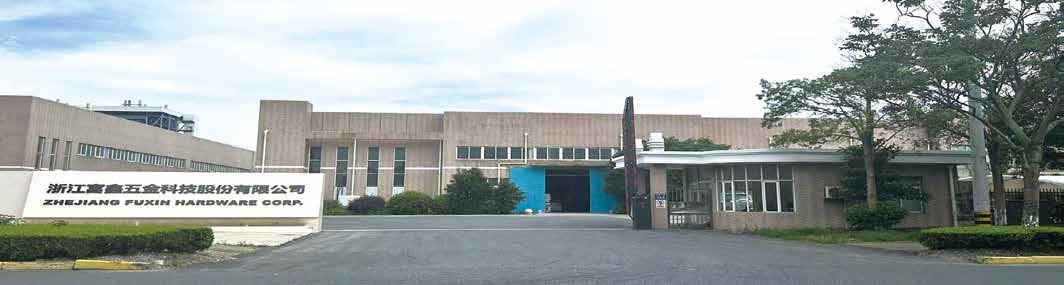
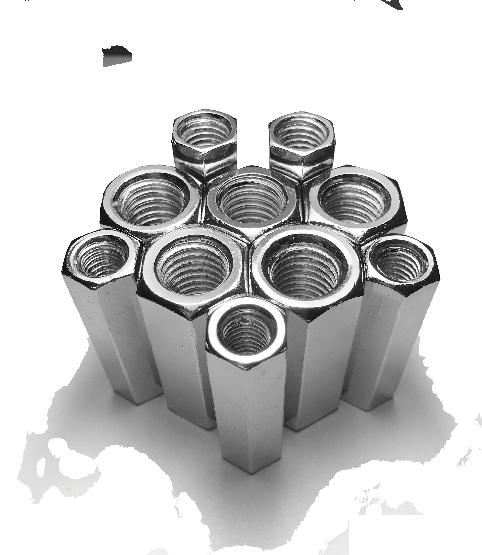



As domestic space becomes increasingly saturated, exports have become the second growth curve for Chinese EV makers. In the first 3 quarters of 2025, Chinese EV exports reached more than 200 countries and regions. Europe remains the most important target market, while the Middle East, Latin America, Africa, and Southeast Asia are all growing quickly. This is not merely a sales strategy; it is also a necessary path for absorbing excess capacity and exporting brand influence. But overseas markets are not without obstacles. The U.S. and several European countries have imposed stricter tariffs, regulations, and safety reviews on Chinese EVs. Chinese automakers therefore face a dual challenge: they must lower prices to win share, while also navigating geopolitics and trade barriers. In that sense, overseas expansion is far more difficult than competing at home.
From a global perspective, the rise of Chinese EVs will accelerate the phase-out of traditional internal combustion engine vehicles and force automakers in Europe, the U.S., Japan, and South Korea to rethink their product and supply chain strategies—shifting from “mechanical engineering” to “software + battery + AI + supply chain efficiency.”
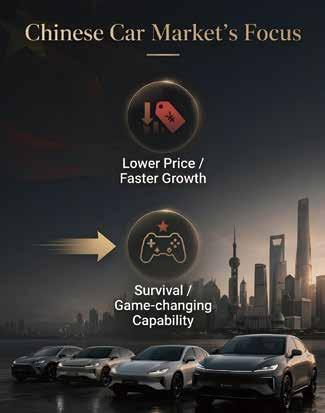
For Chinese automakers, the most important strategic priorities for the future include reducing dependence on the single domestic market, accelerating overseas production and local assembly, enhancing advanced autonomous driving capabilities, building global brand trust, and avoiding prolonged low-price involution. The rise of China’s EV industry is redefining the global automotive sector. In the past, the car industry was dominated by Europe, the U.S., and Japan. Today, China not only commands the world’s largest market, but also holds advantages in batteries, smart technologies, and supply chains. Yet the post-subsidy Chinese market has also exposed the problems of overcapacity and excessive competition. In the future, the winners will not necessarily be the cheapest players, but the companies that can manage cost, technology, and globalization at the same time. The next battle for China’s EV industry will no longer be about “who can sell the cheapest car,” but “who can define the future of the automobile.”
Copyright owned by Fastener World / Article by Dean Tseng
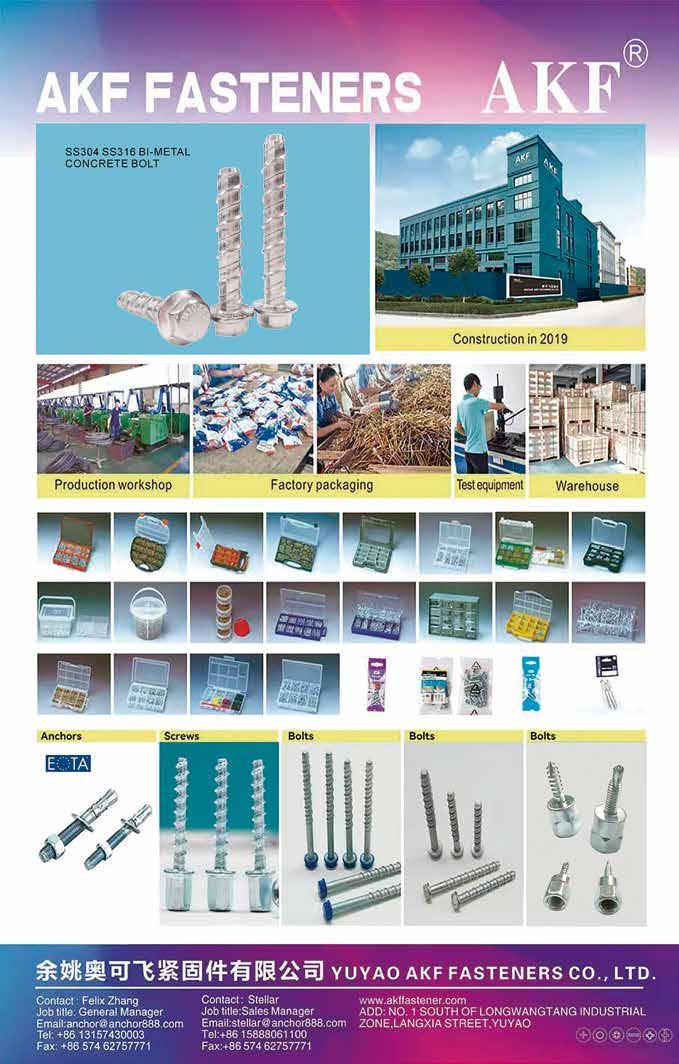
Copyright owned by Fastener World
Article by Laurence Claus











Have you ever headed over to the local big box home improvement store to pick up some screws for a construction project only to arrive and be flustered by the wide assortment of choices you have? There in front of you is a wall of different options, many suggesting that they can be used for similar purposes. It gets even more confusing when you see that the screws boasting a solution for the application you wish to employ them in have very different designs. You inspect one choice and see that the threads taper all the way down to a very sharply pointed tip, while the box next to it has what looks like a short drill bit as a tip. Which is the right one for your application?
This article is going to explore the differences between drill screws and sharp tipped tapping screws. Now if we wanted to really be precise in our terminology, we would acquiesce to the discovery that both of these types of screws are considered tapping screws. In fact, a tapping screw is nothing more than a screw which generates its own internal thread. Both sharp tipped tapping screws like Type AB or Wood Screws with a Type 17 point and Drill Screws generate their own internal thread pathway, and, thus, are technically considered tapping screws. However, for the purpose of this article and comparison, let us agree to consider them for the uniquely different products they are, with advantages and disadvantages to addressing the needs and requirements of different applications. To do this we must first build a little context about each type of screw.
Self-tapping screws come in two varieties. There are versions that are intended to form or displace the material they are threading into and there are cutting versions that cut away material to form the internal threads. Both varieties work along a similar principle, a special feature or thread design acts to create mating internal threads. Thread forming varieties are continuous thread forms and rely on geometry to flow or redistribute the parent material into the internal thread form. Cutting screws, on the other hand, have grooves or slots that provide knife-like sharp edges that cut a thread path in the parent material.
The earliest tapping screws were derived from designs intended for wood or sheet metal. These screws generally lack tight tolerances and often have large thread profile angles to provide the requisite thread strength to remain intact as they exert stresses in the parent material. Unfortunately, these attributes limit these more rudimentary designs to be less precise and prone to a wider range of performance variation, often making them unreliable in certain materials or application settings.
Thread forming varieties usually require some form of pilot hole. Although some softer materials, like wood, or very thin material, like sheet metal, may be able to accommodate a sharp tipped tapping screw that pierces the parent material without a pilot hole, most will not perform properly without one. Even though these screws sometimes work without a pilot hole, they


often must have one. For example, entering a hard, tight grained wood like oak without a pilot hole often has catastrophic outcomes when the stresses are too great and the wood splits. Likewise, if the sheet thickness gets too big, the tapping screw is unable to pierce it and installation goes nowhere. Thus, it is safe to say that outside a very narrow band of thin metal or soft wood, these screws require pilot holes to be successful.




Tapping Screws are well suited for:
• soft parent materials
• thin metal sheets
• uses with a predrilled pilot hole

For the purpose of this article, tapping screws of this type will be ones that have thread profiles near 60°, sharp points, and, in some cases, thread cutting features which augment their performance. These are loosely described as “sheet meat screws”, “wood screws”, “general purpose construction screws”, “decking screws” and “drywall screws”.
Unlike Tapping Screws which normally require a pilot hole or rely on a sharp point to pierce materials, Drill Screws have a short drill point (think like a short drill bit) on the end. This drill tip is specifically sized to the screw diameter and will allow the drill screw to develop its own pilot hole. This gives drill screws the versatility to work in thicker metal. Drill screws have also been developed for clearing wood members before tapping into the metal component. They accomplish this by adding two “wings” above the drill point tip, which ream a clearance hole (larger than the thread diameter) through the wooden component. When these wings reach the metal component, they break off avoiding any impact on the unthreaded pilot hole.
In construction applications where predrilled and tapped joint members are impractical, or time consuming, Drill Screws are an exceptionally versatile and helpful fastener product. Drill Screws can be easily assembled into and through a wide assortment of building materials without the need for a pilot hole or access to the back side of the joint.
The application opportunities for drill screws are abundant both for interior and exterior purposes. Drill Screws are excellent resources on the interior, where they are commonly utilized to attach gypsum boards, wood members, and other metal components to metal structural members and studs. Generally, the interior environment is controlled, and these screws are not subject to challenging or abusive environmental conditions. Drill Screws are also highly favored by installers of metal roofs and cladding. Drill Screws provide an easy way to pierce the metal roof or cladding sheets and the underlying steel structural components without the need for any predrilling of pilot or clearance holes. Unlike interior environments, however, the exterior of the building will be subject to whatever variable environmental conditions the climate zone is known for.
For Drill Screws, therefore, in exterior applications these often challenging and potentially harsh conditions present a real problem with corrosion. The most common corrosion site is the exposed head. Corrosion in this area can result in unsightly staining of the roofing or cladding materials, open up potential leak paths into the structure, trigger expensive maintenance campaigns, and generally detract from the building’s curb appeal. The head, however, is not the only place where these fasteners can corrode. They are also subject to shank corrosion in sections that may be exposed or are in contact with moist surrounding building materials and crevice corrosion. Like corrosion in the head, corrosion in the lower part of the fastener can result in staining of surroundings surfaces, reducing the mechanical strength of the fastener or joint, and increase the potential for environmentally induced stress corrosion cracking.
For these reasons, exterior Drill Screws must be manufactured with protective coatings or from corrosion resistant materials. Although protective coatings would provide a simple and, most likely, cost-effective means of protection, the reality is that they will only prolong the time until failure. In other words, failure is eventually a reality; it may just take a little longer to get there. As a result, using corrosion resistant Stainless Steel is a much better option. The problem with this “solution”, however, is that although the stainless steel is usually able to be work hardened enough in the threaded section to allow the threads to withstand forces exerted during thread forming, it cannot be sufficiently strengthened on the drill tip to hold up to the drilling application. The solution to this problem is the Bi-metallic Drill Screw, which is a combination of a Stainless-Steel body and a hardened Carbon Steel drill point.
Although Drill Screws are most commonly attributed to these construction applications, they are also prevalent in many industrial applications, specifically applications where either metal sheets or components are connected to structural frame members. These types of connections are abundant in HVAC equipment like furnaces and air conditioners and white goods like appliances. In fact, many of these products may contain several hundred drill screws.
Tapping screws can also be found all over the average construction site. General purpose construction screws and dry wall screws are used to connect all sorts of materials to thick wood members like studs, joists, rafters, and columns. These applications rarely require pilot hole drilling. However, when more precise or critical joining is required, like screws holding cabinet members together or hard wood species trim boards, pilot holes are required. Another common construction tapping screw are deck screws. These commonly possess a Type 17 point, which makes them the cutting variety. The point cuts a pilot hole keeping these screws from cracking deck boards or the structural members underneath. Finally, thin metal sheets used in HVAC ducting often use Sheet Metal Screws instead of drill screws. The application is









faster and usually a little easier in the installation, but these only work within a narrow range of thin sheet sizes.


Drill Screws are well suited for: fastening into metal components when the metal thickness is greater than a tapping screw can hold up to or the installer doesn’t want or can’t accommodate predrilling a pilot hole.

Like Drill Screws, Tapping Screws are commonly found in industrial applications. Thread rolling screws, a variety of thread forming screws, are used in just about every type of industrial application. Automobiles are especially rife with this sort of tapping screw. Type AB sheet metal screws are also abundant in many industrial applications. Like Drill Screws, they are common in HVAC and White Goods. These screws are used with thinner sheets than the Drill Screws used in the same applications.
Both Tapping and Drill Screws have abundant uses over multiple applications and market segments. Although they have some overlap, for the most part, users select one over the other for the unique solutions they provide to the application. Tapping Screws are especially well suited to uses in soft parent materials, thin metal sheets, or with a pre-drilled pilot hole. Drill screws are especially well suited to fastening into metal components when the metal thickness is greater than a tapping screw can hold up to or the installer doesn’t want or can’t accommodate predrilling a pilot hole. Although the most common applications for both types of fasteners are in construction, they are also abundant in industrial applications making both popular and versatile fastener options.




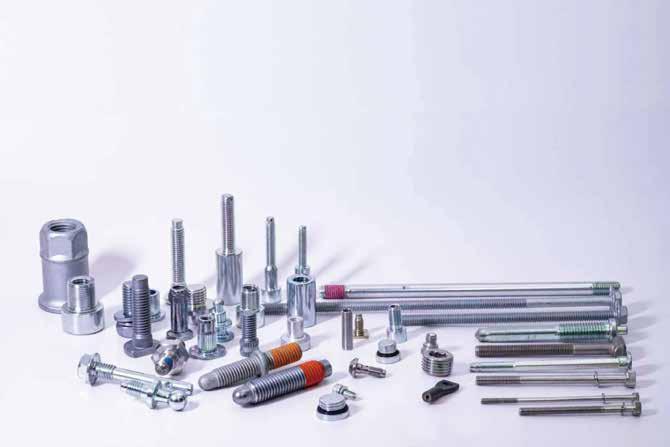


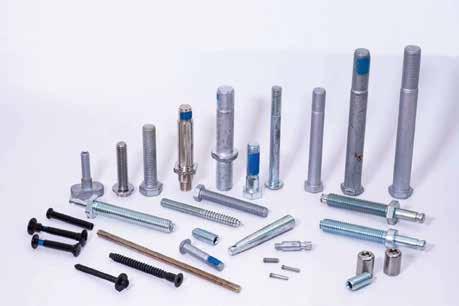
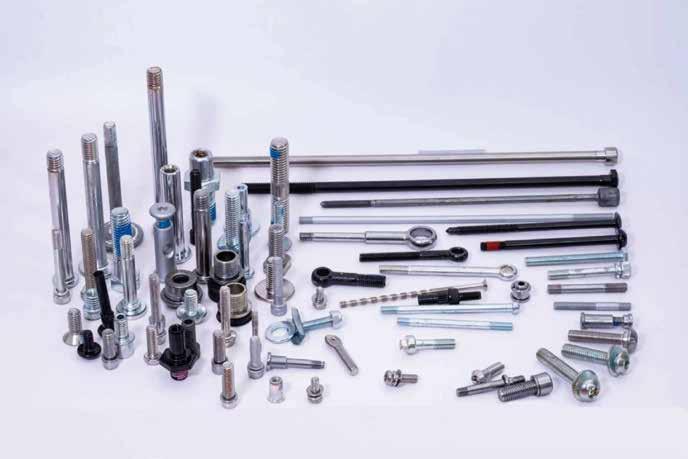

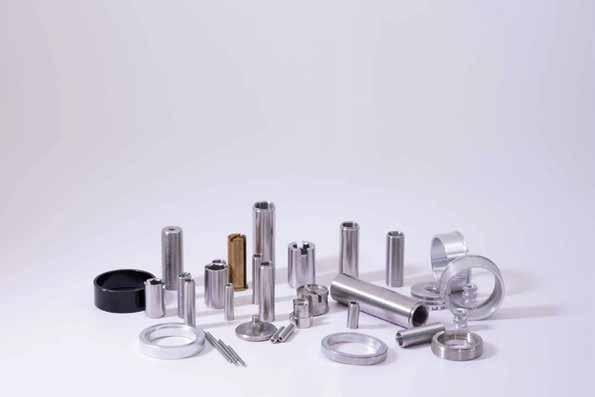



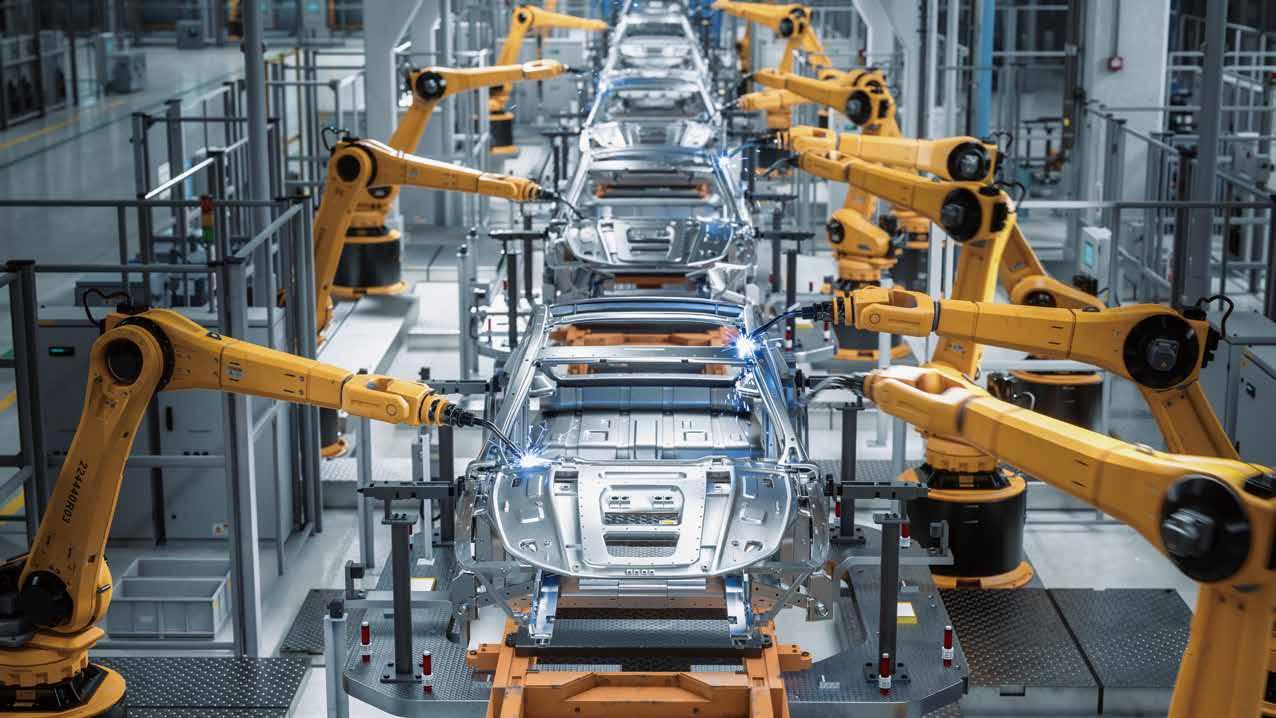
China’s automotive industry entered 2026 as the largest and most dynamic vehicle manufacturing ecosystem in the world. For automotive fastener manufacturers, suppliers, and investors, China is no longer simply a high-volume market; it has become the global center of innovation in electric vehicles (EVs), lightweight vehicle architecture, smart manufacturing, and integrated supply chains. These transformations are fundamentally reshaping the demand profile for automotive fasteners.
Fasteners are among the smallest components in a vehicle, yet they are structurally critical. A modern passenger car can contain between 3,000 and 5,000 fasteners. In EV platforms, the role of advanced fastening systems has become even more important because of battery pack integration, lightweight materials, thermal management systems, and vibration resistance requirements.
By 2026, China’s automotive fastener demand is being driven by five major forces:
1. Continued expansion of vehicle production
2. Rapid penetration of new energy vehicles (NEVs)
3. Lightweighting and material substitution
4. Localization of supply chains
5. Growth of vehicle exports
At the same time, the industry faces pressure from overcapacity, intense price competition, consolidation among automakers, and increasing technical standards.
China’s automotive industry achieved another historic milestone in 2025. According to data from the China Association of Automobile Manufacturers (CAAM), vehicle production reached approximately 34.5 million units while sales exceeded 34.4 million units, both rising more than 9% year-over-year. This scale alone makes China the largest automotive fastener consumption market globally. Every increase in vehicle production directly translates into higher demand for fastening systems China’s dominance is no longer limited to internal combustion vehicles.
New energy vehicles became the central growth engine of the industry. In 2025, NEV production and sales surpassed 16 million units, accounting for more than half of new-car sales domestically. This transition has profound implications for fastener suppliers because EVs use different fastening architectures compared to traditional vehicles.
The rise of EV manufacturing is not merely increasing fastener volume; it is changing the technical specifications of fasteners themselves.
Traditional internal combustion engine vehicles rely heavily on mechanical fasteners for engines, transmissions, fuel systems, and exhaust systems. EVs eliminate many of these assemblies but introduce entirely new fastening needs in areas such as:
★ Battery enclosures
★ High-voltage cable routing
★ Thermal management modules
★ Lightweight aluminum structures
★ Sensor integration
★ Autonomous driving systems
As EV adoption accelerates, suppliers are increasingly producing:
√ High-strength lightweight fasteners
√ Corrosion-resistant coatings
√ Thermal-resistant fastening systems
√ Aluminum-compatible fasteners
√ Adhesive-bonding hybrid fastening technologies
Global research indicates that the EV fasteners market is expected to grow aggressively through 2030. One industry analysis estimated the EV fasteners market at USD 11.5 billion in 2025 with projected growth toward USD 20 billion by 2030.
China sits at the center of this transition because it represents the largest EV production base worldwide. The rapid expansion of companies such as BYD, Geely, NIO, XPeng, and Leapmotor is driving demand for specialized fastening technologies. Reuters reported that Leapmotor alone aims to exceed one million annual vehicle sales by 2026. Such aggressive production targets create enormous downstream opportunities for component suppliers, including fastener manufacturers.
One of the most important changes in automotive engineering is lightweighting. Automakers are under pressure to improve vehicle efficiency, battery range, emissions performance, and safety. As a result, Chinese automakers are increasing the use of:
√ Aluminum
√ Magnesium alloys
√ Advanced high-strength steel
√ Composite materials
However, lightweight materials require different joining methods compared to conventional steel structures. Conventional steel bolts are often incompatible with aluminum structures because of galvanic corrosion and thermal expansion differences. Therefore, suppliers capable of producing advanced lightweight fastening systems are gaining strategic importance.
Industry forecasts indicate that plastic and lightweight material fasteners are among the fastest-growing segments in China’s industrial fastener market. China’s industrial fastener market generated more than USD 22 billion in revenue in 2025 and is projected to grow at a CAGR exceeding 7% through 2033. This transition is especially visible in battery electric vehicles, where reducing vehicle weight directly improves battery efficiency and driving range.
China is no longer producing vehicles primarily for domestic consumption. Vehicle exports surpassed 7 million units in 2025, setting another record. NEV exports more than doubled year-over-year. This export boom matters enormously for fastener suppliers because export vehicles must meet higher international quality standards. European and North American markets require compliance with advanced specifications.
As Chinese automakers expand internationally, local suppliers are being forced to upgrade manufacturing quality and certification systems. Export-driven production also increases demand for premium coated fasteners and engineered fastening systems. According to AP News, China’s passenger vehicle exports surged nearly 85% year-over-year in April 2026, while NEV exports rose more than 120%. This export acceleration continues to strengthen long-term demand for automotive fastening technologies.
Environmental regulations are becoming increasingly important in China’s automotive supply chain.
Automakers now evaluate suppliers based on:
★ Carbon footprint
★ Recyclability
★ Energy consumption
★ Green manufacturing certifications
Fastener manufacturers are responding through:
√ Low-carbon steel sourcing
√ Recycled material usage √ Water-saving coating technologies √ Renewable-energy-powered factories
Research on China’s automotive material flows suggests that cumulative metal demand from passenger vehicles may reach between 1.9 and 3 billion tonnes over coming decades. This makes recycling and material efficiency strategically important. Fastener manufacturers capable of supporting circular manufacturing systems may gain competitive advantages in future procurement decisions.
Several technologies are expected to dominate automotive fastening demand in China through 2030.
1. Structural Adhesive Hybrid Systems
Automakers increasingly combine adhesives with mechanical fasteners to improve structural rigidity while reducing weight.
2. Smart Fasteners
Sensor-enabled fasteners capable of monitoring torque, fatigue, and vibration may emerge in premium EV platforms.
3. Aluminum-Compatible Fasteners
As aluminum penetration rises, demand for corrosionresistant fastening systems will expand significantly.
4. Automated Assembly Fasteners

Robotic assembly systems require highly consistent fastener geometry and precision.
Thermal-resistant fastening systems will become increasingly important for EV battery protection.
China’s automotive fastener market in 2026 represents far more than a traditional manufacturing sector. It sits at the intersection of electrification, lightweighting, smart manufacturing, and global supply chain transformation.
Vehicle production remains enormous, with more than 34 million vehicles produced annually. But the real story is structural change. The shift toward EVs is redefining how vehicles are designed, assembled, and exported. Fasteners are evolving from low-cost standardized components into highly engineered systems critical to safety, efficiency, and vehicle performance. Battery packs, lightweight materials, and automated assembly technologies are creating new demand categories that did not exist at scale a decade ago. At the same time, competitive pressure inside China’s automotive industry is intensifying. Suppliers unable to innovate or upgrade quality standards may struggle to survive the coming consolidation cycle.
For fastener manufacturers, the next five years will likely determine whether they remain commodity producers or become strategic technology partners in the world’s most important automotive market.
China remains the world’s largest manufacturing nation and one of the biggest consumers of industrial fasteners. In 2026, demand for large heavy machinery fasteners in China is being reshaped by four major forces: infrastructure expansion, recovery in construction machinery sales, industrial automation, and the global expansion of Chinese heavy equipment manufacturers.
Fasteners are among the most critical components in heavy machinery systems. Excavators, cranes, mining trucks, bulldozers, wind turbine installation equipment, tunnel boring machines, and large agricultural machinery all depend on high-strength bolts, nuts, studs, washers, and locking systems to ensure structural integrity and operational safety. In heavy machinery, fastener failure can result in catastrophic downtime, safety incidents, or complete equipment failure.
China’s heavy machinery industry entered a cyclical slowdown between 2022 and 2024 due to weakness in the property market and slower domestic construction activity. However, 2025 and early 2026 show a clear rebound, especially in infrastructure-related sectors and exportoriented machinery manufacturing. This recovery is directly increasing demand for industrial fasteners, especially large-diameter, high-tensile products used in heavy equipment assembly.
China’s heavy machinery industry in 2025-2026
According to recent industry estimates, the China construction equipment market is expected to grow from approximately USD 56.18 billion in 2025 to USD 59.62 billion in 2026, with further long-term growth projected through 2031. Meanwhile, China’s industrial fasteners market generated around USD 22.18 billion in 2025 and is forecast to continue growing strongly through 2033 .
China’s heavy machinery industry is recovering after several difficult years caused by property sector weakness and uneven infrastructure spending. The recovery is not driven by residential construction, but by state-backed infrastructure projects, energy investments, industrial upgrade, and export growth.
The China Machinery Industry Federation reported that major machinery companies generated approximately 33.2 trillion yuan (4.9 trillion USD) in operating revenue in 2025, representing 6% year-onyear growth. Total industry profits increased by 5.9%.
Construction machinery demand has also improved significantly. Excavator sales, which are widely viewed as a key indicator of heavy construction activity in China, surged strongly during 2025 and early 2026.
According to industry data released by the China Construction Machinery Association:
• China’s excavator sales increased 17% in 2025.
• March 2026 excavator sales reached nearly a four-year high.
• April 2026 excavator sales increased nearly 30% year-on-year.
• Domestic excavator sales in April 2026 rose 34.9% year-on-year.
This recovery matters directly to the fastener industry because excavators, cranes, and earthmoving equipment consume large quantities of high-strength fasteners. Large crawler excavators may contain tens of thousands of fasteners in their different parts.
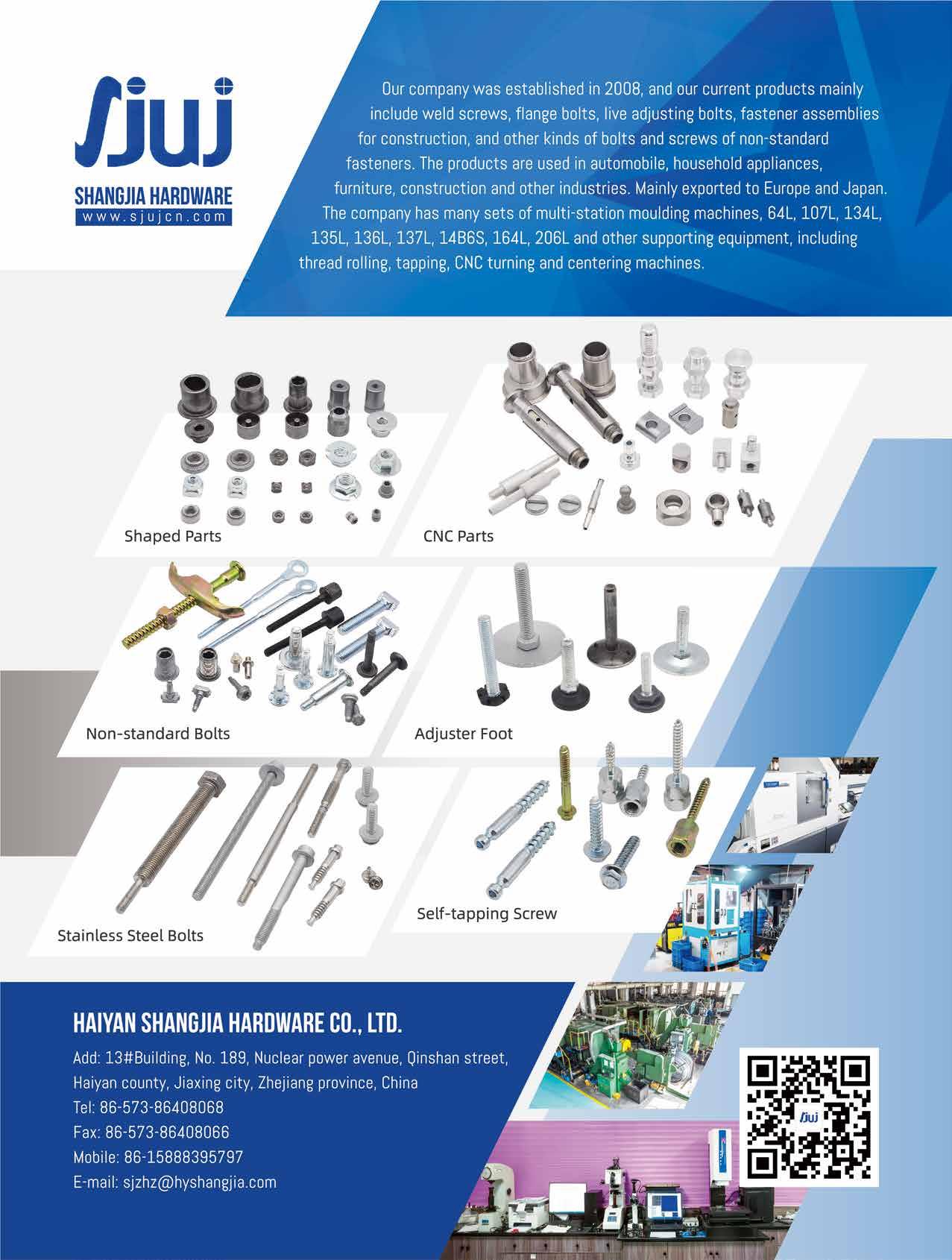
China is already the largest producer and exporter of industrial fasteners globally. The market includes standard fasteners, automotive fasteners, aerospace-grade fasteners, and heavy industrial fasteners. Large heavy machinery fasteners represent a specialized subset of the broader industrial fastener market.
According to Grand View Research, the China industrial fasteners market generated approximately USD 22.18 billion in revenue in 2025 and is expected to reach USD 38.56 billion by 2033, representing a CAGR of 7.3% from 2026 to 2033.
Other industry estimates suggest similar growth trajectories:
• China industrial fasteners market projected to grow from USD 12.24 billion in 2024 to USD 22.79 billion by 2032.
• Global industrial fasteners market estimated at USD 92.13 billion in 2026.
• Global industrial fasteners market forecast to reach USD 136.95 billion by 2034.
Infrastructure remains the single biggest driver of heavy machinery fastener demand in China.
Between 2024 and 2026, China significantly increased investment across nearly all major infrastructure sectors as part of its strategy to stabilize economic growth and accelerate industrial modernization. Railway and high-speed rail investment continued expanding, with China’s high-speed rail network surpassing 50,000 km by the end of 2025, compared with approximately 45,000 km in 2024 — representing growth of roughly 11% in network length within two years. China State Railway planned annual railway investment of approximately RMB 520 billion (USD 75 billion) for 2025–2026 projects, while fixed-asset railway investment in the first months of 2026 increased about 3.2% year-on-year.
Investment in water systems and underground utility renewal also accelerated sharply. According to Reuters, China approved approximately RMB 295 billion (USD 42.2 billion) in major infrastructure spending entering 2026, including RMB 220 billion dedicated to 281 national infrastructure and underground pipeline projects. In addition, China allocated more than RMB 75 billion for ecological protection and carbonreduction infrastructure, including water management systems and environmental engineering projects.
Renewable energy infrastructure experienced some of the fastest growth among all infrastructure sectors. China’s green energy and hydropower engagement increased from approximately USD 12.3 billion in 2024 to USD 21.4 billion in 2025, representing growth of nearly 74% year-on-year. Chinese investment specifically in green energy projects increased from USD 1.5 billion in 2024 to USD 5.9 billion in 2025 — an increase of almost 293%. During the same period, China’s total installed renewable energy capacity exceeded 1,600 GW for the first time, surpassing fossil fuel generation capacity.
Urban redevelopment and logistics infrastructure also remained key priorities. China’s overall infrastructure investment market is forecast to grow at approximately 4.5% year-on-year between 2025 and 2026, supported by investment in transportation corridors, smart logistics facilities, utility modernization, and urban renewal programs. Transportation infrastructure remained the largest segment of China’s infrastructure market in 2025, while ports and logistics facilities continued expanding as China strengthened export capacity and Belt and Road connectivity. Reuters reported that Belt
1 https://www.mordorintelligence.com/industry-reports/china-construction-equipment-market 2 https://www.grandviewresearch.com/horizon/outlook/industrial-fasteners-market/china 3 https://www.chinadaily.com.cn/a/202602/06/WS69854bc2a310d6866eb37d7d.html
4 https://finance.biggo.com/news/WACmqp0ByH9TLH69iiR
5 https://www.mysteel.net/news/5123546-ccma-chinas-excavator-sales-grow-30-yoy-in-april 6 https://www.grandviewresearch.com/horizon/outlook/industrial-fasteners-market/china 7 https://www.credenceresearch.com/report/china-industrial-fasteners-market
8 https://www.mordorintelligence.com/industry-reports/global-industrial-fasteners-market 9 https://www.fortunebusinessinsights.com/industrial-fasteners-market-102732
10 https://www.facebook.com/PDChinaBusiness/posts/chinas-railway-construction-made-steady-progress-in-the-first-four-monthsof-202/1314229670822703/
Revenue Generated in China’s Industrial Fasteners Market
and Road-linked infrastructure deals reached approximately USD 213 billion in 2025, up about 75% from the previous year, supporting continued expansion in ports, railways, and logistics corridors.
China’s large heavy machinery fastener market is entering 2026 with strong momentum, supported by accelerating infrastructure investment, recovery in construction equipment demand, expansion of renewable energy projects, and rising exports of Chinese heavy machinery. Governmentbacked spending in railways, underground utilities, water systems, logistics corridors, and green energy infrastructure is directly increasing the production and utilization of excavators, cranes, mining equipment, tunnel boring machines, and other heavy industrial systems that rely extensively on highstrength fastening components. As machinery becomes larger, more automated, and more export-oriented, demand is shifting toward premium fastening solutions with higher tensile strength, corrosion resistance, fatigue performance, and international certification standards.
At the same time, the Chinese fastener industry is undergoing structural transformation. Competition is gradually moving away from low-cost commodity products toward higher-value engineered fastening systems designed for critical loadbearing applications. Manufacturers capable of supplying large-diameter structural bolts, precision-machined fasteners, and advanced coating technologies are expected to benefit most from the next phase of industrial growth. Although challenges such as trade tensions, raw material volatility, and weakness in the property sector remain important risks, the long-term outlook for heavy machinery fastener demand in China remains positive as infrastructure modernization and industrial upgrade continue to reshape the country’s manufacturing landscape.
11 https://www.reuters.com/world/asia-pacific/china-issues-early-2026-investment-plan-two-major-projects-worth-42-billion-2025-12-31/ 12 https://greenfdc.org/china-belt-and-road-initiative-bri-investment-report-2025/ 13 https://www.technavio.com/report/infrastructure-market-industry-analysis Copyright owned by Fastener World / Article by Behrooz
A serious reading of China’s construction market in 2025 requires avoiding the usual oversimplification that “construction is down.” That is only partially true. The more accurate conclusion is this: residential property construction remains in deep contraction, while infrastructure, public works, manufacturing facilities, transport, and urban renewal continue to sustain overall construction activity. This makes China’s construction environment a two-speed market, where one part is shrinking sharply and another remains policy-supported.
The property sector continues to be the largest source of weakness.
According to China’s National Bureau of Statistics, real estate development investment in 2025 declined 17.2% year-on-year to RMB 8.28 trillion.
The most important construction indicators also stayed negative:
★ Buildings newly started: 587.7 million m² (–20.4%)
★ Residential newly started: 429.8 million m² (–19.8%)
★ Buildings under construction: 6.60 billion m² (–10.0%)
★ Buildings completed: 603.5 million m² (–18.1%)
These numbers confirm that China’s traditional developer-led housing cycle is still under heavy stress. The decline is not marginal— it reflects a multi-year reset in the real estate development model, especially among highly leveraged private developers.
Another structural problem is unsold inventory. By the end of 2025, the floor space of newly built commercial buildings available for sale reached 766.3 million m², while residential units alone accounted for 402.4 million m².
This overhang matters because it reduces the urgency for local developers to:
★ acquire new land
★ accelerate project launches
★ increase speculative residential supply
In practical terms, the market is still digesting old stock before it can justify a meaningful rebound in new construction starts.
1
2
3
4
China’s Construction Situation in 2025
Residential Construction Remains the Weakest Segment
Inventory Pressure Still Limits New Project Launches
Infrastructure and Public Investment Continue to Support Construction
Urban Renewal is Becoming a Major Construction Driver
This is the counterweight many analyses miss. While property is weak, China’s state-led construction machine remains active through infrastructure and public investment.
Official 2025 data shows:
★ 3,109 km of new railways entered operation
★ 2,862 km of high-speed rail
★ 8,699 km of new and rebuilt highways
★ 7 new civil airports
★ major port berth expansion and opticalfiber network projects
This means that national construction activity has not collapsed; instead, it has shifted away from speculative housing toward strategic assets:
★ transport corridors
★ logistics infrastructure
★ energy grids
★ industrial parks
★ public housing
★ urban renewal
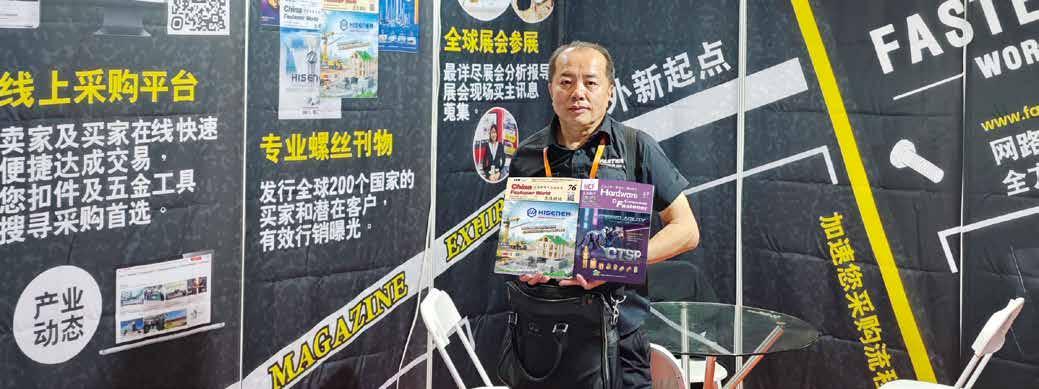
March 31 - April 3, 2026
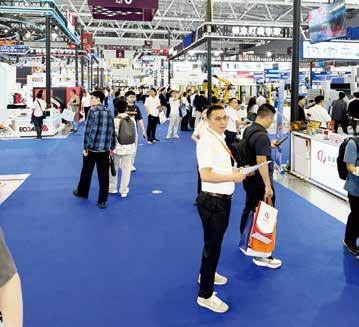
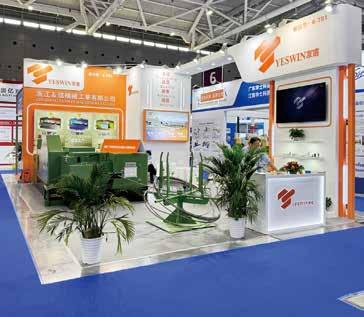
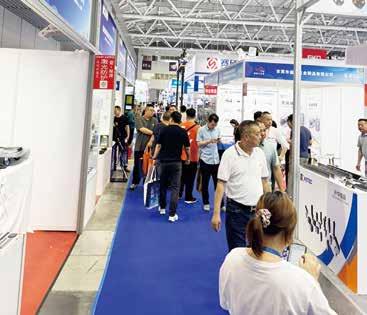
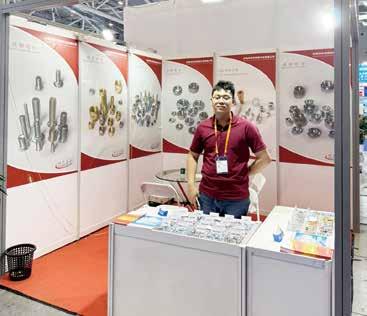
Recognizing Shenzhen’s strengths as China’s high-tech hub—with a robust manufacturing base, a comprehensive industrial supply chain, and its status as a Special Economic Zone and China’s third-largest city in terms of the economic scale—Shenzhen International Fastener Exhibition 2026 was held from March 31 to April 3 at Shenzhen World Exhibition & Convention Center (Hall 6). It was one of the sub-exhibitions within the ITES China Shenzhen International Industrial Manufacturing Technology and Equipment Exhibition held in South China. Exhibition themes included precision standard parts, highend fasteners, custom parts, lathe parts and equipment, as well as fastener materials, molds, and consumables.
Compared to larger, internationally oriented trade shows such as those in Shanghai, Shenzhen International Fastener Exhibition 2026 remained essentially a regional fastener trade show. The overall scale of the event was relatively small, and since related exhibitions—including those for metal forming machine tools, metal cutting machine tools, robotics, factory automation, and smart electronics manufacturing—were held concurrently at the same venue, the exhibitors and visiting buyers were quite diverse, with most coming from industrial sectors such as 3C electronics, automotive, telecommunications, precision parts manufacturing, machine tools, mechanical equipment, molds, medical devices, new energy, eyewear, and robotics—not limited solely to the fastener sector. During the exhibition, several thematic forums were also held to share the latest research findings, application cases, cutting-edge technologies, and market trends in precision manufacturing and medical devices.
According to the on-site observations by Fastener World’s staff, exhibitors in the fastener zone were primarily from the fields of fastening technology processing, welding, and stamping. Taiwanese-invested Zhejiang Yeswin Machinery was also present this year to showcase their fastener manufacturing equipment. However, since the event was held concurrently with other trade shows, buyers who came solely to purchase fasteners were in the minority. Most of the visitors were domestic Chinese buyers. Companies with a broader focus on cross-industry collaboration in areas such as high-precision machining and smart automation might have more opportunities to secure orders or deepen cooperation with local supply chains.
A critical 2025 trend is renovation and regeneration rather than greenfield expansion.
Government-supported construction programs in 2025 included:
★ 1.21 million units of subsidized housing started or supplied
★ 170,000 units of dilapidated urban housing renovation
★ 27,000 old residential compounds newly added to renovation programs
★ improvements benefiting 4.99 million households
This indicates a strategic shift in China’s construction model: less new speculative residential expansion, more urban repair and livability upgrades. This trend is likely to remain one of the most stable sources of construction demand through 2026–2027.
The Chinese construction screws and hardware market in 2025 must be understood through the lens of China’s two-speed construction economy.
While the country’s developer-led residential construction cycle remains in deep contraction, overall construction activity has not weakened uniformly. Instead, demand has shifted toward infrastructure, industrial facilities, logistics assets, public housing, and urban renewal, creating a more resilient demand base for construction screws and hardware.
This shift is strategically important. The market is no longer primarily driven by speculative apartment construction and low-value interior installation products. Instead, growth is increasingly supported by state-backed and industrial construction segments, where technical performance, corrosion resistance, and application-specific engineering matter far more than simple unit price.
As a result, the Chinese construction screws and hardware market in 2025 stood at the intersection of:
★ infrastructure expansion
★ industrial resilience
★ export competitiveness
★ urban regeneration
★ global supply-chain realignment
1. https://www.stats.gov.cn/english/PressRelease/202601/t20260120_1962353.html
2. https://www.stats.gov.cn/english/PressRelease/202601/t20260120_1962353.html
3. https://www.stats.gov.cn/english/PressRelease/202602/t20260228_1962661.html
4. https://www.stats.gov.cn/english/PressRelease/202602/t20260228_1962661.html
5. https://www.indexbox.io/store/china-fasteners-for-construction-market-analysisforecast-size-trends-and-insights/
Its structural strength was reinforced by five major forces:
★ continued infrastructure and public investment
★ export-led manufacturing momentum
★ growth in modular and lightweight construction systems
★ rising demand for corrosion-resistant specialty hardware
★ China’s highly concentrated manufacturing clusters in Jiaxing, Yongnian, Suzhou, and Tianjin
The importance of the construction backdrop cannot be overstated. As China’s building activity shifts away from speculative housing toward railways, highways, airports, industrial parks, public housing, and urban renovation, demand is naturally moving away from low-end commodity products and toward engineered construction fastening solutions.
In this environment, China remains the world’s most dominant source of construction fasteners and hardware, supported by unmatched production scale, pricing flexibility, coating capabilities, and OEM depth.
The market is becoming progressively less dependent on standard commodity screws and increasingly driven by higher-value engineered fastening systems designed for infrastructure and industrial applications.
According to industry estimates, the Chinese industrial fasteners market was valued at USD 12.50 billion in 2025 and is projected to reach USD 22.79 billion by 2032, reflecting an 8.08% CAGR , making it one of the strongestgrowing segments within industrial hardware.
Within the construction-focused subset, self-drilling and lightweight fastening systems continue to outperform standard hardware products, largely because they are closely linked to steel structures, logistics facilities, modular construction, and renovation projects.
The Chinese industrial lightweight construction fasteners segment, which generated USD 222.9 million in 2024, is forecast to grow at 7.1% CAGR through 2034, with self-drilling screws continuing to contribute the largest share of revenue.
The export data from 2021–2025 strongly validates the broader thesis of the Chinese construction screws and hardware market’s structural resilience in 2025. Even as China’s domestic residential construction cycle remains under pressure, export performance demonstrates that the industry has successfully rebalanced toward infrastructure-led applications, industrial demand, and global supply-chain substitution.
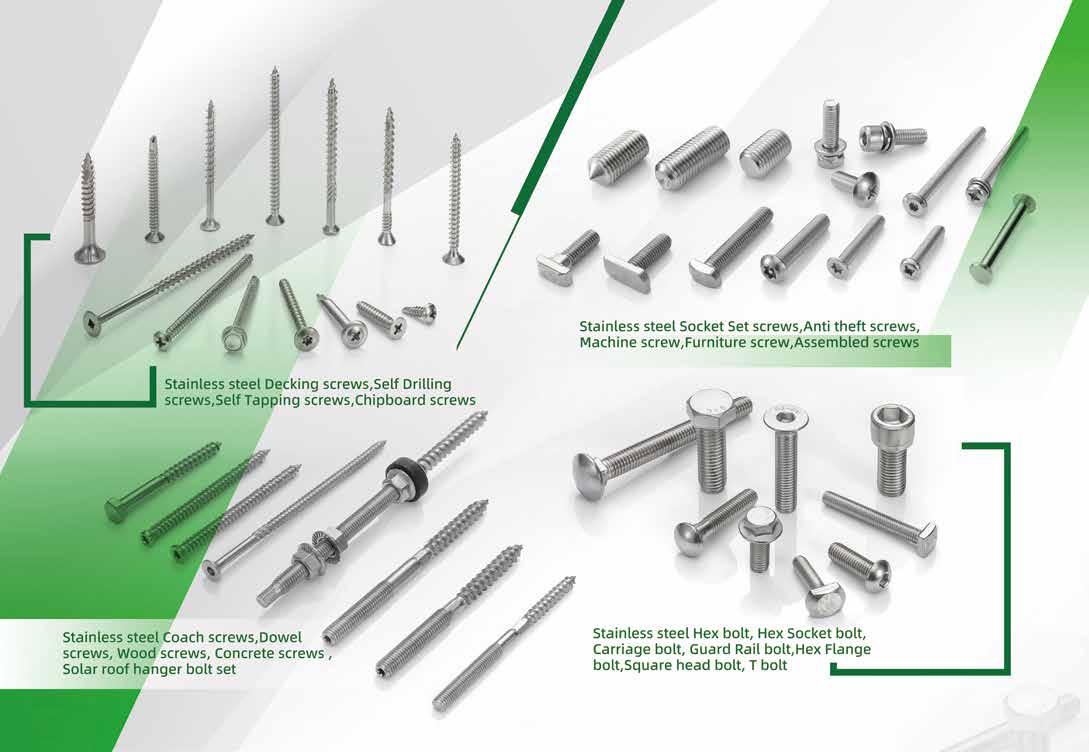


China’s total fastener exports reached USD 10.05 billion in 2025, up from USD 9.57 billion in 2024, representing 5.0% year-on-year growth. This is especially important because it pushes exports above the 2021 level of USD 9.30 billion and marks the highest level in the five-year period.
The 2022 spike was partly a post-pandemic global restocking effect, while the 2023 correction reflected normalization and weaker Western construction cycles. What matters strategically is that 2024–2025 restored a clear growth trajectory, suggesting Chinese suppliers are regaining momentum through product upgrading and diversified geographic exposure.
The destination mix reveals how Chinese fastener demand is shifting globally.
◎ The United States remained the largest export market at USD 1.26 billion in 2025, but it was broadly flat compared with 2021 and slightly below 2024. This suggests the U.S. market has become mature and replacementdriven, with growth constrained by:
√ anti-dumping vigilance
√ distributor destocking cycles
√ slower commercial construction
√ tariff-sensitive sourcing decisions
√ The bigger strategic signal comes from Southeast Asia.
◎ Vietnam is the standout case. Exports to Vietnam rose from USD 457.5 million in 2021 to USD 680.1 million in 2025, a cumulative increase of nearly 49%.
◎ Russia and Middle East remained strong infrastructure-led buyers. Exports to Russia reached USD 533.8 million in 2025, remaining one of the strongest destinations despite some volatility.
◎ Similarly, the UAE increased from USD 173.0 million in 2021 to USD 324.3 million in 2025, almost doubling in four years.
◎ Germany recovered to USD 508.9 million in 2025, up from USD 468.1 million in 2024, showing that Europe remained a critical highspecification market.
◎ Japan remained highly stable at USD 340.4 million, while South Korea declined from USD 405.6 million in 2021 to USD 302.5 million in 2025, suggesting stronger regional competition and some localization.
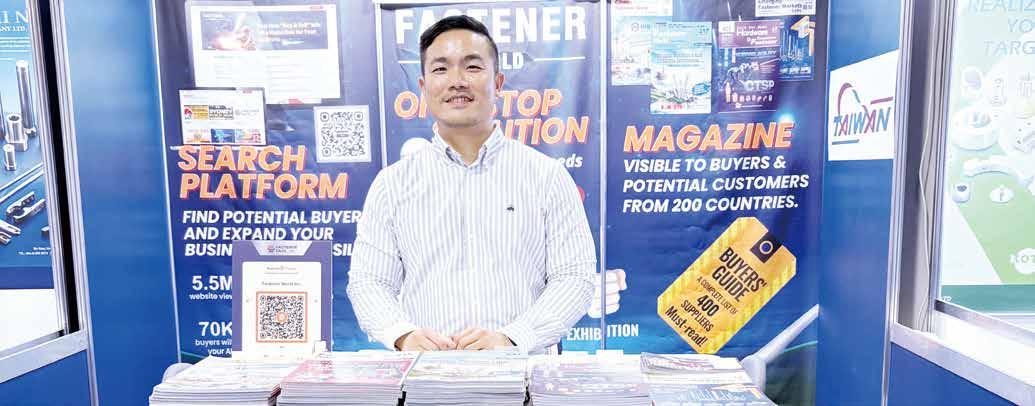
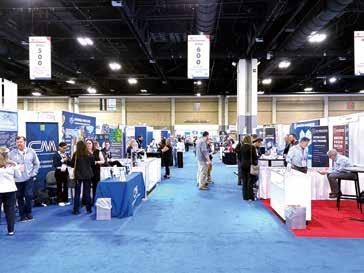
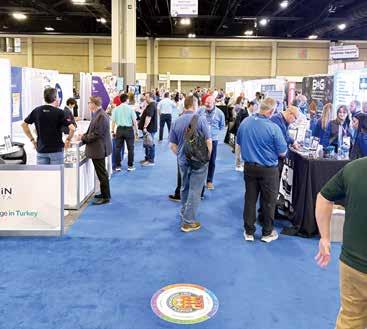
As one of its signature features—holding the event in a different U.S. city each year—Fastener Fair USA followed last year's event in Nashville with a two-day industry exchange extravaganza in Charlotte, America's second-largest financial hub and a key commercial powerhouse in the Southeast. This host city is not only the nation's No. 2 financial center after New York but also North Carolina's largest city. A total of 169 exhibitors from the U.S., Taiwan, China, Turkey, and elsewhere—showcasing fasteners, tooling, and machinery—gathered in this "Queen City" to position their products and services for the crown of highquality recognition from American buyers. Major players like Brighton-Best International, Lindfast Group, and Doerken joined the lineup, alongside about a dozen Taiwanese exhibitors scouting U.S. market opportunities.
Located along the Southeast's economic development corridor, Charlotte drew buyers from nearby states like Ohio, Alabama, Illinois, and North Carolina. Some even traveled from California, primarily inquiring about construction fasteners and high-quality fastening products along with related tools.
According to firsthand observations from the exhibitor at the Fastener World booth, about 90% of exhibitors were U.S.-based. Buyers visiting the Taiwan pavilion were mostly importers and distributors with years of experience partnering with Asian supply chains, including agents selling Japanese and Taiwanese machinery into the North American market. Several visitors told Fastener World that Taiwanese suppliers' diverse, high-quality offerings meet their needs more quickly and comprehensively, though they noted that Section 232 tariffs remain a key external factor dampening U.S. buying enthusiasm for now.
The organizer has announced that the next edition will take place May 19-20, 2027, at the Kentucky International Convention Center in Louisville, Kentucky— a prime spot closer to the U.S. Midwest for tapping into diverse industry demand chains there.
Copyright owned by Fastener World / Article by Gang Hao Chang, Vice Editor-in-Chief
China’s import data adds an important second layer to the 2025 market story. If exports explain China’s global scale advantage, imports reveal where the domestic market still depends on foreign technology, specialty engineering, and premium-grade fastening systems.
While China exported USD 10.05 billion of fasteners in 2025, it still imported USD 2.36 billion, creating a trade surplus of approximately USD 7.69 billion. That surplus confirms China’s dominant manufacturing role, but the composition of imports shows that high-specification industrial and construction applications continue to rely on selected foreign suppliers.
China’s total fastener imports fell from USD 3.28 billion in 2021 to USD 2.36 billion in 2025, representing a cumulative decline of 28.2% over four years.
This downward trend reflects three structural shifts: rapid domestic substitution by Chinese premium manufacturers, slower residential and machinery investment cycles, and greater localization by foreign-invested factories in China. The decline is strategically positive for local producers because it suggests Chinese suppliers are increasingly capable of replacing imported standard and mid-tier hardware products.
◎ Japan remained the largest high-precision supplier: Japan remained China’s largest import source in 2025 at USD 504.3 million, even after declining sharply from USD 984.0 million in 2021. This nearly 49% drop over four years is significant.
◎ U.S. imports were growing despite export leadership. A particularly revealing trend is the rise in imports from the United States, which increased from USD 398.1 million in 2021 to USD 418.6 million in 2025.
◎ Germany and Taiwan: Declining but still technically relevant. Germany’s imports declined from USD 630.2 million in 2021 to USD 406.4 million in 2025, while Taiwan fell from USD 324.2 million to USD 235.0 million.
The traditional developer-led housing cycle remained in deep contraction. New starts, investment, and unsold inventory all confirmed that speculative residential construction was still under significant pressure. This weakened demand in lower-value, volume-driven categories tied to apartment interiors and conventional housing installation.
What the data consistently show is that China’s construction economy has shifted into a two-speed structure, and the fastener market has adapted accordingly.
The decline in housing has been increasingly offset by state-backed infrastructure, railways, highways, airports, logistics hubs, industrial parks, public housing, and urban renewal projects. These segments demand more technically advanced products, longer corrosion life, stricter standards, and greater engineering precision.
As a result, the centre of gravity in the market is moving away from commodity products and toward:
★ self-drilling steel construction screws
★ roofing and façade fixing systems
★ solar mounting hardware
★ anchors and expansion systems
★ precast concrete connections
★ industrialized building accessories
★ corrosion-resistant specialty fastening solutions
Copyright owned by Fastener World / Article by Dr. Sharareh Shahidi Hamedani, Taylor's University
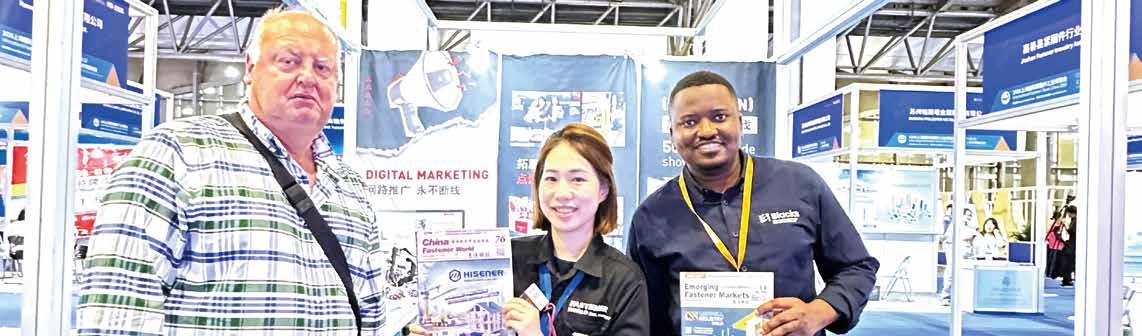
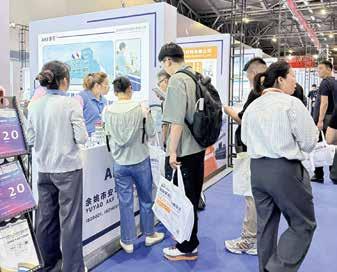
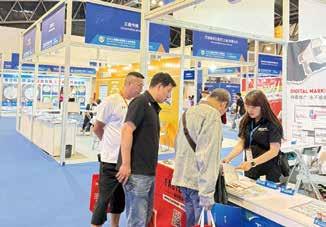
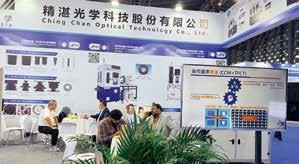
Organized by the industry’s leading associations and themed “An Exhibition for the Fastener Industry and Enterprises,” the annual International Fastener Show China opened its doors on May 20–22 at the Shanghai World Expo Exhibition & Convention Center (SWEECC). The event showcased fastener materials, standard/custom fasteners, automotive/aerospace/ construction/military fasteners, industry-specific fasteners, stamped parts, machined parts, military equipment, instruments, consumables, heat treatment, packaging technology services, and tools/assembly, installation, and maintenance.
To keep pace with innovation and the latest industry trends, this year’s event not only continued to feature the existing Hall 1 (equipment, wire, molds, and consumables) and Hall 2 (finished fasteners), a brand-new Hall 3 was specially added to showcase more cutting-edge fastener technologies, high-end fasteners, and smart manufacturing brands (the organizers designed this zone to break away from the framework of a purely product-focused exhibition, creating a differentiated area integrating product features with industry trends). With a total exhibition area of approximately 60,000 sq. m, 1,300 exhibitors, and 2,500 standard booths booked, the event
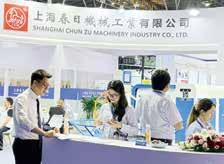

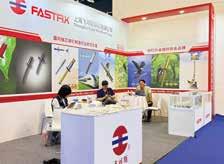
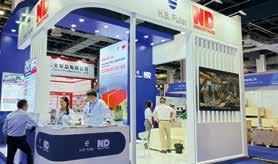
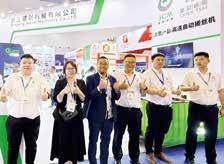
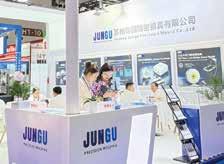
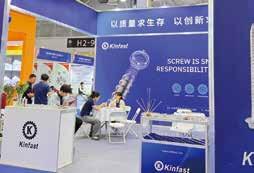
137703936@qq.com HUI XIN(TIANJIN) IMPORT AND EXPORT TRADE CO., LTD. ruby@hxscrews.cn


jiashanyongxin@163.com


attracted many senior executives and influential representatives from procurement and R&D departments across diverse industrial sectors.
According to observations by Fastener World’s on-site staff, since AI technology and robotics have been hot topics in the Chinese market in recent years, the fastener industry has also been influenced by this major market trend. Consequently, many local manufacturers are actively working to transform and innovate in areas related to manufacturing, product technology, and design applications. Some exhibitors in the fastener exhibition area even arranged for robots to interact with visiting customers. Booth presentations were also evolving rapidly. This year, many unique booths moved away from the traditional poster-display model, instead, they adopted new materials such as stretched fabric for booth decoration, giving the overall brand image a fresh, revitalized look, demonstrating that Chinese manufacturers are keeping pace with the times in terms of adopting innovative concepts and applying new technologies.
However, while the number of exhibitors and visitors on-site remained substantial, there were signs that international visitor numbers had declined compared to the previous edition, likely due to the global economic downturn and unfavorable market conditions. In terms of product categories, the machinery and equipment section appeared to attract a livelier crowd than the general fastener products area. The exhibition halls on the second floor featured numerous delegations from Jiashan and Zhejiang, showcasing the diversity of the fastener industry across China’s various provinces.
Some exhibitors at the event noted that this exhibition is one of the largest and most representative trade shows in China’s fastener industry. It offers them valuable opportunities to understand and monitor the latest trends and demands within the Chinese fastener sector, as well as to expand their horizons toward Asian and global markets. However, since there is another specialized fastener exhibition in Shanghai in June—which is similar in nature and held around the same time—exhibitors may tend to choose the most suitable event to attend in the future. The organizer has not yet announced the dates or details for the next edition. For more information, please keep yourself updated at www.fastener-world.com.
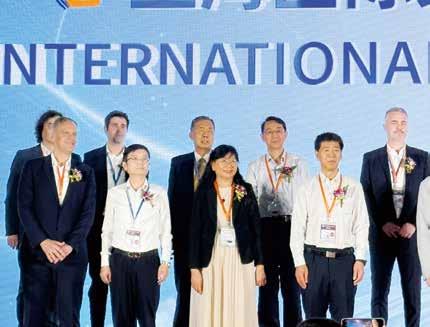
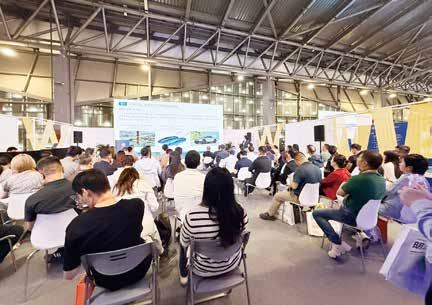
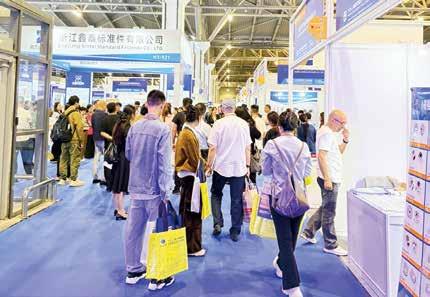
Copyright owned by Fastener World / Article by Gang Hao Chang, Vice Editor-in-Chief
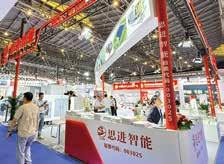




China remains one of the most important demand centers for oil and gas fasteners in 2026. For fastener manufacturers, traders, coating specialists, distributors, and exporters, the key point is not only whether China consumes more oil or gas. The more practical question is where physical investment, plant operation, pipeline construction, maintenance, and replacement demand are taking place.
The answer is clear: China’s oil and gas sector continues to generate demand across upstream production, natural gas development, pipeline construction, LNG terminals, gas storage, refining, petrochemical upgrading, offshore facilities, and maintenance of existing assets. These activities require large quantities of stud bolts, heavy hex nuts, anchor bolts, structural bolts, U-bolts, flange fasteners, pressureequipment fasteners, heat-resistant bolts, low-temperature bolting, coated fasteners, and corrosion-resistant products.

‧pressure
‧cryogenic
‧high-temperature
‧corrosive
offshore
‧safety-critical
For fastener readers, the most important change is that China’s oil and gas fastener demand is no longer only a volume story. Standard carbon-steel bolts and nuts remain important, but they are also exposed to strong price competition. The stronger opportunity is increasingly found in certified, traceable, and application-specific fasteners used in pressure, cryogenic, high-temperature, corrosive, offshore, and safety-critical environments.
China’s oil and gas activity remained strong entering 2026. Official data show continued growth in crude oil production, natural gas production, and crude oil processing. These three indicators are directly relevant to fastener suppliers because they represent physical activity in fields, plants, refineries, pipelines, terminals, and related equipment.
▼ Table 1. China's Oil and Gas Indicators Directly Linked to Fastener Demand
Supports steady demand for upstream field equipment, wellhead fasteners, pumps, compressors, skids, valves, and flange bolting
Supports demand for gas-treatment facilities, compressor stations, metering stations, storage facilities, LNG connections, and pipeline bolting
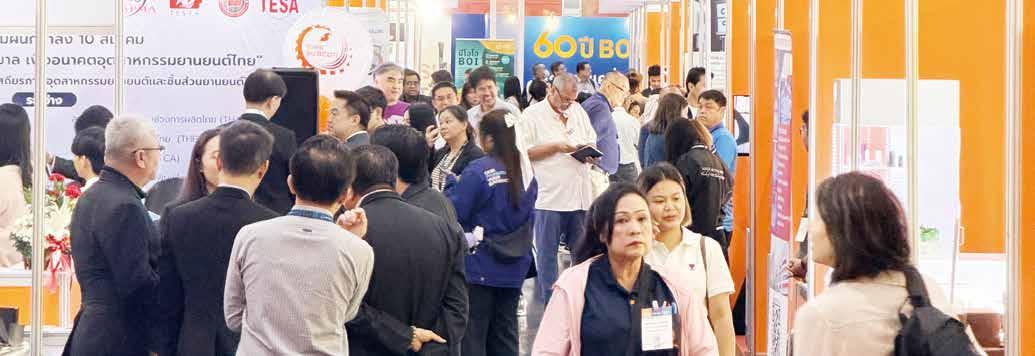

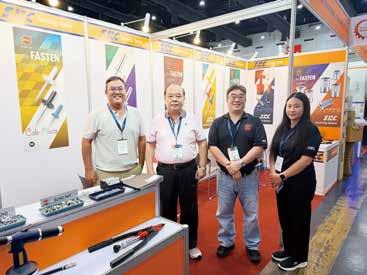
Subcon Thailand, billed as ASEAN’s largest industrial subcontracting and business matching event, was grandly held at the BITEC exhibition center from May 13 to 16 this year. A total of 233 exhibitors from Thailand and abroad seized this rare annual opportunity to tap into business opportunities in the rapidly growing ASEAN market. The event was held concurrently with INTERMACH and Plastics & Rubber Thailand.
At this leading trade show, which brought together exhibitors specializing in industrial, automotive, electronic, aerospace, and medical device components, fasteners & molds, automation, software & surface treatment, and industrial products and services, as well as potential buyers from these sectors, innovative product solutions developed through the integration of smart manufacturing, AI, automation, and cutting-edge technologies became a hot topic and a major highlight throughout the fourday event.
In line with the global trend toward smarter, more environmentally friendly, low-carbon, and fully integrated production, Thailand’s subcontracting and component supply industry has gradually emerged as a key driver of this wave of transformation in recent years. Building on the success of the previous edition, which was projected to generate over 22 billion baht in trade value for the industry, this year’s Subcon Thailand served as a premier networking platform for fostering innovation and creating new business partnerships. Visitors also gained insights into the demands and trends of the Thai and broader ASEAN markets regarding industrial technology, procurement opportunities, and business prospects through this event. Furthermore, as the exhibition was directly organized by the Thailand Board of Investment, the investment of numerous official resources also attracted many domestic and international buyers (e.g., Bossard (Thailand)), as well as international exhibitors and trade associations (e.g., Taiwan Association of Machinery Industry) to participate.
According to observations by Fastener World staff at the event, the exhibition not only showcased cutting-edge innovations in fields such as machine tools, sheet metal processing, automation, robotics, plastics/rubber processing, smart manufacturing, and industrial parts procurement, but also integrated the entire industry ecosystem. Through seminars, numerous buyer-matching sessions, and international pavilions (such as the Taiwan Pavilion and the Korea Pavilion), the event facilitated business connections, investment opportunities, and strategic partnerships. In particular, the automotive sector, green energy and electric vehicles, electronics and manufacturing technologies, ASEAN investment, and digital solutions were hot topics at this year’s seminars. Senior reps from major Chinese automakers, including BYD and Changan Automobile, were also invited to discuss these issues, which represent significant challenges that Thailand’s automotive industry will face in the future.
The next exhibition will be held at the same venue from May 12 to 15, 2027, as ASEAN actively seeks to establish its voice on the global stage for next-generation smart manufacturing and high-end product innovation.
Indicator
Crude oil processing
Oil and gas infrastructure construction
Petrochemical capacity expansion
737.59 million tons, up 4.1% year on year
Nearly 40 oil and gas infrastructure projects reported in 2026, including more than 9,000 km of pipelines
More than 60% of global ethylene capacity additions from 2020 to 2025 came from China
122.63 million tons in Jan-Feb 2026, up 2.9% year on year
Projects advancing toward 2026 and 2027 completion
Continued capacity push reported in 2026 despite margin pressure
This table shows that the most relevant fastener demand signals are not abstract economic indicators. They are physical-production and infrastructure indicators. Oil output supports upstream and field-equipment demand. Gas production supports pipelines, compressor stations, and LNG-related systems. Crude processing supports refineries, petrochemical plants, pressure equipment, and maintenance cycles. Pipeline construction supports large volumes of anchor, structural, coated, and flange-related fasteners.
Supports refinery maintenance, petrochemical processing, pressureequipment bolting, heat-exchanger fasteners, and turnaround demand
Supports demand for anchor bolts, structural bolts, coated fasteners, valvestation bolting, compressor-station fasteners, and pipeline facility hardware
Supports demand for high-temperature bolts, alloy steel studs, stainless fasteners, pressure-vessel bolts, reactor fasteners, and chemical-plant maintenance fasteners
The strongest message for 2026 is that gas and downstream processing are especially important. Natural gas production has been growing faster than crude oil production, while crude oil processing recovered strongly in 2025 and continued to grow in early 2026. For fastener companies, this means demand is likely to come not only from oilfields, but also from gas infrastructure, LNG facilities, petrochemical projects, and plant maintenance.
Gas infrastructure is one of the clearest fastener demand drivers in China in 2026. Nearly 40 oil and gas infrastructure projects, including pipelines totaling more than 9,000 km, have been reported under construction. For fastener suppliers, this is significant because pipeline projects require far more than pipe.
The larger fastener demand often comes from the facilities connected to the pipeline network. These include compressor stations, metering stations, valve stations, pigging stations, pressure-control systems, LNG receiving connections, and gas storage facilities. These facilities require large quantities of stud bolts, heavy hex nuts, washers, anchor bolts, structural bolts, U-bolts, expansion bolts, and fasteners for valves, supports, skids, pumps, and compressors. This segment offers volume, but it is also competitive. Standard products face strong local price pressure. The stronger opportunity is in project-ready supply: consistent dimensions, reliable coating quality, complete traceability, fast delivery, and the ability to meet EPC and equipment-manufacturer specifications.
LNG terminals and gas storage facilities are highly relevant to fastener suppliers because they require more technical products than many general industrial projects. LNG facilities include cryogenic storage tanks, process piping, vaporizers, unloading arms, compressors, pumps, marine structures, safety systems, and loading equipment.
These applications create demand for low-temperature bolting, stainless steel fasteners, coated fasteners, corrosion-resistant products, and pressure-rated bolting packages. The volumes may be lower than pipeline construction, but the specification level is higher. This gives technically capable fastener suppliers a better chance to compete on quality, documentation, and application reliability rather than price alone.
For manufacturers, LNG-related demand also highlights the importance of material control. Buyers often require mechanical testing, material certificates, heat-number traceability, coating reports, and correct packaging. In this segment, weak documentation can be as damaging as weak product quality.
China’s crude oil processing reached 737.59 million tons in 2025 and continued to grow in the first two months of 2026. This is highly relevant for fastener readers because refining and petrochemical plants consume fasteners not only during construction, but throughout their operating life.
Refineries and petrochemical plants require fasteners for heat exchangers, reactors, pressure vessels, pipe flanges, pumps, compressors, furnaces, storage tanks, loading systems, and maintenance shutdowns. Key product categories include alloy steel studs, heavy hex nuts, high-temperature bolts, stainless fasteners, coated fasteners, pressure-vessel bolts, and replacement bolting for turnaround work.
The petrochemical side is especially important. China accounted for more than 60% of global ethylene capacity additions from 2020 to 2025, and capacity expansion continues despite profit pressure in the sector. For fastener suppliers, this suggests two things. First, new and upgraded petrochemical plants will continue to require technical fasteners. Second, cost pressure in the sector means buyers may be strict on price, so suppliers must differentiate through quality, certification, delivery reliability, and technical suitability.
Offshore and coastal oil and gas facilities are smaller in fastener volume than pipelines or refineries, but they are often more attractive in value. Offshore platforms, marine terminals, floating systems, subsea-related equipment, coastal loading systems, and offshore processing facilities expose fasteners to saltwater corrosion, vibration, pressure, and cyclic loading.
This creates demand for stainless steel, duplex stainless steel, coated alloy steel, nickel alloy, and other corrosion-resistant products. These are not ordinary fasteners. They are safety-critical components used in harsh environments, where failure can create shutdown, leakage, repair cost, and safety risk.
For fastener companies with strong material sourcing, machining control, coating capability, and inspection systems, offshore and coastal projects can offer better positioning. However, entry requirements are higher. Buyers usually expect full traceability, consistent certificates, mechanical test records, dimensional inspection, coating verification, and reliable batch control.
▼ Table 2. Fastener Categories with the Strongest 2026 Opportunity

Stud bolts and heavy hex nuts
Anchor bolts and foundation bolts
Structural bolts
Stainless steel fasteners
Duplex and nickel alloy fasteners
Low-temperature bolting
High-temperature alloy bolts
Coated fasteners
Maintenance and replacement fasteners
Strong Flanges, valves, pressure piping, refineries, gas stations, petrochemical plants
Strong
Medium to strong
Medium to strong
Selective but high value
Selective but attractive
Strong
Strong
Stable and recurring
Compressor stations, pumps, tanks, skids, pipeline facilities, terminal equipment
Pipe racks, platforms, support structures, terminals, offshore structures
LNG, coastal terminals, chemical plants, offshore facilities
Offshore, marine, chemical, sour or severe-service environments
LNG terminals, cryogenic storage, gas processing
Refineries, petrochemical units, heat exchangers, reactors, furnaces
Pipelines, coastal facilities, gas stations, structural supports, terminals
Refineries, petrochemical plants, terminals, storage facilities, pipelines
Core oil and gas bolting product with broad demand across construction and maintenance
Supported by pipeline, terminal, and plant infrastructure projects
Demand increases where large energy infrastructure and plantsupport systems are built
Needed where corrosion resistance is important
Lower volume, but technically attractive and less exposed to commodity pricing
Higher specification requirements make quality and certification important
Supported by crude processing, petrochemical expansion, and recurring turnaround demand
Coating quality and inspection records are key differentiators
Important for distributors, stockists, and suppliers with quick delivery and proper certificates
The product outlook shows that China’s oil and gas fastener demand is not concentrated on one product group. Pipeline projects create broad demand for anchors, structural bolts, flange bolting, and coated products. LNG and offshore applications create demand for highergrade corrosion-resistant and low-temperature products. Refineries and petrochemical plants create recurring demand for high-temperature, pressure-rated, and maintenance fasteners.
China’s oil and gas sector offers demand, but it is not an easy market. Fastener suppliers should understand five practical realities.

First, basic fasteners are highly competitive. China has a strong domestic fastener manufacturing base, especially in standard carbon-steel bolts, nuts, washers, and construction fasteners. Competing only on price is difficult.

Second, oil and gas buyers are not only buying metal parts. They are buying reliability. In pressure systems, offshore facilities, LNG terminals, and petrochemical plants, fasteners are part of the safety chain. Material certificates, heatnumber traceability, test reports, coating records, and packaging discipline are increasingly important.

Third, the most realistic customers may not be oil and gas operators. Many fastener purchases are made by EPC contractors, valve manufacturers, pressure-vessel manufacturers, pump and compressor manufacturers, offshore engineering firms, maintenance contractors, and industrial distributors. These companies should be priority targets for fastener suppliers.

Fourth, maintenance demand is a major opportunity. China already has a large installed base of refineries, chemical plants, pipelines, storage facilities, terminals, and offshore assets. Even when new construction slows, these assets require inspection, replacement, shutdown maintenance, emergency repair, and recurring fastener supply.

Fifth, product positioning matters. A supplier of ordinary commodity fasteners will face a different market from a supplier of certified alloy, stainless, duplex, coated, cryogenic, or high-temperature bolting. The stronger opportunity is in the technical middle and upper segments, where documentation, reliability, and application suitability support better margins.
Our view is that China’s oil and gas fastener demand in 2026 will remain positive, but the most attractive opportunities will be selective rather than general. The market will continue to buy large volumes of standard fasteners, but the better business opportunity will be in products connected to gas infrastructure, LNG, petrochemicals, offshore facilities, and maintenance cycles.
The first expectation is stronger demand from gas infrastructure. Natural gas production continues to grow, and pipeline construction remains active. This supports demand for flange bolting, anchor bolts, structural bolts, coated fasteners, valve-station fasteners, compressor-station fasteners, and gas storage-related products.
The second expectation is that refining and petrochemical demand will remain important, even as fuel demand patterns change. China’s crude processing volume remains high, and petrochemical capacity continues to expand. This supports hightemperature bolts, alloy steel studs, pressure-vessel fasteners, stainless products, and maintenance fasteners for plants operating under demanding conditions.
The third expectation is that LNG and offshore projects will favor suppliers with stronger technical capability. These segments are not only about volume. They require low-temperature performance, corrosion resistance, coating reliability, material control, and complete traceability. Suppliers that can meet these requirements will be better positioned than those offering only standard grades.
The fourth expectation is that maintenance and replacement demand will become increasingly important. The more China builds pipelines, terminals, refineries, petrochemical plants, and offshore facilities, the larger the installed base becomes. That installed base creates recurring fastener demand over many years.
The fifth expectation is that documentation will become a commercial advantage. In oil and gas applications, a bolt without complete certification may not be accepted, even if the product itself appears suitable. Fastener companies that treat certificates, testing, traceability, and batch control as part of the product will have a stronger position in this market.
Overall, China’s oil and gas industry in 2026 remains a meaningful demand source for fastener suppliers. However, the best opportunity is not simply selling more bolts at lower prices. It is supplying reliable, certified, and application-specific fasteners for infrastructure, LNG, offshore, refining, petrochemical, and maintenance applications. For fastener companies that can combine competitive production with technical compliance, China remains a market worth watching closely in 2026.
Copyright owned by Fastener World / Article by Shervin Shahidi Hamedani
Resources
1. National Bureau of Statistics of China, “Energy Production in December 2025,” published January 20, 2026.
2. National Bureau of Statistics of China, “Energy Production from January to February 2026,” published March 17, 2026.
3. National Bureau of Statistics of China, “Industrial Production Operation from January to February 2026,” published March 17, 2026.
4. S&P Global Commodity Insights, “China accelerates oil, gas infrastructure with nearly 40 projects,” published May 7, 2026.
5. S&P Global Commodity Insights, “WPC 2026: China’s petrochemical industry faces profit squeeze amid capacity gains,” published March 27, 2026.
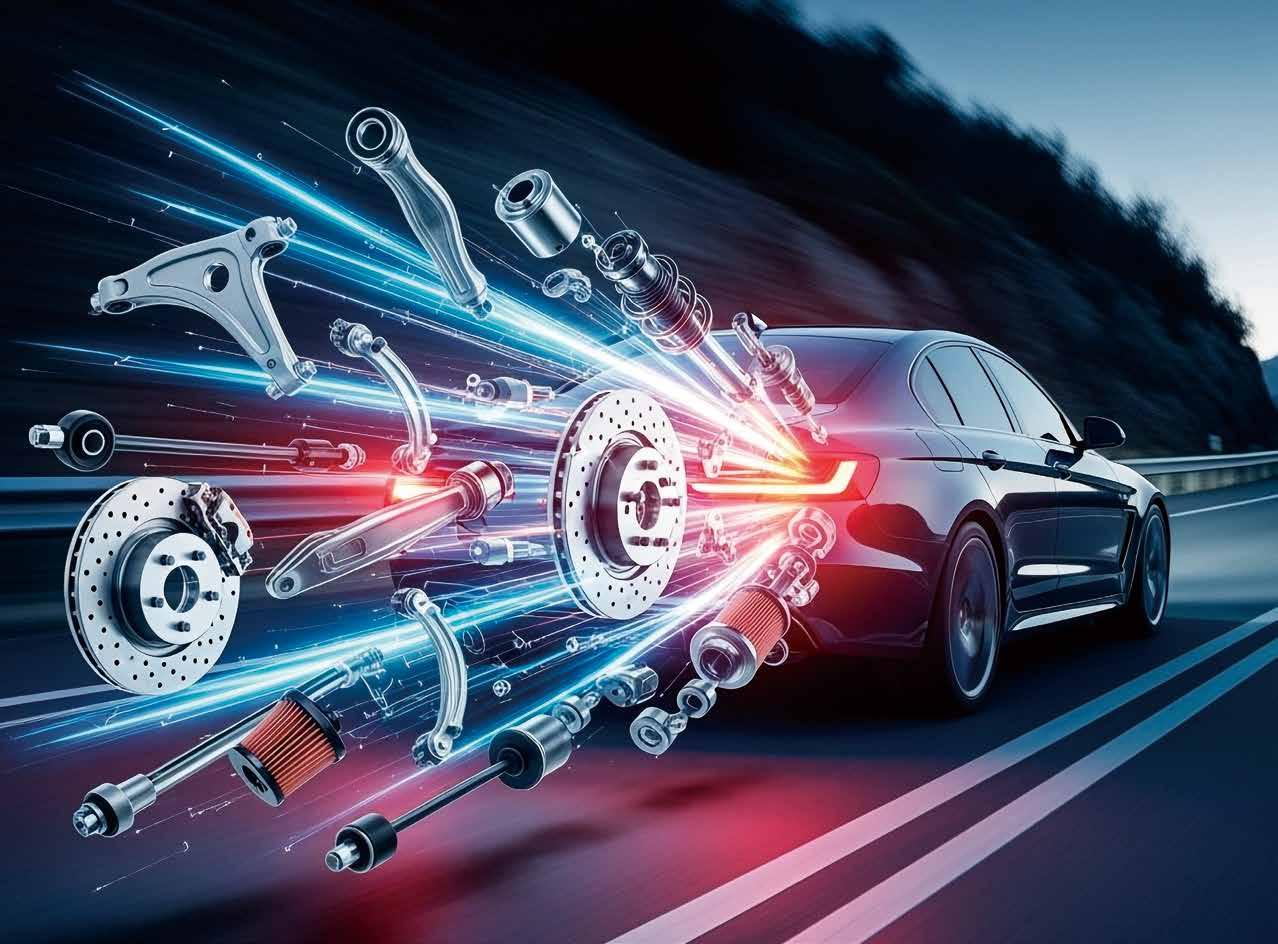


The position of China’s automotive fasteners in the global automotive industry is attributable to the rapid growth of China’s fastener sector. As the market shifts from an incremental market to a saturated market, the fastener industry faces increasingly stringent requirements, necessitating capabilities in systematic R&D, modular design, and specialized production. As automobile sales continue to grow, public attention toward the automotive industry has shifted from a focus on brand and scale to an equal emphasis on vehicle quality, performance, brand, and scale; the accelerated development of fasteners for new energy vehicles has become a strategic priority. Currently, the primary automotive joining methods include welding, riveting, bolting, and adhesive bonding, with bolting remaining the dominant method. In new energy vehicles, high-strength bolts are primarily used in battery module connections, body structure connections, and motor & controller connections. This is mainly because high-strength bolts offer high strength (with high tensile and yield strengths, capable of maintaining connection stability in harsh environments to ensure the safe operation of critical components), excellent corrosion resistance (capable of long-term use in humid and corrosive environments without failure, thereby extending service life), and safety (the use of high-strength bolts significantly enhances overall vehicle safety and reduces safety incidents caused by loosening or failure of connected components).


There is a wide variety of lightweight materials used in the automotive industry, each with its own advantages and limitations. Currently, the fastener industry for new energy vehicles is rapidly advancing toward the combined use of multiple materials, ensuring that the right material is used in the right place. This article discusses the development of new material technologies for automotive fasteners—including nonquenched and tempered steel, cold-headed forged stainless steel wire rod, aluminum alloy bolts, and automotive ultra-highstrength bolts—and offers insights into potential challenges ahead.


In recent years, non-quenched and tempered steels from the two major alloy systems—V-Nb and V-Nb-B-Ti—have been gaining attention and are undergoing trial implementation in relevant fields. PATAC, Shanghai University, and Nanjing Iron and Steel Group, among others, have jointly developed Grade 8.8 M6×840 and M6×930 long studs for securing EV battery packs. These studs utilize a non-quenched and tempered steel (MLF20MnVNb) solution that eliminates the need for quenching and tempering. The matrix features a ferritic-bainitic dual-phase microstructure. By incorporating a stabilizated aging treatment process, the studs achieve a yield-to-tensile strength ratio of 1:0.8
and excellent strength-to-toughness properties. They meet the requirement of straightness within 0.5 mm/m, resolving the challenge of heat treatment deformation in slender bolts, and thus hold significant potential for widespread adoption.
Xingcheng Special Steel has successfully developed high-uniformity Grade 8.8 non-quenched and tempered fastener steel using the XDWP (water bath) process. The steel exhibits excellent uniformity in tensile strength across the entire coil ( ≤ 20 MPa), with stable and reliable product performance that aligns with low-carbon, environmentally friendly, and green manufacturing principles; Zenith Steel Group has successfully developed non-quenched and tempered cold-headed steel wire rod for mass production. It is currently being applied in both Grade 8.8 and Grade 9.8 strength grades, while the company is also intensifying R&D efforts on Grade 10.9 non-quenched and tempered coldheaded steel. In recent years, Henan Jiyuan Iron Steel (Group) has developed energy-saving non-quenched and tempered cold-headed steel grades SCN430 and SCN435, which do not require heat treatment and have been used in Grade 8.8 highstrength bolt products. However, practical experience has shown that the use of non-quenched and tempered steel in high-strength fasteners still presents issues with die wear.
Some fasteners used in new energy vehicles are made of duplex (austenitic-ferritic) stainless steel grades. These steels feature a matrix composed of both austenitic and ferritic phases (with the less abundant phase constituting at least 25% of the total) that are magnetizable, and are typically strengthened through cold working. In terms of performance, duplex stainless steel not only retains the excellent toughness and weldability of austenitic stainless steel, but also offers the high strength and other advantages of ferritic stainless steel.
In the context of lightweighting for new energy vehicles, the design of magnesium alloy electric drive assembly housings must not only address the protection of the magnesium alloy itself but also utilize aluminum alloy bolts to prevent galvanic corrosion between the magnesium alloy housing and the fasteners. Consequently, the extensive use of aluminum alloy bolts is unavoidable, including for the connection of aluminum stamped parts, castings, and extrusions.

The primary mechanical properties of bolts made from 6061 aluminum alloy for automotive applications, following the appropriate manufacturing processes—particularly solution heat treatment and aging—are as follows: tensile strength Rm ≥ 150 MPa; yield strength Rp0.2 ≥ 120 MPa; elongation after fracture A ≥ 7%. Testing of actual bolts and screws shows a wedge load of Rm ≥ 140 MPa; for bolts or screws that cannot undergo tensile testing, a minimum breaking torque test is applicable. These material properties are achieved through appropriate forming and heat treatment processes; At temperatures above 540–560°C, bolts shall undergo at least one homogenization solution annealing and aging hardening treatment. After cold forming, the heat treatment and artificial aging process must be performed in a continuous furnace. Following heat treatment, thread rolling is performed, and finally, deep cryogenic treatment is applied to enhance the mechanical properties of the aluminum alloy.
The composition and microstructure of stainless steel play a critical role in its susceptibility to stress corrosion cracking (SCC). Austenitic stainless steels are prone to SCC in chloride solutions, whereas ferritic stainless steels exhibit better resistance to SCC. The smaller the ferritic grain size, the better the resistance to SCC; therefore, duplex stainless steels possess high resistance to chloride-induced SCC, with a stress corrosion cracking threshold approximately three times that of austenitic stainless steels. In Cr-Ni stainless steels, the ratio of ferritic to austenitic phases in the solid solution is commonly calculated and evaluated using “chromium equivalent” and “nickel equivalent.” Duplex stainless steel eliminates the risk of SCC in austenitic stainless steel under chloride stress corrosion, particularly in cases of stress corrosion cracking induced by pitting corrosion. Therefore, duplex stainless steel is widely used in many applications involving chloride stress corrosion. In new energy vehicles, however, heat-resistant stainless steel is still used for high-temperature applications or hightemperature fasteners. Depending on the material type and heat treatment process, ML06Cr15Ni25Ti2MoAlVB steel bolts, after solution treatment at 980–990°C followed by aging at 700–720°C for 16 hours, exhibit an austenitic + MC (dispersed carbide) microstructure, with a tensile strength (Rm) exceeding 1100 MPa.
7075 aluminum alloy bars were heat-treated in a roller-hearth quenching furnace. They underwent solution quenching at 465 ± 5°C for 2 to 6 hours, followed by tension straightening within 12 hours of the solution quenching, with a tension ratio set at 2.0 ± 0.3%. The aging process was conducted at 120 ± 3°C for 24–25 hours, followed by mechanical property testing. The results are shown in Table 1 The mechanical property test results of the specimens all meet the requirements of Grade 4.8 in the GB/T 3098.1 standard; the tensile strength is 60–80 MPa higher than the standard requirement, the stress at non-proportional elongation is 80–100 MPa higher than the standard requirement, and the elongation is also higher than the standard requirement. Furthermore, when different heat treatment processes were applied to 7075 aluminum alloys with diameters ≤12 mm, their mechanical properties all met the standard requirements.
Current issues in the application of aluminum alloy bolts include calculation of the engagement length between aluminum alloy bolts and magnesium alloy housings; selection of surface treatments for aluminum alloy bolts; and development of torque-angle assembly

processes. Topics requiring further research are ① Surface treatment for aluminum alloy bolts typically involves lubrication; when selecting a surface treatment (or anodizing), the effect of the sealing medium must also be taken into account. ② Through torque failure testing, design requirements for the engagement length of aluminum alloy bolts are established, and process parameters for torque-angle are determined.
Table 2. Mechanical Property Requirements for 12.8U to 16.8U Grade Bolts
Automotive ultra-high-strength bolt technology is based on VDA 235-205 (high-strength and ultra-high-strength fasteners with bainitic heat treatment for the automotive industry, performance grades 12.8U to 16.8U). According to GB/ T 3098.1, the performance grades range from 10.9 to 12.9, featuring a quenched martensitic microstructure (high-strength bolts); according to VDA 235-205, the performance grades range from 12.8U to 16.8U, with technical requirements as shown in Table 2, featuring a bainitic microstructure obtained through isothermal quenching (ultra-high-strength bolts).
In the R&D of bolts, alloyed steel and heat treatment are prioritized. The technical approach for the subsequent thread rolling process involves stricter technical requirements for raw materials than those specified in national standards, and SAE 4140 steel is used. Bolt manufacturing process: Spheroidizing annealing → Drawing → Spheroidizing annealing → Drawing → Cold heading → Deburring → Turning → Heat treatment → Rounded corner enhancement → External cylindrical grinding

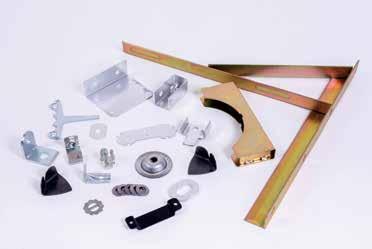
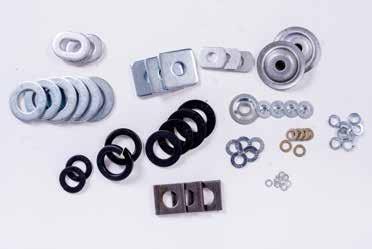
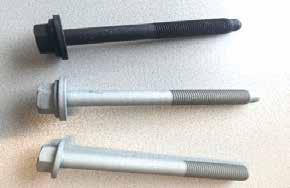
Figure 1: Schematic Diagram of Subframe Mounting Bolts and Installation Locations
→ Thread rolling → Surface finishing. Tolerance control requirements for high-strength vehicle bolts are particularly stringent: the outer diameter must be within ±0.02 mm, and the major diameter tolerance for the threaded section must be within ±0.010 mm. Key process points: ① Ensure that raw materials undergo annealing with zero carbon gain and no decarburization; ② Use high-precision multi-station cold heading machines to prevent excessive deviations in opposite sides and major diameter during forming, controlling them within ±0.02 mm. Since the thread rolling process is performed after heat treatment, it is essential to completely avoid issues such as bending of the bolt shank. Specialized
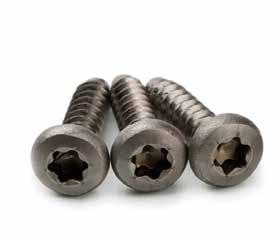
Figure 2.
The schematic installation diagram of bolts for new energy vehicles
equipment has been added, including a centerless grinder for the external diameter (major diameter) grinding process; ③ To meet Grade 6g thread precision requirements, highprecision thread rolling machines for M12–M24 sizes, highprecision thread rolling dies, and inspection equipment such as contour profilometers and projection projectors have been added; ④ Ensure that the defect rate (PPM) for delivered batches is <60. As is well known, the failure of high-strength bolts is primarily due to fatigue. According to EN standards, specific fatigue life requirements are established for highstrength bolts used in vehicles: no fractures or cracks shall occur under cyclic loading at frequencies greater than 80 Hz. The fatigue life for Grade 12.8U is specified to be no less than 4.5 × 10⁶ cycles; and the fatigue life of Grade 14.8U must be no less than 5 × 10⁶ cycles. After the completion of prototype production, at least 15 units from each batch are required for type testing. The results of the pilot production inspection and the mechanical property tests of the bolts are shown in Table 3. Following the crash test, none of the rear mounting bolts on the subframe fractured, and the battery pack remained undamaged; the crash test results were satisfactory.
At the end of last year, China General Machine Components Industry Association officially released T/TCMCA 00342025, “Grade 14.8–16.9 Ultra-High-Strength Fasteners: Bolts, Screws, and Studs” (published on November 24, 2025; effective December 25). This standard establishes, for the first time, unified technical specifications and acceptance criteria for Grade 14.8–16.9 ultra-high-strength bolts in China, filling a gap in China’s standards for high-end ultra-high-strength fasteners and marking a crucial step forward for China’s fastener industry on the path toward high-end development and domestic production. The new standard clearly defines the core criteria and scope of application for Grade 14.8–16.9 ultra-high-strength bolts, providing clear guidelines for industry production and application. By defining ultra-high-strength bolts as those with a tensile strength of ≥1400 MPa, the standard clearly distinguishes them from traditional high-strength bolts, filling a gap in the definition of fasteners in the domestic ultra-high-strength grade. These bolts are suitable for ultra-high-strength connections and fastening in high-end sectors such as automotive, rail transit, wind power, engineering machinery, and machine tools, directly addressing the core needs of China’s highend equipment manufacturing. The standard specifies an operating temperature range of -50°C to +200°C and recommends application in low-corrosion environments. It particularly emphasizes that the sensitivity of ultra-high-strength materials to hydrogen embrittlement increases with higher strength, laying the foundation for subsequent technical requirements and process specifications. See Figure 2 for a schematic installation diagram of bolts for new energy vehicles.
The increasing speeds of new energy vehicles, the trend toward lighter components, the shift toward higher-power drive systems, and improvements in braking and current collection performance all necessitate the simultaneous advancement of materials and processing technologies for high-strength fasteners. Consequently, extensive R&D to ensure reliability is essential. During the R&D phase for automotive fasteners, building upon the development and refinement of new materials, it is essential to advance structural design, manufacturing, and testing technologies to ensure that fastener functions are highly compatible with and integrated into the vehicle as a whole. Only through continuous transformation and upgrade can automotive fastener companies achieve long-term development.
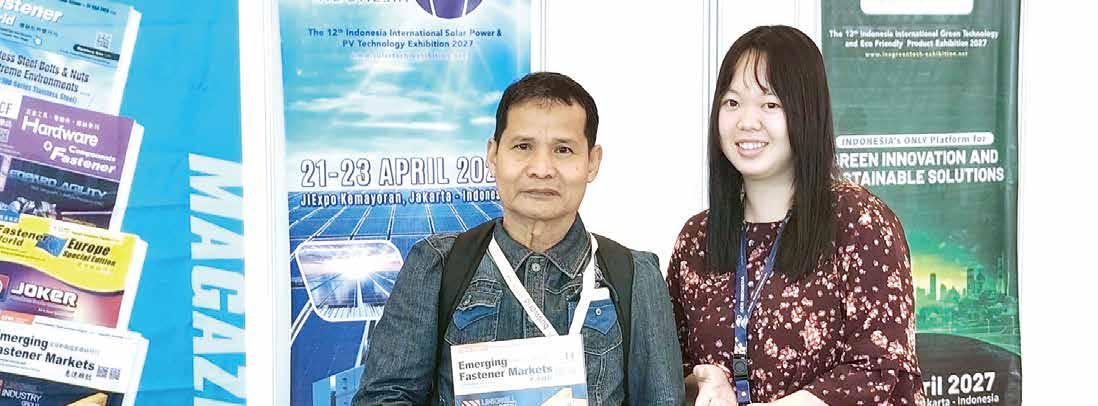

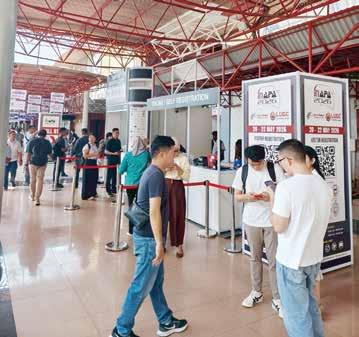
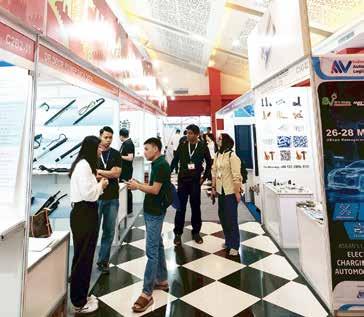
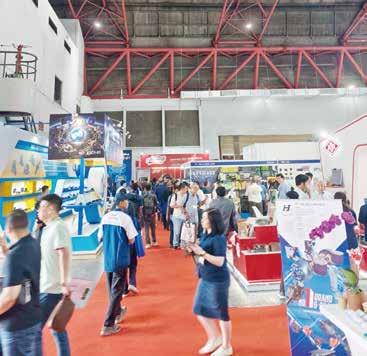
Indonesia’s automotive, construction, and manufacturing sectors have been growing steadily. In recent years, the country’s annual imports of fasteners have averaged around USD 550 million, positioning Indonesia as an increasingly important emerging player in both regional and global fastener supply chains. The 2026 Inafastener was held from May 20 to 22 at the Jakarta International Expo, attracting professionals from the fastener, tools, equipment, and hardware components industries. The exhibition served as a platform for companies and industry professionals to showcase products, innovations, and technologies, covering a wide range of fastening and fixing solutions as well as hardware and tools.
According to the organizer, as Indonesia’s automotive and electric vehicle industries continue to expand rapidly, local demand for high-quality industrial fasteners and fastening systems is also on the rise. As a key manufacturing hub in Southeast Asia, Indonesia is actively promoting new energy vehicle development and industrial upgrading policies, attracting global supply chain investments. The exhibition not only serves as a gateway for companies to enter the Indonesian market but also underscores the strategic importance of ASEAN’s manufacturing sector within the global supply chain.
Based on observations from Fastener World’s exhibition staff, manufacturers, traders, and procurement representatives from Indonesia, China, India, South Korea, and across Southeast Asia actively engaged in business discussions during the event. The exhibition covered industrial fasteners, automotive fasteners, assembly systems, installation technologies, warehousing and logistics equipment, and related manufacturing technologies, providing a comprehensive view of the latest industry trends and technological applications. Business cards collected at Fastener World’s booth were primarily from local Indonesian buyers, indicating that the exhibition is a highly specialized event focused on Indonesia’s domestic automotive parts market. In addition, Indonesia’s fastener industry continues to grow steadily, driven by the automotive, construction, and manufacturing sectors. In recent years, increasing volumes of multinational procurement have shifted toward Southeast Asia, signaling an accelerating trend of regional supply chain restructuring and industrial relocation. As Indonesia’s manufacturing sector continues to expand and its automotive industry transitions toward electrification, demand for fasteners and related fastening technologies is expected to grow further.
Copyright owned by Fastener World / Article by Dean Tseng
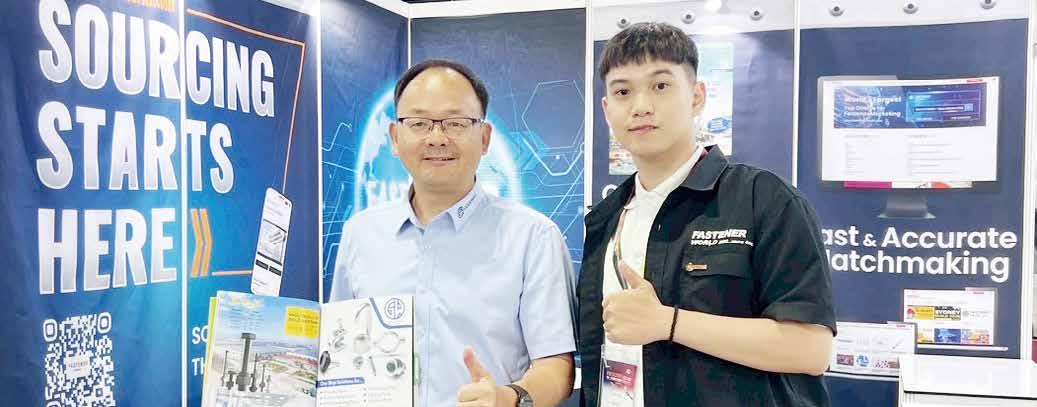
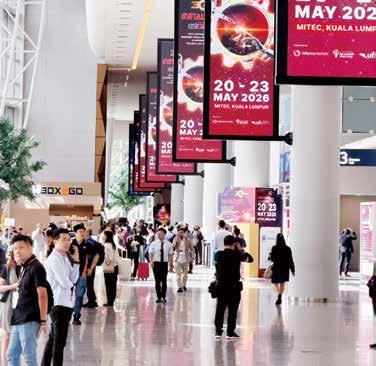
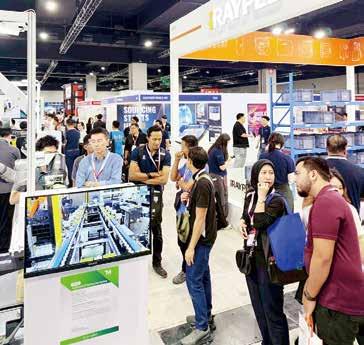
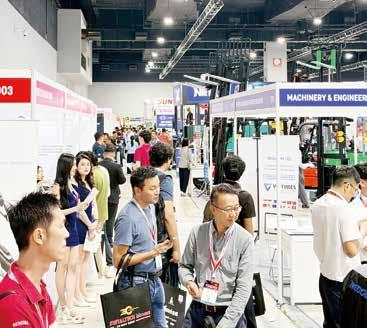
The Malaysian flagship manufacturing and automation technology exhibition successfully concluded from May 20 to 23, 2026, at Malaysia International Trade and Exhibition Centre (MITEC). This year’s event brought together over 1,500 brands and companies from 19 countries, showcasing the latest innovations in smart manufacturing, industrial automation, robotics, metalworking, and advanced engineering. It further reinforced METALTECH’s position as a key platform for manufacturing industry exchange in Southeast Asia.
During the exhibition, numerous internationally renowned brands and industry leaders unveiled their latest technologies and application solutions. On-site business interactions were highly active, fostering cross-border collaboration and business matchmaking opportunities. Concurrent forums, technical seminars, and industry summits addressed topics such as smart factories, green manufacturing, automation integration, and ESG sustainability. The organizer noted that the event was held alongside the Advanced Machinery & Engineering Summit (AMES), further strengthening collaboration among industry, government, academia, and research institutions, and injecting new momentum into regional manufacturing innovation.
According to observations from Fastener World’s exhibition staff, most visitors were local Malaysians, with a significant portion showing demand for fasteners. In light of current tariff pressures and international logistics risks, many expressed a preference for overseas suppliers to establish local production facilities in Malaysia to enable localized supply. Visitors were primarily buyers and engineering contractors, while exhibitors were largely from the automation engineering sector, including robotics, automated guided vehicles, and 3D printing.
As global supply chains continue to restructure and demand for smart manufacturing accelerates, Southeast Asia is entering a new phase of industrial transformation. Malaysia is expected to maintain its role as a key regional manufacturing hub. The organizer has announced that the next edition will be held from May 5 to 8, 2027, at the same venue, continuing to provide an efficient platform for global industry exchange and technological showcase.
Copyright owned
by
Fastener World / Article by Dean Tseng
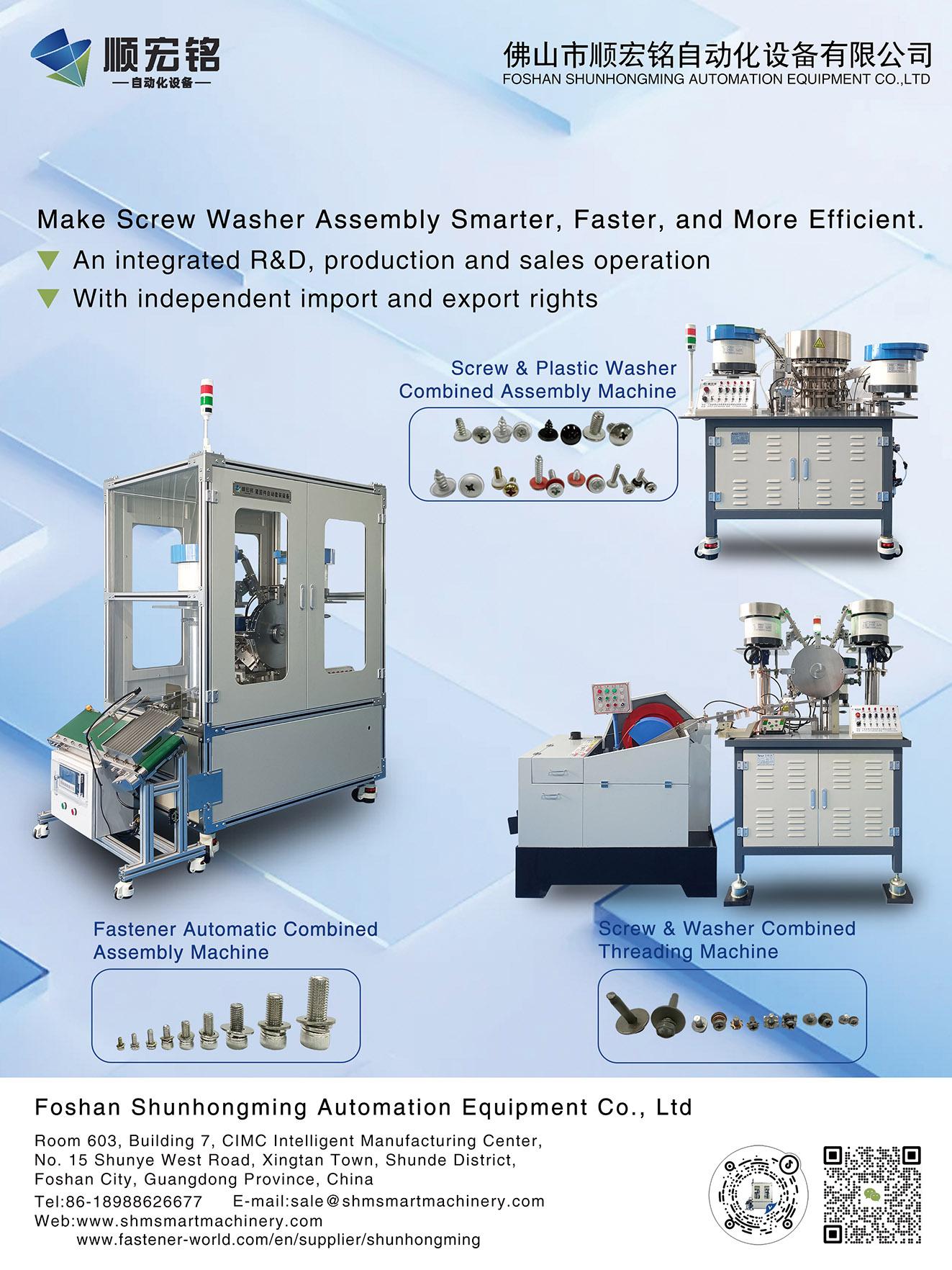
油氣產業用緊固件
Fasteners rarely command attention in energy market headlines, yet they are integral to nearly every segment of the oil and gas value chain. From upstream production equipment and field infrastructure to pipelines, compressor stations, LNG export terminals, refineries, and petrochemical facilities, bolts, studs, nuts, washers, anchors, and threaded rods are essential to both construction and maintenance. As with other fastener end markets, however, trade data do not isolate “oil and gas fasteners” as a distinct category.
Harmonized tariff classifications identify fasteners by product type and material, such as heading 7318 for screws, bolts, nuts, and washers, and 7317 for nails and similar articles, rather than by the industry in which those products are ultimately used. That makes it necessary to assess likely 2026 demand indirectly, through energy production trends, infrastructure development, maintenance activity, and trade policy.
On that basis, the 2026 outlook for U.S. oil and gas fasteners appears selectively favorable rather than uniformly strong. The latest EIA outlook projects U.S. crude oil production at 13.5 million barrels per day in 2026, while marketed natural gas production is expected to rise 2% and U.S. LNG exports are forecast to average 17.0 billion cubic feet per day. Those figures point to a market that remains fundamentally active, with the strongest momentum concentrated in gas-linked infrastructure, export capacity, and maintenance-intensive assets rather than in a broad-based drilling surge.
The clearest growth market for industrial fasteners in 2026 is U.S. LNG infrastructure. EIA expects an additional 0.9 Bcf/d of nameplate LNG export capacity to come online in the Q2 of 2026, including Corpus Christi Stage 3 Train 5 and Golden Pass Train 1. At the same time, U.S. LNG exports are projected to average 17.0 Bcf/d for the year. That combination of record export volumes and incremental capacity additions supports demand for fastening products used in structural steel, pipe supports, valve assemblies, cryogenic equipment, rotating machinery, and maintenance-critical bolting systems. LNG projects are not only large; they are also specification-heavy, which tends to favor higher-value fastening products over commoditized volume alone.
Closely tied to LNG is the broader midstream buildout across the South-Central United States. EIA reports that natural gas pipeline projects completed in 2025 added approximately 6.3 Bcf/d of capacity nationwide, with 85% of that new capacity, which amounted to about 5.3 Bcf/d, dedicated to delivering gas to the South Central region. Much of that infrastructure is linked to Gulf Coast demand, where LNG growth remains the key driver. EIA also notes that projects completed in 2025 expanded capacity from supply basins such as Haynesville and connected additional feedgas directly to Plaquemines LNG. For fastener demand, that points to Texas and Louisiana as the most promising regional markets in 2026, especially for products tied to compression, pipe racks, structural anchoring, and gas-processing infrastructure.

Upstream oil and gas activity should remain supportive, though the signal is more stable than explosive. The Dallas Fed’s first-quarter 2026 Energy Survey found that oil and gas activity increased, but production was little changed and outlook uncertainty remained elevated. That aligns with the EIA forecast of 13.5 million barrels per day of U.S. crude production in 2026, still near record levels, but not indicative of a runaway expansion cycle. In practical terms, this suggests continued demand for fasteners used in field equipment, tank batteries, artificial lift systems, pads, and gathering infrastructure in core basins such as the Permian, but with capital discipline likely to keep greenfield growth measured.
While demand fundamentals are reasonably constructive, trade policy remains the major source of uncertainty. In April 2026, the White House modified the Section 232 regime so that additional duties on covered aluminum, steel, and copper articles (and certain derivative articles) apply to the full customs value of the imported product. For many covered items, the applicable additional ad valorem rate is 50%, with reduced treatment for certain United Kingdom-origin products and for some derivative articles made entirely from U.S.-origin metal. For metalintensive fastening products and related steel derivatives, these rules matter because they affect landed cost, compliance documentation, and country-of-origin strategy all at once.
Section 301 tariffs tied to China also remain part of the landscape. USTR announced in November 2025 that 178 exclusions were extended until November 10, 2026, meaning the broader Section 301 framework remains in place even as specific exclusions continue for a defined set of products. In parallel, product-specific trade remedies continue to affect parts of the fastener universe. In April 2025, the USITC determined that the antidumping order on steel nails from China should remain in place, and in June 2025 it determined that the antidumping and countervailing duty orders on carbon and alloy steel threaded rod from China, India, Taiwan, and Thailand should also remain in force. For oil and gas supply chains, threaded rods are particularly relevant because they sit closer to industrial and infrastructure applications than purely retail fastener categories do.
The most durable demand base, however, is likely to come from maintenance, turnarounds, and brownfield upgrades across existing oil and gas assets. U.S. refineries were operating at a 91.4% utilization rate in January 2026, and EIA notes that while a small refinery came online in Texas in 2022, the newest U.S. refinery with significant downstream unit capacity dates to Garyville, Louisiana, in 1977. In other words, the industry is operating a large, heavily utilized, and in many cases aging installed base. That reality supports recurring demand for stud bolts, heavy hex nuts, threaded rod, anchor bolts, and corrosionrelated replacement hardware used in flanged connections, shutdown work, and integrity management. For fastener suppliers, this maintenance cycle may prove more reliable in 2026 than any single wave of new construction.
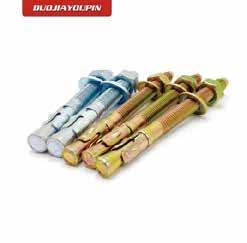
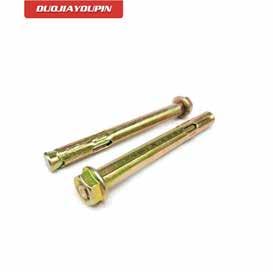
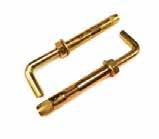
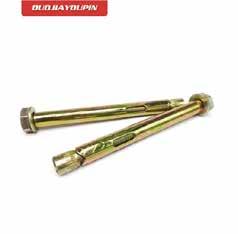
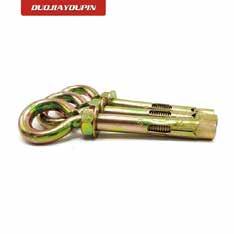


The practical consequence is not necessarily weaker end demand, but a more difficult sourcing environment. Oil and gas fastening applications are often specification-driven, schedule-sensitive, and less flexible than consumer channels when it comes to substitution. When tariffs rise, exclusions narrow, or trade orders remain in force across key supply countries, buyers face a more complicated mix of supplier qualifications, inventory planning, and cost recovery. In 2026, the greater risk may be pricing instability and lead-time disruption rather than any broad collapse in fastener consumption. The suppliers best positioned to benefit are likely to be those that can combine sourcing diversification with strong documentation and dependable availability.
Taken together, the 2026 outlook for U.S. oil and gas fasteners can be described as cautiously constructive. The strongest demand pockets are likely to be Gulf Coast LNG facilities, South Central gas transmission and compression projects, refinery and gas-processing maintenance work, and selective upstream activity in core producing regions. Gaslinked infrastructure appears better positioned than oil-led greenfield expansion, while maintenance and integrity work provide the most dependable floor for demand across the sector.
In practical terms, 2026 is more likely to be characterized by steady project execution and recurring MRO demand than by dramatic volume growth. The market should remain active because the U.S. is simultaneously expanding LNG and midstream capacity while operating a large installed base of aging, high-utilization oil and gas assets. Yet that positive demand picture comes with a clear qualifier: trade policy remains capable of shifting cost structures and sourcing patterns quickly. For fastener suppliers and importers, success in this environment will depend less on chasing headline growth and more on maintaining supply continuity, compliance discipline, and pricing flexibility.
Ultimately, oil and gas fasteners benefit from the same underlying advantage seen in other end markets: they are indispensable. Pipelines, LNG trains, compressor stations, refineries, and production sites cannot be built, repaired, or kept online without secure fastening systems. So long as U.S. natural gas exports continue to expand, crude production remains near record levels, and operators continue investing in maintenance and reliability, baseline demand for oil and gas fasteners should remain fundamentally sound in 2026. The larger question is not whether the market will need fasteners, but how efficiently the industry can source them in an environment shaped by tariffs, trade remedies, and ongoing policy uncertainty.
Copyright owned
by
Fastener World / Article by Sabrina Rodriguez