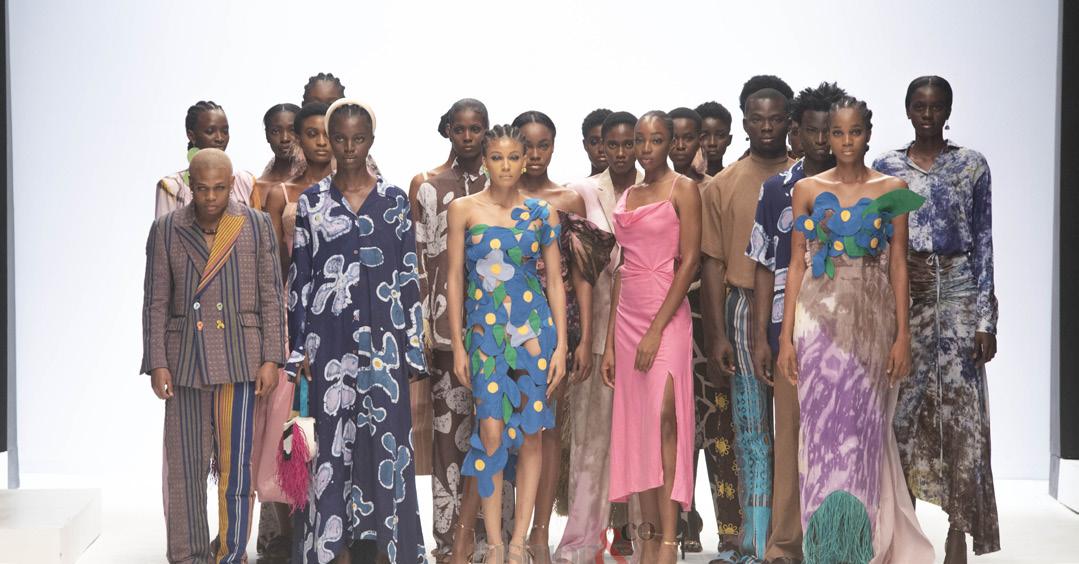
2026 began with me questioning many things while constantly thinking about how to improve everything around me, lead a more sustainable lifestyle, and generally think about what the world would look like in the next decade and beyond.
I have also been doing a lot of research with our fashion arm, FashionandCoECO; this work entails sourcing more environmentally friendly fabrics and improving our dye process so we are not just adding to pollution and messing up the environment. Essentially, I think more deeply about these issues, and then I remember how Ria is genuinely engaged in these efforts rather than just greenwashing.
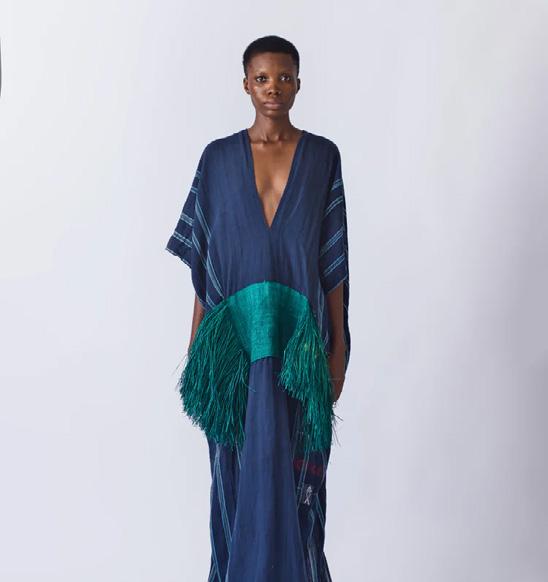
I saw a process video of how pineapple stalks were processed till they turned into a wearable piece -the Ananas blazer by LilaBare. Zero waste, chemical and carbon free, made by hand in Kenya. Artisanal, small-batch, and just environmentally responsible. And she makes it look effortless.
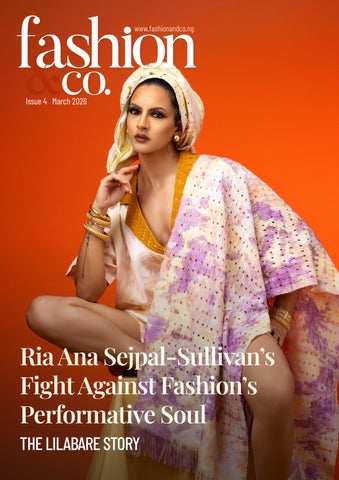
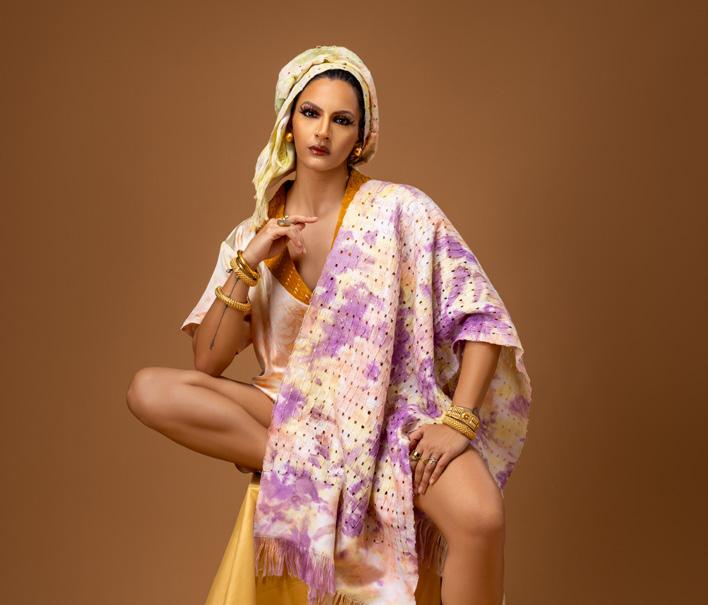
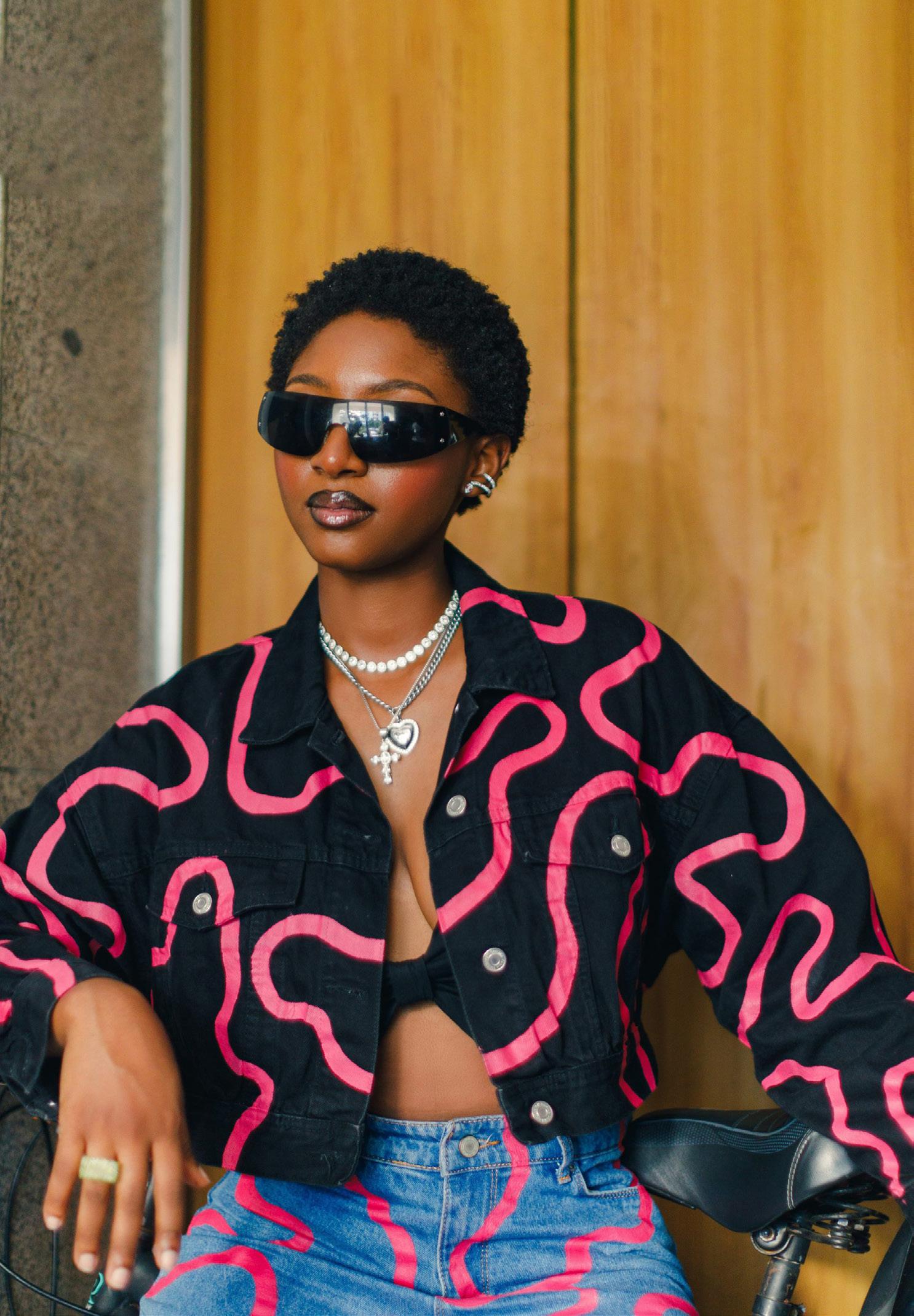
So naturally, we had to have Ria Ana Sejpal-Sullivan for our first edition of 2026. The head in charge at Nairobi-based design house LilaBare is our cover star. LilaBare is not just a named green brand. Their process is transparent. By using botanical dyes, like avocado skins, tea residues, and mud, they are creating consciously crafted clothing with their artisanal processes and long-term relationships with makers. Meet Ria in this edition.
We have more exciting bits in this edition. FCo Selects makes a debut. I share things I’m currently loving, from style pieces to food and fragrances. We also debuted our Shopping Guide page; it’s definitely one to look out for.
Our contributor Kunbi Sijuwade-Peretz, Esq., talks polygamy and the intricacies in this edition. Hajarat Usman breaks down investing in luxury vs. buying cheap; it is an eye-opener. Olajumoke Olarewaju talks about living a soft life as a Nigerian, and Gbenga Samuel Wemimo returns with soulstirring notes for Faith & Divinity. We also have skincare and makeup tips to help keep you looking good…
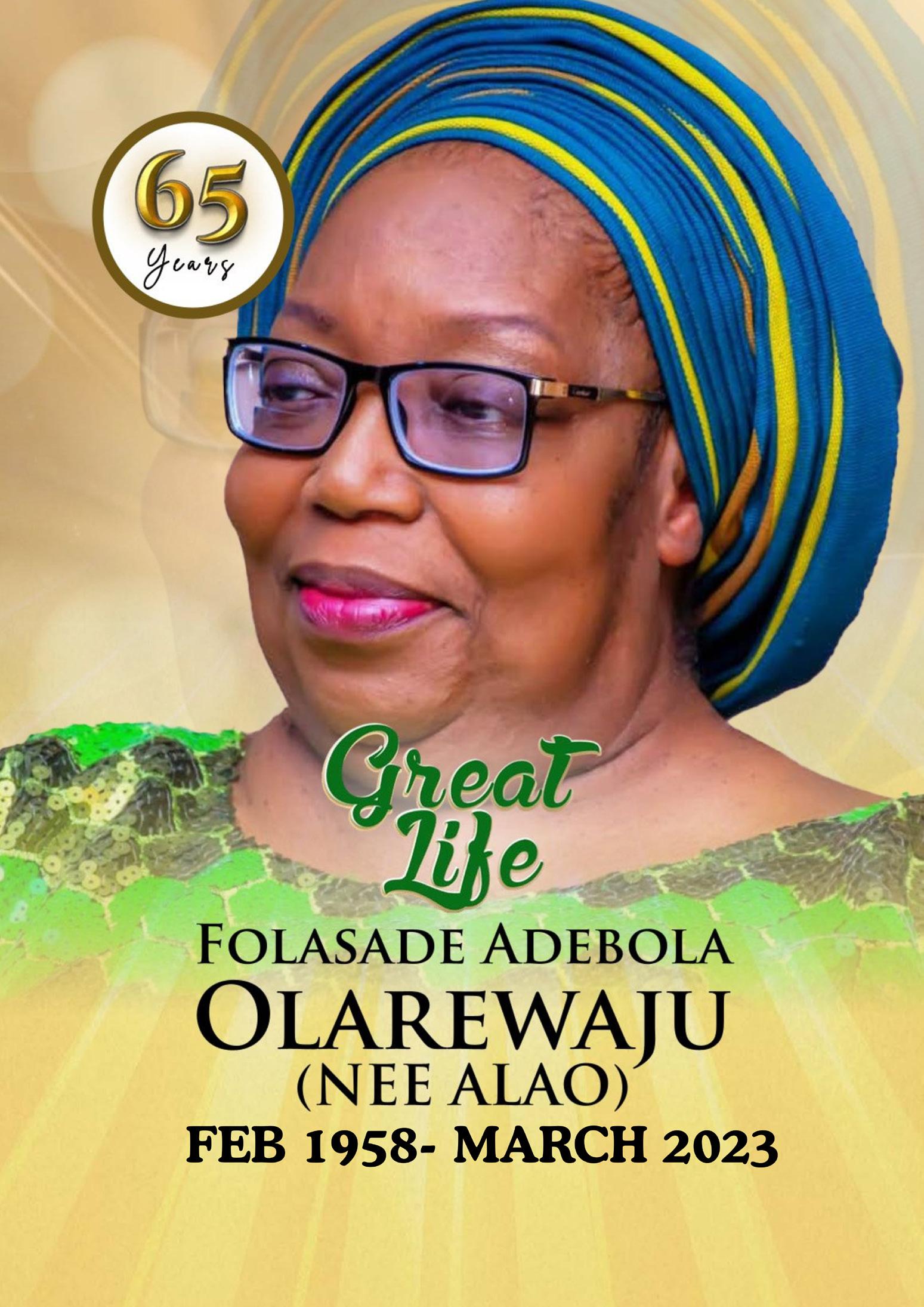
For March and celebrating women, I remember my beautiful mum, who is amazing and loving and the reason for who and what I am today. Her guidance and values helped me and all the women who came in contact with her, whose lives she changed and uplifted, to live without fear and to make the most of life. Your memory is forever blessed. Keep resting, Mama.
Fashion Fashion Tips to Help You Stand Out in Any Room
Cover Story
Ria Ana Sejpal-Sullivan’s Fight Against Fashion’s Performative Soul - The LilaBare Story
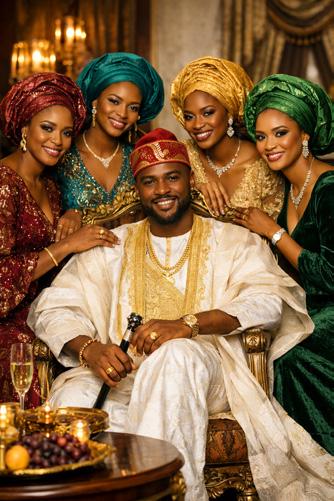
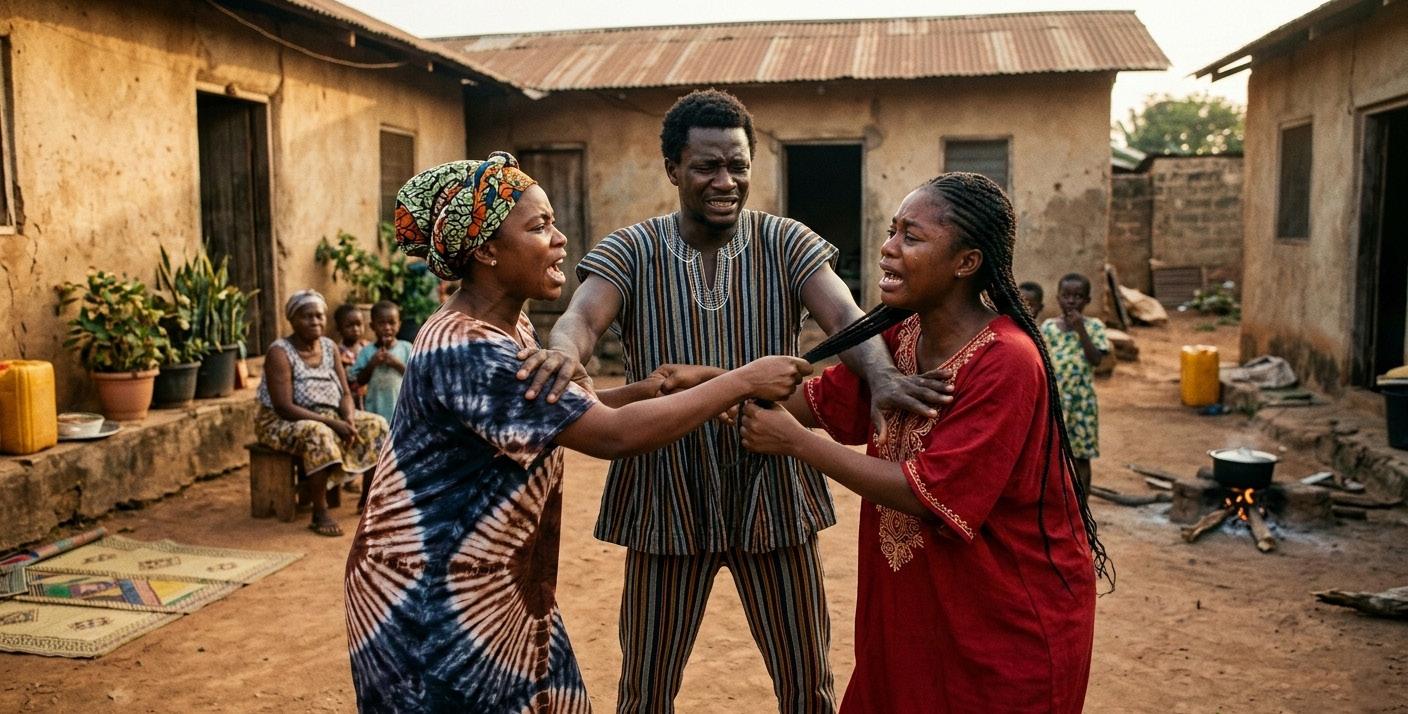
Relationship Polygamy: Who Really Benefits?
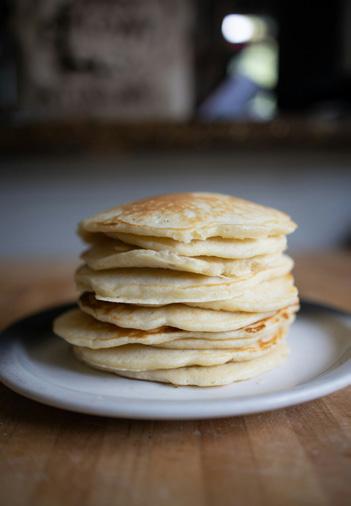
Eats Best Lazy Way to Make Fluffy Pancakes
Editor's Note
Unsplash/Ben Iwara
Ever wondered why some people enter the room and almost everyone is taken by their style? That’s the power of being well put together.
Even though style is ever evolving, it should be personal. It should be all about expressing yourself. So, it’s important to be comfortable, have fun and let your personality shine through whatever style you choose. We have some tips for you to infuse into your unique flair and get your fashionista on.
Choose Timeless/ Relaxed Fit: For a rich relaxed vibe, wear timeless pieces that go with a lot of other pieces. Ditch trendy outfits for comfortable and timeless outfits. Explore eclectic mixes; mix and match patterns and textures for an unconventional look. Be sure your looks match your vibe and personality.
A touch of polish: Add chic pieces to your wardrobe. Think well-tailored outfits, statement blazers, crisp shirts and more sophisticated style pieces. Opt for pieces that will last. Do a touch of polish and grown-up tailoring. The point is to look polished, put together and confident.
Wear Confidence: Whatever style you explore, make sure it gives you confidence. Wear what makes you feel good and confident. When you feel good in your outfit, it shows, so work with what works best for you. After all, fashion should be fun and comfortable. Do Luxury: Ditch cheap loud details for timeless, great quality and perfectly tailored fabrics and style. Great tailoring can easily take your look from drab to luxury when you get the style right. Invest in timeless pieces for everyday style.
Accessorize Like a fashionista: Accessorizing right can fire up the simplest look. Play with chunky statement necklaces, or layer dainty pieces. Wear your bustier over a crisp white shirt and so on. Styling your looks intentionally when done right can take an otherwise simple look a notch higher.
Repurpose and Upcycle: Think sustainably. Upcycle some of your old favourites. Revamp old fashion pieces, pair the old with the new. Exploring your existing wardrobe is a great way to create timeless stylish and eco-conscious styles. By all means, dig into your wardrobe and get creative.
Unsplash/Vladimir Yelizarov
Unsplash/Taylor Heery
What to Do to Help Your Makeup Stay on Longer
Beauty
Makeup that stays throughout the day is achievable, yes, we said it! Did we tell you we tried it too? This tip rocks especially if you have oily skin.
Makeup on oily skin can be quite tricky. Before you know it, makeup is melting off the skin and that can be frustrating. Who wants their face all over the place after a few minutes of application? Definitely not us so we set out to find a solution and we got it! SET YOUR FACE AND FOUNDATION WITH TRANSLUCENT POWDER! We had to scream that!
You ask how? Why?
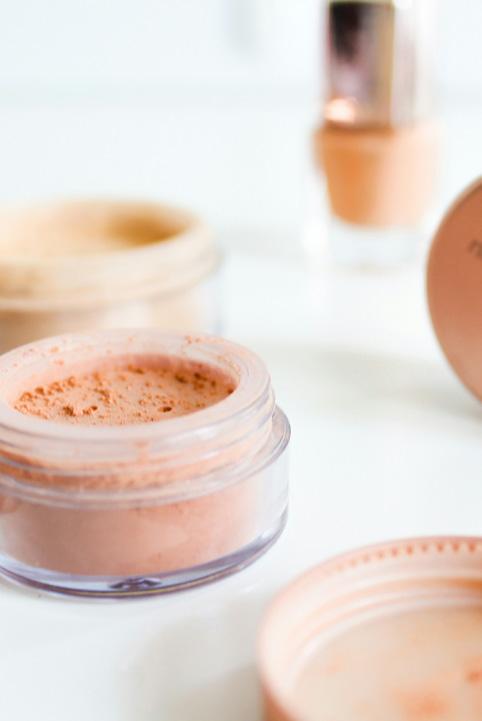
Well, setting your face and foundation with white/ translucent powder- both works but don’t go crazy with it– helps makeup stay on for longer. It simply mattifies the face and prepares it for makeup application. The powder sits on the face and absorbs oil.
While a few will argue that a primer- usually the first thing to go on the face before makeup- works best not all primer gives lasting mattifying results and let’s face it using a super expensive primer all day every day under a makeup look doesn’t come cheap not to mention, clogging the skin much?
For best results, use water-based and long-lasting products, but then the tip to getting your makeup to stay on for hours on end is to start/prime with translucent powder (or plain old white powder)!
Willing to try this out? Follow the steps
1. Dust white/translucent powder lightly all over the face especially around the T-zone where you tend to get oilier
2. Prime if you want or not and let sit for a few seconds
3. After applying foundation, gently dust on translucent powder all over the face again lightly and let sit
4. Apply other makeup products as you would normally
5. Bake and set undereye area and dust off excess powder
6. Go on with the rest of your makeup and all you have to do at the very most through the day is gently dab the face.
Don’t take our word for it, try it out
Unsplash/Rosa Rafael
unsplash/Gabrielle Henderson
FAITH & DIVINITY
POWER OF A STRONG DESIRE Faith & Divinity
By Gbenga Samuel Wemimo
And ye shall seek me, and find me, when ye shall search for me with all your heart. And I will be found of you, saith the LORD… (Jeremiah 29:13-14).
God never ignores a strong desire - a strong desire to know Him, walk with Him, and do His will. That strong desire births an unquenchable urge for prayer. That’s what we mean sometimes when we say someone is taken over by the “spirit of prayer.” It means the Holy Spirit has brought an overwhelming atmosphere and influence of prayer on your heart.
When that happens, prayer becomes all that you do and think about. That influence could stay with you for a prolonged period of time. However, this isn’t just something that happens when God chooses to; rather, it’s what you invite by desire. The Bible says He satisfies the thirsty soul (Psalm 107:9).
When you begin that fellowship of prayer, it won’t be long before that spirit of intercession comes on you, and you find that you’re constantly praying. Every now and then, the Spirit will pull you to His motivations, visions, plans, and purposes, the things that He cares about and wants to do. He’d be expressing himself through you in prayer.
This is something that should be evident in the life of every Christian: a strong desire for the Lord, His Word, and His influence in your life. When you have it, you can easily influence those around you with it.
So, cultivate it. Stir your heart to have a strong desire and maintain your zeal, love, and passion for the Lord at all times. David, inspired by a strong desire for the Lord, said, “O God, thou art my God; early will I seek thee: my soul thirsteth for thee, my flesh longeth for thee in a dry and thirsty land, where no water is” (Psalm 63:1).
Any kind of positive change you might desire is possible in the Name of Jesus, through the power of the Holy Spirit. Looking through the Scriptures, you’d find examples of people who were desperate for a change and what they did. You too can learn what they learnt, act as they did and get what they got.
How compelled are you to change your financial status? How compelled are you to change your health situation? How compelling is your desire to move to the next level and experience the supernatural in your daily walk, in your ministry, academics, business, or career?
Success and progress in any area require very simple, basic principles. One of these is a strong, compelling desire. Let your desire be strong enough to compel you to take the right and necessary actions. In Mark 5:25-29,
we see another striking example of an actualised desire for change. It’s the account of the woman with the issue of blood who, having suffered for twelve long years, made up her mind to receive a miracle.
Compelled by her desire, she pressed through an impossible crowd to get to Jesus, defying the injunction that forbade her from having physical contact with other people. The haemorrhage she suffered made her ceremonially unclean; therefore, she stood the risk of being stoned to death if found in public, following the Jewish law of the day (Leviticus 15:25-27).
However, her desire for freedom, for her healing, compelled her to act on her faith, and she got a miracle. In Mark 9:23, Jesus said, “…all things are possible to him that believeth.” So, it makes no difference where you are in your life today; anything is possible. Act on God’s Word. Act your faith and be absolute about the result that you want, and it shall be so.
There’s a promise of a higher realm of life for you, regardless of where you are presently. But until and unless you have a compelling desire for it, you may not move to that new and higher realm of life.
Let’s look through the Scriptures for two examples of those whose lives were transformed as a result of their compelling desire for a change in their circumstances. In the early period of the history of the nation of Israel, some had become comfortable with the Egyptian lifestyle and possibly forgotten about the land God promised their forebears (Abraham, Isaac, and Jacob).
However, it wasn’t until they were subjected to slavery, and the Egyptian whips bruised and tore into their skin that they remembered God’s promise. Suddenly, Israel’s desire for a change grew, and God heard their cry and sent Moses, a deliverer, to bring them out of slavery and lead them into the Promised Land.
There’s another inspiring story of a woman named Hannah in the Book of 1 Samuel 1:1-21. She had no child because she was barren and had been in this situation for many years. Her situation seemed bearable because her husband loved her very much. However, the tide turned for her when her rival began to goad her with her condition.
Suddenly, she became sad and very desperate. This time, her husband’s effort to assuage her grief was meaningless; her desire for a child had become overwhelming. The Bible says, “…she was in bitterness of soul, and prayed unto the LORD, and wept sore” (1 Samuel 1:10).
In these two situations, God’s response came as a result of a strong desire for a change. So, do you desire a change in your situation today? Do you want the power of the Kingdom of God to produce results for you? Then, your heart must reach out; you must be bursting with a burning desire.
And this is the confidence (the assurance, the privilege of boldness) which we have in Him: [we are sure] that if we ask anything (make any request) according to
His will (in agreement with His own plan), He listens to and hears us (1 John 5:14 AMPC).
Sometimes people pray, “Father, let your will be done,” without realizing the import of this statement. It isn’t one to be made casually. You don’t just say, “Thy will be done”; you have to know what that will is. When Jesus prayed and said the same words, He knew exactly what the Father’s will was and He mentioned it.
There’s a difference between a will and a desire. The fact that something is God’s will at a particular point in time doesn’t mean it may be His desire. I’ll give you an example from the Bible. In Isaiah 38, the Bible tells a story about King Hezekiah who was sick. The Prophet Isaiah was sent to him by God to tell him to set his house in order because he was going to die. At that moment, God stated His clear will for King Hezekiah’s life.
After receiving this message from the prophet, Hezekiah turned his face to the wall and prayed to God, weeping. The Bible says, “Then came the word of the LORD to Isaiah, saying, go, and say to Hezekiah, thus saith the LORD, the God of David thy father, I have heard thy prayer, I have seen thy tears: behold, I will add unto thy days fifteen years” (Isaiah 38:4-5). Praise God!
When Hezekiah was told he was going to die, if he had replied, “Thy will be done O Lord,” he would have died. But he knew that wasn’t God’s desire for him. He knew God created him for His praise. So, in his prayer, he said to the Lord, “…the dead cannot celebrate you. Only the living can praise you as I do this day” (Isaiah 38:18-19).
When you’re praying about the will of God on a matter, find out how consistent that thing is with His character. Only then will you know how best to pray about it.
For instance, in the Old Testament, God led the children of Israel in several battles and fought wars on their behalf, yet the Bible tells us He’s a God of peace. He’s more known as the God of peace than any other name in the Bible. This shows us His desire; what He really wants is peace, not war. This kind of understanding will help you pray always in line with His desires as revealed in His Word.
About
Gbenga Samuel Wemimo, GSW as he's fondly called by all, is a man after God's own heart. He lives, eats and breathes the consciousness of the love of the father and sees only testimonies of his love. He is the founder of Pneuma School of the Supernatural and Bible (PSSBC) college, Gbenga Samuel-Wemimo Ministry International (GSWMI) with diverse and different ministries under it that spans the Globe.
GSW is a kingdom influencer, his daily teachings on social media, continues to be inspiring and impactful to millions of lives worldwide, his work is bringing the living waters to the heirs of salvation all over the world.
Unsplash/Jonathan-Borba
Currently Loving
FCo Selects
By Olamide Olarewaju
True luxury starts with selection. Every time my appetite demands something grander, my scent improves, my brunch dates get more interesting, and my daily routine needs an upgrade, I listen.
Even though my inbox is filled with suggestions of new things to try out. Recommendations from people and let’s be honest, social media too doesn't make it any easier. My timeline definitely doesn’t help either. I came to a realization, carefully curating what works for you in itself is luxury.
FCo Selects is my personal edit. The scent layered to perfection, the skincare that beats the 7-step routine I can’t be bothered with, the brunch menu that works every single time, the hidden gems you should know about …They are the essentials I am living in, obsessed with and couldn’t wait to show you.
I will share my best five every quarter.
1. My ‘Rich Aunty Scent’.
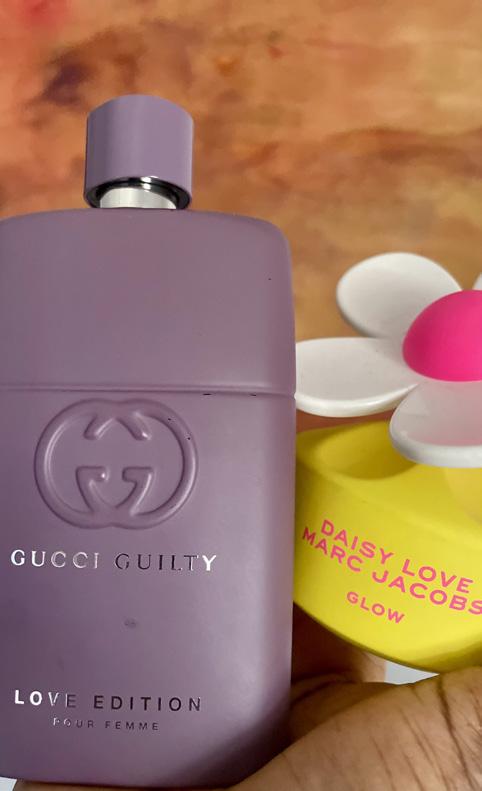
Ft. Daisy Love Eau De Toilette by Marc Jacobs (Glow Version) and Gucci Guilty Love Edition Pour Femme
This is my current obsession. I started layering
two of my top fragrances and hit gold - from the compliments I get to friends who hug me and won’t let go - sniffing me - I knew I did something with that. It’s my “rich aunty” scent ( a stylish friend called this rich vibes twice and I took it!)
Gucci Guilty which I spray first - definitely brings the expensive, confident and sensual while Marc Jacobs Daisy that goes on afterbrings the playful, sweet sunshine. The Top and Base note of the former (Raspberry, Musk and Patchouli) gives the perfect blend to the latter’s Top and Base notes of Cloudberry and Cashmere Musk. The result is polished, luxe and rich. I may love this a little too much.
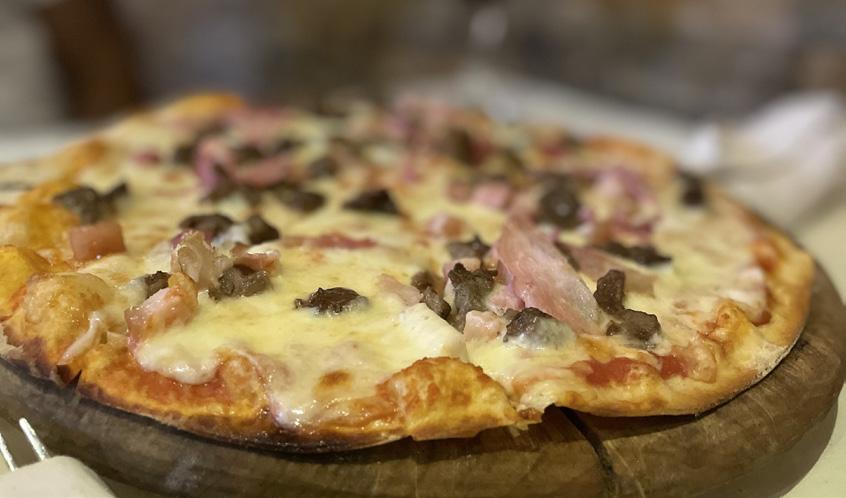
2. My ‘Regular’ Pizza from La Taverna. This is simply “The Taverna Pizza”. It’s a simple and the uncomplicated pizza I get every time from La Taverna; it has tomato sauce, mozzarella cheese, ham, beef and bacon. It’s sooo good, I crave this a lot. I know it’s good because my brunch partner agrees every single time. Try this the next time you stop by at La Taverna
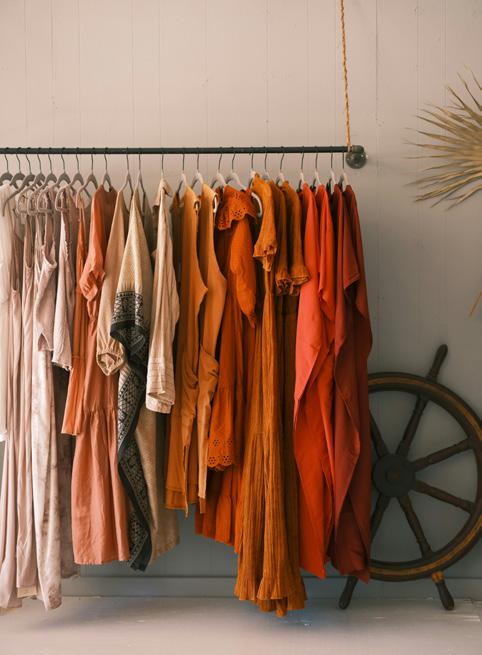
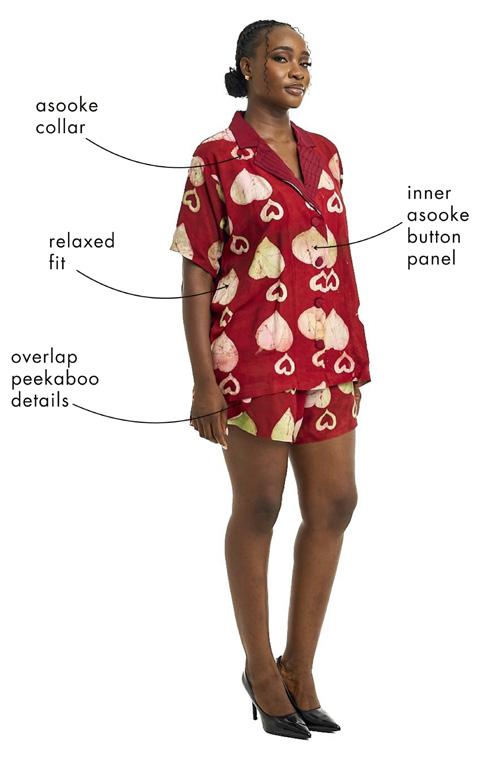
3. Teacup Set from FashionandCo ECO. This is a new favourite because it’s comfortable, easy to throw on and just effortlessly stylish. It helps that there are different prints and colours to choose from. The best part is the fabrics are skin friendly, soft and breathable plus the peek-a-boo details on the shorts. It’s perfect mostly for Lagos weather and I can wear it practically anywhere and style the look as separates.
4. Dye Lab Kaftan.
Kaftans are so comfy and my colourful one from Dye Lab is currently a favourite. The fabric works for me but the pop of colour just does something to my mood. I like that it’s super free too. You’ll most likely see me pair it with any of my comfortable sneakers.
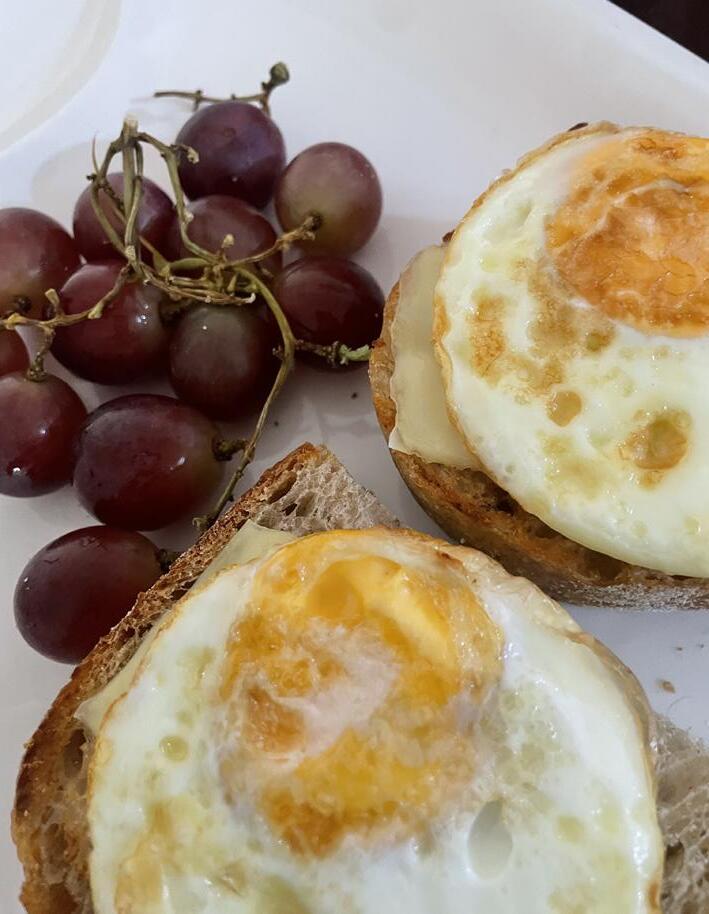
5. Sourdough Bread from La Taverna. I decided to find a way around eating bread the healthier way and started with La Taverna Bakery’s Sourdough one. It’s perfect for breakfast with my sunny side up with some fruits; think grapes and apples mostly.
Shopping
FCo Shopping Guide
rom the intricate hand-beading to the structural minimalism, there are fashion items we love and want thanks to social media or just on our favourite style star. These pieces (clothing, jewelry pieces and every single style item) are exciting additions, some, classics for your wardrobe, if you let us, we’ll show you shopping inspirations:
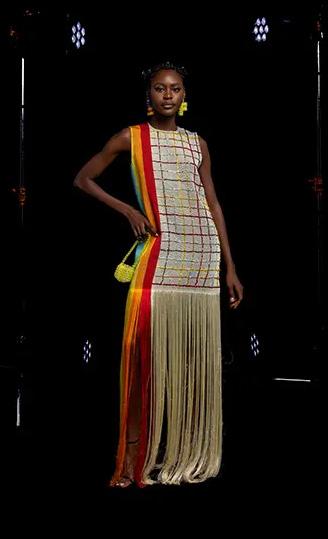
Lisa Folawiyo Fringe Dress
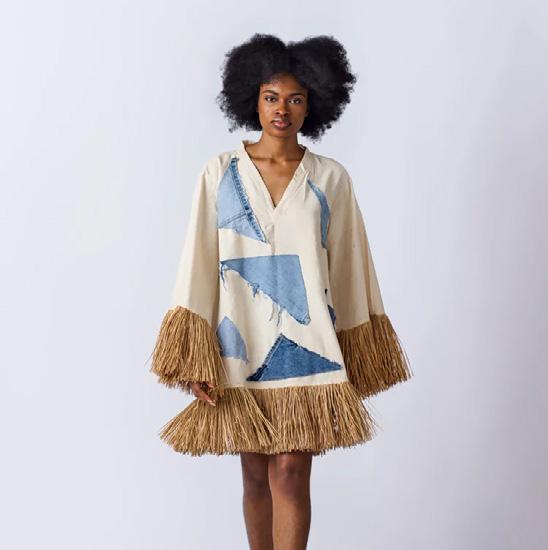
This cream Akwete Shift dress with fringe is the ultimate style piece. Flirty and playful must-have. It’s crafted colourfully in silk and cotton. A timeless headturner
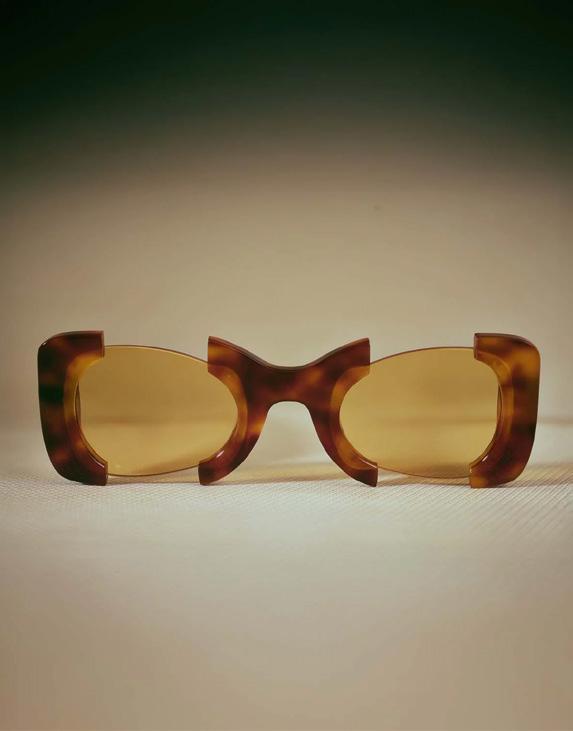
KAI Suki Statement Sunglasses
These edgy sunglasses feature yellow lenses finished with Kai's signature gold logo detailing. It’s definitely a style star. We love it.
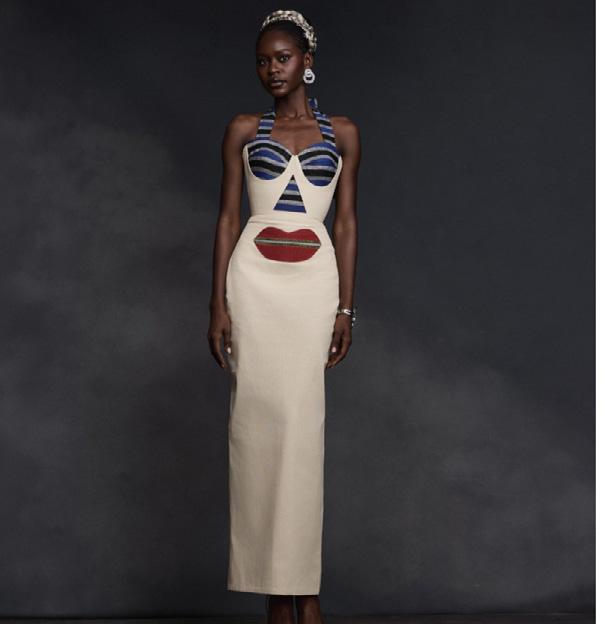
This intriguing dress is designed to mimic a stylized face complete with sculpted eye, nose, and lip details. It is crafted from cotton and it sure is a statement piece to have.
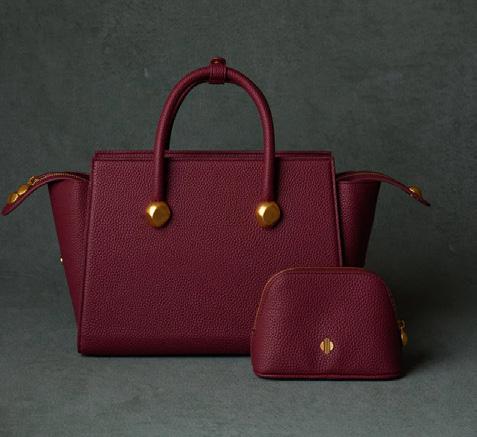
KHOI Anka Tote
This tote is a must-have, comes in two sizes. Crafted from luxurious vegan pebble leather with impeccable stitching. Anka tote comes with a suede organization insert, a handy mirror, and a versatile make-up/catch-all bag. Available in Noir, Rust and Wine - a favourite
Hertunba Dona Dress
Lisa Folawiyo- Fringe Akwete dress
Hertunba Dona Dress
Khoi Anka Tote
Kai Kollective Sunnies
POLYGAMY: WHO REALLY BENEFITS?
By Kunbi Sijuwade-Peretz
Polygamy, the practice of marrying multiple spouses, has existed for centuries across cultures and continents. Broadly, it comes in three forms: polygyny, polyandry, and group marriage. Polygyny occurs when a man marries more than one wife simultaneously, while polyandry involves a woman marrying multiple husbands. Group marriage is rarer, involving several men and women forming a single marital unit where all members are spouses to one another.
In Nigeria, the term polygamy generally refers to polygyny, as polyandry is largely frowned upon, and group marriage is virtually unknown. Under Native Law and Custom, a man may marry more than one wife, and under Islamic law, up to four wives are permitted. However, the Matrimonial Causes Act makes it illegal for a person already lawfully married (under the Act) to enter a new marriage during the subsistence of the earlier one; doing so constitutes bigamy, punishable by up to seven years imprisonment.
Understanding the Practice
Research by Nwoye (2007) identifies two main forms of polygamy in Sub-Saharan Africa:
1. Interventive Polygamy – practiced as a response to family stress.
2. Affluent Polygamy – motivated by wealth, social status, and prestige.
Interventive polygamy often aims to strengthen the family lineage, enhance the household labor force, and respond to challenges like high child mortality. More wives mean more children, which translates into more hands to work farms or contribute to family income. It can also include practices like Levirate marriage, where a man marries the widow of a deceased brother. to protect widows and maintain family continuity.
Affluent polygamy, by contrast, reflects a demonstration of economic power and social prestige. Historically, only men with sufficient resources could sustain
multiple households, making polygamy a symbol of success in society.
How Men Benefit
For men, polygamy can offer tangible and social advantages:
• Prestige and pride: Leading a large household with multiple children enhances social status and projects the family’s image.
• Labour and income support: More wives and children increase the family workforce, especially in agrarian societies.
• Division of domestic labor: Household chores and childcare are shared among wives.
• Multiple romantic or sexual relationships: Polygyny satisfies personal desires within socially accepted boundaries.
How Women Benefit
Women in polygamous marriages may also gain certain advantages, though these often depend on the household structure and cultural context:
• Economic security: Joining a household with a provider can offer stability, particularly in societies with limited opportunities for independent female support.
• Social and cultural recognition: Marriage confers status and integration into a larger family network.
• Shared responsibilities: Co-wives may collaborate on childcare and household duties, reducing individual burdens.
• Emotional companionship: In cooperative households, co-wives can develop sister-like bonds, sharing both workload and support.
Disadvantages for Women
Despite potential benefits, polygyny frequently imposes significant challenges for women:
• Emotional strain and jealousy: Competition for the husband’s attention can lead to insecurity and stress.
• Unequal treatment: Favouritism may result in unequal financial support or attention.
• Economic disadvantage: Resources must be spread across multiple households, often leaving wives with less than adequate support.
• Reduced autonomy: Women may have limited decision-making power within the household.
• Impact on children: Rivalry among children, resource dilution, and household conflicts can affect emotional development.
Women in polygamous households are more prone to depression, anxiety, feelings of loneliness, and
emotional abuse. The extent of these disadvantages often depends on consent, bargaining power, and the fairness of the husband.
Effects on Children
Children may gain:
• A broader sibling network
• Communal caregiving
• Strong clan identity
But they may also experience:
• Reduced paternal attention
• Diluted resources
• Emotional stress from household conflicts
While men often appear to be the primary beneficiaries at the start of a polygamous marriage, women, especially mothers, can become central figures in family life over time. Children frequently gravitate toward their mothers, recognizing the sacrifices they made to maintain the family. Men may receive affection in later life only after children prioritize their mothers, whom they often view as survivors who endured hardship to provide them a sense of identity.
Polygamy is neither universally beneficial nor universally harmful. Adults who freely choose to enter such marriages should be aware of its pros and cons. The best of its outcome (if any) is hinged on fairness, equitable resources, cultural acceptance, and the cooperation of all parties involved.
About
Kunbi Sijuwade-Peretz, Esq is a seasoned litigation lawyer of 19 years post-call experience with special expertise in the area of family law.
She's a keen social observer and commentator, offering insightful guidance on human relationships, marriage, and family dynamics. With a sharp analytical mind and passion for social commentary, Kunbi provides thoughtprovoking perspectives on social issues. Her expertise makes her a trusted voice, providing valuable commentary that shapes our understanding of complex social issues.
Ria Ana Sejpal Sullivan’s Fight Against Fashion’s Performative Soul
THE LILABARE STORY
CREDITS
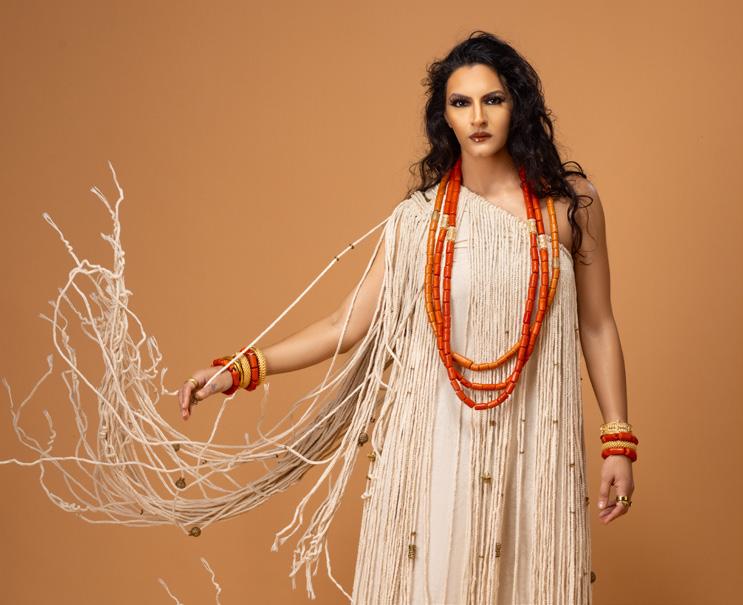
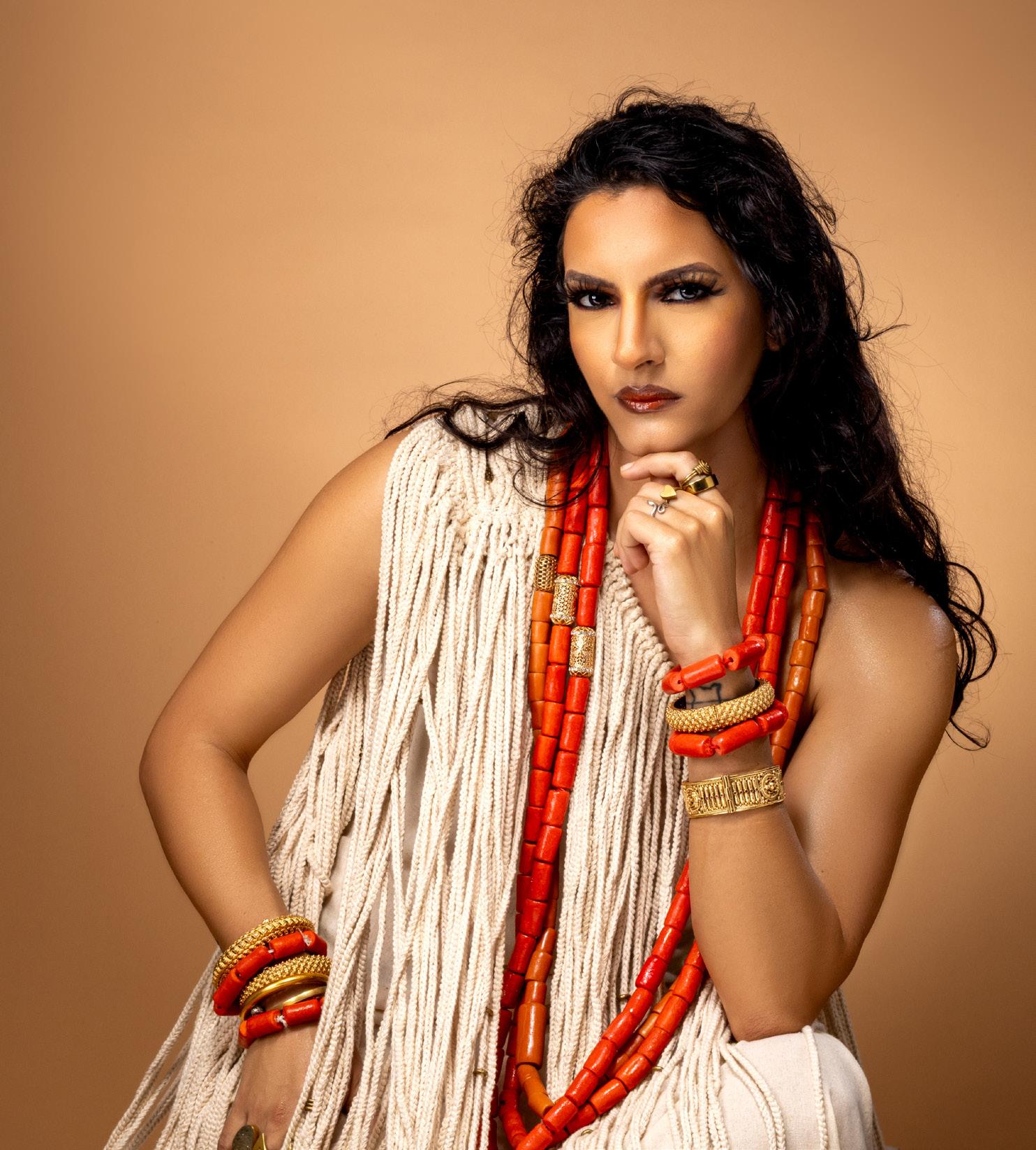
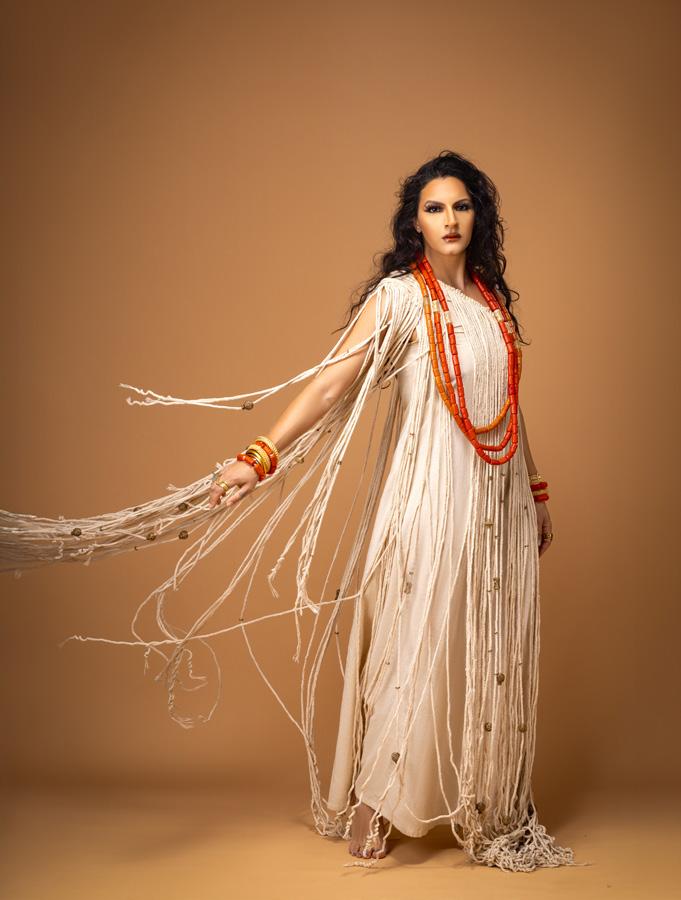
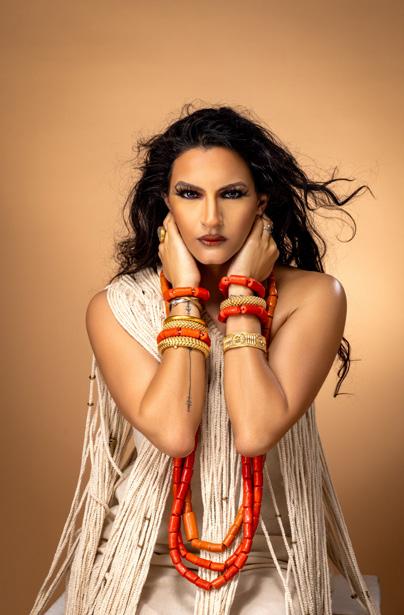
Ria wears LilaBare SS26 from the KALI Collection
Accessories: Custom Traditional Beads - FashionandCo Wardrobe
Gold Jewelry - Ria’s Wardrobe
Photography - Kola Oshalusi for Insigna Media
Styling & Creative Direction - Olamide Olarewaju
Makeup - Joyce Chukwueloke Mystique Beauty
Social Media/Assistant - Omotolani Odumade
Production & Logistics - Bernard Akede
Location - Insigna Studios
By Olamide Olarewaju
Cover Story
If you’ve ever wondered what it takes to make “a simple T-shirt," or why your skin reacts to polyester. Ria Ana Sejpal Sullivan’s hard-hitting truths will change the way you look at your wardrobe forever.
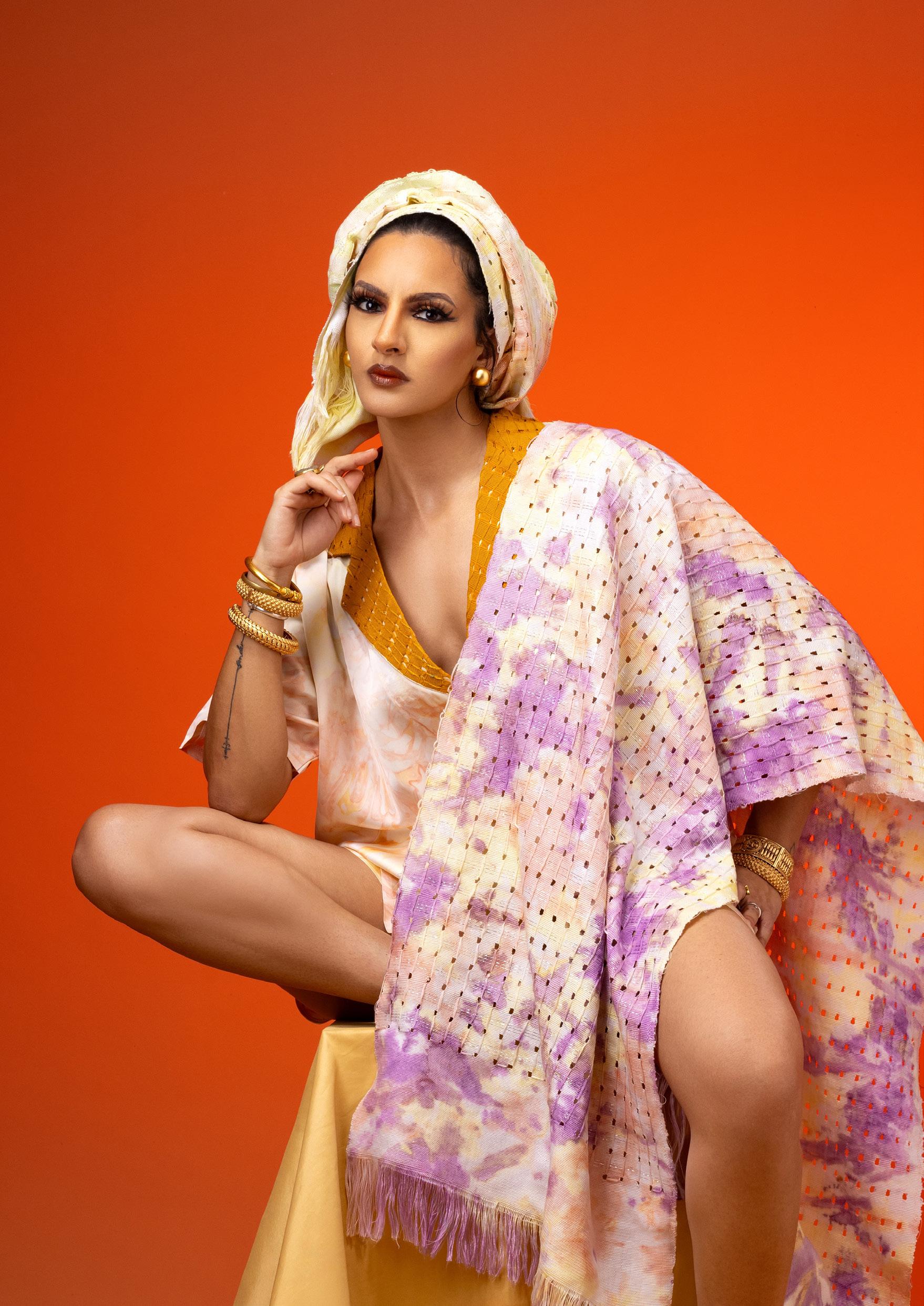
Ria Ana Sejpal Sullivan is a weaver of future heirlooms. Her journey moves beyond "fashion" into a soulful exploration. Discipline when it comes to consumption. After spending what seems like a lifetime questioning why fashion feels like a performance instead of an empowerment, she is not just designing clothes; she is architecting ecosystems.
In this exclusive interview, Ria touches on things that would make you think twice about indiscriminate consumption -transforming agricultural waste into jackets and padlocks as buttons- and why she offers free repairs for life in a world that is obsessed with consumerism. Meet Ria
Excerpts
Q: You began upcycling at 13 and worked in EPZ factories as a teen. Looking back, were you trying to be revolutionary or just finding an "honest" way to dress?
RIA: LilaBare's origin is an alchemy of experiences that led me to reject "performative" fashion in favor of empowerment. This journey began by witnessing Kenya’s Export Processing Zones (EPZ), where I questioned why production prioritized high volumes and low costs over textile durability.
My perspective was further shaped by the restrictive nature of retail, from the limited options of Kenyan mitumba to the rigid gender divides of global brands. I often wondered why I was barred from certain styles
simply because of "gender sections" or why items like bras felt like a "booby zoo" designed for external expectations rather than internal comfort.
We believe all waste has a function. While fashion is a major global pollutant, our philosophy eliminates the concept of "waste" by finding applications for every byproduct. This reimagined system involves constant experimentation and trial and error, yet despite the challenges of operating against the grain, the work is incredibly fulfilling.
Q: You often describe your pieces as "future heirlooms" rather than seasonal garments, and you offer free repairs for life, a thoughtful and bold move in a world obsessed with "newness." How do you deal with the growth needs of a business with a philosophy that essentially tells customers, "You don't need to buy more; you just need to care for what you have"?
RIA: LilaBare operates outside the traditional consumerist market by rejecting trends and "haul" culture in favor of a niche, value-driven system. While we don't appeal to the masses, we maintain a 60–74% annual repeat customer rate because our community prioritizes an emotional connection to the stories and craftsmanship behind their clothes. We serve niche subcommunities that value "future heirlooms."
Instead of chasing global algorithms, we focus on "future heirlooms" for subcommunities that truly appreciate longevity. By entering spaces where these values align, we’ve created a unique way of selling that mirrors our unique way of making. LilaBare is a style and a system; it’s either for you or it isn’t.
Q: Your work is a beautiful, fluid bridge between Swahili architecture and Indian ritual, from the Kolam collection to your use of vintage sarees and Kenyan brass. How does navigating these two rich heritages allow you to create outfits that feel local to Nairobi but are currently being celebrated on global stages and in the pages of Vogue?
RIA: This is a very kind question, and I appreciate that. My work is a blend of LilaBare’s philosophy and my own identity, which is malleable and shaped by several cultures—a common experience in Nairobi. This journey is a deep, lifelong exploration of my ancestry, specifically the Swahili, Gujarati, and Rajasthani cultures that resonate with me.
Seeking a more honest connection to clothing, I researched ancestral techniques like panlooms, which once offered a deep, trusted relationship between the maker and the wearer. LilaBare was created to embody this: a symbiotic system in harmony with nature that produces "future heirlooms" worn for personal empowerment rather than social performance
Q: You’ve gained massive attention for your use of "Ananas" (pineapple) textiles and plant-based materials. While the industry is still talking about "sustainability," you’re already turning pineapple stalks into moto jackets and padlocks into buttons. What is the most difficult part of working with "earth-waste" that perfect product photos don't show?
RIA: Innovation naturally meets resistance because it’s a new path. I view LilaBare as a generative framework rather than just a "brand." The challenge is unlearning typical industry expectations. We don't see "waste" as waste; we find applications for it like extracting value from a pineapple plant beyond just the fruit. It involves a lot of trial and error, but the work is deeply fulfilling.
While being featured on global stages like Vogue or Lagos Fashion Week is significant, its true value lies in the connection and conversation it fosters. These platforms allow us to hear feedback and engage with the community regarding our creations. Ultimately, my pursuit remains staying true to my passion: exploring these rich heritages and reinventing them to reflect my current, individual experience.
Q: You've been very vocal about the "right to know" and the dangers of greenwashing. As a founder who uses rain-fed cotton and botanical dyes, what is one "hard truth" about sustainable fashion that you wish every consumer today understood?
RIA: The "hard truth" is that most people don't understand what it actually takes to bring a garment into existence. If consumers understood every step from growing crops and spinning fiber to manufacturing and dyeing, they would immediately question the sheer volume of clothing in the world.
Fast fashion has skewed our perception of cost because the labor and resources involved are invisible to the buyer. To bridge this gap, I suggest everyone try making a single item of clothing themselves to gain perspective on the value of the process.
Education is key to shifting the narrative. True cost. Every item requires months
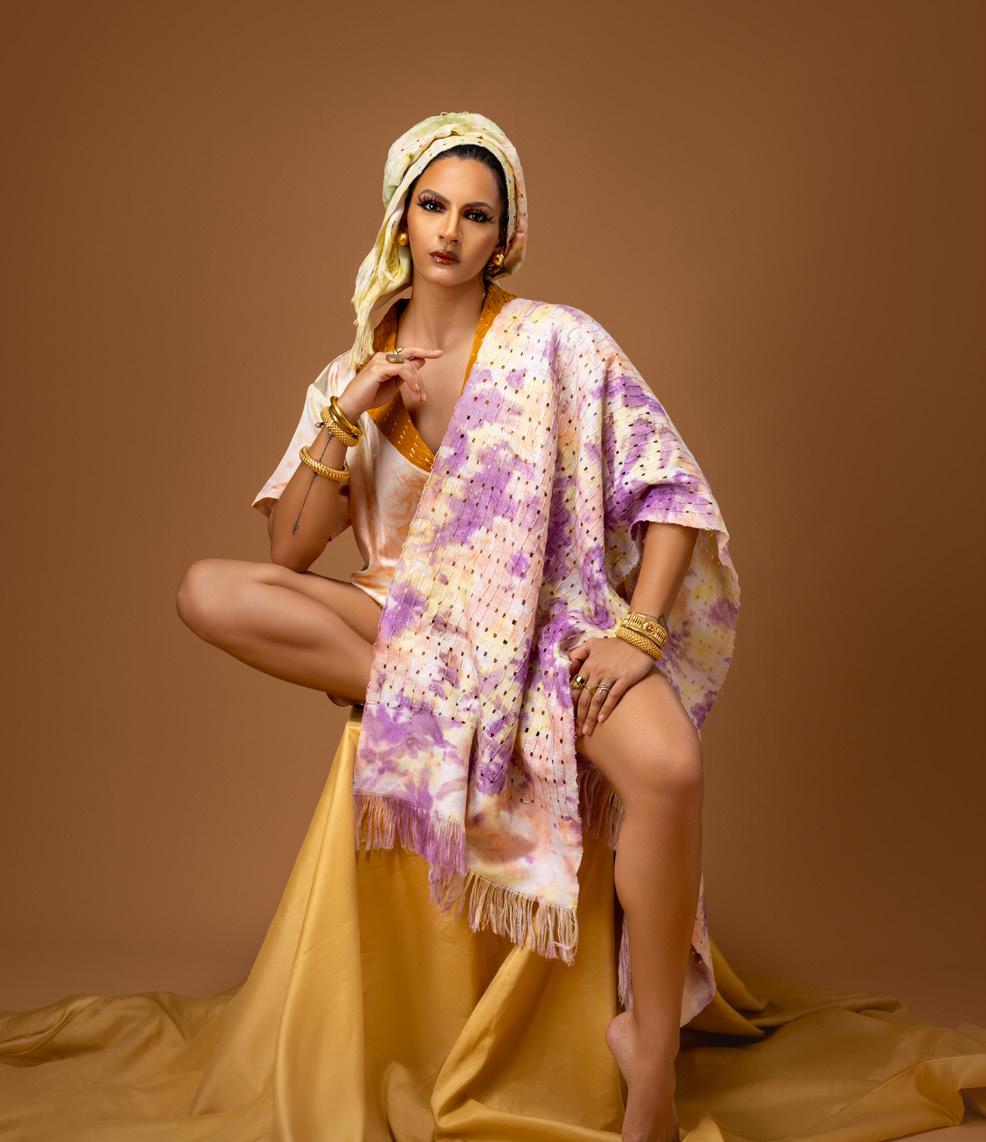
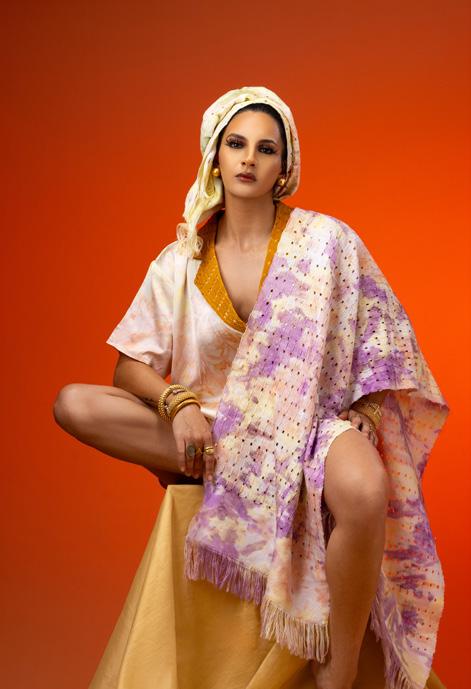
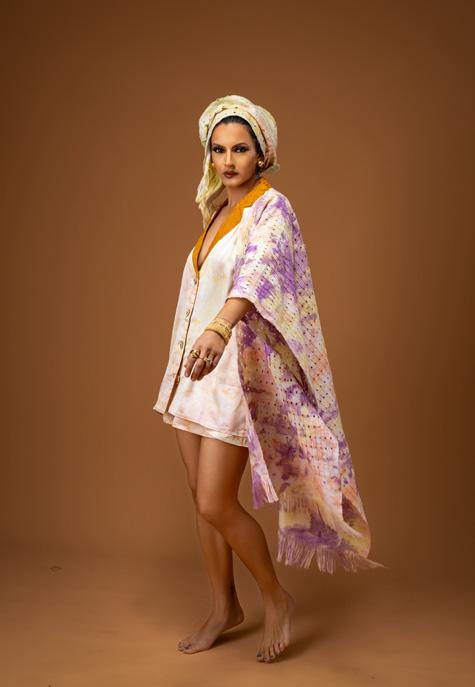
Ria wears silk Teacup set & Ola custom Handdyed Akwa-Ocha as headtie and sash from FashionandCo ECO SO Beautiful Collection Accessories: Khoi & Ria’s wardrobe
Cover Story
of growing, massive amounts of water, and complex processing. Health & Environment: Fast fashion relies on toxic dyes, lead, and microplastics that pollute both our rivers and our skin and physical experience. Materials like polyester prevent the skin from breathing, which can contribute to feelings of stress and anxiety.
Ultimately, knowing how clothes are made empowers people to value their wardrobe and ask critical questions that protect both the planet and their own bodies
Q: Your designs are often gender-fluid and adjustable to body changes. Is there a reason behind this choice?
RIA: My passion for fashion is rooted in a fascination with the human form and how it moves. I don’t view my work as being in the "aesthetics" business; I’m in the business of evoking a feeling of empowerment through how a person moves in their clothes. This focus on the relationship between mobility and the body informs every silhouette, cut, and fabric choice.
Consequently, gender fluidity and adjustability are natural extensions of this logic: Certain silhouettes inherently work for all human forms; clothing exists to serve the body, not the other way around. Your clothes should fit your body's natural "seasons" and changes so you can always feel comfortable in them. You shouldn't have to change your body to fit your clothes.
Q: Lila Bare is deeply rooted in community empowerment. Can you share examples of how your work directly impacts the livelihoods and skills development of the artisans and communities you collaborate with in Kenya?
RIA: LilaBare is built on longterm, intimate relationships with artisans that go far beyond a standard supplier-vendor dynamic. By integrating diverse skills and material palettes into a holistic creation processfrom raw material growth to waste processing - the studio alchemizes these independent crafts into a unified system.
While 86% of Kenya’s textile industry relies on informal employment, LilaBare helps formalize these businesses. This creates consistent income and manageable growth for autonomous artisans. There’s the “Atelier Spirit." LilaBare prioritizes the "power hubs" of traditional workshops, where artisans still handcraft items, unlike mass-market luxury brands that focus on manufacturing.
Building resilience within these artisanal communities is the source of the brand's aesthetic prowess and a strategy for industry longevity that avoids the pitfalls of mass production. The reward for this "hard way" of working is the collective pride felt when artisans see their craftsmanship, such as the jackets made from pineapple waste, celebrated on global runways like Lagos Fashion Week
Q: You’ve stated that you believe Kenya has the potential to be a global hub for regenerative textiles: If you could set one "new standard" for the next generation of African designers watching your journey right now, what would it be?
RIA: Stop importing and make your own textiles. We actually are good at it. And there is a growing industry in Kenya. I'd love to see the development of this. To be fair, this is something that the next generation can really take advantage of because I started LilaBare before this became something that really could contribute to a scalable, established brand. Many Kenyan textile businesses are Export Processing Zone (EPZ) accredited, meaning they are legally restricted to exporting their goods and cannot sell to the local market. This system shuts out local designers from accessing a diverse range of high-quality, locally made fabrics. EPZ production is largely geared toward global fast fashion, requiring high volumes that are inaccessible and irrelevant to most independent African designers.
Q: Your top three pieces of advice to aspiring designers and entrepreneurs looking to build a sustainable fashion brand, considering both the creative and the ethical responsibilities involved in navigating the evolving fashion industry?
1. Sustainability as the Core: It is the foundation of the business, not an optional add-on. This core must inform every single choice you make, requiring constant interrogation of your decisions.
2. Focus on your local ecosystem: Your business should naturally reflect your specific environment, local community, and personal experience. Because every ecosystem is unique, your system and journey will look different from anyone else's. Your system will look different from mine because it should be shaped by your own environment.
3. Purpose-Led Vision: You must have a clear "north star" and a deep understanding of what you want to create. This journey is challenging and hard, so your purpose must be authentic to who you truly are in order to sustain you through the hard bits.
A significant market gap exists that is now being filled by new players focusing on machine weaving, hand weaving, and specialized local production. There is a surge in activity as the broader African design community gravitates toward Kenya to explore these emerging regenerative textile scenes. So the next generation should really be looking out for this scene. We're seeing a lot of activity from across the African design community, who are gravitating and coming towards Kenya to explore this. So. Yeah.
Life Series
SOFT LIFE, HARD HABITS: A Nigerian’s Guide to Actually Taking Care of Yourself
By Olajumoke Olarewaju
Unsplash/Estudio Bloom
Let’s be honest, if you’re Nigerian, you probably didn’t grow up hearing the phrase “self-care.” More likely, you heard things like, “Have you eaten?” “Go and sleep,” and the classic, “Why are you stressing yourself?” usually from someone who was, in fact, stressing themselves on behalf of the entire household.
GNow, as adults, we are here trying to “prioritize wellbeing” like it’s a new invention, when in reality, our mothers and aunties have been doing a version of it all along, just without the hashtags, scented candles, or $40 yoga mats.
Because real wellness isn't just about appearance. It’s practical, small, and in true Nigerian fashion, about making something out of what you already have.
Let’s get into the habits that actually work.
First, reduce ambition; this is not WAEC You don’t need to pass with distinction. You just need to show up. If you plan to wake up at 5 a.m., exercise, journal, drink green juice, and become a new person by Friday… Please, be calming down! Start with five minutes. Five minutes of anything. The goal is not to impress anybody; it’s to be consistent enough that your body starts cooperating.
Second, stack your habits like you stack shawarma. You’re already doing certain things every day, use them. Waiting for your tea to boil? Stretch. Watching something on your phone? Drink water. Standing in front of the mirror? Tell yourself something kind for once (your inner critic has had a long, successful career; let it retire).
Third, remove unnecessary suffering. Nigerians are very talented at enduring things that can actually be fixed. If your environment is working against you, change it. Keep the water where you can see it. Put your slippers near your bed so you don’t wake up and step on “life.” Make it easy to do the right thing. Discipline is good, but convenience is better.
Fourth, romanticize your life small-small. Play music while you cook. Use the “special” plate. Sit down to eat like a human being, not like NEPA will take light in the next 30 seconds. Joy is not a reward for suffering; it’s something you can build into ordinary moments.
And please, let’s address something important: rest is not laziness.
I know this one is hard. Somewhere deep in our upbringing, we were taught that if you sit down for too long, you are either sick or unserious. But your body is not a generator; you cannot run it nonstop and expect it not to ‘knock’. Rest is part of the work.
And then, of course, our mothers.
Ah. The original CEOs of “doing everything.” Cooking, working, caring, remembering, sacrificing, and still asking you if ‘you’ are okay. Many of us learned strength from them, but not always softness. We learned how to push through, but not always how to pause.
So maybe this is our own small rebellion: to keep their strength but add gentleness. To care deeply, but include ourselves in that care.
Because at the end of the day, you cannot pour from an empty cup, and Nigerians like to pour plenty.
Finally, give yourself grace.
You will forget. You will be tired. You will choose convenience over discipline some days (and honestly, sometimes ‘small chops’ is self-care). But the magic is in returning, again and again, without insulting yourself in the process.
Start small. Stay consistent. Laugh at yourself a little. And now, let me end this where my heart lives:
To my Maami,
You are not here, but you will always be in my heart. It’s been three years without you, and your love still influences even the smallest parts of my life: how I care, how I endure, and how I keep going, even when it’s difficult.
Thank you for all that you gave, seen, and unseen. For the strength, the sacrifices, the quiet lessons I am still learning from.
I carry you with me, always. I hope I am making you proud.
About
Olajumoke Olarewaju is a PhD candidate at the Bloomberg School of Public Health, Johns Hopkins University. Her expertise is in health communication and social and behavioral sciences, researching the intersection of pregnancy experiences and substance use. She is passionate about how storytelling can drive healthier choices and improve health outcomes; she's on a mission to make academic research more relatable and impactful. When she's not immersed in research, you'll find her de-stressing in the kitchen, experimenting with Mum's recipes, or writing her way through life's chaos.
WHY BUYING ORIGINAL IS THE ONLY WAY TO HEDGE YOUR WEALTH
The temptation of the "perfect imitation" is everywhere. From "Grade 1" sneakers to "Mirror" handbags, it looks the same and feels the same, but financially, it is a black hole. While many view authentic luxury as an ego trip, the seasoned Fashion-Finance strategist knows better. Buying original isn't just about the "flex"; it’s about Asset Protection. In this economy, your wardrobe should be a "Naira-Shield," not a collection of peeling liabilities.
• Avoiding the Maintenance Tax
The biggest financial fraud of imitations is their lifespan. A fake designer bag or shoe is built with inferior materials like synthetic glues and treated plastic instead of genuine leather and hand-stitched reinforcements. With the kind of heat we experience in Nigeria, these items "peel" or lose their shape within months. Let's check it together. If you buy a fake item for ₦50,000 every six months, you’ve spent ₦300,000 in three years and have nothing but trash to show for it. Conversely, an authentic piece costing ₦350,000 will still be pristine in year five. Authenticity is a long-term discount we normally ignore at the point of purchase thinking that we are saving cost.
• The Liquidity of the Original
When you are short on cash or you simply want to rotate your style, an authentic item is Liquid Capital. You can walk into a high-end consignment store or list an item on a trusted resale app and get back 50% to 80% of your money. A replica, however, has zero resale value. The moment you buy a fake item, your money is gone forever. With an authentic piece, you are essentially "renting" luxury for a small fee, knowing the "principal" is safe in your wardrobe or closet.
• Brand Equity and the "Follow-Come" Legacy Authentics from top-tier Nigerian designers or global heritage houses come with a "Follow-come" guarantee of quality and brand equity. As these brands increase their prices annually, often outpacing inflation,your "vintage" authentic piece actually appreciates. Your closet becomes a high-interest savings account. In fashion finance, we call this the Authenticity Dividend; the profit made from owning the real deal.
• The Authenticity Checklist
Before you swipe your card for that "Pre-loved" or "New" item, run this quick audit to protect your investment:
» The "Follow-Come" Paperwork: Always ask for the original receipt, invoice, or authenticity card. If it’s a high-end Nigerian designer, verify the packaging, reputable brands don't use flimsy plastic.
» Stitch Audit: Authentic luxury is handfinished or precision-machine stitched. If you see loose threads, crooked lines, or "double stitching" where it shouldn't be, it’s a liability, not an asset.
» Hardware Weight: Real gold or brass-toned hardware should feel heavy and cold to the touch. imitations often use "fools-gold" plastic that feels light and warm.
» The Scent Test: Genuine leather has a distinct, earthy smell. Replicas often smell like chemicals or "new car" plastic.
» Serial Number Verification: For global brands, check the serial code against the brand's database or a trusted authentication app.
» The Fashion Finance Glossary
» The Daily Rate of Slay (Cost-Per-Wear): Total cost divided by how many times you wore it.
» Asset Depreciation ("Peeling"): When cheap fabric loses its value after two washes.
» Second-Hand Gold (Resale Value): How much a consignment shop will pay for your used bag.
» The Aso-Ebi Trap (Sunk Cost): Money spent on a party outfit you can never wear again and cannot sell.
The math is simple, fake items cost you more in the long run, offer zero return on investment, and eventually end up in the dustbin. Authentic pieces, however, offer a "Naira-Shield" that protects your hardearned wealth through resale value and durability. The next time you are tempted by a "mirror-grade" replica or imitation, ask yourself: Am I buying a future asset or a current liability?
• Choose quality.
• Choose longevity.
• Choose the Authenticity Dividend
About
Hajarat Usman is a financial expert who has worked in the banking sector for years and is a chartered accountant with expertise in both conventional and Islamic finance.
As the author of Young Money Masters, a book on financial literacy for children, and the CEO of Databridge Accounting, Hajarat Usman blends financial knowledge with practical insights to help individuals make informed financial decisions. Connect with Hajarat Usman on facebook.
Unsplash/Neon Wang
Unsplash/Nikolai Lehmann
By Hajarat Usman
THINGS YOU MAY BE DOING WRONG WHILE WASHING YOUR HAIR
ashing your hair sounds like a simple task but it’s not. There’s a right way ( and a wrong way) to wash your hair. The right way ensures your hair stays hydrated, healthy and shiny while also improving the length, and body while making sure there’s minimal to zero shedding.
The tips for washing your hair appear simple but can go a long way in determining the state of your hair. So, if you want to keep it healthy, remember these pointers on wash days.
Using Cold Water
Start with warm water, not hot and not cold. This is to ensure that you get out products (build-up) without necessary tugging at or pulling. Just a seamless washout.
Over shampooing
You need just a little shampoo. Just so you don’t end up clogging your hair follicles, using just enough shampoo is best. Overly using it or overwashing will only strip the hair of moisture and you don’t want dry hair.
Using Tight Tooth Combs Without Conditioner
Gently work your wide tooth comb through the entire length of your hair while using your conditioner after shampooing. Focusing on just the middle or bottom of your hair strands will only get them tangled. This is also not the time to comb through with tight tooth combs!
Combing Through Wet Hair
Apply conditioner and comb through with a wide tooth comb to distribute the conditioner evenly and rinse out with cold water. If you’re using a leave-in one (conditioner), there’s no need to rinse.
Not Letting the conditioner do its job
Leave the conditioner in for about 2-5 minutes before rinsing out if you’re not using a leave-in. This restores hydration by locking in moisture into your hair.
Drying Hair with a towel
Dry hair with a cotton t-shirt instead of a towel if you’d rather not, use a hair dryer on low heat.
Unsplash/Leighann Blackwood
Unsplash/Ayo Ogunseinde
AT-HOME WORK OUT TO BUILD YOUR CORE AND GLUTES
The most exclusive gym in the world right now is in your living room. The trend is shifting from working out in a gym crowd to doing your own form in private. Whether you’re a frequent traveler, a busy entrepreneur, or simply prefer the sanctuary of your own home, building a high-impact core and strength routine requires zero machines.
Starting at home isn't doing the barest minimum; it’s about doing it with more focus. Here is how to build a resilient, sculpted core and total-body strength using nothing but floor space and a bit of gravity.
The "Core Four" Foundation
Perform these as a circuit: 45 seconds of work, 15 seconds of rest. Repeat 3 times.
1. The Dead Bug (Deep Core Engagement)
How: Lie on your back, arms extended toward the ceiling, legs in a "tabletop" position (90-degree angle).
Slowly lower your right arm and left leg simultaneously until they hover just above the floor, then return.
Why: This is the ultimate "flat stomach" exercise because it targets your “body’s internal corset” without straining your neck or back.
2. The Bird-Dog (Spinal Strength & Balance)
How: On all fours, extend your opposite arm and leg at the same time, reaching for the walls. Keep your hips level and your gaze down.
Why: It strengthens the entire posterior chain (back and glutes) while forcing your core to stabilize your spine.
3. The Forearm Plank with a "Rock" (Total Tension)
How: In a standard forearm plank, slowly shift your weight forward onto your toes, then back onto your heels.
Why: The slight movement forces your core to react to a changing center of gravity, burning more energy than a static hold.
4. Glute Bridges (Posterior Power)
How: Lie on your back with knees bent and feet flat on the floor. Lift your hips toward the ceiling, squeezing your glutes at the top.
Why: A strong core is nothing without strong glutes. This exercise protects your lower back and improves your overall posture.
DISCLAIMER: The information provided in this column is for educational and inspirational purposes only and is not intended as medical advice, diagnosis, or treatment. Always consult with a healthcare professional before starting a new exercise program, especially if you have pre-existing conditions or injuries.
unsplash/Elena Kloppenburg
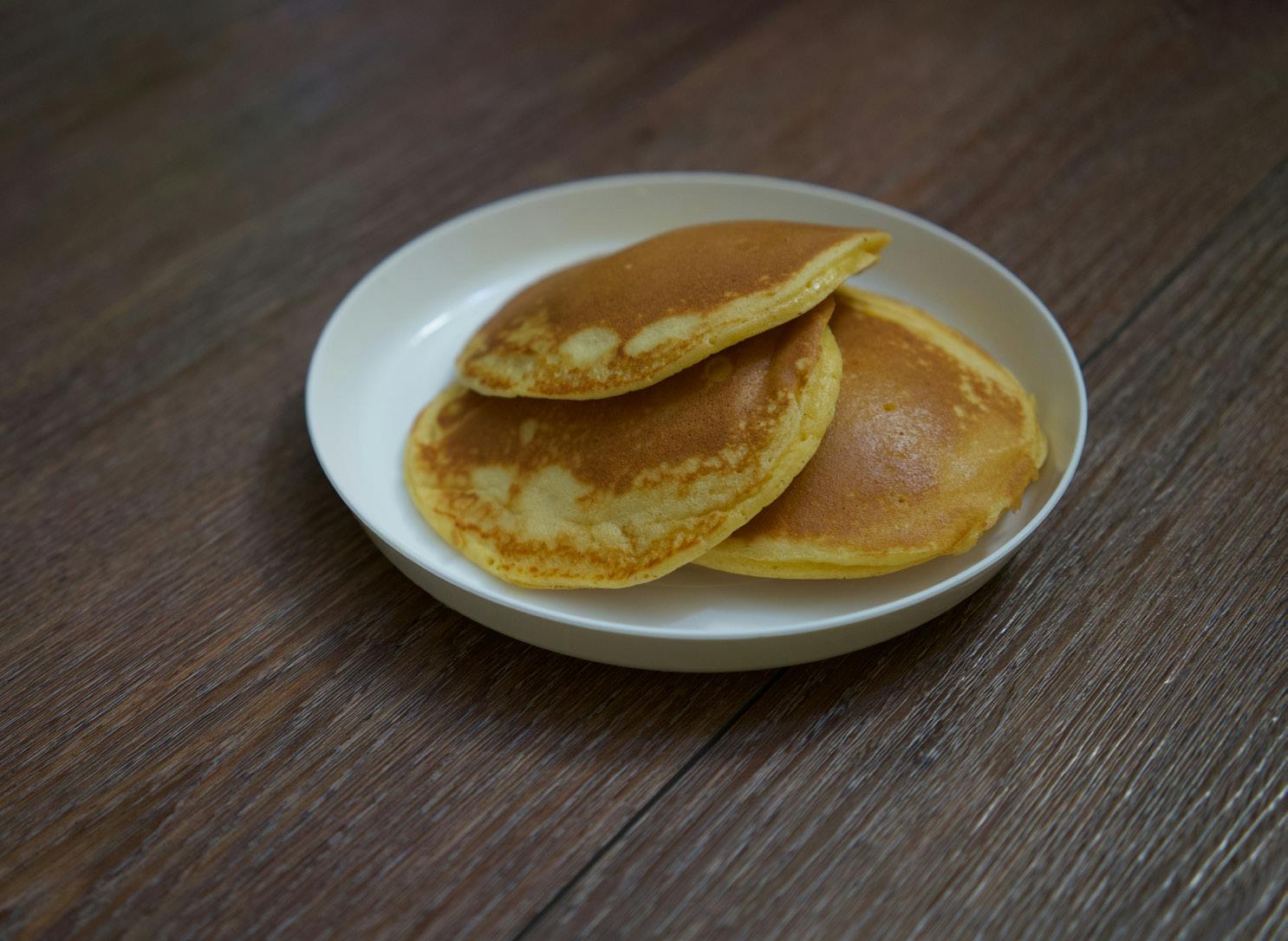
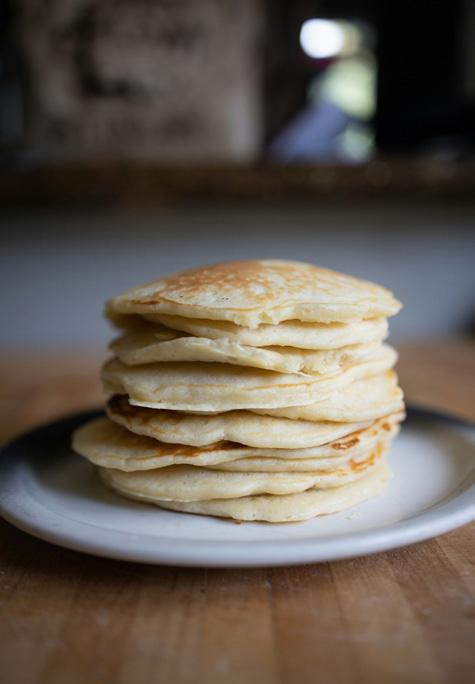
BEST LAZY WAY TO MAKE FLUFFY PANCAKES 9 Easy Steps
Pancakes are filling, fun and super easy to make and guess what? We are showing you how to make them in easy steps! You’ll thank us later.
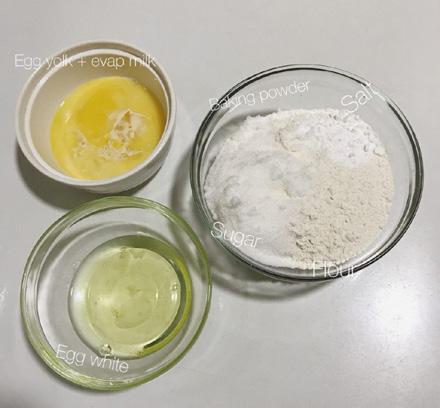
What you need:
• Flour
• Baking powder
• Milk
• Eggs
• Sugar
• Salt (a pinch)
DirectionsHow to:
1. Mix flour with baking powder then add sugar and a pinch of salt then set aside
2. Break eggs, then separate the egg white and yolk
3. Mix milk with egg yolks and whisk. Slowly add this to the dry ingredients (in step 1)
4. Whisk egg whites and slowly fold into the batter
5. Preheat pan (non-stick)
6. Add little oil to pan
7. Pour in the batter, flipping the pancakes when there are bubbles
8. Make sure they are done on both sides
9. Serve with your favourite syrup or fruits
Unsplash/Fauzan
Unsplash/Kim Streicher
Pancake Mix
Out of Nigeria
Éki Kéré and Her Purely Artisanal HighFashion Statement
As Nigerian fashion moves with breakneck speed onto the world stage, Éki Kéré stands out by looking inward. Their take on timeless fashion rooted in culture, is raw, unapologetic, and it is precisely what the world needs to see coming Out of Nigeria right now.
What stands Éki Kéré out isn’t just the aesthetic; it’s the radical commitment to the planet. The excitement they bring to their pieces are exciting. These are pieces designed to eventually return to the earth, transitioning from high-fashion statement to nutrient-rich manure at the end of their lifecycle.
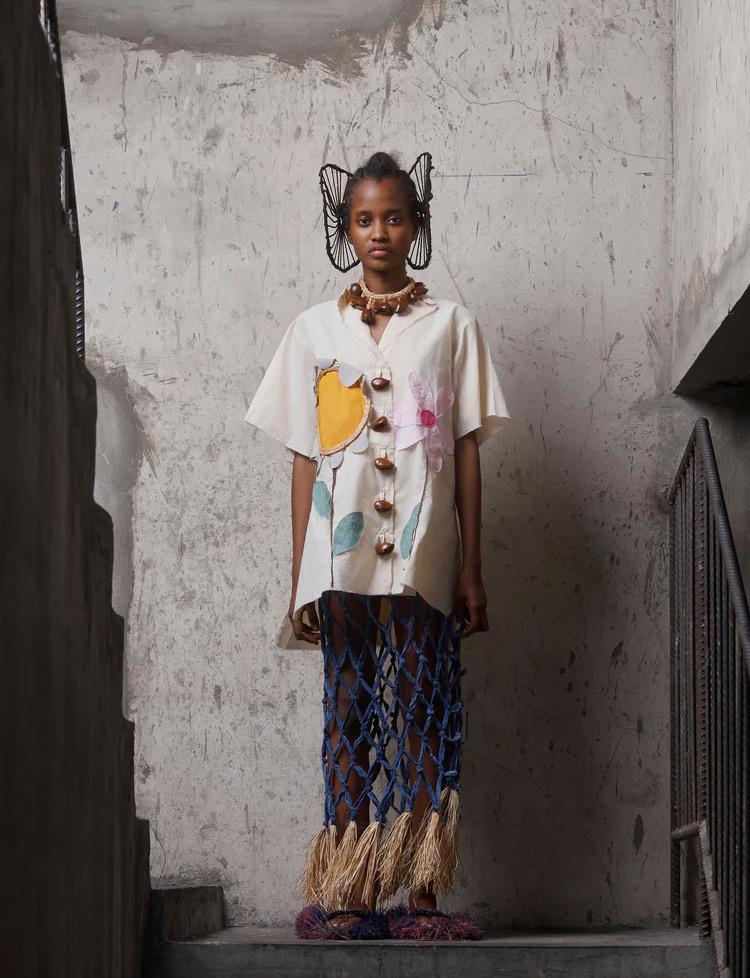
Their rich use of Raffia is indeed something. The Memory of the Palm collection is a study in Artisanal Futurism. Think structural raffia vests that move like liquid, asymmetrically draped "Abang" kaftans, and the viral Raffia Doll dresses that have become the unofficial uniform for the conscious global elite.
This dress is a hit any day, anywhere in the world.
Their use of Raffia started another trend entirely. It is intensely fascinating. Sourcing raw materials across Africa makes sure they give back to their roots while staying sustainable with their innovative
use of other locally sourced materials like raffia, plantain fibers, and rust-dyed fabrics.
Creative Director Abasiekeme Ukanireh is orchestrating a quiet revolution. Ukanireh has taken the humble raffia; a material once relegated to rustic souvenirs and elevated it to the heights of avant-garde couture. Among other originality she brings to her brand.
That is deeply personal and again, what the world should see coming Out of Nigeria right now.
Ekikere
Ekikere
Ekikere
HOW TO TACKLE HYPERPIGMENTATION
Skincare
Hyperpigmentation, those persistent dark spots and uneven patches is one of the most common skincare concerns. It’s caused by an overproduction of melanin, and can result from sun exposure, acne scars, inflammation, or hormonal changes.
Contrary to beliefs, melanin-rich skin is more prone to hyperpigmentation. Sun exposure is a major trigger, even for dark skin tones. This is one reason to never skip sun protection (yes even on cloudy days). A good SPF applied frequently throughout the day helps reduce your skin’s exposure to sun/ sun burns.
Here’s a practical guide to achieving a brighter, more even-toned complexion.
Key Ingredients to Look For When Picking Products:
• Vitamin C: This is a powerful antioxidant that
brightens the skin and fades dark spots.
• Niacinamide: Improves skin tone, reduces inflammation, and strengthens the skin barrier. We recommend Good Molecules Niacinamide.
• Retinoids (Retinol/Tretinoin): Increase cell turnover, helping to fade dark spots. Use with caution and always with SPF.
• Alpha Hydroxy Acids (AHAs): Like Glycolic and Lactic Acid, they exfoliate the surface to reveal brighter skin.
• Alpha Arbutin: A safer alternative to hydroquinone for targeting spots.
Your Anti-Hyperpigmentation Routine Should Look Like This:
1. Cleanse: Use a gentle cleanser.
2. Treat: Apply a targeted serum. Use vitamin C
in the morning, Retinoid/AHA/Niacinamide at night – introduce slowly.
3. Moisturize: Keep skin hydrated to support its healing.
4. Protect (This is very important): Use broadspectrum SPF 30+ every single day. Without this, all other treatments are futile and can even make things worse. Look for ‘no white cast’ formulas for face and body.
If at-home treatments aren’t enough, consider consulting a dermatologist.
Disclaimer: The details in this article are for informational purposes only. They are not professional advice. Please consult a licensed dermatologist or aesthetician before trying any new treatment.
Unsplash/Superkitina
Fashion&Co Quiz
FASHION&CO STYLE PERSONALITY QUIZ
1. It’s Saturday morning and you’re heading to brunch in Victoria Island. What’s the vibe?
A. A silk wrap dress with gold statement earrings and heels.
B. A crisp linen blazer over a camisole with tailored trousers.
C. Denim shorts or boyfriend jeans with a nice white tee.
D. A floral sundress with a slit and dainty gold jewelry.
2. What is your "Holy Grail" fabric for the Nigerian sun?
A. High-shine satin or embellished lace.
B. Breathable cotton or lightweight crepe.
C. Soft jersey or classic denim.
D. Chiffon or airy organza.
3. You have 10 minutes to get ready for a surprise dinner. What do you grab?
A. A bold red lipstick and your most expensive-looking watch.
B. A structured vest and pointed-toe mules.
C. My favorite sneakers and a clean baseball cap.
D. A perfume that smells like vanilla and some glossy lipgloss.
4. How do you want people to describe your look?
A. "Expensive, breathtaking, and powerful."
B. "Polished, professional, and put-together."
C. "Chill, effortless, and approachable."
D. "Cute, charming, and feminine."
Count how many of each letter you selected:
• Mostly A’s: The Glam Goddess
• Mostly B’s: The Business Casual Boss
• Mostly C’s: The Casual Cool Kid
• Mostly D’s: The Flirty Dreamer
Your Results
Mostly A’s: The Glam Goddess
You don't believe in "overdressed." You treat every sidewalk like a runway, even in 32°C weather.
Your Vibe: Bold, luxurious, and unapologetic.
Mostly B’s: The Business Casual Boss You love structure and looking like you just closed a multi-million Naira deal, even on your off-days.
Your Vibe: Sophisticated, smart, and sharp.
Mostly C’s: The Casual Cool Kid You love comfort. If you can’t move, breathe, or run in it, you’re probably not wearing it.
Your Vibe: Relaxed, urban, and timeless.
Mostly D’s: The Flirty Dreamer You love soft silhouettes, floral prints, and anything that makes you feel like a lead character in a rom-com.
Your Vibe: Playful, romantic, and sweet.
Unsplash/Charles Robertson
Unsplash/Dwayne Joe
chinedu-adiele
Instructions: Choose the answer that feels most like "you" on a typical day. Keep track of your letters (A, B, C, or D).
Fashion Quote
"The West has taken and borrowed a lot from Africa… Now it’s a renaissance. We’re claiming back what is ours and we’re adding value to what is ours, making it globally acceptable and globally appealing."
- Deola Sagoe
"Ethnicity made globally friendly is what makes Nigerian designs stand out."
- Folake Folarin-Coker / Tiffany Amber
"Fashion is a canvas for storytelling, and every piece we create tells a tale of Africa's resilience and creativity."
- Amaka Osakwe / Maki Oh
"Fashion is about empowering the individual. It's about being comfortable and feeling confident in your own skin."
- Ozwald Boateng
"The purpose of dress design is to make people feel good, not to express the pain and suffering of the world in taffeta."
- Karl Lagerfeld
"Boundaries are a myth. There’s no such thing as this is fashion, this is architecture, this is graphic design. It all influences one another."
- Virgil Abloh
"I have always believed that fashion was not only to make women more beautiful, but also to reassure them, give them confidence."
- Yves Saint Laurent
Disclaimer: These quotes are for inspirational purposes and do not originate from our magazine. All intellectual property remains with the respective designers and original publishers. We do not claim ownership and are not liable for any copyright issues or legal disputes arising from their use by third parties.