




Don't miss a thing! Tune in to our Farming Monthly Podcast every month for in-depth discussions on all the topics found in this month's magazine, available on all major podcast platforms listed below.




















EDITOR
editor@farmingmonthly.com
EDITORIAL ENQUIRIES
editorial@farmingmonthly.com
ADVERTISING ENQUIRIES
Tel: +44 (0) 2476 353537
DIRECTOR
Shona Beedham
shona@farmingmonthly.com
ACCOUNT EXECUTIVE
Jennifer Mills
jennifer.mills@farmingmonthly.com
ACCOUNT EXECUTIVE
Vicky Smith
vicky.smith@farmingmonthly.com
PRODUCTION production@farmingmonthly.com

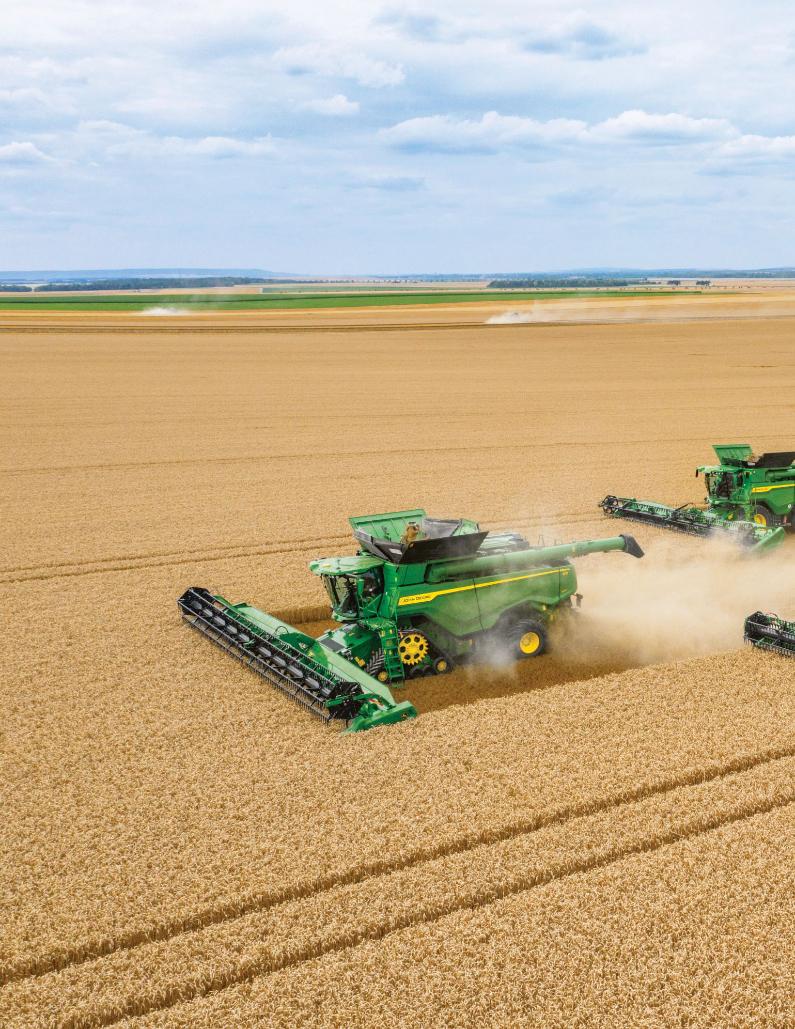
Front cover credit:
John Deere



For editorial, general enquiries or to advertise please call +44 (0) 2476 353537 or email sales@farmingmonthly.com
Farming Monthly National is published monthly in the UK by Farming Monthly Ltd, Tel: +44 (0) 2476 353537
UK based Digital Farming Magazine.
No part of this magazine may be reproduced without permission from the publisher.
Whilst every attempt is made to ensure accuracy, the opinions expressed in the magazine are not necessarily those of the Editor or publication. The Editor also reserves the right to alter or edit material as required and no responsibility is accepted for inaccuracies.
Full copyright applies. All rights reserved. ISSN 2044-0190 (print) ISSN 2044-0200 (digital) Agriculture. Covered.




ritain's biggest digital farming celebration,24 Hours in Farming (#farm24), officially launched its 2026 campaign at this year'sFarm Fest, unveiling a powerful new direction centred on reconnecting the next generation with food,farmingand the countryside.
Returning on6 August 2026, the annual campaign will once again unite farmers, food producers, ruralbusinessesand supporters from across the UK for 24 hours of storytelling on social media,showcasingthe people,placesand passion behind British agriculture.
But this year's campaign goes beyond simply documenting life on the farm. Under the banner of"Showcasing the Best of the British Countryside",#farm24 will focus on encouraging children and families to step away from screens, get outdoors, and reconnect with nature.
At a time when children are spending less time outside than ever before, while mental wellbeing concerns continue to rise, the campaign aims to highlight theimportant rolefarming,and the countryside can play in supporting healthier, happier communities.
Launching the campaign at Farm Fest helped to increase participation from the public, and the unveiling of the new ambassador line up will support a series of activities designed to bring the consumer closer to farming throughout the summer.
This year's #farm24ambassadorsinclude:
• Matt Tebbutt
• Matt Baker
• Mike Greenwood-Wilkins
• Coco Jalloh
• Rebecca Wilson
• Charlotte Ashley
• Rossett Park Farm
• Tom Carlisle
• Amy Stewart
• Wee Josie
• Damian Barson
• Farmer Will and Jessie
• Sammi Kinghorn
• Alex ofYourpaceormine
Together, they will help champion the campaign's message across social media, public appearances and on-farm activities in the run-up to #farm24 day.
Morethan asocialmediacampaign
Since launching, #farm24has become one of the farming industry's most recognisable digital campaigns, giving the public a behind-the-scenes insight into modern agriculture. In 2026, however, the campaign will evolve into something even more immersive and participatory.
A flagship fundraising challenge, in aid of Farms for City Children, will encourage supporters across the country to use public footpaths and countryside routes to reconnect with nature while raising money for charity.
"We'reabsolutely delighted to be #farm24's charity partner and play a part in this wonderful celebration of British farming. Here atFarms for City Children, we introduce children and young people to the value of farming through immersive, hands-on residentials. It's a privilege to be part of such a vital sector; helping the next generation understand where their food comes from, how it's grown and why farming is so critical to all of our lives."
CorinnaCsaky, Chief Executive, Farms for City Children
The campaign's central message is clear: British farming is about far more than producing food.It is about nurturing landscapes, supporting wellbeing, building communities, and giving the next generation a reason to step outside and explore the countryside around them.
As #farm24enters its next chapter, the campaign's ambitionremainssimple: to celebrate the pride, skill and dedication of British farmers while inviting the public to experience the countryside for themselves.
Becauseshowcasingthe best of the British countryside means ensuring the next generation gets to experience it too.
For more information and to get involved, follow #farm24 across social media channels, or contact Annie Fair atannie. fair@agriconnect.com
In a judgment handed down today, AIMS and the NFU have won a High Court legal challenge against the FSA (Food Standards Agency) in a battle over its charging rates. The judge ruled that the FSA's main rate and enforcement rate are unlawful and that its costs data slides – the breakdown of its charging rates - did not contain enough detail to assess whether the charges were lawful. This is a huge victory for all abattoirs, but particularly those small and medium sized businesses and the livestock farmers that supply them.
• The FSA's main rate and enforcement rate included charges for activities that it was not lawfully allowed to charge for1.
• The FSA should not be able to charge forvisits bynoviceofficial veterinariansand temporarilyregisterednoviceofficialvet erinarians when carrying out official inspections, as they do not meet the minimum qualification requirements to be an official veterinarian.
• TheFSA failed to meet the required standard oftransparencyas its cost data slides did not include sufficient information of what costs were included.
NFU President Tom Bradshaw said: "Today's ruling is a hugely significant outcome for the livestock sector and is a brilliant result for the meat industry, the NFU and our members. This has been a key issue we've consistently raised with government over many months due to the pressure these charges put on abattoirs."
The NFU has long‑held the view that these charges on abattoirs risk seriously impacting the wider livestock sector. It has consistently urged governmentto carry out a full review of the FSA's charging regime to ensure that charges are fair and equitable and do not
disadvantage UK businesses.Since the outbreak of the war in the Middle East the NFU has also asked governmentto postpone thesecharges and adopt a different approach to help ease cost pressures onlivestockfarmers2.
Mr Bradshaw continued:"Abattoirs play a vital role in the nation's food supply chain, yet in recent years the sector has faced significant consolidation, with many small and mediumsized businesses forced to close. This trend has resulted in serious consequences for livestock farmers as local abattoirs which provideimportant services such as private slaughter and support the independent hospitality and retail sectors, have been lost. It alsoraises concerns around increasedjourneytimes and travel costs.
"The increased charges introduced by the FSA have, in some cases, added tens of thousands of pounds to businesses' bills overnight. These increases placed further strain on meat premises already under pressure from escalating costs and regulatory burdens. The High Court Judge has been clear that these charges are unlawful and we now look to the FSA to rectify this swiftly."
NFU livestock board chair David Barton said:"This is a fantastic result for the livestock sector, particularly at a time of rising costs, and it will come as a welcome relief to many. It also underlines the strength of the NFU and its ability to deliver for its members by standing up for them when something is clearly unlawful. The FSA should now work at pace toreview its charging regime to reduce the pressures on abattoirsensure these charges are revoked to limit further pressures on abattoirs.
"The fact that even the FSA struggled to explain the legal basis for its charges shows thatthetime is now right for an independent review into the Agency's cost structures, workforce management, and use of third-party service providers, to ensure official controls are being delivered efficiently, the fees charged to abattoirs are lawfulandtoreduce the overall cost burden on the red meat sector."
New consumer research from LEAF (Linking Environment And Farming) shows overwhelming public support for UK farming systems that deliver both food production and environmental benefits, underlining the importance of connecting consumers with farmers ahead of this year’s Open Farm Sunday. The survey of more than 2,000 people found that 93% believe it is important for the UK to maintain a strong level of food production capacity in an increasingly uncertain world.
At the same time, 89% agreed that protecting nature on farms, including healthy soils, flood defences and biodiversity, is essential for long-term food production, while 71% said farmers should focus on producing food while also protecting nature.
The findings also reveal strong backing for investment in sustainable farming, with 68% wanting to see more money invested into farming systems that help secure future UK food supplies while improving environmental outcomes such as healthy soils, clean water and wildlife habitats. In addition, 70% of respondents said they would be either ‘very willing’ or ‘somewhat willing’ to pay a little more for food produced in ways that support better outcomes for nature.
The results come as farmers across the country prepare to welcome the public onto their farms for Open Farm Sunday’s 20th anniversary on 7 June, 2026. The annual event offers visitors the chance

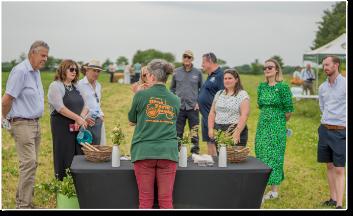
to explore beyond the farm gate, meet the people producing their food and learn more about how modern farming works alongside nature.
David Webster, chief executive of LEAF, said: “These results clearly show that people do not see food production and nature-friendly farming as competing priorities.
“Consumers recognise that resilient food systems depend on healthy soils, thriving biodiversity and sustainable farming practices working hand-inhand with productive agriculture. Supporting both together is essential for the long-term future of farming, food security and the environment.
“Open Farm Sunday is the sector’s opportunity to articulate the value of agriculture to a wider audience. It brings people face-to-face with the farmers who feed them, giving them the chance to understand why the farms in their community matter, not only in terms of food production but also environmental good and agriculture’s wider input into society.”
Open Farm Sunday gives consumers the opportunity to see first-hand the care, integrity, pride and innovation that goes into producing British food, helping them make informed food choices with greater confidence.
The event remains one of the farming industry’s most important opportunities to strengthen public understanding of agriculture and celebrate the vital role farmers play in feeding the nation while caring for the countryside.
Details of participating farms can be found on the Open Farm Sunday website.
The James Hutton Institute, an internationally renowned research centre that aims to provide scientific solutions to the challenges faced by the agricultural industry because of the climate and nature crises, has been shortlisted in two categories of the prestigious UK BusinessGreen Awards, which celebrate the very best of the UK's pioneering green economy.
It is a finalist for Net Zero Strategy of the Year and its Sustainability Co-ordinator, Stefan Jindra, has been recognised in the Sustainability Leader of the Year category.
The Hutton began reporting its emissions in 2014 and published its first emissions reduction plan in 2019. This evolved into a Climate Action Plan with a clear target of achieving net zeroemissions. In recognition of this work, the Hutton won the King's Awards for Enterprise in Sustainable Development in 2023.
Since establishing its baseline, the Hutton has cut its total emissions by 35%. Emissions for the 2024/25 year are already below the reduction target set for 2025/26, underlining the effectiveness of its net zero strategy.
Colin Smith, Campus Operations Director at the Hutton, said, "This shortlisting recognises the collective effort across the Hutton to reduce our environmental impact. With emissions already cut by 35%, we remain committed to ensuring our operations match the ambition of our science. The leadership of our Sustainability Co‑ordinator, Stefan Jindra, and the Sustainability Group has been pivotal in driving our Climate Action Plan."

Speaking of the awards Stefan Jindra said, "We are delighted that The James Hutton Institute's Climate Action Plan has been shortlisted for Net Zero Strategy of the Year, and that our work has also been recognised through my shortlisting for Sustainability Leader of the Year at the UK Green Business Awards.
"Over the past years, we have continued to deliver practical carbon reduction initiatives across the organisation, including the installation of the Bullionfield Solar Meadow, which now supplies around 25% of our Invergowrie campus' electricity demand; rollout of air source heat pumps within new buildings, LED lighting upgrades and wider energy awareness and efficiency campaigns across our campuses.
"Importantly, this work is being integrated into broader organisational planning and decisionmaking through strengthened emissions reporting, governance, infrastructure planning and sustainable procurement activities, helping embed long-term sustainability across the Hutton's operations."
The winners of the UK Business Green Awards will be announced at an awards ceremony on 24thJune.

Carter Jonas is urging farmers and landowners to be prepared and alert to the imminent reopening of the Sustainable Farming Incentive (SFI) application window in June.
The national property consultancy says that businesses which fail to prepare now risk missing out on funding opportunities in what is likely to be a highly competitive environment.
Chris Turner, Partner atCarter Jonas, says farm businesses should already be reviewing their options ahead of the June opening for eligible smaller holdings, with broader access due later in the year.
"We currently await opening of the June round of Sustainable Farming Incentive, which will be available to farms under 50ha and where there is no other Environmental Land Management revenue agreement," says Chris.
"Defra has published the headline rates for the reduced number of options, but not as yet updated prescriptions, although they are likely to be generally very comparable."
Chris says strong demand is expected when the wider SFI 2026 offer opens in September, particularly against a backdrop of squeezed
commodity prices and expiring stewardship agreements.
"SFI 2026 will be available to all other businesses in September of this year, with interest likely to be strong in light of commodity prices and numbers of existing agreements coming to a close," says Chris.
"All agreements will be subject to the overall cap of £100,000 per annum and area limits relating to the holding."
Carter Jonas warns that uncertainty around future schemes, coupled with tighter margins and pressure on public spending, means businesses cannot afford to take a passive approach.
"While the temptation to wait for a full picture is understandable, doing nothing is the last thing that landowners should consider," says Chris.
The firm is advising businesses to immediately review likely SFI and Countryside Stewardship options, model agreements against the £100,000 annual cap and prepare draft applications so they are ready to submit as soon as windows open.
Chris also warns farmers to ensure Rural Payments Agency data is fully up to date before demand increases.

"Update land use, boundaries, and holding links on the RPA portal now," says Chris.
"Rural Payments Service changes are quiet today, but they won't be once guidance drops."
Carter Jonas is also encouraging businesses to protect existing environmental features wherever possible, despite gaps between schemes and funding uncertainty.
"There may be no active agreement in place requiring features to be maintained after agreements end, and no BPS annual land-use return to evidence where features existed," says Chris.
"Where margins, corridors and other key features already exist, businesses should plan carefully before making changes."
The firm believes many farmers remain committed to environmental delivery despite frustrations around policy clarity and scheme administration.
"Farmers feel passionately about the environmental work they have done over the past 30 years and they want to carry it through," says Chris.
"Policy clarity may be slow, but farm businesses can't afford to be," says Chris.
"Get your plan on paper, fix your RPA data, and be poised to submit the day the window opens."

Experienced trade fair manager Christina Freier has taken over the leadership of FRUIT LOGISTICA as of 1 June 2026. In her new role, she will drive the continued development of the world's leading fresh produce trade fair and further expand its global reach.
Since 1 June 2026,Christina Freierhas been serving as Director of FRUIT LOGISTICA. With many years of experience in the trade fair industry and extensive expertise in international B2B markets, she will drive the strategic development of the world's leading trade fair for the global fresh produce business.
Christina Freier succeeds Alexander Stein and brings more than two decades of experience at Messe Berlin to her new role. Since joining the company in 2006, she has played a key role in shaping and developing numerous international event formats. Most recently, as Senior Project Manager, she was responsible for the strategic development of the new B2B brand ITB Americas. Since February 2026, she has served as Interim Director of FRUIT LOGISTICA.
Her focus will be on further strengthening FRUIT LOGISTICA as the leading platform for the global fresh produce industry. Key priorities include fostering innovation, facilitating targeted networking between exhibitors and buyers, and expanding the congress programme as the industry's premier knowledgesharing platform.

"FRUIT LOGISTICA brings together companies from across the global fresh produce industry like no other event. We will further strengthen this position and continue to develop the trade fair as the leading platform for business, innovation and knowledge exchange," says Christina Freier, Director of FRUIT LOGISTICA.
For Mario Tobias, Chairman of the Management Board of Messe Berlin, the appointment sends a strong signal for the future of the world's leading trade fair: "Christina Freier has an in-depth understanding of Messe Berlin, our customers and international markets. With her extensive experience, forwardlooking mindset and keen sense for emerging industry trends, she is ideally positioned to drive the continued success of FRUIT LOGISTICA."
In an interview on theFRUIT LOGISTICA News Blog, Christina Freier discusses what inspires her about FRUIT LOGISTICA, the experience she brings to her new role and what she is particularly looking forward to.
FRUIT LOGISTICA brings together the global fresh produce business and covers the entire value chain for fresh fruit and vegetables – from seed to sale. With around 2,600 exhibitors and approximately 90,000 trade visitors from 151 countries, it is the leading meeting place for the international fresh produce industry.
Thurlow Nunn Standen (TNS), alongside the wider Thurlow Nunn Group, has announced it raised £308,000 for Dementia UK, more than doubling the £150,000 target it set at the start of 2025 as part of its 150th anniversary celebrations. The final total marks an extraordinary achievement for the business and reflects the generosity and commitment of colleagues, customers, suppliers, friends and family across the region.
TNS is part of the Thurlow Nunn Group, which traces its roots to 1875, when George Thurlow, the great-great-grandfather of current chairman James Thurlow, founded the business in Stowmarket, Suffolk. Family-owned for six generations, the Group has grown from humble beginnings to operate from 20 sites, including 13 Thurlow Nunn car dealerships across East Anglia, Bedfordshire, Buckinghamshire and Northamptonshire.
Today, TNS is recognised as one of the UK’s leading agricultural machinery dealers, operating from five branches in Suffolk, Norfolk and Cambridgeshire. As a mainline AGCO dealer, TNS holds franchises for Fendt, Massey Ferguson and Valtra tractors, alongside a wide range of complementary brands including Manitou, Kubota, Amazone, Claydon Drills and Major Equipment.

The 150th anniversary year was dedicated to the memory of former Chairman John Thurlow, a wellknown figure in the East Anglian farming community, who passed away from dementia in June 2024. The fundraising campaign brought together teams from across the business and wider Thurlow Nunn Group through a packed programme of events, including bake sales, river rows, site open events, charity dinners, raffles, race nights,

skydives, half marathons, bike rides, walks and the family Christmas ball.
James Thurlow, Chairman of the Thurlow Nunn Group, said:
“I am delighted to announce that, after a year and a half of fundraising, we presented a cheque for £308,000 to Dementia UK. We cannot thank our colleagues, friends, family, suppliers and customers enough for the way they have pulled together behind this wonderful charity. This achievement belongs to every single person who contributed. Not in my wildest dreams did I imagine we would so far exceed our £150,000 target, yet everyone involved proved what can be achieved through passion, generosity and determination.
This money will make a genuine difference to people’s lives, helping to support the development of Dementia UK’s specialist nursing function, the Admiral Nurses, throughout East Anglia.”
The fundraising campaign officially concluded on Wednesday, 27 May at the Suffolk Show, where TNS presented the final cheque to Caroline Scates, Director of Nursing Services for Dementia UK, and Sarah Child, Community Fundraising Manager of Dementia UK, in front of suppliers, contributors, colleagues and members of the Thurlow family.
VSM Grow Tech Ltd, suppliers of innovative machinery for vegetable and salad growers, will be demonstrating the TWIST WEED automatic weeder from Ferrari Growtech at the forthcoming British Leafy Salads Demo Day on 1 July 2026.
This year’s British Leafy Salads Demo Day will be hosted by PDM Produce Ltd at Chadwell Park Farm near Newport in Shropshire and will include a comprehensive programme of demonstrations and technical exhibitions. The working machinery demonstrations are of particular interest, and among these, VSM Grow Tech will be showcasing the TWIST WEED AI-powered in-row mechanical weeder.
With labour cost and availability, and access to crop protection products being major challenges for salad growers, there is increasing interest in mechanical weeding. The Ferrari TWIST WEED combines the proven hoeing action of Ferrari Growtech’s other mechanical weeders with advanced AI-based camera systems to provide accurate inter-row and inter-plant weed control.
The machine’s camera and computer systems work together to identify the crop – processing ten images every second, and the hoes are activated based on pre-set parameters, such as distance to the plant and forward speed, while different rotors are available for different crops. The combination of hoes and rotors are purposely designed to minimise soil distribution and keep the crop plants clean, a key consideration for salad crops such as lettuce.
Able to work with row widths between 9 and 80 inches (23 to 200 cm), the TWIST WEED is capable of work rates up to 18,000 plants per row
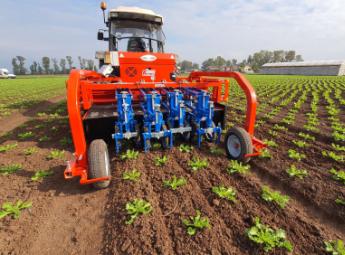
per hour, with operator control provided via a dedicated tablet and app in the tractor cab.
Richard Parish, Manager Director of VSM Grow Tech, comments:
“With increasing interest in non-chemical weed control in the salad sector, there are an increasing number of options available for growers. It is therefore important that they select a machine which is suitable for the crops being grown and the production system being used, and nothing beats seeing machines in use in the field.
“That’s why we are delighted to be demonstrating the Ferrari TWIST WEED at the British Leafy Salads Demo Day. Not only is it suitable for organic farming, but because of its low soil disturbance and ability to work close to the crop plants, it is ideal for crops such as lettuce which need to be kept clean throughout the growing season.”
As well as working demonstrations of the Ferrari TWIST WEED, the VSM Grow Tech team will be on hand to discuss their wide range of specialist vegetable and salad machinery, including other weeding and planting equipment from Ferrari Growtech, tillers and bed formers from Forigo, and cultivation and precision drilling equipment from Agrisem.
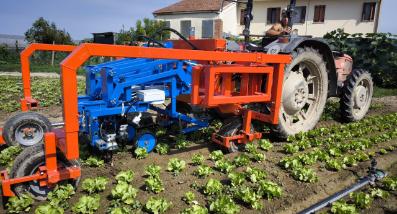
The British Leafy Salads Demo Day, hosted by PDM Produce Ltd, takes place on 1 July 2026 at Chadwell Park Farm, Great Chadwell, Newport, TF10 9BN. Tickets are available via the British Leafy Salads Association website.
The South West's largest horse rescue charity, The Mare and Foal Sanctuary is mourning the loss of Breeze, the Dartmoor hill pony whose early rescue story and photos with his giant teddy bear captured international attention, and who went on to influence how the charity and its partners care for horses and ponies with complex needs.
The Mare and Foal Sanctuary has announced the death of Breeze, a 13 year old Dartmoor hill pony whose story as an orphaned foal captured hearts across the world and helped raise awareness of equine welfare.
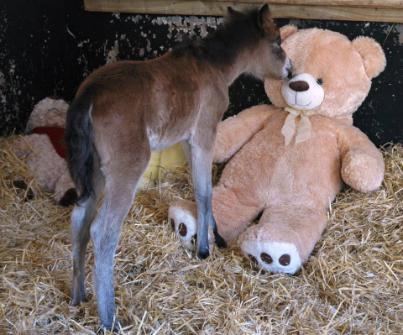
Breeze had to be put to sleep by the Sanctuary's veterinary team following a severe episode of colic, a serious and often unpredictable condition that can affect any horse. He had been in the Sanctuary's care since 2013, when he was signed over as a day-old orphaned foal after his birth. Breeze became well known in the media and later on social platforms across the world, after photographs were shared showing him as a foal sleeping alongside a giant teddy bear called Buttons, used by staff to give him comfort and security while he received round the clock care.
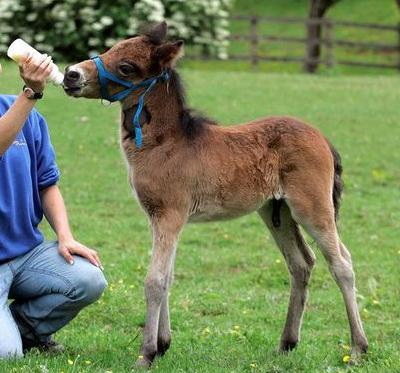

and Foal Sanctuary, said Breeze had a profound impact on how the charity works with complex ponies.
She said: "He was somewhat of an icon of the Sanctuary. He came to us as an extremely poorly little pony. He was not able to be socialised with other horses for an extended period due to his lack of immunity and had to be handreared. There were many sleepless nights, bottle feeding him every hour and having to lift him up and lay him down as he was so weak.


Despite the Sanctuary's work and more than a decade of skilled handling and training, Breeze's early deprivation and hand rearing meant he was never suitable for rehoming. He spent his life under the dedicated care of the Sanctuary's specialist teams, who adapted their facilities and approaches to give him the safest and happiest life possible. Nikki Anstey, Equine Training Lead at The Mare
"His personality started shining through at a young age and he will always remain one of the most influential ponies that I have ever encountered in my career at the Sanctuary. We always had an understanding, and he was incredibly loving and affectionate, despite his complex behavioural needs.I don't think any horse, or person, could have ever taught me as much as he did."
Breeze lived at several of the Sanctuary's Devon sites over the years, including the charity's Yelverton Moorland Rescue Facility. Yelverton Team Leader, Lucy Jewell, said: "Everyone at Yelverton is truly sorry and devastated to hear the news that Breeze is no longer with us. During his time at Yelverton he was a firm favourite for us all and was the pony who always made you smile. We will cherish our memories of him and forever hold him in our hearts."
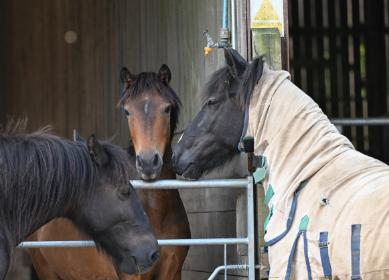

Sally Burton, Head of Equine Expertise at The Mare and Foal Sanctuary, said the team had done everything they could for Breeze, and that his case continues to inform the charity's approach to equine welfare.
She said: "Breeze arrived with us as a critically vulnerable orphaned foal. His lack of colostrum, isolation from other horses and need for intensive hand rearing meant he grew up with significant behavioural and health challenges. He could never be rehomed safely, so our responsibility was to give him the best quality of life we could within the Sanctuary.
"Our teams adapted the environment around him, used the latest evidence on behaviour and welfare, and brought in external specialists when needed. Breeze pushed us all to raise our standards, to think differently about how we support horses and ponies with complex needs, and to champion good practice across the wider equine sector.
"We are deeply saddened by his loss. Colic is a broad term for abdominal pain and can be caused by a range of problems in the gut, from gas and impaction to twists in the intestine. It can affect any horse, no matter how well they are cared for, and it remains one of the most serious emergencies we see. In Breeze's case, despite prompt veterinary attention and intensive care, it was not possible to save him."
to the environment, particularly any perceived environmental threats and challenges, meaning that individuals who have suffered significant early life stress such as Breeze did, are likely to find it more difficult to navigate the world than one who hasn't. This meant that Breeze required very careful behavioural and environmental management at all times, to help him to feel as safe and secure as possible and to allow him to thrive."
The Mare and Foal Sanctuary has paid tribute to everyone who cared for Breeze over the years, and to the "wonderful, patient, thoughtful attention he was given". He has been described as "truly loved", with that love reflected in the way teams supported him every day of his life.
The Sanctuary hopes that sharing Breeze's story will highlight both the realities of equine welfare work and the importance of specialised lifelong care for horses and ponies that cannot be rehomed. It aims to encourage equine owners and carers to talk openly about planning for serious health issues like colic, including considering insurance, how they would transport their horse to surgery if needed, and whether that is the right decision for their horse.

Anna Haines, The Mare and Foal Sanctuary's Equine Behaviour Lead, explains how Breeze's early experiences shaped the support he needed: "There is a lot of evidence to support the fact that early life stress or trauma is associated with a wide range of adverse effects on brain development and can have long lasting effects on the individual. This can alter psychological and behavioural responses
Staff at the Sanctuary have thanked supporters, saying that donations have made it possible for them to give safe, meaningful lives to horses and ponies who may not have survived without specialist care and understanding.
Anyone wishing to learn more about Breeze's story, The Mare and Foal Sanctuary's welfare work, or how to support horses and ponies like him, can find further information on The Mare and Foal Sanctuary's website:https://mareandfoal.org/
LEAF Marque certified farms now account for around 5.6% of national wheat, barley and oat production by volume, demonstrating the scale of sustainable farming across the UK.
Following Cereals 2026, LEAF (Linking Environment And Farming) is highlighting the significant contribution that LEAF Marque certified growers make to UK food production, with certified farms now producing more than one million tonnes of cereals annually while meeting independently audited environmental standards.
Analysis of crop area data submitted by LEAF Marque certified growers through the LEAF Sustainable Farming Review (LSFR) 2025, indicates that certified growers are responsible for an estimated 1.09 million tonnes of cereals each year.
Production estimates were calculated using the reported crop areas alongside Defra published UK average yields for wheat, barley and oats. This represents approximately 5.6% of total UK production across these key arable crops, demonstrating that sustainable farming practices are delivering at a meaningful commercial scale.
The figures* show LEAF Marque certified growers are estimated to produce:
• 736,884 tonnes of wheat annually - equivalent to 6.1% of UK wheat production
• 303,462 tonnes of barley annually - equivalent to 4.7% of UK barley production
• 52,695 tonnes of oats annually - equivalent to 5.5% of UK oat production
These production estimates are generated from more than 160,000 hectares of LEAF Marque certified cereal crops reported through the LSFR. Collectively, LEAF Marque provides independently audited environmental assurance across this land area and the rest of the farms to which it relates, placing it amongst the most significant voluntary environmental assurance systems operating within UK arable farming.
The figures also reveal the extent to which sustainable farming has moved beyond niche adoption. The data suggests one in every 16 tonnes of UK wheat, one in every 21 tonnes of UK barley and one in every 18 tonnes of UK oats is produced on a LEAF Marque certified farm.
David Webster, LEAF Chief Executive, said: "These figures highlight the scale at which LEAF Marque farmers are contributing to UK food production. Together, certified growers are estimated to produce more than one million tonnes of wheat, barley and oats each year from over 160,000
hectares of certified cereal crops, demonstrating that environmental stewardship and productive agriculture go hand in hand.
“In a context of increasing environmental due diligence and supply chain reporting requirements, LEAF Marque provides verified evidence of environmental performance at farm level alongside a governance framework that supports independent assurance across supply chains. This makes it a trusted tool for responsible sourcing.
"The discussions at Cereals 2026 last week reinforced the importance of practical solutions that enable farmers to deliver both food production and environmental outcomes. These figures provide clear evidence that farmers adopting Integrated Farm Management are delivering significant quantities of high-quality food while managing natural resources responsibly and building resilience for the future.
"Food production and environmental delivery are often presented as competing priorities. LEAF Marque growers are demonstrating that both can be achieved together through a whole-farm approach that supports productivity, profitability and environmental responsibility."
Underpinned by the principles of Integrated Farm Management (IFM), LEAF Marque is an independently audited, globally applied environmental assurance system, currently operating in 60 countries. Certification is delivered by third-party bodies that are required to hold formal accreditation to ISO/IEC 17065 under oversight from national accreditation bodies such as the United Kingdom Accreditation Service (UKAS). This provides robust, independently verified assurance for supply chains, retailers and consumers.
The commercial value of LEAF Marque is increasingly recognised throughout the supply chain. This is reflected in the adoption of LEAF Marque certification by most of the UK’s leading food retailers, which have incorporated it into sourcing requirements for fresh produce across both domestic and international supply chains.
This value is further demonstrated through initiatives such as the Jordans Farm Partnership, where farmers are rewarded for producing crops to independently verified LEAF Marque standards, helping to create additional value from sustainable farming practices.
Recognition of LEAF Marque is also extending into agricultural finance, with leading lenders including HSBC UK, Oxbury Bank and Barclays developing initiatives that support farmers investing in environmental sustainability and business resilience.
NFU President Tom Bradshaw took the floor at today's Cityforum 2026 Intelligent Defence and Smart Power discussion to bring food and farming to the centre of the national security agenda.
The discussion focused on 'A New Era for Defence: Risk, Deterrence, and a Whole-ofNation Response'.With the conflict in the Middle East being the biggest driver of hunger in the world today,2NFU President Tom Bradshaw shone a light on the stark instability of our food system in the session on 'Whole-ofNation Response to Resilience'.
The closure of theStrait of Hormuz sent shockwaves through the food supply chain and dramatically drove fertiliser,fuel and energy prices up,3and NFU President Tom Bradshaw stressed that now more than ever, building a resilient food system needs to be a priority.
Reflecting on the discussion,NFU President Tom Bradshaw said:"From the ongoing conflict in the Middle East and the war in Ukraine, to Brexit, the pandemic and the escalating challenges of climate change and extreme weather, the world as we knew it 20 years ago has been fundamentally transformed, and our approach to food security must keep up.
"Food security is the beating heart of our national security, yet the longer the UK continues to prioritise a 'just-in-time' model over a far more resilient 'just-incase' approach4the goal of true food security risks slipping further out of reach. British farmers and growers are proud to feed 70 million people every day, but this is no light work. Whether it's grappling with the weather, restrictive planning policies, pests and diseases or rising input costs, farmers and growers
arecertainly resilient, but at what cost?
"We are calling on the government to implement a long-term plan for farming and food production that reflects the urgent situation we are in. From the Chair of the National Preparedness Commission to the former Director of MI5, the view that food security is central to our national security is widely held. Whilewe've had warm words fromthe government'that food security is national security' we haven't yet got the policy that recognisesa resilient food system is the cornerstone of national resilience and they need to start acting now."

Hundreds of thousands of people flocked to celebrate Open Farm Sunday’s 20th anniversary at events across England, Scotland and Wales. The day was marked by a significant increase in host farms opening their gates for the first time.
Established in 2006 by LEAF (Linking Environment And Farming), Open Farm Sunday has grown into one of British farming’s biggest public engagement success stories. This year, initial estimates indicate that almost 200,000 visitors were welcomed onto participating farms to learn more about food, farming and the environment.
A total of 283 farmers registered OFS events, with a quarter taking part as first-time hosts. Farmers were supported by volunteers, sponsors and the wider industry, giving visitors of all ages an opportunity to experience naturefriendly farming firsthand.
93% believe it is important for the UK to maintain a strong level of food production capacity in an increasingly uncertain world, while 89% agree that protecting nature on farms, including healthy soils, flood defences, and biodiversity, is essential for long-term food production.
Mrs Shackleton adds: “These results show why Open Farm Sunday matters. It gives farmers the space to show how they care for soils, wildlife, water and the wider countryside, and a chance to have important conversations in a positive, engaging and practical way.”
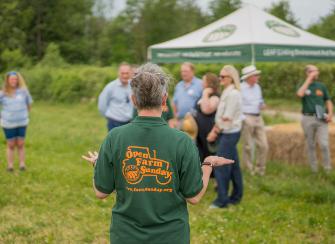

Open Farm Sunday manager, Annabel Shackleton, says this milestone year showed the continued value of these events: “Open Farm Sunday continues to capture the public’s imagination, and they are so grateful for the chance to step beyond the farm gate and connect with the people that produce their food. “This year’s 20th anniversary has been a wonderful reminder of the pride, care and commitment that backs up British farming. We are enormously grateful to every farmer, volunteer, sponsor and supporter who helped make the day possible.
“There is a huge appetite among the public to learn more about farming with nature in a fun and engaging way, and the high standards our industry works to. Being able to create that connection between the consumers, their food and the farmers who work tirelessly to produce it has always been key.”
New research commissioned by LEAF ahead of this year’s event shone a light on the importance the public places on farming practices that prioritise both food production and the environment.
The survey of more than 2,000 people revealed that
Over the past 20 years, Open Farm Sunday has welcomed more than 3.65 million people onto farms, and Mrs Shackleton thanked the ‘army of volunteers and sponsors’ who helped on farms up and down the country to ensure it was an industry success.
Cambridgeshire farmer Michael Sly MBE, who runs the biggest single Open Farm Sunday event and has hosted more than 120,000 visitors over the past 20 years, believes the bonds it builds between farmers and their local communities are vital.
“We started with 12 people attending in 2006 and now host around 10,000 visitors. Over the years, it has become a community event that the village has really got behind,” adds Mr Sly.
“Other farmers come and volunteer their time to help and engage with the public, and that ability for the farmers to work together relates back to normal farming as well. There’s so much we can learn from each other, and Open Farm Sunday highlights that on every level.”
LEAF extends its thanks to Open Farm Sunday’s sponsors, farmers, volunteers and wider industry supporters who helped host events across Britain, as well as the hundreds of thousands of visitors who attended.
Next year’s Open Farm Sunday will take place on 13 June 2027.
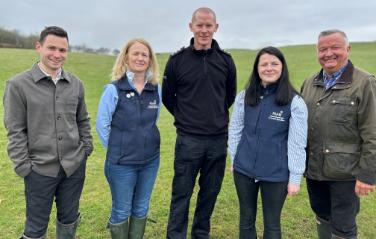
pioneering new partnership involving a host of organisations representing farming, gamekeeping, mental health, field sports and target shooting has been established in Scotland to build awareness and understanding of health and wellbeing in relation to firearms licensing.
In a UK-first, the Scottish Firearms Mental Health Awareness and Support Partnership is seeing key partner agencies working alongside Police Scotland's Firearms Licensing unit, a team of police officers and staff based in communities across Scotland.
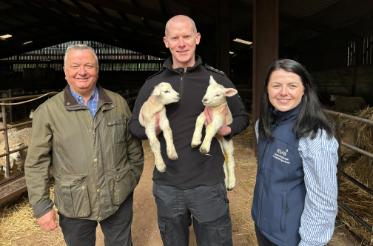

The vision of the initiative, led by Chief Inspector Bruce Crawford of Police Scotland's National Firearms and Explosives Licensing (NFEL) team, is for certificate holders in Scotland to feel safe and supported to report changes in their mental health and wellbeing, contributing to the prevention of suicide within the community. Supporting the partnership are a host of mental health and rural organisations, agencies and charities.
biggest show of strength is for people to recognise, at an early stage, when there may be a cause for concern and act quickly. We are encouraging people to come forward early, share information and get help.
"By being proactive and addressing the issue, we can see people have clear insight into their situation and how that may impact their suitability to hold a licence. It gives us a signal they are acting responsibly as a certificate holder and showing a willingness to work with us, get support and start getting back on track."

CI Bruce Crawford said: "This partnership has the potential to deliver huge benefits in the rural community, and this is very much down to the commitment, ideas, energy and enthusiasm being shown by the partners involved."
"We all share a common ground - we want people to come forward and ask for help if something significant changes in their life. There is so much excellent mental health support available. The
The work of the partnership aims to raise awareness not just among the licence holding community but also with families, friends, colleagues, and associates so there is community-wide knowledge that if something changes, support is available.
This message will be strong and clear at the Royal Highland Show and many other rural shows this year where visitors will be invited to add their signatures to a pledge "to help communities talk openly about mental health and support early action to seek help."
A huge flag with the pledge wording will be on display at RSABI's stand opposite the Members Pavilion, in front of the former Young Farmers centre throughout the week of the show (18 – 21 June, 2026) with plenty of space for signatures to show support. There will also be an opportunity to chat to representatives of many of the organisations involved in the partnership.
vette Jackson, and her husband Andrew a farmer from Cumbria, brought a powerful, personal perspective on living with ME/CFS to Westminster last week, joining The ME Association as part of a national parliamentary event marking Carers Week 2026. The event, held at Portcullis House on 10 June, brought together more than 30 MPs and Peers from across the political spectrum, creating an important platform to raise awareness of caring, highlight the challenges faced by unpaid carers, and recognise the invaluable contribution they make to families and communities across the UK.
Yvette, who is Andrew’s primary carer, advocated for greater understanding and support for both people living with ME/CFS and the unpaid carers who support them. Andrew is a fourth-generation farmer at Littlebeck Farm, a beef and sheep farm set in 180 acres near Penrith. He was diagnosed with ME/CFS (Myalgic Encephalomyelitis/Chronic Fatigue Syndrome) 13 years ago.
spoke about the complexities of caring in a rural setting, as well as the challenges of continuing to run a farm while managing a chronic illness.
Yvette said, “Taking our story and experiences to the Parliamentary event was incredibly important to us. It gave Andrew and I the opportunity to share the reality of living with ME/CFS and what it means to be a carer, something that is often unseen and misunderstood. Speaking directly with MPs and Peers means our voices, and the voices of so many others in similar situations, are being heard where it matters most. Real change can only happen when decision-makers truly understand the impact that ME/CFS has on families like ours.”
The couple shared their lived experience, offering first-hand insight into the physical, emotional and practical challenges of life with ME/CFS. They also emphasised the vital role of strong, supportive communities in helping families cope, and reflected on the realities of sustaining a farming livelihood while adapting to the limitations imposed by the condition.


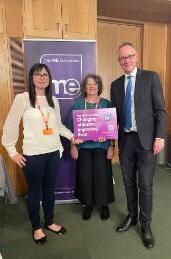
ME (myalgic encephalomyelitis), also known as CFS (chronic fatigue syndrome), is a multisystemic disease. Symptoms include profound fatigue, sleep disturbance, post-exertional malaise, cognitive difficulties and a range of other symptoms like pain, headaches, nausea and intolerance to lights and noise.
Yvette and Andrew’s presence brought a deeply personal and impactful voice to the event, helping policymakers better understand the daily realities of managing a long-term, often misunderstood condition. During the event, Yvette and Andrew engaged directly with MPs and Peers, highlighting the life-changing impact ME/CFS can have, not only on those diagnosed, but also on the families and loved ones who provide ongoing care. They
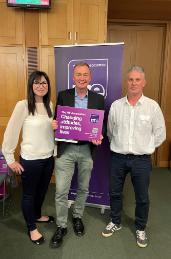
Their story underlined the need for more recognition, resources and tailored support for unpaid carers, particularly those supporting individuals with longterm conditions like ME/CFS.
Yvette and Andrew spoke with their local MP for Westmorland and Lonsdale, Tim Farron (Liberal Democrat), and spent time sharing an insight into their experiences of caring and living with ME/CFS. They also engaged with other MPs, giving them a platform to share their story, including Tess Munt (Liberal Democrat) MP for Wells and Mendip Hills and chair of APPG on ME, and John Lamont (Conservative) MP for Berwickshire, Roxburgh and Selkirk, plus others.
“We are incredibly grateful to Yvette and Andrew for giving their time and voice to this important cause. Their contribution helped ensure that the realities of ME/CFS and the needs of carers were clearly heard at a government level, helping to inform policy and decision-making,” explains Martine Ainsworth-Wells, trustee and campaigns director at The ME Association.
The NFU has issued a stark warning to Defra that funding for Environmental Land Management schemes (ELMs) is falling short of farmers' ambition to deliver for the environment.
Today's announcements on budgets for the Sustainable Farming Incentive 2026 (SFI26) and Countryside Stewardship Higher Tier (CSHT) give some welcome certainty. But they come as farmers face sharply rising costs of fuel, fertiliser and electricity, driven by the conflict in the Middle East.
Against this backdrop, the NFU says funding is not enough to meet demand or cover the investment farm businesses are making in the public goods being delivered for the environment.
NFU Vice-president Robyn Munt said:"Today's budgets for key agrienvironment schemes provide welcome certainty for farmers and growers, giving them a clearer basis to plan for their businesses However, it is becomingabundantly clearthat there is a significant gap between government and farmers ambition for ELMs and the funding to deliver it. At a time when farm businesses are
already hard pressed by the Middle East conflict, we urge Defra Ministers to step up funding to meet demand from farmers to deliver for the environment and food security.
"With over 13,000 Countryside Stewardship Mid-Tier schemes ending this year, there is a real risk the budget won't stretch far enough to support those already delivering for nature to move into SFI26. These are farmers who have spent years investing in hedgerows, looking after our waterways and creating habitats. This contract with government must notbe brokenatsuch a critical time, bearing in mind the legislative target s government itself has set for environment delivery.
"We are incredibly frustrated that farmer ambition isn't being met by government funding to deliver on all our agri-environment objectives.
"We've always been clear that a £5.6 billion agriculture budget is needed to maintain that contractfor public money to be spent on public goods. Ministers must ensure there is sufficient fundingto keep pace with demand for sustainable farming and with government policy to invest in farming for the delivery of those public goods."
Responding to Enfield council's withdrawal from the government's new towns programme, CPRE chief executive Roger Mortlock said:
'The decision by Enfield Council reflects strong localfeelingabout building on valued Green Belt land at Crews Hill. The Green Belt is the wrong place for any of the government's new towns.
'We support the government's ambition to deliver well-planned new towns, andwelcome that most proposed sites
focus on brownfield and regeneration-led development.
'The government should deliver on its brownfield-first promise. There are plenty of brownfield sites within Greater London that are far more suitable fordevelopment.
'Schemes such as the Meridian Water regenerationprogrammein Enfield offer better potential to provide the genuinely affordable homes that we so desperately need, without sacrificing countryside on the edge of towns and cities.'
With rising costs, growing compliance requirements, environmental regulations, traceability demands, labour pressures and increasing administrative workloads, many of the ideas submitted so far focus on reducing waste, improving efficiency and finding practical solutions to everyday farming challenges.
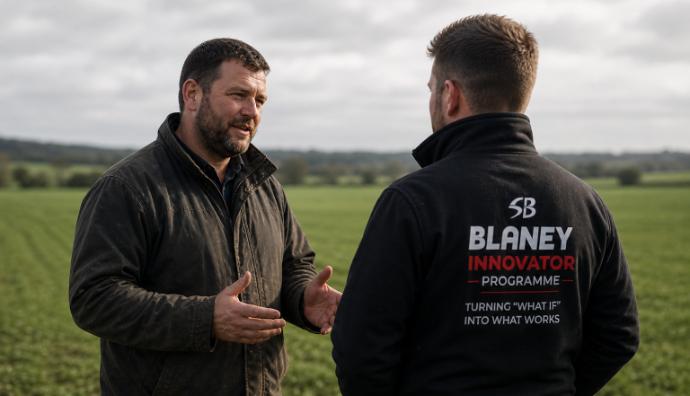
As applications for the 2026 Blaney Innovator Programme enter their final weeks, early submissions are already highlighting a common theme across the industry: farmers are actively searching for smarter, more efficient ways to remain productive and profitable in an increasingly challenging operating environment.
Created by Blaney Group, home to the Blaney Agri and Quad-X brands, the Innovator Programme was established to help turn their communities' realworld frustrations into workable solutions by connecting farmers directly with engineering expertise and investment support.
While Blaney has built its reputation on developing machinery designed to help farmers work more efficiently, protect the environment, reduce input costs and make better use of resources, the programme was created around a simple belief: some of the best ideas in agriculture happen at the farm level.
They often start with the people working on farms every day.
"Farming has never stood still, but the pressures on businesses today are greater than ever," says Sean Blaney, founder and chief engineer of Blaney Group.
"Farmers are dealing with rising costs, increasing regulation, environmental requirements, traceability demands, labour challenges and growing amounts of paperwork, not to mention the weather volatility in recent years, all while trying to run a productive business that returns a profit for their risk and hard work.
"The reality is that if we don't continue to innovate and find better ways of doing things, it becomes increasingly difficult to remain competitive or even turn a profit that pays a fair wage for the farmer. "That's why we created the Innovator Programme. We wanted to give people a route to share ideas, frustrations and opportunities that could genuinely make a difference on their farm but could also lift the industry."
Submissions received so far have highlighted a number of recurring themes across the industry, including reducing machinery downtime and costly call-outs, improving the handling and recycling of waste materials, streamlining livestock management tasks and finding practical ways to
make everyday farming jobs safer, quicker and more efficient.
Among the concepts submitted are ideas aimed at improving the handling and recycling of waste to add value, servicing solutions designed to reduce machinery downtime, practical improvements to livestock handling and feeding, with innovations intended to save time and labour on routine farm tasks.
Many of the submissions reflect wider challenges facing modern agriculture. While the ideas themselves vary, this year's applications share a common objective: helping farmers achieve more with the resources available to them.
"What stands out is that many of the ideas aren't necessarily complicated," adds Sean.
"Often it's the simple improvements that the farmer has no way to develop further in terms of design, testing or proving out themselves, but can make the biggest difference to their everyday tasks.
Farmers are incredibly innovative people, and many of the best ideas come from practical experience rather than a drawing board."
Launched at Balmoral Show, the programme reflects Blaney's unique long-standing approach to customer-led innovation, where feedback from farmers and contractors has helped shape products across both the Blaney Agri and Quad-X ranges. Several concepts submitted through the programme last year are already being explored further, demonstrating the value of creating a direct connection between those experiencing challenges on the ground and the engineers capable of helping
bring solutions to life.
"Every product we've developed over the years has started with a problem that we have helped farmers solve," says Sean.
"Whether it's feeding livestock more efficiently, handling materials more effectively or reducing time spent on routine jobs, innovation has always been about helping farmers improve productivity.
"The Innovator Programme is simply an extension of that philosophy that is so easy for anyone to access. We're looking to help make practical concepts and ideas a reality that can then help move the industry forward."
With applications closing on 30 June, Blaney is encouraging anyone with an idea, challenge or opportunity to get involved.
"You don't need a finished design or engineering drawings, we can do all that for you," says Sean. "If there's something on your farm that could work better, that's exactly the sort of conversation we're looking for. Some of the best innovations start with a simple question – wouldn't it be better if...?"
Successful concepts may receive engineering support and investment of up to £50,000 in turning your 'What If' idea into something that works.
Applications for the 2026 Blaney Innovator Programme close on 30 June.
To submit an idea, visit: www.blaneyagri.com/innovator
Turning 'What If' into 'What Works'.
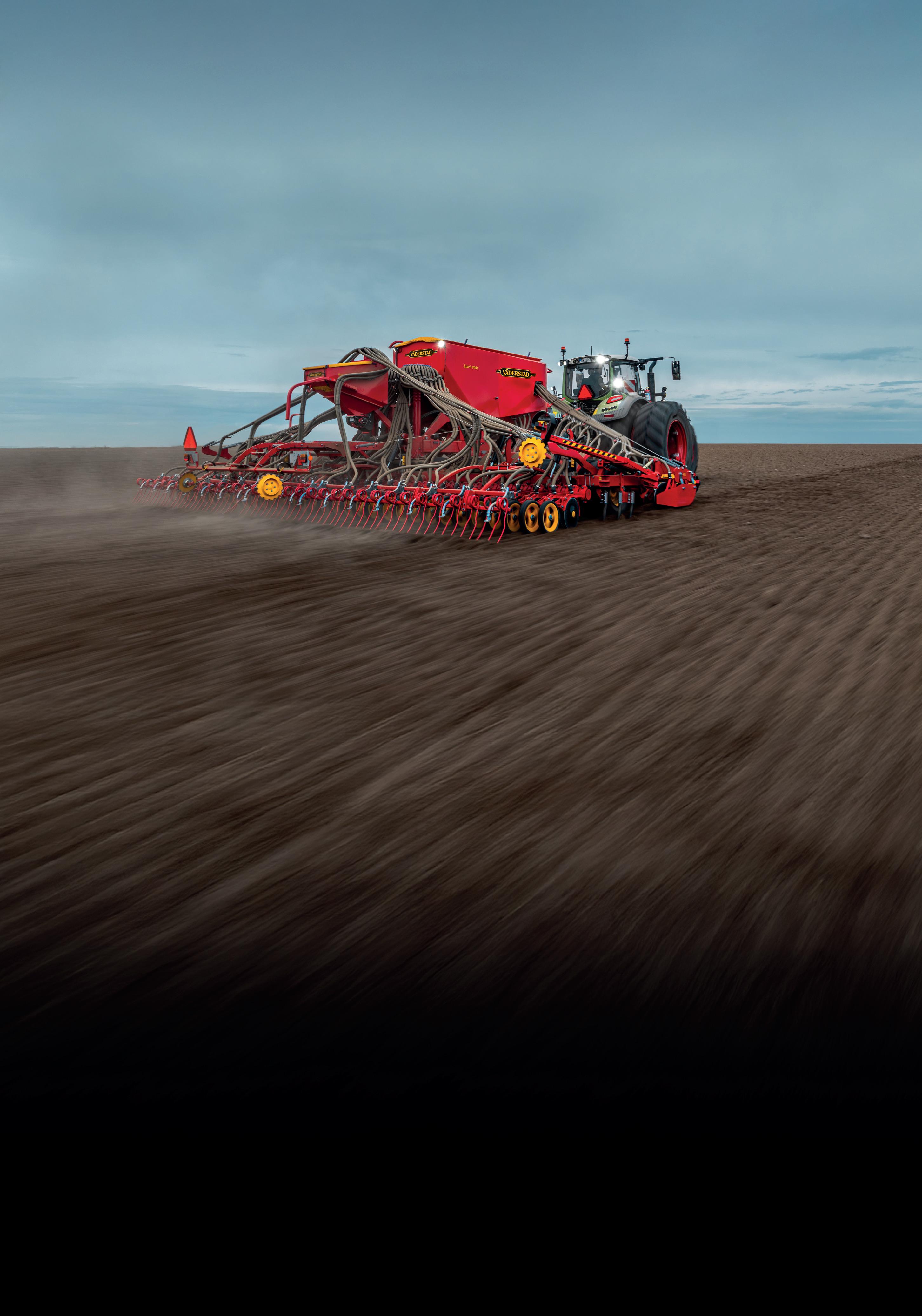
Introducing
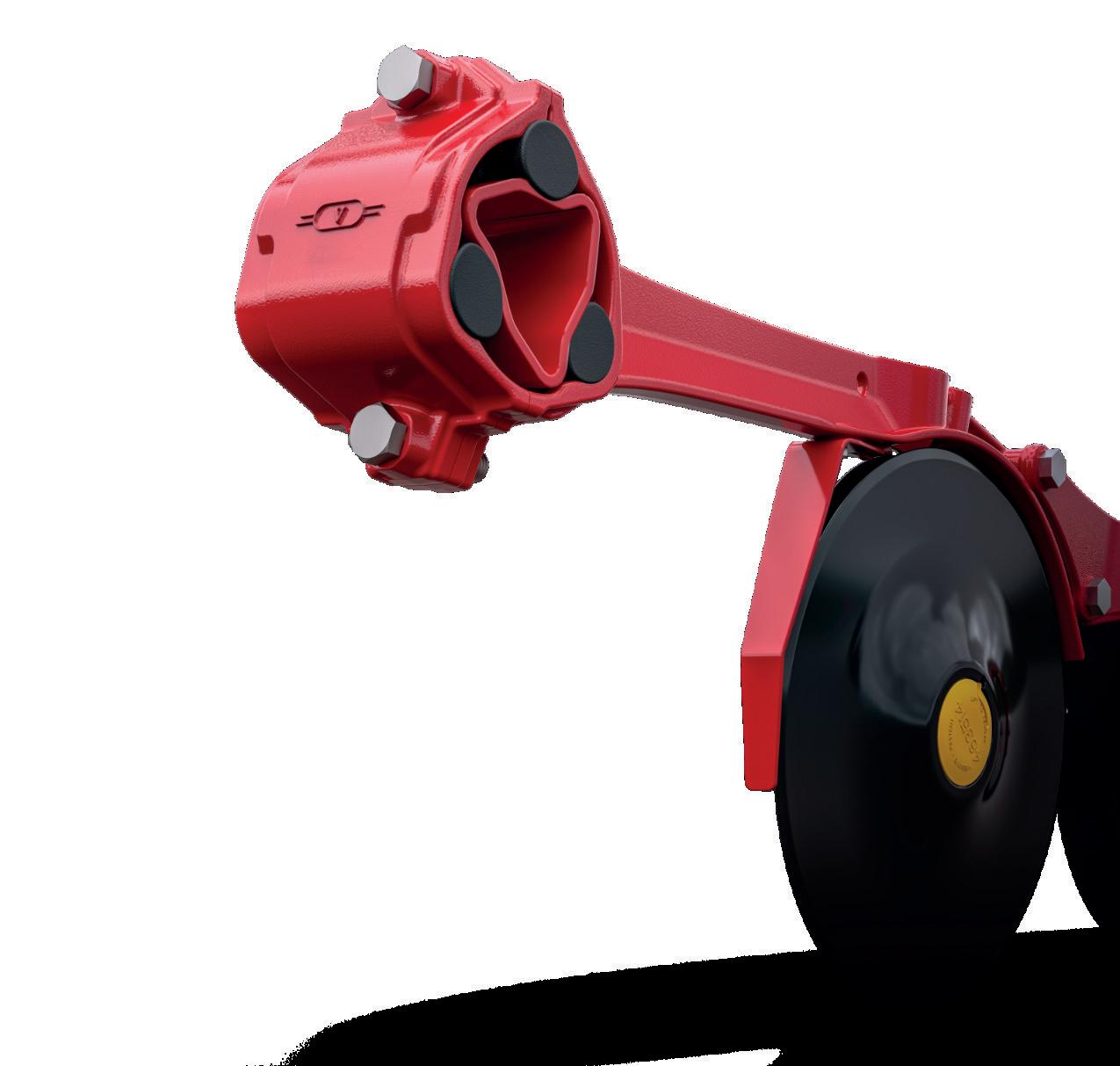
The new patented TriForce II coulter arm suspension brings an unmatched ability to maintain set coulter pressure when stressed by field irregularities. The result is seen in a more consistent seed depth, leading to an even germination and more uniform crop emergence.
Introduced on Spirit and Inspire seed drills.
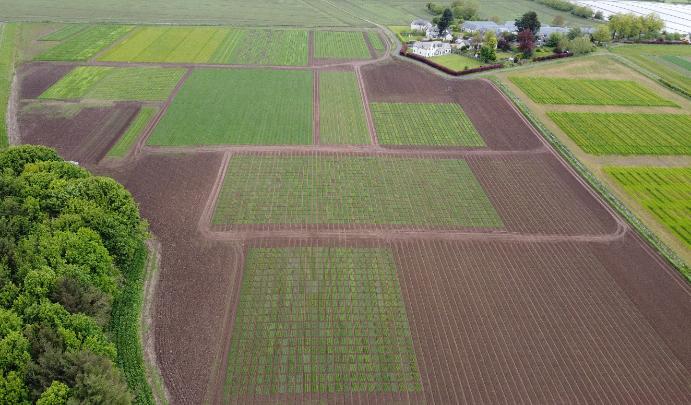
The James Hutton Institute, Scotland's pre-eminent interdisciplinary scientific research institute for the sustainable management of land, crop and nature resources, is hosting a cereal walk on Tuesday 7th July at its Balruddery Farm, near Dundee. The farm is home to more than 5,000 field plots demonstrating the wide range of research projects that are part of the International Barley Hub (IBH) programme.
The International Barley Hub (IBH), hosted by the Hutton, promotes scientific discovery and innovation to future-proof barley, the predominant crop grown in Scotland. It is part of a £62m investment through the Tay Cities Region Deal (TCRD) a partnership between local, Scottish and UK governments and the private, academic and voluntary sectors.
Dr Kelly Houston, Deputy Director of the IBH, said, "Our scientists are using genetic diversity to tackle the challenges faced by the barley industry. Through our science we can support the barley supply chain, from breeders and growers to the Scottish malting and animal feed industry and play an important role in global food security.
"All the projects we will be showcasing aim to increase resilience to the changing climate and reduce barley's carbon footprint."
With climate change accelerating environmental pressures and global demand for barley continuing to rise, research into crop genetics, resilience and sustainability has never been more critical.
The cereal walk will provide attendees with direct insight into pioneering research projects and their real-world impact, as well as the chance to engage with the scientists.
Featured topics include:
• Barley productivity and nitrogen losses under climate change in Scotland
• Malting quality in a changing climate
• Crossing wild barley with modern barley cultivar
• Breeding high-nutritional organic oats
• How Scandinavian spring barley varieties perform in Scottish conditions
• The potential of oil-based cover crops for energy production
• Evaluating seaweed biostimulants to improve nitrogen use efficiency in barley

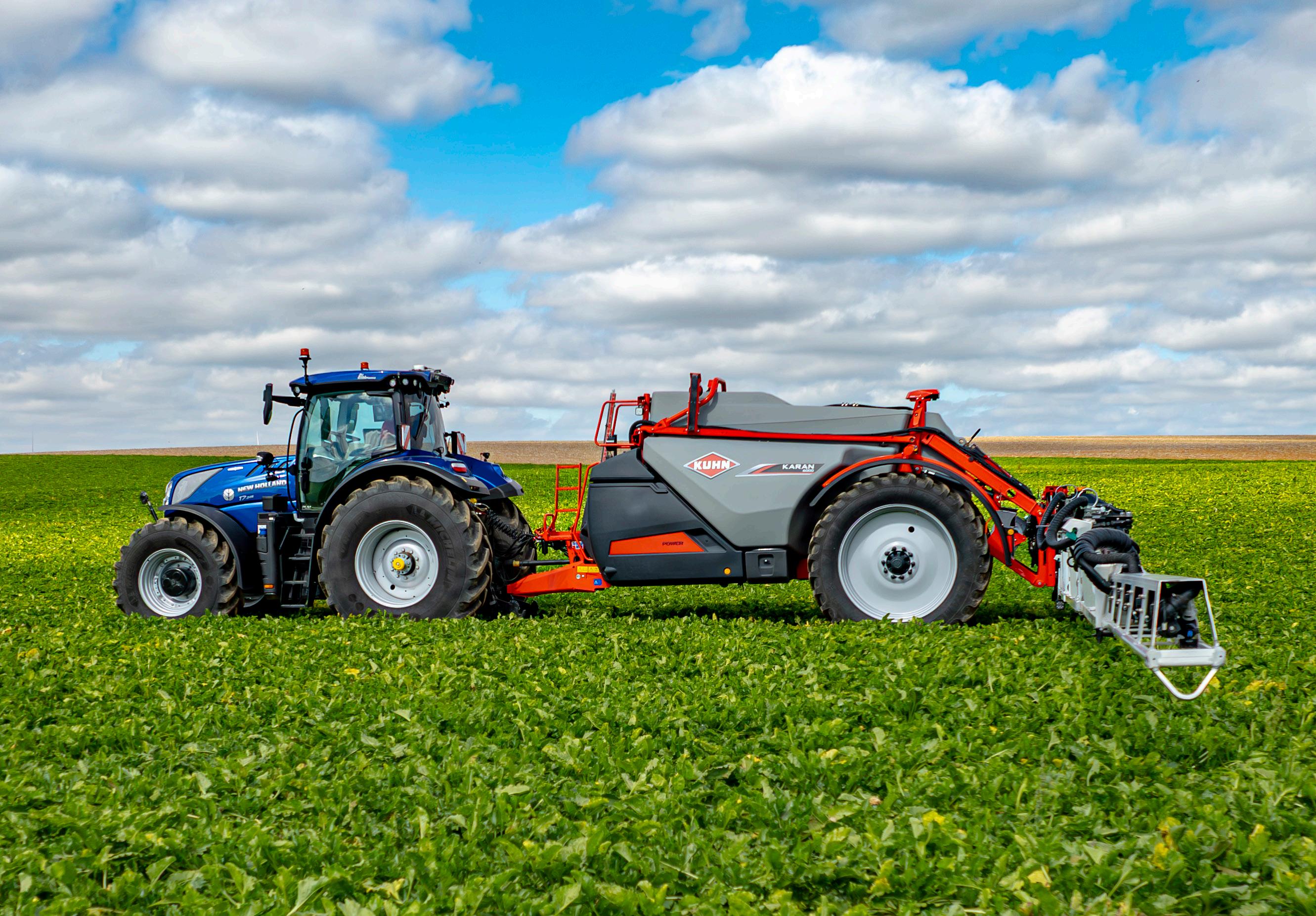
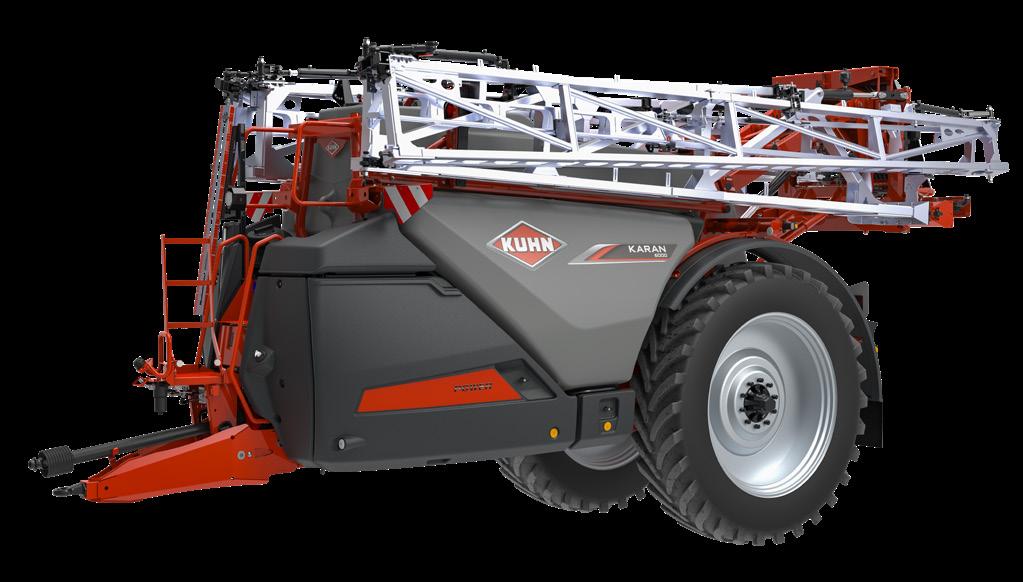
Maximum performance with the efficient sprayer
• Available with 4,500L, 6,000L or 8,000L tank capacities
• Aluminium booms from 24 to 39m, with EAGLE boom height control
• Hydraulic, electric or AUTOSPRAY pulse width modulation circulations
• 280l/min or 560l/min pumps available www. .co.uk
Acampaign calling for the ban has gained significant traction as nearly 60,000 people join celebrities, MPs, and industry bodies, after residues are found in household staples like bread.
A petition calling on the UK government to ban the use of the controversial chemical glyphosate being sprayed on crops days before harvest has garnered nearly 60,000 signatures in just 28 days since thepetitionlaunched.
Campaigners say the significant milestone reflects rapidly growing public concern about pesticide residues in everyday foods such as bread, breakfast cereals and oats.
backed a ban on pre-harvest desiccation in the UK – which was co-ordinated by the Soil Association and signed by 27 environment and health groups, including Riverford, Nature Friendly Farming Network, Greenpeace, and The Wildlife Trusts.
Campaigners say the rapid and growing public response shows pesticide exposure is becoming a mainstream consumer concern, particularly as evidence mounts around cumulative chemical exposure and residues in everyday, staple foods.
New research from Riverford shows 83% of people are concerned about long term exposure to chemical residues in their food, while 67% would support a ban on using glyphosate in British food production.


Glyphosate is used by some farmers to tackle weeds, but it is also often sprayed on crops to dry them out at harvest time, which can leave residues in food.
The Soil Association charity and organic veg box company Riverford have joined forces to call for the UK to align with the EU in banning the use of glyphosate-based herbicides (GBHs) as a preharvest drying agent.
Over 90 public figures including chefs Rick Stein and Hugh Fearnley-Whittingstall, backed the 'Grievous Biological Harm' campaign from Riverford which has been followed by 58,000 people signing the Soil Association's 'Cut the Chemicals'petition.
An open letter to the environment secretary also
Campaigner and founder of Riverford, Guy Singh-Watson, said:"People are deeply concerned that chemicals linked to cancer are ending up in their everyday foods like bread and cereals. The fact that this petition has reached nearly 60,000 signatures in such a short time reflects a growing public unease around how our food is produced.
"Farmers are not to blame here, many are operating within a system, dominated by the supermarkets, that has pushed them towards chemical dependency through relentless pressure on price and efficiency. If we want farming to move away from practices like preharvest glyphosate spraying, the government and the food industry have to help make that transition to nature-friendly farming practices a viable option.
"There are many farmers already proving that lowinput, agroecological approaches can work. But they need practical backing, fair returns and longterm policy support, while shoppers need their trust in the food system restored."
Glyphosate, the active ingredient in many weedkillers including Roundup, is widely used in farming. While often associated with weed and cover crop control as an alternative to ploughing, it is also sprayed directly onto some crops shortly before harvest to dry them and speed up harvesting, which is a practice known as preharvest desiccation.
This can leave residues in foods like bread, breakfast cereal, and beer, with nearly half of crop samples tested in the UK across wheat, barley and
oats found to contain the chemical. Pre-harvest desiccation is not a practice carried out to support soil health management and glyphosate can have a negative environmental impact, says the Soil Association.
The government is expected to face increasing pressure over the issue this year as glyphosate's licence is up for renewal and wider UK-EU regulatory discussions continue.
Soil Association Campaign Co-ordinator Cathy Cliff said:"It's clear from the strength of reaction we've had to our petition that no-one wants a chemical linked to cancer in their sandwiches or breakfast cereal. The UK is already lagging behind Europe which takes a much tougher stance on pesticides that pose a risk to human health. Many people have expressed shock that pre-harvest spraying is not already banned – our government must listen to the public who are rightly concerned about the health implications. We are urging them to do the right thing and remove glyphosate from our foods, while supporting farmers to find alternatives that protect nature and public health. Many farmers are already reducing their use of glyphosate and other harmful pesticides, and the government must work harder to support their efforts."
The petition milestone follows a series of studies and reports highlighting both public concern around pesticides and the prevalence of glyphosate residues in food products.
The recent study from the leading veg box brand also found 70% of people feel they are being kept in the dark about the chemicals used in food production, with the same number admitting they'd be unlikely to eat a vegetable they knew had been sprayed with a "probably carcinogenic" chemical.
Glyphosate is such a persistent chemical that 28% of bread samples tested by the UK government and reported by Pesticide Action Network (PAN) UK were found to contain glyphosate chemical residue.
Despite this, the prevalence of glyphosate has skyrocketed in recent years with PAN announcing in April that its use in British farming has increased by 1,000% since 1990.
Campaigners argue that this reliance is a symptom of a wider problem. They say without better returns and greater support from retailers and government, farmers can be locked into practices that prioritise efficiency and cost over longer-term environmental and public health considerations.
Glyphosate has been under scrutiny for years and has been linked to a wide range of environmental impacts, including effects on soil health, water quality and wildlife.
In 2015 glyphosate was labelled as a probable carcinogen by the World Health Organisation and in March this year a group of international scientists gathered to review new science published over the last decade.
The expert statement issued after the Seattle Glyphosate Symposium stated that glyphosate and glyphosate-based herbicides (GBHs) harm human health and can cause cancer.
It added: "The evidence that glyphosate and GBHs harm human health at levels of current use is now so strong that no additional delays in regulation of glyphosate can be justified."
Rather than calling for an immediate blanket ban, campaigners have launched the petition to urge the government to take a clear first step by ending its use as a pre-harvest desiccant, a move they say would significantly reduce direct exposure through food.
Support the campaigns from Riverford and Soil Association: call on the government to ban glyphosate use on crops pre-harvest on theSoil Association's petition page.
And read more from Guy Singh-Watson on Riverford's campaign:wickedleeks.riverford.co.uk/ BANglyphosate

eady-to-spray solution eliminates mixing, reduces downtime, and supports growing demand for drone-applied seaweed fertiliser.
Edwards’ Seaweed Fertiliser UK, suppliers of natural seaweed products for commercial and domestic application, has launched at Cereals 2026 The Edwards Drone Pack, a new ready-made product designed specifically for professional drone applicators across the UK.
Developed in response to rapidly increasing demand for drone applications of natural liquid biostimulants, The Edwards Drone Pack contains a pre-mixed blend of Edwards Advanced Seaweed Fertiliser, EASy BioN soil enhancer, and clean water, professionally prepared and delivered ready for immediate use.
Complementing the launch, Edwards Seaweed Fertiliser UK is expanding its partnership with Nantwich-based drone services provider Aerial Applications to establish a nationwide network of professional drone operators.
As demand for drone application continues to grow, experienced operators are being invited to join the Edwards Seaweed Drone Network and support the delivery of smart, regenerative farming solutions across the UK.
Frazer Bloor, CEO of Aerial Applications, comments:
“More and more farmers are turning to precision drone technology, and, as sales of Edwards Seaweed fertiliser continue to expand UK-wide, this network will be a game changer in delivering regenerative solutions efficiently, responsibly, and without compromise.”


Each pack removes the need for on-site measuring, mixing, or sourcing clean water, and is formulated for drones to spray up to 3.29 acres of crops or grasslands.
The new solution has been designed by Edwards Seaweed to help drone operators work more efficiently while ensuring application accuracy and consistency.
Dave Edwards, CEO and Co-Founder of Edwards Seaweed Fertiliser UK, explains: …The Edwards Drone Pack removes any complexity from drone application. By supplying the correct mix ready to spray and refill, drone operators can reduce their downtime, eliminate product loss, and focus on delivering precise applications of high-performance seaweed fertiliser, even in remote or difficult-to-access locations.”
The ready-to-use format is particularly beneficial for operators working in challenging environments, where access to water and mixing facilities can be limited. By arriving pre-mixed and ready for application, the Edwards Drone Pack enables faster turnaround times and more productive drone spraying operations.

Network members will receive a range of benefits from promotion through Edwards Seaweed Fertiliser’s website and social media channels to branded marketing collateral to support farmer engagement.
Bloor continues: “All members will be included our recommended applicator directory, with regional lead allocation based on postcode coverage. Full technical product training and ongoing expert support will be provided.”
Interest in drone application of Edwards Advanced Seaweed Fertiliser and EASy BioN continues to increase as UK farmers seek more sustainable fertilisers that are cost-effective and easy to apply, even in the toughest terrains and weather conditions.
Drones offer numerous benefits, including accessing difficult or remote terrain, their ability to spray when ground machinery cannot travel during wet weather, and their precise application with minimal waste and reduced risk of leaching, plus no soil compaction from heavy machinery.
Unlike conventional chemical fertilisers, Edwards Seaweed Fertiliser UK’s high-performance regenerative liquid seaweed solution is particularly well suited to precision drone delivery thanks to its fine-filtered formulation, helping farmers to maximise efficiency while supporting soil health and crop productivity.
For more information about The Edwards Drone Pack, The Edwards Seaweed Drone Network, or to request the full technical information pack, contact Edwards Seaweed Fertiliser UK.
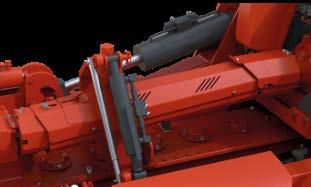
Increased longevity –built for tough environments.
Makes maintenance easier, increases safety.
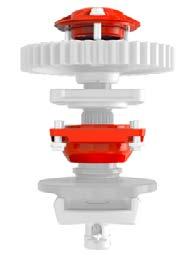
Top and bottom bearings provide high load capacity, top bearing retainers prevent expensive repairs.
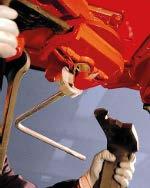
Connected to the packer so adjusts with you – aids soil refinement.



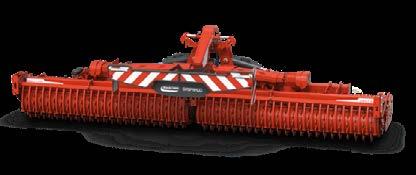
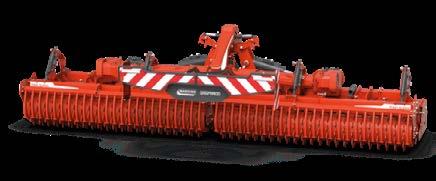

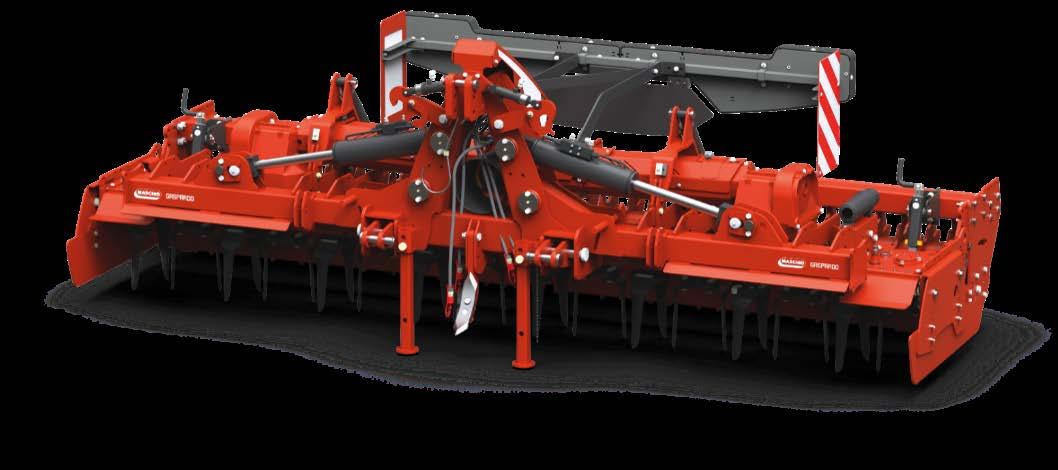
With over 220 years of experience serving the agricultural world, Grégoire Besson offers a complete range of machines dedicated to soil tillage. Ploughs, disc implements, tine implements, soil preparation machines and subsoiling equipment: our range covers all the needs of the most demanding farmers.
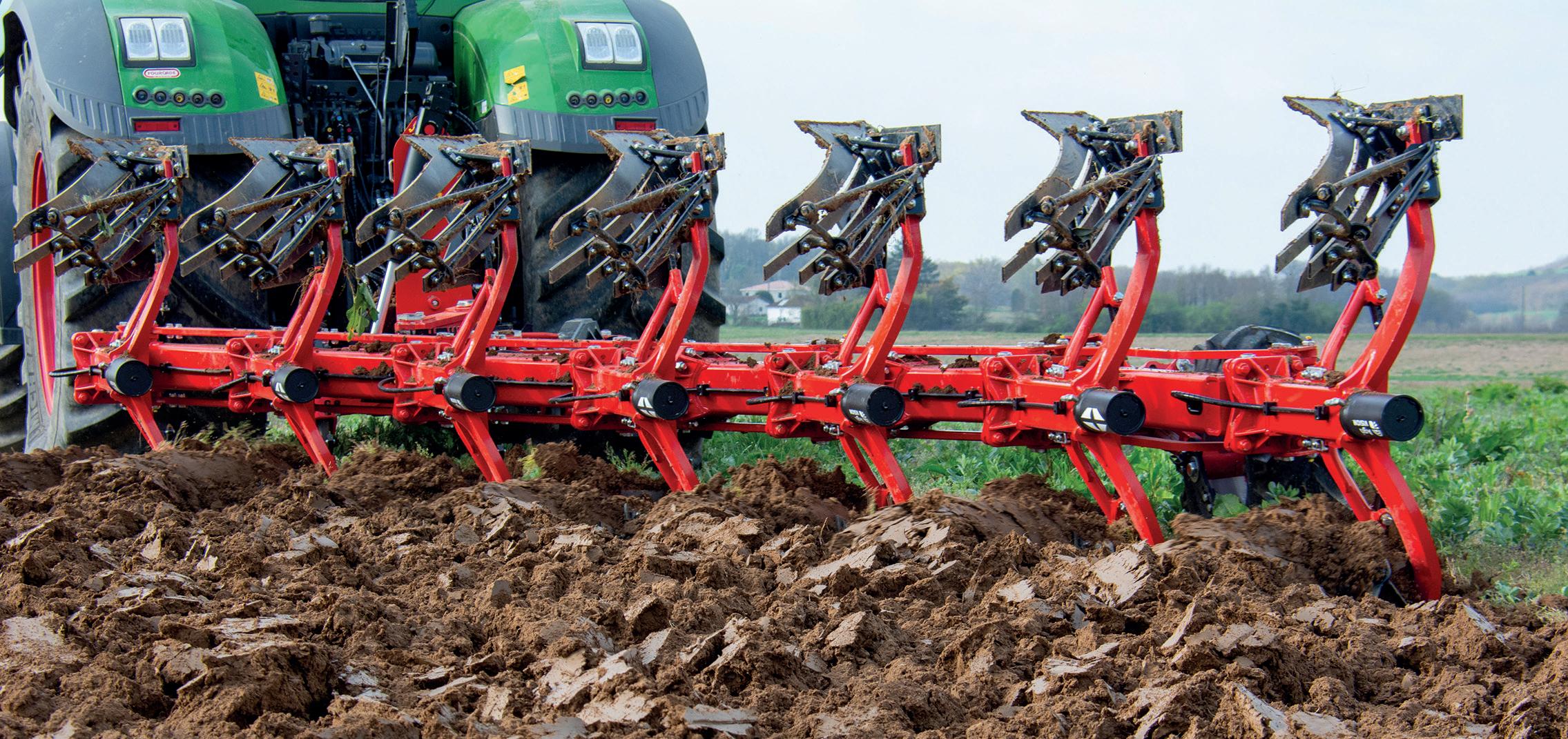
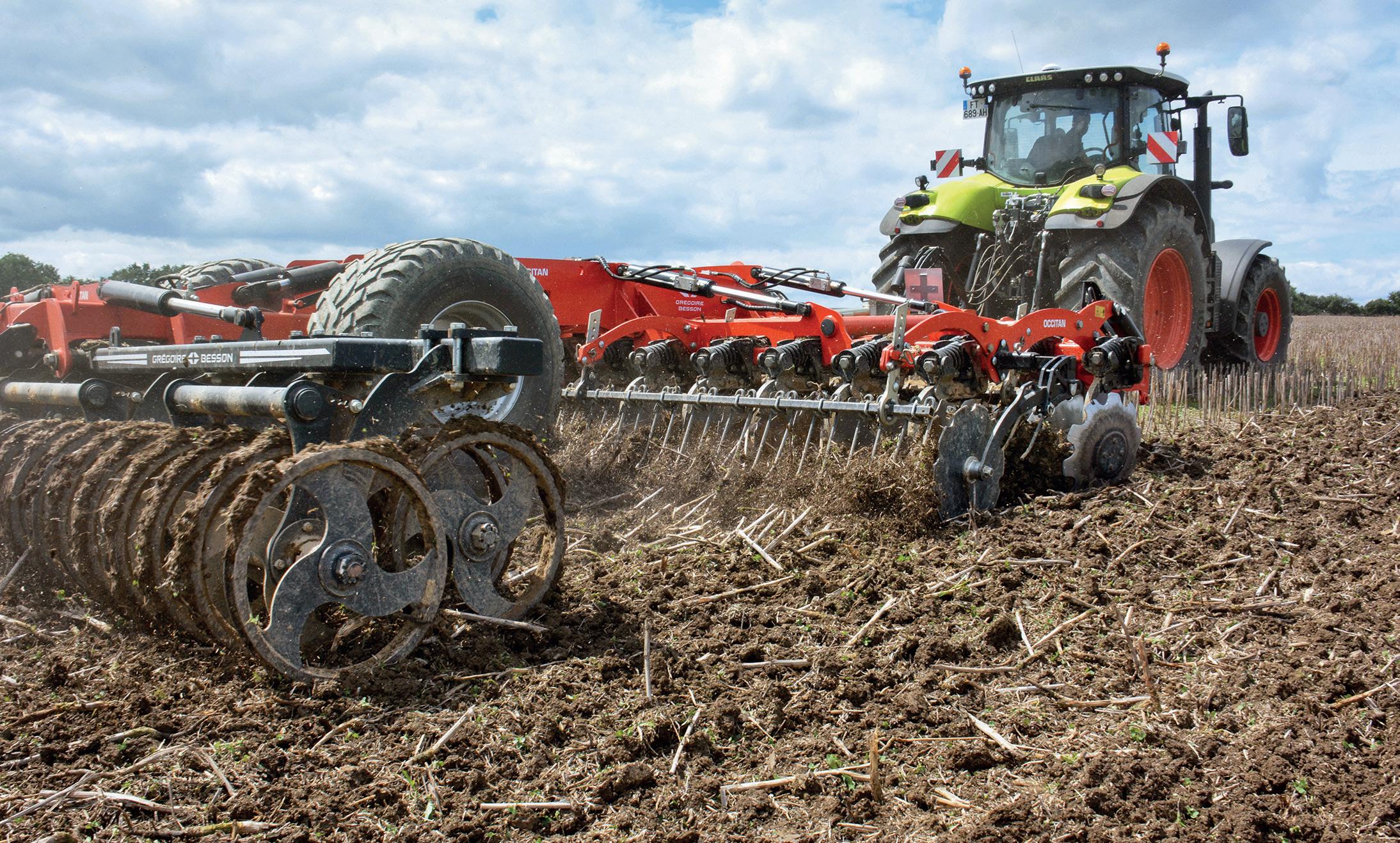
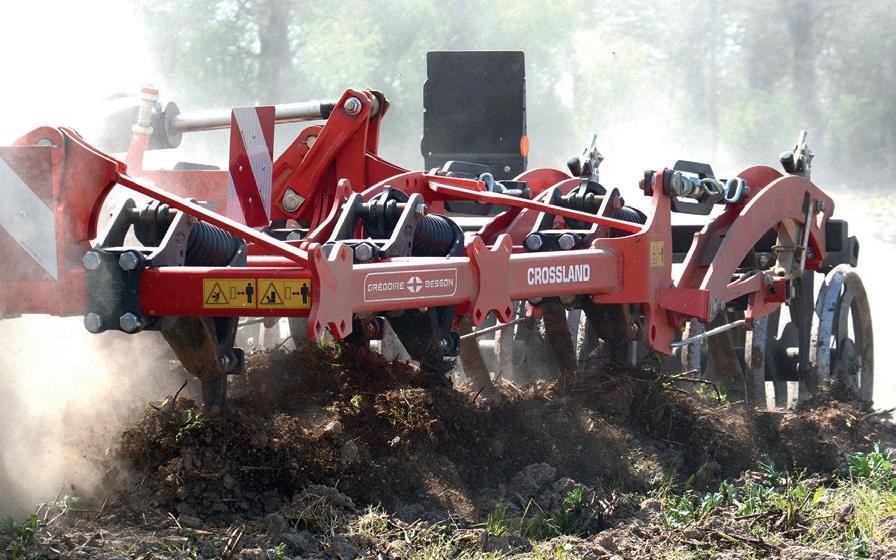
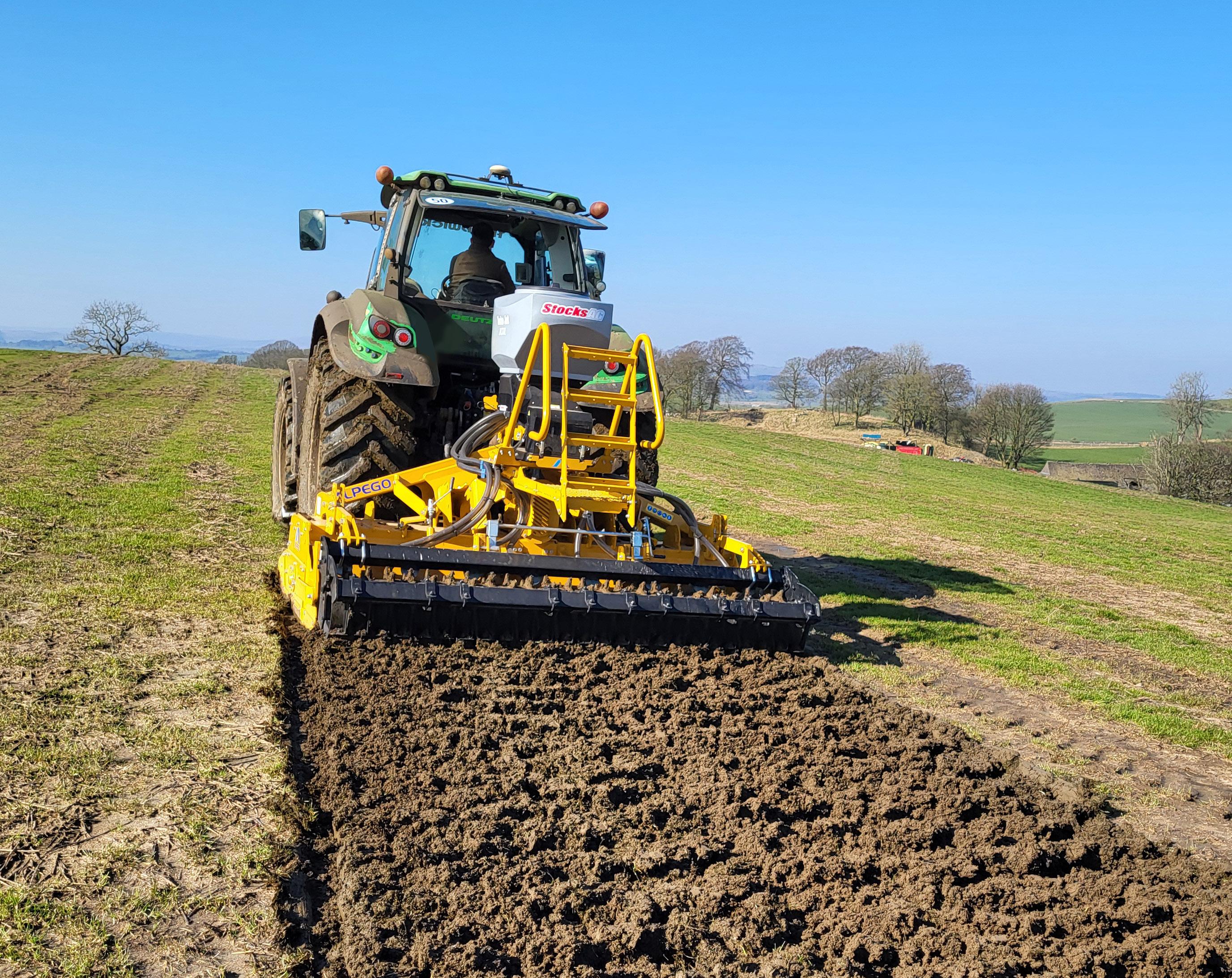
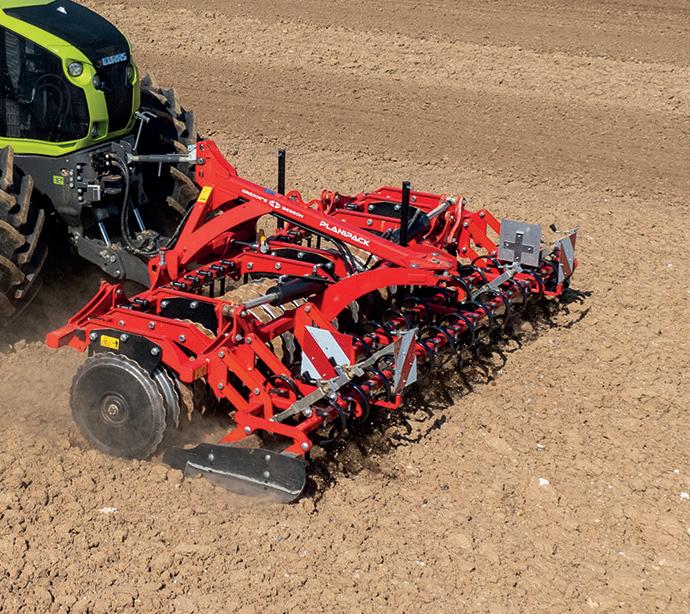
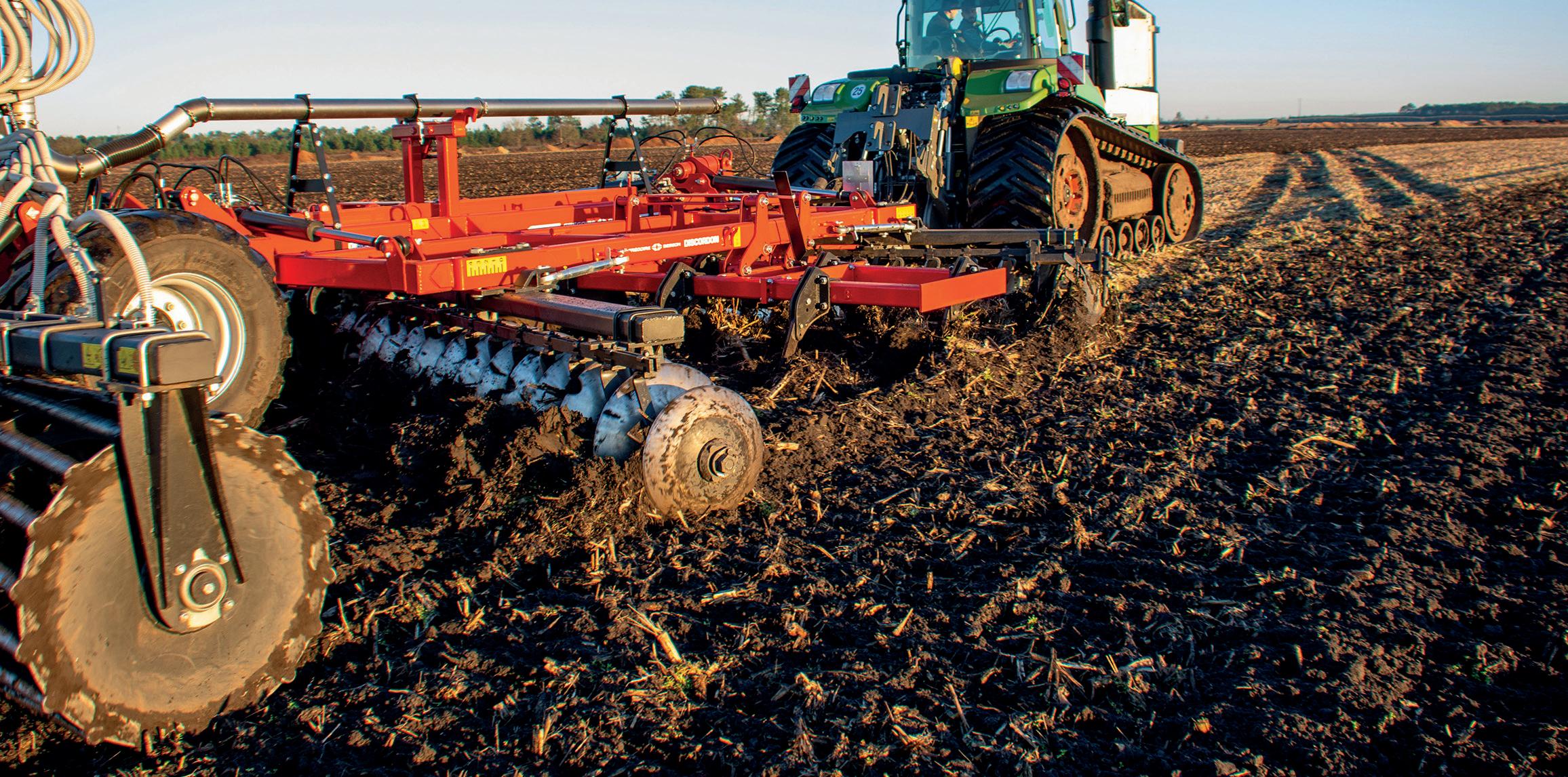
Grégoire Besson machines and parts
Kingdom by Maschio Gaspardo UK. For
nearest Maschio Gaspardo


Maidenhead-based agritech startup, Cordon Technologies, has secured the first close of a £1m funding round led by British Design Fund (BDF) to accelerate the development and commercial rollout of its precision spraying system for farmers and growers.
Cordon is developing a next-generation spraying system designed to help farmers dramatically reduce their use of pesticides and fertilisers. With the sector facing rising input costs, increasing regulatory pressure, and an urgent need to improve environmental outcomes, this is a growing priority across agriculture.

The innovation was born from real-world frustration. Founder and CEO, Jamie Hutchinson, spent eight years running a vineyard in South West France, where he became increasingly frustrated by the limitations of conventional spraying equipment.
"Today's sprayers treat every part of the crop the same, regardless of what it actually needs," Jamie explains. "It's a batch system that wastes chemicals, increases costs and contributes to
unnecessary environmental impact. I knew there had to be a better way."
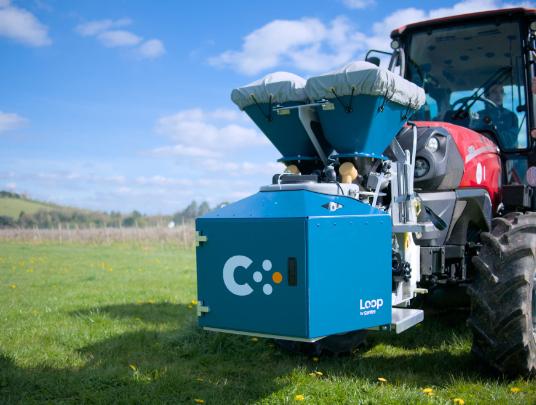
He went on to develop the Loop, Cordon's dynamic mixing and precision-control system. The Loop enables farmers to adjust the concentration of multiple treatments simultaneously and in real time, ensuring each part of the crop receives exactly what it needs. This turns spraying from a batch process into a continuously controlled one.
The technology has the potential to deliver a stepchange in efficiency, helping farmers reduce chemical use while improving accuracy, consistency and operational performance.
The company has already gained early commercial traction in the UK vineyard sector, with an ambition to now expand into vineyards across Europe and further afield, while also adapting its technology for wider crop types including plant nurseries, vegetables, apples and soft fruit.
Jamie Hutchinson said: "Farmers are under huge pressure to reduce chemical use without compromising yield or quality. Our mission is to give them the tools to do exactly that. The Loop makes precision spraying practical, scalable and operationally efficient and this investment from British Design Fund will allow us to accelerate development and bring the technology to more growers, more quickly."
Damon Bonser, CEO of the British Design Fund, said: "Cordon is tackling an important operational challenge in agriculture with a well-considered technical approach. We are pleased to support the team as they continue developing their product and progressing their commercial plans."
This communication is for information purposes only and is not intended as an invitation or inducement to engage in any investment activity.
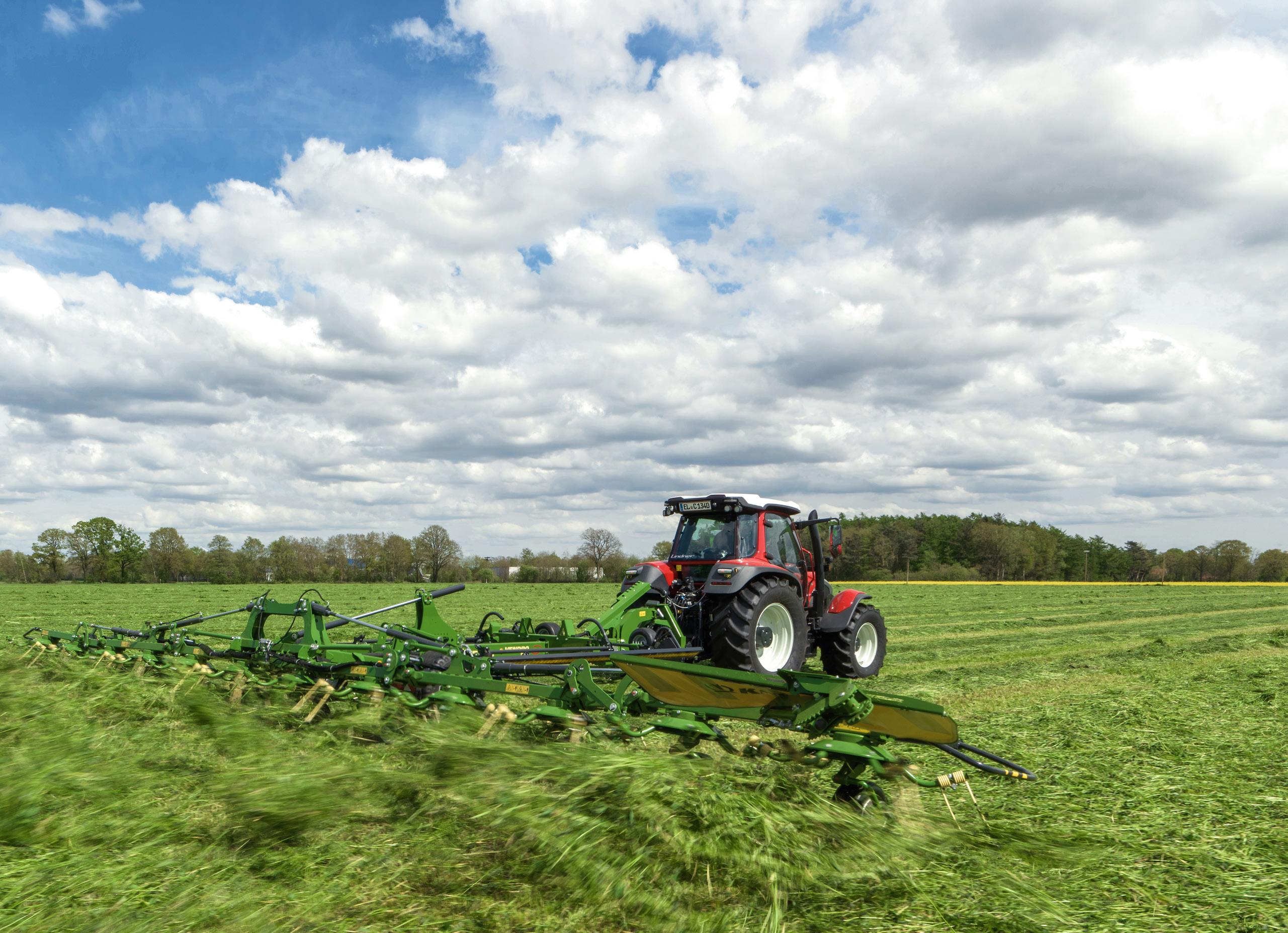
4+40 months on selected Tedder models:
Vendro 1020 · Vendro 1120 · Vendro 1120 C Vendro 1340 C · KWT 1600 · KWT 2000

*Valid until 31 July 2026, exclusions, terms and conditions apply
Scan to find your local Krone dealer to get a quote

*All finance is available on a maximum of 50% of the retail price or balance, whichever is lower. A 4+40 months promotion (44‑month hire purchase agreement with four instalments payable upfront followed by 40 monthly instalments) is available on the following Krone Tedder models: Vendro 1020, Vendro 1120, Vendro 1120 C, Vendro 1340 C, KWT 1600 and KWT 2000. Other Krone Tedder models are available on a 3+30 months promotion (33‑month hire purchase agreement with three instalments payable upfront followed by 30 monthly instalments). The promotion is available on all new Krone Tedder models for deliveries up to 31 July 2026, subject to availability. Pricing information is a representative example only and is based on the applicable hire purchase agreement as outlined above. Unless specified, the price quoted does not include VAT or any fees. The financing referred to in this document is available only through Krone Finance, a trading name of De Lage Landen Leasing Limited (“ DLL”) via participating dealers. The indicative finance rate may increase between
and funding to reflect changes in DLL’s cost of funds. This does not constitute an offer and is not binding on DLL. All applicants must be 18 or
and
Farming
Apea and bean benchmarking guide designed to help pulse growers assess crop development, optimise management decisions and improve crop performance will be launched at the Cereals event by partners in the NCS project.
Developed by researchers from PGRO and ADAS as part of the NCS project, the guide summarises the development of well-performing crops monitored through the Pea and Bean Yield Enhancement Networks (YEN). It brings together key measures of crop growth and performance into a set of practical developmental benchmarks that growers can use to compare how their own crops are progressing throughout the season.
The guide is intended to support both new and experienced pea and bean growers by enabling them to compare crop performance against development observed through the YEN programme.
Erin Matlock, PGRO research agronomist, said: "There's no single formula for growing highperforming pulse crops, but these benchmarks give growers and agronomists a practical way to compare crop progress against the development patterns typically seen in successful pea and bean crops. By doing so, they can identify where seasonal conditions or management decisions may have influenced performance, while also highlighting opportunities to refine management in future seasons."
Tom Wilkinson, senior research consultant for ADAS, said the publication – alongside the PGRO agronomy guide and the BASFsponsored growth guides – brings the guidance available for peas and beans in line with that available for cereals and oilseed rape.
"It's a great outcome from many years of support and monitoring
by the pulse industry and YEN growers. One thing that's particularly exciting is that because the measurements were taken through the YEN, most of them should be replicable on individual farms too.
"We hope it supports experienced growers and also encourages new pulse growers to give peas and beans a try by removing some of the mystery around how they usually develop over the season."
Free copies of the guide will be available at Cereals from participating project partners, including PGRO, ADAS and BOFIN. A digital version will also be available to download from the NCS project websitewww.ncsproject.co.ukand via PulsePEP.

Alimited number of free tickets are up for grabs for Volac’s inaugural Maize Symposia, taking place at the start of July.
The events will see global experts from around the world take to the stage to share the latest research findings and practical tips for farmers under the theme: “Making the Most of Maize: King of the Forage Crops.”
The symposia will be held on Tuesday 7th July at Exeter Sandy Park, Devon, and Thursday 9th July at Harper Adams University College, Shropshire. A limited number of free tickets are available via Eventbrite by entering the code EXETER100 or HARPER100 at checkout.
Jackie Bradley, Global Product Manager Forage for Volac, says the events have been designed to cover all stages of maize production, providing growers with practical advice, underpinned by the latest research findings and innovative thinking.
“It’s the ideal event for maize growers
looking to take their maize management to the next level. For example, Cody McCary from the States will be talking about how drones are being used in the USA to 3D model silage clamps, plan flan feed out, accurately measure forage stocks and review clamp management. He will also cover how this might be applicable in the UK,” she explains.
Iwan Vaughan, ruminant nutritionist at Dairy Diagnosis in Wales, will also drawon findings from his 2017 Nuffield Farming Scholarship on low protein feeding.He will highlight how maize can be used to meet milk processor requirements to reduce total dietary crude protein levels, whilst maximising feed conversion efficiency.
View the full speaker line-up and book your FREE tickets now at Eventbrite:
Makingthemostofmaize_exeter.eventbrite. co.uk and enter EXETER100 at checkout or
Makingthemostofmaize_harperadams. eventbrite.co.uk and enter HARPER100 at checkout.

Arable farmers will soon be able to pinpoint where slugs will strike – and target them more precisely – thanks to the efforts of farmers and scientists working together on a Defra-funded project.
Modelling to produce slug prediction maps is just one of the outputs from SLIMERS (Strategies Leading to Improved Management and Enhanced Resilience to Slugs) a three-year project led by the British On-Farm Innovation Network (BOFIN).
slug populations across their fields helped us develop that understanding further and allowed us to confirm our hypothesis about how slug patches re-form after waterlogging.
“In waterlogged soils patches become unstable and break down, but we have now confirmed that patches reform temporarily in places we wouldn’t expect in normal conditions and then quickly return to their predicted areas once more typical soil conditions return.”
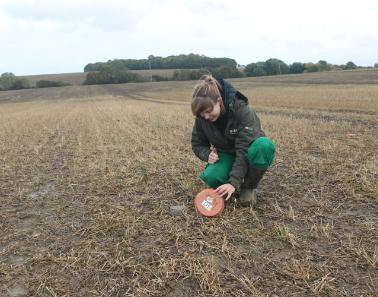
Data collected by a team of 28 Slug Sleuth farmers and agronomists enabled Prof Keith Walters and his team at Harper Adams University to increase their understanding of slug behaviour, establish a model to predict where slugs will be found in arable fields, and validate it. Extensive soil sampling across the monitoring fields by Agrivation also formed part of the analysis.
The successful creation of slug prediction maps unlocks the potential for more precise control of slugs in arable fields including reduced use of pesticides.
Keith said: “Coming into SLIMERS we already knew that slugs didn’t occur randomly across fields, but that they form distinct patches according to soil type and climatic conditions. The Slug Sleuth’s data of
Having this additional understanding strengthened a model that was developed in the latter stages of the three-year project to explain the underpinning biology leading to patch formation. “We had some glitches in the early days, but they were all solvable and this has now formed the basis of a forecasting model that I am really confident in.”
The resulting slug prediction maps were tested by the Slug Sleuths over Autumn/ Winter 2025-26.
“Despite low slug numbers over the testing period we have sufficient data to prove that the model works. And perhaps most importantly, that farmers are happy to use it and it fits in with modern commercial equipment.”
The farmer-scientist collaboration element of the project is particular a point of celebration, he stresses.
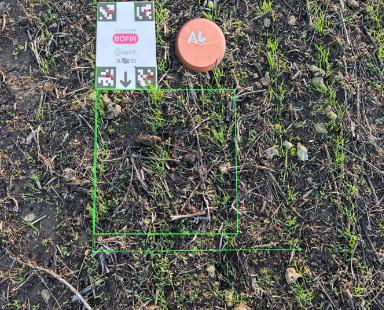
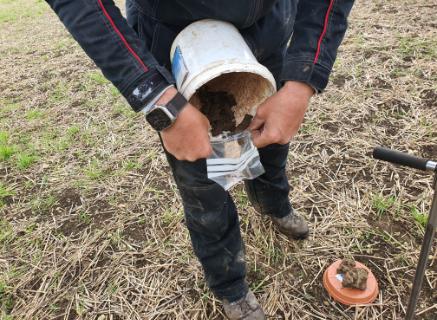
“I have no doubt our farmers collected data to the same level of accuracy as trained technicians.
“Plus, by working with farmers from the start, the developments we have made have been more significant and impactful. Farmers brought a different perspective and expertise. That knowledge is vital and you don’t get it unless the farmers involved have some level of ownership in the research and its outcomes.”
Anyone interested in learning more is invited to visit the BOFIN stand (number 1044) at Cereals at 3pm on day one or 8.30am on day two, and/or attend a 1pm panel session on day two on the Farmers Weekly stage.
have been able to prove to myself that I can evaluate the risks from slug activity with greater accuracy.”
Similarly, Nottinghamshire farm manager Richard Cross has found himself moving away from blanket applications of slug pellets since joining the project in its first year:
“I’ve learned that slug issues can be controlled in a more environmentally friendly way.” He is keen to see the project’s findings taken further. “I don’t think this project is concluded yet - we need funding to get the variable rate applications out on farm to build up a data set to prove the theory.”
SLIMERS is a three-year £2.6M research programme involving more than 100 farms and seven partners concluding in August 2026.
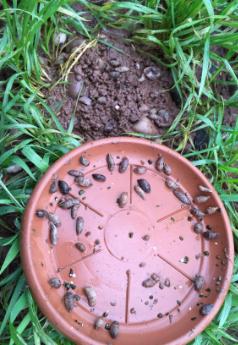
Bedfordshire farmer Charles Paynter was involved in the project from the start. He welcomed the advances made by the research: “With the findings from SLIMERS research, together with new technical developments, we can predict slugs’ activity more accurately than before. This means we will be able to use more targeted treatments which has the potential to be less damaging to biodiversity.”
He has already reduced the amount of slug pellets applied to his crops.
“My threshold for taking control measures is higher now because I
Funded by Defra’s Farming Innovation Programme, delivered by Innovate UK, the project is led by the British OnFarm Innovation Network (BOFIN). It combines expertise from partner organisations the UK Agri-Tech Centre, Harper Adams University, the John Innes Centre, Fotenix, Farmscan Ag and Agrivation. The consortium has also been developing an Al-based autonomous system for the targeted application of biological control, and exploring 'slug resistant' wheat varieties.
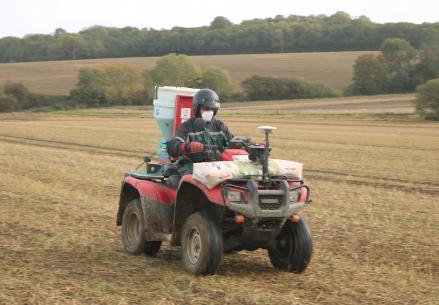
Working with Capstan and Case, BfS has developed a low drift nozzle for use with Pulse Width Modulation (PWM) nozzle bodies.
Since the early days of the introduction of PWM, BfS have been marketing PulZar nozzles throughout north America and Canada and now the PulZar nozzle systems are being offered on machines coming onto the UK market.
PWM controls each nozzle separately, and the flow rate from each nozzle is managed by rapidly switching the nozzle control solenoid on/off. The duration that the nozzle is “on” is called the Duty Cycle and varying this duty cycle provides the
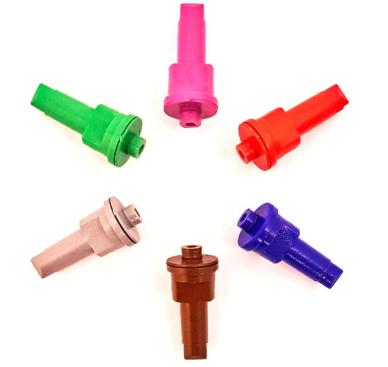

Flowgro Ltd
Barton Tumns Farm Lichfield Road, Burton upon Trent, DE13 8ED
TEL: 01283 712172
www.flowgro.co.uk
operator with the ability to control the volume output from each nozzle.
The system pressure, spray quality and fan pattern remain consistent.
The system can cope with a five-fold change in forward speed without affecting output.
PWM bodies will enable the correct application from each nozzle even when going around a corner where the outer edge of the boom is ravelling much faster than the inner edge, so giving a lower rate of application. PWM corrects this by changing the duty cycle at each nozzle to compensate accordingly.
For more information phone 01268 710237 or email stores@bfs.uk.com
Credit: Simon Nichols– BFS www.bfs.uk.com

The Sustainable Use Directive (SUD)* requires all pesticide application equipment to be tested by the relevant dates.
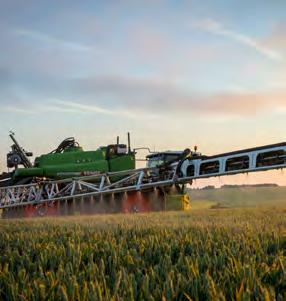
Legal requirements
First test due before the machine is 5 years old
1. Boom sprayers over 3 metres, air blast sprayers, train and aircraft sprayers
Re-test every 3 years
2. Booms 3 metres and under, slug pellet & micro-granular applicators, weed wipers, seed treatment, manually propelled or self-propelled trolley type equipment with 3 or more wheels & a motorised pump, and other specialist equipment
Re-test every 6 years
3. Knapsack, handheld and pedestrian* equipment
a. Must be checked on a regular basis by a competent person
b. Make any repairs necessary
c. Keep a record
* Maximum 2 wheels or with a manually pressurised pump
Farmstar Limited
Grove Farm, Church Lane, Marr, Doncaster, South Yorkshire, DN5 7AU
Agrifit Machinery Ltd
Crop assurance scheme requirements
a. Annual testing for sprayers over 3 metres and air blast sprayers
b. Annual testing of granular nematicide applicators
c. All other equipment to SUD timescales
* The legal requirements are contained in the Plant Protection Products (Sustainable Use) Regulations 2012
Flowgro Ltd
Bavenhill Mechanics

Dave Lightowler
Present in Yorkshire & Lincolnshire
Tel: 01302 786786
www.farmstar.co.uk

Arglam Dairy Farm Arglam Lane Holme on Spalding Moor YO43 4HG
Tel: 07966 112629
www.agribuggy-yorkshire.co.uk
Barton Tumns Farm, Lichfield Road, Burton upon Trent, DE13 8ED
Preston Cross, Ledbury, HR8 2LJ
www.nsts.org.uk
Tel: 01283 712172
www.flowgro.co.uk
Tel: 01283 712172
www.bavenhill.co.uk

F Group and Camgrain are proud to launch a new collaboration, designed to maximise value for farmers by combining competitive input purchasing with industry-leading grain storage and marketing solutions.
This collaboration brings together two key elements of farm profitability: AF Group’s ability to minimise the cost of inputs and Camgrain’s expertise in maximising returns through storage, handling and grain marketing.
In practice, farmers can choose how involved they wish to be. Camgrain manages storage, quality assurance and logistics, while providing the flexibility for growers to either rely on pooled marketing expertise or take a more hands-on approach with direct selling routes.
the products and services offered by AF Group as complimentary to our own offering and believe this is the start of a long-term relationship.”
AF Group’s chief agricultural officer, John Barrettbelieves the partnership offers great benefits to farmers:


“What do Camgrain do? They store grain well, giving you the best opportunity to be able to sell that grain to buyers who know what they're going to get. They will dry it at the lowest cost, store it at the lowest cost, and assure it to the highest standard so you can get the best value out of your crop.
“Combine this with AF’s specialists procuring inputs at best value, this collaboration presents an excellent opportunity for farmers to maximise returns on their crops at a time when that is more important than ever!”
The partnership introduces a range of practical benefits for farmers choosing to work with both co-operatives, including discounts, grain cleaning and storage, and lucrative opportunities for grain marketing via forward contracts, specialised pool marketing, and competitive marketing platforms.
Camgrain is a farmer-owned co-operative providing storage, drying, logistics and marketing services for combinable crops including wheat, barley, oilseed rape (OSR), oats, linseed, beans, peas and organic crops. Its storage facilities are located across Cambridgeshire (Cambridge and Linton), Northamptonshire and Warwickshire, giving growers access to modern, efficient infrastructure across key arable regions.
Simon Willis, Group CEO is positive about working more closely with co-operatives such as AF Group:
“As a farmer owned co-operative, Camgrain is delighted to be collaborating with AF Group - a similar farming co-operative. In these challenging times for UK arable crop farmers, I believe it is vital that we work together with other farming cooperatives, to reduce the costs each other’s farmer members incur operating their businesses. We see
Camgrain continues to invest in advanced technology to maximise the value of members’ crops. Its facilities include high-capacity colour sorters capable of removing contaminants such as ergot at rates of up to 100 tonnes per hour, efficient drying systems, and a new BoMill protein sorting plant capable of processing 15 tonnes per hour. This technology enables grain to be segregated by protein and nitrogen content, helping target premium markets and improve overall returns.
AF Group is a leading agricultural co-operative focused on helping Members reduce input costs, improve efficiency and strengthen profitability through collaboration and scale.Farmers interested in accessing the benefits of the collaboration should mention the AF Group–Camgrain partnership when making an enquiry. Teams at both organisations will work together to ensure eligible growers receive the relevant offers and support.
For AF membership enquiries, farmers should contact the AF Group on info@af.farm | 01603 881881. For Camgrain storage enquiries, contact the team on 01638 572800 or emailinfo@camgrain.co.uk.
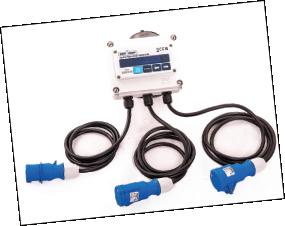
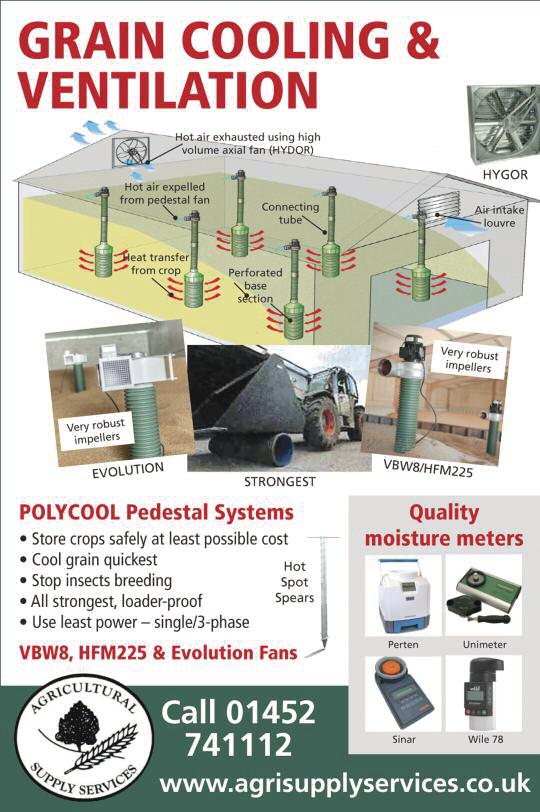


hen it comes to protecting your grain after harvest, the equipment you choose can make the difference between a quality crop that commands a premium price and a spoiled store that represents a devastating financial loss. Here, we explain why Polycool grain cooling pedestals are our clear recommendation and why no other manufacturer currently matches them.
Once the combine rolls and your grain store begins to fill, the crop's journey is far from over. Freshly harvested grain retains both residual heat and moisture from the field conditions that quickly create a hospitable environment for mould, harmful microbes, and insect pests. Left unchecked, these threats can devastate an entire season's work within days.
Grain cooling pedestals are vertical ventilation structures placed directly within the stored crop. A slotted base section draws ambient air in at floor level; extension pipes carry that airflow up through the grain mass; and a fan positioned at the top either sucks or blows heat away from the crop. The result is a controlled, even reduction in grain temperature throughout the store the single most effective non-chemical method of preventing spoilage.
Key Temperature Targets:Grain should be cooled to below15°C within two weeks of harvestto reduce insect activity, and then brought down to below12°C within three to four monthsto halt insect activity altogether. A well-managed pedestal system makes both targets achievable with minimal energy expenditure. Getting below5°Cover winter is the gold standard at this point insects can no longer feed and will slowly die off entirely.
To appreciate why rapid cooling matters so much, it helps to understand precisely what is happening inside a grain bulk as temperature rises and falls. The HGCA Grain Storage Guide provides a clear picture and it makes for compelling reading for anyone responsible for a grain store.
Freshly harvested grain is, by nature, warm and often still carrying field heat. Temperatures above15°Care enough to allow most insect species to remain active, and between25°C and 33°Cthose insects breed rapidly. At temperatures above40°C, most insects will die within a single day but at that point, heat damage to the grain itself becomes a serious concern. The practical window where insects are active, breeding, and causing damage is therefore the range most commonly encountered in UK stores in late summer and autumn: 15 - 33°C.
Mycotoxin formation one of the most serious quality threats in stored grain is most likely between15°C and 25°C. This is precisely the temperature band your grain will occupy in the weeks immediately after harvest if cooling is not initiated promptly. The combination of residual field heat, elevated moisture, and insect activity in this window is the primary reason that early, sustained ventilation is so critical.
Once grain temperature falls below15°C, most insect species cease to breed though it is worth noting that grain weevils can still reproduce slowly down to around12°C, which is why that 12°C target remains important. Mites and fungi can continue to increase (albeit very slowly) down to5°C in moist grain, reinforcing the importance of ensuring grain is stored both cool and dry. Below5°C, insects cannot feed and will slowly die off making a wellventilated, cool store one of the most effective pest management tools available.
The table below summarises the key temperature thresholds and their implications for grain storage management:
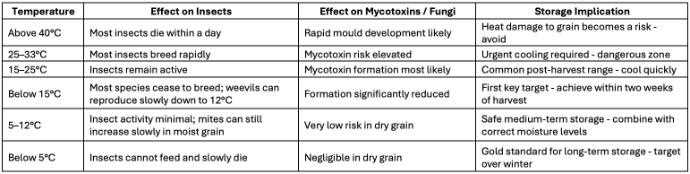
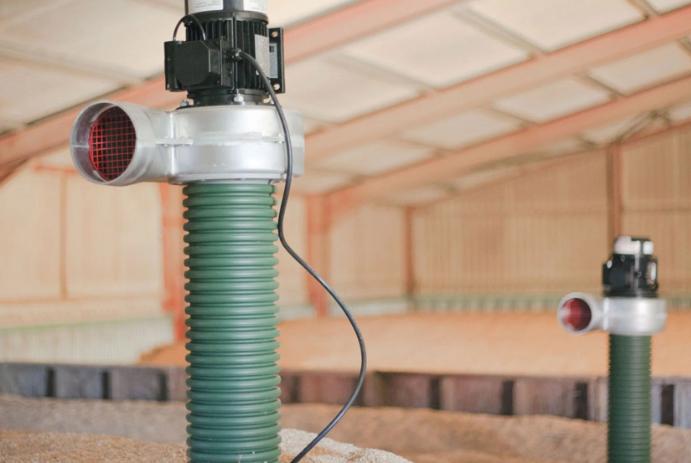
Grain is a good insulator heat lost from a warm bulk is lost very slowly without forced ventilation. This means that without active cooling, a store filled in August may still be carrying dangerous heat levels well into October. The HGCA Grain Storage Guide recommends a low-volume aeration rate of10 m³/ hour/tonne (6 ft³/min/tonne)for cooling purposes. At this rate, cooling is effective without being excessive and fans should begin running as soon as ducts or pedestals are covered by grain, not once the store is full.
Crucially, cooling at this rate permits grain to be stored atslightly higher moisture contentsthan would otherwise be safe, whilst the cooling process is under way effectively increasing your safe storage window during the difficult early weeks of harvest. It also evens out temperature gradients within the bulk and prevents moisture translocation, where warmer, wetter air migrates to cooler parts of the store and deposits moisture on the grain surface.
Research and practical trials have consistently shown thattemperatures fall more rapidly and to lower levels when using automatic fan control compared to manual operation. A differential controller works by switching the cooling fan on only when the ambient air temperature is lower than the grain temperature typically by a margin of
4-6°C. This ensures fans run whenever conditions genuinely favour cooling, and switch off automatically once the grain reaches ambient temperature.
The benefits are twofold. First, the grain reaches its target temperature faster, reducing the window in which insects and moulds can cause damage. Second, because the system runs only when effective, the number of fan hours and therefore electricity costs are reduced compared to manually operated fans that may run during conditions when cooling benefit is minimal. When using a differential thermostat with a 4-6°C differential, blowing with cooler air does not dampen grain a common concern that the data firmly dispels.
The ambient temperature sensor should be positioned close to the fan inlet but away from any heat generated by the fan motor itself. The grain probe should be placed in the region of the bulk that is slowest to cool typically towards the centre of the store and not too close to the surface, to avoid the sensor merely tracking ambient temperature rather than true grain temperature. Agricultural Supply Services supplies compatible Grain Fan Assist automation systems that integrate directly with Polycool pedestal installations to provide this differential control functionality.
The question is not whether to use pedestal ventilation it is which pedestal to use. Having supplied and installed crop storage systems for farmers across the UK for many years, Agricultural Supply Services' answer is unequivocal:Polycool.
1. Loader-Proof Strength.Twin-wall food-grade plastic withstands direct hits from loader buckets without denting, cracking, or distorting.
2. 55+ Years of R&D.Evolved through over five decades of British agricultural engineering, with more than 35,000 units now working on farms globally.
3. Superior Airflow Design.Ribbed construction and precision-matched slotted area prevent crop blockages and deliver equal air distribution at every depth.
4. Food-Grade Materials.Virgin polymer plastic meets the highest food safety standards no rust, no contamination risk, no corrosion over time.
5. Fully Modular & Flexible.Standard (3.5 m, extendable to 5.5 m) and Maxi (5.1 m, extendable to 9 m) variants suit stores of any size or configuration.
6. No Permanent Installation.Units require no groundworks, can be repositioned between harvests, and integrate into both new builds and existing stores.
Traditional grain pedestals have historically been manufactured from galvanised steel or thin aluminium sheet. Whilst metal construction does offer a degree of rigidity, real-world farm conditions routinely expose serious weaknesses that Polycool's design has comprehensively addressed.
One of the most common questions we hear from farmers evaluating pedestal systems is: why are the extension pipes unperforated? The answer lies in a straightforward principle of fluid dynamics. Air, like water, takes the path of least resistance. If the
entire pedestal were slotted, when a fan is drawing air upwards, the overwhelming majority of that airflow would be pulled from the grain immediately surrounding the upper metre of pipe — leaving deep grain virtually unventilated.
By concentrating the slotted area in the wide 450 mm base section at floor level, Polycool ensures that air is drawn evenly across the full footprint of the base, travelling up through the non-slotted extension and exhausting through the fan above. The result is genuine, measurable cooling across the entire depth of the stored crop — not just at the surface.
The distinctive ribbed construction of the Polycool base section is often assumed to be purely structural and it does significantly increase the pedestal's strength. However, the ribs serve a second critical function: they hold the grain away from the perforated surface, preventing fine particles, weed seeds, and broken kernels from blocking the slots over time. This maintains consistent airflow throughout the storage season without requiring any manual clearing or maintenance.
Polycool pedestals are specifically engineered so that the total open area of the slotted base precisely matches the airflow characteristics of the recommended pedestal fans. This means there is no loss in cooling efficiency compared with metal alternatives an important point for farmers who may assume that a plastic unit must represent a compromise on performance. It does not. The cooling rates are equivalent; the durability is vastly superior.
Some farmers, particularly those planning new grain store builds, consider underfloor ducted ventilation as an alternative to pedestal systems. Whilst underfloor systems do have their place particularly in overhead-conveyor-filled stores where pedestals are harder to position they carry
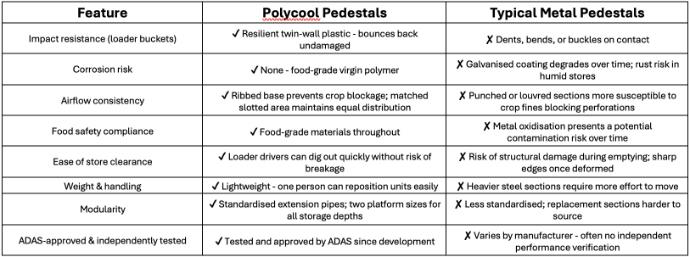

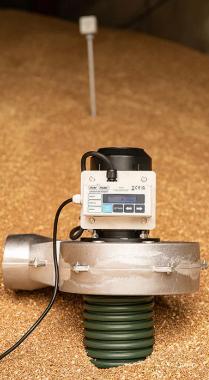
significant disadvantages that pedestal ventilation avoids entirely.
Underfloor systems require substantial capital investment in groundworks during the original construction phase. Once installed, they are permanent and cannot be adapted if your cropping or storage requirements change. They also require annual maintenance and, critically, the channels and ducting can provide an additional breeding environment for storage pests such as grain mites and weevils the very organisms you are trying to prevent.
Polycool pedestals, by contrast, require no groundworks whatsoever. They can be moved between bays, repositioned to suit different storage depths, and adapted to new buildings at no additional infrastructure cost. For the vast majority of UK farm stores whether existing buildings or new constructions pedestal ventilation offers a more practical, more flexible, and considerably more cost-effective solution.
Handling Damp Grain at Harvest:In a challenging, wetter-than-average harvest, Polycool pedestals can hold damp grain at up to 18% moisture content provided fans are adequately sized and run continuously for the first month after combining. Agricultural Supply Services recommends a minimum of one Evolution VBW 7 (1.1 kW) fan for every two standard pedestals for grain arriving between 16% and 18% moisture. Never be tempted to switch fans off during humid or wet weather; low-volume ventilation rarely re-wets grain, and pausing fan operation risks the crop heating and airway closure through the grain mass.
Over 55 Years of Proven British Engineering
Polycool was developed and first trialled in collaboration with ADAS the independent
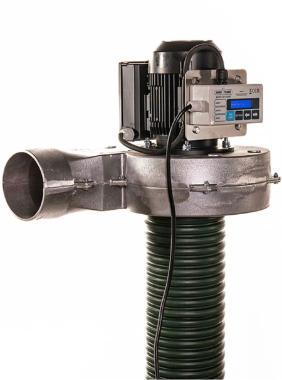
agricultural development and advisory service to verify that the slotted area of the pedestal design produced the airflow necessary for effective crop cooling. From those initial trials, the product has grown into the UK's most trusted grain cooling pedestal, with sales now comfortably exceeding 35,000 units across farms worldwide.
That longevity is not accidental. In an industry where margins are tight and equipment must perform year after year under genuinely punishing conditions moving grain, loader traffic, extremes of temperature and humidity a product that has earned and held the trust of British farmers for more than five decades is the strongest endorsement possible.
As your expert farming partner, we stock the full Polycool range alongside the compatible Evans & Pearce Evolution fan range and complementary Grain Fan Assist automation systems. Whether you are equipping a store for the first time, replacing worn metal pedestals, or scaling up your ventilation capacity ahead of harvest, our team can advise on the correct pedestal size, spacing, and fan specification for your specific store dimensions and crop types.
We believe that protecting the grain in your sheds is as important as producing it and Polycool pedestals are, in our considered view, the best technology currently available for that task.
Ready to upgrade your grain storage? Speak to our crop storage specialists to find the right Polycool configuration for your store, your crops, and your budget. Get in touch today.
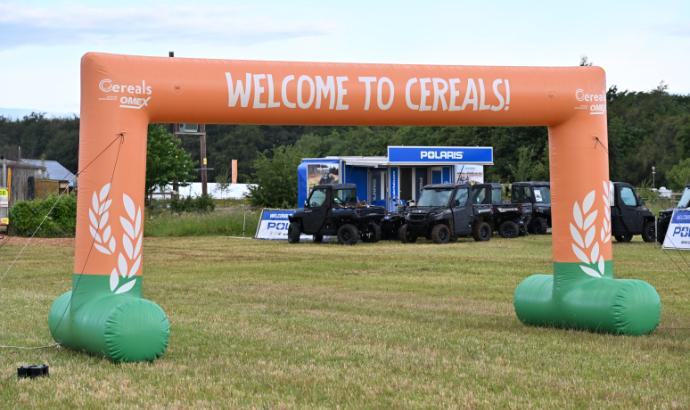

ereals 2026 has been hailed a major success after more than 25,000 farmers, agronomists, exhibitors, and farm industry professionals attended the two-day event at Diddly Squat Farm.
Host farmer Jeremy Clarkson said he’d “loved every minute” of the event while exhibitors and visitors reported a hugely positive mood across the showground despite the variable weather.
Reflecting on the event, Jeremy said: “Cereals has ended and what a thing it’s been. I’ve loved every minute and it was a delight to see so many people turn up…My profound thanks to everyone involved. It was an absolute honour for us all at Diddly Squat to be chosen as the host.”
Held over two days, the event brought together farmers and agronomists from around the world and across both arable, livestock and mixed farms, alongside machinery manufacturers, seed breeders, agronomists, advisers, technology providers, rural organisations and the wider agricultural supply chain.
With highlights ranging from technical talks and practical demonstrations through to livestock, new crops, award wins and even a performance by the Hawkstone Choir, the event was packed with
features and attractions for farmers and growers.
Diddly Squat adviser and Ceres Rural managing partner Charlie Ireland said: “What really stood out was the mood among farmers. Yes, there are still huge pressures across the industry, but Cereals showed just how determined, practical and forwardlooking British farming is.
“Farmers came from all over the country and around the world, from arable and livestock businesses, and even the wet weather didn’t dampen the appetite to see what’s new, meet people and talk about the future. It felt like a proper gathering of the industry, and a very positive one.”
The first day saw strong attendance in more settled conditions, while the second brought wet and muddy weather across the site. However, the challenging conditions did not deter visitors entirely, with farmers continuing to arrive with determination in their wet weather gear.
The strong turnout reflected the continuing importance of Cereals as a national meeting place for the farming industry, providing a platform for practical conversations around productivity, resilience, innovation, diversification, sustainability, farm profitability and the future of British food production.
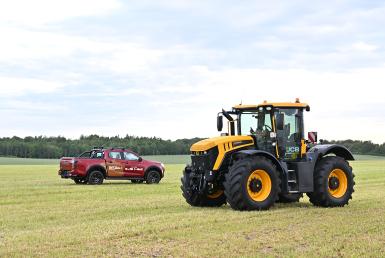

Alli McEntyre-Gaharan, Event Director for Cereals, said: “The response to this year’s Cereals has been overwhelmingly positive. To welcome over 25,000 people to Diddly Squat Farm, despite some very challenging weather, is a real testament to the strength and commitment of the farming community. The exhibitors powered through a week of rain and even hail to bring their stands to life and we can’t thank them enough for their fortitude. Without their patience and support, the event might not have been able to open.
“There was a genuinely positive mood across the event and we are hugely grateful to our hosts Francie Clarkson and Jeremy Clarkson, the Diddly Squat Farm team, Ceres Rural, Kaleb Cooper Contracting, Fowler & Gilbert, our exhibitors, sponsors and every visitor who helped make the show such a success.”
the right decision to choose the venue. I mean, there were lots of questions and worries about traffic, but come the show days, it has been phenomenal. It has been a really good show – we’re really pleased with how it’s gone.”
Bridget Lewis from Nofence, who’s collars were on display with the Diddly Squat goats, hailed the addition of livestock to the event too. She said: “The addition of livestock has been perfect and the whole Livestock Zone has proved to be really popular. It has been a great venue and a really good show.”
The event also highlighted the resilience of the agricultural industry at a time when many farm businesses continue to face pressure from weather volatility, input costs, policy change and market uncertainty. Despite those challenges, the mood at Cereals remained constructive and forward-looking, with farmers using the event to connect, compare options and discuss how best to adapt their businesses for the years ahead.
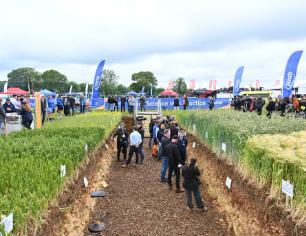

McEntyre-Gaharan added: “Cereals is ultimately about bringing farmers together. This year showed just how important that is. Whether visitors came to look at machinery, crops or simply to meet other farmers, there was a real sense of energy and shared purpose, with all the exhibitors pulling together to make something very challenging work for the larger industry. We could not be more pleased with the outcome.”
The event also benefited from the addition of the Diddly Squat Farm Shop and pop-up Diddly Squat Farm Shop, The Farmer’s Dog pop-up pub, The Farmer’s Puppy and plenty of Hawkstone bars and Hawkstone beverages flowing around the site. The Hawkstone Choir was the icing on the cake with farmers thrilled to see them in person so shortly after their recent win.
Across the showground, exhibitors reported high-quality conversations, strong visitor engagement and a clear appetite among farmers to explore new ideas, equipment and services.
David Lewington, head of sales at host sponsor Fruehauf, said: “I think it's been a fantastic show. The venue was a great idea. I think it's really put Cereals back in the spotlight.”
Tom Wyles from Vaderstad added: “It was
With over 25,000 people attending across the two days, Cereals at Diddly Squat Farm has underlined the enduring importance of face-to-face agricultural events and the appetite within the sector for practical knowledge, innovation and connection.
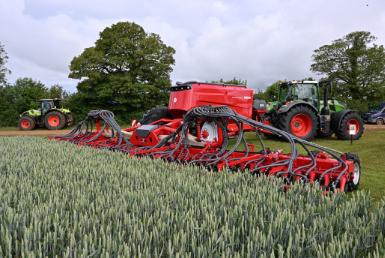

rable farmers are at a critical moment; after years of tight or negative margins, there are opportunities for those who are prepared to refocus their business. That’s according to Jeremy Moody, secretary and adviser to the Central Association of Agricultural Valuers, who was speaking at the Cereals Event at Diddly Squat on June 10.
Input costs had risen steadily before the Gulf War, and have now increased further, while cereal prices have remained depressed. “The longer the Strait of Hormuz is closed, the shorter we will be of fuel, fertiliser and other inputs, with consequences for costs,” warned Mr Moody. Add to that the EU reset, under which farmers could lose access to more plant protection products, alongside uncertainty over export agreements, and it makes planning particularly difficult.
“On standard costings, winter wheat is losing money – the real gamble is where grain prices will be next summer,” said Mr Moody. Global grain stocks are huge, but Australian plantings are down, and British plantings are likely to follow suit. “My suspicion is that not all land will be worth that gamble – some is already being withdrawn from production.”
Many farmers are likely to reconsider their rotations for this autumn and beyond, focusing on crops that improve soil health, are resilient to extreme weather, and can be produced with limited chemical inputs. And in the longer term, the changes will be even more marked, said Mr Moody. In the context of the withdrawal of Government support and agricultural policy, farmers are the masters of their own destinies. The Inheritance Tax changes give the extra prompt to review plans.
“The comfort blanket of the past 30 years has
gone. In 70 minutes of the Chancellor’s Budget speech in October 2024, a generation of expectations dropped off a precipice,” said Mr Moody. “Agriculture is not a priority for this Government and nor is the environment - save water. But if you don’t get a subsidy, you are not beholden to the subsidy payer – as a business like any other, you are freer to choose.
“This drives a major shift in thinking; difficult for some but an opportunity for others,” he added. “Where you take your business in the next 10-15 years is an individual decision – take advice to get a wider perspective, and from someone who can break open family conversations around succession.”
According to the Andersons Centre, 95% of the difference between the top quartile of businesses and the rest is management, explained Mr Moody. Getting land into the hands of good managers will therefore be the key to improving productivity and profits in future. “In the UK, farming makes up 0.6% of Gross Domestic Product – in Holland it’s 1.6%. They don’t have much agricultural policy, but they do have a national policy of being pro business.”
There are positive ways in which the Government could help by adopting measures that are more supportive of business growth. “We should set a target for farming to grow to 1% of GDP – and mean it,” he noted. Permitted development rights, tax incentives to encourage farm tenancies and better investment allowances to unlock rural growth and boost investment could all have a big impact. “We need to use the language of success – and celebrate good and efficient farming as a value in its own right. And remember that the Government can help as well as hinder.”
For more information visit www.caav.org.uk
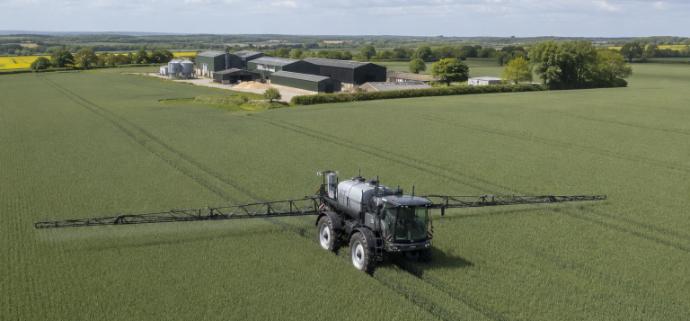

he Processors and Growers Research Organisation will establish the Pulse Performance Network (PPN) this autumn, marking a significant new chapter for crop benchmarking and analysis for pea and bean growers.
Following 10 successful years of the pulse yield enhancement networks (YENs) under ADAS, the PGRO will create a new structure and a sharpened focus on delivering practical, farm-ready insights for today's growers.
Benchmarking has a strong reputation for bringing together growers, agronomists, researchers, and industry partners to push the boundaries of crop productivity, environmental performance, and grain quality.
Under PGRO's leadership, the network aims to introduce new tools and approaches designed to make participation easier and more valuable.
Announcing the news at today's Cereals event in Oxfordshire , PGRO Research Agronomist Erin Matlock said: "The fundamental aim of the PPN is simple: to make participation easier, faster, and more valuable for growers.
"The goal is not just to measure performance, but to ensure every dataset collected translates into something meaningful, whether that's improving yield efficiency, enhancing crop quality, or reducing environmental impact. The PPN aims to turn data into decisions."
The transition to the PPN is more than a name change, says Erin.
"By simplifying participation, strengthening collaboration, and focusing on actionable insight, the PPN aims to ensure every participant walks away with knowledge that can be applied directly to their farming system. This evolution will support both growers and the industrial supply chain as the sector works towards greater productivity, consistency, and resilience in UK pulse crops.
"We're looking forward to launching this next chapter and continuing its work with growers and industry partners to drive innovation and improvement across the pulse sector."
A modern approach built around the grower
To support a more streamlined approach, the PGRO has developed a dedicated PPN app that will allow participants to record crop management information directly in the field throughout the season.
"At present, most farmers find themselves sitting in front of their computers at the end of the season, trying to remember dates, application rates and seeding rates," explains Erin.
"The new PPN app is designed to capture this information in real-time, immediately documenting all the data on-the-go. The option to input all the data at the end of the season is still there, should they choose, but farmers have raised concerns in the past around the time it takes to collect and input data. This will hopefully
alleviate this burden."
The app will be available exclusively to PPN participants and protected through secure login access.
and transparent pricing
The PGRO has confirmed that a key principle underpinning the new network is fairness in pricing and access.
There will be no price differences between grower-led and sponsored entries, no volume-based discounts, and a single participation fee across the network.
"This approach creates a level playing field for everyone involved and reflects the true cost of delivering robust, high-quality analysis," Erin says. "It also reinforces our commitment to maintaining an independent, farmerfocused benchmarking system."
Focus groups to generate commercially relevant insights
A key feature of the new programme will be the introduction of focused grower groups.
Brought together by sponsors, these groups will evaluate a shared concept under real field conditions. The approach is intended to generate field-scale data while providing participants with both individual and wider network comparisons.
"Focus groups will help bridge the gap between trial work and the realities of commercial farming," explains Erin. "They will provide a clearer understanding of how innovations perform across different conditions.
"We are asking for those in the pea and bean supply chains to bring focus groups forward and sponsor their entries."
Participation in a focus group will remain entirely optional, with all growers continuing to have access to full benchmarking, performance analysis, annual reporting and in-season insights regardless of sponsorship arrangements.
PPN's new reporting format has been redesigned to deliver insight that is easier to interpret and useful for farm management.
The new report format will include clearer front-page summaries, comparisons against five-year averages and greater use of in-season benchmarking information to support management decisions.
"We want to move the conversation beyond simply asking how many tonnes were produced," says Erin. "The more important question is how efficiently growers achieved the potential available to them.
"That shift helps identify realistic opportunities for continuous improvement and supports more sustainable productivity gains."
The PPN will officially open for applications in September.

inter wheatdemoplots at Cereals 2026 have recorded a striking improvement in nitrogen use efficiency, with early readings showing 35-40 kg/ha more nitrogen in cropstreated withbiologicals.
Withcurrentnitrogen prices, the results shared by Yara indicate that the application of biologicals is a highly cost-effective way to maximise the value of fertiliser input costs and amplify crop potential.
"The headline news from our demo plots is how YaraAmplix OPTIVIsignificantlyimproves the efficiency of the nitrogen already being applied –effectively delivering the equivalent of an additional 35–40 kg/ha of nitrogen without increasing the bag rate. Thisisgreat news for farmers facing realfinancial pressuresright now," says Natalie Wood,Product Manager YaraVita & Biologicals at Yara UK.
At Cereals,Yaraisgrowing winter wheat acrossfour plots. The ground ischaracterised by stony, brashy soiland ahistory of black-grass pressure. As viewers to 'Clarkson's Farm' will know, theseconditionshistoricallymadecrop production difficult.
"For Yara that context matters," explains Natalie. "Results achieved herecan givegrowers farming similaror toughersoils real confidence."
Two of theYara'sfour plots compare nitrate and urea-based nitrogen programmes –YaraBelaAxanor YaraVeraAmidas, with a T1 pass of YaraVita GRAMITREL and a final dose of YaraBela EXTRAN, totalling the same rate of nitrogen on each plot (188kgN/ha). These plotsillustrate howboth approaches can deliver consistent results within a well-managed nutrition strategy.
The other two plots tell theYarabiologicals story: both carry the same solid nitrogen base(total 188kgN/ha) and key micronutrients, but one has the addition ofthe biostimulant YaraAmplixOPTIVIat 1 /ha.
It'sthe biostimulant plot that has produced the most striking early data.Yara'sN-tester readings confirm that the plot with YaraAmplix OPTIVI shows substantially higher nitrogen uptake from the same appliednitrogenrates as the other plots.
YaraAmplix OPTIVI is a biostimulant specifically formulated to improve the absorption of mineral nutrients, like nitrogen. It is a product based on amino acids and peptides of vegetal origin obtained through enzymatic hydrolysis.
YaraAmplix OptiVi is ideal for improving plant growth, increasing nutrient use efficiency and increasing crop resistance to abiotic stress.
Yara produces its biologicals range here in the UK at its Pocklington plant. The improved nitrogen use efficiency claim is supported by a registeredCE label, future-proofed for when the UK adopts the EU'sFertilising Products Regulation(FPR).
See the results first hand
Farmers are being encouraged to see Yara's demo plots in person. "Numbers on a page are one thing," says Ethan Wade, Yara Marketing and Agronomy Operations Lead. "But there are things you can only appreciate by standing in a field.Ourtechnical staff will be on the stand throughout both days of Cereals, ready to walk visitors through the plots, explain the treatments and connect the data to practical decisions back on farm."
Plot boards will provide further detail on what has been applied and why, and historical yield data will be available to illustrate the longer-term return on investment from micronutrient use.
The N-tester readings taken on the demo plotswereconducted through Yara Plus, which also supportstargeted andvariable rate applications, tank mix planning and field-level nutrition monitoring. Ademonstration of how YaraPlus fully integrates withthe John Deere Operations Centre will also be on show, for growers already working within that system.Since it was launched in January this year over 1,600 farmers have signed up.
"Absolutely everything leads to improving nitrogen use efficiency, controlling or maximising investments in inputs," concludes Natalie. "Our stand really showcases what a balanced nutrient approach can look like. It all supports Yara's role as a crop nutrition partner, not just a fertiliser supplier."
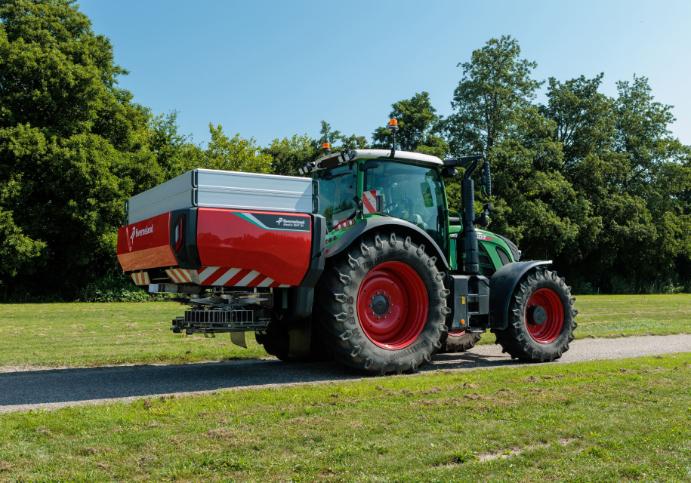

verneland used Cereals 2026 to introduce a new fertiliser to the UK market. Called Alentix, this all-new twin-disc fertiliser spreader offers enhanced technology and greater spreading performance and can be seen on stand 822.
The flagship of its spreader portfolio, Alentix sits above the Exacta TL, and provides another option for those seeking the highest accuracy and efficiency with bagged fertilisers.
An Isobus machine, Alentix boasts a hopper capacity of up to 4,700 litres and a spread width of up to 54m. Hopper extensions are no longer bolted together, but clip together, making it easy to add or remove as required.
Application accuracy is managed with four weigh cells working in combination with a dual reference sensor to maintain the desired flow rate, which can be from 0-550kg/min, thanks to an all-new dosing system called Rapid Rate.
Rapid Rate uses a square-shaped aperture mechanism that provides faster regulation of application rates, to meet the demands of variable rate applications and also the sophisticated MultiRate, which applies multiple rates across the chosen working width.
Available with mechanical pto or iDC hydraulic drivelines, Alentix brings additional innovations to market. These include a two-piece spreading disc, which simplifies disc changes when swapping between the different types of eight-vane disc now available; and honeycomb profile hopper grids offer improved material flow.
In addition, the spreader’s rear panel can be folded down to create a robust walkway across the rear of the hopper, while an integrated quick-hitch makes coupling and uncoupling safer and easier.
Alentix includes Sync data transfer and can be used with either the Tellus 700 or 1200 terminals, or any AEF-certified universal terminal. Alentix is priced from £42,305.
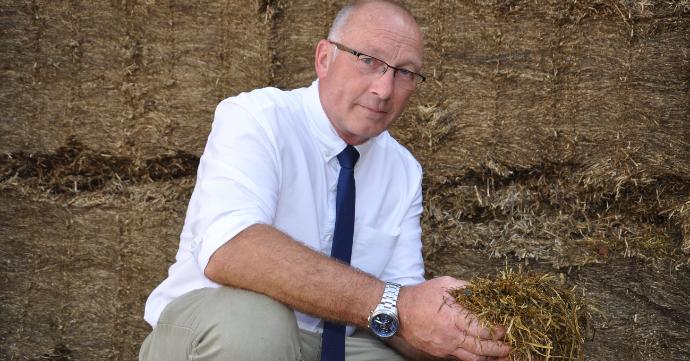
Farmers are being warned against the temptation to reduce cutting height or delay cutting to boost grass silage shortfalls.
Ken Stroud, Technical Business Manager for Volac, has travelled the length of Britain this spring and noticed a worrying tendency for growers to reduce cutting height.
“I’ve seen many fields that have been shaved off at first cut, probably in an attempt to get as much dry matter in the clamp as possible. But this strategy could actually be achieving the opposite across the season,” he says.
Cutting grass too low stunts regrowth by taking off the leaf node. That can translate into 7-9 days of lost regrowth. “On farms aiming for four cuts of silage, scalping grass at each cut could mean a month of lost growth or 5-6t/acre across a season. At 6t/acre, that’s 600 tonnes lost across 100 acres of grass,” Ken explains.
This is a shortfall farmers can ill-afford, particularly considering the need to replenish forage stocks following last season’s drought. Results from Volac’s UK Grass Silage Survey found that 20% of the 140 respondents had seen the amount of grass silage made in 2025 reduce by up to a quarter because of the drought; 19% had seen it reduce between a quarter and a half and 10% had seen it reduce by more than half.
Combine this with lower milk price and increased costs, and maximising the production of quality silage to optimise milk from forage is vital. In fact, nearly two thirds of farmers surveyed said they wanted to increase milk from forage.
With that in mind, Ken urges farmers to review cutting height and avoid cutting below 5cm. “This is even more important as we head into hotter months. You’re really asking for trouble if you scalp grass in June as regrowth could be suppressed even more if the moisture isn’t there,” he explains.
He also emphasises the value of focusing on quality over quantity at each cut, and upping cutting frequency. “You can always add straw to the diet or use wholecrop or maize later, don’t panic,” he says. “Also, fuel costs might be high, but don’t be tempted to reduce the number of cuts as you will quickly lose quality.”
Cut timings will always need to be adapted with the season. Ken says the key is not to wait for grass to bulk up or it will go to head and quality will be lost. He also encourages growers to use a proven silage additive to safeguard forage DM and quality.
“When milk price drops, that’s when it’s imperative to use a proven additive to squeeze as much milk out as possible,” he stresses. “Trial work has found that using Ecosyl on grass silage roughly halves DM losses and delivers silage of higher metabolisable energy and higher true protein. That equals more milk in the tank.”
Early indications suggest that this year’s first-cut silage could potentially bring an extra litre/cow per day benefit, according to samples taken by Mole Valley Farmers. With the growing trend for multi-cut systems, and the dry spring, first cut silage was particularly early, and analyses of 180 samples has revealed interesting results.
Overall, average analyses are slightly drier (34.82%) than the past couple of years, reflecting a relatively dry and windy spring for many. As might be expected with an earlier cut, digestibility or D values have shown a marked increase on last year, to 70.29% (2024 - 68.7%; 2025 - 67.9%) with an associated increase in energy value to 11.25MJ/ kg dry matter (DM), says Robin Hawkey, senior nutritionist at Mole Valley Farmers. “This is also demonstrated by increased rapidly and totally fermentable carbohydrates.”
Crude protein levels, at 14.84%, are also better compared to 2024 (14.4%) and 2025 (14.2%). Rapidly fermentable protein levels are slightly lower, while total fermentable protein content is enhanced. “The rumen fermentable energy/protein balance (Nutrioptfermentableenergyproteinbalance or NFEPB) is slightly reduced due to higher fermentable energy content and lower rapidly fermentable protein,” notes Dr Hawkey.
“This could have consequences for rumen synchrony and rationing; farmers should observe how cows respond when feeding new rations,specifically dung and milk urea values.
“Rumen health may be a challenge if first cut silage alone is fed, due to high fermentable energy levels, slightly elevated acid loading and reduced fibre content,” he adds. First cut analyses so far have shown a neutral detergent fibre (NDF) content of 45.31% (2024 - 46.7%; 2025 - 47.7%) with an associated reduction in overall fibre index, which may also pose a challenge to butterfats.
“However, fermentation characteristics look good,” says Dr Hawkey. “Lactic acid levels are increased, with reduced overall volatile fatty acids (VFAs), so the vital lactic/VFA ratio of 3.68 is a good improvement (2024 - 3.40; 2025 - 2.92), while pH values are very similar, averaging 4.09.”
Results also identified increased glucogenic energy content, which reflects various energy sources that support glucose production in the ruminant. In general, higher glucogenic energy silages perform well. Similarly, the neutral detergent insoluble protein (NDIP) value, which reflects how well dietary protein might be utilised, is also enhanced, at 67.35g/kg DM (2024 - 60.8; 2025 - 59.8).
In all, improved DM content, higher crude protein, glucogenic energy and VFA levels all contribute to a well-rounded beneficial feed value, explains Dr Hawkey. “Our results suggest that first cuts could be capable of contributing an additional yield of one litre/cow per day (assuming 14kg/DM intake) – a significant increase on 2025 results.
“But it is important that producers sample their own silage crops and get detailed nutritional advice to balance the ration and limit potential butterfat losses.”
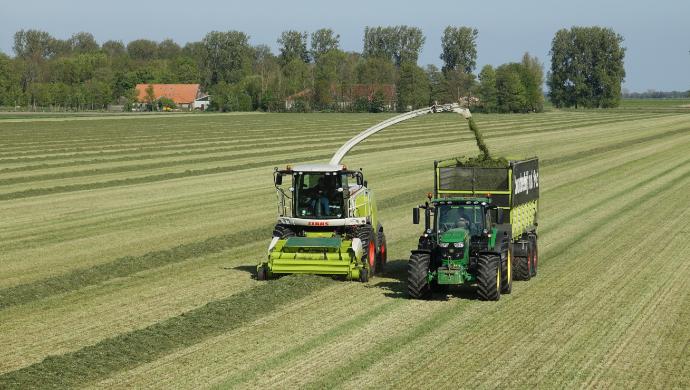
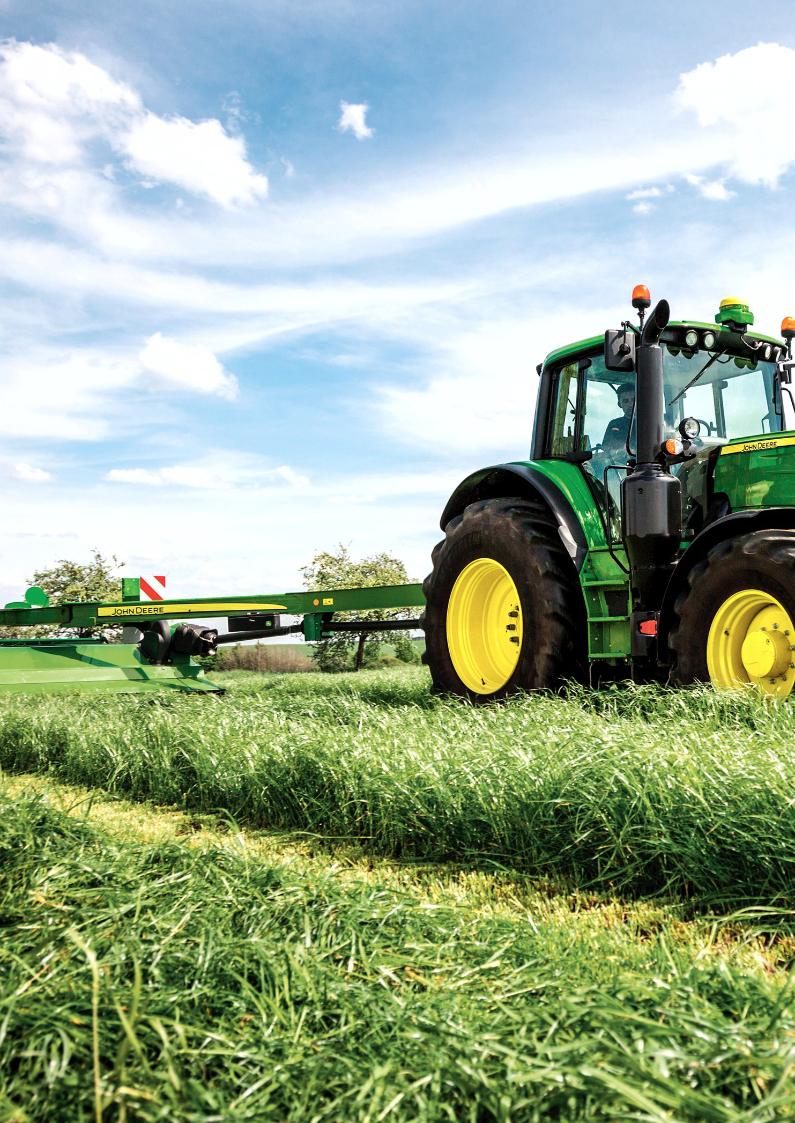
Dairy farmers are being urged to be adaptable in their cutting strategy and make the most of any weather windows as grass crops respond to changing conditions.
Lientjie Colahan, forage technical support at Lallemand Animal Nutrition, explains that the spell of warmer weather at the end of May, followed by rain and rising temperatures, has encouraged grass to move from vegetative into reproductive growth.
"At this stage, the plant begins to put more energy into stem development,” says Mrs Colahan.
“As stem length increases, so do neutral detergent fibre (NDF) and lignin levels, which reduces digestibility and can lower the energy value of the crop, leading to poorer quality silage.”
To limit this loss in quality, she advises taking any realistic cutting opportunity when conditions allow to help reset the plant and encourage leafy regrowth for subsequent cuts.
“Even if conditions aren’t ideal, taking a crop as soon as possible if the grass has recently bolted will help stimulate vegetative growth again,” she explains.
“This encourages the plant to grow leaves rather than stems and will improve the quality of later cuts.”
However, she says farmers also need to focus on preserving as much quality in the crop as possible once it has been cut, which can be more challenging when grass is mature and stemmy.
“These crops pose a double challenge because they can be lower in readily available sugars, the main fuel for fermentation and are often harder to consolidate effectively in the clamp, meaning oxygen can be left within the layers,” she says.
“If either of these things happen, fermentation can be slower and the risk of yeast and mould growth, heating and spoilage increases.”
Mrs Colahan adds that this makes inoculant choice and application particularly important this season.
“A crop- and condition-specific inoculant containing homofermentative and heterofermentative bacteria, alongside specific enzymes, can help accelerate fermentation, release sugars and improve aerobic stability at feed-out,” she says.
Mrs Colahan says each component plays a specific role in helping maintain the nutritional quality of the crop through to feed-out.
“The homofermentative bacteria make the most of the available sugars to produce lactic acid, helping to drive a rapid pH drop, while enzymes help make
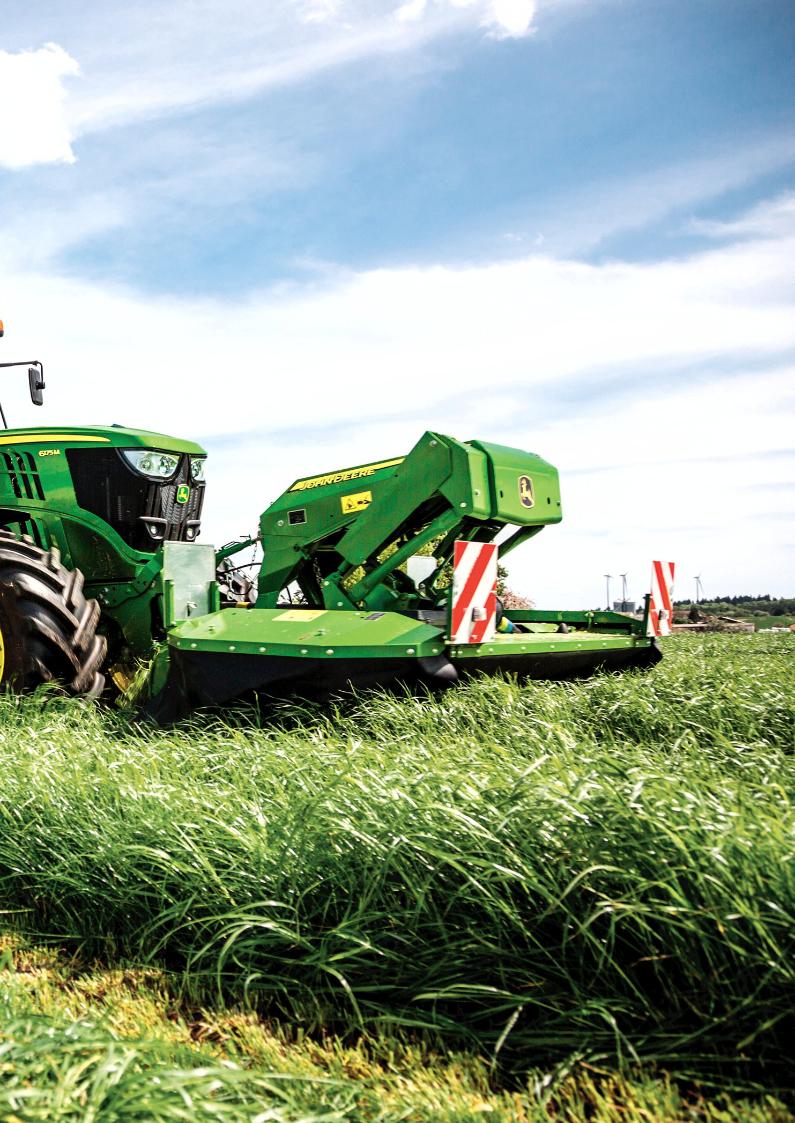
more sugars available from the crop,” she explains.
“Heterofermentative bacteria also use sugars but support aerobic stability by helping to inhibit yeasts and moulds, reducing the risk of heating and spoilage once the clamp is opened.
“Together, these components help protect the nutritional value of the crop and maintain silage quality once the clamp is opened.”
Mrs Colahan adds that, while this season will present challenges, farmers can still take practical steps to protect silage quality.
“Ultimately, taking a flexible approach to cutting, while supporting fermentation with the right inoculant, will help farmers protect forage value and minimise losses in a variable silage season,” she says.

arming Minister Dame Angela Eagle has confirmed that the total budget for new Sustainable Farming Incentive (SFI) agreementswill be £240 million.
This buildsonaround£560 million already committedto farmers delivering over 39,000liveSFI agreements.
Of the £240 million available for SFI26,up to£60 million has been allocatedto Window 1, which is aimed at2groups:small farms and those without an existing Environmental Land Management (ELM) revenue agreement. Window 1 isscheduledto open for applications from 30 June 2026.
Any funding notallocatedthrough Window 1 will beaddedto the budget forWindow 2, which is due to open in September 2026 for all farmers and land managers.
Window 1 has narrower eligibility criteria than Window 2. The budget has been set to ensure funding is available for Window 1 applicants while retaining funding for Window 2 later in the year.
Weintend topublish updates when 25%, 50% and 75% of the Window 1 budgetisallocated. This approach will help avoid sudden, unexpected closuresand provide greater transparency and certainty.Weplan todo the same for Window 2.
Toreceive notifications when these updates are published,subscribe to the Farming Blog.
You can find thesteps to get ready to applyin the near-final versions of the SFI26 scheme information published on GOV.UK last week.
Wewill publish final versionsoftheSFI26scheme informationnext week, before weinvite a small number of farmers who are eligible for Window 1 to apply from around 18 June.
Ifyou'replanning to apply,it'sworth bookmarking theSFI26 GOV.UKpage now so you can easily find the latest information whenit'savailable.


Somefarmershave land in existing ELM revenue agreements that are due to expire soon. This includes SFI23, Countryside StewardshipMid Tier(CSMT), Legacy CS Higher Tier (CSHT), and Environmental Stewardship Higher Level Stewardship (HLS).
Usually, these farmerswouldnot beable to accessthefull SFI26 offeruntil their existing agreementexpires.This is because many SFI26 actions would:
• be incompatible withwhat’sin their existing ELM revenue agreement
• meanwe’dbe paying twice for the same thing on the same land, at the same time (known as ‘double funding’)
In response tofeedbackfrom farmers and stakeholders,weintendto help farmers with soon-to-expire ELM revenue agreements to access the full SFI26 offer.
We are developing functionality on the SFI26 application service to allow farmersto apply for landcovered bythese agreementsbeforetheir existing agreementsexpire.We expect this to be in place from the start of Window 2 in September 2026.
Some small farms which are eligible for Window 1 also have land in soon-to-expire agreements. Therefore, it may be possible for them to apply for Window 2 instead and benefit from theflexibility we intend thisnew functionalityto provide.
We expect to be able to confirm whether this intended approach will be possible before applications open for Window 1, so affected small farms can make an informed choice.

As we get closer to the launch of SFI26, we want to make sure you have the information you need to decide whether the scheme is right for you and feel confident about applying.
Throughout June,we’llbe holding a series of events to explain the offer, talk through the applicationprocessand answer your questions. You canregister for an event on our Eventbrite page.
We’vealso produced a leaflet that provides an overview ofSustainable Farming Incentive and how to get started.
For the latest from the Farming and Countryside team, includingwhen applications open,subscribe to the Farming Blog.By subscribing, you'll receive an email notification whenever we publish a new post.
Alongside this, at least £50 million will be available for new Countryside Stewardship Higher Tier agreements, supporting targeted environmental improvements where they can have the greatest impact.

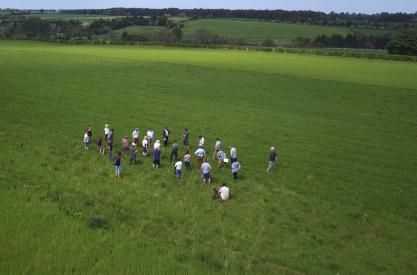


he humble potato may not make national headlines, but for Britain's farmers and food system it has become emblematic of the pressures facing modern agriculture. For decades, the UK potato sector has been a reliable cornerstone of our food system. Affordable, versatile, and economically significant, potatoes have long been taken for granted. Yet growers, packers and processors have repeatedly faced periods of volatility, uncertainty, and sudden price shocks. None of these challenges are entirely new, but each successive crisis has chipped away at business resilience across the sector.
From Brexit and the pandemic, to the war in Ukraine, energy inflation, labour shortages and weather extremes, the industry has absorbed wave after wave of disruption. Each period of instability has forced difficult commercial decisions and, over time, has led some businesses to scale back or leave the sector entirely. The challenge facing the industry today is not simply another difficult season, but the cumulative effect of years of sustained pressure.
Global and domestic pressures are acute and converging. The conflict in the Middle East has sent energy and fertiliser costs soaring. Labour and machinery costs continue to climb and the removal of the Basic Payment Scheme in England has removed an important financial cushion that, over the past two decades, has helped many growers manage periods of volatility and absorb external shocks. Contract prices for potatoes have weakened this year and tighter margins throughout the supply chain are increasing commercial pressures for both growers and buyers. At the same time, depressed cereal markets provide little alternative income. For many, the cumulative effect has left growers exposed, vulnerable and questioning the viability of this season.
The reality is stark. While cropping commitments for the current season are now largely in place, many growers will be considering how much exposure they are willing to carry into 2027 and beyond. Experiences will vary across the sector depending on market focus and contractual position, but supply-side shocks and rising cost pressures ultimately affect businesses throughout the supply chain. While the sector has

shown remarkable resilience over many years, resilience itself is not unlimited. Without confidence and sustainable returns, there is a risk of gradual but permanent contraction in a sector that underpins more than £4.5 billion of economic activity and plays an important role in UK national food security.
Yet amid these challenges, there remains cause for cautious optimism. This summer, GB Potatoes, in partnership with the National Potato Innovation Centre, is hosting the GB Potato Summit. The Summit brings together growers, researchers, policymakers, and industry leaders to explore how science, technology, policy and collaboration can help strengthen resilience and support long-term profitable growth across the sector. From tackling emerging pests and diseases to improving soil health and reducing reliance on costly inputs, innovation and practical policy frameworks will be central to securing the future of the industry.
The UK potato industry has the potential to grow in value, underpinned by smarter technologies, scienceled production practices, and evolving consumer demand. Realising the potential will require greater alignment between government policy, research investment, and supply chain innovation. A goal consistent with the UK Government's proposed Food Strategy, Scotland's National Good Food Nation Plan and the ambition of the new Farming and Food Partnership Board.
The potato sector is not facing a single defining crossroads moment. Rather, it is navigating a period of uncertainty in which businesses are continually adapting to rising risks and diminishing resilience. Growers will face difficult choices, but the path forward is not without hope. Through decisive action, partnership, and innovation, the UK potato industry can emerge stronger, more resilient, and better positioned to deliver for growers, consumers, and the nation.
The potato, long taken for granted, may yet prove a barometer for the broader challenges and opportunities confronting British agriculture in the twenty-first century. The coming months will test resolve, ingenuity, and leadership — and those who act decisively now will shape the future of Britain's most essential and favourite crop, and the sector, for decades to come.


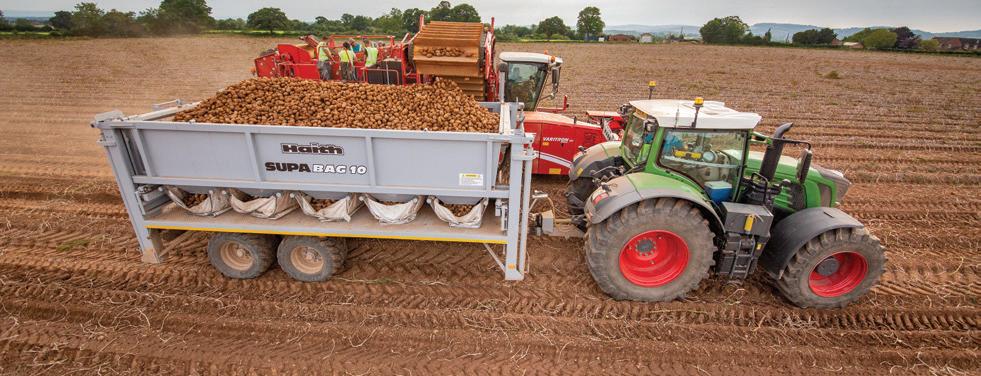
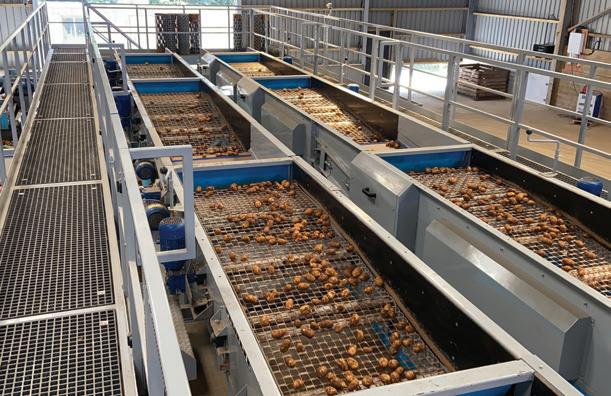
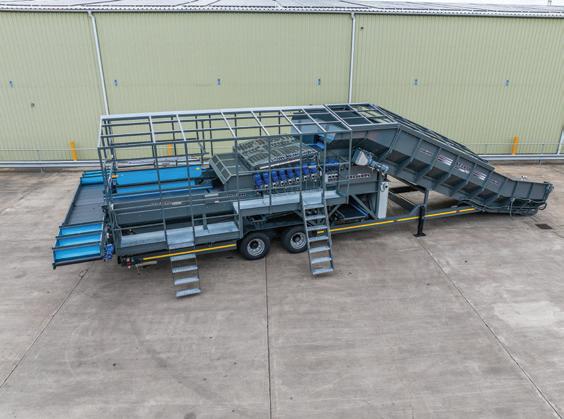


major new survey of British potato growers reveals a sector facing significant short-term pressure, with confidence low for the coming season as growers contend with rising costs, policy uncertainty, labour challenges and threats from pests and disease.
However, the survey also shows that growers retain greater confidence in the longer-term future of the industry, provided the right policy, market and investment conditions are created.
Around 43% of respondents were pessimistic or very pessimistic about prospects over the next 12 months, compared to just 26% who expressed confidence. However, the picture improves when growers look further ahead, with 37% saying they are confident or very confident about the sector's five-year outlook, compared with 24% who were pessimistic.
The survey, conducted by GB Potatoes and analysed by Pareto Consulting, was carried out in late 2025 – before the onset of the conflict in Iran and before this season's crop went in the ground. Even then, growers were already reporting rising costs and a notable lack of confidence about the season ahead. Subsequent events are likely to have intensified those concerns further.
Notably, short term pessimism increased with experience in the sector – rising from 14% among growers with five or fewer years in the industry to 45% among those with more than 20 years' experience. Those who know the sector best are most concerned about what lies immediately ahead.
A striking 94% of respondents reported that production costs rose between 2024 and 2025, and 58% said that rising costs were already undermining investment in future production.
Scott Walker, CEO of GB Potatoes said: "These results reflect what we are hearing from growers on the ground. Confidence is clearly low for the coming season, and the pressure on margins is very real. Growers are having to make difficult decisions about planting, investment and the scale of their operations.
"But the survey also shows that growers have not lost faith in the future of British potato production. Confidence improves when they look beyond the immediate season. That tells us there is still belief in the sector - but it depends on the right conditions being created."
Confidence in government policy was strikingly low, with 83% of growers saying they lacked confidence
in the relevance of policy to their needs. While the sector has previously welcomed engagement from the current administration, growers are calling for that dialogue to translate into meaningful action on the biggest challenges facing potato production.
More than 80% of growers cited the availability of crop protection products, water availability and the impact of environmental regulations as moderate or extreme challenges. Recruitment difficulties were also widespread, with 68% of respondents reporting difficulty or extreme difficulty in finding staff.
The survey captures a broad cross-section of British potato production, with 95% of respondents growing ware potatoes and 26% growing seed potatoes (and 20% producing both). In 2025, mean yields were 32 t/ha for seed and 47 t/ha for ware, with output split roughly evenly between the fresh and processing markets - 50% of ware production went to fresh and 46% to processing.
Despite that productive base, growers were pulling back on their planting intentions for the current season. While planted area grew between 2024 and 2025 - with 58% of ware growers expanding their area - the picture for 2026 is markedly different. Only 12% of ware growers intended to increase their planted area, while 33% planned to reduce it and 56% to hold steady. The trend is similar for seed growers, where 30% intended to reduce their area and just 12% were looking to increase.
The link between confidence and planting decisions is clear. Those intending to reduce their area in 2026 were significantly more likely to hold pessimistic views and to be dissatisfied with their contractual arrangements - 43% of pessimistic ware growers planned to cut their area, compared to 23% of those who are more confident. The challenge for the sector, and for policymakers, is to create the conditions that rebuild confidence for future seasons.
Despite the difficult outlook for the coming season, there are strong signs of ambition within the sector with 38% of respondents reporting that they are already investing in mechanisation or automation, with a further 29% considering doing so - together representing a significant majority who see technology as part of their future. It is a reminder that, despite the current pressures, British potato growers remain progressive and committed to building a more productive and resilient sector, given the right conditions to do so.

he 2025 crop in store seems to have bumped into almost every factor designed to create a difficult storage season. Early planting and emergence, followed by a (mostly) hot dry summer saw crops arriving in store in a state of considerable physiological age. The weather was also less than ideal for the application of MH for much of the key window. Harvest conditions were good (or perfect) for nearly everyone, so stores filled early, quickly and were warm. The weather kept them from cooling as swiftly as desired, and those crops, which had not sprouted in the field (plenty did), were opening their eyes much earlier than would normally be expected. Growers planning for early movement, and who would not normally expect to use a sprout suppressant, were scrambling for advice.
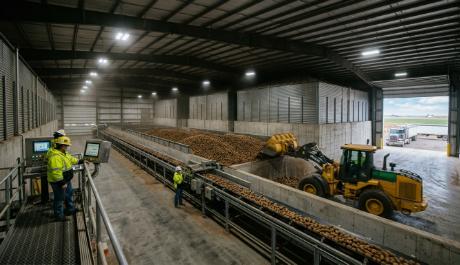
On top of the physical challenges of a sprouting crop was a hangover of crop in store from the 2024 harvest, some of it still finding a way to a generally weak market. And then came the French and the Germans. In 2024, it is reported that the French grew their first 9m tonne crop, and then went one better in 2025, with a first 10m tonne crop. The German 2025 crop is reported to be the largest for a quarter of a century. The continent was (is) awash with potatoes – free-buy crops were bid at €15/t during the autumn. There are reports of large areas in Poland being ripped up with a chisel plough, rather than being harvested.
Crops were sprouting and customers delaying movement, not just in the UK but across much of the continent. Significant (and early) demand for sprout suppressants put supply chains under pressure, with occasional reports of demand for product overwhelming availability.
The situation in the UK has not improved much in the new year. Crops are still in store, some with limited prospect of finding a market. Free buy is well-nigh impossible in the absence of strong relationships with end users. Crop quality in many stores, even with the good harvest, is deteriorating and sprouting continues apace. The season is proving to be hard for many growers, and now the weather seems to have turned in favour of some early planting on very light land.
The relatively flexible timing of application for BioxM places the product in a strong position to deal with most situations and keep crops secure. Early
sprouting was addressed, some requiring a full 90ml/t first application to do so. For more fortunate growers, with sprouts coming slightly later in cool and well-cured crops, Biox-M has worked effectively to keep control. Growers, who have been obliged to hold crops in stores destined to receive seed for 2026, also have the reassurance that treatment of the preceding ware crop with Biox-M in the store will not cause a problem.
Biox-M is the only 100% natural and sustainable sprout control for potatoes.
• Is a naturally occurring and truly sustainable product, in widespread use in the food industry
• Is approved for use on organic potato crops,
• Has no harvest interval or MRL beyond the one-day mandatory withholding period after treatment, and is thus ideal for use on crops for which the date of movement is uncertain,
• Has substantial flexibility of timing of application,
• Results in minimal weight loss in store,
• Does not leave persistent residues in the fabric of stores and boxes used for storage,
• And is therefore suitable for use in stores, which may subsequently be used for the storage of other crops or seed potatoes,
• Is effective at higher storage temperatures, reducing the risk of acrylamide development when crop is processed,
• Sequesters carbon during growth, removing 1t of CO2 for every 1,000t of potatoes treated,
• And should be a component of the sustainability plan for every farm and every customer; effectively carbon neutral.


The


Sequesters carbon during growth. Flexibility of timing.
Minimal weight loss in store. Curative and preventative. No MRL.

The
ong SwiftLift, part of the Tong Engineering Group, is strengthening its engineering, electrical development and customer support capabilities with the appointment of Tom Allwood as Electrical and Service Manager.
Bringing nearly two decades of industry experience to the role, Tom joins Tong SwiftLift with extensive knowledge of the SwiftLift range of elevators and conveyors, formerly manufactured by Terry Johnson Ltd, alongside a strong background in electrical engineering, servicing, installations and machinery development across the agricultural handling sector.
Tom’s career in the industry began in 2006 when he started his electrical apprenticeship with DB Cushen, the contractor responsible for wiring SwiftLift machines, giving him early hands-on experience with the product range.
After gaining further electrical installation experience, Tom joined The Burdens Group in 2011, where he spent more than a decade progressing to Electrical and Service Manager. During this time, he developed extensive expertise in the installation, servicing and maintenance of Tong equipment, whilst supporting customers across the UK and contributing to electrical system development and improvements.
Tom also worked closely with Tong Engineering’s Spilsby-based manufacturing facility, further strengthening his knowledge of Tong machinery, electrical systems and customer support requirements.
Since officially joining Tong SwiftLift in April 2026, Tom is now taking responsibility for all electrical production across the SwiftLift range, alongside managing aftersales service and support. In addition, Tom will provide local electrical support to Tong Engineering operations when required.
Commenting on his new role, Tom said: “I know the SwiftLift range of products very well and I’m really looking forward to helping grow and develop the business now it is part of Tong Engineering Group. We are excited to provide dedicated service support for all Tong SwiftLift customers from our Holbeach site, as well as supporting local Tong Engineering customers too.”
Richard Knighton, General Manager at Tong SwiftLift, added: “Tom’s experience with both the SwiftLift product range and Tong equipment makes him a fantastic addition to the team. His technical expertise across electrical systems, machinery installations and customer support will play an important role as we continue to develop the Tong SwiftLift range whilst strengthening the level of service and support we can deliver to existing and new customers.”
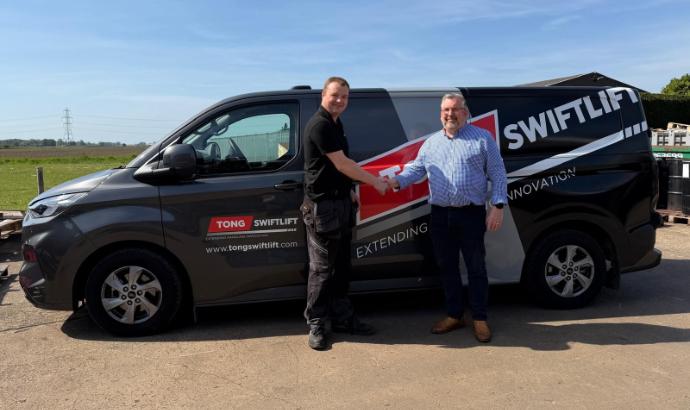

ertical form fill and seal packaging machinery manufacturer, GIC, and one of the country's leading suppliers of fresh produce – Strawson – are this month celebrating 20 years of working together.
Both businesses have grown considerably over the last two decades, and both say that establishing close relationships with their customers has been the bedrock of their success.
Like many successful fresh produce suppliers, the Strawson business has grown out of a family farm, which is still active today, growing potatoes, carrots, parsnips and arable crops across more than 16,000 acres in Suffolk, Norfolk, Nottinghamshire, Leicestershire and Lincolnshire.
The family firm ventured into contract packing for retail customers in 2002, and after four years, needed to improve its end-of-line packaging machinery, which is when Strawson first encountered GIC.
"Back then, it was Jake Rice who was overseeing engineering," says Andy Beal, GIC's managing director. "We met at a trade show and got talking, after which he invited me over to the factory to look at how they were packing and to suggest improvements. We installed our first machine into Strawson, two VFB2000 machines, a couple of months later."
areas - farming, transport, and factory – we have decided to partner with individual suppliers in each area. We're putting high volume through fewer people and working collectively with them, rather than going out to tender every time. This means we're not wasting people's time, and we don't have lots of different kit and spares from different suppliers.
"GIC have got a really good product, good people, and they're local, which makes them the ideal company to partner with for our end-of-line bagging and packing."
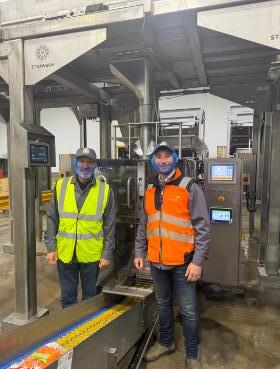

Today, Strawson operates 14 GIC vertical form fill and seal packaging machines: two intermittent machines onfourlines and single GIC 8000 continuous motion machinesonsixother lines. The latest GIC 8000s were installed in August 2025 ahead of a bumper Christmas period.
The GIC8000 is a high-speed continuous-motion servo VFFS machine ideal for producing a wide range of pack formats with bag widths up to 400mm. Strawson is currently running its GIC8000s at 75 bags per minute, but they can reach 80 packs per minute if required, which futureproofs them in anticipation of further growth.
Since then, Strawson has grown significantly and today supplies potatoes, parsnips and carrots to major retailers and food producers. The business has always remained focused on its core values, though, says Harry Strawson, joint managing director: "Strawson has changed a lot in the last 20 years, and in particular, in the last five years. We've seen significant growth in demand, and as a result, we have had to invest in technology, automation, and our team, while all the time staying true to our original family culture. We've grown on the back of being reliable, delivering a high-quality product and sticking to our values.
"As a business that works across multiple different
"At the moment, we're optimistic about the future and confident of expanding and growing," says Harry. "But we don't want to sacrifice quality and reliability. We don't want to lose our reputation, which is based on delivery. We only want to grow at a speed at which we can maintain that reputation."
Like Strawson, GIC has also grown considerably in the last 20 years. In fact, it was in 2006 that current directors, Andy Beal and Luke Murphy, completed an MBO, buying the company from its previous owner. Since then, the company has relocated to its current home, grown to employ 30 people, introduced several new VFFS machines, joined the Rockwell Automation OEM partner programme and more than doubled its turnover.
To find out more about GIC and Strawson, visitwww.gic.uk.netandhttps://strawsons.com/

riensCo EMEAA returns as Gold Sponsor of the Service Dealer Awards 2026, reinforcing its long-term support for UK dealers, professional groundcare businesses & the future of commercial mowing with new Ariens innovations including the SUMMIT PRO Series. The prestigious industry event takes place on Thursday 3rd December 2026 at the Crowne Plaza in Stratford-upon-Avon and remains one of the most important meeting points for the UK groundcare, garden machinery & outdoor power equipment sector.
Representing AriensCo EMEAA in the UK is the dedicated UK department led by General ManagerSam Lewis. Together with the UK team, AriensCo continues to strengthen relationships with dealers, professional users, municipalities, contractors & commercial customers across the region.
AriensCo EMEAA continues to invest in the UK market
As the EMEAA organisation behindAriensandASMotor, AriensCo continues to expand its professional product portfolio while strengthening dealer support structures throughout Europe, the Middle East, Africa & the UK.
The UK market remains strategically important for AriensCo EMEAA. Demand for high-productivity mowing solutions, durable commercial equipment & specialist machinery continues to grow across municipalities, contractors, estates, sports facilities & landscape professionals.
At the centre of Ariens’ current growth strategy stands the expansion of theZero-Turn mowersegment across Europe. Ariens Zero-Turn mowers are increasingly recognised for their productivity advantages compared to conventional lawn tractors, particularly on complex sites with trees, obstacles & demanding mowing conditions.
Studies and field comparisons have demonstrated productivity gains of up to 40% through the Zero-Turn steering concept, faster manoeuvring & reduced rework around obstacles. Ariens continues to position itself around efficiency, operator comfort, durability & longterm ownership value.
New Ariens products continue to push the commercial segment forward
The 2026 season marks another major step in Ariens’ professional product development.
One of the key highlights is the newAriens SUMMIT PRO Series, developed for demanding large-scale commercial mowing applications where productivity, operator comfort & durability are critical. The SUMMIT PRO Series represents Ariens’ continued push into the upper commercial Zero-Turn segment with heavy-duty construction, professional-grade cutting performance & high-output mowing capability. The new platform sets a clear focus on productivity for municipalities, contractors,
sports facilities & large-scale commercial users. Additional details about the new range can be found in the dedicatedSUMMIT PRO publication.
Alongside the SUMMIT PRO Series, AriensCo EMEAA continues to develop and expand successful product platforms including:
• EDGEfor residential users entering the Zero-Turn segment
• IKONfor residential & semi-professional users
• APEXfor commercial productivity with strong priceperformance positioning
• ZENITHfor professional daily use
• ARROWstand-on Zero-Turn mowers for compact, obstacle-rich environments
Battery-poweredZENITH E&ARROW Emodels for professional electric mowing applications
The company’s product philosophy remains clear: durable steel construction, professional components, operator-focused ergonomics & machines engineered for long service life.
Supporting dealers beyond the product
For AriensCo EMEAA, dealer support extends far beyond machinery supply.
The company continues to invest in dealer training, sales enablement, aftersales support, spare parts logistics, technical education & long-term business partnerships. This approach aligns closely with the broader direction of the Service Dealer Conference & Awards, which focuses on strengthening dealer businesses and supporting future industry development.
Sam Lewis, General Manager at AriensCo UK, comments:
“The Service Dealer Awards are a fantastic opportunity to recognise the dedication and professionalism of dealers across our industry. At AriensCo, we’re proud to continue our support as a Gold Sponsor for the 2026 event, and to thank our dealers for their continued partnership and support. These awards celebrate the people who go above and beyond for their customers, and we’re delighted to help recognise their achievements.”
The 2026 Service Dealer Conference & Awards will take place under the theme “Culture – Nature and nurture in business”, highlighting the importance of people, leadership, knowledge transfer & sustainable business development across the dealer network. More information about the event can be found viaService Dealerand the official announcement regarding AriensCo’s Gold Sponsorship can be viewed in theService Dealer article.
For AriensCo EMEAA, the partnership with Service Dealer reflects a shared commitment to strengthening the professional dealer landscape across the UK.

robot lawn mower is a modern solution for maintaining a perfect lawn without any effort. This guide will help you choose the ideal model based on your garden size, terrain type, obstacles, and smart features like GPS, sensors, and app control. You'll discover which characteristics to evaluate to ensure efficiency, safety, and long-lasting performance of your robot lawn mower.
In 2026, the technology has leaped forward, moving from simple automated cutting to intelligent garden care. The focus has shifted to "mowing perfection" where robots don't just cut grass; they understand your garden.
1. Lawn Assessment

Before looking at specific models, you must evaluate the physical characteristics of your green
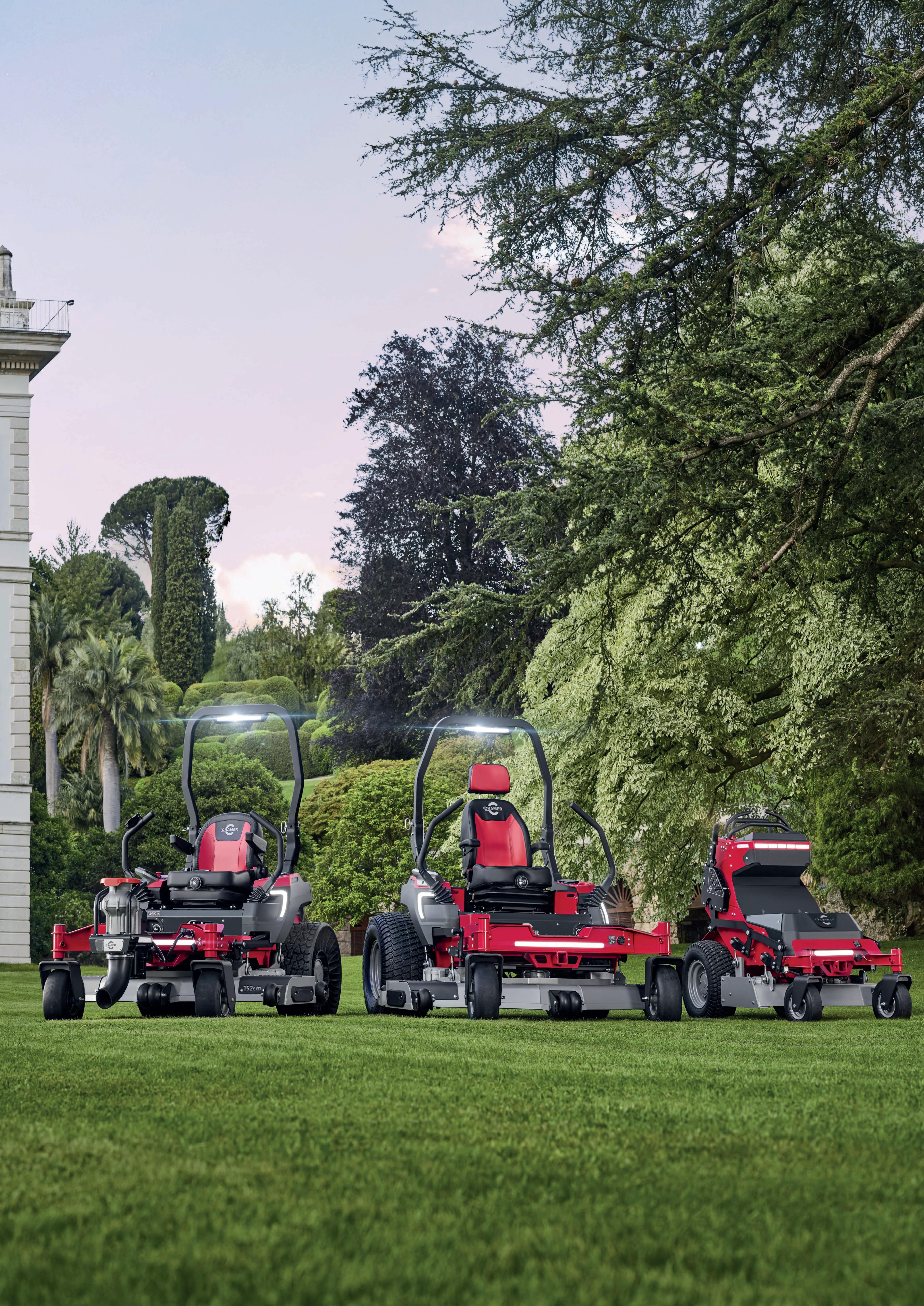


space. Taking into account the lawn size, terrain and slopes as well as obstacles and complexity is crucial in order to make an informed decision.
Firstly, the robot's battery capacity should be matched to thesquare metres of your lawn. The models available cover ranges from small urban gardens (up to 300–1,000 m²) to massive professional estates (up to 14,000 m²). Also for gardens with slopes there is good news: modern autonomous mowers are designed as"agile climbers", that can even handle significant slopes without losing traction or tipping over. And no need to worry about your beautiful flower beds, trees or garden furniture either. Advanced robotic mowers canmanage multiple zones and navigate around hundreds of obstacles.
STIGA's autonomous robots mowers will climb even steep slopes of up to 50% and perform a perfect cut on your lawn with up to 30 different cutting zones.
Top Tip:Do you want the robot to mow your entire lawn in one single session? Choose your robot mower based on the area coveredby mowing session. Otherwise choose your robot based on the suggested m2 and get a robot that will cover your entire lawn in several sessions.
Recommended Action:Measure your total lawn area and identify the steepest slope in your garden. Choose a model with a capacity slightly higher than your actual square footage to ensure efficiency.
2. Navigation Technology: Wired or Wireless?
This is an important decision to be made. While wired technologies still exist, but the last few years
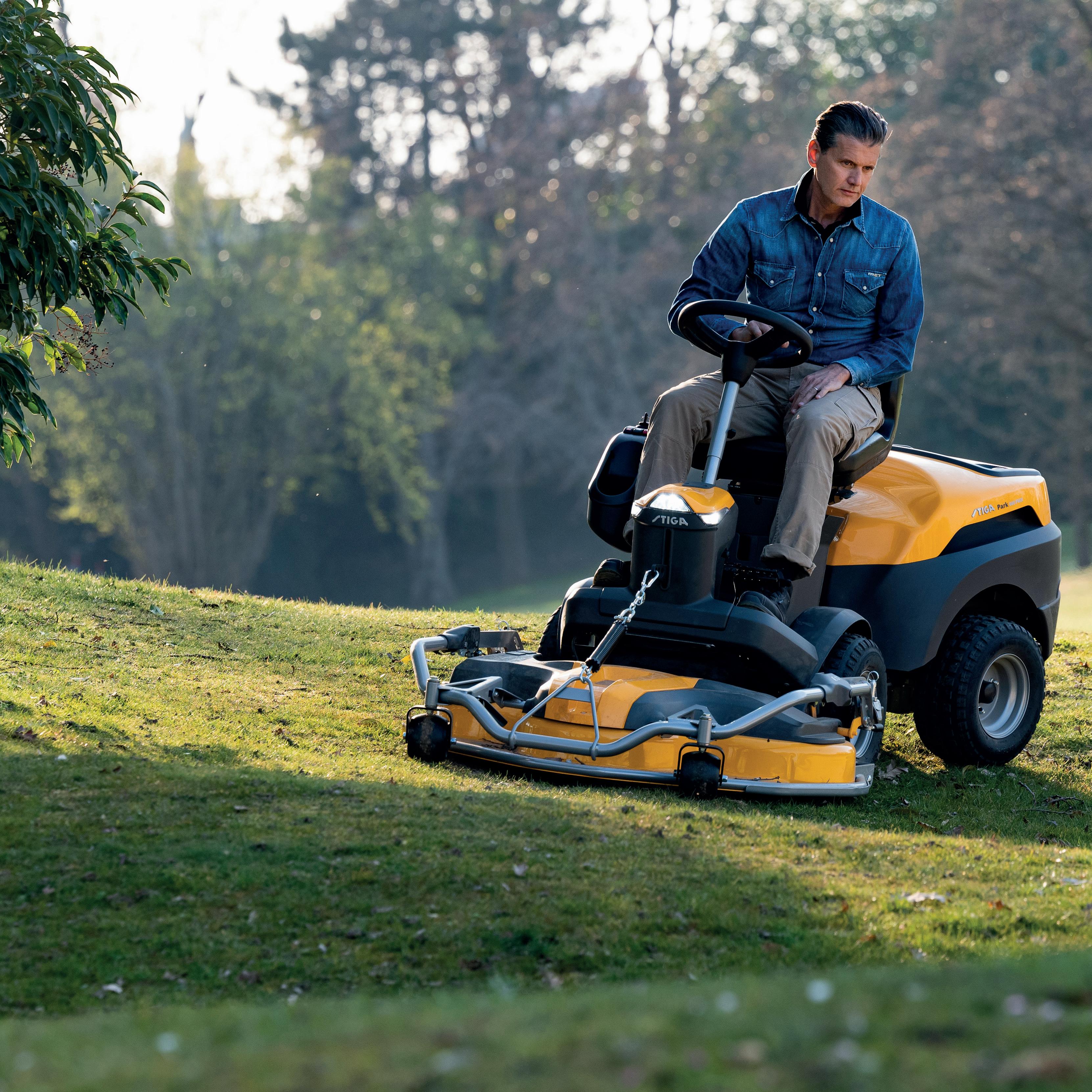
•
Jim Price Machinery Ltd
Farmore Mills, Craven Arms, Shropshire
SY7 9QG
01588 673746
www.jimpricemachinery.com
Southam Agricultural Services Station Road, Southam, CV47 2DH 01926 813426
www.southamagri.co.uk
Veryard Machinery Sales Blackworthy Road Castle Cary, Somerset 01963 351089 / 07860 479700 richardveryardmachinery.co.uk
The ultimate combination of raw power, versatility and precision.
Easy to manoeuvre, delivering best-in-class cutting performance, STIGA Park can handle large multi-level grass areas with ease. The position of the deck ensures control and visibility around every corner
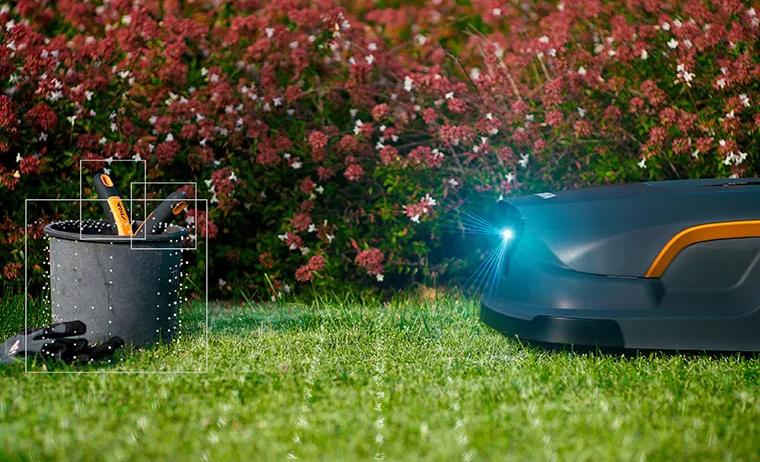
marked a definitive shift toward intelligent, cablefree navigation.
Traditional, and probably the best-known, systems use a physical wire buried around the lawn's edge. While this is a reliable approach for simple layouts, they are rigid; if you change your garden design, you are required to dig up and move the wire. That's why the trend is on autonomous robot mower. They work completelywireless and can adapt to any layout changes of your garden, as well as taking into accountnew obstacles. These machine provide the user with complete peace of mind and navigate around the lawn like they own it.
STIGA's introduction ofvisual AI navigationin 2026 removes the complexity of defining virtual perimeters, as the robot can now 'see' and follow the natural borders of your garden. It recognizes what is lawn and what is not (like driveways or flowerbeds) and allows for easier installation because it reduces the need to register every single obstacles on the lawn.
Recommended Action:For complex gardens or if you value flexibility, opt for wireless technology. It allows you to change mowing zones via an app without digging up wires.
When trusting a machine to mow the lawn it is absolutely essential that we can rely on its safety and security features. Modern robots must be safe for family, pets, and the machine itself.
Always look for robots equipped with multiple sensor types. The 2026 standards includerollover, dual bump sensors, and Vista technology(cameras) to detect static objects, like garden furniture, as well as moving obstacles, like children or pets. The robot should be able to identify the obstacle and navigate respectfully around it.
With high-value equipment, security is paramount. For peace of mind when it comes totheft protection, look for models withGPS tracking and Geofencing. This can look as follows: if a robot is moved outside its virtual perimeter, it blocks all functions and sends an instant notification to your smartphone. Read more on this topic in our article "Robot mower security features".
Another essential sensor for safety is thelift and tilt


sensor. This sensor ensures the blades stop instantly if the robot is lifted off the ground or tips over. Floating shells help activate these sensors faster.
Recommended Action:Ensure your chosen model has an App Lock and GPS tracking to protect your investment and ensure safety for your family.
4. Cutting Performance
The goal is a healthy, lush lawn, not just short grass. Neat cuts and daily mulching can achieve this!
Robotic lawnmowers perform their cut with a rotating blade attached to the bottom of the machine. Consider buying a machine that runs on a powerful battery and covers a significant area during each mowing session.
STIGA offers high-quality robot lawn mowers with asuperior cutting device for a perfect cut. They are equipped with 4 to 6 high-speed pivoting razor blades, which provide asharp, neat cut allowing the grass to seal and heal naturally, rather than tearing it. Read more about the cutting quality of STIGA robotic mowers inthis article.
Recommended Action:Choose a robot that performs daily mulching. This feeds the soil and results in a greener, healthier lawn without chemical fertilizers,
5. Battery life
Battery life is the defining factor for robotic mower efficiency; superior run times mean fewer charging interruptions and reduced wear.
STIGA ePower batteries stand out because they are garden-specific, engineered to resist long and continuous gardening sessions. Unlike standard packs, ePower integrated battery packs offerunparalleled performance and working
timeson a single charge.
Recommended Action:Choose to complete the lawn cut in the shortest possible time with long, intensive sessions or opt for shorter, multiple sessions a day performed when you are not in the garden area.
In 2026, your robot should be fully manageable from your pocket via App control.
A robust app is essential. It allows you toschedule sessions, check battery status and receive alerts remotely via 4G connectivity. Using your app you should be able to set different cutting heights and frequencies for different parts of your garden (e.g., shorter grass near the patio, longer in the orchard). On top of this look for features, that allow you tomap your garden instantly via smartphone, creating virtual perimeters without laying cables.
Recommended Action:Verify that mobile data connectivity is included for the lifespan of the robot (some brands offer up to 10 years included) to ensure constant remote control.
7. Practical Considerations
It's a good advice to also bear in mind practical considerations like the installation process, noise levels and maintenance.
We recommend to look for wire-free installation where you simply drive the robotvia the app to teach it the perimeter. This takes only a few minutes. In order to prevent noise complaints from neighbours you should also take into account the decibel level, before making a purchase. And last but not least it is a removable or"floating" shell will make it easy to washthe robot with a garden hose without damaging the electronics.
Good to know: STIGA robot lawn mowers operate at around 59 dB(A), which isas quiet as a household refrigerator.
Recommended Action:Choose a model with a floating shell for easy cleaning and verify the noise level is below 60dB for residential peace.
8. Conclusion
Choosing the right robot mower in 2026 meansmoving away from wires and embracing intelligent, sensors-based navigation. The innovative STIGA robot lawn mowers do exactly that! They providecable-free solutions, with and without AI-cameras, and achieve mowing perfection, while always staying aware of your garden.


s part of Farming Monthly’s ongoing series celebrating the UN Year of Women in Agriculture, this feature explores a side of modern farming that is still too rarely spoken about openly: identity, visibility and belonging.
Agriculture often presents itself as rooted in tradition, community and shared values. But for many people entering the industry, particularly younger farmers and people from underrepresented backgrounds, the reality can feel more complicated. Conversations around diversity in farming are frequently reduced to surface-level representation, while the deeper experiences of navigating rural spaces, visibility and difference are often left unspoken.
That is precisely why Coco Jalloh matters.
Through her growing presence on social media, Coco has become part of a new generation of agricultural voices helping to broaden perceptions of who farming is for and who belongs within it. But beyond visibility, her perspective offers something more nuanced: an honest reflection on the emotional realities of navigating an industry where acceptance and understanding are not always the same thing.
What makes Coco’s story so important is not simply that she is a young Black woman in farming. It is the way she speaks about identity without hostility, about exclusion without bitterness, and about agriculture with an obvious, unwavering love for the industry itself.
Her story is not framed around victimhood or tokenism. Instead, it is about the quiet but significant difference between being welcomed into a space and truly being understood within it.
anxiety, something many around her simply did not understand.
“I basically refused to go outside and no one really understood why it was such a huge issue for me.”
It is a small example, but one that reflects a larger reality. Difference is not always experienced through overt exclusion. Sometimes it exists in the quieter moments where lived experiences are unfamiliar to those around you.
Importantly, Coco is clear that her experience within agriculture itself has not been defined by a lack of ability or opportunity.
“My experience on stereotypes never affected me within the workplace and college because I had the same drive, passion and work ethic as my peers.”
“Sharing my life online within the agricultural space affected me in the workplace because I began to believe I wasn’t meant to be doing this job, which was really disheartening.”
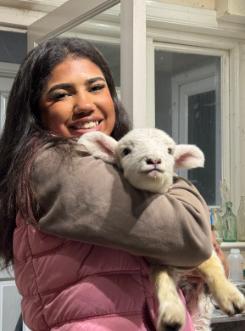
“The first time I went to a YFC ball, I noticed no one looked like me,” Coco explains.
“I never felt out of place or mentally different to everyone. But the little things made me feel different and misunderstood.”
One moment has stayed with her in particular. After spending time straightening her naturally curly hair for the event, rain became a genuine source of
That tension between visibility and vulnerability is something many young people online increasingly navigate. While social media has opened farming up to wider audiences and helped create new communities, it has also exposed individuals to scrutiny and prejudice at a scale previous generations never experienced.
“Social media has changed my life and the support has been incredible and I feel really seen,” she says. “But hate comments are exhausting.”
“I understand I have chosen to show and post my life, but it doesn’t mean I should be held to hate and scrutiny off a five-minute snippet of my life.”
For Coco, one of the frustrations is the persistent belief that diversity in farming is somehow new.
“People think it’s new for people of colour to be farming, which is far from the truth.”
“It’s not new for different types of people to be farming, but because of social media, older generations sometimes think the conversation around racism has nothing to do with farming.”
Her point is not about division. Instead, it is about visibility and confidence for future generations entering the industry.
“It’s not explained enough why we need to advocate for different people within farming, to support the confidence of new entrants who might not feel seen.”
That idea, feeling seen, emerges repeatedly throughout Coco’s reflections. Representation, she suggests, is not simply about appearances. It is about allowing people to imagine themselves within an industry that can still feel culturally narrow in how it presents itself.
“People still believe Black people cannot be British and that they must always be from somewhere else.”
Even when inclusion exists in principle, assumptions and stereotypes can continue unconsciously.
“I don’t think anyone is deliberately left out,” she says thoughtfully. “But unintentionally, the majority of people still fall back on the general farming stereotype.”
At the same time, Coco is careful to recognise the positive change happening across agriculture, particularly around women in farming.
“Being a woman in farming has created a huge movement and change within the agricultural world, which is amazing.”
But she also acknowledges another layer beneath that progress.
inclusive, even if there is still work to do.
“I believe the overall community keeps traditions alive, but we are in a new era of life and standards, which is part of the change that is needed.”
She also speaks passionately about the importance of encouragement and kindness within the sector, particularly for younger people learning skills and finding confidence.
“Hard work deserves all its credit because farming is a hard job. But sometimes young people learning key skills don’t feel celebrated because they don’t yet have experience under their belt.”


“Being a Black woman, I am seen more as just a woman in farming than a Black woman. I love the support, but sometimes I don’t feel understood because there is another battle I’m fighting which isn’t always seen initially.”
Her honesty brings an important complexity to conversations around inclusion in agriculture. Visibility alone does not automatically create understanding. Progress is not always uniform. And experiences within the same industry can still differ profoundly depending on identity and background.
Yet despite the challenges she has faced, Coco speaks about farming with genuine warmth and optimism.
She believes rural Britain is becoming more
“The responsibility we all carry within the agricultural space is kindness and patience, because we all had to start somewhere.”
One person who played a particularly important role in Coco’s own journey was rural influencer and farmer Charlotte Ashley.
“Charlotte Ashley was one of the first influencers to talk to me regarding the racist comments I received.”
“She was honestly my biggest cheerleader and pushed me to continue with social media. She still is one of my really good friends.”
As the UN Year of Women in Agriculture shines a light on women shaping the future of the sector, Coco’s perspective feels especially significant because it asks agriculture to think beyond visibility alone.
Her story challenges the industry to consider not just who is present within farming, but who feels fully able to belong there without explanation, assumption or compromise.
Ultimately, Coco’s hopes for the future are strikingly simple.
“I hope that in ten years I can watch my children farm and not feel judged or lesser than because of the colour of their skin.”
It is a quiet statement, but a powerful one. And perhaps it captures the real meaning of progress more clearly than any campaign slogan ever could.
Follow Coco: TikTok: @cocojalloh Instagram: @cocojalloh21

his year, theWorld Biogas Association (WBA) celebrates its 10th anniversary, marking a decade of advancing biogas and biomethane as essential solutions for climate action, methane mitigation, energysecurityand circular economic growth worldwide.

Since its launch at COP22 in Marrakesh in 2016, WBA has worked with governments, industryleadersand internationalorganisationsto accelerate development of the global biogas and biomethane sector.Through original research and high-level advocacy at COPs, G20 Energy Meetings, the Clean Energy Ministerial, and key intergovernmentalorganisationsincluding theInternational Energy Agency (IEA),Climate Clean Air Coalition (CCAC),World BankandUnited Nations Industrial Development Organisation (UNIDO),WBA has helped drive political ambition and policy development globally - resulting in more than 50 new policies in the last five years and strong sector growth (averaging 20% annually over the past three years).
WBA has also played a leading role in positioning anaerobic digestion and biogas within the global greenhouse gas reduction agenda and growing international focus on methane mitigation.This work is reflected in WBA’s #MakingBiogasHappen (MBH) programme, launched in 2024 to accelerate national biogas deployment through policy support, regulatory development, international best practise certificationand standards frameworks designed to help the industry scale professionally, safely and at pace.
As WBA reaches this milestone, annyversary activitieswill be embedded across its 2026 programme-celebrating progress over the past decade while driving the next phase of growth. As the sector enters a defining decade, WBA's focus is increasingly on building the institutional architecture, policy frameworks and international best practice needed to scale global deployment professionally and safely.
Anniversary celebrations will culminate at two flagship international events in 2026.The World Biogas ExpoandSummit, taking place in Birmingham, UK, on 8-9 July 2026, will bring together policymakers, investorsand industry leaders from around the world to assess progress and accelerate deployment worldwide. Later in the year, theWorld Biogas AssociationINDIA Congressin New Delhi on 8-9 October 2026 will focus on scaling biogas solutions in
one of the world's fastest-growing priority markets and exploring how successful delivery models can be replicated internationally.
Looking ahead, WBA's focusis firmly on implementation at scale - accelerating investment, supporting robust regulatoryframeworksand helping create investment-ready, lower-risk markets for biogas deployment worldwide.Through initiatives such as theGlobal Biogas Regulatory Framework (GBRF)and theAnaerobic Digestion Certification Scheme (ADCS) International- part of the#MBHprogramme,WBA is helping create the institutional architecture needed to move from policy ambition to on-the-ground execution, while improving operational excellence, investorconfidenceand international best practice across the sector.
Charlotte Morton OBE, Chief Executive of the World Biogas Association, said:
"Over the last decade, biogas has moved from being an under-recognisedtechnology to a critical part of the global climate and energy transition. WBA has been proud to help drive that change by bringing together governments,industryand international institutions around a shared mission.
But the real opportunity lies ahead. The next ten years must beimplementationat scale - accelerating investment, building robust regulatoryframeworksand delivering projects that reduce emissions while strengthening energy and food security worldwide.
Through initiatives such as#MakingBiogasHappen (MBH),WBA is helping create the institutional architecture needed to move from policy ambition to on-the-ground execution, ensuring the sector can scale professionally, safely and with global confidence."
Further details on WBA's anniversary activities and 2026 events will be announced in the coming months.

orvus Energy, the leading provider of zero‑emission energy solutions for the maritime industry, has received DNV Cyber Security Type Approval for its Dolphin NxtGen Battery Energy Storage System (BESS).See link.The approval also covers the Gen 4 BMS Pack Controller, extending cybersecurity compliance across the entire NxtGen product family.
The certification confirms that Corvus systems meet the stringent cybersecurity requirements in DNV's rules for classification. It validates that Corvus ESS solutions are engineered to protect critical onboard energy infrastructure against evolving cyber threats throughout their lifecycle.
Robust Cybersecurity Framework Recognized by DNV
external parties from exploiting the ESS as a pathway into the vessel's wider network. With encrypted communication, secure remote service, and strict access management, Corvus helps shipowners safeguard operational continuity and maintain system integrity.
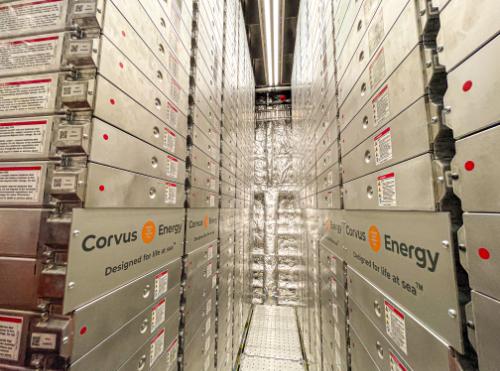
The approval follows an extensive independent assessment of more than 50 cybersecurity capabilities, including secure system architecture, access control, data integrity, and safe remote software and firmware updates. The certification also covers data collection and monitoring through the Corvus Lighthouse platform, which supports real‑time diagnostics and advanced analytics.
In today's volatile geopolitical environment, cyberattacks targeting maritime infrastructure are increasing. As vessels become more connected, the risk of unauthorized access or operational disruption grows. Energy storage systems, central to vessel safety and propulsion, are particularly sensitive.
Corvus ESS solutions are designed to prevent
"Cybersecurity is now as fundamental to maritime safety as the hardware itself," saidFredrik Witte, CEO of Corvus Energy. "This approval from DNV confirms that our energy storage systems are not only engineered for performance and reliability but also built to withstand the digital threats facing modern vessels. It reflects our long‑term commitment to delivering future‑ready solutions that our customers can trust".
This new approval adds to the existing Cyber Security Type Approval already granted for the Corvus Orca ESS by DNV and other major class societies, including ABS, Bureau Veritas (BV), and RINA demonstrating a consistent, class‑recognized cybersecurity approach across the Corvus portfolio. Corvus is now pursuing cybersecurity approvals for its full product range.


ew polling across England, Scotland and Wales shows strong public backing for the UK’s energy infrastructure programme, with clear priorities centred on jobs, climate change and economic strength, rather than visual appearance.
The results of the polling, undertaken by Early Studies and commissioned by a group of leading energy trade associations including Solar Energy UK, challenge a long-standing assumption in planning debates. They find that visual impact, which is often cited as a leading objection, is in fact the lowest-ranked concern for the public, with just 11% of respondents selecting it as a main consideration for future energy needs.
This view is consistent across the political spectrum, from 12% of Labour and Conservative voters to 11% of Reform UK voters and 10% of both Liberal Democrat and Green Party voters, highlighting near unanimous national alignment.
Instead, the public is focused on the practical outcomes of energy infrastructure such as lower bills, secure livelihoods and a strong, growing economy.
Significantly larger portions of the public prioritise industrial competitiveness (39%), reducing air pollution (37%) and protecting existing jobs (25%).
Importantly, this does not mean people and developers are unconcerned about where and how infrastructure is built. Rather, it shows that visual impact is not as high a priority as is often presented in planning debates, and the public is prepared to support infrastructure that drives growth and job creation even when there is a visual impact.
It remains essential, however, for infrastructure developers to continue working with communities, particularly in areas where we are seeing
cumulative impacts from development of multiple projects.
The findings underline strong support for delivering energy infrastructure at pace, helping the UK strengthen its resilience against global price shocks, volatile energy markets and supply disruptions, while accelerating the transition to clean power.
Although visual impact continues to feature prominently in planning debates, this new data shows it does not reflect the priorities of most people. Across communities and political divides, the focus is firmly on building a competitive, secure and future-ready energy system.
With energy projects being developed across the country, strong public support for investment, job protection and a stronger British industry is a welcome signal.
Chris Hewett, Chief Executive of Solar Energy UK, added:
“We have long known that clean energy is highly popular, especially so for solar power. But the huge increase in the public’s appreciation for the sector’s role in bolstering energy security and its support for energy storage, as revealed by this study, are new and vital factors in the energy debate. It shows how voices opposed to the energy transition are fundamentally out of touch.”
Dhara Vyas, Chief Executive Officer of Energy UK, said:
“Modernisation and expansion of our infrastructure is essential to meet the needs of the current and future energy system and to ensure we can maximise the potential of our clean energy resources. The impact of new developments can understandably be a concern for those nearby – so mitigating these and ensuring local communities benefit remains important – but it’s positive to see
that the public appreciate the wider picture and understand that benefits like energy security, greater competitiveness, jobs and lower bills depend on building new infrastructure.”
Tara Singh, CEO of RenewableUK, commented:
“Whilst we have a duty to ensure that only the most suitable projects get built in the right places, these results are a clear indication that the public understands how crucial homegrown clean energy is to our security and recognises the urgent need to bolster our ability to withstand price shocks by accelerating the rollout of energy infrastructure. The Government’s latest plans to limit the number of Judicial Reviews that can be logged against wind farms and grid expansion are a welcome first step, and we are calling on them to ensure billpayers across the country feel the benefits as soon as possible by further streamlining the planning system and minimising unnecessary delays.”
Claire Mack, Chief Executive of Scottish Renewables, said:
“Modernising and expanding Scotland’s clean energy infrastructure will be essential to delivering long-term energy security and economic resilience. Whilst meaningful engagement with local communities must remain central to new developments, it is encouraging to see broad public recognition of the vital role energy infrastructure will play in supporting our future prosperity. As we move forward, industry and government must continue working together to reduce delays and unlock the full value of clean energy projects for the country.”
Aaron Gould, Interim CEO of Association for Decentralised Energy said:
“Voters care about cutting bills, protecting jobs and strengthening energy security. To deliver that, we need to start making best use of British renewable power and recover the heat from things like data centres. The best way to do this is by embracing a demand-led energy system, and building out modern networks for heat and power that befit a modern society – so we wring every ounce of value from the energy we generate.”
Charlotte Lee, Heat Pump Association UK Chief Executive commented:
“The findings demonstrate clear public support for the energy transition and the infrastructure needed to deliver it. At a time when energy transition policies are under increasing scrutiny, the results show people increasingly view low-carbon technologies, including heat pumps, as an economic opportunity to support jobs, strengthen UK competitiveness and crucially enhance our energy security.”
Clare Jackson, CEO of Hydrogen UK, said:
“These findings show that clean energy infrastructure is not an abstract debate for the UK public. We have a responsibility to protect skilled jobs, strengthen British industry, cut exposure to volatile international energy markets and deliver a low carbon transition that supports UK energy security. The British public understands those priorities, and we know hydrogen will play a key role. Businesses have the tools to deliver – but we need a clear and consistent policy framework from government to embed resilience into our clean energy ecosystem.”
Olivia Powis, CEO of the Carbon Capture and Storage Association, added:
“Carbon capture and storage infrastructure is essential to protecting and creating skilled jobs, delivering flexible low-carbon energy and the longterm competitiveness of British industry. This polling shows the public back the benefits that clean energy projects, such as carbon capture, can bring to communities across the UK.”
Tom Greatrex, Nuclear Industry Association Chief Executive, added:
“This polling shows that the public backs clean power investment when it means energy security, lower bills and good skilled jobs. Nuclear provides all three.
“As recent global crises have shown, Britain needs all the sovereign clean power it can get, which means backing new clean energy infrastructure and ensuring it is delivered at pace and at scale in a way that is proportionate and focused on outcomes. That means cutting unnecessary delays, giving investors confidence and getting projects built so families and businesses can benefit from reliable, homegrown clean power for decades to come.”
Trevor Hutchings, CEO of the Renewable Energy Association, said:
“This survey reinforces what we already know: there is strong support for renewable energy and while we must not ignore concerns about energy infrastructure on communities, visual impact, which is often cited as reasons to reject a development, is in fact the lowest-ranked issue for the public. What the public does care about is greater security, growth and jobs, and to get a grip on their energy bills. This is what home-grown clean energy will do.
For the second time in four years, we have a fossil fuel energy crisis driving up bills and slowing the economy, and so the case for home grown clean energy has never been clearer.”

aunched at the British Pig & Poultry Fair, the latest Farm of the Future report from the Royal Agricultural Society of England (RASE) explores how farm building design can reduce emissions, improve energy efficiency and support animal performance.
‘Rethinking farm buildings: Optimising efficiency and reducing emissions’ examines how agricultural infrastructure influences energy use, manure emissions and the carbon intensity of production. The report also explores practical ways to reduce emissions across pig, poultry and cattle housing, grain drying systems and root vegetable storage.
Holly Shearman, head of livestock and Farm of the Future programmes at RASE, says farm buildings should be viewed as long-term investments in emissions reduction and resource efficiencies.
“Farm buildings are often overlooked in net zero discussions, yet they can deliver lasting emissions reductions across every agricultural sector,” she says. “This impact is driven by the construction materials used and operational energy use across a building’s lifetime.”
In addition to these direct sources of emissions, Ms Shearman explains that building design impacts animal health and productivity, with optimal ventilation, temperature control, hygiene, space and comfort reducing emissions per unit of production. “Building infrastructure also influences emissions from slurry and manure management,” she adds.
The report advocates for a whole farm approach to decarbonising agricultural buildings, beginning with implementing solutions to reduce embodied carbon and energy demand, before adding renewable energy systems.
“Using lower-carbon construction materials alongside energy-efficient systems such as LED lighting can reduce a building’s environmental impact for decades, while also lowering operating costs,” says Ms Shearman.
The report also highlights renewable energy opportunities, including rooftop solar PV systems or considering anaerobic digestion, that could help farms generate their own energy and reduce longterm costs alongside lowering their carbon footprint.
As well as setting out options to decarbonise farm buildings, the report calls for policy reforms to accelerate investment in low-carbon farm infrastructure, including support for retrofitting existing buildings, renewable energy integration and improved manure management systems.
“Policy must create a clearer pathway for lowcarbon farm infrastructure,” says Ms Shearman. “That includes faster planning approval for on-farm renewables, better support for low-carbon construction materials and a more strategic approach to manure management.”
Rethinking farm buildings: Optimising efficiency and reducing emissions’ is available to download at:https://www.rase.org.uk/reports/
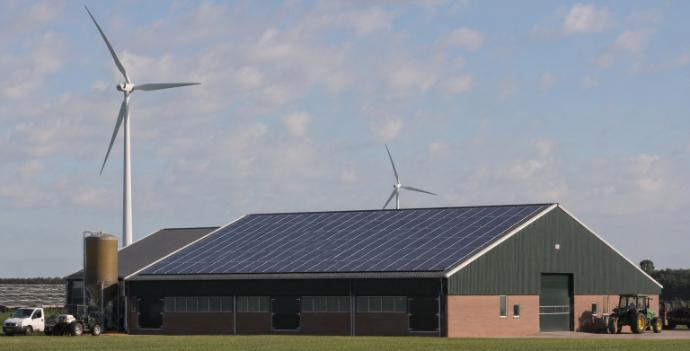


n working farms, the existence of an agricultural building is instrumental to the smooth functioning of day-to-day work. So, what is considered an agricultural building? They protect livestock, crops, machinery and feed from the elements, improve efficiency and help farms run safely and profitably all year round. Today we will explore this question in greater detail. We will cover:
• What Is Considered an Agricultural Building?
• What Are the Different Types of Agricultural Buildings?
• What Materials Are Best for Agricultural Buildings?
• What Are Steel Agricultural Buildings?
• How to Choose the Right Agricultural Building
• Planning Permission and Regulations for Agricultural Buildings
• How Much Do Agricultural Buildings Cost?
• How Should You Maintain Your Agricultural Building?
What Is Considered an Agricultural Building?
If you own or work on a farm, you will appreciate the importance ofagricultural steel buildings. These simple structures are hugely important and support day-to-day operations on a working farm. Without the introduction of an agricultural building, farm owners would lack the means to store valuable products and instruments. You may still be wondering at this point ‘’What is an agricultural building?’’
Clearly defined, an agricultural farm building is a purpose-built structure that is used to house agricultural instruments and/or equipment, produce, livestock or poultry. Agricultural buildings are not designed for public use, and do not contain habitable space. Instead, they are used by farm owners and workers alike to store and protect the aforementioned equipment and stock. In particular, they provide protection against the elements.
What Are the Different Types of Agricultural Buildings?
There are a great number of agricultural steel buildings that can be purchased that are designed for
a variety of different uses. Here at Kit Buildings Direct, for example, we have a broad agricultural building range. All our agricultural steel buildings are expertly crafted and are equipped to effectively perform the task they are designed for.
Somedifferent types of agricultural buildingsavailable on the market include:
Hay Barns
Hay barnsare used effectively to store and protect hay and straw from weather damage. Farm owners can reduce hay wastage and maximise quality with the integration of a hay barn, which both improves profit margins and productivity.
Common types of hay barns include:
• Open-fronted hay barns
• Enclosed hay storage buildings
• Multi-purpose barns for hay and straw
• Large-span storage barns for bulk storage
To see how a well-designed steel barn can protect feed quality and reduce wastage on your farm, check out our articleon reducing hay spoilage and waste.
Livestock buildingsare a type of agricultural building that improves the security and wellbeing of livestock. These can be bespoke designed to suit the requirements of the customer, with different building specifications required for cows, sheep, goats and pigs. A high-quality steel livestock building provides effective weather protection for your livestock.
Common types of livestock buildings include:
• Cattle housing buildings
• Sheep sheds
• Pig housing buildings
• Poultry buildings
• Milking parlours and dairy housing
Each type requires different ventilation, spacing and layout depending on the livestock being housed. Read our article onwinter livestock care, which explains how agricultural buildings help protect animals from cold, wind and dampness.
Protecting supply and stock is important on a farm and can sometimes be difficult outdoors. A grain shed is used for storing harvested crops safely and securely. Ahigh-quality grain shed, such as what we sell, protects your grain against damage (vermin) or loss (theft).
Common types of grain sheds include:
• Dry grain storage sheds
• Bulk grain storage buildings
• Grain processing and handling sheds
• Multi-purpose storage sheds for grain and machinery
• Farm Storage Buildings
These are some of the most versatile buildings on a farm and are often used for machinery, feed and general storage.
Common types include:
• Machinery storage sheds
• Fertiliser and feed storage buildings
• Workshop buildings
• General-purpose agricultural sheds
• Secure storage buildings
Agricultural storage buildingshelp keep valuable equipment protected from weather and theft while improving organisation on site.
What Materials Are Best for Agricultural Buildings?
The best materials for agricultural buildings depend on the structure’s purpose, balancing durability, cost and environmental impact. Agricultural buildings can be made out of a variety of materials, such as steel, timber or concrete.
What are Steel Agricultural Buildings?
An agricultural steel building is a pre-engineered, steelframed structure built for use on a working farm. These buildings are commonly used for machinery storage, grain and feed housing, livestock shelters, hay barns, workshops and general-purpose utility spaces. Unlike traditional timber or brick structures, steel agricultural buildings are manufactured off-site and assembled quickly once delivered.
Most modern agricultural buildings here in the UK are steel-framed, and for good reason. Steel doesn’t rot, warp or attract pests like timber does, which means that once it’s up, it’s up for decades with very little fuss. That’s a priority for farmers when they’re protecting expensive machines, feed or livestock. Steel-framed farm buildings handle rain, wind and even frost better than most traditional options.
Why Is Steel the Most Popular Material for Agricultural Buildings?
Steel is the most popular material for modern agricultural buildings because of its inherent strength, customisability and how quickly it can be erected. A couple of things farmers will notice right away with steel buildings:
• Durability: Steel can withstand the heavy British weather with no warping or decay over time.
• Low maintenance: You don’t spend weekends retreating or fixing it.
• Clear internal space: Steel allows big clear spans without posts, so you can get a tractor or combine in and out easily.
• Scalability: If you need to extend or repurpose a building later, steel adapts without throwing the whole structure out of balance.
Because of all that, steel is usually the go-to choice for barns, grain stores, machinery sheds and multi-purpose buildings where strength and low upkeep are priorities.
That said, steel can get cold in winter and hot in summer unless it’s insulated properly, and without good ventilation you can get condensation issues. This is definitely something worth planning for if you’re storing hay or livestock equipment. Read our article to learn more about theadvantages of steel agricultural buildings.
Timber agricultural buildings are primarily made from treated, structural timber. They are commonly constructed using portal frames, which offer strong, open spaces. Common types include barns, sheds, stables and workshops. Many may prefer timber buildings because they blend into the countryside better.
What are the Benefits of Timber Agricultural Buildings?
• Natural insulation: Wood holds heat better than bare steel, which can make a real difference in livestock sheds or workshops in winter.
• Aesthetics: Timber feels more “farmyard” and less industrial.
• Sustainability: Responsibly sourced timber is renewable and has a smaller carbon footprint.
Timber also needs to be treated and cared for. In the UK’s damp climate it can rot, warp or attract wood-loving pests. Therefore make sure any timber you use is properly pressure-treated and that you inspect it regularly.
Concrete often gets overlooked in the classic “steel vs timber” debates, but it still has a role on the farm, especially for foundations. A concrete floor in a cattle shed or feed store can make cleaning far easier and cut down on long-term wall damage where bedding and moisture are constant factors.
What are the Benefits of Concrete Agricultural Buildings?
• Loads and abrasion: Perfect where machinery or livestock traffic is heavy.
• Moisture resistance: A solid base stops water, muck and slurry from eating into the building fabric.
• Temperature stability: Concrete’s thermal mass helps keep interior spaces steadier in changing weather.
• Usually you won’t see entire buildings made from solid concrete, but concrete bases, walls or panels paired with steel frames are a very common and practical combination.
When choosing the right agricultural building, it’s important to think ahead so you don’t end up stuck with something that doesn’t fit your workflow or becomes a money pit. There’s no one “perfect” building for every farm, but there are clear, practical steps to make sure you pick the right structure.
This sounds obvious, but it’s the building that can function for what you need it for.
• Are you storing equipment, feed, crops or tools?
• Is it going to be livestock housing with ventilation and clean-out requirements?
• Do you need a workshop or multi-purpose space?
Each use demands different features. A farm building for feed storage needs good ventilation and weather protection. Machinery sheds need large, clear access and space to manoeuvre tractors and balers. Livestock spaces need airflow and ease of cleaning.
Once you’ve determined the purpose of the building, that will then influence the size you need. When considering what size agricultural structure, you of course must take into account length and width, but also think about workflow and future use. Ask yourself:
• Do I need room to drive a tractor all the way through?
• Will I upgrade in the next few years if you could potentially get more livestock?
• Do I need separate storage and working areas?
• Internal layout and that space vanishes fast if you don’t plan properly.
3. Factor in Your Local Environment and Weather
You should take into account your local climate and weather conditions:
• In wetter parts of the UK, you’ll need robust drainage so water doesn’t get blown or pooled inside.
• In exposed or windy areas, consider steel frames and cladding that provide protection against gusts and storms.
• If winters are cold, insulation and snow load on roofs become important.
This kind of practical detail makes a big difference to how usable your building is year-round.
Planning Permission and Regulations for Agricultural Buildings
Agricultural buildings aren’t treated the same as sheds in a back garden. They’re classed as permanent structures because they’re part of the long-term operation of your farm. In most cases, agricultural building regulations and planning permission will need to be followed before you start digging or erecting steelwork. However, the planning system also recognises that farms need flexibility. So, there arePermitted
Development Rights(PDRs) that let you build without a full planning application in some circumstances. These exist precisely so you don’t waste months and thousands on applications for ordinary farm sheds and stores that are just part of everyday farming.
For most farms, if you’re putting up a new agricultural building that’s going to be permanent and is not covered by permitted development rights, you’ll need planning permission first. This includes large barns, livestock housing, grain stores and similar permanent structures. Building control and planning authorities consider how that structure will sit in the landscape long-term.
You also definitely need planning permission if you’re:
• Changing the use of land or buildings from agricultural to something completely different (for example turning a storage shed into a business premises or house)
• In a conservation area, green belt or protected landscape, where additional controls apply
• Planning a development that could have a significant environmental impact, requiring an Environmental Impact Assessment (EIA)
Getting permission after you start can be costly: the council can order you to stop work or even remove the building. If you’re unsure whether your project falls under permitted development or requires a full planning application, our guide onplanning permission for agricultural buildingsexplains this in more detail.
Agricultural buildings vary massively in cost based on a handful of key factors, and understanding these early can save time, money and stress.
The most fundamental cost driver is the material you choose. Agricultural buildings supplied through Kit Buildings Direct use UK-manufactured steelwork, which offers great durability and a long service life without constant maintenance. This tends to be a solid investment over timber or other options because you’re not repainting or replacing degraded elements every few years.
• Steel frames and cladding will often cost more upfront than timber but give you longevity and resilience against weather and pests.
• Agricultural claddingoptions can bump up the price but will save maintenance later.
• Galvanised or treated finishes add cost but pay back through reduced corrosion and longer life in a wet UK climate.
Cheaper materials can mean higher long-term bills if the building needs early repairs. For real-world examples of how farmers are using steel agricultural buildings across their operations see our article on5 uses for steel agricultural buildings.
Building Size
A 10,000 sq ft barn costs a lot more than a 3,000 sq ft machinery shed. However, it’s more than just a square footage calculation.
• Larger buildings need more steel sections, more cladding panels, heavier foundations and usually larger doors and access points.
• The shape of the building affects cost too, as wider clear spans require stronger (and often pricier) frames.
• Internal partitioning, mezzanines or livestock pens add material and labour costs on top of the structure.
A rough rule is that costs don’t increase linearly. Doubling the size doesn’t just double the cost; it can sometimes push you into higher brackets of engineering and foundation requirements.
On a farm, how the ground behaves affects where you place your building.
• Slab or pad foundations need to be sized to suit ground conditions, as sometimes poor soil means deeper or more extensive base work.
• Drainage and access formation might be necessary if your site is damp or the entrance needs strengthening for heavy machinery.
• If the site needs obstacle removal, levelling, tree clearance or utility runs, these all need to be done before your frame goes up.
At Kit Buildings Direct, we can price in groundwork and foundation installation as part of a full build package. It’s often a good idea to get that factored in from the start rather than retrofitted later.
How Should You Maintain Your Agricultural Building?
Agricultural buildings are exposed to weather all year round and take daily wear from machinery, livestock and storage. A simple maintenance routine keeps them safe, extends their lifespan and preventssmall issues from turning into expensive repairs.
A quick walk-round a few times a year can save thousands in repairs. Look for loose sheets, damaged cladding, missing fixings or signs of water getting in. After heavy wind or storms, it’s always worth checking the roof and sides before problems develop.
Keep Roofs, Gutters and Drainage Clear
• Blocked gutters and poor drainage are one of the main causes of damp and corrosion.
• Clear gutters and downpipes regularly
• Make sure water runs away from the building, not towards it
• Check for pooling around the base of walls
If water sits around a building long enough, it could find a way inside.
Watch for Rust and Corrosion
Steel buildings are extremely durable, but moisture, slurry and fertiliser can all speed up corrosion.
• Check base rails, fixings and door openings
• Treat surface rust early with primer and protective coatings
• Keep steelwork clean, especially in livestock buildings
Catching rust early is far cheaper than replacing sections later.
The condition of the concrete base affects the entire structure.
• Repair cracks and damaged edges
• Check thresholds where water often enters
• Make sure floors slope correctly for drainage
Good groundwork protect both the building and anything stored inside it.
Poor airflow within livestock buildings causes condensation, rust and mould.
• Keep vents and ridge openings clear
• Add ventilation where moisture builds up
• Essential for livestock housing, feed and hay storage
Good ventilation protects stock, machinery and stored materials. For a more detailed breakdown of inspections, repairs and long-term upgrades, take a look at ourfull guide on maintaining and upgrading your agricultural buildings.
The team here atKit Buildings Directhope you now have more clarity on what is considered an agricultural building, as well as the purpose of certain buildings.
We have over 50 years of experience designing, manufacturing and installing all types of agricultural buildings across the UK. We are experts in steel-framed agricultural buildings, and all of our steel is UKCAmarked. Our structures are made for all kinds of agricultural uses, including livestock housing, hay and straw storage, grain sheds, workshops, machinery sheds and many more.
Though we listed a few examples of the types of agricultural buildings we offer, we build many more buildings which perform different tasks. Not only this, but we are able to create bespoke structures to suit the requirements of the client.

We are a proud family-run business with a strong reputation for friendly service and quality steel-framed buildings that perform in real farm environments.
Written by Chris Toon Managing Director of Kit Buildings Direct
The cost of rural crime in the Midlands fell by 21% last year according to new figures from NFU Mutual, demonstrating the effectiveness of investment and collaborative efforts against organised and serious crime.
This mirrors the UK-wide average published today (Thursday 28thMay) in NFU Mutual's new report, which reveals that rural crime cost the UK an estimated £41.5m in 2025, down from £44.1m the previous year.
Although a co-ordinated response to rural crime has helped to bring the costs down in both the Midlands and the UK as a whole, organised criminals continued to target the countryside for valuable farming equipment.
The UK-wide cost of the theft of agricultural vehicles, quad bikes and livestock all increased last year, while a concerted effort from farmers, insurers and the police helped to significantly reduce the cost of theft of valuable GPS devices.
Across England, the Midlands saw the biggest drop in the cost of rural crime in the last 12 months, with 2025 costing the region an estimated £6.4m, down from £8m the previous year.
Yet, the cost of quad bike theft claims in the region rose 10%. The very capabilities that make these vehicles indispensable to farmers also make them highly attractive to thieves, leaving them consistently at risk of targeted criminal activity. While quad bikes help all farmers navigate tricky terrain, this is particularly concerning for Midland farmers in counties like Shropshire, where upland farming dominates.
Worryingly, the cost of livestock theft in the Midlands also increased by 13%. Although it dates back centuries, this crime has become highly organised, in line with the wider trend in rural crime.
Rearing livestock is a long-term investment of time, planning and labour, which is why the theft of farm animals can be traumatic for farmers and their families, both financially and emotionally.
Nick Turner, Chief Executive of NFU Mutual, said:"For more than 20 years, NFU Mutual has called for a stronger response to rural crime, and we know the financial and emotional toll it takes on farmers.
"As amutual, our support goes beyond paying claims: last year we invested over £500,000 in rural crime initiatives, including ongoing funding for the
National Rural Crime Unit and the UK's first dedicated livestock theft officer. We also collaborate with the unit toidentifyat-risk areas and support recovery efforts.
"In addition, we also worked with local police forces to install 13 ANPR cameras across rural hotspots in England and Wales to track suspicious vehicles and disrupt criminal activity."
Hannah Binns, Rural Affairs Specialistat NFU Mutual, added:"Rural crime is more organised than ever, with criminals prepared to go to extreme lengths, and 2025 proved no exception.
"Yet targeted investment in rural crime fighting initiatives alongside industry collaboration with law enforcement is helping drive down crime, with our latest figures highlighting a 21% fall year-on-year in the Midlands to an estimated £6.4m.
"The impact of rural crime extends beyond financial loss, undermining trust and connection, often leaving a trauma that can remain with farmers, their families and wider communities for a lifetime.
"Alongside the fall in cost across the region and the UK, there are signs that the co-operation between Government, police, farmers, rural communities, insurers, and manufacturers is bearing fruit in the fight against rural crime.
"But we cannot afford to be complacent. With proposed policing reforms on the horizon, it is crucial rural crime teams receive fair resources and specialist support to empower local forces to respond quickly to countryside incidents caused by organised and serious criminals.
"Only a continued, coordinated effort across industry, farming and law enforcement can deliver a unified response to rural crime. United, we can tackle it head on."
A survey of 119 NFU Mutual Agents, who are often embedded in their local communities, found that 91% believed rural crime was disrupting farming in their area, and 79% knew farmers who had been targeted repeatedly.
Alarmingly, 29% had seen farmers change practices or leave the industry altogether due to rural crime. And 90% believed their rural crime teams in their local areas needed more funding.
For more information on rural crime trends and advice on how to tackle rural crime in your area download NFU Mutual's Rural Crime Report 2026 atRural Crime Report 2025 - Download

The British Farming Awards has launched a brand-newFarm Safety Awardfor 2026, recognising individuals, businesses and initiatives that are making a positive difference to safety on UK farms.
The new category, sponsored by RABI, has been introduced as part of the British Farming Awards 2026, which is now open for entries and nominations across 21 categories. The Farm Safety Award will celebrate those demonstrating innovation, leadership and commitment to improving safety standards and reducing risk across the agricultural sector.
The award is being supported by the Lawman family, who will present the winner with theAndrew Lawman Safety Award Trophyat the British Farming Awards ceremony, taking place at The Vox, NEC Birmingham, on October 15, 2026. The trophy has been donated in memory ofAndrew Lawman,who tragically lost his life in a farming incident in May 2023 at the age of 35. Through the award, the Lawman family hopes to raise awareness of farm safety, encourage safer working practices, and help prevent future accidents across the industry.
Commenting on the launch,Jill Hewitt, Chief Executive of the National Association of Agricultural Contractors (NAAC)and member of the Farm Safety PartnershipBoard, said:"We all have a responsibility for safety, whether as farmers, contractors, manufacturers or

regulators, and this award recognises the importance of innovation, new ideas and best practice in protecting our workforce."
The introduction of the Farm Safety Award comes at a time when British agriculture continues to face significant challenges. Alongside ongoing pressures from government policy changes, environmental regulations and land use demands, the industry remains focused on delivering food production while protecting the wellbeing of those working within it.
Now in its 14th year and supported by Morrisons, the British Farming Awards celebrates the diversity, resilience and innovation of UK agriculture. The 2026 awards feature 18 returning categories alongside three new additions, Farm Safety Award, Agricultural Supplier of the Year and Farm Advisor of the Year, recognising excellence across farming, agri-tech, sustainability, diversification and the wider agricultural supply chain.
Following a record-breaking attendance at the 2025 awards ceremony, farmers, businesses and industry professionals are encouraged to nominate individuals and organisations whose work is helping to create a safer future for British agriculture.
To find out more about the British Farming Awards or to submit a nomination for the Farm Safety Award, visitbritishfarmingawards.co.uk

The UK cost of rural crime fell by 6% last year according to new figures from NFU Mutual, demonstrating the effectiveness of investment and collaborative efforts against organised and serious crime.
Published today (Thursday 28thMay), NFU Mutual's new report reveals that rural crime cost the UK an estimated £41.5m in 2025, down from £44.1m the previous year.
Global positioning system (GPS) units saw a dramatic fall in cost, down 80% year-on-year to nearly £250,000, highlighting the continued importance of marking equipment and enhancing security measures.
However, agricultural vehicle theft claims rose 18% to an estimated £8.3m in 2025; alarmingly the cost of quad bike and all-terrain vehicles (ATVs) theft reported to NFU Mutual soared by 31% to an estimated £3.5m.
The very capabilities that make these vehicles indispensable to farmers, especially in upland areas, also make them highly attractive to thieves, leaving them consistently at risk of targeted criminal activity.
The estimated cost of livestock theft also increased by nearly 30% to £4.5m last year. Although it dates back centuries, this crime has become highly organised, in line with thewidertrend in ruralcrime.Rearing livestock is a long-term investment of time, planning and labour, which is why the theft of farm animals can be traumatic for farmers and their families, both financially and emotionally.
It is concerning, too, thatfarm animals worth an estimated £1.95m were severely injured or killed in dog attacks last year, up 10% compared to 2024.
Nick Turner, Chief Executive of NFU Mutual, said:"For more than 20 years, NFU Mutual has called for a stronger response to rural crime, and we know the financial and emotional toll it takes on farmers.
"As a mutual, our support goes beyond paying claims: last year we invested over £500,000 in rural crime initiatives, including ongoing funding for the National Rural Crime Unit and the UK's first dedicated livestock theft officer. We also collaborate with the unit to identify at-risk areas and support recovery efforts.
"In addition, we also worked with local police forces to install 13 ANPR cameras across rural hotspots in
England and Wales to track suspicious vehicles and disrupt criminal activity."
Hannah Binns, Rural Affairs Specialistat NFU Mutual, added:"Rural crime is more organised than ever, with criminals prepared to go to extreme lengths, and 2025 proved no exception.
"Yet targeted investment in rural crime fighting initiatives alongside industry collaboration with law enforcement is helping drive down crime, with our latest figures highlighting a 6% fall year-on-year to an estimated £41.5m.
"The impact of rural crime extends beyond financial loss, undermining trust and connection, often leaving a trauma that can remain with farmers, their families and wider communities for a lifetime.
"Although we cannot afford to be complacent, two years of declining costs suggests the additional funding and focus that is being placed on this issue is working. In fact, these figures only emphasise the continued need for Government, police, farmers, rural communities, insurers, and manufacturers to work together.
"We know the right legislation can make a significant contribution to protecting the countryside, and we continue to work with partners to support the development of strong, legal frameworks.
"With proposed policing reforms on the horizon, it is crucial rural crime teams receive fair resources and specialist support to empower local forces to respond quickly to countryside incidents caused by organised and serious criminals.
"Only a coordinated effort across industry, farming and law enforcement can deliver a unified response to rural crime. United, we can tackle it head on."
Figures fluctuated across the UK, with Northern Ireland and Scotland seeing uplifts, rising 24% to an estimated £2.2m and 14% to an estimated £1.4m respectively.
Wales meanwhile mirrored the overall UK trend, falling 21% to an estimated £2.2m. In England, the Midlands saw the largest decrease, falling 21% to an estimated £6.4m.
A survey of 119 NFU Mutual Agents, who are often embedded in their local communities, found that 91% believed rural crime was disrupting farming in their area, and 79% knew farmers who had been targeted repeatedly.
Alarmingly, 29% had seen farmers change practices or leave the industry altogether due to rural crime. And 90% believed their rural crime teams in their local areas needed more funding.
The NFU is encouraging members to download RABI's FarmersAid app – a new pioneering critical care support tool designed to provide clear, stepby-step support following a serious on-farm accident.
A new app has been developed to help farm workers take calm, practical action when facing the reality of responding to accidents on farm.
The reality of working in agriculture means that farm workers are often lone-working in rural environments where emergency services may take longer to reach.
The first ten minutes following major trauma incidents is a crucial period where early action can directly influence survival outcomes. Offering step-by-step instructions for non-clinical users, RABI's FarmersAid app provides crucial real time, practical guidance during those first critical moments.
on the way.
Chief Executive at RABI Alicia Chivers said: “Serious on-farm accidents can happen in an instant. FarmersAid provides clear guidance in those critical, often chaotic moments that follow.
“We want to see FarmersAid on as many phones as possible across the farming community. Whether you’re working on a farm every day, supporting family members or employing staff, we’d encourage people to download the app, learn the scenarios and familiarise themselves with it before it’s ever needed.”
Professor Stuart MaitlandKnibb added: “Nobody expects to become the first person responding to a serious on-farm accident, but in rural environments that is often the reality. Knowing what to do when first on the scene can save a life and FarmersAid is designed to make that possible.”
A crucial tools that could make all the difference
In scenarios such as severe bleeding, intervention within 60 to 90 seconds can be the difference between life and death.
Key features
• Ten core scenarios – targeted guidance for the most common high-risk accidents, including injuries from livestock, machinery entrapment and crush injuries
• High-pressure usability – large buttons, simplified copy and yes/no triage logic designed for chaotic environments
• Immediate actions – rapid access to emergency services (Call 999) and precise location sharing using What3Words
• Preparedness tools – guidance on identifying air ambulance landing spots, defibrillator locations and setting up Emergency SOS on mobile devices
The app is the initiative of farming charity RABI, who developed the app together with leading experts in rural emergency medicine, Professor Stuart Maitland-Knibb and Professor Cathy Jackson.
By helping people familiarise themselves with the scenarios before an emergency happens, the app provides practical guidance that can support those critical first actions while emergency services are
NFU Vice-president Robyn Munt echoed Alicia’s call for all famers to download the app, saying: “Farming continues to be one of the most dangerous sectors to work in. Every year, too may lives are lost or changed forever – it’s crucial that we all take ownership for changing this.
“Downloading RABI’s free FarmersAid app could make all the difference in ensuring you have the tools and information you need in the worst situations so more of us go home to our loved ones. Please download it today.”
RABI will be demonstrating FarmersAid across the 2026 show circuit, including Cereals, Groundswell, the Great Yorkshire Show, and the Royal Welsh Show, where participants can take the ‘Torniquet Challenge’ and test their first response skills.
The app does not replace calling 999 or professional medical care.
Download the FarmersAid app
• iPhone users, visit theApp Store.
• Android users, head toGoogle Play. Agriculture remains the UK’s deadliest industry, accounting for approximately 20% of all workrelated fatalities despite representing just 1% of the nation’s workforce. Don't be part of the statistics –download the app today.
Modern dairy farming demands more than good stockmanship. With increasing pressure on efficiency, labour and profitability, access to timely and reliable information has become an essential part of herd management.
For Michael Gowing of Scorduff Farm in Ireland, the journey began with milk measurement. As the farm expanded, additional Afimilk technologies were introduced, creating a connected system that now supports fertility management, health monitoring and feeding decisions across the herd. Today, information from milk yield, conductivity, temperature, rumination and activity monitoring helps provide a clearer picture of cow performance and wellbeing. By identifying potential issues earlier and highlighting cows that require attention, the system supports faster and more informed decision-making.
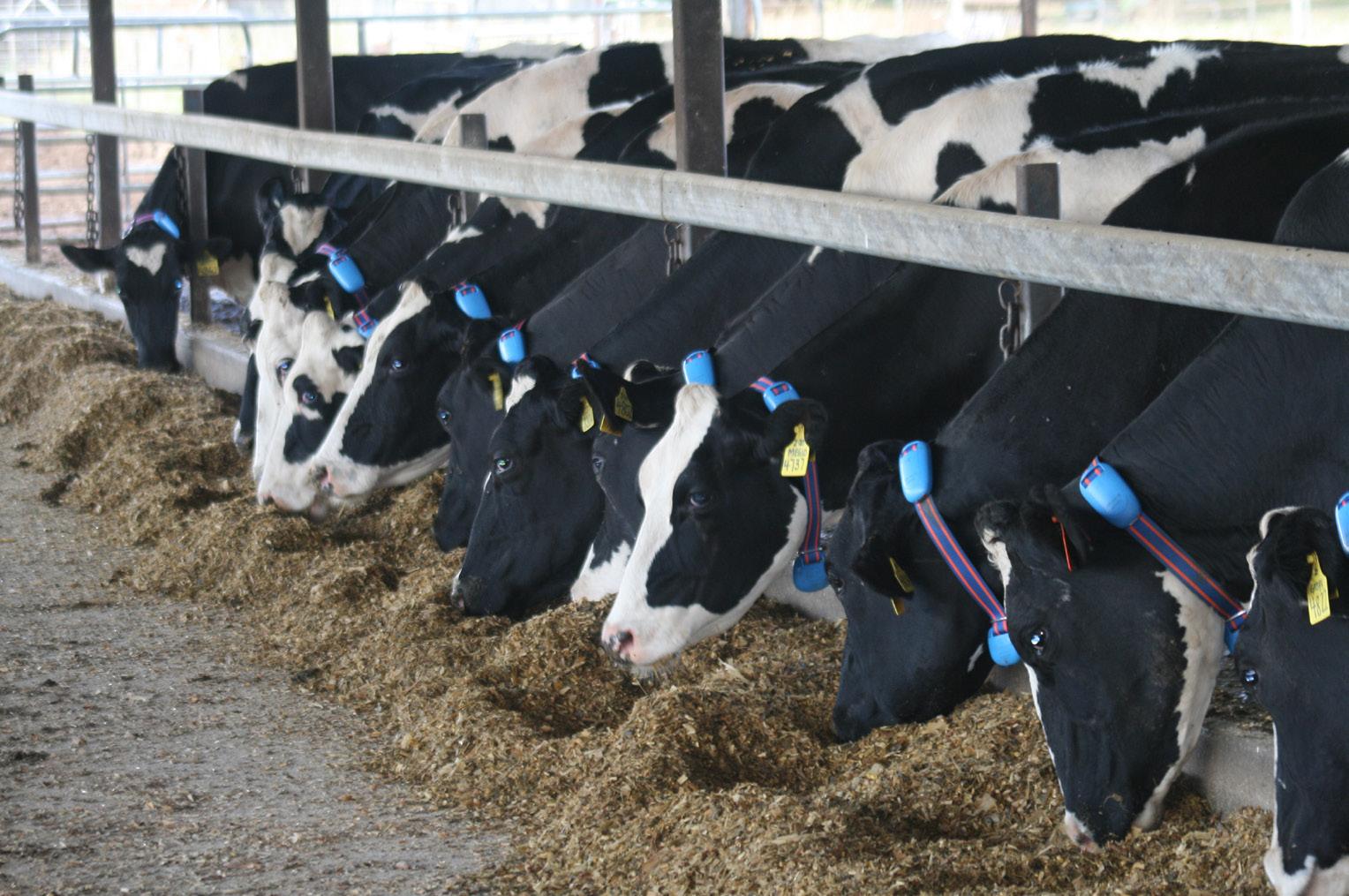
Feed-to-Yield has become another valuable management
animals and groups according to production requirements. The result is greater control, more targeted feeding and improved management flexibility. As technology continues to evolve, ongoing software updates and remote support
ensure the system continues to deliver value while adapting to changing farm needs. Importantly, farmers can implement solutions progressively, starting with the areas that matter most to their operation and expanding over time as requirements grow. For Michael, this ability to build capability step by step has been one of the key advantages of working with Afimilk. What started with milk
meters has evolved into a broader herd management platform that supports everyday decisions throughout the farm.
Afimilk has been a good fit. We have grown together. The technology is great. The backup is great and it has delivered a definite economic return

Today, Scorduff Farm continues to build on that foundation, using data-driven insights to support cow health, reproductive performance and long-term profitability.
Wallace Engineers Ltd
Stainton Grove industrial estate, Castle, DL12 8UJ 625 361 - 07828 532868 www.gawengineers.com
Dairy & Parlour Services Ltd
Farm, Sturminster Newton, 2AZ 07885371731 - 01258 818 233 office@churchillsdairyandparlour.co.uk
Mid-Ulster Dairy Services 21a Donaghrisk Road Tullyhogue, Cookstown, Tyrone, BT80 8UU
Tel:028 8676 5098 midulsterdairyservices.co.uk
MMT Services Ltd
Lukers Farm, Grittenham, Wiltshire, SN15 4JR
Tel:01666 511100 - 07717781103 www.mmtservicesltd.co.uk
Mill Dairy Service MDS
Wood Farm, Newton Rd, Norwich, NR10 3LY
Tel:01603 898963 - 07768 642654 www.milldairyservice.co.uk
Douglas Dairy Supplies Limited 3 Woodlea Road, Blackparks Ind. Estate, Stranraer, DG9 7UE
Tel:01776 703 392 - 07733 103 179 douglasdairysupplies@tiscali.co.uk
McCaskie 4 Munro Road, Springkerse Ind Est. Stirling, FK7 7UU
Tel:01786 474 481 www.mccaskie.store
Colin Dawson Ltd
High Mill, Langwathby, Penrith, Cumbria, CA10 1NB
Tel:01768 889 084 info@colindawsonltd.com
Scott Henshaw- Sales Manager UK | 07394 198 613
BoQuip
Ballynolan, Stradbally, Laois, Ireland
Tel:00 353 87 687 7344 info@boquip.com www.boquip.ie
S.M. McKee Ltd
Unit 7 Maryland Industrial estate
Tel:028 9044 9099 - 07836 227 082 sales@smmckee.com www.smmckee.com
The GEA IQ's revolutionary fourway technology ensures that you always have maximum milk quality, quantity and udder health. Using it is incomparably easy! Easier attaching, milking and maintenance.

The new milk guide piece has been designed following the natural structure of a cows udder. It is sub-divided into four guide chambers. The milk flows directly and quarter individual to the outlet. Thanks to the incline in the respective cluster chamber this process is faster and much more gentle.
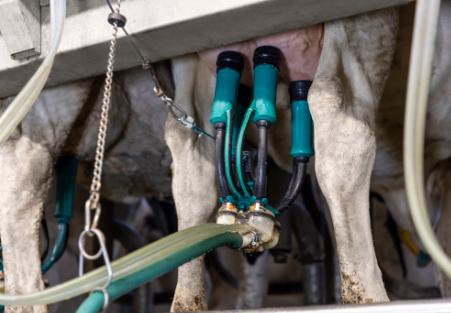

clean your milk filters are with the IQ Milking Unit.
Maximum milk quality - smarter vacuum control significantly reduces milk contamination. Vacuum is greatly reduced when the liner is not attached, which means less manure and other soil/debris is sucked into the milk line. You won't believe how
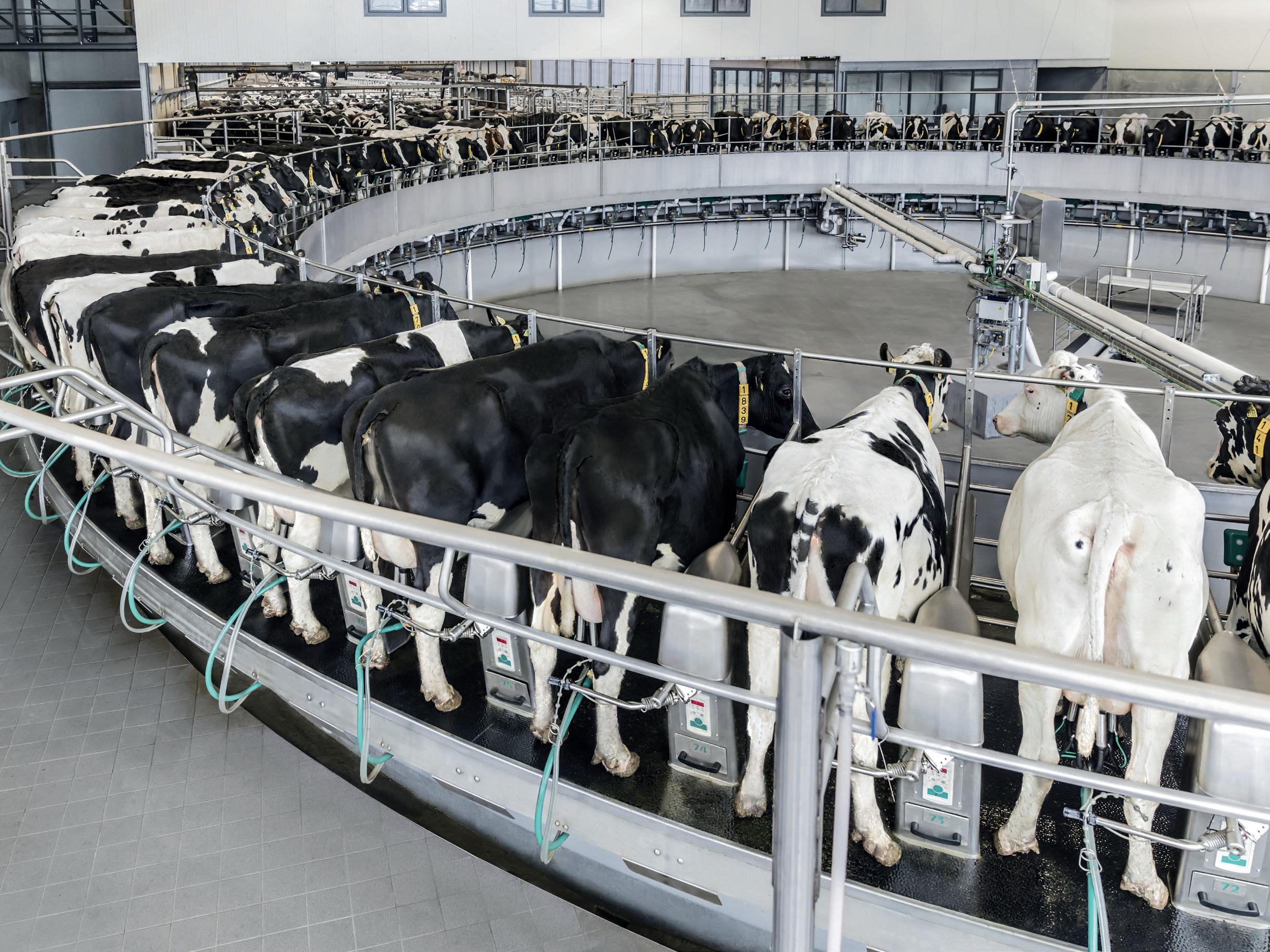
Improved udder health - with four separate guide chambers there is no threat of teat-to-teat cross contamination of mastitis-causing bacteria. Unlike conventional milking units, the new IQ unit is subdivided into four quarters, and milk from each


quarter is kept separate.
Holds on any shaped udderthe short milk tubes are longer which allows proper placement on virtually any udder shape. The unit weight is ideally distributed 80% on the teat and 20% in the claw. Plus, better unit alignment means fewer unit slips and squawks.
Easy maintenance - unique and patented liner connection makes liner changes quick and easy. Shells, liners, and air dividers can be preassembled to allow liner changes in minutes instead of hours.

Faster milk-out times - improved vacuum stability

increases flow rates and the sharper angle of the milk chamber speeds flow to the milk line.
Quieter operation - the automatic vacuum shifting system makes for virtually noise-free milking - even during attachment or during a kick-off.
More reliable performancethe slim profile of this unit is harder for cows to kick-off.
For the milkers of today and tomorrow: The GEA IQLiner is
unique in that it is fitted individually onto the IQ cluster! Take advantage of the optimum adhesion and flexibility on the udder! The well thought-out benefits of our IQLiner ensure animal-friendly milking together with the best possible teat conditions and the well proven rubber and silicone material works as reliably as ever.
GEA and local GEA Dealers are offering a special offer on the IQ Milking Cluster this Autumn until 31st October 2025. Benefits from four-way technology to ensure you always have maximum milk quality, quantity and udder health by contacting GEA today for the special offer price. Contact your local GEA Dealer or visit www.gea. com for further information.


new online calculator has been launched to help nutritionists and livestock producers better assess betamannan levels in pig and broiler diets.
Developed by Elanco, the free tool aims to support more informed decisions around feed formulation that could help drive improved animal productivity and health.
Dr Tom Dutton, technical consultant at Elanco, says beta-mannans which are found in many raw materials such as soya, sunflower and cereals can have a significant but often overlooked effect on animal performance.
“Beta-mannans can mimic the structure of pathogenic organisms which causes them to trigger an unnecessary response by the animal’s immune system, known as a Feed-Induced Immune Response (FIIR),” he says.
“This diverts nutrients and energy away from productive functions and causes inflammation within the gut, reducing nutrient absorption, lowering feed conversion efficiency, and increasing the risk of secondary infections.”
He adds: “Even minimal amounts of beta-mannans (0.20%)1 - is enough to trigger a FIIR.”
To address the challenge, the
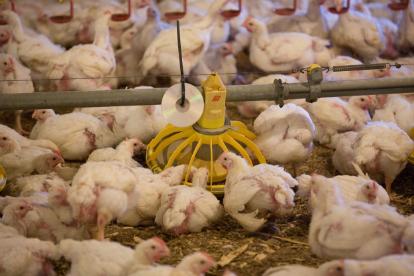
energy-sparing enzyme betamannanase – commercially available as Hemicell™ XT – can be included in diets to break down the betamannans and reduce their impact.
"The new calculator can be used to assess beta-mannan risk at any stage of the diet. By using ingredient percentages entered by the user, it estimates beta-mannan levels in the ration and identifies if the inclusion of Hemicell XT would be beneficial,” Dr Dutton explains.
He adds that improving visibility of beta-mannan levels allows for a more targeted approach to feed formulation.
“Identifying and taking action to counter beta-mannans in diets is an important step in improving feed efficiency, supporting gut function, and helping animals perform to their full potential,” he says.
The calculators are free to use on the Elanco website now.


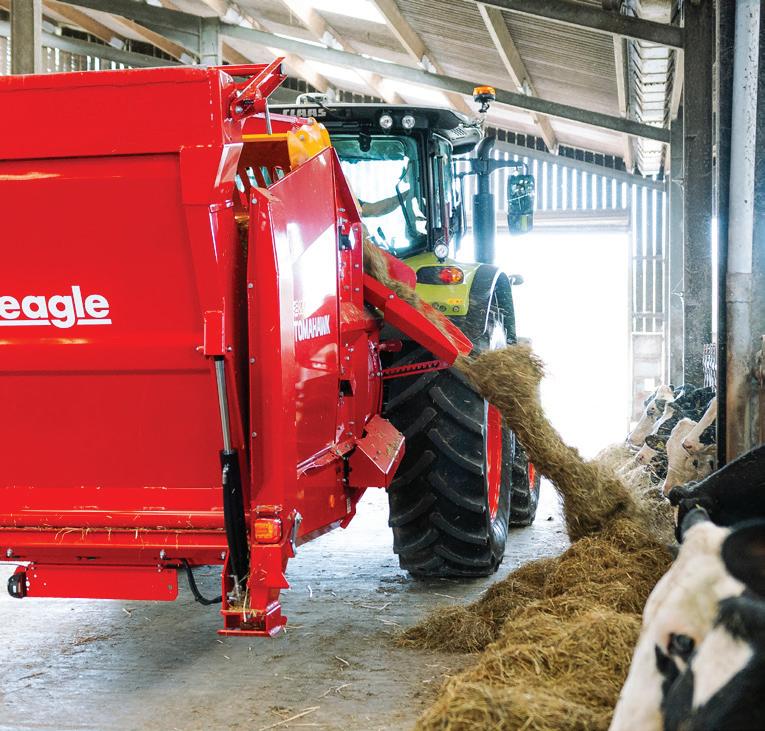
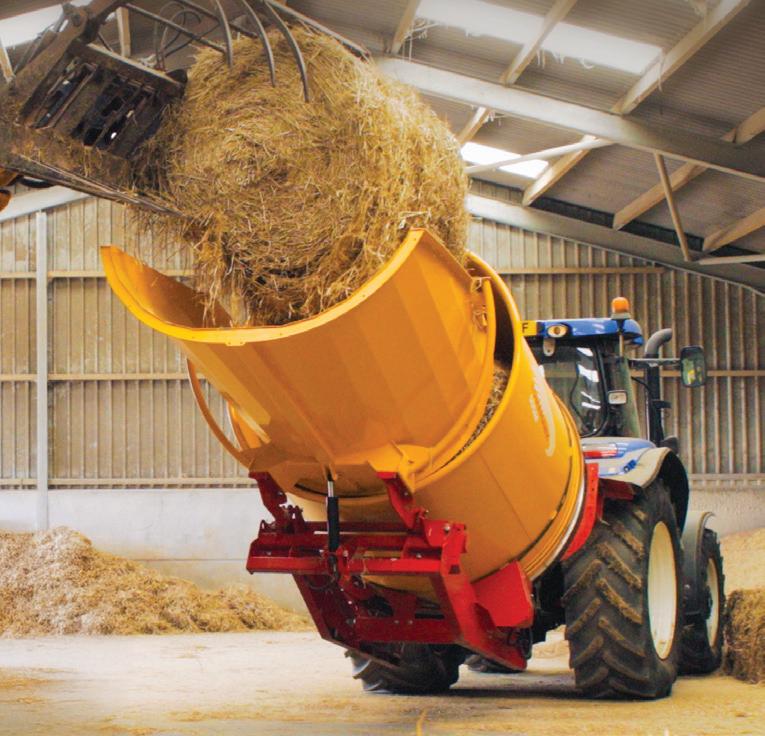
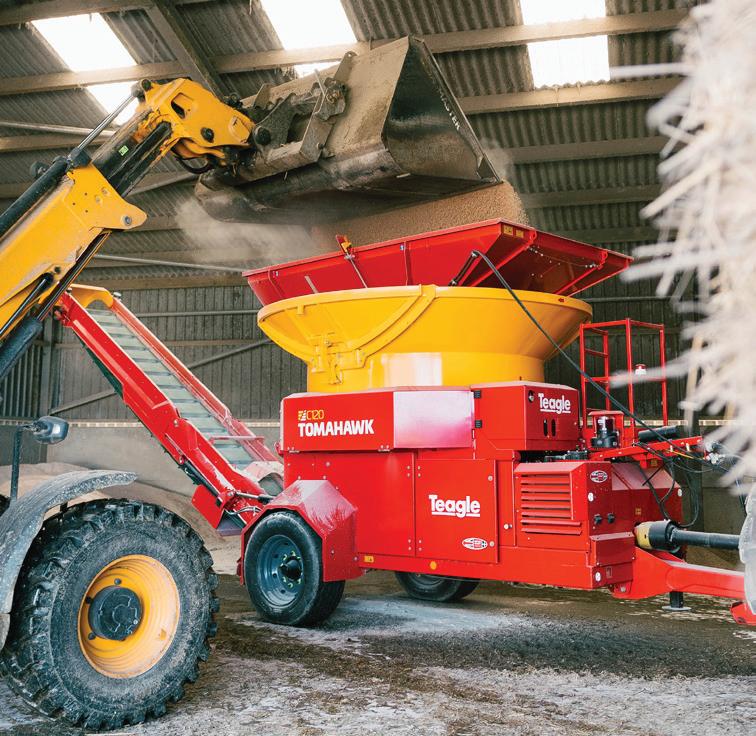
Up to 30% straw saved | As reported by users of our TOMAHAWK bale processors.
Consistently even chop | Proven to reduce waste, improve TMR and boost yield.
Improved cow health and happiness | Uniformly chopped straw in TMR supports rumen activity, fertility, and butterfat production.
Biomass pre-processing | Reliable, efficient performance for biofuel applications.
Bruce Hopkins Ltd Shenington Airfield, Banbury, Oxon, OX15 6NW
01295 680711
RVW Pugh Mellington, Churchstoke, Montgomery Powys, SY15 6TQ Tel: 01588 620545 www.rvwpugh.co.uk
RVW Pugh Oakwood Park, Holmes Chapel, Cheshire, CW4 8AX Tel: 01477533560 www.rvwpugh.co.uk
Value for money | Proven to reduce waste, improve TMR and boost yield.
2 year warranty* | Comes standard with all Teagle manufactured products.
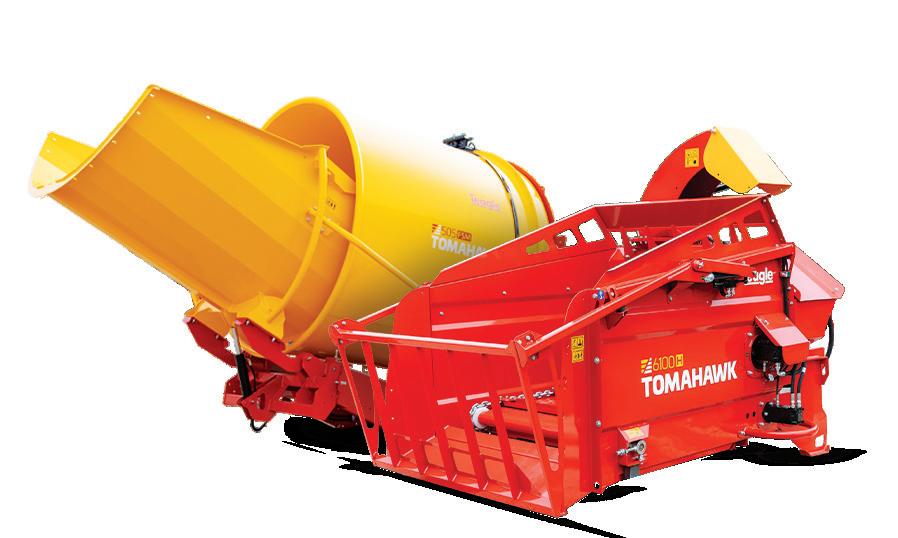
TR Machinery Ltd Oak Tree Works, NI Park, Newport, Shropshire, TF10 9LH Tel: 01952 936900 www.trmachinery.co.uk
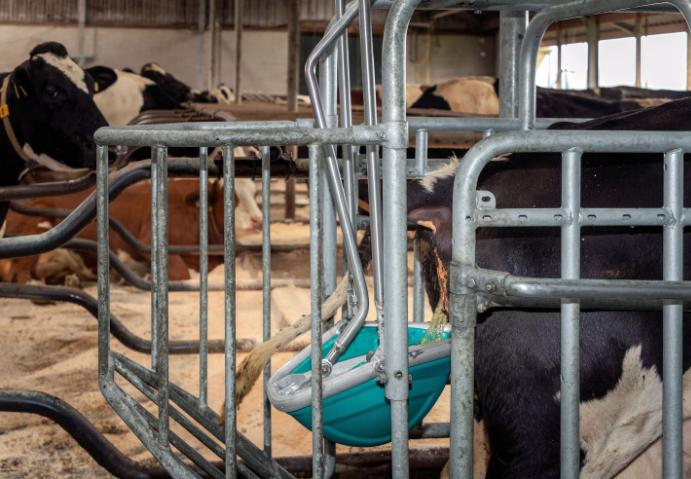
Agroundbreaking new technology, the CowToilet, made its UK debut at Lamma 2026, offering dairy farmers a practical way to reduce ammonia emissions by up to a third, improve nutrient use, and enhance sustainability on-farm.
Developed by Dutch agri-tech company Hanskamp, the CowToilet offers a unique solution for reducing on-farm emissions by separating cow urine and faeces, which, when combined, produce ammonia.
Using the simple fact that cows never urinate and defecate at the same time, the CowToilet collects urine directly from under the cow’s tail before it mixes with solid manure.
The CowToilet integrates seamlessly into a free-access out-of-parlour feeding station which can be installed in most cattle sheds. As a cow enters to eat, the CowToilet gently rubs against the suspensory ligament of the udder, triggering a natural nerve reflex that encourages urination. The urine is then collected in a sealed receptacle, removed by suction, and stored in an airtight tank.
Research by Wageningen Livestock Research shows that keeping urine and manure separate can reduce ammonia emissions by up to 38%, total nitrogen by 33%, and nitrous oxide by 18% compared with conventional housing systems
“Ammonia is one of the biggest
environmental challenges facing the livestock sector,” explains Hanskamp founder Henk Hanskamp. “We wanted to create a system that works with nature, not against it – improving animal welfare and helping farmers meet environmental targets without adding to their workload. The CowToilet achieves this in a simple, natural, and effective way.”
In addition to reducing emissions, the CowToilet transforms waste into a resource. Nitrogen-rich urine can be reused as a natural fertiliser or even sold, while the remaining solid manure retains phosphate and organic matter for soil health. This separation allows farmers to apply nutrients more precisely, improving crop performance and reducing reliance on artificial fertilisers.
Separating cow faeces and urine also keeps housing cleaner and improves air quality, contributing to improved animal health and hygiene.
Developed in close collaboration with Dutch livestock farmers, engineers, and researchers – including Wageningen University’s Paul Galama – the CowToilet is already successfully operating on over 35 dairy farms in the Netherlands, delivering strong results and positive farmer feedback.
Each CowToilet unit is designed to serve 25 cows, and costs approximately £28,000 per unit (excluding installation).
“This technology is about more than compliance,” adds Mr Hanskamp. “It’s about giving farmers tools that make sense – improving the environment, animal health, and profitability. The CowToilet shows that innovation and sustainability can go hand in hand.”
To see the CowToilet in action, visit: https://hanskamp.com/en/solutions/ cowtoilet/
Watch the demo video: https://www. youtube.com/watch?v=c7duvrYtEmk
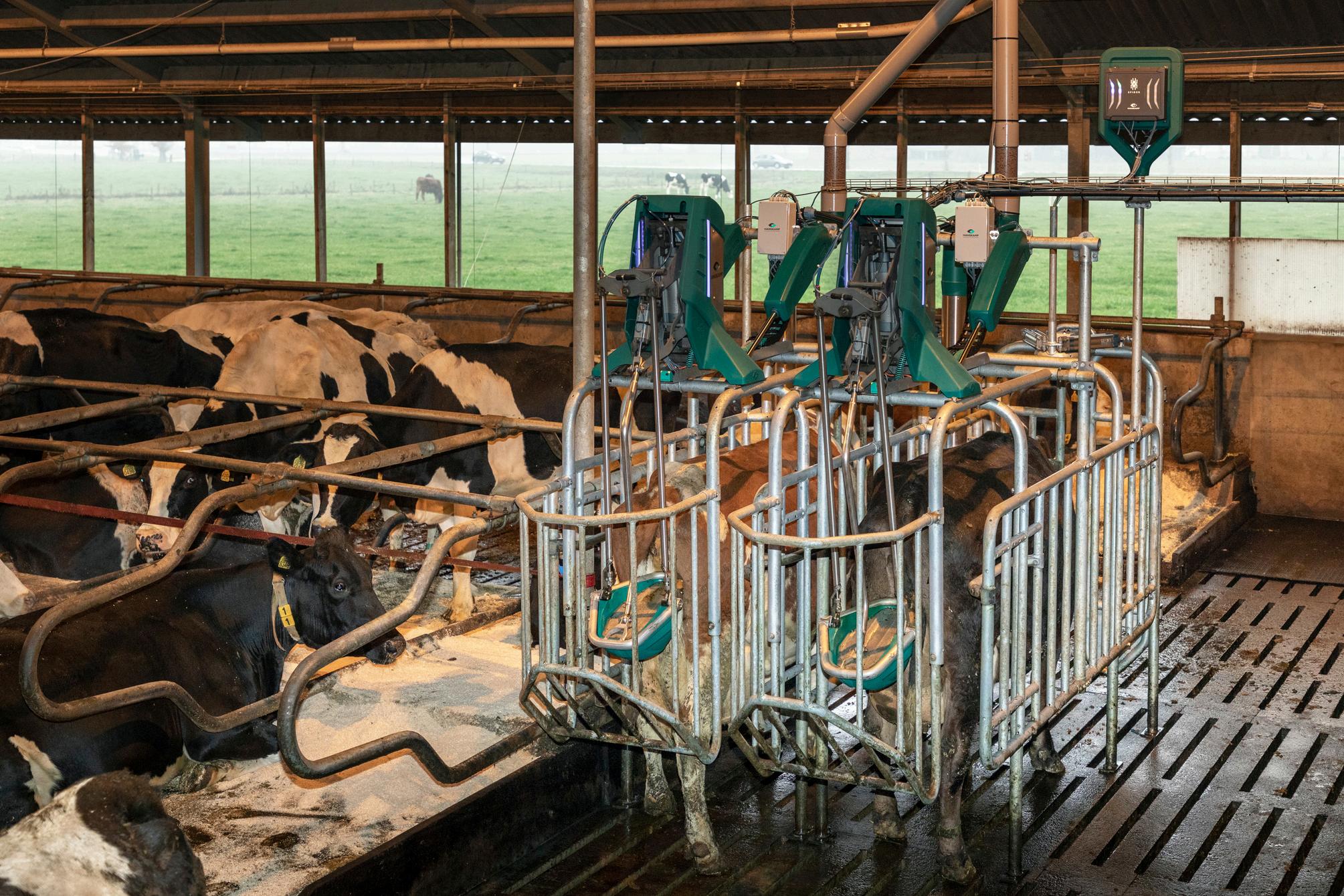
Tel: 028 8676 5098
www.midulsterdairyservices.co.uk
Mcknight Dairy Services Ltd
Glenmaquin, Letterkenny, Co. Donegal, Ireland, Eir F92 X8C1
Tel: +353 8764 81124 www.mcknightdairyservices.com
Clarkson Dairy Services
East Witton, Leyburn, North Yorkshire, DL8 4SQ
Tel: 01969 623522 / 07703 535043 www.clarksondairyservices.co.uk

ith periods of extreme high temperatures more likely and less predictable in the changing UK climate, dairy farmers need to be more prepared to combat the negative impact of heat stress on health and productivity in their herds.
So says Rumenco’s Technical Services Manager Dr Alison Bond, who warns of milk yield depression, increased mastitis and higher SCCs as possible consequences, and at lower temperatures than many might consider a threat.
She outlines a number of practical steps that can be taken in advance and explains the science behind new nutritional supplements, now available through Rumenco, that have been shown to help cows maintain performance despite heat stress conditions.
“The measurement of heat stress in cattle is derived from a combination of temperature and humidity,” she explains. “When the Temperature Heat Index (THI) reaches 68, cows will be experiencing discomfort and some level of negative impact on their performance, and this can result at temperatures as low as 22°C.
product containing a yeast culture along with enzymatically hydrolysed yeast cell wall complexes (RFCs), studies have been carried out with milking cows under heat stress, with a positive impact on production being recorded.”
In one peer-reviewed study highlighted by Dr Bond, which involved over 700 Holstein cows under heat stress, the inclusion of Celmanax in the ration of treatment groups resulted in a consistent uplift of 1.2kg of milk per day over a 120 day period, when compared with a control group. In another study in crossbred cows in tropical conditions, cows receiving Celmanax showed an improvement in udder health, with a lowering of somatic cell counts being recorded when compared with the controls.
“One of the first effects of heat stress is reduced appetite, with lower dry matter intakes inevitable as a result. This can then lead to sub-optimal rumen conditions, with a corresponding impact on performance. In some studies, cows under heat stress have been shown to suffer drops in milk yield of as much as 20 percent, whilst there can also be an impact on fertility, and a suppression of the immune system.
“Given the scale of the potential impact and the increasingly unpredictable nature of our climate, it is well worth planning ahead in order to mitigate the threat.”
Dr Bond points to the growing importance of yeast cultures and yeast cell wall carbohydrates used in nutritional supplementation, highlighting some focused research that underlines benefits when cows are under heat stress.
“Yeast cultures along with Refined Functional Carbohydrates (RFCs), derived from the yeast cell wall, are biologically active pre-biotics and postbiotics,” she explains, “and they deliver a host of gut health benefits that can then have wider impacts.
“In the case of Celmanax, which is a combination
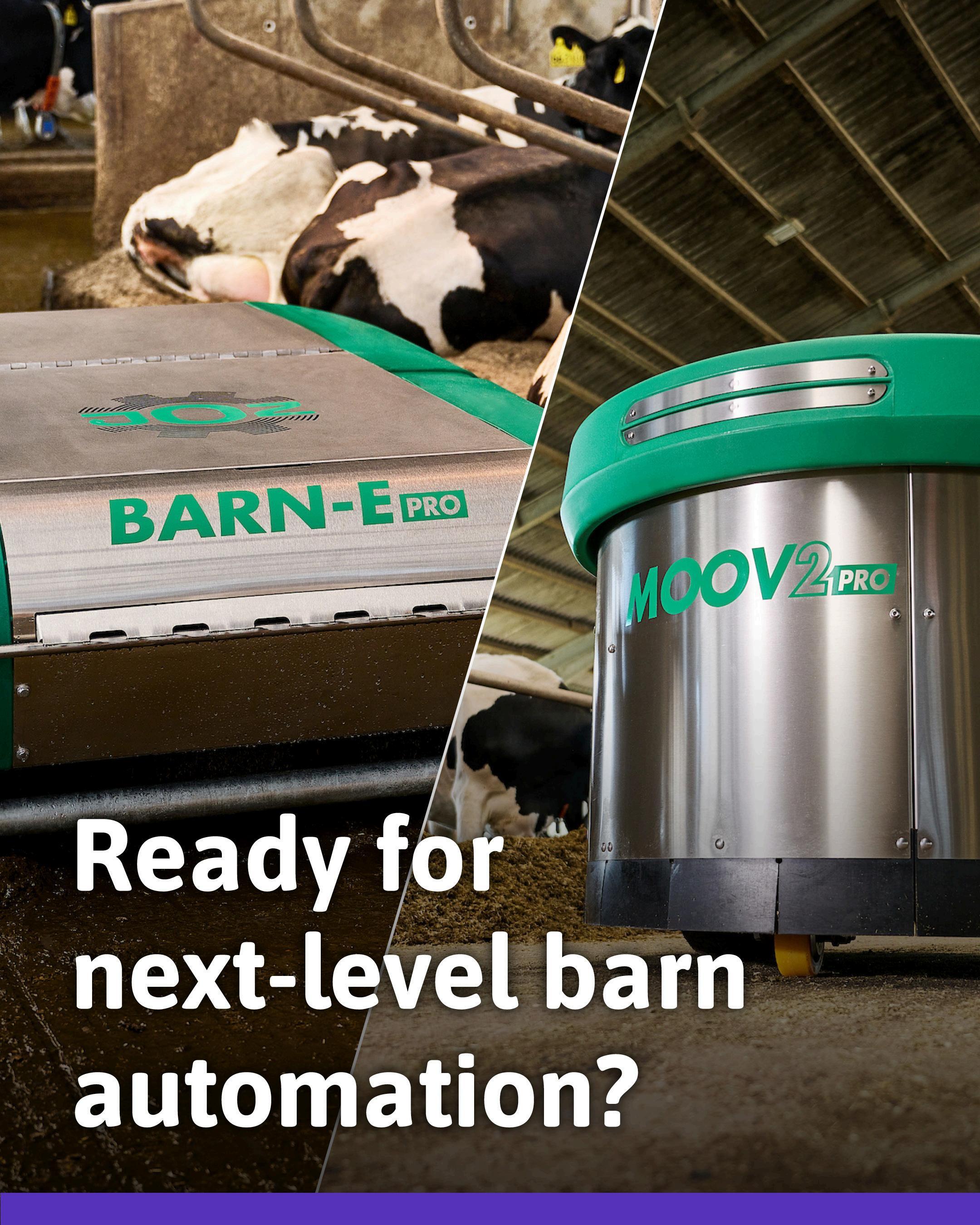
“These results show the effect of Refined Functional Carbohydrates in preparing the immune system ahead of a challenge,” continues Dr Bond. “In the case of extreme heat, this involves suppression of the stress hormone cortisol, thereby avoiding some of the physiological reactions responsible for reduced performance.”
Celmanax is available as a straight feed in 20kg bags for inclusion in total mixed rations or for top-dressing. Rumenco also includes Celmanax in its Maxx Calf Health and Maxx Cattle Booster Plus buckets.
“Free access supplementary feeding with blocks or buckets can be a useful tactic during extreme heat, providing extra protein and energy as well as vitamins, minerals and trace elements,” she adds. “The licking action induced by block and bucket feeding will be beneficial, stimulating the production of saliva to boost rumen function, and they can be located in the shade to help reduce cows’ exposure to the extreme heat.”
In her list of practical pointers, Dr Bond puts ample provision of clean and cold water at the top, urging herd managers to ensure there are no restrictions on cattle at any point of the day or night, whether they are housed or at grass. Use of sprinklers for housed cattle, or in collecting yards when cows come in for milking, is another consideration.
“First and foremost, it’s important to be mindful of the risks of excess heat, and to take action before the issue becomes problematic,” she concludes. “Focus on the higher yielders, as they are the most susceptible and more likely to show symptoms first. If these cows are lethargic, less active, and often panting, then it is quite possible that they are under heat stress.”

James Holding Dairy Engineering
Unit 18, The Gardens, Malton Road, York, YO32 9TN
Office Tel: 01904 400449
James: 07807704884 info@jamesholdingengineering.com
Mcknight Dairy Services Ltd
Glenmaquin, Letterkenny, Co. Donegal, Ireland, Eir F92 X8C1
Tel: +353 8764 81124 www.mcknightdairyservices.com

Unit 17, Stainton Grove industrial estate, Barnard Castle, DL12 8UJ
Office Tel: 01833 625361 Mobile: 07828532868 www.gawengineers.com

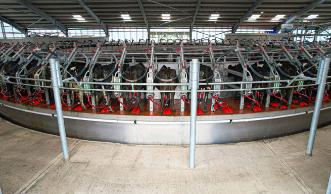
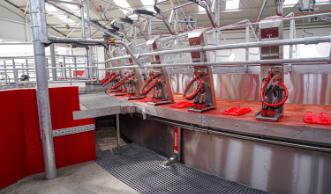
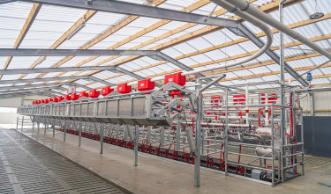
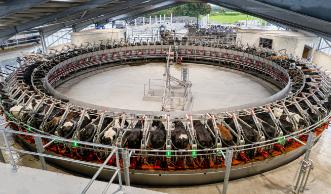
Established in 1948,Pearson Milking Technologyis a third-generation Irish engineering company with over 76 years of experience designing and manufacturingmilking parlours and dairy automation systems. From its headquarters inAthy, Co. Kildare, Pearson suppliesherringbone, double-up, rotary, and rapidexit parloursto dairy farms in over20 countries worldwide.

At the heart of every Pearson system is a commitment toengineering excellence, cow comfort, and milking efficiency. The company combines decades of craftsmanship with the
latestsmart technology and data-driven innovationto help farmers improve herd performance, reduce labour, and enhance overall dairy efficiency.
Through continuous product development and close collaboration with farmers, Pearson ensures that each system is tailored to meet the demands of modern dairy farming — balancing technology with reliability in every design.
Built on heritage, powered by innovation, and trusted by farmers globally, Pearson remainsthe farmer’s partner of choice — and The Smart Dairy Choice.

Dairy producers are being urged to take a more strategic approach to heifer rearing, as rising input costs place increasing pressure on profitability.
Heifer rearing remains one of the most significant on-farm investments, with average costs to 24 months reaching £1,975/head in 2024. That’s according to Professor James Drackley of the University of Illinois, who was speaking at masterclass hosted by Mole Valley Feed Solutions. Improving efficiency without compromising future performance is therefore key.
There are several routes to controlling heifer rearing costs. These include reducing replacement numbers through genomic selection, increasing productivity per cow, and lowering the age at first calving.

crowd this group – ensure they have good ventilation and adequate feed and water space.”
Nutritionally, growing heifers require a careful balance of metabolisable protein (MP) and energy. Forages should be controlled to optimise intake.
“The maximum dry matter intake is 0.5% of neutral detergent fibre (NDF) in weaned calves daily. Limit intakes by feeding bulky forage like straw rather than limit-feeding a higher density diet.”
He also advises dividing rations into four key growth stages, from weaning through to calving, to better match nutrient supply with physiological demands. Early-stage diets should include sufficient concentrates to support growth. “The lactation ration can work well, with additional starter or grower concentrates. But forage must not limit grain intake.” Target crude protein levels of around 17%, alongside close monitoring of body condition score (BCS), with an average target of 2.75.
To reduce the age at first calving to 22 months, Prof Drackley recommends analysing forages and feeding low-cost rations to meet the heifers’ needs. “Don’t overfeed protein, minerals and vitamins; and monitor the size, age and weight variation of your heifers, so you can adjust rations to maintain growth rates without over-conditioning.”
Feed accounts for around 54% of total rearing costs, making ration efficiency critical. Overconditioning must be avoided, as excess fat deposition negatively impacts health, fertility and milk production. Instead, producers should focus on skeletal growth and frame development.
Post-weaning management plays a pivotal role in achieving target growth rates of over 1kg/day. And housing conditions are equally important. “Do not

“After six months the rumen can provide nearly all the protein needs as microbial protein, so dietary protein should be highly degradable.” At this stage, protein levels can be reduced to approximately 14.5%, with the inclusion of slow-release urea.
Increasing rumen undegradable protein (RUP) has been shown to enhance growth and efficiency at this age, says Prof Drackley. “Higher RUP (15.1% of DMI) increased body weight, hip height and feed efficiency – and in their first lactation the energy-corrected milk yield was 40.2kg/day versus 38.7kg/day with the standard diet (3.1% of DMI).”
From pregnancy to pre-calving, heifers will eat 1% of their body weight as NDF, and cheaper, lowerquality forages can be used. But in late pregnancy, nutritional demands increase again. “Ensure minerals and vitamins are not limiting.”
Target growth rates vary across stages, but careful monitoring of BCS remains essential, he adds. “The BCS should be 3-3.25; fat heifers produce less milk and have more health problems.”
Supporting this, recent trials by Mole Valley Feed Solutions demonstrated that optimising protein supply can significantly enhance growth and future milk production, says senior nutritionist Dr Robin Hawkey. “Consequently, our heifer rationing not only considers DUP level, but also the MP:ME ratio.”


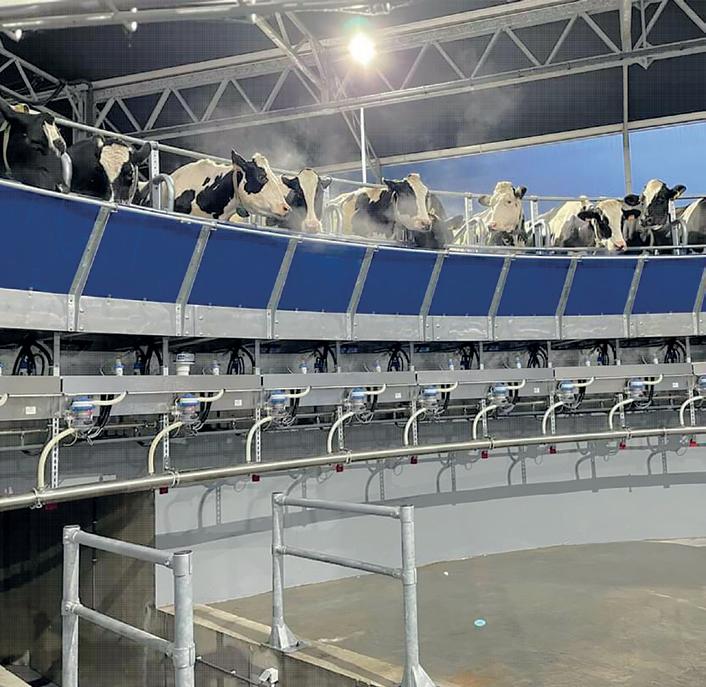
ith this summer's seed orders in mind, farmers can use a new in-depth report on overwintering forage crops to help make drilling decisions.
The Monitor Farm Scotland and SAC Consulting practical guide covers everything from cost of production and yield to nutritional analysis – and found that protein levels in some crops far exceeded traditional book values.
Carried out across four North-east Scotland farms, including theDeeside Monitor Farm, the project 'Maximising the potential of forage crops in a challenging climate' looked in-depth at 10 forage crops, from establishment to feeding performance.
The choice of crops across the farms was different, depending on space available, resources on farm and the class of stock to be outwintered. The variables made comparisons challenging, says Beth Alexander, Monitor Farm Scotland programme manager. "There is no one crop outstanding overall, but there are clear winners for highest DM, highest nutrition offered and lowest cost.
"The main message from this is to consider your particular farm situation and what you need from the forage crop – the report is a comprehensive and useful look at all 10 options."
Total cost of the forage crop, as well as supplementary feeding was taken into consideration, calculating the ha cost/kg liveweight carried, with the lowest being deferred grazing and the highest being stubble turnips.
The lowest cost crop/kg DM to establish was
deferred grazing at 0p/kg DM (no cost), followed by the stubble turnip catch crop (2p/kg DM). The average across the 10 crops was 6p/kg DM.
For energy cost/kg DM, the deferred grazing had no establishment cost, so was effectively free.The stubble turnips catch crop, at 1.4p/MJ ME, was next. Average across the 10 crops was 3.8p/MJ ME.
Livestock units grazed/ha stood out at 16.88LU for suckler cows on beet, with a low of 2.40 LU on the stubble turnips; an average of 8.28 LU was seen over the 10 crops.
Protein analysis raised some interesting results, with some levels far exceeding traditional book values.In the case of kale, protein levels are typically 16-17%, but Duncan Morrison's kale was 30% protein on the Deeside Monitor Farm.
Beth adds: "The average cost over the ten crops was 0.5p/kg protein, with the best being the stubble neep catch crop and kale, due to their low establishment costs. The four businesses are continuing to analyse their forage crops to understand whether these figures are normal or unusual for the year."
The guide includes information and links to videos about the systems involved on each of the farms, physical and financial comparisons for each crop, energy costs and feedback from each of the farmers. It also includes an example of a ready reckoner, allowing farmers to calculate their actual field yield and daily allocation of crops.
'Maximising the potential of forage crops in a challenging climate' is available to download free from the Monitor Farm Scotland website:https://bit. ly/49g1MGL
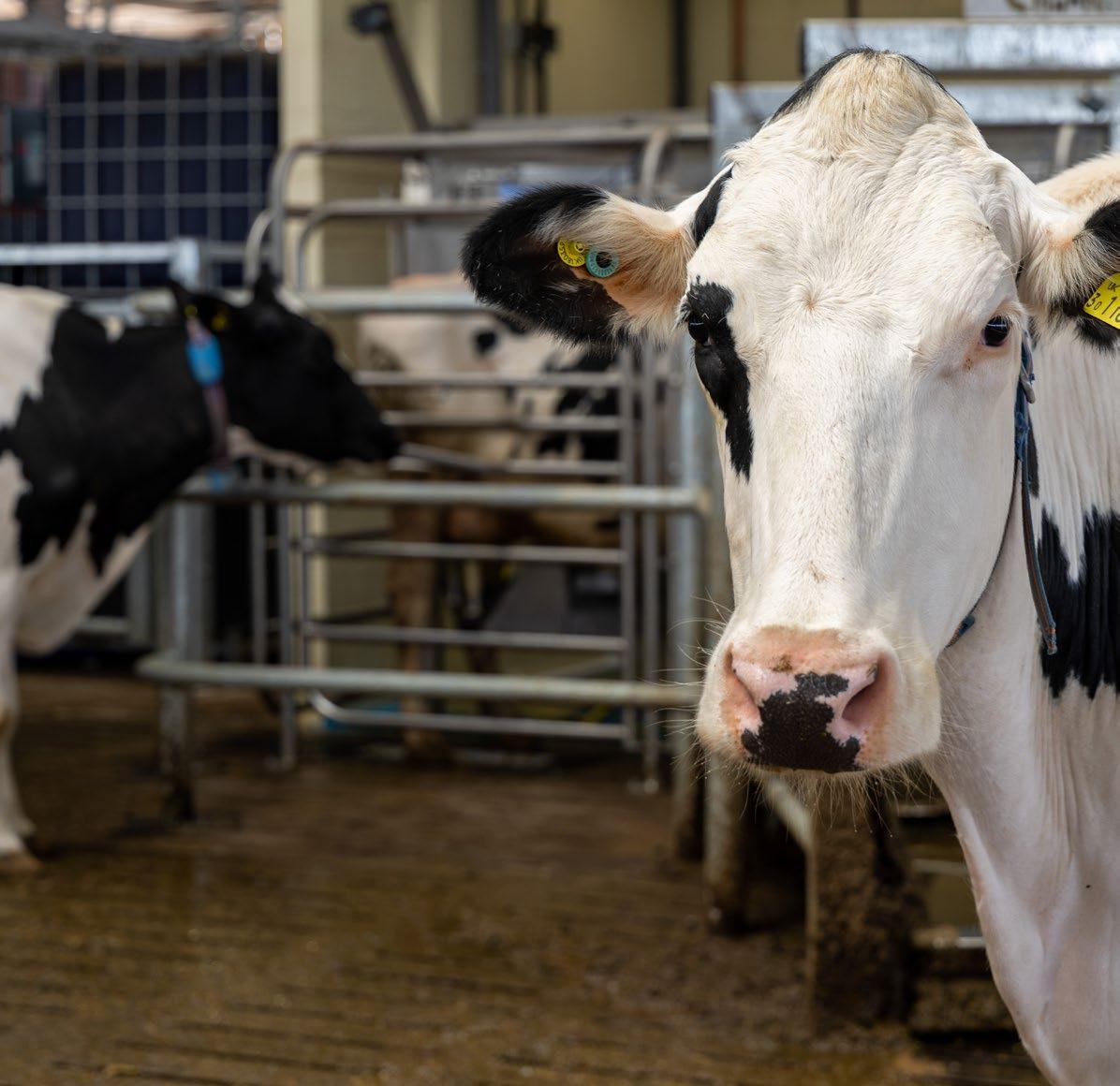
Churchill Dairy & Parlour Services
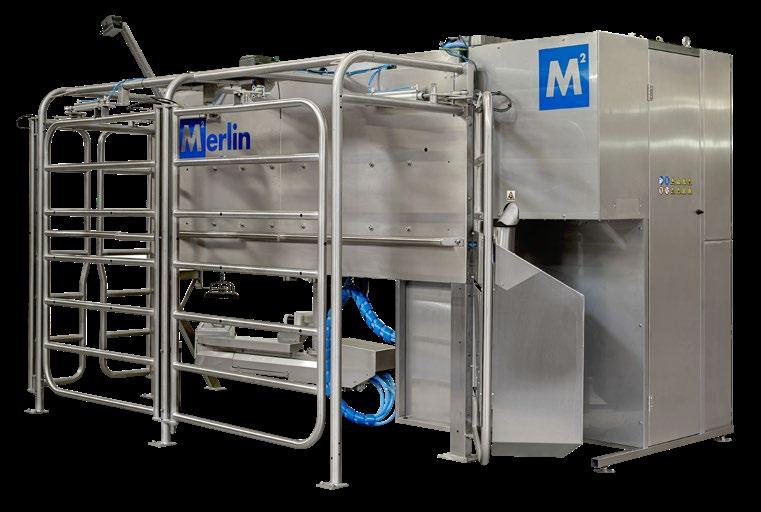
Goddards Farm, Sturminster Newton, DT10 2AZ
Tel: 07885371731
office@churchillsdairyandparlour.co.uk
Holding Dairy Engineering Unit 18, The Gardens, Malton Road, York, YO32 9TN
Office Tel: 01904 400449 James: 07807704884 info@jamesholdingengineering.com Fernshire Ltd
Chapmans Farm
Pristling Lane, Staplehurst, TN12 0HH
Tel: 01580 891199 www.neguschaseltd.co.uk
Wallace Engineers Ltd Unit 17, Stainton Grove industrial estate, Barnard Castle, DL12 8UJ
Office Tel: 01833 625361 Mobile: 07828532868 www.gawengineers.com
CalfExpert is a calf feeder that has been developed to meet the latest standards in calf feeding. State-of-the-art feeding technology ensures that the milk for the calves is always freshly mixed. It does not matter whether milk replacer or pasteurised whole milk is used. CalfExpert prepares the milk automatically and individually for each animal.

You, as farmer, remain completely flexible in your work schedule while calves are fed 24/7. The calf feeder takes your calf rearing management to a whole new level.
Intuitive operation via the graphic display and the link to the CalfGuide mobile app make it easier for you and your team to monitor your animals. All the information about your calves, status reports and alerts are at your fingertips in the app and directly on the calf feeder at all times.
Different feeding programmes form the basis of successful and performance-oriented calf rearing in automatic calf feeding. Labour savings and complete supervision included.
Individual animal feeding
Feeding a large number of calves with a fresh mix adapted to each individual calf is a major challenge. CalfExpert makes it child's play.
Always freshly mixed
The CalfExpert calf feeder mixes the milk fresh for each calf. Any residual milk is kept warm and flushed out of the system following longer drinking breaks. Other calf feeders work with a central milk supply. In milk stored this way at 40 °C, the bacterial count doubles every 20 minutes. In contrast, the CalfExpert guarantees maximum hygiene and feeding suitable for every individual animal.
Individual adaptation
A central milk supply has another major disadvantage:
Feed calves automatically.
Organise feed changes gently: milk mixed freshly and precisely matched to the calf.
For healthy and productive calves.
modern feeding programmes (e.g. metabolic programming) require a higher CMR concentration (e.g. 160 g/l) at the beginning of rearing to stimulate performance. However, a lower milk replacer powder concentration (130 g/l) is necessary in the weaning phase. This individual animal feeding can only be achieved if the mix is prepared individually for each calf, as is the case with CalfExpert.
We have accelerated the mixing process and the change of calves in the CalfExpert, thereby optimising utilisation of the HygieneStations.
Milk is mixed quickly and can be called up at the feeding station after just 3 seconds. Once the milk meal is finished, a switch is immediately made to the second feeding station. Here, a second calf can be fed immediately while the first is still satisfying its need to suckle.
In addition, priorities can be specified in the CalfExpert menu so that young or sick calves are given preferential treatment. The tried and tested flexitime programme ensures that meals are distributed very evenly throughout the day without clusters of visits to the stations. The result is reduced waiting times with high animal occupancy and a positive "visiting experience" for the calves.
Enjoy calm and compliant calves
Since CalfExpert does not restrict feeding to certain times of day, calves can come and feed at any time. Your calves will no longer see you as a nurse and will therefore remain calm when people enter the barn. Younger and weaker calves have all the time they need to consume their full ration.
As the CalfExpert also works with an intelligent credit logic, all calves have a feeding credit at a different time. As a result, fewer animals crowd around the station. The anti-pirate milk valve ensures that stronger calves do not steal milk. The result: extremely uniform, relaxed groups of calves.
With the new QuadroFlex system, four calves can feed at the same time at two PowerMixers. The CalfExpert mixes the milk freshly when calves wish to drink. This means no tank supply system is required. The feeding quantity is determined precisely for each calf by maintenance-free sensors. If a calf requires a special mix e.g. including medicine or electrolytes, only the sister stall at the same PowerMixer is switched off. Feeding continues at the second Power Mixer at both stations. This allows 120 calves to be fed at 4 HygieneStations. Thus the capacity of the CalfExpert has been increased by approx. 20 – 30 % compared to its predecessor H&L100.
Flexible feeding programmes
Modern feeding programmes should always adapt to the age and breed, personally set rearing goals and state of health of the calves. CalfExpert allows you to do all this in the optimum way.
CalfExpert prepares your calves in a particularly gentle way for the intake of concentrate and roughage. It reduces the amount of feed at the end of rearing in small steps of 0.1 l per day and thus stimulates the development of the forestomach system.
8 feeding curves
CalfExpert can be used to turn any feeding programme into reality. Feeding curves can be adjusted very flexibly in each of the 8 groups. Up to 16 "turning points" allow you to fine-tune your personal feeding concept down to the last detail. Or you decide in favour of one of the proven and pre-set CalfExpert feeding programmes.
Metabolic programming
Intensive feeding in the first few weeks of a calf's life will usually lead to significantly higher milk production later. However, the correct weaning of calves, for example after an ad libitum phase, poses particular challenges for every calf breeder. With CalfExpert, each calf is slowly weaned off high milk intake, in terms of volume as well as concentration.
Flexible feeding also means that a wide range of CMRs and additives have to be prepared in an optimum and lump-free way. The continuously variable PowerMixer ensures a soft start to avoid splashing and then stirs the milk replacer powder thoroughly. This means the calf receives its freshly mixed milk directly at the teat in just 3 seconds.
The feeding process can sometimes take longer where young or weak calves are involved. We prevent the separation of the milk replacer powder by slow permanent stirring. And if it gets colder, the heater in the mixer always ensures the mix is kept at a constant temperature, for no matter how long the calf needs.
The new option allows the CalfExpert to feed two different types of milk replacer (CMR).
The milk powder compartment is at a 90° angle to the CalfExpert and feeds milk powder into the PowerMixer
of the machine via a dosing augur on the side. The volume of 50 kg of CMR can be supplemented by a further 25 kg via the additional powder chamber. This gives the CalfExpert the largest milk powder storage capacity of any automatic feeder on the market, with a maximum powder storage capacity of 150 kg (2 x (50 + 25 kg)). Ideally, this is done in such a way that one type of milk replacer slowly takes the place of the other. This can make sense, for example, if a high-quality skimmed milk replacer is to be used in the first few weeks of life in order to promote the early development of the calves with highly digestible CMR.
Later, cheaper milk replacers can be used, whose ingredients (e.g. certain proportions of high-quality vegetable proteins) are intended to support the transition to ruminant.
Specific additive feeding
Minimal doses of feed additives can be added to the milk diet in order to stabilise the gastrointestinal system. Sick calves can be treated with medicines in the milk. You can use two powder dosing units and two liquid dosing units. As with the milk programme, you can set different feeding curves for these additives as well. This means maximum flexibility for top calf health.
Whole milk is digested perfectly by the calf and results in the best performance. With the CalfExpert whole milk programme you can set whole milk proportions or supplement the whole milk in the feeing programme flexibly. What happens with your feeder when the whole milk supply has been used up? Does it then feed powdered milk? This causes changeover stress with your calves and is likely to cause digestion problems. "EvenMilk", our intelligent whole milk control, knows how much whole milk is available and how much is to be fed. It makes sure that whole milk and CMR are mixed in balanced proportions even when whole milk quantities fluctuate daily.
A calf feeder is designed to make your work easier and perform continually for 24 hours. To achieve this it has to work reliably under the rough conditions of a calf stall, like the CalfExpert does.
All hose systems used to have deposits of contaminated milk because they had not been cleaned often enough or thoroughly enough. The HygieneStation rinses the entire milk hose through to the teat during longer drinking breaks. In addition, the complete milk system is cleaned several times every day. If theDoubleJugmilk tank is used, the supply line to the CalfExpert is also cleaned automatically. This will reduce a calf’s exposure to bacteria, improve the health of the calves and save on manual cleaning.
To optimise cleaning even further, the CalfExpert can use two different cleaning agents: either alternate with each cleaning cycle or combine in one cleaning cycle (alkaline, rinse, acid, rinse). The cleaning agent pumps are fitted on the outside. They can thus draw directly from the tanks. This is safe and convenient. In addition, the CalfExpert generates automatic messages as soon
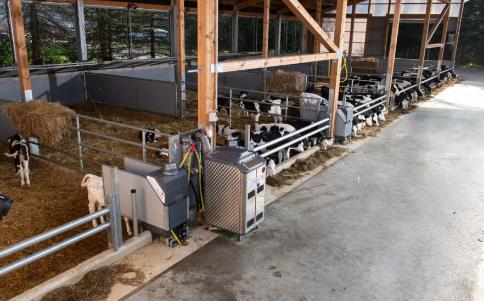
as a canister is empty.
Fly shield as standard
Two large doors protect the critical area where the mixer bowls are located. This keeps flies away from the milk and avoids problems in the milk system. The doors can be locked so children cannot be harmed or injured.
The 7″ graphic display not only allows all calf data to be conveniently viewed. Pressing the key with the book icon opens help texts and information from the operating instructions at every level of the application.
always surethat the calves have been fed correctly.
Kill two birds with one stone: CalfExpert not only frees you up from tedious and strenuous work. Intelligent software and smart operation also increase feeding quality.
We deliberately avoid the use of touch technology and rely instead on the use of SmartKeys, meaning that a CalfExpert can be operated reliably even in frost, rain, with gloves or even dirty fingers. The illuminated SmartKeys guide you through the programme.
The completely new control software offers maximum clarity and simple CalfExpert operation. All calf data with individual feeding curve, alarm lists, technical parameters etc. can be viewed on the 7" display. The Wi-Fi connection also allows you to retrieve individual items of data on mobile devices and to receive push notifications in the event of error messages.

Calves love the outdoor climate, your CalfExpert does too. It comes with a frost protection programme that is activated automatically as soon as there is a risk of frost. Sensors in every HygieneStation and in the CalfExpert mixing chamber measure the ambient temperature and then adapt the mixing temperature and intensity of the frost protection programme accordingly. You can clean the outer surfaces of the automatic feeder with water, since all the sensitive components are water spray-proof.
Regular inspection of the technology is easy: you can test all the important CalfExpert components quickly and easily in the maintenance menu. You can also carry out calibration quickly yourself, because the software always tells you exactly what to do. We recommend that you have your CalfExpert serviced by a qualified technician at least once a year. This provides you with the peace of mind that the automatic feeder will be ready for the next rearing cycle.
The CalfExpert checks the flow rate of milk and water at regular intervals. ensuring a consistent amount of water for the calves without your needing to actively worry about it. Although this unfortunately does not apply to the amount of powder, the machine will remind you as soon as calibration needs to be performed. However, with its Brix-TS option, CalfExpert compensates for deviations in the mix concentration, so that you are
Calves supplied with a lot of energy start lactation at an earlier age and produce more milk later on. CalfExpert also provides you with the best prerequisites for optimum animal health. This means a lower death rate and more animals in the herd reared from your herd offspring. This in turn gives you the opportunity to select the offspring in a targeted manner and to sell surplus heifers at a profit. And last but not least: by saving working time, you are freeing up capacities on your farm that can be used profitably.
CalfExpert comes with a WiFi interface as standard. The CalfGuide app allows you to access important information directly on your mobile phone. This includes the general calf feeder data and details of the calf lists with the entire calf history. You can easily modify calf information and feeding curves in the app. The CalfExpert also sends messages when the cleaning containers are empty, for example. A particularly practical feature is a health check, which allows you to objectively assess the health of your calves.
Ammonia irritates the mucous membranes of calves, even in small doses. This can lead to bronchitis in the long run, which can soon turn into pneumonia. Ammonia is only perceived as an odour when it is already in the harmful range. AmmoniaDetect is an electrochemical sensor that permanently measures ammonia levels in the barn air. It is installed directly in the lying area, protected from the calves by a pipe. CalfExpert analyses the measured values continuously and documents them in a chart. This enables you to optimise the ventilation of the calf barn and determine the best time for mucking out.
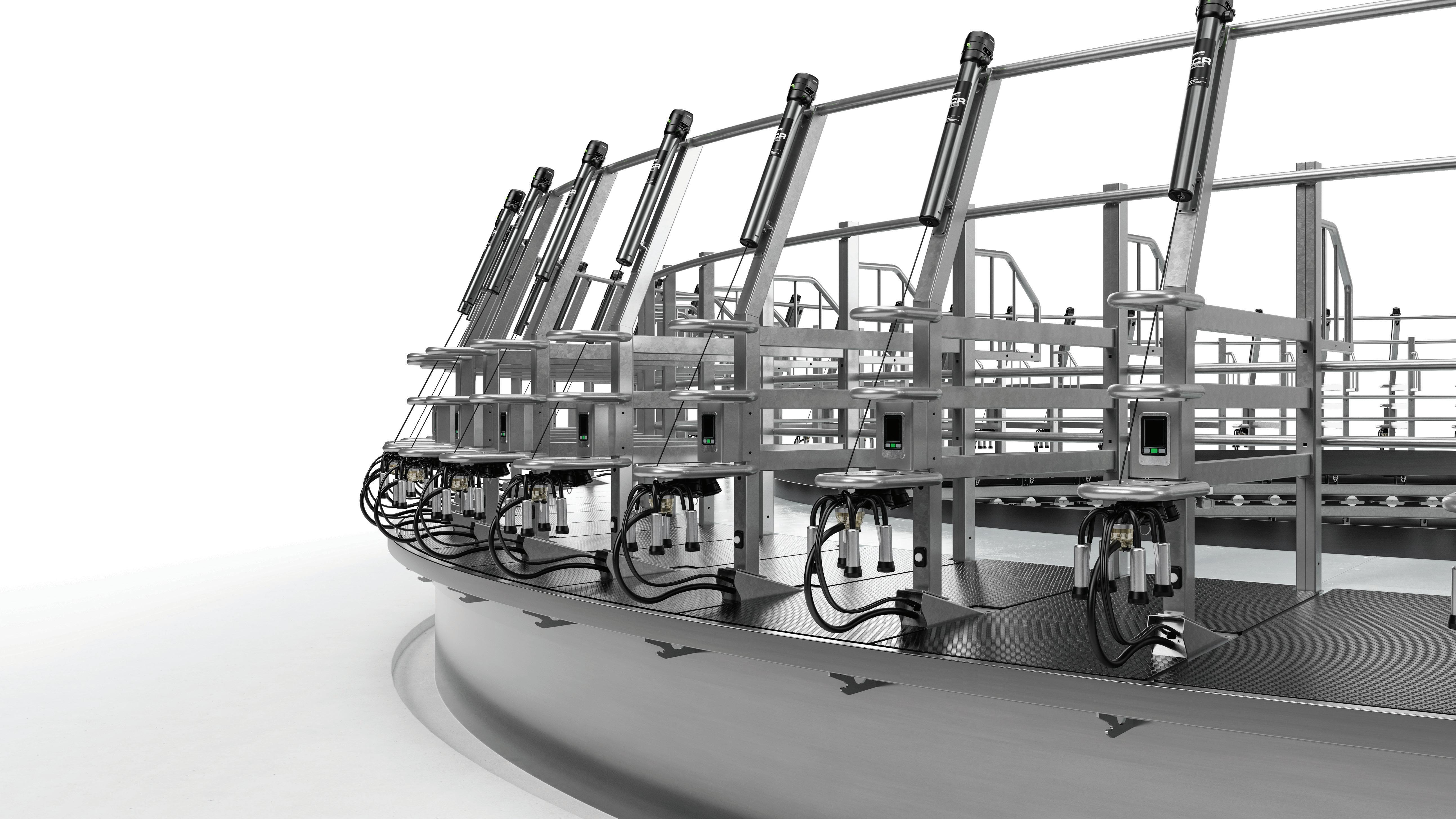

James Holding Dairy Engineering
Unit 18, The Gardens, Malton Road, York, YO32 9TN
Office Tel: 01904 400449
James: 07807 704884
The Old Cobblers, Langport, TA10 9DJ
Tel: 07867 507711
Herbalist Pippa Clare Byrne takes on the Isle of Man's 85‑mileParish Walkon June 20-21 with one person firmly on her mind: her sheep farming friend Anna, who now relies on portable oxygen following a lifechanging lung disease diagnosis.

Anna Kerruish, who farms atBallafayle Farmin Maughold, was diagnosed with LAM (Lymphangioleiomyomatosis) – a rare lung disease that causes cysts to form in the lungs and gradually reduce the body's ability to absorb oxygen – during Covid.
Despite this, the 46-year-old still works the farm every day, riding her quad bike across the hills of the 375acre sheep farm, using portable oxygen to help her breathe.
Pippa, who has known Anna since they were children, is raising funds for the charityLAM Action, which supports people with the disease, raises awareness, and funds vital research.
"Anna is one of the toughest, funniest, most headstrong people I know, with a deep love for her animals and the land," said Pippa
"She is a farmer through and through. She's out on her quad bike every day looking after the farm with her oxygen carried in her rucksack and takes it all in her stride."
unwell just hours after finishing.
"I went to bed after the race and woke up about an hour later to discover my heart rate had dropped to 28 beats per minute. I temporarily lost my vision, collapsed at the top of the stairs and fell, knocking myself out."
Thankfully, Pippa made a speedy recovery; she believes the episode was caused by the sheer physical strain of the 85‑mile walk and says she's better prepared this time.
"I'll be using electrolytes and some of my own supportive herbal remedies for energy – the things I know work for me, and I'll have a support car with spare clothing and supplies. I just want to give myself the best chance of finishing well and staying well this time."
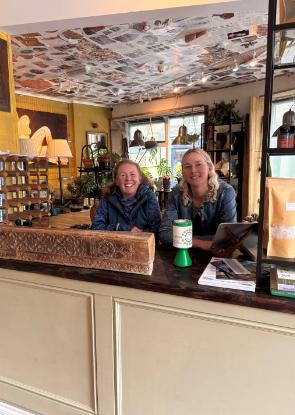
Anna was diagnosed with LAM in 2020, 'completely out of the blue'. Within months, she suffered the first of many lung collapses and endured eleven chest drains and multiple surgeries.
She spent four weeks at Noble's Hospital and eight weeks at Liverpool Heart and Chest Hospital without visitors due to Covid restrictions and has been stable since her discharge in 2021.
Pippa, 40, who runsThe Natural Apothecaryin Ramsey, will be hoping that this year's Parish Walk will be less eventful than last year's, when she ended up in hospital after becoming seriously
Anna, whose family has farmed at Ballafayle for more than 300 years, praises the work of LAM Action and its mission to support and empower those affected by the condition, educate healthcare professionals, and drive forward vital research.
"LAM Action does vital work supporting people living with this condition, and it's great to see so many people coming together to raise awareness and funds. I'll be proud to be at Maughold, cheering walkers on and supporting Pippa's fundraising efforts."
The Isle of Man Parish Walk is an annual 85‑mile (137km) continuous race‑walking event in which competitors must visit all 17 of the island's parish churches within 24 hours – a test of endurance that pushes even experienced walkers to their limits.
Ballafayle is aUNESCO Biosphere IOMregistered primarily grass-growing sheep farm producing about 1000 lambs a year that trades under the Red Tractor Quality Assured Scheme and produces lamb forIsle of Man Meats.
LAM Action is run almost entirely by volunteers and relies on donations and fundraising for its income, with close links, though not part of theNHS National Centre for LAMin Nottingham.
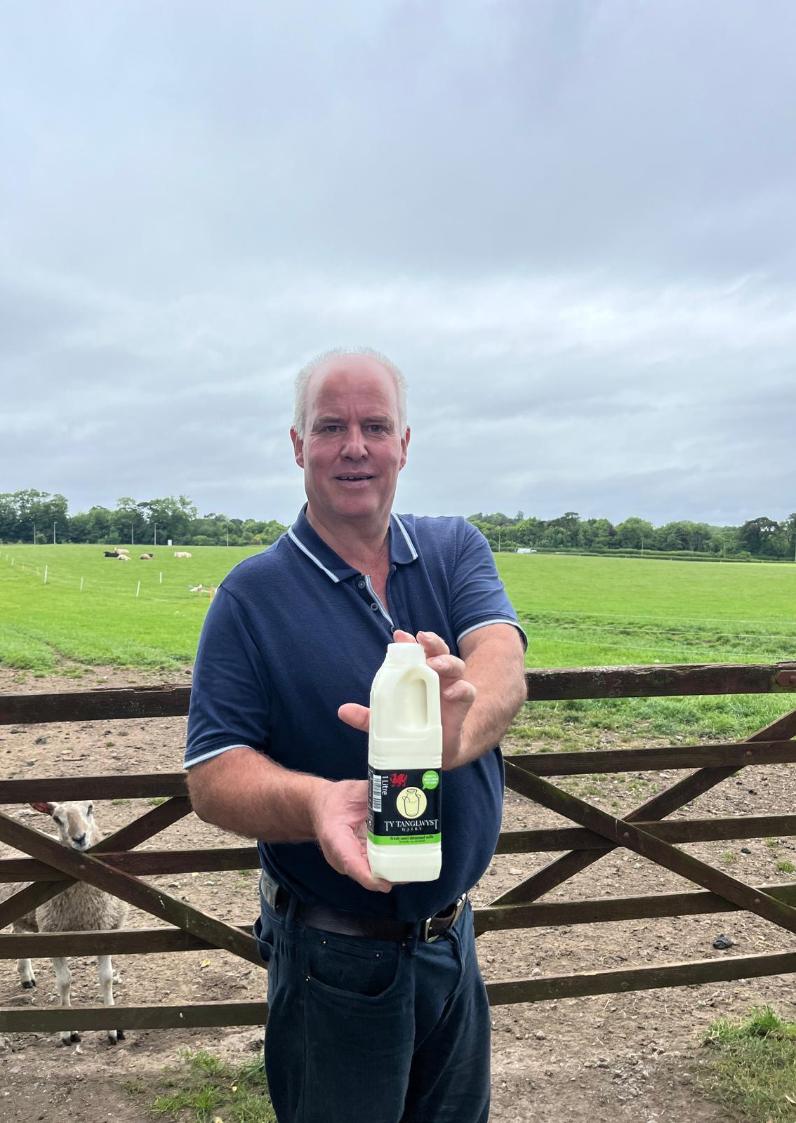
Welsh Conservative Shadow Farming Minister Andrew RT Davies has called for more support for dairy farmers in Wales as the industry marks World Milk Day.
The global campaign is marked on 1stJune each year, with countries across the world recognising the importance of milk consumption.
Mr Davies pointed to its health and nutritional benefits particularly for small children.
He warned dairy farmers face
huge challenges posed by falling milk prices –which have in some cases dropped below the cost of production.
He therefore called for support to maintain the industry's viability.
Mr Davies said:
"World Milk Day is a great opportunity to recognise the importance of the dairy industry in Wales.
"Milk consumption brings many health and nutritional benefits – but dairy farmers face huge challenges.
"With milk prices falling – it's vital we provide the industry with the support it needs to remain viable."
hen you’re managing 4,000 breeding ewes across three separate hefts on 27,000 acres of fell land, having identification marks you can rely on is absolutely vital. For Welsh beef and sheep farmer Gareth Wyn Jones, that reliability comes from his branding fluid of choice: Promark.
“I’ve tried different pitches over the years, but we always come back to Promark,” says Gareth. “It’s the right consistency, easy to apply, long-lasting, and made in the UK. I don’t think I’ll ever go back to anything else - it does exactly what it says on the tin.”
first gathering of sheep from the fell is in June/ July for shearing. At this stage, ewes are shorn, with young ewes marked on the rump and older ewes on the shoulder. Gareth uses three colours, blue, green and red with the letter ‘o’ to distinguish which heft each animal belongs to.
“I don’t want to be remarking sheep,” he says. “It’s vital that the mark remains visible. We’re on open fell with 15 other farms. When we bring the ewes in for shearing across four big days a year, we need to be able to identify ours instantly. On a big day we’ll shear 1,100 to 1,200 sheep, and you only have a matter of seconds at the gate to check them.”
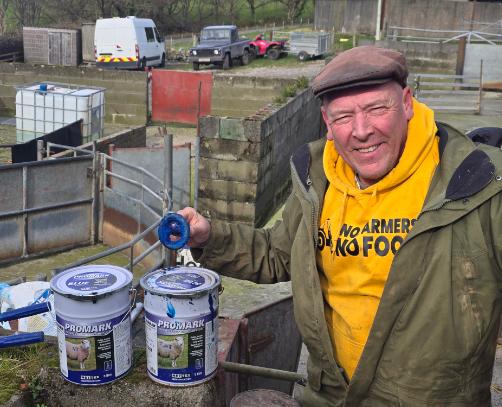
Gareth lambs his flock of Welsh Mountain Sheep outdoors from mid-March until mid-May, making it crucial that the branding fluid performs consistently in all conditions. “You don’t want it too wet, otherwise it won’t stick on the wool. But in winter, you don’t want it too sticky either. Consistency is key,” he explains.
Once lambs are pitched in May before heading up to the fell, the marks last almost 12 months. The
In addition to pitching, Gareth also uses ear notches on both ewes and lambs. But it’s the Promark pitch that provides fast, reliable visual identification across his hill farm. “Pitching is part of our yearly cycle. That identification stays with the animal for 12 months.”
The hefts rise up to 3,000 feet, so the branding fluid has to withstand a wide range of weather conditions. “The sheep are exposed to wind, rain, snow and sun, and the pitch has always held up,” says Gareth.
Gareth’s use of pitching fluid is part of a longstanding tradition. His family, going back to the Owens, has farmed at Tynllwyfan for 375 years, and branding with reliable pitch has always been central to their management system. “It’s always been an O for Owen,” he adds.
After lambing, many of Gareth’s lambs are finished on Anglesey from August onwards, with most sold by December either liveweight or deadweight. Reliable identification ensures that, no matter where the sheep go, they can be quickly and accurately managed.
Pig and poultry producers are being urged to strengthen traceability protocols as part of routine biosecurity, following advice at this year’s Pig and Poultry Fair.

Speaking at the event, Livetec biosecurity advisor Dr Paul Talling said producers should not underestimate the role of accurate visitor and movement records in preventing and managing disease outbreaks.
“Pig and poultry units see a high volume of people movements, including external visitors who may not be familiar with site-specific biosecurity procedures,” said Dr Talling.
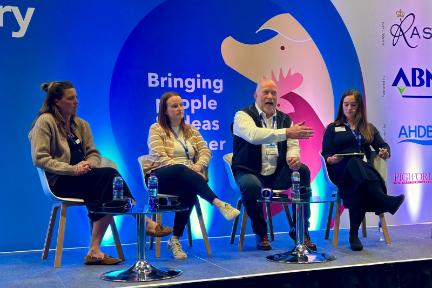
“Any lapse in concentration, or bypassing of protocols, can play a role in the spread of disease. Knowing exactly who’s been on site, when, and why, is crucial for planning, protection, and outbreak investigation.”
While paper-based sign-in records remain common, Dr Talling warned they can be unreliable.
“Paper records are often incomplete, incorrect or illegible,” he said. “Digital systems make it easier for visitors to provide the right information, while giving producers clearer, more accurate records.”
He added that robust traceability is particularly important in the event of a notifiable disease outbreak.
“If an outbreak occurs, APHA will require traceability data for people, vehicles and livestock entering and leaving the site,” said Dr Talling.
“Missing or inaccurate information can significantly slow down the response, so having reliable records immediately available is key. The easier the system is to use, the more likely people are to use it properly.”
Livetec’s digital sign-in system, AccessProtect, enables producers to see who is on site, when they checked in and out, the reason for their visit and how long they stayed.
Dr Talling added AccessProtect uses QR codes and can be extended to manage defined access points, such as individual sheds, giving it an additional role in site health and safety. An auto-fill function also makes repeat entry quicker for returning visitors.
“It’s not about policing people, it’s about strengthening the supply chain and helping producers identify where weaknesses may exist before they become a problem.”
One year on from relaunching its targeted Sheep Faecal Egg Counting (FEC) campaign, CVS Farm practices have reported strong progress in helping farmers adopt more sustainable, evidence‑based approaches to parasite control across the UK.

The 2026 update shows substantial growth in diagnostic testing, greater farmer engagement, and clearer evidence that regular FECs are supporting more effective and responsible flock management.
Sheep parasites remain a significant challenge for UK producers, with fluctuating seasonal worm burdens and rising anthelmintic resistance continuing to place pressure on flock health and productivity. In peak years, such as 2022, national monitoring schemes reported strongyle counts exceeding 950 eggs per gram - highlighting the need for regular monitoring and more precise treatment strategies across grazing systems.
In response, fifteen CVS Farm practices across England, Wales, Scotland and Northern Ireland relaunched the FEC programme in 2025, encouraging farmers to undertake routine worm egg counting every three to four weeks throughout the grazing season. This approach allows vets and farmers to identify issues earlier, avoid unnecessary treatments, improve productivity and reduce the risk of anthelmintic resistance.
after dosing have also become routine, helping vets verify treatment efficacy and identify any early signs of resistance.
Based on each flock's parasite profile, grazing system and historic resistance patterns, CVS Farm vets have continued to recommend targeted anthelmintic and anticoccidial treatments. Wherever possible, narrow‑spectrum wormers have been prioritised, with combination products reserved for cases in which they are genuinely necessary. This approach supports sustainable parasite control while helping preserve the long‑term efficacy of key medicine groups.
Reflecting on progress, Steven Carragher, Farm Quality Improvement Lead at CVS Farm, said:"This past year has shown just how willing farmers are to adopt sustainable parasite control when accurate, accessible diagnostics are made available. Regular FECs give farmers the confidence to treat only when needed, and the surge in follow‑up testing has been vital in identifying early signs of resistance. Evidence‑led decision making is now becoming part of routine flock management across our practices."

The project has also strengthened collaboration between farmers, vets, vet techs and administrative teams, with all practice colleagues trained to support sampling, testing and interpretation. Many farmers have reported greater confidence in tackling parasite challenges, with improved welfare, reduced medicine use and more efficient dosing schedules.
Over the past year, uptake has grown significantly. In 2025, CVS Farm practices carried out 2,913 worm egg counts and 371 fluke egg counts, representing a three‑fold increase on previous years. The programme also supported 651 cattle gut worm investigations and 237 bovine fluke investigations, enabling a more integrated approach to parasite management across mixed enterprises.
Central to the programme's success has been the introduction of OvaCyte diagnostic technology in every CVS Farm practice. The equipment enables accurate worm egg counts to be completed in as little as 20 minutes, allowing farmers to drop off samples and receive same‑day results. Where treatment is required, farmers can leave the practice with the correct product and a clear, tailored plan. Follow‑up tests one to two weeks
Looking ahead, CVS Farm aims to further expand farmer participation and strengthen education around sustainable parasite control. The division is now exploring ways to integrate FEC data into broader flock health planning, ensuring parasite management continues to align with its One Health approach to responsible, preventative veterinary care.
CVS Farm veterinary division has over 120 vets in 15 modern farm and poultry specific practices nationwide. Its practices offer a comprehensive range of services, with a focus on helping its clients prevent disease and maximise efficiency of production on their farms. CVS Farm's collective knowledge, clinical skills and buying power enables it to assist its clients with the most cost-effective solutions to all their animal medicine requirements.

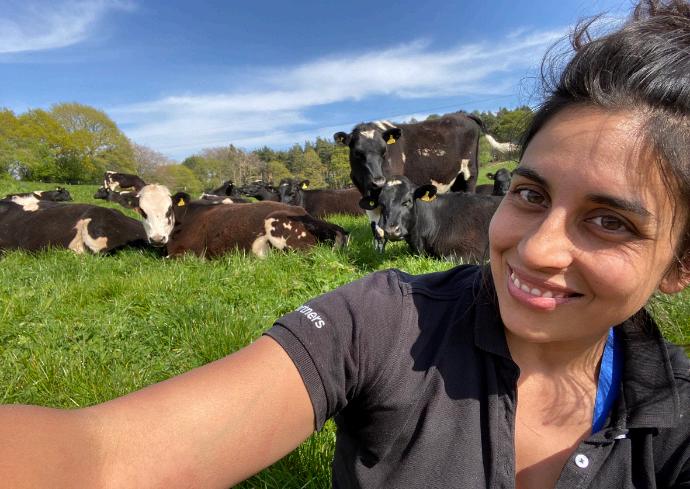
Nominations are now open for the 2026 Dairy Industry Woman of the Year Award, celebrating women who connect, inspire and share knowledge across the British dairy sector.
Sponsored by HSBC and organised by Women in Dairy, an initiative of the Royal Association of British Dairy Farmers (RABDF), the award recognises women making a significant contribution to the dairy industry and championing its future.
Now in its 10th year, the award is a key part of Women in Dairy’s mission to bring women together through discussion groups, networking opportunities and industry events.
Previous winners have included farmers, vets, consultants and cheesemakers, with last year’s award going to vet and farmer Claire Whittle.
Nominations should reflect the core values of Women in Dairy: building connections, inspiring others and sharing knowledge and experience.
Laura Barber, Events & Membership Lead, said: “There are so many talented and inspirational women working throughout the dairy industry, helping to drive progress, innovation and excellence.
“This award is an opportunity to celebrate their achievements and give them the recognition they deserve.
“Nominees do not need to be dairy farmers. They may be vets, consultants, researchers, technicians or professionals working elsewhere in the dairy supply chain. What matters is the positive impact they have on the industry and those around them.”
Nominations close on 24 July 2026. Shortlisted finalists will be invited to attend an interview with the judging panel before the winner is announced at the Cream Awards at Chesford Grange, Warwickshire, on 3 September.
To nominate yourself or someone you know, and to find out more, visit https://rabdf.co.uk/women-indairy/
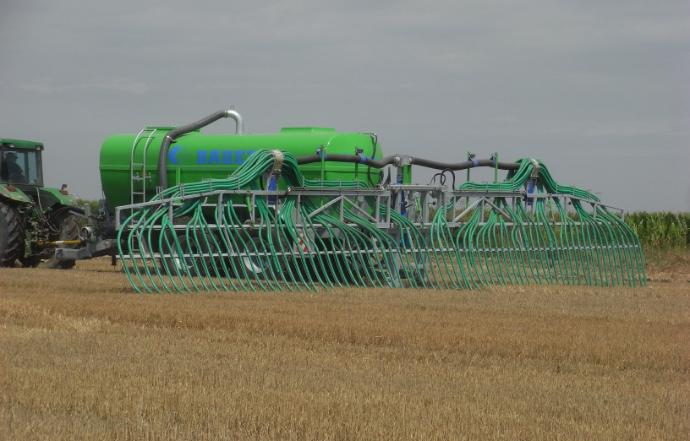

class machine options from Bauer at a new technical event in June.
Muck Management, which was staged on June 3/4 near Rhyl in north Wales, had working demonstrations of slurry and manure application techniques and machinery that provided valuable nutrients to grass and other farm crops.
Technical presentations delivered in association with leading farm advisory consultancy ADAS, and trade
Bauer’s focus was on separating slurry into its liquid and fibrous fractions for easier storage and application and, especially, to make optimum use of the nutrients and organic matter these materials provide, said Rob Jackson, area sales manager, Bauer UK & Ireland.
The Bauer Group’s Bauer and FAN Separator screw
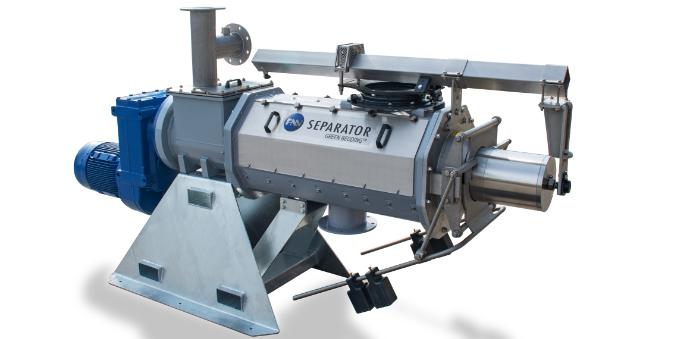
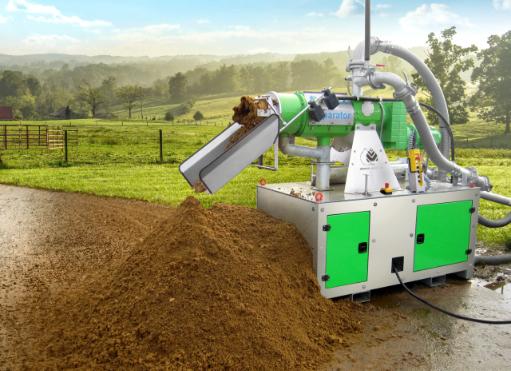
separation machines were widely recognised for


| Muck & Slurry
chassis, the Gelcoat results in Bauer poly tankers cleaning up really well, looking like new even after a lot of use and resulting in strong re-sale values,” noted Rob Jackson.
The heart-shaped tank was lighter for its capacity than steel alternatives and its shape contributed to a low centre of gravity for good stability, even when running on advanced suspension running gear with wide and large diameter flotation tyres for least impact on the soil.
Muck Management, organised by Dee Media Group, was held on June 3/4 at the Bodrhyddan Hall estate, Rhuddlan near Rhyl in Denbighshire, north Wales, where the site was easily accessible via the A55.
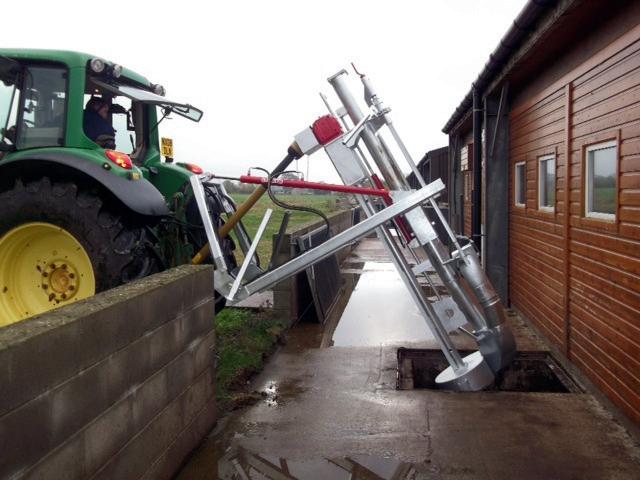
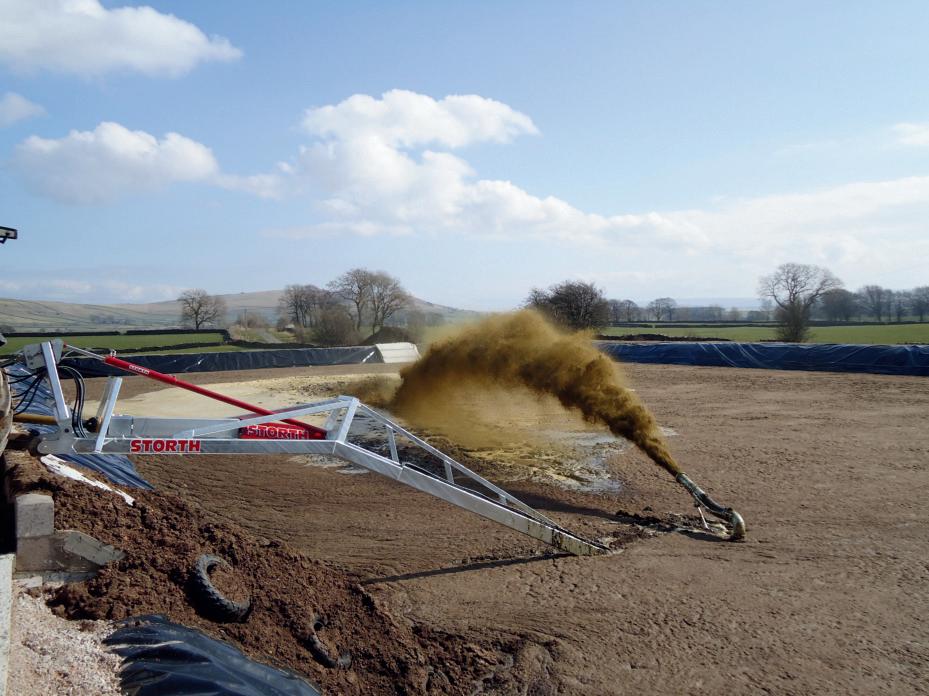
StorthMachineryareexpertsinslurrymanagement withover30years'experienceandwithaclear missiontodesign,manufacture,anddeliverhighqualityslurrymachinerythatmeetsandfulfilsthe evolvingneedsoftoday'smodernfarmers.
Wearecommittedtodeliveringrobust,reliable solutionstailoredtotheneedsofallagricultural farms. These solutions are: scrapers, pumps, separators, storage systems, mixers, full applicationequipmentandanaerobicdigestersproviding for the whole cycle of slurry management.
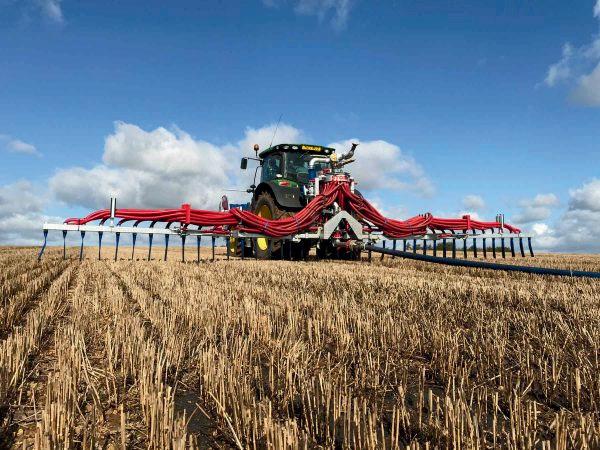
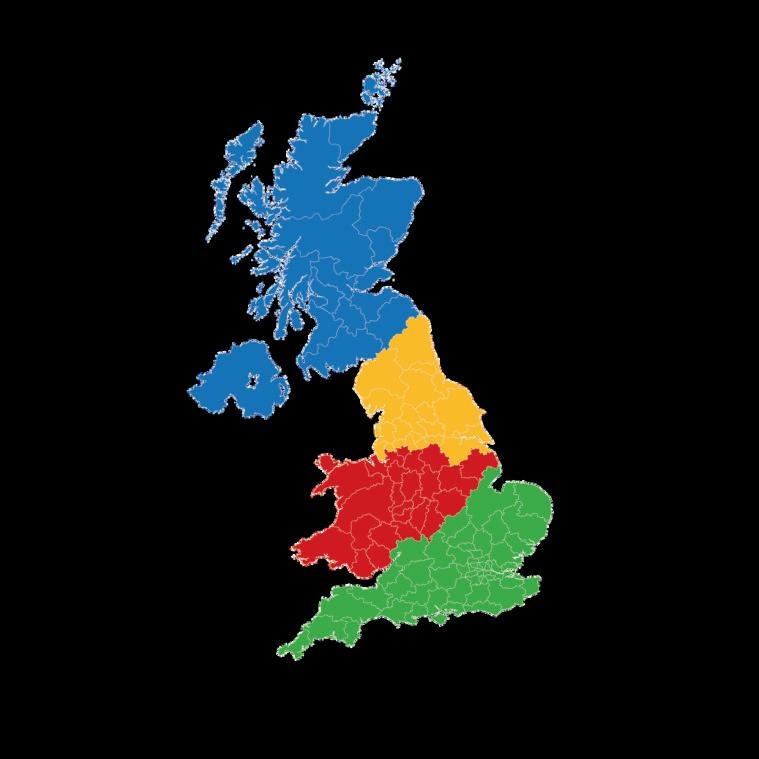


he pressure on farms to better manage phosphorus can be addressed using separation. So says Andy Hayhurst, from Vogelsang, who explains that separation is not just about reducing the strain on storage but can also be an important measure to reaching phosphorus management guidelines.
“Defra has clearly outlined its plans to reduce total nitrogen, phosphorus and sediment pollution from agriculture into the water environment by at least 40% by 2038. While the process has been slow to take hold, there are movements being made to put additional pressure on farms, especially those near rivers and watercourses,” he says.
Using a separator such as Vogelsang’s XSplit creates a solid fraction with approximately 40 percent dry matter. The majority of phosphorus in slurry is removed into this solid, making it more manageable.
“Moving unseparated slurry costs more and, with the rise in fuel prices, fertiliser prices and the call from government to better manage phosphorus, there seems no better time to be taking advantage of separation technology,” he adds.
Concentrating phosphorus in the solid fraction leaves the liquid fraction with nearly all the soluble nitrogen
(ammonium, nitrates, nitrites) and potassium. This allows for different application rates for the solid and liquid fractions to better match soil and crop needs. It can also reduce the cost of transporting the phosphorus solids over greater distances.
“For farms with land spread over wider areas, there are significant cost benefits to managing phosphorus through separation. Similarly, farms with a variety of crops can better manage phosphorus application by top dressing with a solid fraction that is rich in phosphorus for crops and soils that will benefit, and using the liquid fraction in areas that could be more prone to leaching phosphorus,” says Mr Hayhurst.
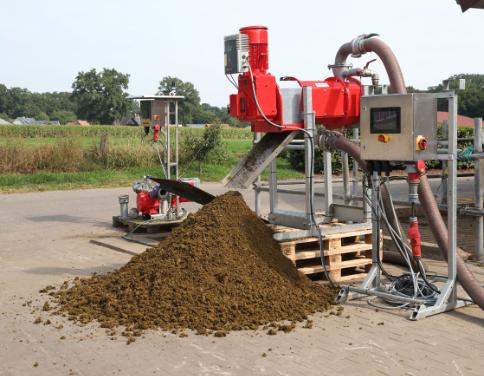
Recent extreme weather conditions in the UK have led to significant surface run off and soil leaching. By soil and slurry testing, farms can better understand the implications of slurry application to overloading fields that may, subsequently, pose a risk to nearby water.
“More accurate application is needed to improve soil health, make better use of natural and synthetic fertilisers and reduce the risk of phosphorus entering rivers and bodies of water. Separation is one way that farms can better manage slurry, understand it’s nutrient value and apply it more efficiently to ensure soils and crops are receiving the optimal amounts of N, P and K,” he concludes.



ase IH announces a strategic change to strengthen support for customers and enhance after-sales capability across North and Northeast Scotland, Highlands, Orkney and Shetland Isles. This development reflects a shared commitment to long-term investment, customer service, and sustainable growth within the agricultural sector.
Effective from 8 June 2026, Agricar Ltd and Ravenhill Ltd will expand their existing New Holland partnerships to become dual-branded dealers, introducing Case IH to their portfolios alongside their current offering. This will enable both businesses to provide the full range of Case IH and New Holland equipment, parts, and services across their respective territories. Customers will benefit from broader product choice, enhanced after-sales capability, and improved continuity of support across all locations.
Angus, Fife, Kincardineshire, Perthshire and Stirlingshire will be served by Agricar Ltd through its five depots in Cupar, Forfar, Laurencekirk, Perth and Stirling.
“This is a significant milestone for Agricar and for the customers we serve. Becoming a dual brand dealer gives us the ability to offer a wider range of machinery solutions while continuing to deliver the

high-quality support our customers expect. We are committed to investing in our people, our facilities, and our service offering as we take this important step forward,” says Derek Johnston, Director, Agricar Ltd.
Ravenhill Ltd will strengthen Case IH coverage in Aberdeenshire, Morayshire, Highlands, Orkney and Shetland Isles through its six locations in Aberdeen, Dingwall, Elgin, Maud, Turriff and Orkney Office.
“Our customers rely on us for choice, expertise, and dependable backup. Representing both Case IH and New Holland strengthens our ability to deliver on that promise from all our depots. This development ensures we can support every type of farming operation with the right equipment and the right service, now and into the future,” says Stewart Davidson, Managing Director, Ravenhill.
“Agricar Ltd and Ravenhill Ltd have been trusted CNH partners for many years. Their move to dual brand representation reflects our shared commitment to building a strong, stable, and future ready dealer network,” says David Rapkins, Commercial Business Unit Director UK & Ireland. “We are delighted to support both organisations as they expand their offering and continue to invest in customer success.”


Leading agricultural auctioneer, Cheffins, features in Series 5 of Clarkson's Farm, appearing in episode six (released on 10th June 2026), after being called in to value and sell one of Jeremy Clarkson's most famed pieces of kit, a 350horsepower 2016 Deutz-Fahr tractor.
Approached by the programme's producers in March 2025, Cheffins handled the sale of the tractor, which had been consigned directly from Diddly Squat Farm and featured prolifically throughout Series 4 of the TV show. It went under the hammer at the Cheffins Monthly Machinery Sale at Sutton, near Ely, on Monday 9th June 2025, drawing a crowd of Clarkson fans.
Having first visited Diddly Squat to assess the tractor, Oliver Godfrey, Head of Machinery Sales at Cheffins, provided a valuation in April 2025 before entering it into the firm's well-established monthly sale. As seen in the episode, Clarkson said "The green Lambo hadn't turned a wheel in weeks, so I decided to sell it, which meant getting it valued by an agricultural auctioneer." Following the tractor being inspected by Oliver Godfrey, Head of Machinery Sales at Cheffins, Clarkson asked; "so I would be quite keen to hear what you think you could get for it." To which Oliver Godfrey replies; "It's not the easiest thing to sell in the world, I'll be honest, but I would look somewhere in the region of between £50,000 and £60,000." To which Clarkson replies "It's quite a lot less than I paid for it... I paid £80,000."
Clarkson, accompanied by farming contractor and costar Kaleb Cooper, attended the sale at Cheffins' purpose-built auction facility, with filming taking place throughout the day. The pair toured the 40-acre sale ground, discussing the diverse range of machinery on offer. Clarkson remarked: "Up for sale was everything from high-end tracked tractors to characters from Pixar.

As the Deutz-Fahr entered the drive-through auction hall, Clarkson predicted: "Here it is. There's going to be a frenzy of bidding..." As the bidding gathered pace, he added: "We are actually getting closer to the £80,000 that I had paid for it."
When the hammer finally fell at £70,500, both Clarkson and Cooper appeared delighted with the result. Summing up the outcome, Clarkson joked: "Well, it was a financial hit, but it wasn't a financial kick in the nuts."
Oliver Godfrey, Head of Machinery Sales at Cheffins commented:
"Clarkson's Farm has done a huge amount to raise awareness of the realities of farming life in the UK. With its massive ratings, Jeremy Clarkson has brought the challenges and economic pressures facing farmers to a much broader audience, both here and internationally. It's been a real boost for the industry's profile, and many farmers are genuinely grateful for that.
However, the tractor itself proved a magnet for attention on sale day. Modified by Clarkson himself with a bespoke cab lift and Lamborghini branding, it drew strong interest from both serious buyers and Diddly Squat fans. With 3,180 hours on the clock, it sold finally for £70,500 to a UK-based regular buyer, following a total of 62 bids.
We were therefore really pleased to be invited to work with Jeremy on the sale of the Deutz-Fahr tractor. In true Clarkson style, he'd added a few entertaining modifications — particularly the lift, which was unlike anything I've seen before, along with the Lamborghini badges — and these certainly got people talking and added to the appeal on the day.
It's not every week you find yourself valuing a tractor at Diddly Squat Farm, and it was a memorable experience from start to finish, especially meeting the wider team. The sale attracted strong competition, and we're pleased it achieved a good result with a regular buyer. Working with Jeremy and Kaleb was a thoroughly enjoyable experience.
As one of the most-watched shows across UK streaming platforms, it was fantastic for Cheffins to be involved, and we're grateful to Amazon for the opportunity."
The episode of Clarkson's Farm featuring Cheffins can be watched on Amazon Prime Video.



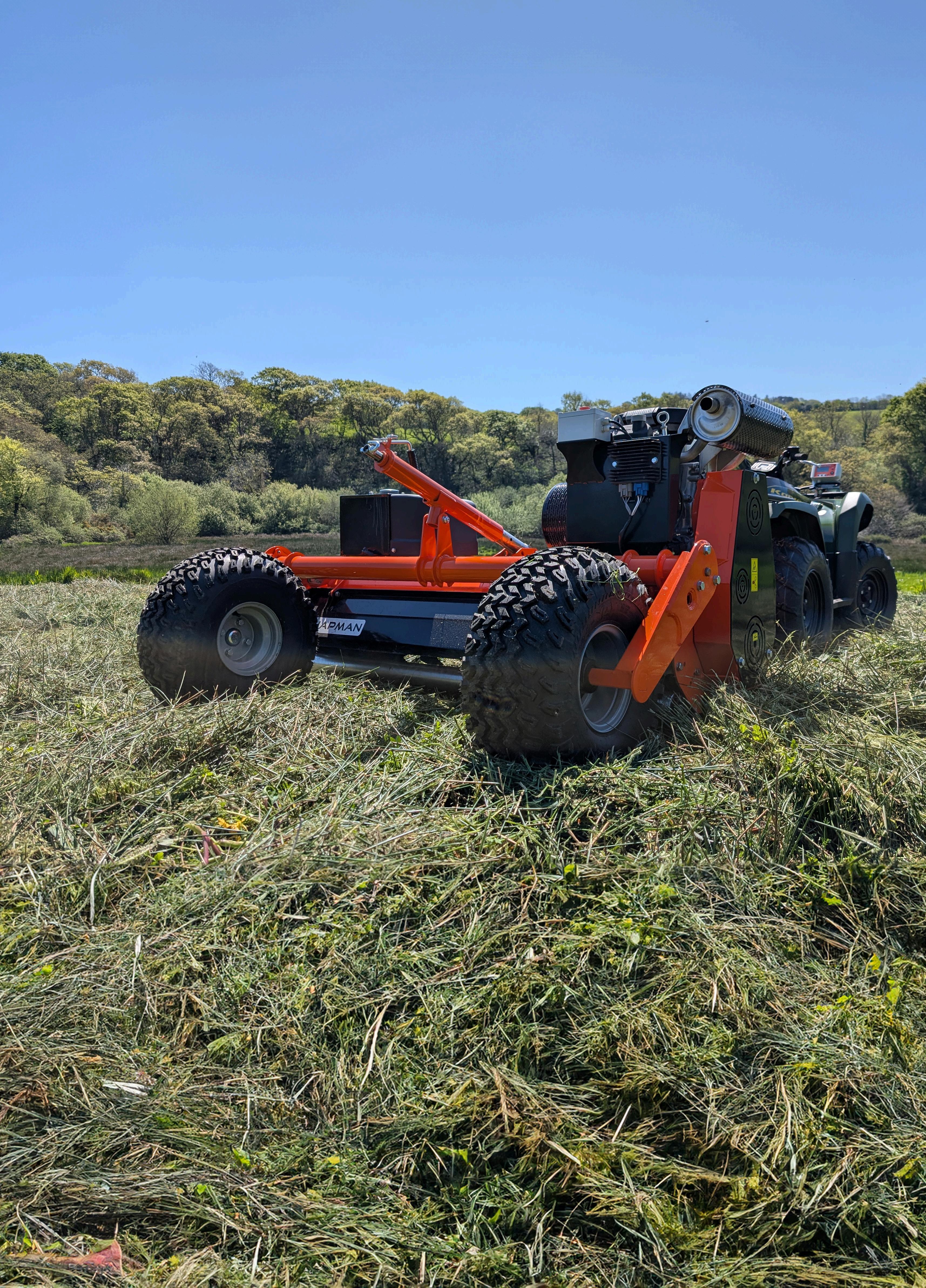
Productivity, automation and in‑cab convenience enhanced across John Deere’s walker, rotary and high‑capacity combine ranges
For model year 2027 (MY27), John Deere is rolling out a comprehensive package of updates across its T5/T6, S7 and X9 combines. The latest developments focus on productivity, in‑cab convenience, slope performance and advanced automation, supporting operators in achieving a lower cost of harvest under increasingly diverse field conditions.
T5 and T6: proven automation and new in‑cab adjustments
Predictive Ground Speed Automation now available on T5/T6
MY27 brings new remote adjustment capabilities to the T5 and T6 threshing and separation system. The booster bar and separator grates can now be adjusted directly from the cab, allowing operators to react immediately to changing crop conditions without stopping or leaving the machine. This improves productivity while keeping the cab clean and reducing downtime.
Two new unloading augers expand the T5/T6 range. A 6.10m rigid auger improves compatibility with wider headers, while a 7.30m foldable auger for T5 models addresses markets with stricter road homologation requirements and provides a good match for 9.1m platforms.
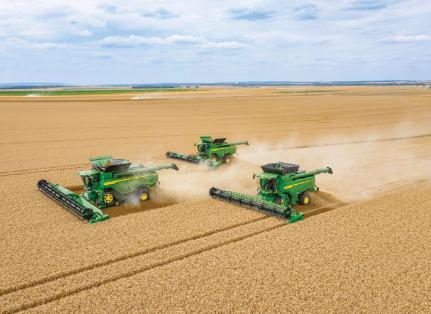
Predictive Ground Speed Automation (PGSA) is being introduced to the T5 and T6 combines for MY27, following its successful launch on the S7 in MY25. The system controls the combine's ground speed based on crop height and biomass measurements taken preharvest from satellite scans and from on-the-go measurements made by cab-mounted cameras, such as down crops or dense weed patches.
Machines equipped with PGSA will also be capable of using an operator-defined crop throughput target as an additional automation setting. When enabled, PGSA with throughput will intelligently link ground speed with grain quality to help optimise harvesting performance and allow more dynamic speed adjustments to keep grain loss within acceptable limits.
Jonathan Edwards, John Deere Go To Market Manager, said: “This is technology that no other brand can offer, and we have seen how much of an impact it can have on productivity during one of the busiest times of the year.”
S7: improved performance on slopes
Active Slope Adjustment (ASA) is now available as a full specification option across all S7 combines. Using terrain data from the StarFire™ receiver, the system automatically adjusts the active belt speed to level crop flow to the cleaning shoe on side slopes. This results in more even material distribution and effectively doubles cleaning shoe performance without compromising grain quality or capacity.
For MY27, the S7 range offers four sidehill configurations, allowing customers to select the right solution for their operating conditions. Options include the Sidehill Kit, Active Slope Adjustment and HillMaster™, providing solutions for slopes from gentle undulations to more demanding hillside terrain while maintaining grain cleanliness and reducing losses.
X9: higher capacity and new feeding options
The X9 combine range gains a new HDX 50 header for MY27. With a working width of 50ft (15.2m), the new header significantly increases feeding capacity, supporting the high throughput capability of the X9 and improving operator comfort by maintaining smoother crop flow at high harvesting speeds.
New grain handling options further enhance the X9’s productivity in high-yielding crops. A larger 19,400-litre grain tank option is now available, increasing productivity in the field with fewer unloading stops. Also, a new 10.7m unloading auger supports controlled traffic
farming and improves unloading efficiency in wide working widths.
New threshing and separation options
MY27 also introduces new threshing and separation configurations for the X9, including TRU THRESH™ concaves. The updated design improves modularity and simplifies crop changeovers, for instance by controlling concave and separator covers from the cabin.
Technology updates across the combine portfolio
New technology package configurations
For MY27, John Deere is introducing revised technology package structures across all combine series. The available Select, Premium and Ultimate packages differ by machine family, allowing customers to tailor automation and guidance functionality to their operational needs while clearly differentiating capability levels between T5/T6, S7 and X9 combines.
Auto unload: a step towards autonomy
Auto unload is now available on S7 and X9 combines.

The system automatically guides the tractor and trailer during unloading, ensuring consistent grain distribution while reducing operator workload and stress. Live fill monitoring provides real-time feedback, allowing the combine operator to focus on crop throughput even while unloading on the move.
Harvest Settings Automation with broader crop compatibility
Harvest Settings Automation continues to evolve for MY27, expanding the number of compatible crops. New additions include oats, sunflower, triticale, rye, peas, lentils and rice, allowing automatic optimisation across a wider range of harvesting conditions and regions.
“With the model year 2027 updates, we are making our combines more intuitive, more connected and more adaptable to harvesting conditions in the field,” concluded Jonathan Edwards, Go‑to‑Market Manager Combines for Europe. “By combining proven mechanical upgrades with smarter automation across all series, we are helping customers harvest more efficiently, with greater confidence and lower cost of operation.”




Merlo UK is making it easier than ever for businesses to invest in premium agricultural equipment with its latest Retail Finance Schemes. Designed to help spread the cost while keeping cashflow healthy, the offer includes 0% APR options on selected agricultural telehandlers, so you can fix your finance and plan for growth with confidence.

Under the new terms, customers can choose from flexible payment options such as 1 + 2 annual payments or 4 + 20 monthly payments at 0% APR, available on up to 40% of the recommended retail price (RRP) on eligible models. There’s also an alternative 3 + 33 monthly payment plan at a competitive 1.99% APR for even greater flexibility.
For smaller machines like the CINGO range, the finance deal is equally attractive, with low-deposit plans and 0% interest spread over simple instalments.
Whether you’re expanding your fleet or upgrading to the latest Merlo technology, these retail finance options could make ownership more accessible and affordable than you think. Speak with your local Merlo dealer to explore the best package for your operation and see how you can benefit from this limited-time opportunity.
Finance Terms & Conditions
Retail customers only. Maximum balance
financed is 40% of RRP, subject to DLL terms and conditions. Finance offers exclude fleet deals of three or more machines.
Model eligibility:
• P27.6 and TF27.6 models are eligible only for the 4 + 20 payment plan at 0% APR.
CINGO Retail Finance Schemes (0% interest):
• CINGO M500DM: £500 deposit, 50% payable after 6 months, 50% after 18 months
• CINGO M700TD: £700 deposit, 50% payable after 6 months, 50% after 18 months
Finance for Merlo agricultural models is available through Merlo Finance, a trading style of De Lage Landen Leasing Limited (DLL). All finance is subject to status and approval. Applicants must be UK-registered businesses and aged 18 or over. VAT is excluded unless stated. Fees may apply. Finance cannot be combined with other campaigns.
DLL is authorised and regulated by the Financial Conduct Authority in respect of agreements regulated by the Consumer Credit Act 1974.
Merlo Finance Sales Desk: Agricultural: 01923 810078 Construction: 01923 810946

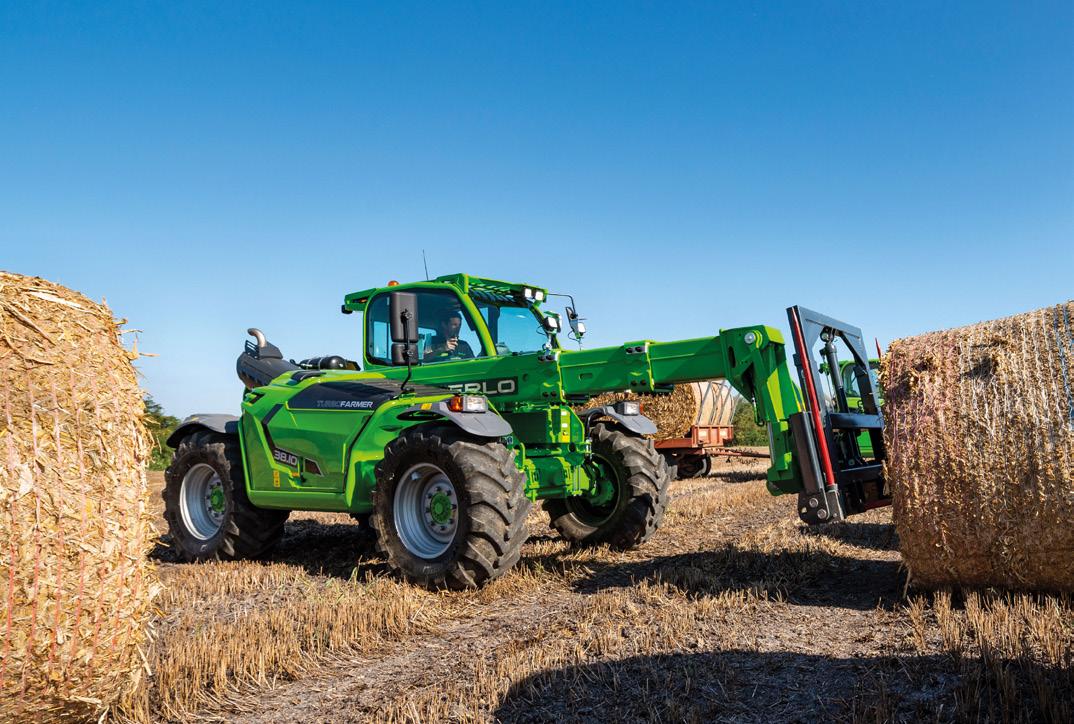
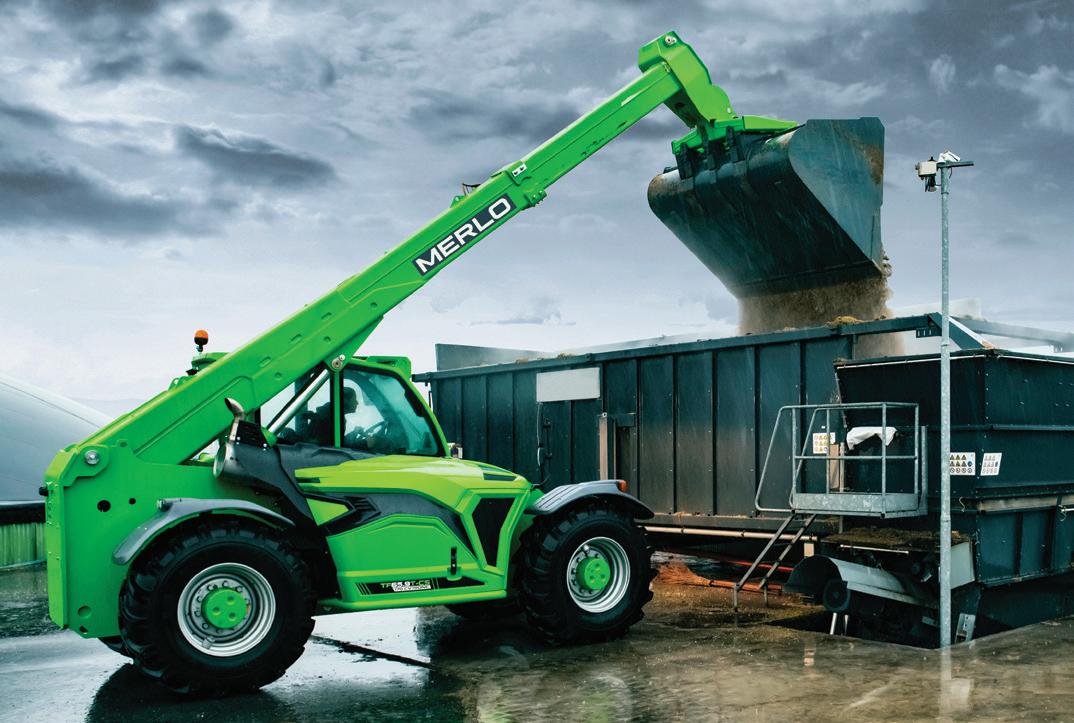
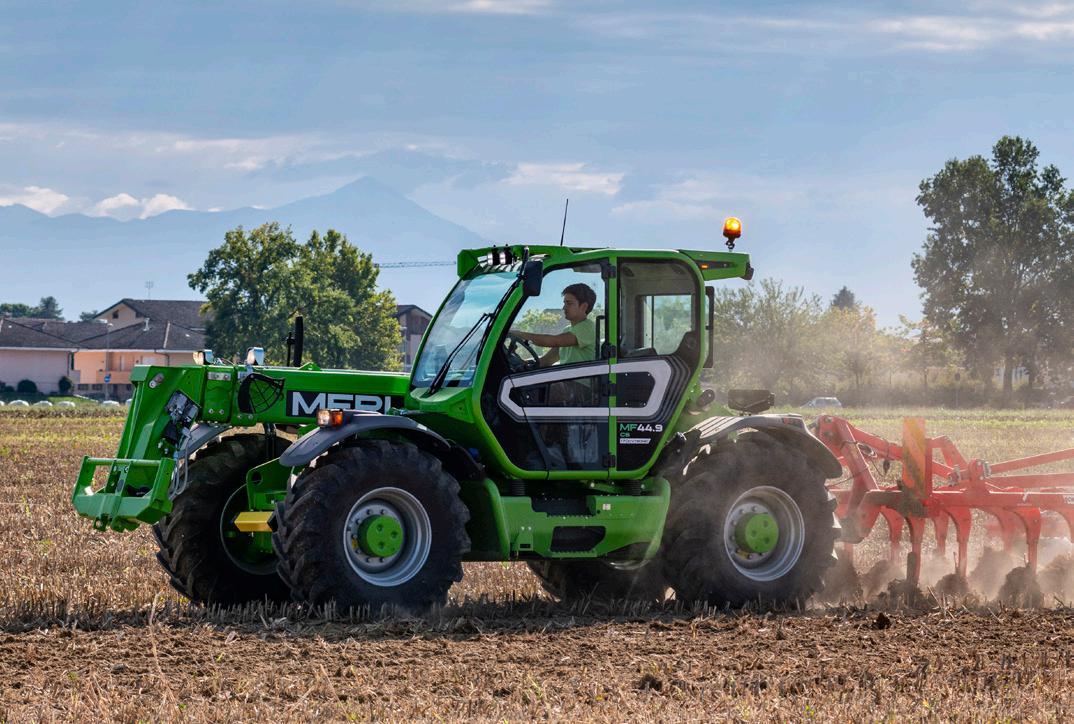
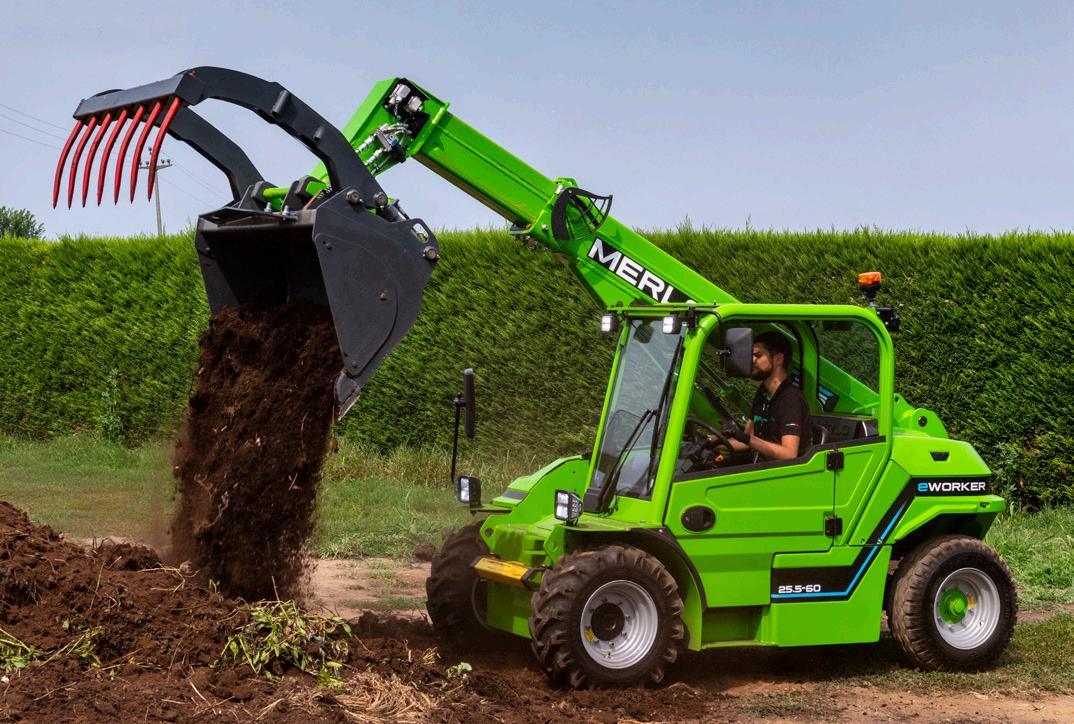
Stubbings Bros Ltd.
Ventnor Isle of Wight PO38 2JN
TRMachinery Ltd Oak Tree Works, NI Park, Newport, Shropshire
Phone : 01983 551443
TF10 9LH
TR Machinery Ltd
Burnside Business Park
Market Drayton Shropshire
TF9 3UX
www.stubbings-bros.co.uk D.A. Forgie Lisburn D.A. Forgie Co Londonderry
Phone: 01952 936900 www.trmachinery.co.uk

Phone : 01630 653801 www.trmachinery.co.uk
Brian Robinson Machinery Ltd
RVW Pugh, Mellington, Churchstoke, Montgomery Powys.
RVW Pugh, Mellington, Churchstoke, Montgomery Powys. SY156TQ
SY15 6TQ
Phone: 01588 620545 www.rvwpugh.co.uk
Phone : 01588 620545
www.rvwpugh.co.uk
RVW Pugh
Spa Lane, Lathom, Unit 2, Holland Business Park, Lancashire, L40 6LN
Phone: 01695 816444
www.rvwpugh.co.uk
Birkby Lane
East Cowton, Northallerton
RVW Pugh, Oakwood Park, Holmes Chapel, Cheshire
North Yorkshire
CW4 8AX
DL7 0DX
Phone : 01477 533560
Phone: 01325 378552 www.brianrobinson.co.uk
RVW Pugh, Unit 2, Holland Business Park, Spa Lane, Lathom Lancashire, L40 6LN
www.rvwpugh.co.uk
RVW Pugh,
CW4 8AX Chapel, Cheshire Oakwood Park, Holmes

Phone : 01477533560
www.rvwpugh.co.uk
Phone : 01695 816444
www.rvwpugh.co.uk
Cooks Midlands Ltd.
Unit 10 Horsepool Grange
Elliotts Lane, Markfield
LE67 9TW
Phone : 01530 249191
www.cooksmidlands.co.uk

von Tuning HD (ATHD), and automotive division Avon Tuning, has completed a full state-of-the-art renovation of its existing premises to allow the whole business to meet the increasing global demand from remapping customers.
The redevelopment of its site near Bristol has been a two-year process, that now includes a bespoke research and development centre, alongside a fully fitted workshop and training facility to support its 175-strong network of agricultural agents, along with automotive agents. The improvements will help the business to continue to provide a highquality service and support to all agents and remapping users.
Gareth Jones, director at Avon Tuning and ATHD,

explains why the upgrades were essential. “Our new workshop and office facilities reflect the future direction of Avon Tuning and ATHD. Our focus is firmly on research and development, alongside expanding and supporting our global agent network. The new facility matches the demand we are experiencing, especially in agriculture, as users look to maximise efficiencies of their existing equipment for greater output and potential fuel savings.”
The building developments also include a dedicated training room for in-house practical and theory training for agents, and a new office space for sharing ideas between the automotive and HD divisions, enhancing the productivity of the business.
“Some users might not be aware of the research and development we undertake to ensure our maps are the safest and most reliable they can be. To help this process, we have added a second dyno cell, with increased cooling and exhaust extraction capabilities to enhance our R&D capacity. Our New Holland T5 training tractor allows us to show new and existing agricultural agents the process of adding maps onto tractors.”
Gareth concludes: “We have been professionally remapping agricultural equipment for over a decade now and our HD agent network has grown significantly over the past five years to reflect demand from farmers and growers. The new facility allows continued growth and support to engineers when they are installing remaps on farms.”






For the third year running, New Holland participated in Motor Valley Fest, joining some of the most innovative vehicle development firms and giving visitors insight into the advanced engineering and technologies behind its latest developments.
Organized by the Motor Valley Association from May 2831, Motor Valley Fest took place in and around Modena, Emilia-Romagna, the heart of Italy’s automotive industry.
New Holland has deep roots in the region, with origins closely linked to Emilia-Romagna’s long-standing tradition of mechanical engineering and industrial innovation.
Originating in this region, FiatAgri is a core element of New Holland’s rich history and played a key role in shaping both the brand’s engineering DNA and its approach to high-performance, reliable machinery.
Today, the region is a global center of excellence for engineering, design and advanced manufacturing, forming a thriving innovation ecosystem.
At Motor Valley Fest, two leading examples of innovative New Holland developments took center stage.
The hybrid autonomous R4 robots demonstrated the automation of key tasks in vineyards, orchards and specialty crops, helping address labor shortages and the challenges of environmentally friendly food production.
The R4 highlighted New Holland’s expertise in automation and AI, using app-based control supported by GPS, LiDAR and vision cameras.
The T7.340 HD tractor combined 340 hp, compact dimensions and advanced digital intelligence, delivering a benchmark power-to-weight ratio, high mechanical reliability and a strong level of automation and connectivity. Designed to maximize productivity in the most demanding applications, it ensured efficiency, operator comfort and continuous operational performance.
New Holland also played an active role in the Motor Valley Fest conference program, contributing the off-highway and industrial perspective to discussions traditionally centered on automotive innovation. Brand representatives spoke in panel discussions, highlighting key themes including energy transition, technology-neutral approaches, human capital and new competence requirements, as well as software, AI and digital engineering in manufacturing.
“By participating in Motor Valley Fest 2026, New Holland reinforced its position as a global agricultural brand with deep Italian roots, actively contributing to the future of engineering, automation and sustainable mechanization within one of the world’s most renowned industrial ecosystems,” said Francesca Protano, Head of Technology Strategy and Product Innovation at New Holland.




cHale Komatsu will officially announce its appointment as an approved supplier for Xwatch Safety Solutions at Hillhead 2026, taking place from Tuesday 23 to Thursday 25 June at Hillhead Quarry, Derbyshire.
Visitors will be able to see the partnership in action on the McHale Komatsu stand, Y3, where a Komatsu PC130-11 fitted with an Xwatch XW5 system will be displayed as a demonstration machine.
Based in Redditch, Worcestershire, McHale Komatsu is the sole distributor for Komatsu Construction and Utility equipment and Metso crushers in the UK and Ireland.
The announcement represents an important step for both businesses and gives Komatsu customers a clear route to specify Xwatch safety technology through McHale Komatsu's UK and Ireland dealer network.

"Having a Komatsu machine fitted with the Xwatch XW5 system on display at Hillhead gives us the chance to show customers exactly how the technology works and how it can be integrated into the machine from the outset. It is a practical system, it is operator-friendly, and it gives customers another option when they are looking at machine safety and site compliance."
Jemma Dycer Hopkins, Sales and Operations Manager at Xwatch Safety Solutions, said:
"McHale Komatsu becoming an approved supplier for Xwatch is excellent news and a really positive step for customers who want safety systems specified through a trusted machine supplier.
The Xwatch XW5 system is designed for machines working in demanding site environments, offering height and slew control alongside rated capacity indication. It gives operators a practical, easy-to-use system to manage machine movement around people, structures, overhead services, and other site risks.
By displaying a Komatsu machine fitted with XW5 at Hillhead, McHale Komatsu will give contractors, operators and hire businesses the chance to see how the system works in a real machine application.
Jake Walley, Territory Development & Machine Control Specialist for Northern England at McHale Komatsu, said:
"Becoming an approved supplier for Xwatch Safety Solutions is a strong move for McHale Komatsu and for our customers. Safety technology is becoming an increasingly important part of machine specification, particularly for contractors and hire businesses working on busy, restricted sites.
"The XW5 is one of our most advanced systems, so having it fitted to a Komatsu machine at Hillhead gives people a proper opportunity to see the technology in place, ask questions and understand how it supports safer machine operation on busy sites.
"For Xwatch, this is about making it easier for customers to access the right safety technology, backed by the right people. McHale Komatsu has a strong reputation and excellent machine knowledge, so this partnership makes a lot of sense for both businesses and, most importantly, for the customer."
For Xwatch, the approval adds another major dealer partner to its growing network and supports its wider aim of making safety systems easier to specify, fit and support through recognised machinery supply routes.
The XW5 system is already used across a wide range of construction equipment and is well-suited to machines operating in utilities, infrastructure, housebuilding, highways, demolition and general construction.
The partnership with McHale Komatsu gives customers access to Xwatch technology through a trusted Komatsu supplier, backed by machine knowledge, technical support and a shared focus on safe, productive operation.
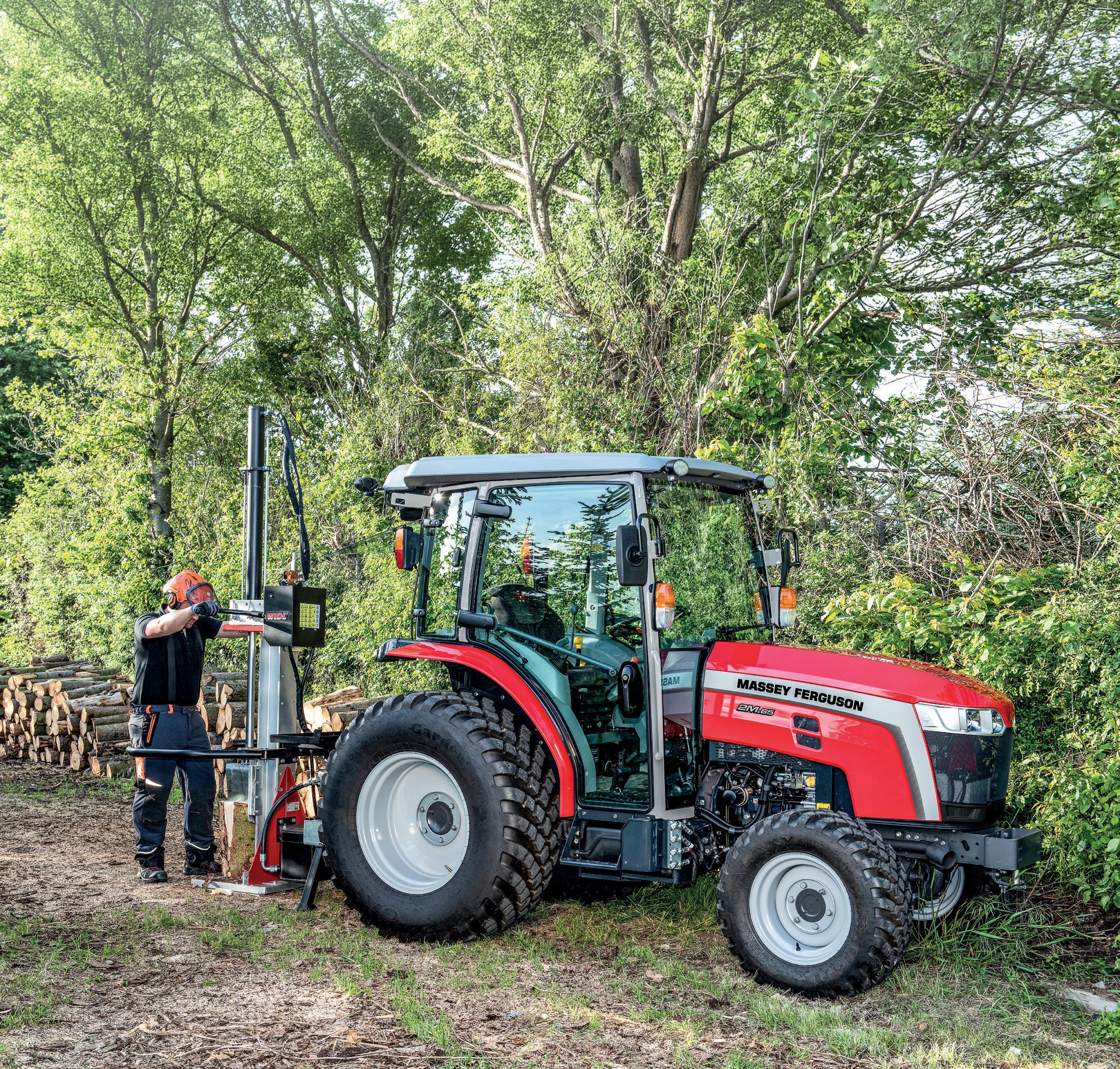

ohn Deere today announced a major update to its 500R self‑propelled sprayer line-up for model year 2027 (MY27), introducing a new 6,000‑litre spray tank flagship model alongside significant upgrades to boom technology, spraying performance and operator comfort. Designed for large arable farms and professional spraying operations, the MY27 500R series builds on the established front‑cab, rear‑engine concept and enters a higher productivity segment while maintaining a compact transport width of just 2.55 metres.

established application systems, including Individual Nozzle Control (INC) Pro and ExactApply™. These systems also allow multi-rate spraying (up to 15 different rates across the boom width), turn compensation and consistent droplet size across a wide speed range, helping operators apply crop protection products accurately while maximising daily output.
Fast filling and easy rinsing with PowrSpray™ solution system
The headline addition for MY27 is the new John Deere 560R, expanding the 500R range into the 6,000‑litre class. The larger tank is aimed at operators working during tight application windows who need to cover more hectares per day with fewer refilling stops, particularly in cereals, oilseed rape and other high‑input crops. The 560R complements the existing 4,000‑ and 5,000‑litre models, giving customers a broader choice within a single platform.
All MY27 machines benefit from the innovative PowrSpray™ dual‑circuit solution system. A high‑capacity clean‑water filling pump delivers up to 1,200 litres per minute, reducing filling time and improving efficiency during busy spray periods. Rinsing is easily done with an intuitive interface accessible both inside and outside the cab. Automated rinse programmes, combined with AirRinse™ and AutoDilute functions, help minimise residue, reduce contamination risk and prepare the sprayer quickly for the next application.
New generation spray booms up to 42 metres
MY27 also marks the introduction of an all‑new spray boom portfolio for the 500R series with working widths of up to 42 metres. The modular steel boom design is more compact and lighter, offering significantly shorter opening and closing times. Boom widths of 30, 36 and 42 metres are available, with a double- or triple-folding design and both 25cm and 50cm nozzle spacings. All nozzles and stainless‑steel spray lines are fully protected within the boom structure, helping to reduce damage and maintenance. Despite the wider working widths, the new booms maintain a 2.55 metre transport width, supporting safe and efficient road travel between fields.
Improved boom stability with BoomTrac™ Pro 2 and active yaw control
A key technical upgrade for MY27 is the introduction of BoomTrac™ Pro 2, John Deere’s latest automatic boom height control system. With five (boom widths less than 36m) or seven (36m and above) ultrasonic sensors, the system allows the boom to closely follow ground or crop contours, maintaining consistent spray height and overlap even at higher forward speeds. In addition, the new boom centre frame incorporates active boom yaw and roll control, designed to counteract chassis movement and slope effects. This helps to keep the boom stable across the full working width, improving application accuracy and reducing operator workload.
Higher spraying speeds with consistent application quality
For MY27, the maximum spraying speed of the 500R series increases from 25km/h to 30km/h, without compromising droplet quality. This is enabled by the combination of stable boom control and John Deere’s
Operator comfort and transport efficiency remain core strengths
The MY27 500R series retains the front‑mounted cabin, familiar from the John Deere combines and forage harvesters, and rear‑engine layout, delivering a balanced 50:50 weight distribution and a clear view of the boom. Combined with in‑wheel suspension and the CommandDrive™ drivetrain with automated rpm management, the result is high ride comfort both in the field and on the road. Despite its increased capacity and wider booms, the 500R remains easy to manoeuvre on narrow roads and through villages, an important consideration for European farming conditions.
For MY27, the 500R series places a strong emphasis on ease of use through AutoSetup, which allows operators to prepare spraying jobs before entering the field. With integrated agronomic advice and full field guidance, machine settings, application parameters and guidance lines can be transferred directly to the sprayer, helping to reduce setup time and avoid operator errors. In addition, automated documentation supports farmers and ag service providers in meeting regulatory requirements. Application records are generated automatically, can be exported as Excel files, and are ready to be submitted to governmental authorities, making it easier to fulfil Cross Compliance obligations with minimal administrative effort.
“From easy pre-work planning to the quick opening and closing of the boom, to the freedom to speed up where and when possible thanks to Pulse Width Modulation, as well as efficient road travel thanks to added comfort features, we are looking at a 10 to 15% productivity gain compared to the previous model,” said Solenne Bourgois, Go-to-Market Manager Crop Care for Europe.
Kverneland has introduced a new 6m f-drill model to its portfolio of power harrow drill combinations, with this latest version combining hydraulic folding with the ability to distribute grain and fertiliser, or two different seed types, at the wider working width.

Called the f-drill Plus, this new 6m folding coulterbar brings a second distribution head and pipework to the outfit, for those seeking more output when used in combination with the Rotago F power harrow and f-drill Maxi Plus front hopper. The 2200-litre hopper carries two Eldos electrically-driven seed metering units, and offers a 60:40 split.
Using two 3m toolbars, the 6m f-drill Plus carries a total of 48 CX-II double-entry coulters. Seed and fertiliser distribution is achieved using dual distribution heads arranged one behind the other, positioned to enable hydraulic folding without interference. Previously, the widest f-drill Plus toolbar for grain and fertiliser, was available as a 4m folding assembly using 32 CX-II double-entry coulters.
“Having a 6m hydraulic folding, grain and fertiliser option in the f-drill range is something that customers have been asking for,” explains Simon Wills, Kverneland product manager for seeding equipment. “And this latest version strengthens our product range for those looking to extract maximum output and efficiency from the f-drill, when used with our Rotago F Isobus power harrow.”
In addition to the folding coulterbar design, the fdrill series has received a host of upgrades, including a new hopper version called the f-drill Compact Plus, a dual front camera system with dedicated screen and a hopper weighing.
The Compact Plus hopper adds a split tank to the dual Eldos metering unit format, to suit either grain and fertiliser, or two seed types. Previous hopper choices included the Duo, which delivered halfwidth shut-off.
All f-drill front tank options can now be equipped with a weigh cell option, which can be retro-fitted to existing f-drill combinations. Hopper sieves have also been revised, and are now lift-out
pieces that are divided into four sections to simplify hopper cleaning.
The f-drill Plus 6m folding grain and fertiliser combination complete with Maxi Plus front hopper and Rotago F Isobus folding power harrow, carries a retail price of £171,651.





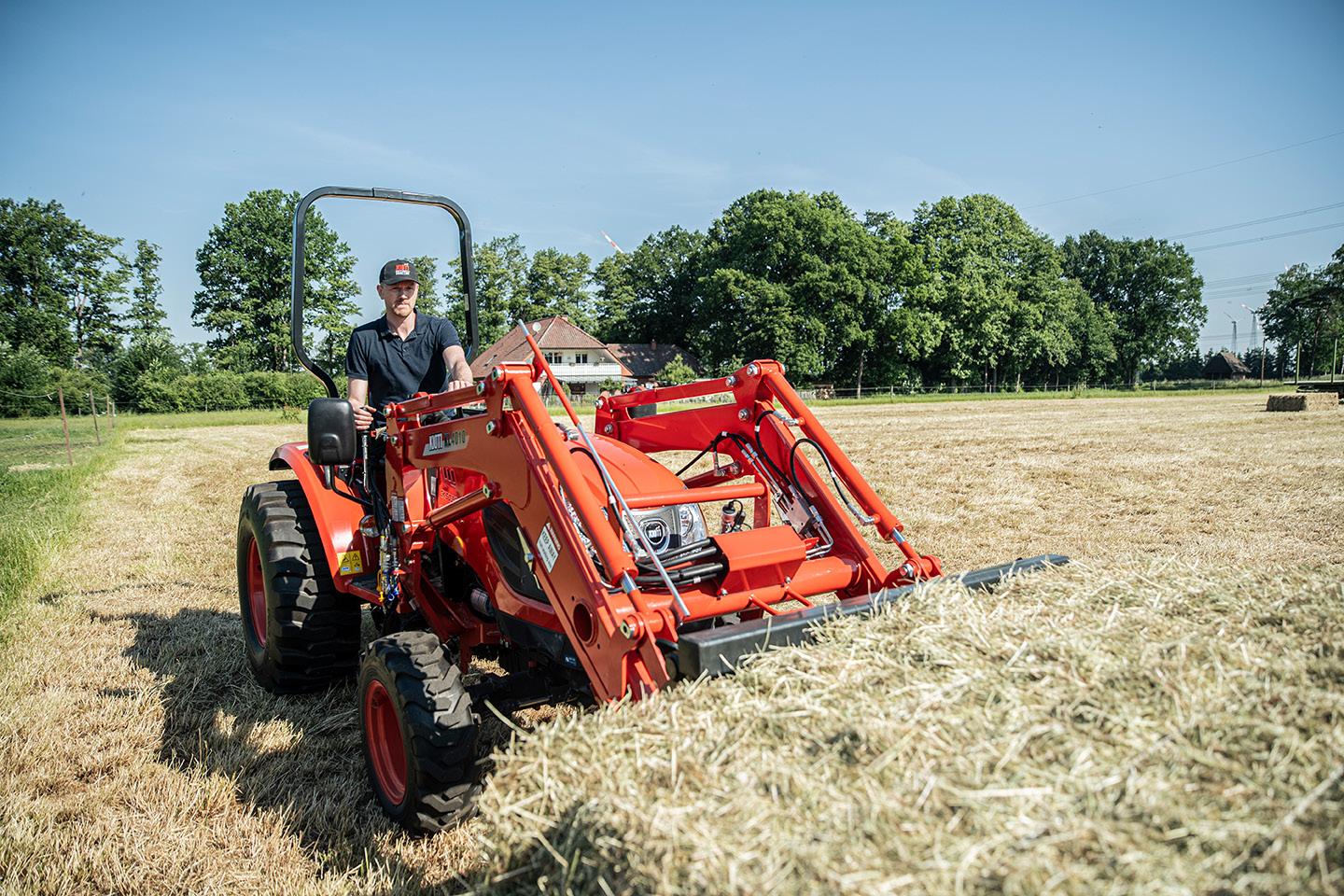
Sovereign Agricultural Services Ltd
Celtic Mowers Limited
Clarke 4x4 Ltd


Explore Our Exclusive Finance Offers Today!
MLT RANGE
MANITOU LOADER TELESCOPIC
MLA 533
MANITOU ARTICULATED LOADER

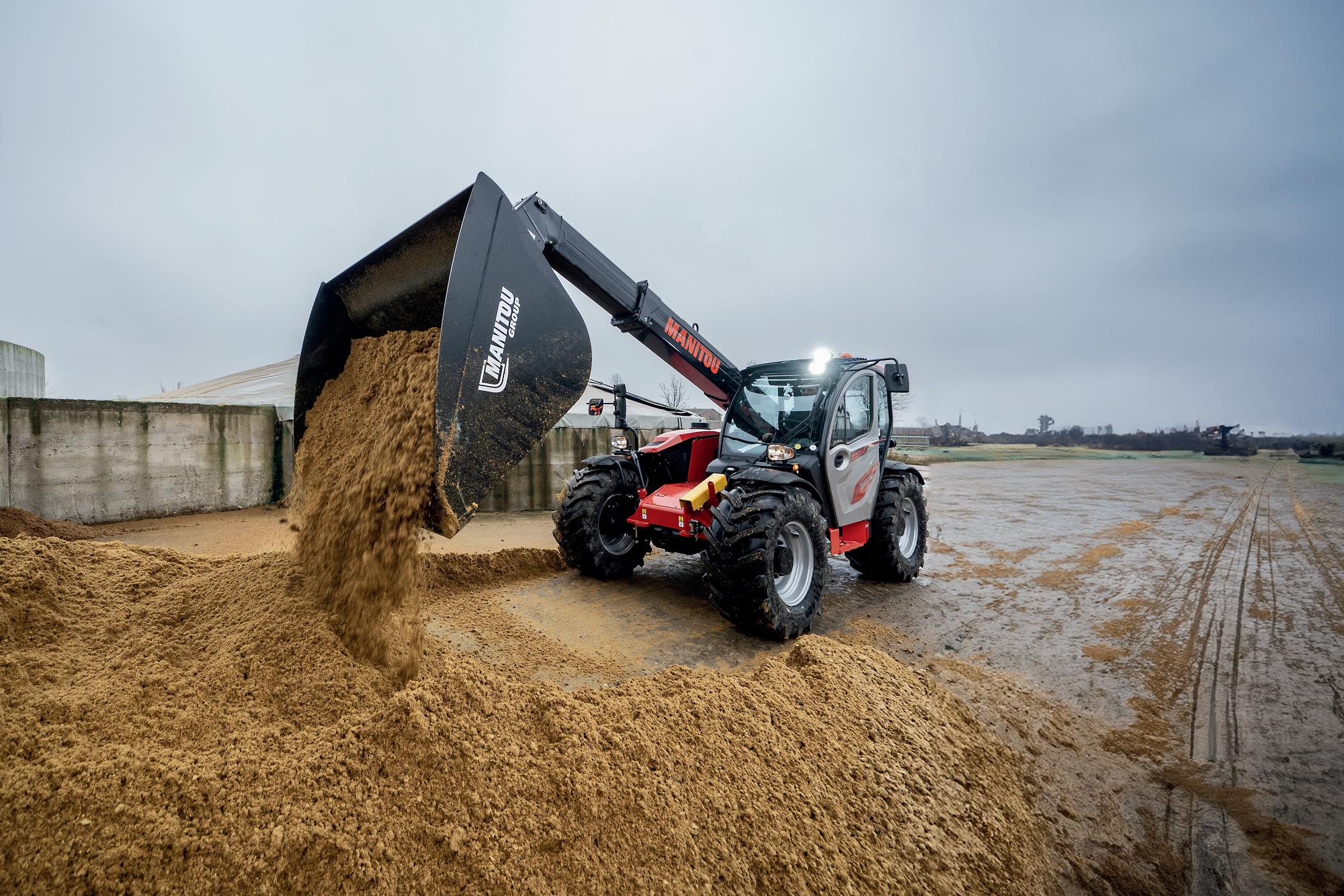
operation highlighted by Manitou. On a wet

Experience the new Manitou: Where brute strength meets intelligent design. Limited offer for business users only, terms & conditions apply*
With our reinforced octagonal boom and fuel-slashing Stop & Start technology, you’ll tackle the heaviest loads in less time, using less fuel, and with total precision thanks to the Smart Counting System that tracks every bucket for you
Millfield, Whitland Carmarthenshire, SA34 0QQ
Tel 01994 240644
RIVERLEA - CRYMYCH
Unit 30, Vale Business Park Llandow, Vale of Glamorgan, CF71 7PF
Tel 01446 775602
*Terms and Conditions: Available for business purposes only, subject to acceptance and affordability checks. United Kingdom Applicants must be 18 or over and valid for units delivered and warranty registered by 30 June 2026. The offer is available Manitou MLT and MLA533 models only. The finance products available under this promotion are Hire Purchase and Finance For Hire Purchase, full VAT and 3 equivalent rentals are due on signing followed by 33 monthly rentals. An option-to purch £100 (plus VAT) will be collected with the final payment. You will own the machine when all payments have been documentation fee of £150 (plus VAT) will be collected with the first rental. Alternative finance products are available, conditions apply. The maximum balance to finance is £50,000 per unit for UK transactions. Images are for illustrative purposes and specifications may vary. Finance provided by Manitou Finance Limited, Midpoint, Alencon Link, RG21 7PP. Registered No. 2308212. As a funder Manitou Finance Limited typically pay a commission, fee or other remuneration to credit brokers introduce business to them, please contact the broker if you require more information. Manitou Finance is authorised and the Financial Conduct Authority (662409). th
Cardigan Road, Crymych, SA41 3QX
Tel 01239 831733
0345 226 7382

High House, Bryngwyn, Raglan, Monmouthshire, NP15 2BS
Tel 01291 691005
Explore Our Exclusive Finance Offers Today!
MLT RANGE
MANITOU LOADER TELESCOPIC
MLA 533
MANITOU ARTICULATED LOADER
Experience the new Manitou: Where brute strength meets intelligent design.
With our reinforced octagonal boom and fuel-slashing Stop & Start technology, you’ll tackle the heaviest loads in less time, using less fuel, and with total precision thanks to the Smart Counting System that tracks every bucket for you
Limited offer for business users only, terms & conditions apply*
*Terms and Conditions: Available for business purposes only, subject to acceptance and affordability checks. United Kingdom only. Applicants must be 18 or over and valid for units delivered and warranty registered by 30 June 2026. The offer is available on new Manitou MLT and MLA533 models only. The finance products available under this promotion are Hire Purchase and Finance Lease. For Hire Purchase, full VAT and 3 equivalent rentals are due on signing followed by 33 monthly rentals. An option-to purchase fee of £100 (plus VAT) will be collected with the final payment. You will own the machine when all payments have been made. A documentation fee of £150 (plus VAT) will be collected with the first rental. Alternative finance products are available, terms and conditions apply. The maximum balance to finance is £50,000 per unit for UK transactions. Images are for illustrative purposes only and specifications may vary. Finance provided by Manitou Finance Limited, Midpoint, Alencon Link, RG21 7PP. Registered in England No. 2308212. As a funder Manitou Finance Limited typically pay a commission, fee or other remuneration to credit brokers who introduce business to them, please contact the broker if you require more information. Manitou Finance is authorised and regulated by the Financial Conduct Authority (662409).


Discover the exceptional from a global leading powersports manufacturer. Unleash the power with V-Twin engines. Tackle the most rugged trails and rough terrain. Enhance your ride with advanced suspension and electronic fuel injection. Enjoy the comfort with a cab, heating and air conditioning.
Satisfy all your expectations with the Workcross 525/650/800/1000cc



Introduced at EICMA 2025, the innovative and aggressivelystyled, fully road-legal, Segway AT10 MUD is now available in the UK.
The AT10 MUD is not for the faint-hearted, it’s been built for riders who want serious off-road capabilityin a machine than can also offer everyday practicality, delivering strong and reliable performance across every challenging landscape and working environment.
This new Segway ATV is powered by a 999cc parallel-twin, liquid-cooled, DOHC, electronic fuel-injection engine producing 97HP and paired with a smooth 2WD/4WD CVT transmission. It is equipped with heavy duty dual A-arm suspension and gas-hydraulic piggyback shocks, allowing 14-inchs of ground clearance. Factor in 30inch mud terrain tyres set on ultra-durable 14-inch aluminium Beadlock wheels and
the whole package combines to offer outstanding traction and clearance when the going gets tough.
Four-wheel hydraulic disc brakes and EPS provide confident, precise control, while full LED lighting and heavy-duty front and rear bumpers give priority to rider comfort in the harshest conditions. Add in a 4,500 lb winch, front and rear steel racks, and Smart Moving App connectivity, and the 2026 AT10 MUD is fit for purpose.
Colours: Currently available in Desert Yellow.
SRP: £10,999.00 including VAT and Cesar security marking.
For Segway Powersports UK product information and local stockist details, visit www.dualways.com or www.segwaypowersports.uk








Sitting firmly at the top of Kawasaki’s ATV hierarchy, the Brute Force 750 range embodies everything the brand is known for: performance, real-world capability, and a no-nonsense, can-do attitude. Powered by a 749cc V-twin engine and equipped with electronic power steering, these flagship machines are designed to work hard, go further, and do it all with ease.
With an impressive 37.3 kW (51 PS) on tap and a class-leading 58.1 Nm of torque, the fuelinjected V-twin delivers relentless pulling power and effortless acceleration. Whether towing, climbing, or pushing through challenging terrain, the Brute Force 750 feels unflappable.
For 2026, Kawasaki expands the lineup with the introduction of the Brute Force 750 SE, a model that raises the bar on standard
equipment and everyday practicality. Hand guards come fitted as standard, alongside a robust front brush guard and a chassismounted Warn VRX 25-S winch, providing serious pulling power when conditions turn demanding. It’s a specification that underlines the SE’s all-season, all-terrain credentials.
Both standard and SE models benefit from electronically selectable two- and four-wheel drive, paired with double wishbone suspension at both ends. The result is a machine that


For more information and to find your local Kawasaki dealer, visit
combines automotive-style control with the compact agility only an ATV can offer.
Thoughtful details elevate the experience further. Variable front differential control improves traction in the toughest situations, while a practical handlebar-mounted LED light is a small but telling example of Kawasaki’s attention to real-world usability.
When it comes to allround performance, durability, and sheer capability, the search for the ultimate ATV begins—and ends— with the Brute Force 750.
The Brute Force 750 is available in Grayish Blue, while the Brute Force 750 SE is offered in camouflage colourways.
Kawasaki’s current UK ATV range includes the Brute Force 750/SE, Brute Force 450 T-Cat, and the KFX90 ATV. For more information, visit www.kawasaki.co.uk or contact your local Kawasaki Utility Dealer.


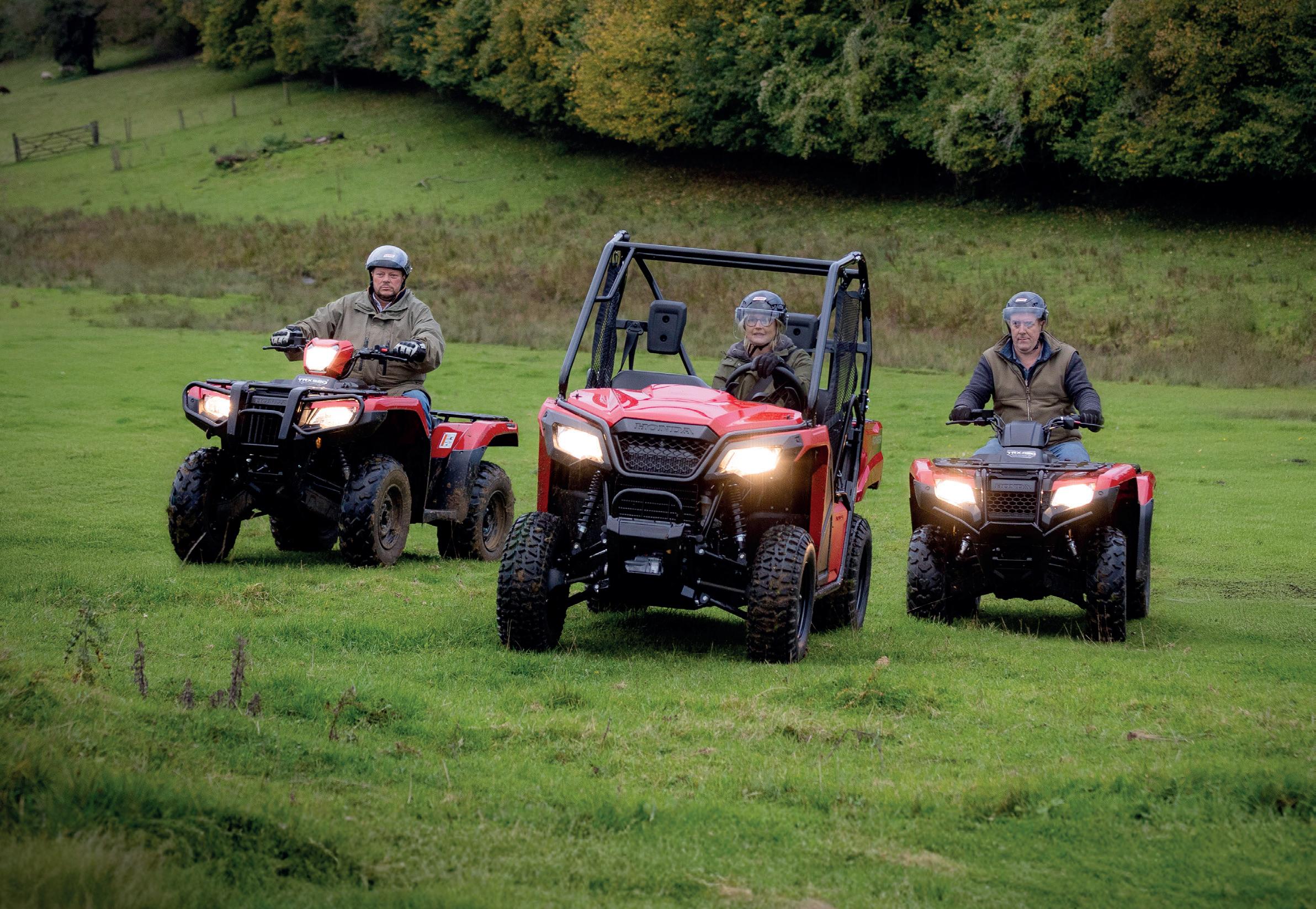
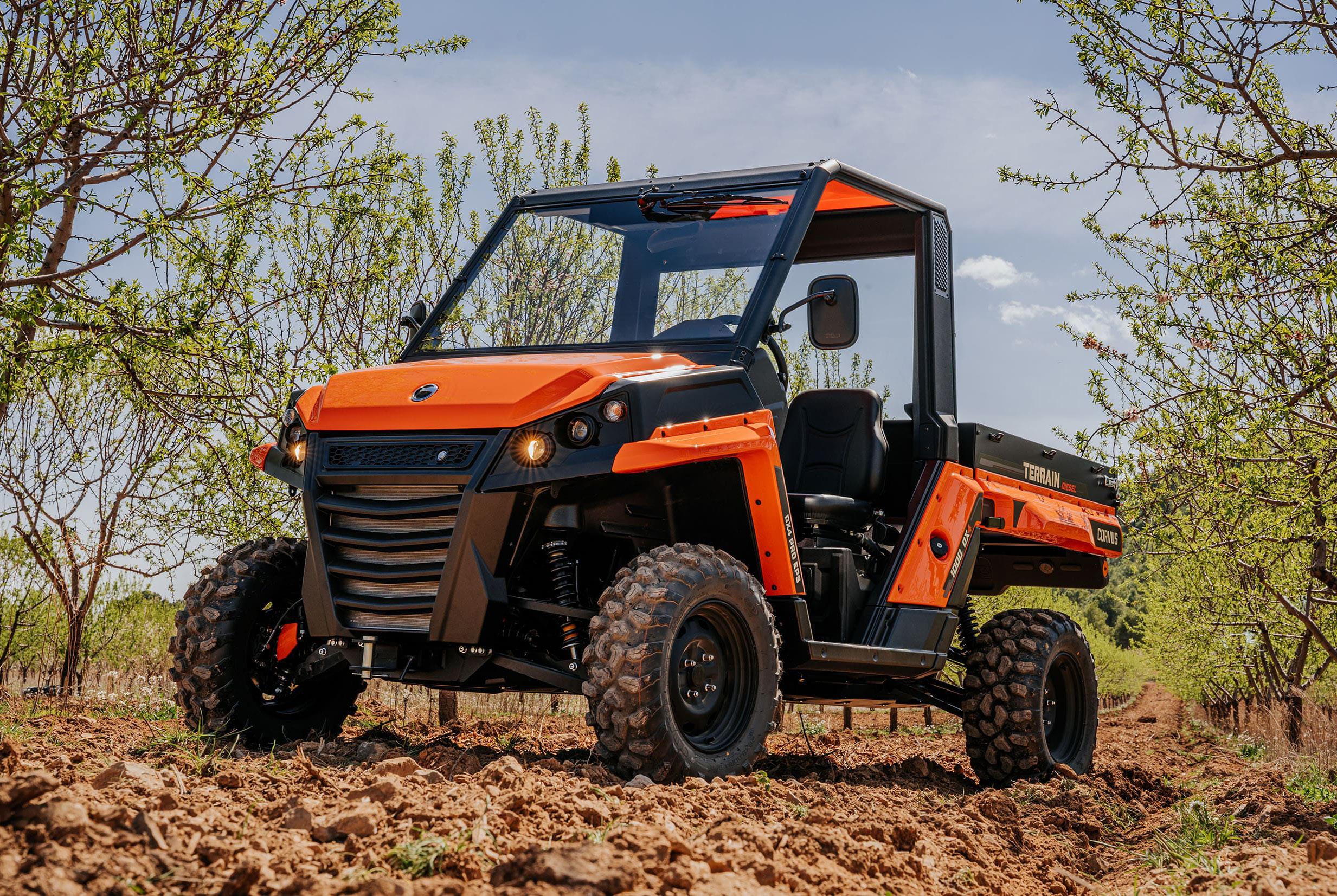
Corvus Terrain DX4 and DX2. The first UTVs made in Europe bring together pioneering sustainability and advanced technology. Constructed for the hardest off-road work in agriculture, livestock, forestry, groundscare and construction.
Highly adaptable, the Terrain features a 3-cylinder 24hp Yanmar Diesel engine for excellent fuel efficiency and range.
• St ag e V emission compliant
• Road legal to T1a/T1b tractor regulation with top speed of 40mph/65kph
• Power steering
• Full cab and heater options, including air conditioning
Supported by a specialised dealer network throughout the UK and Ireland.
To find your local dealer, visit www.bossorv.co.uk
ABREY AGRICULTURAL
Pamphillions Farm, Purton End, Debden CB11 3JT 01799 543208
ACE ATV
Woodgate Road, Stoke Prior, Woodgate, Bromsgrove B60 4HB 01527 578668
DAVID TAYLOR GARAGES
Granada Park Motors, A4077, Llangattock, Crickhowell NP8 1HW 01873 810304
TOM TAYLOR ATV
Unit 16/17 Windmill House Ind Est, Sutton Road, York YO32 2RA 01904 758105

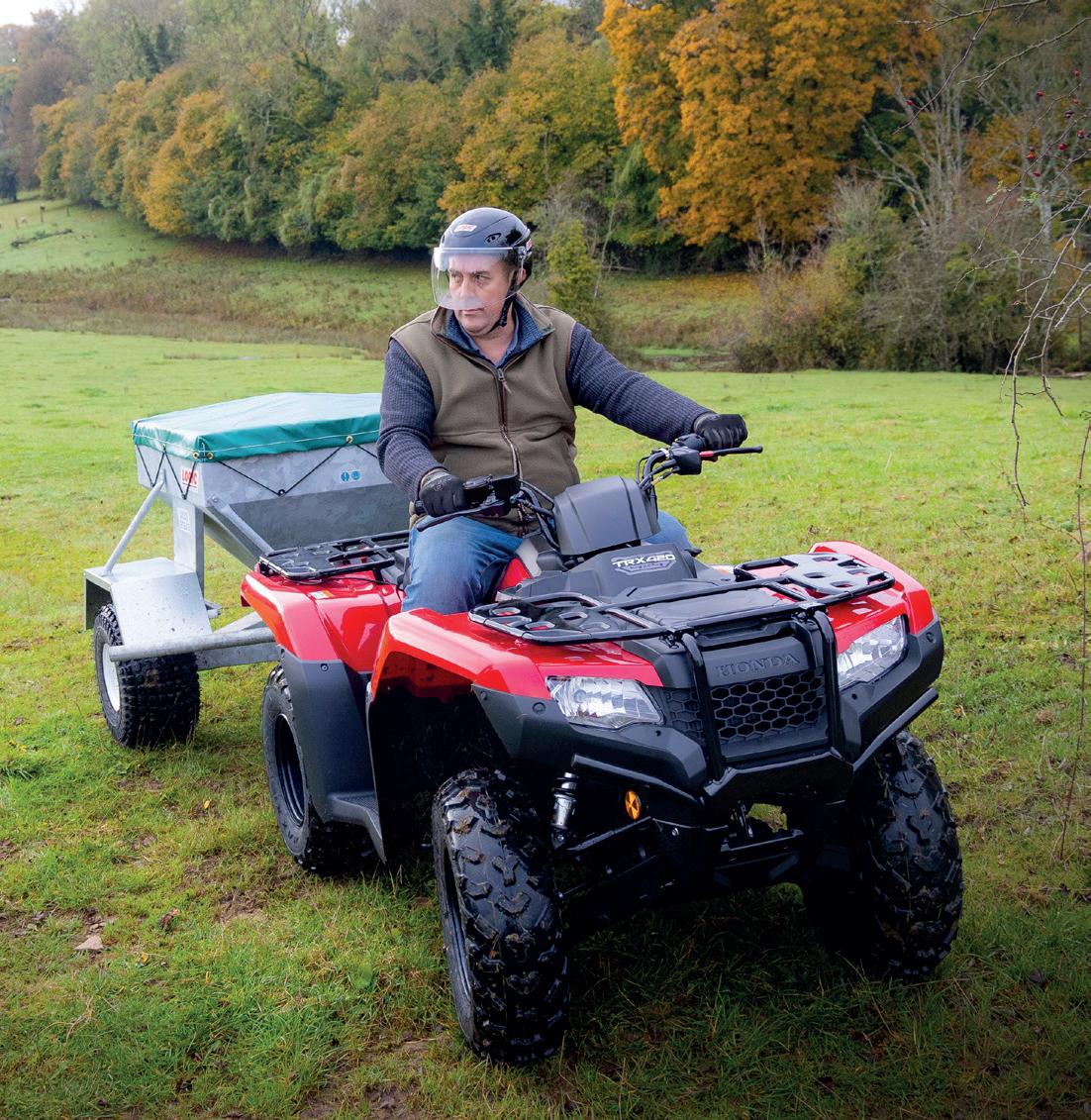

• Fuel-injected 420 cc OHV engine
• Auto clutch with manual shifting
TRX420FM1/FM2: £420 off (excl. VAT)
• Swing-Arm Suspension (Fixed Rear Axle)
• Power Steering (FM2)
• Fuel-injected 420 cc OHV engine
• Sturdy front and rear racks
• Auto clutch with manual shifting
• 1.9L water resistant utility box
• Swing-Arm Suspension (Fixed Rear Axle)
• TraxLok® switchable 2WD/4WD
• Available in Red or Green
• Power Steering (FM2)
• Sturdy front and rear racks
• 1.9L water resistant utility box
• TraxLok® switchable 2WD/4WD
• Available in Red or Green

• Fuel-injected 518 cc OHV engine
• Auto clutch with manual shifting
TRX520FM2/FM6: £520 off (excl. VAT)

• Fuel-injected 518 cc OHV engine
• 204 kg cargo bed capacity
• Independent Rear Suspension (IRS)
TRX520FM2/FM6: £520 off (excl. VAT)
• Swing-Arm or Independent Rear Suspension (IRS)
• Power Steering
• Fuel-injected 518 cc OHV engine
• Sturdy front and rear racks
• Auto clutch with manual shifting
• 1.9L water resistant utility box
• TraxLok® switchable 2WD/4WD
• Swing-Arm or Independent Rear Suspension (IRS)
• Available in Red or Green
• Power Steering
• Sturdy front and rear racks
• 1.9L water resistant utility box
• TraxLok® switchable 2WD/4WD
• Available in Red or Green
• Impressive 454 kg towing capacity
SXS520 PIONEER: £520 off (excl. VAT)
• Five-speed auto transmission with optional manual shifting
• Fuel-injected 518 cc OHV engine
• 204 kg cargo bed capacity
• TraxLok® switchable 2WD/4WD
• Independent Rear Suspension (IRS)
• Side-by-side seating with easy access
• Impressive 454 kg towing capacity
• Five-speed auto transmission with optional manual shifting
Honda ATVs & UTVs—Built to Work as Hard as You Do. Honda ATVs and UTVs deliver the performance and reliability professionals trust every day. From farming and forestry to gamekeeping, equestrian work, and snow clearing, these machines handle any terrain, any weather, and countless tasks with ease. Known for robust build quality and exceptional dependability, your Honda quickly becomes an essential part of your routine. Backed by a 2-year manufacturer’s warranty† as standard, your Honda ATV or UTV is ready whenever you are. The Power of Dreams.
• TraxLok® switchable 2WD/4WD
• Side-by-side seating with easy access
Honda ATVs & UTVs—Built to Work as Hard as You Do. Honda ATVs and UTVs deliver the performance and reliability professionals trust every day. From farming and forestry to gamekeeping, equestrian work, and snow clearing, these machines handle any terrain, any weather, and countless tasks with ease. Known for robust build quality and exceptional dependability, your Honda quickly becomes an essential part of your routine. Backed by a 2-year manufacturer’s warranty† as standard, your Honda ATV or UTV is ready whenever you are. The Power of Dreams.



Polaris Off Road announces the arrival of the RANGER 500 in Europe, expanding its RANGER lineup with a compact and capable utility side-by-side designed to make work easier and ownership more accessible.
Launched in North America last year, the RANGER 500 now brings its proven performance to European customers under the philosophy of “Right Tool, Right Price”, backed by Polaris’ 70-years of powersport innovation.
Built to deliver value and versatility, the RANGER 500 combines trusted Polaris engineering with intuitive usability and essential work-ready features to help make outdoor chores easier. Whether maintaining land, managing livestock, or tackling jobs around small to medium-sized properties, it offers a practical and approachable solution for a wide range of new and existing UTV owners.
“We’ve seen strong demand for the RANGER 500 from customers who value a dependable, easy‑to‑use machine at an accessible price,” said Chris Judson, Vice President, Polaris Off Road Vehicles, International. “Expanding this proven model into Europe allows us to meet more customers where they are, with a straightforward mid‑size utility vehicle that delivers trusted capability, real value and the off‑road performance Polaris is known for.”
Enhancements and key features of the RANGER 500 include:
• Smooth, predictable powerfrom the ProStar 567cc engine, tuned for low-end torque to handle hauling and climbing with ease
• Compact, agile design, measuring under 150cm wide, ideal for navigating tight gates, narrow paths, barns, and garden spaces
• Factory-installed roof, 1,134kg winch and LED headlights as standard, providing weather protection and enhanced visibility from early mornings to late evenings, and added capability for tasks like clearing debris, pulling logs, or general property maintenance
• Simplified controls and intuitive operationmake it approachable for both new and experienced UTV users, along with auto-locking front drive that requires no user input to engage 4WD, providing the driver with constant traction in changing scenarios
• Selectable VersaTrac Turf Modeis ideal for driving on delicate surfaces or manoeuvring around tight spaces
• Gas-assist tipping cargo bedwith a 227kg capacity makes light work of transporting materials such as mulch, tools, or feed
• 680kg towing capacity with standard tow hitchenables efficient handling of trailers and heavier loads
• Easy-access maintenance pointsensure routine checks like oil, air filter and fluids are quick and straightforward
• Smart interior storage solutions, keeping tools and essentials within easy reach throughout the working day
Designed with practicality at its core, the RANGER 500 is built to support a wide range of everyday tasks with minimal effort. Its compact size and responsive handling make it particularly well-suited to properties where space is limited, but productivity is essential.
Polaris’ ProStar 567cc engine focuses on low-end torque for smooth, controlled power delivery when towing equipment or carrying heavy loads, paired with the Polaris CVT transmission, for consistent performance in all working conditions.
The RANGER 500 is equipped with a gas-assist tipping cargo bed capable of carrying up to 227kg - a practical alternative to manual handling tasks. Combined with its 680kg towing capacity, it is well-equipped to manage a variety of maintenance jobs.
Ease of use is central to the RANGER 500’s design with intuitive controls and a straightforward drive system, making it accessible even for first-time UTV owners. Maintenance is also simple, with easily-accessible service points to help reduce downtime, backed by a 2year warranty as standard.
Shaped by real-world customer needs, RANGER 500’s standard features include a factory-installed roof, LED headlights, and a front-mounted 1,134kg winch, so the RANGER 500 is ready to work straight from the dealership.
For extra customisation, an assortment of accessories is available, such as a front windshield and rear panel*, extra lighting options using Polaris’ easy-to-use plugand-play Pulse system, and storage solutions in collaboration with Kolpin Outdoors. A chassis-integrated plow mount plate adds year-round utility for snow removal or landscaping.
The RANGER 500, available in Stealth Grey (Tractor T1b homologation), will arrive in dealerships across Europe in late Spring.
* Off-road use only.
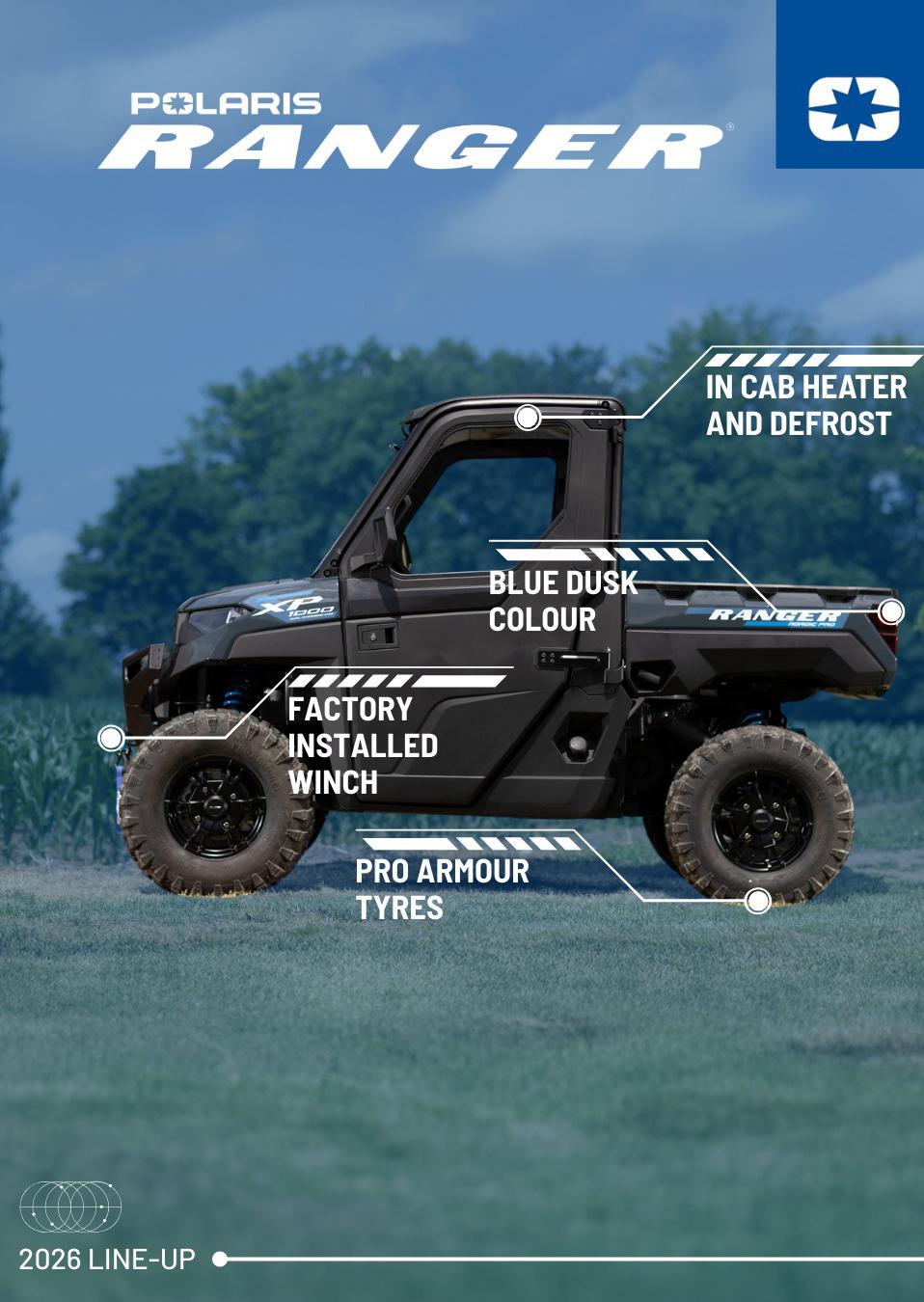


s newly appointed Main Dealers for Yamaha ATVs for North Yorkshire, Tom Taylor ATV can offer you a wealth of choice with their extensive range of New ATVs to suit your individual needs. All pre-owned ATVs are fully serviced in our own workshops to the highest standards, we aim to give you, the customer, that all important “peace of mind”. When your machine requires service or repairs, pick-ups and drop-offs can be pre-arranged. It’s just a phone call away. Specialists servicing Yamaha, Honda and Can-Am ATVs. Come and see us to

UFORCE600 from£9,999+VAT UFORCE600 from£9,999+VAT
view new machine in our showroom, deals always available or call Tom Taylor for a demo on 01904 758105
With over 40 years ATV experience, Tom Taylor knows how provide the best possible service and support to the industry. We have a comprehensive selection of ATV Accessories and Equipment available from • C-DAX ATV Equipment • LOGIC ATV Equipment • TFM TRAILERS • Longdog ATV Equipment • Chapman Machinery • Moose ATV Products • Data Tool Tracker Recovery Systems.

RVW Pugh Ltd
Oakwood Park, Holmes Chapel Cheshire, CW4 8AX Tel 01477 533560 www.rvwpugh.co.uk
Stirling's Powersports
East Fulton House, Darluith Road, Paisley, Linwood, PA3 3TP Tel 01505 382222 www.stirlingspowersports.com
RVW Pugh Ltd
Mellington, Churchstoke Montgomery, Powys SY15 6TQ Tel 01588 620545



Highland Leisure Sport
Unit 20, Cromarty Firth Business Park
Invergordon, IV18 0LT
Tel 01349 854620
www.highlandleisuresport.co.uk
Duncan Brassington Agricultural Sales Service Ltd
Banbury Lane, Burwarton, Bridgnorth, WV16 6QN
Tel 01746 787983
www.brassingtonagri.co.uk


As industries across the UK continue to prioritise sustainability, efficiency, and reduced environmental impact, the demand for electric utility vehicles is growing rapidly. Enter the CFMOTO UFORCE EVU6 Commercial – a powerful, practical, and forward-thinking electric UTV designed to meet the needs of modern businesses.
For those who are managing land, maintaining facilities, or operating in sensitive environments, this electric side-by-side delivers everything you need without the noise, emissions, or high running costs of traditional petrol-powered machines.
What is the UFORCE EVU6 electric UTV?
The UFORCE EVU6 Commercial is CFMOTO’s new electric buggy, built specifically for professional use. It combines advanced electric powertrain technology with rugged off-road capability, creating a highly capable machine for a wide range of industries.
Powered by a high-performance permanent magnet synchronous motor, the EVU6 produces strong, consistent power with instant torque
delivery. This ensures smooth acceleration and responsive handling across challenging terrain, making it ideal for both work and transport tasks.
Unlike traditional UTVs, the EVU6 operates with near-silent efficiency, transforming how and where you can work.
A game-changer for noise and pollution sensitive environments
One of the biggest advantages of an electric sideby-side like the EVU6 is its suitability for environments where noise and emissions matter.
This makes it the perfect choice for:
• Wildlife reserves and conservation areas
• Caravan and holiday parks
• Golf courses and estates
• Equestrian centres
• Universities and large campuses
• Local authority maintenance teams
Because it produces zero emissions and minimal noise, the EVU6 allows operators to work without disturbing wildlife, guests, or nearby residents. If you’re maintaining trails in a nature reserve or perhaps transporting equipment across a busy campsite early in the morning, this electric UTV ensures a quieter, cleaner experience.
Powerful electric performance without compromise
Switching to an electric buggy no longer means sacrificing performance. The UFORCE EVU6 delivers impressive capability where it counts.
With peak power of 35kW and 74Nm of torque, it provides the strength needed for demanding daily tasks. It can accelerate quickly and reach speeds of up to 80 km/h, ensuring it’s just as capable on open ground as it is on-site.
The advanced battery system offers a range of 60 miles plus (depending on conditions), making it suitable for full working days without interruption.
This combination of performance and efficiency makes the EVU6 one of the most versatile electric UTVs currently available in the UK.
Advanced battery technology for reliability and safety
and power usage. This ensures optimal efficiency while protecting the battery from overcharging or excessive discharge, helping to extend its lifespan.
Built for work: practical features that matter
The EVU6 isn’t just about being electric, it’s built to work hard.
With an 800kg towing capacity and a cargo bed capable of carrying up to 250kg, it’s more than capable of handling tools, materials, and equipment.
Its compact yet robust design makes it easy to manoeuvre in tight spaces, while maintaining excellent stability and ground clearance for off-road conditions.
Additional features include:
• Selectable 2WD/4WD and differential lock for varying terrain
• Smooth electronic gear selection for ease of use
• Multifunction controls for intuitive operation
• Optional accessories for customisation and specialist applications
At the heart of the UFORCE EVU6 is its advanced lithium battery system, designed for durability and consistent performance.
The battery is engineered to deliver stable output even in challenging conditions, including colder environments where other electric vehicles may struggle. Its waterproof and fire-resistant design adds an extra layer of safety, making it suitable for demanding commercial use.
An intelligent Battery Management System (BMS) continuously monitors performance, temperature,
From maintenance teams to estate managers, this electric side-by-side adapts to your needs.
Low running costs and straightforward maintenance
One of the compelling reasons to switch to an electric UTV is cost efficiency.
With fewer moving parts than a petrol engine, the EVU6 requires less maintenance. There’s no need for oil changes, fewer components to wear out, and reduced servicing downtime.
In addition, the cost of electricity is typically far lower than fuel, especially for businesses running multiple vehicles. Over time, this can lead to substantial savings, making the EVU6 a smart long-term investment.
If you’re ready to upgrade to a cleaner, quieter, and more efficient way of working, the CFMOTO UFORCE EVU6 Commercial is the perfect place to start.
https://www.cfmoto.co.uk/side-by-side/uforce-evu6commercial/
ELECTRIC).
Farms in the Cerrado region in Brazil, the world’s leading tropical agricultural frontier with over 200 million hectares, differ from those in Europe for being true industrial platforms, where technology, innovation, and precision agriculture converge in full integration. Plots spanning thousands of hectares, high powered tractors over 300 HP, 36-row seeders, self-propelled sprayers covering 500 hectares a day, but also autonomous drive, yield sensors, and real-time remote monitoring make this unique farming landscape one of the most productive on the Planet, where the tire becomes a structural component of productivity.

Balkrishna Industries Ltd. (BKT), the leading multinational manufacturer of Off-Highway tires with one of the widest product ranges available on the market, has designed solutions that are tailored to the specific operational characteristics of this part of the world. An area
where the tire becomes an even more critical choice than in other places, being at the same a fundamental element of soil management and synonymous with long-term productivity.
The uniqueness of the Cerrado in terms of soil, equipment, and logistics
The structural characteristics of the Latosol soil in the Cerrado, where double-crop soybeanmaize is dominant, make soil compaction a serious and ever-increasing challenge. On plots of 5,000–10,000 hectares that are, indeed, traversed twice a year for the double harvest, compaction builds up invisibly manifesting in the yields with a 2–3-year delay.
In this context, farming machinery is subject to unparalleled stress due to operating weights regularly exceeding 15–20 tons. Another crucial issue aspect relates to the logistics of farming operations spanning over a vast network of
unpaved and dirt roads, the so-called estradas vicinais, where tractors travel up to 100 km at high speeds under heavy loads over rutted terrain in the dry season, or over muddy and ford-intensive surfaces in the rainy season.
In the Cerrado, Very High Flexion (VF) technology is a real opportunity for farms seeking to maximize the productivity of their land in this region. Above all, it is the technical solution that combines operational needs with efficiency and performance. To address these highly complex requirements, BKT has developed a range of tires featuring VF technology, starting from AGRIMAX SPARGO, designed to increase in-field productivity while preserving the soil in the long term, and AGRIMAX V-FLECTO, designed to meet the demanding requirements of the most powerful faming machinery in the most challenging applications in modern agriculture, especially under the just described operating conditions with extraordinarily high stakes.
“The productivity at an industrial level, which has made Brazil the world’s leading soybean exporter comes at a hidden cost: soil compaction. With our tires featuring VF technology, such as AGRIMAX SPARGO and AGRIMAX V-FLECTO, we wanted to deliver a tangible solution to real problems that comes with numerous different sizes to cover a wide range of tractor profiles from 200 to 500 HP, i.e. those dominating the big farms in the Cerrado,”
commented Willem-Jan Straatman, Product Manager Agricultural Tires, BKT.
In particular, the AGRIMAX V-FLECTO’s ability to carry up to 40% more load compared to a standard tire of the same size at the same inflation pressure proves essential for handling the actual operating weights in the Cerrado without applying ground pressures that might compromise the soil structure. The ultra-resistant casing with reinforced bead helps maintain stability on unpaved roads at speeds up to 65 km/h, a specific technical requirement in this type of environment that a standard tire cannot meet. Moreover, the tire’s distinguishing NRO technology (Narrow Rim Option) allows for mounting it on standard rims rather than dedicated ones, ensuring immediate compatibility with the existing fleets of large Brazilian operators without the need for additional investment. AGRIMAX SPARGO, on the other hand, excels in spraying operations and row crop applications while providing also extended durability and high stability essential features when transporting heavy loads.
The combination of all these features makes these BKT tires the winning solution for the Brazilian farming market. It is also a concrete opportunity for the region to keep up with its intense productivity demands thanks to products that stand out for their reliability.


suzu UK presents The New Isuzu DMax 2.2 Diesel at the Commercial Vehicle Show 2026. A new 2.2-litre turbo diesel engine as standard replaces the 1.9-litre version, delivering improved efficiency and partnered by a new eightspeed automatic transmission as well as six-speed manual option.
The Isuzu D-Max 2.2 delivers a maximum 400 Nm of torque, ensuring on-road driving and towing performance as well as off-road capabilities. The DMax outputs 163 PS at maximum 3,600 rpm from its new turbo-charged four-cylinder engine, with electronically controlled fuel injection pump with intercooler and double overhead camshaft. A shifton-the-fly four-wheel drive system allows switching
between high gear two- and four-wheel drive at speeds of up to 62 mph. A low-gear four-wheel drive mode, coupled with rear differential lock and Rough Terrain Mode is standard across the range.
The streamlined range of cab options is comprised of Single Cab, Extended Cab and Double Cab configurations. The entry-level Utility model is available in Single and Extended Cab, while the DL20 specification comes exclusively as a Double Cab. The DL40 specification can now be ordered as an Extended Cab and Double Cab, while the top-of-the-range V-Cross is offered as a Double Cab.
The Isuzu D-Max 2.2 is defined by redesigned external features, enhancing the rugged presence

of the new pick-up both on road and off. A new front radiator grille distinguishes the 2026 model year DMax, including a new fully black design for the Single Cab Utility and various colour options across other models. A new grey LED headlight accent colour features on DL40 and V-Cross, and DL20, DL40 and V-Cross specifications include updated front fog lamp bezels as standard, with new colours for the rear LED combination lamp. A new bezel houses the optional rear camera.
New-style sidesteps are included on DL40 and VCross, and an Urban Moss metallic paint joins the eight-strong exterior colour palette. DL40 and VCross specifications include a new 360-degree Surround View Camera that deploys digital cameras on the front radiator grille, tailgate and wing mirrors, displaying images on the infotainment screen when moving or parking.
The D-Max 2.2 Utility Single Cab and Double Cab specifications include 16” and 18” steel wheels respectively. Other models feature new 18” alloy designs with variations in silver (DL20), grey metallic (DL40) and a rugged dark grey metallic (VCross). New Dunlop 265/60R18 low-rolling resistance tyres incorporate a revised rubber compound delivering a 7% improvement in fuel efficiency, as well as a 7% improvement in friction on wet surfaces.
year include EU-compliant Advanced Driver Distraction (ADD) warning and Emergency Lane Keeping systems as part of a new Driver Monitoring System (DMS): located on the steering column, it uses an infra-red camera and imageprocessing ECU to alert drivers to safety hazards or concentration lapses.
Internal changes to The New Isuzu D-Max 2.2 model include new seat designs, with enhanced cloth and leather trims. High-grade textured cloth is offered as standard on the DL20, and leather is standard on DL40 and V-Cross.
Managing Director of Isuzu UK, Alan Able, said: “The Commercial Vehicle Show marks the debut of The New Isuzu D-Max 2.2 in the UK. The 2026 model is set to continue the D-Max’s success in this market, appealing to both owner-driver and fleet customers across commercial and rural environments. The new pick-up delivers a larger engine and enhanced styling with the load-carrying, towing and reliability expected from the Isuzu DMax, as well as returning strong fuel economy and emissions figures.”
The New Isuzu D-Max 2.2 comes with a five-year, 125,000-mile warranty, UK and EU roadside assistance, and will be available from the official Isuzu dealer network from July 2026. Prices start from £33,495.00 CVOTR.


NEOS Automotive has partnered with Lloyds Banking Group, who assumed responsibility for INEOS Automotive Financial Services across the UK on June 1st 2026.
The new alliance will expand support for business owners and retail customers purchasing Grenadier and Quartermaster across the region, with Black Horse handling retail financing and LEX Autolease covering Contract Hire. Lloyds will also provide stocking loans to the UK’s growing retailer network, which will see further sales and service points come online, targeting up to 20 by the end of 2026.
Bank will help even more customers unlock the capability and reliability the Grenadier is renowned for, allowing them to live an adventurous lifestyle, for work and play, both on and off the beaten track.

INEOS Automotive has seen record orders globally in Q1 2026 - a 20% increase year-on-year - with strong MY26 uptake off the back of positive media reviews and new additions to the Grenadier model line up, including Black Edition and Trialmaster X.
Sanka De Silva, UK&I Regional Director at INEOS Automotive, said: “Our new partnership with Lloyds
“We have veryambitiousgrowth plansfor the UK. Alongside enhancing our financial offering and back-office support, we’re on strong footing to expand our retail network with new sales and service points in the coming months, further improving every part of buying and owning an INEOS Grenadier.”
Nick Williams, Managing Director Transport at Lloyds Banking Group, said: “This partnership will help even more people and businesses benefit from the latest INEOS vehicles, right across the UK. With straight-forward financing, and excellent customer support, we’re delighted to be helping INEOS customers buy and manage their vehicles.”
To find out more aboutthe Grenadier and latest finance offers from INEOS Automotive, customers cancontact their local Grenadier retailer or visit www.ineosgrenadier.com


HERY, one of China’s biggest vehicle manufacturers with a rapidly-growing presence in Europe, has selected the RAC as its UK roadside assistance partner.
The announcement follows the RAC being awarded contracts by both OMODA and JAECOO, CHERY’s two other brands with a UK footprint, and means more drivers than ever will have the peace of mind of the RAC’s acclaimed roadside service.
Customers selecting a new CHERY vehicle from its expanding line-up – which includes the TIGGO 7, TIGGO 8 and flagship TIGGO 9 models, all of which are available, or come as standard (CHERY TIGGO 9) as CHERY Super Hybrids (CSH) plug-in hybrids – receive 12-months comprehensive roadside assistance delivered by the RAC, including cover at home, nationwide recovery and onward travel if needed.
The contract also sees the RAC deliver serviceactivated roadside assistance, meaning drivers who get their CHERY vehicles serviced at a manufacturer-approved dealership qualify for a further 12-months complimentary breakdown cover.
RAC Business CEO Dan Sparks said:
“We’re delighted to have been selected as CHERY’s roadside assistance partner in the UK,which follows both OMODA and JAECOO
choosing the RACin recent years.
“We expect all three brands to establish themselves as household names here in the UK –indeed two [OMODA and JAECOO] already have a significant share of the new car market, despite being new entrants – and we’re excited to be on this journey with them.
“CHERY UK’s customers receive a comprehensive level of breakdown cover from the RAC, including attendance by our nationwide team of roadside patrols who are committed to delivering an outstanding service to drivers and fix the vast majority of issues there and then.”
Farrell Hsu, CHERY UK Country Director, said:
"Choosing a CHERY is about more than buying a car – it’s a smart choice that brings durability, reassurance and trust. Partnering with the RAC means our customers can feel completely confident on the road, knowing expert assistance is just a call away should they need. It’s also part of our core ethos: helping drivers feel happy, safe and supported every mile of the journey.”
All CHERY models sold in the UK come with a seven-year or 100,000 miles manufacturer’s warranty as standard, with batteries fitted to plug-in hybrid (CHERY Super Hybrid) models benefitting from an eight-year or 100,000 miles warranty.

ith the launch of the AION V electric family SUV, AION Auto UK, the latest Chinese brand to launch in the UK, is raising the bar for effortless car ownership by introducing the country’s most robust and reassuring new car warranty.
For new car buyers who prioritise long-term reliability, repair costs and ownership certainty, AION’s warranty proposition provides reassurance beyond the offerings of its competitors, with extensive coverage of all components and transparency around any limitations.
The vehicle, power battery and powertrain warranties align with established UK consumer protection standards and industry best practice. As with all warranties, exclusions apply where defects arise because of misuse, accidental damage, overloading or issues directly resulting from work carried out by a non-authorised AION repair centre.
Unless the owner has breached the warranty terms - for example, by using the car for organised motorsport – the Vehicle Warranty covers the AION
product for up to eight years or 100,000 miles, subject to confirmation of a manufacturing defect.
AION’s anti-perforation warranty covers the vehicle for eight years, with unlimited mileage.
AION also clearly outlines the limitations under its warranty period. Brake pads, brake discs, wiper blades, air conditioner filters, fuses, light bulbs, general relay and key fob batteries are covered for six months or 6,000 miles. Tyres and the 12V battery are covered for 12 months or 12,000 miles. And paint is covered for three years with unlimited mileage.
This covers the vehicle battery for eight years or 125,000 miles, whichever is sooner, with a State of Health (SOH) threshold of 70%.
The vehicle powertrain is covered for eight years, or 100,000 miles and includes the motor, reduction gear, charger-box interconnection, EVC controller, inverter, DCDC converter and the connection of high-voltage cables.

AION Auto UK has introduced the warranty as part of its AION Great 8 Promise, an effortless ownership package that also includes eight years of servicing, eight years of breakdown assistance and MOT cover until the car is eight years old. The brand estimates that the proposition, which is included as standard with all AION cars regardless of how they are acquired, will save drivers over £2,900* through the course of the first eight years of the car’s life.
“There is lots of noise around Chinese cars at the moment, and it can be confusing for buyers to know who to trust. We are driving a new standard as we launch the AION V to customers, and a key part of that is complete transparency around the AION Great 8 Promise, including our warranty,” said Jon Wakefield, Managing Director of AION Auto UK.
“With AION, eight-year cover really does mean eight years. There will be no nasty surprises for our customers, and if any remedial work is needed, the parts are already in the country to get them back on the road as soon as possible,” he concluded.
Before its first cars went on sale, AION Auto UK had already partnered with DHL to open its own, fully stocked parts warehouse in Bury St Edmunds, ensuring 24-hour supply across the UK.
The AION spare parts warranty applies to AION genuine spare parts purchased from, supplied by or
fitted by an AION Authorised Dealer or Authorised Repairer. This means that any parts replaced under the vehicle warranty are covered for the duration of the AION Great 8 Promise.
Any parts purchased by the customer are covered for two years from the date of purchase and with unlimited mileage. Spare parts for the vehicle battery or drive units are covered for four years or 50,000 miles, whichever comes first.
“Parts availability and repair costs significantly influence the car insurance industry’s assessment of risk,” explained Ben Hurford, Aftersales Director at AION Auto UK. “Some early adopters of Chinese vehicles struggled to get insurance cover, and we made sure to learn from their experience and make sure AION owners did not experience the same problems. Before launching in the UK, we spent nearly a year working with Thatcham Research to optimise the AION V in terms of repairability and insurability and to make insurance premiums as competitive as possible.”
Thatcham Research’s insurance ratings assess vehicle risk, ensuring data is available to enable accurate underwriting decisions. These ratings are based on damage and repair costs, performance, safety, and security features.
The new AION V electric family SUV has been awarded a group 32 insurance rating, one of the lowest among new entrant brands in this segment.
To find out more about AION Auto UK, please visit: https://www.aionauto.co.uk/



acia Bigster has been named ‘Best Affordable Hybrid SUV’ in the EcoCar Electrified Top 50. It’s a win for everyone who likes their hybrid SUV big on space, big on common sense, but not big on price.
The EcoCar Electrified Top 50 celebrates the UK’s leading electrified cars, from mild hybrids and plugin hybrids to fully electric vehicles. For Bigster, the award recognises a straightforward idea that electrification should be accessible.
affordable SUV. Offered in three trim levels –Expression, Journey and Extreme – and with a choice of mild hybrid and hybrid powertrains, it blends rugged styling with the space, equipment and toughness that have become Dacia hallmarks. The best-selling hybrid 155 version starts from £28,190 on-the-road.
Every trim comes with the kind of kit people actually use, including a 10.1-inch central touchscreen, dual-zone automatic air conditioning, rear parking sensors, a multiview camera, automatic rain-sensing wipers, and a 40/20/40 rear bench seat with Easy Fold function.

Ian Robertson, Editor, said: “Dacia continues to redefine value motoring with the Bigster, which takes our Best Affordable Hybrid SUV award. Its full hybrid powertrain delivers genuine efficiency in a package that costs a fraction of comparable rivals. Spacious, well-made and refreshingly honest about what it is, the Bigster makes a compelling case for those who need a practical family SUV without stretching the budget. Dacia's winning formula is scaled up for bigger families.”
The recognition is perfectly timed. At Renaut Group’s recent FutuREady conference, Dacia set out a roadmap built around accessible electrification, stronger presence in the C-Segment and the same essential, robust and affordable thinking that has made the brand a benchmark for so long. Bigster is already doing the job of bringing hybrid power to a larger SUV without asking buyers to pay for things they don’t need.
Starting from £25,215 on-the-road, Bigster broadens what drivers can expect from an
The range stays simple, too. Expression keeps things well equipped and to the point. Journey adds comfortfocused features including 19-inch alloy wheels, electric powered tailgate, hands-free key, wireless phone charger and adaptive cruise control on hybrid versions. Extreme is for the outdoor lovers, adding 18inch alloy wheels, modular roof bars, washable MicroCloud synthetic TEP upholstery, rubber mats, and hill descent control.
Lina Ribeiro, Dacia Brand Director for the UK, said: “Bigster shows exactly where Dacia is heading. More electrified choices, more space, more capability – but no drift into unnecessary complexity or inflated prices. This award matters because it recognises the thing Bigster was built to do.
It gives UK drivers a proper hybrid SUV that fits real family life, real budgets and real roads. That is the point of Dacia’s FutuREady roadmap. It’s not technology for show, but technology that earns its place.”
The Bigster will soon be available with a hybrid 150 4x4 powertrain. Built for drivers who want the freedom to take the long way home, head off the beaten track and make the most of every weekend, the new hybrid 150 4x4 will strengthen what Dacia does best: rugged, robust SUVs with the kind of dependable usability that makes adventure part of everyday life.

G welcomed a record number of UK customers in the first five months of 2026, with sales increasing by 9.4% to 38,346 vehicles and market share rising to 4.15%. This performance also saw MG climb to eighth place among the UK's top 10 best-selling automotive brands during the period.
Demand for MG's electrified vehicle range continued to accelerate, with Plug-in Hybrid sales increasing by 102.2% and Electric Vehicle sales up 64.7% year-to-date (January to May 2026). Electrified models - including Plug-in Hybrids, Electric Vehicles and Hybrid Vehicles - accounted for 91.4% of total sales, reflecting MG's commitment to making advanced technology and sustainable mobility accessible to more drivers.
This success builds on the launch of seven new models over the past 12 months, led by the all-new MGS9 Plug-in Hybrid and complemented by a strong lineup of competitive electric vehicles, including the MG4 EV Urban, updated MG4 EV, MGS5 EV, MGS6 EV and the MG IM range. It has also been supported by the continued enhancement of MG's class-leading Hybrid+ and multi award winning Plug-in Hybrid technology portfolio, further expanding customer choice across the electrified vehicle market.
Business and fleet customers have been a
strategic focus for MG throughout 2026, contributing to a 10% increase in fleet sales yearto-date. In particular, the MG IM5 and MG IM6 have proven highly attractive to fleet decisionmakers, thanks to their premium positioning, advanced technology, impressive driving range and ultra-fast charging capabilities.
“Achieving our strongest-ever year-to-date sales performance in the UK, while also setting new monthly sales records in both April and May, is a remarkable accomplishment. It reflects the growing appeal of the MG brand and the strength of our product line-up.
Our EV range is the most comprehensive and competitive it has ever been, while our advanced Plug-in Hybrid models provide an ideal pathway for customers looking to make the transition to electric driving.
I firmly believe that MG is one of the most exciting automotive brands in the UK today.” said David Allison, Director of Product and Planning, MG Motor UK.
All figures are provided by Society of Motor Manufacturers and Traders (SMMT).
For more information about MG’s latest vehicle range, visit www.mg.co.uk




heall-new Mitsubishi L200 Series 7 pickup lands in the UK this summer with class-leading four-wheel drive abilities and built for every challenge, on-road and off.
The new pickup arrives in its seventh iteration, in Titan or Barbarian specifications for the UK. Both incorporate Mitsubishi’s renowned four-wheel-drive capabilities, developed from the Japanese marque’s off-road experience in decades of rally successes including multiple Paris-Dakar wins.
Both Titan and Barbarian use Mitsubishi’s shift-onthe-fly system for switching between two and fourwheel drive while on the move. Both specifications incorporate seven selectable dynamic terrain modes, customised for the demands of the testing pickup environment and allowing drivers to select the best set-up for any road, track or surface.
Titan and Barbarian: masterful in two and fourwheel drive
The L200 Series 7 Titan specification features Mitsubishi Easy Select, allowing drivers to switch easily between two and four-wheel drive using the dialon the centre console.
For normal road driving the L200 Titan runs in ‘2H’ two-wheel drive mode. The‘4H’ four-wheel drive
high gear for off-road surfaces is selectable through theshift-on-the-flysystem at speeds of up to 62 mph. For more extreme off-road situations, once the L200 Titan isat astandstill in neutral the ‘4L’ four-wheel drive low gearcan be selected for offroad or low friction conditions such as mud and snow.
An additional manually-operated locking rear differential can be activated, turning both rear wheels at the same speed and keeping the pickup moving even if only one wheel has traction.
The L200 Series 7 Barbarian features Mitsubishi’s renowned Super Select 4WD-II, which also uses a shift-on-the-fly system. A locking centre differential uniquely allows the L200 Barbarian to runin fulltime four-wheel drive on any surface, including tarmac, which is particularly beneficial when towing or in changing weather conditions.
Selecting‘2H’on the centre console dial sends100% of power to the rear wheels for normalroad drivingconditions, delivering optimumhandling and fuel efficiency.The driver canswitch in and out of ‘4H’at speeds up to62 mph via the shift-on-the-fly system. The 4H selection provides full-time four-wheel driveeven on normal tarmac roads, ideal for wet or slippery surfaces as well as light off-road surfaces. In 4H, torque is normally split 33:67 front/rear,

automatically changing to a 50:50 distribution if there is loss of traction.
Selecting 4H is particularly useful for towing, providing the L200 Barbarian with full-time fourwheel drive for maximum traction and stability on roads. The L200’s braked towing capacity of 3,500 kg and grosstrainweight of 6,250 kg is supported byTrailer Stability Assist, preventingtrailer sway by controlling individual wheel slip.
Changing to ‘4HLc’can also be effected at speeds of up to 62 mph, activatinghigh-gearfour-wheel drive and locking the centre differential. This equalises torque across both axles, for driving on loose, slippery surfaces. Selecting ‘neutral’ and then ‘4LLc’does the same in low gear formore extremeoff-road situations.
The Barbarian’s Super Select 4WD-II also incorporates Active Yaw Control (AYC) for the first time on the L200. It improves cornering stability by applying light braking to the inside wheel as required, while distributing torque across the rear axle to each wheel depending on their traction.
AYC operates when the all-new L200 is in both two- and four-wheel drive modes, improving grip and safety on slippery and loose surfaces as well as delivering a sportier driving experience.
Active Stability Control and Traction Control Systems are standard on both Titan and Barbarian, as well as Hill Descent Control (HDC), which automatically manages speed and braking on steep inclines. Hill Start Assist (HSA) prevents roll-back in hill starts.
The L200 Barbarian also features sevenselectable terrain drive modes: NORMAL, ECO, GRAVEL, SNOW, MUD, SAND and ROCK, working with both

two- and four-wheel drive and precisely adjusting traction control and throttle response according to the surface.
“Theall-new Mitsubishi L200 Series 7 delivers the robust capabilities expected from every aspect of this eagerly anticipated pickup’s arrival in the UK,” said Alex Sheward, Head of Sales at Mitsubishi Motors in the UK. “Optimised two and four-wheel drive capabilities and versatile drive modes enhance the L200’s exceptional abilities in every environment, making it a formidable contender for those wanting the ultimate workhorse pickup.”



ew pick-ups have earned the reputation and loyalty enjoyed by the Mitsubishi L200. For decades, it has been a familiar sight on farms, estates and rural businesses across the UK, building a reputation as a dependable workhorse capable of tackling everything from livestock duties to towing machinery and trailers.
Now, Mitsubishi has returned to the UK new vehicle market with the all-new L200 Series 7, and after spending a day behind the wheel at Thruxton Motor Circuit as a guest of IM Group, it's clear the Japanese manufacturer has worked hard to ensure the latest generation lives up to its predecessor's reputation.
The first thing that struck me on arrival was the vehicle itself. Waiting for us in Mitsubishi's new Yamabuki Orange paint finish, the L200 looked every bit the modern flagship pick-up. The rich metallic shade gives the pick-up a premium and distinctive appearance, highlighting the sharper body lines and more muscular stance of the new model. Wider, taller and longer than the outgoing generation, the Series 7 has a commanding road presence without appearing overly aggressive.
While the styling is undoubtedly more modern, Mitsubishi hasn't forgotten what made the L200
successful in the first place. This is still a vehicle designed to work. Underneath the bold exterior sits an all-new ladder-frame chassis that is both lighter and significantly stiffer than before, with torsional rigidity improved by 40 per cent. For agricultural users who regularly encounter rough tracks, uneven ground and heavy loads, that's a welcome improvement.
Power comes from a new 2.4-litre bi-turbo diesel engine producing 204hp and 470Nm of torque. Combined with a six-speed automatic transmission fitted as standard, the figures suggest a capable machine, but it's when you put the L200 to work that its strengths really become apparent.
Our first challenge at Thruxton involved towing another L200 around the high-traction tarmac edge of the Skid Pan. With a combined trailer weight of approximately 3.2 tonnes, it was only just below the vehicle's maximum 3.5-tonne towing capacity.
This exercise is exactly the sort of test that matters. Whether towing livestock trailers, grain trailers, machinery or feed wagons, confidence behind the wheel is essential. The L200 handled the task with remarkable composure. Pulling away was effortless thanks to the strong low-down torque, while stability remained impressive throughout the course.


The Barbarian model we drove features Mitsubishi's Super Select 4WD-II system, which allows full-time four-wheel drive to be used even on tarmac. This is particularly useful for towing, providing additional grip and reassurance in wet or challenging conditions. Throughout the towing exercise, the vehicle felt planted and predictable, with none of the nervousness sometimes associated with heavily loaded pick-ups.
The second activity showcased what many buyers will consider the L200's natural habitat - off-road terrain.
The purpose-built course included steep inclines, sharp descents, muddy tracks, deep water crossings and extreme side slopes. It was a genuine test of both vehicle and driver.
One standout feature was the 360-degree camera system. At the crest of a particularly steep descent, visibility of the ground immediately ahead disappeared entirely. Using the camera system, we were able to see precisely where the vehicle needed to go, while the on-screen wheel guides ensured the tyres remained correctly positioned on the course. It is exactly the sort of technology that can prove invaluable when negotiating narrow farm tracks, gateways or difficult terrain where visibility is limited.
As the course progressed, the L200 simply continued to impress. Deep mud, standing water and severe articulation failed to unsettle it. At one point, the vehicle was leaning dramatically on its side, yet throughout the experience there was never a sense that it had reached its limits.
The combination of selectable four-wheel drive modes, rear differential lock and seven terrain settings allows the vehicle to adapt to virtually any surface. Mud, gravel, rock and snow modes all work to optimise traction and throttle response, helping the driver maintain progress when conditions deteriorate.

What impressed me most was the ease with which the vehicle tackled every obstacle. It never felt as though it was fighting the terrain. Instead, it simply got on with the job, taking everything in its stride.
The final element of the day involved road driving, arguably just as important as off-road performance for modern farming businesses.
Today's farmers don't spend all their time in fields. Vehicles are expected to travel between farms, attend livestock markets, collect supplies, visit dealerships and make regular trips into town. A pick-up therefore needs to balance workhorse capability with everyday usability.
On the road, the L200 feels noticeably more refined than previous generations. The ride quality is comfortable, road noise is well controlled and the driving position offers excellent visibility.
Inside, Mitsubishi has struck a sensible balance between modern technology and practicality. The nine-inch touchscreen provides all the connectivity expected from a modern vehicle, including wireless Apple CarPlay and Android Auto, yet importantly, key functions still retain physical buttons and controls. For anyone climbing into the cab with muddy hands or work gloves, that balance will be appreciated.
The cabin itself feels more SUV-like than commercial vehicle, while still retaining the durability required for agricultural life.

Beyond outright capability, Mitsubishi has also paid attention to ownership costs. The new L200's 2.4litre bi-turbo diesel engine delivers a claimed combined fuel economy figure of 33.3mpg, helping to keep running costs competitive for businesses covering significant annual mileage. Servicing is required every 10,000 miles or 12 months, while a five-year, 62,500-mile manufacturer warranty provides additional peace of mind for owners who depend on their vehicle day in, day out. With a payload of over one tonne and a towing capacity of 3.5 tonnes, the L200 continues to offer the core capabilities that farming and agricultural businesses demand.
One point worth highlighting is Mitsubishi's commitment to the UK market. While the manufacturer stopped selling new vehicles here in 2021, it never left its customers behind. Service support remained in place throughout that period, ensuring existing owners continued to receive parts and maintenance. Now, with the brand's return, Mitsubishi has established more than 60 sales centres and over 120 service centres across the UK, providing reassuring coverage for rural customers.
After a full day putting the L200 through its paces, the verdict is straightforward. The Series 7 successfully builds upon everything that made the previous generations popular while introducing meaningful improvements in capability, technology and refinement.
For farmers and rural businesses, the key numbers remain impressive: over one tonne of payload, a 3.5-tonne towing capacity and genuine off-road capability. More importantly, the vehicle backs those figures up with real-world performance.
The Mitsubishi L200 has always been regarded as one of the benchmark pick-ups in the agricultural sector. Based on my experience at Thruxton, the all-new Series 7 looks more than capable of continuing that legacy.
Jenny Mills – Farming Monthly National

MODA&JAECOO UK has continued its strong performance for 2026 with a total of 7,961 vehicles registered in May 2026*, representing a market share of 4.95%*, according to the latest results from the Society of Motor Manufacturers and Traders (SMMT).
Last month, total registrations for OMODA, which was launched in the UK in August 2024, numbered 2,754*, showing continued customer demand and sustained growth. For sister brand JAECOO, which entered the UK market in January last year, registrations for May 2026 reached 5,207*. The JAECOO 7 remained the brand’s bestselling model with 3,027* registrations for the model alone, also placing it fourth in the May sales ranking and third best-selling car in the UK year-to-date. The smaller JAECOO 5 recorded a strong individual figure of 1,935 registrations in the month of May*.

Market share for the dual brand house also increased month-on-month. The SMMT figures showed a rise from 4.79% in April to 4.95%* in May, indicating a strong sales trajectory for OMODA&JAECOO UK, as well as increasing consumer confidence in the brand and its multiple product offerings.
A deeper look at the recorded registrations reveals another interesting trend. While many other car companies benefit from leasing contracts, the figures for OMODA&JAECOO UK show that an impressive 63% of registrations come from private buyers, underlining the brand house’s desire to have a strong dealer footprint – currently standing at 136 retailers.
The OMODA range includes the OMODA 5 (SHSH, ICE, EV), OMODA 7 (SHS-P, ICE on sale later in 2026) and flagship OMODA 9 (SHS-P). The JAECOO line-up features the JAECOO 5 (SHS-H, ICE, EV), the JAECOO 7 (SHS-P, SHS-H, ICE; AWD/FWD) and the newly launched all-wheel-drive JAECOO 8 SHS-P, available in two distinctive seat configurations to appeal to a wider range of buyers.
Commenting on the results, Gary Lan, CEO of OMODA&JAECOO UK, said: “We are very encouraged by the continued growth in registrations for OMODA&JAECOO UK, which is a clear reflection of the growing recognition and trust in our brands. Customers are responding positively to our combination of distinctive design, advanced technology and exceptional value, curated for each brand, and it is encouraging to see that momentum translating into strong market performance.
“As we continue to grow, our focus remains firmly on building a customer-centric business. We are committed to expanding our product offering, strengthening our network and ensuring that every customer experiences the innovation, quality and service that define OMODA&JAECOO in the UK.”
Total registrations for OMODA UK in 2026 stand at 15,078*, while JAECOO UK has seen registrations of 27,996* in 2026 –this brings the total registrations for both brands for 2026 to 43,074*.
* SMMT, smmt.co.uk/vehicle-data/ car-registrations
ollowing the release of its LEPAS UK Design Manifesto, launched after the LEPAS L6’s European Debut and showcase of the flagship L8 during Milan Design Week, and ahead of the official UK launch, LEPAS now announces its UK Driving Manifesto.
The LEPAS UK Driving Manifesto has the elegant pursuit of motion at its heart. For LEPAS, speed is precision – an understanding of when to accelerate, when to hold back, and how to move with intent. The LEPAS UK Driving Manifesto decrees that every input should be deliberate, every moment controlled, creating a sense of flow and composure, as if the car and driver are aligned in a single, fluid rhythm.
For LEPAS, agility and elegance define how speed is expressed. All LEPAS models coming to the UK are designed by the UK engineering team to respond seamlessly to the drivers’ instincts, with quick but graceful turn-in and taut body control giving a responsive driving feel. The LEPAS UK Driving Manifesto highlights how every car journey should express elegance in motion, where performance is not just measured in traditional ways, but in how effortlessly and beautifully the journey is achieved.
The flagship LEPAS L8 will sit at the top of the range, with the mid-size LEPAS L6 catering to the mid-range, and the compact LEPAS L4, completing the UK offering. All vehicles are underpinned by the brand’s LEX platform, which has been designed to support next-generation electrified and hybrid vehicle development.
LEPAS vehicles will be offered with a choice of optimised, distinct powertrains. The hybrid models will feature the brand’s LEPAS Super Hybrid technology, which offers owners both low emissions and remarkable performance. LEPAS’s battery electric vehicles (EV) are presented with an ultraefficient, rapid-charging battery.


Gary Lan, CEO of LEPAS UK, said: “It is well known that UK drivers are among the most discerning in the world. The absolute value they place on strong driving dynamics is something we recognise is of great importance. We feel that the LEPAS UK Driving Manifesto will address any concerns that keen UK drivers have regarding the satisfaction and enjoyment of driving a LEPAS vehicle on British roads.
The LEPAS UK Driving Manifesto is deeply inspired by the spirit of the leopard – a fundamental tenet of the brand. The core principles of driving feel, and agility are specifically inspired by the characteristics of the leopard: power, speed, strength, elegance and precision.
This irresistible combination of beauty, grace and energy is fundamental to the success of the leopard, whose agility, pace and stealth combine effortlessly to make it one of nature’s greatest predators. This combination is also crucial to the LEPAS UK Driving Manifesto and is intended to inspire LEPAS drivers to move stealthily and gracefully through town traffic, as well as use the cars’ power and pace to comfortably and enjoyably dispatch monotonous motorway miles.
LEPAS will introduce three SUVs to the UK market in the next 12 months, starting with the flagship LEPAS L8 in the third quarter of the year, swiftly followed by the LEPAS L6 and the LEPAS L4, recently seen at the Beijing Motor Show.
“The LEPAS UK Driving Manifesto focuses on the profound importance of deliveringelegant driving dynamics and a poised road performance to LEPAS drivers. This allows them to feel at one with their vehicles, to be inspired with confidence and assurance, and use the cars’ abilities to their greatest advantage.
“Our ambition is not just to answer the desire that UK drivers have for a car with power, pace and performance, but to do it in such a way that LEPAS is intrinsically linked to the concept of ‘loving driving’. A car which is inspired by the elegance, balance, precision and dynamism of the leopard is a natural match for a driver who values the idea of ‘taking the long way home’ simply to enjoy the driving dynamics of their car.”
LEPAS – which is a blend of “Leopard” and “Passion” – makes vehicles for people who move with purpose and live with style. Rooted in intelligent design and authenticity, the brand goes beyond mobility to connect with creative, cultureshaping communities that value craftsmanship, bold aesthetics and self-expression.


ubaru UK and Ireland announces both the new Subaru Uncharted and EOutback electric vehicles have achieved the maximum five-star overall rating in the 2026 European New Car assessment Programme (Euro NCAP).
Both the Subaru E-Outback and Uncharted registered scores in all four assessment areas: Adult Occupant, Child Occupant, Vulnerable Road Users and Safety Assist that stand above the minimum threshold required.
Tests referencing the Subaru E-Outback showed that the passenger compartment remained stable in the frontal offset test. Dummy readings indicated good protection of the knees and femurs of both driver and front seat passenger. Subaru showed that a similar level of protection would be provided to occupants of different sizes and to those sitting in different positions, and protection was good for all critical body areas of the front passenger.
In the side barrier test, the car provided good protection to all critical body areas and scored maximum points. The airbag performed well in the Euro NCAP tests with dummy readings indicating good protection for both the driver and passenger.
Tests on the front seats and head restraints demonstrated good protection against whiplash injuries in the event of a rear-end collision, as did a geometric analysis of the rear seats.
In the side barrier impact, protection of all critical parts of the body was good for both the six and ten-year old dummies, and the front passenger airbag can be disabled to allow a rearward-facing child restraint to be used in that seating position.
The performance of the autonomous emergency braking (AEB) system was good in tests of its reaction to other vehicles. The car has a direct driver status monitoring system as standard, detecting driver fatigue. The lane support system gently corrects the vehicle’s path if it is drifting out of lane and also intervenes in some more critical situations.
During tests relating to the Subaru Uncharted, the passenger compartment remained stable in the frontal offset test. Dummy readings indicated good protection of the knees and femurs of both the driver and the front seat passenger. It was shown that a similar level of protection would be provided to occupants of different sizes and to those sitting in different positions. Protection was good for all critical body areas of the front passenger while in

the side barrier test, the car provided good protection to all critical body areas and scored maximum points.
The airbag performed well with dummy readings indicating good protection for both the driver and passenger. Tests on the front seats and head restraints demonstrated good protection against
whiplash injuries in the event of a rear end collision, and a geometric analysis of the rear seats also indicated good whiplash protection.
In the frontal offset test, protection of the six-year old dummy was good for all critical body areas and good or adequate for the tenyear dummy. In the side barrier impact, protection of all critical parts of the body was good for both six and ten-year dummies. The front passenger airbag in the Uncharted can be disabled to allow a rearward-facing child restraint to be used in that seating position.
The autonomous emergency braking system of the Subaru Uncharted responds to vulnerable road users such as pedestrians, cyclists and motorcyclists, as well as to other vehicles.







olvo Cars is making public charging more convenient in Europe and the Asia-Pacific region by expanding access to Tesla Supercharging.
From the fourth quarter of this year, Volvo drivers will be able to use the company’s app to charge their fully electric Volvo at more than 20,000 Tesla Supercharger stations across Europe.
This gives drivers easier and more convenient access to Tesla Superchargers in 29 European countries*, with the majority located in key markets such as Germany, France, Norway, the United Kingdom, Sweden, Italy and Spain.
Volvo Cars is also planning to transition selected models to the North American Charging System** in key Asia-Pacific markets, namely Japan and South Korea, by 2029***. This will give access to the Tesla Supercharger network for Volvo drivers in those markets in the future.
“Volvo drivers already have access to over three million charging points globally through the Volvo app,” says Alejandro Castro Pérez, Head of Energy Solutions at Volvo Cars.
“Adding Tesla Superchargers in Europe means they now have even easier access to one of the most recognised fast charging networks. As we accelerate towards full electrification, our goal is to make charging simple and
effortless, through a seamless ecosystem.”
Already today, electric Volvo drivers can use the Volvo Cars app at 120,000 charging points in North America, including Tesla Superchargers, as well as more than 1.2 million charging points across Europe.
Volvo Cars’ approach to charging is to make life with electric cars even easier than it is today by making public charging more unified and reliable around the world. This includes supporting market drivers toward charging standardisation and interoperability, particularly in markets where joint efforts can make public charging simpler for more drivers.
The small print:
This information applies to the following Volvo car models:
EX30, EX40, EC40, EX60, EX90, ES90
* Countries include Austria, Belgium, Croatia, Czech Republic, Denmark, Estonia, Finland, France, Germany, Greece, Hungary, Iceland, Ireland, Italy, Latvia, Liechtenstein, Lithuania, Luxembourg, Netherlands, Norway, Poland, Portugal, Romania, Slovakia, Slovenia, Spain, Sweden, Switzerland, and the United Kingdom.
** NACS/SAE J3400 standard.
*** Information on specific timing, car models and markets will be shared at a later stage.

he first JAECOO 8 SHS-P vehicles have now been delivered to customers across the UK, marking the arrival of the brand’s new flagship on British roads. Following its introduction earlier this year, the start of customer deliveries represents a defining moment for JAECOO, as the brand continues to build momentum and establish itself within the UK market. Now available through the brand’s growing network of 136 retailers nationwide, the model is priced from £45,500 OTR* for the 5+2 JAECOO 8 SHS-P Luxury and £47,500 OTR* for the 4+2 Executive model.
Positioned at the head of the range, the JAECOO 8 SHS-P brings together performance, composure and long-distance efficiency in a format designed for modern, multi-purpose use. Bringing three-row luxury to JAECOO for the first time, the JAECOO 8 SHS-P joins a rapidly expanding line-up that includes the award-winning JAECOO 7 – which became the UK’s best-selling new car in March 2026, with over 10,000 units sold in the month alone*** – alongside the more compact JAECOO 5 range. Together, these models underline the pace at which JAECOO has entered and established itself in the UK, with strong early demand reflecting growing customer confidence in the brand.
environment for those travelling in both the front and second rows. Extendable thigh support for the driver, a more open cabin layout and carefully integrated seating positions contribute to a calmer, more composed atmosphere on the move. Two additional foldable seats are positioned in the rear for occasional use, ensuring that practicality is retained without compromising the overall sense of space and comfort.
For the first time on a JAECOO, both configurations are also available with a newly introduced cognac interior colourway, offering a warmer, more tactile contrast to the standard finish. Designed to bring greater depth and material richness to the cabin, the cognac factory option, priced at £1,000, adds a more expressive layer to the JAECOO 8’s interior, reinforcing its positioning as a considered and contemporary flagship.

All JAECOO 8 SHS-P variants are powered by Chery International’s advanced Super Hybrid System (SHS),which, in this plug-in hybrid form (SHS-P), pairsa 1.5-litre turbocharged petrol engine with a3modeDHT, a 34.46 kWh battery and all-wheel drive(AWD). The result is a combined output of up to428 PSand580Nm, enabling a0-62 mphtime ofjust5.8 seconds,while maintaining CO2emissions of just14 g/km. The SHS-P is engineered to deliver smooth, responsive performance alongside the efficiency and range expected of a flagship model that’s capable of a combined driving range of over 700 miles.
Customers can choose from distinct configurations. The first is the 5+2-seat JAECOO 8 SHS-PLuxury, which has been designed with flexibility in mind, offering generous interior space, multiple ISOFIX points and a flexible interior layout suited to family life. From daily routines to longer journeys, the cabin is arranged to accommodate changing needs with ease, supported by thoughtful storage and a strong sense of usability throughout.
The 4+2-seat JAECOO 8 SHS-PExecutive takes a more focused approach to comfort and refinement, placing greater emphasis on passenger comfortand a premium rear-seat experience. The interior is centred aroundfour heated, ventilated and massaging captain’s chairs, creating a more considered and spacious
Victor Zhang, Managing Director of JAECOO UK, said: “The first customer deliveries are always the moment it becomes real, and seeing the JAECOO 8s being handed over to their new owners is a total joy. What’s been particularly encouraging is that it’s happening off the back of such a strong response to JAECOO 7 and JAECOO 5, which have given us a clear sense of how quickly customers are understanding what the brand stands for. JAECOO 8 builds on that foundation and really sets the tone for what we believe will be a very strong year ahead, as more customers begin to experience JAECOO for themselves.”
Customer deliveries of the JAECOO 8 SHS-P continue a highly successful year for JAECOO in the UK. Since January, JAECOO has continually built its brand presence, supported by growing demand, an expanding product range, and early success across key segments. This was underlined by the enormous success of JAECOO 7, which became the best-selling new car in the UK in March 2026, with 10,064 units sold that month alone and 17,688 units sold since the beginning of the year***.
The JAECOO 8 SHS-P is now available through OMODA&JAECOO’s 136-strong, UK-wide dealer network. The JAECOO 8 SHS-PLuxury is priced from£45,500 OTR*,while the JAECOO 8 SHSPExecutivewill startfrom£47,500OTR*.All models include a 7-year/100,000-mile warranty, an 8-year battery warranty for SHS-P variants, and RAC Home Start as standard for the duration of the warranty**.
* All prices quoted are correct at time of writing
** Subject to servicing within the OMODA&JAECOO network, in line with the maintenance schedule
*** SMMT, smmt.co.uk/vehicle-data/car-registrations

kywell UK is celebrating its most successful sales period since launching in the UK market in January 2025, with May 2026 delivering its highest registration numbers to date, with a continued strong retail performance for the BE11 electric SUV.
The milestone caps an exceptionally strong period of growth for Skywell, with registration figures continuing to accelerate throughout 2026. During the first quarter of the year, registrations increased by 214% compared with the same period in 2025, while second-quarter figures indicate growth of more than 550% year-on-year to date.
The impressive performance follows a series of enhancements made to the Skywell BE11 2026 model year, including specification upgrades and a strengthened customer proposition, designed to make electric vehicle ownership more accessible and affordable for UK consumers.
Central to the brand's success has been the introduction of Skywell's highly competitive retail offer package. This includes the new £3,750 EV Switch Incentive, created to mirror the value of the Government's higher-rate EV grant support, helping motorists make the transition to electric driving with confidence.
Customers can also benefit from a £500 Test Drive Voucher, alongside a further £500 contribution towards their first year's insurance through Skywell's partnership with leading automotive insurance specialists Adrian Flux.
These initiatives, combined with the BE11's generous standard specification, spacious interior and exceptional value proposition, have helped position the model as an increasingly attractive choice within the growing electric SUV market.
Skywell currently operates through a network of 16 retail locations across England and Wales and is actively seeking additional retail partners to support the next phase of the brand's growth strategy.
Opportunities are available in several key strategic regions, including the West Midlands, Southeast and Home Counties, Northeast of England, and across Scotland and Northern Ireland.
As the brand continues its expansion, Skywell remains focused on strengthening customer support, enhancing accessibility, and delivering exceptional value within the UK's rapidly evolving electric vehicle market.
Commenting on the results, David Clark, General Manager, Skywell UK said:
"We're delighted to see such strong momentum building behind the Skywell brand. Entering Q2, we have just enjoyed our most successful period to date, and the significant growth we've achieved throughout 2026, demonstrates that consumers are increasingly recognising the value, practicality and ownership benefits offered by the Skywell BE11.
"The specification enhancements made to the vehicle, combined with our market-leading customer incentives, are helping more drivers make the switch to electric mobility and with the sales increase within our existing markets, we hope to continue to expand our local dealer presence across the UK to enjoy further growth."
Sharon Ryan, Skywell’s Dealer Operations Coordinator, said: "The fantastic growth we have achieved is a reflection of the strength of our retailer network. Our retailer teams continue to embrace every opportunity, engage customers with enthusiasm, and represent the brand with pride."


ia UK is proud to announce the expansion of its commercially focused PV5 Cargo line-up, with comprehensive MY27 (model year 2027) enhancements, and pricing updates across the range, including for the new Cargo L1/H1 for the first time.
PV5 Cargo L1/H1
The PV5 Cargo L1/H1 is purpose‑built for dense urban operations, where compact dimensions and agile handling matter most. Its shorter body houses over four cubic metres of usable load space, striking a balance between capacity and manoeuvrability for city‑based logistics and service fleets.
Measuring 200mm shorter than the L2, the L1/H1 delivers a 4.0m³ (VDA) cargo volume – 0.4m³ less than the L2/H1 – and is available in the same streamlined ‘Essential’ and ‘Plus’ grades offered across the PV5 Cargo line‑up.
UK customers will see familiar powertrain options too: Standard Range 51.5kWh and Long Range 71.2kWh batteries, mirroring its longer sibling. Driving range reaches up to 243 miles (WLTP Combined) for the larger battery, while the Standard Range offers up to 177 miles. Thanks to the L1/H1’s smaller size, payload is slightly increased over the L2/H1, rising by 10kg up to a maximum of 800kg (‘Essential’, Standard Range, 3-door).
From launch, the L1/H1 is exclusively available with 2-seats, with the 3-seat option to follow in early 2027.
PV5 Cargo MY27 updates
Kia’s ongoing product enhancement programme

brings a series of MY27 updates to the PV5 Cargo range. Driver comfort takes a noticeable step forward with standard lumbar support and a driver’s height‑adjustable armrest (two‑seat configuration only). Cabin refinement also improves thanks to a new composite bulkhead, while three‑seats becomes standard – initially exclusive to the Cargo L2/H1 – with two-seats a no-cost option.
A redesigned short roof antenna lowers the vehicle’s overall height to under 1.9 metres (1,899mm), improving access to height‑restricted car parks.
• 2-seat or 3-seat no-cost option (initially available on Cargo L2/H1 only)
• Driver lumbar support (standard on all Cargo models)
• Multi-position driver armrest (2-seat models only)
• Slimline antenna, reducing overall height to under 1.9m
• Composite bulkhead
• Walk Away Lock
UK Pricing
Pricing for the PV5 Cargo in the UK now starts from £27,355 (+VAT), for the Cargo L1/H1 ‘Essential’ with Standard Range 51.5kWh battery. In addition, all grades of the PV5 Cargo qualify for the Government Zero-Emission Van Grant (ZEVG), taking £5,000 off the on-the-road cost.



• Customers can trade in any vehicle and receive a £1,000 (incl. VAT) contribution on top of their trade-in value
• Offer available on new Subaru Crosstrek, Forester and Outback models
• Vehicles must be ordered and registered by 30th June 2026
• Available to private customers on PCP, HP and 50/50 finance at participating Subaru dealers

ubaru UK has launched a new ‘Trade In, Trade Up’ offer, giving drivers a contribution of £1,000 towards a new Subaru when they trade in their current vehicle. The offer is applicable to customers trading in any type of vehicle - not just those with a Subaru.
The offer is applicable to models across the entire Subaru UK model range, including Crosstrek, Forester and Outback. The £1,000 contribution will be added on top of the customer’s trade-in value.
Jonny Miller, Sales Director for Subaru UK, said:
“We’re pleased to launch our ‘Trade In, Trade
Up’ offer, which gives drivers a straightforward route into a new Subaru. Whether a customer is already part of the Subaru family or looking to make the switch from another brand, they can trade in their existing vehicle and receive an additional £1000 contribution towards a new Subaru.
“With the entire Subaru range included in the offer, customers can find a new model that perfectly suits their needs. We’d encourage anyone considering a change to speak to their local dealer before the end of June.”
To qualify, customers need to order and register their new vehicle by 30th June 2026 at a participating Subaru dealer, on a PCP, HP or 50/50 finance agreement.


he motorway service station is the great leveller of British life, whether hunting for a clean loo, a decent coffee, or sustenance that’s a step up from snacking. A new survey of 2,000 drivers commissioned by Isuzu UK has uncovered the best service stations in Britain, with travellers rating facilities that matter most to them from cleanliness (55%), hygienic toilets (49%) and plenty of free parking (46%). Good quality food and restaurants (35%) and a farm shop on site (13%) were also on motorists’ wish lists.
While some of the usual suspects remain firmly at the bottom of the league tables, drivers have
crowned a new set of heroes that promote fresh food and outdoor facilities.
Topping the nation’s favourite service stations is the much-loved Gloucester Services (20%), located on the M5 and family owned in partnership with community development charity, the Gloucestershire Gateway Trust.
The service station prepares high quality food from scratch in its kitchens and boasts a well-stocked farm shop, featuring items from 130 producers all located within 30 miles of the station.
Proving that a pit stop doesn’t have to be a grim experience, second on the list is the M6’s Tebay

Services (17%), owned by a Cumbrian farming family that champions a community of farmers and makers with its high-quality farm shop and kitchen.
Beaconsfield Services (11%) on the M40 also made the list, deemed one of the most attractive service stations in Europe with its lakeside terrace and preserved woodlands, as well as West Yorkshire’s Wetherby Services (11%) which has its own dog walking area, EV superhub, showers and washing machines.
The list of best service stations also includes Rugby Services (11%), located on the M6 in Warwickshire; Surrey’s Cobham Services (11%) on the M25; and Stafford North Services (8%).
The research found that British motorists also recommend Leeds Skelton Lake Services (7%) on the M1; M40’s Oxford Services (7%); Hampshire’s Fleet Services (7%); the South Mimms Services (7%); based in Hertfordshire, and Membury Services (6%); which is located on the M4 on the Berkshire/ Wiltshire border.

A surprise entry on the list of the best British service stations was Heston Services (M4) (6%). Long mocked by weary commuters, it has enjoyed a remarkable comeback, with drivers applauding recent refurbishments, cleaner restrooms and a wider selection of food outlets.
The survey also suggests the importance of a good service station stop, with motorists visiting an average of 25 a year and often planning their journey around them on their route (38%).
Great coffee (29%), good atmosphere (14%) and lots of electrical charging points (8%) for EV drivers are also important. EV drivers (23%) spend the longest at service stations – an average of 34 minutes – due to charging, with 5% complaining there are never enough charging points when and where you need them. In contrast, one in five (21%) say they are plenty most of the time.
Almost half (49%) of the 2,000 Britons polled admit they have turned around and walked out of a service station that wasn’t up to the standard expected.
George Wallis, Head of Marketing Isuzu UK, said: “It’s clear there are some great quality service stations
across Britain. At Isuzu UK we know drivers of our new D-Max 2.2 and D-Max Electric Vehicle pickups work hard everywhere from motorways to muddy fields, from farmers putting food on the plate and supplying farm shops as well as in industries including construction, engineering and utilities. Those opting for our new Isuzu D-Max EV, boasting an eight-year battery warranty and impressive range, can also avoid stopping to recharge at a less than desirable service station.”
1. Gloucester Services – M5 (Northbound & Southbound), Gloucestershire - 20%
2. Tebay Services – M6 (Northbound & Southbound), Cumbria - 17%
3. Beaconsfield Services – M40, Buckinghamshire - 11%
4. Wetherby Services – A1(M), West Yorkshire - 11%
5. Rugby Services – M6, Warwickshire - 11%
6. Cobham Services – M25, Surrey - 11%
7. Stafford North Services - M6, Staffordshire -8%
8. Leeds Skelton Lake Services – M1, West Yorkshire - 7%
9. Oxford Services – M40, Oxfordshire - 7%
10. Fleet Services – M3, Hampshire - 7%
11. South Mimms Services – A1(M)/M25, Hertfordshire - 7%
12. Membury Services – M4, Berkshire/Wiltshire border - 6%
13. Heston Services – M4, Greater London - 6%
14. Lancaster Services - M6, Lancashire - 6%
15. Winchester Services – M3, Hampshire - 6%
16. Cherwell Valley Services – M40, Oxfordshire - 5%
17. Donington Park Services – M1, Leicestershire - 5%
18. Exeter Services – M5, Devon - 5%
19. Watford Gap - M1, Northamptonshire - 5%
20. Clacket Lane Services – M25, Kent/Surrey border - 5%


yundai Motor Company today announced its largest-ever deployment of mobility and robotics solutions for the FIFA World Cup 2026™, extending the legacy of its 27-year partnership with FIFA.
As a long-standing FIFA partner, Hyundai Motor continues to build on nearly three decades of collaboration by expanding its role beyond mobility to include robotics and next-generation
technologies, supporting tournament operations across 16 host cities in the United States, Canada and Mexico.
The 2026 tournament also marks the first major activation under Hyundai Motor’s renewed role as FIFA’s Official Robotics Partner, reinforcing the company’s vision for smart mobility and innovation on the world stage.
“As FIFA prepares to host the largest World Cup ever spanning three countries and 16 host cities our 27-year partnership reflects a shared commitment to excellence, innovation and global collaboration. As both a mobility and robotics partner, Hyundai Motor is proud to support tournament operations through seamless transportation and advanced robotics solutions that enhance the overall

event experience.”
Sungwon Jee Executive Vice President and Global Chief Marketing Officer, Hyundai Motor Company
How Large is Hyundai Motor's Fleet Deployment for FIFA World Cup 2026™?
The fleet, which includes 994 passenger vehicles and 506 buses, will support transportation for national teams, officials, tournament operations and media across 16 host cities in the United States, Canada and Mexico, helping enable seamless logistics and showcasing Hyundai Motor’s large-scale mobility capabilities.
The fleet will primarily consist of the following models, with hybrid electric vehicle (HEV) variants available on select models:
• PALISADE
• SANTA FE
• TUCSON
• SANTA CRUZ
• KONA
• SONATA
• ELANTRA
• CRETA
• CRETA GRAND
• GENESIS GV80
This innovative and award-winning lineup underscores Hyundai Motor’s full-spectrum mobility capabilities, delivering seamless, reliable and efficient transportation across one of the world’s largest sporting events.
What Makes This Deployment Significant for Hyundai Motor's Robotics Vision?
The FIFA World Cup 2026™ marks a transformative moment for Hyundai Motor’s robotics strategy, with the first official deployment of Boston Dynamics Spot® robots at tournament venues — reflecting the company’s expanded role as FIFA’s Official Robotics Partner and its vision for the future of smart mobility and robotics.
A total of four customized Spot robots will be deployed to support FIFA’s security operations:
• Locations: International Broadcast Center (Dallas); and New York–New Jersey Stadium
• Functions:
• Autonomous patrol operations
• Real-time site monitoring and inspection
• System: Powered by Enterprise Asset Management kit with industrial inspection and Enterprise Asset Management applications
This deployment highlights Hyundai Motor’s focus on scalable, real-world robotics applications, improving operational efficiency and safety in complex, high-density environments.



issan has completed the second chapter in its real-world e-POWER hybrid technology efficiency story, with Nissan Qashqai e-POWER successfully completing a full lap of Tasmania on a single tank of fuel. The latest long-distance drive builds on the vehicle’s earlier Land’s End to John O’Groats achievement in the United Kingdom, further demonstrating the real-world efficiency, range and EV-like driving experience delivered by Nissan’s award-winning hybrid technology.
Together, the two journeys showcase how Nissan’s latest e-POWER hybrid technology system performs consistently across very different climates, terrains and driving conditions, reinforcing the technology’s suitability for everyday European driving.
Chapter 1: Qashqai e-POWER sets longdistance benchmark in the United Kingdom
The first chapter of Nissan’s real-world efficiency programme saw Qashqai e-POWER complete the iconic Land’s End to John O’Groats route in the United Kingdom under typical Northern European driving conditions, including motorway cruising, urban congestion and variable weather.
During the journey, Qashqai e-POWER achieved:
• 3.76L/100km fuel economy
• 1,347km travelled on a single tank
• 160km of remaining range at the end of the drive
The challenge highlighted how Nissan e-POWER hybrid technology combines the refinement and responsiveness of electric driving with the convenience and long-distance usability of a traditional combustion-engine vehicle.

Chapter 2: Tasmania challenge validates ePOWER performance in demanding realworld conditions
For the second chapter, Nissan tested Qashqai e-POWER in Tasmania across a route featuring mountainous terrain, winding coastal roads, elevation changes and mixed rural and highway driving conditions.
Despite the significantly different environment, Qashqai e-POWER again demonstrated highly efficient real-world performance, including:
• More than 1,300km travelled on a single tank
• A complete lap of Tasmania without refuelling
• Real-world fuel consumption of 4.5L/100km

technologies designed around real customer driving needs.” - David Moss, Senior Vice President, Region Research & Development, Nissan AMIEO.
The consistency between the two journeys demonstrates the adaptability and robustness of Nissan’s latest e-POWER hybrid technology across diverse driving scenarios.
What makes Qashqai e-POWER different from conventional hybrids?
Nissan e-POWER is an award-winning hybrid technology in which the petrol engine is used exclusively to generate electricity, while the wheels are driven only by an electric motor. Unlike conventional hybrid systems, there is no direct mechanical connection between the petrol engine and the wheels.
Using Nissan’s 5-in-1 integrated modular powertrain, paired with a redesigned 1.5 litre turbocharged engine, Qashqai e-POWER delivers the perfect blend of electrified performance and everyday usability. Engineered for real-world convenience, it delivers a class-leading fuel efficiency of 4.5L/100km (WLTP) alongside improved thermal efficiency, while its electric motor offers instant torques, smooth and quite acceleration, and a refined EV-like driving experience without the need to plug in.
Qashqai e-POWER was recognised as “Hybrid Car of the Year 2025” at the News UK Motor Awards for the second consecutive year, reflecting the technology’s innovation and real-world capability.
“These two journeys demonstrate the consistency and capability of the latest generation of e-POWER across very different driving environments. Whether on long motorway routes in the United Kingdom or more demanding terrain in Tasmania, Qashqai ePOWER continues to deliver the same balance of efficiency, refinement and EV-like driving performance. Nissan’s e-POWER hybrid technology represents how Nissan continues to evolve the hybrid SUV through advanced hybrid
What is Nissan e-POWER?
Nissan e-POWER is a hybrid technology in which a petrol engine generates electricity while an electric motor alone drives the wheels.
Does e-POWER hybrid technology require external charging?
No. The battery is charged automatically by the petrol engine and regenerative braking system.
What fuel economy can Qashqai e-POWER achieve?
Qashqai e-POWER achieves fuel consumption of 4.5L/100km (WLTP), with both longdistance challenges demonstrating strong real-world efficiency.
Why are the UK and Tasmania journeys significant?
The two challenges tested Qashqai e-POWER across very different climates, terrains and driving conditions, demonstrating consistent hybrid efficiency and long-distance usability.
What award has Nissan e-POWER won?
Qashqai e-POWER was named “Hybrid Car of the Year 2025” at the News UK Motor Awards for the second consecutive year.
Nissan Qashqai e-POWER continues to demonstrate how electrified technologies can deliver efficient, refined and practical everyday mobility as Nissan prepares to celebrate 20 years of Qashqai innovation in Europe. Watch the video below to find out all about this latest milestone: https://www.youtube.com/watch? v=k4N6M1MFUPM&t=1s