




MaschioGaspardo
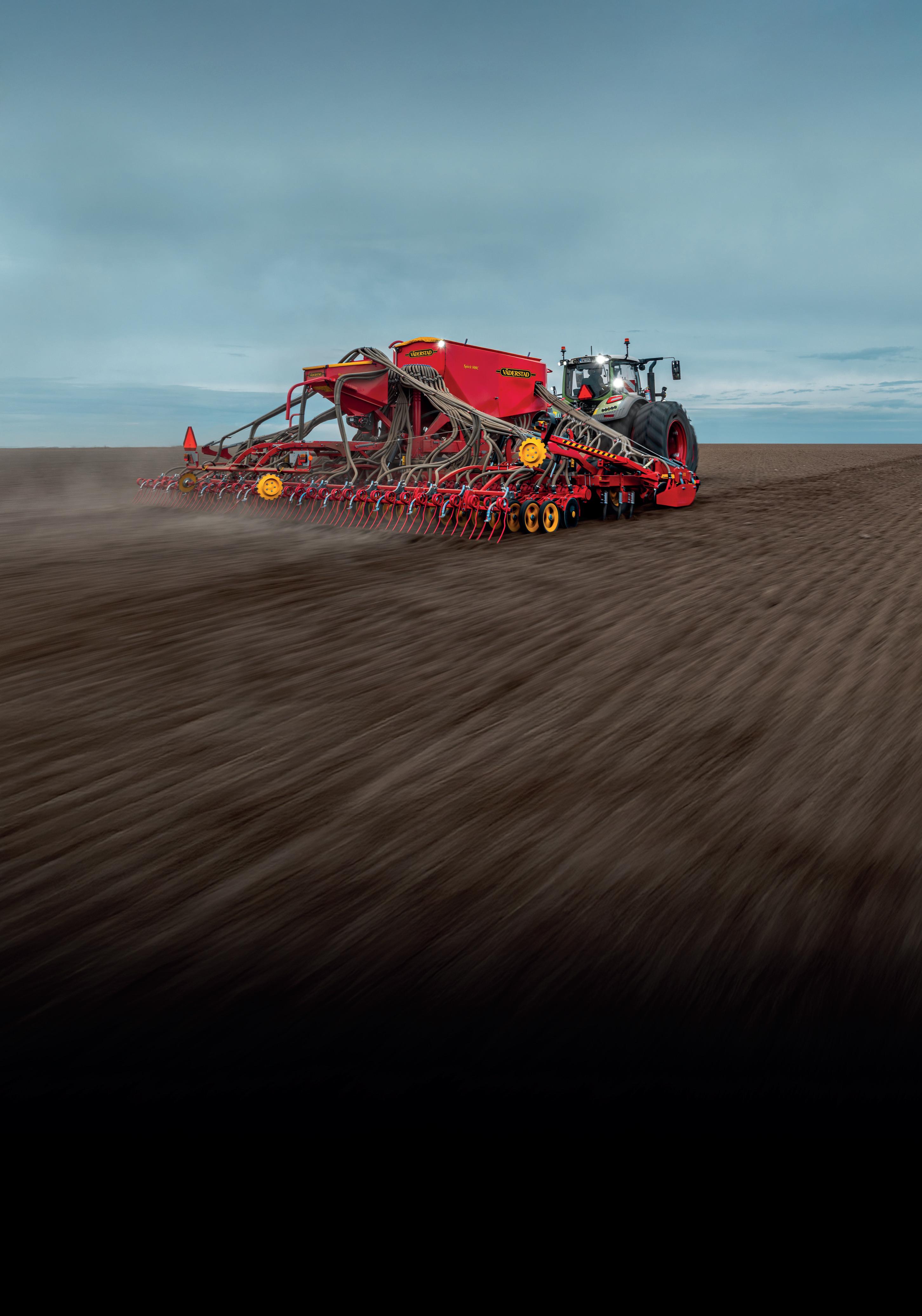
Introducing

Introducing
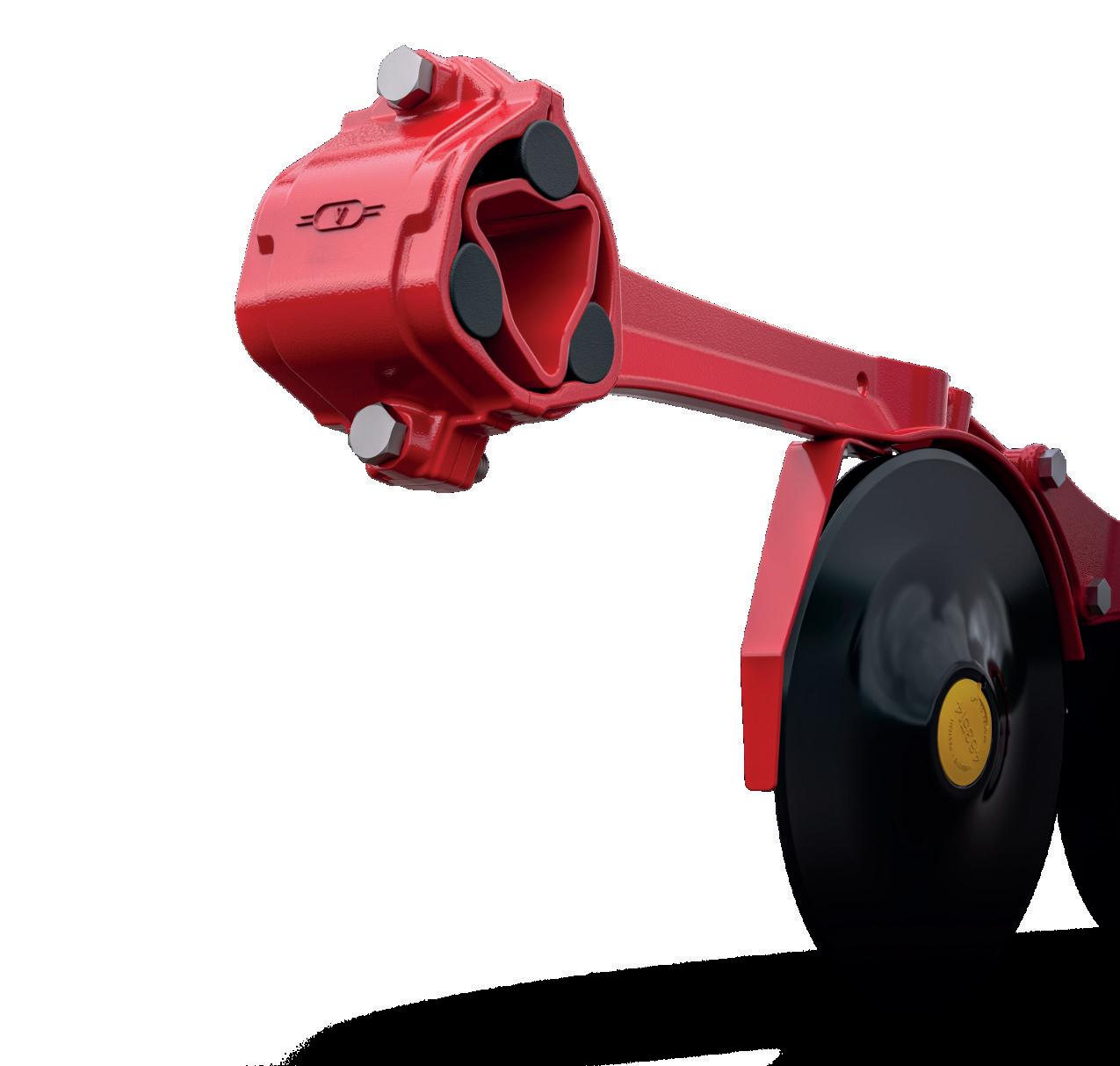
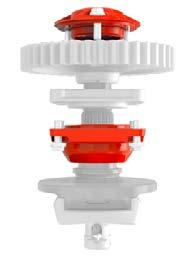
The new patented TriForce II coulter arm suspension brings an unmatched ability to maintain set coulter pressure when stressed by field irregularities. The result is seen in a more consistent seed depth, leading to an even germination and more uniform crop emergence.
Introduced on Spirit and Inspire seed drills.












National

EDITOR
editor@farmingmonthly.com
EDITORIAL ENQUIRIES
editorial@farmingmonthly.com
ADVERTISING ENQUIRIES
Tel: +44 (0) 2476 353537
DIRECTOR
Shona Beedham
shona@farmingmonthly.com
ACCOUNT EXECUTIVE
Jennifer Mills
jennifer.mills@farmingmonthly.com
ACCOUNT EXECUTIVE
Vicky Smith
vicky.smith@farmingmonthly.com
PRODUCTION production@farmingmonthly.com
Front cover credit: of Lloyds Banking Group and Wildfarmed by Pinstone



For editorial, general enquiries or to advertise please call +44 (0) 2476 353537 or email sales@farmingmonthly.com
Farming Monthly National is published monthly in the UK by Farming Monthly Ltd, Tel: +44 (0) 2476 353537 UK based Digital Farming Magazine.
No part of this magazine may be reproduced without permission from the publisher.
Whilst every attempt is made to ensure accuracy, the opinions expressed in the magazine are not necessarily those of the Editor or publication. The Editor also reserves the right to alter or edit material as required and no responsibility is accepted for inaccuracies.
Full copyright applies. All rights reserved. ISSN 2044-0190 (print) ISSN 2044-0200 (digital) Agriculture. Covered.

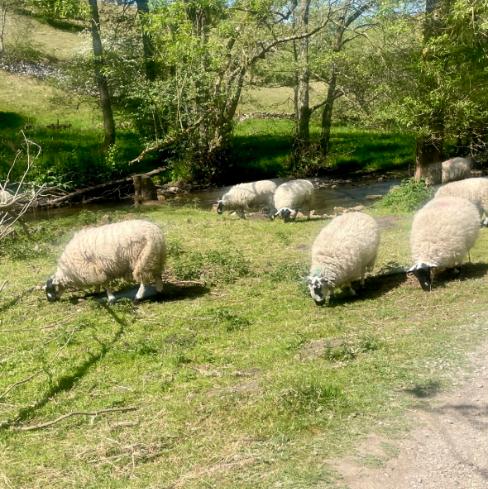

ildfarmed, the regenerative food and farming business, and Lloyds Banking Group, the UK’s largest agricultural lender, have partnered to pool investment to accelerate the transition to naturepositive farming and help secure the longterm future of the sector.
The ‘Food & Nature Resilience Fund’ comes at a pivotal moment for the sector, which can’t be faced by farmers alone. Analysis by the Green Finance Institute, conducted with input from Defra and HM Treasury, estimates that ecosystem decline could amount to a 12% hit to GDP over the next decade if nature degradation is not addressed.
The ‘Food & Nature Resilience Fund’ incentivises farmers to farm with nature without taking land away from food production. This allows farmers to make positive improvements to nature recovery on their land, without compromising on economic outcomes. Unlike many existing nature finance schemes, this distinct fund supports the principle that nature recovery and food production are not competing priorities; to build a more sustainable food system, the UK needs to advance both at the same time.
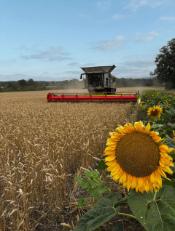
the farmers undertaking it. Wildfarmed works with a wide range of world-class research partners to analyse and report on in-field data to demonstrate how its farming practices are making meaningful contributions to improve soil health, increase biodiversity, minimise water pollution and reduce carbon.
The University of Bristol recorded a 79% increase in insect biomass compared to conventionally farmed land (2024). Research organisation NIAB (2025) also found 15 Red List bird species - some of the UK's most endangered - recorded within Wildfarmed fields.
That wildlife is returning to actively farmed, foodproducing land demonstrates that nature recovery and agricultural productivity are not mutually exclusive, and that with the right farming practices and financial support, both can be achieved at scale.
The case for change is also a human one. In a recent survey, 91% of Wildfarmed growers reported a positive impact on their wellbeing and job satisfaction, a finding that reflects the broader ambition of the fund: to build a farming system that is better for nature, better for soils, and better for British farmers.
Ben Makowiecki, Agriculture Sustainability Director at Lloyds Banking Group, said:

The fund enables investment from banks, utility companies, insurers and other businesses across food and non-food value chains, bringing together organisations that share a common interest in more resilient food and farmed landscapes - but that are not directly connected to food supply chains - to help accelerate the transition of land to regenerative practices.
Water companies, Severn Trent and Affinity Water, along with global commercial insurer AXA XL, are among the first organisations committed to the initiative, with further partners expected to be announced.
By pooling investment across sectors to support farmers, the fund aims to create a model that better reflects the reality of farming as central to a resilient economy.
A fundamental principle of the fund is that the shift to regenerative practices must be commercially viable for
“As the UK’s largest agricultural lender, we have a responsibility to support farmers during this transition. By bringing together businesses with a stake in resilient farming, healthy soils, clean water and thriving natural ecosystems, this fund can help set in motion the pace of change needed to scale regenerative agriculture across the UK while creating a more reliable financial model for farmers.
This partnership builds on our broader support for farmers through our Agricultural Transition Finance proposition, which rewards the adoption of regenerative practices, as well as our established partnership with Soil Association Exchange, with Exchange Market focused on removing carbon from the food supply chain, and the Routes to Regen initiative.”
Andy Cato, Co-founder at Wildfarmed, commented:
“Historically, our food system has priced nature at zero. The consequences of this are everywhere, from food price inflation to the fragility of the ecosystems on which we all depend.”
“Nature and food production are too often seen in opposition, with payment schemes forcing farmers to choose one or the other. Yet a resilient, abundant future depends on nature-rich food-producing land. For many years, it has been an ambition for farmers to be rewarded for delivering nature and resilience whilst growing food, not instead of it. This partnership is a big step forward in making this a reality at scale.”
The Campaign to Protect Rural England calls onAndyBurnham to fulfil the Labour manifestocommitment to source 50% of publicsector foodfrom local and sustainable producers.
• New CPRE research shows that this would channel £1 billion a year to British farmers, strengthening rural economies and food security.
• Burnham named food and farming alongside steel,defenceand energy as sectors where UK sovereign capability has slipped – CPRE's new research shows how to fix it.
New research from the Campaign to Protect Rural England (CPRE) reveals that making good on Labour's manifestocommitment to source 50% of public sector food from localand sustainableproducerscould deliver a £1 billion annual boost for British farming.
In his speech this week, Andy Burnham attacked a procurement system that has for too long been 'chasing cut-price deals around the world rather than helping our own Britishbased suppliers become more stable and competitive.' He warned that the UK must 'safeguard sovereign manufacturing and production capability', naming food and farming alongside defence and steel. Directing public sector contracts to local producers would provide the kind of stable, long-term investment thatenables smaller farms to remain competitiveand keeps public money circulating in local economies, rather than flowing to large-scale distant suppliers as it typically does now.
A 2026 government national security assessment warned that 'significant increases in UK food system and supply chain resilience' are needed to guard against hunger, conflict and instability driven by ecosystem decline and crop failures. Prioritising local, sustainable food procurement is a practical, low-cost way to address that risk.
CPRE research published last year found that more than 1,700 farms on the edges of English towns and cities have disappeared since 2010. Thisrepresents56,000 hectares of farmland, or an area comparable to the city of Leeds.Innovative, small- and mediumsized producers ideally situated to supply towns and citiesare precisely those a reformed procurement system would protect. It'salready working elsewhere. Pilot schemes in Wales, Bath andNorth EastSomerset, and Bury show local food procurement can be delivered with limitedadditionalinvestment, supporting smaller producers and local economies. Denmark's 2015 Organic Action Plan achieved the samenationally, shifting public food procurement to higher standards within existing budgets by cutting food waste and prioritising seasonal produce.
The government's own National Procurement Policy Statement already commits to increasing the proportion of public sector foodfrom local suppliers andcertified tohigher environmental standards. CPRE is calling on the government to use theforthcomingFood Strategy Action Plan to turn that ambition into a clear, binding commitment–and for Andy Burnham to ensure food and farming are treated with the same seriousness as the other sectors key to our national resilience.
CPRE agriculture lead and report author Graeme Willis said:
'Thecut-price procurement cultureAndy Burnhamcriticisedthis week has played out for far too longon hospital menus and school dinner plates across the country.
'The Food Strategy Action Plan is Burnham's opportunity to provehemeans businesswhen it comes to British farming.Investing in local producersto supply better quality fooddoesn'thave to cost moremoney,butwill help secure a better future for British farmers, ruralcommunitiesand our national food security.Examples from the UK and beyond showit can be done.'
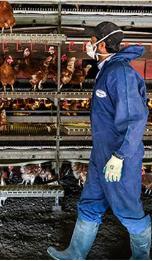
The NFU is urging all poultry keepers to monitor environmental conditions in poultry buildings and when preparing for transportas part of their routine management procedures, given the hot weather forecast over the next few days.
Some areas of the UK could see temperatures rise above 30°C, with the UK Health Security Agency issuing amber heat health alerts across large proportions of England.
“Producers should be aware of the early signs of heat stress, which include lethargy, but also open-mouth breathing and holding wings away from the body.
“If unmanaged, heat stress can rapidly progress to weakness and death. Heat stress will also impact productivity in birds with reduced consumption which may, impact growth rates and egg production.
“Producers should be aware of the odour of increased ammonia and ensure CO2 meters are working. Birds suffering from high CO2 levels may appear drowsy and lethargic.
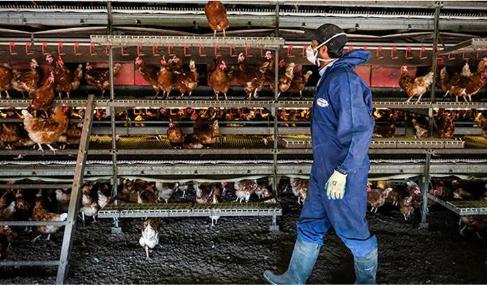
There isspecific GOV.UK guidanceavailable for producers to follow in hot weather, and poultry welfare codes recommend following current government resources.
NFU Senior Veterinary Adviser, Claire White said:
“With high temperatures forecasted, it is important for all poultry producers to ensure their ventilation systems are in working order and where fitted, popholes are fully utilised to increase air flow.
“The use of misting systems where possible may help reduce temperatures inside the poultry housing, but should be monitored to ensure humidity isn’t increased.
“Producers should liaise with their processor if birds are due to travel so that appropriate measures can be taken to maintain bird health and welfare during transport such as utilising reduced stocking rates and catching and loading during the coolest parts of the day.
“Appropriate facilities must also be provided for catchers.
“Vehicle drivers are trained and required to know how to maximise ventilation and cooling of birds during transport, including reduced stocking rates in certain modules and opening trailer curtains.
“It is an offence to transport, or cause the transport, of animals in conditions that may cause unnecessary suffering and those responsible may be subject to regulatory and enforcement action.”
Contact your vet if you are concerned about heat stress or want to discuss further ways to mitigate or control the effects.



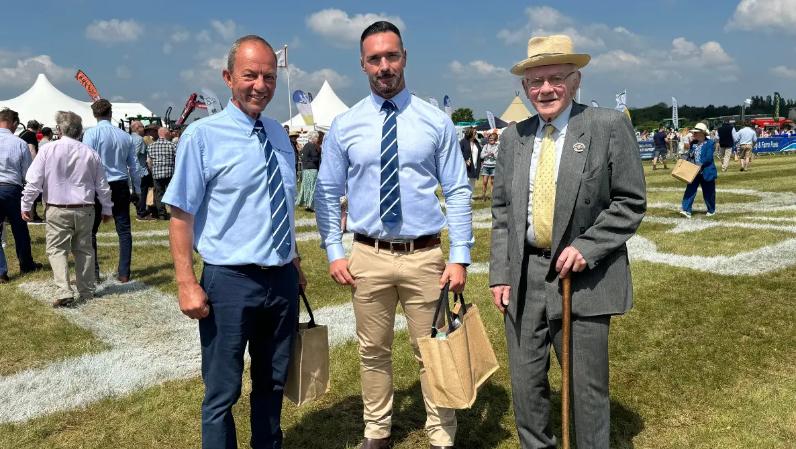
rawfords Group recently marked the retirement of two of its original team members, Malcolm Baker and Glenn Blake, with a retirement
BBQ held at the company’s Writtle depot on Wednesday 24th June.
Malcolm and Glenn have both played pivotal roles in the development of Crawfords Group, contributing more than 40 years of service each and helping to shape the culture, values and reputation of the business.

Their dedication to aftersales within the agricultural machinery sector has had a lasting impact on colleagues, customers and the wider Crawfords Group network. Over the years, both Malcolm and Glenn have become highly respected figures within the business, known for their knowledge, commitment and support.
Team members travelled from across Crawfords’ depots to attend the celebration, share memories and thank Malcolm and Glenn for their outstanding contribution to the company.
Wes Crawford, Managing Director of Crawfords Group, said: “Malcolm and Glenn have been an important part of Crawfords for more than four decades. Their loyalty, experience and dedication have helped shape the business we are today. On behalf of everyone at Crawfords Group, I would like to thank them both for their incredible service and wish them a very happy and well-deserved retirement.”
Crawfords Group extends its sincere thanks to Malcolm and Glenn for their many years of service, friendship and support.
ndy Huddleston, Head of the National Construction and Agricultural Theft Team (NCATT), has today received the King's Police Medal from His Royal Highness the Prince of Wales at Windsor Castle.
The medal was awarded in the King's New Year Honours in recognition of Andy's distinguished service to policing, rural crime prevention and the fight against organised criminal groups targeting agricultural and construction machinery.
Formerly a Superintendent at Northumbria Police, Andy now leads NCATT and has played a key role in strengthening the national response to machinery and equipment theft. His work has brought police forces, industry bodies, manufacturers, hire companies, insurers and security partners closer together to improve prevention, identification and recovery.
The CEA supported Andy's nomination alongside industry partners, including HAE, and others who have worked closely with him and NCATT over many years.
Viki Bell, CEO of the CEA, said: "This is a thoroughly deserved honour for Andy and a proud moment for everyone who has worked with him across the construction and agricultural machinery sectors.
"Andy has played a major role in bringing policing and industry closer together in the fight against equipment theft. Through NCATT, he has helped officers better understand how to identify stolen machinery and use the tools available to them when they are out on the ground.
"The CEA was pleased to support Andy's nomination, and we are delighted to see his commitment, professionalism and leadership recognised through the King's Police Medal."
Mark Bradshaw, from HAE, said: "Andy's recognition is incredibly well deserved. His work has made a real difference to the hire, construction and agricultural sectors, particularly in helping to improve the way machinery theft is understood, reported and tackled.
"Those of us who supported the nomination did so because we have seen first-hand the value of Andy's work and the practical difference it has

made. This honour recognises Andy's personal commitment and the importance of strong partnerships between policing and industry."
Andy Huddleston said: "It was a great surprise and privilege to receive the King's Police Medal. I am very humbled and grateful to those who put me forward and supported the nomination.
"I have been very fortunate throughout my service to have worked with some outstanding people in policing, mountain rescue, academia and the farming and construction industries. This award is as much about those people as it is about me."
The CEA also congratulates former Northumbria Police Chief Superintendent Sam Rennison, who received the King's Police Medal following 30 years' service with Northumbria Police. Sam will be among the speakers at CECE Congress 2026, hosted by the CEA in London from 27–29th.
pplications now open for women to join a new return-to-work programme, including workplace shadowing at Frontier Agriculture.
Thousands of talented women step away from their careers each year due to caring responsibilities, health challenges, relocation or other life circumstances. Yet many face barriers when they are ready to return to work, from reduced confidence to concerns about changing workplace expectations.
To help address this challenge, MDS has launched Reignite, a new return-to-work programme designed to support women as they rebuild confidence, refresh their skills and prepare for their next career opportunity.
six months' access to LinkedIn Learning.
A key feature of Reignite is the opportunity to undertake workplace shadowing placements at the initiatives headline sponsor Frontier Agriculture, providing valuable insight into a professional working environment and potential career pathways within the food, agriculture and fresh produce sectors.
Kirsty Barden, Head of Careers & Development at MDS, said:
"There is a huge pool of talented, experienced women whose careers have been paused rather than ended. Too often, confidence - not capability - is the biggest barrier to returning to work. Reignite is about helping women recognise the value of their experience and giving them the support, skills and workplace exposure needed to take their next step with confidence.
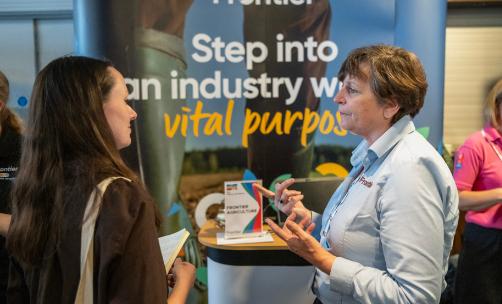
The pilot programme, which will run in the East of England, is seeking six women to join its first cohort. Starting on 7 September, participants will take part in an eight-week programme combining professional development, mentoring, practical learning and workplace experience.
The programme will help participants strengthen their communication and presentation skills, develop resilience and leadership capability, build their personal brand and learn strategies for navigating workplace challenges. Participants will also benefit from
"We are excited to launch this pilot programme and work with Frontier to create meaningful opportunities for women looking to reignite their careers."
Frontier HR director, Stuart Benham, adds: "We're really proud to be supporting the Reignite programme from MDS. It directly aligns with our own commitments to foster a more inclusive and diverse industry, investing in people and opening up more opportunities for skilled women to thrive and build rewarding careers."
Applications are now open and will close on 7 August. MDS is encouraging women across East of England who are considering a return to work to apply.
For more information and application details, visitwww.mds-ltd.co.uk
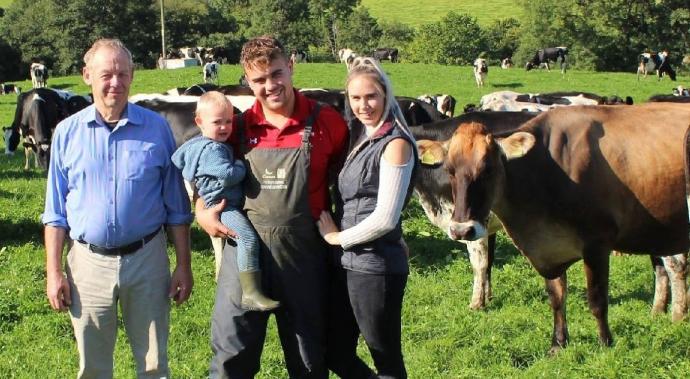
Farms across Wales are successfully diversifying into food and drink manufacturing and strengthening existing businesses thanks to funded support from the Welsh Government's HELIX Programme.
Delivered by four food centres across Wales, the HELIX Programme provides technical and innovation support, which can help primary producers develop their own food and drink products, secure food safety certification, validate new ideas, and build the skills needed for long-term growth.
Four of the Welsh farms to have recently benefited from HELIX Programme support are Ty Tanglwyst Dairy in Bridgend, Charcuterie Môn on Anglesey, Gate Farm near Montgomery and Dyfi Dairy in the Dyfi Valley, Powys.
Ty Tanglwyst Dairy is a fourth‑generation, family‑run Welsh dairy farm which produces multiaward-winning milk, butter and cream from its pedigree Holstein herd. ZERO2FIVE Food Industry Centre at Cardiff Metropolitan University has provided Ty Tanglwyst Dairy with ongoing mentoring to maintain SALSA food safety certification, as well as product development support to launch a new chocolate milk range using surplus milk.
On Anglesey, Charcuterie Môn worked with the Food Technology Centre in Llangefni to develop a new range of salami and chorizo. Bespoke one-toone training, recipe trials and food safety support have given the business the confidence to launch their food safe, added-value charcuterie range from their outdoor-reared pork.
Gate Farm, home to Daisy Bank Dairy and Trefaldwyn Cheese, has accessed a range of
Welsh farms diversify into food and drink production thanks to support from Welsh Government funded programme
technical, compliance and SALSA certification support from Food Centre Wales, part of Ceridigion County Council. This work has already enabled Trefaldwyn Cheese to achieve SALSA approval and positioned both businesses to pursue larger wholesale opportunities.
Dyfi Dairy, based near Machynlleth, received proofof-concept support from AberInnovation to help them validate and refine a new "farm in a box" idea. The support helped the business take an evidenceled approach to innovation, assess market demand and plan a viable route to market.
The HELIX Programme team will be hosting a startup support session at the Royal Welsh Agricultural Show on 21 July, aimed at farm and agricultural businesses looking to diversify into food or drink manufacturing.
Professor Peter Sykes, speaking on behalf of the HELIX Programme, said:
"Diversifying into food and drink manufacture can be a transformational step for Welsh farms, but it comes with technical, regulatory and commercial challenges. The Welsh Government's HELIX Programme can help farmers navigate that journey with a range of support – from product development and food safety, through to innovation and market readiness. We'd strongly encourage farmers who are curious about diversification to come along to our workshop at the Royal Welsh Show and explore how this support could help turn their ideas into viable businesses."
To find out more about the start-up support session at the Royal Welsh Agricultural Show and to register, visit: https://www.eventbrite.co.uk/e/fromfield-to-market-how-to-start-your-food-and-drinkbusiness-tickets-1991904219140
The Environment Agency has published its inaugural Agriculture Report,givingan overview of the environmental performance of the sector andshowcasinghow ithelpsfarmers improve their environmental impact.
TheEAengageswithfarmers, using advice,incentives,andenforcementwhere necessary,to improve compliance with environmentalregulations. In thepastfive years,EA officers have completedover 19,000 inspections of non-permitted farms tocheckcompliancewithwater qualityregulations.
infrastructure and reducing pollutionrisk,since April 2021.These actions range from fixing a small piece of guttering to the complete replacement of a slurry store.
The EA is set tofurtherincrease farm inspections to 6000 annually over the next 3 years withhigher levelsof government funding.
Dr Jo Nettleton, Environment Agency's Chief Regulator, said:
"Agriculture has a significant and increasing impact on our water environment.
"Our approach is clear-we will work constructively with those who want to do the right thing, using advice and guidance as our primary tools.

During an on-farm inspection, officers will check compliance against a wide range of regulations and record any noncompliances.Rates of non-compliance haveremainedsteadyat an average of 48%over the last five years, though a 5% decrease in the last year compared to the fiveyear averageindicatessigns of improvement. There are many variables that can affect rates of compliance, but an overall reduction is encouraging.
Today's report highlightsthe majority offarmers takeprotecting the environment very seriouslywithover19,000improvement action completed targeted at upgrading farm
"Where this does not happen, we are increasing our regulatory presence and moving through the sanctions available to us to take strong enforcement action.This report shows weare starting to see real progress - but there is more to do to protect our precious water environment."
This report, published annually going forward,is part of a suite of EA publications reviewing performance and environmental impact of the sectors it regulates. This includes the Chief Regulator's Report, detailing performance of its key sectors, and the Environmental Performance Assessment, assessing environmental compliance of water companies.
The regulator is committed to expanding its farm inspection programme and use of innovation, introducing the Agricultural Land Environmental Risk and Opportunity Tool (ALERT) tool, and remote sensing, to target work more effectively and reduce burden on compliant farms.
OF&G has received Defra’s Farming Roadmap 2050 with great enthusiasm, in particular, the government’s explicit commitment to work with the organic sector to deliver an Organic Action Plan for England (OAPE).
independently audited system of sustainable farming.

For many years organic farmers have been delivering
For years, organic has trailblazed the cooperative models highlighted in the Roadmap. Collaboration remains key and we will continue working with Defra though our involvement with the English Organic Forum in the development and launch of the OAPE. We are committed to ensuring the supply chain has the confidence to invest in the future of English organic food and farming over the coming decades.”
Steve Clarkson OF&G CEO
exactly the outcomes the Roadmap now identifies in its three themes by improving profitability and productivity; enhancing sustainability; and building resilience.
From healthier soils, cleaner water, greater biodiversity, and reduced reliance on costly inputs, organic rightly deserves this long-awaited acknowledgement.
This recognition of organic’s role as one of the clearest, most trusted and established routes to delivering on government farming policy objectives is a significant step for the sector.
The aim now is put organic front and centre within future ELM, SFI and private market frameworks as the leading, legally regulated and

The NFU, British Retail Consortium, Food and Drink Federation and UKHospitality have joined forces to urge those running for Prime Minister to back a five-point plan for a more resilient and affordable food system.
As the UK's largest manufacturing sector, the food and drink industry from farm to fork is worth more than £153 billion and supports more than four million jobs across the supply chain one in nine jobs in the UK. The plan shows how economically valuable food and farming already is tothe country, but also how a more resilient food system will add further value by protecting the 29 million UK households from future food shocks.
In an open letter, the organisations outline how swift action in key areas – delivering value forthe public, well-negotiated EU realignment,improvement toplanning,securingworkers, and supportinginvestment and growthwilldeliverlong-term food security and address vulnerabilities in our food system, which are putting both businesses and households under pressure.
NFU President Tom Bradshaw said:"British farmers and growersarethe foundation of our food system. With 70 million people reliant on us to produce their food, we must act now to secure a resilient, affordable food system in the coming years.
"To drive success, farmers and growersneed toknow they'll have the workforcetheyrely on,regulation which supports efficiency and growth, and a planning system that drives investmentinmuch-neededfarm infrastructure such as poultry sheds, storage for valuable manures and reservoirs.
"These are all things that will build resilience in food production, and these investments will helpboth hard-pressed farmers and struggling consumers. I urge the incoming Prime Minister and their team to get behind this plan and lead the charge."
Andrew Opie, Director of Food & Sustainability at the BRC, said:"Food retailers are proud to support British agriculture and already source the vast majority of their food from the UK. In
order to grow this investment, government must work to remove some of the hurdles which hold back British farmers, including on costs, planning restrictions, and reducing friction in EU realignment. This would allow the UK to build a more resilient and affordable food system that can deliver for both consumers and the economy long into the future."
Karen Betts, Chief Executive, The Food and Drink Federation, said:"Food and drinkis the largest manufacturing sector in the UK, contributing £42 billion to the economy andemployingmore than half a millionpeople in greatjobsover long careers. Our industryshould be drivinggrowth andcreating newjobs in every postcode acrossthe country. Butinstead,many businesses are strugglingwith the cost of rising bills and complex regulation.
"We want government to work withour sectorto incentivise investment, particularly in new technologies, advanced skills, and the R&D necessary to make our food system more resilient and our diets healthier.Too often food and drink has been overlooked by government and our industry's work to ensure households everywhere have access to a wide range of fresh,nutritiousandaffordable foodhas been taken for granted. The new Prime Minister should seize this opportunity to partner with usto strengthen and safeguardthe UK'sfood system todayandintothe future."
Kate Nicholls, Chair of UKHospitality, said:"Hospitality feeds millions of people every day, whether it's a quick bite to eat, lunch at work, or dinner with friends.
"Our pubs, restaurants, cafes, hotels and contract caterers, to name a few, are reliant on a sustainable and resilient food system to continue feeding the nation. It's critical that the next Prime Minister supports the food supply chain by reducing its tax burden, cutting red tape and enabling businesses from farm to fork to grow."
The food and drink sector is the UK’s largest manufacturing industry, worth at least £153 billion to the economy and supporting 4.1 million jobs –one in nine jobs in the UK. At the centre of this complex food supply chain are millions of working people feeling the effects of an ongoing cost of living crisis.
Government policy, regulations and taxes influence costs across the entire supply chain. They affect how expensive it is to produce high quality, nutritious food and, in turn, how affordable that food is for UK consumers. Policy can lower cost pressures through changes to tax and regulation, and it can support investment that boosts production, grows the economy and strengthens long term resilience and food security.
The sector has real potential for growth in every postcode and should be a driving force behind Britain’s economic renewal. But it can only do this if businesses have the confidence to invest for the long term stimulated by coherent cross-government policymaking as a powerful framework to raise confidence and boost investment.
This five-point plan outlines key areas where we can work with government now to help secure a sustainable future for food and drink production and relieve some of the financial pressure being faced by consumers.
Backing our food businesses, from production and manufacturing to out of home eating, will ensure consumers have access to a resilient, long-term supply of affordable, high-quality domestically produced food that is less exposed to global price shocks. Businesses have faced sustained cost pressures driven by rising energy costs, increased taxation and additional regulation and government needs to proactively work with the entire food supply chain to reduce these pressures. A resilient and sustainable food system will deliver better outcomes for consumers than one constrained by short-term decision-making and rising costs.
Efforts to reduce the friction in trade between the EU and UK are welcome, but the government must negotiate terms that minimise possible disruption to the cost of producing food in Britain and ensure there is a genuine decision-shaping role for UK government and stakeholders. With more time now to consider its final negotiating position, it is vital a meaningful transition period for the farming and food sector is secured.
The current planning and environmental permitting systems are a significant barrier to investment, growth, adaptation, diversification and decarbonisation in the sector. Businesses face complex, fragmented and unpredictable processes, characterised by excessive delays and inconsistent decision making. The planning system undervalues the economic, food security, animal welfare and employment benefits of development relative to other considerations which hinders growth across the country. A more permissible planning system that supports businesses across the entire food chain, and that recognises the importance, value and growth potential of food production, would help change this.
Ongoing challenges, including persistent skilled and seasonal labour shortages, lack of clarity over seasonal worker visa allocations, skills gaps and an ageing workforce, are limiting the food supply chain’s potential to drive employment and economic growth. This risks undermining domestic food production, investment and resilience across the supply chain. A UK-wide food and drink sector workforce strategy, developed in partnership between government and industry, would allow us to build a strong domestic pipeline of talent and skills across all age groups.
Investment and growth are critical to a successful food system. Government should work with industry on all available options to drive private investment, including looking at incentives in the tax system, supporting research and development and the adoption of technology, and helping businesses from farm to fork decarbonise. Regulation need not impose additional unnecessary costs that add to food price inflation for hard pressed consumers. Driving investment will directly benefit consumers and tackle the cost-of-living challenges hitting many households.

digital platform which streamlines burdensome farm admin while creating real-time data insights on business performance has won a Silver RHASS Innovation Award.
Developed by Angus farmers John and James Fairlie, Yokit was recognised in the Digital and Management Solutions category, sponsored by Agrii.
It is the highest accolade a first-time applicant can win and the award was presented to the cousins at the Royal Highland Show in Edinburgh last week.
Operators log jobs as they leave each field, capturing fuel use, hours, area covered and machinery used. This enables managers and owners to see live costs and, where required, generate invoices in seconds through integration with Sage, Xero and QuickBooks.
James said: "Farming has adopted all kinds of precision technologies to grow the best crop and rear the best animal, but so many farm offices are still run on pens, paper and guesswork. That leads to mistakes and a false picture of how your business is performing.
"Margins are so thin in agriculture. Being as efficient as possible is a daily reality for farms like ours.
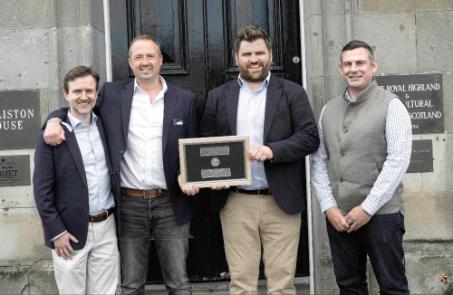
"To win Silver at our first attempt in the oldest awards in Scottish agriculture means a huge amount to us," said co-founder John Fairlie. "It's recognition from our own industry that Yokit is solving a real problem. We built this because of what we were seeing on our own farms, so to see it resonate and be recognised by the RHASS is something we're incredibly proud of."
Yokit replaces hand-written timesheets, holiday forms and invoice information with one secure system that the whole team can access from a phone or a desktop.
"Yokit pulls everything together in one secure place. You can see where time and money are going, and make decisions based on facts rather than your gut or your memory."
John runs Balmirmer Farms,a mixed potato, cereal, oilseed rape and livestock enterprise, while James is focused on potatoes and combinable crops alongside a 500-kilowatt biogas plant at Fairlie Farms.
Yokit was created over several years using live data from the founders' own operations, with every feature tested by real operators. Its drop-down fields are designed to be fast and error-free even with muddy hands, and all data is encrypted and backed up on secure cloud infrastructure.
As part of the award, Yokit exhibited in the Royal Highland Show's Innovation Area.
An RHASS Silver is the highest award available to a debut innovation. Gold Awards are reserved exclusively for businesses that have previously taken Silver and can then prove sustained commercial success and industry impact over time.
The RHASS 2025–26
Aberdeenshire Presidential Initiative (PI) has helped to raise an outstanding £290,000 for three charitable organisations in a boost to Scotland's agricultural community and future generations.
The fundraising efforts of the PI, led by RHASS President Pat Machray and supported by Vice-Presidents Robert Lovie, Dave Green, Robert Maitland, Anna Mitchell and Chaplain Ken MacKenzie, brought together support from across the agricultural sector and wider community through a programme of fundraising events. These efforts culminated in the presentation of funding awards at this year's Royal Highland Show with cheques distributed to three beneficiaries:
• £123,000 to the Scottish Association of Young Farmers Clubs (SAYFC), supporting its ambitious Big Build campaign to create a new national centre at Ingliston.
• £81,000 to RSABI, the charity dedicated to providing practical, emotional and financial support to people in Scottish agriculture.
• £86,000 to RHASS to contribute towards the development of a new cattle washing facility at the home of the Royal Highland Show, the Royal Highland Centre.
As well as helping to fundraise a phenomenal amount, the PI's campaign for Aberdeenshire highlighted the contribution of the north-east of Scotland to agriculture, food and drink production, tourism, education, heritage, health and the whisky industry, while strengthening connections across rural communities.
Pat Machray, RHASS President, said: "This achievement reflects the tremendous generosity, commitment and community spirit that exists across Scotland's rural sector. It has been a privilege to work alongside our Presidential Team, volunteers, sponsors and supporters to raise funds that will make a lasting difference to the very deserving organisations."
David Tennant, Head of Show for RHASS, said: "We are immensely grateful to the



Presidents' Initiative team for their contribution, enthusiasm and partnership, particularly our President, Pat. His commitment throughout his tenure has been exceptional, and Aberdeenshire's presence at the Show was a fitting celebration of the region's people, produce, heritage and agriculture. From marking the 150th anniversary of the Aberdeen Angus breed to showcasing local food, outdoor pursuits and traditional culture, the north-east was represented at its very best. The success of the Show depends on the dedication of people like Pat and all those who support the Presidents' Initiative, and we thank them for their hard work and commitment."
MPs on the NFU's Food and Farming Fellowship scheme have discussed the challenges facing the horticulture sector during a visit to a UK farm business.
The group of five parliamentarians swapped the sights of Westminster for the views of West Sussex during the visit to Barfoots' family-owned Sefter Farm on Friday 3 July.
The MPs heard how the business will harvest the 4,500 acres of sweetcorn and 300 acres of courgettes planted this year – and even had the chance to pick some tenderstem broccoli.
They also learned about the sustainable farming methods used at Barfoots, including taking a look around the farm's water treatment plant and new reservoir, before visiting its sweetcorn factory, gaining insight into the journey from farm-to-fork. During the visit, the MPs discussed key issues facing growers with NFU Horticulture and Potatoes Board Chair Martin Emmett, including planning barriers, supply chain relationships and a lack of long-term certainty for seasonal worker visas.
The NFU continues to work closely with government to tackle the challenges facing the sector, including through Defra's development of a horticulture Sector Growth Plan via the Farming and Food Partnership Board, aimed at boosting productivity, profitability and food security1.
NFU Horticulture and Potatoes Board Chair Martin Emmett, who is also a West Sussex grower, said: "Engaging with politicians and policy makers on days like this is so important.
"Getting MPs out on farm really helps them to understand the challenges facing the sector and the vital role growers play in producing the nation's food, driving the economy and supporting rural communities.
"As government and industry work to develop a sector growth plan for horticulture, we would encourage all businesses in the sector to take part in the NFU's survey2and share their views. This feedback will help to shape a plan that build resilience into the horticulture sector, boosts domestic food production and puts the country's growers at its heart."
The NFU's Food and Farming Fellowship Scheme showcases the industry to MPs and provides the opportunity to better their understanding of UK farming and food. It launched in 2024 in collaboration with ABP UK (Anglo Beef Processors), AIC, Arla Foods, Barfoots, BEIC (British Egg Industry Council) and Fareshare.
Julian Marks, Group CEO at Barfoots, said: "Barfoots is at the sharp end when it comes to climate change, the effects of geopolitical events and changing sentiment towards farming and food production.
"Engaging with parliamentarians from across the political spectrum enables us to showcase the work we are doing to protect and enhance the environment whilst putting healthy nutritious vegetables onto plates every day. It was a pleasure to show this highly engaged group of MPs around our operations."
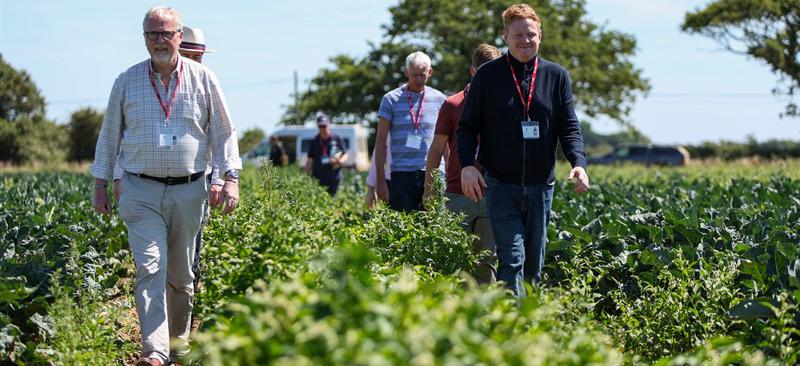
esilient andprofitablefarm businesses are the key to the prosperity of the nation's most iconic landscapes, the NFU said today.
In its submission to a 'call for evidence' from the Efra Select Committee on the future of the uplands in England, the NFU has outlined why the uplands and the farmers who manage it are unable to achieve their ambitions or potential due to a lack of supportand long-term thinking.
The NFU response highlights how government and stakeholders must work in partnership with upland farmers – many ofwhomare tenants –to unlock the immense potential of these landscapes and ensure that land management decisions reflect the practical and economic realities ofthesefarming businesses.
NFU Vice-president Robyn Munt said:"Upland farmers are the custodians of some of our most cherished landscapes, forming the backbone of rural communities,national livestock systemsand delivering a wide range of public goods.
"These farmers have massive ambitions to produce sustainable, high-quality British food while actively restoring nature and boosting biodiversity.
The NFU has welcomed the news that government has secured improved market access for beef, lamb, dairy and some horticultural products1in a trade deal with Switzerland, as well as the potential to expand exports of sparkling wine to the country.
The Swiss market is small and highly protected, but high value, with food prices 73% above the EU average and a consumer base who are willing to pay more for high quality products.
Since 2022, the NFU has been engaging with negotiators to ensure that UK producers stand to benefit. This included a letter to the Minister for Trade Chris Bryant in June calling for government to secure a competitive foothold, particularly for beef, lamb and dairy.
NFU President Tom Bradshaw said:"This is a great example of a balanced deal. We appreciate the government's efforts to secure competitive access to the Swiss market for UK farmers – something
However, they are currently blocked from achieving this potential. For too long, our hill farmers have been held back by short-term, top-down policy implementation and a distinct lack of long-term funding certainty.
"The rapid decline in direct payments, uncertainty around the future of agri-environment schemes and the rising costs of fuel and fertiliser, mean the support simply does not match the scale of the environmental and food security delivery we ask of them.
"Food production and environmental management must work hand-in-hand. In our submission, we highlight why government and its agencies must provide the policy frameworks that will help build resilience and profitability into these farming businesses and protect the landscapes they manage. This has to include ensuring that these farmershave access to fair and accessible funding through Environmental Land Management schemes (ELMs).
"Upland farmers possess a strong appetite to do more for food security, climate mitigation, and nature recovery. If we value our hills, lets provide the necessary support and investment needed in order to safeguard these family farming businesses for generations to come.
the NFU has called for since the very start of these negotiations.
"The deal will provide exciting opportunities for our farmers and growers. It's actually the best access that Switzerland has ever given a trading partner on fresh boneless beef and sparkling wine."
In recent years, we have seen growth in Swiss imports of British beef, with average annual trade between 2023 and 2025 being valued at £3.2 million. UK lamb exports to the country have also increased and were valued at over £5.5 million in 2025. The improved market access negotiated in this deal will give UK farmers a competitive advantage over other major exporters and should help to facilitate further growth in these exports. Meanwhile, British exports of sparkling wine to Switzerland havealso grown significantly. This deal could boost that further, with the government securing the greatest reduction in tariffs for sparkling wine exports that Switzerland has ever agreed with a trading partner.
With Smart Engineering, Rosenberger pursues a consistently applicationdriven approach to developing IoT products. Based on specific customer requirements, the company creates holistic solutions from conception through development and integration to operation. The focus is not on a single product, but on the interplay of hardware, software, connectivity, and data intelligence.
Co-engineering instead of standard solutions IoT and artificial intelligence offer enormous potential, but also increase the complexity of technical systems. Rosenberger addresses these challenges with a structured Smart Engineering approach, in which all system components are designed as an integrated system from the outset. The goal is to create robust, scalable, and longterm reliable solutions that function reliably even under demanding environmental conditions.

TINO® Tracking Unit: self-contained tracking system with maximum battery life and minimal energy consumption
While many IoT solutions rely on standardized components, Rosenberger focuses on true customization. Through close collaboration with customers, specific pain points are identified and transformed into bespoke solutions that integrate seamlessly into existing processes and IT landscapes.
TINO® – the flexible tracking platform
The TINO® platform for autonomous IoT asset tracking is one example of this approach. Designed to meet the specific requirements of logistics, industry, and construction, the solution offers long battery life, minimal maintenance, and flexible system integration. TINO® enables precise tracking across large areas, optimizes processes, and reduces operating costs sustainably.
As part of a holistic system, the device,
connectivity, backend, and data logic in TINO® are closely integrated. The solution can be configured in real time without modifying the hardware or software. A robust, durable architecture ensures reliable operation under demanding conditions. Open interfaces and a powerful backend infrastructure guarantee seamless system integration and future-proofing.
A key feature of TINO® is its exceptionally long battery life. Intelligent algorithms, data science tools, and AI dynamically adjust transmission intervals, enabling battery life of up to ten years with full functionality, even in harsh environments.
The system filters out irrelevant movements at the device level. The Movement Pattern Detection (MPD) method analyzes typical movement patterns using statistical methods and linear algebra. This allows for the reliable detection and prediction of unusual events such as theft, operational errors, or inefficient use.
Cybersecurity is an integral part of all Rosenberger Smart Engineering solutions. End-to-end encryption, role-based access rights, and a “Secure by Design” architecture which is also suitable for critical infrastructure (KRITIS) environments meet high security and compliance requirements.
Connected, global, and versatile
Integration with ERP and asset management systems such as SAP enables the direct exchange of asset and operational data in real time. Global SIM cards with multi-provider roaming, a multi-band LTE module (LTE-M, NB-IoT, EGPRS), as well as GPS and cellular positioning ensure stable, seamless data transmission worldwide. Typical application areas include airport ground handling, logistics and transportation, industrial processes, and the construction industry.
“Smart Engineering from Rosenberger stands for high-performance IoT solutions that increase efficiency, reduce costs, and ensure long-term future-proofing. With AI-supported energy optimization, advanced cybersecurity, and a structured rollout, Rosenberger supports companies end-to-end as a reliable partner for individual IoT use cases,” says Kai-Uwe Müller, Director of Smart Engineering at Rosenberger.
For more information, visit: www.rosenberger.com/smart-engineering
Cross-party parliamentary group says no government can deliver long-term growth without ambitious �scal devolution
The All-Party Parliamentary Group on Local Government has today called for a new fiscal devolution framework that balances local shares of national taxes with robust equalisation safeguards.
The outcome of the APPG's major inquiry into fiscal devolution comes hard on the heels of the current Chancellor's commitment to publish a new roadmap for fiscal devolution at the Autumn Budget and Andy Burnham's promise to "bring about the biggest rebalancing of power our country has seen". It aims to put the voice of local government at the heart of the debate.
The inquiry consulted a range of experts about how greater local control over taxation and revenue could drive economic growth, improve public services, strengthen accountability, and enable the long-term financial sustainability of councils and combined authorities.
Exploring how a more devolved fiscal system could equip local leaders with the powers and incentives needed to respond effectively to local challenges and opportunities, the APPG considered practical options for reform, including the assignment or devolution of existing taxes.
The findings are being published ahead of the Autumn Budget, with the aim of informing national debate and supporting the Government's ambitions for growth, public service reform, and renewal.
The launch of the report takes place at the APPG on Local Government's summer reception on Tuesday 14 July on the House of Commons Terrace Pavillion(full details here). To attend please emailappg@lgiu.org.
Hon Clive Betts MP, Chair of the APPG on Local Government,said:
"Unravelling England's complex governance arrangements is without question a challenge,
but today's report from the APPG on Local Government sets out practical suggestions for achieving an ambitious programme of fiscal devolution within a relatively short time frame. We must seize this opportunity to deliver a genuine rebalancing of powers and responsibilities between central and local government.
Our view is that devolution should always be the default option. Unless there is a clear and compelling reason why a policy area should remain in Whitehall, it should be devolved. The Government should consider adopting the model for the devolved nations, where there is a list of reserved powers and all other powers are available for devolution.
And devolution - whether it is fiscal devolution or of other powers - must extend well beyond combined authorities to encompass local government as a whole. "
Jonathan Carr-West, Chief Executive, Local Government Information Unit (LGIU), said:
"There is no part of the current local government finance system that is not held together by a wish and a prayer. The sector has told successive governments over many years that wholesale reform is needed. The arguments for fiscal devolution are made and won - what today's report does is offer practical recommendations for reform and a nuanced, grown-up examination of the opportunities and potential pitfalls.
We need a system that delivers meaningful change to residents across the country. That means a thoughtfully and coherently designed system of fiscal devolution that doesn't stop with combined authorities. The Government must work with councils to ensure that opportunity, capacity and responsibility are embedded across local government. This inquiry sets out a credible and ambitious path. I very much hope that the Government and councils can walk it on an equal footing."
For the first time, Countryside Stewardship Higher Tier (CSHT) will open to direct applications from farmers and land managers, helping more businesses secure funding to restore nature while producing food.
Speaking at GroundswellFestival 2026today (2 July),Environment Secretary Emma Reynolds announced farmers and land managers will be able to apply for woodland agreements, agroforestry agreements and new single-focus agreements to restore speciesrich grassland, with an initial cohort of up to 1,200 single-focus agreements available.
When CSHT launched last September, farmersand land managerscould only apply if invited by Natural Englandor the Forestry Commissionas part of a phased rollout. From later this summer, this restriction will be lifted, allowing farmers and land managers to begin the application process themselves by submitting an Expression of Interest,opening the scheme to moreapplicantsand giving them greater control over how they apply, helping them deliver more for nature, heritage and theirbusinesses.
The changes build on the government's commitment to make environmental schemes more accessible and deliver the Farming Roadmap by giving farmers clearer routes into support while continuing to target funding

where it can deliver the greatest environmental benefit.
It follows the reopening of the Sustainable Farming Incentive (SFI) this week, designed to be simpler, fairer, and more accessible than ever before.As expected on opening Window 1, demand was strong on the first day, with a high number of applications.The latestdata shows that application volumes have begun to level off, and applications are being received at a steady pace.
Environment Secretary Emma Reynolds said:
"Every thriving meadow restored, every historic landscape protected and every woodland managed more sustainably starts with farmers and land managers who care deeply.
"The Countryside Stewardship Higher Tier will be simpler and easier for more applicants to access, giving more farmers and land managers the opportunity to invest in their businesses while helping to create a richer, greener countryside for future generations."
The expanded offer announced today will, for the first time, open applications to farmers and land managers without the need for an invitation, with support for restoring and managing species-rich grassland, improving woodland management,establishingagroforestry,and conserving scheduled monuments.This will help more farmers and land managers deliver environmental improvements while continuing food production, alongside continued support for Countryside Stewardship Higher Tier and HLS agreement holders whose agreements expire in 2026 or early 2027.
Later this year, we will begin trialling applications on common land ahead ofimplementinga wider rollout.
At least £50 million will be available for new CSHT agreements this year. Natural England will continue to prioritise farmers with agreementsendingor those who have already completed the preparatory work needed to apply.
he Farming Roadmap for England sets out a line of direction for farmers, who may need to make some difficult decisions about a future that’s very different from the past. That’s according to Jeremy Moody, secretary and adviser to the Central Association of Agricultural Valuers (CAAV).
“There’s naturally a lot in the Farming Roadmap that we’ve heard before, but it is more clearly setting a direction now that the CAP has gone. The Roadmap makes statements supporting productive farming, treating it as a business, with more business-like policies as well as regulation and expected good practice,” says Mr Moody.
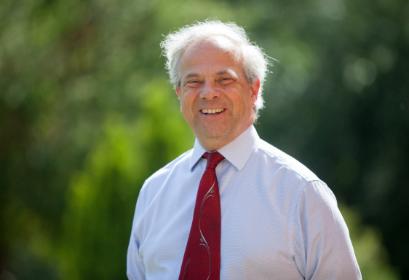
“While recognising that farms will have individual answers as they navigate change, the Roadmap’s overall aim is towards lower input, high technology farming, with a mistrust of fertiliser and a concern about water quality. Farmers should expect the regulatory baseline for good farming practice to rise, with no more money to be paid.”
In practice, producers should see the present Environmental Land Management schemes as a transitional regime. Items like buffer strips, which have previously been paid for, are likely to become compulsory in legislation, while conversion of farming practices is to be for decision in the marketplace by farmers, perhaps in conjunction with supply chains. Money will move purely to public goods, such as habitat creation.”
With the Government still searching for private finance for environmental change, producers should be careful in considering the agreements some buyers might offer, lest they prove bad deals, especially if the buyer takes the value of what is done on the farm, he warns. “We are at an early stage with a lot of practical learning still to be done.
“However, the advantage in not being beholden to Government payments is that, like any other business, you will now be more free to choose your approach, including whether, what, how, where and when you farm,” notes Mr Moody. “Alongside the Inheritance Tax changes, this is a real prompt for serious review. Where do the family and business want to be, and how might they get there?
“Whether continuing to change, to grow or to
withdraw; perhaps letting land out, act now to set a direction to manage what you can control and meet your objectives,” he adds. “Having seen government schemes muffle innovation and productivity for 30 years, we need to aim for and use the language of success. It’s time to make the decisions and implement them.”
For more information visit www.caav.org.uk

University of East Angliaprojectwill investigatewhetherre-introducing ediblelegumes intofarmingrotations ofwheat,oil seed rapeand potatoes could help makefarming systems more resilient to climate change.
A researcher from Malawi will use herexpertiseof farming in Africa to explore the potential of crops such as beans,peasand lentils.
It is hopedthemove could reduce reliance on fertilisers, improve soilhealthand diversify croprotations in one of England's most productive farming regions.
Global experiencehelping local UK farmers
MadalitsoMgunda, from UEA's School of Global Development,brings more than six years' experience in sustainable agriculture and food systems in Malawi, including work with the World Food Programme supporting legume value chains.
Herproject will focus on a central question - what would makeediblelegumes amoreviableand attractive option within Norfolk farming systems?
She said: "The UK's biggest crops-including wheat, barley, and potatoes-are highly vulnerable to climate change.Extreme heat, spring droughtunseasonal flooding, together with changing disease and pest riskspose a real threat totheagricultural heartlandsofEast Anglia, Norfolk and theSouth East-resulting in major yield fluctuations and lost revenue.
"Legumes were used extensively in the past to fix nitrogen in the soil until the mid20thCenturywhen synthetic chemical fertilisers became widely available. In many cases,ediblelegumes have been completely dropped from farm rotations, replacing them with continuous intensive cerealand potatocropping.
"Legumes have enormous potential to contribute to more resilient farming systems, healthierdietsand lower environmental impacts, buttheir productionremainslimited.
"This research will explore the realities facing Norfolk farmers and the wider supply chain, helping to identify what changes would be needed to make legume production a more viable option in the future."
Madalitso's research will combine interviews with farmers,processorsand industry stakeholders with climate suitability data to understand both the opportunities and barriers associated with legume production.
The postgraduate studentisthe recipient of the 2026 Norfolk International Scholarship, announcedat the Royal Norfolk Showlast week.
As part of the scholarship, Madalitso will work with researchers at UEA's Norwich Institute for Sustainable Development (NISD), contributing to wider research on climate resilience,foodsystemsand crop diversification, and will undertake a field visit to comparable legume systems in Europe.
Prof Nitya Rao, Director of NISD, said: "Legumes offer significant opportunities to improve environmental sustainability and farm resilience, yet questionsremainabout how these crops can fit within existing systems.
"This project will provide valuable insights into the practical conditions needed to support wider adoption."
The Norfolk International Scholarship is delivered in partnership with the Royal Norfolk Agricultural Association (RNAA), the Norwich Institute for Sustainable Development, and the JC Mann Charitable Trust.
It supports research that addresses key challenges facing agriculture while delivering practical benefits for Norfolk's farming community.
Although legumes offer clear environmental and agronomic advantages, they currently make up only a small proportion of UK arable crops. This project will examine the conditions needed to support their wider adoption.
Mark Nicholas, Chief Executive of the RNAA, said:"Understanding how alternative crops such as legumes could contribute to resilient and profitable farming systems is highly relevant to Norfolk's agricultural sector.
"We are proud to support research that is both academically rigorous and directly connected to the needs of our farming community."
Signify (Euronext: LIGHT), the world leader in lighting, is showcasing how growers can optimize energy use or make additional growth light available with Philips GrowWise smart spectrum. A new customer video features experiences from Botany Group and Wim Peters Kwekerijen, demonstrating how automated spectrum control can help growers get more value from their lighting installation without adding operational complexity.



GrowWise smart spectrum automatically optimizes the light spectra based on real-time sunlight irradiation. By continuously evaluating the contribution of natural sunlight, the system adjusts LED channels to either reduce energy consumption or provide additional growth light, while staying within the planned power budget or desired light output.
At Botany Group, cultivation manager Kris Welles evaluated how smart spectrum could reduce energy consumption in an all-electric cucumber greenhouse without compromising crop performance. By automatically responding to changing daylight conditions, the system replaces less energy-efficient light spectra with more efficient alternatives while maintaining crop growth and light output.
“What’s great about smart spectrum is that the system automatically responds to the amount of natural daylight, with PAR and FR light being evaluated separately,” said Kris Welles, Cultivation Manager at Botany Group. “As a result, less energy-efficient light spectra are replaced by more energy-efficient ones—
without compromising light output or crop growth.”
The trial delivered the greatest savings during spring and autumn, when sunlight levels fluctuate throughout the day. The GrowWise smart spectrum dashboard also provided valuable insights into lighting performance and system interventions throughout the growing season.
At Wim Peters Kwekerijen, cultivation manager

Joost van Asten explored how smart spectrum could contribute to a stronger tomato crop. By detecting when sufficient blue and green light is available from natural daylight, the system automatically reduces the white channel output and reallocates energy to additional red growth light.
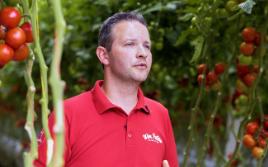

“With just a few clicks, we achieved approximately 2% more light on the crop,” said Joost van Asten, Cultivation Manager at Wim Peters Kwekerijen. “We observed a stronger crop and more vigorous plant heads, while staying within our planned power budget.”
As combines begin to leave the fields, attention quickly turns to the next stage of the farming calendar. Postharvest cultivation is a key opportunity to manage crop residues, tackle compaction and create the right conditions for successful crop establishment, and choosing the right cultivation equipment can make all the difference.
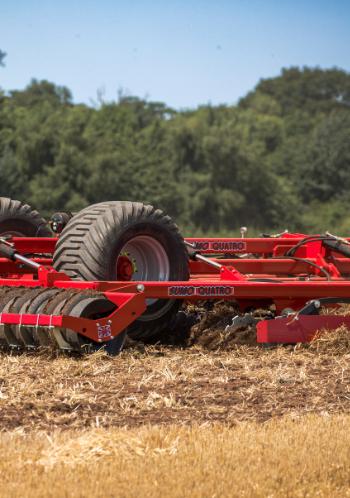
KUHN has developed a comprehensive cultivation range to help farmers meet the challenges of modern arable farming. Whether the priority is shallow stubble cultivation, deep soil loosening or creating a fine seedbed ahead of drilling, KUHN offers machinery designed to work efficiently across a wide variety of soil types and farming systems.
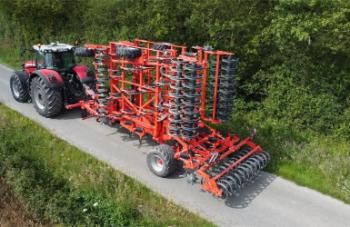
One of the latest additions to the range is the KUHN HIGHLANDER tine cultivator. Built for versatility, it is capable of carrying out several cultivation tasks with a single machine, including shallow cultivation, residue incorporation, weed control and seedbed preparation. With a working depth of between 3 and 20cm, it allows operators to adapt to changing field conditions while reducing the number of passes needed across the field.
For many growers, managing crop residues immediately after harvest is becoming increasingly important. Effective residue incorporation encourages faster breakdown of organic matter, helps stimulate weed and volunteer seed germination for stale seedbeds and prepares fields for the next crop. KUHN's OPTIMER disc cultivators are designed specifically for this task, delivering thorough mixing while maintaining a high work rate.
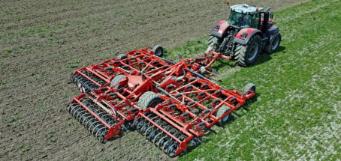
Where soil compaction is limiting crop performance, deeper cultivation may be required. KUHN's subsoilers are designed to relieve compacted layers, improving drainage, root development and nutrient uptake without causing unnecessary disturbance to the soil profile. Used in the right conditions, they can play an important role in maintaining long-term soil health.
For those preparing seedbeds ahead of autumn drilling, KUHN's power harrows provide consistent cultivation and a level finish, helping create good seed-to-soil contact and even crop establishment. Combined with the right cultivation strategy, they offer growers greater confidence when conditions become more challenging later in the season. Alongside its machinery, KUHN continues to invest in precision farming technology. Features such as SMART SOIL TECHNOLOGY (SST) enable operators to adjust working depth from the tractor cab via ISOBUS, helping maintain consistent cultivation across varying soil conditions while improving efficiency and reducing operator workload.
With pressure to reduce costs while maintaining productivity, every pass across the field needs to deliver value. Versatile cultivation equipment that can complete multiple operations in one pass not only saves time and fuel but also helps protect soil structure and retain valuable moisture.
As autumn approaches, now is the ideal time to review your cultivation strategy and ensure your machinery is ready for the season ahead. Whether you're looking to improve residue management, relieve compaction or establish the perfect seedbed, KUHN's cultivation range offers practical solutions to help you get the most from every hectare.
To find out more about KUHN cultivation equipment or arrange a demonstration, contact your local KUHN dealer.
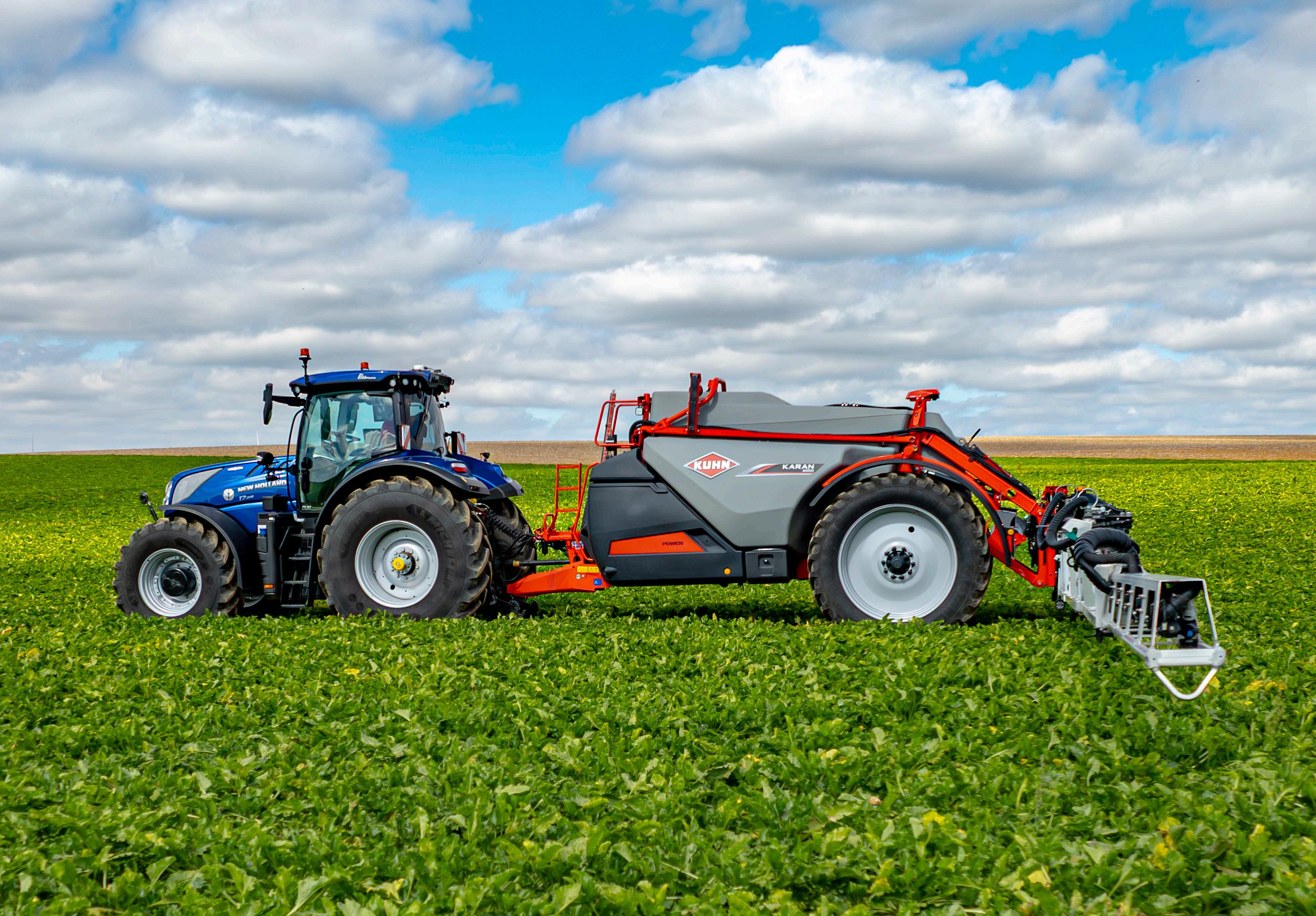

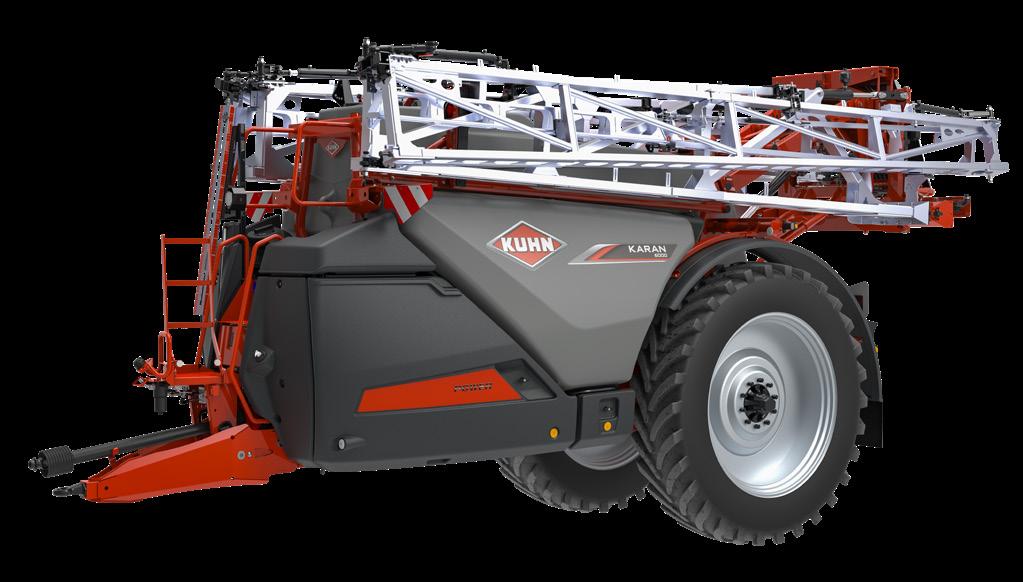
Maximum performance with the efficient sprayer
• Available with 4,500L, 6,000L or 8,000L tank capacities
• Aluminium booms from 24 to 39m, with EAGLE boom height control
• Hydraulic, electric or AUTOSPRAY pulse width modulation circulations
• 280l/min or 560l/min pumps available

Winter linseed is a crop some growers still view through the problems of the past. Tricky to harvest, agronomically uncertain and something of a marginal proposition. But for the farmers growing it today, winter linseed has evolved and the reality is often very different. And from Scotland to Kent, Lincolnshire to Worcestershire, an increasing number of farmers are including winter linseed in their rotation for a variety of financial and practical reasons.
Andy Crowe, who farms 600 acres on the Kent/ Surrey border, is one of them. He's a returning grower to winter linseed, and his experience this season reflects a broader shift in how the crop is being assessed by growers like him across UK arable farms.
One of the first things Andy highlights is the crop's nitrogen requirement. With fertiliser prices remaining stubbornly high (imported Ammonium Nitrate still trading around £500 per tonne after peaking at £750 per tonne in recent months), winter linseed's modest requirement of just 80–120 kg N/ha compares very favourably with oilseed rape (OSR), which typically requires close to double that figure.
"The winter linseed has only had 100 units of nitrogen, one fungicide and two herbicides, one in the winter one in the spring." Says Andy. "With fertiliser prices the way they are, that adds up." That difference in nitrogen requirement can represent close to £200/ha at current prices. That's
the equivalent of needing to grow an extra half tonne of OSR per hectare just to break even on fertiliser costs alone.
Alongside lower input costs, price certainty is another of winter linseed's compelling commercial arguments. Unlike open-market crops, growers producing winter linseed through Premium Crops for example enter a buy-back contract before the seed goes in the ground, locking in a minimum price of £500/tonne. Historically, average returns have settled around £550/tonne.
"Price and yield are the two things that deliver your gross return," explains Nigel Padbury, Seeds and Marketing Manager at Premium Crops. "If you know what the price is, and you manage the crop properly to achieve the expected yield, you can be so much more confident than you would growing something for an open market."
Mike Needham, who farms in Lincolnshire, is one farmer who has switched from OSR to winter linseed. "It's the best OSR replacement for us," he explains, "Our average yield is 1t/ac (2.47 t/ha) with a good price. It requires very low inputs – both fertiliser and chemistry – and we've had no harvest issues at all with our rotary combine."
For farms reassessing the reliability of SFI payments, a scheme that was abruptly paused in March 2025, (and its replacement for larger farmers from September coming with a limited pot) that kind of certainty carries real weight.

Agronomy has moved on
A recurring theme across grower testimonials is how much the agronomy around winter linseed has improved. Support from dedicated Premium Crops agronomists means crop-specific knowledge is applied in the field from establishment through to harvest, making decisions around timing and crop management increasingly consistent and repeatable.
Andy credits Premium Crops' agronomist Alex Bull, with making a tangible difference to the crop's performance this season. "It looks phenomenal," says Alex. "The crop's chemistry toolbox has also improved. Growers now have a broader range of herbicide and fungicide options than in the crop's early years, giving more flexibility and a more predictable outcome through the growing season."
A strong rotational fit
Beyond the economics, winter linseed offers genuine agronomic benefits to the wider rotation. As a non-host of cabbage stem flea beetle (CSFB), it removes one of the most costly and unpredictable risks in modern OSR management. Slugs also migrate away from established linseed crops, reducing pressure on the following wheat. Premium Crops reports some growers applying a quarter of their usual slug pellet inputs after linseed compared with after OSR.
The soil benefits of growing OSR are also well documented. Linseed's fibrous root structure improves soil condition and, unlike OSR, it forms relationships with mycorrhizal fungi that persist into the following wheat.
"It leaves the soil very friable" explains Alastair Baiseley at JS Peake who grew50acres of winterlinseedon their farm in Nottinghamshire. "We can drill directly into the stubble and the following wheats are always good much better than spring linseed. We'll be growing it again."
YEN data supports both grower's experience, showing a 1.1 t/ha yield uplift in first wheat following a winter break crop a figure that meaningfully strengthens the rotational case. Another farmer impressed by winter linseed is Iain Grant, who farms 370 acres near Elgin in Moray. "We wanted to try something different after mixed results with OSR." He explains. He was especially impressed by the crop's resilience. "It proved it can stand a wet winter better than rape, and wasn't too bothered by birds," he says, having achieved yields of 3t/ha in his first season.
Back in Kent, Andy Crowe says the decision to put winter linseed back into his rotation comes down to a combination of factors rather than any single headline claim. "It has low inputs, clear agronomy, a contracted price, and a crop that when it flowers genuinely looks the part in the field," he says."Winter linseed will definitely be on our rotation more than wheat, because it adds up."
For growers currently weighing up their break crop options ahead of the autumn drilling window, Andy's straightforward assessment may be the most persuasive argument of all.

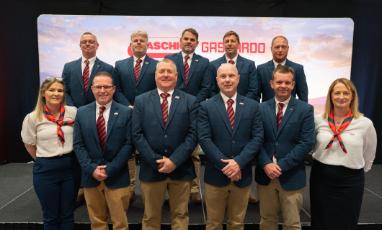
ASCHIO GASPARDO has reinforced its commitment to the UK market through its first dealer engagement event, held on 30 June 2026 at the company's UK headquarters in Lincoln, as the business builds on three years of direct investment in UK agriculture.
MASCHIO GASPARDO, an international leader in the design and manufacture of agricultural equipment, has reinforced its commitment to the UK market through its first dealer engagement event, held on 30 June 2026 at the company's UK headquarters in Lincoln. Hosted by company president Mirco Maschio, and by senior leadership from Italy including the Chief Commercial Officer, Chief Technical Officer, Chief Marketing Officer and Chief Service Officer the event brought together dealers from across the country to strengthen partnerships, align on future strategy and discuss opportunities across MASCHIO GASPARDO's expanding machinery portfolio.

The event marked another milestone in MASCHIO GASPARDO's UK growth journey since establishing direct operations in 2023. Since then, the company has invested in local infrastructure, expanded its dealer support capabilities and significantly broadened the range of machinery available to farmers. The Lincoln headquarters has become a central hub for supporting dealers and customers nationwide, providing machinery distribution, spare parts, technical expertise and aftersales support — underpinning the company's strategy of offering a more responsive, locally focused service to the UK market.
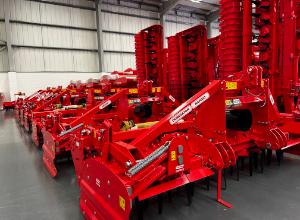

The dealer event follows a busy start to the year for the business, with a strong presence at industry events including LAMMA, Cereals and the Royal Highland Show reflecting MASCHIO GASPARDO's continued investment in the UK market and its commitment to working closely with dealers and farmers. As the company continues to grow its UK footprint, it remains focused on strengthening dealer partnerships, improving local support and bringing proven agricultural machinery solutions to farming businesses across the UK.
“In the UK, we've built a dedicated team of twelve people working every day alongside our dealers, backed by machines held in stock and a substantial parts warehouse. That's what lets us respond quickly whenever a farmer or dealer needs us — and that speed of support is central to how we serve British agriculture.” Mirco Maschio, President, MASCHIO GASPARDO S.p.A.

Over the past three years, MASCHIO GASPARDO has evolved from being best known in the UK for power harrows, flail mowers and seeding equipment to offering a comprehensive machinery portfolio spanning tillage, seeding, fertilisation, crop protection, haymaking, baling and green maintenance. The Lincoln facility also supports the rollout of the company's expanded cultivation offering, including equipment from Grégoire Besson. This partnership has strengthened MASCHIO GASPARDO's position in soil cultivation, giving farmers access to a broader range of machinery for soil preparation and crop establishment.
“The UK business has come a long way in a relatively short time. We've built a strong foundation in Lincoln, expanded the range of machinery available to the market and strengthened support for our dealer network. Bringing dealers together at our headquarters was a chance to reflect on that progress, but more importantly, to discuss the opportunities ahead as we continue to grow our presence in the UK.”
Mike Bywater, UK Sales & Marketing Manager, MASCHIO GASPARDO UK
Increased longevity –built for tough environments.
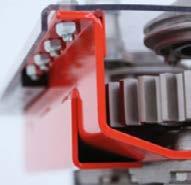
Makes maintenance easier, increases safety.
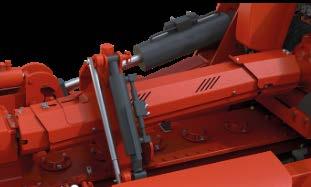
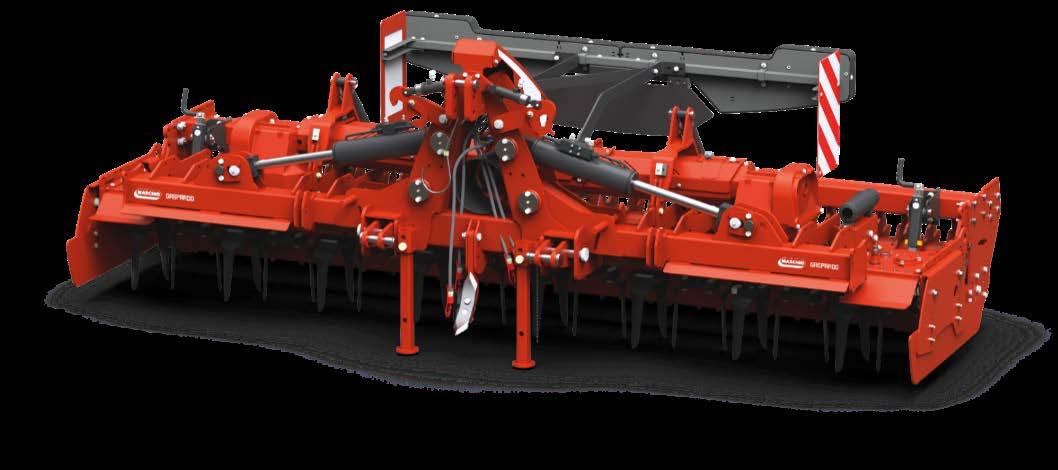
Top and bottom bearings provide high load capacity, top bearing retainers prevent expensive repairs.
Connected to the packer so adjusts with you – aids soil refinement.
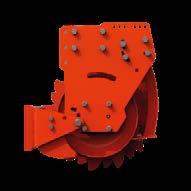
Only one tool required, no pins or bolts to lose.
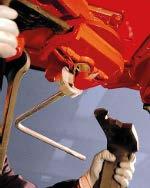
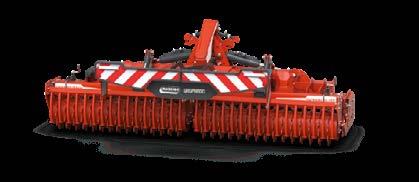

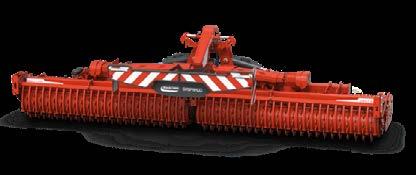
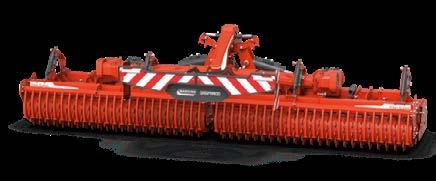
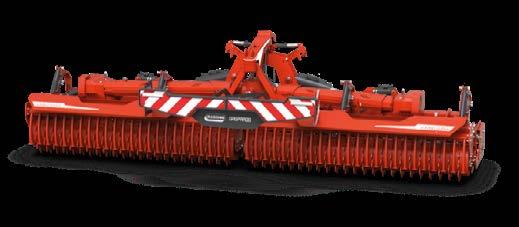
With over 220 years of experience serving the agricultural world, Grégoire Besson offers a complete range of machines dedicated to soil tillage. Ploughs, disc implements, tine implements, soil preparation machines and subsoiling equipment: our range covers all the needs of the most demanding farmers.
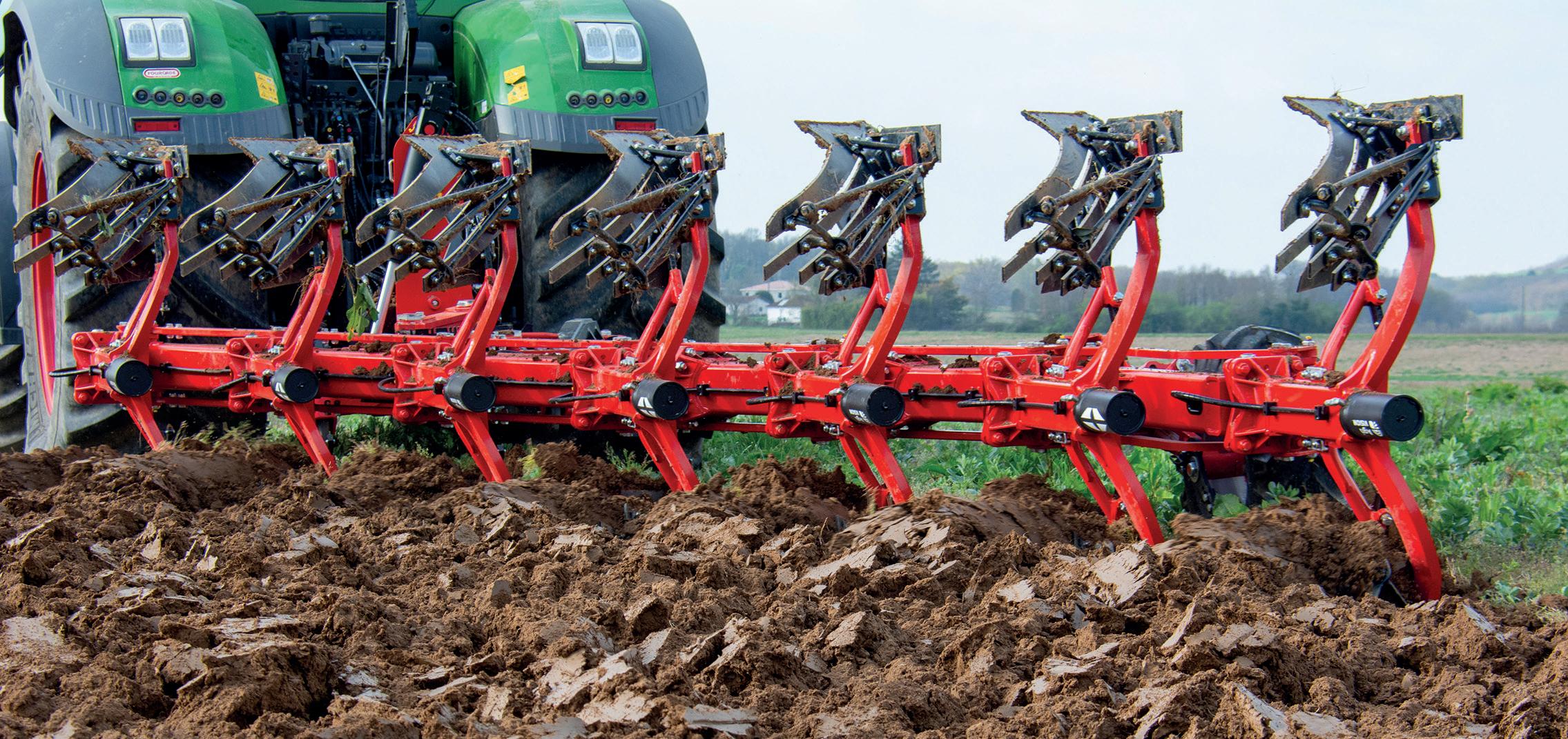
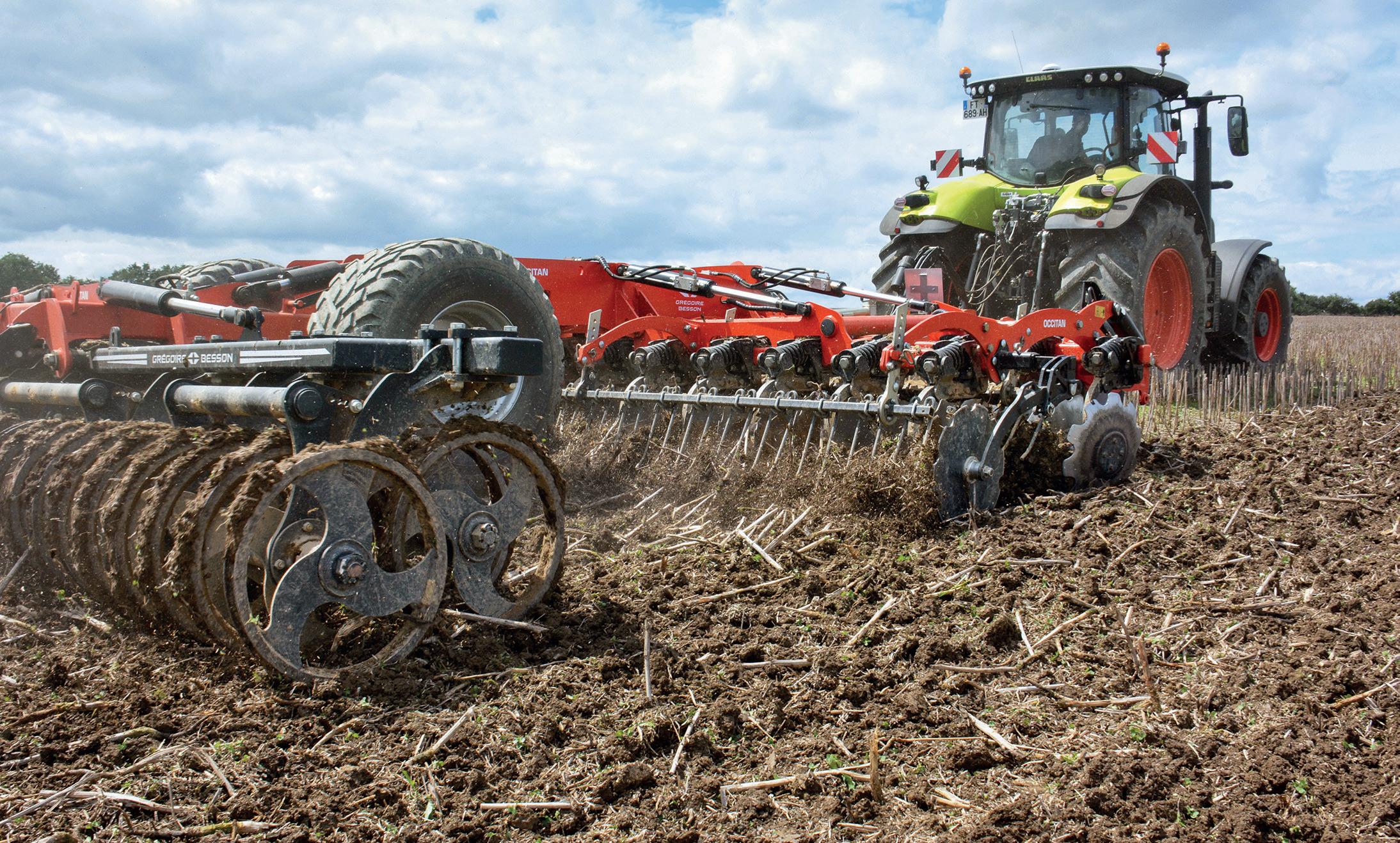
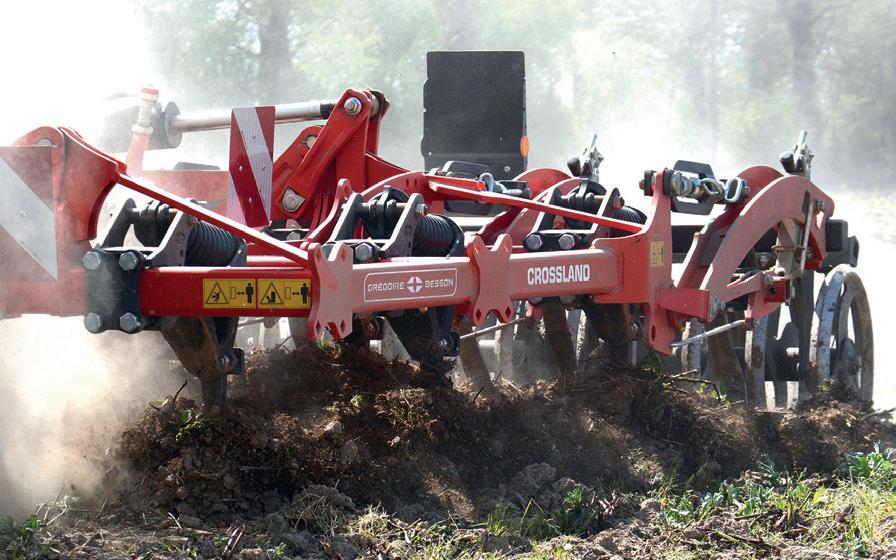
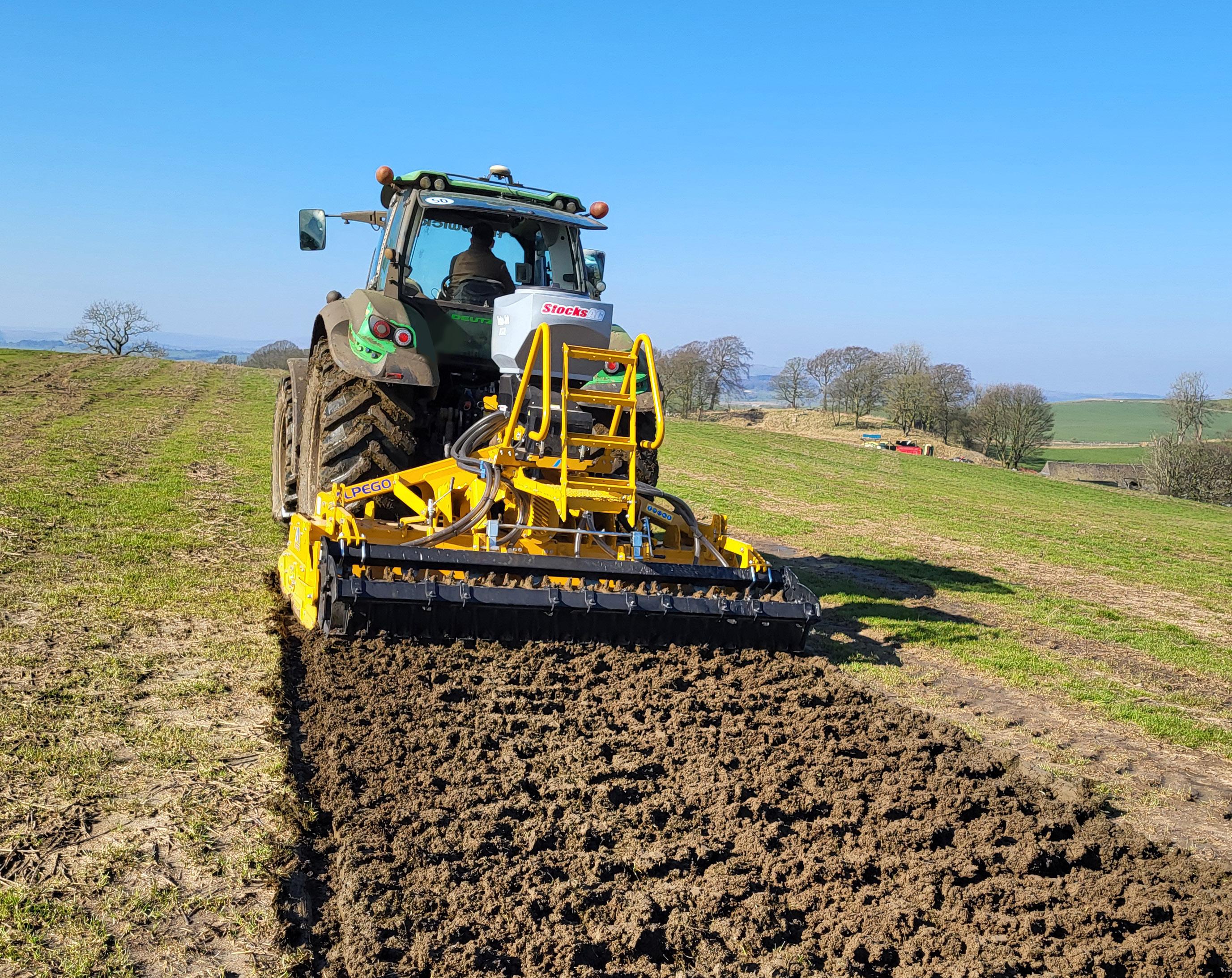
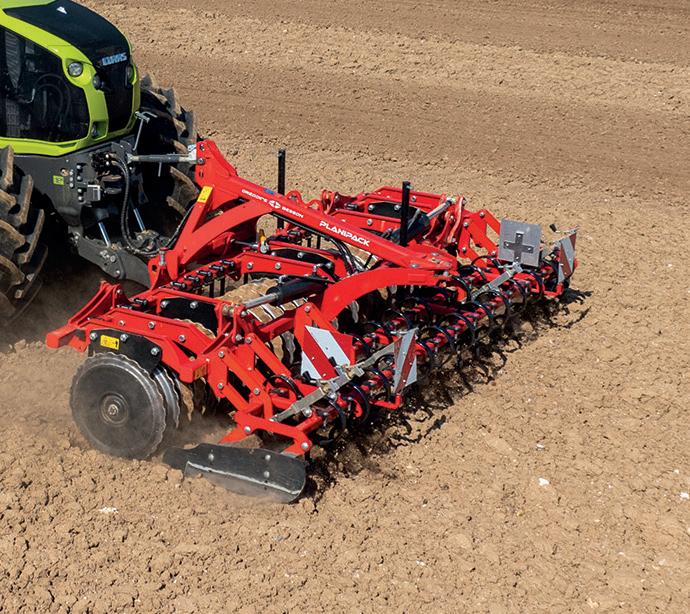
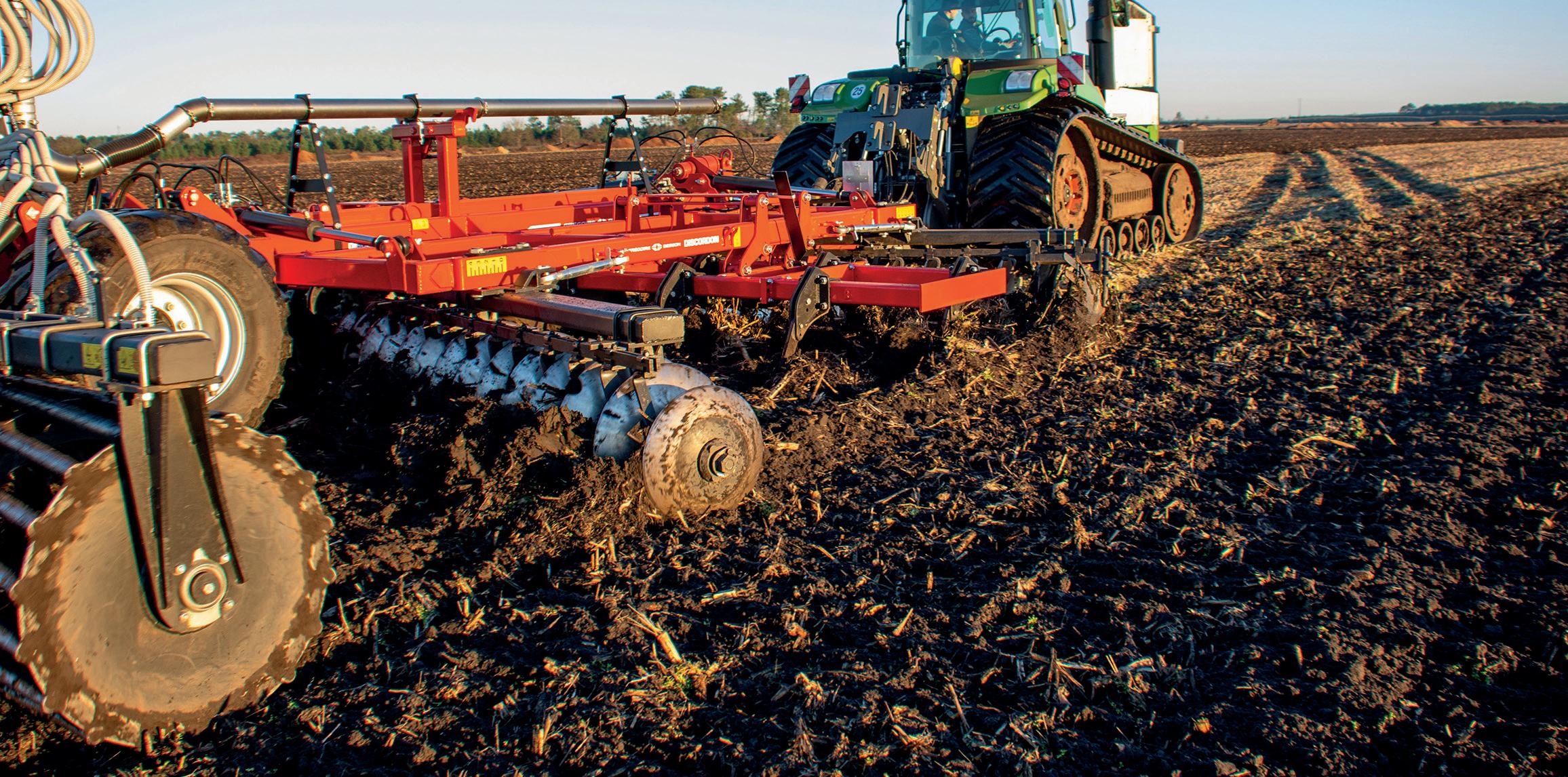
Grégoire Besson machines and parts
Kingdom by Maschio Gaspardo UK. For
nearest Maschio Gaspardo
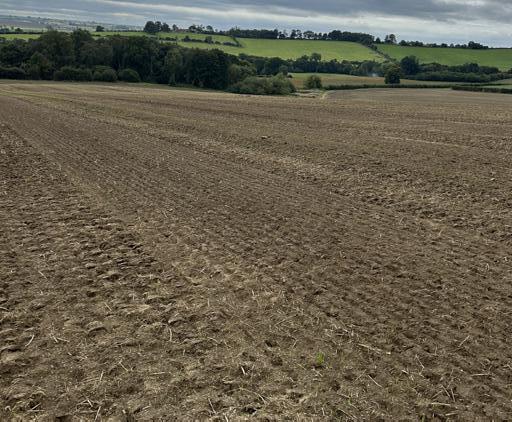
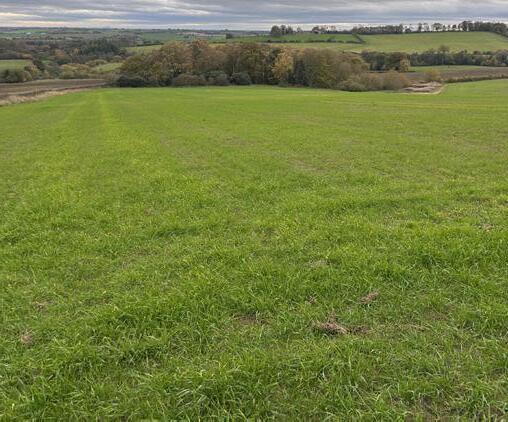

BASF announces the launch of Apthena®, an innovative biological product designed to amplify natural aphid control. By acting as a highly effective attractant for beneficial predators and parasitoids, the product is designed to support farmers when adopting Integrated Pest Management (IPM) strategies.
Apthena® contains (E)-β-farnesene (EBF), a natural pheromone that aphids release as an alarm signal when disturbed. Natural enemies such as ladybirds and lacewings have learnt to use this scent to locate their prey. By optimising this insect behaviour, Apthena® can help growers to reduce their reliance on pesticides.
“Our biological products represent a vital pillar in our global agricultural portfolio,” explains Richard Corden, BASF’s Head of Solutions and Services, Agricultural Solutions for the UK and Ireland. “They sit alongside our well-established crop protection, traits, and digital solutions, delivering fully integrated systems tailored for farmers.”
Aphid damage costs billions
“Aphids pose a massive threat to global crops, causing billions in damage annually through direct nutrient extraction and virus transmission,” warns Tom Pope, Professor of Applied Entomology at Harper Adams University.
Demonstrating aphids’ phenomenal ability to reproduce, Tom cited Dr Richard Harrington’s calculation that without natural limits, aphids could cover the Earth in a layer 149 kilometres deep in a single year.
However, the number of insecticides growers can use is shrinking. With fewer products available, the selection pressure from remaining conventional products is rising, further increasing the risk of resistance. This is why Tom says IPM is essential.
“Apthena is a really exciting new tool within the toolbox; it is an enabler and fits alongside other tactics that draw beneficial insects into crops.”
Tom is particularly excited about the launch of Apthena® because of its synergistic effects.
“For me, the future of crop protection is the intelligent selection of IPM tools, understanding interactions between them and harnessing synergistic effects.”
Enhancing biology: encapsulating Apthena®
The active ingredient in Apthena® was first identified in the 1970s, but its application has been revolutionised by advanced encapsulation technology.
“While (E)-β-farnesene is the principal component of aphid alarm pheromone, it is volatile and degrades rapidly,” explains Rob Storer, Business Development Manager for BASF Biologicals. “What makes Apthena unique is its proprietary formulation. The active ingredient is encapsulated to control its release over an extended period of 20–30 days.”
The micro-capsules are formulated using natural and inert ingredients and are free of microplastics.
BASF has demonstrated strong performance of Apthena® in trials. In standardised Y-tube choice tests, ladybirds exhibited a significant preference for vessels emitting air with Apthena®, opting to travel down the pheromone gradient far more frequently than controls.
Field assessments confirm its effectiveness onfarm. In peas, Apthena® increased the number of plants containing beneficial insects by 18%, and in sugar beet, the presence of aphids was significantly reduced from an average of 2% to 0.5%.
“Given it is rainfast within 24 hours, and requires no buffer zone or maximum application limit, it offers flexibility for growers,” adds Rob.
BASF recommends applying Apthena® at intervals of 14 days, using a rate of 0.3 – 0.5 L/Ha with water rates of 100–300 L/Ha. Although its aim is to keep pest populations below an economic threshold, where needed, it is compatible with other approved crop protection products.
“Ultimately, Apthena serves as a powerful tool designed for synergy,” adds Rob. "It is built to seamlessly integrate with existing IPM strategies, helping farmers effectively manage pests.”
The launch of Apthena® reinforces BASF’s commitment to sustainable agriculture. The broader biological strategy includes significant investment in R&D, exemplified by the successful commission of a new BioHub fermentation plant in Ludwigshafen, Germany, announced in May this year.
BASF has also acquired specialised biological tech firms such as AgBiTech and offers several marketready solutions for the UK, including the oilseed rape seed treatment, Integral® Pro, the fungicide for speciality crops, Serifel® and Nemasys® range of beneficial nematodes. The company has other products in its pipeline including a biological insecticide, Velifer®.
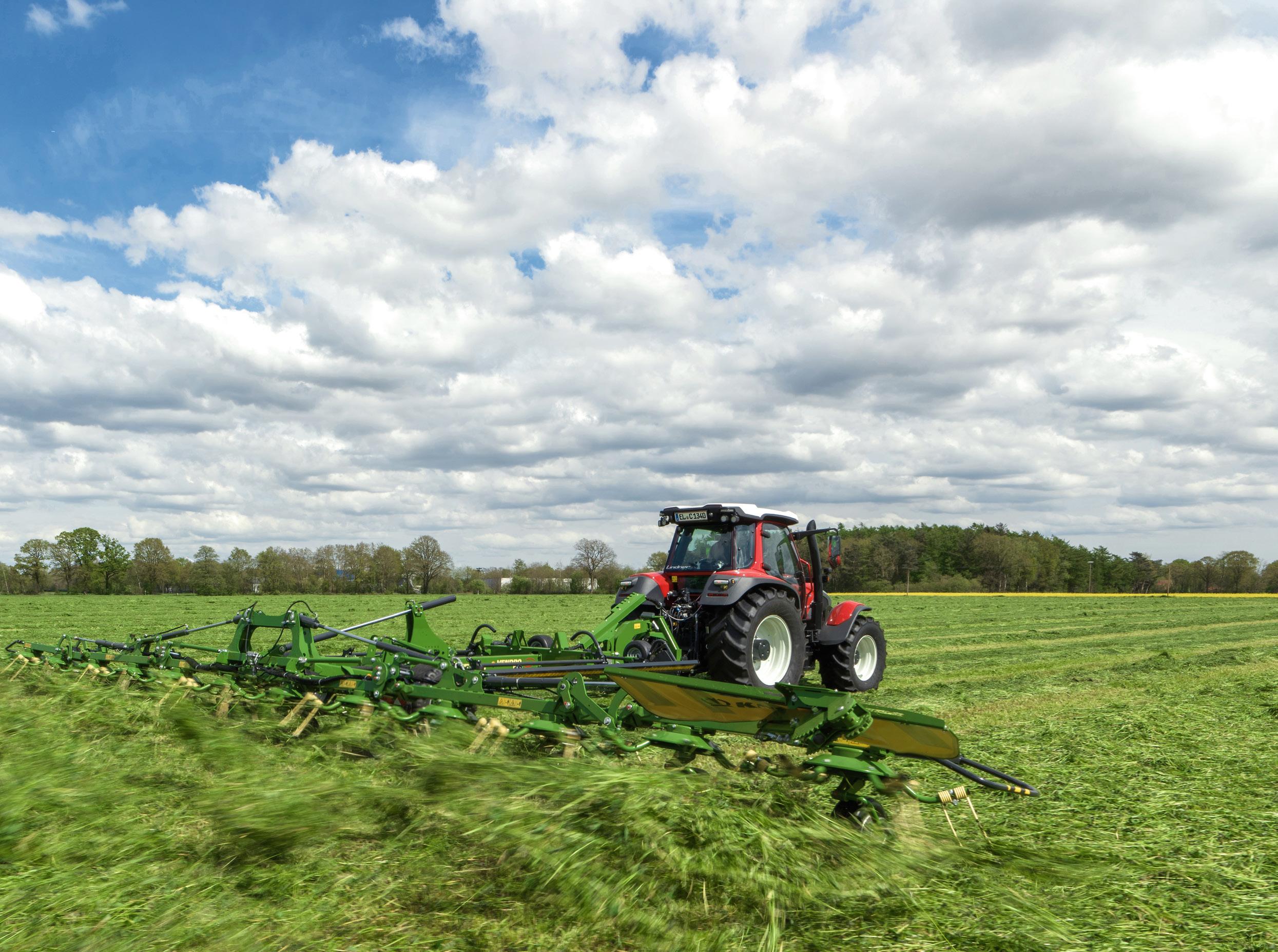
4+40 months on selected Tedder models:
Vendro 1020 · Vendro 1120 · Vendro 1120 C Vendro 1340 C · KWT 1600 · KWT 2000

*Valid until 31 July 2026, exclusions, terms and conditions apply
Scan to find your local Krone dealer to get a quote

*All finance is available on a maximum of 50% of the retail price or balance, whichever is lower. A 4+40 months promotion (44‑month hire purchase agreement with four instalments payable upfront followed by 40 monthly instalments) is available on the following Krone Tedder models: Vendro 1020, Vendro 1120, Vendro 1120 C, Vendro 1340 C, KWT 1600 and KWT 2000. Other Krone Tedder models are available on a 3+30 months promotion (33‑month hire purchase agreement with three instalments payable upfront followed by 30 monthly instalments). The promotion is available on all new Krone Tedder models for deliveries up to 31 July 2026, subject to availability. Pricing information is a representative example only and is based on the applicable hire purchase agreement as outlined above. Unless specified, the price quoted does not include VAT or any fees. The financing referred to in this document is available only through Krone Finance, a trading name of De Lage Landen Leasing
(“DLL”) via participating dealers. The indicative finance rate may increase
on DLL. All applicants must be 18 or
The British On-Farm Innovation Network (BOFIN) is recruiting farmers across England to take part in two major Defra-funded projects focused on disease resilience and precisionbred crops.
Arable growers are being encouraged to join practical on-farm trials through theLLSERASEDandPROBITYprojects, offering an opportunity to work alongside scientists and
BOFIN is also recruiting farmers for thePROBITYproject, which will evaluate two precision-bred wheat lines under commercial farming conditions.
The project aims to generate practical farm-scale data on the performance of precision-bred crops and support the future development of resilient
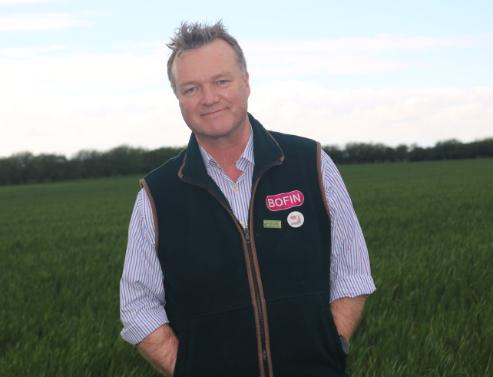
TheLLS-ERASEDproject needs oilseed rape growers to help improve understanding and management oflight leaf spot, one of the crop's most economically damaging diseases.
Farmer triallists will help assess OSR varieties for disease performance, as well as trial novel research lines.
To take part, growers need a suitable OSR field of at least 5ha and the ability to measure yield accurately using combine yield mapping or weigh cells/weighbridge systems.
Triallists will be paid for their time and contribution, while gaining first-hand experience of on-farm innovation and contributing to future disease management strategies.
Due to current regulations only farmers in England can take part. They need a suitable wheat field of at least 4ha and accurate yield measurement capability through yield mapping or weigh systems.
For both projects the triallists need to be committed to following trial protocols and sharing results.
Tom Allen-Stevens, Oxfordshire farmer and managing director of BOFIN said: "These projects put farmers at the centre of agricultural innovation. We're looking for forward-thinking growers who want to play a part in the industry's future while testing pioneering approaches on commercial farms.
"Through LLS-ERASED, farmers will contribute to finding solutions to light leaf spot in oilseed rape, which is so desperately needed to secure the crop's future. Those joining PROBITY will be the first to trial precision-bred wheat lines that could offer a step change in agricultural productivity. It's an exciting time to join these industry-leading projects.
"Even if you are not able to play an active role as a triallist we encourage anyone with an interest in precision breeding and its future in UK agriculture to join the Sequence Circle online discussion group via the links on our website."
Find out more and register interest atwww.bofin. org.uk/LeadtheField
Yellow and brown rust infections have presented one of the main sources of stress for this year’s winter wheat crops, especially in the eastern counties where septoria has played second fiddle due to the dry spring conditions. With that in mind, Lee Bennett, independent seed specialist, is urging growers to carefully consider which varieties to drill this autumn, with a warning that some of the current favourites might no longer offer the best levels of rust resistance.
begin cutting in July and yield figures start to materialise.
“ProCam has been testing a wide selection of current and new wheat varieties under a range of fungicide regimes at several sites across the UK,” Lee continues. “From what we’ve seen so far this season, several of the UK’s top varieties, including group 3 wheat Bamford, and group 4 varieties Champion, and LG Beowulf, have been very susceptible to rust attacks. It won’t, therefore, come as a surprise if yields for the worst affected varieties are down by as much as half a tonne per hectare, or potentially more.
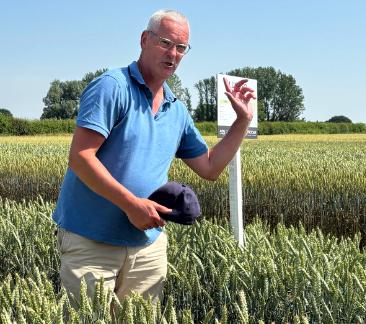

“Rusts, particularly yellow rust, have had a profound impact on crop cleanliness this season, with ProCam trials suggesting that some of the more popular first and second wheat options have been unable to cope with the high disease burden, despite their supposed resistance ratings,” Lee claims.
“Admittedly some growers decided to reduce fungicide inputs this year due to a combination of low commodity prices and tighter margins following last year’s poor harvest, but even where a full programme of fungicides has been applied, some relatively recent and popular varieties have started to show their age with yellow rust really putting their performance under the microscope.”
Speaking at ProCam’s June open day at Cawood near York, Lee explained that the proof of the pudding will be when combines
“Thankfully, the next generation of winter wheats is already available,” Lee adds, “although a shortage of seed will mean alternative varieties such as KWS Solitaire, LG Challenger, LG Defiance, KWS Vibe and KWS Arnie are likely to sell out quickly.”
Lee therefore urges growers to start thinking about which varieties they want to grow in the new cropping cycle sooner rather than later, especially if they are dedicated group 3 wheat growers as there are limited alternatives to Bamford, which has been the UK’s most popular wheat variety this season. “There’s only ever a finite amount of the newest genetics available in their first year, so it’s critical for growers that want to secure seed to get ahead of the rush. Part of ProCam’s remit is to independently test new varieties on behalf of their customers, which is why, in addition to walking growers’ commercial crops, their agronomists have also been studying this year’s variety screening trials.
“With so many new and nearly new varieties to choose from, and a lot of marketing hype and Recommended List noise to filter, selecting the right option for a specific location, soil type or end market can be baffling. My advice is therefore simple: speak to your agronomist as soon as possible, take their advice onboard, and don’t leave it until the eleventh hour to place your order as that’s a surefire route to disappointment. Especially if you end up with a variety that requires the full kitchen sink of fungicides to be thrown at it to cope with whatever testing conditions next year is inevitably bound to conjure.”
cientists have identified three regions of the wheat genome responsible for resistance to the grey field slug (Deroceras reticulatum).
The discovery, made by scientists at the John Innes Centre working on the SLIMERS project, paves the way for plant breeders to develop new slug resistant wheat varieties.
SLIMERS is a three-year Defra funded project which has brought together scientists, farmers and industry partners to tackle one of arable farming’s most persistent pest problems.
The findings build on more than a decade of research that began in 2015, when scientists at the John Innes Centre screened wheat varieties from the historic Watkins Collection for natural slug resistance. The work identified four promising accessions, but Watkins 788, a landrace originally collected in Turkestan (part of modern-day Kazakhstan and and an important stopping point on the historic silk road), particularly stood out.
“Having slugs from different parts of the country was important,” explained Victor. “We know slug populations can vary, so using a wide range of grey field slugs helped us ensure the results represented real-world conditions.”
In total, researchers tested 77 Recombinant Inbred Lines alongside their parent lines. All the wheat lines had already been genetically sequenced, allowing scientists to identify the genomic regions linked to slug resistance more quickly than would previously have been possible.
The strong laboratory findings encouraged project partners to move on to on-farm trials in autumn 2025. However, very low slug numbers in the trials precluded clear conclusions on field performance explained Professor Keith Walters of Harper Adams University who analysed the trial results.

“Overall, however, the laboratory work demonstrates obvious potential which makes field trials under conditions with greater slug pressure an urgent requirement,” he said.
BOFIN later joined forces with the John Innes Centre to launch the Slug Resistant Wheat project, with six farmers volunteering to test the wheat varieties under real farming conditions. This confirmed Watkins 788 as potentially slug resistant and led on to SLIMERS, which expanded the research effort with other partners, the UK AgriTech Centre, Harper Adams University, Agrivation, Fotenix and Farmscan Ag tackling other areas of sustainable slug control.
As part of SLIMERS, BOFIN’s ‘Slug Sleuth’ farmers trialled Recombinant Inbred Lines (RILs) developed from crossing Watkins 788 with commercial wheat variety Paragon. This allowed researchers to observe how the lines performed under varying soil types, weather conditions and slug pressure across the country.
At the same time, laboratory and insectary experiments at the John Innes Centre provided controlled testing conditions to complement the field work. Dr Victor Soria-Carrasco and his team carried out detailed slug feeding trials using grey field slugs supplied by farmers and citizen scientist ‘Slug Scouts’, who posted slugs collected from farms and gardens across the UK. Some of the slugs were also retained to establish breeding colonies for further research.
The discovery of the genomic regions linked to slug resistance gives plant breeders powerful new tools to develop commercial ‘slug resistant’ wheat varieties.
Dr Simon Griffiths of John Innes Centre said: “The thousands of data points collected in the feeding trials helped us identify the specific molecular markers or parts of the chromosome, linked to slug resistance. With that understanding, and the screening protocol we have developed, plant breeders can now select for those markers to produce a slug resistant variety.”
The potential of this discovery is enormous for arable farmers, said Tom Allen-Stevens, founder of BOFIN and SLIMERS project lead.
“Slugs are one of the biggest challenges for arable farmers so developing wheat varieties with natural resistance would help reduce crop losses and input costs, lower environmental impact and increase resilience.
“What’s particularly encouraging is that not only have these results been proven in the lab, but there were many enthusiastic farmer volunteers wanting to test them on commercial farms, demonstrating the confidence of industry players in the amazing advances we can make when farmers and scientists work together.”
Thermal dormancy is becoming an increasingly important challenge in strawberry production. Sustained high temperatures are increasingly affecting flowering, fruit set and the overall cropping profile.
“Thermal dormancy is essentially the plant moving into survival mode,” says Mike Stoker, agronomist at Orion FT, who has spent more than two decades working in fruit agronomy.
“The crop may still look green and vegetative, but reproductively it has slowed down. That is where the agronomic risk comes in, because the effect is not always seen immediately. It can show up later as a gap in flowers, reduced fruit set or a dip in picking volume.”
In strawberries, thermal dormancy occurs when high temperatures push the plant away from reproductive growth and towards vegetative survival. Instead of continuing to initiate and support flowers, the plant prioritises maintaining itself.
“The goal for any grower is to reduce the chance of thermal dormancy by helping strengthen the plant to be more resilient to heat stress,” he says. He suggests that plant available silicon, including monosilicic acid, is associated with several physiological processes directly relevant to heat stress.
“Tissue strength can be improved by using silicon which is deposited in plant tissues. In addition, the plant’s ability to balance water and deal with heat and moisture stress is improved by using silicon and can also help reduce the risk of dormancy,” he adds.
In practical terms, Stoker believes the value of silicon is strongest when it is used before and during high-risk periods, rather than after symptoms appear.
“By the time thermal dormancy is visible, part of the future crop profile may already have been affected,” he says. “The aim should be to build resilience before the plant reaches that point.”
Heat stress can reduce
flower quality, disrupt flower development and affect pollen performance. This can lead to weaker fruit set, more misshapen berries and reduced fruit size.
“For growers, the consequences can include reduced weekly volume, lower Class 1 packout, uneven ripening, poorer picking efficiency and higher labour cost per kilo. In a programmed crop, that loss of predictability can be as damaging as the loss of yield itself,” says Mr Stoker.
Neill Finlayson, Operations Director at Angus Soft Fruits, says consistency of production is critical when supplying major retail programmes. “Strawberry production is all about crop flow.
Growers are not just trying to produce yield; they are trying to produce the right volume at the right time. If heat stress interrupts flowering, the crop curve becomes uneven, which creates problems for labour planning, packhouse flow, retailer programmes, forecast accuracy and, ultimately, profitability.”
As strawberry production becomes more precise, heat stress needs to be managed not only as an agronomic issue, but as a crop programming risk. Thermal dormancy can interrupt flowering, distort supply patterns and reduce confidence in forecast volumes.
“Growers are already very good at reacting to visible stress. The next step is managing the physiology before the crop visibly struggles. That is where silicon fits — as part of a proactive resilience programme designed to help maintain crop flow through difficult conditions,” concludes Mr Stoker.

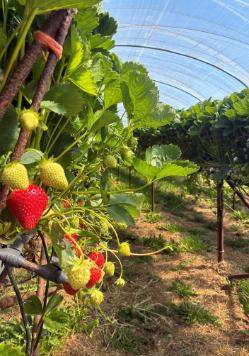
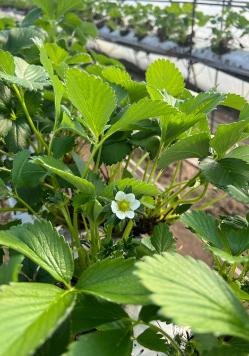
Wholecrop may prove a good forage option this year where grass or maize crops fall short in yield or quality. But its value will depend on getting harvest timing and clamp management right.

Particularly useful in a difficult season, wholecrop cereals can help bolster silage stocks and spread risk against unpredictable markets and feed costs, says Lientjie Colahan, forage technical support at Lallemand Animal Nutrition.
“It has been a fairly successful growing season for cereal crops so far, but maize crop performance could be in question for some this year,” she continues.
“If this is the case, wholecrop cereals can provide additional feed value and give farmers a flexible forage option to help build greater resilience into forage plans.”
If cereals are not needed as wholecrop silage, they can be crimped or harvested for grain.
“It means that harvest decisions can be made as the season unfolds, depending on the weather, market conditions and farm requirements, which vary across different

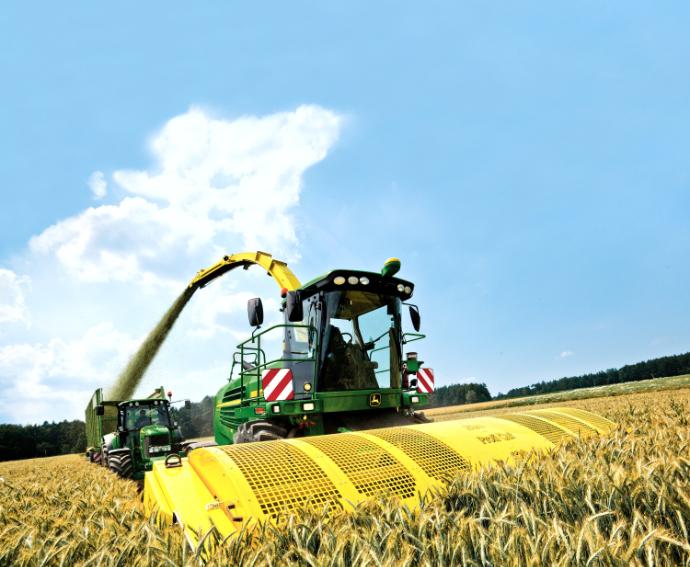
regions and farms,” says Mrs Colahan.
To achieve the optimum harvest time for wholecrop, the best indicator is grain maturity.
“Check how milky the grains are,” Mrs Colahan advises. “If the texture is still like ‘cottage cheese’, it’s too early. When you roll it in your hand, it should be at ‘soft cheddar’ stage, so it makes a paste.
“This is when the maximum amount of starch deposition has occurred without the grain becoming too hard and plant too mature to be ensiled effectively.”
She warns that the crop can go over quite quickly – within the space of a week and, if it reaches the stage when the grain is hard, but a thumbnail leaves a dent in the grain, farmers should consider crimping it.
“If you can’t dent it without splitting, then it’s best harvested for grain,” she says.
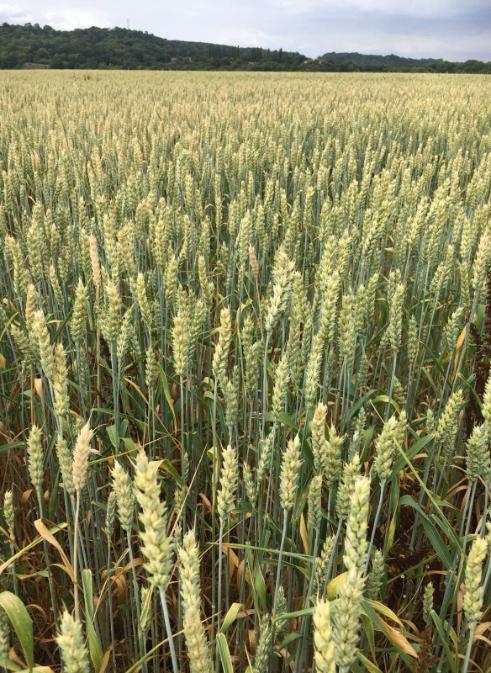

When utilising the crop as a silage, wholecrop can be tricky to consolidate Mrs Colahan cautions.
“This is partly because it needs to be relatively dry, at over 35% dry matter, to be mature enough to achieve the maximum starch content.
“Also, its hollow, waxy, lignified stems mean it can move around a lot in the clamp.
“Therefore, the chop length needs to be short, at 1cm to 1.5cm, and the clamp should be filled in thin layers to maximise the force during consolidation.”
Mrs Colahan explains that because the crop is tricky to ensile, using a crop-specific inoculant is important.
Magniva Platinum Wholecrop is designed for high-dry matter crops to support fermentation, helping to bring down pH to create the anaerobic conditions to convert it from fresh forage to silage.
“A crop-specific inoculant with the right mix of bacteria and enzymes will help the wholecrop stay cooler for longer, reducing risk of mould development and helping maintain greater stability at feed out,” says Mrs Colahan.
“The particular enzymes in Magniva Platinum Wholecrop also help to break down the fibrous fractions in the stems to make them more digestible for the animal when doing this they release sugars which drive the fermentation.”
Three farmers from across England have been recognised in the 2026 Soil Farmer of the Year competition after demonstrating how better soil management can strengthen farm business resilience, improve profitability and help businesses adapt to increasingly challenging weather conditions.
The awards were presented at Groundswell by competition organisers Innovation for Agriculture and Farm Carbon Toolkit, alongside sponsors Cotswold Seeds and Hutchinsons. Farmers attending the ceremony heard directly from the winners about the practical changes they have made to improve soil health and the impact those changes have had on their businesses.
Devon. By combining plant tissue analysis with cover cropping, mob grazing and reduced cultivation, he has significantly reduced inputs while cutting diesel use by around 75% and maintaining crop performance.
Third place went to Colin Chappell, an arable farmer from Lincolnshire, whose gradual transition towards reduced tillage and cover cropping has improved water infiltration, reduced flooding risk and released nutrients already present within the soil, allowing lower nitrogen applications without compromising output.
Becky Willson, business development and technical director at Farm Carbon Toolkit, shared that all the winners and finalists demonstrated an extraordinary level of dedication to managing soil health.
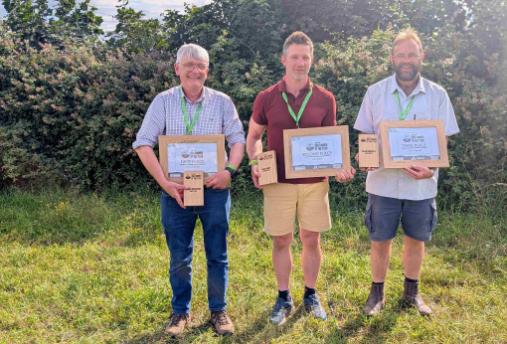

Although representing very different farming systems, all three winners demonstrated how investing in soil health can reduce costs, improve resilience and create more profitable businesses over the long term.
First place was awarded to Chris Molyneux, a field vegetable grower from Lancashire. Through legume-rich cover crops, strip tillage and controlled traffic farming, he has improved soil structure, drainage and biological activity, creating more resilient soils capable of supporting productive vegetable crops.
“There are so many people here doing amazing things I feel humbled,” says Mr Molyneux. “I don’t quite feel like the winner yet as there is still more that I’d like to do, it’s a real learning process.” Second place was awarded to Paul Baker, who farms both organic and conventional systems in
“Year-on-year we meet farmers through this competition who are thinking outside the box and trying new ways to improve soil structure, build organic matter and enhance microbial activity,” she says. "What's particularly encouraging is that these changes aren't just improving soil health, but also reducing costs, increasing resilience and helping businesses cope with increasingly unpredictable weather."
A key part of the competition is ensuring the knowledge gained by the winners is shared with the wider industry. Over the coming year, each winner will host a farm walk, giving other farmers the opportunity to see their systems in practice and discuss both the successes and challenges of implementing change.
"Soil health influences almost every aspect of a farming business, from crop establishment and water management to input efficiency and profitability," says Ms Willson. "By opening their farms and sharing their experiences, this year's winners will help other farmers identify practical ideas they can adapt within their own businesses."
Details of the farm walks will be announced through the Innovation for Agriculture and Farm Carbon Toolkit websites, newsletters and social media channels over the coming weeks.
UPP and East of Scotland Growers announce a strategic partnership to turn broccoli side-streams into sustainable protein and fibre ingredients.
Upcycled Plant Power (UPP) has partnered with East of Scotland Growers (ESG) to deploy UPP’s automated selective harvesting technology across ESG farms and secure a reliable supply of broccoli biomass for ingredient production.
UPP is a pioneering UK food-tech company creating sustainable, hypoallergenic vegetarian protein products and fibre ingredients from previously wasted broccoli crops.
Under the agreement, ESG will operate UPP’s selective harvester to automate broccoli harvesting.
Harvested side-stream material will be supplied to UPP as a consistent feedstock, allowing both organisations to unlock value from biomass that would otherwise go to waste.
Mark Evans, CEO of UPP, sees the partnership as a win for farmers, consumers and the planet: “This partnership exemplifies a shared vision: empowering growers, reducing waste, and creating nutritious, planet-positive food solutions.
“By combining ESG’s agricultural scale and expertise with UPP’s proprietary processing and ingredient technology, we are turning materials with little to no commercial value into nutritious proteins and fibres for food makers and retailers.”
For farmers, the UPP solution:
• Reduces dependency on casual harvest labour, a major constraint on production
• Mitigates labour-cost inflation that directly affects competitiveness
• Helps reduce crop loss caused by labour shortages
• Lowers harvest costs, improving efficiencies for farms
supporting UPP’s sustainability commitments and ESG’s regenerative agriculture goals.
The value to UPP over the five-year term of the harvester deployment is expected to exceed £1m, assuming multi-unit deployments from year two.
The value to the farmer is the target saving of 30%+ of harvest costs and a material reduction in the need for casual labour.
The majority of the value flows from unlocking the value in the side-stream which is expected to exceed £10m for each party by the end of the period.
Supporting planet-positive food systems
The collaboration reflects UPP’s planet-positive mission: turning low- or nil-value feedstocks into nutritious, lowimpact food ingredients.
UPP’s technology and processing pathways support greater food-systems efficiency, reduce pressure on land and resources, and advance decarbonisation at scale.
UPP’s recent £3.5 million funding round, includes a £1.5 million follow-on investment from Elbow Beach, the climate-focused investment firm backing scalable tech.
The investment is now being realised with through the scaling of UPP’s dual revenue partnership model.
Together, UPP and ESG are demonstrating how automation, upcycling and grower partnerships can reshape harvest economics, reduce food waste, and deliver planet-positive protein at scale.
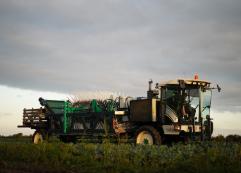

• Creates an additional revenue stream, increasing yield strengthening farm financial resilience
Shared value
The partnership is structured so that ESG shares in the gross margin from UPP’s sale of upcycled ingredients, allowing growers to monetise side-streams without additional operational risk or capital investment.
For UPP, the agreement provides supply assurance: a reliable, high-volume source of broccoli biomass that is critical to scaling its ingredient lines.
The partnership also delivers a clear sustainable benefit; broccoli side-streams diverted from waste reduce Scope 3 greenhouse gas emissions in food supply chains,
Andy Laing, Business Development Director at East of Scotland Growers, said: “We’re proud to partner with UPP to deliver tangible economic and environmental value back to Scottish growers and to the broader UK food system.
“This collaboration improves farm profitability while contributing to a food system that is more sustainable and resilient.
“We have been working with our supermarket partners to address Scope 3 emissions reduction, and working with UPP is helping us meet those goals.”
Andy Summerfield, Investor Director at Elbow Beach said: “UPP’s partnership with East of Scotland Growers is exactly the kind of solution we want to support; transforming under-utilised agricultural biomass into high-value, nutritious ingredients while delivering meaningful economic returns to farmers.
“By backing scalable solutions that reduce waste, lower emissions and strengthen supply-chain economics, we are helping accelerate the transition to a more sustainable and commercially robust food future.”
Working with Capstan and Case, BfS has developed a low drift nozzle for use with Pulse Width Modulation (PWM) nozzle bodies.
Since the early days of the introduction of PWM, BfS have been marketing PulZar nozzles throughout north America and Canada and now the PulZar nozzle systems are being offered on machines coming onto the UK market.
PWM controls each nozzle separately, and the flow rate from each nozzle is managed by rapidly switching the nozzle control solenoid on/off. The duration that the nozzle is “on” is called the Duty Cycle and varying this duty cycle provides the
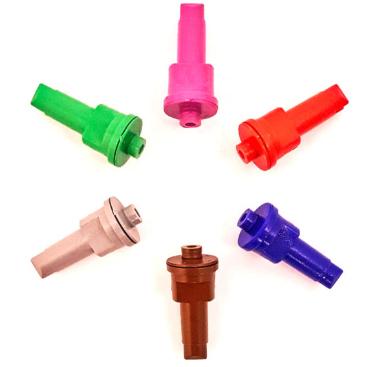
Flowgro Ltd
Barton Tumns Farm Lichfield Road, Burton upon Trent, DE13 8ED
TEL: 01283 712172
www.flowgro.co.uk
operator with the ability to control the volume output from each nozzle.
The system pressure, spray quality and fan pattern remain consistent.
The system can cope with a five-fold change in forward speed without affecting output.
PWM bodies will enable the correct application from each nozzle even when going around a corner where the outer edge of the boom is ravelling much faster than the inner edge, so giving a lower rate of application. PWM corrects this by changing the duty cycle at each nozzle to compensate accordingly.
For more information phone 01268 710237 or email stores@bfs.uk.com
Credit: Simon Nichols– BFS www.bfs.uk.com
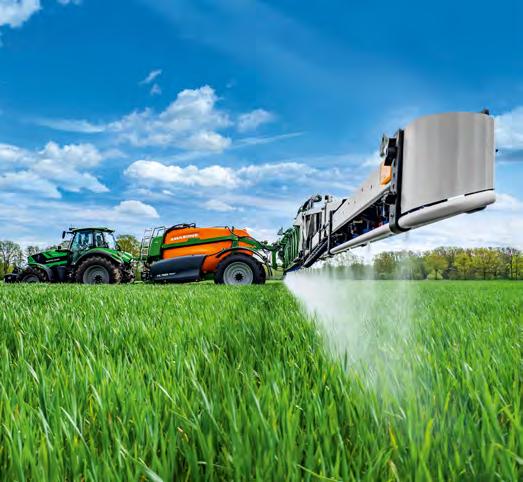
The Sustainable Use Directive (SUD)* requires all pesticide application equipment to be tested by the relevant dates.
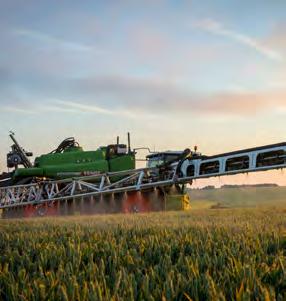
Legal requirements
First test due before the machine is 5 years old
1. Boom sprayers over 3 metres, air blast sprayers, train and aircraft sprayers
Re-test every 3 years
2. Booms 3 metres and under, slug pellet & micro-granular applicators, weed wipers, seed treatment, manually propelled or self-propelled trolley type equipment with 3 or more wheels & a motorised pump, and other specialist equipment
Re-test every 6 years
3. Knapsack, handheld and pedestrian* equipment
a. Must be checked on a regular basis by a competent person
b. Make any repairs necessary
c. Keep a record
* Maximum 2 wheels or with a manually pressurised pump
Farmstar Limited
Grove Farm, Church Lane, Marr, Doncaster, South Yorkshire, DN5 7AU
Agrifit Machinery Ltd
Crop assurance scheme requirements
a. Annual testing for sprayers over 3 metres and air blast sprayers
b. Annual testing of granular nematicide applicators
c. All other equipment to SUD timescales
* The legal requirements are contained in the Plant Protection Products (Sustainable Use) Regulations 2012
Flowgro Ltd
Bavenhill Mechanics

Dave Lightowler
Present in Yorkshire & Lincolnshire
Tel: 01302 786786
www.farmstar.co.uk

Arglam Dairy Farm Arglam Lane Holme on Spalding Moor YO43 4HG
Tel: 07966 112629
www.agribuggy-yorkshire.co.uk
Barton Tumns Farm, Lichfield Road, Burton upon Trent, DE13 8ED
Preston Cross, Ledbury, HR8 2LJ
www.nsts.org.uk
Tel: 01283 712172
www.flowgro.co.uk
Tel: 01283 712172
www.bavenhill.co.uk

itrogen, phosphorus and potassium are essential inputs for agricultural productivity, but, with prices remaining high, making better use of nutrients to reduce farm costs has become a priority. Biostimulants provide a sustainable way to make common input go further by increasing nutrient use efficiency (NUE) in a wide variety of crops.

Biostimulant specialist and agronomist with Orion Future Technologies, Mike Stoker suggests that agriculture has only scratched the surface of what biostimulants can offer.
“Biostimulants are not a fertiliser replacement. The role of biostimulants is to help the plant make better use of the nutrients provided by fertilisers, which has the knock-on benefit of reducing the amount of fertiliser being used,” he says.
He points to biostimulants helping to improve root development, nutrient uptake and provide plants with a greater tolerance to abiotic stresses such as drought, heat and salinity.
“If a plant can grow deeper seeking roots, it is better placed to withstand drought conditions. Furthermore, if plants are able to assimilate more nutrients and convert those nutrients into proteins, enzymes, chlorophyll, and other essential compounds, it will be stronger and will need fewer inputs, which will save growers time and money while also producing a healthier crop,” he says.
NUE has become something of a buzz term, with many seeking innovative ways to minimise fertiliser inputs as part of a move to more regenerative growing practices. However, Mr Stoker suggests that NUE does not necessarily have to cause dramatic changes to growing systems, and that biostimulants are an easy way to get more from what is already available.
with common fungicides and herbicides, making them easy to apply. Some biostimulants, especially those containing plant available silicon, can be absorbed quickly and immediately make a difference to how efficient the plant is at making use of fertilisers,” he says.
Through trials with KWS on winter wheat, he was able to establish that the use of Sirius, a silicon biostimulant, helped increase the uptake of calcium, copper and iron.
“We applied two foliar sprays and compared to a control. The result was enhanced quality and resilience in all five wheat varieties. We have seen similar results with oilseed rape and ahiflower and noticed that, in particular, potassium uptake was in some cases doubled following the application of Sirius,” he adds.
Through plant analysis he has been able to ascertain that cell wall development and cell division is improved when biostimulants are applied. This helps strengthen the plant and make it more resilient.
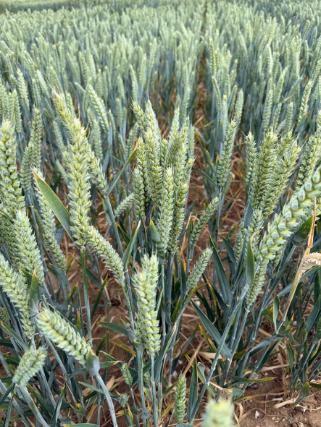
“A stronger plant will help drive NUE because the plant is better equipped to utilise the nutrients from fertilisers. As this process unfolds over weeks and months, growers will see the plants thriving and be encouraged to not rely on so much fertiliser to see the desired yield. In essence, using biostimulants is helping the plant do more of the work, rather than forcing the situation,” he says.
He also points to the longer-term benefits to sustainability that biostimulants provide if used consistently over more than one season.
“Most biostimulants can be added to the tank along
“There is a snowball effect of using biostimulants year on year. The improved NUE in year one reduces nutrient losses to water and air, contributing to environmental protection while maintaining crop productivity. This enables the grower to be less reliant on bought-in fertilisers that have fluctuated in price due to market volatilities. Biostimulants also improve beneficial soil bacteria, fungi and protozoa which make soil more fertile for the following crop,” he concludes.
elson winter wheat is seeing rising demand this year as growers look for varieties that combine a dependable end market with strong performance in the field and lower input requirements.
Lincoln-based seed and grain specialist COPE is offering buy-back contracts with Heygates Millers at a Group 1 price for Nelson, providing growers with added confidence in the variety's marketability.
With further policy changes and rising input costs, including the introduction of a carbon tax on fertiliser from 2027, on the horizon, farmers are placing greater emphasis on varieties that can deliver consistent performance with fewer inputs.
Nelson has proven its ability to achieve high protein levels from reduced nitrogen (N) applications, while its strong disease resistance package, including excellent resistance to yellow rust, gives growers greater flexibility in their fungicide programmes. Together, these characteristics provide a reliable route to achieving milling specification while helping to manage input costs.
Having been grown commercially for more than a decade, Nelson has built a loyal following among UK growers. Many have continued to grow the variety year after year, valuing its consistency across different seasons and growing conditions.
George Mason, director of wheat procurement at Heygates Millers, says Nelsonis continuingto prove its value as a reliable milling wheat.“We are committed to using as much homegrown wheat as possible, and Nelson is demonstrating that it can consistently achieve the protein levels required. This gives farmers confidence that their investments and efforts can be rewarded through access to a secure market and the potential for additional premium returns.”


"Farmers are asking different questions than they were a few years ago," says COPE grain director, Tom Desborough. "They're looking for varieties that are resilient, easier to manage and capable of producing a milling quality crop without an intensive input programme."
Well suited to regenerative and cost-conscious farming systems, Nelson has consistently demonstrated the ability to produce high yields, excellent specific weight and strong protein levels from lower nitrogen inputs, while its robust disease resistance package, including excellent resistance to septoria, mildew, yellow rust and brown rust, provides greater flexibility in fungicide programmes.
Suited to a wide range of soil types, it also offers a broad drilling window, strong standing ability and excellent competitiveness against blackgrass, making it a reliable and resilient choice across a variety of growing conditions. Independent and private trials have repeatedly shown the variety to deliver consistent performance in both dry and wet seasons, maintaining its strong yellow rust resistance even under severe disease pressure in 2025.
"Nelson has earned its reputation over many years because it delivers consistently," says Tom at COPE. "We have increased demand from Heygates millers and are seeing more interest from growers who want a variety that works with the direction farming is heading, one that helps them manage costs while still producing a marketable milling crop."
Tristan at Elton Estate in Peterborough has found Nelson winter wheat delivers strong Nitrogen Use Efficiency. “We picked Nelson because of its strong disease resistance. In 2025 it performed well with yields comparable to everything else group 1 wise on the farm, and it got 14% protein from a standard N programme which gave us a premium with Heygates.”
Lincolnshire arable farmer, Colin Chappell says that Nelson needs fewer nitrogen applications. “We can reign right back and still get the protein score on it. From 160 kilos of N on a non-milling field, we got milling spec for Nelson.”
As the economics of wheat production continue to change, Nelson is demonstrating that lower-input management and premium crop potential can go hand in hand, offering growers a practical way to remain competitive in an increasingly challenging market.
To learn more about growing Nelson, visit the COPE website https://copeseeds.co.uk/products/ nelson-winter-wheat/ or contact the team directly on sales@copeseeds.co.uk or call 01529 421081 to see if it’s the right fit for your farm.

ndependent trials have shown an organo-mineral fertiliser (OMF) delivering a 27.7% grain yield increase over mineral nitrogen. The headline figure – OMF plots delivering 9 t/ha versus 7.05t/ha on mineral equivalents at the same nitrogen application rate of 160kg N/ha – was achieved in spring barley trials conducted at Rothamsted Research in Harpenden, as well as its sites in Suffolk and Devon. At current grain prices (AHDB April 26) that represents an increase in revenue of £205/ha.
With results from three geographically distinct locations (with different climates and soil types) and spanning two contrasting seasons, farmers considering a change of approach now have credible data to base their decisions on. The full results, including N-dose curve data, Nitrogen Use Efficiency figures (NUE) and full ROI will be presented at Cereals 26 and Groundswell.
"Two bookends in a cropping cycle" and one clear direction
The OMF trialled at Rothamsted was developed by SoilWorx with an NPK of 10-4-4. It compares closely with the 10-1-3 SoilWorx has produced in the Agrii-Fortis OMF product range, in partnership with agronomic advisory company Agrii. What makes the trial data particularly compelling is that years one and two represented near-opposite growing conditions. Year one was characterised by high rainfall, prompting some initial commentary that the OMF advantage may have simply reflected
mineral nitrogen being leached from the soil. Year two answered that question directly: a notably dry spring, and yet the OMF plots still outperformed the mineral treatment.
"It's really important for farmers to know that we've now got two bookends in a cropping cycle," says Dr Paul O'Hora, SoilWorx Sales Director. "We're not getting a typical year anymore. We're getting extremes of weather, and it's possible that very dry springs may actually be the future. So it's important that we've been able to show in two seasons that it works regardless of conditions."
Pre-harvest visual assessment during the dry 2025 season reinforced what the data later confirmed. Paul visited the plots in the weeks before harvest and noted the OMF-treated areas were visibly holding their own against the mineral plots, with no signs of the crop stalling under moisture stress. "It's proof that if you get the soil foundation right, you'll see it in the crop," he says.
The practical significance of achieving nine tonnes per hectare against 7.05t/ha is straightforward. More grain, more income, achieved with no change in agronomy. According to AHDB grain prices for April 26, SoilWorx OMF delivers £939/ha gross income compared to £734/ha for standard mineral nitrogen. A difference of £205/ha.
The fertiliser was applied as a top dressing in two applications: one just after drilling, one later in the
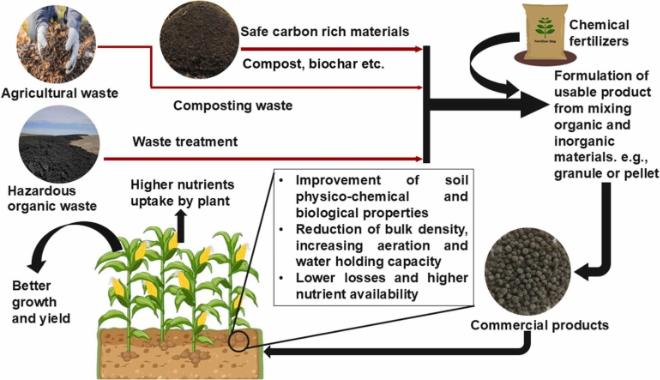
season in exactly the same way conventional mineral fertiliser would be used. There were no additional passes or changes to tillage system.
"All we did was replace the fertiliser," says Paul. "Like for like. You can put it out in the same spreader at the same timings. There's no need for going out and doing something completely different."
The yield uplift also presents farmers with a genuine choice about how to realise the benefit. "Either take the additional yield and the associated revenue, or apply the findings to reduce fertiliser input and cut costs," says Paul. "Either route, points in the same financial direction."
Soil biology: a 272% increase in microbial biomass
Alongside the yield data, the trials recorded a 272% increase in microbial biomass from a single application. For Paul, this figure matters as much as the headline yield number, because it speaks to the mechanism underlying longer-term performance. Bacteria fix nitrogen, which is then released slowly back into the soil rather than being lost to leaching or the atmosphere. More microbial activity supports better soil structure, improved drainage and aeration, and greater root development — all of which feed into crop resilience.
"Once you start getting that root rhizosphere area working together harmoniously, that's where you start to see the exchange of nutrients, cycling, nitrogen fixation," he explains. "And that's why you see differences between soils that are in a poor state and possibly a neighbour whose land may have had time to recover and become healthy," Paul explains.
The significance of this for the longer-term picture is that the benefit compounds. Year three of the Rothamsted trial is already in the ground, and Paul is optimistic that the data will show further improvements as the soil biology continues to build.
"This is a long-term game," he acknowledges. "Even after year three, we'll only just start seeing some of those benefits coming through. We may not know the full story until year five."
Year three will also introduce the standard organic product range alongside the OMF, providing a direct comparison between the two approaches under the same independent trial conditions.
The results also shed light on the agronomic 'mechanics' behind the yield increase. SoilWorx OMF operates as a hybrid, with a mineral component providing immediately available nutrition, and an organic portion requiring mineralisation, which delivers a slower, sustained release across the growing season. This means that as the mineral fraction diminishes, the plant continues to receive nutrients rather than drawing down on what little remains in the soil.
There is also an emerging hypothesis around root development. Where synthetic fertiliser makes nutrients immediately and abundantly available, there is evidence to suggest the plant has less incentive to extend its root system. With a hybrid approach, the plant is encouraged to reach deeper and work with soil microbes to access nutrition. This builds a stronger foundation that delivers longterm resilience rather than short-term availability.
The current Rothamsted trials cover spring barley across three sites, maintained in the same plots from year to year for consistency. But SoilWorx is actively extending its evidence base. Trials across the UK and Ireland now include potato, grass and winter wheat. "We would be very open to discussions with growers interested in trialling the product in other parts of the UK, in alternative systems," Paul adds.
But with arable margins under sustained pressure, and interest in alternative fertiliser sources rising in the context of global supply volatility, Paul is clear about what the Rothamsted data already offers farmers sitting on the fence.
"Farmers can't afford to invest in 'niceties'," he says. "They need to know it works. And we've now got results that show SoilWorx OMF works, and that you can easily apply it in place of a standard synthetic alternative. As always, our advice is talk to your agronomist about the opportunities available for you."
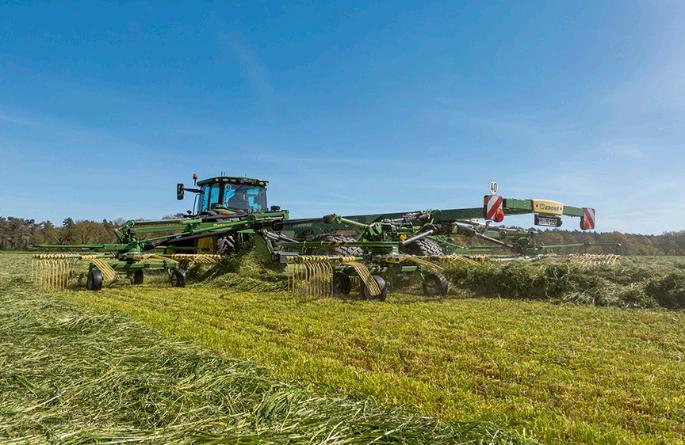
KRONE now equips its Swadro TC 1250 as standard in the Pro version with the latest onboard electronics, Load Sensing and other features, making this compact four-rotor rake centre delivery even easier to operate.
Spelle, July 2026: With the Pro version of the tried-and-tested SwadroTC1250, KRONE is expanding its product range in the 12.50-metre class of four-rotor rakes. While the Swadro TC 1250 and the Swadro TC 1250 Plus continue to impress with their intuitive and practical operation via the control units, the Pro version sets new standards in the field of compact four-rotor rakes. Equipped with standard LoadSensing hydraulics and an ISOBUS operation device, the Swadro TC 1250 Pro offers a range of additional functions which enable numerous automated processes, taking operating comfort and efficiency to a whole new level.
Given its overall length of just 8.25 m, the Swadro TC 1250 is currently the most compact four-rotor rake on the market in all its versions. This design enhances manoeuvrability and makes the machine easier to handle, particularly on small, winding or uneven surfaces. The working width, which can be adjusted steplessly from 9.80 to 12.50 m, ensures exceptional efficiency and allows the swath volume to be optimally adapted to the harvesting machine following behind. As with the Swadro TC 1250 / Plus, the new Pro version also features the tried-and-tested EasyLine drive concept which ensures an optimal forage flow. The front rotors rotate faster than the rear ones, in front of which the crops are spread out and then gathered into an extremely even, box-shaped swath.
The active hydraulic rotor relief system,
which is highly valued by customers and is already a standard feature on the Swadromodels TC 1370 Pro and TC 1570 Pro is now also integrated into the new Swadro TC 1250 Pro. The Pro version therefore incorporates a key comfort and performance feature from the larger series, offering users optimal rotor relief and ground adaptation even in the 12.5-metre class.
Even at the headland, the Swadro TC 1250 Pro's sophisticated hydraulic system demonstrates its strengths impressively: An integrated vibration damper enables the rotor arms to effectively absorb any fluctuations in the rake that occur when it is positioned at the headland – such as those caused by uneven ground or swaths which have already been laid down. This prevents the entire machine from rocking and significantly reduces the load on the frame. With its Soft-Down automatic lowering system, the rake continues this gentle approach: As the rotors are lowered from the headland position into the working position, they are cushioned just before they touch the ground, ensuring that they settle gently onto the sward. This controlled lowering ensures that the rotors touch down safely and precisely, provides long-term protection
of the sward and minimises contamination of the crops – a key factor in achieving highquality forage.
Added comfort is provided by a range of new automatic and driver-assistance functions. To ensure optimum results across a variety of field layouts, the Swadro TC 1250 Pro comes as standard with an singlerotor lifting mechanism and a paired rotor lifting mechanism. When using the automatic lifting mechanism, the rear rotors are automatically raised to the same height as the front rotors after a short delay. The highlight here is the flexible adjustment of the delay, as this can be adapted to the driver's needs based on both time and distance.
If the rotors are still on the ground when reversing, the machine lifts them automatically. This prevents damage to both the rake and, in particular, the sward.
To further enhance driving comfort, the Swadro TC 1250 Pro is available with an optional automatic section control system
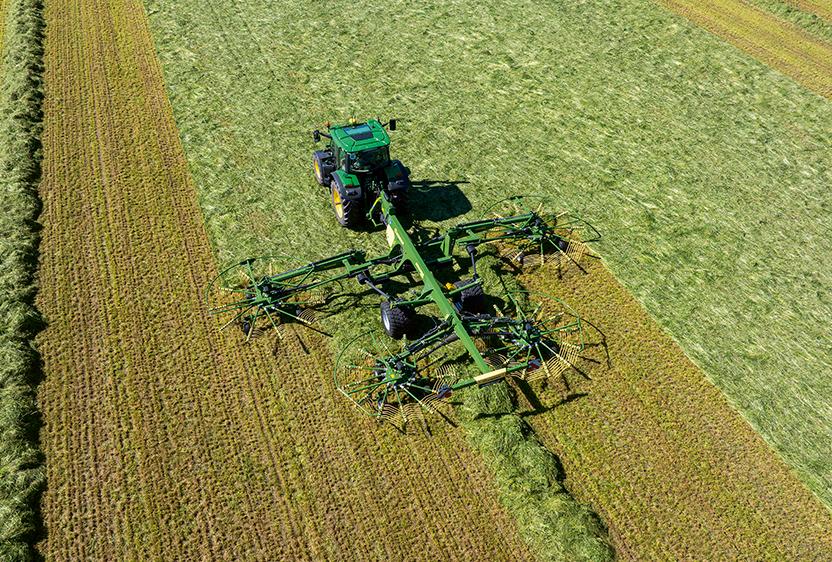
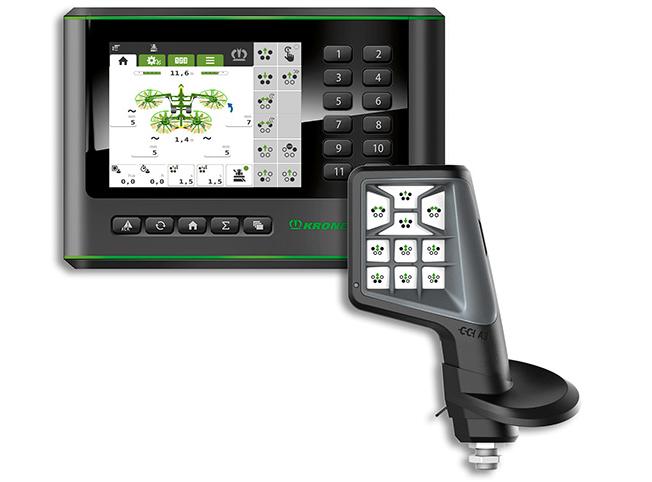
Section Control. This significantly reduces the driver’s workload, particularly when working on irregular field layouts and during long working days, as the machine now raises and lowers the rotors automatically.
The rake can be folded from the transport position to the headland position and back again at the touch of a button using the sequence control. When the machine is folded out, it automatically returns to the last position it was in before it was folded in. This contributes significantly to working efficiently and achieving reproducible results.
Like the Plus model, the new Pro version also features electric rotor height adjustment. Two programmable rotor heights enable quick switching between known conditions. To adjust the height of the rotors individually, each rotor can be adjusted separately, all together, or using the master rotor principle via the terminal.
Operation is controlled via the enhanced Comfort On-Board Electronics 2.0 which features full ISOBUS connection and Load
Sensing support. All functions are clearly displayed on the terminal and can be easily controlled from the tractor cabin. The SwadroTC1250Pro therefore meets the highest standards for modern driver workstations.
Depending on the intended use, the rake can be fitted with different types of tyres. You can choose between 500/50-17 tyres or extra large 710/35 R22.5 tyres which offer additional ground protection and quiet running.
Conclusion: With the SwadroTC1250Pro, KRONE presents a four-rotor rake centre delivery which impresses with its compact design, extensive automatic functions and newly developed operating solutions. The combination of excellent manoeuvrability, intelligent technology and maximum operator comfort makes it a highperformance solution for professional forage production chains and demanding operating conditions.
• Variable working width from 9.80 to 12.50 m for high efficiency
• Particularly compact design with excellent manoeuvrability in confined spaces
• Automatic soft-down system with adjustable rotor lowering speed for maximum protection of the sward and even swathing
• Active hydraulic rotor relief on the front and rear rotors ensures optimum ground adaptation and clean forage intake
• A wide range of comfort and automatic functions, including single-rotor lifting mechanism, automatic lifting when reversing, and time or distance-controlled lowering and lifting
• Optional Section Control for automatic control of the rotors during lowering and raising, ensuring high efficiency and reducing the workload on the driver
• Electric rotor height adjustment with two storable heights – all four rotors are adjusted simultaneously
• Comfort On-Board Electronics 2.0 which features full ISOBUS and Load Sensing connection for intuitive operation from the cabin
Technical data
• Working width: 9.80 to 12.50 m
• Swath width: approx. 1.20 to 2.20 m
• Transport width: 2.99 m
• Transport height: 3.99 m
• Drive train: KRONE Easy-Line drive concept, maintenance-free rotor gearbox
• A choice of 500/50-17 or 710/35 R22.5 tyres for optimum adaptation to operating conditions and high ground protection
• Rotor: rotor diameter: front: 3.30 m, rear: 2.96 m
• Operation: Comfort on-board electronics 2.0 with full ISOBUS operation, automatic Soft-Down, electrical height adjustment, hydraulic relief, single-rotor lifting mechanism,
• Additional equipment: optionally with Section Control
• Running gear: Four-wheel rotor chassis with tyres 16x6.50-8, Transport chassis with tyres 500/50 -17 or 710/35 R22.5
• Power requirement: approx. 59 kW / 80 hp
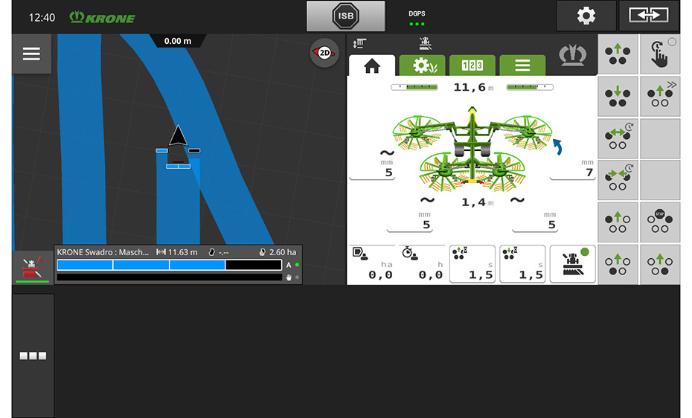
Grass silage is a type of fermented forage which is made from preserved grass which undergoes a fermentation process at ensiling.
Farmers will work hard to create grass silage for their herds during the summer to ensure their animals have a delicious, balanced diet during the periods of the year when cows are housed.
When creating grass silage, farmers will cut the grass in their fields and compact it in a silage clamp. This way it is stored whilst the fermentation process takes place, until it is good enough for their cows to eat.
There are multiple steps farmers have to take when creating grass silage to ensure it is fermented in the correct way.
To begin, the grass is harvested. This process usually begins at the start of May, when the weather is just right and grass is growing quickly.
Typically, this month provides the optimal time for grass cutting, however, poor and wet weather conditions can delay this.
At this time, the grass has lots of nutritional value and will offer a high yield.
Farm workers will cut this grass with a specialised, heavy agricultural mower. Other equipment such as tedders and rakes are then used to help the grass wilt quickly so a dry matter in the region of 30% is achieved.
The forage harvester will lift the grass from the field. Then it will chop the grass into small lengths, making it better for the compaction and fermentation processes. Ideally a silage additive will be applied to the grass as it travels through the forage harvester.
Grass that has now been harvested and chopped needs to be compacted to encourage the fermentation process.
This begins by piling all of the grass into a
silage clamp. Typically, a tractor will be used to drive over thin layers of the chopped grass continuously. This is to ensure the grass is compacted as tightly as possible.
Compaction is a vital step to minimise the amount of oxygen in the silage to promote fermentation.
Once the grass has been compacted, it is important to cover it with a plastic sheet. This is made to both exclude oxygen and to create a seal.

This will also protect the silage from weather conditions such as rain, or intense heat.
The cover is usually weighted down using tyres or mats to prevent it blowing away in the wind. It also helps to maintain compaction in the upper layers of stored silage.
Now the silage has been compacted and covered, the fermentation process will take place.
At this stage, if the appropriate silage additive has been used healthy bacteria, primarily lactic acid producing bacteria, will begin converting the sugars in the grass into lactic acid. This process is called anaerobic fermentation.
The lactic acid will work to reduce the pH of the silage. That makes it stable for long term storage. Although it is more acidic than grass, lactic acid preserves the nutrients in the silage superbly while the silage itself remains very palatable for the cow to eat.
Once each of these steps are completed and the fermentation has finished, the silage will be stored until it’s required to be fed to the farmer’s livestock.
If you want to learn more about silage additives and how they can help improve the quality of silage, visit: https://www.absglobal.com/uk/
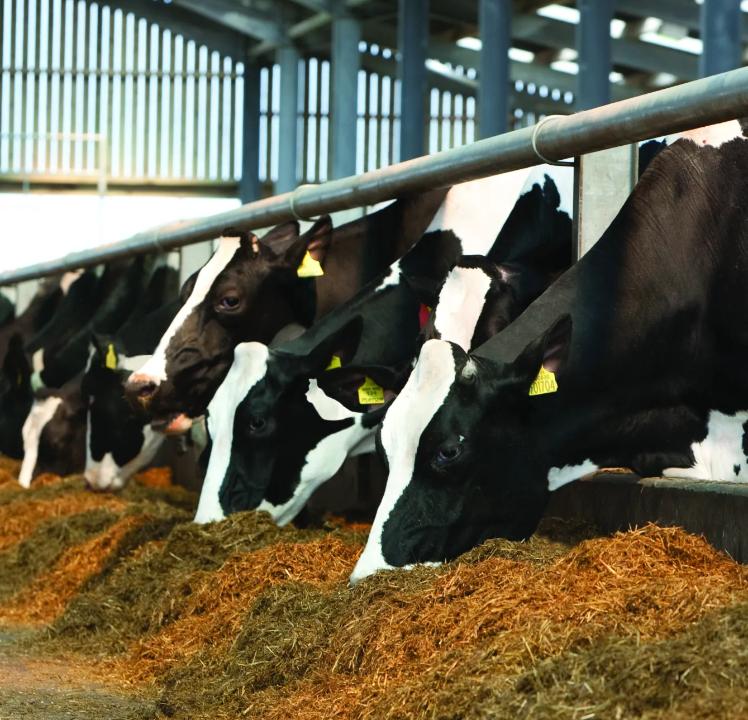


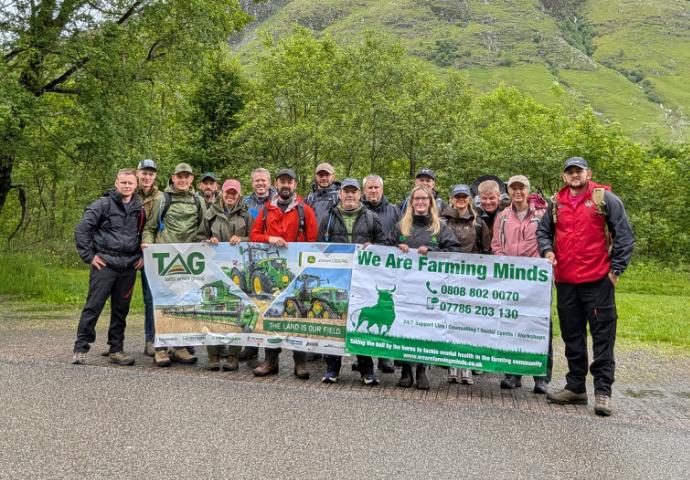

obust and long potato rotations are improving the resilience of British potato production and delivering large volumes of sustainably produced food, a new report from GB Potatoes shows.
“Potatoes are key to many rotations with the growers I work with,” says, agronomist Mark Taplin, at Harvest Agronomy, based in Shropshire.
“Without them, and a reliance on cereal crops means that the economic performance of the farm can be very marginal at the moment.”
Calculations by fellow potato agronomist Mark Stalham show that a potato-based rotation delivers almost 20% more food energy per hectare than a cereal-based one, with spring crops also helping to preserve soil and other resources. The best potato growers deliver 40% more food energy than average cereal ones.
Other research shows that potato-based rotations deliver larger volumes of vital nutrients, including fibre and protein and double the amount of key minerals and vitamins including iron, potassium and Vitamin C.
Potato rotations of six years are now commonplace in the UK with many longer. Those are some of the longest in the world –some countries still grow potatoes one in every three years.
As well as being more-productive overall, longer rotations also control a range of pest and diseases that threaten to make potato

production unsustainable.
“There are lots of situations where growers believe their rotations have been too tight especially where there has been a build-up of pests and disease such as PCN and rhizoctonia,” says Mark Taplin.
“The market is also less tolerant of the quality issues that arise from potatoes diseases and defects.”
It takes long-term planning to successfully control pest and disease with rotations, adds Mark Stalham:
“Crops with longer rotations have reduced disease and pest risk. PCN and fungal disease decline rates are long – it takes about 10 years to reduce incidence to 5% of the original level.”
Rotations deliver for Andrew Wilson
A robust potato rotation is at the heart of Andrew Wilson’s farm at Slingsby near York.
“Rotations on our rented land vary from four to six years, increasing to seven at home. Most of our spring crops are preceded by muck and/or cover crops, except for the peas.
“We realised long ago that good soil management was essential for the farm to thrive, with a diverse rotation important for crop performance to be maintained.”
He grows six other crops between potato crops, including wheat, malting barley, vining peas and sugar beet. He was also an early adopter of cover crops using them to control pests and


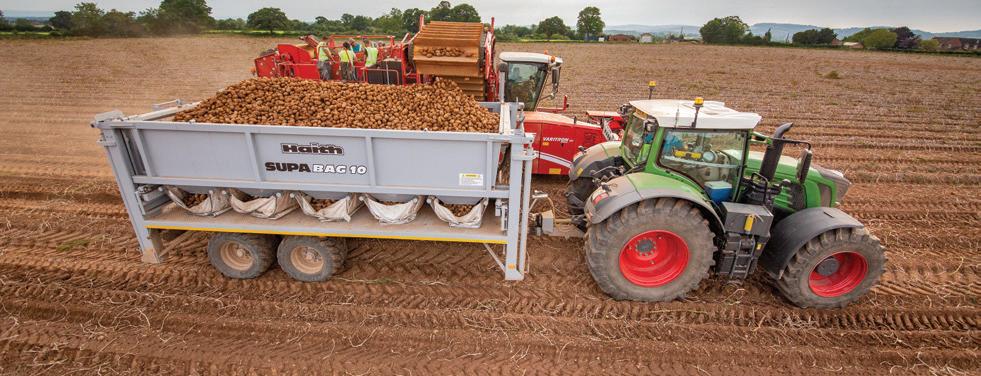
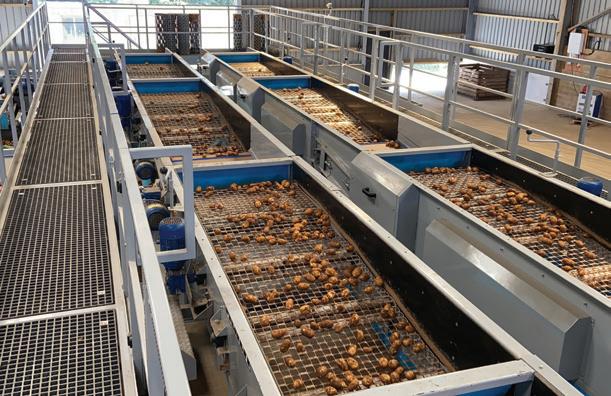
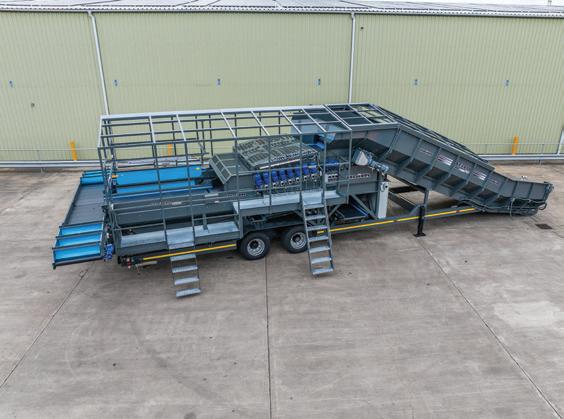
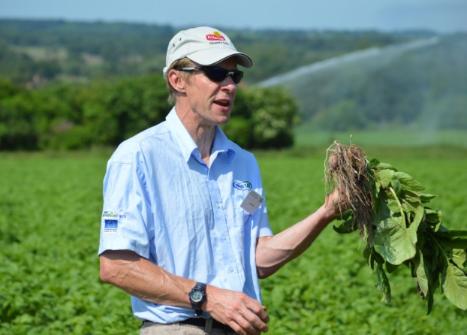
disease and improve soil.
Asked to list the pros and cons of a robust rotation, Andrew says:
“With the volatile weather, prices and politics that we are seeing, having a system that spreads risks, workload and cashflow, while keeping the farming job interesting is a real benefit to the business and to me personally. It’s not without its challenges though!”
Processors and packers are also seeing the benefit of longer rotations to them and their customers. McCain is investigating the benefits of mixed livestock and crop system based on rotations and improving soil at its newly opened UK Farm of the Future – only the third in the world after sites in Canada and South Africa. It has teamed up with Leeds University to research the benefits of incorporating pig manure into a rotation. Work by McCain in New Zealand on improving rotations has delivered a 25% increase in potato yields since the early 2000s, with a 9% reduction in greenhouse gas emissions.
Meanwhile, Andy Blair, technical manager at packer Branston’s explained at the launch of its low-carbon table potato Georgina earlier this year, how using rotations on its concept farm has helped bring the variety to the shelves of supermarket Tesco.
“The ambition of the low carbon concept farm is not only to see how close we can get to a net zero potato, but to understand the interactions between crops as you move from one to the next. We’ve got several crops in rotation, so now we’ve made significant progress with the
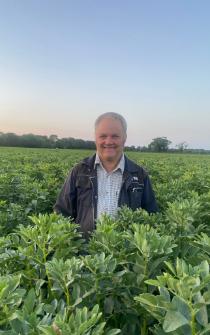
potatoes, we’re looking at the carbon impact, soil health and biological impact of the process.”
Farmer-led research organisation Vitagri is leading a project to investigate the relationship between the way potatoes are grown and the nutrition they deliver, including the use of rotations. The work is in conjunction with the British On-Farm Innovation Network and Bionutrient Institute.
Explaining the project, Rob Ward, chief executive of Vitagri said:
“We will analyse potato samples from a diverse range of UK systems using a wide nutrient panel — dry matter content, mineral uptake (potassium, magnesium, iron), antioxidant levels and disease incidence — and pair every result with detailed metadata about how that crop was managed: soil management, input regimes, cultivation intensity, irrigation, fertility sources, rotational lead-in strategy, variety and storage conditions.”
Commenting on the report, GB Potatoes CEO Scott Walker says:
“British potato growers are proving that productivity and sustainability can go hand in hand. We are leading the way in using long, robust rotations to deliver large volumes of nutritiously dense food from every hectare, while improving the sustainability of production. Meanwhile, research by GB Potatoes members and others, means that British growers are at the forefront of producing the most sustainable potatoes possible.”


he 2025 crop in store seems to have bumped into almost every factor designed to create a difficult storage season. Early planting and emergence, followed by a (mostly) hot dry summer saw crops arriving in store in a state of considerable physiological age. The weather was also less than ideal for the application of MH for much of the key window. Harvest conditions were good (or perfect) for nearly everyone, so stores filled early, quickly and were warm. The weather kept them from cooling as swiftly as desired, and those crops, which had not sprouted in the field (plenty did), were opening their eyes much earlier than would normally be expected. Growers planning for early movement, and who would not normally expect to use a sprout suppressant, were scrambling for advice.
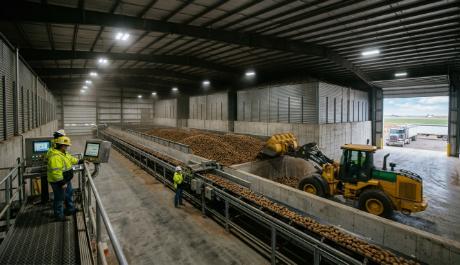
On top of the physical challenges of a sprouting crop was a hangover of crop in store from the 2024 harvest, some of it still finding a way to a generally weak market. And then came the French and the Germans. In 2024, it is reported that the French grew their first 9m tonne crop, and then went one better in 2025, with a first 10m tonne crop. The German 2025 crop is reported to be the largest for a quarter of a century. The continent was (is) awash with potatoes – free-buy crops were bid at €15/t during the autumn. There are reports of large areas in Poland being ripped up with a chisel plough, rather than being harvested.
Crops were sprouting and customers delaying movement, not just in the UK but across much of the continent. Significant (and early) demand for sprout suppressants put supply chains under pressure, with occasional reports of demand for product overwhelming availability.
The situation in the UK has not improved much in the new year. Crops are still in store, some with limited prospect of finding a market. Free buy is well-nigh impossible in the absence of strong relationships with end users. Crop quality in many stores, even with the good harvest, is deteriorating and sprouting continues apace. The season is proving to be hard for many growers, and now the weather seems to have turned in favour of some early planting on very light land.
The relatively flexible timing of application for BioxM places the product in a strong position to deal with most situations and keep crops secure. Early
sprouting was addressed, some requiring a full 90ml/t first application to do so. For more fortunate growers, with sprouts coming slightly later in cool and well-cured crops, Biox-M has worked effectively to keep control. Growers, who have been obliged to hold crops in stores destined to receive seed for 2026, also have the reassurance that treatment of the preceding ware crop with Biox-M in the store will not cause a problem.
Biox-M is the only 100% natural and sustainable sprout control for potatoes.
• Is a naturally occurring and truly sustainable product, in widespread use in the food industry
• Is approved for use on organic potato crops,
• Has no harvest interval or MRL beyond the one-day mandatory withholding period after treatment, and is thus ideal for use on crops for which the date of movement is uncertain,
• Has substantial flexibility of timing of application,
• Results in minimal weight loss in store,
• Does not leave persistent residues in the fabric of stores and boxes used for storage,
• And is therefore suitable for use in stores, which may subsequently be used for the storage of other crops or seed potatoes,
• Is effective at higher storage temperatures, reducing the risk of acrylamide development when crop is processed,
• Sequesters carbon during growth, removing 1t of CO2 for every 1,000t of potatoes treated,
• And should be a component of the sustainability plan for every farm and every customer; effectively carbon neutral.


The


Sequesters carbon during growth. Flexibility of timing.
Minimal weight loss in store. Curative and preventative. No MRL.

The

isitors to Potatoes in Practice 2026, who are membersBASISorNroSO, can enhance their professional development and earn up to six CPD points at the event on Thursday 13thAugust.
An interactive knowledge trail, designed to engage visitors while reinforcing key agronomic insights, will run across a number of participating exhibitors stands. There will be ten questions per exhibitor, each focused on the technical and practical information on display.
This hands-on approach encourages participants to deepen their understanding of current innovations, research and best practices within the potato sector.
Potatoes in Practice, hosted byThe James Hutton Institutethroughthe National Potato Innovation Centre (NPIC)in partnership withSRUC, is a key event for the entire industry.
NPIC, one of several crop centres developed by the Hutton, is a partnership dedicated to delivering scientific solutions to the challenges facing the potato industry.
Professor Ian Toth, Director of NPIC, highlights the significance of the CPD initiative: "Potatoes in Practice is designed not only to showcase

innovation, but also to equip professionals with the expertise they need to drive the industry forward.
"By combining the knowledge trail with seminars, demonstrations and expert-led discussions, the event offers a comprehensive learning experience that will help to drive the industry forward."
Both BASIS and NRoSO play a crucial role in supporting professional development within agriculture.
BASIS, a charitable organisation founded by the pesticide industry in 1978, is dedicated to raising professional standards in land management and food production. It provides a range of qualifications, professional registers and auditing schemes that support individuals and businesses alike.
NRoSO (National Register of Sprayer Operators) was formed in 2003 and has evolved to offer many benefits to its members, including training events, up to date industry information, technical updates and networking opportunities.
Potatoes in Practice takes place a week later than usual this year, on Thursday 13thAugust, at The James Hutton Institute's Balruddery Farm in Invergowrie, near Dundee.
Tickets are free and available now onEventbrite.
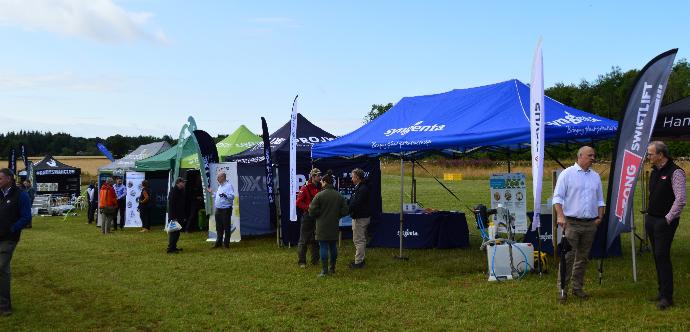

utton Scientific Services (HSS), the commercial arm of The James Hutton Institute,has announced the launch of a new commercial potato virus testing service for the 2026 seed potato campaign, developed in response to the recent withdrawal of commercial testing services by Science and Advice for Scottish Agriculture (SASA).
The new service has been established to ensure continued access to reliable, high-quality virus testing for the UK seed potato sector, helping to safeguard market confidence in Scottish-origin seed potatoes and supporting informed management and marketing decisions across the industry.
HSS provides world-class scientific research and technical expertiseacross agriculture, environmental managementand food security. Through innovation, applied science and industry collaboration, it works to address global challenges and deliver practical solutions that support a more sustainable future.
Dr Louise Gamble, Delivery Lead for the new virus testing service, said, "With SASA stepping back from commercial testing, the availability of reliable and robust virus testing services is essential to maintain market confidence primarily in Scottish origin seed.
if not effectively monitored and managed. By adding commercial virus testing to its service offering, HSS aims to strengthen the reputation of Great Britain's high-health seed potato stocks while providing the industry with intelligence at a critical time.
HSS, in collaboration withthe Centre for Agricultural Sustainable Innovation(CASI) has begun accepting bookings for the new service on a first-come, first-served basis, with all samples requiring a pre-booking confirmation.
Customers will have access to both ELISA (enzyme-linked immunosorbent assay) tests and rapid real-time PCR (polymerase chain reaction) testing. Screening for both PVY and PLRV will be
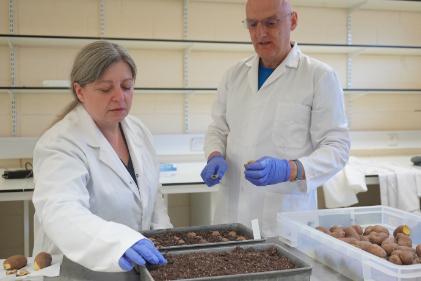
"With the unique combination of glasshouse facilities and relevant expertise in potato plant pathology, HSS has endeavoured to develop a service which meets Scotland's need for postharvest virus testing for the two most prevalent viruses, potato leaf roll virus (PLRV) and potato virus Y (PVY).
"Our aim is to continue to align with industry's biggest challenges whilst building on the Hutton's international reputation for quality and excellence in commercial testing."
The introduction of virus testing expands the Hutton's established portfolio of potato health services, which already includes testing for late blight, potato cyst nematode (PCN) and free-living nematodes (FLN).
Potato-infecting viruses remain a significant threat to crop health, yield and certification standards within the seed potato industry. Aphid-transmitted viruses such as PLRV and PVY can result in substantial economic losses and crop downgrading
included as standard, providing growers, seed producers, exporters and agronomists with robust diagnostic information to support crop management and market planning.
Commenting on the launch, Jamie Smith, Business Development Manager at HSS, said,
"The withdrawal of SASA's commercial testing service creates a clear gap for the industry at a time when demand for high-quality virus diagnostics remains strong.
"Our aim is to provide a seamless and financially competitive transition for customers seeking a trusted virus testing provider, whilst delivering the same excellence, reliability, and independence that underpins Hutton's existing potato-related commercial services."
Customers interested in pre-booking or discussing their virus testing requirements are encouraged to contact Dr Louise Gamble or technical expert, Graham Cowan, atVirusTesting@Huttonltd.com.

awn Mower Blades: The Ultimate Guide (Types, Measuring, and More)
Buying replacement lawn mower blades is easy if you have the blade part number. With your mower’s model and serial number, you can reference a parts diagram to find the correct blade.
But what if you don’t have that information? How do you know which blade will fit?
By the end of this guide, you’ll have everything you need to confidently choose the right lawn mower blade for your mower.
We carry High-Lift Blades, Low-Lift Blades, Gator (3-in1) Blades, Mulching Blades and Straight Blades. Along with all robot blades.
Before selecting a blade type, it’s important to measure your existing blade correctly.
Measure Blade Length Diagonally
The most common mistake is measuring straight across the blade. Always measure diagonally from cutting tip to cutting tip. Keep in mind that used blades may measure slightly shorter due to sharpening.
Measure straight across the center hole. If your blade has multiple holes, be sure to measure the center hole. If the hole is not circular, identify the shape (star, Sshape, etc.).
If your blade has two outer holes, measure their diameter and the distance between their centers (centerto-center). These holes help align blades properly on multi-blade decks.
Most blades have round center holes, but other common shapes include stars, squares, and S-shapes depending on the manufacturer.
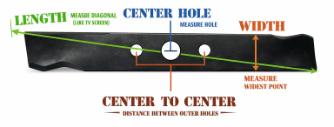
Most mower blades are right-hand cut, but some manufacturers use left-hand cut blades. Always confirm before purchasing.
You may see blades labeled as standard or medium-lift, which offer a balance between high- and low-lift performance.
• High-Lift Blades: Best for tall or cool-season grasses; avoid in sandy soil.
• Low-Lift Blades: Ideal for short, rigid grasses and sandy conditions.
• Gator (3-in-1) Blades: Popular for leaf shredding and overgrown grass, but performance varies by region and grass type.
• Mulching Blades: Designed to finely chop clippings; best when following the 1/3 mowing rule.
• Straight Blades: Used primarily in extremely sandy conditions.
Blade sharpening frequency depends on usage, grass type, and soil conditions. Dull blades tear grass instead of cutting it cleanly.
Replace blades if:
• Less than ½" remains between the cutting edge and lift
• The blade is bent, cracked, or missing material
• The blade has been sharpened too many times
• Never attempt to straighten a bent blade, it compromises safety.
You don’t have to stick with OEM blades. Aftermarket blades perform just as well as long as blade length, center hole, and outer hole specs match. Universal blades often use elongated holes to fit multiple models. We have universal blades with a washer kit in that fit many Lawnmowers.
At Lawnmower Parts Online, we have an extensive range of blades for all machines, if you don't see the blade you need, just get in touch with us and we will help you out.
• Blade length and center hole diameter are the most important specs
• Match blade type to grass and soil conditions
• Inspect blades regularly for safety and performance
With the right measurements and blade style, choosing the correct lawn mower blade is simple and stress-free.
If you cannot see your blade on our online store please e-mail sales@lawnmowerpartsonline.co.uk
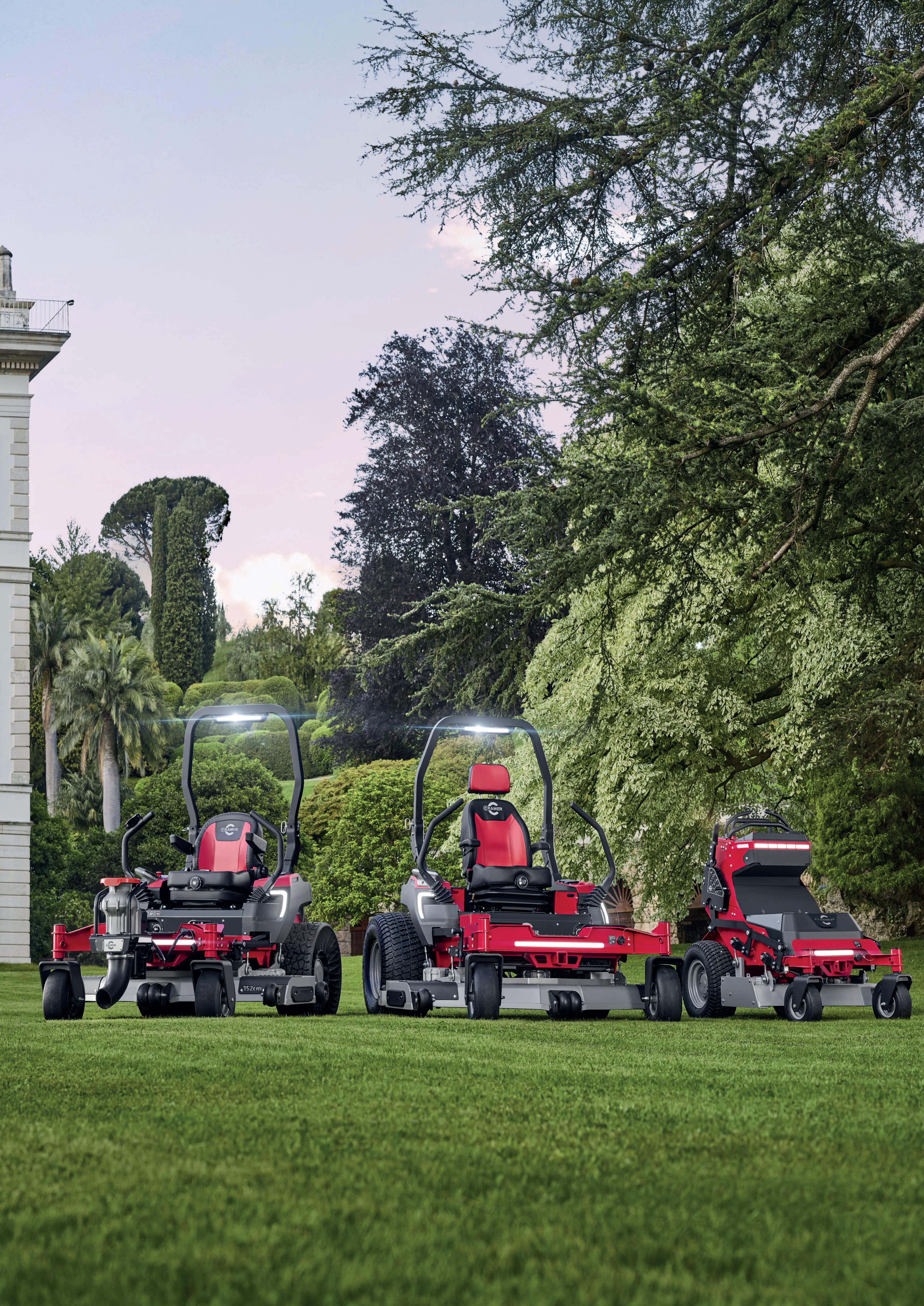



H WHITE Groundcare is pleased to announce an extension of its coverage as an authorised dealer for Toro Grounds Equipment, supplied by Reesink UK, the brand’s official UK distributor. This appointment further strengthens T H WHITE’s presence, with an expanded territory that now includes Oxfordshire, Berkshire, and Wiltshire, alongside Hampshire, Dorset, Warwickshire, Staffordshire, Worcestershire, Shropshire, and the borough of Birmingham.

Through this partnership, T H WHITE Groundcare will offer a selection of models from Toro’s renowned range of cylinder, rotary, and flail mowers, tailored to meet the diverse needs of customers across its expanded region.
Complementing the ‘Grounds’ equipment portfolio, T H WHITE will also provide comprehensive service and parts support for the product range, ensuring customers benefit from complete lifecycle support.
Toro is globally recognised for its innovative and reliable lawn care, golf, and landscape maintenance equipment. This partnership aligns closely with T H WHITE Groundcare’s longstanding commitment to supporting local authorities, sports and recreation venues, private estates, and contractors with high-quality machinery, backed by expert service and aftercare.
Strengthening Our Partnership
Jon Cole, Divisional Business Manager – Turfcare of Reesink UK, welcomed the collaboration:
“The extension of our partnership with T H WHITE
is a natural evolution within our dealer network, which recognises the effort, dedication and results that T H WHITE have delivered over a short period of time. We are delighted to continue building our relationship with the team at T H WHITE who bring with them great expertise, a proactive approach, and a strong commitment to service excellence. We are delighted to work with such a focused team of ground care specialists.”
Nathan Jacobs, Groundcare Sales Manager at T H WHITE, added:
“The Toro Grounds equipment product range offers significant benefits to local authorities, municipal councils and contractors by enhancing operational efficiency, improving cost management, and meeting environmental targets. After 12 months of consistently strong sales and a close business relationship, we at T H WHITE Groundcare are delighted that Reesink has recognised our contribution to cementing Toro as a trusted grounds maintenance brand. This increased geography will allow us to offer the reliable sales, service and support that T H WHITE is known for, to a wider collection of organisations”.
•
Jim Price Machinery Ltd
Farmore Mills, Craven Arms, Shropshire
SY7 9QG
01588 673746
www.jimpricemachinery.com
Southam Agricultural Services Station Road, Southam, CV47 2DH 01926 813426
www.southamagri.co.uk
Veryard Machinery Sales Blackworthy Road Castle Cary, Somerset 01963 351089 / 07860 479700 richardveryardmachinery.co.uk
The ultimate combination of raw power, versatility and precision.
Easy to manoeuvre, delivering best-in-class cutting performance, STIGA Park can handle large multi-level grass areas with ease. The position of the deck ensures control and visibility around every corner

oseph Ely, CTO and founder of Latent Drive, explains why the fastest route to a bankable green hydrogen market is ammonia and the global fertiliser industry that depends on it – and why new electrolyser technology is overcoming the barriers that made addressing this market a challenge.
Around half of the world’s food production depends on synthetic nitrogen fertiliser. And virtually all of that is made by combining atmospheric nitrogen with hydrogen to produce ammonia – the primary feedstock for fertiliser.
The fertiliser market, however, has faced significant shocks of late. As almost all the hydrogen for ammonia is grey, produced using natural gas, the wars in Europe and the Gulf have driven prices sharply higher. The resulting threat of food scarcity has emphasised the politically, environmentally and commercially unsustainable link between these commodities – and fertiliser producers are looking for ways to break it.
Green hydrogen, produced via electrolysis, is one such approach. It instead uses cheaper renewable energy and water, neither of which depend on travelling by pipeline or tanker through unstable
regions to a production facility. This makes it both a way for fertiliser producers to decarbonise their operations – using green ammonia instead of grey –and to insulate themselves from volatile gas prices.
The challenge has been making the production of green hydrogen cheap, flexible and reliable enough to meet the demand – and that is precisely what a new generation of electrolyser technology is now making possible.
Increasing geopolitical pressures and volatility make ammonia a market for which green hydrogen is seeing increased demand. If the world wants a more secure, affordable supply of fertiliser to ward off food scarcity, then changes must be made. However, as a drop-in feedstock, green hydrogen can also make the ammonia market a highly and rapidly bankable one.
The global nitrogen fertiliser market is worth over $200 billion annually. And, unlike most other green hydrogen markets being proposed, it does not require market players to undergo the same levels of infrastructure and behaviour transitions for them to become viable off-takers.
This is because green hydrogen is chemically identical to the grey that dominates today’s market. The ammonia and fertiliser plants that have for many years operated on grey can therefore run on green hydrogen today. This means the buyers are already there. The offtake agreements are already familiar. And ultimately, the case for the bankability of the market is structurally very similar – if not virtually identical.

To illustrate the point, compare green ammonia with other hydrogen markets. Hydrogen for power generation requires gas grid integration, nationwide pipeline build out and policy support. For industrial heat, it requires retrofitting equipment, or building whole new sites from the ground up with hydrogen in mind. And for ground transport, it requires the transition of ICE fleets to fuel cell or hydrogen combustion vehicles, alongside the development of a sufficient refuelling network. While these are potentially viable, longer-term markets for green hydrogen, compared to ammonia, they require more change.
Making green hydrogen production localised and more affordable
Green hydrogen produced via electrolysis accounts for 1% of global production today. Part of that has been because of a lack of demand, while the other part has been the cost of production and the constraints of where it happens.
The demand has shifted, and the market signals are much clearer. Fertiliser producers want – frankly, now need – lower-cost, reliable green hydrogen that can support ammonia and fertiliser production. The major hurdle, therefore, to addressing this bankable market is the cost and constraints of production.
To date, these costs and constraints have been due to conventional electrolysers relying on expensive precious metals, requiring large quantities of highly purified water, and struggling to operate efficiently when matched with the fluctuating power conditions inherent to wind and solar generation. As a result, the capital cost of electrolyser-based hydrogen production, and particularly of electrodes, is very high. Electrolysers are also usually limited to locations with stable grid connections and large supplies of water, such as coastal sites. But even so, most installations require large desalination plants – which are themselves expensive to run.
Happily, this commercially constrained picture is changing.
A new generation of electrode technology is eliminating the dependence on precious-metal components, using everyday stainless steel and
simplified manufacturing techniques to reduce the cost of electrode manufacture to one tenth of what they were before. These new electrodes also thrive under fluctuating energy input, allowing them to be colocated with renewable generation rather than connected to the grid.
What’s more, new forms of electrolysers can take advantage of non-pure water sources, including seawater, municipal and industrial wastewater, and even desalination brine. This eliminates the need for expensive pre-treatment infrastructure altogether and allows green hydrogen production plants to be deployed in more places. For regions facing the double bind of water and fertiliser scarcity, the ability to produce green hydrogen without putting pressure on water supply is significant to say the least.
The cumulative effect is green hydrogen that can be produced reliably and affordably in almost any location. And with that, a direct way to meet growing green ammonia demand.
In hydrogen circles we’re used to talking about tipping points – and this is a significant one. The fertiliser market is ready to move. It’s a large, well-developed market with players under massive pressure to switch away from gas-derived products, both for cost, market security, and environmental reasons. There’s a viable alternative, in the form of green ammonia and hydrogen, and the technology barriers that previously made green hydrogen impractical can now be overcome.
Latent Drive is has developed two proprietary technologies for green hydrogen production: Catrodes®, a new type of mass-production electrode that reduces manufacturing cost by up to 90%, and SeaStack®, a direct dirty-water-to-hydrogen electrolyser that eliminates expensive pre-treatment. Together, they decouple green hydrogen production from grid availability and water quality, while exploiting low-cost manufacturing techniques and electricity from co-located renewables to significantly reduce costs. Deployable anywhere, they are also putting reliable, affordable green hydrogen production in the hands of fertiliser manufacturers. For more information visit www.latentdrive.co.uk

new report by Guidehouse for theEuropean Biogas Association(EBA)1reveals that by 2030 Europe (the EU-27, the UK, Norway and Switzerland) has the potential to produce 34-35 billion cu. m. (bcm) of biomethane, but more importantly that with the right support and infrastructure, this figure could almost quadruple by 2040 to 116-132 bcm.
Despite the huge potential and environmental benefits of biogas (including renewable energy, sustainable waste management, soil health and green CO2), the report reveals that biogas production across Europe is currently below what is achievable with existing resources, at around 22 bcm of biogases, including 5 bcm of biomethane2.
Launching the report, Harmen Dekker, CEO of theEuropean Biogas Association, commented, “Europe has the resources to scale up biomethane, but deployment is being held back by persistent regulatory barriers. Without a stable and coherent policy framework, the sector cannot scale at the pace required to deliver on Europe’s energy and climate objectives.”
While appropriate policies and political momentum are required to reach this potential, there is also a strong need for reliable and proven technologies to boost the operational efficiency of biogas plants and increase the value of their multiple outputs, including digestate and energy. The detail of the report shows that the highest potential for biomethane production in 2040 comes from Spain (c. 13.2 bcm/ yr), followed by Germany (c. 11.1 bcm/yr), France (c. 10.8 bcm/yr), Poland (c. 6.8 bcm/yr), Italy (c. 64. Bcm/yr) and the United Kingdom (c. 6.1 bcm/yr).
However, while sustainable feedstock production and sourcing (including using and restoring marginal and contaminated land as assessed in the report) are obviously crucial to achieving these figures and reducing Europe’s exposure to fossil fuel shocks, such a large increase in biogas production also requires optimising output and efficiency at every stage of the production chain, including maximising energy use and minimising waste.
HRS Heat Exchangershas an extensive range of heat exchangers and systems for the anaerobic digestion (AD) and biogas sector which recapture energy which would otherwise go to waste, utilising it for activities including digester heating, digestate treatment, biogas dehumidification or exhaust gas heat recovery.

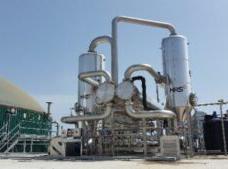
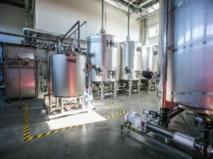
As well as solutions for digester heating and exhaust heat recovery, the company offers specialised systems including the HRS Biogas Dehumidification System (BDS); the HRS Digestate Pasteurisation System (DPS); and the HRS Digestate Concentration System (DCS).
From single HRS DTI Series heat exchangers for external digester heating, to multi-unit systems comprising more than 380 different heat exchanger modules, we can help the smallest or largest plant to meet legislation (such as PAS 110 & Class A Biosolids) or improve operational and thermal efficiency.
Whether starting with a new plant build or upgrading an existing facility, HRS systems have been installed in agricultural, sewage treatment, food waste and landfill biogas plants around the world. To learn why, and discover the benefits for yourself, please contact us today.
www.hrs-heatexchangers.com
Credit: Antonio Guillermo Jara Ponce, Global Sales Manager Europe,HRS Heat Exchangers

ALFRESH has secured leading international technology partner, WELTEC BIOPOWER, to deliver its landmark bioenergy facility at Kalbar, in South-East Queensland, aligning with one of the world's most experienced and proven providers of anaerobic digestion technology.
The Queensland-based vegetable business has signed an agreement with the German company to design and build the first stage of the bioenergy facility, which will anchor the new Scenic Rim Agricultural Industrial Precinct. The WELTEC equipment is due to arrive on site in late August, when construction of the first anaerobic digestion (AD) tank will begin.
The partnership marks a significant milestone and will unlock the paddock-to-power potential of Kalfresh's vertically integrated business, which will turn crop residues, processing offcuts and agricultural waste into several renewable byproducts. A by-product, a nutrient-rich digestate, will be returned to farms as a biofertiliser, advancing Kalfresh's longterm vision of circular agriculture.
Kalfresh CEO Richard Gorman said WELTEC BIOPOWER will use its proven stainless steel tank technology, ensuring durability, corrosion resistance and long operational life.
Dirk Krumdieck, CEO and Head of Sales at WELTEC BIOPOWER, said the agreement reflected the extensive preparation and technical planning undertaken by both companies over recent years.
"We are excited to be delivering a flagship bioenergy project in Australia that combines Kalfresh's agricultural innovation with our proven European biogas engineering experience," Mr Krumdieck said.
The project will be delivered in three stages. The first stage includes construction of a large digester measuring 31.48 metres in diameter and 8.8 metres in height, together with a digestate storage tank, supported by the newly implemented WELTEC Control system.
The development represents a new model for Australian agriculture, where farming, food production and energy generation operate together in a closed-loop system.
At full capacity, the facility could include 14 digesters, capable of producing enough renewable energy to power up to 31,000 homes, or fuel enough biomethane for approximately 98 million kilometres of truck and bus travel each year.
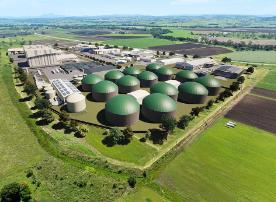
"For us, it was critical to work with a partner that has a track record of delivering reliable, long-term infrastructure," Mr Gorman said.
"This is proven technology, and we're building it to last. We have visited many operational bioenergy sites overseas, including those designed and built by WELTEC. They have a reputation for designing efficient, high-quality systems that deliver consistently."
Kalfresh sent a group of Queensland farmers to Germany in April to visit WELTEC sites and see the anaerobic digestion technology first hand.
WELTEC BIOPOWER was established in 2001 and has planned, delivered and constructed more than 450 specialised stainless steel biogas plants across the United States, Japan, Cyprus, the United Kingdom and Europe.

Mr Gorman said: "Recent international events have made it clear there's a real and immediate need for national fuel and fertiliser security.
The introduction of a home-grown, dispatchable source of renewable natural gas to the energy mix comes at an important time. We can help transition Australia's emitters towards emissions-free operation.
This is a practical, farmer-led solution that works today, and can be repeated in the future in agricultural communities across the country, valueadding what is already produced on farms."
The Scenic Rim Agricultural Industrial Precinct will be developed on a 40-hectare site fronting the Cunningham Highway, approximately one hour from Brisbane. The precinct will feature 16 serviced lots, including three occupied by Kalfresh, with access to on-site renewable energy and circular waste services.

f your current stables are starting to no longer feel fit for purpose, it’s probably time to think about what you actually need long-term.
Many horse owners and yard managers across the UK are investing in a purpose-built steel stable building. It gives you a structure designed around your horses, your workflow and your future plans.
Steel-stable buildings are adaptable, so you can modify, reclad or extend their existing layouts as their needs evolve. Here we will discuss why investing in steel stable buildings will help futureproof your yard.
What Makes a Steel-Stable Building More Future-Proof than Timber?
Traditional timber stables are much less sturdy and durable than steel. They warp and rot, and they can become a fire risk over time. At a certain point, maintenance expenses outweigh the value of keeping them going.
A steel-framed stable is often just the starting point. The most well-run yards tend to combine several purpose-built structures that each do a specific job well.
hay barns and storage buildings
By investing in a dedicatedsteel hay barnormachinery storage building, you can move bulky bedding and equipment out of the main yard. Clearing out this shared space allows you to safely convert internal storage back into spacious stalls andsafer walkways for your horses.
American barns
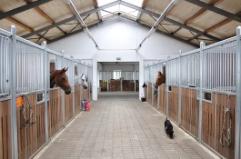

Steel-framed stable buildings, on the other hand, have higher resistance to moisture and will not allow rot to set in like it would in a timber framework. The reason steel-stable buildings have become the industry standard across the UK comes down to future-proofing. As we explain in our blog,steel barns are safer for horsesbecause they are non-combustible, resistant to warping, and require far lessmaintenance than traditional timber.
Steel stable buildings are also built to withstand the full range of UK weather conditions.
Can a Steel Stable Building Grow as My Yard Grows?
Yes, and this is why many yard and equestrian owners choose steel stables in the first place.
Because steel structures are pre-engineered, components fit together precisely. This means if your yard outgrows its footprint five years from now, a steel building can be easily extended, lengthened or reconfigured with fast installation times compared to conventional brick or wood builds.
What Other Steel Buildings Can Future-Proof a Yard?
American barns are worth considering for yards looking to consolidate stabling, storage and a covered working area into one efficient structure. The central aisle design with stalls on both sides suits horses well and simplifies daily management.Kit Buildings Direct’s American barnscan be specified to include tack rooms, feed areas and hay storage all under one roof.
Covered riding arenas
Covered riding arenas extend your usable training time through winter and wet weather. They are a long-term operational benefit for any yard. Steelframedhorse arenasare built to bespoke dimensions and can be positioned to fit around your existing layout and routine without disrupting what’s already working.
Kit Buildings Directhas been designing and installing bespoke steel equestrian buildings across the UK since 1974. From individualstable buildingsandAmerican barnsto fullindoor riding arenas, we understand what it takes to create asafe and future-proof yard layout.
Every structure we produce is manufactured right here in Derbyshire using UKCA-marked steelwork, tailored to your exact yard layout and requirements. Discover how we can help.
Contact our team today if you have any questions, and they will be happy to help.
Written by: Kit Buildings Direct

Tadweld says the UK's revised steel safeguard measures are increasing costs for domestic fabricators while making overseas manufacturing a more attractive commercial option.

orkshire-based steelwork contractorTadweldhas warned that the Government's steel safeguard policy is making it increasingly expensive to manufacture in Britain, leaving UK fabricators paying more for essential steel products while overseas competitors continue supplying finished steelwork into the UK at a competitive advantage.
The warning follows changes to the UK's steel safeguard measures, which came into force on 1 July. The reforms reduce tariff-free import quotas for a number of steel product categories and increase tariffs on imports above those thresholds from 25% to 50%. Ministers have said the measures are designed to protect the UK's steel industry from global overcapacity, strengthen domestic production and improve Britain's long-term industrial resilience.
However, Tadweld says the policy fails to reflect the reality of the UK's manufacturing supply chain. While British steelmakers produce highquality steel, many of the structural sections, specialist grades and components required by steel fabricators are either unavailable, not manufactured domestically in sufficient quantities, or are simply too expensive. As a result, UK manufacturers have little choice but to import key steel products to complete projects.
The company says the issue is not the need to protect British steel production, but the unintended impact on the businesses that rely on steel. As the cost of importing steel products increases, UK manufacturers face higher input costs than competitors elsewhere in Europe, who can often buy the same
materials more cheaply, manufacture finished products overseas and then export them into Britain.
Chris Houston, Managing Director at Tadweld, said:
"Whilst we support the Government's ambition to support the British steel industry, it's
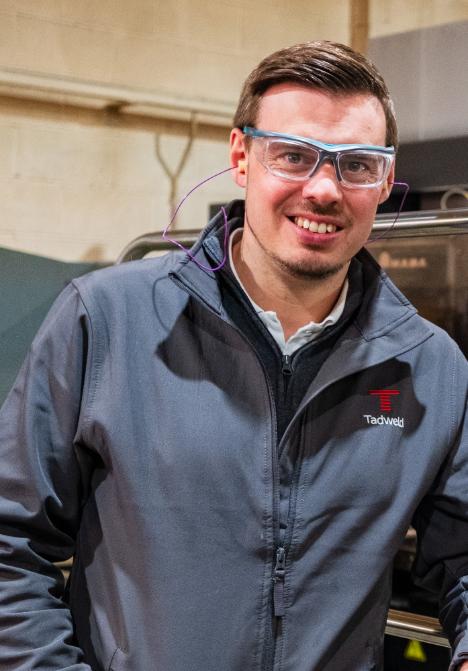
essential business like ours, the consumers of steel, are considered as part of that eco-system."
"Take something as simple as a metal pencil case. A UK manufacturer may have to import the sheet steel because it's not readily available, or notably more expensive from UK producers. Under the new rules, that steel could cost significantly more to bring into Britain.
"Meanwhile, a manufacturer elsewhere in Europe can buy exactly the same steel without those additional costs, make the pencil case there and then sell the finished product into the UK. The result is that it can become cheaper to buy a product made overseas than to manufacture it here, even though the raw material is exactly the same."
According to the company, this creates an uneven playing field where UK fabricators face
rising material costs while overseas manufacturers can continue competing for the same contracts by importing completed products into Britain.
The concerns follow recent Tadweld research which found the UK is on course to become the most expensive market in Europe for structural steel by 2027.
Based on market forecasts, UK hot-rolled structural steel sections could rise from around €780 per tonne to more than €1,000 per tonne once the safeguard measures and forthcoming Carbon Border Adjustment Mechanism (CBAM) are fully reflected in prices.
Houston added:
"The Government has spoken about strengthening Britain's industrial resilience, but resilience isn't just about protecting steel production. It's about making sure British manufacturers can compete."
"If UK businesses are paying significantly more for the steel products than competitors elsewhere in Europe, the commercial reality is simple. More fabrication work, investment and skilled jobs will continue moving overseas because that's where the economics increasingly stack up."
"We should be encouraging companies to buy steel, fabricate it and create jobs here in Britain. Instead, we're creating a system where it becomes more commercially attractive to carry out that work elsewhere before importing the finished product back into the UK. That isn't strengthening British manufacturing, or British steel production, unfortunately it's weakening it."
"I sympathise with the UK steel manufacturers, they are contending with the most expensive energy prices in Europe, and unsurprisingly making steel uses a lot of energy. However, protecting that industry at the expense of another surely isn't the answer"
Tadweld is calling on the Government to work with steel producers, fabricators and manufacturers to ensure future trade policy supports the competitiveness of the entire UK steel supply chain, rather than one part of it, and prevents policies designed to protect British industry from inadvertently pushing fabrication work overseas.
s Farm Safety Week returns for the 14th year, the Farm Safety Foundation (Yellow Wellies) is calling on the agricultural industry to shine a light on an often‑overlooked reality: while fatalities rightly demand attention, serious injuries on farms are leaving thousands of lives permanently changed every year.
Led and funded by the Farm Safety Foundation, this year's Farm Safety Week campaign will focus on the long‑term, life‑changing consequences of serious injuries - injuries that farmers, workers and families must live with long after the headlines fade.
HSE data shows farming remains the industry with the poorest safety record with high levels of both fatal and life‑changing injuries.22workers lost their lives on farms in England, Scotland and Wales in 2025/26. The figures also reveal that workers in agriculture, forestry and fishing are around7times more likely to be killed at work than those in construction and21times more likely than the all‑industry average.
While this year the sector has recorded one of the highest numbers of fatalities in over a decade, thousands more farm workers are suffering injuries and ill health that fundamentally alter their ability to work, live independently and enjoy family life.
The campaign also comes as the UK is experiencing its third official heatwave of the year. Farm Safety Foundation (Yellow Wellies) is warning that the current heatwave could increase the risk of serious and fatal incidents in an industry that already has the poorest safety record of any occupation in the UK.
Latest figures show around 9,000 workers in the sector are suffering from work-related ill health, with 67% linked to musculoskeletal disorders,
while an estimated 8,000 non-fatal workplace injuries have occurred over the last five years.
According to NFU Mutual, the UK's leading rural insurer, farm accident claims fell marginally from 894 in 2024/25 to 868 in 2025/26. While modest, the decline suggests that sustained safety training and awareness campaigns may be beginning to take effect. Notably, there has been a shift among younger workers: those under 40 accounted for 20 per cent of claims in 2025/26, down from 23 per cent the previous year.
Yet statistics tell only part of the story. Behind every statistic is a person, and often a family, dealing with the aftermath of an incident that does not have to be fatal to be devastating. There is a widely shared belief in farm safety circles that many farmers fear a life‑changing injury more than death. A new survey of farmers and agricultural workers carried out by the Farm Safety Foundation during May-June 2026 revealed that the biggest fear on UK farms may not be dying in an accident but surviving one with a life-changing injury.
The survey, released for day one of this year's Farm Safety Week sampled 408 farming respondents across the UK. Nearly half of those surveyed aged under 40 (49.7%) said that if they were to have a farm accident, they were more worried about ending up with a disability, compared with 36.6% who said they were more worried about dying. Older respondents showed a similar pattern, with 51.7% concerned about disability compared to 31.4% worried about death.
This suggests that while farmers are aware of the risks they take on farm, there remains a lack of emotional connection to the potential consequences which means serious injury or death is often not fully considered in their day‑to‑day decision making.

Stephanie Berkeley, Manager of the Farm Safety Foundation, said: "When we talk about farm safety, fatalities understandably dominate the conversation, but serious injuries can be just as life‑changing. The reality is that there is no such things as a papercut on a farm and the margin between a near miss, a serious injury and a fatal incident is often frighteningly small.
"A fall from height, an encounter with machinery, a vehicle incident - these don't always result in death, but they can leave someone living with chronic pain, reduced mobility, disability or an inability to continue working. That impact doesn't stop with the individual; it affects the family, the farm business and the community as a whole."
Particularly at the moment, the added stress of heatwave conditions are causing further challenges. Workers receive around five to ten times more annual sun exposure than people who work indoors. Working in agriculture is also one of the highest-risk occupations for deaths linked to sun exposure. While construction workers record the highest number of fatalities, agriculture is second and accounts for 23% of these deaths - around one farm worker every month dies from skin cancer due to sun exposure.
During periods of extreme heat, the risks extend beyond sunburn. Dehydration, heat stress, fatigue and poor concentration can all increase the likelihood of mistakes around vehicles, livestock, machinery and working at height. These are the same hazards that already dominate the sector's serious and fatal injury record.
With this in mind, the Farm Safety Foundation is urging those working outdoors this week to take simple but potentially life-saving steps:
• Keep a top on when working.
• Wear a hat with a brim or flap to protect the ears and back of the neck.
• Stay in the shade whenever possible, especially during breaks and at lunchtime.

• Use high-factor sunscreen of at least
on exposed skin.
• Drink plenty of water - little and often and avoid alcohol.
• Take sufficient breaks and watch for signs of fatigue, stress and poor mental health.
Check skin regularly for unusual moles or spots and speak to a doctor about anything changing in shape, size or colour or anything itching or bleeding.
Keep machinery clean and well-maintained during harvest.
Be alert to dust build-up, overheating parts and fire risks.
Make sure fire extinguishers are accessible and in working order.
Stephanie added: "If we are really serious about making our farms safer, we must broaden the conversation. We must take injuries just as seriously as fatalities and recognise that preventing harm, not just death has to be our goal.
"And we must bring the people behind the statistics into the open, not to alarm, but to connect. Because connection is what changes behaviour."
Farm Safety Week 2026 will challenge the longstanding misconception that only fatal injuries matter. Across the week, the charity will work with farmers, families, industry bodies and the wider rural community to encourage reflection, conversation, education and most importantly action.
Because on farms, injuries do not have to be fatal to be life-changing.
For more information on Farm Safety Week visitwww.yellowwellies.orgor follow @yellowwelliesUK on Instagram/Facebook/X using the hashtag #FarmSafetyWeek

The biggest win to investing in a Dairypower Smart Slurry Aeration System aeration has been to enhance the slurry’s nutrient value to such a degree we are consistently averaging 15% a year more grass worth over £23,000 in terms of fresh weight silage coming off the field over three cuts.

Aeration is overcoming the various issues we had at spreading time, for example contractors arrived twice a year to empty the pit but we never knew when they’d exactly turn up which threw us when it came to agitation, consequently slurry was being applied in various states of mix.
We’re now finding every gallon that goes out is consistently mixed. In fact, it’s so viscous, it can travel through our umbilical system to land over one and a half miles away.
The system has also freed up one man and a tractor for eight days at a time during agitation, along with the associated variable costs plus wear and tear.
Add together the benefits and investing £78,000 in the two million gallon aerated slurry lagoon with eight months capacity is achieving a return on investment over four to five years as well as solving our expanded herd’s waste management issues.
Aeration is also delivering those hard to measure benefits – it’s safer, for example it has removed the build-up of dangerous gases such as hydrogen sulphide and methane, that weren’t always apparent when we used to agitate the slurry prior to spreading.
Our decision to invest in the slurry lagoon together with the Dairypower Smart Slurry Aeration System in 2022 was part of business expansion. We agreed to expand cow numbers, upgrade and double the accommodation - sufficient for 300 cows and also double the capacity of our slurry storage facilities.
We’d costed the options to replace our 650,000gallon clay lined lagoon, but concluded repurposing by increasing its capacity, lining with plastic and introducing the Dairypower aeration system was the most cost-effective option. An underground slatted system was going to cost 50% more, and a concrete shuttered pit 35% more.
Aeration also eliminated the risk posed by mechanical agitation – the lining could get ripped. I’d read about aeration increasing the value of the slurry and it being continuously kept in a suspension so there was no requirement for additional agitation prior to application, and that’s proved to exactly be the case.
Dylan, Ann and Owain Evans, Cardigan: 250cow all year-round calving herd
• Installation fixed costs 2020 - Digging £11,000
• Liner, 3,300m2 2mm gauge £22,000
• Dairypower Smart Slurry Aeration system
£45,000
Total: £78,000
Previous annual running costs
• Agitation: 18 days/year
• Labour: 18 days x 6 hours - £1,350.00
• Tractor depreciation £7.50/hour - £1,350.00
• 95L diesel/day - £1,282.50
• Mixer maintenance - £450.00
Total: £4,432.00
Current annual running costs
• 5.5kWh motor x 3 hours/day = 16.5 kWh
• @23pp unit = £3.79/day - £1,385.17
• Pumping 7 hours x 18 days - £159.39
• Annual service charge - £800.00
Total: £1,544.56
• Annual running cost savings - £2,887.44
Annual lagoon sediment clean out savings
£1,630.00*
Annual added forage value
£23,475.00**
Aeration system annual cost benefit
£27,992.44
*Muck spreaders x 2 @ £45 each/hour x 10 hours
£900
Loading shovel @ £55/hour - £550
250 litres diesel ×.72ppl - £180
Total: £1,630
**313 acres, three cut system
313 x 20 tonnes /acre = 6,269 tonnes freshweight x 15% = 939 tonnes x £25/tonne
Total: £23,475.00




















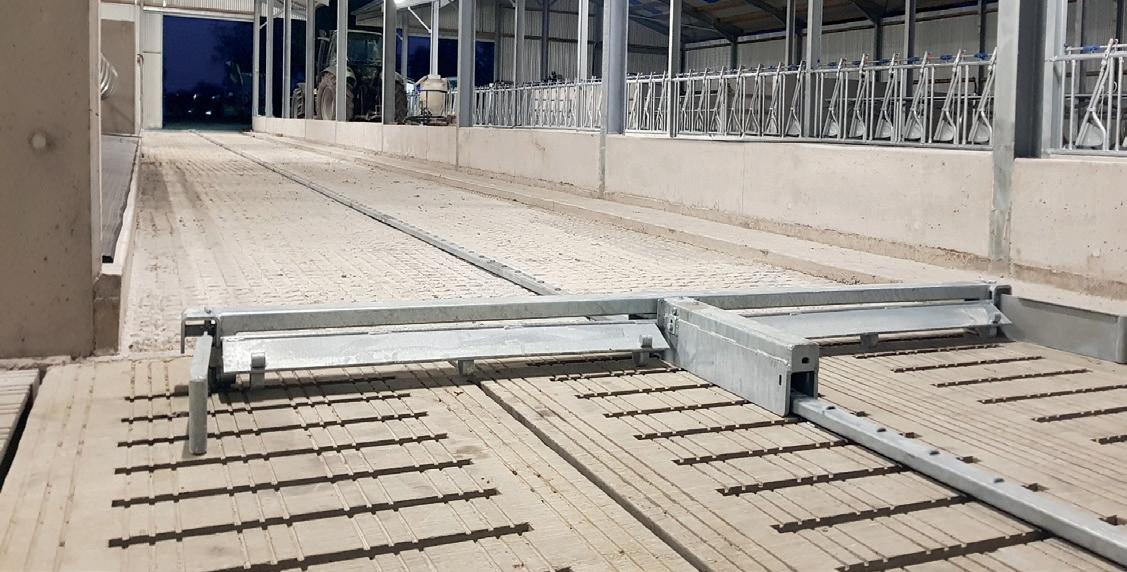











































































































Modern dairy farming demands more than good stockmanship. With increasing pressure on efficiency, labour and profitability, access to timely and reliable information has become an essential part of herd management.
For Michael Gowing of Scorduff Farm in Ireland, the journey began with milk measurement. As the farm expanded, additional Afimilk technologies were introduced, creating a connected system that now supports fertility management, health monitoring and feeding decisions across the herd. Today, information from milk yield, conductivity, temperature, rumination and activity monitoring helps provide a clearer picture of cow performance and wellbeing. By identifying potential issues earlier and highlighting cows that require attention, the system supports faster and more informed decision-making.
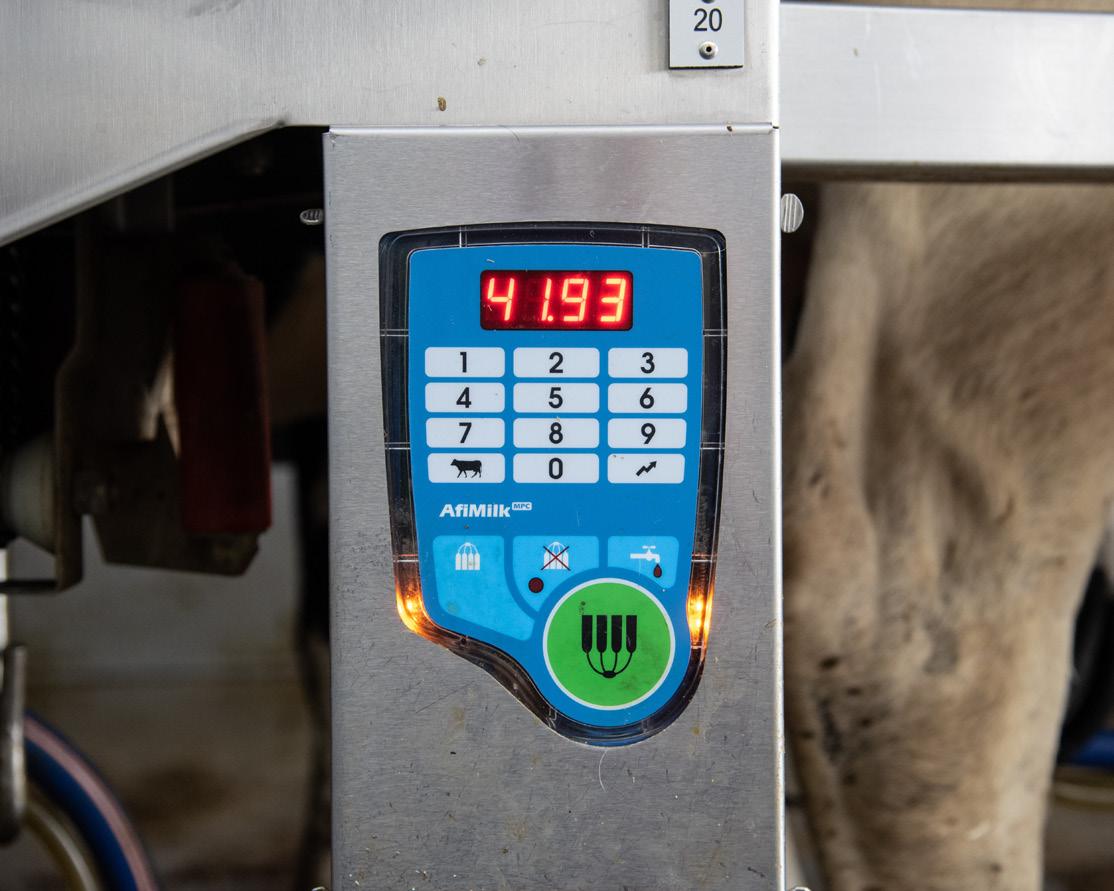
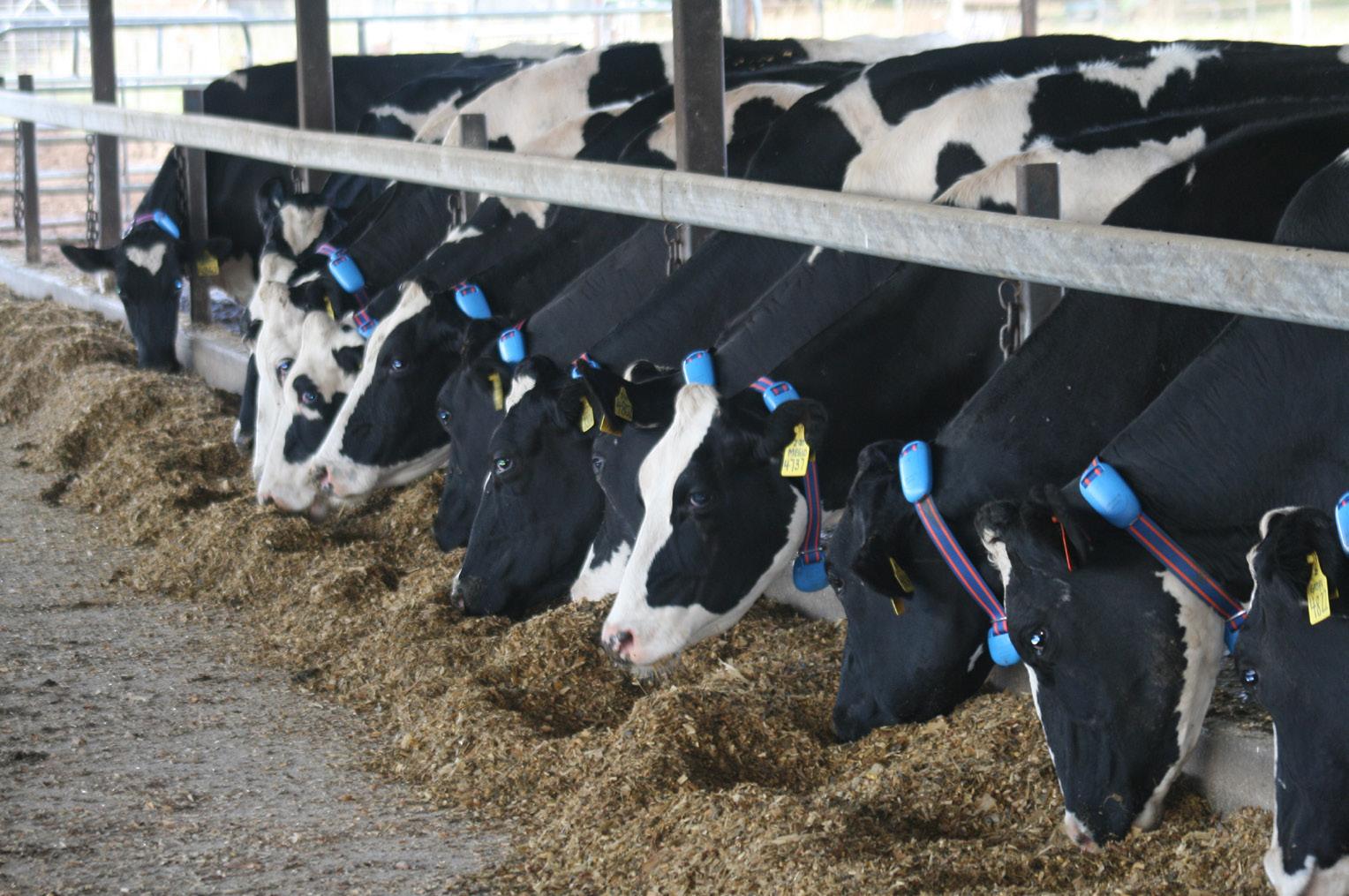
Feed-to-Yield has become another valuable management
animals and groups according to production requirements. The result is greater control, more targeted feeding and improved management flexibility. As technology continues to evolve, ongoing software updates and remote support
ensure the system continues to deliver value while adapting to changing farm needs. Importantly, farmers can implement solutions progressively, starting with the areas that matter most to their operation and expanding over time as requirements grow. For Michael, this ability to build capability step by step has been one of the key advantages of working with Afimilk. What started with milk
meters has evolved into a broader herd management platform that supports everyday decisions throughout the farm.
Afimilk has been a good fit. We have grown together. The technology is great. The backup is great and it has delivered a definite economic return
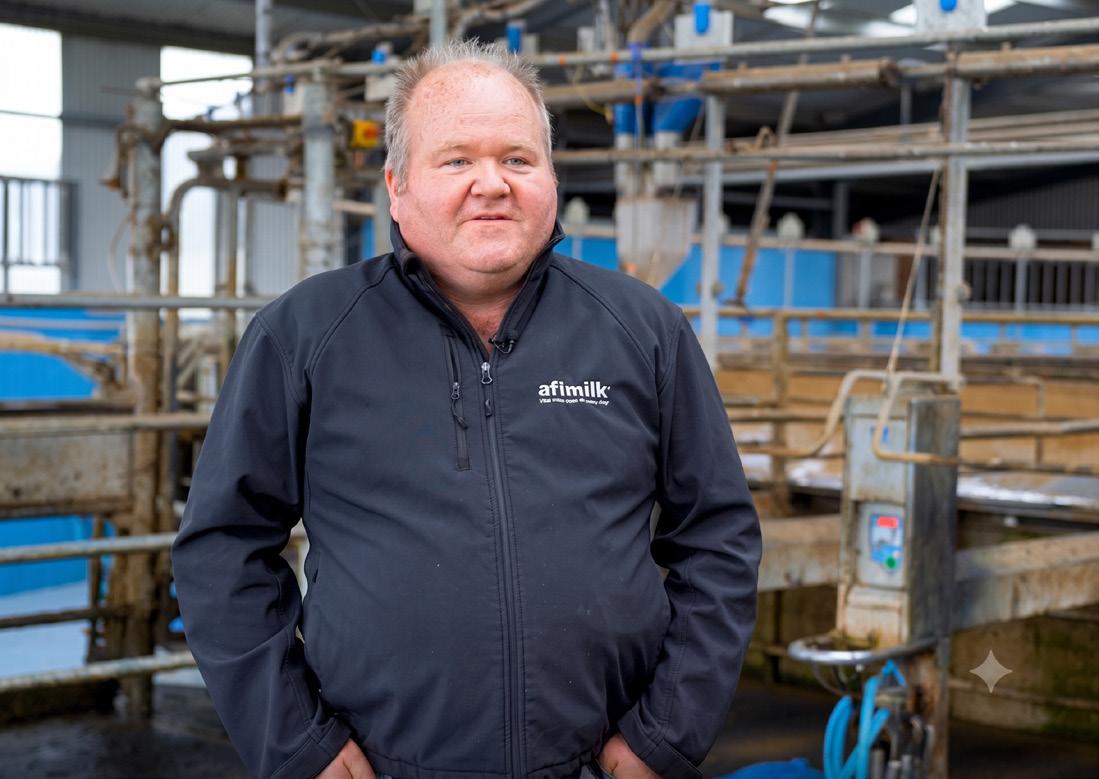

Today, Scorduff Farm continues to build on that foundation, using data-driven insights to support cow health, reproductive performance and long-term profitability.
Wallace Engineers Ltd
Stainton Grove industrial estate, Castle, DL12 8UJ 625 361 - 07828 532868 www.gawengineers.com
Dairy & Parlour Services Ltd
Farm, Sturminster Newton, 2AZ 07885371731 - 01258 818 233 office@churchillsdairyandparlour.co.uk
Mid-Ulster Dairy Services 21a Donaghrisk Road Tullyhogue, Cookstown, Tyrone, BT80 8UU
Tel:028 8676 5098 midulsterdairyservices.co.uk
MMT Services Ltd
Lukers Farm, Grittenham, Wiltshire, SN15 4JR
Tel:01666 511100 - 07717781103 www.mmtservicesltd.co.uk
Mill Dairy Service MDS
Wood Farm, Newton Rd, Norwich, NR10 3LY
Tel:01603 898963 - 07768 642654 www.milldairyservice.co.uk
Douglas Dairy Supplies Limited 3 Woodlea Road, Blackparks Ind. Estate, Stranraer, DG9 7UE
Tel:01776 703 392 - 07733 103 179 douglasdairysupplies@tiscali.co.uk
McCaskie 4 Munro Road, Springkerse Ind Est. Stirling, FK7 7UU
Tel:01786 474 481 www.mccaskie.store
Colin Dawson Ltd
High Mill, Langwathby, Penrith, Cumbria, CA10 1NB
Tel:01768 889 084 info@colindawsonltd.com
Scott Henshaw- Sales Manager UK | 07394 198 613
BoQuip
Ballynolan, Stradbally, Laois, Ireland
Tel:00 353 87 687 7344 info@boquip.com www.boquip.ie
S.M. McKee Ltd
Unit 7 Maryland Industrial estate
Tel:028 9044 9099 - 07836 227 082 sales@smmckee.com www.smmckee.com
Dairy farmers are being urged to review their infectious lameness management protocols in light of a new study1 that revealed that using an adhesive gel barrier applied over antibiotic spray was two to three times more likely to improve painful digital dermatitis lesions than just using antibiotic spray alone.

The research, a randomised controlled trial, investigated whether using NoBACZ Healthcare’s adhesive gel barrier, Ambugreen, in addition to topical chlortetracycline antibiotic spray could improve lesion healing and resolution rates for digital dermatitis under real commercial dairy conditions. The study was conducted on three fully housed commercial dairy farms in Southwest England and 119 cows were enrolled with 189 digital dermatitis lesions ranging from early (M1) to chronic (M4) identified.

Ambugreen is a waterproof gel barrier that sets rapidly once applied and remains in place without needing to be removed like conventional bandages. It protects digital dermatitis lesions from slurry and moisture, thereby providing the benefits of bandaging without the risks of bandages being left on too long or additional handling or labour requirements to remove them after 48-hours.
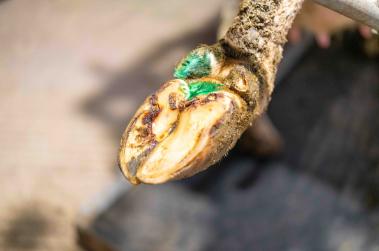

This new protocol is already being adopted throughout the industry and Natalie Harrow, vet technician, foot trimmer and RoMs accredited mobility scorer at Synergy Farm Health in Dorset, has been embracing the new evidence-based advice for management of infectious lameness during routine foot trimming visits.
“Digital dermatitis is highly contagious and the largest cause of lameness on my clients’ farms. It can lead to reduced fertility and milk loss,” she says. “While footbathing is a mainstay for control of infectious lameness, as a foot trimmer, I'm always looking for different and more effective ways to help manage this more effectively. Once a foot is cleaned, trimmed and dried off with paper towel, I’ve been applying antibiotic spray to the lesions and then using a clean glove to apply a thin layer of the barrier gel. Whilst the gel is drying, I can carry out the rest of the trimming and by the time I’m finished the gel has ‘cured’ and the foot can be put down. I’ve noticed less aggressive lesions in the cows after just one application, and it is far more effective than conventional bandaging which I find performs poorly in wet conditions and harbours the bacteria that causes digital dermatitis. There’s also no messing about with the removal of bandages within 48 hours, which my clients are very happy about!”
Emily Collins-Wingate, veterinary surgeon at NoBACZ Healthcare, adds: “While no single intervention will eliminate digital dermatitis, adhesive gel barriers such as Ambugreen can be applied over antibiotic sprays to provide an effective tool to enhance treatment protocols, support infectious lameness management and improve cow welfare and productivity.”
For further information on Ambugreen contact your vet, local agricultural merchant or visit www.nobacz.com.
Reference:
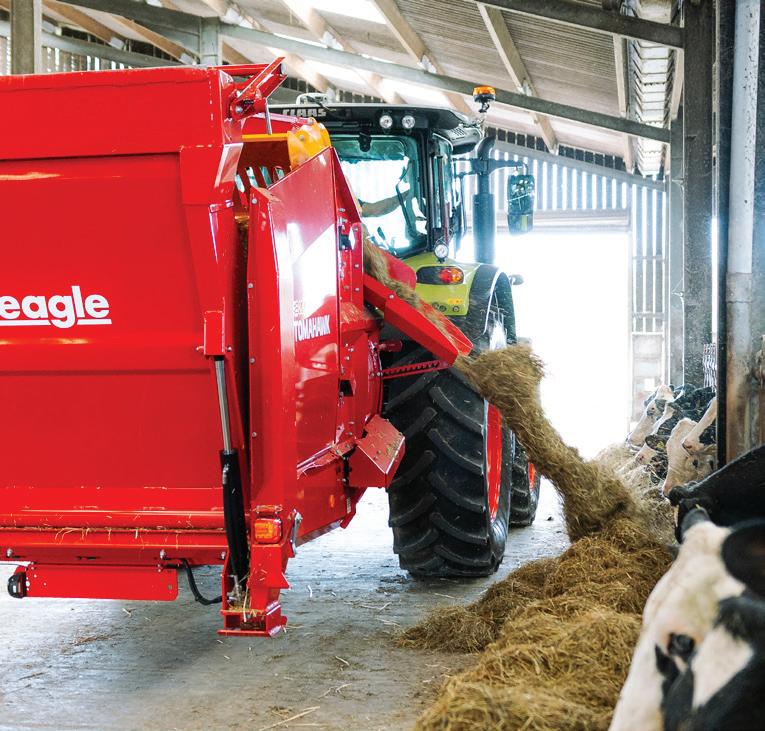
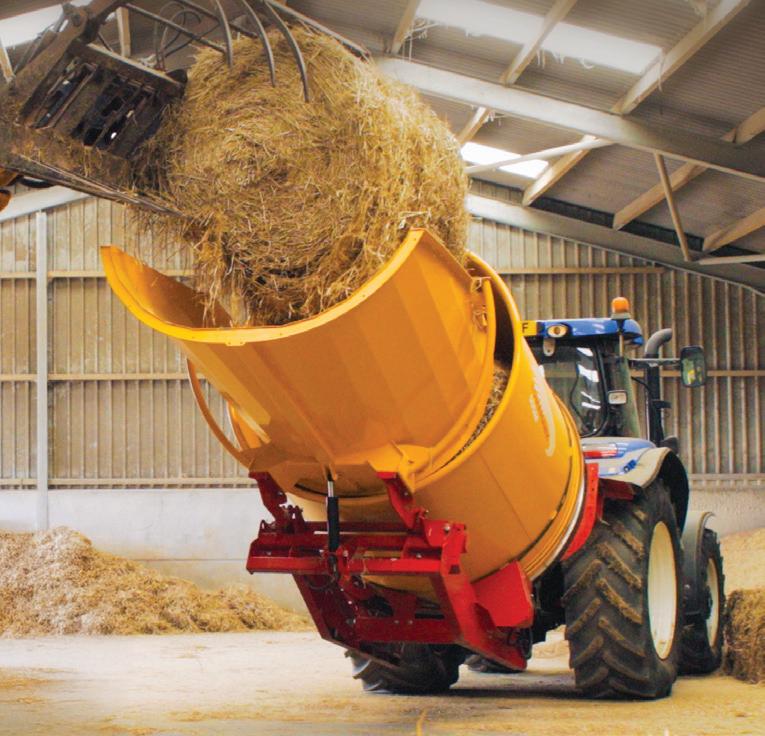
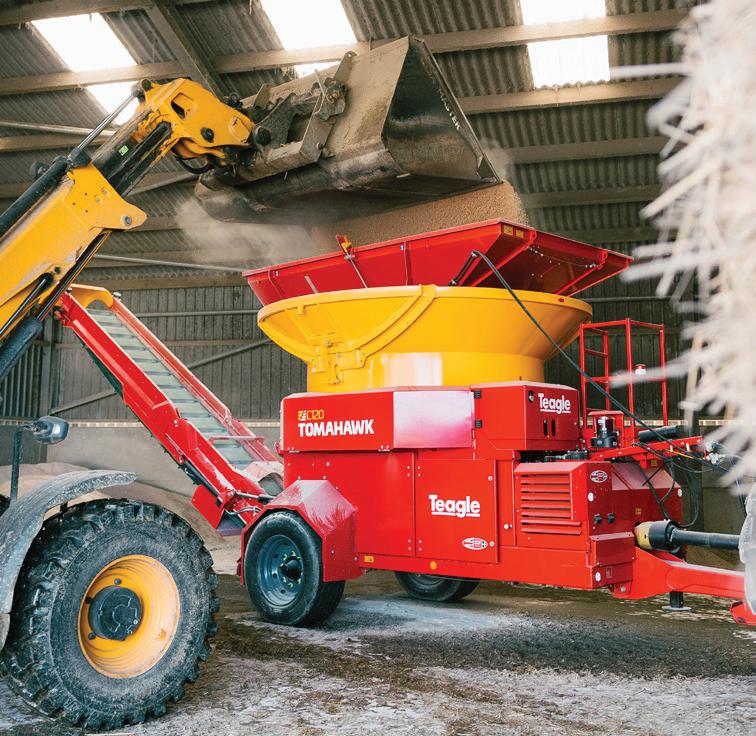
Up to 30% straw saved | As reported by users of our TOMAHAWK bale processors.
Consistently even chop | Proven to reduce waste, improve TMR and boost yield.
Improved cow health and happiness | Uniformly chopped straw in TMR supports rumen activity, fertility, and butterfat production.
Biomass pre-processing | Reliable, efficient performance for biofuel applications.
Bruce Hopkins Ltd Shenington Airfield, Banbury, Oxon, OX15 6NW
01295 680711
RVW Pugh Mellington, Churchstoke, Montgomery Powys, SY15 6TQ Tel: 01588 620545 www.rvwpugh.co.uk
RVW Pugh Oakwood Park, Holmes Chapel, Cheshire, CW4 8AX Tel: 01477533560 www.rvwpugh.co.uk
Value for money | Proven to reduce waste, improve TMR and boost yield.
2 year warranty* | Comes standard with all Teagle manufactured products.
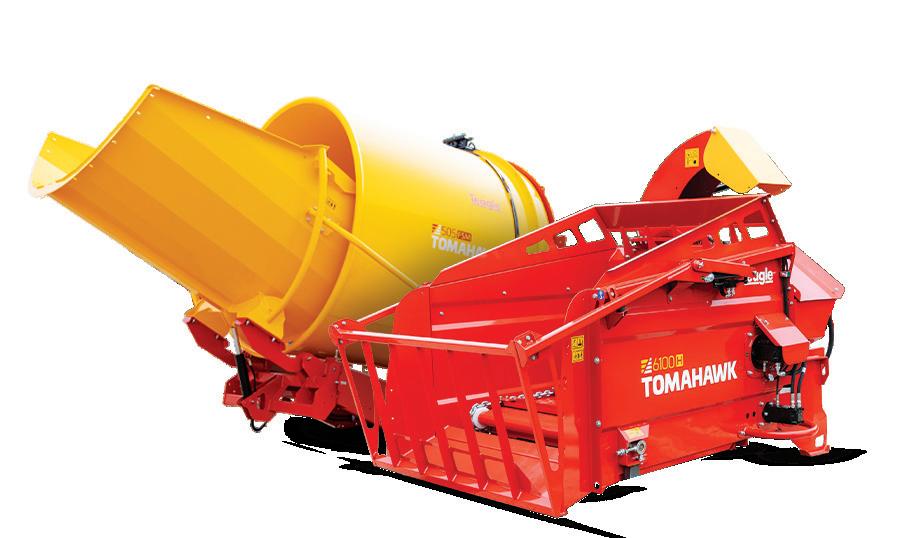
TR Machinery Ltd Oak Tree Works, NI Park, Newport, Shropshire, TF10 9LH Tel: 01952 936900 www.trmachinery.co.uk
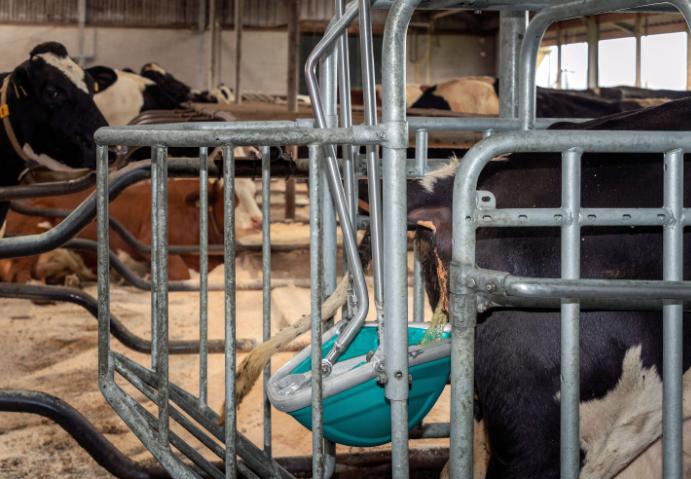
Agroundbreaking new technology, the CowToilet, made its UK debut at Lamma 2026, offering dairy farmers a practical way to reduce ammonia emissions by up to a third, improve nutrient use, and enhance sustainability on-farm.

Developed by Dutch agri-tech company Hanskamp, the CowToilet offers a unique solution for reducing on-farm emissions by separating cow urine and faeces, which, when combined, produce ammonia.
Using the simple fact that cows never urinate and defecate at the same time, the CowToilet collects urine directly from under the cow’s tail before it mixes with solid manure.
The CowToilet integrates seamlessly into a free-access out-of-parlour feeding station which can be installed in most cattle sheds. As a cow enters to eat, the CowToilet gently rubs against the suspensory ligament of the udder, triggering a natural nerve reflex that encourages urination. The urine is then collected in a sealed receptacle, removed by suction, and stored in an airtight tank.
Research by Wageningen Livestock Research shows that keeping urine and manure separate can reduce ammonia emissions by up to 38%, total nitrogen by 33%, and nitrous oxide by 18% compared with conventional housing systems
“Ammonia is one of the biggest
environmental challenges facing the livestock sector,” explains Hanskamp founder Henk Hanskamp. “We wanted to create a system that works with nature, not against it – improving animal welfare and helping farmers meet environmental targets without adding to their workload. The CowToilet achieves this in a simple, natural, and effective way.”
In addition to reducing emissions, the CowToilet transforms waste into a resource. Nitrogen-rich urine can be reused as a natural fertiliser or even sold, while the remaining solid manure retains phosphate and organic matter for soil health. This separation allows farmers to apply nutrients more precisely, improving crop performance and reducing reliance on artificial fertilisers.
Separating cow faeces and urine also keeps housing cleaner and improves air quality, contributing to improved animal health and hygiene.
Developed in close collaboration with Dutch livestock farmers, engineers, and researchers – including Wageningen University’s Paul Galama – the CowToilet is already successfully operating on over 35 dairy farms in the Netherlands, delivering strong results and positive farmer feedback.
Each CowToilet unit is designed to serve 25 cows, and costs approximately £28,000 per unit (excluding installation).
“This technology is about more than compliance,” adds Mr Hanskamp. “It’s about giving farmers tools that make sense – improving the environment, animal health, and profitability. The CowToilet shows that innovation and sustainability can go hand in hand.”
To see the CowToilet in action, visit: https://hanskamp.com/en/solutions/ cowtoilet/
Watch the demo video: https://www. youtube.com/watch?v=c7duvrYtEmk
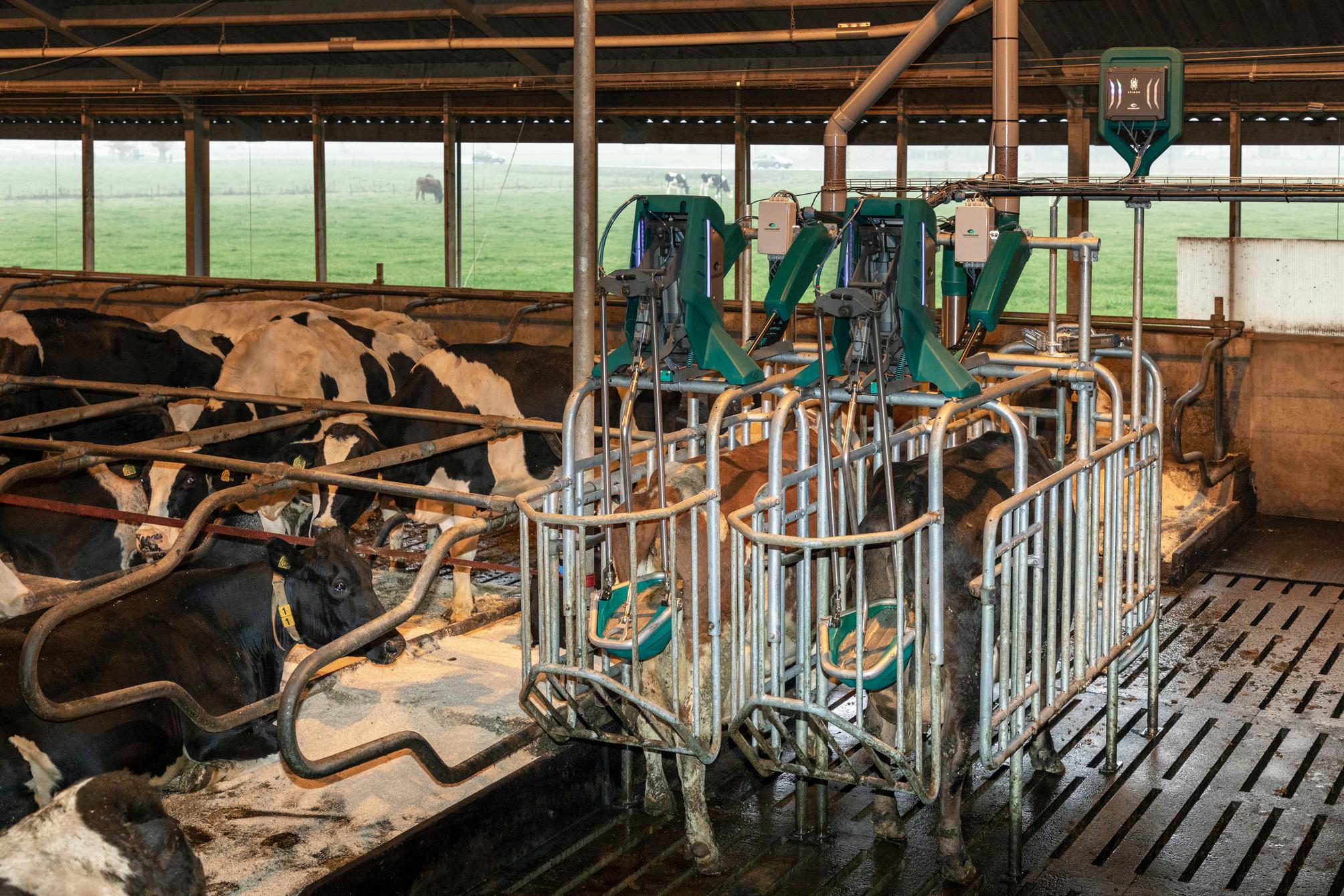
Mid-Ulster Dairy Services
21a Donaghrisk Road, Tullyhogue Cookstown, County Tyrone, BT80 8UU
Tel: 028 8676 5098
www.midulsterdairyservices.co.uk
Mcknight Dairy Services Ltd
Glenmaquin, Letterkenny, Co. Donegal, Ireland, Eir F92 X8C1
Tel: +353 8764 81124 www.mcknightdairyservices.com
Clarkson Dairy Services
East Witton, Leyburn, North Yorkshire, DL8 4SQ
Tel: 01969 623522 / 07703 535043 www.clarksondairyservices.co.uk
Wessex Farm Installations Ltd
The Old Cobblers,Langport, TA10 9DJ
Tel: 07867 507711
www.hanskamp.com
lmost 1,000 dairy farmers and industry professionals visited Treveale Farm, near Ladock, Cornwall, on 30 June for the RABDF NMR Gold Cup Open Day, marking the first time a Cornish farm has won the prestigious award since the competition began in 1920.
Hosted by T N Morrow and Partners, the event showcased how long-term investment, strong management and a focus on efficiency have helped develop one of the UK's leading dairy businesses.
Opening the event, RABDF Chair Robert Craig said Treveale Farm demonstrated the importance of investing for the future despite the current challenges facing the dairy sector.
Visitors also heard from dairy market analyst Chris Walkland, who outlined the global pressures continuing to impact milk prices.
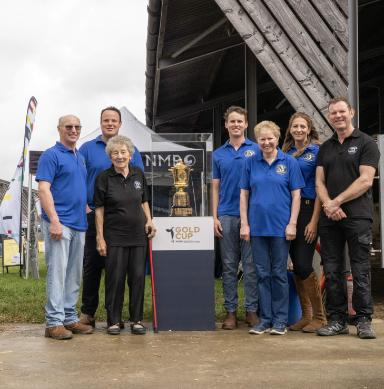
"The Morrow family has taken a long-term view of the industry, making significant investments for the next generation, including a new dairy unit in 2018 and a youngstock unit in 2023 as well as doubling their pedigree Holstein Maymor herd over the past 14 years to 471 cows," he said.
"If we want an industry that is fit for the future, farmers need the confidence to invest. While the current market remains difficult, businesses with strong management and a clear long-term strategy are best placed to succeed."
"Although UK production has fallen, milk output remains strong across Europe, the US and New Zealand, meaning significant price improvements are unlikely in the short term."
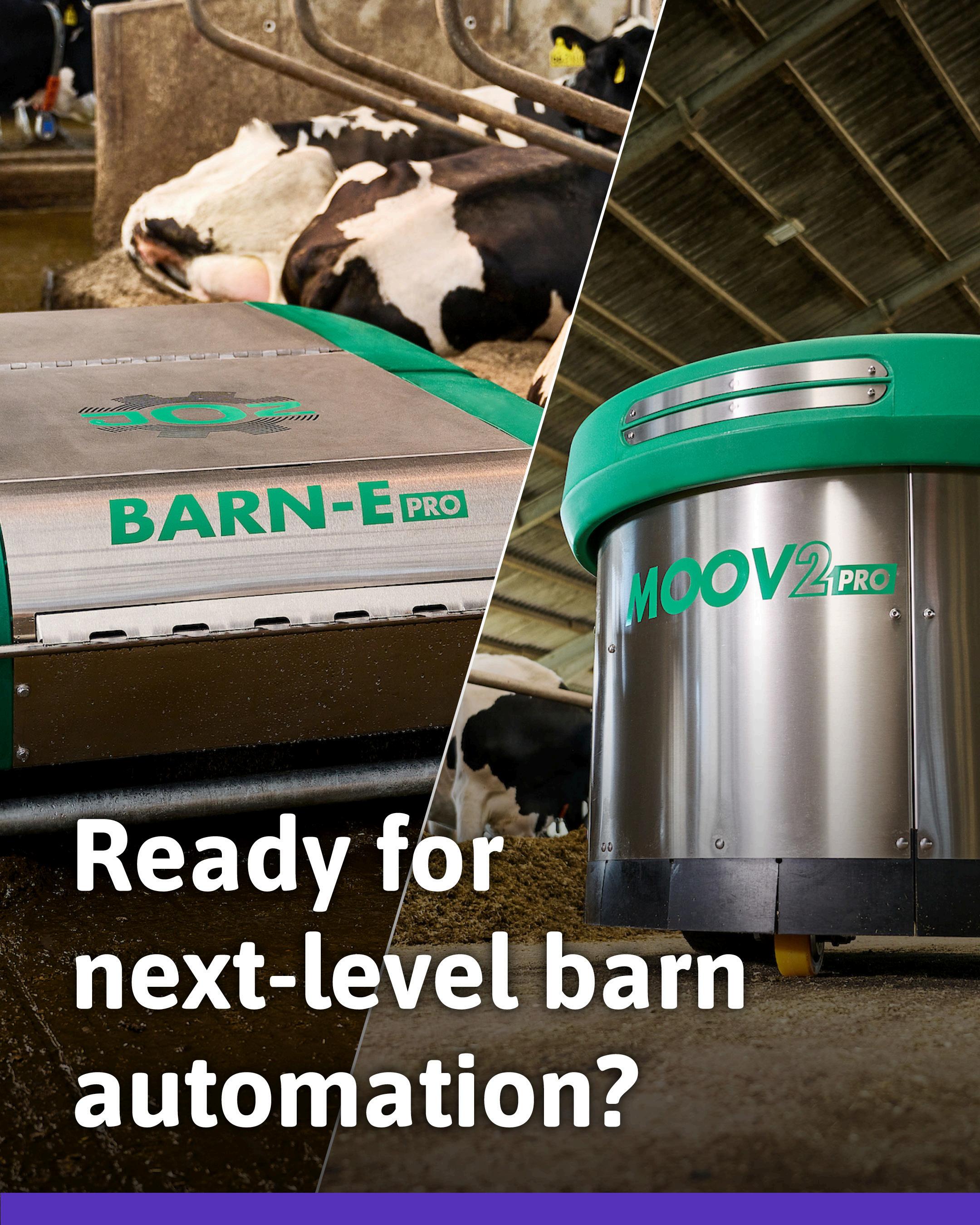
He added that while some improvement may come later in the year, current milk prices remain unsustainable.
"At the moment I can't see any major change to milk prices this year. What is clear, though, is we can't have milk prices where they are for the long term. If they stay low, volumes will fall, and then in a few months' time we'll be on the upside of the rollercoaster."
Despite the challenging outlook, Mr Walkland remained optimistic about the industry's future.
"It was always going to take time to slow the global runaway milk volume train down, but we have started. That is something. Already positive things might be starting to happen as a result. It's going to be a hard slog for a while still, but you'll get through it. You are also hugely resilient, and very good at what you do."
The event, one of the UK's largest on-farm dairy gatherings, also featured key speakers and more than 50 trade stands covering technical topics from youngstock and slurry management to nutritional advice, all supporting the success of Treveale Farm and leaving visitors with plenty of take-home insights.

James Holding Dairy Engineering
Unit 18, The Gardens, Malton Road, York, YO32 9TN
Office Tel: 01904 400449
James: 07807704884 info@jamesholdingengineering.com
Mcknight Dairy Services Ltd
Glenmaquin, Letterkenny, Co. Donegal, Ireland, Eir F92 X8C1
Tel: +353 8764 81124 www.mcknightdairyservices.com

Unit 17, Stainton Grove industrial estate, Barnard Castle, DL12 8UJ
Office Tel: 01833 625361 Mobile: 07828532868 www.gawengineers.com

As dairy businesses continue to invest in greater efficiency and productivity, choosing the right engineering partner has become just as important as selecting the right milking system. From initial planning through to longterm servicing and support, having experienced advice at every stage can make all the difference.
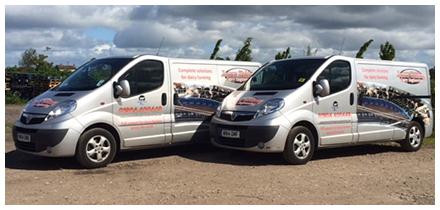
Based near York, James Holding Dairy Engineering has established itself as a trusted partner for dairy farmers across the UK and beyond. The family-run business combines engineering expertise with practical farming knowledge, offering a complete service for both robotic and conventional milking systems.
What makes the company different is its understanding of life on a working dairy farm. Members of the team have hands-on milking experience themselves, allowing them to appreciate the practical challenges farmers face every day. That real-world knowledge helps ensure every installation is designed around the needs of the herd, the farm and the people who work there.
James Holding Dairy Engineering works closely


with customers from the earliest consultation stage, helping farmers assess parlour layouts, future expansion plans and the most suitable equipment for their business. Whether investing in a new robotic system or upgrading an existing parlour, the focus is on delivering practical, efficient solutions that provide long-term value.







The company's support doesn't end once the equipment is installed. A comprehensive aftercare service includes maintenance, repairs, a wellstocked supply of parts and consumables, and ISO milking machine testing to ensure equipment continues to operate efficiently and in line with recognised performance standards. Regular testing not only helps maintain milk quality but can also identify issues before they become costly breakdowns.























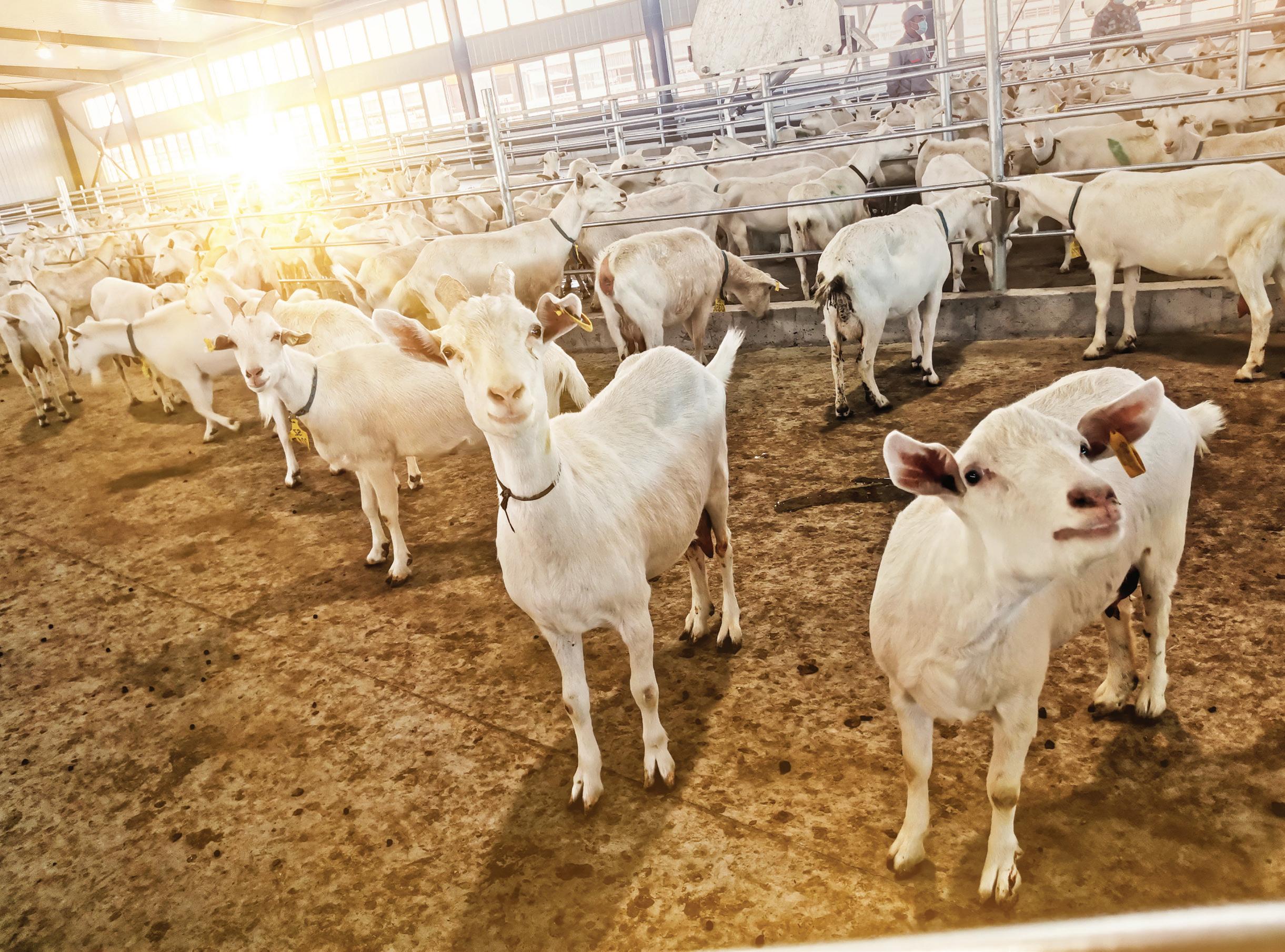








While its roots remain firmly in Yorkshire, James Holding Dairy Engineering has taken its expertise around the world. Engineers have successfully completed projects ranging from traditional dairy installations to robotic systems overseas, including specialist work on a camel milking parlour in Dubai. Every project is backed by thorough commissioning, operator training and ongoing technical support, ensuring customers continue to get the very best from their investment.






Despite working internationally, the business remains committed to the personal service that has been at the heart of its success. Long-term relationships, honest advice and dependable support continue to define the company's approach, whether working with an established family farm or helping develop a brand-new dairy enterprise.







For dairy farmers looking to maximise efficiency, protect their investment and benefit from experienced engineering support, James Holding Dairy Engineering offers a complete service from concept through to long-term aftercare.
To find out more about the services offered by James Holding Dairy Engineering, call the office on 01904 400449, speak directly to James Holding on 07807 704 884, or visit www. jamesholdingengineering.com



The GEA IQ's revolutionary fourway technology ensures that you always have maximum milk quality, quantity and udder health. Using it is incomparably easy! Easier attaching, milking and maintenance.
The new milk guide piece has been designed following the natural structure of a cows udder. It is sub-divided into four guide chambers. The milk flows directly and quarter individual to the outlet. Thanks to the incline in the respective cluster chamber this process is faster and much more gentle.
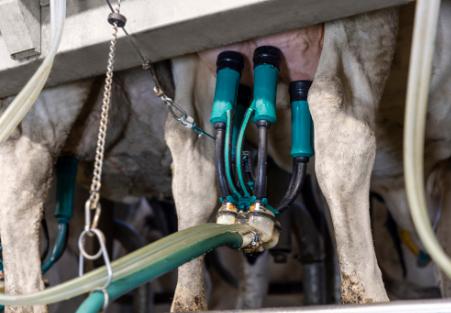

clean your milk filters are with the IQ Milking Unit.
Maximum milk quality - smarter vacuum control significantly reduces milk contamination. Vacuum is greatly reduced when the liner is not attached, which means less manure and other soil/debris is sucked into the milk line. You won't believe how
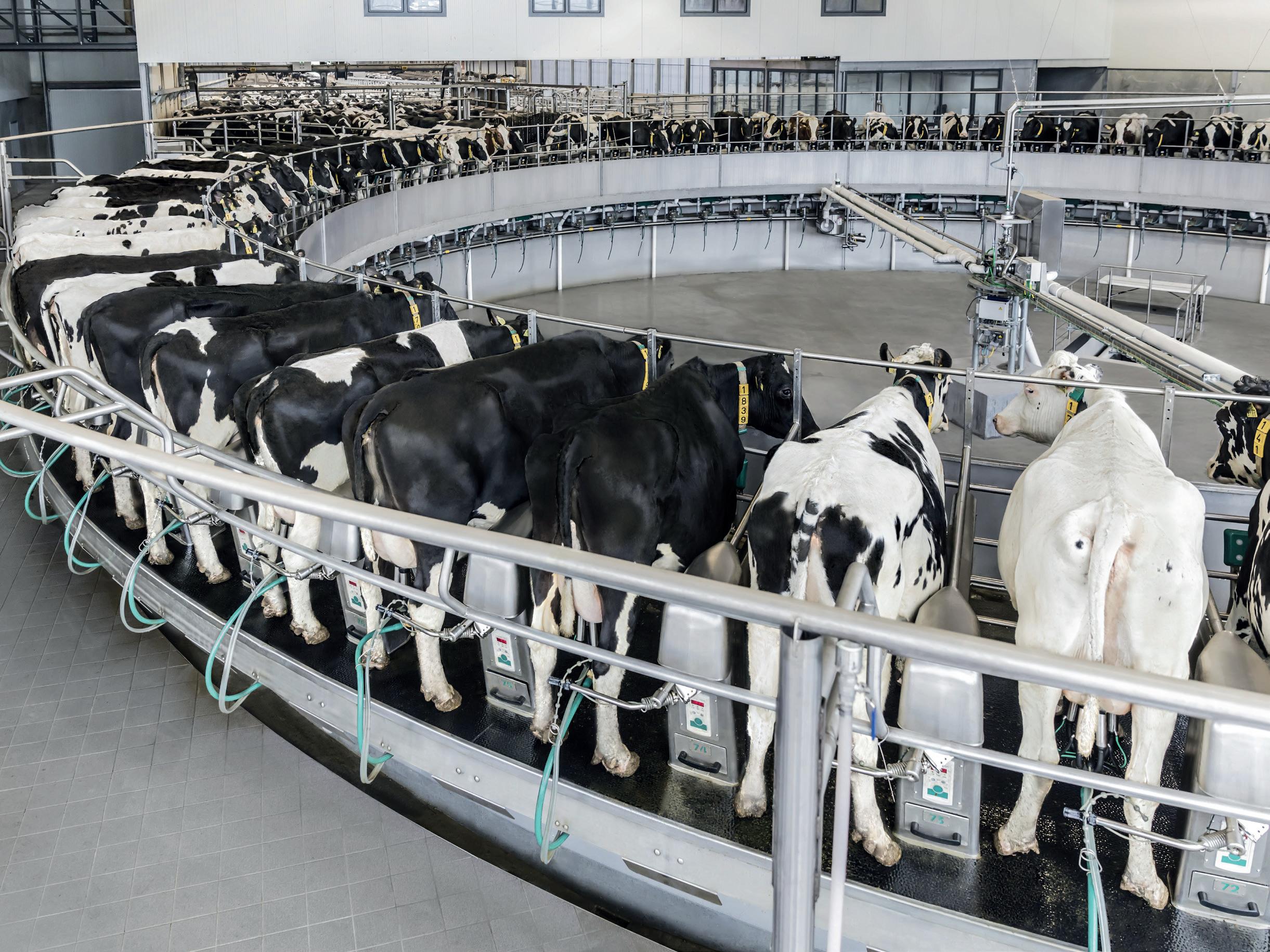
Improved udder health - with four separate guide chambers there is no threat of teat-to-teat cross contamination of mastitis-causing bacteria. Unlike conventional milking units, the new IQ unit is subdivided into four quarters, and milk from each


quarter is kept separate.
Holds on any shaped udderthe short milk tubes are longer which allows proper placement on virtually any udder shape. The unit weight is ideally distributed 80% on the teat and 20% in the claw. Plus, better unit alignment means fewer unit slips and squawks.
Easy maintenance - unique and patented liner connection makes liner changes quick and easy. Shells, liners, and air dividers can be preassembled to allow liner changes in minutes instead of hours.

Faster milk-out times - improved vacuum stability

increases flow rates and the sharper angle of the milk chamber speeds flow to the milk line.
Quieter operation - the automatic vacuum shifting system makes for virtually noise-free milking - even during attachment or during a kick-off.
More reliable performancethe slim profile of this unit is harder for cows to kick-off.
For the milkers of today and tomorrow: The GEA IQLiner is
unique in that it is fitted individually onto the IQ cluster! Take advantage of the optimum adhesion and flexibility on the udder! The well thought-out benefits of our IQLiner ensure animal-friendly milking together with the best possible teat conditions and the well proven rubber and silicone material works as reliably as ever.
GEA and local GEA Dealers are offering a special offer on the IQ Milking Cluster this Autumn until 31st October 2025. Benefits from four-way technology to ensure you always have maximum milk quality, quantity and udder health by contacting GEA today for the special offer price. Contact your local GEA Dealer or visit www.gea. com for further information.
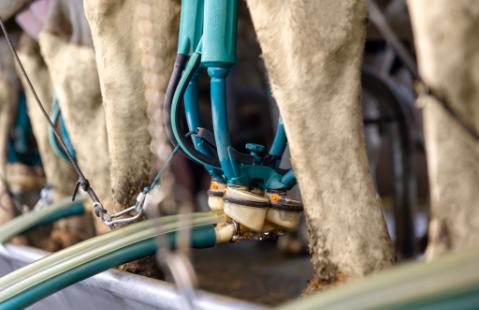

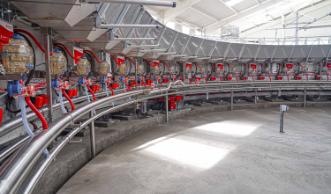
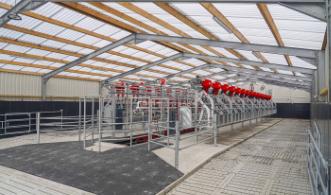
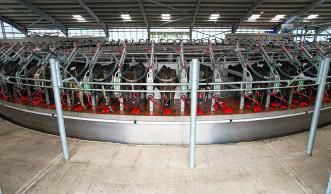
Established in 1948,Pearson Milking Technologyis a third-generation Irish engineering company with over 76 years of experience designing and manufacturingmilking parlours and dairy automation systems. From its headquarters inAthy, Co. Kildare, Pearson suppliesherringbone, double-up, rotary, and rapidexit parloursto dairy farms in over20 countries worldwide.

At the heart of every Pearson system is a commitment toengineering excellence, cow comfort, and milking efficiency. The company combines decades of craftsmanship with the
latestsmart technology and data-driven innovationto help farmers improve herd performance, reduce labour, and enhance overall dairy efficiency.
Through continuous product development and close collaboration with farmers, Pearson ensures that each system is tailored to meet the demands of modern dairy farming — balancing technology with reliability in every design.
Built on heritage, powered by innovation, and trusted by farmers globally, Pearson remainsthe farmer’s partner of choice — and The Smart Dairy Choice.


Dairy farmers are being urged to tackle fly breeding sites now, as warm summer conditions accelerate larvae development in straw-bedded calf pens and hutches.
Dave Reece, Lodi UK pest control technical adviser, says recent high temperatures, particularly overnight, are creating ideal conditions for fly larvae to develop, with some populations able to hatch in as little as eight to nine days.
He warns that while flies are often first noticed in the parlour, the problem usually starts much earlier in youngstock housing.
“Flies are often noticed in the parlour because that is where they cause the most disruption, but it is rarely where the problem starts,” says Mr Reece.
“On dairy farms, straw bedding in calf pens and hutches is one of the most common breeding sites.
“Over the past couple of weeks, we’ve been peeling back straw and finding white maggots and larvae underneath.
“In warm conditions, those larvae can hatch in as little as eight to nine days, so fly numbers can build rapidly if control measures aren’t in place.”
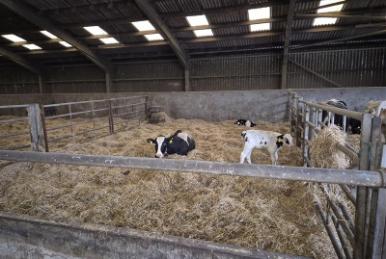
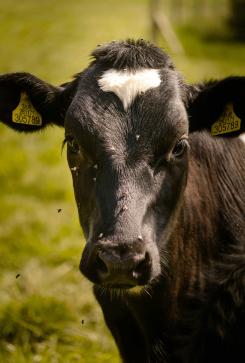
Once adult flies emerge, they move towards collecting yards and milking parlours, attracted by warmth, animals and carbon dioxide.
Mr Reece says fly control needs to start in housing, rather than relying solely on reactive treatment in the parlour.
“Calves irritated by flies are less likely to lie down and rest, which can affect growth and welfare,” he says.
“Flies can also move disease from animal to animal, so even where biosecurity is good, they remain a risk.”
Mr Reece recommends an integrated approach, combining hygiene, larvicide treatment and adult fly control.
“Keep calf pens as clean and dry as possible, clean and disinfect between animals, and clear up after spilt milk,” he says.
“It’s important to pay attention to the edge of pens and hutches too, as flies often hatch around these areas.”
Where fly pressure is very high, pens may need to be cleaned out almost weekly to help break the breeding cycle.
Mr Reece also advises using two larvicide treatments during a calf-rearing cycle, with the first about 10 days after calves enter the pen and the second around a month later, to help break the fly life cycle before maggots develop into adult flies.
Where adult flies are already present, he says Ultra Dairy Fly Spray can be applied to calf hutch roofs, in line with label instructions, to provide knockdown and residual control.
In parlours, it should be applied to walls, roofs and resting areas before cows enter, and high enough to avoid being affected by washdown.
For further advice on managing flies this season, contact Lodi UK or visit their website.

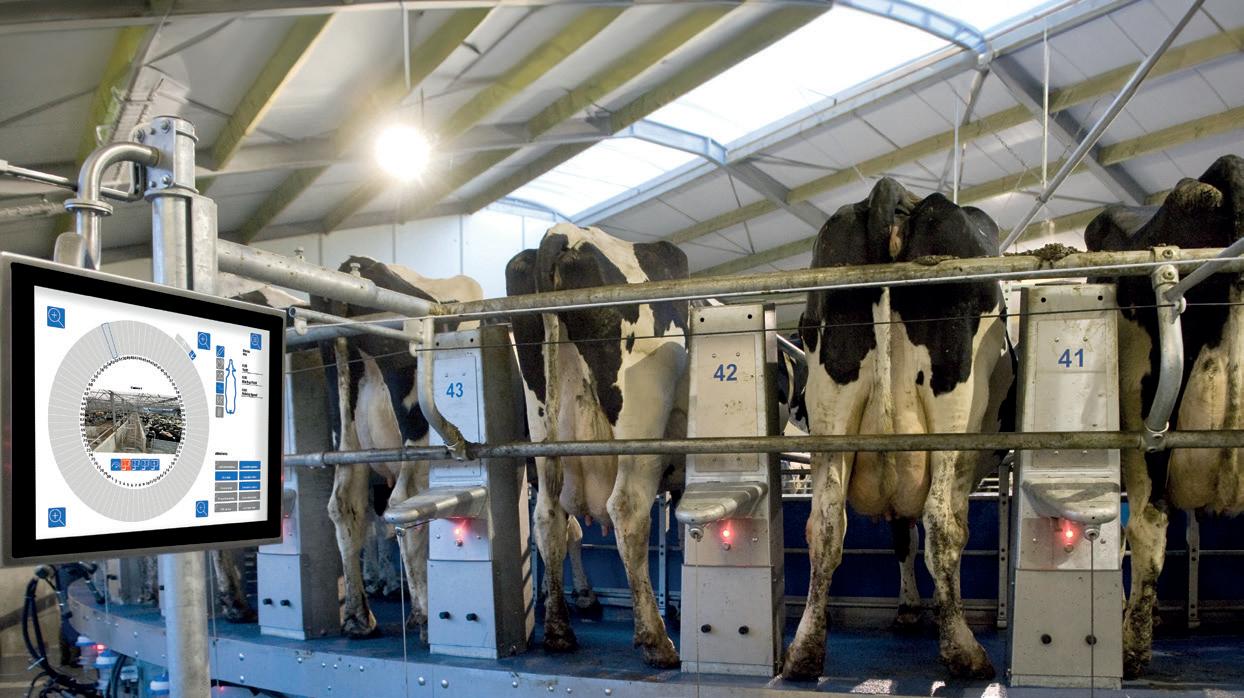

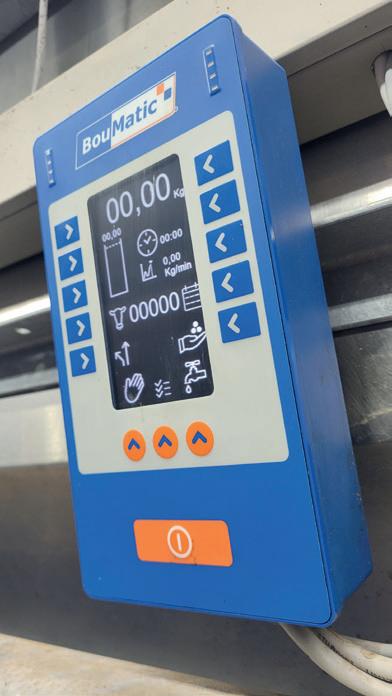
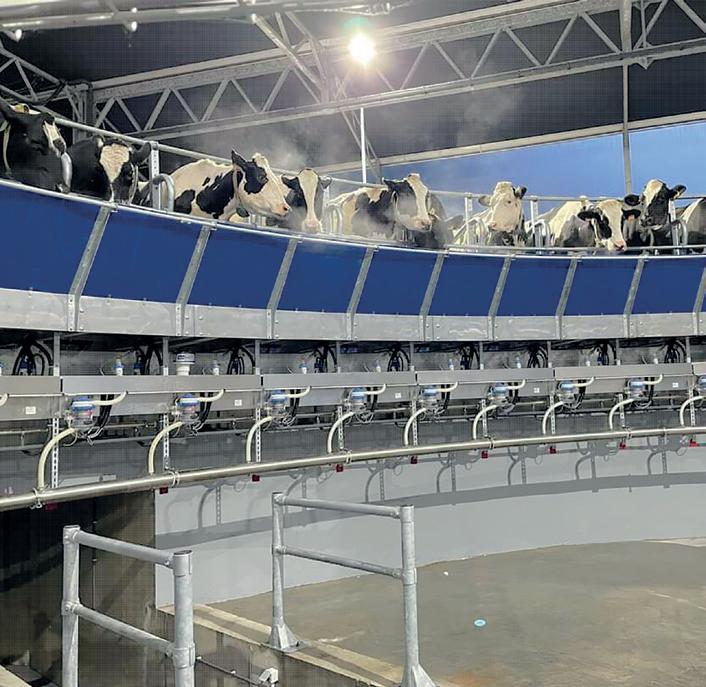
Farmers, vets and SQPs are being invited to join a timely webinar entitled, ‘Lungworm – a changing challenge for cattle farmers and vets’, hosted by RUMA Agriculture exploring the growing challenge of lungworm in cattle, as experts warn that outbreaks are becoming harder to predict and are affecting a wider range of animals than before. The webinar will take place on 20 July from 4.00pm to 5.30pm. Supporting organisations: RUMA Agriculture, COWS, Moredun, BVA and BCVA.

are often unpredictable. There is a shift in a very prescriptive seasonality from late summer to disease now occurring for longer periods throughout the year, due to factors such as larvae surviving on pasture for longer, longer grazing seasons and changing management practices.
To help farmers, veterinary professionals and SQPs better understand the issue, RUMA Agriculture is hosting the webinar which will bring together researchers, vets and industry representatives to discuss the latest thinking on risk, diagnosis, prevention and practical control.
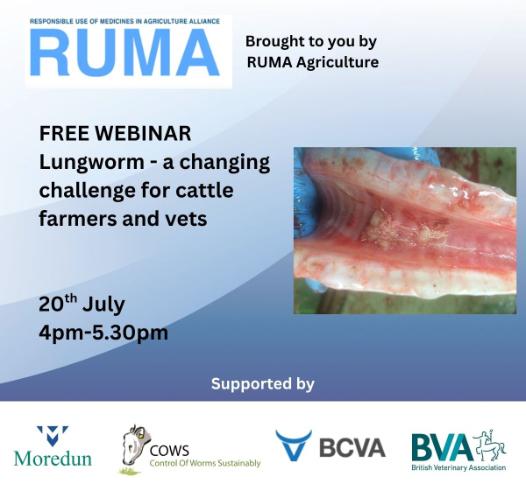
Outbreaks of lungworm in cattle, caused by the nematodeDictyocaulus viviparus,can be severe and difficult to predict. In the UK, lungworm disease has been increasing since 2009, due to climate change, possible anthelmintic failures and low vaccine use. Worryingly, cases are becoming more prevalent in older cattle as well as youngstock. The epidemiology is complex and outbreaks
The session will be chaired by Chris Lloyd, Secretary General of RUMA Agriculture and will feature contributions from Dr David Bartley, Principal Research Scientist at the Moredun Research Institute; independent cattle vets Rob Howe MRCVS and Anuschka Marsman MRCVS; and Sara Gregson, from Control of Worms Sustainably (COWS). Topics will include the lungworm lifecycle, development of immunity and disease, epidemiology, diagnosis including clinical signs and testing, treatment options including grazing strategies, vaccination, and the findings of a year-long on-farm project in South Wales exploring how to protect cattle from lungworm while also protecting dung beetles. The session will conclude with a brief review of COWS activities and resources for vets and SQPs.
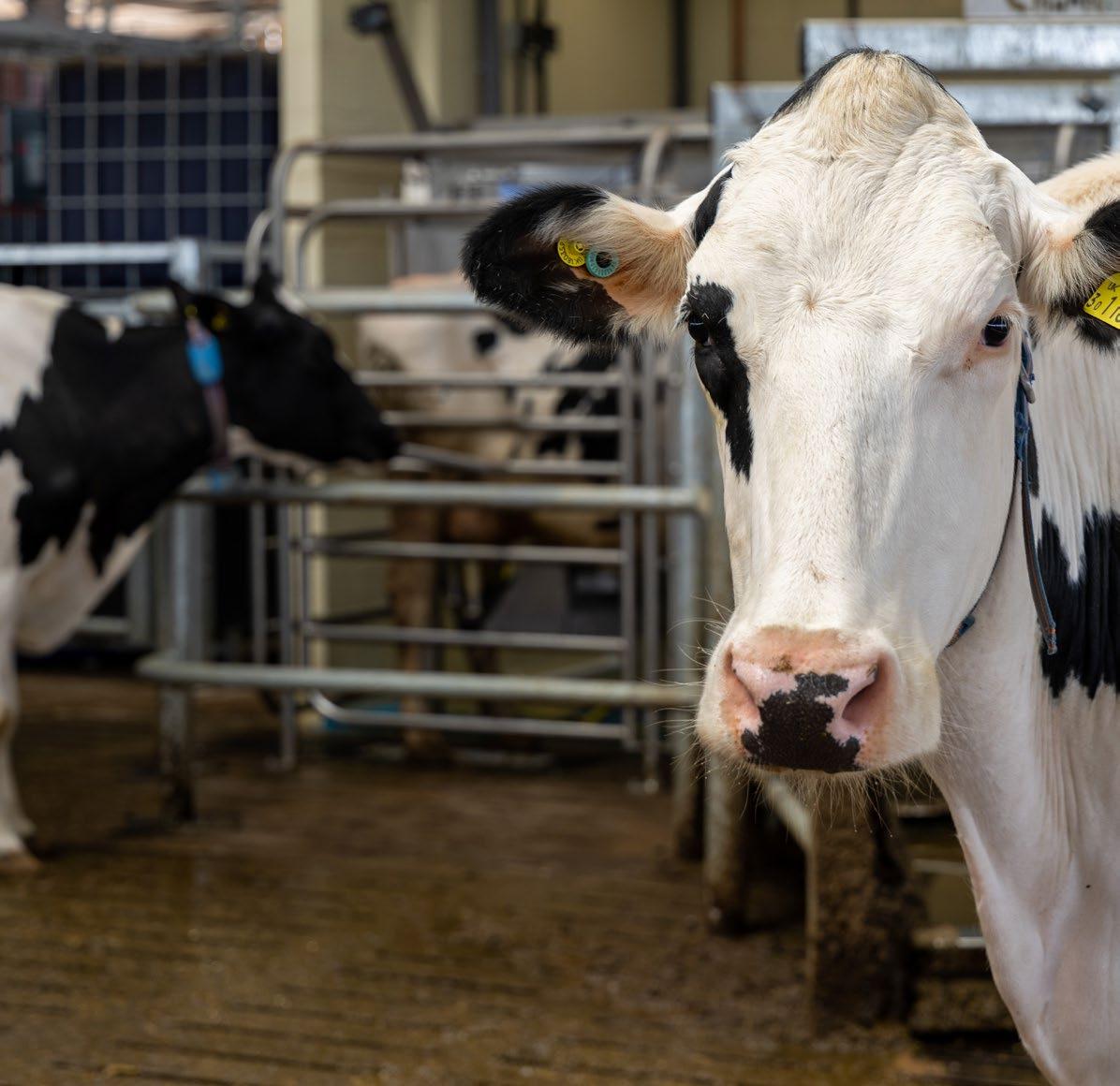
Churchill Dairy & Parlour Services
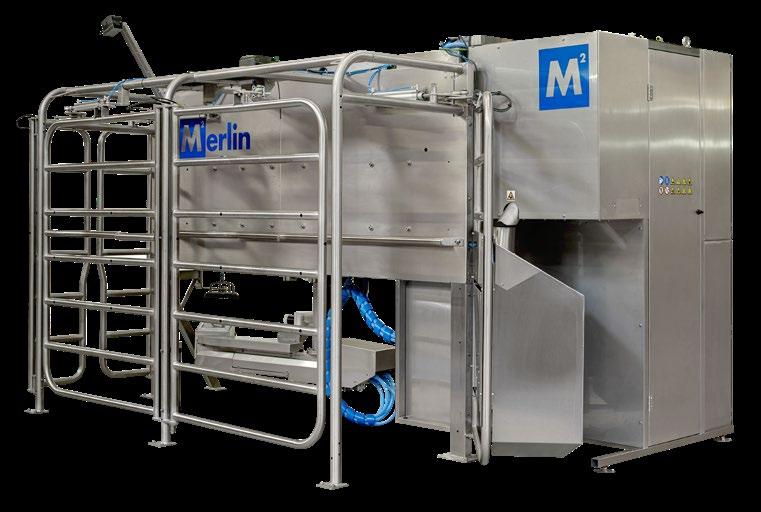
Goddards Farm, Sturminster Newton, DT10 2AZ
Tel: 07885371731
office@churchillsdairyandparlour.co.uk
Holding Dairy Engineering Unit 18, The Gardens, Malton Road, York, YO32 9TN
Office Tel: 01904 400449 James: 07807704884 info@jamesholdingengineering.com Fernshire Ltd
Chapmans Farm
Pristling Lane, Staplehurst, TN12 0HH
Tel: 01580 891199 www.neguschaseltd.co.uk
Wallace Engineers Ltd Unit 17, Stainton Grove industrial estate, Barnard Castle, DL12 8UJ
Office Tel: 01833 625361 Mobile: 07828532868 www.gawengineers.com
CalfExpert is a calf feeder that has been developed to meet the latest standards in calf feeding. State-of-the-art feeding technology ensures that the milk for the calves is always freshly mixed. It does not matter whether milk replacer or pasteurised whole milk is used. CalfExpert prepares the milk automatically and individually for each animal.

You, as farmer, remain completely flexible in your work schedule while calves are fed 24/7. The calf feeder takes your calf rearing management to a whole new level.
Intuitive operation via the graphic display and the link to the CalfGuide mobile app make it easier for you and your team to monitor your animals. All the information about your calves, status reports and alerts are at your fingertips in the app and directly on the calf feeder at all times.
Different feeding programmes form the basis of successful and performance-oriented calf rearing in automatic calf feeding. Labour savings and complete supervision included.
Individual animal feeding
Feeding a large number of calves with a fresh mix adapted to each individual calf is a major challenge. CalfExpert makes it child's play.
Always freshly mixed
The CalfExpert calf feeder mixes the milk fresh for each calf. Any residual milk is kept warm and flushed out of the system following longer drinking breaks. Other calf feeders work with a central milk supply. In milk stored this way at 40 °C, the bacterial count doubles every 20 minutes. In contrast, the CalfExpert guarantees maximum hygiene and feeding suitable for every individual animal.
Individual adaptation
A central milk supply has another major disadvantage:
Feed calves automatically.
Organise feed changes gently: milk mixed freshly and precisely matched to the calf.
For healthy and productive calves.
modern feeding programmes (e.g. metabolic programming) require a higher CMR concentration (e.g. 160 g/l) at the beginning of rearing to stimulate performance. However, a lower milk replacer powder concentration (130 g/l) is necessary in the weaning phase. This individual animal feeding can only be achieved if the mix is prepared individually for each calf, as is the case with CalfExpert.
We have accelerated the mixing process and the change of calves in the CalfExpert, thereby optimising utilisation of the HygieneStations.
Milk is mixed quickly and can be called up at the feeding station after just 3 seconds. Once the milk meal is finished, a switch is immediately made to the second feeding station. Here, a second calf can be fed immediately while the first is still satisfying its need to suckle.
In addition, priorities can be specified in the CalfExpert menu so that young or sick calves are given preferential treatment. The tried and tested flexitime programme ensures that meals are distributed very evenly throughout the day without clusters of visits to the stations. The result is reduced waiting times with high animal occupancy and a positive "visiting experience" for the calves.
Enjoy calm and compliant calves
Since CalfExpert does not restrict feeding to certain times of day, calves can come and feed at any time. Your calves will no longer see you as a nurse and will therefore remain calm when people enter the barn. Younger and weaker calves have all the time they need to consume their full ration.
As the CalfExpert also works with an intelligent credit logic, all calves have a feeding credit at a different time. As a result, fewer animals crowd around the station. The anti-pirate milk valve ensures that stronger calves do not steal milk. The result: extremely uniform, relaxed groups of calves.
With the new QuadroFlex system, four calves can feed at the same time at two PowerMixers. The CalfExpert mixes the milk freshly when calves wish to drink. This means no tank supply system is required. The feeding quantity is determined precisely for each calf by maintenance-free sensors. If a calf requires a special mix e.g. including medicine or electrolytes, only the sister stall at the same PowerMixer is switched off. Feeding continues at the second Power Mixer at both stations. This allows 120 calves to be fed at 4 HygieneStations. Thus the capacity of the CalfExpert has been increased by approx. 20 – 30 % compared to its predecessor H&L100.
Flexible feeding programmes
Modern feeding programmes should always adapt to the age and breed, personally set rearing goals and state of health of the calves. CalfExpert allows you to do all this in the optimum way.
CalfExpert prepares your calves in a particularly gentle way for the intake of concentrate and roughage. It reduces the amount of feed at the end of rearing in small steps of 0.1 l per day and thus stimulates the development of the forestomach system.
8 feeding curves
CalfExpert can be used to turn any feeding programme into reality. Feeding curves can be adjusted very flexibly in each of the 8 groups. Up to 16 "turning points" allow you to fine-tune your personal feeding concept down to the last detail. Or you decide in favour of one of the proven and pre-set CalfExpert feeding programmes.
Metabolic programming
Intensive feeding in the first few weeks of a calf's life will usually lead to significantly higher milk production later. However, the correct weaning of calves, for example after an ad libitum phase, poses particular challenges for every calf breeder. With CalfExpert, each calf is slowly weaned off high milk intake, in terms of volume as well as concentration.
Flexible feeding also means that a wide range of CMRs and additives have to be prepared in an optimum and lump-free way. The continuously variable PowerMixer ensures a soft start to avoid splashing and then stirs the milk replacer powder thoroughly. This means the calf receives its freshly mixed milk directly at the teat in just 3 seconds.
The feeding process can sometimes take longer where young or weak calves are involved. We prevent the separation of the milk replacer powder by slow permanent stirring. And if it gets colder, the heater in the mixer always ensures the mix is kept at a constant temperature, for no matter how long the calf needs.
The new option allows the CalfExpert to feed two different types of milk replacer (CMR).
The milk powder compartment is at a 90° angle to the CalfExpert and feeds milk powder into the PowerMixer
of the machine via a dosing augur on the side. The volume of 50 kg of CMR can be supplemented by a further 25 kg via the additional powder chamber. This gives the CalfExpert the largest milk powder storage capacity of any automatic feeder on the market, with a maximum powder storage capacity of 150 kg (2 x (50 + 25 kg)). Ideally, this is done in such a way that one type of milk replacer slowly takes the place of the other. This can make sense, for example, if a high-quality skimmed milk replacer is to be used in the first few weeks of life in order to promote the early development of the calves with highly digestible CMR.
Later, cheaper milk replacers can be used, whose ingredients (e.g. certain proportions of high-quality vegetable proteins) are intended to support the transition to ruminant.
Specific additive feeding
Minimal doses of feed additives can be added to the milk diet in order to stabilise the gastrointestinal system. Sick calves can be treated with medicines in the milk. You can use two powder dosing units and two liquid dosing units. As with the milk programme, you can set different feeding curves for these additives as well. This means maximum flexibility for top calf health.
Whole milk is digested perfectly by the calf and results in the best performance. With the CalfExpert whole milk programme you can set whole milk proportions or supplement the whole milk in the feeing programme flexibly. What happens with your feeder when the whole milk supply has been used up? Does it then feed powdered milk? This causes changeover stress with your calves and is likely to cause digestion problems. "EvenMilk", our intelligent whole milk control, knows how much whole milk is available and how much is to be fed. It makes sure that whole milk and CMR are mixed in balanced proportions even when whole milk quantities fluctuate daily.
A calf feeder is designed to make your work easier and perform continually for 24 hours. To achieve this it has to work reliably under the rough conditions of a calf stall, like the CalfExpert does.
All hose systems used to have deposits of contaminated milk because they had not been cleaned often enough or thoroughly enough. The HygieneStation rinses the entire milk hose through to the teat during longer drinking breaks. In addition, the complete milk system is cleaned several times every day. If theDoubleJugmilk tank is used, the supply line to the CalfExpert is also cleaned automatically. This will reduce a calf’s exposure to bacteria, improve the health of the calves and save on manual cleaning.
To optimise cleaning even further, the CalfExpert can use two different cleaning agents: either alternate with each cleaning cycle or combine in one cleaning cycle (alkaline, rinse, acid, rinse). The cleaning agent pumps are fitted on the outside. They can thus draw directly from the tanks. This is safe and convenient. In addition, the CalfExpert generates automatic messages as soon
as a canister is empty.
Fly shield as standard
Two large doors protect the critical area where the mixer bowls are located. This keeps flies away from the milk and avoids problems in the milk system. The doors can be locked so children cannot be harmed or injured.
The 7″ graphic display not only allows all calf data to be conveniently viewed. Pressing the key with the book icon opens help texts and information from the operating instructions at every level of the application.
always surethat the calves have been fed correctly.
Kill two birds with one stone: CalfExpert not only frees you up from tedious and strenuous work. Intelligent software and smart operation also increase feeding quality.
We deliberately avoid the use of touch technology and rely instead on the use of SmartKeys, meaning that a CalfExpert can be operated reliably even in frost, rain, with gloves or even dirty fingers. The illuminated SmartKeys guide you through the programme.
The completely new control software offers maximum clarity and simple CalfExpert operation. All calf data with individual feeding curve, alarm lists, technical parameters etc. can be viewed on the 7" display. The Wi-Fi connection also allows you to retrieve individual items of data on mobile devices and to receive push notifications in the event of error messages.

Calves love the outdoor climate, your CalfExpert does too. It comes with a frost protection programme that is activated automatically as soon as there is a risk of frost. Sensors in every HygieneStation and in the CalfExpert mixing chamber measure the ambient temperature and then adapt the mixing temperature and intensity of the frost protection programme accordingly. You can clean the outer surfaces of the automatic feeder with water, since all the sensitive components are water spray-proof.
Regular inspection of the technology is easy: you can test all the important CalfExpert components quickly and easily in the maintenance menu. You can also carry out calibration quickly yourself, because the software always tells you exactly what to do. We recommend that you have your CalfExpert serviced by a qualified technician at least once a year. This provides you with the peace of mind that the automatic feeder will be ready for the next rearing cycle.
The CalfExpert checks the flow rate of milk and water at regular intervals. ensuring a consistent amount of water for the calves without your needing to actively worry about it. Although this unfortunately does not apply to the amount of powder, the machine will remind you as soon as calibration needs to be performed. However, with its Brix-TS option, CalfExpert compensates for deviations in the mix concentration, so that you are
Calves supplied with a lot of energy start lactation at an earlier age and produce more milk later on. CalfExpert also provides you with the best prerequisites for optimum animal health. This means a lower death rate and more animals in the herd reared from your herd offspring. This in turn gives you the opportunity to select the offspring in a targeted manner and to sell surplus heifers at a profit. And last but not least: by saving working time, you are freeing up capacities on your farm that can be used profitably.
CalfExpert comes with a WiFi interface as standard. The CalfGuide app allows you to access important information directly on your mobile phone. This includes the general calf feeder data and details of the calf lists with the entire calf history. You can easily modify calf information and feeding curves in the app. The CalfExpert also sends messages when the cleaning containers are empty, for example. A particularly practical feature is a health check, which allows you to objectively assess the health of your calves.
Ammonia irritates the mucous membranes of calves, even in small doses. This can lead to bronchitis in the long run, which can soon turn into pneumonia. Ammonia is only perceived as an odour when it is already in the harmful range. AmmoniaDetect is an electrochemical sensor that permanently measures ammonia levels in the barn air. It is installed directly in the lying area, protected from the calves by a pipe. CalfExpert analyses the measured values continuously and documents them in a chart. This enables you to optimise the ventilation of the calf barn and determine the best time for mucking out.
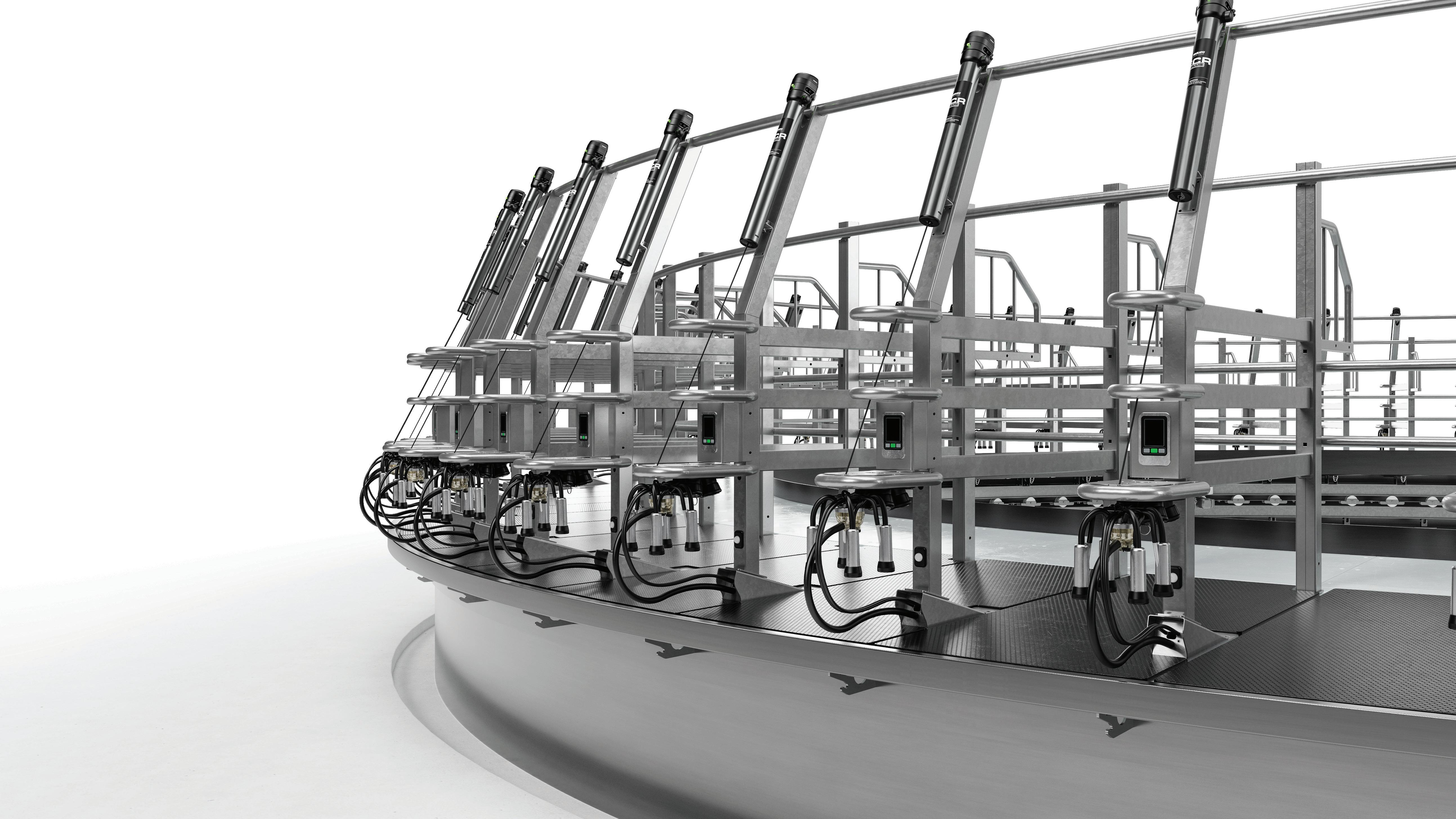

James Holding Dairy Engineering
Unit 18, The Gardens, Malton Road, York, YO32 9TN
Office Tel: 01904 400449
James: 07807 704884
The Old Cobblers, Langport, TA10 9DJ
Tel: 07867 507711
The South West's largest horse welfare charity is entering the final stages of fitting out a new purpose-built welfare and education centre at Coombe Park near Totnes, dedicated to its founder.
experienced trauma, anxiety or social isolation. They often feel a sense of peace and safety alongside a rescued pony who has also faced difficulty, neglect or fear in the past.
The new Rosemary Kind Barn has been purpose built at Coombe Park to give these ponies the quiet, secure environment they need, while also creating a welcoming space for visitors. It will house 13 internal stables and dedicated areas for specialist care, education and wellbeing activities.
Members of the public are being invited to become an important part of the next chapter in the story of The Mare and Foal Sanctuary by sponsoring a stable at The Rosemary Kind Barn through a special crowdfunding project. The barn is due to be officially opened in the autumn. The building will provide the very best care for rescued horses and ponies and become a place where children, families and communities can connect with horses, nature and wellbeing for generations to come.
Coombe Park is the Sanctuary's main base for equine assisted services and educational visits. It hosts programmes where vulnerable children, young people and adults can build confidence and connection through time with rescued horses and ponies. Many of the people who attend have
Named in honour of the Sanctuary's founder, Rosemary Kind, the new barn reflects her lifelong commitment to giving horses, ponies and foals in need a safe home, and a second chance. It will also help the Sanctuary continue her legacy by inspiring future generations.
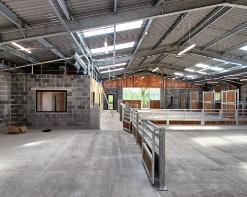
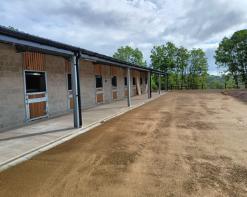
The Mare and Foal Sanctuary's Director of Fundraising and Communications, Dawn Vincent said: "Rosemary believed that horses and ponies have so much to teach us about patience, kindness and resilience. This new barn will give some of our most vulnerable residents the calm, consistent home they need, while helping more people learn how to care for equines and build confidence through being with them."
"The building now stands completed, andthe ponies will start moving in in August.5 of the 13 internal stables have been sponsored thanks to trusts, foundations and
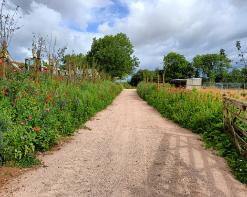
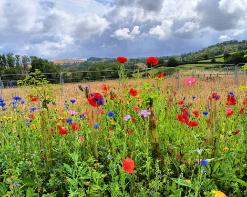
individual donors. We're now inviting anyone interested to help fund the remaining 8 stables through a crowdfunding appeal."
Among the first residents of the Rosemary Kind Barn will be ponies like Chesney, Seren and Sonnet, whose stories underline why specialist facilities are so important.
"When she came to live at the Sanctuary, we were told that Chesney once worked as a circus pony, jumping through hoops of fire" says Dawn Vincent. "That past has left her highly anxious and easily startled by sudden movement or noise. It has taken time and gentle, consistent handling for Chesney to learn that she's safe. With lots of positive reinforcement in a familiar routine, she's slowly beginning to relax and show more of her curious nature.

"Seren was orphaned at just a day old and she's now losing her sight due to a degenerative eye condition. As a foal she missed out on a mother's guidance, but she grew into a confident pony. When she later began to show anxiety, we knew something was wrong and she was retired from ridden work. Today she receives regular eye checks and careful, steady handling to help her feel secure.
"Sonnet is another pony who'll really benefit from the new facilities. She was rescued by RSPCA officers in 2012 after being found trapped in a barn with three other horses. The silence in the building, with no sound of horses eating or moving, told rescuers how serious the situation was. Sonnet was so weak and starved that she spent two weeks in a veterinary hospital before she was well enough to travel to us to begin her rehabilitation. Because of her ongoing
health needs she'll enjoy the security of a calm daily routine based at the new barn."
"We've worked hard to give many other ponies like Chesney, Seren and Sonnet a good quality of life. Having a home designed around their needs is a vital part of their long term wellbeing and supporters have already played a crucial role in bringing the Rosemary Kind Barn to this point."
Each fully equipped stable costs £5,000, including installation and essential fittings. Donations of any size will contribute towards these costs. Supporters can sponsor an entire stable, share sponsorship with others, or contribute smaller amounts that will still make a tangible difference to the ponies who will live there.
Dawn Vincent added: "We are so grateful to everyone who has helped us reach this stage. Our supporters share our mission to give rescued horses and ponies the lives they deserve and to help people learn about good equine welfare. By sponsoring a stable in the Rosemary Kind Barn, people will be part of Rosemary's legacy and part of the future for many more ponies like Chesney, Seren and Sonnet."
The official opening of the Rosemary Kind Barn is planned for later this autumn. In the meantime, the Sanctuary is encouraging those who would like to be involved to support the crowdfunding campaign and help welcome the first ponies into their new home.
You can find out more and sponsor a stable via the Sanctuary's crowdfunding page:Sponsor the Stables - a Charities crowdfunding project in Totnes by The Mare and Foal Sanctuary.

How Bespoke Engineering Overcame Complex Challenges in a Dairy Parlour Overhaul.
1. This was your largest BouMatic installation to date. Can you tell us about the project and what made it so significant?
While this wasn't actually our largest rotary installation we have completed 72-point rotary projects including the full parlour, racework and backing gate it was certainly one of the most demanding projects we've undertaken.
What made this installation significant was the requirement to replace an existing rotary parlour within an extremely tight six-week deadline. Unlike a new-build project, we were retrofitting our INDY 360EX 60-point rotary platform into an existing structure and onto concrete groundworks that were already in place.
That presented a number of engineering challenges. he basement levels were shallower than we normally design for and we had to develop bespoke solutions for pipework, drainage and services integration while ensuring the new platform operated exactly as intended. Every aspect of the design had to be carefully engineered around the existing infrastructure, making this a highly customised installation rather than a standard rotary build.
2. The installation took around six weeks. What were the biggest challenges, and how did your team overcome them?
The project was scheduled for six weeks from start to finish, so precision and planning were critical from day one.
One of the biggest priorities was ensuring the rotary platform was installed perfectly level. The rotary it replaced had suffered from alignment issues throughout its life, resulting in multiple replacements of tracks, drive components, Ibeams and rollers over a 19-year period. We understand how important accurate installation is to the long-term reliability of a rotary, so extensive laser levelling checks were carried out throughout the build process.
Drainage was another challenge. We identified early on that the existing system wasn't capable of handling the volume of wash water required for the new installation. To resolve this, we removed part of the existing concrete and installed a bespoke 2m x 1.5m x 0.5m collection
tank beneath the wash vat to provide additional capacity.
Cow flow was also carefully reviewed. We felt the existing exit bridge was too narrow to allow cows to leave the platform as comfortably and efficiently as possible, so we widened the exit area by the equivalent of one and a half stalls.
Because this was a retrofit project, cable routing also required a different approach. Rather than traditional underground routes, we designed an overhead trunking system around the perimeter of the rotary to safely and efficiently bring services into the parlour.
3. What BouMatic equipment and Apollo technologies were installed, and how do they work together to improve the day-to-day running of the farm?
The rotary platform itself was designed, manufactured and installed by ElectroMech Agri, while the milking and herd management systems were supplied through our partnership with BouMatic.
The installation features BouMatic's latest Apollo herd management software, providing real-time animal monitoring and management information to support informed decision-making on farm.
Milking equipment installed included ICARapproved milk meters, Pulse MD technology, EVO pulsators, FloStar Xtreme clusters, OptiFlo CF, cluster flushing, a Guardian automatic plant washer and twin AirStar oil-free vacuum pumps supporting the rotary operation.
The strength of the system lies in how these technologies work together. Farmers have access to accurate milk production data, cow health information, milking performance monitoring and automated cleaning systems, all integrated into a single management platform. As a cloud-based system, Apollo can be accessed by operators from a PC, tablet or smartphone, allowing them to monitor herd performance and farm data wherever they are.
This combination of advanced milking technology, herd management software and automated system monitoring helps improve labour efficiency, animal performance and overall herd management while ensuring consistent milking routines every day.
4. From an installer's perspective, what impressed you most about the BouMatic system?
We've been BouMatic dealers for decades, and one of the main reasons for that partnership is reliability.
The equipment is designed to perform consistently in demanding dairy environments, and that's something our customers value highly. As installers and service providers, we also appreciate systems that are engineered for longevity, ease of maintenance and future development.
One of the latest innovations that has particularly impressed us is Pulse MD. The technology dynamically monitors each milking point during milking, providing valuable insights into system performance and helping identify potential issues before they become larger problems.
We're also excited about the introduction of Apollo. Apollo is an intuitive, modular automation ecosystem designed to seamlessly integrate with dairy operations and provide farmers with a smarter, more efficient way to manage their businesses. It centralises key dairy processes including herd management, feeding, sorting and real-time performance data, all through a modern and user-friendly interface.
The cloud-based platform allows farmers and managers to access information from a PC, tablet or smartphone, giving them greater visibility and control whether they're in the office, the parlour or out on the farm. It's a significant step forward in making dairy data more accessible, actionable and valuable for day-today decision-making.
For us, BouMatic's continued investment in technologies such as Pulse MD and Apollo demonstrates a clear commitment to helping farmers improve efficiency, animal performance and long-term profitability while keeping the focus firmly on the cow.
5. How has the customer responded since the installation was completed? Have you already seen any noticeable improvements or feedback?
It's still very early days as the herd has only recently started milking through the new rotary, so it will take time for performance data to build up.
However, the customer's initial feedback has been extremely positive. They were particularly pleased that we achieved the six-week installation deadline despite the complexity of the project.
Throughout the installation we were also able to identify and implement several additional improvements beyond the original scope of work, including rewiring the backing gate and upgrading sections of the race-work. Being able to provide those solutions while maintaining the
tightly scheduled project which demonstrated the value of having design, fabrication, installation and service expertise all within one team.
6. What did you and your team learn from delivering a project of this scale, and how will that experience help with future installations?
Projects of this nature reinforce the importance of communication, planning and coordination across every department.
From the initial design concept through to fabrication, installation and commissioning, this project required a very high level of collaboration between our engineering team, workshop, installation crews and external contractors.
The experience has allowed us to further refine our project management processes and identify opportunities to streamline workflows. The lessons learned from coordinating multiple teams against a fixed deadline will undoubtedly strengthen our approach to future rotary installations and other large-scale dairy projects.
7. If another dairy farmer was considering a similar investment, what would you tell them about the benefits of a complete BouMatic installation?
Every farm is different, and not every project will require the tight timescales involved in this installation. However, what this project demonstrated is that with the right planning, engineering and support team, even highly demanding projects can be delivered successfully.
For farmers considering a major investment, one of the biggest advantages of choosing BouMatic is the company's commitment to cow-focused technology. Everything is designed around cow comfort, milking efficiency and long-term herd performance.
At ElectroMech Agri, we share that philosophy. We focus not only on the cow, but also on the farmer and the long-term return on their investment. Because we design, manufacture, install and maintain our milking parlours, handling facilities and backing gates in-house, customers benefit from a single point of responsibility throughout the entire project.
When farmers choose ElectroMech Agri and BouMatic, they're partnering with specialists who can manage every stage of the project—from concept and design through to installation, servicing and ongoing support—ensuring the investment remains productive and future-proof for years to come.

uccessive government policies that have reduced livestock grazing across large areas of the uplands have unintentionally increased the severity of wildfires by allowing huge fuel loads to build up, the National Sheep Association (NSA) is warning.
As firefighters continue to battle major moorland fires, including a recent fire on Tintwistle Moor, Derbyshire, NSA says the conversation must move beyond how fires start and focus on why they become so destructive.
Over the past two decades, Agrienvironment schemes have encouraged significant reductions in sheep numbers and grazing pressure across many upland areas. Combined with increasing restrictions on other management practices such as controlled burning. Significant areas of moorland have accumulated mature, dry vegetation that acts as fuel when fires occur.
"NSA acknowledges overgrazing is a problem, and payments in the 1980s and 1990s saw too many sheep on some hills. We want to see wellmanaged grazing alongside cutting and controlled burning and other appropriate management techniques, creating a mosaic of vegetation heights rather than large expanses of ageing heather and dead molinia grass. This benefits a wide range of wildlife while also reducing the volume of combustible material available during dry weather."
NSA is not calling for a return to the heavy stocking levels of previous decades but instead is calling for a more balanced approach that gives experienced upland farmers greater flexibility to determine appropriate grazing levels for the landscapes they live and work in.

The organisation warns that unmanaged fuel load increases the threat to rural communities, firefighters, livestock, wildlife and important peatland habitats when fires occur.
He continues:"Hill farmers have managed these environments for generations. They should have a greater voice in deciding what level of grazing is appropriate for their land, rather than being constrained by blanket prescriptions that do not reflect local conditions.
"We have focused for years on reducing grazing but have paid far less attention to the unintended consequences. If we are serious about making our uplands more resilient to climate change and extreme weather, we need policies that support active land management, not discourage it."
NSA Policy Manager Michael Priestley says:"The intensity and frequency of recent wildfires is concerning. Although wildfires are not a new phenomenon, the warmer, drier weather we are experiencing is a factor in increasing incidents.
"Government policy has spent the last 20 years reducing grazing across many upland landscapes. While those policies were introduced with good intentions, they have often tipped the balance too far, leaving large areas with little or no grazing and an ever-increasing build-up of combustible vegetation. Grazed grass initially grows back green and lush, and is far less flammable.
"Grazing is not the whole answer to wildfires, but it is undoubtedly part of the solution."
Mr Priestley stresses that sheep grazing should be viewed as one part of a wider land management strategy.
Growing concern has led to:
• An EFRA (environment food and rural affairs) committee call for evidence on wildfires, which closed in May.
• The creation of the All Party Parliamentary group for wildfire prevention in June.
• Investment in wildfire response capability for England.
• Fire incidentsreporting being upgraded through the Fire and Rescue Data Platform (FaRDaP).
• A major public awareness campaign by the National Fire Chiefs Council and local fire services intensifying messaging to public to avoid disposal barbecues.
• MP for High Peak, Derbyshire, Jon Pearce has campaigned with Derbyshire retailers to stop selling disposable barbecues.
The AgriFuture Scholarship Programme has given 22 Year 10 pupils the opportunity to visit Parliament, develop their leadership skills and explore the vital links between farming and the UK's capital city.
The two-day trip began on Sunday 28 June with a visit to Surrey Docks Farm, where participants toured the site and experienced some of the activities involved in running the farm, such as bedding and feeding the animals and making compost.
On Monday,the scholars took atour of Parliament and visitedthe NFU's London office where they took part in a public speaking training session run by Loudspeaker, learning the skills they need to speak in public with confidence.
The AgriFuture Scholarship Programme - a collaboration between the NFU, British Ethnicity and Diversity Society and Equalinks - aims to improve diversity and inclusion in the agriculture sector by
supporting and attracting young people from racially marginalised backgrounds through a tailored programme of mentoring, residential trips and work placements.
Its goal is to support young people to enter and progress into agricultural careers, that may otherwise feel inaccessible.
NFU Vice-president Robyn Munt said:"It is great to see young people getting involved on farm and learning important skills like public speaking, which will ensure they are well equipped as they carry on in their schooling and ultimately enter the world of work.
"There is a role for everyone in agriculture, and events like this allow us to showcase that to young people. By encouraging the next generation to get involved in the industry, we are investing in the future of our domestic food production, one that is brimming with the ideas and perspectives of people from all different cultures and backgrounds."
Weaning should be viewed as the starting point for next season’s lamb crop, with poor ewe condition and hidden trace element deficiencies potentially costing flocks valuable lambs at scanning time, according to sheep experts.

Nia Williams, Commercial and Technical Manager at Nettex says the post-weaning period is a critical window for assessing ewes and making nutritional adjustments ahead of tupping.
“Weaning is the ideal time to assess ewes and ensure both ewes and rams are in the right body condition and have the correct trace element status ahead of breeding,” she says.
need targeted support after weaning to recover before tupping,” says Ms Williams.
One BCS unit represents around 10–12% of mature bodyweight, meaning a 70kg ewe may need to gain 7–8kg to move up a condition score. This should be achieved over 8–10 weeks to avoid negative effects on fertility.
Where grazing is limited, supplementary feeding may be required, including silage, hay, concentrates or high-energy feed blocks. Splitting ewes into condition groups can also improve feeding efficiency.
Trace element status is also critical, with deficiencies in selenium, cobalt and iodine known to affect ovulation, conception and lamb viability.
“At mating, lowland ewes should be at a body condition score (BCS) of 3.0- 3.5, and hill ewes 2.5 to 3.0. Ewes within this target at weaning should be maintained, while thinner ewes need early intervention to allow gradual recovery.”
Even small losses in condition can have a measurable impact on fertility, with a one-unit drop in BCS reducing ovulation rate by around 0.451. In a 500-ewe flock scanning at 200%, this would equate to 45 fewer lambs on the ground if 10% of ewes were under target by 1 BCS.
“Lean ewes are often the highest performers that had multiple lambs and milked heavily, so they
“Mineral status is often a hidden limiting factor in fertility and must not be overlooked when preparing for tupping,” says Ms Williams.
She recommends blood testing 8–10 ewes per management group postweaning to identify any deficiencies early enough to correct them before breeding.
“If energy, protein and mineral status are optimal and ewes still fail to regain condition, underlying issues such as parasites, lameness or poor teeth should be investigated,” she adds.
Trace element supplementation options include drenches such as Nettex’s Sheep Conditioning or Cobalt, Selenium and B12 drench, or boluses like EnduraBol Sheep, with the best choice depending on system and grazing type.
“Good breeding performance depends on multiple factors working together,” adds Ms Williams. “Body condition, flock health, trace elements and grazing management all play a role. Using the postweaning period well gives ewes the best chance of delivering a productive lamb crop the following season.”
he National Sheep Association (NSA) is pleased to be working with dog walking app BudApp to help improve awareness of livestock presence on walking routes and encourage responsible dog ownership in the countryside.
The collaboration sees useful information incorporated into BudApp, helping users understand when livestock may be present on their chosen route and providing practical guidance on how to walk safely and responsibly around sheep.

Sheep worrying by dogs remains a significant issue for the UK sheep sector, causing distress, injury and death to livestock. Even dogs that are normally well behaved can instinctively chase sheep, and attacks can have devastating consequences for both animals and farmers. Pregnant ewes may miscarry when chased, while lambs and adult sheep can suffer severe injuries or be killed. The financial and emotional toll on farming families can be considerable.
Recent years have seen growing public awareness of the issue, but incidents continue to occur across the country. NSA believes that providing clear information to dog walkers before and during their countryside visits is an important part of reducing these incidents.
Through the partnership, BudApp has introduced livestock information cards that are automatically displayed on walks where sheep have been identified as present. The app also enables farmers
and other land owners themselves to flag livestock locations and indicate preferred access routes, helping walkers make informed decisions while respecting working farmland.
BudApp has also created a dedicated Responsible Dog Walking resource, developed in collaboration with NSA, which provides guidance on countryside access, livestock safety and the responsibilities of dog owners when walking near farm animals.
NSA Chief Executive Phil Stocker says:"Most dog owners want to do the right thing, but they may not always realise the impact their dog's behaviour can have on livestock. By working with BudApp, we're helping to ensure walkers receive practical information exactly when and where they need it. Better awareness and understanding can make a real difference in reducing sheep worrying incidents and improving relationships between farmers and countryside users."
BudApp founder Christian Jones adds:"Dog walkers don't set out to cause harm - most just don't know livestock are there until it's too late. By working with NSA, we're able to give people that information at the point of decision, right inside the app. Our goal is to make countryside walks safer, more accessible and more enjoyable for everyoneincluding the farmers who care for the land and animals that make those walks so special."
As part of the project, BudApp has also produced an animated explainer video demonstrating how farmers can flag sheep on public footpaths and record preferred walking routes across their land, helping ensure the information presented to walkers remains accurate and up to date.
NSA encourages sheep farmers to make use of available tools that help inform the public about livestock presence and supports initiatives that promote responsible dog ownership and safer countryside access.
Information on BudApp can be found atwww. budapp.co.uk.
For further information about sheep worrying and advice for dog owners, visit NSA's public information pages at:https://www.sheep.org.uk/ public/.
Livestock farmers are being urged to act now to protect cattle and sheep from the hidden effects of heat stress, as another heatwave is forecast to hit the UK this week.
While soaring temperatures are often associated with reduced feed intake and lower performance, experts warn the greatest threat may come from damage to gut health, weakened immunity and increased oxidative stress, all of which can affect growth rates, fertility and immune function.
The issue can be further compounded at this time of year, when grazing livestock may already be receiving lower levels of trace elements such as cobalt due to seasonal declines in pasture. Combined with reduced feed intake during hot weather, this can leave animals increasingly vulnerable to deficiencies.


Maintaining trace element intake is a key part of helping livestock remain resilient during periods of extreme heat, explains Nettex Technical Manager Nia Williams.
"One of the biggest challenges during hot weather is that livestock naturally reduce their feed intake. That means they are consuming fewer trace elements and vitamins at a time when their bodies actually need greater nutritional support to cope with the physiological effects of heat stress.
Research shows that optimising trace mineral nutrition can help livestock better cope with these challenges. Zinc supports intestinal integrity by maintaining the tight junctions of the gut wall, while selenium, alongside vitamin E, plays a vital role in the body's antioxidant defence system, helping to reduce oxidative stress.
Mrs Williams added: “Supporting animals with highly bioavailable trace elements during periods of heat stress helps maintain gut function, supports immune health and strengthens natural antioxidant defences. Combined with good management practices, it can significantly improve resilience during challenging weather conditions."
She said farmers operating more extensive grazing systems may wish to consider longer-acting
"When cattle and sheep become overheated, blood flow is redirected away from the digestive tract towards the skin to help dissipate heat. This reduces the supply of oxygen and energy to the cells lining the gut and weakens the tight junctions which hold these cells together. When this happens, bacteria and toxins can enter the blood stream, a condition known as leaky gut.”
"This can trigger widespread inflammation as the immune system responds to invading toxins. As a result, energy is diverted away from growth, milk production and reproduction, while animals may also experience reduced feed efficiency, digestive upset and poorer nutrient absorption."

supplementation strategies, such as Endurabol Cattle or Sheep boluses. For weaned lambs, Nettex Cobalt, Selenium and B12 Drench can help support trace element status as pasture cobalt levels begin to decline through the summer.
"Now is a critical time. Heat stress doesn't just affect animals in the short term, it can have lasting consequences. For example, high temperatures can affect fertility. In rams, sperm production takes around two months, while in ewes, follicle development takes around six months. As a result, the impact may not become apparent until the autumn breeding season.
Heat stress also increases the production of free radicals in the body, placing animals under greater oxidative stress. Without sufficient antioxidant defences, cells become more vulnerable to damage, affecting overall health, performance and recovery.
"Alongside providing shade, plenty of fresh water and reducing handling during the hottest parts of the day, farmers should also review their nutritional programme to ensure livestock continue to receive adequate trace elements and vitamins, even when feed intake declines," added Mrs Williams.
Removing the fleeces of lambs helps to lift growth rates and improve flock management. This, according to Heiniger’s Hefin Rowlands, should be carried out with care and the right equipment.
“Shearing every lamb in its first summer can increase growth rates by up to 20g a head. The best time varies from lowland to upland, but the window is usually between end of June and the beginning of October. Shearing lambs requires the same professionalism and attention to animal welfare as shearing ewes, so, whether hiring a professional or shearing on farm, it is important to have well serviced equipment,” he says.
An experienced shearer, Mr Rowlands also suggests that there are further benefits to shearing lambs during this period.
“Shearing lambs can reduce the risk of flystrike, keep lambs cleaner, stop lambs getting snagged or tangled in thick undergrowth,” he says.
The method for shearing lambs is no different to sheep, and shearing lambs towards the end of the summer or early autumn means that next year the flock will have less wool on their backs which will
reduce the likelihood of them getting stuck on their backs due to heavy fleeces in the spring.
“Shearing lambs also makes them easier to manage and transport because, with a smaller, shorn lamb, you can get more on a trailer,” he adds.
If shearing late in the season when temperatures are falling and heavy rain is more likely, it can be beneficial to house lambs to help with acclimatisation. However, it is not likely to be needed if shearing before the end of August.
“If shearing later, it is sometimes beneficial to leave the belly wool on because it offers insulation when the lamb lies down, especially in wet conditions,” he says.
With wool prices on the rise, he also suggests that there are gains to be made by having more wool to sell.
“If shorn well with the right equipment and at the right time, lambswool can command a premium. Having professional shearers or the training to shear accurately yourself is important, as is using a well maintained, quality handpiece with factory sharp combs and cutters,” he concludes.
Lameness assessment results conducted across more than 21,000 sheep have found that full implementation of the industry’s Five Point Plan can reduce lameness levels by over two-thirds in affected flocks.
Findings from 83 on-farm assessments across 24 farms, conducted by MSD Animal Health, showed lameness reductions of 57% to 67% when all five elements of the plan were followed.
The Five Point Plan OnFarm Planner is a flock health tool designed to help farmers and their animal health advisers assess and improve lameness control. It focuses on five areas: vaccinate, avoid, treat, quarantine and cull.
Based on data collected between 2021 and 20241, farms that implemented targeted improvements identified through the planner recorded an average 63% reduction in lameness. Average scores improved from 13.4 to 22.9 out of 25, a gain of 9.5 points.
use of Footvax® ahead of high-risk periods and booster timing where prevalence was high
Gaps in ‘avoid’ measures, including inconsistent use of lime in high-traffic areas and irregular movement of mineral buckets
Delays in treating lame sheep and inconsistent recording of affected animals and limbs, limiting follow-up action
He added that improved recording, particularly alongside compulsory Electronic Identification (EID) systems, presents a significant opportunity, especially when it comes to identifying repeat offenders.
“EID allows farmers to identify repeat offenders more easily and remove them from the flock. It also supports accurate recording of cases and treatment history. With footrot resistance estimated to be moderately heritable, between 15% and 30%, this information is increasingly valuable for breeding decisions.”
The findings highlight use of the Five Point Plan can help farmers move towards the Farm Animal Welfare Committee target of reducing lameness to 2% or less.
Sheep lameness, driven mainly by infectious diseases such as footrot, scald and CODD, remains a major UK flock health challenge. It causes significant pain, reduces productivity and costs the industry millions annually in lost output, treatment, labour and culling2.

Duncan Sinclair, Associate Director of MSD Animal Health’s Market Access Team, who led the work, said: “The Five Point Plan has been established for many years, yet lameness remains a persistent issue. These results show the impact of addressing key risk factors in a structured and consistent way.”
He highlighted three lower scoring areas in the assessments where improvements could be made: Inconsistent vaccination against footrot, including
He said this also strengthens the culling element of the plan, enabling more consistent application of a “two strikes and you’re out” approach for chronically affected animals.
Quarantine was also identified as an area for improvement, with inadequate separation of incoming stock for at least four weeks highlighted in several cases.
The results are being released alongside renewed industry focus on sheep lameness, following the launch of a new stakeholder group dedicated to improving lameness control. The initiative is funded through the Farming Innovation Programme’s ADOPT scheme, delivered by Innovate UK in partnership with Defra, and aims to support coordinated action and long-term reductions in lameness across UK flocks.
To hear more about the group's work and learn practical, on-farm strategies for reducing lameness, farmers and industry professionals are invited to attend a dedicated sheep lameness webinar on Thursday 16 July at 7pm. To register for your free place, visit https://incisivemedia.zoom.us/webinar/ register/WN_cRnjXrhEQ5GRFfWUaxztmw#/ registration
airy farms participating in the MSD Animal Health Demonstration Farm Network are reporting measurable improvements in animal health, fertility and youngstock performance after implementing structured health reviews and herd-monitoring technologies.
Launched in 2025, the network brings together five dairy farms across England, Wales and Scotland to demonstrate how proactive herd health management and monitoring technology can improve animal welfare, productivity and business performance.
Participating farms have reported gains in fertility, disease detection, calf health and overall herd performance since joining the programme.
At Major Farms in Staffordshire, SenseHub® Dairy herd monitoring system is supporting fertility and health management, helping identify cows requiring intervention and enabling targeted nutritional support.
"SenseHub has made heat detection more accurate and less time-consuming," explains Macie. "It has also given us a clearer picture of when animals are starting to show signs of illness or stress."
The system proved particularly valuable during last summer's heatwaves. Alerts from the SenseHub app highlighted reduced feed intake in one group of year-round housed cows. Although milk yields remained relatively stable, further investigation showed the cows were bunching together during the hottest parts of the day, while SenseHub Dairy data indicated increased respiration rates.


The farm, which milks 650 spring-calving cows, has reported significant improvements in youngstock performance following diagnostic testing and targeted vaccination protocols introduced to address calf scour and respiratory disease, contributing to healthier, more resilient calves. Calves are now achieving weaning weights around 10kg higher than previous years while being weaned a week earlier.
At Greenrigg Farm in Cumbria, the MSD Calf Health Checklist helped identify several opportunities to improve calf comfort, health monitoring and disease prevention. Changes included the introduction of calf jackets, improved record-keeping, enhanced ventilation and the adoption of vaccination protocols, alongside the use of SenseHub Dairy and SenseHub Dairy Youngstock monitoring technology.
According to Herd Manager Macie Graham, SenseHub Dairy has helped the team identify health and management challenges earlier.
"We also experienced a small cluster of abortions during the hottest period of the summer," says Macie. "As a result, we’ve installed additional ventilation fans and will be using the SenseHub Dairy data to closely monitor cows during periods of heat stress so we can act quickly if issues arise."
In Scotland, Kaemuir Farm has strengthened vaccination protocols and introduced SenseHub Dairy Youngstock technology, supporting improvements in calf health and youngstock management. All farms in the network have improved their MSD Calf Health Checklist scores, highlighting the value of structured benchmarking and continuous review of calf-rearing protocols.
Duncan Sinclair, Market Access Associate Director at MSD Animal Health UK, says: “The results we are seeing across the Demonstration Farm Network show what can be achieved when good data, proactive health planning and strong management come together.
“Particularly pleasing is the continuous improvement we have seen in youngstock performance over the last 18 months. By identifying opportunities for improvement and acting on them, farms are delivering benefits for animal welfare, productivity and long-term herd performance.”
n external teat sealant, used to protect cows when they are most vulnerable to infection at drying off, and potentially pre-calving, should be included as part of any best practice mastitis control plan.
So says Progiene’s Alison Clark, who points to the predominance of clinical mastitis cases in early lactation, and strong evidence of infection occurring during the dry period, to underline the importance of such a targeted approach.
Applying a short-term physical barrier at drying off, when the risks are highest, should be seen as a complementary strategy alongside internal teat sealants and, or, dry cow therapy and good environmental hygiene, she adds, where the aim is to minimise clinical and sub-clinical infections, and keep somatic cell counts down.



which shows that the majority of mastitis occurs in the early stages of lactation, with around 60% of clinical cases within the first eight weeks.
“Uddershield Dry, previously marketed as T-Hexx Dry, is applied like a teat dip, drying in five to ten minutes to form a distinctive blue physical shield over the teat end,” says Ms. Clark. “Teats must be thoroughly disinfected before application. The barrier is resistant to water, urine and manure and will remain effective for up to seven days.”
Whilst good progress has been made in the control of mastitis in UK dairy herds, it remains one of the largest single disease costs across the industry, with room for improvement in most cases.
“With a current industry average of somewhere over 30 cases of clinical mastitis per one hundred cows per lactation, it is clear that even the best managed herds are still incurring significant costs,” she continues. “The estimates of actual losses vary, but this will probably include antibiotic treatment, lost milk that is unsaleable during treatment, and then the likelihood of a detrimental impact on longer term lactation performance. There may also be a negative impact on bulk tank somatic cell counts, with possible milk price penalties resulting.”
“The most common organisms responsible for early lactation mastitis are environmental bacteria, such as E.coli and Streptococcus uberis,” she points out, “which are most likely to have been picked up during the dry period. Infections can be hard to detect at this point, and sometimes slow to develop, so – without microbiological analysis and good data analysis, it may not be that obvious where problems are originating.
“What we do know is that cows are most vulnerable to infection from environmental pathogens in the days after drying off, and in the week or so prior to calving. Taking action at these critical points with an external teat sealant is a technically sound preventative step.”

As a long-established dairy hygiene business, Progiene is a strong advocate for a preventative approach to mastitis control. This starts, says Alison Clark, with good management in and around cow housing, ensuring ample clean lying and loafing areas are always provided for dry cows and in-calf heifers.
“Keeping teats clean is the first step,” she concludes, “and using tactical interventions, such as external teat sealants, provides an important extra line of defence.
“When problems do arise, it is important to know what you are dealing with through careful monitoring and diagnosis, involving the vet as appropriate, so that any treatment is properly targeted.”
Ms. Clark highlights current and recent research,
The AgriFuture Scholarship Programme has given 22 Year 10 pupils the opportunity to visit Parliament, develop their leadership skills and explore the vital links between farming and the UK's capital city.
The two-day trip began on Sunday 28 June with a visit to Surrey Docks Farm, where participants toured the site and experienced some of the activities involved in running the farm, such as bedding and feeding the animals and making compost.
On Monday,the scholars took atour of Parliament and visitedthe NFU's London office where they took part in a public speaking training session run by Loudspeaker, learning the skills they need to speak in public with confidence.
The AgriFuture Scholarship Programme - a collaboration between the NFU, British Ethnicity and Diversity Society and Equalinks - aims to improve diversity and inclusion in the agriculture sector by
supporting and attracting young people from racially marginalised backgrounds through a tailored programme of mentoring, residential trips and work placements.
Its goal is to support young people to enter and progress into agricultural careers, that may otherwise feel inaccessible.
NFU Vice-president Robyn Munt said:"It is great to see young people getting involved on farm and learning important skills like public speaking, which will ensure they are well equipped as they carry on in their schooling and ultimately enter the world of work.
"There is a role for everyone in agriculture, and events like this allow us to showcase that to young people. By encouraging the next generation to get involved in the industry, we are investing in the future of our domestic food production, one that is brimming with the ideas and perspectives of people from all different cultures and backgrounds."
ising temperatures are prompting backyard poultry keepers to take extra steps to keep birds cool, healthy and comfortable this summer.
Unlike humans, chickens cannot sweat to regulate their body temperature, instead, relying on other mechanisms to lose heat, making them particularly vulnerable during periods of prolonged hot weather.
"Chickens have a normal body temperature of around 41°C (105°F), which is significantly higher than our own," explains Nettex Poultry Specialist Serena Kidd. "They use their comb and wattles as a heat sink to help regulate their body temperature, but during very warm conditions they can quickly become stressed if they don't have access to cool water, shade and good airflow."
One of the most effective ways to support birds during hot weather is by ensuring they have constant access to cool, fresh drinking water.
"Hydration is absolutely critical," says Serena. "Adding freezer blocks in drinkers can help keep water cooler for longer, particularly during the hottest parts of the day. However, avoid adding ice cubes directly to the water, as sudden temperature changes can discourage birds from drinking."
For free-ranging flocks, access to shade is essential. Natural shade from trees and hedgerows is ideal, while camouflage netting around the coop or run can provide additional protection from direct sunlight without restricting airflow. In particularly hot conditions, lightly misting shaded areas with a hose can also help create cooler resting spots for birds.
Good ventilation within poultry housing is equally important. Serena advises poultry keepers to ensure there is adequate airflow within coops, particularly above head height, to help remove excess heat and prevent ammonia build-up.
"Poor ventilation can lead to ammonia accumulating within the housing, which can irritate the birds' airways and increase the risk of respiratory issues," she explains. "The aim is to create a steady flow of fresh air without causing draughts where birds are roosting."
Freezer blocks placed beneath roosting bars can also help lower temperatures within the coop and provide relief during warm nights.
Alongside heat management, summer is an important time to focus on coop hygiene, with
warm weather accelerating the build-up of bacteria, parasites and flies, particularly in damp or poorly maintained housing.
"Regular cleaning is essential throughout the summer months," says Serena. "Removing soiled bedding, cleaning drinkers and feeders frequently with a safe product, such as Nettex Poultry Sanitiser and Egg Wash, and maintaining dry housing can all help reduce disease pressure and create a healthier environment for your birds."
Nettex offers a range of poultry health and husbandry products designed to support birds throughout the summer season. From nutritional supplements that help support health and wellbeing during periods of stress, to hygiene and parasite-control products that help maintain clean housing, poultry keepers can take proactive steps to help their flocks thrive despite the challenges of warmer weather.
"Summer should be an enjoyable time for both poultry keepers and their birds," adds Serena. "With a few simple management adjustments and a focus on hydration, ventilation and hygiene, poultry keepers can help ensure their hens remain healthy, comfortable and productive all season long."
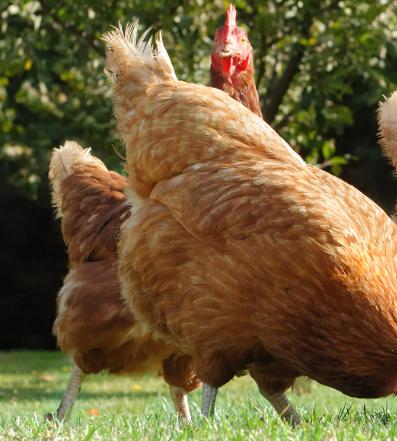

Jonah’s Handling has achieved RSPCA Assured certification, strengthening its welfare-led poultry handling service for producers across the UK.
The certification recognises the standards delivered by the specialist poultry handling teams, including its approach to training, birdhandling, supervision and on-farm working practices.
Jonah’s Handling became part of Livetec in May 2025, bringing more than 18 years of poultry handling experience to the business. The team historically operated in Norfolk and Lincolnshire, particularly in the turkey sector, but now span the UK.
Rob Willetts, director of Jonah’s Handling, says the achievement is an important milestone for the team and its customers.
“Everyone is really proud of this achievement. We know the responsibility that comes with
working on our customers’ farms, and we take that seriously every day,” he says.
“This certification recognises the standards our handling teams works to and the care they put into every job. It gives producers added confidence that they’re working with a team committed to doing things properly, with animal welfare front of mind.”
For producers, the certification provides additional assurance when selecting poultry handling teams to support welfare-led systems and supply chain requirements.
As part of Livetec, Jonah’s Handling forms part of a wider livestock protection service, combining poultry handling with expertise in animal welfare, biosecurity, contingency planning and depopulation.
The certification further supports Livetec’s commitment to delivering integrated, practical services that help poultry businesses protect bird welfare, workforce welfare and operational resilience.
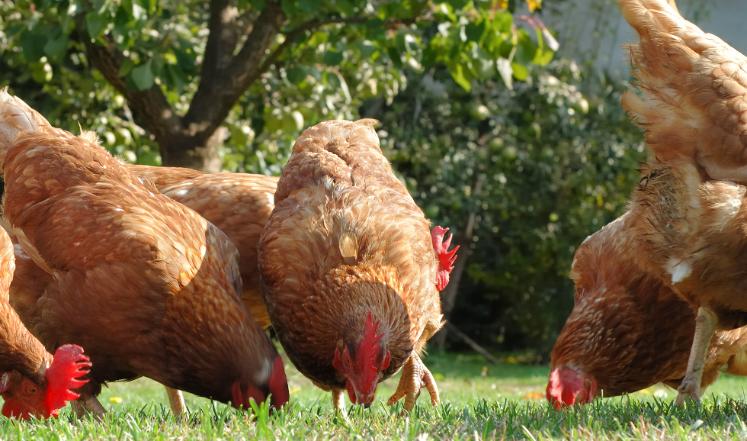

lurry handling specialist, Vogelsang, is putting on a slurry separation demonstration day at Myerscough College Livestock Innovation Centre. The free event will take place on 22nd July from 10am until 2pm.
“Myerscough College is the perfect venue to demonstrate the Vogelsang XSplit separator. For this demonstration we will have both the standard XSplit Lift Frame Pro and the XSplit Compact,” says Vogelsang’s Andy Hayhurst.
Separator grants have increased interest and demand from those looking to reduce the burden on storage without making larger investments in new slurry stores. Separation also appeals for those looking to apply slurry more accurately and efficiently because the liquid faction is easier and cheaper to pump.
“Separators offer an affordable way to make better use of slurry. The liquid fraction is rich in nitrogen, and, using soil and slurry testing along with variable rate application, operators can ensure the right amount of nutrients are applied when the soil and crop need them. For anyone who has applied for an
FETF grant, the demo day will be a great opportunity to see how they could benefit from their investment,” says Mr Hayhurst.
The solid fraction generated from separation is also a useful source of P and K, making it well suited for use as a top dressing. Mr Hayhurst suggests that some farms go a step further and make use of the solid as a green bedding material which can, in some cases, save farms thousands of pounds a year.
“This demonstration is designed to show how to get the most out of separation, regardless of the farm system. For many, separation is just a way to reduce the amount of slurry being stored. However, we have worked with farms that have benefited from the full potential of separation by saving time and money on bedding, inputs and application,” concludes Mr Hayhurst.
The event takes place on 22nd July at Myerscough College Livestock Innovation Centre, St Michael’s Road, Bilsborrow, Lancashire, PR3 0RY. For more information visit https://news.vogelsang.info/en-gb/ xsplit-demo-day
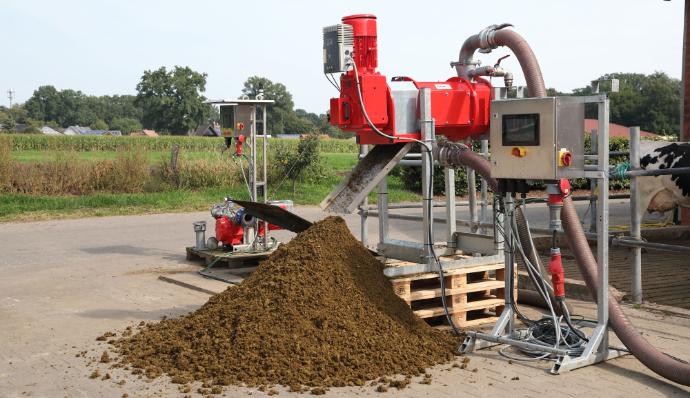
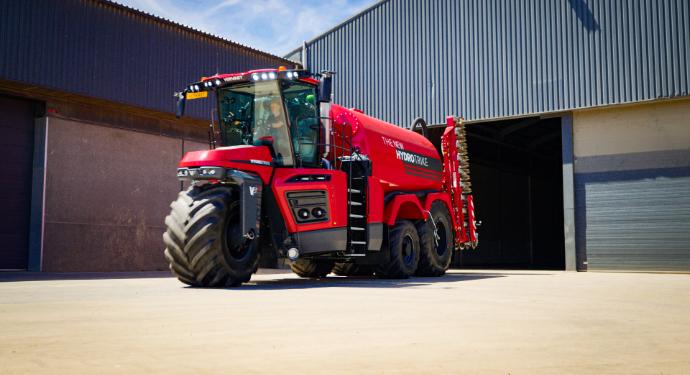

ervaet has launched the new third generation Hydro Trike self-propelled slurry and digestate applicator. The Dutch specialist manufacturer of selfpropelled sugar beet harvesters and slurry applicators has carried out significant development in almost every area of the new machine: more tank capacity, a stronger drivetrain, increased rear lift capacity, a new tyre configuration and improved cab comfort. The New Hydro Trike is available in two configurations: threewheeler (17m³ tank) and five-wheeler (21m³ tank). Both tanks are more than 1m³ larger than their predecessors.
Thanks to Vervaet’s new VSG 2.0 transmission, the Hydro Trike 3.0 delivers up to 45% more tractive power in the lower speed range of 0 to 10 km/h: from 100,000 Nm to 145,000 Nm. This is essential on hilly terrain and for working with today’s increasingly wider and heavier application tools. The rear linkage lift capacity has also increased significantly, from 5,000 to 10,000kg, making the machine suitable for heavier implements.
New engine and cooling system.
The New Hydro Trike is equipped with a 530hp Mercedes MTU engine. The cooling system is now 50% larger and
upgraded for use in temperatures up to 50°c, which aligns with expanding export markets in Southern Europe.
For the five-wheeler with 5x5 drive the driven centre axle has been redeveloped with axial piston motors and reduction gears: a reliable concept with which Vervaet has considerable experience. This new middle axle has 30% more tractive power compared to its predecessor.
The slurry system of the new Hydro Trike consists of a
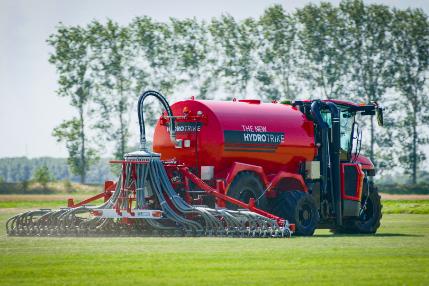
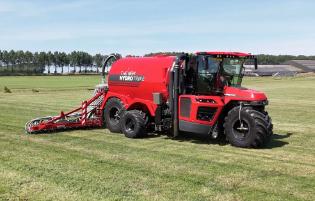
9,000 or 13,500l/min Börger positive displacement pump combined with Vervaet’s well-known Cyclone macerator. Optionally, the new Hydro Trike is available with the Vervaet Superfill system, which reduces loading time by 1.5 minutes, using a turbo filler on the suction arm with a bypass directly into the tank. Diameter of the suction pipe is also increased from 8 to 10 inches for greater capacity during high-rate applications.
Wider tyre choice, minimal soil compaction.

Vervaet products have been imported and supported in the UK by Norfolk-based J Riley Beet Harvesters (UK) Ltd since 1994. The company is the current UK market leader for both harvesters and applicators.
Demo Tour and delivery.
The new Vervaet Hydro Trike will enter production towards the end of 2026, although a planned preproduction series is already sold out. A European demo tour will commence from mid-July, and it is anticipated that UK importer J Riley Beet Harvesters (UK) Ltd will debut the machine in early 2027.

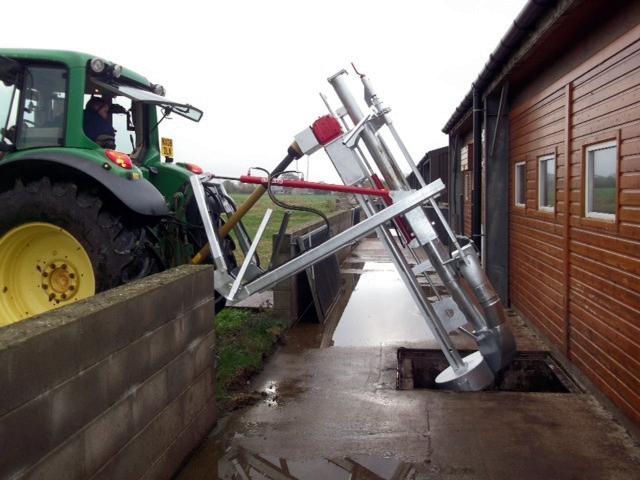
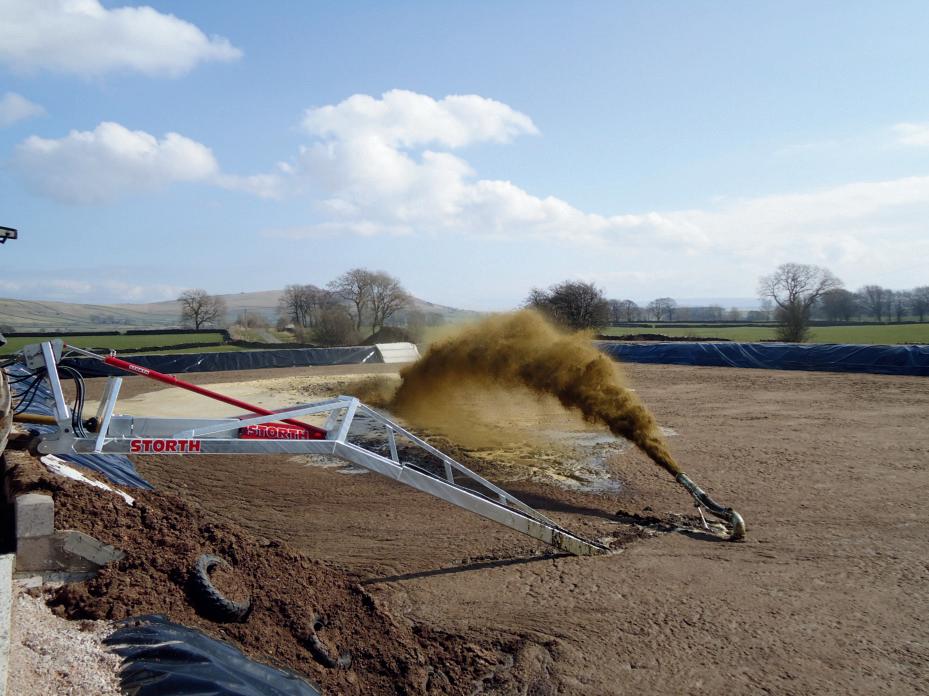
StorthMachineryareexpertsinslurrymanagement withover30years'experienceandwithaclear missiontodesign,manufacture,anddeliverhighqualityslurrymachinerythatmeetsandfulfilsthe evolvingneedsoftoday'smodernfarmers.
Wearecommittedtodeliveringrobust,reliable solutionstailoredtotheneedsofallagricultural farms. These solutions are: scrapers, pumps, separators, storage systems, mixers, full applicationequipmentandanaerobicdigestersproviding for the whole cycle of slurry management.
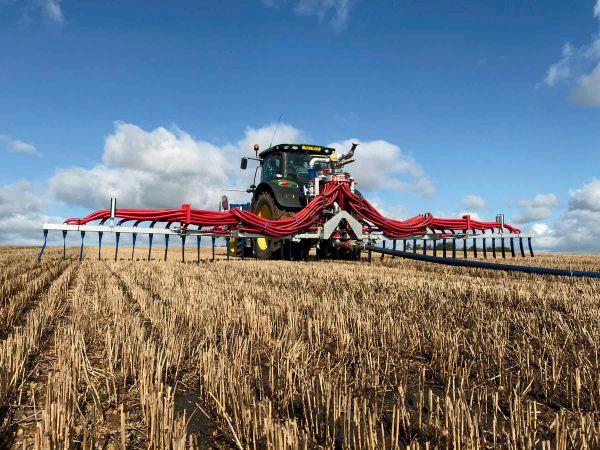
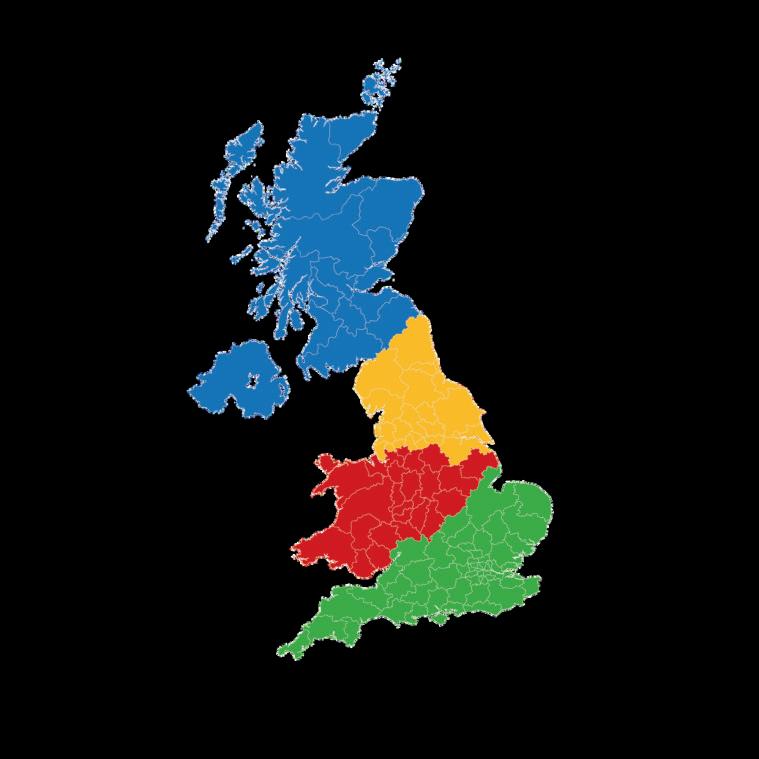


contract with a local AD plant sees family-run farming and contracting business R & LAnthony Ltd, based near Bridgend in South Wales, handle around 70,000m³ of digestate every year. This is utilised by the 3,500-acre arable enterprise as a valuable sustainable nutrient source.
Digestate storage has to be both practical and environmentally secure, and three years ago the business chose a 4,500m³ Albers Alligator Bagtank supplied by UK importer Tramspread.
“We looked at several other options, and visited some 20-year-old Bagtanks to see how they’re performing,” explains Richard. “Being completely enclosed means we only remove what we put in, rather than adding a lot of rainwater. This design of Bagtank can be emptied completely the sides slope down to a sump in the middle so there’s no sediment left behind.
“Digestate from food waste can contain grit from eggshells which don’t break down, and with the Bagtank it doesn’t build up,” he continues. “It has electric mixers which we run the day before and during spreading, and a couple of times over winter, and we’ve never had any issues.”
The partially recessed Bagtank is a permanent store with a low profile. Being self-supporting it doesn’t require foundations, just a shallow earth bank with bag protection. The necessary groundworks were completed in-house during winter 2022 with the Bagtank installed in January 2023.
“It took less than two days to install the bag,” recalls Richard. “We were told we’d need 20 people, but this was only for a couple of hours during the final positioning. We had digestate in it that afternoon to settle it, and it’s been faultless since.”
The filling and emptying ports are positioned on a dedicated concrete pad which drains to an easilyemptied holding tank that catches any spills.
The Bagtank is located just over half a mile from a coastal path, and it’s screened from view by its earth banks. A fence prevents unauthorised access, and a double hedge has been planted on the exposed side for shelter.
“If I’m going to do something, I like to do it as well as I possibly can,” concludes Richard. “The Bagtank has no environmental impact, which was really important to us.”
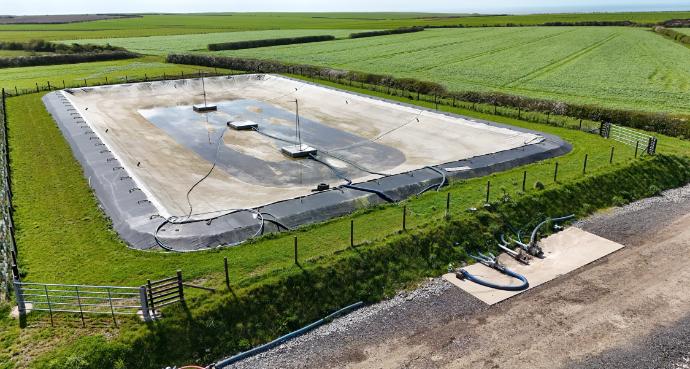


ost-harvest is a crucial time for putting nutrients back into soil before drilling the next crop. However, applying slurry in hot conditions can reduce nutrient use efficiency (NUE) and see vital nitrogen lost if it is not applied accurately. Vogelsang’s Andy Hayhurst offers some top tips to help get the most out of slurry post-harvest.
1. Post-harvest slurry application can be seen as a two-step process. Unlike a chemical fertiliser, slurry is immediately plant available from when it is incorporated into the soil. While it is important to put back lost nutrients, a plan to apply some slurry immediately but reserve some for when the crop has been planted will help the newly establishing plants get more benefit from slurry.
2. Managing stored slurry to provide the best quality material for application is of paramount importance to stubble application. Separation will help with this, as will covering slurry to prevent valuable nutrients being lost in hot weather. A well separated slurry will be easier and cheaper to pump, and it can be applied more accurately using dribble bars or a trailing shoe applicator. The liquid will also be absorbed faster, meaning fewer nutrients are lost in hot weather when slurry is prone to evaporation which causes ammonia losses.
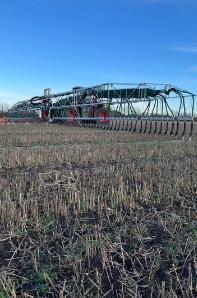
3. Not every field is the same and soil types differ in their capabilities to absorb slurry. This is why variable rate application is important and can help provide the optimal volume of slurry for the soil. Using soil and slurry test results and field maps, along with precision applicators and variable rate, will ensure the soil gets what it needs. Variable rate is also useful when applying to newly planted crops because it prevents the soil, and early establishing plants, being swamped in slurry.
4. Applying to stubbles is an opportunity to create biomass in soil that will help reduce the impact of winter leaching during inevitable spells of heavy rain. Using separated slurry provides the option to feed the nitrogen-rich, liquid fraction to soil as a starter which helps to rapidly increase biomass. The solid fraction, which contains most of the P and K, can be subsequently applied as a top dressing in conditions that are not suitable for applying liquid slurry.
5. Timing is crucial. Avoid applying slurry to baked and cracked soils because it will not be absorbed fully and nitrogen will be lost. Rainy days are also a poor and potentially dangerous time to apply slurry, especially post-harvest when soils are dry because it increases the likelihood of potentially damaging run off. Aim for cool, cloudy days when there has been a little rain. This helps the soil to absorb slurry faster and fewer nutrients will be lost by slurry baking on the surface.
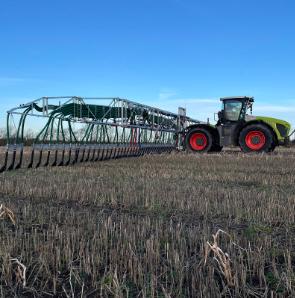


aseIHhas announced a series of changes to its dealer network in Staffordshire strengthening customer support and ensuring long-term continuity of service across a key region.
Effective from 1 July 2026, G. & S.J. Johnson Ltd has taken the decision to scale back its business operations and will relinquish the Case IH franchise. Following this change, the territory previously served by Johnsons will be integrated into thesurrounding CaseIHdealer network, with three established dealers expanding their coverage areas.
The updated territory allocations are as follows:
• Pontesbury Tractors Ltd— will expand to cover the west of Stafford, including Market Drayton.
• Startin Tractors Ltd— will extend its area to include the east of Stafford, Stoke‑on‑Trent and north into Derbyshire.
• Lloyd Ltd— will assume responsibility for the north‑west section of the territory, operating from its Holmes Chapel depot.
This expansion builds on the strong foundations already established by Pontesbury Tractors Ltd, Startin Tractors Ltd and Lloyd Ltd within their existing territories. The enhanced coverage ensures that Case IH customers will continue to receive reliable access to sales, service, and technical support across the region.
“We would like to thank Gary, Susan, Les and all the team at Johnsons for their dedication and supportforthe CaseIHbrand over many years, and we wish them well in their future endeavours,” said David Rapkins, Commercial Business Unit Director UK & Ireland. “This change represents an important expansion for the three surrounding dealers, who are committed to delivering outstanding support to our CaseIHcustomers."

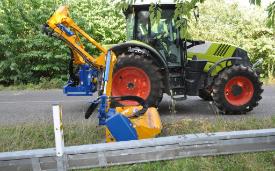
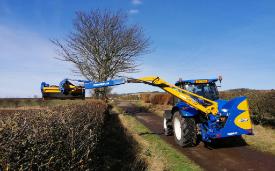
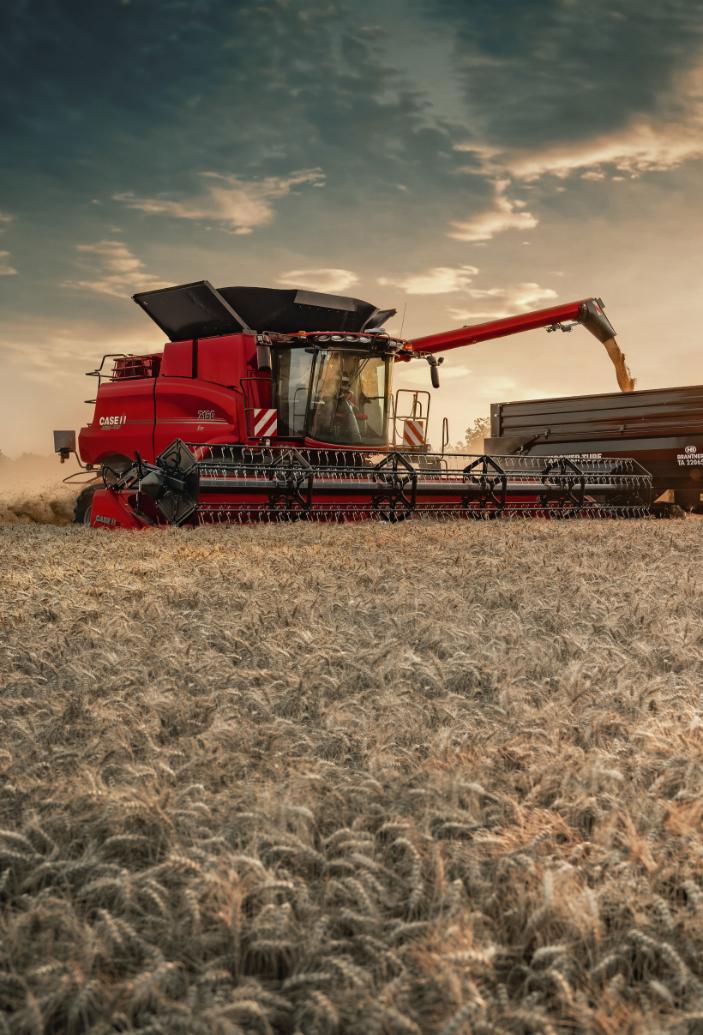
Case IH introduces significant updates for its Axial-Flow®160 series combines for Model Year 2027,delivering the latest factory-fit technology, including enhanced automation, connectivity and operator comfort for the Class 6 and 7 segments.
Designed to further simplify harvesting while increasing performance and connectivity, the new Axial-Flow 160 series combine reinforces Case IH’s commitment to productivity, reliability, and ease of use across all farm sizes.
Building on the 2024 launch of the Axial-Flow 160 series, when Case IH introduced its Harvest Command™ combine automation technology from flagship machines into the mid-range segment, the latest updates further advance machine intelligence and digital capabilities.
Next-generation architecture for smarter harvesting
To support faster decision-making and improved machine uptime, the Model Year 2027 update introduces an upgraded on- and offboard technology suite, enabling enhanced automation, connectivity and precision farming capabilities.
This upgrade supports faster data processing, improved diagnostics and seamless integration with digital tools, while enabling remote support capabilities that help reduce service trips and minimize downtime during harvest.
Advanced Pro 1200 dual display interface enhances operator control
The updated Axial-Flow 160 series features Pro 1200 dual displays, offering an intuitive, tablet-like experience. Operators benefit from:
• Customisable layouts and multi-touch controls
• Simultaneous machine and agronomic data visibility
• Remote Display Viewingthat allows operators and support teams to monitor and assist in real-time
• Advanced diagnostics to help identify and address service needs earlier
• Integrated Harvest Command combine automation technology, AccuGuide™ auto guidance and realtime yield monitoring
By separating machine control and agronomic data across two displays, the system improves situational awareness and reduces operator workload during long harvesting days.
Expanded precision and connectivity capabilities
The updated Axial-Flow 160 series introduces upgraded precision farming features, including the new Vector Pro receiver for enhanced guidance accuracy, even in
challenging field conditions. Connectivity Included provides connectivity for the lifetime of the modem with no subscription fees or renewals.
Additional technologies include AccuSync™ for realtime data sharing between multiple machines and AccuTurn™ for automated headland turning. Flexible Technology Packages allow customers to tailor automation and connectivity levels to their needs.
Improved grain handling and harvesting performance
Enhancements to core harvesting functions further increase efficiency and crop quality. A new cross-auger clutch enables independent control of the unloading system, allowing the unloading auger to be fully emptied and reducing grain loss during unloading on the go.
An optional two-speed feeder drive optimises crop flow across varying conditions, while a new concave configuration improves performance in high-moisture crops. Enhanced sensor systems deliver more accurate monitoring of key machine parameters.These improvements help ensure consistent throughput and reliable performance across changing field conditions.
The Axial-Flow 160 series delivers an upgraded operator environment aligned with the 260 series cab design and architecture, including the Pro 1200 display, identified by the Pro decal.
Operator comfort remains a key focus, with a redesigned cab interior aligned with Case IH flagship combine design. The updated colour scheme and improved layout create a more ergonomic and modern working environment.
Further refinements include improved air conditioning airflow management and additional camera inputs, contributing to better visibility, comfort, and overall ease of operation.
“With the latest updates to the Axial-Flow 160 series, we are bringing advanced automation, connectivity and operator experience into the mid-range segment,” said Andreas Saile, EMEA Product Manager Harvesting.
“These combines continue to embody the simplicity of Axial-Flow design while integrating the technologies needed to maximise productivity, crop quality and return on investment for today’s farmers.”
After successful field testing last season, the upgraded Axial-Flow 160 series combine is now being introduced at exclusive events across Europe, ahead of its first public appearance at a major international exhibition at EIMA in Bologna in November 2026. Series production is set to begin in July, enabling first deliveries to customers by the end of the third quarter.

ix months on from its arrival in the UK at LAMMA, DEUTZ-FAHR's Series 8 continues to generate interest among farmers looking for a high-horsepower tractor that combines performance with the latest precision farming technology. Rather than focusing solely on headline power figures, the Series 8 has been developed to deliver comfort, connectivity and efficiency in a package designed for modern farming businesses.
Built at DEUTZ-FAHR's state-of-the-art production facility in Lauingen, Germany, the Series 8 is available in two models, offering up to 340hp. While its impressive performance credentials make it well suited to demanding cultivation, drilling and heavy transport work, it is the overall operating experience that really sets the tractor apart.
At the heart of the machine is the SigmaVision cab, designed to keep operators comfortable and productive during long days in the field.
The spacious four-pillar design provides excellent allround visibility, while pneumatic cab suspension, low interior noise levels and a three-zone automatic climate control system help reduce fatigue throughout the working day. Premium features, including laminated safety glass, Low-E coated windows and an optional massage seat, reinforce the emphasis on operator wellbeing.
responsive performance while meeting the latest emissions standards. Compatibility with HVO renewable diesel and an extended 1,000-hour service interval are welcome additions, helping reduce maintenance downtime and support lower running costs over the life of the tractor.
Backing up the engine is DEUTZ-FAHR's continuously variable TTV transmission, designed to deliver smooth, uninterrupted power in both field and transport applications. Fuel-efficient road performance, combined with seamless acceleration and intelligent transmission management, allows operators to travel comfortably between jobs while keeping fuel consumption under control.

The Series 8 has also been engineered to handle the demands of today's larger implements. A high-capacity Load Sensing hydraulic system, generous front and rear lift capabilities and a dedicated CleanOil hydraulic circuit ensure the tractor is ready for a wide variety of modern cultivation, drilling and grassland equipment. Combined with advanced suspension, automatic four-wheel drive management and a comprehensive braking package, the result is a machine that offers confidence both in the field and on the road.
Technology is another area where the Series 8 stands out. The iControl armrest and large digital displays place all key machine functions within easy reach, while seamless integration with DEUTZ-FAHR's Smart Farming Solutions allows operators to make full use of Auto Guidance, ISOBUS applications, Section Control, telematics and other precision farming tools. For businesses already investing in digital agriculture, the Series 8 is designed to fit naturally into those systems, helping improve efficiency and accuracy across a range of field operations.
Power comes from the latest 6.7-litre FPT engine, delivering strong torque characteristics and
As farm businesses continue to look for ways to improve productivity without compromising operator comfort, the Series 8 demonstrates how modern tractor design has evolved beyond simply delivering more horsepower. Its combination of performance, integrated technology and driverfocused design makes it a compelling option for larger arable, mixed farming and contracting businesses looking to maximise efficiency throughout the working season.
For those who have yet to experience the Series 8 first-hand, now is an ideal opportunity to take a closer look. Speak to your local DEUTZ-FAHR dealer to arrange a demonstration and discover how the Series 8 could benefit your farming operation.


With a focus on strengthening product expertise, boosting in-field knowledge and improving sales confidence, Kubota recently held its first SalesPRO training event in Europe.
Attended by over 400 sales professionals, product specialists and dealer representatives, this specialist event was held at KRDE, Kubota’s European R&D centre in Crépy-en-Valois, France, where Kubota products are developed and tested.
The event combined classroom learning with practical, in-field experience, to strengthen product knowledge, build sales confidence and give dealers a deeper understanding of how Kubota's technologies can address the everyday challenges faced by customers.
“Our SalesPRO event reflects our commitment to dealer training,” said Henry Bredin, division manager of Kubota (UK)’s agricultural and ground care machinery business. “It’s not just about presenting products – it’s also about helping our dealers to gain a better understanding of customer needs, while experiencing our machines in real working conditions, so they can return to the
market with greater confidence and enhanced practical knowledge.”
Alongside product training, participants took part in practical sales exercises designed to strengthen product positioning, generating a deeper understanding of real-world scenarios and bring greater value to customer conversations. The event also brought together leading technology partners including MX, UV Boosting and Kilter, demonstrating how complementary solutions can be combined with Kubota machinery to improve productivity, precision and efficiency.
"Training should be practical, engaging and closely aligned to the challenges our customers face every day,” adds Henry Bredin. “And SalesPRO gave our network the opportunity to learn from doing, along with exchanging experiences in best practices, with a view to strengthening the way we bring value to customers across Europe."
Kubota’s SalesPRO event also showcased a continued investment in smart farming with demonstrations covering autosteering, TIM technologies, precision applications, autonomous solutions, digital tools and crop-care innovations.
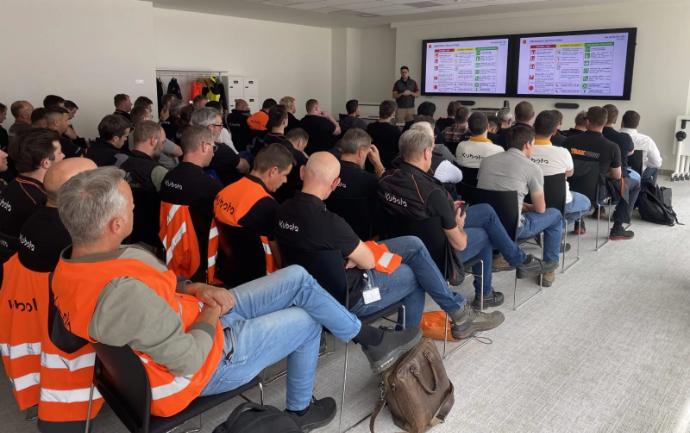
Fendt has launched a limited edition 900 Vario model to mark production of 50,000 900 series. 30 years on from the first 900 Vario, the latest anniversary model features an engraved ’50,000’ door sill, embroidered floor mats with an anniversary logo, super comfort seats trimmed in titanium leather and an anniversary badge on the chromed bonnet.

“This special edition 900 Vario is limited to 300 models which are available to order from Fendt dealers now. The 900 Vario was unveiled at Agritechnica in 1995 and was the world’s first tractor to feature continuously variable, power-split transmission. Since that launch it has proved remarkably popular worldwide for a wide range of applications,” says Fendt’s Ed Dennett.
The anniversary model reflects on some of the past models, with paintwork reminiscent of the 2005 Design Line. Four colourways have been released, including the trademark black that led to the 2005 model being christened the ‘Black Madonna’, steel blue, black/red and nature green.
“The 900 has long been the tractor of firsts. A true pioneer, it was the first to feature the electronically controlled fuel injection system and the first to benefit from Fendt’s Vario Terminal. The subsequent 2003 model was the first Fendt operated with the new Tractor Management System (TMS) which electronically linked the engine and transmission and automatically adjusted the revs to match the power requirement,” says Mr Dennett.
2005 saw the launch of the 936 Vario with a Deutz 360hp engine, independent wheel suspension, a new cab and a class-leading 60km/h top speed. The fourth generation that followed in 2010, increased power output to 390hp from a 7.8 litre Deutz engine. This model was
the first to be fitted with VarioGrip, a revolutionary onboard air system to regulate tyre pressure from the cab.
“Innovations like VarioGrip have kept the Fendt 900 Vario one step ahead over the 30 years it has been manufactured. VarioGrip was Fendt’s way of demonstrating a commitment to providing powerful tractors that could reduce soil compaction and fuel consumption,” adds Mr Dennett.
In 2013, the fifth generation of the 900 Vario was fitted with another new Deutz power plant, this time with steel pistons and two turbo chargers of different sizes, along with a new
intercooler which replaced the previous turbo charging system. For many, the new reversible fan was a game changer because it helped the engine breathe in dusty environments which significantly reduced downtime.
“The 900 Vario has always transcended agriculture to be a valuable machine for other industries like construction and forestry. Its versatility, economy and power have offered a perfect mix and it has won countless awards for its innovation,” says Mr Dennett.
The current sixth generation, on which the special edition is based, was released in 2019. It took the latest single mode VarioDrive with four-wheel drive from the larger 1000 series, and the range topping 942 has 415hp provided by a 9.0 litre MAN engine. Two years later, the operating system was updated to run the now widely used FendtONE system which has transformed workflow between office and tractor.
“It is a fitting mark of appreciation that Fendt has chosen to recognise the importance of the 900 Vario with this new 50,000 limited edition model. Demand will be high and we expect the 300 tractors will find their owners very quickly,” concludes Mr Dennett.
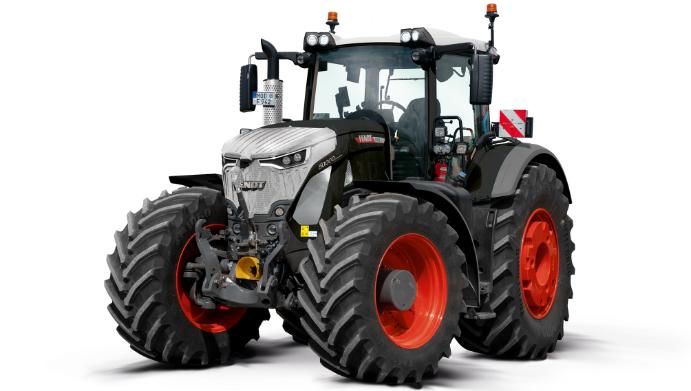
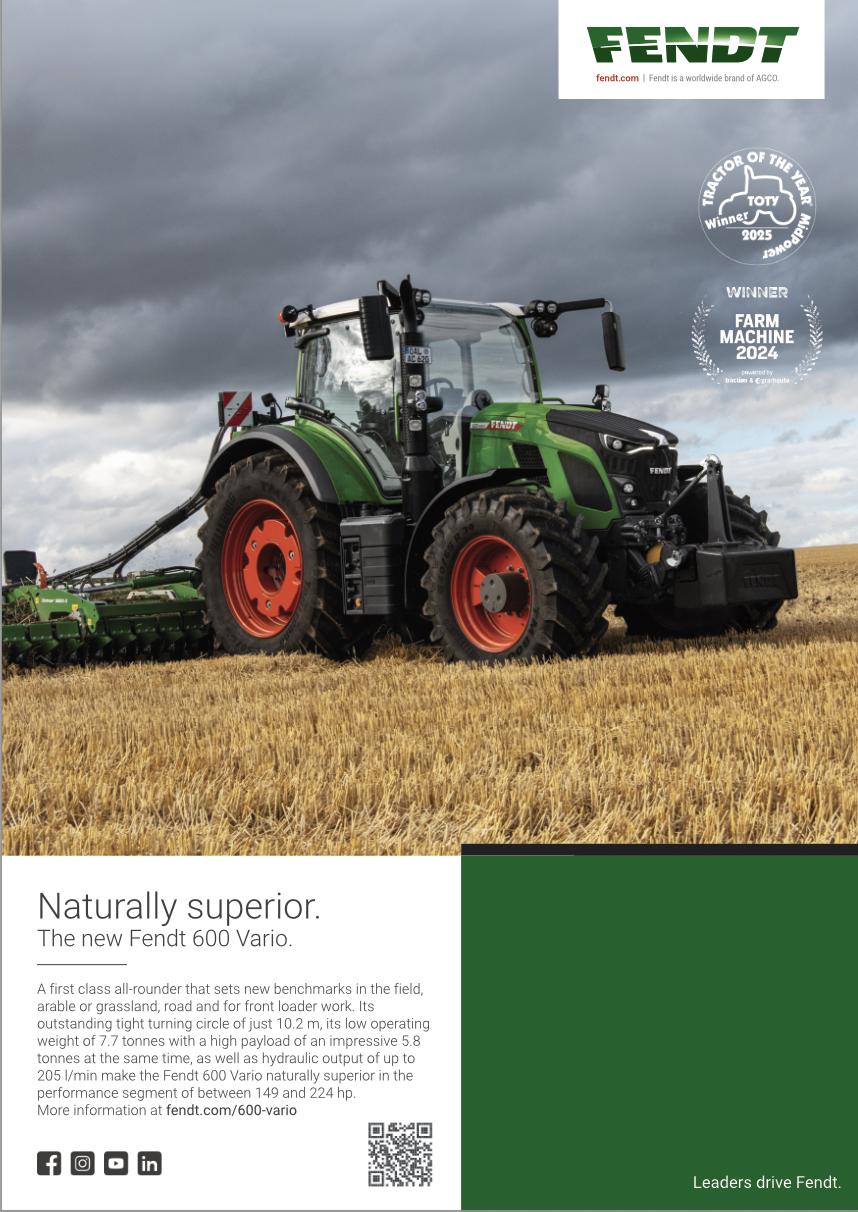



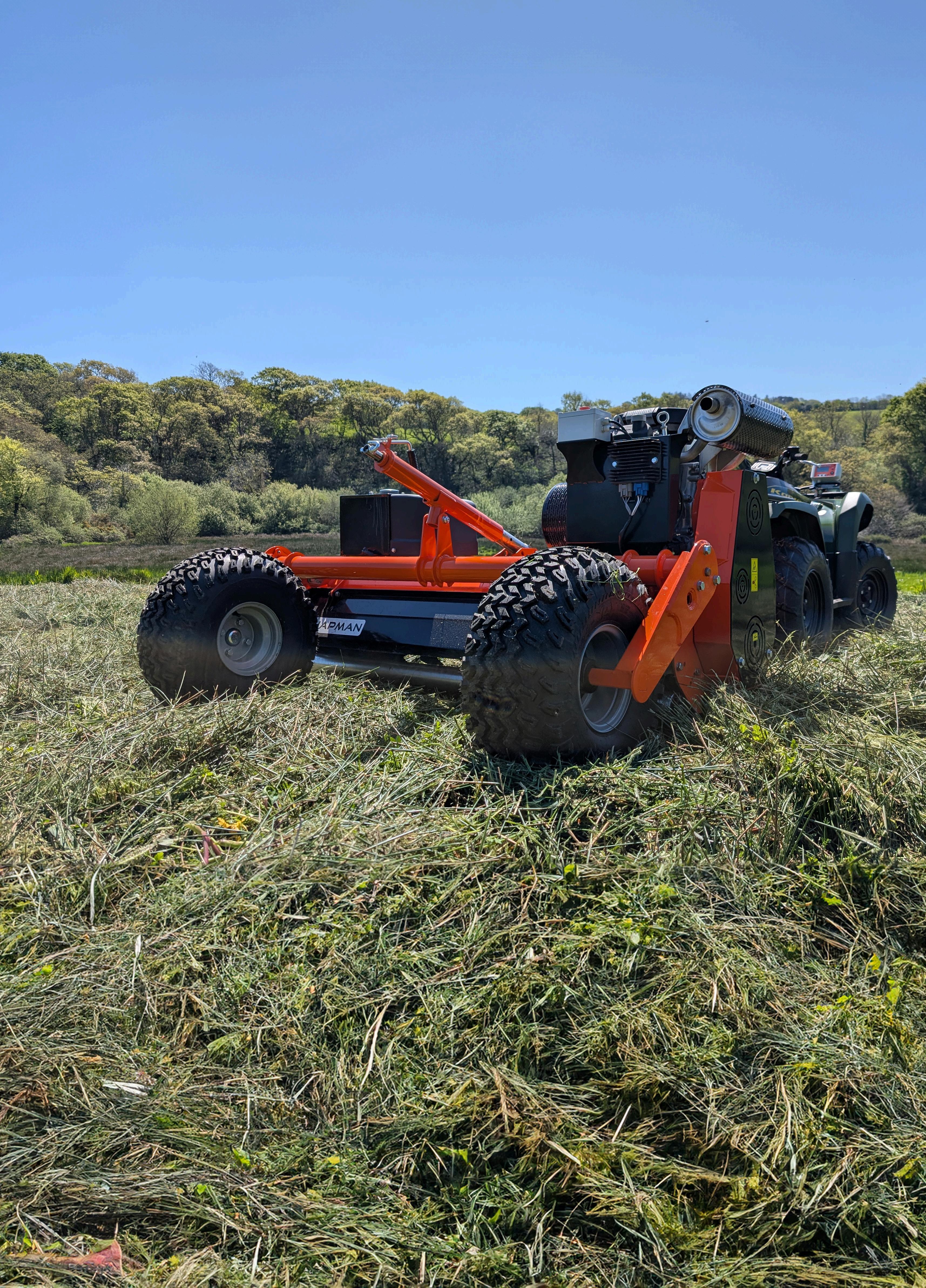
When it comes to investing in a new tractor, today's buyers expect more than just horsepower. They want reliability, versatility, operator comfort and outstanding value for money. That's exactly what has helped TYM become one of the fastest-growing tractor brands, with a range designed to meet the needs of everyone from smallholders and equestrian centres to professional farmers, estates and grounds maintenance contractors.

The range begins with the compact yet capable Series 1 models, offering 19-25hp. These agile machines are ideal for mowing, paddock maintenance, landscaping, loader work and general property upkeep. Their compact dimensions make them easy to manoeuvre around buildings and confined spaces, while their impressive lifting capacity and versatility mean they're ready to work all year round.
Need something with even greater capability? The Series 2 range, delivering between 25 and 50hp, offers the perfect balance of power and practicality. Whether you're feeding livestock, maintaining equestrian facilities, transporting materials or carrying out routine farm maintenance, these tractors provide the performance to get more work done in less time.
For customers looking for serious productivity, the Series 3 and Series 4 models step things up another level. With outputs ranging from 51 to 75hp, these tractors are built for heavier workloads, offering increased hydraulic performance, greater lifting capacity and the strength to handle larger implements with confidence. They're equally at home on busy farms, estates and commercial operations where dependable performance is essential every day.
What really sets TYM apart is the incredible versatility of the range.
A tractor is only as useful as the jobs it can
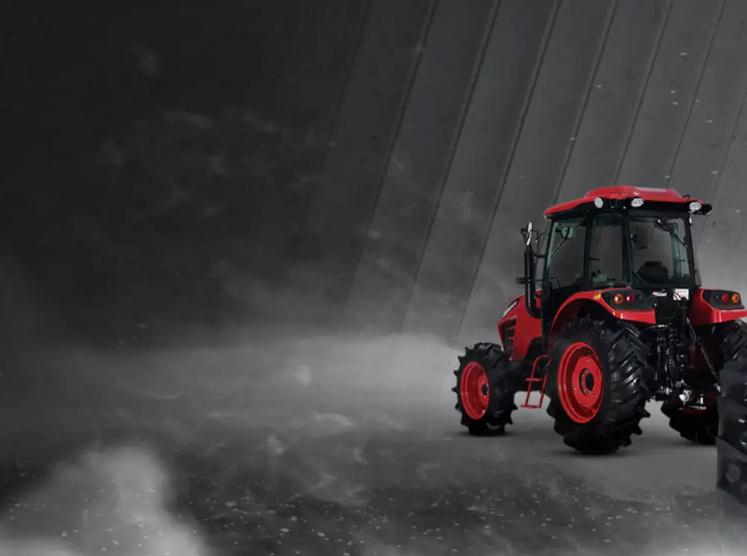

Marches Machinery Ltd
Duncan Brassington Agricultural Sales Service Ltd
Banbury Lane, Burwarton, Bridgnorth, WV16 6QN
Tel: 01746 787983
www.brassingtonagri.co.uk
Farmore Mills, Shrewsbury road, Craven Arms, SY7 9QG
Tel: 01588 671335 /07342 887280 www.marchesmachinery.com
Curtis & Shaw (Sussex) Ltd
Cowbeech, Hailsham
East Sussex, BN27 4JE
Tel: 01323 833441 / 07483 334448
www.curtisandshaw.co.uk
perform, which is why TYM offers a comprehensive selection of genuine attachments designed to maximise productivity throughout the year. Front loaders transform your tractor into a highly capable materials-handling machine, making light work of muck, feed, soil, gravel and bales. A choice of buckets and loader accessories allows you to tailor your machine to the work you do most.
When grass management is the priority, TYM's range of mower attachments delivers a professional finish across paddocks, parks, gardens and amenity areas. Add the right rear-mounted implements and one tractor quickly becomes a true multi-purpose workhorse, capable of replacing several dedicated machines while reducing ownership costs.
It's this flexibility that makes TYM such an attractive investment.
Every tractor has been designed with operator comfort in mind, featuring ergonomic controls, spacious operator stations and excellent visibility to reduce fatigue during long days in the seat. Practical maintenance points and dependable engineering help minimise downtime, keeping your tractor working when you need it most.
Of course, performance means little without value,
and that's another area where TYM continues to impress. Buyers benefit from high specifications, premium features and exceptional build quality, all at a highly competitive price. It's a combination that's winning over more customers across the UK every year.
Whether you're maintaining a smallholding, managing an estate, operating a livestock farm or running a contracting business, there's a TYM tractor that's perfectly matched to your needs. Better still, with a wide range of genuine attachments available, your investment continues to work harder as your business grows and your requirements change.
The best way to appreciate everything a TYM tractor has to offer is to experience one for yourself.
Visit your local authorised TYM dealer to explore the full range, discuss the right model for your application and arrange a demonstration. Once you've seen the build quality, versatility and performance first-hand, you'll understand why so many operators are making the switch to TYM.
Power. Performance. Value. Discover the TYM difference today.
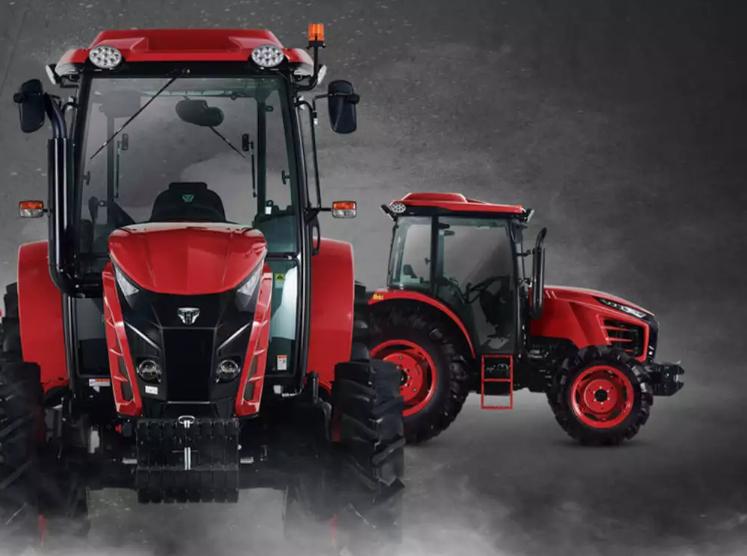

Merlo UK is making it easier than ever for businesses to invest in premium agricultural equipment with its latest Retail Finance Schemes. Designed to help spread the cost while keeping cashflow healthy, the offer includes 0% APR options on selected agricultural telehandlers, so you can fix your finance and plan for growth with confidence.

Under the new terms, customers can choose from flexible payment options such as 1 + 2 annual payments or 4 + 20 monthly payments at 0% APR, available on up to 40% of the recommended retail price (RRP) on eligible models. There’s also an alternative 3 + 33 monthly payment plan at a competitive 1.99% APR for even greater flexibility.
For smaller machines like the CINGO range, the finance deal is equally attractive, with low-deposit plans and 0% interest spread over simple instalments.
Whether you’re expanding your fleet or upgrading to the latest Merlo technology, these retail finance options could make ownership more accessible and affordable than you think. Speak with your local Merlo dealer to explore the best package for your operation and see how you can benefit from this limited-time opportunity.
Finance Terms & Conditions
Retail customers only. Maximum balance
financed is 40% of RRP, subject to DLL terms and conditions. Finance offers exclude fleet deals of three or more machines.
Model eligibility:
• P27.6 and TF27.6 models are eligible only for the 4 + 20 payment plan at 0% APR.
CINGO Retail Finance Schemes (0% interest):
• CINGO M500DM: £500 deposit, 50% payable after 6 months, 50% after 18 months
• CINGO M700TD: £700 deposit, 50% payable after 6 months, 50% after 18 months
Finance for Merlo agricultural models is available through Merlo Finance, a trading style of De Lage Landen Leasing Limited (DLL). All finance is subject to status and approval. Applicants must be UK-registered businesses and aged 18 or over. VAT is excluded unless stated. Fees may apply. Finance cannot be combined with other campaigns.
DLL is authorised and regulated by the Financial Conduct Authority in respect of agreements regulated by the Consumer Credit Act 1974.
Merlo Finance Sales Desk: Agricultural: 01923 810078 Construction: 01923 810946

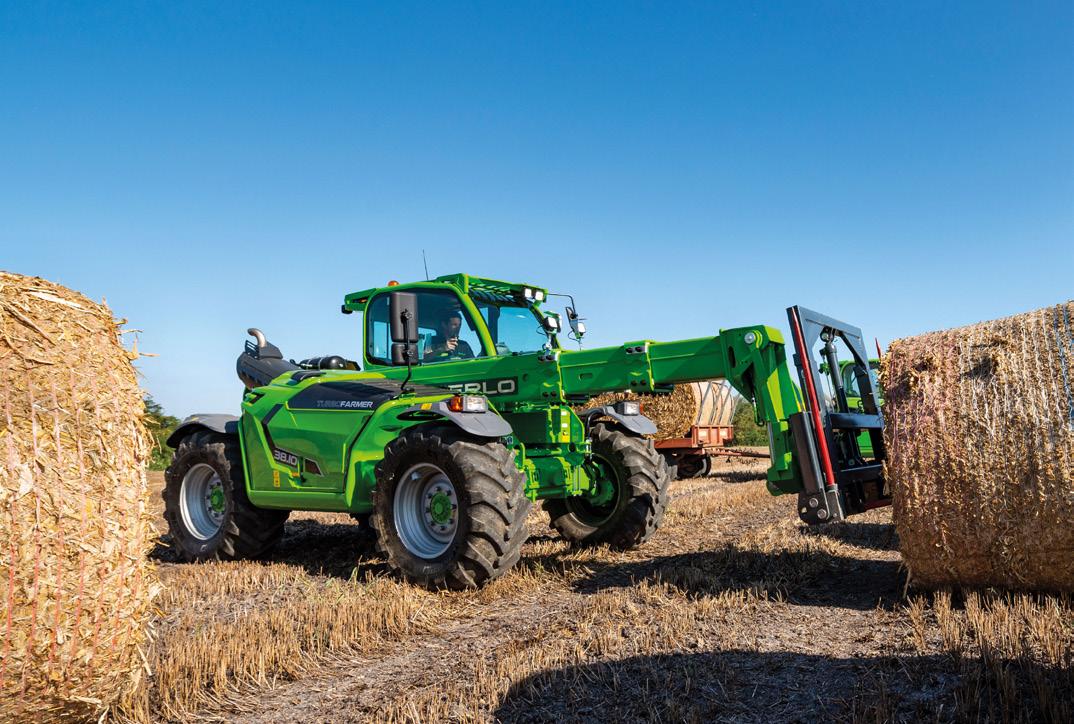
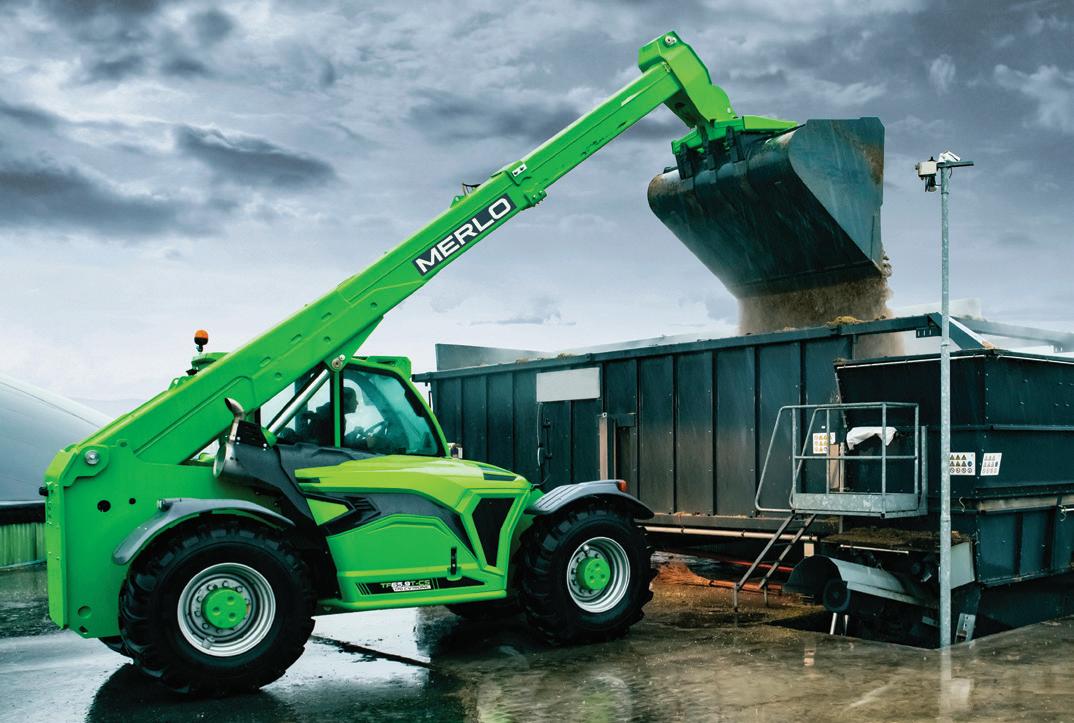
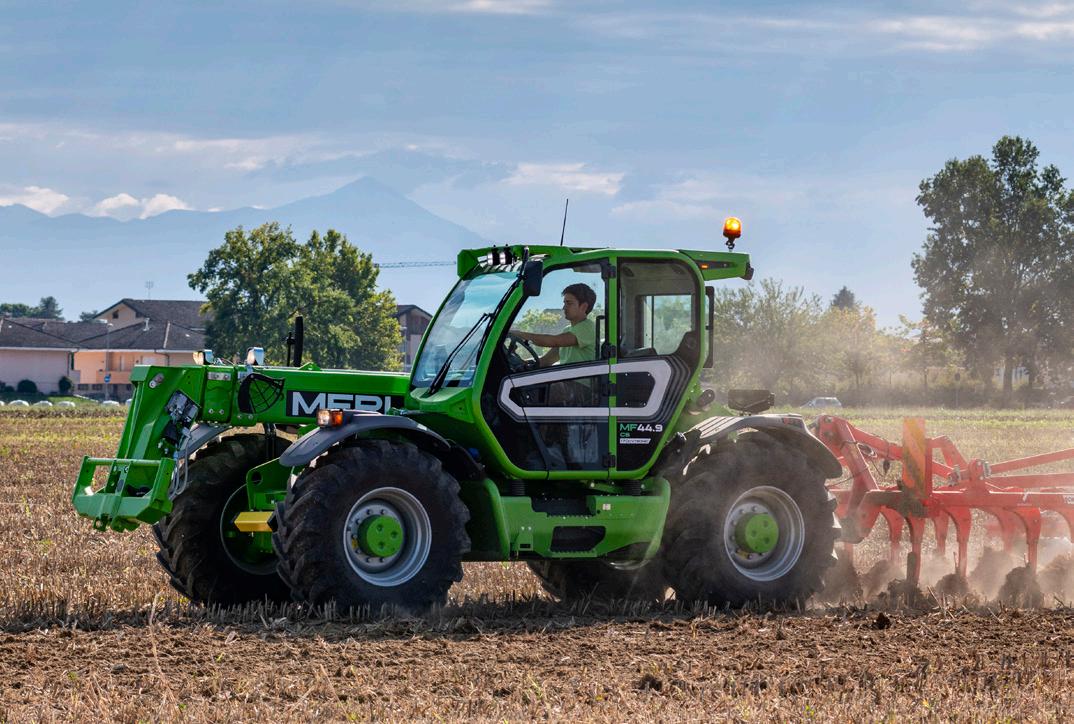
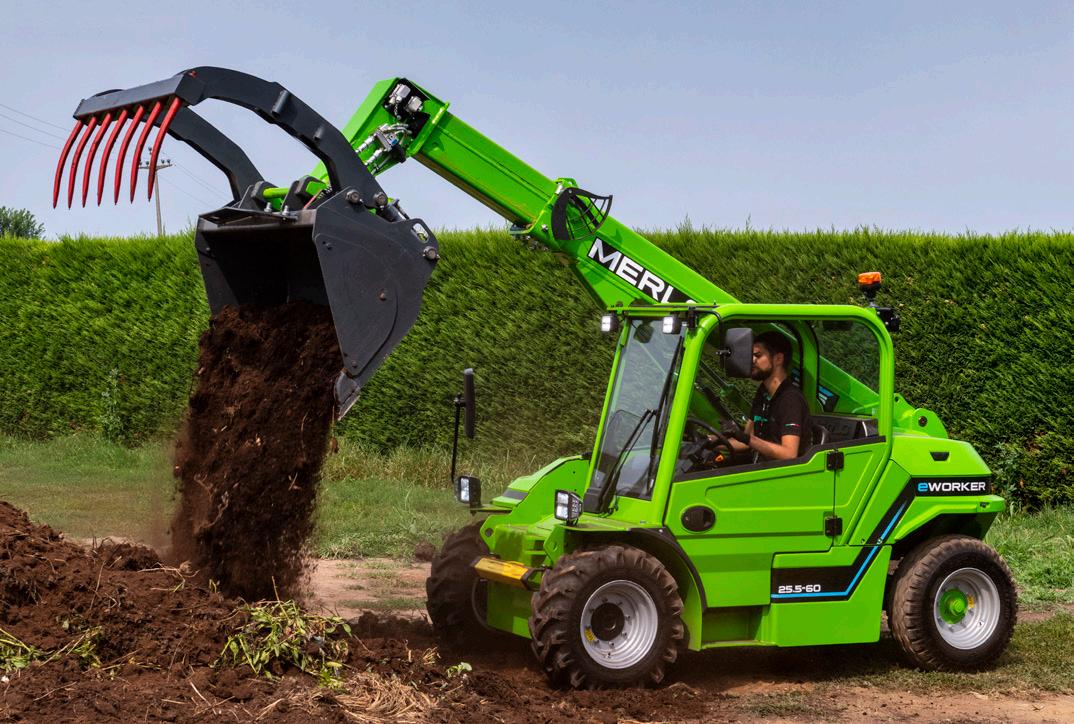
Stubbings Bros Ltd.
Ventnor Isle of Wight PO38 2JN
TRMachinery Ltd Oak Tree Works, NI Park, Newport, Shropshire
Phone : 01983 551443
TF10 9LH
TR Machinery Ltd
Burnside Business Park
Market Drayton Shropshire
TF9 3UX
www.stubbings-bros.co.uk D.A. Forgie Lisburn D.A. Forgie Co Londonderry
Phone: 01952 936900 www.trmachinery.co.uk

Phone : 01630 653801 www.trmachinery.co.uk
Brian Robinson Machinery Ltd
RVW Pugh, Mellington, Churchstoke, Montgomery Powys.
RVW Pugh, Mellington, Churchstoke, Montgomery Powys. SY156TQ
SY15 6TQ
Phone: 01588 620545 www.rvwpugh.co.uk
Phone : 01588 620545
www.rvwpugh.co.uk
RVW Pugh
Spa Lane, Lathom, Unit 2, Holland Business Park, Lancashire, L40 6LN
Phone: 01695 816444
www.rvwpugh.co.uk
Birkby Lane
East Cowton, Northallerton
RVW Pugh, Oakwood Park, Holmes Chapel, Cheshire
North Yorkshire
CW4 8AX
DL7 0DX
Phone : 01477 533560
Phone: 01325 378552 www.brianrobinson.co.uk
RVW Pugh, Unit 2, Holland Business Park, Spa Lane, Lathom Lancashire, L40 6LN
www.rvwpugh.co.uk
RVW Pugh,
CW4 8AX Chapel, Cheshire Oakwood Park, Holmes

Phone : 01477533560
www.rvwpugh.co.uk
Phone : 01695 816444
www.rvwpugh.co.uk
Cooks Midlands Ltd.
Unit 10 Horsepool Grange
Elliotts Lane, Markfield
LE67 9TW
Phone : 01530 249191
www.cooksmidlands.co.uk


outh West agricultural, construction and groundcare machinery dealer Vincents has broken ground this month (June) on a new purpose-built branch in Cullompton, marking a major milestone in its 60th anniversary year.
The third-generation, family-run business supports customers across Cornwall, Devon and Somerset and is investing in a new long-term base just off the M5. The Cullompton branch is due to open in spring 2027.
Designed to support continued growth across Devon and Somerset, the new freehold branch will include larger workshops, improved staff and customer facilities and an impressive showroom showcasing an extensive
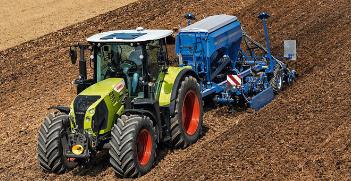
range of machinery from leading brands including Kubota, Merlo and Kverneland. It will bring together Vincents’ existing Smithaleigh and Wellington operations into a single, modern, permanent site and will operate alongside its established branches in Fraddon and Holsworthy.
The new location in Cullompton places the business close to established rural retailers such as Mole Valley and on key routes used by many of its customers, strengthening access and regional connectivity.
Brothers Alec and Nick Vincent, third-generation managing directors of the family-run business, said: “As we reach our 60th year, this investment is about securing the right long-term base for our Devon and Somerset operations. Moving to an owned freehold site is a key strategic step for us, giving us the capacity and stability to support customers and continue growing for the long term.
“We’ve built strong relationships across the region, and this new site ensures we’re well positioned to support customers into the future.”
The business, which prides itself on Ken’s founding principle of ‘service at the centre of everything’, continues to benefit from the experience of the second and first generations, with Paul and Ken Vincent remaining actively involved.
Vincents’ renowned service model – including overnight parts delivery – will remain unchanged, with most support continuing to take place at customers’ premises.
“As a family business, maintaining that day-to-day consistency of service is incredibly important to us,” Nick and Alec said. “Our teams will continue to operate out in the field, with the Cullompton site giving us the space, facilities and infrastructure to support that even more effectively.”
Smithaleigh and Wellington will remain fully operational throughout the build period, with all roles transferring to Cullompton when the site opens.
Founded in 1966, Vincents has grown from a tractor engineering workshop into a full-line dealership supplying and supporting agricultural, groundcare and construction equipment across the South West. It is the only dealership in the region offering the full Kubota range and it supplies and services a wide range of new and used machinery which spans everything from balers and disc mowers to robotic mowers, excavators, dumpers and telehandlers.


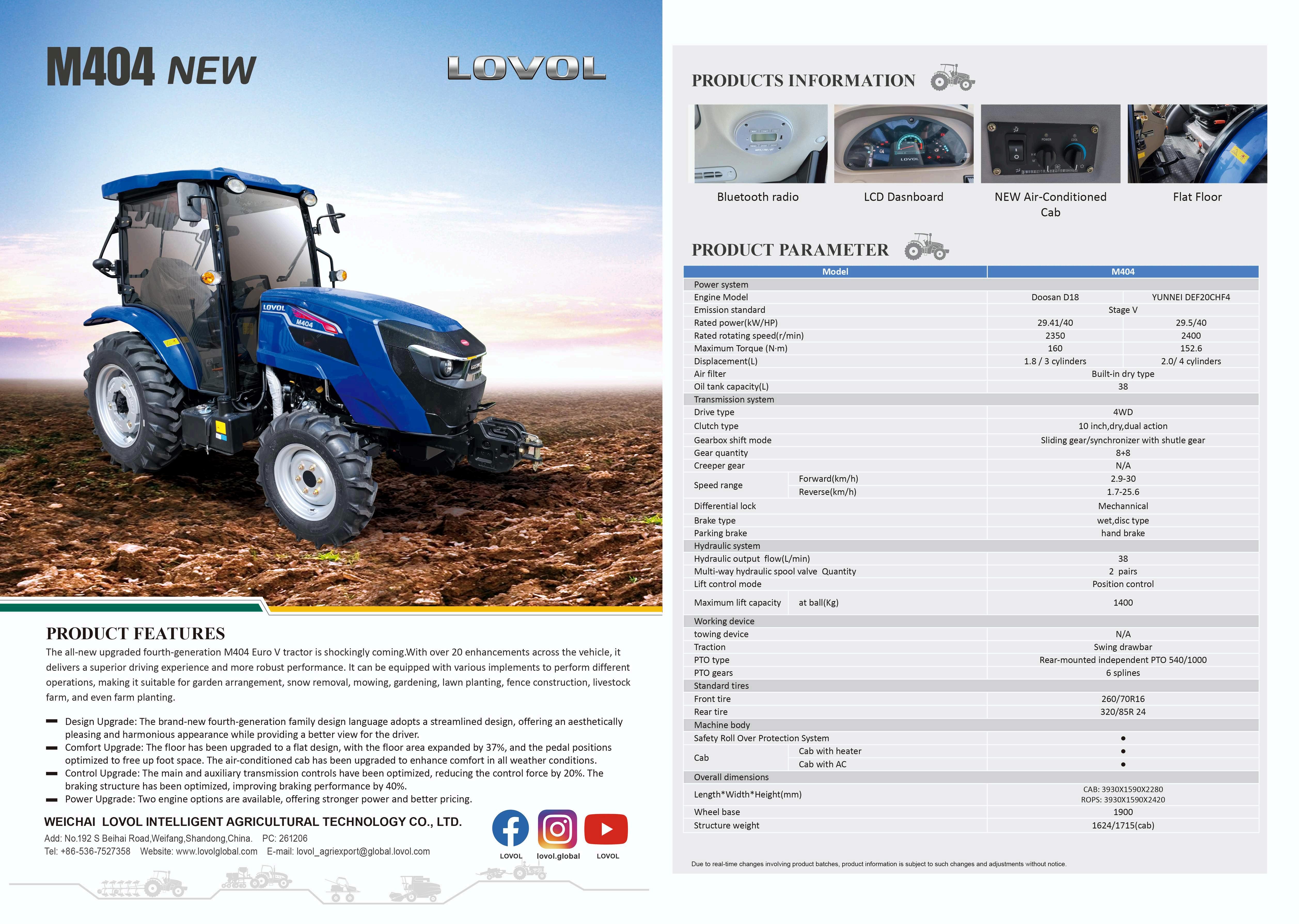
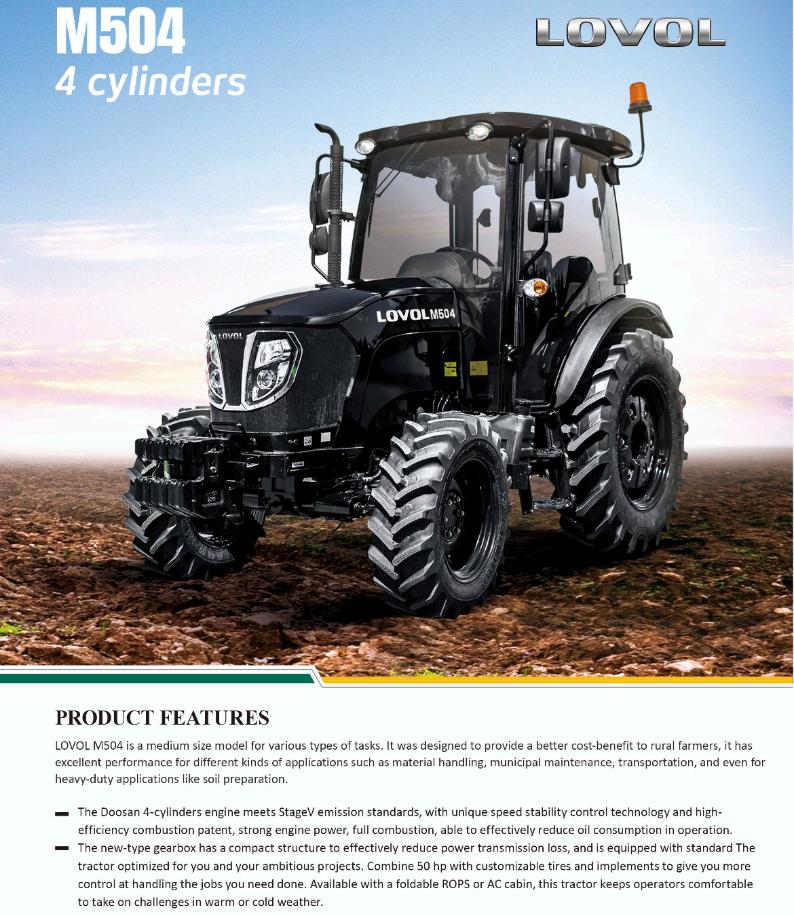



Case IH introduces major Model Year 2027 updates across its baler range, helping farmers and contractors maintain productivity, reduce interruptions and benefit from expanded automation and connectivity.
The LB4 and LB6 series: higher throughput, stronger durability and smarter operator control
For Model Year 2027, the Case IH LB4 and LB6 large square baler ranges receive significant updates designed to help professional operators maximize productivity, maintain bale quality and reduce downtime.
A new Rotor Feeder option expands the LB4 and LB6 offering, giving customers greater choice to match their feeding system to their operation. Designed to deliver a continuous and controlled crop flow, it supports high throughput and reliable performance across varying crop conditions.

Now available with up to 57 knives, the Rotor Cutter version offers enhanced cutting performance and flexibility. Combined with a new lightweight knife drawer, it enables faster access and easier cleaning, while individual knife protection and simple cut-length adjustment help operators adapt quickly to changing conditions.
On top of these updates comes an innovative driveline concept. It combines a hydraulic-controlled slip clutch and on-the-go torque measurement with a real-time load indicator, helping operators maintain optimal working capacity and maximize productivity.
Further technology updates simplify operator control. A new Large Square Baler Automation interface provides improved operator visibility through a single-screen operating environment.
The RB6 series: longer-lasting and consistent baling performance with simpler operation
The Case IH RB6 round baler series receives updates focused on durability, bale consistency and ease of operation.
A strengthened bale chamber and upgraded core components improve robustness in demanding
conditions, helping operators maintain consistent bale quality while reducing long-term maintenance requirements.
Technology enhancements make operation easier across fleets and operator experience levels. An expanded monitor offering and factory-ready Tractor and Baler Automation reduce setup time and simplify operation. The system automatically stops the tractor, wraps and ejects the bale, enabling consistent performance with minimal operator input.
The RB6 HD Pro series: sustained output, smoother crop flow and greater operational visibility
Designed as a heavy-duty solution for large farms and contractors, the RB6 HD Pro Model Year 2027 receives updates aimed at sustaining high output levels, improving crop flow and increasing operational visibility.
Mechanical improvements help optimise crop flow, supporting productivity and bale quality during demanding working periods.
Enhanced Case IH FieldOps™ connectivity gives operators and managers access to extended baling data. From field performance information to advanced bale tracking and mapping, it helps improve planning, logistics and the management of larger operations. Integrated Tractor and Baler Automation, together with an expanded monitor offering, further support overall performance.
Case IH supporting sustainability with Nature’s Net Wrap system
Case IH supports evolving producer needs with the introduction of Nature’s Net Wrap on RB6 and RB6 HD Pro round balers. The compostable net wrap option is designed to deliver the same wrapping performance and bale integrity as conventional plastic net wrap, while helping reduce plastic waste and disposal requirements. Made from plant-based materials, Nature’s Net Wrap can break down through natural biological processes under composting conditions and integrates seamlessly into existing baling practices, helping reduce the time and cost associated with collecting and disposing of used net wrap.
Focused on what matters in the field
“Tighter weather windows, rising costs and labour constraints demand machines that deliver, every single hour, bale after bale” says Marco Otten, EMEA Product Manager Balers. “Our Model Year 2027 large square baler addresses exactly those needs. It offers more flexibility in cut length and raises the bar in crop cutting performance with the new rotor cutter. The new, innovative driveline provides the operator with real-time feedback on throughput and the confidence to push performance when it matters most. When the harvest window opens, there’s no time to compromise”.
The Model Year 2027 Case IH baler range will be available from the third quarter of 2027.

Farmers running mixed machinery fleets can now take advantage of discounted servicing & repairs through Thurlow Nunn Standen's (TNS) expanded TNS Plus programme, following a £24,000 investment in multi-brand diagnostic technology.
TNS Plus servicing & repair programme was originally launched in November 2025 to provide discounted maintenance for older, out-of-warranty AGCO tractors and machinery. Following strong uptake from farmers across East Anglia, TNS has identified the opportunity to broaden the scheme to include all machinery makes and models.
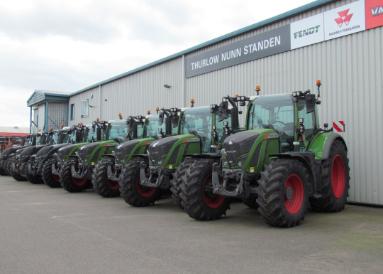


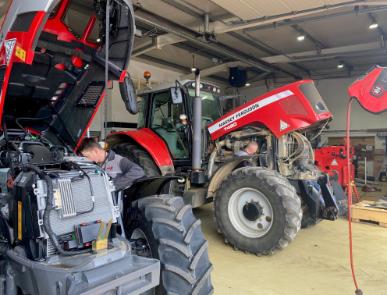
The investment in multi-brand and multi-system diagnostic technology enables TNS to offer discounted servicing and repairs across a wide range of manufacturers, including John Deere, New Holland, Claas, Kubota and other leading brands, in addition to the AGCO equipment it has long supported.
With TNS Plus, machinery aged 10 years or older qualifies for up to 30% off labour and parts, while equipment aged between six and 10 years receives 20% off labour and parts. The discounts apply regardless of manufacturer, making the scheme accessible to farmers running mixed fleets.
Adam Cuttridge, Head of Service and Branch Operations at TNS, said: “Farmers are under real financial pressure right now, and
replacing machinery is simply not an option for many. Keeping older equipment running reliably and cost-effectively is what this programme is all about. It has been great to see so many new faces coming through the door as a result of this initiative. Around a third of those using the scheme are farmers we have not worked with before, or not for a long while. That tells us there is a real appetite for this kind of support, and extending it to all makes and models should open the door to even more.”
The programme expansion builds on TNS's long-standing reputation for aftersales support. The dealer celebrated its 150th anniversary in 2025, marking a century and a half of service to the agricultural sector, and the latest investment underlines its continued commitment to supporting farmers with practical, cost-effective solutions.
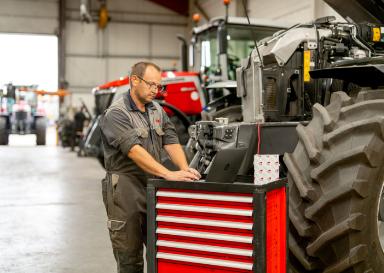
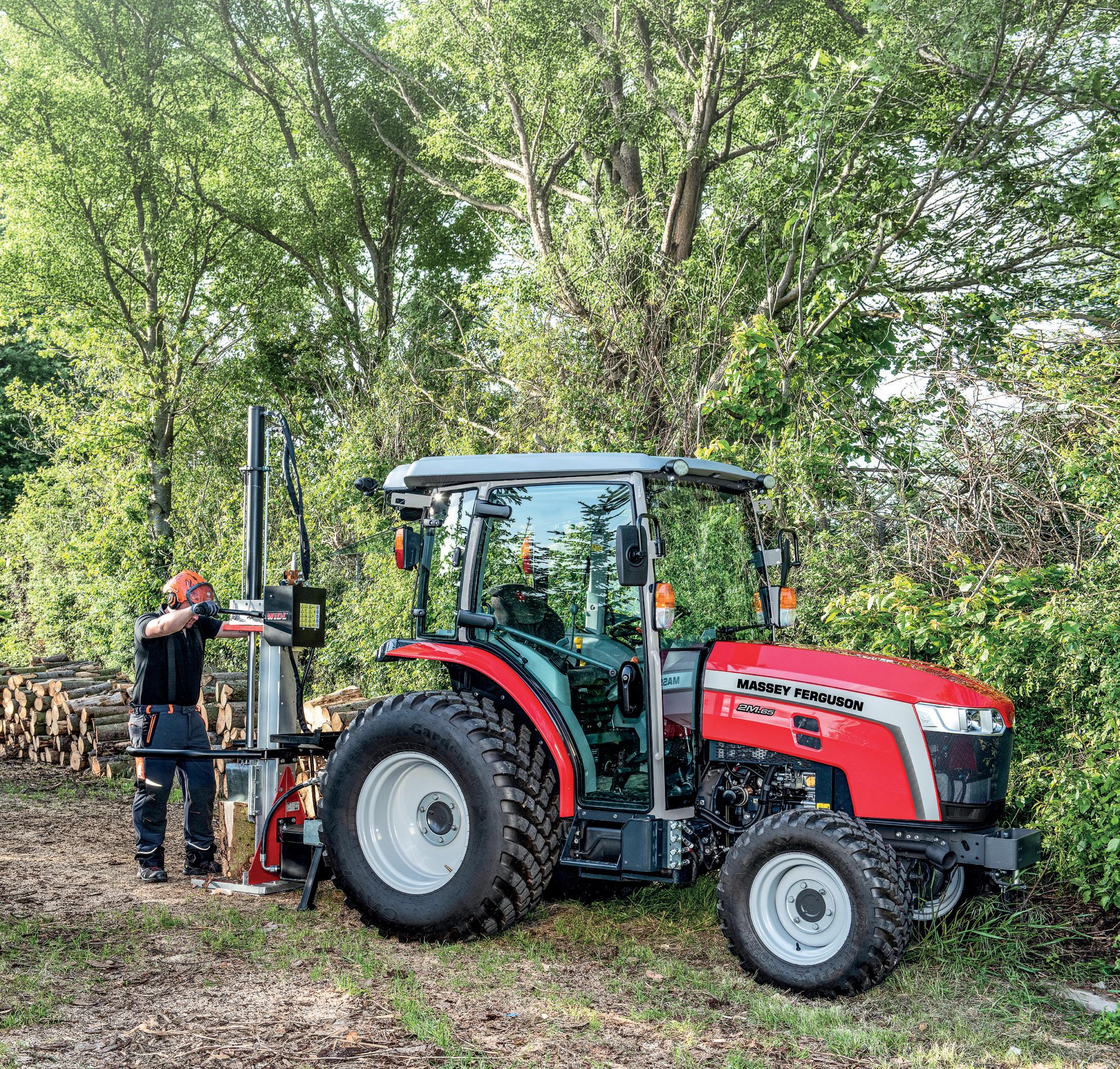

Combined power and high-speed data transmission between the towing vehicle and the trailer ECU over distances of up to 40 meters
With the HSI-H-MTD® cable assembly, Rosenberger introduces a hybrid connectivity solution that combines the proven HSI (High-Speed Implement Bus) connector system on the towing vehicle side with the compact H-MTD® high-speed data connector on the trailer side. The cable assembly integrates power supply and high-speed data transmission into a single, robust connection, developed specifically for use in the agricultural, construction, and commercial vehicle industries. It enables reliable communication between the towing vehicle and the trailer’s electronic control unit (ECU), even under demanding conditions.
As digitalization advances in the agricultural and construction machinery industries, requirements for data rates, reliability, system integration, and connectivity between towing vehicles and trailers continue to rise. At the same time, operating environments are defined by dust, moisture, vibrations, and UV radiation.
HSI-H-MTD® addresses these requirements by combining two established interface systems into a single integrated solution.

Consolidating power and data transmission into a single system reduces wiring effort, interface complexity, and installation time. On the towing vehicle side, the rugged HSI connector handles power transmission, while on the trailer side, the compact, waterproof H-MTD® connector provides high-speed data transmission directly on the control unit’s printed circuit board (PCB).
The cable assembly enables stable data transmission over cable lengths of up to 40 meters and meets the highest requirements for signal and power integrity. The SI/EMC performance is designed for the 1000BASE-T1 standard, and operation is specified up to 48 V. The connector is waterproof to IPX9K – the most stringent protection class for high-pressure cleaning applications.
Coordinated timing of the power and data contacts protects the electronics during mating and unmating under load. With more than 3,000 mating cycles, the system is built for long-term field use.
The HSI system was developed in collaboration with the Agricultural Industry Electronics Foundation (AEF) and represents an established industry standard for the interoperability of electronic systems in agricultural machinery. Typical
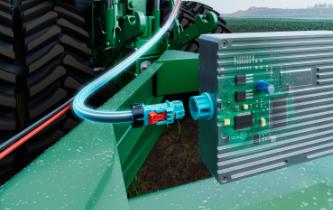


applications include data-driven use cases in precision agriculture, such as GPS-assisted seeding, monitoring systems for soil and environmental conditions, data-based control of fertilizer and seed application, and fill-level and tonnage measurement.
The solution is also well-suited for off-road and construction machinery such as excavators, cranes, trucks, and trailers, where reliable power and data transmission under demanding operating conditions is essential.
Technical Features at a glance
• Suitable for up to 48 V (depending on cable parameters)
• Cable length up to 40 meters
• SI/EMC performance for 1000BASE-T1
• Coordinated timing of power and data pins (protection during mating and unmating under load)
• More than 3,000 mating cycles
• Waterproof to IPX9K
• Flame-retardant and UV-resistant (HSI side)
• Break-away function for safe disconnection in case of accidental pulling
Further information at: https://www.rosenberger.com/ product/hsi-high-speed-implement/


Bankfoot Farm, Dalswinton, Dumfries, DG1 1TG
Tel: 07808 769 630
THE LEADERS IN HEAVY DUTY ECU REMAPPING YOUR MACHINERY HAS GOT UNTAPPED POTENTIAL



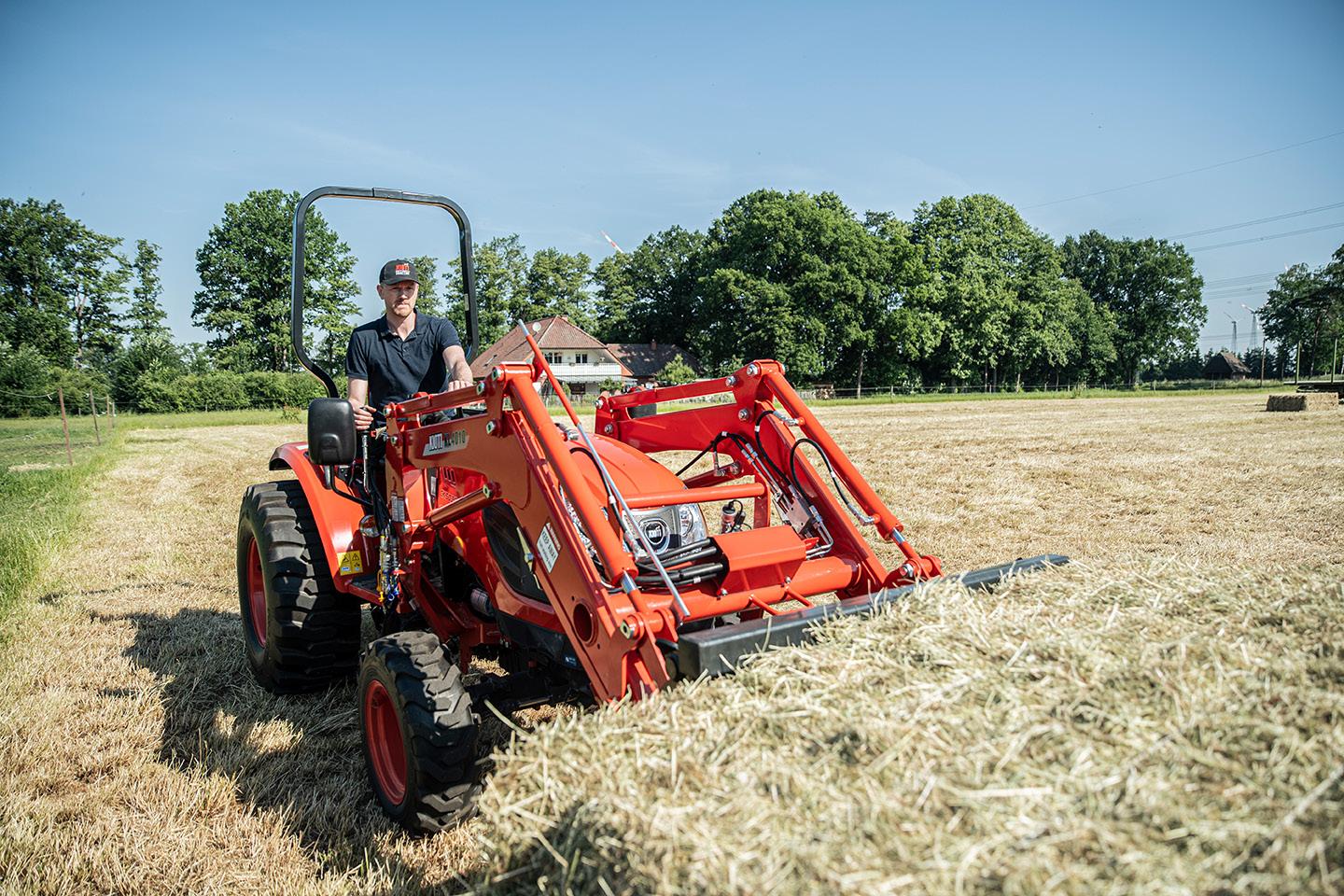
Sovereign Agricultural Services Ltd
Celtic Mowers Limited
Clarke 4x4 Ltd


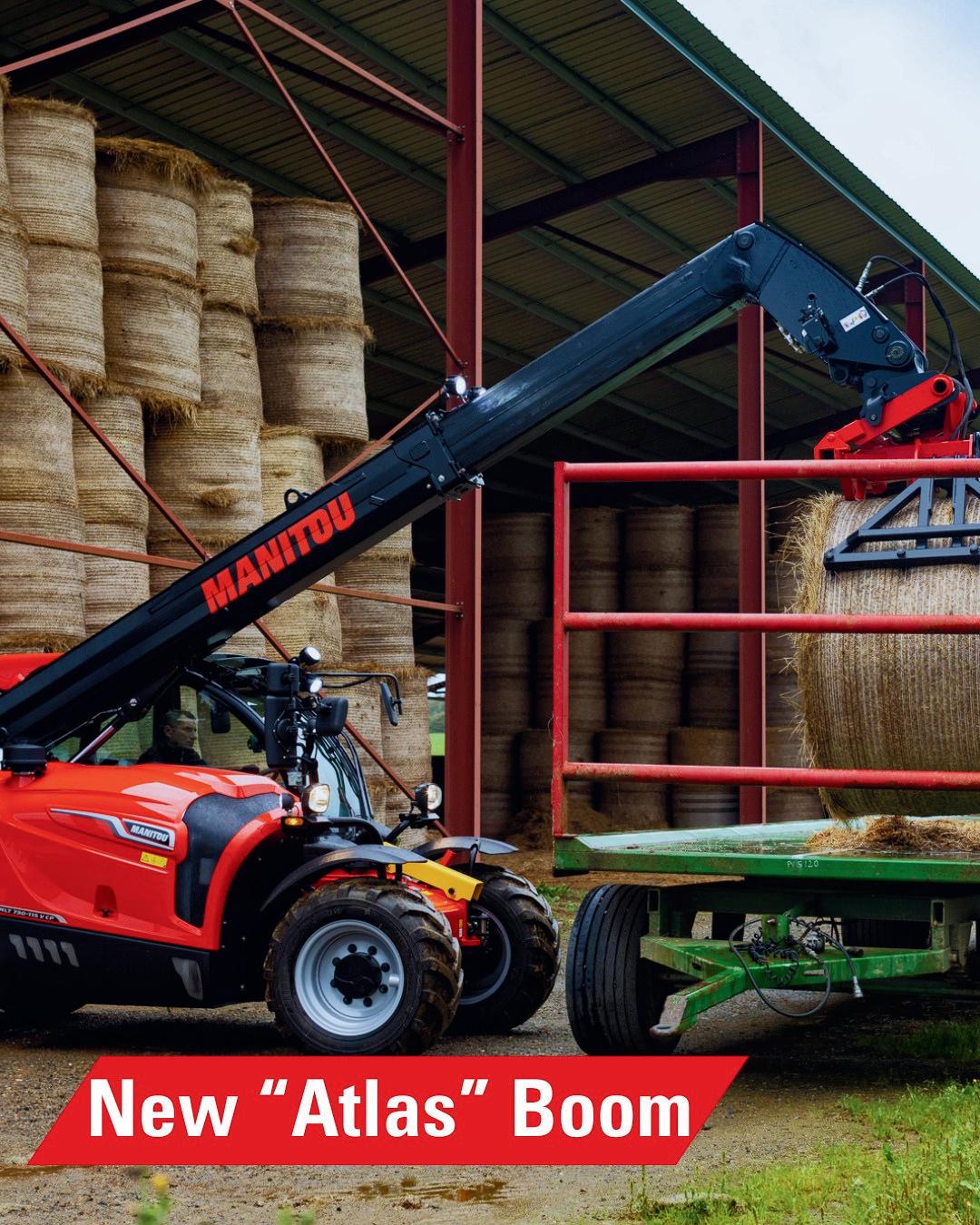
Millfield, Whitland Carmarthenshire, SA34 0QQ
Tel: 01994 240644
RIVERLEA

Cardigan Road, Crymych, SA41 3QX
Tel: 01239 831733

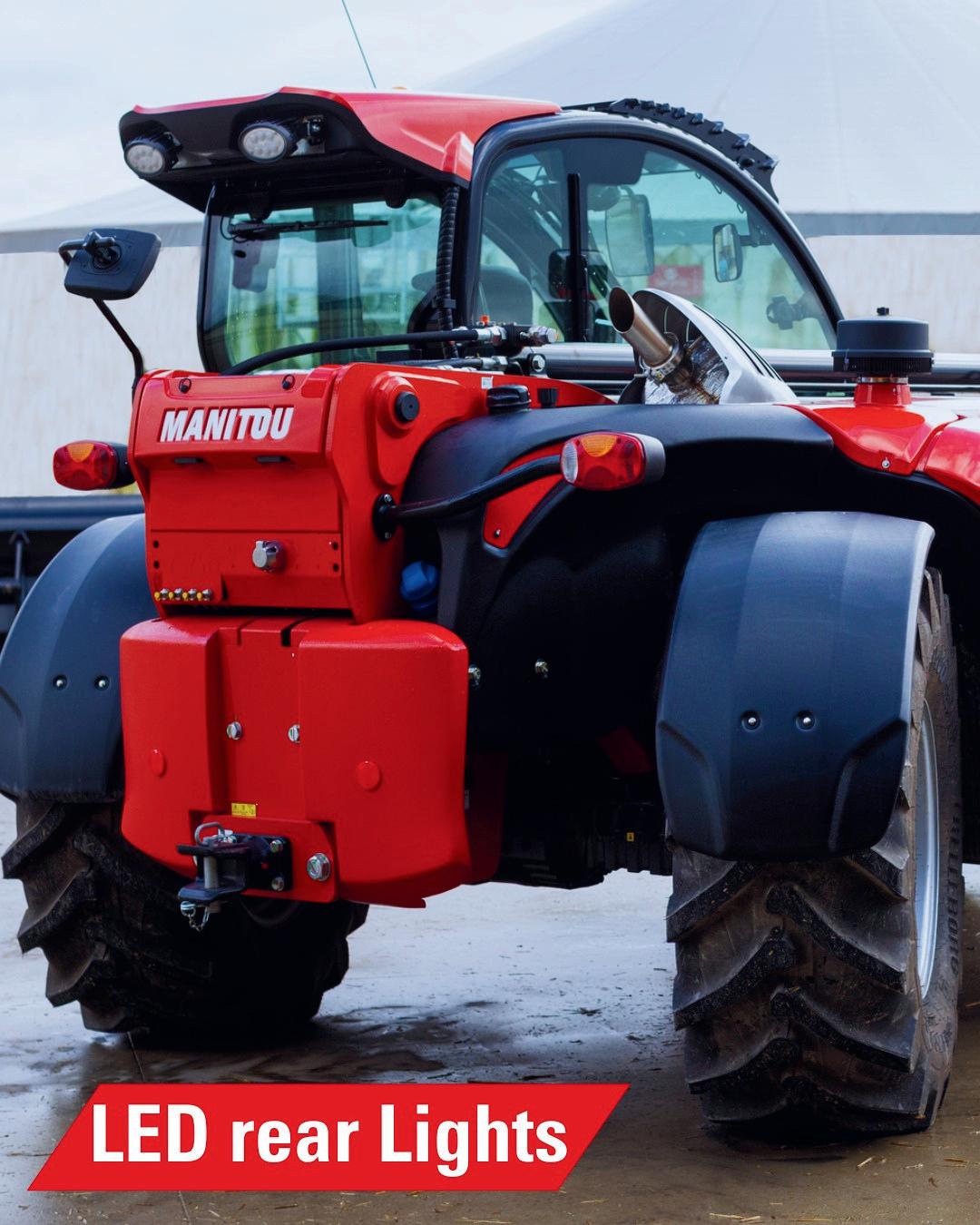
Unit 30, Vale Business Park Llandow, Vale of Glamorgan, CF71 7PF
Tel: 01446 775602

High House, Bryngwyn, Raglan, Monmouthshire, NP15 2BS
Tel: 01291 691005

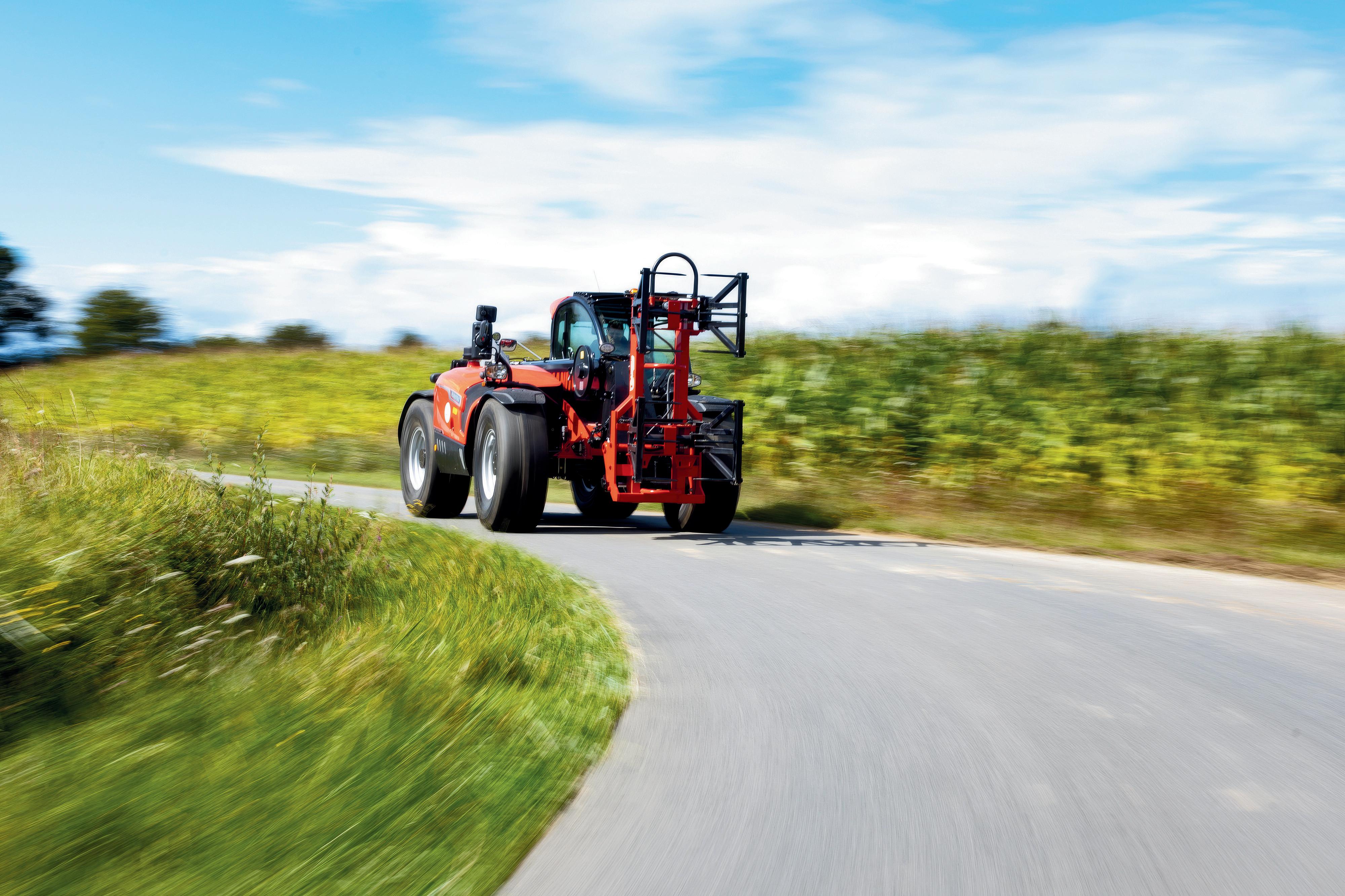

Built for british farms, ready for anything.
Stronger boom. Smarter hydraulics. Bigger performance. Discover Manitou’s Next Generation OfAgriculturalTelehandlers.

With the powerful and high-performance wheel loaders and telescopic wheel loaders in the 4 and 5 ton class, Weidemann has been operating successfully in the market for several years in the fields of agriculture and equine industry, municipalities and trade/industry. These machines have been re-designed, meaning that Weidemann will introduce four new models in the market. Thanks to their performance and machine dimensions, the new models 2090, 2090T, 3090 and 3090T are well-suited for the different operating modes and sizes of operations.
"With the new 90s models from Weidemann, we are providing an ideal range of machine sizes and performance for challenging applications. Our goal was to develop powerful and technically well-designed work machines for professional users. Practical features and high-quality standard components position the 90s series in the market for professional application and to serve demanding customer segments," says Andrew Voigt, Commercial Director, describing the new development of and emphasis on the new generation of machines.
The 90s series models are optionally available with a load arm or a telescopic arm. The machines offer customers several new features and options for customised standard components or standard equipment, and to meet their day-to-day work-related requirements. Over and above that, the products have been developed based on a modular design principle, which offers numerous advantages in terms of operability as well as serviceability.
The top-highlights of the 90s series are:
• Dynamic LoadingAssistance (dla) - The new assistance package, Loading System, enables highly efficient and precise machine operation for professional materials handling. The dla package consists of the following five functions:
• Automatic bucket return: The loading system is automatically returned to a position previously defined by the operator –> Acceleration of the loading process, ensuring fatigue-free working for the operator, and minimising material wear.
• Tilt-in-Assist: Automatic retraction of the bucket when the loading system is raised –> This ensures optimum utilisation of the bucket volume and fatigue-free working for the operator.
• Vibrating function: Triggering an automatic vibrating motion at the push of a touch button –> Efficient emptying of the bucket when handling bulk materials that do not flow easily.
• Lift height limiter: The loading system is limited to an adjusted height –> Controlled work movements, thereby minimising the risk of damage at your works.
• Tele-retract (in models 2090T and 3090T): Automatic retraction of the telescopic arm at the push of a touch button, while other machine functions can be operated simultaneously –> Faster loading cycles, smooth work processes and fatiguefree working for the operator to a great extent.
To summarise, the dla assistance package ensures that the bucket volume is optimally utilised, the loading cycles are accelerated and repetitive movements are reliably supported. Stresses on the machine caused by wear are also reduced, thereby reducing potential repair costs. At the same time, the five functions of the dla ensure easy handling and a high level of comfort, which greatly helps the operator to concentrate on their work over longer periods of time.
• Object detection- More safety through monitoring the environment. The rear area of the machine is monitored using ultrasonic sensors. When reversing, the operator is warned of obstacles both visually (via imaging in the display) and acoustically (via signal tone sounds). In addition, a clear view of the area behind the machine can be shown on the display by a rear-view camera.This means reliable support in confusing situations and it enables the operator to work safely without any stress.
• Active work lighting – A high-quality lighting package with powerful LED work lights and Coming Home lighting as standard ensures optimum illumination of the work area. The Performance lighting package offers enhanced functions for greater comfort and safety, including additional LED work lights and a dimming function. The light intensity can be adjusted according to the situation, ensuring that work is glare-free. With active work lighting, the forward illumination is automatically adjusted to match the respective work situation.
• Loading system sensitivity (adjustable in 3 levels): In the 90s series models, the two sections of the loading system, or in case of telescopic wheel loaders, three sections (namely lifting/lowering, rolling in/out and telescoping in/out), can each be freely adjusted in 3 speed levels, independent of one another. This provides the option of freely combining the precision or speed of the loading system required for the operation.
An overview of the other new innovations in the 90s series:
The very spacious premium cabin, with its excellent space for the operator, is a particularly prominent feature of the 90s series. The 4-pillar design of the cabin, combined with the panoramic rear window and the sloping engine hood, provides excellent rear view. Visibility of the immediate work area, both to the front and upwards, has also been optimised (Best View Cabin).
Over and above that, the cabin offers a high degree of
user-friendliness and comfort. A comfortable, wide access improves accessibility, which makes entry and exit much more comfortable and safer for the operator. The console, which moves in tune with the seat and has an integrated 7-inch display, jog dial and multifunctional joystick, offer enhanced comfort for the operator. The controls are positioned to be within easy reach. The colour-based operating concept developed by Weidemann ensures quick and straightforward handling of the machines. Several new storage options, including a mobile phone holder with a charging option, ensure a corresponding comfort factor. This series will also feature a very comfortable premium seat, which provides excellent support for the operator with automatic weight detection, low-frequency suspension, heated seat, seat ventilation, lumbar support and adjustable side contour.
The efficient ventilation and heating system has been designed specifically for the premium cabin. The improved air streams ensure a comfortable working environment. A split door makes it easy to let in fresh air through the slot ventilation. A powerful air conditioning system is also available as an option.
Weidemann has specifically ensured that noise levels in the cabin are kept low, which enables focussed work and also protects the health of the operators. The control valve for the work hydraulics was therefore relocated to the front carriage, and optimised hose routing was ensured.
For the engine versions of the 90s series, Weidemann relies on a standardised generation of Rehlko engines that conform to emission standard level 5, with a diesel particulate filter (DPF) and a diesel oxidation catalyst (DOC). The engine output could be adapted to the new models thanks to the electronically controlled ecDrive drive system and the strong torque curve, making it powerful and also fuel-efficient at the same time.
Here, the engine output has been optimally matched with the respective model. The models are available with the following engine version: 2090/2090T with 50 kW/68 hp, 3090/3090T with 55.4 kW/75 hp. An 80-litre diesel tank is installed to ensure a long reach. When designing the rear, particular attention was paid to ensuring a good slope angle.
The engine in the machines of the 90s series is installed transversely, which offers various advantages: The intake of fresh air is from the right side of the machine and waste heat is discharged to the left side. As a result, the temperature development inside the cabin is only slightly affected by engine heat. Service access is also optimum due to the transverse installation of the engine. All service points are easily accessible, like the oil dipper stick, the oil filter, the fuel filter, the filling of engine oil, hydraulic oil and washer fluid. The radiator can be easily folded open for cleaning.
Speeds of up to 40 km/h can be achieved using variable hydrostatic transmission Power Drive without the need to change gear or mode in all models. This provides a comfortable driving style as there are no interruptions in the traction. It is particularly noteworthy that the 40 km/h option is now also available for the first time in the 4-ton models (2090/2090T).
Four different operating modes have been realised specially for the ecDrive (Electronic Controlled Drive): Auto mode (100% performance) and ECO mode
(reduced motor RPM for economical and low-noise driving) are included as standard. Optionally, you can choose between attachments mode (for operating hydraulic attachments) and M-Drive mode (for optimised execution of Y-loading cycles).
A drum brake with a manual parking brake us installed as standard. A multi-disc brake with an electric parking brake is available as an option. It is activated when the brake pedal is pressed when the machine is at standstill, or when the operator leaves the seat. The hold-function prevents the machine from rolling away unintentionally. The electric parking brake is disengaged when the accelerator is engaged. It provides maximum safety and comfort for both the operator and their working environment. The machine can therefore be operated very efficiently and safely using the electric parking brake.
The 90s series features a sturdy and durable centre joint. The hydraulic hoses are secured at both ends and routed through the centre of the joint. This results in improved durability during rigorous long-term application.
Weidemann has installed a service flap on the right side of the machine, behind which all the machine's fuses and the cabin air filter are located together. The battery and the isolating switch are located directly below this. These are also easily accessible from the outside. The lockable toolbox is located on the left side of the machine, right next to the access, so that it is very easy to reach.
The lift heights at the hinge pin height of the 90s series wheel loaders range from 3.24 to 3.39 m. The load arms provide an excellent view of the coupling points of the quick-change plate and the attachment. Greater lift height can be achieved with the telescopic wheel loader, namely from 4.30 to 4.98 metres.
The 90s series offers many additional comfort features that make everyday work much easier, such as a pressure release of the auxiliary control circuits, which is located in an easily accessible position. The load arm damping ensures optimum handling of the machine on difficult terrain and at high travel speeds.
Specially in 2090T and 3090T: With the Lowering Assistant, the telescopic arm retracts automatically as it is lowered. When extracting heavy loads, this system gives the machine more stability and reduces the strain on the operator. One advantage here: the thumb wheel on the joystick need not be pressed continuously while retracting or lowering the loading system.
The new Weidemann wheel loader and telescopic wheel loader models of the 90s series are complemented by a modern machine design with dynamic, distinctive lines on the engine hood and the premium cabin. To many operations, the new models offer a wide range of customisable equipment options with focus on highvolume of materials handling on a daily basis and precise stacking work. For professional users, this means a high degree of comfort and safety in their dayto-day work.
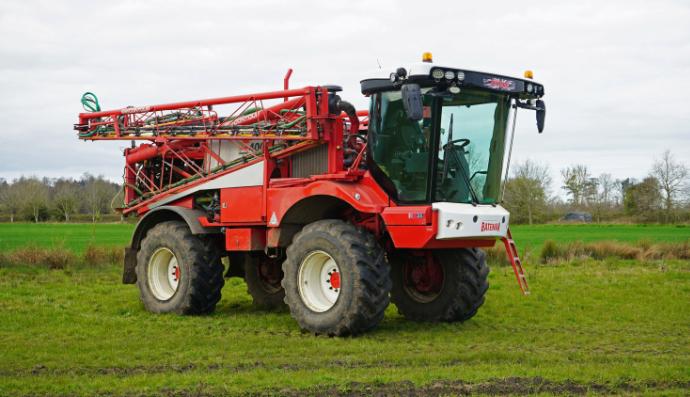
Cheffins, which conducts the largest monthly sale of secondhand tractors and agricultural machinery in the world, has reported sales of over £23 million in Q2 2026 throughout both the flagship Cambridge Machinery Sales at the firm’s dedicated site near Ely, its April Vintage Auction and at on-farm auctions across the UK.
Sales are up 30 per cent in comparison with Q2 2025 which achieved total sales of £17.6 million. In all, 11,741 lots were offered across the Cambridge Machinery Sale, the April Vintage auction at on-farm auctions, with the average lot price standing at £8,459, up from £6,966 in Q1 2025.
Growth was led by the firm's on-site auctions, which generated £11.3 million in sales, compared with £3.5 million during Q2 2025. This was achieved despite conducting fewer auctions, with 17 sales held during the quarter compared with 20 in the same period last year. The Cambridge Monthly Machinery Sales generated £9.45 million during the quarter, while the April Vintage Sale contributed a further £2.3 million.
Demand from overseas buyers also remained strong. Cheffins exported 158 pieces of machinery during the quarter, including 102 tractors, four combine harvesters and a range of other agricultural equipment destined for Poland, Sweden, Cyprus, Germany, Ireland, Spain and the Netherlands. Of the tractors exported, 47 were John Deere models, alongside eight Massey Ferguson and eight Fendt tractors.
11,741 lots were offered at the Cambridge Machinery Sale across three auctions in the quarter, whereas 2,899 were sold at on-site auctions and 3,377 at the April Vintage Sale.
Top lots for the quarter included:
• £257,000 for a 2023Fendt 942 Vario Profi+ Tractor at a timed online auction in Bedfordshire
• £187,000 for a 2022 Claas Trion 720 Terra Trac Combine Harvester from a timed online auction in Somerset
• £160,000 for a 2018 New Holland CR9.90 Combine Harvester at a live sale in Devon
• £136,000 for a 2018 Bateman RB35 Self Propelled sprayer at a live sale in Oxfordshire
• £135,000 for a 2024 JCB Fastrac 4220
Icon tractor at timed online auction in Buckinghamshire
Charles Wadsley, Senior Director at Cheffins comments:
"Demand for direct-from-farm machinery has remained exceptionally strong at both our monthly collective sales and on-site auctions. Farmers continue to invest in machinery, but many are opting for high-quality second-hand equipment rather than buying new.”
"The significant increase in sales during the quarter, together with the higher average lot values achieved, reflects buyers investing ahead of harvest. We've conducted sales across the country, from Devon to Northumberland, ranging from timed online auctions through to major full farm dispersal sales, including significant instructions on behalf of Velcourt."
Q3 2026 is set to host a series of on-site auctions, with the most significant being a post-harvest auction on behalf of Velcourt across six sites nationally. The quarter will also see the July Vintage Sale and a series of other auctions. Some of the most anticipated include an auction of potato grading equipment for ARFCo, an auction of modern machinery in Durham and a significant sale of slurry and digestate contracting equipment in Northamptonshire. There will also be three sales hosted in Hampshire and others in Essex and Hertfordshire.
Charles Wadsley continues: “The agricultural sector continues to operate against a backdrop of uncertainty, from changing grant funding to questions over the viability of this year’s harvest following difficult weather conditions. Despite this, farmers remain willing to invest where they see value, and quality second-hand machinery continues to represent an attractive alternative to purchasing new.”
"While approximately 50 per cent of our forthcoming auctions are full dispersal sales as some retire or leave the industry, many others reflect farmers restructuring, changing direction or releasing capital while continuing to invest in their operations. Demand remains resilient, particularly for well-maintained machinery with a clear provenance and we expect this trend to continue through the remainder of the year.”
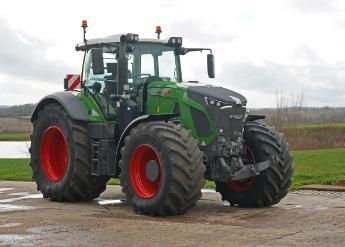
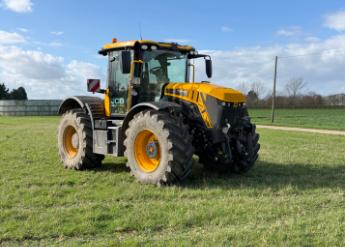

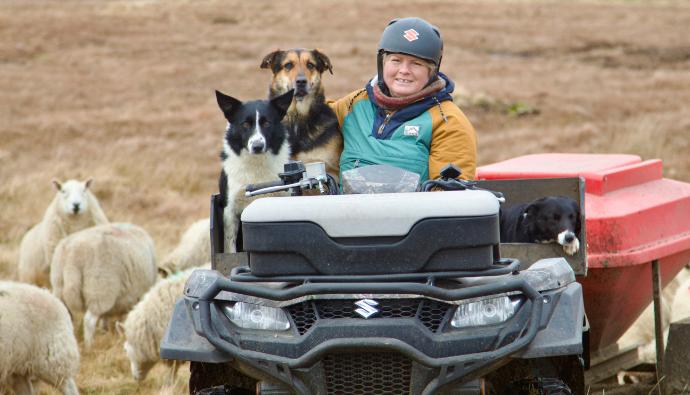

Suzuki GB will be attending the NSA Sheep Event 2026 on Tuesday 28thJuly, showcasing its dependable range of KingQuad models on stand 174 at Three Counties Showground, Malvern.
As the flagship event of the National Sheep Association, the NSA Sheep Event brings together sheep farmers, breed societies, commercial companies and industry organisations for a one-day showcase of products, advice, demonstrations and practical insight for the sheep sector.
Suzuki’s KingQuad ATVs are well suited to the demands of sheep farming, providing reliable, capable and easy-touse transport for everyday tasks including shepherding, fencing, feeding, checking livestock and accessing remote ground.
Each of their KingQuads combines a strong and
efficient engine with independent suspension, 4wheel drive and, for XP and XPZ models, electric power steering, helping riders work confidently across challenging terrain, from lowland livestock management to more demanding hill farming environments.

Suzuki is proud to be chosen by sheep farmers across the country, including ambassador Joyce Campbell, who runs Armadale Farm with her husband Ian on the rugged north coast of Scotland.
Joyce said, “These are the only machines we use every day on our farm. From shepherding and cattle feeding to fencing and repairs, the Suzuki ATVs handle it all.”
Visitors to the NSA Sheep Event 2026 can meet Suzuki GB on stand 174 to learn more about their ATV range.
For more information, visit:https://atv.suzuki.co.uk

s part of its calendar of summer events, Suzuki GB will be exhibiting its range of KingQuad ATVs at the Royal Welsh Show from Monday 20th to Thursday 23rd July 2026, on stand 458-E at the Royal Welsh Showground, Llanelwedd.
A proud supporter of the Royal Welsh Show for over 25 years, Suzuki will once again be showcasing its robust and dependable ATVs to the agricultural community at one of the UK’s leading rural events.
Visitors to the Suzuki stand will be able to get up close with the KingQuad range, including Suzuki’s limited-edition True Timber Kanati 500XPZ.
Acknowledging Wales’ strong rugby heritage, and their partnership with brand ambassador Dan Lydiate, Suzuki will also be running a competition on the stand for visitors to win special Suzukithemed rugby balls. Full entry details and terms will be available from the Suzuki team during the show.
Designed for a wide range of agricultural and landmanagement tasks, Suzuki KingQuad ATVs offer proven reliability, ease of handling and confident performance across challenging terrain.

All new KingQuads also come fitted with a security package as standard, including CESAR forensic marking from Datatag and a Thatcham-accredited tracker and immobiliser system from Datatool, helping to protect these valuable machines.
Visitors can meet the Suzuki team on stand 458-E to learn more about the KingQuad range.
Interested customers can also find their nearest Authorised Suzuki Dealership online at: https://atv. suzuki.co.uk/find-a-dealer/
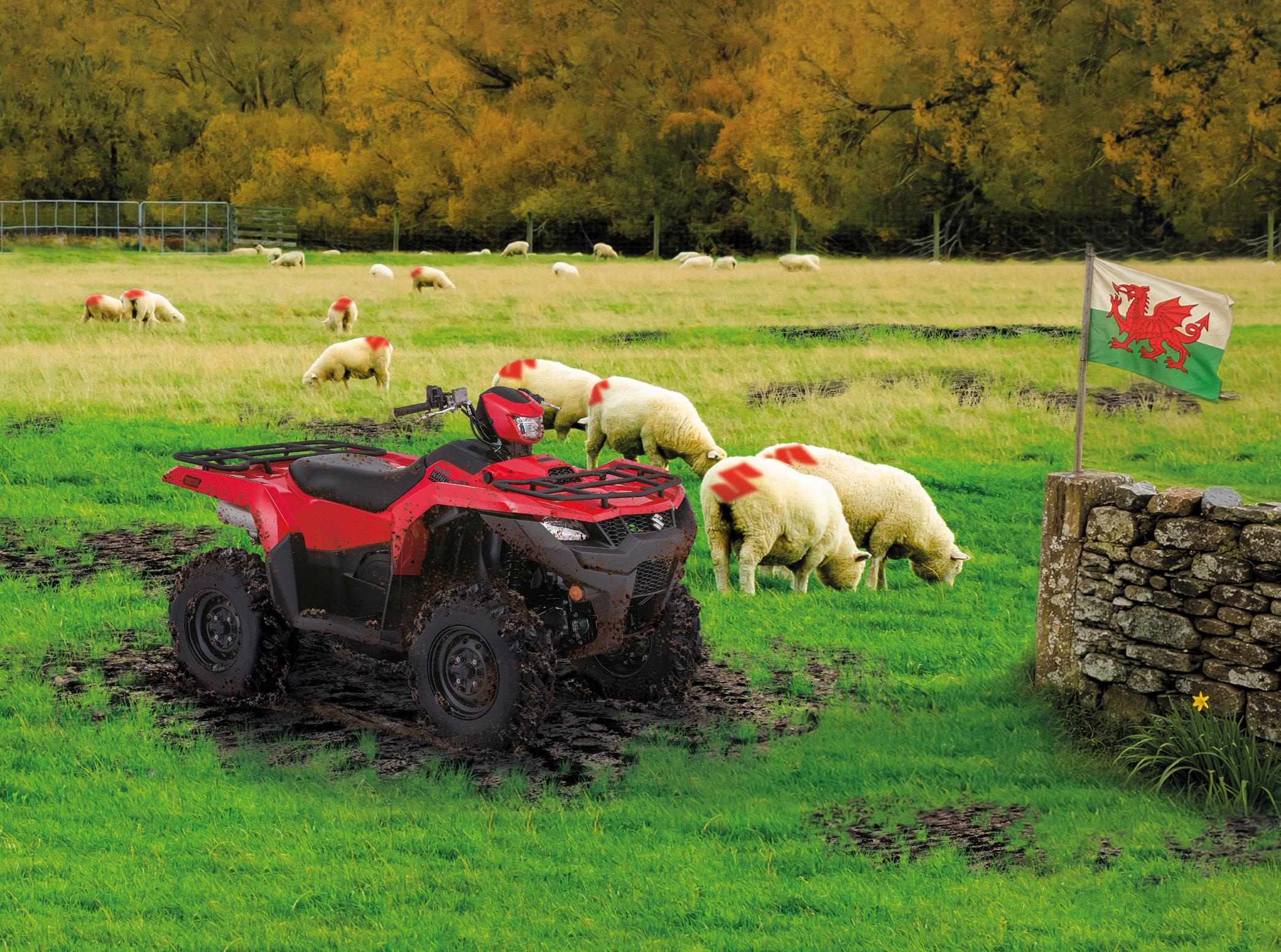



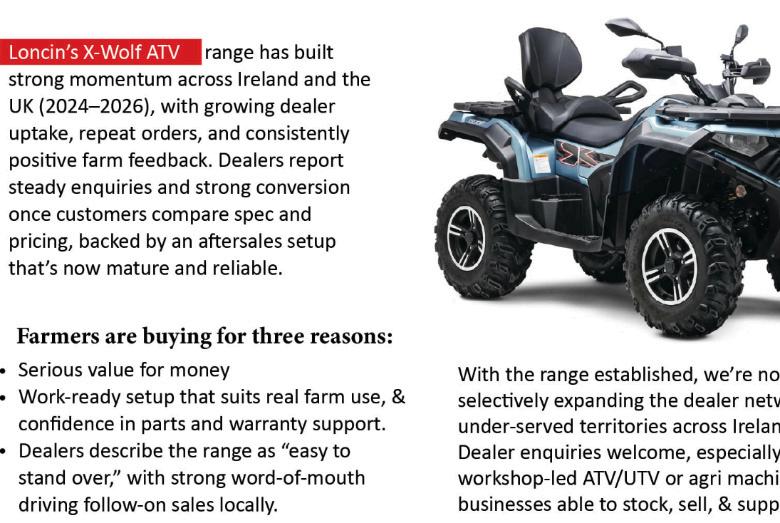







Discover the exceptional from a global leading powersports manufacturer. Unleash the power with V-Twin engines. Tackle the most rugged trails and rough terrain. Enhance your ride with advanced suspension and electronic fuel injection. Enjoy the comfort with a cab, heating and air conditioning.
Satisfy all your expectations with the Workcross 525/650/800/1000cc





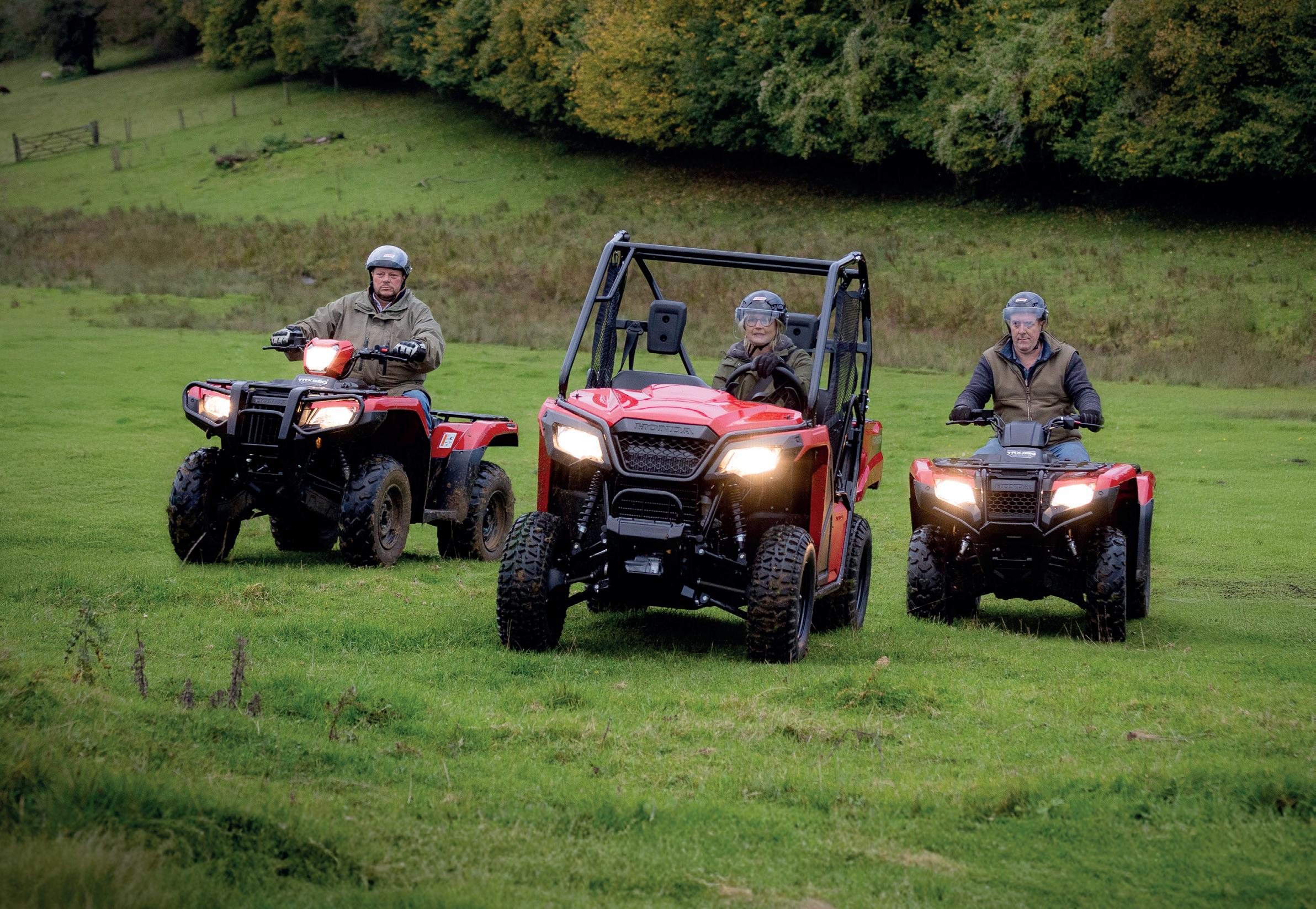
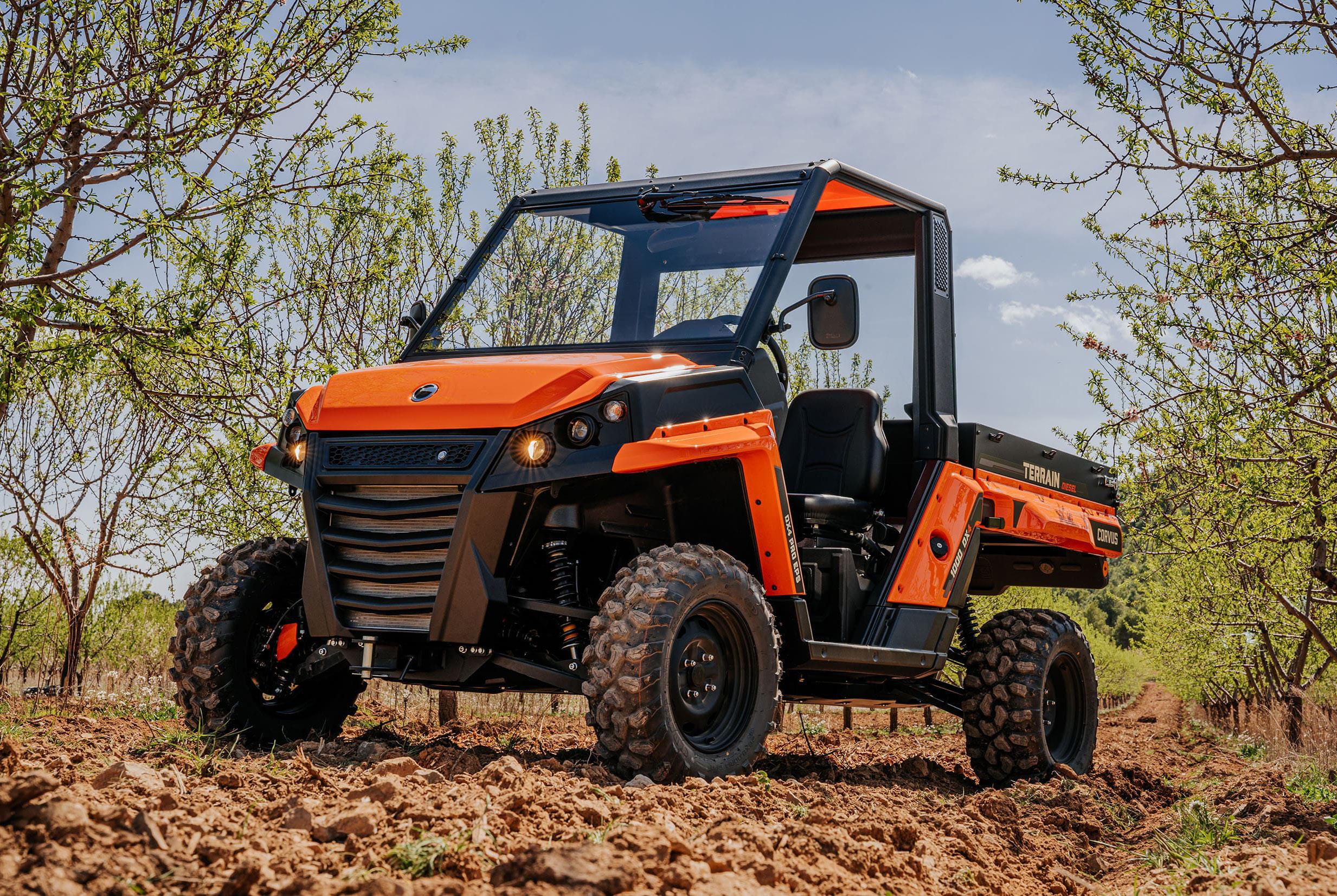
Corvus Terrain DX4 and DX2. The first UTVs made in Europe bring together pioneering sustainability and advanced technology. Constructed for the hardest off-road work in agriculture, livestock, forestry, groundscare and construction.
Highly adaptable, the Terrain features a 3-cylinder 24hp Yanmar Diesel engine for excellent fuel efficiency and range.
• St ag e V emission compliant
• Road legal to T1a/T1b tractor regulation with top speed of 40mph/65kph
• Power steering
• Full cab and heater options, including air conditioning
Supported by a specialised dealer network throughout the UK and Ireland.
To find your local dealer, visit www.bossorv.co.uk
ABREY AGRICULTURAL
Pamphillions Farm, Purton End, Debden CB11 3JT 01799 543208
ACE ATV
Woodgate Road, Stoke Prior, Woodgate, Bromsgrove B60 4HB 01527 578668
DAVID TAYLOR GARAGES
Granada Park Motors, A4077, Llangattock, Crickhowell NP8 1HW 01873 810304
TOM TAYLOR ATV
Unit 16/17 Windmill House Ind Est, Sutton Road, York YO32 2RA 01904 758105

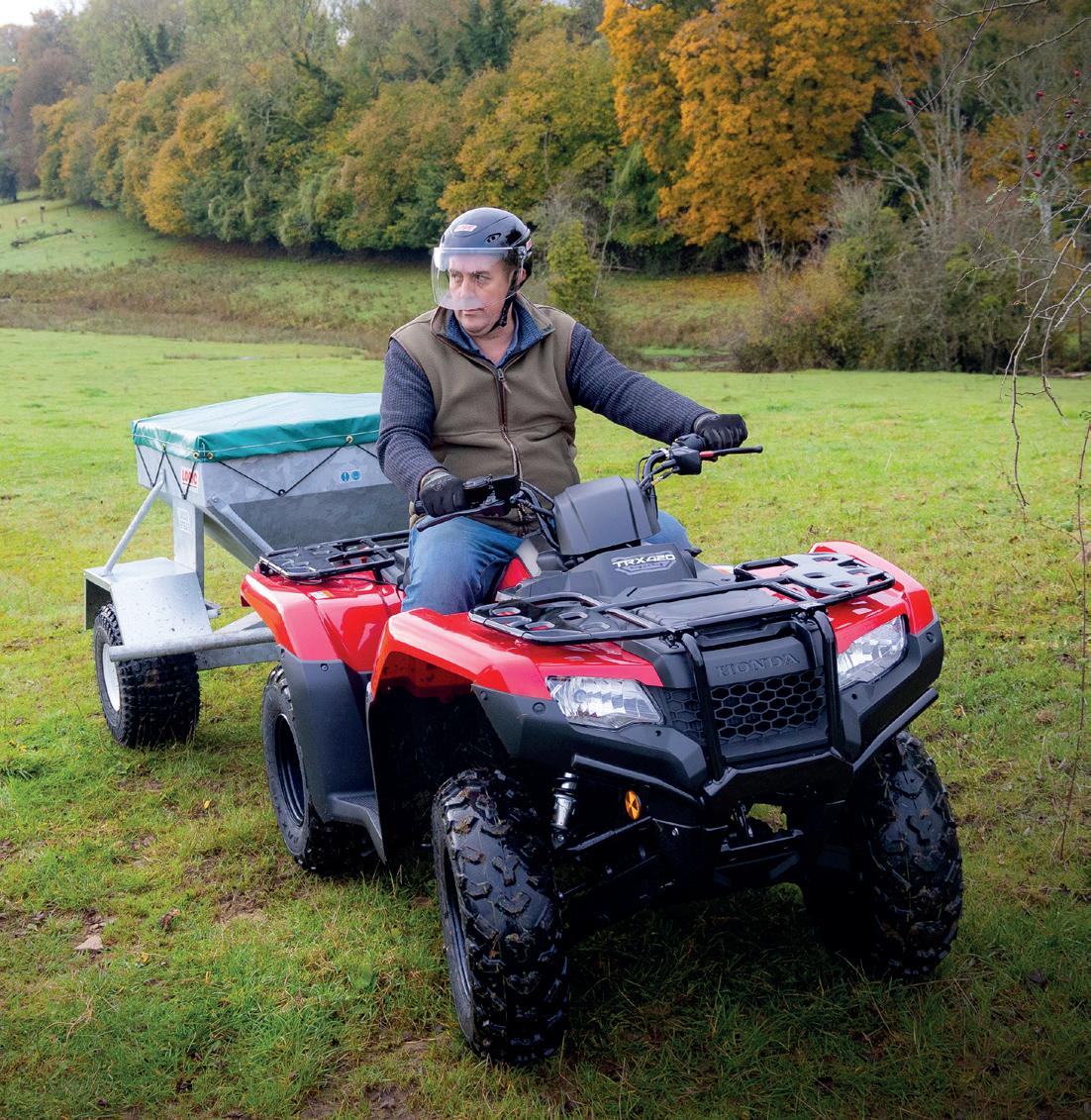
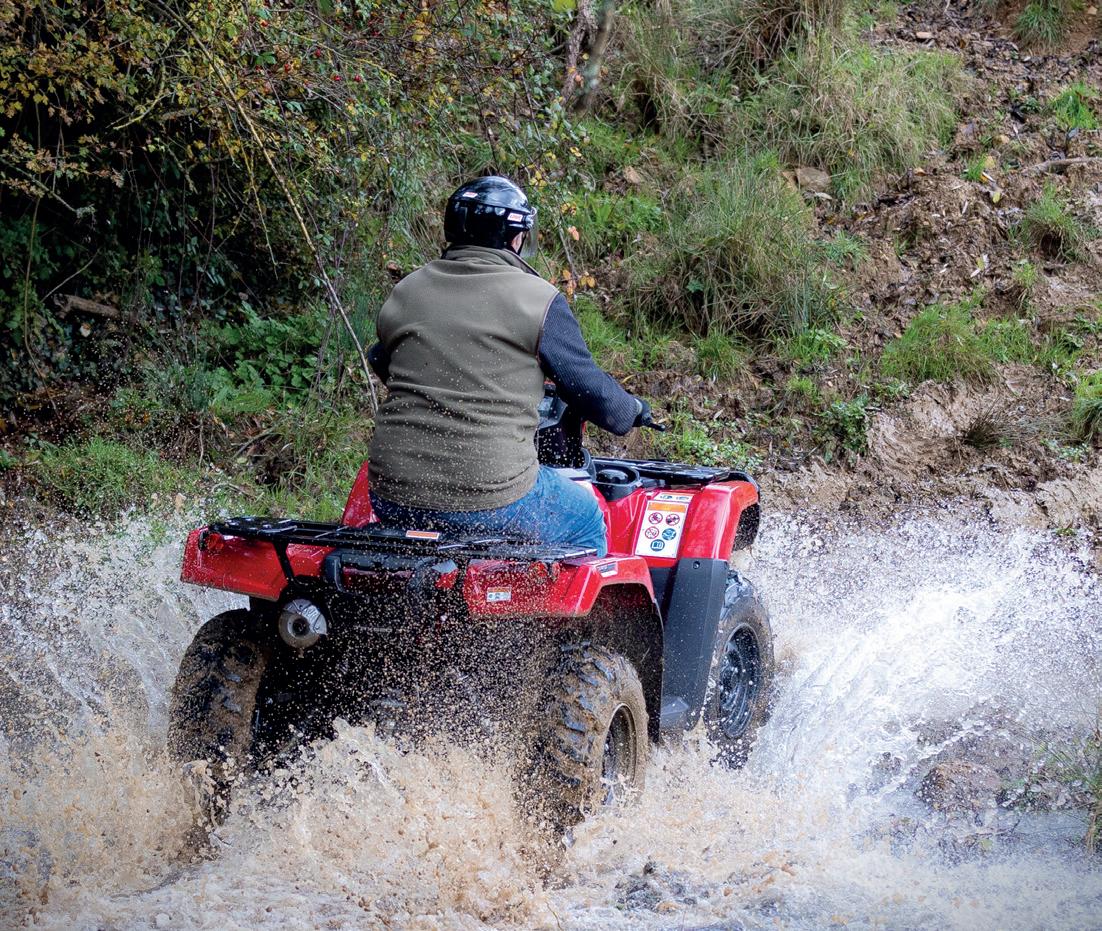

• Fuel-injected 420 cc OHV engine
• Auto clutch with manual shifting
TRX420FM1/FM2: £420 off (excl. VAT)
• Swing-Arm Suspension (Fixed Rear Axle)
• Power Steering (FM2)
• Fuel-injected 420 cc OHV engine
• Sturdy front and rear racks
• Auto clutch with manual shifting
• 1.9L water resistant utility box
• Swing-Arm Suspension (Fixed Rear Axle)
• TraxLok® switchable 2WD/4WD
• Available in Red or Green
• Power Steering (FM2)
• Sturdy front and rear racks
• 1.9L water resistant utility box
• TraxLok® switchable 2WD/4WD
• Available in Red or Green

• Fuel-injected 518 cc OHV engine
• Auto clutch with manual shifting
TRX520FM2/FM6: £520 off (excl. VAT)

• Fuel-injected 518 cc OHV engine
• 204 kg cargo bed capacity
• Independent Rear Suspension (IRS)
TRX520FM2/FM6: £520 off (excl. VAT)
• Swing-Arm or Independent Rear Suspension (IRS)
• Power Steering
• Fuel-injected 518 cc OHV engine
• Sturdy front and rear racks
• Auto clutch with manual shifting
• 1.9L water resistant utility box
• TraxLok® switchable 2WD/4WD
• Swing-Arm or Independent Rear Suspension (IRS)
• Available in Red or Green
• Power Steering
• Sturdy front and rear racks
• 1.9L water resistant utility box
• TraxLok® switchable 2WD/4WD
• Available in Red or Green
• Impressive 454 kg towing capacity
SXS520 PIONEER: £520 off (excl. VAT)
• Five-speed auto transmission with optional manual shifting
• Fuel-injected 518 cc OHV engine
• 204 kg cargo bed capacity
• TraxLok® switchable 2WD/4WD
• Independent Rear Suspension (IRS)
• Side-by-side seating with easy access
• Impressive 454 kg towing capacity
• Five-speed auto transmission with optional manual shifting
Honda ATVs & UTVs—Built to Work as Hard as You Do. Honda ATVs and UTVs deliver the performance and reliability professionals trust every day. From farming and forestry to gamekeeping, equestrian work, and snow clearing, these machines handle any terrain, any weather, and countless tasks with ease. Known for robust build quality and exceptional dependability, your Honda quickly becomes an essential part of your routine. Backed by a 2-year manufacturer’s warranty† as standard, your Honda ATV or UTV is ready whenever you are. The Power of Dreams.
• TraxLok® switchable 2WD/4WD
• Side-by-side seating with easy access
Honda ATVs & UTVs—Built to Work as Hard as You Do. Honda ATVs and UTVs deliver the performance and reliability professionals trust every day. From farming and forestry to gamekeeping, equestrian work, and snow clearing, these machines handle any terrain, any weather, and countless tasks with ease. Known for robust build quality and exceptional dependability, your Honda quickly becomes an essential part of your routine. Backed by a 2-year manufacturer’s warranty† as standard, your Honda ATV or UTV is ready whenever you are. The Power of Dreams.



he TGB range of high-specification agricultural and road-legal ATVs are available in the UK via the Dualways network of authorised dealers.
Two of its best-selling ATVs, the Blade 520SL and Blade 600SL, are currently offered for sale with £500 off the recommend retail price.
Designed for tackling challenging terrain and making light work of daily chores, the Blade 520SL is a valuable addition to any work environment. It is powered by TGB’s tried-andtested, high-torque, 503cc four-stroke, liquid-cooled, single-cylinder petrol engine, equipped with electronic fuel injection, and selectable two/ four-wheel drive. A digital dash, front and rear racks, fully-adjustable front suspension, a winch, and a tow-bar with 850kg pulling capacity make this a versatile workhouse.
The go-anywhere TGB Blade 600SL is powered by a torquey 561cc liquidcooled four-stroke engine equipped with electronic fuel injection and three-stage electronic power steering. It also features selectable two and fourwheel drive through an automatic CVT transmission. All-round suspension provides allday riding comfort. Features such as a sturdy rear
rack, together with 850kg unbraked towing capacity, and 320mm ground clearance, help to make light work of transporting heavy and bulky loads. Handguards and tough, wide mudguards provide rider protection when facing the rigours of daily utility use.

All new TGB ATVs in the UK, are sold complete with CESAR security marking applied free-ofcharge. CESAR provides multiple layers of visible and covert security, acting as a powerful deterrent to theft. Recognised by all major insurers, CESAR can also bring practical benefits, including the potential for significant insurance premium reductions and lower excesses.

TGB is the only utility ATV brand in the UK to offer an unrivalled five-year manufacturer limited warranty as standard.
SRP: £6499.00 TGB Blade 520SL. £7499.00 TGB Blade 600SL. Prices are quoted with the £500 discount applied and include VAT. Promotion available while stocks last in the UK.
For more model information and to find contact details for your nearest TGB UK dealer, visit www.dualways.com
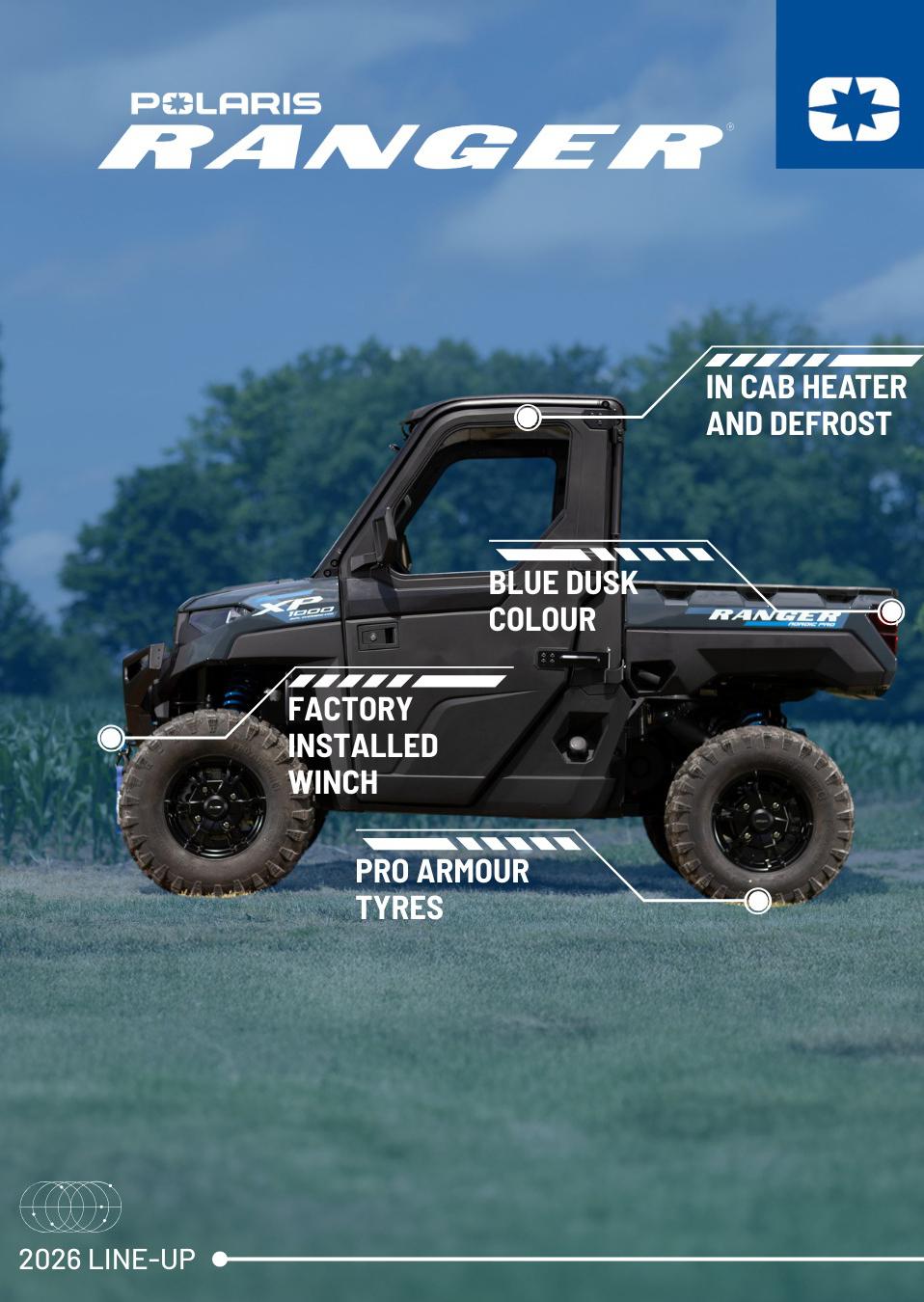

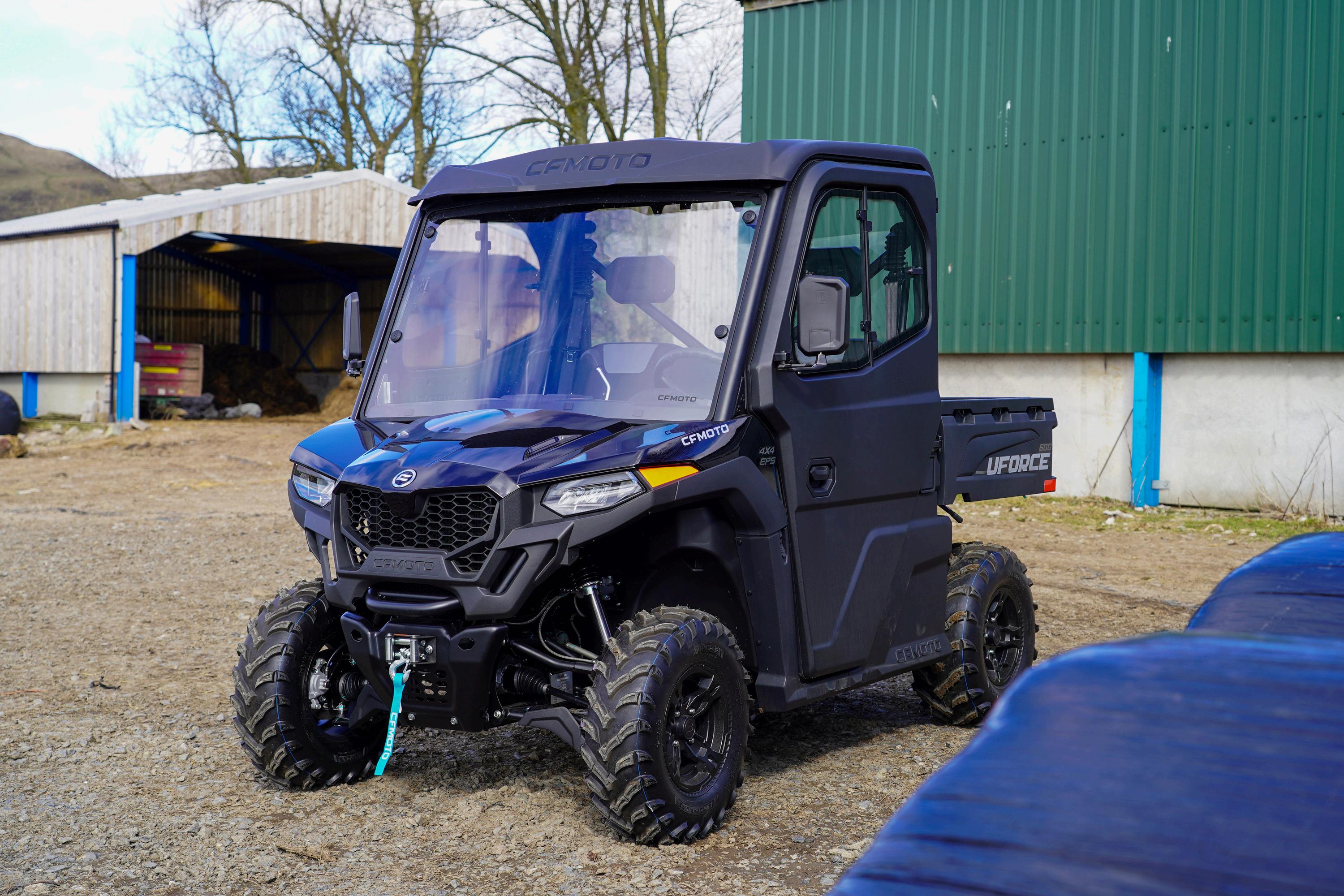
s newly appointed Main Dealers for Yamaha ATVs for North Yorkshire, Tom Taylor ATV can offer you a wealth of choice with their extensive range of New ATVs to suit your individual needs. All pre-owned ATVs are fully serviced in our own workshops to the highest standards, we aim to give you, the customer, that all important “peace of mind”. When your machine requires service or repairs, pick-ups and drop-offs can be pre-arranged. It’s just a phone call away. Specialists servicing Yamaha, Honda and Can-Am ATVs. Come and see us to

UFORCE600 from£9,999+VAT
UFORCE600 from£9,999+VAT
view new machine in our showroom, deals always available or call Tom Taylor for a demo on 01904 758105
With over 40 years ATV experience, Tom Taylor knows how provide the best possible service and support to the industry. We have a comprehensive selection of ATV Accessories and Equipment available from • C-DAX ATV Equipment • LOGIC ATV Equipment • TFM TRAILERS • Longdog ATV Equipment • Chapman Machinery • Moose ATV Products • Data Tool Tracker Recovery Systems.
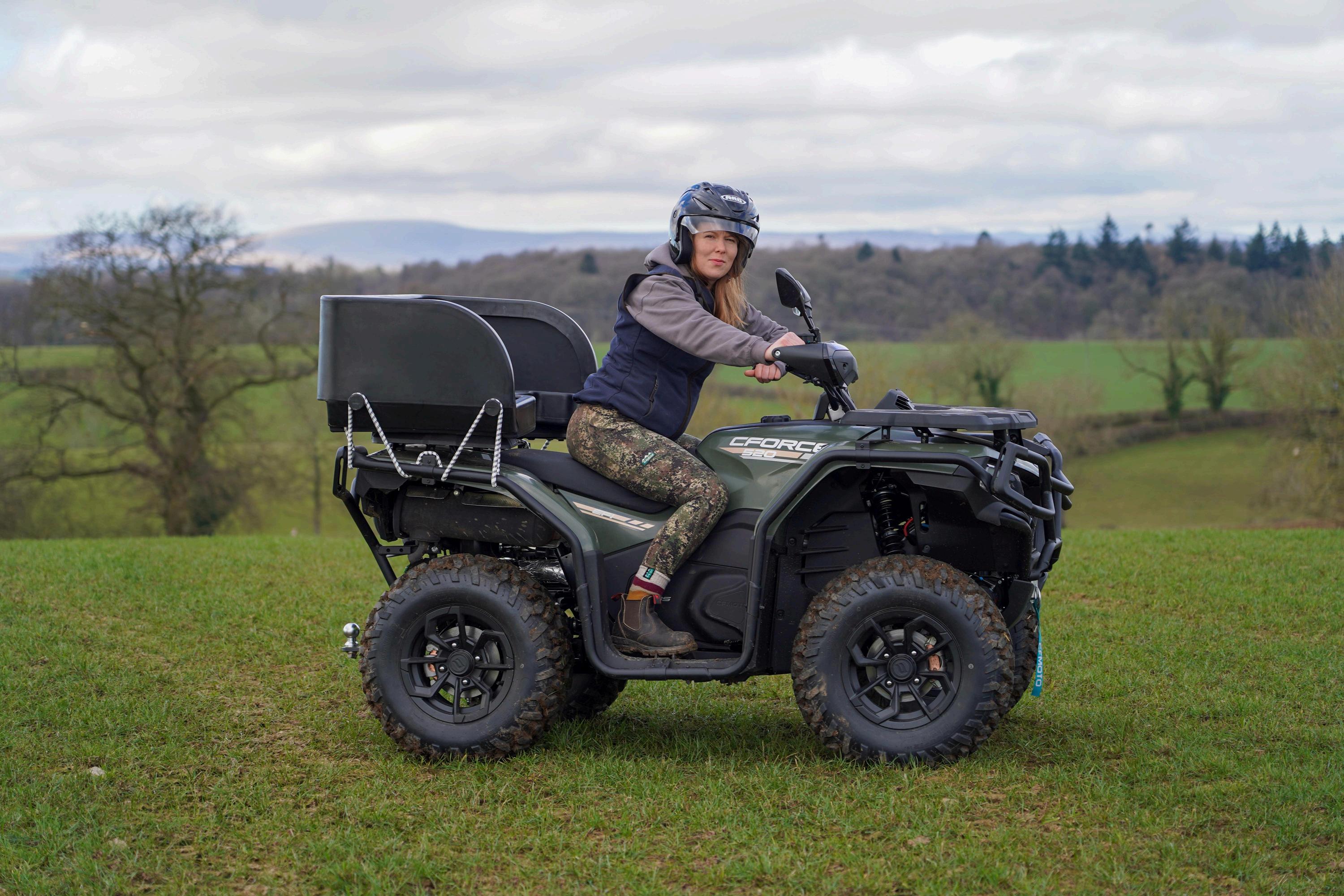
RVW Pugh Ltd
Oakwood Park, Holmes Chapel Cheshire, CW4 8AX
Tel: 01477 533560 www.rvwpugh.co.uk
Stirling's Powersports
East Fulton House, Darluith Road, Paisley, Linwood, PA3 3TP
Tel: 01505 382222
www.stirlingspowersports.com
RVW Pugh Ltd
Mellington, Churchstoke Montgomery, Powys SY15 6TQ
Tel: 01588 620545



Highland Leisure Sport
Unit 20, Cromarty Firth Business Park
Invergordon, IV18 0LT
Tel: 01349 854620
www.highlandleisuresport.co.uk
Duncan Brassington Agricultural Sales & Service Ltd
Banbury Lane, Burwarton, Bridgnorth, WV16 6QN
Tel: 01746 787983
www.brassingtonagri.co.uk

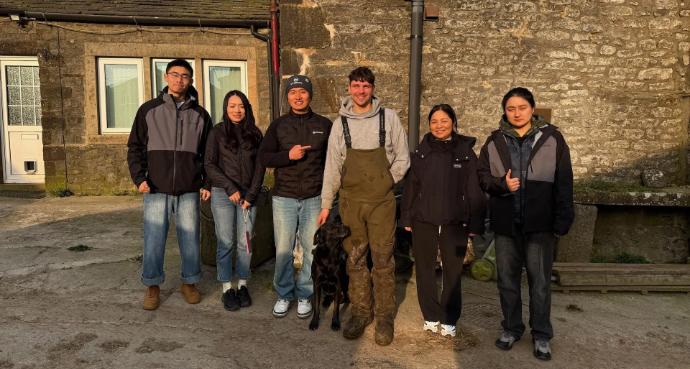
At CFMOTO, developing the next generation of agricultural UTVs starts with understanding the people who use them every day.
Earlier this year, senior members of CFMOTO’s UTV research and development team travelled from the company’s headquarters in China to farms, dealerships and agricultural businesses across the UK and Ireland. Their aim was simple, to see first-hand how utility vehicles are used in real working environments and gather feedback that could help shape future models.
It’s not often that the engineers and product specialists responsible for designing a vehicle spend time on working farms thousands of miles from home. Yet that’s exactly what CFMOTO believes is necessary to build machines that genuinely meet the needs of modern farmers.
Rather than relying solely on reports, surveys or second-hand feedback, the team wanted to experience the realities of farm life for themselves. That meant spending time in farmyards, talking to farmers, riding in UTVs and seeing the daily tasks these vehicles are expected to handle.
Learning from the people who use them
Utility vehicles play an important role in day-to-day farming operations in the UK and Ireland. Common jobs such as transporting feed, towing trailers, checking livestock, carrying tools or moving equipment around the farm, mean a UTV is often one of the hardest-working machines on the yard.
During their visit, the development team met with farmers from a range of sectors, as well as CFMOTO dealers who support customers every day. These conversations provided valuable insights into what users like about their vehicles, the challenges they face and the areas where future models could be improved.
The UK and Ireland remain key agricultural markets for CFMOTO. Farming businesses here operate in a wide variety of conditions, from dairy and livestock enterprises to mixed farms and rural estates. As a result, customer feedback from these markets carries significant weight when future product decisions are being made.
Dealers also play an important role in this process. They work closely with customers throughout the life of the vehicle, providing servicing, support and
practical advice. Their experience gives the development team a deeper understanding of how machines perform over time and where opportunities exist to make them even better.
One of the final stops on the tour was a visit to dairy farmer Liam Curtis.
With better weather than some of the earlier farm visits, the team had the opportunity to spend time discussing how UTVs support the daily operation of a busy dairy farm. From transporting equipment and materials to general farm duties, the visit provided another valuable perspective on the role utility vehicles play in modern agriculture.
The team would like to thank Liam for welcoming them onto the farm and sharing his experience and feedback.
The insights gathered throughout the tour will help inform the future development of CFMOTO’s agricultural UTV range, including current and future UFORCE models.
The UFORCE range continues to grow in popularity with farmers, estate managers and rural businesses thanks to its combination of capability, practicality and value. By maintaining close relationships with dealers and end users, CFMOTO can continue refining its products to meet the demands of real-world working environments.
Many manufacturers talk about listening to their customers. For CFMOTO, that means getting out into the field, meeting the people who use the vehicles every day and understanding the challenges they face.
Because the best utility vehicles aren’t developed solely in a design office or testing facility. They’re shaped by conversations in farmyards, feedback from dealers and the experiences of farmers who depend on them every day.
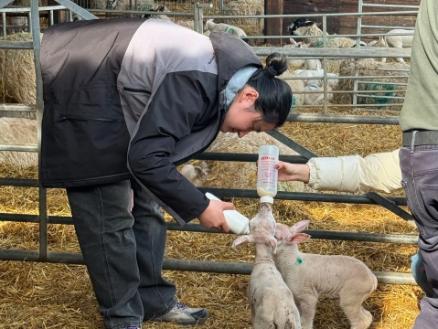
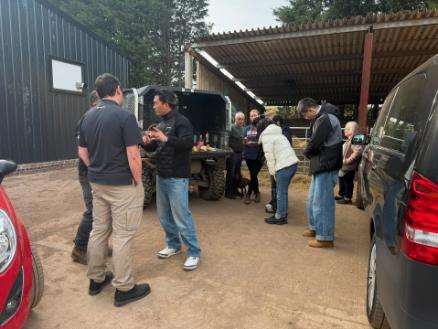
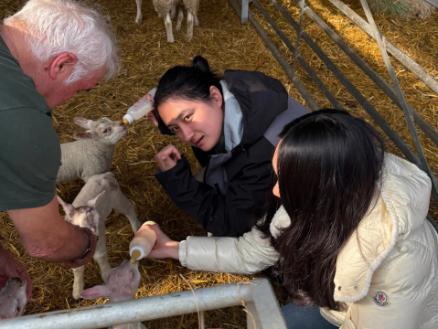
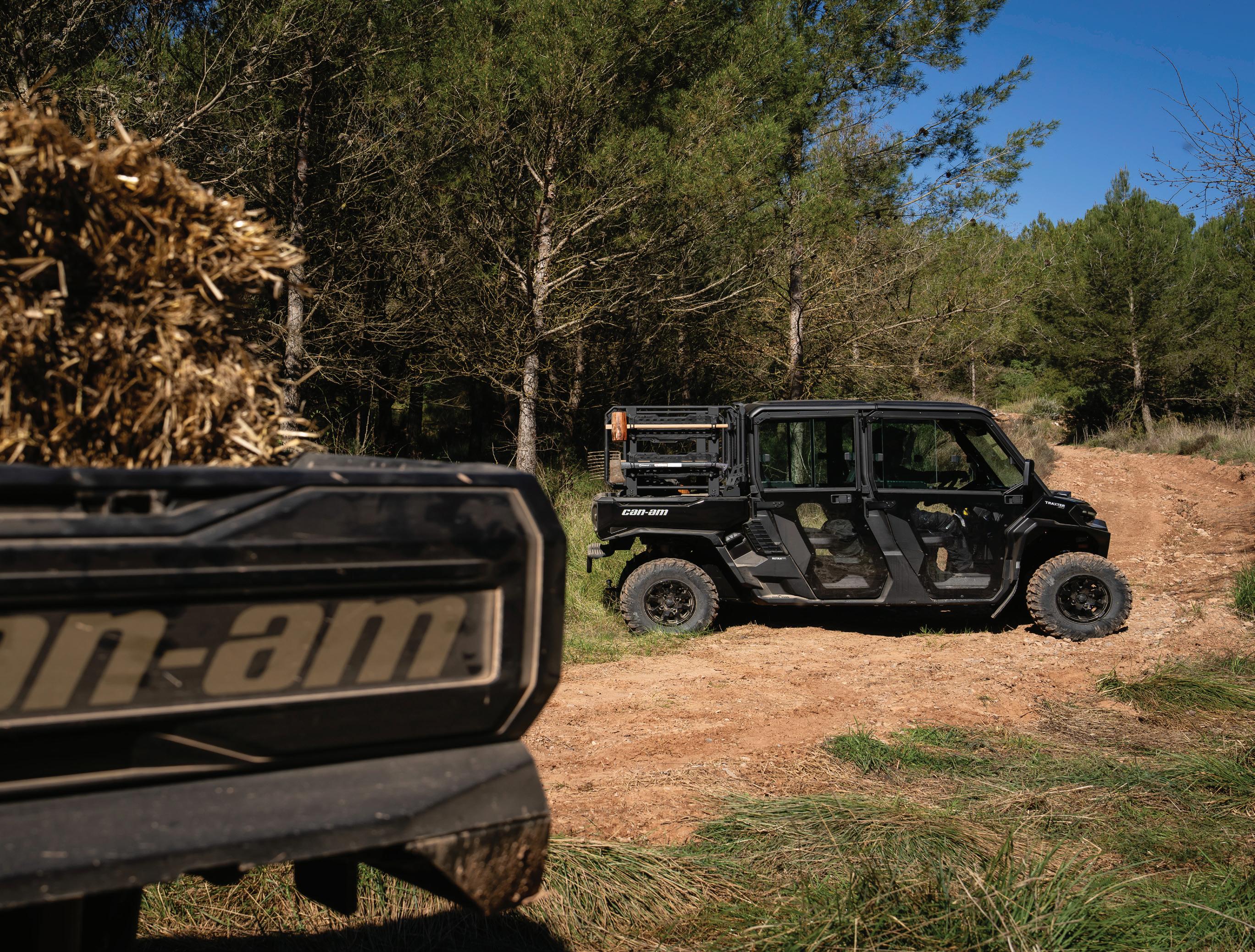
ELECTRIC).

Enhance your Can-Am Traxter experience by choosing from a wide array of accessories. Find yourself in a sticky situation? A winch can pull you out. The Traxter offers instant adaptability for any task, thanks to a range of purpose-built accessories that simplify hard work.

Power and Comfort Combined: The HD Engine Series
The Traxter series features the impressive HD engine series—the HD7, HD9, and HD10. These engines boast industry-leading torque, providing you with the power you need to tackle any terrain. Say goodbye to the hassle of frequent maintenance, valve adjustments, and excessive noise as the HD engines deliver a quieter and smoother ride.
Effortless Cargo Handling: Hydraulic Power Tilt Bed Make Work Convenient and Efficient
Unload your cargo with ease, thanks to the hydraulic power tilt bed—a hallmark feature of the Traxter series. The versatile cargo box offers ample space, easy flat-bed conversion, and the ability to handle up to 1,200 lbs or 544 kg of cargo. It’s all about making your work more convenient and efficient.
Unmatched Towing Capability: Up to 3,000 lbs
When it comes to towing, the Traxter reigns supreme with its industry-leading towing capacity of up to 3,000 lbs or 1,360 kg. Whether it’s the 2,500 lbs towing capacity of the standard Traxter or the
exceptional 3,000 lbs towing capacity of the Traxter 6×6, rest assured that the Traxter can handle the heaviest of loads with ease.
Precision Handling: Pro-Torq CVT Transmission and 4WD
Navigating challenging terrains is a cinch with the Pro-Torq CVT transmission and on-the-fly 4WD of the Traxter. The selectable Turf Mode, 2WD, and
4WD, combined with the Visco-Lok QE autolocking front differential, ensure that power is efficiently distributed for optimal traction on any surface. The HD9 and HD10 models offer enhanced cooling and electronic belt protection for increased durability.
Contact Crawfords todayto book in a test drive and get a bespoke quote. Experience the power, comfort, and versatility of the Can-Am Traxter a true work companion that exceeds expectations.
lliance, part of Yokohama's Alliance Tyre Group, has launched the 424 Agri Nova, a next-generation R1 crossply engineered for productivity and durability.
The Agri Nova is designed for light-to-mediumduty tractors and addresses the varied needs of modern farming, including superior traction, improved driving comfort, superior aesthetics and long service life.
The newcomer, which replaces the brand's 324 pattern crossply tyres, has launched with a comprehensive portfolio of 60 sizes in 111 individual SKUs, with more in pipeline. This makes it one of Alliance’s most extensive R1 tyre rollouts to date.
The range spans rim diameters from 12 to 42 inches and covers multiple load and ply ratings, as well as tubeless (TL) and tube-type (TT) configurations.
This wide SKU strategy is designed to simplify product selection for dealers and customers alike, ensuring compatibility with both two and four-wheel-drive tractors across diverse applications.
Key Features of the 424 Agri Nova include:
• With a high-mass, unique three-angle lug and a higher lug count than the previous generation, the tyre offers superior traction in the field and exceptional driving comfort on the road.
• Angular tie bars, integrated multi-functional mud breakers on the lug face and smooth cavity contours provide efficient selfcleaning, stability and uptime.
• Square lug profile with wider tread width offer a wider footprint resulting in optimum contact pressure distribution, thereby reducing soil compaction.
• The Agri Nova features a unique three spoke sidewall design features the brand name, pattern, and size of the tyre.
• Backed by Alliance’s best-in-class sevenyear warranty, the Agri Nova reflects the brand’s commitment to durability, reliability and customer confidence.
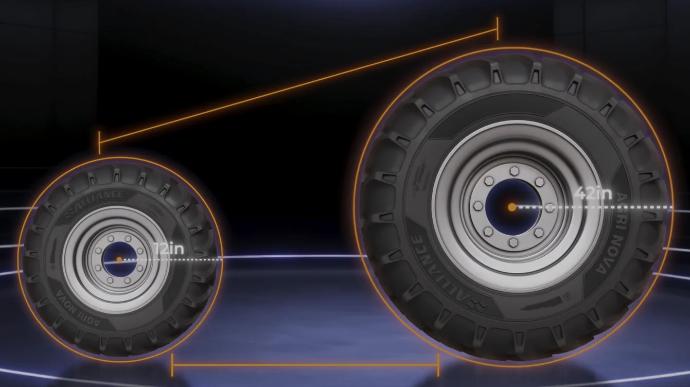
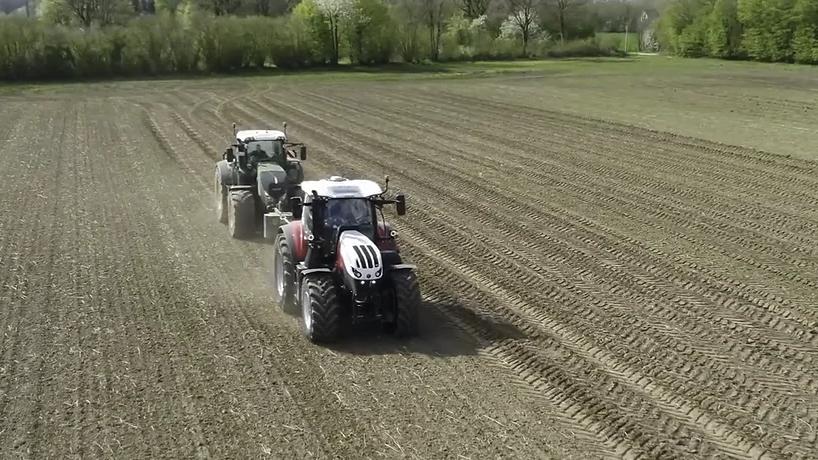
Maxam has announced that its AgriXtra XL VF and standard radial R-1W agricultural tyres have been awarded the prestigious “DLG Approved” quality seal by the German Agricultural Society’s (DLG) independent testing institute.

The cokmpany says the recognition underscores Maxam’s commitment to delivering high-value, high-performance solutions for the agricultural sector.
In recent comparative tests conducted by the DLG in Germany, the AgriXtra XL tyres delivered three critical advantages compared to leading competitors:
• Reduced soil compaction: Field tests demonstrated that the Maxam AgriXtra XL VF710/70R42 tyres left the smallest track depth of just 7.3cm at an inflation pressure of 0.6 bar (9 psi), indicating minimal soil disturbance and promoting better soil health.
• Greater fuel savings: Laboratory dynamometer tests revealed that both the AgriXtra XL Standard and VF tyres outperformed other brands in fuel efficiency, offering significant cost savings and environmental benefits.
• Improved traction: The tyres achieved higher tractive forces with reduced slip rates in field tests, enhancing operational efficiency and productivity.
“Our tyres delivered critical advantages during the comparative testing, earning them the DLG Seal of Approval,” Maxam's vice president of global agriculture, Greg Gilland, said. “This confirms that we offer a superior product that delivers exceptional value on all comparative measures at a more competitive price.”
The AgriXtra XL series is specifically designed for high-horsepower tractors and harvesters. The VF (Very High Flexion) tyres provide up to 40% higher load capacity or can operate at 40% lower air pressure without compromising speed or performance. This flexibility allows farmers to reduce soil compaction and improve fuel efficiency, directly contributing to increased productivity and sustainability.
“By reducing soil compaction, enhancing fuel savings and improving traction, our AgriXtra XL tyres help farmers achieve greater profitability while promoting sustainable farming practices,” Gilland added.
For field applications, the multinational company offers a tire specifically
Modern agriculture has made remarkable strides in productivity. Advances in plant breeding, precision farming, seeding technologies, and increasingly sophisticated machinery have enabled farmers to achieve higher yields while improving operational efficiency. Yet, as agricultural equipment continues to become larger and heavier, one critical challenge has emerged alongside this progress: protecting soil health.
For today's farmers, preserving the soil structure is no longer simply a matter of good agronomic practice—it is a decisive factor in maximizing productivity over time. Preventing rutting and soil compaction means safeguarding the soil's ability to absorb water, nutrients, and oxygen, creating the ideal conditions for healthy crop development. More importantly, damage that is prevented never needs to be repaired, while deep soil compaction often cannot be fully reversed.
Addressing this challenge requires solutions that are specifically designed to minimize pressure on the soil, and tires have become one of the most effective solutions for achieving this objective.This is the philosophy behind BKT, the leading multinational Off-Highway tire manufacturerthat addresses all operational requirements of farmers, who look for a tire that can offer the least possible impact on the soil.
RIDEMAX FL 615 in size VF 900/65 R 38 is BKT's next-generation tire specifically engineered for the heaviest agricultural transport applications, including slurry tankers and grain carts. This flotation tire features a radial construction reinforced with heavy-duty steel belts. One of its key advantages is its ability to ensure an
even load distribution across the tire footprint, minimizing soil stress, increasing puncture resistance and enhancing overall durability, thus leading to superior efficiency and productivity.
"Operating with larger footprints and lower inflation pressures allows heavy equipment to distribute loads more evenly, helping preserve soil structure even during the most demanding field operations," – points outWillem-Jan Straatman, Product Manager Agricultural Tires at BKT. "RIDEMAX FL 615 is the new VF tire designed by BKT to carry more than 10 tonnesper tire at just 1.0 bar in the field at speeds of up to 25 km/h. This exceptionally low operating pressure significantly reduces ground pressure, helping maintain optimal soil conditions and supporting healthy crop development after slurry application or during the critical post-harvest period".
The steel-belt construction also delivers the exceptional lateral stability required for high-center-of-gravity implements such as slurry tankers and grain carts, ensuring safe and reliable performance even at inflation pressures as low as 0.6 bar. However,RIDEMAX FL 615 extends its performance beyond the field. When it comes to road transport, it can actually carry up to 14 t at speeds of 65 km/h or up to 18 t at 40 km/h, combining field protection with outstanding transport efficiency.
In a nutshell, this BKT tire delivers an effective balance between field and road operations, particularly in terms of optimizing running costs and reducing fuel consumption. This is the ultimate solution for helping farmers maximize productivity while preserving one of agriculture's most valuable assets: healthy soil.
specifically designed to address the main challenges of the season
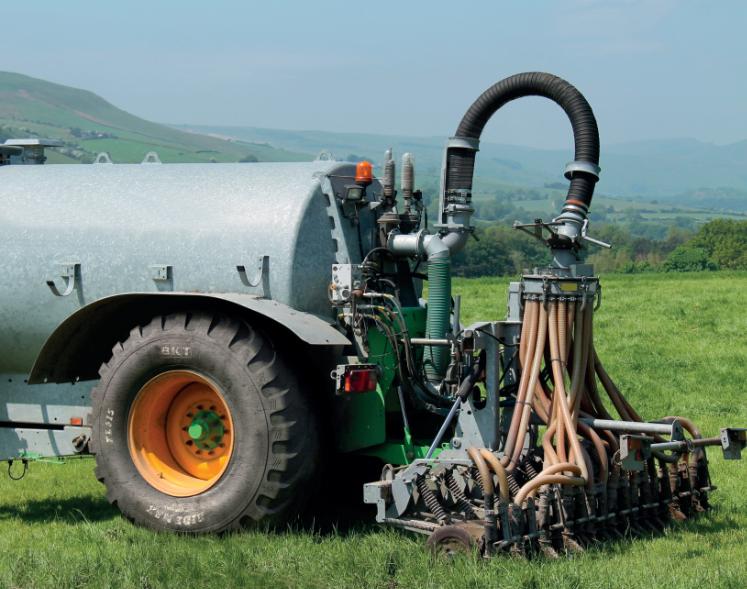

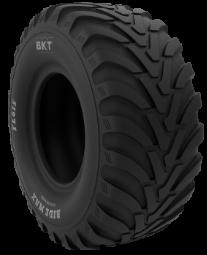

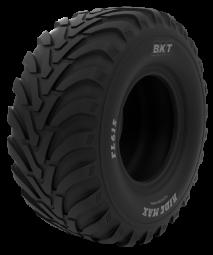


suzu UK announces a commercial variant of its new D-Max 2.2 pick-up range. Available in all Double Cab versions including DL20, DL40 and VCross specifications, the conversion qualifies as a fully commercial vehicle for Benefit-in-Kind and Capital Allowance purposes.
The Isuzu D-Max Commercial maintains its fourdoor layout, with the commercial conversion to the interior only. The rear seats and seat belts have been removed and a solid bulkhead with mesh viewing screen fitted behind the front seats. A flat phenolic floor is installed, and a rear cab protection panel fitted with mesh vision panel into the flatbed load area. The rear door windows are darkened and the pick-up’s designation identified by a ‘Commercial’ badge on the rear.
Like all Isuzu D-Max 2.2 pick-ups, the new commercial variant can be fitted with optional bedliner to the rear loadspace as well as towbar or canopy, either at point of ordering a new vehicle or as Isuzu aftermarket accessories.
Alan Able, Managing Director of Isuzu UK said: “The new Isuzu D-Max 2.2 Commercial further

extends the D-Max pick-up range with both practical and financial benefits. The commercial variant joins the Single, Double and Extended Cab options launched earlier this year, and expands the pick-up’s appeal across broad commercial, utility and agricultural environments.”
The new Isuzu D-Max 2.2 Commercial features a payload capacity of over one tonne and a towing capacity of 3,500 kg. Outputting 163 PS and 400 Nm of torque from its new 2.2 litre bi-turbo diesel engine, a shift-on-the-fly four-wheel drive system allows switching between high gear two- and fourwheel drive at speeds of up to 62 mph. A low-gear four-wheel drive mode, coupled with rear differential lock and Rough Terrain Mode are standard across the range.
The new Isuzu D-Max 2.2 Commercial starts from £34,745.00 CVOTR. A full range of finance options specifically for the commercial vehicle is offered through the Isuzu dealer network.
The New Isuzu D-Max 2.2 comes with a five-year, 125,000-mile warranty, UK and EU roadside assistance. The new Isuzu D-Max 2.2 Commercial is now available to order from Isuzu UK dealers.

ia UK is proud to announce the EV2 Long Range as its latest model eligible for the maximum Band 1 Government Electric Car Grant (ECG), reducing the vehicle's on-theroad price by £3,750 with the entry level version now priced from just £24,245.
This new grant applies to EV2 variants equipped with the 61.0kWh Long Range battery, which includes the ‘Air’, ‘GT-Line’ and ‘GT-Line S’ grades. These variants offer high levels of standard specification alongside an all-electric driving range of up to 275 miles on a single charge.
EV2 ‘First Edition’ continues to receive the Electric Car Grant
Alongside the EV2 Long Range variants, the EV2 ‘First Edition’ continues to qualify for the Government Electric Car Grant, receiving a £1,500 reduction in its on-the-road price.
Introduced as a highly specified launch edition of Kia's newest compact electric SUV, the EV2 ‘First Edition’ remains available from £26,995 on-theroad with the grant applies,
Which Kia models qualify for the Electric Car Grant?
With this latest news, Kia continues to offer a broad range of electric vehicles eligible for the Government Electric Car Grant, helping more retail and fleet customers make the switch to electric mobility. Kia is currently one of only seven brands to offer fully electric cars with the maximum ECG, highlighting the brand’s strong environmental
manufacturing credentials necessary to qualify for the grant.
The Kia EV2, EV3, EV4 and PV5 Passenger are all available with the ECG discount, with selected grades qualifying for either the maximum Band 1 £3,750 or Band 2 £1,500 grant.
Each of these models is available to order now at Kia dealerships across the UK, and PBV Centres for the PV5 Passenger.
The UK Government's Electric Car Grant is exclusively available to electric cars adhering to strict minimum criteria covering emissions, range, sustainability and warranty support.
The ECG criteria requires a manufacturer to have SBTi (Science Based Targets initiative) verification, which sets greenhouse gas (GHG) emissions reduction targets in line with what is needed to keep global heating below damaging levels and reach net-zero by 2050 at the latest.
Kia will have introduced 15 EV models and 10 HEV models by 2030, while Kia is also committed to manufacturing sites being powered by 100% renewable energy by 2040. The company is pursuing multiple global initiatives to achieve carbon neutrality across the entire product lifecycle by 2045, including achieving RE100, conducting Life Cycle Assessments (LCA) for all vehicle models, and strengthening its electrification strategy.


MODA&JAECOO UK has recorded another strong month for car sales, registering a total of 9,754 vehicles in June 2026*, according to the latest results from the Society of Motor Manufacturers and Traders (SMMT) today. The dual-brand house also achieved a 4.58%* market share during a strong month for the UK new car market, as registrations rose by more than 11% year-on-year.
These figures underline the momentum behind the rapidly growing dual-brand house, with demand continuing to accelerate less than two years after
OMODA launched in the UK and just eighteen months after JAECOO entered the British market.
The hugely popular JAECOO 7 once again led the way for the dual-brand house, recording 3,145 registrations in June alone, coming in at seventh place in the top ten and retaining its position as the company’s best-selling model. Meanwhile, the smaller OMODA 5 – available in ICE, SHS-H (pure hybrid) and EV – saw registrations of over 2,000.
These latest results reflect the success of OMODA&JAECOO’s strategy of bringing designled, technology-rich vehicles to the UK market at exceptional value. With an expanding product range spanning multiple powertrains, vehicle segments and specification levels, alongside a rapidly growing retailer network, the dual-brand house continues to strengthen its position in the UK automotive landscape as more customers choose OMODA and JAECOO.



Commenting on the results, Victor Zhang, Managing Director of OMODA&JAECOO UK, said: “Achieving another strong month of sales here in the UK proves that the appetite for these cars is continuing to grow. Almost 10,000 registrations in June reflects the increasing awareness of our brands and the confidence that customers have in our products, our retailer partners and our long-term commitment to the UK market.
“The continued success of our models, especially the JAECOO 7, and now alongside the more compact OMODA 5, demonstrates the strength and breadth of our product offering. With three models in the top ten bestselling cars for June, and as we continue to grow, our focus remains firmly on delivering exceptional customer experiences, expanding our network and bringing even more innovative products to the market.”
The OMODA&JAECOO UK retailer network currently stands at 144 dealerships across Great Britain, providing customers with comprehensive nationwide coverage.
Total OMODA UK registrations in 2026 now stand at 18,761*, while JAECOO UK has recorded 34,067* – with combined registrations for the two brands having now reached 52,828* in 2026.
* SMMT, smmt.co.uk/vehicle-data/carregistrations

NEOS Automotive, SMT Defence and NMS UK have joined forces to form Team Grenadier,a UK-anchored industrialcollaboration dedicated to delivering a range of vehicles ideal for deployment by the UK Ministry of Defence (MoD), based on the INEOS Grenadier platform.
The partnership delivers on the core requirements of the MoD’s Light Mobility Vehicle (LMV) programme, by combining a world-leading 4X4 vehicle platform with deep-rooted special operations and systems integration expertise. Team Grenadier is backed by proven UK-based industrial capability that can deliver operational effectiveness, supply-chain resilience and assured service-life support.
The INEOS Grenadier is the lynchpin of the project a purpose-engineered and highly durable vehicle, designed for exceptional reliability and off-road performance. Its ladder-frame chassis, permanent four-wheel drive, beam axles and high payload capacity, provide a robust baseline for military adaptation across multiple roles and operating environments.
SMT Defence brings specialist expertise in the design, integration and delivery of bespoke and mission-critical vehicles for elite and specialist military users. Its experience in modular architecture, high-payload configurations and survivability-driven design enables rapid adaptation of the platform to meet and exceed MoD operational requirements.
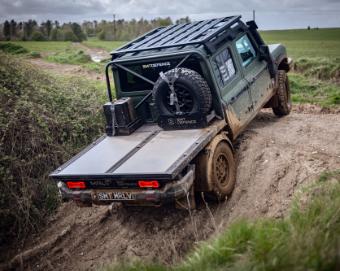
NMS UK underpins the collaboration with established UK-based military vehicle production, integration and in-life support. Its global reputation in Armoured and Protected platform development, quality and fleet assurance ensures the programme can be delivered at scale, on time and with longterm resilience — directly supporting UK defence objectives and domestic industry.
Mike Whittington - Chief Commercial Officer, INEOS Automotive, said: “A defining advantage of the industrial collaboration is its British ownership, onshore assembly and local supply chain. It brings strategic benefits in operational independence and resilience with security and regulatory alignment –delivering on the MoD’s core objectives. Grenadier’s unrivalled capability and inherent strength provide an obvious starting point for mission-critical transport.”
The Grenadier Multi-Role Light Vehicle (MRLV) is one of nine modular LMV applications, each underpinned by the Grenadier’s strong ladder frame and heavy-duty axles. Already proven in demanding operational environments by fire, policeand rescue services around the world, the platform offers exceptional cross-country mobility, outstanding durability and straightforward maintenance, making it ideally suited to long-term military service.
To find out more about the INEOS Grenadier, please visit www.ineosgrenadier.com


egistration data for June shows that 75% of Chery UK customers selected the Chery Super Hybrid (CSH) powertrain, accounting for 2,861 of the brand’s total registrations for the month.

Plug-in hybrids were one of the fastest-growing fuel types in the UK during June, with registrations up 24.9% year-on-year to 26,702 units - a 12.5% share of the market, and part of a sustained shift over the first half of the year, with UK PHEV registrations up 38.4% to 148,132 units since January.
It's a trend CHERY UK is well placed to capture, with Chery Super Hybrid (CSH) technology – which combines all-electric driving for shorter journeys with the reassurance of a highly efficient petrol engine for longer trips – available on the TIGGO 7, TIGGO 8 and TIGGO 9. Chery’s latest model, the TIGGO 4 CSH, is also available with bespoke fullhybrid technology as standard, completing the Chery Super Hybrid range.
Chery’s most popular model, the TIGGO 8, was also the UK’s best-selling 7-seater in June, outperforming competitor models from longestablished brands.
These successes come as the UK new car market grew 11.4% year-on-year to 213,166 units in June,

according to SMMT data, with CHERY UK's result securing a 1.8% share of the new car market and taking its year-to-date total to 17,979 units.
CHERY UK Managing Director Farrell Hsu joined senior figures from across the automotive industry, government and finance as a keynote speaker at the SMMT International Automotive Summit, held in London on 30 June. The Summit brought together policymakers, vehicle manufacturers and supply chain leaders to discuss the UK's Industrial Strategy, the international competitive landscape, and the innovation shaping the sector's future.
Farrell Hsu, Managing Director at CHERY UK, said: “The continued popularity of our family of TIGGO models shows us we're building something that truly resonates with customers. We’ve entered the UK market with ambitious targets and a clearly thought out offering geared towards the needs and wants of UK buyers. We’re still only at the beginning of our journey, and we have many more exciting plans to roll out as the UK evolves into a key market that supports the impressive growth of the Chery Group globally.”
Chery’s
CHERY UK's strong June performance mirrors the momentum across all markets for the Chery Group, which recorded worldwide sales of 256,612 units in June - including 113,583 new energy vehicles - as Chery's global cumulative owner base passed 19.88 million.
In the first half of this year, the Group’s total vehicle exports reached 943,817 units, representing a year-on-year increase of 71.5%, setting a record for Chinese automakers by exceeding overseas deliveries in a single six-month period.

This incredible success will be further enhanced when Chery’s newly-inaugurated Rosslyn plant in South Africa begins full production in mid-2027. Capable of producing 50,000 vehicles per shift, the factory will create nearly 3,000 new jobs and has the ambitious goal of a 40% localisation rate by 2028, helping to drive investment in the supply chain.
suzu UK has announced its collaboration with Genie Insights, with its advanced solar technology offered as a bespoke factory-integrated option on the new Isuzu D-Max EV.
Designed to give fleet customers confidence in battery performance and range protection on EVs, the collaboration marks a significant step forward for integrated solar in the commercial vehicle sector, with systems installed before vehicles reach customers rather than being retrofitted later.
The new Isuzu D-Max EV is the first fully electric pick-up in the UK to offer more than a one-tonne payload alongside zeroemissions capability. Fleet operators now have the option to specify Genie Insights’ solar technology as part of the vehicle build.
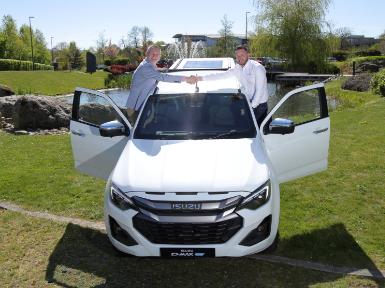
The system is designed to support overall battery health and maintain the performance of onboard electrical systems. For fleets operating in demanding environments or relying heavily on auxiliary power, this provides additional peace of mind, helping to protect the 12v battery condition, while also preserving range over time.
The relationship between Genie Insights and Isuzu UK’s importer, IM Group, has developed through real-world fleet use. Early collaboration began via shared customer Network Rail, where diesel Isuzu D-Max vehicles were already in operation. Genie Insights has also deployed its solar technology across Network Rail’s wider fleet, fitting around 450 commercial vehicles (primarily vans) over the past two years.
Following a period of trials and evaluation with IM Group, the collaboration has evolved in response to clear customer demand for integrated solar capability and IM Group joins Genie Insights’ growing portfolio of partners. Today, Genie Insights supports a growing number of major UK fleets, having sold almost 15,000 solar PV systems for commercial vehicles across organisations such as British Gas and BT/Openreach.
The solar system itself has been designed specifically for commercial vehicle applications. It is a bespoke 75-watt, high-voltage solution fitted to the load bed roof. Measuring 947mm in length and 687mm in width, it weighs just 2.5kg and is just 3mm thick, designed with efficiency in mind, which is particularly important in EVs where weight can impact range.
Optimised for UK conditions, the CIGS technology generates energy from daylight rather than from direct sunlight. This means it’s able to operate effectively throughout the winter and in low-light conditions, proven through extensive real-world operation across six winters. It’s also designed to perform in partially shaded areas, with diodes on every other cell and is a true ‘fit-and-forget’ solution, requiring no change in driver behaviour.
Manufactured in the UK and fully compliant with ECE R10 Type Approval standards, the solution has been developed to ensure reliability and compliance.
Alan Able, managing director of Isuzu UK, said: “We’ve been on a great journey with Genie Insights, and the relationship we’ve built in a short space of time reflects the quality of the product and the collaboration behind it. Offering this solution on the Isuzu D-Max EV allows us to give customers an integrated, high-quality option that’s already been proven in fleet use, while maintaining the durability and capability expected from Isuzu.”
Matt Reeve, managing director at Genie Insights, said: “We’re delighted to be adding another OEM to our portfolio, and to be working with a prestigious brand like Isuzu UK. By working closely with Isuzu UK, we can offer a seamless route to having our solar technology fitted before vehicles enter operation, making it easy for fleets to benefit from a fully integrated solution from day one. This is a proven, fit-and-forget system that supports 12v battery health and gives operators added confidence in the reliability of their vehicles, particularly in demanding environments.”


he BMW iX3 has been awarded the highest rating of five stars in the latest safety test conducted by independent assessment organisation Euro NCAP.
The BMW iX3 was one of the first vehicles to be assessed according to the thoroughly revised test protocols introduced in 2026. The new testing procedure has a greater focus on real-world scenarios on the road and imposes significantly greater requirements for vehicle safety.
In the latest Euro NCAP test, the first Neue Klasse model impressed in each of the four new crash safety stages, "Safe Driving", "Crash Avoidance", "Crash Protection" and "Post Crash Safety". Indeed, it exceeded the scores required for a fivestar rating by a significant margin.
The highest rating of five stars achieved by BMW is rooted in the brand's all-encompassing approach to safety. The safety concept of the BMW iX3 takes into account the protection of those on board in a collision, as well as crash avoidance systems and functions that help to extricate occupants after a crash. This aligns with the new and more stringent Euro NCAP assessment system.
Previously, ratings were given for protection of the
vehicle's occupants, both children and adults, vulnerable road users, and the vehicle's safety assistance systems. The new procedure now covers the entire sequence of events and places a clear emphasis on everyday road scenarios.
The standard driver assistance systems fitted to the BMW iX3 played a key role in its strong performance.
In the "Safe Driving" category, Euro NCAP praised the vehicle's ability to help drivers remain aware of surrounding traffic. The Speed Limit Info display also performed strongly, correctly identifying speed limits on 97 per cent of a cross-border test route covering approximately 2,000 kilometres through Italy, France, Germany and Austria.
The combination of physical controls for essential driving functions, the Central Display for infotainment and comfort features, and the BMW Intelligent Personal Assistant voice control system also received positive assessments.
Systems that detect if a child has been left behind in the vehicle were similarly praised.


Overall, the BMW iX3 achieved a score of 73 per cent for "Safe Driving", which was 13 percentage points above the threshold required for a five-star rating.
The BMW iX3 scored 83 per cent in the "Crash Avoidance" category.
Euro NCAP highlighted its comprehensive range of active safety technologies, including Front Collision Warning with brake intervention. The vehicle's exit warning system was also praised for alerting occupants to approaching cyclists before doors are opened, reducing the risk of collisions.
The BMW iX3 achieved 86 per cent in the "Crash Protection" category.
Euro NCAP awarded maximum points for the protection provided to child test dummies in the rear seats during an asymmetric frontal collision. Additional testing and validated simulation models also confirmed a high level of protection for occupants of different sizes across multiple impact scenarios.
The vehicle also achieved top marks in side impact testing. Its standard central airbag helped prevent the driver and front passenger from colliding with one another during a side impact.
In the "Post Crash Safety" category, the BMW iX3 achieved an outstanding score of 95 per cent.
This assessment considers features that improve occupant safety after a collision and assist emergency responders. These include emergency call systems, high-voltage battery
safety functions, and vehicle access for rescue services.
Euro NCAP also confirmed the effectiveness of the BMW iX3's flush-fitting electrically operated exterior door handles. The handles remained fully functional after all crash tests, allowing occupants to exit and emergency services to gain access, even if the vehicle's electrical systems failed.
This capability is made possible through a mechanically redundant door opening system, which received a positive assessment from Euro NCAP.
The vehicle's emergency call system also exceeded legal requirements by transmitting two GPS coordinates, enabling emergency responders to identify the correct side of a motorway and reach the scene more quickly.
The revised Euro NCAP protocols represent the most comprehensive overhaul of the assessment system since the combined rating system was introduced in 2009.
Driver assistance systems, real-world traffic scenarios and post-crash safety now play a much larger role in a vehicle's overall rating alongside traditional crash testing. The aim is to provide a more complete assessment of modern vehicle safety technologies and their effectiveness in everyday driving situations.
Euro NCAP, headquartered in Leuven, Belgium, is an independent consortium of European transport ministries, automobile associations, insurance organisations and research institutes. Since 1997 it has assessed the safety of new vehicle models using standardised testing procedures. Its protocols have been updated every three years since 2020 to reflect advances in vehicle technology and changing road safety challenges.




he all-new Mitsubishi L200 Series 7 pickup arrives in the UK, with an entirely new design on a reengineered chassis and new diesel engine powertrain. A rugged and capable workhorse for every environment, the all-new L200 is offered in a double cab layout and two specifications: the Titan and top specification Barbarian, plus commercial variants to follow. Both deliver a payload capacity of over one tonne and a braked towing capacity of 3,500 kg, with supreme pickup capabilities on and off road and refined levels of comfort and infotainment.
The all-new L200 is built on Mitsubishi’s years of off-road know-how and engineering born from decades of rally success, including record ParisDakar wins. Created for the most challenging of industrial and rural environments it also delivers the space, comfort and refinement of a modern SUV.
No matter what the L200 faces, its rear-wheel drive with optional four-wheel drive includes selectable dynamic modes to take on the challenge of every road, track and surface with supreme competency. The Barbarian specification also features Mitsubishi’s Super Select 4WD-II system, uniquely allowing full-time four-wheel drive to be selected on tarmac surfaces as well as off road: drivers can choose to maximise fuel efficiency in two-wheel
drive or benefit from the additional stability of fourwheel drive, perfect for towing.
“The launch of the all-new Mitsubishi L200 Series 7 in the UK marks an eagerly anticipated product arrival,” said Toby Marshall, Managing Director for Mitsubishi Motors in the UK. “The L200 has a strong heritage and appeal in a broad range of commercial, agricultural and leisure environments, and the all-new model is set to build on former series’ success. Both Titan and Barbarian double cab specifications deliver a robust new diesel powertrain, rugged good looks, spacious comfort but most importantly the accomplished prowess of the iconic Mitsubishi pickup. With the arrival of the L200 we look forward to affirming the strength and continuing appeal of the Mitsubishi marque in the UK.”
The all-new Mitsubishi L200 Series 7 pickup sports a new 2.4 litre four-cylinder twin-stage bi-turbo diesel engine to maximize efficiency and power: the small turbo operates at low rpm to eliminate lag while the larger turbo takes over at high rpm for a high torque, smooth power curve.
The all-new L200 outputs 204 PS and 470 Nm of torque at 1,500 to 2,750 rpm. Acceleration from 062 mph is achieved in 12.6 seconds with a maximum speed of 111 mph where legally

permitted. Whatever the terrain, its selectable fourwheel drive system and seven drive modes mean the L200 takes on the challenge of every road, track and surface with supreme ability.
Both Titan and Barbarian come with six-speed automatic transmission. The Titan specification benefits from Mitsubishi Easy Select. A dial on the centre console allows easy switching between twoand four-wheel drive. For normal road driving the L200 Titan runs in ‘2H’ two-wheel drive mode, with ‘4H’ four-wheel drive high gear selectable through the shift-on-the-fly system for off-road environments. For more extreme off-road situations, once the L200 Titan is at a standstill the ‘4L’ four-wheel drive low gear and additional rear differential lock can be selected for off-road or low friction conditions such as mud and snow.
The L200 Barbarian features Mitsubishi’s Super Select 4WD-II four-wheel drive with a torquesensing locking centre differential. This uniquely allows the L200 to run in full-time four-wheel drive on any surface including tarmac: ideal for towing.
Selecting ‘2H’ sends power to the two rear wheels for normal road driving conditions with optimum handling and fuel efficiency. The driver can switch to ‘4H’ via a shift-on-the-fly system at up to 62 mph, for full-time four-wheel drive on road, ideal for wet or slippery surfaces as well as light off-road surfaces and towing. Selecting ‘4HLc’ activates high-gear four-wheel drive and locks the centre differential, equalising torque across both axles while ‘4LLc’ does the same in low gear for more extreme off-road situations.
The L200 Barbarian also features seven off-road drive modes: NORMAL, ECO, GRAVEL, SNOW, MUD, SAND and ROCK, working with the four-
wheel drive system and precisely adjusting traction control and throttle response according to the surface.
The Barbarian’s Super Select 4WD-II incorporates Active Yaw Control (AYC). This enhances cornering stability by shifting torque across the rear axle and braking the inside wheel, also supporting precise handling on loose surfaces. Hill Descent Control (HDC) on the Barbarian automatically governs speed and braking on steep inclines.
The L200 manages uneven ground with a ground clearance of 222 mm, with approach and departure angles of 30.4 degrees and 22.8 degrees respectively.
The all-new Mitsubishi L200 Series 7 is designed and engineered to accept every challenge.
Wider, higher and longer than its predecessor, the all-new L200 pickup is built on a new stiffer, lighter high-tensile ladder steel chassis, with torsional rigidity improved by 40%. A redesigned suspension system provides improved load-carrying and dynamic performance, refined handling and a comfortable ride. A high-mounted double wishbone suspension with coil spring and stabiliser bar is fitted at the front, with a heavy-duty leaf spring at the rear: the all-new L200 has a front and rear axle weight of 1,580 kg and 2,040 kg respectively.
The Titan specification features 17” silver alloy wheels, with 18” black alloys on the Barbarian: both are fitted with 32 mm ventilated disc brakes at the front and 11.6” LT drum brakes at the rear, amply managing braking loads in all conditions including towing. With a gross vehicle weight of 3,200 kg the
L200 has a braked towing capacity of 3,500 kg and an unbraked capacity of 750 kg. With a gross train weight of 6,250 kg, the all-new L200 assures excellent towing, supported by Trailer Stability Assist (TSA) that prevents trailer sway by controlling individual wheel slip.
Both Titan and Barbarian will also be made available as a commercial variant, with a solid bulkhead grid fitted behind the front seats and tinted rear-door glass. Rear seats and seatbelts are removed, and a phenolic floor is fitted with D-rings.
The interior of the loadbed is 1,555 mm long by 1,545 mm wide, with a depth of 526 mm. It easily accepts a standard 1200 x 800 mm Euro pallet and provides ample space for bulky tools or materials, completed with fixings for secure tie-down of loads. With a total kerb weight of 2,108 kg (Titan) and 2,175 kg (Barbarian), the two L200 specifications have a maximum payload of 1,092 kg and 1,025 kg respectively, and an 80 kg roof loading capacity.
A wide sidestep enhances the rugged good looks of the all-new L200 and optimises safety, as does the rear bumper foothold for aiding loading. The L200 Barbarian also includes Tailgate Assist for easy and soft opening and closing, with roof rails and styling bars behind the cabin in the loadspace.
The all-new Mitsubishi L200 Series 7 pickup’s Titan and Barbarian specifications both combine new, refined but practical interiors with connectivity and infotainment as standard, adopting the feel of an SUV rather than a commercial vehicle. The double cab pickup features a spacious cabin seating up to five adults: broad but sporty front seats provide a deep-seated, supportive position with lumbar support, and are heated on the Barbarian with electrically operated driver’s seat. The Titan is finished in a high-quality black cloth with hard-wearing vinyl flooring, and the Barbarian interior including steering wheel features black leather, with black carpet flooring.
additionally supports keyless operation with a ‘one touch’ start button. The L200 Barbarian includes wireless ‘phone charging, LED headlights, heated wing mirrors, a chromic rearview mirror and an illuminated trim around opened front doors.
The all-new L200 comes with comprehensive passive and active driver and safety aids as standard. Adaptive Cruise Control makes motorway journeys easier, supported by Advanced Driver Assistance Systems (ADAS) such as Lane Departure Prevention, Lane Change Alert and Driver Attention Alert.
Warnings such as Forward Collision Mitigation sense pedestrians and cyclists, and Blind Spot Warning, Front Cross Traffic Alert and Traffic Sign Recognition support on-road driving. Rear
Automatic Braking, a Brake Override System and Multi Collision Brake aids minimise risk scenarios.

The Titan and Barbarian specifications come in a range of colours. The Titan is offered in solid white, Graphite Grey and Blade Silver with a quality black cloth interior.
A 9” touchscreen is mounted on the sculpted dashboard and displays images from the 360degree external camera. A digital binnacle provides essential driver information such as drive mode selections. Bluetooth connects ‘phones, and wireless Apple CarPlay® and Android Auto™ are fully supported with voice control, outputting audio to four speakers (six in Barbarian). Two USB ports are located both front and rear.
With front air-conditioning on the L200 Titan, the Barbarian specification features dual zone climate control and enhanced sound insulation in the cabin. Like the Titan it includes keyless entry, and
The Barbarian comes in White Diamond, Graphite Grey, Black Mica and Yamabuki Orange. Interiors are finished in a black synthetic leather, with contrasting orange stitching.
The Mitsubishi Titan is priced from £36,295. CVOTR and the Titan commercial from £37,495. CVOTR. The Barbarian starts from £39,995. CVOTR and the commercial from 41,195 CVOTR.
The all-new Mitsubishi L200 Series 7 is on sale now through a new sales partner network, appointed from both existing aftersales dealers and retailers new to the brand.


YD, the world’s leading manufacturer of new-energy vehicles, presents the SHARK, its first pickup and a model that brings the benefits of plug-in Super Hybrid DMO technology to a fastexpanding market across Europe. BYD's proven Super Hybrid powertrain brings performance far in advance of what can be achieved by traditional diesel pickups, along with class-leading efficiency and the ability to travel up to 55 miles on electric power alone.
The SHARK is designed for customers seeking a more efficient type of pickup that can complete many journeys on electricity alone, while retaining the ability to keep up with the demands of work and active lifestyles, including longer-distance travel. With seating for five in its double-cab layout, the SHARK offers a comfortable cabin, complete with typically useful BYD technologies. And it brings Vehicle-to-Load, allowing a range of devices to be powered – for work and play – from any of two onboard power sockets.
Stella Li, Executive Vice President of BYD, said: "We're thrilled to bring Super Hybrid to the pickup segment with the SHARK. This type of vehicle really benefits from our DMO Super Hybrid technology, offering pure-electric capability, the most power in the class, excellent off-road capability, outstanding efficiency and long-distance flexibility. And our innovative approach to technology delivers stand-out features, including
V2L that can really help at work and play. The market for plug-in hybrid pickups is expanding rapidly, and we're confident that the SHARK will be really appreciated by customers across Europe who want this type of vehicle but aren't willing to compromise on efficiency or comfort."
The design of the SHARK exudes strength and confidence. As its name suggests, it takes inspiration from the shark, the ocean's most powerful resident and an animal famed for its agility and power. The connection is most evident in the front-end styling, where the headlights high up at the bonnet edge are pulled as far apart as possible, to either edge of a single full-width line, to replicate the shark's eyes, and the large grille and lower bumper section take visual cues from the open mouth as the animal moves in to attack prey.
The side profile features further oceanic cues, as the overall curvature of the roof profile and the muscular suspended cabin echo the rakish arc and power of a shark's upper body. This is mixed with functional elements, including steps and plastic cladding on the lower bodywork and wheelarches that helps to protect the paintwork, while also reducing the visual depth of the door to give a greater sense of agility. The SHARK sits on 18-inch wheels and chunky tyres, filling the arches and enhancing the dynamic look.
At the rear, there's a full-width lightbar that runs across the tailgate, and tail-lights that sit at the extreme edges of the vehicle and bracket inwards, exuding protection and strength. The biggest BYD logo in any passenger vehicle is integrated into the tailgate panel, replicating the treatment from the front grille.
The overall wheelbase is 3260mm, and the relatively short overhangs help to deliver approach and departure angles of 31° and 19.3° respectively.
The interior treatment builds on the image of strength, with prominent grab handles in the middle of the front cabin that give occupants extra reassurance when the SHARK is driving across rougher terrain. The environment is set up for comfort, with heated and ventilated front sports seats and softer materials in all key areas, and focuses on ease of use, with a column gear shifter and big buttons that are easy to access, even when wearing gloves.
The fascia breaks pickup convention with BYD's typical two-screen layout – a 10.25-inch digital instrument panel (another rarity in the pickup segment) and the class's largest infotainment screen, a crisp 15.6-inch panel that sits proud of the dashboard.
And rear-seat passengers don't have to feel like they're in second-class seats, as they do in conventional pickups; the SHARK's fully flat floor means better space for three sets of feet, while there's almost 90cm of legroom to match excellent headroom and elbow room. Factor in a car-like rear seat-back angle of 27° and you have an environment that's more in line with what you can expect in a full-sized family SUV than in a normal pickup.
SUPER HYBRID DMO MIXES GO-ANYWHERE PERFORMANCE WITH EFFICIENCY
Super Hybrid has already been a huge success with European customers in BYD's DM-i models –cars like the SEAL U DM-i, the SEAL 6 DM-i Touring and the SEALION 5 DM-i. Now the same principles of performance and efficiency are being applied to a vehicle with the ability to traverse rougher terrains, in Super Hybrid DMO (Dual Mode Off-road).
Super Hybrid DMO features two electric motors –one on the front axle with 231PS and 310Nm of torque, and another at the rear producing 204PS/ 340Nm. The combined maximum system output is 436PS and 650Nm of torque, enough for a sports car-rivalling 0-100km/h acceleration time of just 5.7 seconds.
The SHARK can blend this potent performance with real-world efficiency because its DMO powertrain is designed, like DM-i, to offer an EVfirst driving experience. So the 1.5-litre turbocharged four-cylinder petrol engine (mounted longitudinally) spends most of its time running as a generator of electricity for either the motors directly, or the Blade Battery that sits at the heart of the powertrain. On its own, it produces 150PS and 240Nm of torque.
The SHARK features a ladder-frame chassis, delivering better durability and wheel articulation –and its construction has been specifically designed to house the key components of the DMO powertrain. The Blade Battery is integrated into the platform using CTC (Cell-to-Chassis) technology, ensuring that it is properly protected in rougher conditions. CTC also significantly enhances the overall vehicle safety, since more than 50% of the


construction is in high-strength steel, and the combined strength of the SHARK's structure is 34,048Nm/deg.
At 32.2kWh, the SHARK's Blade Battery has comfortably the largest capacity in the pickup segment – almost treble that of the only other plugin hybrid on the European market. It ensures both outstanding pure-electric range of 55.9 miles –another new class benchmark – and excellent realworld efficiency and range. On a full charge and a full tank, the SHARK can travel 419 miles and its WLTP Weighted Fuel Consumption is just 80.7mpg. Even with the battery at its lowest level, it still returns 29.4mpg.
Recharging the battery fully from 15% SOC takes just over three hours when hooked up to a three-phase 11kW AC charger – and for faster refills, standard 55kW DC charging can take the battery from 30% to 80% in just 21 minutes.
The 'Dual Mode' of DMO refers to both EV and HEV (Hybrid) scenarios – but there are four operating situations. In EV mode the electric motors are driving the car exclusively. In HEV Series Mode, typically used in city conditions, the petrol engine is generating electricity to either power the motor or recharge the battery. When harder acceleration is required, the car can switch to HEV Parallel Mode, allowing the engine and the electric motors to work together to propel the vehicle. And then when the car reaches a fast cruise – on motorways, for example – the engine can directly drive the vehicle if this is deemed the most efficient way of maintaining speed.
On top of these hybrid control, managing performance and efficiency, the SHARK features an intelligent all-wheel drive system that manages power delivery over four different types of terrain: sand, mud, snow and gravel. Its suspension configuration - double wishbones at the front and rear – is designed to mix comfort with capability over a wide variety of surfaces, and Hill Descent Control is fitted as standard.
The SHARK has a towing capacity of 2500kg and a maximum payload of 790kg, making it suitable for many work projects and lifestyle scenarios – and the 1200-litre load bay is comfortably large enough for the types of cargo that need to be carried in work and everyday life.

EVERY KEY FEATURE COMES AS STANDARD ON SINGLE TRIM LEVEL
The SHARK is being offered in a single trim level – and as usual with a BYD, it comes loaded with standard equipment and innovations, many of them new to the pickup class. Cabin comforts include vegan-leather upholstery, heated and ventilated front seats and a 12-speaker Dynaudio sound system.
Useful technologies include a 10.25-inch fully digital instrument panel accompanied by a head-up display, a 15.6-inch infotainment screen with navigation, voice assistant and wireless Apple CarPlay and Android Auto, remote control via the BYD app for advanced heating and cooling of the cabin, a 50W wireless smartphone-charging pad, exterior 'puddle' lights, front and rear parking

sensors with a 360°-view camera, and keyless entry and keyless start.
In addition, the SHARK features two power sockets that allow connection to its Vehicle-to-Load (V2L) feature. This provides up to 6.6kW of power to external devices, allowing tools to be connected at work sites, or everything from a coffee machine to a power washer to be hooked up for leisurely days away from home. V2L can be accessed using the car's AC charging port or via a specific socket in the wall of the load bed.
BYD makes no compromises on safety, and the SHARK comes with a full suite of safety equipment and driverassistance features. These include Intelligent and Adaptive Cruise Control, Front and Rear Cross Traffic Alert and Brake, Forward and Rear Collision Warning, Lane Departure Assistant with Emergency Lane Keeping Assist, Blind Spot Detection and Hill Hold Control. In addition, the SHARK is equipped with seven airbagsdriver's, front passenger's, front centre, two front side and two side curtain – plus ISOFIX points on the rear passenger
seats, Child Presence Detection, a mechanical child-safety lock and a Tyre Pressure Monitoring System.
The SHARK is available in choice of five exterior colours – the standard shade, Atlantis Blue, plus Obsidian Black, Polar White, Grey Green and Sunrise Orange. It gets 18inch black/silver two-tone alloy wheels as standard, with 18-inch all-black items available as an option.
Prices start from £47,290 including VAT. Orders are open now, with deliveries due in Q4 2026.
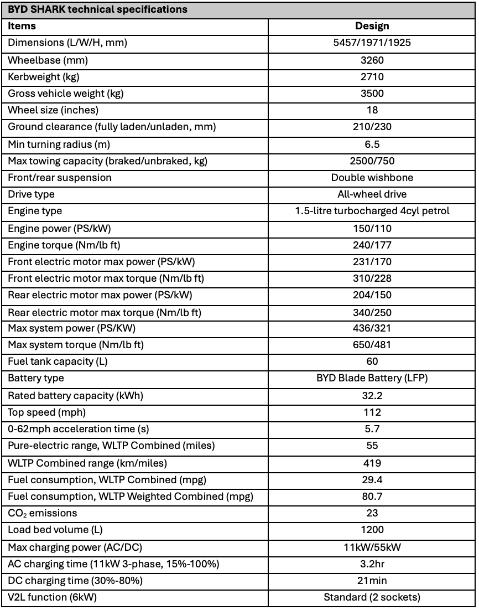

koda UK has delivered an exceptional performance in the first half of 2026, setting a raft of new records, from overall sales volume to market share.
The Czech brand has built on the remarkable success of 2025 by increasing sales across both retail and fleet sectors. Driven by strong demand for its range of award-winning EVs and new evolutions of its existing model portfolio, Škoda has reinforced its reputation for delivering outstanding value for money to customers.
Between January and the end of June, Škoda UK set no fewer than eight new records across the business. The brand recorded its highest ever sales volume for the first six months of the year with a total of 46,508 cars registered between 1 January and 30 June 2026. Not only has Škoda registered more cars than ever before in H1, it has also set a new brand record for orders, highlighting strong ongoing demand for its broad range of models. Confirming its ongoing popularity with fleet buyers, Škoda also recorded its highest ever True Fleet order take for the year to date.
H1’s strong sales figures saw Škoda reach its highest ever market share of 4.3% for June, with the overall figure for the first six months of the year being the second highest in the brand’s history at 4.1% (half year record of 4.2% was set in 2025).
Škoda’s performance is all the more impressive given that the brand has delivered growth across all key sales channels, proving its appeal among both retail and fleet customers. At 3.4%, Škoda recorded its highest ever retail market share for the year to date.
Demand was also strong enough to see Škoda ranked 5th overall for True Fleet registrations.
Overall, the brand sits 9th for market share.
Škoda’s performance in the UK has helped the brand achieve record figures across the European market. In Q1 2026, Škoda Auto delivered 222,500 vehicles across the region (EU27+4). This represents a +17.1% increase and propelled Škoda to the region’s second best-selling car brand for the first time*. As in the UK, the brand’s all-electric models have been key to its popularity with customers. The multi-award-winning all-electric Elroq and Enyaq family ranked second and fifth respectively among the best-selling electric vehicles in Europe in Q1/2026.
In the UK, the Enyaq (including Coupe) led the way with 8,529 registrations, ahead of the Kodiaq and Elroq with 7,227 and 6,902 registrations respectively.
Škoda UK registrations 2026 YTD:
1. Enyaq (including Coupe) - 8,529
2. Kodiaq - 7,227
3. Elroq - 6,902
4. Fabia - 5,955
5. Kamiq - 5,936
6. Karoq - 5,260
7. Octavia - 3,249
8. Scala - 1,771
9. Superb - 1,679
* source: ACEA, April 23, 2026




olestar, the Swedish electric performance car brand, confirms the arrival of a new Polestar 4 family member – Polestar 4 SUV –with sales start planned for 2 September.
Expanding the choice for customers in the segment, the Polestar 4 SUV builds on the success of the Polestar 4 coupé. This new variant offers an added layer of flexibility and practicality, with versatile storage capabilities for every journey, while retaining the design, performance and sustainability credentials that define the Polestar 4 coupé.
Michael Lohscheller, Polestar CEO, says: “Polestar 4 has quickly established itself as a favourite among our customers, and we've seen strong demand from drivers who want distinctive design and performance combined with great practicality. With Polestar 4 SUV, we're building on that success by offering even more versatility, while staying true to the Polestar 4 character. Wrapped in a stunning design, this is a car I've been looking forward to sharing with the world.”
Polestar 4 SUV, and the latest Polestar 4 coupé, feature retuned chassis components to further strengthen the models’ sporty driving dynamics. The proven and efficient 400 V architecture provides impressive range and performance – with up to 630 km (WLTP) in Rear motor variants and up to 544 hp in Dual motor models.
Polestar 4 SUV is manufactured in Busan, South Korea, and will be available to order in a majority of Polestar markets.


ong before plug-in hybrid vehicles became commonplace, Mitsubishi was already proving their worth. The Outlander PHEV was the model that introduced many motorists to the concept of combining electric driving with the reassurance of a petrol engine, becoming the UK's best-selling plug-in hybrid in its segment for much of the past decade.
Now, as Mitsubishi reestablishes itself in the UK market, the all-new Outlander PHEV returns with significantly improved technology, greater electric range and a renewed focus on capability both on and off the road.
As guests of IM Group at Thruxton Motor Circuit, we were given the opportunity to experience exactly what the new Outlander is capable of. While many manufacturers would focus solely on refinement and efficiency, Mitsubishi was keen to demonstrate that this remains a vehicle built around versatility and all-weather confidence.
At first glance, the new Outlander certainly makes an impression. The latest interpretation of Mitsubishi's Dynamic Shield front-end design gives the SUV a bold and purposeful appearance, while its sculpted bodywork and wider stance provide a premium presence on the road. Despite its modern styling, it still carries the rugged character that Mitsubishi vehicles have become known for.

Under the bonnet sits a revised 2.4-litre petrol engine working alongside twin electric motors and a larger 22.7kWh battery pack. Combined output now stands at 299PS, while electric-only range has increased to up to 53 miles, almost doubling the capability of earlier generations. Overall driving range exceeds 500 miles, meaning owners can benefit from electric motoring during everyday journeys without worrying about longer trips.
For many rural users, this combination could prove particularly appealing. Short daily journeys around the farm, village or local area can often be completed entirely on electric power, while the petrol
engine remains available when longer distances are required.
Our route from Thruxton included a mixture of rural roads, dual carriageways and village driving, allowing us to experience the Outlander in the environments where it is likely to spend most of its time.
On the road, refinement is one of the first things you notice. The transition between electric and petrol power is virtually seamless, while the ride quality remains composed and comfortable. The elevated driving position provides excellent visibility, and the cabin feels considerably more premium than previous Outlander models.
Inside, Mitsubishi has struck a sensible balance between technology and practicality. A large 12.3inch infotainment screen provides all the connectivity expected from a modern vehicle, yet importantly, physical buttons remain for key functions such as climate control. For drivers who spend long days behind the wheel, this approach feels intuitive and easy to use rather than overcomplicated.
However, it was away from the tarmac where the Outlander perhaps surprised most.
Following the road drive, we joined a convoy heading onto part of Salisbury Plain to experience the vehicle's off-road credentials. While few owners are likely to subject their family SUV to military training ground conditions, the exercise demonstrated just how much capability has been engineered into the vehicle.

Switching into Gravel mode immediately altered the vehicle's character. Designed specifically for loose and unpaved surfaces, the system optimises traction and stability, allowing the Outlander to maintain progress confidently even when grip levels are reduced.
The route included rough gravel tracks, uneven terrain and a particularly steep incline that showcased the benefits of Mitsubishi's Super All-Wheel Control (S-AWC)

system. Developed from decades of rally and offroad experience, the system constantly manages torque delivery between the front and rear axles to maximise grip and stability.
Climbing the slope was effortless, with the twinmotor four-wheel-drive system finding traction without hesitation. Equally impressive was the descent. The Outlander's Hill Descent Control system managed speed automatically, allowing drivers to focus entirely on steering and vehicle placement rather than worrying about braking.
What stood out most throughout the off-road section was how composed the vehicle remained. Despite being a plug-in hybrid family SUV, it never felt out of its depth. Instead, it tackled the terrain with a confidence more commonly associated with traditional four-wheel-drive vehicles.
That capability will undoubtedly appeal to many in the agricultural sector. While few farmers will be traversing Salisbury Plain every day, the ability to confidently negotiate muddy tracks, wet fields, steep farm lanes and challenging winter conditions remains highly valuable.
Practicality has not been overlooked either. The new Outlander is available as a seven-seat model for the first time in the UK, while payload capacity reaches up to 711kg and towing capacity stands at 1,600kg. For those needing a vehicle capable of family duties during the week and rural tasks at weekends, it offers an appealing balance.
Ownership reassurance is another strong point.
Mitsubishi backs the Outlander with an eight-year, 100,000-mile vehicle and battery warranty, reflecting confidence in the technology that helped establish the plug-in hybrid market more than a decade ago.
After spending a day behind the wheel, the verdict is clear. The new Outlander PHEV successfully honours the model's pioneering heritage while delivering the refinement, efficiency and capability expected of a modern SUV.
For rural buyers looking to embrace electrification without sacrificing practicality or all-weather performance, Mitsubishi's original plug-in hybrid remains a compelling proposition.



ubaru UK has partnered with Macmillan Cancer Support Mighty Hikes, the series of award-winning marathon and half-marathon walks taking place at locations in every nation of the UK.
As the official Travel Partner 2026, Subaru’s product range will be present at hiking destinations as diverse as Bakewell in the Peak District and Blenheim Palace in the Cotswolds. At each of the venues between now and end of September, Subaru will display its current hybrid vehicles including Crosstrek and Forester.
Lorraine Bishton, Managing Director of Subaru UK & Ireland said:
“The Subaru line-up, including anticipated new allelectric E-Outback and Uncharted, delivers allwheel drive cars that are as usable in daily commutes and school runs as exploring and adventuring farther afield. We’re excited to be partnering with Macmillan Mighty Hikes, which supports so many people in their own personal outdoor adventures, celebrating or remembering a life while walking to raise funds. We look forward to meeting some of the remarkable people that take on the Mighty Hikes challenge at events throughout the summer.”
Last year, an incredible team of more than 35,000 hikers took part raising a record-breaking £15 million during the event’s 10th anniversary year. Since 2015, Mighty Hikes has raised an incredible £85 million to support people living with cancer.

Lauren McEvoy, Mighty Hike Team Manager
at Macmillan Cancer Support,
said:
“We are so grateful for the support of Subaru as our official Travel Partner for Macmillan Mighty Hikes 2026. Our hikes take place in some of the most breathtaking locations across the UK, bringing together thousands of people who walk incredible distances to support people living with cancer. Subaru’s passion for adventure and the outdoors makes them a fantastic partner for Mighty Hikes, and we’re delighted to have their support as we help people come together, celebrate and remember loved ones, and raise vital funds to help make cancer care fairer and better for everyone in the UK.”
Subaru and thousands of walkers will join upcoming events at some of the UK’s most iconic outdoor destinations: Gower Peninsula, Wales, and Skipton, Yorkshire Dales on 27 June; Jurassic Coast on 4 July; Bakewell in the Peak District on 18 July; Rob Roy in Callander, Scotland on 29 August; Alnwick on the Northumberland coast over the weekend of 5 and 6 September; and Blenheim Palace in the Cotswolds on 12 September. There are still some places available at a few Macmillan Mighty Hikes this summer, so sign up now at mightyhikes.macmillan.org.uk.




lectrified car brand Lepas will supercharge its entry into the UK market with a special offer on its L8 premium SUV for early adopters, forward thinkers and trendsetters.
The specially created Lepas Founders Club will give exclusive savings and limited-edition gifts to the first 500 people to place an order.
In exchange for a fully refundable deposit of just £99, customers will receive £1,000 off the recommended retail price, a free 3-year service plan worth £759 and a LEPAS-branded giftbox*.
Additionally, qualifying Founders Club cars will
be among the very first delivered to customers in October.
To qualify, orders must be placed through an official LEPAS retailer between August 31 and September 30. Dozens of standalone LEPAS dealerships are currently in various stages of opening across the UK, and all are ready to take pre-orders. These dealers can be located here www.lepasauto.co.uk/find-a-dealer.
Alex Rose, LEPAS Regional Sales Manager, said: “We’ve been overwhelmed by the sheer volume of early expressions of interest we’ve had in the L8 ahead of its launch.

“It’s been unbelievable given that our dealer network isn’t fully up and running and that noone’s actually had the opportunity to get behind the wheel and take it for a drive.”
Designed from the wheels up for Europe and enhanced for British roads, the L8 will be offered in two distinct and appropriately named trim lines. The first, ‘Essence’, offers everything the modern driver needs, with outstanding levels of technology, safety and comfort. Meanwhile, ‘Elevate’ models add everything the modern driver could possibly want, with in-car luxury and refinement taken to the next level for a truly highend experience.
Prices for the L8 PHEV Essence begin at £34,900 RRP on-the-road, while the L8 PHEV Elevate starts at £37,900 RRP one-the-road.
Both variants are powered by the state-of-the-art LEPAS Super Hybrid ecosystem, featuring a highly efficient 1.5-litre turbo petrol engine mated
to a Dedicated Hybrid Transmission (DHT), electronic gear selector and a next generation 18.4kWh battery which can be DC fast charged from 30% to 80% in as little as 20 minutes. This powertrain can deliver a combined range of up to 745 miles, a pure electric range of up to 56 miles and a highly efficient combined fuel consumption of up to 403.5 mpg. CO2 emissions are just 21g/km, qualifying the L8 to drive free-of-charge in London’s ultra-low emissions zone (ULEZ)**. A fully electric L8 will follow in 2027.
*Available on retail registrations only. £99 deposit required. Offer valid on reservations placed before 31 August 2026 and vehicles registered by 30 September 2026. Founder benefits available to the first 500 qualifying customers and are in addition to any other applicable LEPAS offers. Terms and conditions apply.
**Figures according to WLTP test cycle


ia has broken new sales records, recording its best-ever H1, Q2, and June according to the latest figures published today by the Society of Motor Manufacturers and Traders (SMMT).
Kia is now the UK’s third best-selling brand, with 65,300 vehicles registered in the first half of the year, establishing a new company record. Of these, 62,845 cars were registered with the remaining number comprising of the brand’s PBV commercial vehicles.
Stonic compact crossover are also continuing to prove their popularity with customers, with 6,939 and 4,725 registrations respectively so far this year.
Kia is now one of only seven brands to offer vehicles that qualify for the highest Government Electric Car Grant (ECG). The Kia EV2, EV3, EV4 and PV5 Passenger each qualify for the Government Electric Car Grant, thanks to assessments of Kia’s environmental credibility in relation to the manufacture of these vehicles and their batteries. Select grades of both the EV2 and EV4 are eligible for the maximum Band 1 Grant.


Kia’s combined EV sales this year has put the brand on the podium of the sales charts, with 18,241 all electric units registered in the first half of the year. Comprising of the EV2, EV3, EV4, EV5, EV6 and EV9, along with the PV5 Passenger, the Kia electric line-up is one of the most comprehensive on offer in the UK. Cumulatively, Kia’s all-electric models account for 29% of total sales (31.7% including PBVs).
Continuing its dominance in the market, the Kia Sportage is the UK’s favourite family SUV, and second best-selling car in the UK, with 25,828 registrations year-to-date. The Sportage has gone from strength to strength, since first going on-sale in the UK in 1995 and is frequently listed as the UK’s best-selling vehicle throughout the year.
Kia’s smallest models, the Picanto city car, and
Kia launched its Q3 2026 customer offers on 1 July, including loyalty incentives for existing Kia finance customers, and competitive finance packages across the brand’s model range. The offers include new Storm offers for the new Sportage and EV5 ‘Storm’ grades, 3.9% APR finance across Kia’s fully electric line-up, 5.9% APR on selected petrol and hybrid models, generous finance deposit contributions, and targeted savings for customers upgrading to the latest Kia vehicles.
Kia is already the No.3 brand in the UK fully electric LCV market, with a 17.4% share. This impressive feat is the result of the Kia PV5 Cargo and PV5 Passenger’s UK market launch. These Kia PBVs are the brand’s recent introduction into the UK’s light commercial vehicle market.
Both the PV5 Cargo and PV5 Passenger are instant best-sellers, matching physical attributes such as cargo volume and payload, with passenger carrying ability, a reassuring 7year/100,000-mile warranty and an appealing price. PV5 Cargo pricing starts from £27,355 (+VAT), available from Kia PBV Centres.


GM Motors UK, formerly SsangYong, is delighted to announce its return to the Royal Highland Show for 2026, bringing its most comprehensive display yet to one of Scotland’s best-known celebrations of food, farming and rural life. Taking place at Ingliston in Edinburgh from 18 to 21 June 2026, the show will provide the stage for the first Scottish viewing of the all-new Musso Rhino, the next-generation pick-up that reinforces KGM’s long-standing reputation for capability, durability and real-world utility.
pick-up aimed at business users who need a focused, work-ready solution. Rounding out the display will be KGM’s award-winning range, including the Musso Saracen, the Rexton 7-seater SUV and the Rexton Commercial Vehicle, ensuring visitors can explore KGM’s full breadth of capability across passenger and commercial applications.
Showgoers will also be able to benefit from an exclusive Royal Highland Show offer and save thousands on the Musso and Rexton models. Visitors will be encouraged to speak with the team at the stand for full details, eligibility and availability, with offers available for a limited time and subject to terms and conditions.


Making its Scotland debut at the Royal Highland Show, Korea’s original pick-up is set to be a major highlight for rural and agricultural visitors who rely on a dependable working vehicle that can comfortably handle towing, load carrying and yearround conditions, ahead of its UK launch in July 2026. The new model sits at the top of the Musso line-up and is designed to bring a bolder presence, upgraded cabin technology and stronger working credentials to customers who want a pick-up engineered for both the job and everyday driving.
KGM will also showcase Musso EV at the Royal Highland Show for the first time, bringing an electrified pick-up option to the agricultural calendar, alongside the Torres Hybrid and Actyon Hybrid. Visitors will also be able to get a first look at the all-new Musso Commercial, a single cab
First held in 1822, the Royal Highland Show has more than 200 years of heritage and remains a major fixture in Scotland’s rural calendar, created to spotlight the very best of farming and rural life while bringing communities together at Ingliston each June. For KGM, the event is a natural fit, reflecting the brand’s strong connection to agriculture and rural living through vehicles built around towing strength, four-wheel-drive capability and dependable, day-to-day usability in real working environments.
Kevin Griffin, Managing Director at KGM Motors UK, said “The Royal Highland Show is a key event for customers who live and work in rural communities, and we are proud to return in 2026 with a line-up that reflects the full breadth of KGM capability. Debuting the all-new Musso Rhino in Scotland is a significant moment for the brand, and with Musso EV, Musso Commercial, Torres Hybrid and Actyon Hybrid also making their show debuts, we are looking forward to welcoming visitors to explore what’s next for KGM alongside our awardwinning Musso Saracen, Rexton and Rexton Commercial.”
Further information on KGM’s range is available at www.kgm-motors.co.uk.

s the used electric vehicle market matures and consumer confidence in electrification grows, increasing numbers of buyers are choosing pre-owned EVs through franchised and independent dealer networks. To help retailers better understand this changing landscape, Warrantywise – a trusted provider of extended used car warranties for more than 25 years – has analysed its repair request data to reveal new insights into used EV reliability, ownership patterns and aftersales considerations across the second-hand market.
With more used car buyers considering electric vehicles, car dealers have a clear opportunity to build confidence on the forecourt. Understanding the repair issues most commonly seen in real-world EV ownership can help dealers appraise stock more effectively, answer customer questions with greater certainty, and support buyers with suitable extended EV warranty options.
For dealers investing in used EV stock, understanding real-world repair trends is becoming increasingly important. While Warrantywise's repair request data shows that EV battery-related repairs are comparatively uncommon, several of the most common repair areas still carry meaningful average repair request costs, including the on-board charger and suspension components. This gives retailers a more informed way to discuss used EV ownership with customers, while demonstrating how an EV-specific extended warranty can help them budget for unexpected repair bills and build confidence at the point of sale.
The latest used EV Reliability Warrantywise dataset* proves that reliability isn't just about EV technology. Instead, electrical system faults, including sensors and central locking mechanisms, topped the repair request list, with average repair request costs of £809.59** and £899.44** respectively. However, individual repair requests reached as much as £3,270.00*** for sensorrelated issues and £4,056.82*** for central locking repairs. Repairs to the auxiliary (12V) battery also featured in the top five, with an average repair request cost of £532.94**.
Meanwhile, suspension-related components such as wishbones recorded an average repair request cost of £1,229.64**, with the most expensive repair request reaching £4,118.65**. The only EV-specific repair category in the top five was the on-board charger, highlighting the importance of charging systems in realworld EV ownership. While the average repair request cost was £2,158.75**, the highest repair request reached £10,454.98***, showing that although uncommon, some EV-specific repairs can be particularly costly.
Warrantywise, a trusted source of EV reliability insight, also uncovered data on EV battery repair requests, which, though infrequent, are naturally of concern. When an EV battery issue does occur, repair request costs are on average £6,435.38**.
With this context, it’s important to remember that for retailers and dealer groups, EV repair request costs remain an important consideration when preparing stock and supporting customers through the sales process. Although average EV repair request values rose by 10.7% from 2024 to 2025***, wider market conditions –including inflationary pressures, parts supply and
workshop labour rates – remain important contributing factors. While many repairs are relatively modest in cost, the variation between average and highest repair request values highlights the potential for unexpected and expensive repairs. For dealers, this reinforces the importance of understanding real-world EV repair trends and the role an EV-specific extended warranty can play in helping buyers budget with greater confidence when purchasing a used electric vehicle.
Meanwhile, for drivers seeking greater certainty when making the important decision to buy a second-hand EV, and keen to manage unexpected repair costs, a warranty can be an important part of the sales package. For used car dealers, offering a suitable extended EV warranty can reduce buyer objections around used EVs and protect gross margin from post-sale repair concerns. Knowing the most common repairs can also give sales teams a clearer way to explain EV ownership risk more accurately.
Warrantywise itself has seen an increase of EV warranty sales of 68.2% from 2024 to 2025***. For many customers, protecting their asset is of key importance, especially considering the turbulent nature of the geopolitical climate and how external pressures can have unexpected impacts. Used car outlets that understand this, can benefit from increased buyer confidence. For more information on the Warrantywise EV warranty, follow this link.
Commenting on the findings, Antony Diggins, Managing Director at Warrantywise, said: “For many used EV buyers, the battery is still the biggest perceived concern, but our repair request data shows a more balanced picture. The most regular repair requests we see are linked to familiar used-car components, from sensors and central locking to suspension and aux batteries, rather than the EV battery itself.
“That is an important message for dealers. It gives sales teams a clearer way to discuss used EV ownership with customers, helping to reduce misconceptions without downplaying the fact that repair costs can still be significant. With average repair request costs for items such as on-board chargers and suspension components running into four figures, an EV-specific extended warranty can play an important role in supporting buyer confidence at point of sale.
“For car dealers, used EVs represent a growing opportunity, but confidence is critical. The dealers that can explain the real-world repair picture clearly, and offer appropriate warranty alongside the vehicle, will be better placed to convert interest into sales and build long-term customer trust."
Warrantywise offers a range of extended warranty plans for electric vehicles based on vehicle age and mileage, along with roadside assistance, designed to support drivers when unexpected repairs arise. Two options are available – EV or EV + – which both offer unlimited repairs and access to a UK-based customer service team. Warrantywise EV warranties list essential components such as the auxiliary battery, on-board charger, AC power inverter, DC to DC converter and traction motor, as well as the power regeneration braking system and thermal cooling system. The warranty plan also lists braking components, electrical system issues and key fobs.