June 11-12, 2026
June 11-12, 2026
Their voices were getting lost on the frontier, railroads profiteered off their backs and prices were set for their products without giving them a seat at the table. The powers that be thought they could flex some muscle in the faces of the farmers they claimed to serve, but everyone knows you can’t outmuscle a Canadian farmer. United by the belief that their livelihoods and communities are worth fighting for, they banded together, and UFA was born.
When the deck is stacked against our members, and their prosperity is threatened, you can bet UFA will protect their interests like a Great Pyrenees defending its herd.
When thousands of our bravest members and customers fought for Canada at wartime, we helped keep morale high and farms afloat for their families back home. When society wasn’t giving women a say, we gave them full suffrage long before the rest of the country. When the political arena came knocking,
UFA flew the maple leaf nearly a decade before Canada. And like the country we hold so dear, we stand on guard for our members. Canadianism is not a trend for us. Through war and peace, economic and natural peril, good times and bad, UFA is proudly Canadian—as it was in the beginning, is now, and ever shall be. For as long as farmers till the earth, UFA will always be there for farmers. It was 1909 and farmers wanted change.
UFA answered the door and became the government. And if you feel like raising a glass to that, it’s a good thing we’re the ones who ended prohibition. Cheers.

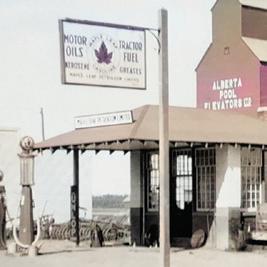
UFA made farmers a force to be reckoned with. No drought, disease, depression or declaration of war could knock them down or break their calloused spirit. Because at the heart of their co-operative is the one thing many seriously underestimated all the way back in 1909: the might of Western Canadian farmers and ranchers. The ones who love the land and all the crops, flocks and herds that call it home. Those who call working sunrise to sunrise, in whatever weather, just another day at work. The ones sharp enough to adapt one of society’s most time- honoured ways of life to meet an unpredictable future.

BY ANGELA LOVELL
Publishers
Pat Ottmann & Tim Ottmann
Editor
Lisa Johnston
Design
Cole Ottmann
Regular Contributors
Kevin Hursh
Paul Kuntz
Copy Editor
Scott Shiels
Tom Wolf
Nerissa McNaughton
Sales
Pat Ottmann
pat@farmingfortomorrow.ca 587-774-7619
Nancy Bielecki nancy@farmingfortomorrow.ca 587-774-7618
/farming4tomorrow /FFTMagazine /farming-for-tomorrow /farmingfortomorrow
WWW.FARMINGFORTOMORROW.CA
Farming For Tomorrow is delivered to 79,873 farm and agribusiness addresses every second month. The areas of distribution include Manitoba, Saskatchewan, Alberta and the Peace region of B.C.
The publisher does not assume any responsibility for the content of any advertisement, and all representations of warranties made in such advertisements are those of the advertiser and not of the publisher. No portion of this publication may be reproduced, in all or in part, without the written permission of the publisher. Canadian Publications mail sales product agreement no. 41126516.
By Kevin Hursh
“Land is too expensive for young farmers to buy. Something needs to be done because the industry needs more young farmers.”
The statement above and variations thereof are often voiced. There’s an element of truth, but it’s a complicated issue without easy solutions.
Central to the sentiment is that rapidly rising land values are a problem. Land has always appeared expensive relative to returns. Seldom has land paid for itself, but relative affordability has declined with soft commodity values.
Rising land values are certainly a better prospect than declining values. If that were to happen, like it did back in the ’80s, equity erodes and some highly leveraged producers would find themselves in trouble. Even in the current situation, there are some farms looking to sell a bit of land as they restructure and strengthen their balance sheets.
Foreign investment is often cited as a factor pushing up land values. However, in Saskatchewan those claims have been rebuked by everyone with serious insight into land sales.
The other supposed villain is outside investors. In Saskatchewan in particular, investors do have significant land holdings. Saskatchewan land values trailed neighbouring jurisdictions for many years and that was viewed as an investment opportunity.
Robert Andjelic and his company are the largest landowners in Canada. Andjelic maintains that he is providing a service to producers. He gives them an opportunity to rent land that they couldn’t otherwise afford to buy.
Rules could be changed to make non-farmer ownership of farmland less attractive. For instance, investors could be required to pay a higher property tax than farmers. This could be phased in over a number of years to encourage investors to liquidate their holdings.
However, it would likely be large farms buying up that land rather than young farmers with limited capital and limited borrowing capacity.
Rental rates have not been rising as quickly as farmland prices so investment firms are no longer as eager to buy land. Their impact on the land market has typically been overstated. The
increase in prices has largely been driven by farmer demand. Until recently, times have been good in the grain sector and many producers have been eager to expand.
Farmland is a money generating asset, but it’s also an investment. Most of us have made more on farmland appreciation than we have on the actual farming enterprise.
So, what can be done to make farmland more accessible for young farmers starting out?
For someone starting from scratch without family backing, developing a viable farm operation is a tall order. It’s hard to see that changing and why should someone be subsidized just because they want to farm?
The more typical scenario is a young person involved with a family farm who wants to purchase his or her own land. Often, they want to take over from their parents. This gets into the thorny issue of succession planning. Sometimes the parents aren’t ready to retire, nor interested in relinquishing ownership and control.
Rollover provisions are in place to minimize capital gains when passing farms to the next generation. There’s also the Lifetime Capital Gains Exemption recently raised to $1.25 million.
Parents need money to retire, but farms can rarely afford to repurchase the land at full market value each generation.
The goal of more young people buying farmland is a bit like motherhood and apple pie. How can you argue against it? However, farms continue to grow larger meaning there’s less opportunity for entrants unless they have significant support from an existing family farm.
That’s the cold, hard reality and it’s difficult to envision policy changes or new government programs that will make much of a difference.
The best way to help young farmers rests in the hands of retiring farmers looking to rent or sell their land. All too often, they offer the land to a large farming entity in the area even though they’ve long given lip service to supporting young farmers.
It may be handy to make a rental or sales deal with just one entity but offering it in smaller parcels and giving some preference to up-and-coming producers would be healthier for rural communities.
BY ANGELA LOVELL
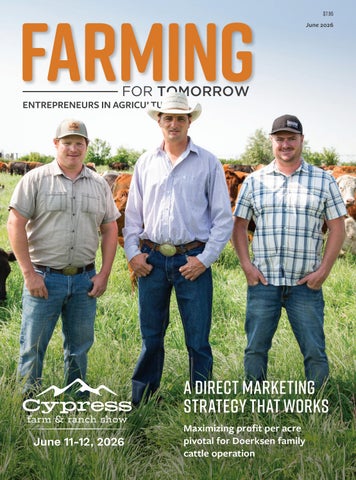
Maximizing profit per acre is the focus of the Doerksen family cattle operation as the fourth generation continues to look for opportunities to secure the most value from each beef carcass, while expanding into diversified markets and better controlling the price to the end consumer through unique direct marketing strategies.
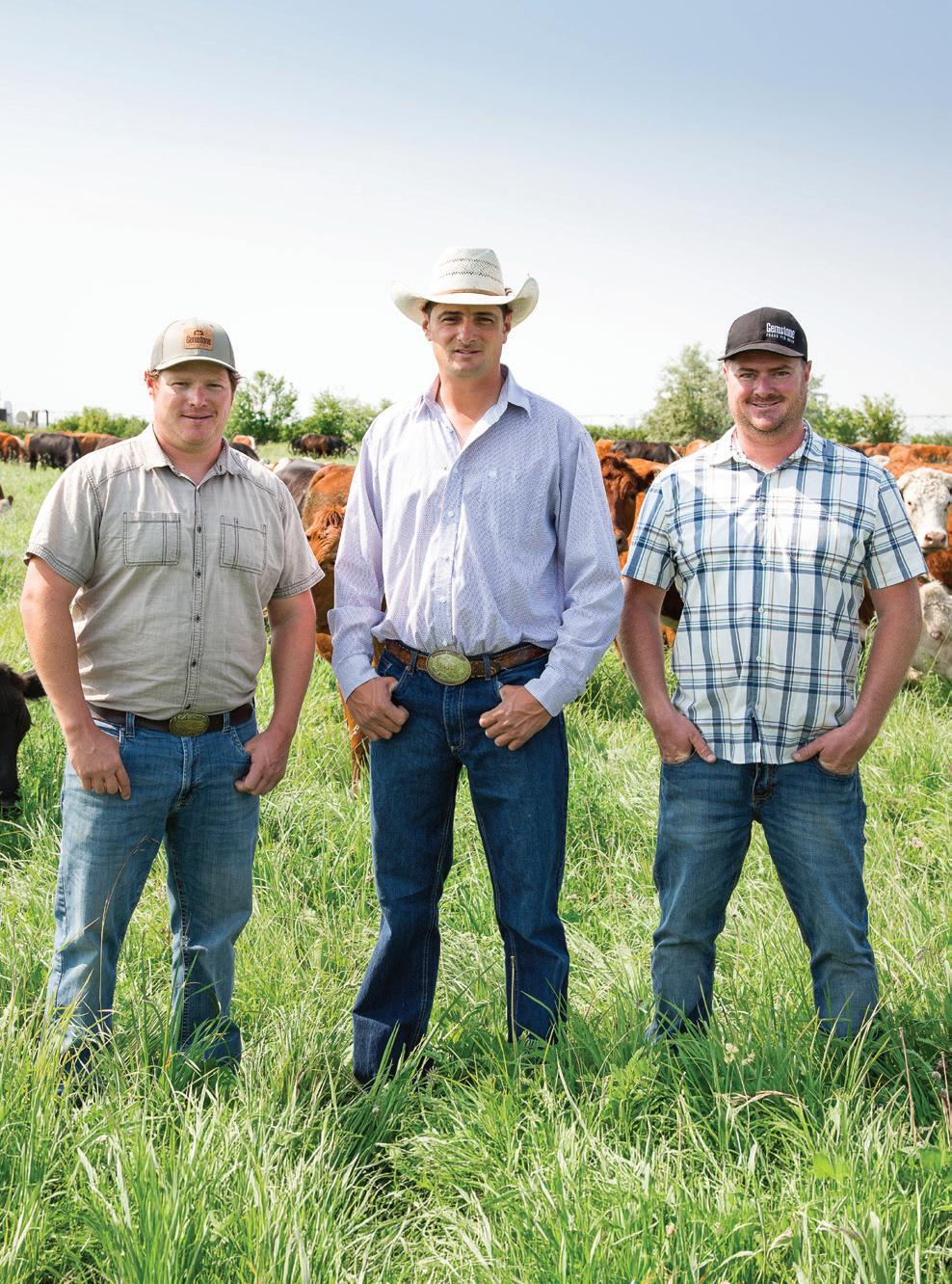
Brothers Daniel, Lorin and Barry represent the fourth generation on the family farm near Gem, Alberta, about 150 kilometres east of Calgary. Eldest brother Daniel returned to farm full time in 2006, joining his dad, Arno, and uncle, Tim, and was joined by Lorin and Barry over the last 10 years.
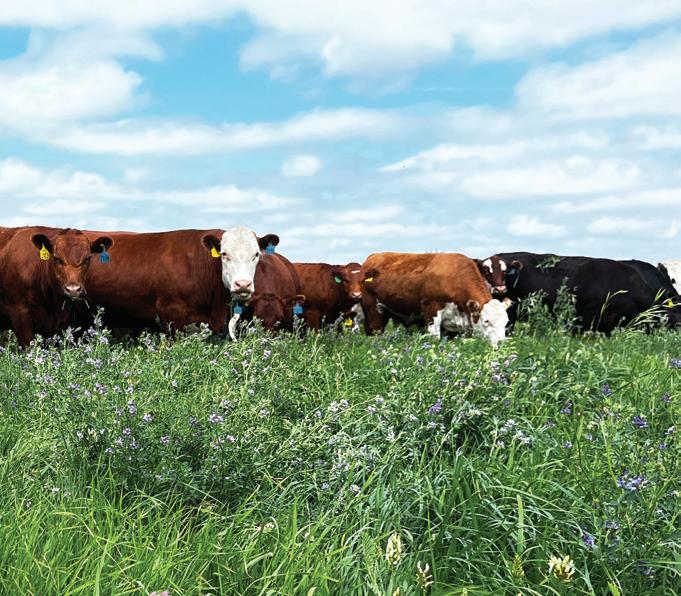
Doerksen Farms is the parent company owned by the five families, which includes two sub-companies: Gemstone Cattle Company and Gemstone Grass Fed Beef. The farm has slowly grown over the years to its current 3,000 acres of irrigated crops and 2,500 acres of dry native prairie, with access to community pastures and leased pasture lands to accommodate its 1,000-cow breeding herd. Calves from the commercial cow herd go into the grass-fed, grass-finished side of the operation.
They also raise purebred Hereford and Angus seed stock, focusing on developing bulls that are forage-fed and cows that do well in a low-input environment.
“We put a lot of focus on making sure the mother cows have sound udders and good feet,” Daniel says. “We’re really focused on profit per acre, not profit per cow.”

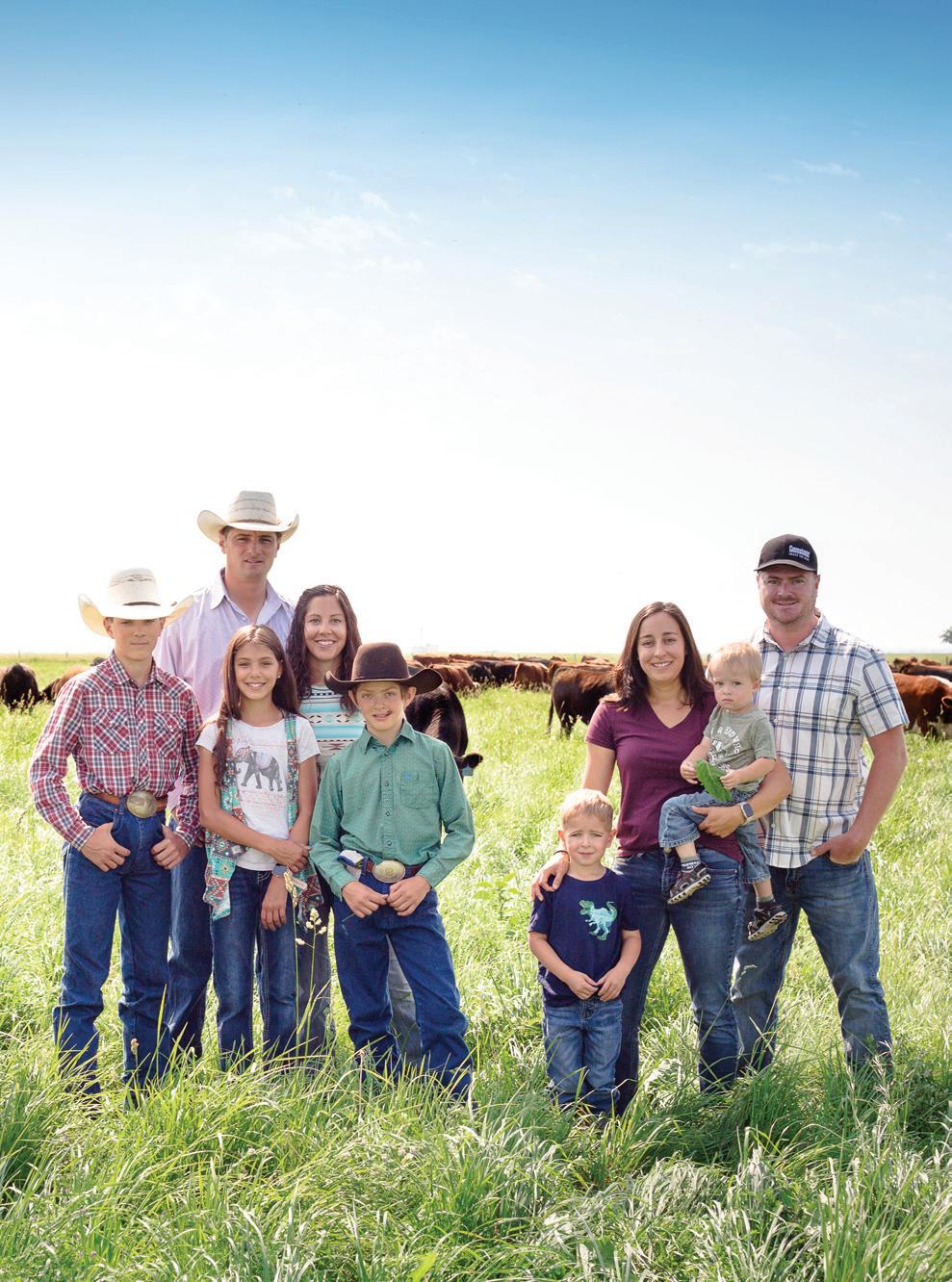
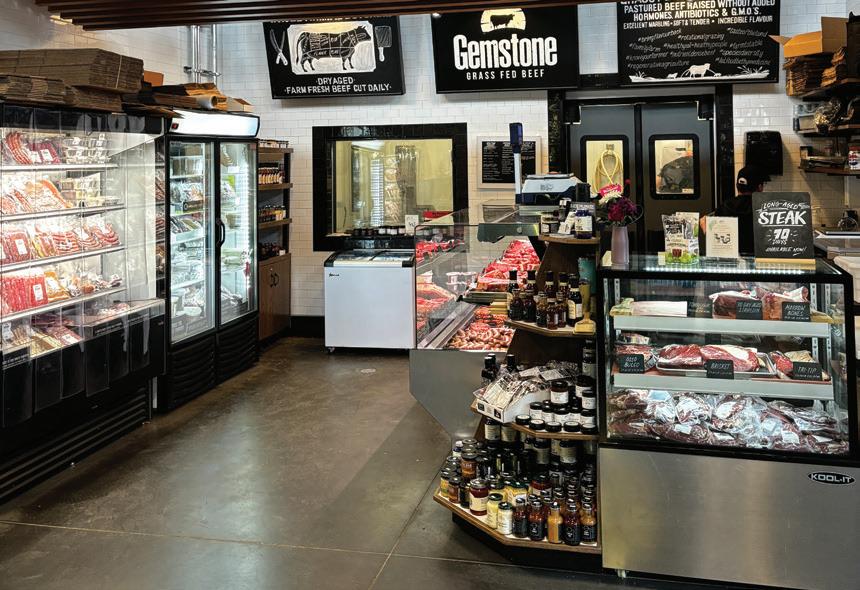
Doerksen Farms, through its sub-companies Gemstone Cattle Company and Gemstone Grass Fed Beef, is focused on producing the most nutrient dense, flavourful product possible.
When Lorin came back to the farm in 2016 with an environmental science degree, his interest was in cropping systems and regenerative agriculture practices to build soil health, prompting the family to add a grass-finished herd.
“We felt that our purebred cattle genetics were already geared towards finishing cattle on a grass only diet, with no grain,” says Lorin, who manages most of the grass finishing through the spring, summer and fall, and has recently introduced polycrops for grazing and silage.
The brothers’ first foray into direct marketing of their beef products occurred through an online store. They’d been selling wholesale cuts to retailers, but wanted more control over the processing and end product. Their chance to do so came in late 2020, when they discovered the Calgary Farmers’ Market was building a new location on the west side of the city, and they applied for a butcher shop space to sell their own farm-raised, grass-fed beef.
“We just felt that having full control over, and being able to expand, our product line by having our own team of Gemstone artisan butchers would give us more opportunity to serve our customer base,” Lorin says. “It’s not done often where a farm
brand takes it right to a butcher shop, and we saw an opportunity to do something a bit different.”
The operation includes Gemstone Kitchen, a food kiosk at the market where they sell smash burgers and tallow fries using their own beef fat. The kitchen is also used to produce fully prepared frozen meals, and their own line of smoked deli meats, meat sticks and sausages.
Barry, who came back to the farm four years ago after 10 years in the agriculture finance sector, heads up the direct marketing side of Gemstone Grass Fed Beef, handling all finances and logistics and managing the butcher shop and restaurant at the Calgary Farmers’ Market.
The Doerksens have learned what is important to their customers and lean heavily into providing what they want, as more consumers seek to get their nutrition through whole foods.
“There is a lot of talk about nutrient density and grass finishing beef, so we’re really focused on producing the most nutrient dense, flavourful product that we can,” Lorin says.
“An underlying goal is to meet the market demand for the product. Going directly to the customer to us seems to be the most secure market because we can control the end
“It’s not done often where a farm brand takes it right to a butcher shop, and we saw an opportunity to do something a bit different.”
- Lorin Doerksen
price by connecting directly to the end user. And they are always the ones that value the story and value what we are doing differently, like with the grass finishing, or no added hormones or antibiotics.”
Partnerships vital to success
Partnerships have been a huge part of the Doerksens’ success and enabled their growth. A good example is their recruitment of executive chef and butcher, Andy Sedlak, who manages the team of artisan butchers and other staff at the Calgary sites. Sedlak has over 15 years of experience in the industry and was looking for an opportunity to work directly with a ranch where he could use his expertise to help move full carcass animals.
“He was also aware of regenerative agriculture and grassfinished beef and understood the nutrition and flavour opportunities there,” Lorin says. “We made the decision to work together as a family business, so the idea of working together is already ingrained, and it helped with the way that we interact with Andy and with the other staff. We have been able to do a lot more by working with people and giving them a fair bit of autonomy to manage the butcher shop and the kitchen.”
Adding as much value as possible to every carcass
One of their other primary goals is to get the most value they can from every beef carcass, and towards that end they have developed a tallow program. They began by selling rendered tallow and raw suet to the food industry, but with increasing interest from the skincare sector, they decided to develop their own line of artisan skincare products, with Daniel’s wife, Kimberley, heading up the project.
“We started out in our kitchen just doing some sample batches and liked using it ourselves so then we started mass producing in a separate facility on the farm and it’s been going well,” Barry says. “We are hoping to get it on store shelves in the future.”
Now that they have capabilities to freeze dry, they have also developed a line of pet treats sold through their Calgary store, which will soon be available online with the possibility of selling to retailers in the future.
“We want an operation where our kids … have an opportunity, whether that’d be in the day-today running of the farm and ranch, or working in sales, or working in the meat shop, or in the skincare and cosmetics side.”
- Daniel Doerksen
“Utilizing the whole carcass is a huge thing for us because if you don’t, you’re leaving money on the table,” Barry says.
Preparing for the next generation
The grass-fed side of the business has grown significantly over the past four years to the point where the team is now harvesting 18 grass-fed animals a week, as the Doerksens’

vision for the business continues to evolve.
“Right now, we’re focused on beef,” Daniel says. “Our goal is to become experts in raising gourmet grass-fed, grass-finished beef, but because we have our own butcher shop, we’re also getting a lot of requests for other species like lamb, pork and chicken, so those are things that maybe, long term, we could get into.”
The next generation of Doerksens range from age one to 16. Daniel and Kimberley have three children, Gradey (16), Kyleah (14) and Bowden (12). Lorin and wife, Katie, have three daughters, Lucy (10), Josie (8) and Norah (6). Barry and wife, Karla, have three sons, Jake (6), Stanley (4) and Cruz (1).
So, while there are no guarantees that any or all of them will want to follow in their parents’ footsteps, the Doerksens’ ultimate goal – as it is with most farm families – is to build a business that provides options.
“We want an operation where our kids … have an opportunity, whether that’d be in the day-to-day running of the farm and ranch, or working in sales, or working in the meat shop, or in the skincare and cosmetics side,” Daniel says. “It’s about creating a business that the next generation can carry on if they want to.”
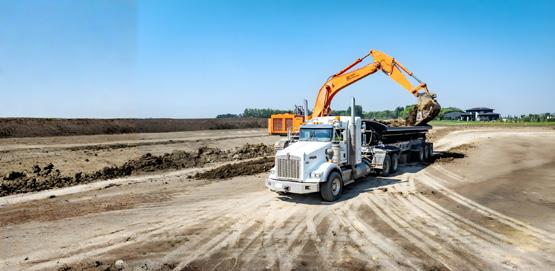
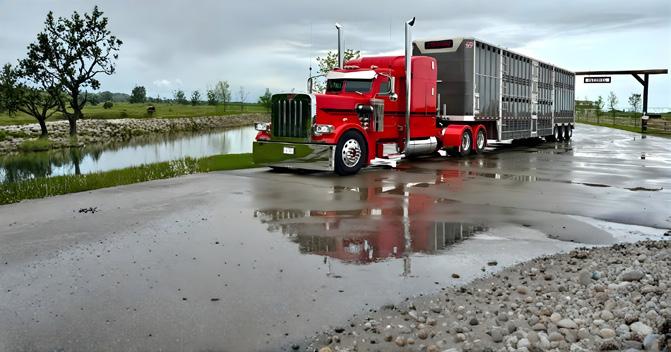
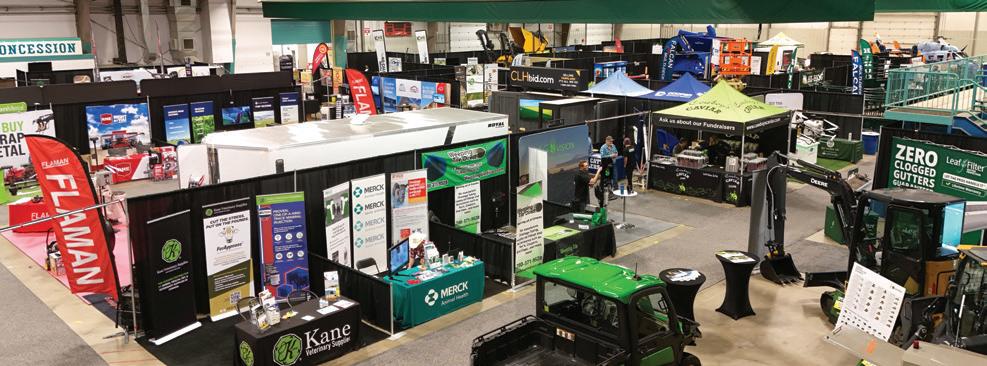
Welcome to the second annual Cypress Farm & Ranch Show (CFRS), running June 11 & 12 at the Medicine Hat Exhibition & Stampede, Cypress Centre.
We are pleased to be bringing this large-scale agricultural trade show experience to the heart of one of Canada’s most productive farming regions.
CFRS is where producers, innovators and ag professionals from across Southern Alberta and Southwestern Saskatchewan come to connect, learn and do business. CFRS brings together over 130,000 square feet of indoor and outdoor exhibits to showcase equipment, technology and services.
Our educational speakers offer daily seminars with insights from industry experts. Check out the schedule inside to plan your visit.
Other entertainment and shopping opportunities include the following:
Our NEW Country Marketplace, running for three days from 9 a.m. to 5 p.m., Thursday, Friday and Saturday, June 11-13, for a full-on western shopping experience, complete with distilleries, sweets, apparel, sundry items, food, equestrian tack and more.
June 11 – Quick Dick McDick is on site all day, with a short Beer Gardens appearance in the afternoon, followed by a full evening show and cocktail reception. This is a separate ticketed event so be sure to book early as seating is limited.
Sip-and-Shop all-day Beer Gardens with live entertainment. Join in with some great music from Rob Hudec.
BONUS! CFRS attendees can also experience the energy of the WPCA chuckwagon races happening onsite during the show. It’s an exciting pairing of ag innovation and Western tradition. WPCA ticket holders receive FREE admission to CFRS.
We hope you enjoy exploring the show and find new ways to improve your farm business operations, whether you are a producer or a vendor!
Sincerely,

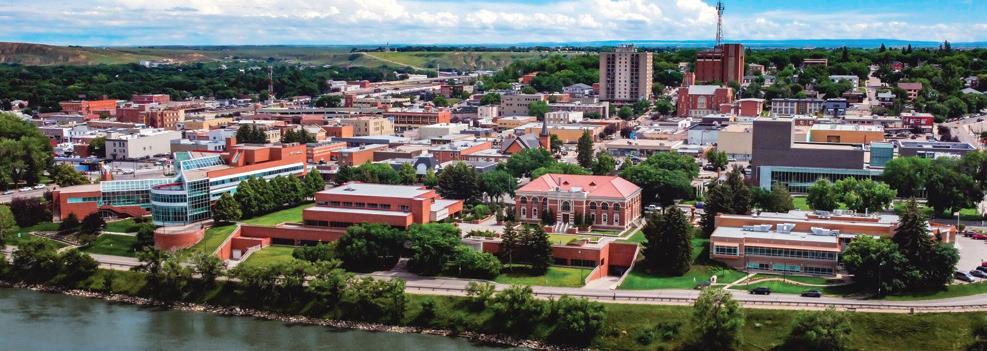
The Cypress Farm & Ranch Show will be back June 11 & 12 in Medicine Hat, AB. Situated among some of Canada’s most productive farm and ranch land, and located on the TransCanada Highway and Canadian Pacific mainline, Medicine Hat offers easy access to producers of commodities and specialty crops.
• Your show admission includes FREE daily Educational Speakers where you can learn more on how to improve your farming operation. Be sure and check out the schedule in advance and plan your visit.
• Connect with other producers and enjoy some networking. Be sure and stop by our PRIZE booth and Enter to Win!
• Take in the live entertainment on the Main Stage in the Beer Garden including a special afternoon performance with Quick Dick McDick at Noon on Thursday!
Where :
Medicine Hat Exhibition & Stampede
Cypress Centre
2055 21 Ave SE, Medicine Hat, AB
When :
Thursday June 11: 9am - 5pm Friday June 12: 9am - 5pm
Admission:
General Admission (16+): $10 Tickets available at the gate! Youth (15-) & Children are free.
*WPCA Chuckwagon Races ticket holders get in free with proof of ticket!
Free Parking: Medicine Hat Exhibition & Stampede
Quick Dick McDick VIP Comedy Night Private Ticketed Event $75.00
What’s included with your VIP ticket: 4pm: VIP reception with light hot and cold appetizers
5:30pm: Live comedy performance by Quick Dick McDick
Event Schedule: 4:00 pm: VIP reception opens 5:15 pm: Reception wraps up 5:30 pm: Comedy show begins
Tickets are limited and available at www.cypressfarmandranchshow
June 11-12, 2026
Where :
The Cypress Centre
2055- 21 St. Medicine Hat, Alberta
When :
Thursday June 11: 9am - 5pm
Friday June 12: 9am - 5pm
Country Marketplace
Saturday June 13: 9am - 4pm (Free Day)
* Enter to Win Daily Prizes!
Admission:
Admission to the Country Marketplace is free with your Cypress Farm and Ranch Show ticket, or with a Chuckwagon ticket!
Meet Quick Dick McDick: Thursday, June 11 at 12 PM in the Marketplace.
The first 25 people through the doors receive a free gift from:















Thursday, June 11, 2026
11:00 am
1:00 pm
Michael Launer & Dr. Clemence Muitire Johnstons Grain
Robbie Rutkowski Bushel Plus
Where Better Soil Health Drives Farm
Profitability: Turning full-spectrum soil insights into real ROI per acre
Harvest More Profit Through Smart Grain Loss Management
3:00 pm
David Koop Green Aero Tech
Friday, June 12, 2026
11:00 am
12:00 pm
1:00 pm
Livestock Services of Saskatchewan, Livestock Information Services (AB), RCMP
The Future is Bright for Spray Drone Technology
Protecting Your Operation: Practical Steps for Cattle Ownership, Theft Prevention, and Risk Management
Everett Babiuk, and Damien Britz, Flaman Sales Agricultural Drones
Dr Doug Myer Equine Veterinary Consultant
3:00 pm MNP
Keeping Your Horses Healthy: A Multifaceted Approach
Minimizing Tax Implications from Record Breaking Cattle Markets








































As stewards of the land, Albertans know the value of using every resource wisely. We’re proud to support communities across the province by giving new life to old materials—from electronics and paint to used oil and tires.




Together, we’ve kept over 275,404 tonnes of electronics, 39.07 million litres of paint, 154.5 million tires, and 2.4 billion litres of used oil out of land lls.
Now, with Extended Producer Responsibility (EPR), an expanded electronics recycling program, and new initiatives exploring the recycling of solar PV, EV batteries, and wind turbine electrical components, Alberta is taking bold steps to reduce waste, protect valuable resources, and keep our land clean and productive for future generations.
Learn more about recycling at albertarecycling.ca


By Nerissa McNaughton
Earlier this year, Farm Credit Canada (FCC) announced that it convened a 20-organization strong coalition that will invest $5 billion into Canada’s agriculture and food innovation sector by 2030. FCC had previously announced its own pledge of $2 billion by 2030, bringing the total investment to $7 billion. By March 31 of this year, FCC had already made gains on this pledge by deploying $325 million.
The coalition’s investment organizations include:
• Area One Farms
• Arterra Growth
• Bonnefield Financial
• District Ventures Capital
• Emmertech
• Glengarry Farm Finance Corporation
• InvestEco Capital Corp.
• Maverix Private Equity
• Nàdarra Ventures
• Northleaf Capital Partners
• NYA Ventures
• Power Sustainable Lios
• Radicle Growth Food and Agriculture Venture Capital
• Royal Bank of Canada (RBC)
• S2G Investments
• Seminal Capital Holdings, LLC
• SVG Ventures
• Tall Grass Ventures
• Tikehau Capital
• Yaletown Partners
Darren Baccus, executive VP of agri-food, alliances and FCC capital, is excited about what this means for Canadians.
“FCC is the only Canadian financial institution wholly focused on Canadian food and agriculture,” Baccus says. “We are bringing capital solutions, but also with the coalition and partners to drive the industry. This is designed to be a self-propelling machine. It gets the ball rolling and attracts more and more investors.”
Baccus goes on to note that, historically, FCC focused on providing senior loans, essentially mortgages, to primary producers supporting the acquisition of farms, farmland and equipment. Over time, FCC evolved to offer a broader range of capital solutions.
“What began as loans for farmers and ranchers has expanded to include senior loans for agribusinesses involved in areas such as shipping, packing and processing, addressing needs across the entire value chain,” he explains. “A few years ago, FCC sought feedback from the industry to better understand its evolving needs. The response was that while FCC’s role as the only Canadian financial institution solely dedicated to food and agriculture was appreciated, the industry required more diverse and sophisticated solutions to keep pace with its growth and maturity.”
The FCC team had a moment of great clarity. It came down to the realization that they were ideally positioned to fill this need with all the agility and flexibility required.
“FCC introduced new offerings alongside its traditional products. These include mezzanine debt, which provides flexible financing options that complement senior loans; and equity investments, allowing FCC to invest directly in companies or through third-party funds,” he adds.
It’s all part of the broader plan backed by the coalition. With a large jumpstart investment, FCC can literally change the game – from entry into the industry to growth to ultimately attracting widespread, global investment.
“The Canadian food and agriculture sector presents immense opportunities, contributing seven per cent to the nation’s GDP and accounting for one in nine jobs,” Baccus says. “As FCC continues to execute its strategy, it recognizes the sector’s importance and yet untapped potential. After all, no matter the circumstances, everyone will always need to eat, making food and agriculture an incredibly attractive investment opportunity.”






The coalition and new direction empower FCC to delve deeper into the role of “concierge,” connecting and networking investors with opportunities in more tailored, customized ways.
Baccus smiles, “In 15 years, producers will have a Rolodex of investment options. They will be able to call us up and say, ‘What can you do for me?’ and we will present them with a vast range of options.”
The long-range impact will resonate up and down the value chain and ultimately envelop the end users.
“A very interesting and important part of this coalition is that the investors are all from different areas of the industry,” says Baccus about how the impact is set to unfold. “We approached investors who were looking at different parts of the industry because the industry itself has capital needs and capital opportunity across a wide variety of interests, including the growing need for farmland succession planning.
“We have some investors that are intentionally looking at supporting inter-generational transitions and the transfer of farmland in ways that provide solutions for farmland to stay in a family or stay within a community.”
He continues, “There are members of the coalition who are focused on driving the best technological solutions for Canadian farmers and ranchers. It’s not generic; it’s not a ‘Hey we should invest in technology’ conversation. These are investors who are looking for technology solutions that will specifically make Canadian farmers more efficient and more productive.
“We also have part of the coalition that is more traditional private equity, helping businesses become great Canadian businesses and stronger regional players that can expand nationally.
“By putting a coalition together that touches on all the different areas, and I’ve only touched on just a few of them, we’re bringing capital in that is looking for opportunities across the chain: farmland, ag, tech, shipping, packing, processing, infrastructure, business. Not only that, we are also helping the mid-market and smaller producers that traditionally don’t have access to investment opportunities, just as much as we are helping the larger, more national players.”
It is no secret that economically, politically and socially, things are changing – fast. How much of the FCC’s coalition strategy is in response to global unrest? As it turns out, none of it. However, Baccus cannot help but be incredibly grateful that the timing of the coalition and other FCC initiatives are poised to boost Canada globally while supporting its producers from within as the world continues to shift.
“Things changing rapidly became part of the solution in a more organic way,” Baccus points out. “While yes, the strategy was put together through consultation with the industry, what
we heard was about the opportunities that Canadian food and ag could have both domestically and globally as we started the execution of this strategy. Then came the global macro events that we are facing, like the tariffs. The industry saw the potential issues ahead of time. The industry spoke up, and FCC listened. The timing was fortunate. At least once a month we look back and say, this is the right strategy at the right time to drive not only productivity but also resiliency.”
The launch of the coalition and its short- and long-term goals will change the Canadian agri-food business. In fact, those changes are already resonating.
Baccus concludes, “We know that $7 billion by 2030 is a realistic time horizon and a realistic dollar amount. We see the opportunity. The world is looking for Canada to step up as the agri-food superpower that we are – and that we need to be. The momentum is rolling and past 2030, we will see investors continually showing up with more capital to keep driving opportunities.”
As the world continues to change, FCC is positioning Canada to thrive and usher in a more stable and innovative food sector that supports Canadians, and ultimately helps to feed the world. Learn more online at www.fcc-fac.ca.


The Canadian Cattle Identification Agency (CCIA) is a not-for-profit, industry-initiated and led organization committed to serving the species groups we represent. CCIA is led by a Board of Directors representing livestock organizations across Canada, including livestock producers, auction markets, livestock dealers, feedlots, veterinarians and processors
CCIA manages and distribu approved and pre-approved livestock indicators (tags) a applicators, for the regulated species under our R A status



CCIA owns, manages and maintains the Canadian Livestock Tracking System (CLTS), a national database that allows our clients to record animal identification Manage the Canadian Livestock System Database (CLTS)
CCIA is a Responsible Administrator (R A ) for beef cattle, bison and sheep; with goats and cervids as potential new species. CCIA provides access to the CLTS and educates on its



By Kevin Hursh
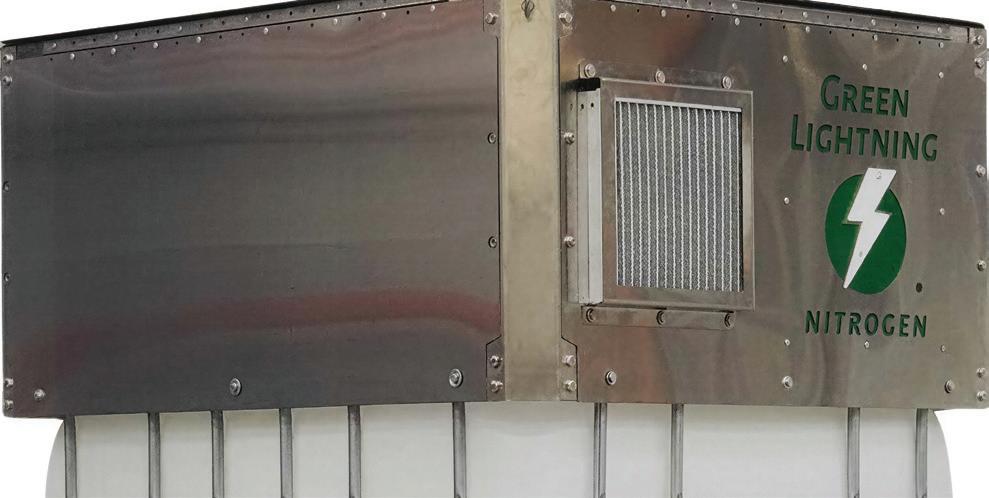
When something sounds too good to be true, people are naturally wary. Personally, I’m highly skeptical of some of the miracle soil quality products being peddled by a number of companies. However, the idea of farmers making their own liquid nitrogen fertilizer on-farm with Green Lightning has increasing credibility.
Green Lightning has been around for a few years now, and you’ve likely heard of it. The Canadian distributor is a family business called Nytro based in Kamsack, Sask. Nytro had booths at both the Crop Production Show in Saskatoon and Manitoba Ag Days in Brandon back in January. At the Saskatoon event, I caught up with company president Chris Nykolaishen.
The theory uses the same principle as how a lightning storm creates nitrogen that falls with the rain. In this case, electricity is the lightning that produces nitrogen within water. The basic Green Lightning factory has been a six-head unit making 100 gallons a day with about $4 worth of electricity.
Since it doesn’t have the salt content of regular fertilizer, measurement of the nitrogen content isn’t straightforward, but Nykolaishen says each gallon has the equivalent of about three pounds of actual nitrogen. The product is typically sprayed on the growing crop, but can also be applied during seeding.
A larger unit within a 10-foot sea can is now available. It can generate 500 gallons of product a day with an electrical cost of $30 to $35 a day.
To generate enough product for a typical farm, the units are meant to be run continuously throughout the year.
Nytro is looking into bladders for potential storage –something that can be frozen without bursting.
Nykolaishen recommends that farmers start with the smaller unit so they understand the process and what’s required. While the equipment should be monitored every day, it can be set up to operate with little supervision.
Cost is the big driver. Nitrogen from Green Lightning is far less expensive than commercial nitrogen. Of course, that only matters if the product actually works.
To their credit, lots of research trials are being conducted by credible institutions, and to date the research is showing Green Lightning nitrogen used in combination with traditional nitrogen, or used all by itself, generates a comparable yield response to commercial fertilizer.
The cost of the six-head smaller unit was $66,500 when I visited with Nykolaishen. This unit is designed for placement in a heated shop or some other building. The sea can unit is insulated and self-contained, carrying a price tag of $305,000.
Back in January, about 65 farmers in Canada were using the machines. Nykolaishen was hoping to have the system on 100 farms before seeding.
In the future, if the product continues to meet expectations, it would seem feasible for large Green Lightning installations to be established to sell the liquid nitrogen to interested producers.
Green Lightning is a revolutionary approach to nitrogen fertilizer. It will be interesting to see if it can live up to expectations.