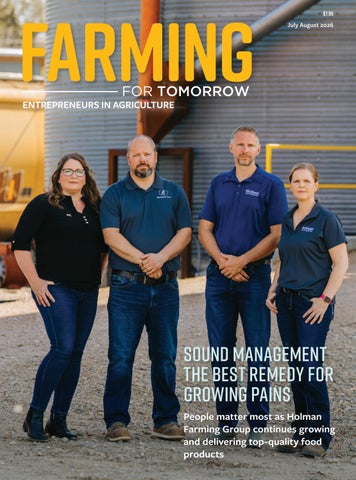
Sound Management the Best Remedy for Growing Pains
People matter most as Holman Farming Group continues growing and delivering top-quality food products
“I
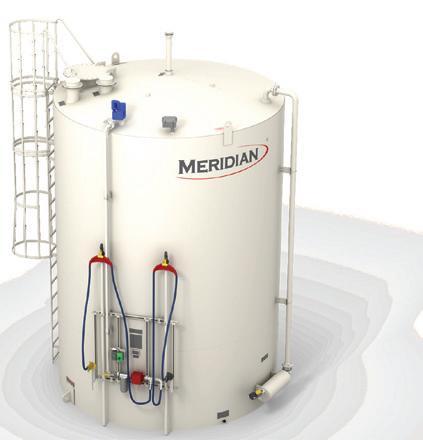
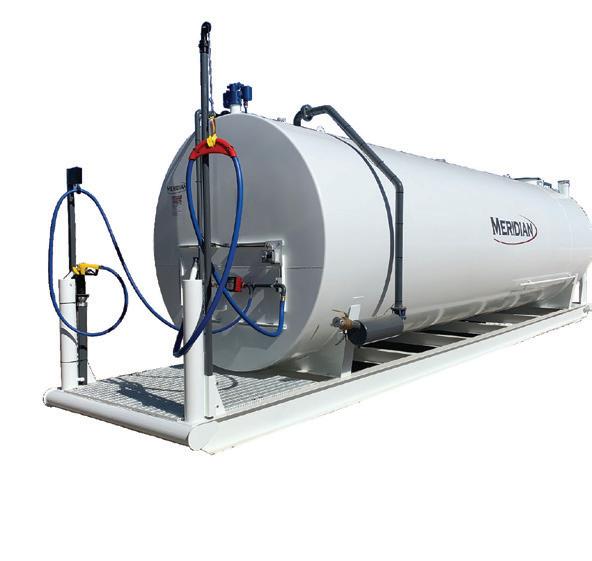
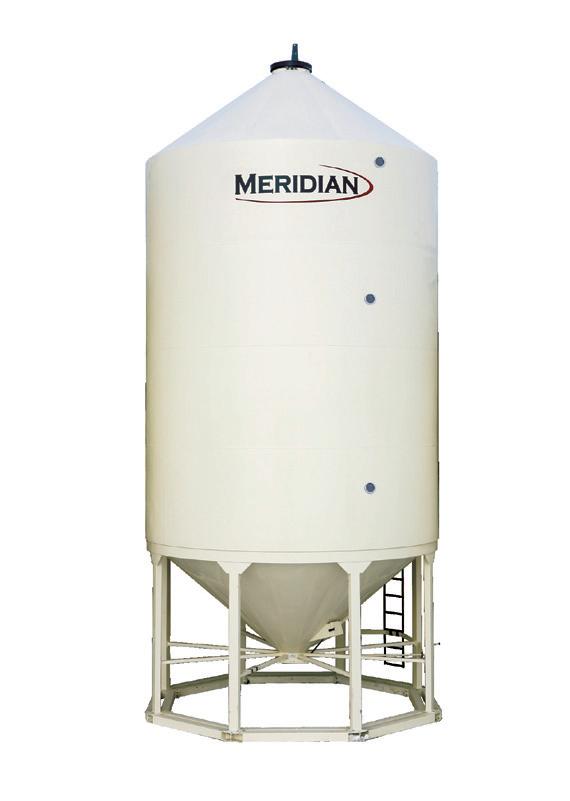
Market volatility and supply uncertainty aren’t new to farming, but they don’t have to control your operation. With on-site fertilizer and fuel storage from Meridian, you gain the freedom to buy when timing is right, secure product when it’s available, and keep your operation moving without disruption. Add in the convenience of having supply at your fingertips, plus the ability to protect and preserve your harvest, and it’s a smarter, more efficient way to run your farm. Contact us today to learn about our full line of high-quality storage products for your farm.
new Vertical Fuel Tanks
Built ahead of our time, since 1985.
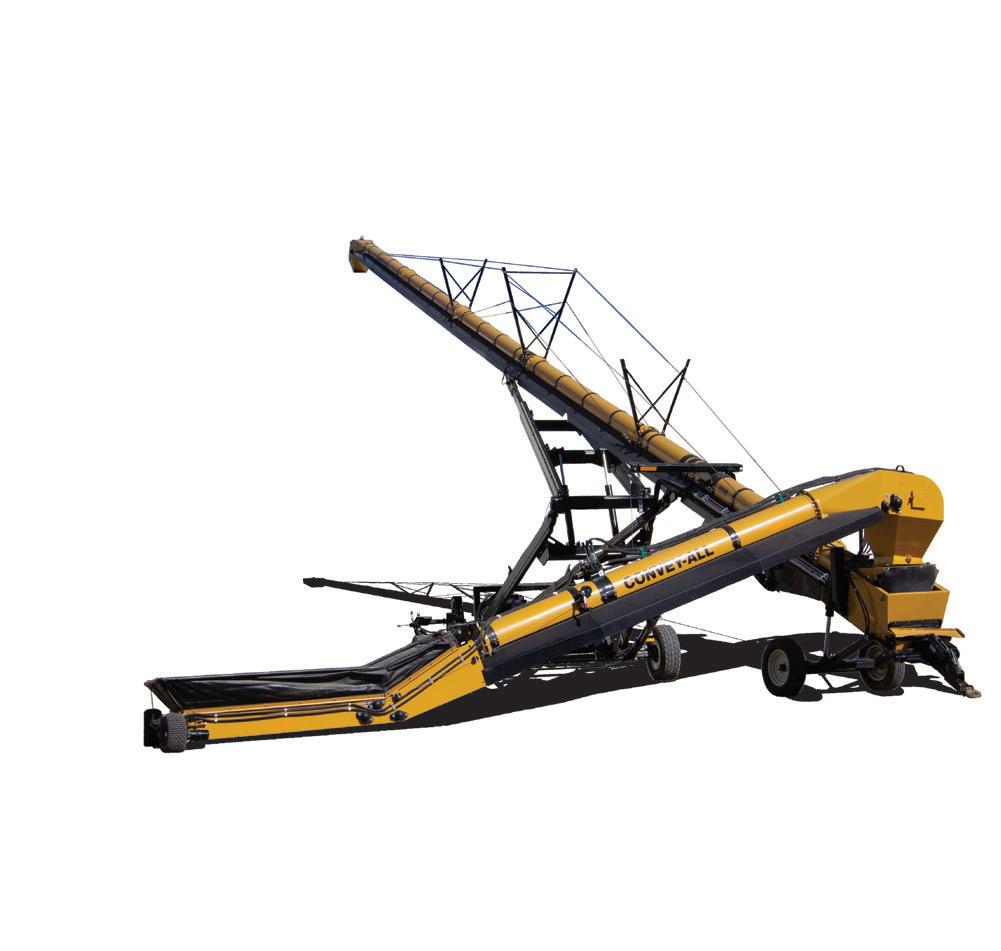
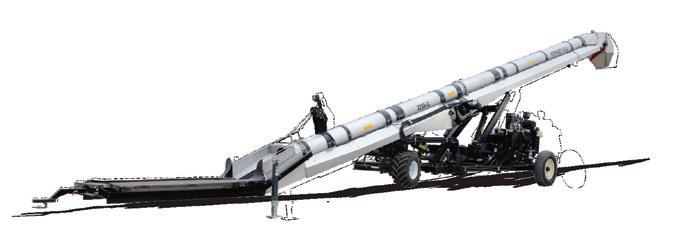
We started moving grain, seed, and fertilizer differently the moment we built our first conveyor. A decade later, we introduced the industry’s first Commercial Seed Tender. Then came our signature Hydraulic Drive in 2008- another benchmark the industry followed. Contact us at (800) 665-7259 or visit convey-all.com to learn more.
Others chase trends. We set them. And we’re not slowing down.
ANGELA LOVELL
KEVIN HURSH
TOM WOLF
SCOTT SHIELS
PAUL KUNTZ
WE’LL INSPIRE NEW GENERATIONS TOGETHER.
There’s a future on the land in Alberta and it’s in good hands. Like those before them, the next generation of producers will drive innovation and change, nourishing and protecting the land while feeding the world.
PROUD TO GROW AGRICULTURE IN ALBERTA AFSC.ca
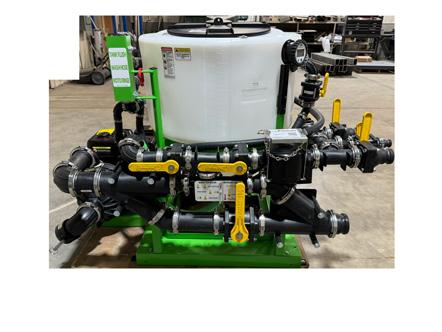
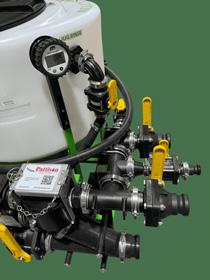
The new Inductor FLEX Series by Pattison Liquid Systems is designed with flexibility in mind. The Inductor FLEX has the capacity to service todays demanding sprayer filling needs. As optimal spraying conditions are limited, it is important to keep your sprayer where you need it. In the field spraying. The Inductor Flex takes inducting chemical to a new level with a 220 liter per minute venturi, turning filling into a race day pit stop. The Inductor Flex System is offered with a Main Tank Assembly, a Tote Meter option and a 3 inch Pump option.
The whole system is designed with versatility, allowing you to set it up accordingly to your sprayer deck configuration. All of the components of the Inductor Flex can be arranged on any side of the skid or mounted elsewhere to meet your needs.
Farming For Tomorrow is delivered to 79,873 farm and agribusiness addresses every second month. The areas of distribution include Manitoba, Saskatchewan, Alberta and the Peace region of B.C.
The publisher does not assume any responsibility for the content of any advertisement, and all representations of warranties made in such advertisements are those of the advertiser and not of the publisher. No portion of this publication may be reproduced, in all or in part, without the written permission of the publisher. Canadian Publications mail sales product agreement no. 41126516.
Tote Meter Option
Kevin Hursh, P.Ag.
Kevin Hursh is one of the country’s leading agricultural commentators. He is an agrologist, journalist and farmer. Kevin and his wife Marlene run Hursh Consulting & Communications based in Saskatoon. They also own and operate a farm near Cabri in southwest Saskatchewan growing a wide variety of crops. Kevin writes regular columns for farm publications and can often be heard on Saskatchewan radio stations. In 2021, Kevin received a Distinguished Agrologist Award from the Saskatchewan Institute of Agrologists. In 2023, he was inducted into the Saskatchewan Agricultural Hall of Fame.
X: @KevinHursh1
The Good and Bad of Weather Forecasts
As I write this, I’m just past the middle of my seeding operations here in southwest Saskatchewan. Seeding was stalled due to a wonderful rain of more than an inch. Just as the fields were almost dry, more showers and cool weather arrived. Some areas even had snow, and we might see some more cold weather here as well.
Seeding completion was pushed much later than usual, but no one here is complaining yet. After many years of drought-reduced crops, significant spring precipitation improves crop prospects dramatically.
However, seeding delays are worrisome in other regions of the grain belt. Late snowstorms, overland flooding and colder than normal temperatures are affecting many northern areas where seeding has barely started.
Winds have been ugly in many regions of Western Canada, causing extensive soil drifting and serious dust storms. Soil erosion is often considered a problem of bygone eras, but as farmers, we’re perhaps forgetting some lessons from the past.
All of this leads me to ponder the value of long-range weather forecasts. Did any of the experts predict this sort of spring? I listen each winter and early spring to the various prognostications, but I wonder why anyone bothers. Only by accident are the forecasts occasionally accurate, and therefore, as a planning tool they are mostly useless.
I’ve never given any credence to whether or not various groundhogs see their shadow and what examining pig spleens can tell you about upcoming weather patterns, but I’ve always had hope that intelligent people applying weather science might eventually provide long-range forecasts with some value.
Here’s what a valuable spring forecast could have said: “Later than normal spring. Cold temperatures and lingering snowfall events. Flooding concerns in some northern areas. Frequent high winds.”
That would have been useful and actionable to know. Instead, we got El Niño/La Niña mumble jumble and a bunch of vague generalizations on what sort of growing season weather to potentially expect.
I can’t count how many times a day I check the Environment and Climate Change Canada website on my phone. For my money, they were quite accurate this spring. Rain or snow may not have arrived exactly when they predicted, but it did arrive.
While long-range weather forecasts suck and have failed to improve, I’ve become more impressed over the years with the short-range forecasts available from a number of sources.
I can’t count how many times a day I check the Environment and Climate Change Canada website on my phone. For my money, they were quite accurate this spring. Rain or snow may not have arrived exactly when they predicted, but it did arrive.
I’m still a bit miffed that they added “climate change” to their name and many people love to hate them because of their government ties, but they provide a valuable service.
In dry years, it can be frustrating to see rain or a 60 per cent chance of rain forecast for a week away only to have it evaporate from the forecast before the day arrives. And, of
course, I don’t always like what the forecast says even when it proves to be true, but you shouldn’t shoot the messenger.
Having immediate access to weather radar is a great advancement. You can see where precipitation events are coming from and where they’re headed. Remember the frustration of trying to access weather radar with dial-up internet? Seems like we’ve had a spate of high-tech development since those days.
For some reason, better technology and modelling – and now the advent of artificial intelligence – haven’t helped long-range forecasts much. Even if I can’t manage to totally ignore them, I’ve learned to discount their accuracy and usefulness.
Meanwhile, I rely heavily on the short-range forecasts. They are an important farm planning tool.
Scott Shiels
Scott Shiels grew up in Killarney, Man. and has been in the grain industry for 30 years. He has worked with Grain Millers Canada for over 10 years and manages procurement for both conventional and organic oats for their Canadian operation. Scott is an elected board member for Farm and Food Care Saskatchewan and sits on several other committees on both the organic and conventional sides of the oat industry. Scott and his wife Jenn live on an acreage near Yorkton, Sask. Find out more at www.grainmillers.com.
Bad for Business
The continuing saga of Middle Eastern tensions and freight disruptions around the globe is still front and centre in the grain marketing world these days. While there are certainly some opportunities that will arise from these situations that could push grain prices higher, this kind of turmoil and uncertainty is generally “bad for business” overall.
One of the more certain opportunities that has presented itself is the extremely poor winter wheat crop south of the U.S. border. While unfortunate for the American wheat producer, this wreck will undoubtedly bring about strength for the upcoming Canadian wheat crop, as well as dragging old crop values higher for those who may still have a bin or two left unpriced on the farm. What this likely will lead to is a bit of a surplus of wheat here in Canada that could very easily tip the scales the other way next winter as we move into the following crop year. This year’s U.S. winter wheat crop shortage, and the subsequent increase in prices, will likely lead to increased plantings for 2027 and the ever-joyous swing of the pendulum back to lower prices.
The major market movers – corn and soybeans – are fairing better than wheat south of the border, and accordingly, have not realized the same price increase that we have experienced in the wheat markets. However, global stocks of both are tighter than the market would like them to be, so the eventuality will be moves higher. This, of course, could be tempered with some great growing conditions in North America, or some production surprises elsewhere around the globe. For us here in Canada, price increases in corn generally translates to higher oat and barley prices, while soybeans obviously drag the canola market along with them, whichever direction that may be.
The conflict in the Middle East continues to affect markets, and maybe even more importantly, fuel and other crop input prices, all in a very negative fashion. Hopefully, we’ll see some resolution prior to harvest so that maybe we at least get a reprieve on gas and diesel pricing before the next major output of field energy this fall.
The other negative impact that this war has caused is major increases in ocean freight, as well as a significant increase in concerns around certain shipping lanes when it comes to exporting our specialty crops such as lentils. StatCan’s end of March report estimated that current lentil stocks were more than double the previous year at the same time. Not all of this is related to the conflict over yonder, but some of it definitely is. This kind of increase in carryout has the potential to really drive prices lower, and the delay in seeding could cause less to be planted, which could mitigate the price dip later on.
We are expecting a decent increase in flax acreage this year following a very strong crop in both yield and quality in 2025. The other factor that we expect to be a negative when it comes to flax pricing is imports from offshore. However (and this is insider info so don’t tell anyone), the market is seeing a decrease in offers from overseas that are in the normally lower price range. This is great news for the Canadian flax grower as it means that we should see an increase in export opportunities both offshore and into the U.S., and that should lead to strong pricing in the new year.
Until next time…
THE NEXT EVOLUTION OF THE VICTORY CANOLA PROGRAM
Think of V27-1G as an improvement to a winning program you already know and trust. It offers strong disease protection, added flexibility in how you manage and harvest your crop, and the potential for stronger per-acre returns. With this addition to the lineup, the Victory Canola Program is showing its commitment to pushing your farm forward.
VictoryCanola.ca
PLANT THE UPGRADE, HARVEST THE BENEFITS.
Cargill’s Victory Canola Program adds a new hybrid with next gen clubroot and Optimum® GLY trait.
If you’re already part of Cargill’s Victory Canola Program, you know what it means to be part of a system that delivers. A system that’s built on consistency, performance, and returns you can plan around.
This year, that system is getting an upgrade.
The introduction of VICTORY® V27-1G advances the Victory Canola Program by allowing you to choose when to spray and harvest, letting you adapt more easily while maintaining reliable results using the Optimum® GLY trait technology system. “With V27-1G, we’re building on what growers already trust about the Victory Canola Program while introducing more flexibility in how they manage their crop. It’s about giving producers more control without adding complexity,” says Lisa Smith, Victory Canola Product Development Lead.
With even more harvest management flexibility, V27-1G provides more options when it comes to how and when you take off your crop. No more strict schedule for swathing when your crop can tolerate variations in timing without losing quality or yield. This upgraded system supports flexible herbicide applications, offering a practical advantage for growers managing multiple crops on tight timelines.
V27-1G’s advanced disease package, including next generation clubroot and proven blackleg resistance, helps protect your crop from yield loss due to disease, even as risks rise across the prairies, ensuring strong crop performance.
Results are what matter when it comes to your crops, and V27-1G has demonstrated it can hold its ground. “We’ve seen V27-1G perform very competitively in trials, not just in yield, but in overall return per acre,” says Vuk Bozic, Director, Production Management. “It’s designed to help growers stay productive and profitable, even in a challenging environment.” In 2024 private research trials, V27-1G delivered 104% of comparable TruFlex® canola hybrids and returned an average of $44 per acre above the commodity check. When margins matter, that kind of performance adds up.
Think of V27-1G as an upgrade to a successful program you already know and trust. Its strong disease protection, flexibility in how you manage and harvest your crop, and the potential for stronger per-acre returns are just more ways to keep your farm ahead. This is how the Victory Canola Program continues to evolve — by improving the tools you rely on, without adding complexity. Because when every decision counts, it pays to have more ways to win.
Bayer is a member of Excellence Through Stewardship® (ETS). Bayer products are commercialized in accordance with ETS Product Launch Stewardship Guidance, and in compliance with Bayer’s Policy for Commercialization of Biotechnology-Derived Plant Products in Commodity Crops. Commercialized products have been approved for import into key export markets with functioning regulatory systems. Any crop or material produced from this product can only be exported to, or used, processed or sold in countries where all applicable regulatory requirements have been met. Growers should talk to their grain handler or product purchaser to confirm their buying position for this product. Excellence Through Stewardship® is a registered trademark of Excellence Through Stewardship.
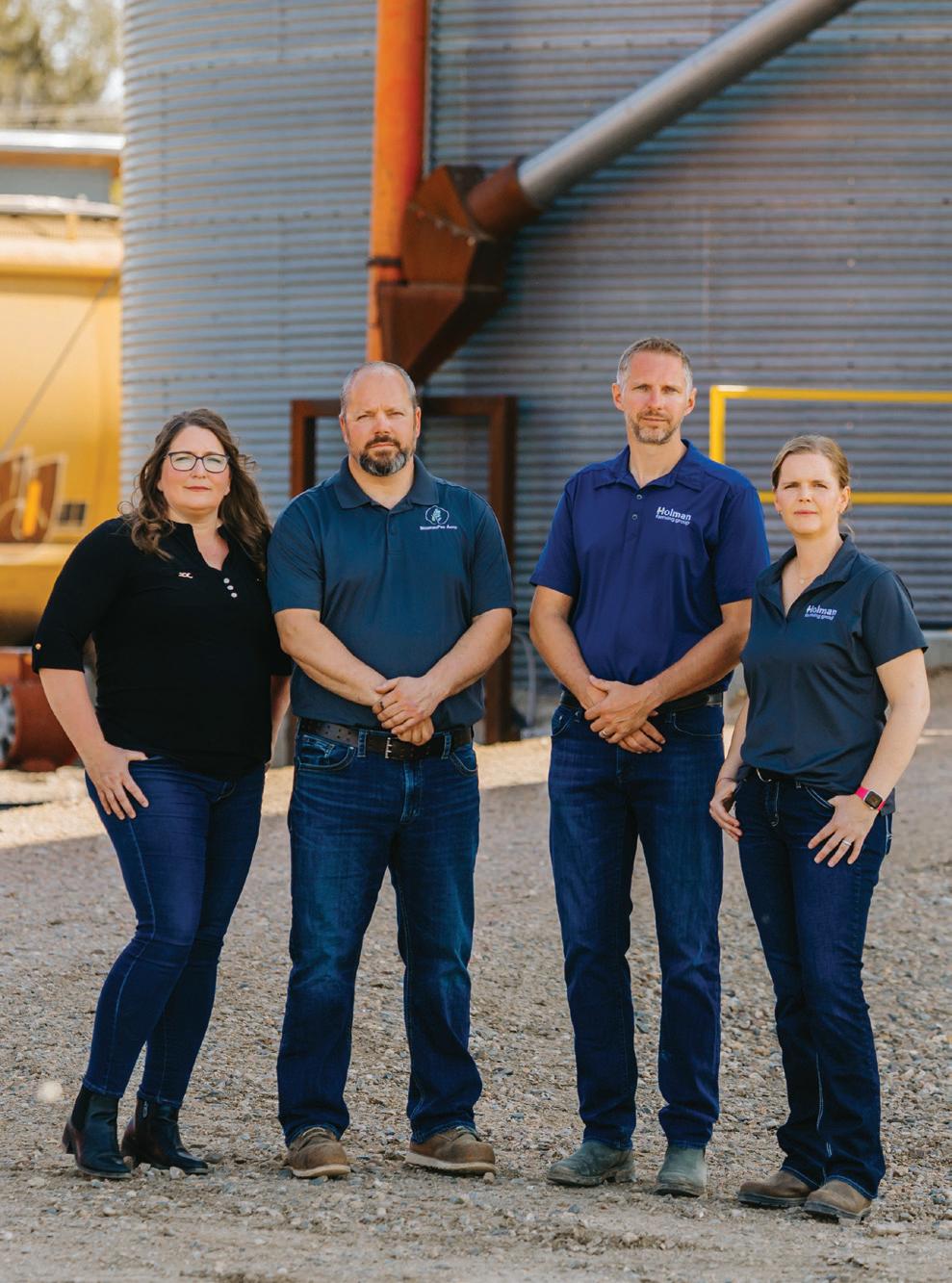
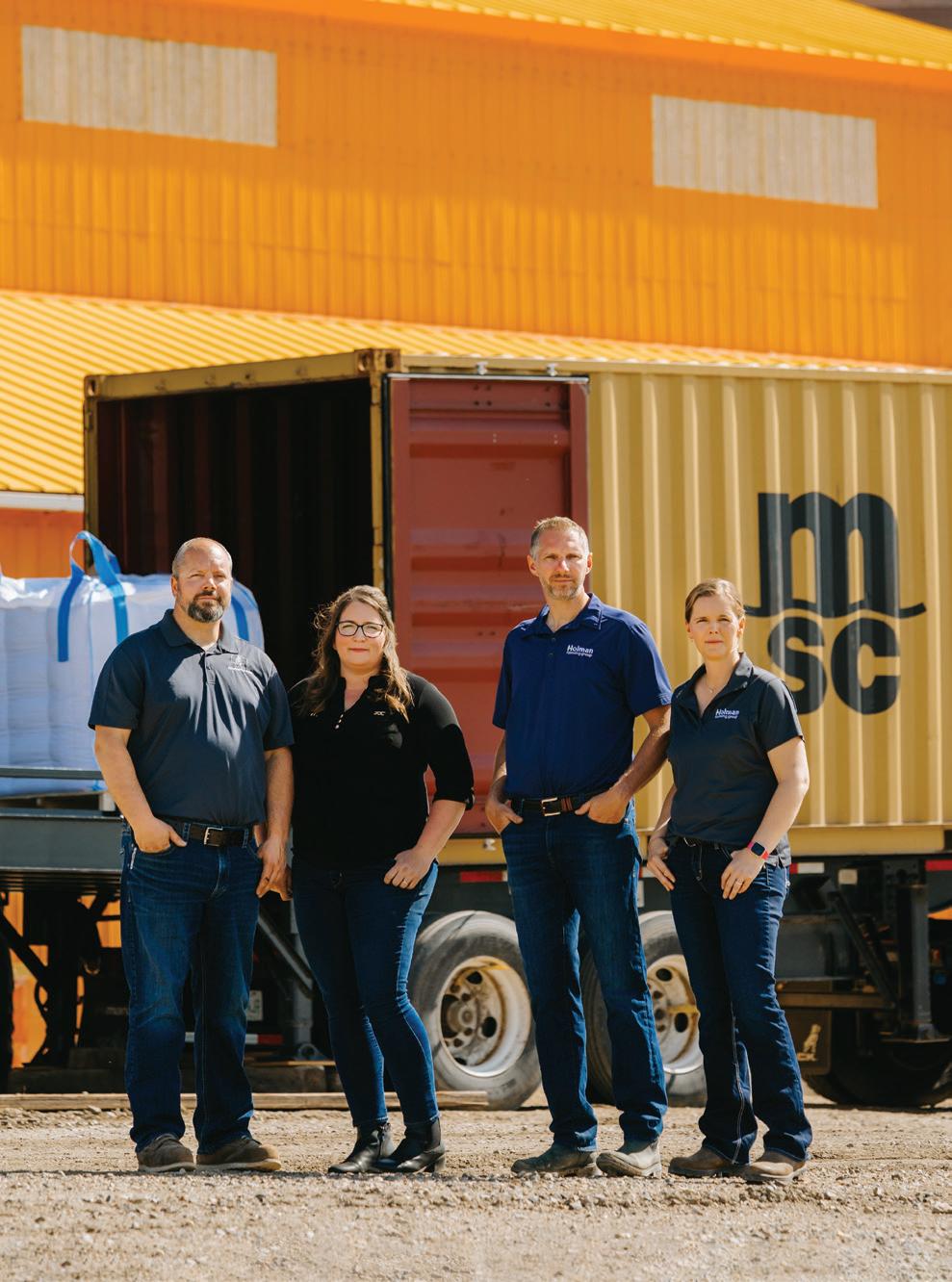
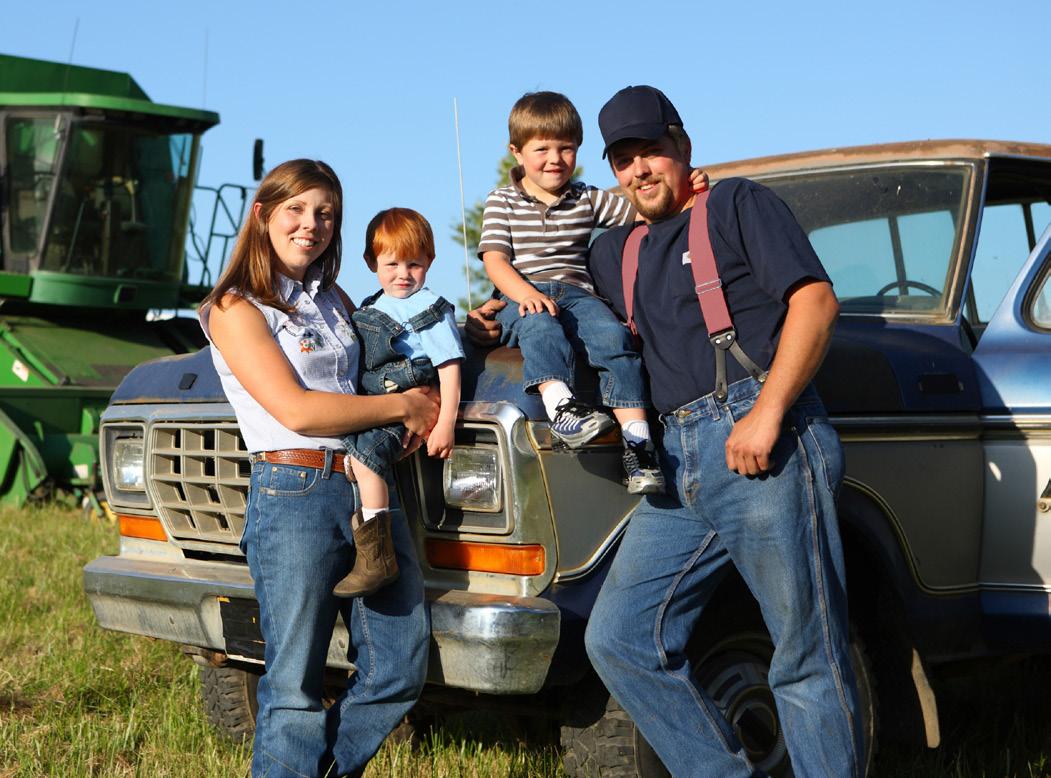
Jesse Bruce, Shauna Bruce, Dan Holman and Stacey Holman know people matter most in the vision to grow and deliver top-quality food products.
SOUND MANAGEMENT THE BEST REMEDY FOR GROWING PAINS
BY ANGELA LOVELL
PHOTOGRAPHY BY THIS LITTLE LIGHT PHOTOGRAPHY
When a farm business grows from just over 2,000 acres to 20,000 acres in 20 years, there are a lot of challenges along the way, but what’s essential is a focus on strong business management and having the right people in the right roles.
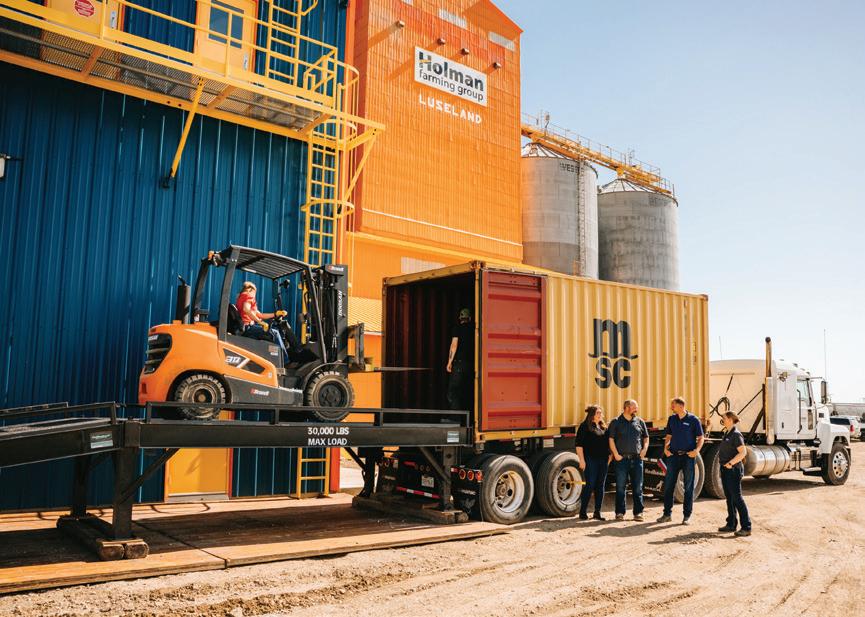
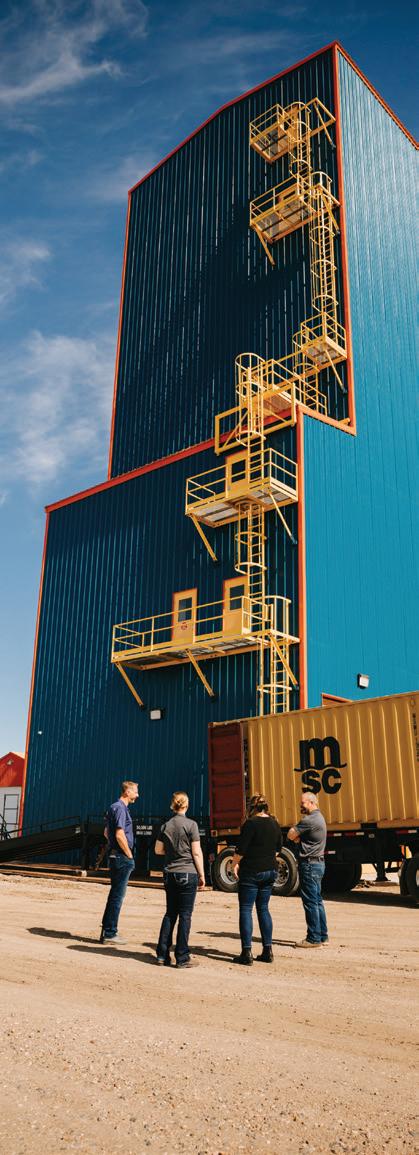
Not only did Holman Farming Group, near Luseland, Saskatchewan, experience this growth, the Holman family also added other enterprises over the years. Additions included an elevator with an adjacent rail siding and a grain processing and bagging facility, while also diversifying into new export markets.
Representing the fourth generation to operate the farm, originally homesteaded by his great-grandfather in 1908, Dan Holman focuses on three distinct areas: finance and administration, operations, and sales and marketing, with key people managing each area. Production manager Bailey Tweddle oversees the day-to-day operations of the farm, while Holman’s business partner, Jesse Bruce, manages the processing plant.
Meanwhile, Holman manages sales and marketing, building on his education and experience. With his bachelor’s degree in crop science and master’s degree in agricultural economics, he moved back to the farm with his wife, Stacey, to join his parents, Rod and Gayle, and worked as a grain merchandiser before joining the farm full time in 2012.
“Working at the grain elevator, I was selling grain into the world markets, and was introduced to how the banking system works, and things like margins and interest rates swaps, trading letters of credit, and how futures markets work,” he says. “One of my tasks was to create a risk management
“From the person sweeping the shop floor to the person who’s making the decision to buy lentils or fertilizer, no one is more important than the other; everything has to function together; we have different people with different accountabilities.”
- Dan Holman
program for the company, so I set up a hedging program using U.S. dollar futures to hedge Canadian grain. As I built those systems, it gave me an understanding of how world grain markets work.”
A vision of serving export markets
Armed with this experience, Holman had a vision of selling grain directly into export markets but wasn’t sure how to overcome the logistics of shipping and quality control. In 2019, when he got the opportunity to purchase an old elevator with its own rail siding, the shipping problem was solved, but after several years of cleaning and shipping grain to new domestic and export customers, Holman realized they needed to upgrade their facility to be able to clean and package other crops, such as pulses, that would help them further diversify their markets.
Dan and Stacey also realized they couldn’t do it alone, so they approached longtime friends, Jesse and Shauna Bruce, about partnering on a new venture. Together they established a new jointly owned company, NourishPro Agro, and set about building a state-of-the-art processing plant that was completed in 2024.
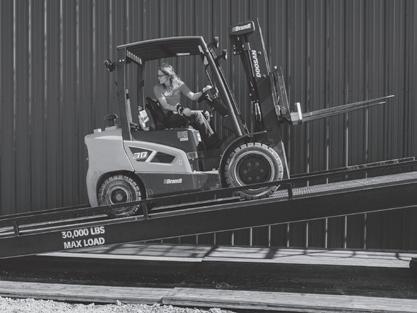
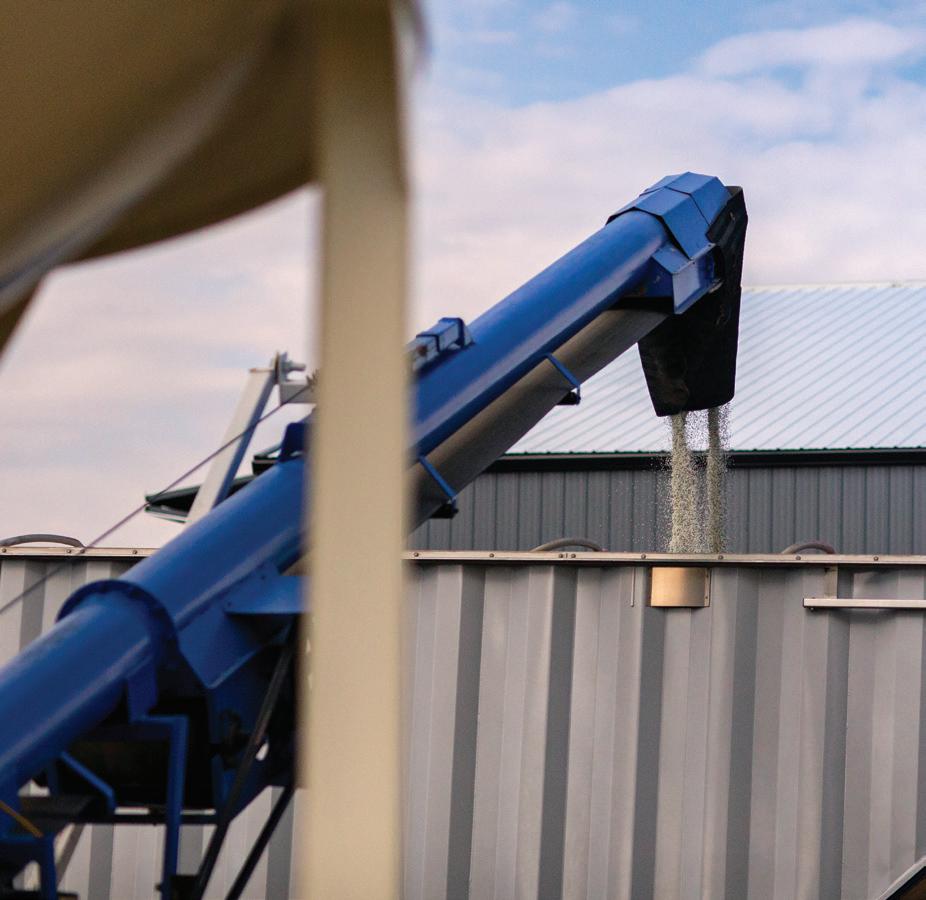
The processing plant, which is ISO 22000, HACCP, kosher and organic certified, has allowed the team to diversify into different crops to meet the specific quality specifications of their customers, adding value to the end price and allowing them access to new market opportunities.
By 2025, they were shipping grain to customers in Canada, South America, Asia and Europe, interlining with both national railways, CP and CN, to deliver railcar and container loads for export destinations, alongside their own fleet of trucks and trailers to deliver to domestic customers.
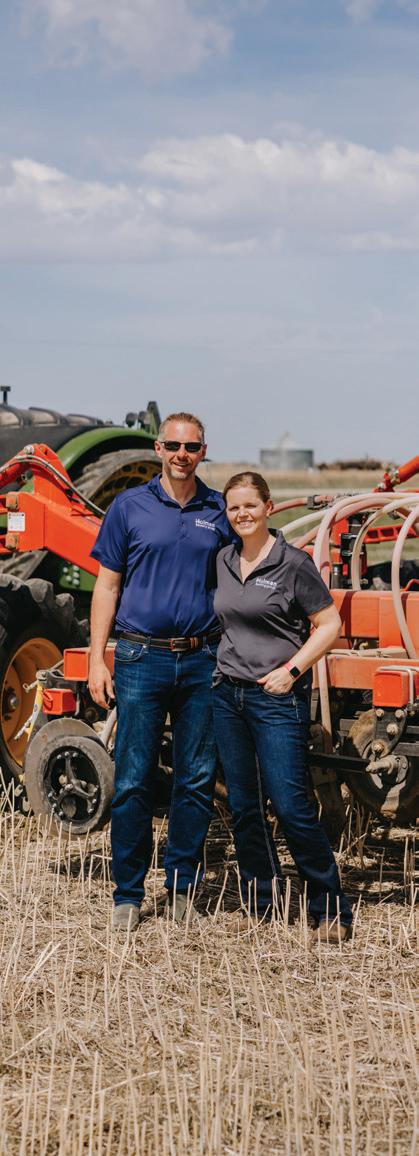
Dan and Stacey Holman have added new enterprises to the fourth-generation farm over the years.
This summer, NourishPro Agro will complete the process of obtaining a Canadian Grain Commission licence that will allow the company to act as a licensed primary elevator and market other farmers’ grain as well as their own.
“Our farm is now a supplier to NourishPro Agro, which is then marketing the grain around the world,” Holman says. “Because NourishPro Agro and Holman Farming Group are two separate companies with separate accounting systems, there’s a clear boundary of the values that are being paid for grain, so one is not being subsidized through the other.”
Technology a key component
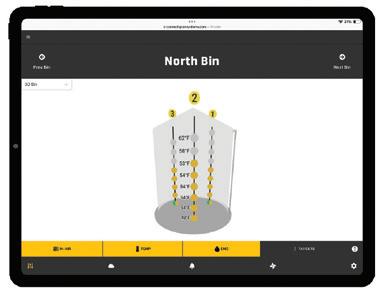
Holman has developed a management system using a platform called EOS (Entrepreneurial Operating System) that is popular with many entrepreneurs, but not as common in the agriculture sector. The system employs technology at every level, from cameras in the elevator and automated systems in the processing plant to collaborative content sharing applications like Microsoft’s SharePoint and OneNote for digital note-taking. Holman and his team hold regular virtual meetings with each other and outside professionals – like the company’s CFO –providing access to expertise without the need to be on-site.
“One of the essential pillars is accountability, so everybody is assigned things they’re accountable for,” he says. “Microsoft SharePoint has allowed us to collaborate so much better because now we have shared documents, and with these tools in place it allows for remote work but also accountable remote work.”
People matter most
While the technology links everybody and helps to keep them on track, it’s still the people that matter the most in the system, and so defining and assigning roles and responsibilities has been a huge part of creating a system that ensures efficiency in operations for the farm and the processing facility.
“From the person sweeping the shop floor to the person who’s making the decision to buy lentils or fertilizer, no one is more important than the other; everything has to function together; we have different people with different accountabilities,” Holman says. “As our farm grew, we had up to nine people who I was managing directly, and all the decisions basically had to run through me. When we started designating roles and delegating management, that’s when our
This summer, NourishPro Agro will complete the process to receive a Canadian Grain Commission licence to act as a primary elevator and market other farmers’ grain.
business started growing even more because then I could focus on things that make the business advance.”
Once those roles and responsibilities were defined, they needed to document them through SOPs (standard operating procedures).
“We needed a system so that we have continuity between people, because when you delegate management and leadership positions, if that person needs to move on for whatever reason, you can’t have a big black hole,” he says. “It forces you to view the processes differently, basically acting on the premise that a person is not going to do the job forever. But it often makes people stay because the process is better.”
Preparing for the next generation
The Holmans have four daughters – Lily (16), Claire (15), Harper (13) and Stella (10) – who will soon be starting to think about careers. The business structure is designed to facilitate the next generation stepping into whatever role they want to do, and the management roles don’t necessarily have to be family members.
“We have full-time people on the farm, and I’m the only one with the last name Holman who works on the farm every day,” Holman says. “We really try to separate out the financial risks
“I am excited that some of our employees’ children and spouses are working on the farm. We think this is a huge testament to the culture we have created that our team would like to see their family members be a part of the business.”
- Dan Holman
that are associated with being an owner, accountabilities that are associated with management, and daily responsibilities that are associated with doing the work. I am excited that some of our employees’ children and spouses are working on the farm. We think this is a huge testament to the culture we have created that our team would like to see their family members be a part of the business.”
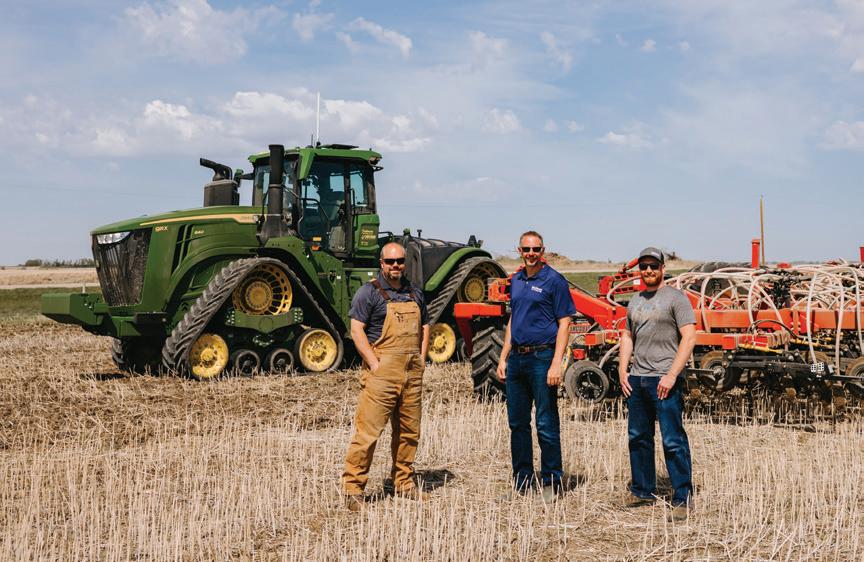
Dan Holman, centre, out in the field with Jesse Bruce and Bailey Tweddle.
WANT TO DIVERSIFY? START WITH WHERE YOU ARE
Dan Holman and his partners at Holman Farming Group have grown their fourth-generation family farm near Luseland, Saskatchewan, into a multienterprise business that ships grain to export markets around the world.
It can be daunting to embark on any new venture, so Holman suggests the 4C learning model to gain knowledge and confidence.
“The first step is commitment, you’re going to do it, and the second is having the courage to stick with it because it’s not going to be great the whole time,” Holman says. “Once you do that it gives you capability, and once you get some traction that gives you the confidence to try it again.”
But what if farmers want to explore different markets? Start with your current customers, Holman says.
“Who is writing the cheques? Is it the grain company you are delivering to? What can you do for them to help them out?” he says. “Do they want you to deliver more often, less often? Do they want you to do a specific contract? What can you do to do a better job for them?”
There are plenty of marketing courses that people can take to understand some basic market principles and how futures markets work which can provide a lot of insight into pricing of commodities.
“Those things don’t require any infrastructure; they just require you to sit and do some understanding and learning,” Holman says.
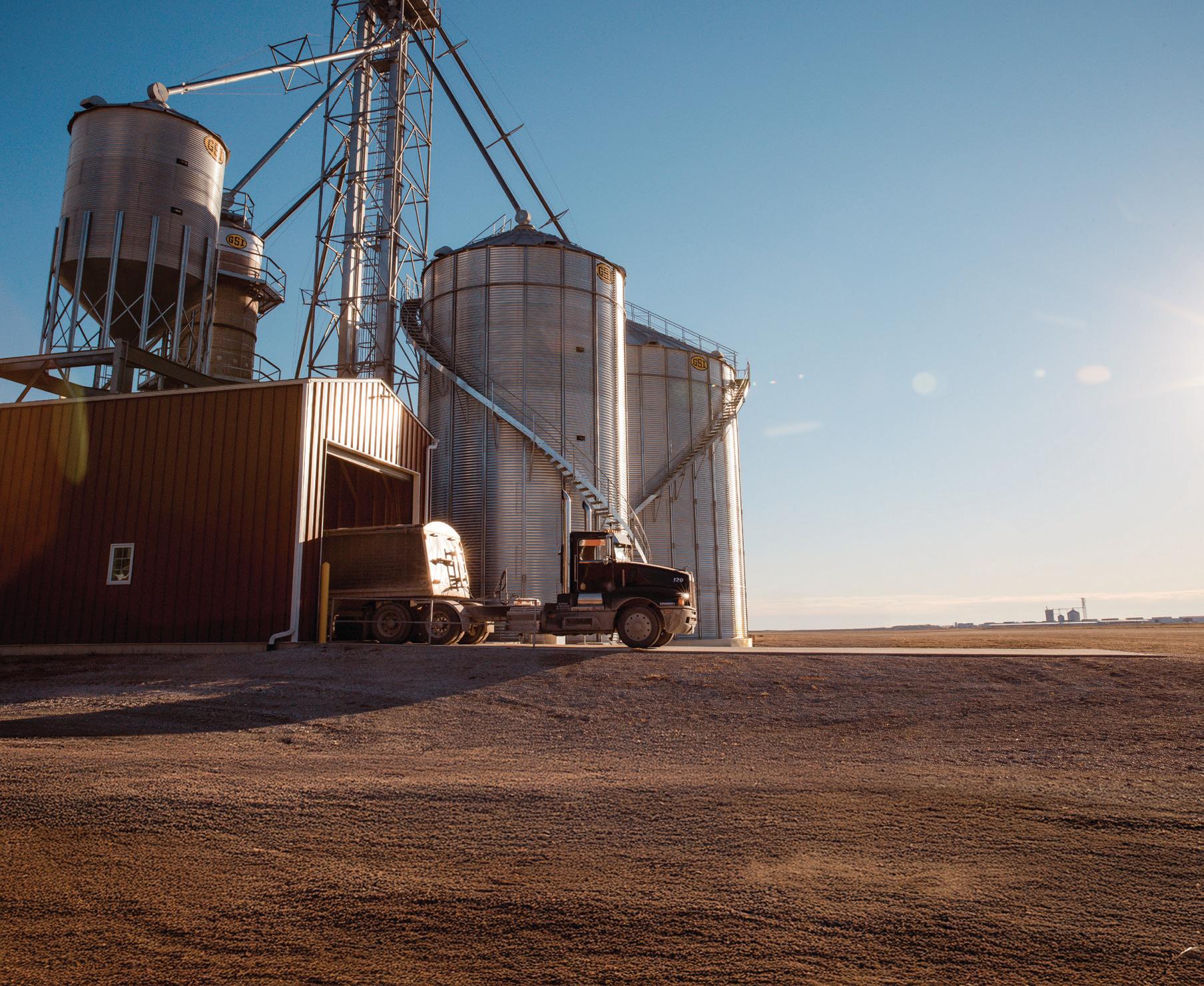
Processing plant at the farm.
Innovative farming has its rewards
Apply
for the FCC Sustainability Incentive Program
We’re rewarding FCC customers like you, who are using smart and sustainable practices. Think of it as a bonus for a job well done. Your wallet will thank you, and so will the next generation of farmers.
DREAM. GROW. THRIVE.
Hybrid Rye Gaining Ground with Western Farmers
By Becky Zimmer
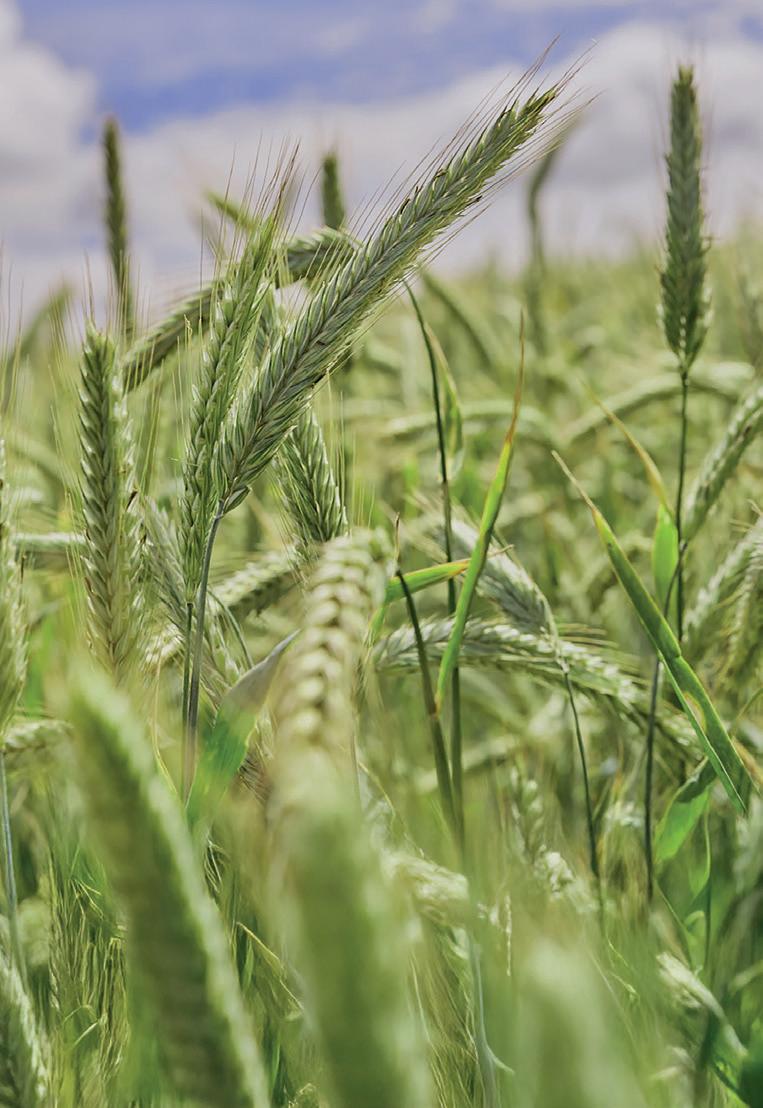
With the growing popularity of hybrid rye, more western Canadian farmers are exploring ways to incorporate hybrid rye into their crop production schedules and crop rotations.
Hybrid rye tends to choke out stubborn weeds like foxtail barley, wild oats and kochia, so for farmers with marginal acres, rye crops provide more benefits than just a stronger profit margin and growing marketability.
Whether you’ve been planting hybrid rye for years or months, there’s always something to learn about getting the most out of your fall crops.
New to plant
According to KWS, hybrid rye varieties offer drought tolerance, efficient nutrient use and strong resistance to ergot, as well as consistently high yields and standability.
These are what drew Lance Ambrock to give hybrid rye a chance.
A fourth-generation farmer, Ambrock was looking for something new to diversify his grain farm near Myrnam, Alberta. This past fall was his first time planting hybrid rye, KWS Bono, adding a fifth crop to his 3,000-acre operation.
After seeding into hot, dry conditions in early September,
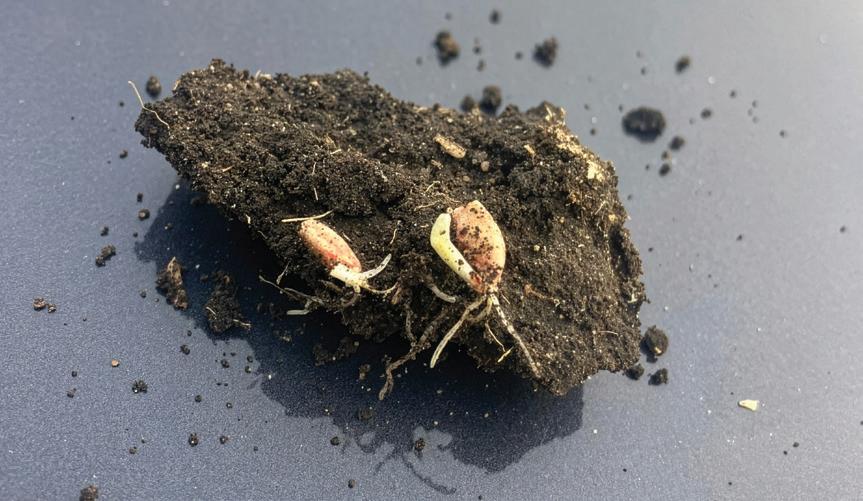
much of the crop sat in the ground waiting for moisture. In many cases, emergence didn’t come until early November, when a small rainfall followed by significant snowfall finally triggered germination.
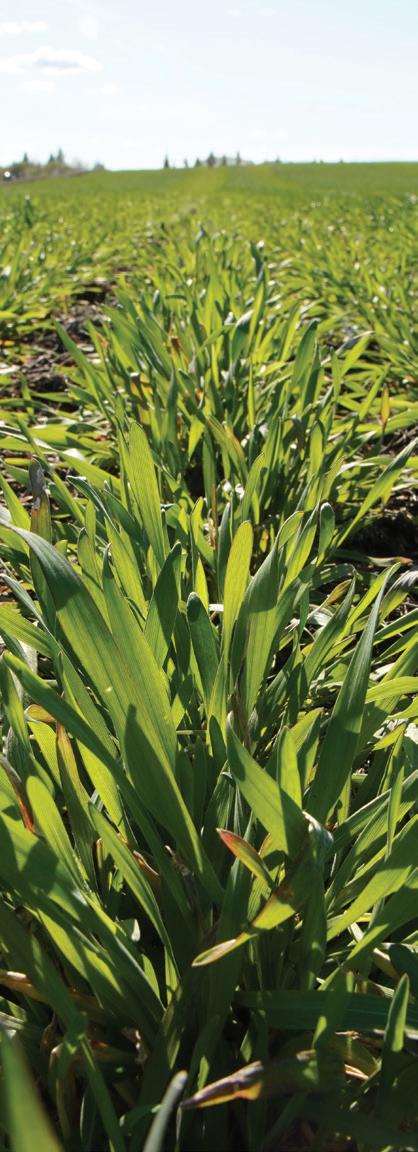
As Ambrock explains, while fields showed little visible growth heading into winter, digging beneath the snow revealed a different story: uniform sprouting across the field. That early root and shoot development is exactly what hybrid rye needs to vernalize before dormancy and elongate in the summer to produce grain.
Now, with weather conditions improving, those fields are proving it out. Early May assessments showed solid establishment, with plant stands in the 16 to 18 plants per square foot range. The next chapter will depend on how the crop continues to develop, but the foundation for a successful year is firmly in place.
Ambrock says he is still being cautious and starting small, with a 250-acre marginal field now in rye production. Half of the field was covered in wild oats, while conditions on the other half weren’t as extreme. It will be interesting to see the result between the two different growing conditions, he adds, but starting out on marginal acres has been the perfect time to learn what works before chancing a bigger crop with more to lose.
“They don’t need as much chemical weed control on them to be able to help keep the field clean. That helps to manage weeds that are resistant to chemistries, or high, heavy populations they just can’t establish in the same way, if the rye is healthy and coming first.”
- Eric McLean
“At the end of the year, if we get a good result out of it, that proves, when the conditions do get better, we will have more success compared to doing it the other way.”
Driving down the road with his grain seeder in the fall did earn Ambrock some interesting texts from his neighbours, but getting the rye in the ground was less stressful than waiting for his canola to ripen.
Seeding any crop in the fall is labour intensive, but if the hybrid rye makes it worth the work, Ambrock believes they will have an easier time with it next season with more experience under their belts.
Experienced and thriving
As a full-line seed retailer and processor, Eric McLean puts three-quarters of his 10,000-acre seed farm into production in Oak River, Manitoba, including cleaning and conditioning hybrid rye seed products for KWS.
McLean has watched hybrid rye grow in popularity and marketability over the last five years, from its contributions to cover crop mixes, animal feed, and food and beverage production.
He says it’s flipped crop production on its head, because instead of having crops emerge with the weeds in the spring, they have a head start in the fall and can outgrow a lot of those weeds that can impact yields and the need for inputs.
“They don’t need as much chemical weed control on them to be able to help keep the field clean. That helps to manage weeds that are resistant to chemistries, or high, heavy populations they just can’t establish in the same way, if the rye is healthy and coming first.”
According to McLean, wild oats is one of those weeds that just can’t compete with the hybrid rye varieties, which negates the need for herbicide applications to his rye crops.
Some hybrid rye varieties are also better equipped to handle ergot infestations – a toxic fungal disease found primarily in cereal grains like rye. As the market grows for rye as animal feed, controlling ergot at the source with strong genetics is cutting back the need for expensive grain cleaning.
Besides these lower input and cleaning costs, farmers are also welcoming this new addition to their crop rotations, but it does take some additional planning on whether the rye will be a good fit for that plot of land.
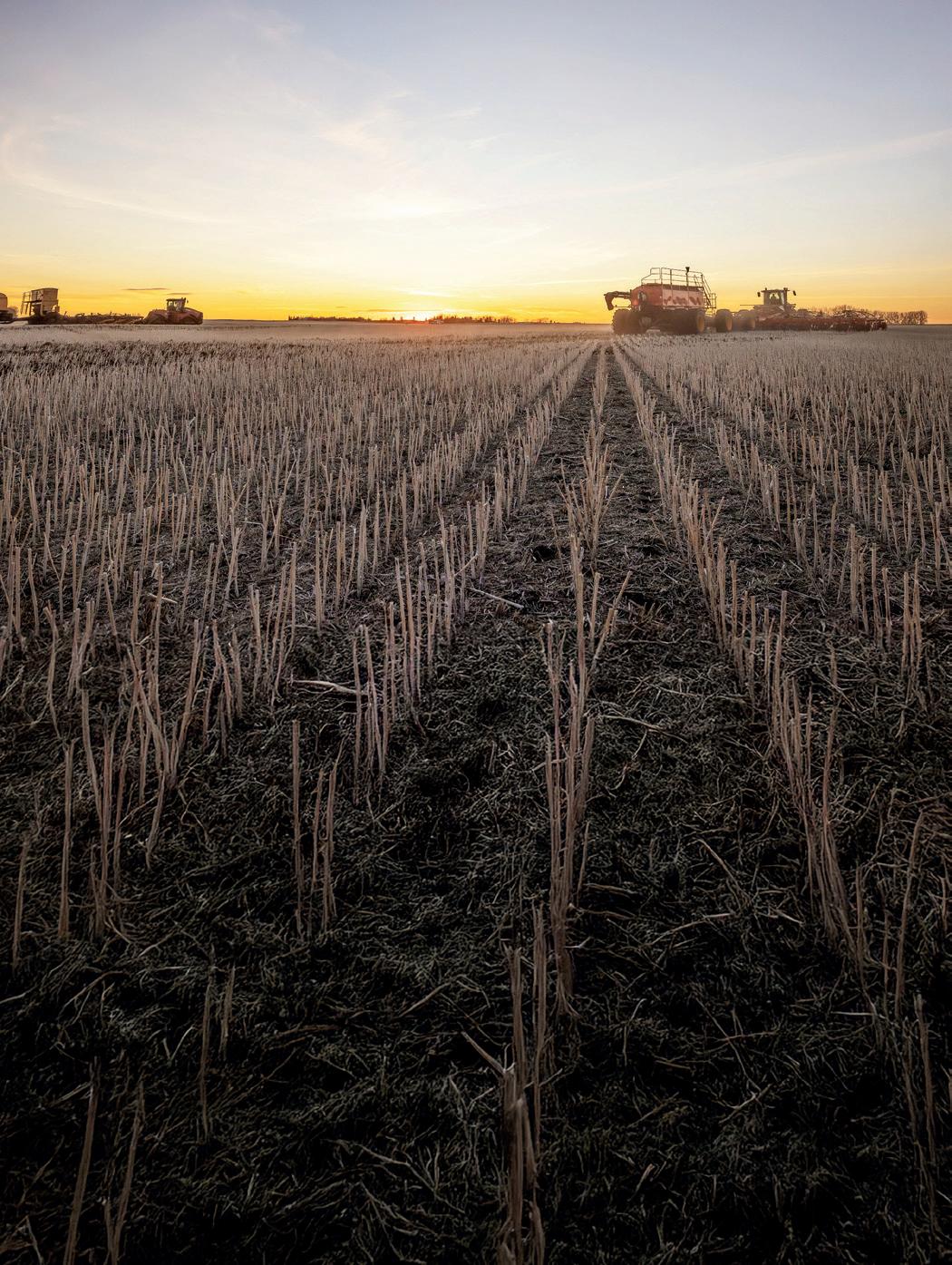
Some years are easier than others, says McLean, and whether the previous crop is one that comes off early enough in the season to easily jump in the seeder and get the rye planted among the stubble. Early seeded canola, barley, oat and pea crops have been great precursors to rye planting since the residual stubble holds onto the fall and winter moisture and encourages that three-leaf fall emergence that rye needs for spring success.
However, what went into, and onto, the ground before could have a negative impact on what’s coming up, or not going to come up, in the future, adds McLean, so farmers must take note of what came before to plan for what they want after.
“We have to always watch whatever chemistries we’ve used on those crops to be able to make sure that they’re not going
“We have to always watch whatever chemistries we’ve used on those crops to be able to make sure that they’re not going to affect the rye establishment going forward.”
- Eric McLean
to affect the rye establishment going forward,” he says. “Peas could have a chemistry that you apply onto them that could damage the rye. And same thing with some of the other soybean crops.”
As a winter crop, McLean wasn’t interested in growing rye until hybrids came on the market.
He says advances in breeding have led to better ergot control and more dependable establishment – critical benefits when working against weather and labour constraints in the fall. With those improvements, hybrid rye is becoming a more attractive and manageable option to move forward with.
Your Farm is a Success... Now What?
Part II: Passive Investing for Succession and Generational Wealth
By Nerissa McNaughton
In the last issue, we looked at the concept of a family office for agricultural corporations. Part two examines the aspect of passive investing within the overall strategy. (Missed part one? Catch up now by picking up the May/June 2026 issue or view it online at www.farmingfortomrorow.ca.)
The concept of passive investing to fuel generational wealth and aid with the succession of a business is not a new concept. However, the thought of passive investing for farmers is not always top of mind. From soaring fuel prices and regulated fertilizer disputes to the tricky topic of strychnine for gophers and the major issue of moving crops on the international market, who has time to think about investing?
The fact is, you have more time to pay attention to the major issues facing your farm and family when you layer passive investing into your operations. Not only is it a time-saving measure, but it also eases the financial burden now and can compound to provide steady cash flow into the future for you, your family, your farm and future generations ... if it is set up right.
To help ensure farmers achieve this goal, Adrian Pannozzo
from Generational Wealth Inc. (GW) is part of the Farmstrong family office.
Based in Hamilton, Ontario, Pannozzo runs GW, a premier multi-family real estate (apartment buildings) investment firm with a portfolio containing more than 600 units across 90 buildings. This allows GW’s clients to enjoy low risk and a longtime horizon as they passively invest with confidence. GW’s fully integrated services include its own in-house acquisition team, capital raising, construction/development and property management. Clients step into an investment solution that has a ready-made foundation but is still customized per client.
For Pannozzo, helping to protect families is nothing new. He started GW after spending 21 years in policing.
“When I first began investing in multi-family real estate, my mindset was that I was only looking to create extra passive income through cash flow from rental properties so when I retired from policing, I would have extra income to offset the lack of a steady paycheque,” he explains. “However, as my wife and I … started growing the portfolio, we began to partner
Introducing Starlink for Business with SaskTel
High-speed internet anywhere in Saskatchewan.
SaskTel is excited to announce that we are now an authorized reseller.
Powered by a fleet of low Earth orbit (LEO) satellites, Starlink for Business brings high-speed connectivity to every corner of Saskatchewan — including remote and hard-to-reach locations. Whether your team depends on critical business systems, field applications, or day-to-day IT operations, Starlink for Business has you covered.
Starlink Features
• Access Starlink’s Low Earth Orbit Network Thousands of Starlink satellites orbiting at approximately 550 km altitude provide coverage across Saskatchewan even in the most remote areas.
• Fixed or In-Motion Use
Delivers high-speed internet whether you are operating at a fixed site or on the move.
• Diverse Starlink Hardware Options
Choose from 3 different kits based on your business needs.
SaskTel Benefits
As a Starlink Authorized Reseller, SaskTel provides:
• Simplified billing
• On-site installation
• Local SaskTel support
• Compatible with other SaskTel Business services such as IBC and SD-WAN
*Must meet the requirements of a standard installation as defined in the Starlink for Business terms and conditions.
with other like-minded investors. Things evolved naturally from there. That service and protection mentality that I take very seriously transitioned from policing to investing and helps ensure we, and our clients, are successful.”
The crux of passive investing is to make your money make money while you are busy doing other things – like running the many daily aspects of your farm. Imagine ... having monthly or annual deposits in your account based on an initial investment; deposits that are compounding, allowing you to enjoy the interest while letting the principal continue to generate cash in the background.
“With GW,” Pannozzo continues, “passive investing means your properties generate positive cash flow. After all expenses are paid at the end of the month, there is money left over –that’s your cash flow. We call this passive income because you are not physically or manually working to generate it. Instead, the income is produced through the rent paid by the tenant. For example, if you have $1,000 left over each month after expenses, that amount is considered passive income because you are not actively labouring for that set income.”
Pannozzo wanted GW to be a part of Farmstrong for the same reason he went into policing: to protect, serve and help families have better lives.
“I learned a lot through Derryn Shrosbree,” he says of Farmstrong’s founder, “and the more I get to know farmers
“We are a ‘generational wealth/get rich over the years via investing in real estate’ company. For us, it is about looking after the immediate family, then the generations to come well beyond the span of our own lives.”
- Adrian Pannozzo
and how they conduct business and how they look after their families, the more I see how important it is to have a boutique product for the farming community. They have the same needs as clients in other industries when it comes to succession and generational wealth, yet their ag industry has very unique needs, challenges, succession timelines and planning. I want to see generations succeed and be a part of the shift happening in the farming community.”
What is that shift? A massive move to succession happening alongside the continued scale-up of farms based on increasing technology and broader access to larger markets.
Pannozzo adds, “Most farmers I know have two to 10 children. Some children work on the farm. Some don’t. Through the power of passively investing in multi-family real estate, all the children in the family can be looked after with long-term wealth by investing in long-term real estate, whether they are on farm or have left the family business. We teach families and show them the benefits of multi-family long-term investing. We are not a ‘get rich tomorrow’ model company. We are a ‘generational wealth/ get rich over the years via investing in real estate’ company. For us, it is about looking after the immediate family, then the generations to come well beyond the span of our own lives.
“The real shift,” he concludes, “happens when you stop chasing quick wins and start making your money work for you. Long-term wealth is built by ‘focusing on the farm, not just the harvest’ by creating a steady income that keeps working in the background, year after year. That’s the power of patience, vision and passive income: it gives you the chance to build something that lasts.”
Learn more about GW at www.generationalwealthcreators.ca, and stay tuned to learn more about how Farmstrong’s family office and the companies within it are working to help farmers secure their legacy now and keep it strong for future generations.
Adrian Pannozzo, Founder, Generational Wealth Inc.
As Farm Technology continues to evolve Pattison Agriculture is here to help you grow
The Latest Tech in Field Technology Field Technology
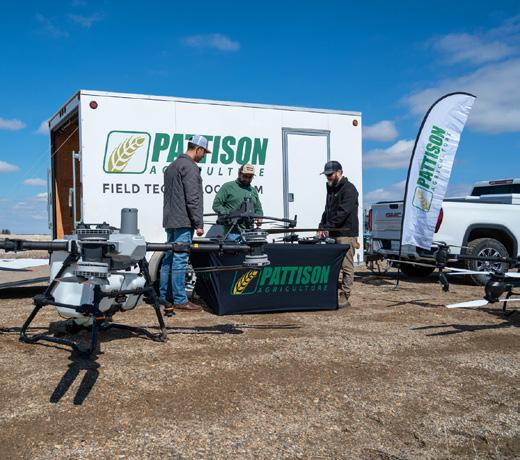
Equipped with the latest Field Technology – Weather Stations, Vosker Security Cameras, and DJI Agriculture Drones! Our weather stations can offer precise, real-time data empowering you to make informed decisions with confidence. Leading-edge security cameras that provide exceptional surveillance, adding that extra piece of mind. DJI’s Ag Drone technology brings nextlevel precision and efficiency to your operation with spraying, scouting, or analyzing crop performance. Contact us!
Agronomy
Providing you with agronomic support for your operation to help you maximize every acre. Utilizing your precision ag data through VRAFY and John Deere Operations CenterTM to help make informed decisions that best suits your operation.
Let’s chat about what package would be suitable for your operation:
• Select (VRAFY Software + Digital Support)
• Premium (VRAFY Software + Soil Sampling + Digital Support)
• Ultimate (Full Agronomy Services)
• Partnership (Agri-Businesses) Contact us!
Contact your local Pattison Ag for more information or call 1-866-877-4321
DJI AGRAS T100 SPRAY DRONE
Operational efficiency has doubled, supporting multiple applications such as spraying, spreading, and lifting. Built in industry-leading safety systems and advanced algorithms allows the T100 to have unmatched safety performance and an exceptional operating experience.
Customizable packages for your operation, book a demo today!
• Spray & Go
• Spray & Spread
• Spray & Spread Plus RTK
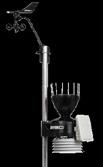
DAVIS VANTAGE PRO 2 GROW WEATHER STATION WITH CELLULAR GATEWAY & POLE
• Accurate, reliable weather monitoring with real-time data updates every 2.5 seconds.
• Includes solar radiation sensor for evapotranspiration.
• Transmits data to EnviroMonitor Gateway.
• Maintenance and Calibration Plans available.
• Does require an annual fee.
VOSKER SECURITY CAMERA V300 ULTIMATE
Experience the ultimate outdoor surveillance solution with our solar powered 4G-LTE autonomous security camera. Say goodbye to cables and hello to effortless setup in any outdoor environment away from WI-FI.
Taking Over the Rock-Finding Game
By Becky Zimmer
Drones are changing the look of many jobs in the agriculture sector. From mapping to spraying to scouting, farmers are reaping the benefits of these digital eyes in the sky, making their jobs easier while lessening the environmental and soil impacts that come from using heavy machinery.
One more job is being added to the growing list of drone capabilities, and that is finding and mapping rocks from 40 metres above the ground.
Whether mapping before or after seeding, or mapping through the crop residue following harvest, drone companies are starting to see the benefits of a little aerial help for this long-standing problem. For other companies, this could be a future service they have yet to realize.
As long as a rock is visible, or even partially visible, the drone will find it in the thousands of shots per acre it takes as it scouts the field, says Charles Stover, marketing manager for TerraClear. These thousands of images are then compiled into a field map, allowing farmers to zoom in on every rock to get a high-resolution photo.
“We often have farmers who comment, ‘You said this was a rock on my farm, and when I zoomed in … I thought it was a dirt clod, but when I walked out there, and lo-and-behold, gave it a kick with my foot, it was a rock.’”
“We often have farmers who comment, ‘You said this was a rock on my farm, and when I zoomed in … I thought it was a dirt clod, but when I walked out there, and lo-and-behold, gave it a kick with my foot, it was a rock.’”
- Charles Stover
While based in the United States, TerraClear has a dedicated Canadian sales and flight crew. Around 20 per cent of their total acres are based in Manitoba, Saskatchewan and Alberta fields.
After breaking down the costs of labour and fuel, Stover’s “back-of-the-napkin math” estimates savings of around $27/ CDN an acre for farmers mapping out the fields before heading in with traditional rock-picking methods.
More importantly, drones find three times the rocks three
times faster. “That’s a real impact on the bottom line in terms of savings for fuel, for labour,” he adds, especially since rock picking by hand or machine isn’t infallible either.
Rock mapping isn’t something Candrone has fully explored yet, but specializing in unmanned systems means they have different drones available for many projects, says Andrew Fry, sales manager for the Burnaby-based company.
The all-purpose geospatial survey equipment supplier offers services like field mapping for drainage, as well as seed and fertilizer distribution, and has both LiDAR and photogrammetry, two widely used technologies for drone mapping that could be utilized for finding rocks.
Although they haven’t done much yet for rock-mapping case studies, Fry has been keeping up on the latest technological trends in agricultural drone use, and, as a farmer himself, even has his own quarter sections to play on. Partnerships with analysis companies, like Pix4D and Farmevo, means customers have the analysis services available to them, but that is not something Candrone does themselves.
Over the past five years, B.C. company AG Drones Inc. has focused on field mapping, but operations director Darcy Day believes the adoption of spray and seeding drones completely changed the industry. While farmers have been using satellite imagery for decades, they are now needing more precise data.
“You’re not mowing your field anymore. You’re going from spot to spot, and you’re able to go directly to it. Often on some fields, where maybe the rocks aren’t a huge issue and it’s not a real nasty field, instead of going up and down with the tractor, they’ll go out in a side-by-side.”
- Charles Stover
On average, Day can cover about 60 acres an hour, and when you have 1,000 acres to map, that can take a farmer days on a tractor or a side-by-side.
Ranchers in B.C. have been using drones for cover crop seeding for both easy access and hard-to-reach areas of the province’s interior, especially areas that were clear cut by forestry and are now being reclaimed for grazing land, says Day. But B.C. grain farmers and orchard owners have been slower to adopt the technology for aerial imagery uses.
“We use it more as a value add to show crops before we do our thing, and then wait a week, and do it after, so you can see what effect your inputs have actually made.”
Rock mapping is a totally new concept for the company, says Day, but it is not outside the realm of possibility. “It’s just a matter of feeding in the algorithms and saying, ‘look for this,’ and then the program will point out all the rocks, and then we could have that geo-located as well.”
Having the data is one thing, but companies like TerraClear have been taking it one step further. For TerraClear, this includes the AI algorithm mapping out the best rock-picking route, giving farmers the most efficient and least impactful way of getting them.
“You’re not mowing your field anymore,” says Stover. “You’re going from spot to spot, and you’re able to go directly to it. Often on some fields, where maybe the rocks aren’t a huge issue and it’s not a real nasty field, instead of going up and down with the tractor, they’ll go out in a side-by-side.”
Paul
Kuntz
Paul Kuntz is the owner of Wheatland Financial. He offers financial consulting and debt broker services. Paul is also an advisor with Global Ag Risk Solutions. He can be reached through wheatlandfinancial.ca.
Budgeting for 2027
As a consultant, the most common questions I am asked have to deal with affordability. Clients will ask, can I afford to buy this quarter section for $650,000? Can I afford to flip the combines this year or the quad track? Can I afford the new rental agreement from my landlord? These are all valid questions but tough to answer.
I start with basic math. We look at the expense and calculate the cost per acre. When purchases are spread out over all the acres, they typically do not have a big effect on the total expense per acre.
If you have a 5,000-acre farm and buy another quarter section for $650,000, the impact on the overall cost per acre is minimal. If you were already renting this land for $15,000, we take the mortgage payment for $650,000 over 25 years at five per cent, which is $45,834, and about $1,000 for property taxes, and we come up with $31,834 as the net expense ($45,834$15,000+$1,000). Over 5,000 acres, this is an increase of $6.37/acre.
Let’s look at a combine flip. We will assume you have a 5,000-acre farm and you have two combines worth $300,000 each, while still owing $130,000 on each one. The “new-to-you” combines are $700,000 each, so you need to pay an $800,000 difference plus the $260,000 you owe for a total expense of $1,060,000. Your old combine payments were $136,384 and the new ones are $185,000 so the difference is $48,616 or about $9.72/acre.
Maybe you have a landlord from whom you rent a section of land and the rent is going from $75/ acre to $100/acre. For those 600 acres, the difference on all 5,000 acres would be an increase of $3/acre.
You can see that these relatively large purchases or changes can have a minimal impact on the relative difference in expenses per acre.
When I look at the fertilizer price change, this is where I get worried. I am comparing the price of fertilizer in the summer of 2025 for the fertilizer we need in 2026, with the price of fertilizer in May 2026 for the 2026 crop. The change in expense is staggering. If you are looking at a
blend of 100-40-20-15, the difference in price might be as high as $50/acre or more.
If you have taken pulse crops out of your rotation, as so many people have, you need a strong blend of fertilizer on every acre.
If 2026 is like most years, once we have the seed in the ground, the price of fertilizer will drop and we can secure the 2027 crop’s fertilizer at a good price. What if it doesn’t drop?
In 2025, the price in the spring was about the same as the price in the summer once we were done seeding. The price did not reset as it often does. What if that is the same this year?
There are very few things you can do to your expenses that affects every acre by $50.
The examples I gave show expense moving from $3/acre to $9/ acre. What if they went up by over $50/acre? This is where forecasting starts to get difficult. If you want to flip combines and it is only going to change your expense by $9.72/acre, this might be a very doable plan, but if the price of fertilizer is going up by over $50/acre, that probably ruins everything.
I am comparing nitrogen fertilizer 46-0-0 bought for $795/ tonne in the summer of 2025 for the 2026 crop with the price as of seeding time in 2026 at $1,295. In that same time
frame, phosphate fertilizer 11-51 has gone from $1,275 to $1,400 per tonne.
I could do this example every year based on these dates and there would be a huge difference in the price of fertilizer. I have chosen one date (summertime) when fertilizer is historically the cheapest and then seeding time when fertilizer is historically the most expensive. This happens every year. The price is high at seeding time and then right after that, it drops. As I mentioned above, this did not happen in 2025. The spring price of fertilizer stayed through and never dropped. Now that we have unrest in the Middle East causing shipping disruptions, will the price reset in 2026? What does it mean to your farm if it doesn’t?
Fertilizer is a one-year budget item but land payments and combine payments are constant. If fertilizer is a bit high one year, maybe next year it will be less. But if you are running low on working capital, then one upside-down year might be enough to cause permanent damage.
When fertilizer goes up, we often think grain prices will follow. That can happen but there is no guarantee. This is the hope that keeps us coming back.
The math on grain prices going up is equally as encouraging as the despair of fertilizer expenses rising. If you grow 45
Fertilizer for 2027 could be expensive, or it could reset and be lower. There is not a lot we can do about it. But what you can do is understand the impact
it will have on your farm. That is within
your control.
bushels of canola or 60 bushels of wheat, a swing of $1/ bushel can change your income by $45 to $60. If we start thinking optimistically and look at a $2/bushel increase, we can get very excited very fast.
Grain prices seem to have a hard time sustaining a rally this year. They go up but then come down. Hopefully they will have a net gain and be sustainable. Fertilizer for 2027 could be expensive, or it could reset and be lower. There is not a lot we can do about it. But what you can do is understand the impact it will have on your farm. That is within your control.
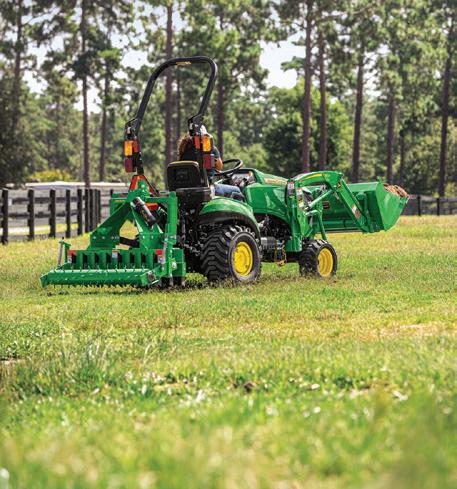
Bundling up isn’t just for winter. Save big this season with a John Deere 1023E Sub-Compact Tractor and 120R Loader.
Save Big
Save $4500 when you bundle up, PLUS get 0% financing (as low as $360/month).
Trade & Save More
Trade in your 2016 or newer compact utility tractor and get an extra $1350 toward a select 2026 model.
One-stop Financing
Brandt Finance isn’t a bank, so they can make customized solutions just for you. On your terms and turf.
When the Music Stopped
The 1980s farm crisis and today’s ag environment
By Evan Shout, president of Maverick Ag and co-founder of Farmer Coach
I have a love-hate relationship with agriculture.
I work with some of the best entrepreneurs in Canada. But I’ve also never been part of an industry where a meaningful number of people want to be right so badly; they’d rather watch the place burn than admit the story might be more nuanced.
That’s what sent me down the 1980s farm crisis rabbit hole last month.
After being asked (again) whether we’re approaching “judgment day,” I decided to look at facts versus fear. A lot of advisors are pushing a narrative that could be right or could be wrong. I lean toward the latter, but I wanted the backup to say it out loud. And to be clear: I could still be wrong.
1) The Debt Crisis (and what people get wrong about it)
Yes, the 1980s were debt related. Just not in the way most people tell the story.
Interest rates were from a different planet. In the early 1980s, rates were over 12 per cent (based on Bank of Canada historical data). Today, they’re nowhere near that. It’s hard to argue that “rates alone” are about to be the demise of land values in the same way.
More importantly, farms today have tools and awareness that
simply weren’t common then. Most progressive operations we work with:
• track renewals years in advance;
• lock in longer terms (10-15 years) where it makes sense;
• and in some cases, use interest-rate swaps to reduce exposure.
In 1980, that wasn’t the norm. A one per cent rate move hurt badly.
Total debt levels are also higher today (even inflationadjusted). That matters. But it matters in context.
When you look at debt-to-equity, the industry is roughly in the same ballpark as 1980 – around 20 per cent. This means the underlying asset base is still strong, but not all farms are safe. It also means a major land correction would not wipe out the entire industry. Highly leveraged farms would feel it; disciplined balance sheets would survive it; and some would be positioned to buy.
Lastly, consider debt service. Today, many farms are running debt service coverage ratios around 1.4-plus, versus closer to 1.2 in the 1980s. That suggests that even with compressed margins, cash earnings relative to payments and living costs are generally stronger than people think.
Farms operate on margin, not price, yield or costs in isolation. Prices may feel “low” compared to the 1980s when inflation adjusted, but yields are also dramatically higher. The math has changed.
2) The Cash Flow Crisis (or the storyline people want to believe)
The speculators would have you believe we’re in a cash flow crunch. I’d believe it too if we didn’t see hundreds (and sometimes thousands) of balance sheets a year that tell a more complicated story. And if you look at the 1980s data, working capital in agriculture is roughly double what it was then.
Are there farms with tight working capital? Absolutely. Especially where consolidation and “iron purchases” got ahead of the cash flow. But again, when you anchor on debt-toequity and debt service, that’s often a fixable problem with the right banking strategy and operational discipline.
What I see more often than a true systemic cash-flow collapse is this: a farm that needs to stop managing by headline and start managing by numbers.
One nuance worth mentioning is that consolidation does create pressure on short-term financing. If you have $200/acre of working capital and you double your acres, you’re now
effectively at $100/acre. That’s just math. The fix is strategy. Creating strong banking relationships, disciplined capital planning and control of operating leverage.
3) The Land Crisis (and the lie we keep telling ourselves)
Here’s a not-so-secret secret: land has never “pencilled.”
When I started farming, a quarter was $60K and it didn’t pencil. Today it might be $600K and it still doesn’t pencil on paper. But if you compare net worth today to 20 or 30 years ago, most producers are dramatically wealthier. That happened because of the land base. So, when advisors and real estate agents start telling you to sell the one asset that has made you rich, common sense says to ask why.
There’s another reality today that you need to consider. Farms are often over-equipped and oddly, that can be a benefit when expanding. If your existing equipment and labour can handle more acres, spreading fixed costs over more dirt can lower the cost of production per acre, even if rent or land prices feel high. The trick is simple and brutal: don’t expand and then buy more iron.
Previous generations used equipment more efficiently than we tend to today. If you’re willing to sweat the system, land can still “pencil” operationally even if it never looks pretty on the brochure math.
Here’s the risk I don’t hear enough “experts” talking about: How many baby boomers are built to sell? Land values, future margins and the next decade of agriculture will be heavily influenced by retiring farmers’ decisions.
4) The Disclaimer That Actually Keeps Me Up at Night
Here’s the risk I don’t hear enough “experts” talking about: How many baby boomers are built to sell? Land values, future margins and the next decade of agriculture will be heavily influenced by retiring farmers’ decisions.
The math says roughly 65 per cent of agricultural assets are held by people approaching 65. Life expectancy data from insurance tables often lands around the early to mid-70s. Over the next eight or so years, a significant portion of assets will transfer, be sold or be liquidated. How much gets transitioned versus liquidated? How much stays in the estate versus sold to settle it? How much is managed for generational wealth versus cashed out?
For an industry that prides itself on caring about the next generation, we’re about to find out how true that is. If we pass the test, agriculture keeps its pace, land remains a strong asset and the next generation tells stories about the legacy that was built. If we fail, supply outruns demand, access to capital tightens and land values soften because only a small share of the industry is under 40.
Tell me how that plays out and you win the prize.
Final Thoughts
I’m not writing this to dunk on people warning of doom. Some warnings are warranted. I’m writing it to remind you that disciplined management beats narrative. If your balance sheet, risk mitigation and transition plan are in the right place, you don’t need certainty about whether I’m right.
If land craters, you’ll have opportunity. If land holds, you’ll have opportunity. If you’re unprepared, either scenario hurts.
In the end, the only thing you can be certain of is one thing –land will go up, or land will go down. Take that to the bank.
Tom Wolf, PhD, P.Ag. Tom Wolf grew up on a grain farm in southern Manitoba. He obtained his BSA and M.Sc. (Plant Science) at the University of Manitoba and his PhD (Agronomy) at Ohio State University. Tom was a research scientist with Agriculture & Agri-Food Canada for 17 years before forming AgriMetrix, an agricultural research company that he now operates in Saskatoon. He specializes in spray drift, pesticide efficacy and sprayer tank cleanout, and conducts research and training on these topics throughout Canada. Tom sits on the board of the Saskatchewan Soil Conservation Association, is an active member of the American Society of Agricultural and Biological Engineers and is a member and past president of the Canadian Weed Science Society.
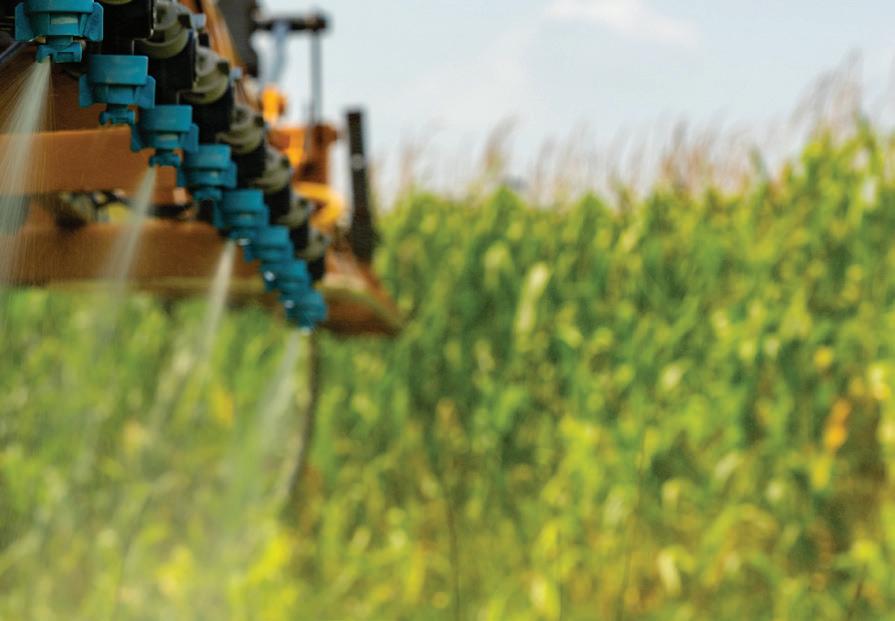
Are Low-Volume, Fine Sprays a Good Idea?
“History doesn’t repeat itself, but it often rhymes,” is something Mark Twain is reputed to have said. After a few decades of silence, we’re starting to hear from proponents of low-volume, finer spray application again. They tout the benefits of less water, and claim the efficacy is just as good. Lower booms, they say, not only make this possible, but also permit spraying under higher wind speeds.
In the course of my career, I have definitely changed my views on ideal droplet size, based on both research and experience. It started in the mid-’80s. Times were tough on the farm, and we wanted to save on herbicide. We ended up purchasing a SprayAir sprayer that promoted a 40 per cent product saving by using less water (2-3 gpa) via a very fine spray with air assist.
The claim was that when the herbicide was more concentrated, it was hotter. To maintain good crop safety, the rate was reduced and weed control would be just as good. The SprayAir was just one of various low-volume sprayers in play at the time. Others were the Computer Sprayer (spherical tank and ground drive pump), the SprayMaster (goose-neck hitch on pickup truck with wide, low booms at 30 mph), and of course the original Melroe Spra-Coupe three-wheeler with a 178-gallon tank, 53-horsepower VW engine and four-speed manual transmission. Applying the same three gallons per acre and cruising across fields at high speed, the Spra-Coupe was sometimes called the North Dakota Cessna, after its place of origin.
The secret sauce of all these sprayers was the same: fine sprays. You needed to atomize the liquid into a near mist to get enough droplets produced. And the resulting coverage was, to be honest, excellent, if it wasn’t too windy.
But there were also problems. Efficacy was variable. Some products didn’t kill weeds well at such low volumes. Many fields had pretty visible striping after application, not just with crop burn, but also poor weed control.
It didn’t take long for the chemical companies to voice their disapproval. They did so by refusing to compensate farmers for performance complaints if they used one of these low-volume machines. We still see label statements on products that prohibit these long-discontinued pieces of technology.
I owe my career to these times.
In 1989, I started working on a project (actually the continuation of a project that started with a 1985 ERDA grant) to study low-volume spray application. We did efficacy and drift trials with the SprayAir, and also with some spinning disk sprayers and the Rogers shrouded boom. (Barry Rogers had promoted the “Billion Drop” technology that generated such fine sprays that only one gallon per acre of water would be needed. Drift was taken care of with a well-designed shroud featuring an aerodynamic foil.)
After three years, we had our results. These low-volume sprays worked surprisingly well with glyphosate sprays. But they failed with bromoxynil, where the small droplets couldn’t generate necrotic lesions quite as well as the larger droplets. We also had a lot of issues with plugged nozzles and overall uniformity.
In the drift studies, the fine sprays (XR8001) at five gallons per acre drifted about three times more than the medium spray, an XR8002 nozzle applying 10 gallons per acre. When we added shrouds (we used the Flexi-Coil, Ag Shield, Rogers and Brandt cones), drift was reduced back to that of an unshrouded, higher-volume spray. The shrouds worked and
were popular for good reason.
But the very fine spray applying one gallon per acre under the Rogers shroud still drifted more than the others. Even a shroud could not contain the little droplets for long enough.
I understood the benefits of finer sprays, but I also realized that they were less consistent than the less popular highervolume sprays.
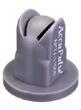
After the completion of the project, I attended Ohio State University and worked in a lab dedicated to the study of spray application. I became a proponent of the judicious use of smaller droplets for improved biological efficacy of many types of sprays, particularly insecticides. But drift had to be controlled, and we studied twin-fluid nozzles, air-entrainment nozzles, electrostatics, adjuvants, and in 1995, air-induction tips.
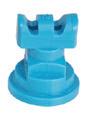
Of these, the air-induction tip was the most promising. Cheap to buy, easy to use, compatible with existing equipment and highly effective at controlling drift.
When I returned to Canada in 1996, the world had shifted. Roundup Ready and LibertyLink canola had arrived, as had self-propelled sprayers. It didn’t take a genius to figure out that drift control had risen to the top of the agenda. We
Our individual and collective agricultural practices must be respectful of others and of the environment. We have lots of opportunities to make shortcuts … nobody’s watching most of the time. But that doesn’t make it right. It’s certainly not in ag’s longterm interest.
needed to make sure our diversified cropping systems that included conventional canola, pulse crops, flax and sunflowers beside the traditional cereals wouldn’t be jeopardized by the widespread use of non-selective herbicides on herbicide tolerant crops.
Not only that, but the federal pesticide regulators, once under the control of a sympathetic Agriculture Canada, had shifted to Health Canada with greater scrutiny of environmental stewardship. PMRA introduced buffer zones and mandated minimum degrees of coarseness for herbicides, insecticides and fungicides to maintain acceptable environmental safety.
And while I remained an advocate for agricultural producers, I also realized that we, as an industry, needed to get on board with these values.
I became a strong supporter of the knowledge-based adoption of low-drift sprays in Canada. With my colleagues across the country, I studied and communicated the best way to use them from that point onward.
The story is a good one. Canada became a world-leading adopter of low-drift sprays. With voluntary and widespread adoption of these types of sprays, we reduced spray drift by a factor of four compared to the older nozzle technologies. We became better neighbours and maintained good product performance. We had a good story to tell our non-farming friends.
As sprayers became larger, the logistical need to apply lower volumes waned. A sprayer with a 1,600-gallon tank can spray a whole quarter in a little over an hour without refilling. Tender systems holding 8,000 gallons can supply this sprayer for most of a day.
But there are new voices now, speaking of the benefit of low volumes and fine sprays. Better coverage! Less tank filling! Drift? I can’t see any! Our booms are so low! Spray in even higher winds!
It’s rhyming with the 1980s.
The benefit of waiting 30 years to reintroduce a discredited idea is that there are few voices of opposition. Those who saw the disasters first-hand in the 1980s (those who studied them and went to some lengths to convince others that we need to change) have retired or passed away.
It’s a blue-sky moment for those who can’t be bothered to ask around, or to do some reading. But it puts a generation’s worth of stewardship efforts on drift management at risk.
To be balanced, let’s explore the attractiveness of the low-volume, fine spray approach. Finer sprays do provide superior coverage and save water. Every child knows this. Finer sprays also go places in the canopy where the coarser sprays can’t, for example very dense lentil canopies.
Now let’s recap the main drawbacks of fine sprays:
1. Fine droplets evaporate to dryness very quickly, in seconds. As they shrink, their drift potential is increased even more. Some droplets never land on the target.
2. Aerodynamic turbulence is more pronounced for smaller droplets. The effect of lower boom heights on turbulent deposition needs to be evaluated before any claims can be made.
3. Airborne spray drift is bound to be higher with finer sprays, even with low booms. But we don’t have the data. Such a study should be a priority before advocating for the practice.
4. Use of low volumes in high winds is a violation of labels. Many products have label requirements for minimum coarseness and maximum wind speeds.
I question the need to risk the negative impacts of spray drift for some small gain in productivity. Isn’t that why we placed large tanks on sprayers, so we could afford to use larger spray volumes that provide more consistent results? Isn’t that why spray tendering was revolutionized to minimize the impact of higher volumes on productivity? And of course, higher spray volumes allow the use of low-drift nozzles, the single most powerful way to reduce spray drift.
Our individual and collective agricultural practices must be respectful of others and of the environment. We have lots of opportunities to make shortcuts … nobody’s watching most of the time. But that doesn’t make it right. It’s certainly not in ag’s long-term interest.
Selling Farmland Through a Paradigm Shift
Changing farmland dynamics in Saskatchewan are handled with experience and care by Realtors Darren and Tyler Sander
By Nerissa McNaughton
Father-and-son duo Darren and Tyler Sander, RE/MAX® farmland experts, are no strangers to the many ways farm realty differs from selling single-family homes in urban landscapes or commercial properties on main streets. Farms sit at the intersection of residential and acreage, private property and commercial enterprises, and often involve generational wealth and family dynamics. In short, it’s complicated. However, with Darren ranked by RE/MAX® as the 30th best commercial agent in the world and Tyler being the fourth-generation family member in agriculture, this dynamic team has what it takes to help property owners with everything from single-family residences on one acre to large commercial farm estates.
Their depth of experience was why the Sanders were recently asked to facilitate one of the largest land transfer sales in Saskatchewan to date.
“It started with selling over 18,000 acres across three transactions in the same area,” Darren explains. “The first sale was just over 12,380 acres, followed by an additional 5,900 acres. It’s worth noting that one of these sales also included approximately 12,000 acres of rented land, where the leases were assumed by the buyer. Altogether, it was a massive deal – just over 24,000 acres, including the rented lands.”
Land transfers of this scale may just become the new normal. Saskatchewan continues to dominate Canada’s agricultural landscape, accounting for the largest share of the country’s total farm area at 39.2 per cent (as per StatCan 2021). The province boasts 60.3 million acres of total farm area, with
cropland making up a significant 66.9 per cent – a figure higher than the national average of 60.9 per cent. Over the past 20 years, the shift in how this farmland is managed has changed dramatically. Farms are continuing to grow in size, driven by technology and shifting demographics.
Fewer children are choosing farm life, and the technology going from tractors you fix with a wrench to automated combines whose diagnostics automatically self-report to a computer means larger farms with fewer incoming generations to run them. It’s a paradigm shift, but not necessarily a bad one.
“During the last two decades the equipment and technology have driven a lot of the changes, such as huge advances with seed resistance and increased crop production,” says Darren. “The economics of farming are not unlike other businesses –as tech and capabilities increase, it makes sense for farms to amalgamate and get larger.”
Adding to this, family farms are continuing to grow in size and are transitioning out of generations of family ownership, or are dancing with the tricky (and often procrastinated) issue of succession. This translates into needing expert advice when it comes time to sell, transfer or merge.
This is where Darren and Tyler come in.
It’s not just their experience in real estate. It’s their deep understanding of the changing and challenging dynamics combined with their differing skill sets (spanning everything from realty to marketing) that have their clients saying things
like, “From start to finish, your professionalism, responsiveness and guidance were exceptional. Although our farmland sale was a relatively small transaction in the broader market, it represented something very significant to our families. At every step, you made us feel that our property and our concerns were just as important as those of your largest clients.”
This praise from clients Paul and Mike Foley continues with them adding, “Your attention to detail, clear communication and genuine care made the process smooth and reassuring. We truly appreciated the respect and value you placed on our situation, and we would not hesitate to recommend you to anyone looking for knowledgeable and dedicated realtors. Thank you again for your outstanding assistance.”
With Tyler focusing on both residential and farm properties, and Darren only focusing on farmland (and farms usually containing a residence), what this father-and-son team brings to each client is truly unique.
Darren says, “It’s not just about selling homes. Quite often we hear people say, ‘My great-grandfather or my grandfather bought this land in the early 1900s.’ On many farms, families haven’t had the discussions with their children about selling.”
Darren and Tyler often become part of the discussion about succession planning, bringing their decades of experience and empathy to what can be a sensitive topic.
Darren continues about the way they help generational farmers, “It is not uncommon for us to meet the whole family,
“When helping someone achieve their goals, whether it’s selling or buying, the real reward for us comes in helping people achieve their goals.”
- Darren Sander
have discussions about what everybody’s goals are and what future plans could look like, whether they keep the land or they don’t. We are not accountants and we are not lawyers, but we have a network of tax lawyers, accounting professionals, planners and financial advisors to whom we refer people.”
Client Jim Winny couldn’t agree more. When it came time to sell the Rosetown farm, he turned to Darren and Tyler for help.
“Their professionalism, communication and marketing made for a smooth transaction handling and achieving a good price and quick sale,” says Winny.
At the heart of it all is a deep understanding of what the client needs, even if the client does not yet understand those complex needs. Darren and Tyler sit down, listen and discover those needs, ensuring all parties are on the same page and feel empowered every step of the way.
“Sometimes we meet prospects when they are not ready to sell,” Darren says. “This is why it always starts by listening. When we listen, we learn how to best assist be it expanding, going into succession or selling the farm.”
This thoughtful approach is greatly appreciated, as evidenced by Bethany Hofer, who wrote to the team, “Amongst our menfolk, all that you do for us may simply seem like business, but I can guarantee you it means a lot more throughout [the experience of the ladies]! We truly appreciate your dedication, patience and understanding.”
Darren concludes, “Whether it is a small family farm, a growing commercial enterprise or a merger to create a larger operation, everyone wants to know they got a fair deal and that the history tied to the land is respected. When helping someone achieve their goals, whether it’s selling or buying, the real reward for us comes in helping people achieve their goals.”
No matter the size of your property or whether you are buying, selling, merging or rightsizing, Darren and Tyler have the experience, compassion and network to empower you through the process from start to finish. Learn more online at darrensanderrealty.ca